Categories
birds flowering bulbs garden photography garden wildlife gardening gardens hardy perennials spring bulbs spring gardening

My Garden Journal 2018 – April

I began my April entries in my Garden Journal 2018 with the words, “April this year is a month to play “catch up” as the poor weather in the first quarter of the year has held us up so!” But as will be revealed during my entries this month things didn’t play into our hands as far as the weather was concerns. It rather dashed our hopes!

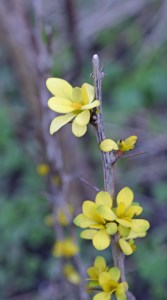
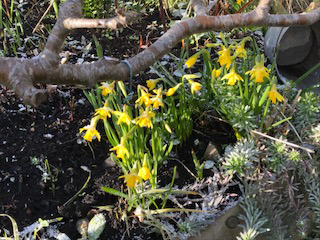
I continued, We had two weeks at home to garden before we went away for a Spring holiday. There was very little sign of the new season, a few daffodils and other Spring bulbs flowered but little fresh growth on perennials. Strangely, our Witch Hazels had a quick second flush of flowers.

 

Coppicing and pollarding feature strongly when we turn over to the next page, two of my favourite garden activities.

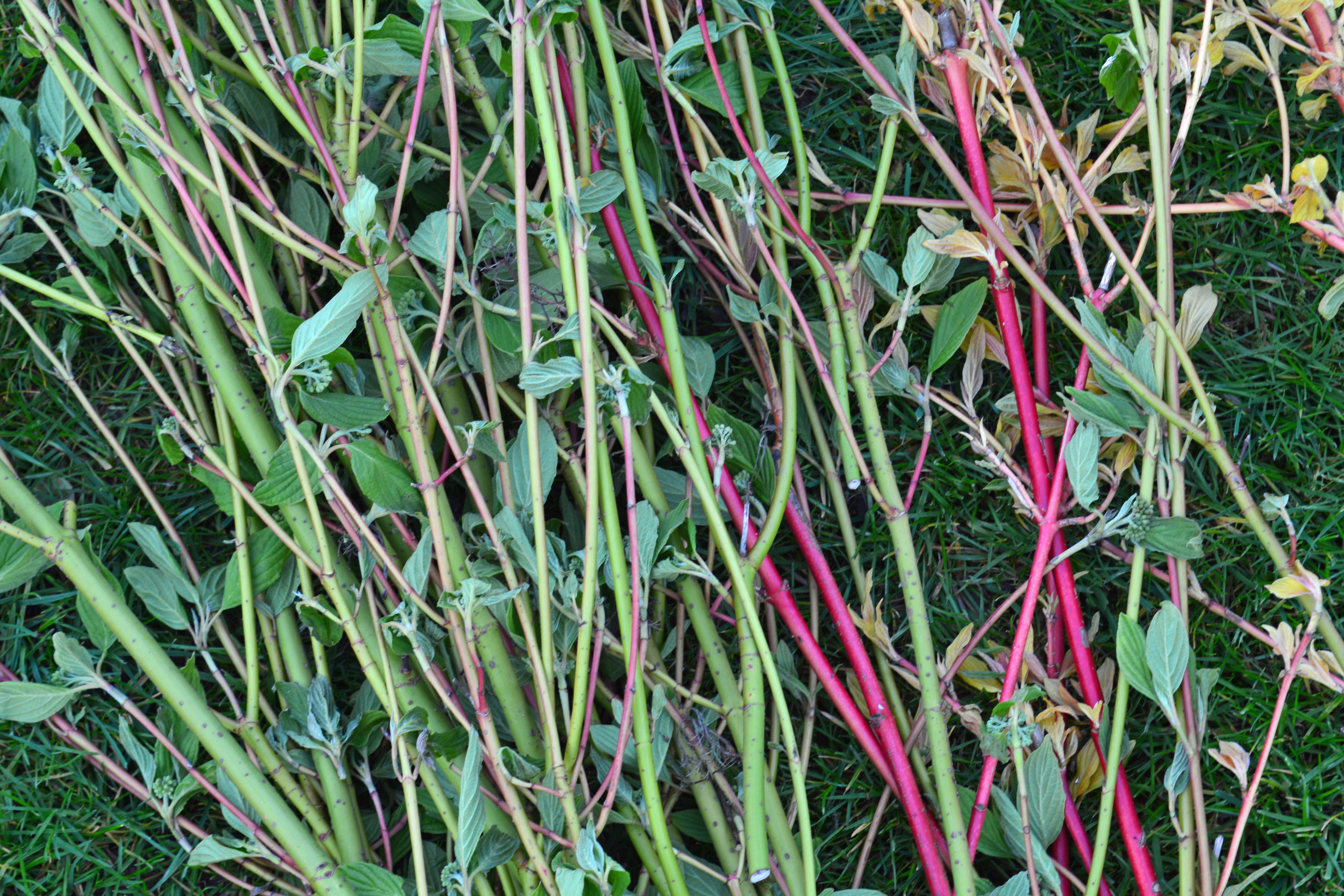
We usually aim to coppice and pollard our shrubs grown for their colourful stems, Cornus and Salix, before the end of March. The weather prevented us doing so this year so we tackled the job in early April. It is a job I love because I like to picture the results of my actions.

Some pruned stems are selected as cuttings to produce new plants to sell or as replacements.


Hazel rods become bean poles and the brash become pea sticks to be used on our allotment. We tidied up around the hazel stools and gave the footpath a mow over.


On the page opposite to the notes about coppicing and pollarding, I moved on to look at re-instating some of our grass paths, writing, A major job for this April was to repair and re-seed our grass paths. This is a result of having so many visitors when we open our garden for the National Garden Scheme.
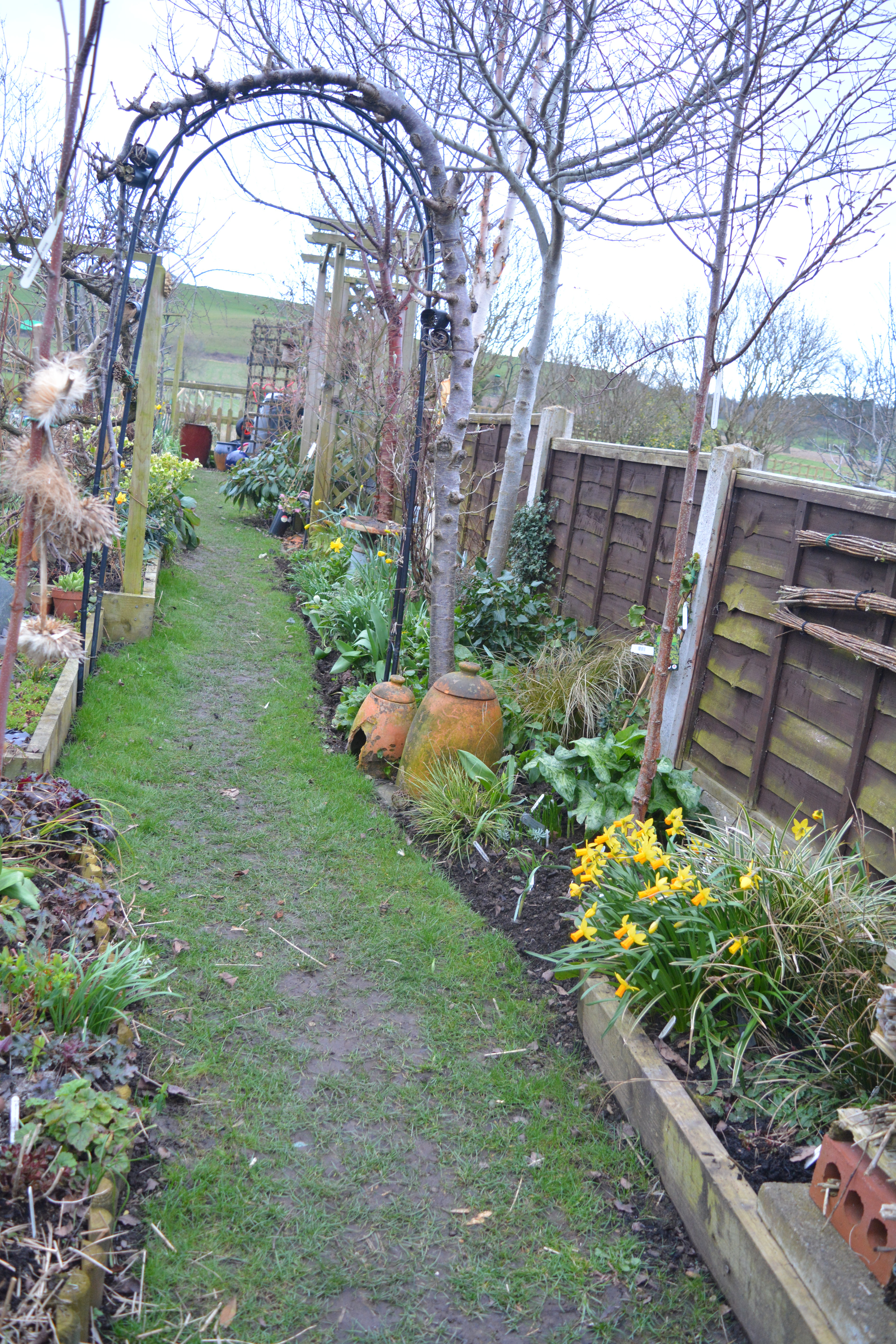
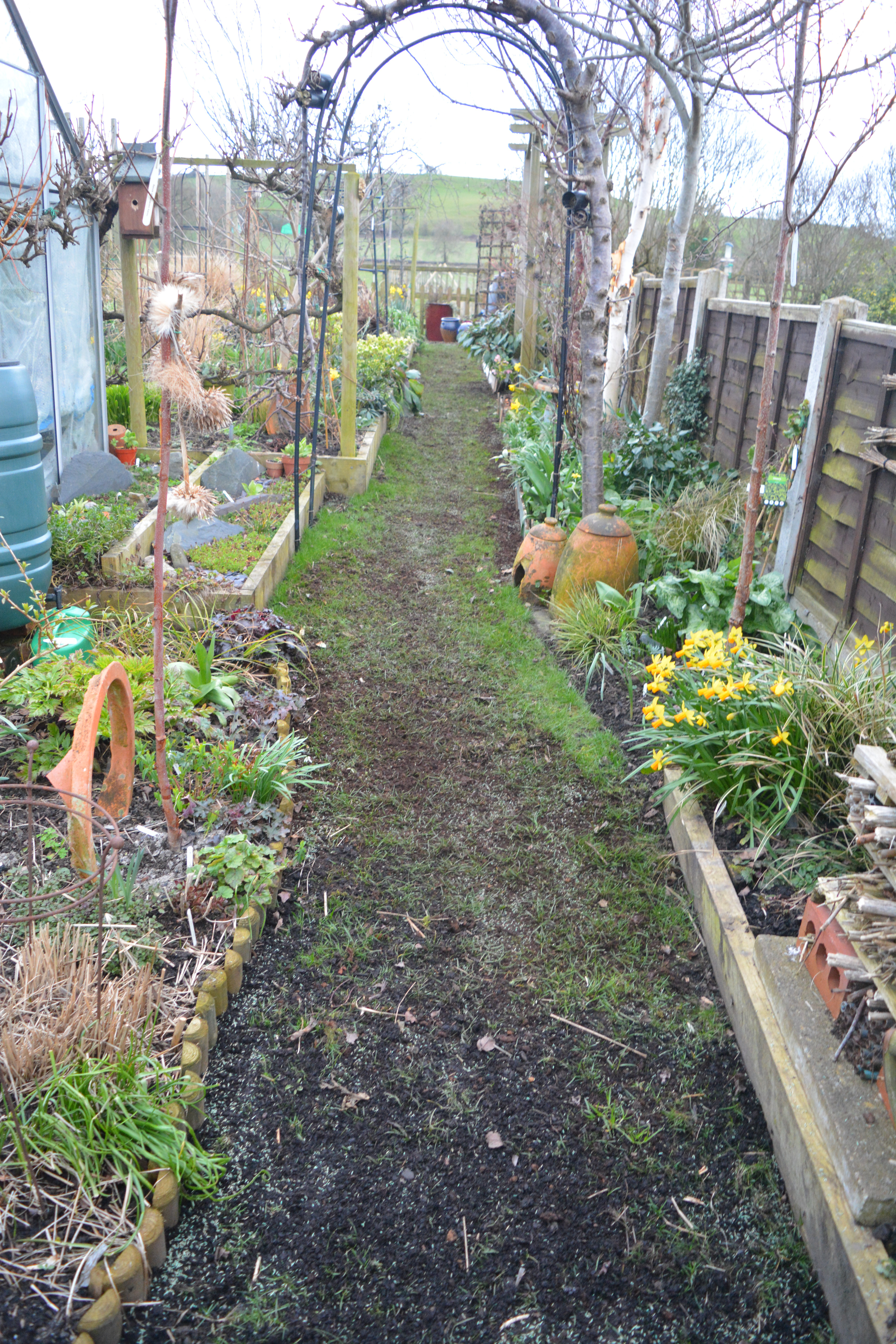
 

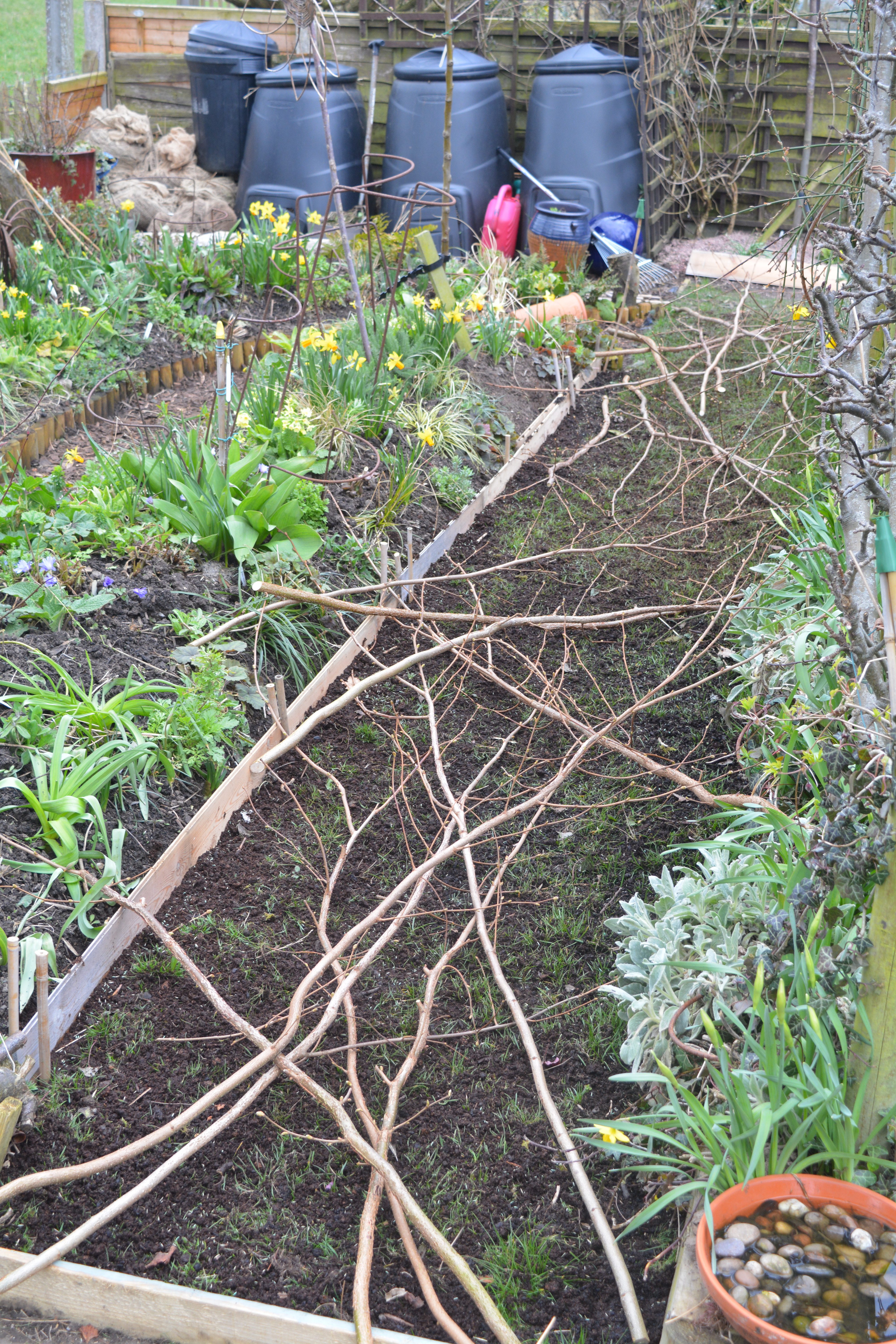
We used my big vintage Bulldog fork to spike deeply into the lawn surface and top dressed the lawn with compost. We brushed this in and added fresh grass seed into bare patches. To stop our garden birds eating too many seeds we spread prunings over the surface. 
     

Over onto the next page we can see that I shared a quote from Dan Pearson’s Natural Selection, then looked at more of this month’s jobs.
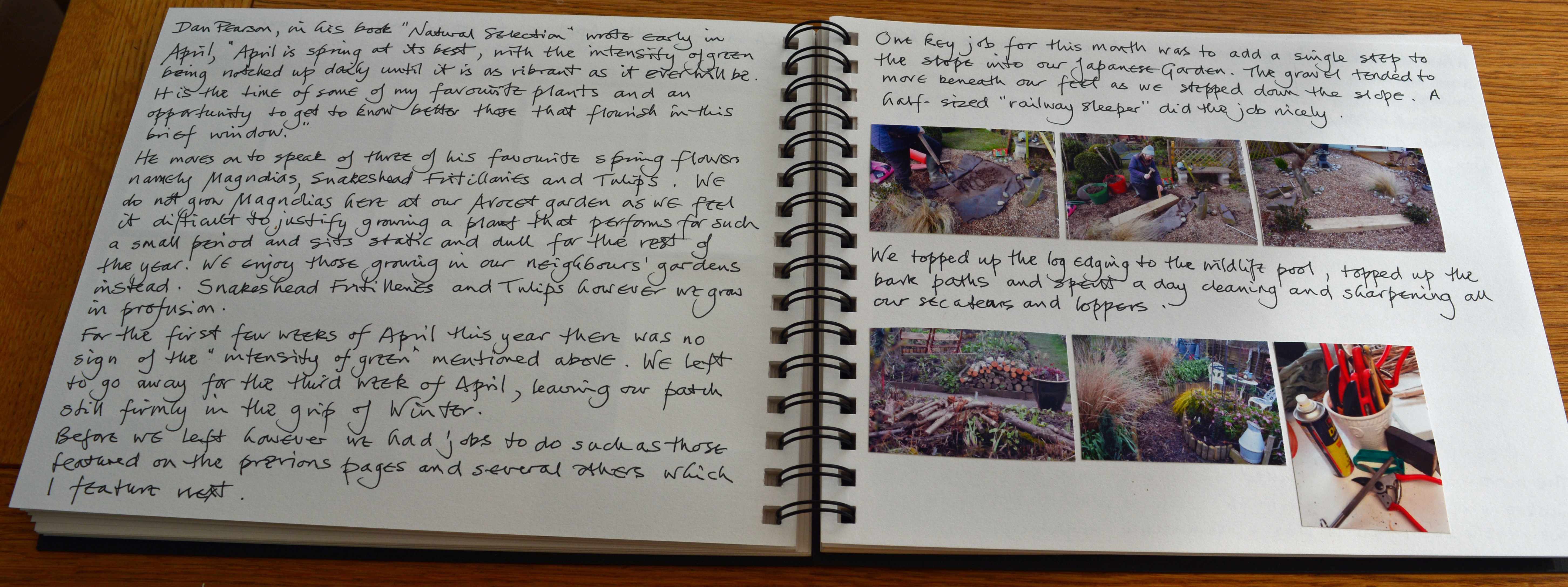
Dan Pearson in his book Natural Selection wrote early in April, April is spring at its best, with the intensity of green being notched up daily until it is as vibrant as it ever will be. It is the time of some of my favourite plants and an opportunity to get to know better those that flourish in this brief window.

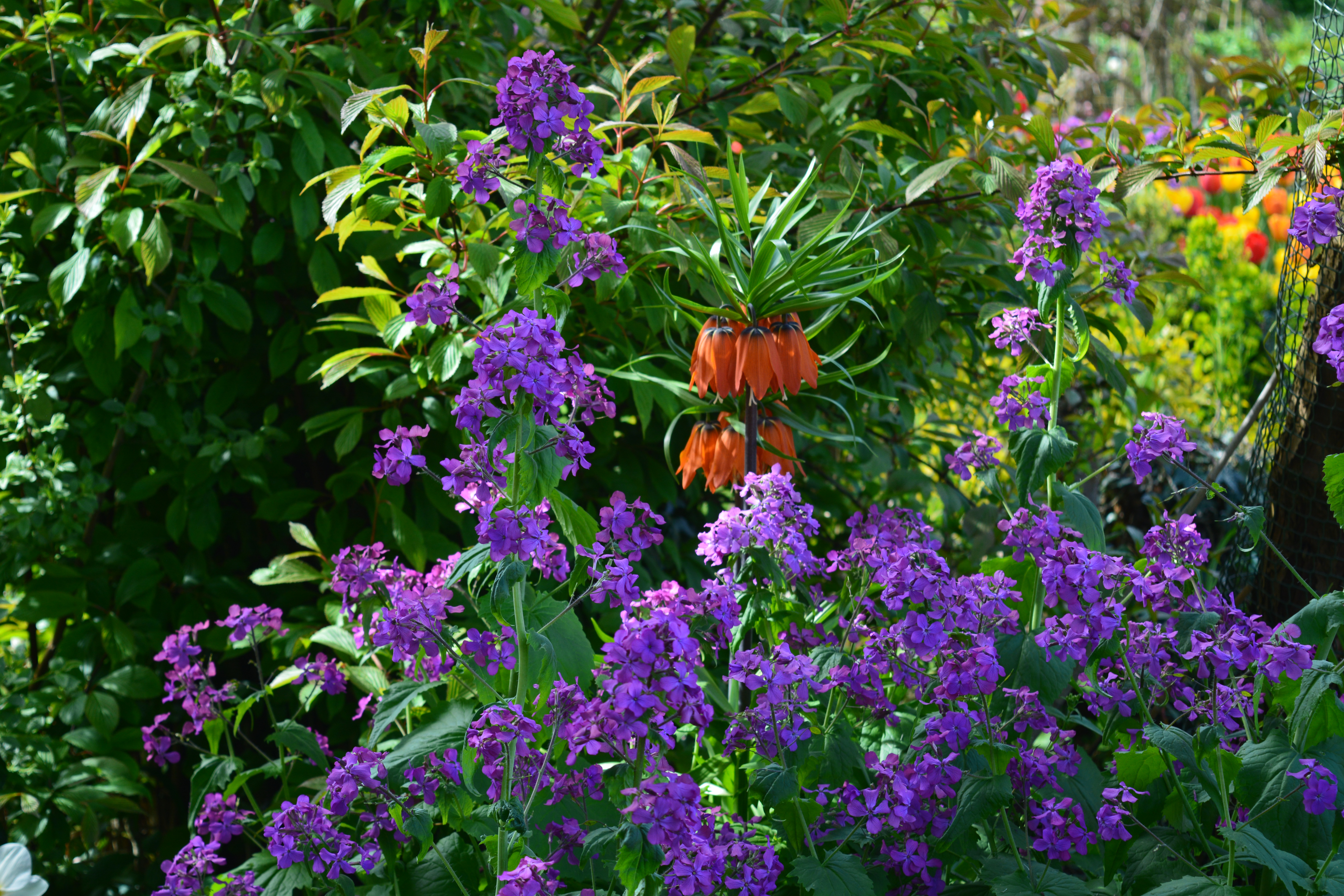
He moves on to speak of three of his favourite spring flowers namely Magnolias, Snakeshead Fritillaries and Tulips. We do not grow Magnolias here at our Avocet garden as we feel it difficult to justify growing a plant that performs for such a small period and sits static and dull for the rest of the year. We enjoy those growing in our neighbours’ gardens instead. Snakeshead Fritillaries and Tulips however we grow in profusion.

For the first few weeks of April this year there was no sign of the “intensity of green” mentioned above. We left to go away for the third of April, leaving our patch still firmly in the grip of Winter.

Before we left however we had jobs to do such as featured in the previous pages and several others which I feature next.

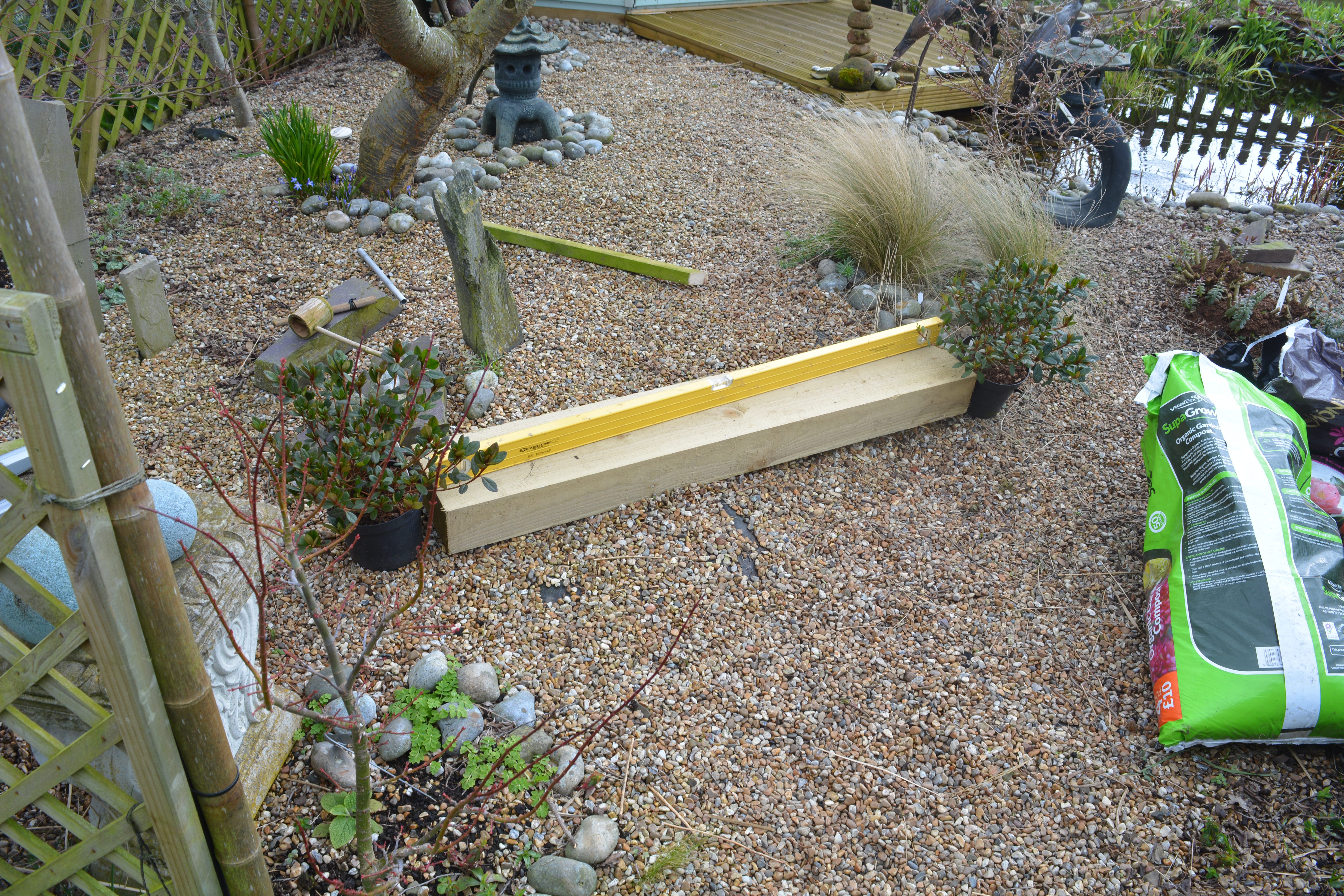
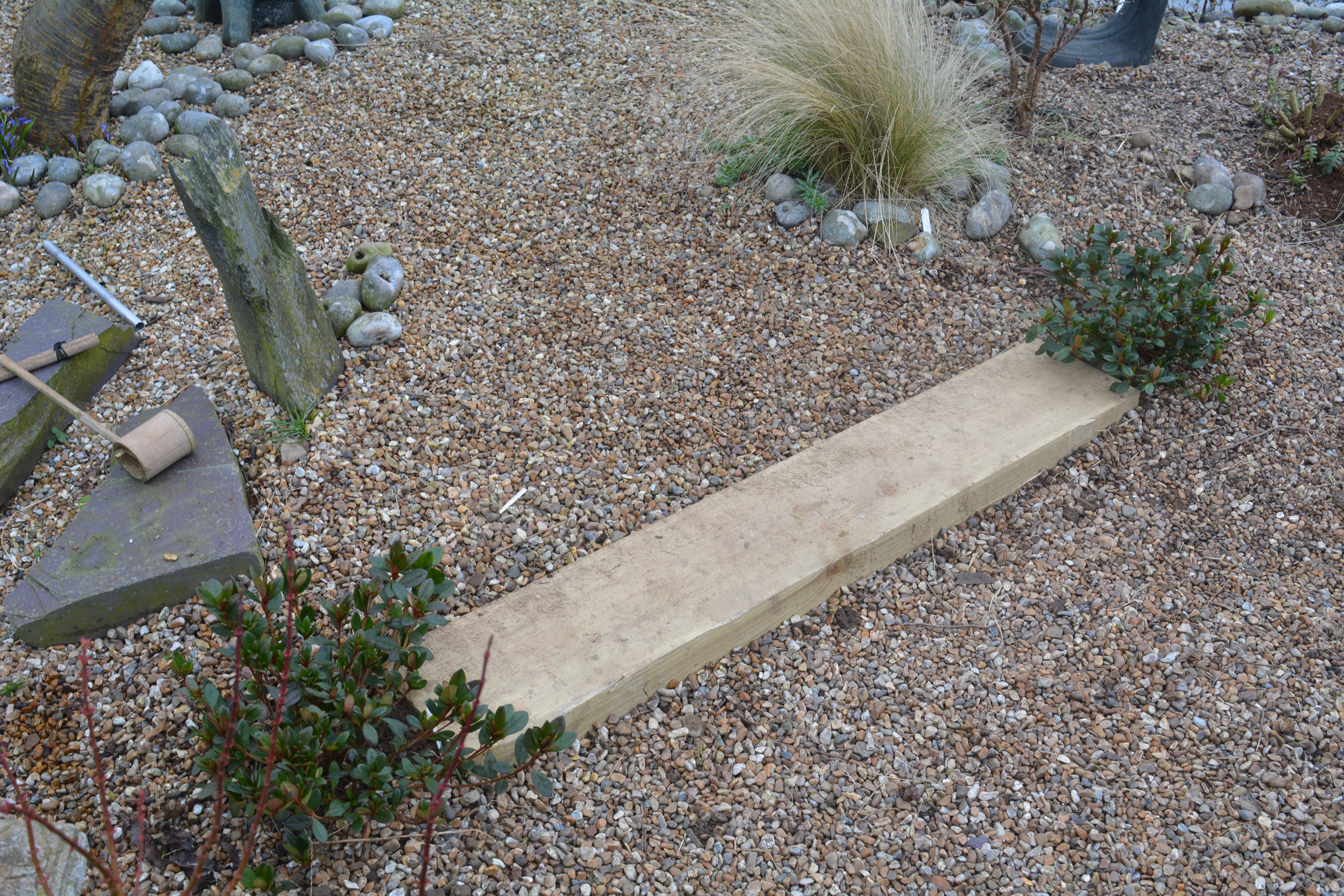
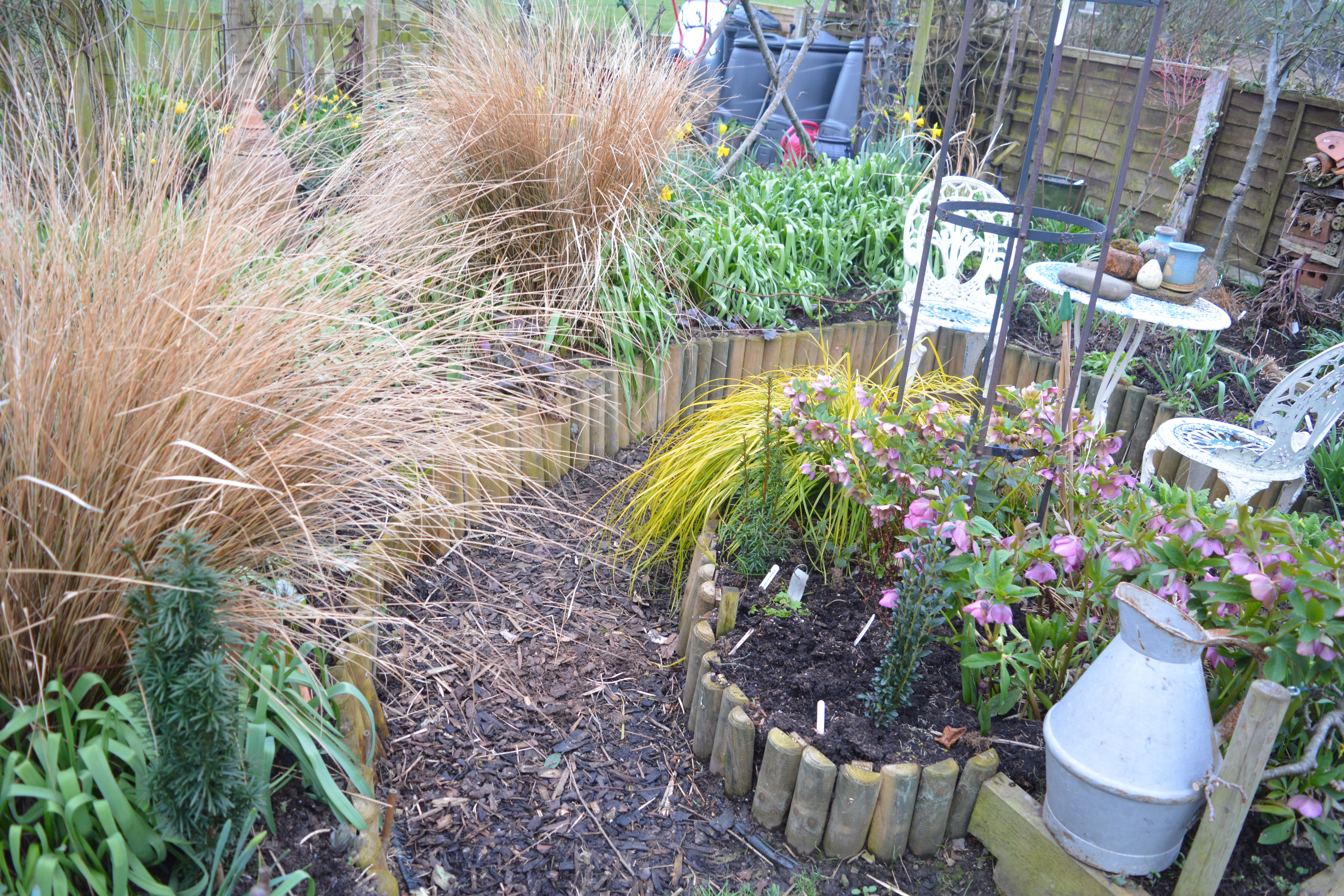
Our key job of this month was to add a single step to the slope into our Japanese Garden. The gravel tended to move beneath our feet as we stepped down the slope. A half-sized “railway sleeper” did the job nicely.


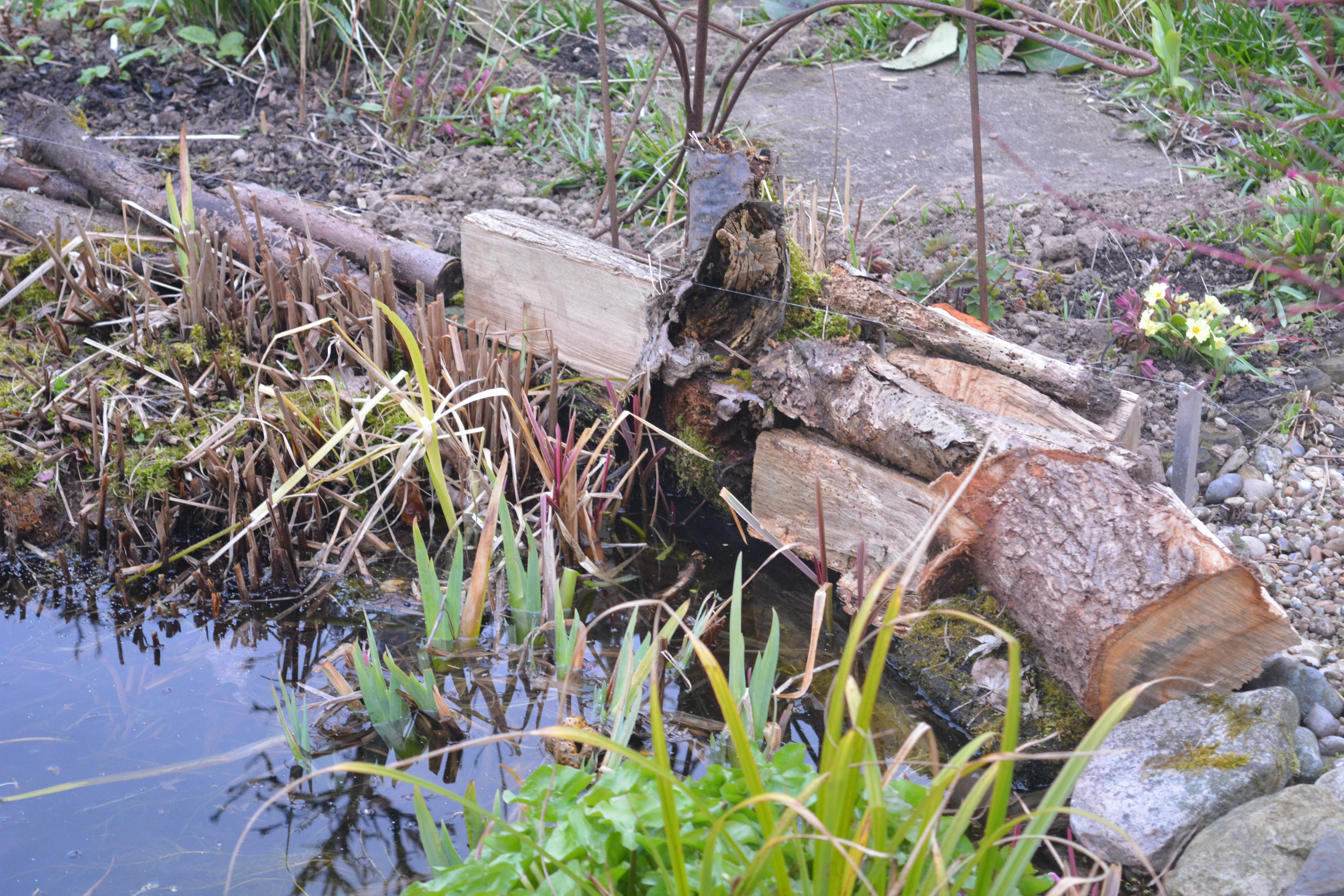
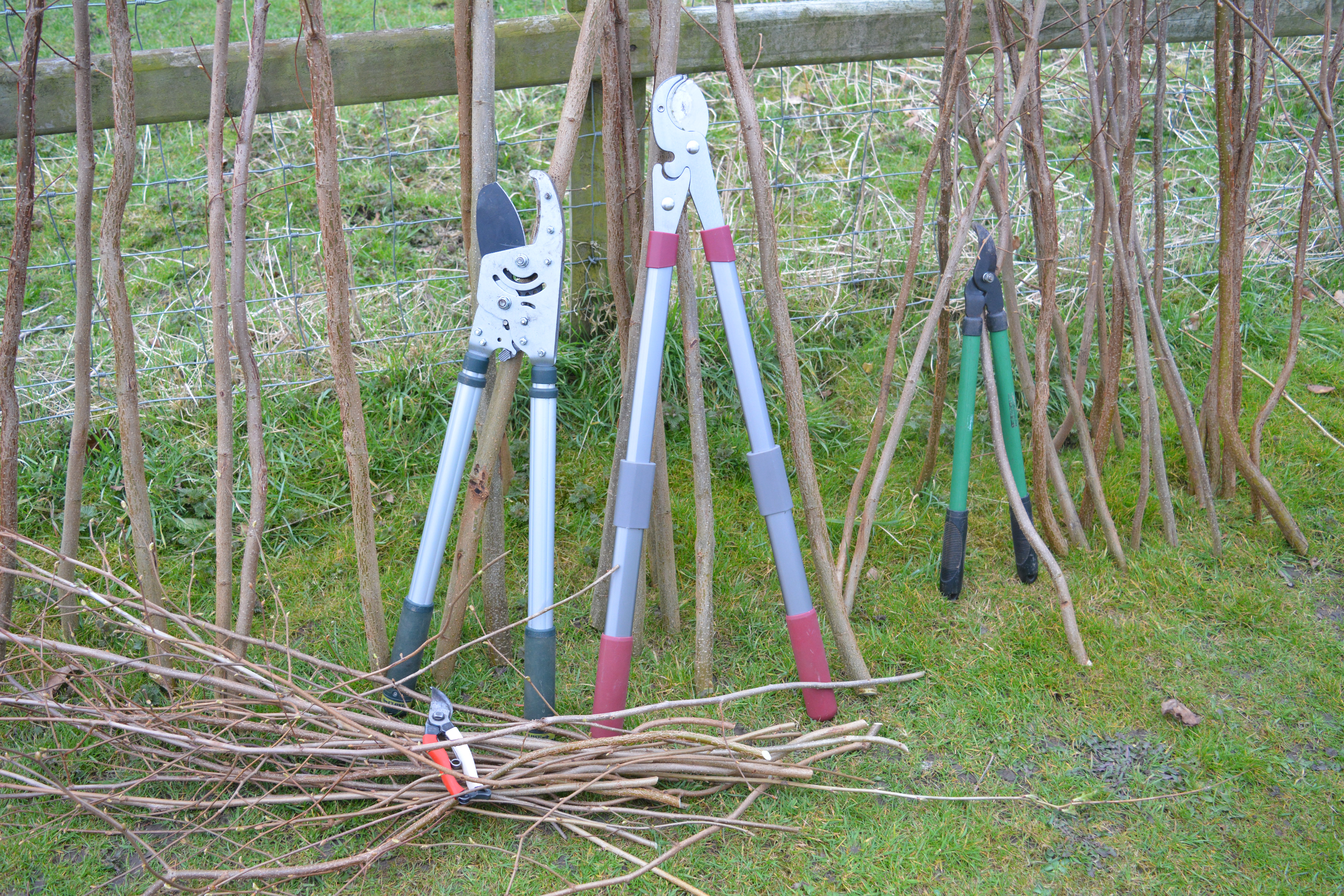
We topped up the log edging to the wildlife pool, topped up the bark paths and spent a day cleaning and sharpening all our secateurs and loppers.

    

Turning over to the next double page spread I wrote about the birds in our garden and then mentioned a sudden sign of spring.
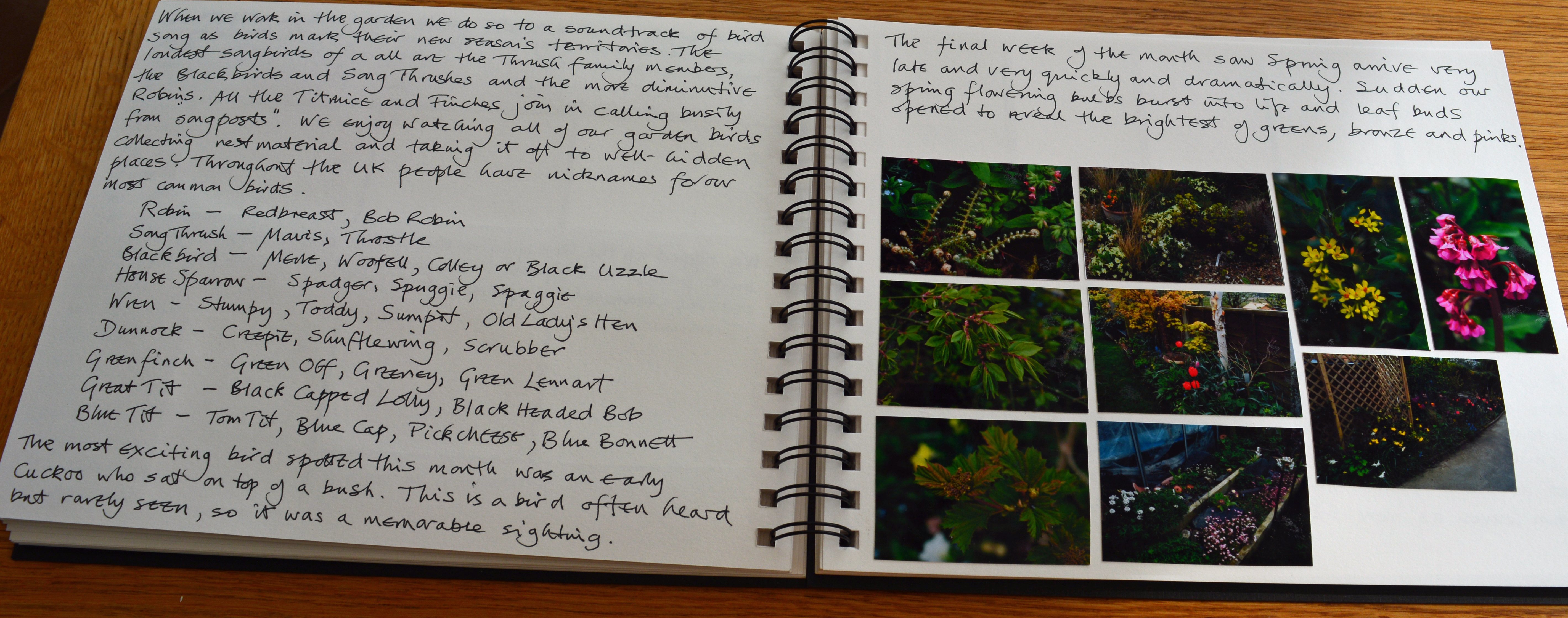
I wrote, When we work in the garden we do so to a soundtrack of bird song as birds mark their new season’s territories. The loudest songbirds of all are members of the Thrush family, the Blackbirds and Song Thrushes and the more diminutive Robins. All the Titmice and Finches join in calling busily from songposts.

We enjoy watching all of our garden birds collecting nest materials and taking it off to well-hidden places. Throughout the UK people have nicknames for our most common birds. I did some research and came up with these.

Robin  –  Redbreast, Bob Robin

Song Thrush  –  Mavis, Throstle

Blackbird  –  Merle, Woofell, Colley, or Black Uzzle

House Sparrow  –  Spadger, Spuggie, Spaggie

Wren  –  Stumpy, Toddy, Sumpit, Old Lady’s Hen

Dunnock  –  Creepie, Shufflewing, Scrubber

Greenfinch  –  Green Olf, Greeney, Green Lennart

Great Tit  –  Black Capped Lolly, Black Headed Bob

Blue Tit  –  Tom Tit, Blue Cap, Pickcheese, Blue Bonnett

The most exciting bird spotted this month was an early Cuckoo who sat on top of a bush. This is a bird often heard but rarely seen, so it was a memorable sighting. 


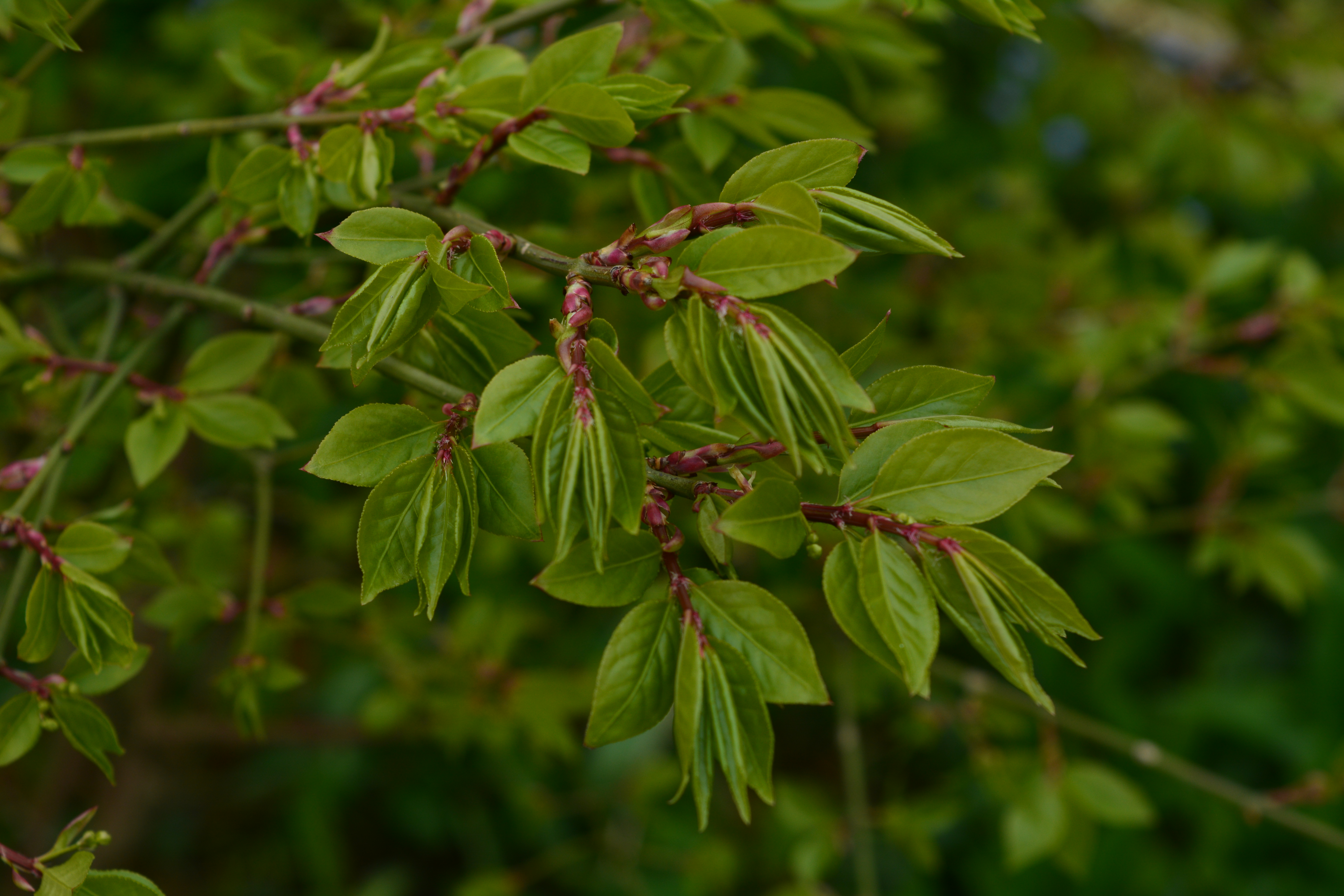
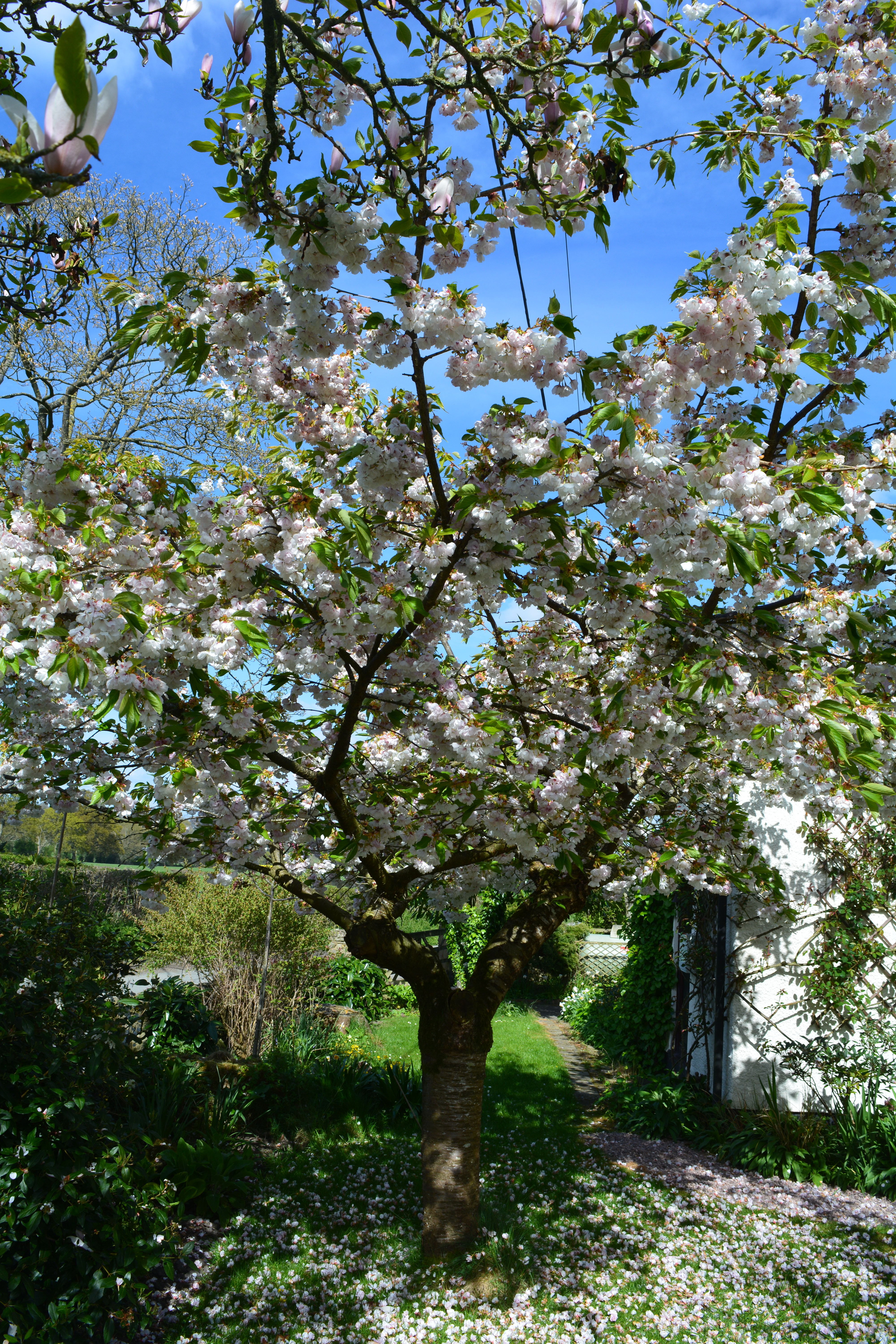
The third week of the month saw Spring arrive very late and very quickly and dramatically after a few days of record setting high temperatures. Suddenly our spring flowering bulbs burst into life and leaf buds opened to reveal the brightest of greens, bronzes and pinks.


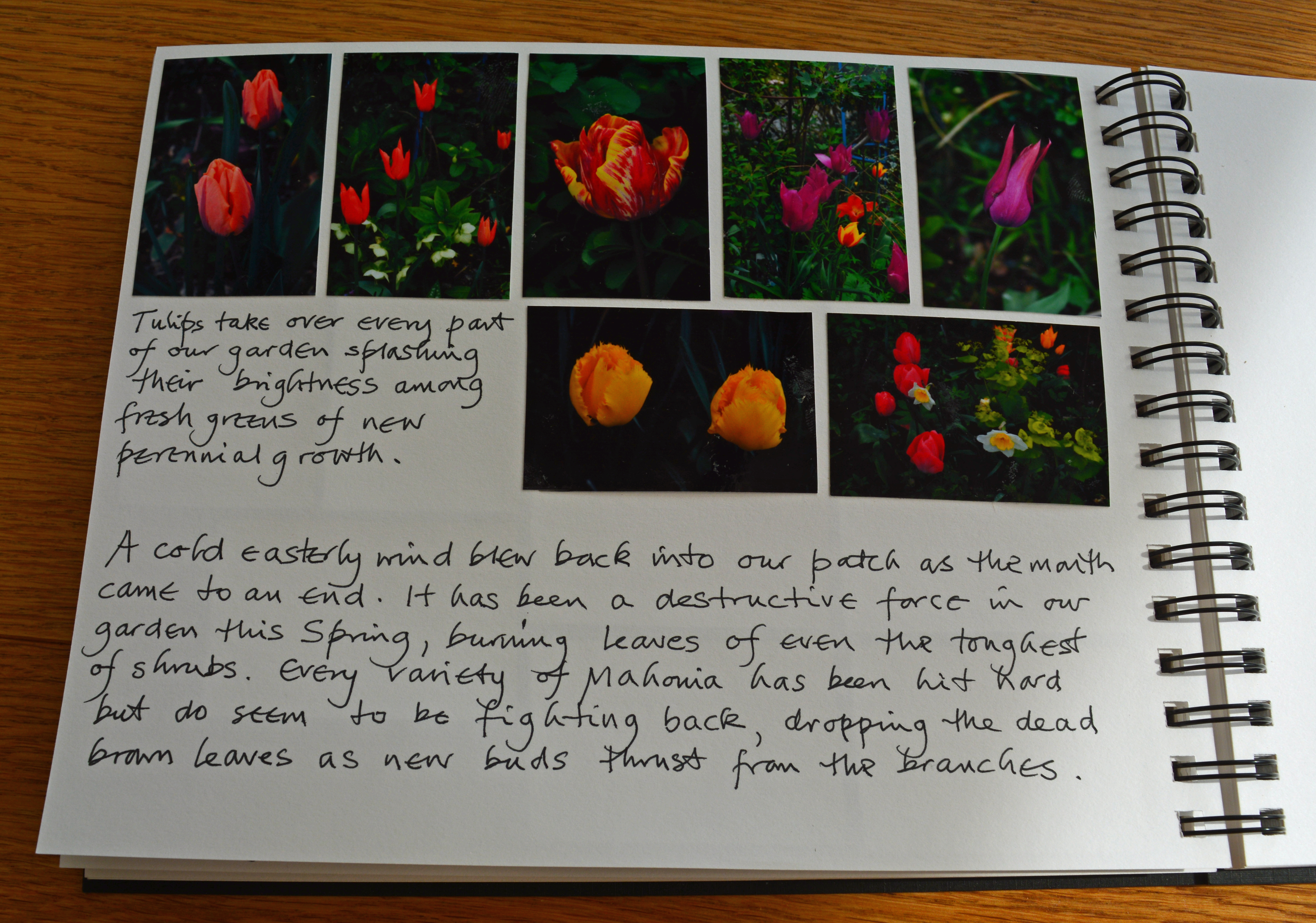
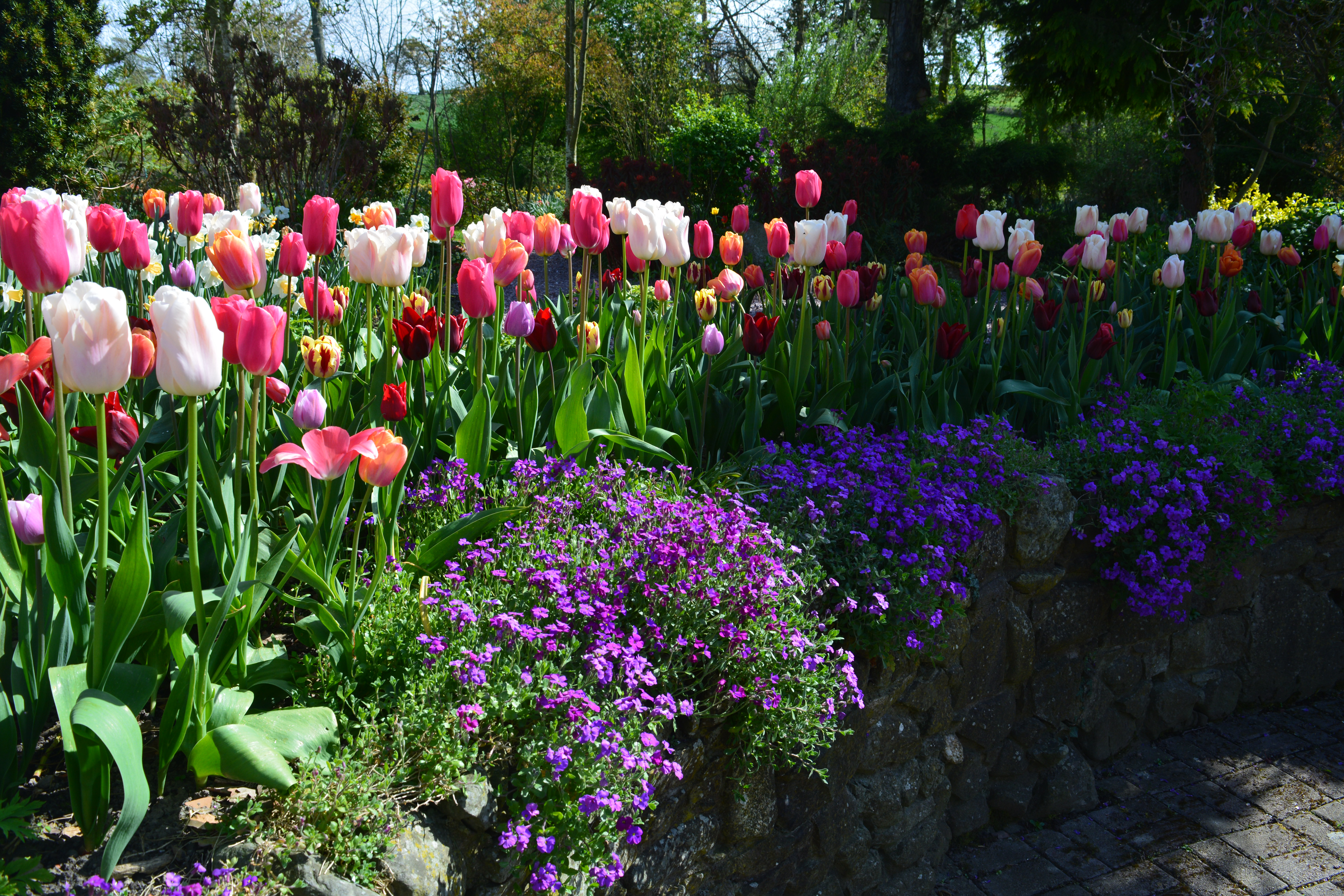
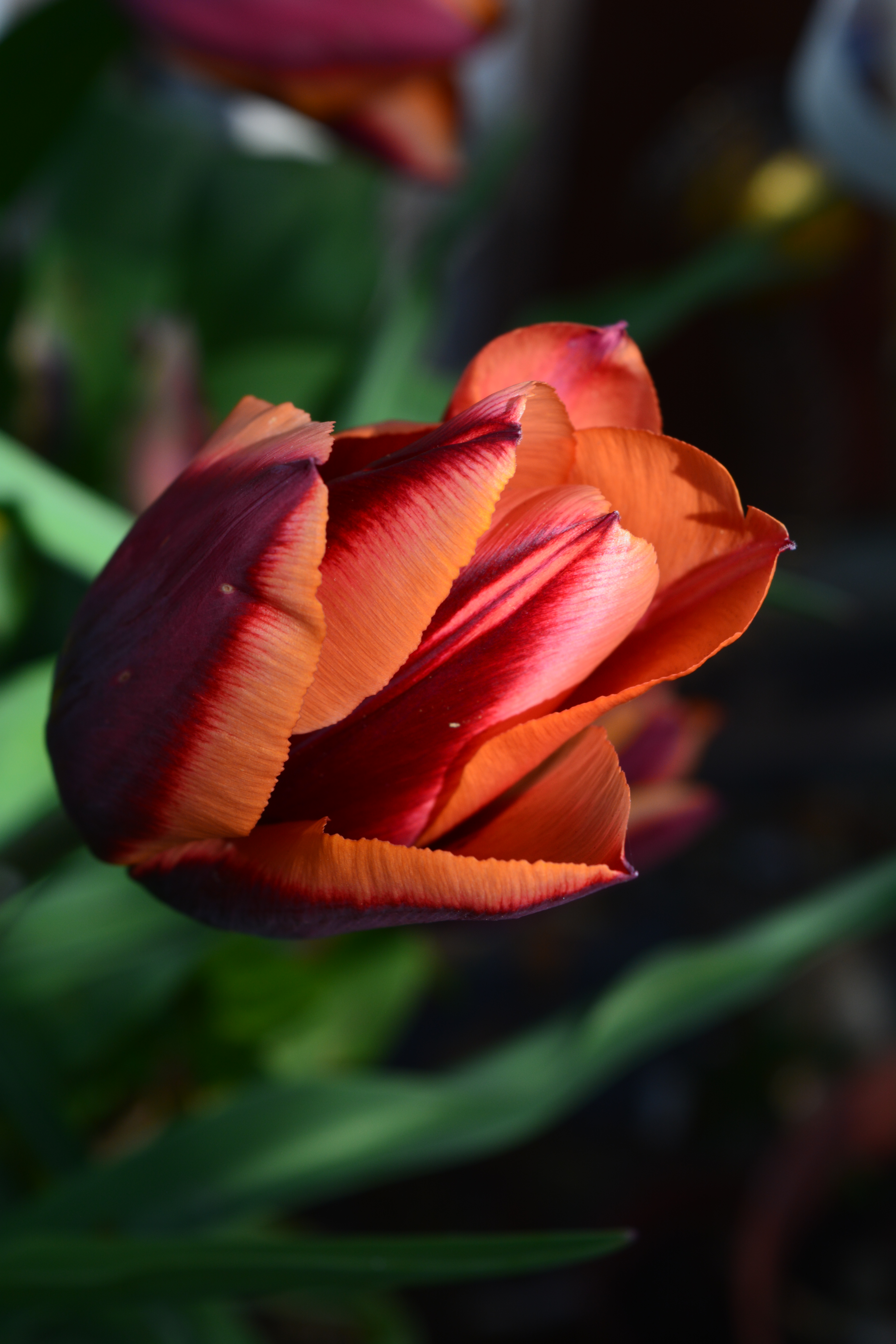
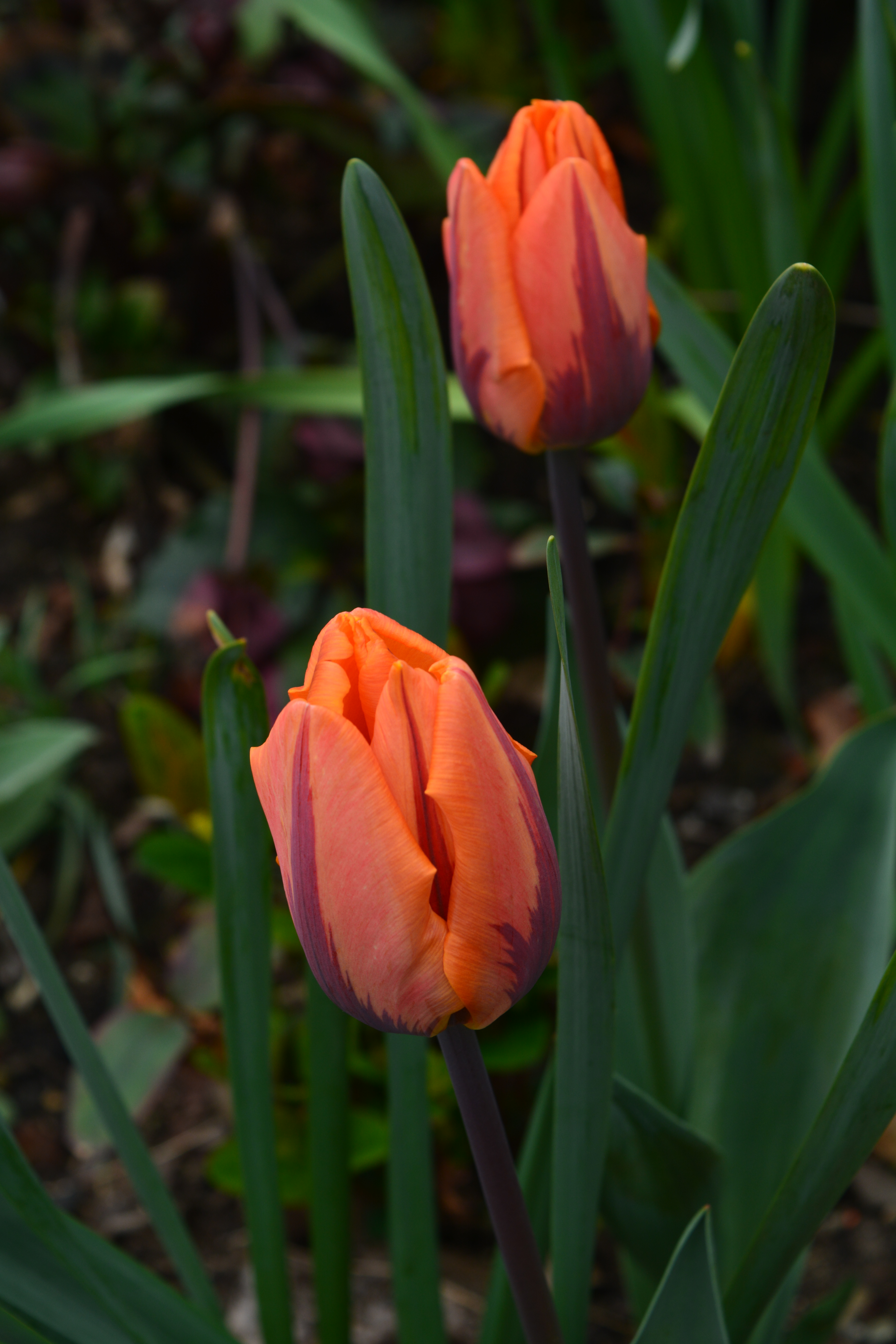
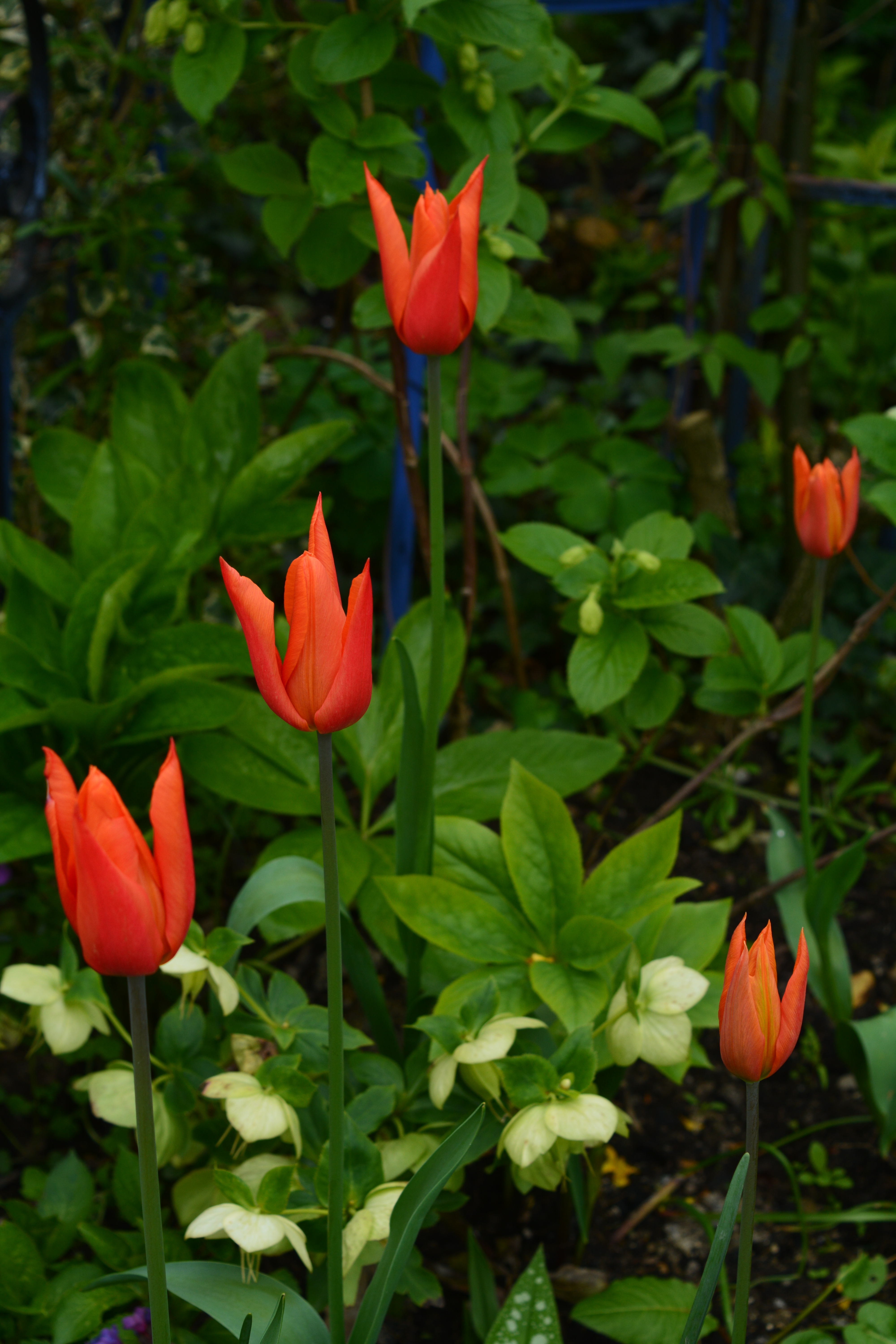
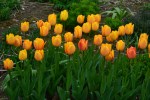
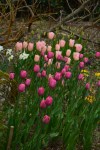
Tulips take over every part of our garden splashing their brightness among fresh greens of perennials growth.
          

A cold easterly wind blew back into our patch as the month came to an end. It has been a destructive force in our garden this Spring, burning leaves of even the toughest of shrubs. Every variety of Mahonia has been hit hard but do seem to be fighting back, dropping the dead browned leaves as new buds thrust from the branches.

So here I finish my report on my April pages in my garden journal. I will return in May when the weather may be more kind to us.


Categories
birds flowering bulbs garden wildlife gardening gardens irises natural pest control spring bulbs spring gardening trees

My Garden Journal 2018 – March

Into the third month of the year and we should now be seeing the cheerful signs of early spring. Spring should start the birds singing afresh. We should expect to see green returning to the garden as freshly-burst buds bring life to our patch. Let us see what my Garden Journal for March actually shows.

I began by recording, “March begins as February leaves off, freezing temperatures day and night often dipping into minus figures. The soil is solid, frozen and unworkable. Snow, sleet and frozen rain showers are frequent visitors. The Met Office count March as the first month of Spring but us gardeners know that it is the last of Winter. Dan Pearson in “Natural Selection” writes, “A cold start t the month always feels more appropriate to me, because it is better to go slow when there is so much to do and so much to take in. I prefer the feeling of caution that is generated when there is a beast waiting in the wings – it takes away the assumption that this might be the start of Spring.”

Nevertheless we carry on doing garden wildlife jobs, repairing and repainting nest boxes.”


Opposite I looked at one of my favourite spring bulbs, Iris reticulata and shared my Japanese brush paintings I enjoyed doing so much. I noted, “Iris reticulata bulbs are one of our first to come into flower following on from Snowdrops and Winter Aconites. Their rich blues and purples look good with Carex.

These Irises are native to Russia, the Caucasus and Northern Iran, but we grow them in our temperate gardens where they thrive if planted deeply. Our favourites are Iris r. George and “Harmony” but neither of us are keen on the “washed out” look of “Katherine Hodgkin”.


After looking at my Iris paintings we can turn over to a double page spread concerning firstly snow and then the wildlife in our Avocet garden.

“As we pass the mid-point of March we awake to the third appreciable snow fall of the winter. Luckily this fall has not been sculpted into drifts so we hope that when it melts we are left unscathed. It will however prevent us from getting out there and enjoying our early year jobs.”


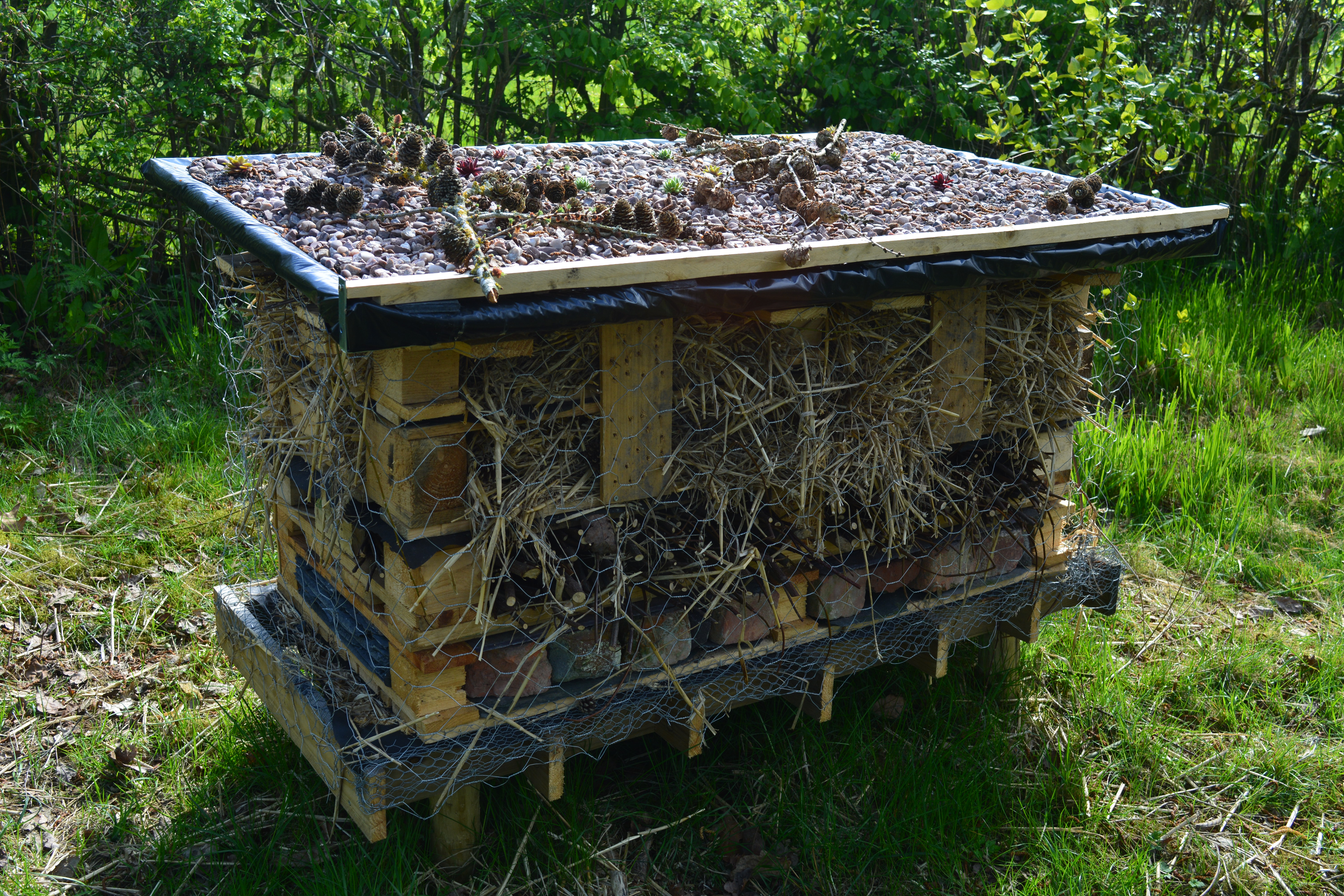
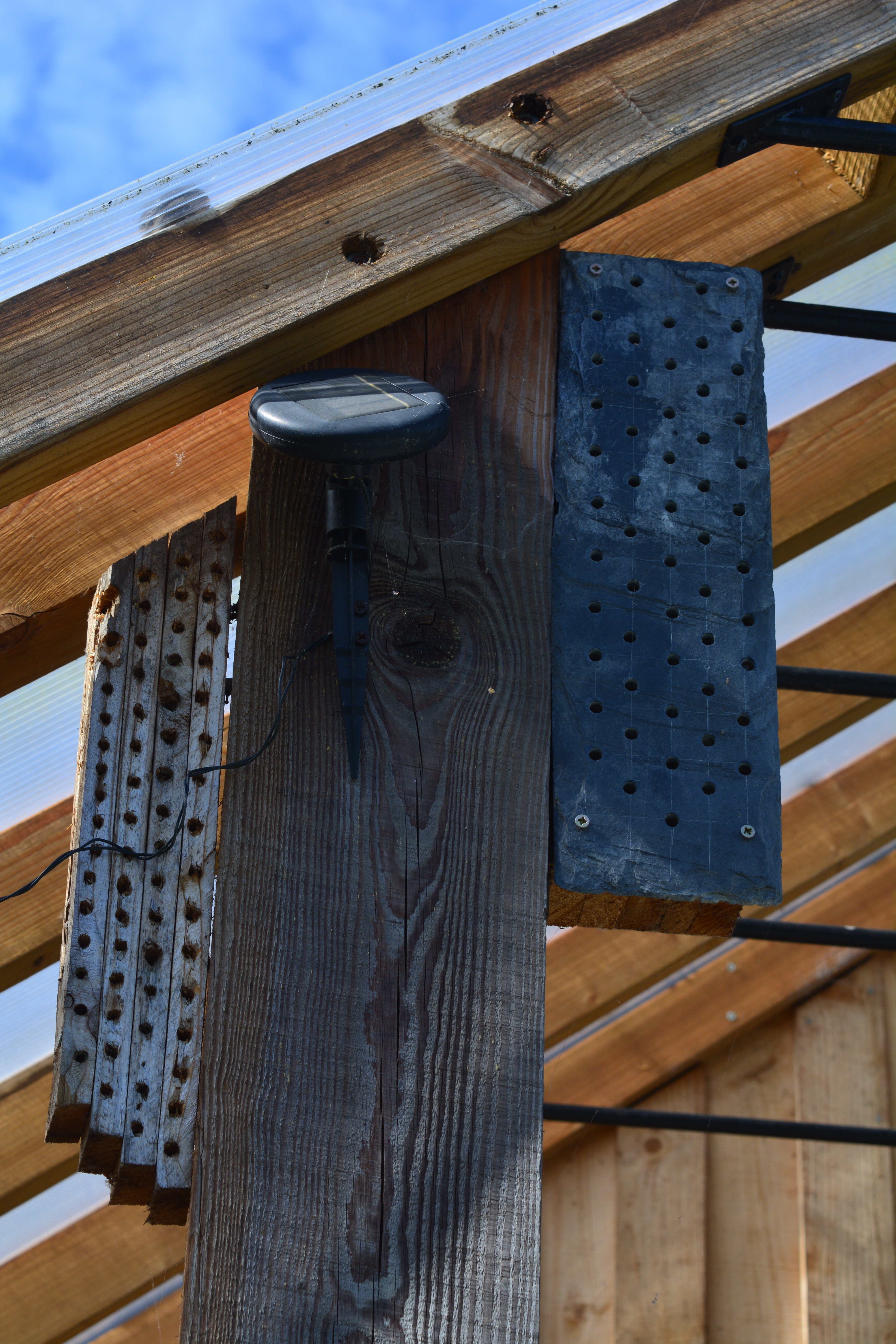
“Wildlife is busy in March with frogs cavorting in our wildlife pond and leaving large clumps of spawn among the plants that sit in the water close to the edge. Birds are pairing up, displaying, singing and carrying nesting materials to their nests under construction. We have a pair of  Robins nesting in our woodstore and House Sparrows have taken up residence in the nest boxes we recently re-furbished for them. We watched them pulling grass stems out of the snow and taking them into the boxes. We have created lots more bee homes and repaired any damaged older ones.”

We discovered our brightest coloured frog we have ever seen – a lime green bellied frog.”

Over the next page we look at some of the important jobs we have been busy carrying out during the month of March.


“March is a busy month for us gardeners and because of this it is a month we really look forward to. Each week we create a “to do” job list and get busy preparing for the year to come and of course ensuring our patch is up to scratch for our visitors this year.”

“We cut comfrey leaves for liquid feed, pruned leaves off the Epimedium to help us see their fresh flowers and topped up the log edging around our wildlife pond.”


“We fed our trees with wood ash from our woodburner and checked tree stakes and tree ties.”


“A big project is developing our new fern garden, a raised bed to fill the gap left by the removal of our oil tank. We came up with this crazy idea and hope it works! Planks of wood became a raised fern garden.”


Turning over to the next double page spread I wrote about buying new plants and I shared my paintings of a surprise find below the snow. I wrote, “We have been in plant buying mode often this March, some Hebes to replace some that have gone too woody and untidy, Ferns to add to our collection and stock our new “raised fernery” and more Ivies to cover concrete fence posts.”

“Hebes “Purple Shamrock”, Bronze Glow” and “Mrs Winder” and Ferns, “Polystichum setiferum “Plumosum Densum”, Dryopteris affinis “Polydactyla Dadds”, “Dryopteris austriaca “Crispa Whiteside” and Cyrtomium falcatum.”

“We have also been busy dividing perennials such as Sedums.”

“Secret beneath the snow! When the snow drifts melted and once again our golden flint gravel could shine in our Beth Chatto Garden, we found a sad looking perennial stem and its seedheads. It usually stands firmly upright as a statuesque reminder of its summer and autumn beauty. Eryngium pandanifolium can grow to 7ft tall, its spiny flower stem rising from a grass-like batch of equally spiky foliage. The flowers are coloured a strange dusky maroon colour.”

I painted this secret with water-colour pencils and artist pens in greys and blacks.

My final page in my entries for March features a quotation from a nature writer, John Lewis-Stempel and considered how it relates to our own patch.

“The nature writer, John Lewis-Sempel, in his new book titled “The Wood” wrote of March, “Robin sings with gusto, trying different refrains, experimenting. He is the philosophical songbird. 

Hedgehogs now out of hibernation from their watertight nests of grass and moss. As I’m sitting in my chair one shuffles absentmindedly over my wellingtoned feet.

The wood is “filling out”. There are no longer clear views through the trees. Gone is the sense of space, and light. The trees are crowding in.

The blackbird has finished her nest in the Elm. The nest is a perfect bowl, of grass, straw and twigs and plastered inside with mud. Years will pass, but the mud cup will last.”

                                                                                                                                   (March 2017)

Here at our Avocet garden we have virtually no fresh leaves open yet just bursting buds on just a few shrubs and trees. House Sparrows are nesting vigorously now collecting nest materials and at the end of the month we observed a Robin busy building a nest in a Robin nesting box we had made and put up in the Shade Garden.

In every other way Spring is slow to show any enthusiasm.

Our next visit to my garden journal will be in April when we hope Spring may have made some effort to get underway.


Categories
colours flowering bulbs garden design garden photography garden ponds garden pools garden wildlife gardening hardy perennials log piles logs National Garden Scheme natural pest control NGS ornamental trees and shrubs outdoor sculpture sculpture spring bulbs spring gardening village gardens water garden water in the garden wildlife woodland Yellow Book Gardens

Celebrating the Glory of Spring – the garden at a cottage called Cartref

I thought I would look back at a visit we made with friends, Pete and Sherlie in the spring to a garden called Cartref. It was a “pop up” NGS garden which is a garden that opens unplanned but that looks good so the owner wants to share it with other NGS, National Garden Scheme, visitors. It is a way of seeing gardens at their best. It is a new idea so we look forward to seeing if it continues to happen. We certainly hope so as we visited two this spring and loved them both.

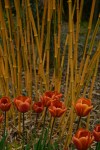
We decided to celebrate the glory of spring by visiting this NGS garden, a one acre modern cottage garden with borders, woodland and ponds. The main features of the garden were the lovely colourful collection of tulips which were at their best when we visited.

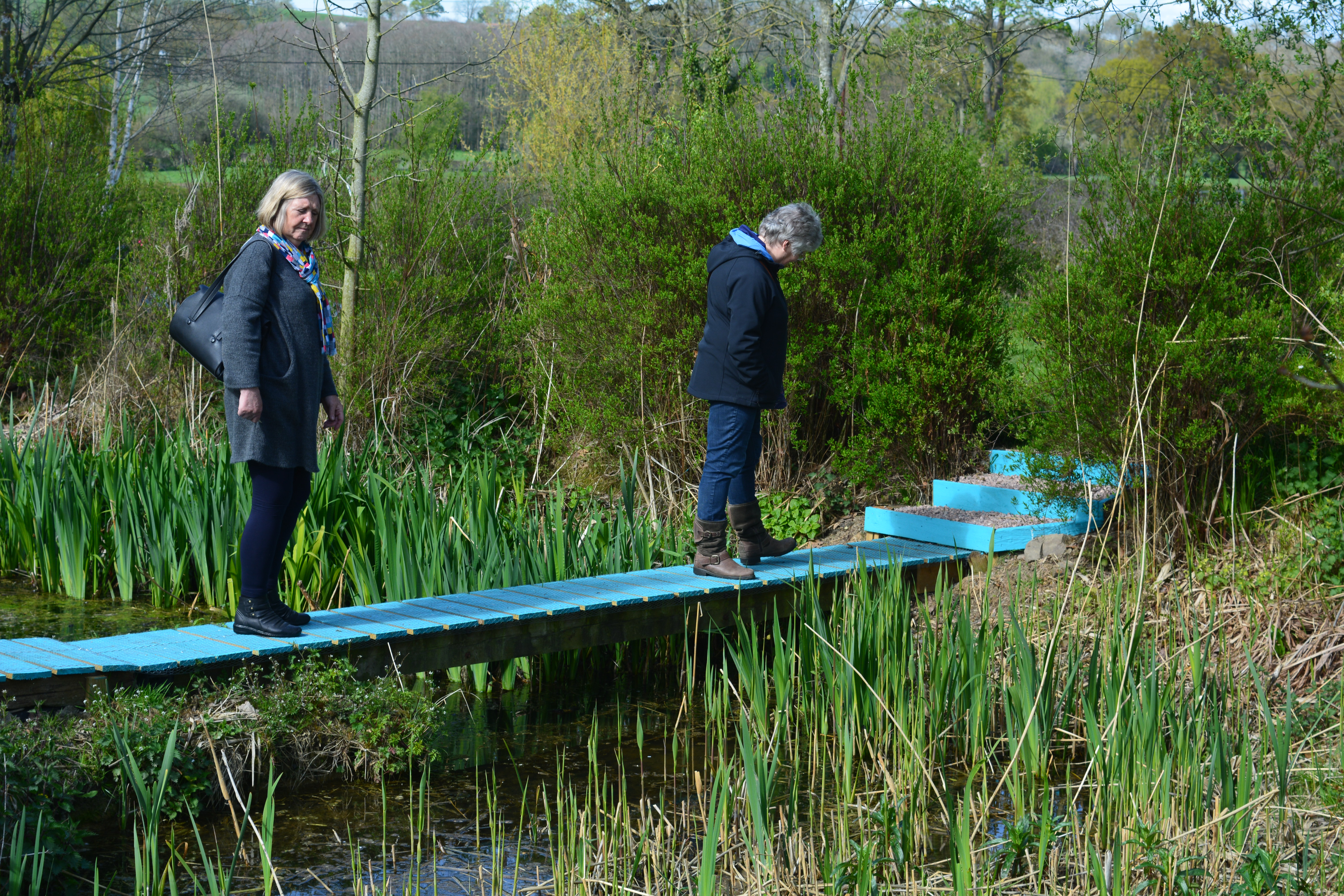
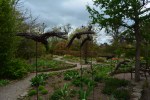
Throughout the rest of the garden we found relaxed styles of gardening and in places emphasis on enhancing habitats for wildlife and attracting wildlife into the garden. The wildlife pond had an island reached by a narrow wooden bridge.


After this visit to the cottage garden at Cartref we decided that “pop up” open gardens were definitely a good idea because we felt we had seen Cartref at its best.


Categories
flowering bulbs garden design garden furniture garden photography garden seating gardening gardens gardens open to the public hardy perennials irises National Garden Scheme NGS nurseries ornamental trees and shrubs shrubs spring bulbs spring gardening village gardens Yellow Book Gardens

Return to The Picton Garden

The Picton Garden situated close to the Malvern Hils in Worcestershire, is well known as a garden to visit in late summer through to early autumn, mainly because it holds a national collection of Asters. The vast number of asters grown there are featured among herbaceous plantings with some pretty special shrubs and trees too. We love it at that time of the year but knew after listening to Helen Picton talking that it should be a garden worth visiting throughout its open period.

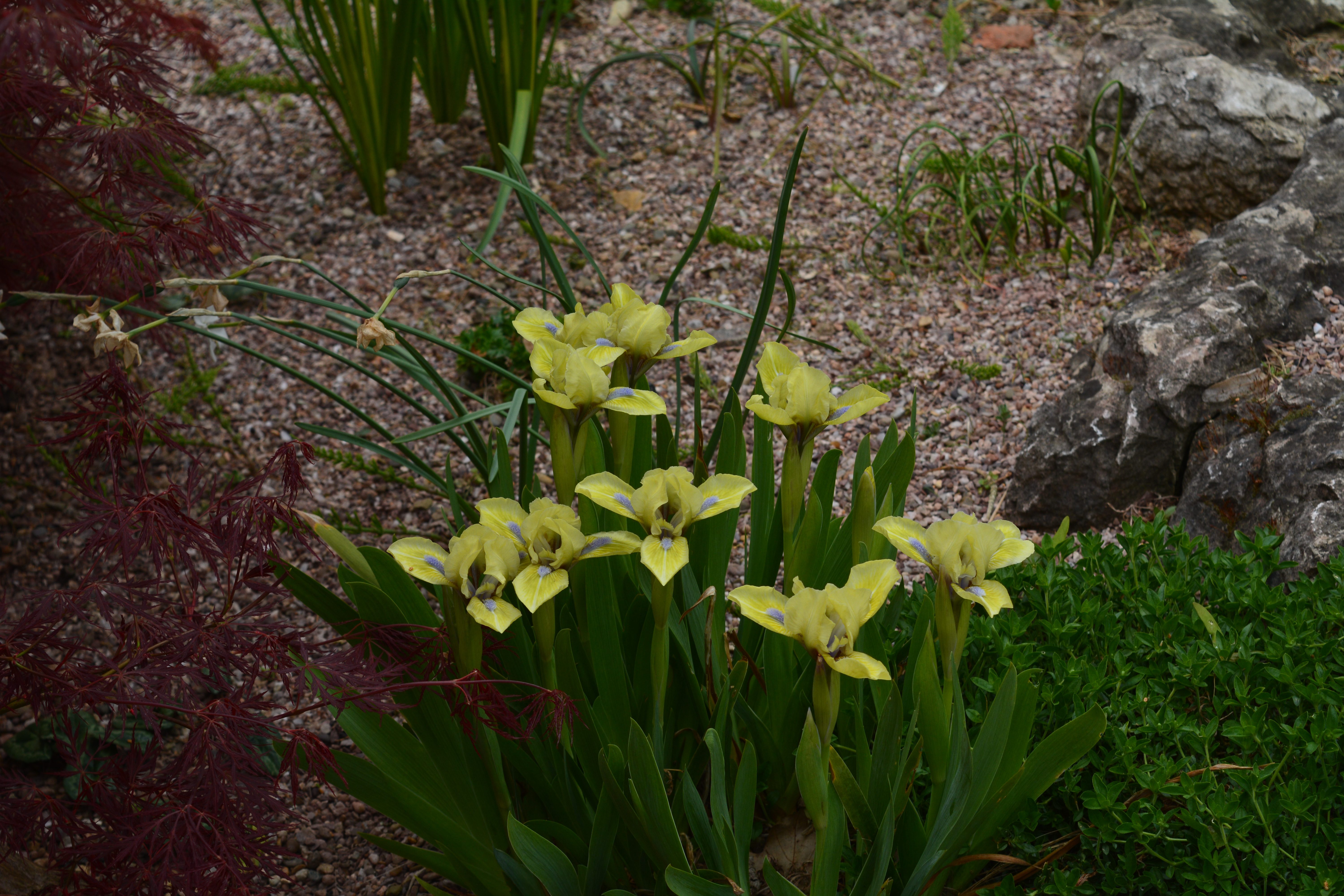
We decided to make a visit at the beginning of April to see what the garden had to offer at that time of year. We found so much of interest and enjoyed our visit immensely. To the one side of the carpark a small rock garden was in the middle of being developed and already showing plants of interest especially these unusual irises and species tulips.


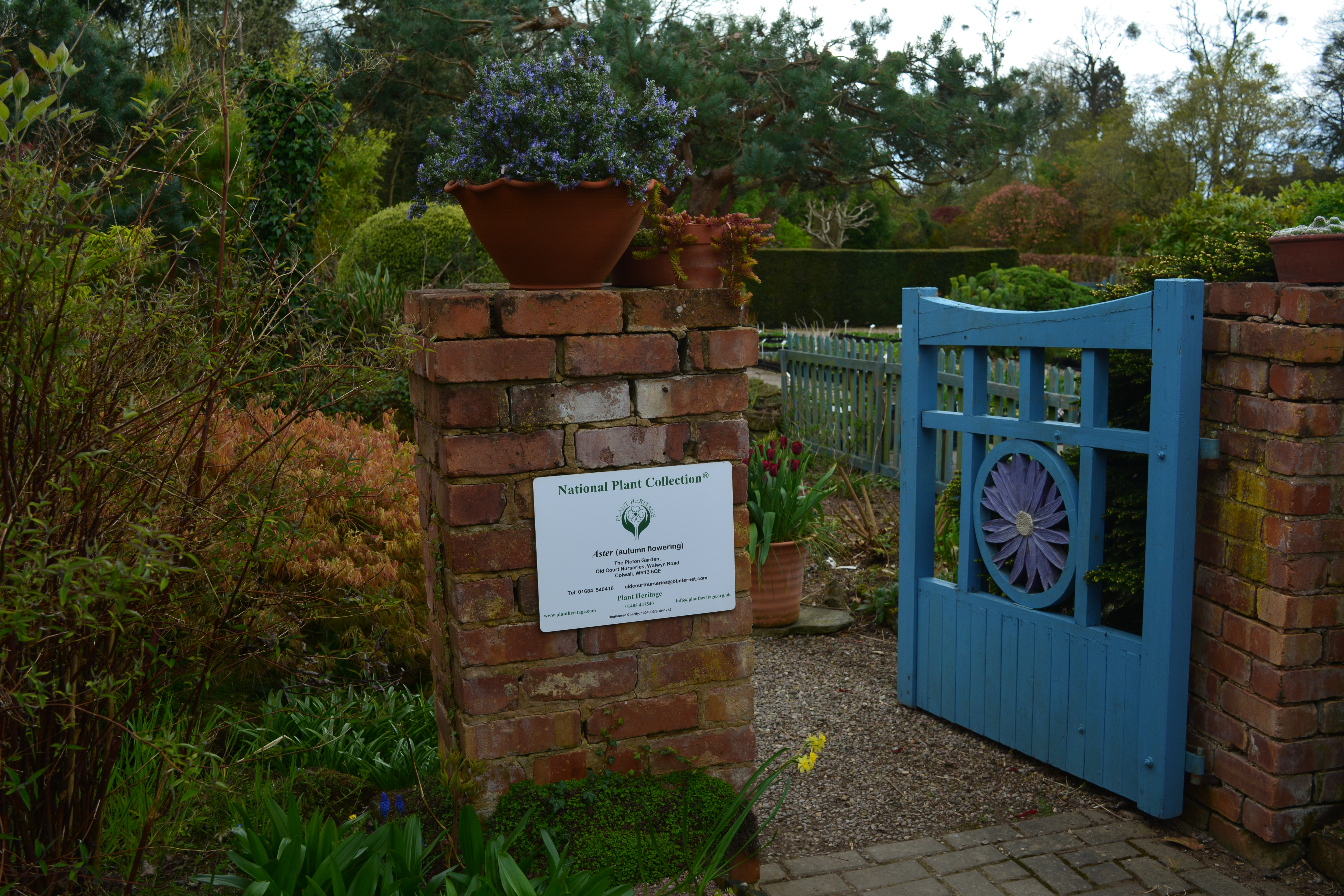
We loved the bright blue gate welcoming us into the garden – very inviting indeed, made even more so by this succulent planter on top of a brick pillar close by.


A large pot of very bright tulips set the scene for what was waiting to be discovered on our wanders around the meandering pathways. Here in the gallery below are some of the colourful tulips we found as we walked around. As usual click on first photo and navigate using the arrows.

The beauty of looking around a garden in the spring months is being constantly on the look out for special specimens which can sometimes make us stop, bend over and get a close up look. Here at The Picton Garden there were special tiny plants to get close to as well as many perennials, shrubs and trees, making it a very special spring garden. The younger members of the Picton family are making their mark on these already special gardens and extending the seasons of interest. Take a wander with us along the winding gravel paths as we discover the Picton Garden in April.

Categories
flowering bulbs garden photography gardening gardens gardens open to the public National Trust Shrewsbury Shropshire spring bulbs

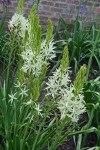
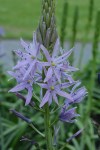
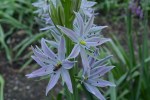
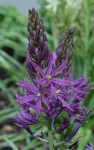
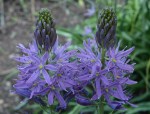
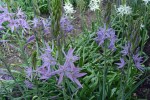
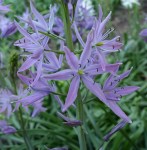
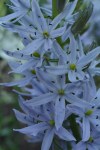
Camassias – subtle springtime beauties.

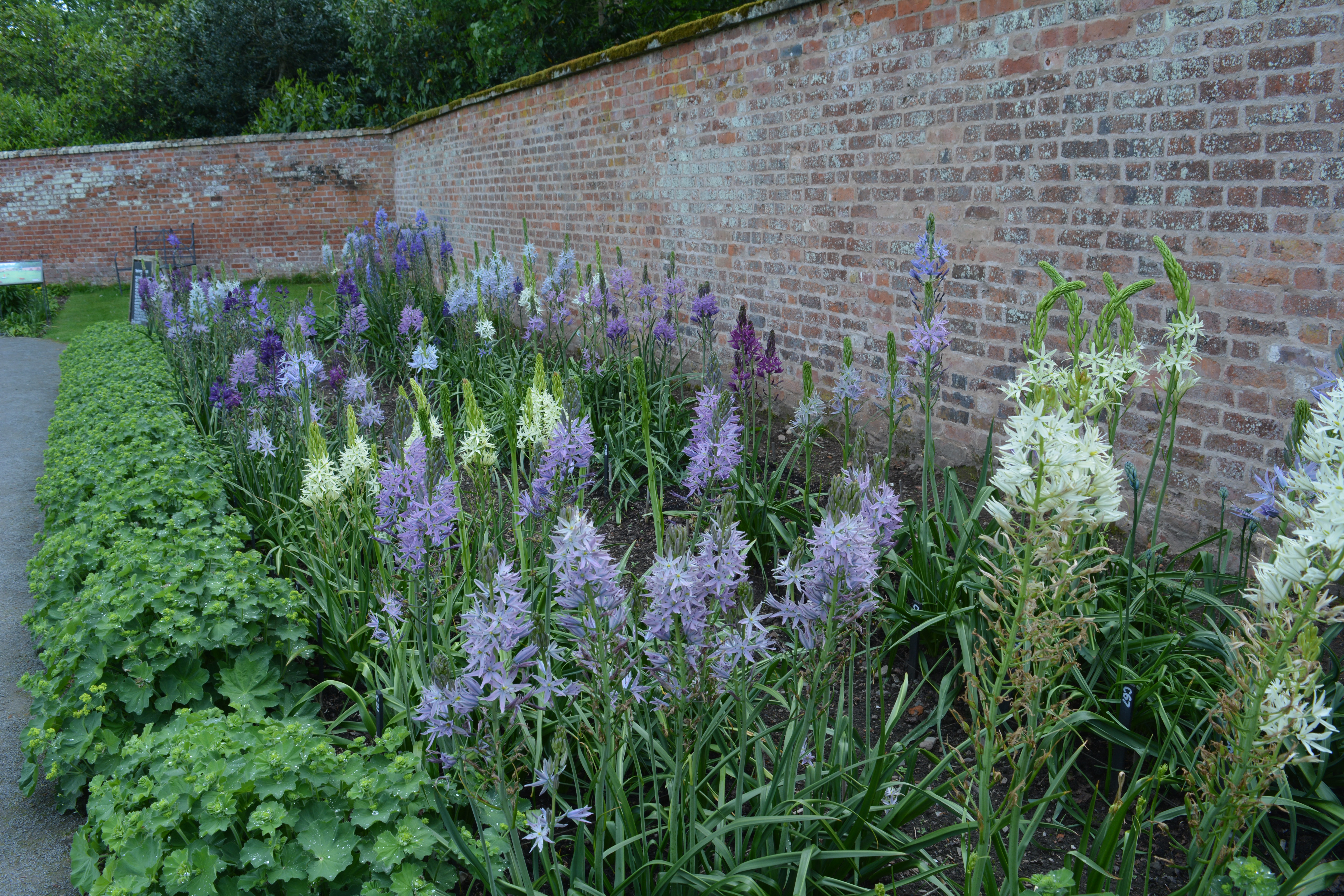
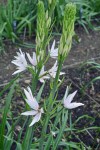
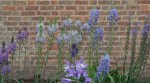
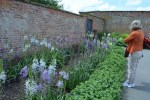
When we visit the walled garden at Attingham Park in early summer, we enjoy looking at their collection of the beautiful bulbs, Camassias. The ones usually seen are mid-blue and few varieties are made available via the garden centre trade. When we discovered the collection being built up at Attingham in part of the walled garden we were so pleased to see so much variety.

The Camassias were as popular with the bees, both wild and domesticated, as they were with us. We enjoyed spending time watching them moving from flower to flower in search of pollen and nectar.


Below is a gallery of the photos I took of this wonderful collection of these valuable early flowering garden bulbs at Attingham. Please enjoy by clicking on the first photograph and then navigating by clicking the right arrow.


Categories
colours garden design garden photography gardening

Simply Beautiful -10

Sometimes two plants flower side by  side and enhance each other so much. The whole is far greater than the sum of the parts.

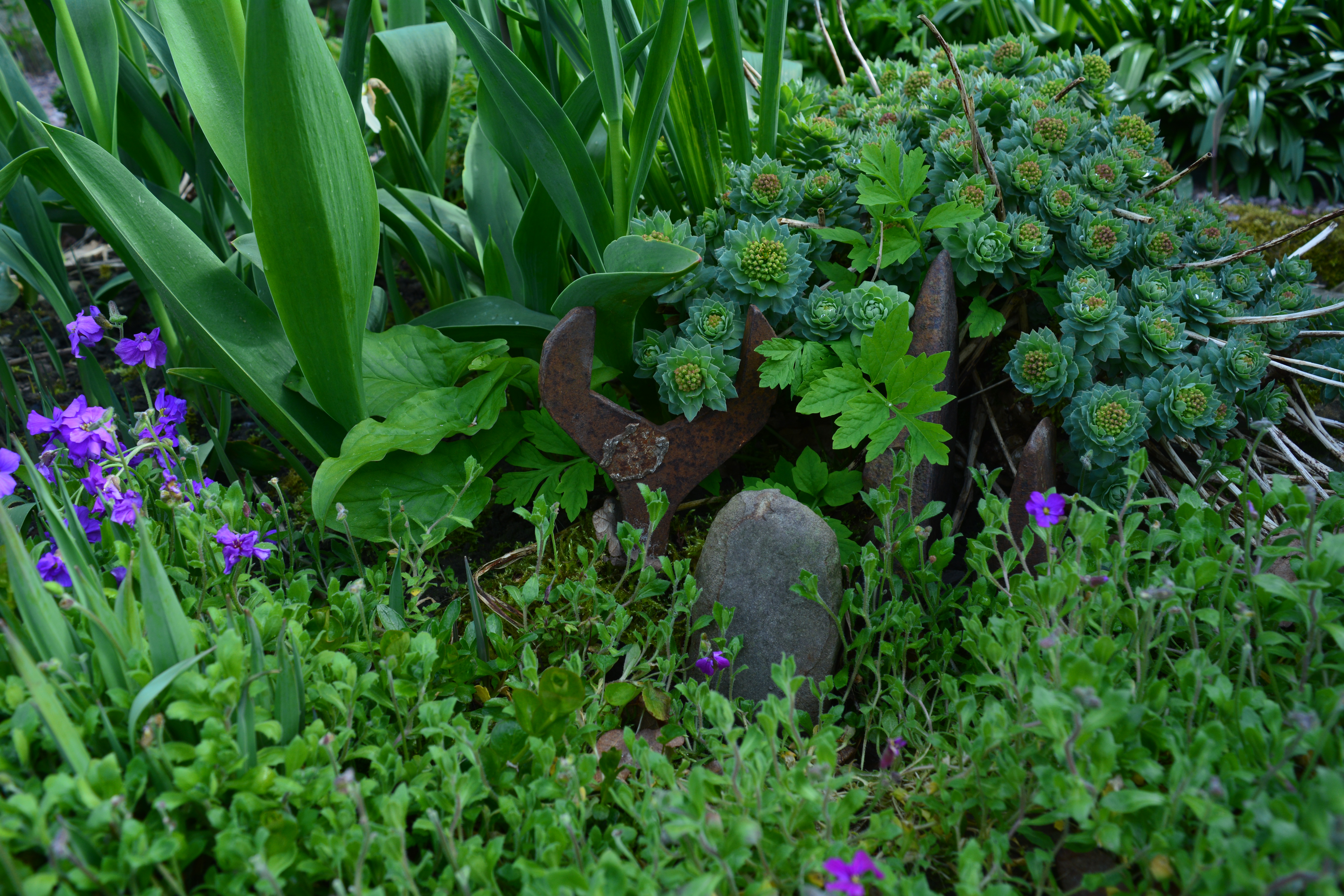
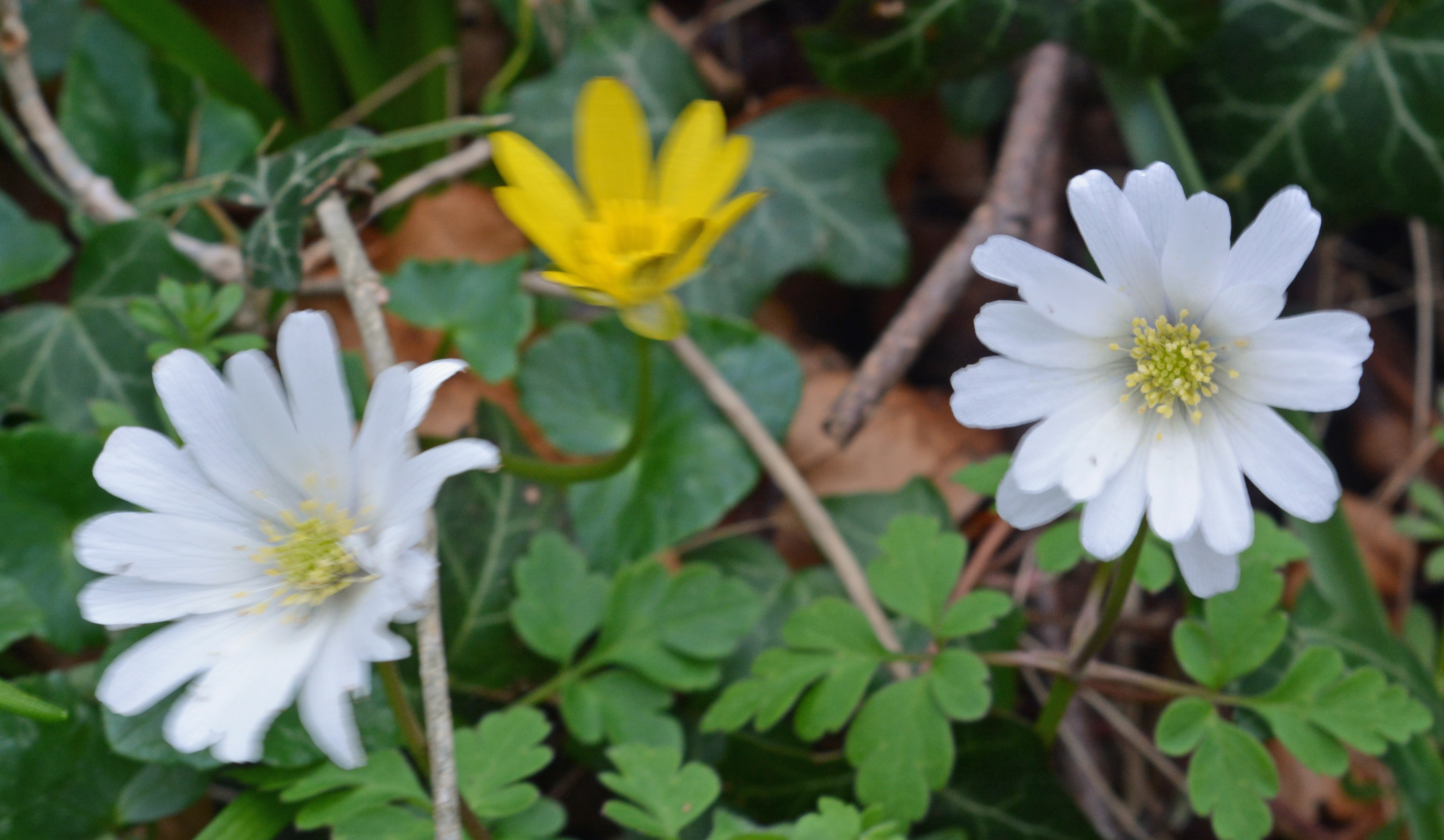
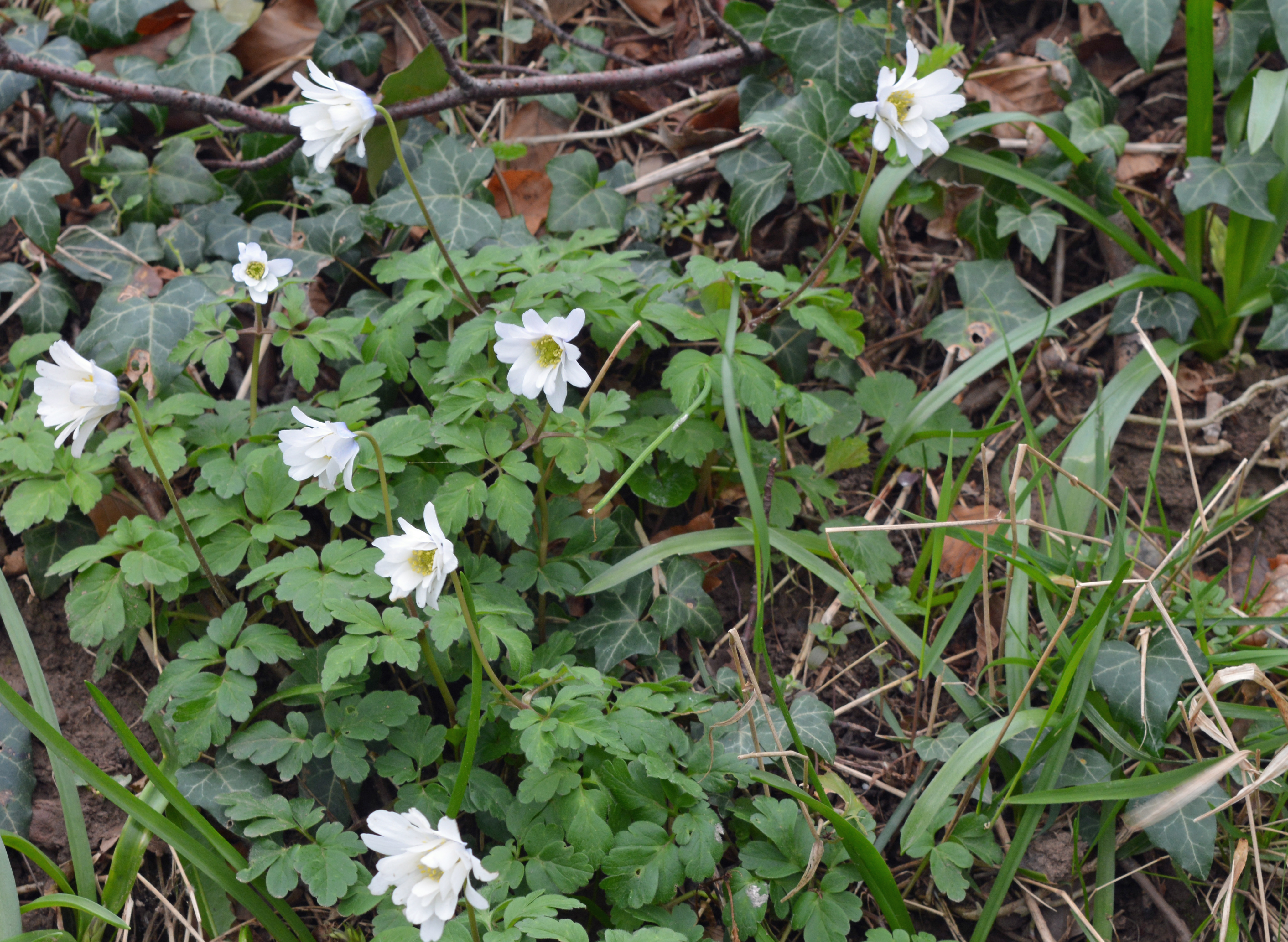
Complementary colours blue and yellow present great partnerships. A blue Anemone blanda teamed up with a native Primrose stops me in my tracks every day as I wander along the grass path by the Spring Garden, they are simply perfect together.

They mingle happily with old garden tool bits we dug out of the ground when we first developed our garden.

Categories
flowering bulbs fruit and veg garden buildings garden photography garden seating gardening gardens gardens open to the public half-hardy perennials hardy perennials Herefordshire kitchen gardens National Trust ornamental trees and shrubs spring bulbs spring gardening The National Trust trees walled gardens walled kitchen gardens woodland

The Weir – a riverside spring garden.

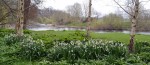
We took friends and fellow garden lovers, Pete and Sherlie, to visit a garden just a few miles south of Hereford which we have previously visited in spring, the time when it peaks. We knew our friends would love it too! It is a National Trust garden and is a long and narrow garden because of its riverside position.

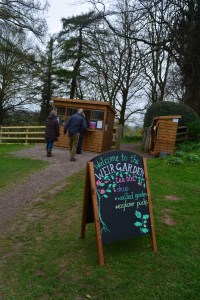
As we got out of the car the spring bulbs greeted us and set the scene for the discoveries to come.


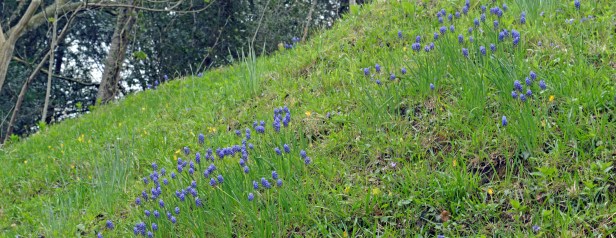
We followed a path half way up the valley side overlooking the river, and here early flowering bulbs covered the slopes.


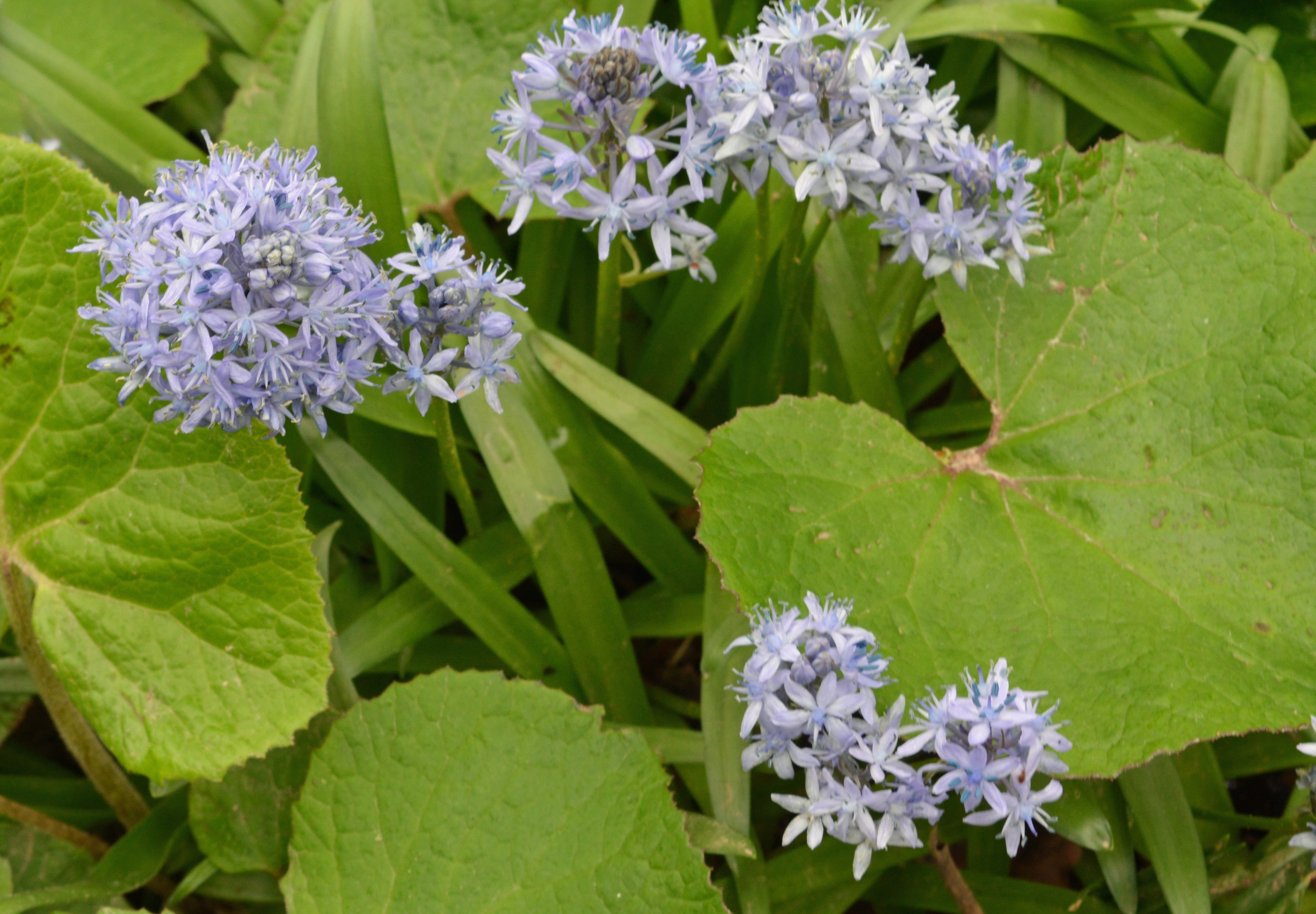
All visitors including us were amazed by the delicate pale blue flowers of Scilla italica.

A variety of trees and shrubs cast gentle shade over the valley side.


Please enjoy the rest of our wanderings along the pathways of this valleyside garden, by looking at my gallery. Just click on the first photo and navigate by using the arrows.


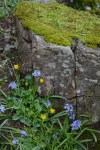
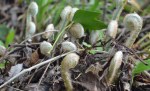
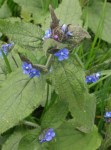
It is always a bonus when visiting a garden to find rare and unusual plants. Here at the Weir we enjoyed discovering  Lathraea squamaria, Tooth Wort, (photo on left), a parasite living on the roots of woody plants and spending most of its time underground and Trachystemon orientalis with the unusual common name “Abraham-Isaac-Jacob” (on the right)


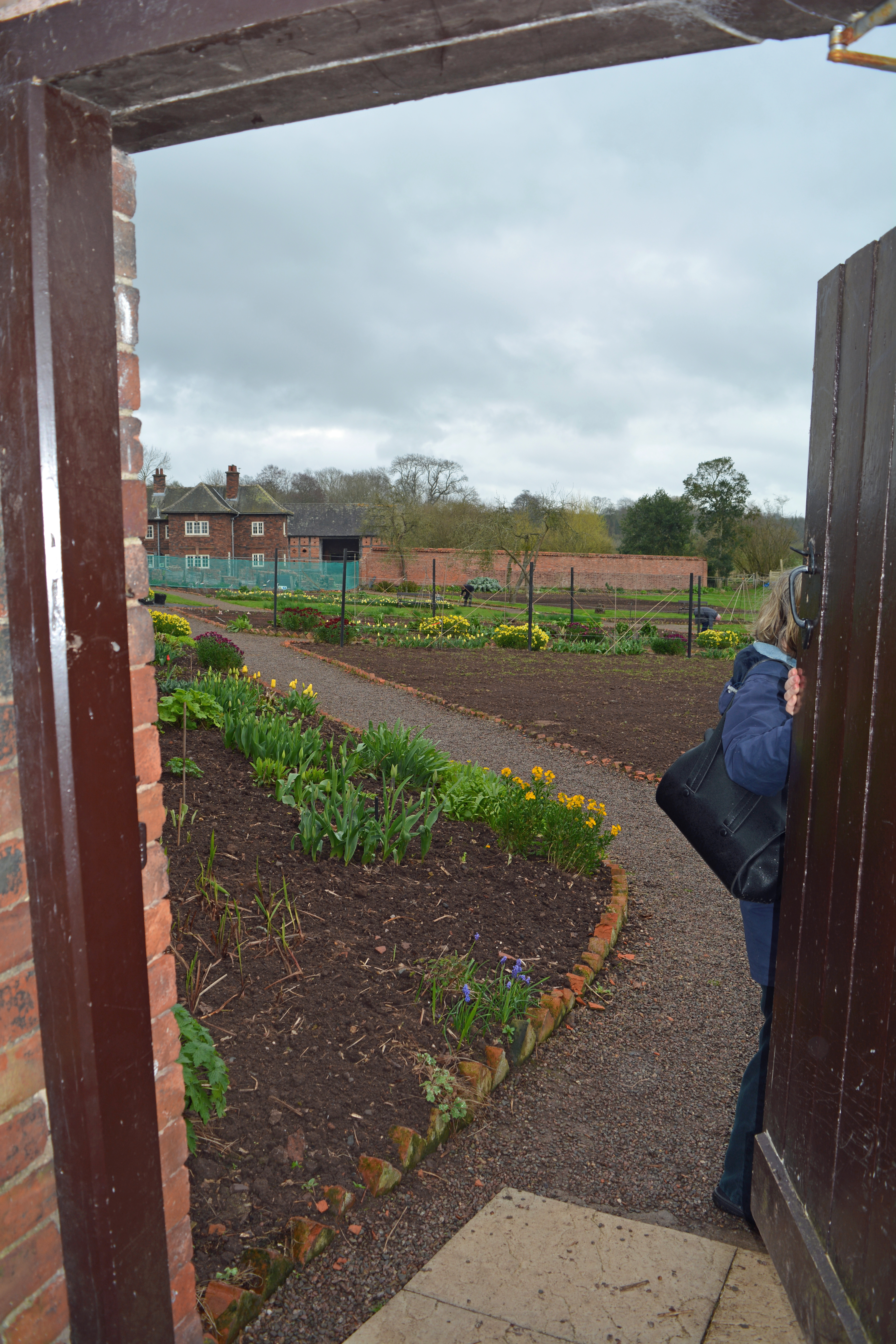
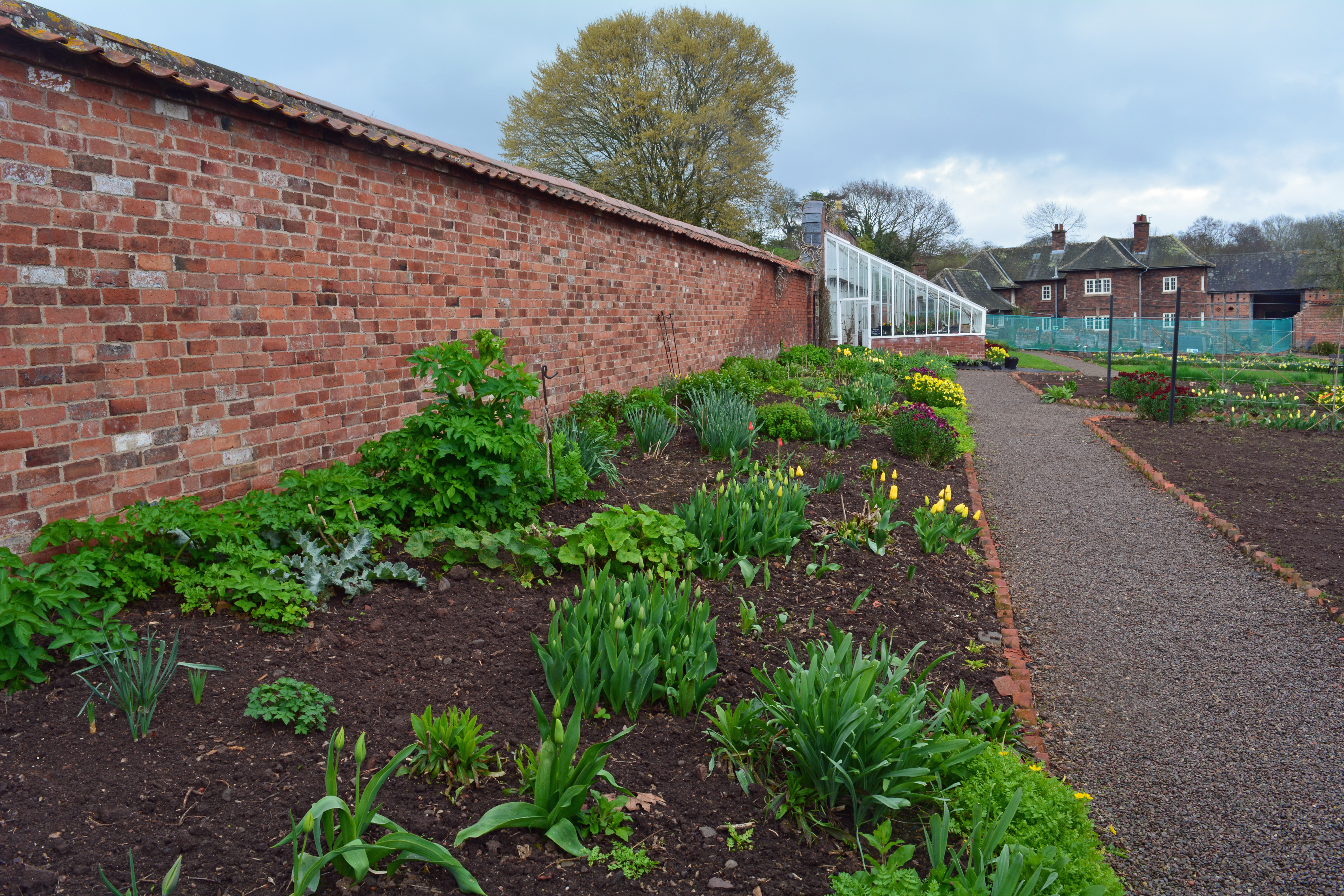
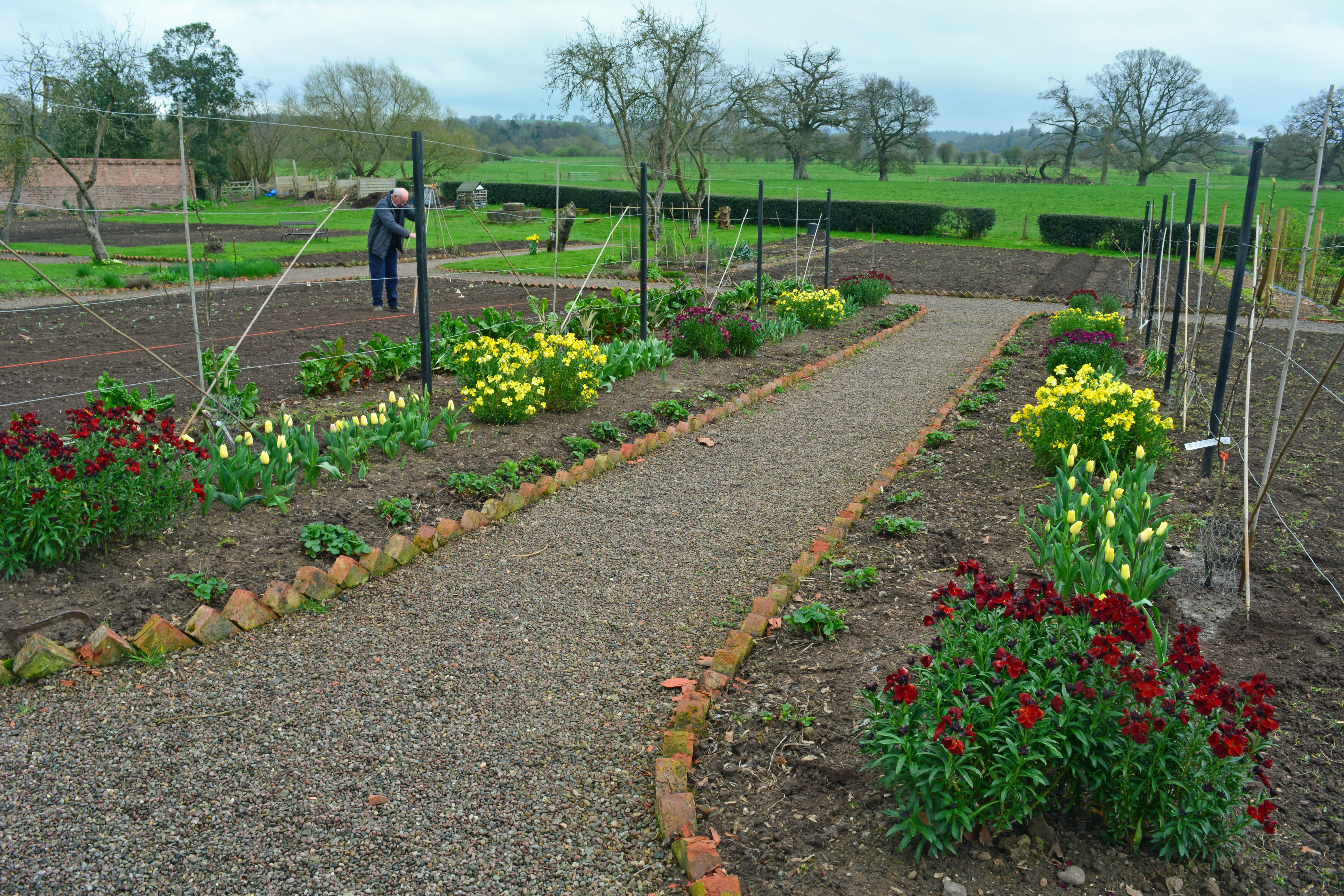
The finale to our visit was to explore the walled garden which was in the process of being renovated. We looked forward to seeing what progress had been made. As it turned out we soon noticed the restored glasshouse, long herbaceous borders planted up and productive borders were being prepared for sowing by volunteers. The walled garden has a great future ahead of it and visitors to the valleyside will enjoy discovering the walled garden as much as the main valleyside gardens.


Categories
climbing plants flowering bulbs garden photography gardening gardens hardy perennials ornamental trees and shrubs shrubs spring bulbs spring gardening trees

My Garden Journal 2017 – April

We are well into Spring now as I share my April journal with you and there has been lots going on. This April has been the most colourful ever in our Avocet Patch.

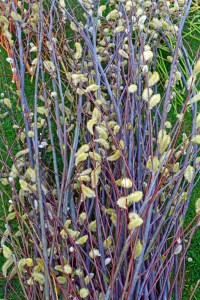
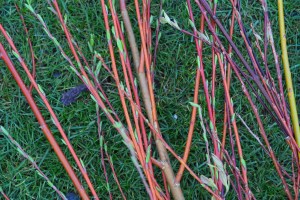
The last week in March or the first in April is the best time to cut down willows (Salix)  and dogwoods (Cornus). It is a careful balance between enjoying these shrubs’ beautifully coloured stems for as long as possible and cutting them down in time for fresh coloured stems to grow in time to enjoy next winter. I wrote, “Before taking the Dogwood and Willow stems to be made into community compost, I decided to attempt to draw them in fibre tip pens.” Collecting them together and then selecting a bunch to draw emphasises the wide variety in colours these shrubs produce.

In complete contrast we look at brightly coloured flowering bulbs over the next two pages.

I wrote, “Bulbs continue to give brightness and colour at ground level in the garden this month but above them trees and shrubs perform equally well.”

Below I shared photographs of small flowering bulbs all coloured blue, what I labelled “The “lbj’s” of the bulb world – the little blue jobs.”


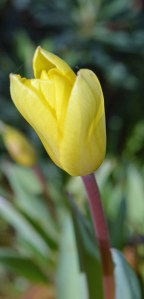
“One of the most beautiful and brightest of all Spring bulbs is a native in the UK after becoming naturalised. It grows in the South, Central and Eastern parts of England and scattered thinly around Scotland. It must give flowers that are as bright as yellow can become and it is scented too. Tulipa sylvestris.”


Returning to the shrubs and trees I wrote on the next double page spread, So, what sort of performances are our trees and shrubs putting on above the bright flowering bulb?”

“Amelanchier lamarckii”


“Spiraea arguta”


“Viburnum in variety”


“Ribes odoratum”


“Mahonia aquifolium”


“Ribes sanguineum King Edward VII”

“Fruit blossom”


On the next turn of the page we notice two pages about my favourite tree, Betulas (Birches)

I began by writing, “As our Birch trees grow we have to occasionally prune off some lower branches to create a specimen clean-trunked tree. When I recently took off two branches of our Betula albosinensis septentronalis, I kept a few lengths for me to paint or draw.” I created a picture using fibre pens and watercolours.

I continued, “By mid-April our Betula are all at different stages of realisation that spring has arrived. Some are almost in full leaf while others still have tight buds, some have long catkins, others none at all.”


I then moved on to reveal my plant of the month for April and on the opposite page looked at some of our April flowering Clematis.

“Plant of the month, April, is Corylopsis spicata, a flowering shrub with a beautiful habit of growth and beautiful pale yellow flowers, almost lemon shades, which hang in racemes as light as a feather so shimmer and dance in the gentlest of Spring breezes. The flowers are gently, sweetly scented. Our shrub at 2 metres tall is probably fully grown. It grows with an open “airy” habit.”


“April sees our early flowering Clematis putting on their show, with delicate hanging bells of calmness.”


Tulips feature on the next double page spread, with photographs of a small selection of the many tulips we grow.

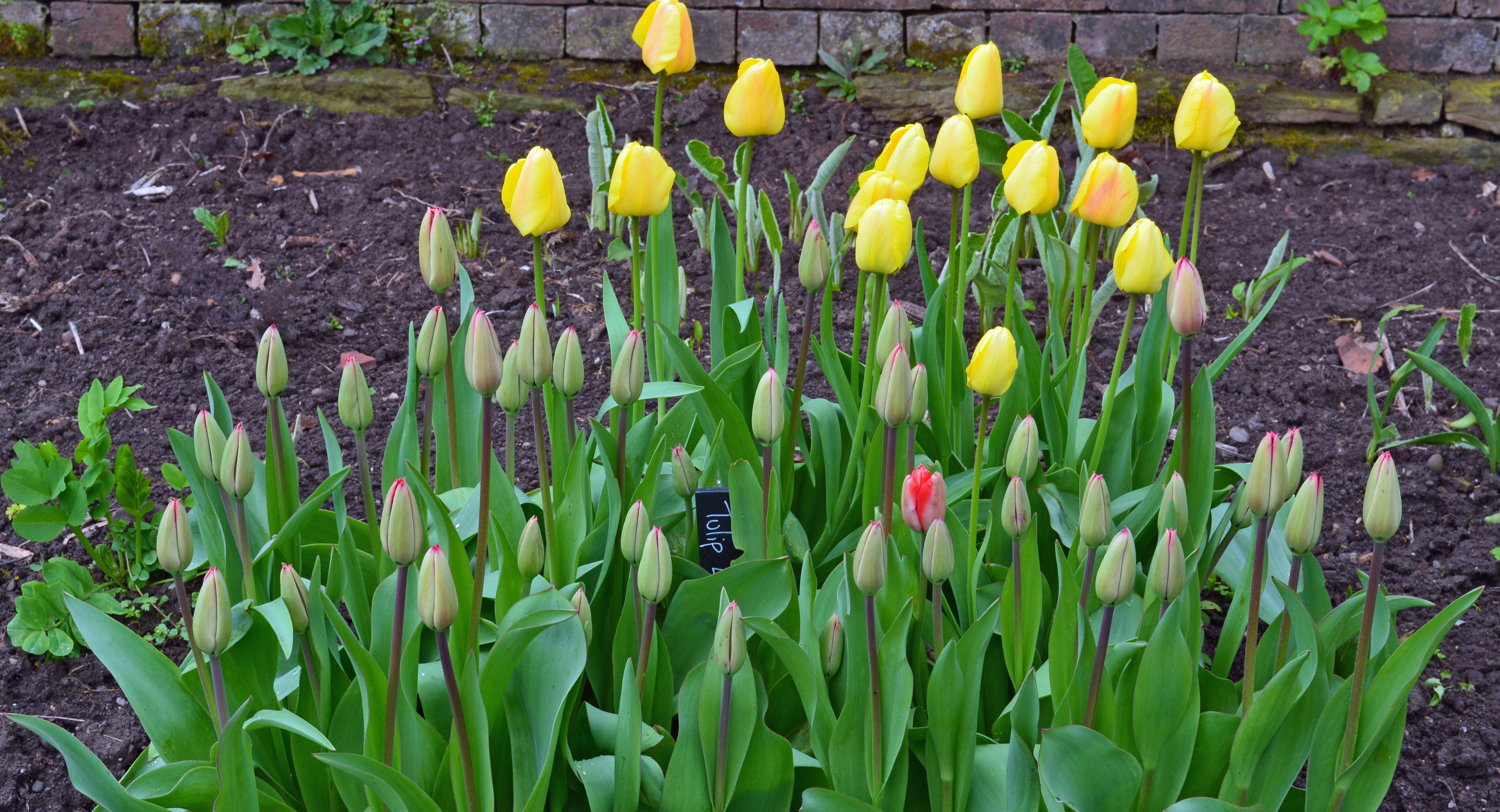
“Tulips are the powerhouse of the April borders here at our Avocet patch, giving bright, shining patches of colour from white, to pink and purple and from yellow through orange to the deepest reds. Some are plain, others striped, splashed or streaked for added interest. In Spring clashing colours seem not to matter. Tulips add colour to every border! Enjoy the show!”


The final two pages of my April entries in my journal feature Acers and a few very special plants.

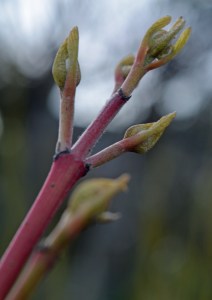
“Acers spring to life during this month giving wild splashes of colour from their freshly opened buds. Every shade of green with the colours of fire!”


I shall finish my April entries with a look at a selection of a few of our special plants, those plants that are not often seen and in our garden demand a closer look.

“Akebia quinata”

“Muckdenia Crimson Fans”

“Erythronium Pagoda”

“Jeffersonia Dubia”

Categories
colours garden photography gardening light light quality ornamental trees and shrubs spring gardening trees

Simply Beautiful – 11 – Orange Leaves

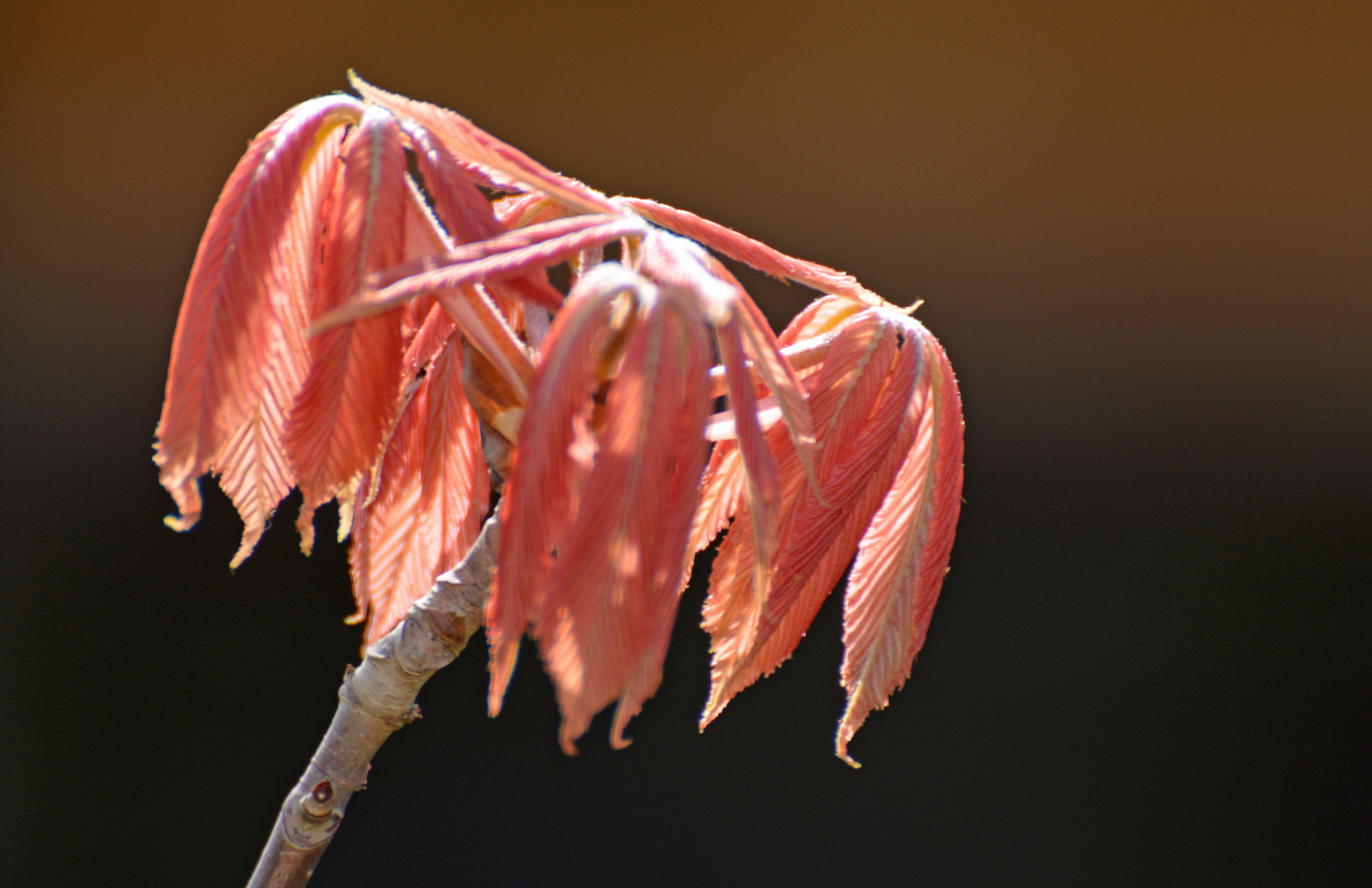
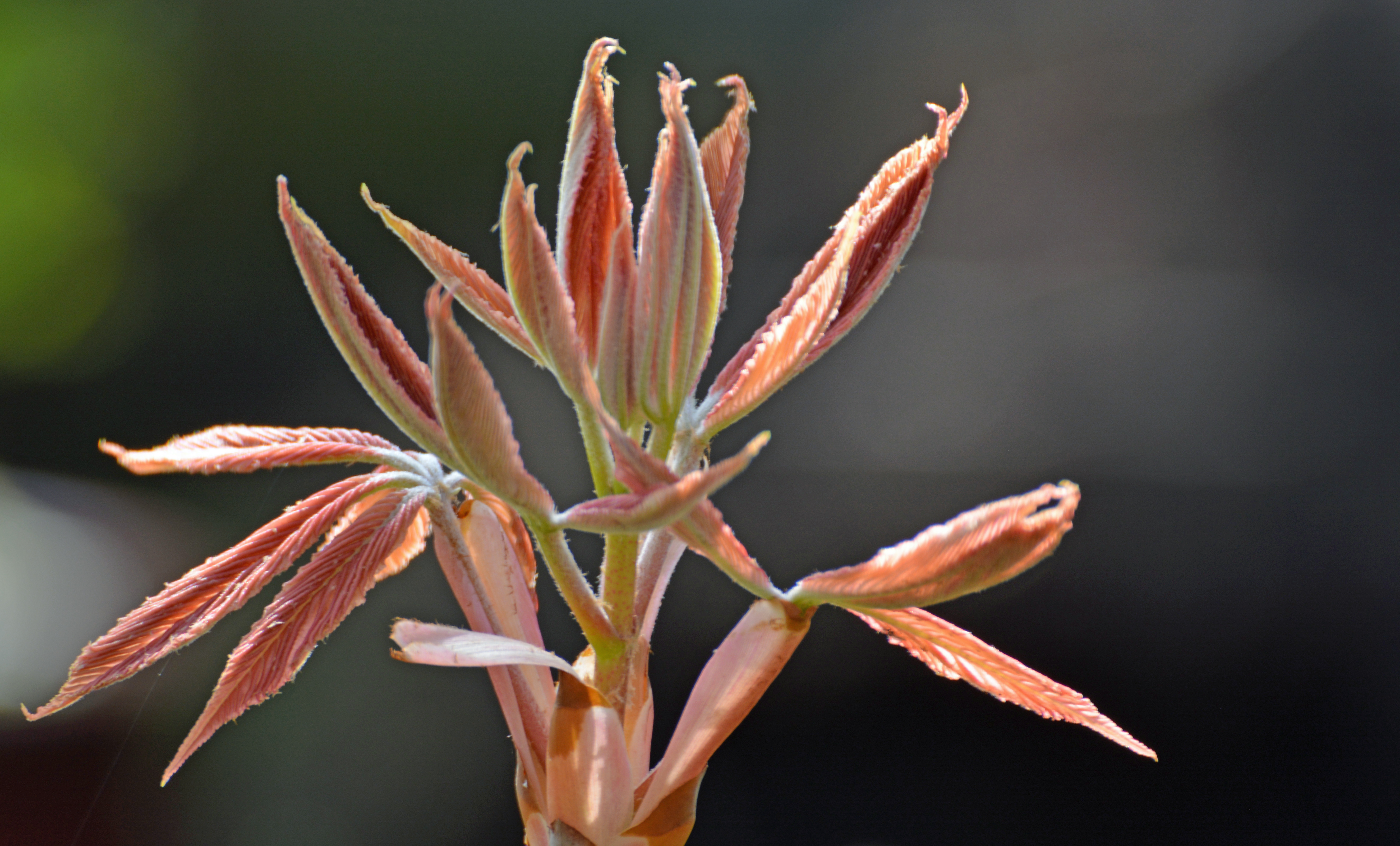
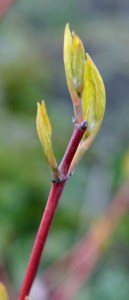
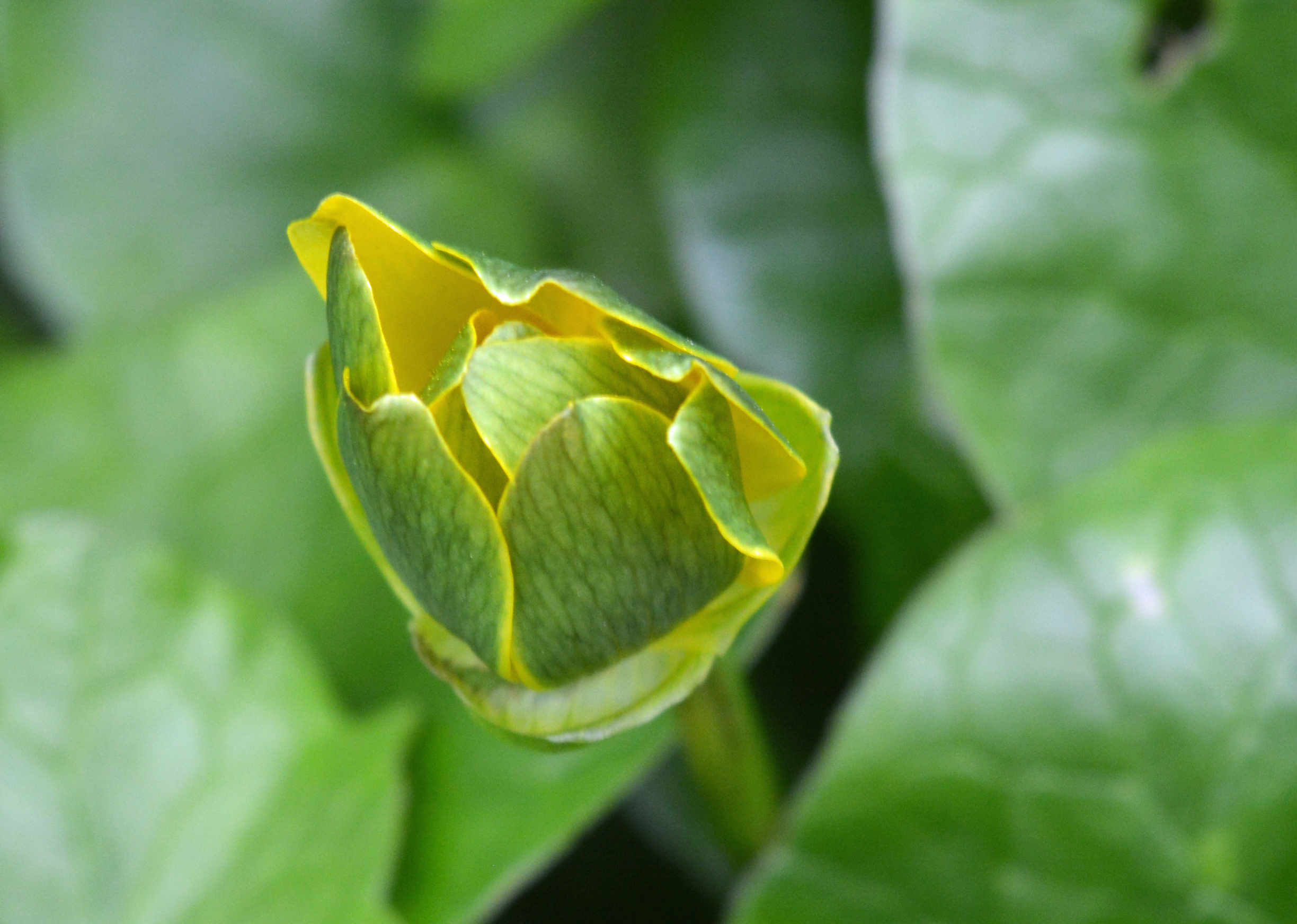
Spring is the time for brightly coloured unfurling leaves on trees and shrubs. Most are green – sparkling fresh green – but occasionally the colours of new leaves makes the gardener stop in his tracks and take a second look to see if the leaves really are the colour he thinks h has just seen.

Take these leaves unfurling from little sticky buds of an unusual Aesculus. Simply beautiful!

This little tree is called Aesculus x neglecta “Erythroblastos”, a big ugly name for a little attractive tree.

Categories
flowering bulbs garden buildings garden design garden photography garden wildlife gardening hardy perennials migration ornamental trees and shrubs Shropshire shrubs spring bulbs spring gardening trees Yellow Book Gardens

My Garden Journal 2017 – March

The weathermen tell us that March is the first month of Spring so in this our third look at my 2017 Garden Journal we shall see if our garden illustrates this idea at all.

As an introduction to the month I wrote,”March is the month that should come in like a lion and go out like a lamb”. This year it came in like a wet fish! Rain and wind dominated, interspersed with occasional bright cheerful days. In the first week we managed very few gardening moments. But the Avocet patch will not be beaten, with leaf and flower buds bursting on trees and shrubs, signs of colour waiting in the wings.”

“Bursting blooms”! I continued by sharing photos of flowers bursting from buds.
     

 “Unfurling foliage!” And more of foliage escaping their bursting buds.
       

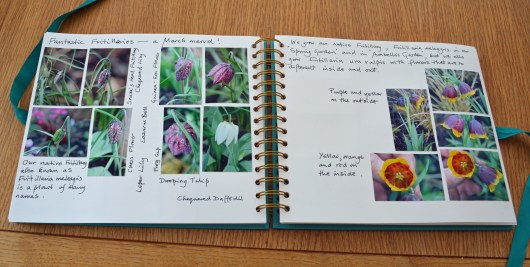
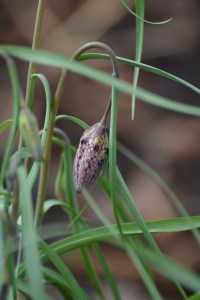
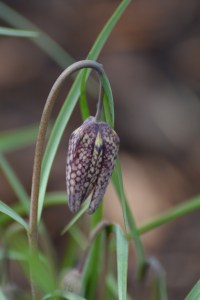
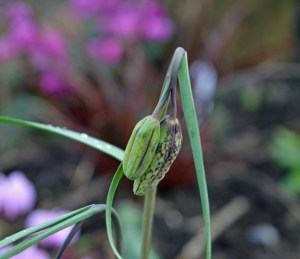
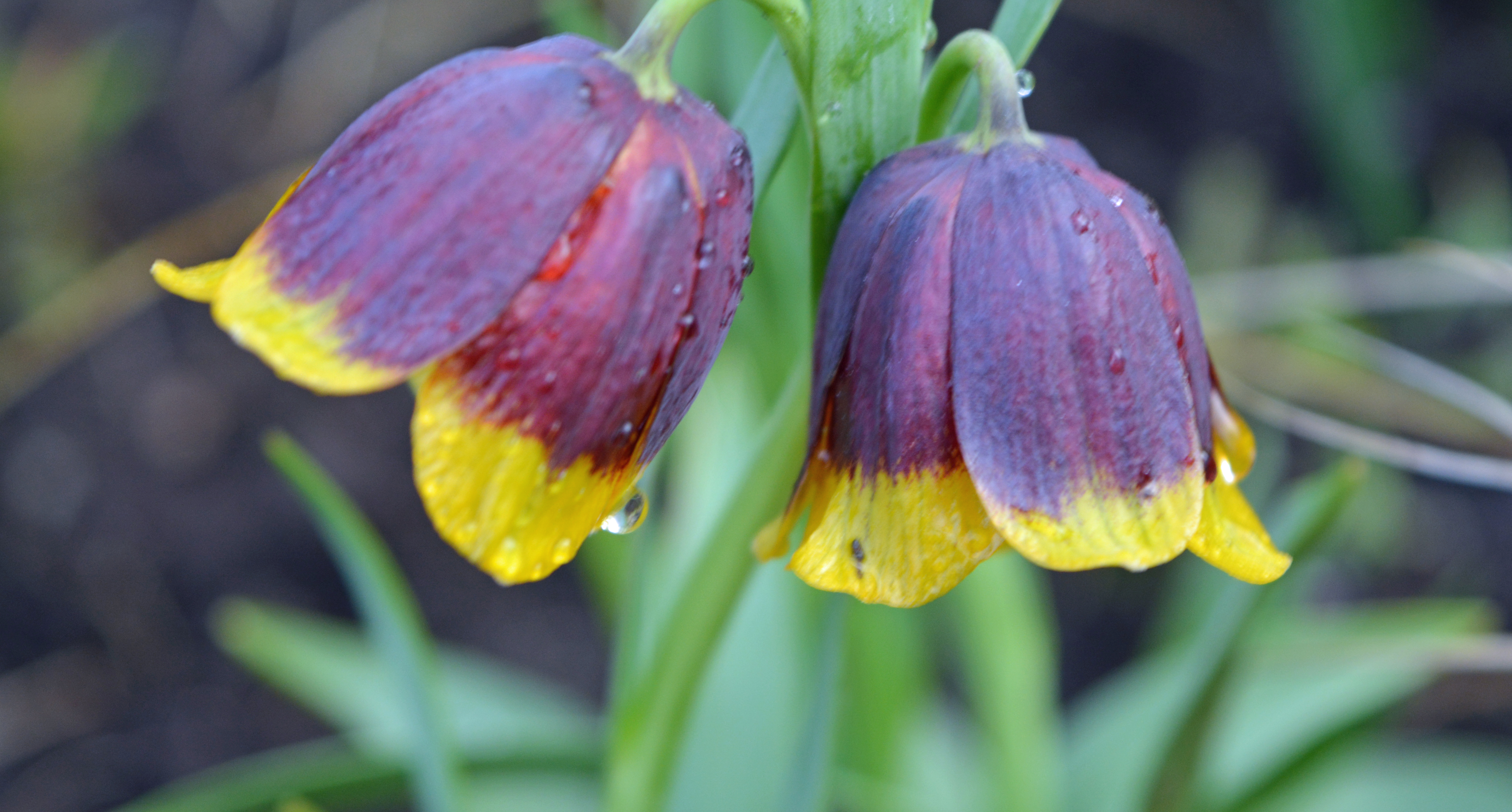
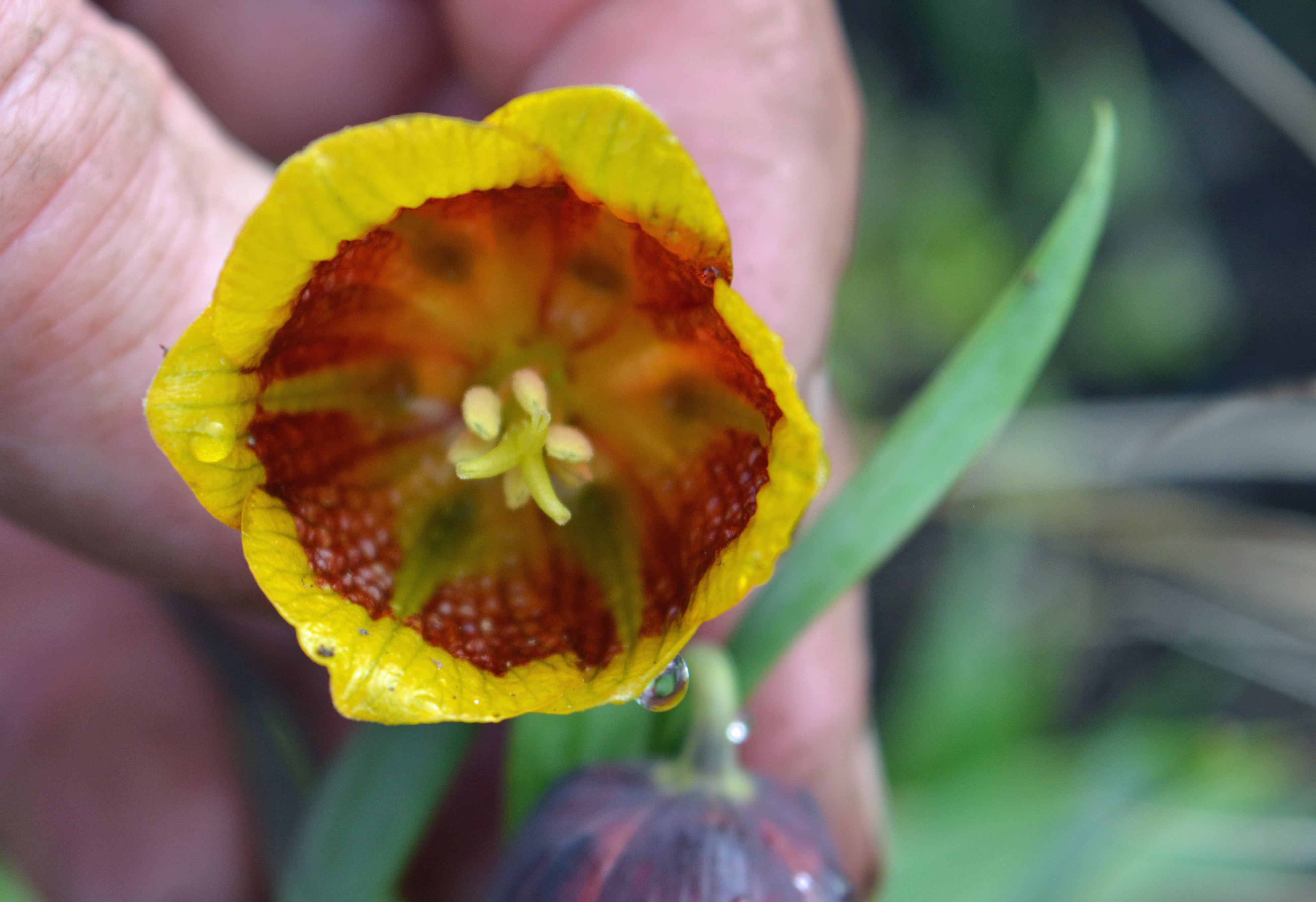
Turing over the page reveals a look at our Fritillaries, Fritillaria meleagris and Fritillaria uva vulpis which grow in our Spring Garden and in Arabella’s Garden.

I write among my  photos of Fritillaries,  “Fantastic Fritillaries – a March marvel! 

I looked for all the common local names for this Fritillary. “Our native Fritillary also known as Fritillaria meleagris is a plant of many names.”


“Snake’s Head Fritillary – Chequered Lily.”


“Chess Flower – Leper Lily” – Lazurus Bell”


“Guinea-Hen Flower” –  “Frog Cup”


“Drooping Tulip” – “Chequered Daffodil”

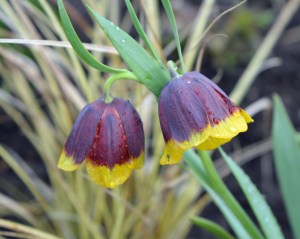
We grow our native Fritillary, Fritillaria meleagris in our “Spring Garden”, but we also grow Fritillaria uva vulpis with flowers that are so different inside and out.


“Purple and yellow on the outside.”

“Yellow, orange and red on the inside.”


Over onto the next double page spread and I take a look at a special rather subtle plant combination and some early tulips.

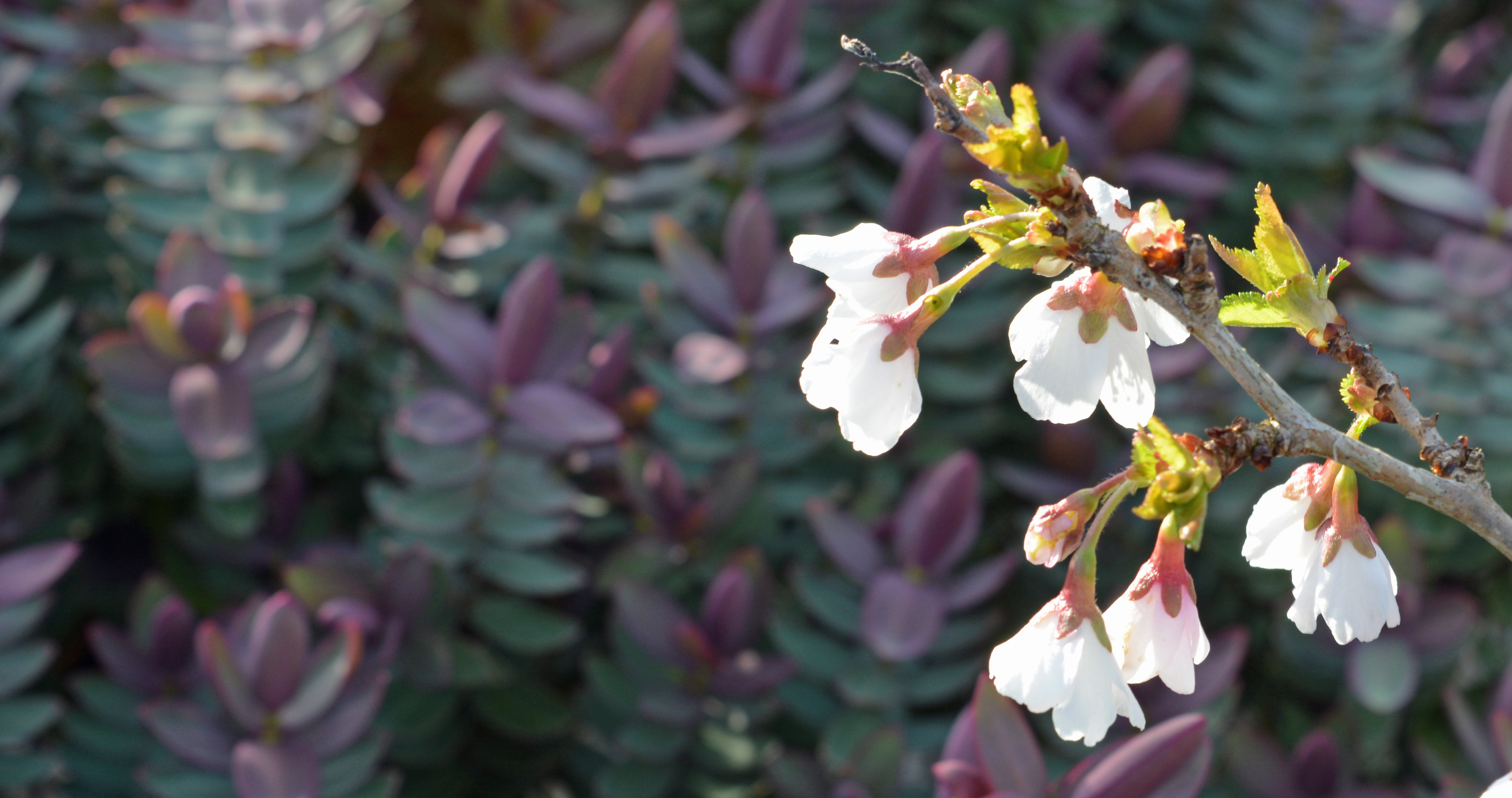
I wrote that “Good plant companions and communities are what lifts a garden above a collection of plants put on display. Sometimes two beautiful special plants with strong attributes of their own shine out even more when joined  together to produce a harmonious pairing, each enhancing the other. Here, I feature the combination of a Hebe “Red Edge” and a Prunus, P. “Kojo No Mai”. The blushing of the Hebe foliage is a perfect foil for the “washing powder white” of the Prunus’ petals.”


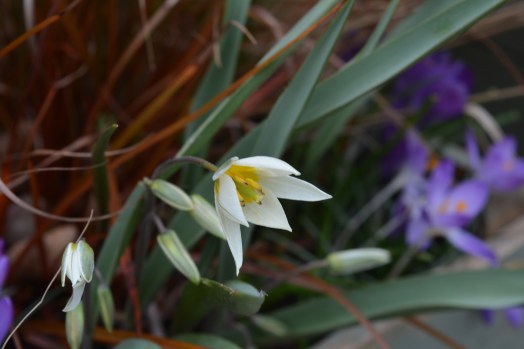
Moving on to look at some of our species tulips, I wrote, “The tiny flowers of our many species Tulips are now putting in an appearance, impressing with their delicacy and subtlety. The blooms open with the sun and close with its disappearance.”


Next we move on to my plant of the month for March. I wrote.

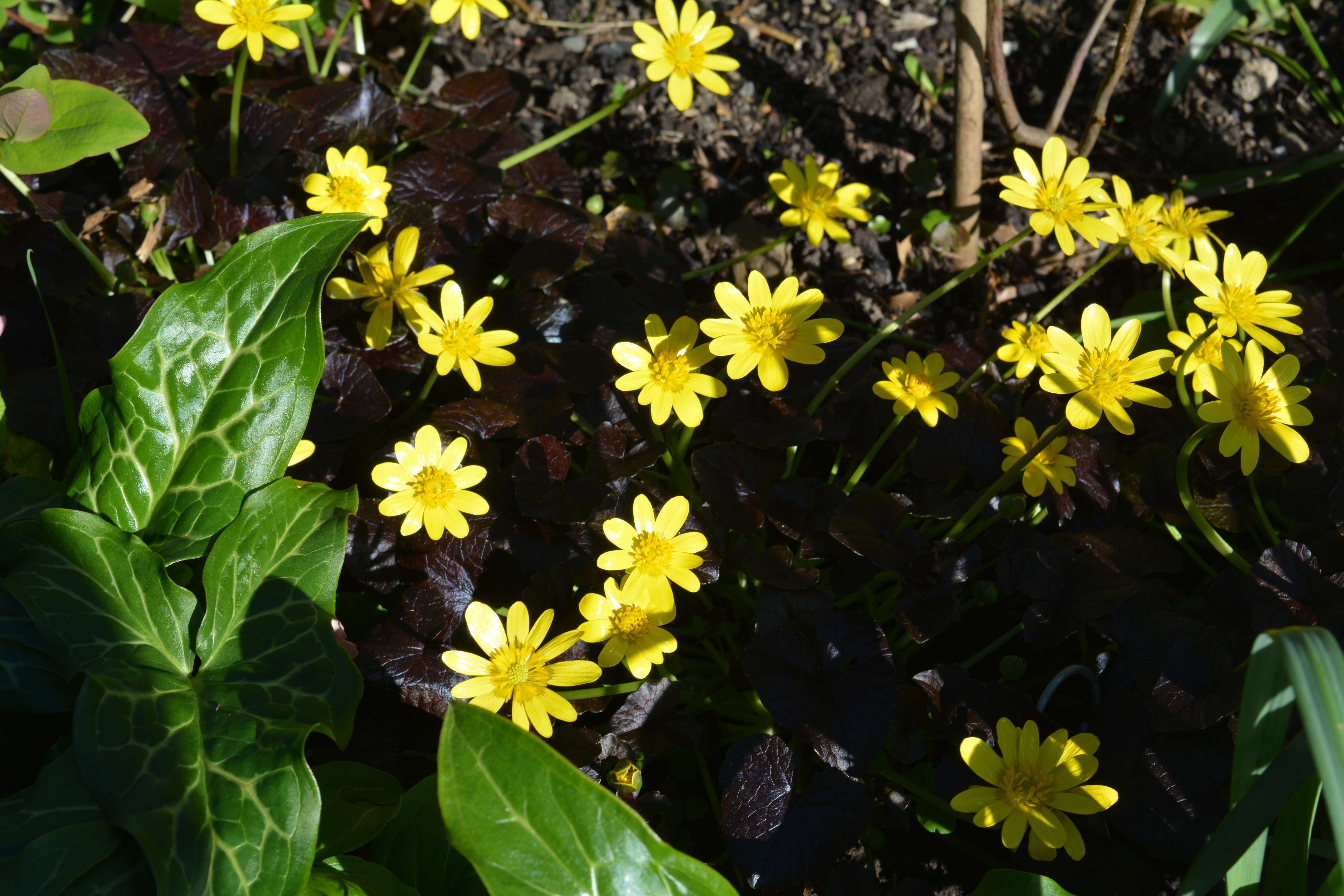
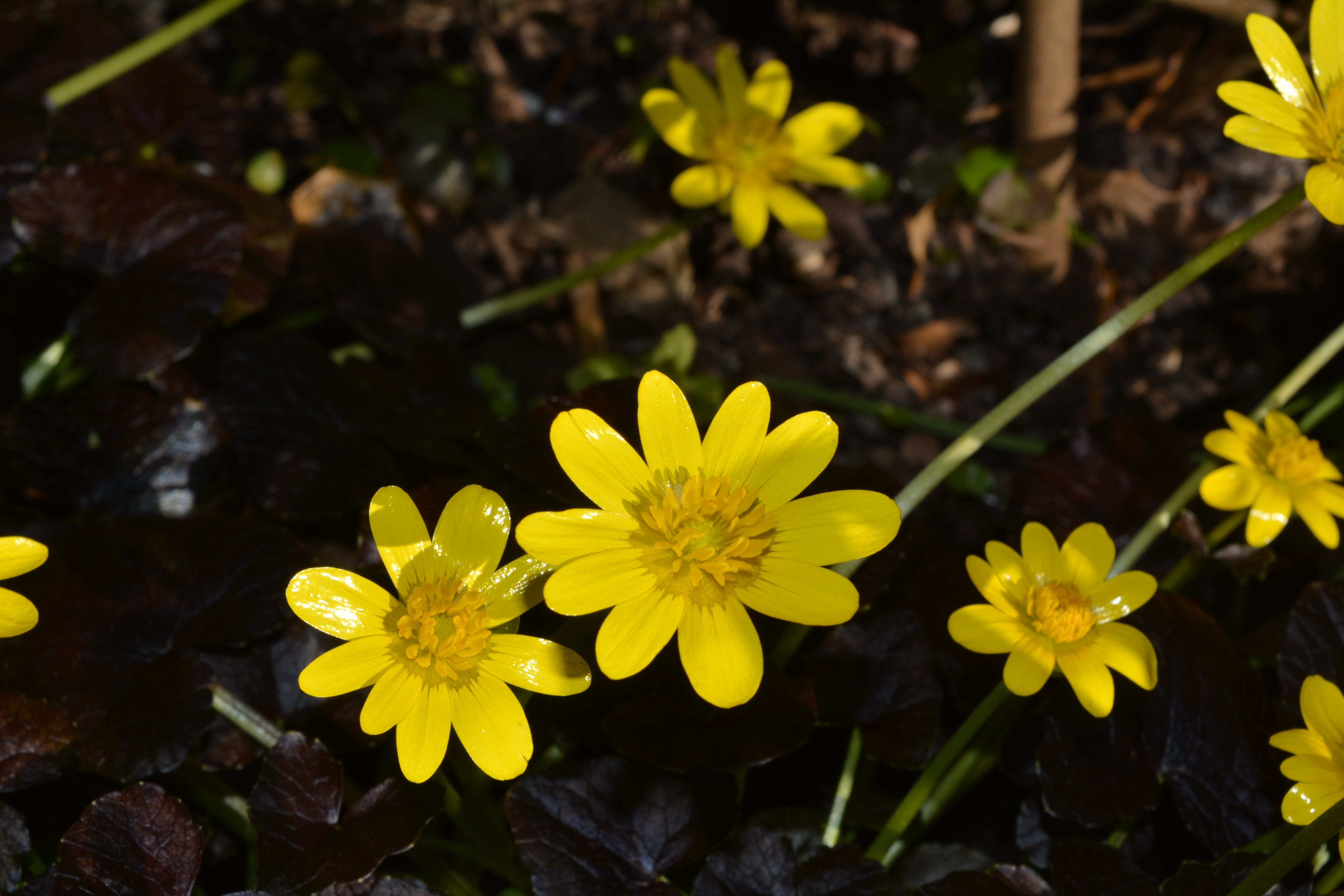
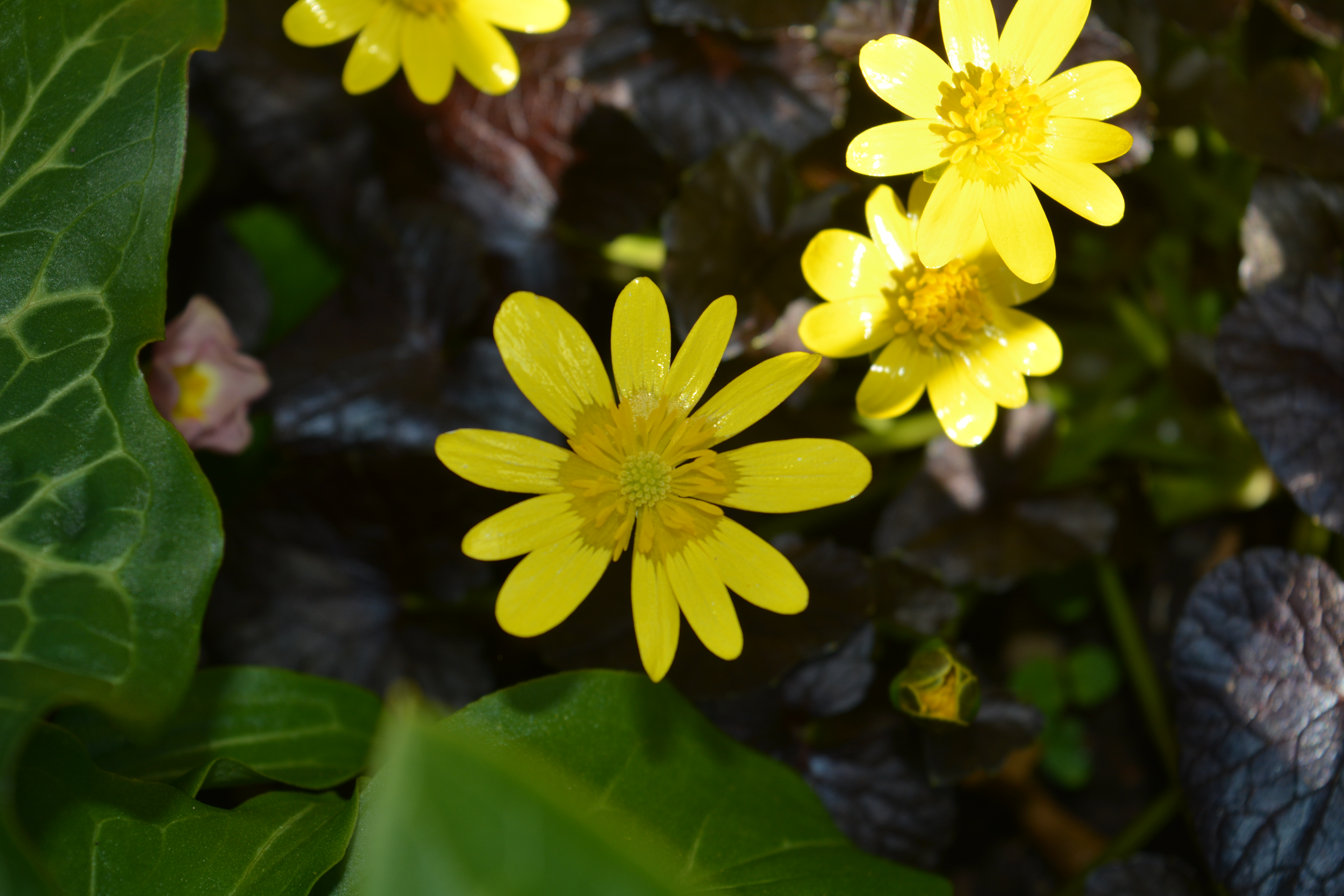
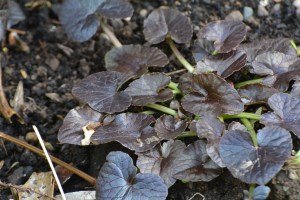
My plant of the month for March is a Celandine called “Brazen Hussey”, a chance find by Christopher Lloyd discovered in a clump of our native Celandine in a lane near his home. Our native Celandine, Ranunculus ficaria brightens up our hedgerows with its deeply glossy foliage and yellow “Buttercup” flowers, while “Brazen Hussey” sports glossy purple-black foliage. 


“We grow a small patch of our native Celandine but as it can become very invasive it has to be strictly controlled.”

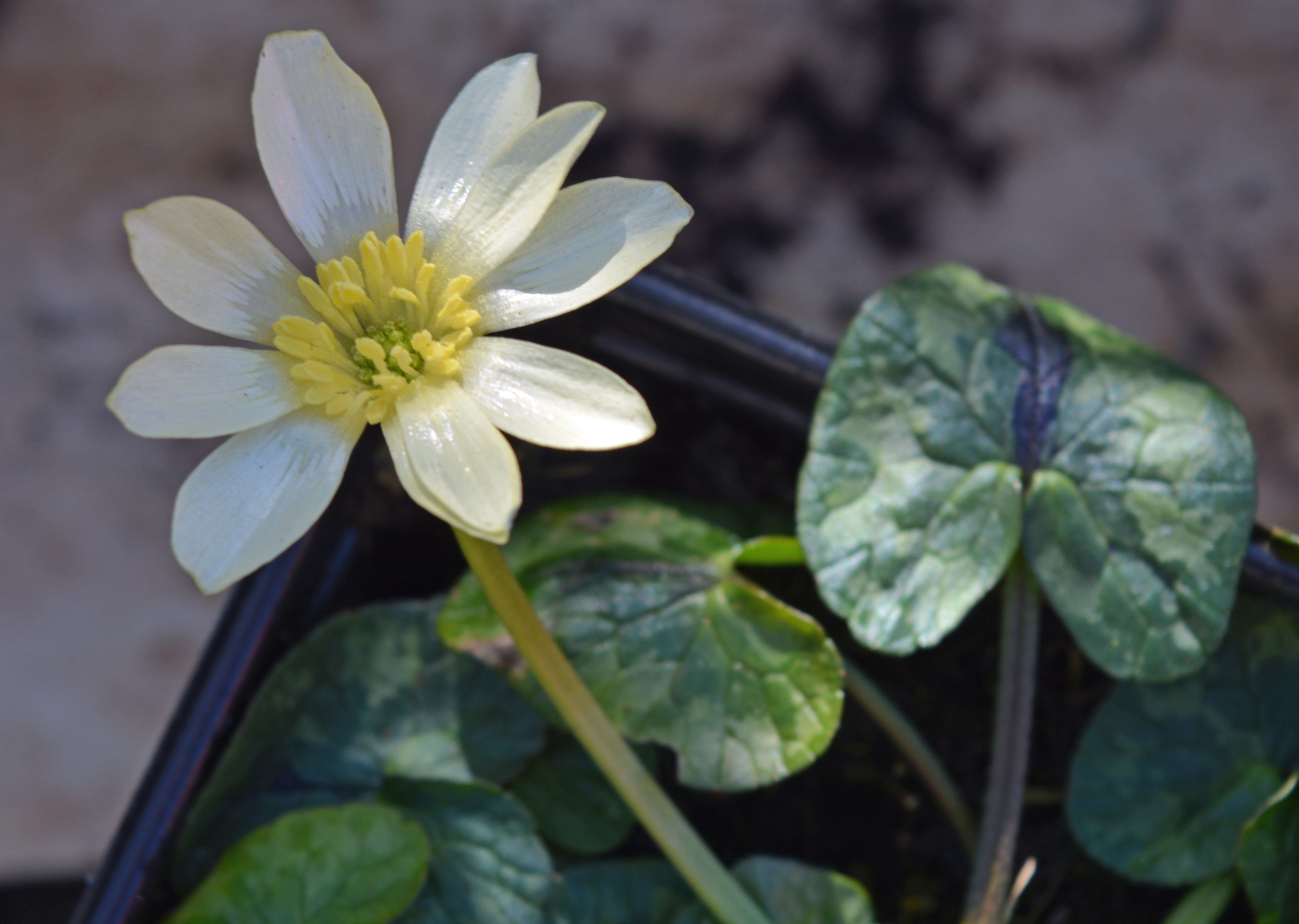
“We grow several other Celandines too because they are such cheerful addictions to the Spring Garden, a white cultivar, Ranunculus fiscaria “Randall’s White …………….”

“….. a pale yellow flower against bronzed foliage ……”


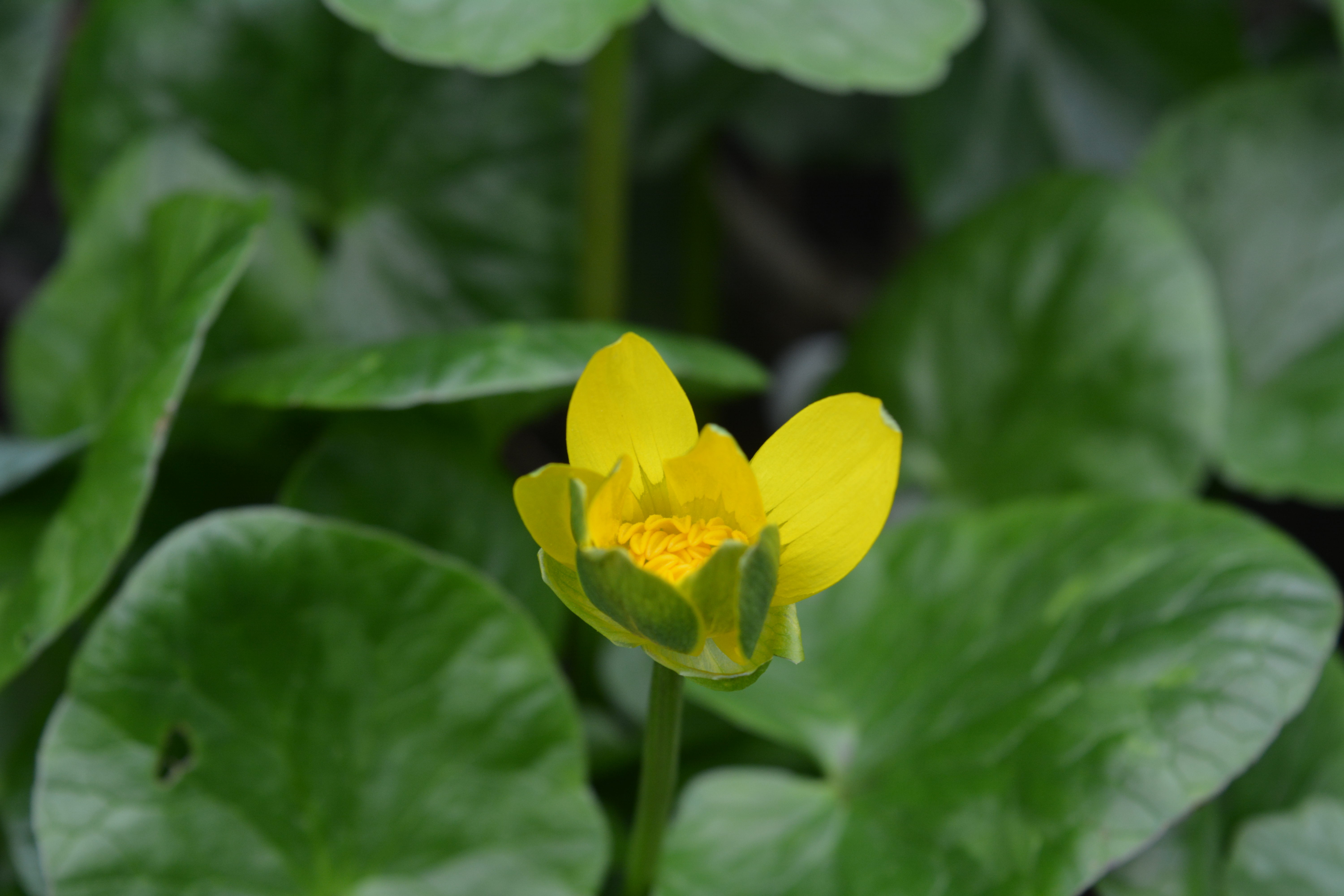
“……. a Giant Celandine and a Green Celandine.”

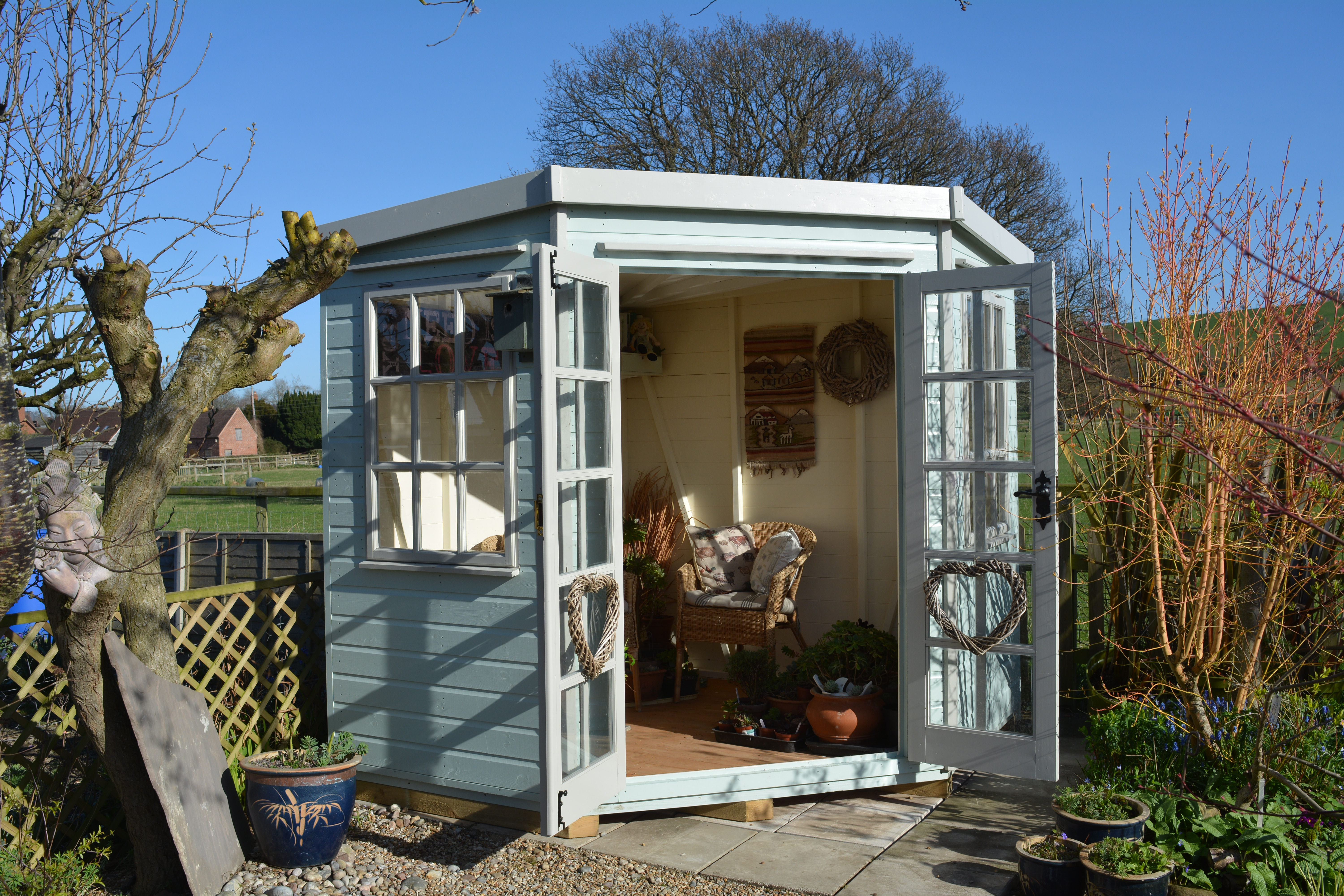
On the next double page spread we look at our new summerhouse and a selection of special small flowers.

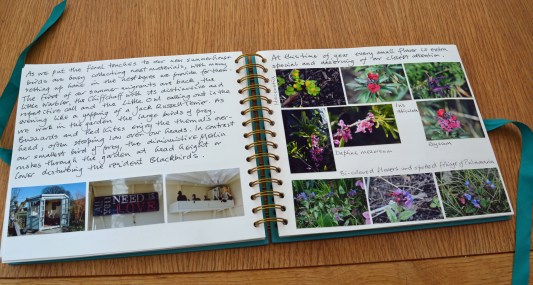
Concerning the summerhouse I wrote, “As we put the finishing touches to our new summerhouse birds are busy gathering nest materials, with many setting up home in the nestboxes we provide for them. The first of our summer migrants are back, the little warbler, the Chiffchaff with its distinctive and repetitive call and the Little Owl calling out in the evening like a yapping Jack Russell Terrier. As we work in the garden the larger of our birds of prey, Buzzards and Red Kites enjoy the thermals overhead, often stooping low over our heads. In contrast our smallest bird of prey, the diminutive Merlin rushes through the garden at head height or lower disturbing the resident Blackbirds.

On the opposite page I looked at those special little flowering plants that catch the gardener’s eye at this time of the gardening year. In other seasons when the garden is rich in flowers these special little gems may get overlooked in favour of the bigger, bolder and brighter cousins. I wrote, “At this time of year every small flower is extra special and deserving of our closest attention.”


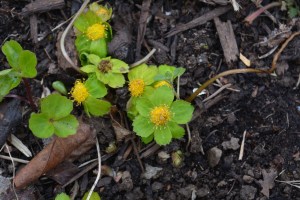
Hacquetia epipactus and Iris reticulata “George”

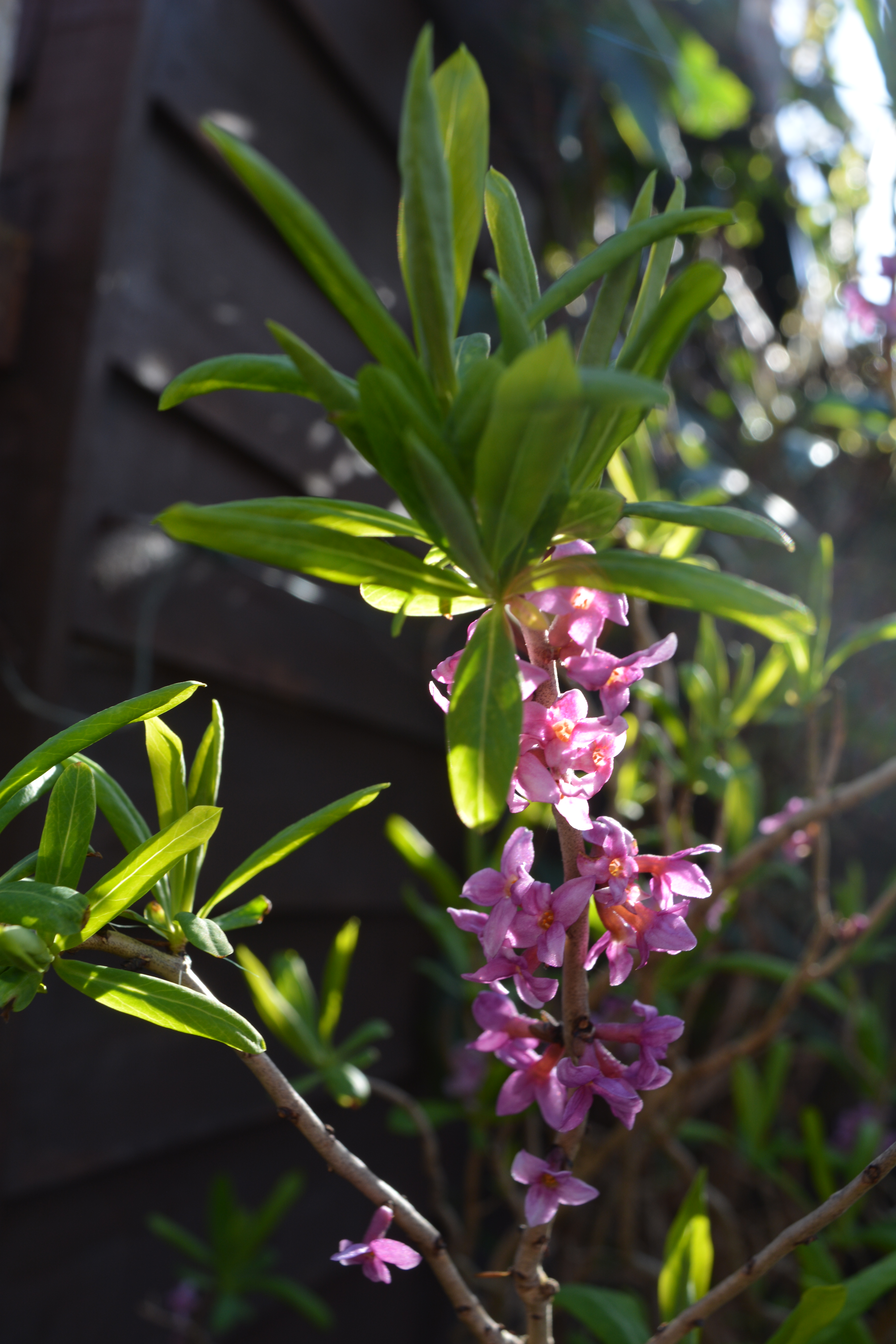
“Daphne mezerium.”


Erysimum Red Jep”

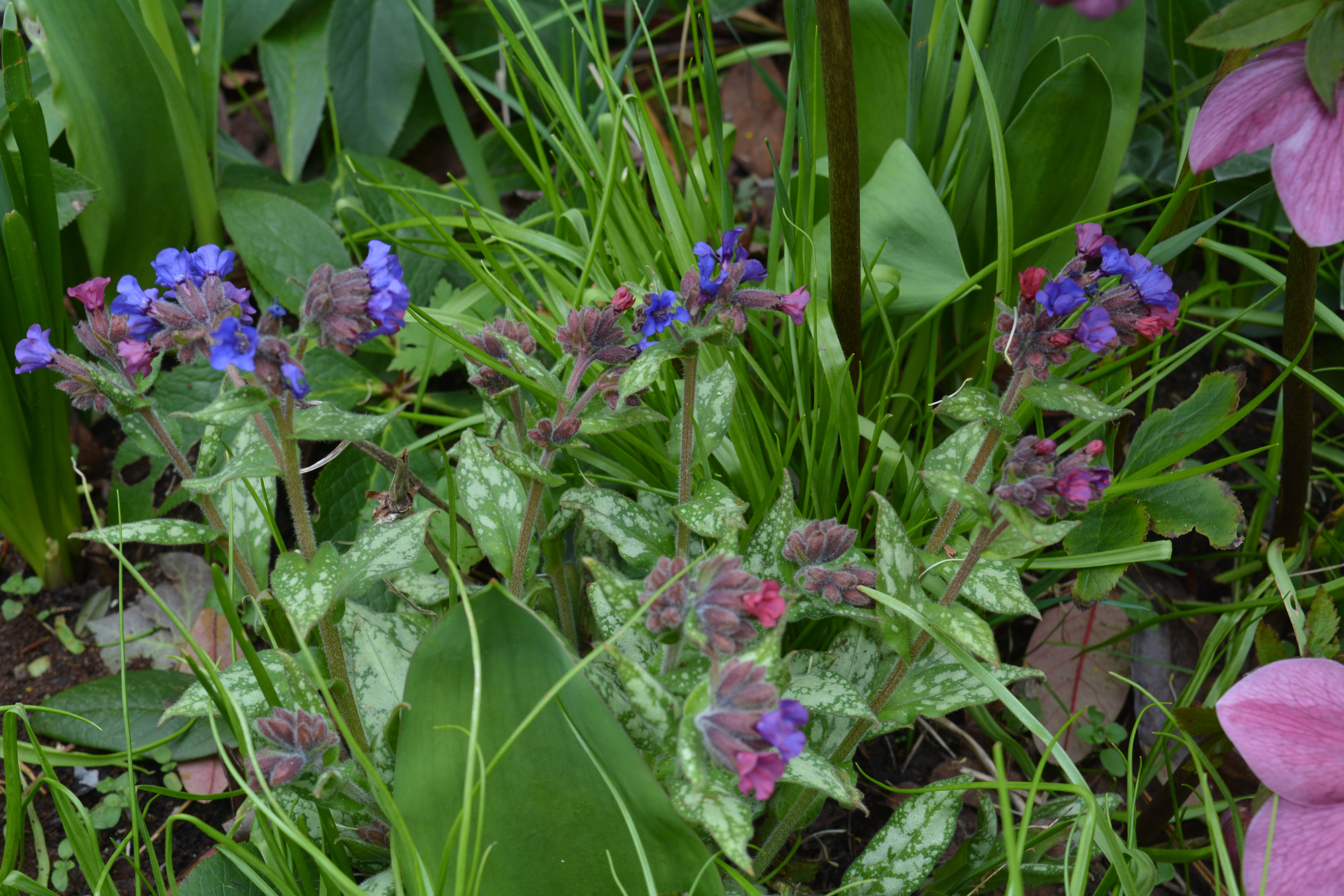
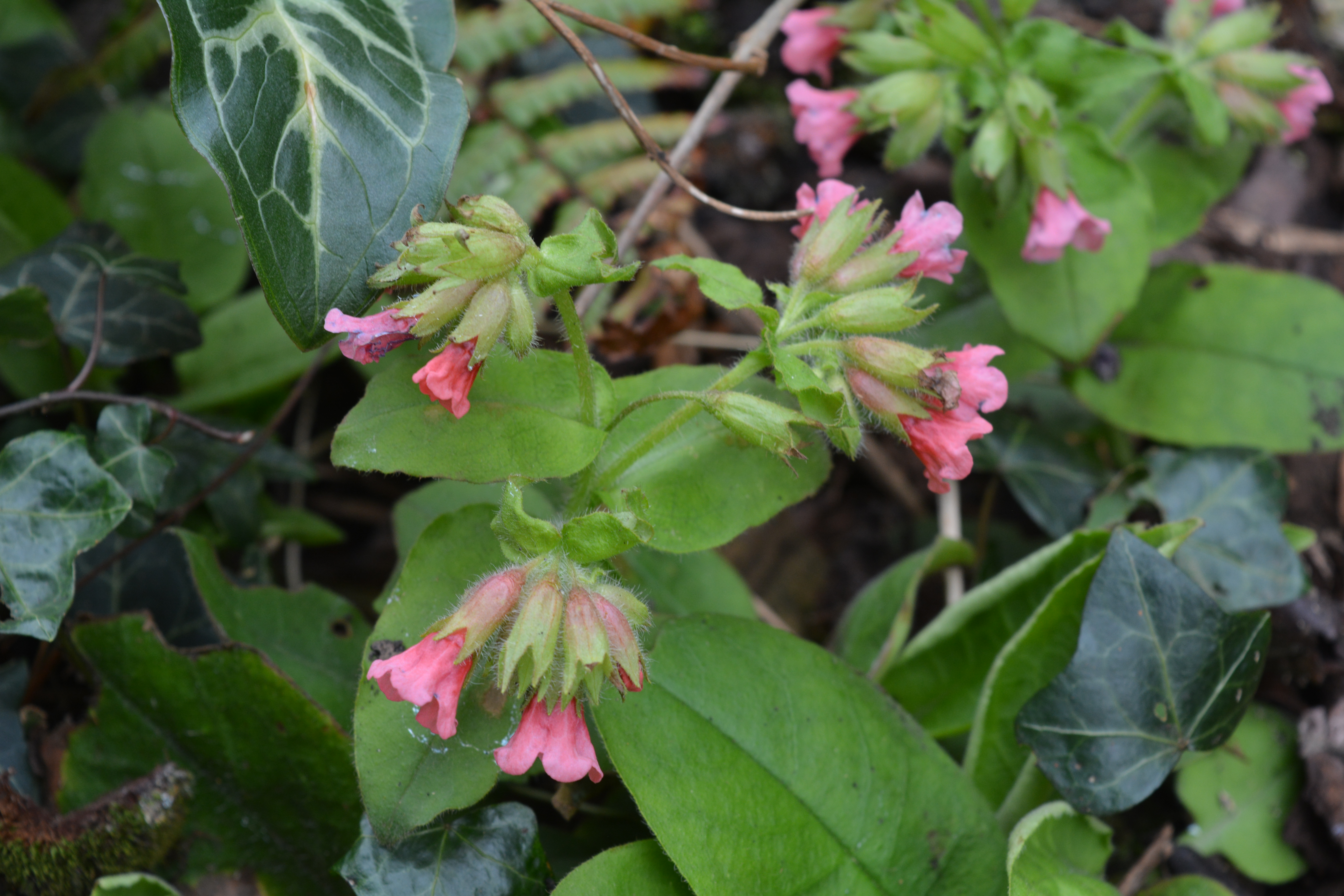
Assorted Pulmonaria.”

The next turn of the page reveals a page about Primulas and the next about pollarding willows and dogwoods.

I wrote,”In February I wrote about the first of our native Primroses coming into flower, but in March they flourish along with their relatives.The pictures below show the diversity that we grow and enjoy.”


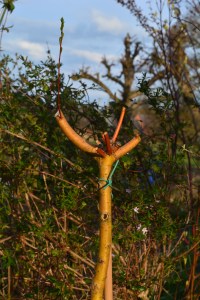
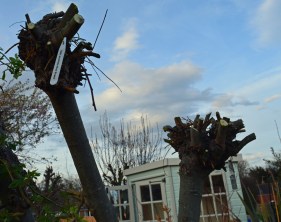
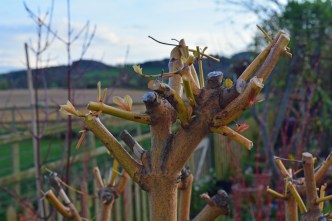
When I looked at pollarding and coppicing I wrote that, “The last week of March were mild and sometimes sunny so we took the opportunity to prune down our shrubs that we grow for their coloured stems, Cornus and Salix. We coppice some, pollard others.”


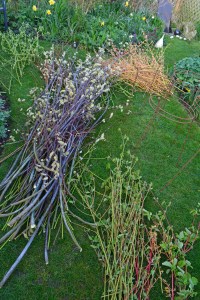
I continued to look at Salix and Cornus coloured stems on the last page of my entries for March, where I featured photographs of the bundles of cut stems.


So that was my garden journal for March. For the next month, April, we will see big changes as Spring becomes established.


This Veggie Life

A Vegetarian | Nature Lifestyle Blog

Rambling in the Garden

.....and nurturing my soul

The Arch City Gardener

Journeys In St. Louis Gardening and Beyond

Garden Dreaming at Châtillon

Consult the genius of the place

Storyshucker

A blog full of humorous and poignant observations.

gardeninacity

Notes from a wildlife-friendly cottage garden

PlayGroundology

...an emerging social science

The Official Blog of British Wildlife

'The most important and informative publication on wildlife of our times' - The Independent. This blog is a member of The UK & Ireland Natural History Bloggers group: www.uknhb.blogspot.com

iGrowHort

Inspire - Cultivate - Grow Native Plants - Restore Landscapes

Bishops Meadow Trust

To create and protect a semi-natural wild space for the people of Farnham to enjoy and experience an array of British wildlife in our town

Gardening with Children

The www.gardeningwithchildren.co.uk Blog

UKbirdingtimeline

birding through the seasons, why birds matter and how to conserve them

NATURE WALKER

with a camera in hand

Jardin

Transform your outdoor space

Eva's space

My allotment, cooking and other interests

Old School Garden

my gardening life through the year

LEANNE COLE

Trying to live a creative life

fromacountrycottage

trying to live as lightly as possible on our beautiful planet

Good Life Gardening

Nature lovers from Leicester living the good life.

mybeautfulthings

Finding the beautiful in the everyday

mawsonmichelle

Michelle's Allotment

In and Out of My Garden

thoughts from and about my garden

Greenhousing

Big plans for a small garden

The Scottish Country Garden

A Walled Country Garden in South East Scotland

The Fruity Chicken

Life at the fruity chicken

willowarchway

Off grid living. Self sufficient. "PERMAGANICS RULE".

St Anns Allotments

Nottingham's Grade 2* Listed Allotments and Community Orchard

Manifest Joy Harvests

a journey in suburban vegetable gardening

Allotmental

The madness of growing your own

Penny's Garden: a harvest beyond my front door

A novel approach to vegetable gardening

arignagardener

Sustainable living in the Irish countryside.

NewEnglandGardenAndThread

Master Gardener, amateur photographer, quilter, NH native, and sometimes SC snowbird

dianajhale

Recent work and work in progress and anything else that interests me

planthoarder

a chaotic cottage gardener

Lens and Pens by Sally

a weekly blog that creates a personal philosophy through photographs and words

Dewdrops and Sunshine

Stories from a sassy and classy Southern farmbelle.

The Pyjama Gardener

Simple Organic Gardening & Seasonal Living

gettin' fresh!

turning dirt into dinner

JOY...

today the world is created anew

Garden Birds

Notes from a Devon garden

ShootAbout

Life Through The Lens

Adapting Pixels

A photography blog showcasing the best photography pictures and videos on the internet

Wildlifegardening's Blog

Just another WordPress.com site

naturestimeline

personal observations from the natural world as the search continues for a new approach to conservation.

LATEBLOOMERBUDS

The Wonders of Life through my Eyes, my Heart, my Soul