Categories
autumn forests photography trees woodland woodlands

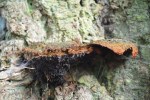
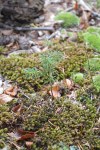
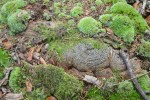
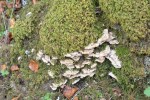
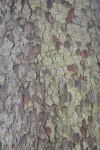
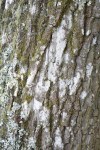
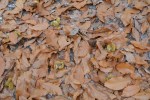
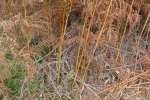
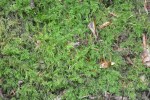
Textures of the New Forest

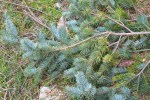
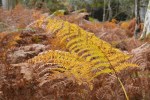
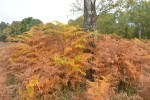
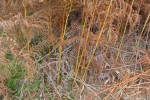
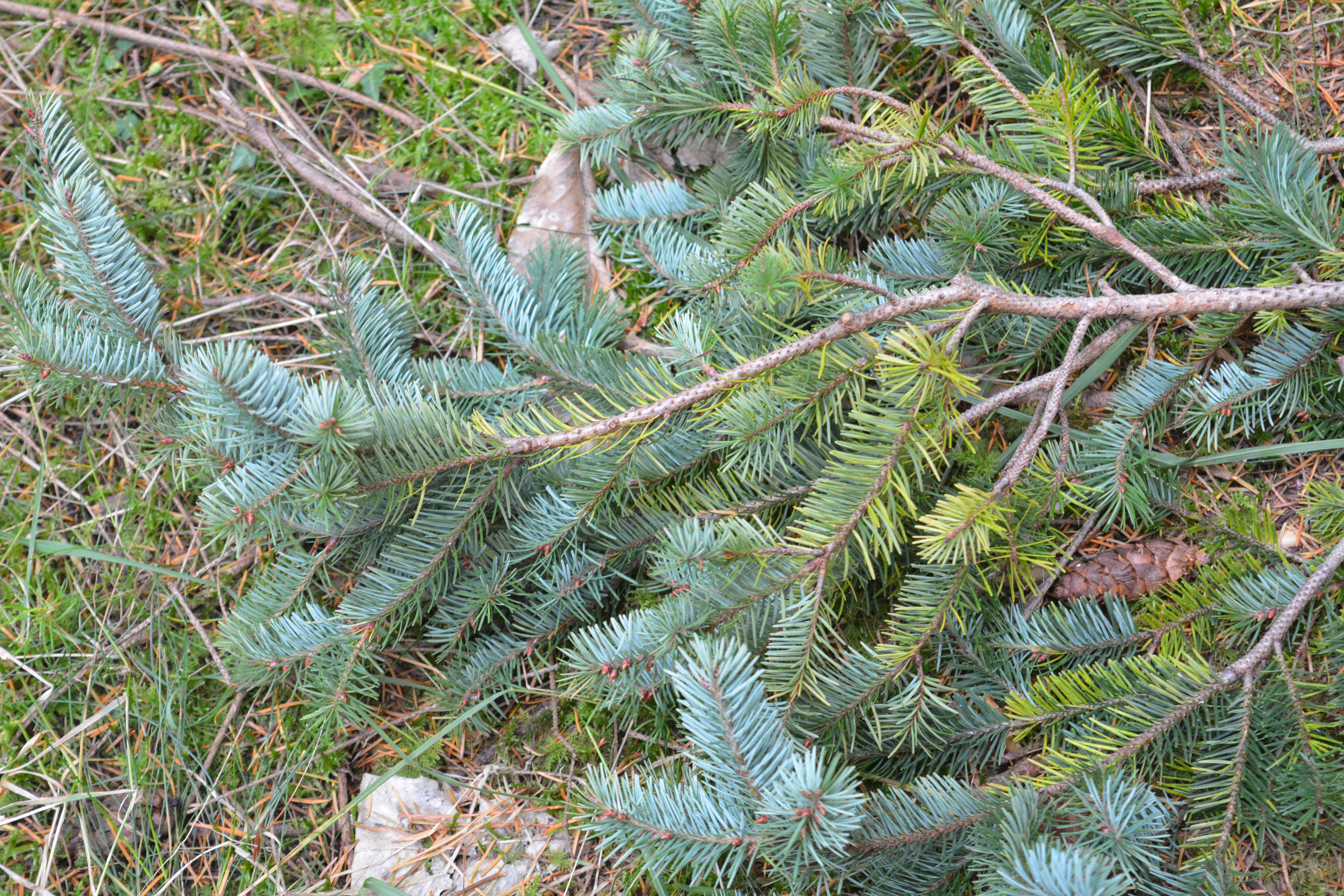
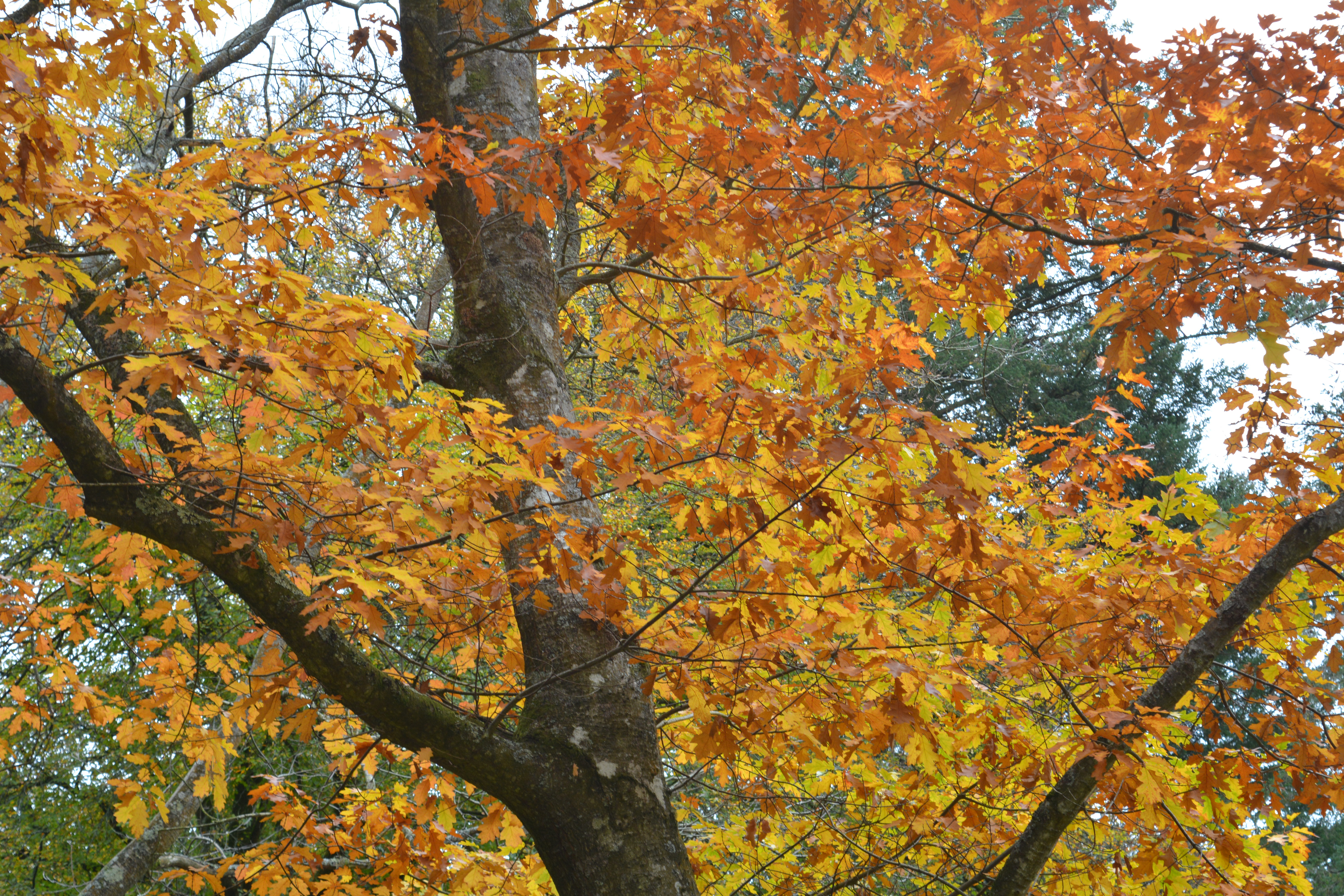
Autumn is a great time for noticing the many different textures all around us. The bright low sunlight emphasises changes in light and shade hence enhancing the textural qualities in the woods and heaths of the New forest.

I hope you enjoy my gallery of photos of the many and varied textures we spotted on our walk. Just click on the first picture and use the arrow to navigate through.
 

Categories
autumn autumn colours colours forests light light quality memorials nature reserves the South trees woodland woodlands

Walking the New Forest – part two

We will continue our walk where we left off at the end of part one of “Walking the New Forest”.

2015 10 19_6159 2015 10 19_6084

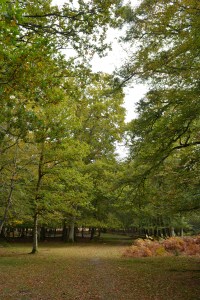
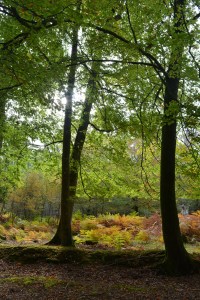
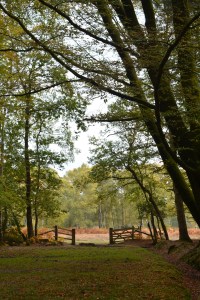
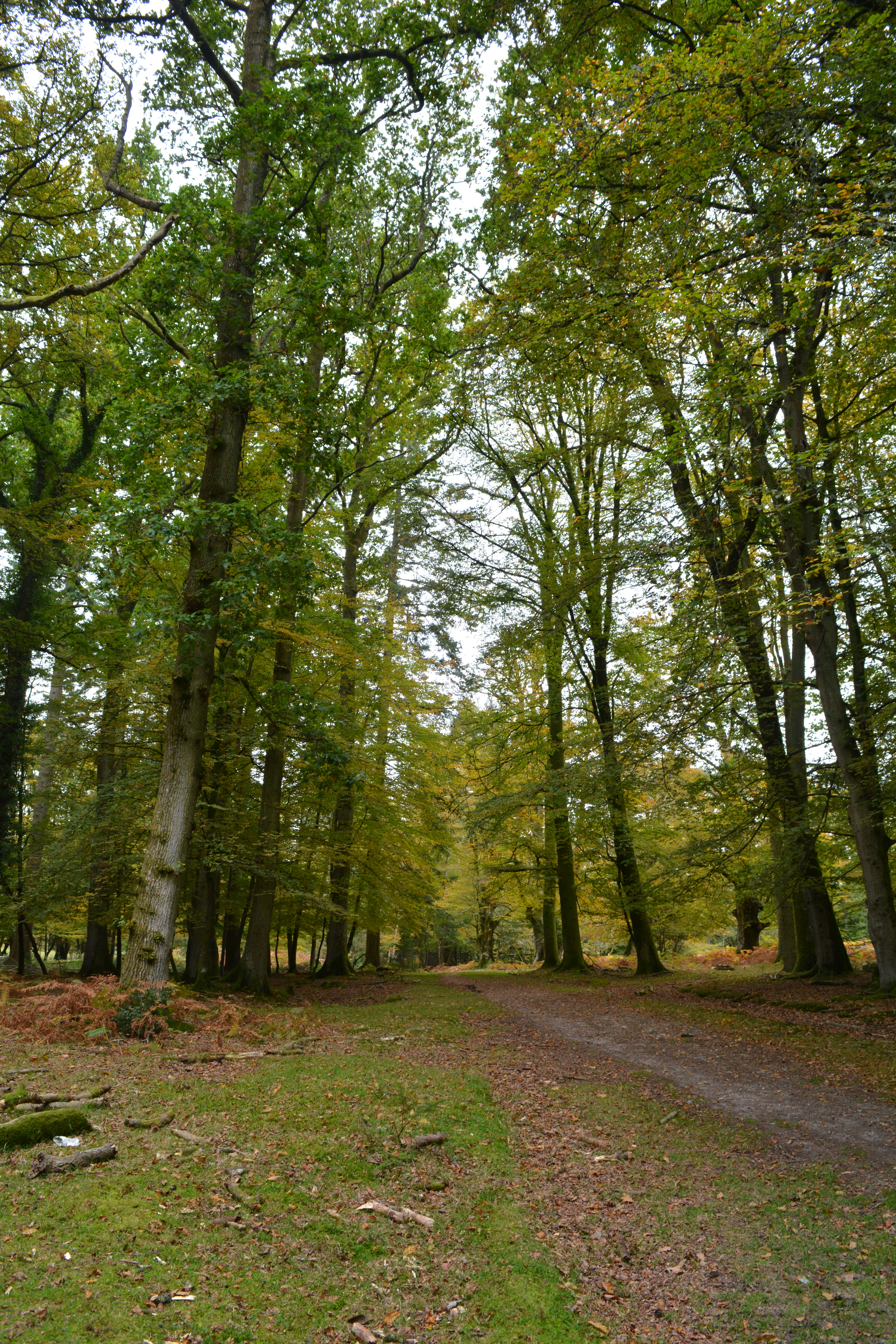
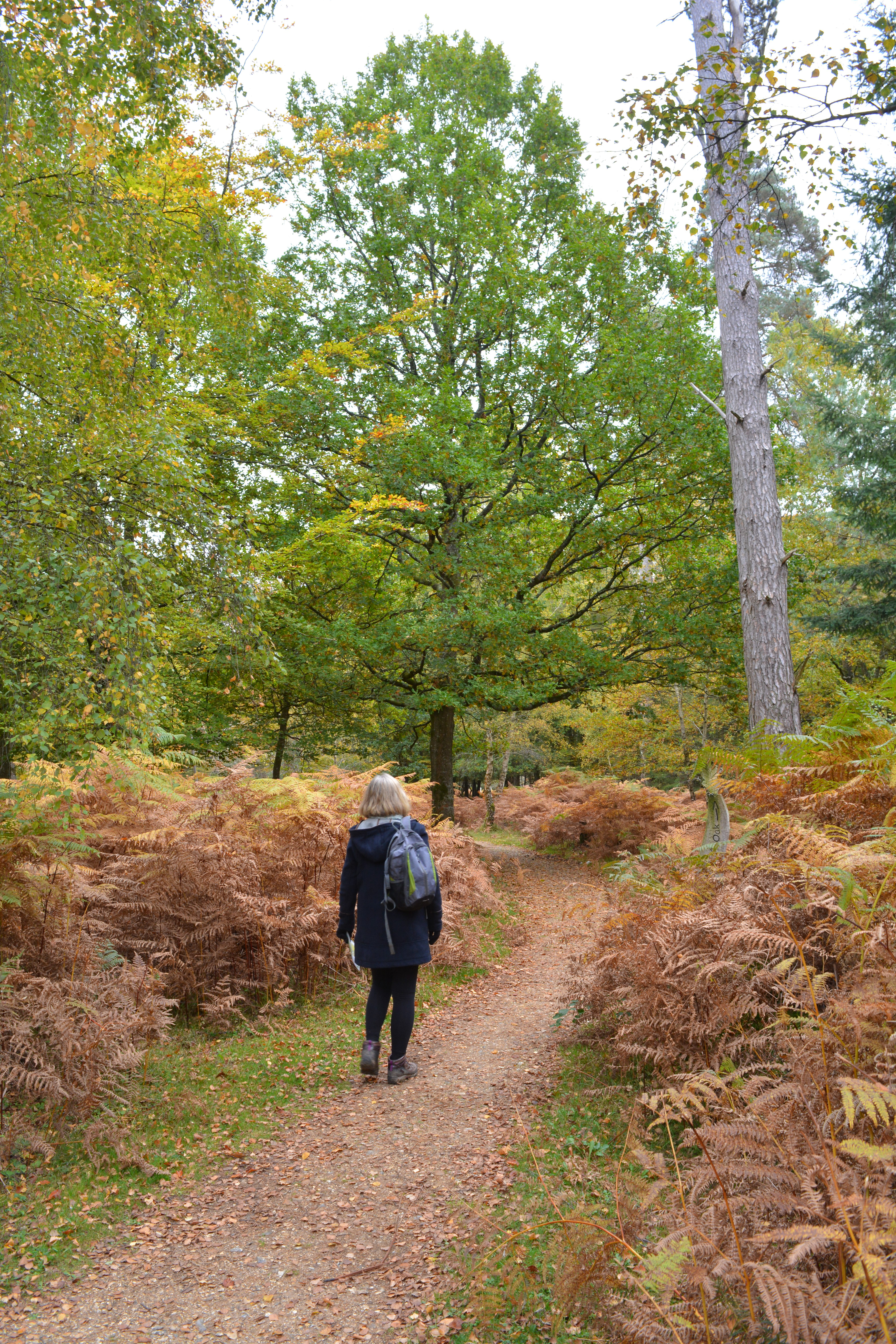
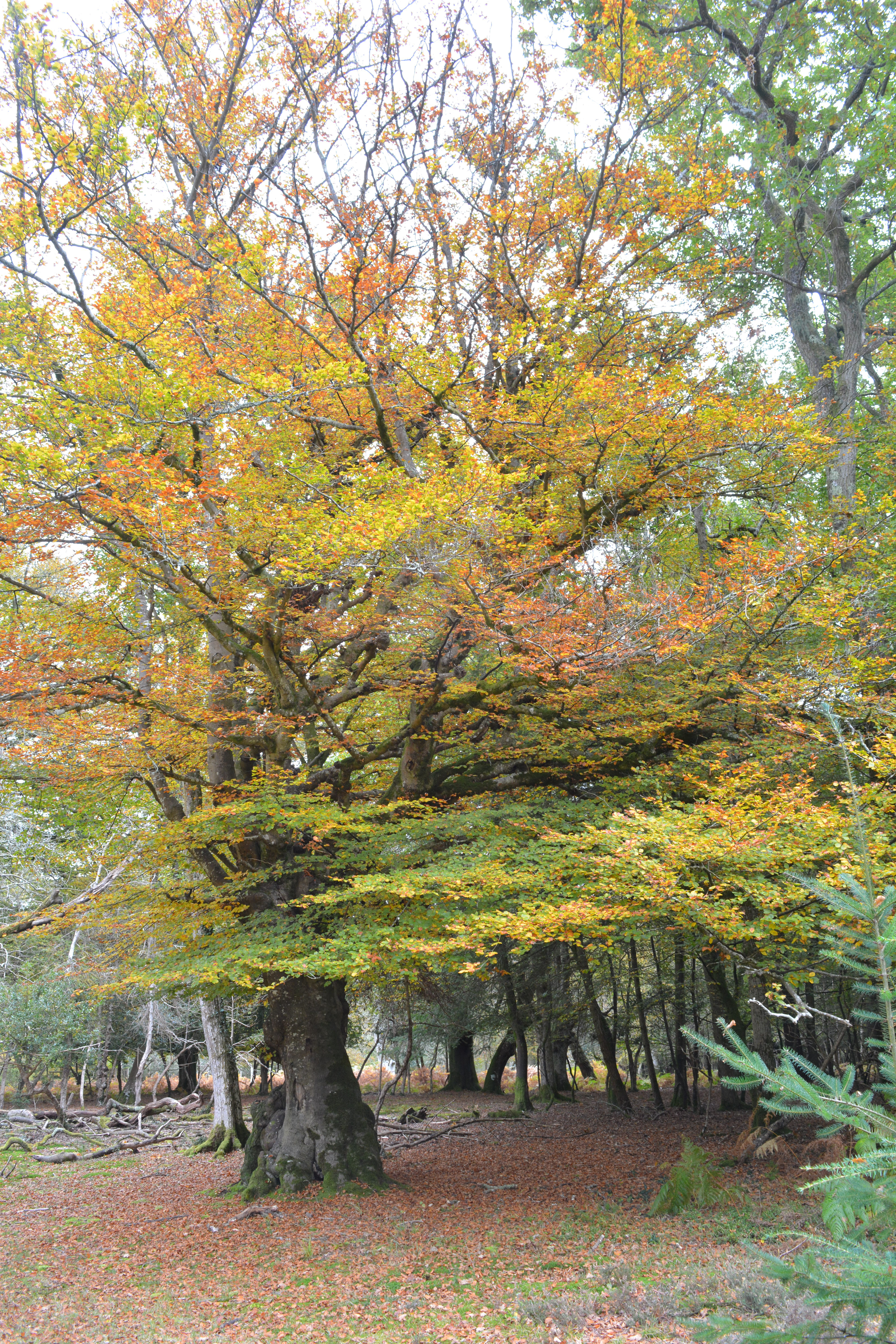
We left the old Oak behind crossed a clearing and followed a pathway through Beech trees as we aimed for an old wooden gate.

2015 10 19_6088 2015 10 19_61022015 10 19_6086

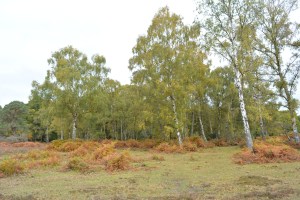
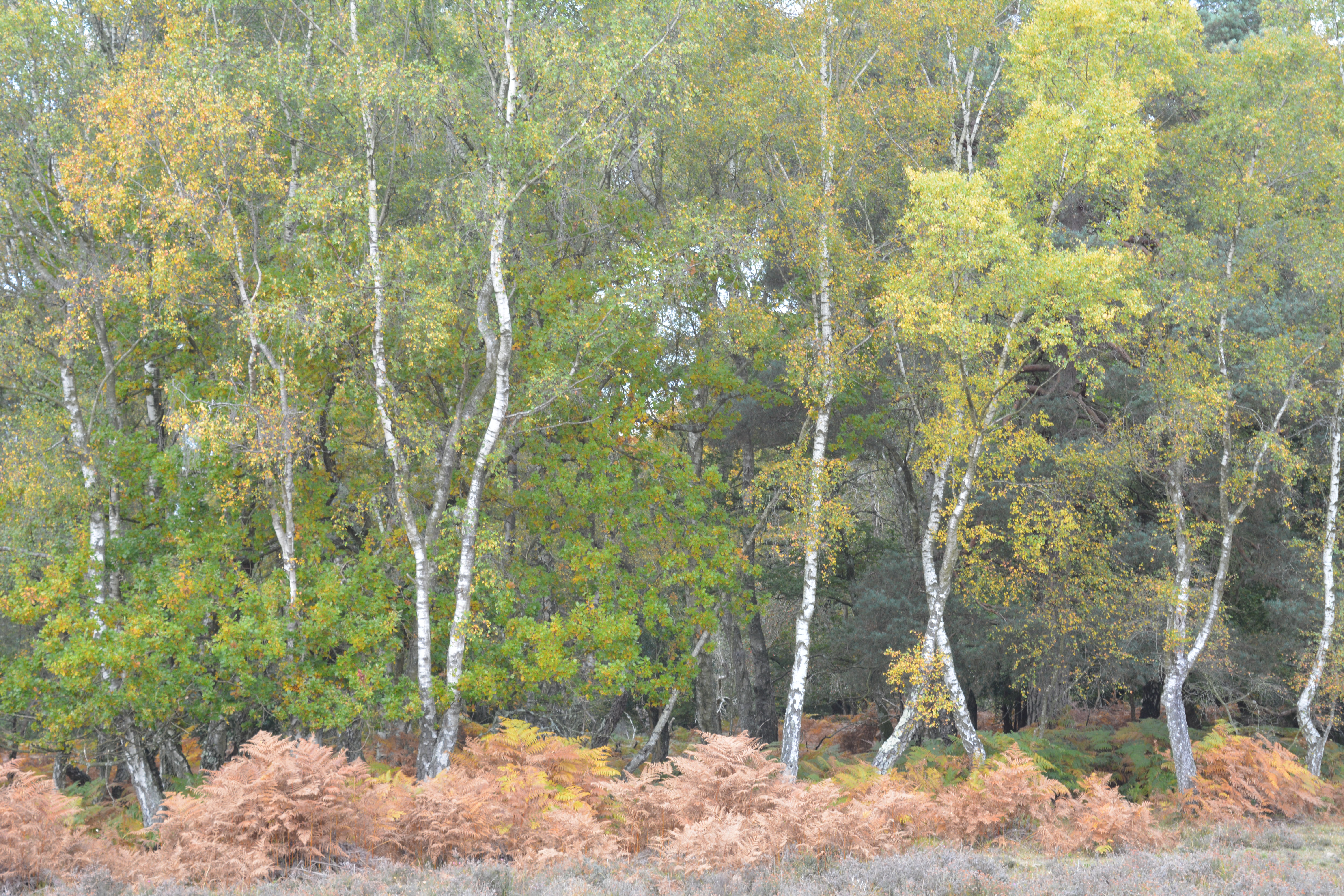
The gateway afforded us views of an open area with few trees and most of those were now of Birch, our native Betula pendula.

Ferns within the wooded area tended to be the Hard Fern variety but once out in the more open and much drier heathland the main ferns were our common Bracken. The Bracken was showing signs of changing into its autumn coat but the Hard Fern is an evergreen and keeps its leathery deep green coloured fronds.

2015 10 19_6100 2015 10 19_60852015 10 19_6109 2015 10 19_61102015 10 19_6108 2015 10 19_6106

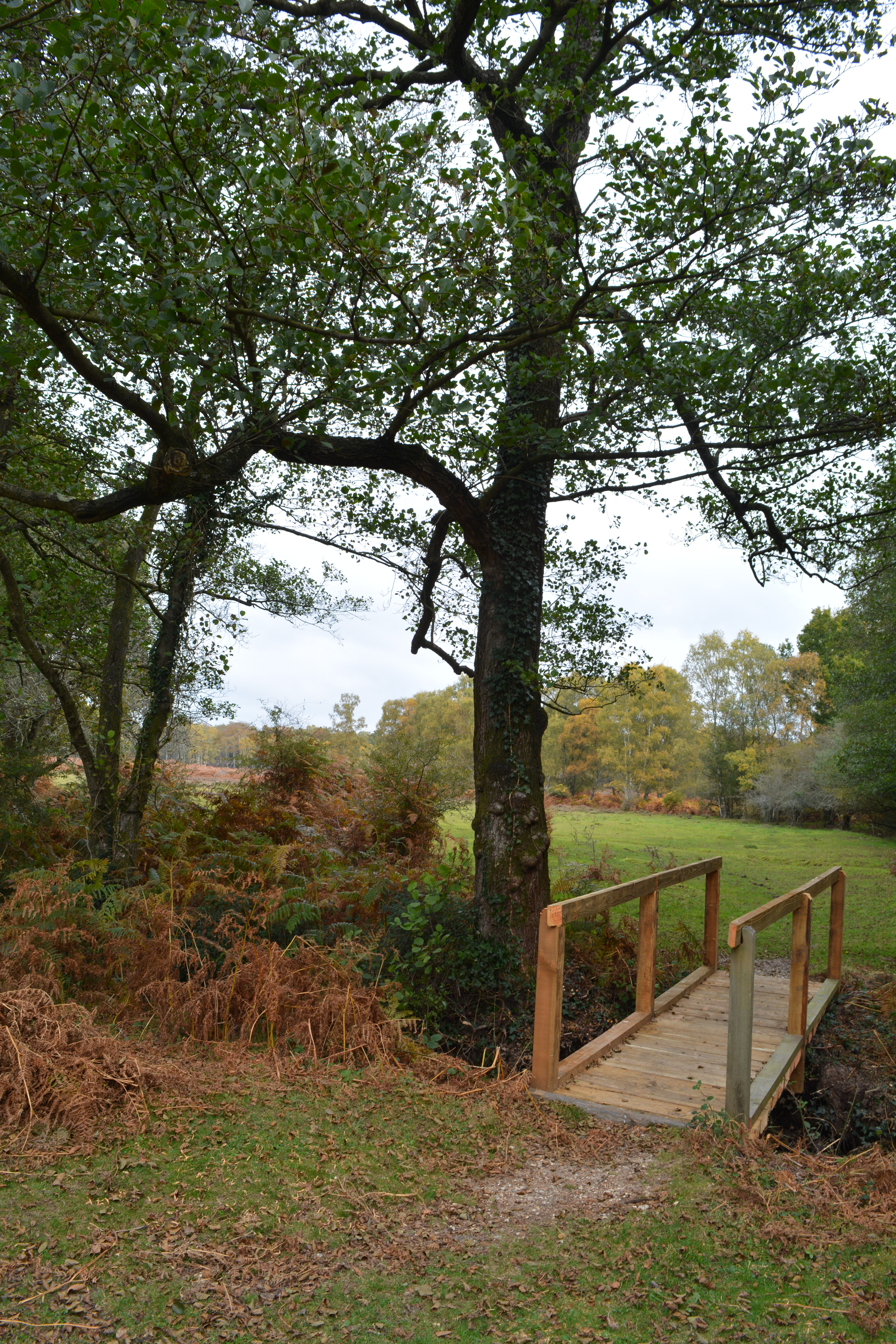
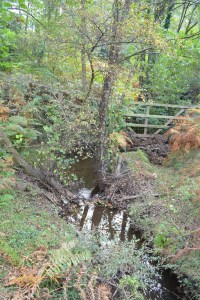
We took an indistinct path which led us diagonally towards a little wooden bridge which enabled us to cross a ditch. As we crossed wet muddy patches we found signs of life, bicycle tracks left by previous human visitors and prints of deer

2015 10 19_6111 2015 10 19_6112

2015 10 19_6104 2015 10 19_6105

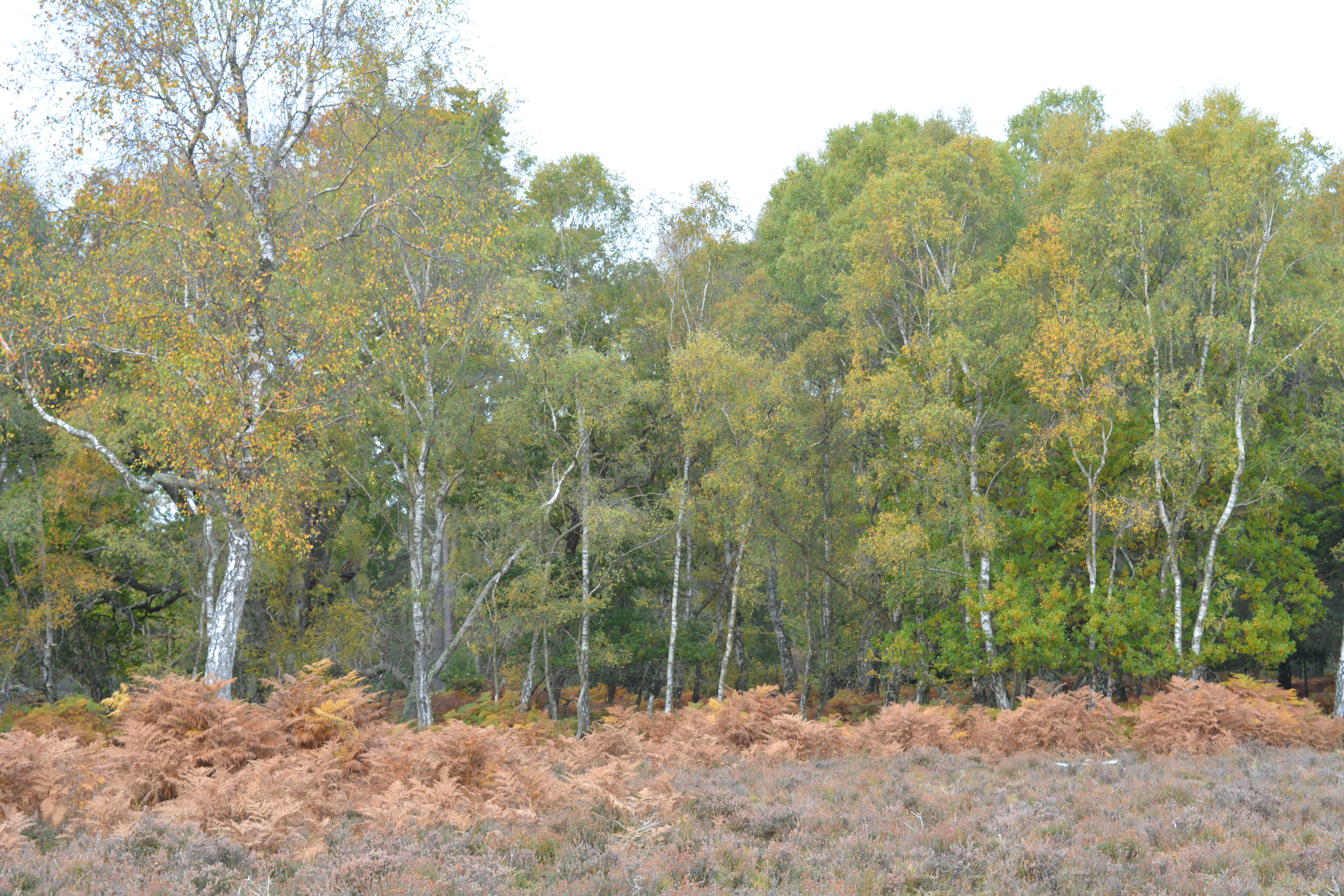
Crossing the footbridge we aimed for a distant stand of brightly coloured Silver Birches.

2015 10 19_6103 2015 10 19_6114 2015 10 19_6115 2015 10 19_6116  2015 10 19_6117 2015 10 19_6119

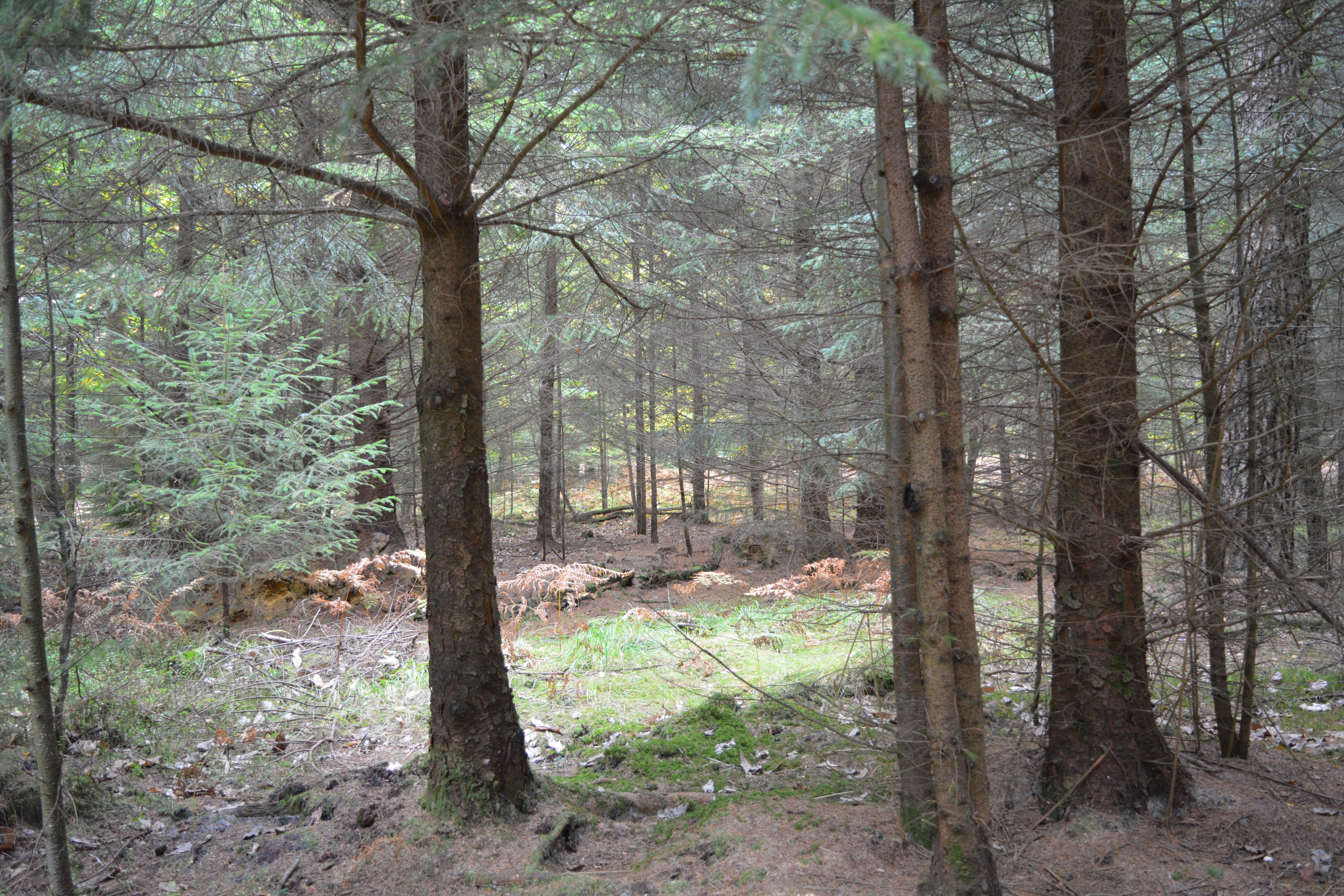
Leaving the heathland behind we crossed over a gravel track that led to a forestry worker’s house and entered a new inclosure of forest. The trees here started off as a selection of mixed deciduous native trees, but before too long conifers crept in. Slowly these dark pines took over completely and we found ourselves walking in dark woodland. Little grew beneath these trees as they blocked out the sunlight. The fresh smell of our native broadleaves was replaced by a resinous aroma reminiscent of pine household cleaners. Less inviting a smell than the warming and welcome scents of our native broadleaves.

2015 10 19_6121 2015 10 19_6125 2015 10 19_6126 2015 10 19_6139 2015 10 19_61332015 10 19_6129 2015 10 19_6134

The path we were following suddenly met a crossroads where a clearing allowed more light through to reach us and the forest floor. Foxgloves appeared both as first year rosettes of leaves preparing to flower next year and as seed heads, the remains of this years flowers and the promise of more Foxgloves to come.

2015 10 19_6132 2015 10 19_6136

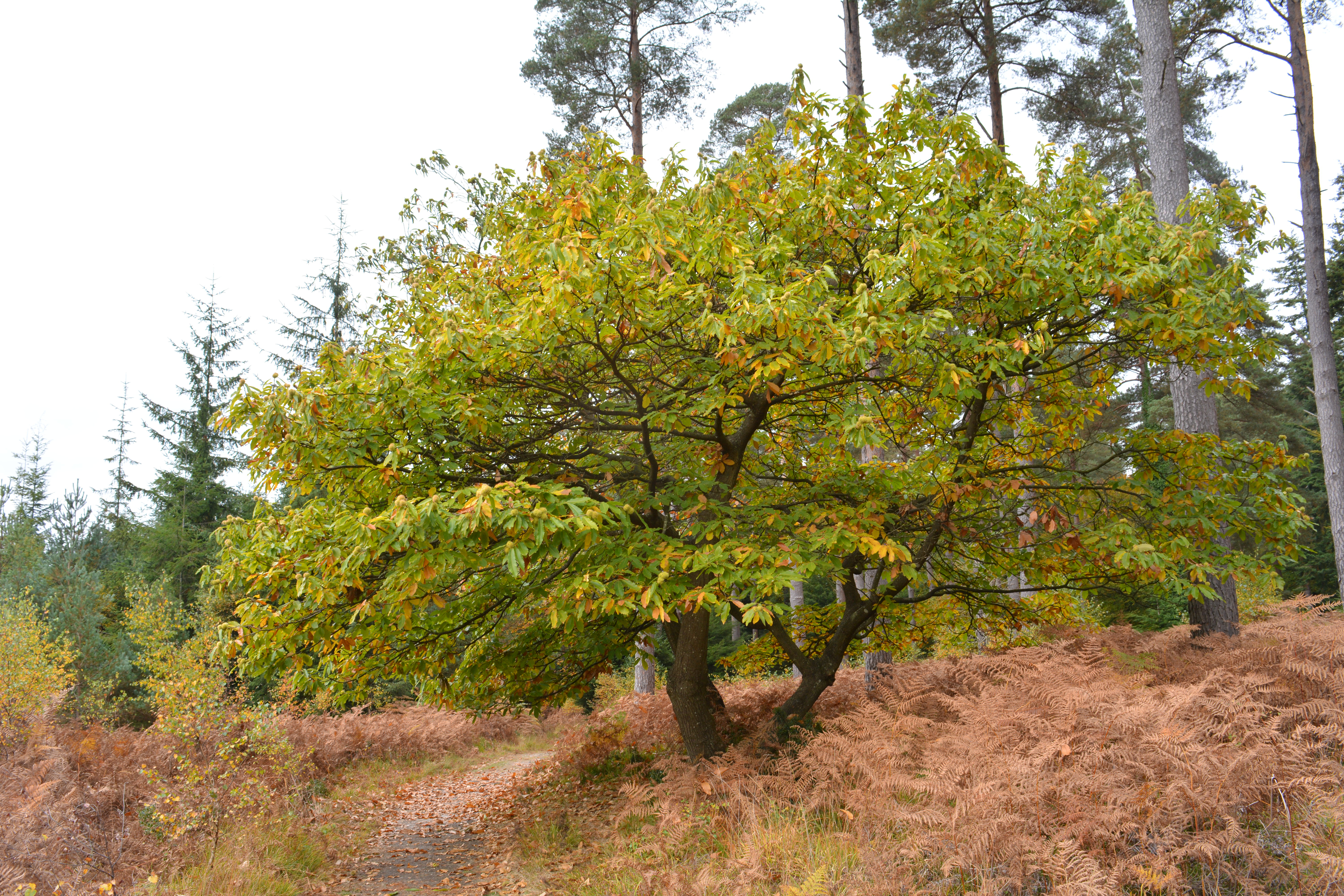
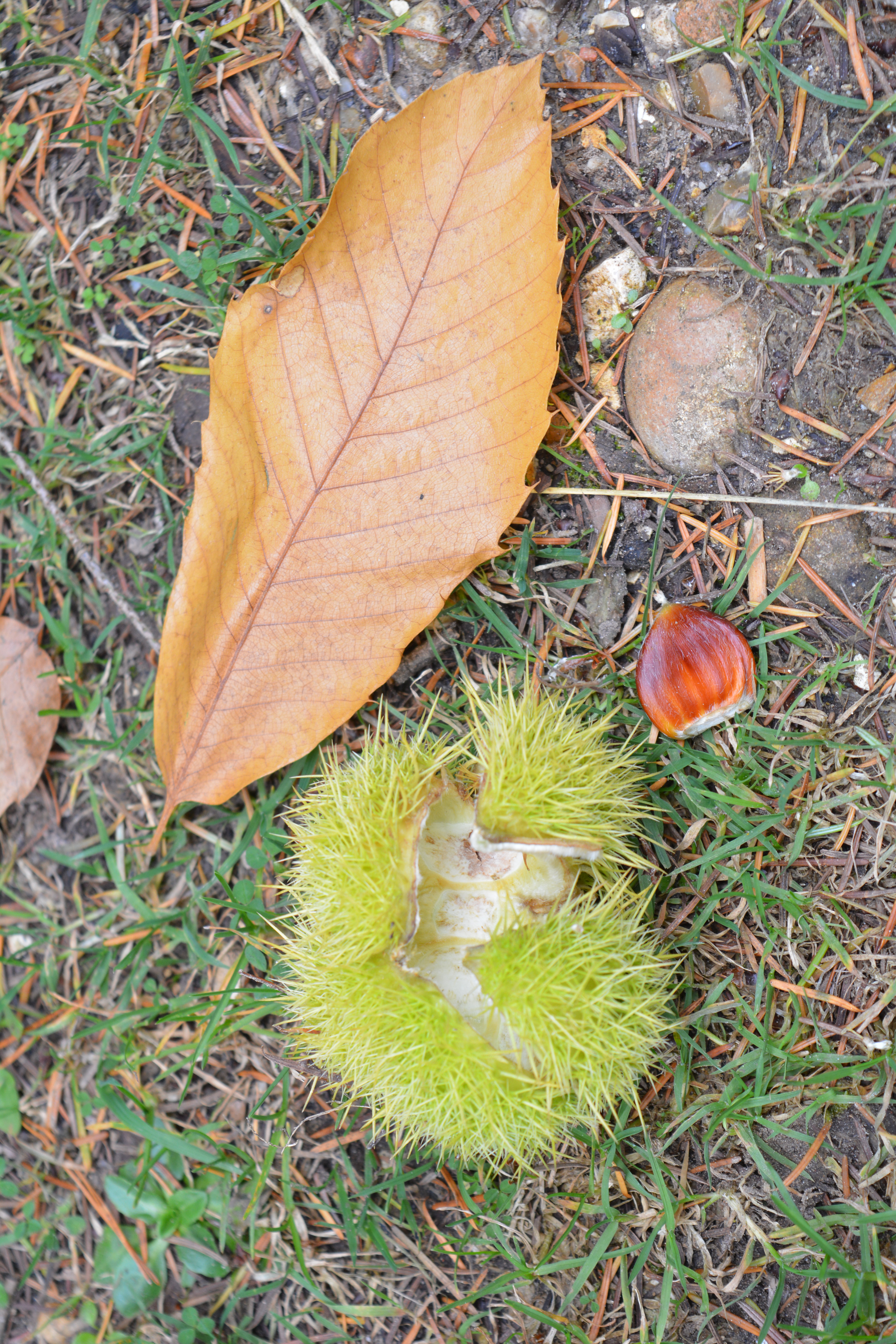
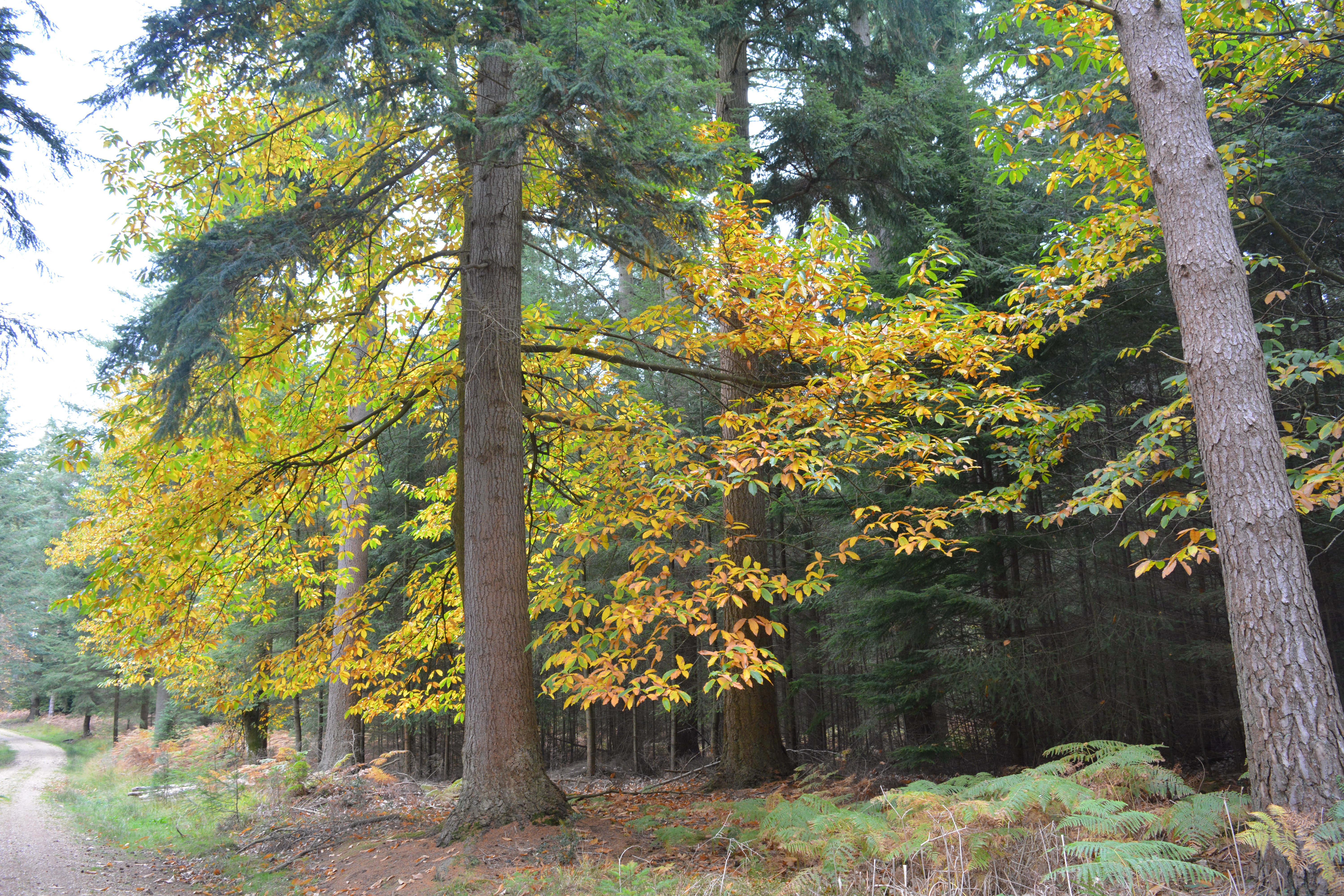
We looked up from the bench where we sat enjoying our coffee break and noticed the bright leaves of Sweet Chestnuts and beneath them we discovered their nuts, nut cases and fallen leaves. We were entertained by the loud noise of rutting stags roaring through trees and the gentler sounds of the diminutive Goldcrests high in the branches of the conifers.

2015 10 19_6135  2015 10 19_6140 2015 10 19_6144 2015 10 19_6145

The final leg of our walk took us along forestry tracks through the conifers and then back into the brighter world of native deciduous trees.

2015 10 19_6156 2015 10 19_6155 2015 10 19_61492015 10 19_6154 2015 10 19_6150

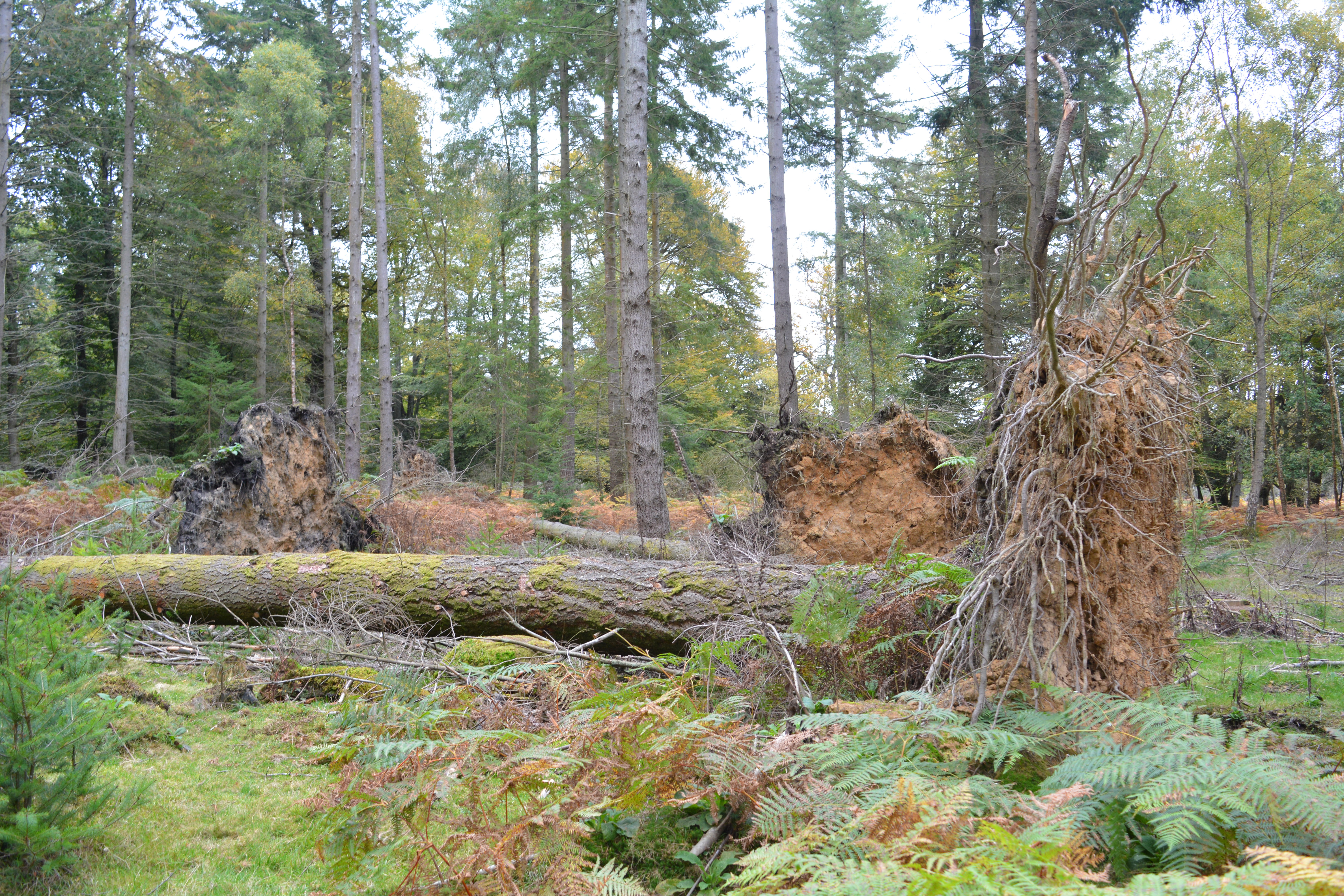
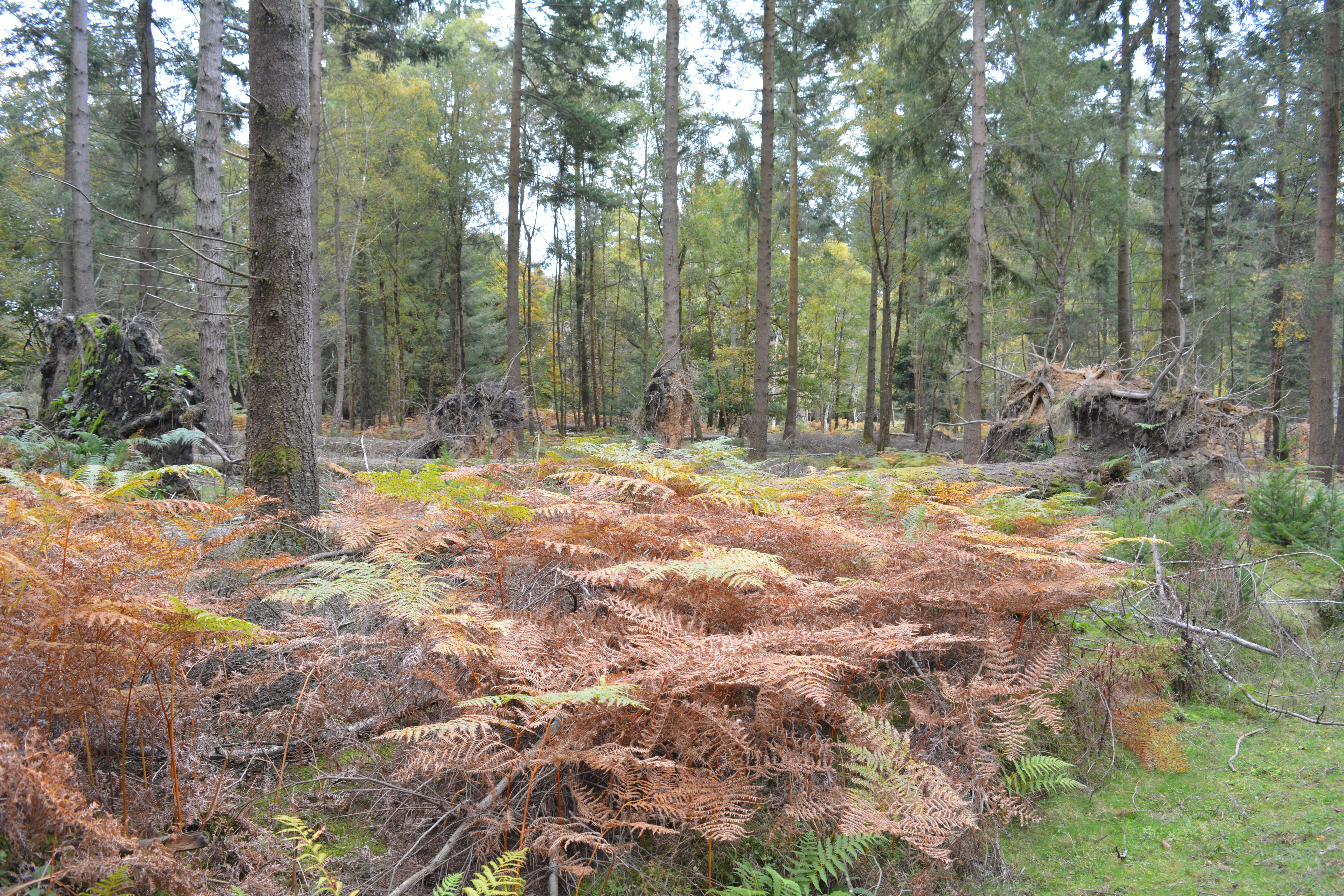
Just before finding the car park we passed alongside a line of huge conifers blown down in strong winds, a line of destruction.

2015 10 19_6148 2015 10 19_6147

We really enjoyed our first experience of the world of the New Forest. We had plenty more planned for our break.

2015 10 19_6157 2015 10 19_6145

Categories
autumn autumn colours colours countryside landscapes light light quality outdoor sculpture photography trees wildlife woodland woodlands

Walking in the New Forest – part one

We decided we would take an Autumn break so went down to the New Forest for a short mid-week break. We loaded the car with coats, waterproofs and warm clothes thinking we were planning for whatever the weather had in store for us. We got it totally wrong for as we went further southward the weather improved and we ended up enjoying warm sunny weather. A real treat!

We have driven through or past the New Forest, Britain’s smallest National Park, several times and vowed we would holiday there some day. So as we arrived we had great expectations and we were not to be disappointed.

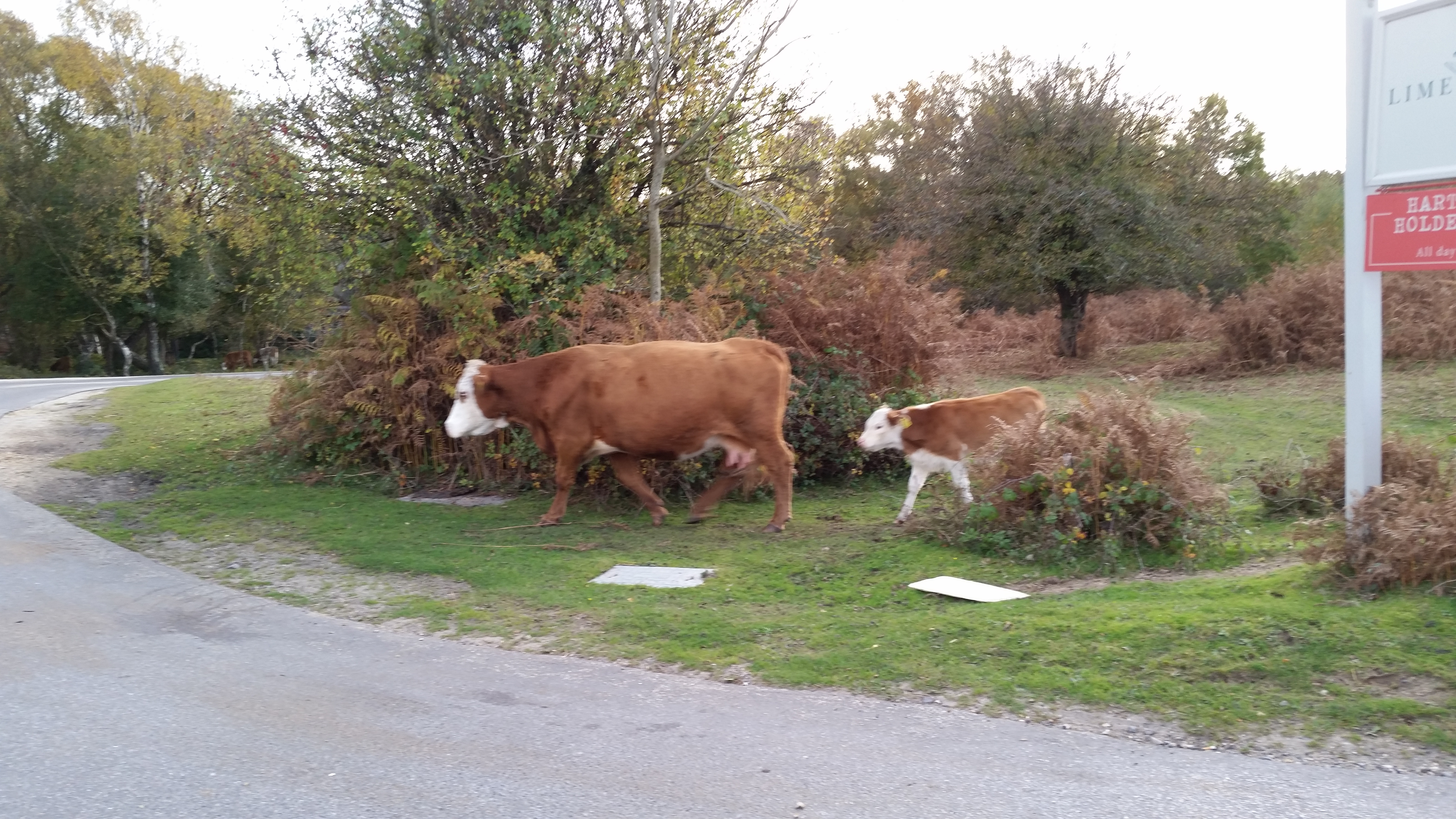
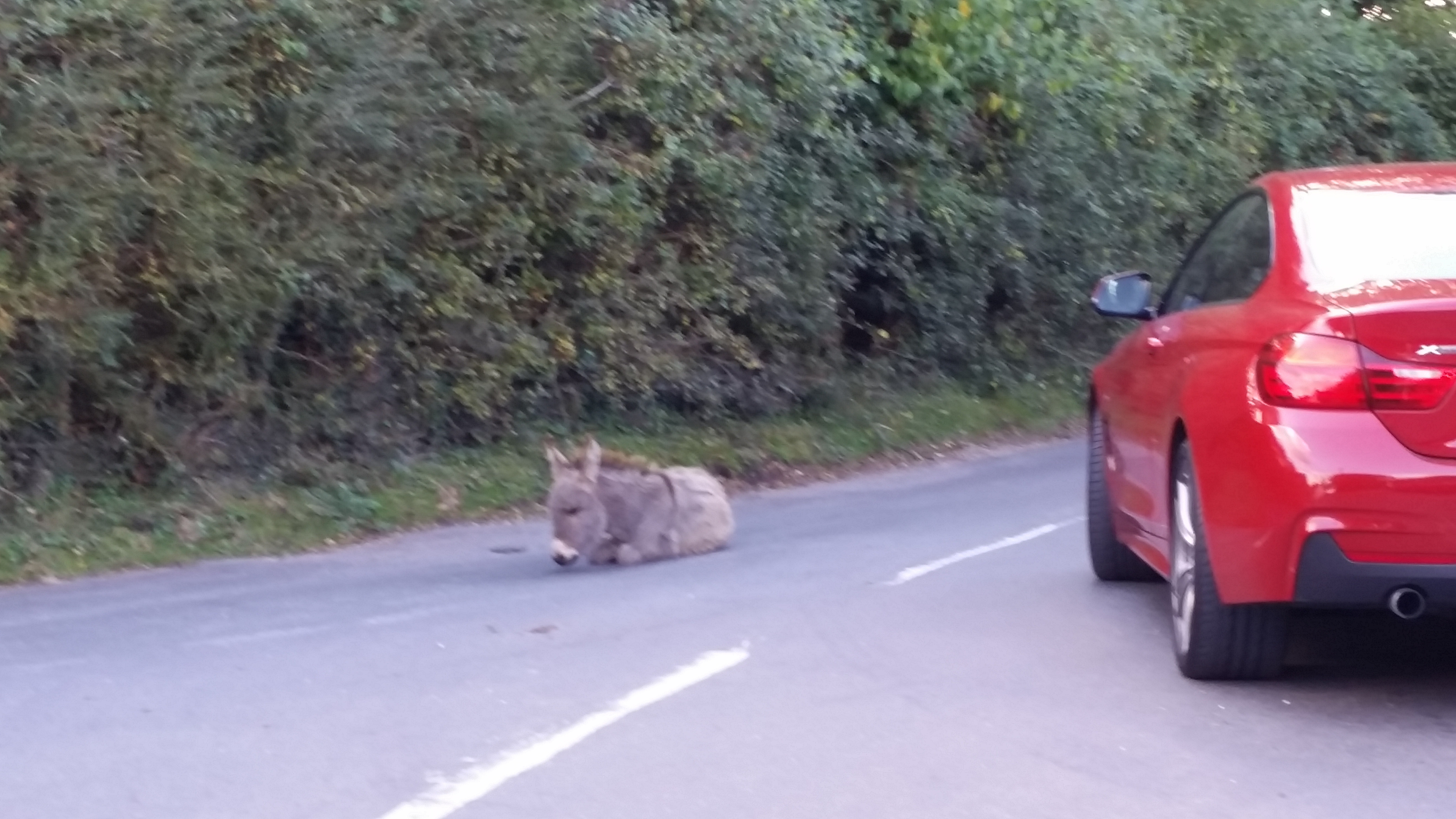
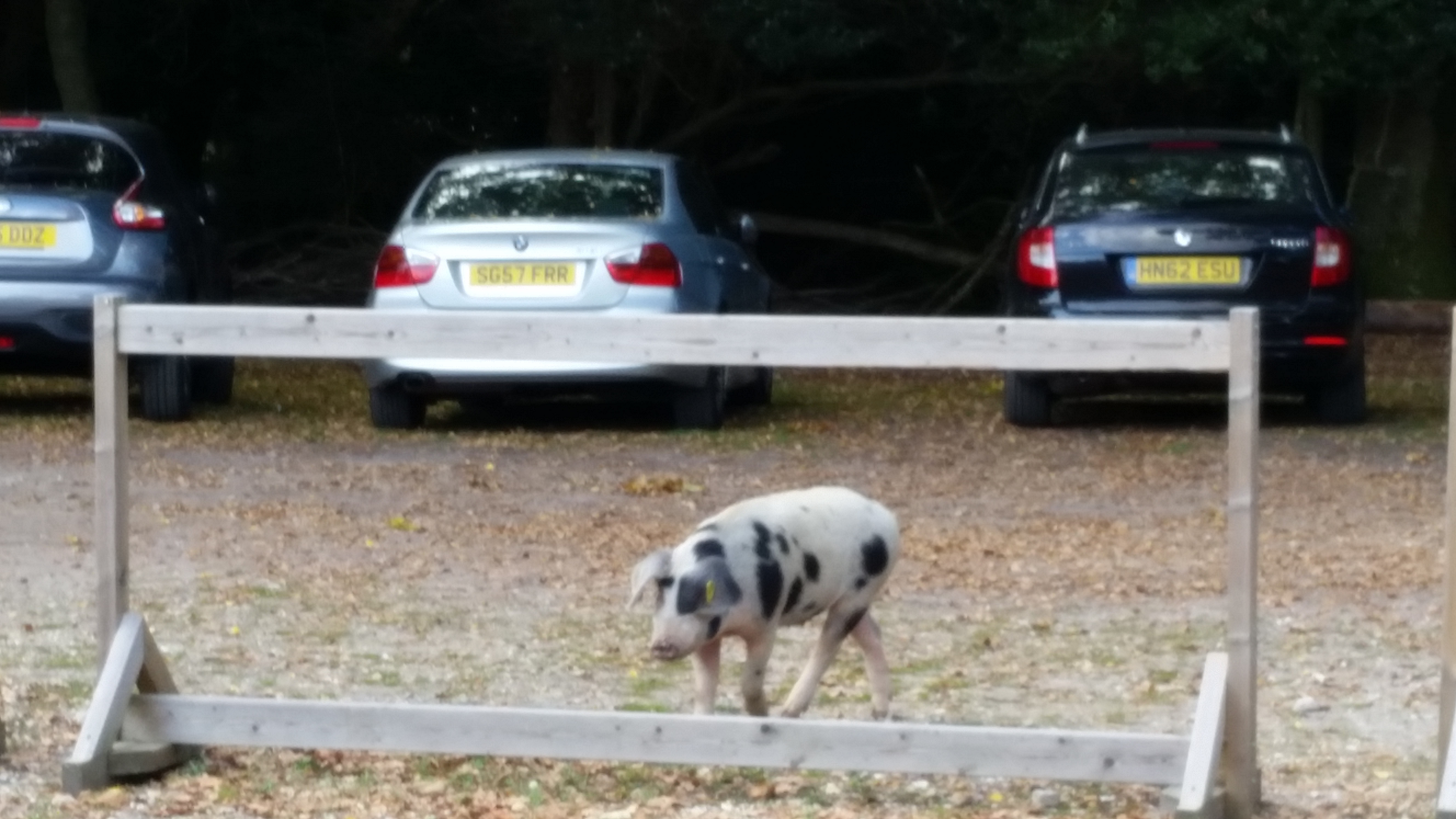
The New Forest proved to present the unexpected. Traffic jams and delays were not caused by vehicles but by livestock, cattle, pigs, donkeys and of course the famous New Forest Ponies. So here are a few shots of the many critters we encountered as we drove around the forest.

2015 10 24_6642 2015 10 24_6641 2015 10 24_6640 2015 10 24_6639 2015 10 24_6638 2015 10 24_6637 2015 10 24_6636 2015 10 24_6635 2015 10 24_6634 2015 10 24_6633

Our first day excursion was to a Forestry Commission area of woods and heathland with way-marked walks winding through it.

2015 10 19_6158

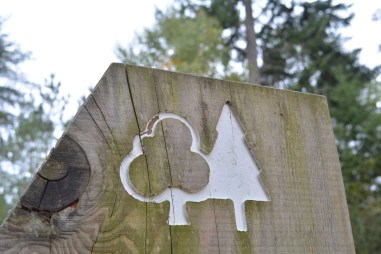
We set off firstly in search of the Knightwood Oak the oldest oak in the New Forest which reached maturity during the reign of Henry VIII. We followed the posts marking the way, rather beautiful way markers carved in wood.

2015 10 19_6064 2015 10 19_6065 2015 10 19_6066 2015 10 19_6067 2015 10 19_6069 2015 10 19_6070

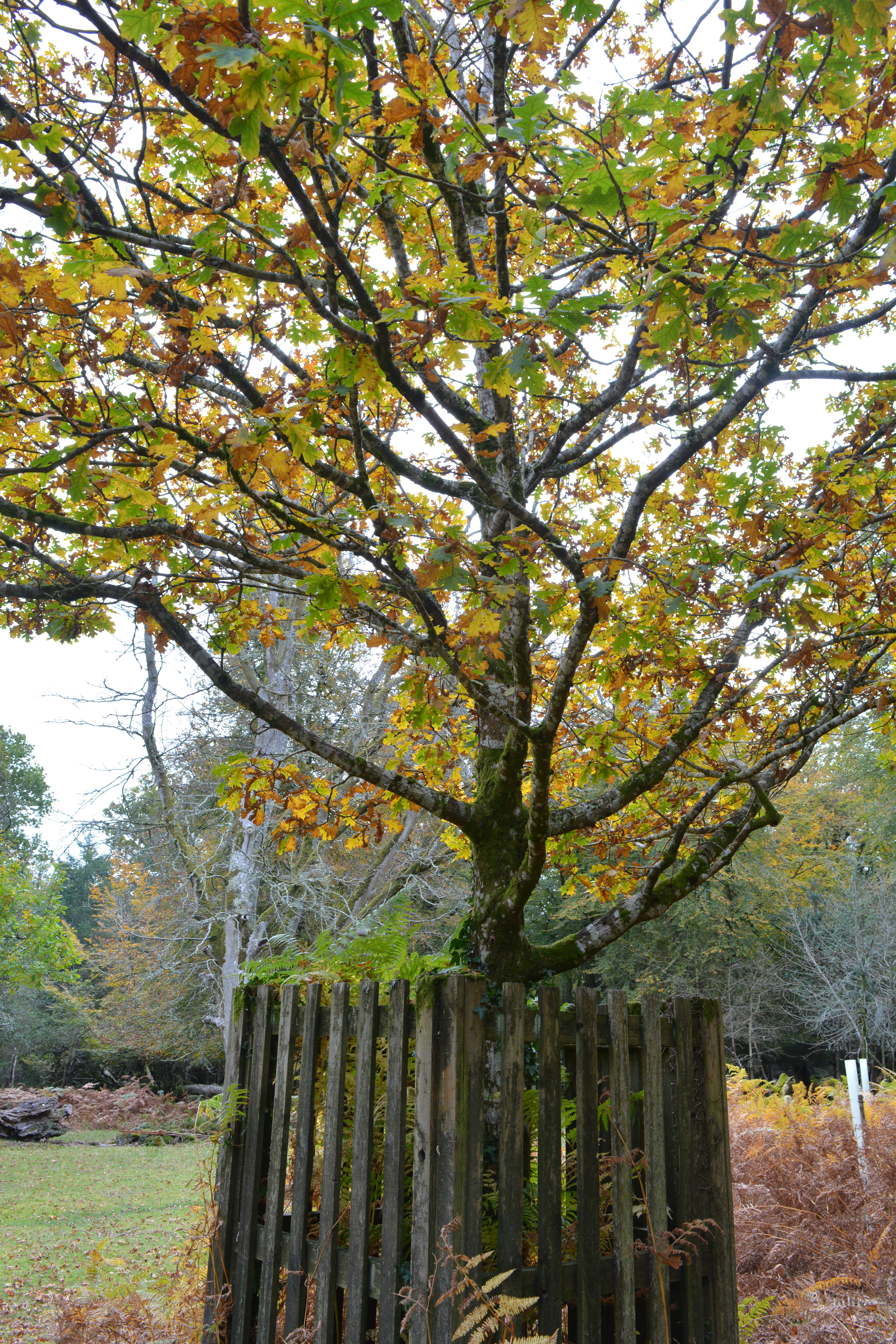
Among the hundreds of oak trees here we passed two other significant oaks on the way, celebrating important moments in the forest’s history. Firstly the Queen’s Oak was planted by Queen Elizabeth II to commemorate the 900th anniversary of the founding of the forest by William I in 1079. Secondly the Deputy Surveyor’s Oak planted to mark the contribution of a former Deputy Surveyor of the forest, Donn Small. The second oak was planted as a sapling from the Knightwood Oak itself. The ancient oak itself was surrounded by a chestnut paling fence to keep the public away from falling branches and to prevent the public from getting too close to the tree.

2015 10 19_6073 2015 10 19_6074 2015 10 19_6075  2015 10 19_6076 2015 10 19_6083

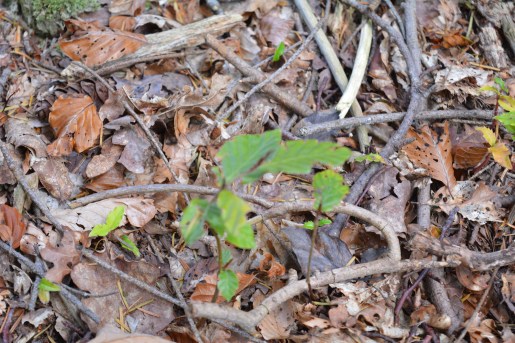
Although this was a forest of mature trees there were signs of regeneration throughout, little saplings of all the main species of trees, so its future looks secure.

2015 10 19_6078 2015 10 19_6094 2015 10 19_61432015 10 19_6096

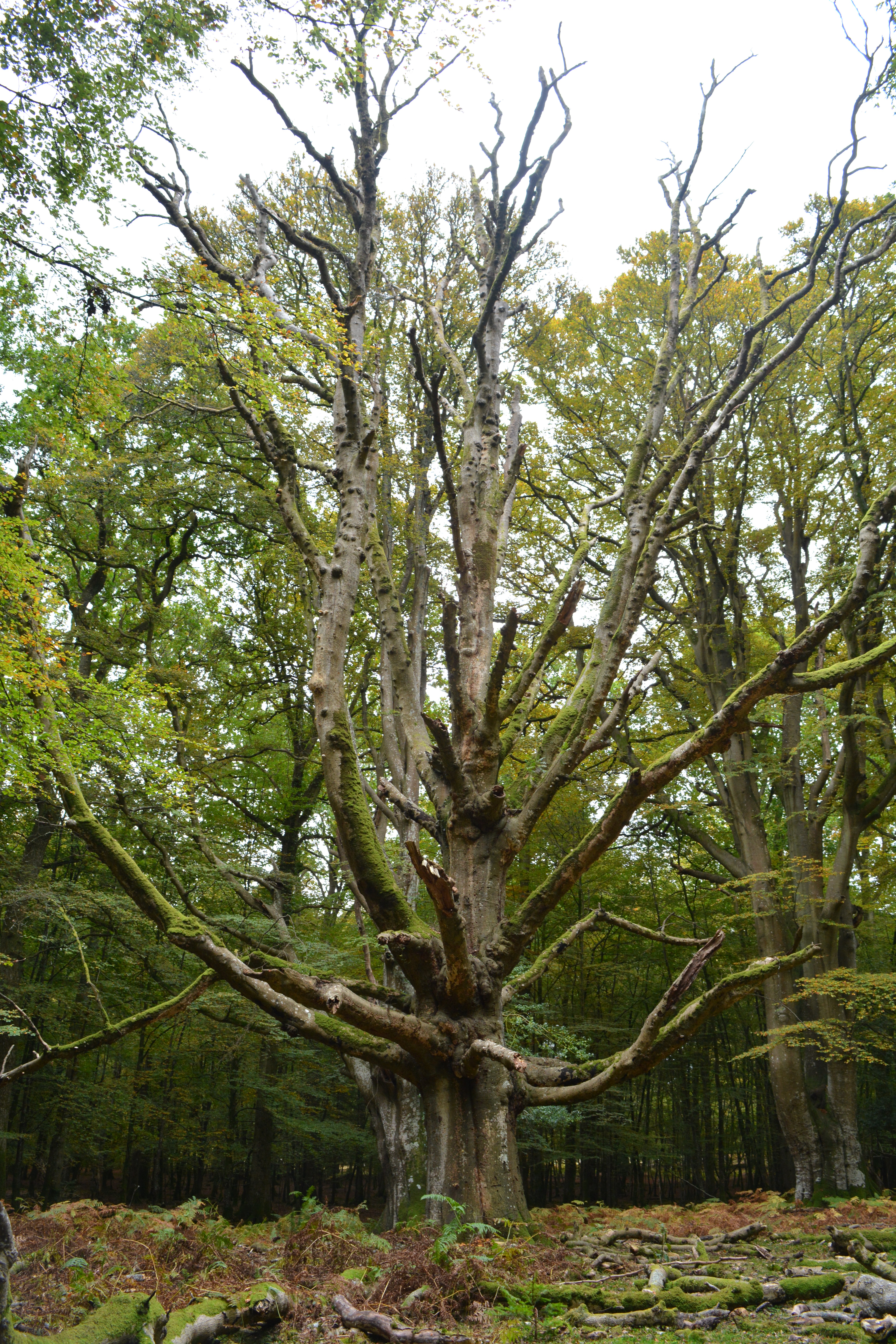
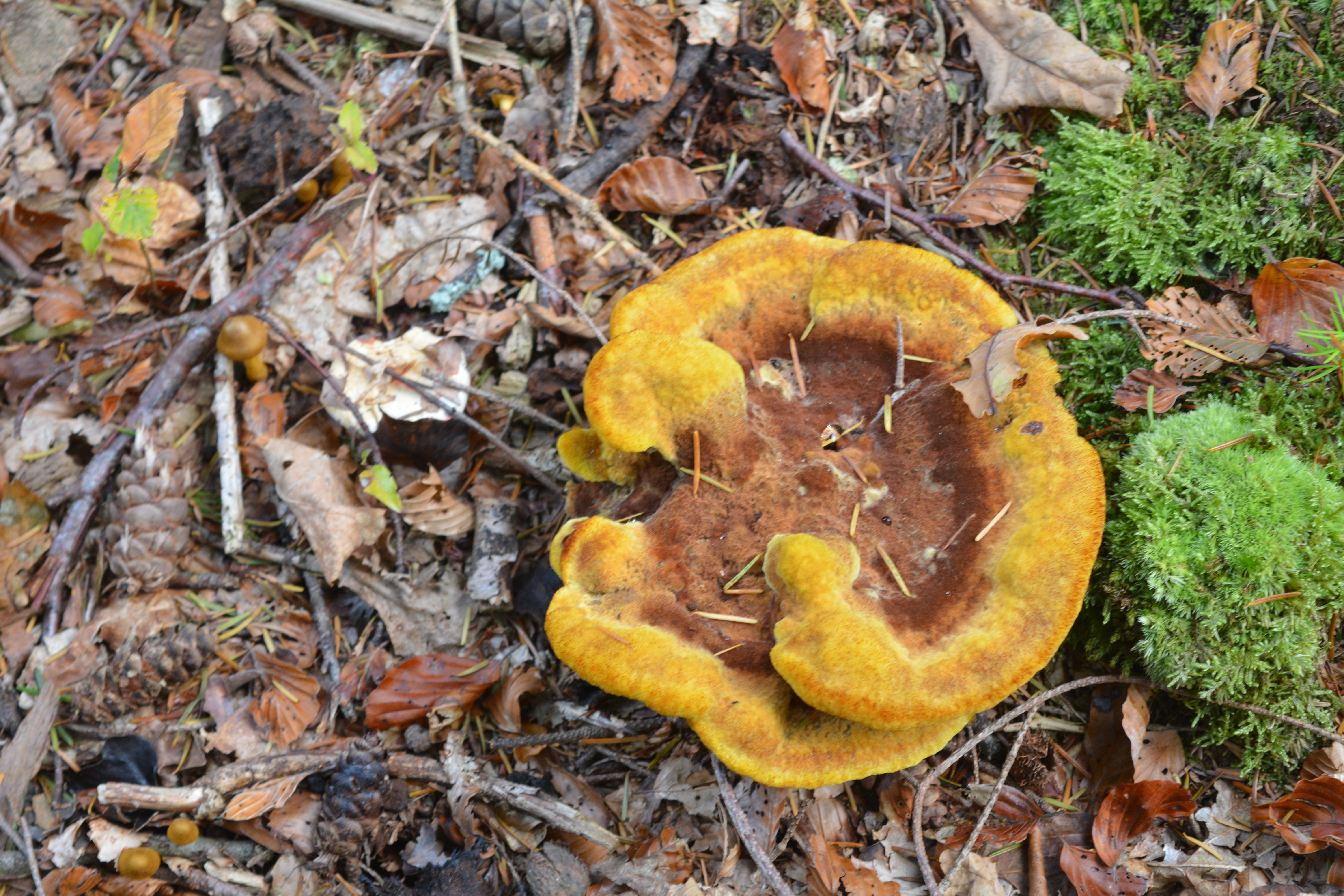
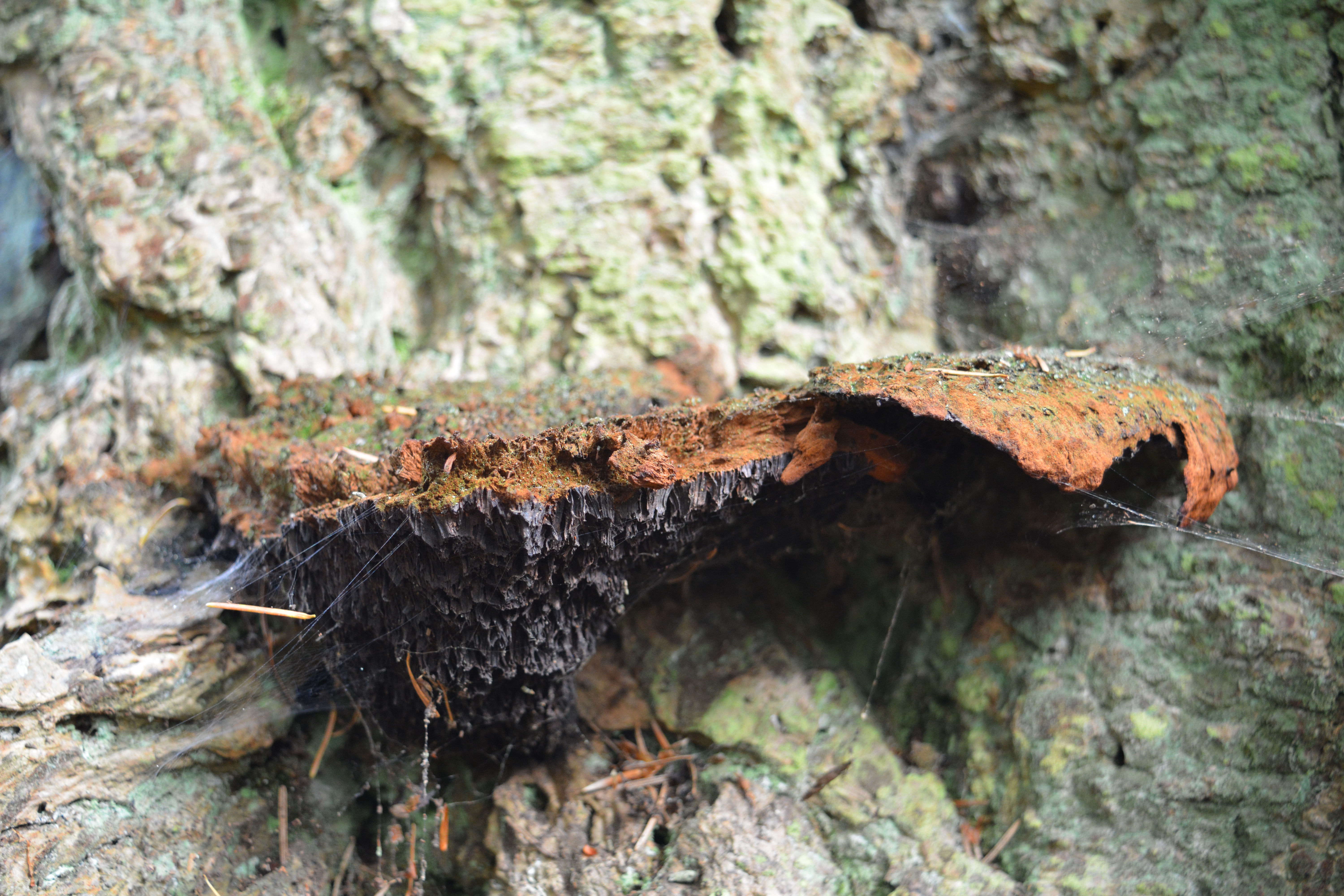
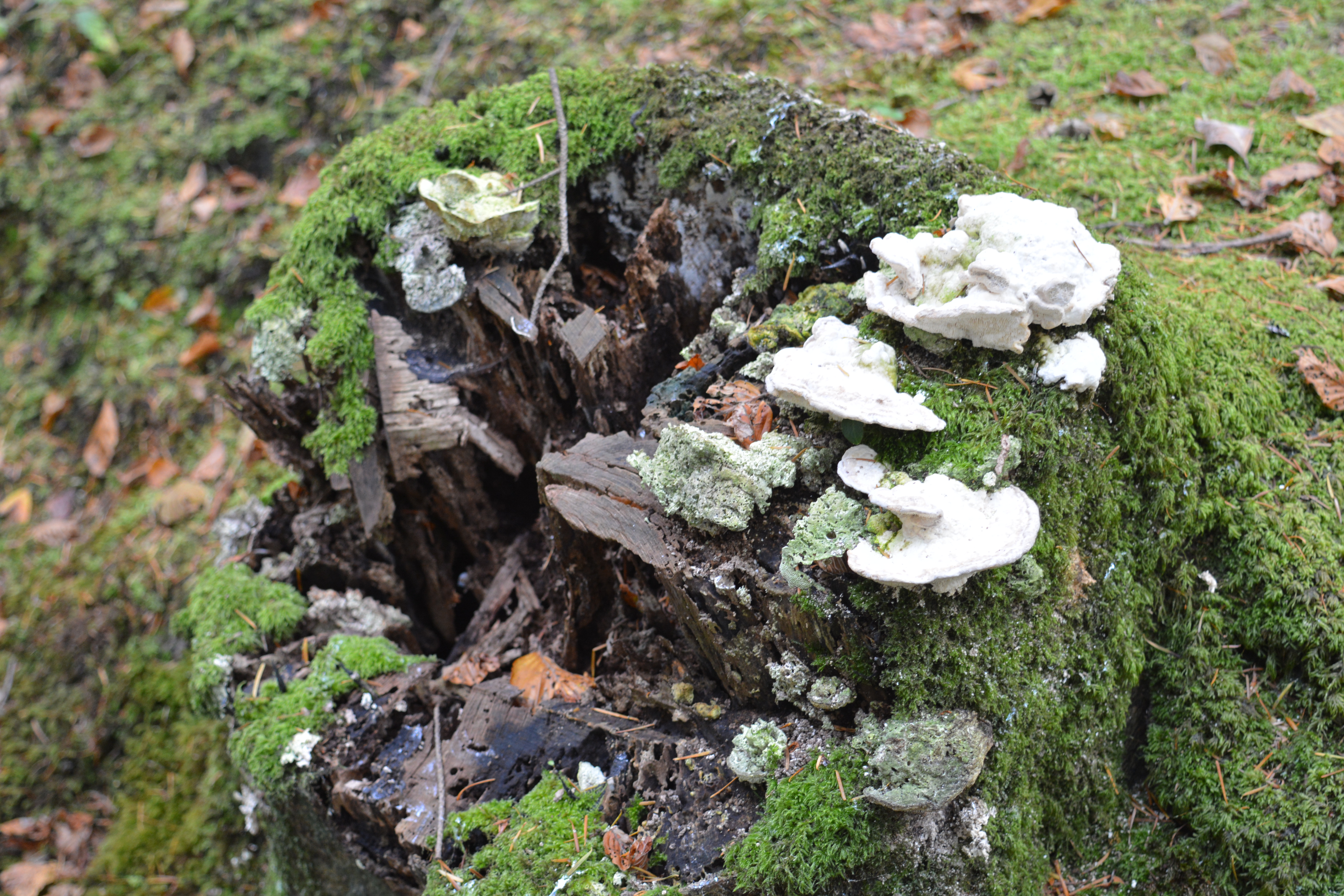
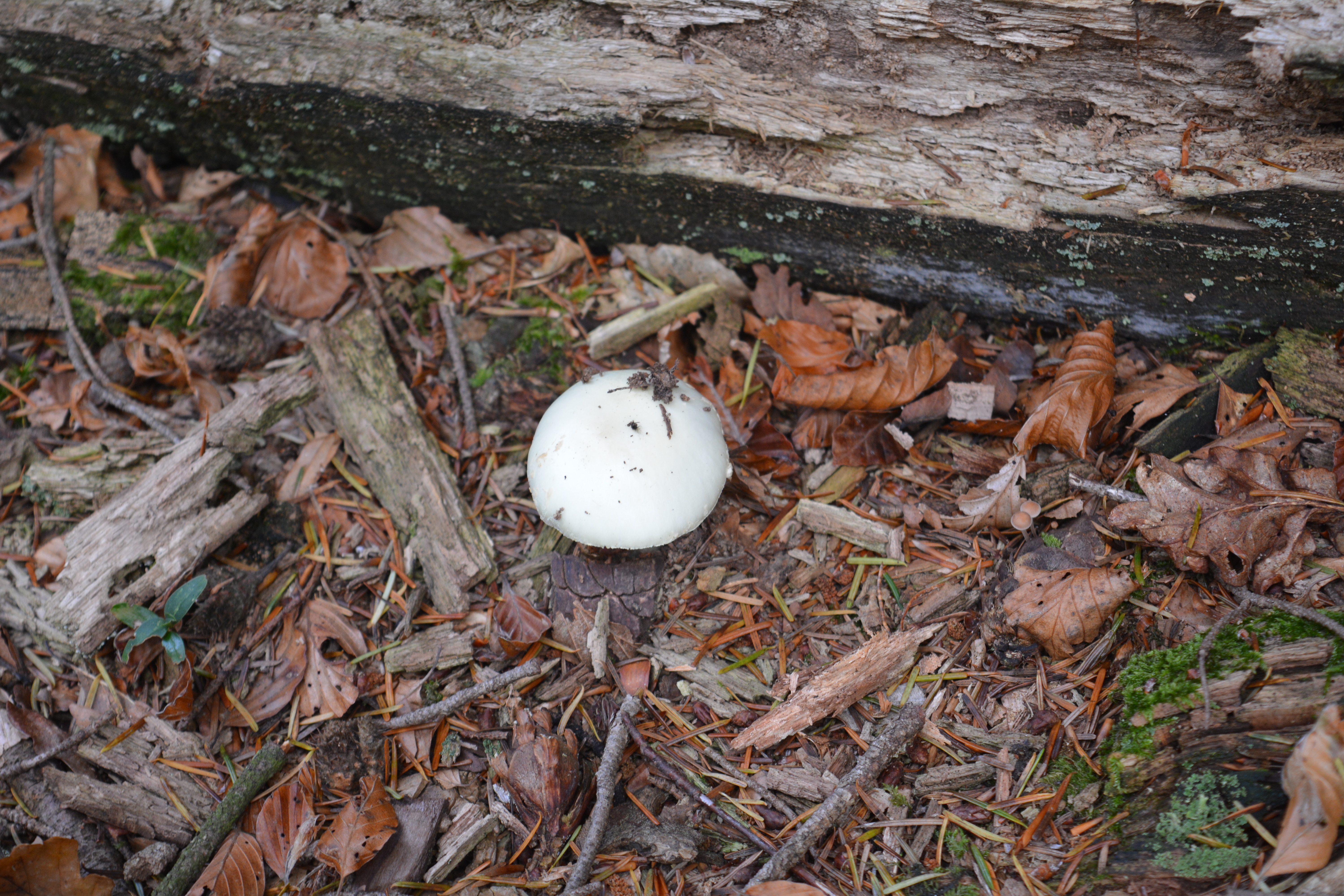
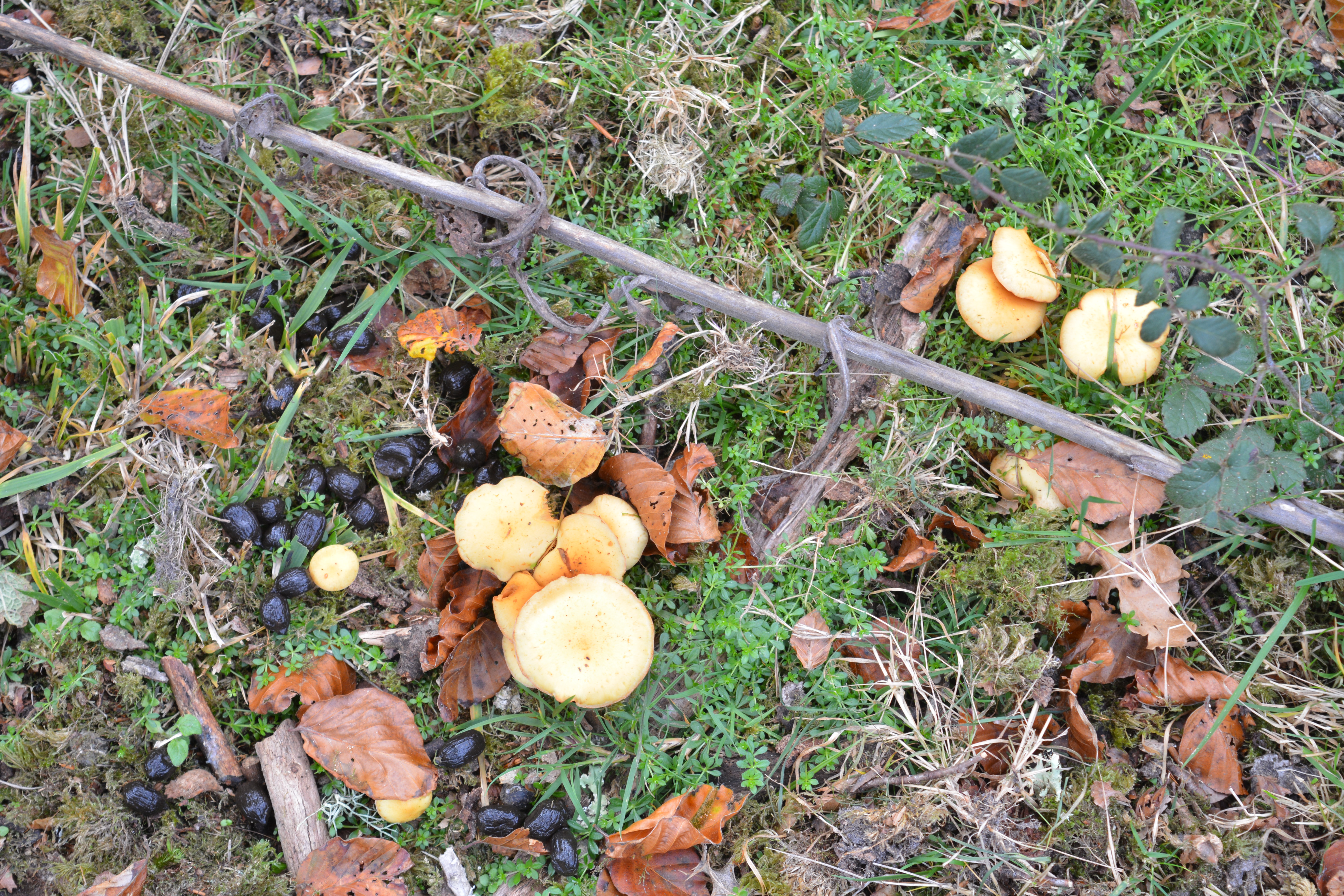
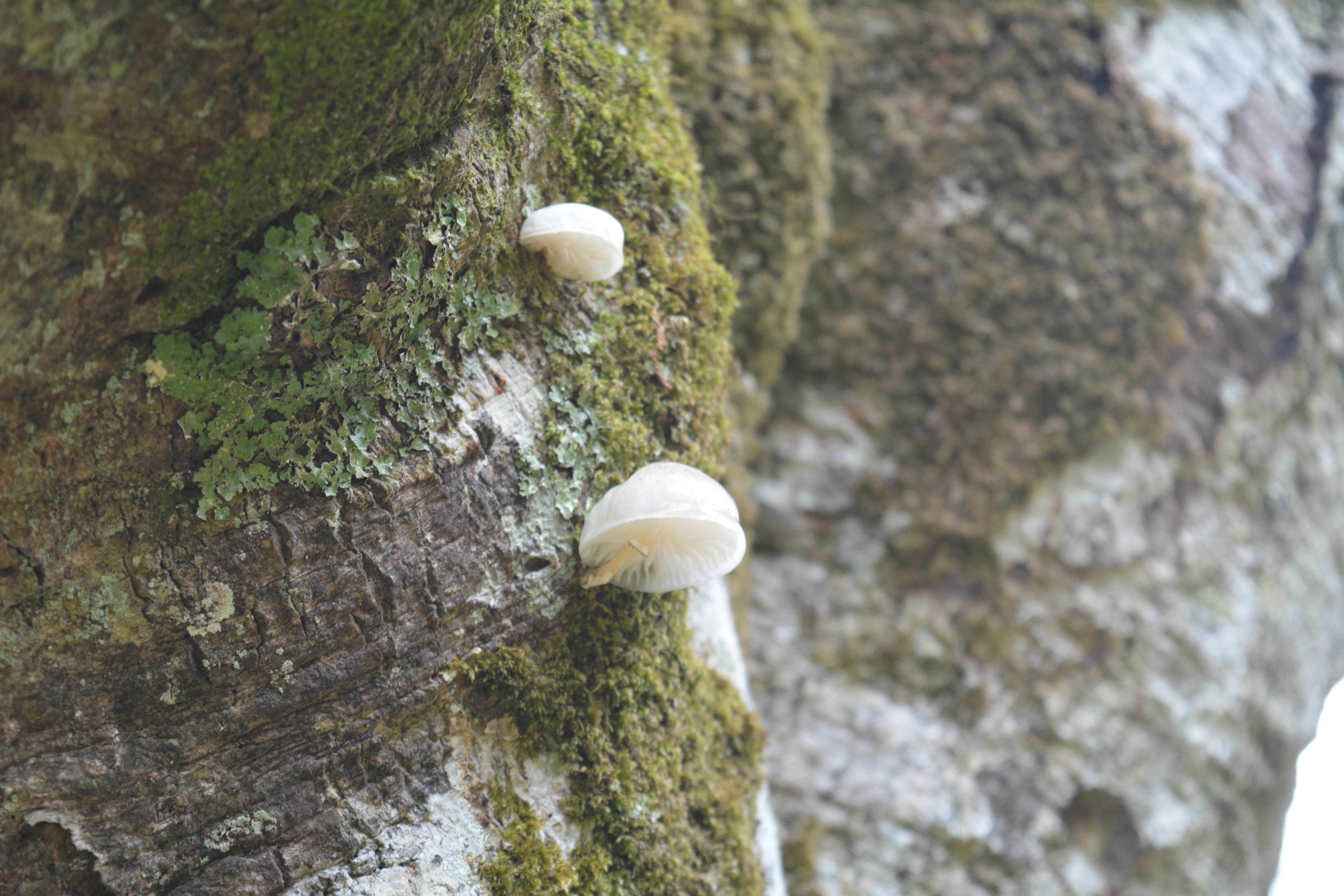
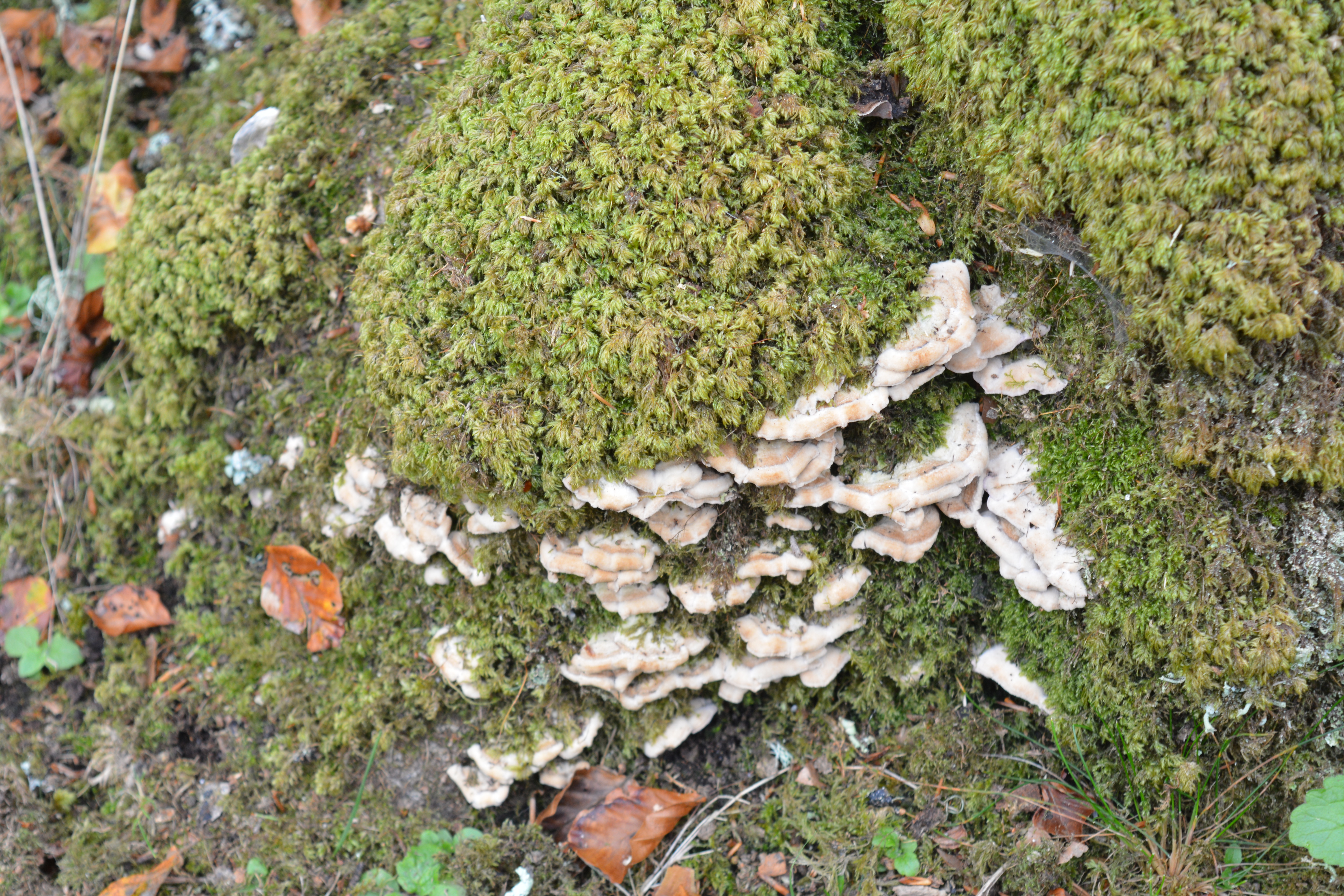
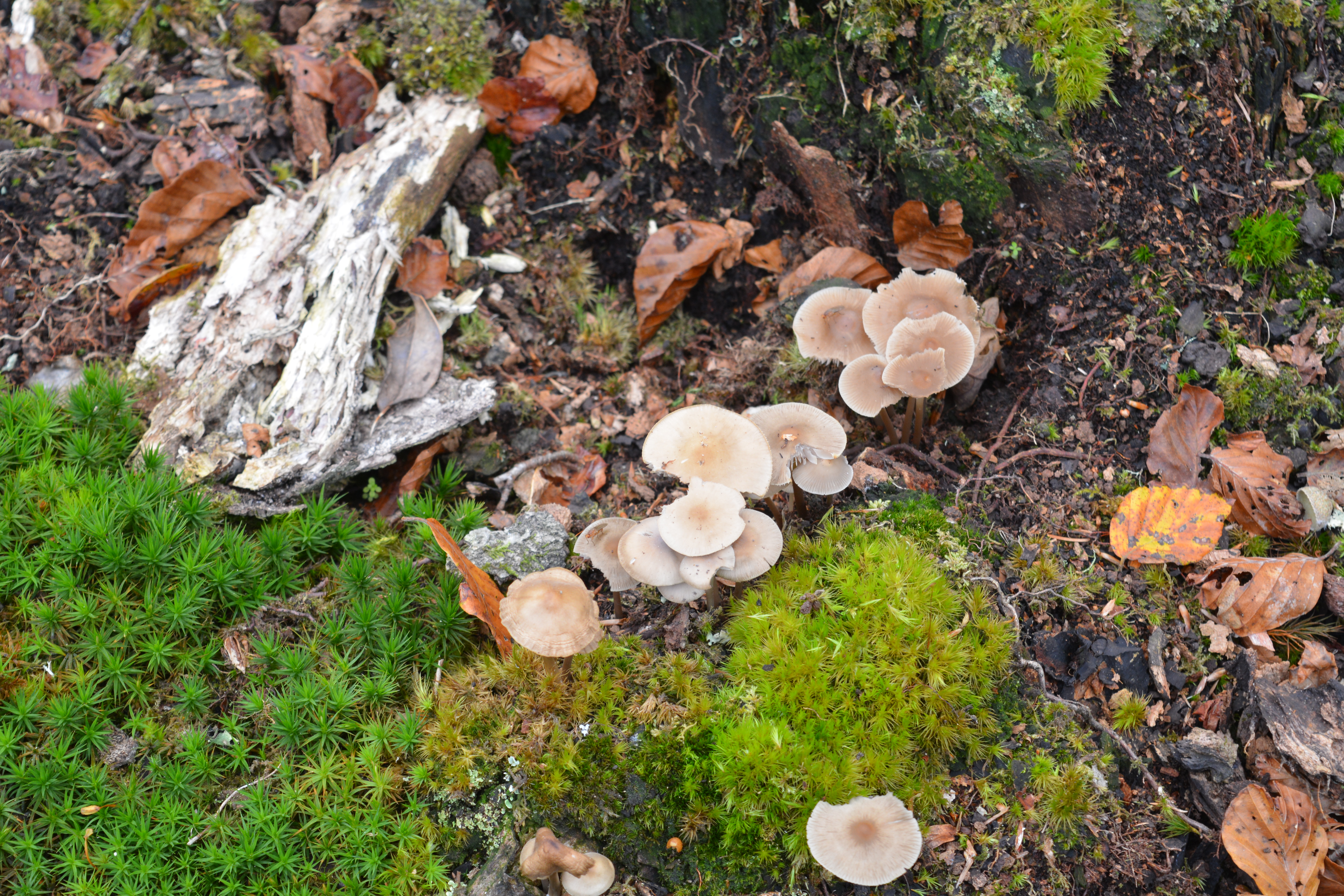
At the other end of the age scale we were pleased to see that dead and dying trees were being left for the benefit of wildlife, insects, birds and of course the many fungi that live in woodlands breaking down and decomposing dead wood.

2015 10 19_6089 2015 10 19_6093 2015 10 19_6095 2015 10 19_6130 2015 10 19_6101 2015 10 19_6099 2015 10 19_6098 2015 10 19_6082 2015 10 19_6081 2015 10 19_6080 2015 10 19_6079 2015 10 19_6131

In my next post about the New Forest we will continue walking this walk deeper into the woodland and across heathland until we found our way back to the car park.

This Veggie Life

A Vegetarian | Nature Lifestyle Blog

Rambling in the Garden

.....and nurturing my soul

The Arch City Gardener

Journeys In St. Louis Gardening and Beyond

Garden Dreaming at Châtillon

Consult the genius of the place

Storyshucker

A blog full of humorous and poignant observations.

gardeninacity

Notes from a wildlife-friendly cottage garden

PlayGroundology

...an emerging social science

The Official Blog of British Wildlife

'The most important and informative publication on wildlife of our times' - The Independent. This blog is a member of The UK & Ireland Natural History Bloggers group: www.uknhb.blogspot.com

iGrowHort

Inspire - Cultivate - Grow Native Plants - Restore Landscapes

Bishops Meadow Trust

To create and protect a semi-natural wild space for the people of Farnham to enjoy and experience an array of British wildlife in our town

Gardening with Children

The www.gardeningwithchildren.co.uk Blog

UKbirdingtimeline

birding through the seasons, why birds matter and how to conserve them

NATURE WALKER

with a camera in hand

Jardin

Transform your outdoor space

Eva's space

My allotment, cooking and other interests

Old School Garden

my gardening life through the year

LEANNE COLE

Trying to live a creative life

fromacountrycottage

trying to live as lightly as possible on our beautiful planet

Good Life Gardening

Nature lovers from Leicester living the good life.

mybeautfulthings

Finding the beautiful in the everyday

mawsonmichelle

Michelle's Allotment

In and Out of My Garden

thoughts from and about my garden

Greenhousing

Big plans for a small garden

The Scottish Country Garden

A Walled Country Garden in South East Scotland

The Fruity Chicken

Life at the fruity chicken

willowarchway

Off grid living. Self sufficient. "PERMAGANICS RULE".

St Anns Allotments

Nottingham's Grade 2* Listed Allotments and Community Orchard

Manifest Joy Harvests

a journey in suburban vegetable gardening

Allotmental

The madness of growing your own

Penny's Garden: a harvest beyond my front door

A novel approach to vegetable gardening

arignagardener

Sustainable living in the Irish countryside.

NewEnglandGardenAndThread

Master Gardener, amateur photographer, quilter, NH native, and sometimes SC snowbird

dianajhale

Recent work and work in progress and anything else that interests me

planthoarder

a chaotic cottage gardener

Lens and Pens by Sally

a weekly blog that creates a personal philosophy through photographs and words

Dewdrops and Sunshine

Stories from a sassy and classy Southern farmbelle.

The Pyjama Gardener

Simple Organic Gardening & Seasonal Living

gettin' fresh!

turning dirt into dinner

JOY...

today the world is created anew

Garden Birds

Notes from a Devon garden

ShootAbout

Life Through The Lens

Adapting Pixels

A photography blog showcasing the best photography pictures and videos on the internet

Wildlifegardening's Blog

Just another WordPress.com site

naturestimeline

personal observations from the natural world as the search continues for a new approach to conservation.

LATEBLOOMERBUDS

The Wonders of Life through my Eyes, my Heart, my Soul