Categories
Uncategorized

The Wooded Slope at Croft Castle

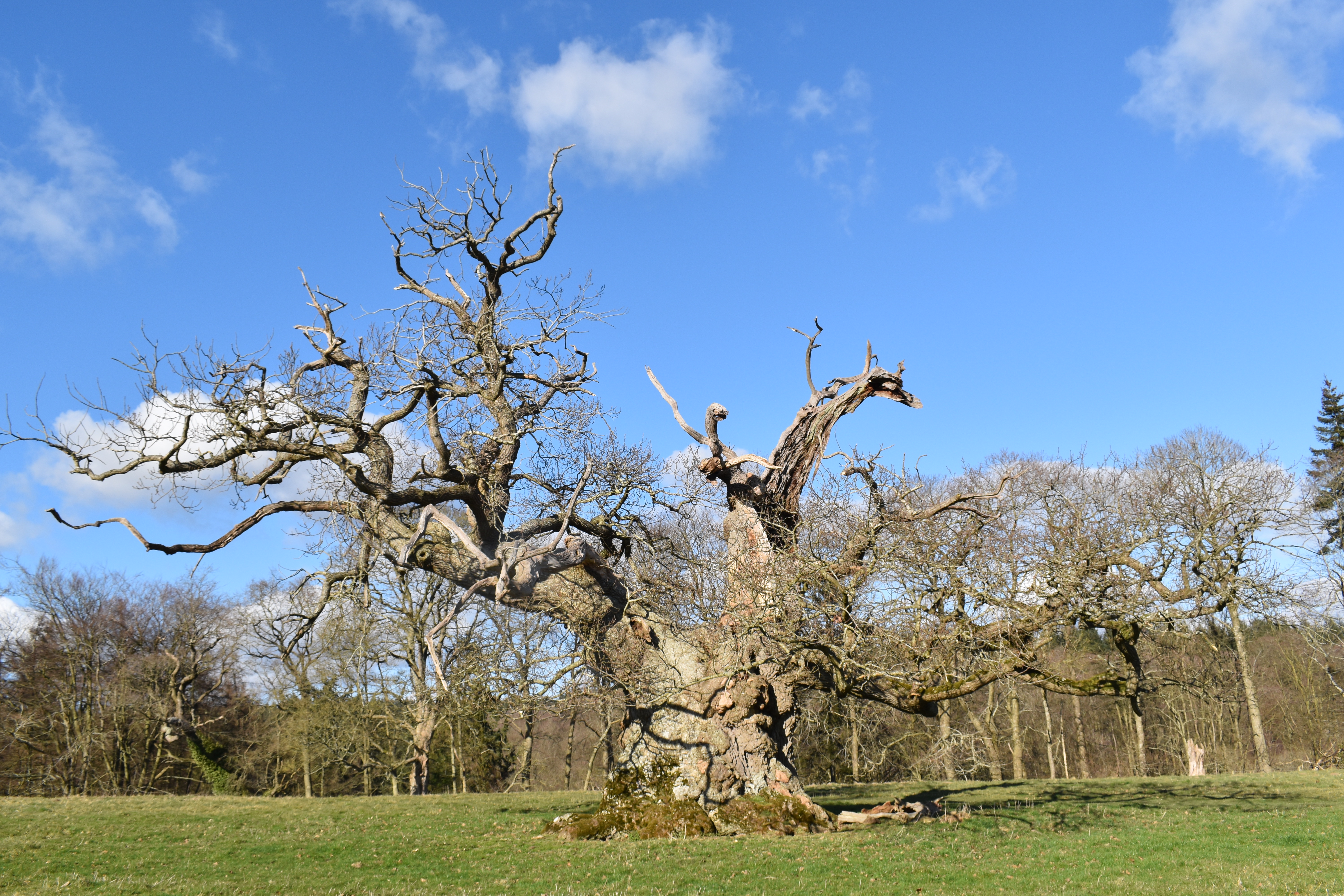
Following on from our wanderings around Croft’s walled garden we made for the upward sloping land where vintage trees grow. The first photo shows an old oak with conifers in the background.

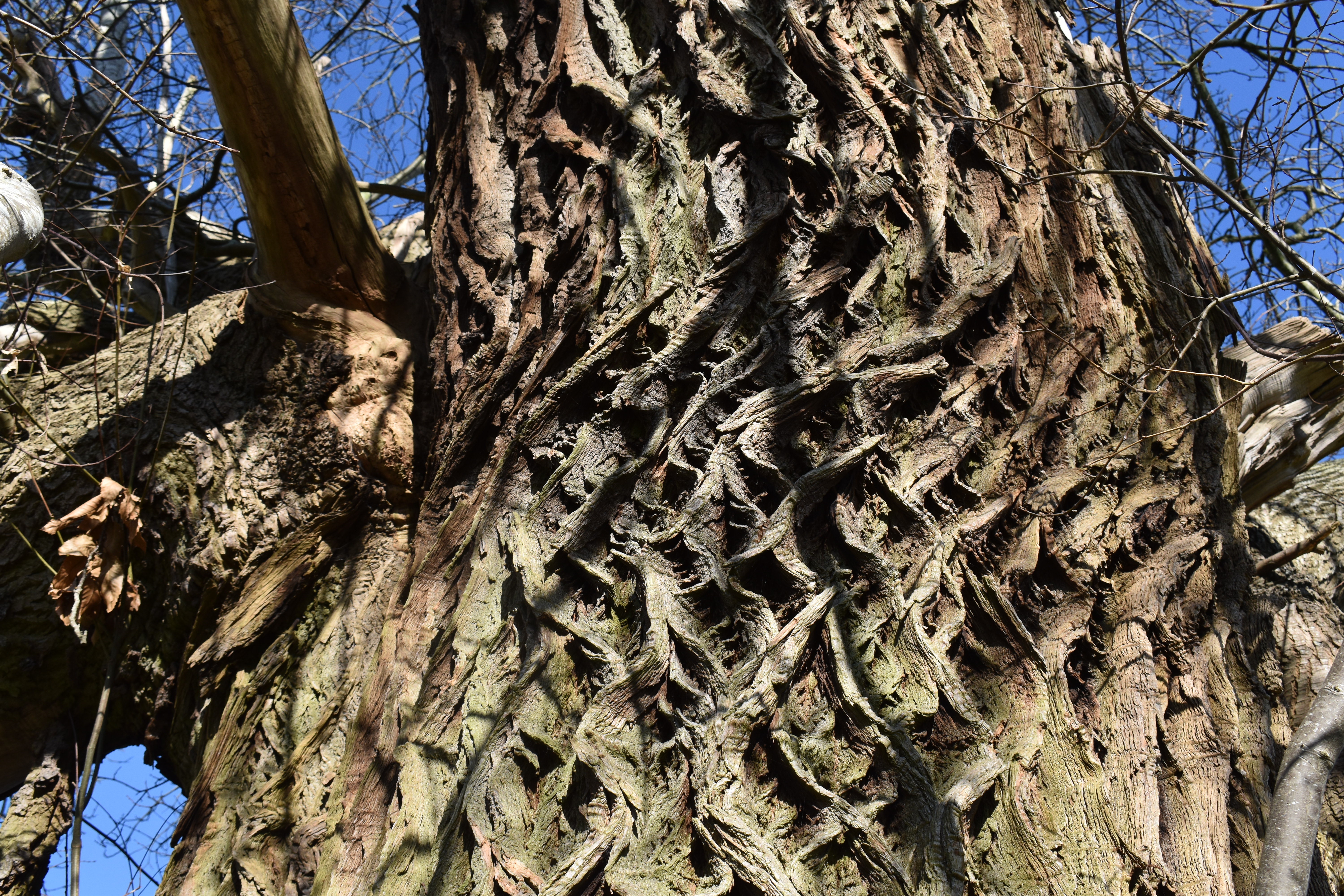
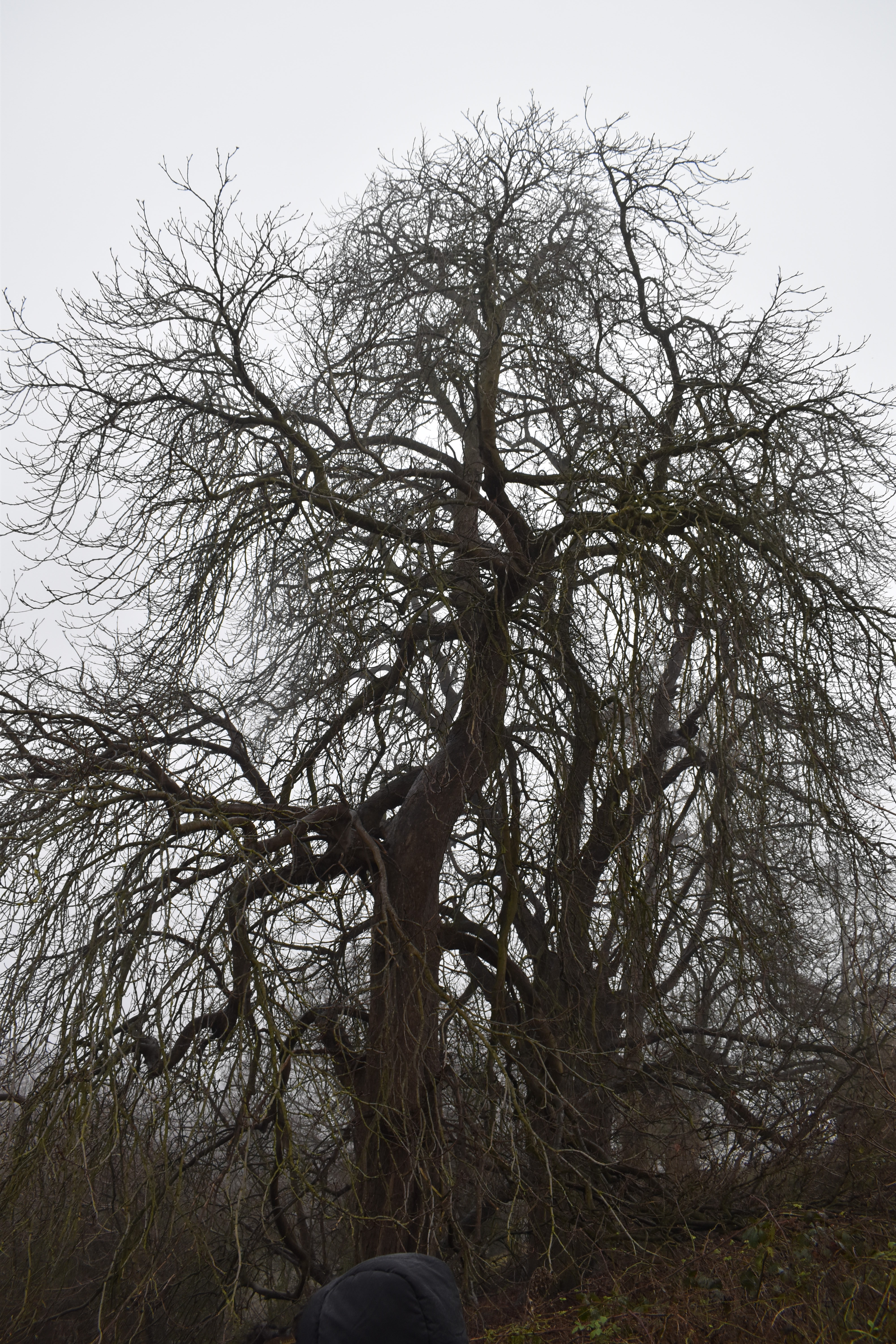
As you can see it was a beautiful sunny, blue sky day ideal for highlighting the textures of their bark and looking up through the bare skeletal filigree patterns of their bare branches.

The first few trees we looked at were close to the cafe, one has virtually no branches or boughs left. The weather initially was overcast with clouds moving rapidly but soon gave way to a luscious blue.

From the five barred gate at the bottom of the hillside we could survey all of the trees and chose the one shown below to look at first. Closer too and we could see and touch the roughly fissured patterns of the bark.

We stayed quite a while appreciating its individual quality. Like humans each tree has its own personality. We then looked around to decide which tree to make our way to next. We chose one with such a different character, taller, paler in colour and a much simpler pattern of branches. It was so good at catching the light.


We enjoyed studying the simple structure of its branches with a complete lack of gentle thin twigs. This meant that it cast a very sparse shadow across the grass. Bark had disappeared completely from every branch stripped by all types of boring insects, insect seeking birds. Branches which had fallen to the ground were found by a new set of creatures who took over especially beetles and fungi.

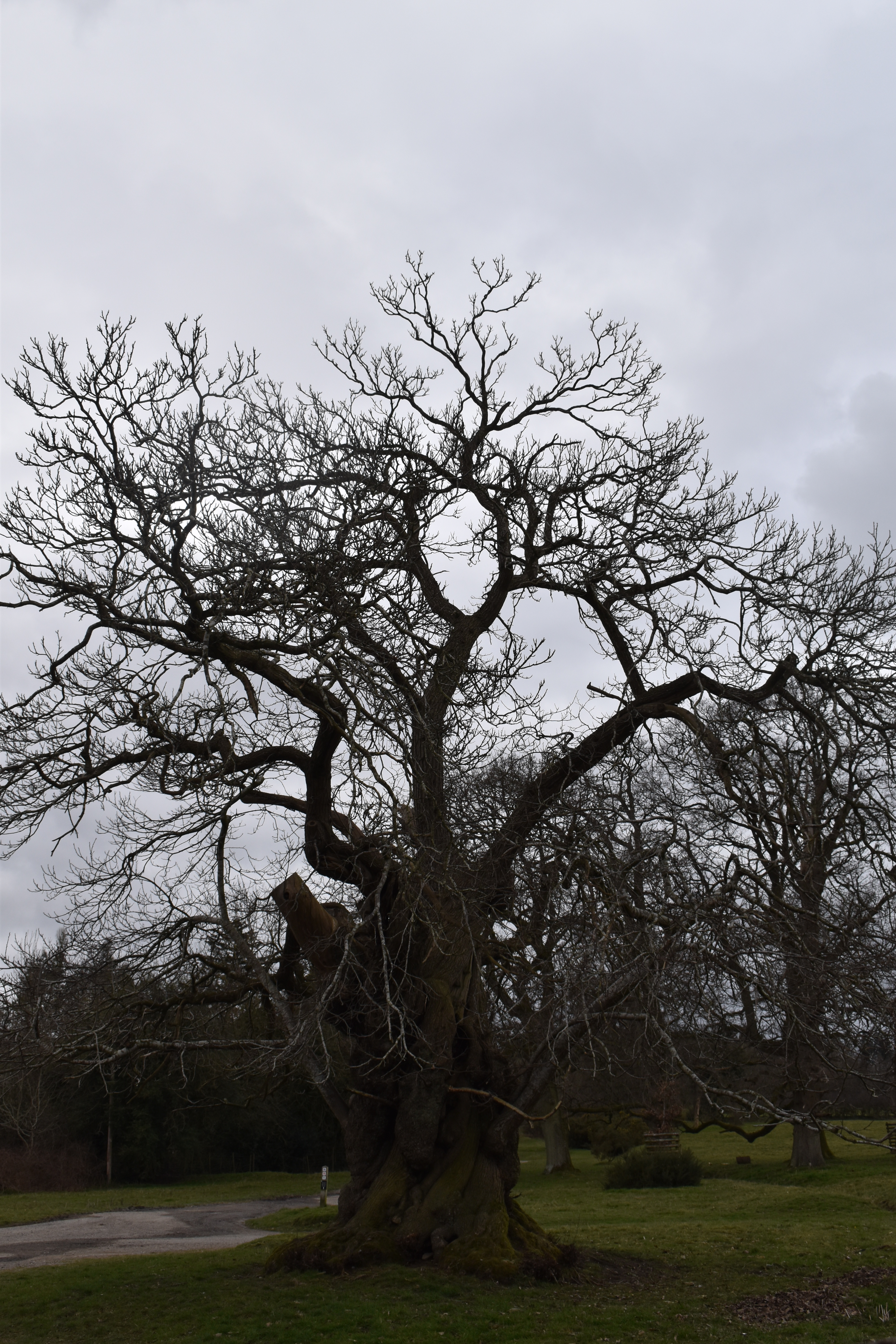
A change of direction found us on course for our next carefully selected tree to study, a real ancient battered oak, strangely without its growing tip so was very short and broad. It had a massive girth indicating just how much of its upper limbs it had lost perhaps to strong wind or lightning.
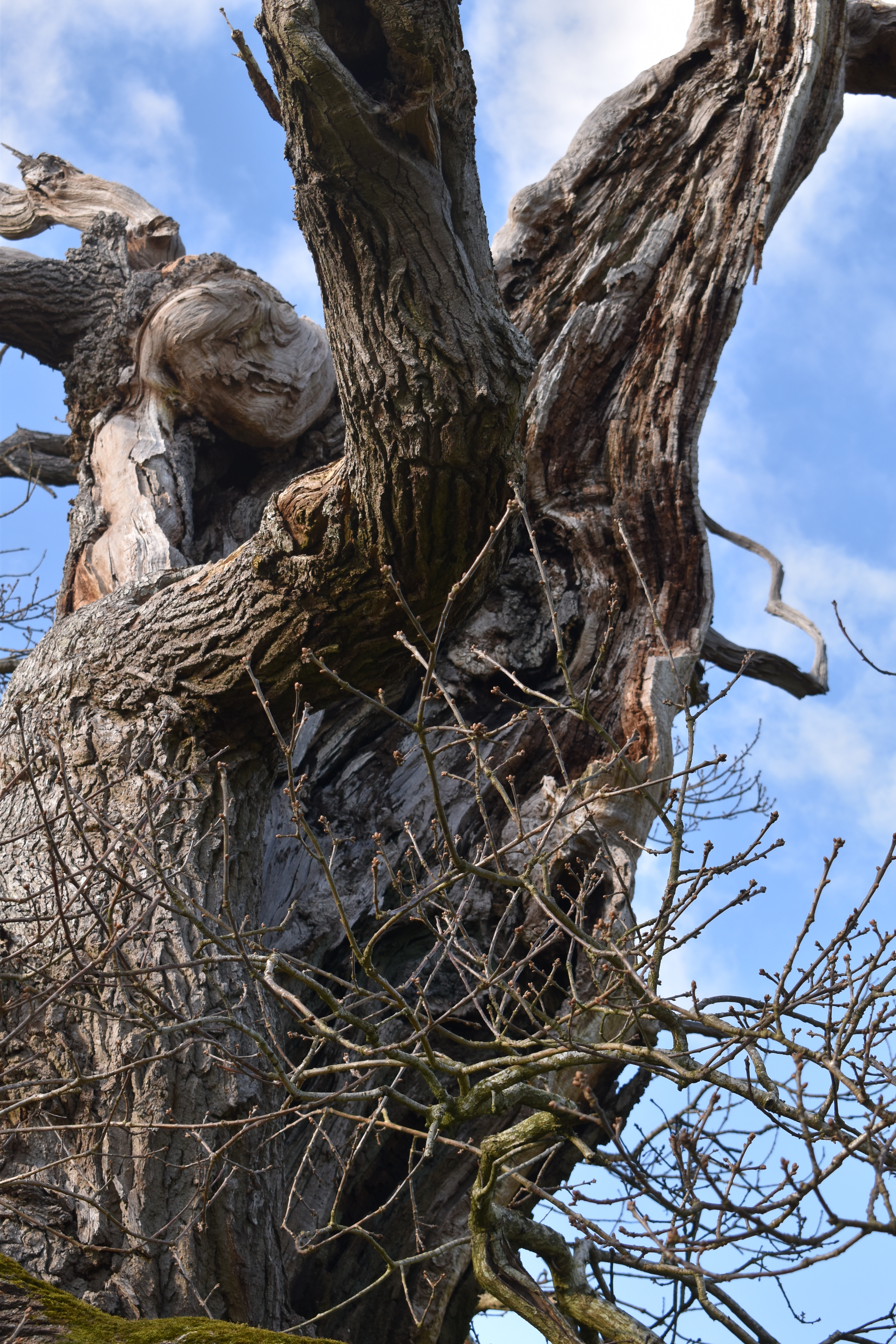
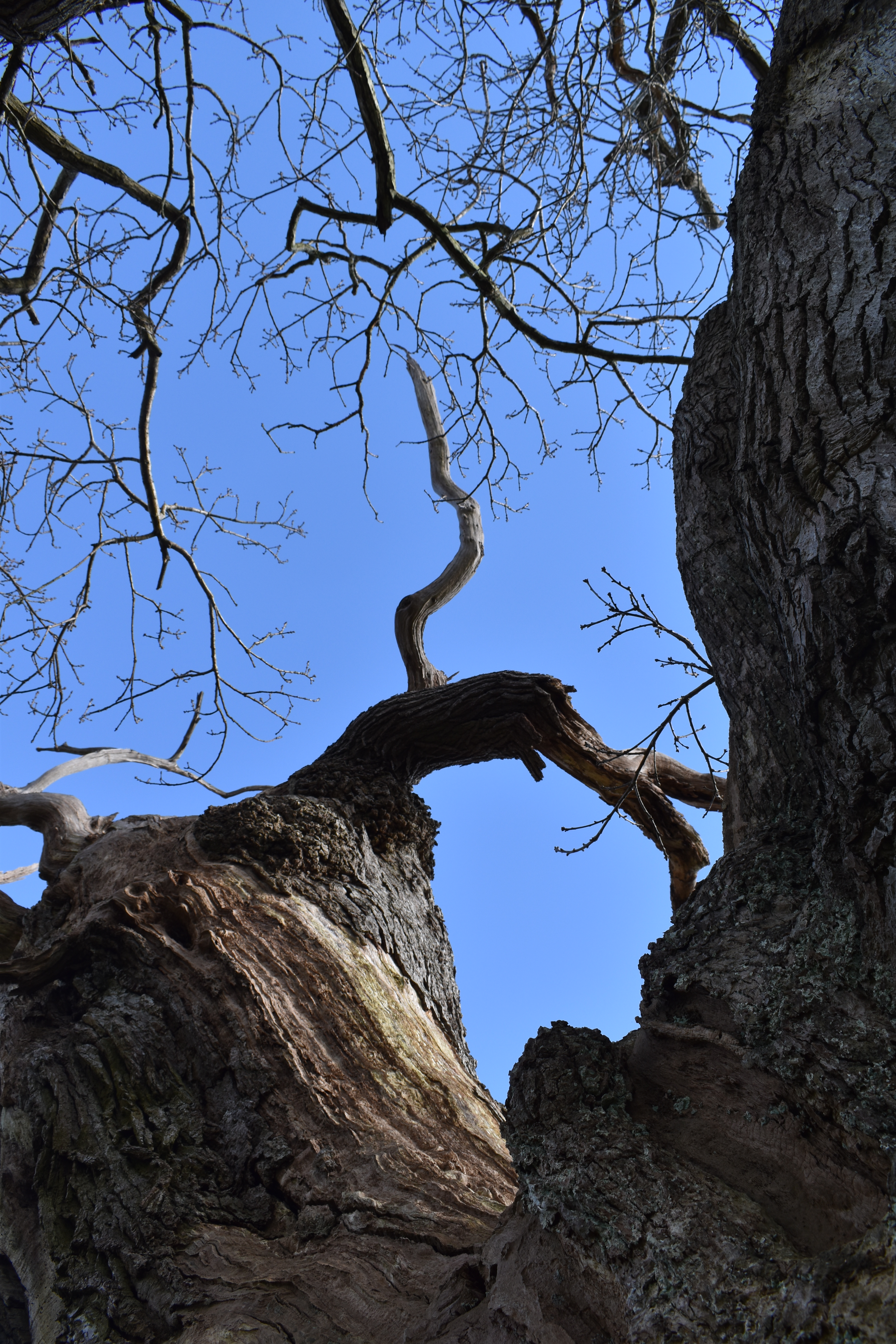
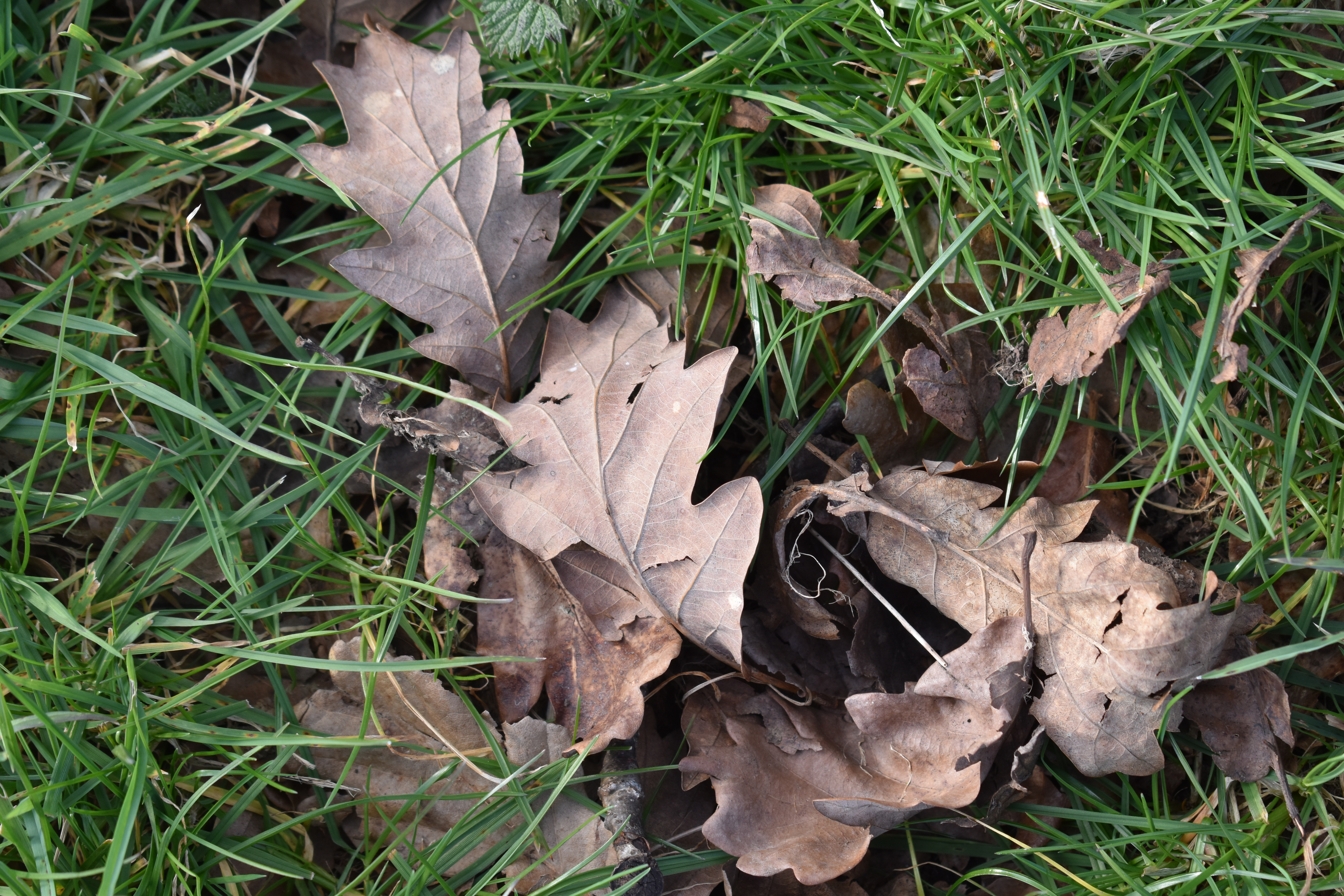
With this oak we looked downwards and spotted dried up leaves from last autumn and also upwards through the few living boughs and branches, which is where the leaves would have dropped from.
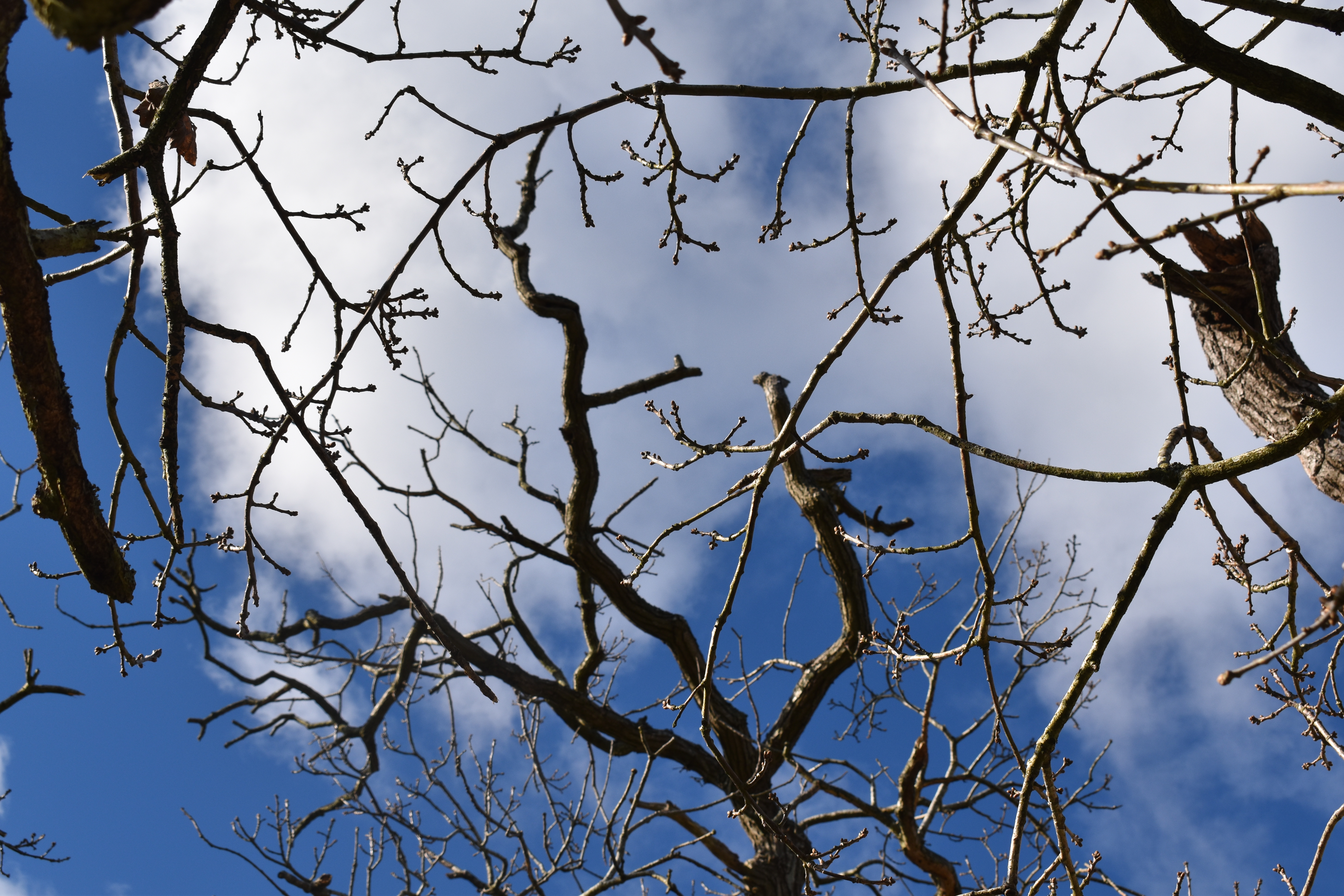
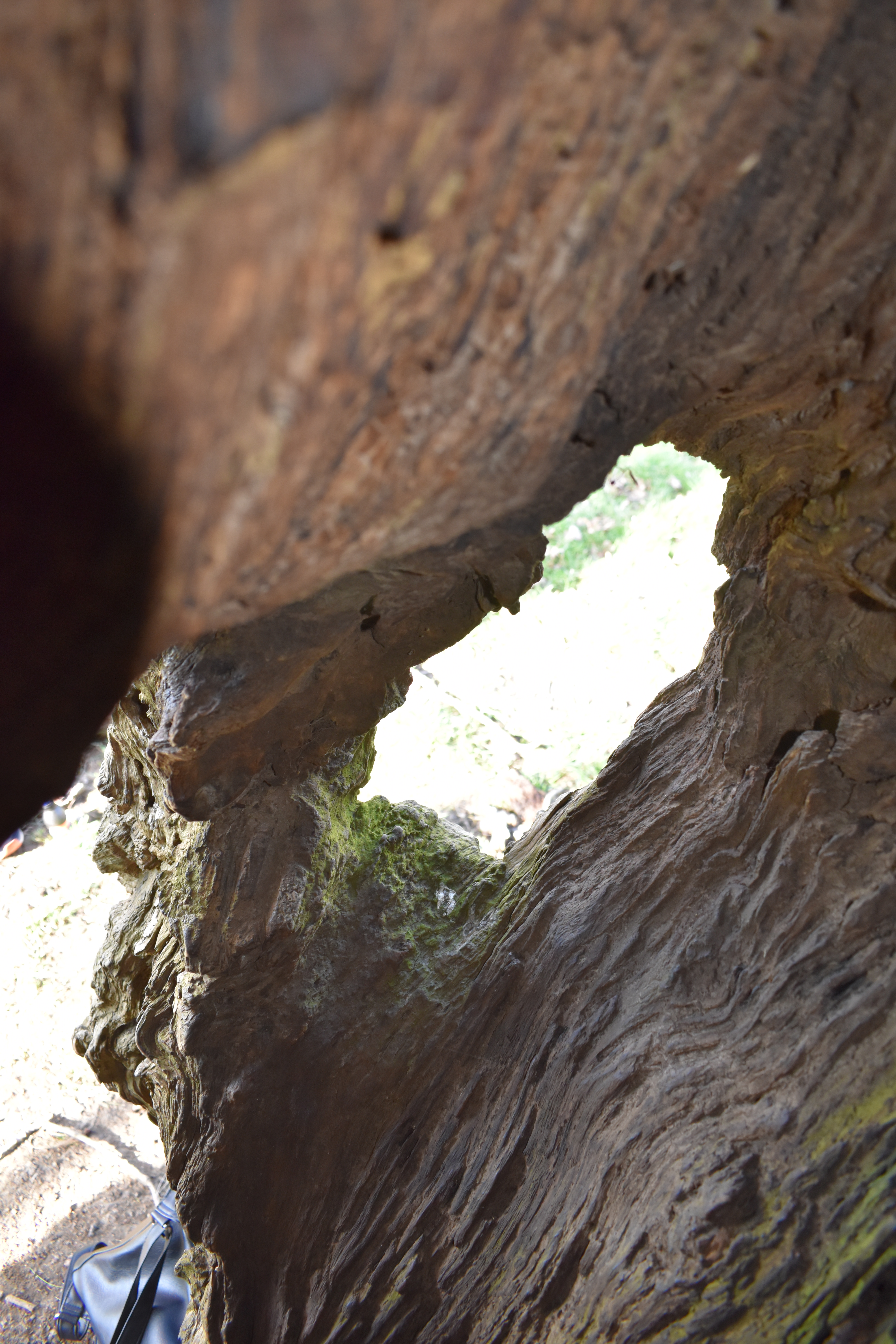
But what is extra special about this old character is that it it lets you look inside as well and upwards from inside too. Jude couldn’t wait, dropping her bag onto grass she was soon inside looking around.

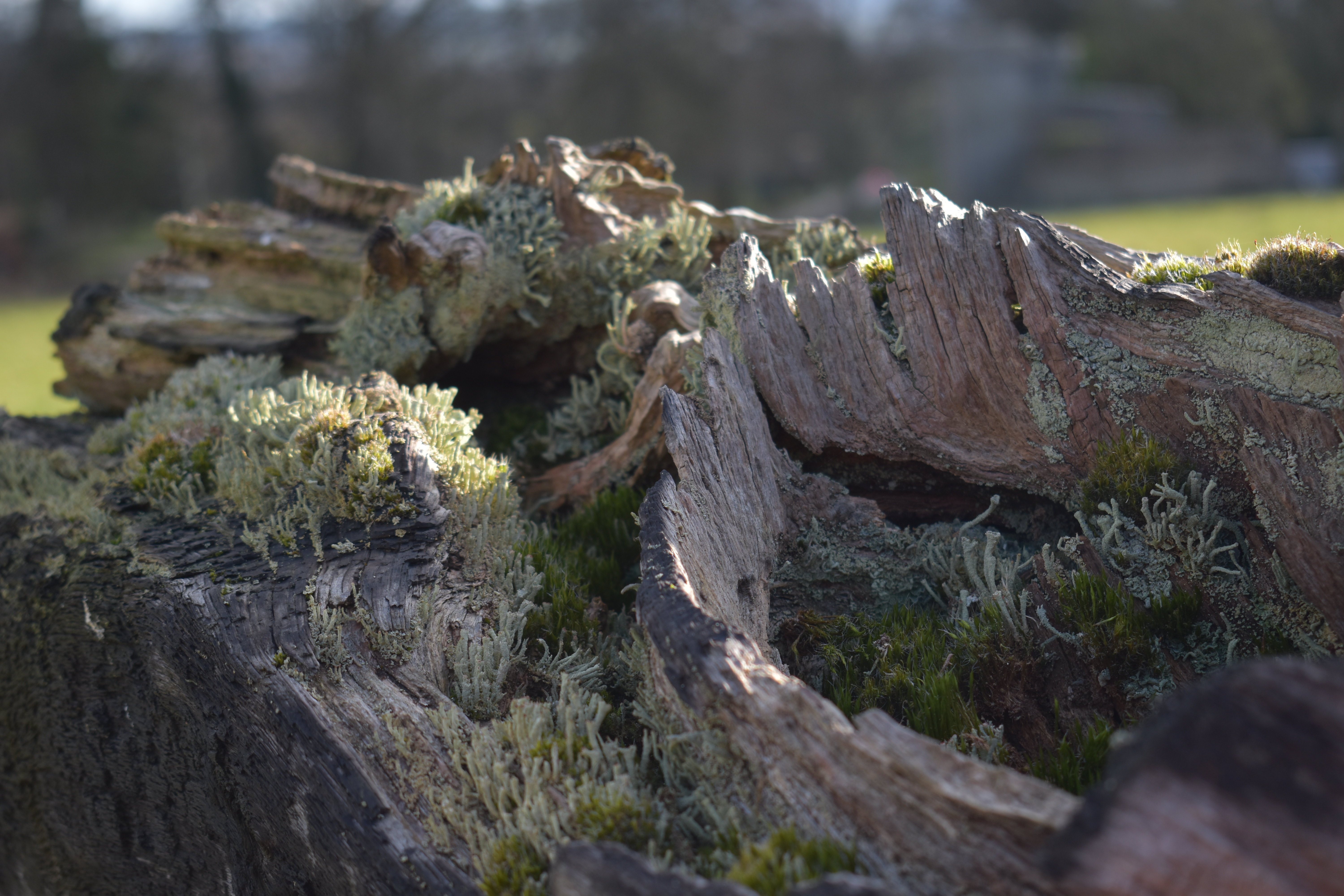
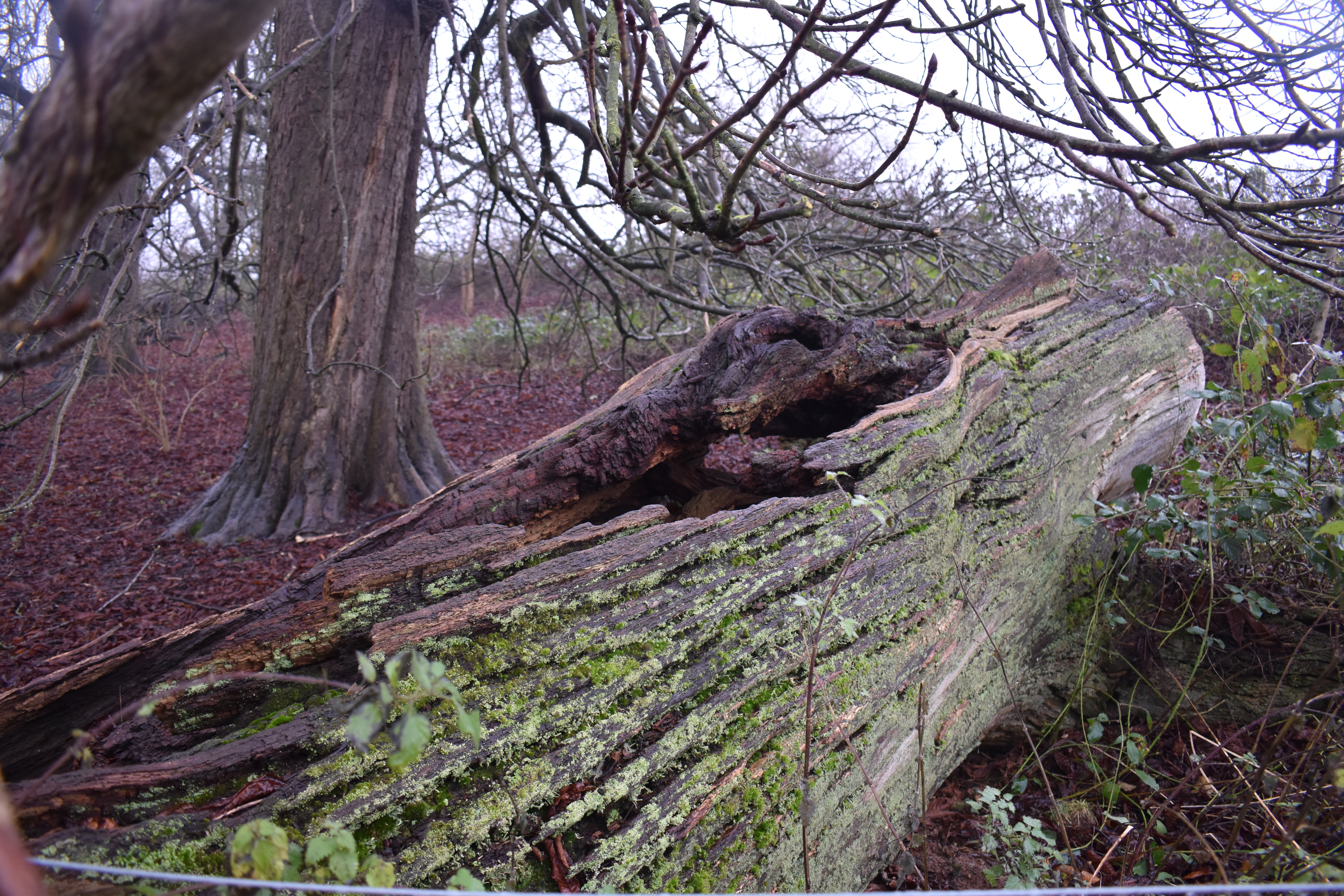
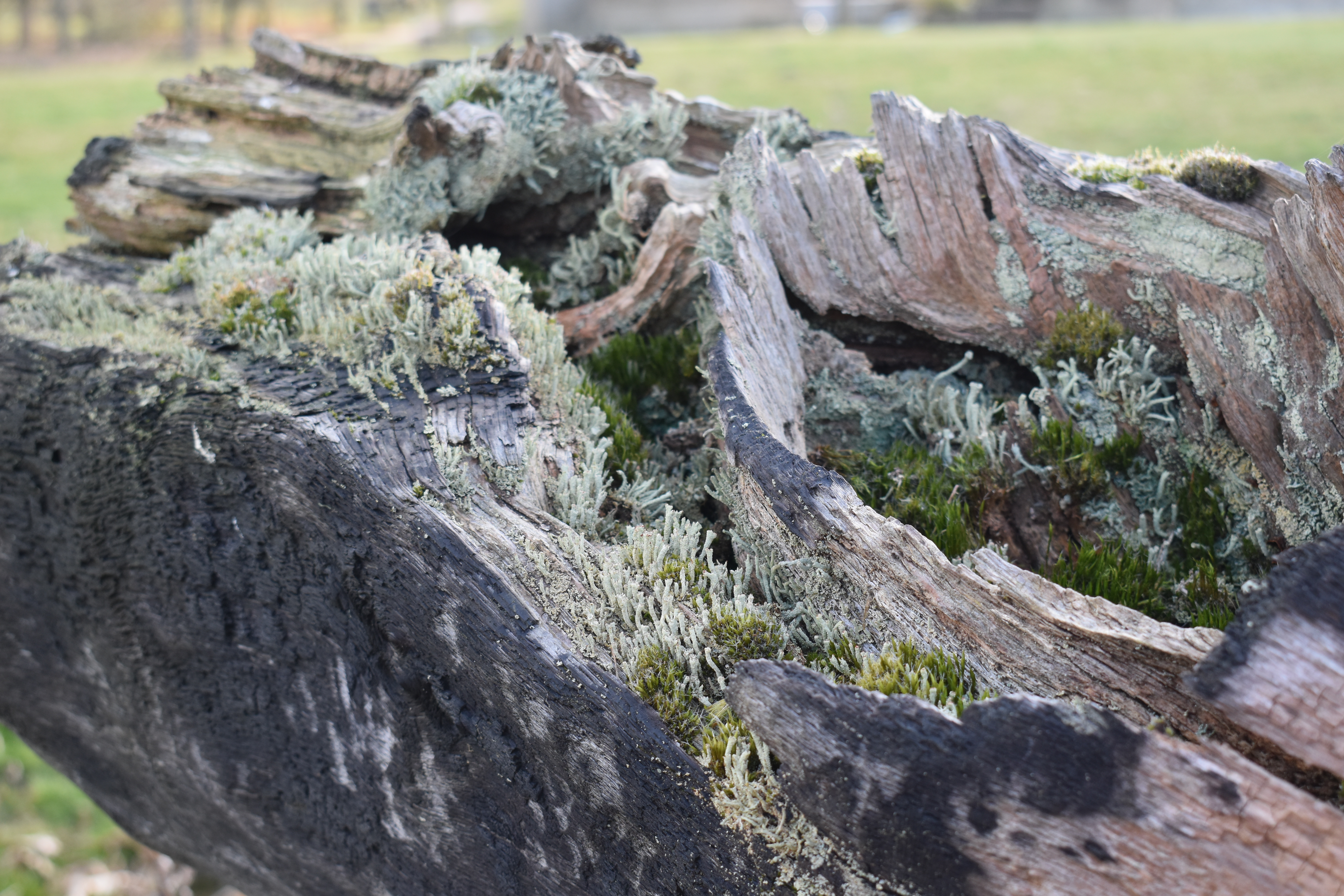
Leaving the old hollow oak behind we admired the silhouette of a younger oak looking so healthy, with a beautiful sky to emphasise its shape. We were on our way to study a fallen oak which although dead itself was alive with living creatures, fungi, lichen and mosses. Beetles and their larvae love dead wood. Adults lay their eggs in the soft wood and once hatched the larvae feed on the rotten wood. The National Trust have a policy now where felled trees are left in situ to become homes to all sorts of life.

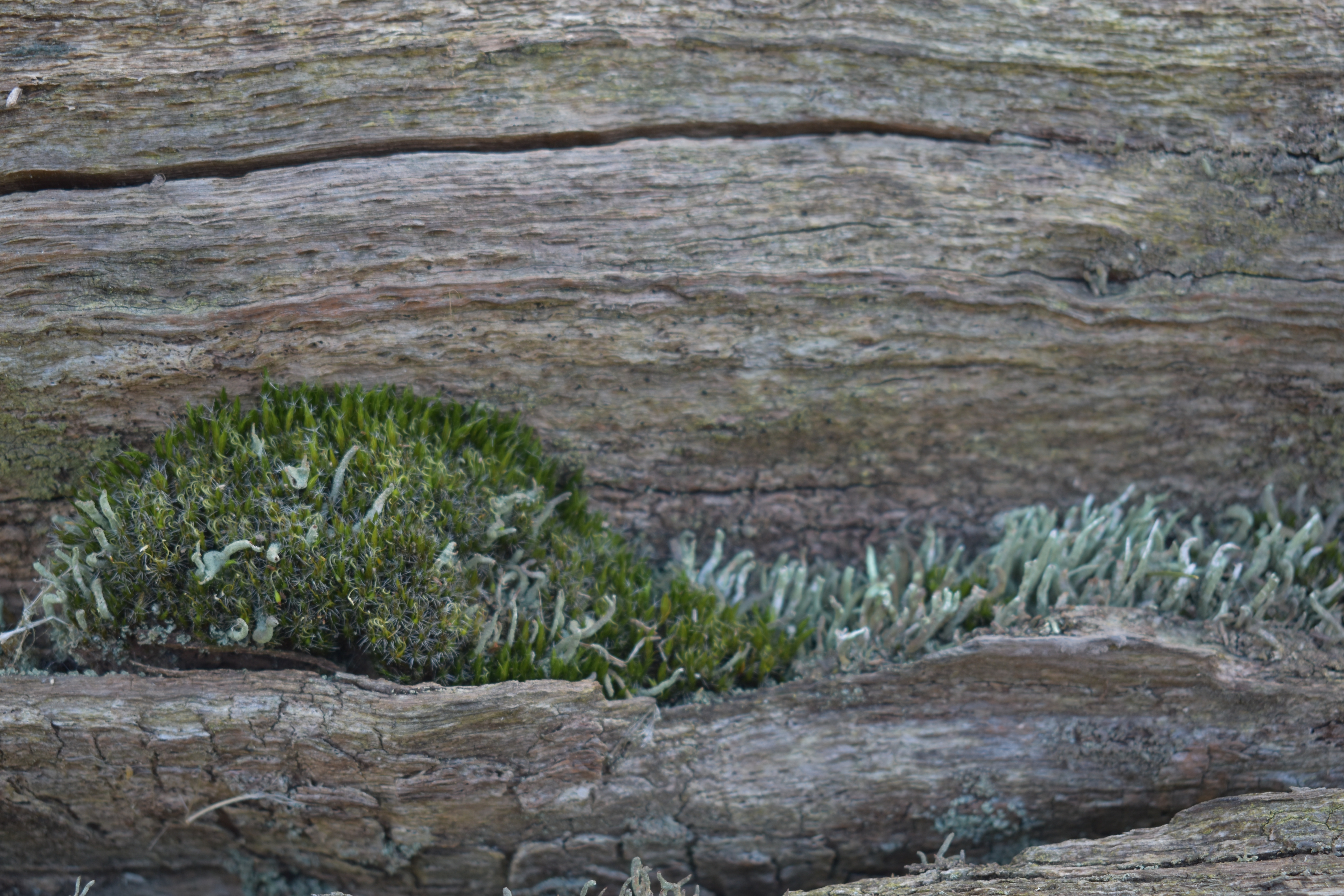
We looked closely at the textures and colours of the dead, rotting wood.

Lichen and mosses grow happily on the old tree trunk, taking advantage of any place that moisture and organic matter settles.
We discovered another fallen tree and a seat carved from yet another as we returned to the carpark.

Categories
Uncategorized

Calke Abbey in the Mist

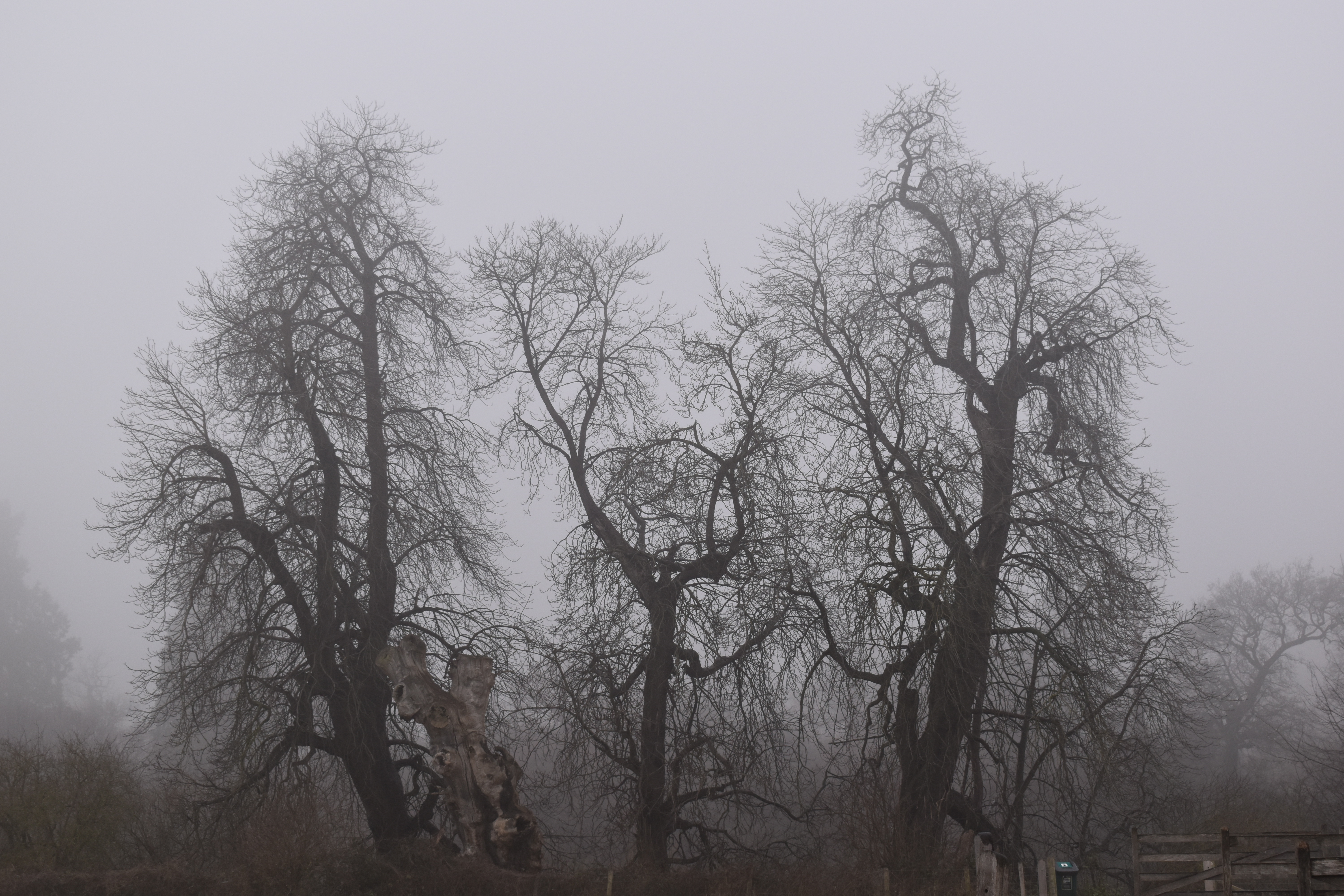
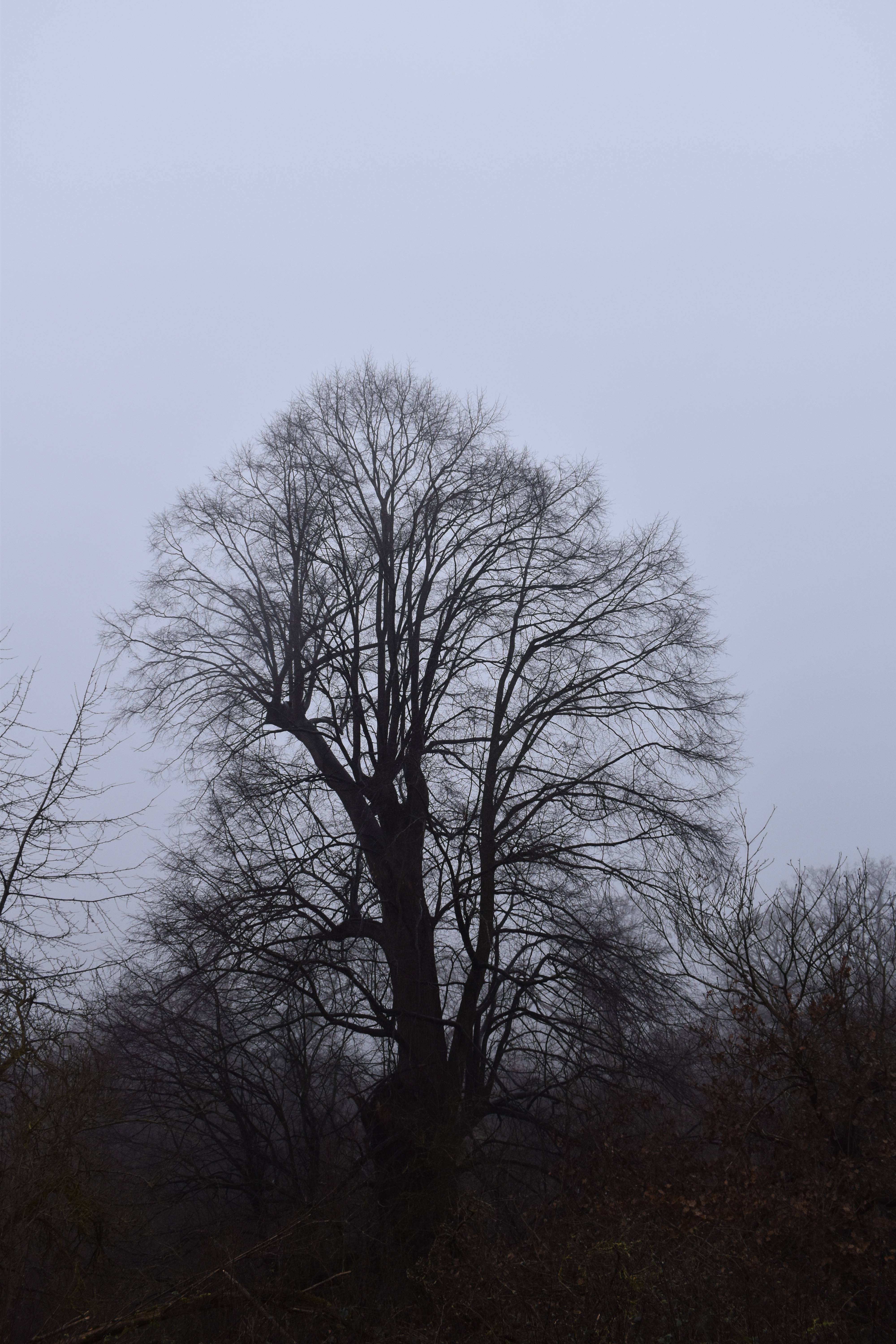
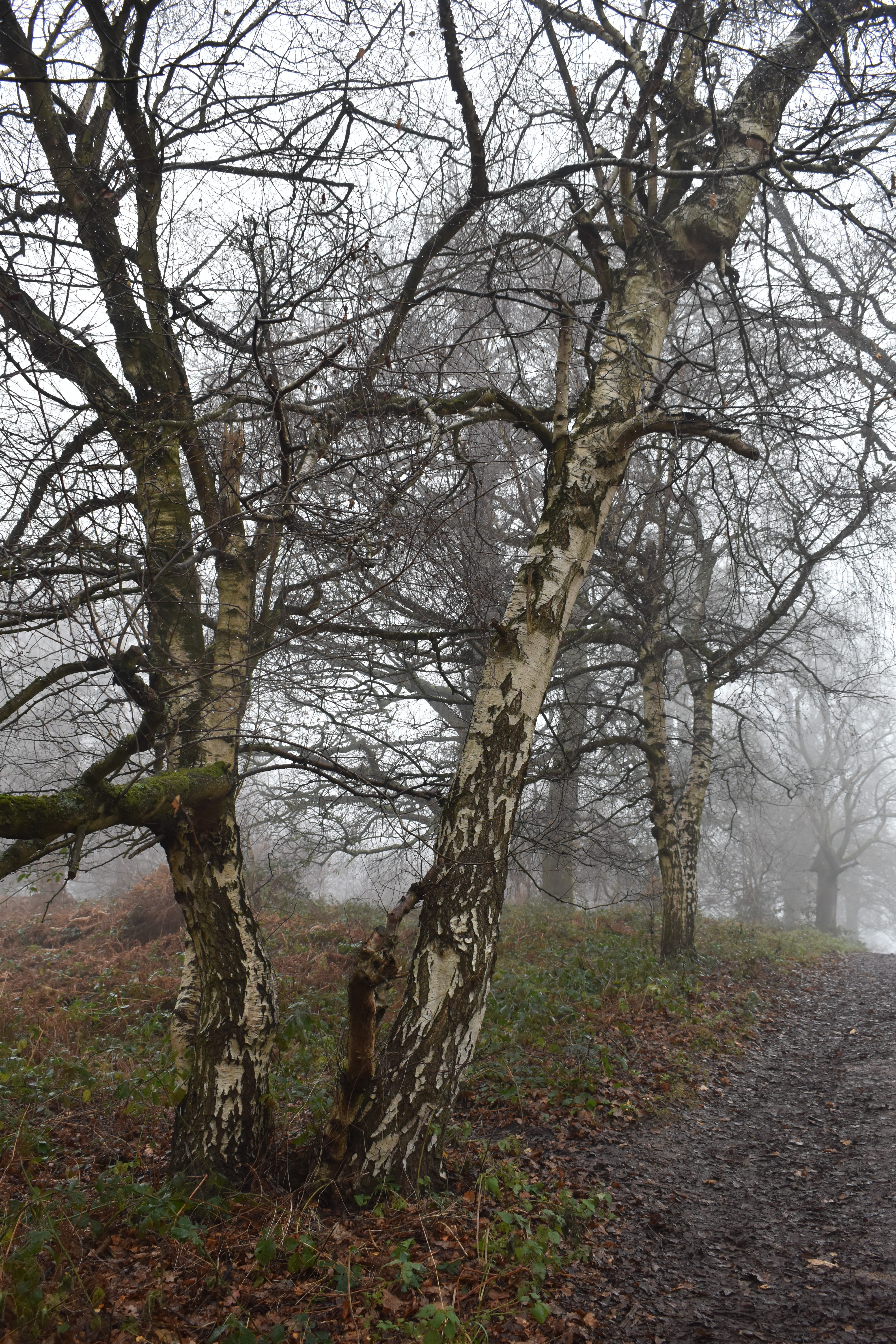
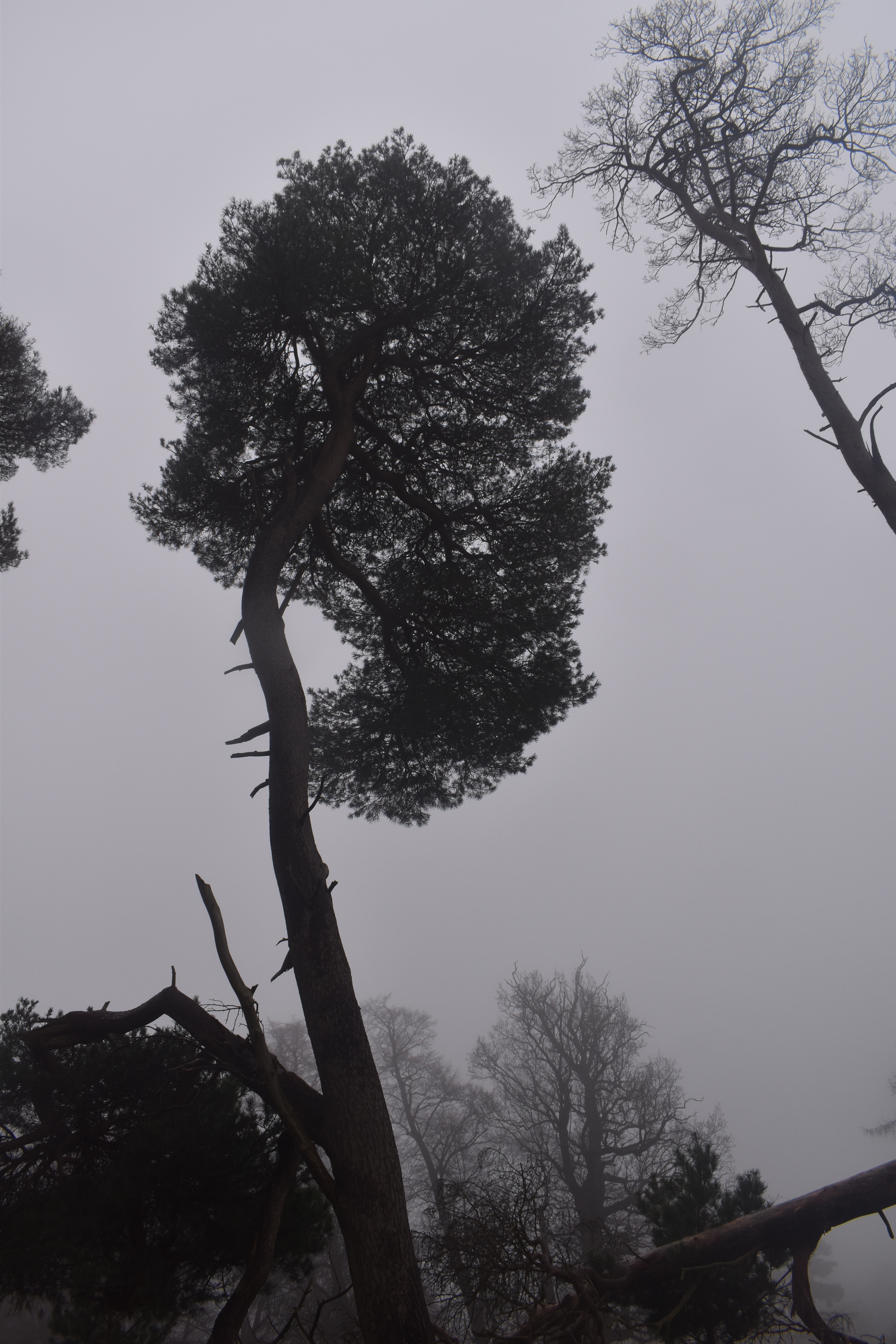
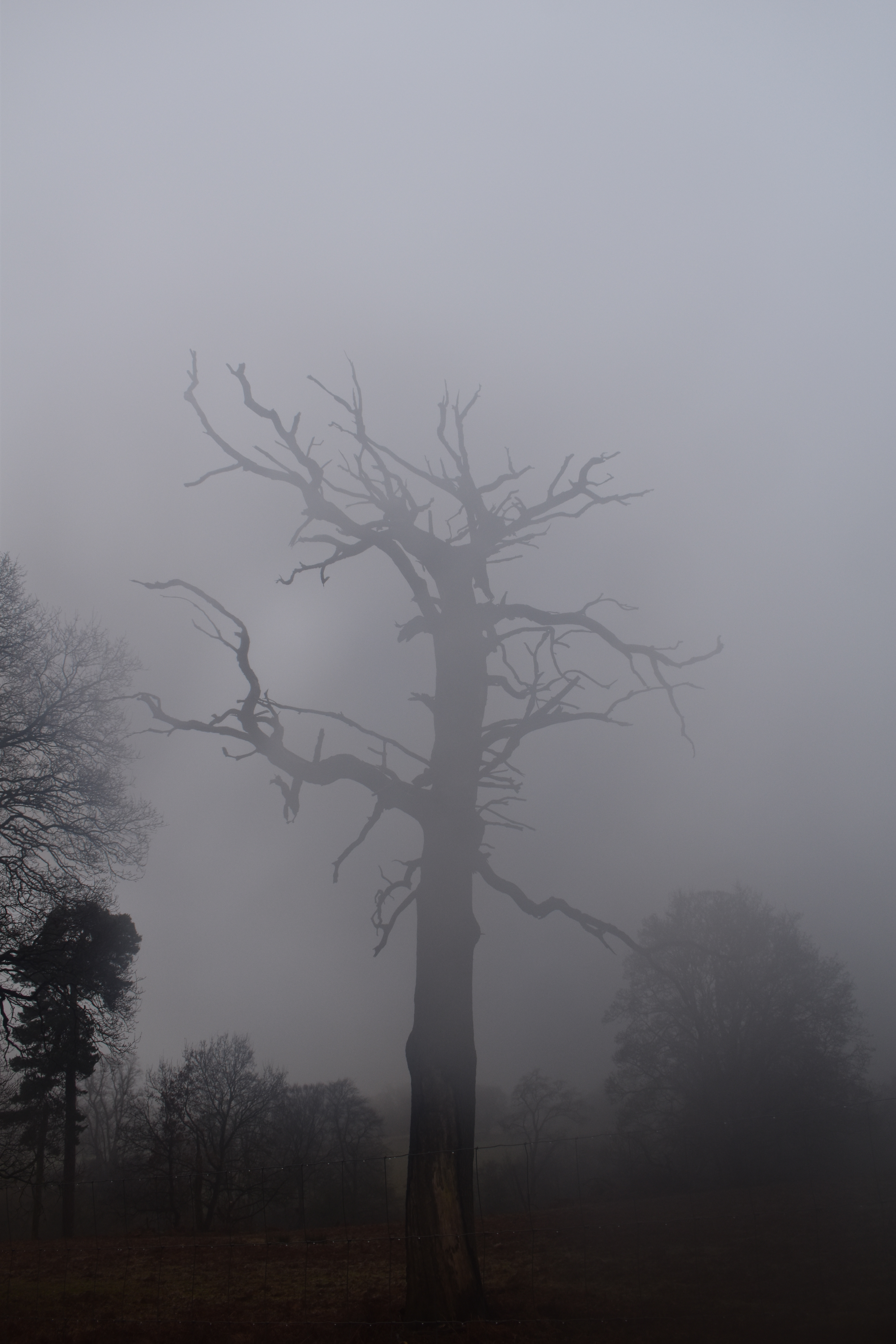
On a misty day this month we walked a couple of miles around one of the marked trails at Calke Abbey to take photos of tree silhouettes now that their leaves had long fallen to the ground. It was a cold day and misty which made walking a little uncomfortable but the strange light certainly enhanced views of the trees.

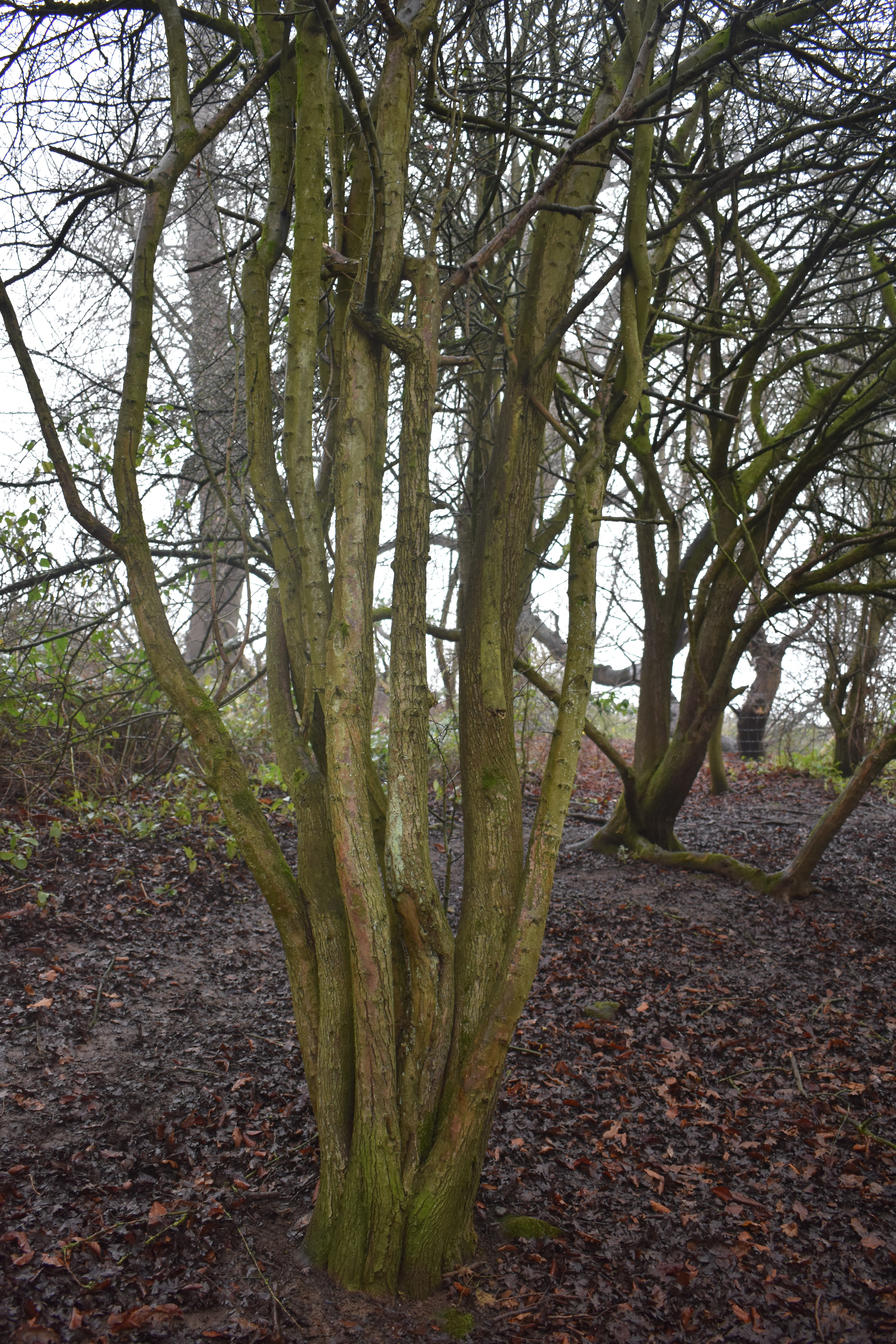
Coppiced trees give a different look to their silhouette as they tend to be in copses close to their neighbours.

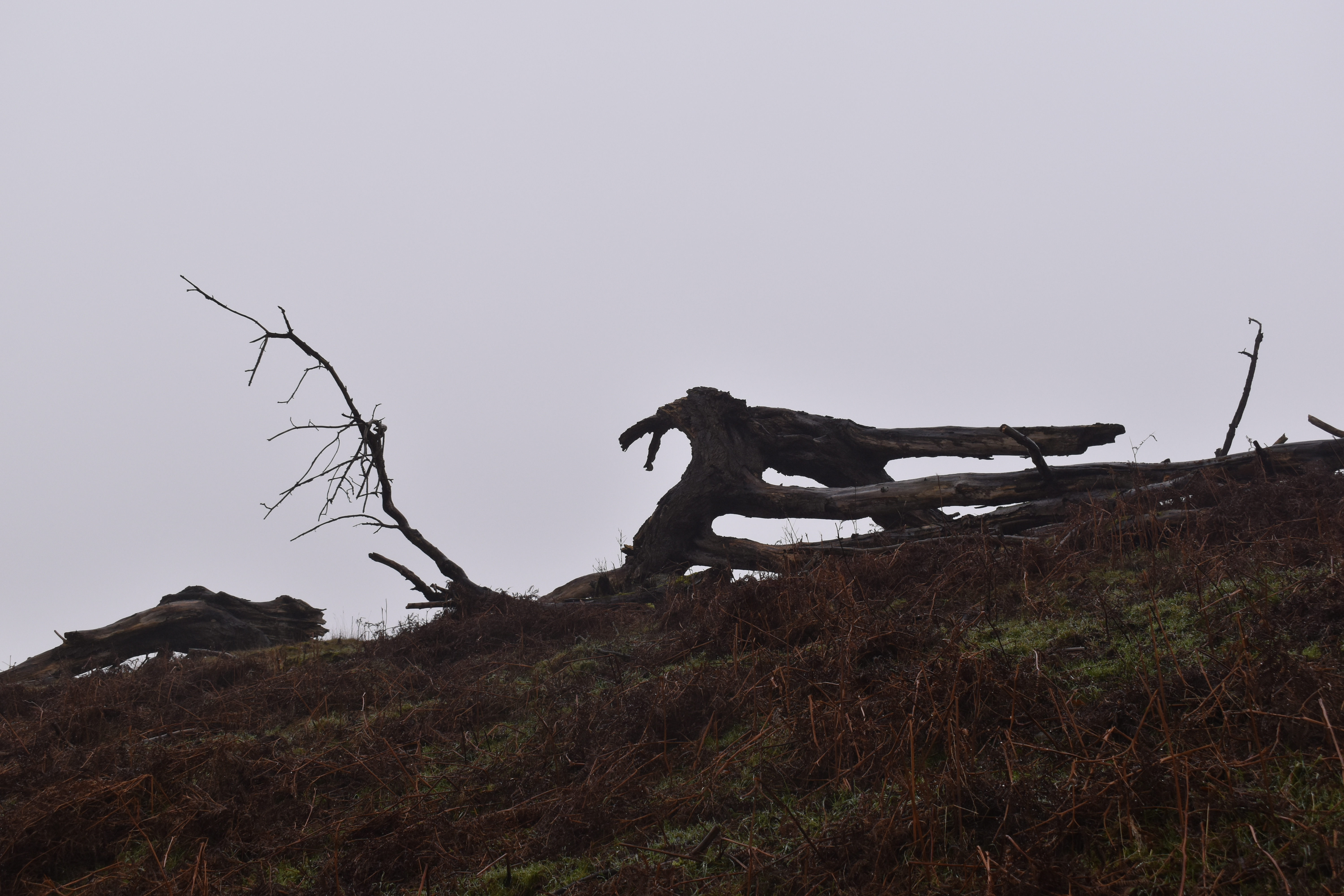
The walk took us downhill for a while meaning the horizon was above us so we looked up through the trees against a sky of grey mist. Some of the park’s deer wandered along the sloping horizon line.

Walking around the Deer Park keeping to the fenceline we could look into the area spotting different tree shapes and silhouettes with occasional sightings of the deer including odd white and black ones.

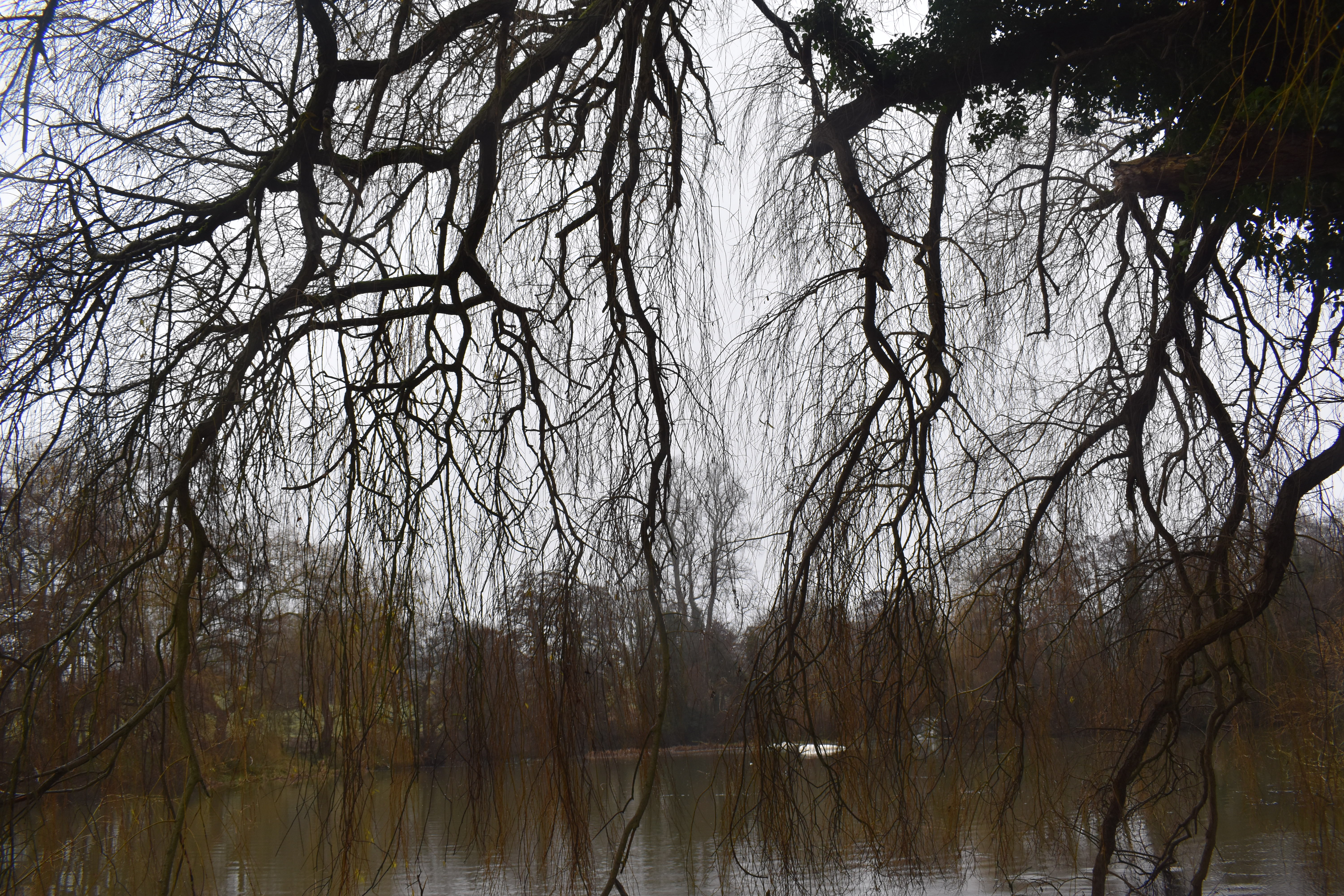
Sometimes trees closer to the perimeter fence allowed us to see through their filigree of smaller branches. The two photos below show the big lake behind the trees along one bank.

Distant views highlight long lines of trees often along the horizon.

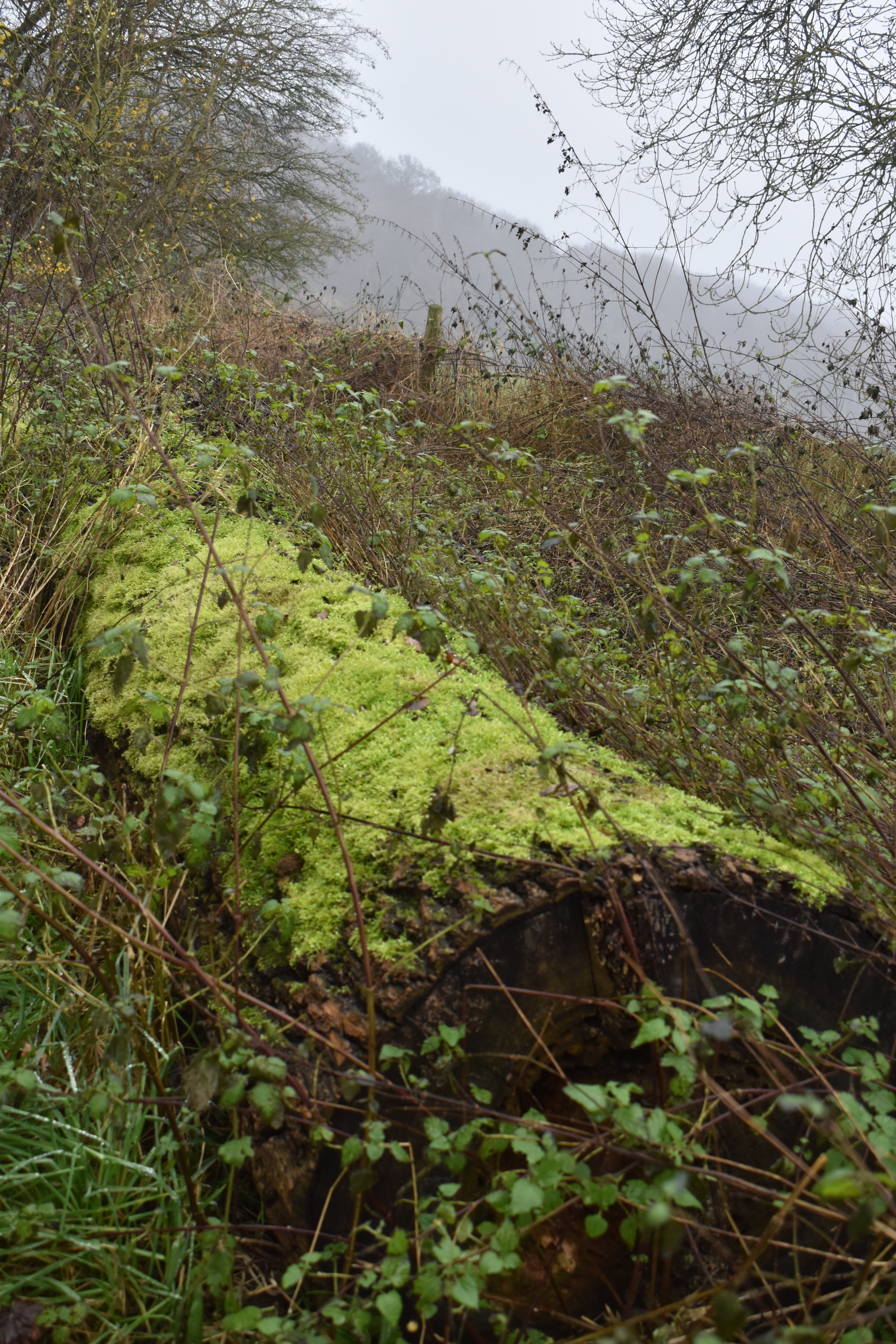
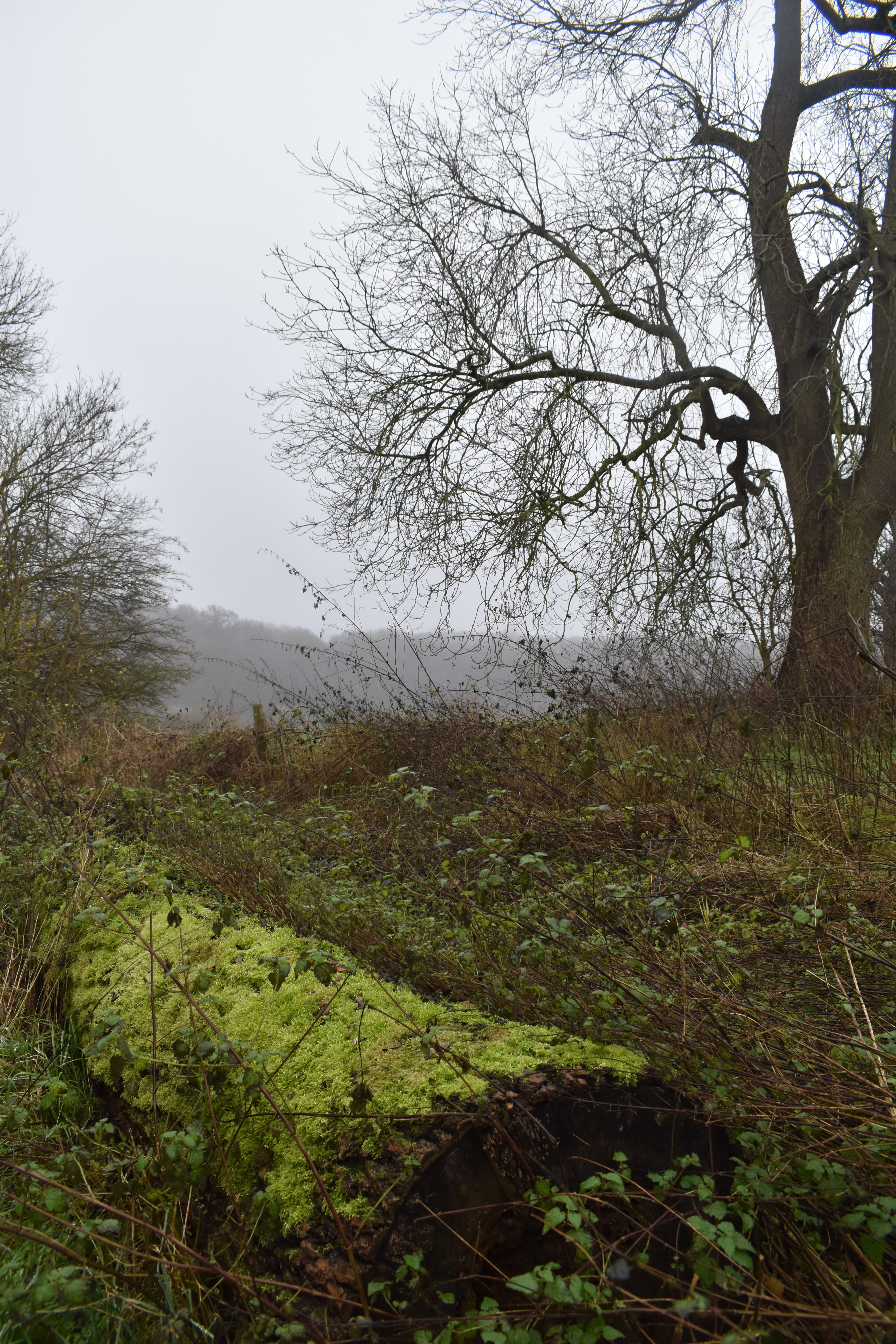
The National Trust once used to tidy away any fallen trees of large boughs but now these are left for the good of wildlife. This fallen tree trunk is now carpeted in bright green moss which will be home to so many insects and invertebrates. These little creatures will then attract birds.

So what we thought might be an unpleasant day due to the cold and the mist, turned out to be a most enjoyable experience.

Categories
garden pools garden wildlife The National Trust trees water in the garden wildlife

Simply Beautiful – 19

The woodland walk at Attingham Hall Park is one of our favourites and we walk it several time each year.

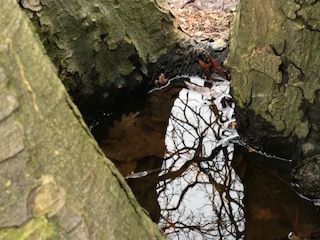
What a surprise this was! As we wandered along a bark chip path at Attingham Park Jude noticed water in the bowl of an old Beech tree. Closer examination revealed a tiny pond with crisp reflections of the upper branches of the Beech. Simple and beautiful! Simply beautiful!


I imagine that this mini-pond has an important role to play in the ecosystem of the wood, attracting tiny water creatures, providing a bathing place for birds and a drinking place for wildlife.


Categories
autumn autumn colours garden design garden photography gardening gardens gardens open to the public lakes National Garden Scheme NGS nurseries ornamental trees and shrubs Powis Powys shrubs trees Wales water in the garden Yellow Book Gardens

The Dingle Gardens Month by Month 2018

My chosen garden f0r my monthly visits in  2018 is so much smaller than Attingham Park which we enjoyed throughout 2017. The Dingle is a Nursery just over the border into Wales situated on the edge of the market town of Welshpool. The garden is accessed through a little wooden gate in the bottom left corner of the nursery where a large selection of Acer shrubs are displayed for sale. It is a garden centred around a huge collection of shrubs and trees, many unusual, growing on a gentle slope down to a lake.

The garden like ours opens at times under the auspices of the National Garden Scheme, but opens every other day of the year bar Christmas Day. I have already featured the gardens four times in my past posts. Here are a few photos to give you a taste of what we might discover during the year.


I hope these few photos will give you an appetite for the 12 posts to come about The Dingle in 2018.

Categories
autumn colours climbing plants colours flowering bulbs garden design garden photography garden wildlife gardening gardens half-hardy perennials hardy perennials irises light light quality log piles logs natural pest control ornamental trees and shrubs roses Shrewsbury Shropshire shrubs South Shropshire spring bulbs succulents trees

My Garden Journal 2017 – November

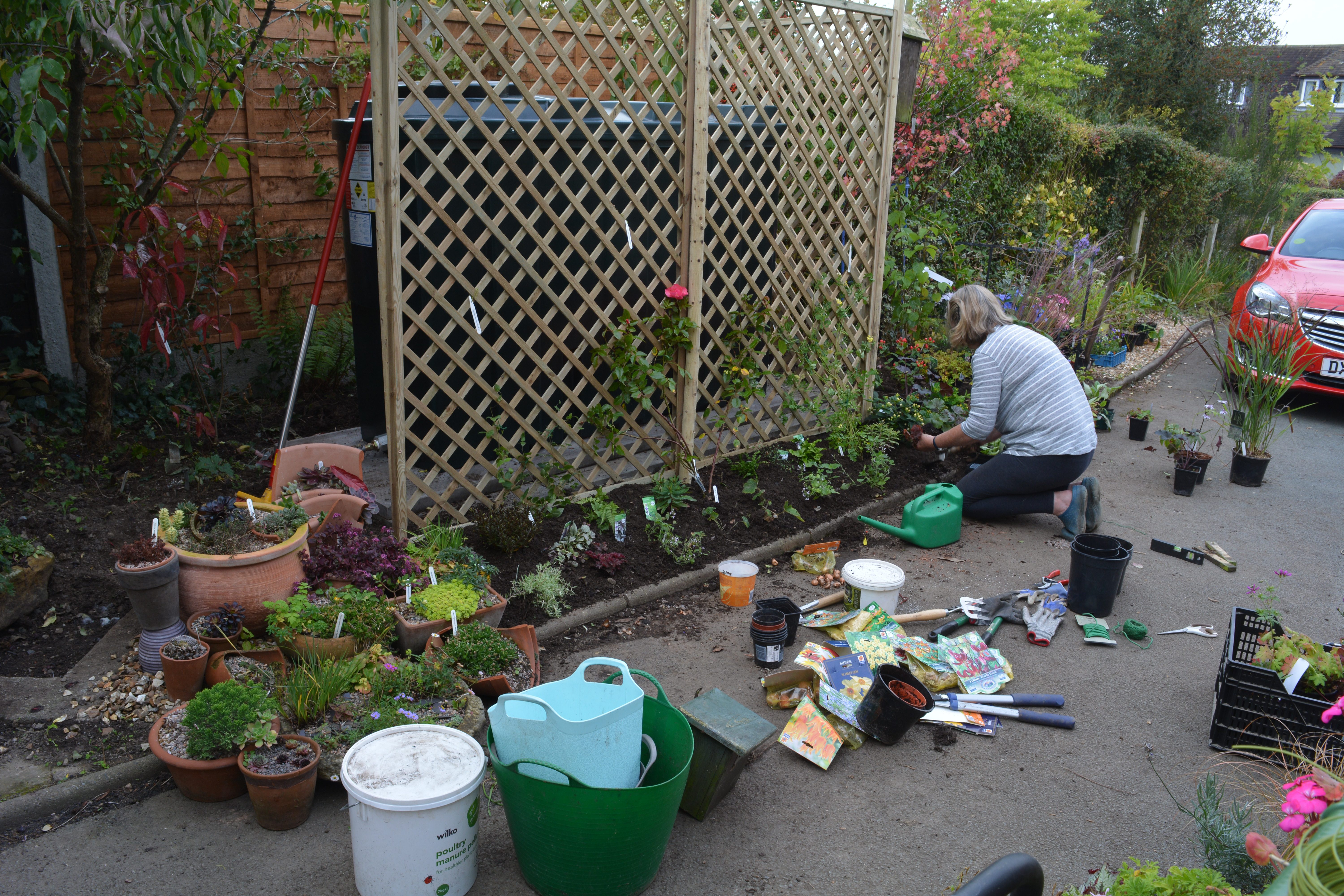
The penultimate visit to my garden journal for 2017 is here – hope you enjoy it. I began by referring back to a development we started in the garden back in September which we finished off in November. We are very pleased with how it has turned out and look forward to seeing the new plants flourish.

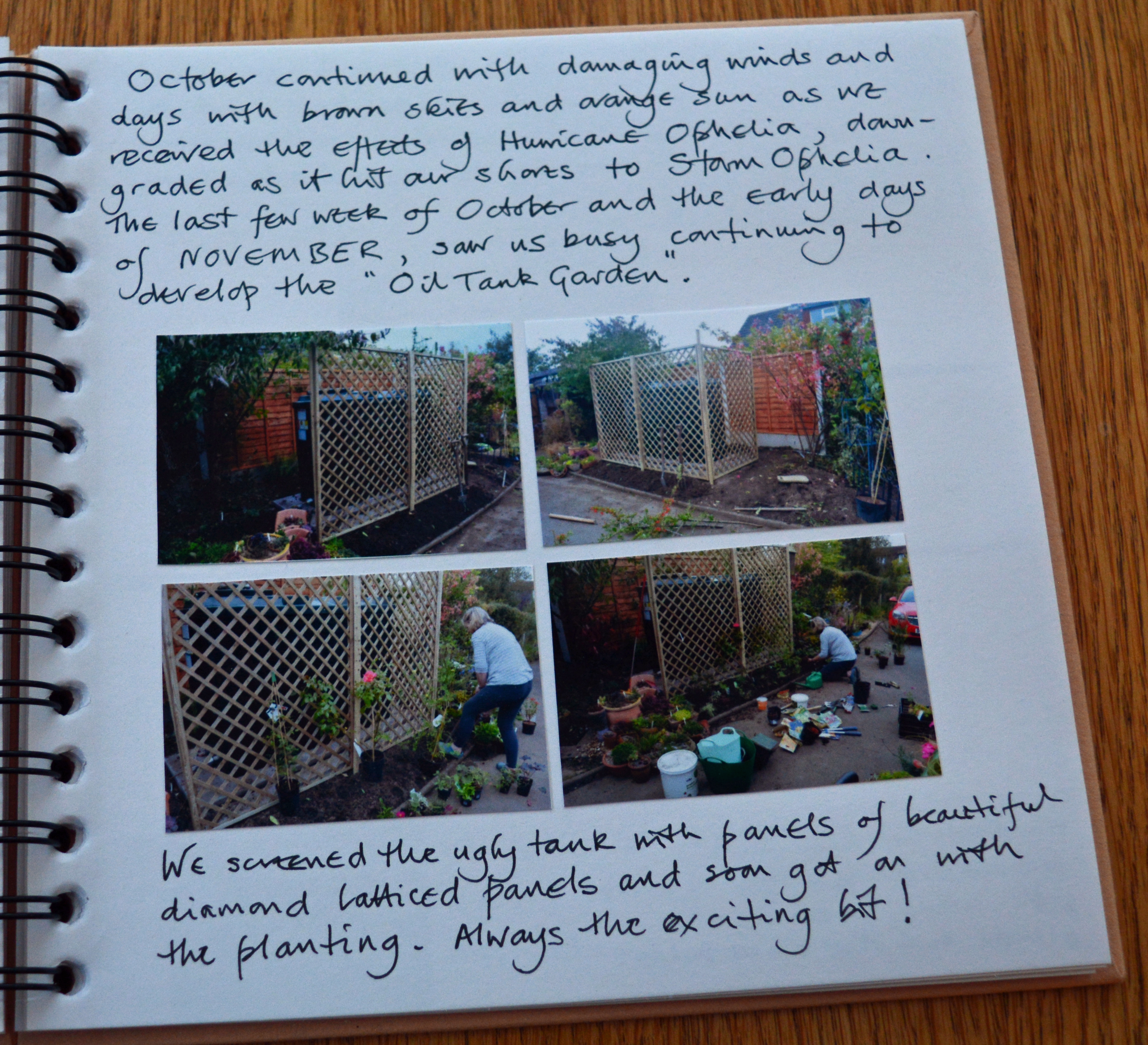
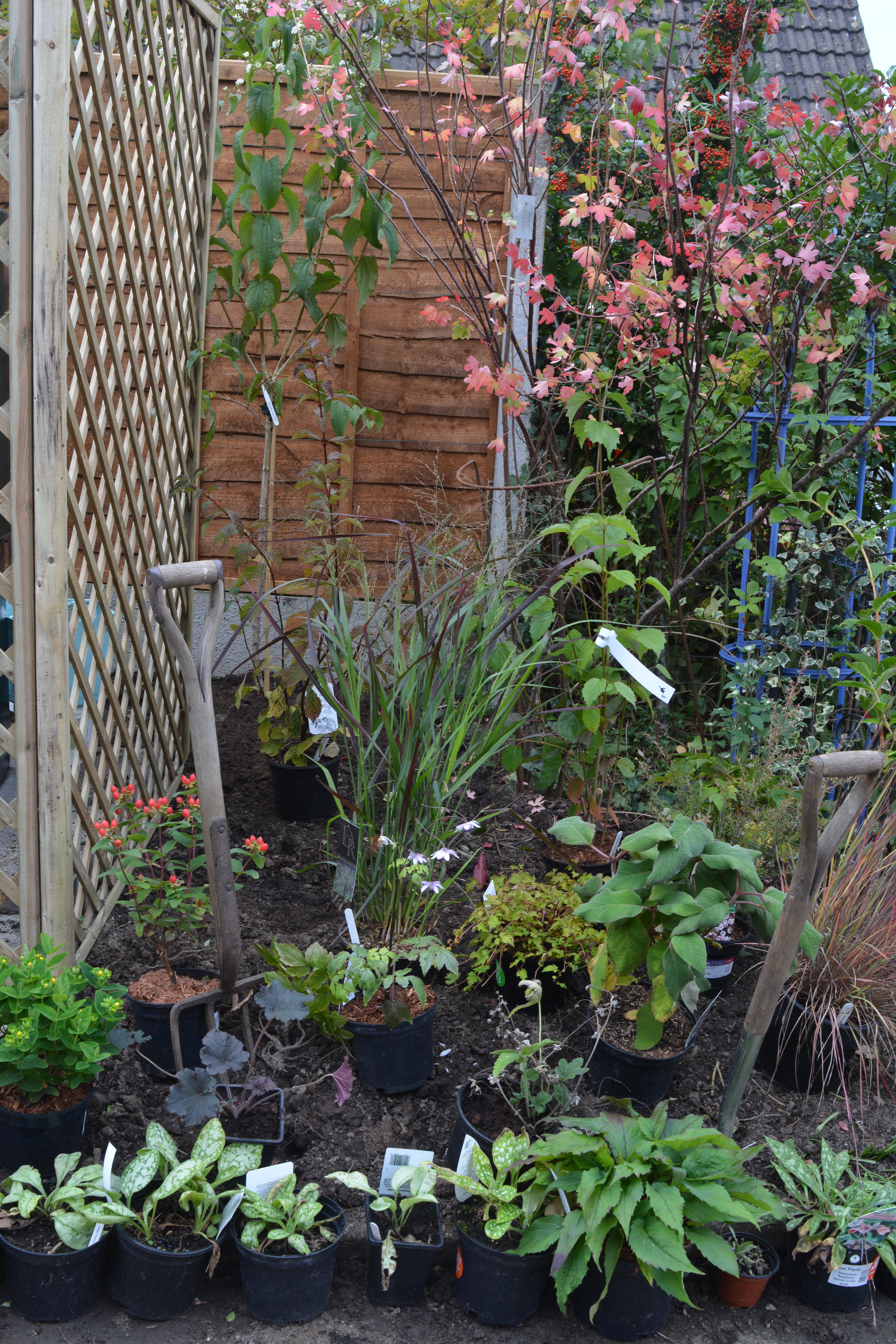
“October continued with damaging winds and days with brown skies and orange sun as we received the effects f Hurricane Ophelia, downgraded to Storm Ophelia as it hit our shores. The last few weeks of October and the early days of November, saw us busy continuing develop our “Oil Tank Garden”.


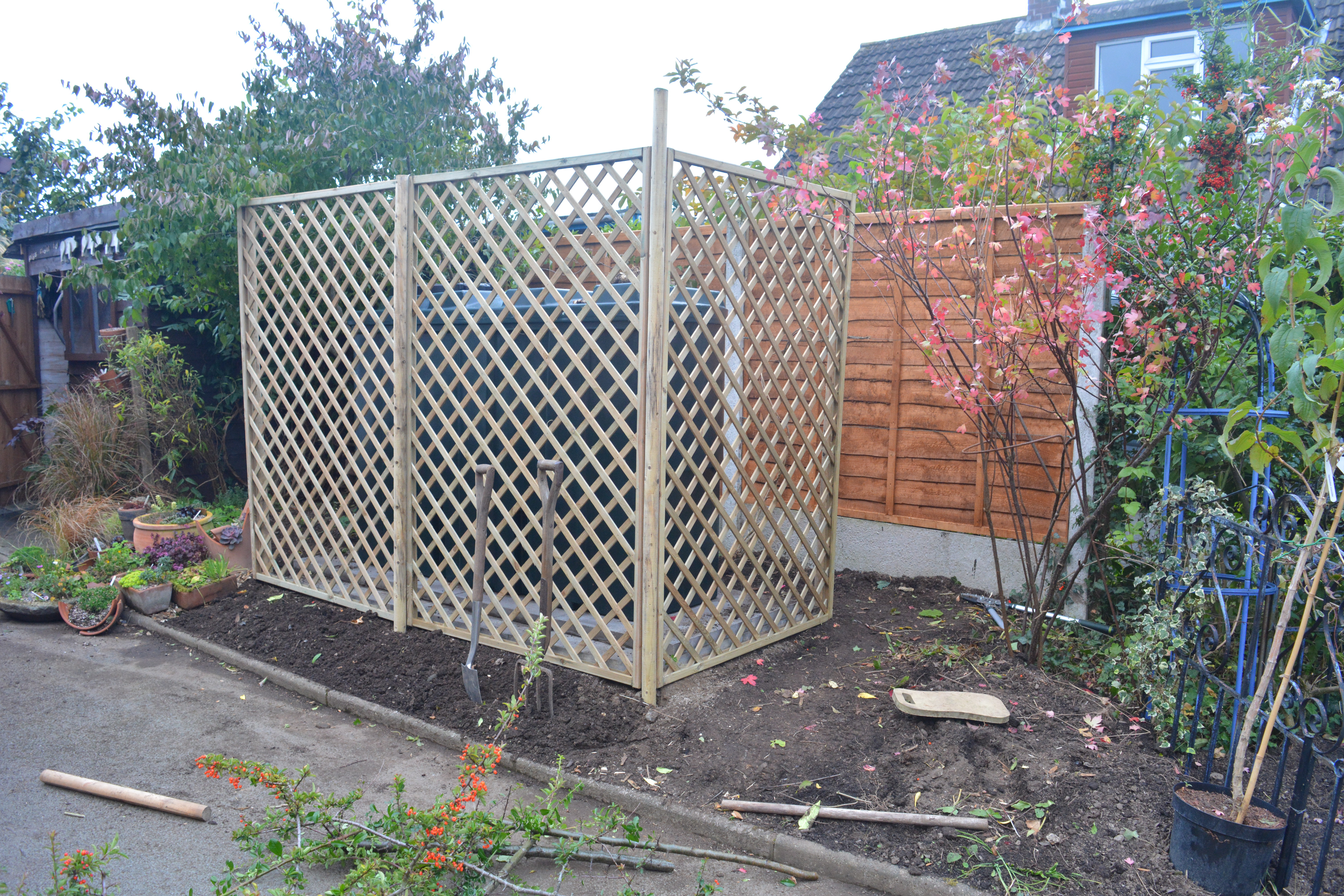
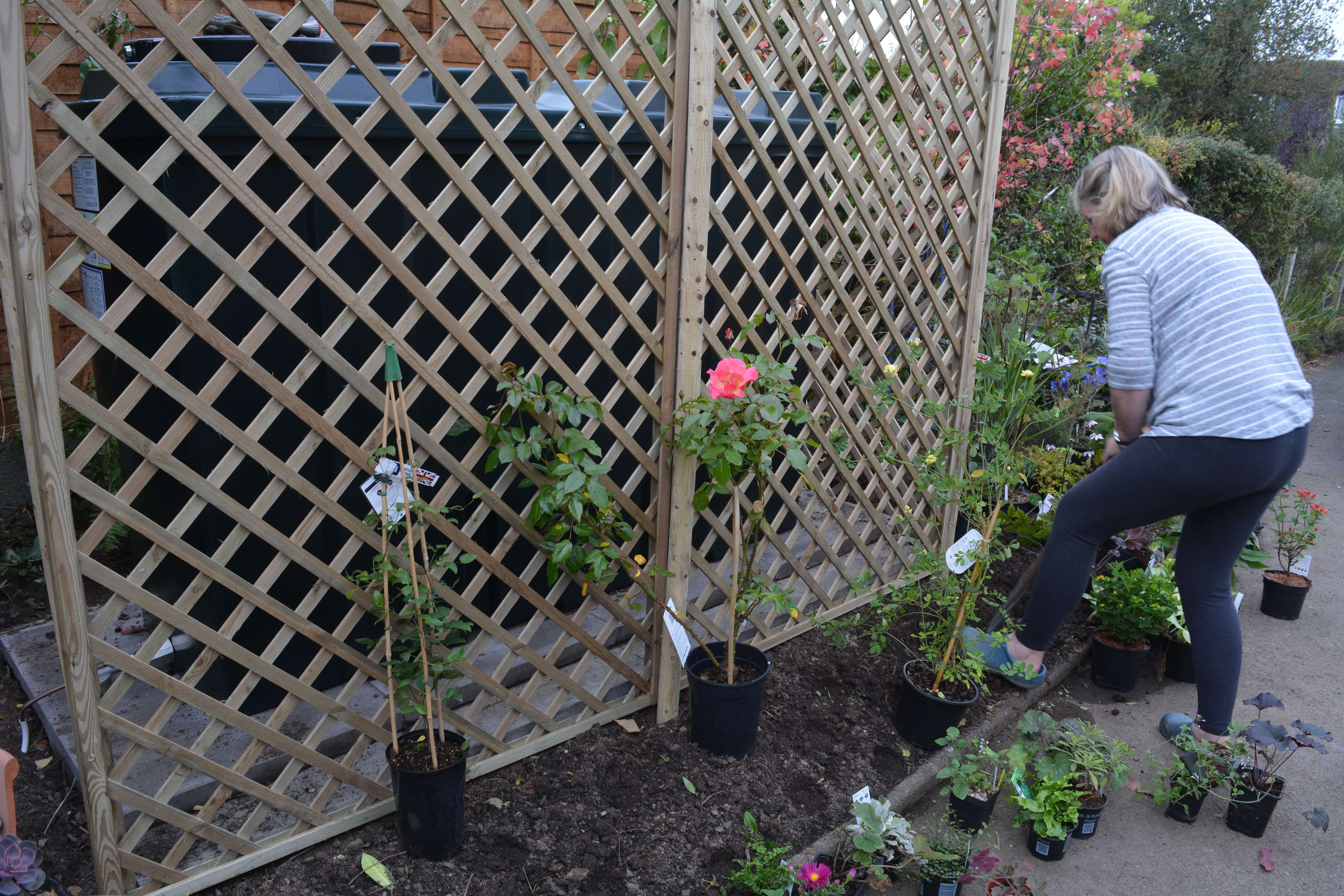
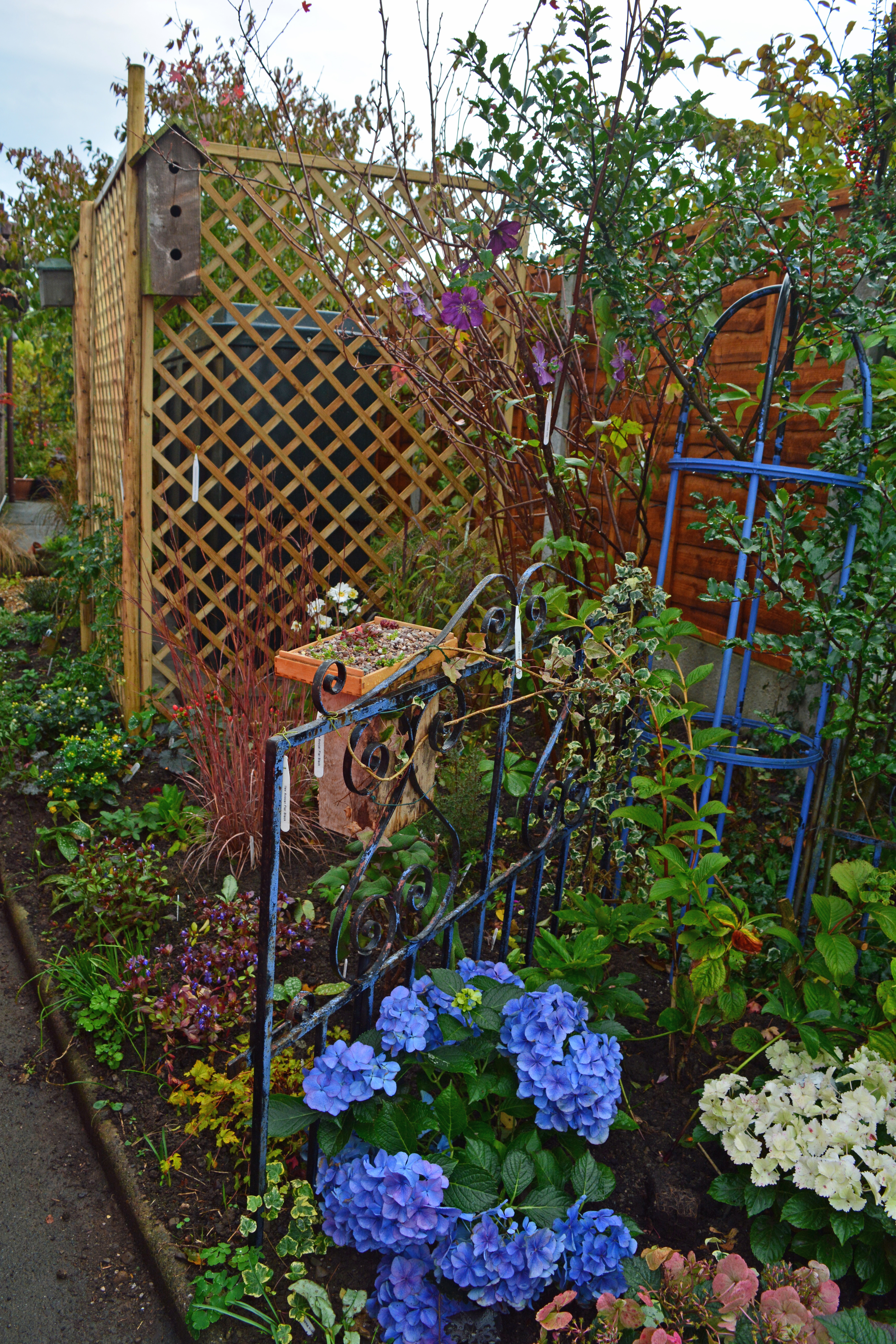
“We screened the ugly tank with panels of beautiful diamond latticed panels and soon got on with the planting. Always the exciting bit!”

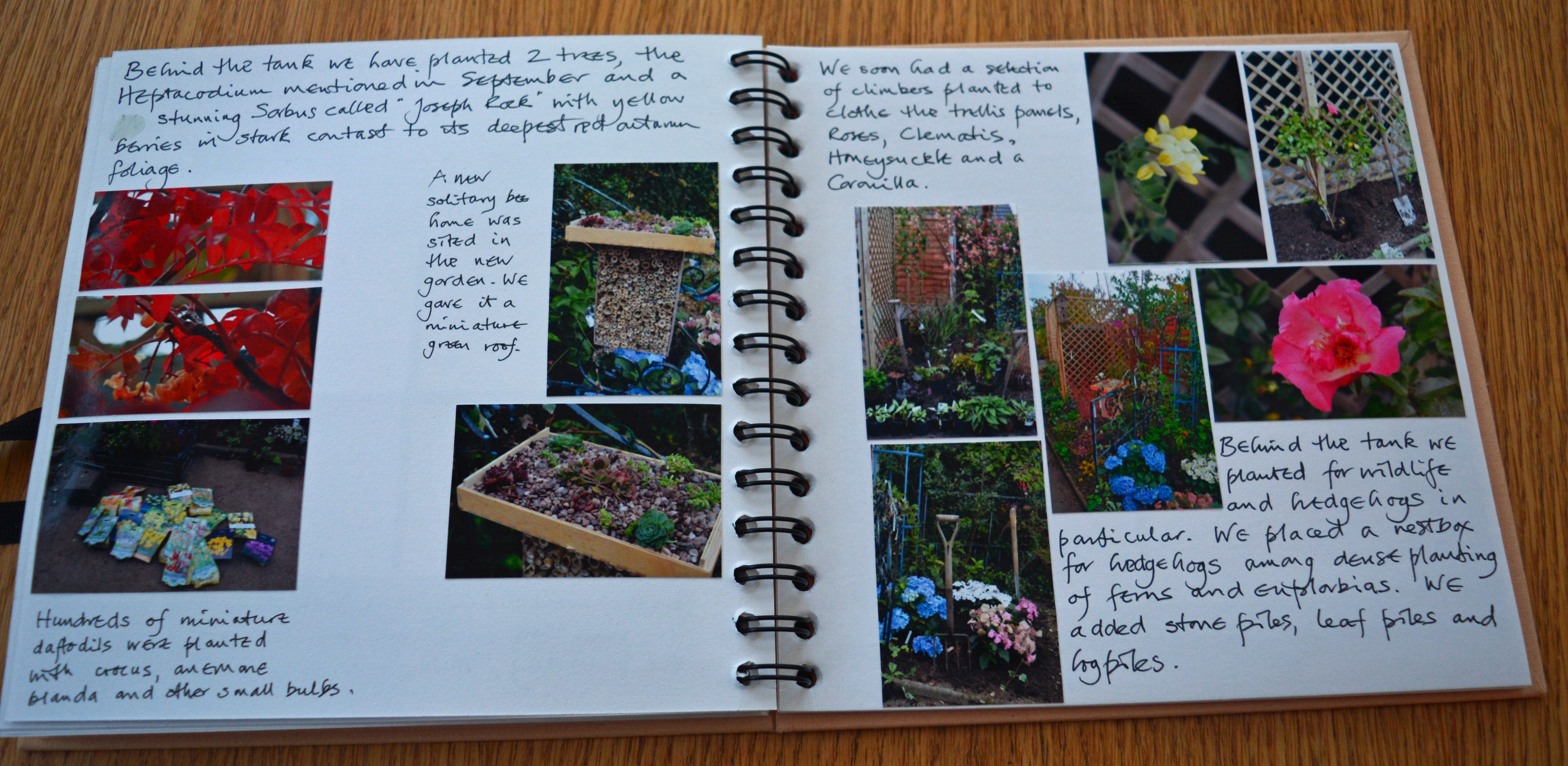
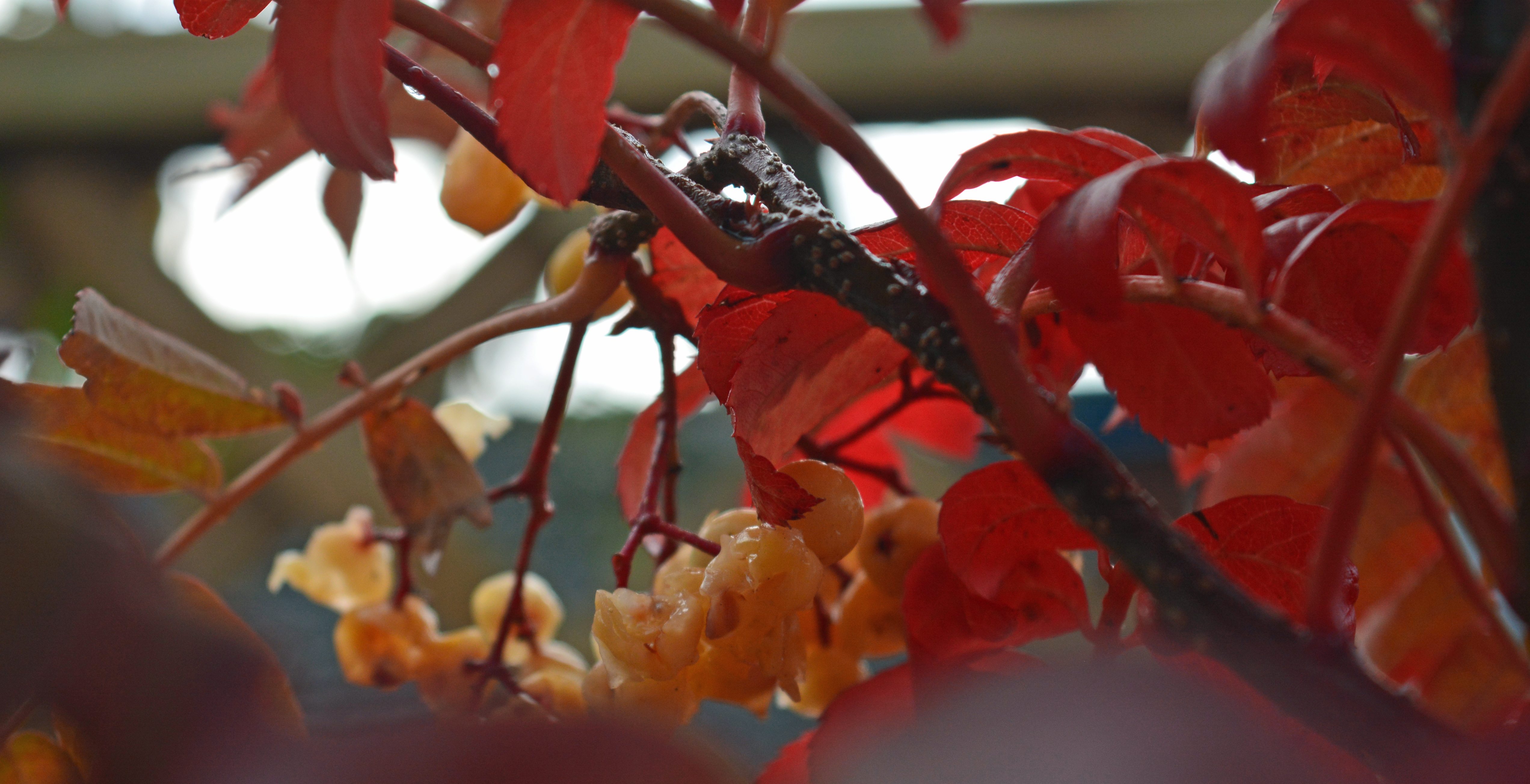
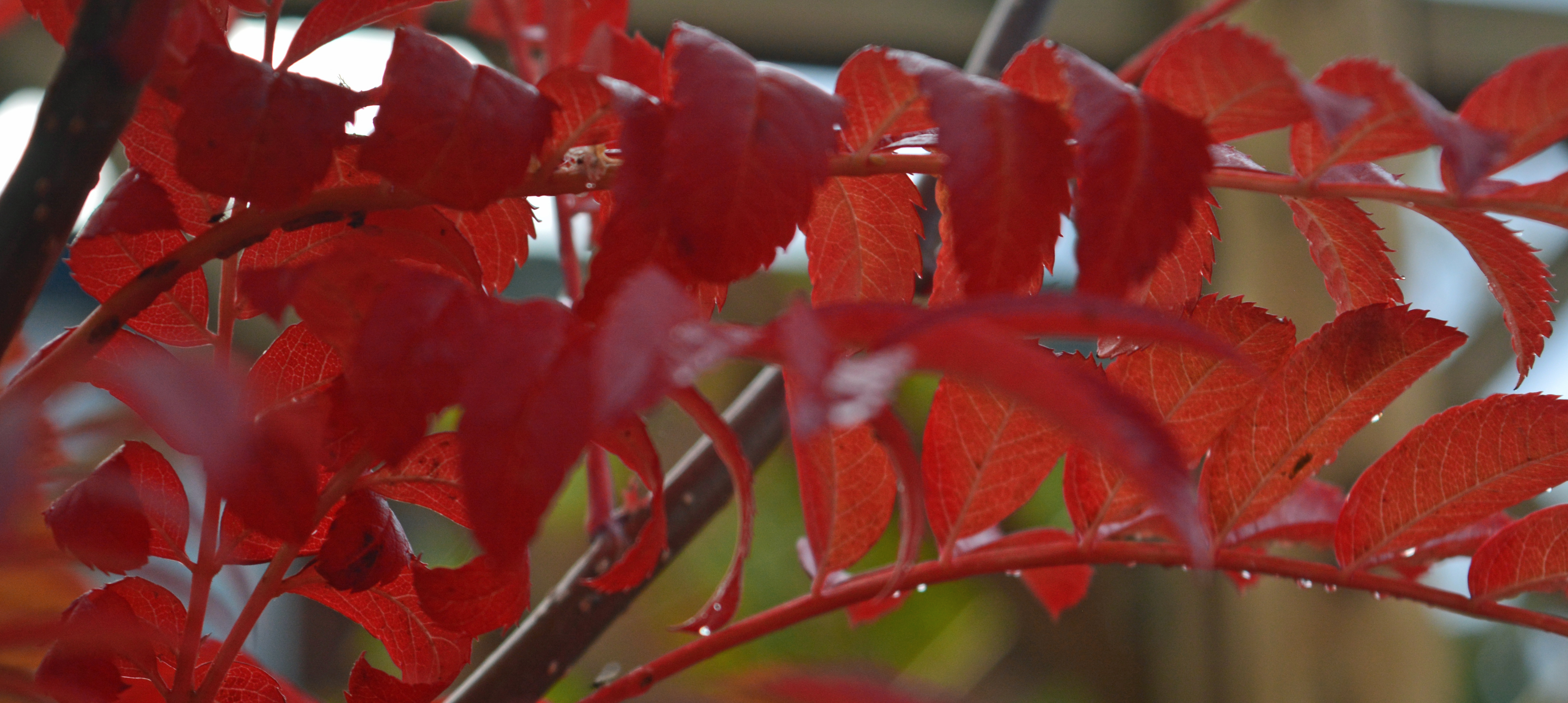
Over the page I continue to describe our development of this border and wrote “Behind the tank we have planted two trees, the Heptacodium mentioned in September and a stunning Sorbus called Joseph Rock with yellow berries in stark contrast to its deepest red autumn foliage.


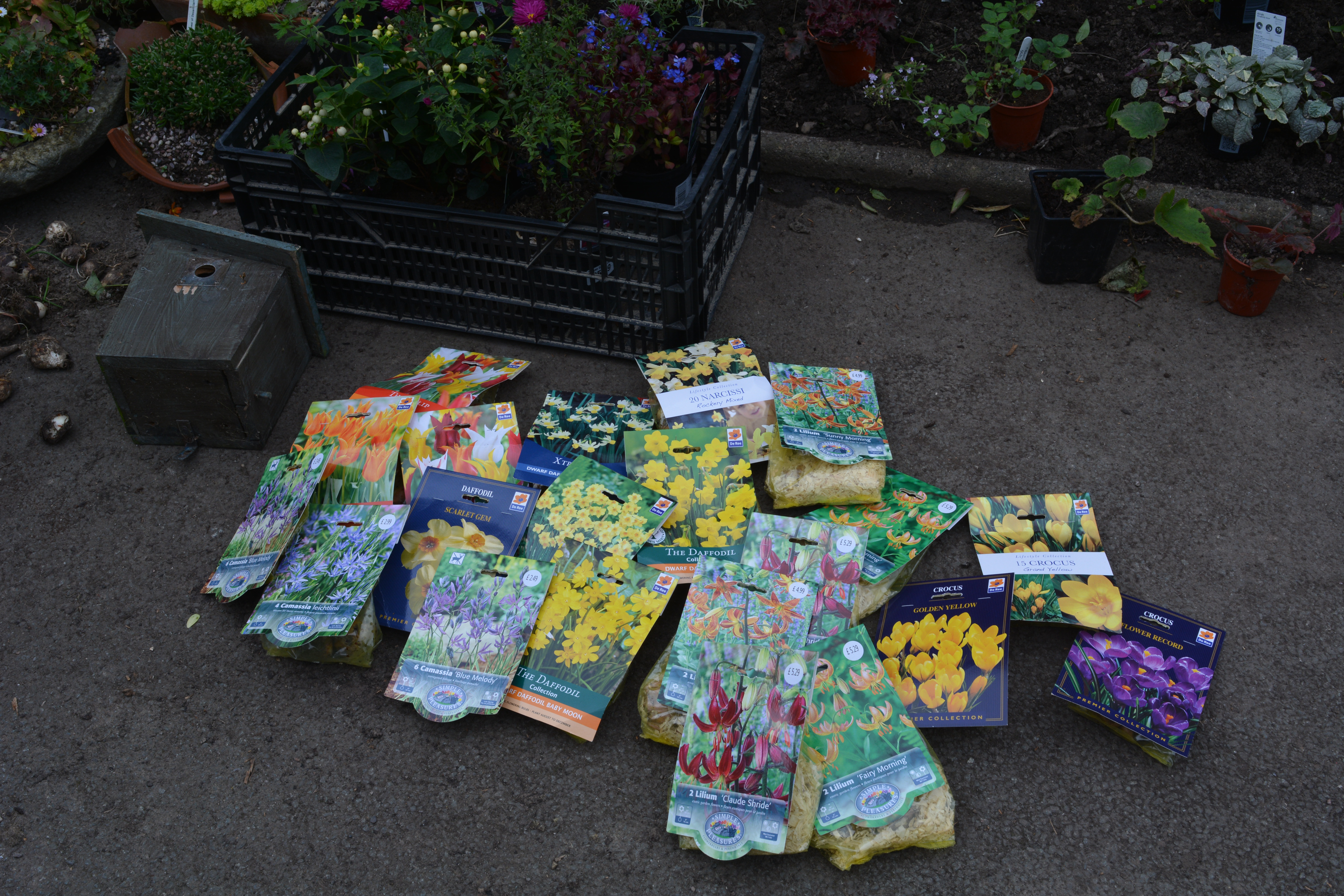
“Hundreds of miniature daffodils were planted with crocus, Anemone blanda and other small bulbs.”

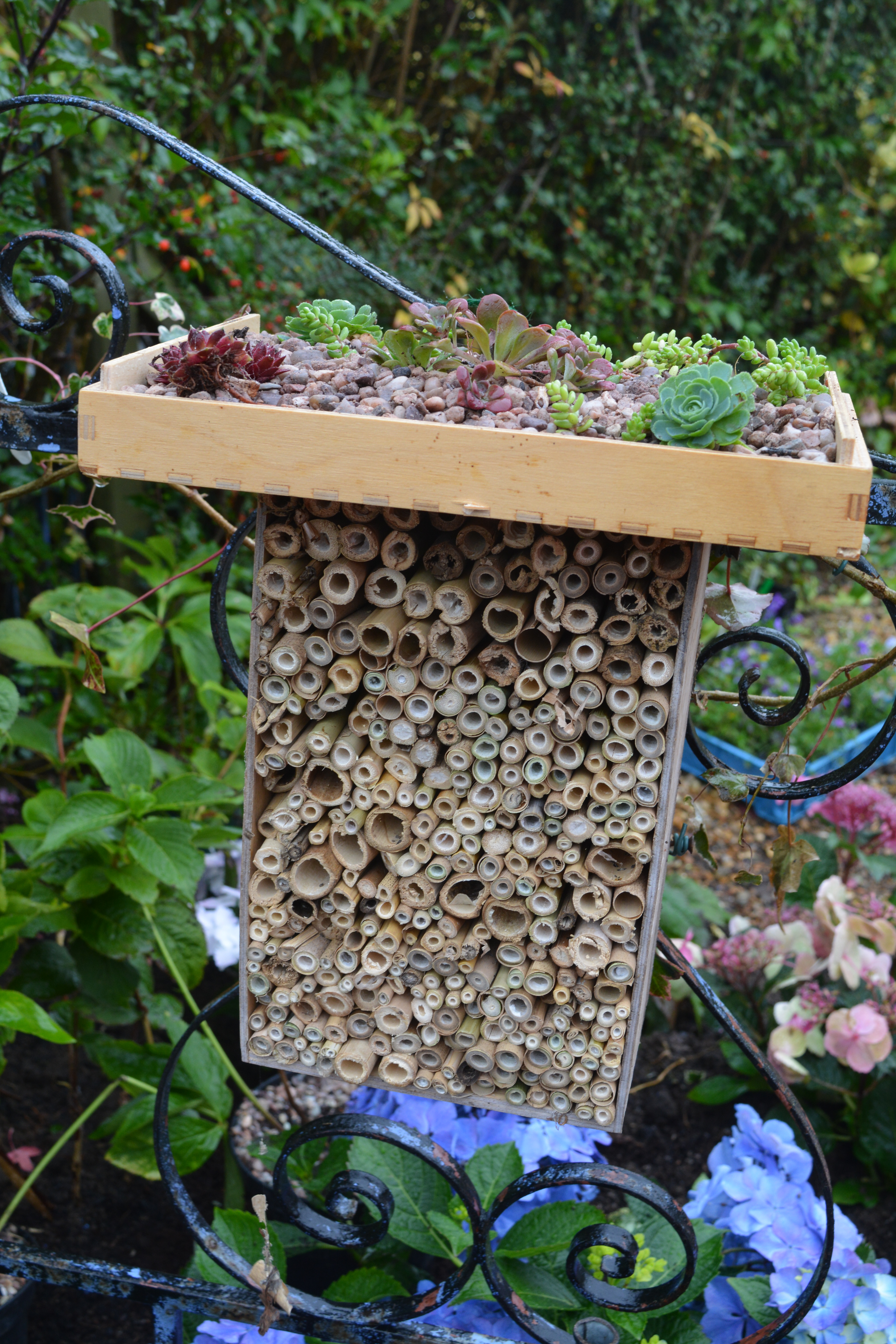
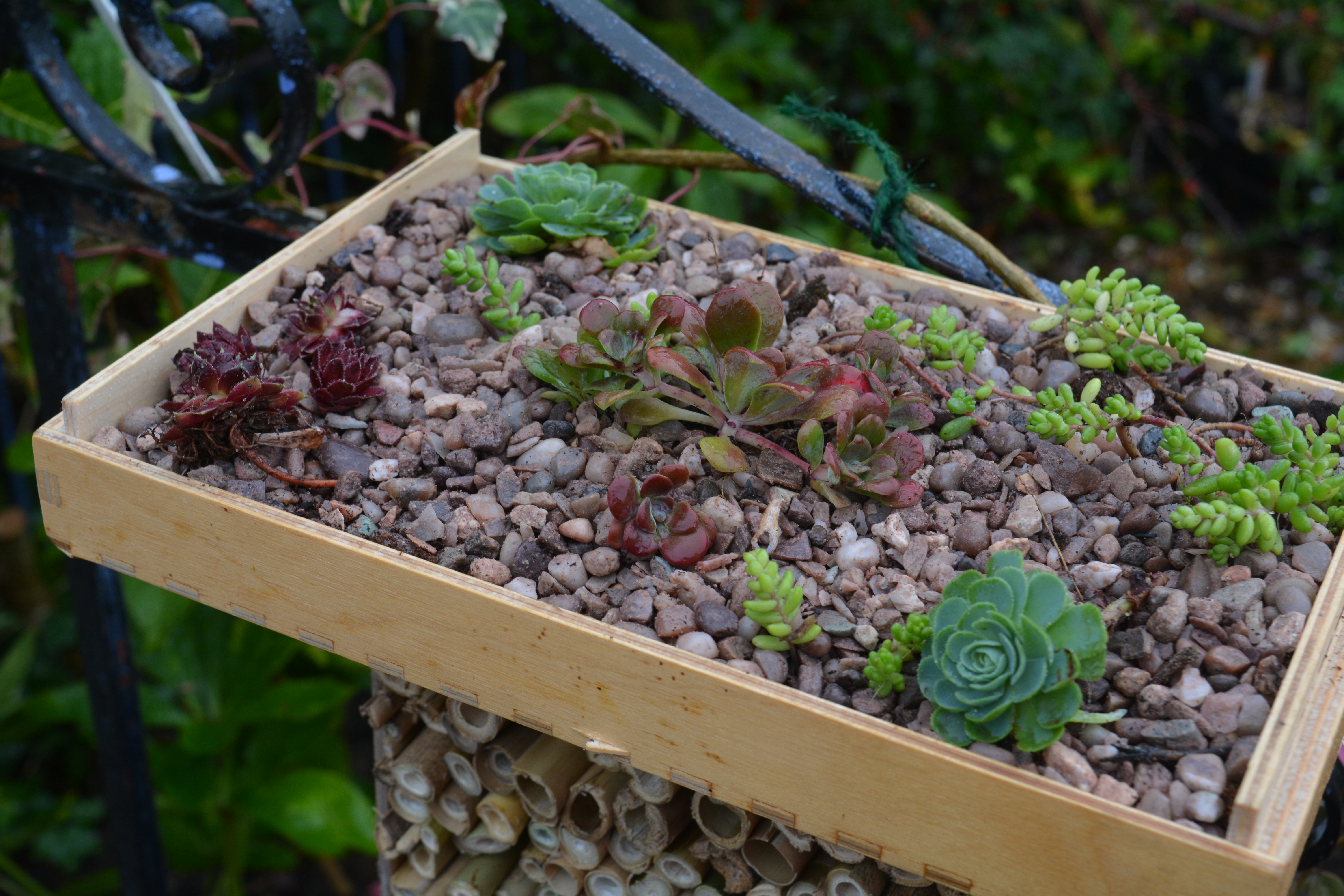
“A new solitary bee home was sited in the new garden. We gave it a miniature green roof!”

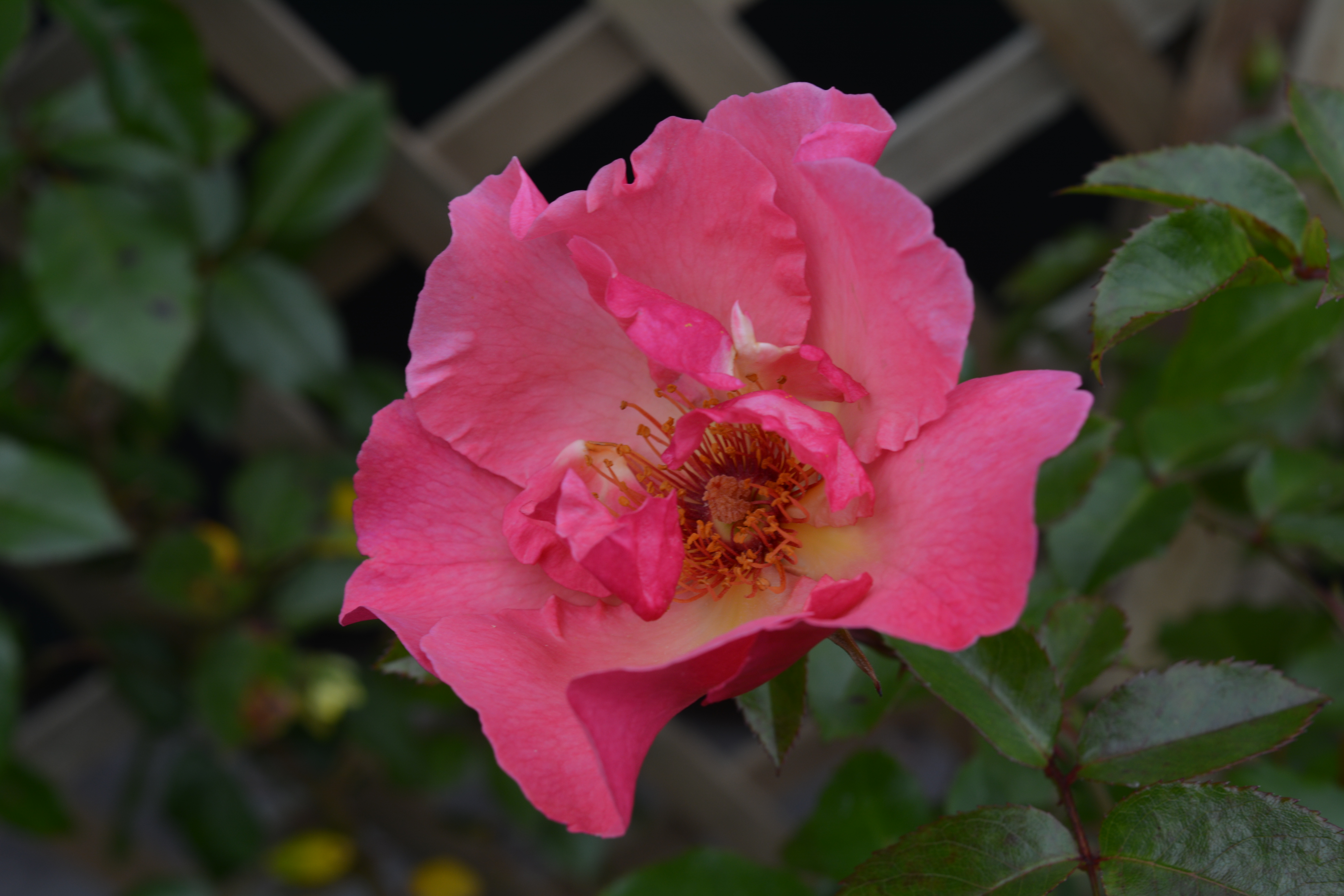
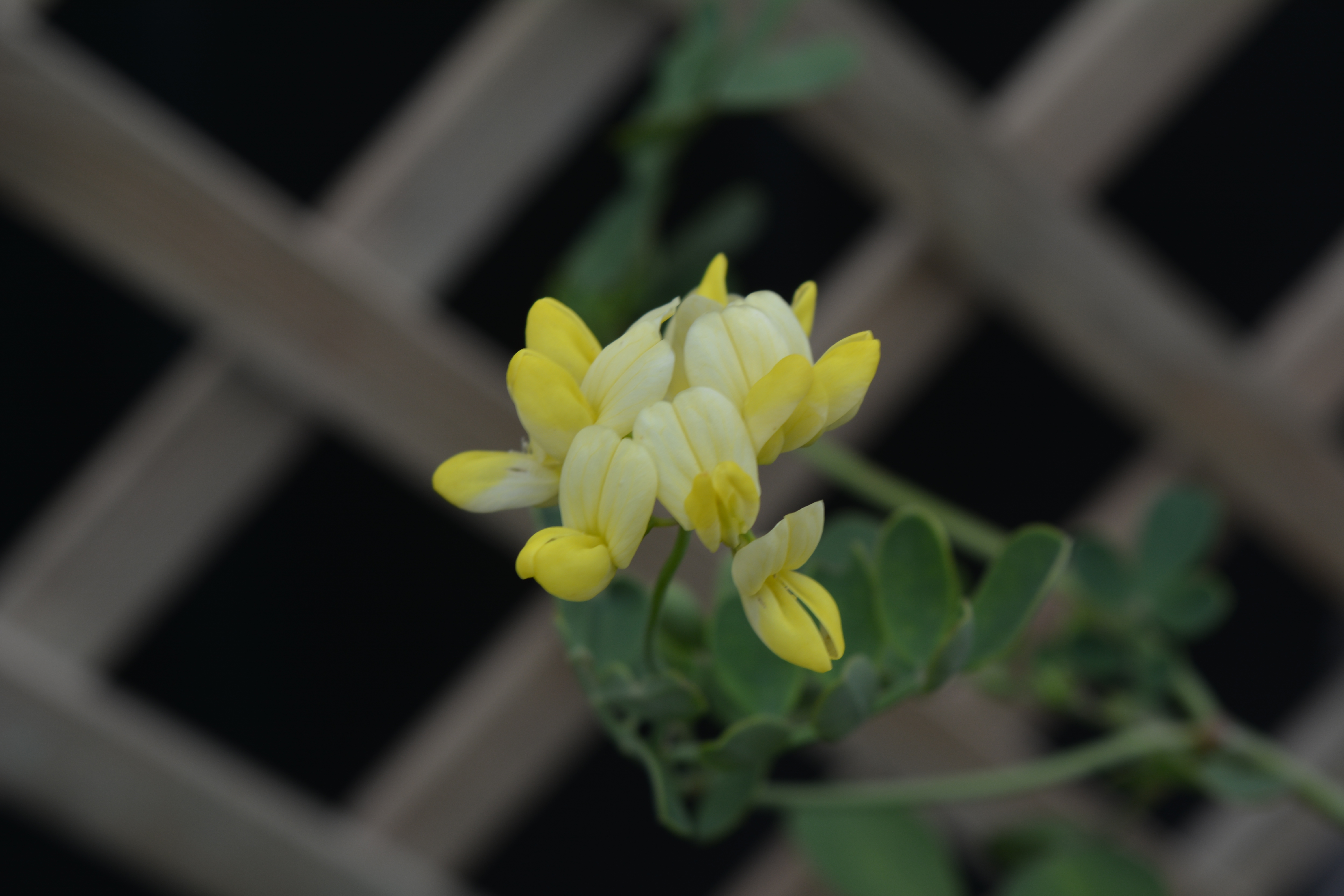
“We soon had a selection of climbers planted to clothe the trellis panels, Roses, Clematis, Honeysuckle and a Coronilla”.


“Behind the tank we planted for wildlife and hedgehogs in particular. We placed a nestbox for hedgehogs among dense planting of ferns and Euphorbias. We added stone piles, leaf piles and log piles.”

Turning over another page I featured some words by Dan Pearson and looked at some autumn flowering plants.

“Taking a look at Dan Pearson’s writings about Autumn in his “Natural Selections” book he wrote,

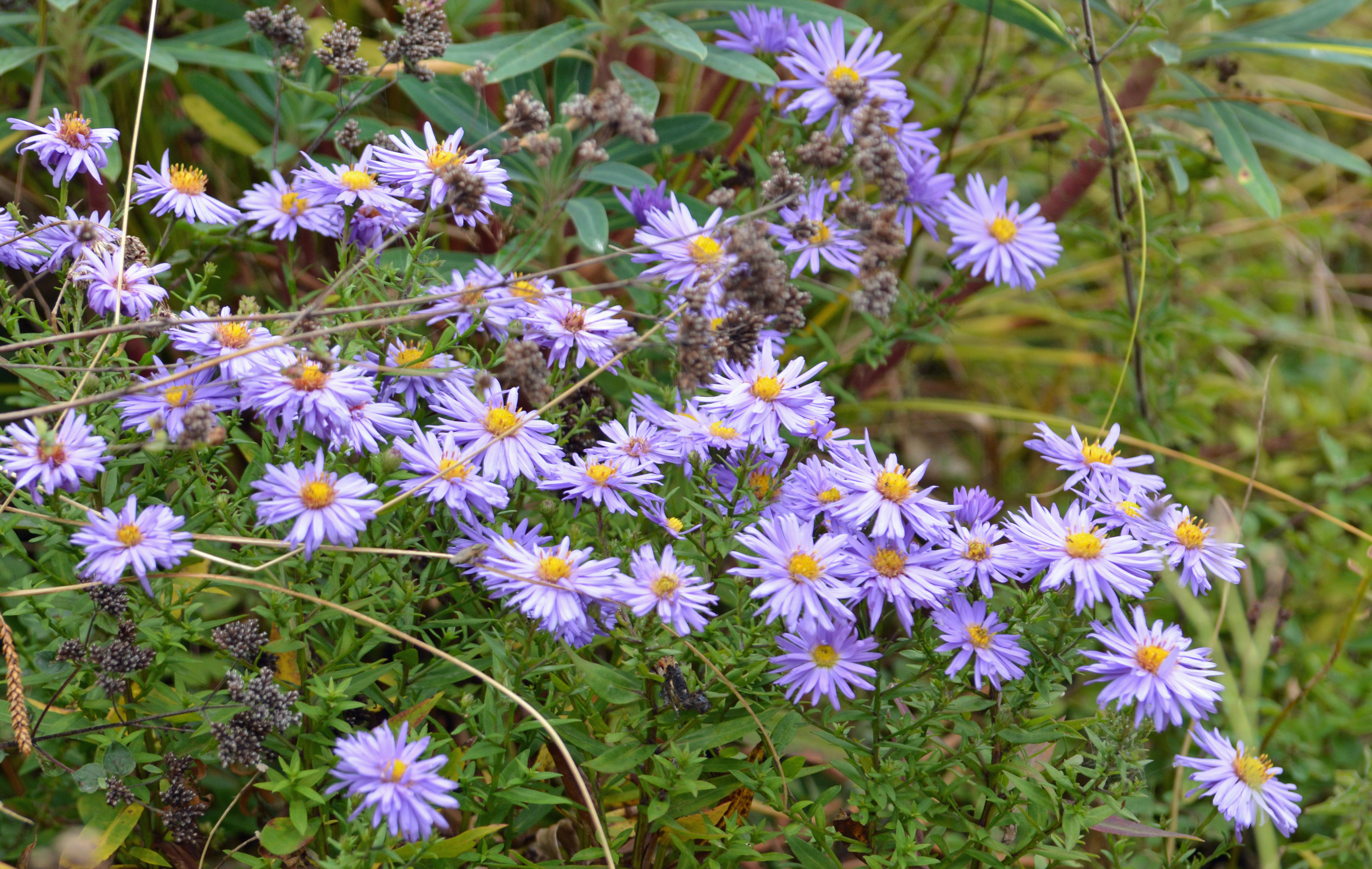
I want to invite the seasons into the garden, vividly and in layers. I use asters, autumn crocus and gentians at ground level, and shrubs that perform for this season to take the eye up and away, to straighten the back. I weave berrying trees and shrubs into the garden as much for their jewel-like fruit as for the birds which flock down to gorge when the fruit is ready for feasting upon.”

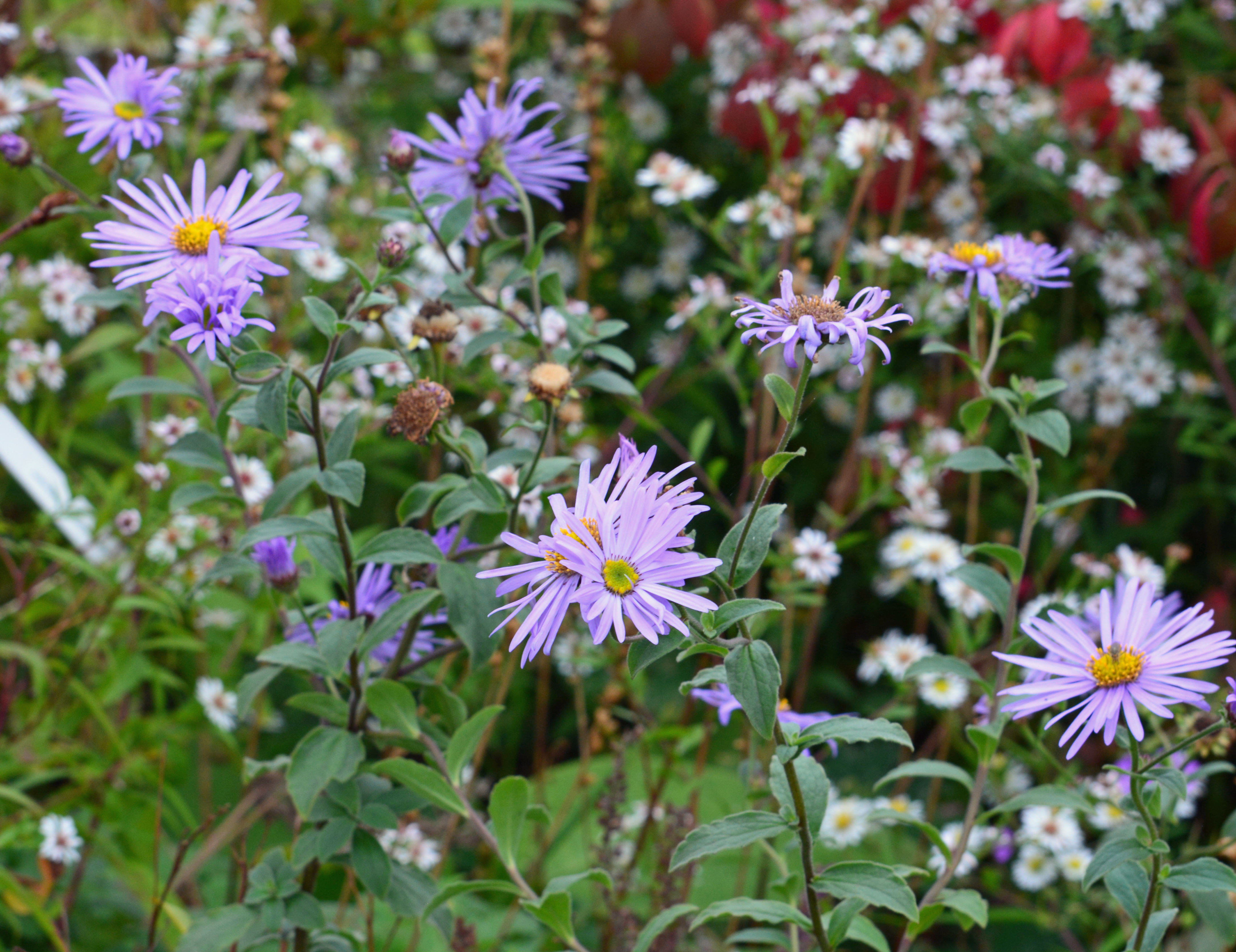
We aim to do exactly the same in our Avocet patch. Below are a few of our Asters which feature in our “Shrub Border”,  a border that brings Autumn in.”


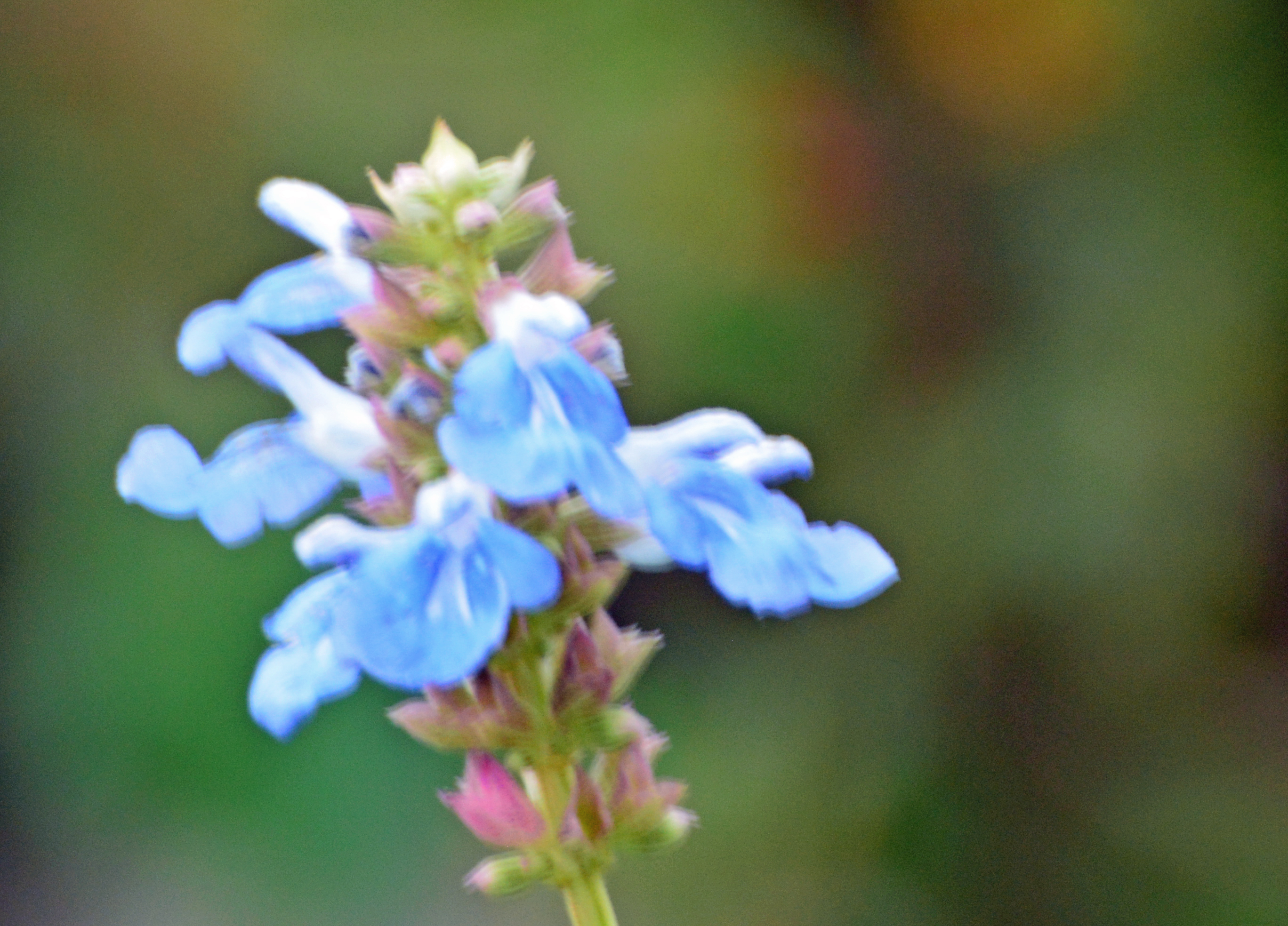
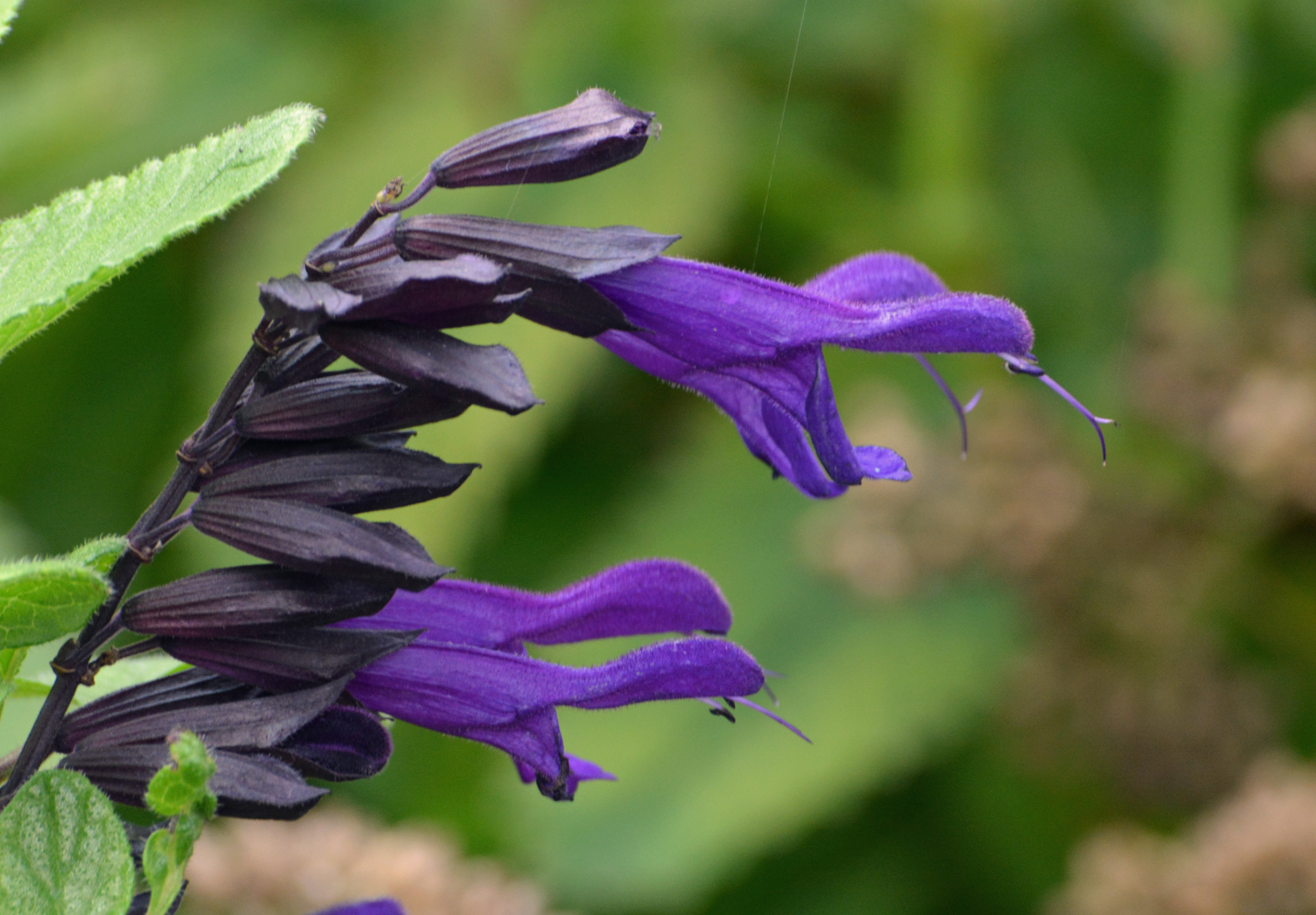
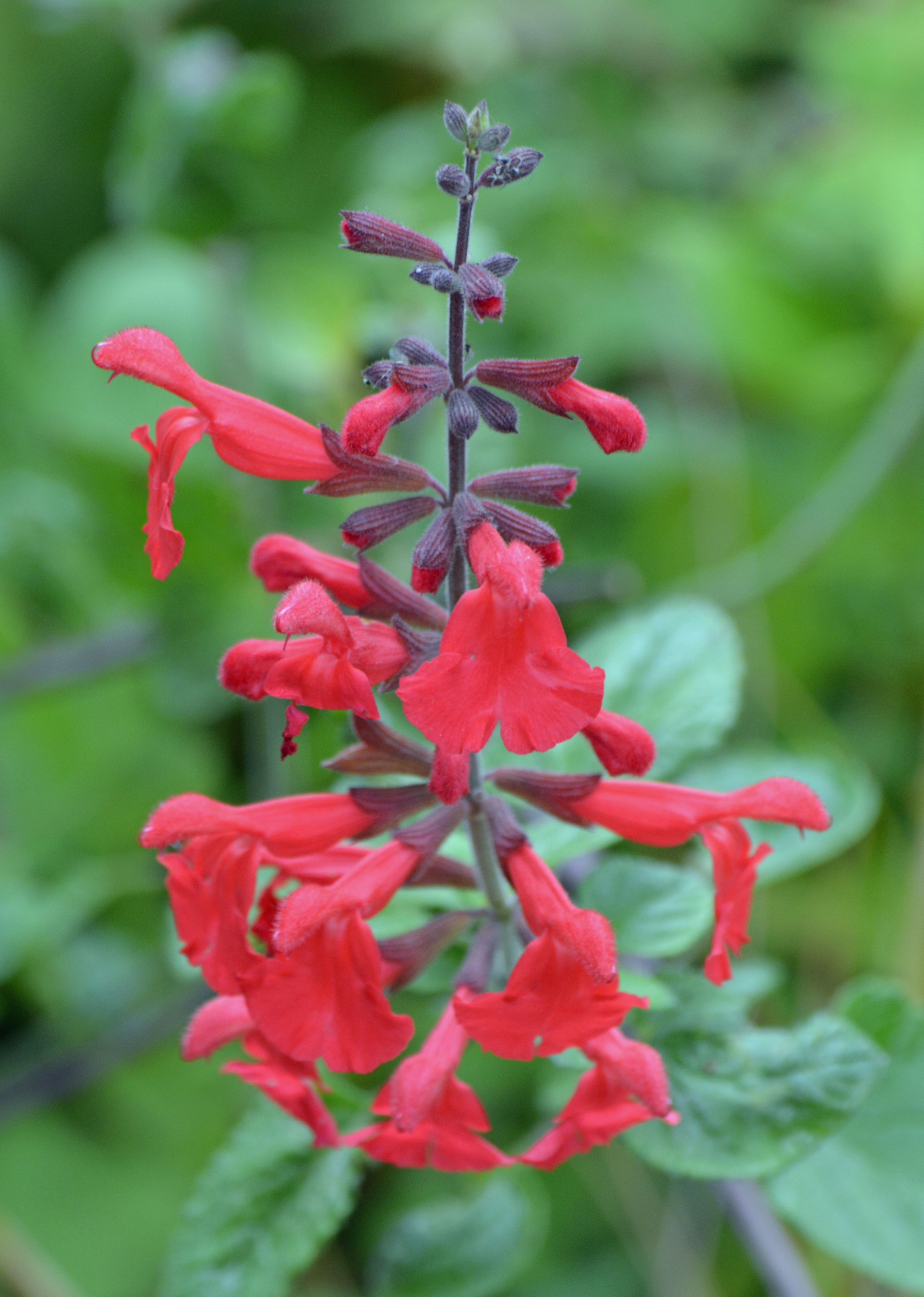
“Another herbaceous perennial that features strongly in our November garden are the Salvias. We leave a few to over-winter in the garden but most will be brought into the cool greenhouse.”


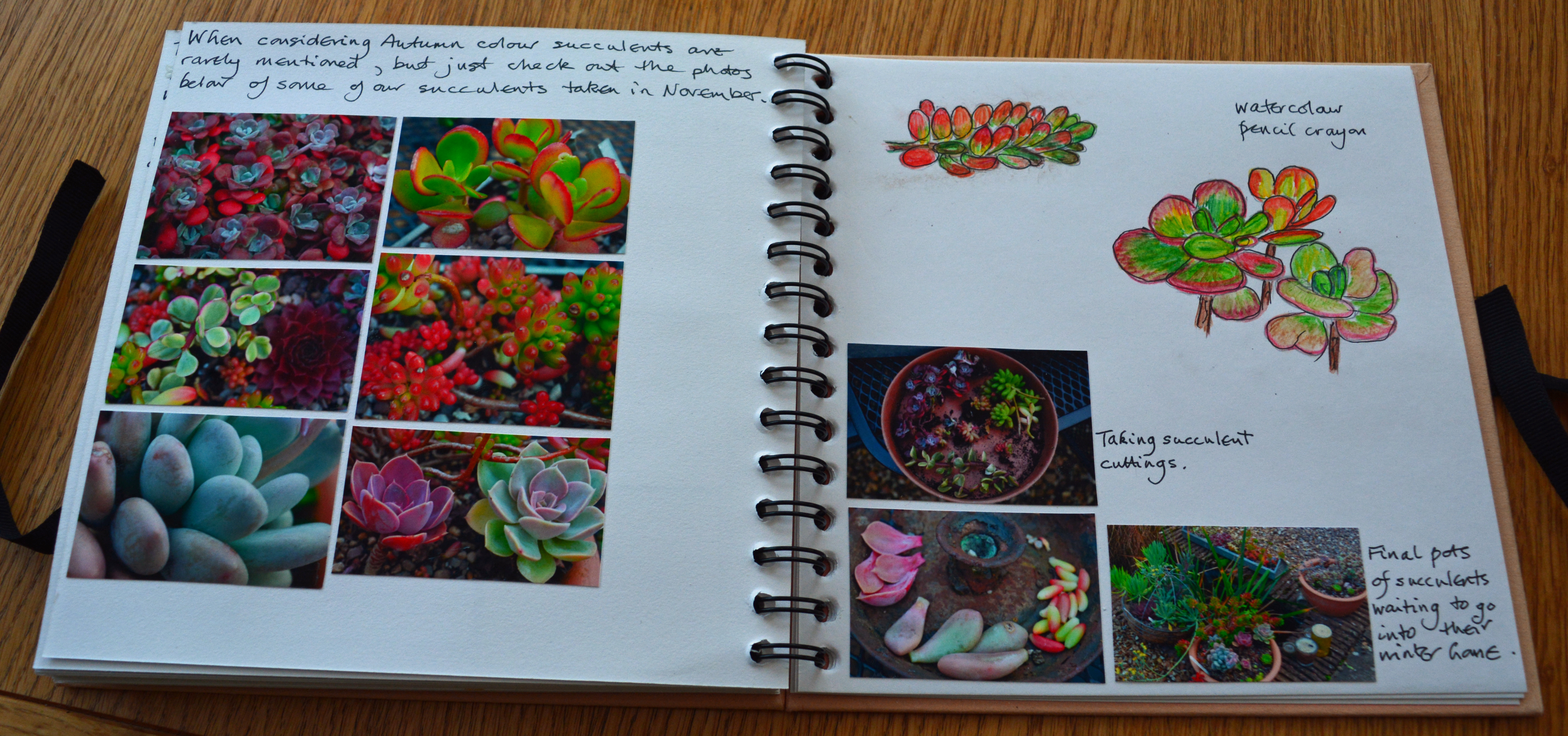
Turning over again I take a look at succulents, plants rarely mentioned in the context of the autumn garden.

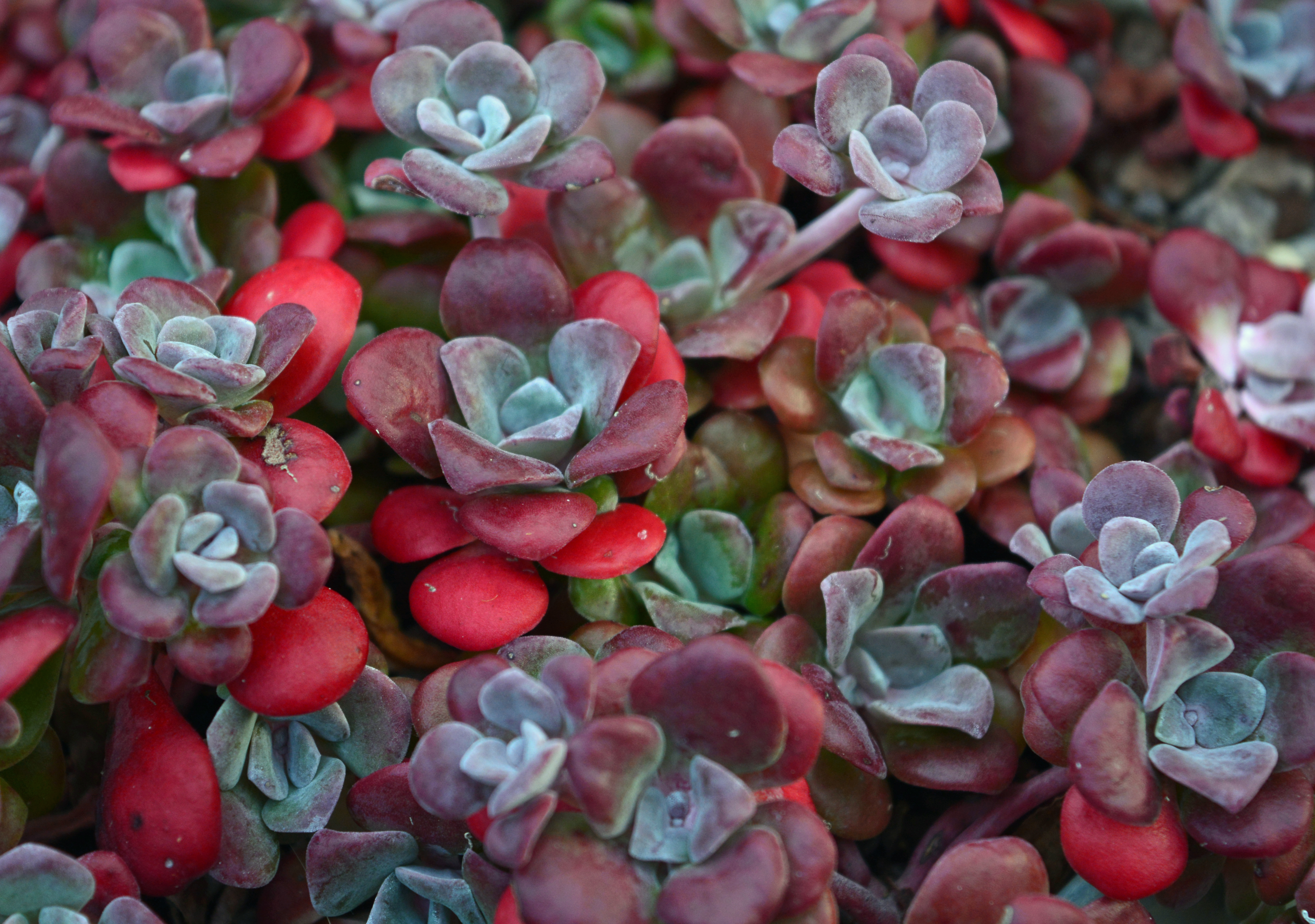
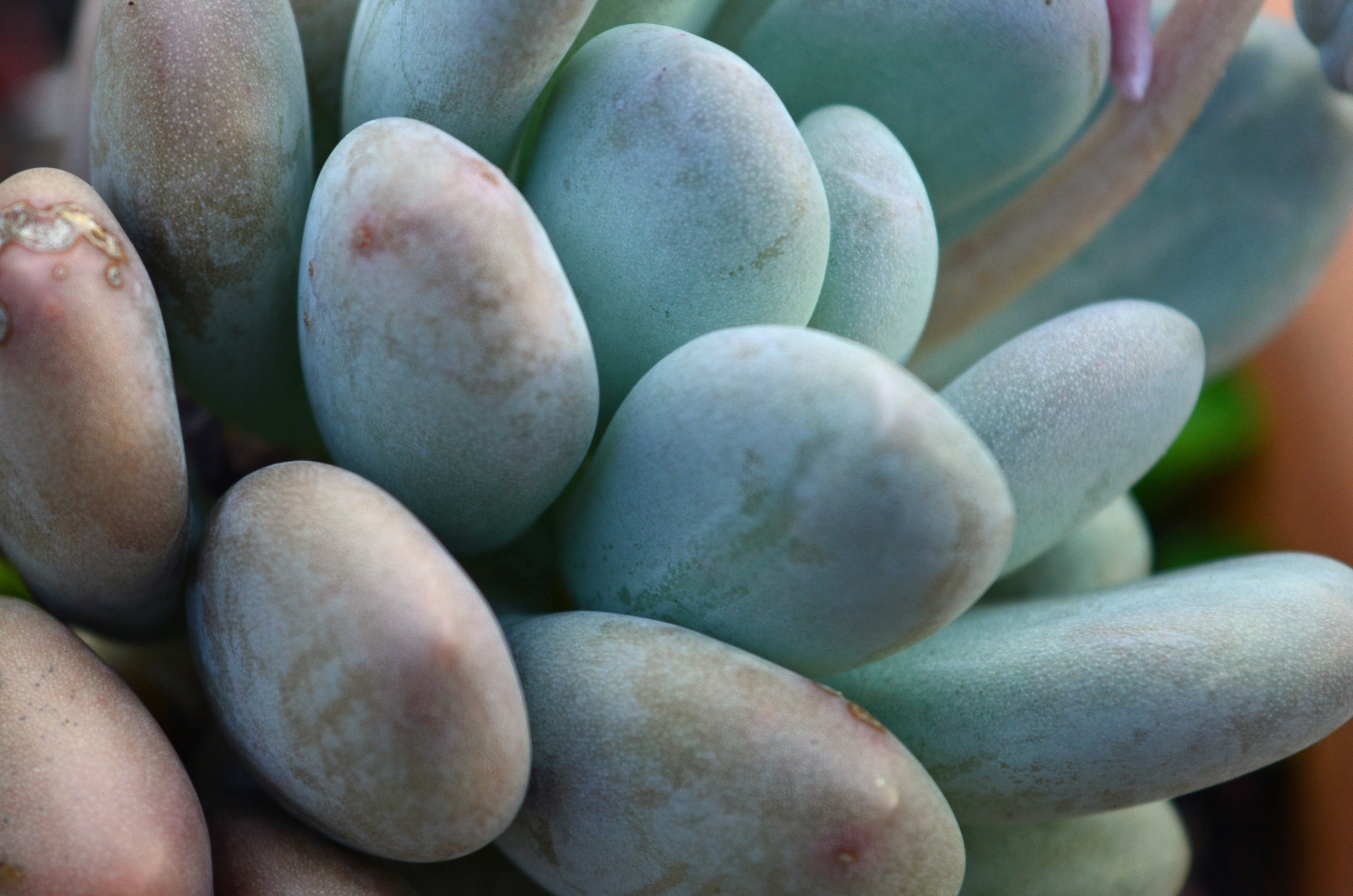
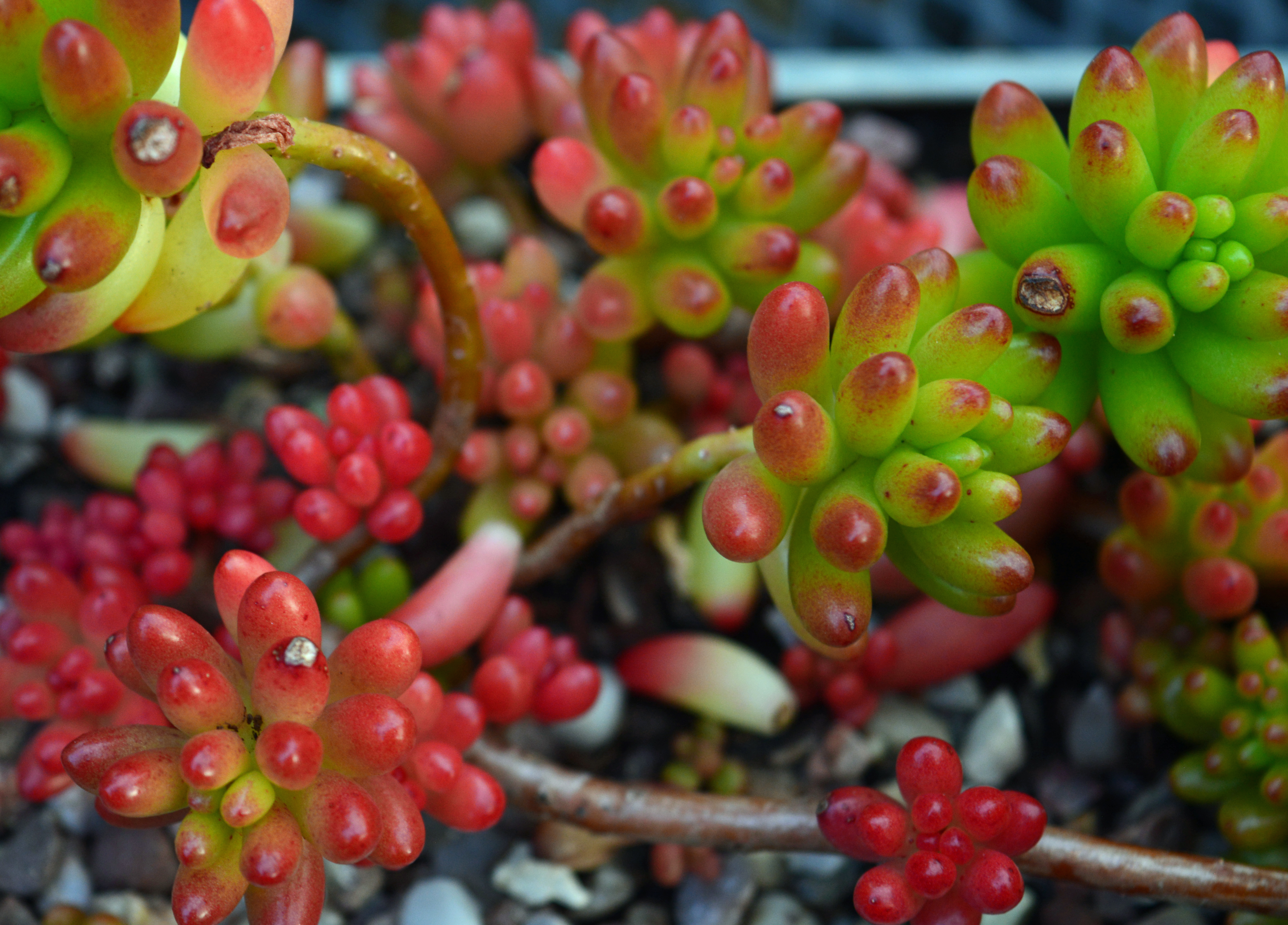
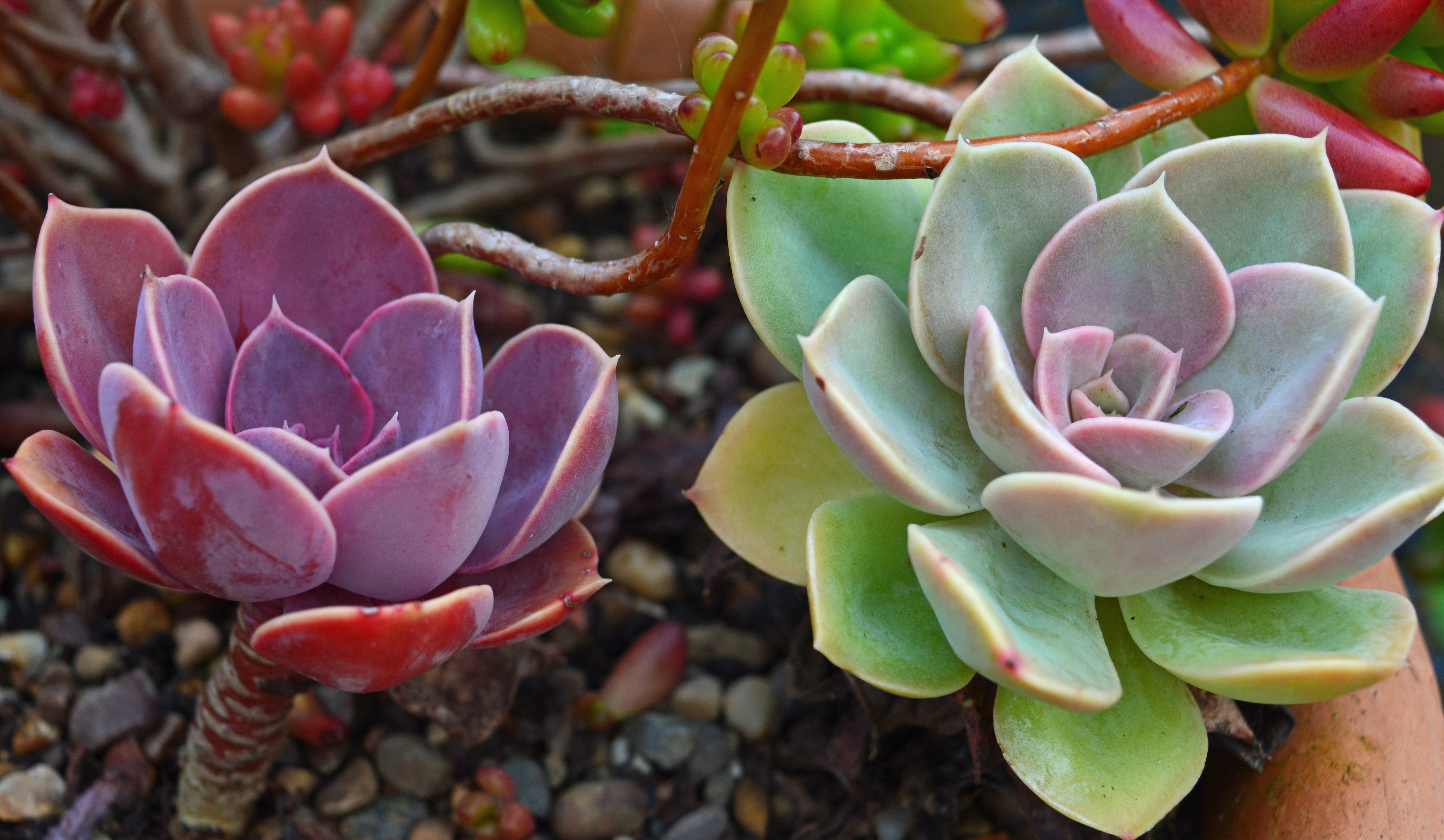
“When considering Autumn colour, succulents are rarely mentioned, but just check out the photos below of some of our succulents taken in November


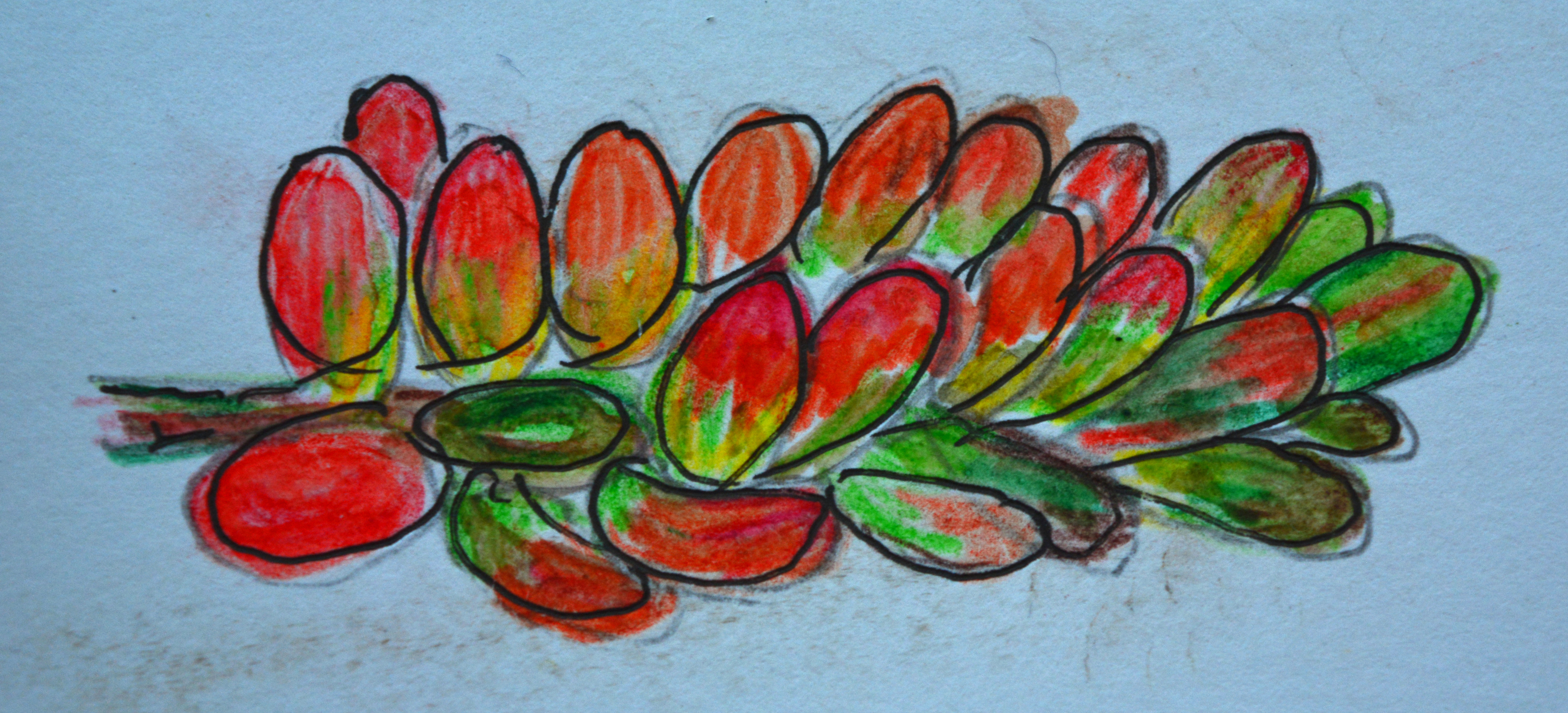
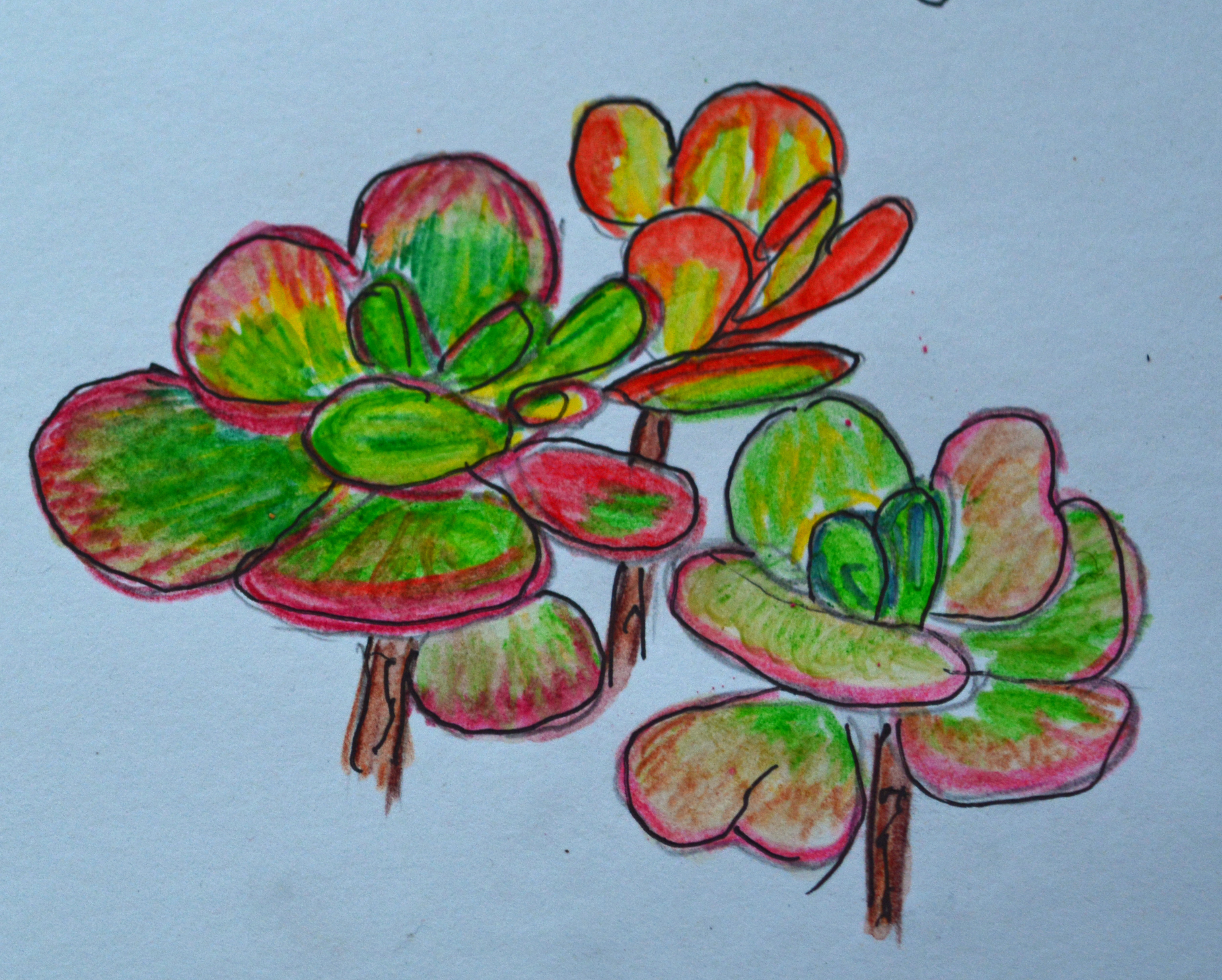
Below are my paintings/drawings of two multi-coloured succulent stems which I created with water soluble pencil crayons.

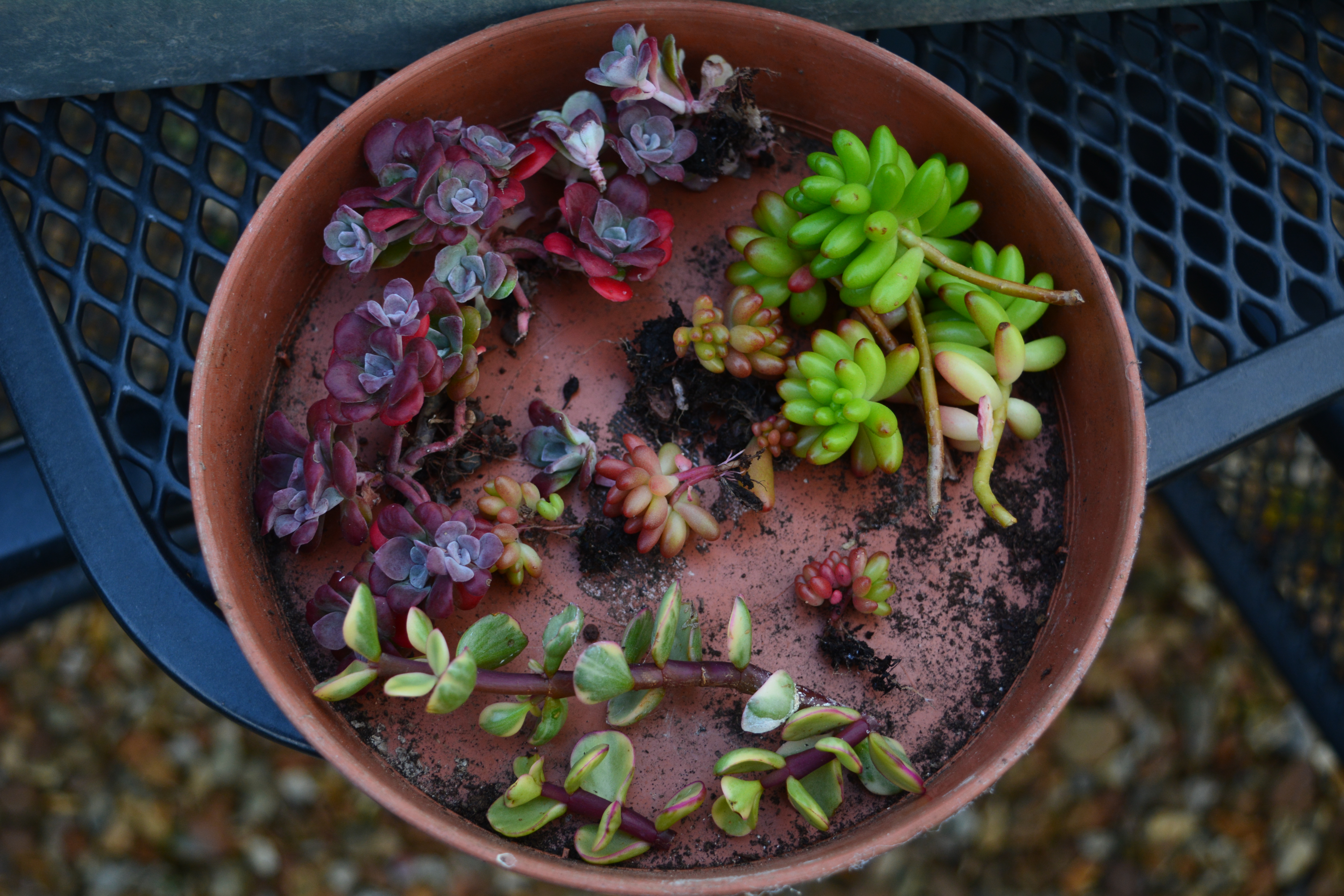
“Taking succulent cuttings.”


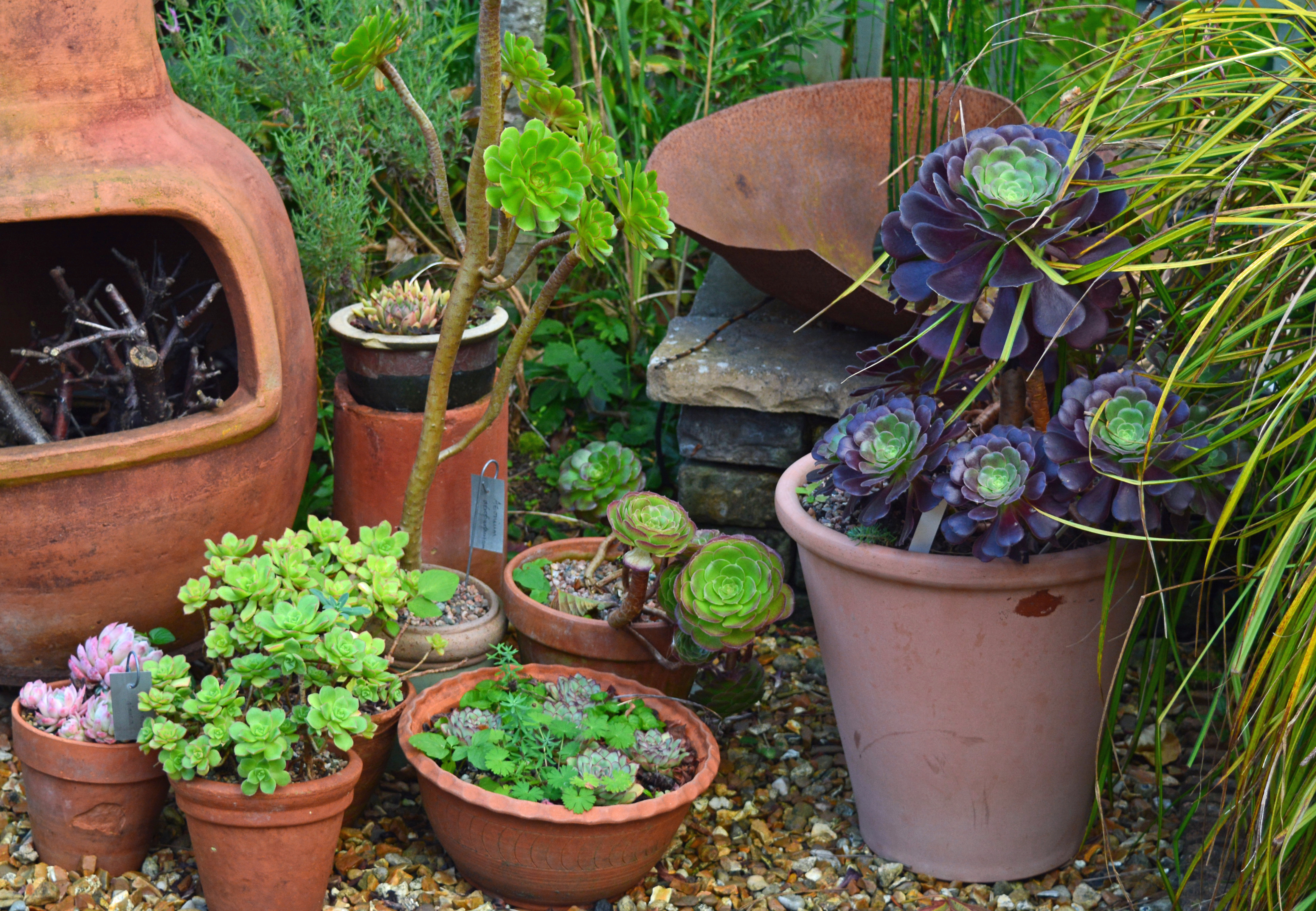
“Final pots of succulents waiting to go into their winter home.”


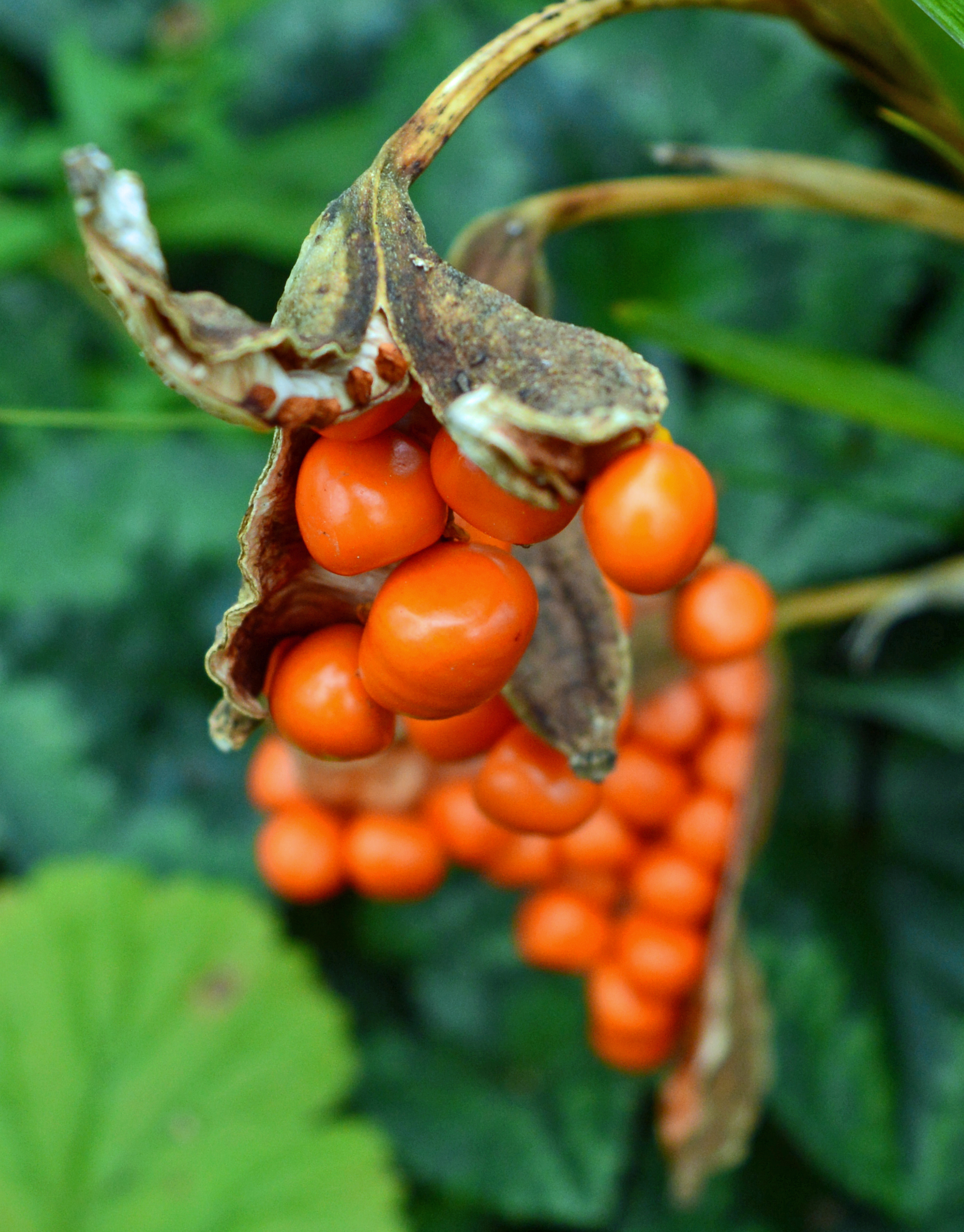
The final page of my November entries in the Garden Journal celebrates my “Plant of the Month”, which is one of only two Irises native to the UK, Iris foetidissima.


The next visit to look at my Garden Journal in 2017 will be the last one for the year, December.

Categories
colours garden photography gardening gardens gardens open to the public National Trust ornamental trees and shrubs Shrewsbury Shropshire The National Trust trees woodlands

A Walk in the Park – Attingham Park – August Part 1

As summer moved on we made our August visit to Attingham Park for our monthly walk in the park. We decided to follow the Mile Walk in reverse for a change of view and as we were expecting rain later in the afternoon we kept to the shortest trail that we take. This turned out to be a wise decision because the rain started to fall when we had just a 5 minute walk back to the carpark. Our luck was in!

When we arrived we struggled to find a parking space as it was so busy being a mid-summer weekend afternoon but we found out later that it was also weekend when a special event was taking place, a Family Spectacular.

We decided to follow the One-Mile Walk in the opposite direction than the way we usually take and indeed against the signs. We are always amazed how following a path through a garden or the countryside in a reverse direction presents whole new experiences.

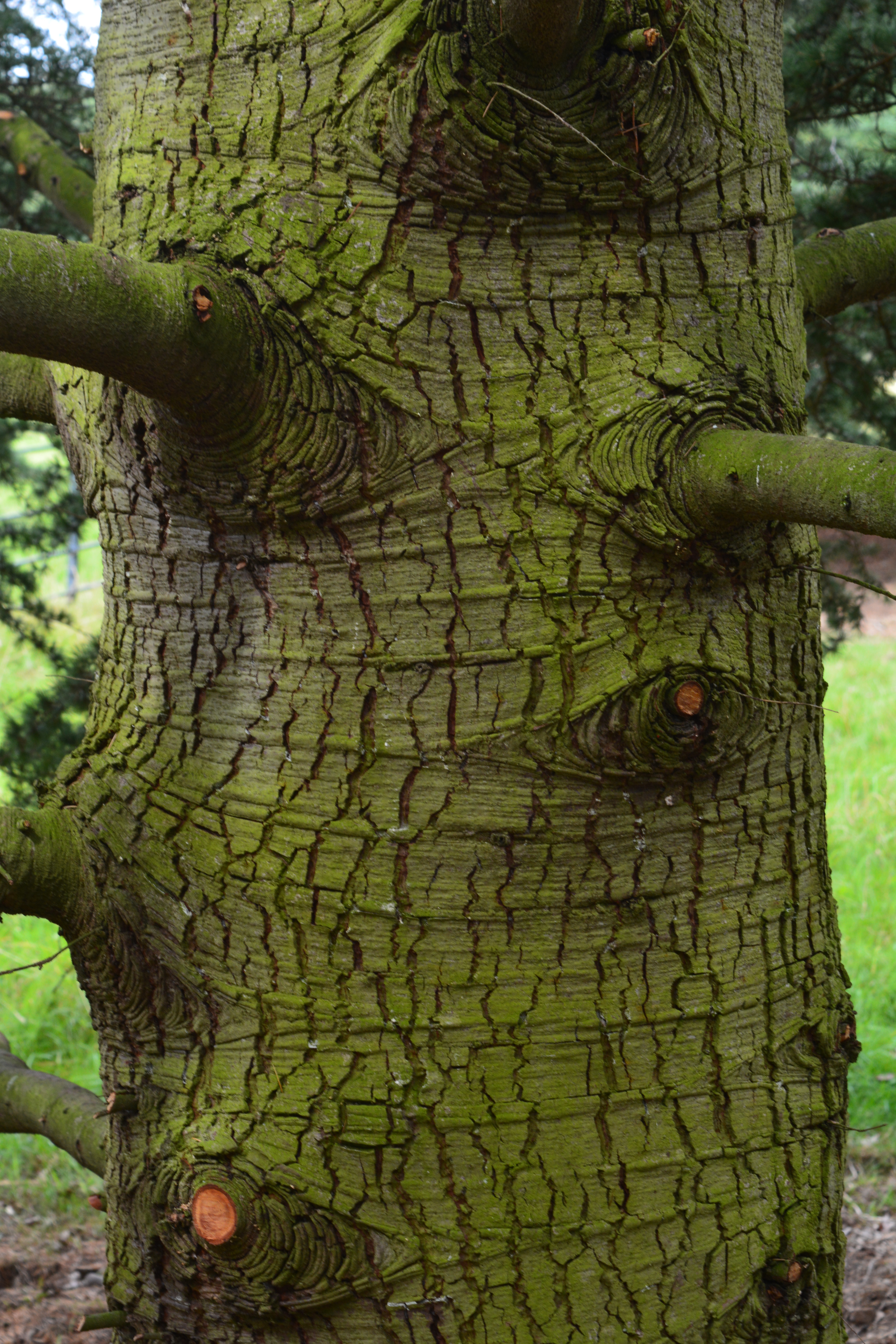
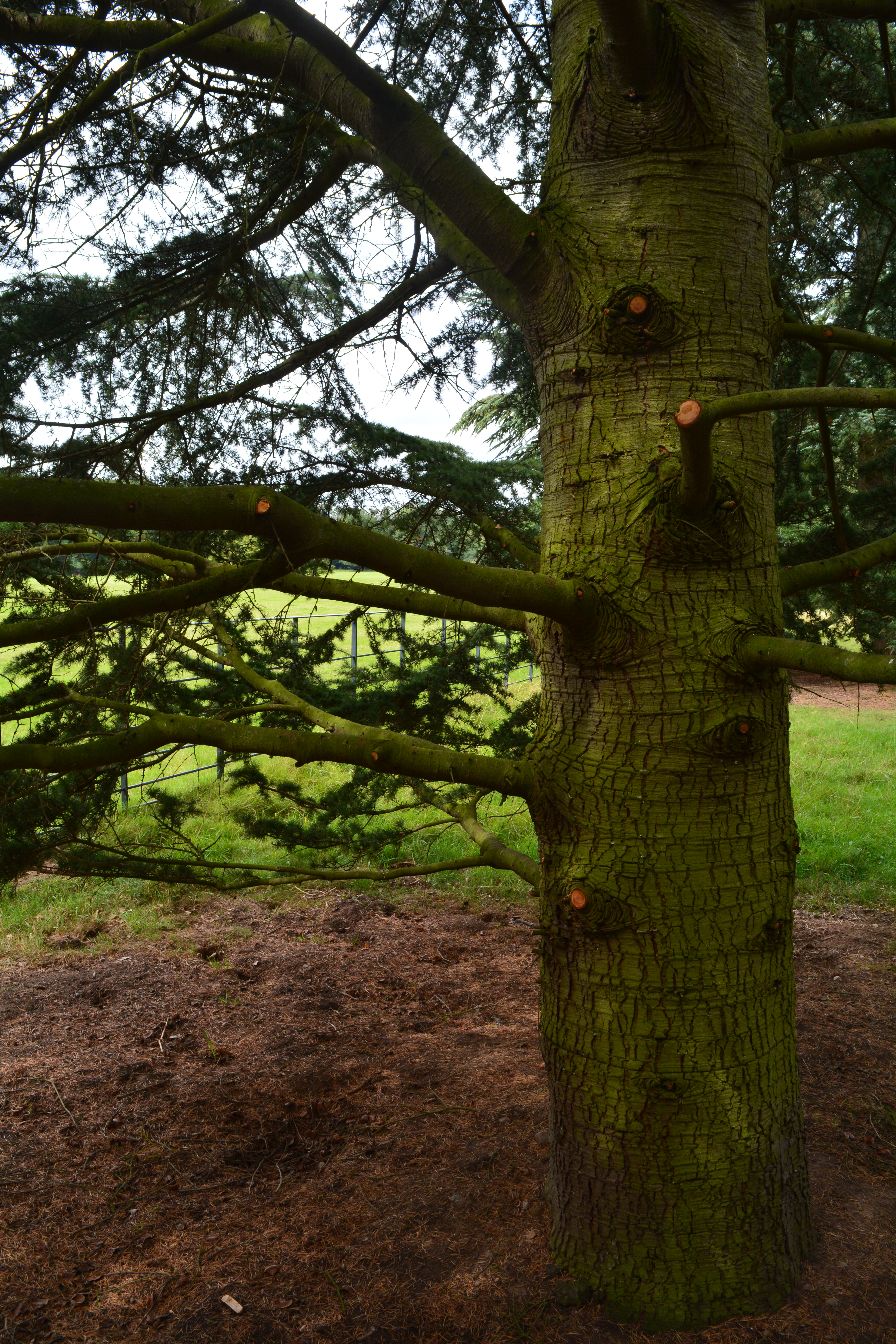
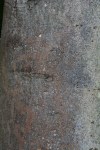
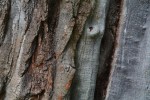
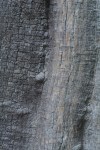
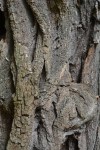
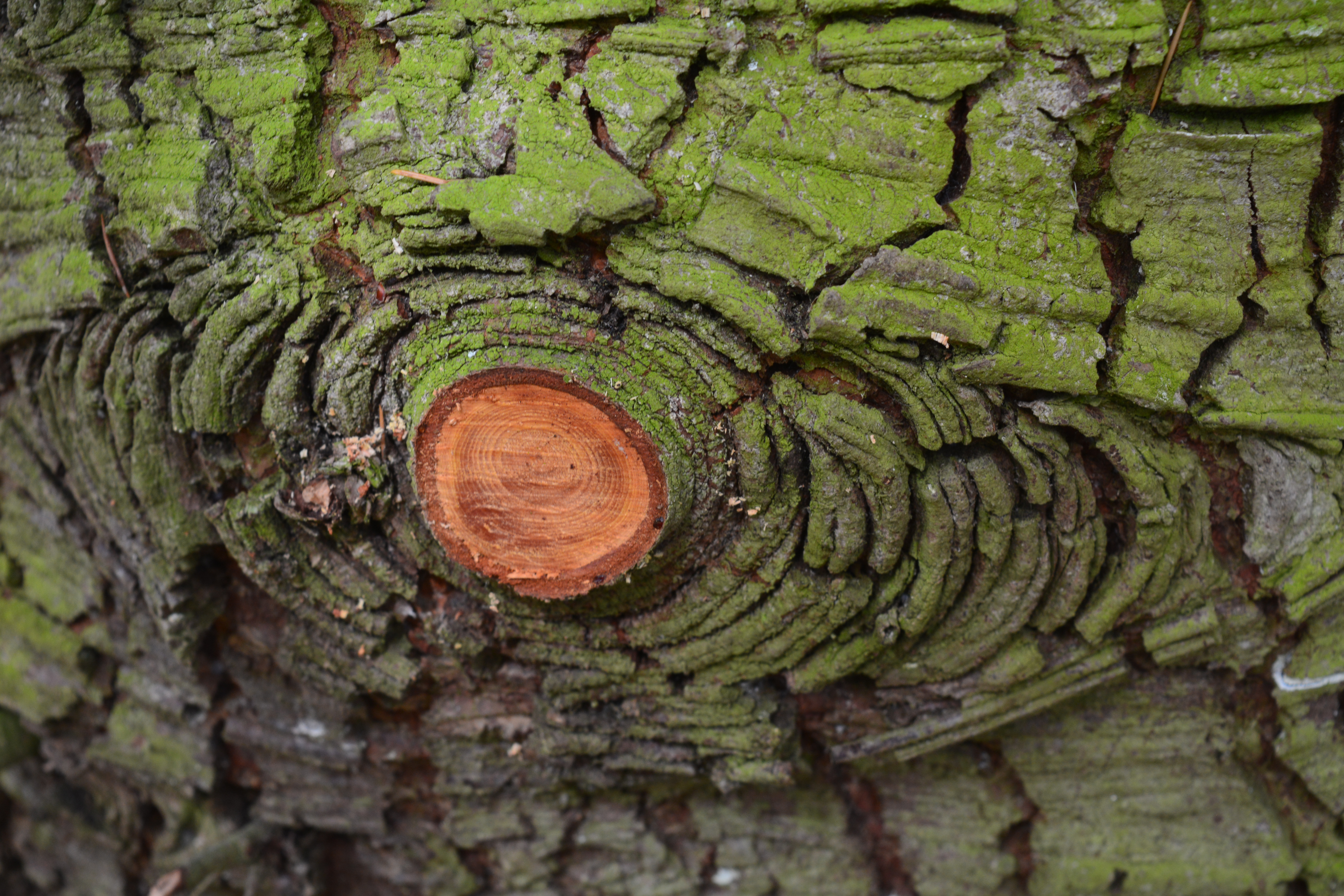
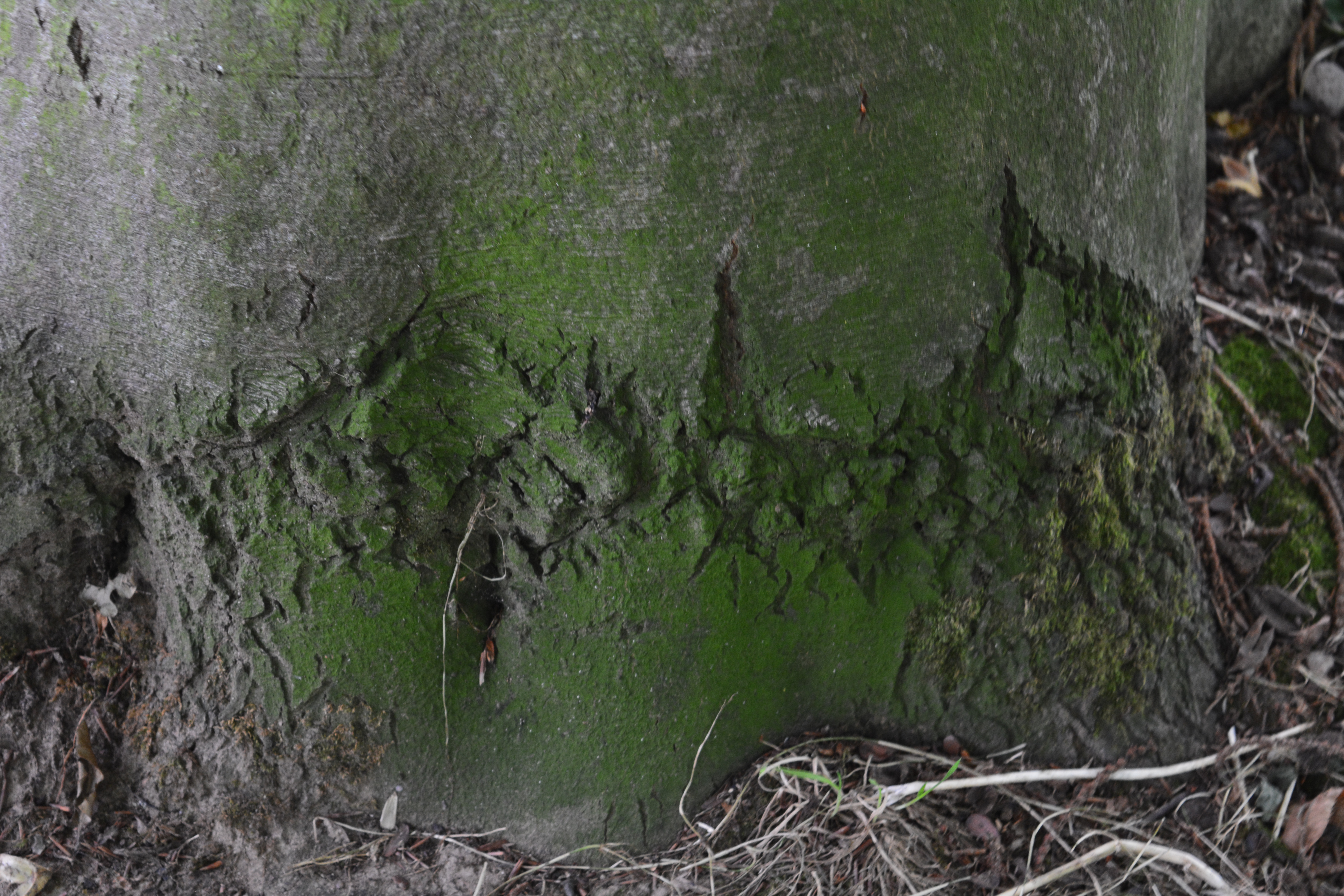
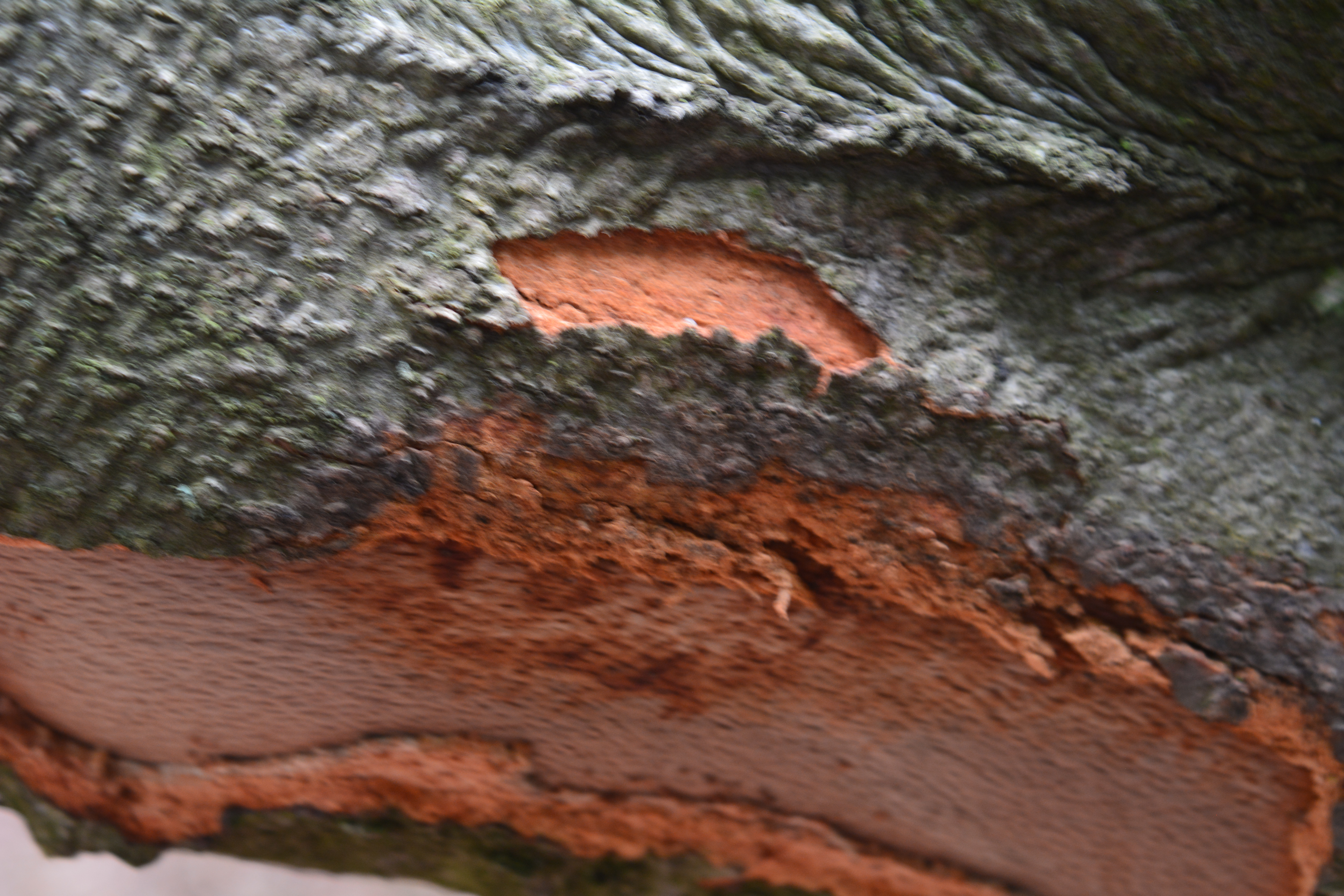
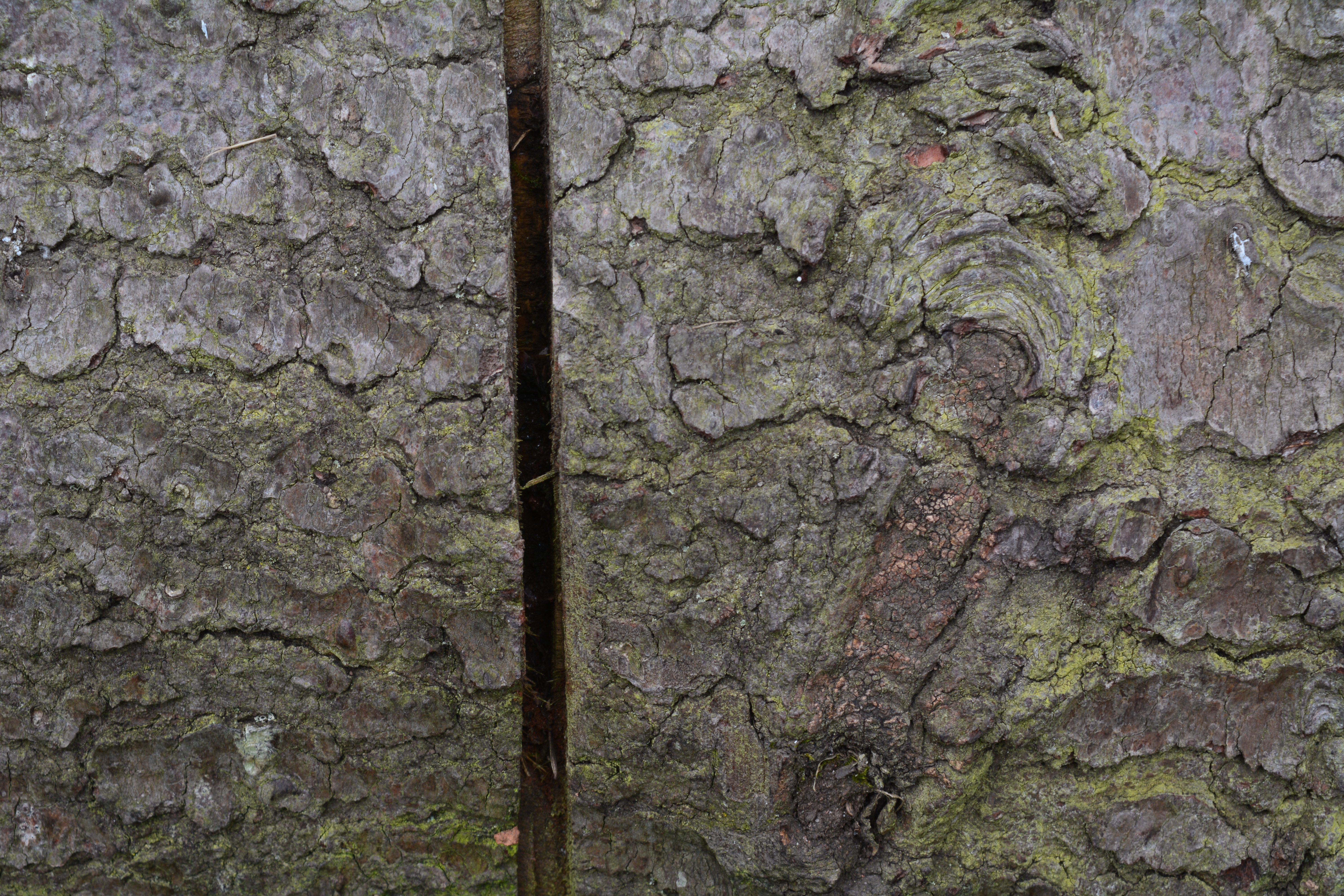
What struck us most as soon as we started the walk was the way the texture of tree bark was standing out. This mighty conifer was right at the start of our walk and showed it perfectly.


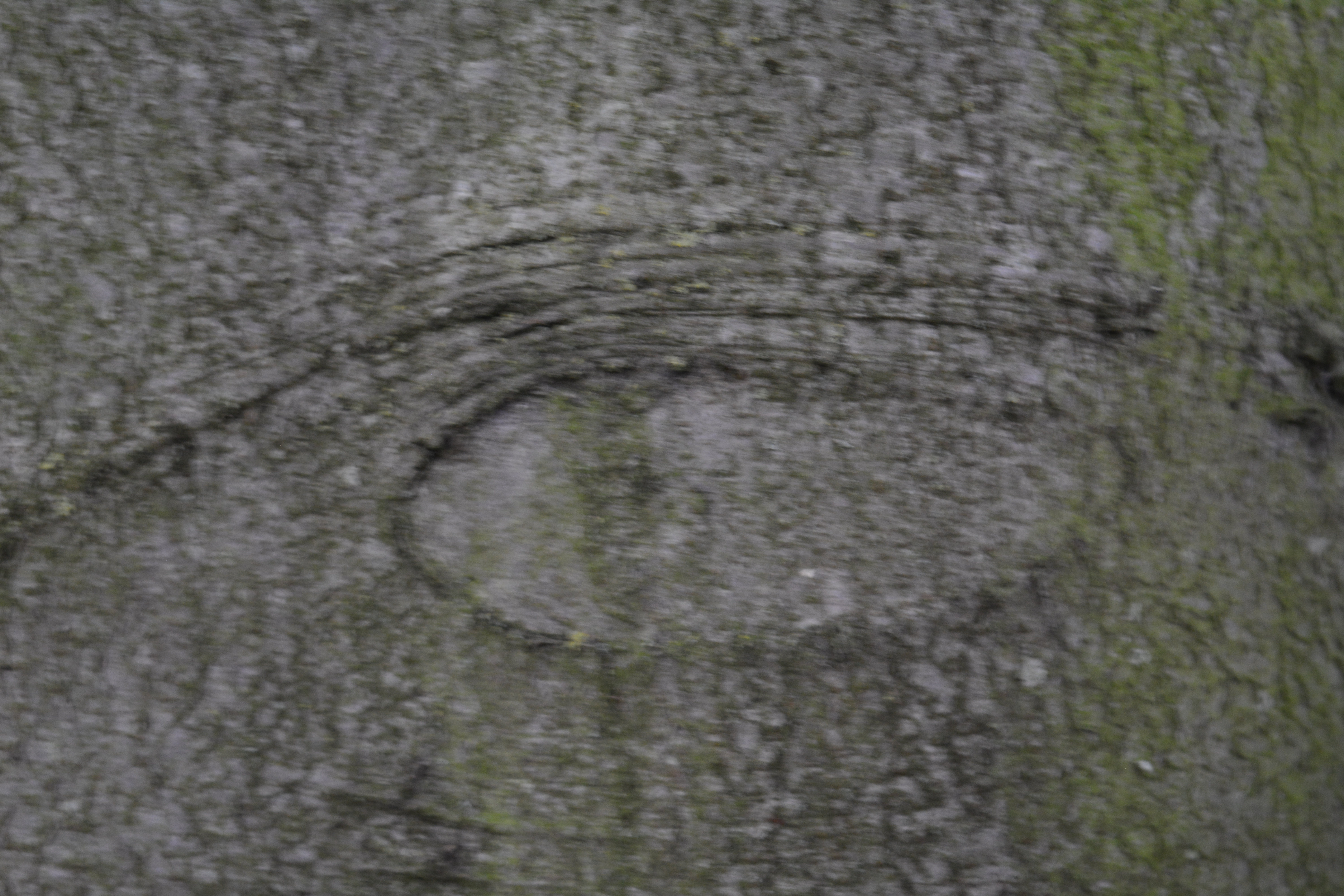
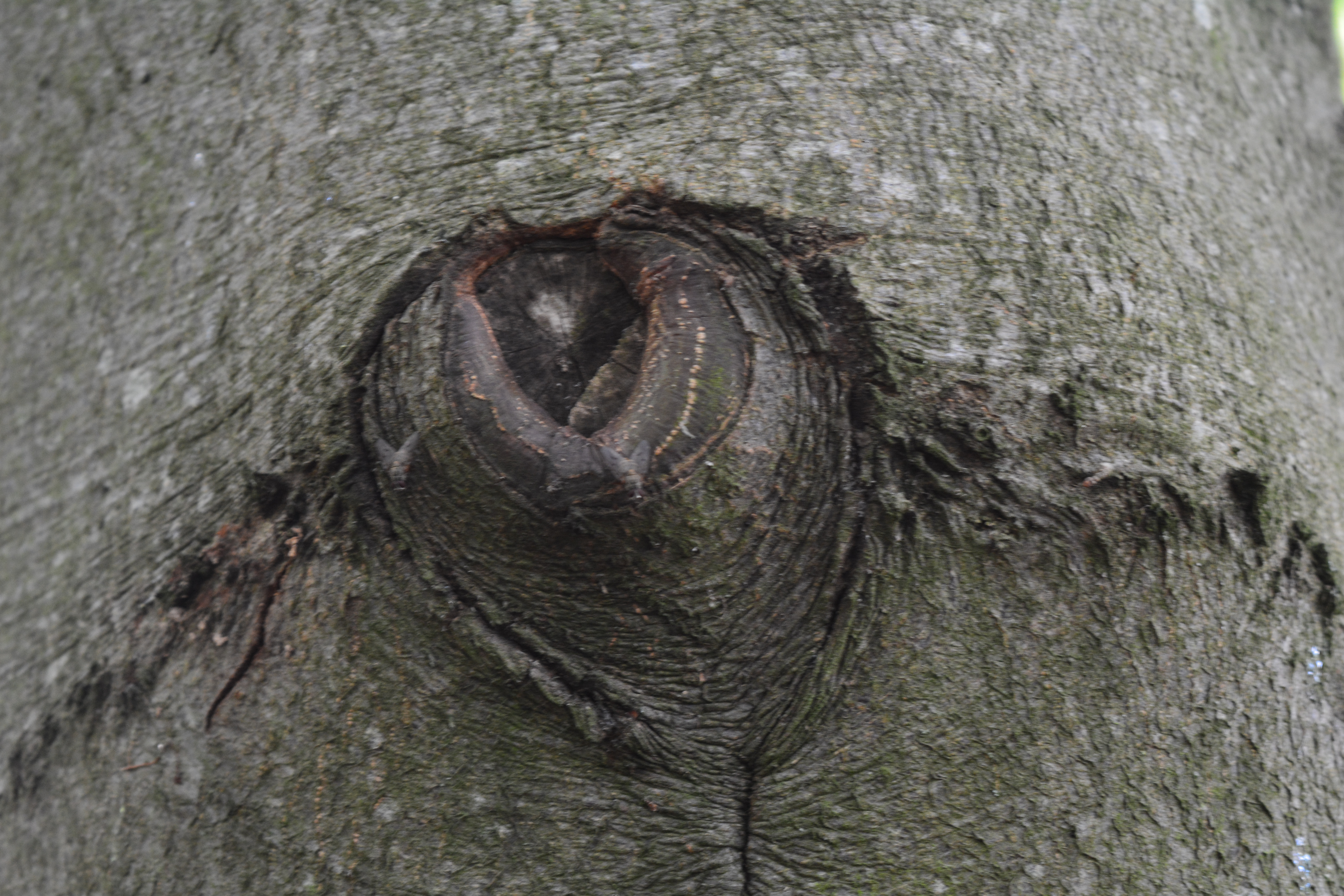
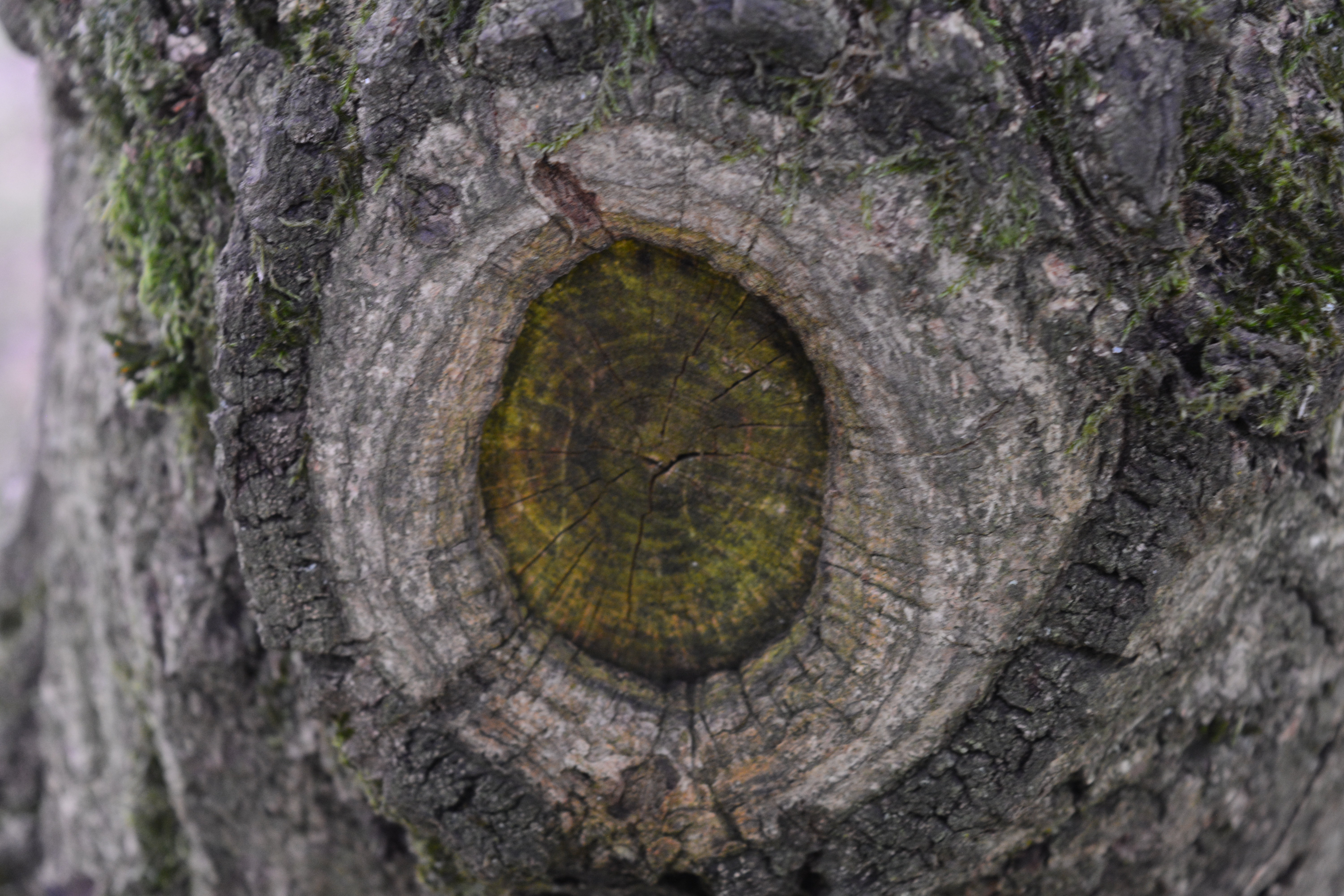
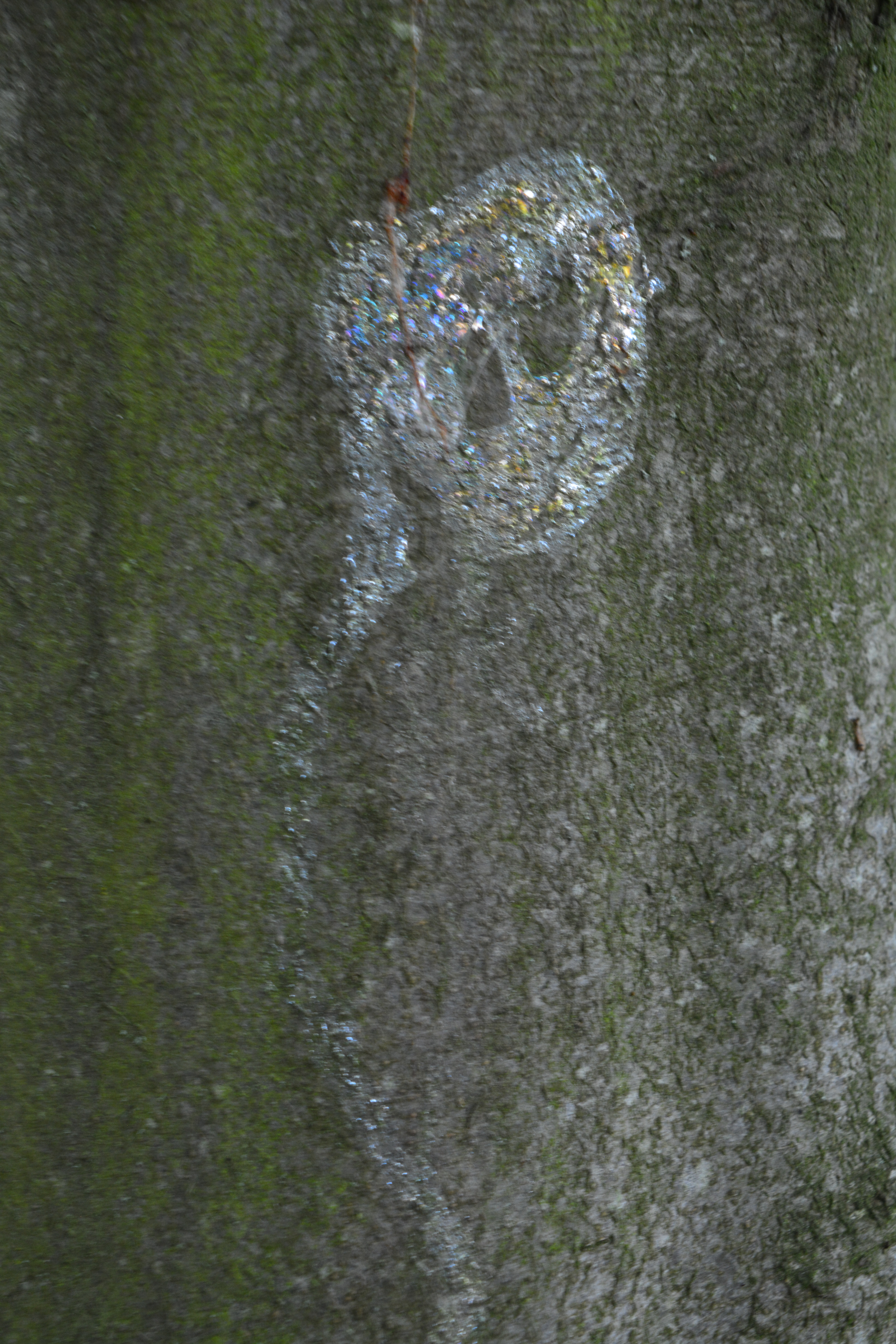
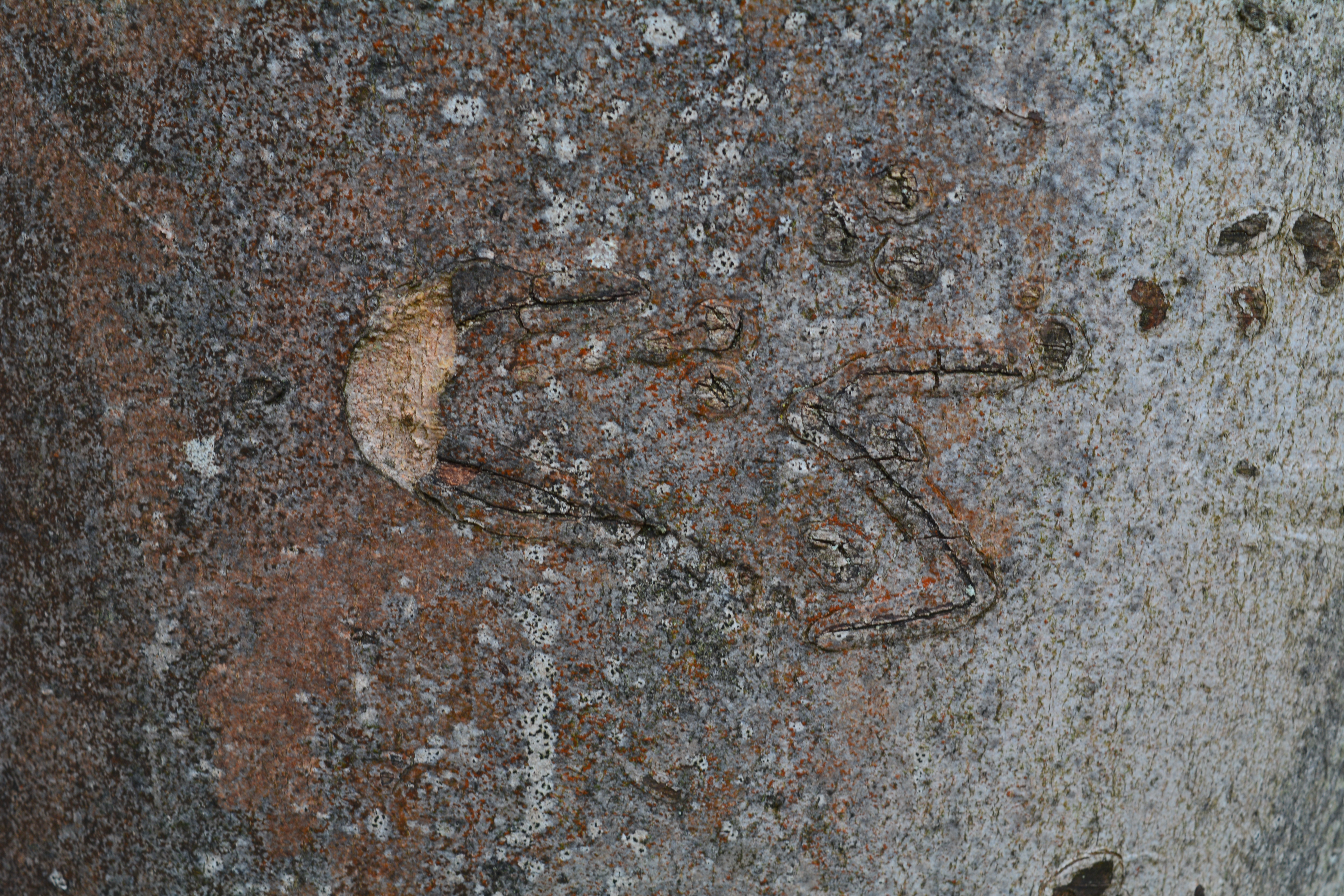
We also began to identify the shape of eyes on tree trunks where side boughs had fallen or been removed. This can be seen below in that same tree.

I will now share my texture photos with you in the form of a gallery and we can look at how much variety of texture and pattern we managed to find.

The almost circular scars left as a bough breaks away from the main trunk often form eye-like shapes, and on this walk we seemed to see so many. Enjoy a little selection below.


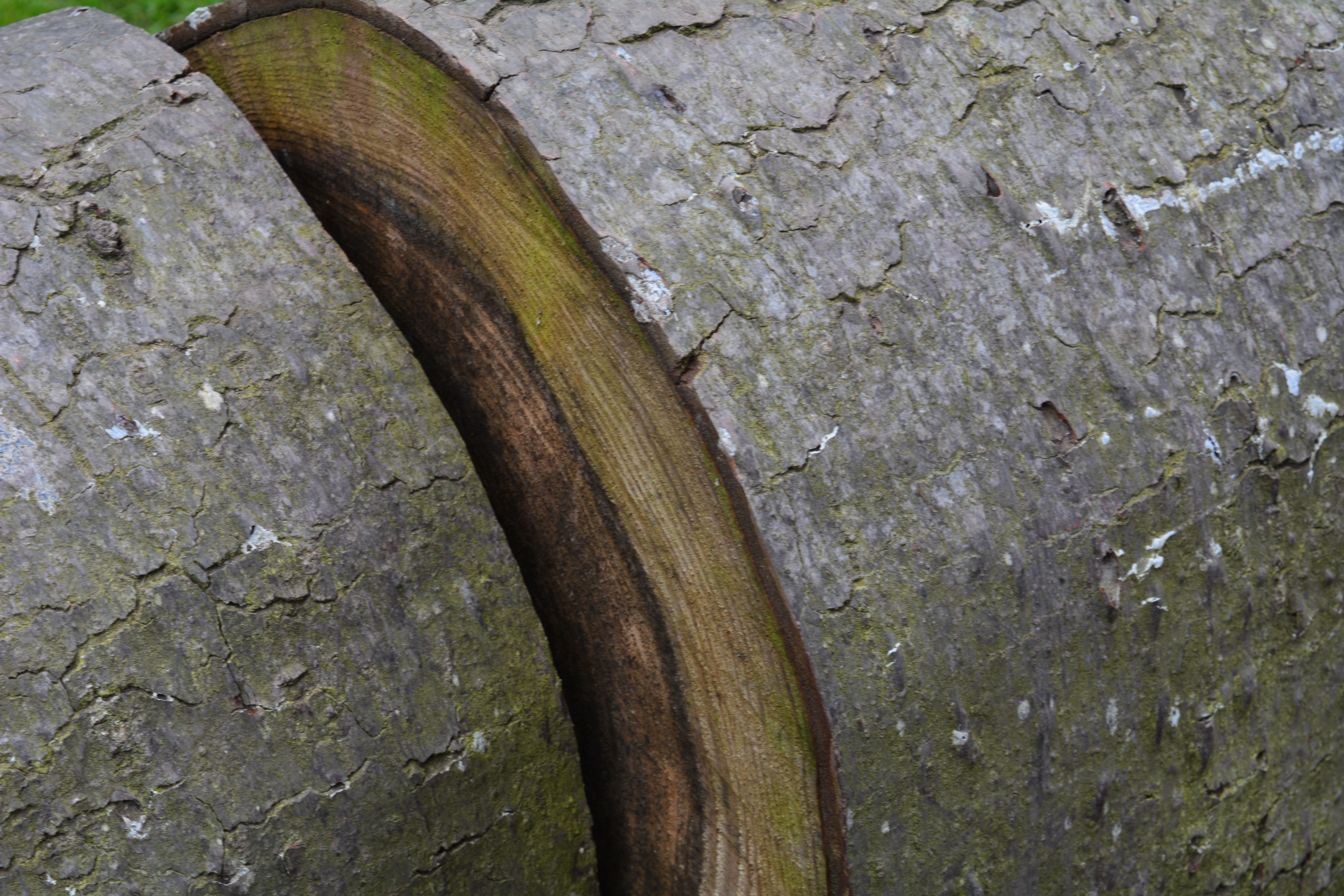
As we searched tree trunks for “eyes” we began to find other shapes and colours as well, some from Lichens and some created by the hands of woodsmen or gardeners. I will leave it up to you to work out how these creations happened.


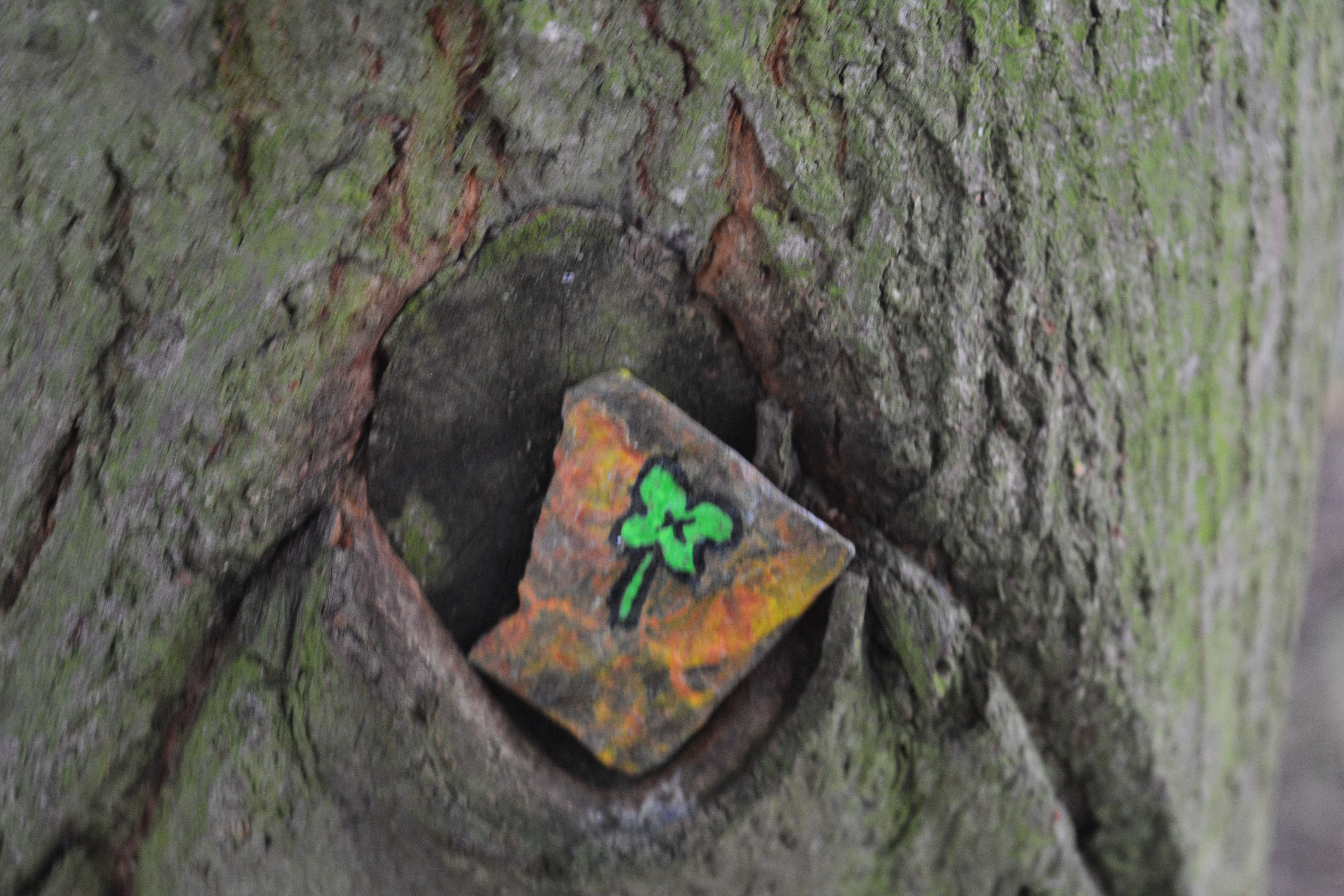
An added and very unexpected element to our August visit was the discovery of painted stones. This stone decorated with a beautiful little flower we found in a scar of a tree and wondered what it was doing there. We soon discovered the answer by turning the stone over where we were advised to check out “Shropshire Stones” on Facebook. If you want to know more check it out.
   

Continuing on the creative front we made another interesting surprise discovery as we wandered through the children’s playing field on our way to the orchard and walled garden.

The Walled Garden was so colourful with the main feature being the flowers. We will look at the surprise in the playing field and the walled garden in Part 2.

Categories
fruit and veg garden buildings garden photography gardening gardens gardens open to the public grow your own hardy perennials kitchen gardens National Trust ornamental trees and shrubs Shrewsbury Shropshire shrubs The National Trust walled gardens walled kitchen gardens woodland woodlands

A Walk in the Park – Attingham Park July

Here we are back at Attingham Park for another wander, this time to see what is going on in the walled garden and woodland pleasure gardens in July.

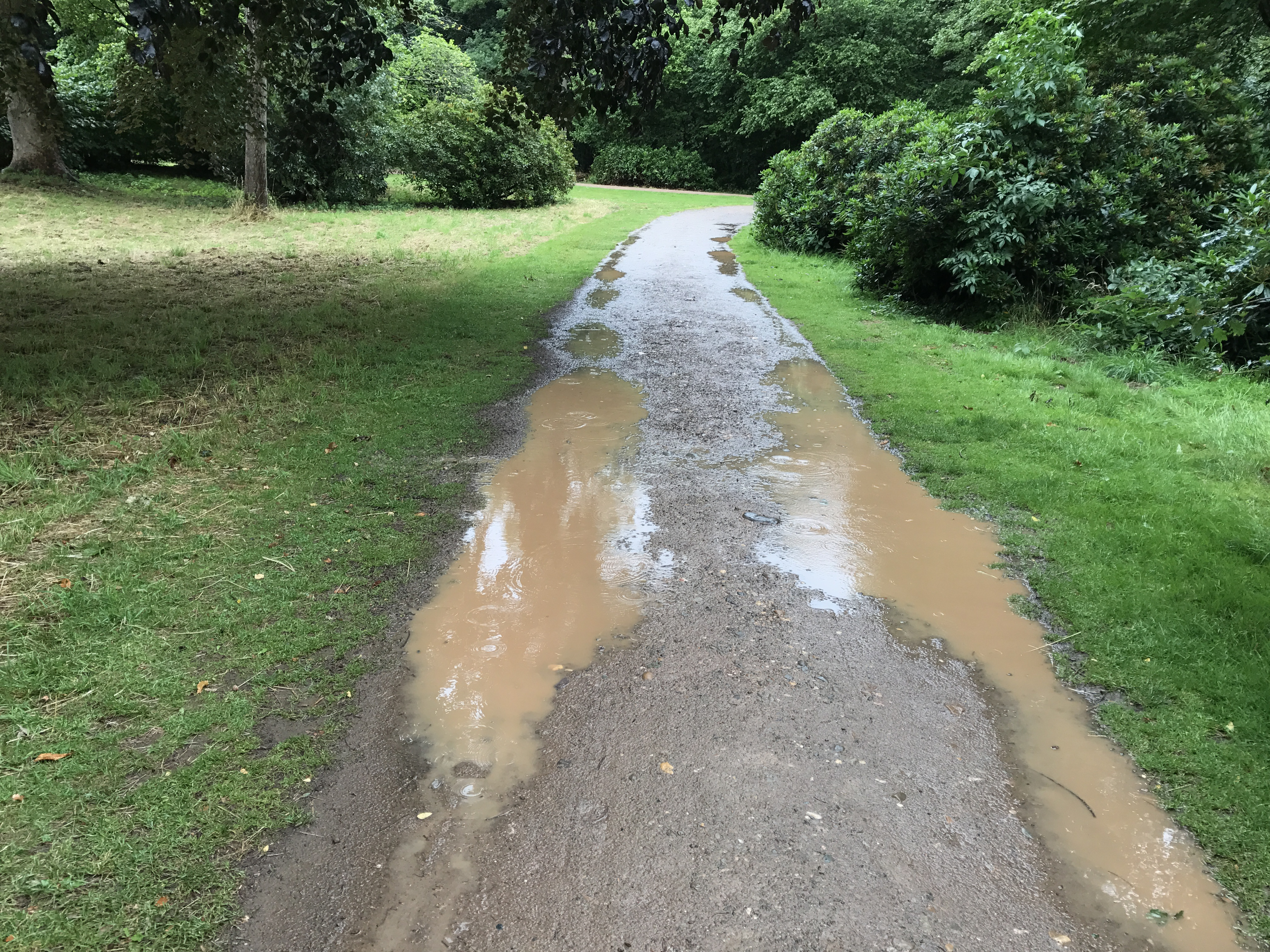
We arrived in the rain and carried on regardless. Foliage was glossy with moisture because of the steady drizzle, and large puddles had formed on the path.


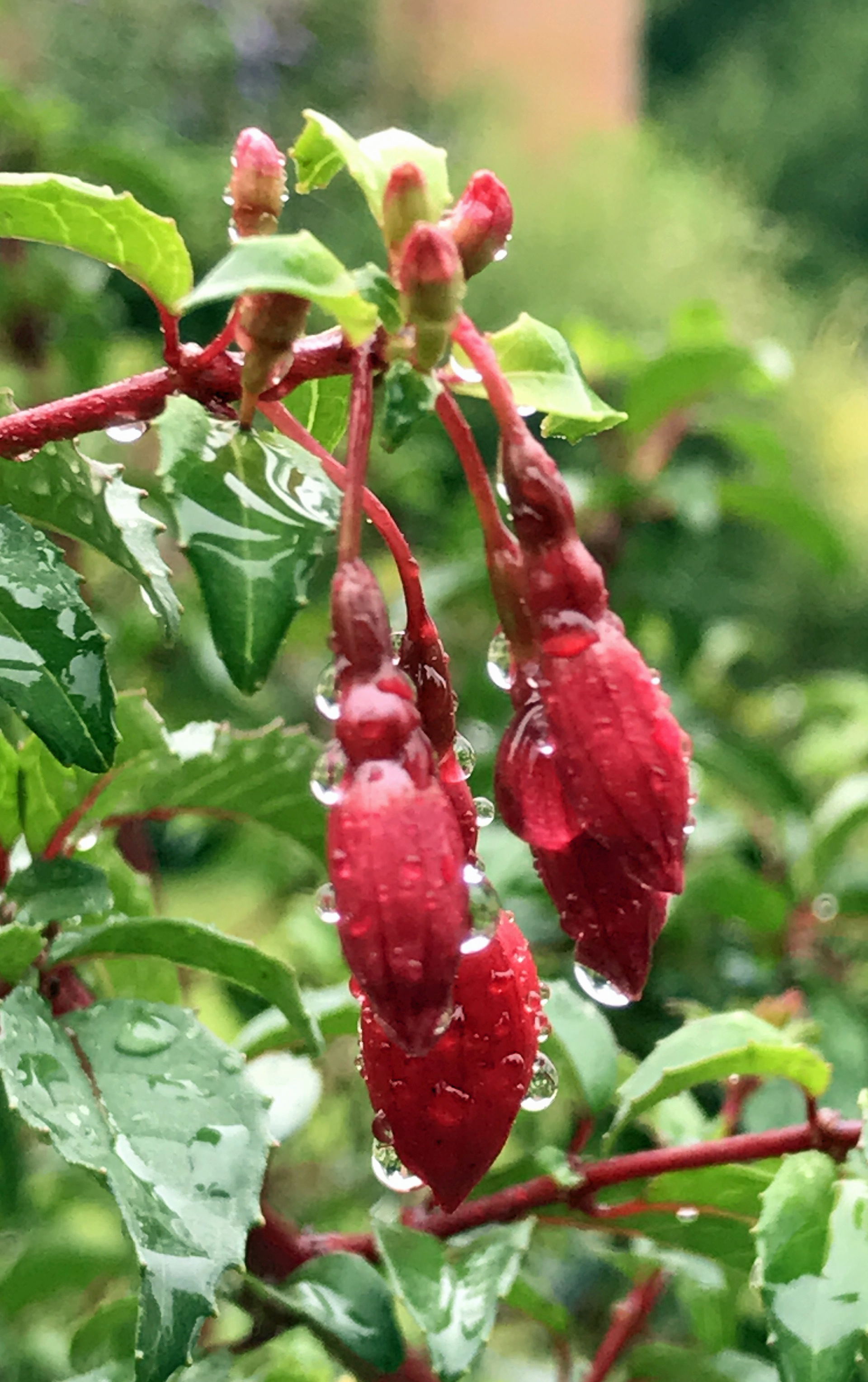
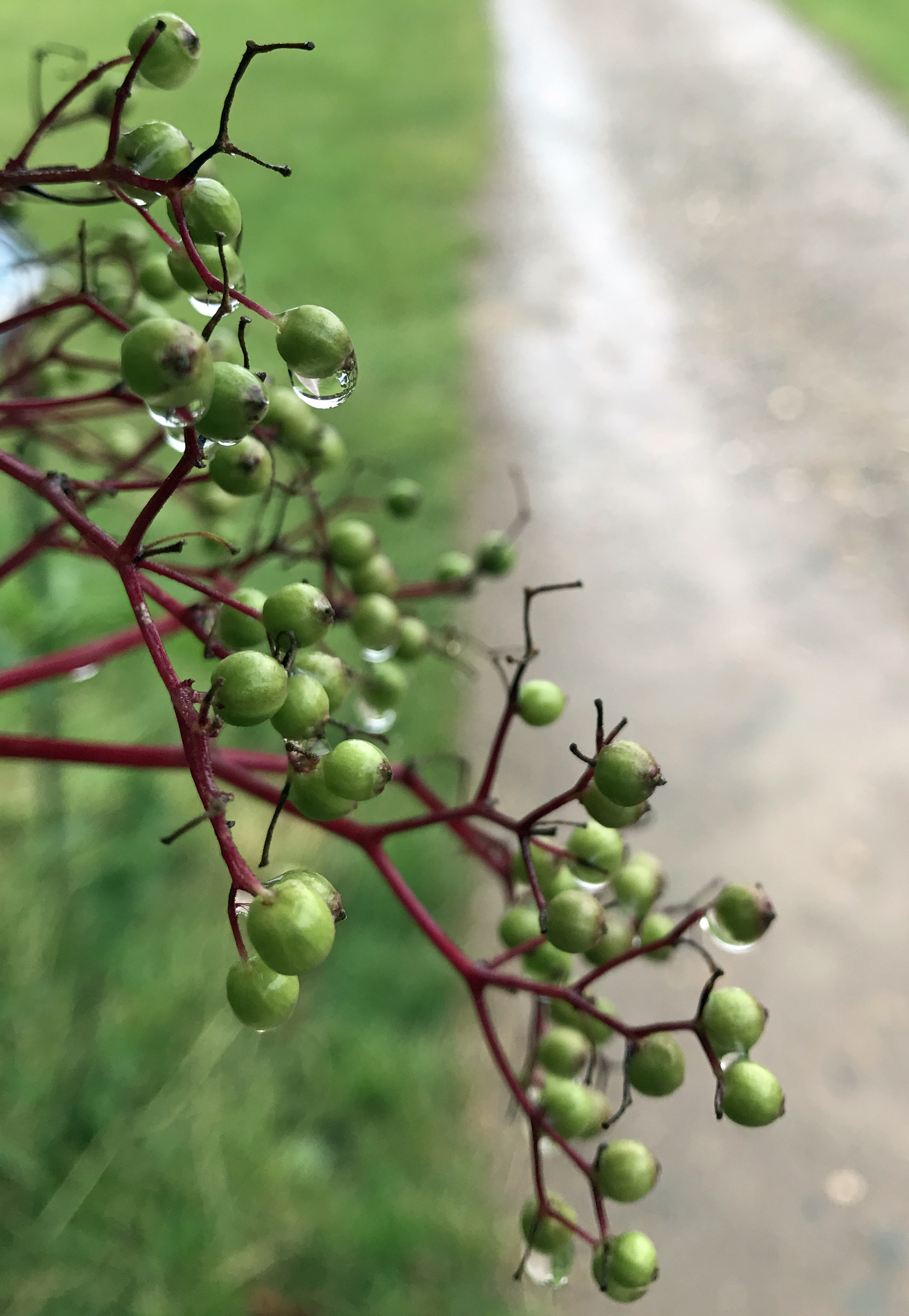
The gardener’s cottage garden gave a little colourful cheer to the day, and water droplets hung on flowers and berries. The heritage rare breed cattle in the field at the start of the track ignored the drizzle and continued tearing at the grass heads down.


The walled garden gave protection and the day began to feel a little warmer as the rain stopped.


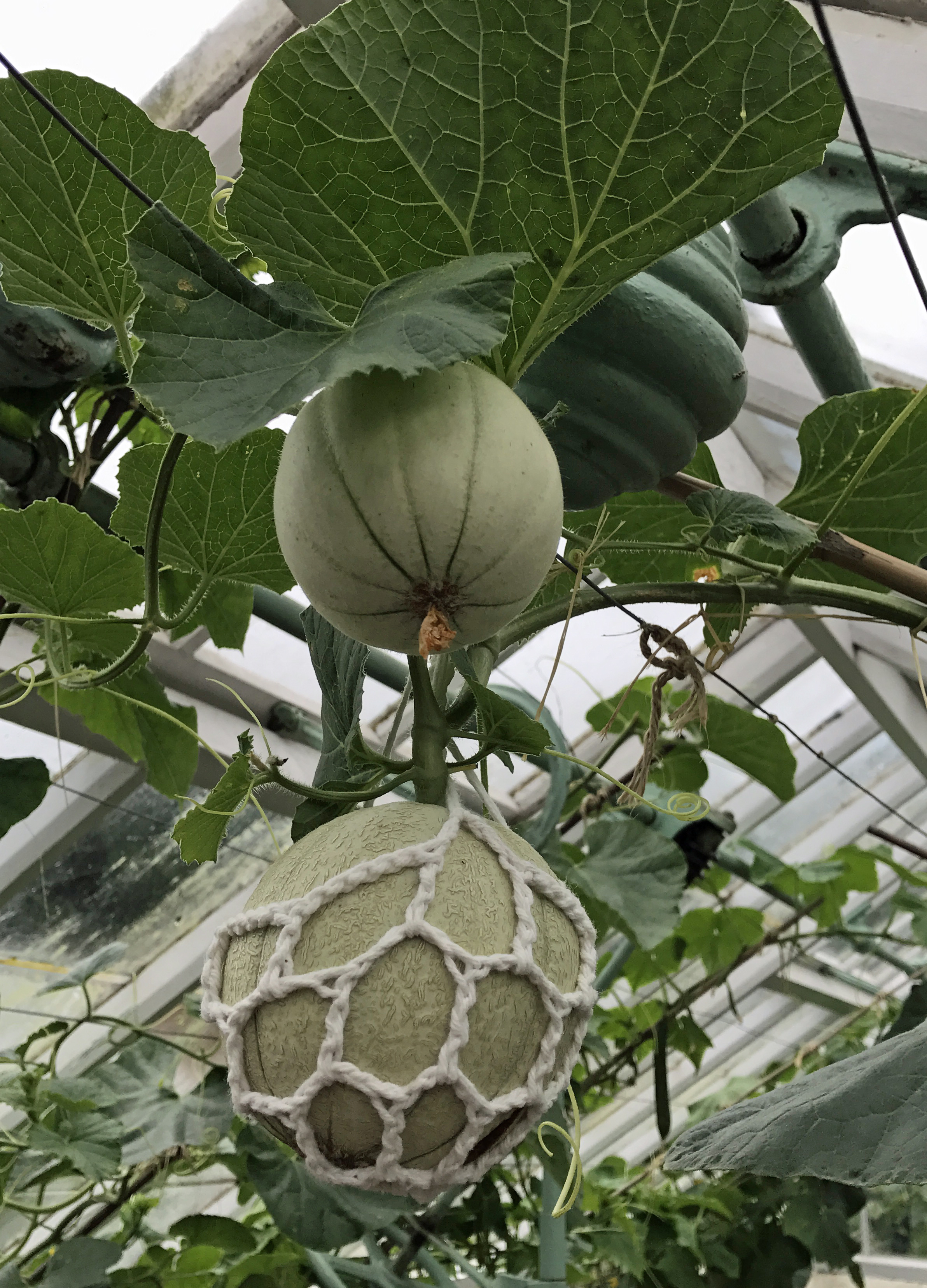
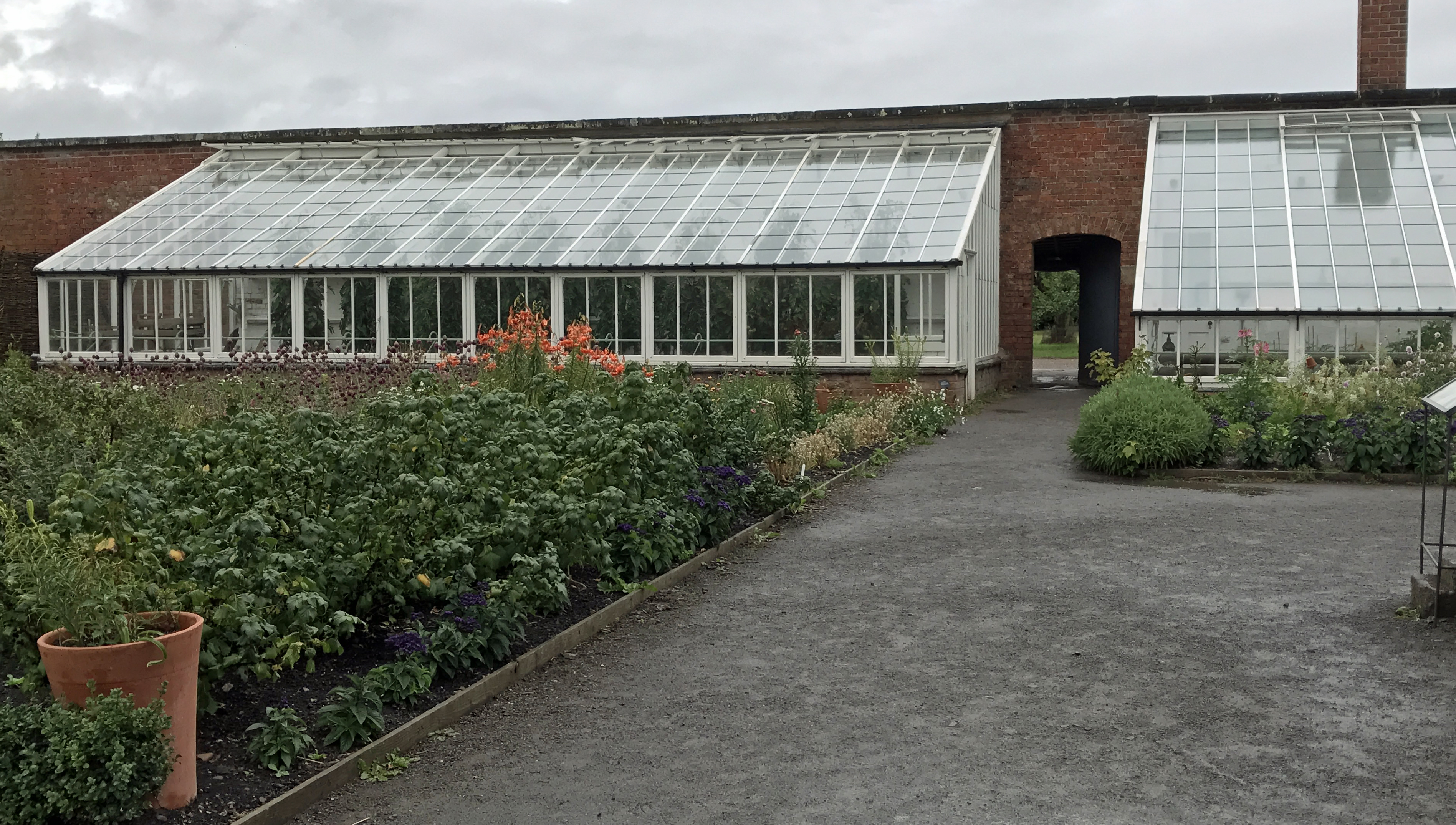
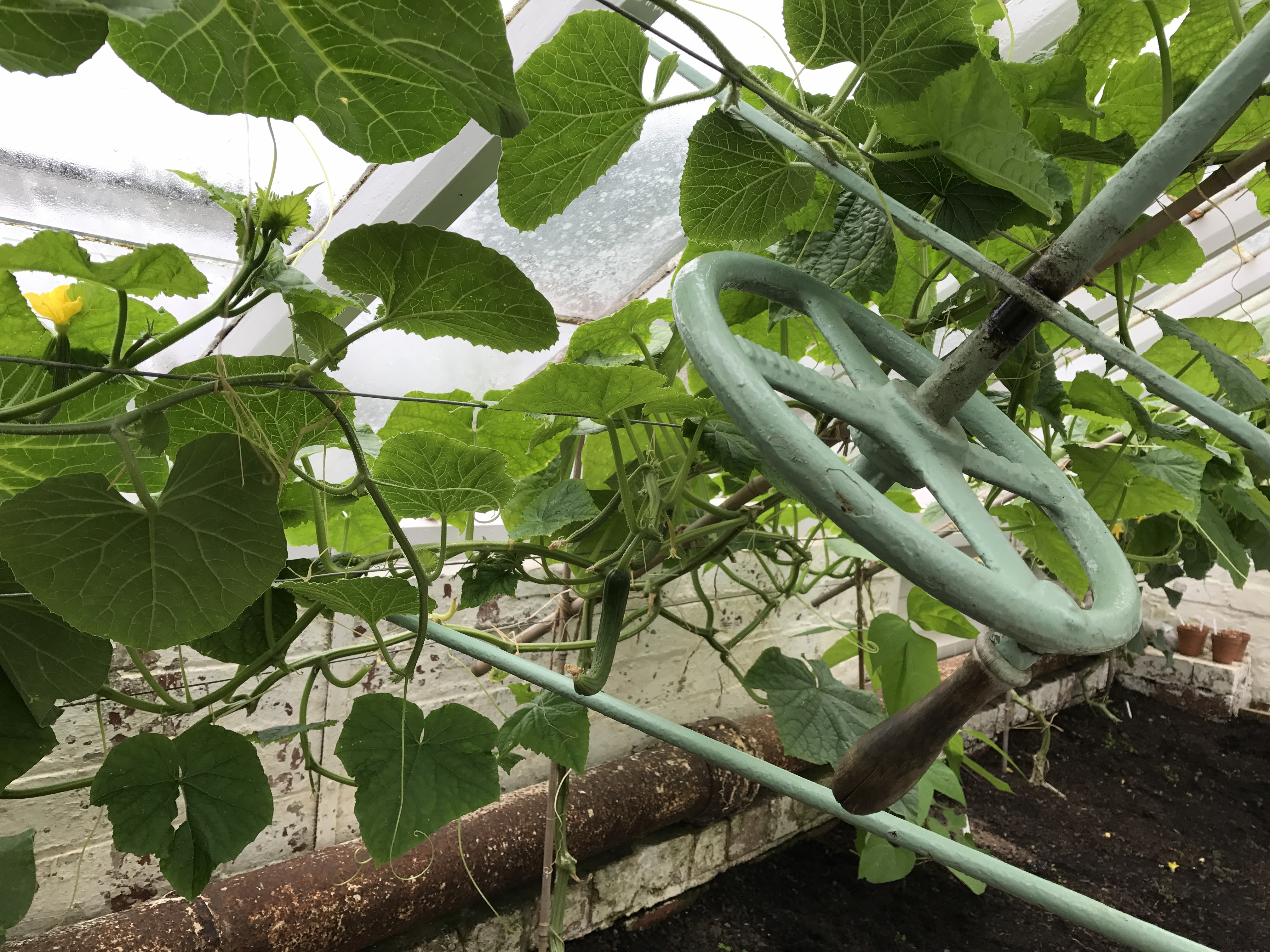
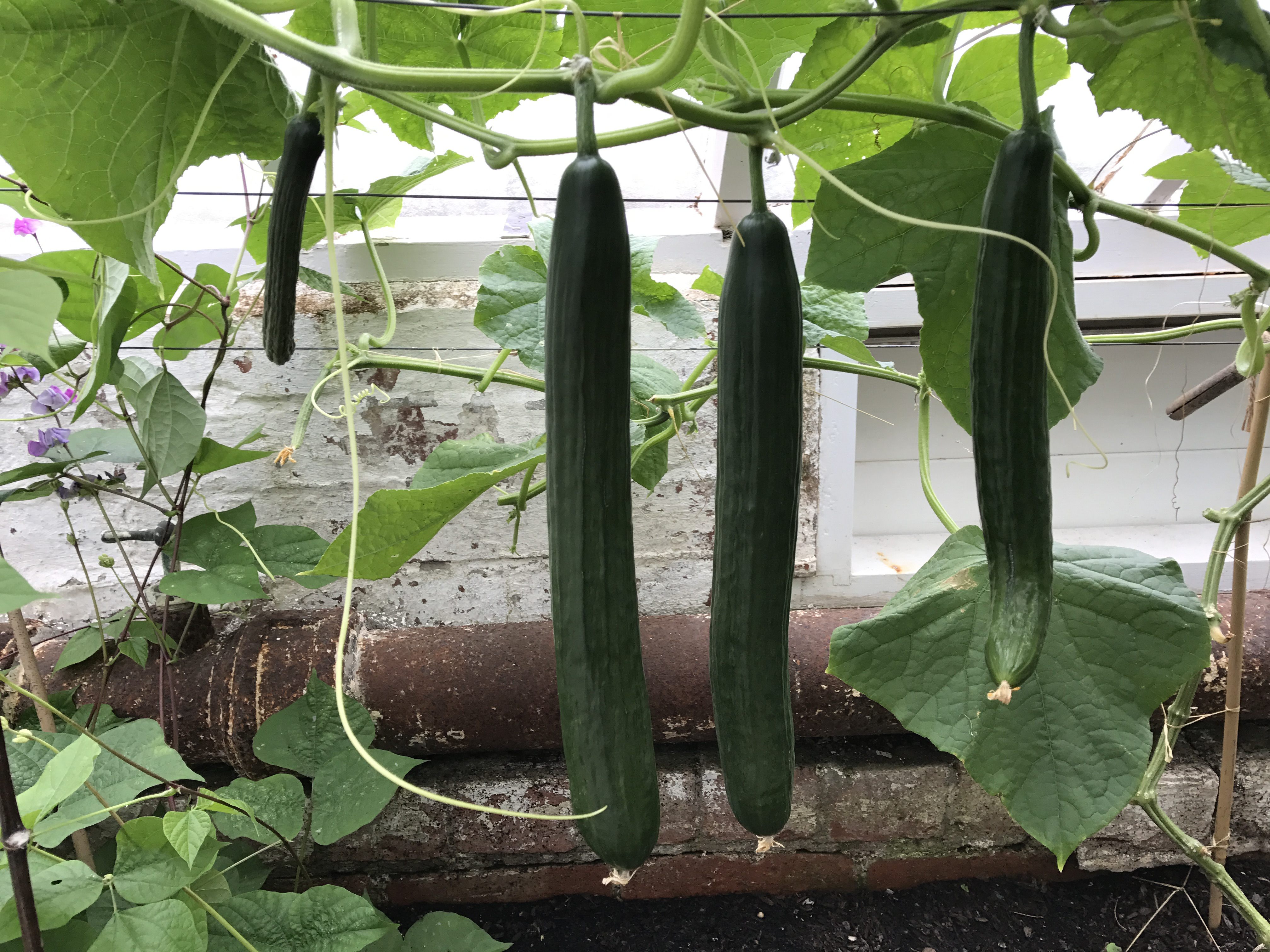
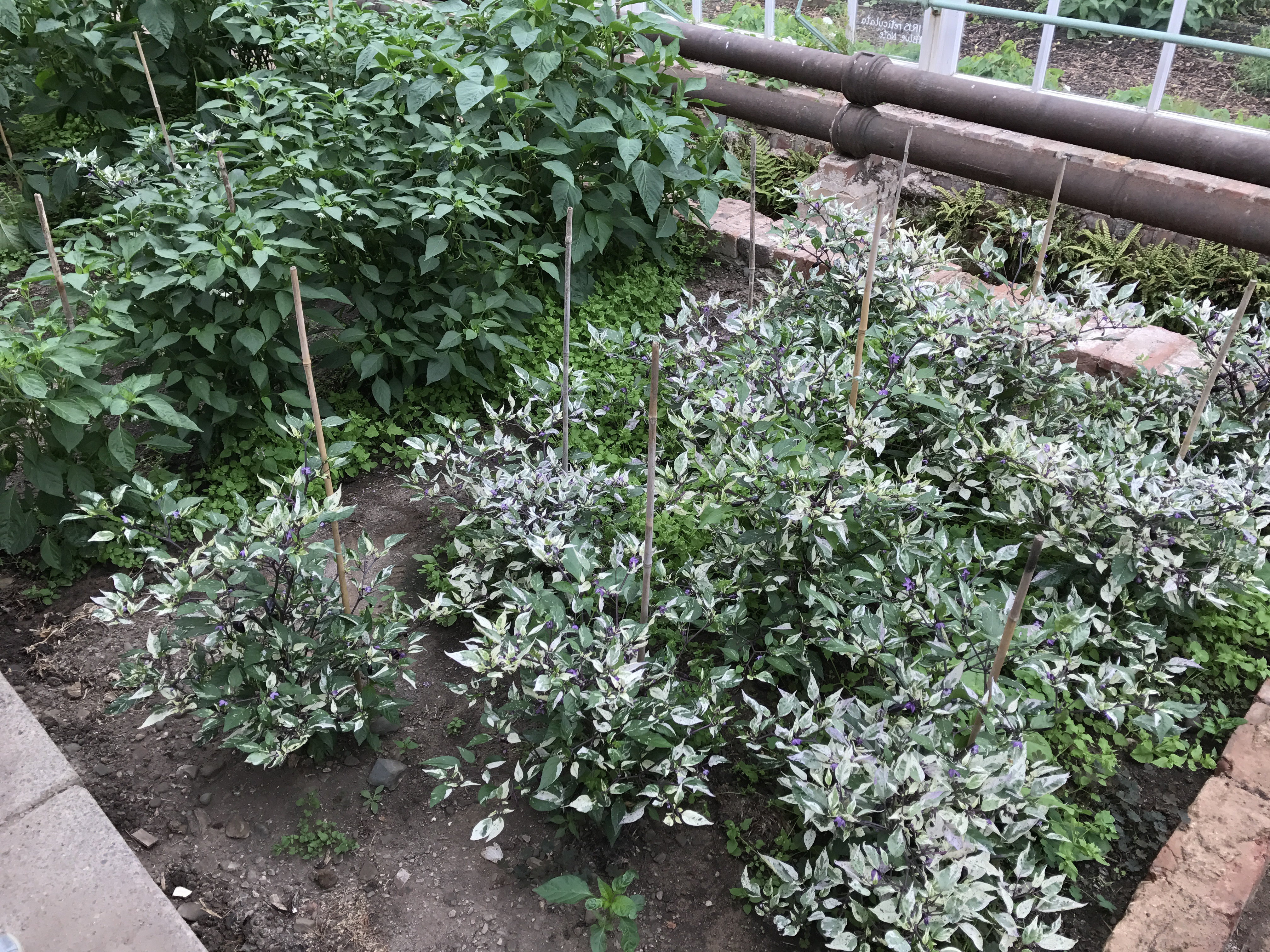
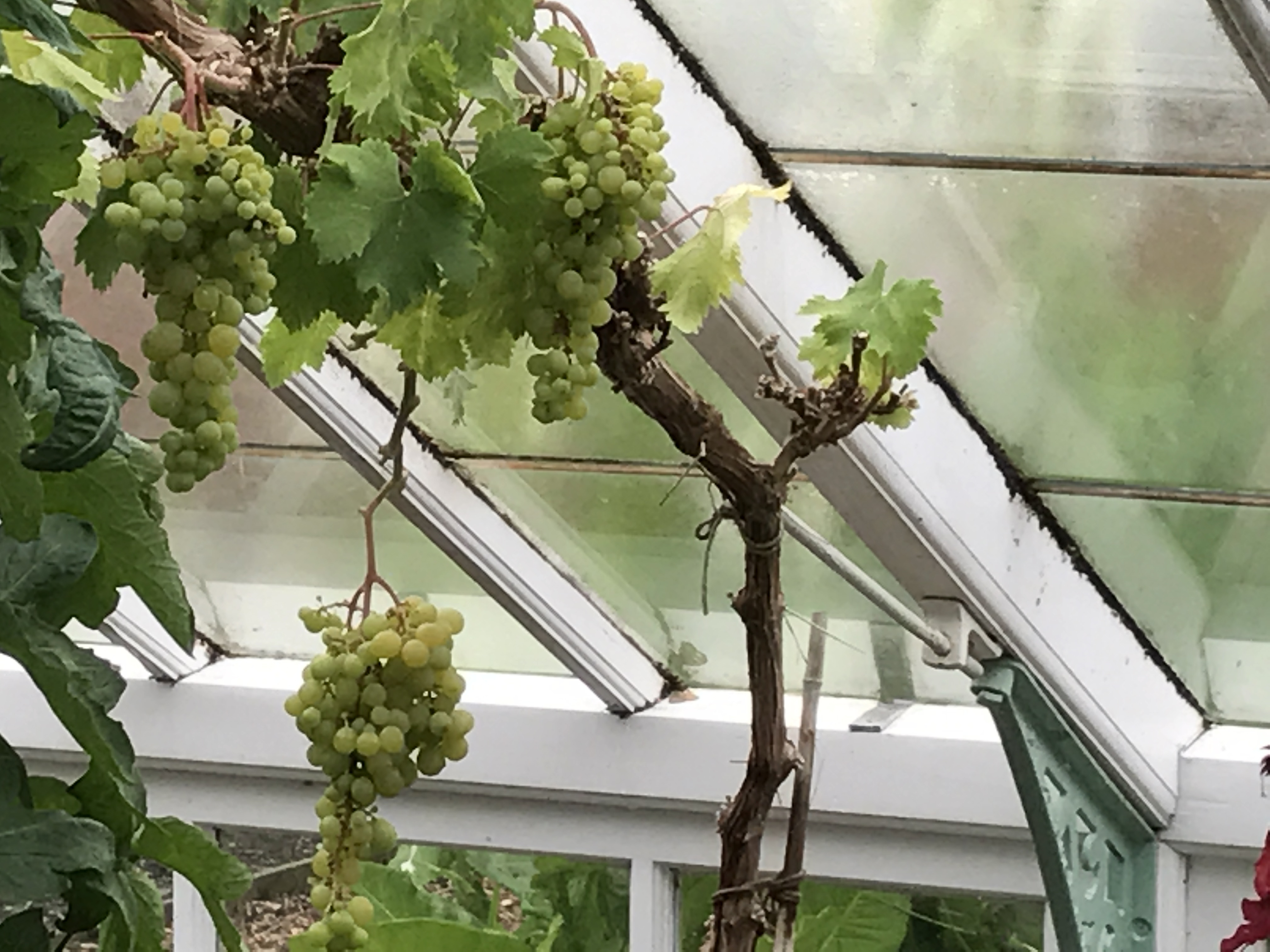
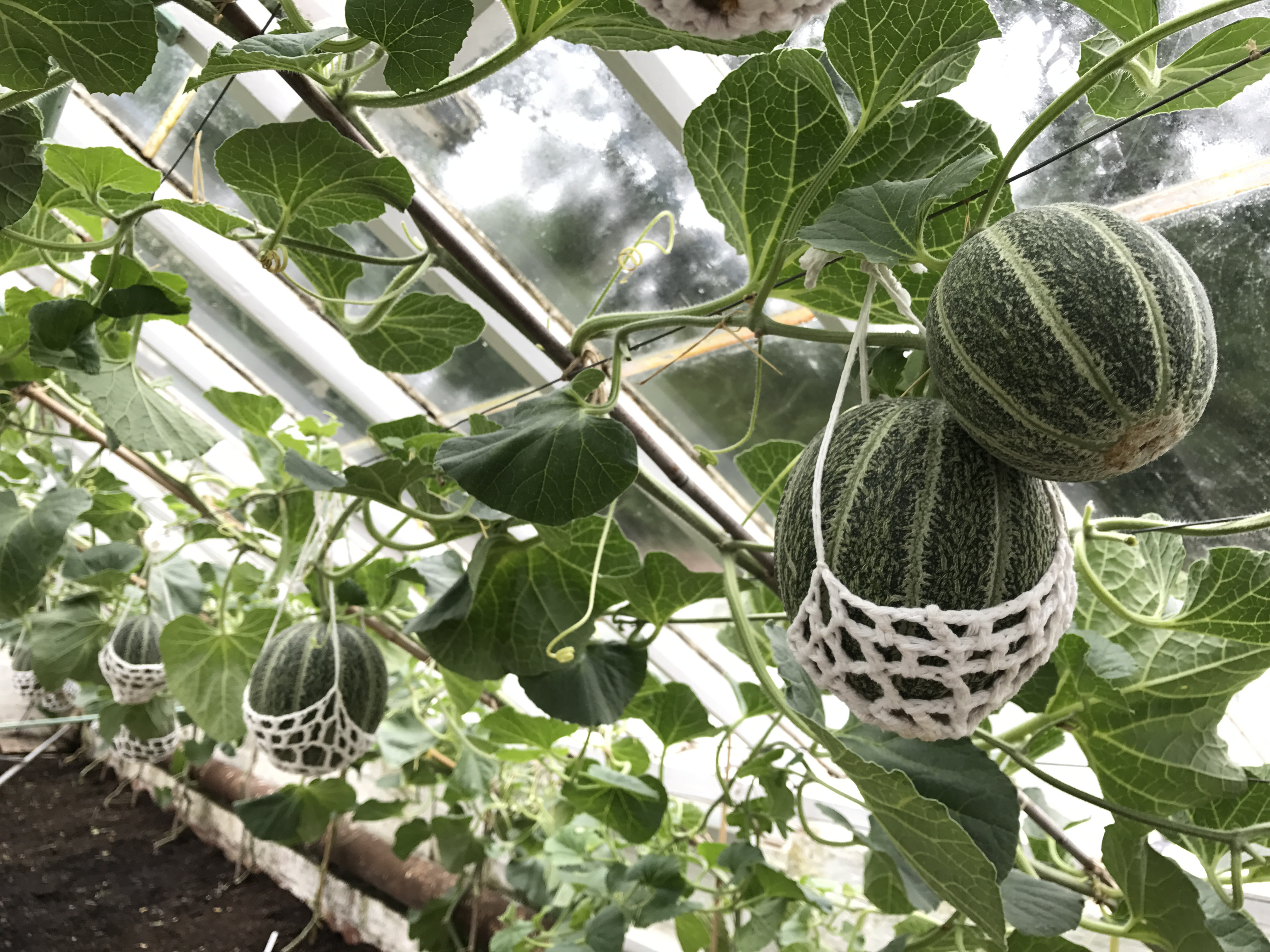
The beautiful, recently restored, vintage glasshouses are now becoming productive with melons, grapes, tomatoes, chillies and cucumbers.


We particularly liked the amazing textures of this melon and its subtle mix of greens.


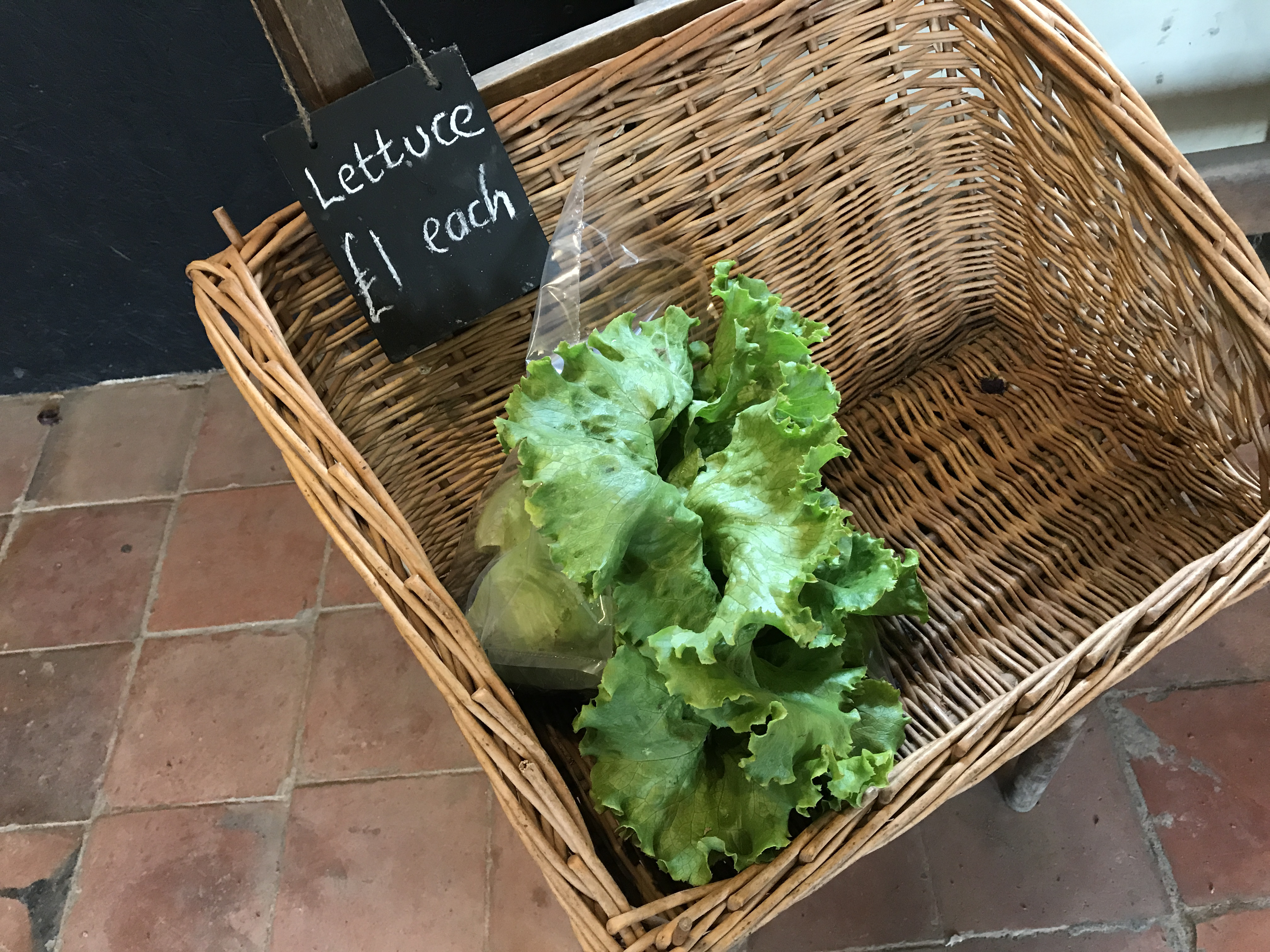
As we entered the gardeners’ bothy we could instantly enjoy the fresh uplifting aroma of bunches of freshly picked lavender, and the sight of simple flower arrangements and freshly harvested lettuces.


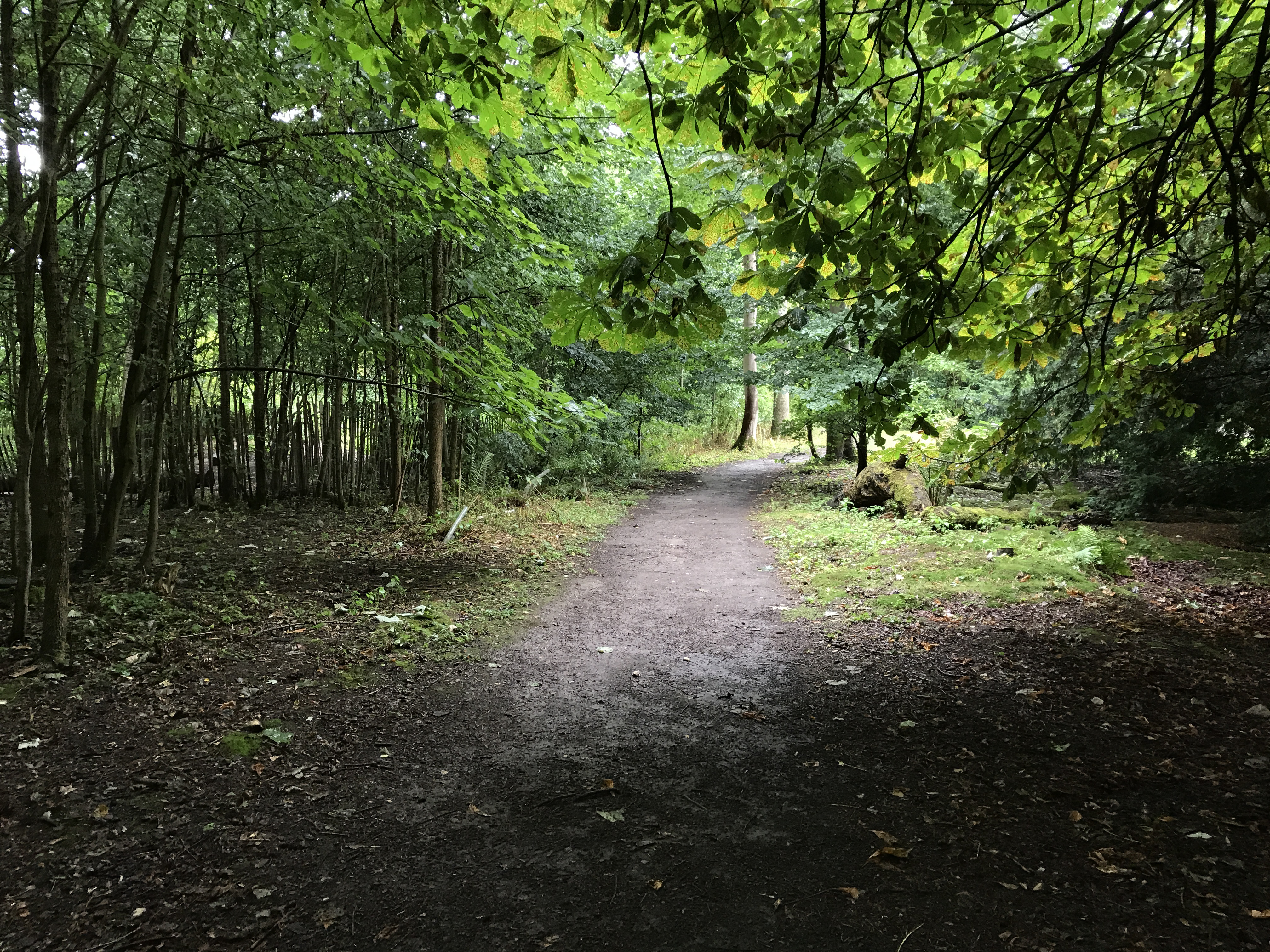
After taking in the sights, scents and sounds offered by the walled garden we continued on our wanders, following the One Mile Walk trail.


Come with us as we take you along this track in a gallery of photos. As usual click on the first and navigate with the arrows. We will return for another wander in August.


Categories
log piles logs National Trust outdoor sculpture The National Trust trees woodland woodlands

Tree Trunks at Attingham

On our monthly wanders through the parkland at Attingham Park, the closest National Trust property to us here in Plealey, we spot many dead trees left standing to benefit wildlife, insects and birds in particular. But we simply enj0y their shapes as they decay and the textures created as fungi and small creatures eat them and erode them away.

a13-05 a13-03a13-04

We came across a pair of old diseased beech trees both of which had been worked on by tree surgeons. One looked as if it had been made safe to be left for the wildlife of the woods but the other treated in a manner that would save it for years to come.

a13-06 a13-07

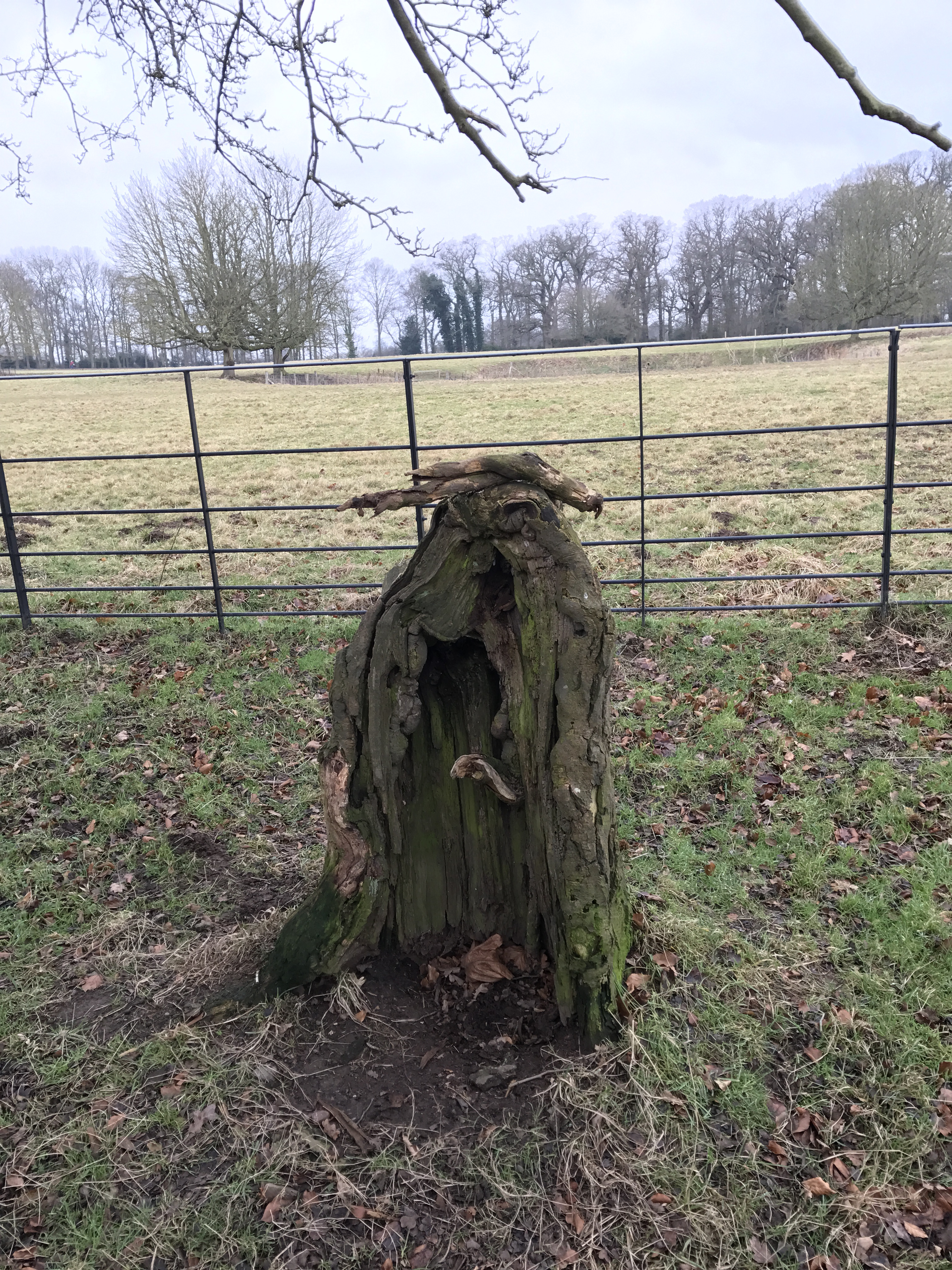
When we went closer to look at this stump of an old rotting tree we noticed that someone who has passed before us had added a few pieces of wood creating a piece of outdoor sculpture. A surprise for us and other visitors lucky enough to spot it. And a little humour!

a13-09 a13-10

Trees that have to be felled when they are in a dangerous place are felled, cut into logs which are stacked to create log piles for wildilfe.

a13-01 a13-02

The slow decay and death of trees keeps the woodland changing for ever. They support many forms of wildlife before rotting away beneath the power of fungi to return to the woodland floor adding nutrients and humus to the soil.

Categories
bird watching birds canals climbing plants colours conservation countryside hedgerows landscapes nature reserves photography Shropshire Shropshire Wildlife Trust wildlife Wildlife Trusts

A return visit to the Prees Branch Line – a canal nature reserve.

My brother Graham and his wife Vicky came to stay with us in early September and we went for some good days out, one of which was to the Prees Branch Line, a disused canal branch that never actually opened but now is a rich nature reserve, the longest wildlife pond in Shropshire. We have visited several times in the past at different seasons and enjoyed every walk along the old abandoned canal, as there is always so much wildlife to observe, encounter and surprise.

pbl-07

The site sign hints strongly at its main wildlife star, the Water Vole with a lovely illustration, but this is a star who is a real secretive creature and visitors have to be very lucky to spot one. It is more likely to find stems of reeds nibbled down in the vole’s distinctive style, or hear the plop as it enters the water again a very distinctive sound. We have heard them plop and seen signs of their nibblings at this reserve but never as yet spotted one.

pbl-01

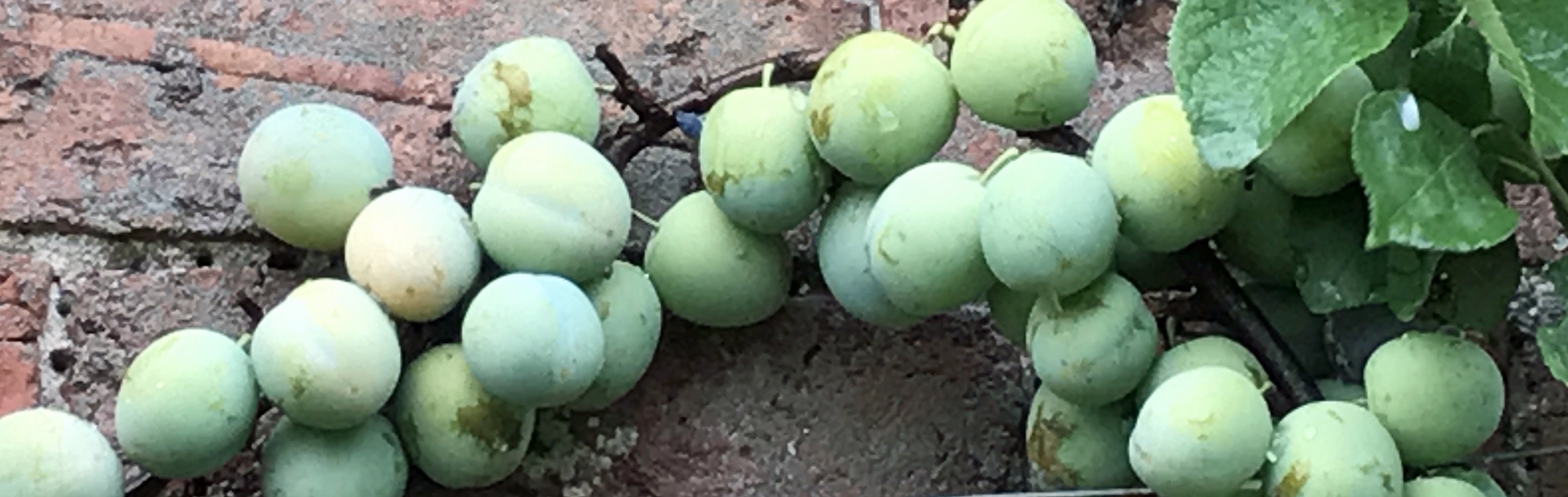
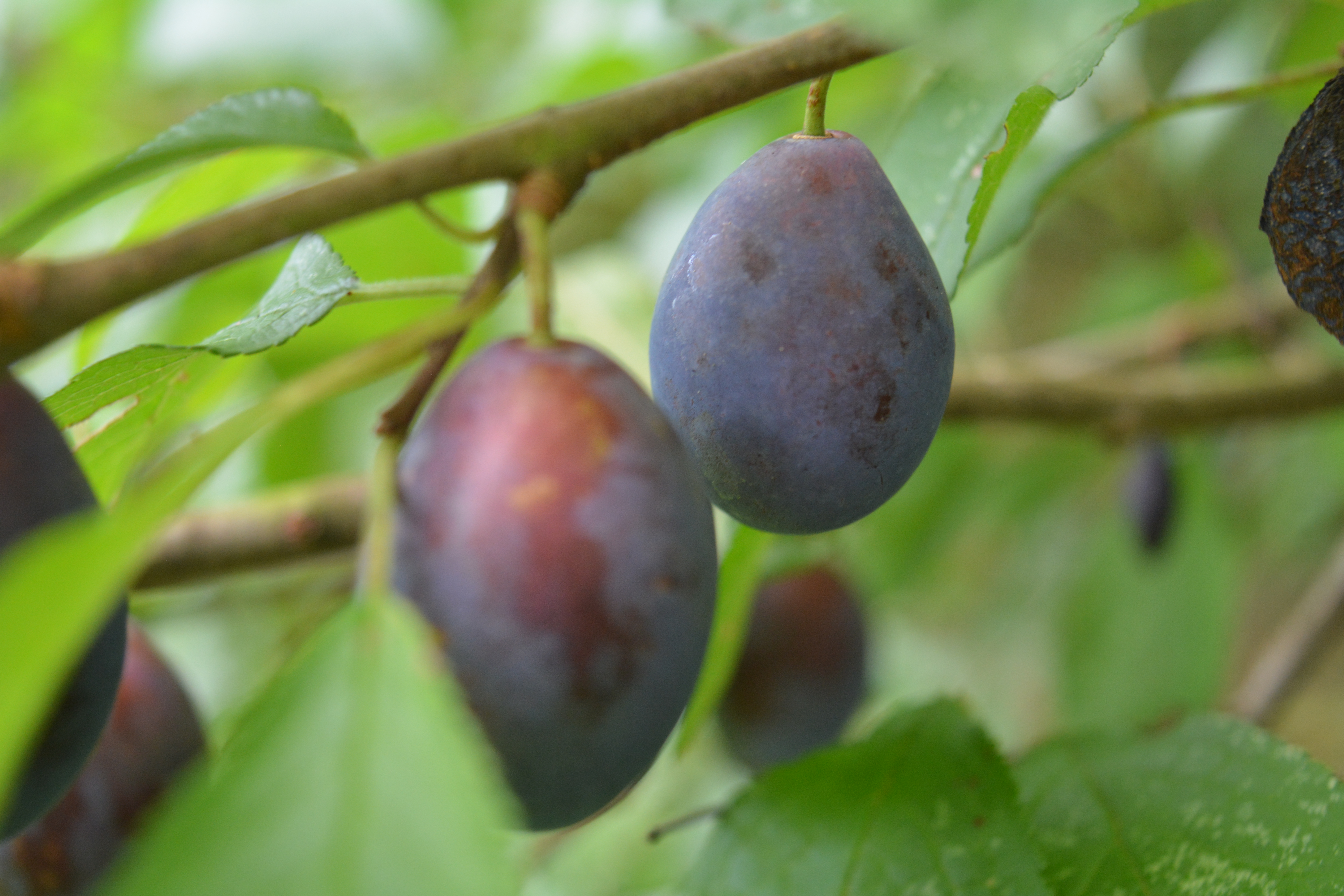
We began our walk enjoying a coffee as we put on our walking boots and luckily spotted some fruit trees close by, the native Shropshire Damson otherwise known as the Shropshire Prune. This tree is a feature of Shropshire’s hedgerows and we have enjoyed many while on walks. These however were the sweetest we have ever tasted, the nectar of the gods.

pbl-02 pb-1

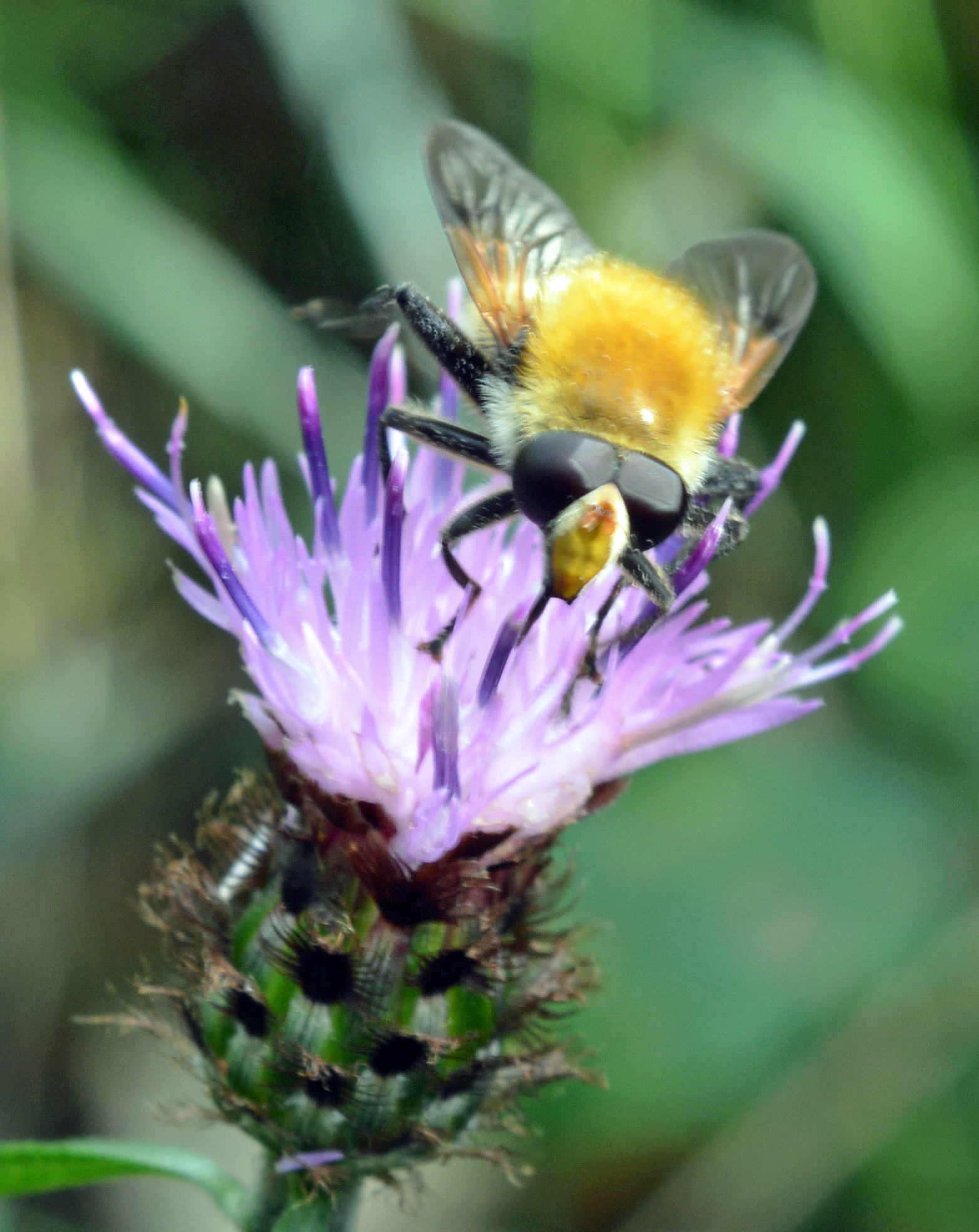
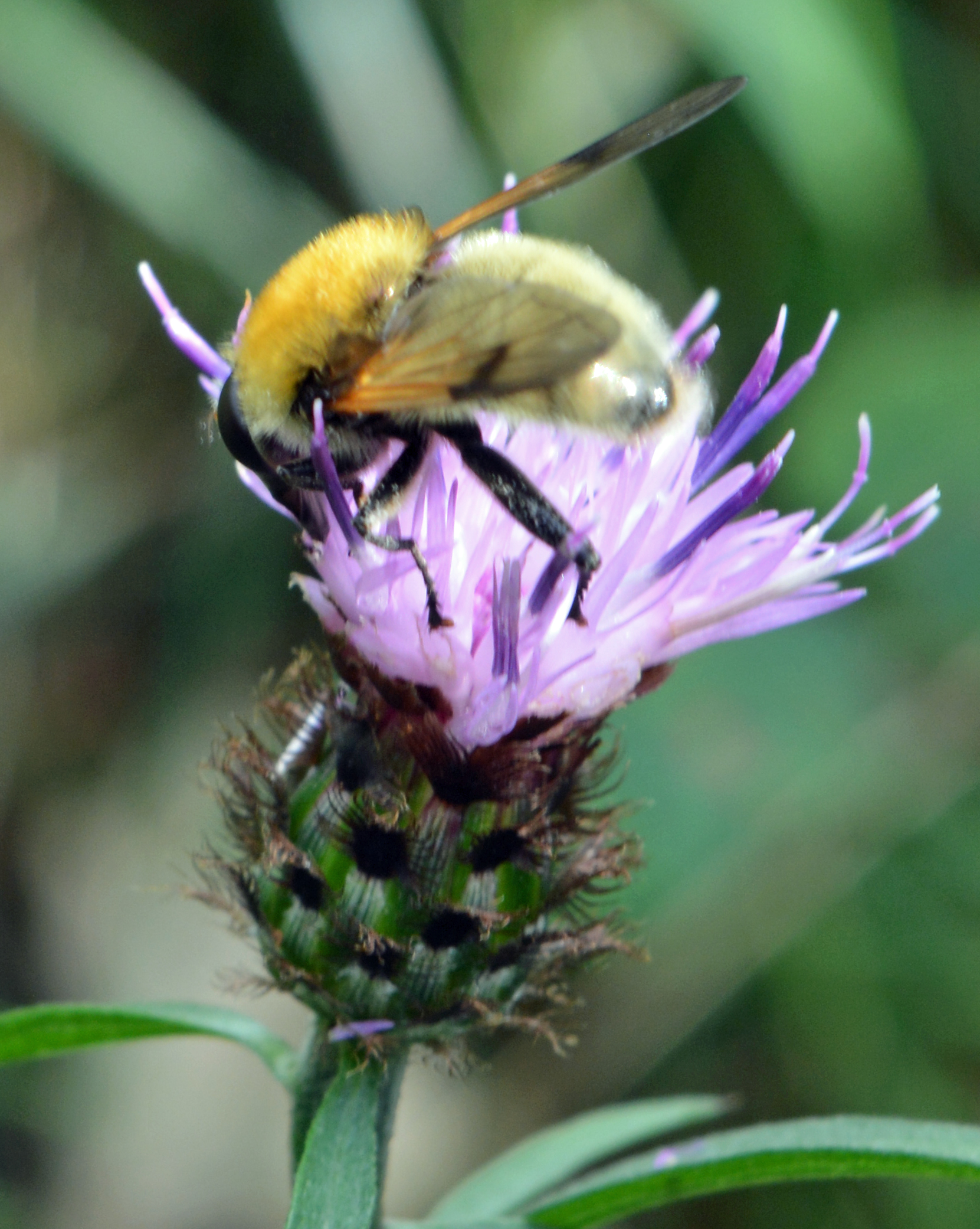
On this latest visit we were lucky to spot and watch for a long while a rare bee, the Moss Carder Bee which was a first for us. It appeared right in front of me as I was taking a photograph of a plant so I had the rare chance of taking photographs so effortlessly. The bee really just posed for me. Graham and I watched it for a while and got very close, close enough to appreciate the beauty of its delicate colouring and the subtlety of its markings.

pb-2 pb-3 pb-4

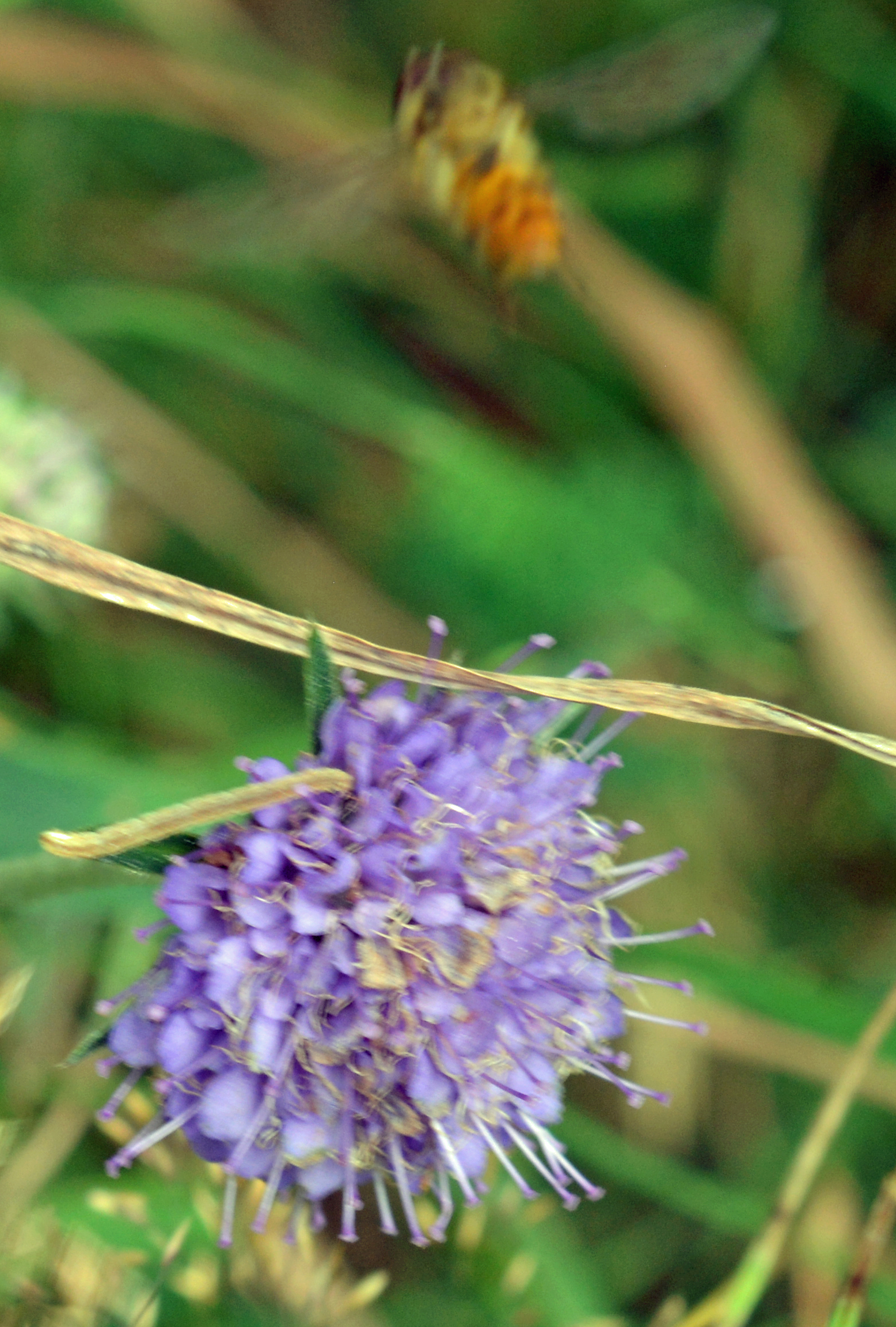
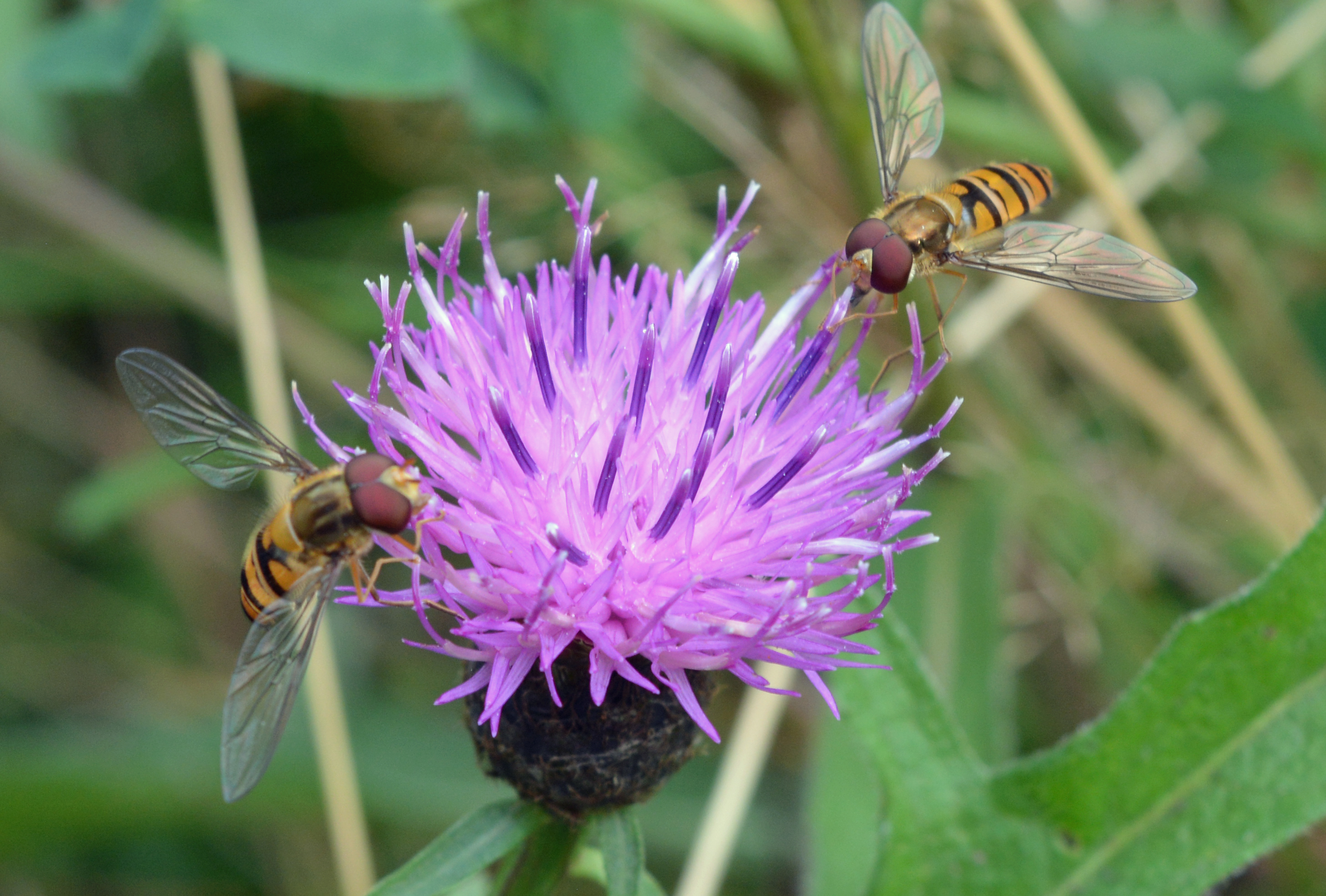
Not so long after this a similar thing happened. Again I was taking a close up photograph of a plant when a hoverfly firstly came into view above the flower, then landed on it closely followed by a second identical one allowing me to get these shots. Twins! Identical twins!

pbl-44 pbl-45pbl-22

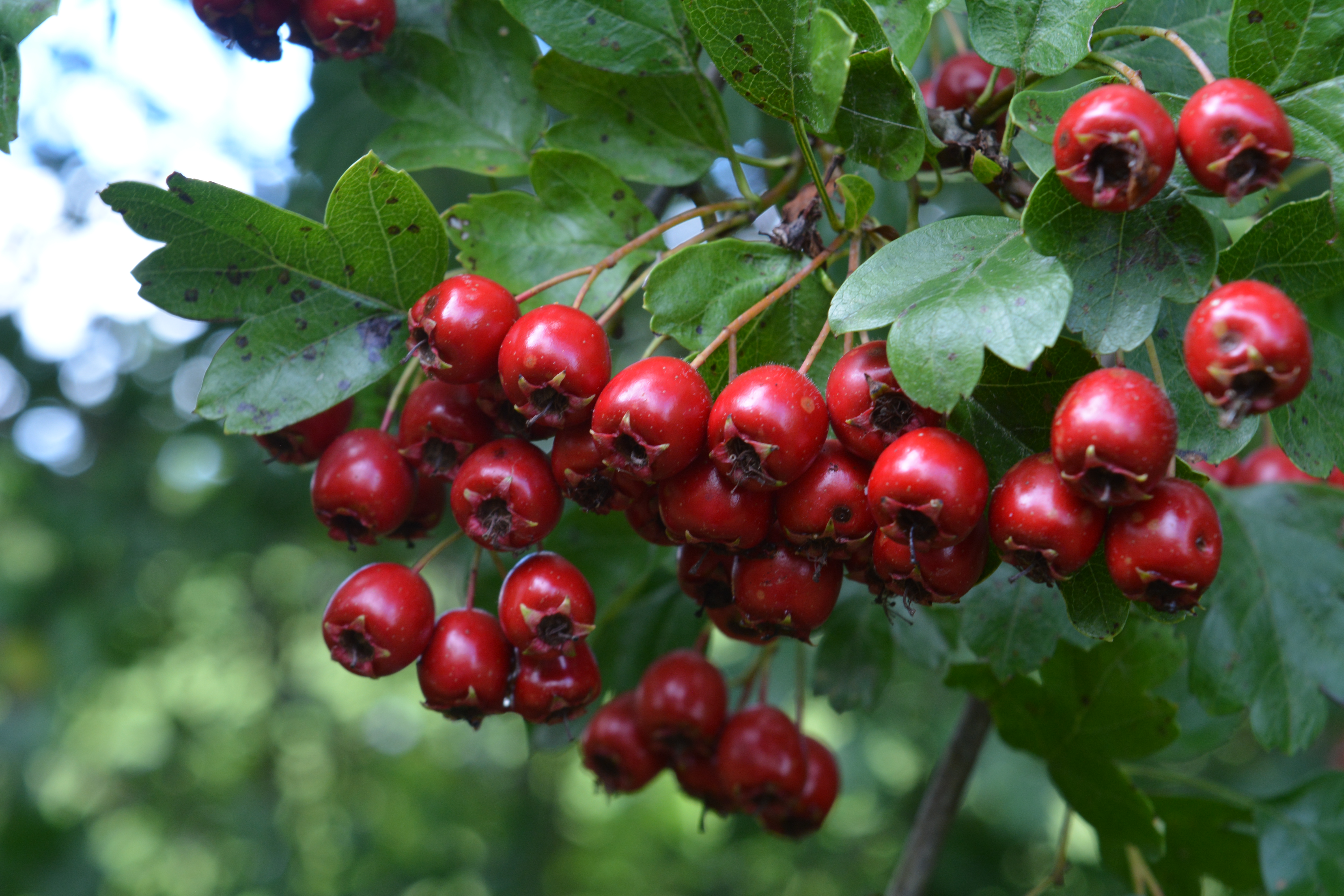
Berries were at various stages of ripeness from hard green to the darkest of ruby red.

pbl-31 pbl-32

And wild flowers added spots of colour to the impressionist painting that is the bank of the canal.

pbl-23pbl-05 pbl-38

There was so much to see as we ambled along the narrow track along the towpath of the canal branch line that never opened to barges just to wildlife. Rather than narrow-boats plying the waters it is Swans, Mallards and Water Voles instead! We barely moved forward a few steps before something caught our eyes and stopped us in our tracks. I took so many photos that I thought I could invite you to join us as we followed our canal side path “there and back again”. Enjoy!

As usual just click on the first photo and then navigate with the arrows.


Categories
arboreta autumn autumn colours colours light light quality ornamental trees and shrubs Shropshire shrubs trees woodland

Arboreta in Autumn – part 3 – Return to Richard’s

We loved our first visit to friends Richard and Anne’s home where we were treated to a tour of their wonderful, atmospheric arboretum. There is something extra special about a small arboretum, the results of one man’s vision. Richard knows every tree he has ever planted, its common name, its botanic name, its country of origin and the source of the plant or seed. The arboretum is now just 20 years old.

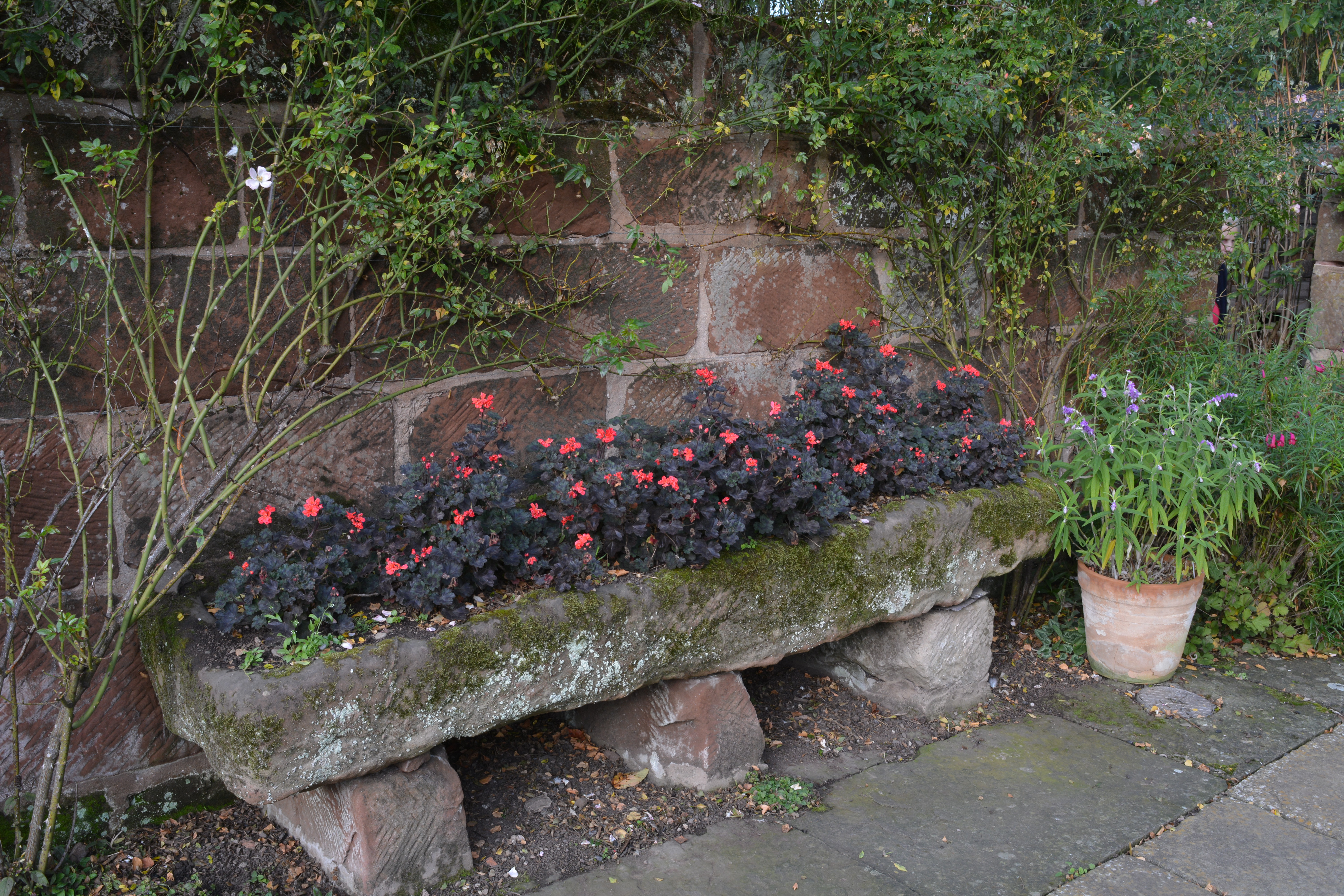
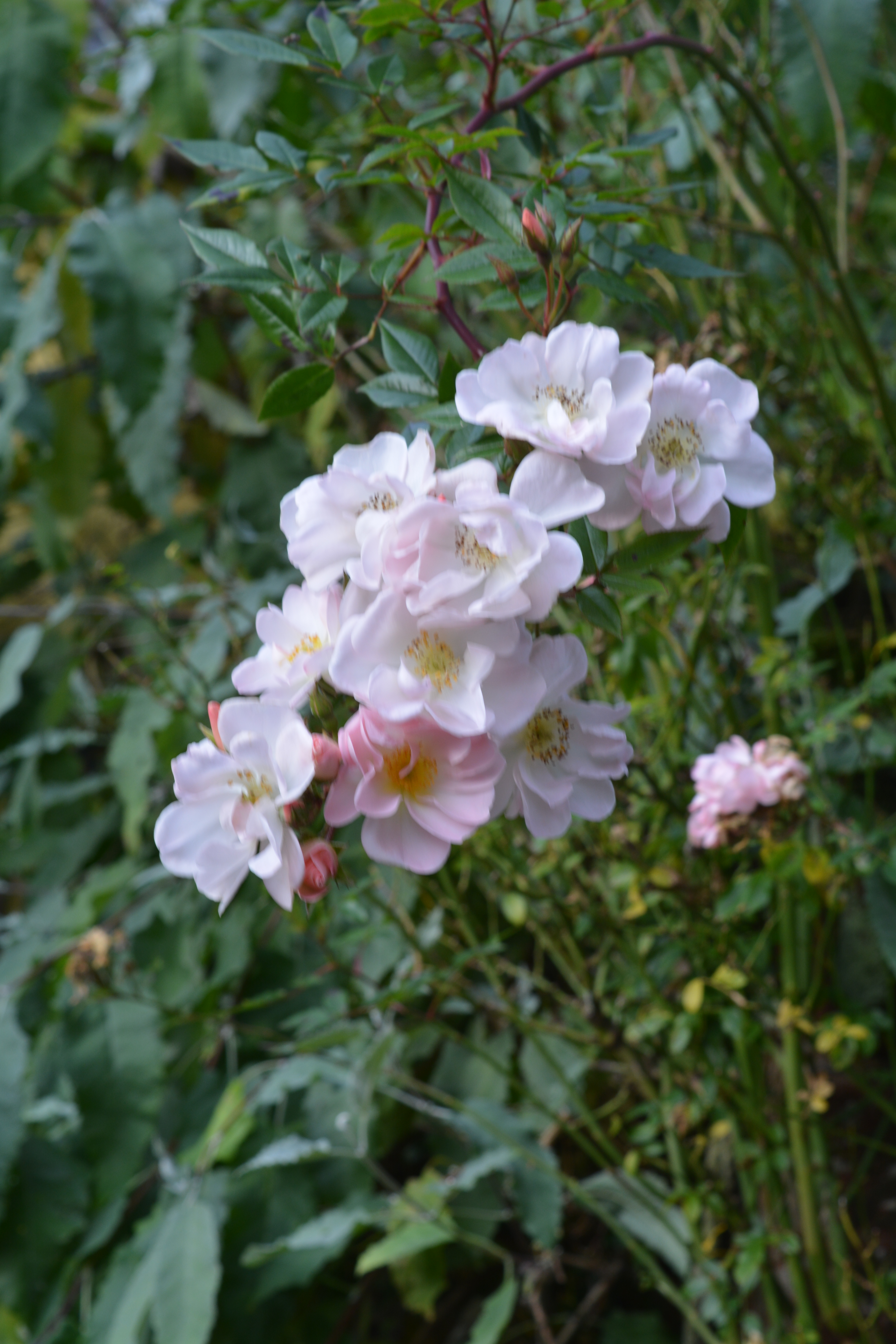
After a warm welcome we firstly enjoyed the lovely courtyard garden that Anne tends. It is a soft, gentle area that embraces the south facing side of the old mustard coloured mill house. Red flowered Pelargoniums with deep purple foliage filled an old stone trough beneath a brick wall clothed in soft pink roses of the climbing rose, Rosa “Open Arms”. Its scent is warm and richly fruity and remains with you as you leave it behind.

2015 10 26_6741 2015 10 26_6742

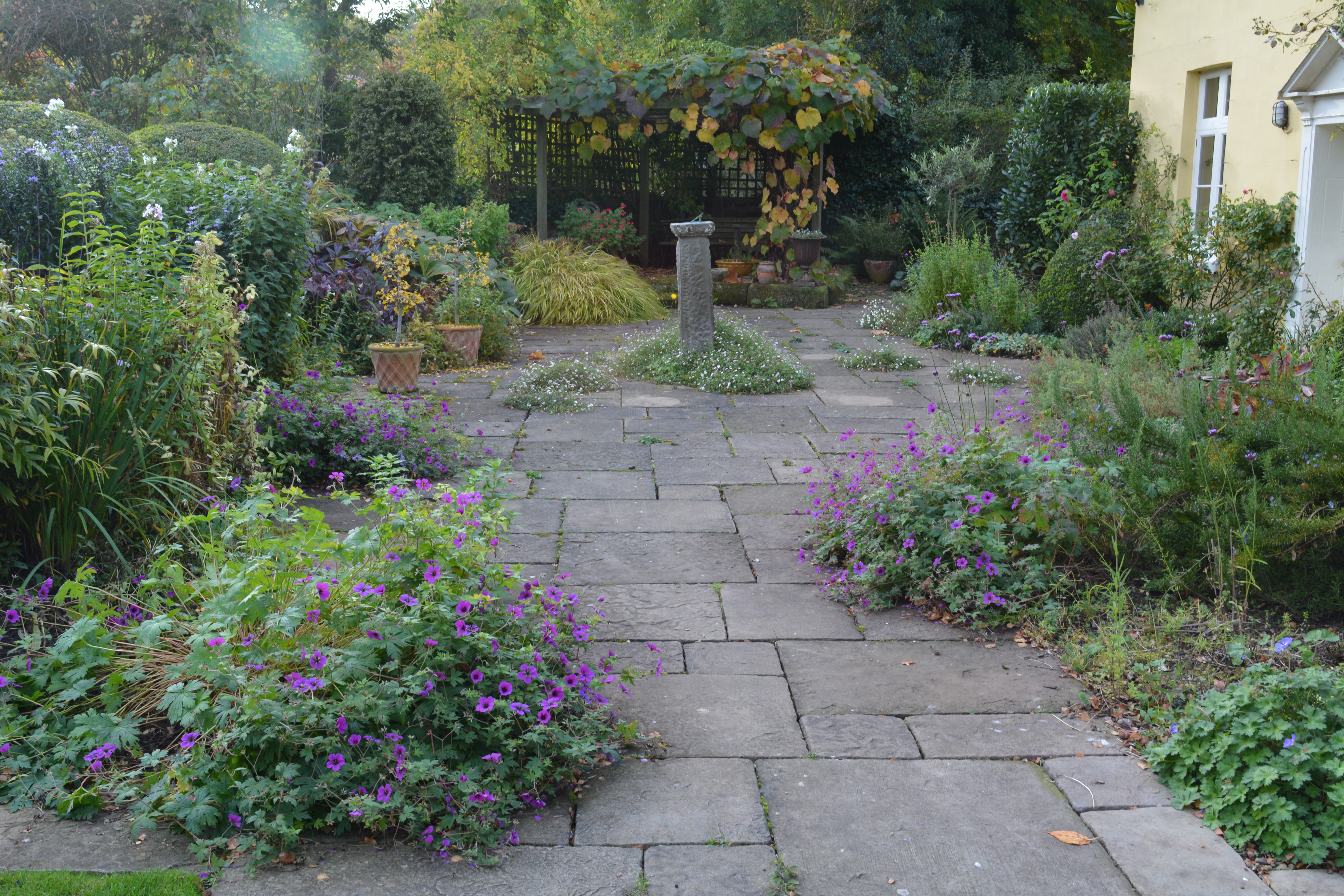
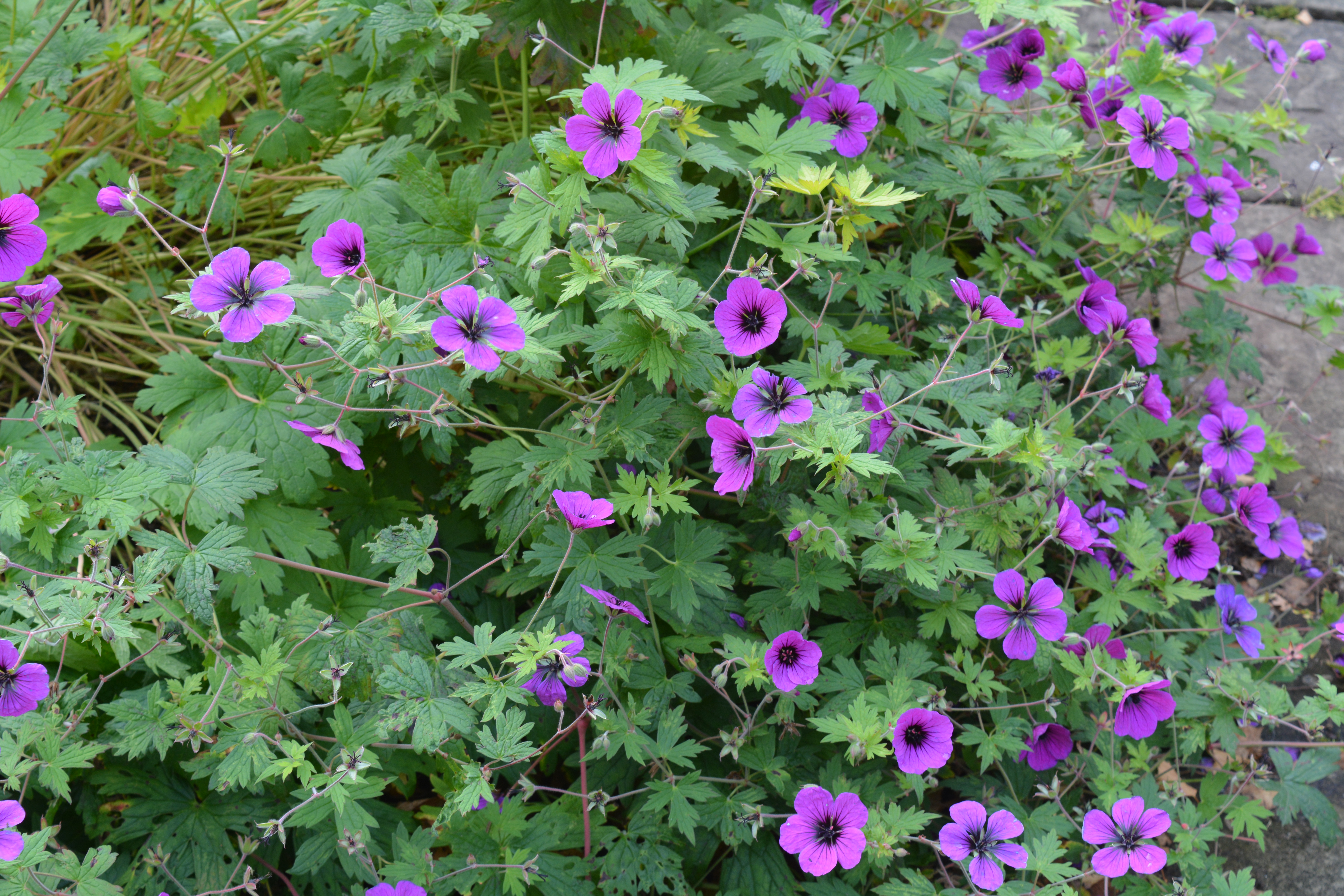
The stone paving is softened by beautiful compositions of flowers and foliage.

2015 10 26_6743 2015 10 26_6744 2015 10 26_6745 2015 10 26_6746

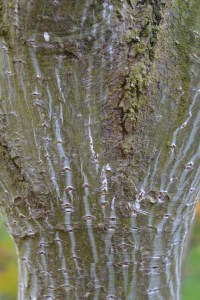
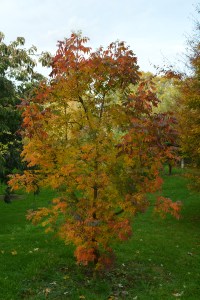
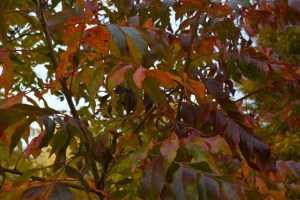
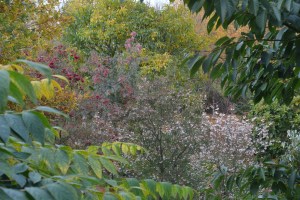
Richard and Anne took us across the gently sloping lawns with a boundary provided by the River Perry, and we climbed up to a gate in the fence which is the entrance to Richard’s fine collection of the finest trees. The real stars of the collection are Betulas (Birches), Acers, deciduous Euonymous and Liquidambers.

2015 10 26_6766 2015 10 26_6749 2015 10 26_6747     2015 10 26_6748 2015 10 26_6790

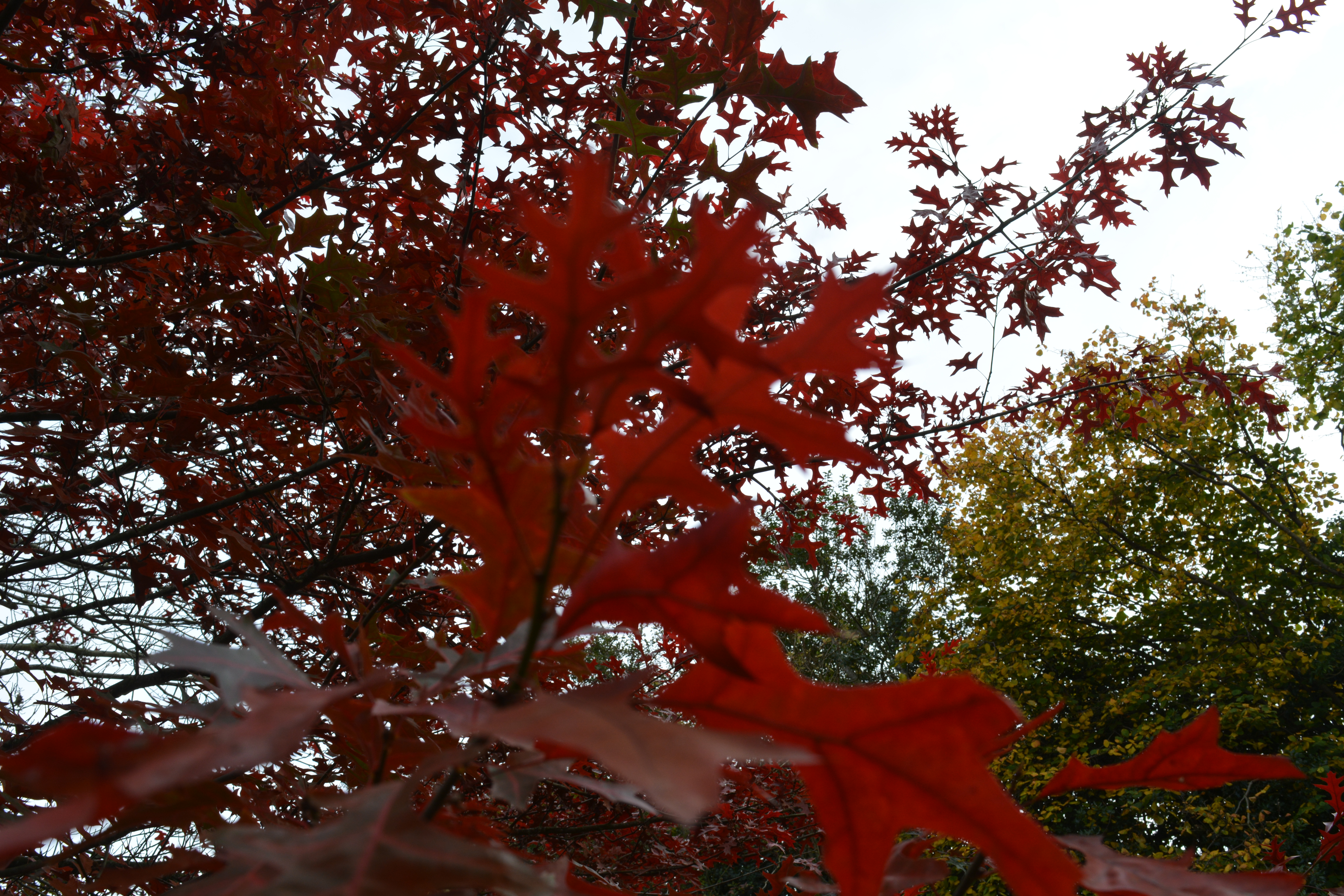
More surprising was the incredibly deeply coloured red leaved Oak, with its large deeply cut leaves  and……..

2015 10 26_6751 2015 10 26_6752

2015 10 26_6750   2015 10 26_6753  2015 10 26_6755 2015 10 26_6756

……….. this unusual specimen, Pistacia chinensis commonly known as the Chinese Pistacia.

2015 10 26_6757 2015 10 26_67602015 10 26_6759 2015 10 26_6763

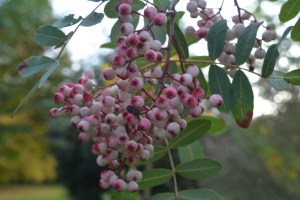
Every arboretum needs a selection of Sorbus (Rowans) to give the many coloured bunches of shiny berries, and Richard’s arboretum boasted a lovely group.

2015 10 26_6764 2015 10 26_67842015 10 26_6787 2015 10 26_6786


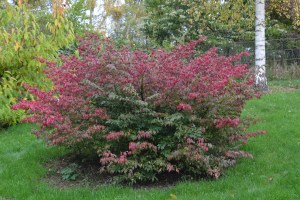
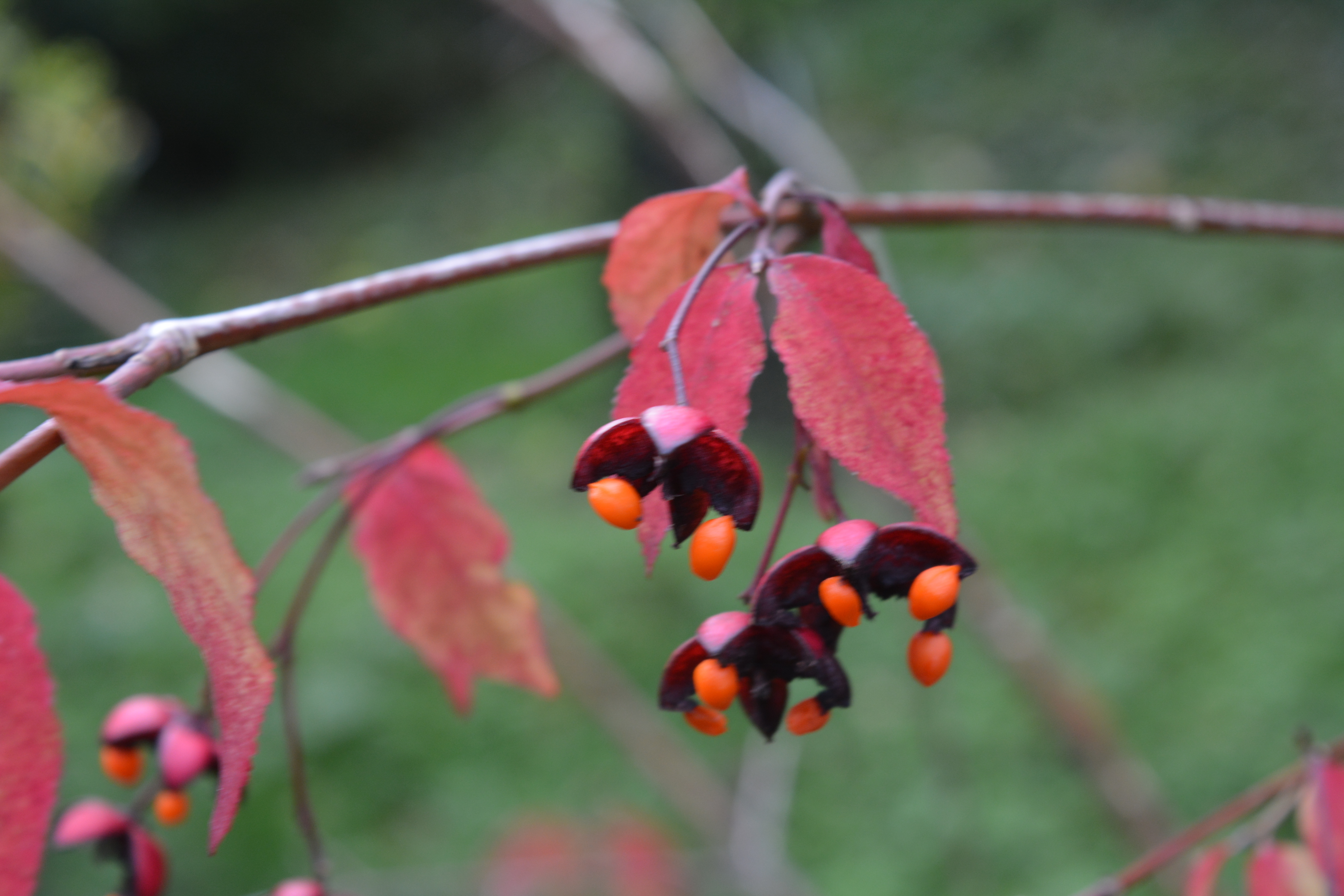
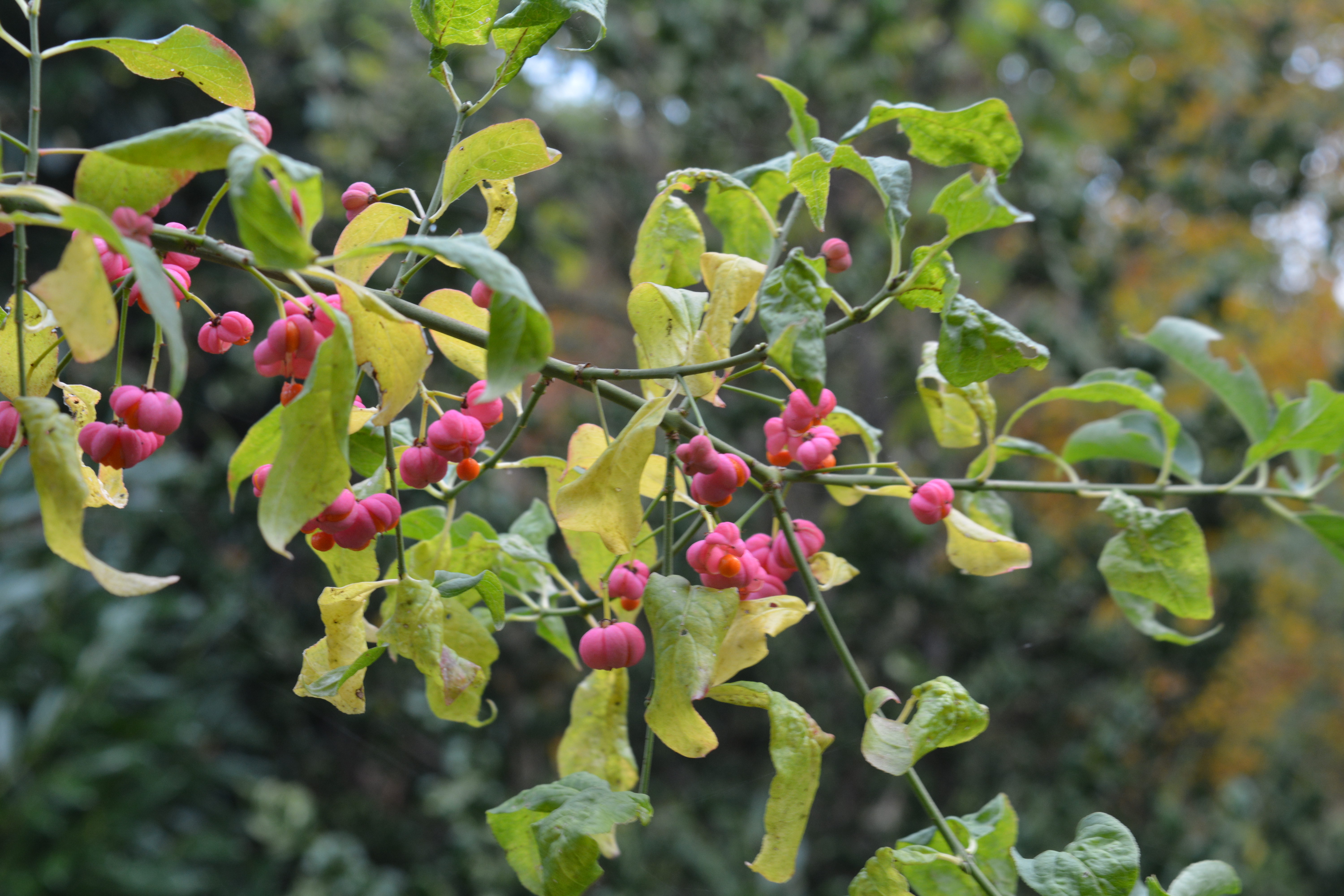
Probably my favourite deciduous shrubs are the deciduous Euonymus with their unusual flowers and bizarrely coloured berries, combining such colours as cerise and orange. Luckily for me it is also Richard’s favourite shrub and he is building up a fine collection.

2015 10 26_6795 2015 10 26_6796

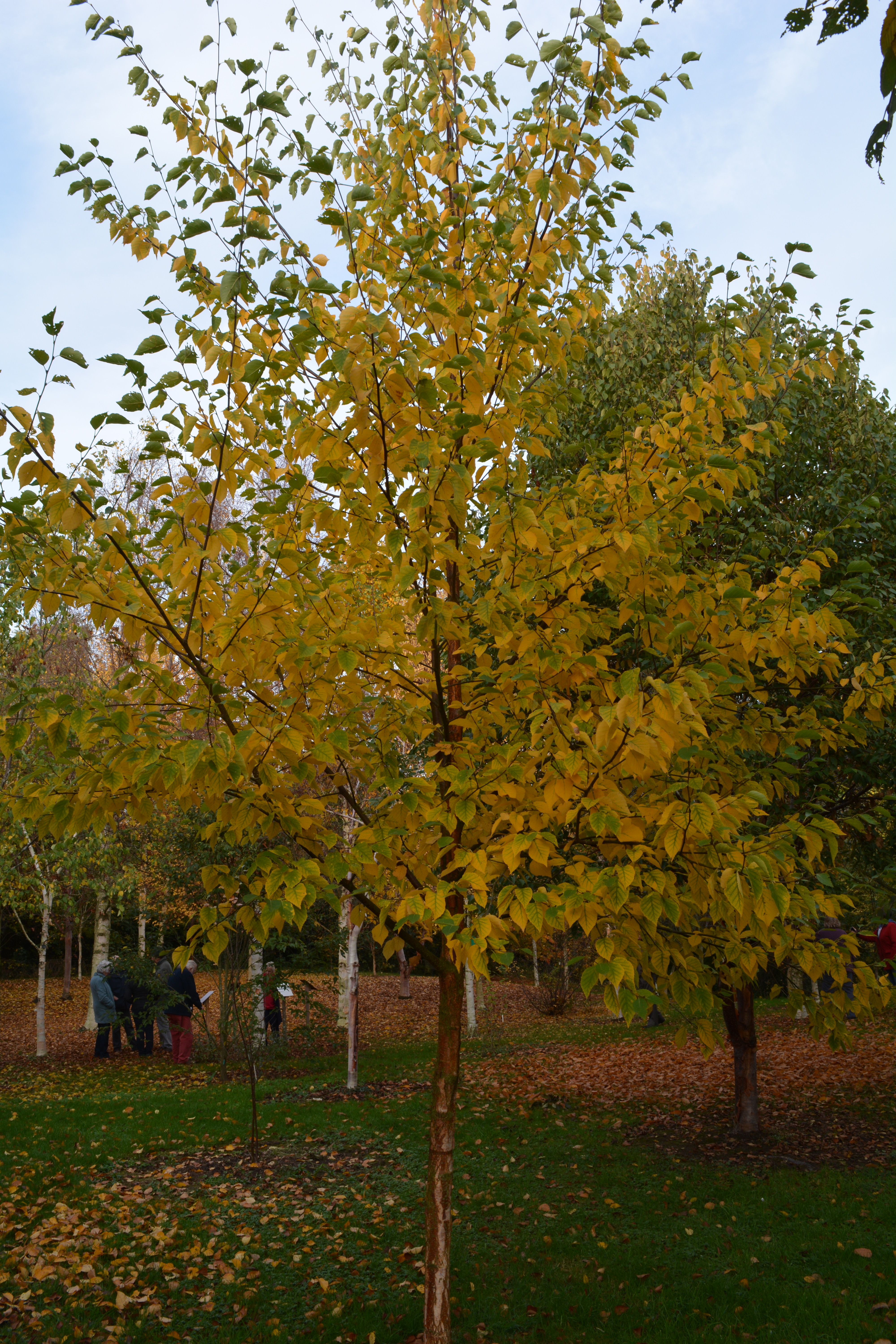
Naturally what we really enjoyed most of all was seeing the wonderful selection of Birches in their autumn glory. We certainly were not to be disappointed. Jude even gave her favourite Betula a big hug – she must be turning into a tree hugger!

Of course you would be expecting me to mention the Betulas, my favourite family of trees and luckily it is Richards too and he grows alomst 180 different ones and several of his favourites.

2015 10 26_6773 2015 10 26_6774 2015 10 26_6779

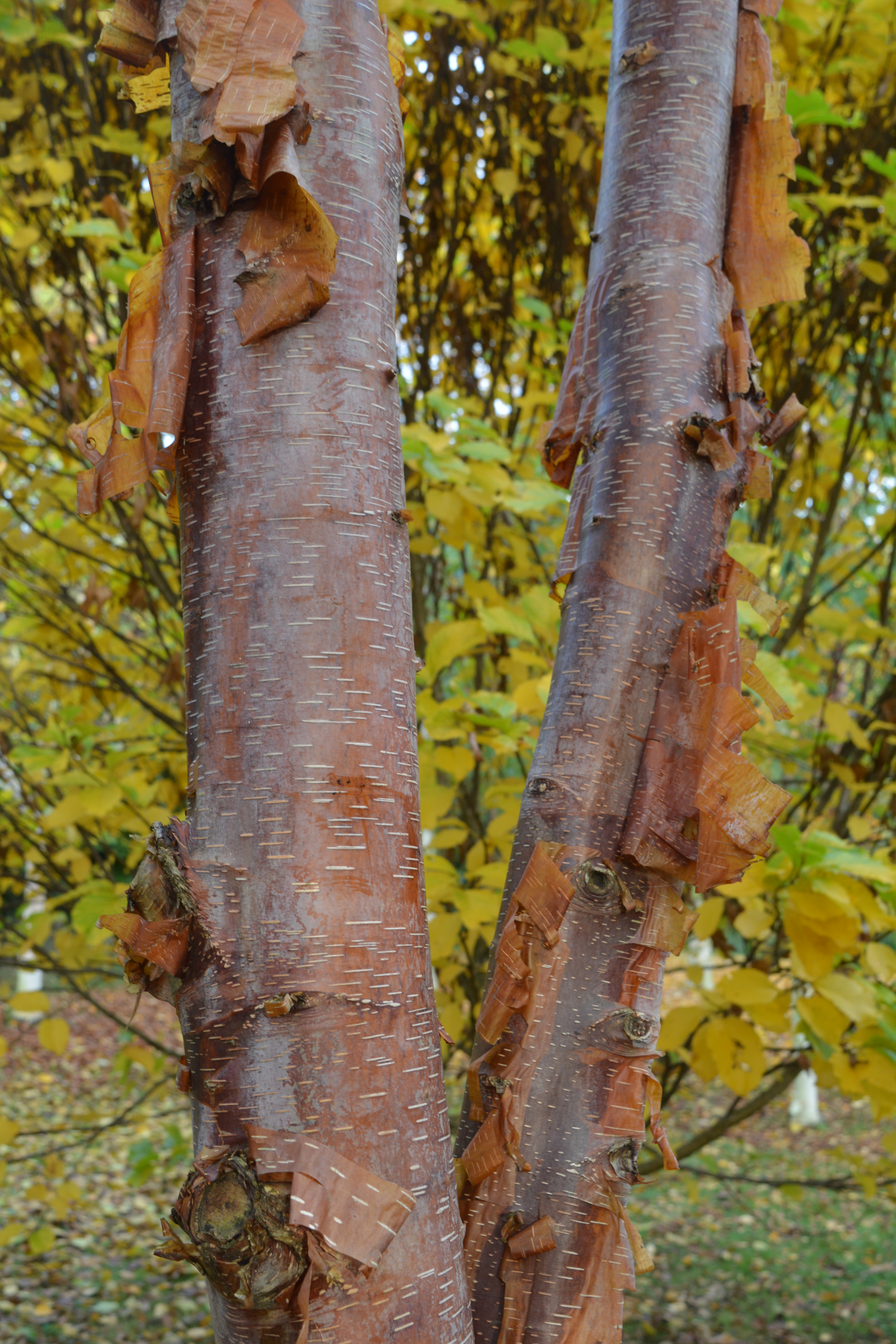
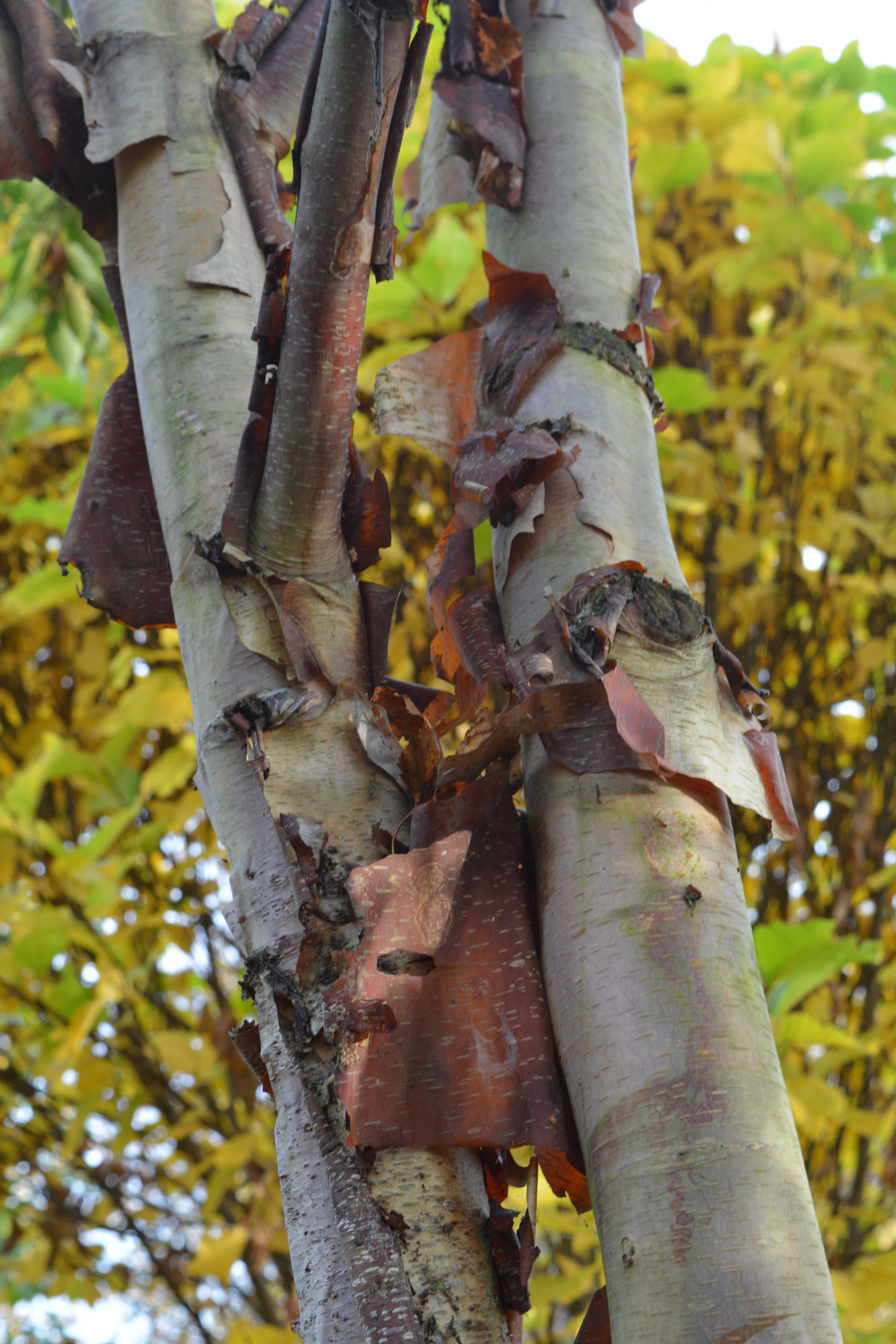
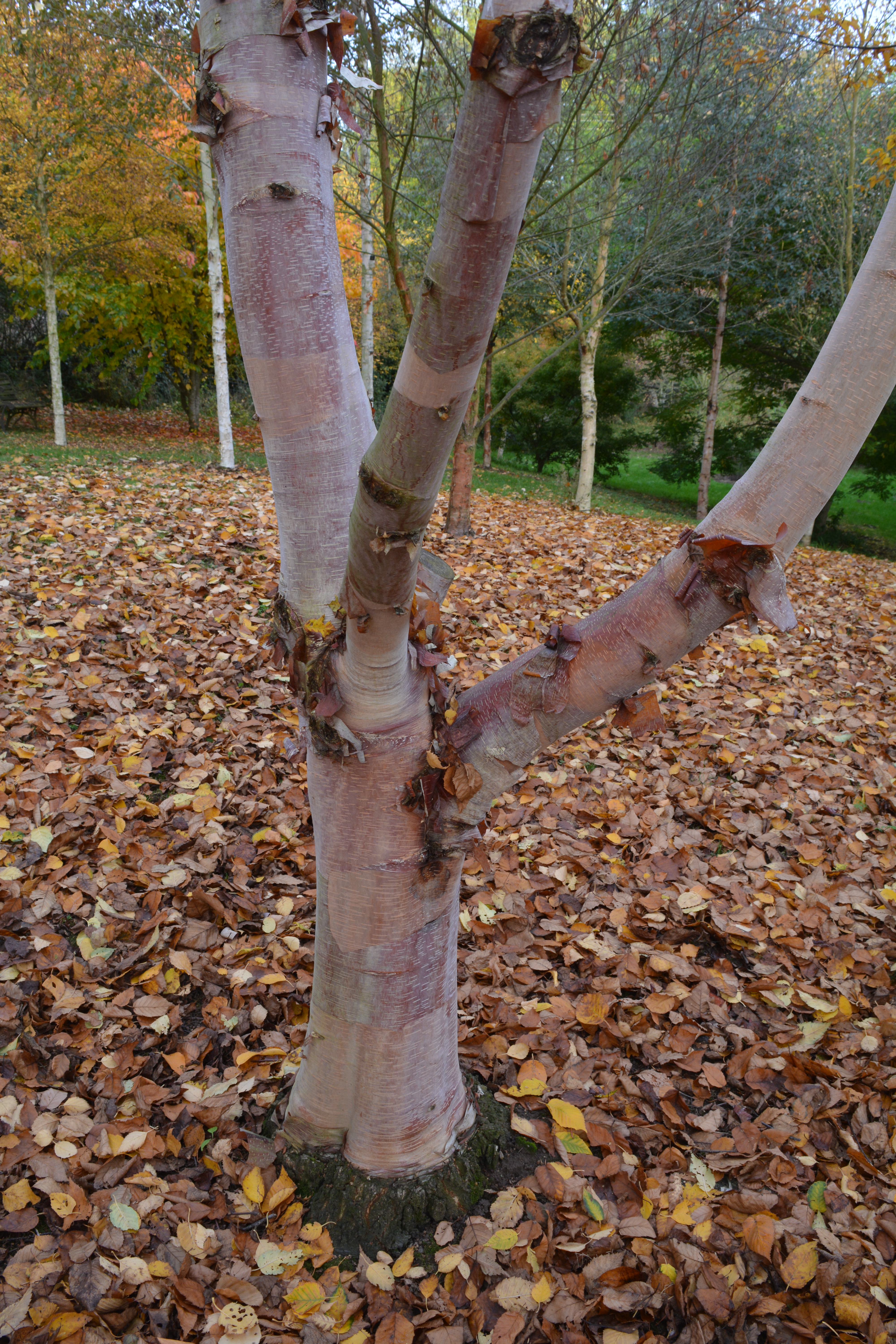
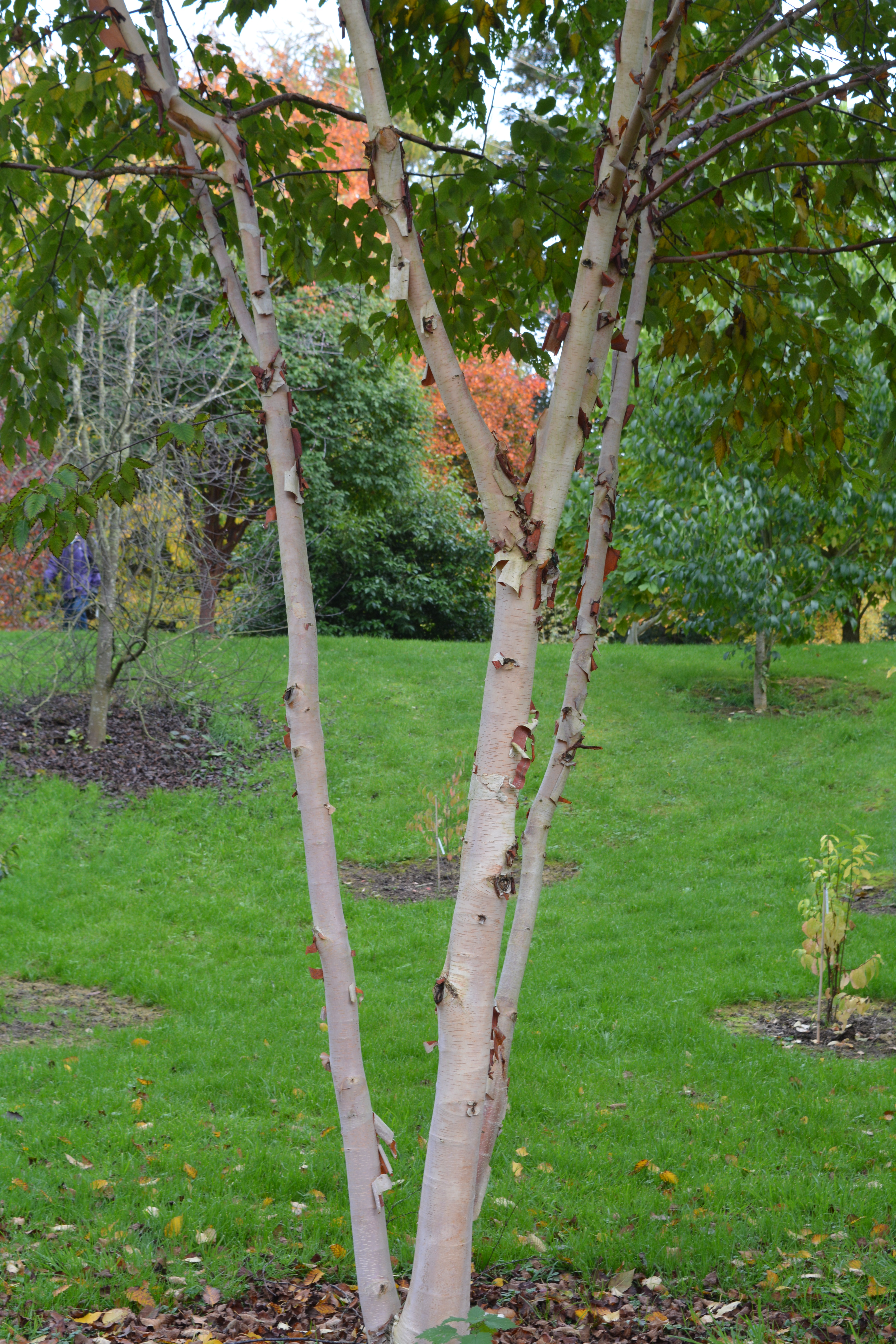
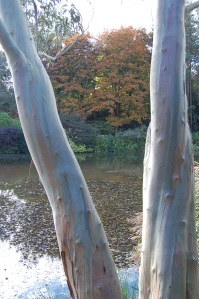
The River Birch below is Betula nigra “Dura Heat”. This is a particularly impressive multi-stemmed specimen and although just a young tree is already showing its peeling bark giving it a shaggy dog look.
2015 10 26_6761

Now just enjoy my photos of a selection of our other favourites.
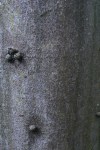
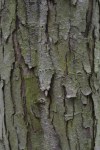
2015 10 26_6767 2015 10 26_67802015 10 26_6768 2015 10 26_6769 2015 10 26_6771 2015 10 26_6775 2015 10 26_6776 2015 10 26_6778   2015 10 26_6781 2015 10 26_6782 2015 10 26_6788

What a great day we had sharing Richard’s trees and enjoying his vast reserves of knowledge. We will return in the Spring.

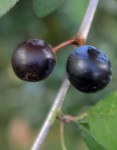
I will just finish with two other trees we found in the second field which Richard is building up into an extension of his arboretum, an unusual Acer, a Cercidyphlum and a black berried Buckthorn, a tree we had never seen before.

2015 10 26_6798 2015 10 26_67992015 10 26_6797

This Veggie Life

A Vegetarian | Nature Lifestyle Blog

Rambling in the Garden

.....and nurturing my soul

The Arch City Gardener

Journeys In St. Louis Gardening and Beyond

Garden Dreaming at Châtillon

Consult the genius of the place

Storyshucker

A blog full of humorous and poignant observations.

gardeninacity

Notes from a wildlife-friendly cottage garden

PlayGroundology

...an emerging social science

The Official Blog of British Wildlife

'The most important and informative publication on wildlife of our times' - The Independent. This blog is a member of The UK & Ireland Natural History Bloggers group: www.uknhb.blogspot.com

iGrowHort

Inspire - Cultivate - Grow Native Plants - Restore Landscapes

Bishops Meadow Trust

To create and protect a semi-natural wild space for the people of Farnham to enjoy and experience an array of British wildlife in our town

Gardening with Children

The www.gardeningwithchildren.co.uk Blog

UKbirdingtimeline

birding through the seasons, why birds matter and how to conserve them

NATURE WALKER

with a camera in hand

Jardin

Transform your outdoor space

Eva's space

My allotment, cooking and other interests

Old School Garden

my gardening life through the year

LEANNE COLE

Trying to live a creative life

fromacountrycottage

trying to live as lightly as possible on our beautiful planet

Good Life Gardening

Nature lovers from Leicester living the good life.

mybeautfulthings

Finding the beautiful in the everyday

mawsonmichelle

Michelle's Allotment

In and Out of My Garden

thoughts from and about my garden

Greenhousing

Big plans for a small garden

The Scottish Country Garden

A Walled Country Garden in South East Scotland

The Fruity Chicken

Life at the fruity chicken

willowarchway

Off grid living. Self sufficient. "PERMAGANICS RULE".

St Anns Allotments

Nottingham's Grade 2* Listed Allotments and Community Orchard

Manifest Joy Harvests

a journey in suburban vegetable gardening

Allotmental

The madness of growing your own

Penny's Garden: a harvest beyond my front door

A novel approach to vegetable gardening

arignagardener

Sustainable living in the Irish countryside.

NewEnglandGardenAndThread

Master Gardener, amateur photographer, quilter, NH native, and sometimes SC snowbird

dianajhale

Recent work and work in progress and anything else that interests me

planthoarder

a chaotic cottage gardener

Lens and Pens by Sally

a weekly blog that creates a personal philosophy through photographs and words

Dewdrops and Sunshine

Stories from a sassy and classy Southern farmbelle.

The Pyjama Gardener

Simple Organic Gardening & Seasonal Living

gettin' fresh!

turning dirt into dinner

JOY...

today the world is created anew

Garden Birds

Notes from a Devon garden

ShootAbout

Life Through The Lens

Adapting Pixels

A photography blog showcasing the best photography pictures and videos on the internet

Wildlifegardening's Blog

Just another WordPress.com site

naturestimeline

personal observations from the natural world as the search continues for a new approach to conservation.

LATEBLOOMERBUDS

The Wonders of Life through my Eyes, my Heart, my Soul