Categories
conservation countryside flowering bulbs hedgerows landscapes light meadows nature reserves spring bulbs Wildlife Trusts

A Fritillary Meadow – North Meadow, Cricklade

We have a book at home where we list places we must go to, gardens we must visit and things we must do. A visit to the Fritillary Meadows in Wiltshire has been on our “Places to Visit” list for a few years now but we have been thwarted by the weather and the effect this has on these lovely flowering bulbs. This year we made it.

We drove down to Cricklade in Wiltshire and with great difficulty due to heavy downpours of rain making it hard to see, we found the first signs of where we were aiming for, The Fritillary Tearooms. The tearooms open each year when the Fritallaries are in full bloom and the proceeds go towards boosting the “Cricklade in Bloom” funds. Naturally we had to support them and so enjoyed a warming cup of coffee and a splendid cake before we embarked on our wet walk around the wet meadow. Apologies for the sloping photo of the tea shop but having one leg shorter than the other does sometimes result in strange sloping pics!

2014 04 21_8340 2014 04 21_8229

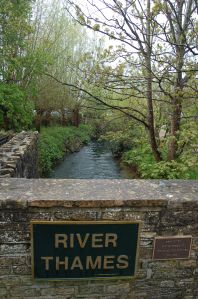
We entered the reserve, called North Meadow, run jointly by English Nature and the Wiltshire Wildlife Trust, via a bridge over the River Churn, one of the two rivers that skirt the wet meadow, the other being the Thames. In front of us lay an old, flower-rich hay meadow situated within the glacial flood plains of the two rivers. The meadow covers a vast area of 108 acres. It is designated a Special Area of Conservation and a Site of Scientific Interest and is an internationally important reserve.

2014 04 21_8314 2014 04 21_8316

2014 04 21_8315 2014 04 21_8230

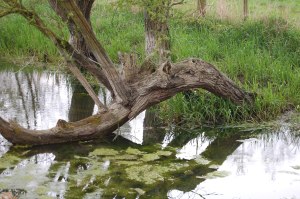
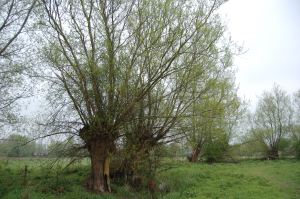
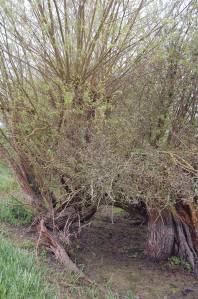
We were never far from one or other river as we walked the reserve margins. It was good to see beautiful ancient pollarded willows much in evidence aligning the banks of both. Seeing these brings back memories of my childhood fishing my local brook “The Carrant” whose banks were lined with them. We hid inside them as many were hollow and loved looking up inside them spotting wildlife mostly spiders and beetles but on special occasions a roosting Tawny Owl. The willows were pollarded which involved pruning them hard back to their main trunks every few years to harvest the stems for basket making and hurdle manufacture.

2014 04 21_8311 2014 04 21_8308

2014 04 21_8414 2014 04 21_8417

2014 04 21_8418 2014 04 21_8379

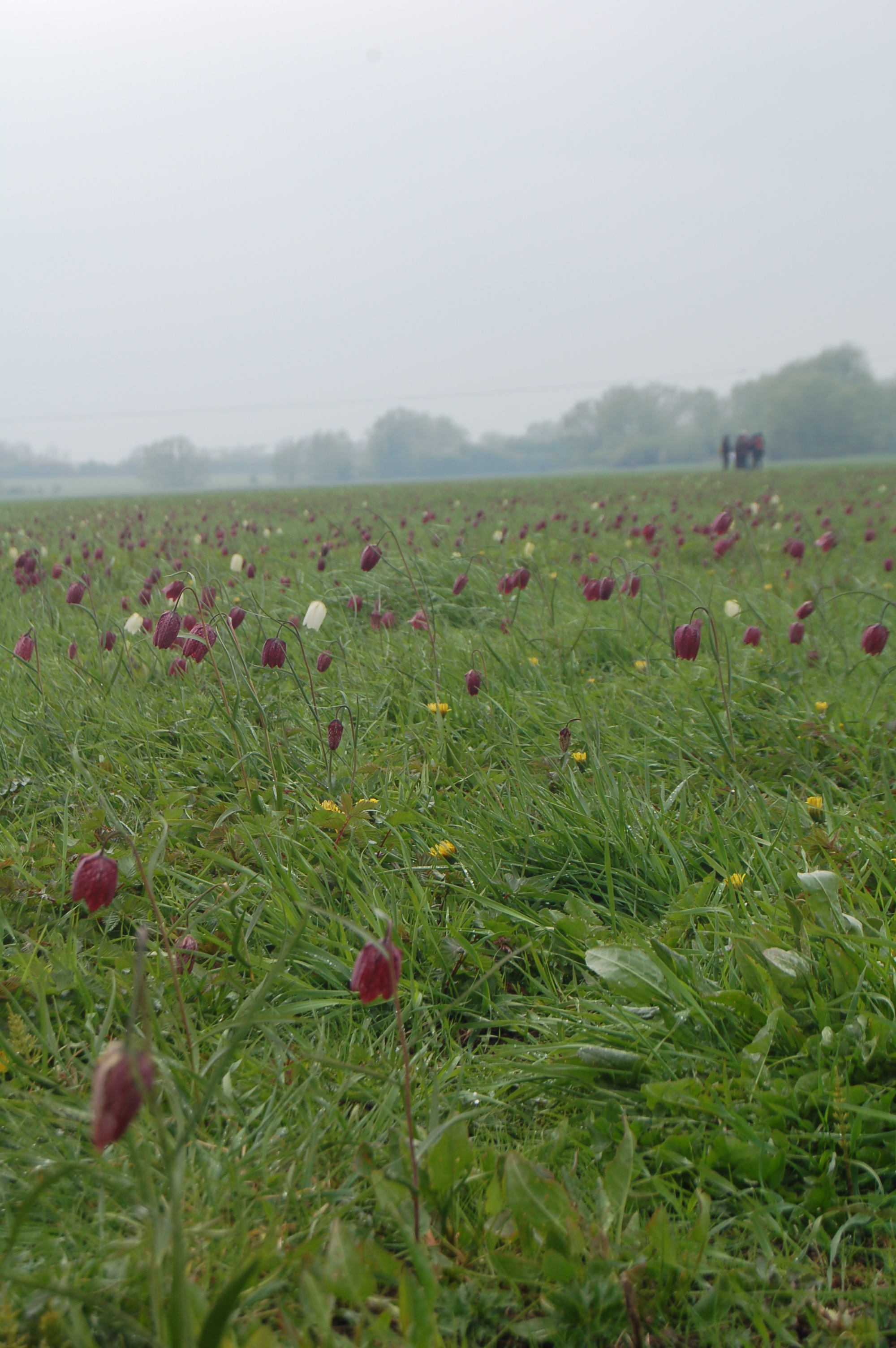
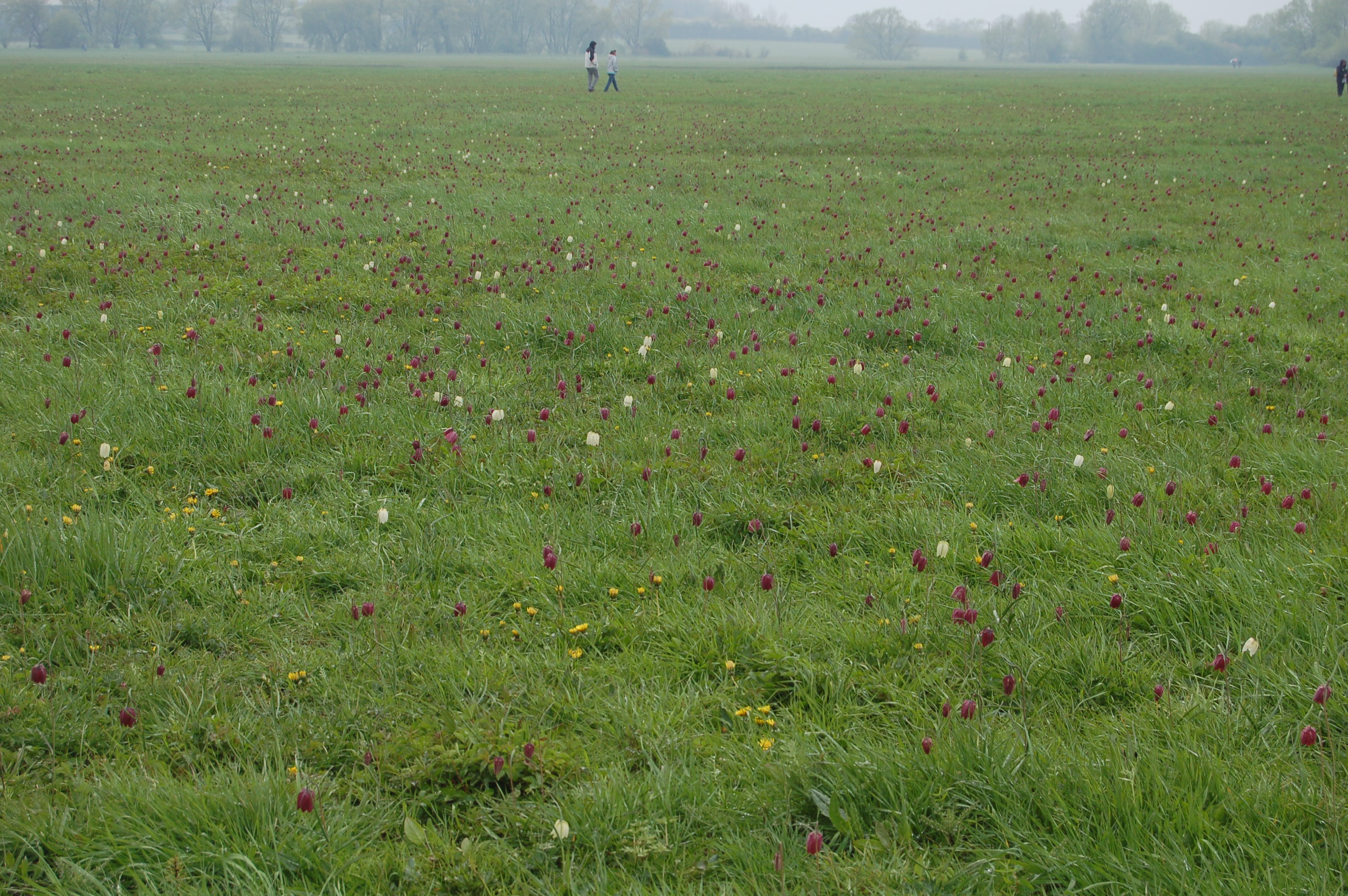
The reserve was one grand immense flat meadow which is flooded for a few months each year creating an unusual habitat for plants and all sorts of wildlife. At first glance we were amazed at the expanse of the meadow but somewhat disappointed at the relatively few numbers of Fritillaries visible. Seeing just one Fritillary is a treat though as it is such an unusual and beautiful flower. It is now sadly a “nationally scarce” plant.

2014 04 21_8232 2014 04 21_8234

Even though the light was very dull we soon spotted more of the little beauties we had waited so long to see and realised that there were far more than we had first thought. We grow Fritillaria meleagris in our spring border at home and in the orchard meadows on the allotment communal gardens but we had never seen them growing in their true wild habitat, the wetland meadows. We wondered just how amazing they must look on a bright day. To begin with we found them in small clumps including the odd white flowers which although lacking the checkerboard patterning have a delicate beauty of their own.

2014 04 21_8231 2014 04 21_8235

2014 04 21_8424

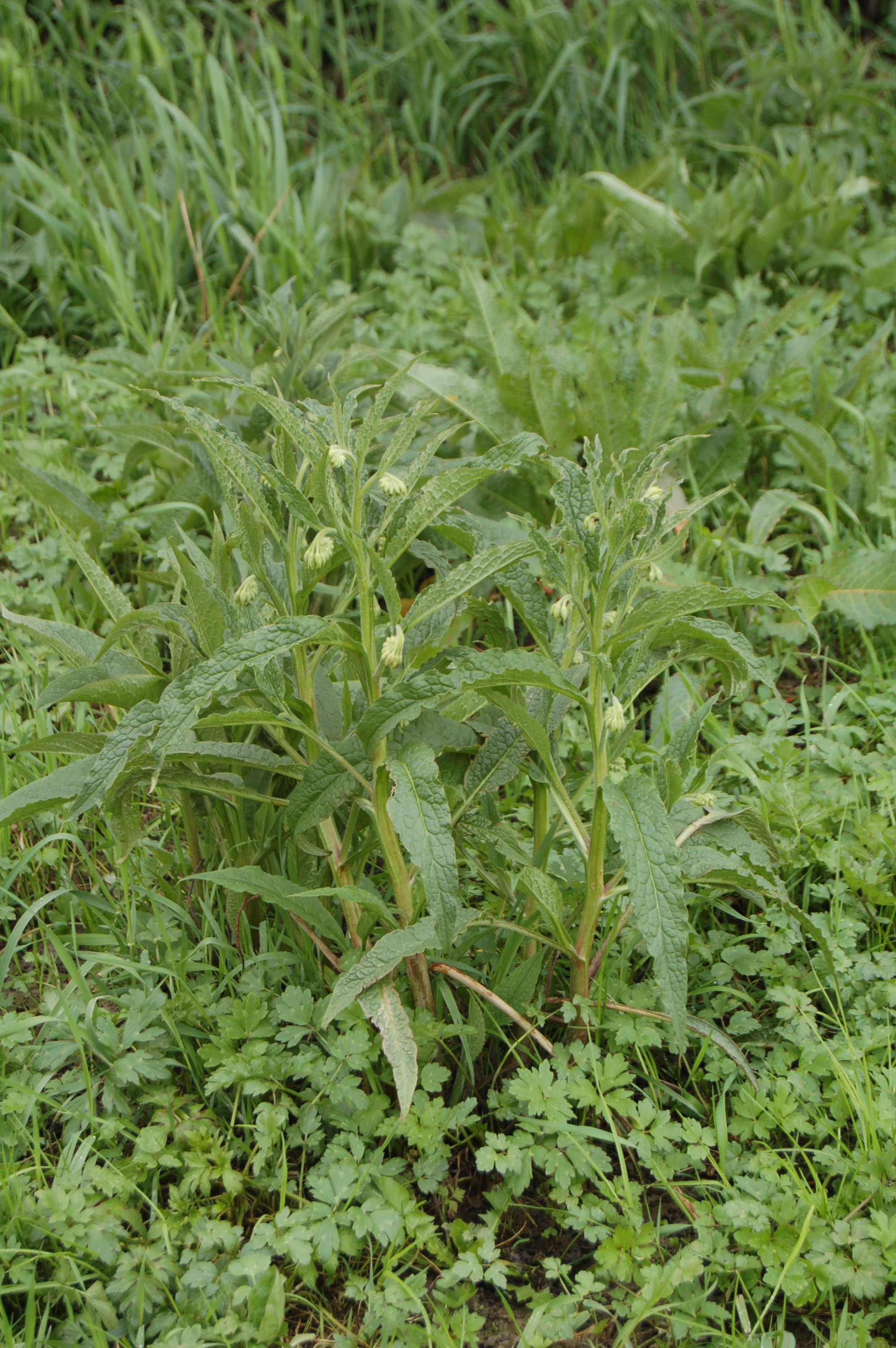
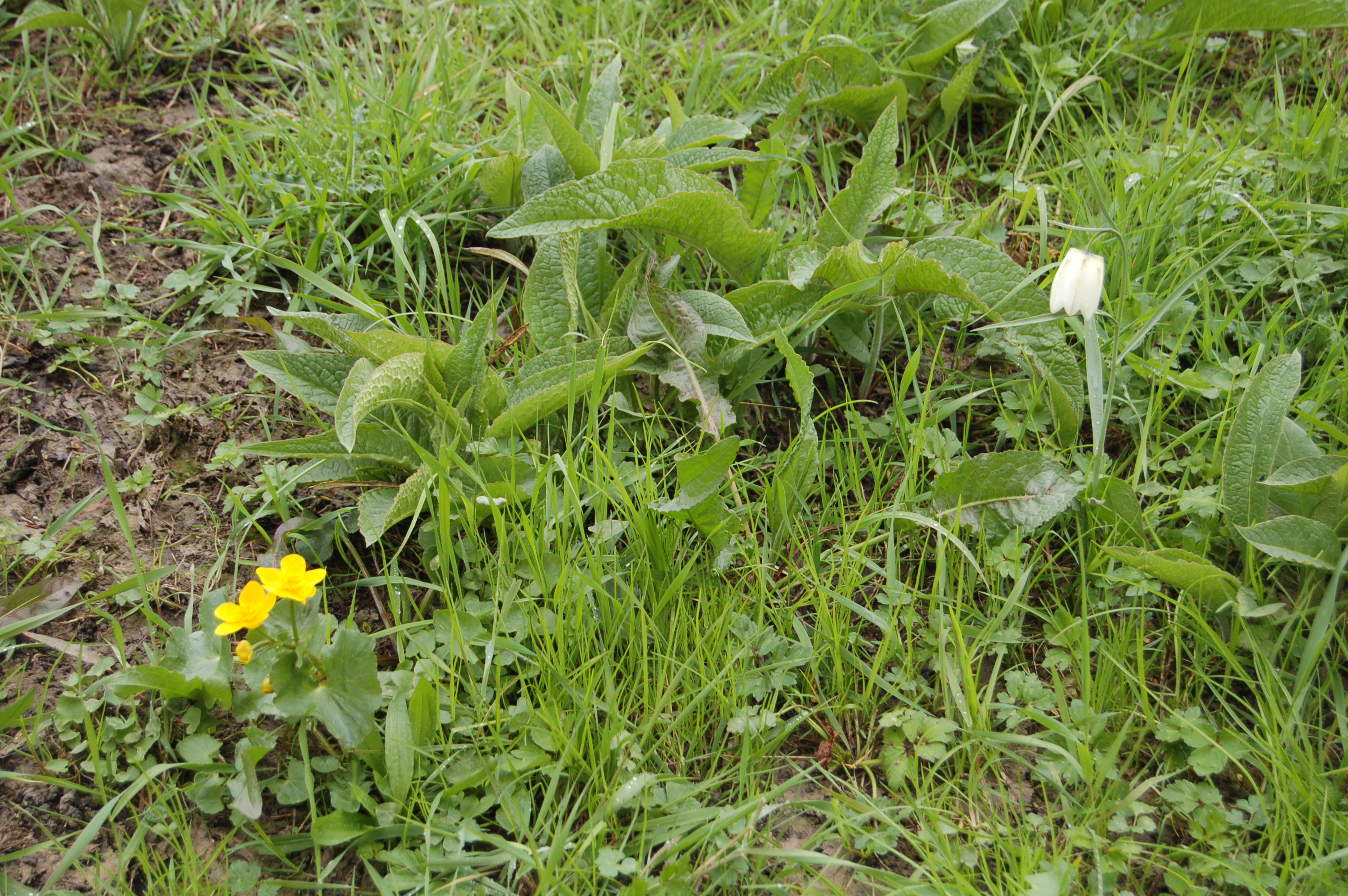
This wetland meadow habitat was home to other site specific species such as Comfrey and Kingcups, Lady’s Smock and Ragged Robin. Lovely old fashioned names for our native wildflowers. To maintain the special requirements of this collection of damp loving plants it is essential that the meadow is managed properly. It has to be grazed, used for hay and flooded for set periods.
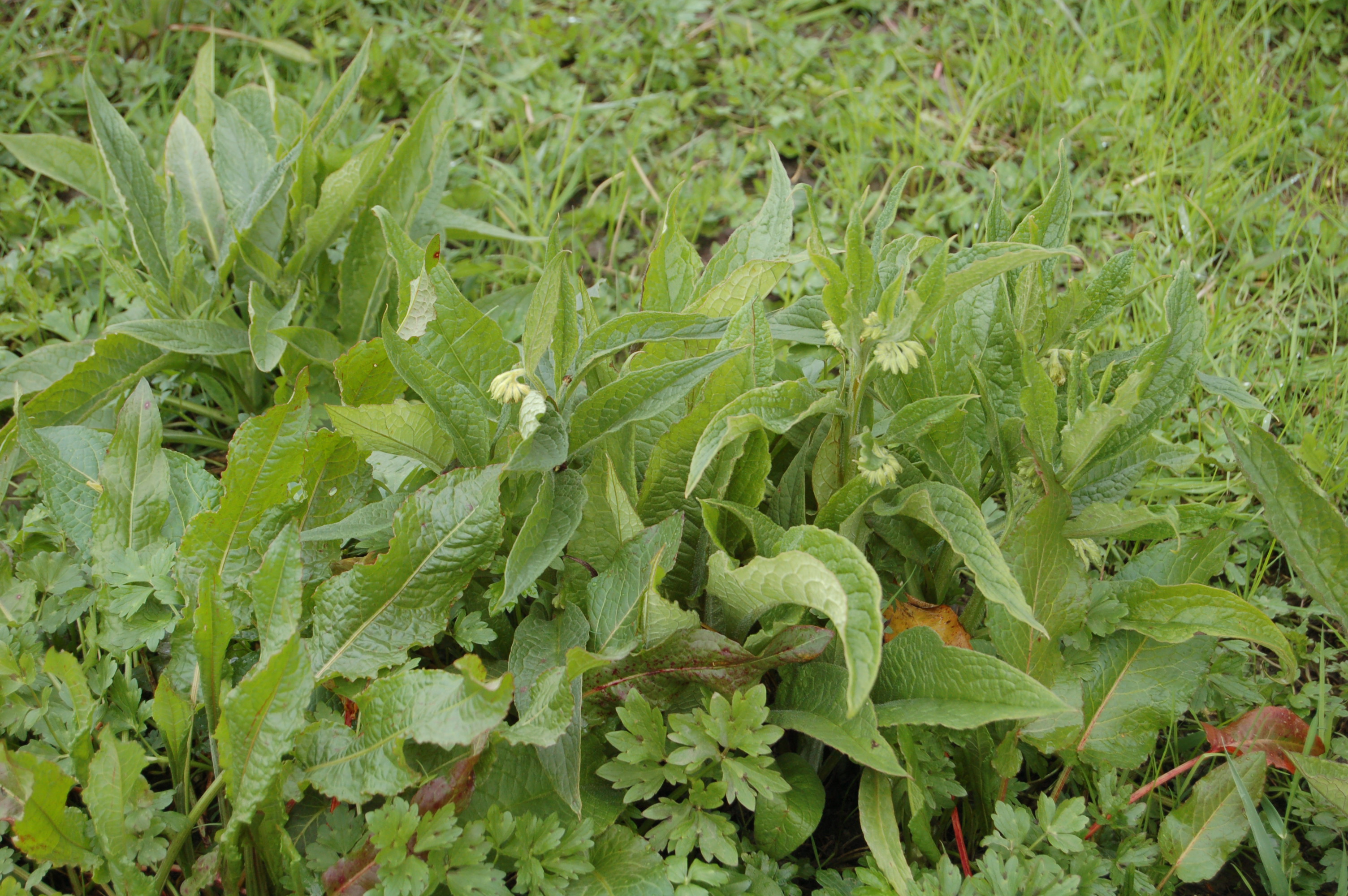
2014 04 21_8415 2014 04 21_8416   2014 04 21_8419 2014 04 21_8420  2014 04 21_8422 2014 04 21_8309

We were surprised to find one comfrey with yellow and green variegated foliage.
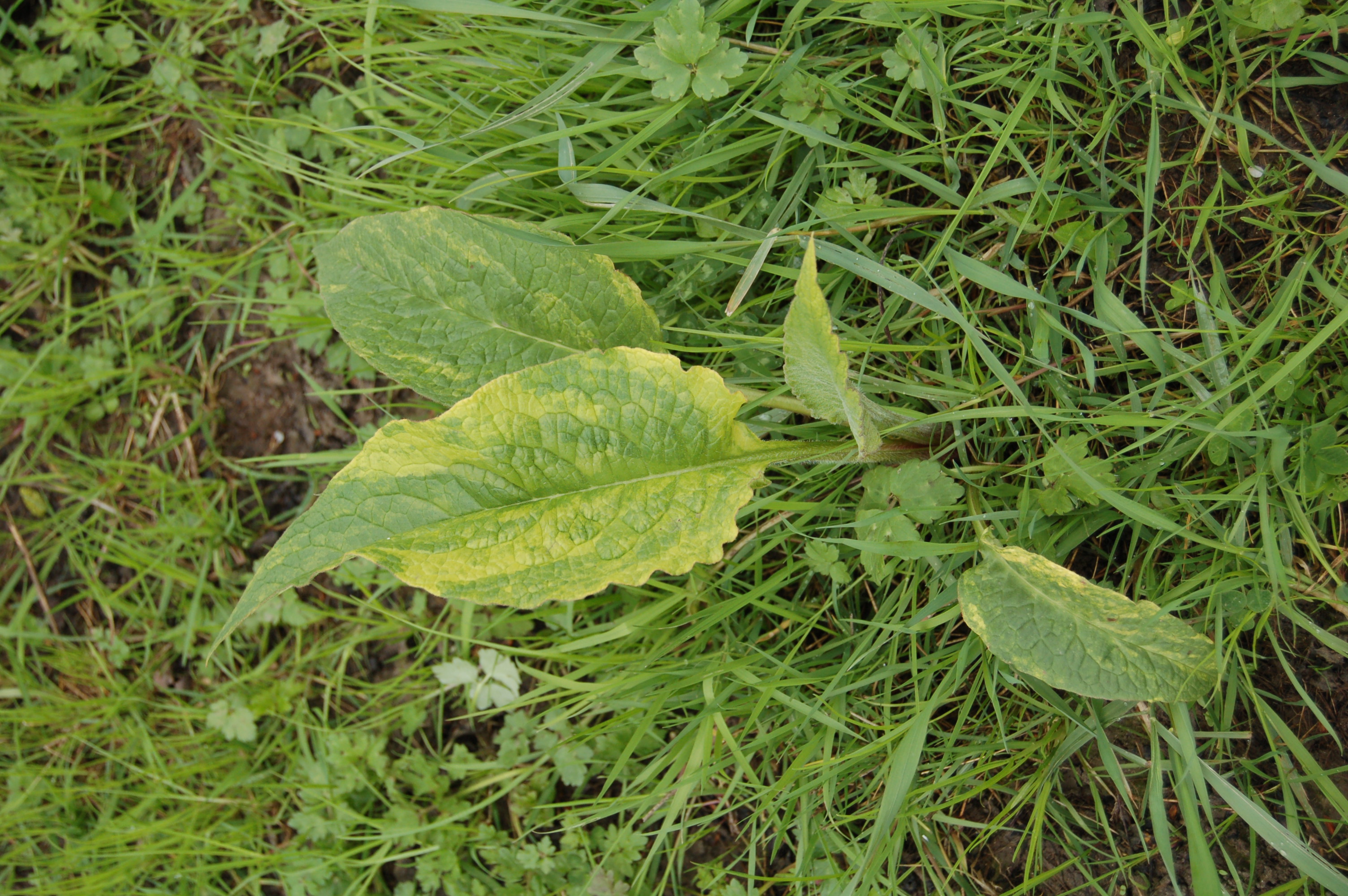
2014 04 21_8423

Along the margins of the meadow we stumbled upon these little carved stones, looking like miniature milestones. We later found out that they marked the plots allotted to individual “commoners” for haymaking.

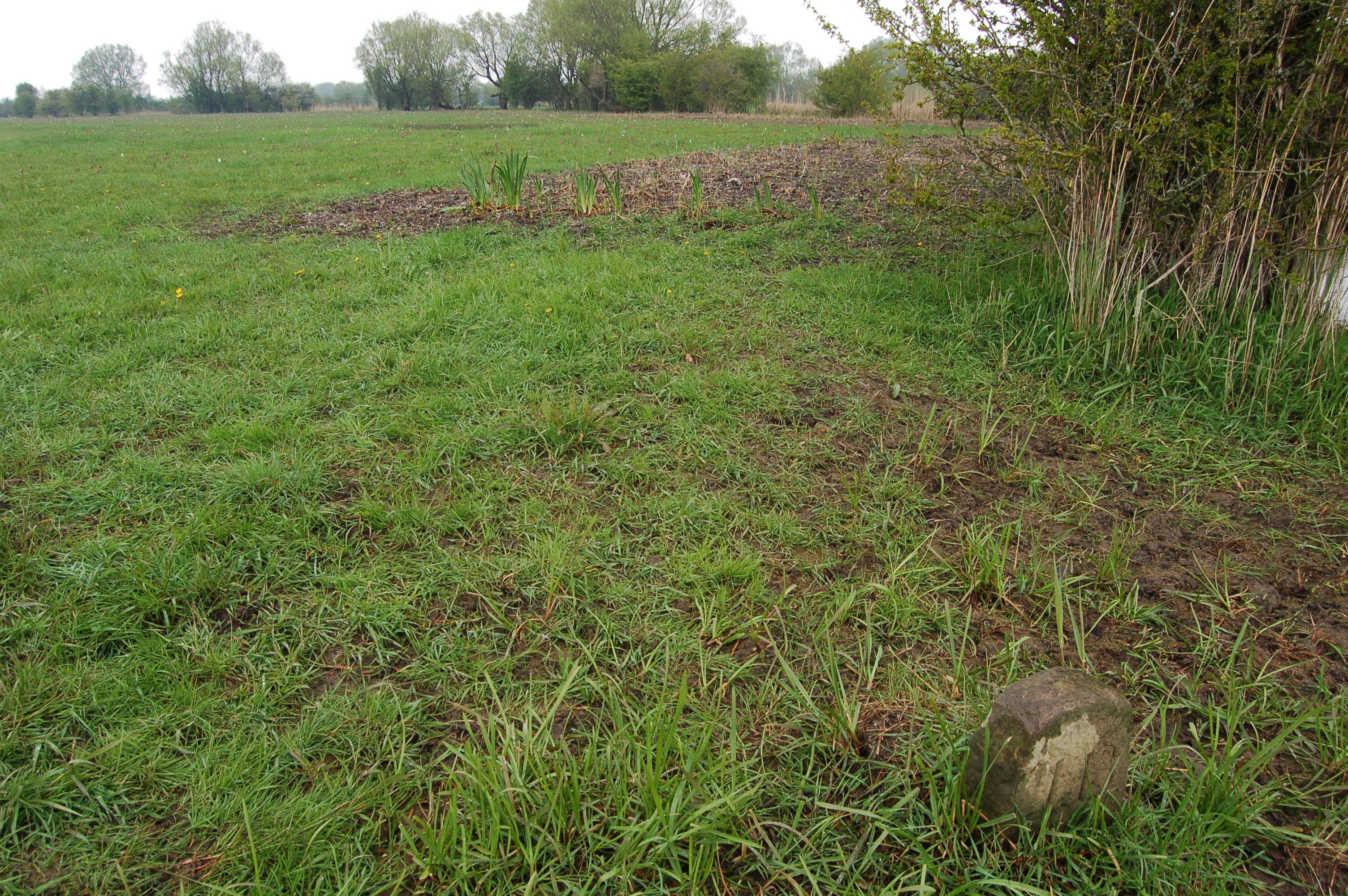
2014 04 21_8313 2014 04 21_8312

As we reached about two-thirds of the way around the meadow the density of the fritillaries increased markedly and tall reeds grew on its margins.

2014 04 21_8310   2014 04 21_8306

2014 04 21_8396 2014 04 21_8394 2014 04 21_8304 2014 04 21_8303 2014 04 21_8302 2014 04 21_8301 2014 04 21_8389 2014 04 21_8299

2014 04 21_8294 2014 04 21_8293


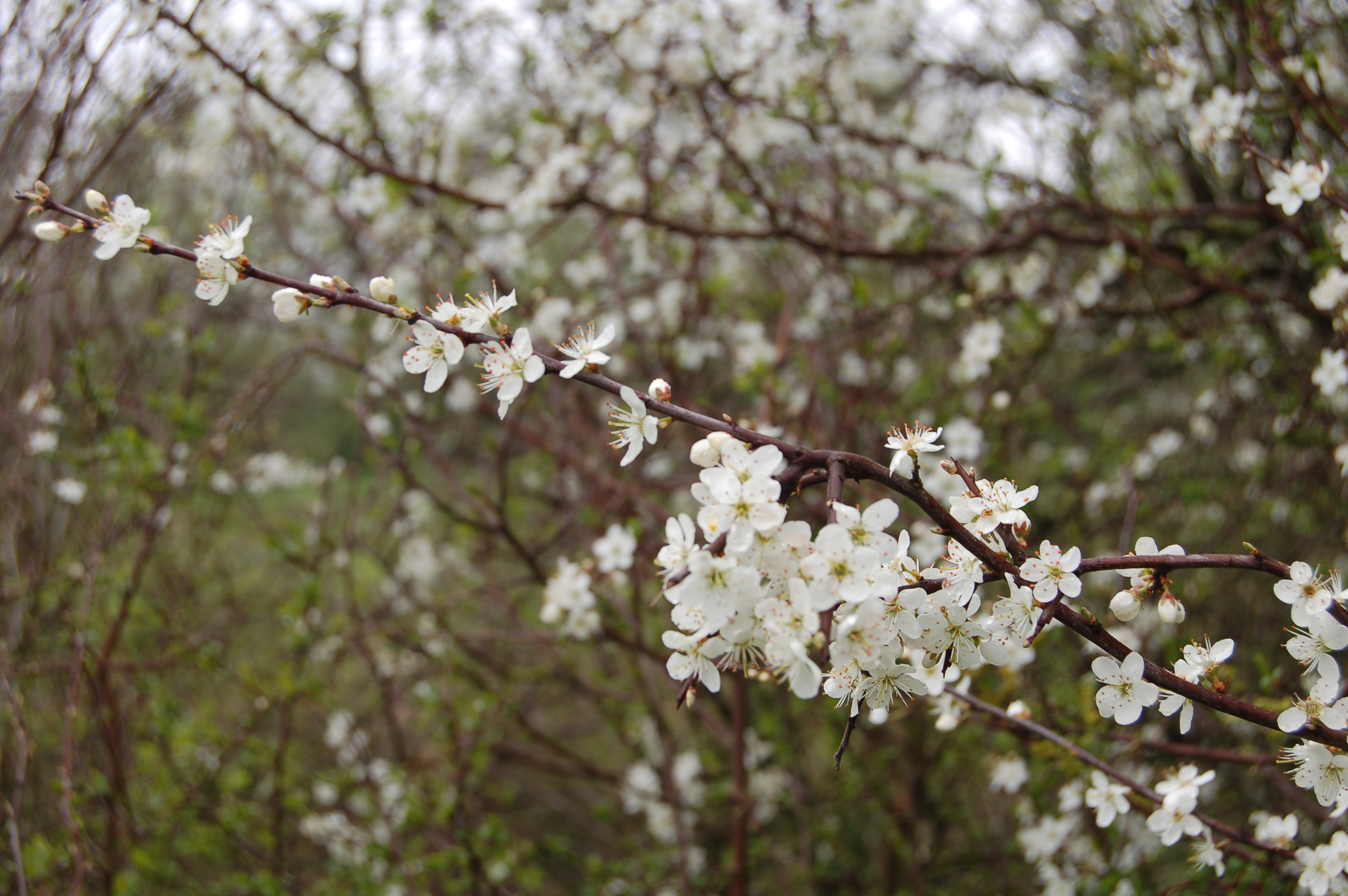
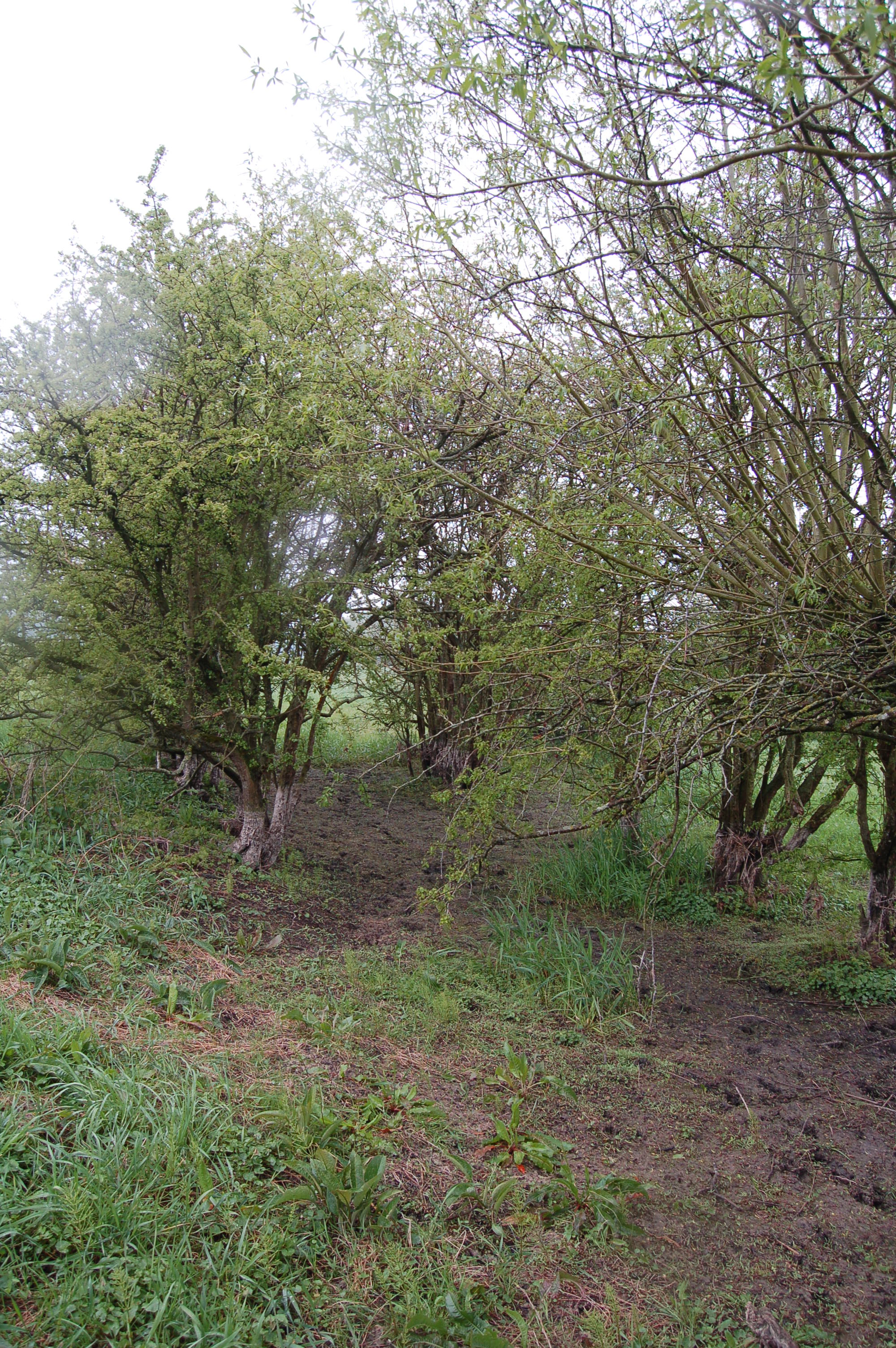
The last part of our wander around this wet meadow was alongside the river once again where Willow and Blackthorn trees grew happily in the damp soils.

2014 04 21_8298 2014 04 21_8297 2014 04 21_8296 2014 04 21_8421

2014 04 21_8295   2014 04 21_8292   2014 04 21_8288 2014 04 21_8465

2014 04 21_8278

In a very damp patch we came across a clump of this very unusual looking sedge with its jet black flowers thus finishing off our visit to the field of Fritillaries with a mystery as we had no idea what it was.
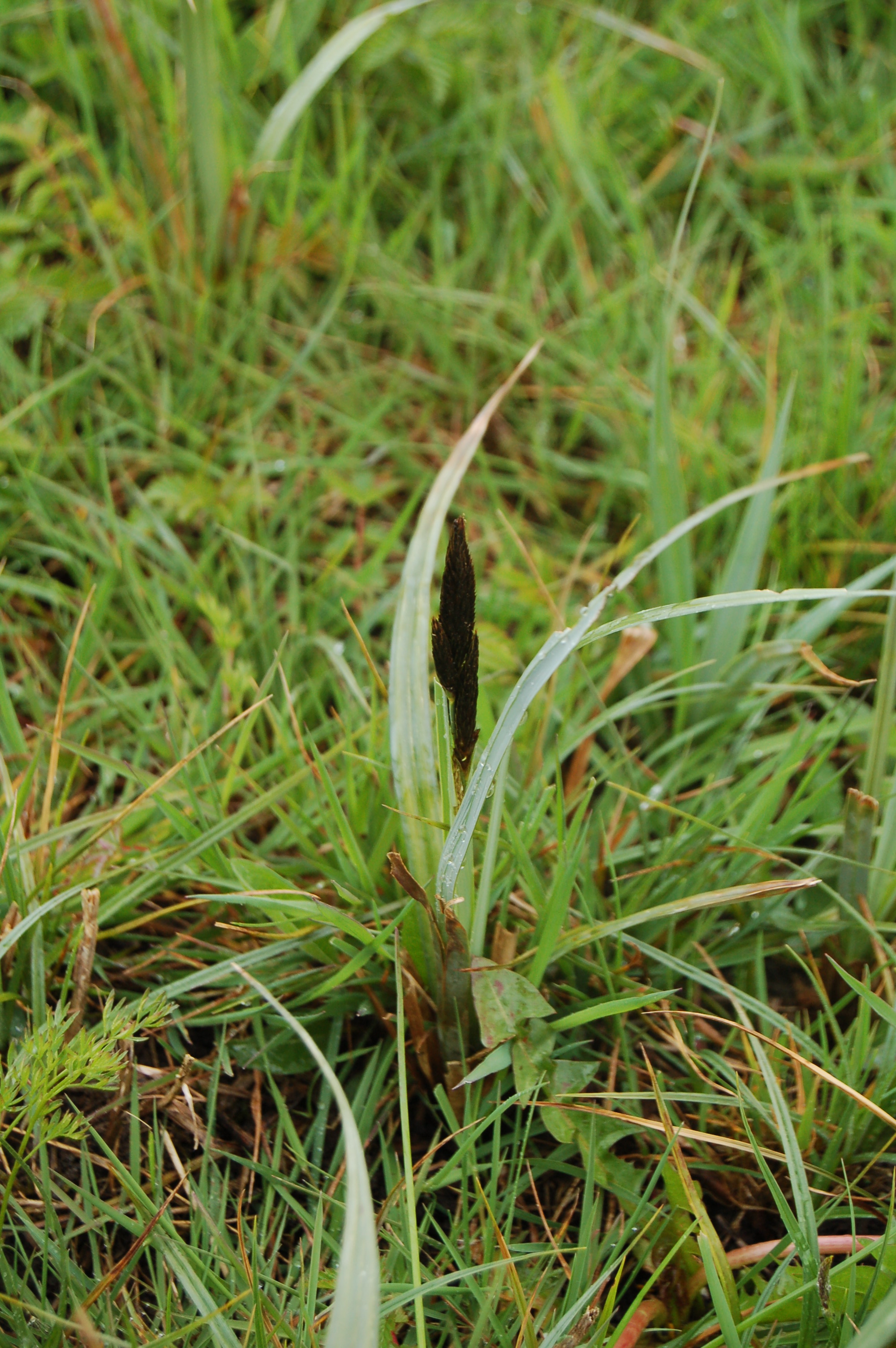
2014 04 21_8286 2014 04 21_8285

As we left the reserve we just had to stop and admire this old and very unusual toll cottage.

2014 04 21_8495

Categories
bird watching birds conservation photography wildlife Wildlife Trusts

Brandon Marshes – a Warwickshire Wildlife Trust Nature Reserve.

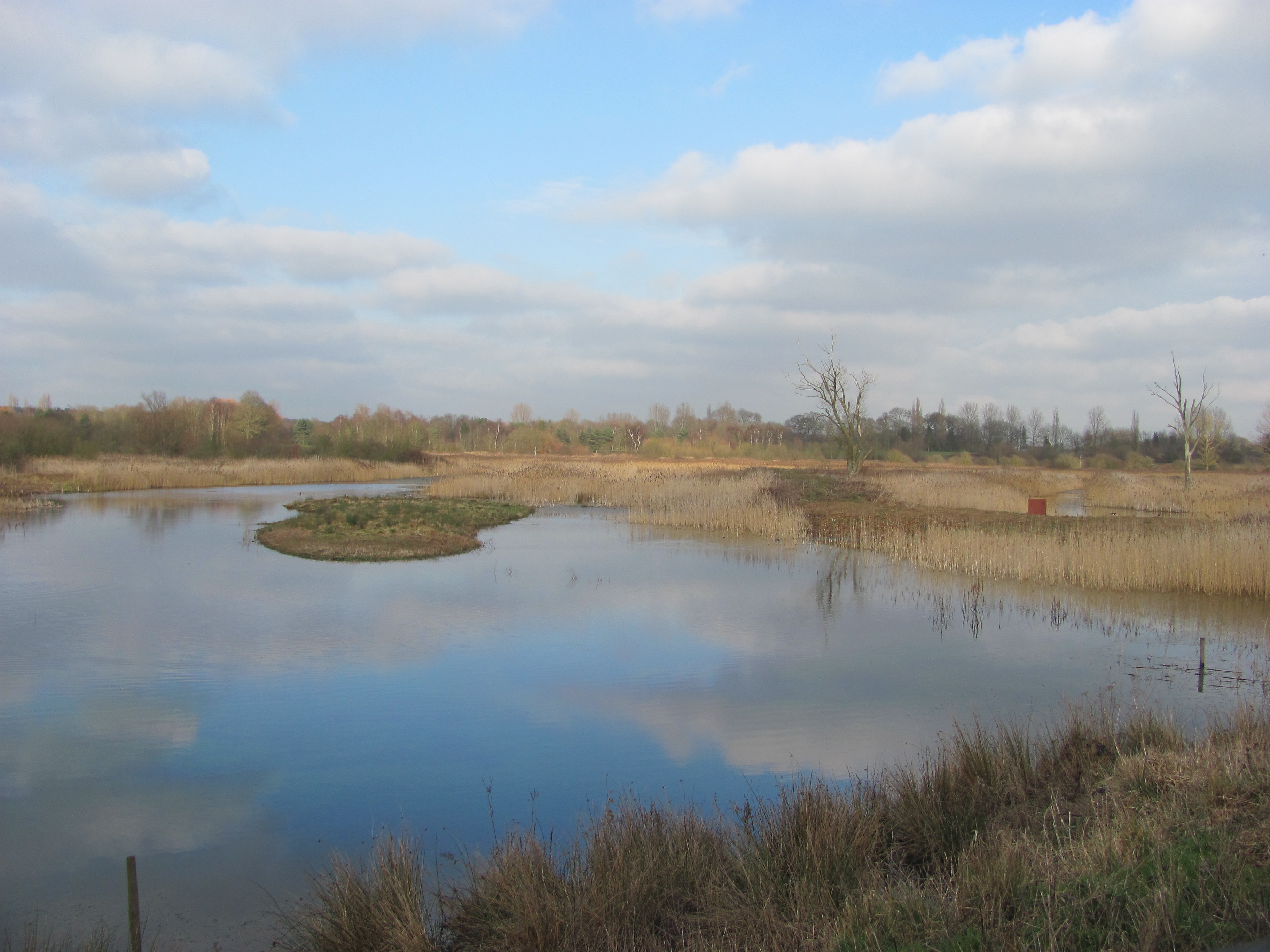
Once you have visited Brandon Marshes you have to congratulate Warwickshire Wildlife Trust for creating and maintaining such a wonderful reserve, with so many different habitats to explore. Woodland, pools, marsh areas, reedbeds and grassland. Seven hides are situated where you can appreciate the different birds using the reserve. And we can’t fail to mention the coffee shop with big windows affording great views of busy bird feeders, which attract Great Spotted Woodpecker, Bullfinch, Siskin and Reed Bunting as well as the usual suspects.

The reserve is designated a Site of Special Scientific Interest and boasts 2 km of paths for the wandering bird watchers to enjoy. It is hard to believe that you are just a few miles from Coventry, and that the site was used for sand and gravel extraction until the 1980’s. In fact this extraction still goes on adjacent to the reserve but you soon forget it is there and ignore its noises.

On the day of our visit the weather started cool and misty but cleared and warmed up later so we were able to stay in the hides for a long time without getting cold. We spotted 53 different birds including some of my favourites like Bittern, Snipe and Kingfisher. We were privileged to see two Bittern in flight close to and were able to appreciate their wonderful colours and markings. The Snipe were present in good numbers spotting groups of 12 and 9 whereas Golden Plover and Lapwing were present in very large numbers. A real surprise was the number of Bullfinches around the reserve. We reckoned we had seen more on that day than the total for the last 5 years or so. A flock of 8 were feeding close to the path just 100 metres or so from the hide and a second feeding group of 5 were seen after another 50 metres walk along the track.

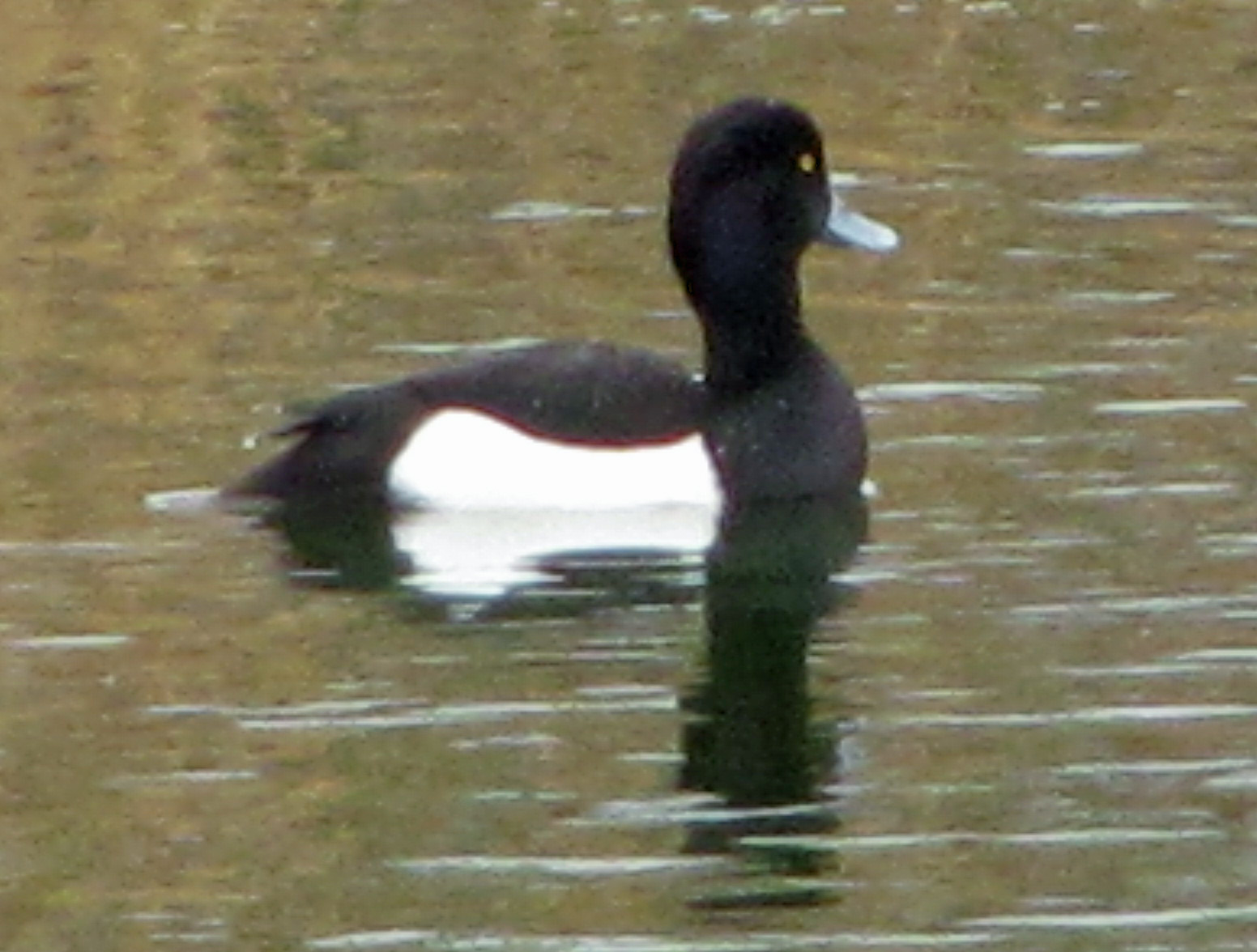
Ducks and gulls of course were present in large numbers. Among the usual Blackheaded and Herring Gulls we spotted two rarities, a Glaucous and a Mediterranean, both firsts for us.Tufted Ducks and Teal were the most numerous with Gadwall, Pintail and Goldeneye the most unusual.

The next two photos show a male “Tufty” who obligingly stayed above water between dives to allow me to take a shot, but the Teal proved oh so different. He never stopped feeding resulting in lots of failed pictures.

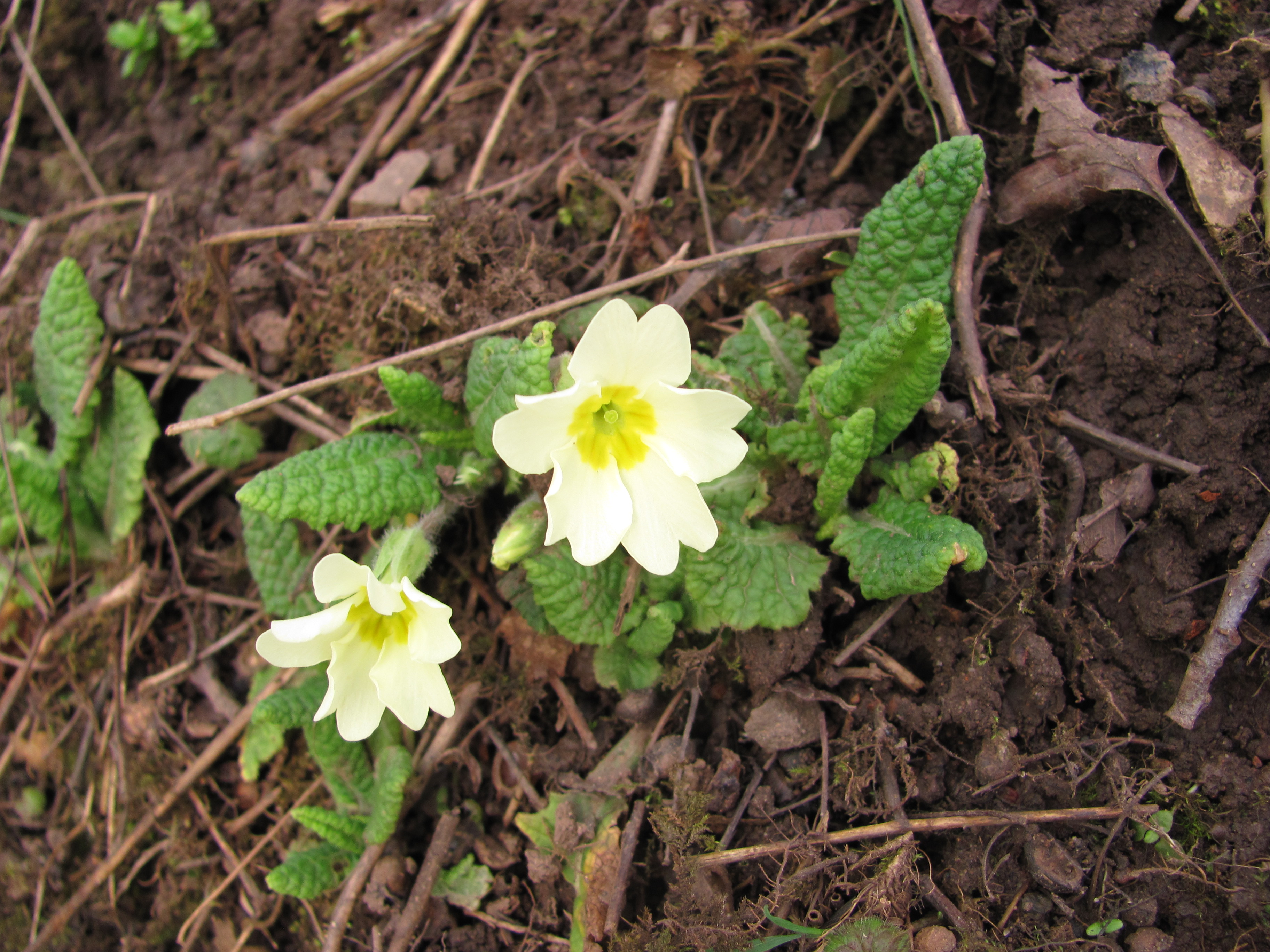
Between hides we walked through woodland and along the edges of reedbeds and marshy areas. On a bank we spotted clumps of Primroses growing in profusion, with a few in flower. We could only imagine how wonderful they would look in a few weeks time.

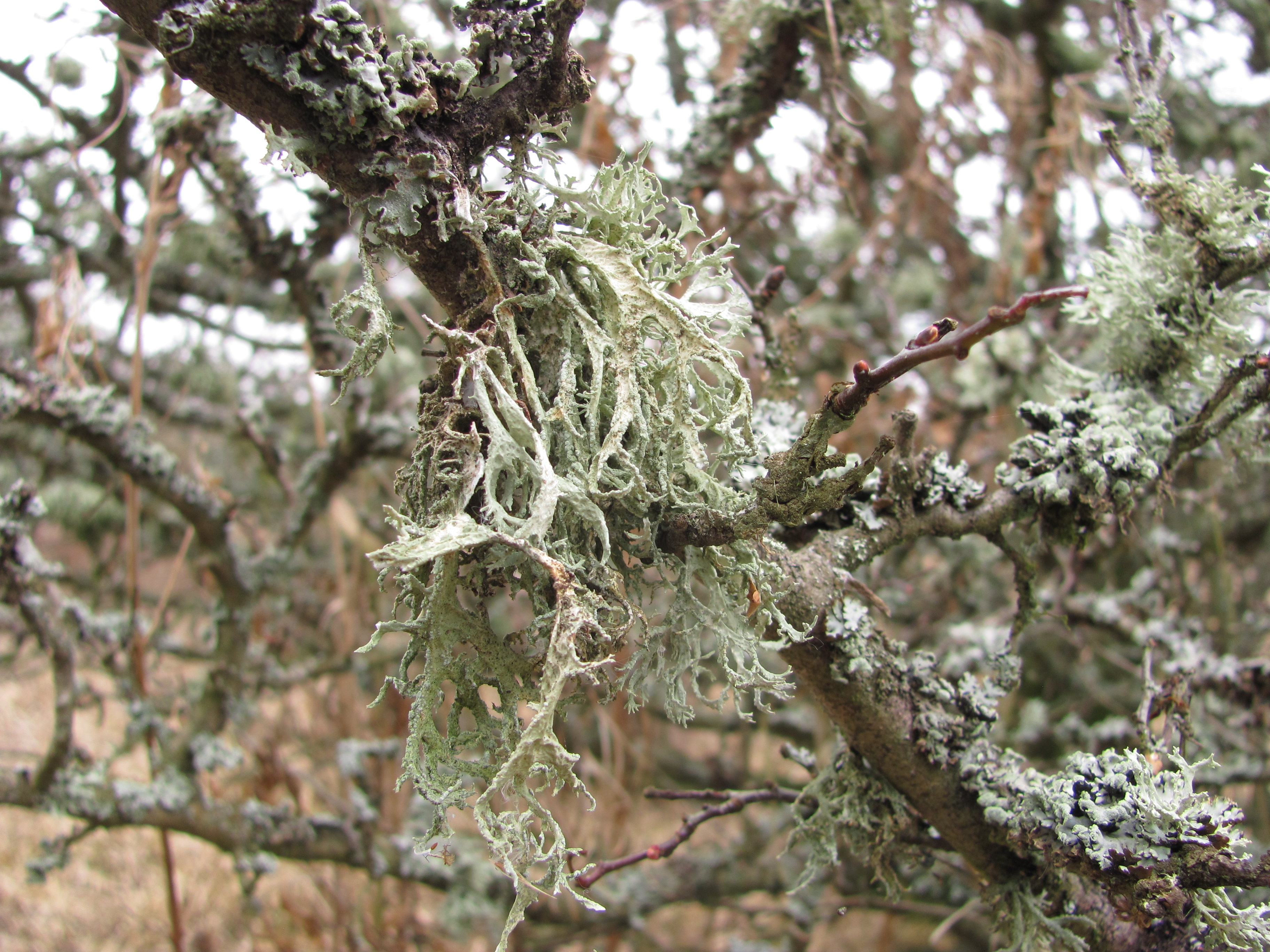
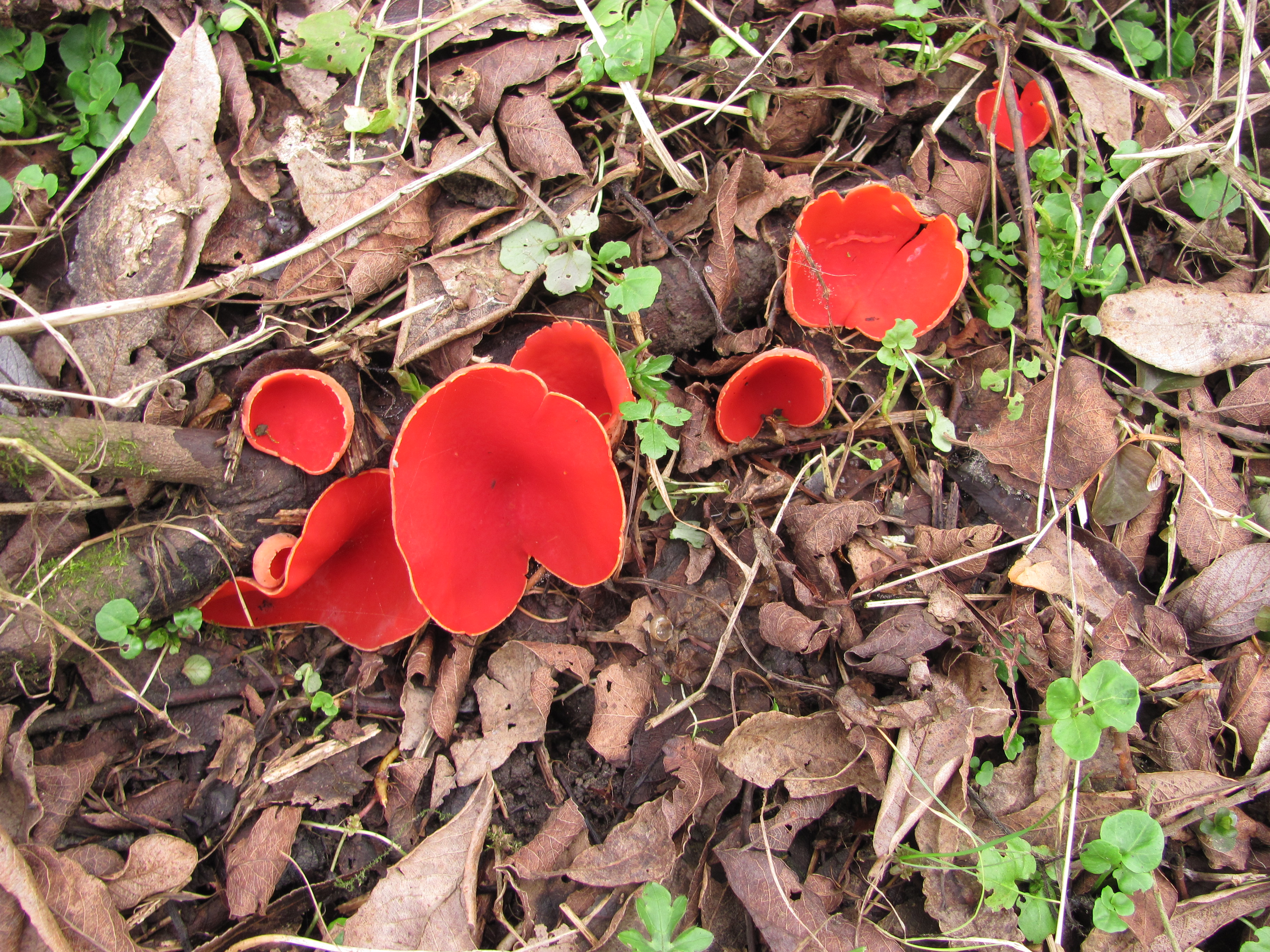
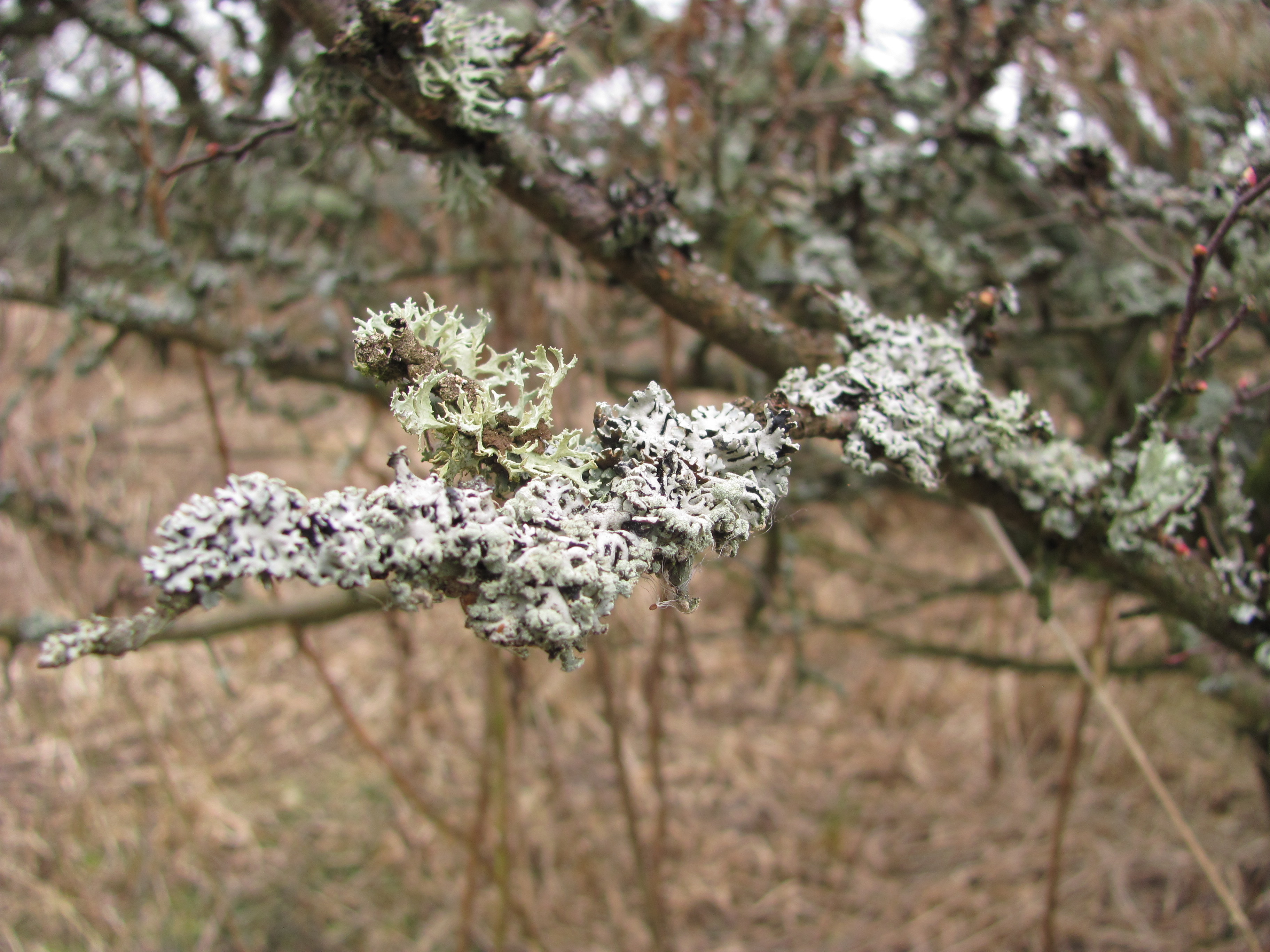
In a marshy area with small trees and bushes we were delighted by the lichen on the branches of the trees and these rich red fungi growing close to a tiny trickle of water.

Returning to the car at the end of the day the sun was getting low in the sky and backlit this oak leaf to give it the look of burnished copper. We promised ourselves a return visit when the summer migrants have arrived.

This Veggie Life

A Vegetarian | Nature Lifestyle Blog

Rambling in the Garden

.....and nurturing my soul

The Arch City Gardener

Journeys In St. Louis Gardening and Beyond

Garden Dreaming at Châtillon

Consult the genius of the place

Storyshucker

A blog full of humorous and poignant observations.

gardeninacity

Notes from a wildlife-friendly cottage garden

PlayGroundology

...an emerging social science

The Official Blog of British Wildlife

'The most important and informative publication on wildlife of our times' - The Independent. This blog is a member of The UK & Ireland Natural History Bloggers group: www.uknhb.blogspot.com

iGrowHort

Inspire - Cultivate - Grow Native Plants - Restore Landscapes

Bishops Meadow Trust

To create and protect a semi-natural wild space for the people of Farnham to enjoy and experience an array of British wildlife in our town

Gardening with Children

The www.gardeningwithchildren.co.uk Blog

UKbirdingtimeline

birding through the seasons, why birds matter and how to conserve them

NATURE WALKER

with a camera in hand

Jardin

Transform your outdoor space

Eva's space

My allotment, cooking and other interests

Old School Garden

my gardening life through the year

LEANNE COLE

Trying to live a creative life

fromacountrycottage

trying to live as lightly as possible on our beautiful planet

Good Life Gardening

Nature lovers from Leicester living the good life.

mybeautfulthings

Finding the beautiful in the everyday

mawsonmichelle

Michelle's Allotment

In and Out of My Garden

thoughts from and about my garden

Greenhousing

Big plans for a small garden

The Scottish Country Garden

A Walled Country Garden in South East Scotland

The Fruity Chicken

Life at the fruity chicken

willowarchway

Off grid living. Self sufficient. "PERMAGANICS RULE".

St Anns Allotments

Nottingham's Grade 2* Listed Allotments and Community Orchard

Manifest Joy Harvests

a journey in suburban vegetable gardening

Allotmental

The madness of growing your own

Penny's Garden: a harvest beyond my front door

A novel approach to vegetable gardening

arignagardener

Sustainable living in the Irish countryside.

NewEnglandGardenAndThread

Master Gardener, amateur photographer, quilter, NH native, and sometimes SC snowbird

dianajhale

Recent work and work in progress and anything else that interests me

planthoarder

a chaotic cottage gardener

Lens and Pens by Sally

a weekly blog that creates a personal philosophy through photographs and words

Dewdrops and Sunshine

Stories from a sassy and classy Southern farmbelle.

The Pyjama Gardener

Simple Organic Gardening & Seasonal Living

gettin' fresh!

turning dirt into dinner

JOY...

today the world is created anew

Garden Birds

Notes from a Devon garden

ShootAbout

Life Through The Lens

Adapting Pixels

A photography blog showcasing the best photography pictures and videos on the internet

Wildlifegardening's Blog

Just another WordPress.com site

naturestimeline

personal observations from the natural world as the search continues for a new approach to conservation.

LATEBLOOMERBUDS

The Wonders of Life through my Eyes, my Heart, my Soul