Categories
autumn autumn colours birds climbing plants colours garden photography garden wildlife gardening gardens grasses hardy perennials migration ornamental trees and shrubs poppies roses trees wildlife Winter Gardening

A Garden Bouquet for December

Already we are almost at the end of the year so here is my December bouquet from our garden,the final chapter in 2013.
2013 12 12_5469_edited-1

It is only mid-December and while in the garden we are treated to the beautiful repetitive piping call of a Song Thrush, already making his territorial proclamation. He must have found a mighty fine territory which he is making sure no-one else can take possession of.

The skies seem full of passing flocks of Redwing and their larger noisier cousins the Fieldfare on migration, escaping their cold food-less summer homes in central Europe. Below them exploring the trees and shrubs of our garden mixed foraging flocks of finches seek out the last of the seeds and berries while amongst them groups of Titmice, Great, Blue, Long-tailed and Coal arrive in hurried flight to explore every nook and cranny of dried stems, tree bark and shrub branches for insects especially spiders.

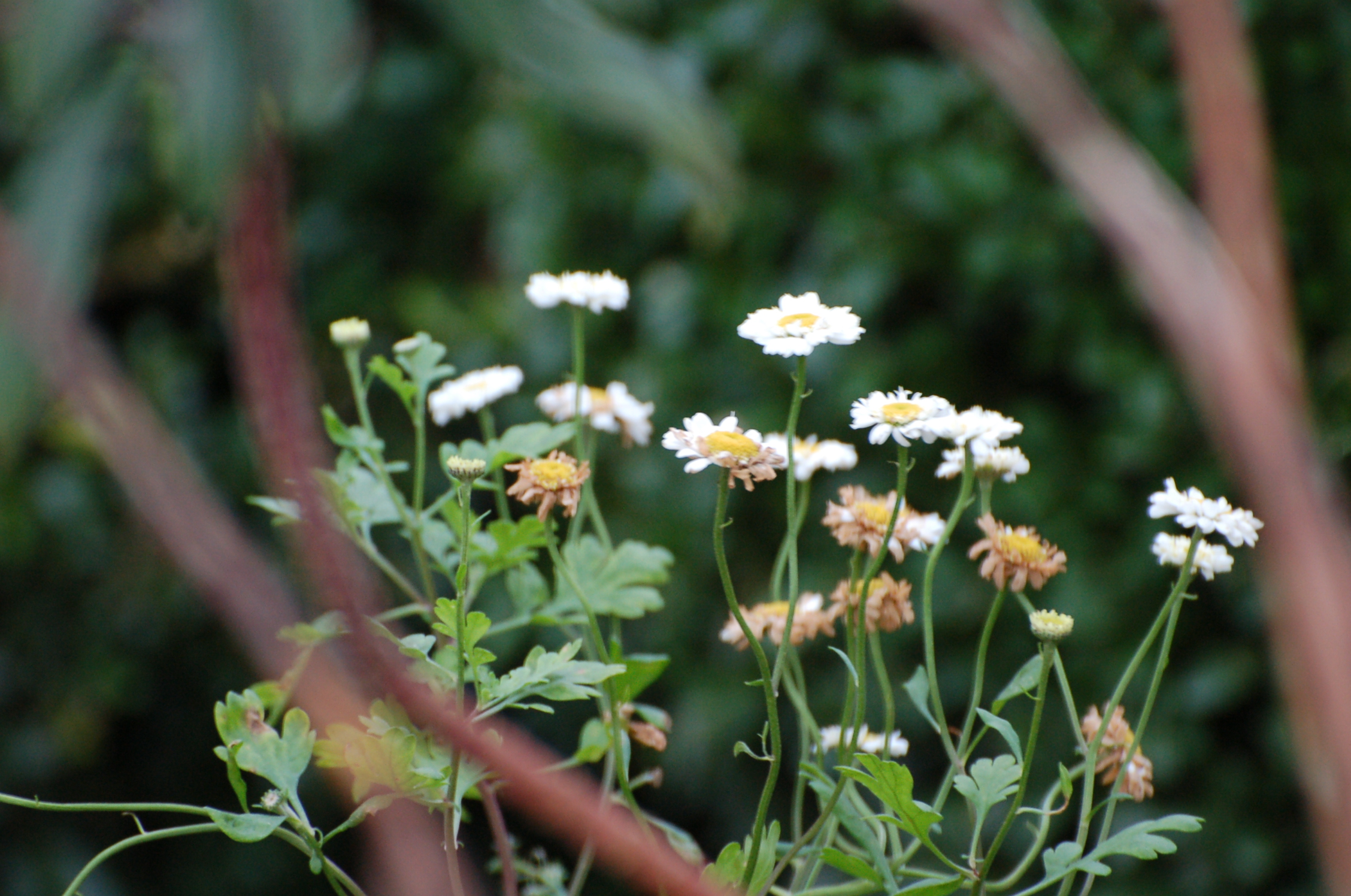
A few delicate looking soft coloured flowers still hang on determined to be the final blooms of the year. It seems amazing but the odd big bumbling Queen Bumble Bee appears to feed on them.

2013 12 12_5438 2013 12 12_5440

2013 12 12_5444 2013 12 12_5452

2013 12 12_5462 2013 12 12_5463

2013 12 12_5468 2013 12 12_5471

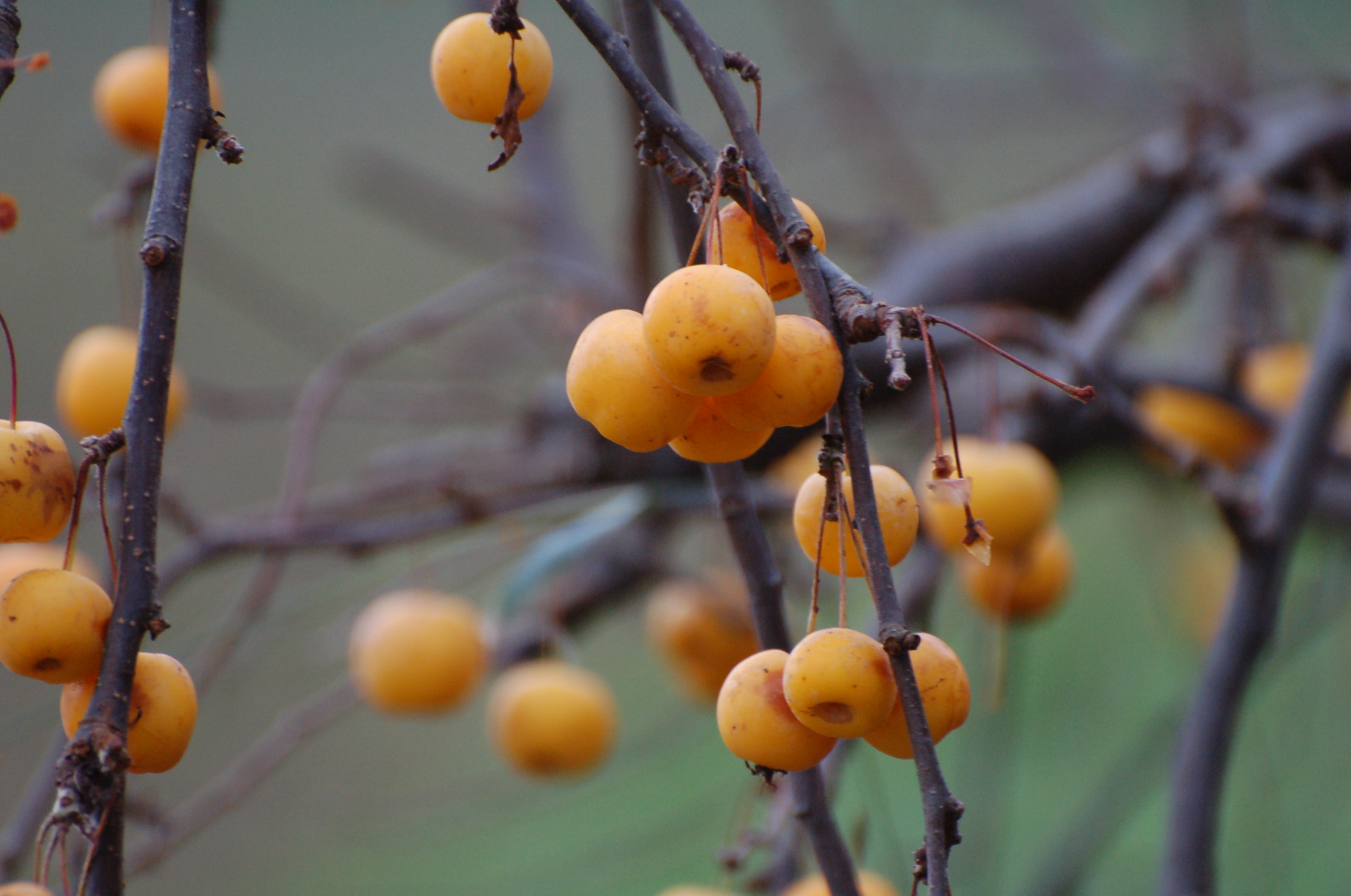
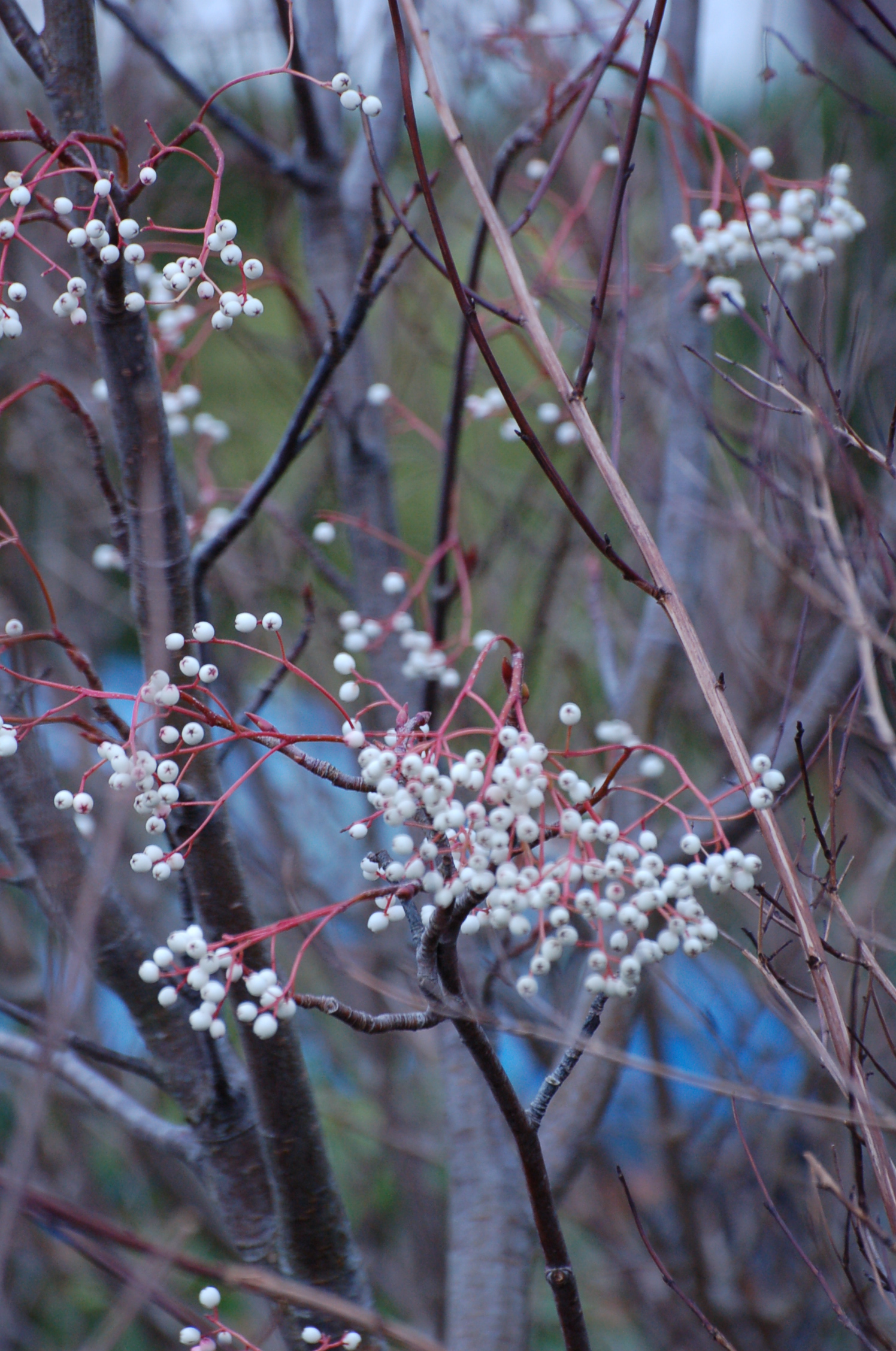
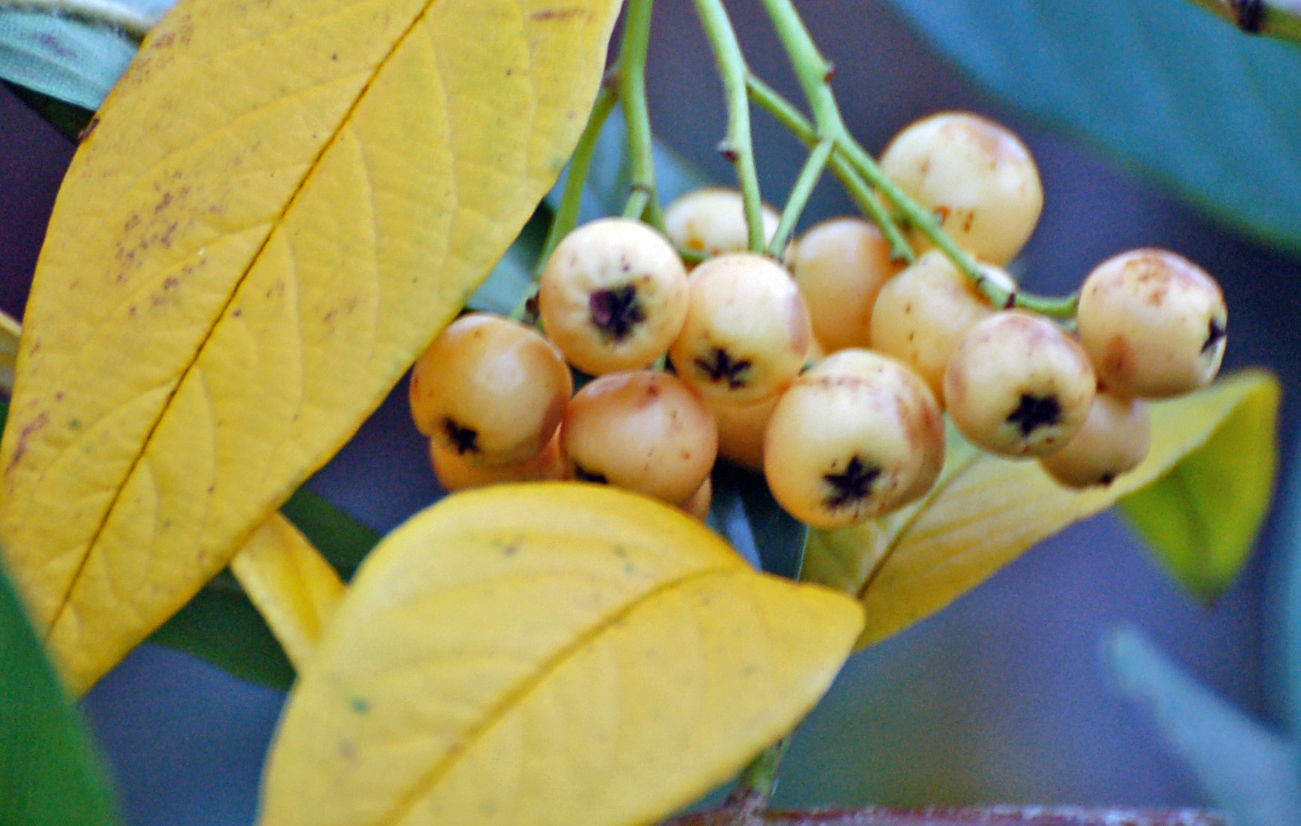
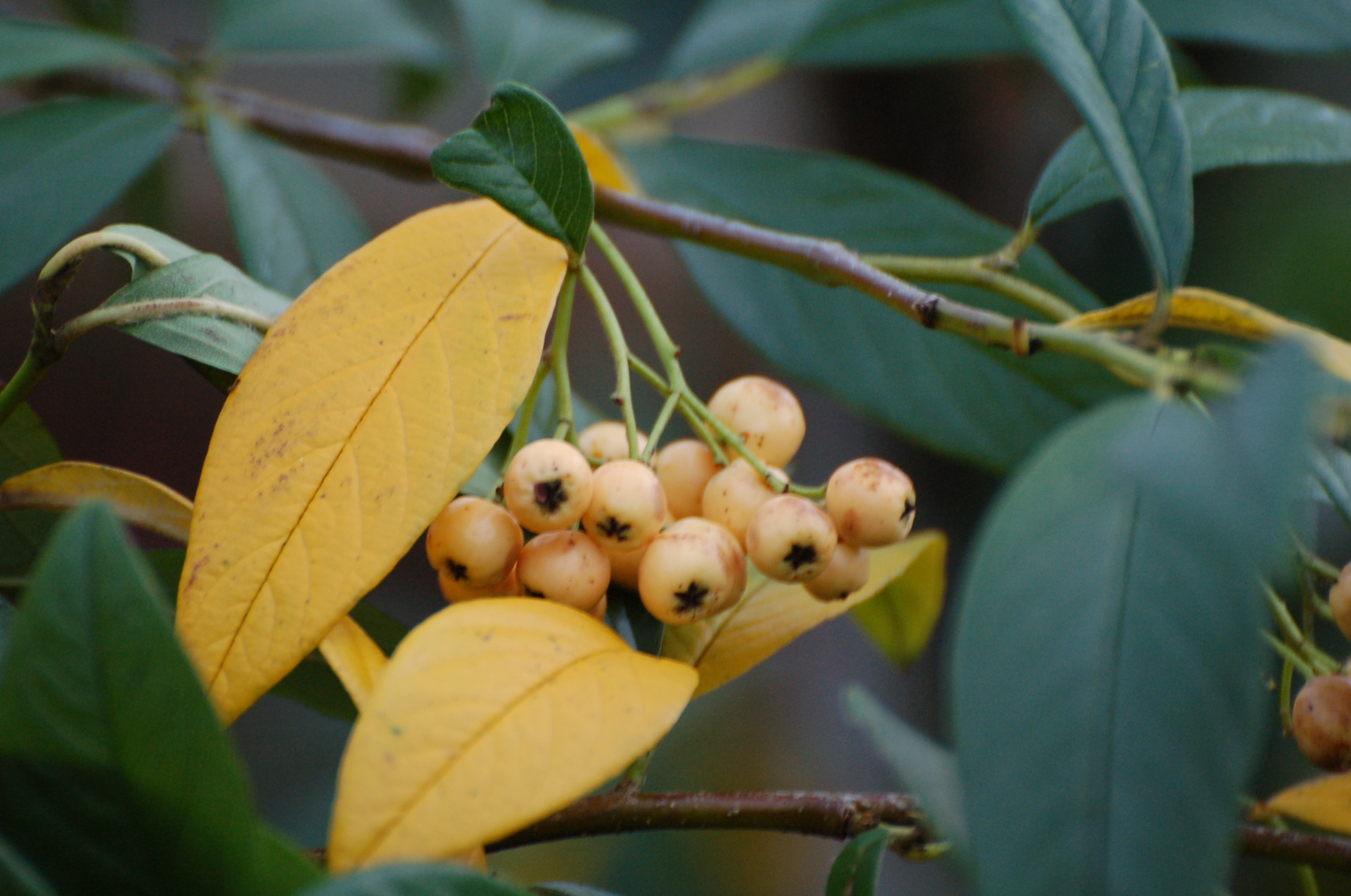
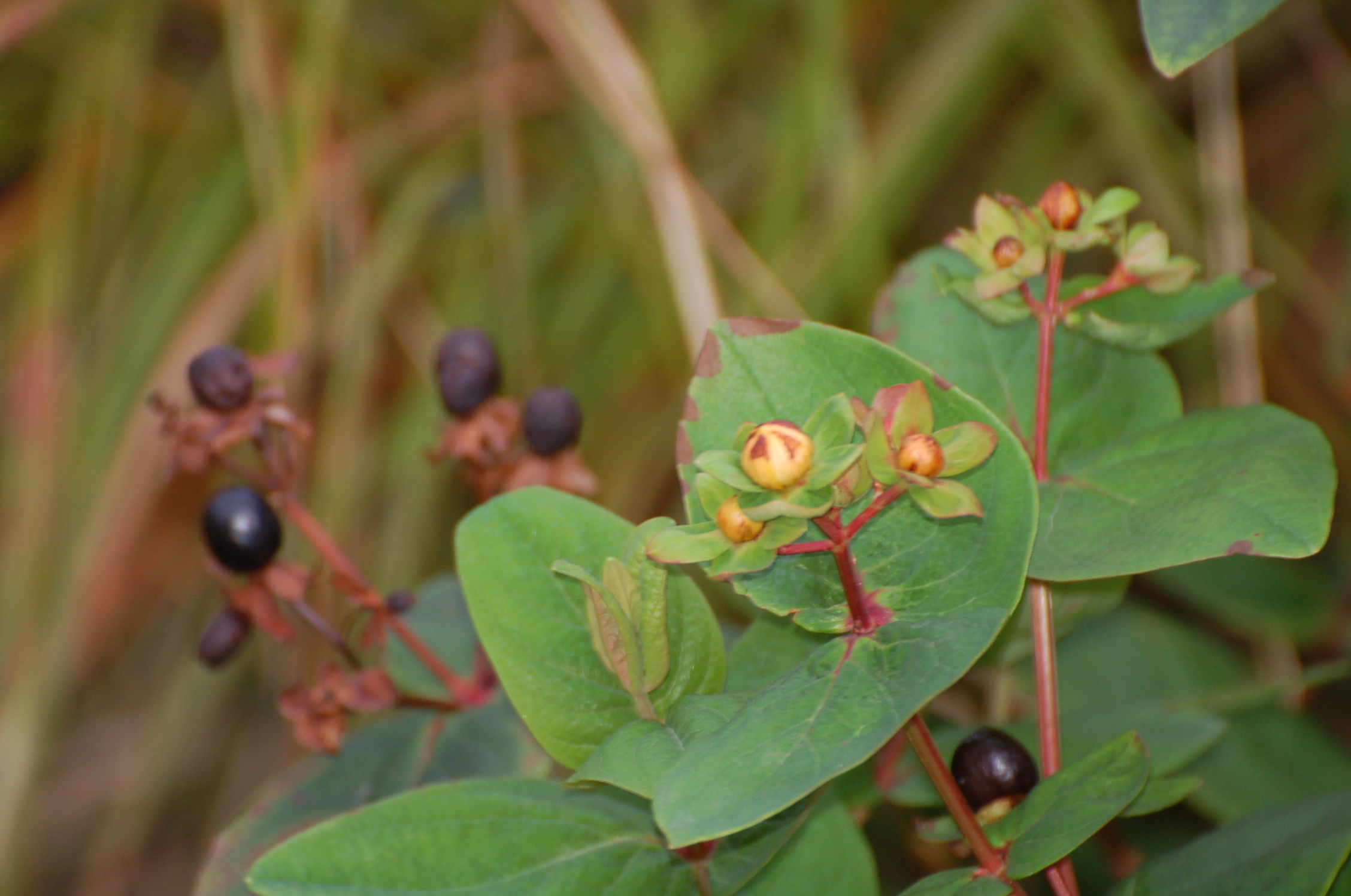
Berries on shrubs and small trees add extra sparkles of colour but the resident Mistle Thrushes guard them from the migrant thrushes. They are the larder for the colder days to come. The red fruit of the Cotoneasters, Hollies and Rowans will be eaten first and most will have been devoured by the thrushes and Blackbirds before the month is out. The creamy-yellow berries of the Cotoneaster rothschildiana will stay longer being mere second choices. The last to go without fail will be the white berries of the Sorbus, so we can get to enjoy them against dark winter storm clouds before the birds eat them.
2013 12 12_5445 2013 12 12_5446

2013 12 12_5454 2013 12 12_5472

2013 12 12_5479 2013 12 12_5445_edited-1

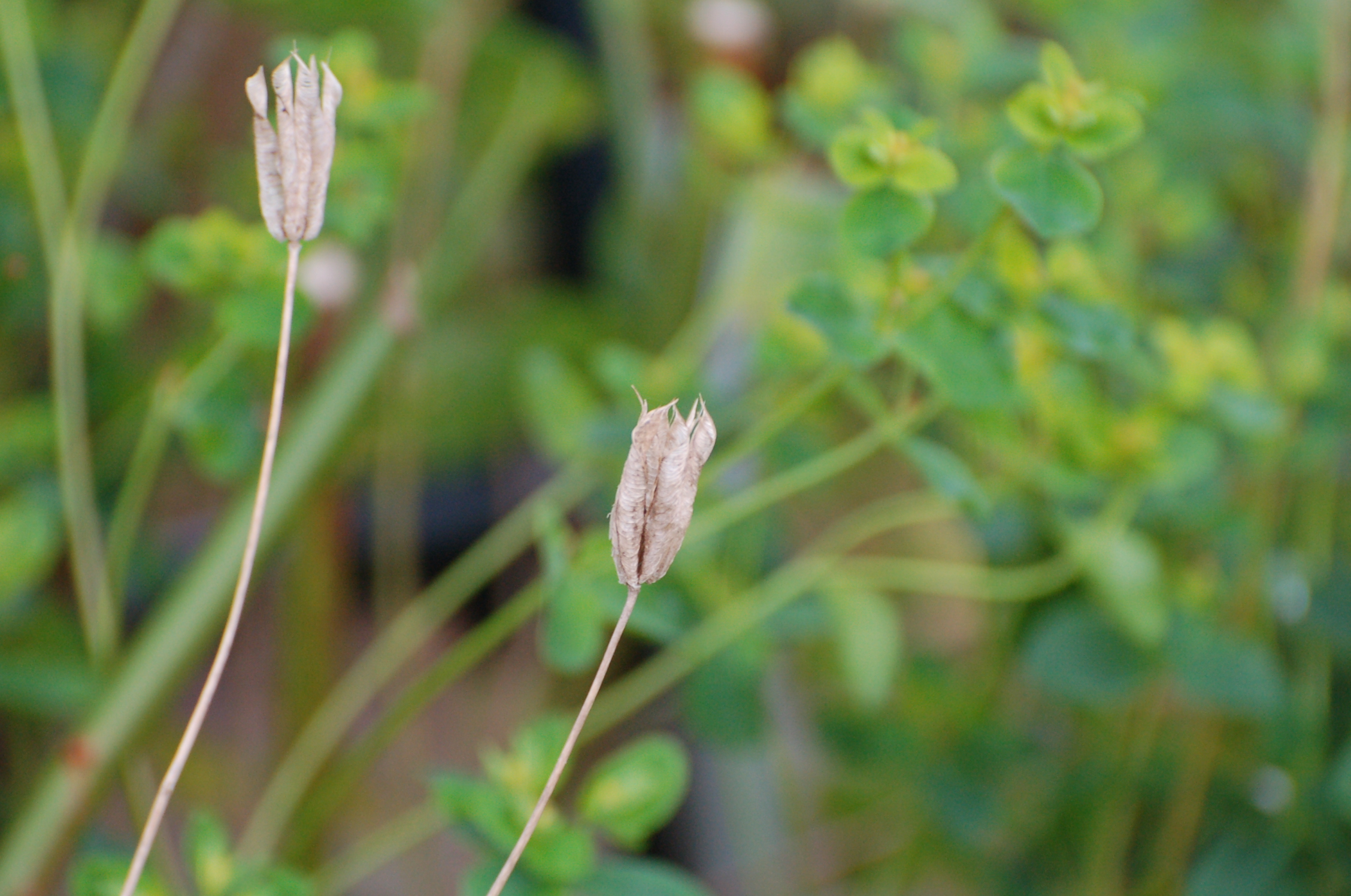
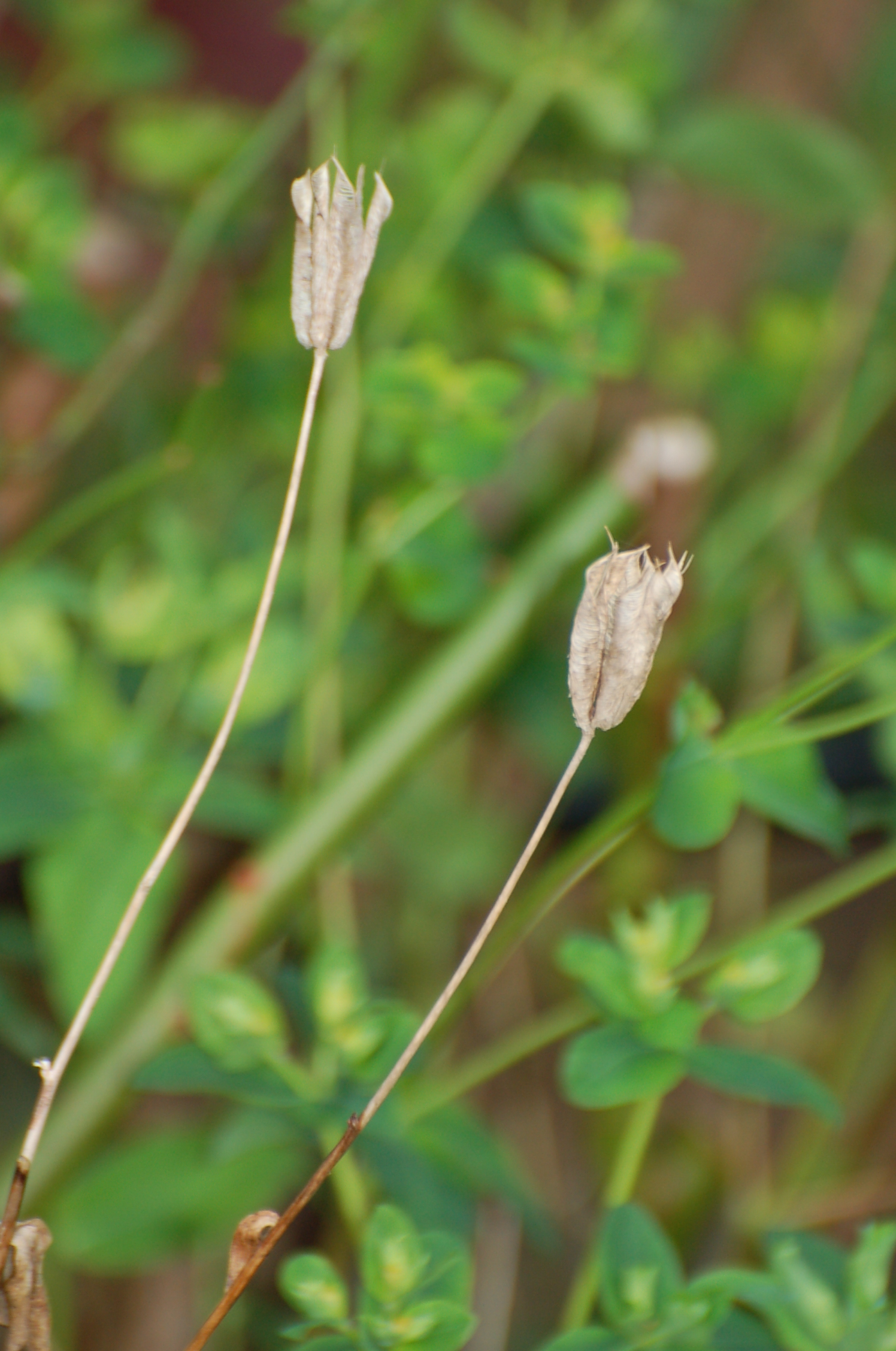
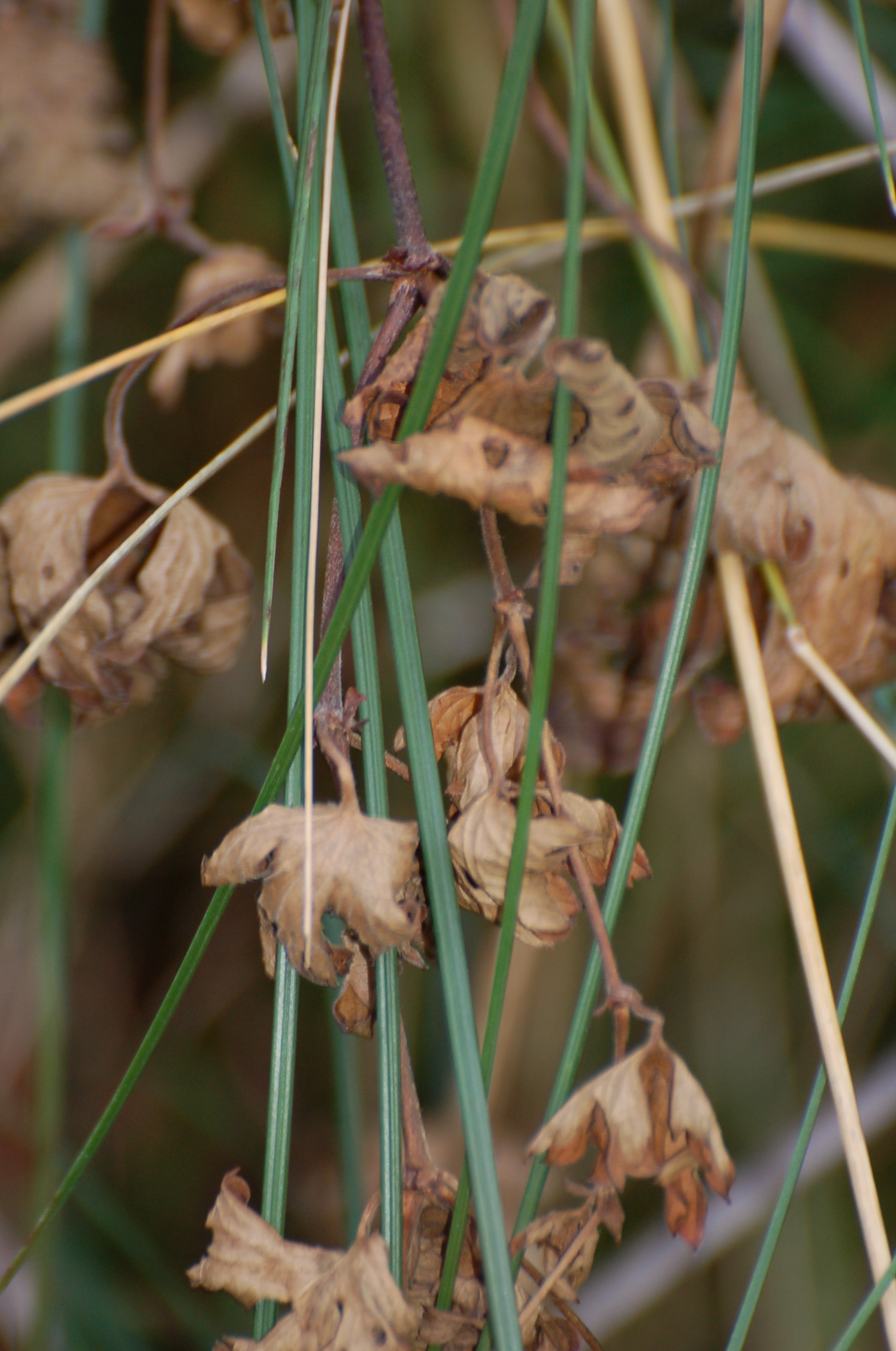
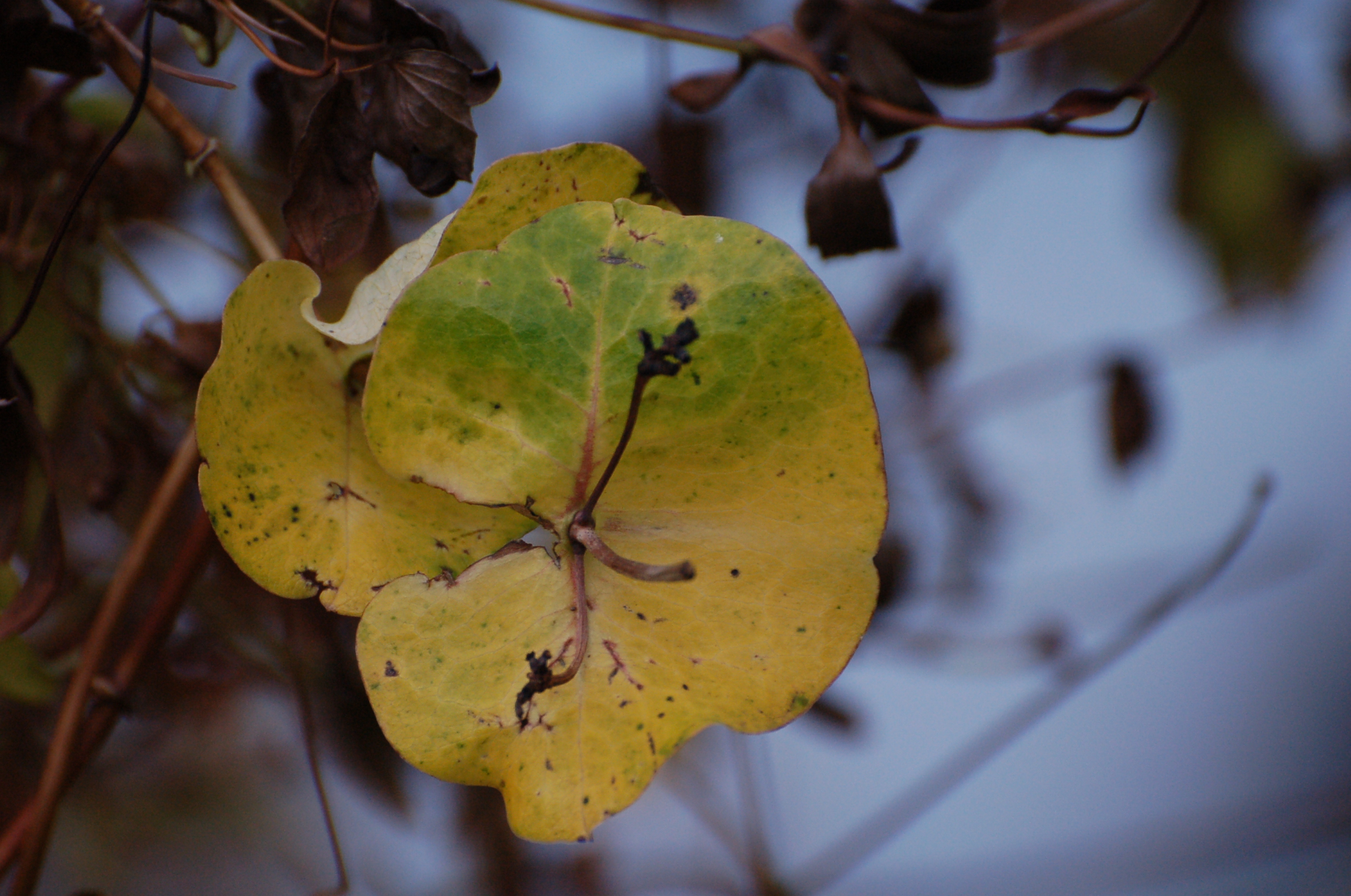
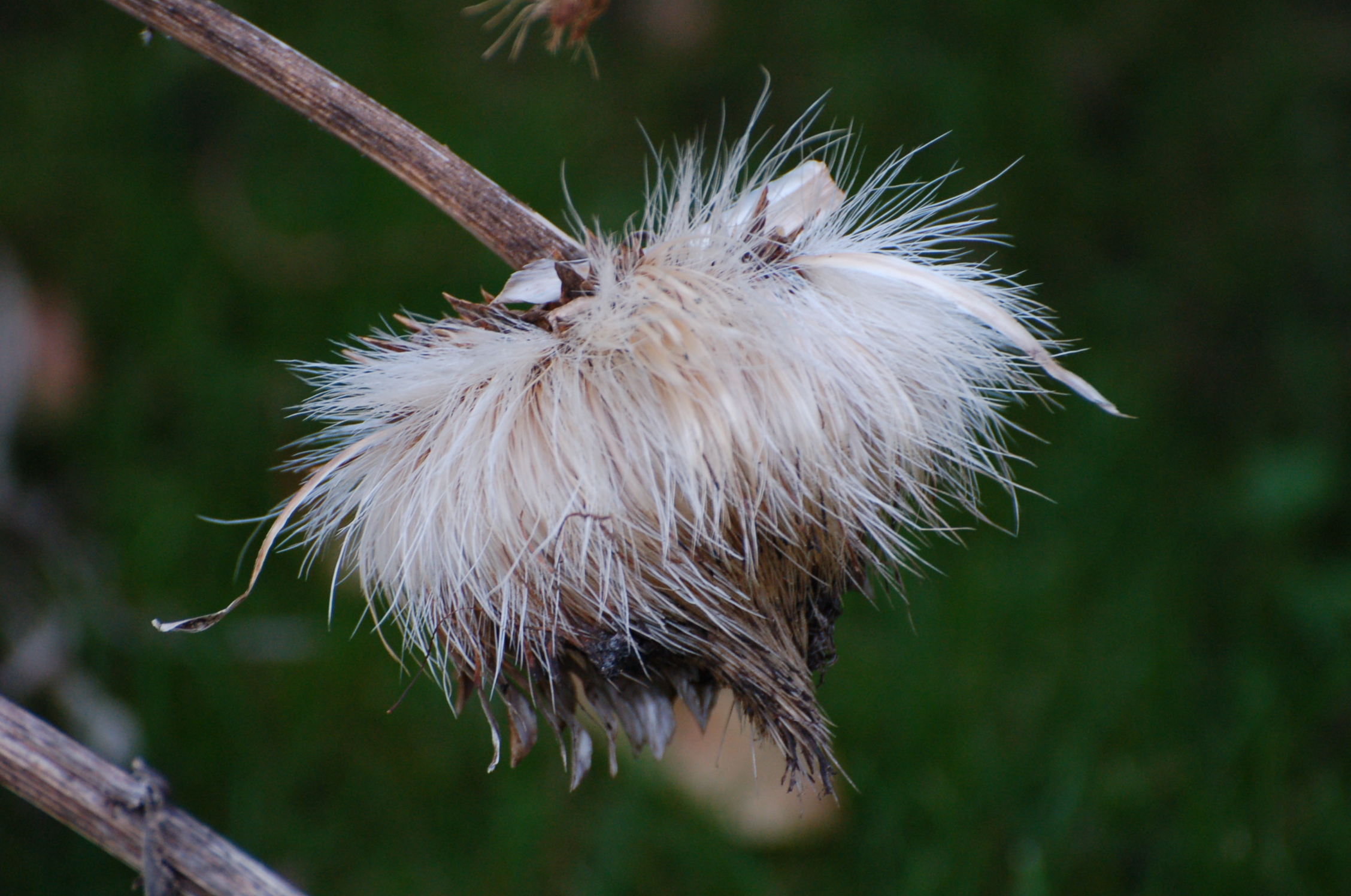
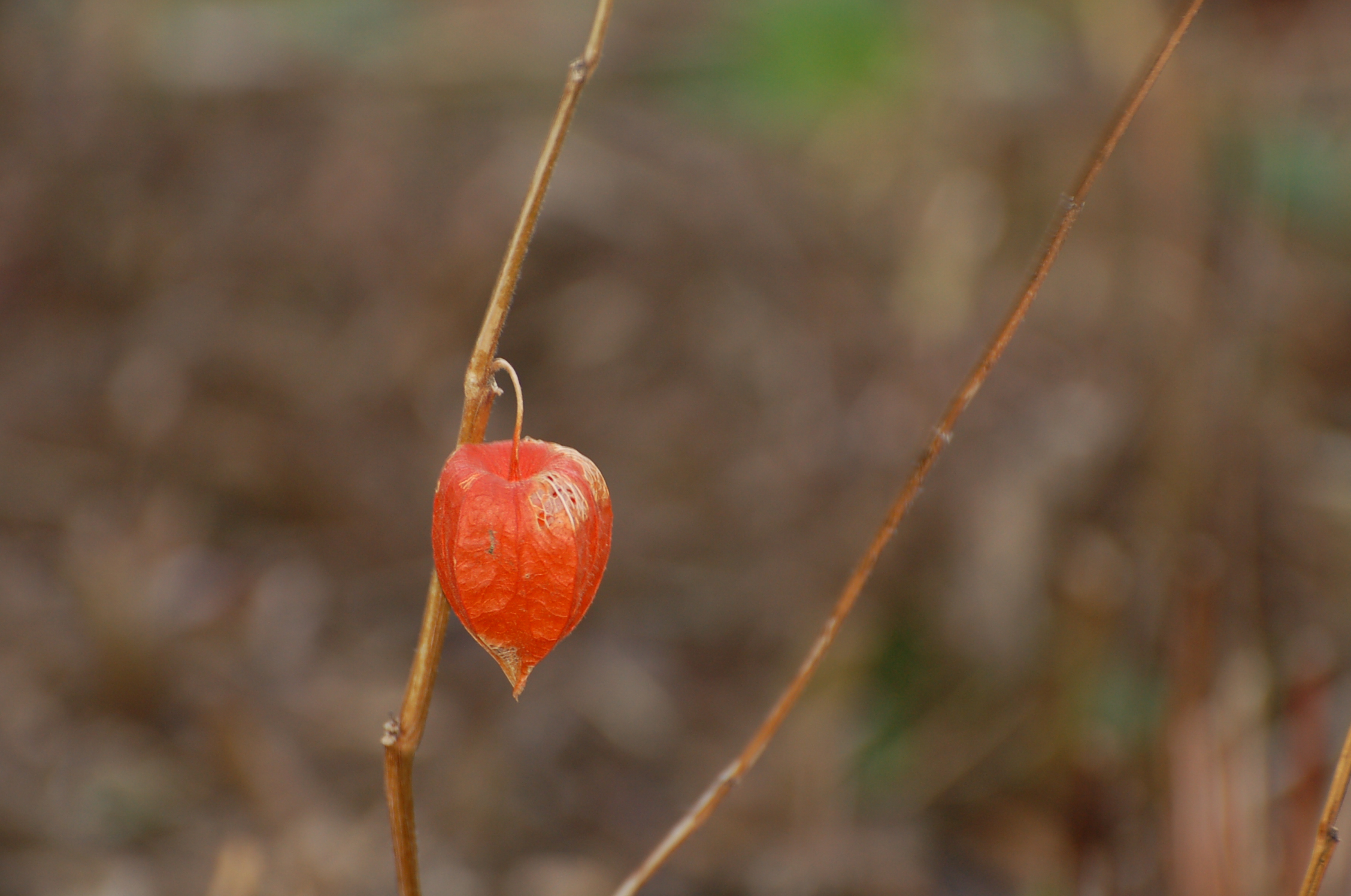
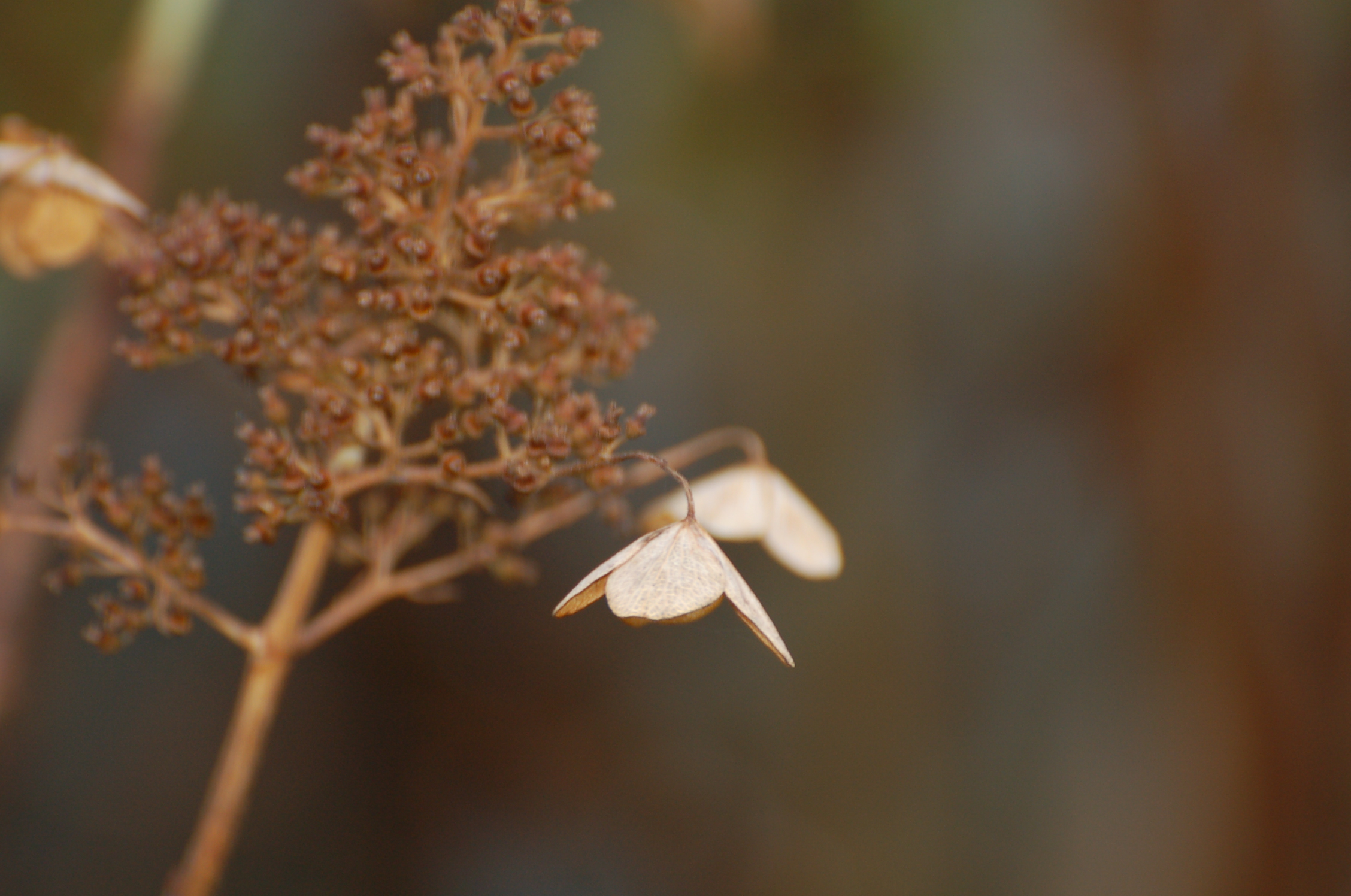
At this time of year we can enjoy the dessicated seed heads and old flower heads that have managed to survive the wet times that autumn invariably brings. This year has been so wet that we seem to have fewer still standing than ever before. But a few are putting on a display for us and when covered in a frosty layer or when donning a hat made of snow will look even better. Within them are the remnant autumn leaves as yet to be blown from their branches by blasts of wind.
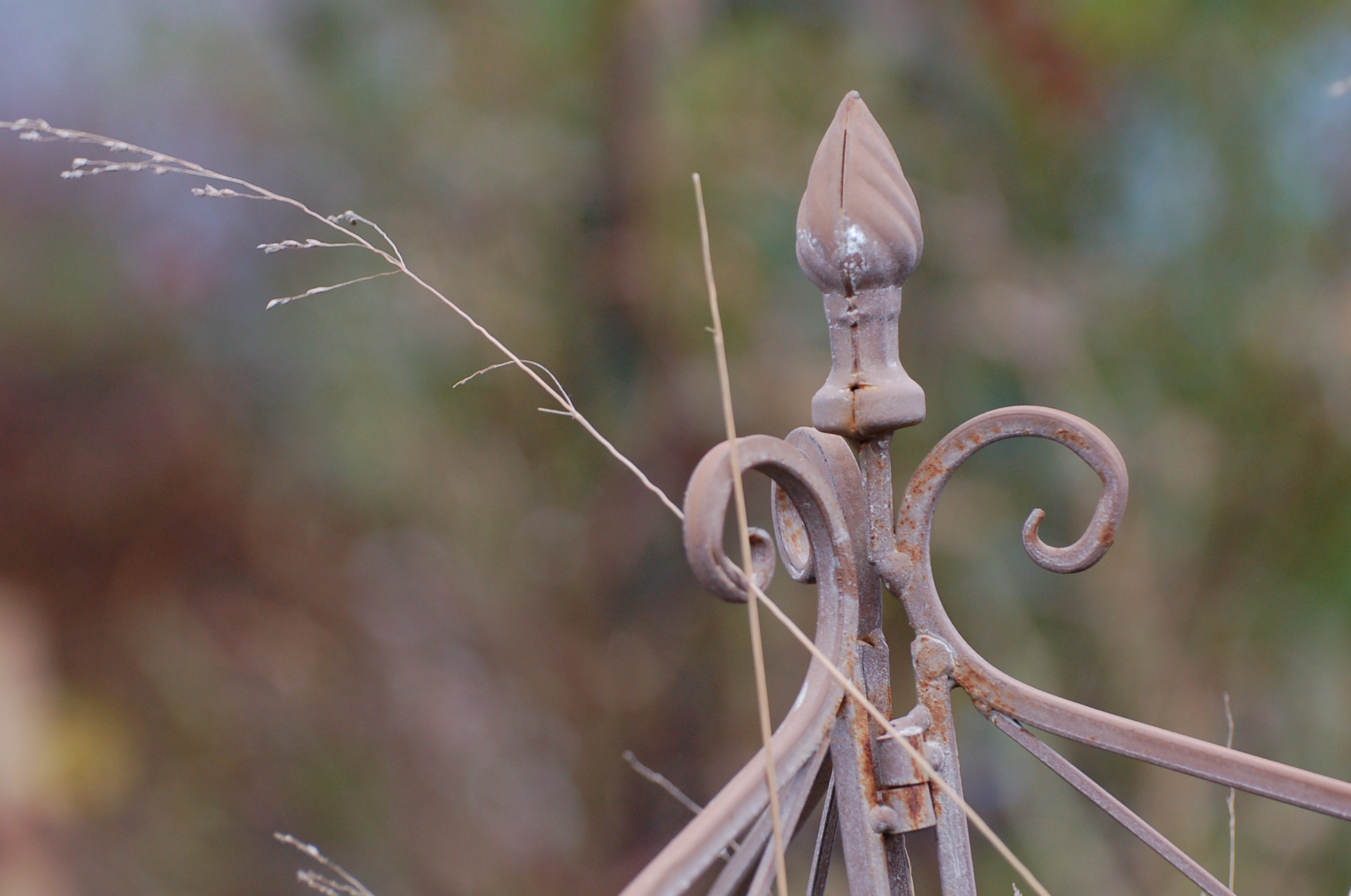
2013 12 12_5439   2013 12 12_5442    2013 12 12_5447 2013 12 12_5448 2013 12 12_5449 2013 12 12_5450 2013 12 12_5451

2013 12 12_5453 2013 12 12_5457 2013 12 12_5459 2013 12 12_5460  2013 12 12_5465 2013 12 12_5466 2013 12 12_5467

2013 12 12_5469 2013 12 12_5470 2013 12 12_5475 2013 12 12_5474 2013 12 12_5473   2013 12 12_5477 2013 12 12_5478   2013 12 12_5448_edited-1

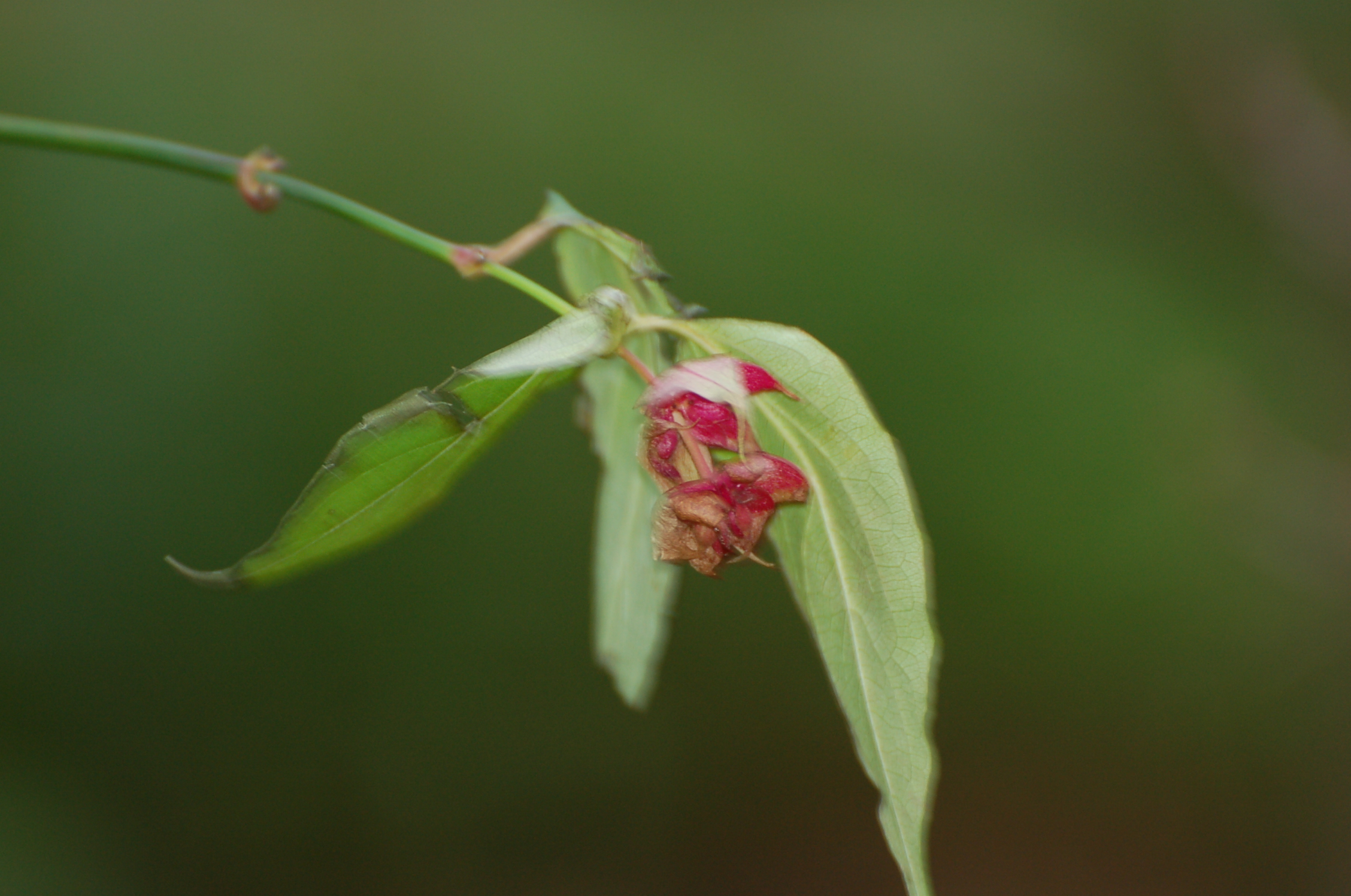
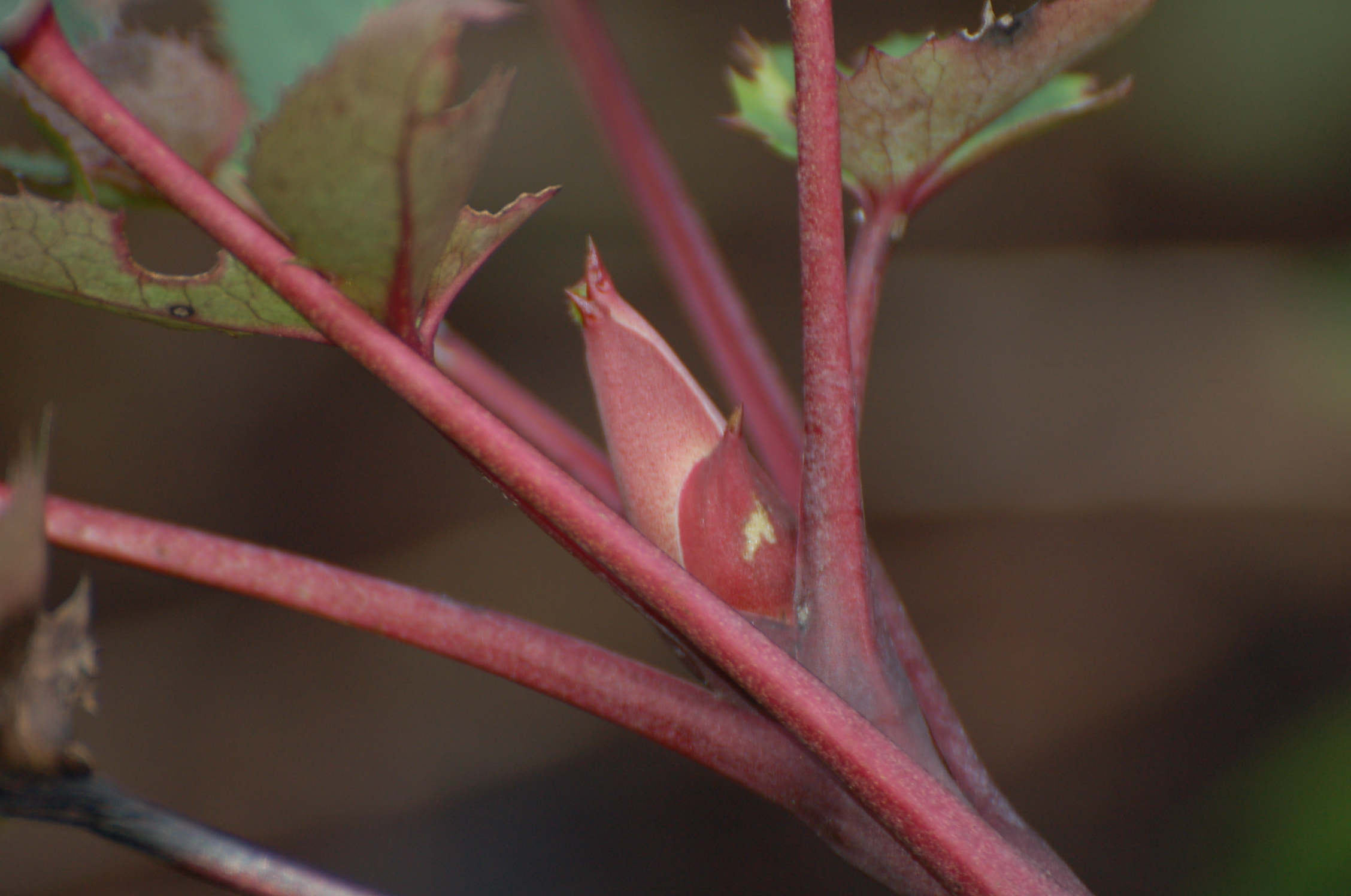
Signs of next year’s growth are already in evidence like this adventurous bud found on a clematis snuggled between stem and petioles.

2013 12 12_5441

Patterns become important in winter as they emerge from seasons hidden away behind plants. So that is the end of my year of garden bouquets for 2013. Perhaps they will return for 2014.

2013 12 12_5460_edited-1 2013 12 12_5459_edited-1 2013 12 12_5464_edited-1

Categories
autumn flowering bulbs garden photography gardening hardy perennials irises Winter Gardening

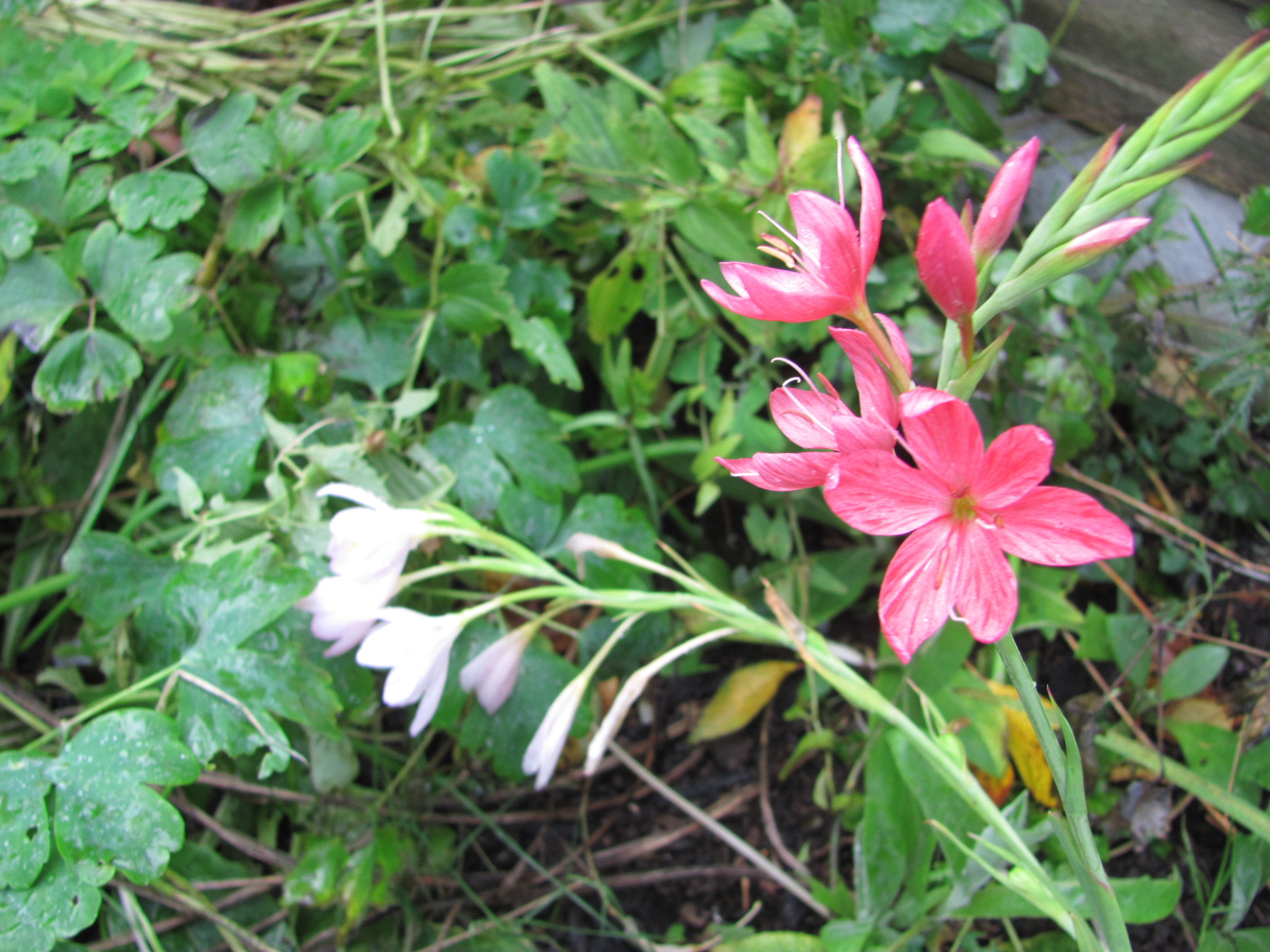
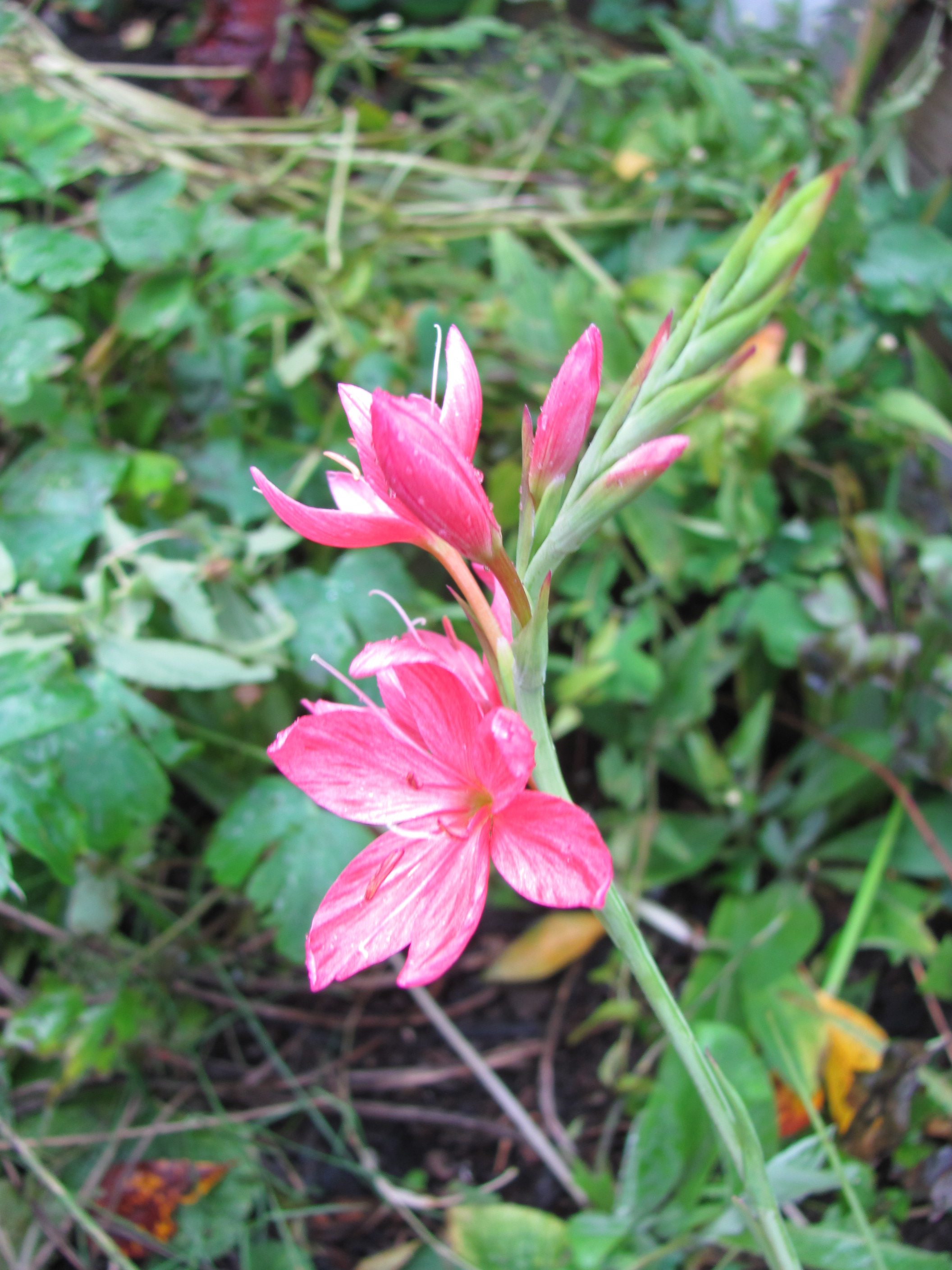
Schizostylus – three pink flowers

Schizostylus must be one of the most neglected and under-planted bulbous plants there are available to gardeners. And now the poor thing has had its name changed by the botanist boffins! We should now be calling them Hesperantha. Their common name is Kaffir Lily. They hail from South Africa and are members of the iris family.
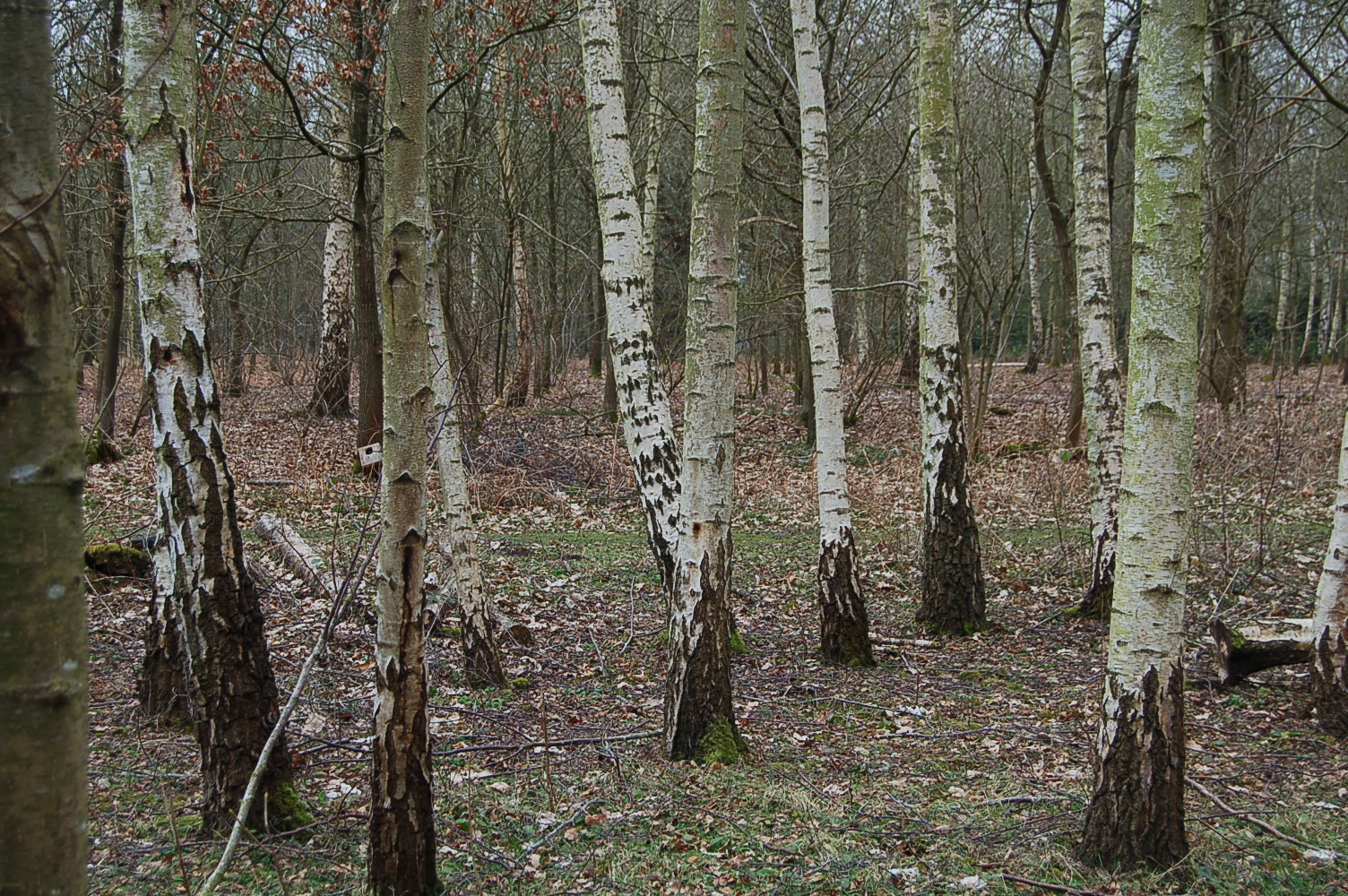
2013 11 02_4854

The commonest must be S. coccinea “Major” with its deep coppery red colouring that zings in any part of the garden when the weather is gloomy from October onwards, often well into early spring.

2013 11 02_4861 2013 11 02_4860

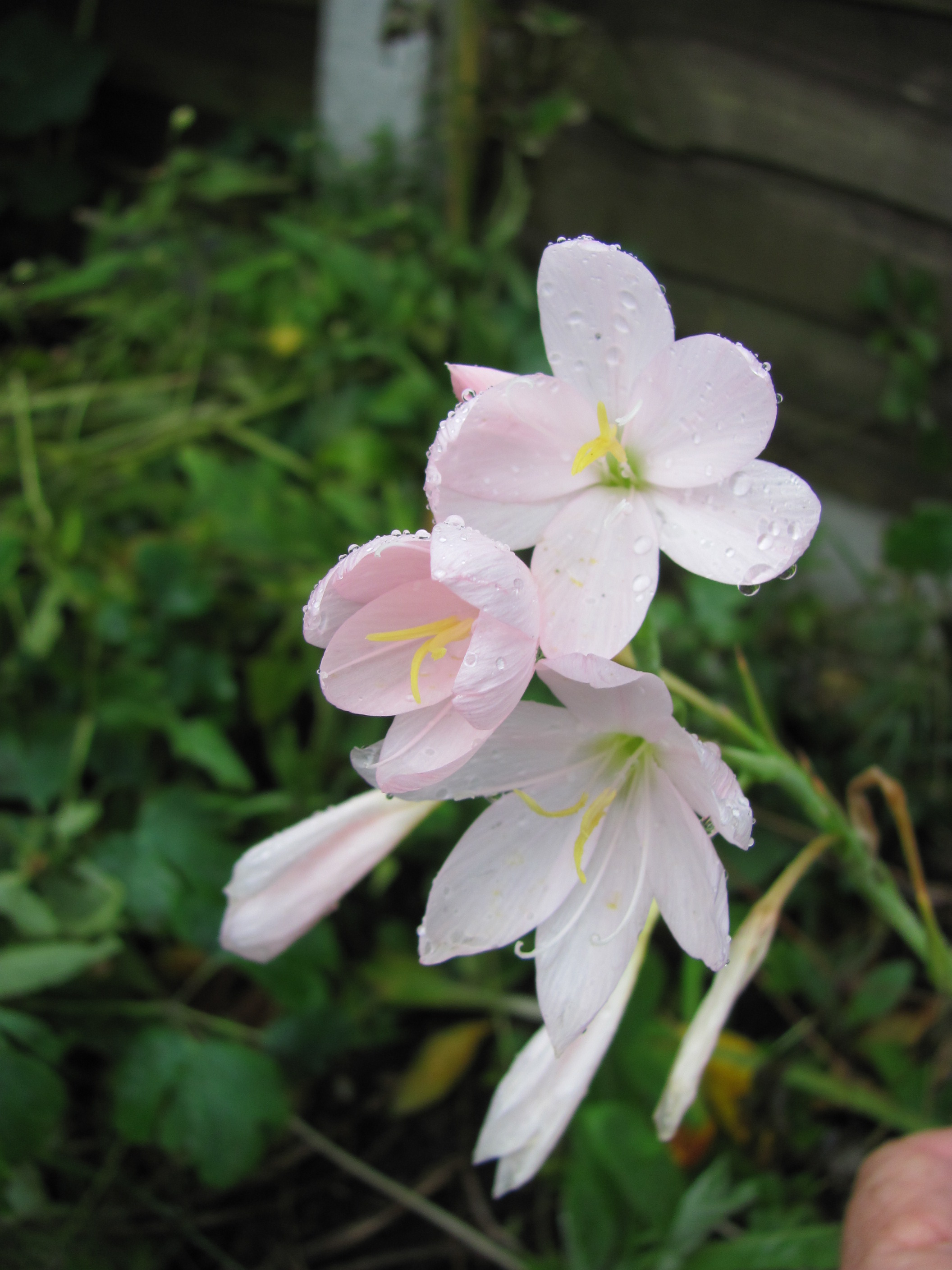
We recently planted this variety “Pink Princess” with flowers of the palest pink possible.

2013 11 02_4857 2013 11 02_4856

Our latest addition is this small flowered pink with the evocative name “Fenland Daybreak”. The pink of each petal has the finest dark pink lines on like spiders webs. It is a real beauty.

2013 11 02_4855

So there they are our three Schizostylus, three sisters one princess by name but all princesses in beauty.

Categories
colours garden design garden photography gardening hardy perennials Winter Gardening winter gardens

Celebrating Celandines

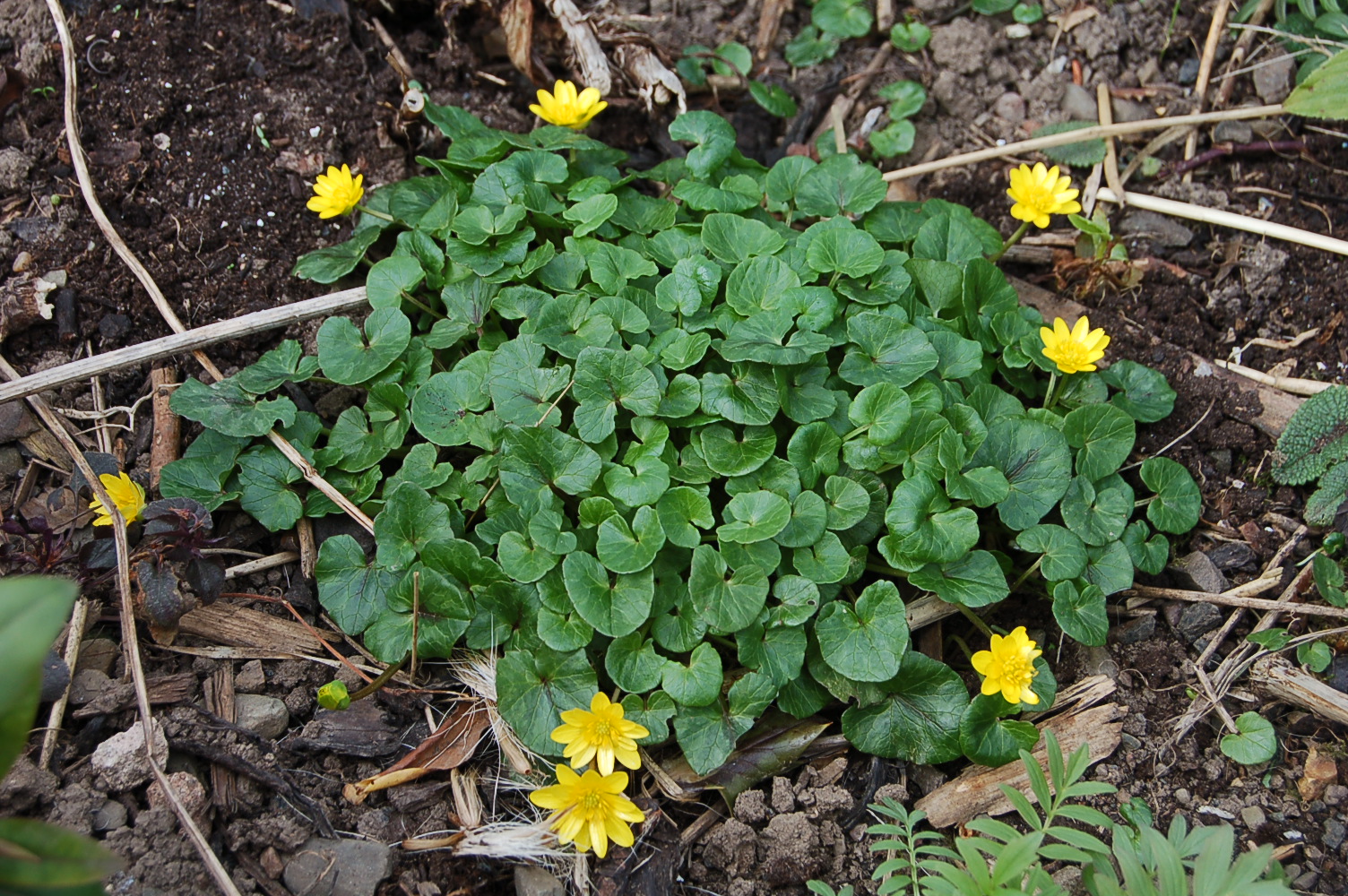
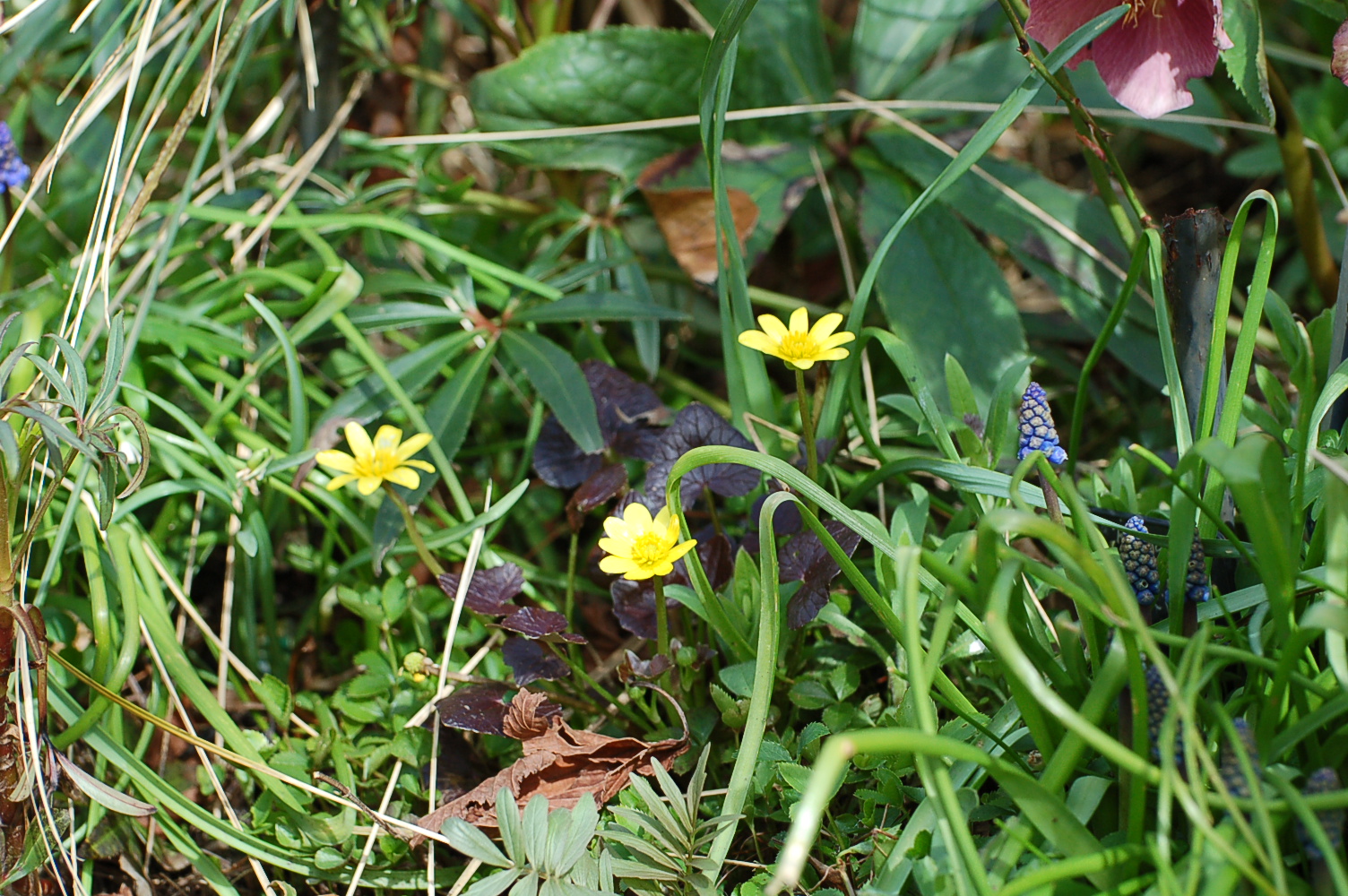
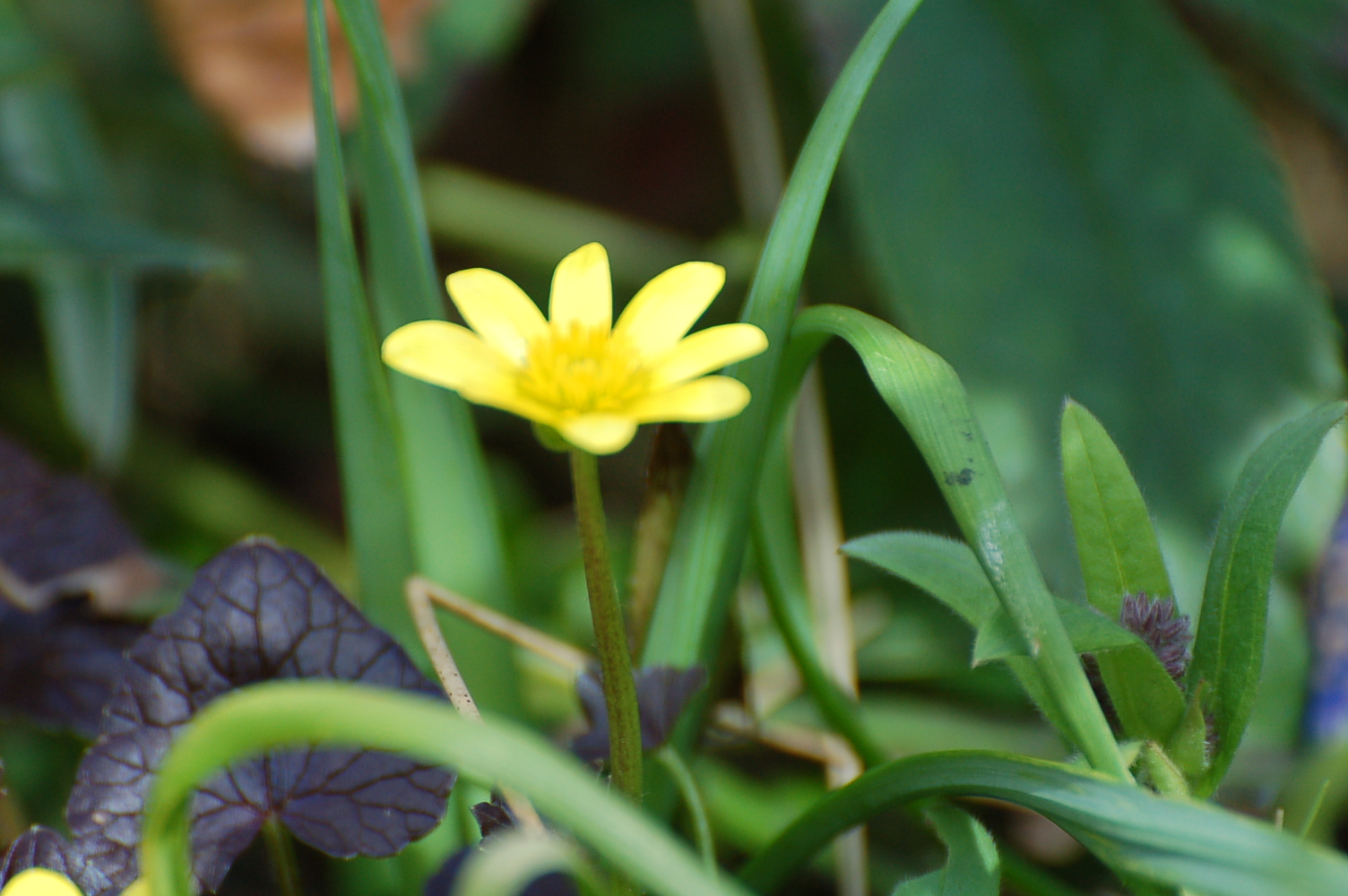
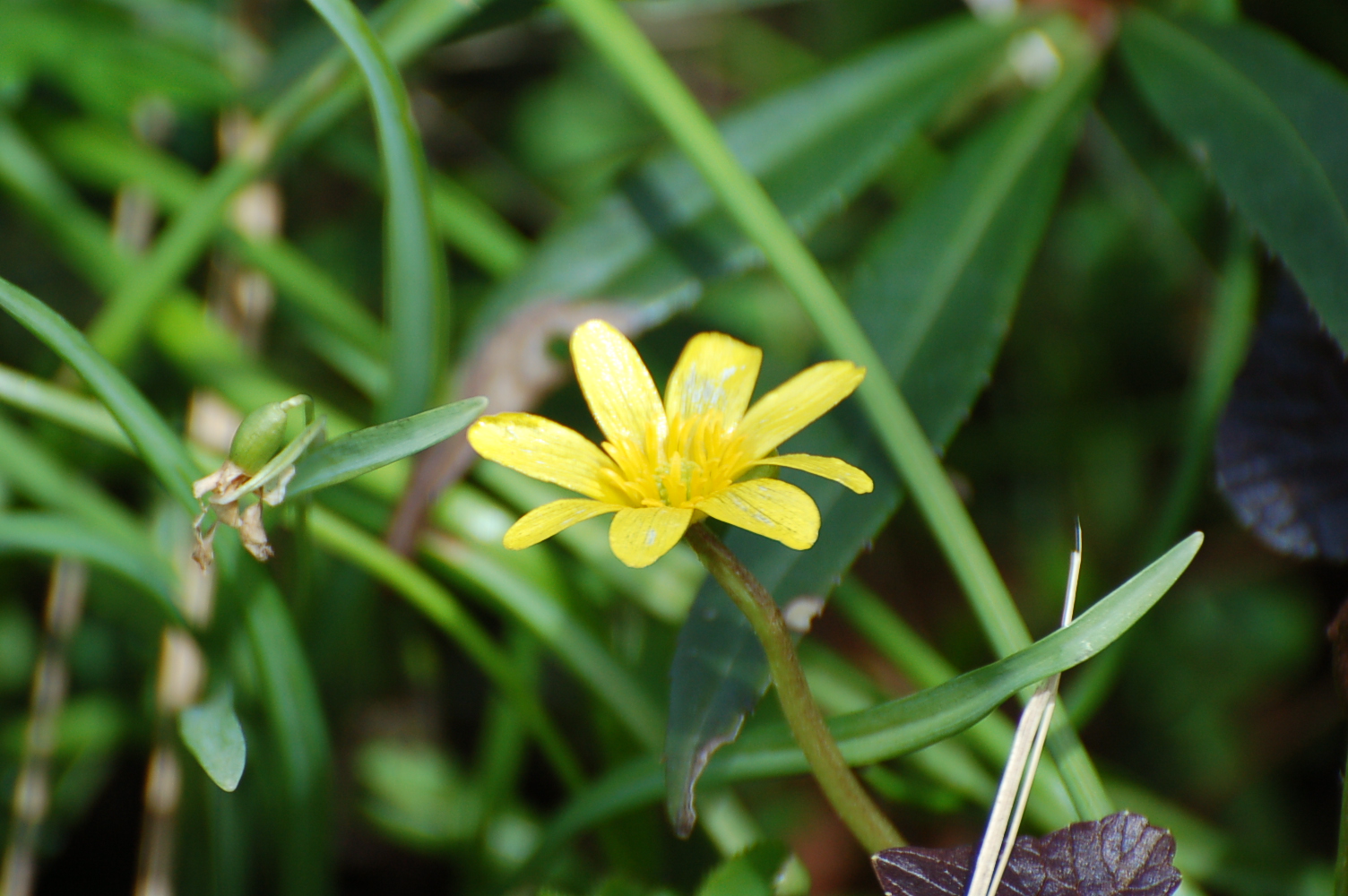
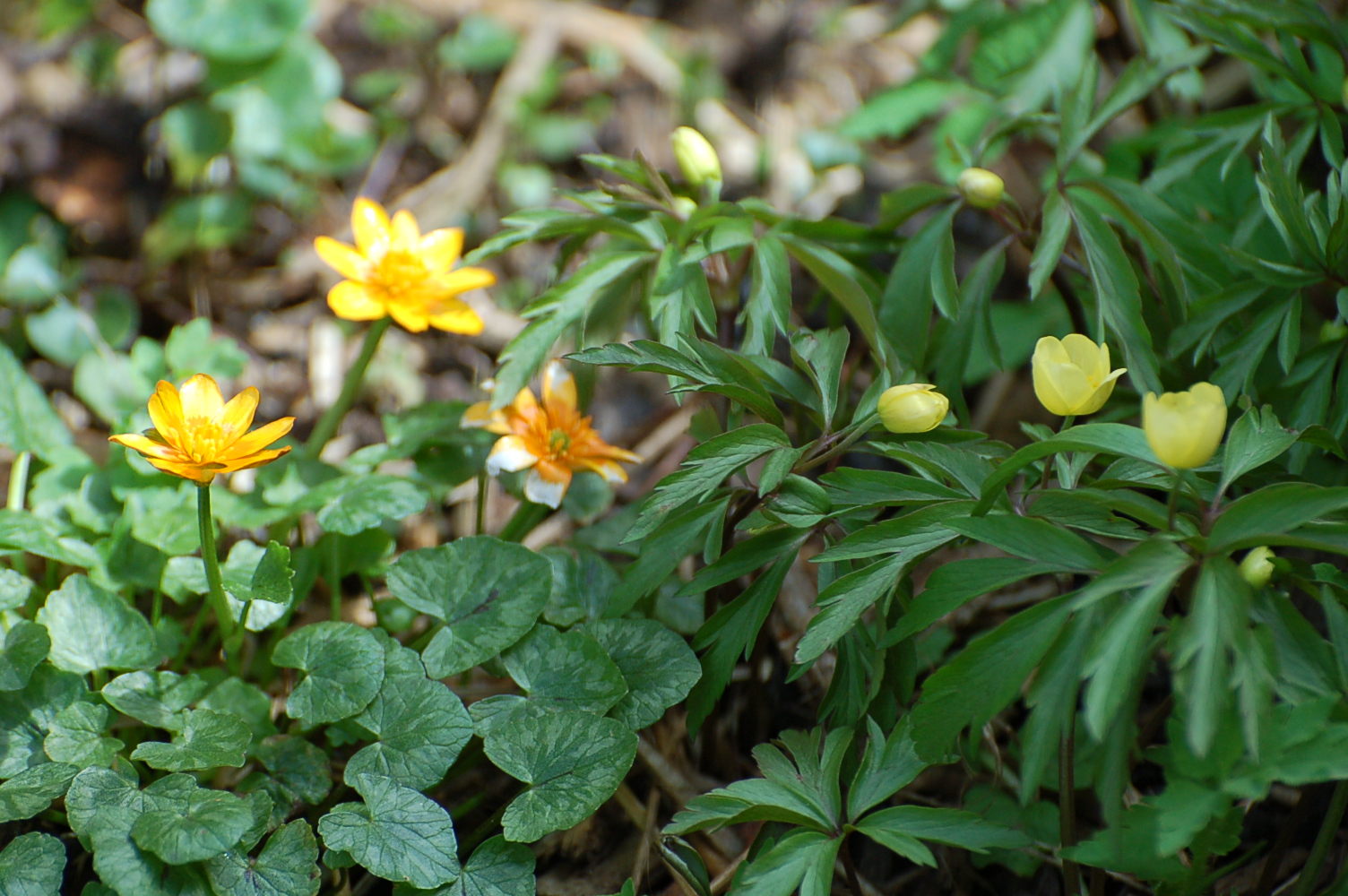
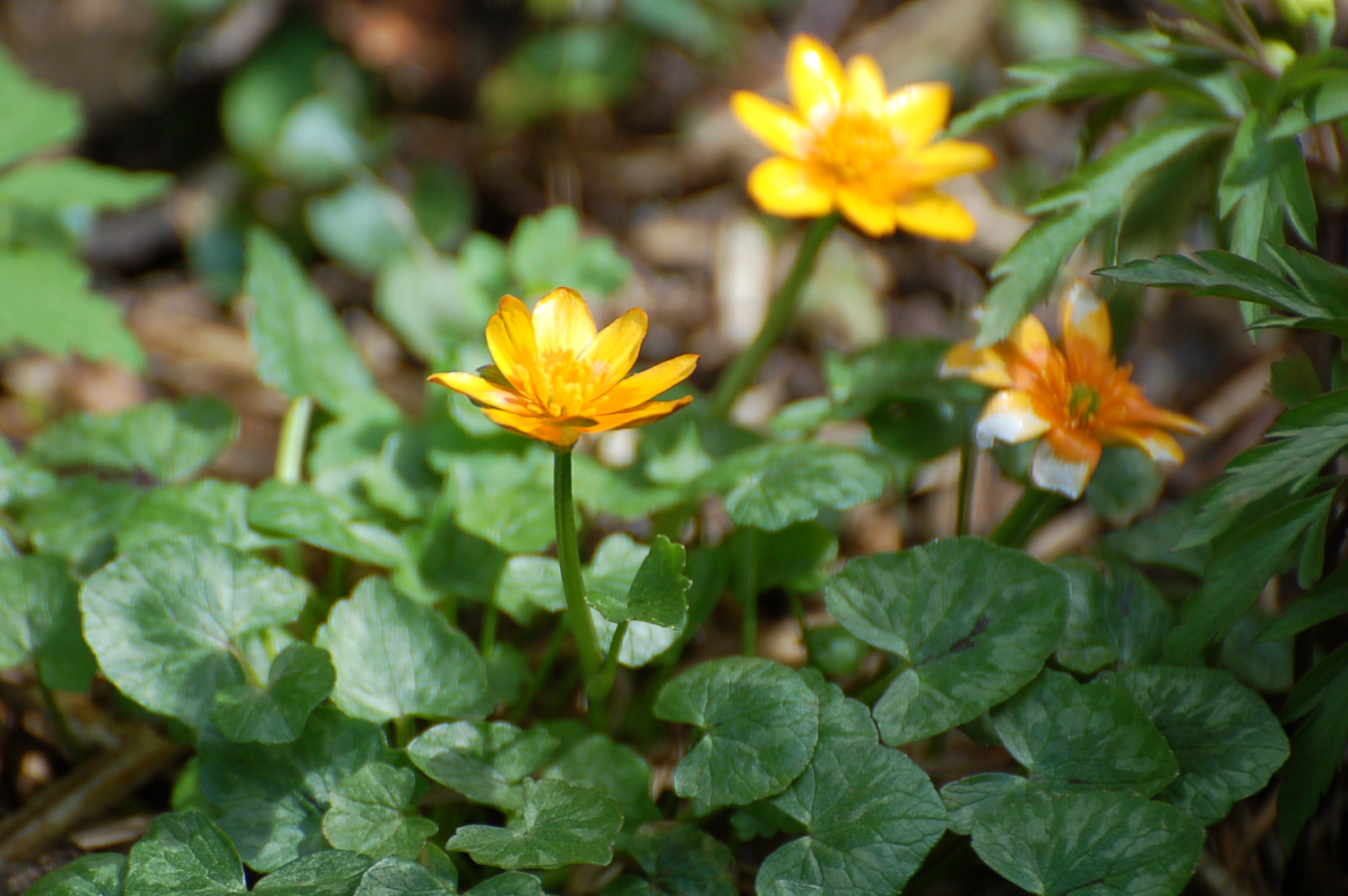
Some plants are taken too much for granted and do not get the recognition they deserve. The celandine is just such a plant. Rarely does it find itself in a top ten favourite plant list But when it appears in spring it is a  very special plants worthy of celebration. Along our lane sides they shine looking like gold sovereigns glowing in the fresh green of the new year’s grasses.

DSC_0072

DSC_0074

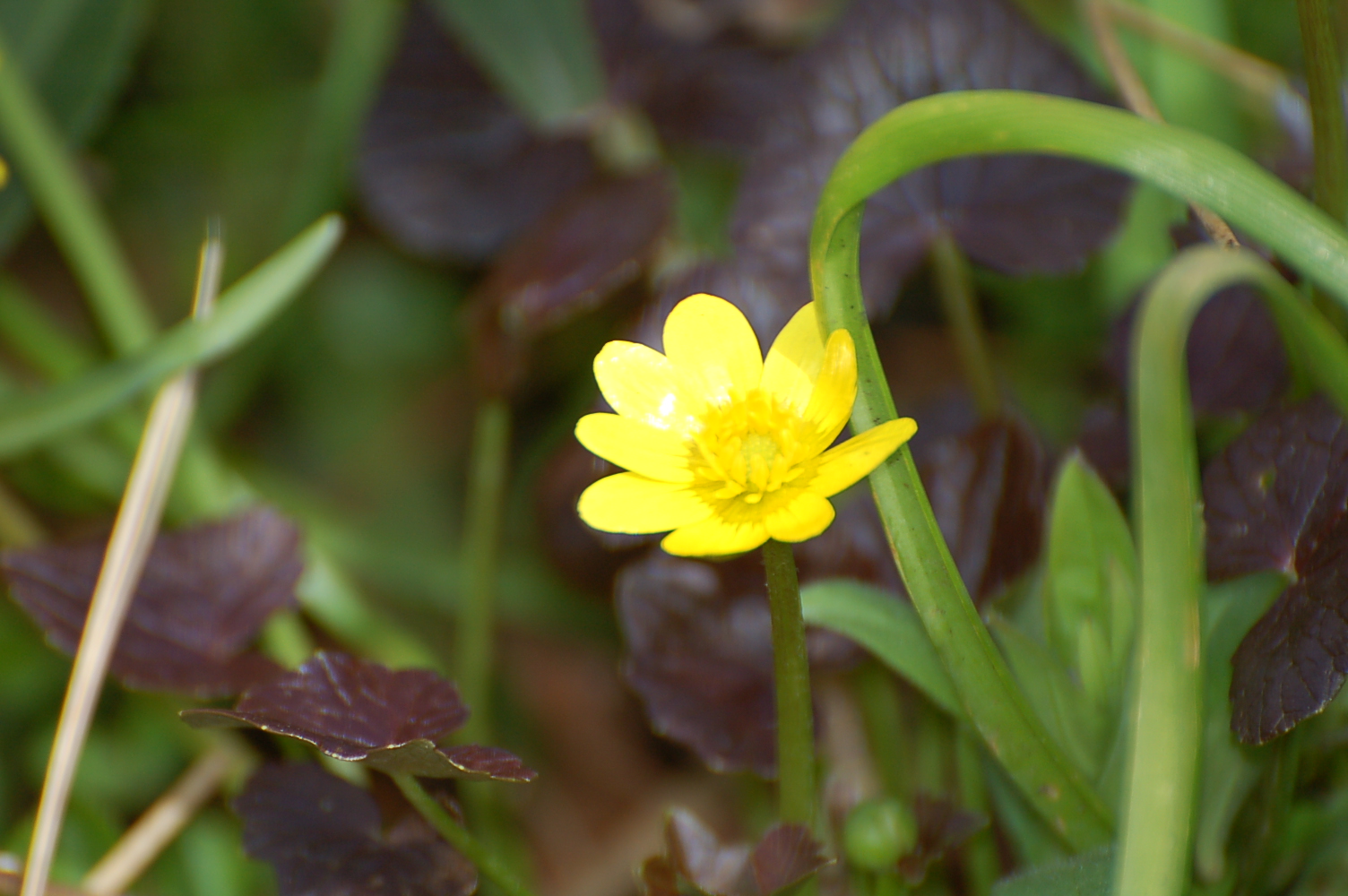
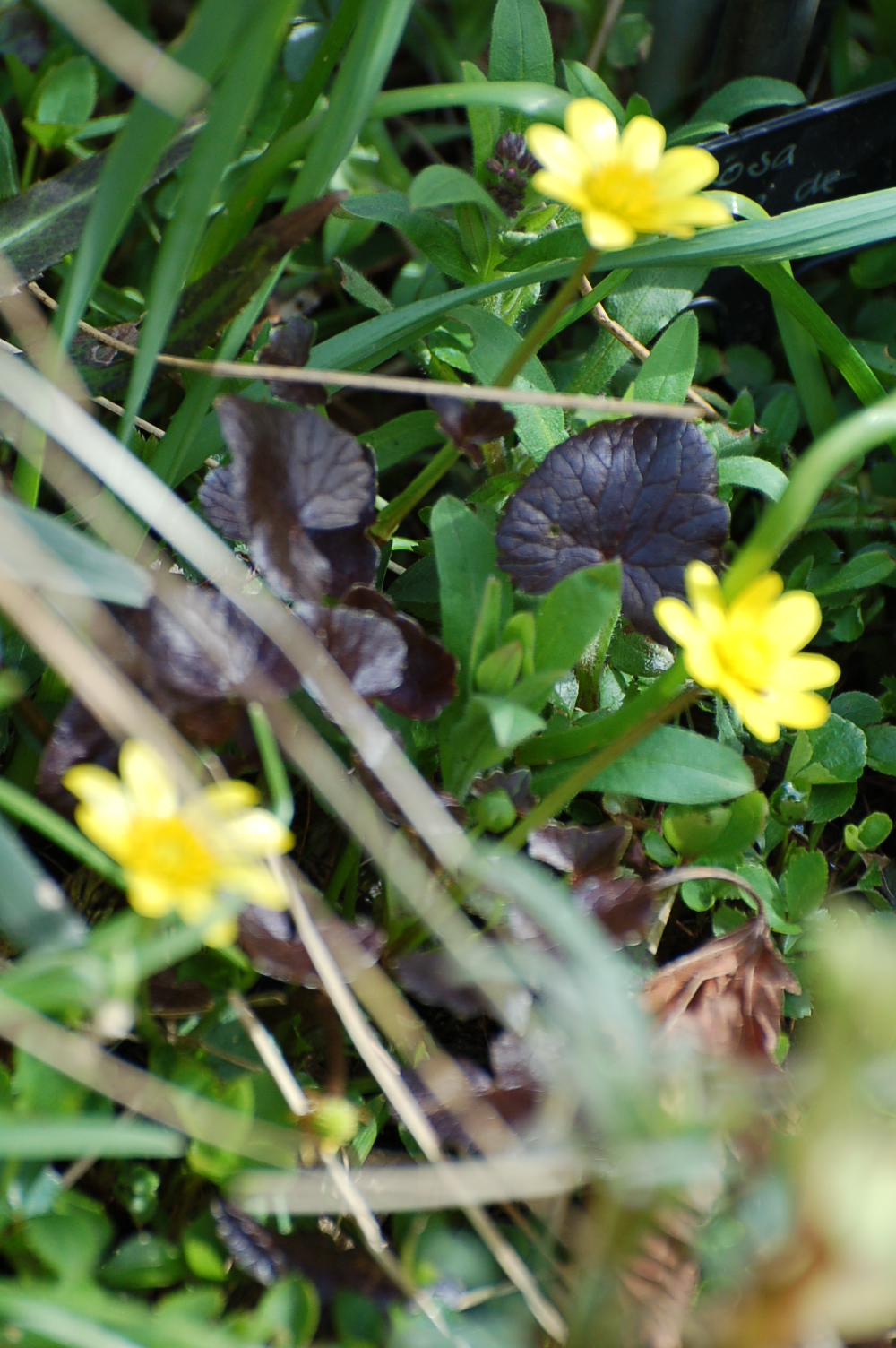
In our garden alongside the central path sits a bronze leaved selection found by the one and only Christopher Lloyd in a patch of our native celandine in his own garden, Great Dixter. It is called Brazen Hussy and it has the shiniest foliage I have ever seen. It glows so much that taking a photo of it upsets the camera’s metering system and it seems impossible to show the depth of the purple colouring. We love it. We have patches along the water’s edge in our wildlife pond and in the shade border.

DSC_0054

DSC_0052 DSC_0053 DSC_0055 DSC_0056

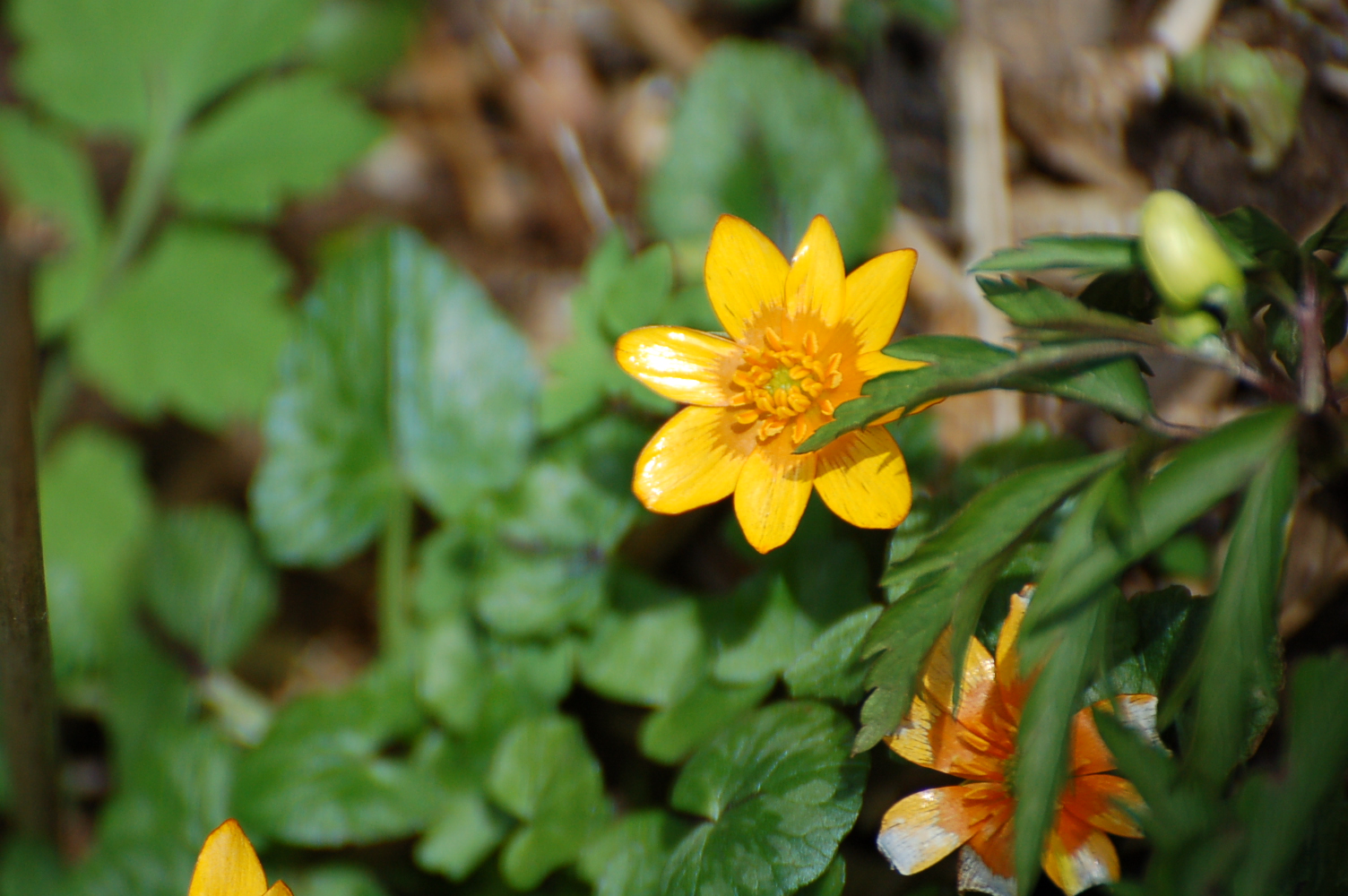
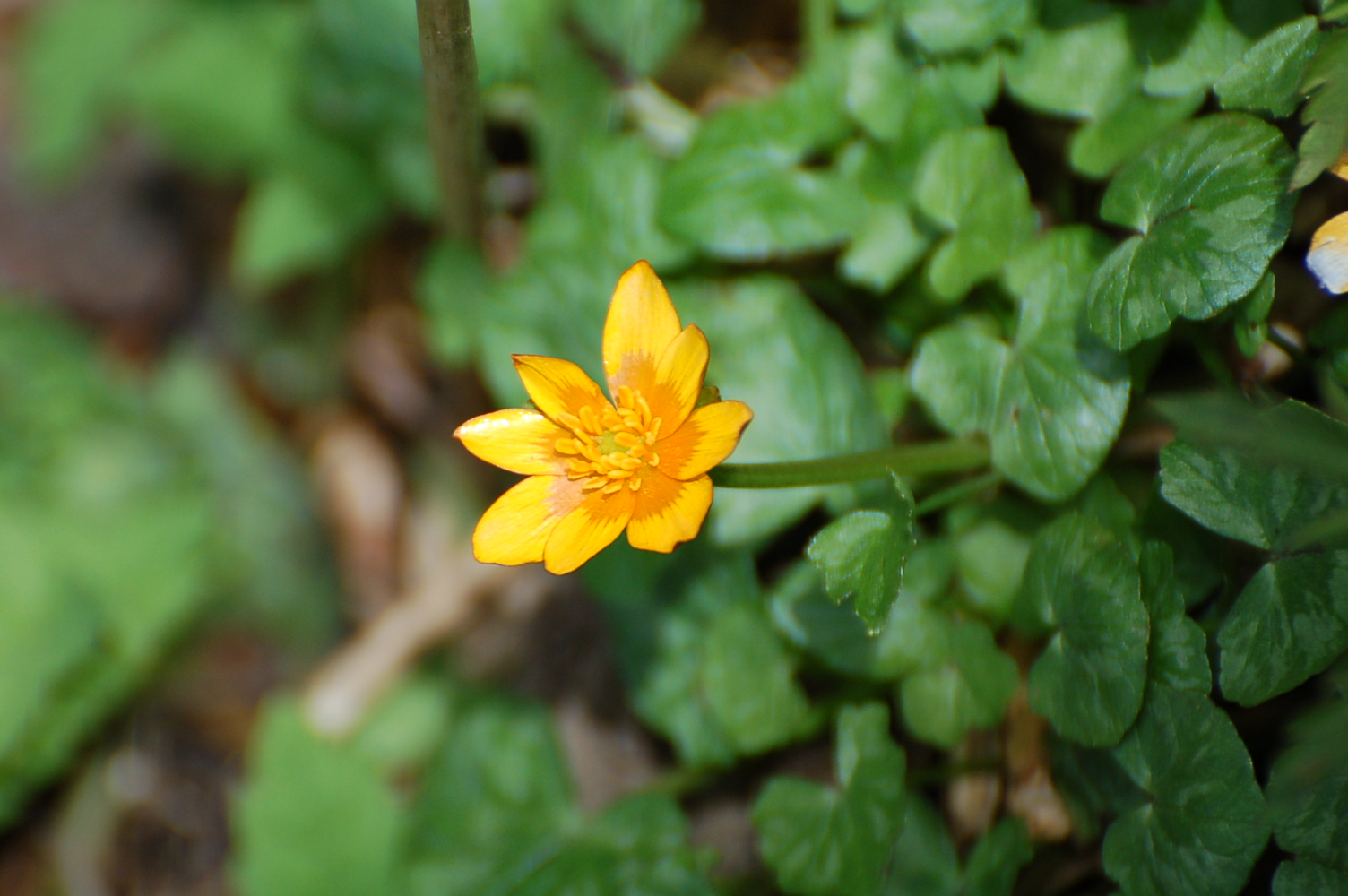
We have an orange-flowered variety which has not inherited the family’s ability to spread and in some people’s minds become a nuisance. It keeps us on tenterhooks each spring – we think we have lost it but just as we have given up hope it suddenly springs into rich orange flowers.

DSC_0057 DSC_0058 DSC_0059 DSC_0060 DSC_0061

Categories
colours garden design garden photography gardening hardy perennials spring gardening Winter Gardening

A close-up look at the Hellebores in our garden.

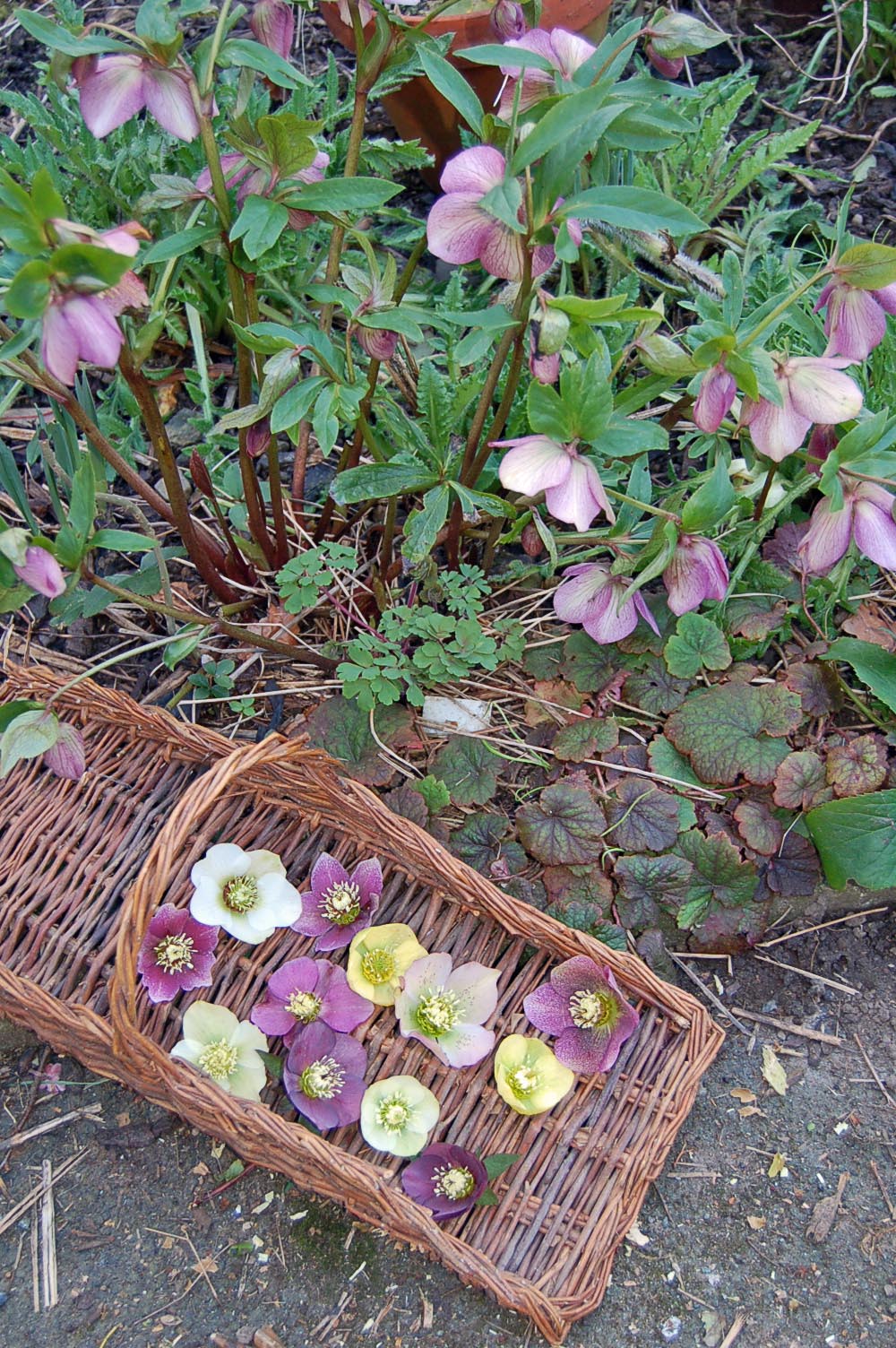
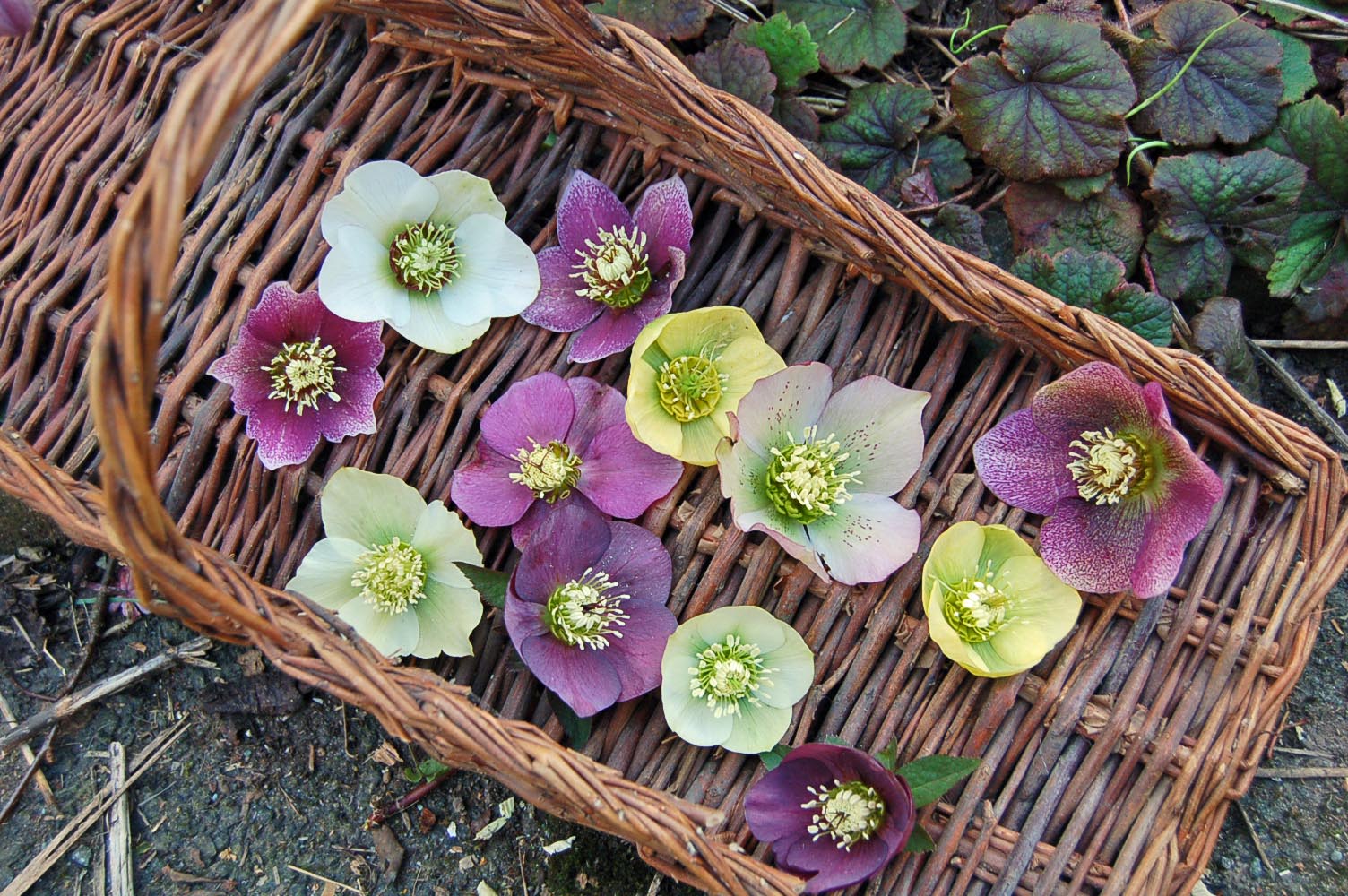
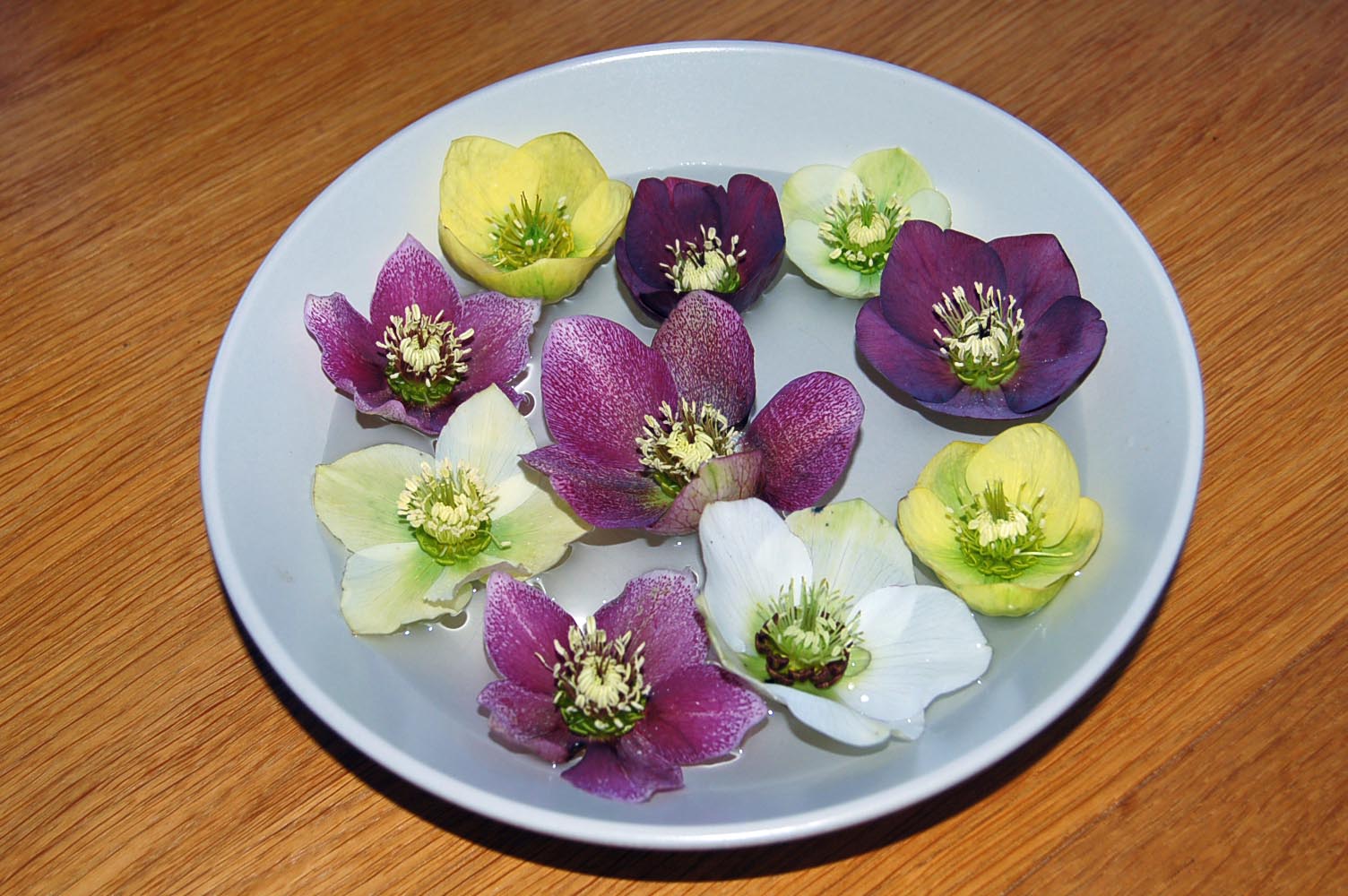
Hellebores never fail to amaze. They flower early and continue in bloom for a long time. They present an unusual range of colours and markings on their petals which can vary in shape. We tend to choose reds and purples, plain and spotted and whites and creams mostly plain.

Let us start by venturing out into the borders armed with flower trug and secateurs, ignoring the chill in the air and nipping off a collection of flowers in a variety of colours.

hellebore 3

hellebore 2

The individuality of each is best appreciated by displaying them floating in a shallow bowl of water.

hellebore 1

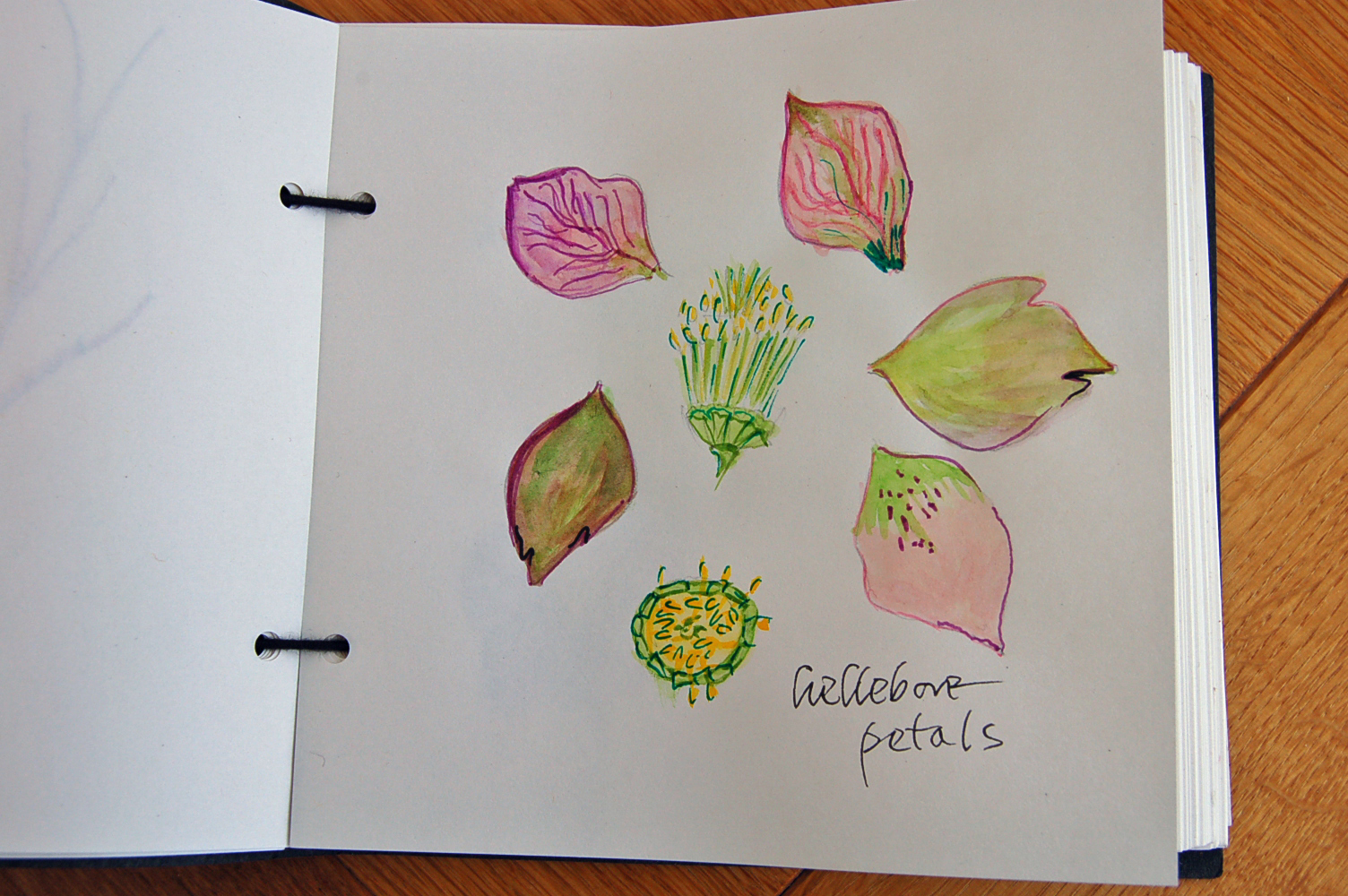
Now for a real challenge – looking closely and trying to show their character in water colours. I have chosen the deepest blue-mauve, the yellow-green and the pale yellow with purple streaks.

DSC_0092_edited-1 DSC_0093_edited-1

Categories
birds gardens open to the public National Trust nature reserves photography Shropshire The National Trust trees wildlife winter gardens woodland

Birches in Winter

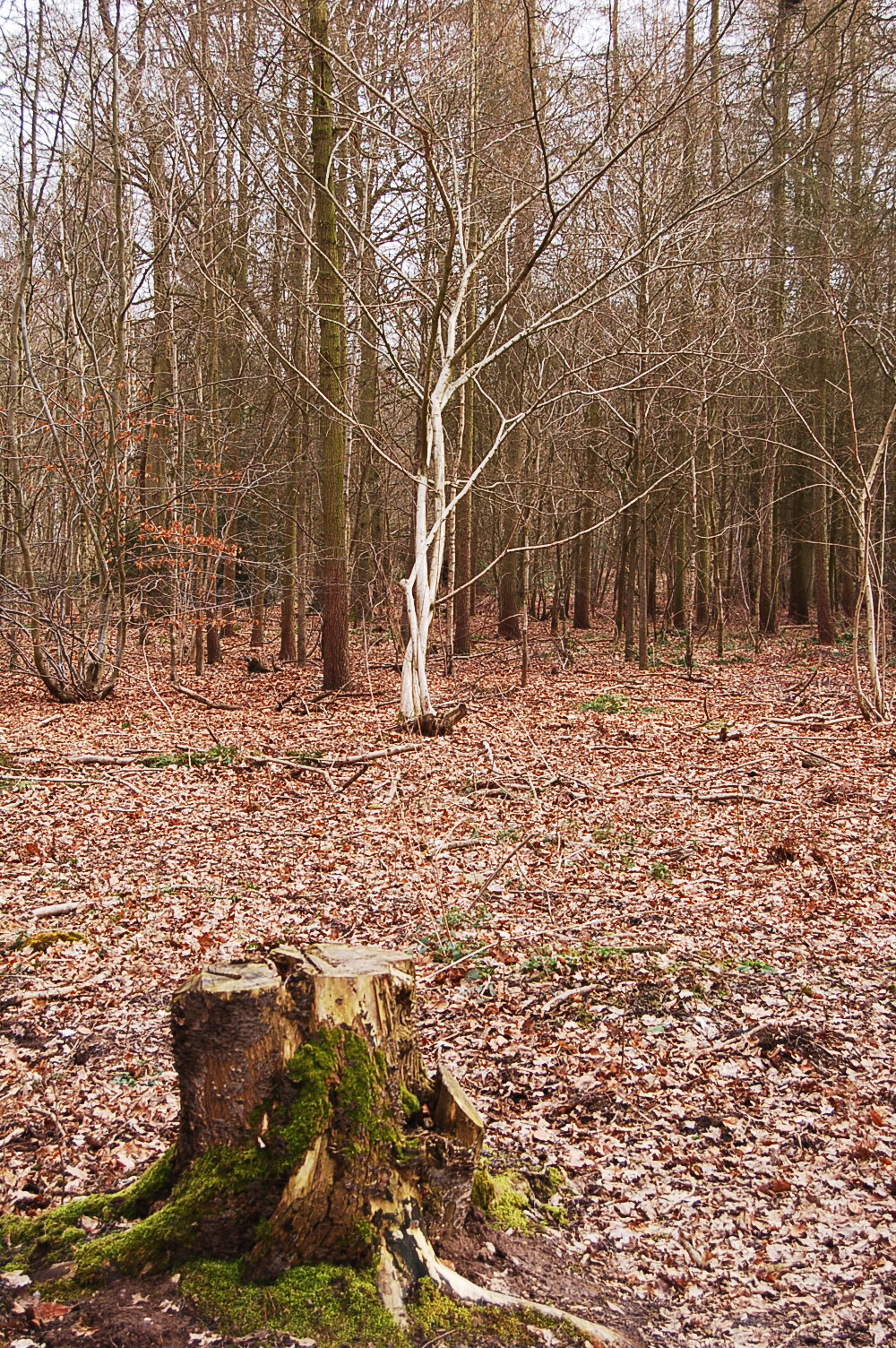
Regular readers of Greenbenchramblings will be very aware of my love of Birch trees in all their many guises. In this post I shall highlight our native Betula pendula.

birch 3 birch 4 birch 5 DSC_0041

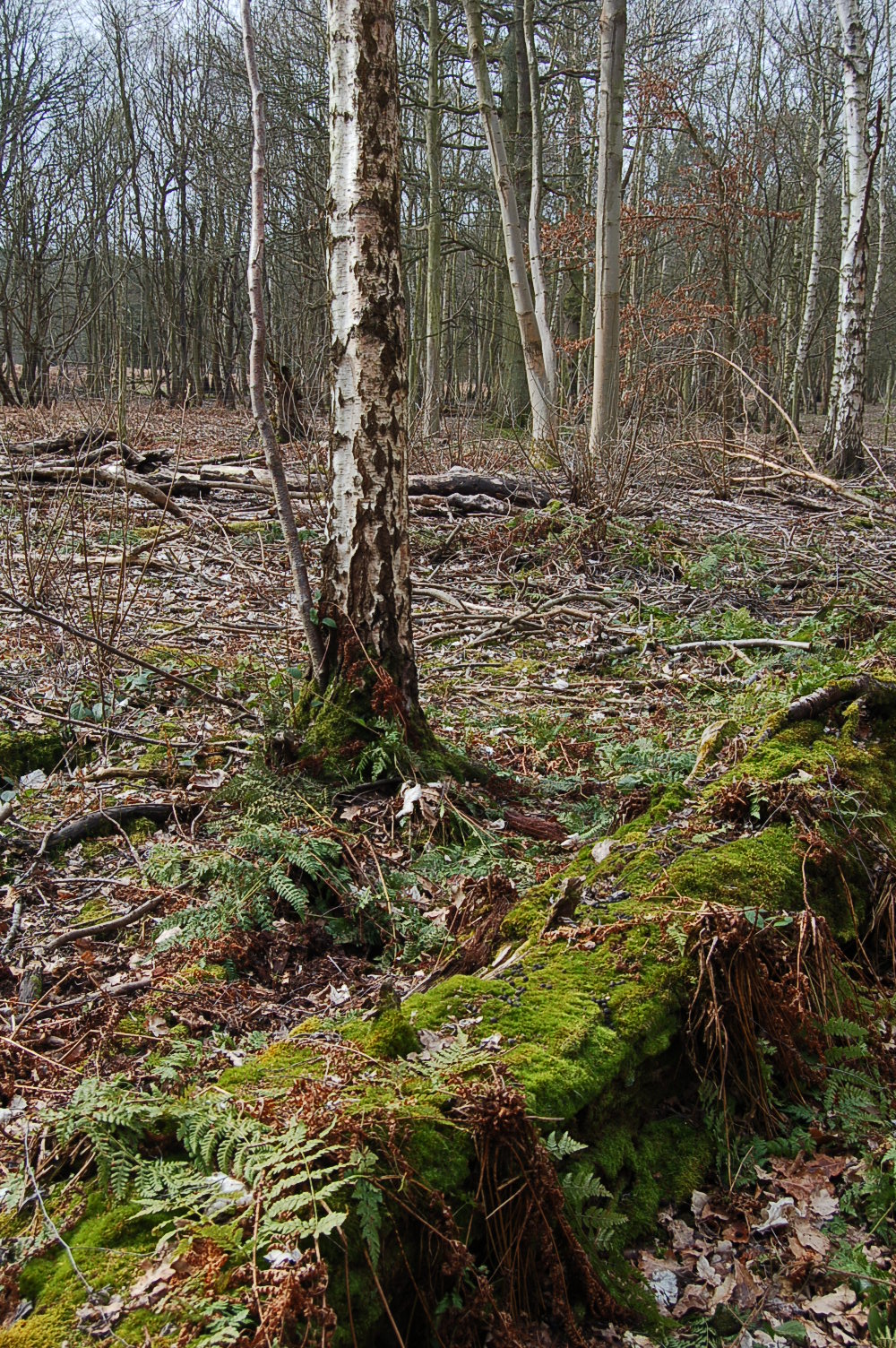
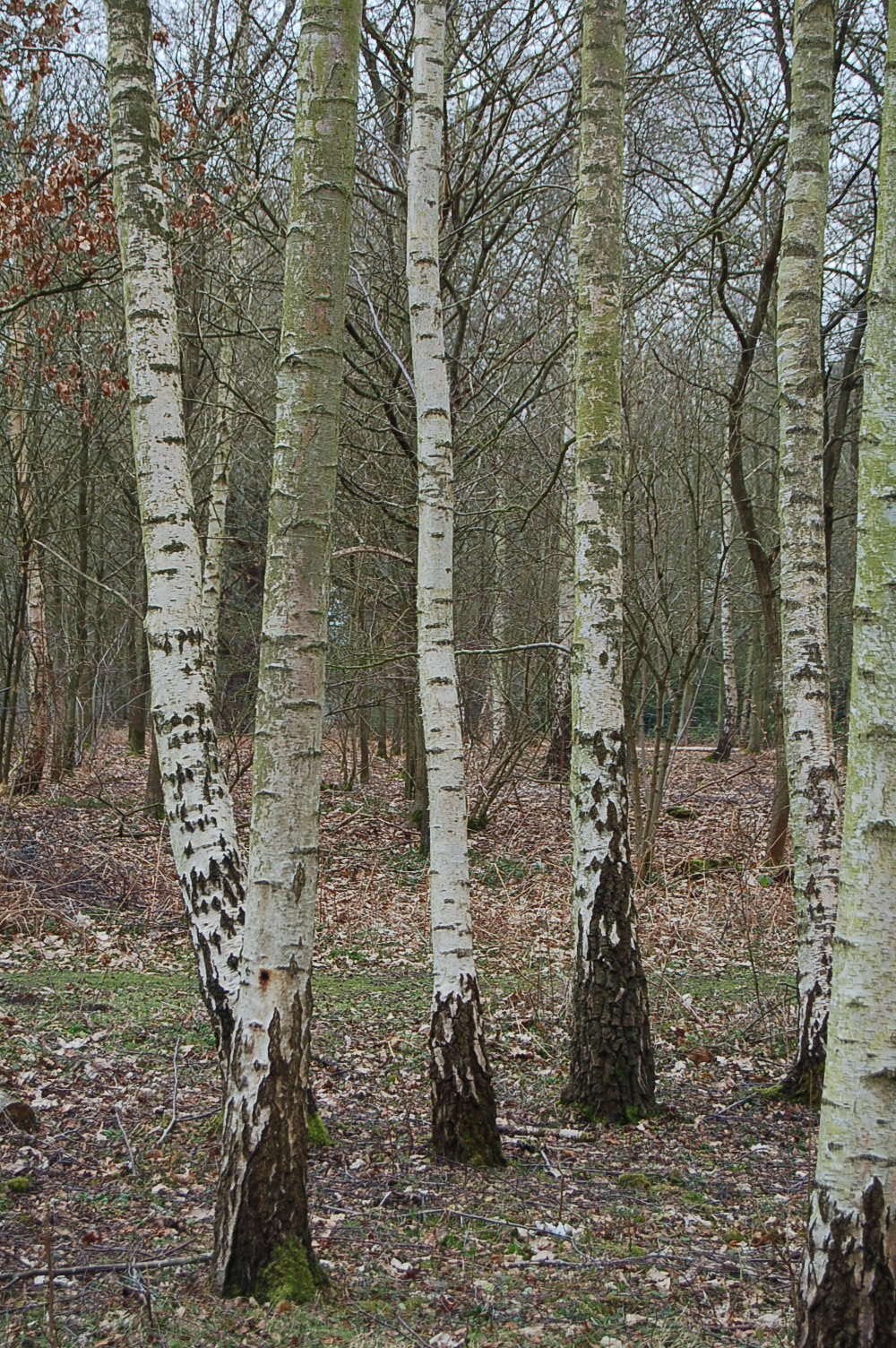
The texture of its silvered bark metamorphoses as it ages from a smooth shining silver to a pattern of deeply fissured elephant skin.

birch 1 birch 2

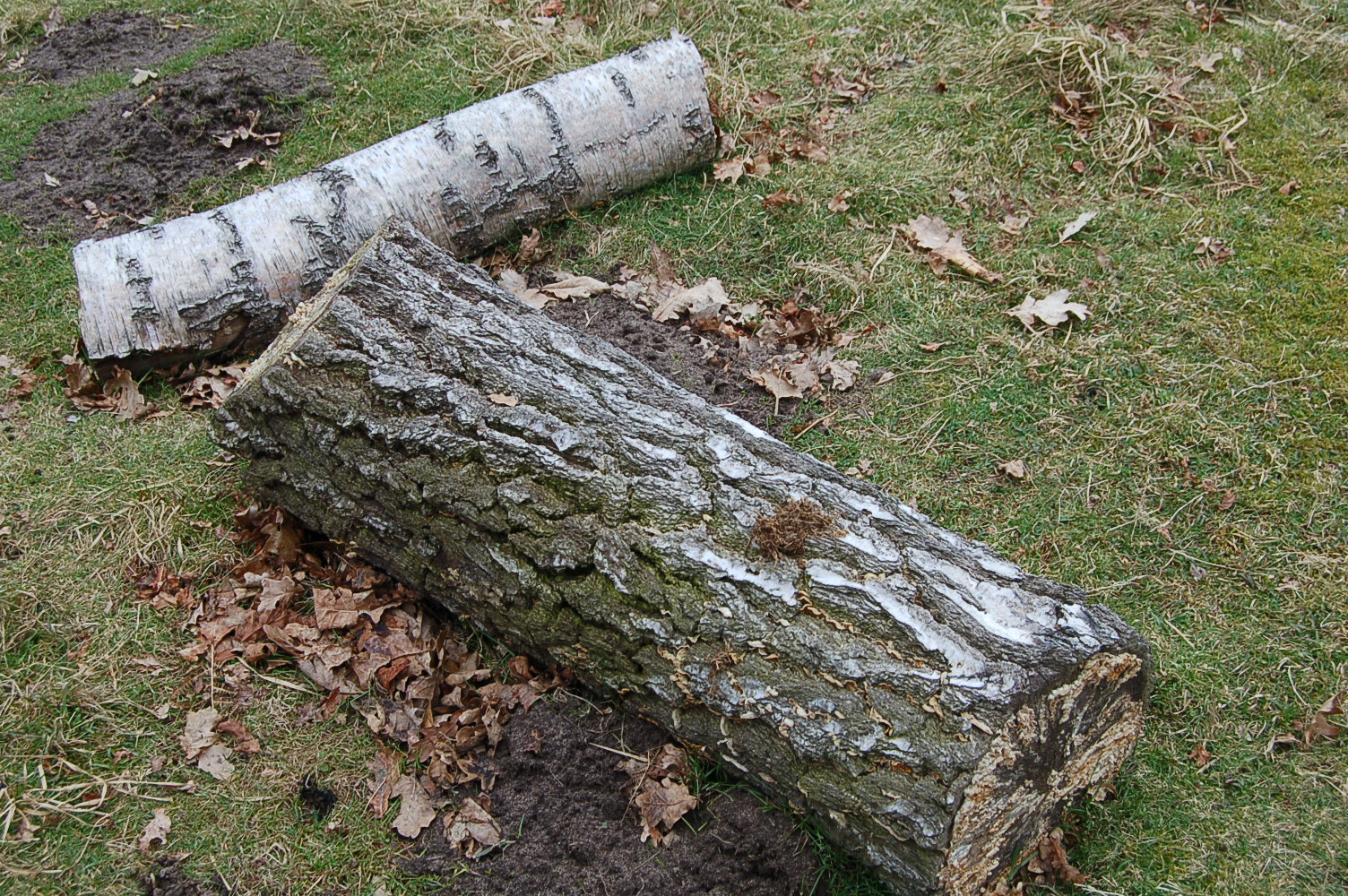
Our native Birch is a relatively short-lived tree so within any mixed woodland fallen specimens litter the ground. They will slowly dissolve away through the actions of the tiniest creatures and a multitude of fungi.

DSC_0080 DSC_0081

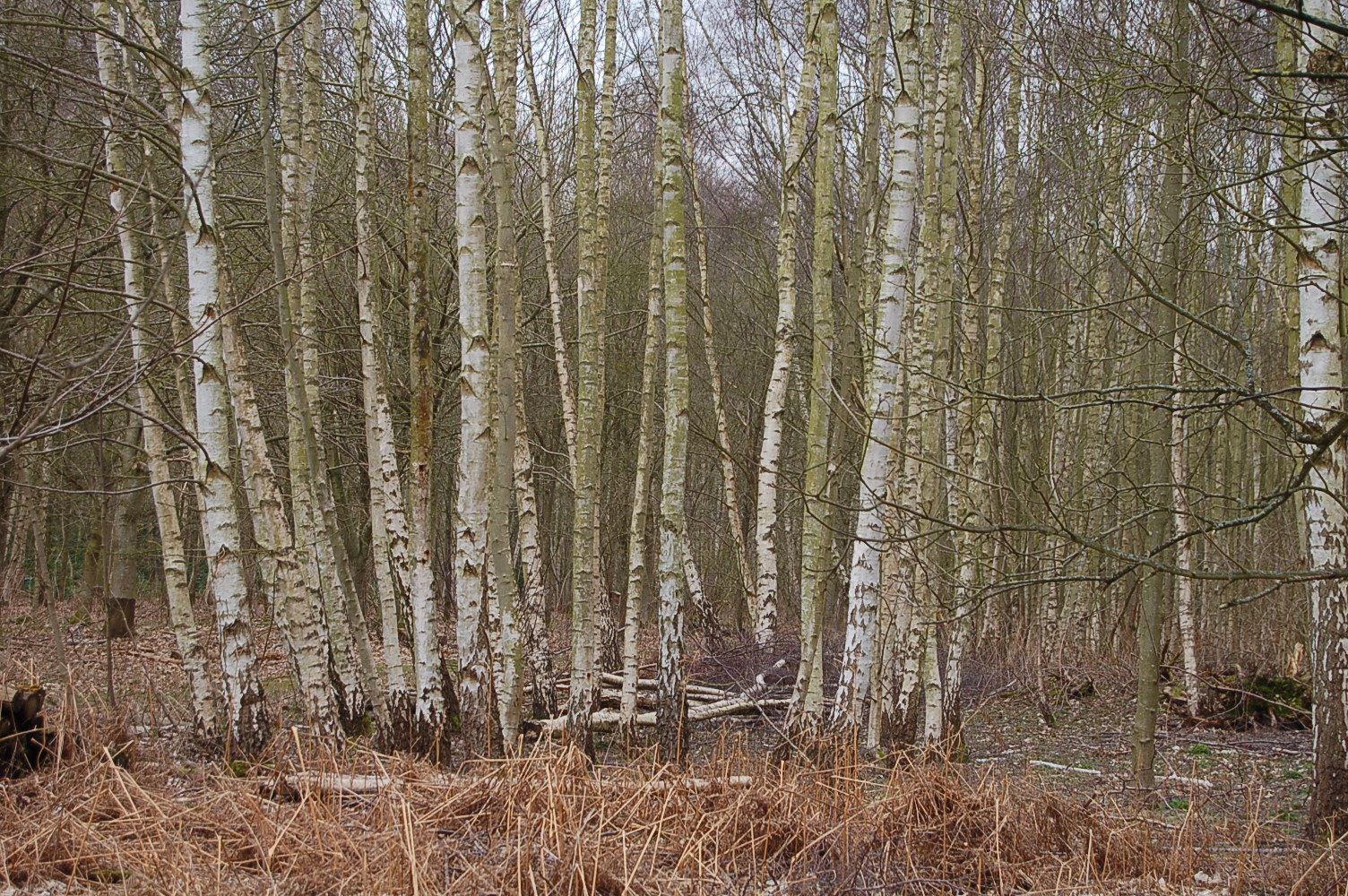
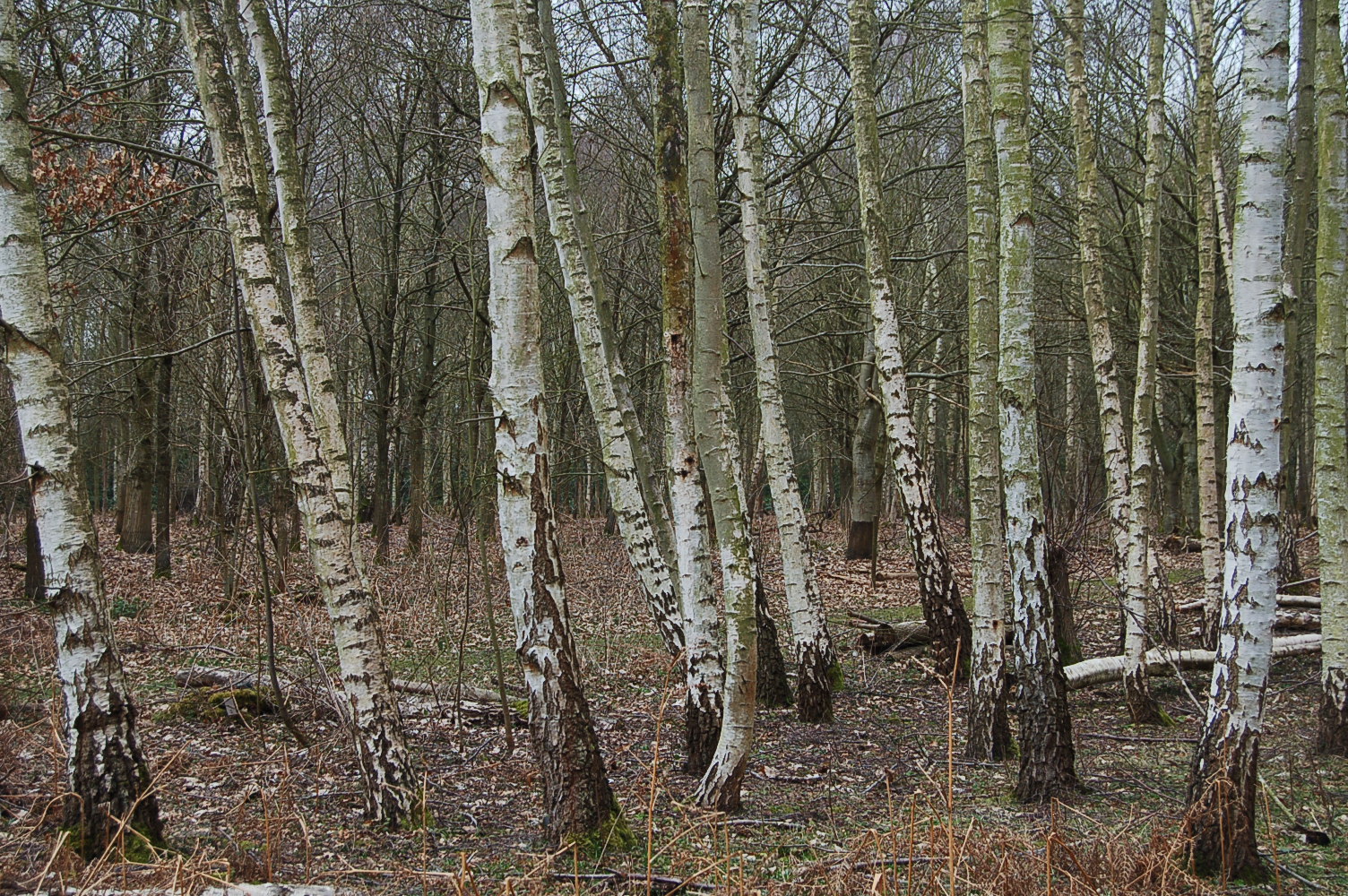
Perhaps the best way to finish off this series of  photos of my favourite trees, the Birches, is with a set of pictures of groups of them standing like cold sentinels.

DSC_0067 DSC_0069 DSC_0070 DSC_0071 DSC_0074 DSC_0075

Categories
colours flowering bulbs garden photography gardening ornamental trees and shrubs Shropshire spring bulbs spring gardening Winter Gardening winter gardens

A Bouquet for March

Here is this month’s “Bouquet” post. The first photo says it all!

DSC_0097

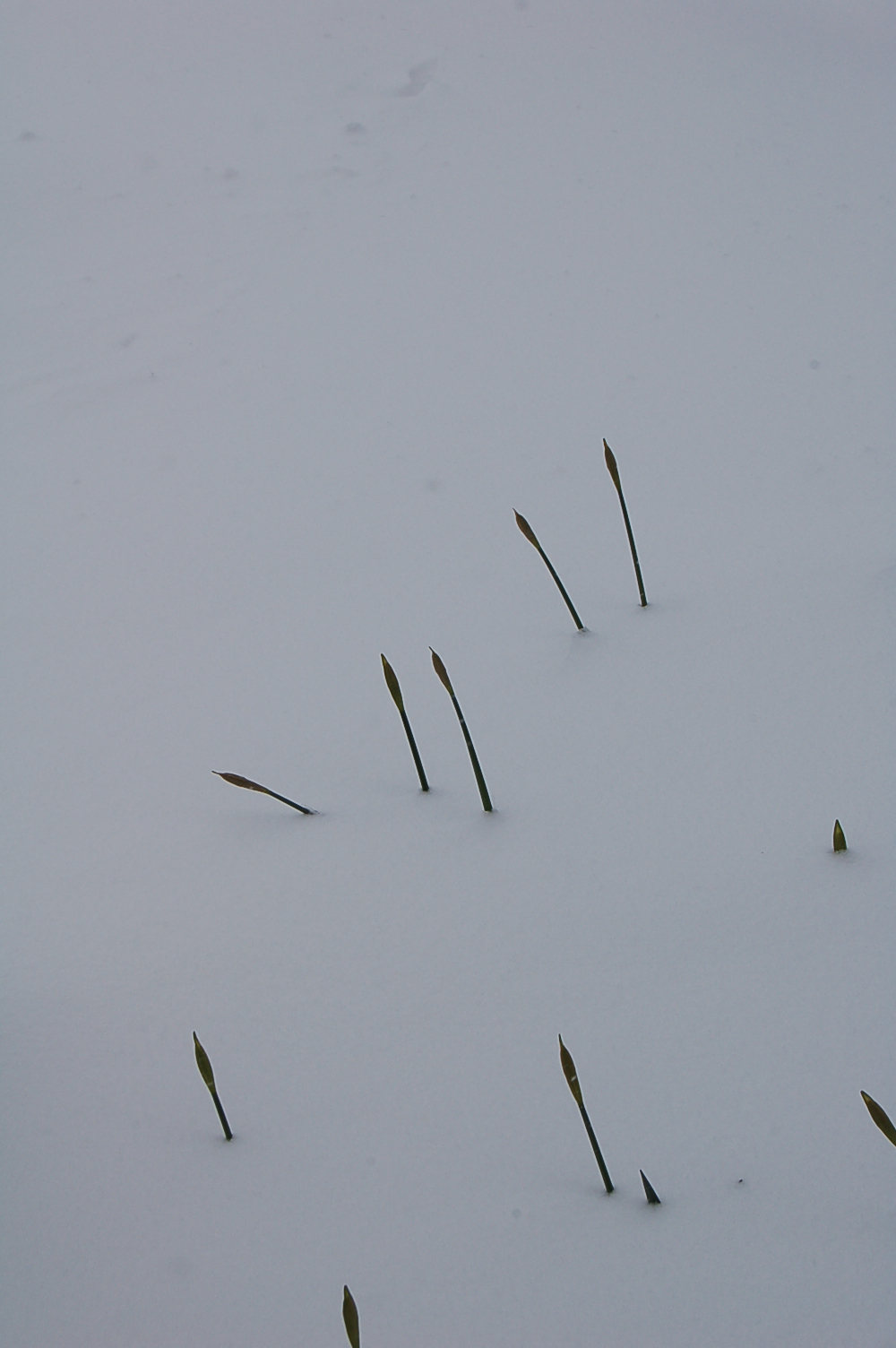
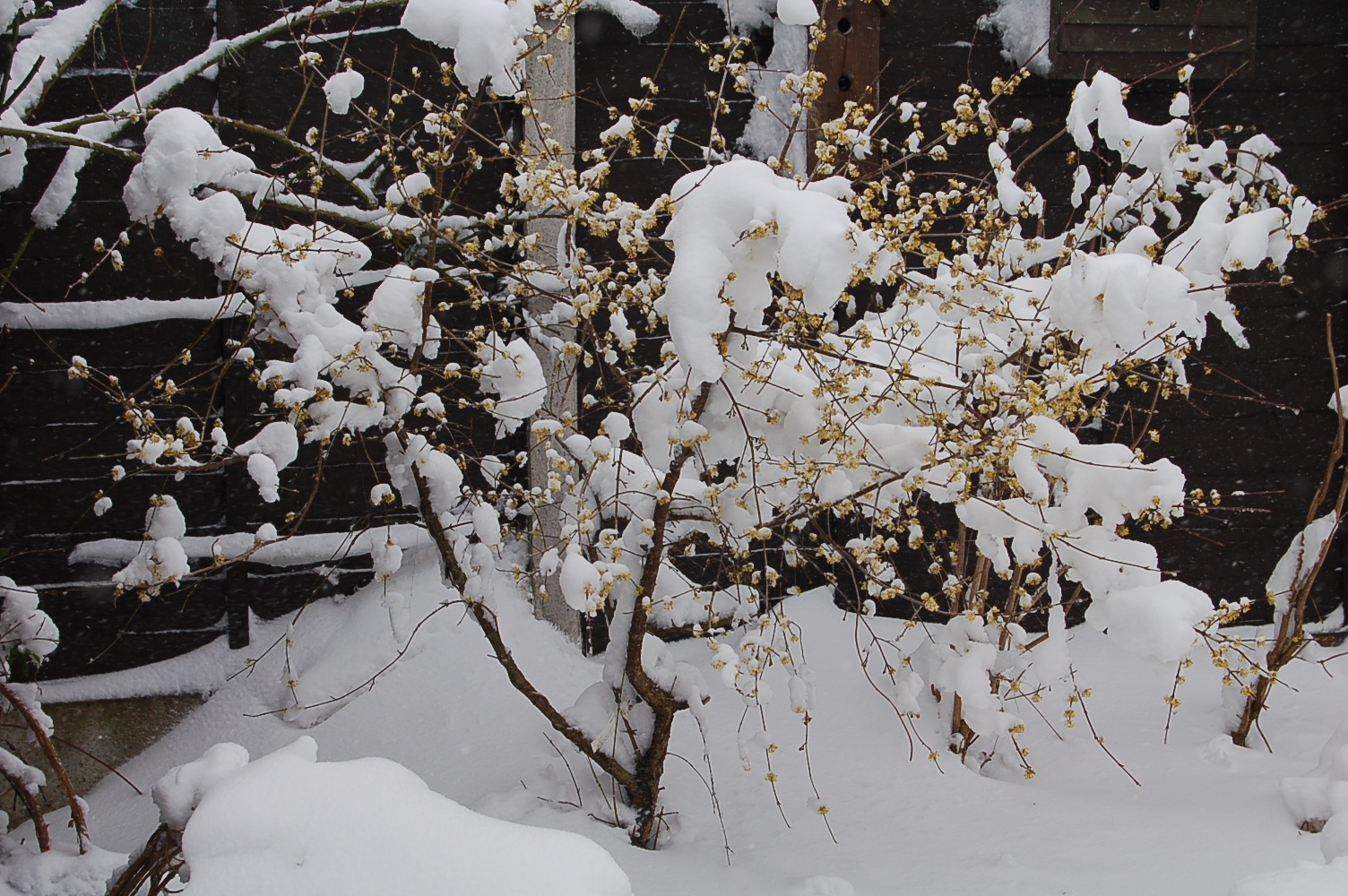
There are in fact two flowers visible – both yellow. Our Cornus mas is still in bloom and the flower buds of daffodils are spearing their way through their white duvet.

DSC_0096 DSC_0098

Let’s hope our April Bouquet is a bit more impressive!

Categories
colours garden design garden photography gardening spring bulbs

The Crocus Lawn

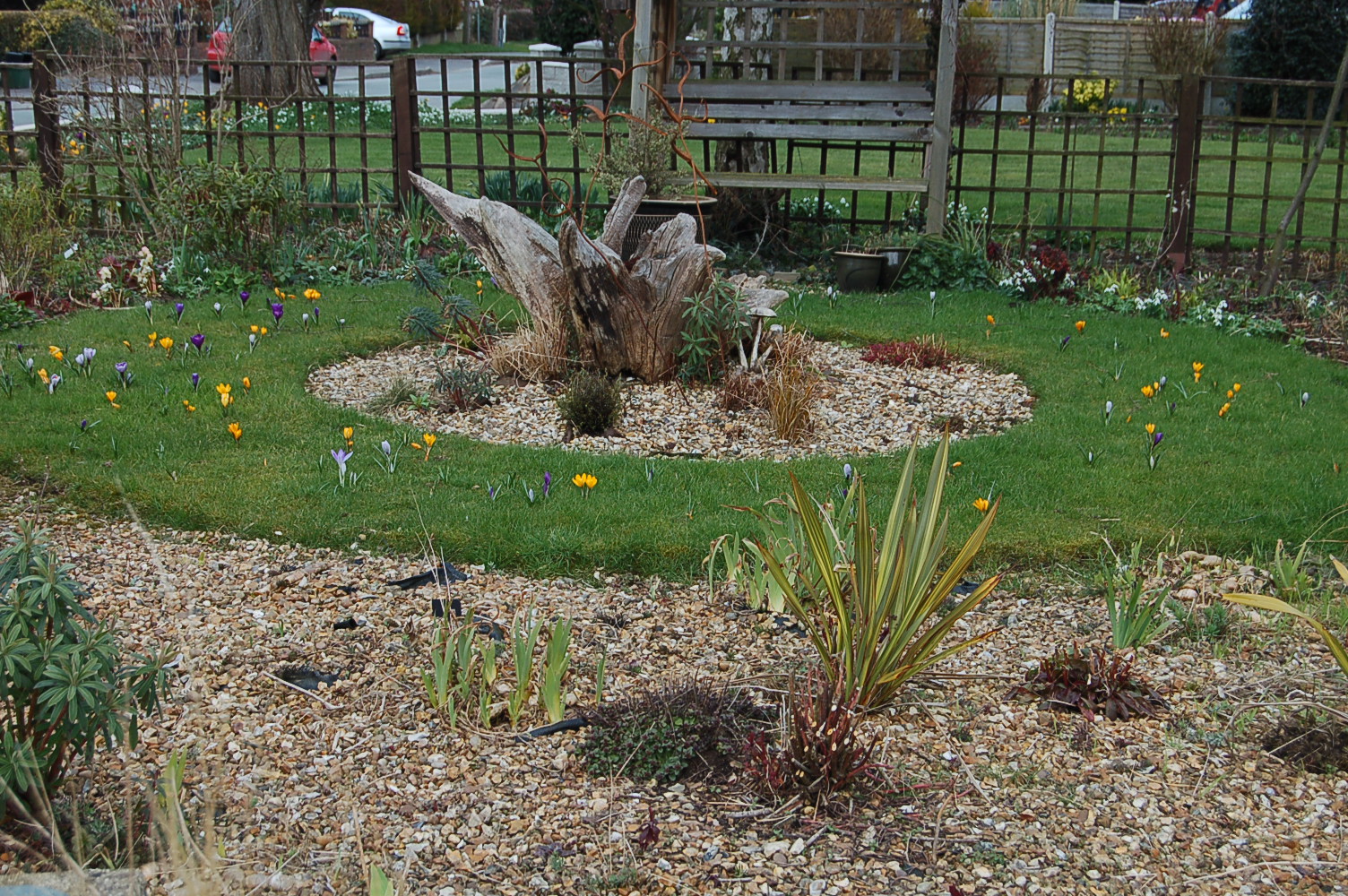
A speaker at one of Shropshire Hardy Plant Society meetings showed photographs of a feature in his own garden that was completely new to us. A crocus lawn. We were so impressed that we immediately ordered 500 bulbs.

SAMSUNG SAMSUNG
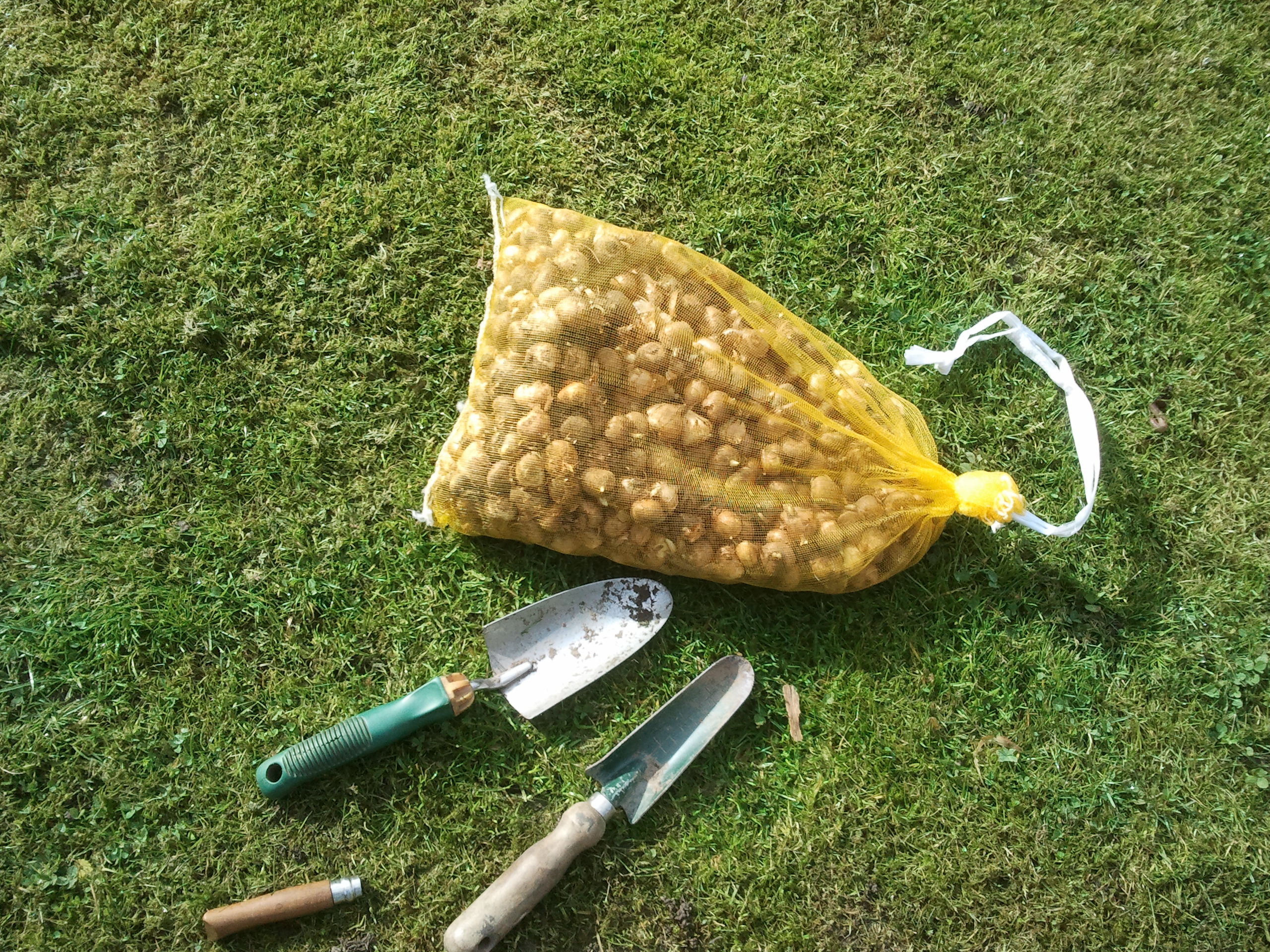
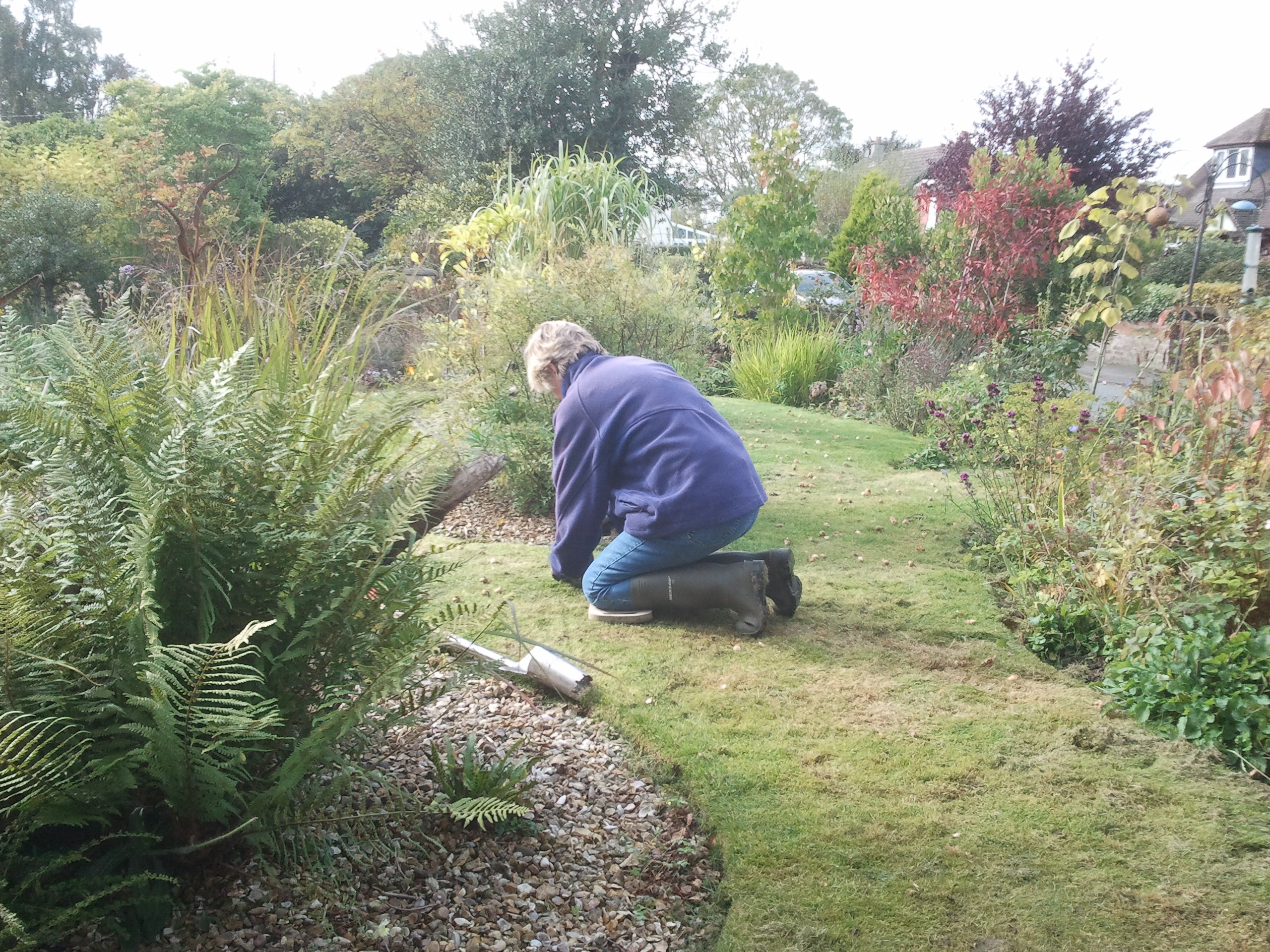
It was a slow job planting each one individually. We wanted it to look natural so we scattered the bulbs from a height and planted them where they landed, resisting the temptation to move individuals that were clumped too closely or to fill gaps.

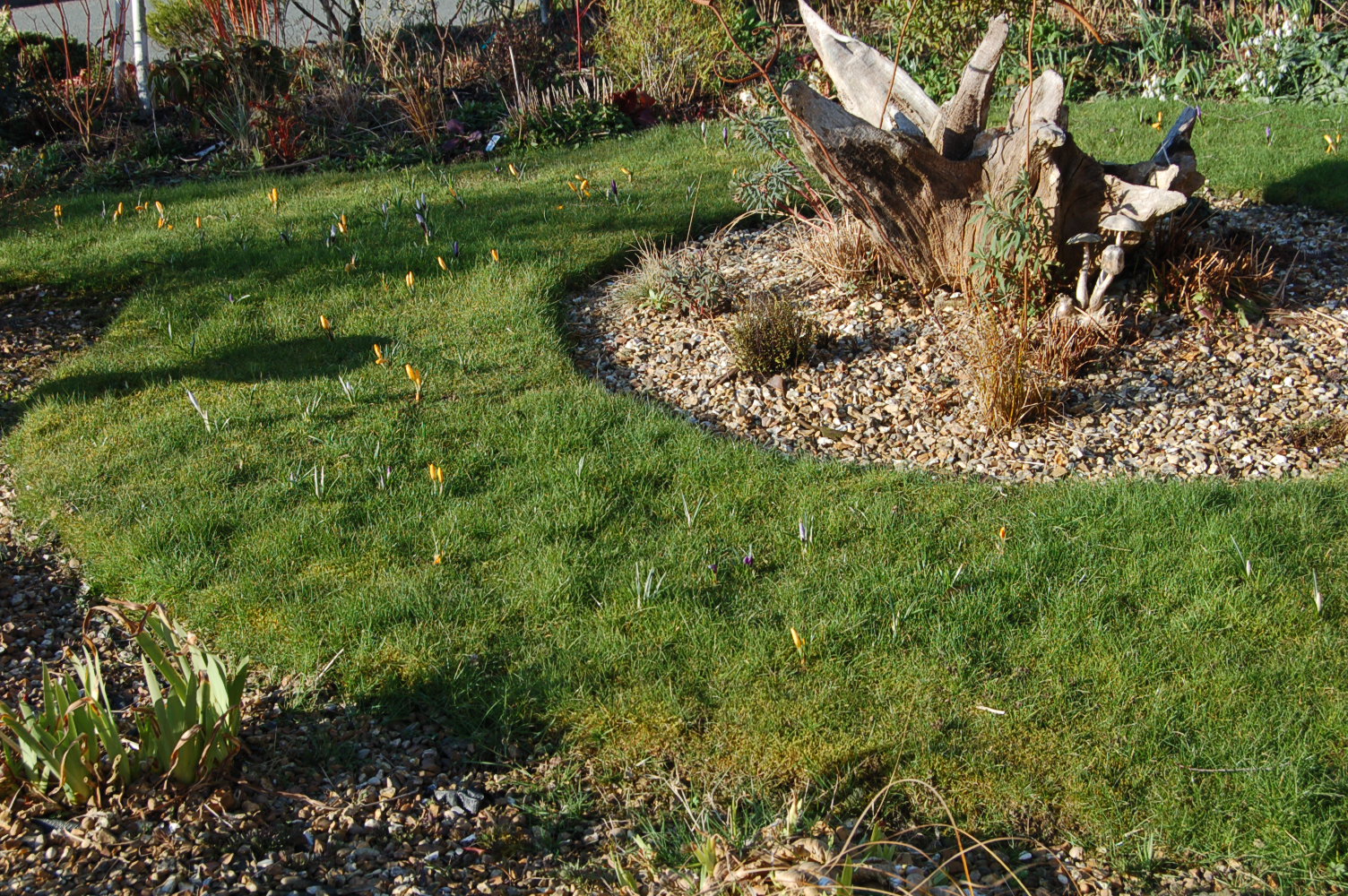
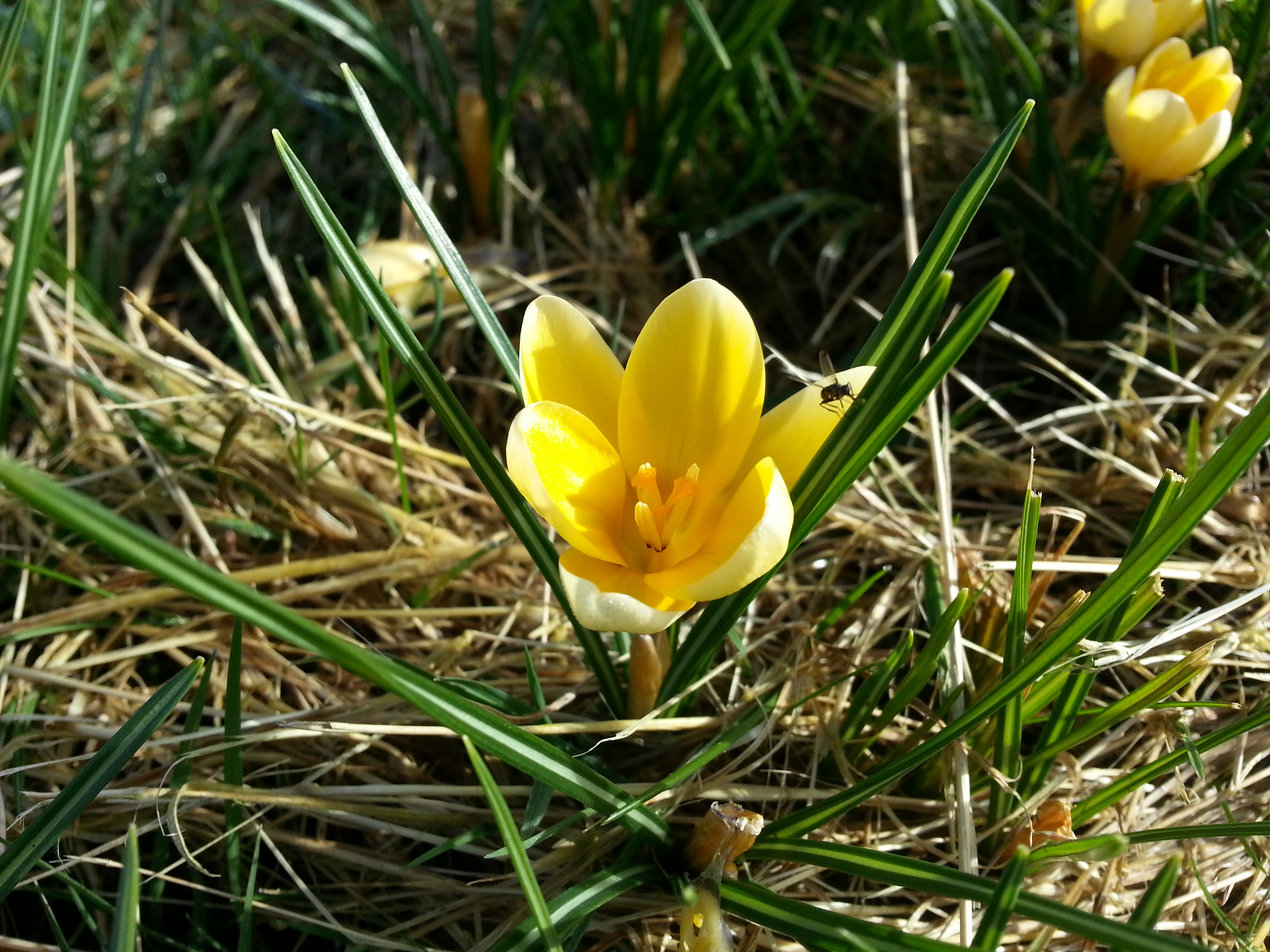
In mid-March things were beginning to get tense as the crocus flowers were patiently waiting for some sunshine to force the buds open. They just stood bolt upright among the grass of the lawn their colours hinting at what we hoped to be enjoying soon.

DSC_0001 DSC_0002 DSC_0007

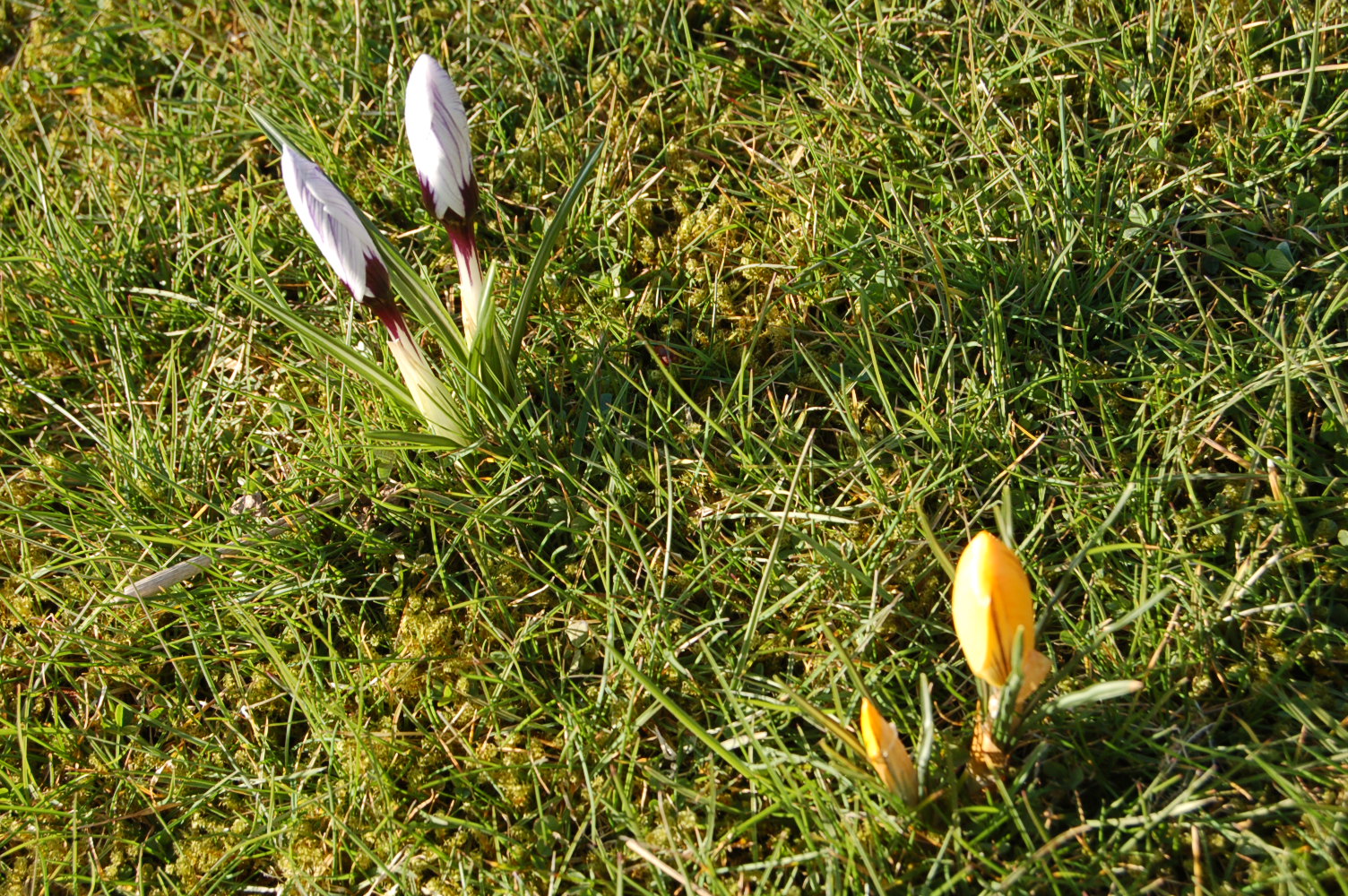
Close up we could see the beauty of the individual flowers. We just needed a day of sunshine and a bit of warmth for them to open their hearts to us. Fingers crossed firmly!

DSC_0003 DSC_0004 DSC_0005 DSC_0006

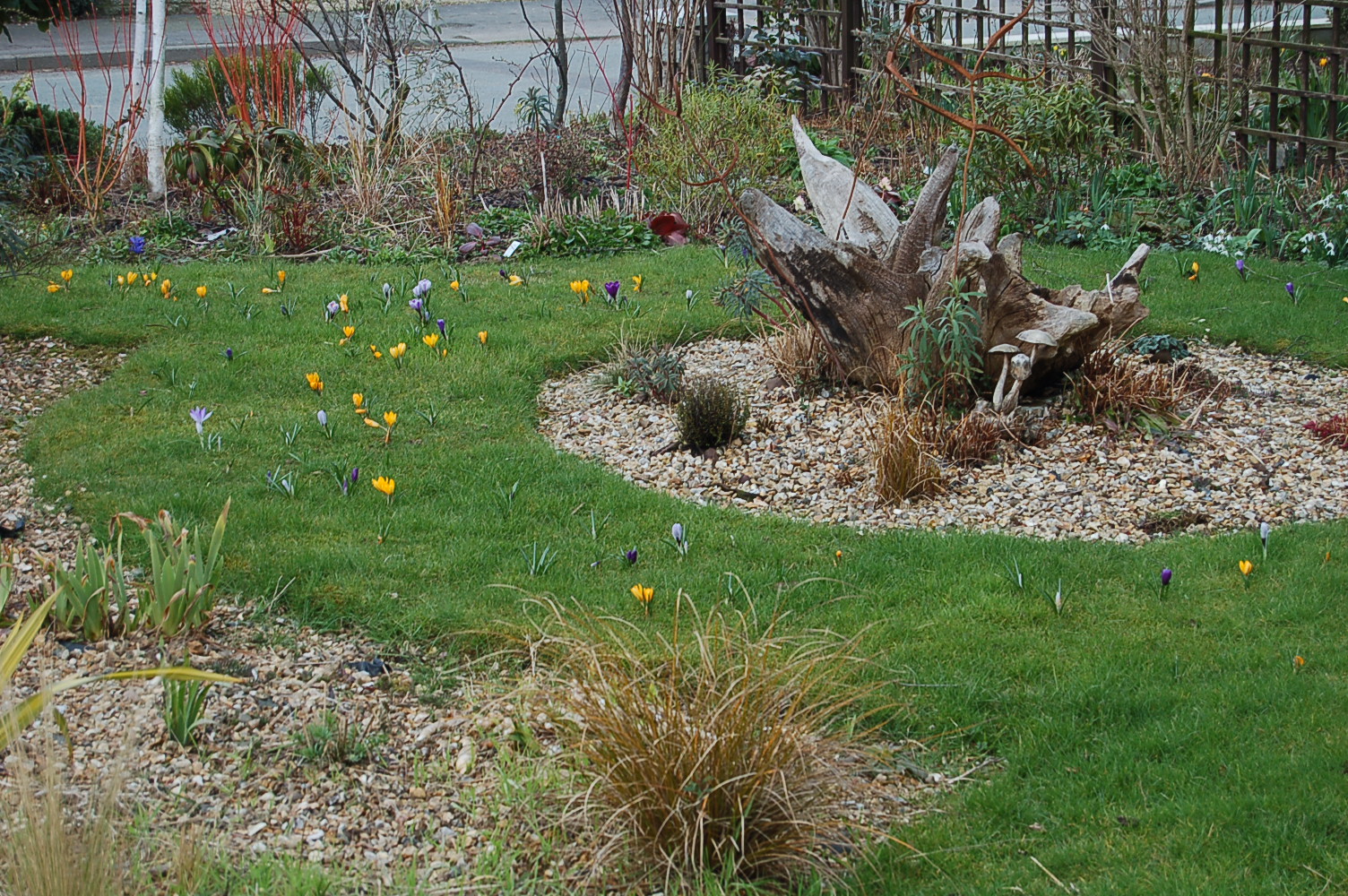
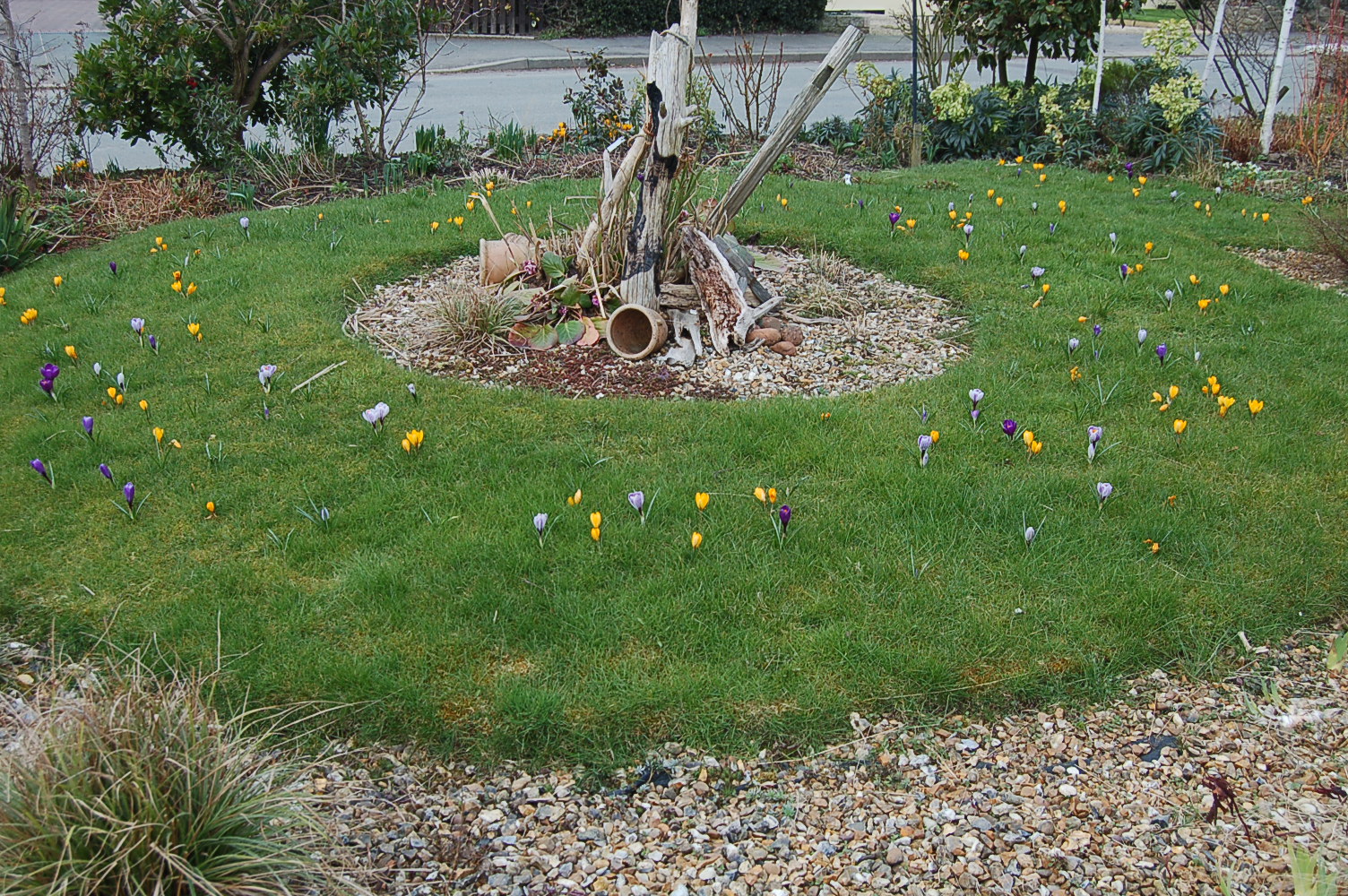
We didn’t have to wait too long! A day dawned with blue sky above and the sun glowing. In the earlier hours of the day the morning sun glowed but gave heat out that was too weak to reach us as warmth. As the afternoon arrived  though, the temperatures rose to the giddy heights of 6 degrees Celsius  for a few hours but it was enough to warm our backs and excite the crocus buds into opening. At last we got the opportunity to see if our crocus lawn project was worthwhile.

DSC_0001 DSC_0002 DSC_0003 DSC_0004 DSC_0007 DSC_0008

Ah sweet success! How satisfying!

DSC_0005

DSC_0005

DSC_0006

We have a bag of crocus “in the green” waiting to be added too. We can use them to fill in obvious gaps – next year should then be even better!

I can’t resist putting together portraits of a couple of the crocus in bud and in flower.

Firstly the purple bloom with its orange peel centre …..

DSC_0003 DSC_0006

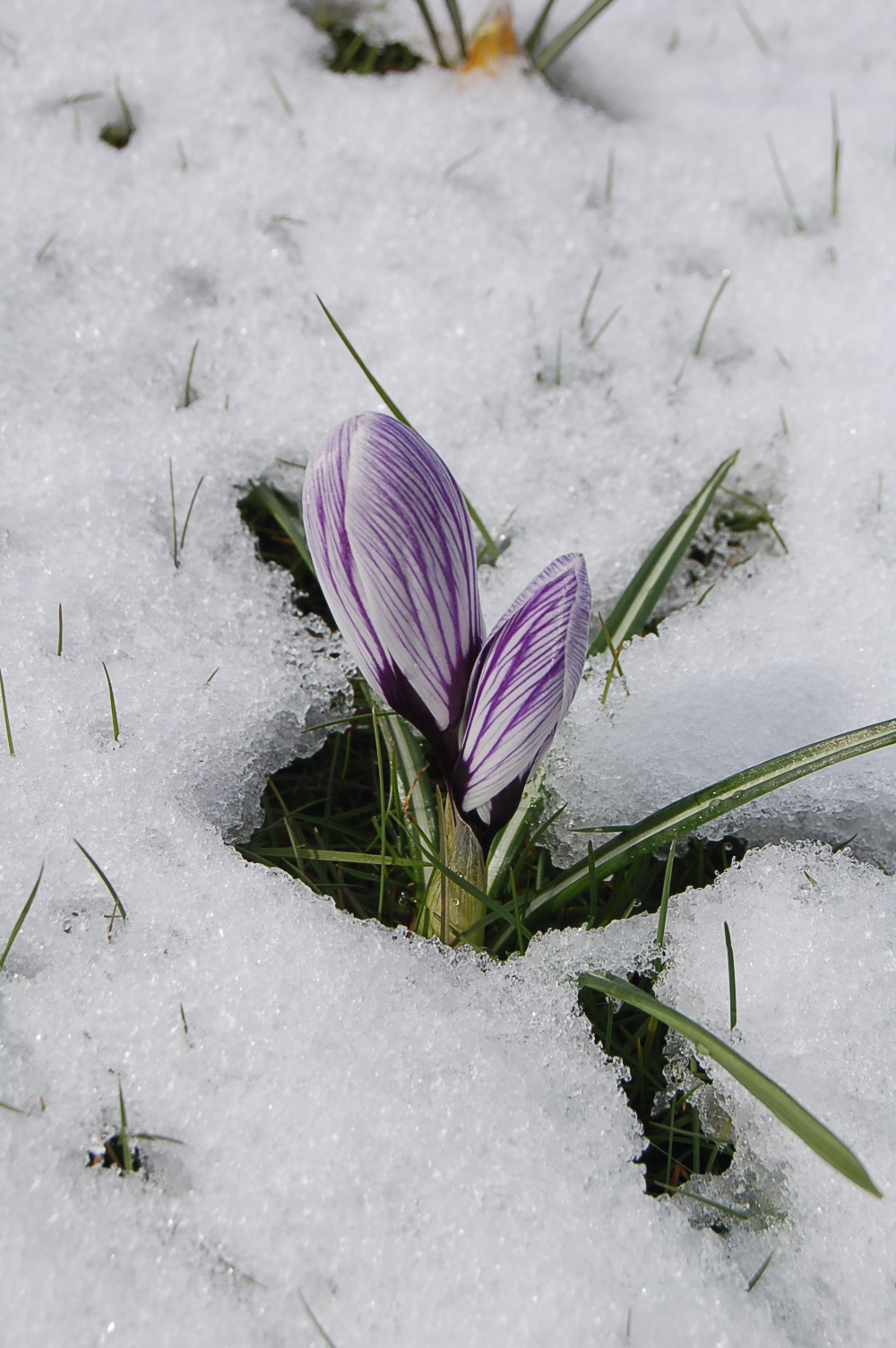
….. and then the striped purple and white barley twist blossom.

DSC_0004 DSC_0005

I wonder – should we call it our “Crocus Lawn” or our “Crocus Meadow”? Any thoughts?

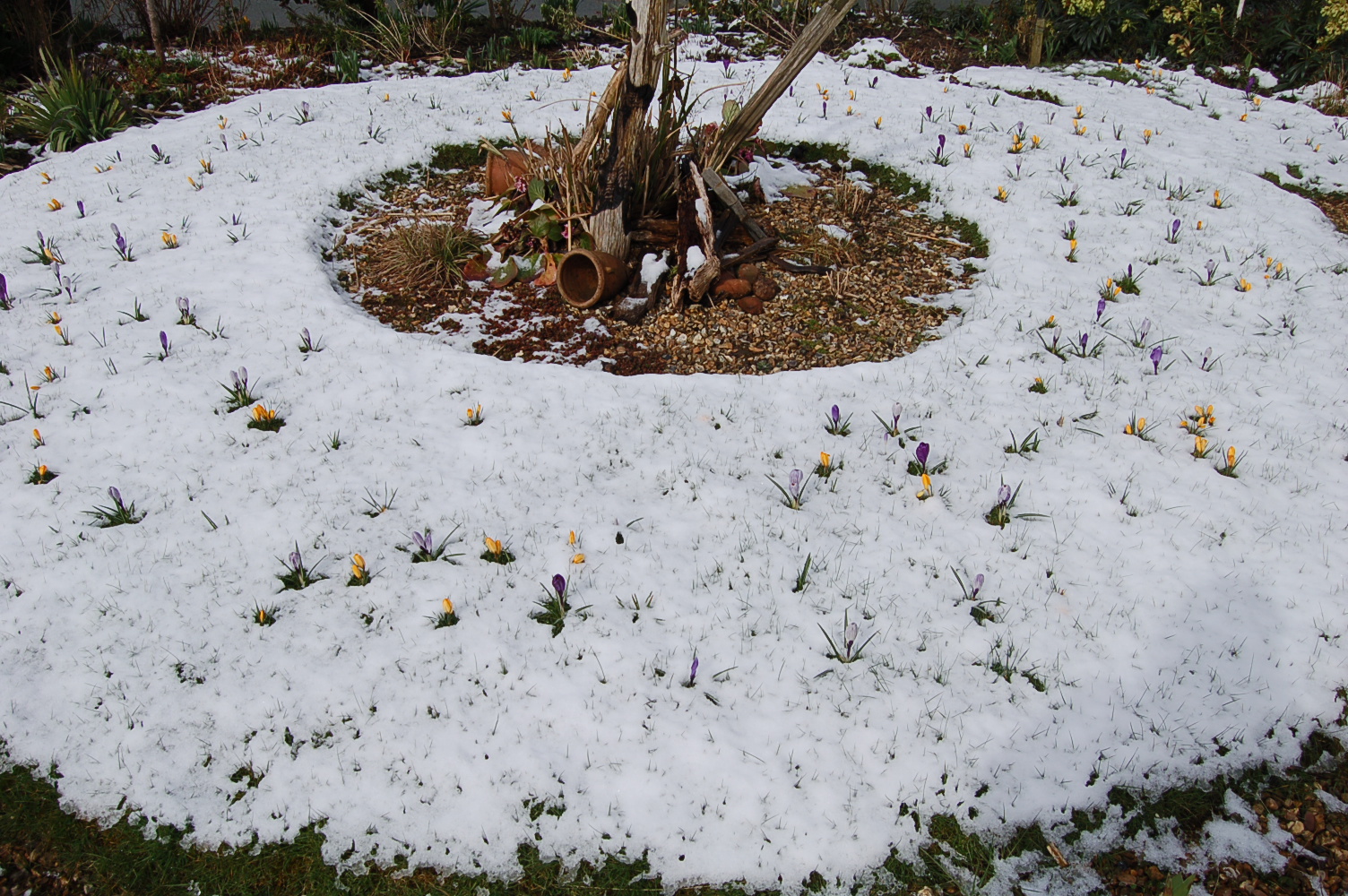
On the morning when I was going to post this crocus lawn post, we woke to another few inches of snow, all very unexpected and not forecast. The white covering gave the crocus lawn a whole new look. The crocus flowers were given a new backdrop against which to perform.

DSC_0001 DSC_0002 DSC_0004 DSC_0005

Surprisingly once the snow melted and the sun put on a short show the flowers popped back up and glowed once more as if nothing happened. Amazing!

Categories
autumn colours colours garden photography gardening ornamental trees and shrubs trees

The ever changing colours of Liquidamber

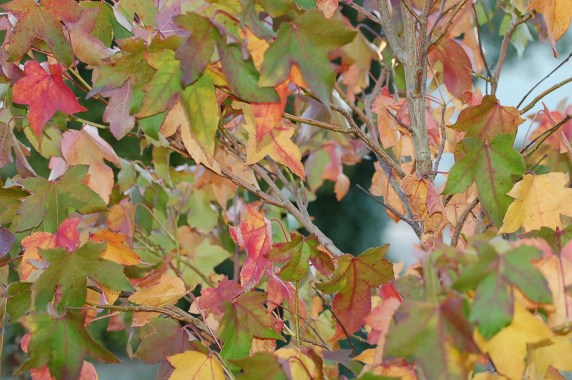
 Liquidamber has to be one of the best trees for the small garden in autumn and winter.

It develops the usual colours  associated with autumn but holds onto its leaves and  the colours get more and more intense as the season progresses.

So for this post I shall regularly take pics of our Liquidamber to illustrate how they change.

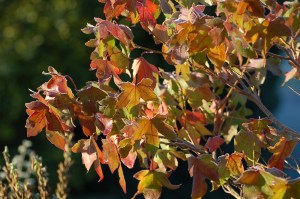
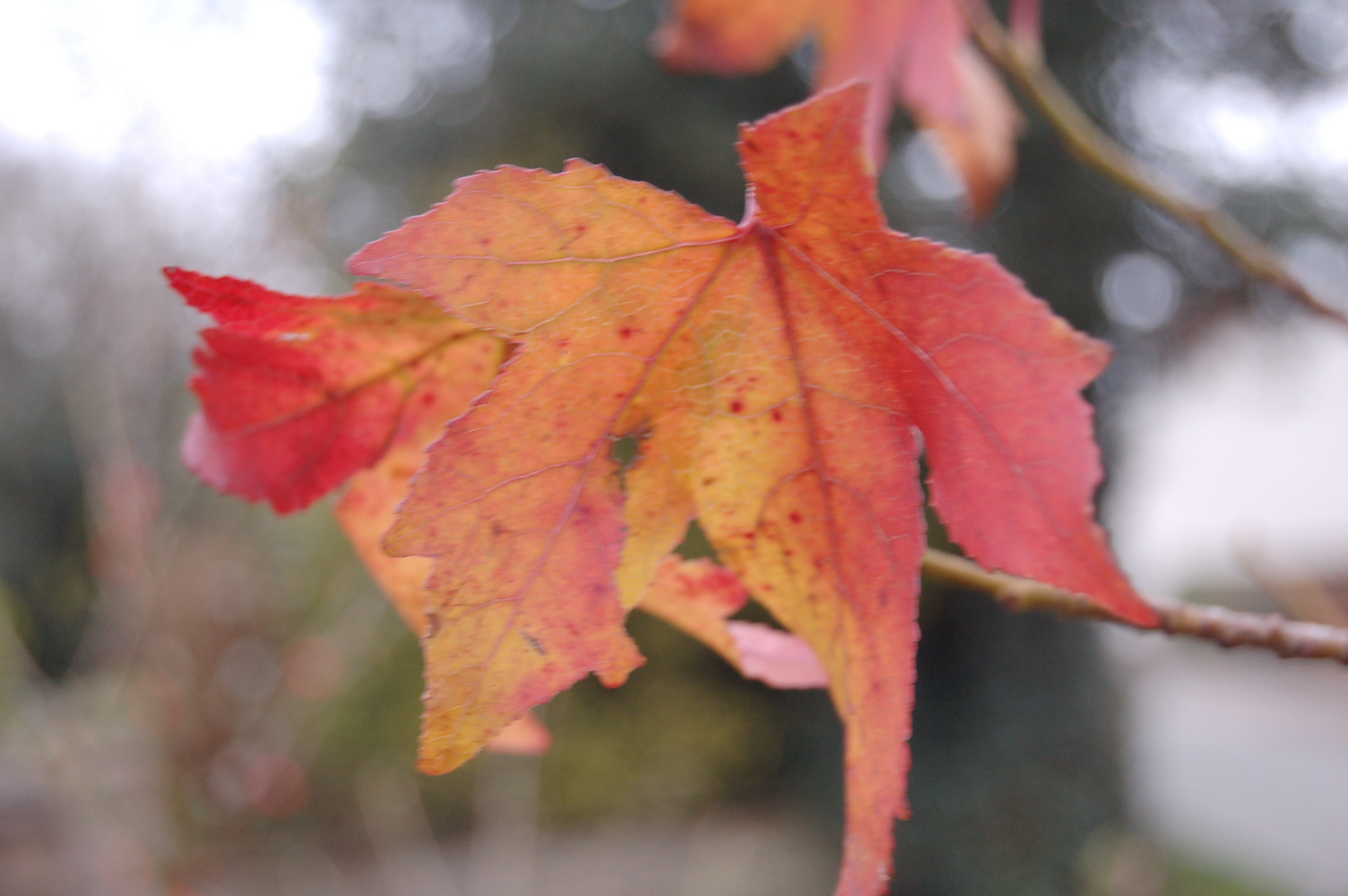
The first three photos were taken in October, at which time greens were still bright and frequent amongst the yellows and oranges.

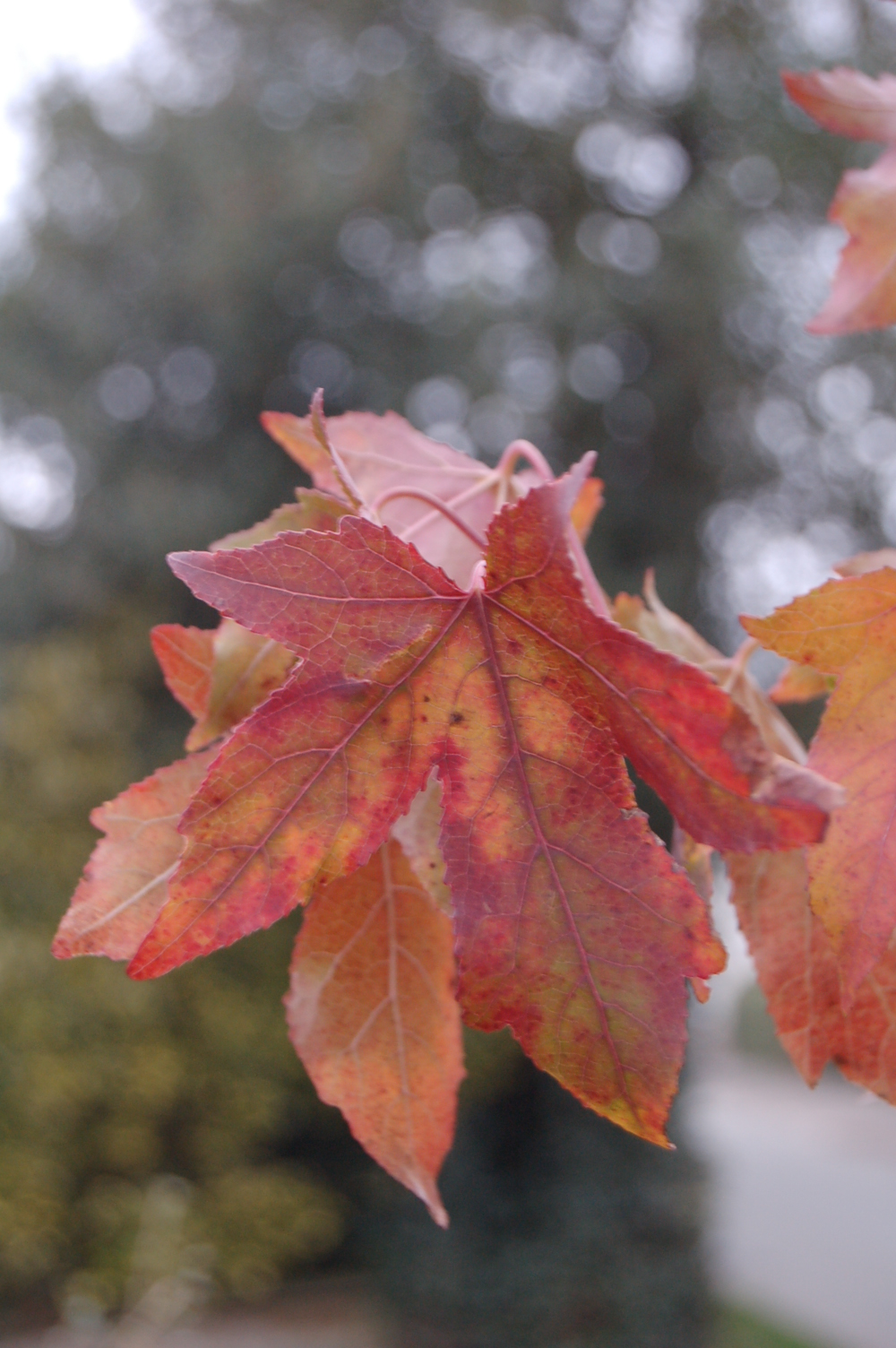
Early in December the colours are richer and not much evidence of green remains.

DSC_0010

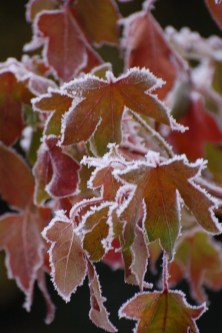
In mid-December a rim of frost decorated each leaf, emphasising their palmate shape and adding depth to the tints of fire.

DSC_0097

DSC_0096

By January the leaves are beginning to look dry with browns becoming the commonest colours.

DSC_0002 DSC_0003 DSC_0004 DSC_0005

Now in mid-March I would normally be able to enjoy the deepest of red leaves it is possible to imagine and they would be clinging onto their stems until new season leaves force them to release their grip and drop to the ground.

This year this eagerly anticipated redness has failed to appear and the remaining leaves are just crisp and dull brown. Half have already fallen and the others look as if they will soon give up their grip.

DSC_0008 DSC_0009

Once spring arrives and instigates budburst I shall start taking photos of our Liquidamber once again and follow the progress of its leaves throughout the year.

Categories
colours community gardening garden photography gardening ornamental trees and shrubs shrubs Winter Gardening winter gardens

Stems of dogwoods and willows at BAC

Earlier in the winter I posted a blog about the value of coloured stems in our garden. We have lots more up in the community gardens on our allotment site, Bowbrook Allotment Community. Now we have a little sunshine brightening our days I thought it would be interesting to see the colours in Cornus (Dogwoods) and Salix (Willows) that we have accumulated in our 4 year development.

First though a look into my sketchpad.

DSC_0002

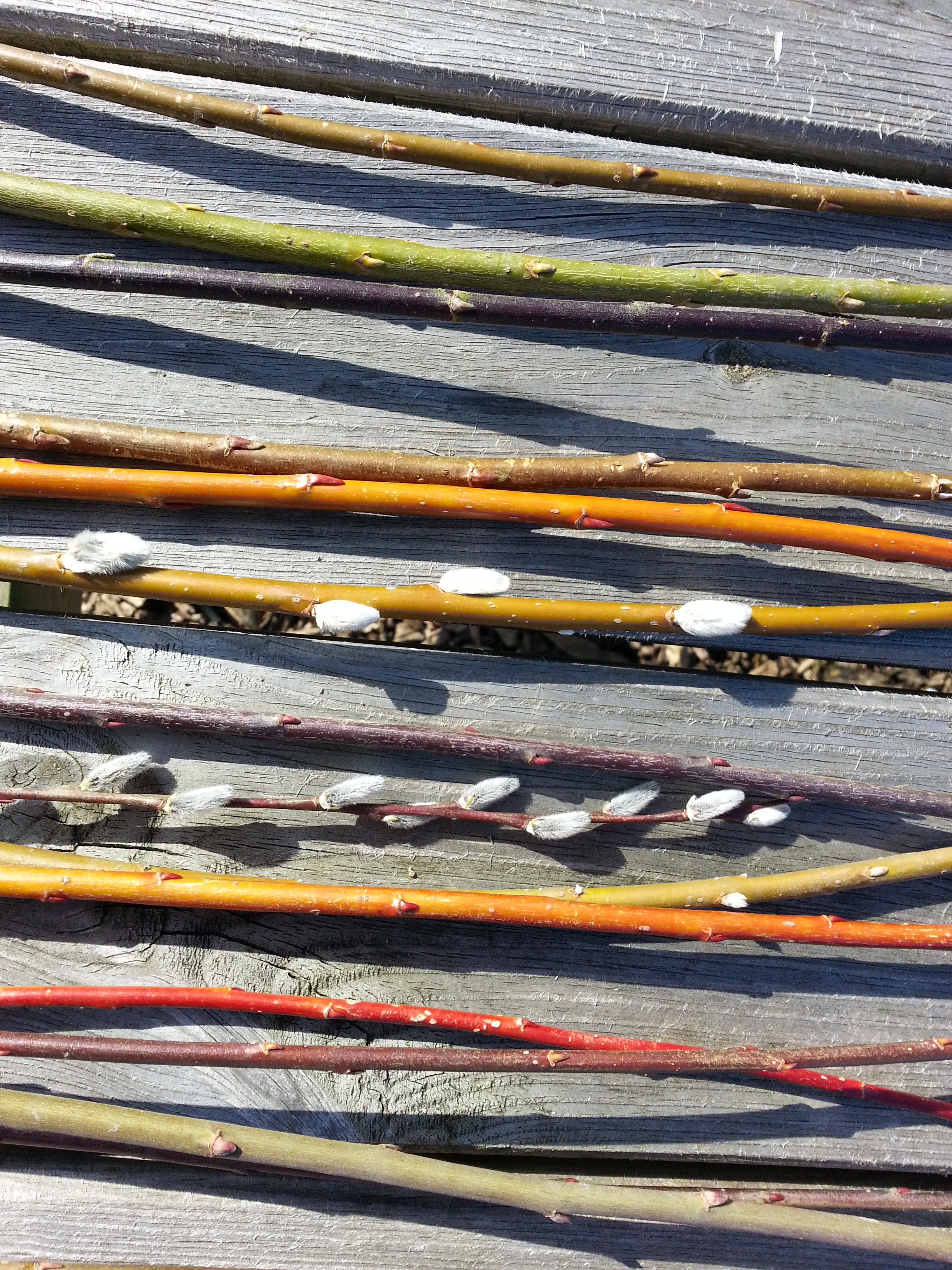
We put together a collection of stems of all the different Cornus and Salix  that we grow in the communal gardens and photographed them on a rare sunny day.

First the Dogwoods ….

stems 2 stems 3 stems 1

….and then the Willows.

stems 6 stems 7 stems 5

Categories
allotments colours community gardening garden photography gardening meadows winter gardens

Lottie Bulbs

A mid-February walk around our lottie site on a dull grey day was much improved by the colour of the earliest bulbs. Each autumn we invite donations of bulbs from members and now we are seeing and appreciating the results of our members’ efforts.

We grow lots of these early bulbs as they provide very early pollen for any bees that come out on mild days. We need to look after our bee friends as they help pollinate our fruit, peas and beans and many more crops.

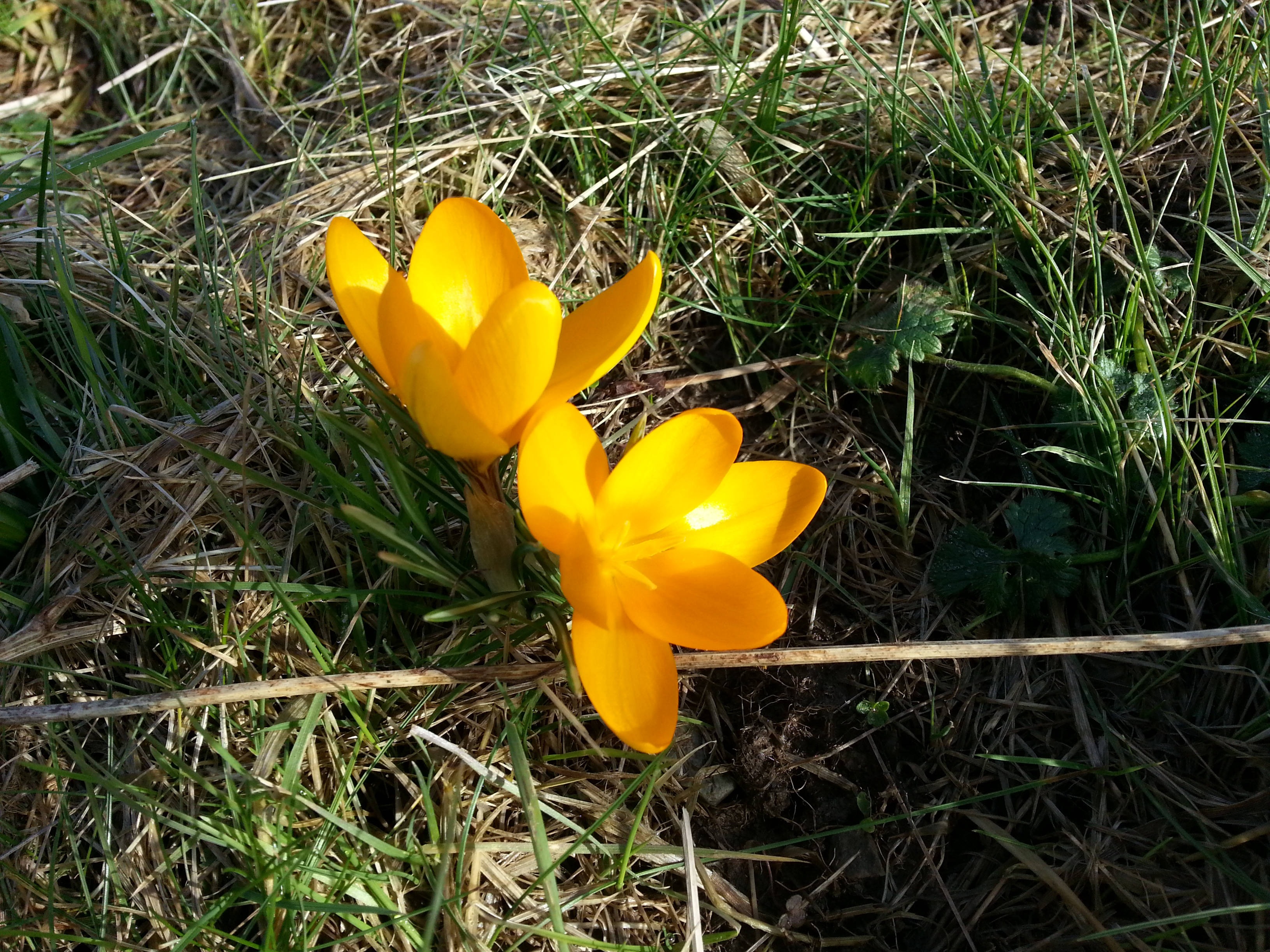
The gold of crocuses (or should that be croci or perhaps simply just crocus?) brightens the orchard meadow.

lottie bulbs 1 lottie bulbs 2 lottie bulbs 3 lottie bulbs 4 lottie bulbs 5

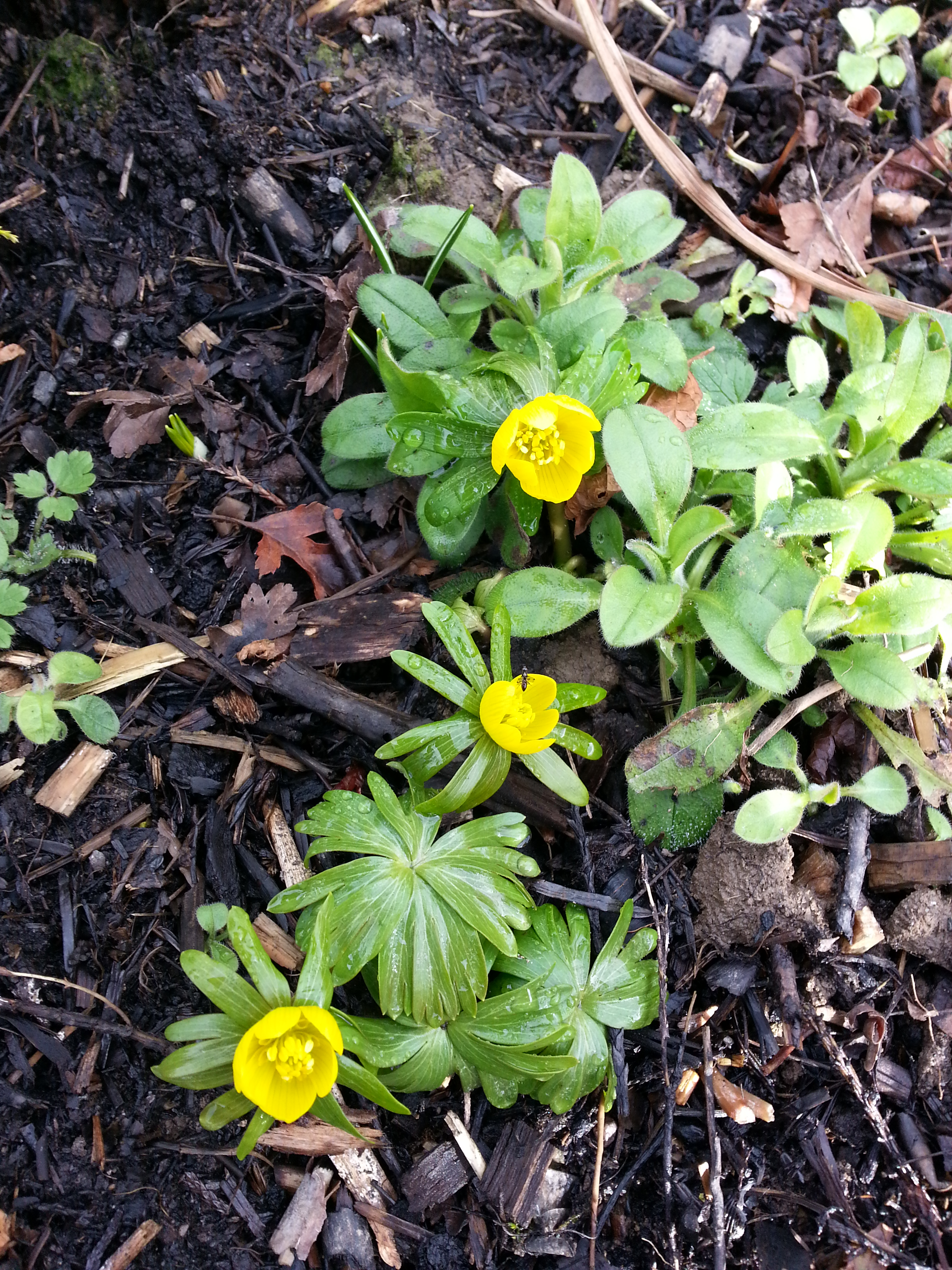
Snowdrops and Winter Aconites go together like chalk and cheese. Together they light up the Winter Garden.

lottie bulbs 7 lottie bulbs 12 lottie bulbs 13

Even in the Summer Garden spring bulbs have a place. These beautiful blue iris cheer everyone up as they pass by.

lottie bulb 20 lottie bulbs 21

The tiniest and most delicate flowers of February are those of the cyclamen which mingle with the bark and fallen leaves in the Sensory Garden. The leaves have fallen from the nearby old Oak tree.

lottie bulbs 22 lottie bulbs 23

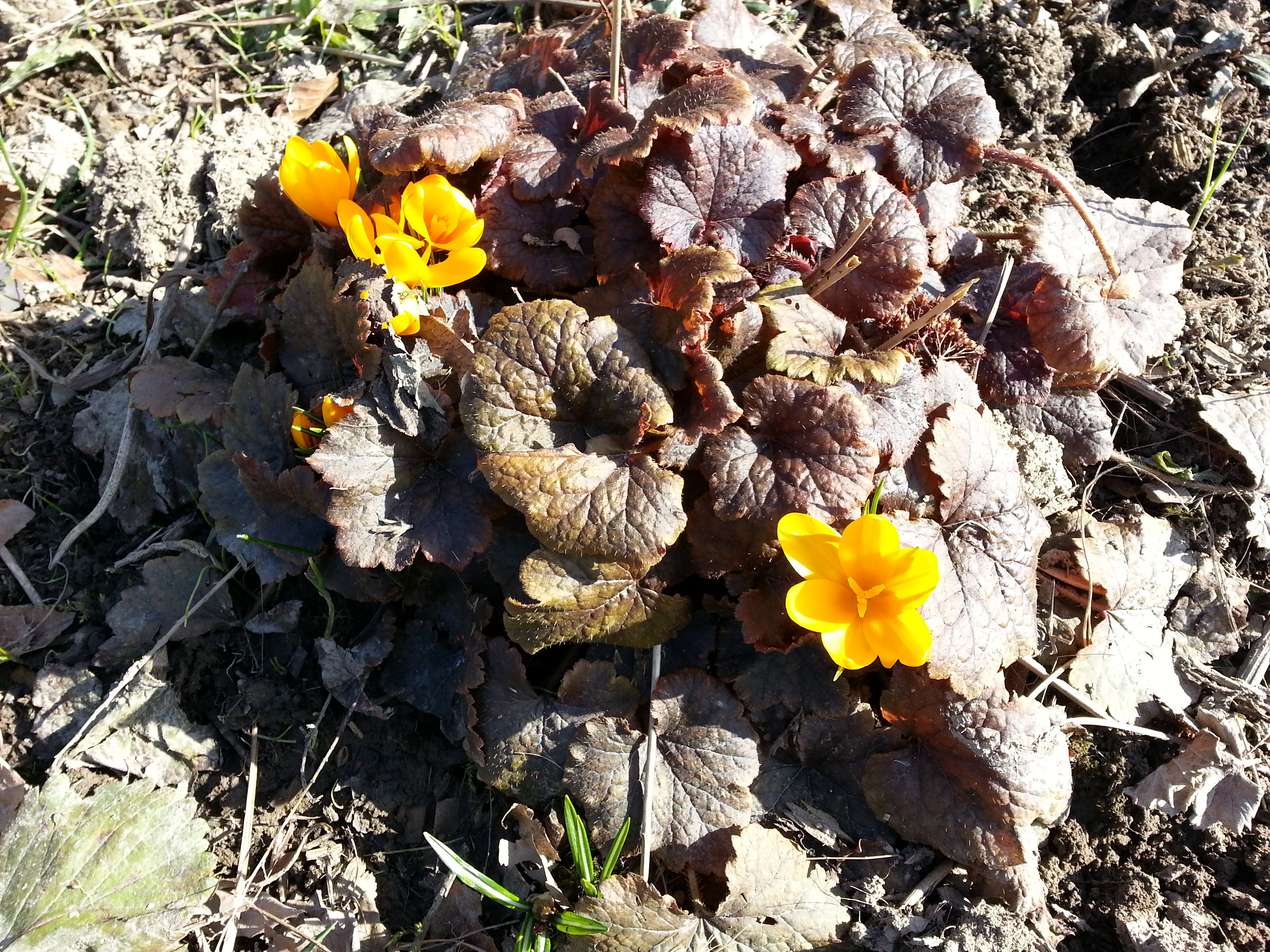
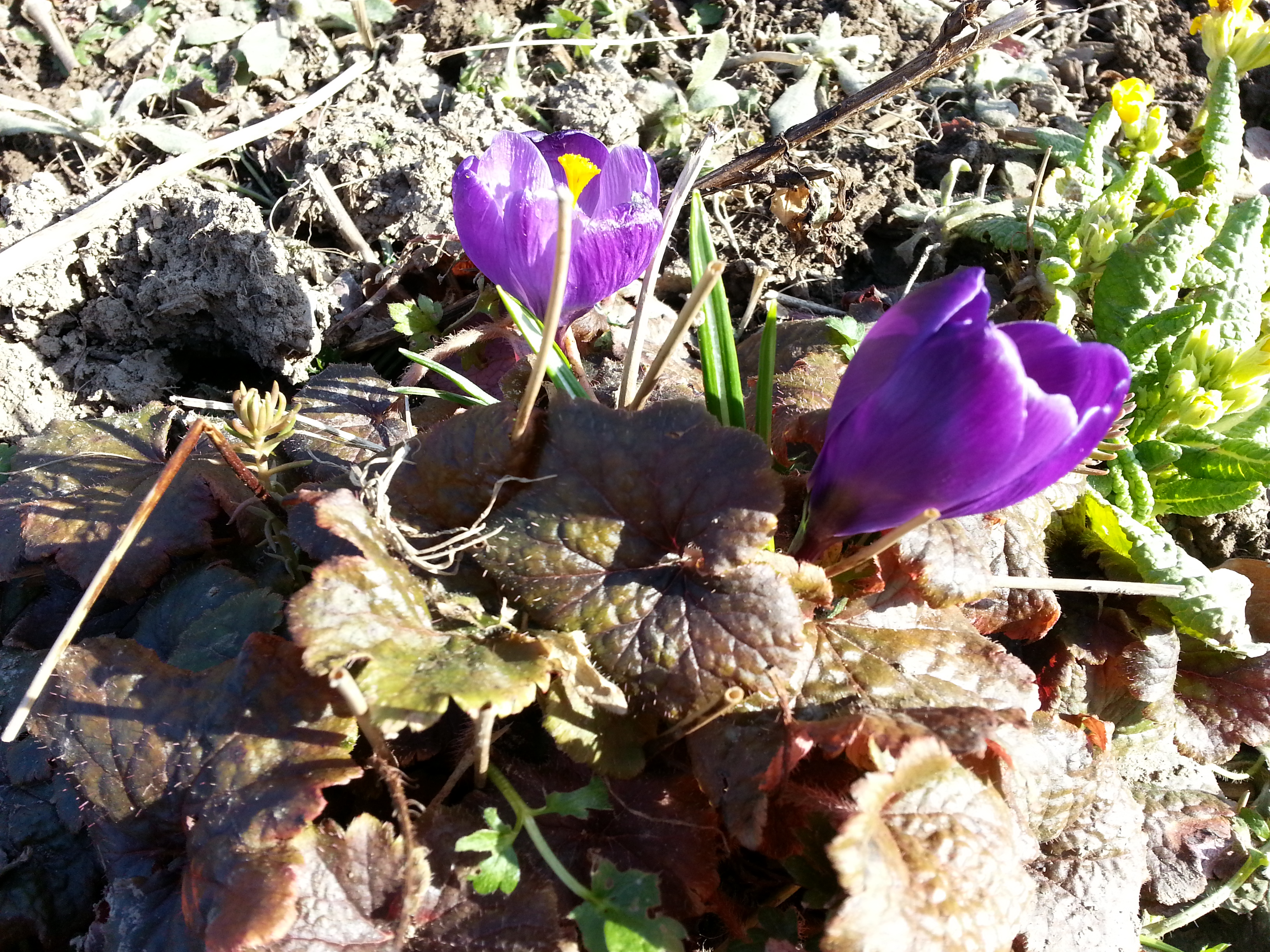
Accidental juxtaposition of plants often give the best combinations. These crocus surprised us when they chose to flower above the bronze leaves of a Saxifraga.

lottie bulbs 26 lottie bulbs 28

We now eagerly await the masses of Daffodils planted around the site and on the grass verges outside our gates. They will be closely followed by the Tulips in their myriad colours.

thinkinGardens

for people who want more than gardening from gardens

This Veggie Life

A Vegetarian | Nature Lifestyle Blog

Rambling in the Garden

.....and nurturing my soul

The Arch City Gardener

Journeys In St. Louis Gardening and Beyond

Garden Dreaming at Châtillon

Consult the genius of the place

Storyshucker

A blog full of humorous and poignant observations.

gardeninacity

Notes from a wildlife-friendly cottage garden

PlayGroundology

...an emerging social science

The Official Blog of British Wildlife

'The most important and informative publication on wildlife of our times' - The Independent. This blog is a member of The UK & Ireland Natural History Bloggers group: www.uknhb.blogspot.com

iGrowHort

Inspire - Cultivate - Grow Native Plants - Restore Landscapes

Bishops Meadow Trust

To create and protect a semi-natural wild space for the people of Farnham to enjoy and experience an array of British wildlife in our town

Gardening with Children

The www.gardeningwithchildren.co.uk Blog

UKbirdingtimeline

birding through the seasons, why birds matter and how to conserve them

NATURE WALKER

with a camera in hand

Jardin

Transform your outdoor space

Eva's space

My allotment, cooking and other interests

Old School Garden

my gardening life through the year

LEANNE COLE

Trying to live a creative life

fromacountrycottage

trying to live as lightly as possible on our beautiful planet

Good Life Gardening

Nature lovers from Leicester living the good life.

mybeautfulthings

Finding the beautiful in the everyday

mawsonmichelle

Michelle's Allotment

In and Out of My Garden

thoughts from and about my garden

Greenhousing

Big plans for a small garden

The Scottish Country Garden

A Walled Country Garden in South East Scotland

The Fruity Chicken

Life at the fruity chicken

willowarchway

Off grid living. Self sufficient. "PERMAGANICS RULE".

St Anns Allotments

Nottingham's Grade 2* Listed Allotments and Community Orchard

Manifest Joy Harvests

a journey in suburban vegetable gardening

Allotmental

The madness of growing your own

Penny's Garden: a harvest beyond my front door

A novel approach to vegetable gardening

arignagardener

Sustainable living in the Irish countryside.

NewEnglandGardenAndThread

Master Gardener, amateur photographer, quilter, NH native, and sometimes SC snowbird

dianajhale

Recent work and work in progress and anything else that interests me

planthoarder

a chaotic cottage gardener

Lens and Pens by Sally

a weekly blog that creates a personal philosophy through photographs and words

Dewdrops and Sunshine

Stories from a sassy and classy Southern farmbelle.

The Pyjama Gardener

Simple Organic Gardening & Seasonal Living

gettin' fresh!

turning dirt into dinner

JOY...

today the world is created anew

Garden Birds

Notes from a Devon garden

ShootAbout

Life Through The Lens

Adapting Pixels

A photography blog showcasing the best photography pictures and videos on the internet

Wildlifegardening's Blog

Just another WordPress.com site

naturestimeline

personal observations from the natural world as the search continues for a new approach to conservation.