Categories
birds flowering bulbs garden design garden photography garden wildlife gardening gardens hardy perennials ornamental trees and shrubs Shropshire shrubs spring bulbs wildlife Winter Gardening winter gardens

My 2017 Garden Journal – February

Here is the second time in 2017 when I share with you my Garden Journal, so please enjoy my February pages.

fj-1

On the first double page spread I look at Snowdrops and some early plants of interest. I wrote, “February, the month when gardeners’ working hours increase and the light values improve strongly. The snow white of the humble Snowdrop intensifies in the special brightness.”
fj1-03 fj1-06fj1-01 fj1-05 fj1-02 fj1-04

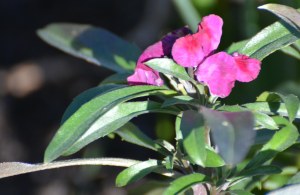
On the opposite page I wrote, “Our native Primroses, Primula vulgaris, begin to flower in February ready to be at their peak in early Spring. Pink “rogue” Primroses appear as self-seeders. Foliage of Primula vulgaris is beautifully textured and patterned.”

fj1-07 fj1-08

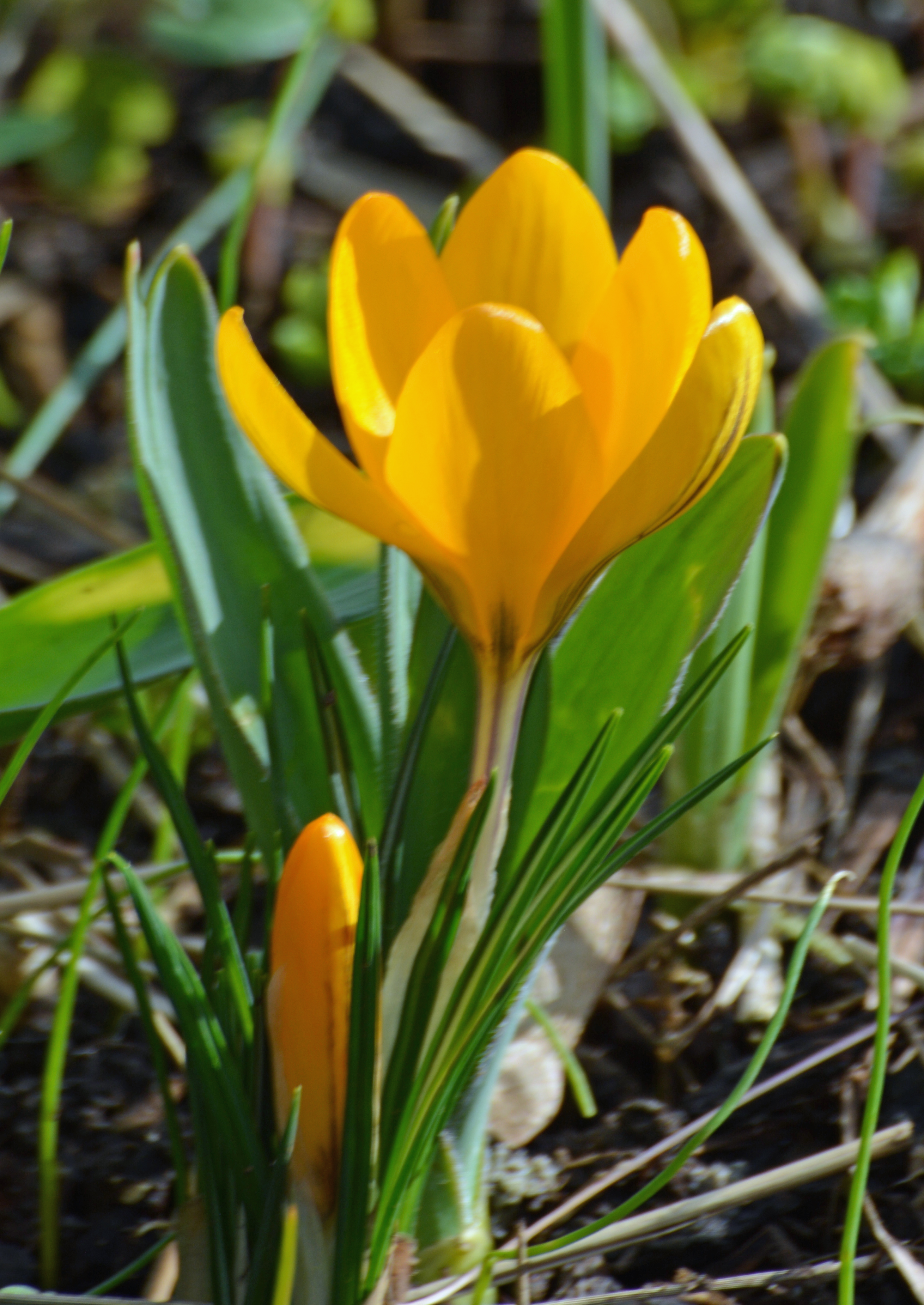
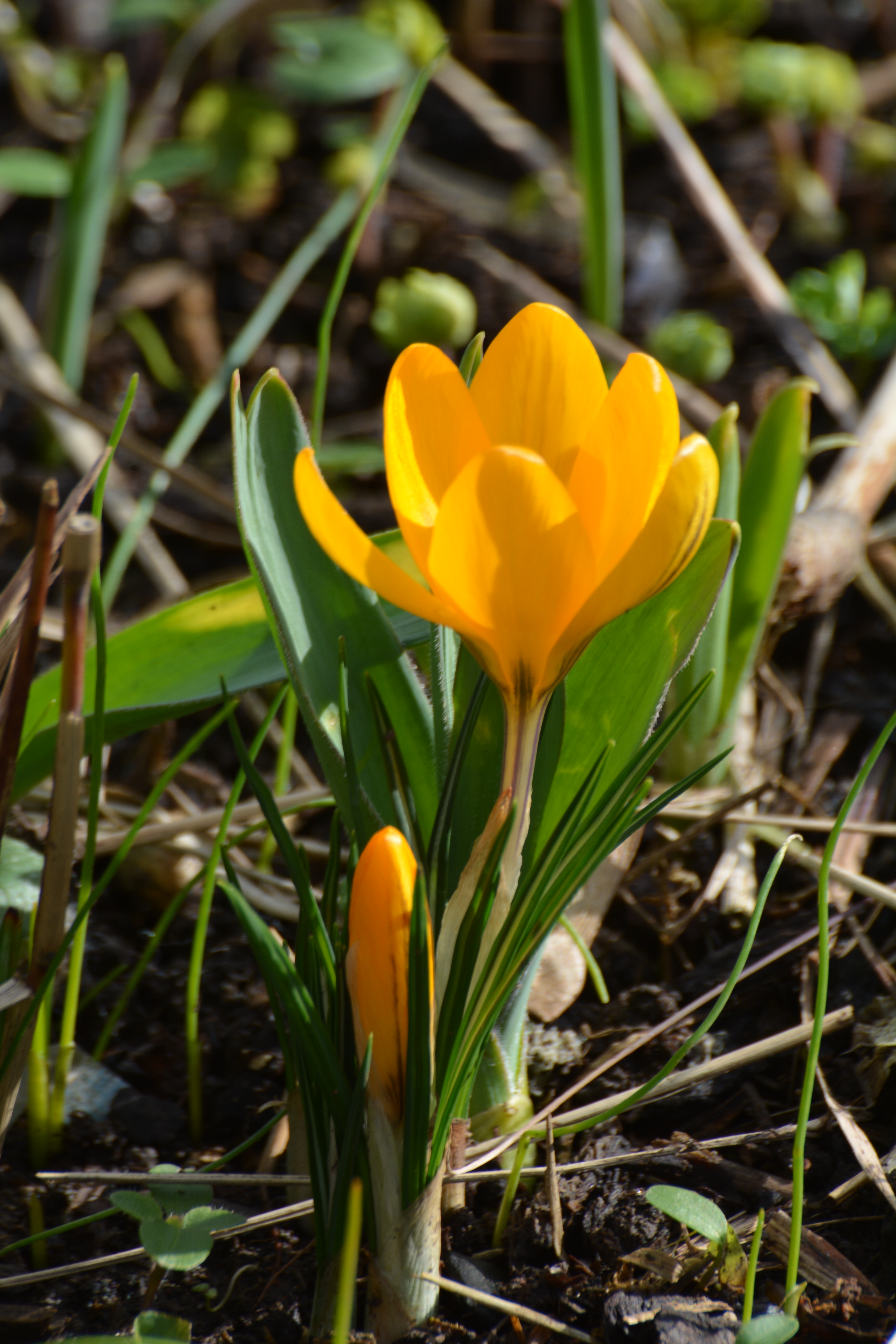
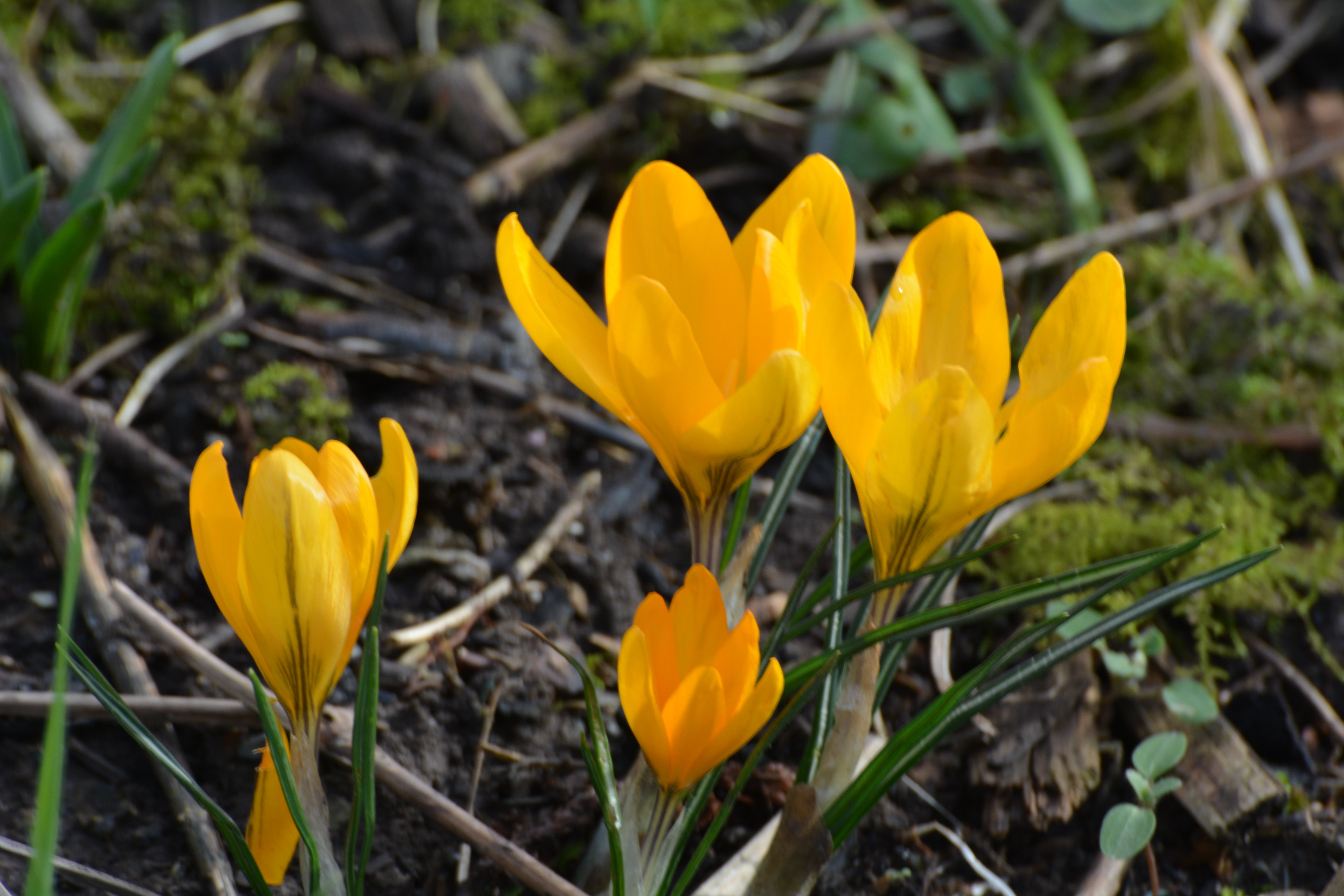
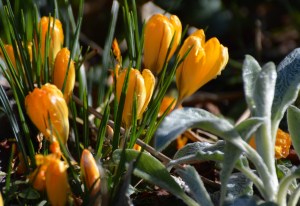
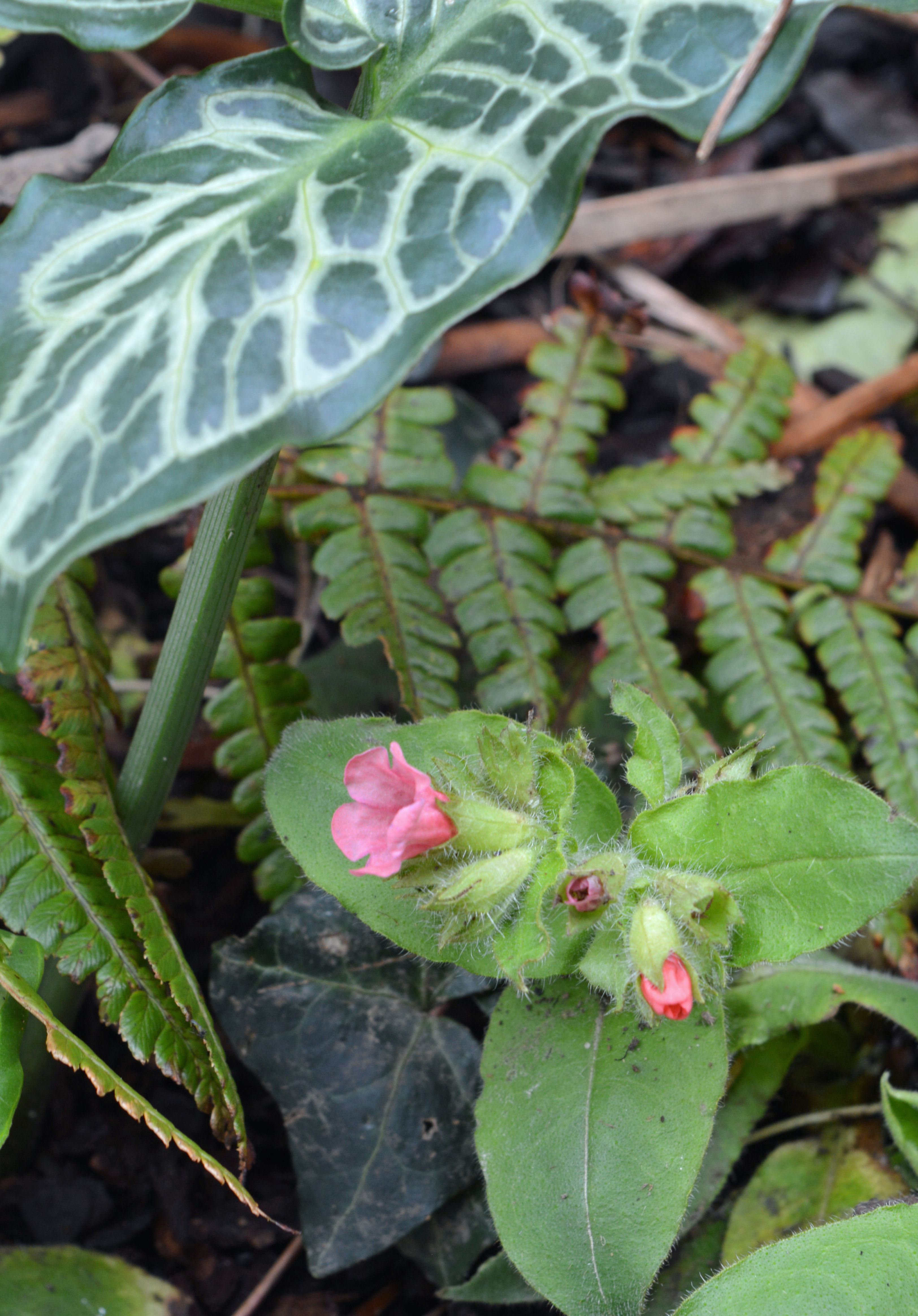
Other early flowering plants giving bright spots in our borders include Crocus and Pulmonaria. This golden Crocus has a bright green Pittosporum as its partner. The pink Pulmonaria is partnering a fern and an Arum, A. italicum “Marmoratum”.

fj1-09 fj1-10 fj1-11

A February flowering shrub features on the next double-page spread along with Hellebores.

fj-2

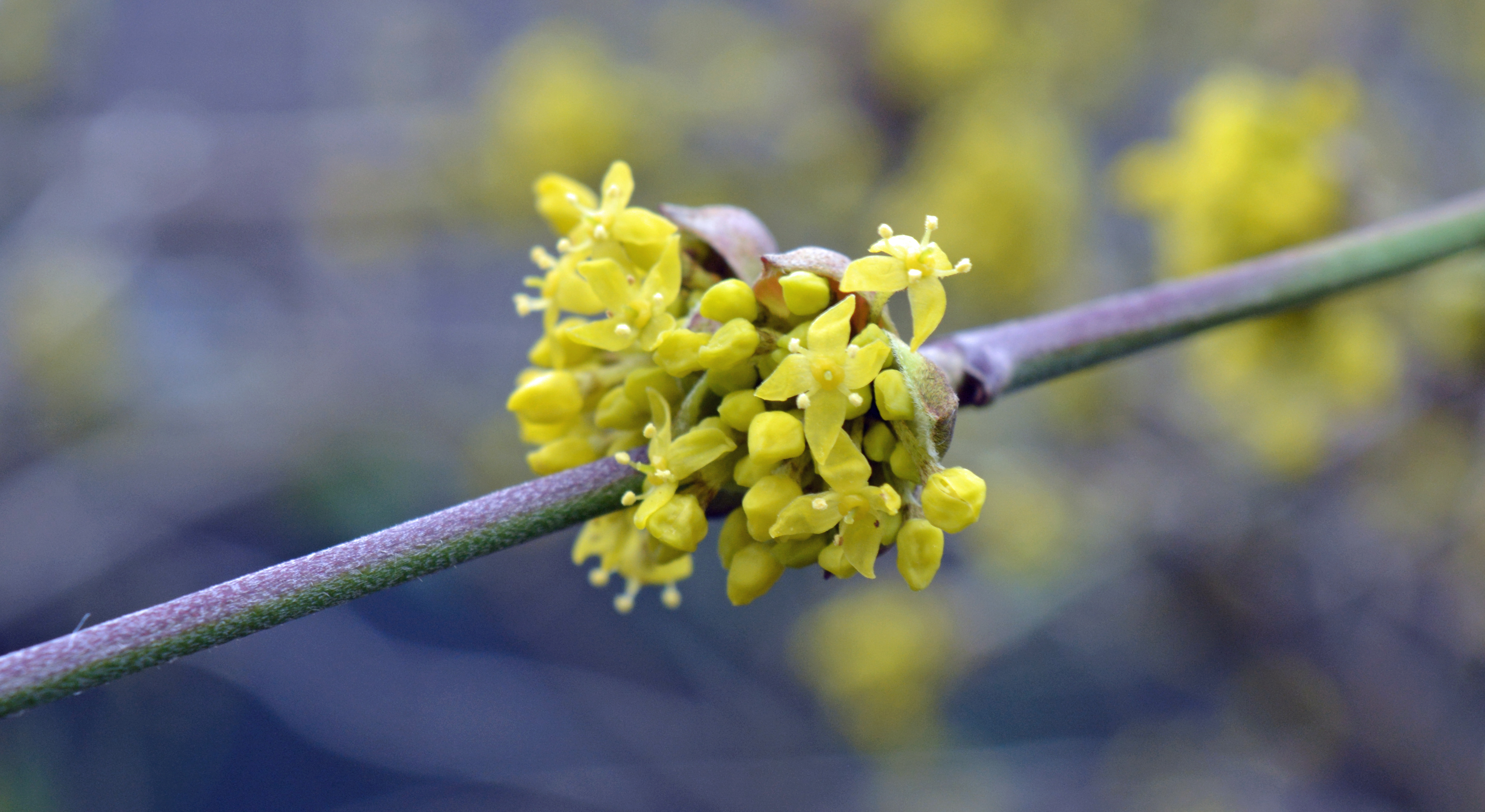
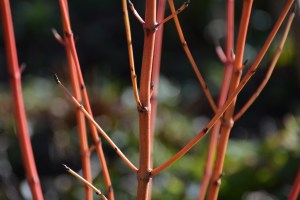
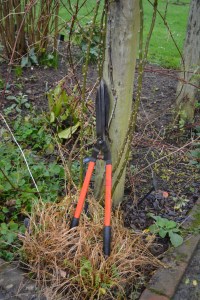
The flowering shrub is Cornus mas, which reliably flowers profusely early every year. I  have selected it as my “Plant of the Month” for February. I wrote, “The star of our garden this month has to be Cornus mas, the Cornelian Cherry, with its bright yellow flowers with just a hint of green. We prune off the lower branches and select main boughs to improve the structure of our’s and this also exposes the texture of the bark on the lowest boughs.”

fj2-01 fj2-07 fj2-05fj2-03 fj2-06fj2-04

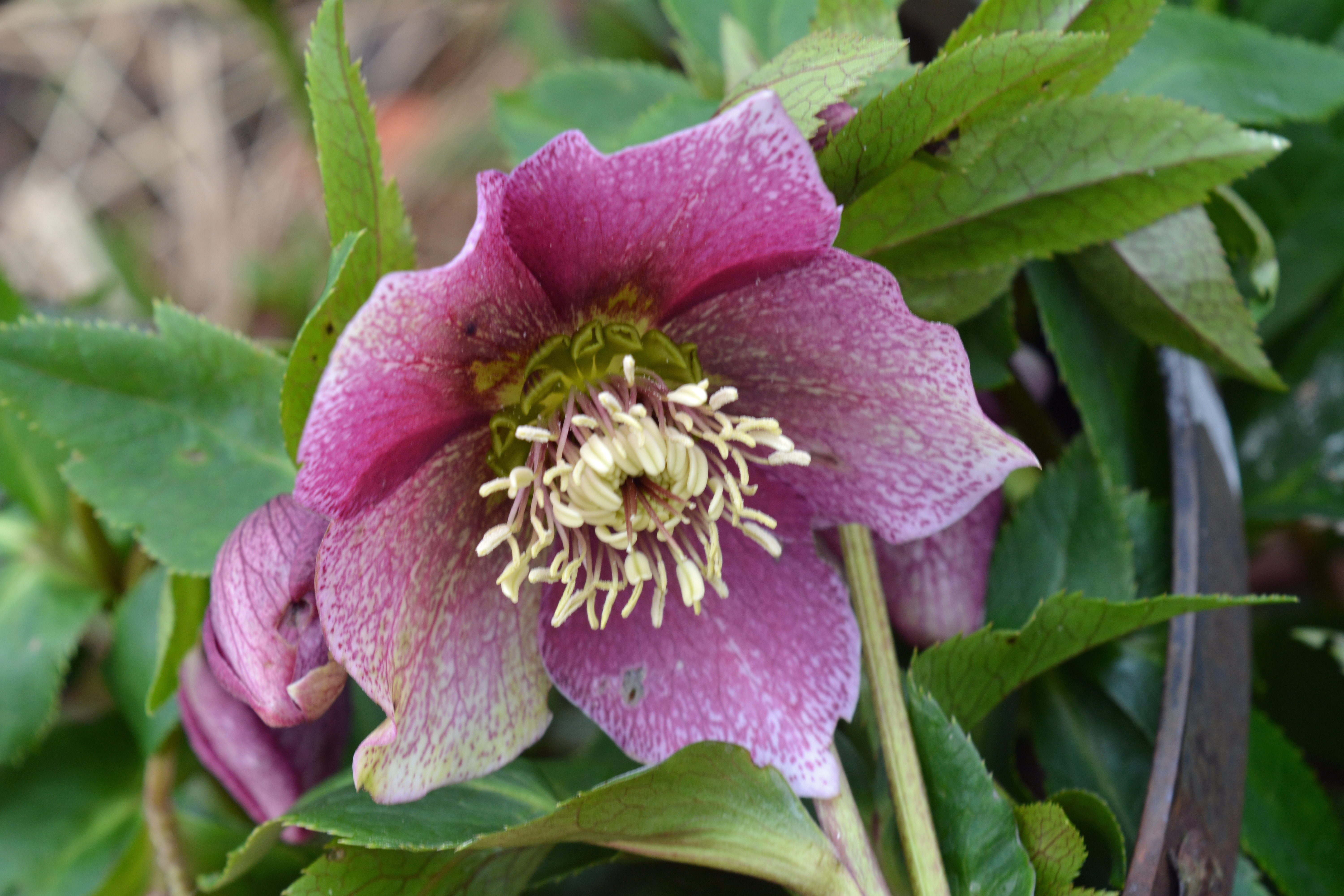
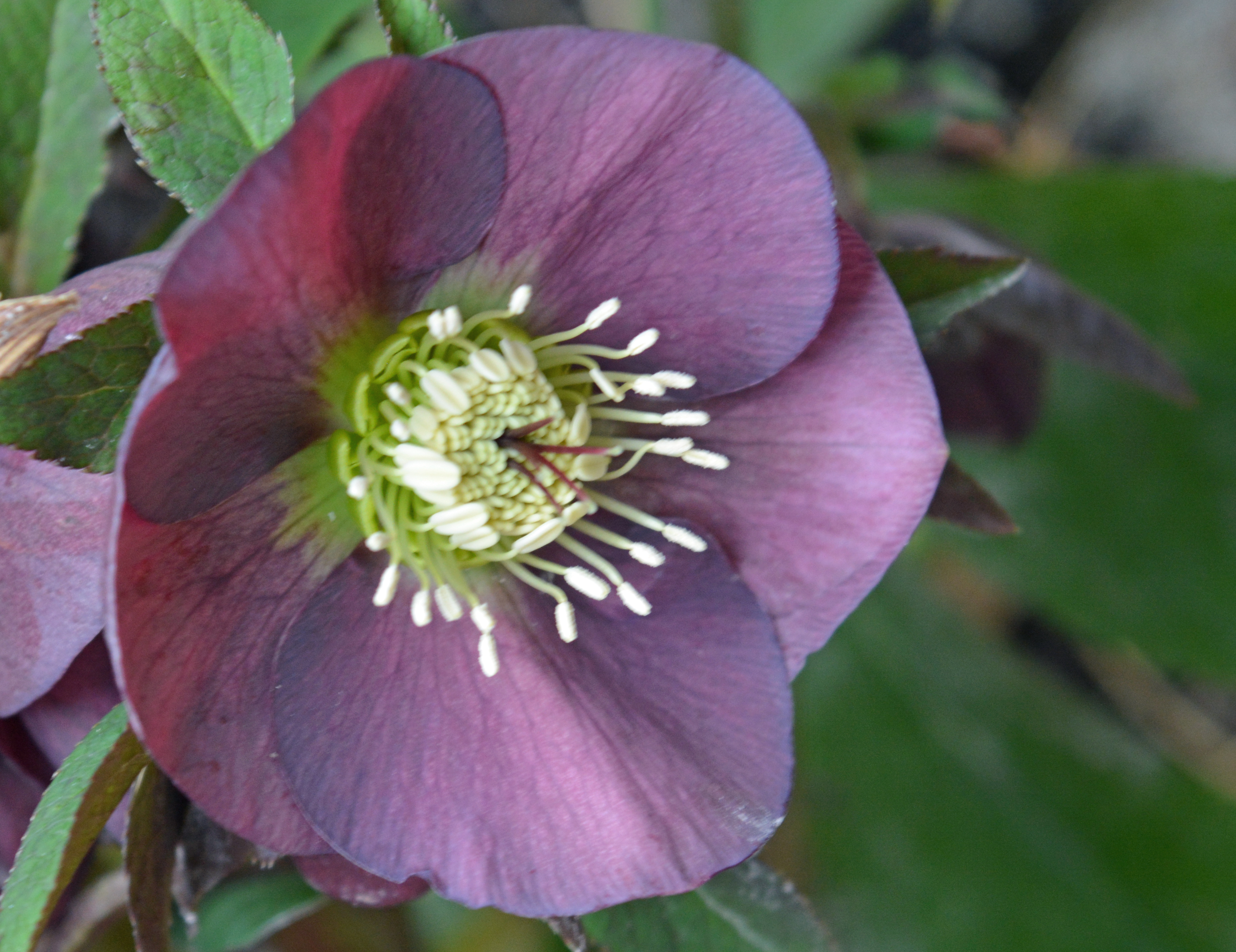
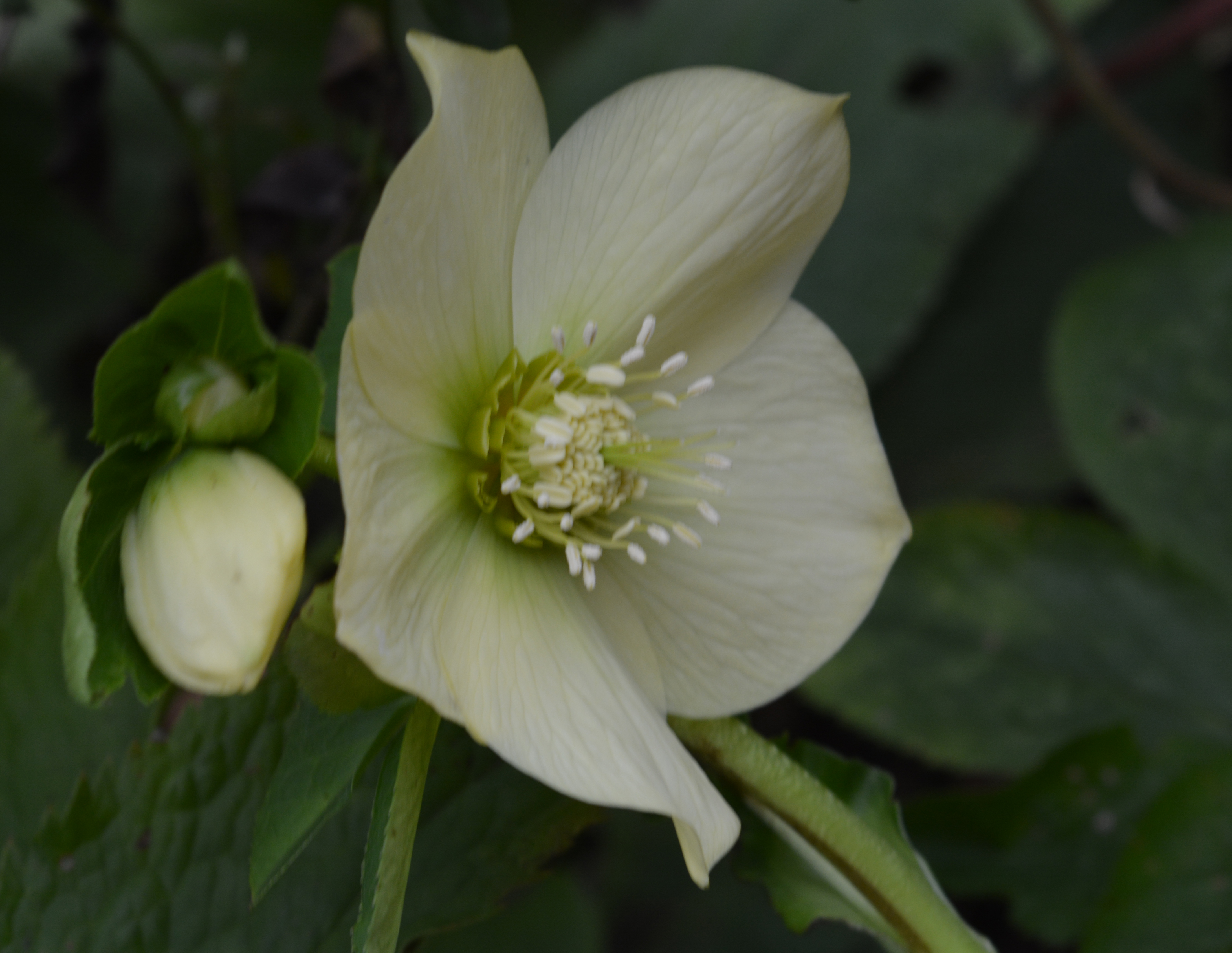
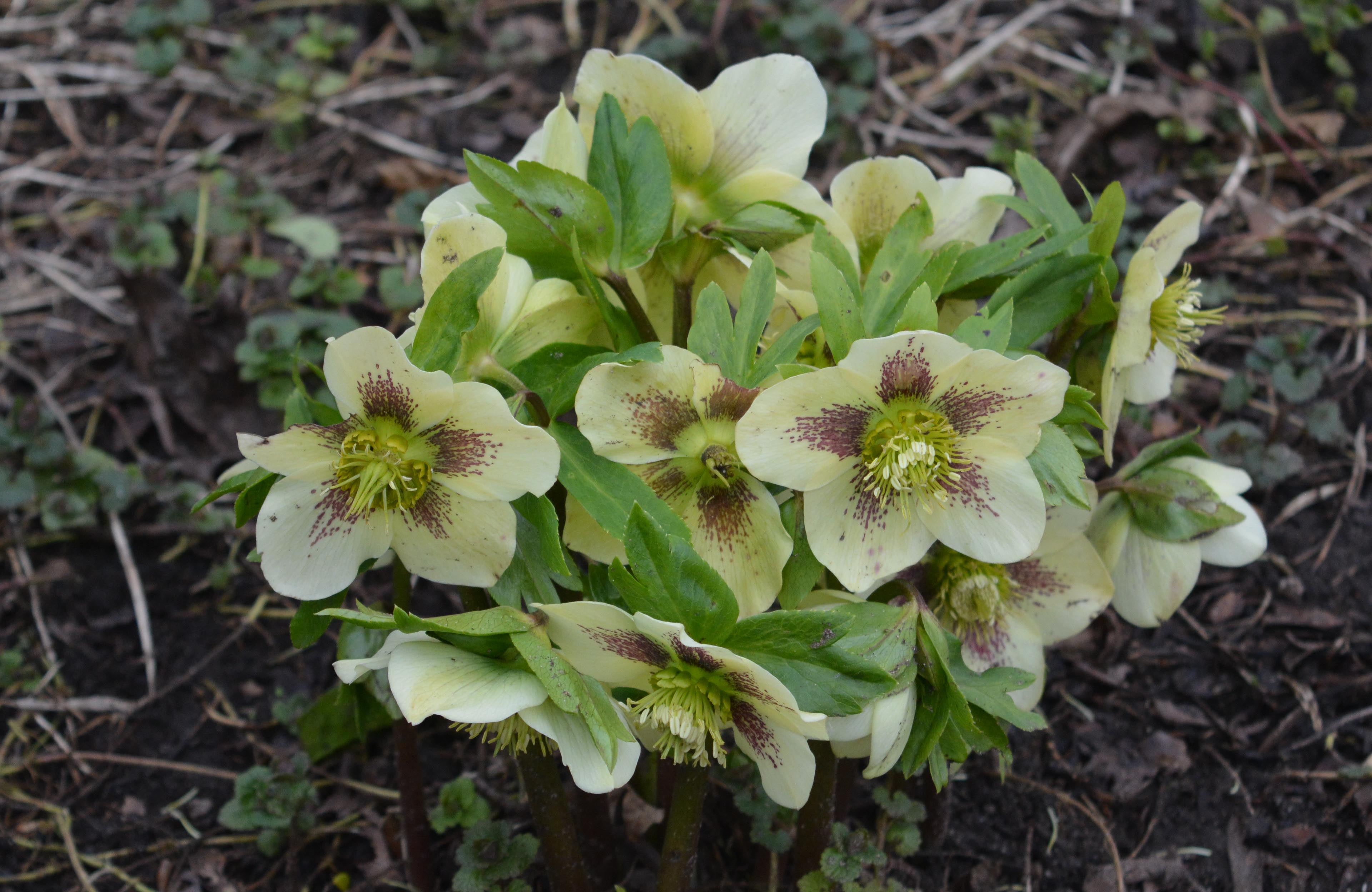
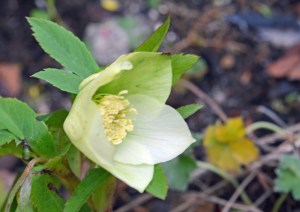
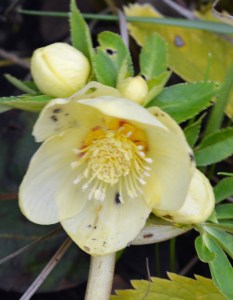
I moved on to show a few of our many Hellebore hybrids and wrote, “Hellebore hybrids start to put on a colourful show from green to yellow and from red to purple. Lots more will come into flower throughout the coming weeks.”
fj2-10 fj2-12fj2-09 fj2-11  fj2-13 fj2-08

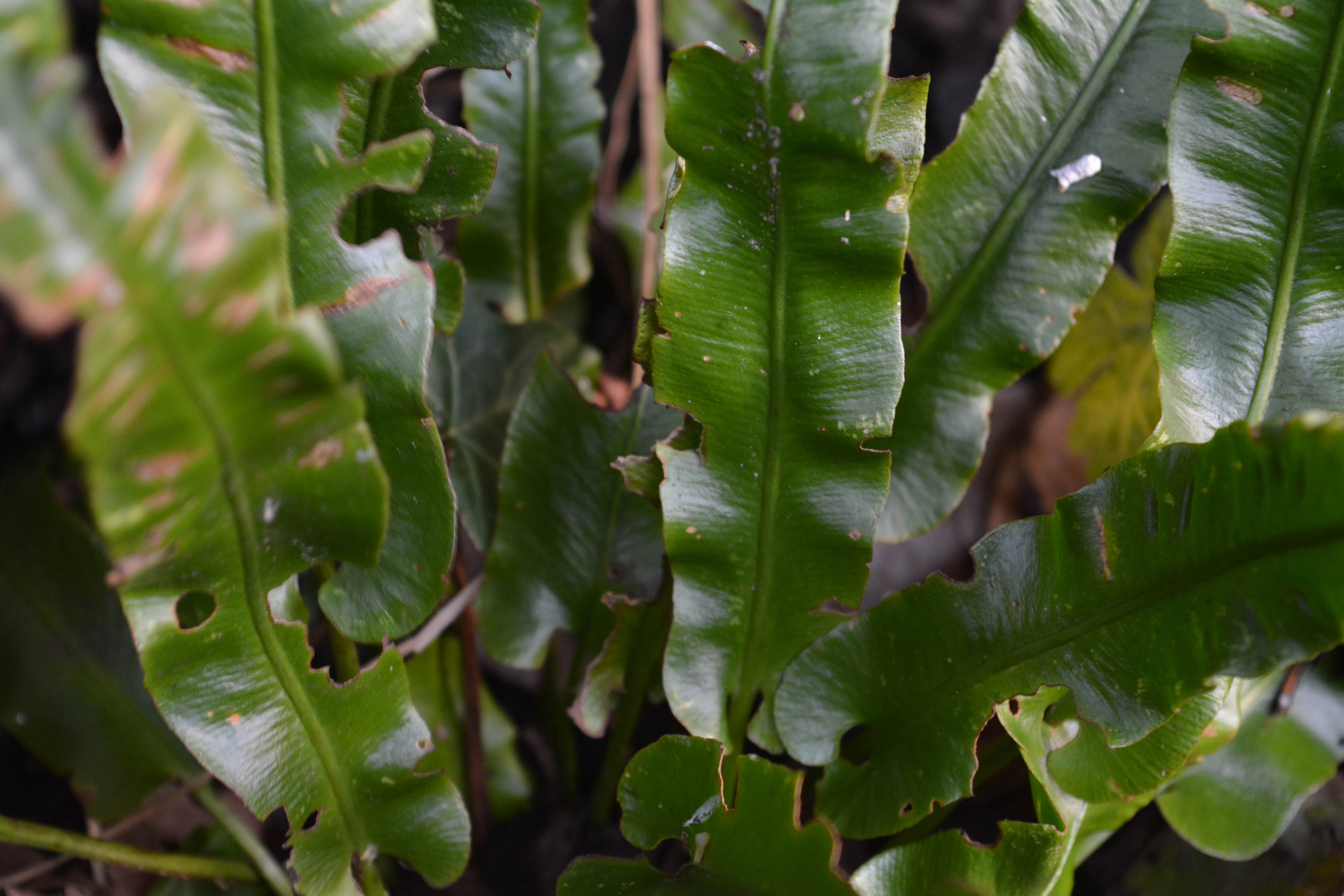
The last photo is not a hybrid Hellebore like the others but our native Helleborus foetidus with its pale green flowers, a subtle beauty with an upright habit.

On the turning of the page we discover my account of re-developing an old border, the Shade Garden”.

fj-3

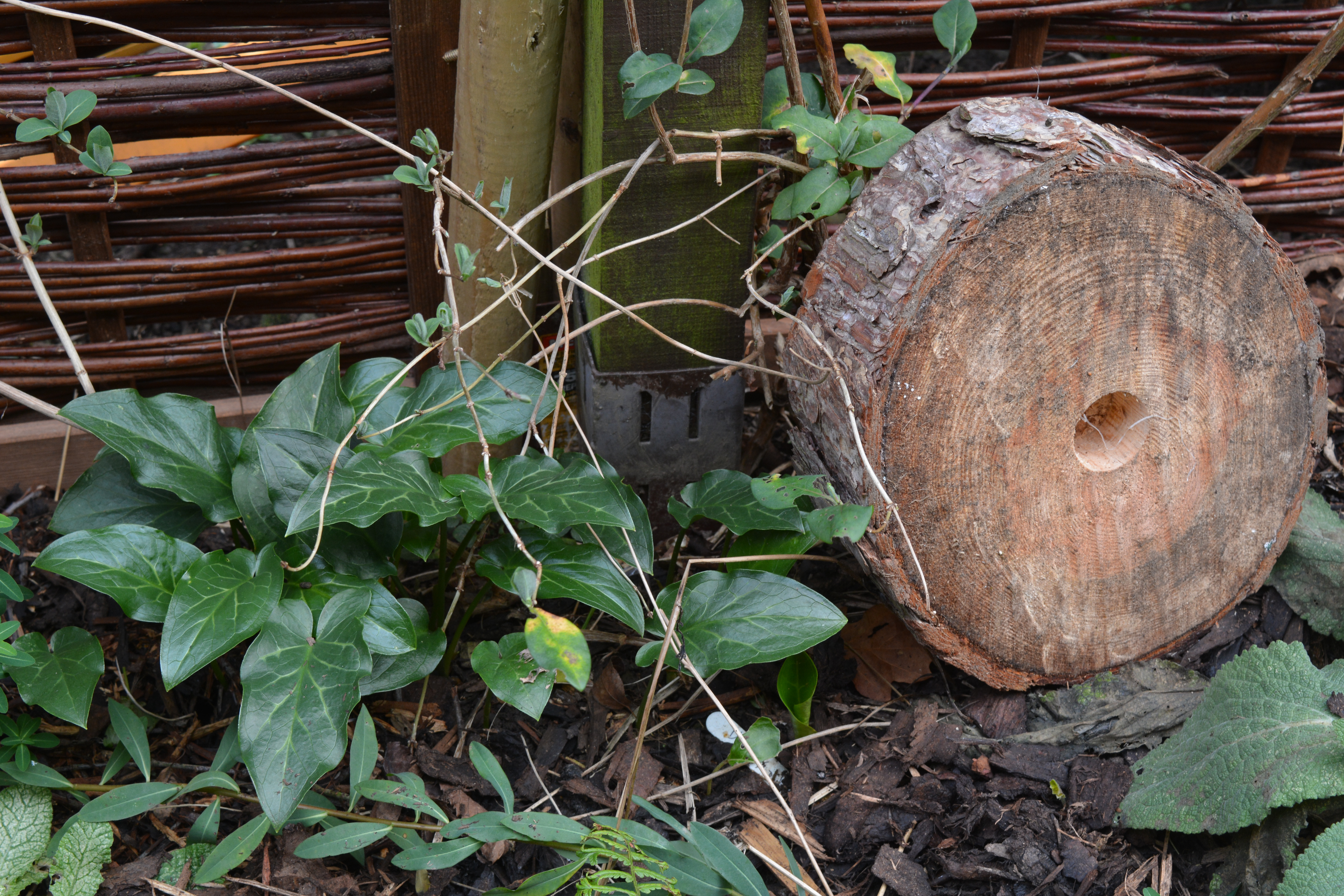
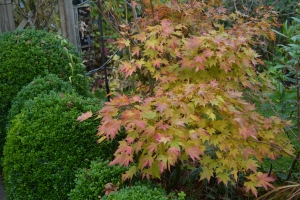
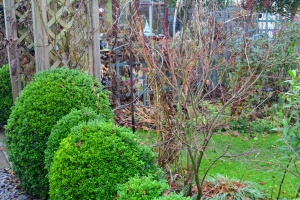
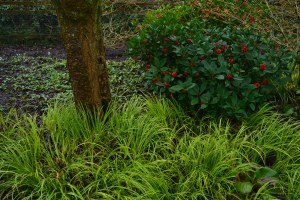
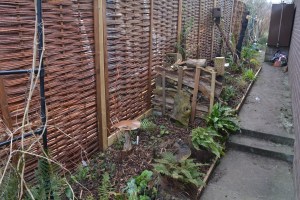
I wrote that “By mid-February we had finished re-vamping our “Shade Garden”, an opportunity that arose when we moved a shed that was situated part way along it. The shed was just 6ft by 3ft but the space released by its removal seemed far more significant that that. Its removal opened up the border. We decided to add a couple of Maples, Acer palmatum “Koto-no-ito” and Acer palmatum “Eddisbury”, and increase the variety and number of ferns and grasses, We liked the idea of mixing ferns and grasses, a new plant combination for us.”
fj3-08 fj3-02fj3-07 fj3-09fj3-11

“Mr and Mrs Green Man”

fj3-03 fj3-05

Rotting wood pile, Acer and Ivy, Ivy and Fern.”

fj3-06 fj3-01 fj3-12

New growth appearing in the Shade Garden”

fj3-04 fj3-10

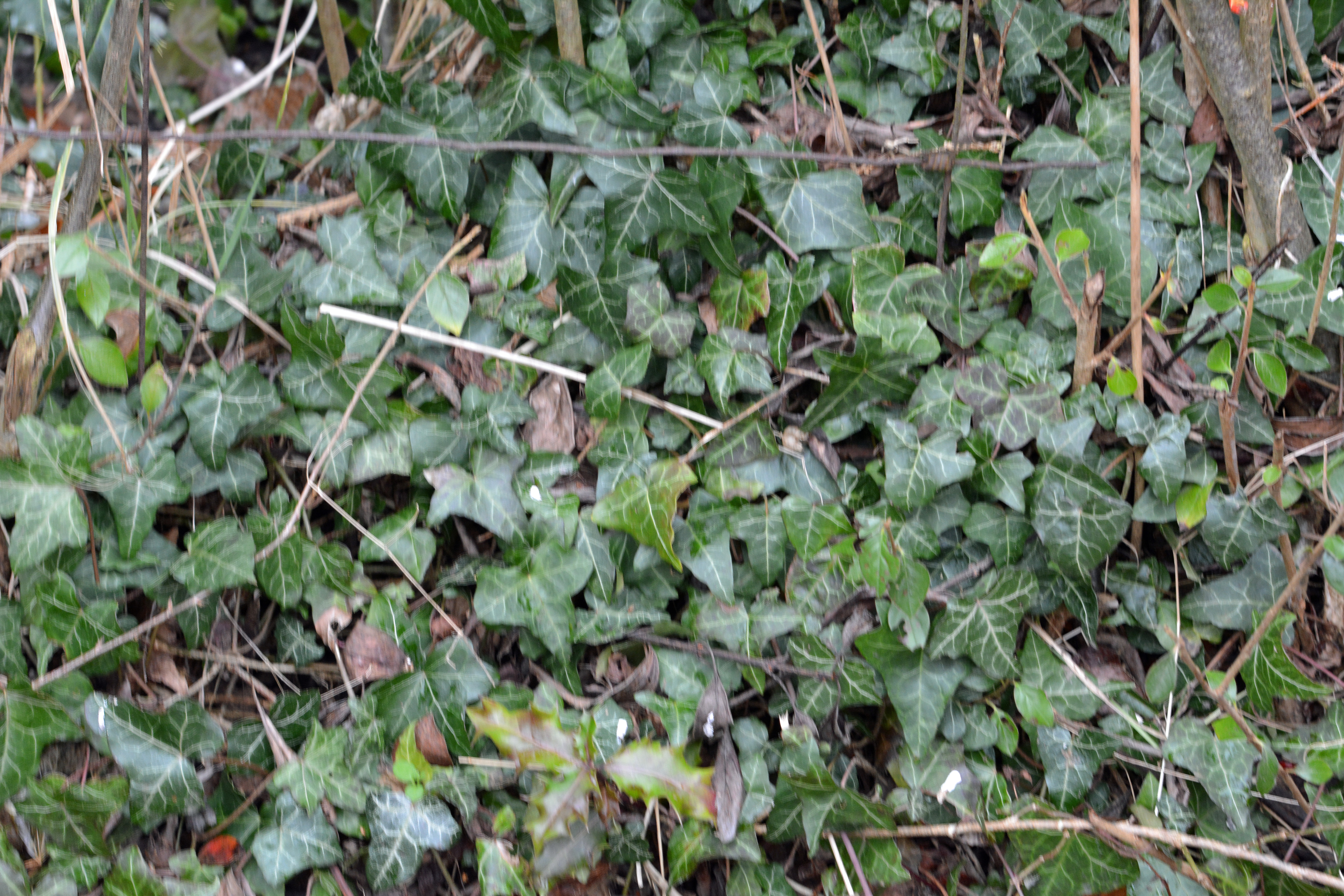
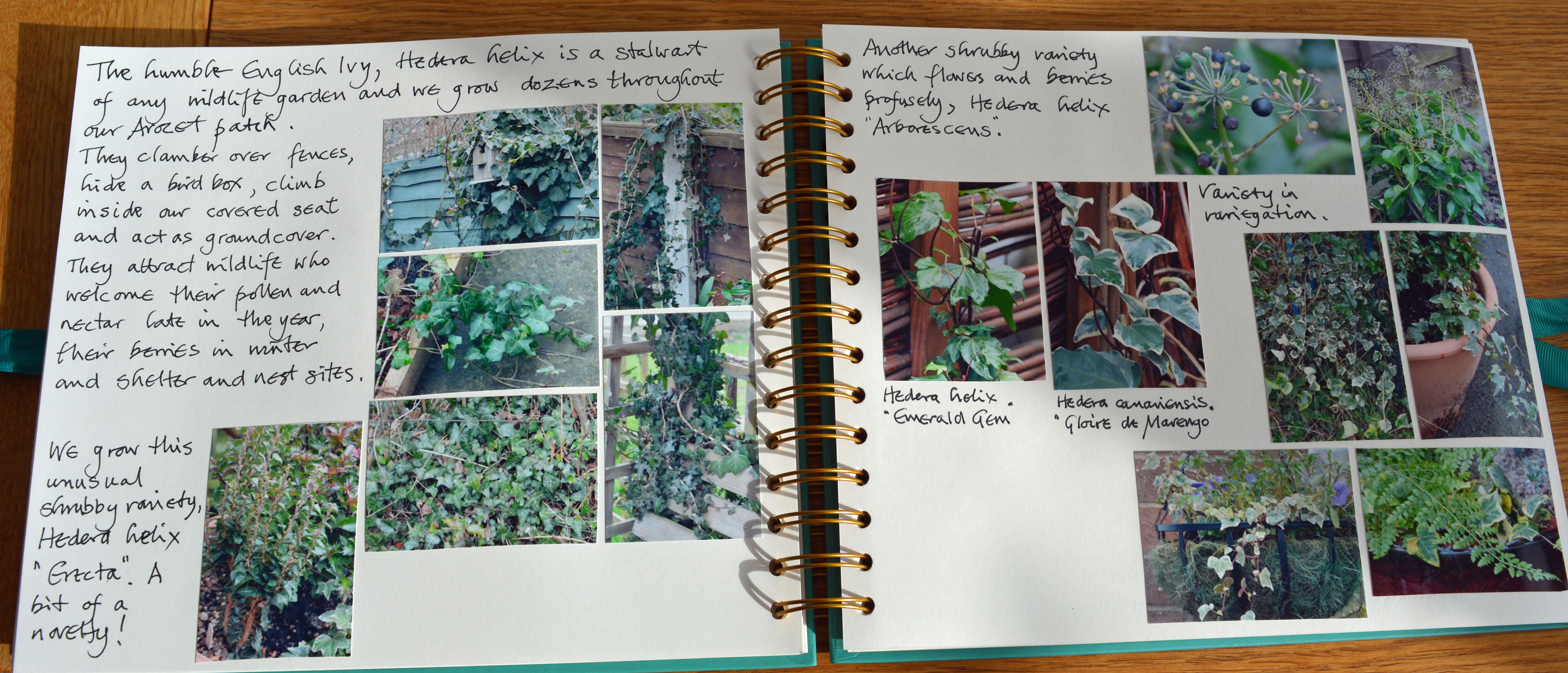
Ivy is the feature plant over the next pair of pages.
fj-4

I wrote of the ivy, “The humble English Ivy, Hedera helix is a stalwart of any wildlife garden and we grow dozens throughout our Avocet patch. They clamber over fences, climb inside our covered seat and act as ground-cover. They attract wildlife who welcome their pollen and nectar late in the year, their berries in winter and shelter and nest sites.”

fj4-15 fj4-11fj4-03 fj4-10 fj4-09

We grow this unusual shrubby variety, Hedera helix “Erecta”, a bit of a novelty!”

fj4-05 fj4-07

Another shrubby variety which flowers and berries profusely, Hedera helix “Arborescens.”
fj4-02 fj4-01

Variety in variegation.”

fj4-08 fj4-06fj4-04 fj4-16

Finally two climbing ivies growing in our Shade Garden.
fj4-12 fj4-13 fj4-14

“Hedera helix “Emerald Gem”                         “Hedera canariensis “Gloire de Marengo.”

Next I featured the birds that share our garden with us, particularly the ones who take advantage of our feeding stations.
fj-7

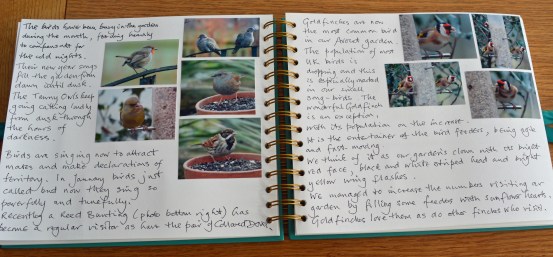
“The birds have been busy in the garden during the month, feeding heavily to compensate for the cold nights. Their new year songs fill the garden from dawn until dusk. The Tawny Owls keep going, calling loudly from dusk through the hours of darkness.”

“Birds are singing now to attract mates and make declarations of territory. In January birds just called but now they sing so powerfully and tunefully. Recently a Reed Bunting (photo bottom right) has become a regular visitor as have the pair of Collared Doves.”

fj5-4-1 fj5-9-1fj5-7-1 fj5-8-1fj5-6-1

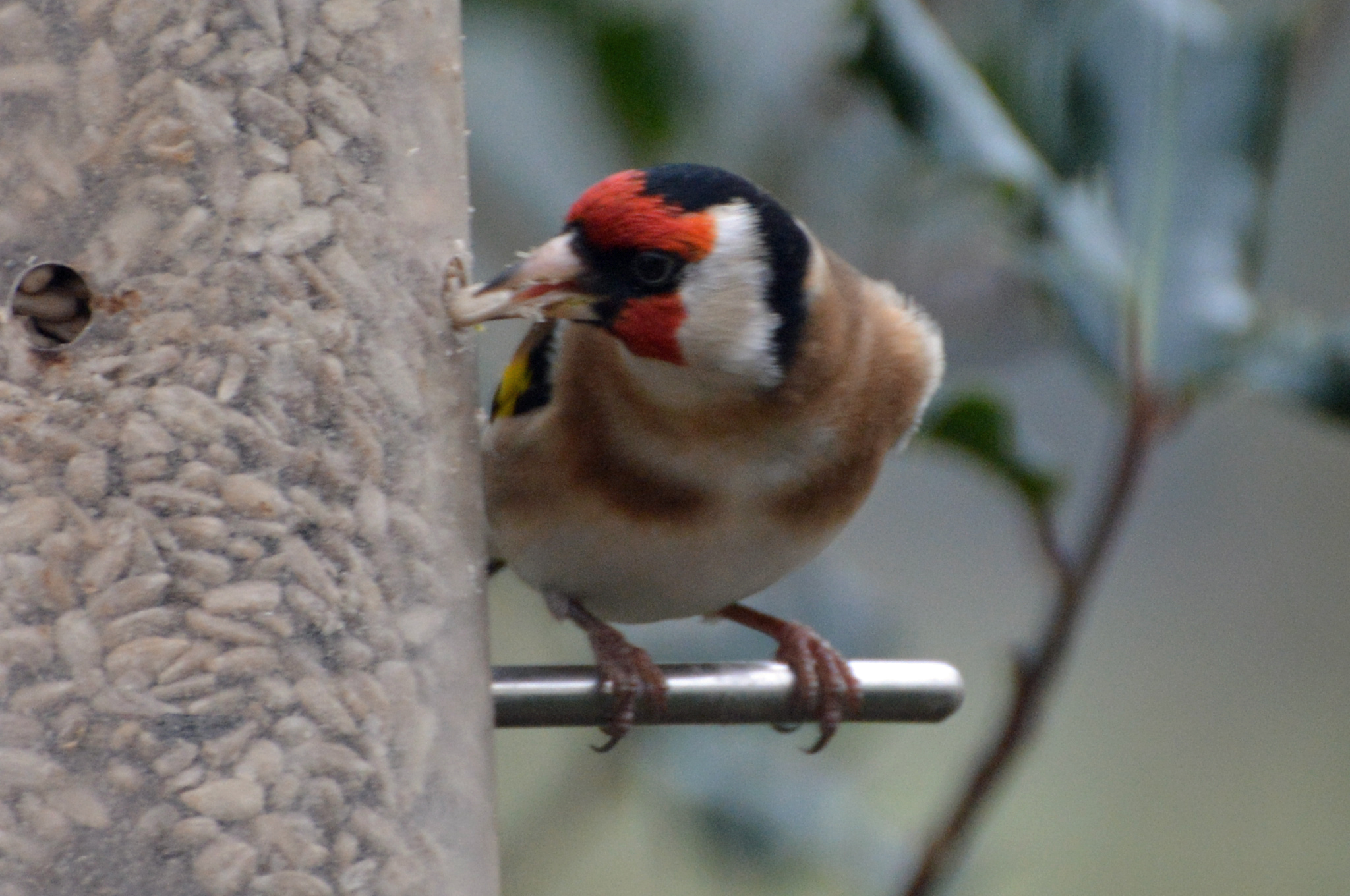
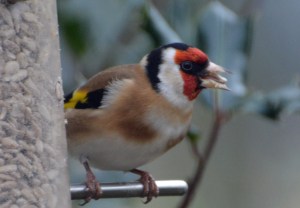
“Goldfinches are now the most common bird in our Avocet garden. The population of most UK birds is dropping and this is especially marked in our song-birds. The wonderful Goldfinch is an exception, with its population on the increase. It is the entertainer of the bird feeders, being agile and fast-moving.

We think of it as our garden’s clown with its bright red face, black and white striped head and bright yellow wing flashes. We managed to increase the numbers visiting our garden by filling some feeders with sunflower hearts. Goldfinches love them as do other finches who visit.”
fj5-3-1 fj5-2-1fj5-1-1 fj5-5-1

We next turn over to a double page spread all about early flowers and a plant that displays amazing unusual foliage.
fj-6

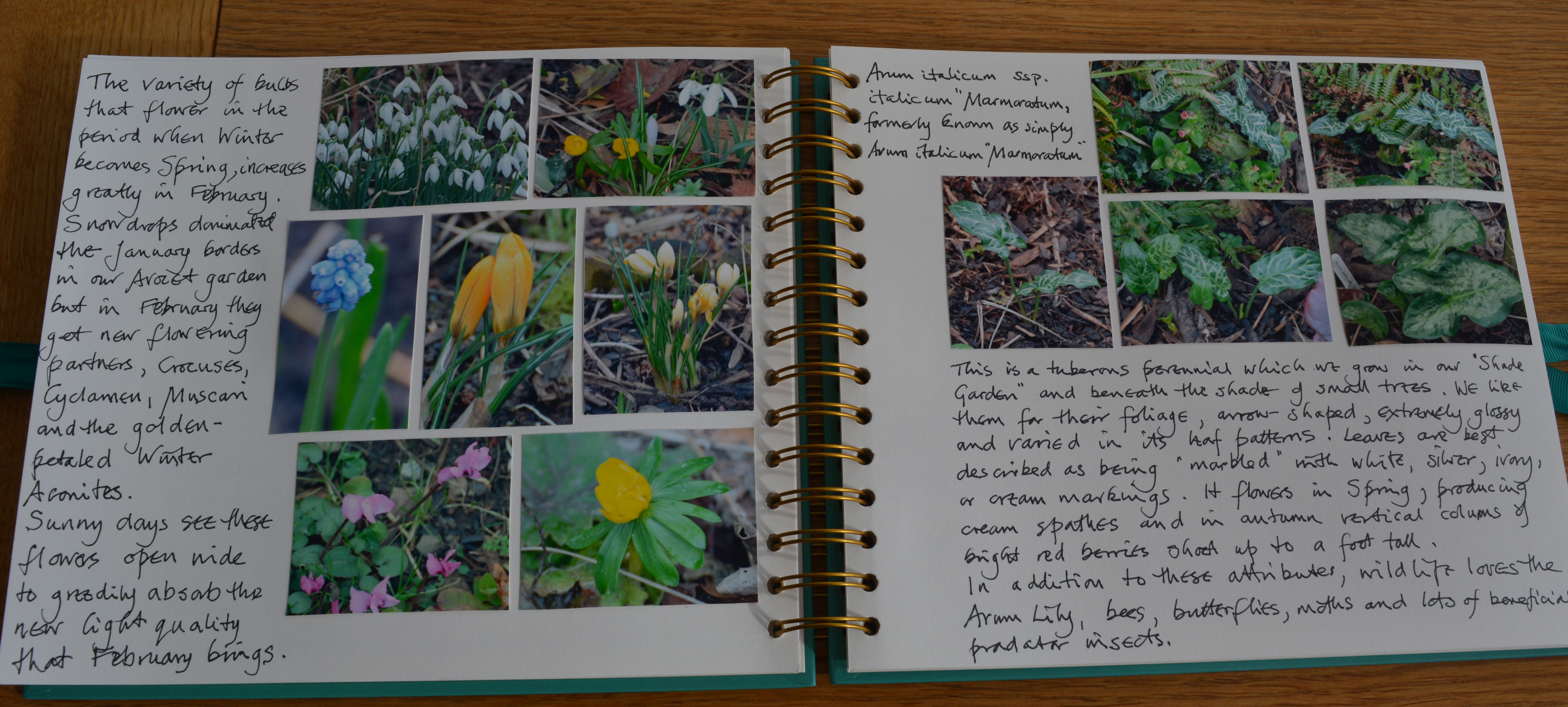
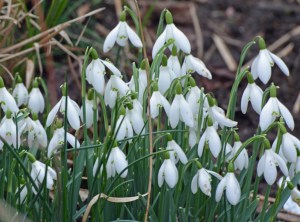
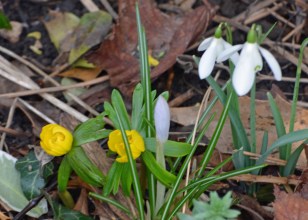
I wrote, “The variety of bulbs that flower in the period when Winter becomes Spring, increases greatly in February. Snowdrops dominated the January borders in our Avocet garden but in February they get new flowering partners, Crocuses, Cyclamen, Muscari and the golden-petaled Winter Aconites.

Sunny days see these flowers open wide to greedily absorb the new light quality that February brings.”
fj6-18 fj6-15fj6-17 fj6-19 fj6-16fj6-01 fj6-02 fj6-03  fj6-05 fj6-06 fj6-07 fj6-14fj6-04 fj6-09

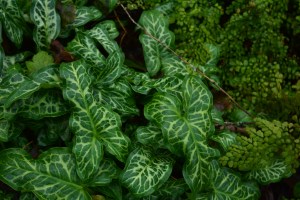
Concerning the unusual Arums we grow I continued, “Arum italicum ssp. italicum “Marmoratum” formerly known simply as Arum italicum “Marmoratum”. This is a tuberous perennial which we grow in our Shade Garden and beneath the shade of small trees. We like them for their foliage, arrow-shaped, extremely glossy and varied in its leaf patterns. Leaves are best described as being “marbled” with white, silver, ivory or cream markings. It flowers in Spring, producing cream spathes and in Autumn vertical columns of bright red berries shoot up to a foot tall. In addition to those attributes, wildlife loves the Arum Lily, bees, butterflies, moths and lots of beneficial predatory insects.” 
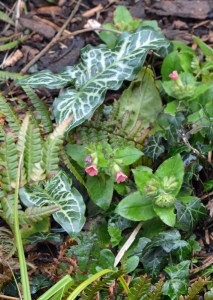
fj6-11 fj6-10fj6-13 fj6-12

We are so pleased to have established a clump of the rare Arum Lily called “Arum italicum Chameleon”, seen in photo below.

fj6-08

More foliage features over on the following pages, the newly emerging foliage of perennials.


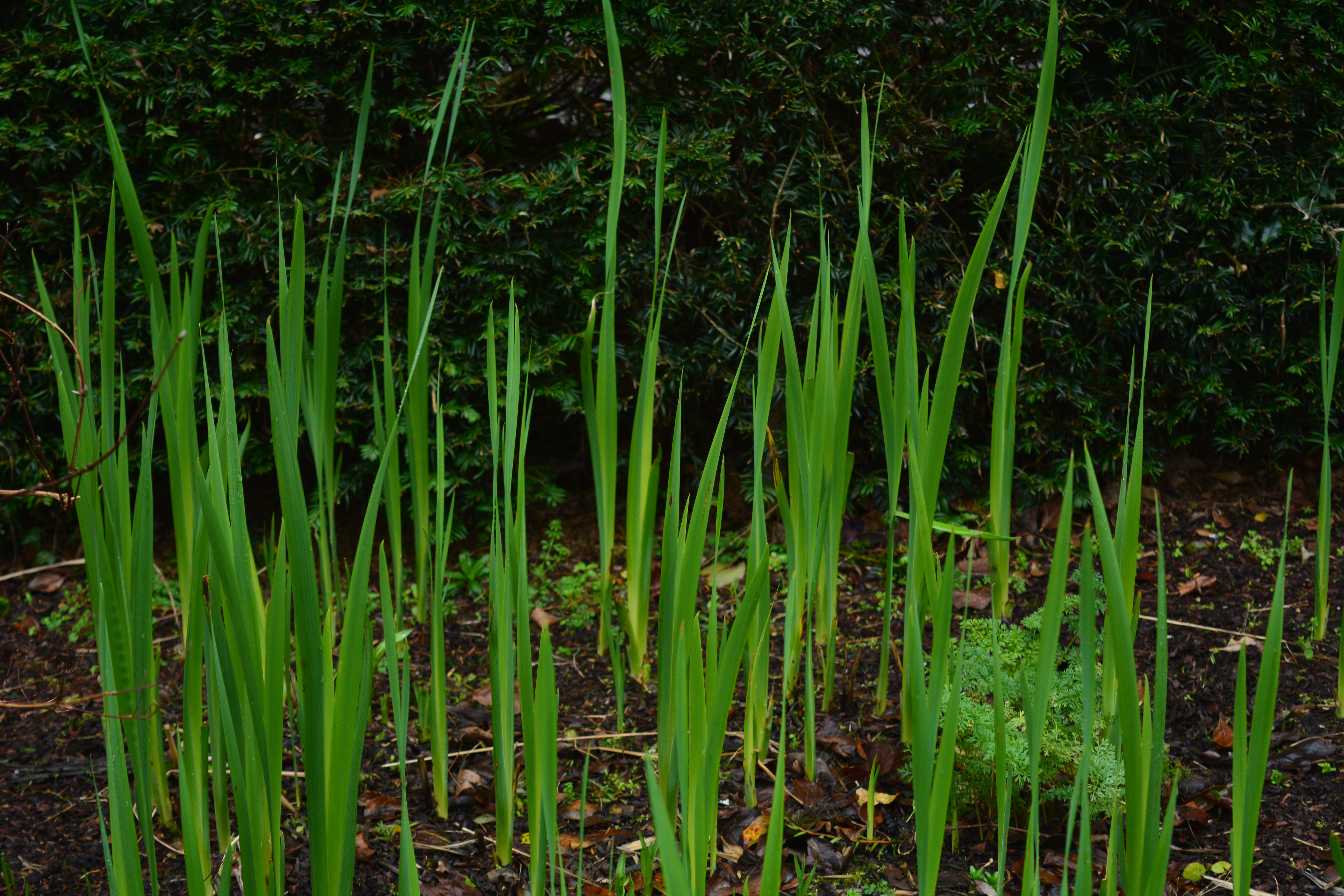
I wrote, “In the second half of the month we had a special treat in store, a few days of heatwave with daytime temperatures reaching 15 C in Plealey. This resulted in rush of new growth from the perennials that had died down after their display last year. The photos show perennial growth with new leaf growth penetrating the soil like the blades of swords.
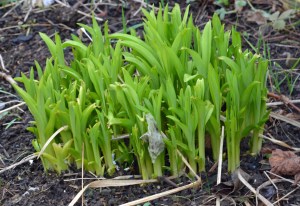
fj7-11 fj7-09fj7-12 fj7-04fj7-10 fj7-07

This final picture of new growth illustrates how new growth of Pulmonarias shows both foliage and flower bud shooting together.

fj7-06

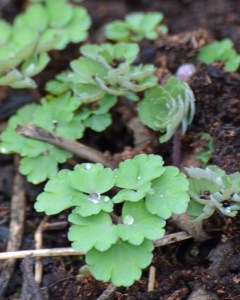
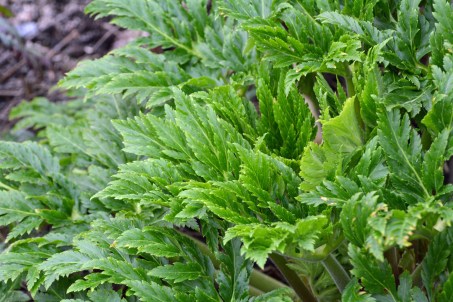
Opposite I share photos of broad-leaved perennials displaying their new growth, where I wrote, “Elsewhere broad-leaved herbaceous perennials were unfurling their fresh foliage ready for the new year. Here we have new leaves of Primula vulgaris, Sedum, Aquilegia, Polemonium, Centaurea, Fennel and Geranium palmatum. More growth appears daily as February comes to an end. It all bodes well for Spring and Summer.”
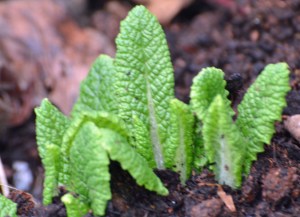
fj7-02 fj7-13fj7-03 fj7-05fj7-01 fj7-08fj7-14

And so that is my February report from my Garden Journal. We will visit again in March.


Categories
light light quality National Trust Shrewsbury Shropshire The National Trust wildlife

Simply Beautiful – 7 – Fallow Deer

While walking around our local National Trust parklands, Attingham Park, we usually finish our regular wanderings by walking along the wide paths mown and nibbled short and neat by the teeth of the parkland sheep. This is the deer park and we do indeed regularly enjoy watching the large herd of Fallow Deer who wander confidently close to the many visitors walking their territory.

sb7-6

The low December sunbeams give them coats of gold. Their mottled, spotted and dashed patterning is beautiful but developed to be functional, as camouflage against their habitat background.

sb7-7 sb7-4 sb7-5 sb7-2 sb7-3

Categories
birds colours flowering bulbs garden photography garden wildlife gardening gardens hardy perennials ornamental trees and shrubs outdoor sculpture Shropshire shrubs spring bulbs trees Winter Gardening winter gardens

My 2017 Garden Journal – January

It feels good to be back sharing my Garden Journal with you once again. So here is the first for 2017, my report on what was going on in our Avocet garden in January.

For 2017 I will share the beauty, the happenings and the stars of our Avocet garden month by month. I will consider the wildlife that visits and shares our garden with us and see what it is up to. I aim to record the birds we spot, the creatures which live in our pond and the mini-beasts who appreciate our plants in our borders.
I hope to set up my moth live-trap and carry out a pond dip regularly. I will record using words, photographs, paintings and drawings.

jan-03

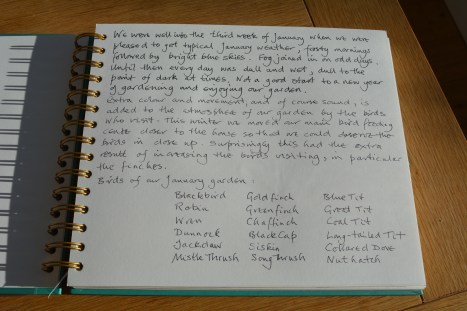
My 2017 Garden Journal opened with a comment about the weather, the favourite subject of the English and particularly English gardeners, “We were well into the third week of January when we were pleased to get typical January weather, frosty mornings followed by bright glue skies. Fog joined in on odd days. Until then every day was dull and wet, dull to the point of darkness at times. Not a good start to a new year of gardening and enjoying our garden.

Extra colour and movement, and of course sound, is added to the atmosphere of our garden by the birds who visit. This winter we moved our main bird feeding centre closer to the house so that we could observe the birds in close up. Surprisingly this had the extra bonus of increasing the birds visiting, in particular the finches.

Birds of our January garden: 

Blackbird                    Goldfinch                    Blue Tit

Robin                           Greenfinch                  Great Tit

Wren                            Chaffinch                    Coal Tit

Dunnock                      Blackcap                      Long-tailed Tit

Jackdaw                       Siskin                            Collared Dove

Mistle Thrush             Song Thrush                Nuthatch

Turning the page finds me discussing scented shrubs starring in our January garden.

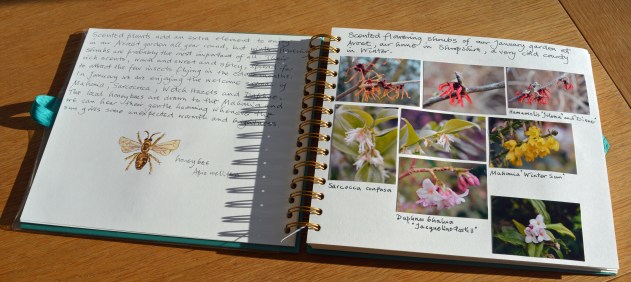
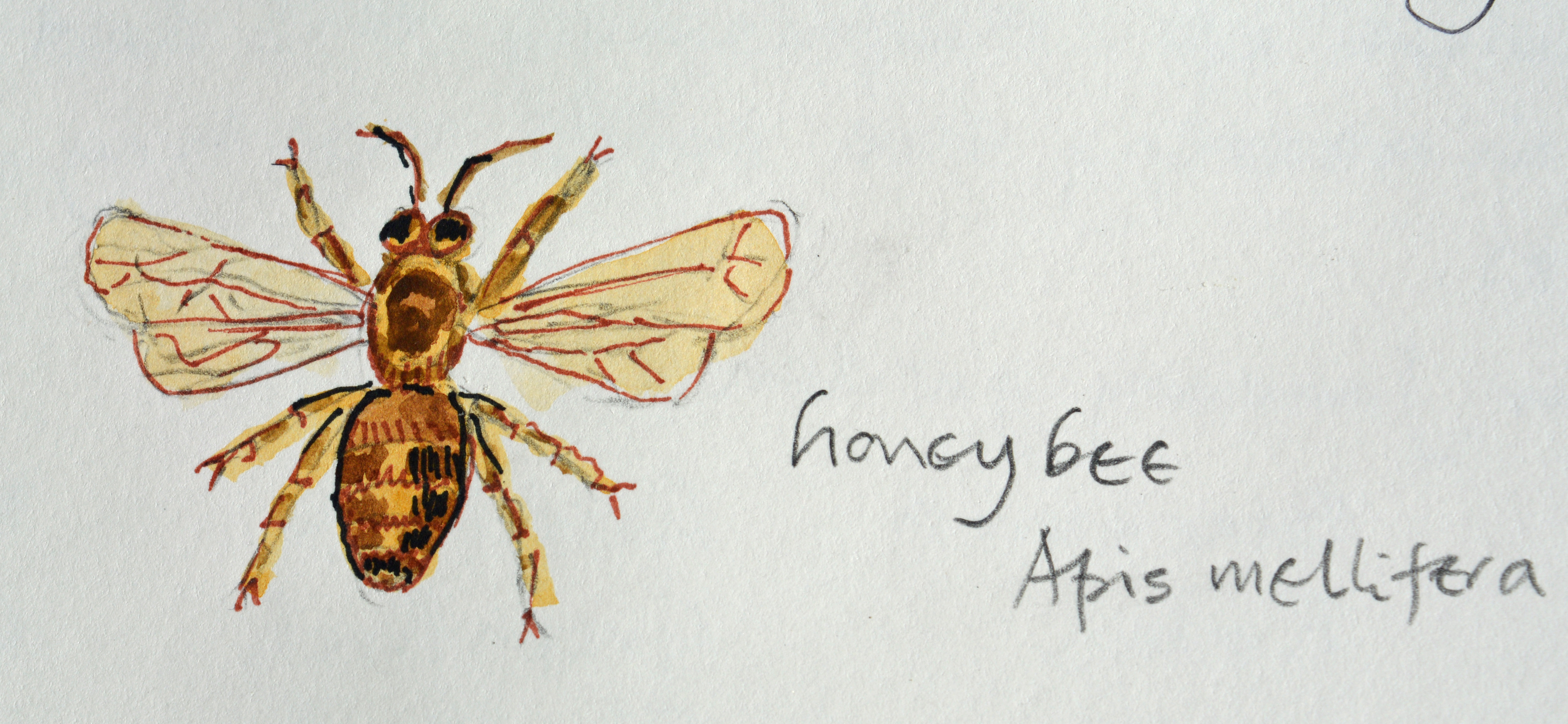
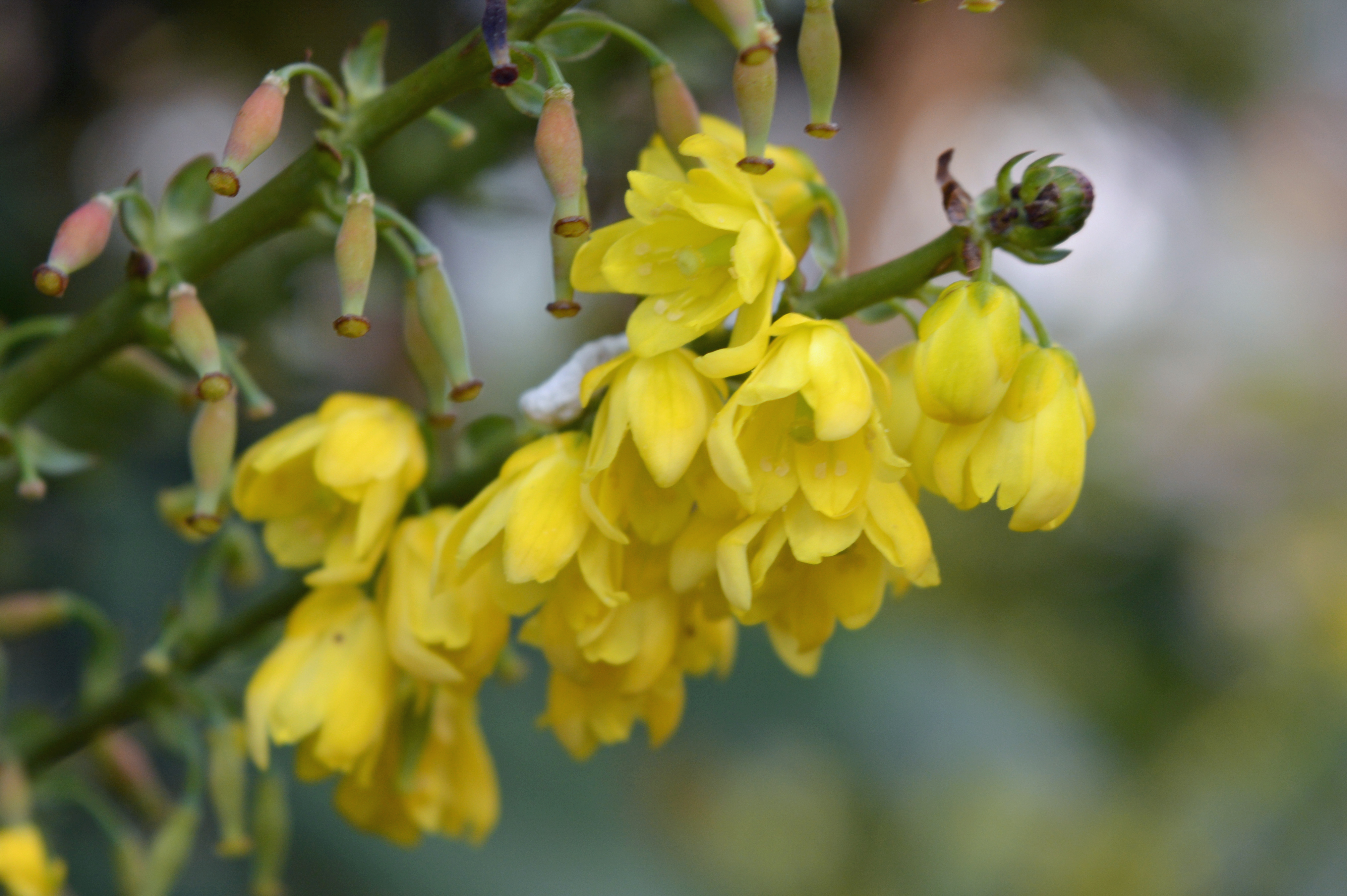
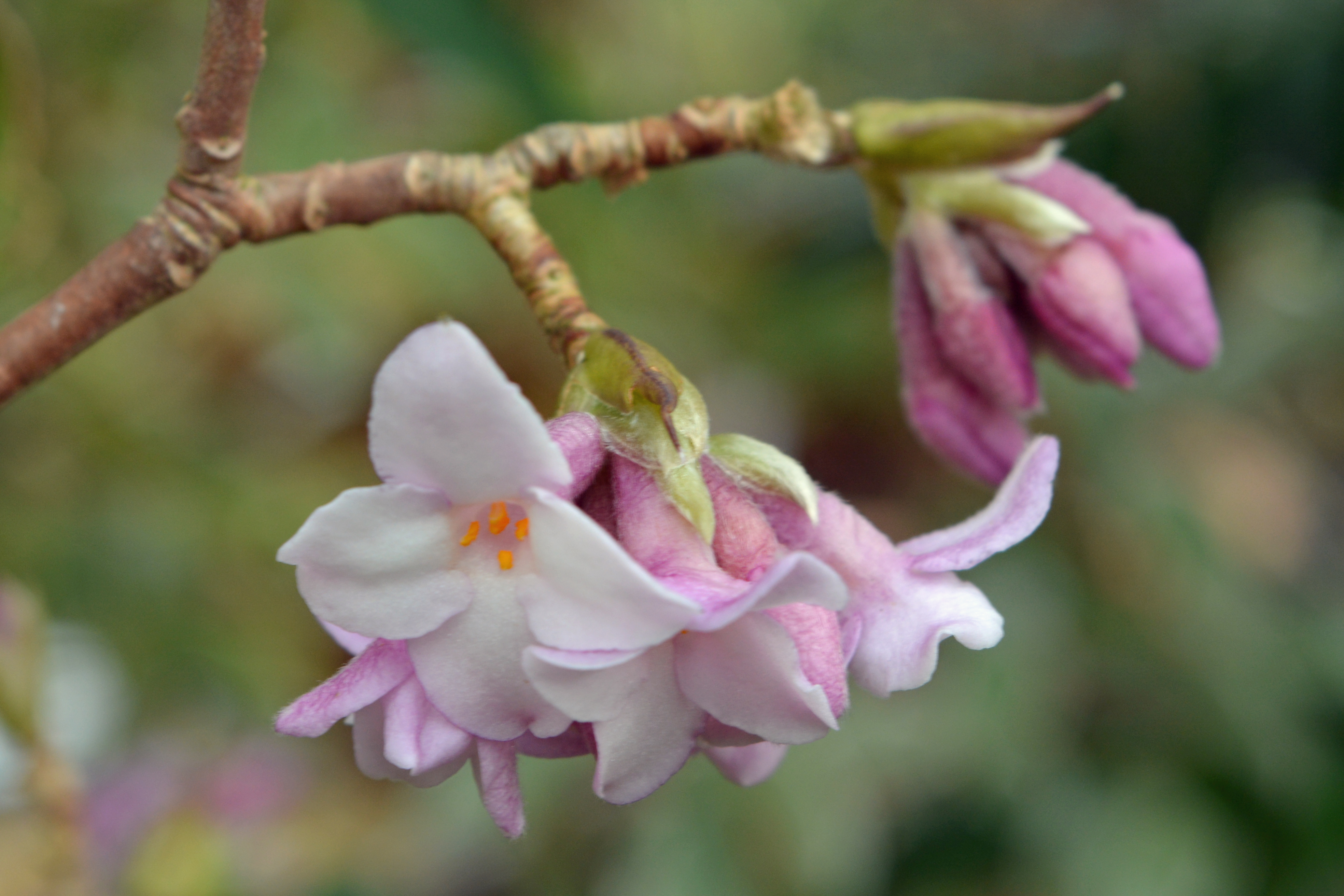
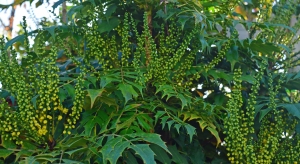
Scented shrubs add an extra element to enjoy in our Avocet garden all  year round, but winter-flowering shrubs are probably the most important of all. Their rich scents, warm and sweet and spicy, spread far to attract the few insects flying in the colder months. In January we are enjoying the welcome aromas of Mahonia, Sarcococca, Witch Hazels and Daphne. The local honey bees are drawn to the Mahonia and we can hear their gentle humming whenever the sun gives some unexpected warmth and brightness.

I used my watercolours to create a painting of a Honey Bee, Apis mellifera, and it was a very difficult painting to do.

jan-04jan-05 jan-06

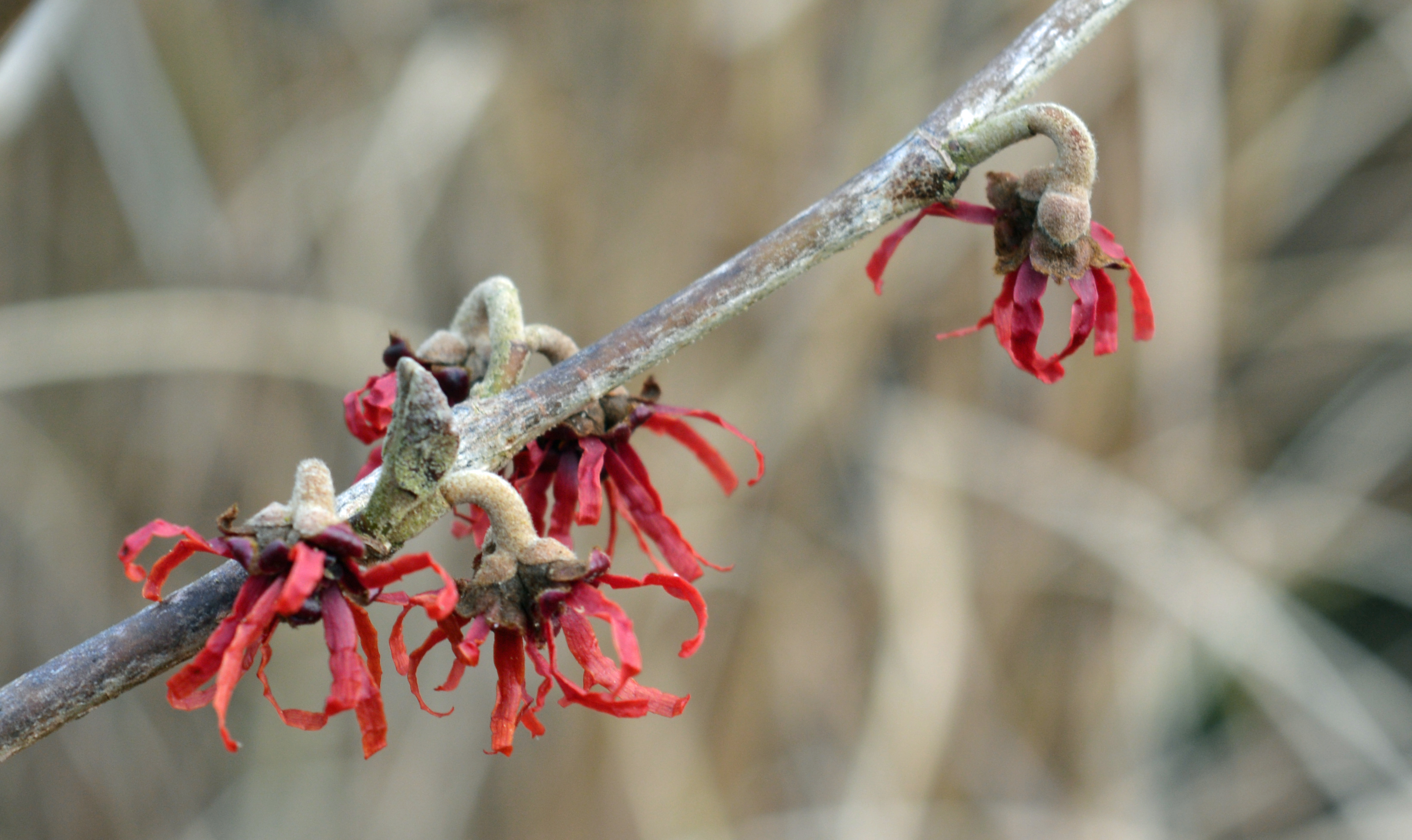
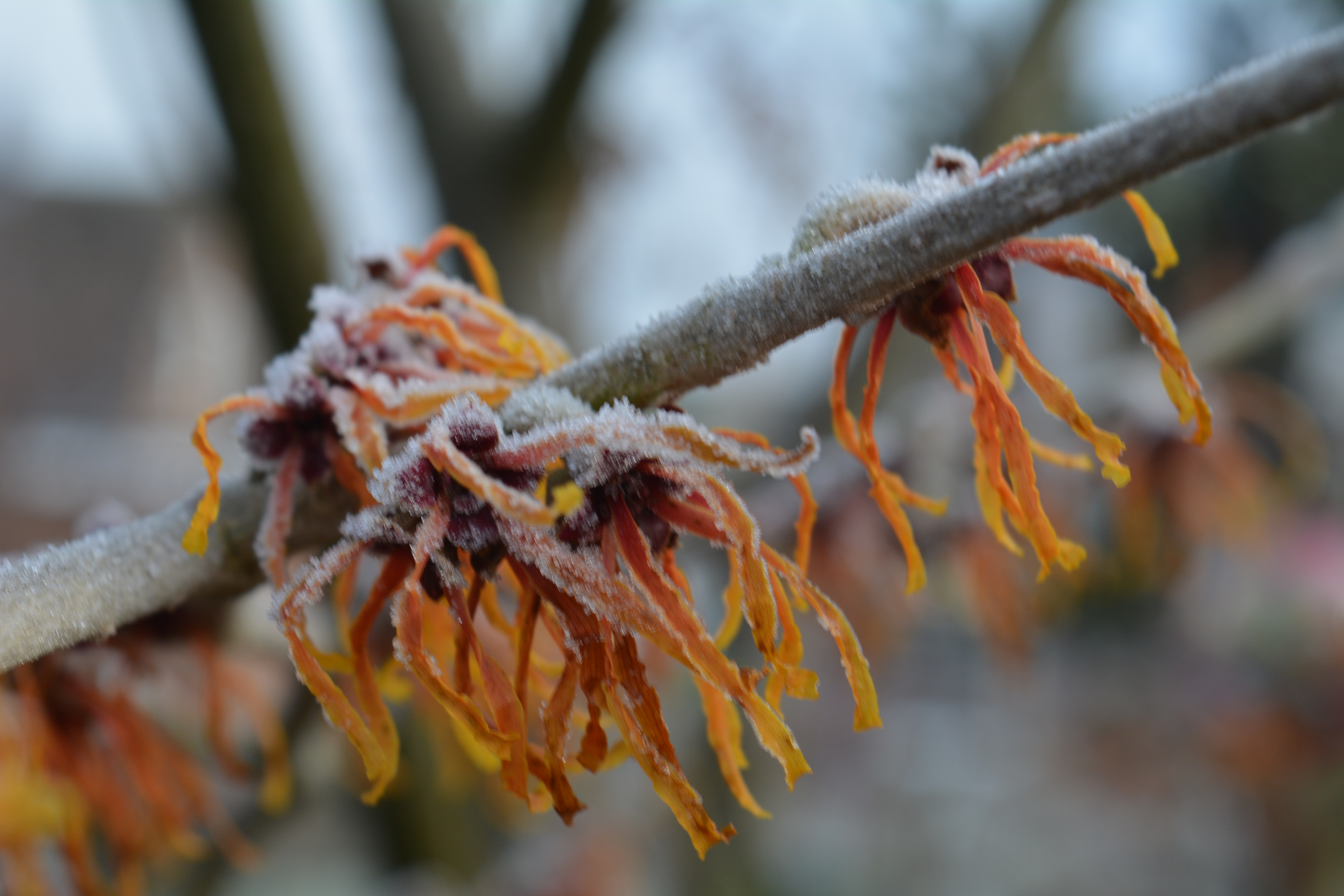
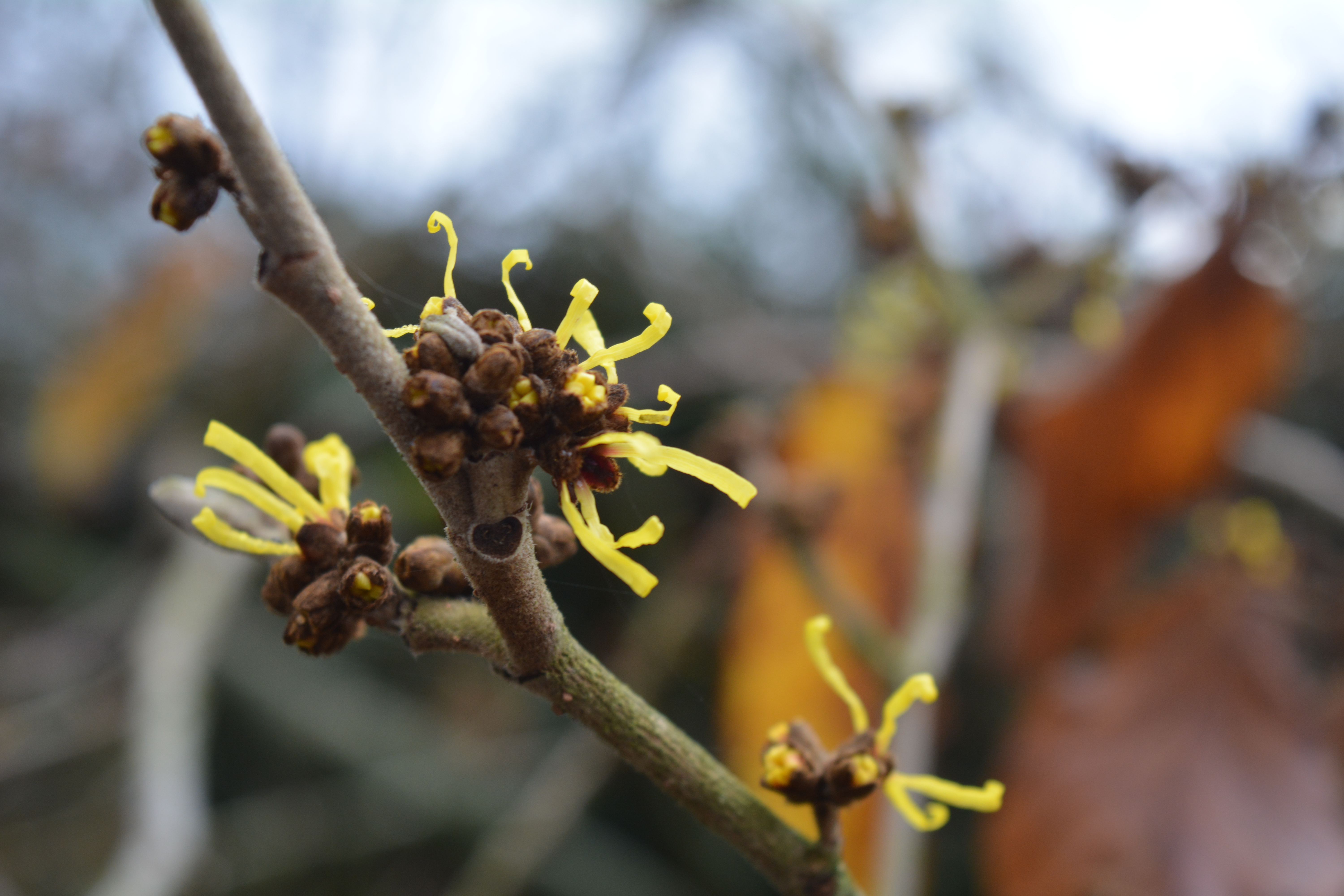
On the page opposite my bee painting, I included photos of the “Scented flowering shrubs of our January garden at Avocet, our home in Shropshire, a very cold county in winter.”, Sarcococca confusa, Daphne bholua “Jacqueline Postill”, Hamamelis Jelena and Diane and Mahonia “Winter Sun”.

j1-1 j1-2 j1-3 j1-4 j1-5 j1-6 j1-7 j1-8

Over the page we look at “new” gardening tools, one brand new and one new to me which is a vintage tool.

jan-07

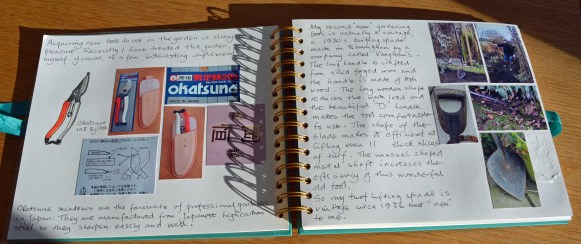
“Acquiring new tools to use in the garden is always a pleasure. Recently I have treated the garden, and myself of course, to a few interesting implements”. 

Firstly a pair of Japanese secateurs, with the unusual problem of instructions written in Japanese. As I had ordered them from Japan I should not have been surprised really!

I painted a picture of my new Japanese secateurs, which was a lot harder that it looks.

jan-01 j2-1 j2-4

“Okatsune secateurs are the favourite of  professional gardeners in Japan. They are manufactured from Japanese high carbon steel so they sharpen easily and well.”

j2-2 j2-3  j2-5 j2-6

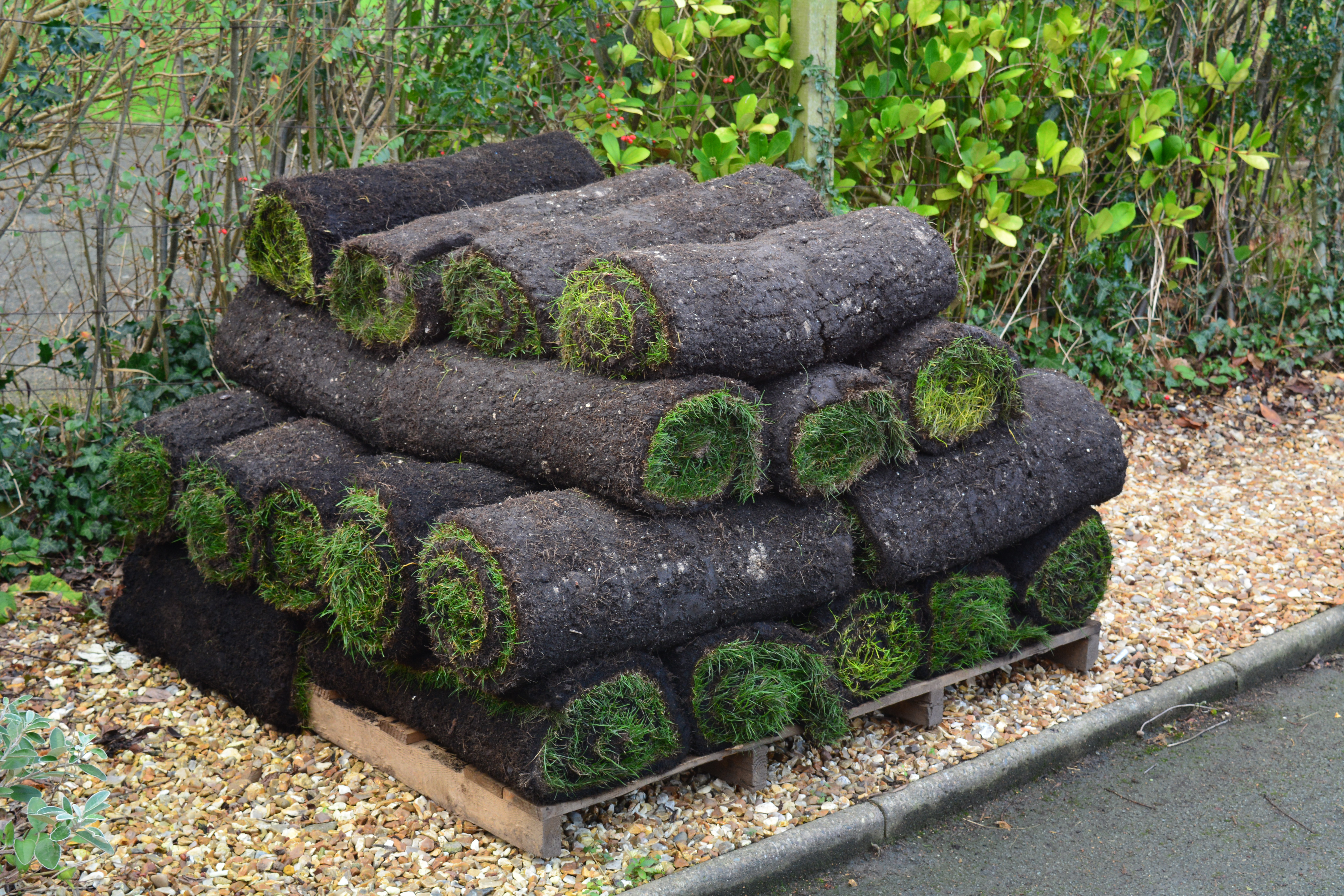
“My second “new” gardening tool is actually a vintage piece, a 1930’s turfing spade made in Birmingham by a company called Vaughan’s. The long handle is crafted from solid forged iron and the handle is made from Ash wood. The long wooden shaft reduces the workload and the beautiful “D” handle makes the tool comfortable to use. The shape of the blade makes it efficient at even lifting an even 1 inch thick slices of turf. The unusual shaped metal shaft increases the efficiency of this wonderful old tool. So my turf lifting spade is vintage circa 1936 but “new” to me.

j3-07 j3-11

j3-01 j3-02 j3-09 j3-08

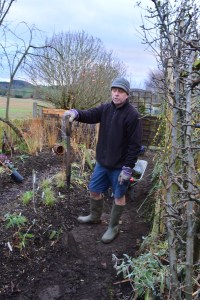
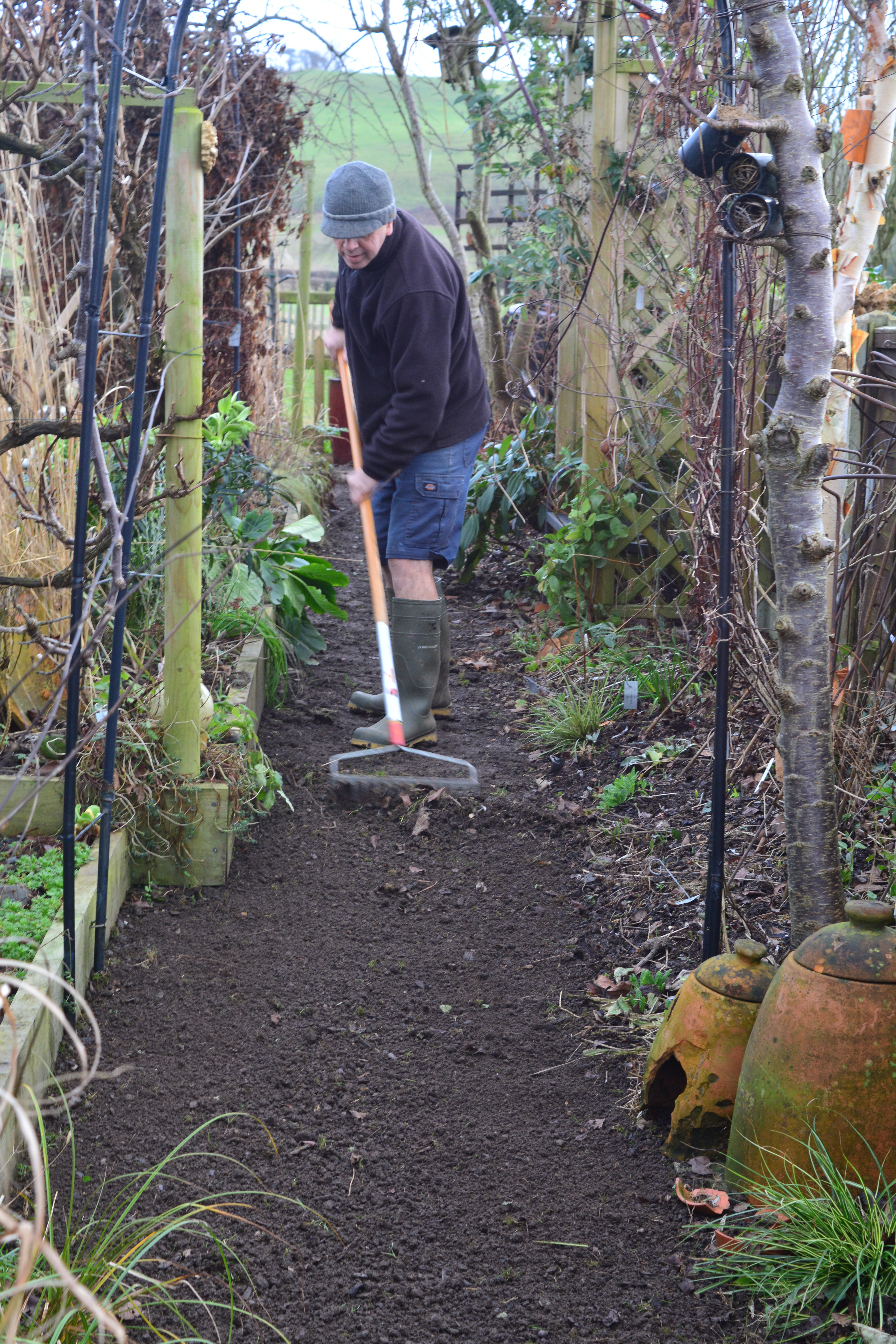
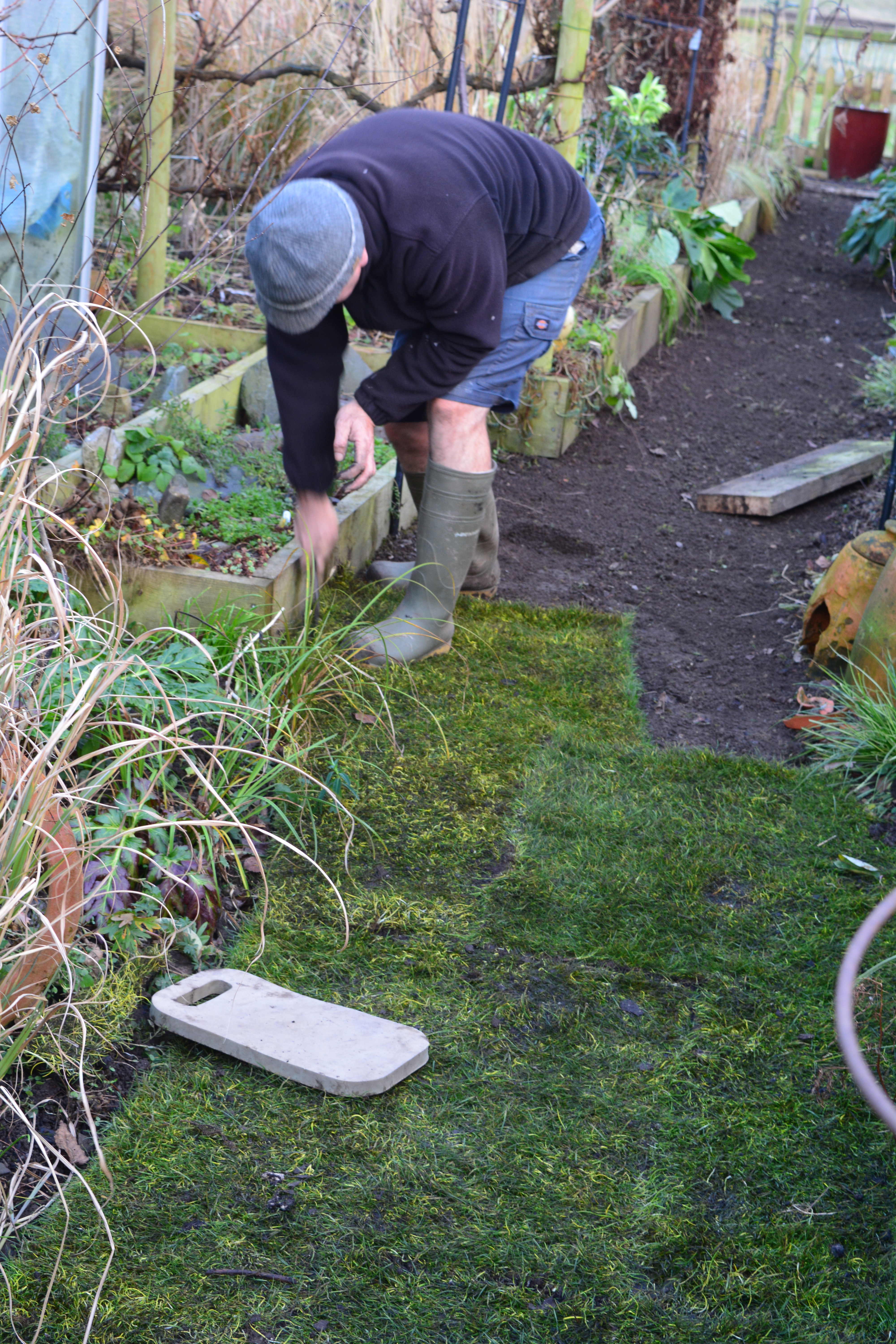
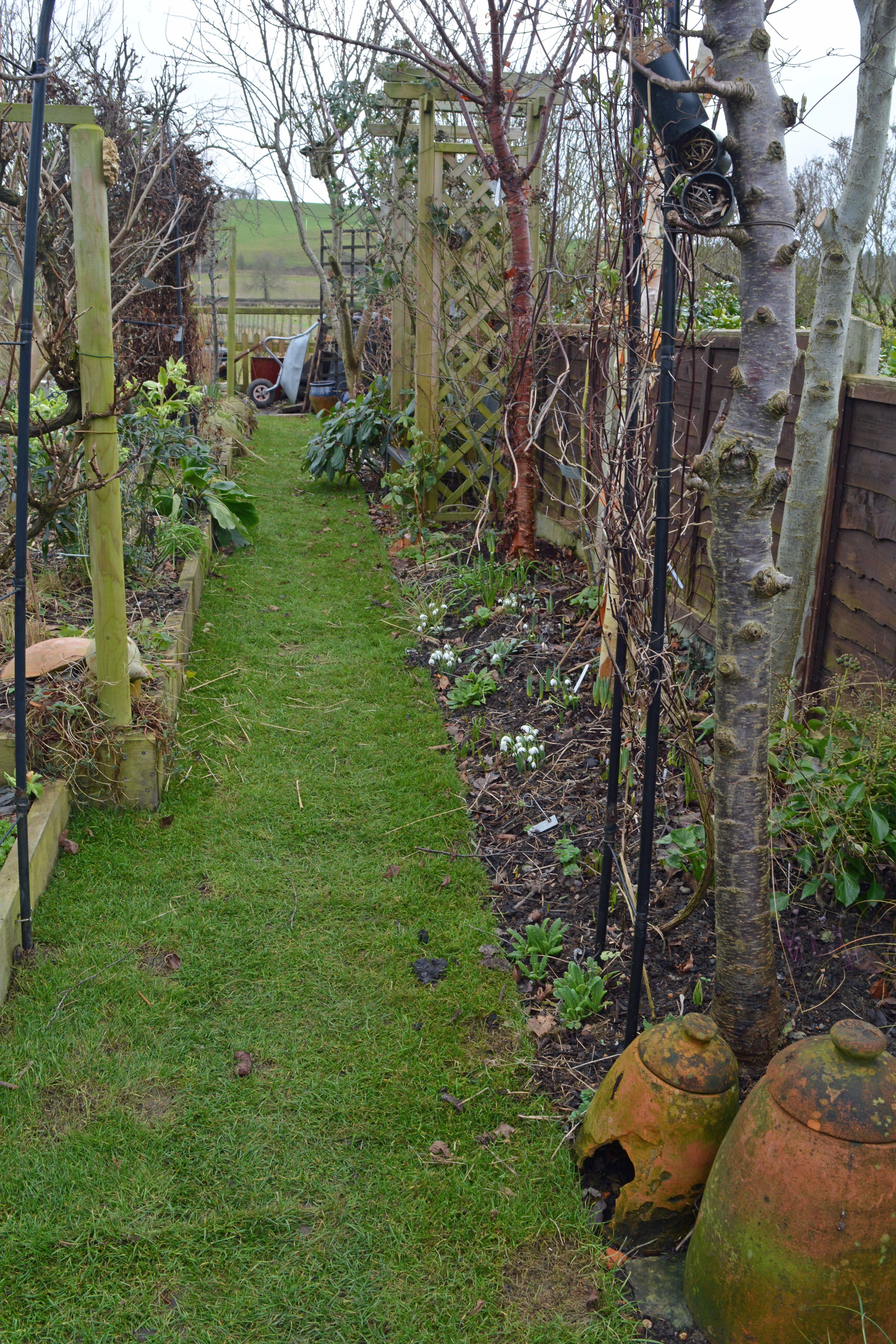
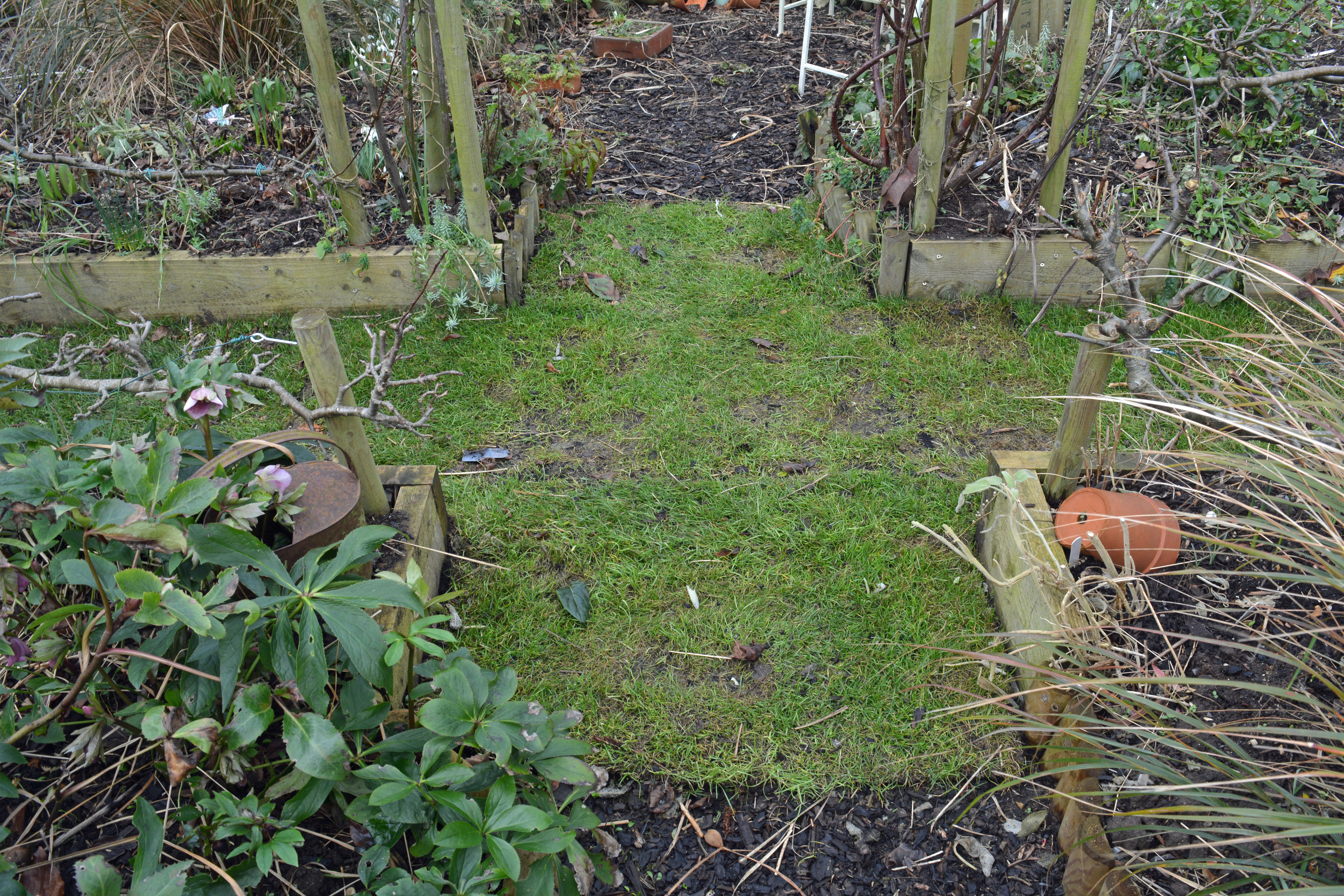
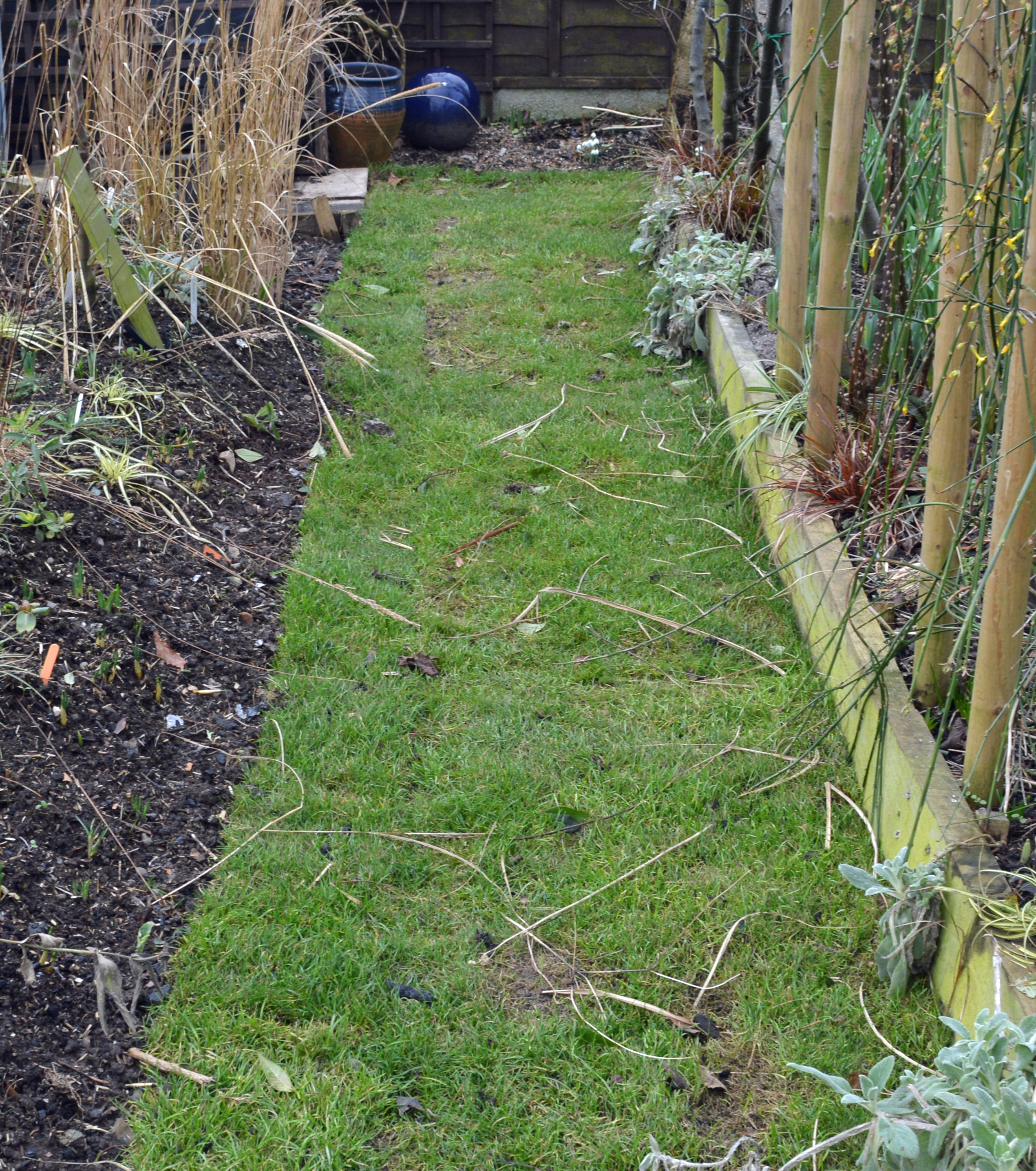
I moved on to show how Ian, our gardener, used the vintage turfing spade to replace the grass on some of our paths.

jan-08

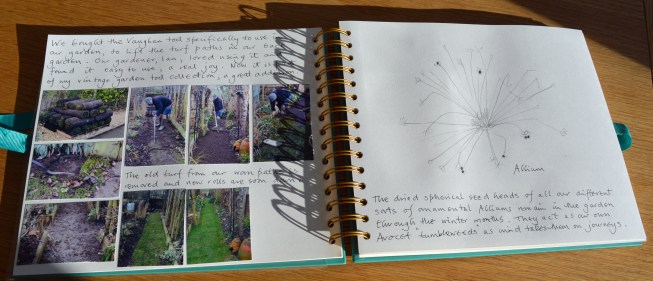
“We bought the Vaughan tool specifically to use in our garden, to lift the turf paths in our back garden. Our gardener, Ian, loved using it and found it easy to use, a real joy. Now it is part of my vintage garden tool collection, a great addition.”

j3-03 j3-06

“The old turf from our worn paths is soon removed and new rolls are soon down.”

j3-10 j4-1j3-04 j3-05 j5-1  j5-2 j5-3

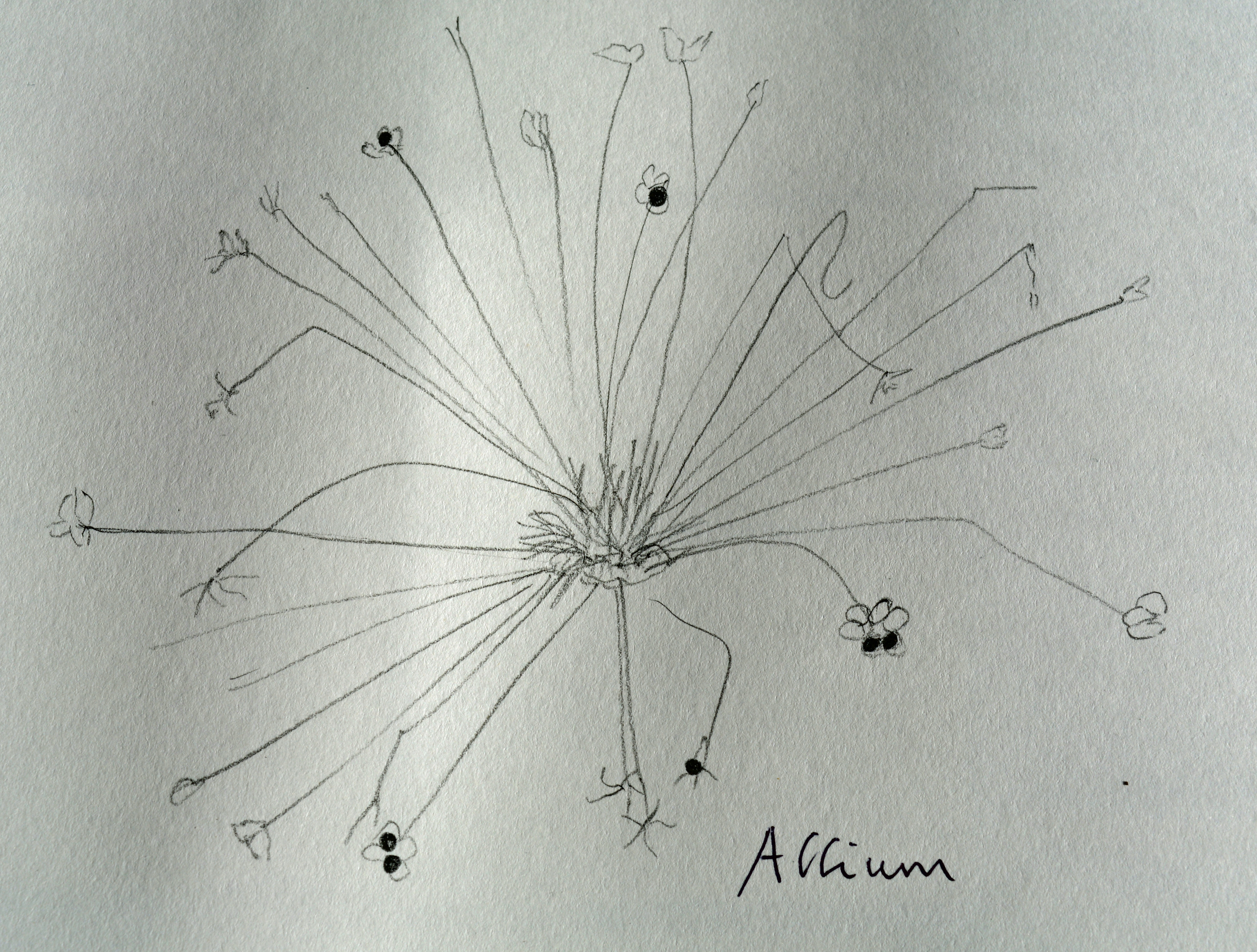
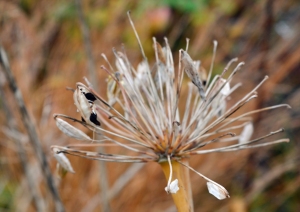
I next looked at a beautiful totally dried seed head of an Allium, which, with its spherical shape, tends to get blown around the garden with several others. We meet them at random times and places all overthe garden. We are always surprised by their simple beauty. I drew the Allium seed head using just a pencil. Looking and studying the Allium took much longer than the time spent with pencil moving on paper.

jan-09

“The dried spherical seed heads of all our different sorts of ornamental Alliums remain in the garden through the winter months. They act as our own Avocet “tumbleweeds” as wind takes them on journeys.”

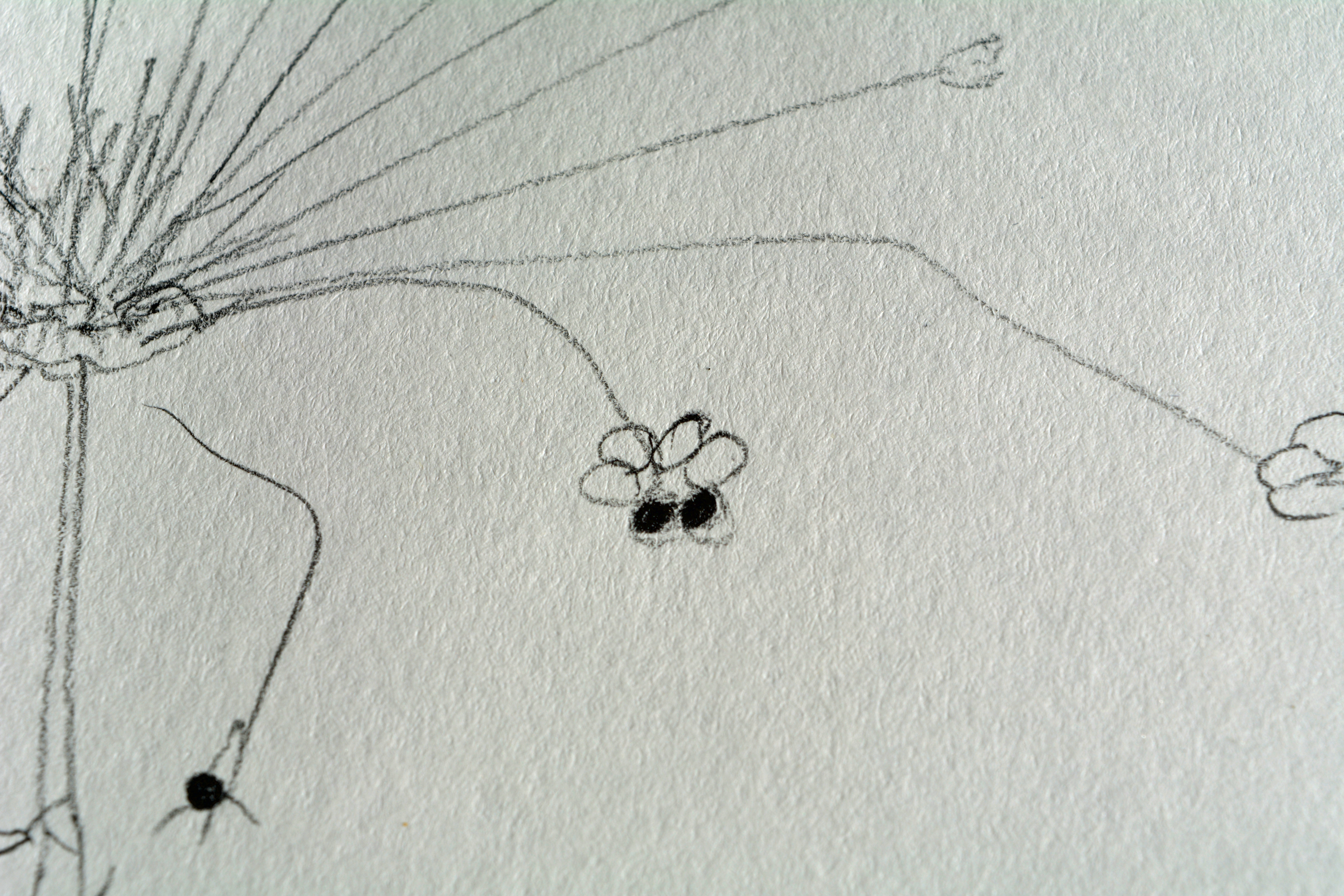
I hope you enjoy the close ups of my drawing below.

jan-10 jan-11 jan-12

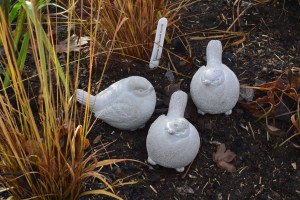
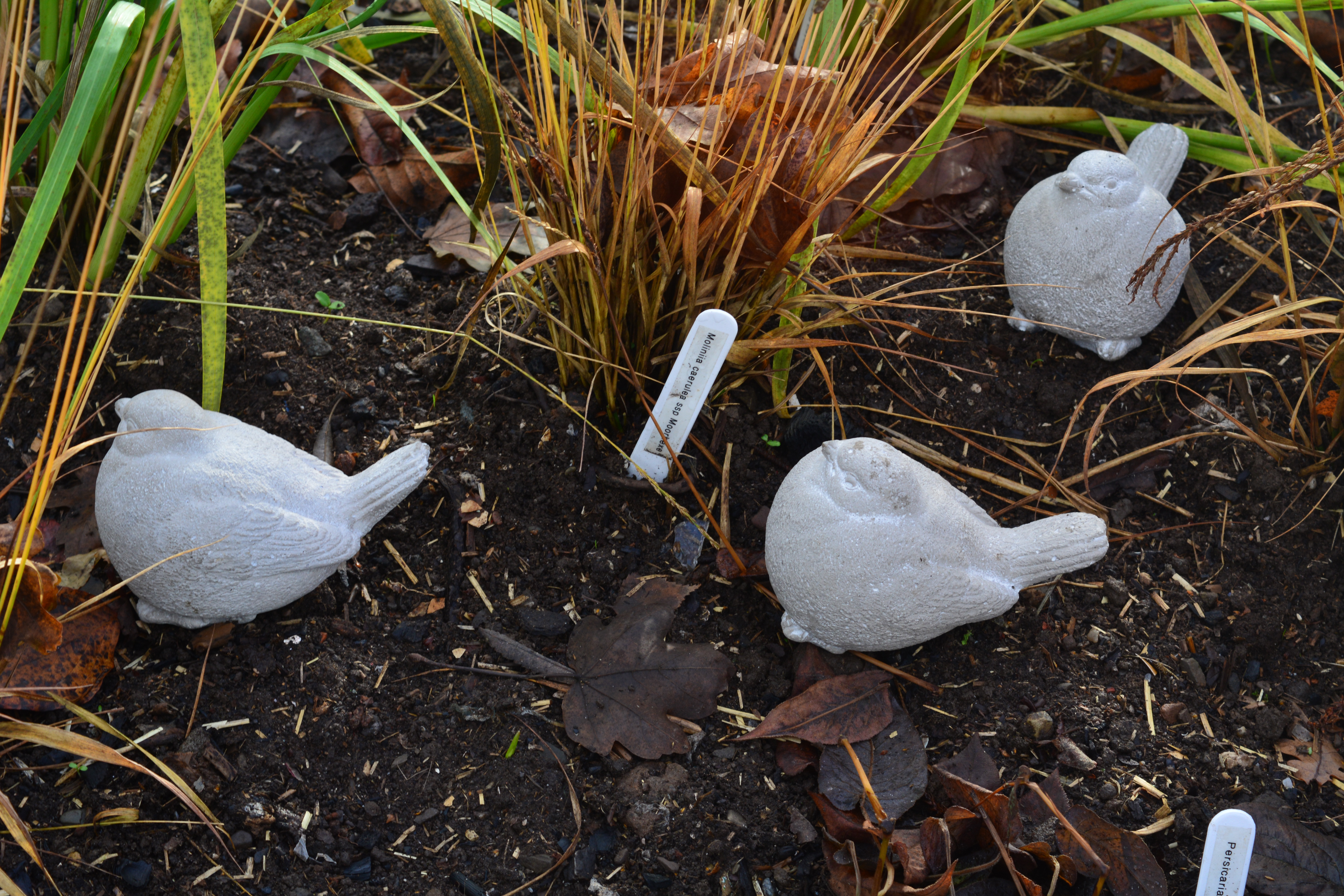
By turning the page we see little white birds and colourful bulb flowers. I wrote: “We bought three new stoneware sculptural pieces for our garden, three cheeky and chirpy Sparrows. We loved taking them around the garden seeing where they looked their best. We decided to keep moving them around as the mood took us. They, however, decided that their favourite place was our garden bench in “Arabella’s Garden”. Cheeky chappies indeed!

jan-13

j7-3 j7-4j7-2 j7-5j7-1 j7-7 j7-8

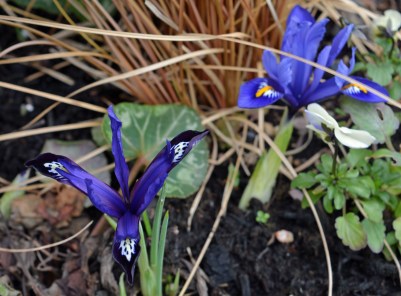
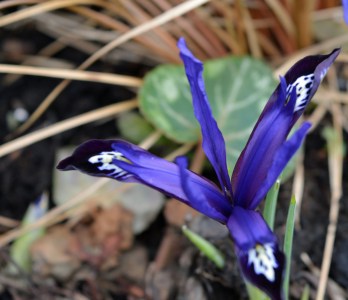
Opposite the photos of the sculpture birds are photos of early flowers, Irises and Hellebores.

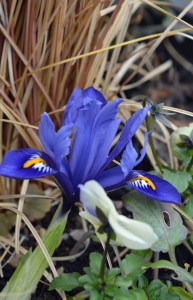
“Iris reticula, the first bulb to flower in 2017.”

j6-3 j6-4 j6-5

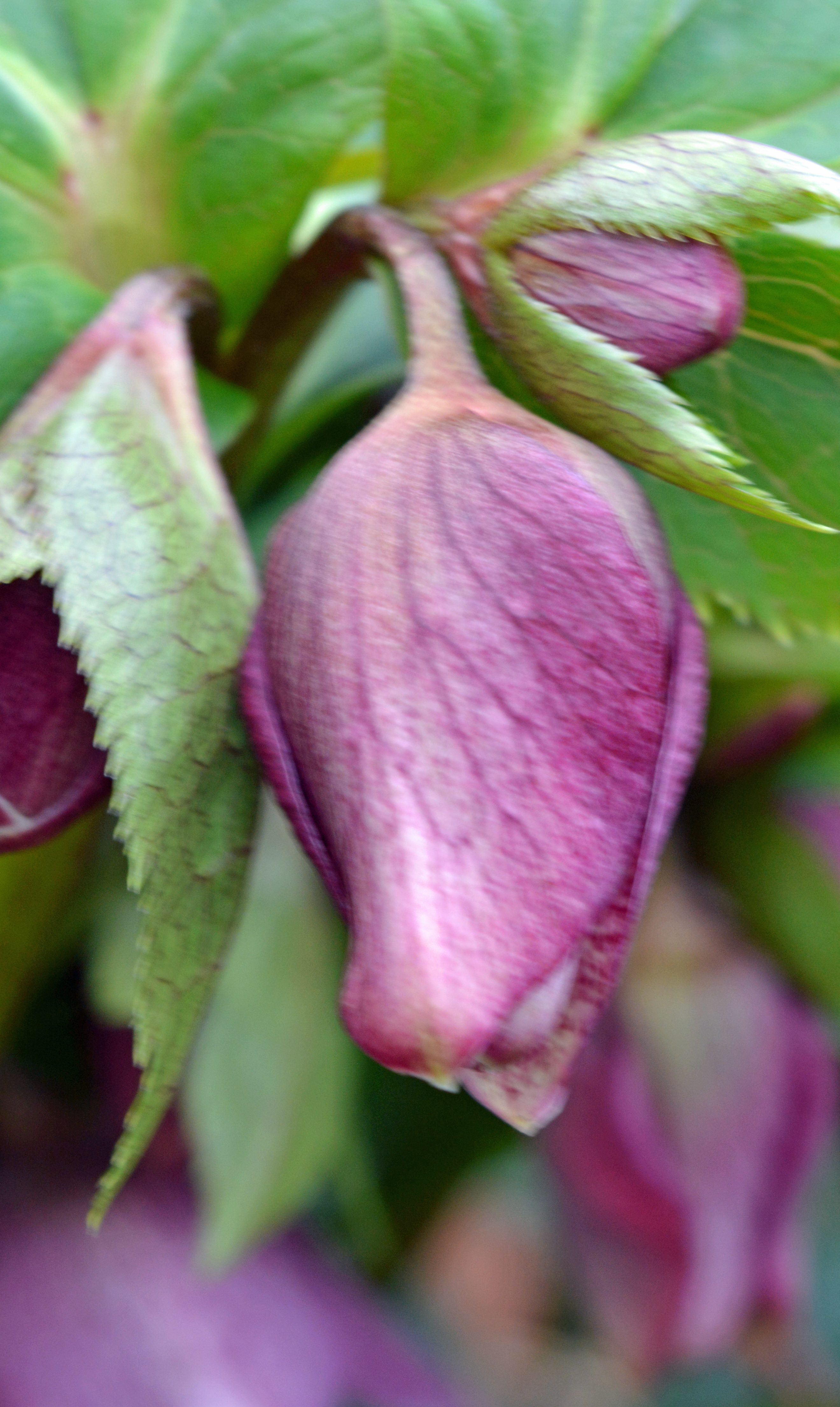
“Meanwhile Hellebores are budding up strongly, so we will have flowers in Feb.”

j6-2    j6-1j6-6 j6-7

January frosts feature on the next double page spread.

jan-14

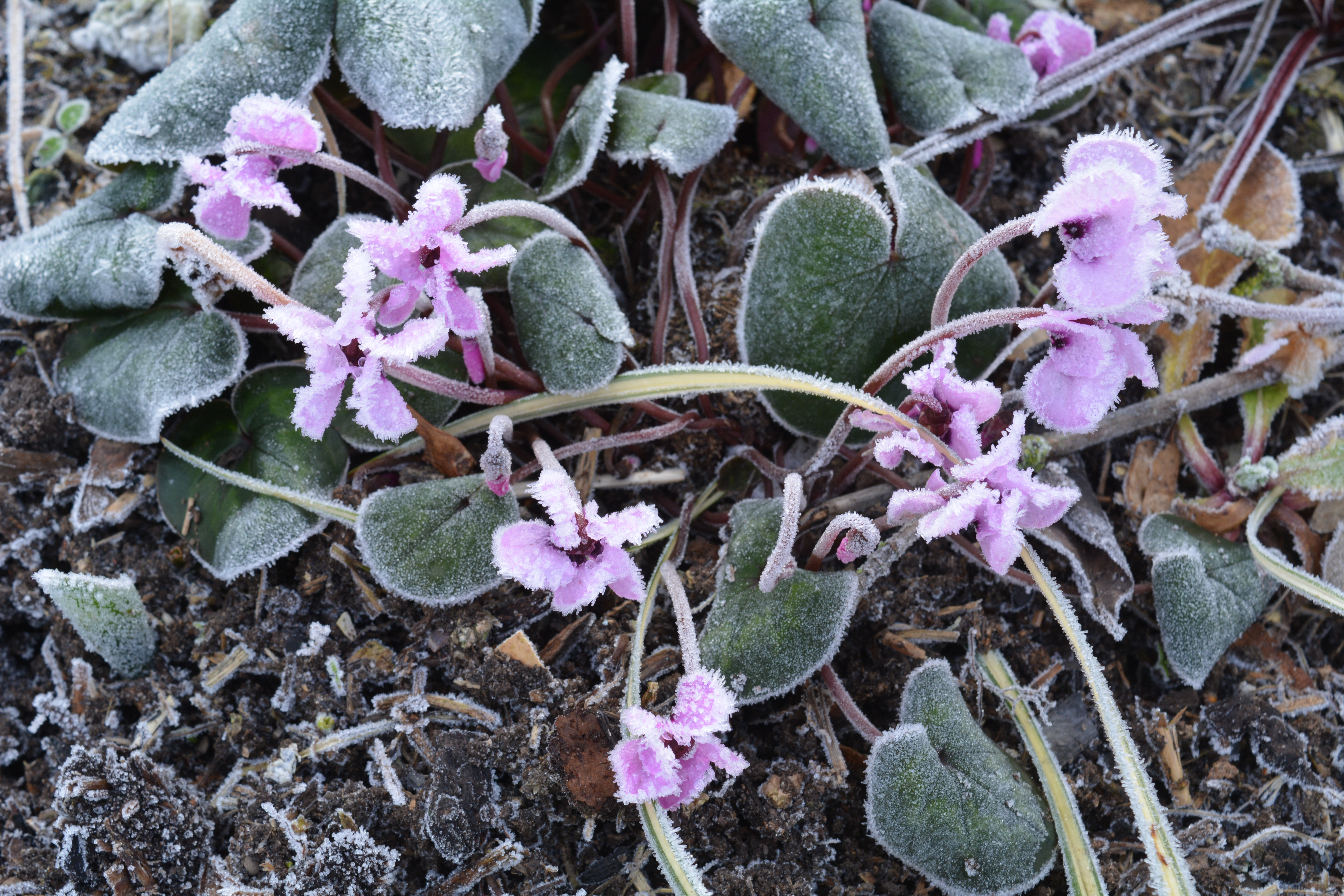
“On the early hours of the days following cold frosty nights, the flowers which give colour to our January garden, were topped off with cold, icy halos.”

j7-13 j7-03 j7-04 j7-07

“Cold nights also gave our sculpture pieces a thin layer of icing sugar.”

j7-16 j7-17

My next page was titled simply “January Frosts” and featured a series of photographs of foliage and seedheads covered in a thin covering of frost and icy crystals.

j7-12 j7-10j7-02 j7-06j7-08 j7-11j7-01 j7-14j7-18 j7-15j7-05 j7-09

Turn over to the next page and we leave the frost behind and take a look at one of our Birches, Betula albosinensis “Septentronalis”, one of the best Betulas around.

jan-15

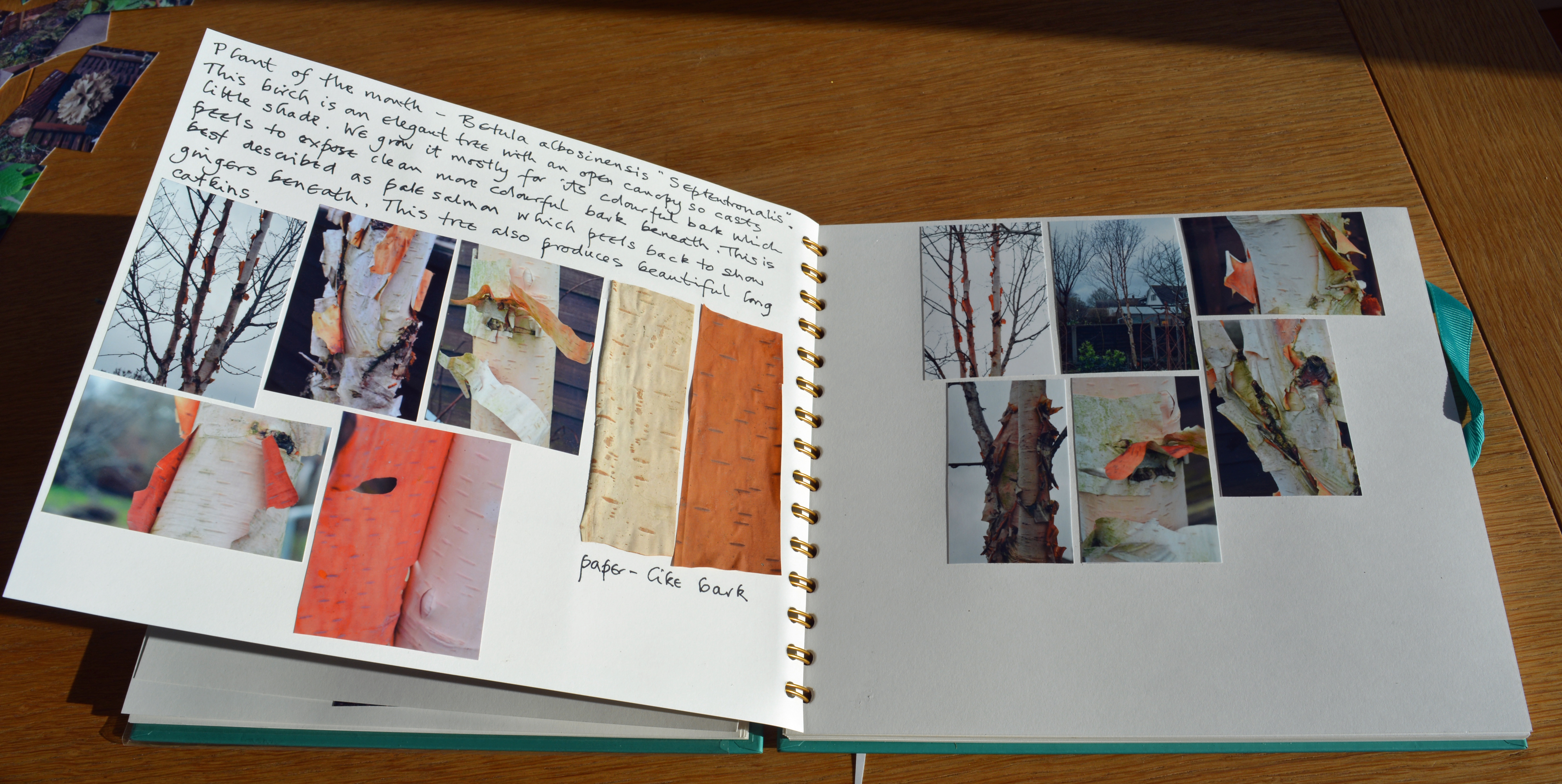
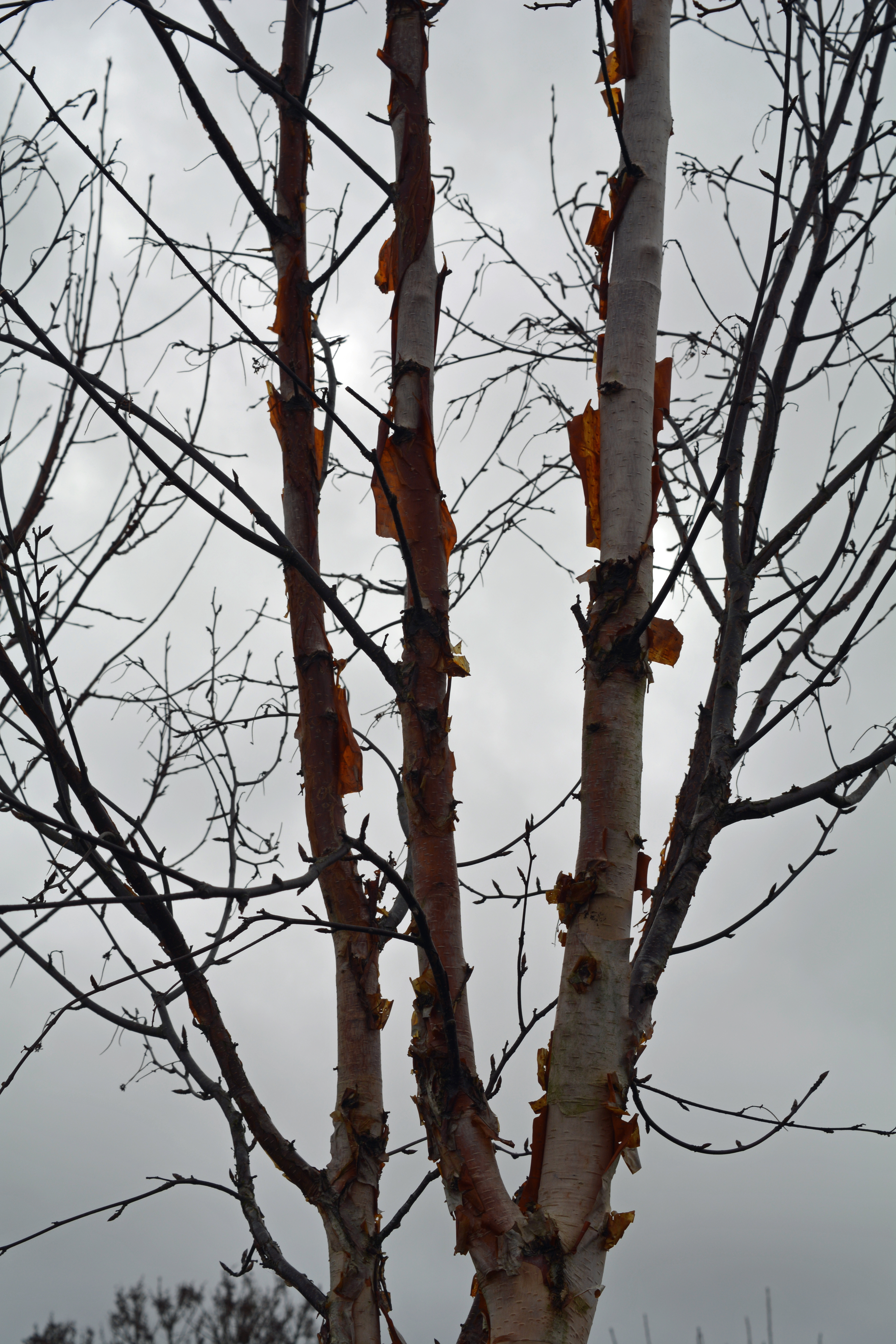
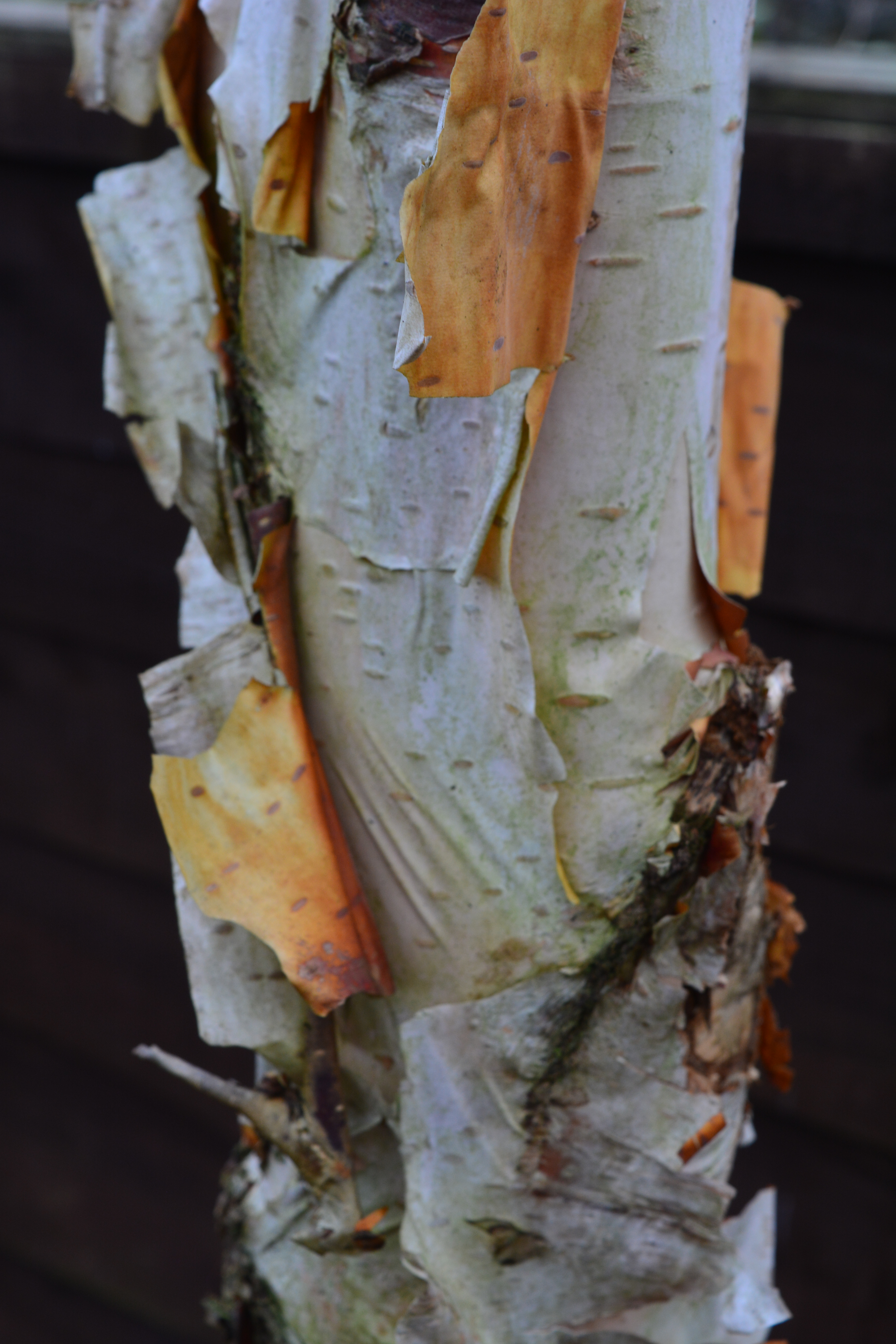
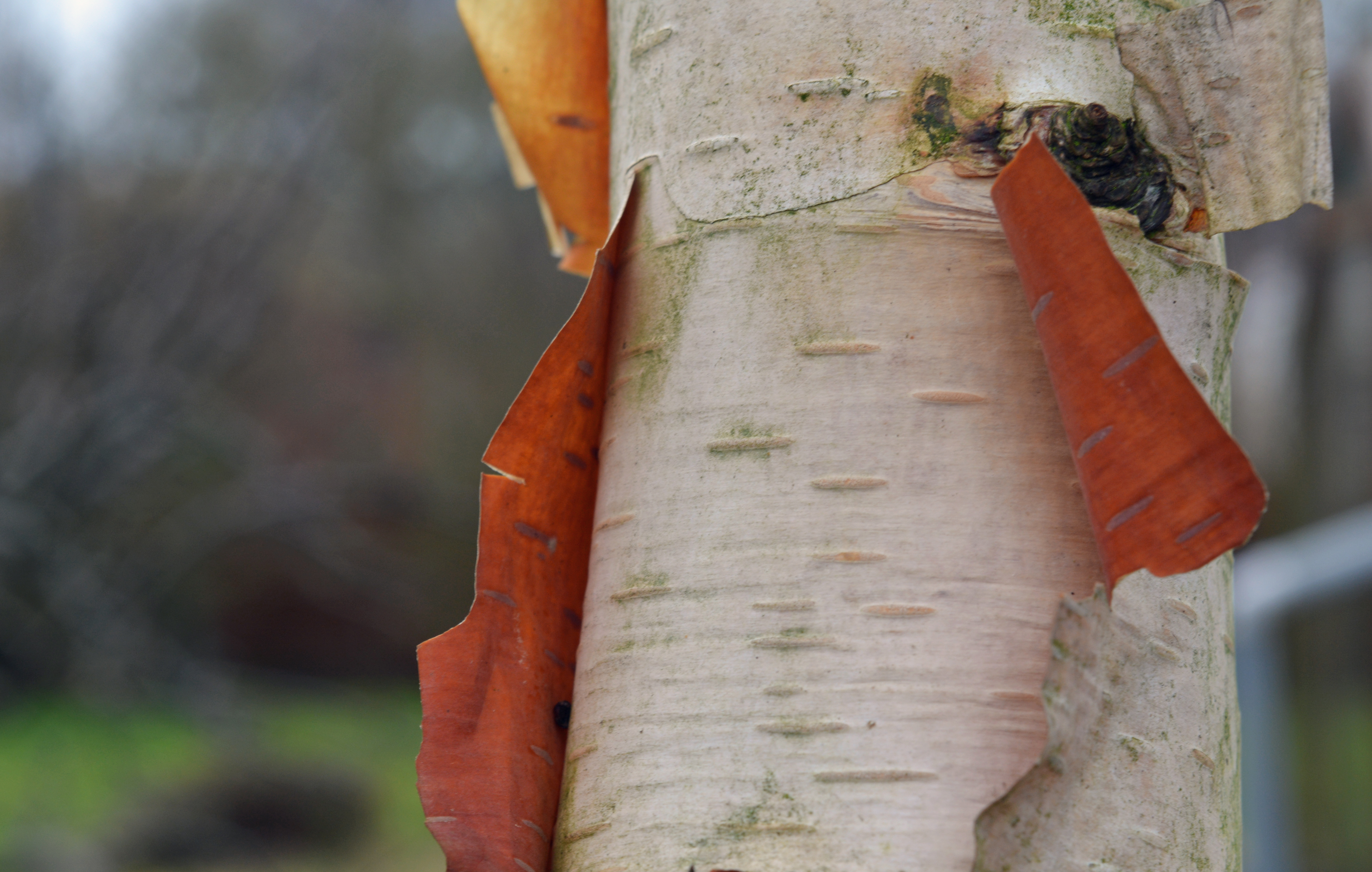
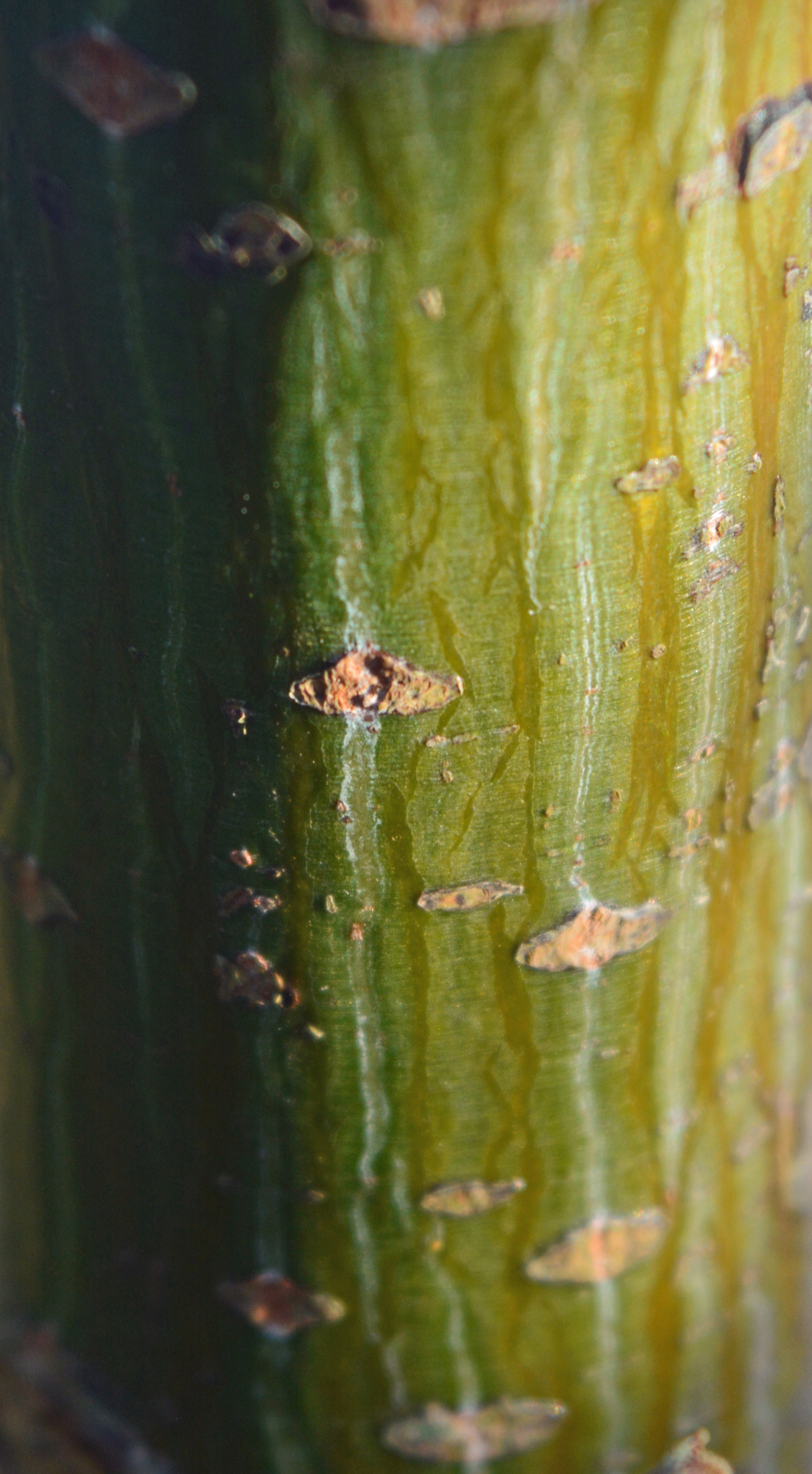
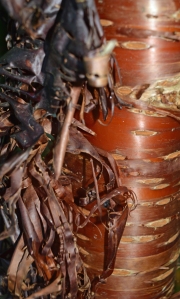
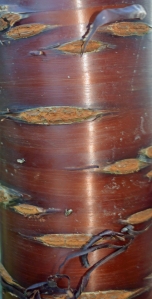
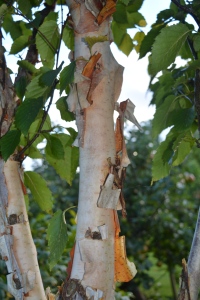
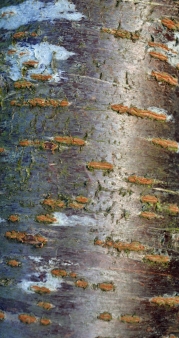
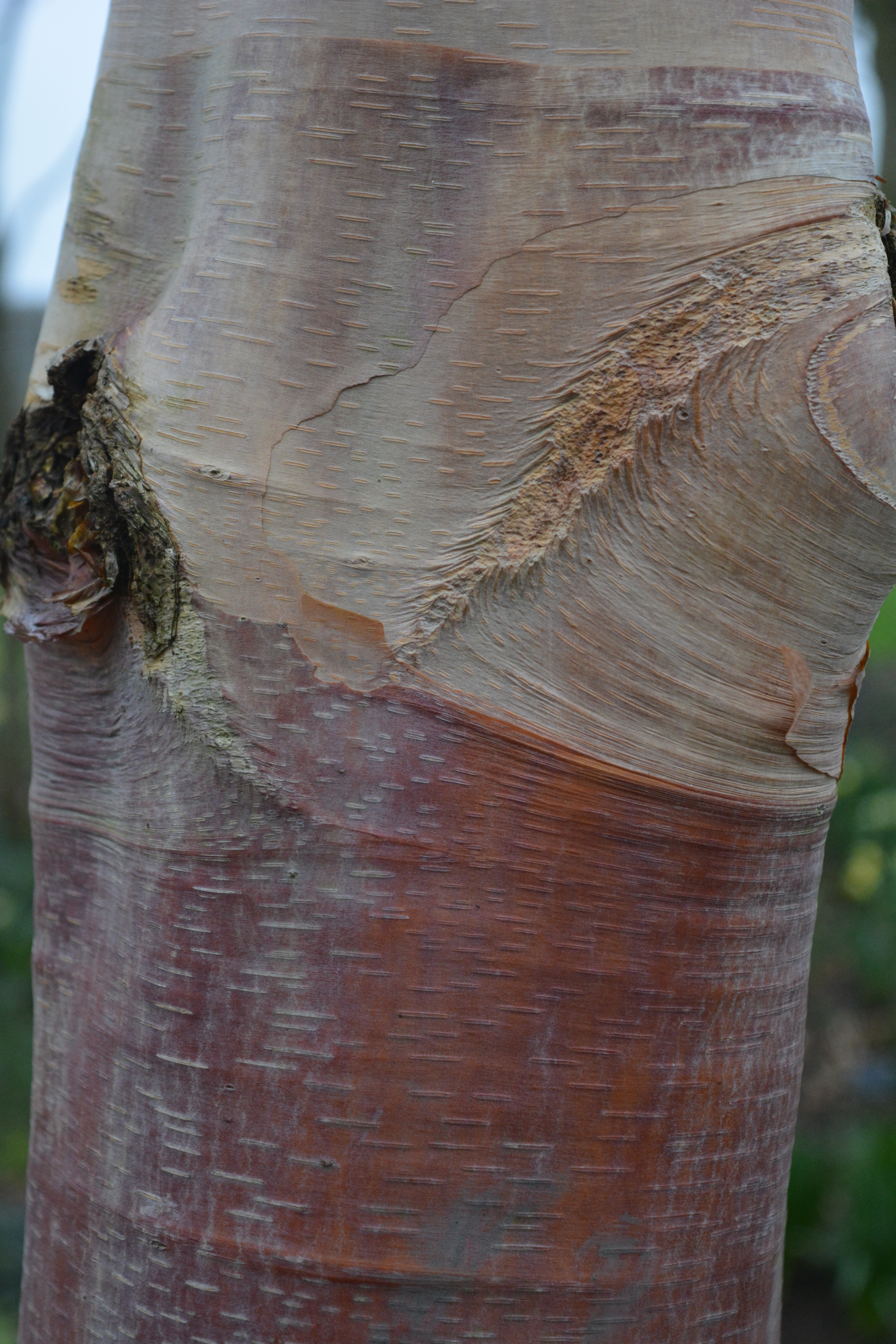
“Plant of the month – Betula albosinensis “Septentronalis”. This Birch is an elegant tree with an open canopy so casts little shade. We grow it mostly for its colourful bark which peels to expose clean, more colourful bark beneath. This is best described as pale salmon coloured which peels back to show gingers beneath. This tree also produces beautiful long catkins.”
j8-1 j9-2 j8-3  j8-5 j9-3

I collected up some peeled bark from the tree and glued two pieces side by side to illustrate how different the layers of bark can be.

jan-16

Betula albosinensis “Septentronalis” is probably one of the best trees for the small garden and no garden should be without one. Larger gardens can host a trio of them!

j8-2 j8-6 j8-8j8-9j8-7 j8-4

And that is it for my Garden Journal in January. Perhaps in February winter may be biting deeper or we may be experiencing one of our occasional February heatwaves when temperatures can reach 17 celsius.

Categories
colours garden design garden photography gardening gardens hardy perennials light light quality ornamental trees and shrubs outdoor sculpture Shropshire trees Winter Gardening winter gardens

My Garden Journal in December

Welcome to the final monthly look inside my Garden Journal 2016, when we see what I entered in it during the month of December. Then it will be time to close the 2017 Garden Journal for now, but we share all the journals with our garden visitors on our open days so they regularly get a fresh airing.

nj9-12

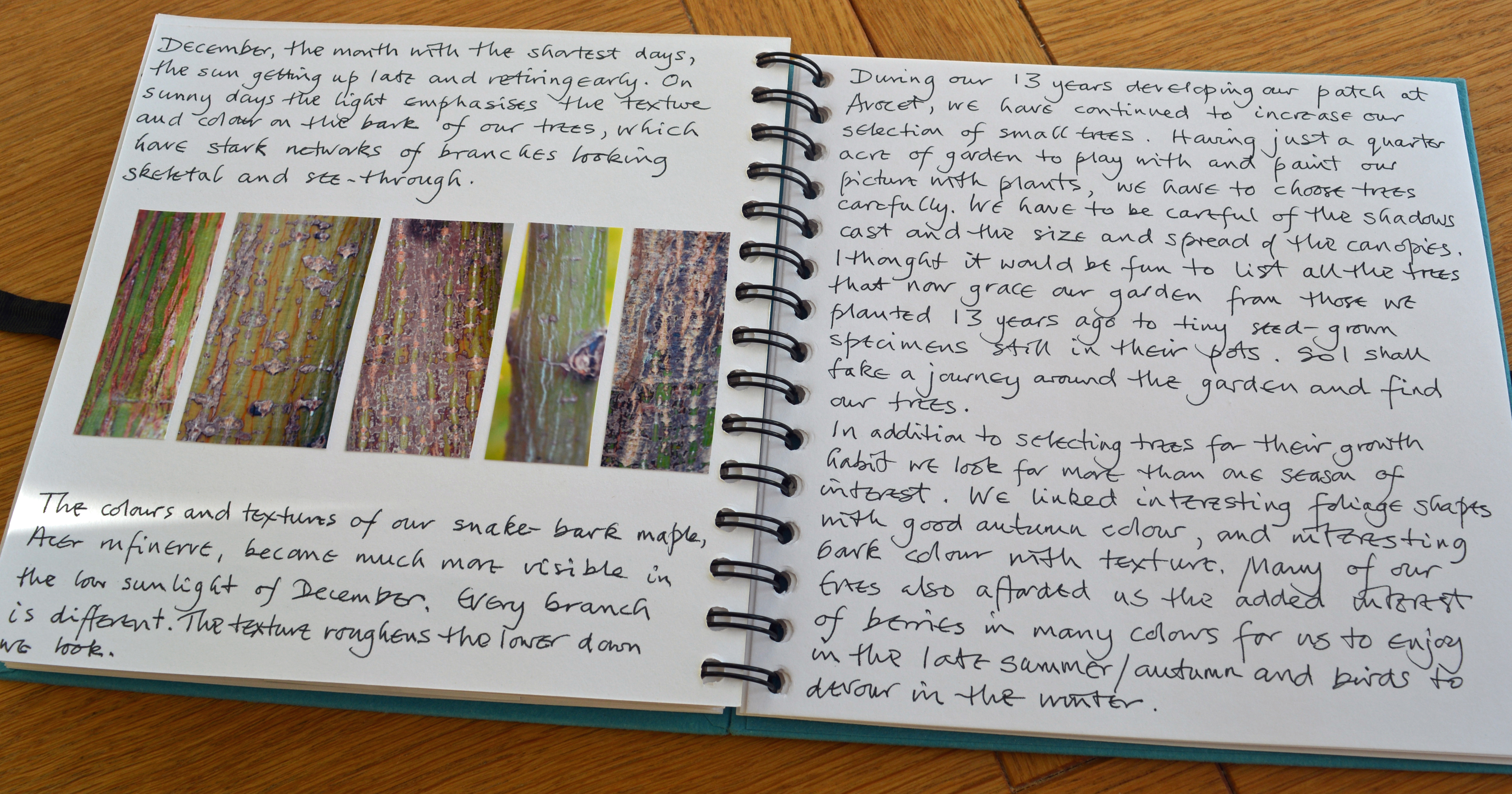
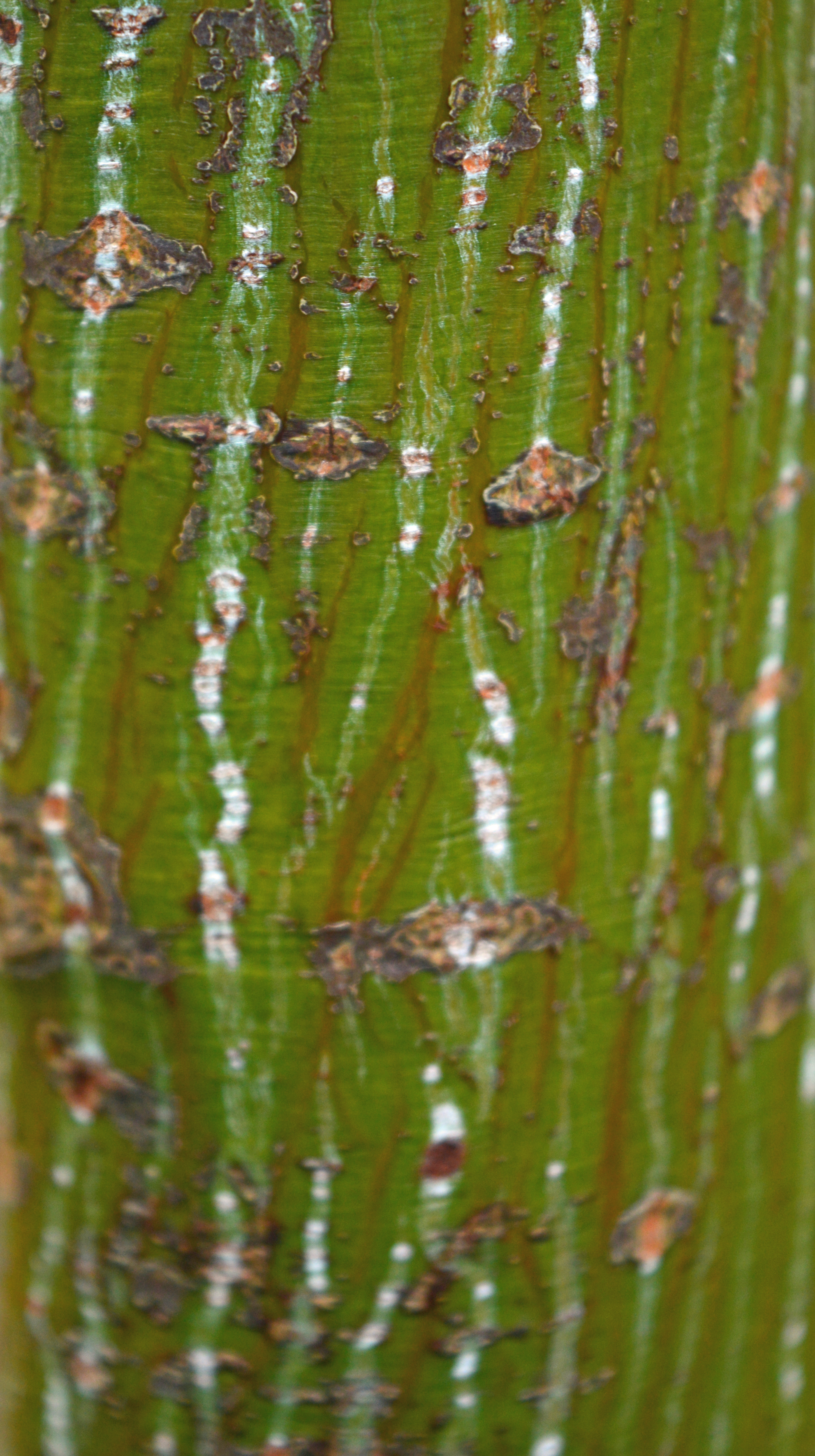
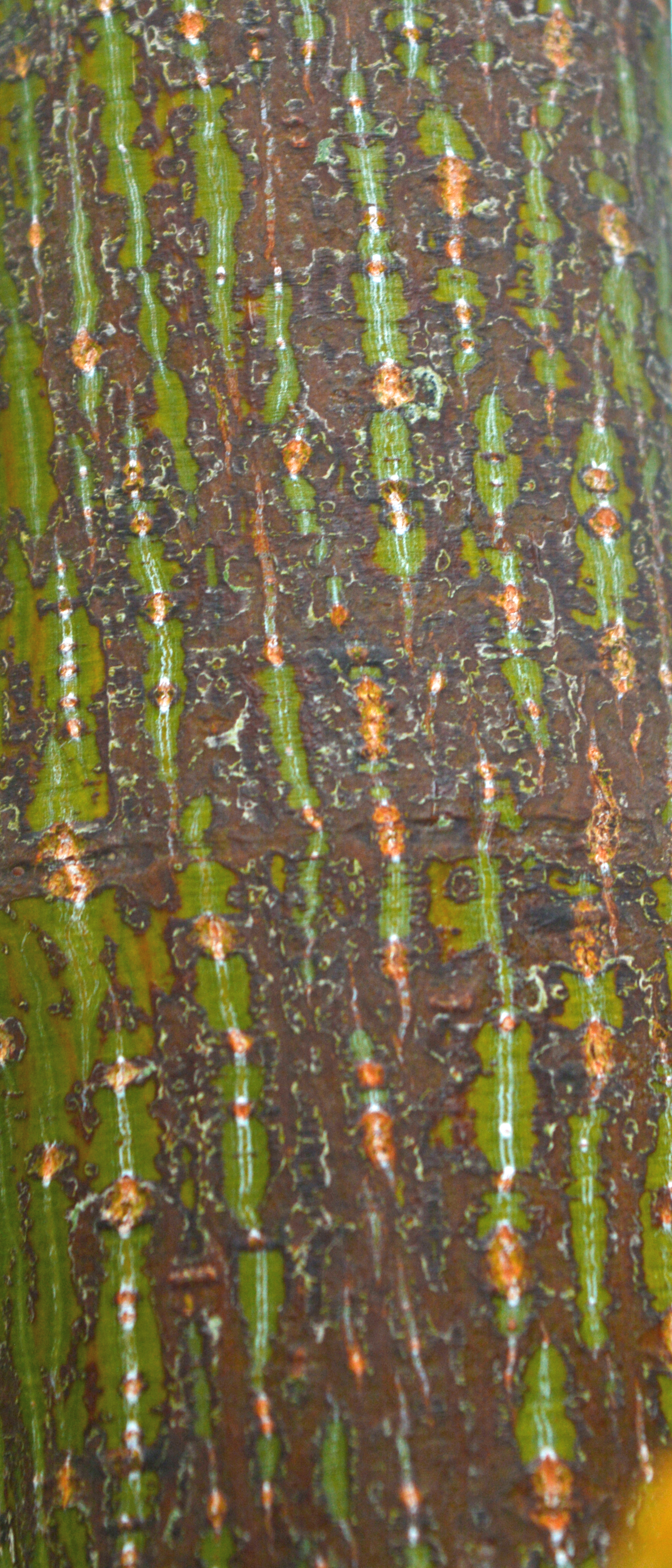
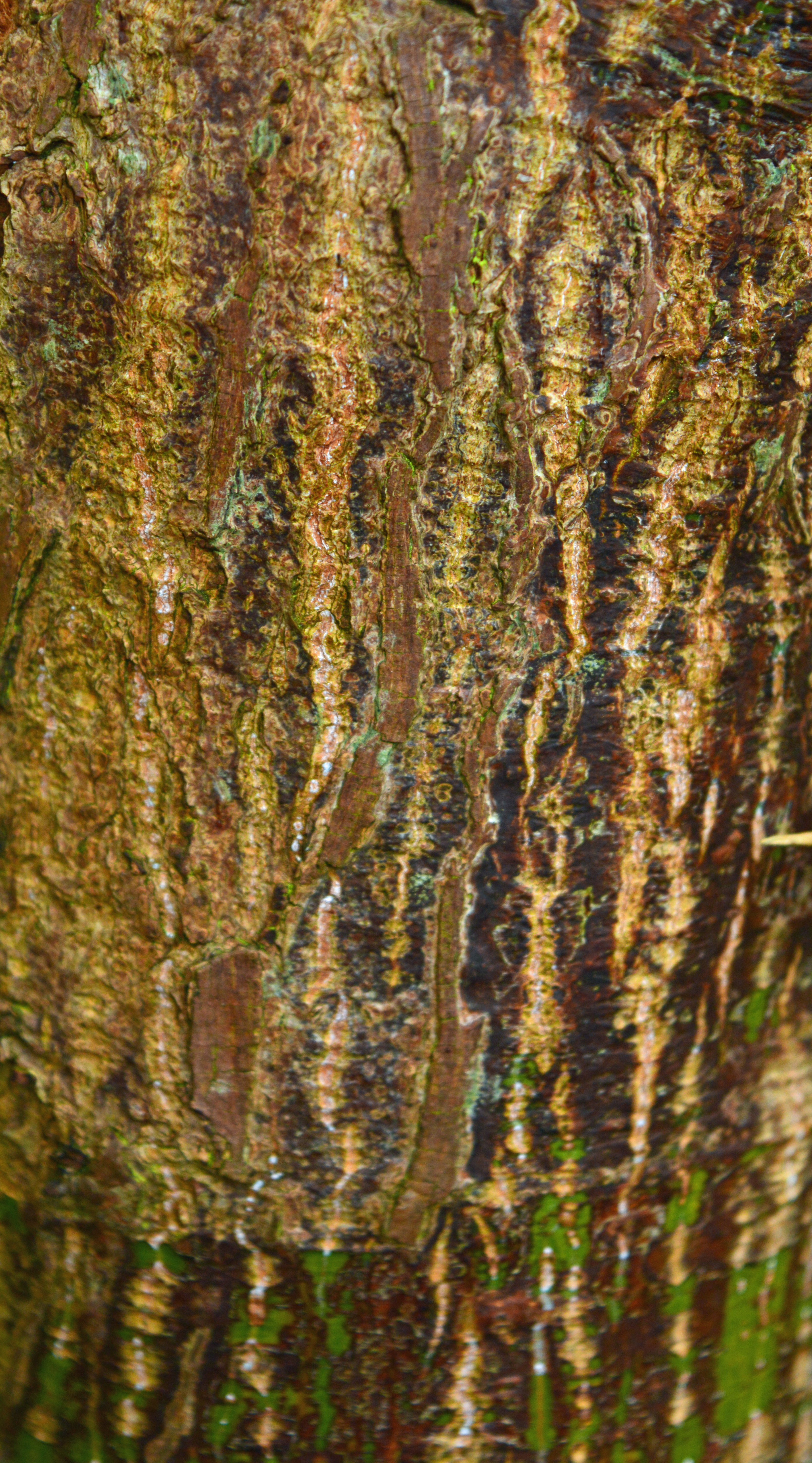
“December, the month with the shortest days, the sun getting up late and retiring early. On sunny days the light emphasises the texture and colour on the bark of our trees, which have stark networks of branches looking skeletal and see-through.

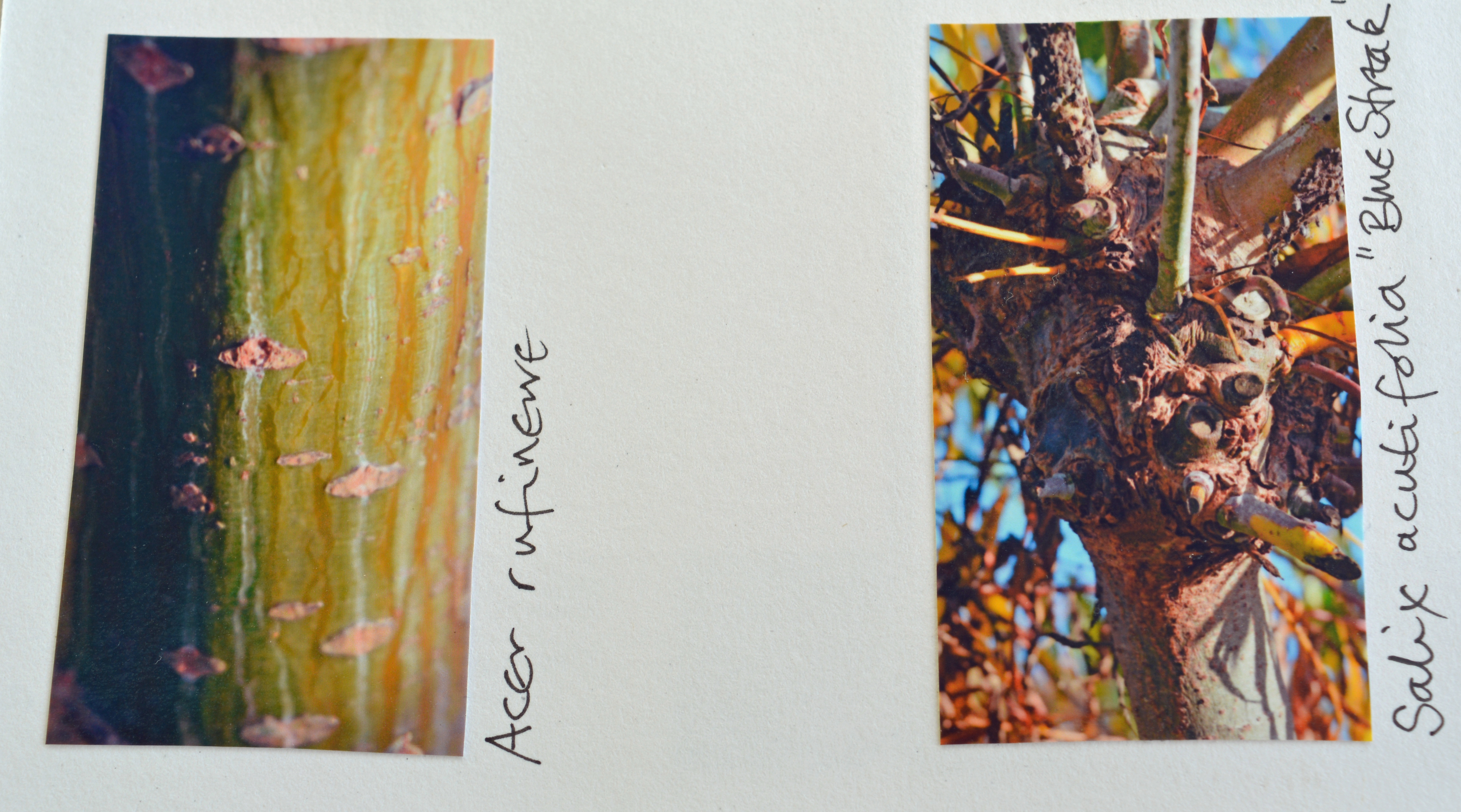
“The colours and textures of our snake-bark maple, Acer rufinerve, become much more visible in the low sunlight of December. Every branch is different. The texture roughens the lower down we look.”

dj1-5 dj1-4 dj1-3 dj1-2 dj1-1

My entries for December continue to consider the trees of our garden, “During our 13 years developing our patch at Avocet, we have continued to increase our selection of small trees. Having just a quarter acre of  garden to play with and paint our pictures with plants, we have to choose trees carefully. We have to be careful of the shadows cast and the size and spread of the canopies. I thought it would be fun to list all the trees that now grace our garden from those we planted 13 years ago to tiny seed-grown specimens still in their pots. So I shall take a journey around the garden and find and list of our trees. 

In addition to selecting trees for their growth habit we look for more than one season of interest. We linked interesting foliage shapes with good autumn colour, and interesting bark colour with texture. Many of our trees also afforded us the add interest of berries in many colours for us to enjoy in the late summer/autumn and birds to devour in the winter.”

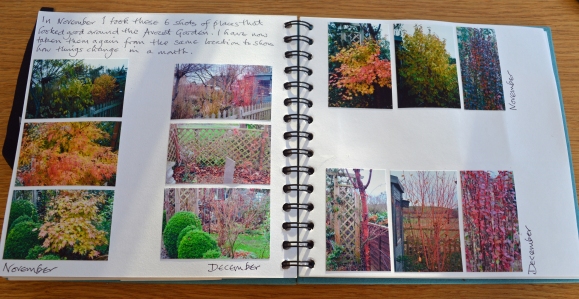
Turning over the page we discover a group of 6 photographs I took in November with the intention of taking the same shots from the same places in December to see how things change.

“In November I took these 6 shots of places that looked good around the Avocet Garden. I have now taken them again from the same location to show how things change in a month.”

jd1-22ber-2 jd-09

November                                                            December

bb-1 jd-07

November                                                             December

ber-3 jd-03

November                                                             December

ber-4 jd-04

November                                   December

ber-1 jd-06

November                                   December

ber-5 berb-1

November                  December

I thought it would be fun to look at the bark of lots of our trees, both their colours and textures, so took close up photos of sections of the tree trunks.

nj9-13

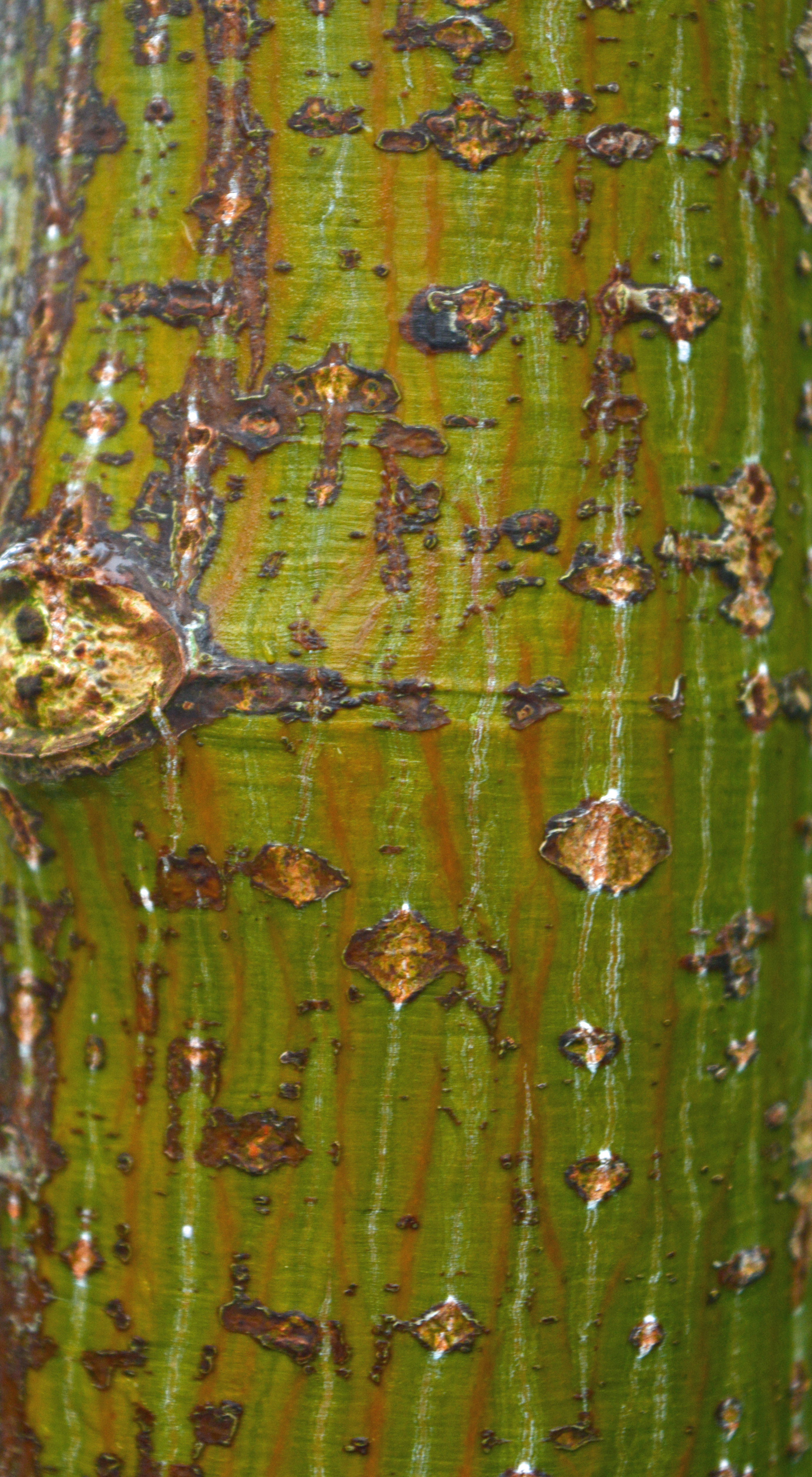
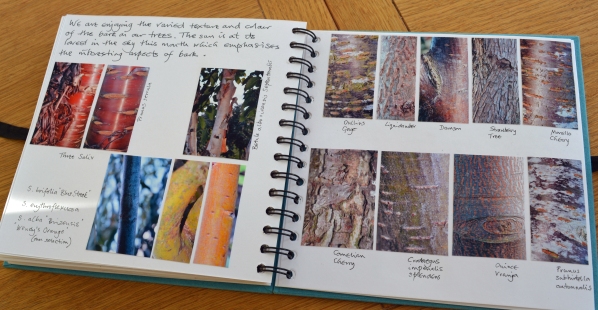
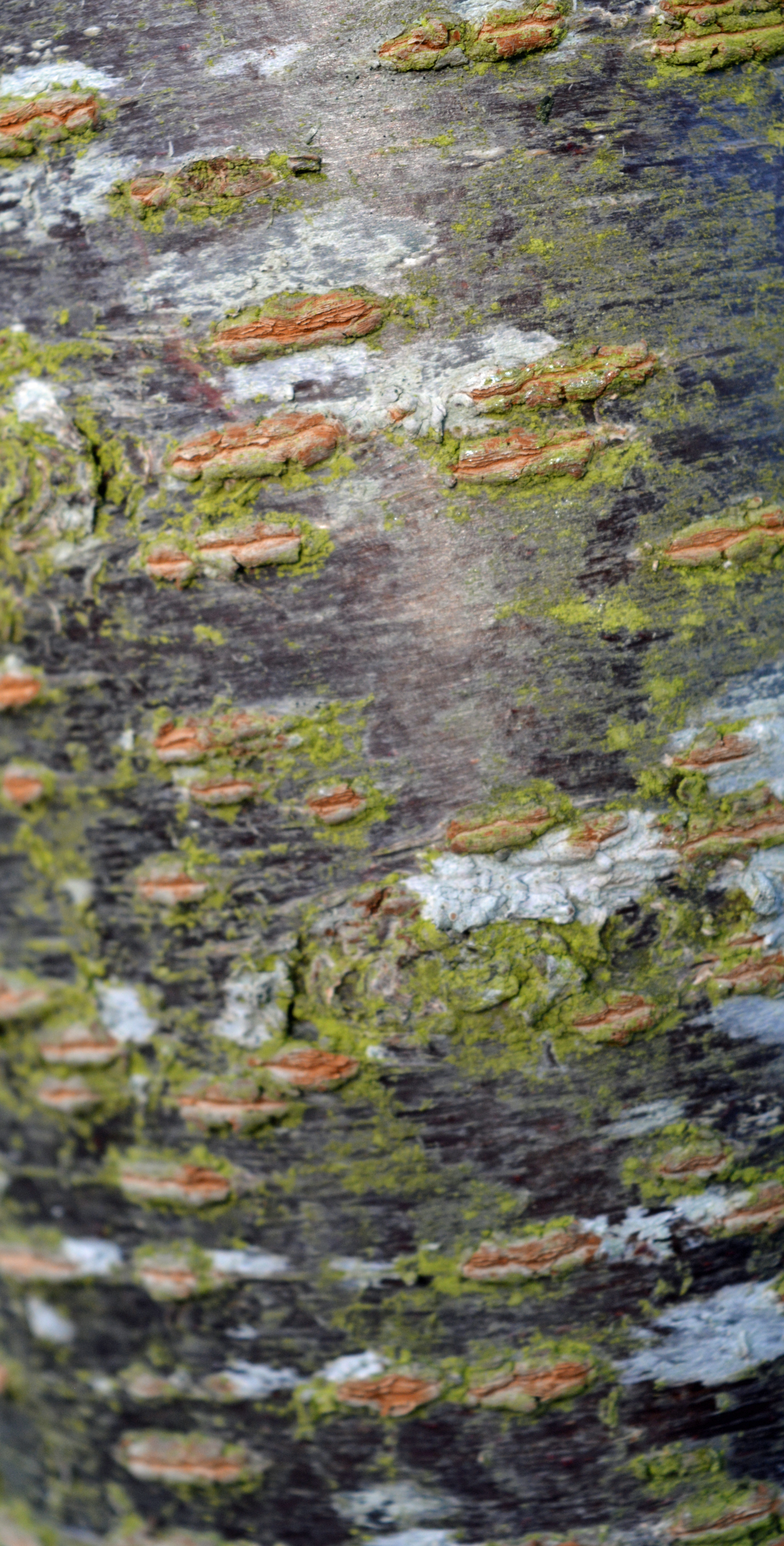
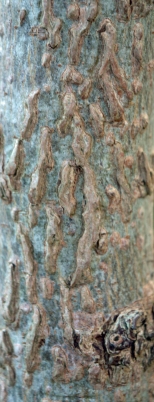
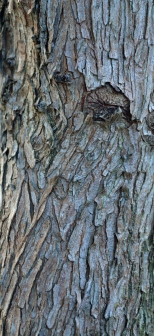
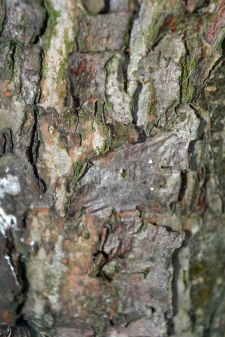
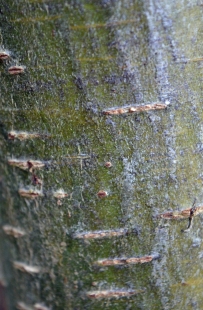
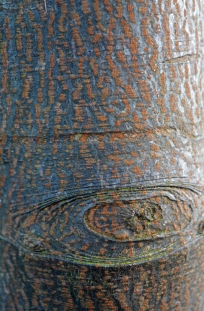
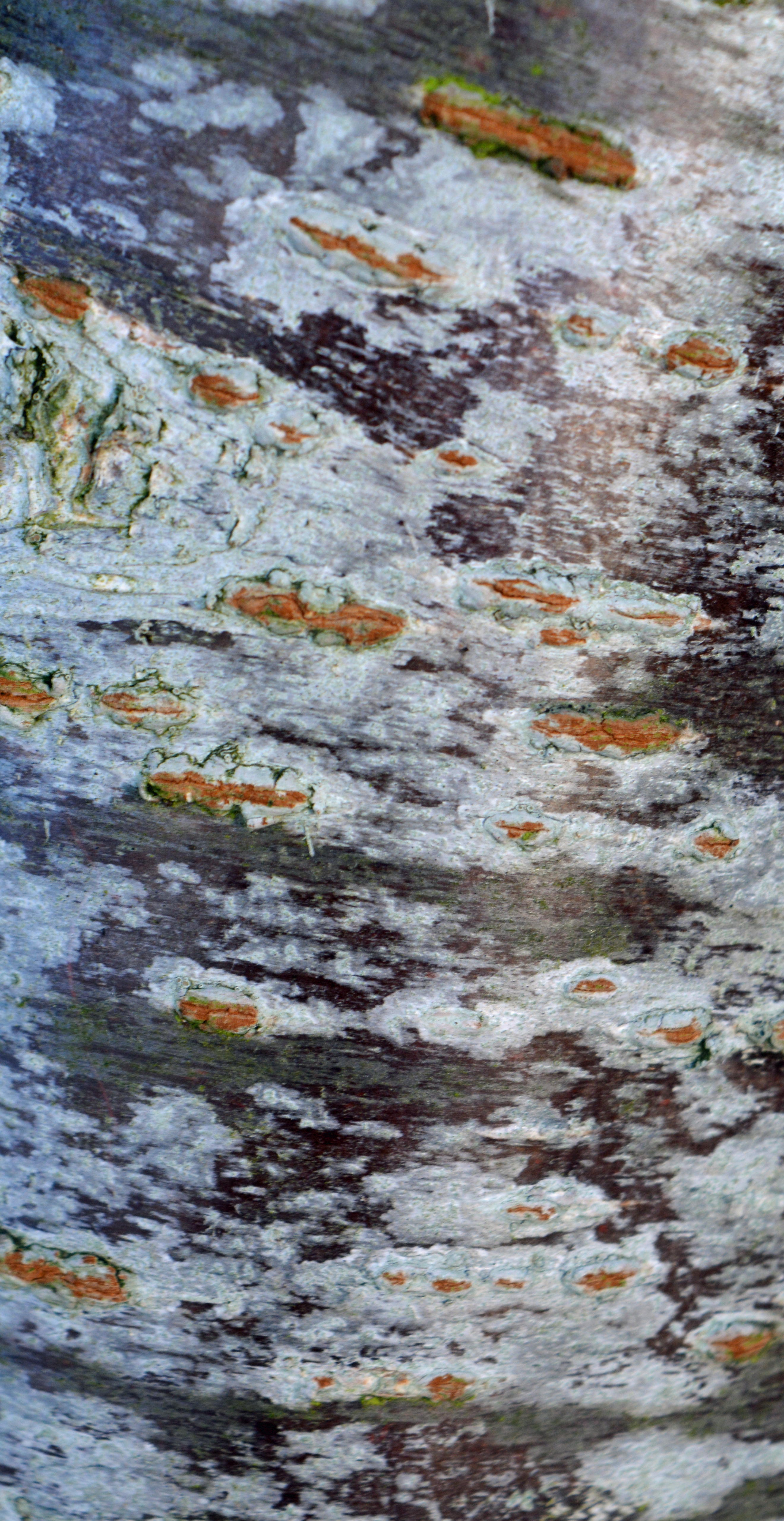
I wrote, “We are enjoying the varied texture and colour of the bark on our trees. The sun is at its lowest in the sky this month which emphasises the interesting aspects of bark.”

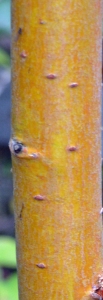
dj2-10 dj2-11 Prunus serruladj2-09 Betula albosinensis Septentronalisdj2-17 dj2-25 dj2-32 Three Salix
Salix trifolia “Blue Streak”, Salix erythroflexuosa, Salix alba “Brizensis” (our own selection we call “Wendy’s Orange”)
I can now share some close up shots of the bark detail of some of our trees.

dj2-21 dj2-02 dj2-05

Oullins Gage                               Liquidamber                  Damson

dj2-03 dj2-23 dj2-18

Strawberry Tree         Morello Cherry                    Cornelian Cherry

dj2-01 dj2-06 dj2-22

Crataegus i. splendens             Quince Vranja                           Prunus Sub. autumnalis

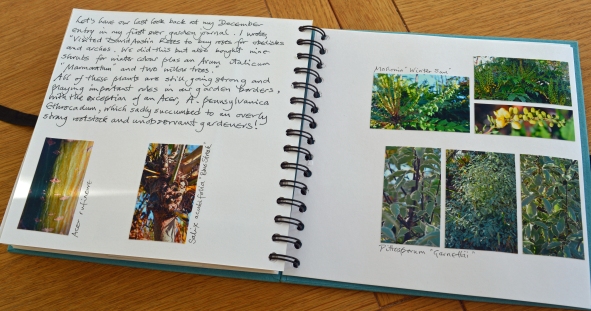
I then took a look back at my December entries of my first ever garden journal and found the words, “Let’s have our look back at my December entry in my first ever garden journal. I wrote, “Visited David Austin Roses nursery to buy roses for obelisks and arches. We did this but also bought nine shrubs for winter colour plus an Arum italicum “Marmoratum” and two willow trees.” All of these plants are still going strong and playing important roles in our garden borders, with the exception of an acer, Acer pennsylvanica Ethrocadum, which sadly succumbed to “an overly strong rootstock and unobservant gardeners!”

nj9-14dj2-1

Two other plants from our original batch of plantings back at the beginnings of the Avocet patch are looking particularly good now and are strong performers.

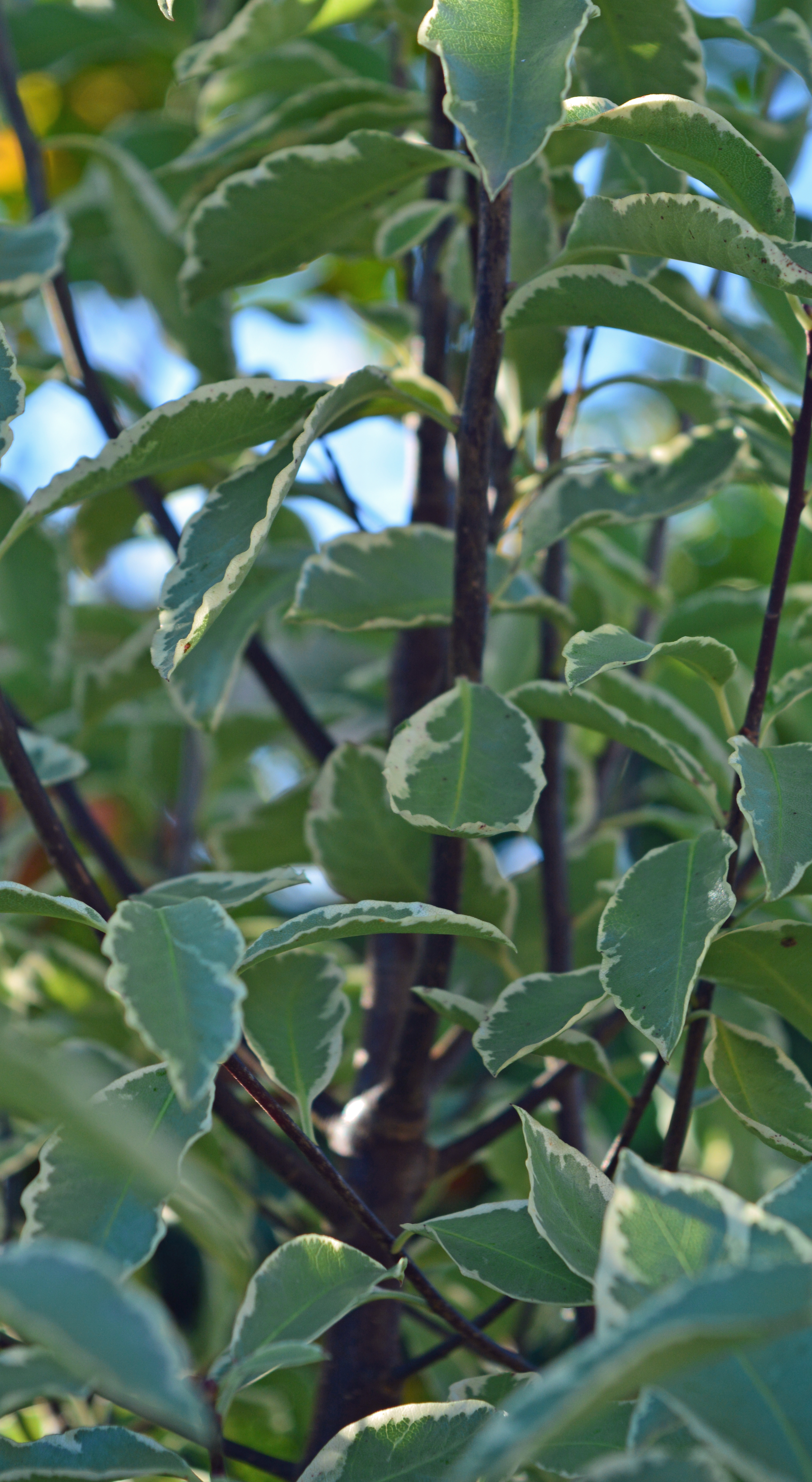
Mahonia “Winter Sun”,

dj3-5 dj3-4dj3-6

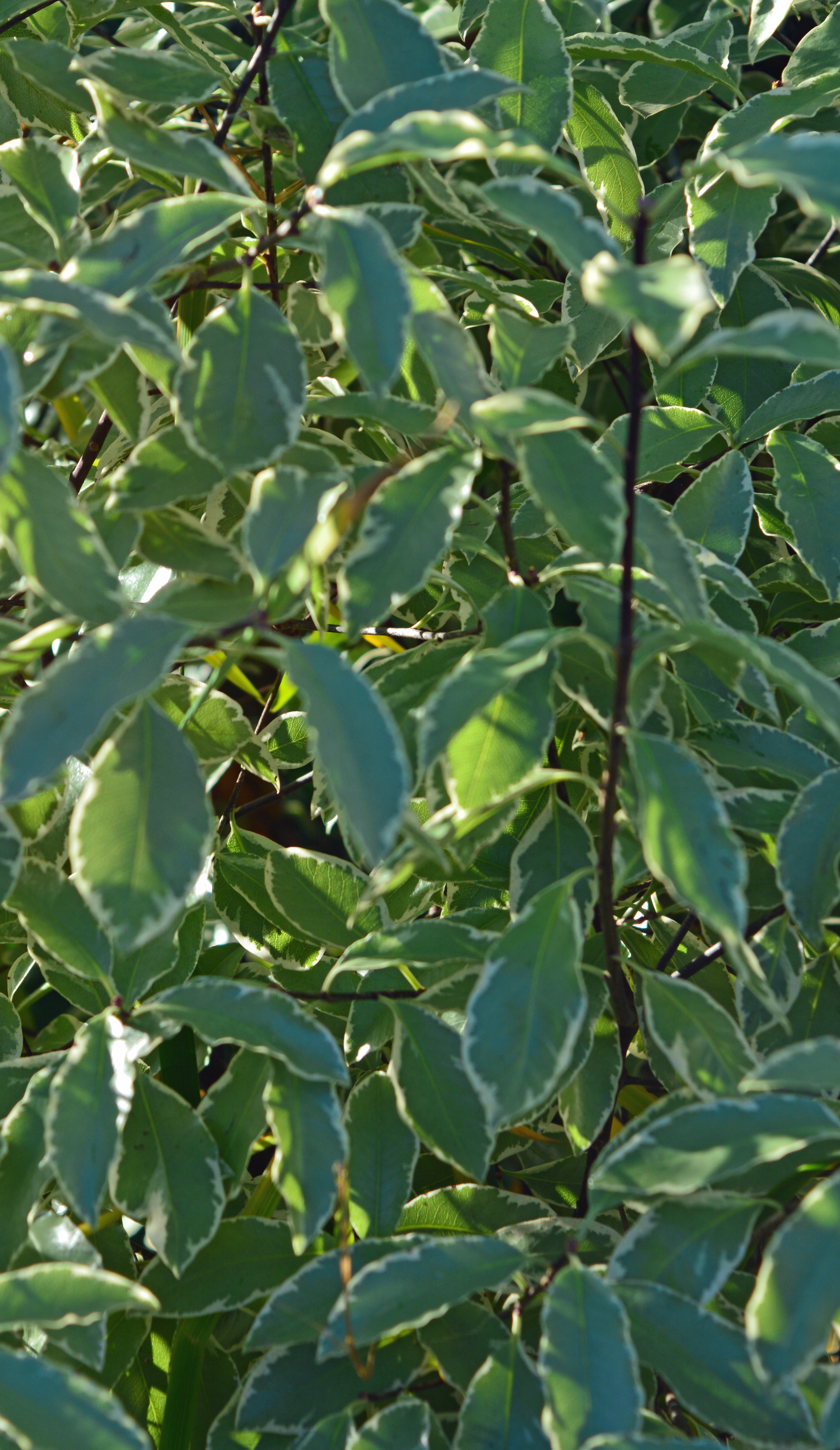
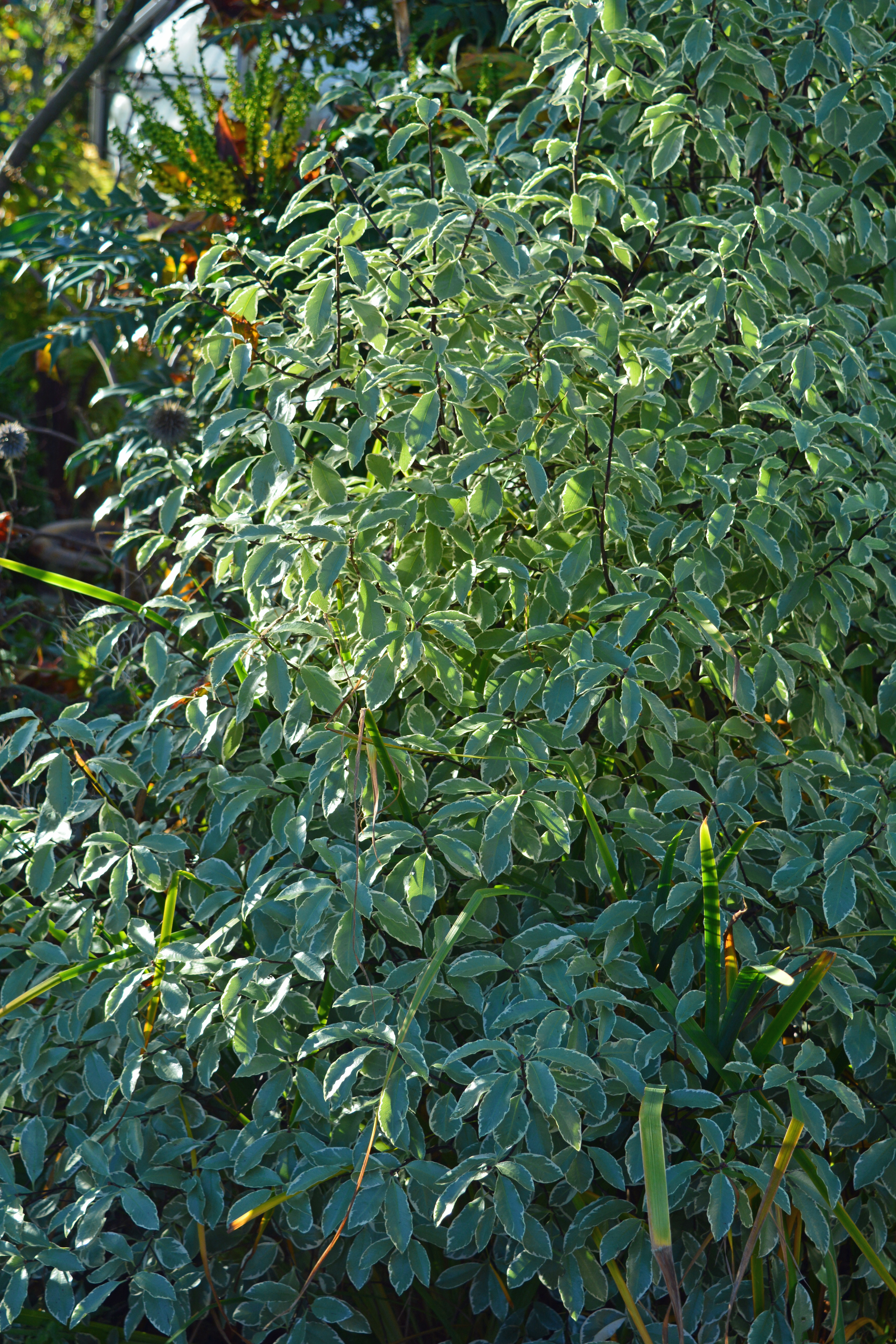
and Pittosporum “Garnettii”

dj3-1 dj3-2 dj3-3

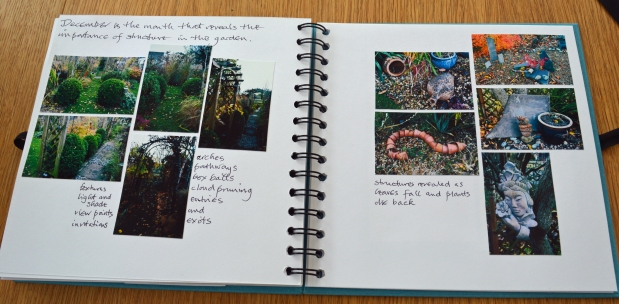
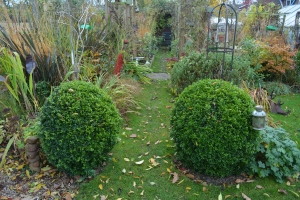
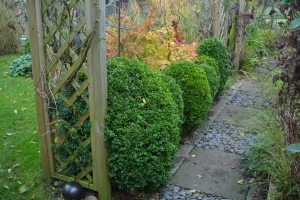
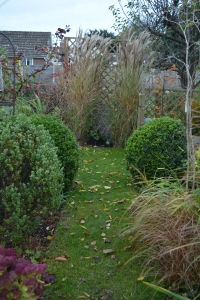
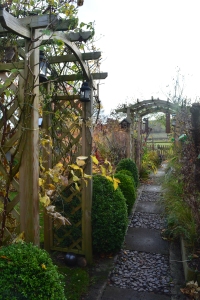
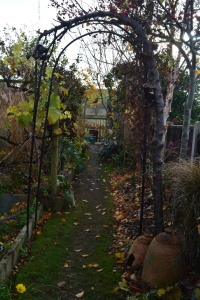
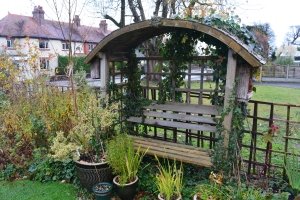
Over the next page we find my look at winter structure, where I wrote “December is the month that reveals the importance of structure in the garden. Teextures, light and shade, view points, invitation, archways, pathways, box balls, cloud pruning, entries and exits.”

te-01tex-02 tex-01tex-04 te-19 te-18t-2

I then included a set of five photos illustrating, as I wrote, “structures revealed as leaves fall and plants die back.”

te-13 te-15 te-12 te-16te-17 tex-03

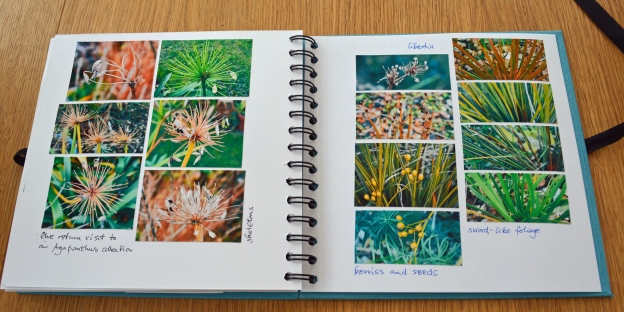
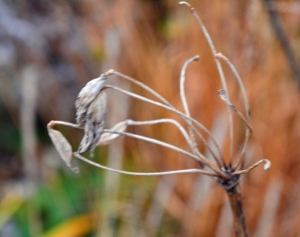
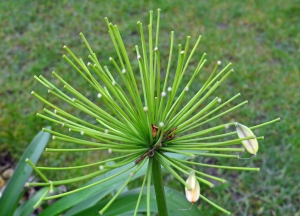
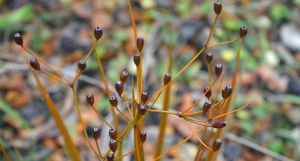
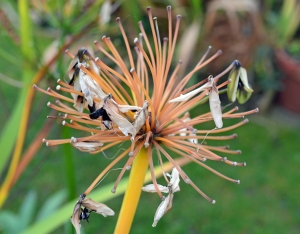
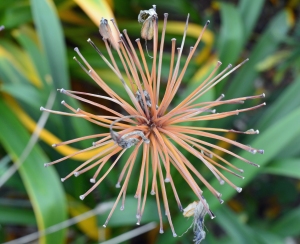
We have taken a close look at our Agapanthus collection on occasion over the last few months in my journal and promised a final look in December, so here is “the return visit to our Agapanthus collection” which I have linked with a page of photos of our collection of Libertias sharing my pics of their “berries and seeds” and their “sword-like foliage.”

te-02te-11 te-06te-09 te-07te-10 te-03

Libertias ………………………

tex-14 tex-05tex-06 tex-07 tex-10 tex-08

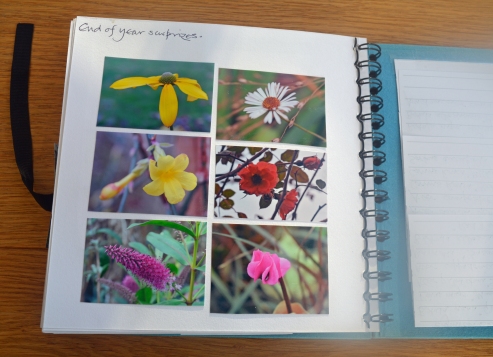
December is the month guaranteed to surprise! End of year surprises! Winter months do have a tendacy to throw up their special surprises, those flowers that pop up out of season to cheer us up with their colour that sparkles in the greyness of the depth of the season.

jd1-25jd-08 jd-13jd-11 jd-12tt-1 jd-10

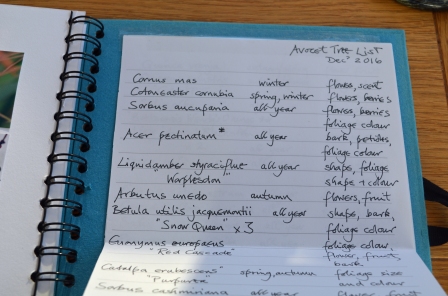
Inside the back cover of my now completely full garden journal, I have glued my tree list that readers can pull out to study if they wish.


jd1-27

In the tree list I wandered around the garden from front to back recording all the hardwood plants classified as trees rather than shrubs, making allowances for our particular methods of pruning some shrubs into small trees. I recorded their seasons of interest and their main points of interest or reasons for growing them in our garden.

jd1-28

The Avocet Tree List gave us a bit of an extra December surprise for when we added up the tree list to see how many trees we have planted here in our beautiful patch of land which is our garden at Avocet. The count revealed that we have planted exactly 50 trees during the last 13 years. That is a lot of tree for a quarter acre but every one is so special to us, like a big expanded woody family.

So that is my 2016 Garden Journal. I hope you have enjoyed sharing it with me. Next year I shall create another Garden Journal the format of which is still being worked on. I shall share it with you again.


Categories
colours garden design garden photography gardening gardens gardens open to the public hardy perennials ornamental trees and shrubs Shropshire Staffordshire trees Winter Gardening winter gardens

The Dorothy Clive Garden in December

So here we are with the final installment in my series of posts where we report on our monthly visits to the wonderful gardens on the Staffordshire and Shropshire border, the Dorothy Clive Garden. We have really enjoyed our monthly visits and every time has been so different with different things to stimulate all the senses.

It has been a most enjoyable series of visits. Next year we will be looking at a very different place in our monthly visit series.

dcd2-29dcd-08dcd-02

As we have come to expect, the table decorations reflected the season, as we enjoyed a coffee and cake to launch our final visit for 2016. The borders up against the tea shop wall looked so bare now after them recently being full of the brightest colours possible provided by Nerines. But within a few yards of leaving the tea shop we discovered colour in flowers and buds giving promises of things to come.

dcd2-01 dcd2-02 dcd2-03 dcd2-04dcd2-08 dcd2-39

The new Winter Garden has now really come into its own and will continue to impress for a few months to come.

dcd2-15 dcd2-16dcd2-19 dcd2-20 dcd2-19dcd2-17 dcd2-21 dcd2-22 dcd2-23 dcd2-24 dcd2-25 dcd2-26 dcd2-27 dcd2-28  dcd2-30 dcd2-31 dcd2-40Structure comes into its own in any good garden at this time of the year and we found that the DC garden was no different. At home we love our cloud pruned box hedges and box balls and in winter of course they come to the fore so we were so pleased to see similar styles of hedge cutting going on on a much larger scale at the Dorothy Clive.

This rolling bundle of box bushes tumble like acrobats along the hedgerow and by partnering up with two mature trees they frame the countryside beyond. Great fun! The next three group around the bottom of a tree like three young triplets cuddling up to their mother. In the third pic the box balls invite the visitor to pass between them to discover more garden beyond.

dcd-09 dcd-21dcd-20

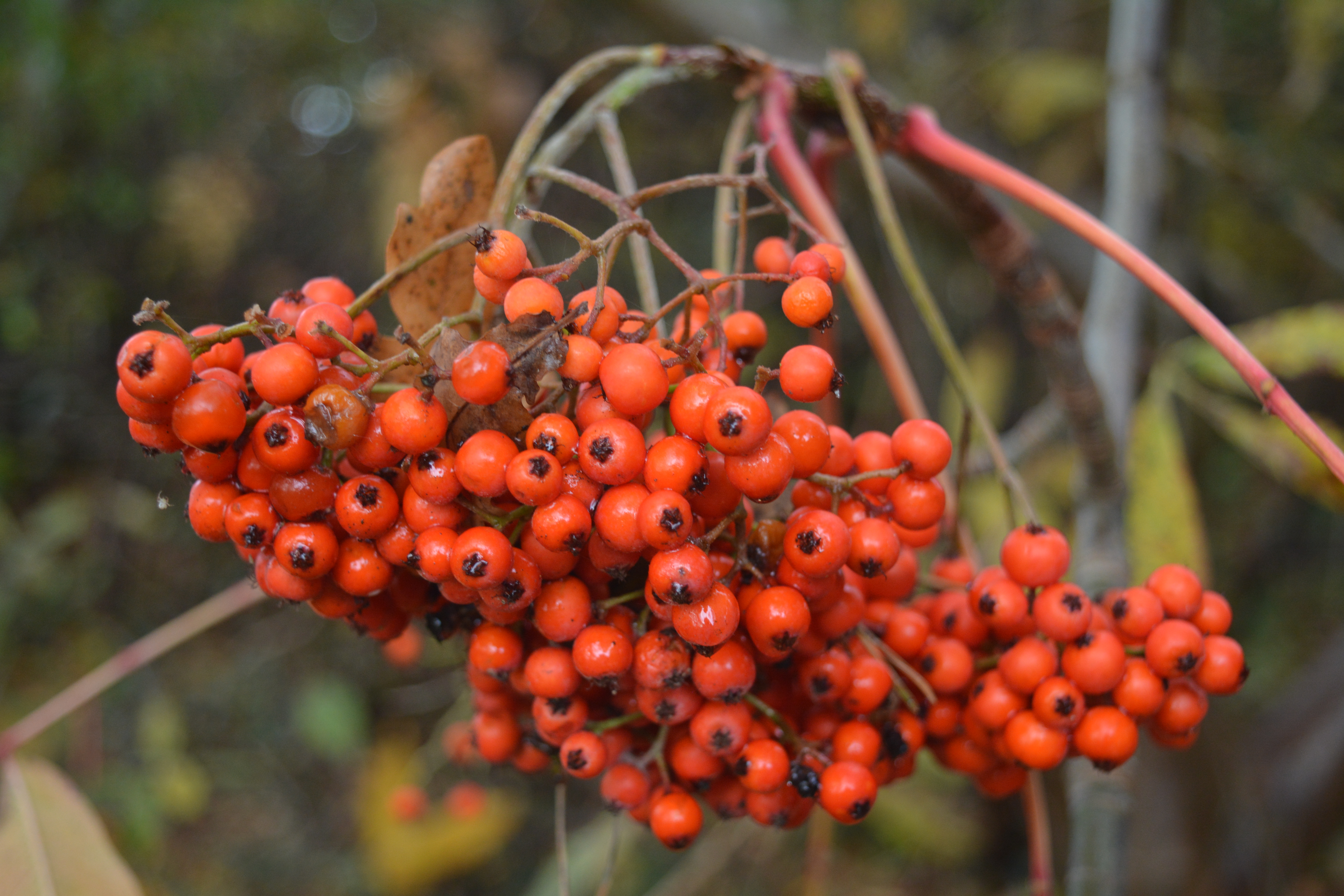
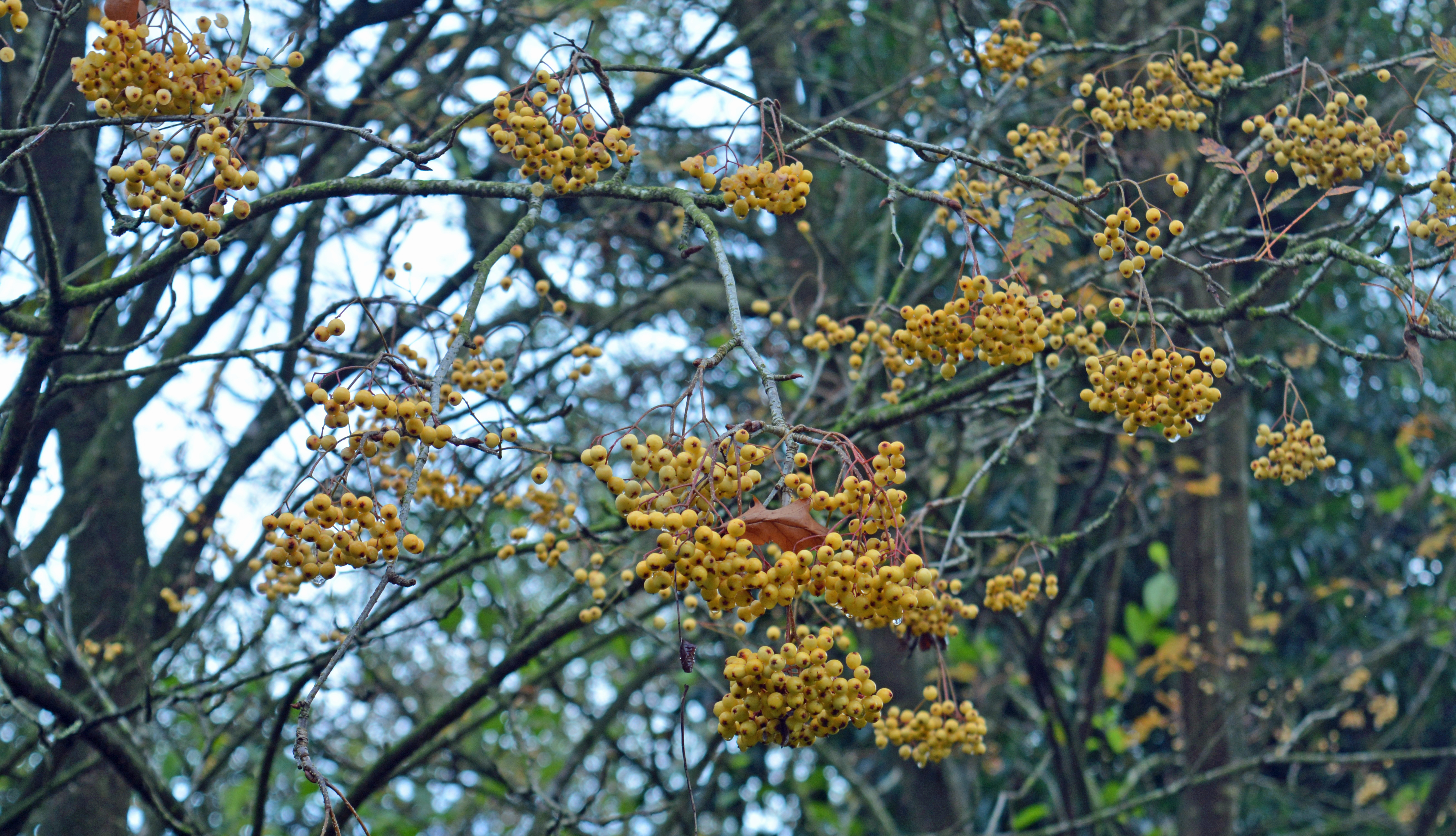
Berries on trees and shrubs will hang on well into the winter depending how poor the weather becomes and how deeply winter sets in both here and on the continent. If weather as far away as Siberia becomes too inclement for the indigenous thrushes, starlings and blackcaps they migrate to our shores forming raiding parties upon arrival spreading countrywide consuming the fruits, seeds and berries in the countryside and increasingly our gardens. Some colours also last longer as birds are a selective lot when they have the choice, red first, oranges next then yellow and finally white and translucent.

dcd-01 dcd-23 dcd-03 dcd-04 dcd-05 dcd-22

The colours, textures and patterns found on the bark of trees as well as the stems of shrubs take centre stage at this time of year and are lit up by any late year sunshine.

dcd-06 dcd-07 dcd-14

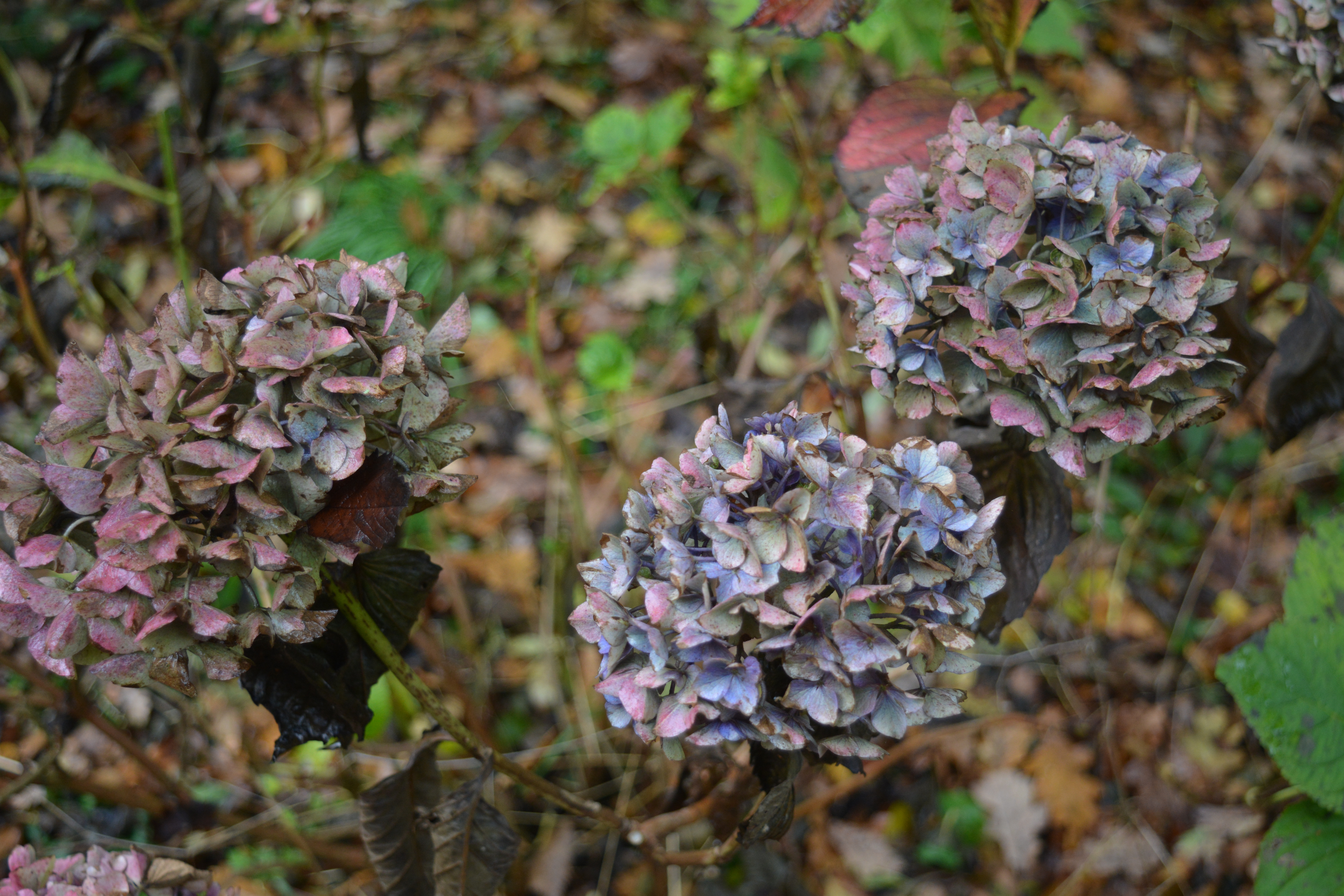
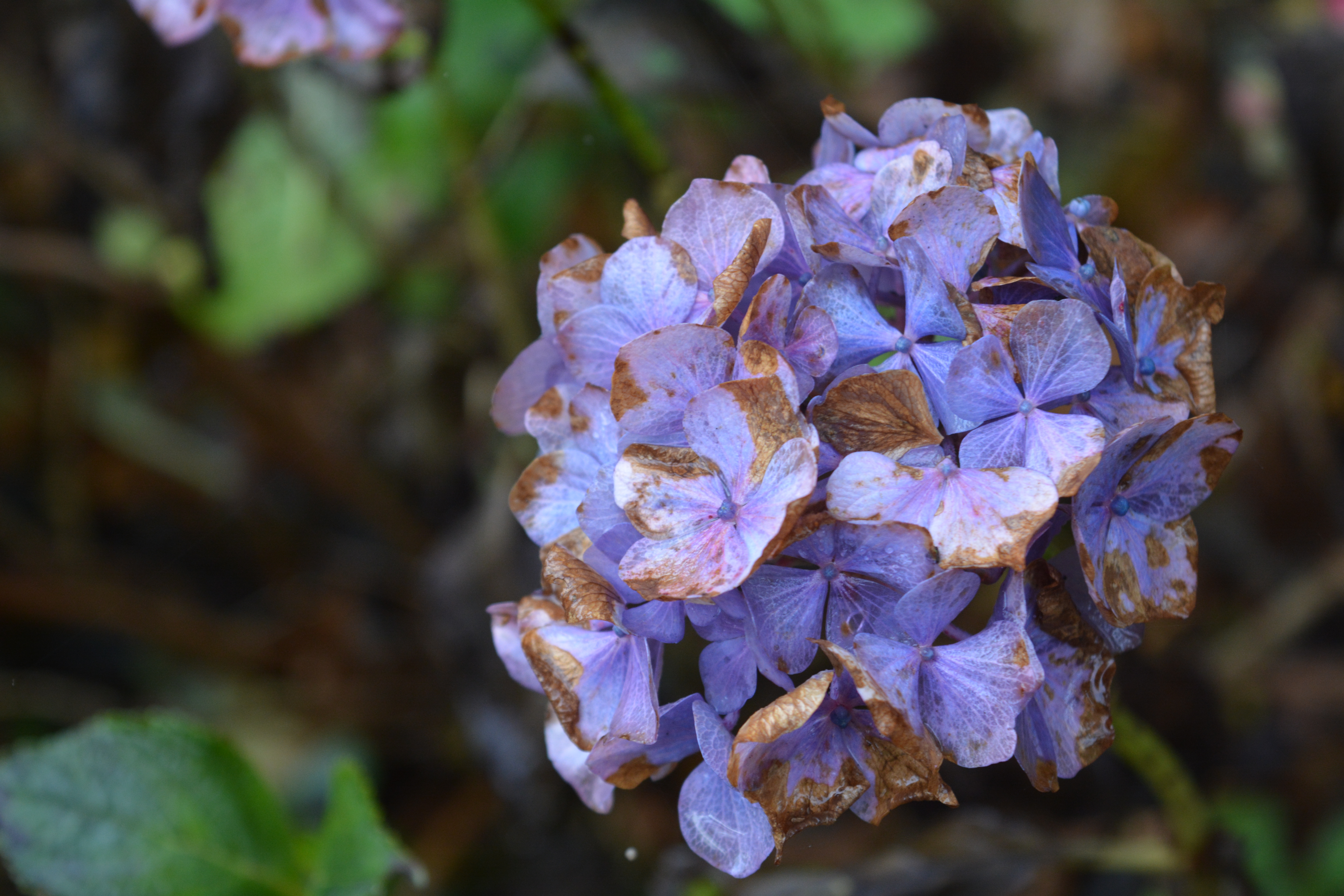
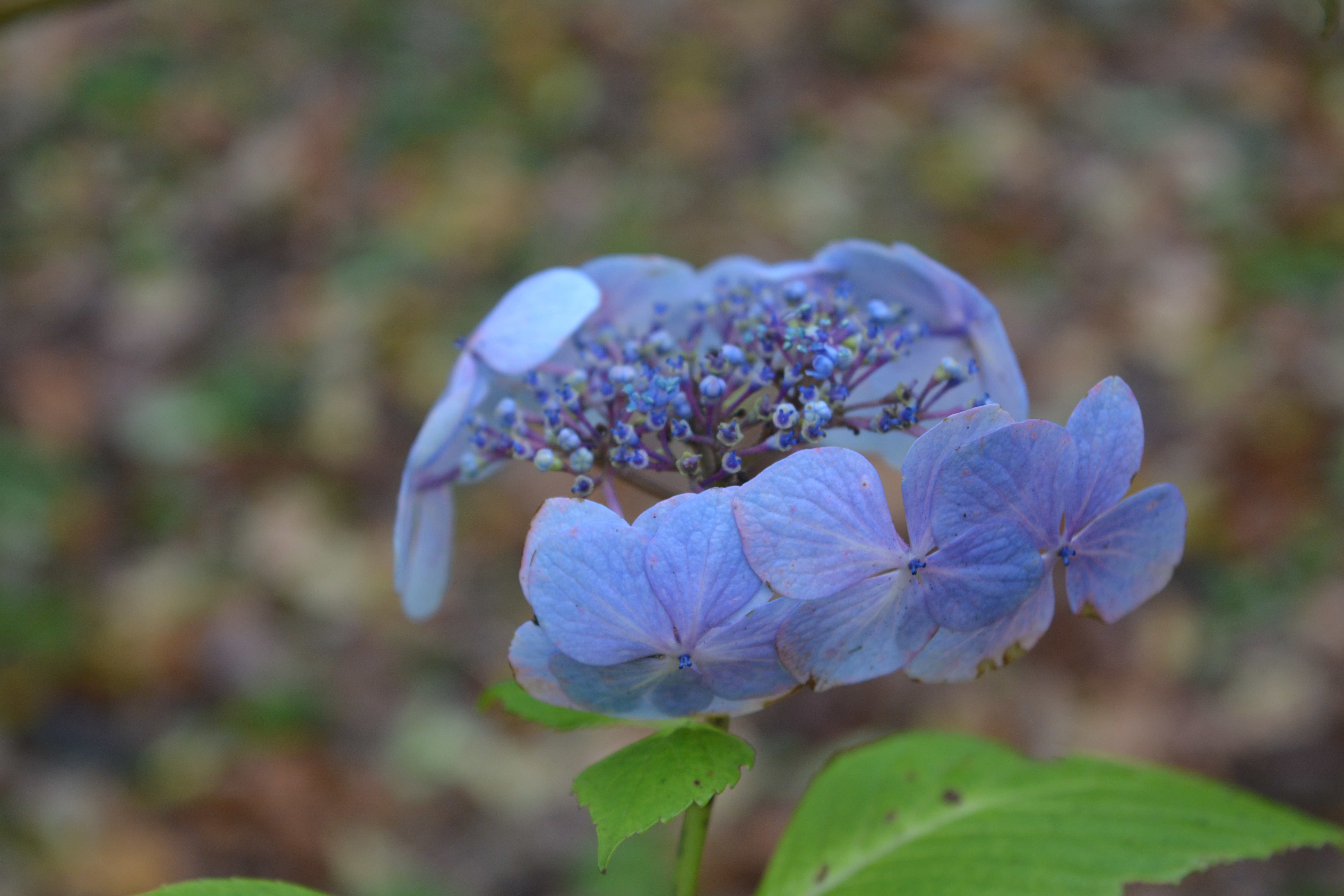
We associate dried flowers with indoor arrangements in the winter but there are plenty of interesting versions to be found outside, especially if you can find some Hydrangeas like the many at the Dorothy Clive Gardens. The colours are those of faded tapestries.

dcd-10 dcd-11 dcd-12 dcd-13  dcd-15 dcd-16

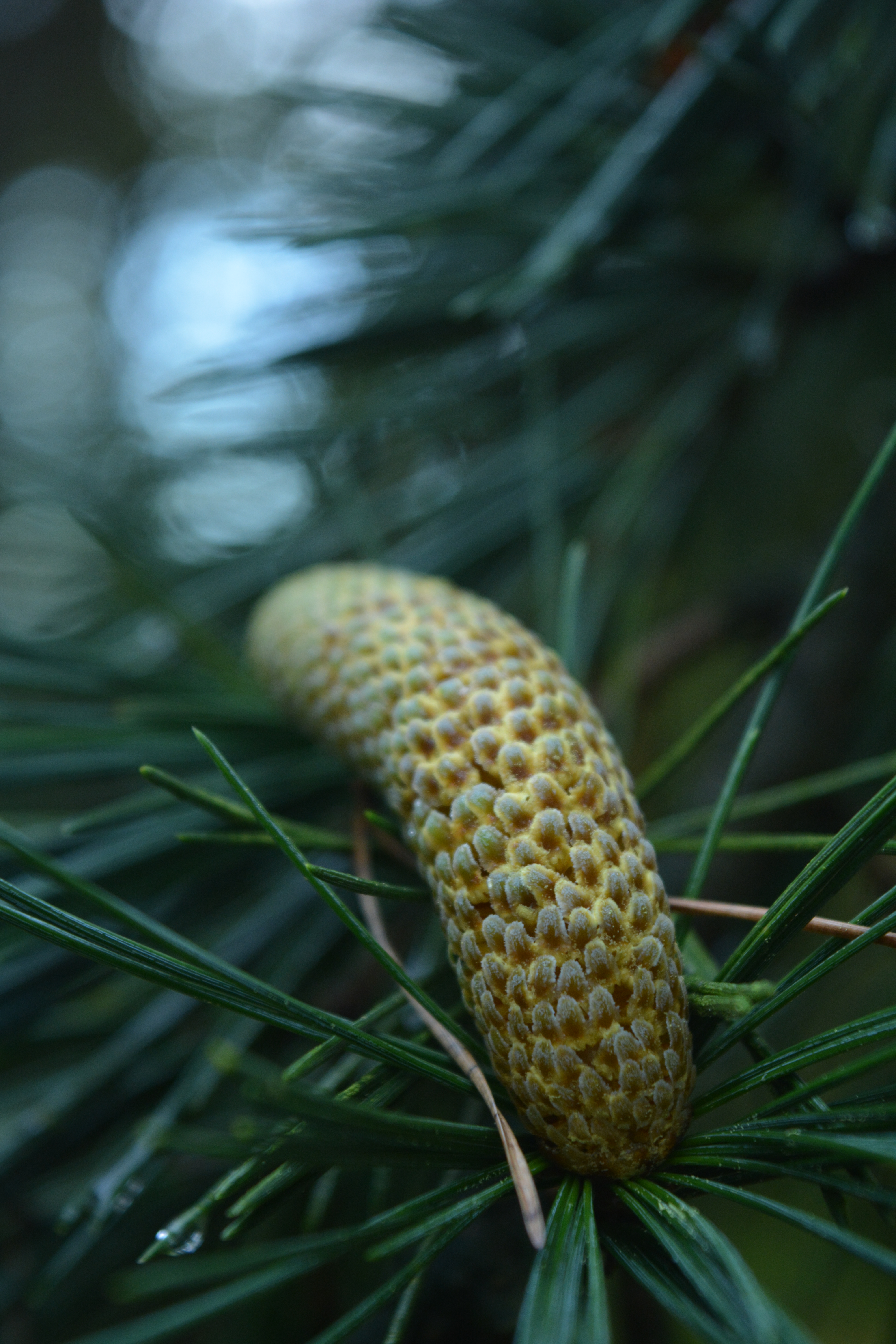
Although not great fans of coniferous trees we can appreciate them more in December when their heavy skeletal frameworks show well. Cones and the last of the flowers hang on their solid branches.

dcd-24 dcd-25

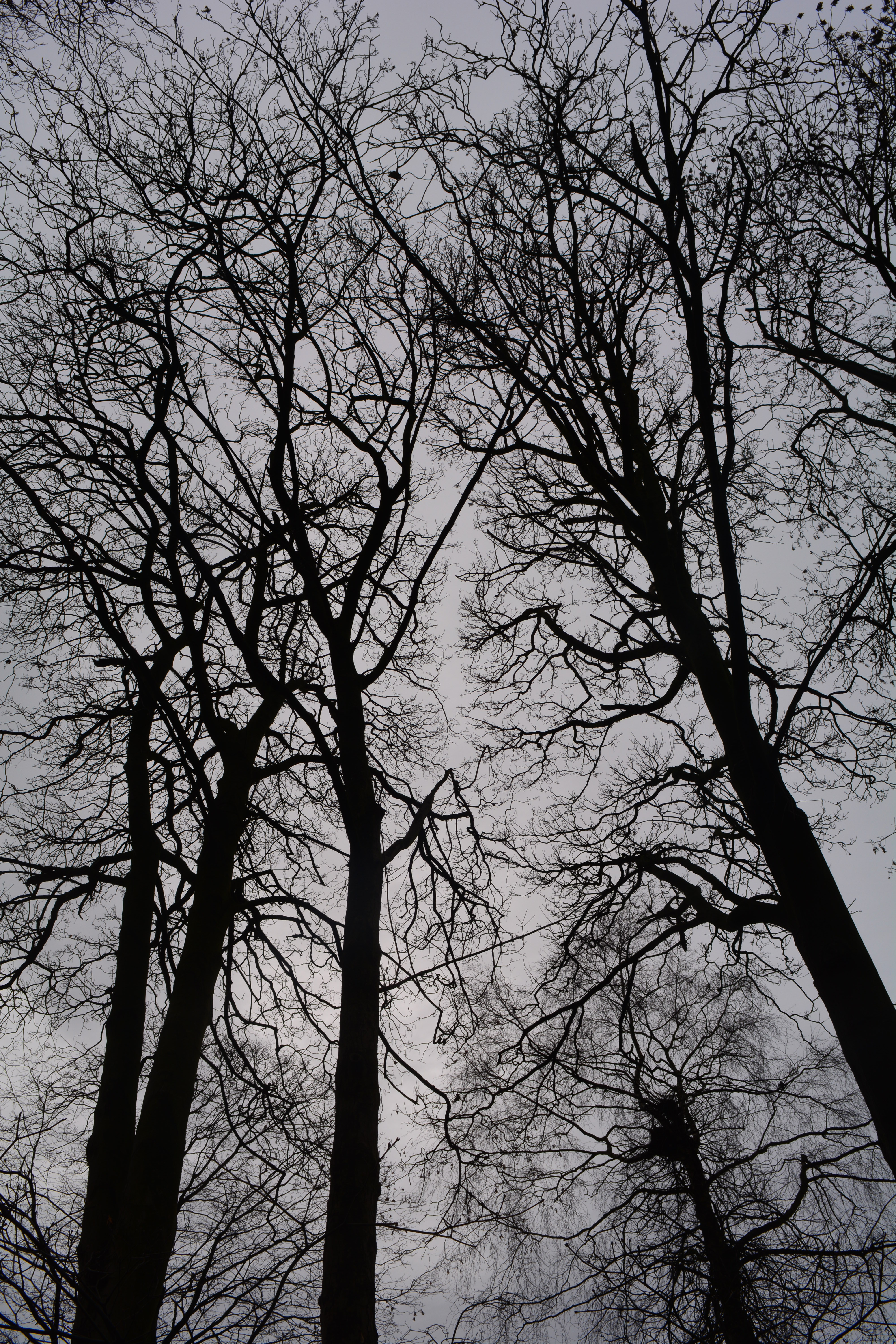
We do however greatly appreciate the silhouettes of tall skeletal networks of deciduous trees.

dcd2-14  dcd2-13

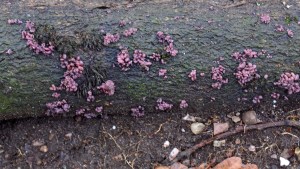
We were surprised by how many different fungi we spotted as we wandered as we would normally see them in the autumn. They provided bright tiny patches of colour on old logs placed as border edges.

dcd2-11 dcd2-33

So there we have it, a year’s worth of visits to this lovely garden on the border of Shropshire and Staffordshire, one of our favourites and lucky for us within an hour’s drive so very easy to visit. I hope you have enjoyed the Dorothy Clive Gardens and my attempts at recording its seasonal beauty through the lens of my camera.


Categories
flowering bulbs garden photography grasses ornamental grasses roses Winter Gardening winter gardens

12 Christmas Garden Delights

As a Christmas greeting to everyone I thought I would go out into the garden here at Avocet and take 12 photos that depict the delights of our patch on Christmas Day.

A dozen December delights!

xm-15 Out of season – Rosa Raspberry Royal.

xm-10 Cyclamen coum

xm-04 Sarcococca confusa

xm-03 Euphorbia wulfennii

xm-05 Hebe Great Orme

xm-09 Jasminum nudiflorum

xm-06 Cornus Midwinter Fire

xm-08 Carex elata aurea

xm-14 Winter Cyclamen

xm-12 Betula albosinensis Septentronalis.

xm-16 Physalis alkekengi (Chinese Lantern).

xm-17 One of our many ferns, Arachnoides aristata.

We have had a great year in our Avocet Garden with so much to enjoy, so many visitors to share our patch with and plenty of wildlife to share it too!

Categories
colours garden photography gardening ornamental trees and shrubs photography Piet Oudolf Shropshire shrubs Winter Gardening winter gardens

Simply Beautiful – 4 – ugly name beautiful flower

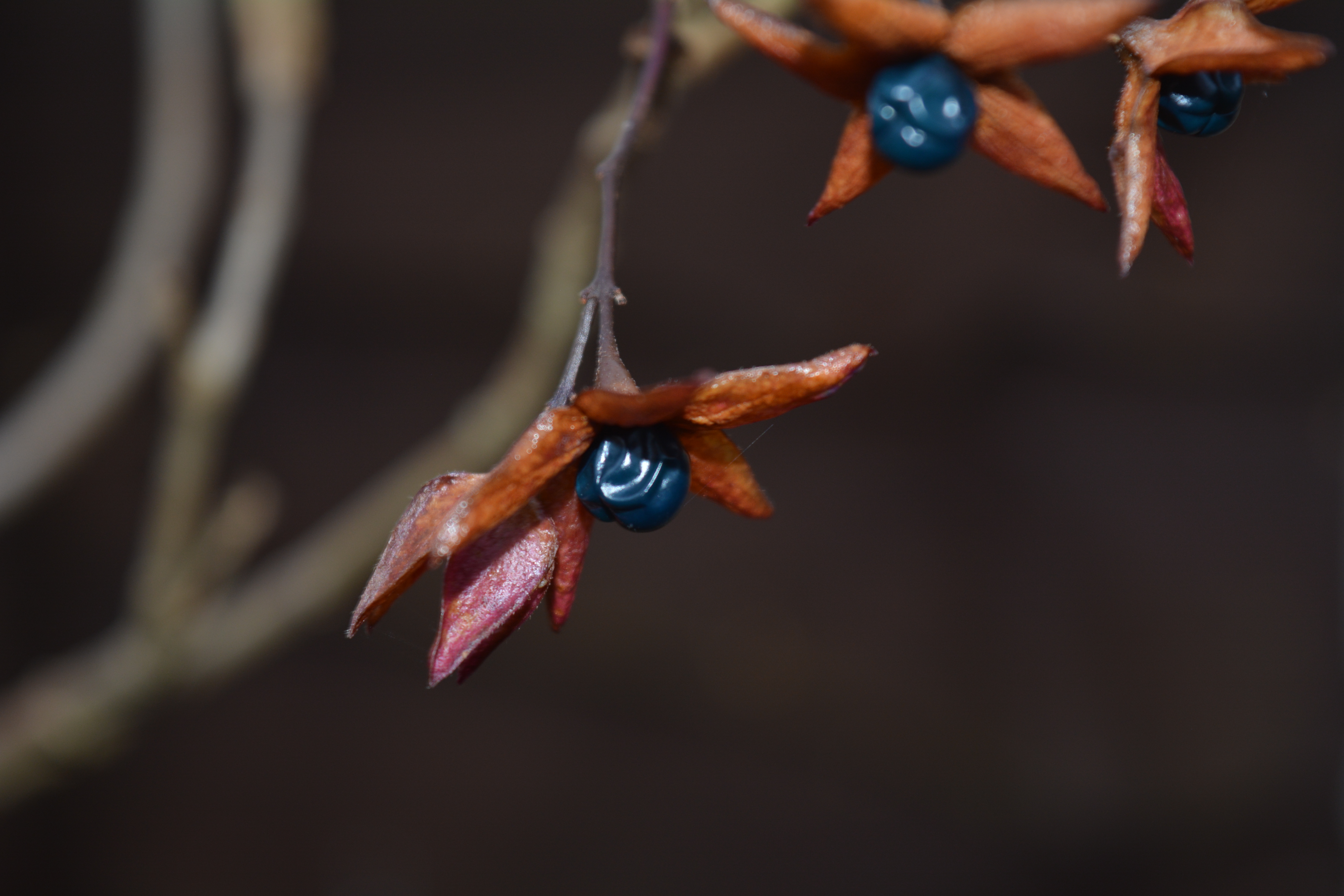
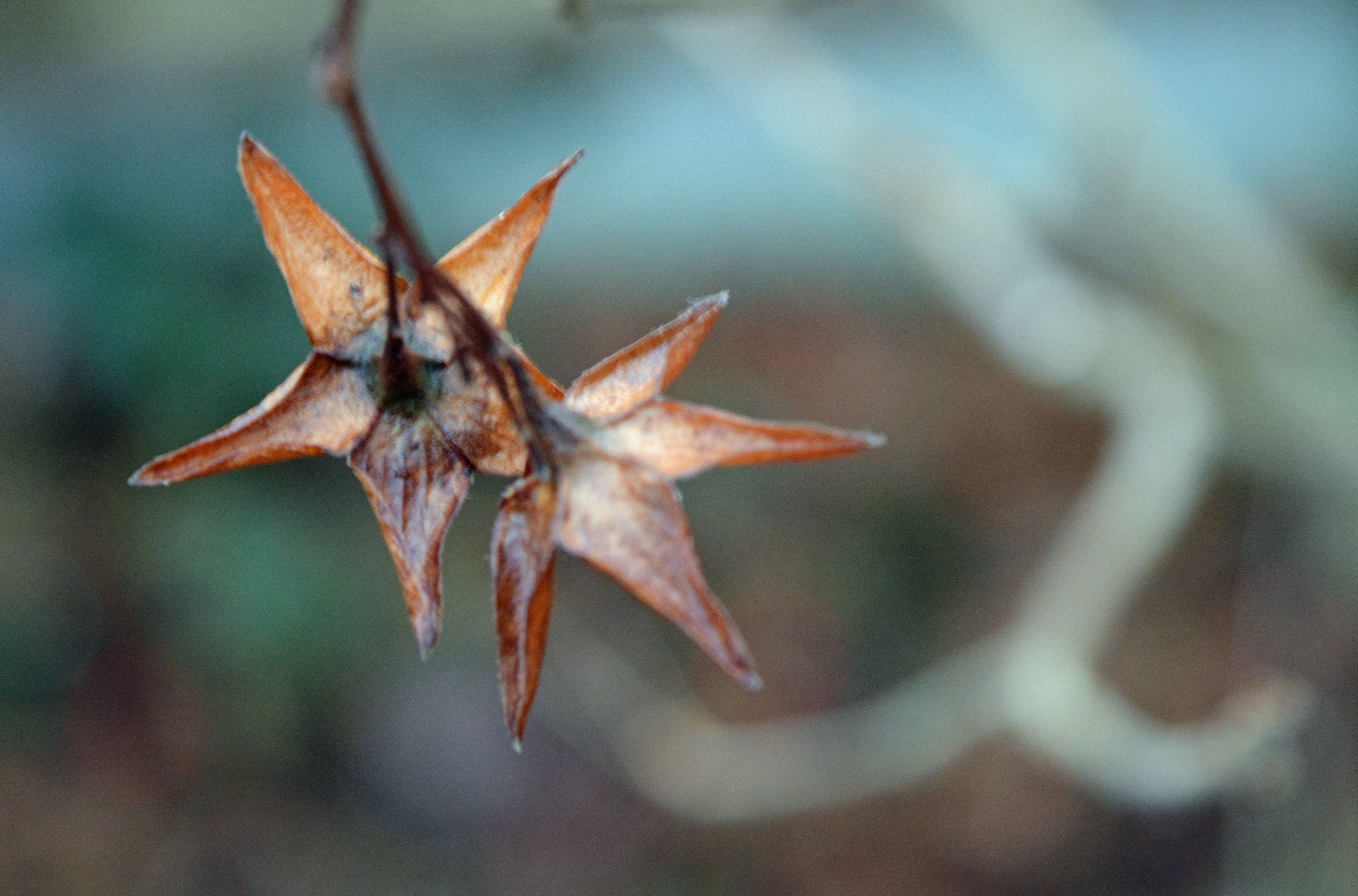
Late in the year little surprises appear in the garden to stop you in your tracks. These are often out of season flowerings but beauty can also be found in the way plants gracefully fade away at the year’s end. Piet Oudolf reckons that to be a good garden worthy plant, a plant must die beautifully. When you visit any of the gardens designed by him in the winter you can identify with his idea and he is excellent at using such plants.

These little sparkling garden gems were  brightly coloured a few weeks back with cerise and metallic blue colouring but they remain beautiful in their new winter colours. It is the shrub called Clerodendrum trichotomum var. fargesii. Ugly name but beautiful plant!

sb-1 sb-2 sb-3

Categories
flowering bulbs garden design garden photography gardening gardens gardens open to the public hardy perennials ornamental trees and shrubs outdoor sculpture sculpture shrubs spring bulbs Staffordshire trees Winter Gardening winter gardens woodland

The Dorothy Clive Garden in February

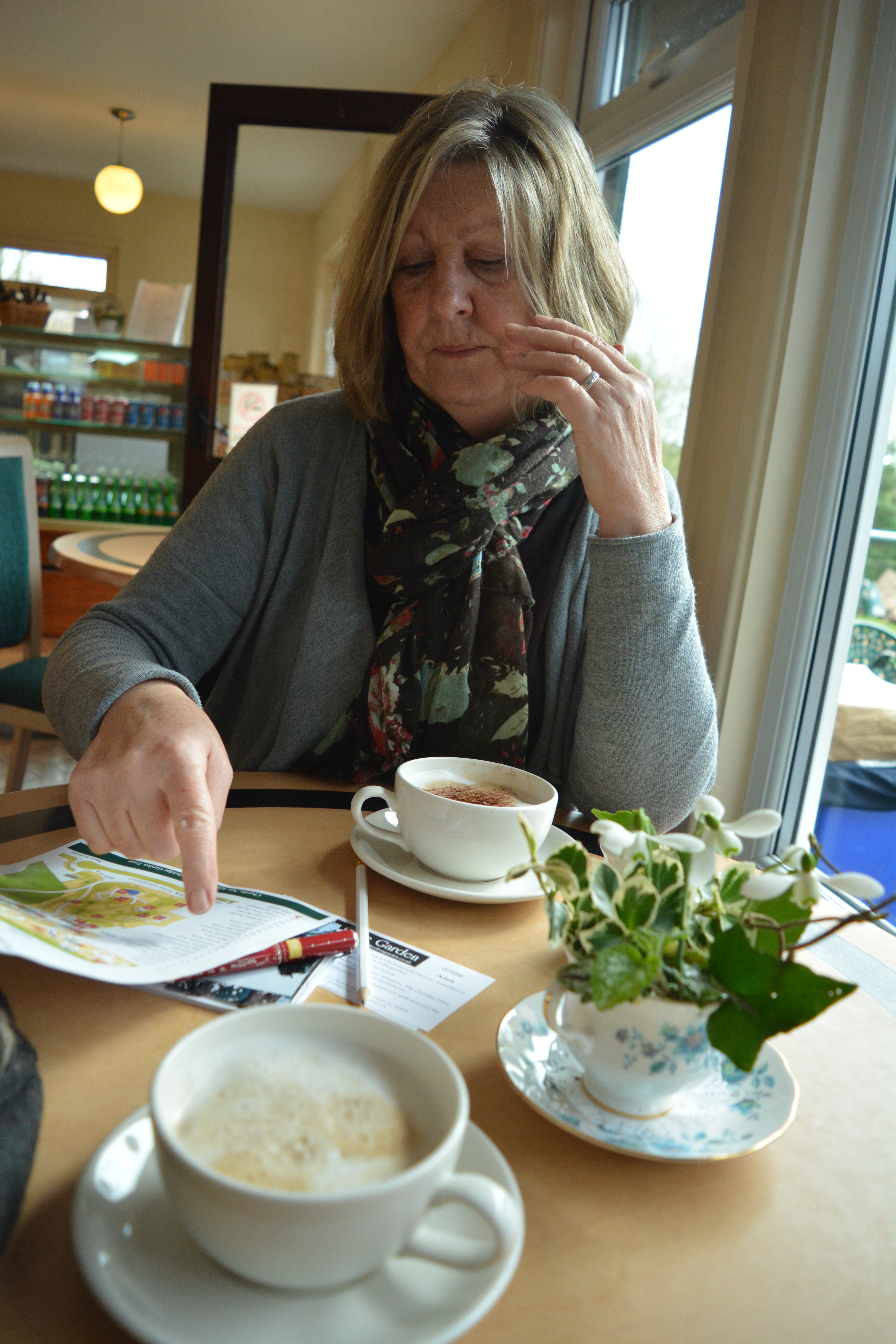
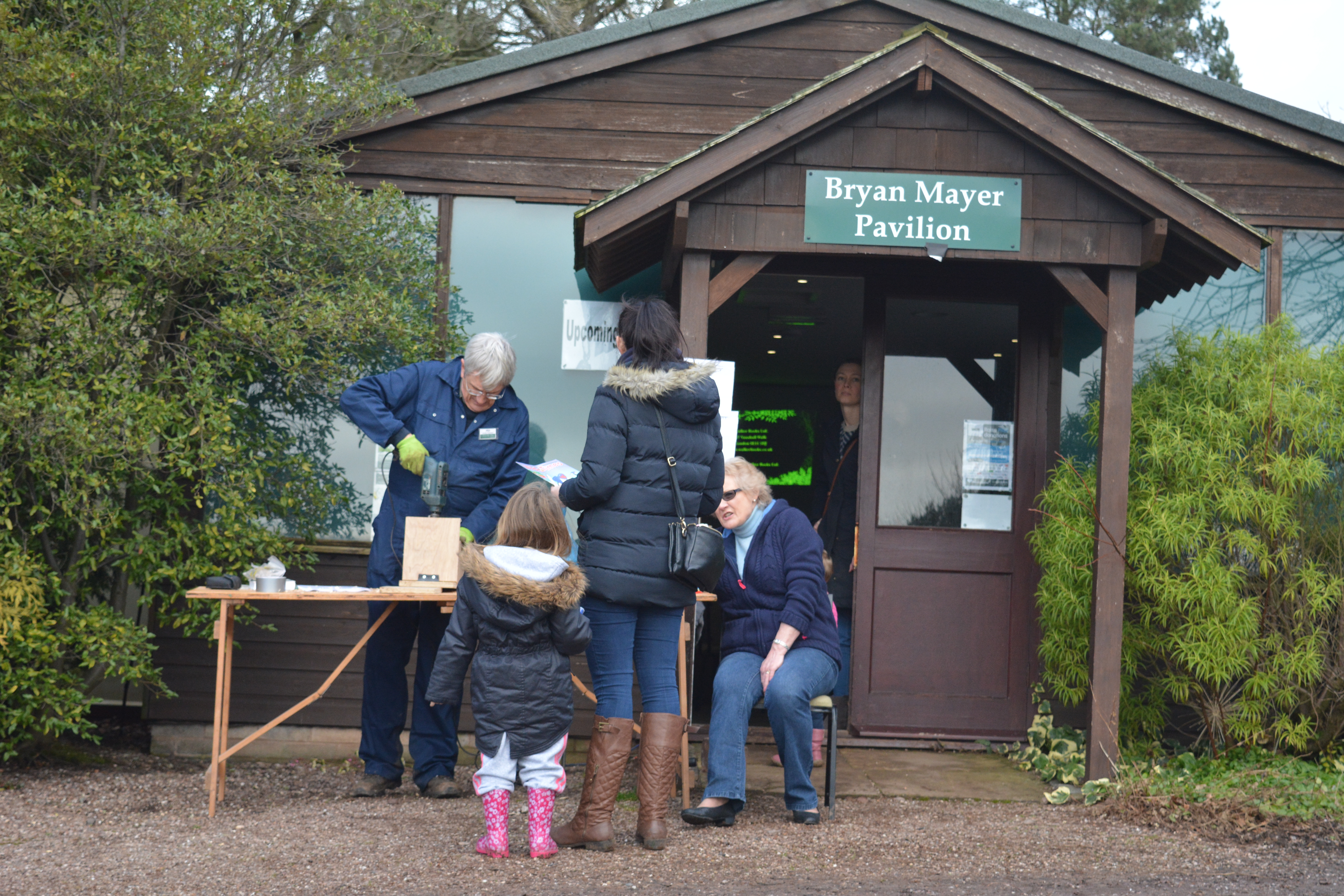
We returned to the Dorothy Clive Garden for our second visit of the year. In January we walked around the gardens with snow on the ground and we had to wrap up warm against the cold winds. For our February visit we left home with dark grey skies overhead and a slight drizzle in the air but the closer we got to the garden the better the weather became. Patches of blue sky appeared and the clouds turned ever paler. The temperature had reached 15 degrees Centigrade as we parked the car and made our way to the cafe for the obligatory coffee and cake essential for a successsful garden visit. Our visit was going to have an added dimension as there was an activity day for children all to do with wildlife and the natural world. The Royal Society for the Protection of Birds and the Wildlife Trust were there as well as a bird of prey group. Children were given the chance to make bird boxes, bird food cakes and to handle skulls of native mammals. There was also a quiz sheet and a trail for them to enjoy.

2016 02 21_8928 2016 02 21_8930

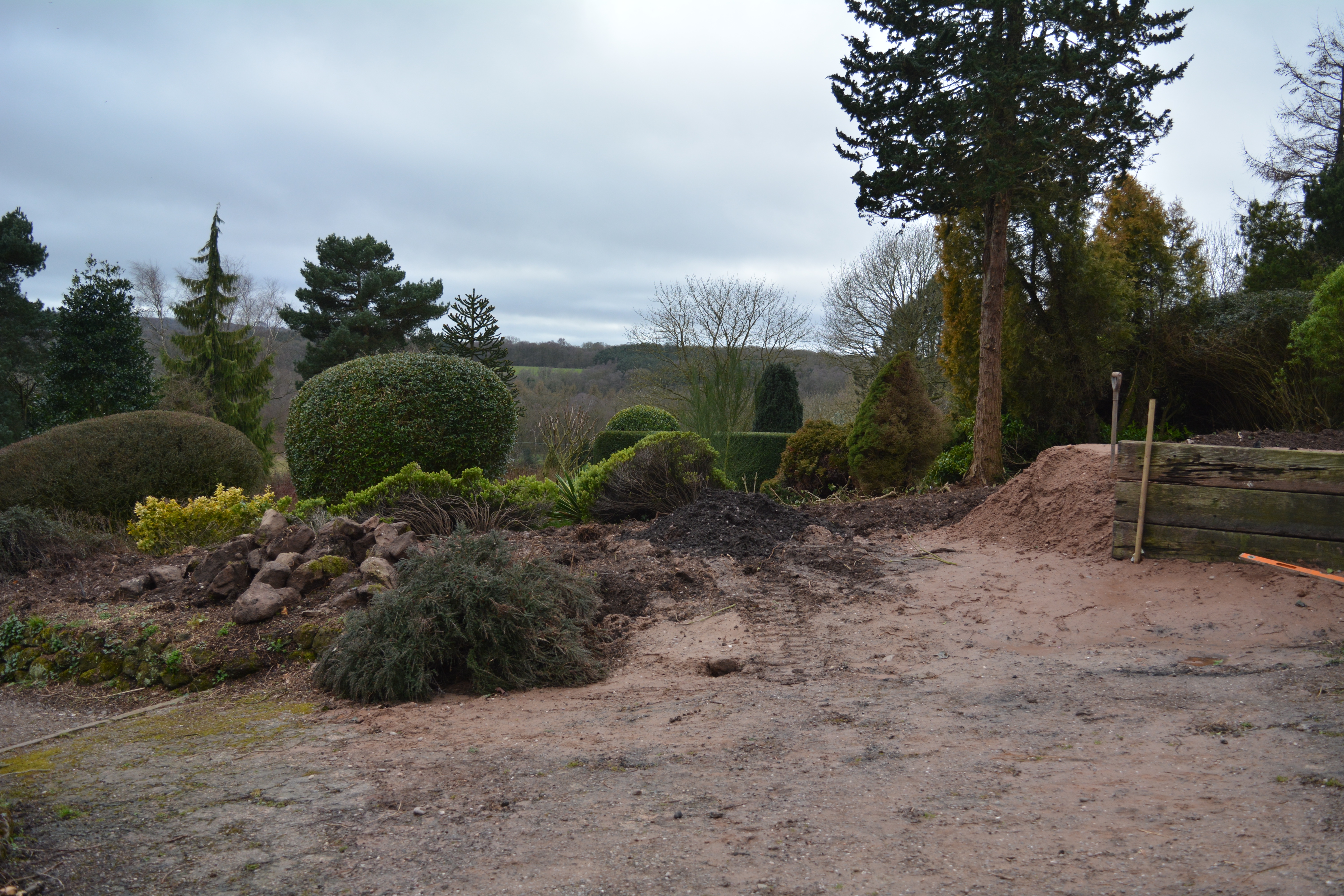
As we walked from the car park to the cafe the first photo I took was of a view that in January was simply snow with a few evergreen shrubs rising up. Around the next curve of the path we noticed that a new project was in hand (see right hand picture below). The area had been cleared of old untidy evergreens which were well past their best. The area has already been leveled and large blocks of local sandstone await close by. We look forward to watching this develop over the coming months. The plant sales table looked much better without its covering of snow.

2016 02 21_8931 2016 02 21_8932 2016 02 21_8933 2016 02 21_8934

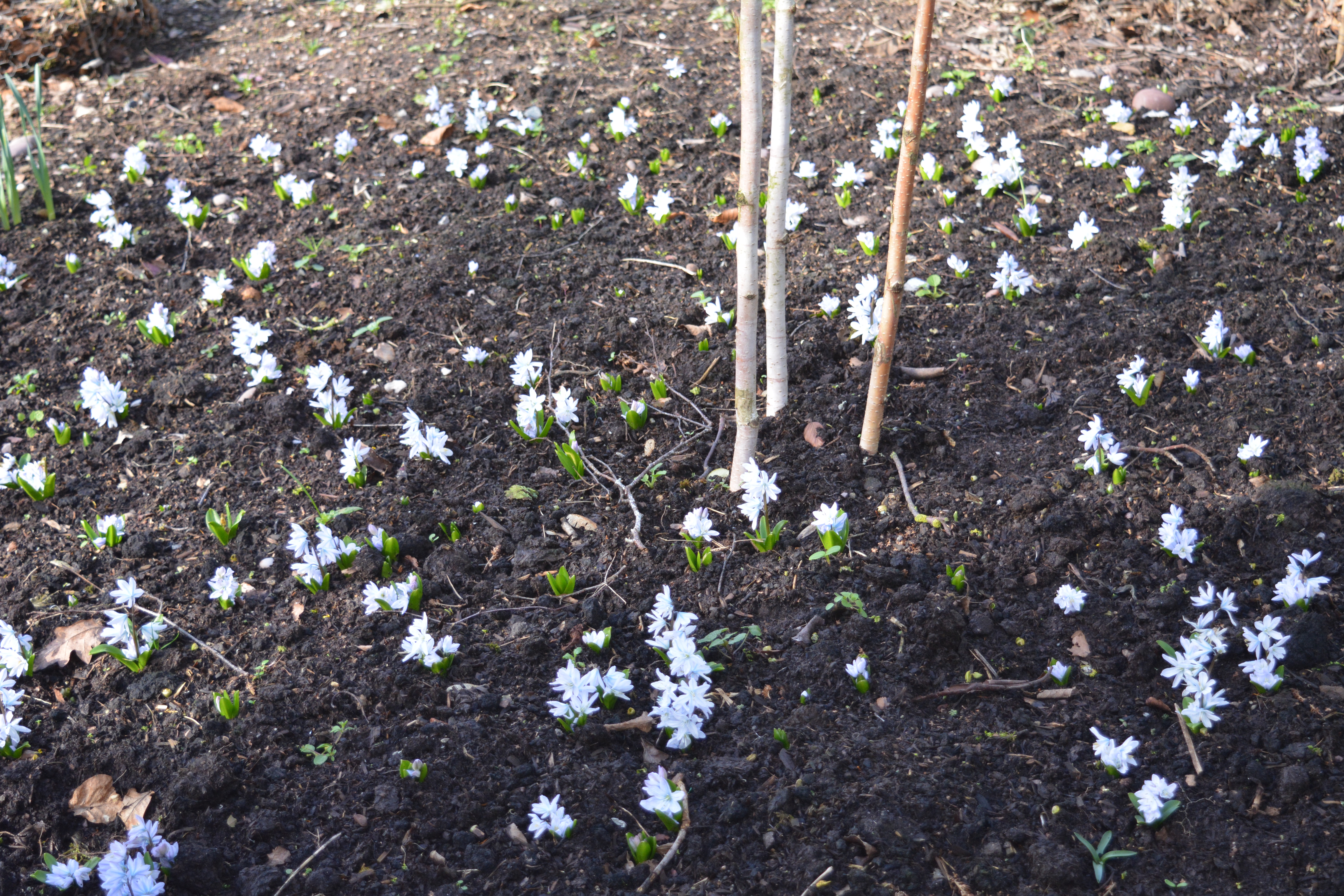
On the lawn outside the restaurant we were enthralled by getting up close to some beautiful owls and falcons. After enjoying our coffee and cakes we took off to walk towards the Quarry Garden, passing a border dotted with tiny pale blue flowering bulbs. As we entered the Quarry we noticed a family making nest boxes.

2016 02 21_8939_edited-1 2016 02 21_8935_edited-1 2016 02 21_8940_edited-12016 02 21_8941 2016 02 21_8942

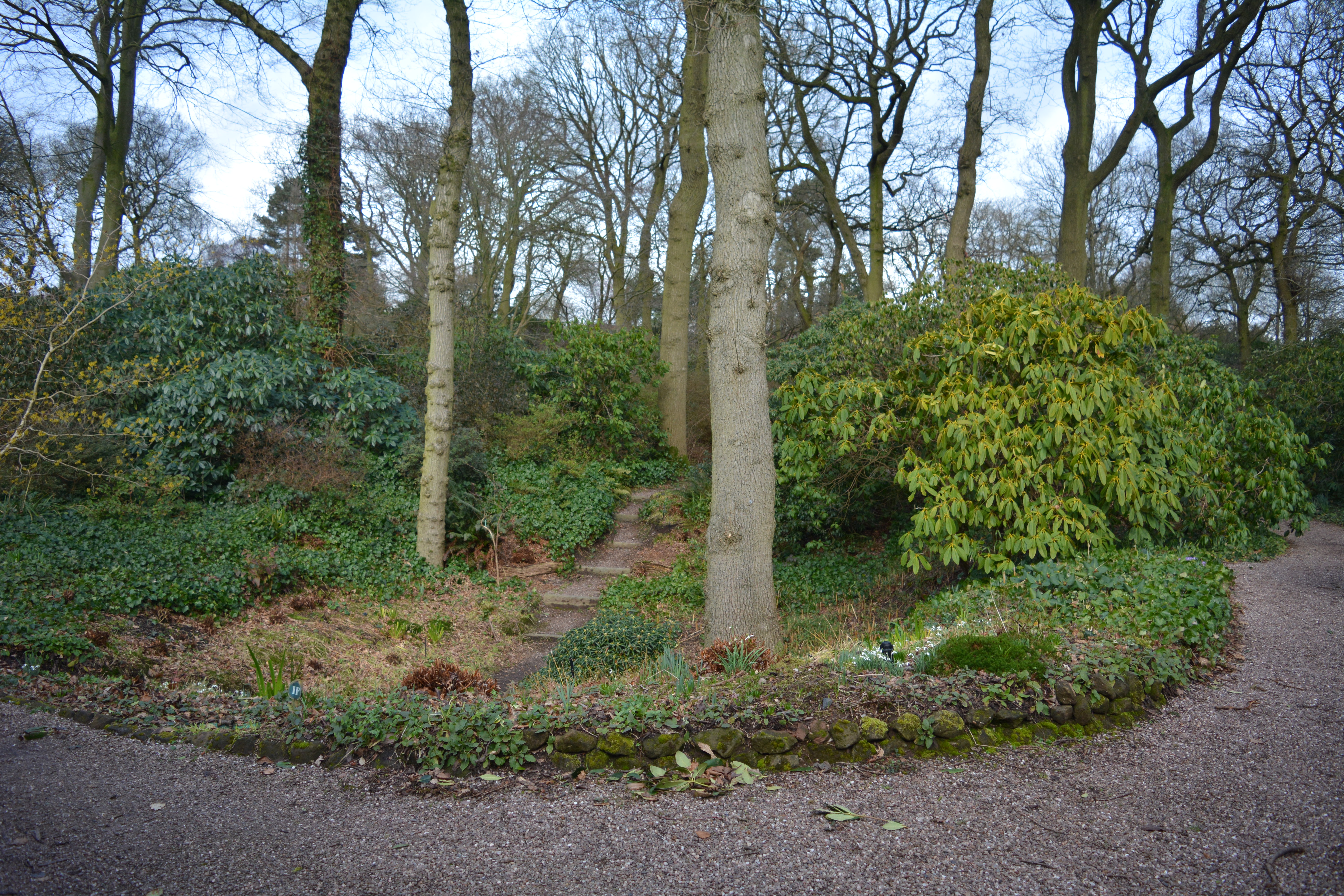
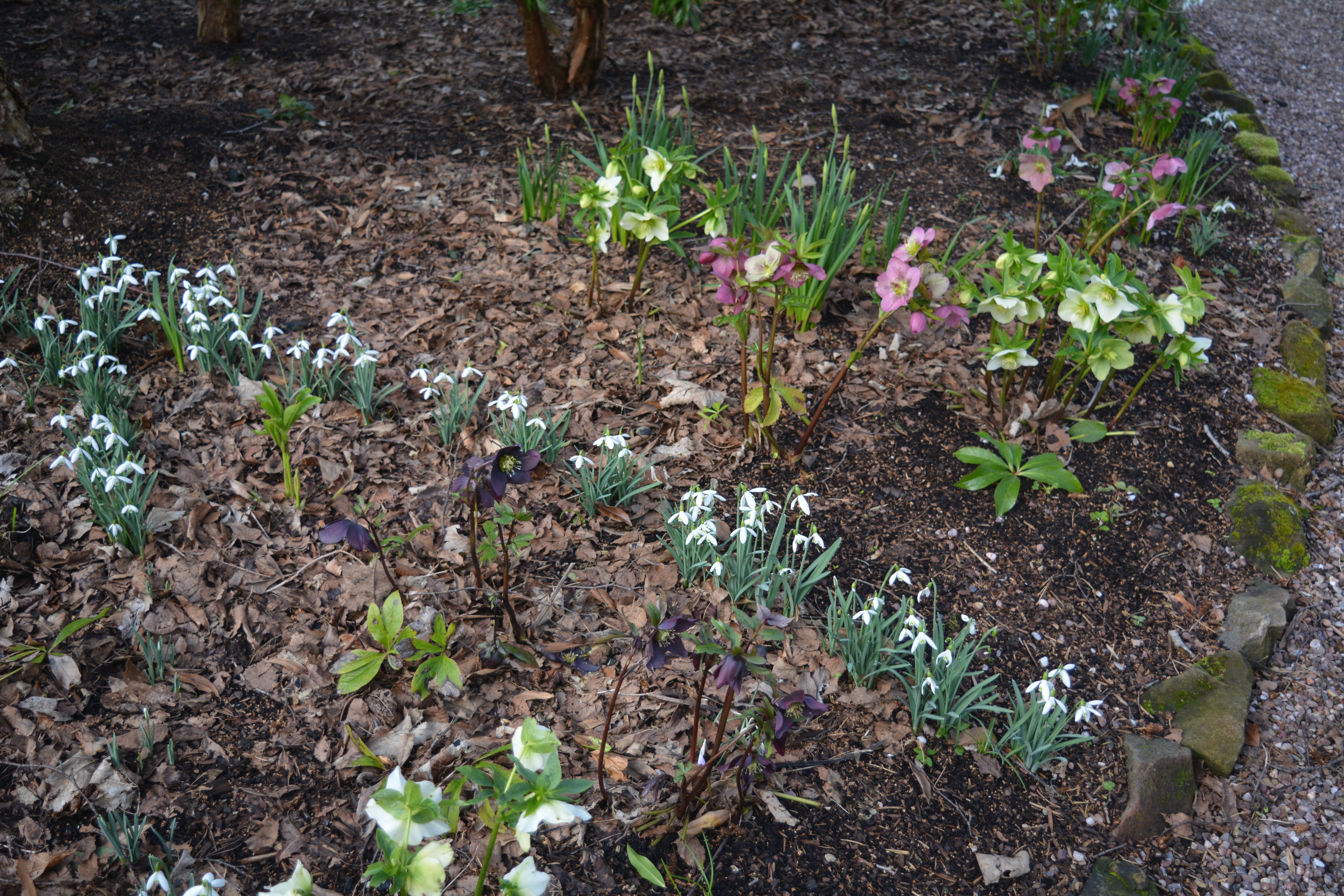
The Quarry garden was much greener without its snow blanket and early flowering bulbs  were adding colour allied with Hellebores in full flower and a few blooms on Rhododendrons and Azaleas.

2016 02 21_8943 2016 02 21_8944 2016 02 21_8945 2016 02 21_89482016 02 21_8962 2016 02 21_8971 2016 02 21_8952_edited-1

The textures and architectural shapes of trees come to the fore in winter before the leaves return in the spring. Unusual foliage such as the Rhodendron with orange-ginger undersides to its leaves provide brightness under the shade of taller trees. The upper side of the leaves are glossy but the underside have a matt, powdery feel to them. Close up it gives them the look of a windswept desert landscape.

2016 02 21_8946 2016 02 21_8964 2016 02 21_8965

Leaf shapes and their patterns and textures provided added interest under the tree canopy.

2016 02 21_8949 2016 02 21_89502016 02 21_8967 2016 02 21_8968

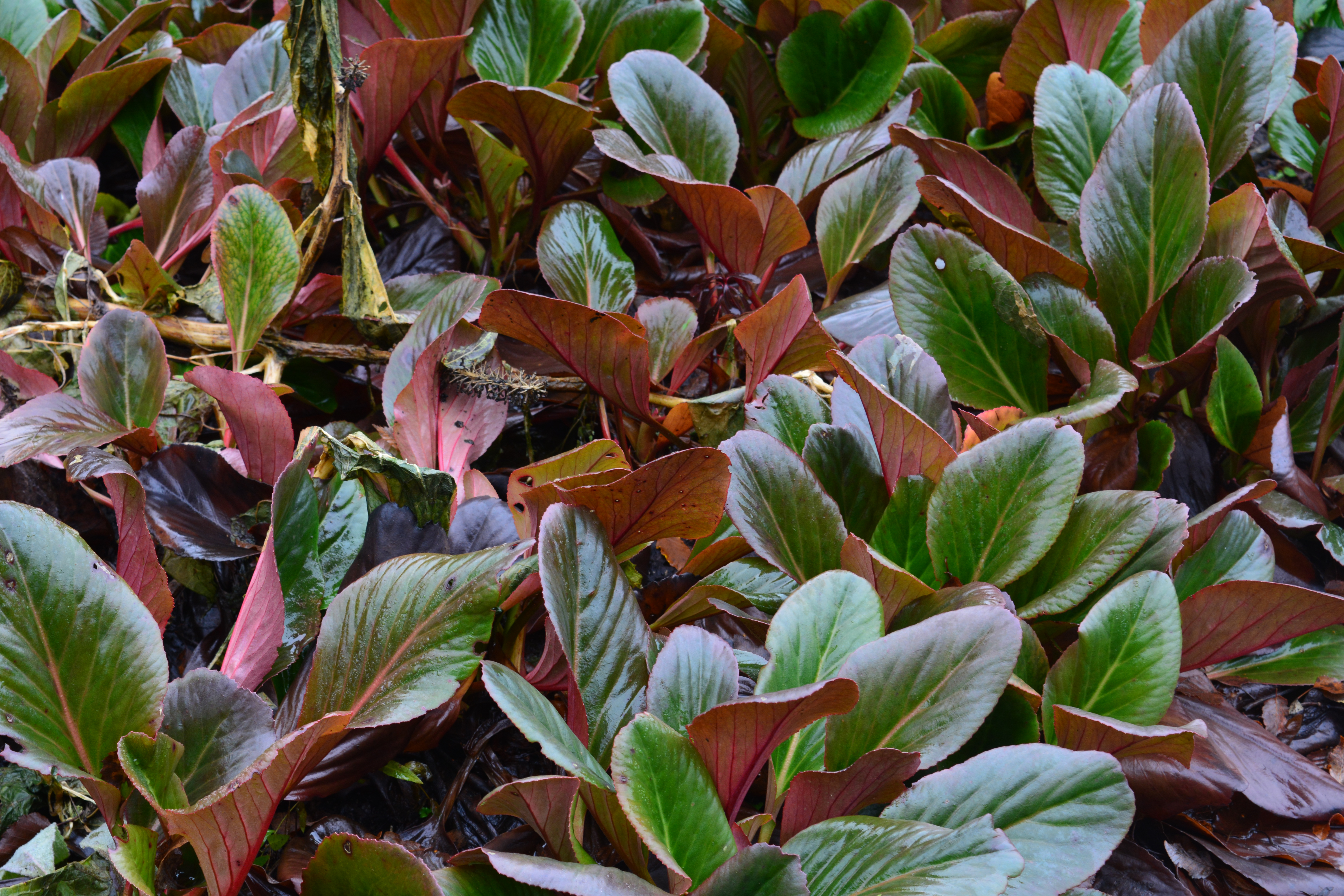
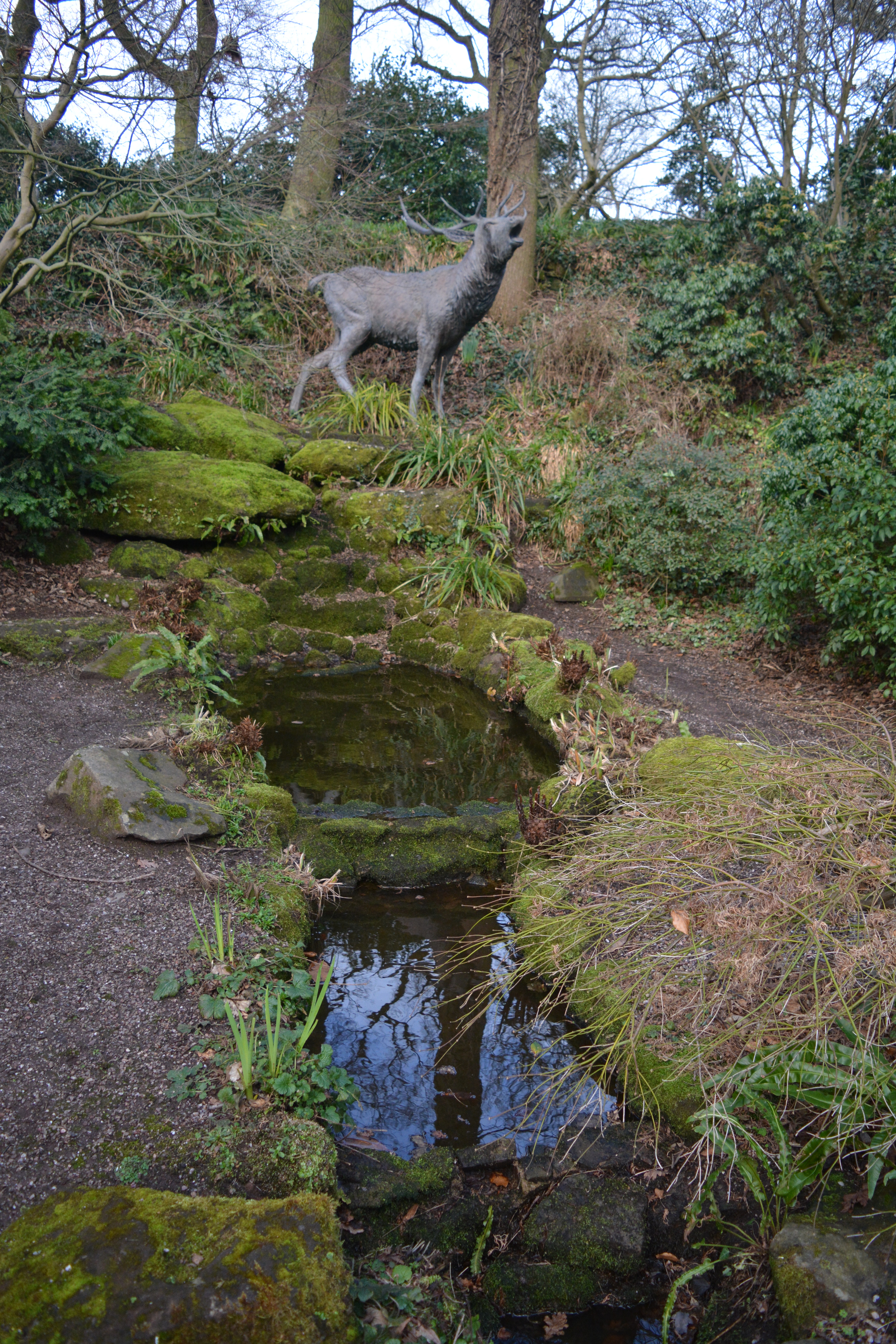
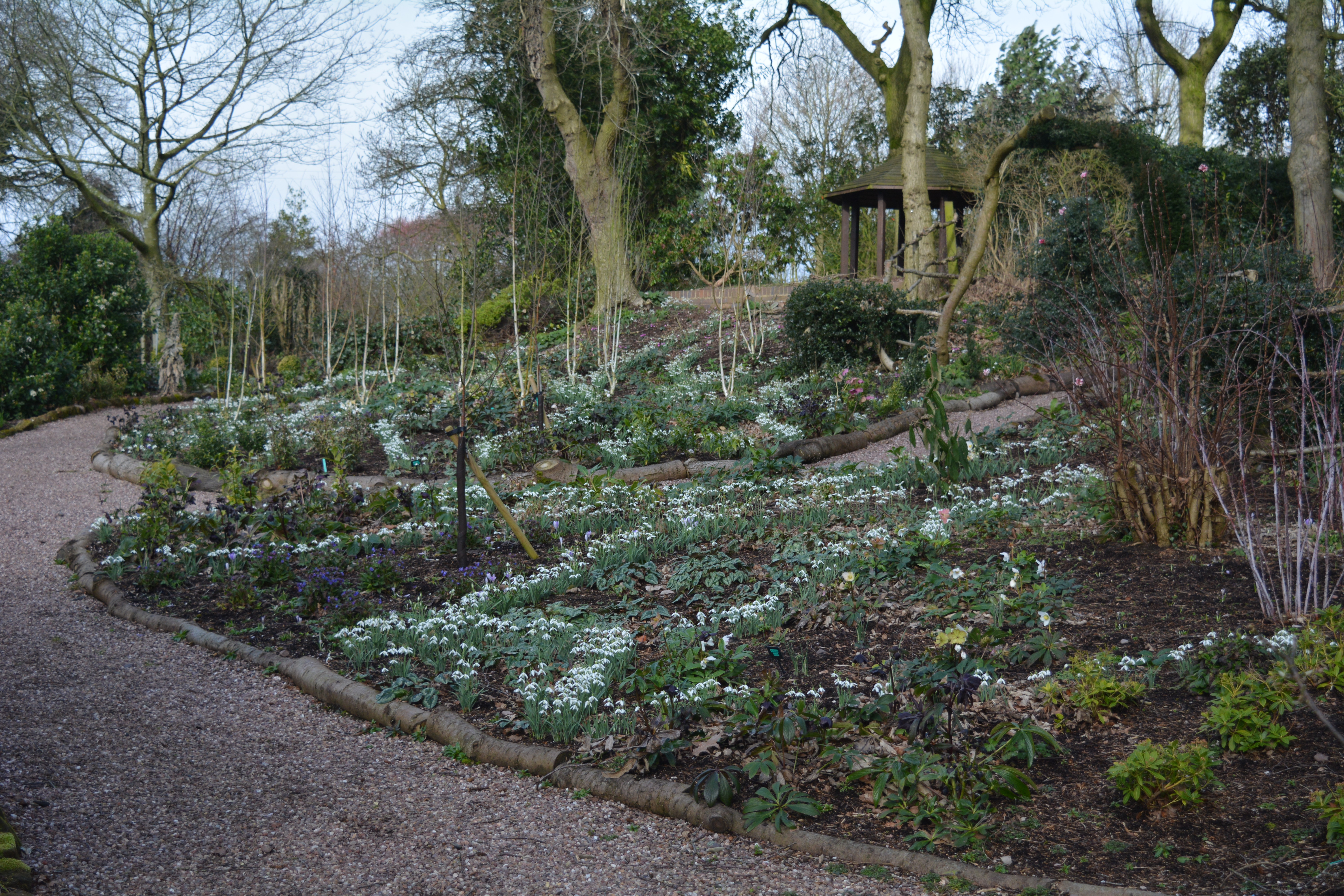
We wandered around a bit trying to find the stag sculpture we found in January and kept getting the wrong path. When we did find him he looked much more majestic without his white coat of snow. We then moved off towards the new Winter Woodland Garden, which is a juvenile garden having been created in early 2015. It already looks and feels a really good seasonal garden, with many shrubs and trees with coloured stems and bark, evergreen groundcover such as Bergenia, several different Carex and Luzula many with striped or golden leaves. Flowering bulbs were putting on an excellent show for us.Ggiven a few years and this will be a beautiful woodland winter garden and will be one of the best close to us so will become a place we visit often.

2016 02 21_8969  2016 02 21_89722016 02 21_8966  2016 02 21_8976 2016 02 21_8977 2016 02 21_8978 2016 02 21_8979 2016 02 21_8982 2016 02 21_8983 2016 02 21_8985 2016 02 21_8986 2016 02 21_8987 2016 02 21_89882016 02 21_9001_edited-1 2016 02 21_8981_edited-1          2016 02 21_8984_edited-1 2016 02 21_8980_edited-1 2016 02 21_8973_edited-12016 02 21_8975_edited-1

We left the Winter Garden by walking under the Laburnum arch still devoid of any growth and enjoyed a wander through the Upper Garden where trees and shrubs reigned supreme. A shy sculpture maiden welcomed us.

2016 02 21_9005_edited-12016 02 21_8954_edited-1 2016 02 21_8957_edited-1 2016 02 21_8953_edited-1  2016 02 21_9011_edited-1 2016 02 21_9013_edited-1 2016 02 21_9025_edited-1 2016 02 21_9026_edited-12016 02 21_9033_edited-1

Having indulged in the powerful scent of this delicately coloured pink Daphne we followed a path that led us around the front of the coffee shop and then down the sloping gardens  to the pool.

2016 02 21_9027_edited-1  2016 02 21_9035_edited-1

Species tulips demanded a close look to appreciate their beauty and delicacy.

2016 02 21_9036_edited-1 2016 02 21_9051_edited-12016 02 21_9038_edited-1 2016 02 21_9039 2016 02 21_9042_edited-1 2016 02 21_9045_edited-1

Can you spot the bee at work collecting pollen from the blue crocus? Great to see this.

2016 02 21_9046_edited-1 2016 02 21_9048_edited-1 2016 02 21_9049_edited-1 2016 02 21_9050_edited-1  2016 02 21_9055_edited-1 2016 02 21_9061_edited-1

So that was our February visit to the wonderful Dorothy Clive Garden. We can’t wait to be back with camera in hand to see what March will bring, perhaps a few touches of spring!


Categories
flowering bulbs garden photography garden ponds garden pools garden wildlife gardening grasses hardy perennials light light quality ornamental grasses ornamental trees and shrubs Shropshire shrubs spring bulbs water in the garden Winter Gardening winter gardens

My Garden Journal 2016 – February

Back with the second post sharing my 2016 Garden Journal, we will look at what it holds for February.

2016 02 13_8659_edited-1

On the first page for the month I mention the changing light values that occurs during February.

2016 02 24_9066_edited-1

“This is the month when light values really start to improve. We also get longer days when the weather allows. This change in light coupled with slowly rising temperatures encourages birds to change their songs and calls. The Great Tit is the master of calls with its huge repertoire. Luckily they are very frequent visitors to our garden. They are great entertainers! Their song in February is a “see-sawing ditty with mechanical overtones.” (Collins Bird Guide)

I added my gouache painting of a pair of Great Tits.

2014 12 21_8971_edited-1

On the opposite page I carried on talking about our continued development of our greenhouse.

Having completed the construction of our new heated propagation bench last month we then sorted out our pots, trays, pans and cells ready for the new sowing and growing season. We ensured we have plenty of labels as well as sowing compost and horticultural grit. Jude finished putting up insulation bubble wrap.”

2016 02 02_8119-1 2016 02 02_8120-12016 02 02_8121-1 2016 02 02_8131-1 2016 02 02_8122-1

From greenhouse gardening to pond gardening, my next page features two photos of Jude the Undergardener in her waders playing in our wildlife pond.

2016 02 24_9069_edited-1

“Mid to late February is the time each year when our Common Frogs come to sing, mate and then leave balls of spawn in our wildlife pond. Thus early this month Jude donned her chest waders and cleaned up the pond. She removed Duckweed, Blanket Weed and fallen leaves, then thinned out the water plants.

2016 01 26_8057-1 2016 01 26_8056-1

We tidied up the narrow border that edges the pond, pulling a few hardy weeds and taking up seedlings of our Cornus “Midwinter Fire”. It was heartening to discover how workable our soil was, this being the result of a decade of improving it with the addition of our own garden compost and the regular mulching deeply with organic matter.”

I continued onto the next page discussing the welcome appearance of sunshine in the February.

“Sunshine is not often in evidence this February but when it does make an appearance its effects are magical. It highlights the peeling bark of our trees and directs a spotlight on blossom and glossy foliage.”

2016 01 22_8035_edited-1 2016 01 22_8034_edited-12016 02 02_81162016 01 22_8024 2016 01 22_8008 2016 01 22_8009-1 2016 01 22_8018

As I turn the page I see that I have written about cold temperatures and on the opposite page and on the following double page spread I share the amazing number of plants in flower on one day in February.

2016 02 24_9070_edited-12016 02 24_9073_edited-1

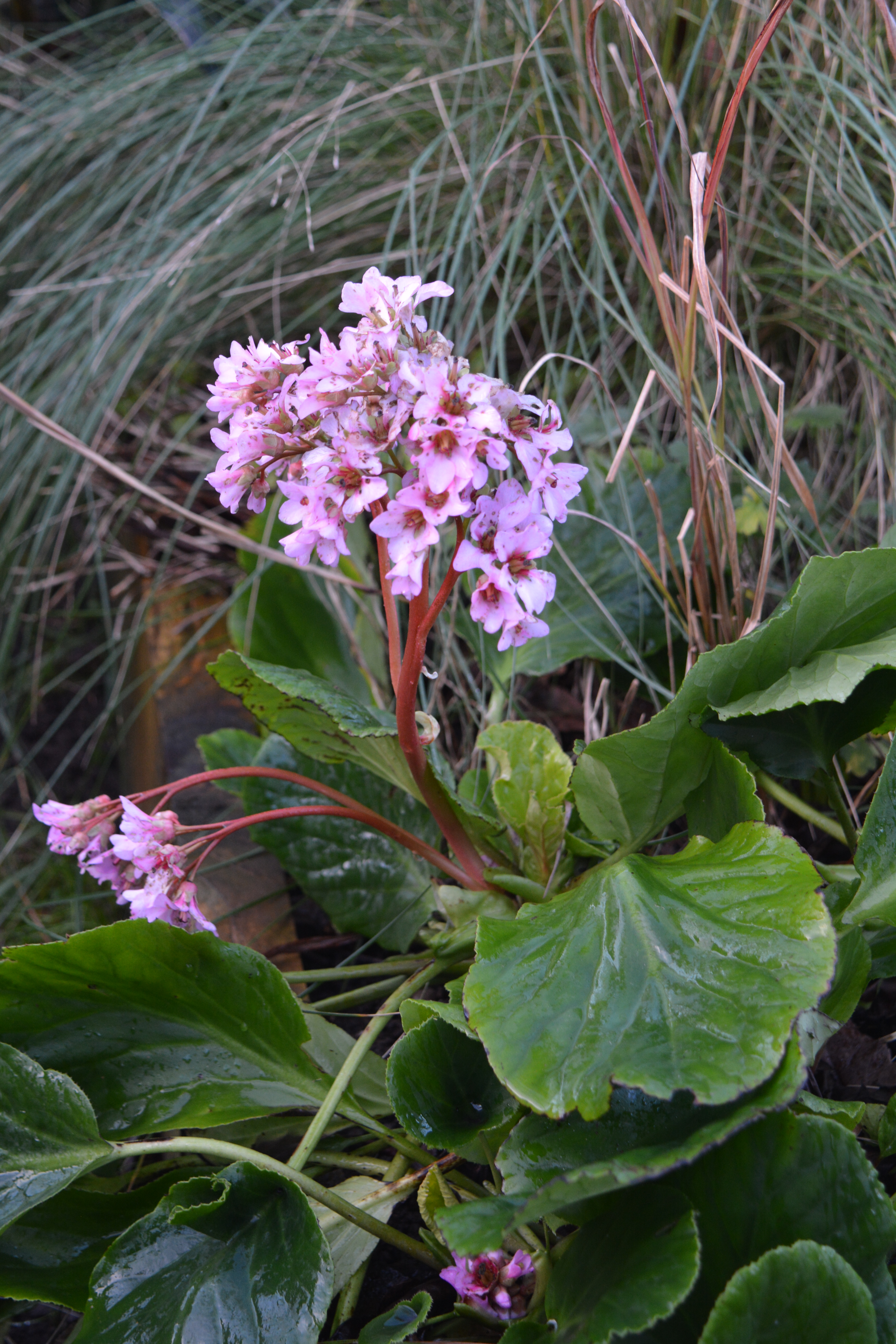
“A sudden overnight plunge in temperature can have drastic looking effects on our early flowering plants. The flowering stem of this Bergenia can be standing to attention during the day but cold at night can make it droop, with the flowers almost touching the cold soil”.

2016 01 17_7930-1 2016 01 08_7763

“The following day when the sun has driven away any frost and added a degree or two to the temperature, the Bergenia flower slowly rises again and returns to its former pink glory.”

February flowers are celebrated over the next three pages. I hope you enjoy sharing this selection of plants that keep us cheerful and the garden colourful.

2016 02 18_8904_edited-1 2016 02 18_8901_edited-12016 02 18_8891_edited-1 2016 02 18_8878_edited-12016 02 18_8872_edited-1 2016 02 18_8879_edited-12016 02 18_8867_edited-1 2016 02 18_8847_edited-1 2016 02 18_8869_edited-1 2016 02 18_8863_edited-12016 02 18_8913_edited-1 2016 02 18_8871_edited-12016 02 18_8912_edited-1 2016 02 18_8866_edited-1 2016 02 18_8854_edited-1 2016 02 18_8853    2016 02 18_8887_edited-1 2016 02 18_8873_edited-1  2016 02 18_8902_edited-1 2016 02 18_8855_edited-1

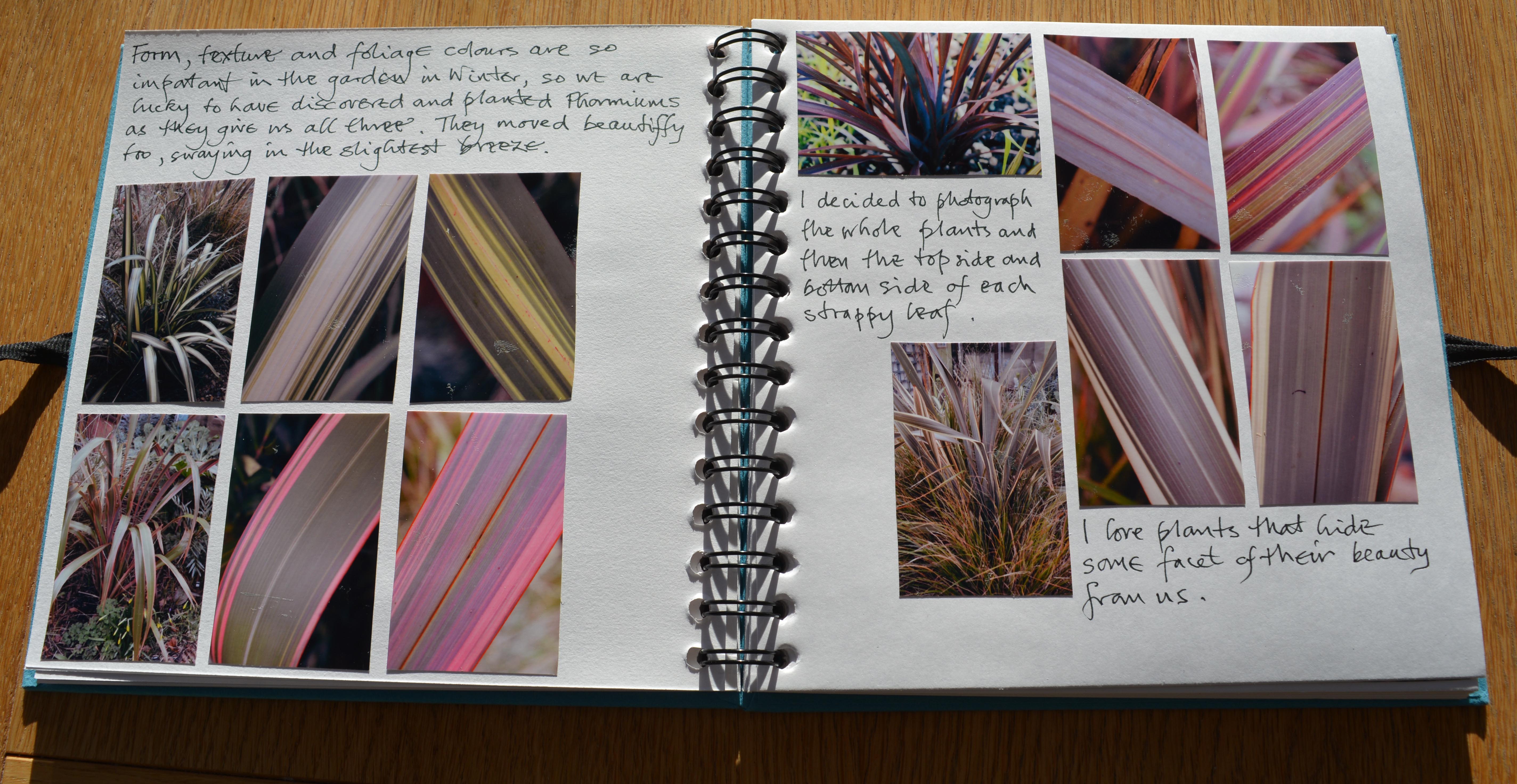
These pictures certainly illustrate how colourful and interesting the garden can still be in the depths of winter. From flowers I moved on to foliage, as on my next double page spread I celebrate Phormiums and how important they are to the winter garden.

2016 02 24_9074_edited-1

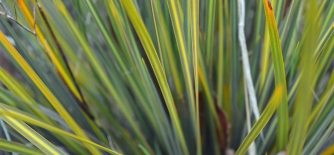
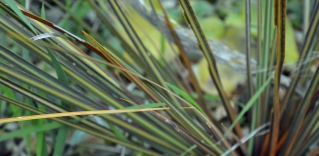
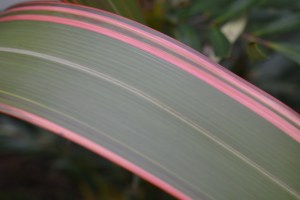
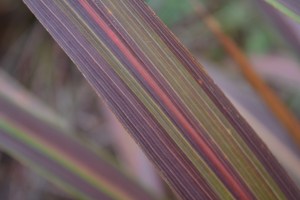
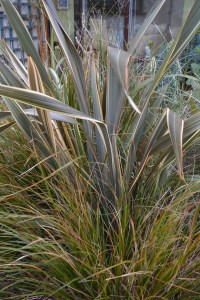
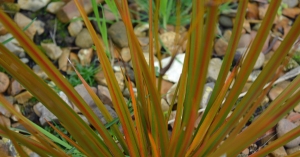
“Form, texture and foliage colours are so important in the garden in winter, so we are lucky to have discovered and planted Phormiums as they give us all three. They move beautifully too, swaying in the slightest breeze.”

2016 02 13_8632 2016 02 13_8640 2016 02 13_8651


For some of our Phormium I took a shot of the whole plant and then one of the top surface of their leaves and finally the final surface. Their two surfaces are usually very different.

“I love plants that hide some facet of their beauty from us”.

2016 02 13_8633 2016 02 13_8634 2016 02 13_86352016 02 13_8630 2016 02 13_8639 2016 02 13_8638

2016 02 13_8655 2016 02 13_86532016 02 13_8654

2016 02 13_8631 2016 02 13_8637 2016 02 13_8636

In the final pages of my February entries in my Garden Journal I wrote about coloured stems and look back at my first garden journal to see what I had put for my February entry.  I discovered that I was writing about grass and grasses.

2016 02 24_9077_edited-1

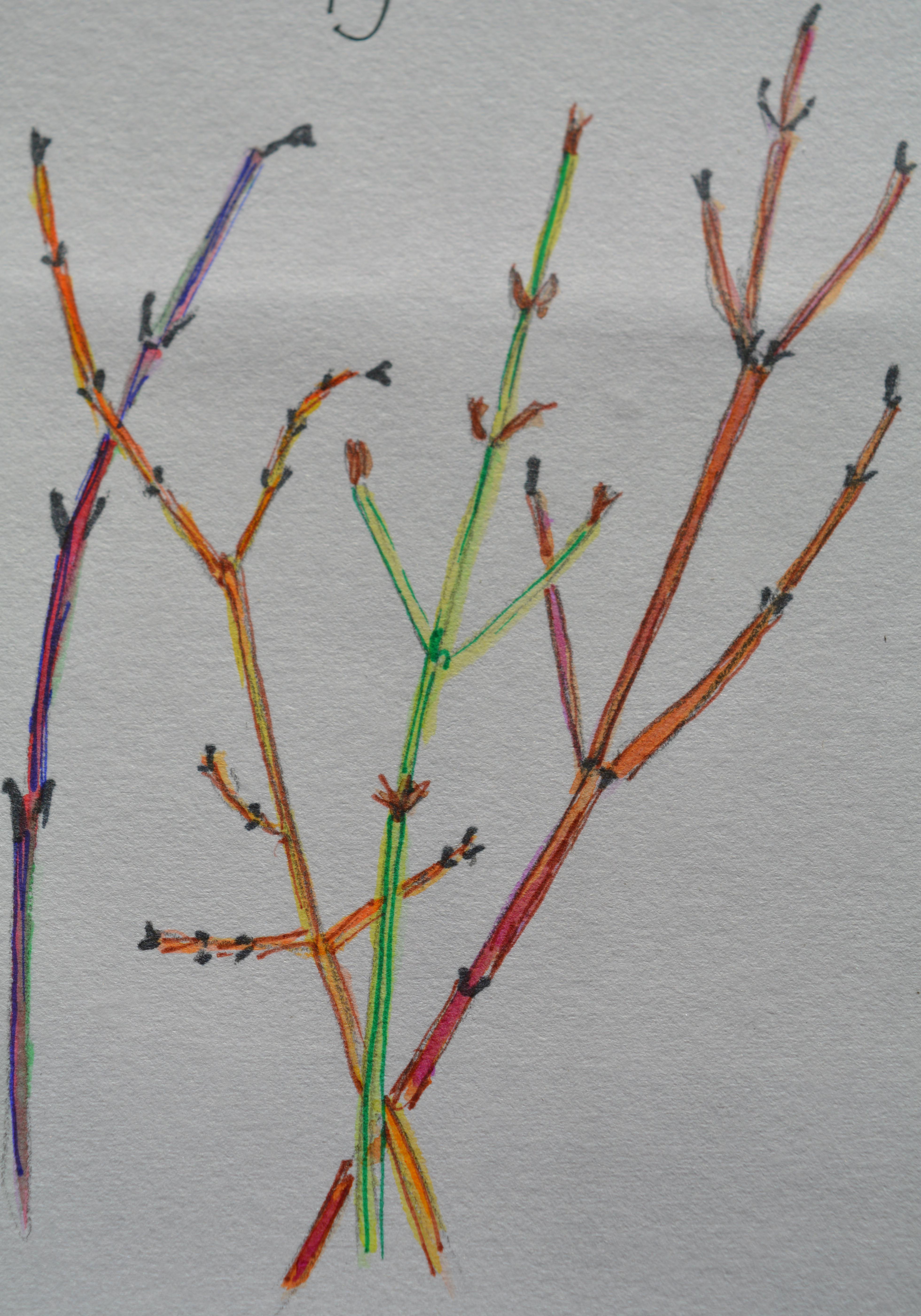
“It is in the dull times of February that we appreciate the brightly coloured stems of our Cornus, Salix and Acers. Once their leaves drop the colours, yellows, oranges and reds begin to intensify. I then shared a watercolour painting of a selection of these stems from our garden alongside a trio of photos.”
2016 02 24_9078_edited-1 2016 02 18_88972016 02 18_8874 2016 02 18_8898

Looking back at my original Garden Journal, I notice that I had commented “14th February and the grass gets its first cut. As the North wind died out the strength of the winter sun meant a good day could be had doing general maintenance work.” This year our grassed areas are wet and slimy and definitely too slippery to get a mower on. But the grass has continued to grow slowly so it is in need of its first cut. Meanwhile our ornamental grasses continue to delight.”

2016 01 22_8033 2016 01 22_8032     2016 01 22_7998-1 2016 01 22_7999-1

So that is it for another month. Next time we make a visit to my Garden Journal we will be in March and maybe we shall be seeing signs of spring.


Categories
flowering bulbs garden design garden photography garden ponds garden pools gardening gardens gardens open to the public hardy perennials ornamental trees and shrubs RHS spring bulbs trees water garden water in the garden Winter Gardening winter gardens woodland

A Garden in Winter – RHS Rosemoor – Part 1

We love to break up the winter months with mid-week breaks away around the UK. In February this year we took off down to Devon for a short holiday where we planned to visit a garden which holds two National Collections, Betulas (Birches) and Alnus (Alders) and the Royal Horticultural Society’s Rosemoor Garden.

My previous couple of posts shared with you our wanderings around Stone Lane Garden and Nursery with its wonderful national collection of Betulas and Alnus. In this post we will share with you the two days we spent exploring the Royal Horticultural Society’ Rosemoor Garden.

We had visited many times before but never in winter before, so we were keen to see if the RHS’s claim that Rosemoor provides “Great days out for every season” and  “Rosemoor continues to enchant visitors when the Winter and Foliage Gardens are filled with a surprisingly intoxicating combination of colour, fragrance and texture.”

After a quick coffee in the restaurant we braved the rain and began our walk around.

2016 02 04_8397 2016 02 04_8507 2016 02 04_8430

We made our way towards the Winter Garden which we knew had been redeveloped since we last visited so we longed to see what it looked and felt like now.

2016 02 04_8404 2016 02 04_8401

As expected foliage took a leading role.

2016 02 04_8406 2016 02 04_84082016 02 04_8418 2016 02 04_84282016 02 04_8429

Coloured stems and bark of shrubs and trees add strong structure to a good winter garden.

2016 02 04_8412 2016 02 04_84132016 02 04_8422 2016 02 04_84142016 02 04_8424 2016 02 04_8425 2016 02 04_84262016 02 04_8453 2016 02 04_8474

After enjoying and being highly impressed with the renovated Winter Garden, we took a gravel path which led us to the Foliage Garden. We were looking forward to seeing the role that foliage could play in the February garden. We were not to be disappointed with what we saw. Perennials and grasses played key roles with the richness of texture and the delicacy of colour. Richly coloured foliage on many shrubs joined the party.

2016 02 04_8454 2016 02 04_84552016 02 04_8456 2016 02 04_8457 2016 02 04_84662016 02 04_8459 2016 02 04_84602016 02 04_8461 2016 02 04_8478

Wherever we went we noticed evidence of the RHS gardeners and the volunteers who worked alongside them. In the Rose Garden these roses had been pruned so precisely just like illustrations in a gardening book . The soil between them had been neatly forked over to give a very professional look to the gardeners’ work.

2016 02 04_8438

When we returned to the restaurant for a warming coffee we noticed in the terrace outside a little wooden framed alpine greenhouse. Here we found an impressive array of flowering bulbs.

2016 02 04_8393 2016 02 04_8395  2016 02 04_8394

Leaving the alpine house we took meandering paths through the gardens where we noticed many early blooms that added cheer to a day of dull damp weather.

2016 02 04_8403 2016 02 04_84192016 02 04_8420 2016 02 04_8417 2016 02 04_8434 2016 02 04_84642016 02 04_8410 2016 02 04_8488

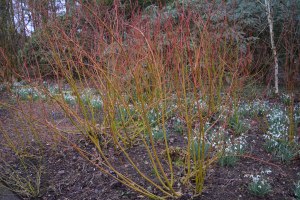
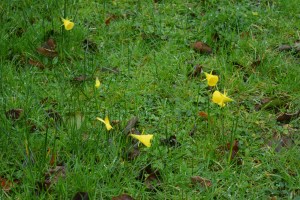
These paths took us down a gentle slope towards the lake and along the way we passed through open grassed areas where Daffodils and Narcissi had been naturalised. In neighbouring borders swathes of Snowdrops looked like frozen rivers running through shrubs and trees.

2016 02 04_8490 2016 02 04_84922016 02 04_8497 2016 02 04_8498

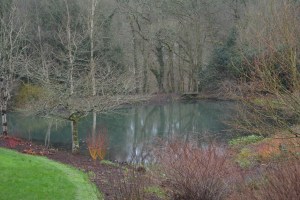
We reached the lake which looked very cold and uninviting but on its banks Cornus and Salix varieties known for their coloured stems added ribbons of very welcome brightness.
A stream fed the lake and we left the lakeside by following a path rising gently through the stream’s valley.

2016 02 04_8496 2016 02 04_8493

This valley with its clear stream ran rapidly through areas of planting. We followed the stream along a gravel path which took us to an underpass through which we wandered to find the original garden at Rosemoor, Lady Anne’s Garden. The little valley dropped down towards the underpass and we saw King Cups flowering profusely providing splashes of golden yellow and clumps of Arum italicum marmoratum gave us splashes of silver in their variegated foliage.

2016 02 04_8528 2016 02 04_85052016 02 04_8405 2016 02 04_8433

Seed heads and fruit from the autumn were still very much in evidence extending the season of interest.

2016 02 04_8469 2016 02 04_84702016 02 04_8510 2016 02 04_8511

As the valley sides rose higher the atmosphere became damper and we felt the temperature drop slightly as we got closer to the underpass. Lichen grew on trees and on fences. The white bark of Birches and the snow white blooms of Snowdrops shone through in the duller light.

2016 02 04_8512 2016 02 04_8524 2016 02 04_8526 2016 02 04_8527 2016 02 04_8523

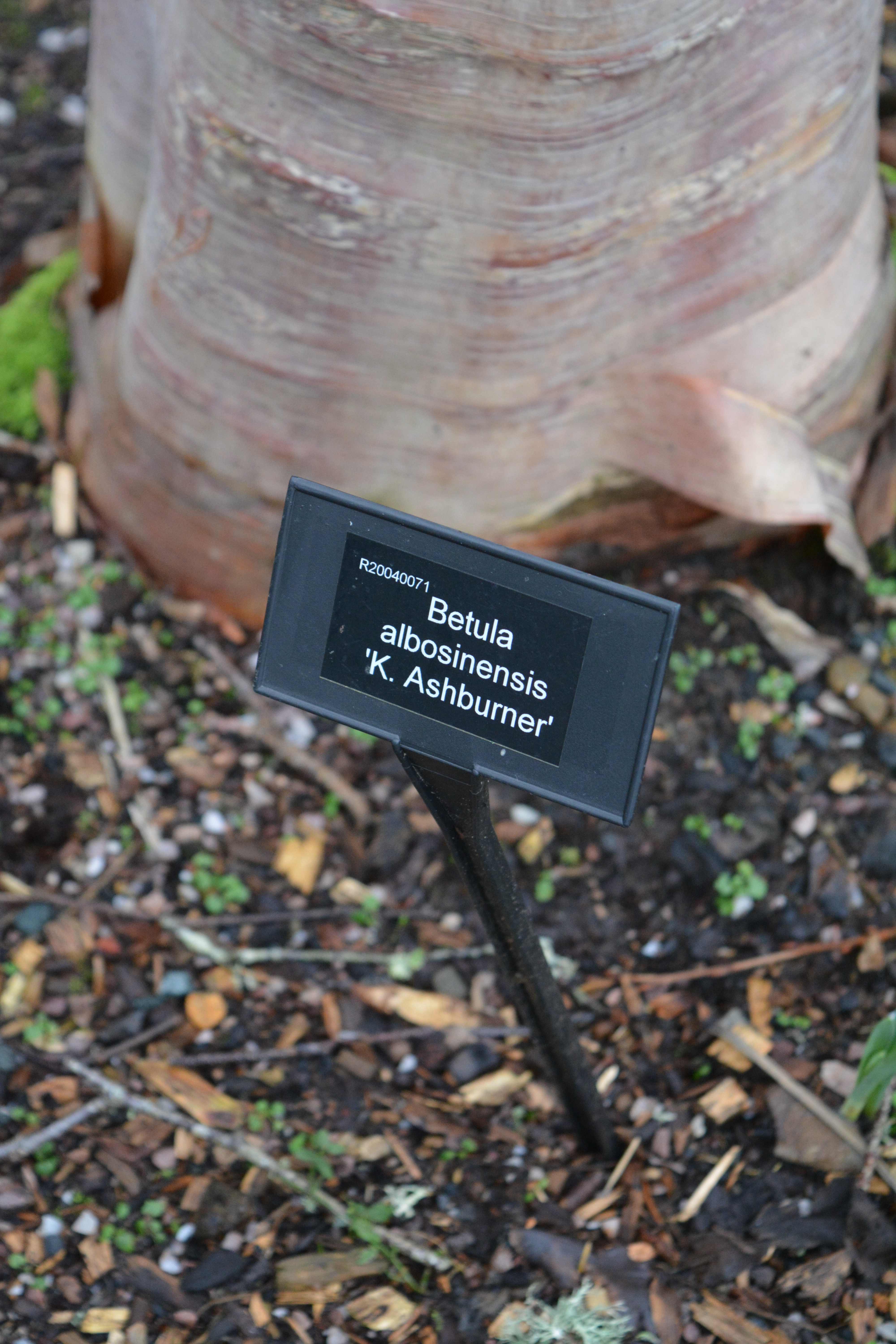
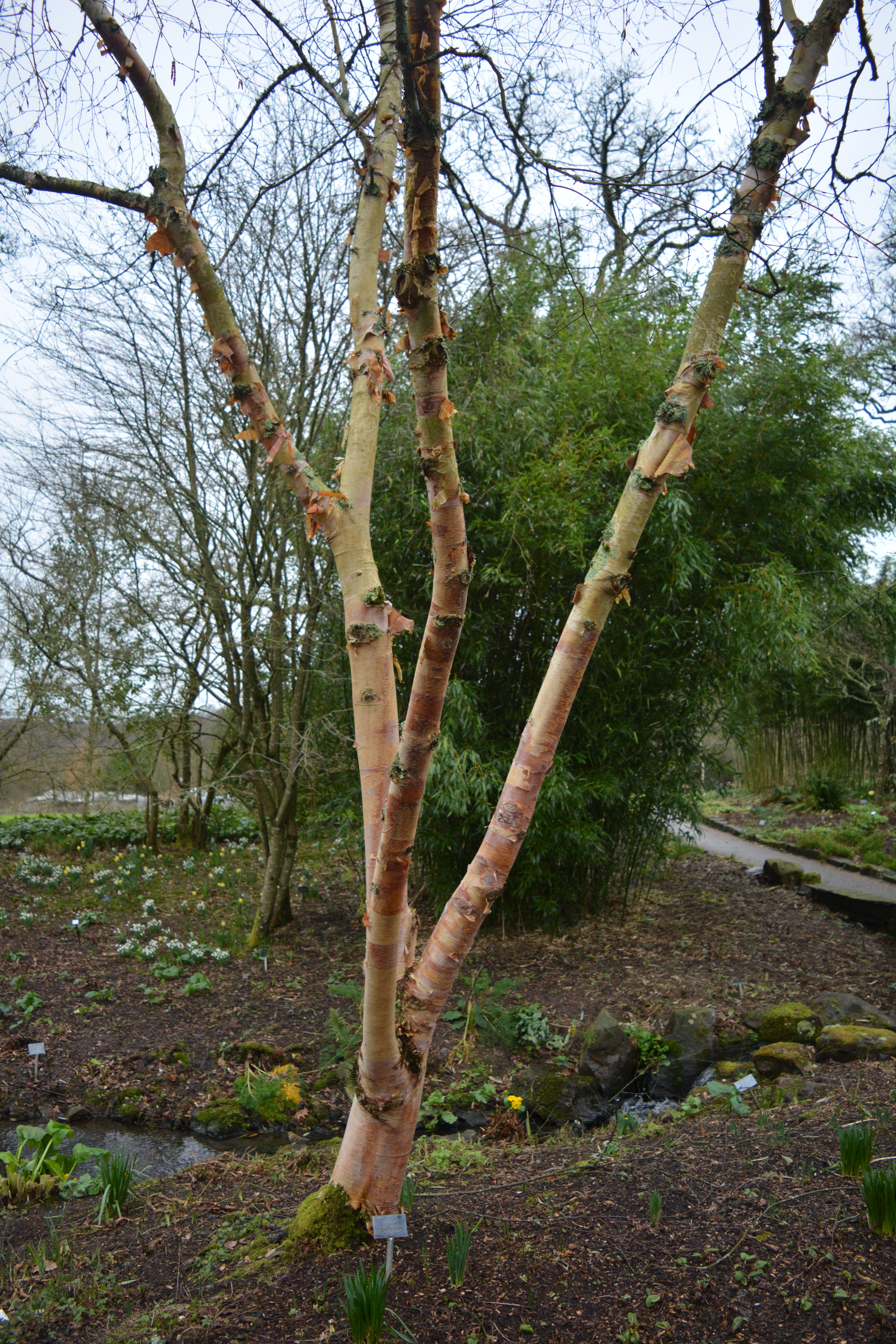
We were drawn to a Betula with unusually coloured bark and were very pleased to find that it was called Betula albosinsensis “K Ashburner”, named after the owner of Stone Lane Gardens and Nursery.

2016 02 04_8517 2016 02 04_8518 2016 02 04_8522

Scent was held in the valley so we were constantly experiencing the rich aromas of Lonicera, Sarcoccoca and Ribes. Sweetness in the air!

2016 02 04_8531 2016 02 04_8533

We entered the underpass which would take us under the road we drove along hours before and gained access to the original garden here at Rosemoor, Lady Anne’s Garden. We will be in that part of the garden in Part 2.


This Veggie Life

A Vegetarian | Nature Lifestyle Blog

Rambling in the Garden

.....and nurturing my soul

The Arch City Gardener

Journeys In St. Louis Gardening and Beyond

Garden Dreaming at Châtillon

Consult the genius of the place

Storyshucker

A blog full of humorous and poignant observations.

gardeninacity

Notes from a wildlife-friendly cottage garden

PlayGroundology

...an emerging social science

The Official Blog of British Wildlife

'The most important and informative publication on wildlife of our times' - The Independent. This blog is a member of The UK & Ireland Natural History Bloggers group: www.uknhb.blogspot.com

iGrowHort

Inspire - Cultivate - Grow Native Plants - Restore Landscapes

Bishops Meadow Trust

To create and protect a semi-natural wild space for the people of Farnham to enjoy and experience an array of British wildlife in our town

Gardening with Children

The www.gardeningwithchildren.co.uk Blog

UKbirdingtimeline

birding through the seasons, why birds matter and how to conserve them

NATURE WALKER

with a camera in hand

Jardin

Transform your outdoor space

Eva's space

My allotment, cooking and other interests

Old School Garden

my gardening life through the year

LEANNE COLE

Trying to live a creative life

fromacountrycottage

trying to live as lightly as possible on our beautiful planet

Good Life Gardening

Nature lovers from Leicester living the good life.

mybeautfulthings

Finding the beautiful in the everyday

mawsonmichelle

Michelle's Allotment

In and Out of My Garden

thoughts from and about my garden

Greenhousing

Big plans for a small garden

The Scottish Country Garden

A Walled Country Garden in South East Scotland

The Fruity Chicken

Life at the fruity chicken

willowarchway

Off grid living. Self sufficient. "PERMAGANICS RULE".

St Anns Allotments

Nottingham's Grade 2* Listed Allotments and Community Orchard

Manifest Joy Harvests

a journey in suburban vegetable gardening

Allotmental

The madness of growing your own

Penny's Garden: a harvest beyond my front door

A novel approach to vegetable gardening

arignagardener

Sustainable living in the Irish countryside.

NewEnglandGardenAndThread

Master Gardener, amateur photographer, quilter, NH native, and sometimes SC snowbird

dianajhale

Recent work and work in progress and anything else that interests me

planthoarder

a chaotic cottage gardener

Lens and Pens by Sally

a weekly blog that creates a personal philosophy through photographs and words

Dewdrops and Sunshine

Stories from a sassy and classy Southern farmbelle.

The Pyjama Gardener

Simple Organic Gardening & Seasonal Living

gettin' fresh!

turning dirt into dinner

JOY...

today the world is created anew

Garden Birds

Notes from a Devon garden

ShootAbout

Life Through The Lens

Adapting Pixels

A photography blog showcasing the best photography pictures and videos on the internet

Wildlifegardening's Blog

Just another WordPress.com site

naturestimeline

personal observations from the natural world as the search continues for a new approach to conservation.

LATEBLOOMERBUDS

The Wonders of Life through my Eyes, my Heart, my Soul