Here we are back at Plas Cadnant, The Hidden Garden of Anglesey where in Part One I covered the walk down from the Welcome Buildings through the double borders and the slow descent down the Ravine. I was looking forward to the collection of unusual ferns and walking down to the mountain stream. Here in the Lower Valley the first feature we reached was the Reflecting Pool with interesting plants all around the area.
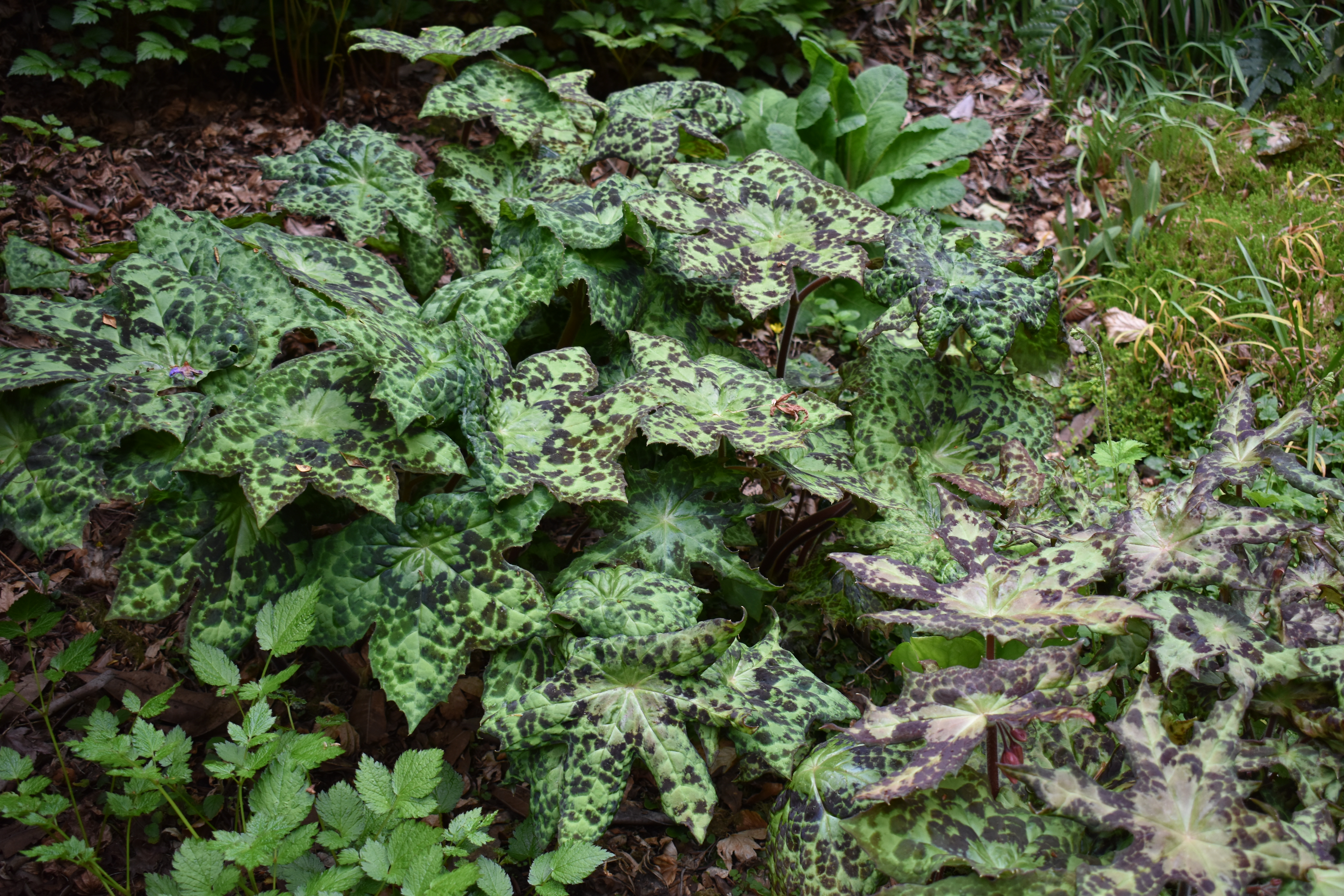
The photos below are of a large and very healthy specimen of Podophyllum ‘Spotted Dotty’ and the Reflecting Pool with a row of Dalmera peltata lined up on its edge.

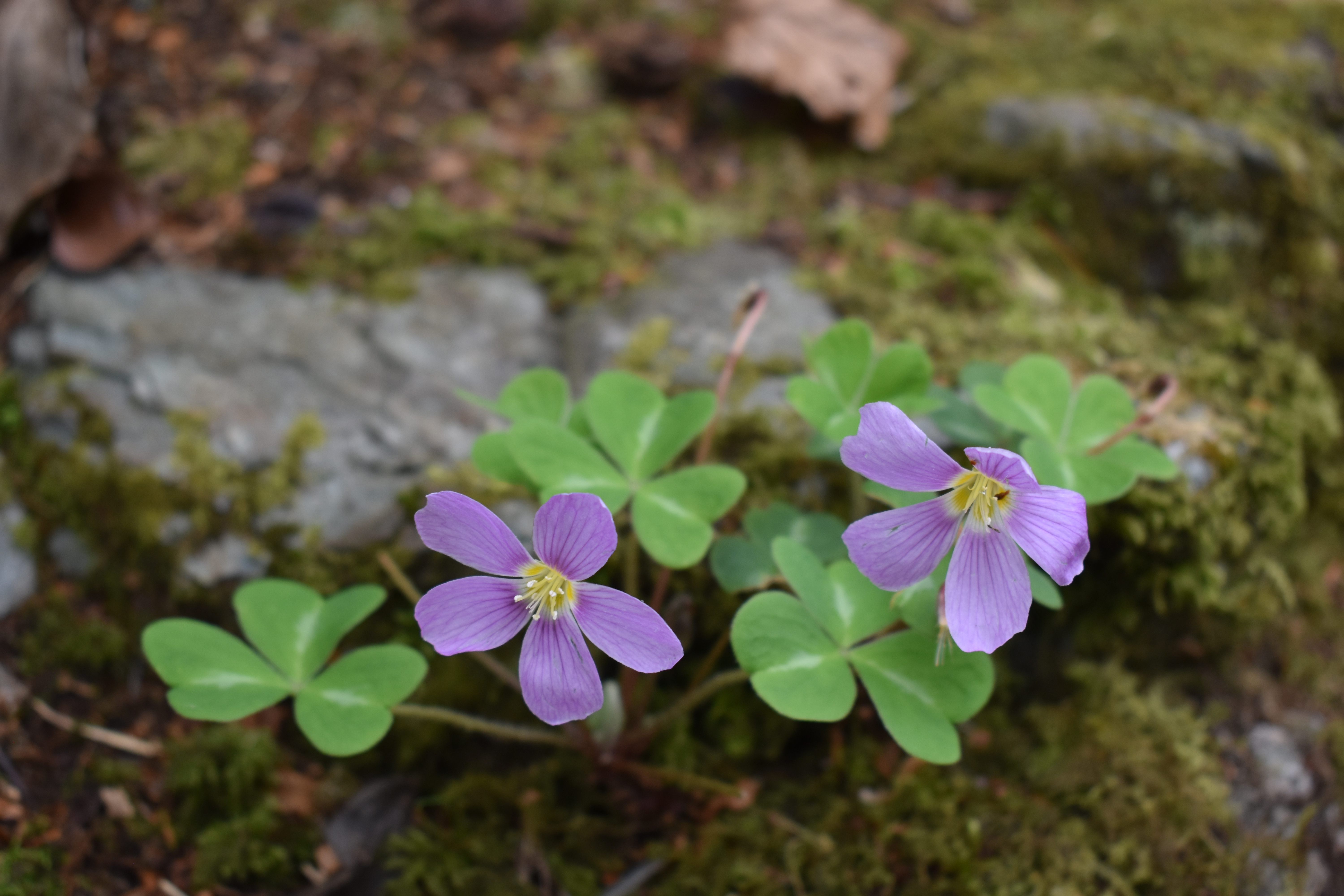
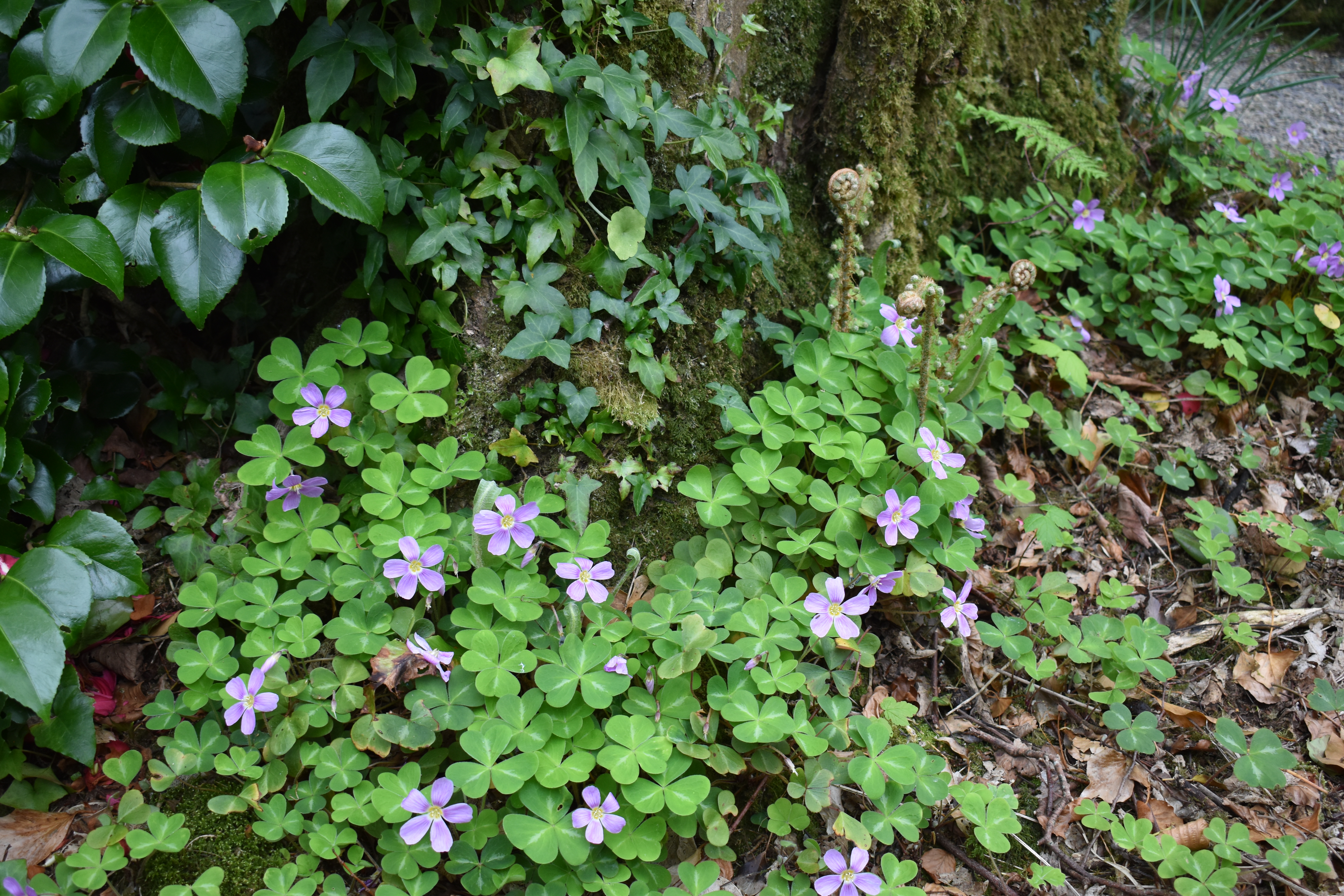
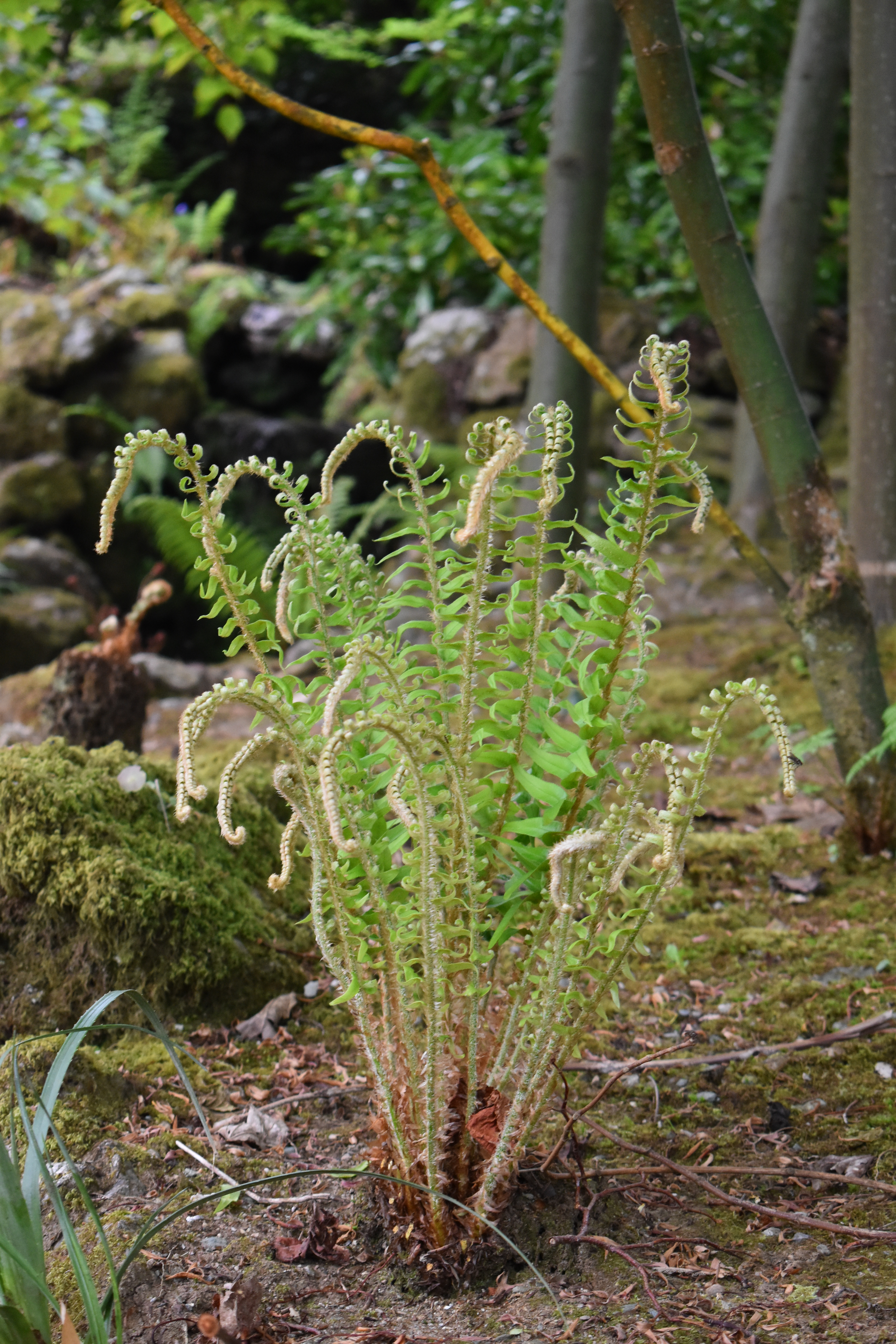
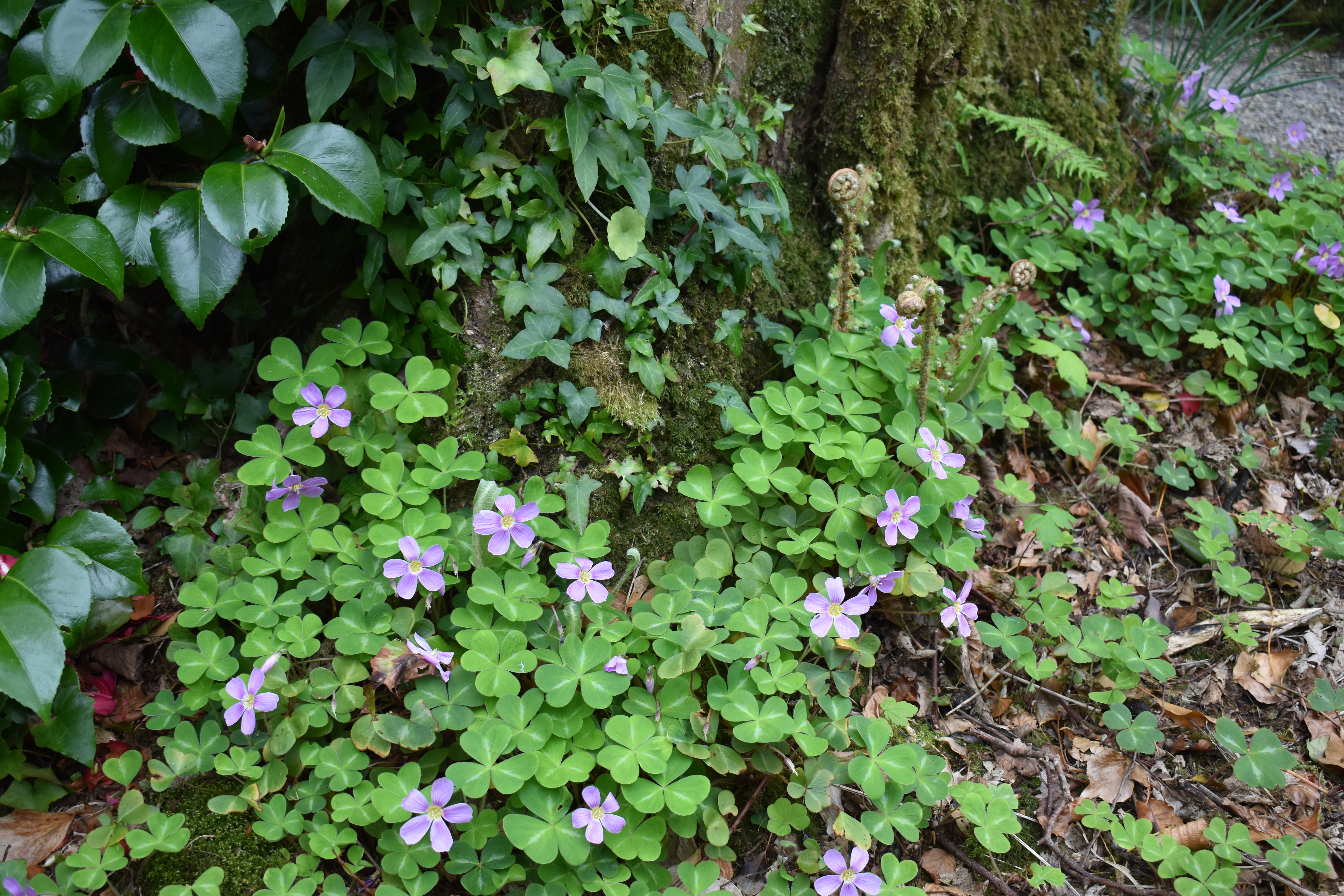
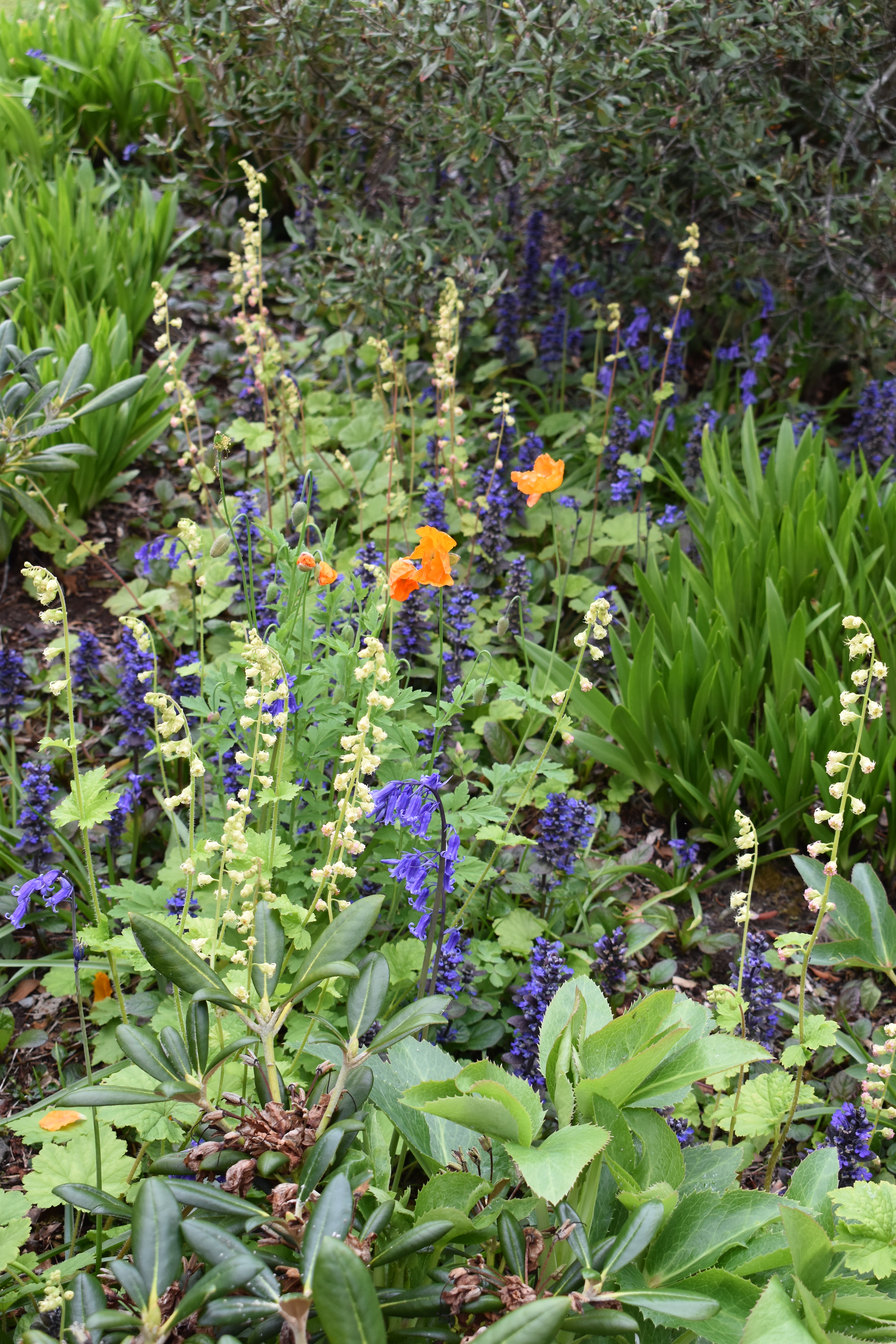
Primulas and Oxalis add gentle spots of colour among all the restful greens here including lots of unusual ferns and some native flowering plants such as bluebells and red campion.

The long upward gradient awaited us as we rested by the stream, but we still had plenty to look forward to on the journey, the Upper Valley Garden, Ann’s Seat and Valley View, Mrs Fanning Evan’s Secret Garden and the long Raised Border.
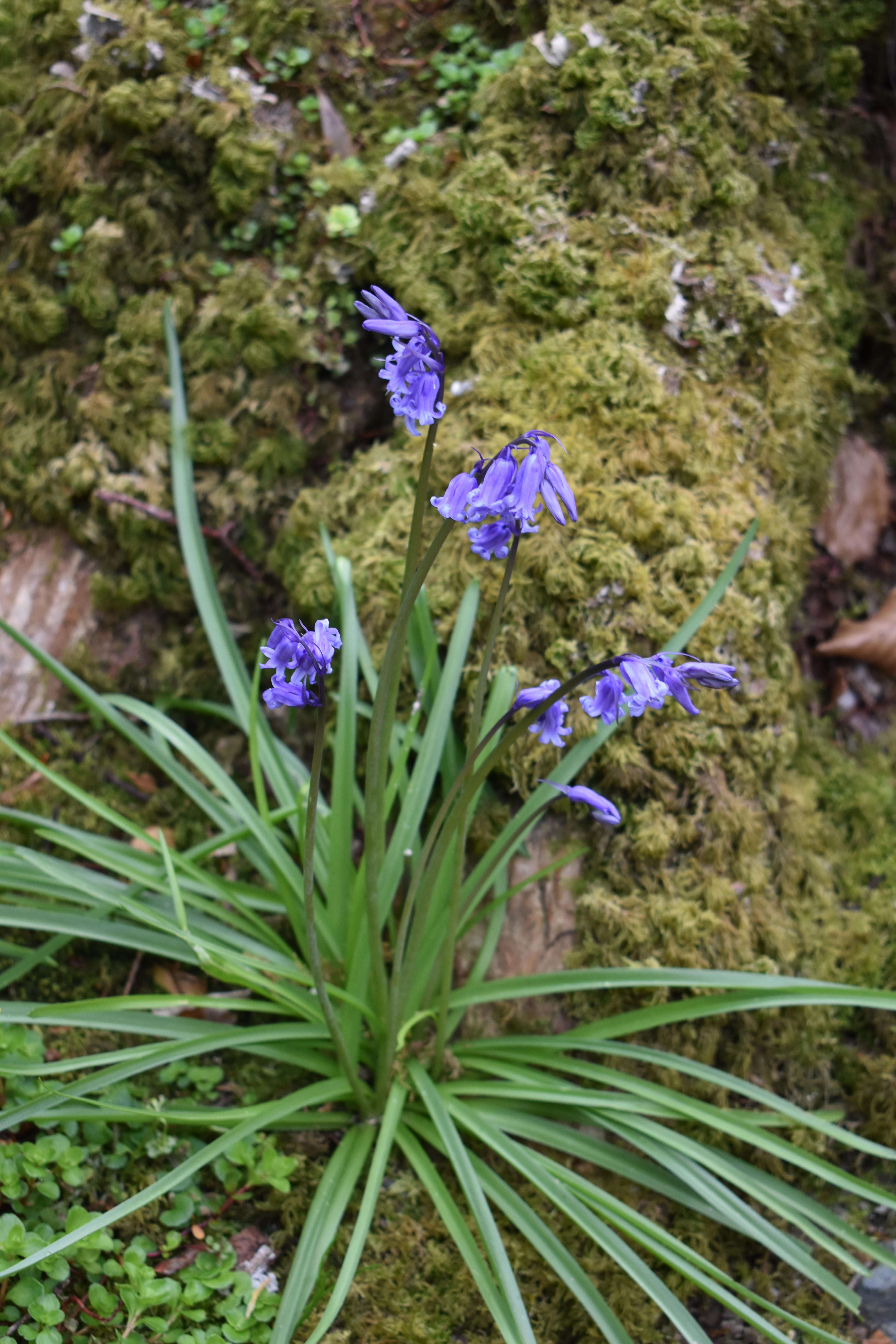
The slope up was quite steep to start with as the path meandered its way uphill. It was a good job that there were a few seats to use for short rests on our way. This wooden bench was surrounded by our native woodland bulb bluebells, which were not only good to look at with their stunning shade of blue with hints of pink and purple, but they also had such a rich sweet scent from the flowers.

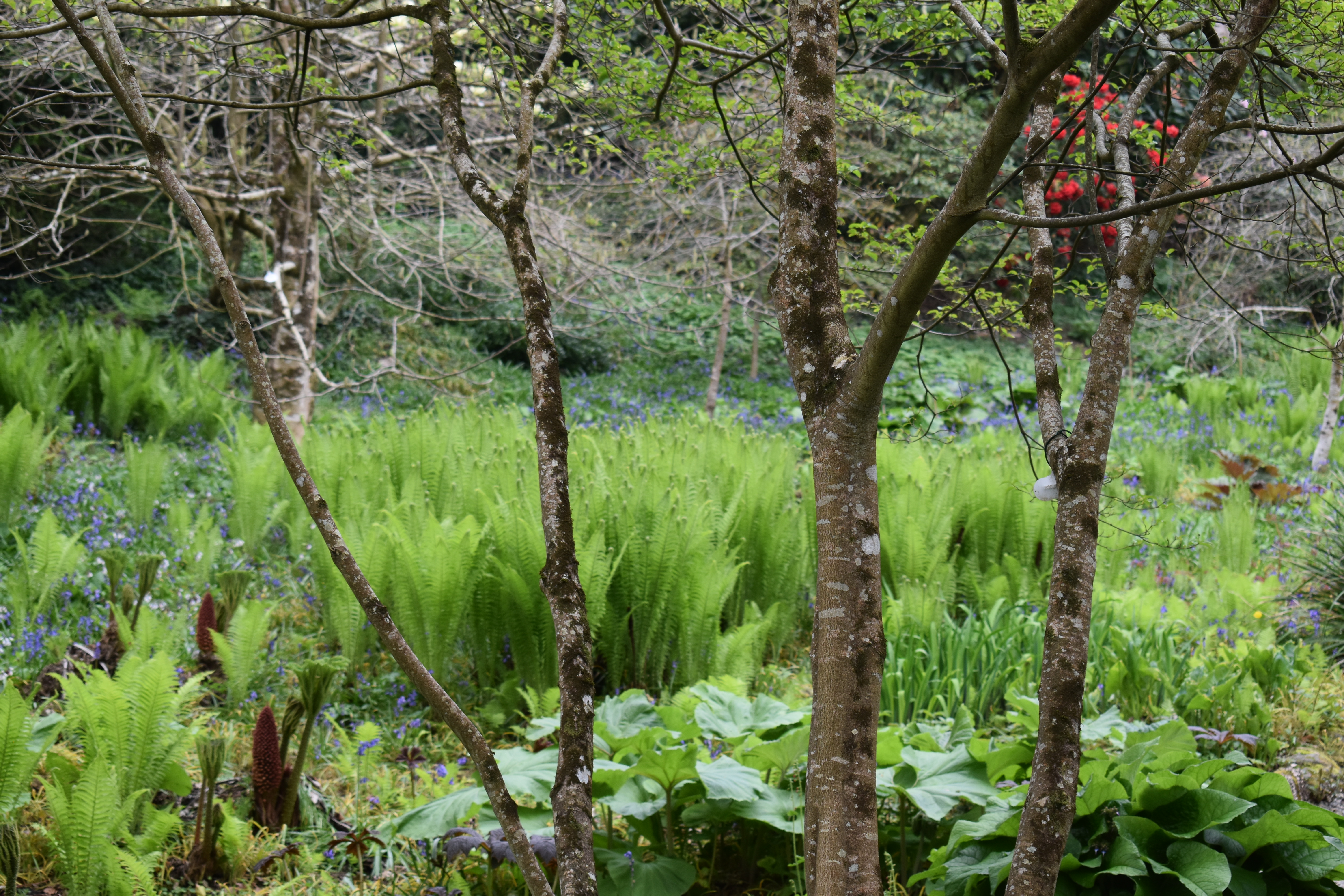
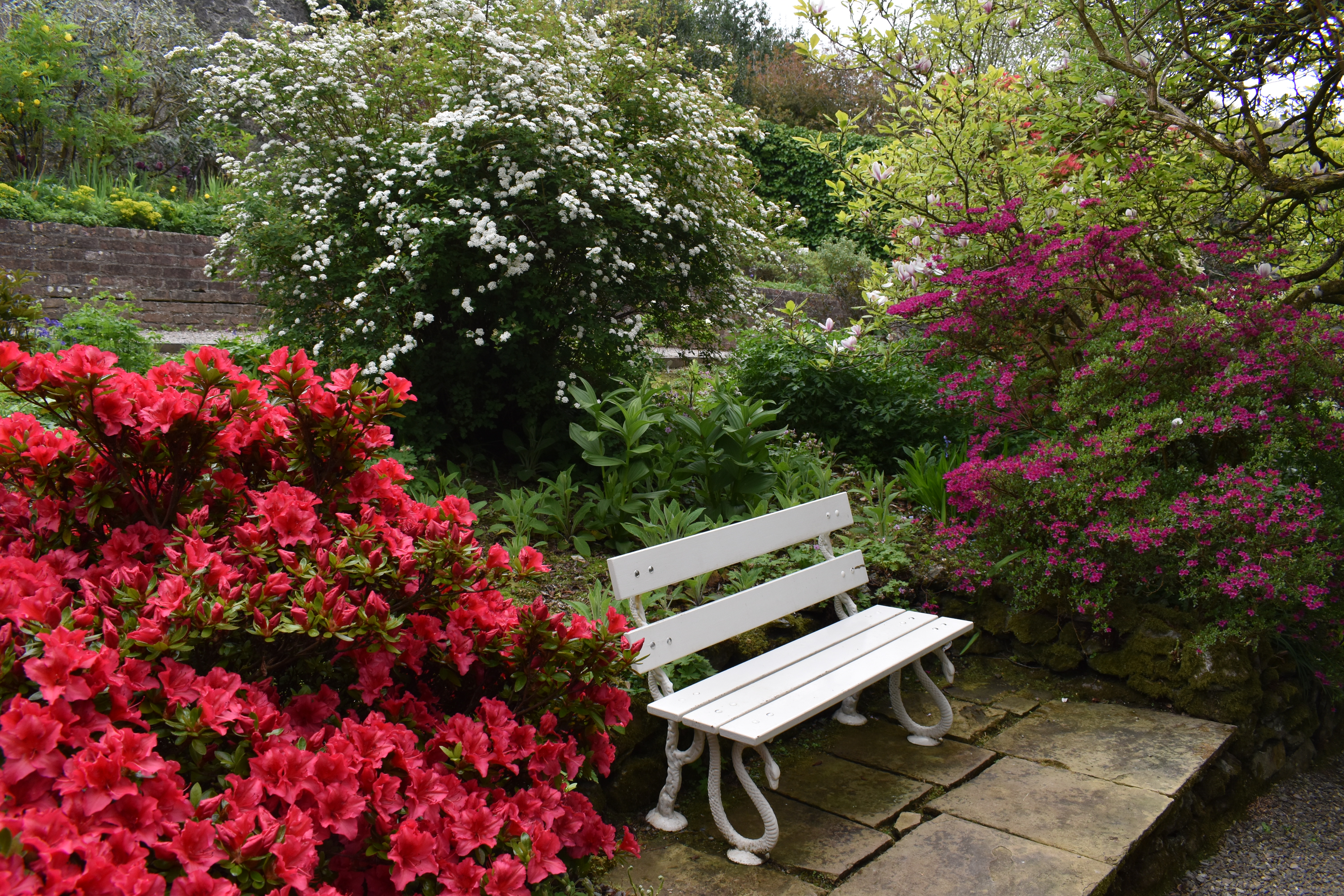
Soon we reached the level where flowering woodland shrubs, mainly rhododendrons and azaleas, provided much colour. Narrower footpaths meandered through the shrubs which afforded us beautiful close up views of the flowers and also a chance to enjoy the rich aromas. The brightness of the flowers could have been a bit overpowering but the rich foliage of small trees such as acers added some respite and a beauty of their own.


The massive foliage of the Gunnera, often called giant rhubarb, looked so good alongside the smaller but much glossier leaves of rhododendrons and laurels and the excessively cut fronds of ferns including tree ferns. It all had a tropical atmosphere but with the calls and songs of native birds.


As the gravel paths among the brightly coloured pinks and reds of the rhodos and azaleas gave way to more open woodland plantings, with paler more subtle colours of yet more ferns and trees.

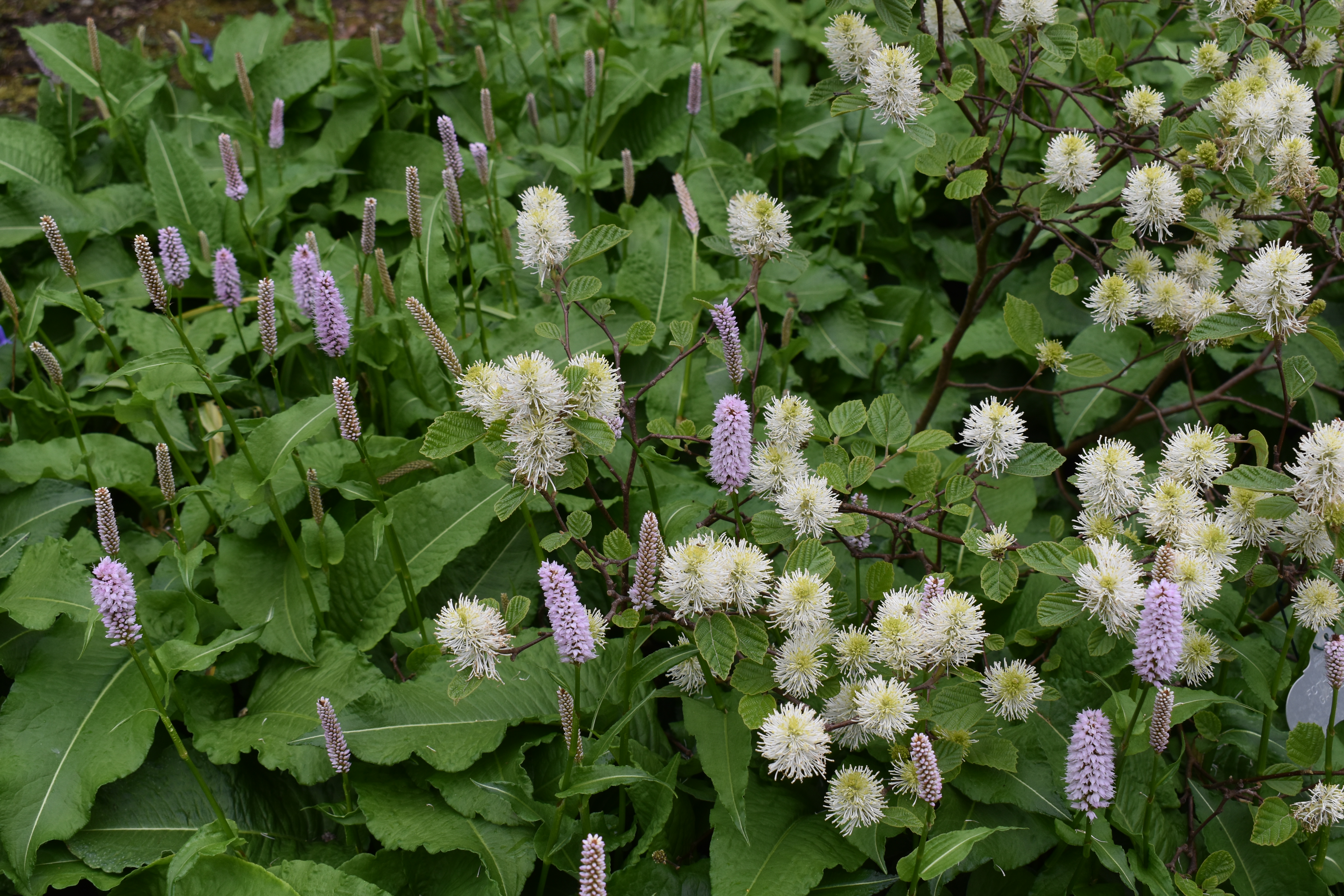


When we reached the stone wall that ran across the garden the path led us through an archway into the next section of garden. As we passed through the entrance we stopped to admire a very smart pyramidal piece of topiary. but first we just had to admire this very high backed bench. Of course Jude had to try it out for size and we took the advantage of a rest and to peruse the garden map to see where else we had to go.


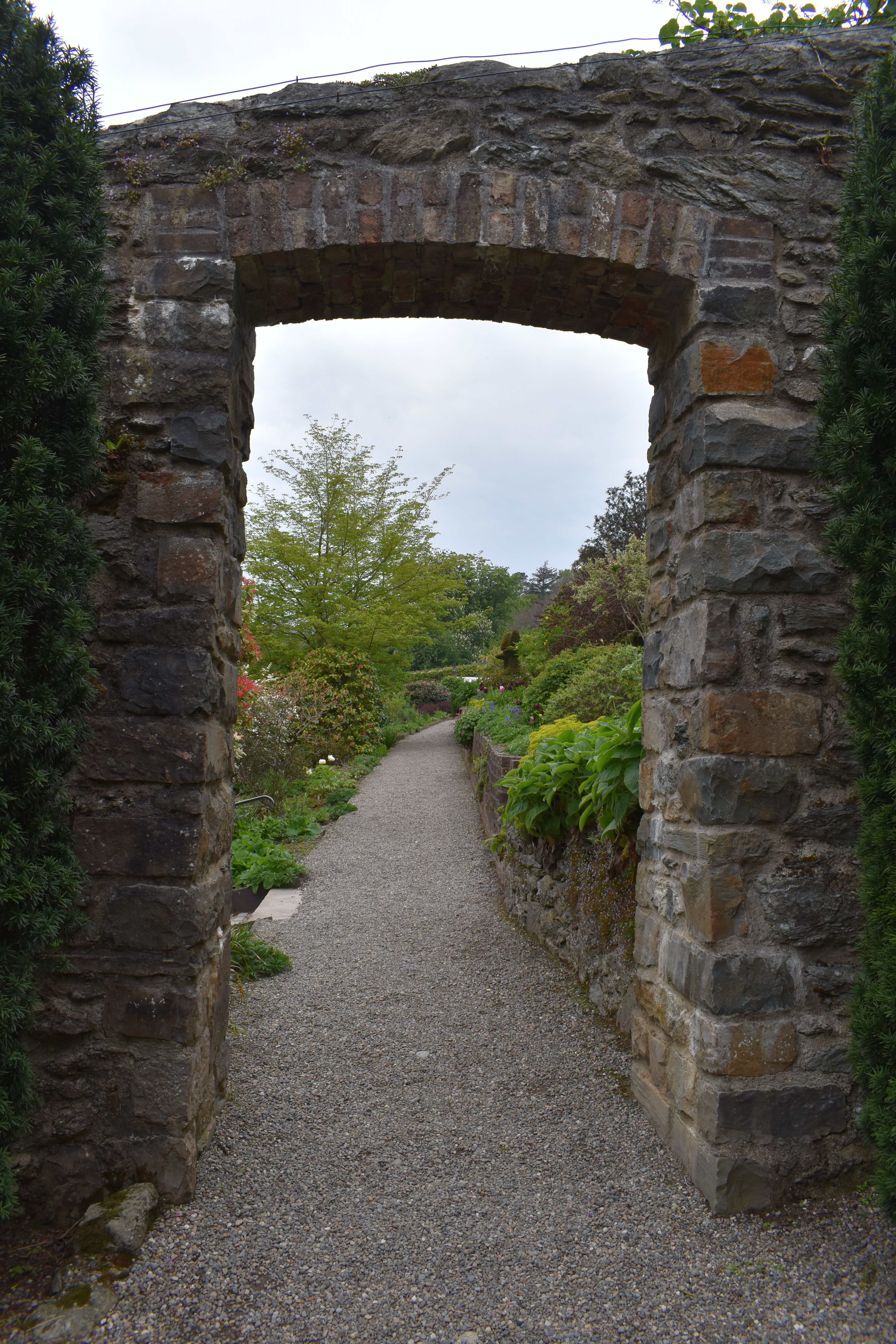

We were looking forward to exploring the ‘Secret Garden’ of Mrs Fanning Evans, which was just the other side of the beautiful stone wall.
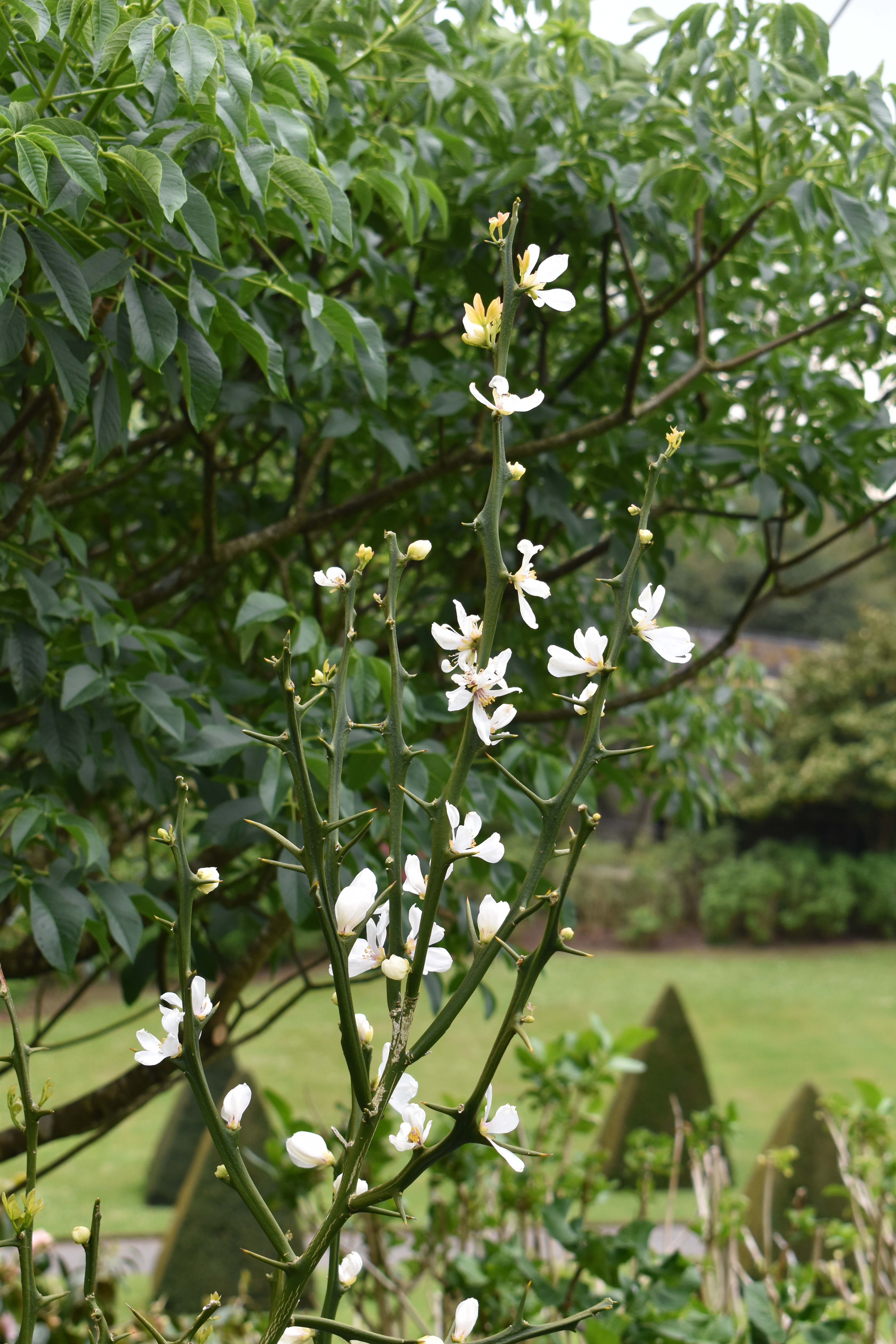
Mrs Fanning Evans was the last gardener at Plas Cadnant before it was abandoned until its rescue and restoration. This patch of garden is the only remaining feature of the original 1940’s planting. The remaining plants are a Magnolia x soulangiana, Eucryphia ‘Nymansay’ and Buddleia alternifolia and they certainly have survived well but are showing their age.

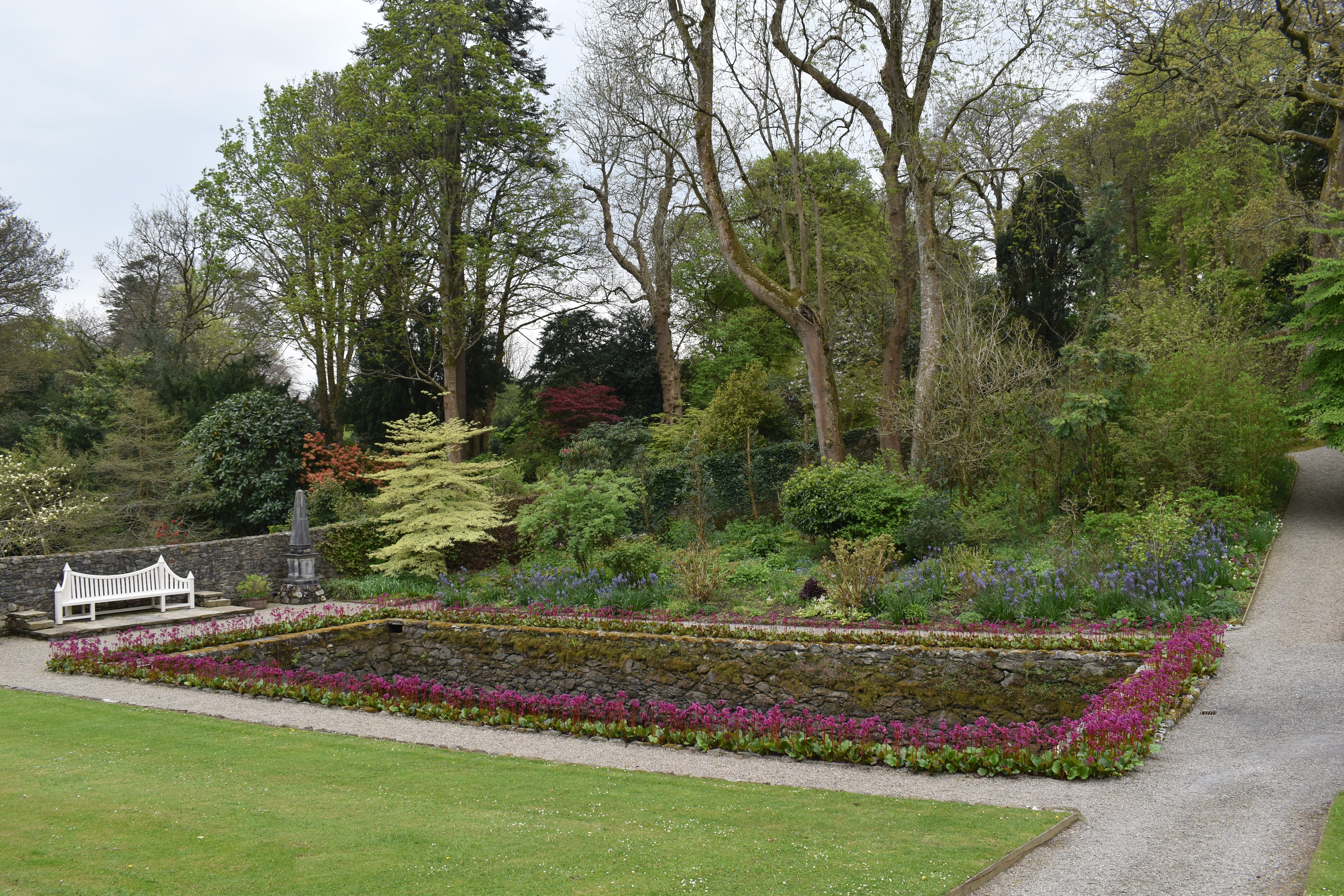
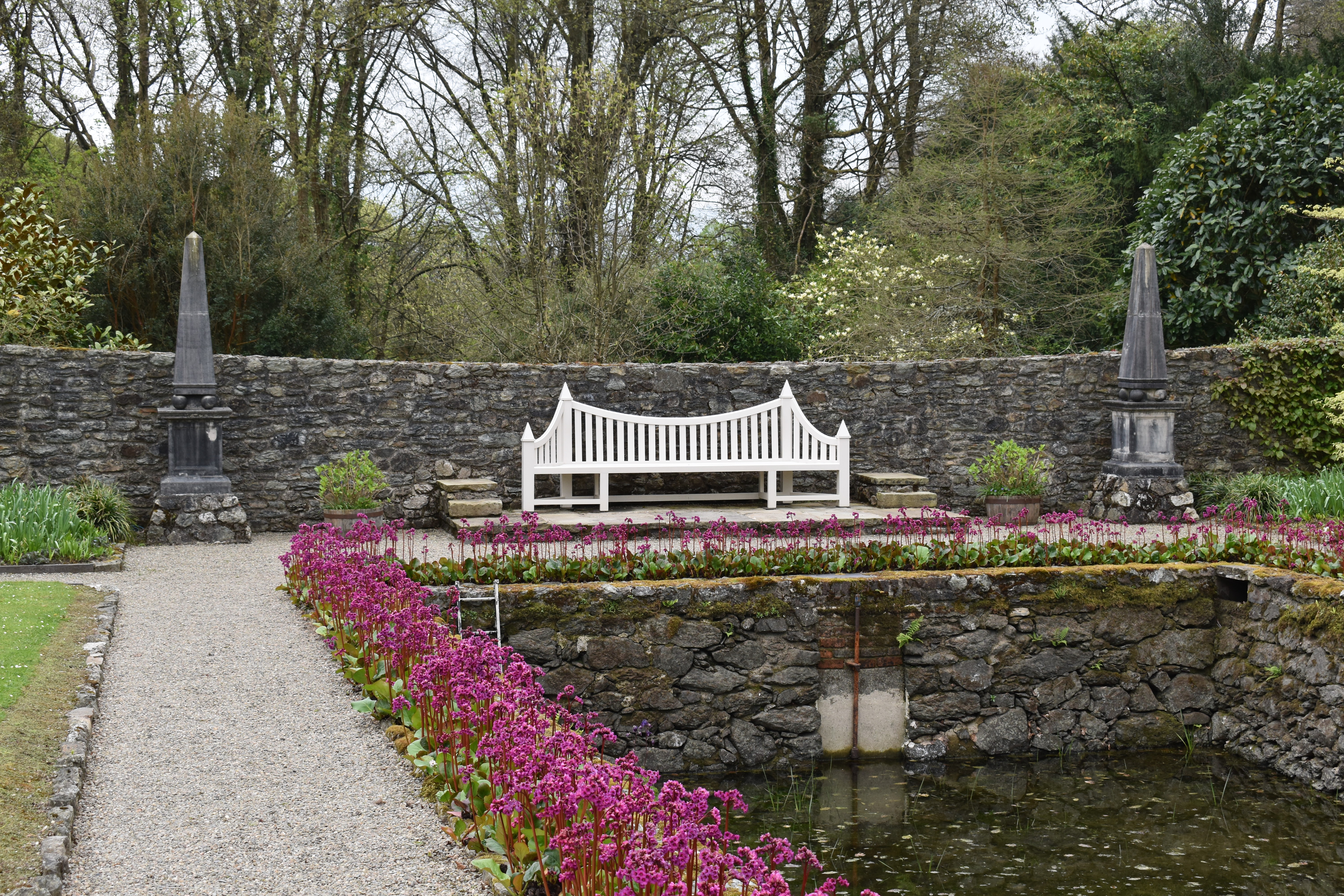
Nearby looking across across an area of grass, we spotted a large rectangular pool with a white seat overlooking it. This was too tempting so we walked across the grass to get a closer look. We couldn’t work out what the deep pink flowering plants were around its margins. They were bergenias, very floriferous ones.

We had virtually completed our tour of this superb garden, having just the raised border to enjoy before we found ourselves back at the cafe and just had time for a quick cup of coffee before it closed and we then made our way back to the hotel.


 greenbenchramblings