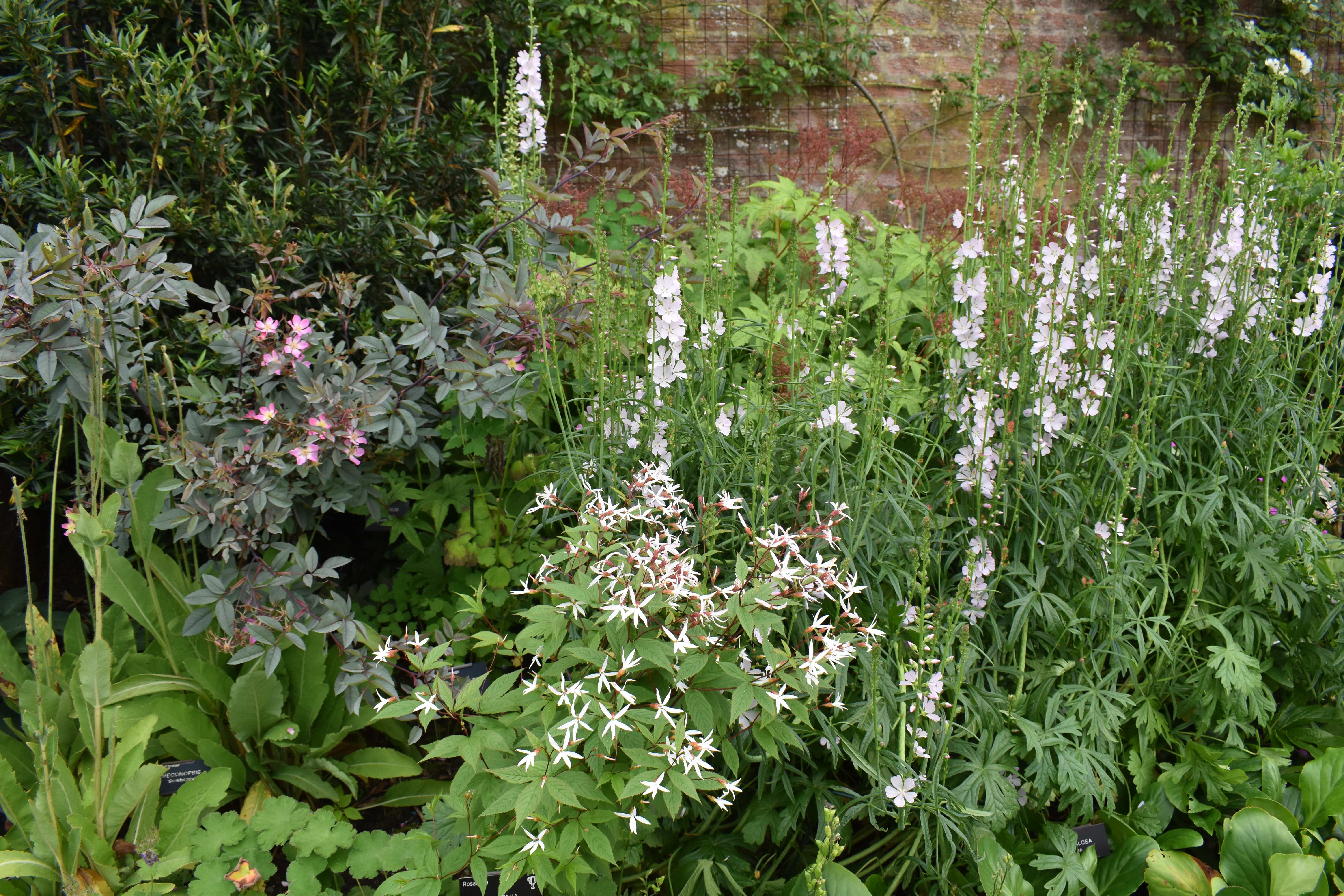
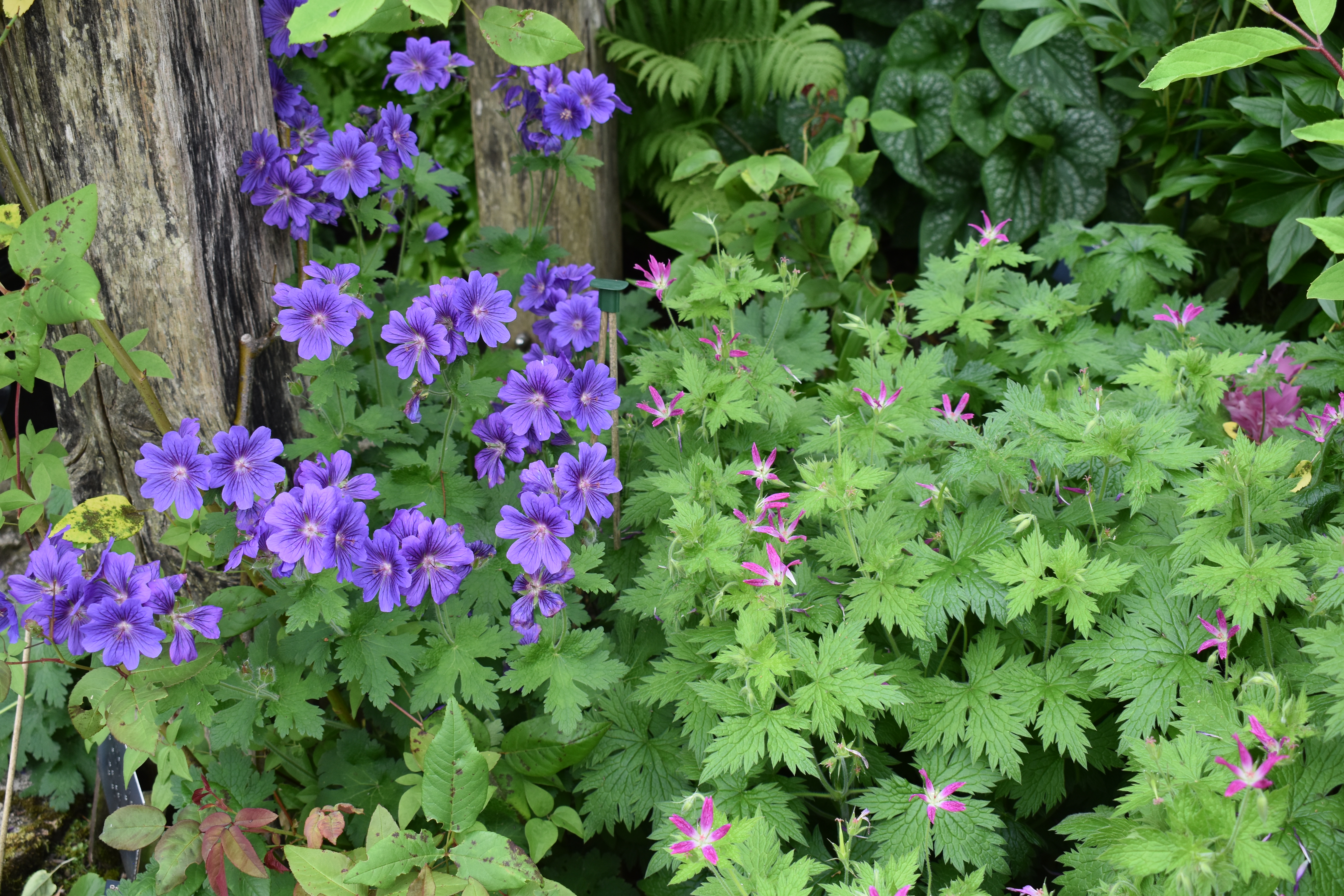
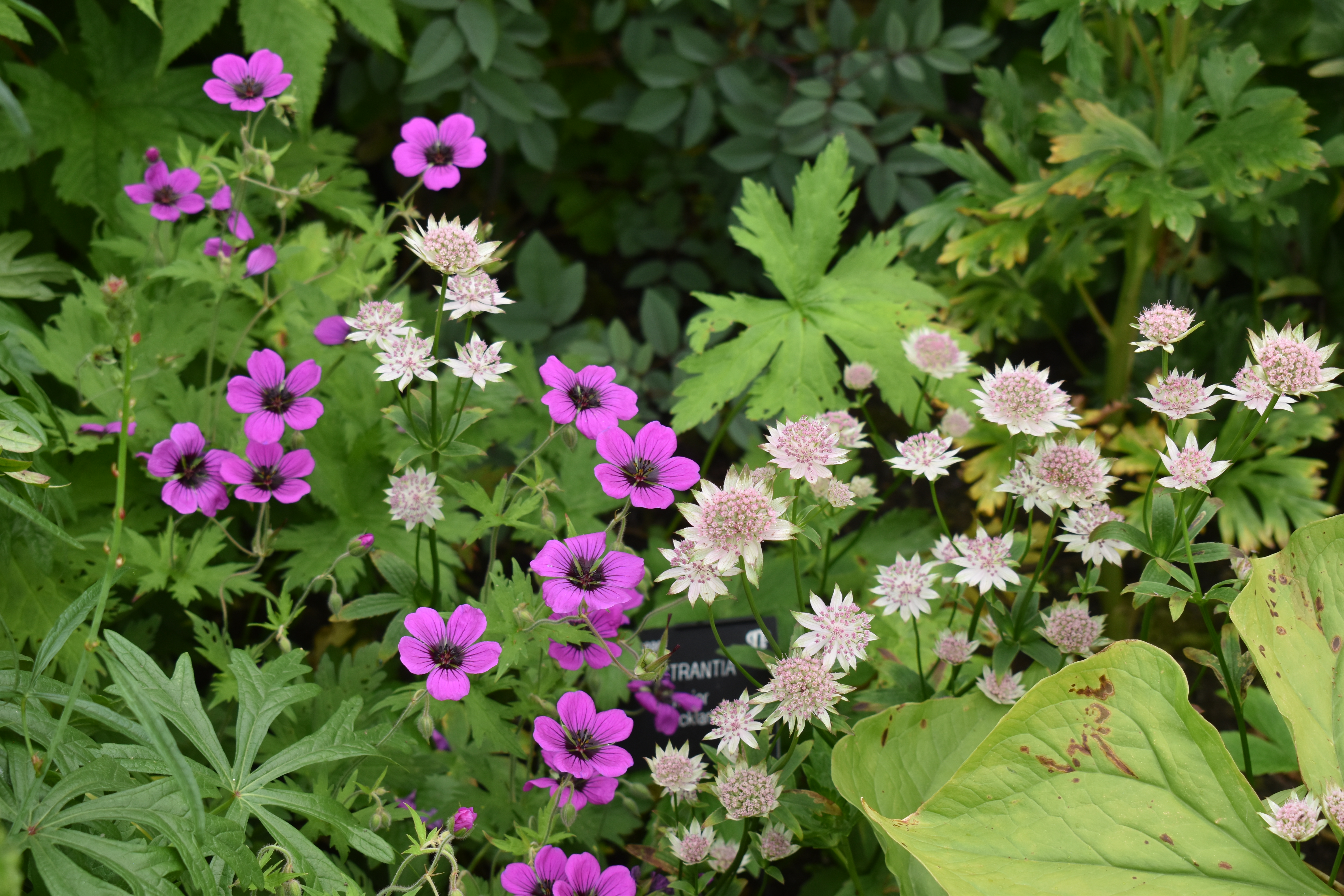
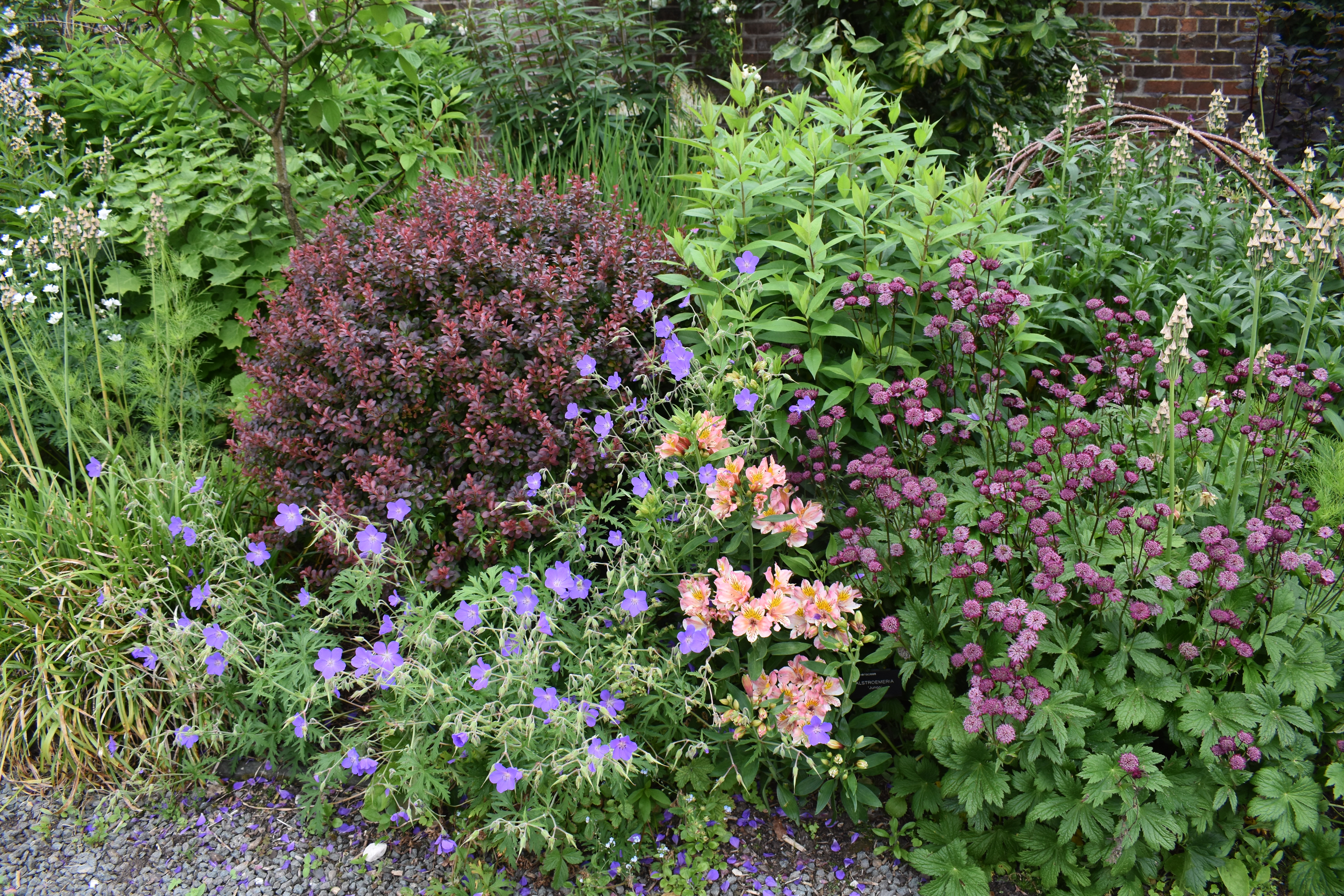
Categories
Uncategorized

Our April Visit to John’s Garden at Ashwood Nursery

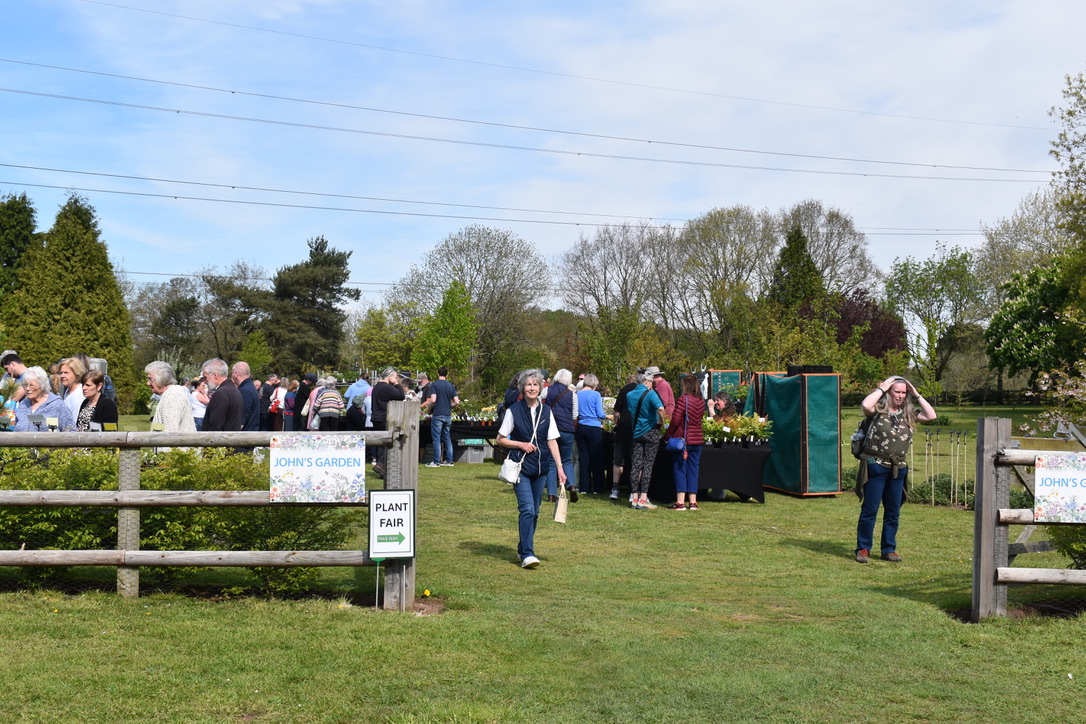
We were so lucky with our choice of day for our monthly visit to John’s Garden in April because we had choosen a day when John was holding his first ever plant fair. It was far more than the usual plant fair because there were 19 specialist nurseries attending and the sales pitches were spread out around the garden. We could enjoy the garden and the plant fair. A great two for one day!

We arrived just before the plant fair was due to open and were surprised to see the queue to enter was a hundred yards or more long and slowly growing into the car park. So we sat and enjoyed a tasty coffee while waiting for the queue to abate. Once there was no-one queueing we simply walked in to enjoy our day.

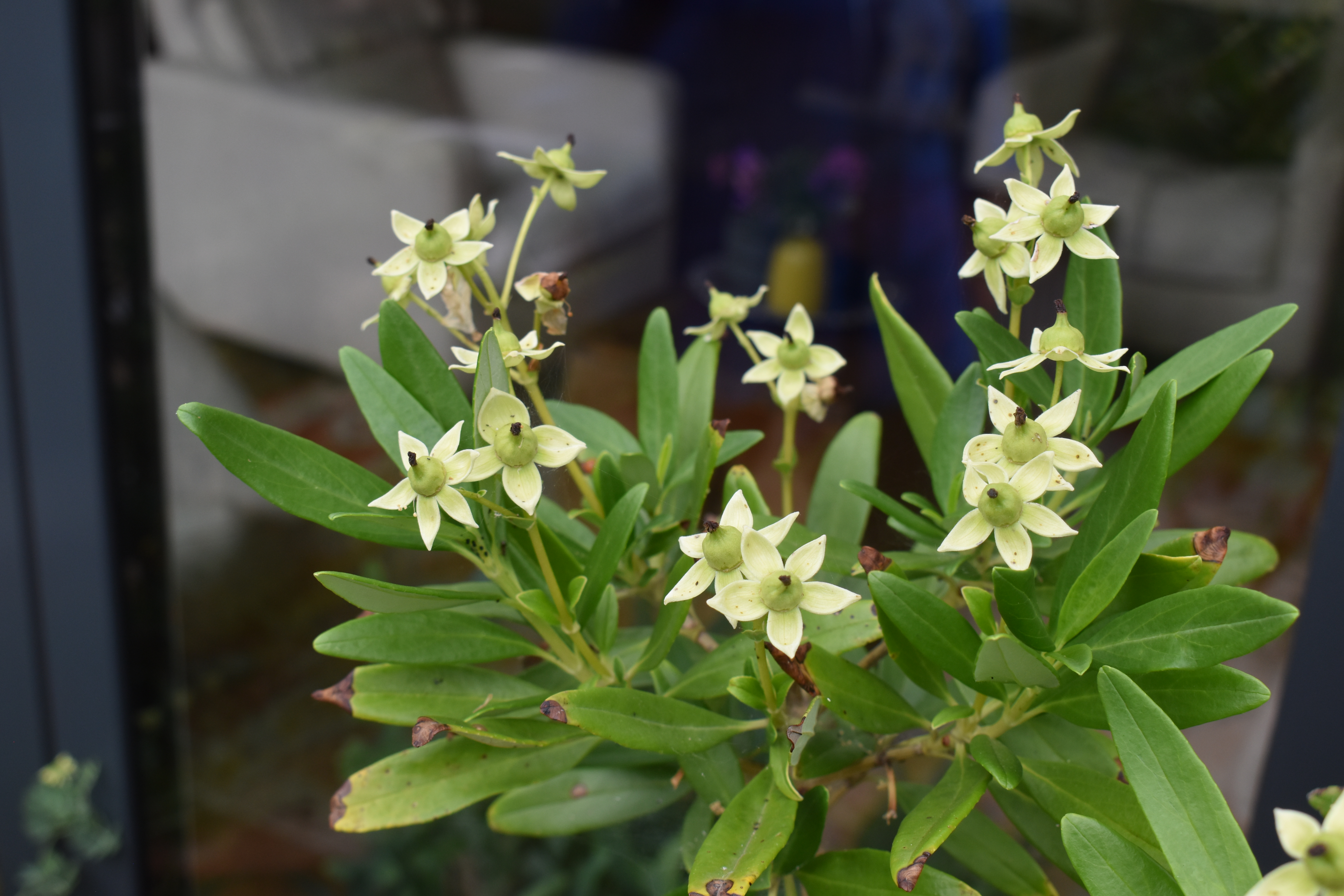
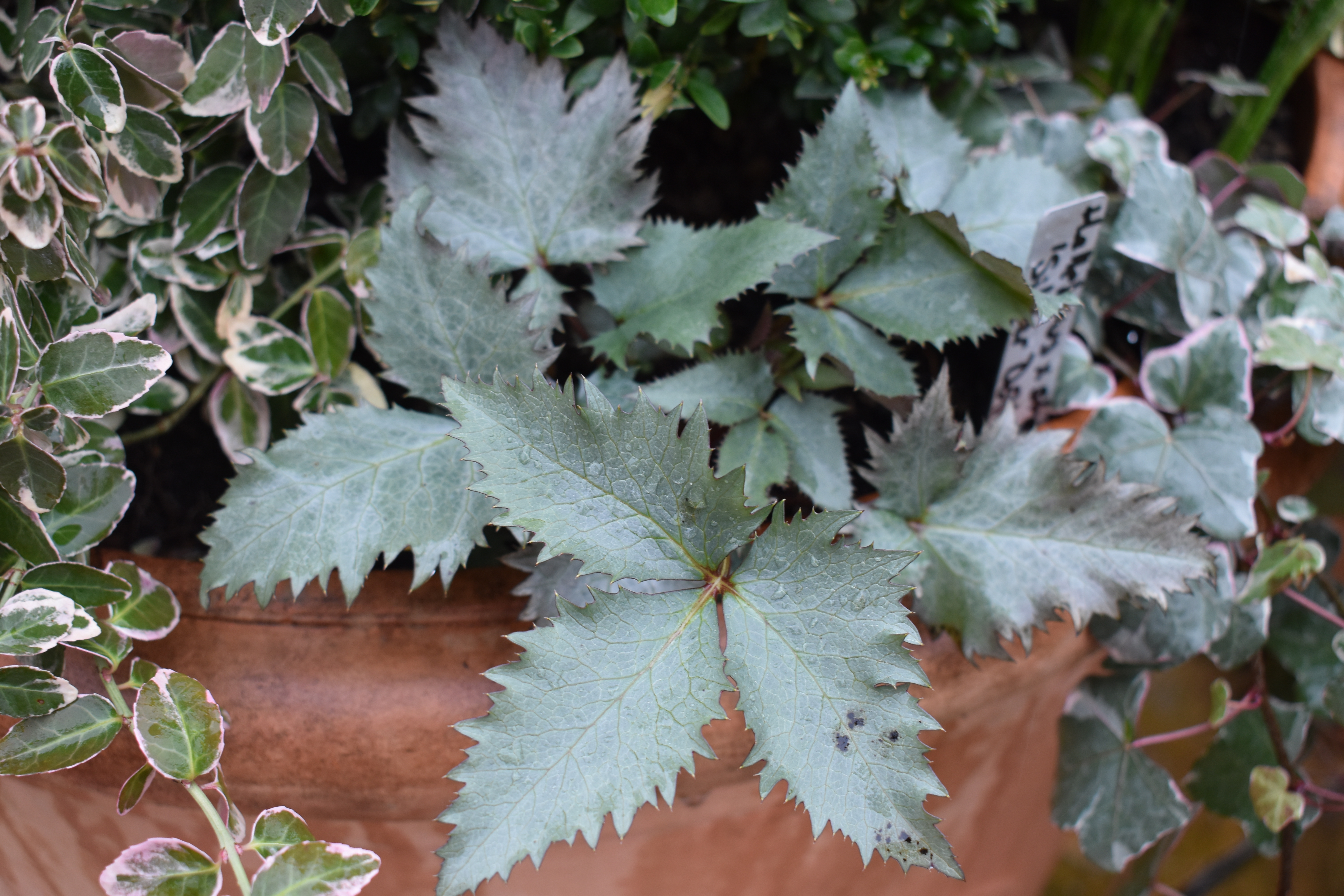
And we certainly enjoyed our day. we bought some amazing plants some of which we had been searching for a few years such as Paeonia daurica subs.”Mlokosewitschii” commonly known as ‘Molly the Witch’ and a shade loving perennial Disporum longistylum “Night Heron”. We met lots of plantaholic friends mostly fellow Shropshire Hardy Plant Society members and nursery owners we hadn’t seen for a while.

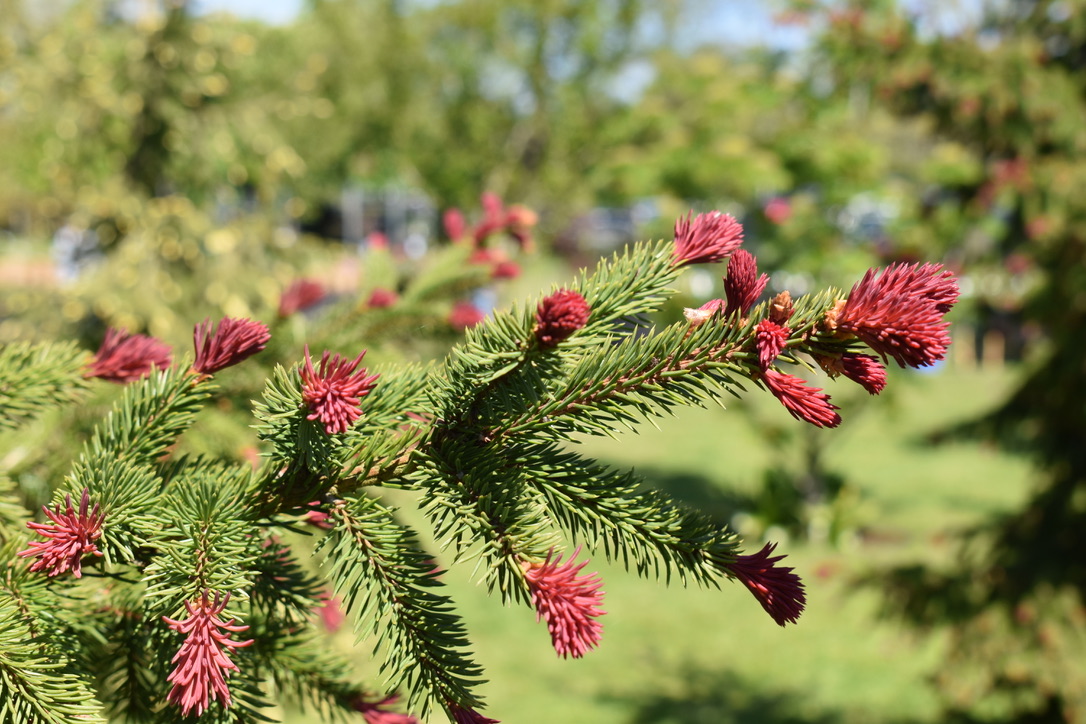
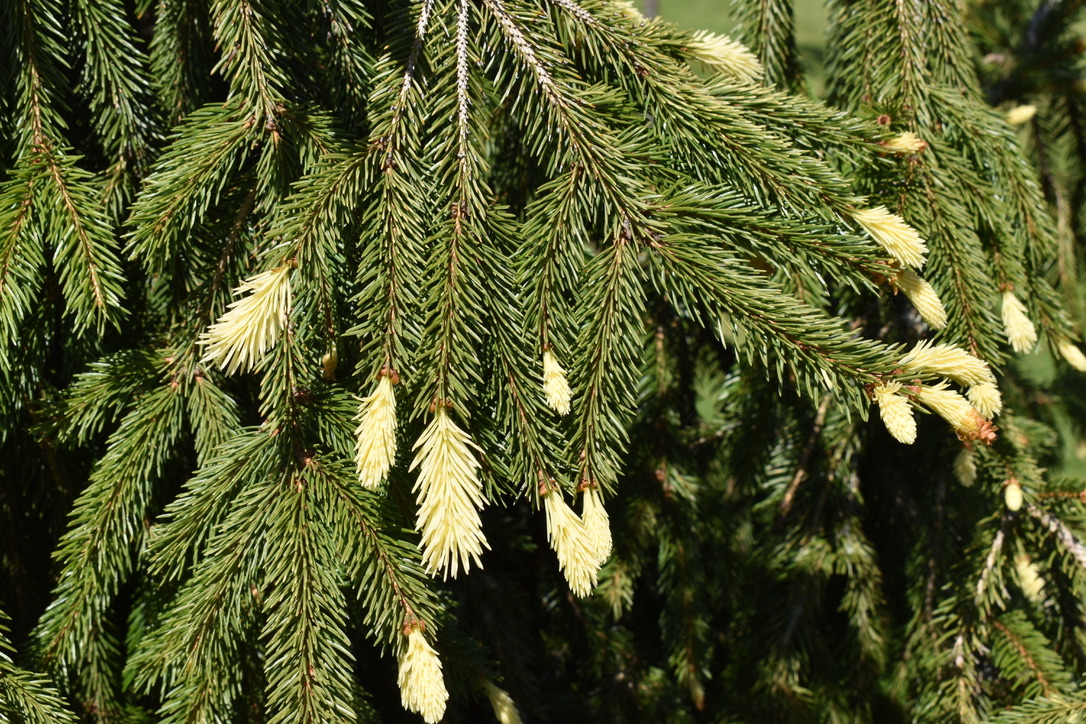
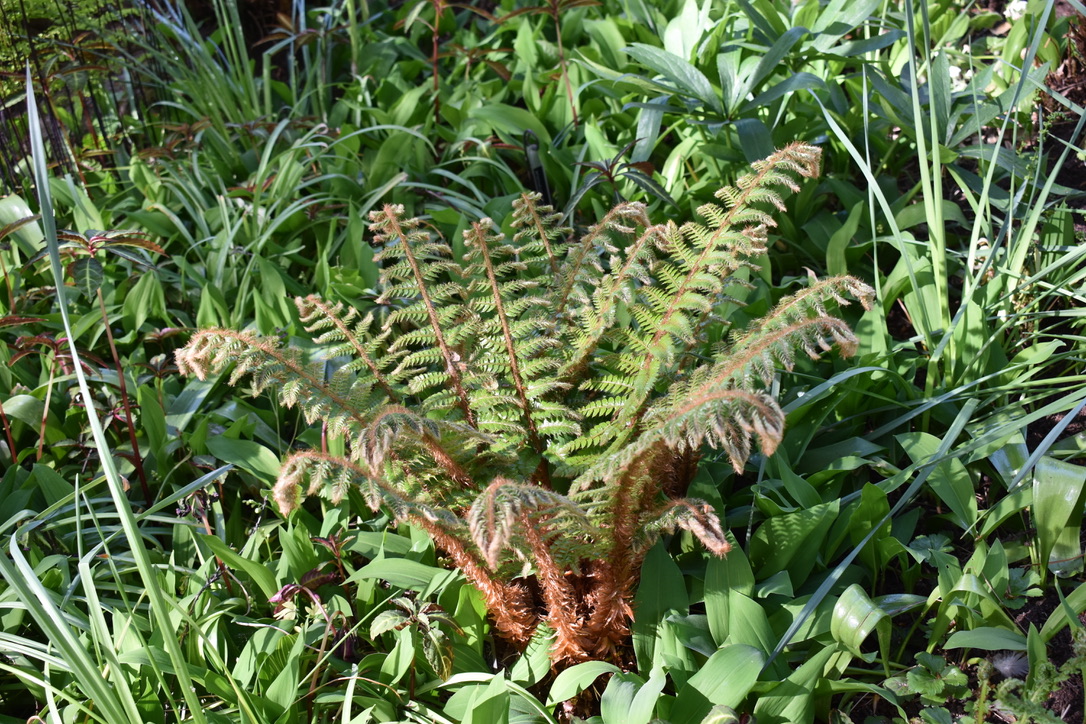
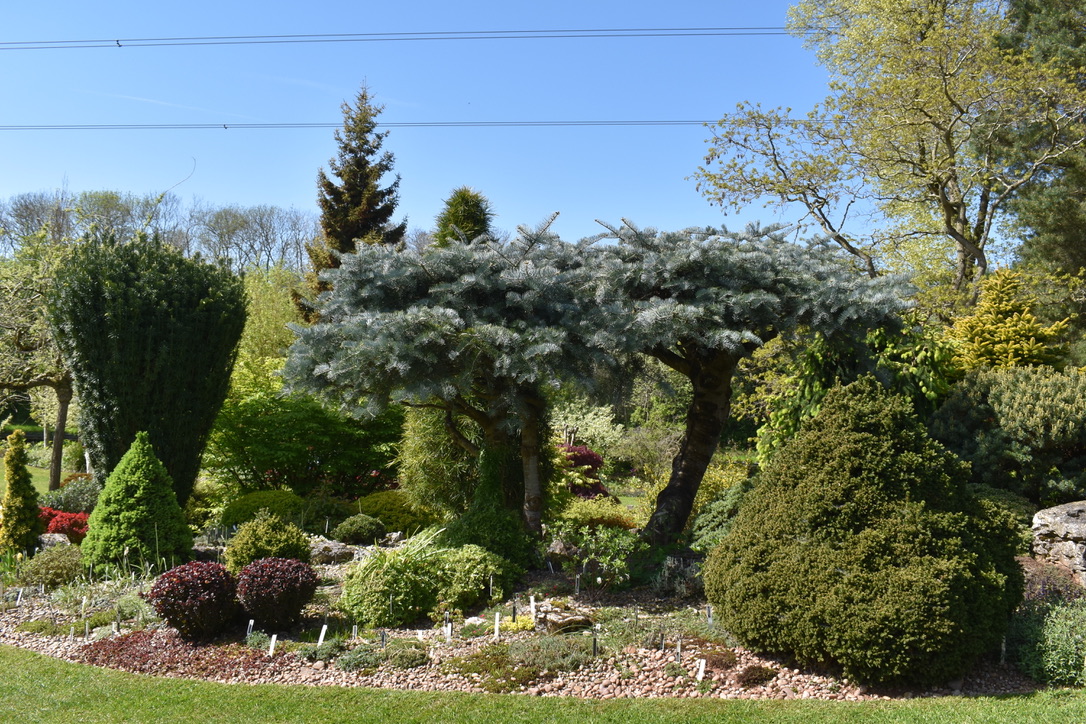
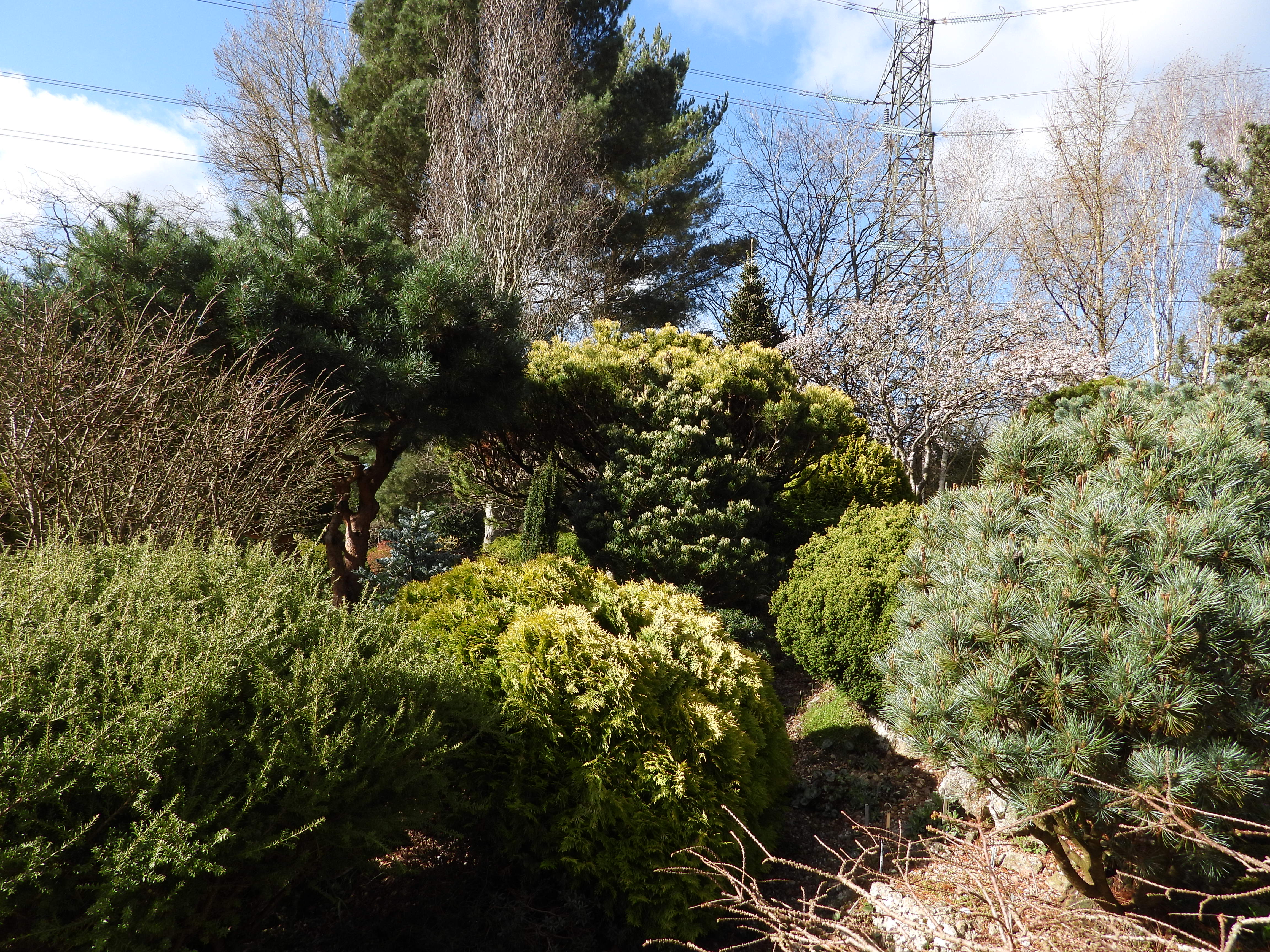
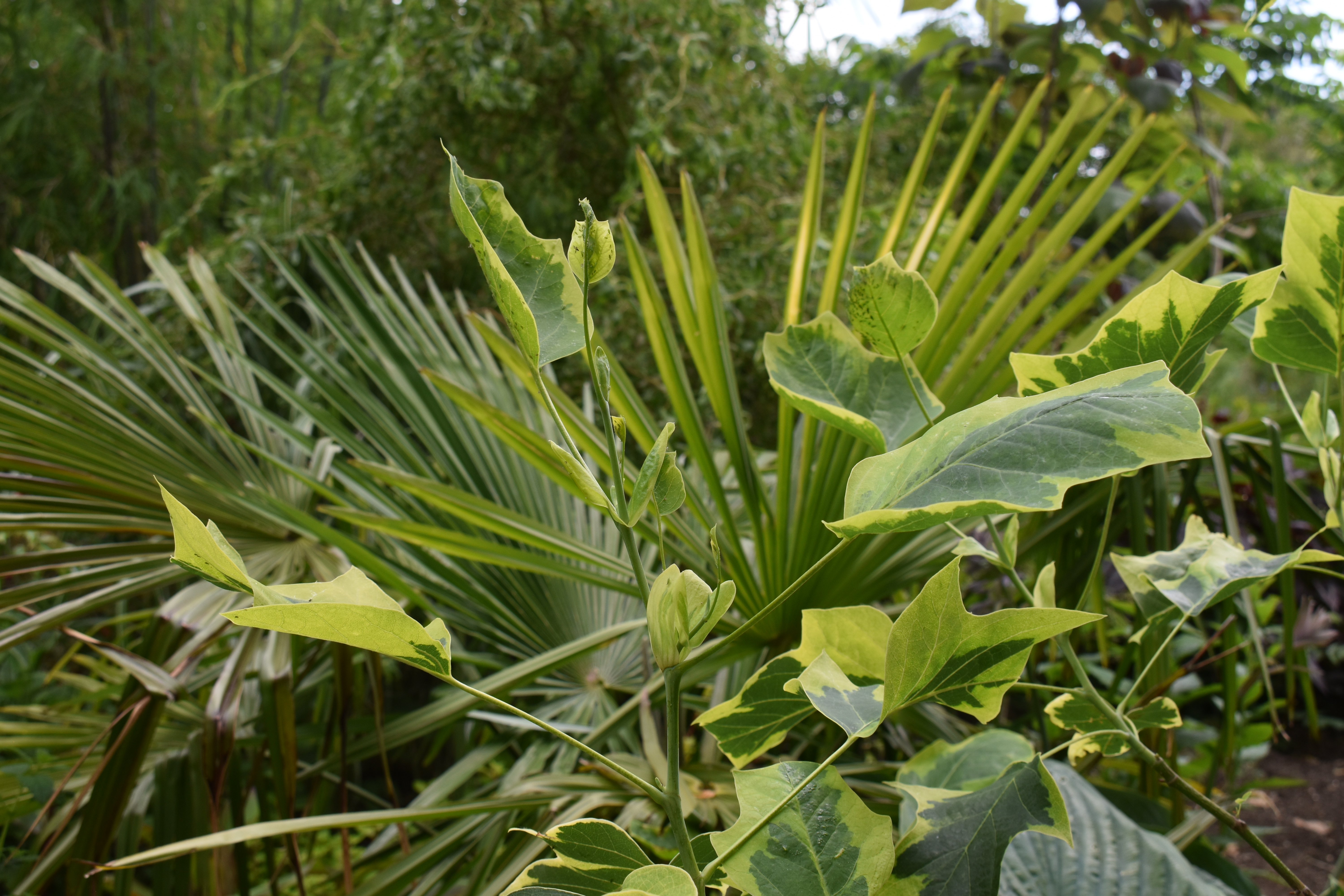
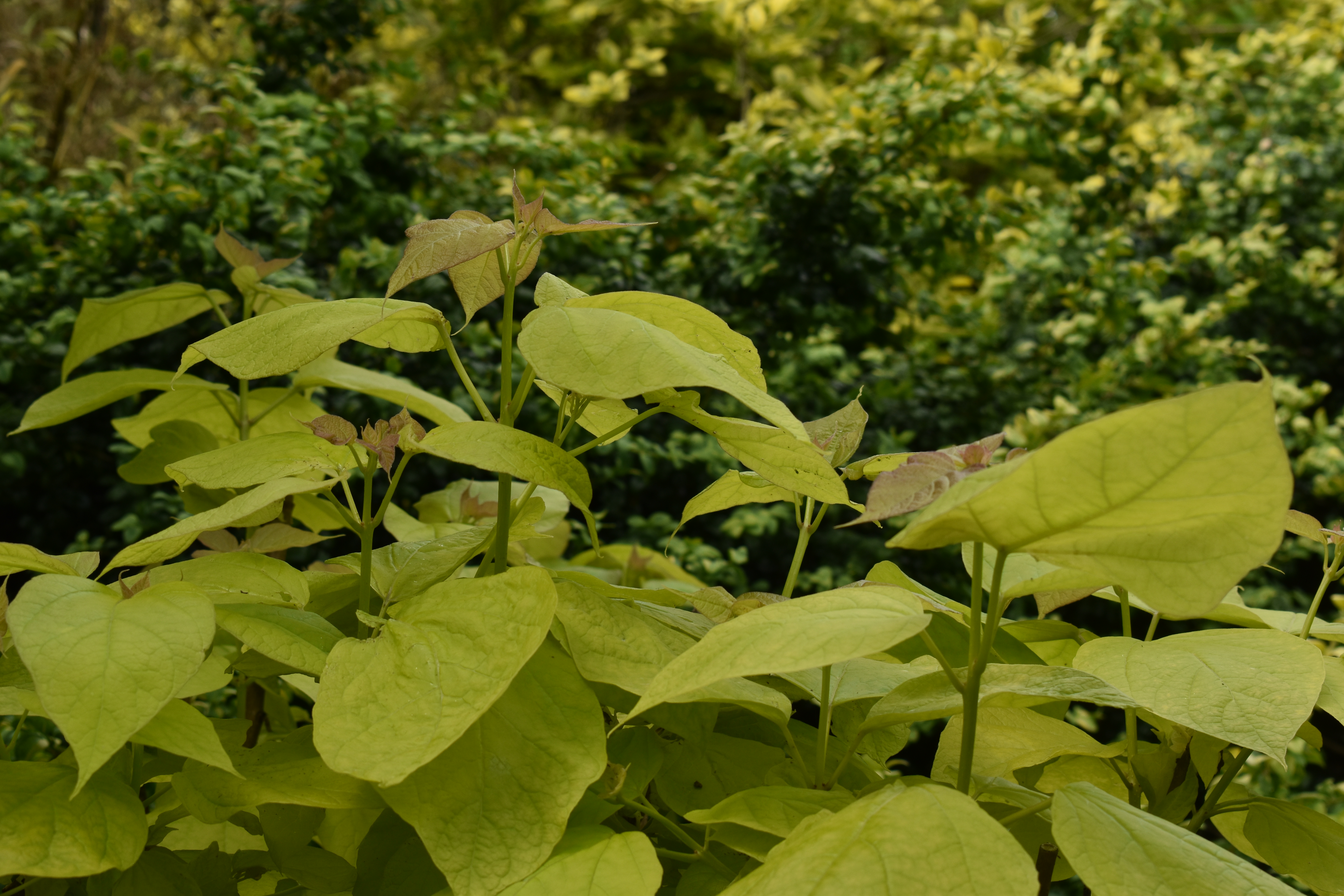
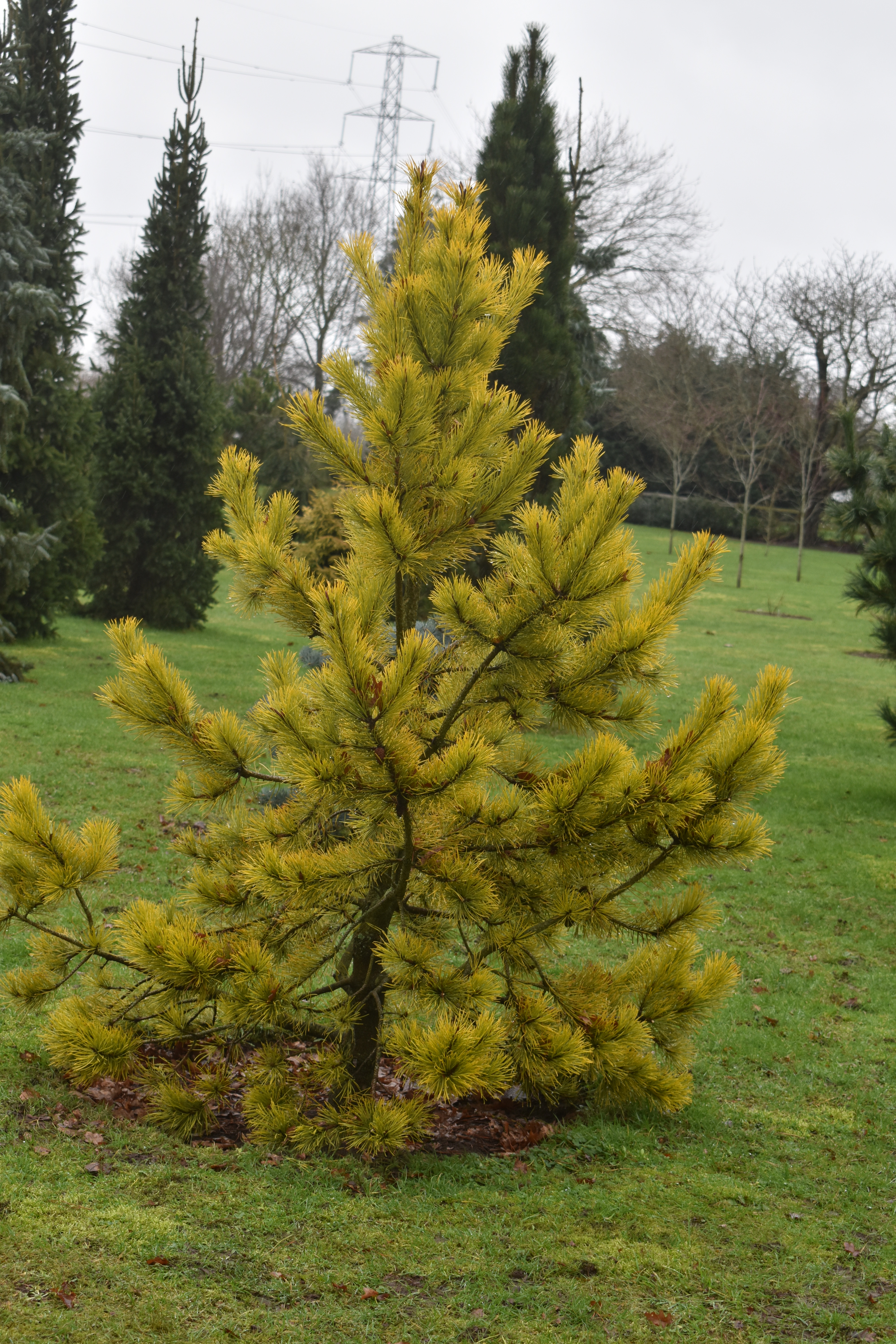
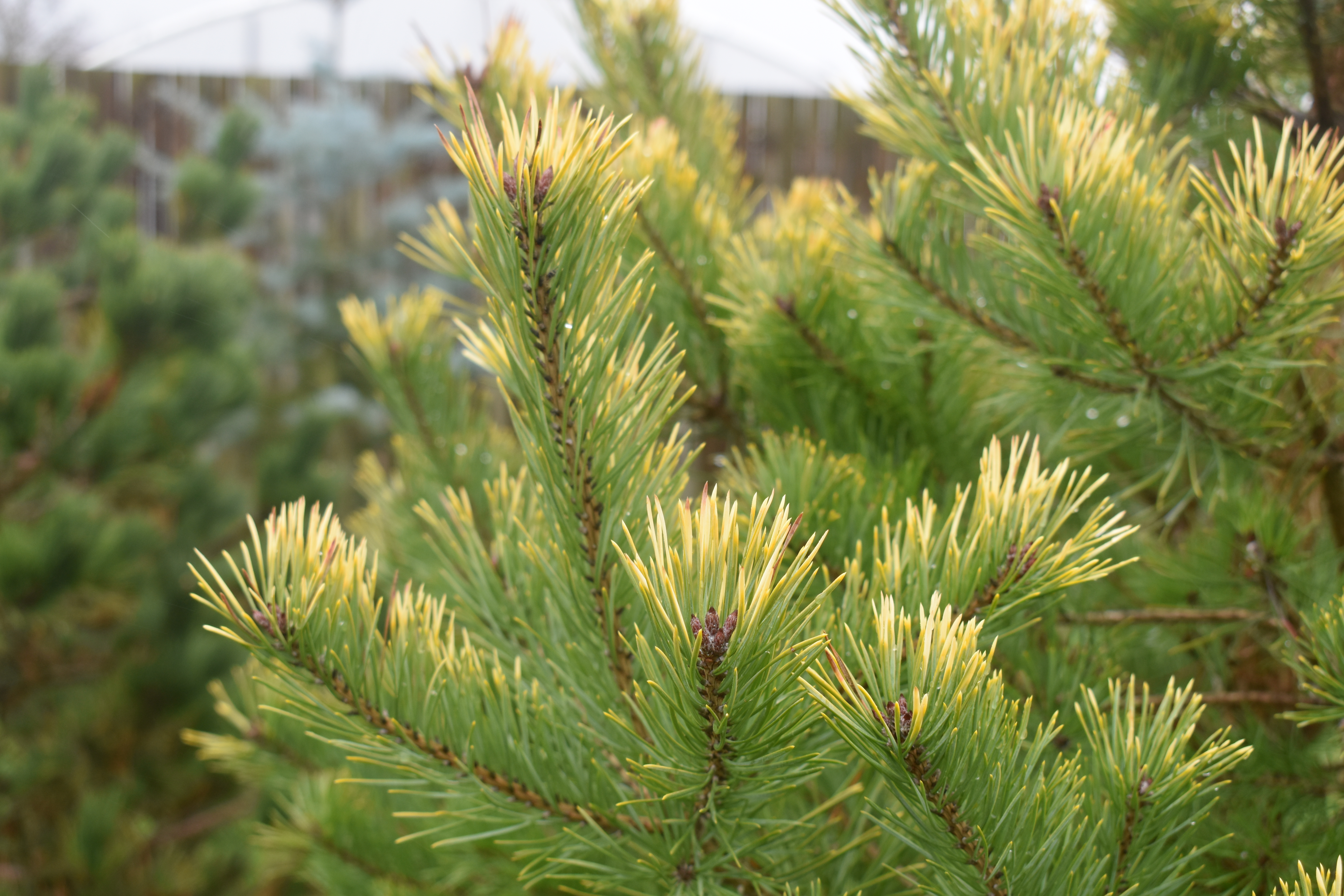
We were also there to have a look at John’s Garden for our monthly visit leading to this series of blog posts. I was taken by the colourful fresh growth on these conifers in ‘Adam’s Garden’ which seemed odd as neither of us are great fans of conifers in general.

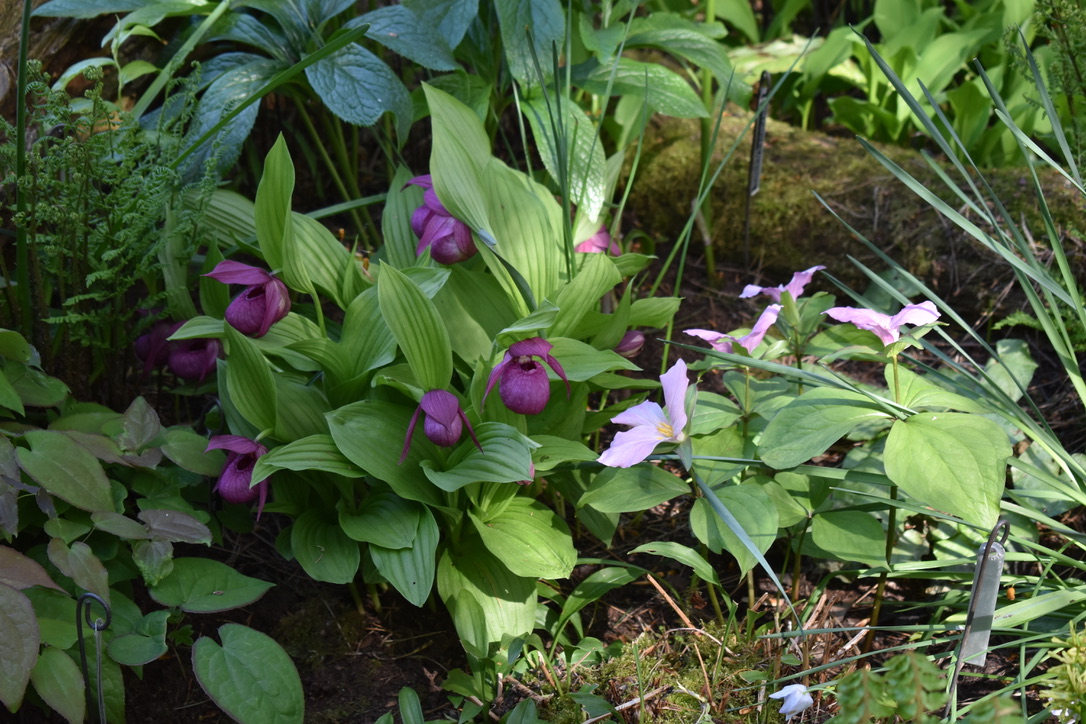
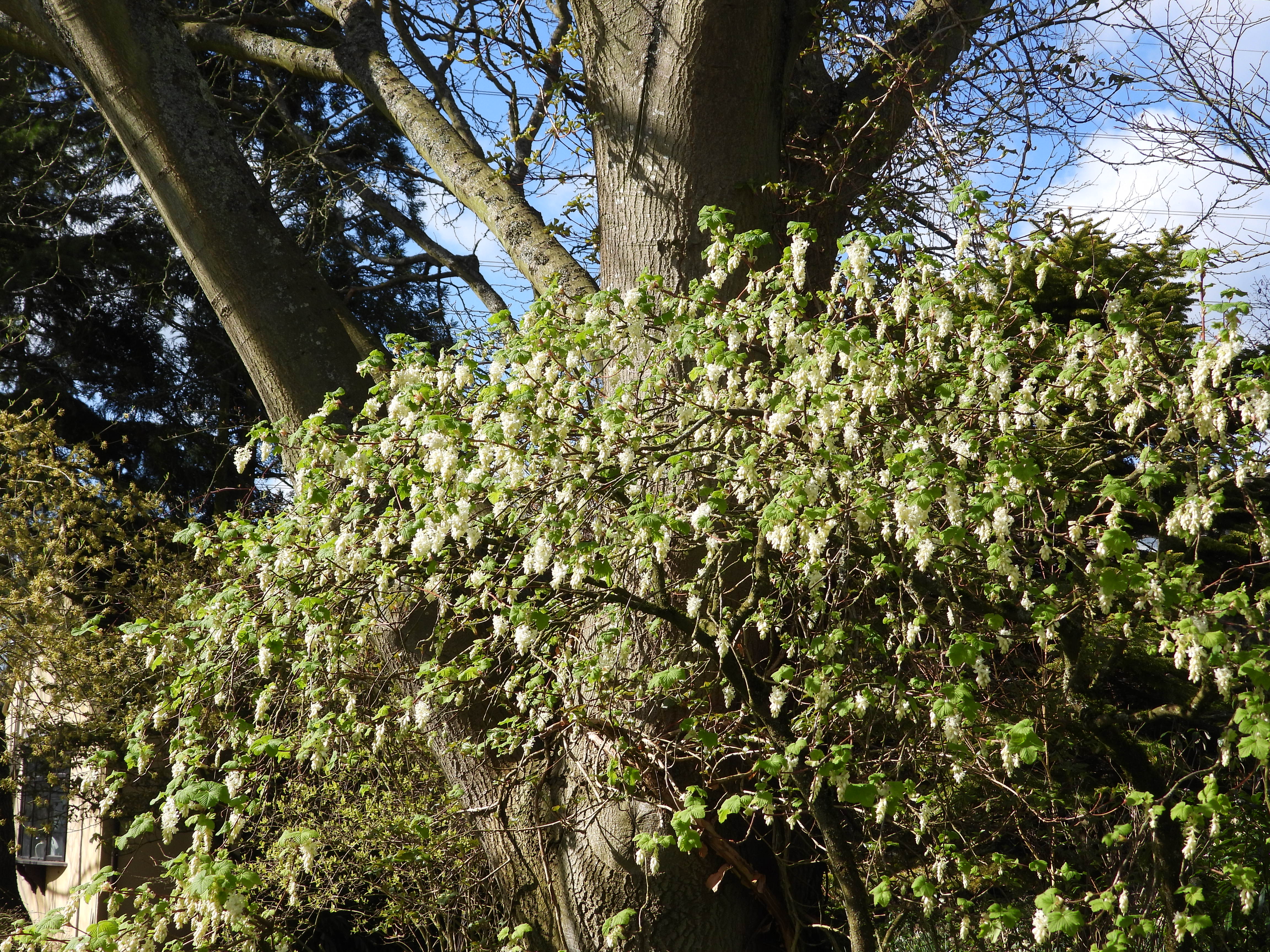
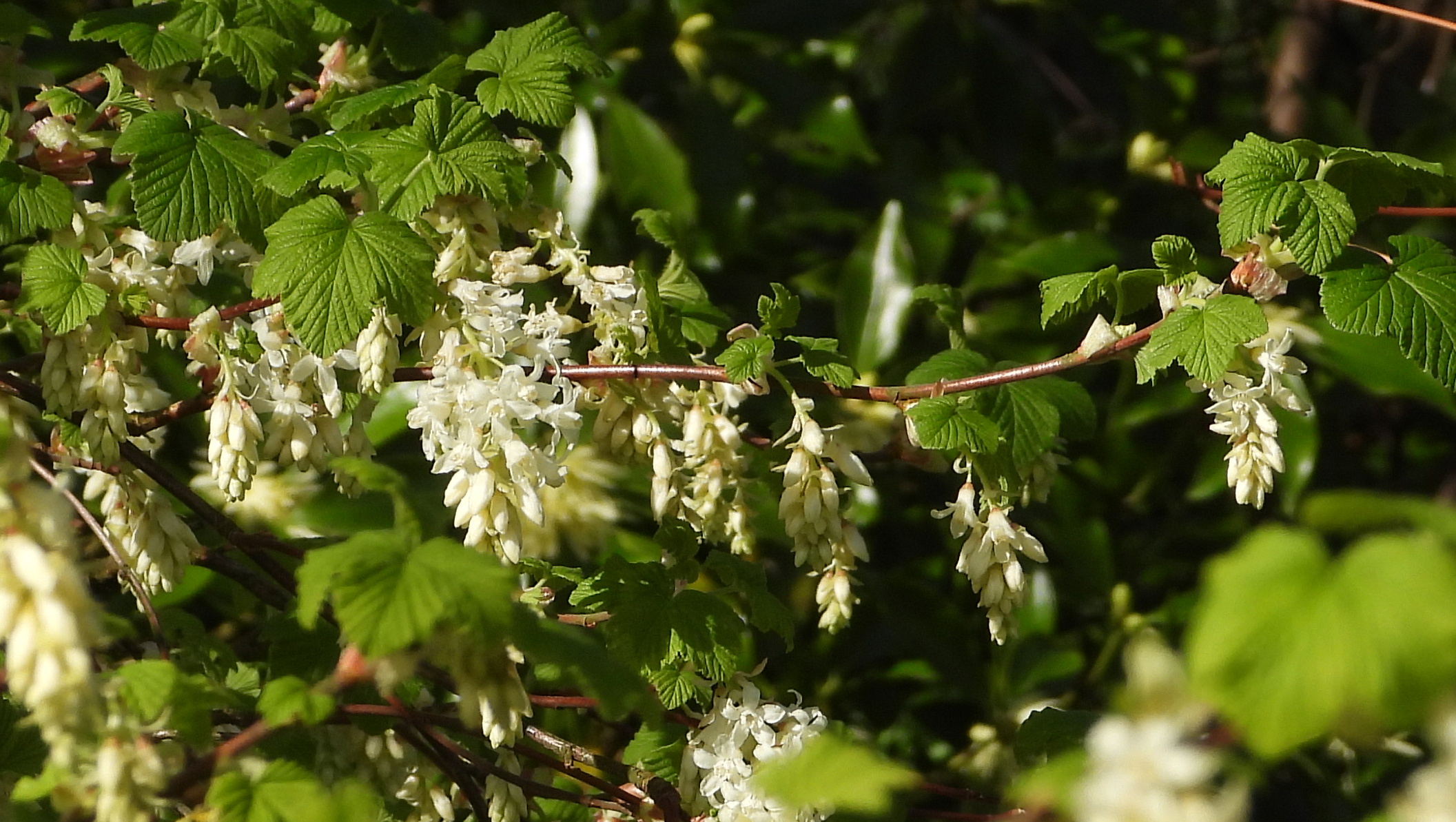
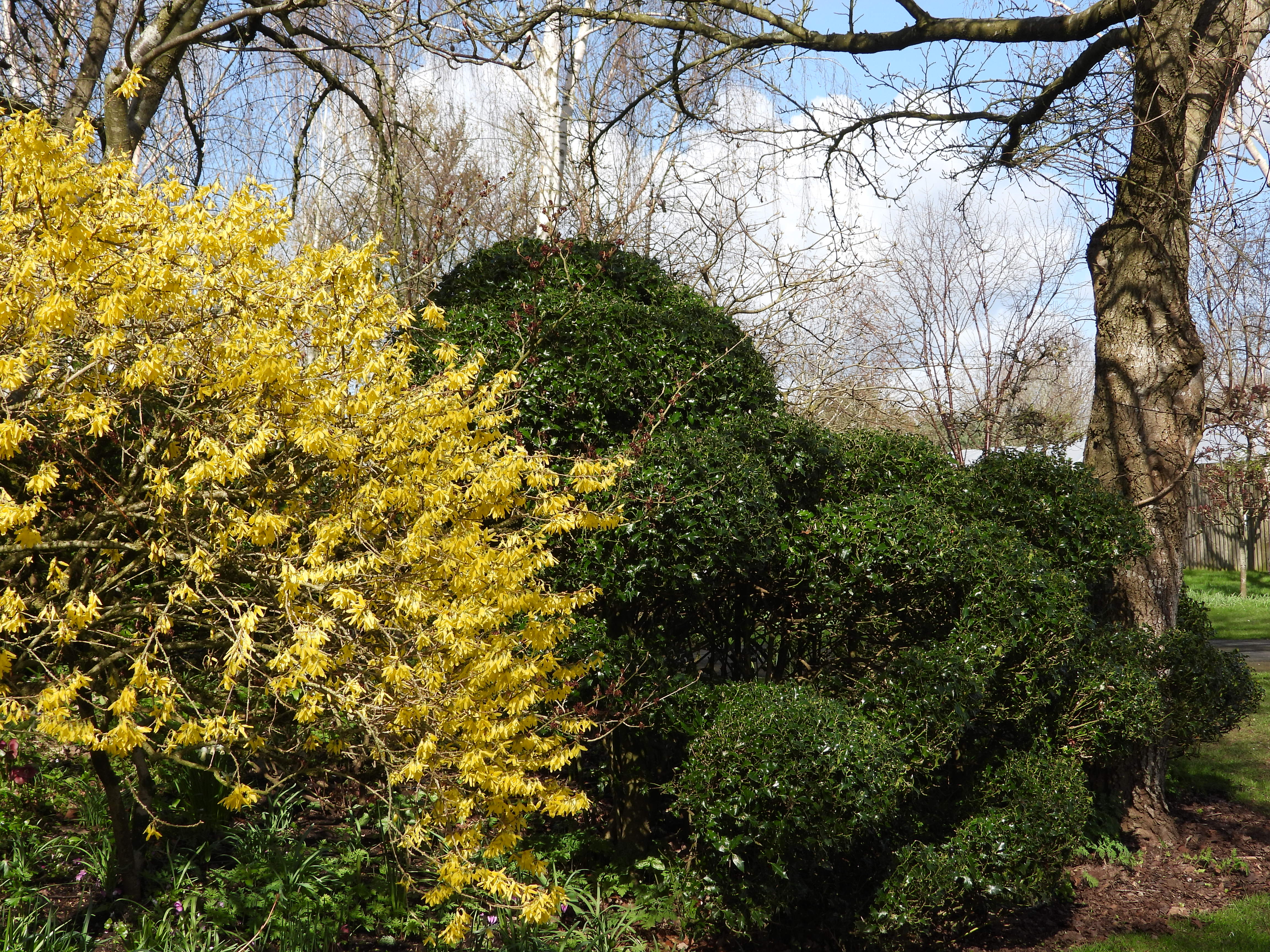
From Adam’s Garden we passed through a wooden gateway into the main garden where we found lots more interesting nursery stalls as well as the usual rich assortment of plants. John always has a special way of planting in the shade seeing them as an advantage as opposed to problem areas.

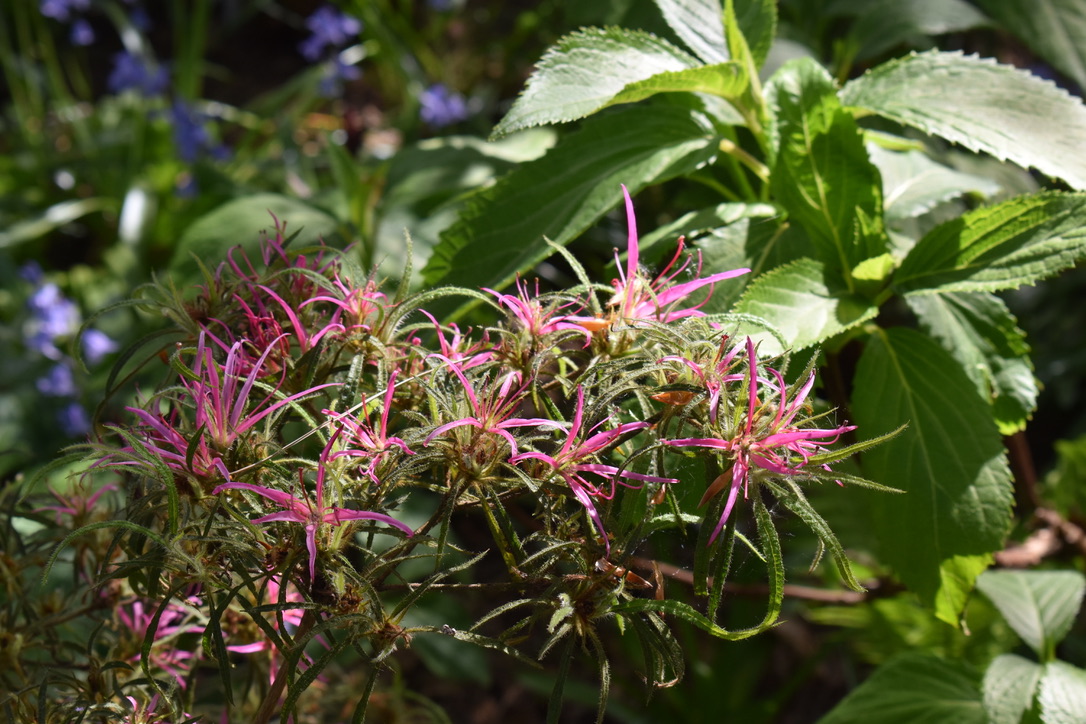
We always find some plants that we do not recognise at all so need to turn to our iPhones for help such as this most unusual of Rhododendron with its finely cut pink petals. We discovered it was Rhododendron stenopetalum ‘Linearifolium’.

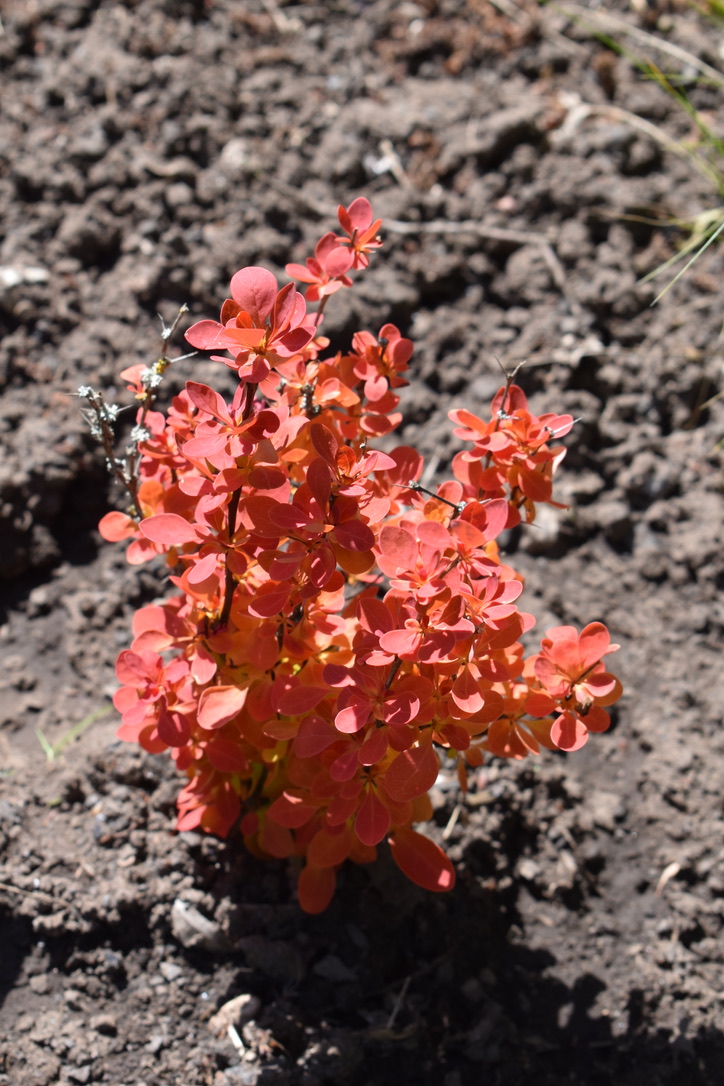
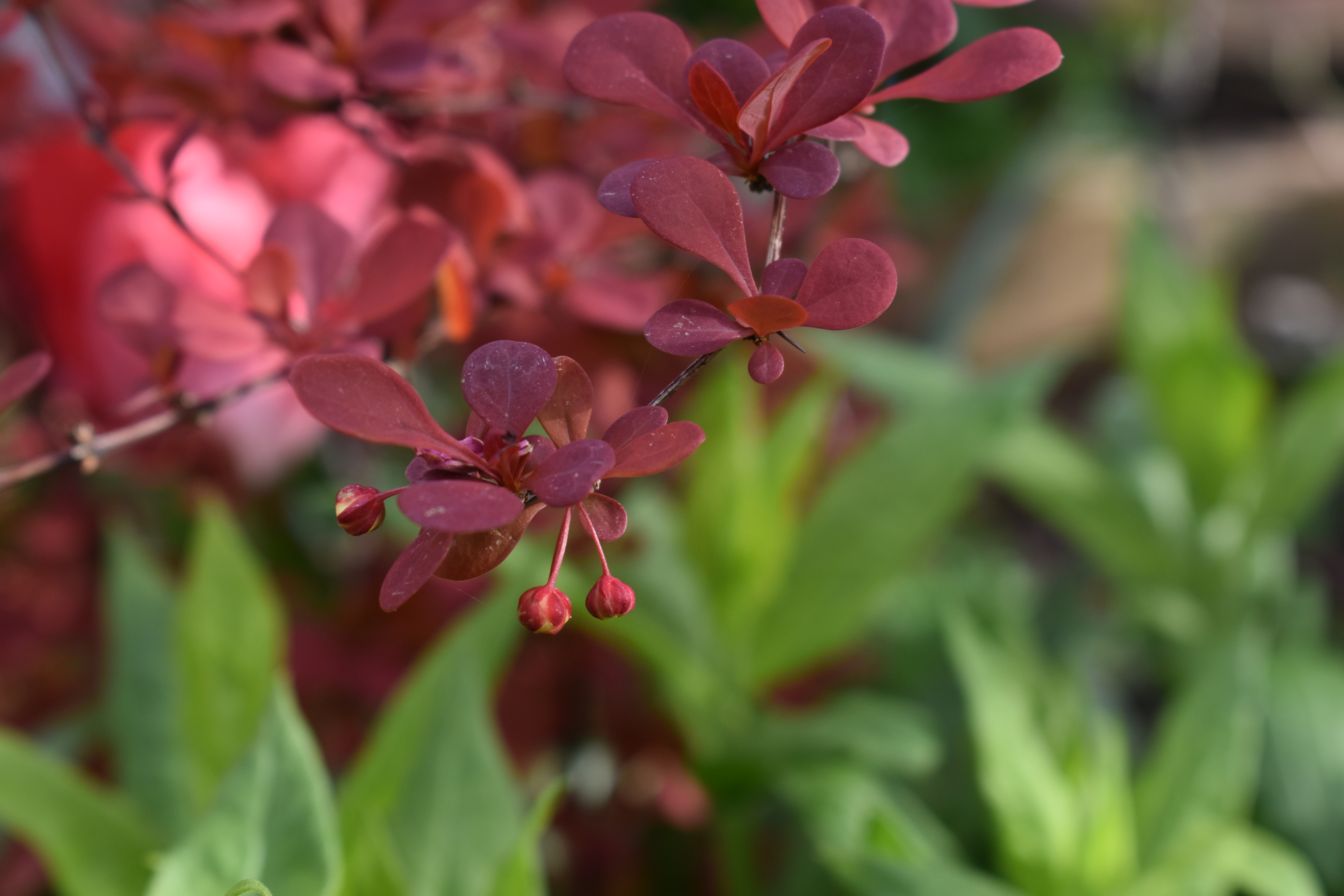
We are always impressed at the number of different Berberis here which show so many different bright foliage colours. I particularly loved this bright orange cultivar which shone out against bare soil and would be a great partner for so many other plants to enrich or contrast. The labels told us it is Berberis thumbergii ‘Orange Ice’. One to look out for!

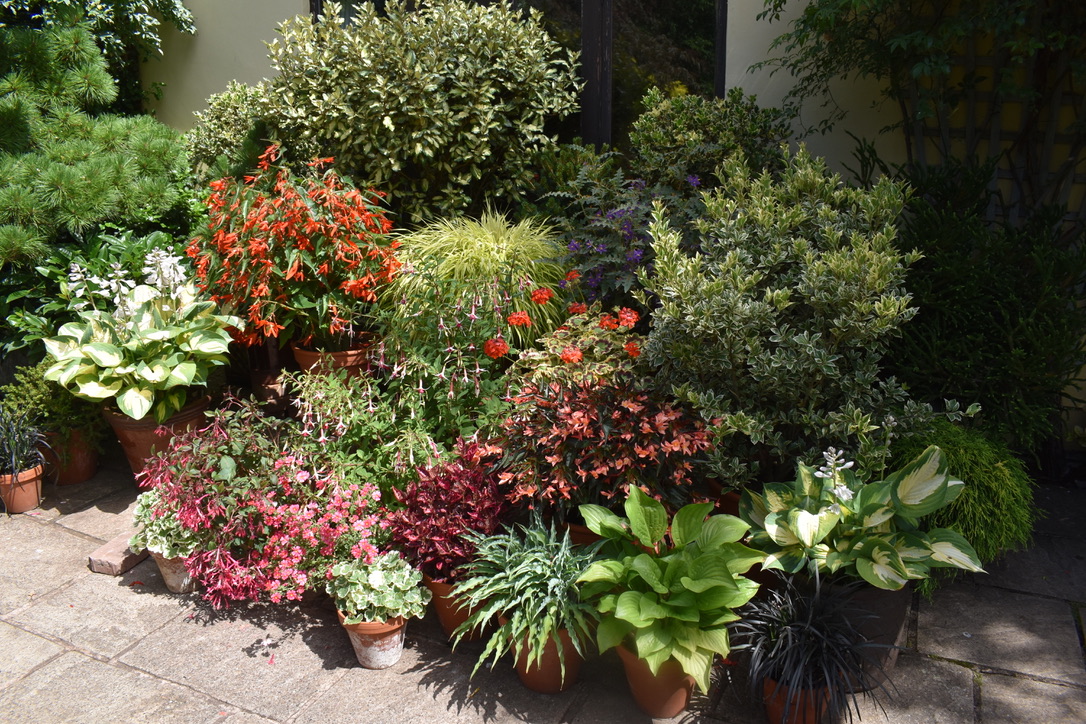
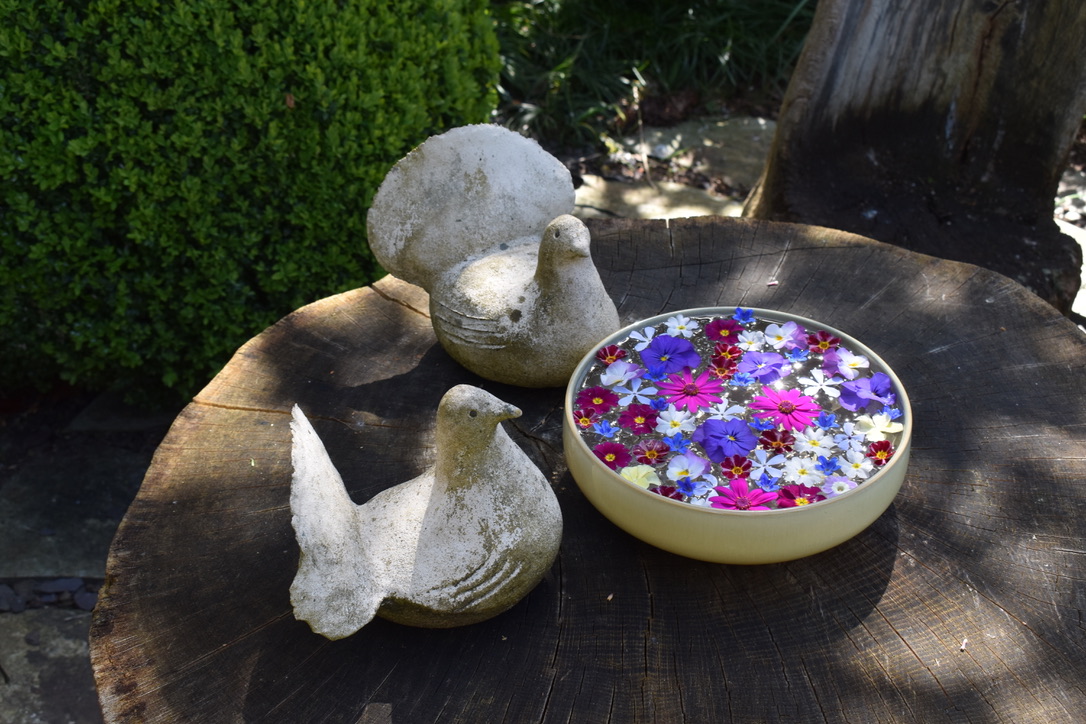
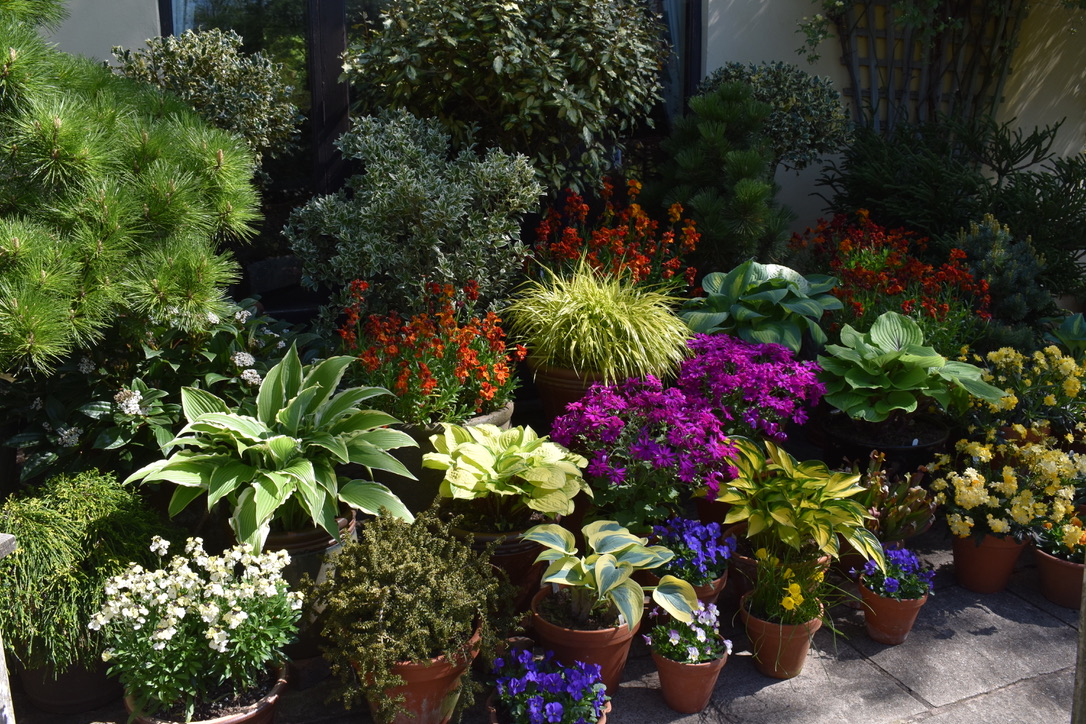
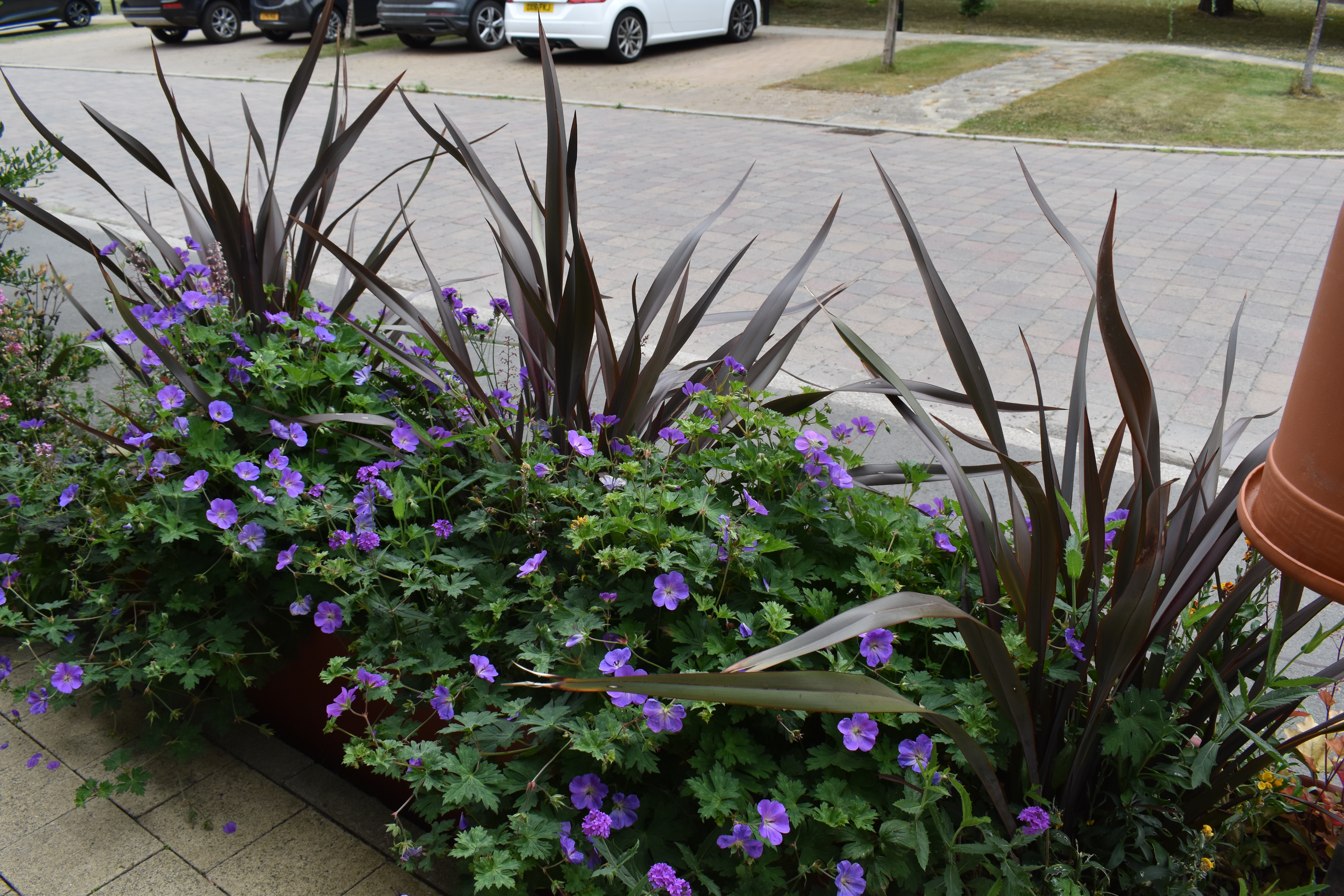
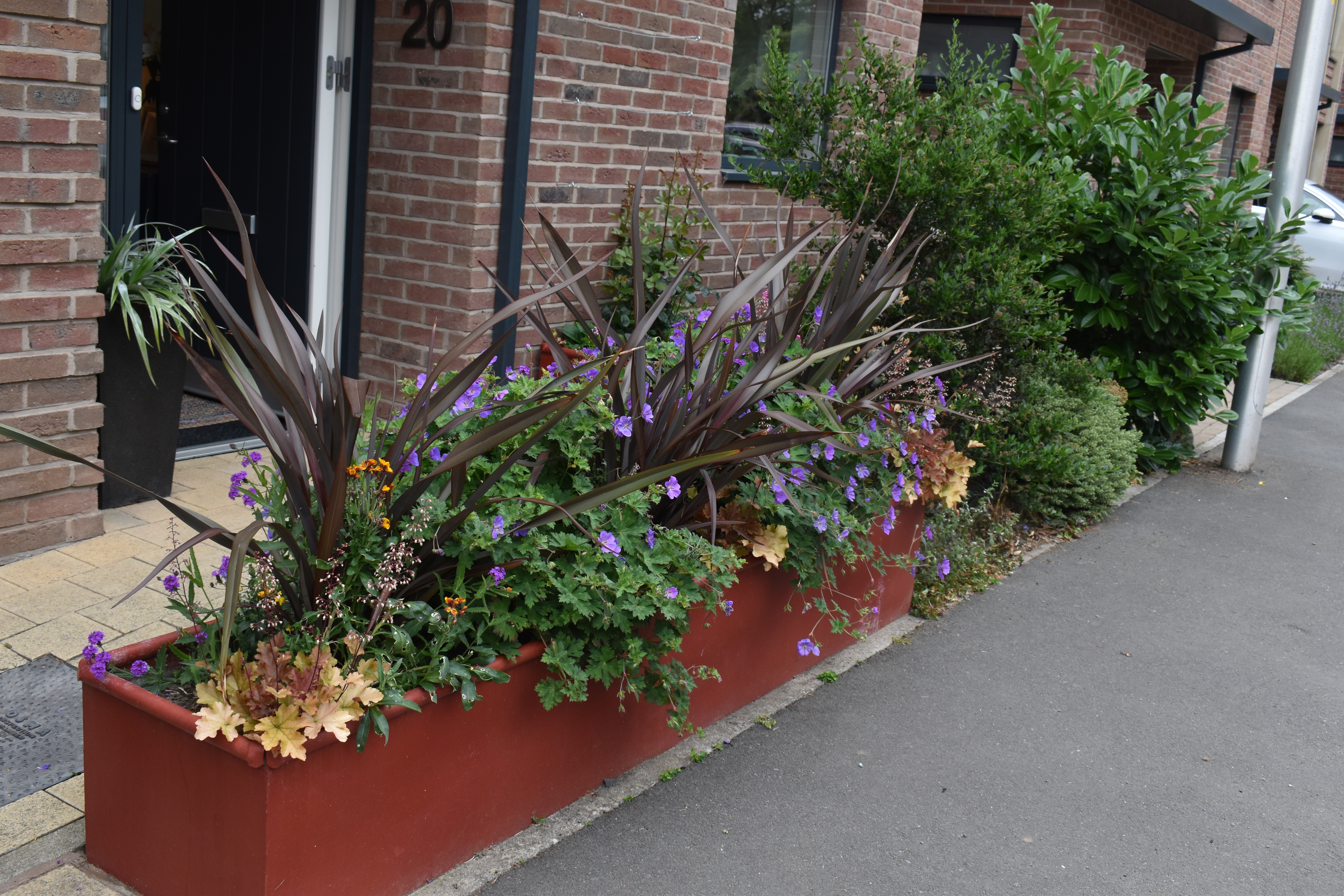
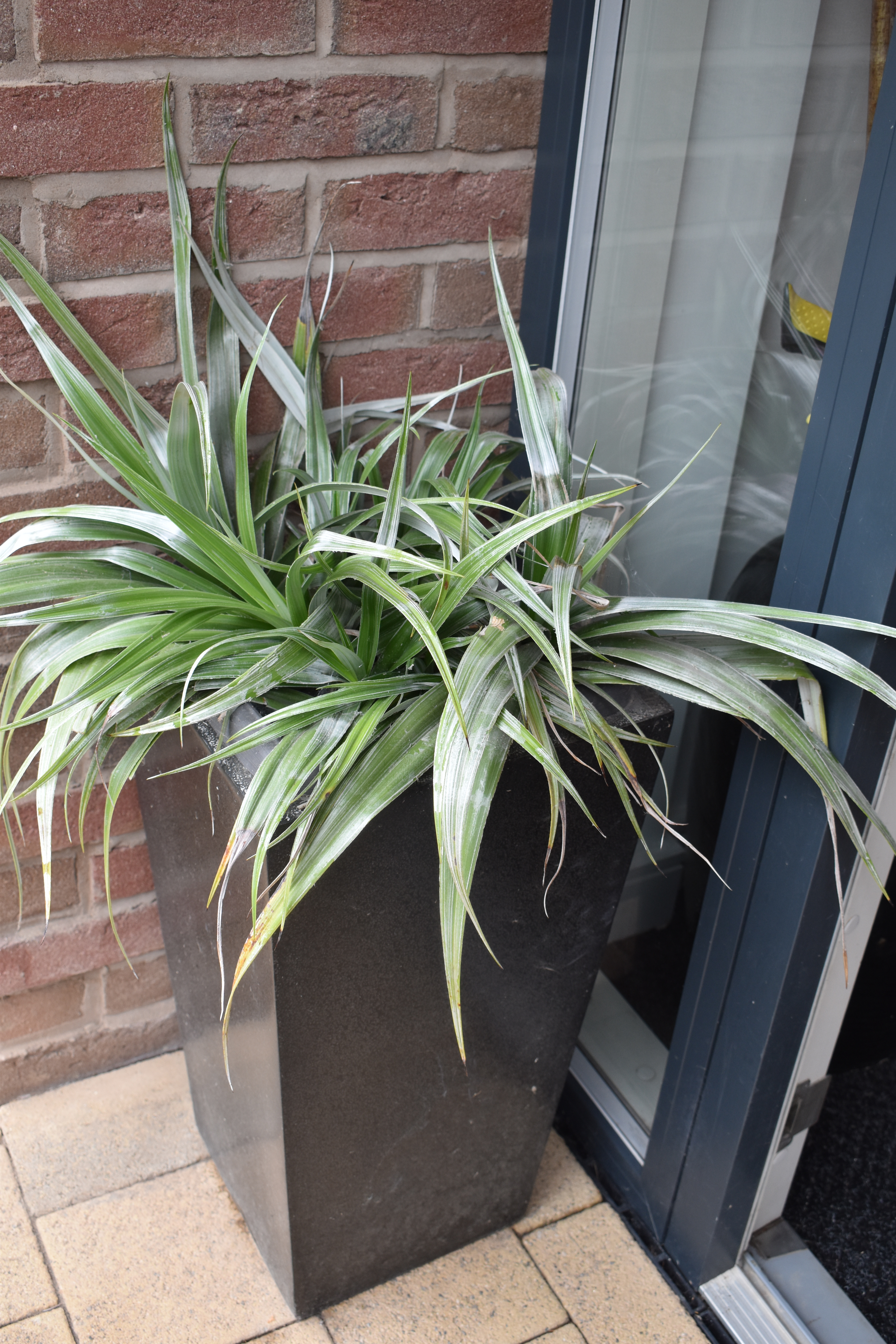
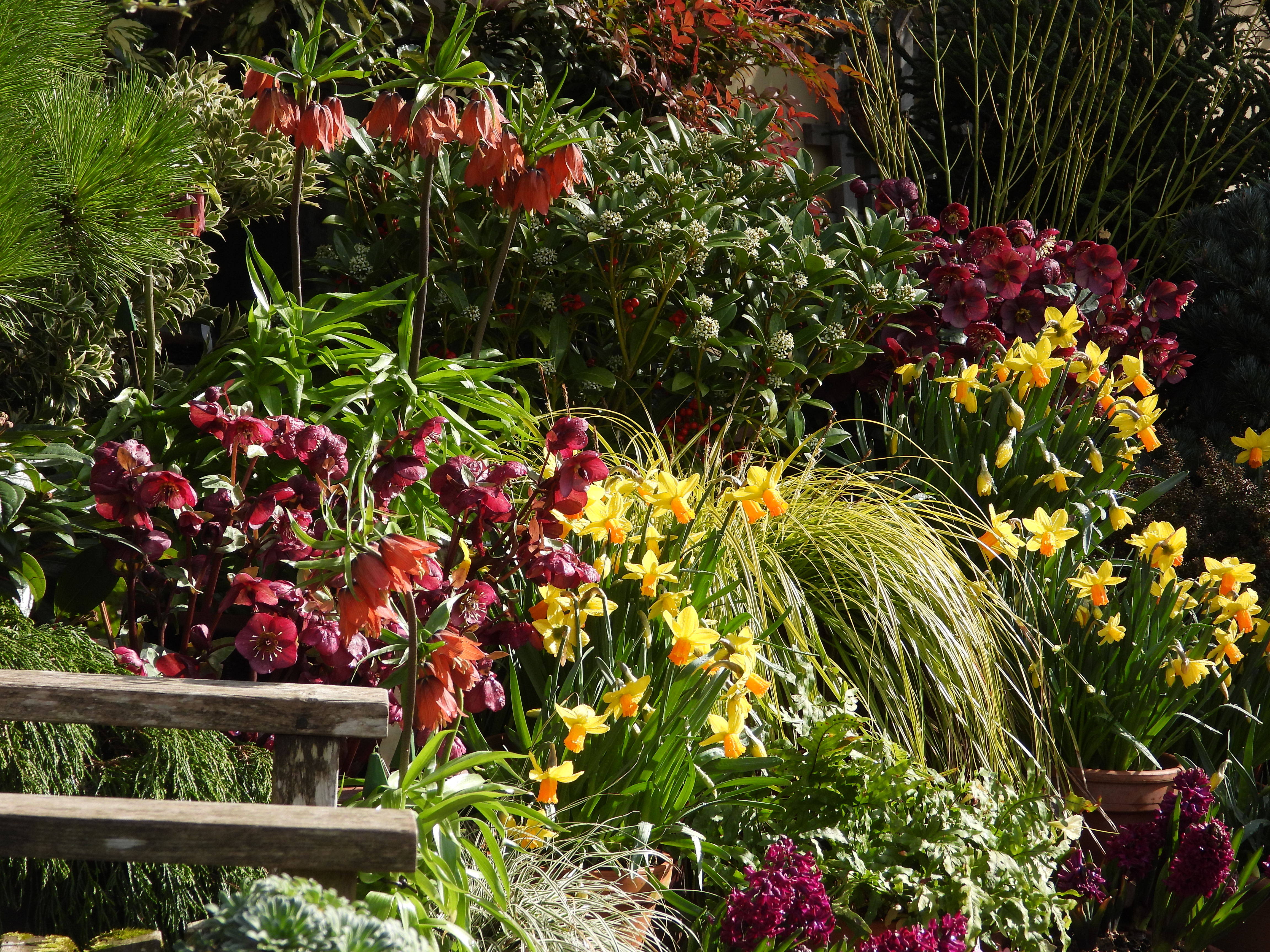
The area in front of John’s home is a place for containers giving a great opportunity to play with bright colours, foliage and flowers alike.

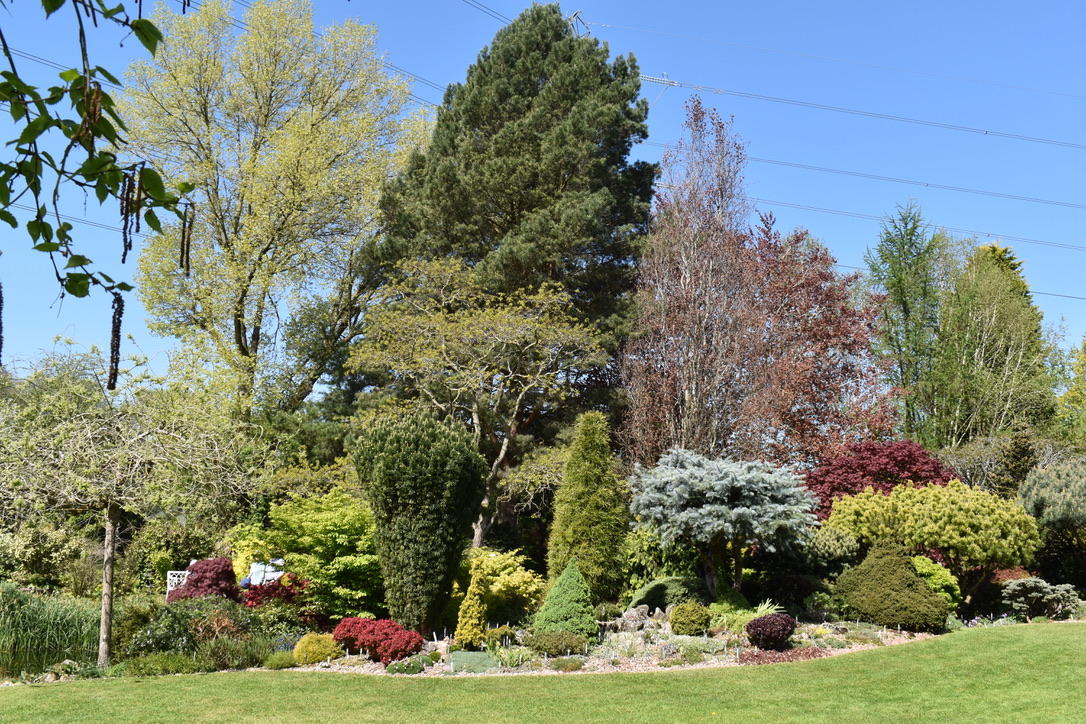
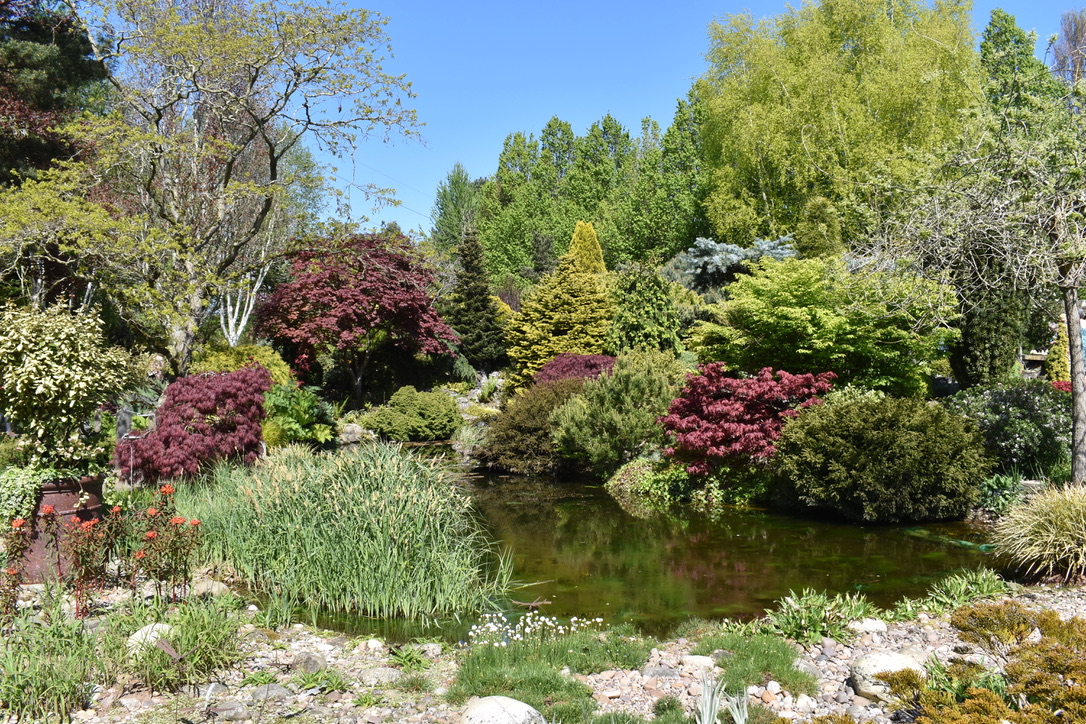
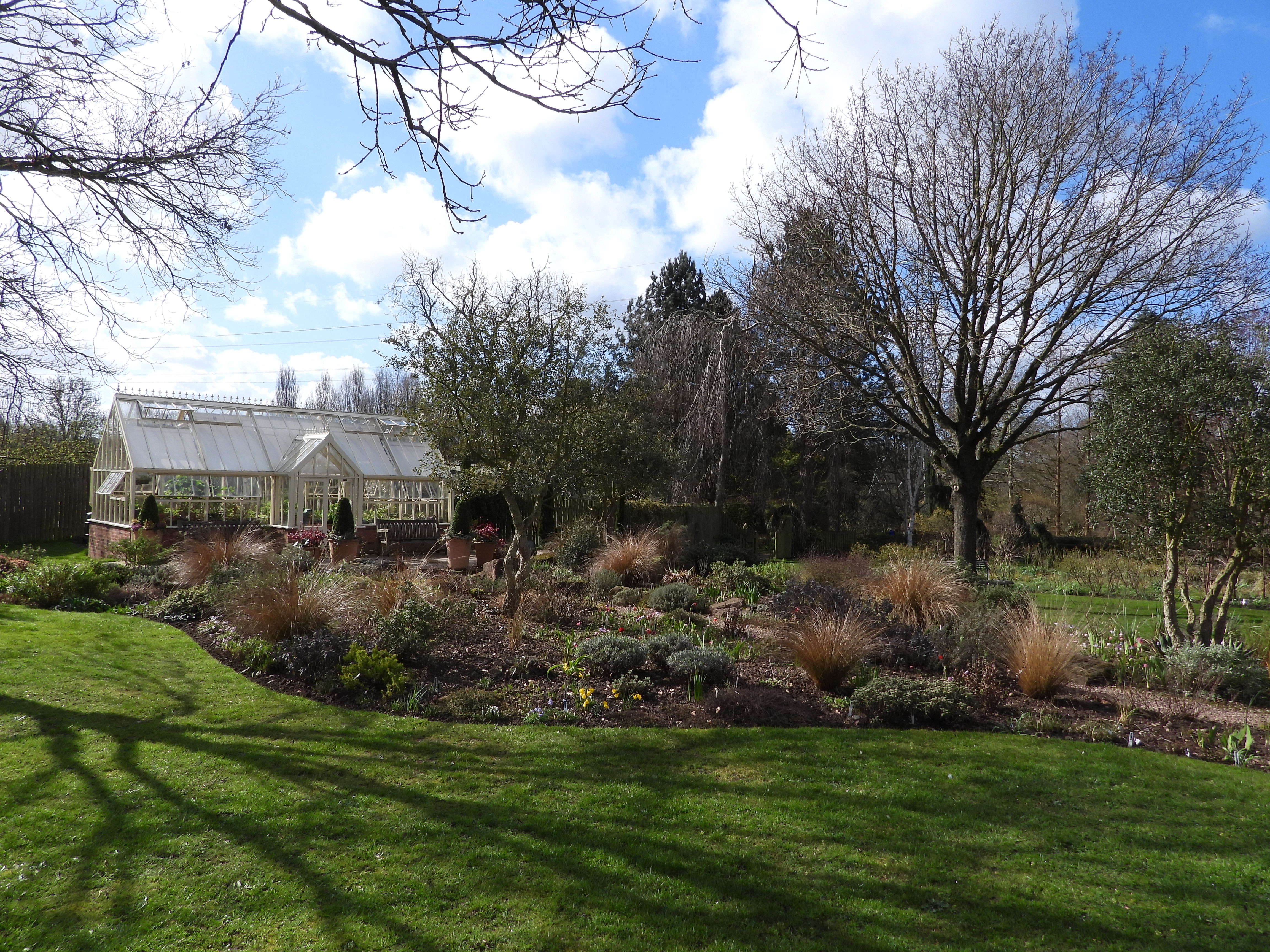
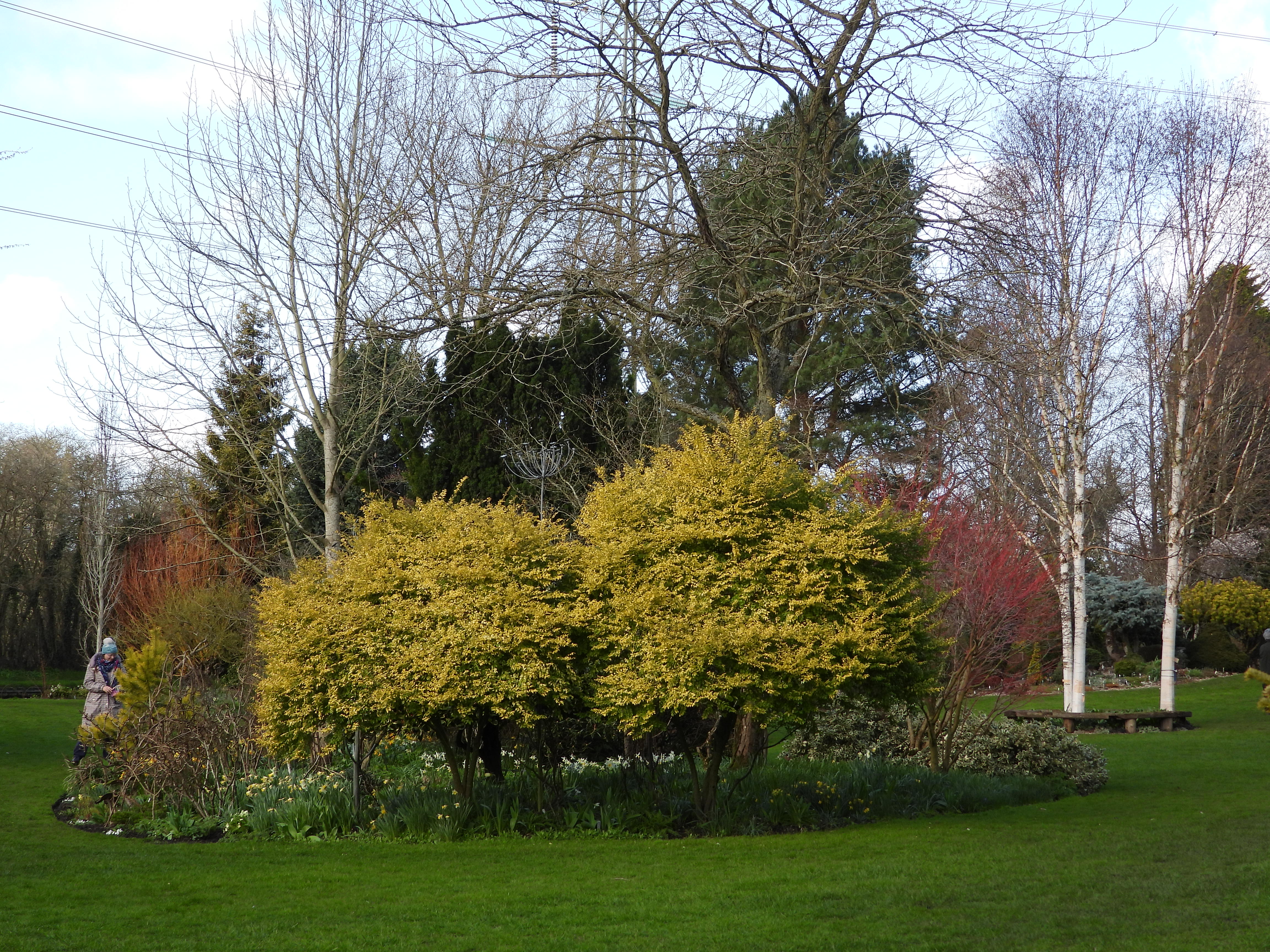
Now that I have looked closely at individual plants or plant groupings I will finish off with a selection of wider views of the garden.

Our next journey out to John’s Garden at Ashwood Nurseries will be on a Saturday in May.

Categories
Uncategorized

Holehird Gardens

Fellow members of the Shropshire Group of the Hardy Plant Society recommended this garden to us so we thought we would visit and find out what it was like.

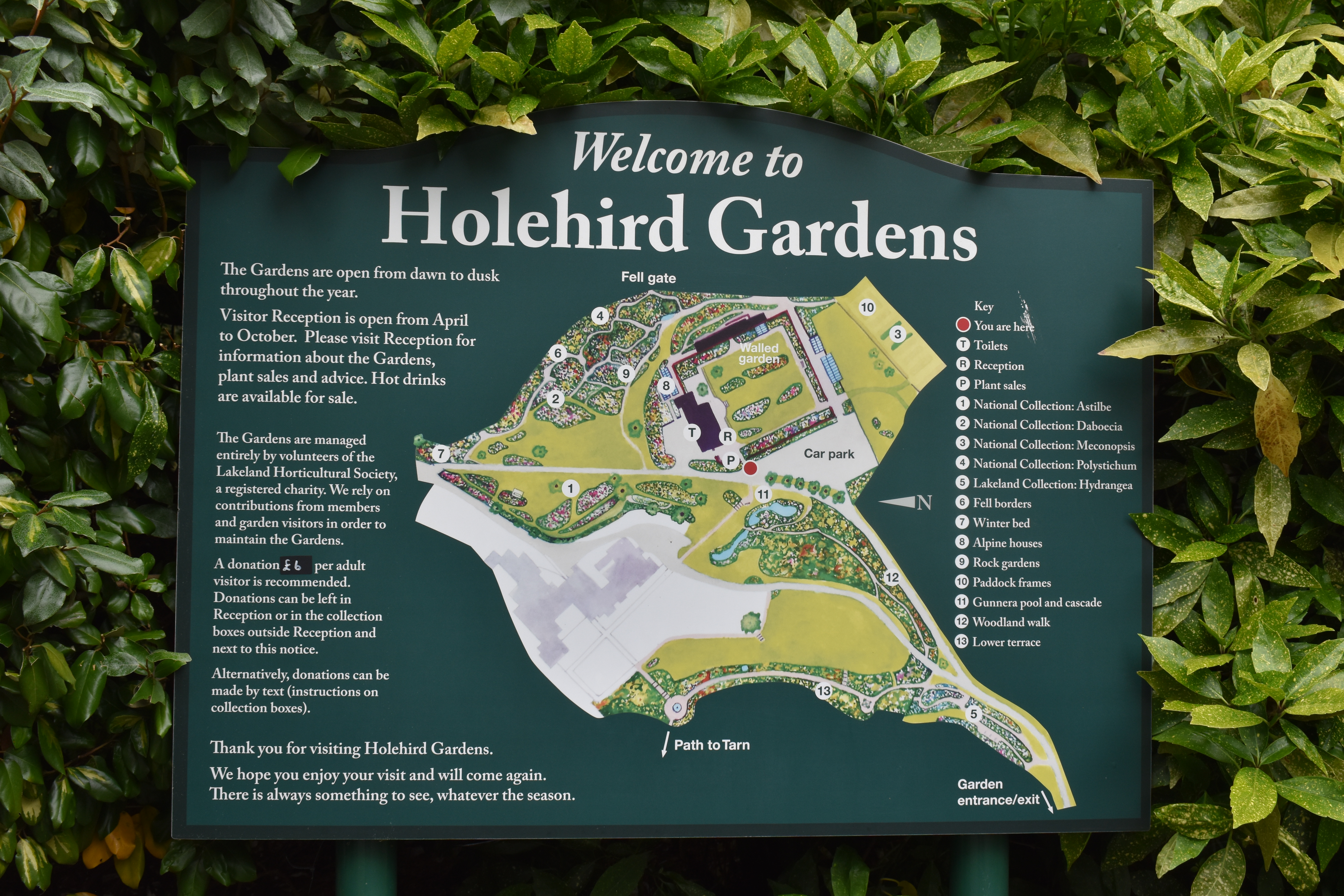
The garden sign included a map of the gardens and was a welcoming sight as we entered the garden. It was such a good idea to include a map for visitors to study before entering the garden itself.

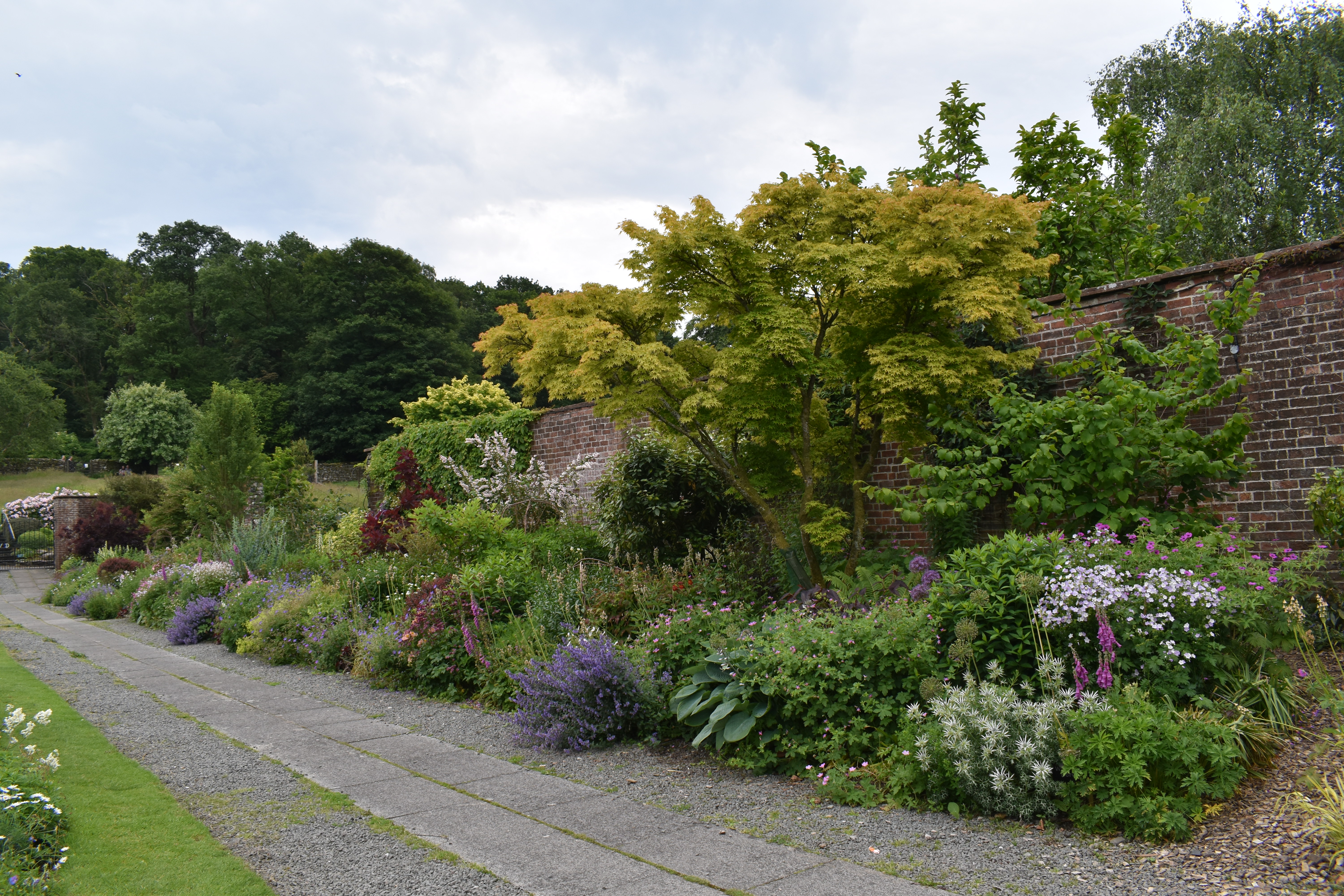
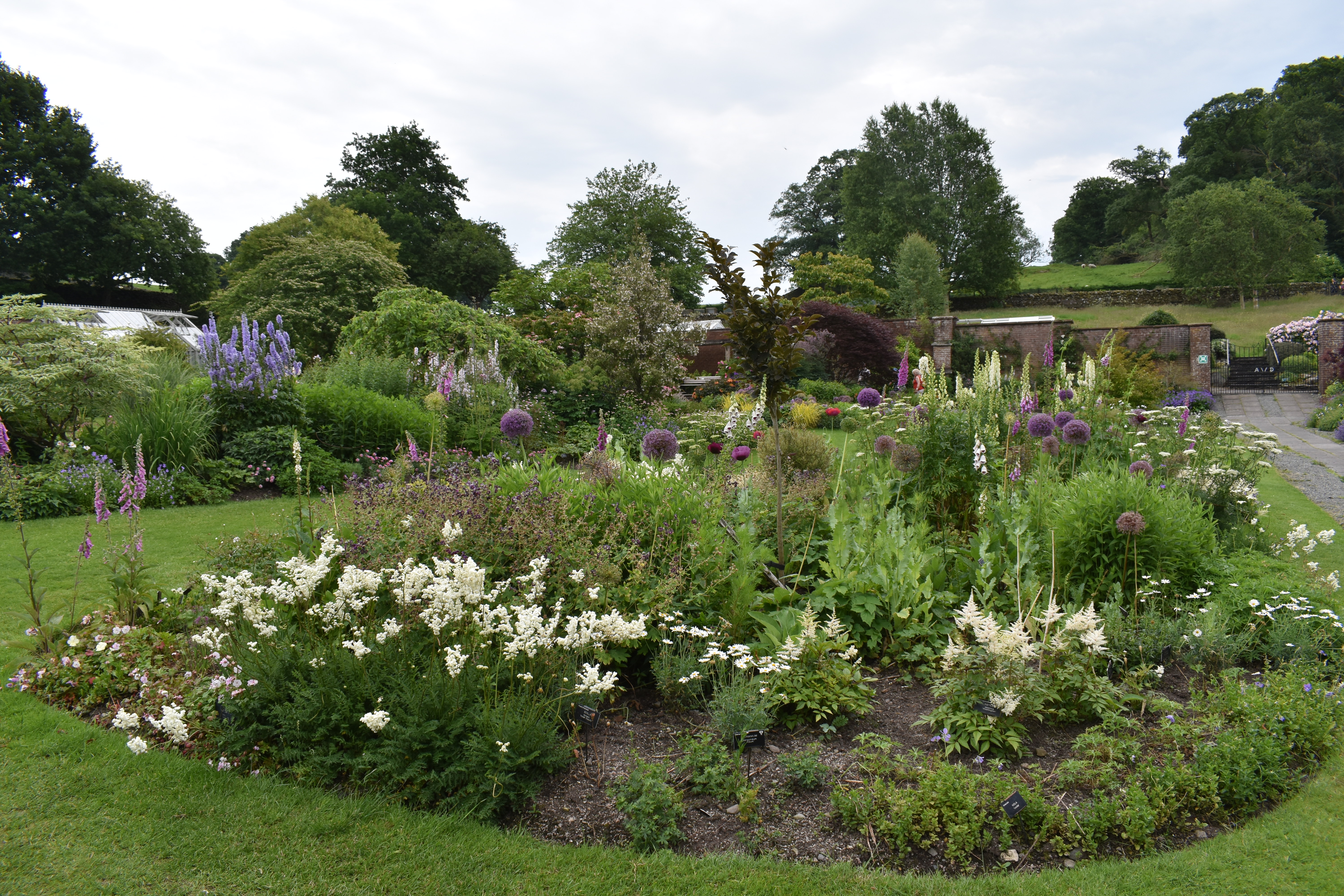
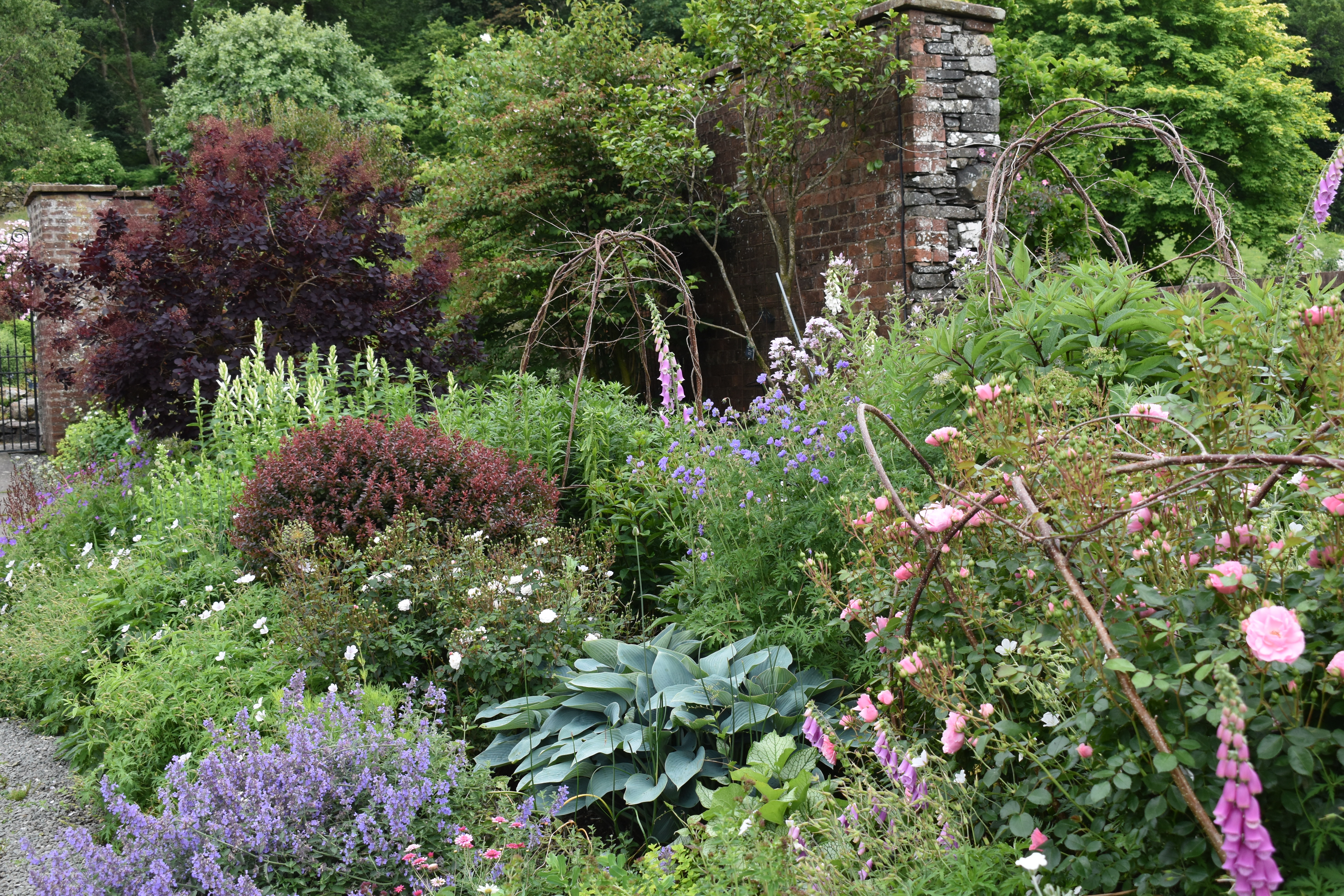
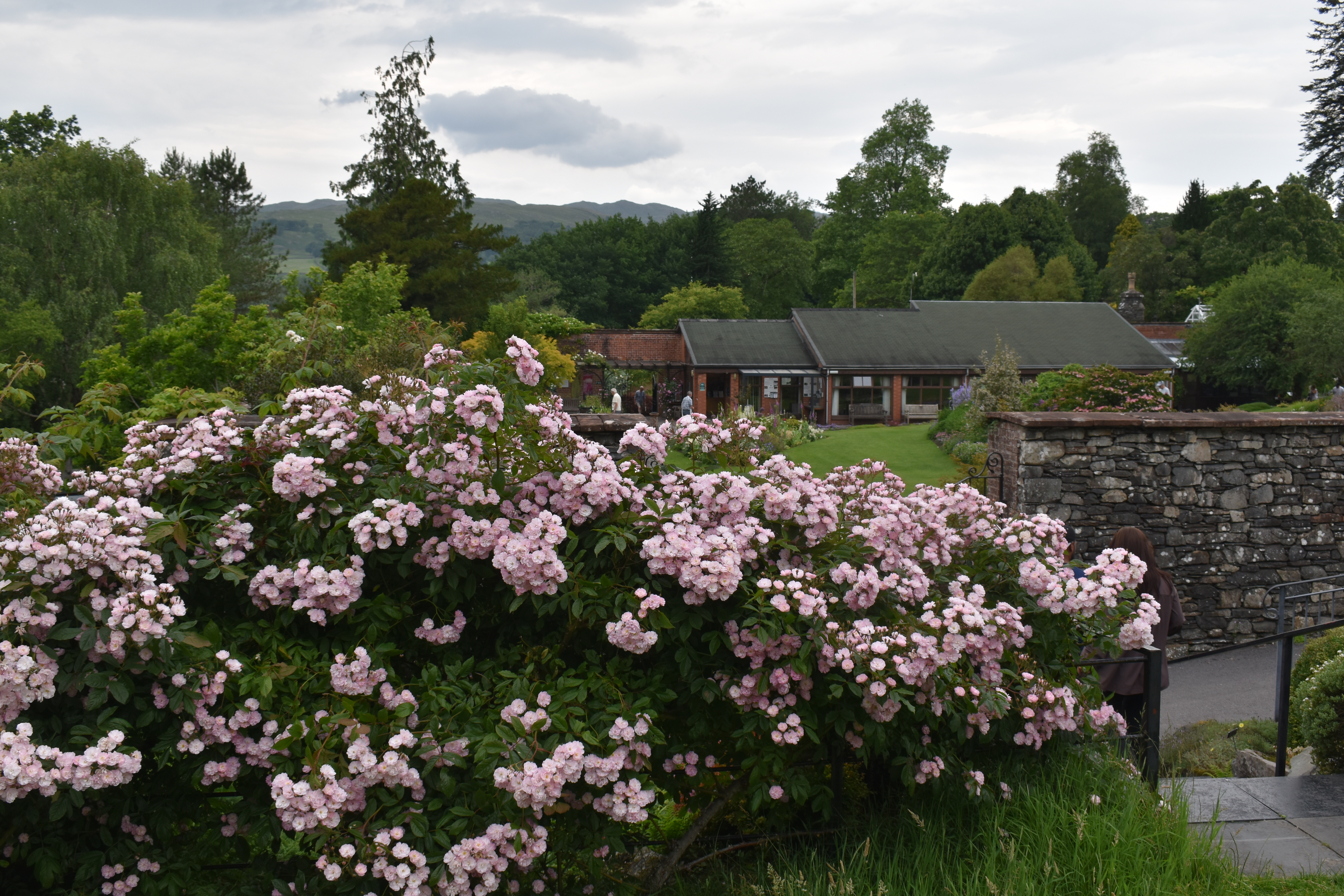
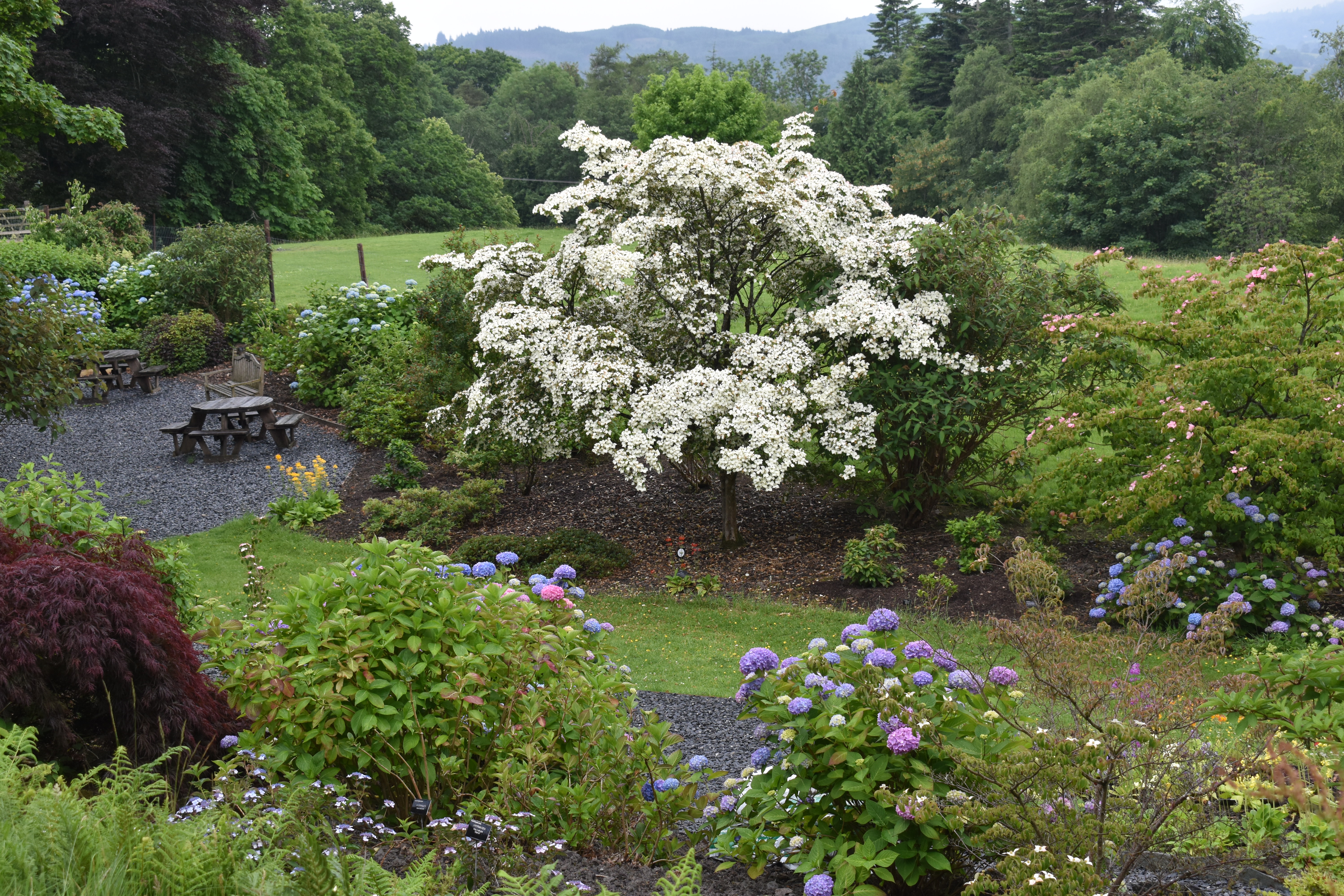
When we entered the garden we were delighted to see so much colour and structure in the form of mixed planting in island beds and long borders alongside the boundaries. We realised we were actually inside a walled garden.

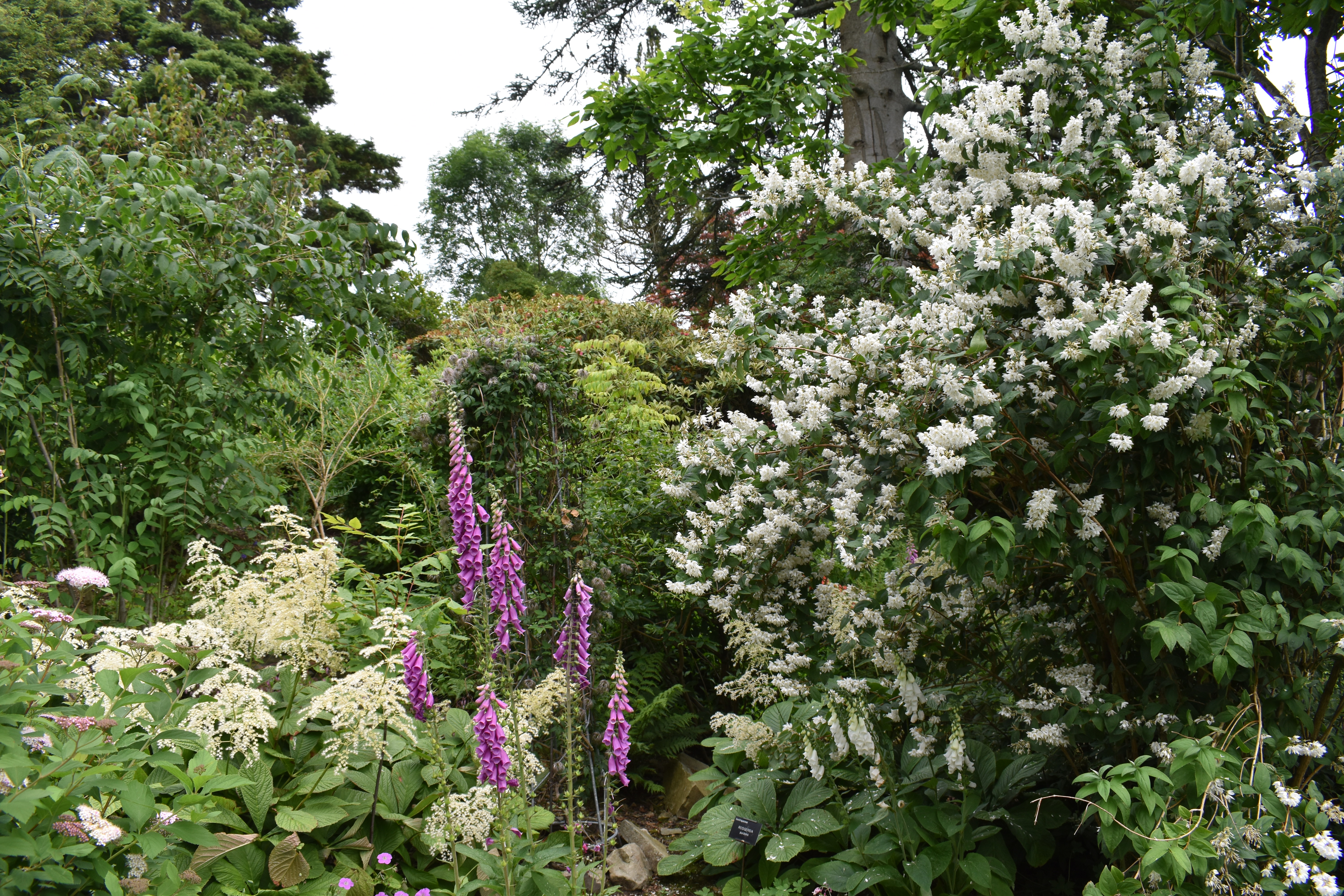
Holehird Gardens is a 10 acre site in the Lake District fells and is home to the Lake District Horticultural Society and it is their volunteers who made and now maintain the garden. This makes this garden even more remarkable. As we explored this area of raised beds and herbaceous borders we knew there was so much more to see in other parts of the garden. These borders were created using interesting plants and plant combinations. Plant pairing worked so well using the various colours of flowers and the textures and shapes of foliage.

On the far side of the walled garden we found a seat to rest on and had a good look around and back over the borders towards the society’s home.

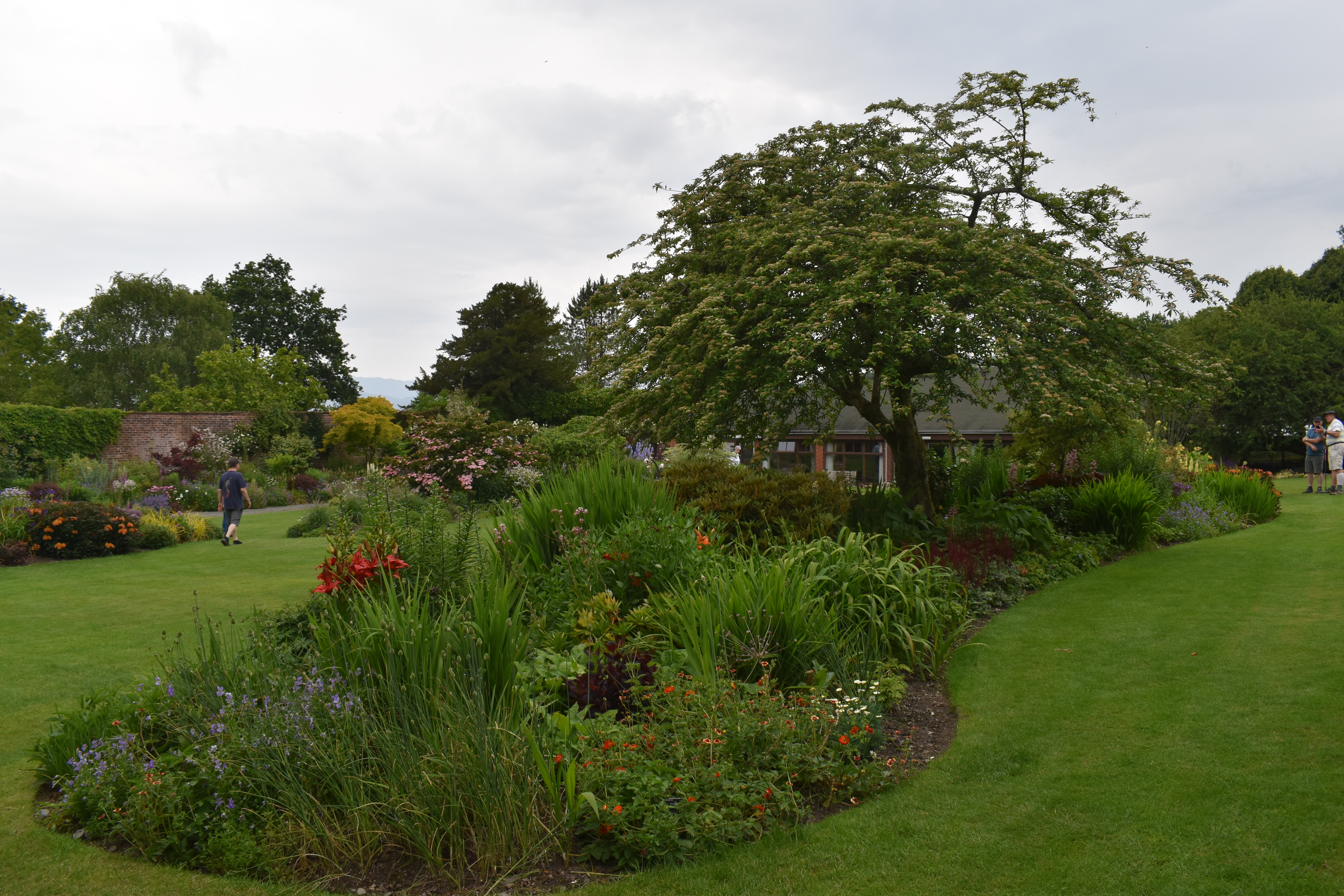
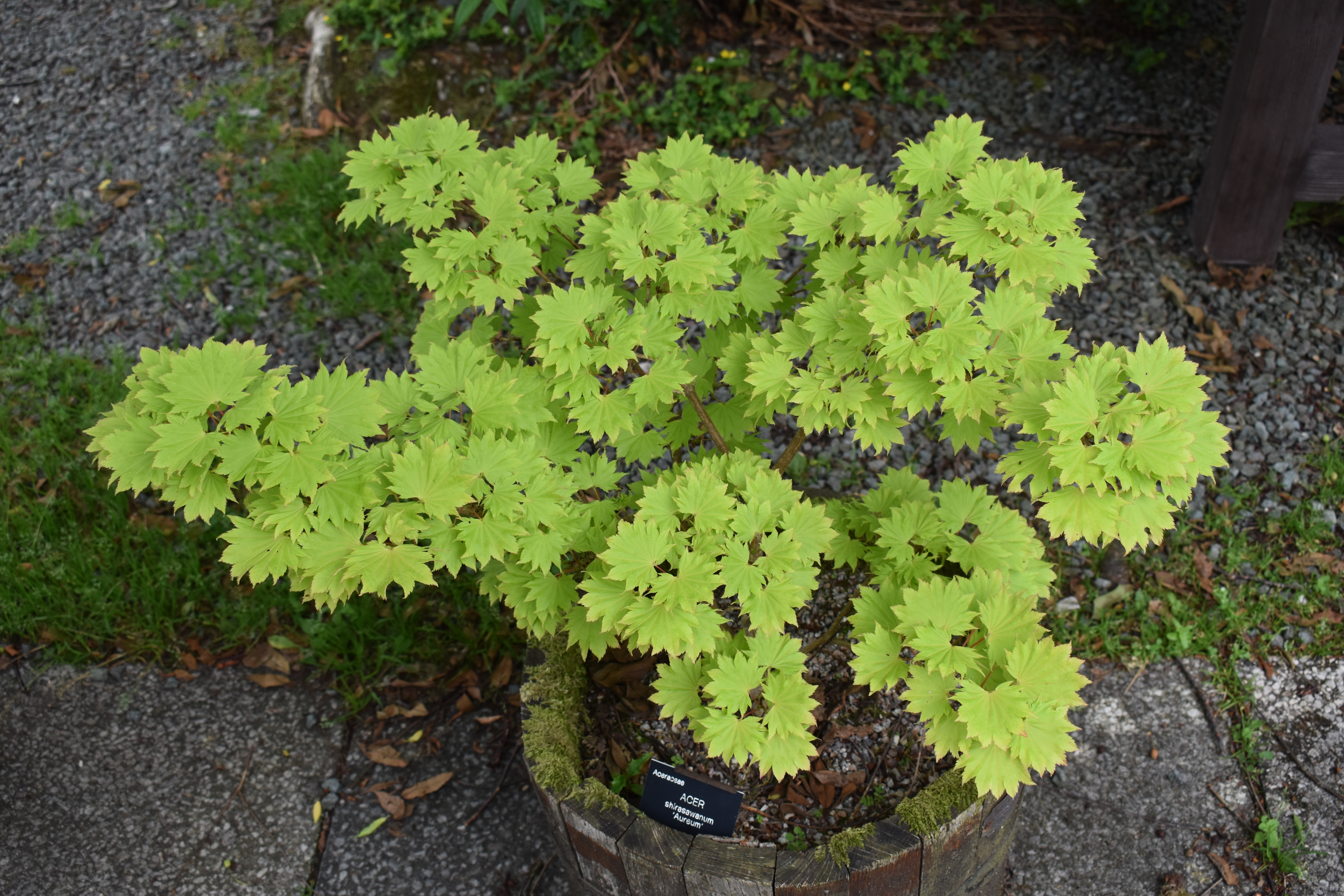
We then made our way down the gentle slope towards the wooden building, home to the society and luckily a self serve coffee shop. We enjoyed a coffee and next looked along the borders alongside the building and continued where the brick-built wall turned a ninety degree corner. Here the planting was different with some alpines and acers.

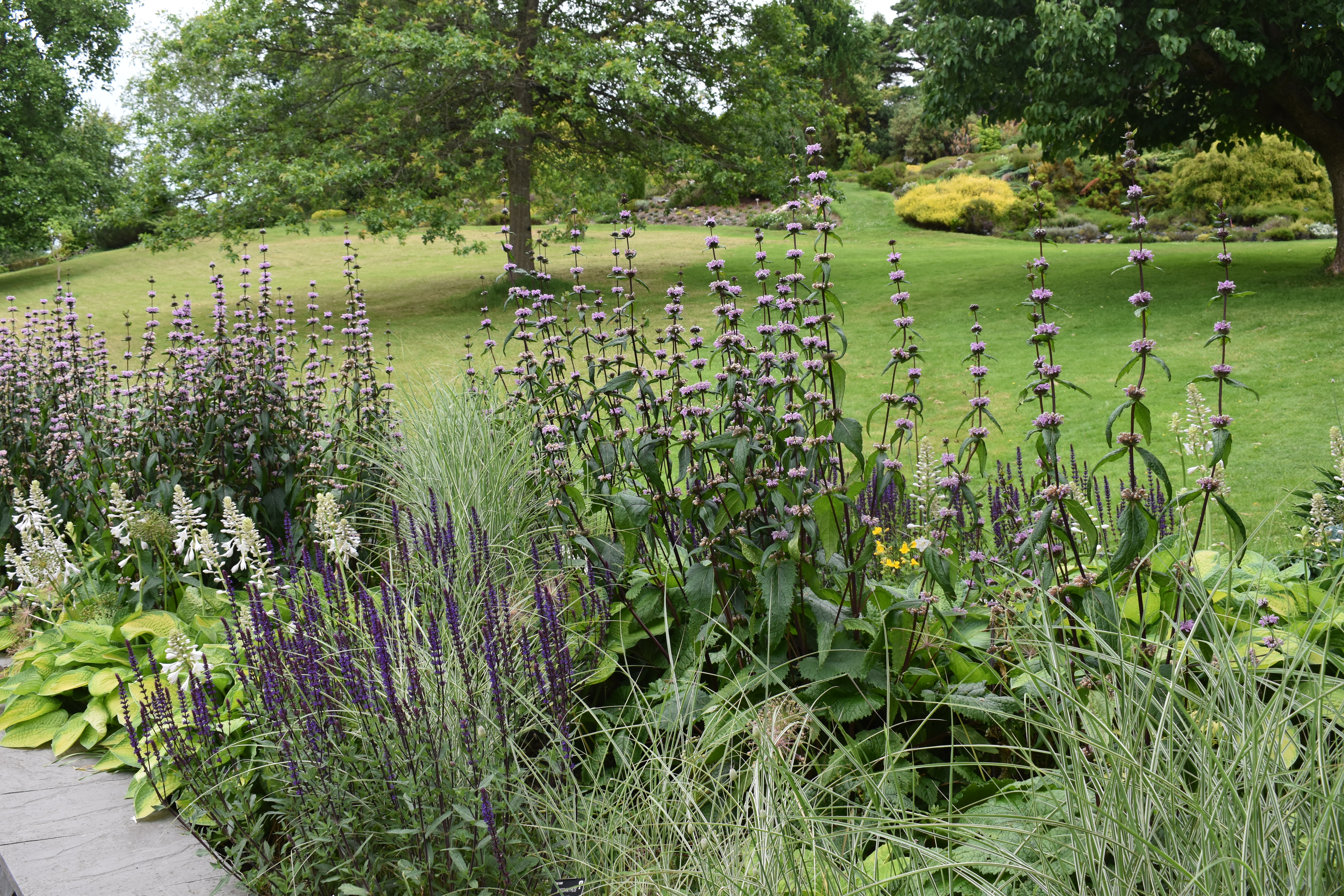
After spending a good amount of time on the garden in front of the society’s home we decided it was a good time to move to the other side to see what was on offer there. Here it was much more open with larger sweeping areas of lawn.

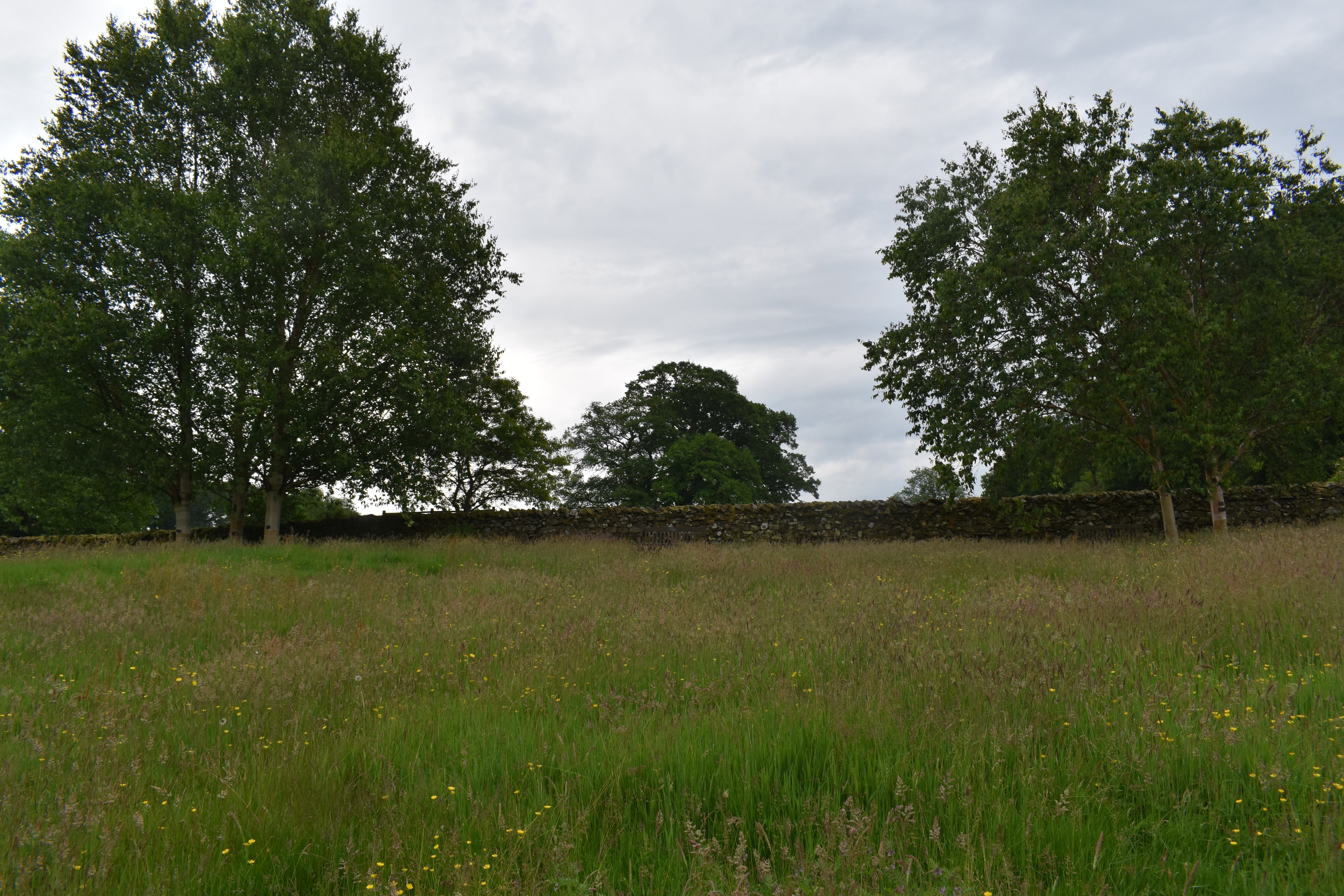
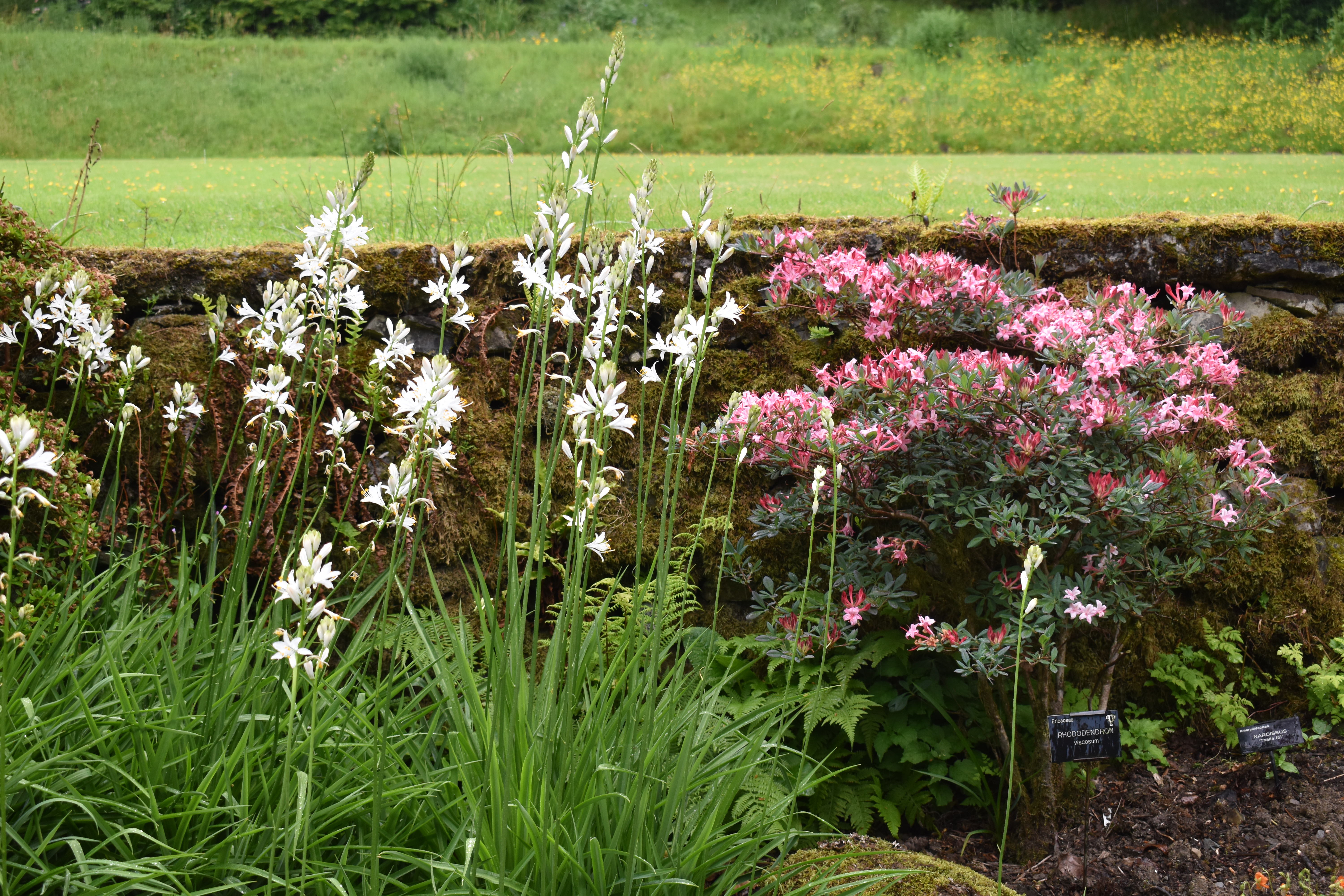
Once we had slowly walked up the slope and reached the end of the lawned areas we met a beautiful dry stone wall decorated beautifully by mother nature using mosses and lichens. Here we took the gravelled path meandering across the borders keeping quite close to the wall.

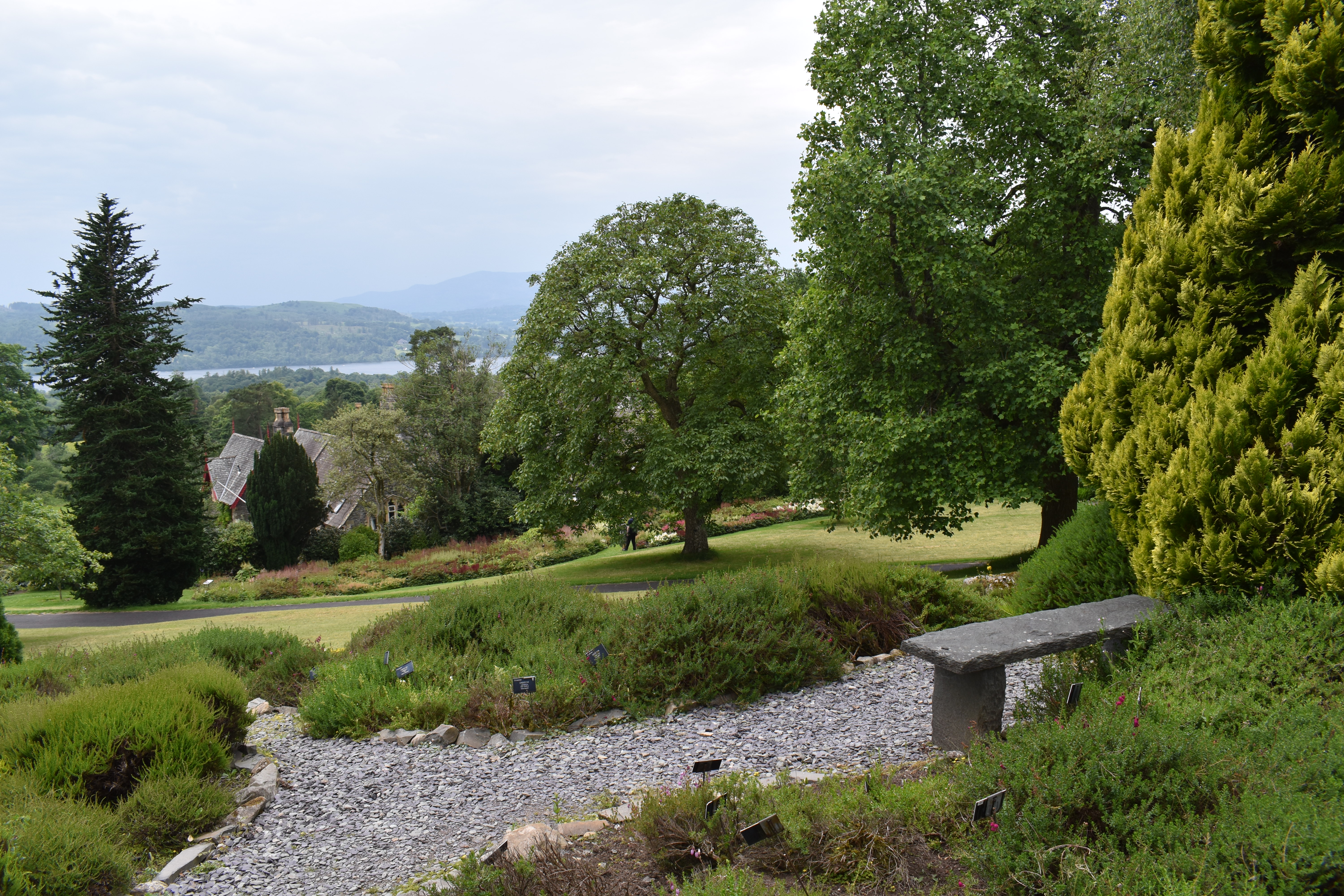
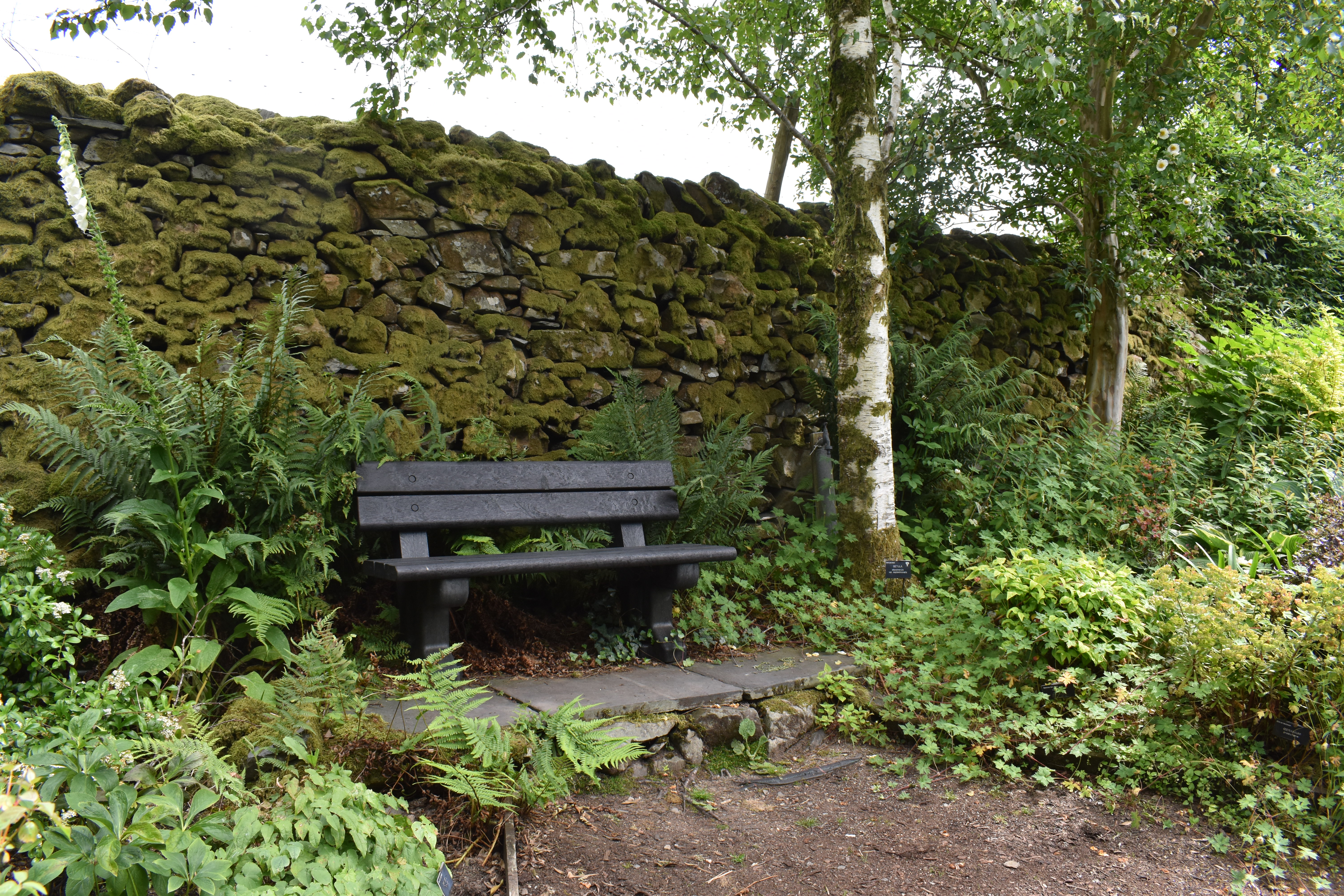
Along the way we found plenty of places to sit, rest and enjoy the view.

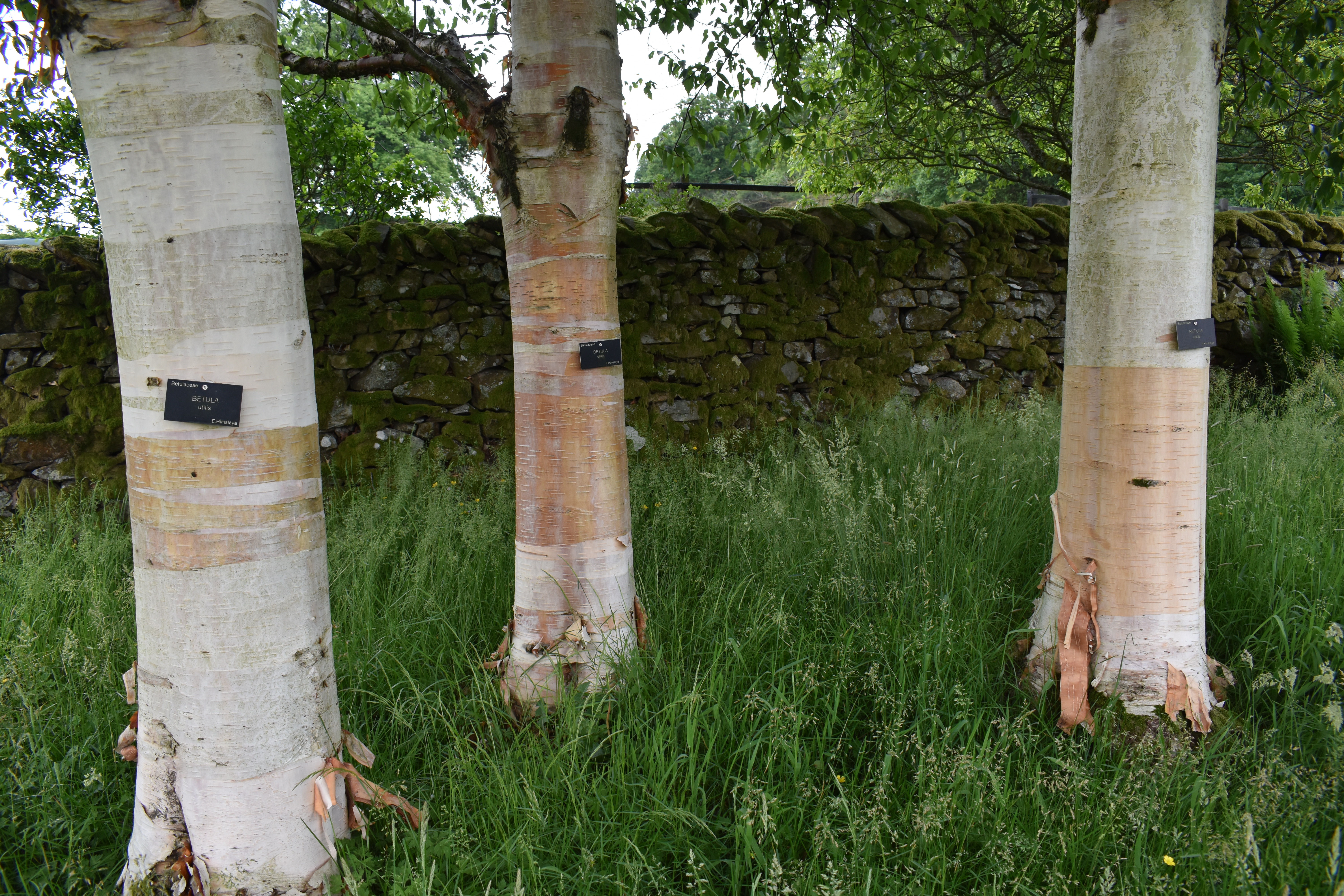
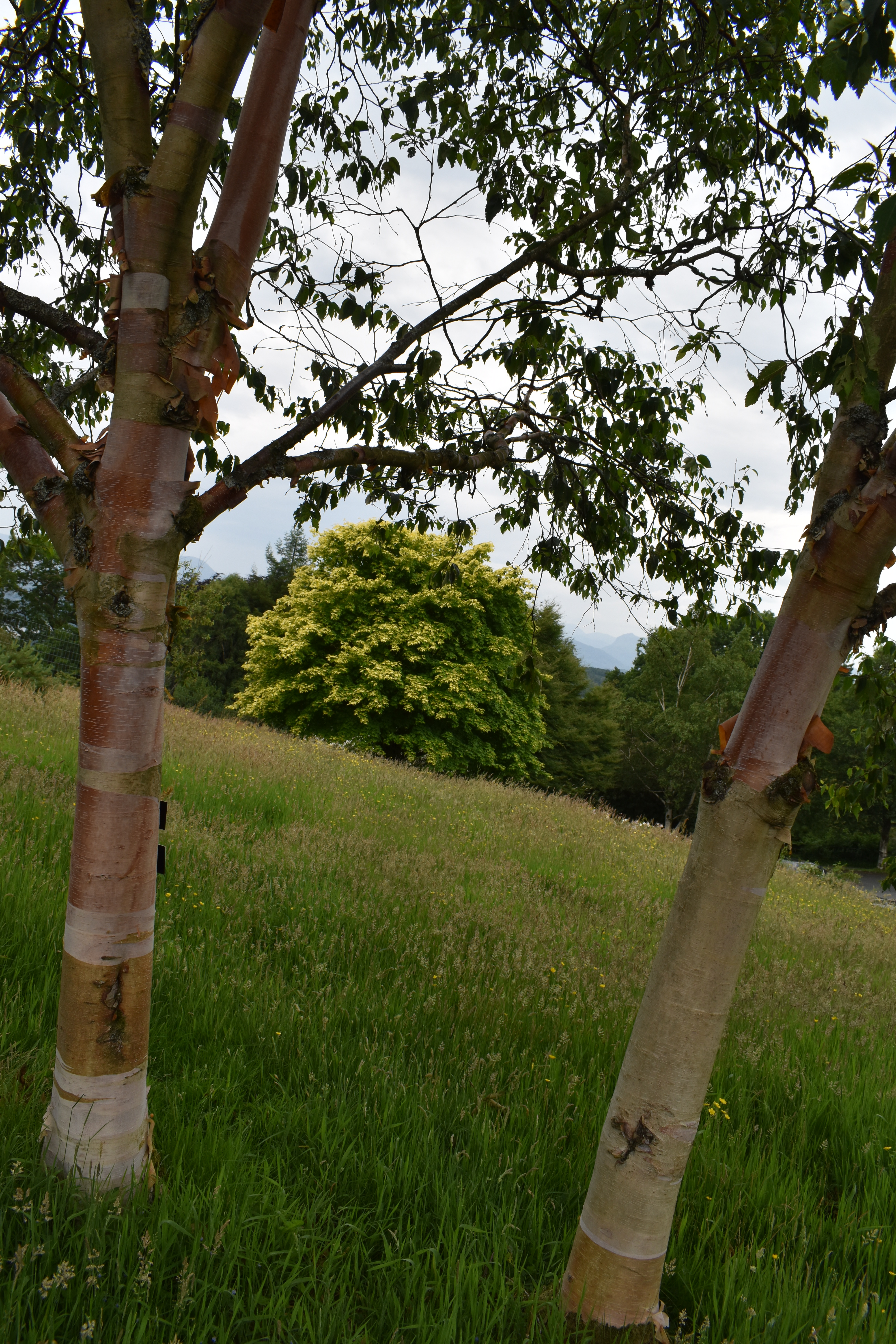
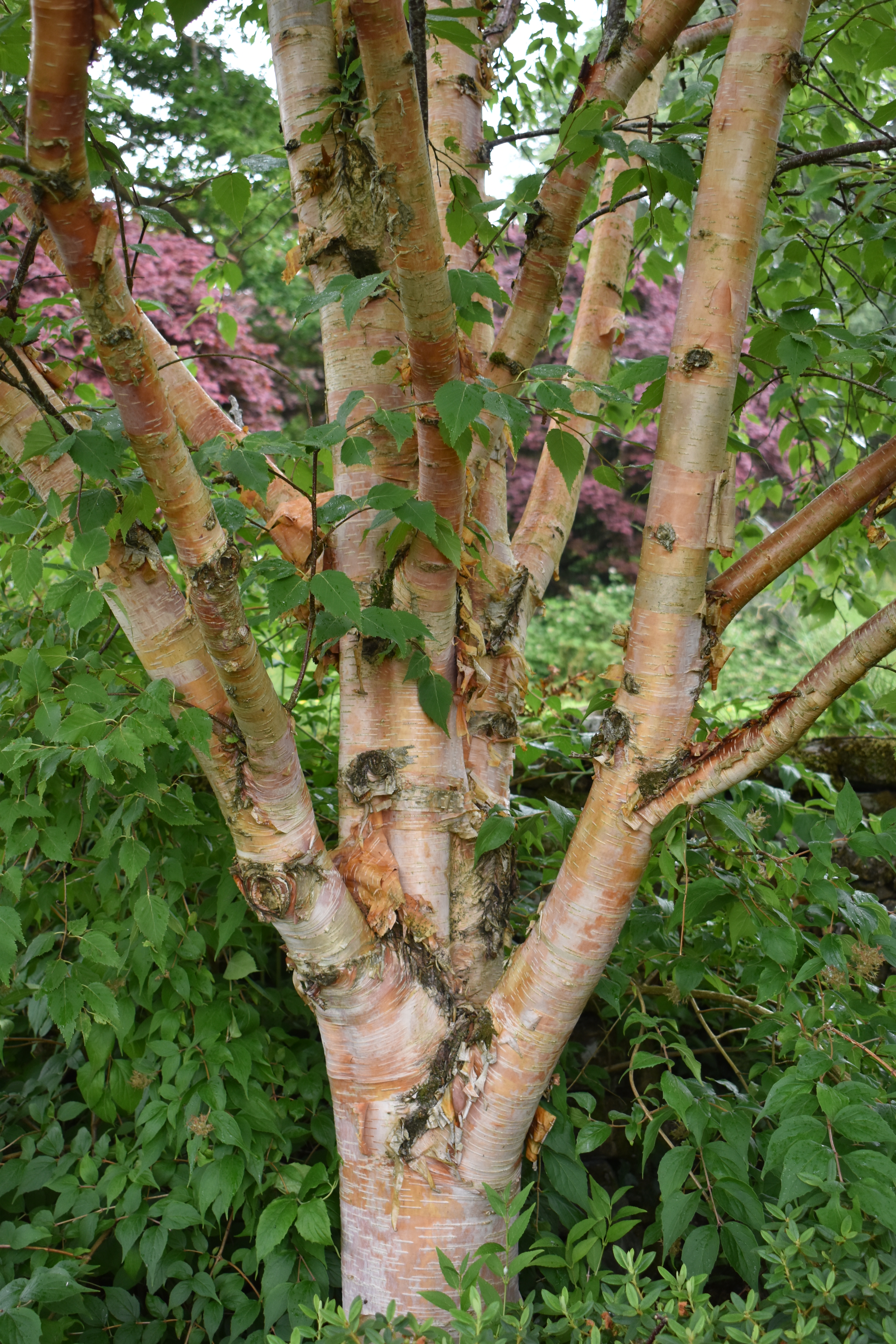
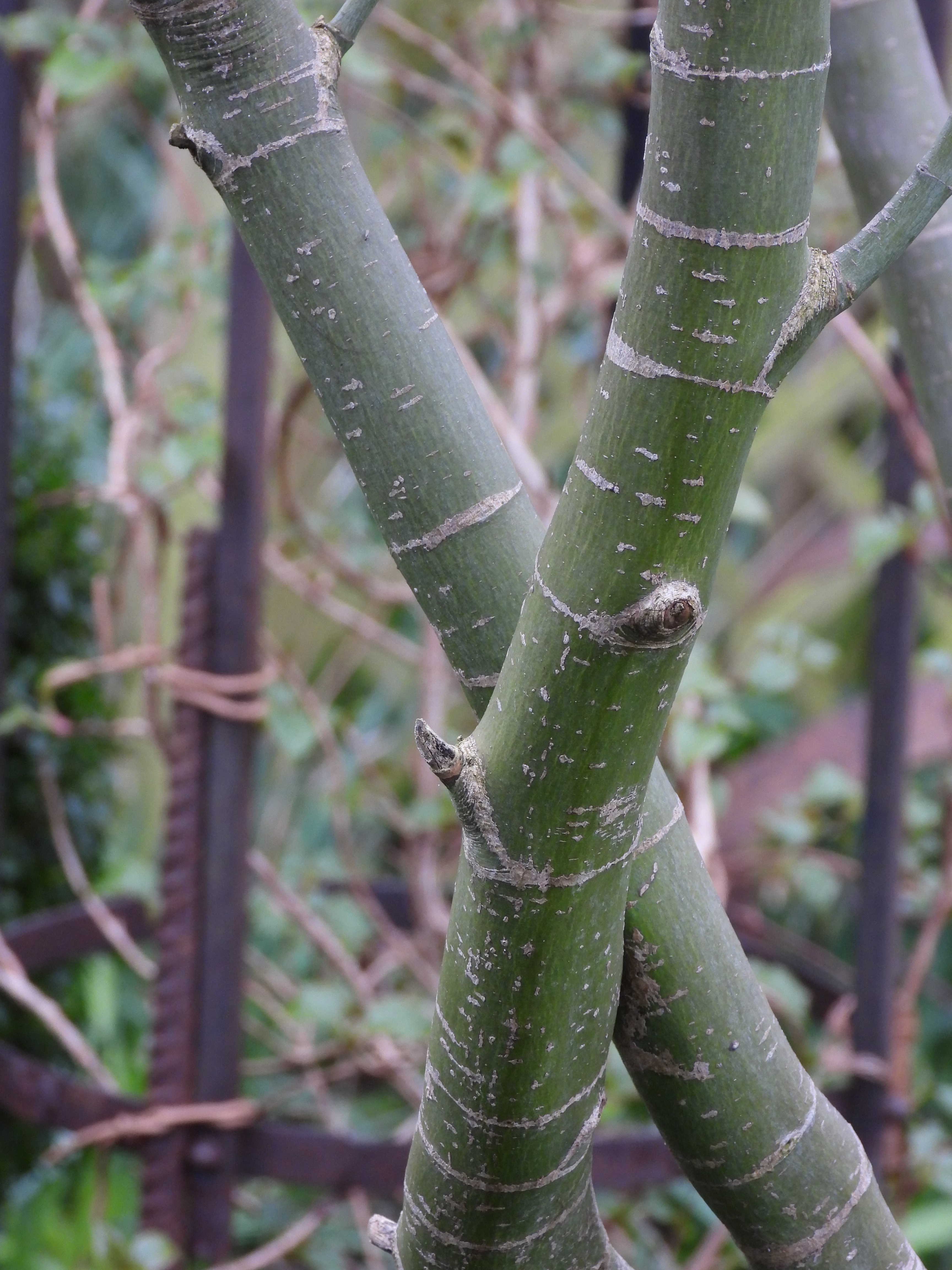
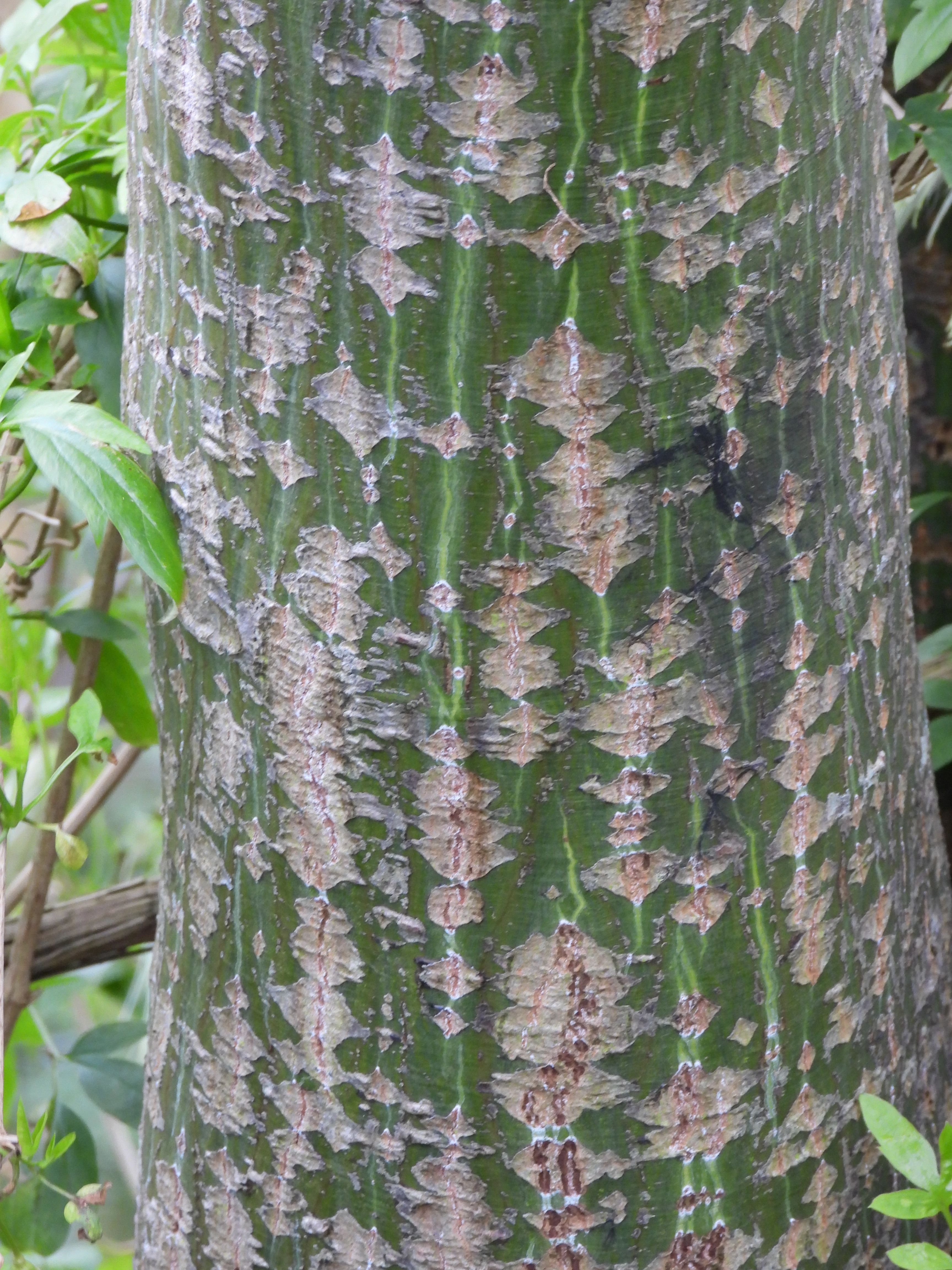
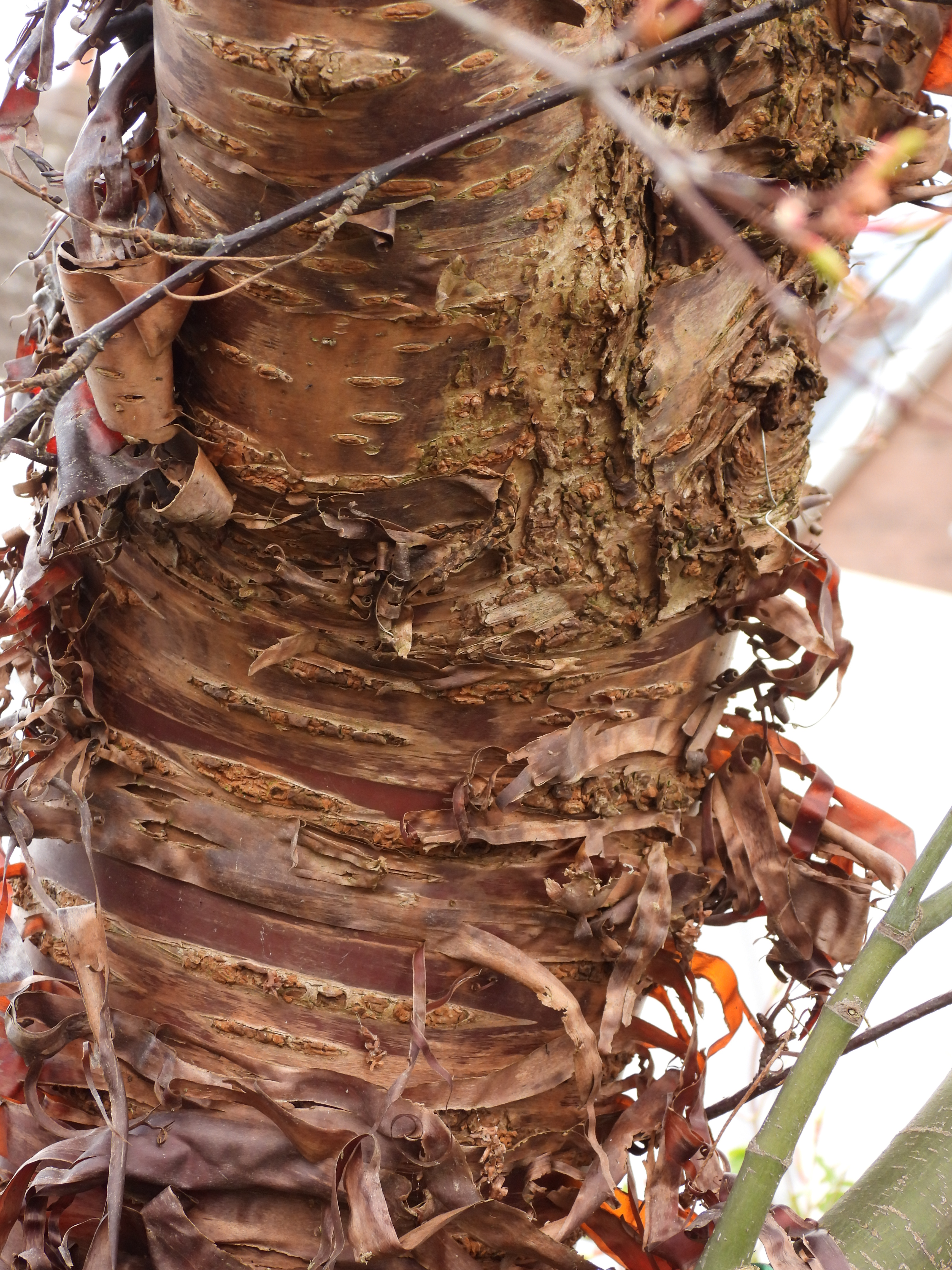
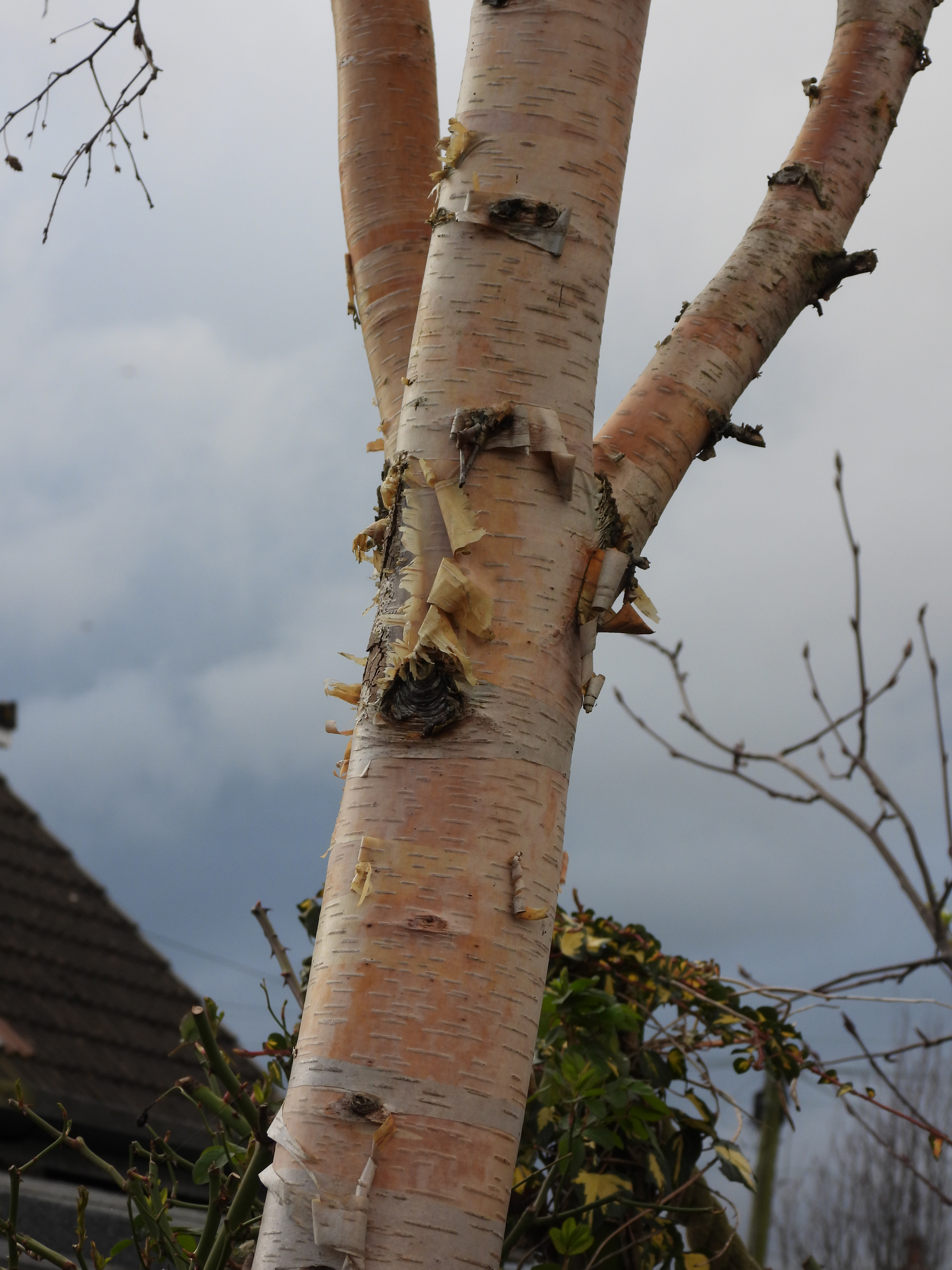
We met several interesting trees long the way but particularly enjoyed this group of beautiful, colourful Betulas.

From here we made our way down the sloping lawns back towards the wooden buildings from where we started our wanderings. We took a path around the building to a wildflower meadow with meandering pathways through and around it.

As we crossed the drive along which we walked from the carpark to the gardens we discovered another section of the garden which looked to have been recently brought back to life.

What a beautiful way to end our day!

Categories
Uncategorized

Christine’s New Garden

We have known Christine for a long while now and often visited her large garden up in the Welsh Hills beyond LLanrhaeadr. A stunning garden with beautiful meadows to one side, a large pond being developed and an original looking veg garden. Closer to the house were several beautifully planted borders and corton steel troughs.

Circumstances changed for Christine and late husband John meaning a change of location and a smaller house and garden became the order of the day. They lived temporarily in an apartment in Shrewsbury before settling for a townhouse on the outskirts of the town. John didn’t live to see the new house, cancer preventing him from doing so.

So Christine moved into the new house on her own and turned it into a home and turned her new small patch of land into a beautifully designed and planted garden. This garden was at a much lower altitude and a fraction of the size of the hillside garden.

Christine invited our Shropshire Hardy Plant Society mini-group to view her new horticultural creation. The four photos below were taken on the kerbside and indicated what a treat we had in store.

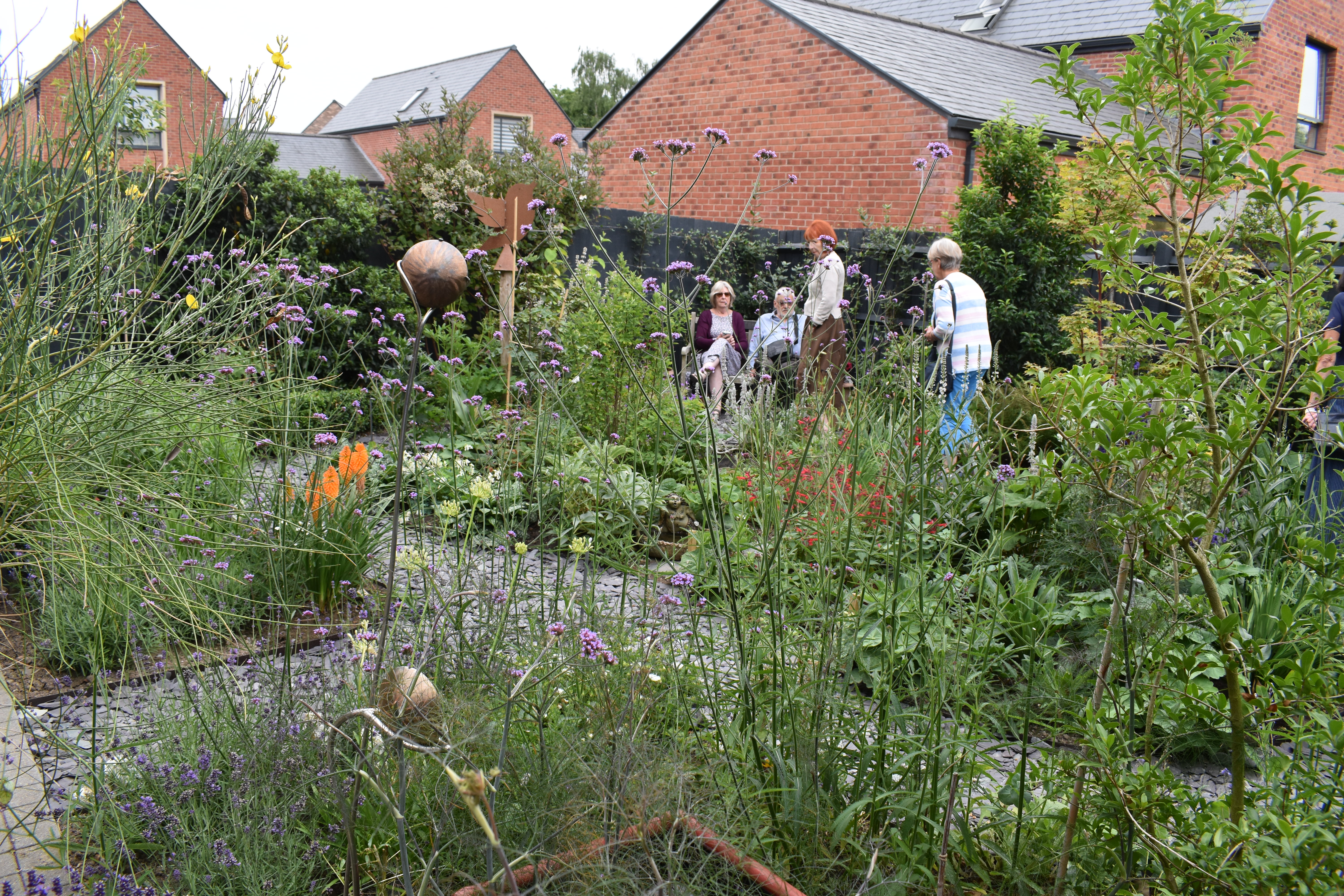
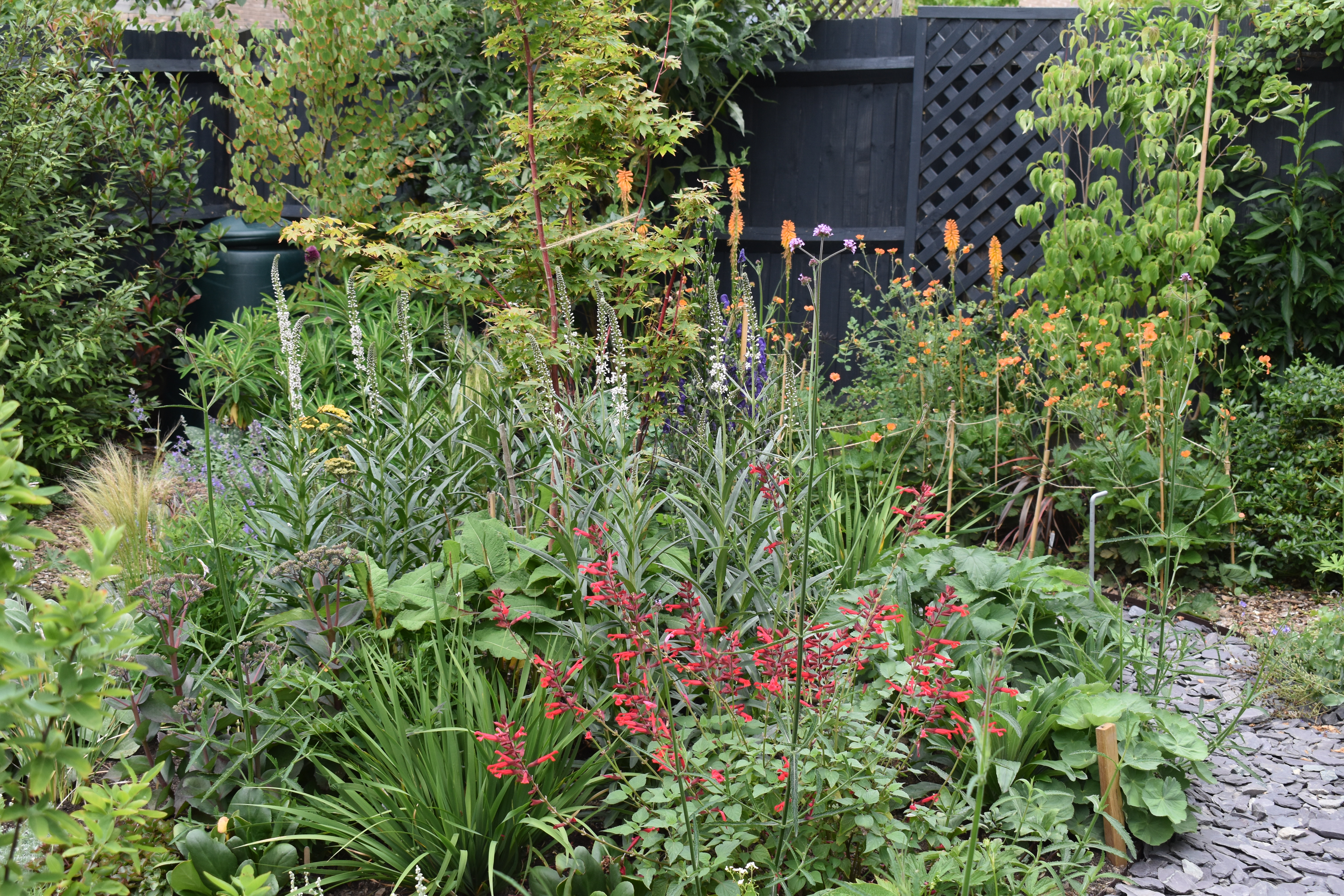
We had to walk through the house to get to the garden which we could see was already coming on well. Winding gravel paths meandered between borders, allowing us good views of the planting.

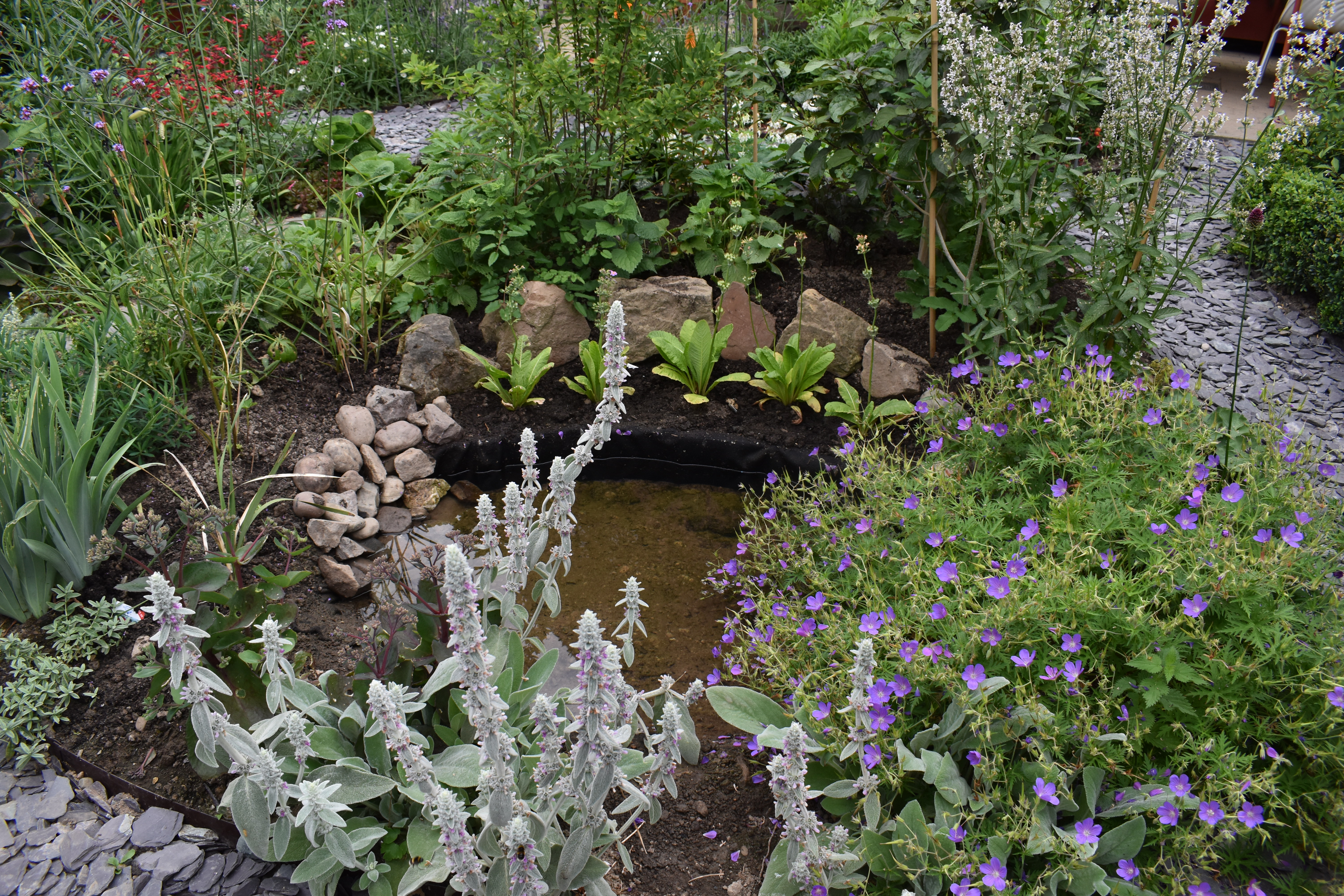
There were carefully positioned pieces of sculpture throughout the garden and one area had a small pond under construction planned to be good for wildlife. Many of Christine’s plants will also be explored by wildlife of all sorts.

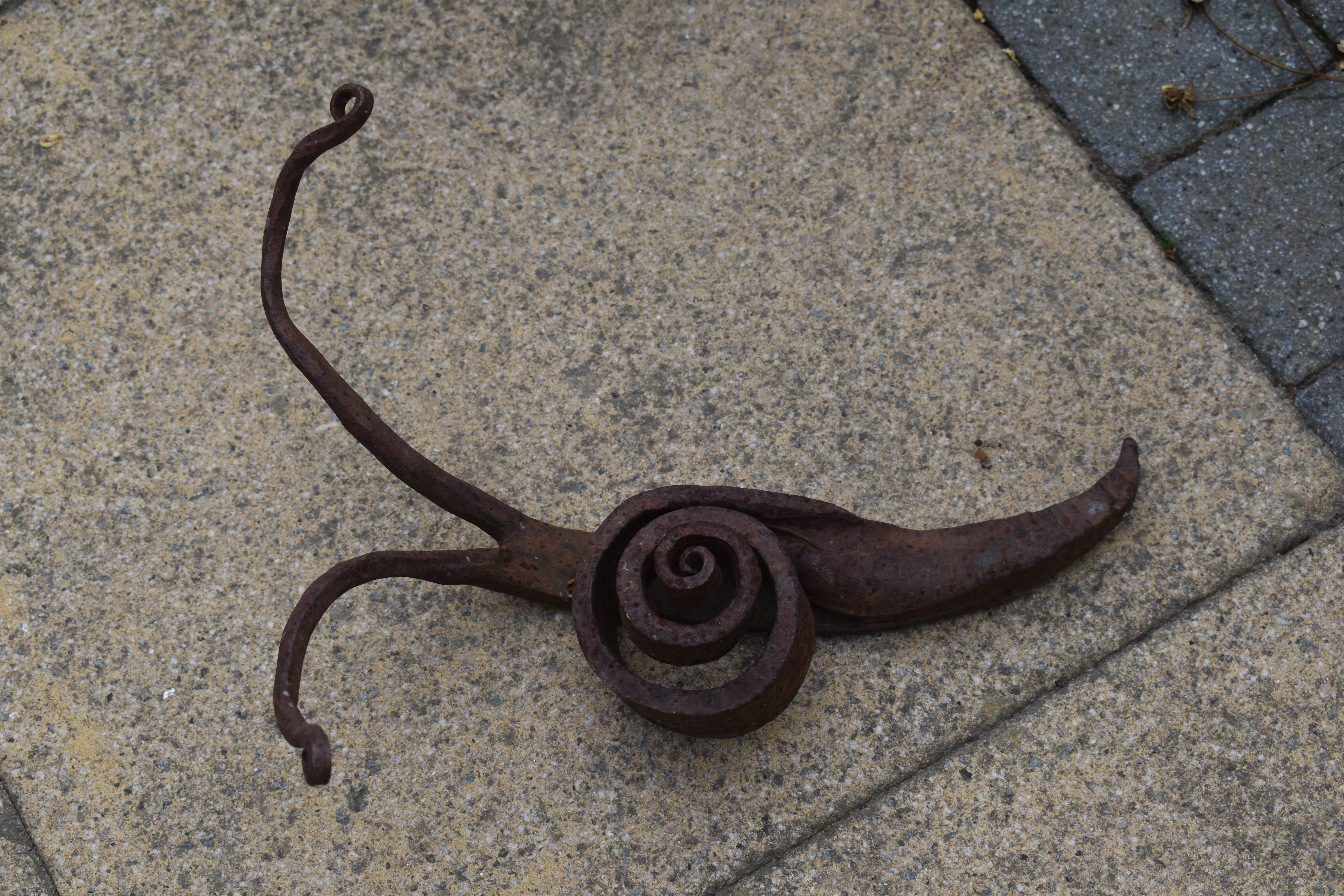
Interesting sculptural pieces pop up just where they are needed giving a chance to stop and get a really good look at each piece.

As with any garden whatever the size, it is the plants that matter the most.

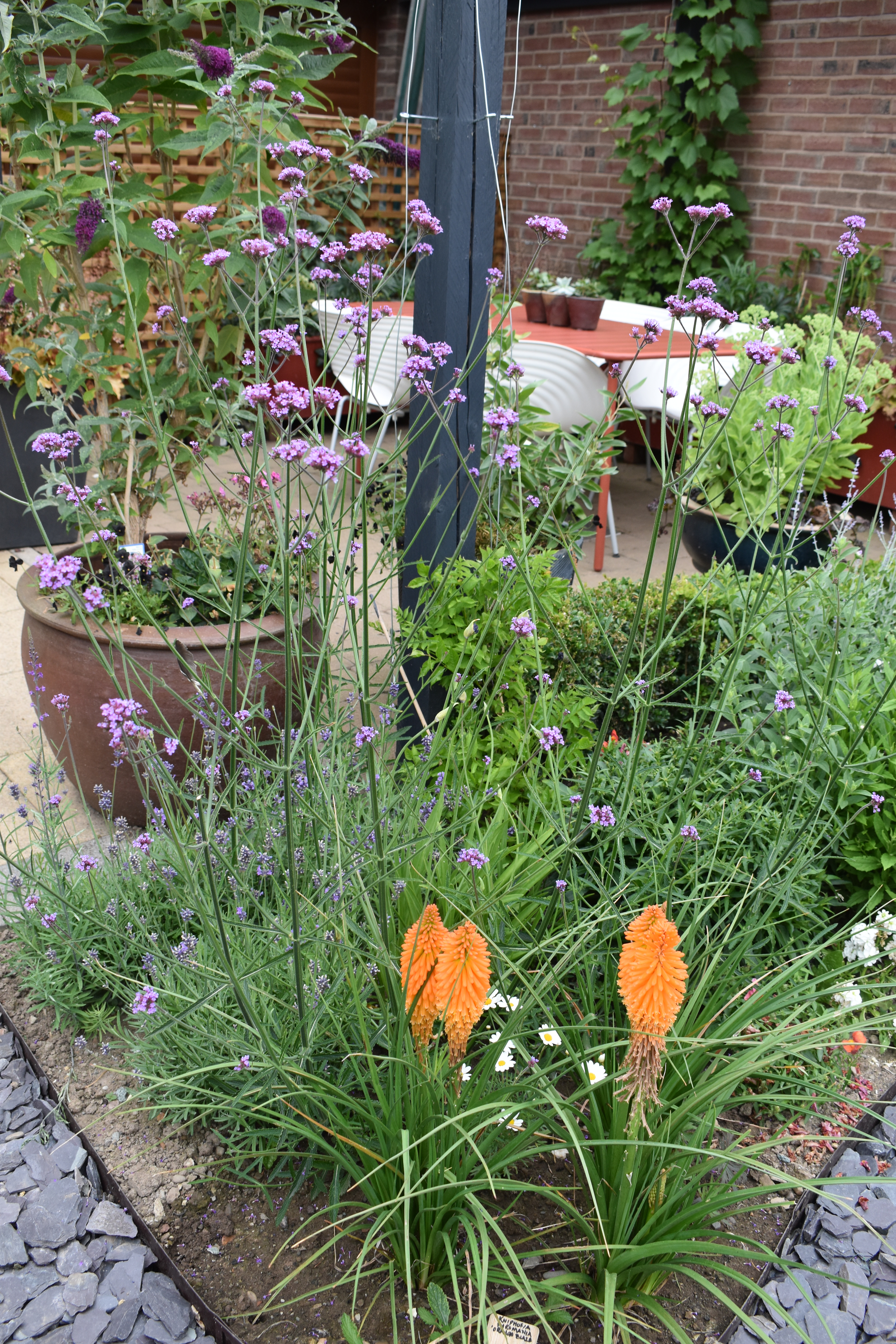
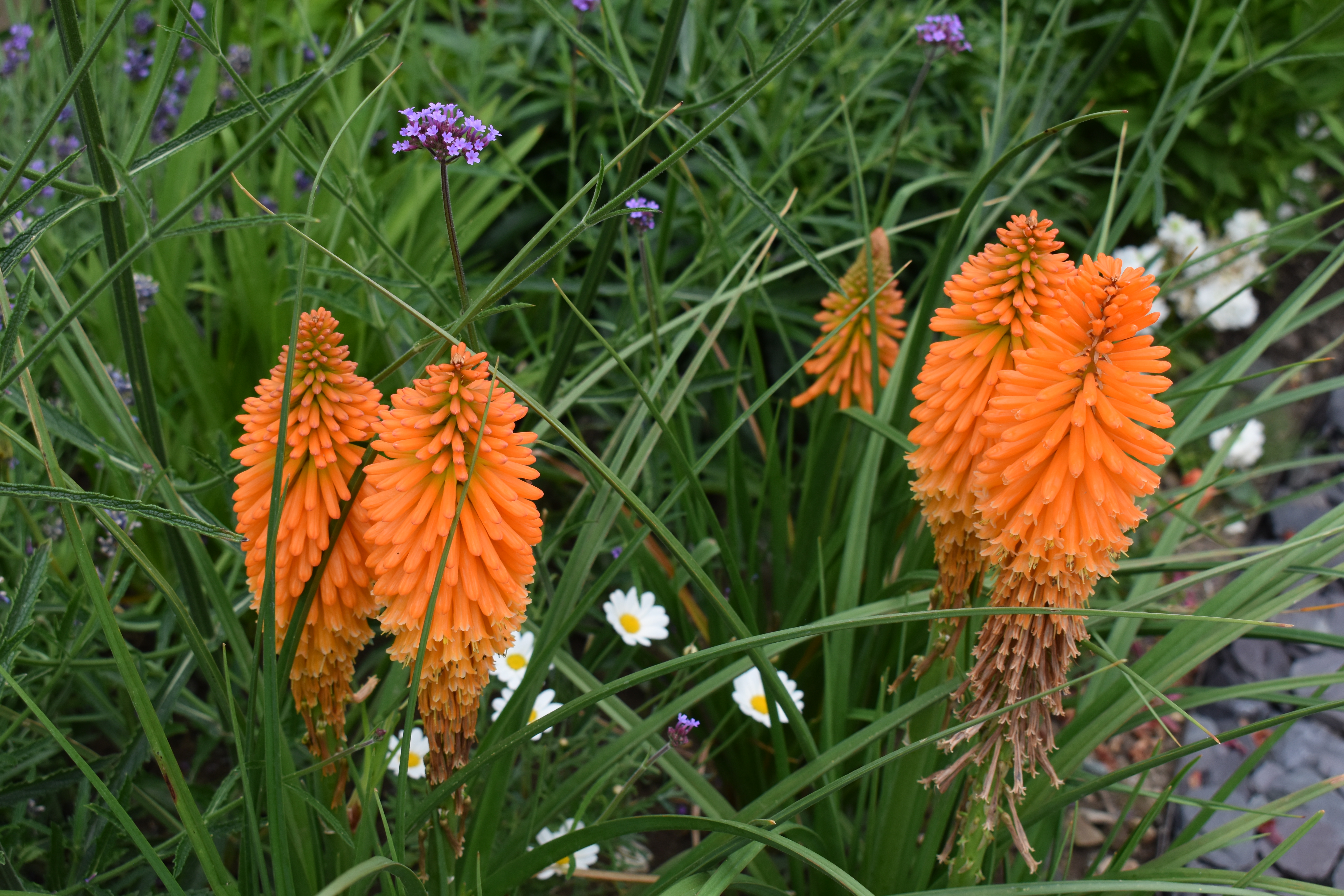
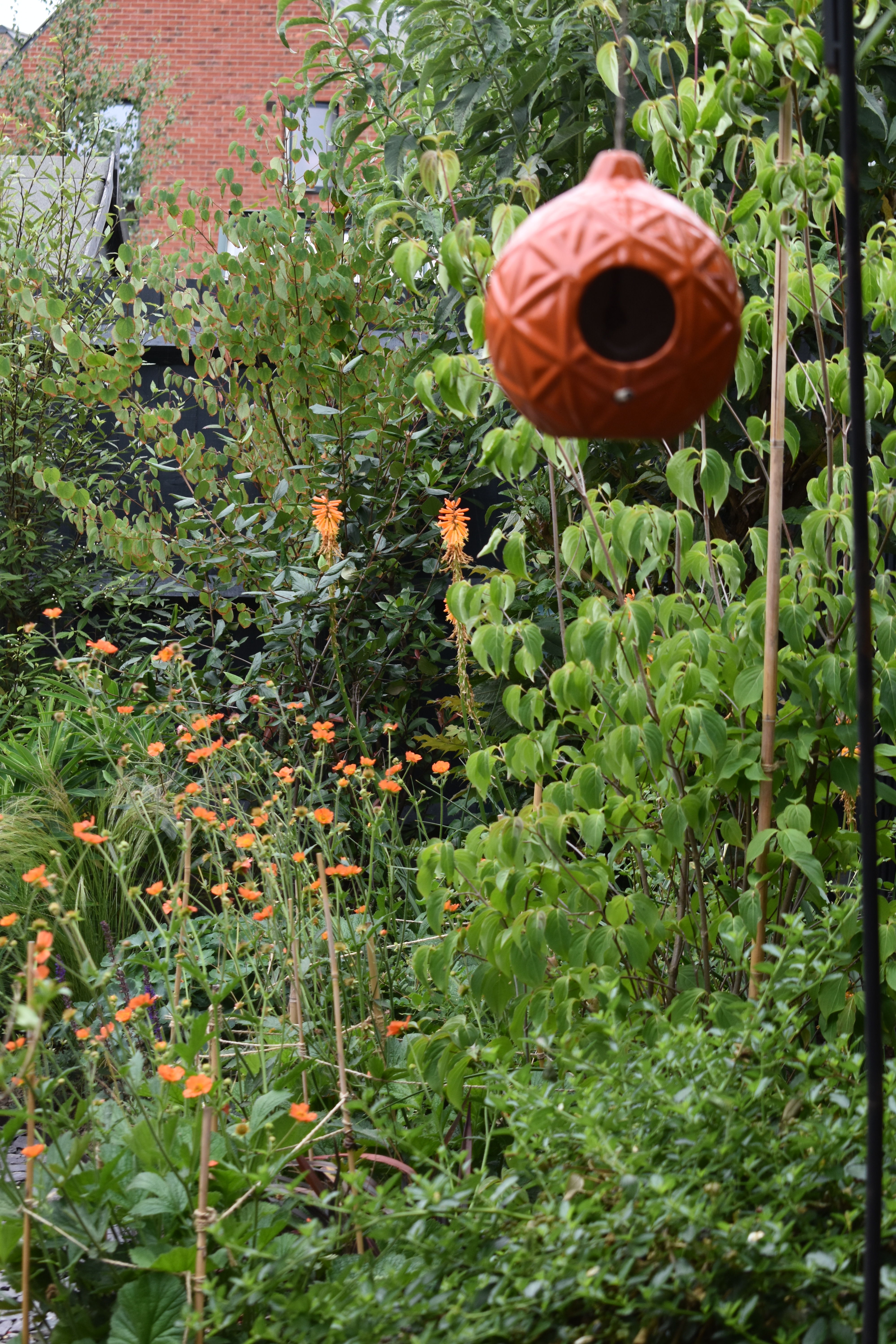
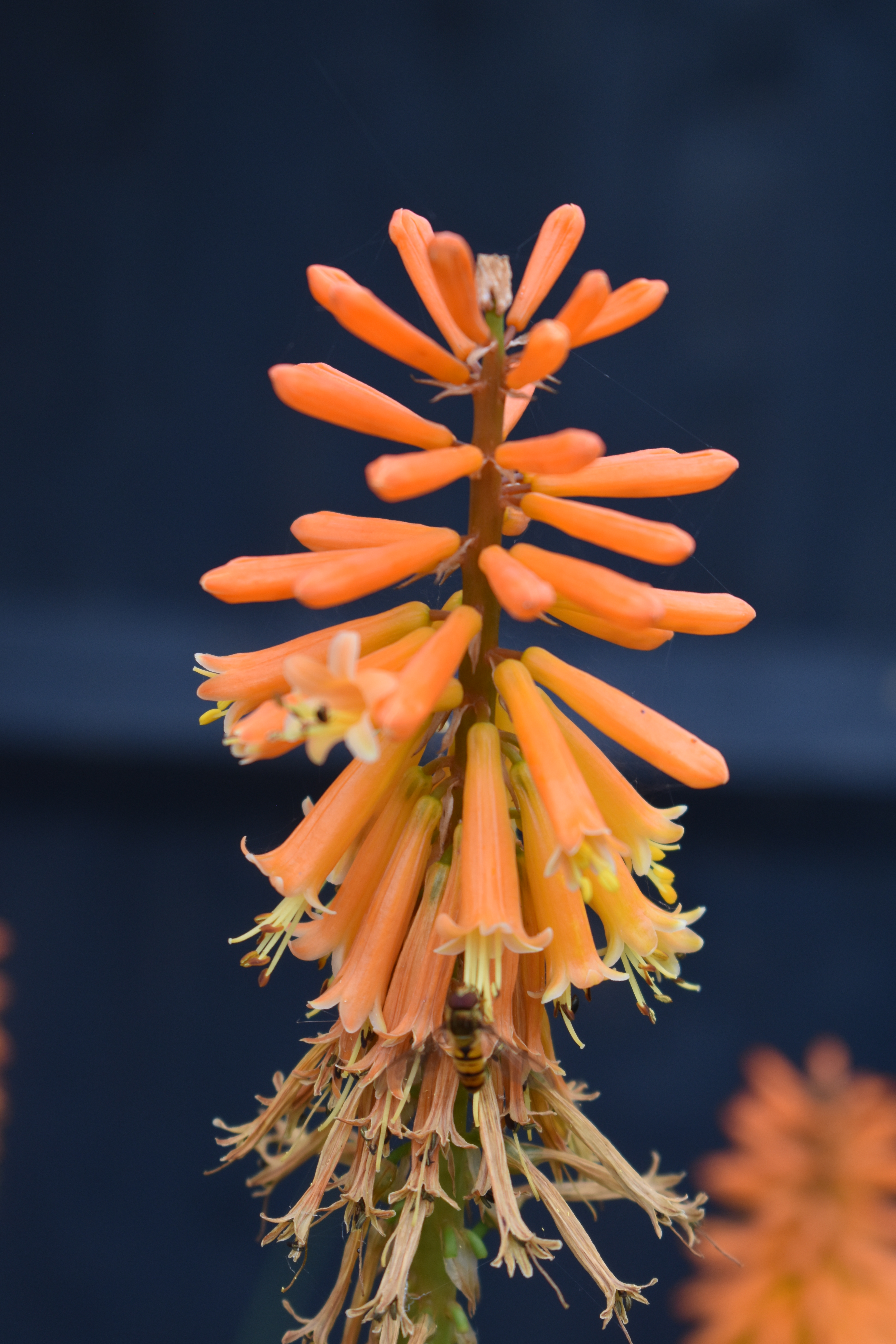
We all know that Christine’s favourite colour is orange. She is rarely seen without orange somewhere within her outfits, so it was no surprise to see this glowing orange Kniphofia in the garden.

Every garden needs plenty of places to sit and relax or enjoy shared refreshments. Christine had invited us for refreshments as well as discovering her garden. This calm welcoming table surrounded by plants awaited us.

We knew that Christine had not been creating her beautiful garden for very long and she claimed that there wouldn’t be much to see but at least we could have some coffee and cake. In fact we found so much to enjoy in her garden and the refreshments were good too!

Categories
Uncategorized

Our March Visit to John’s Garden at Ashwoods Nursery

We made our monthly visit to John’s Garden at his Ashwoods Nursery quite early in the month and little did we know what an unexpected treat we were in for! I’ll return to that at the end.

The first photo shows what a wonderful sunny sky we had as we arrived, but this was a little confusing because it was so cold.

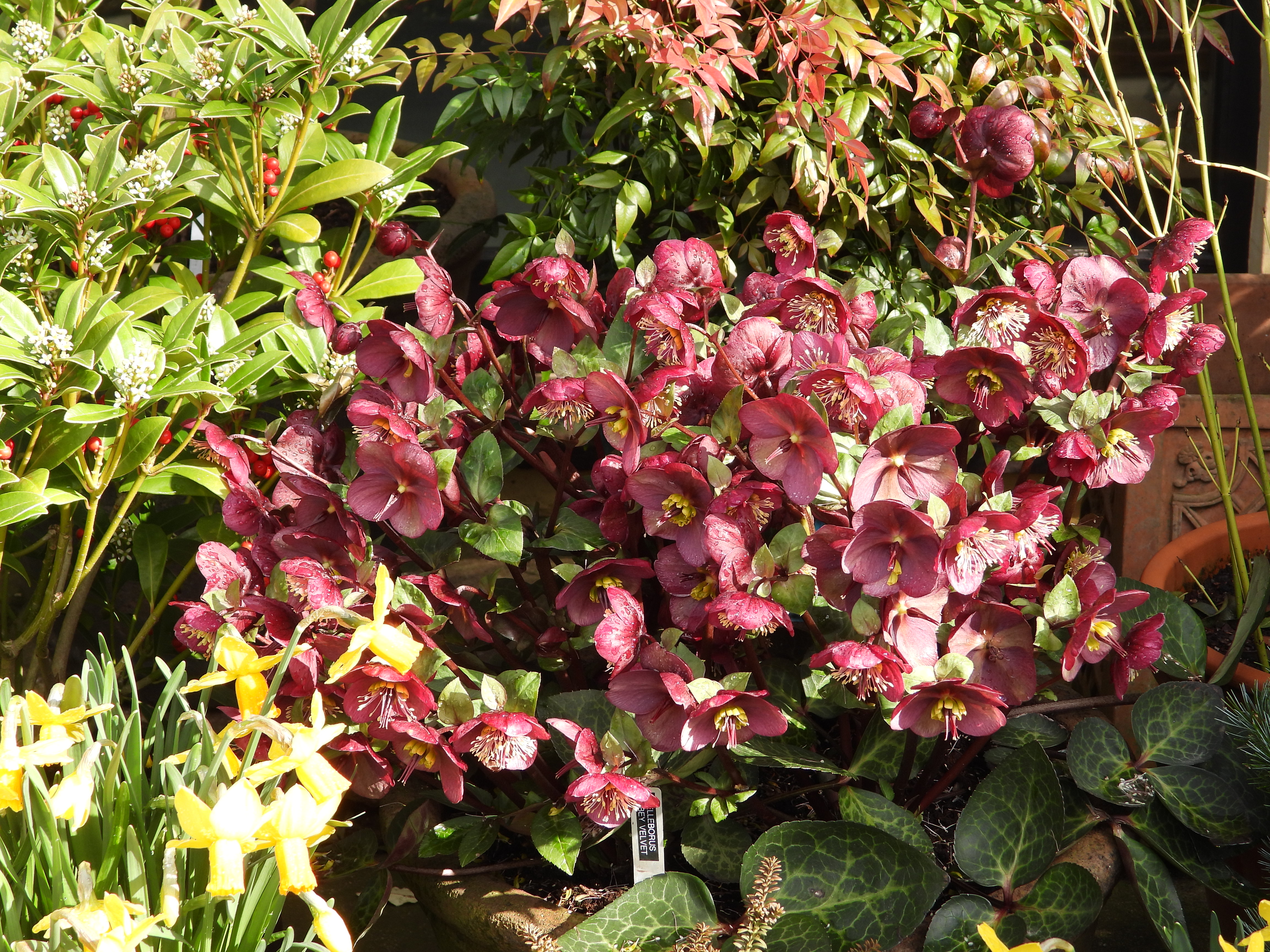
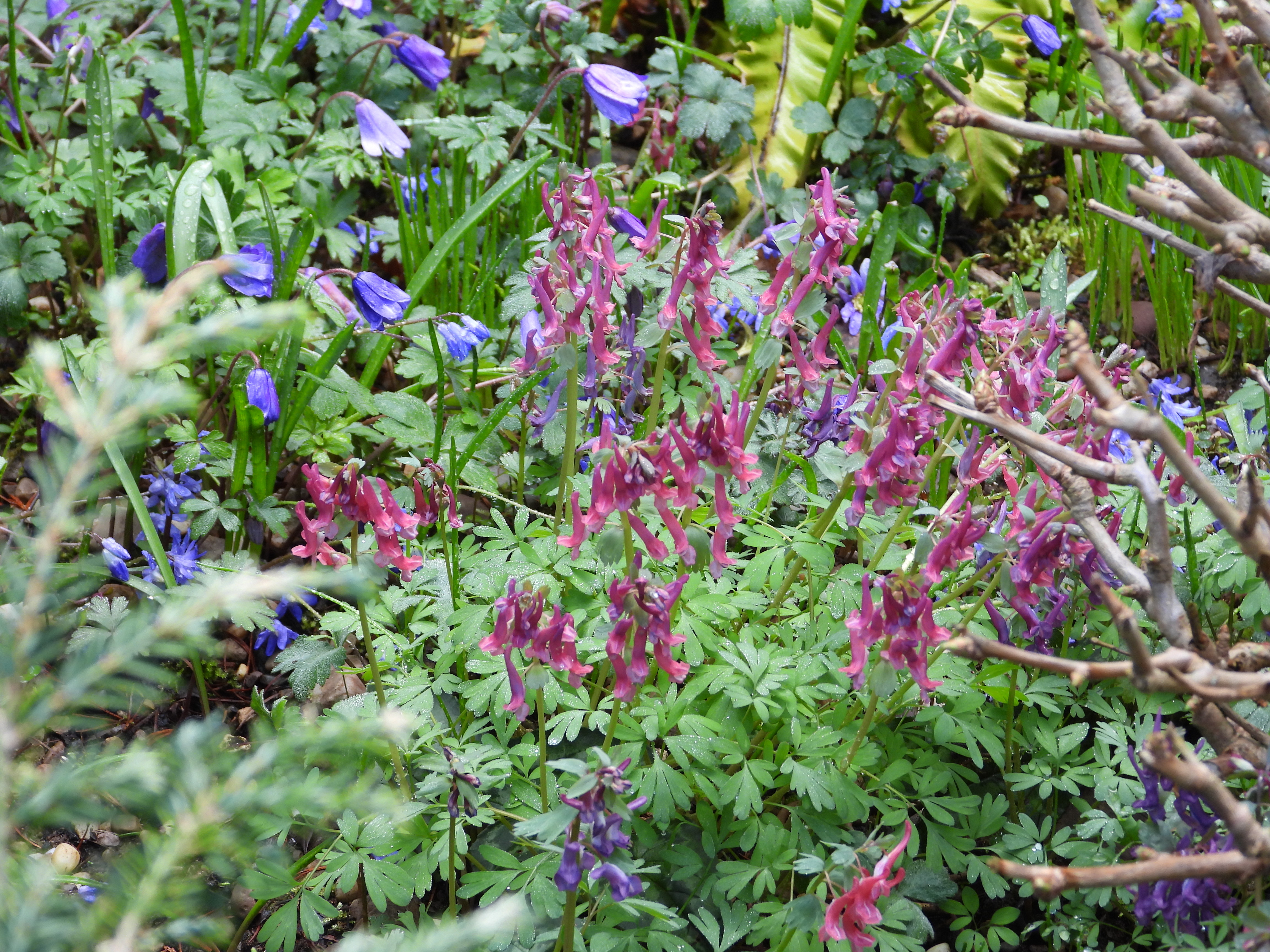
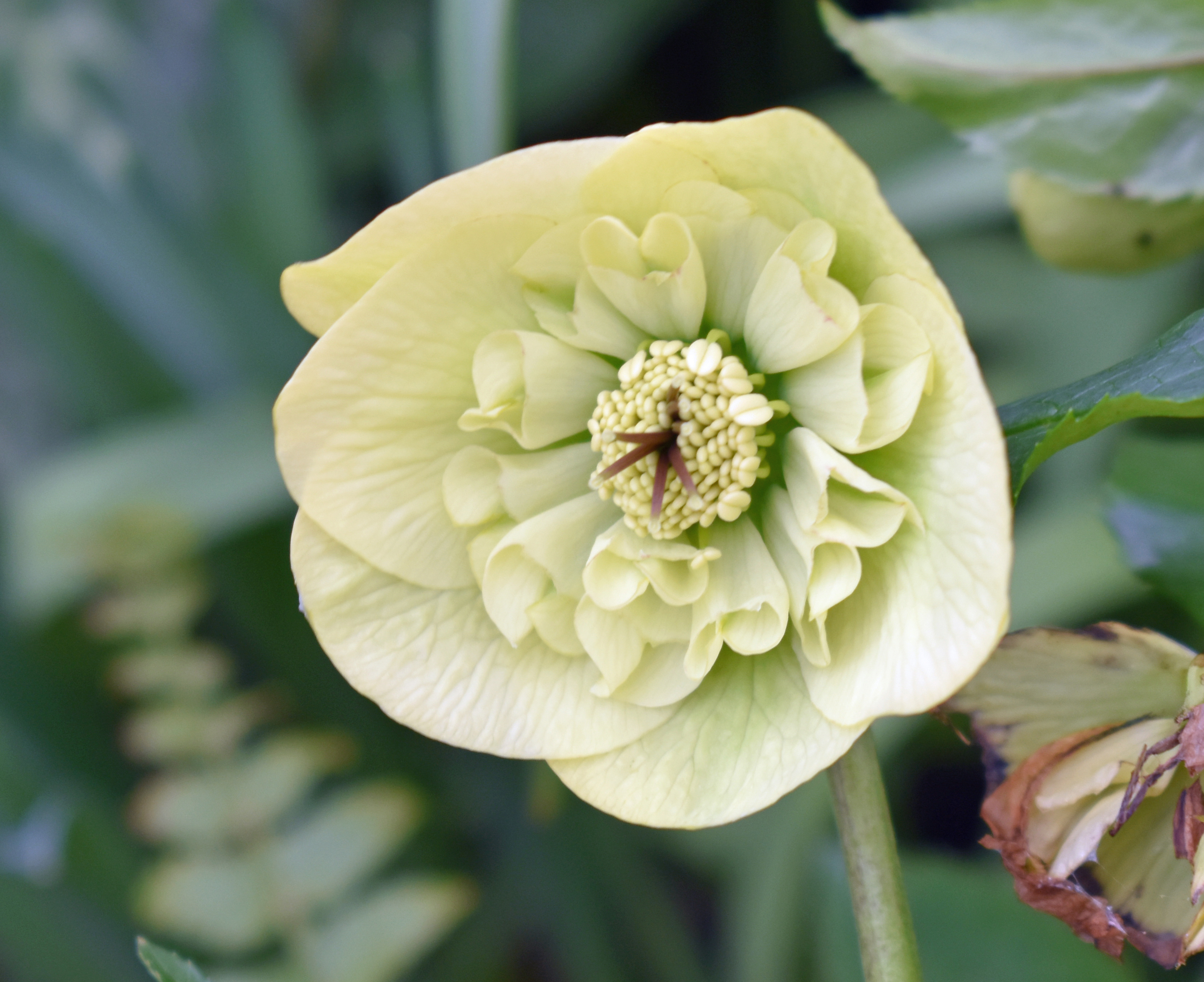
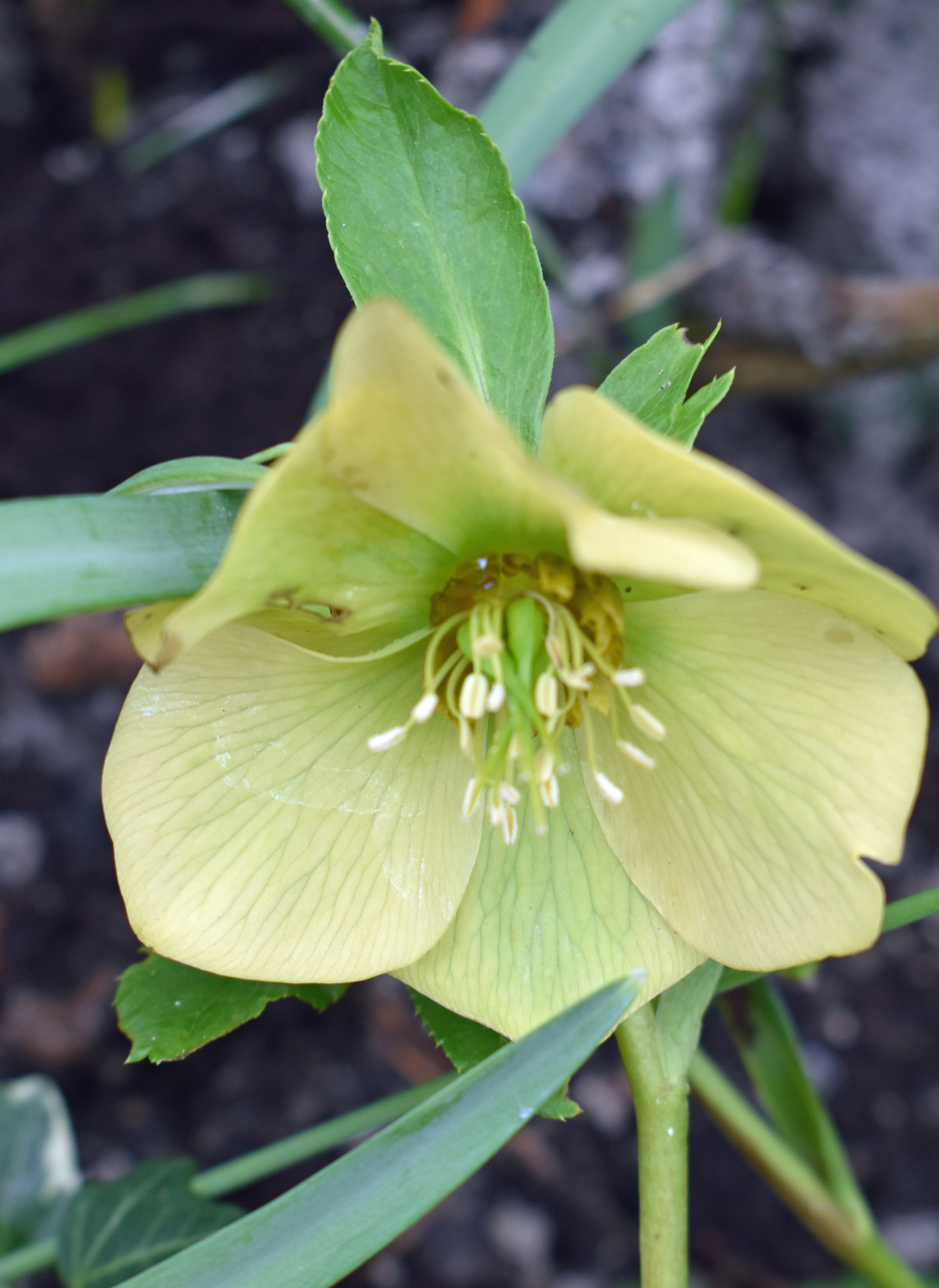
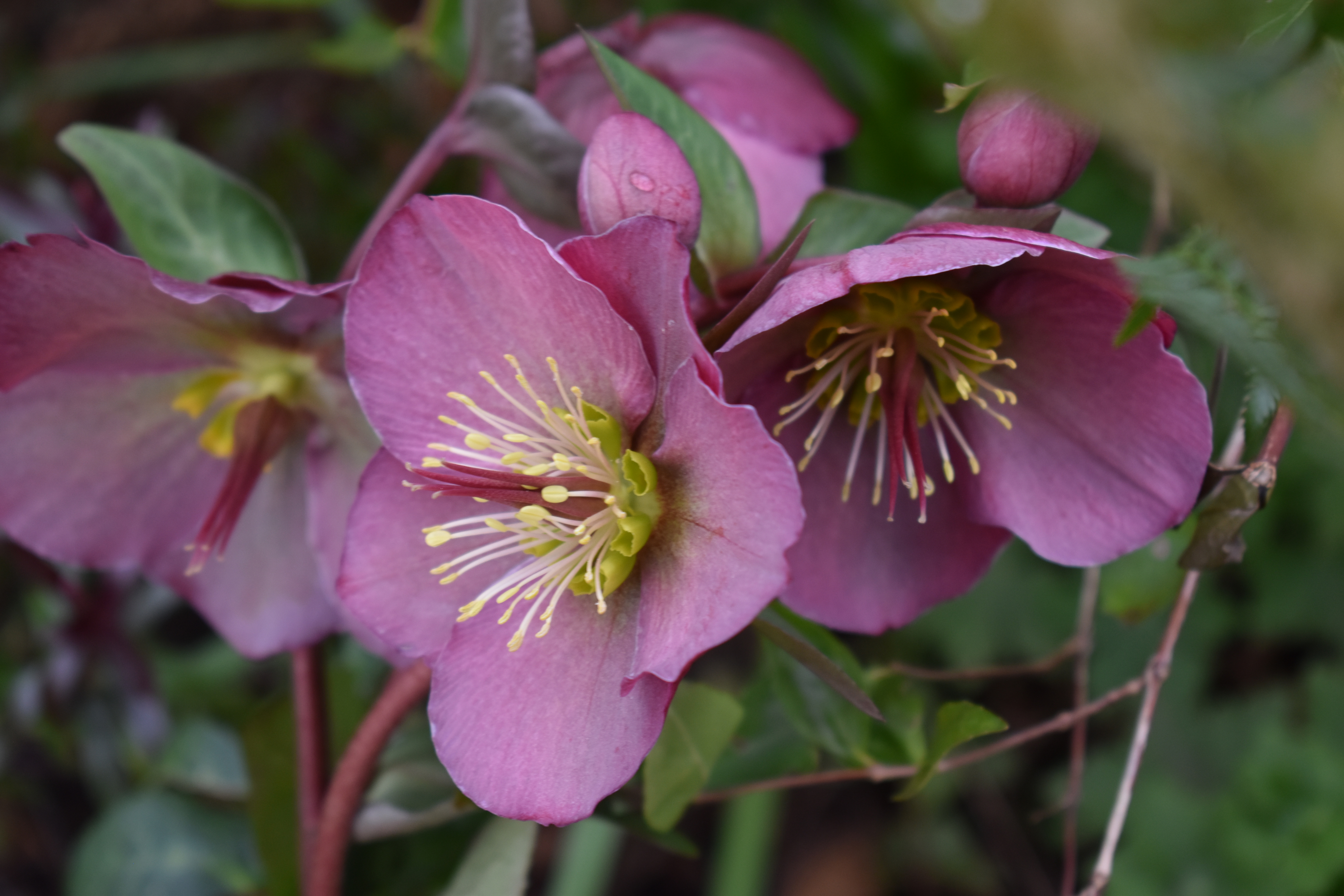
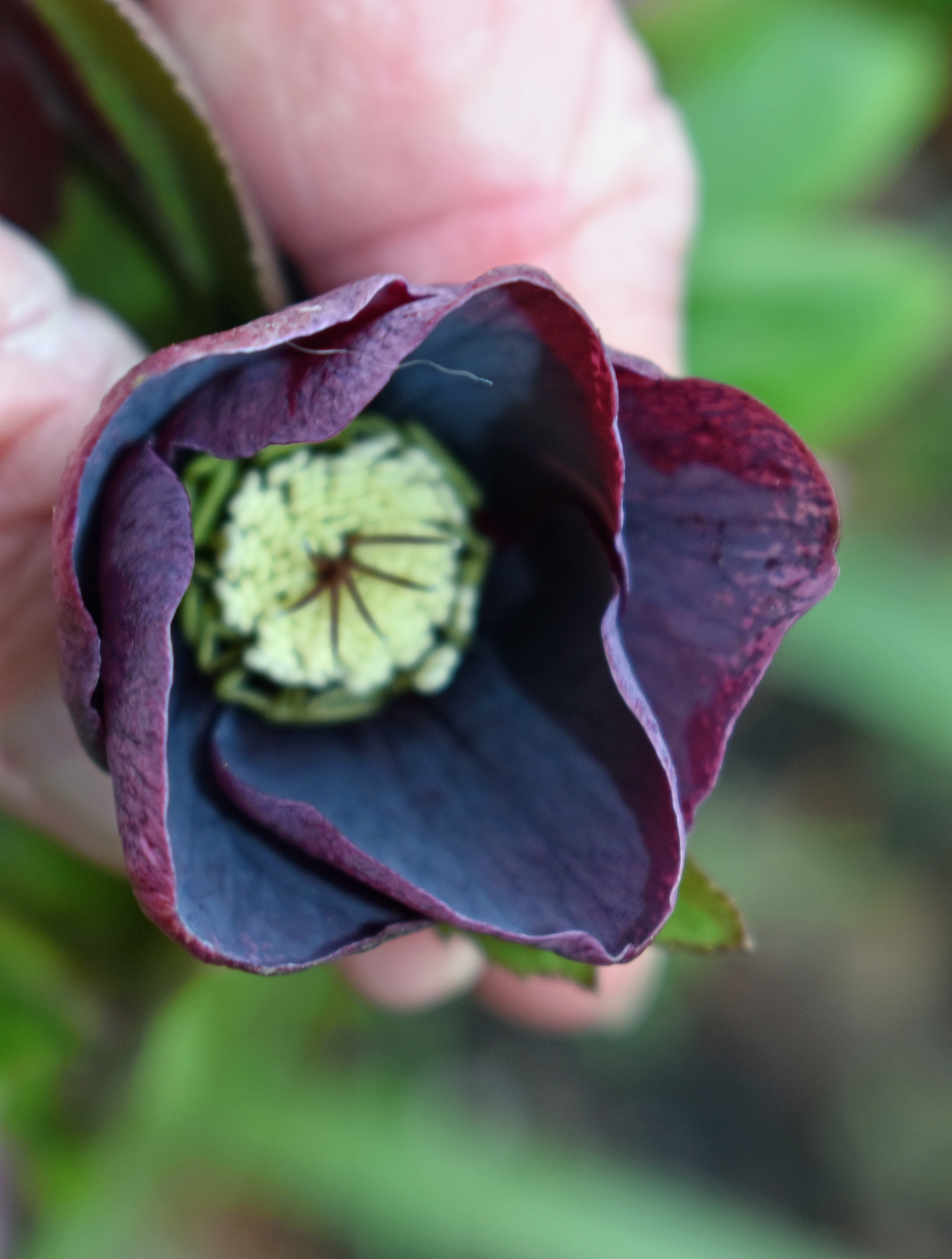
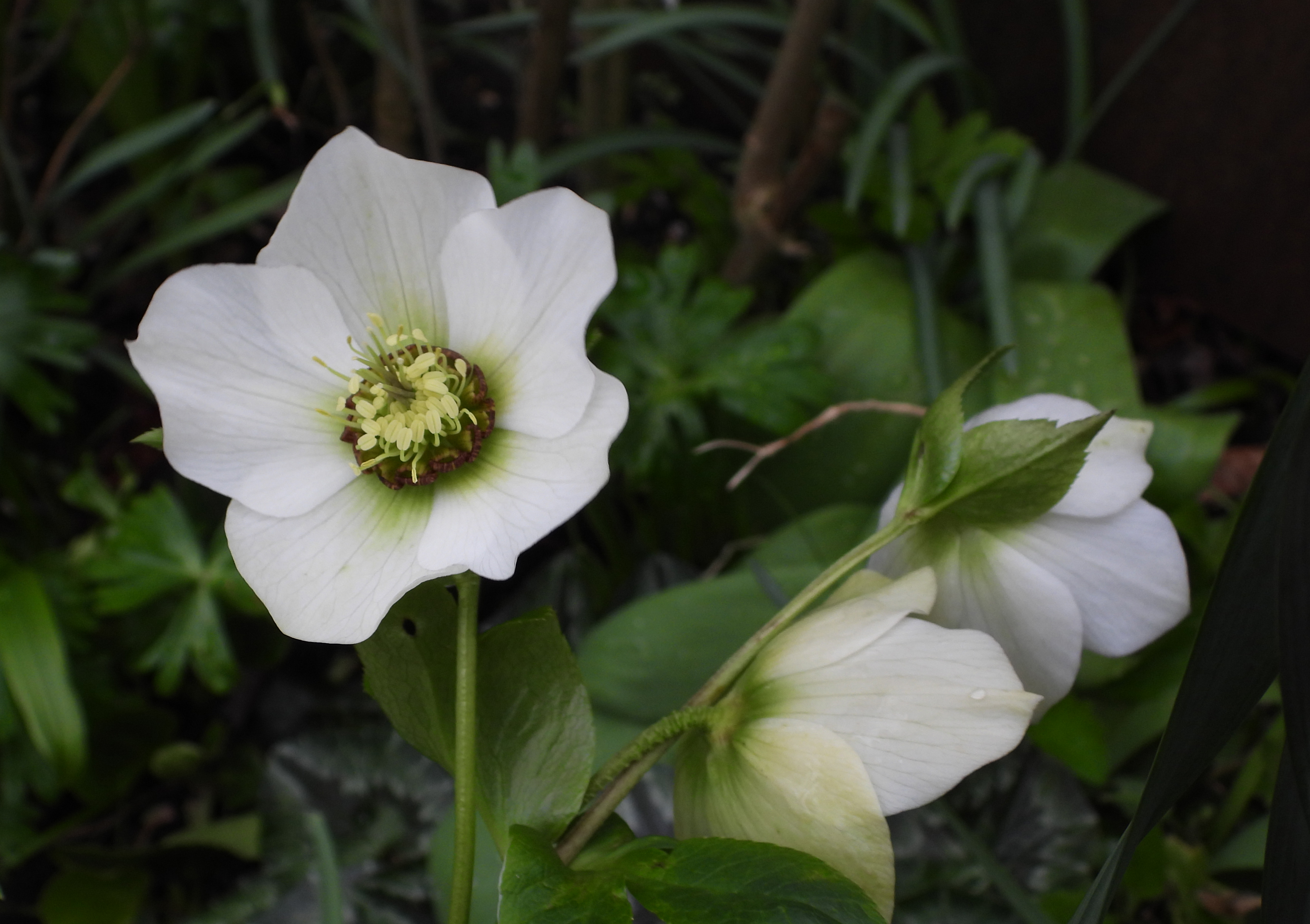
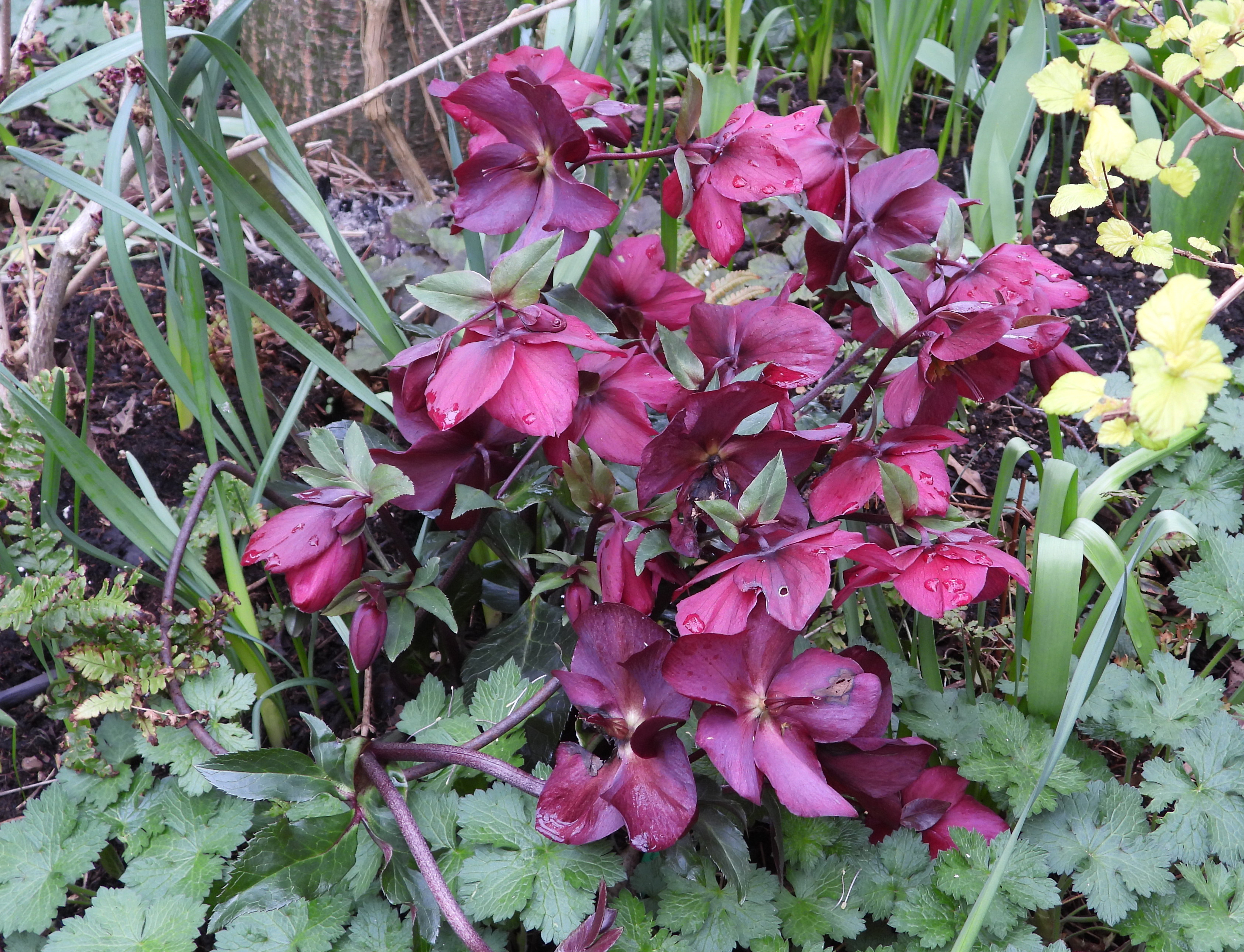
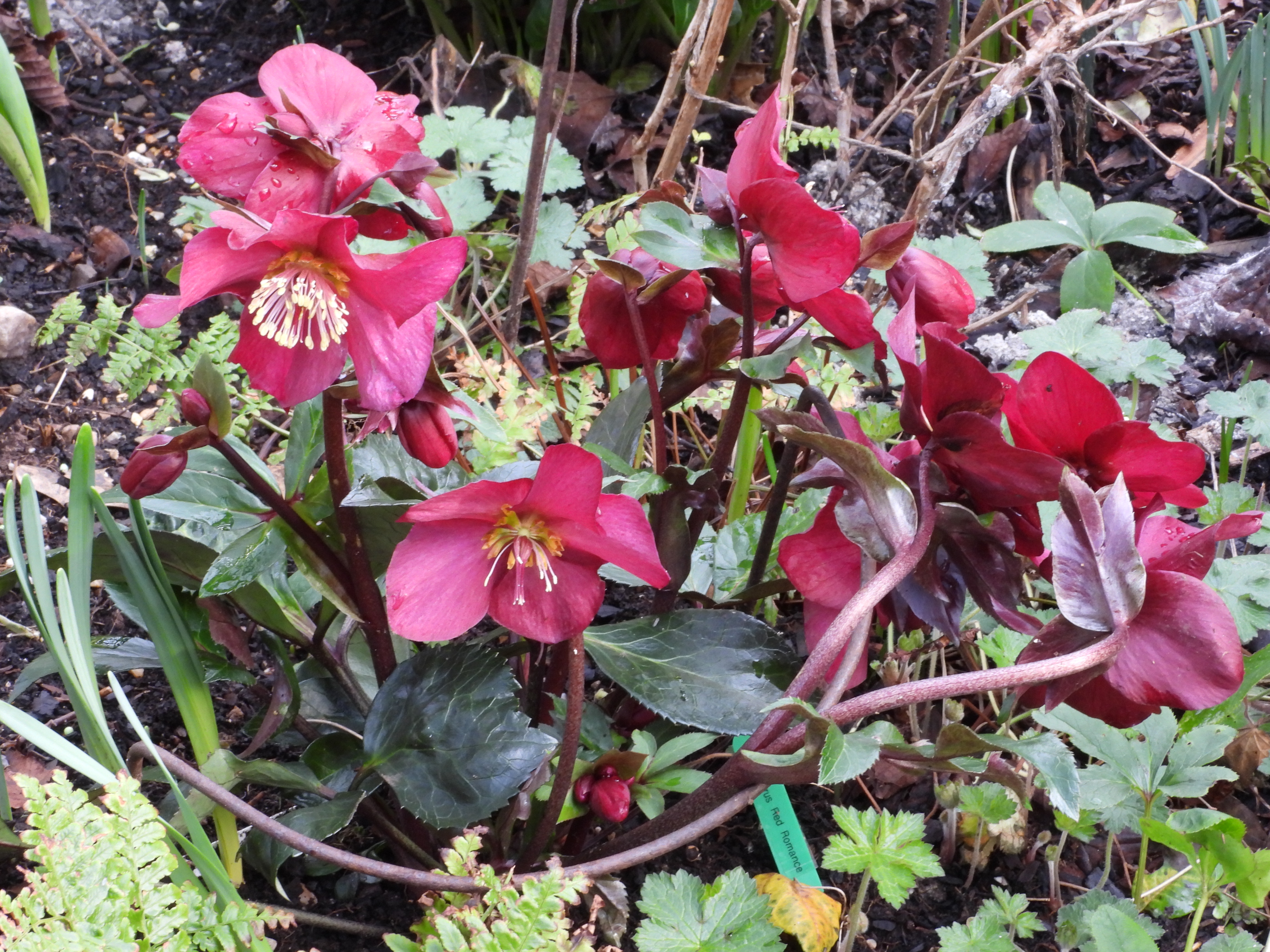
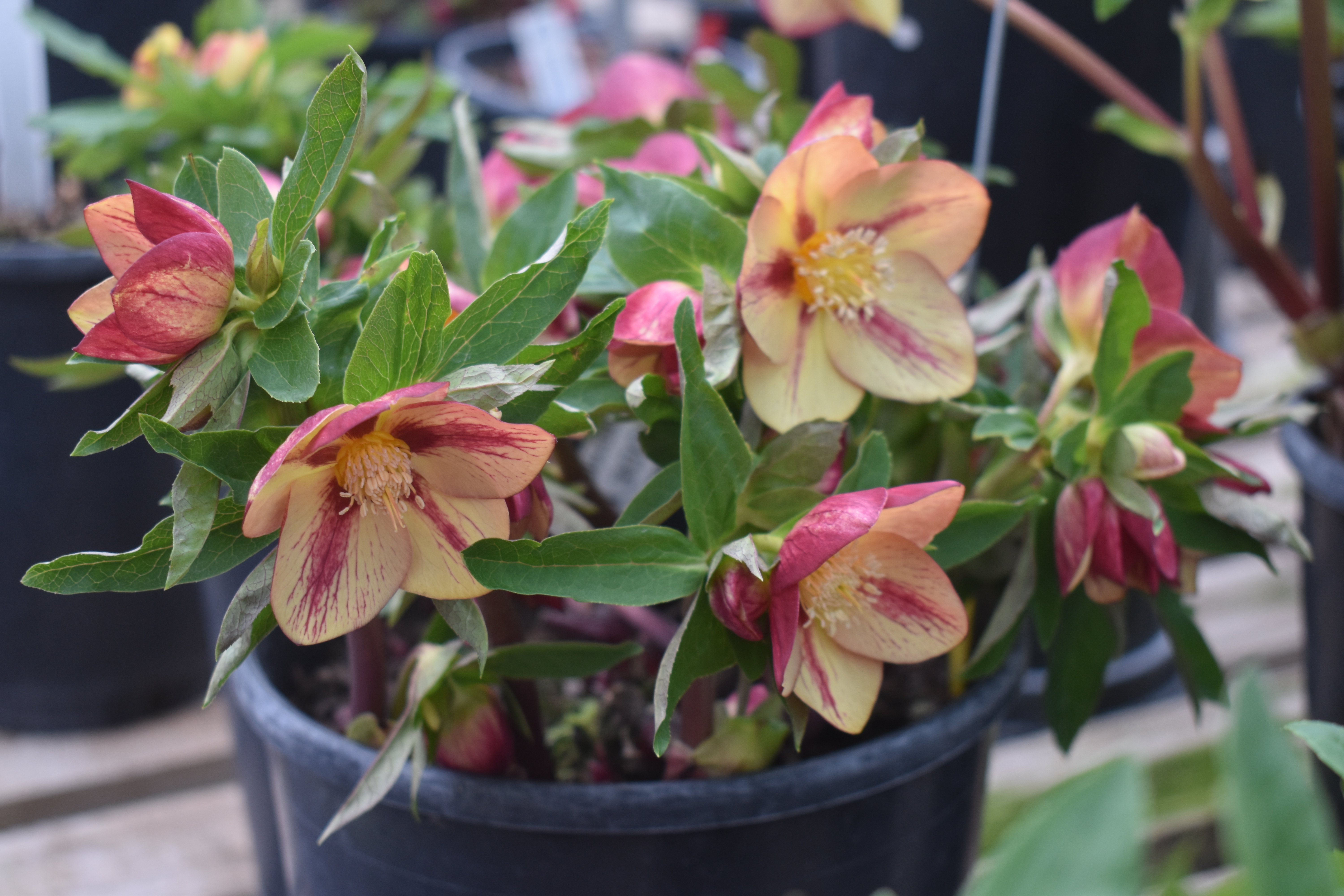
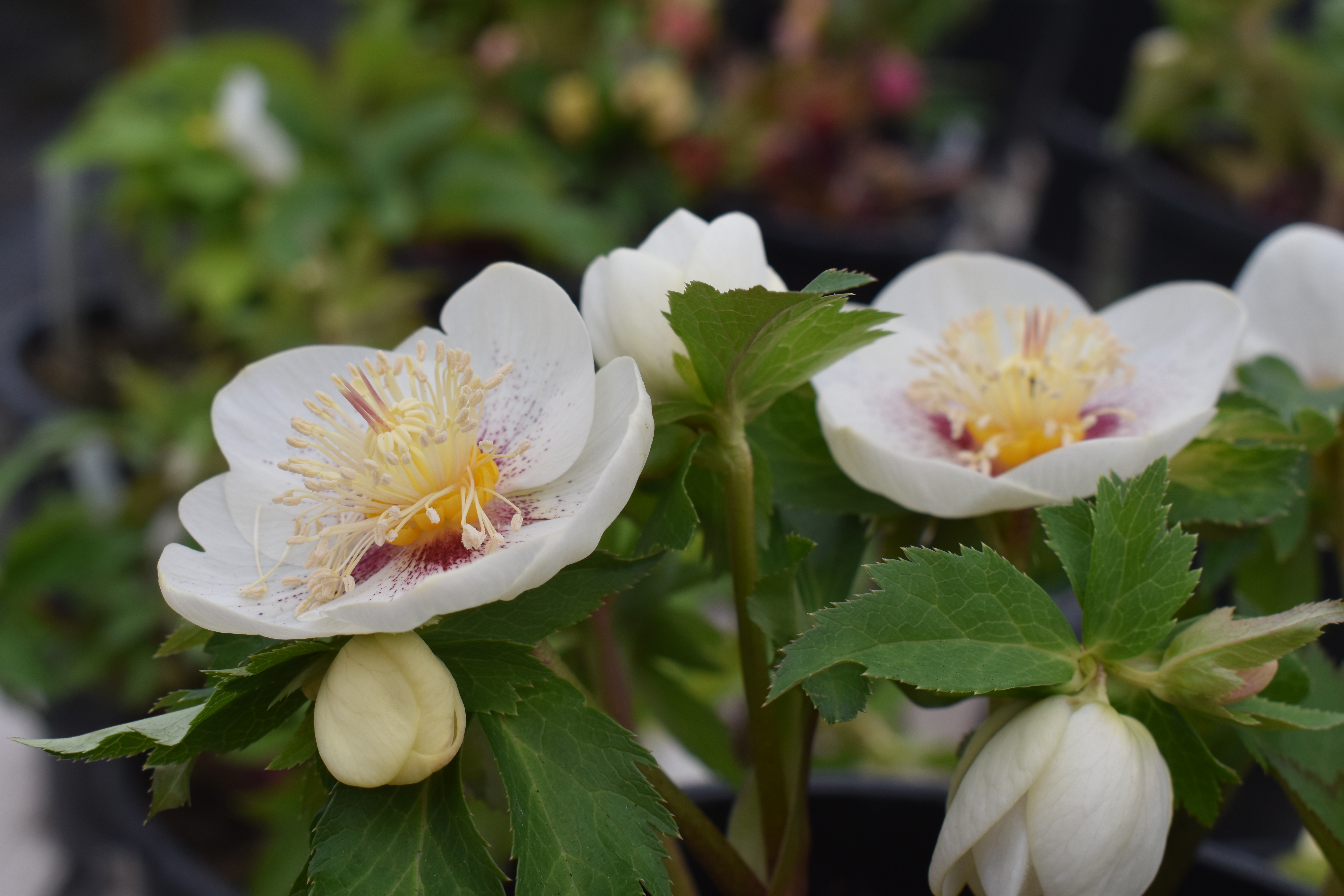
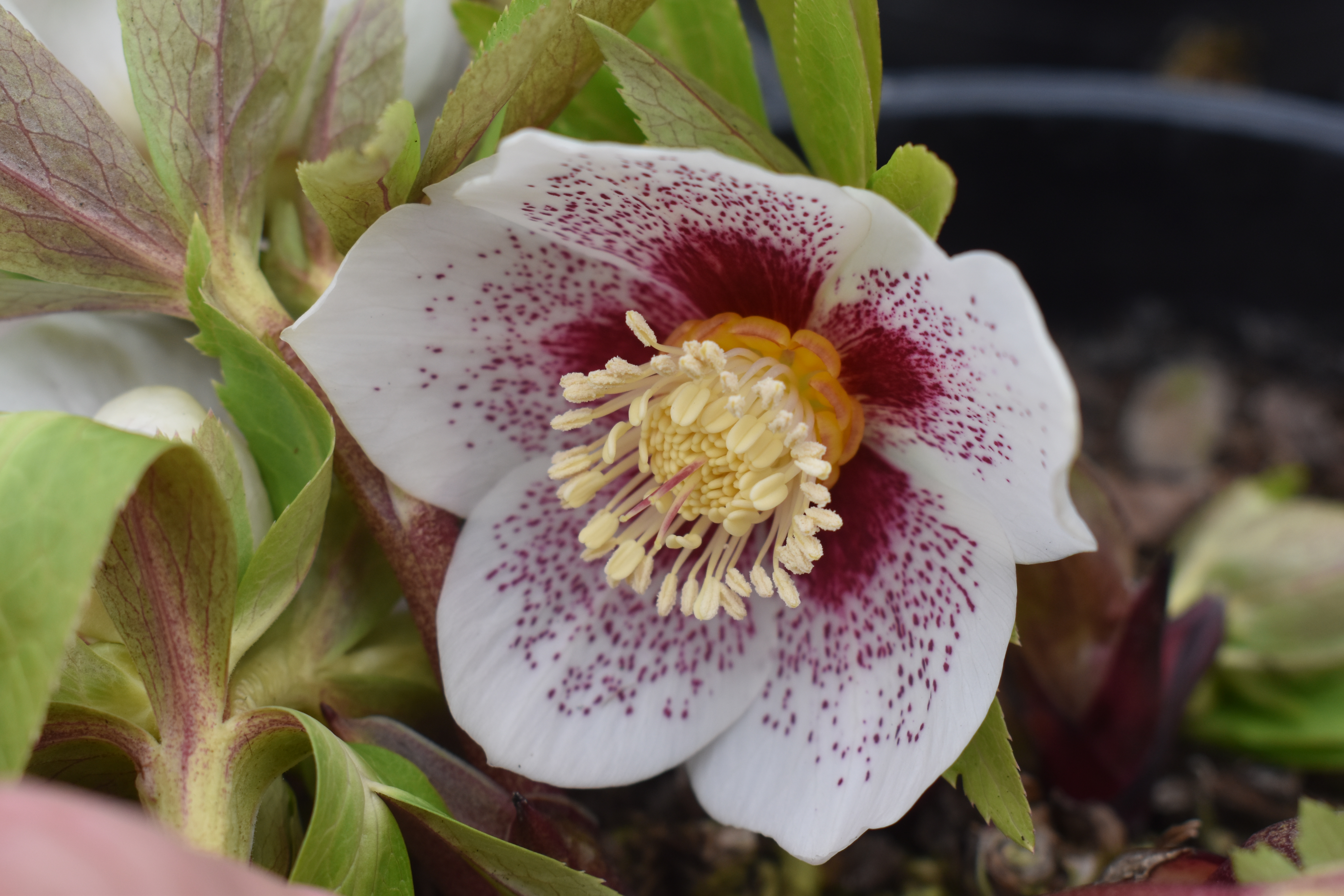
We were expecting to see plenty spring flowering bulbs and as John breeds hellebores (the legendary Ashwoods Strain) we were anticipating dozens of absolute beauties wherever we wandered.

So now for the hellebores!

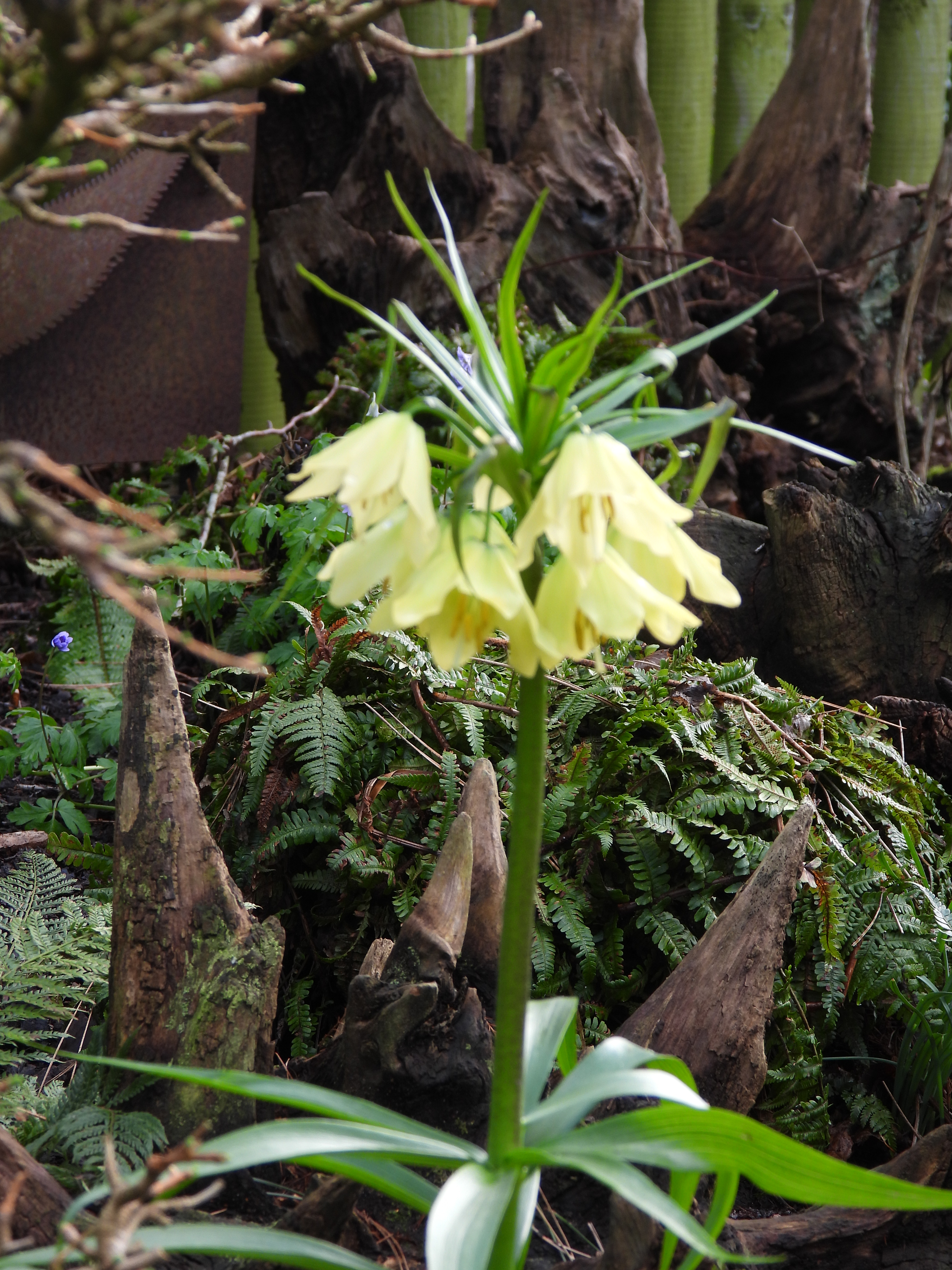
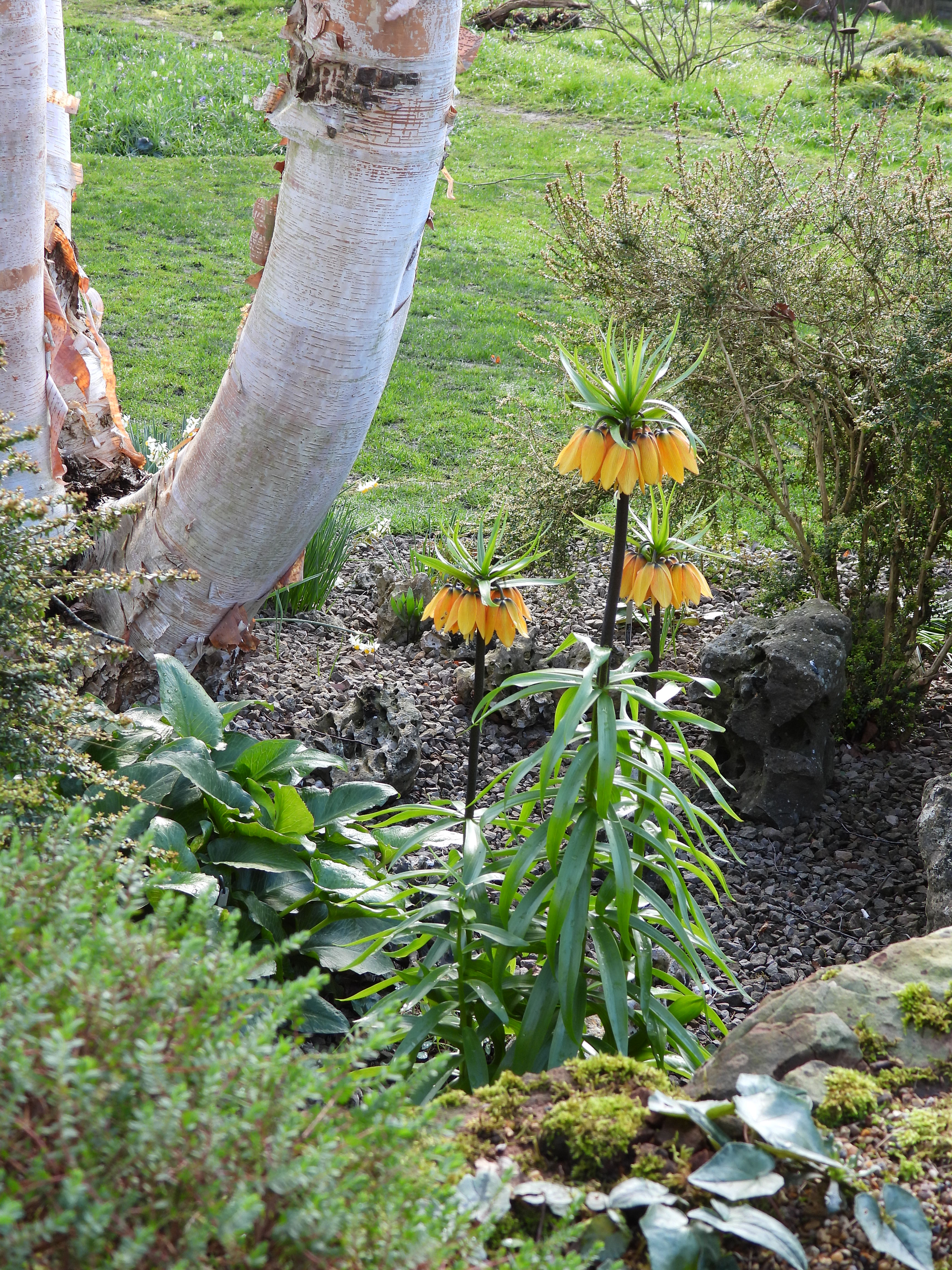
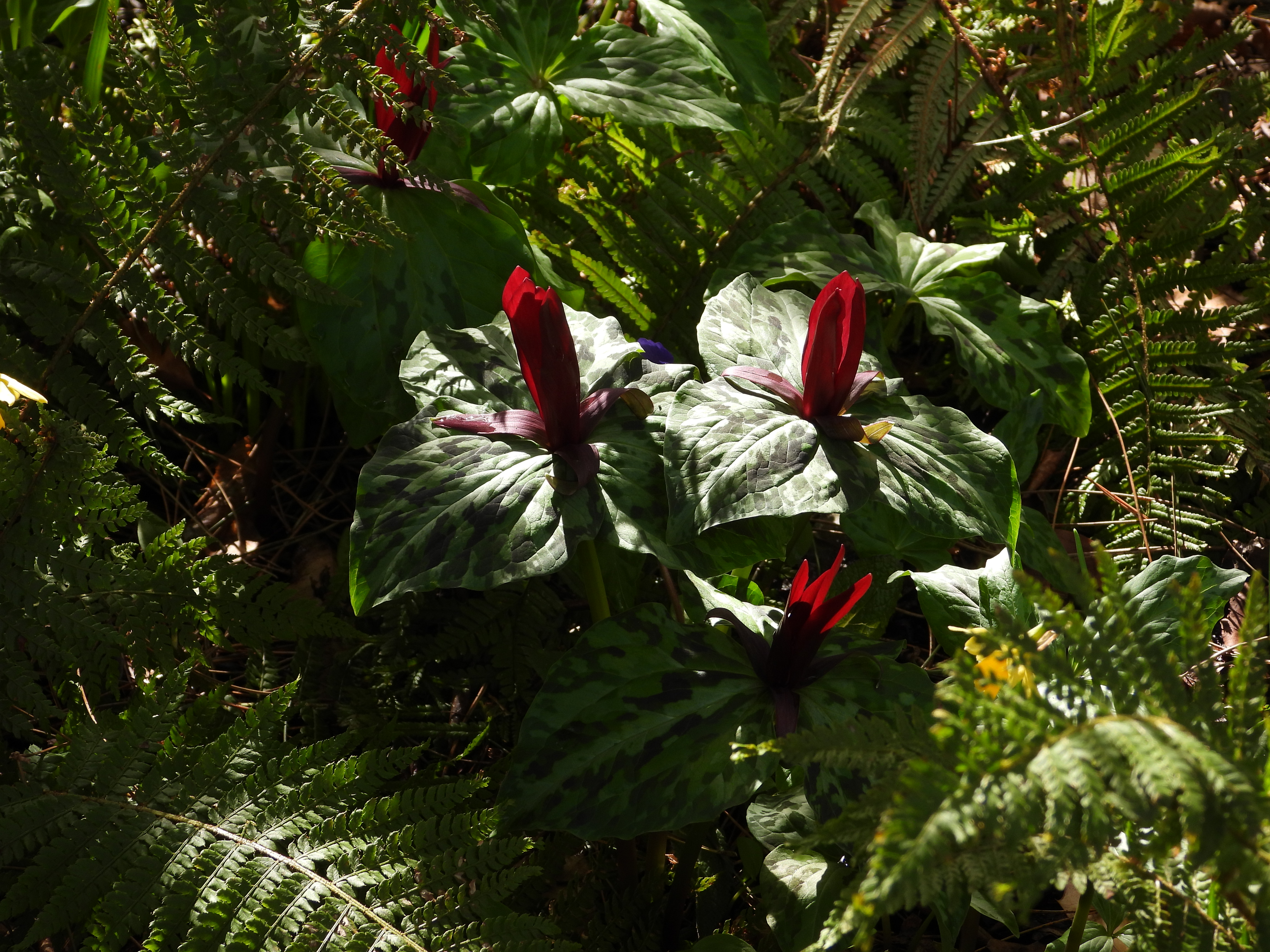
John grows some unusual coloured Fritillaria imperialis and several other shade loving spring flowers, blooming away before the shade from deciduous trees increases with the opening of leaf buds.

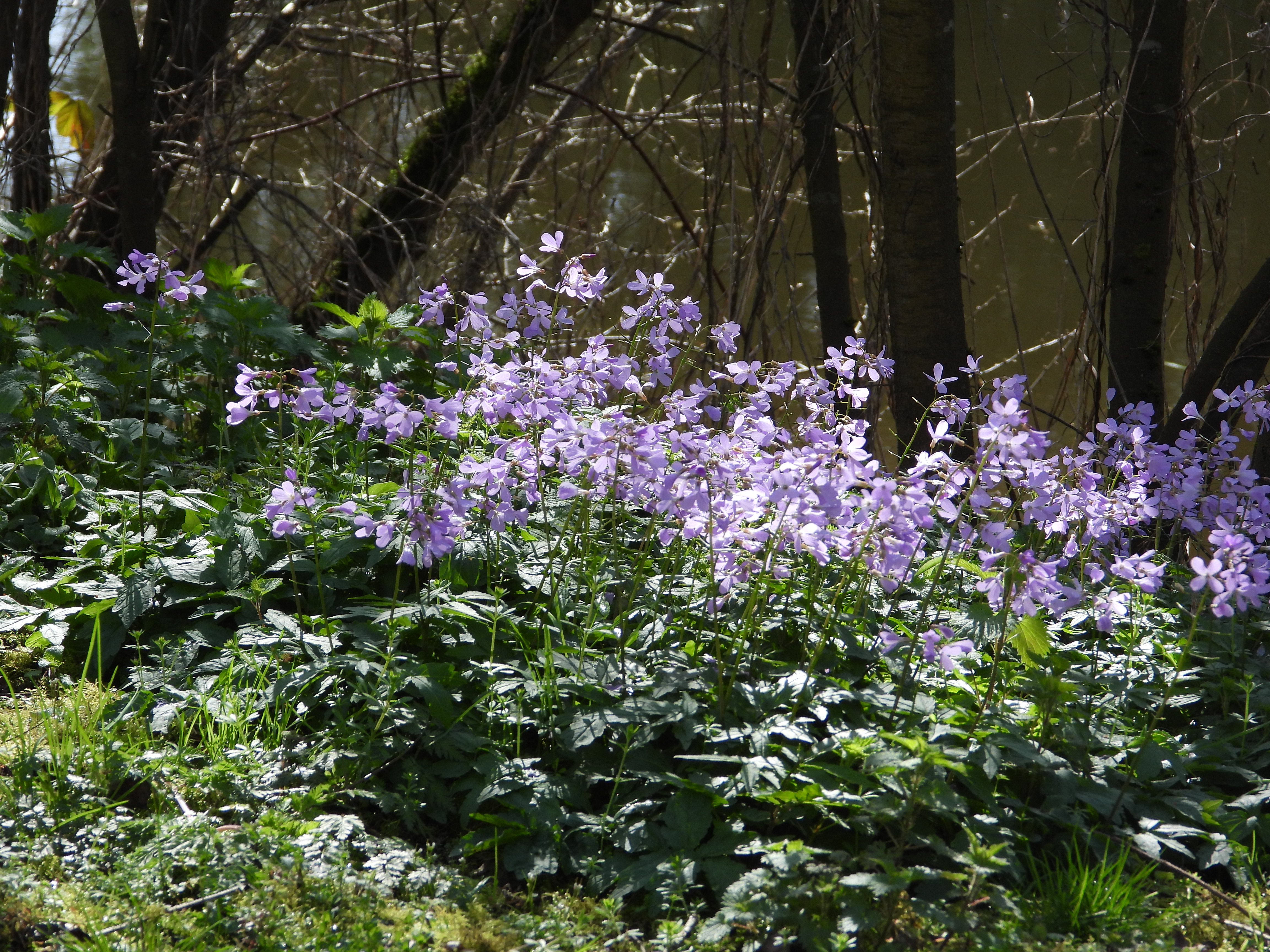
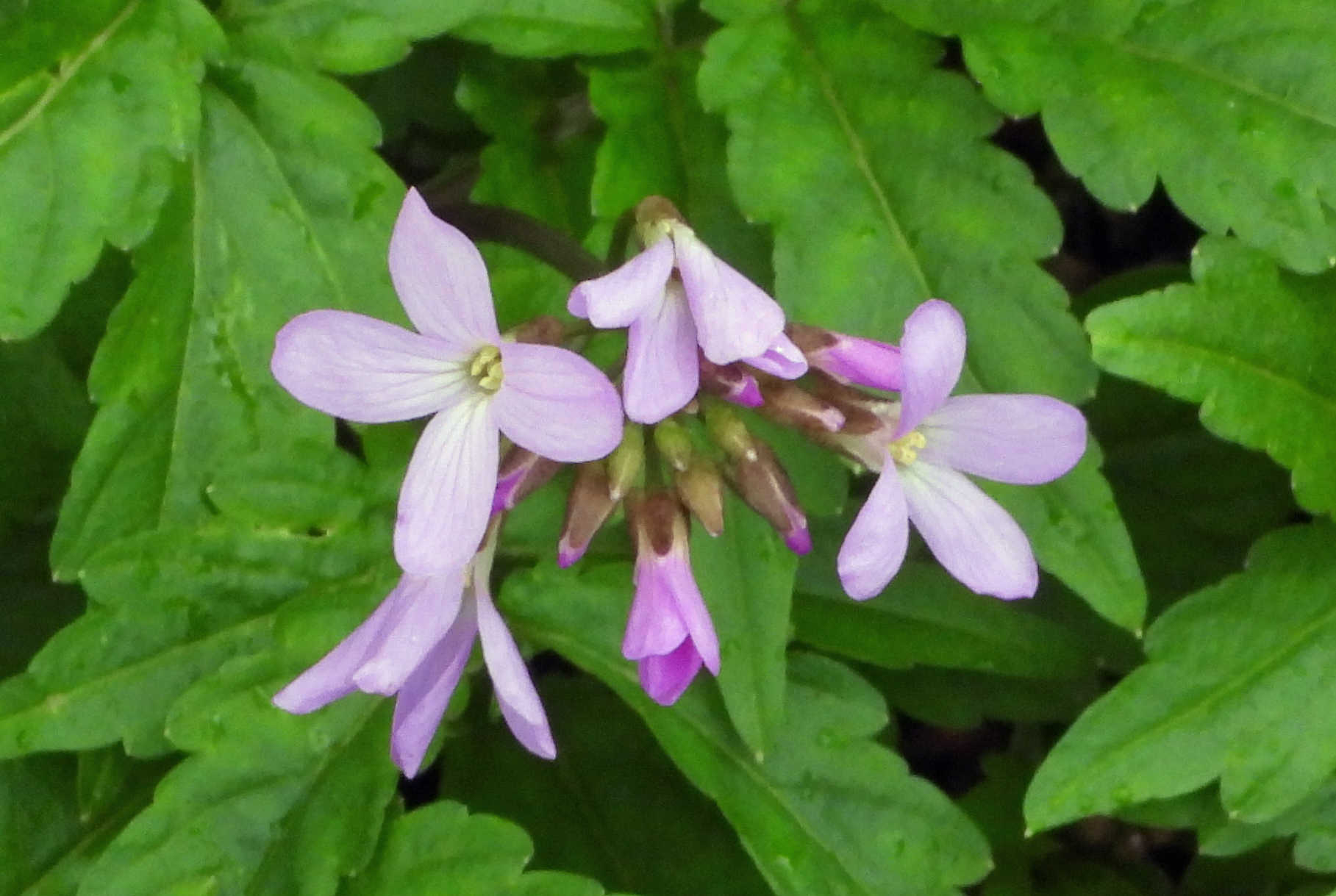
This clump of cardamine looked so special caught in the sunlight with the canal as a backdrop.

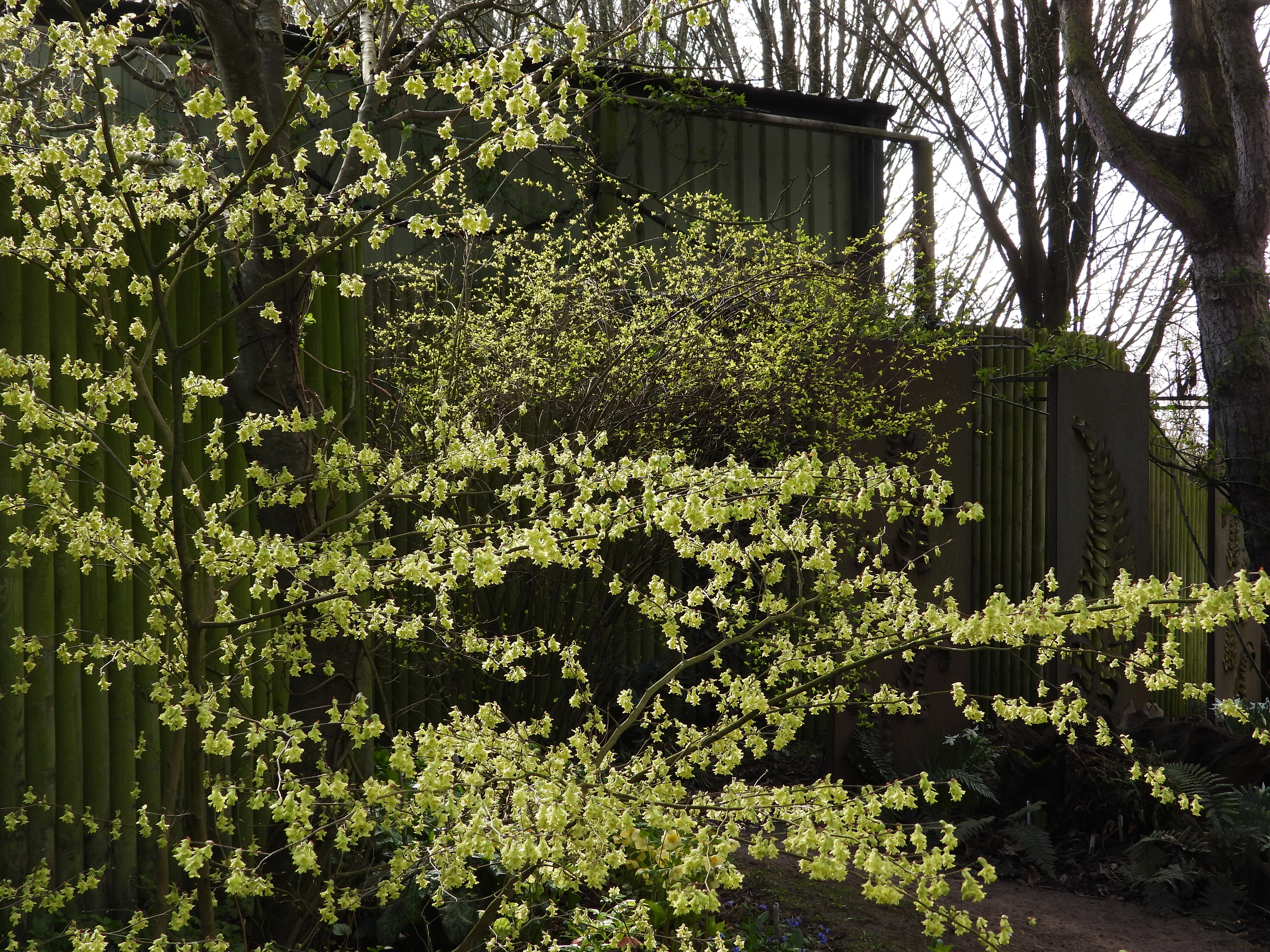
Trees and shrubs always feature strongly at John’s Garden whatever time of year we visit, with some shrubs in flower when we visited in March.

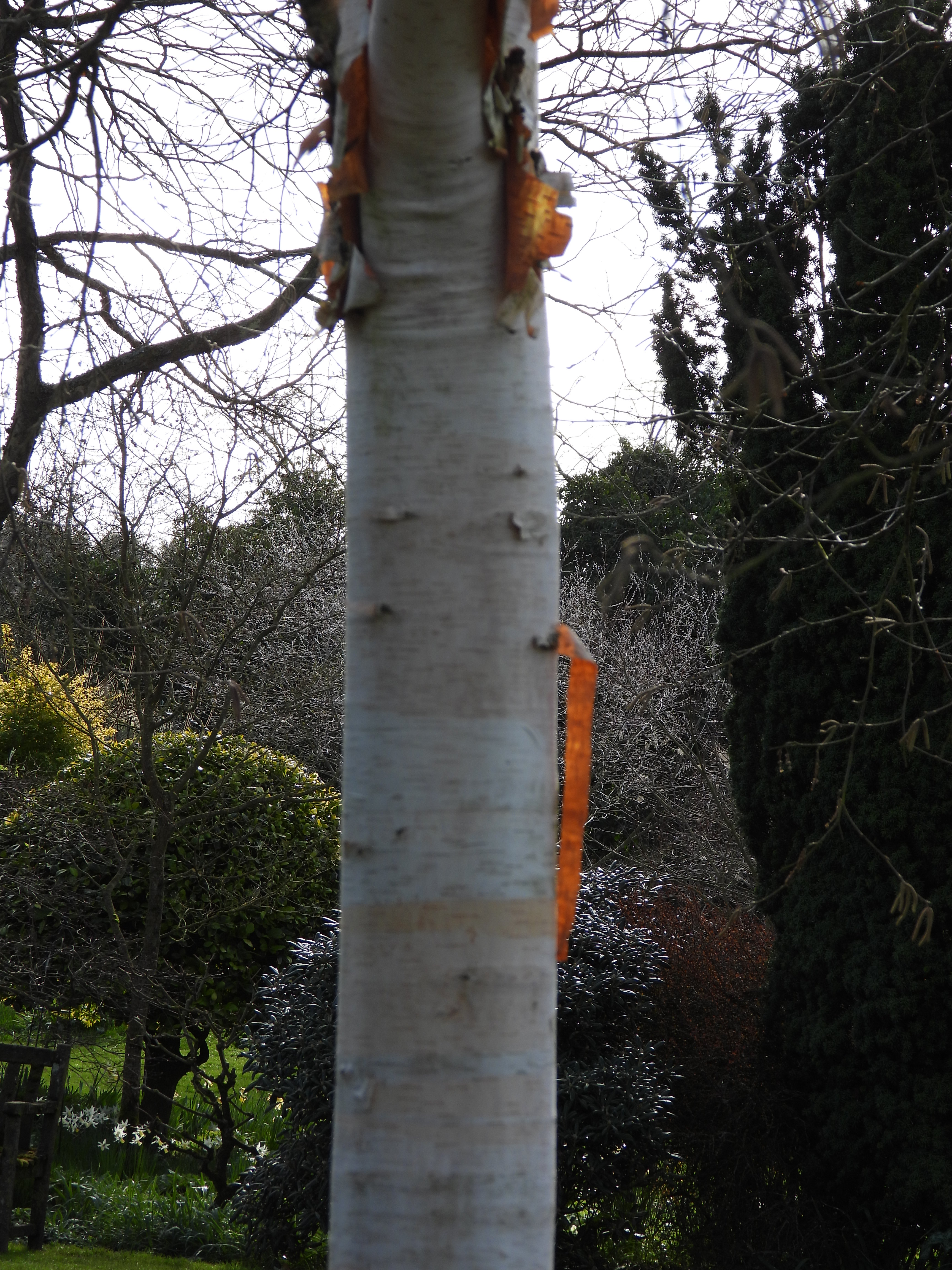
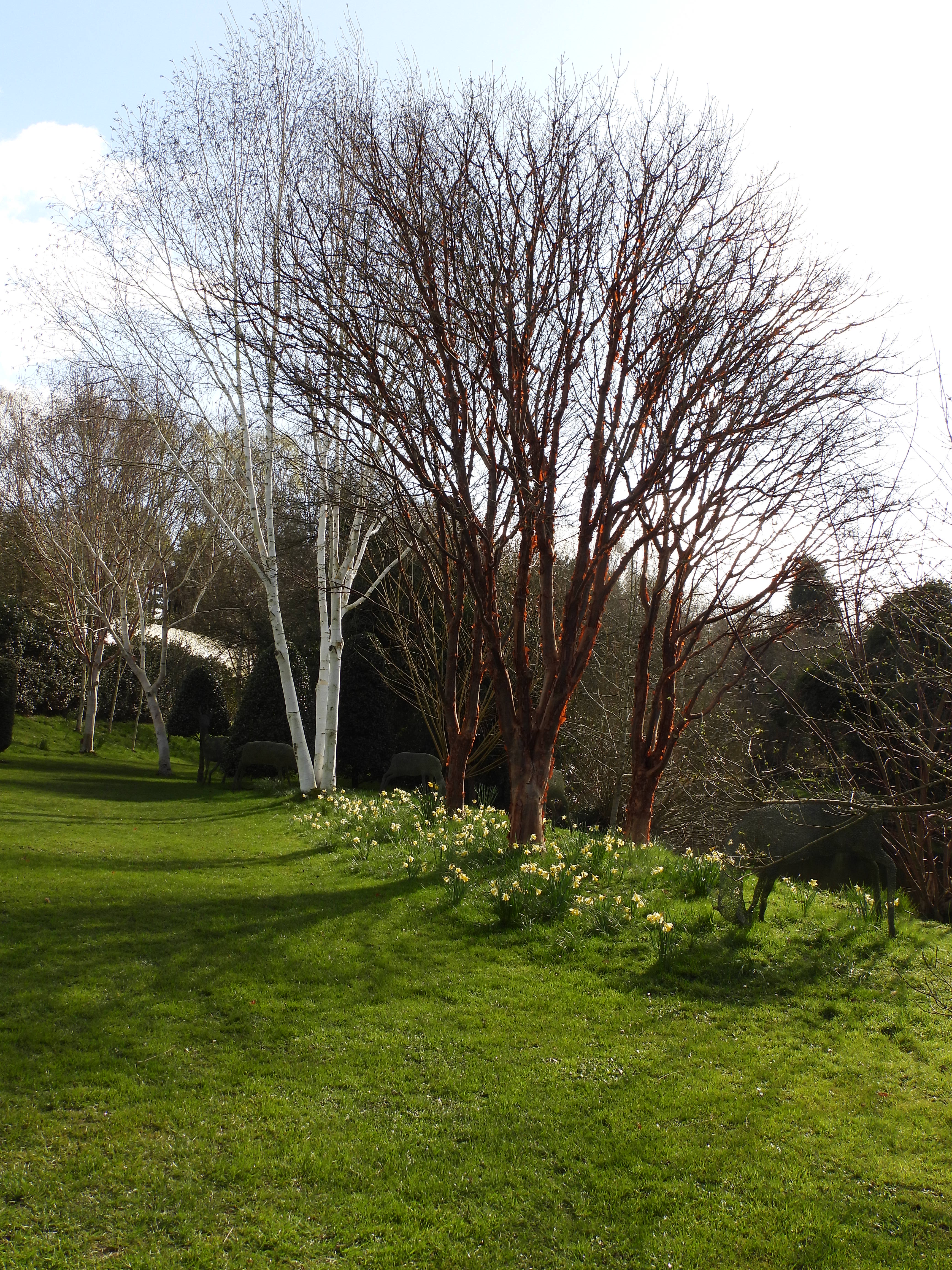
Birches shine out strongly in John’s Garden as well as several other trees, both deciduous and evergreen.

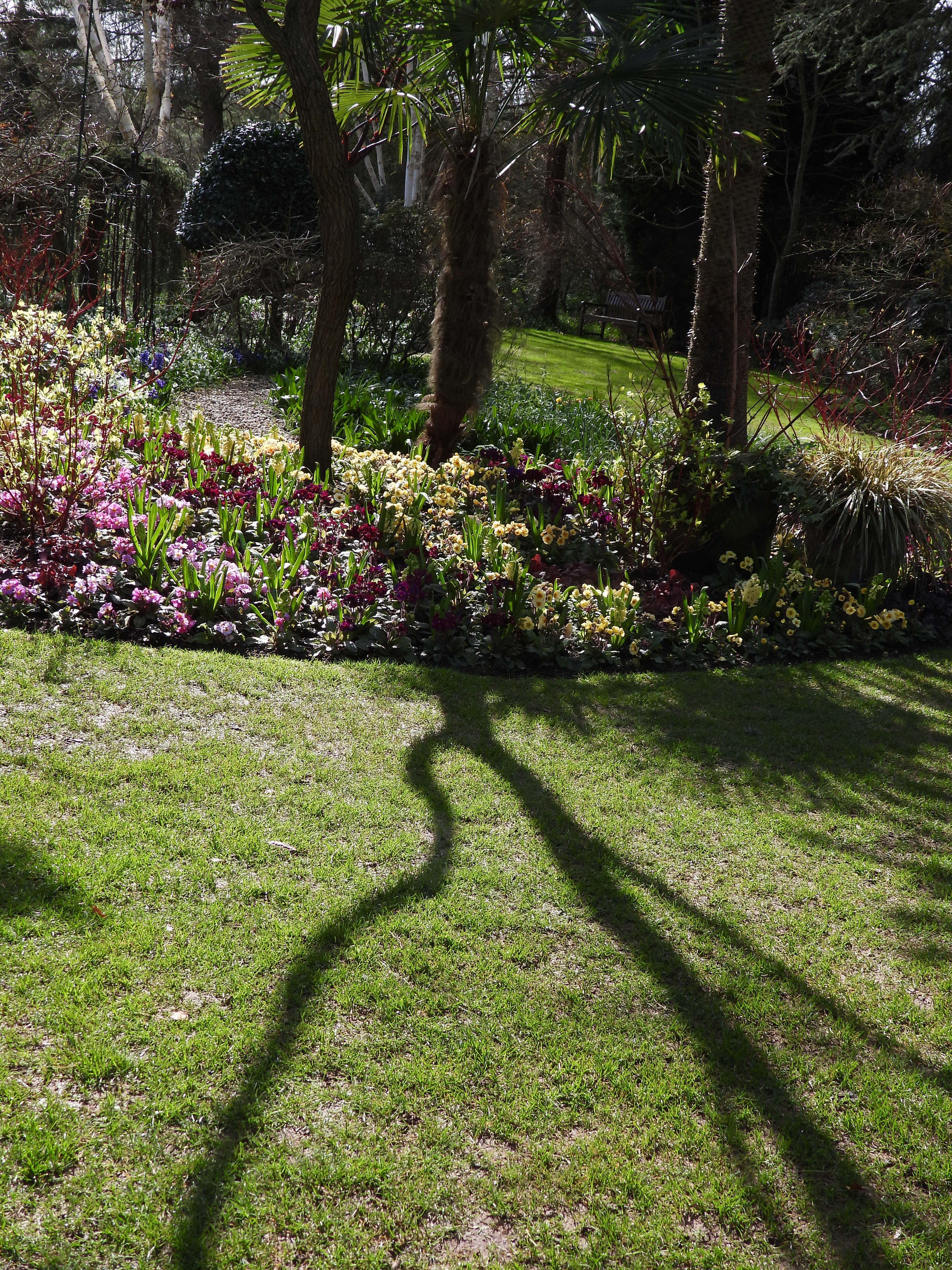
Shadows of trees still in their silhouette forms cast beautiful shadows across the close cut grass.

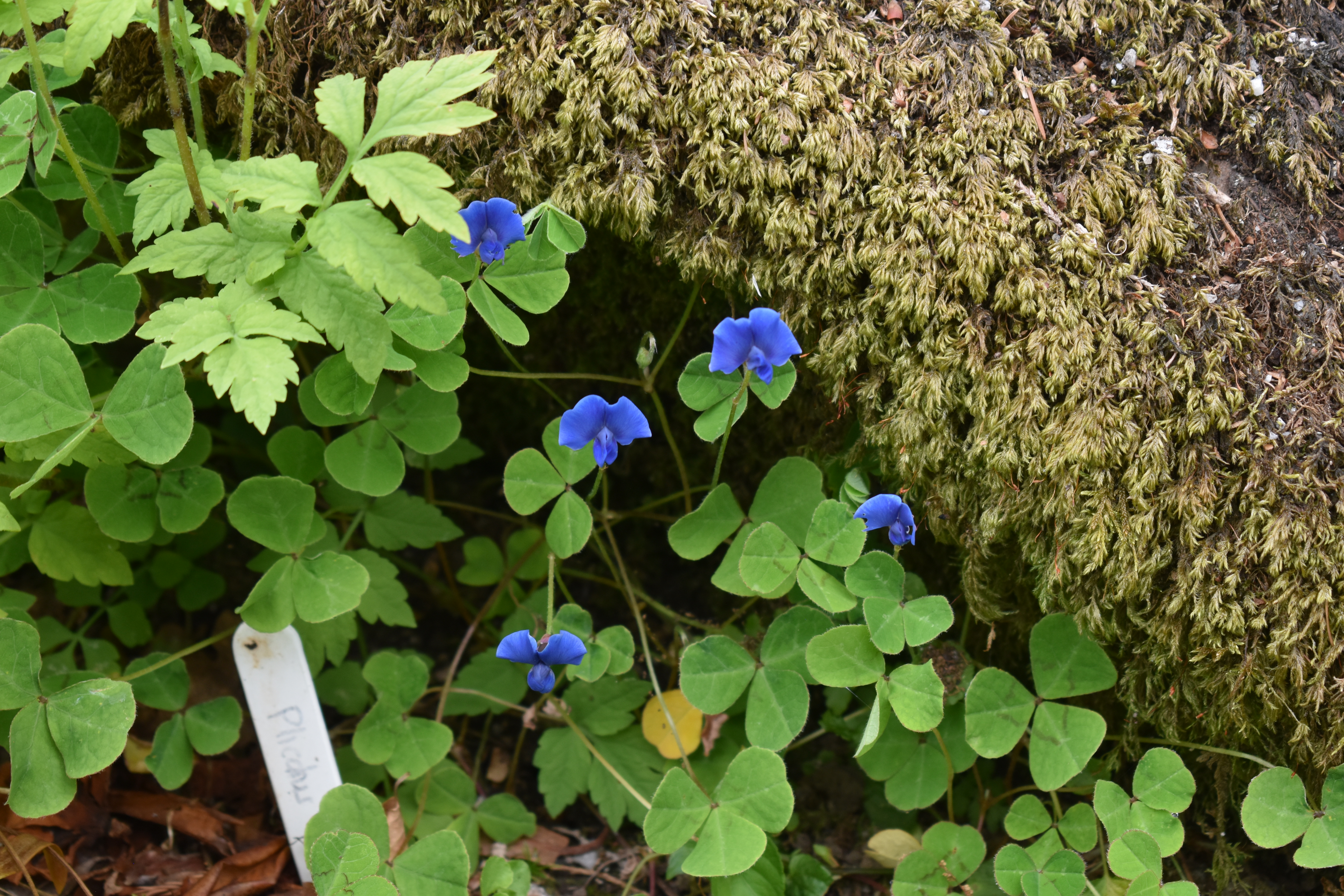
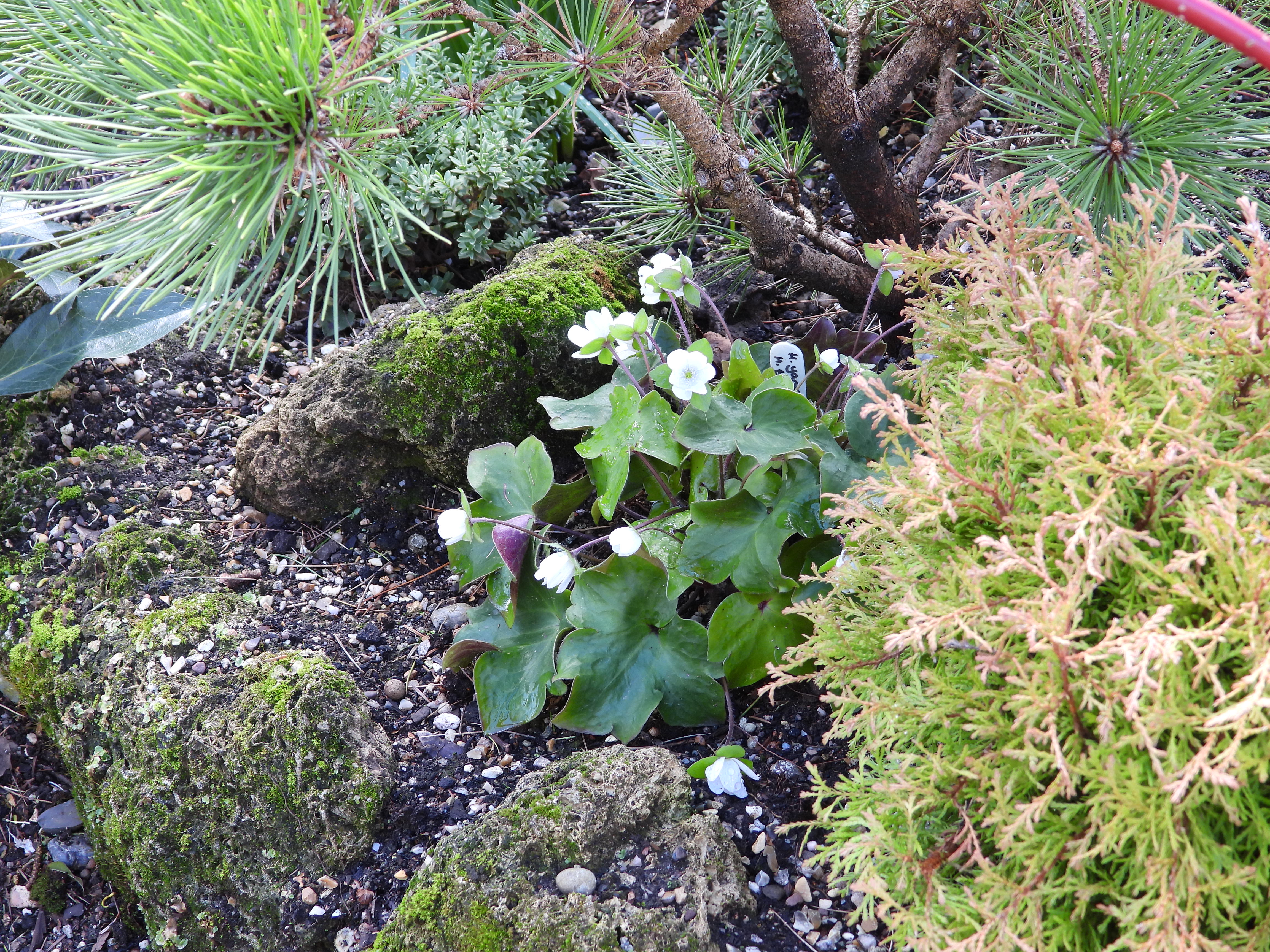
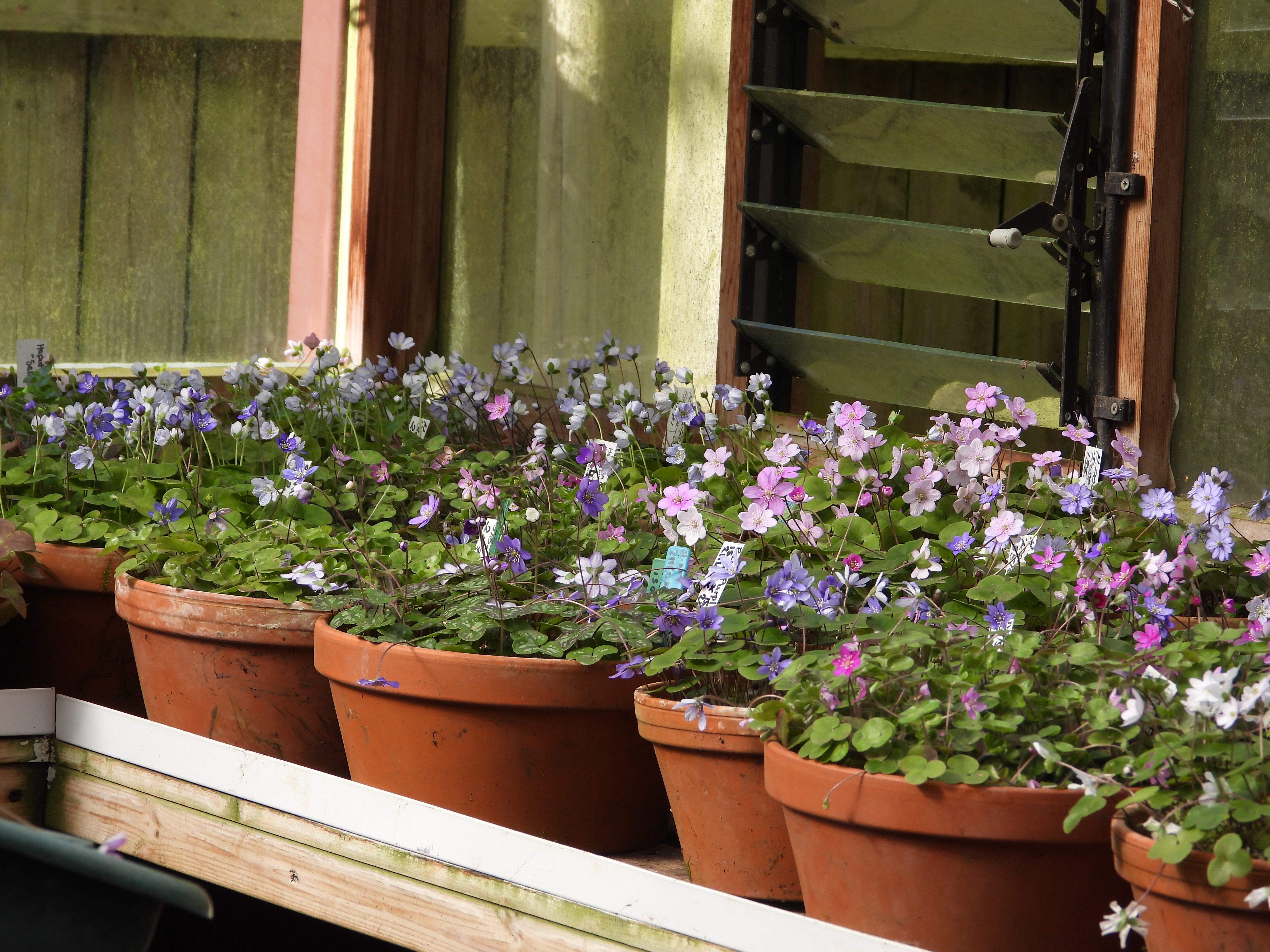
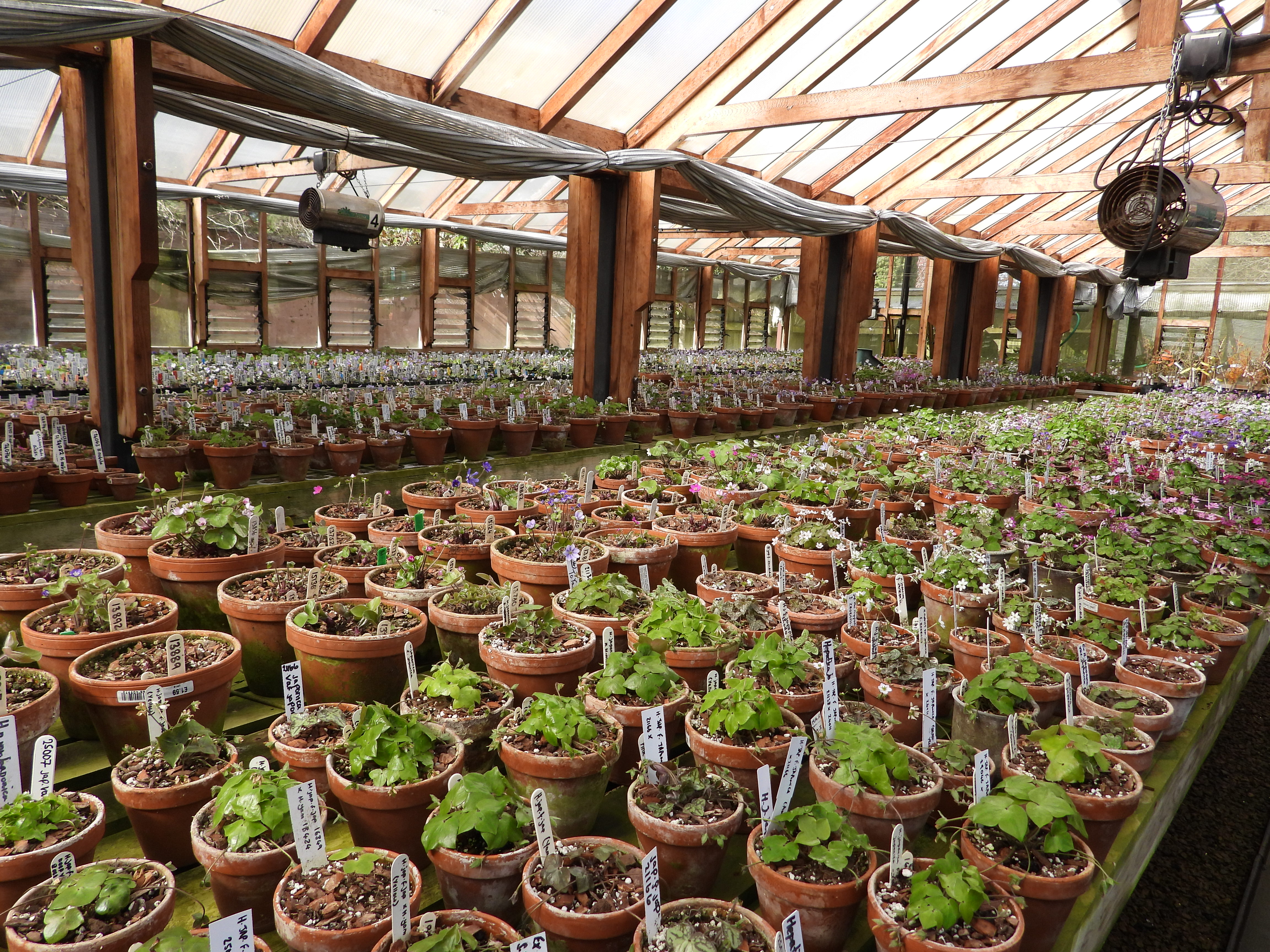
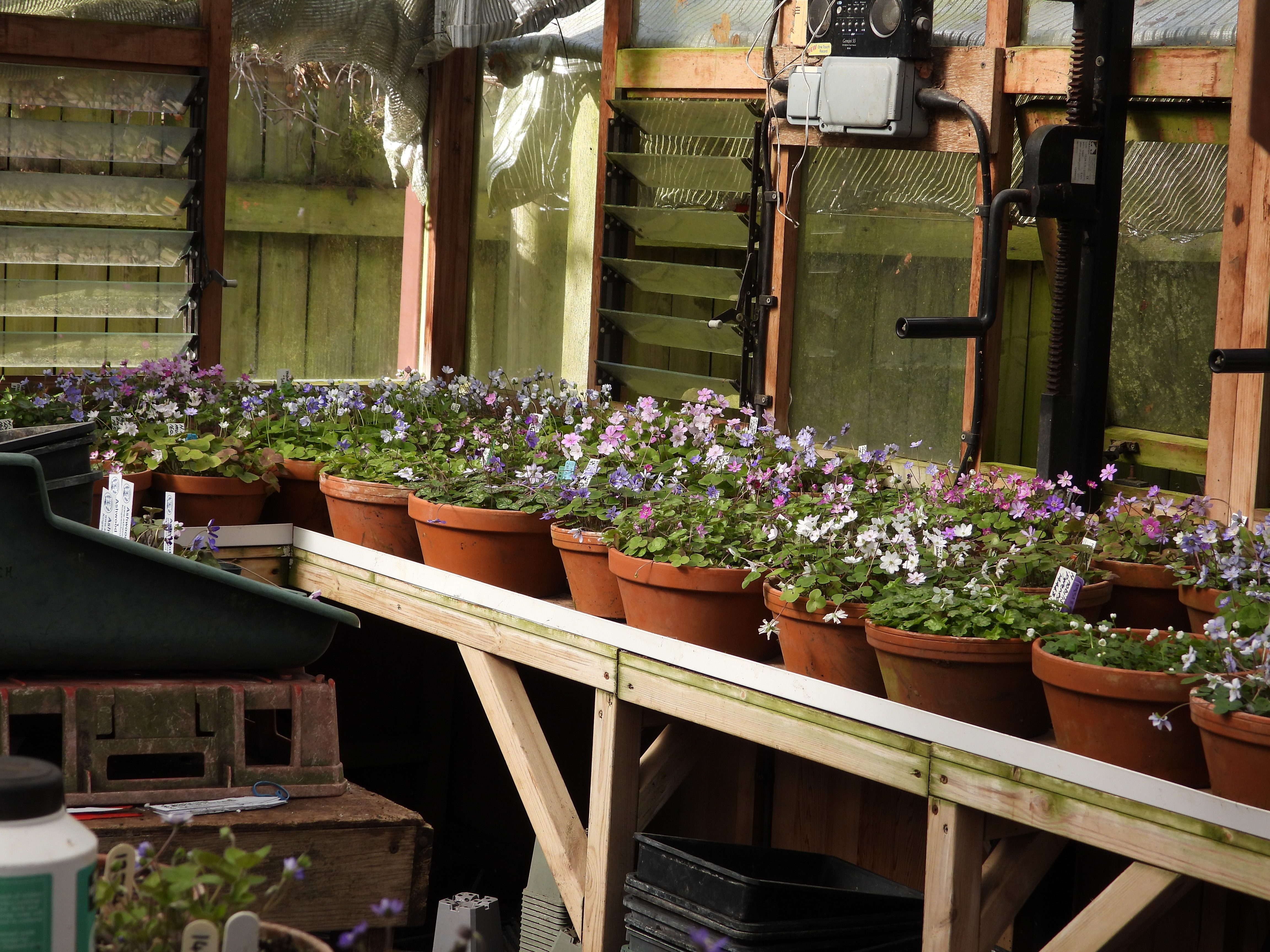
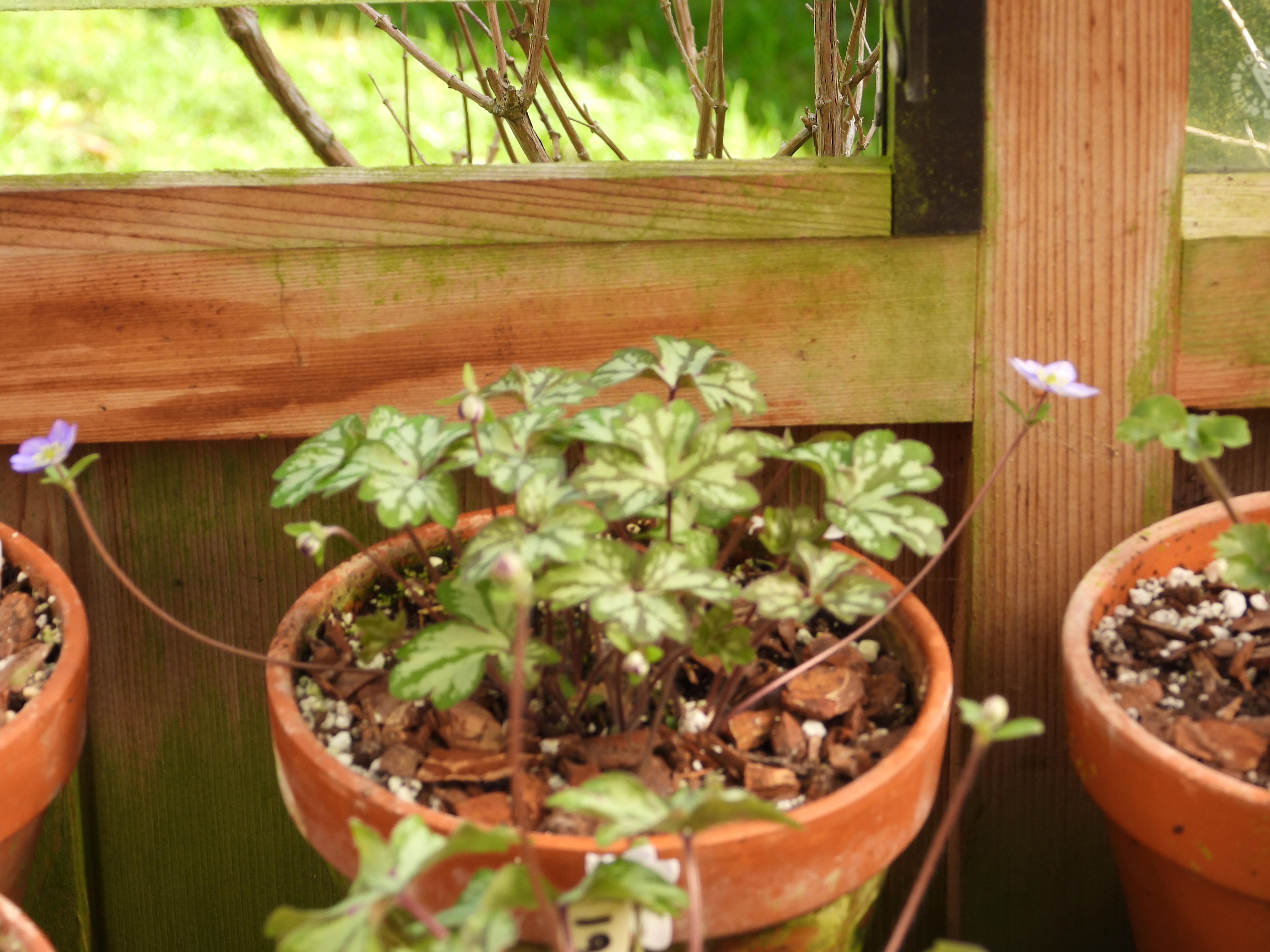
The special treat I mentioned earlier will finish off our visit well. John is a well-known collector and breeder of hepaticas, little delicate beauties of deciduous woodland edges. The treat was that John had opened up his greenhouse containing his private collection of literally hundreds of gentle coloured specimens all in terracotta pots. John was there potting up seedlings in readiness for shows and plant fairs and we had a long chat with him when he explained his obsession and warned us about it. Jude has always wanted to have a go with these and John kindly shared his advice. He advised us to start with the nobilis type so obviously we came home with a selection, some budding up nicely.

Hearing such an enthusiast sharing his love of these specialities was an heartwarming experience.

Categories
Uncategorized

My Garden Journal March 2026

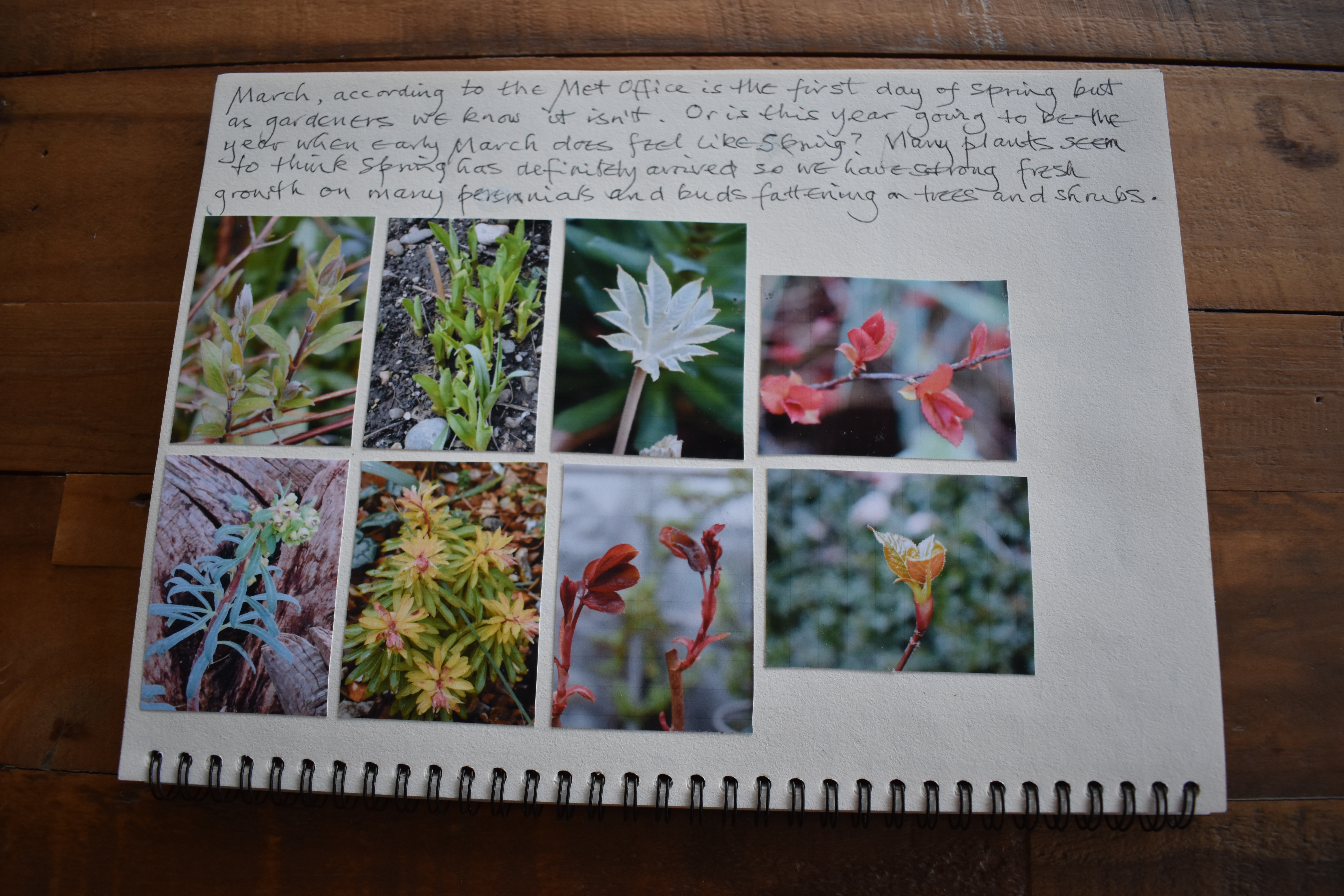
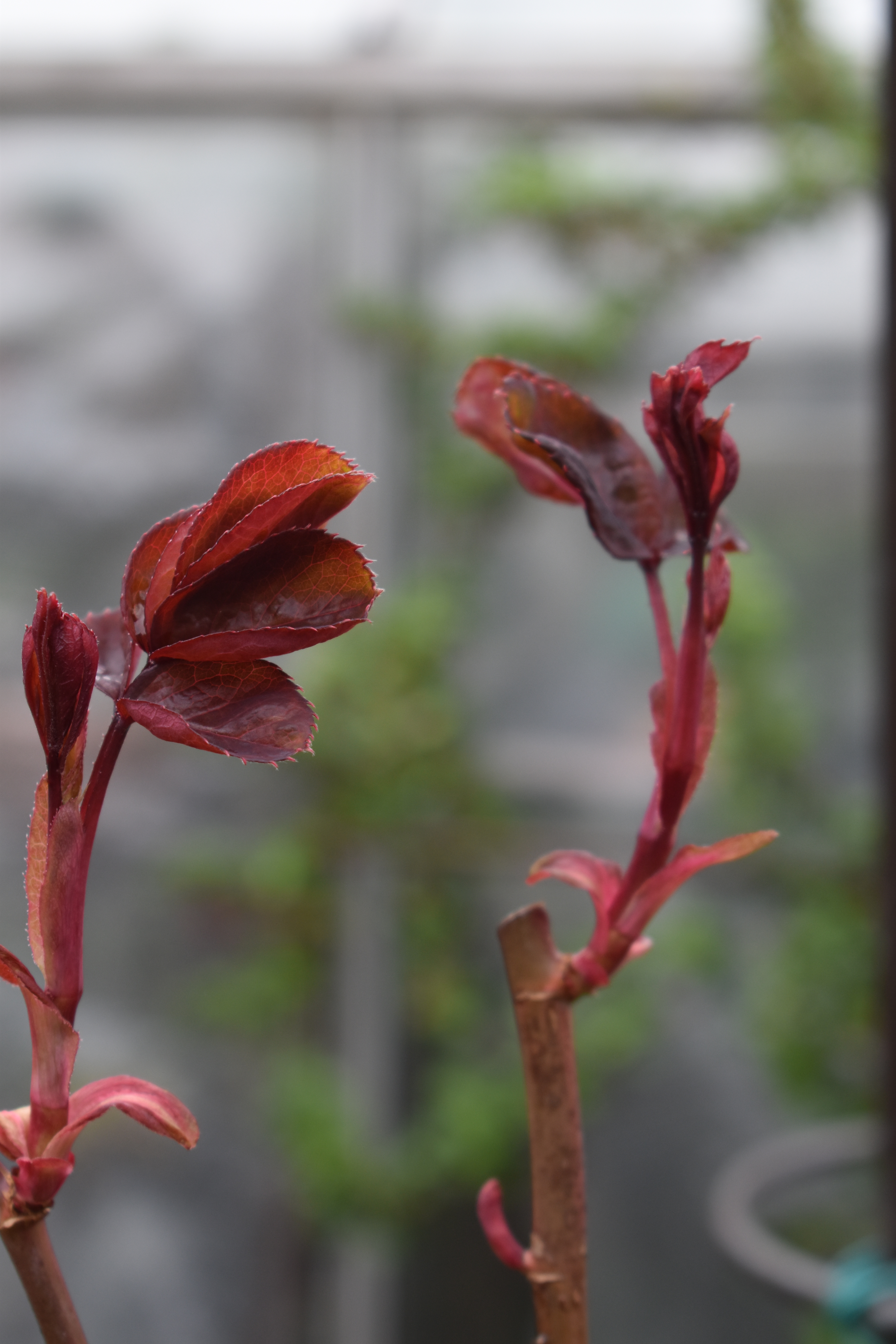
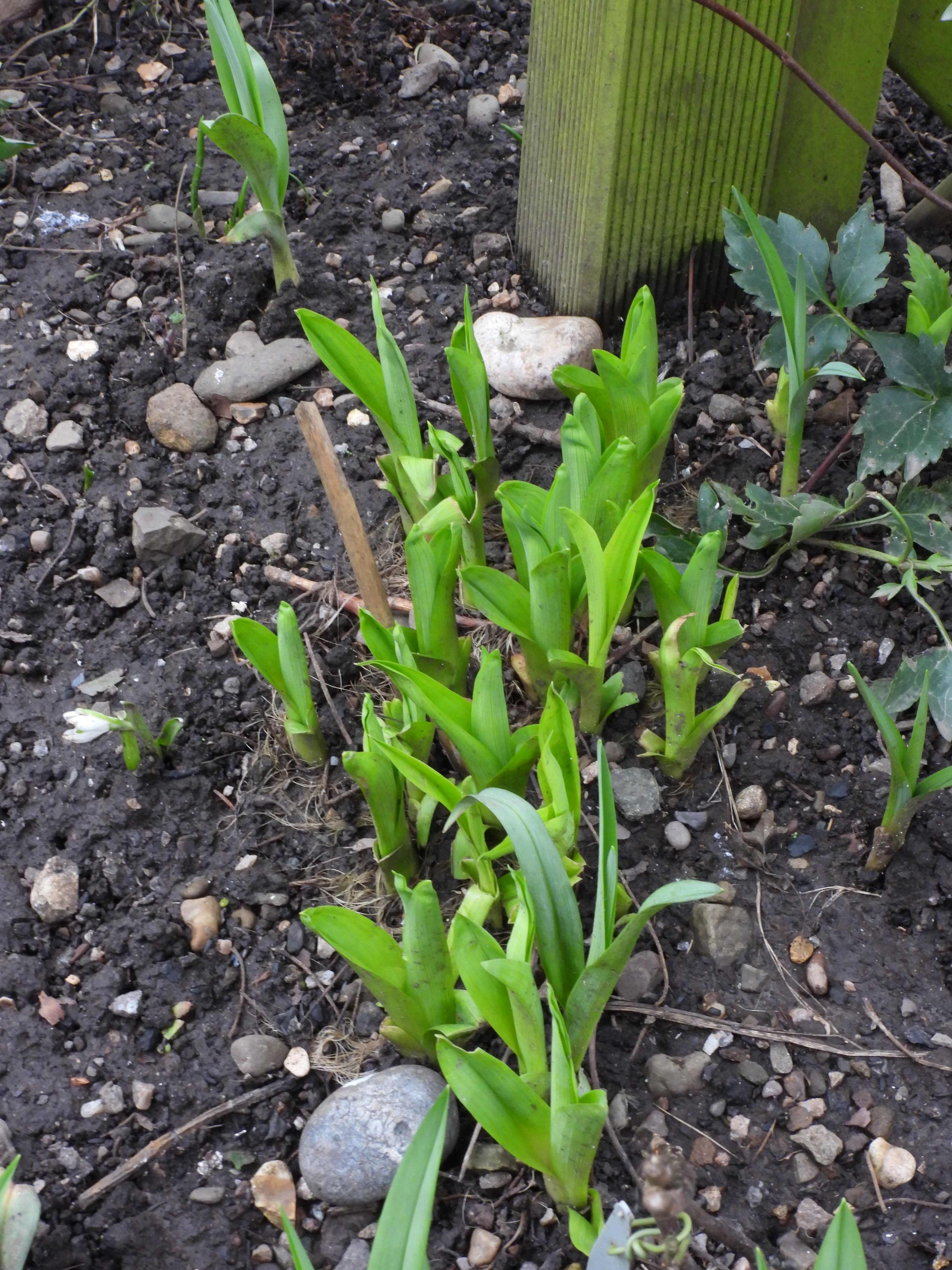
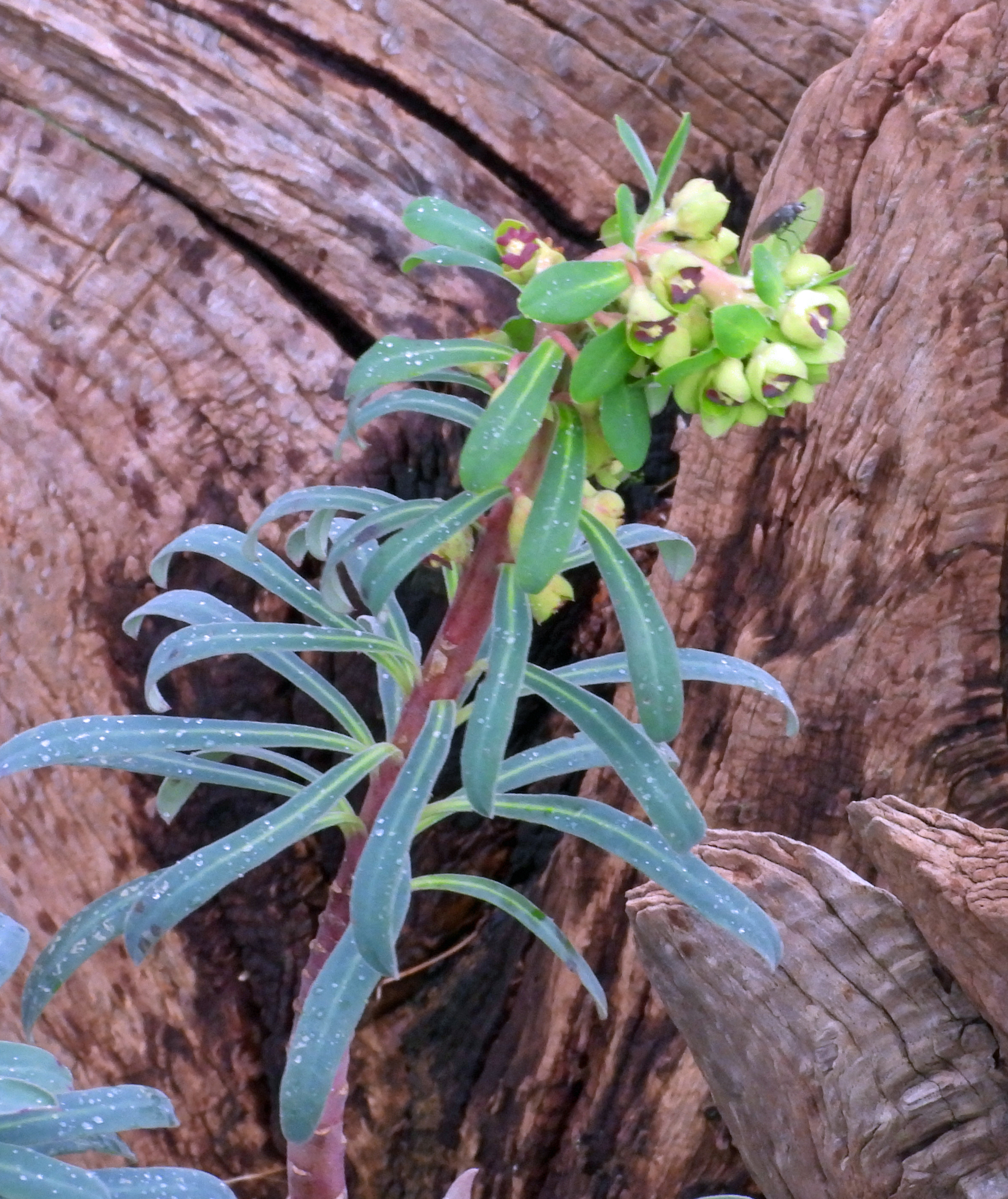
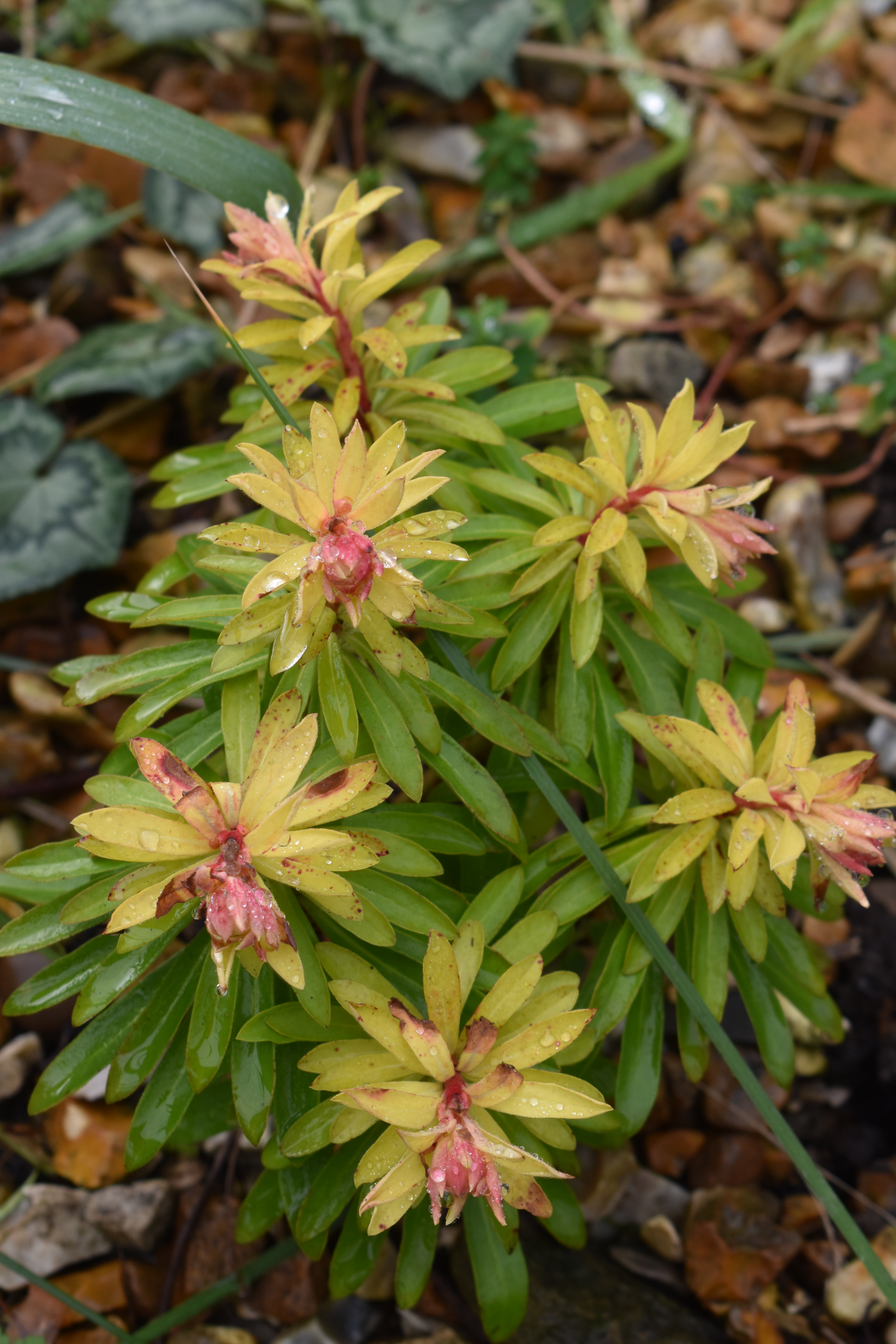
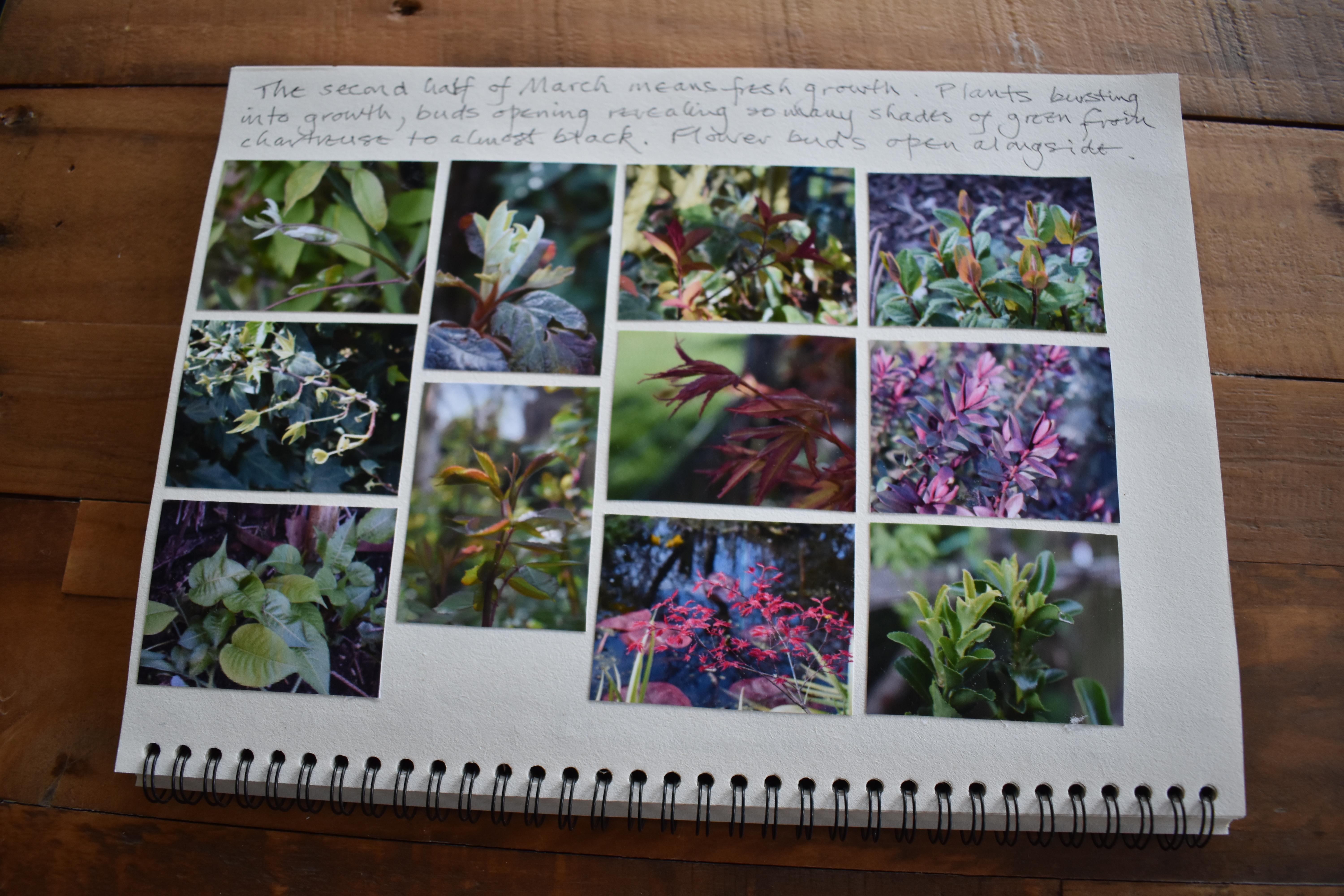
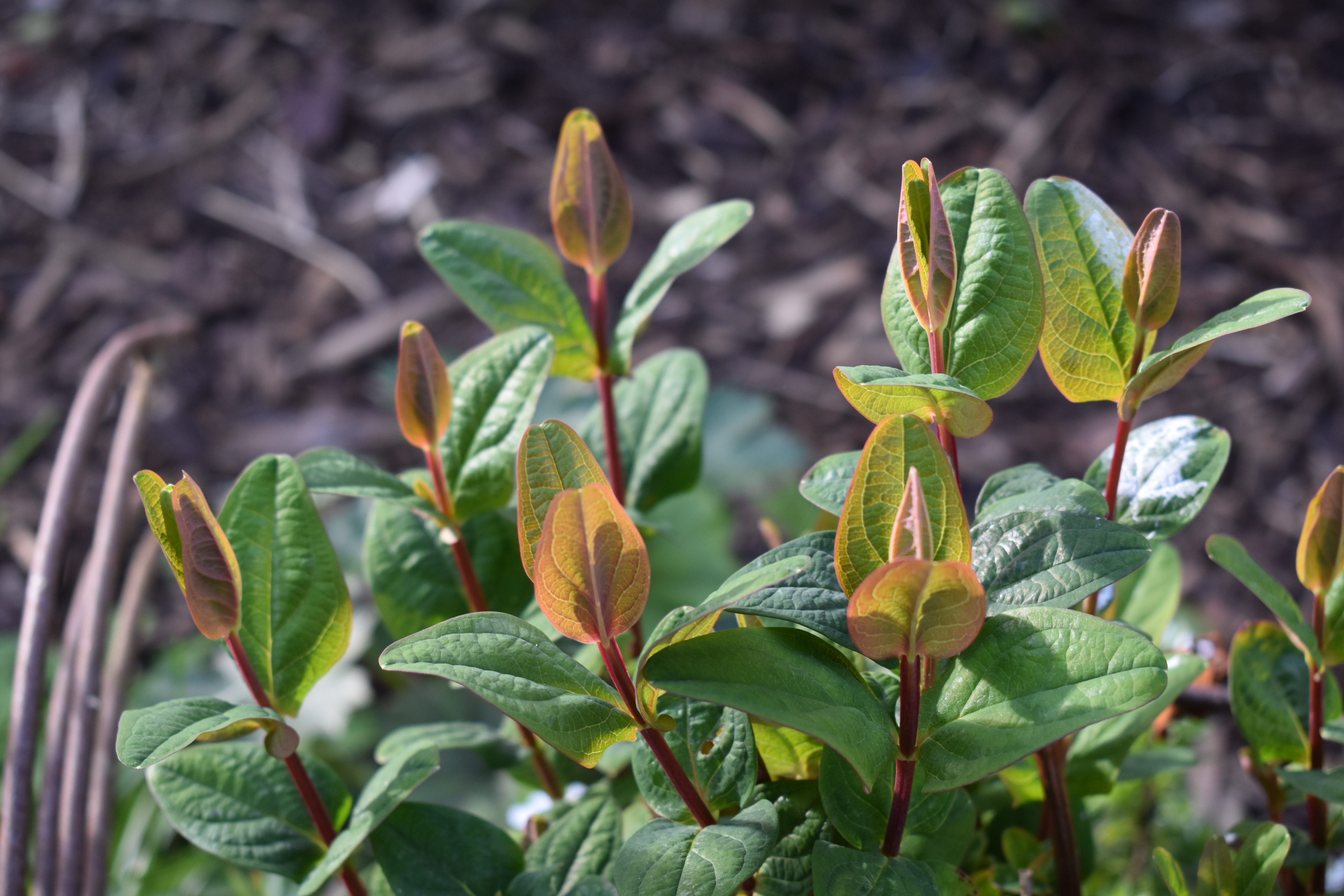
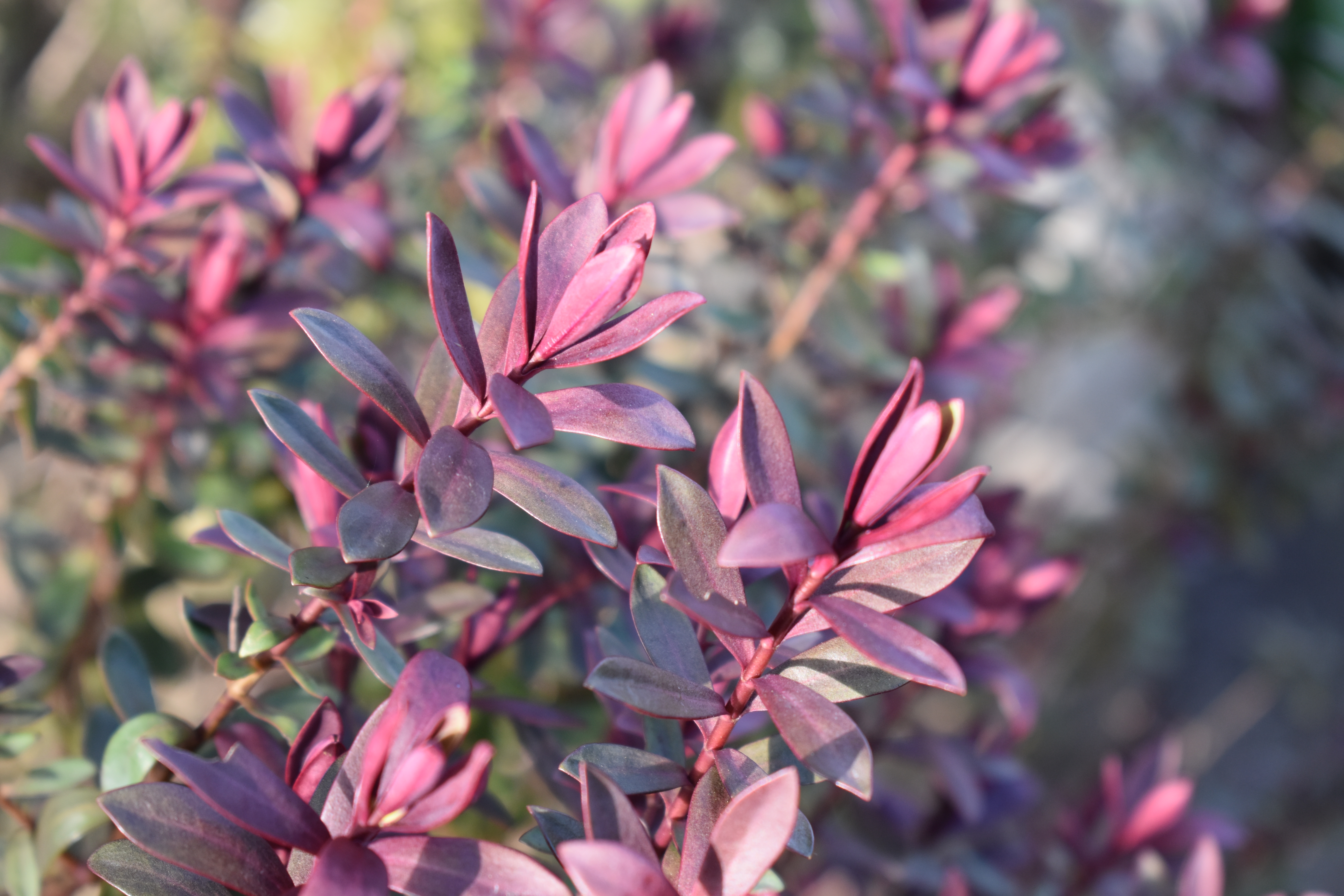
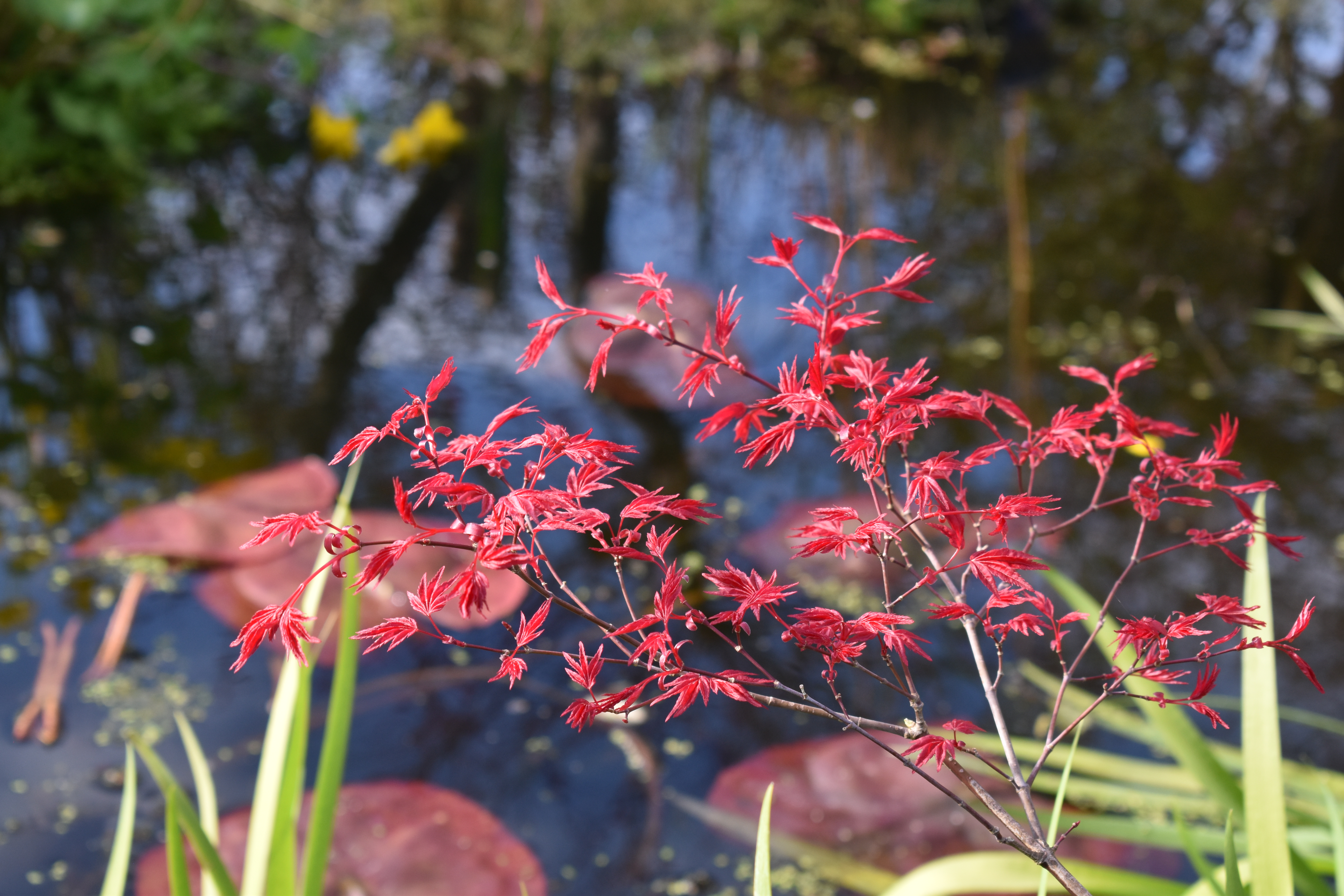
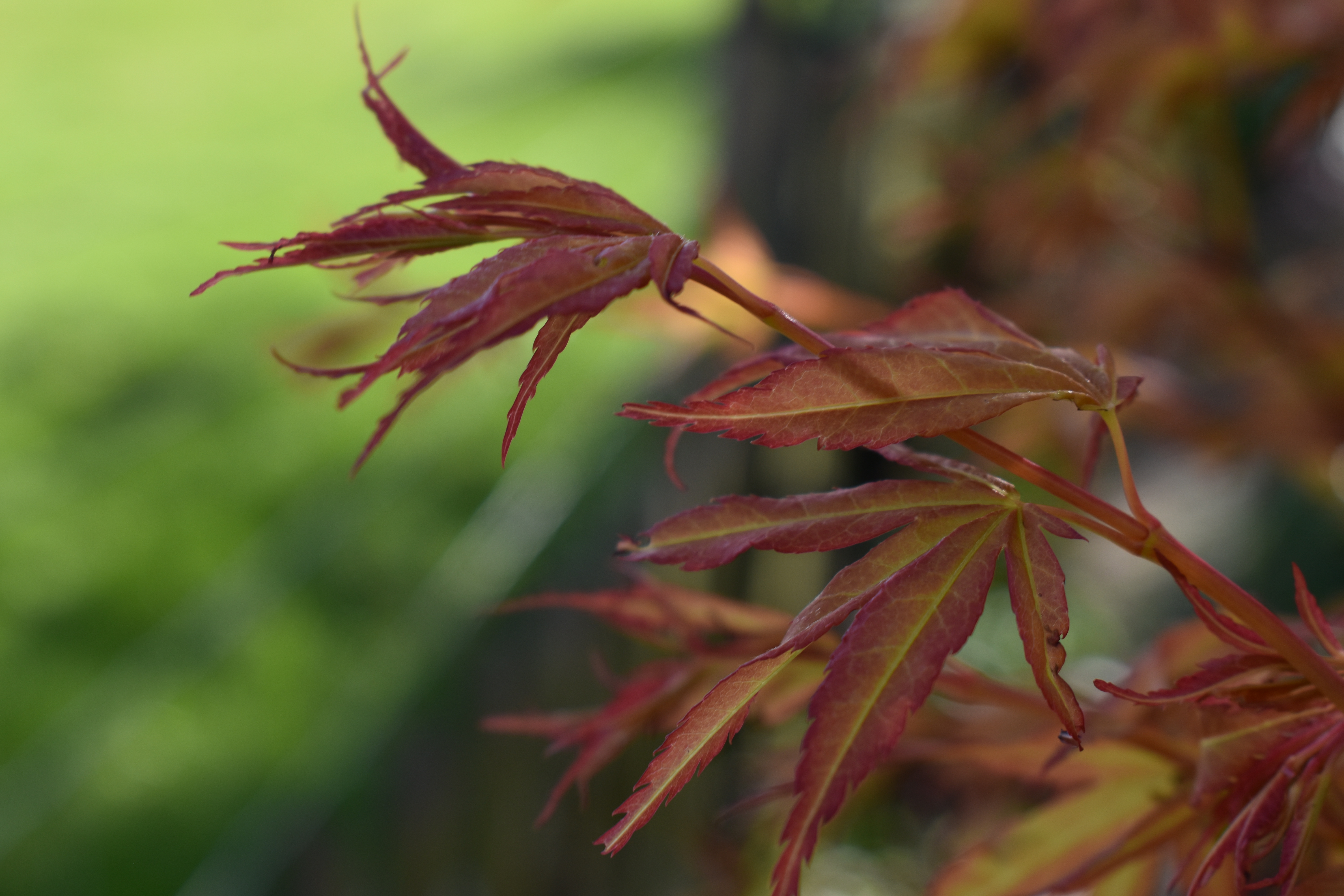
March, according to the Met Office is the first day of spring but as gardeners we know it isn’t. Or is this year going to be the year when early March does feel like spring? Many plants seem to think spring has definitely arrived as we have strong fresh growth on many perennials and buds fattening on trees and shrubs.

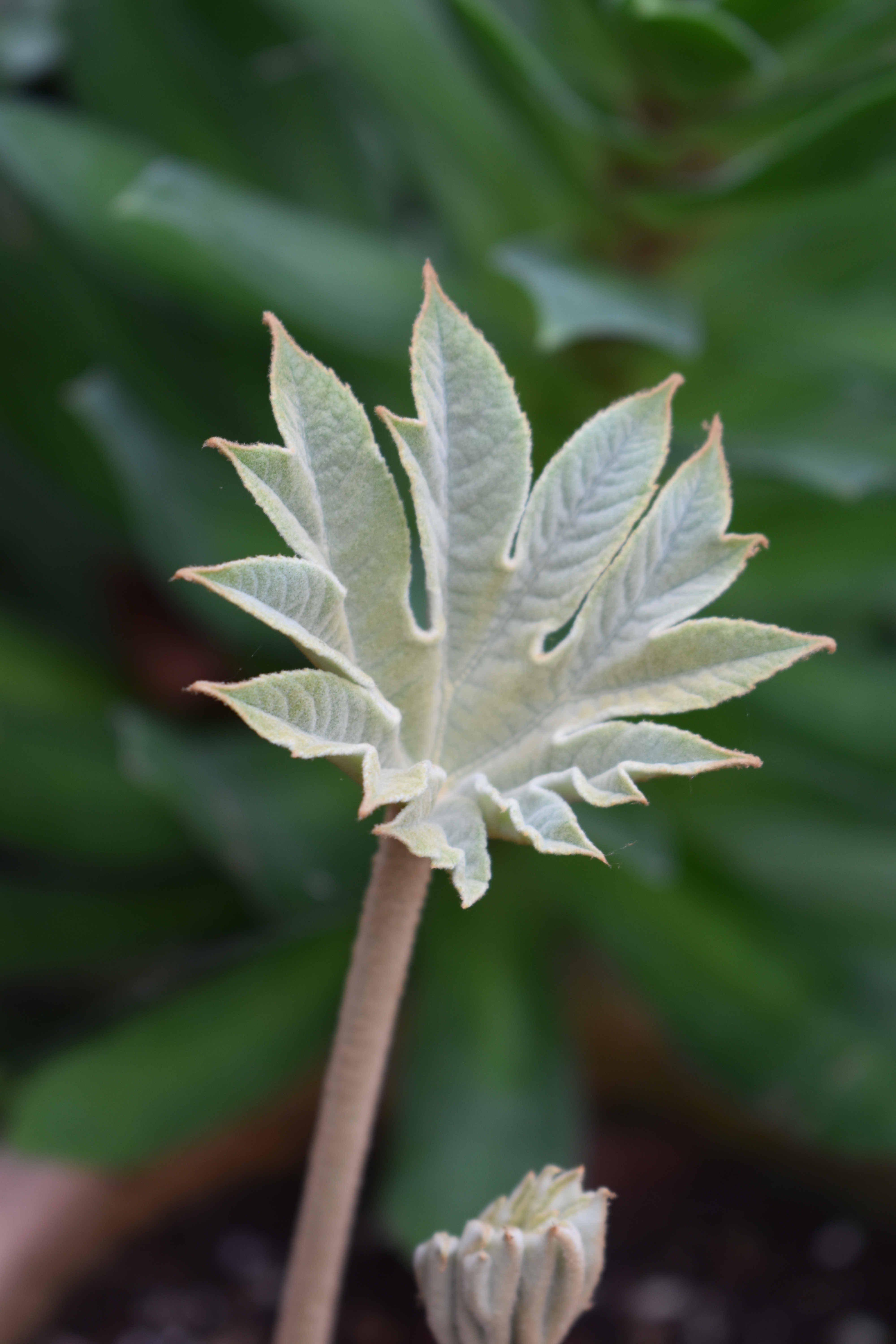
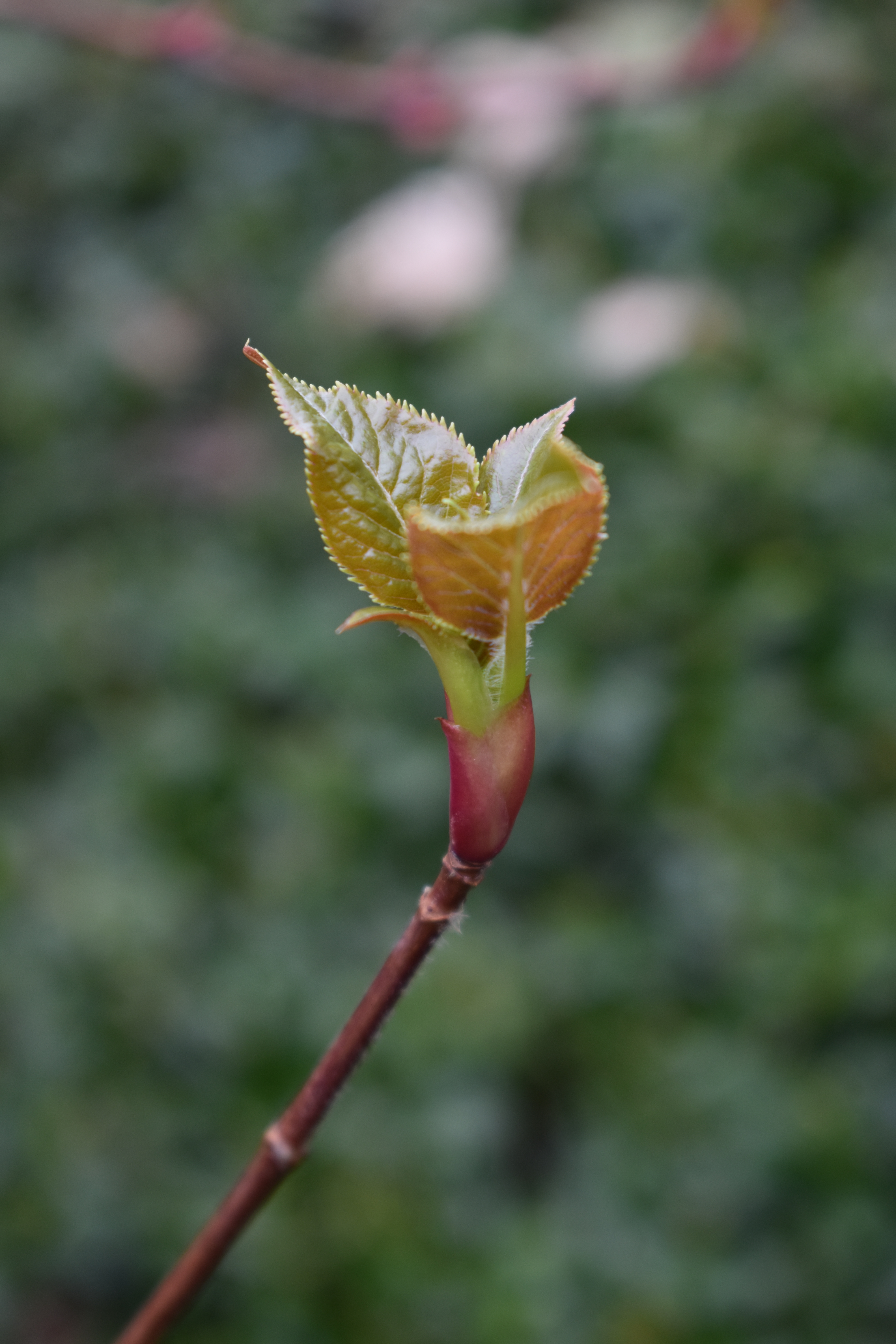
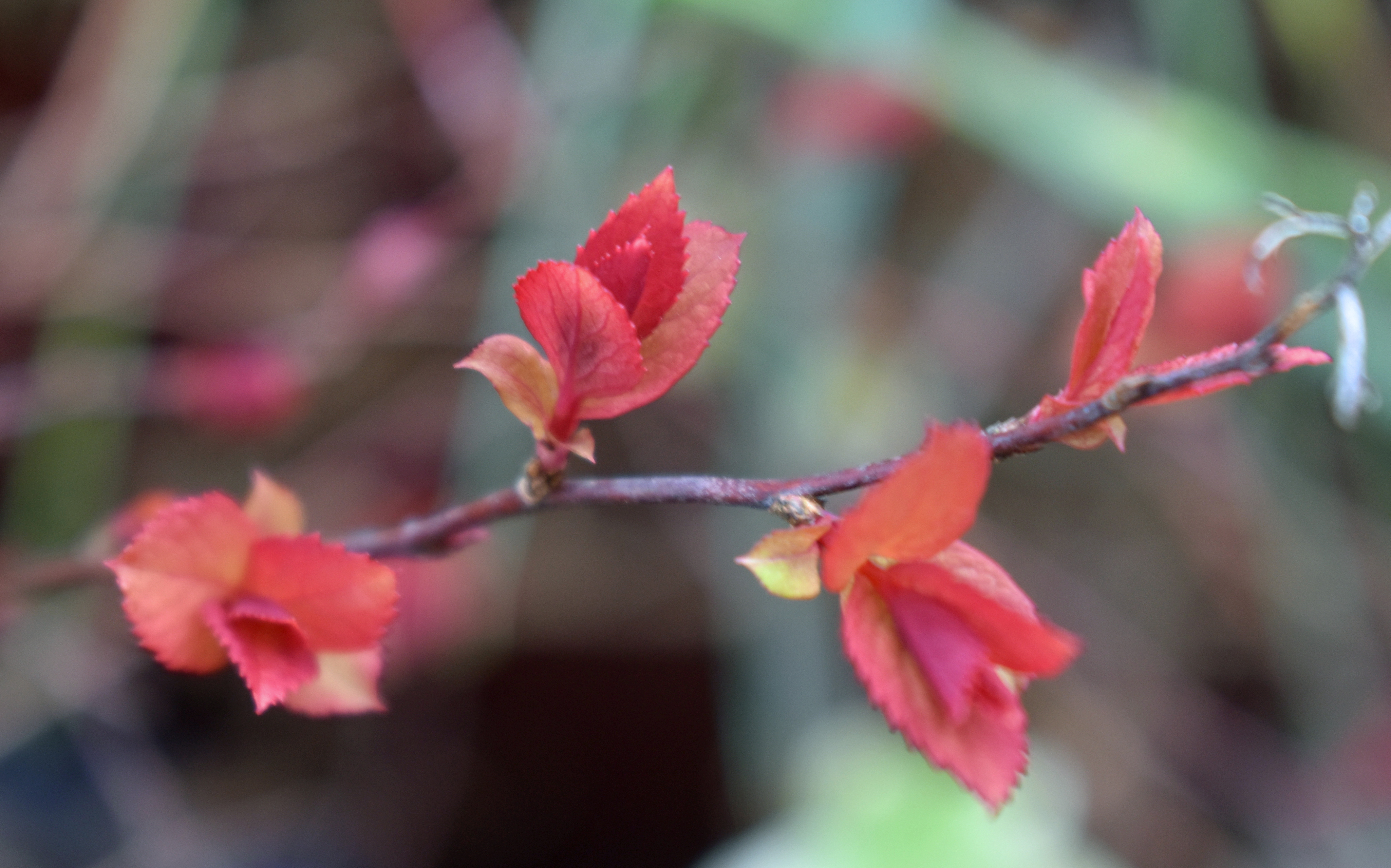
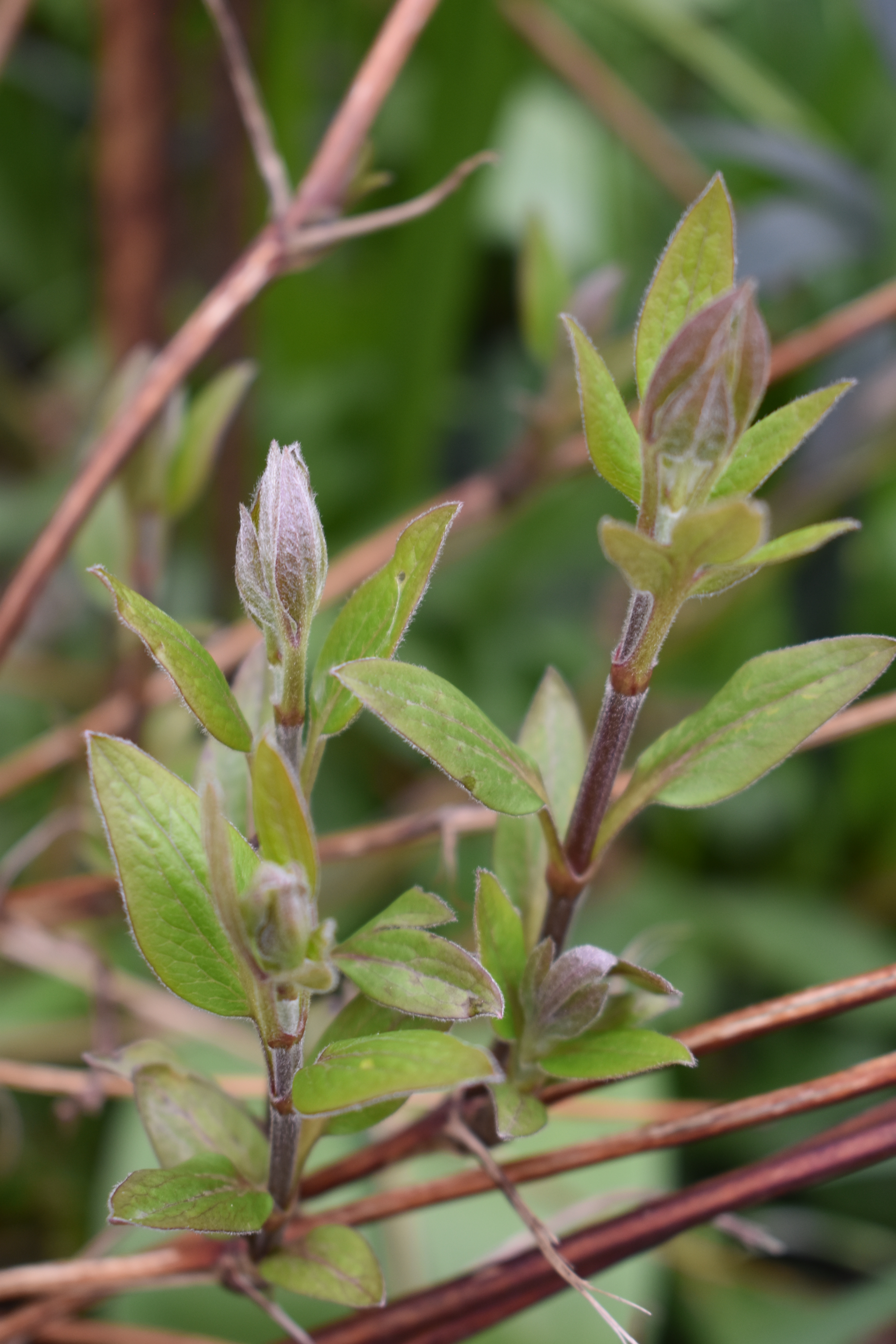
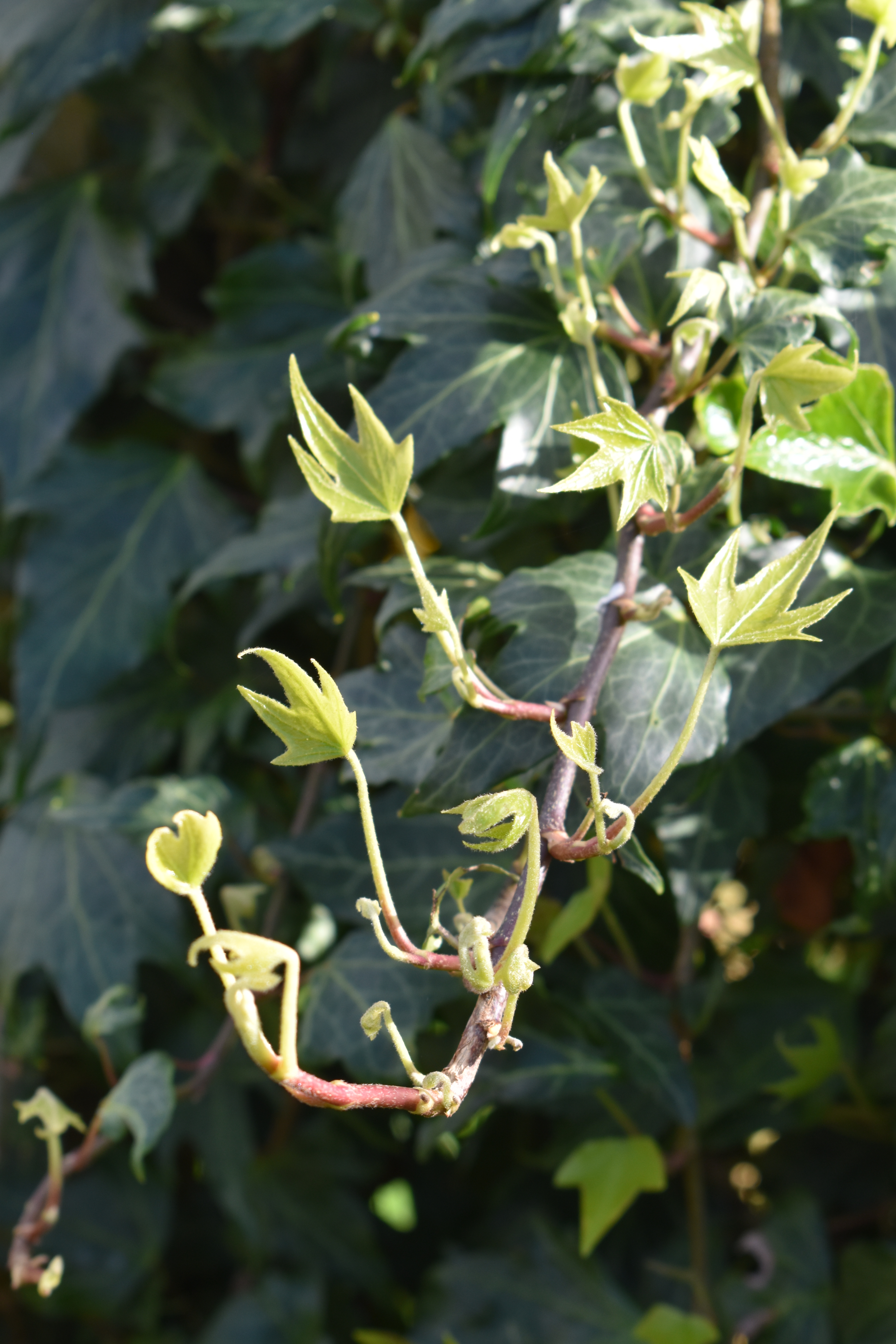
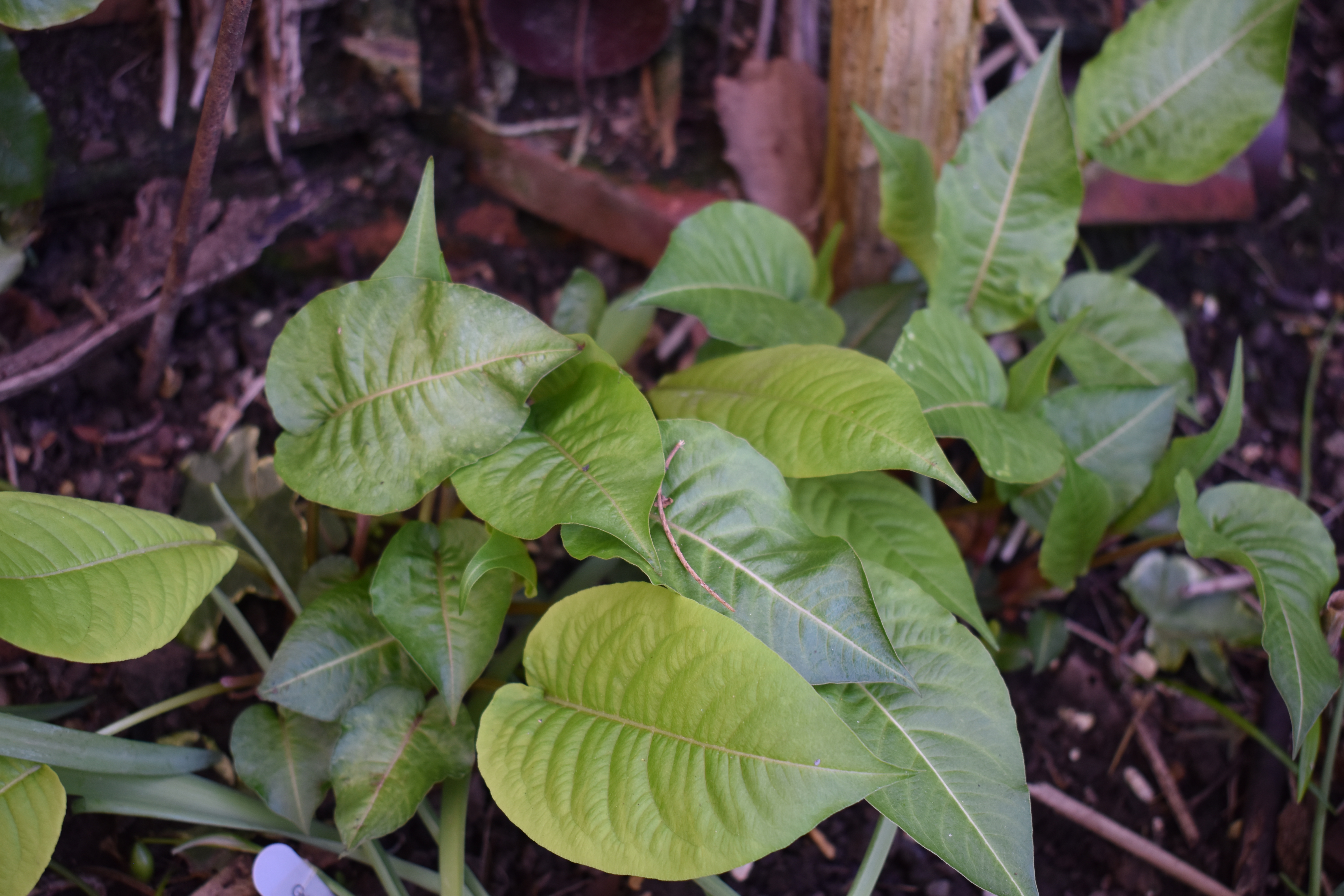
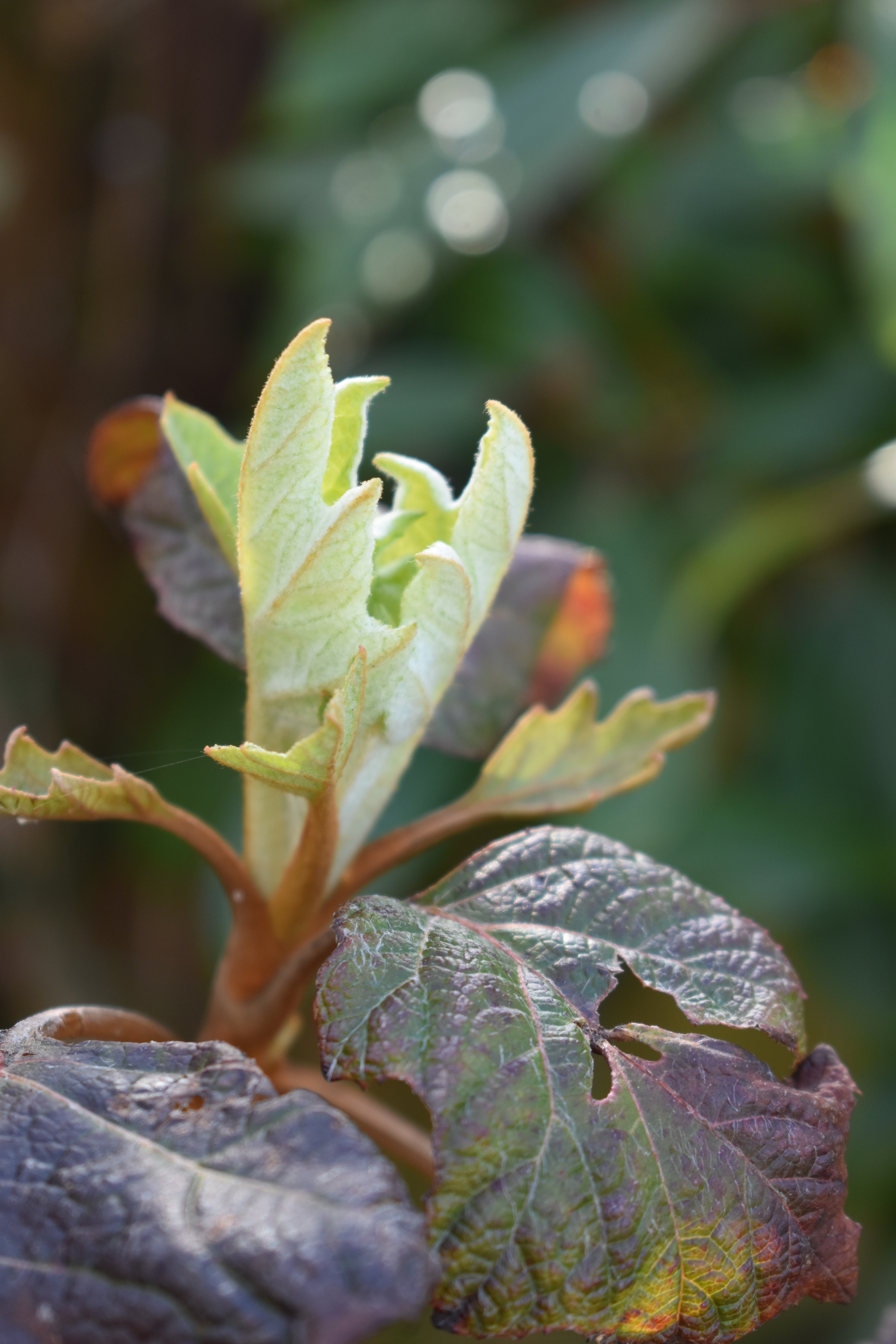
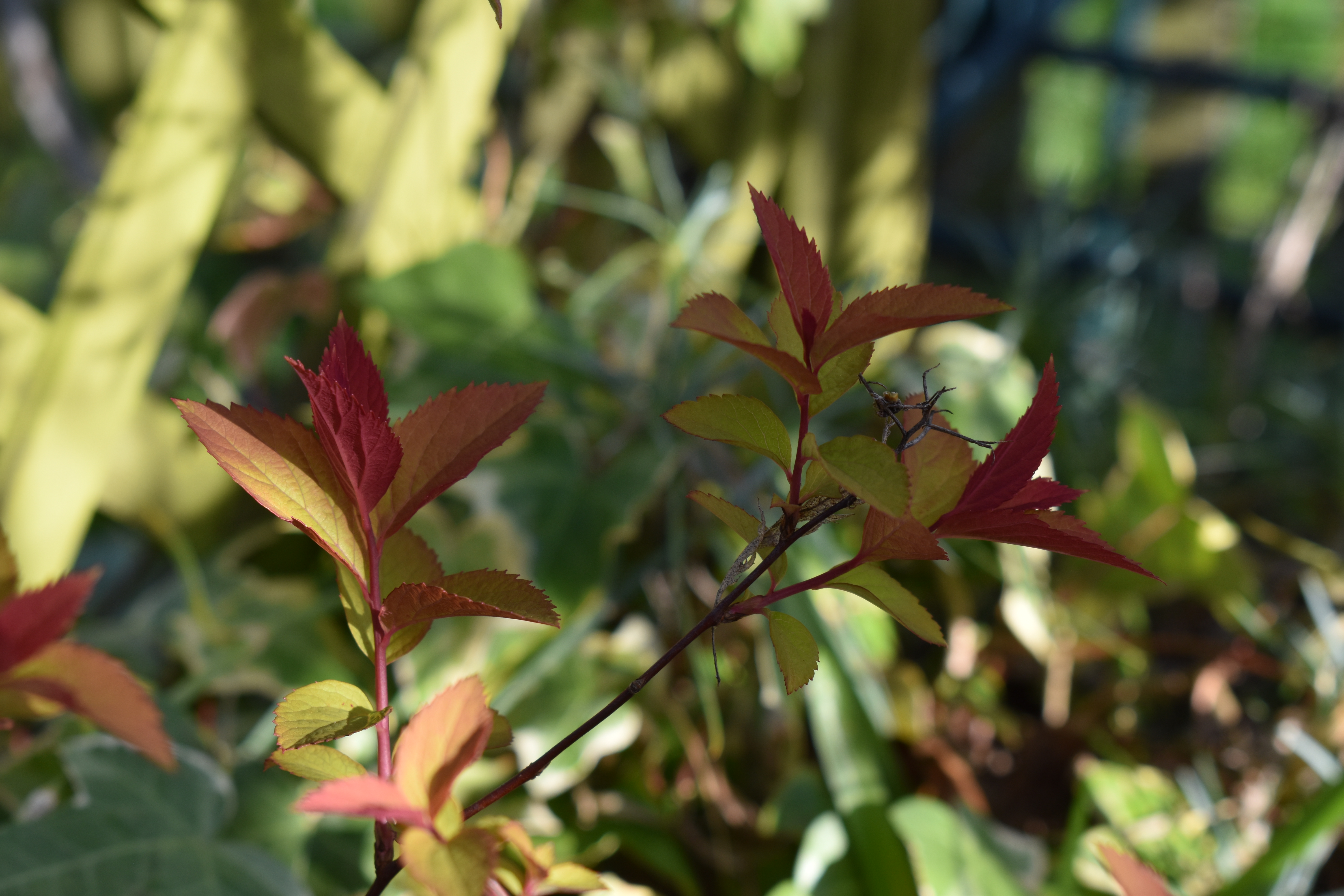
These photos illustrate haw many different colours fresh growth comes in.

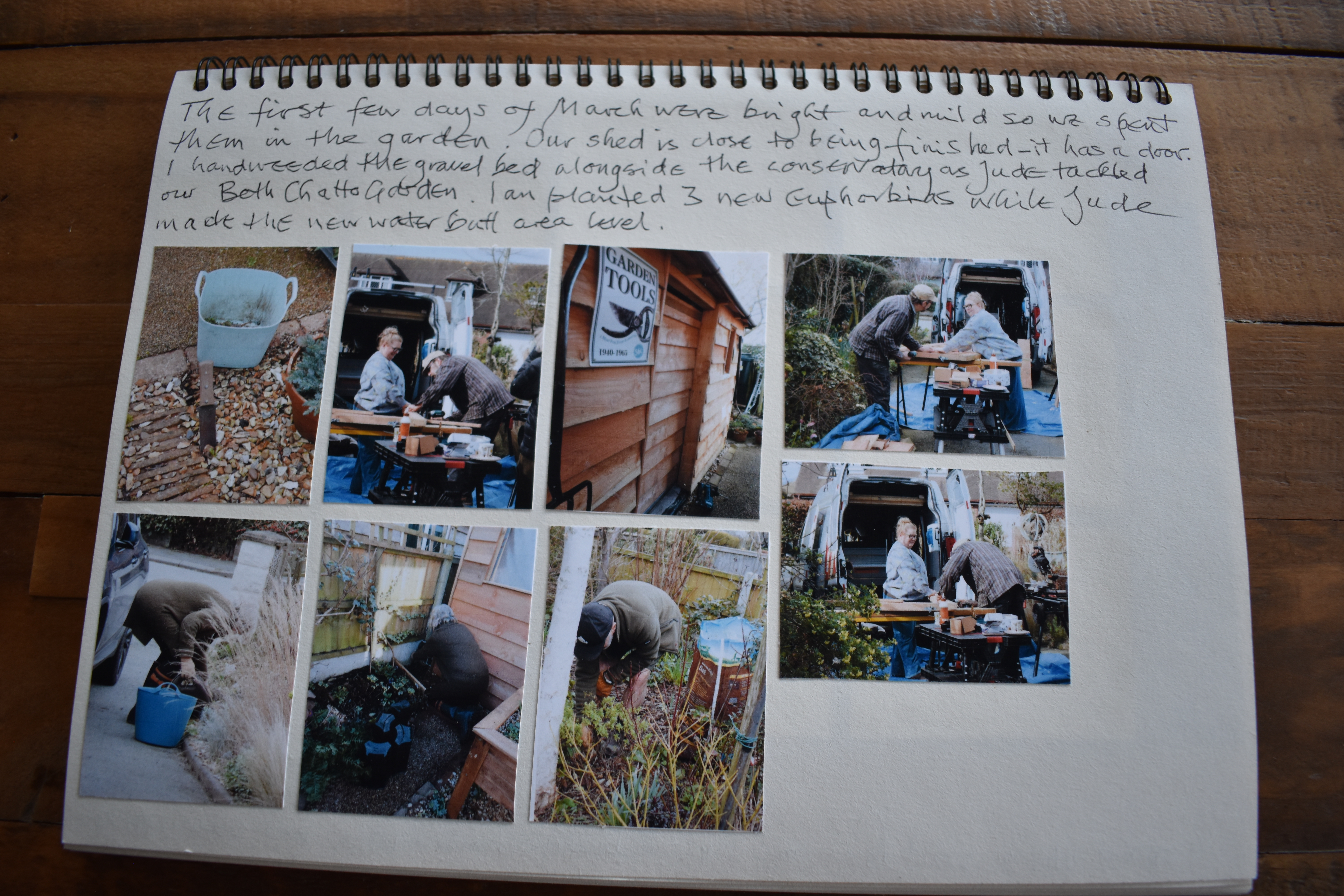
Over onto the next page I summarised some of the garden jobs we worked on.

“The first few days of March were bright and mild so we spent them in the garden. Our new shed is close to being finished – it has a door! I hand weeded the gravel bed alongside the conservatory as Jude tackled our Beth Chatto Garden. Ian, our garden helper, planted three new euphorbias while Jude made the new water butt area level.”

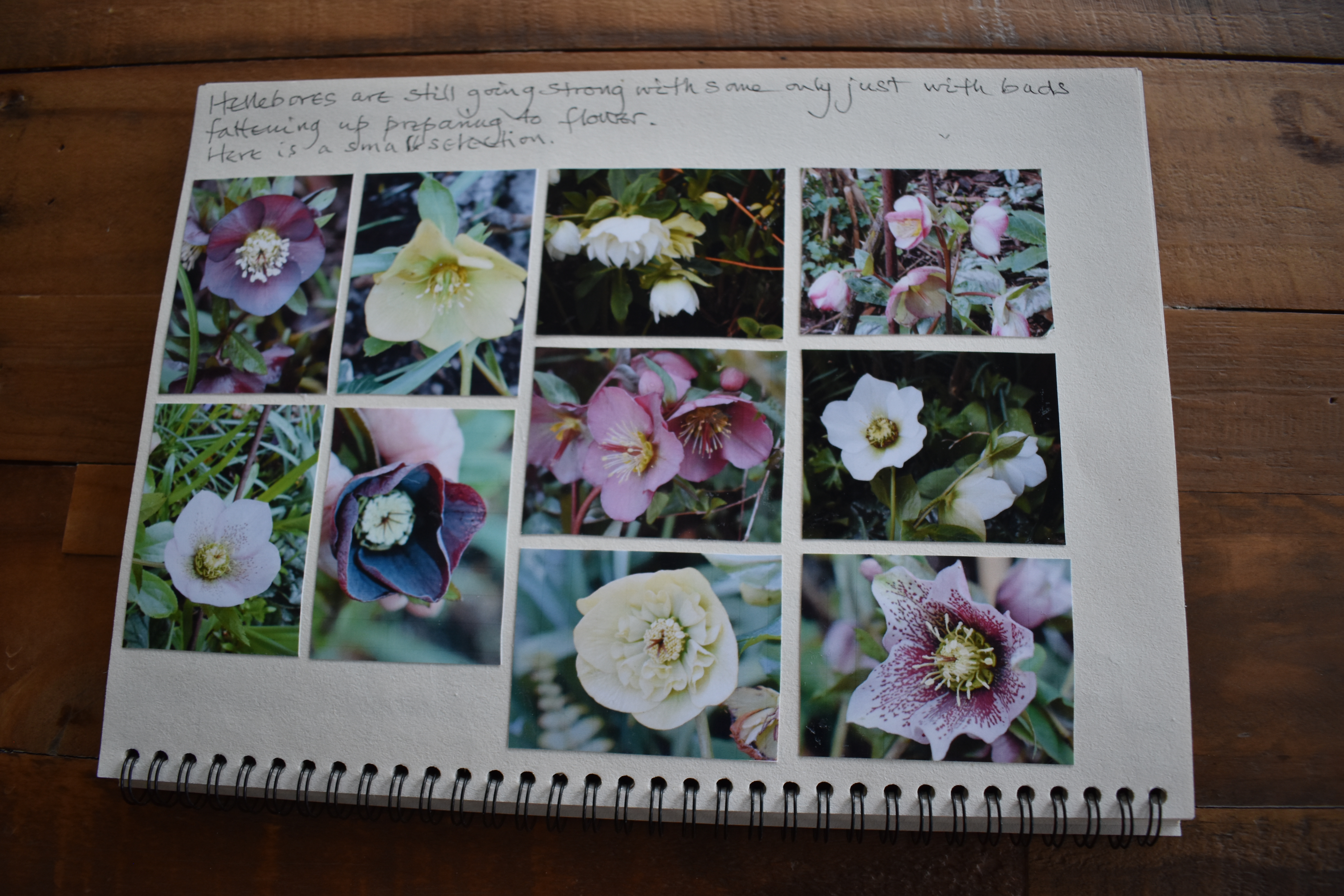
The next page in my journal featured purely hellebores and I noted that, “Hellebores are still going strong with some only just with buds fattening up preparing to flower. Here is a small selection.”

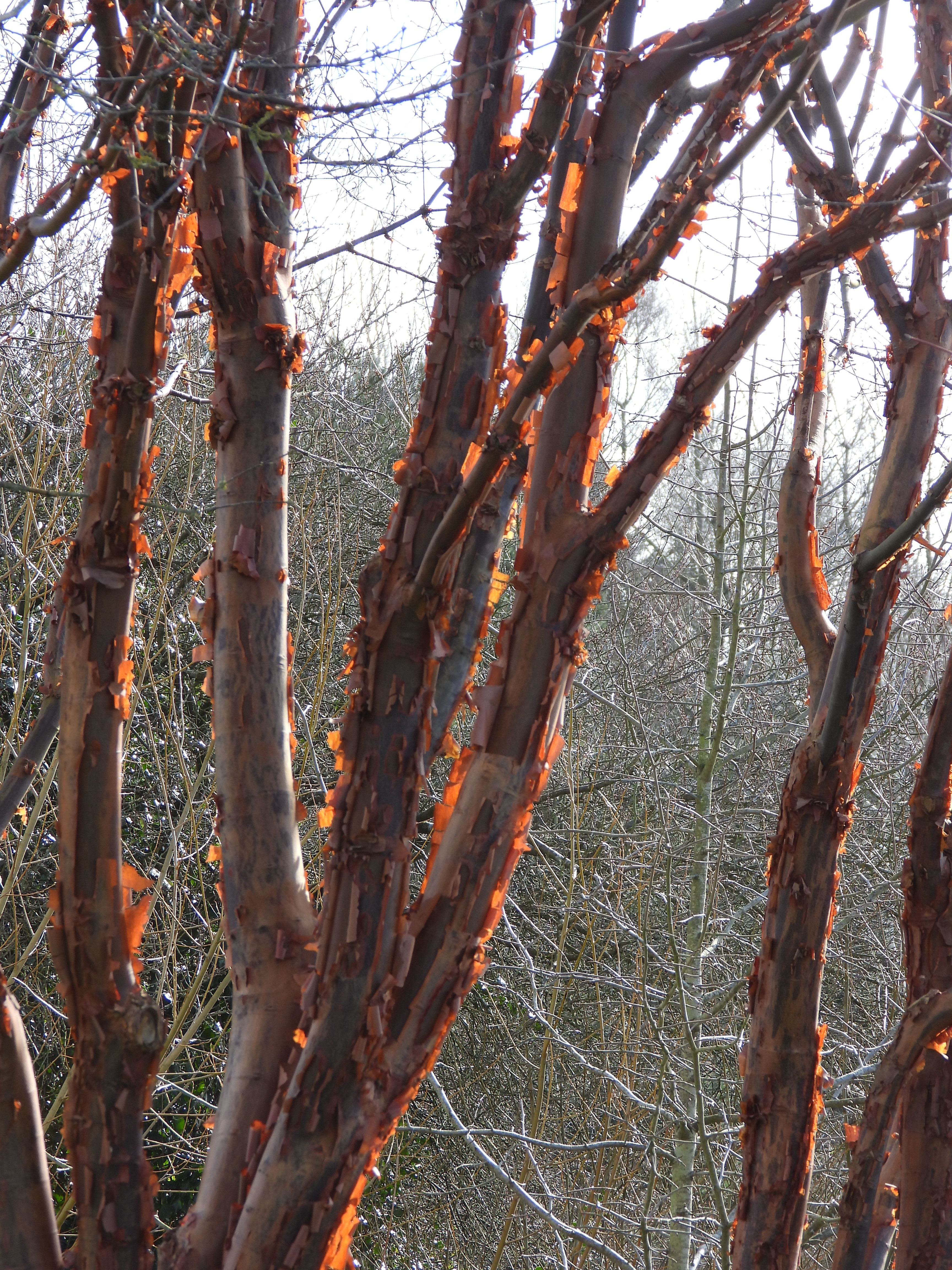
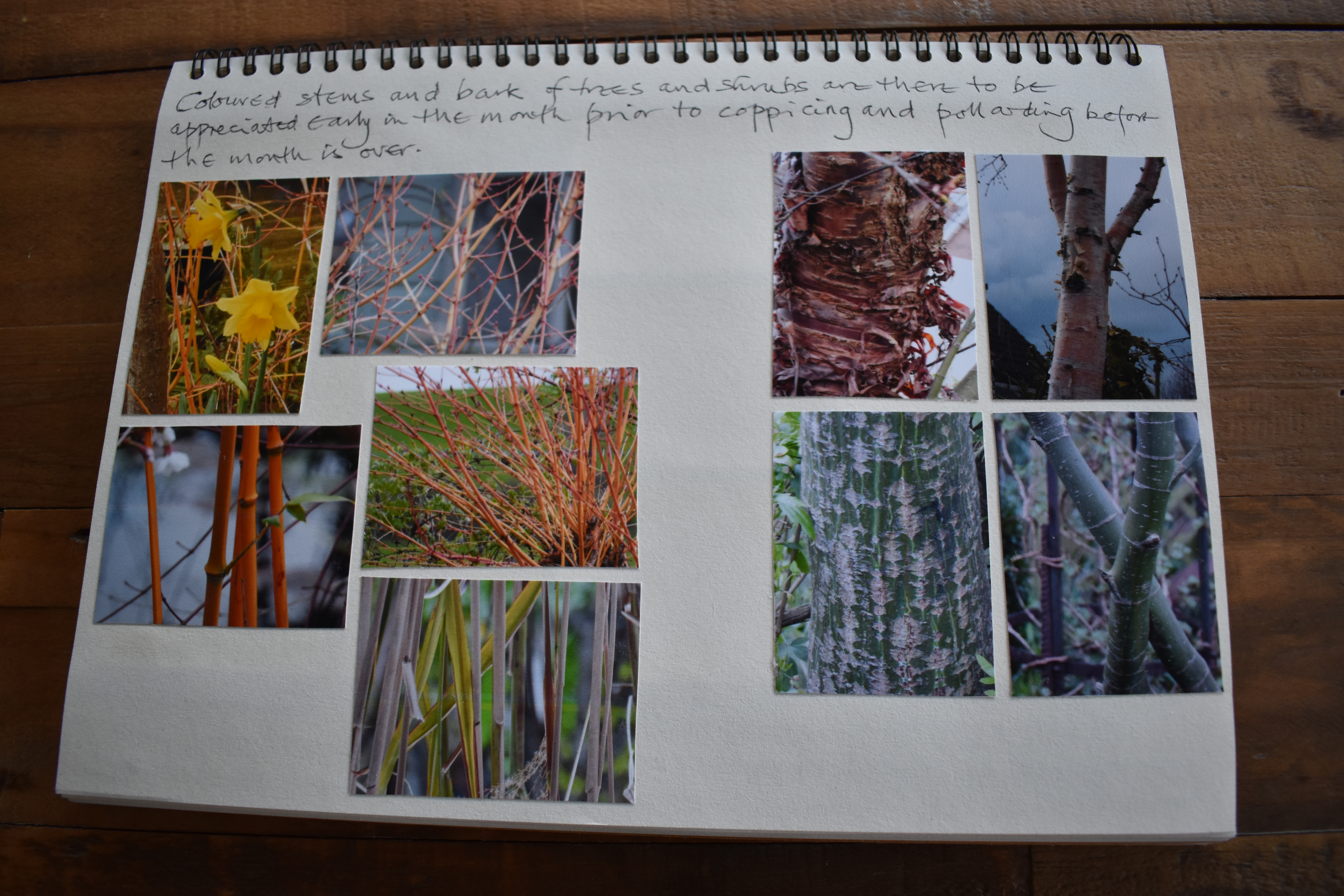
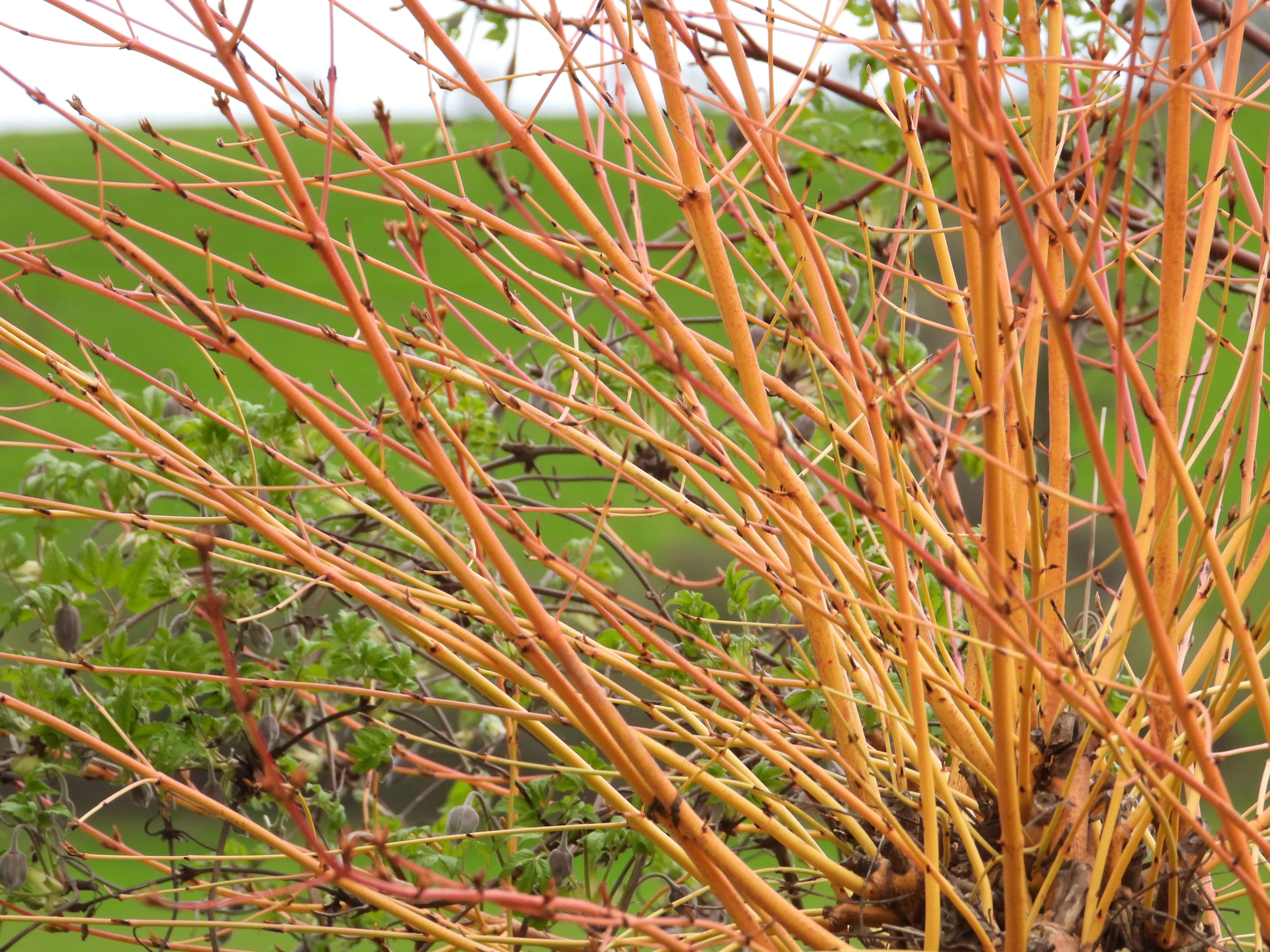
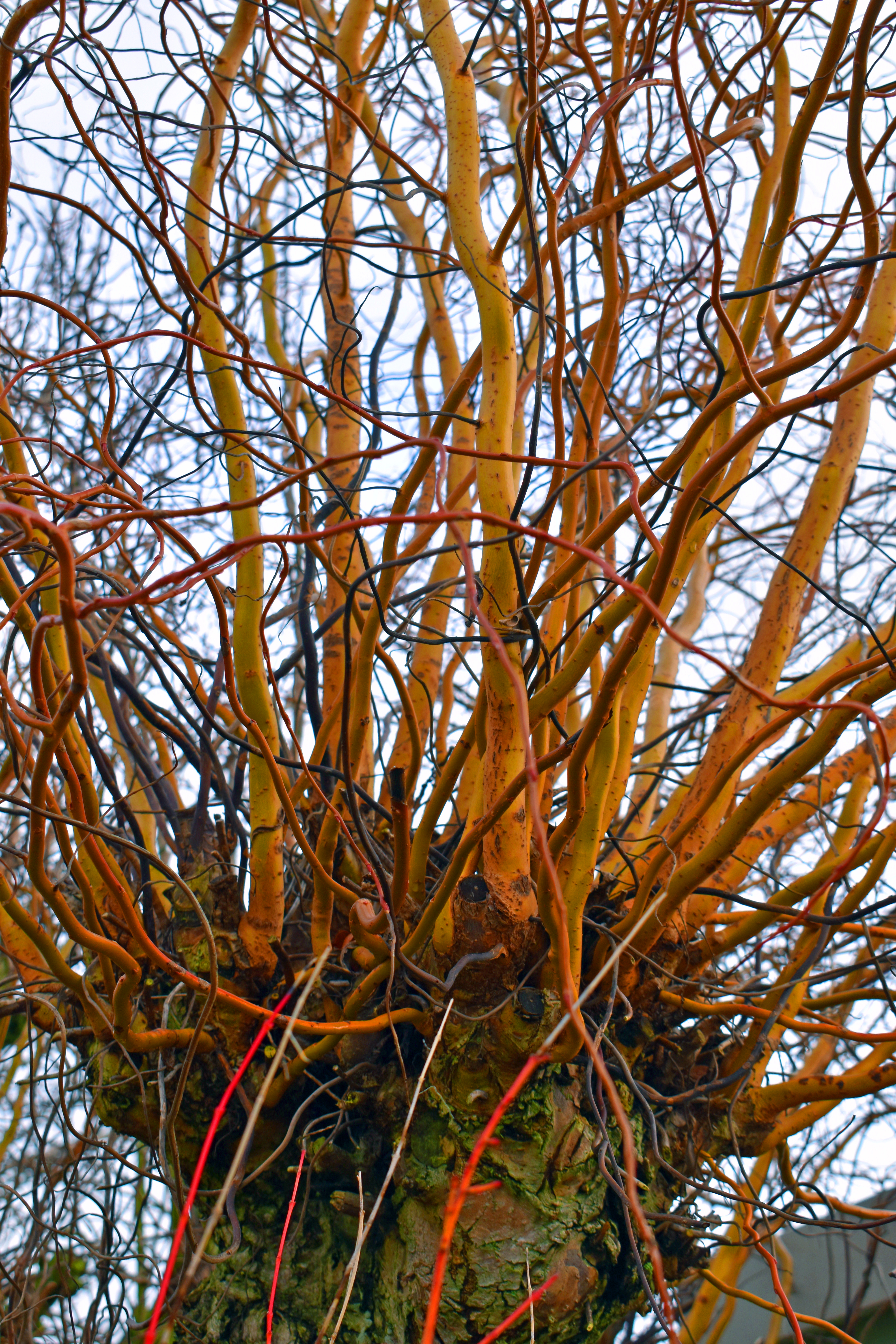
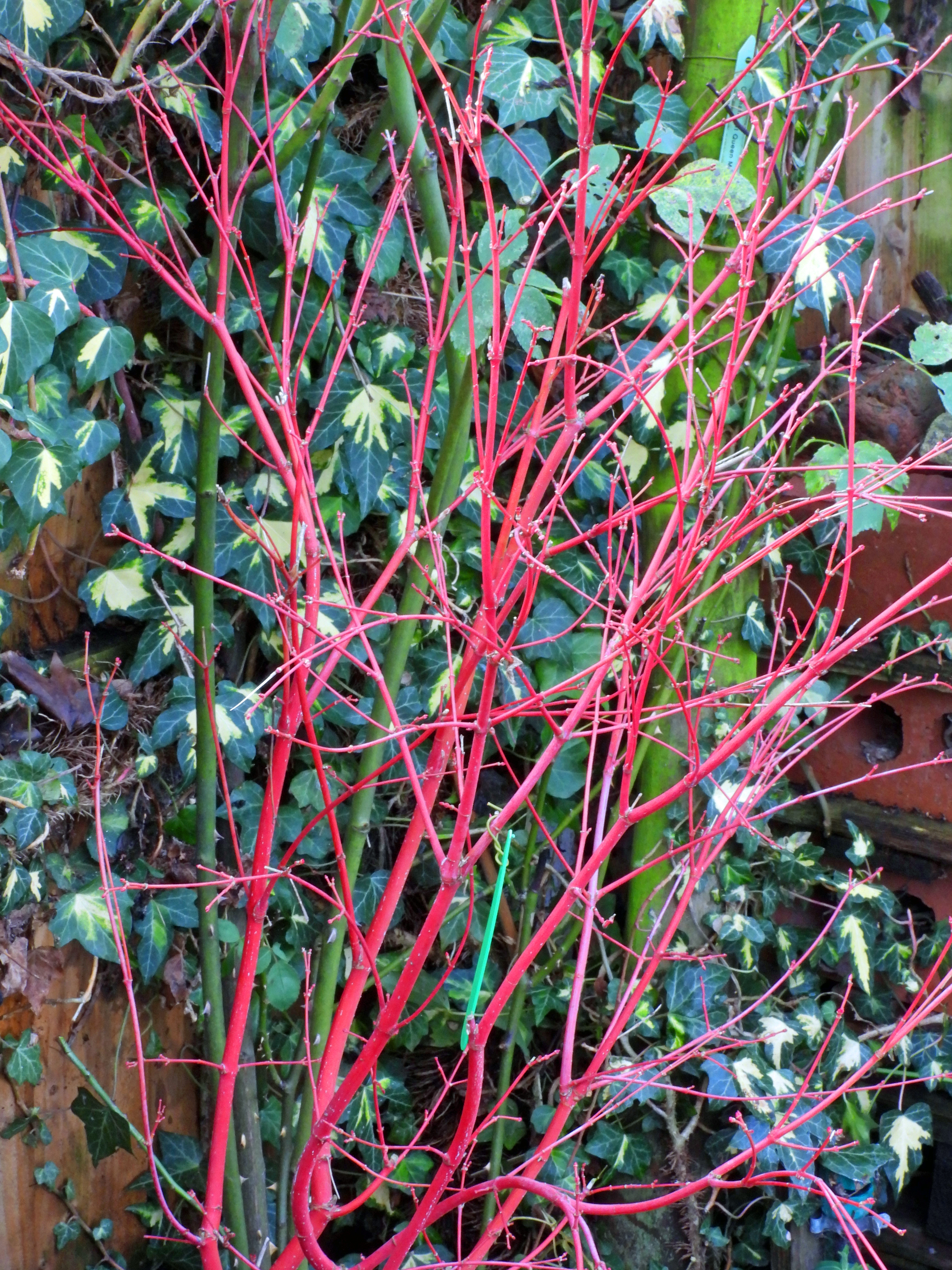
From hellebores we move onto coloured stems and the bark of trees. I wrote, “Coloured stems and bark of trees and shrubs are there to be appreciated early in the month prior top coppicing and pollarding before the month is over.”

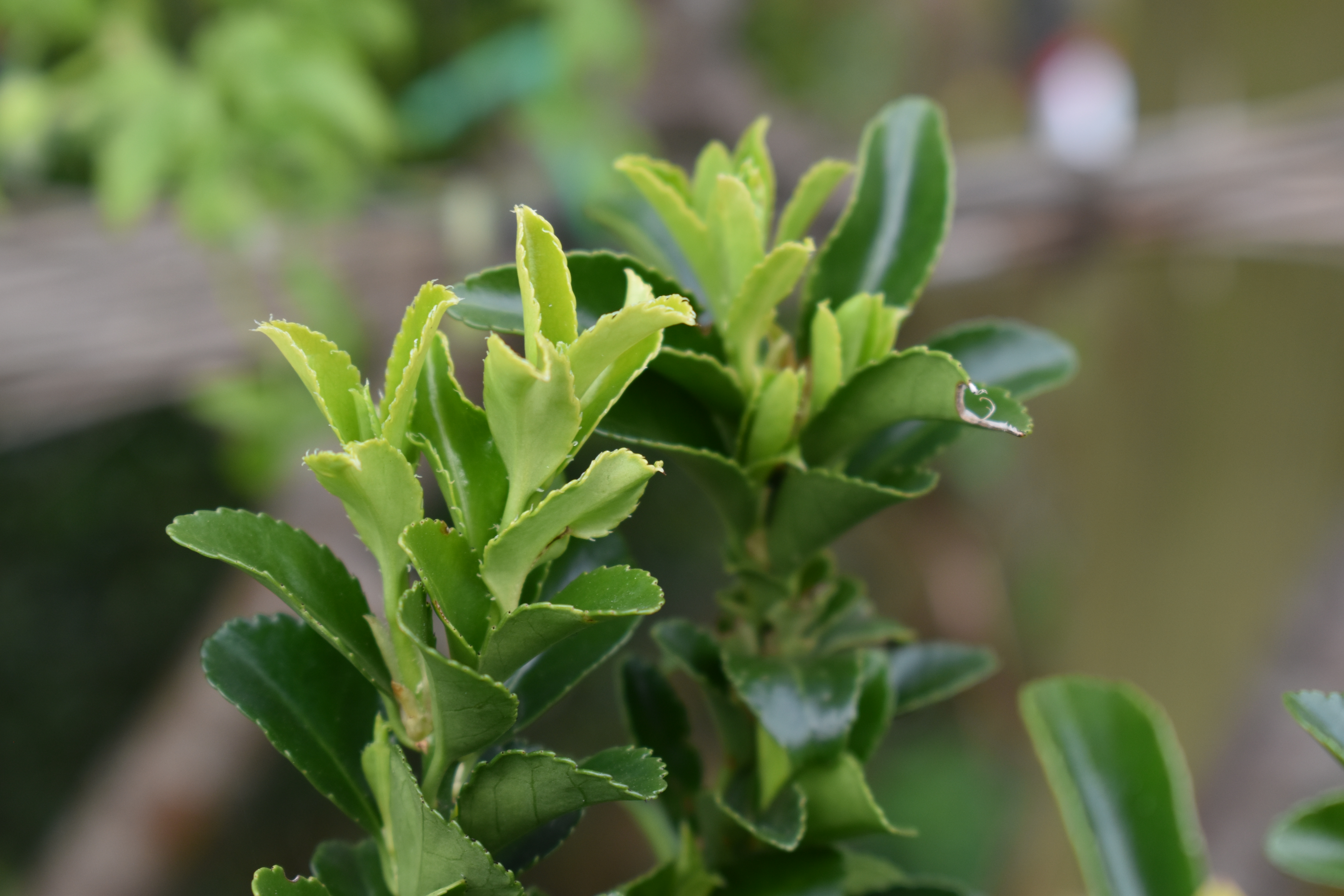
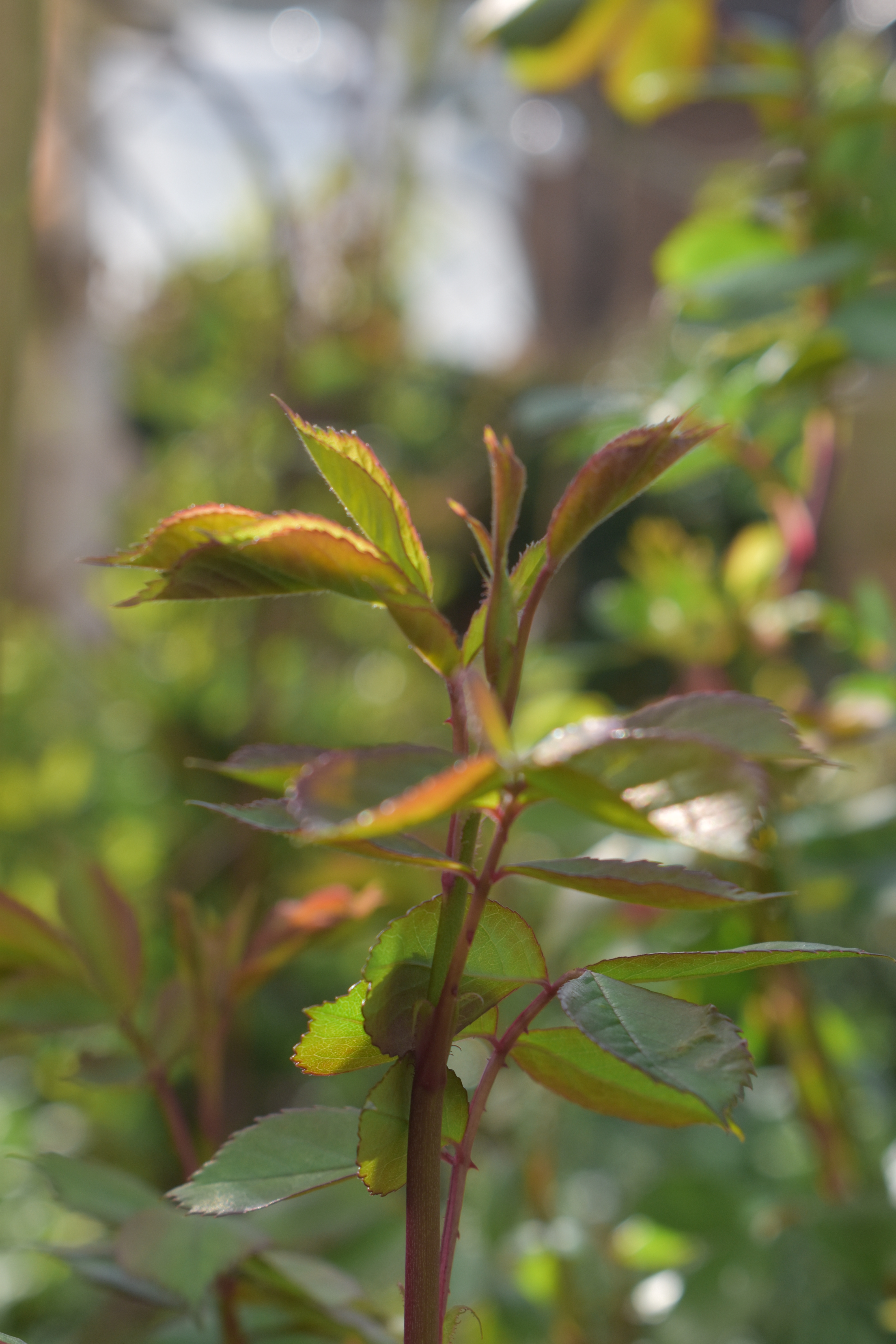
“The second half of March means fresh growth. Plants bursting into growth, buds opening revealing so many shades of green from chartreuse to almost black. Flower buds open alongside.” Below are photos to illustrate this huge variety of colour in fresh foliage.

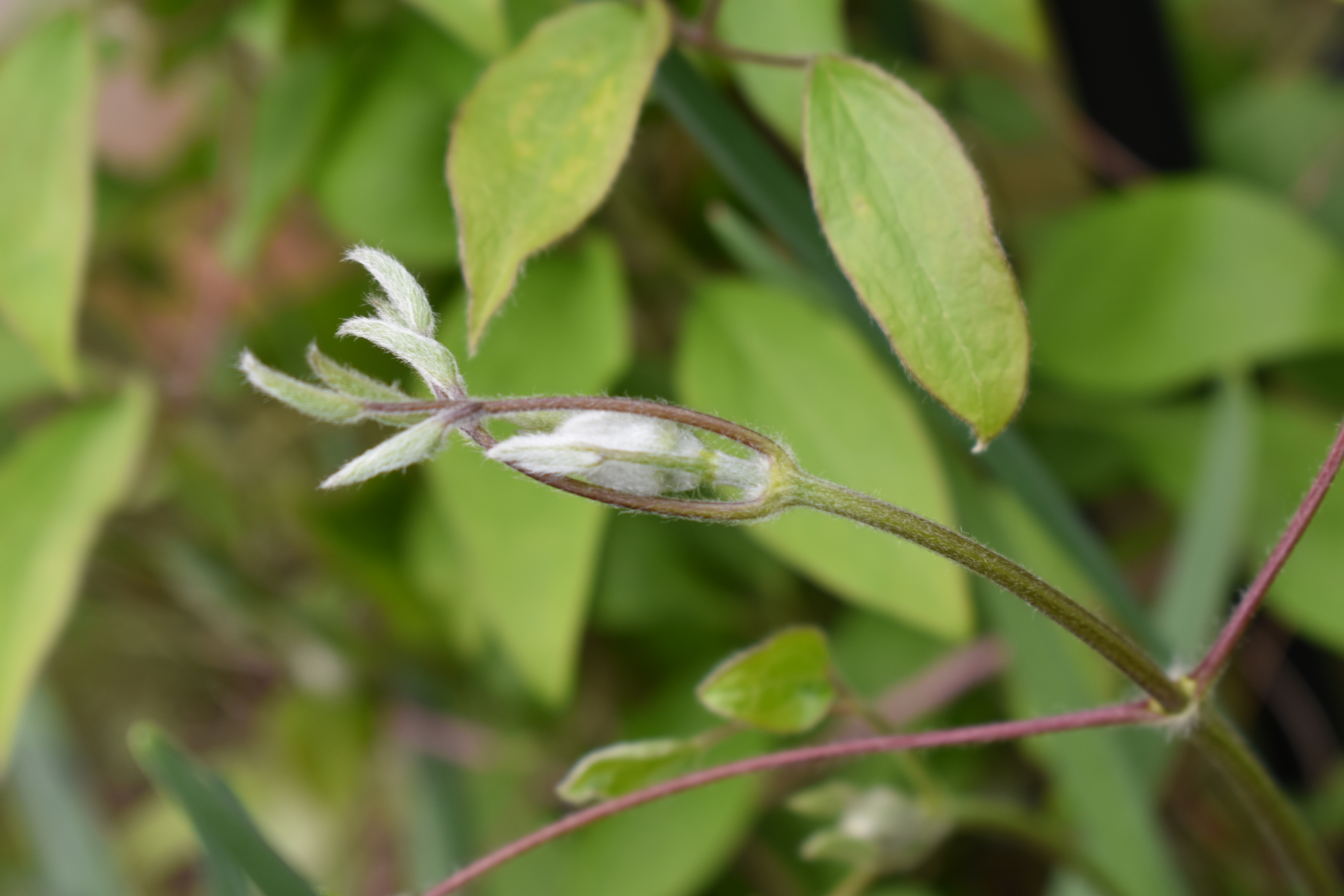
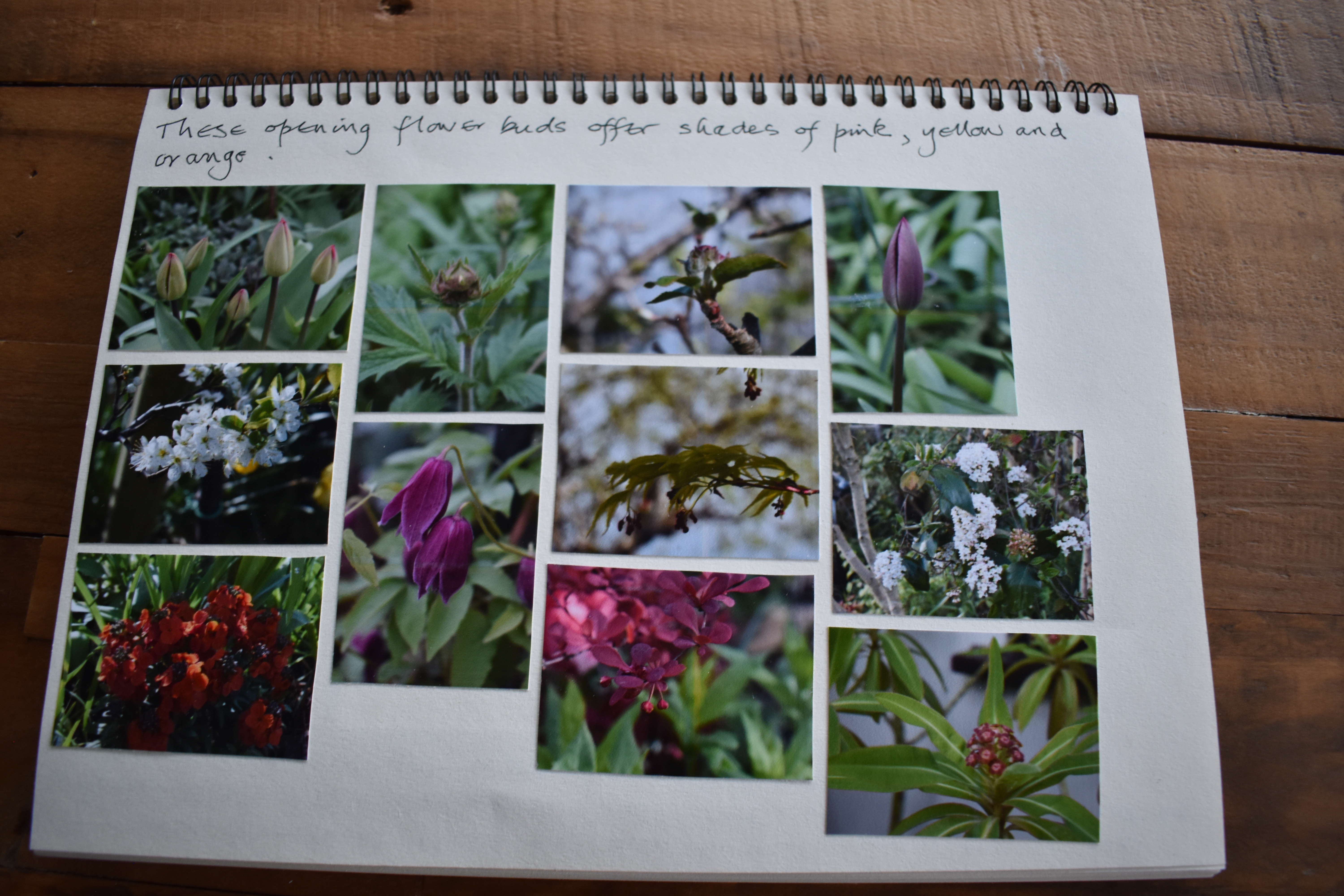
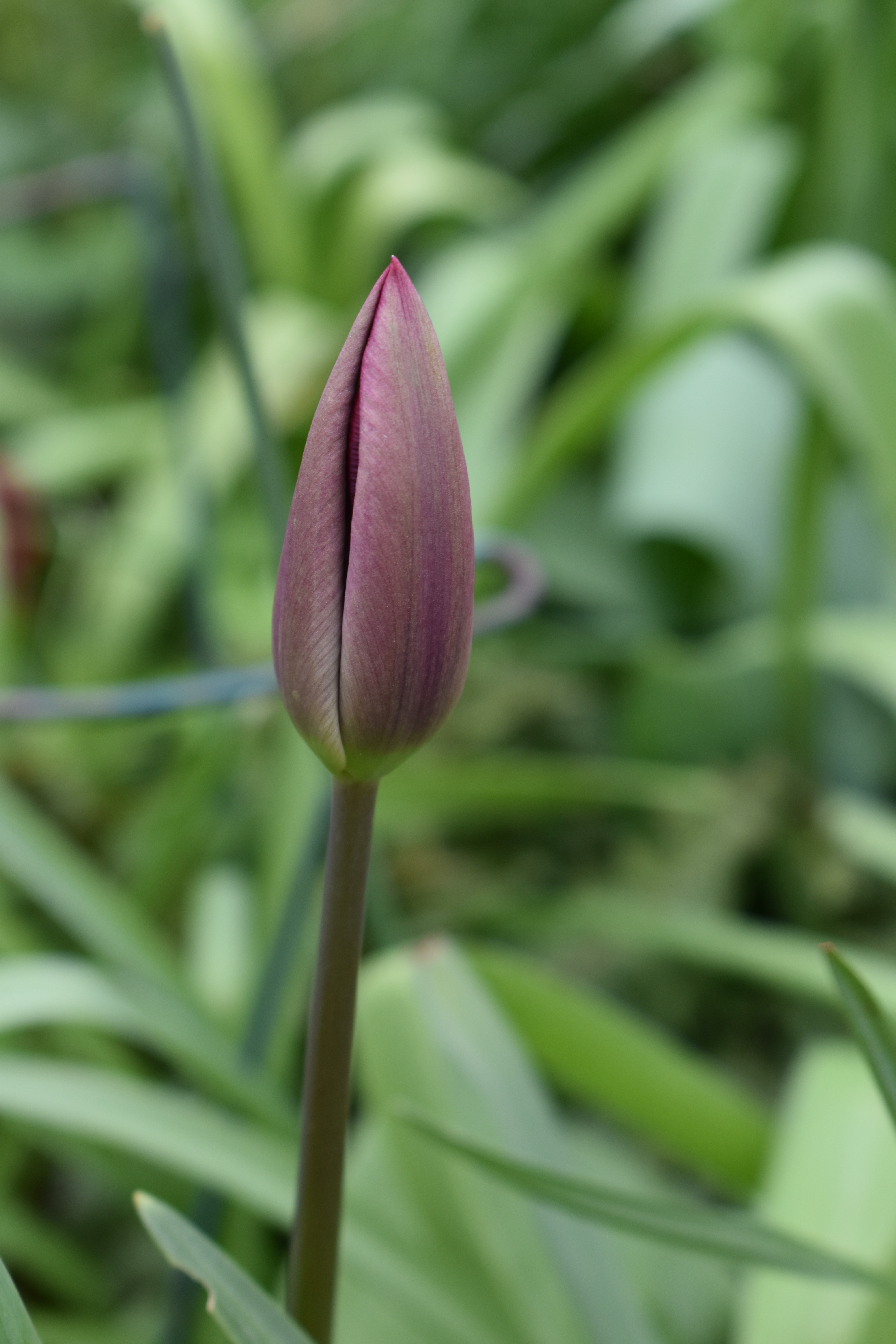
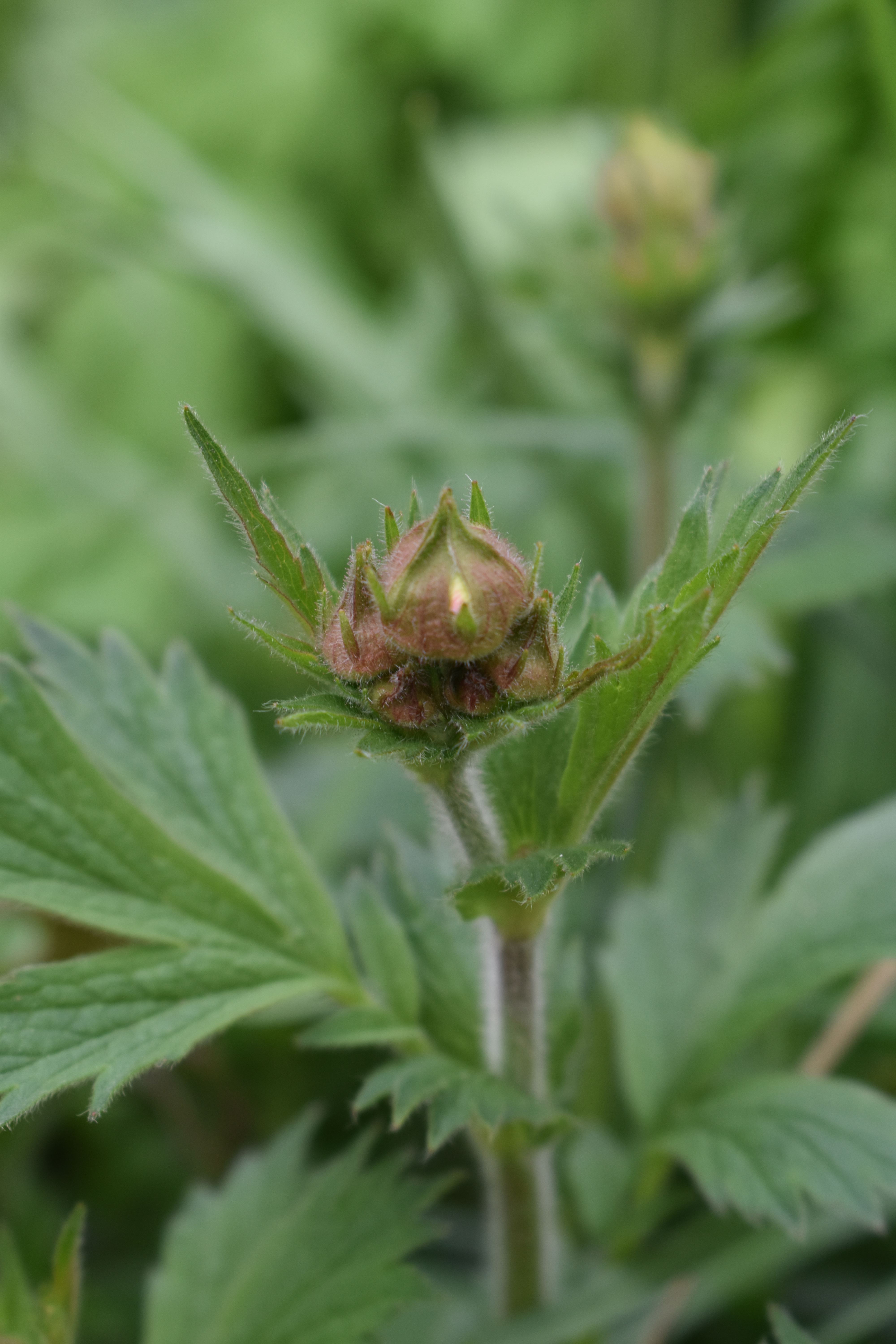
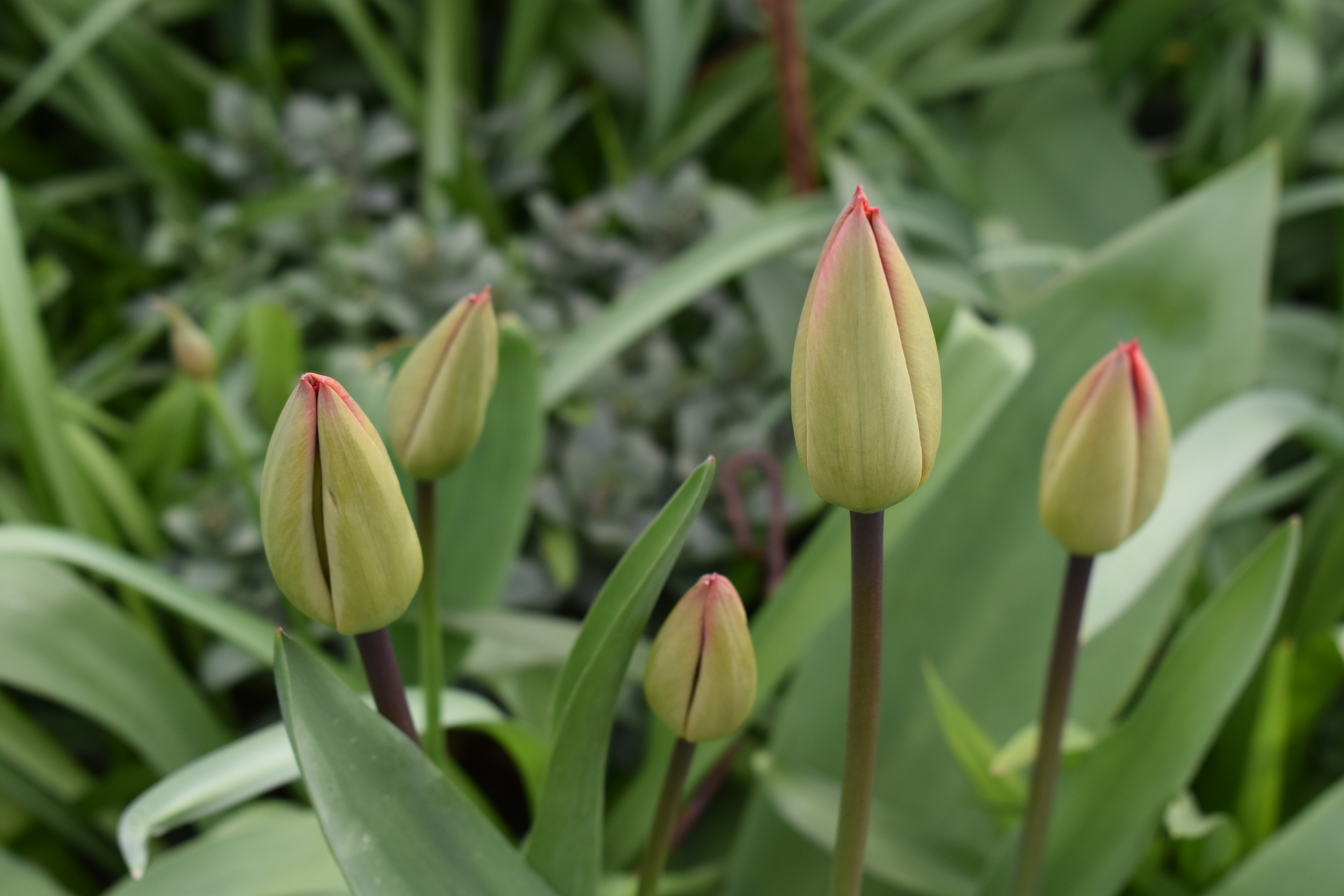
Instead of opening leaf buds on the next page I look at opening flower buds on climbers, shrubs and perennials. I noted that, “These opening flower buds offer shades of pink, yellow, orange, white and purples.

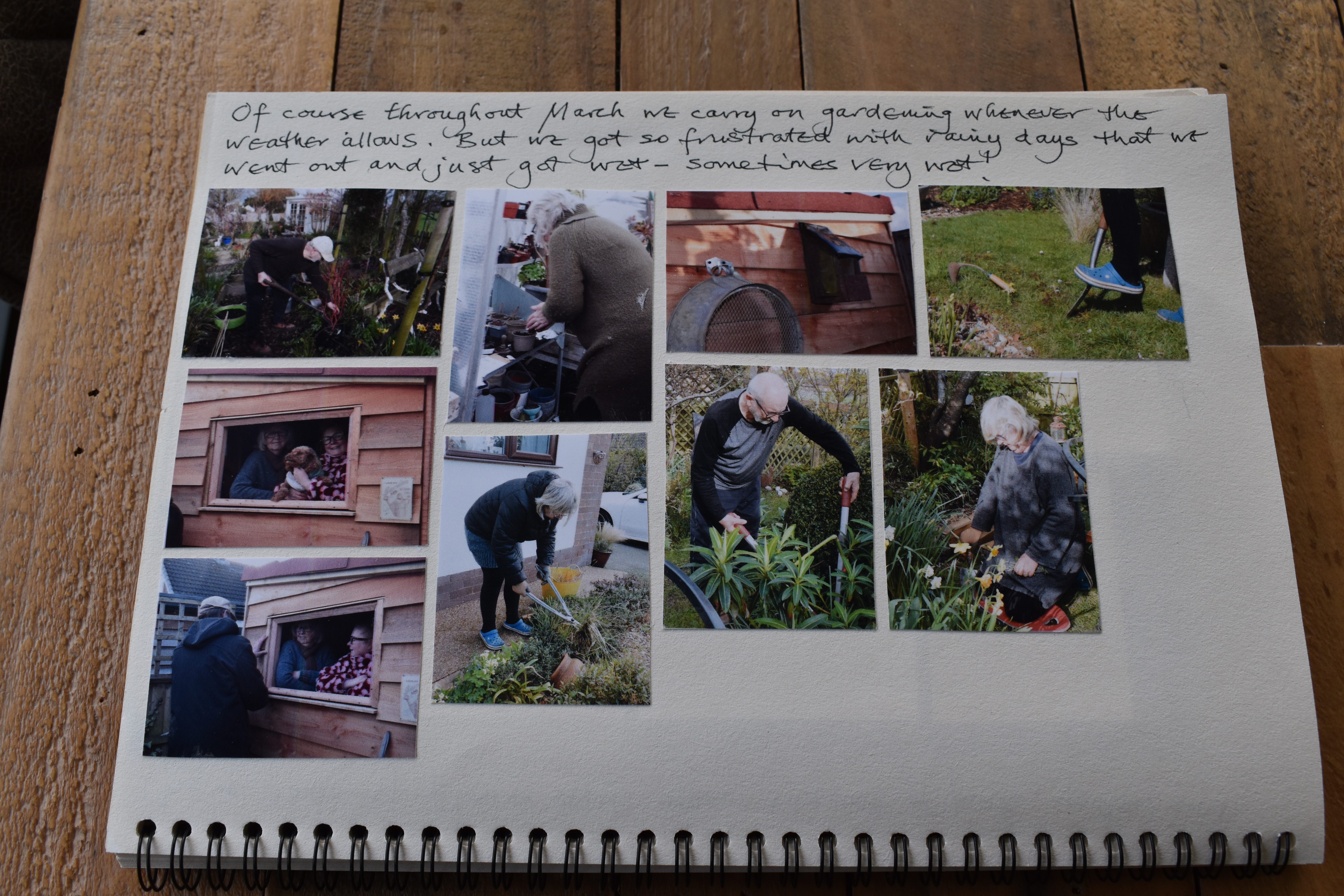
We have done so much in the garden this month that I added a second page relating to getting more tasks done. I wrote, “Of course throughout March we carry on gardening whenever the weather allows. But we got so frustrated with rainy days that we went out and just got wet – sometimes very wet!

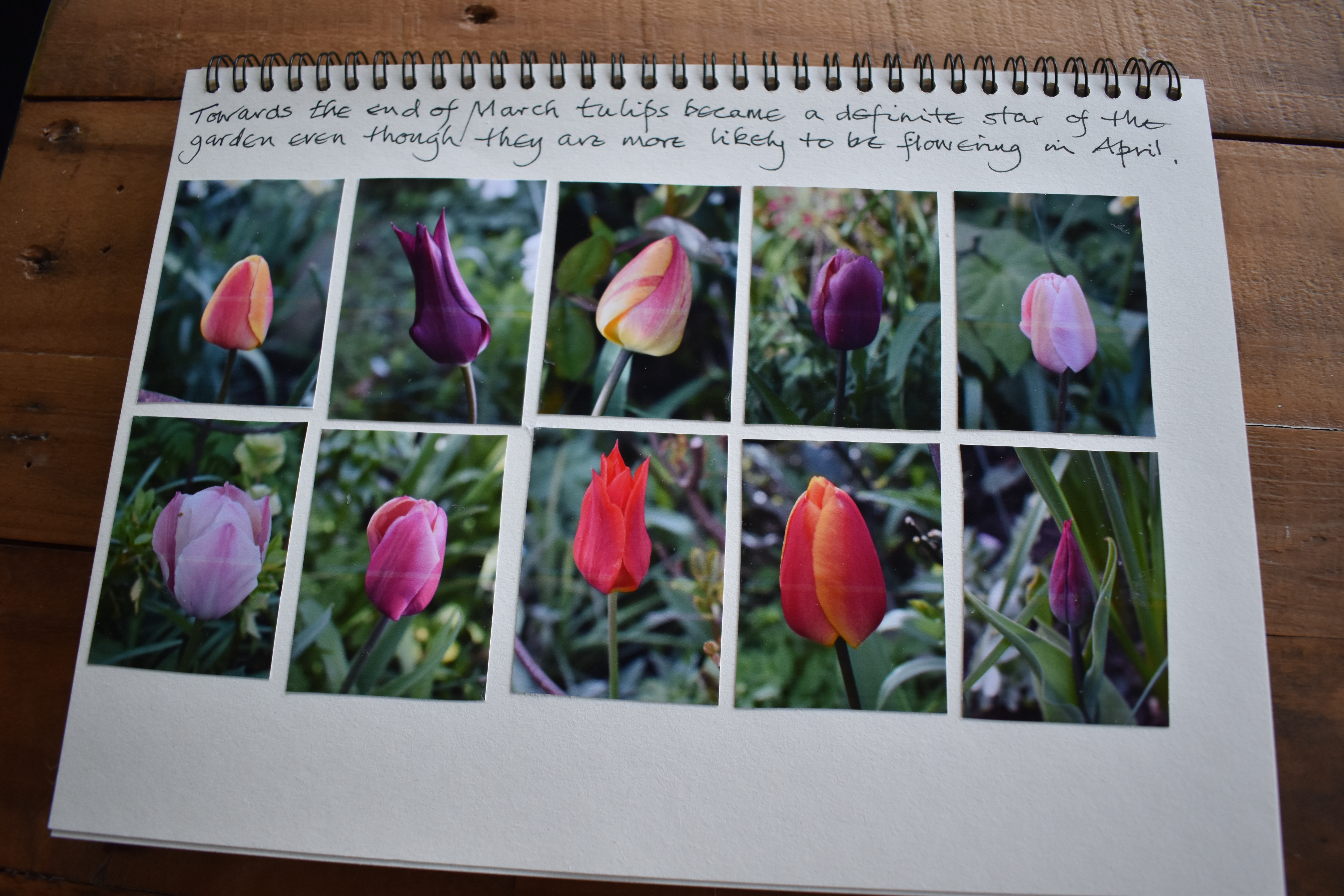
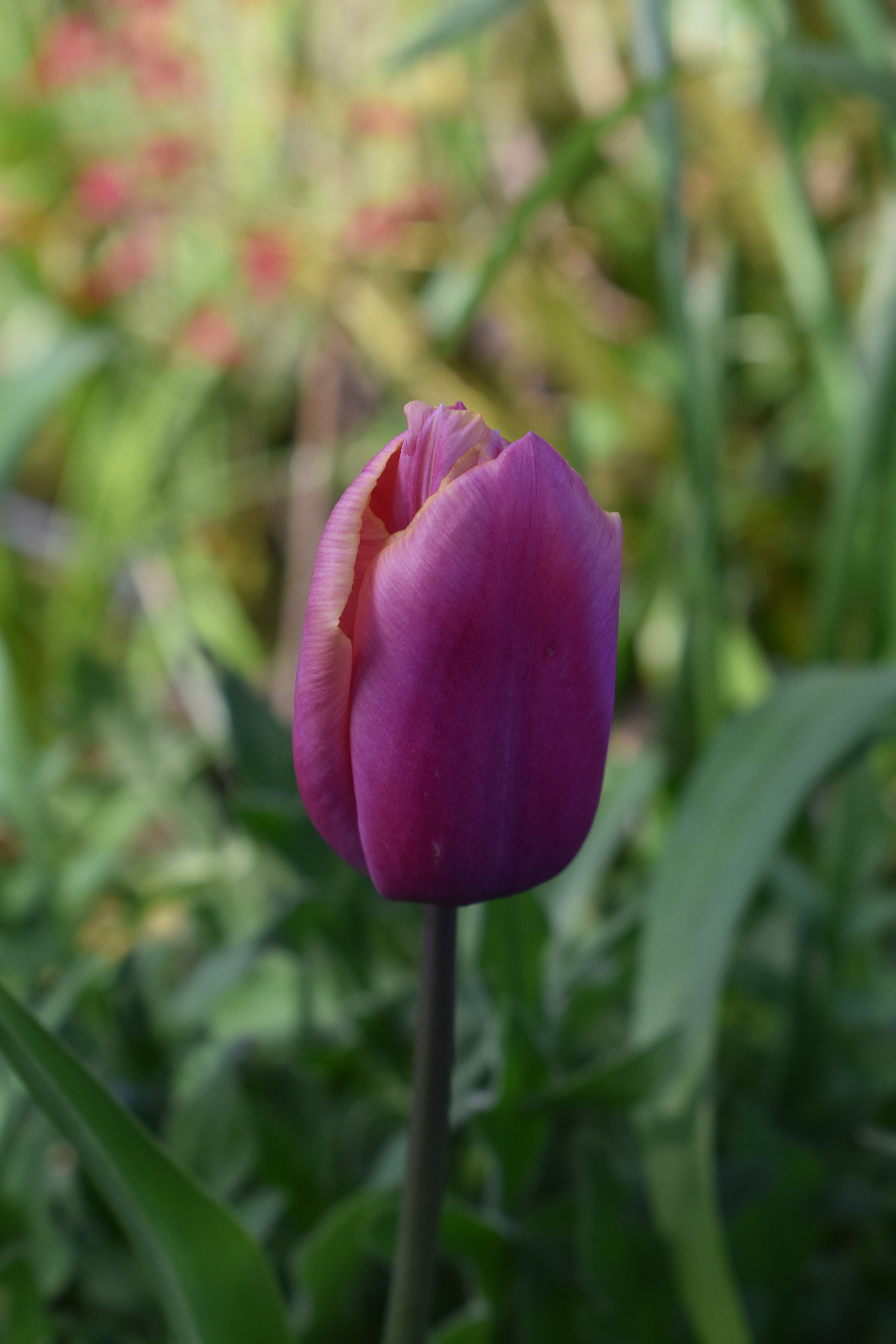
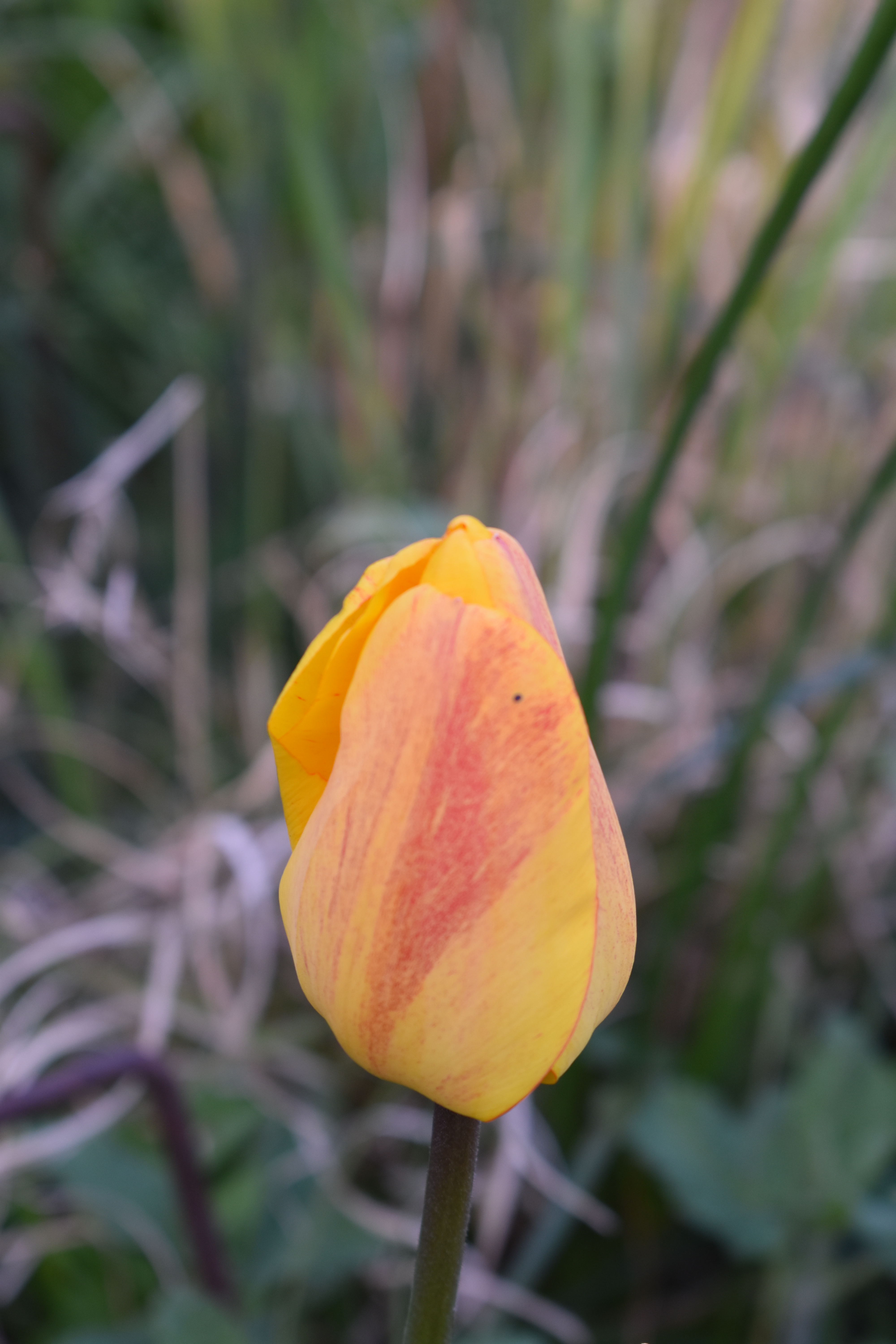
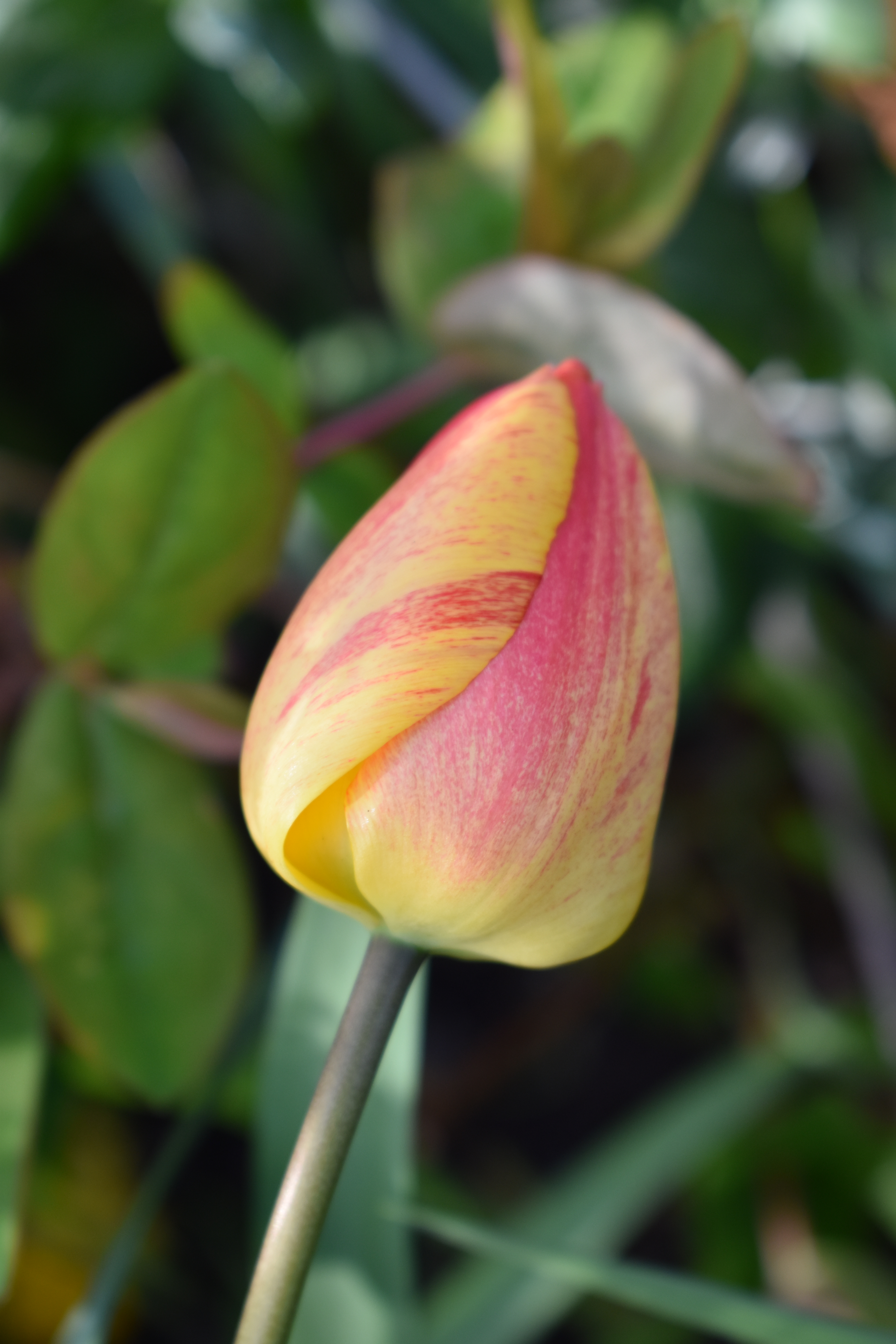
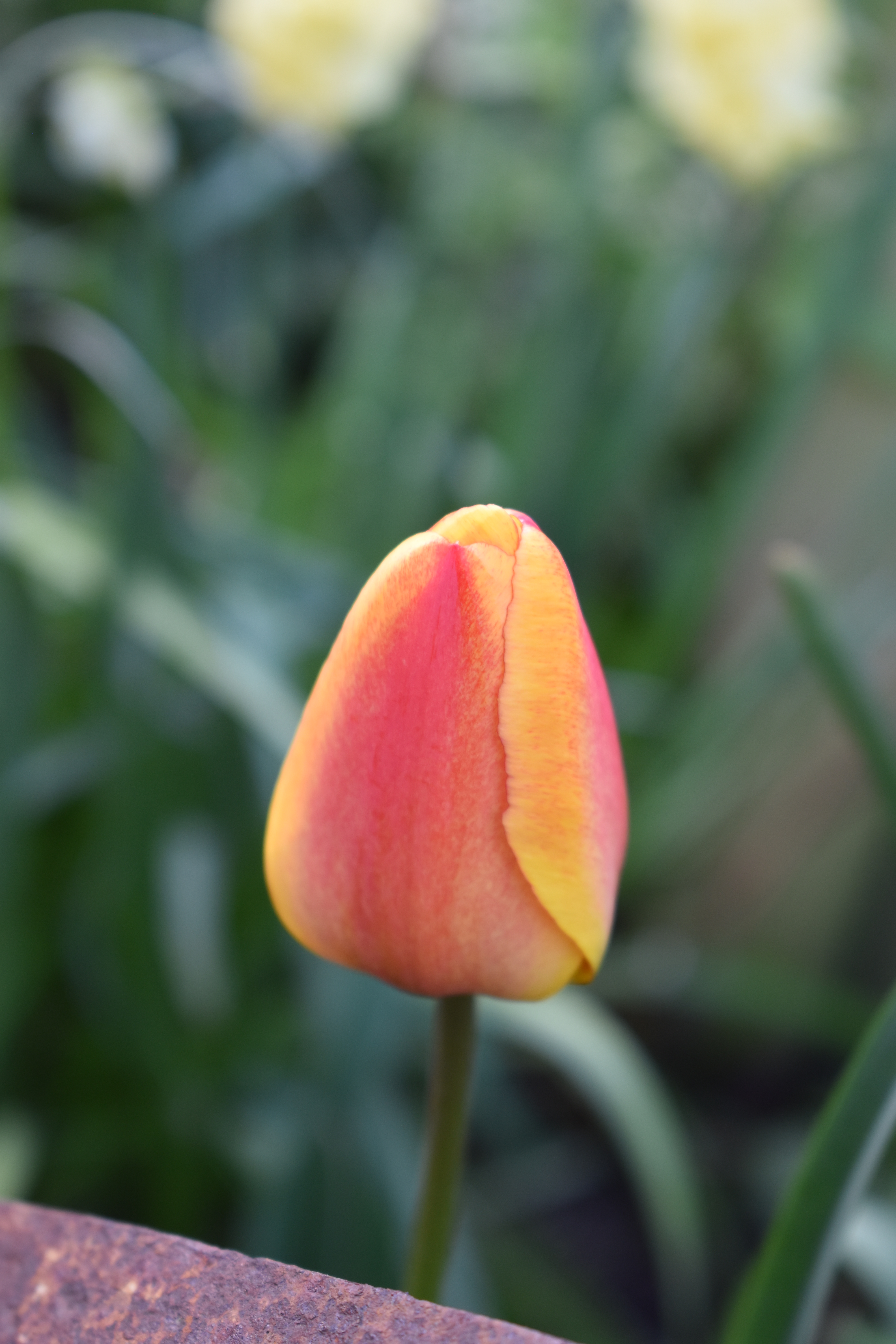
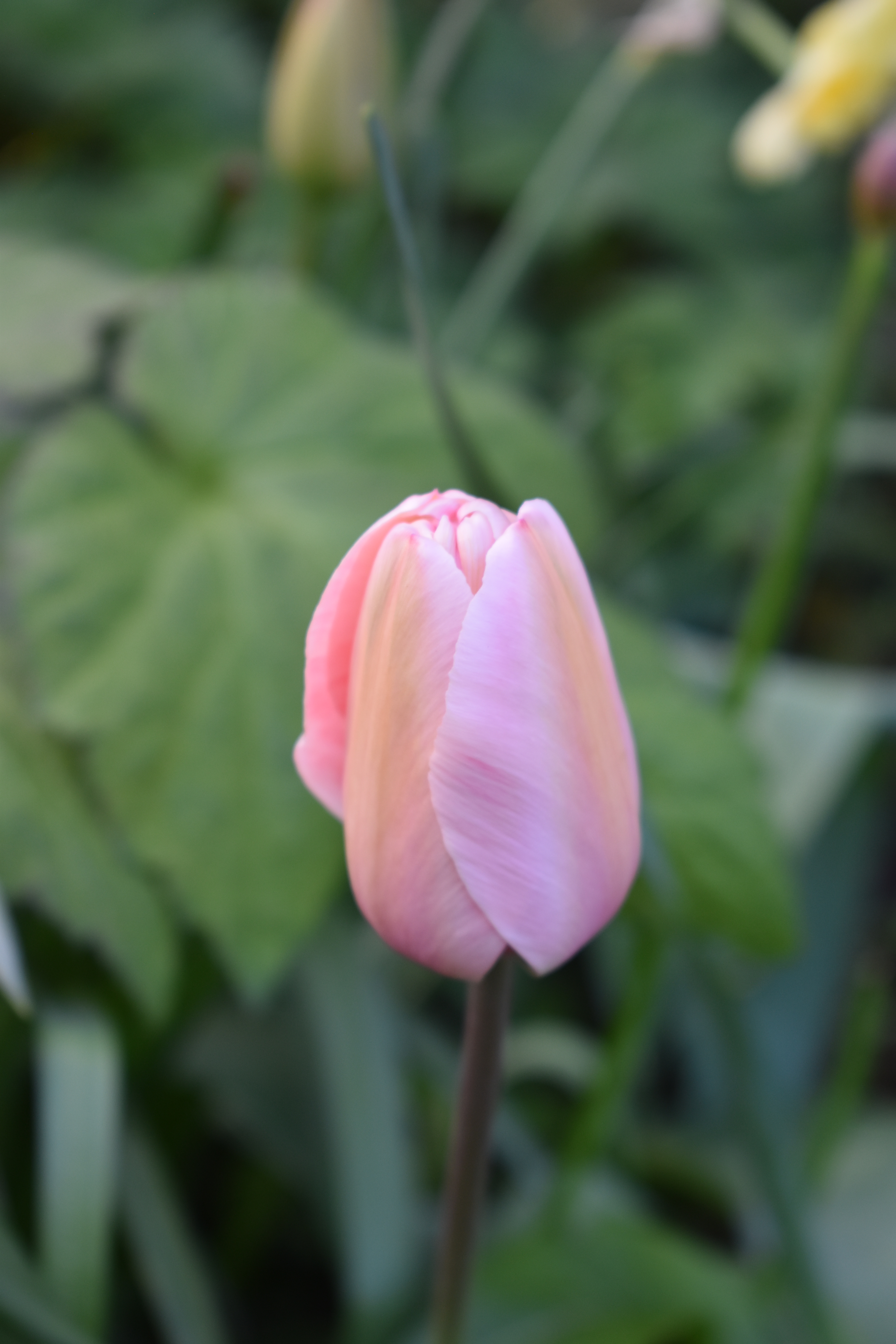
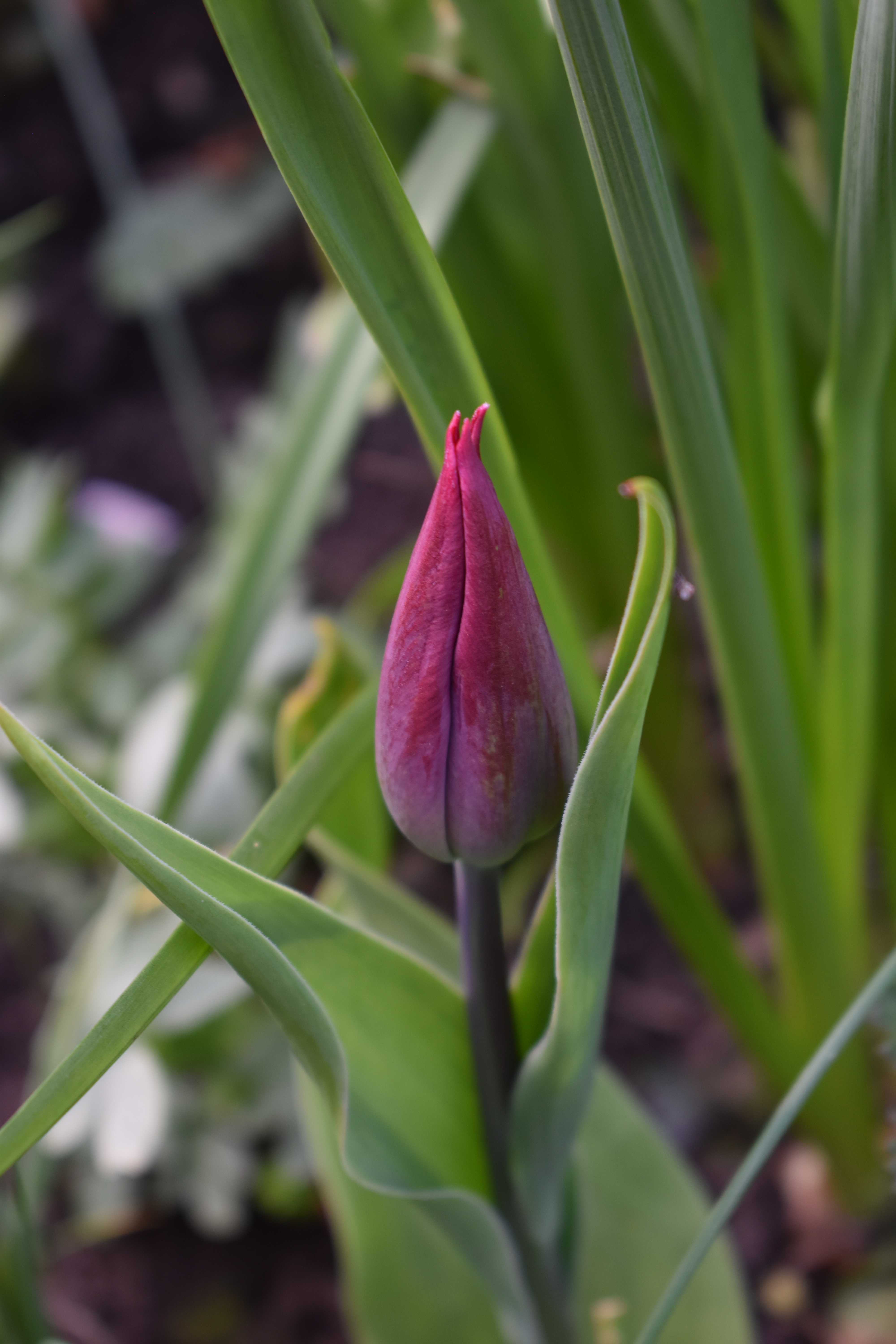
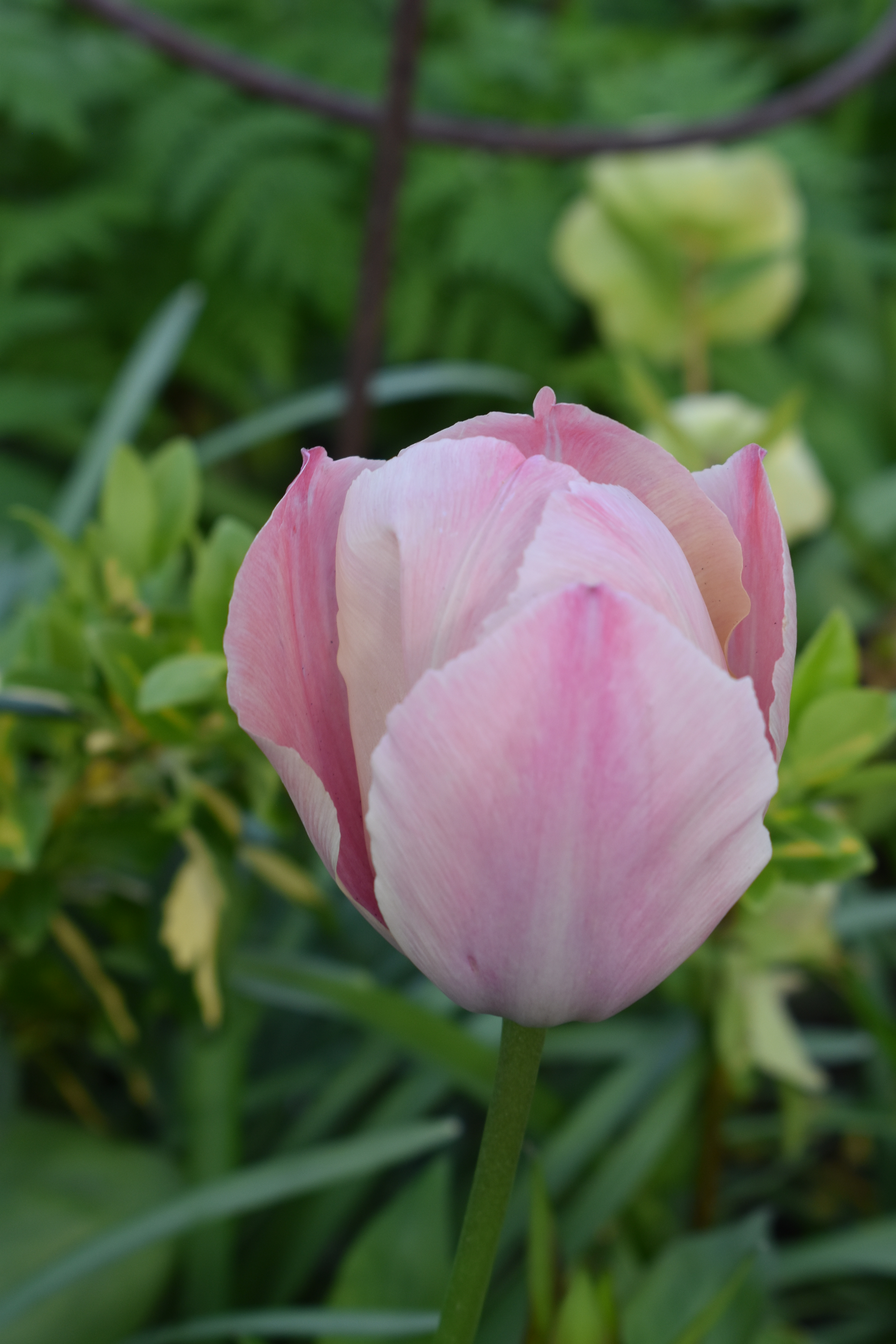
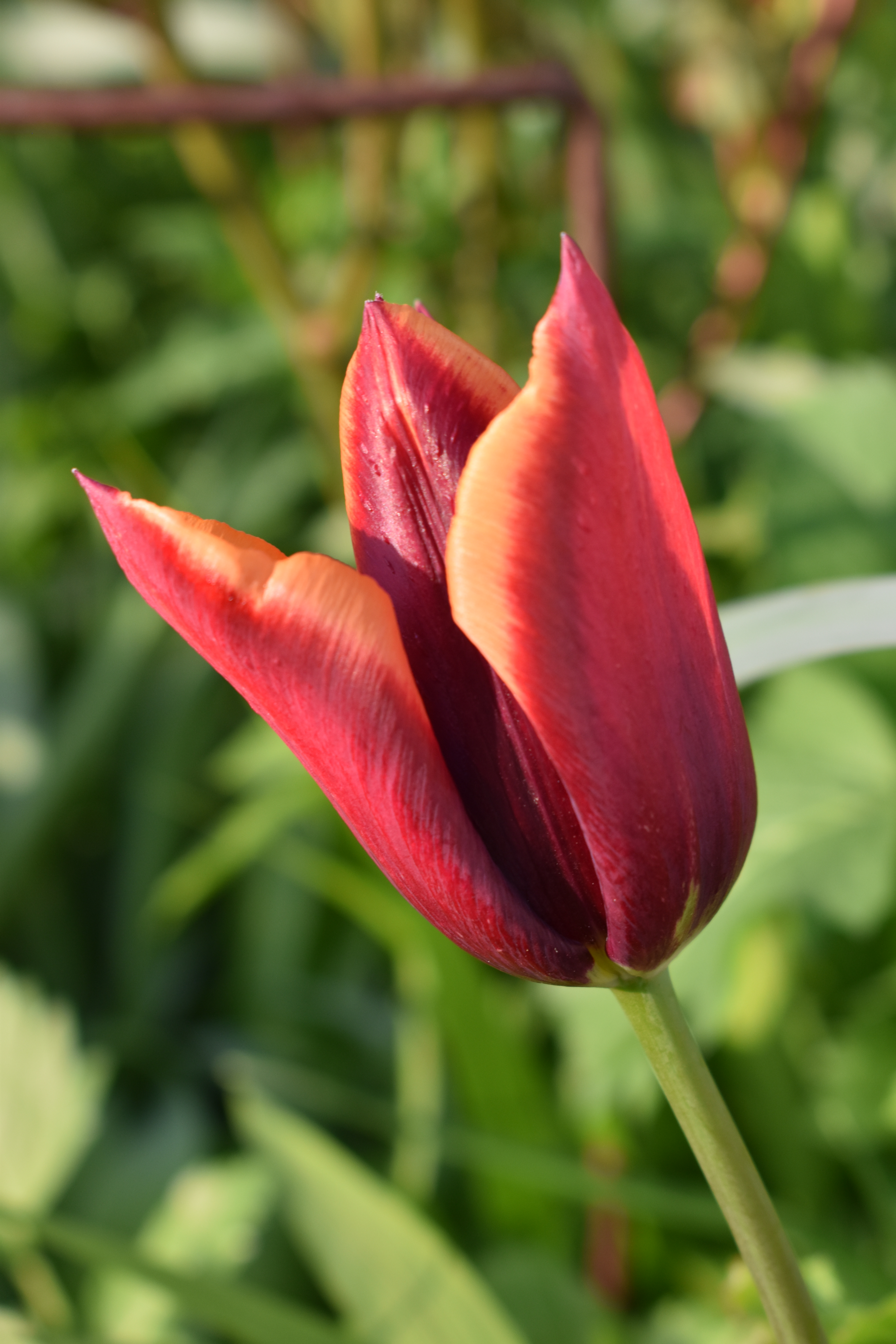
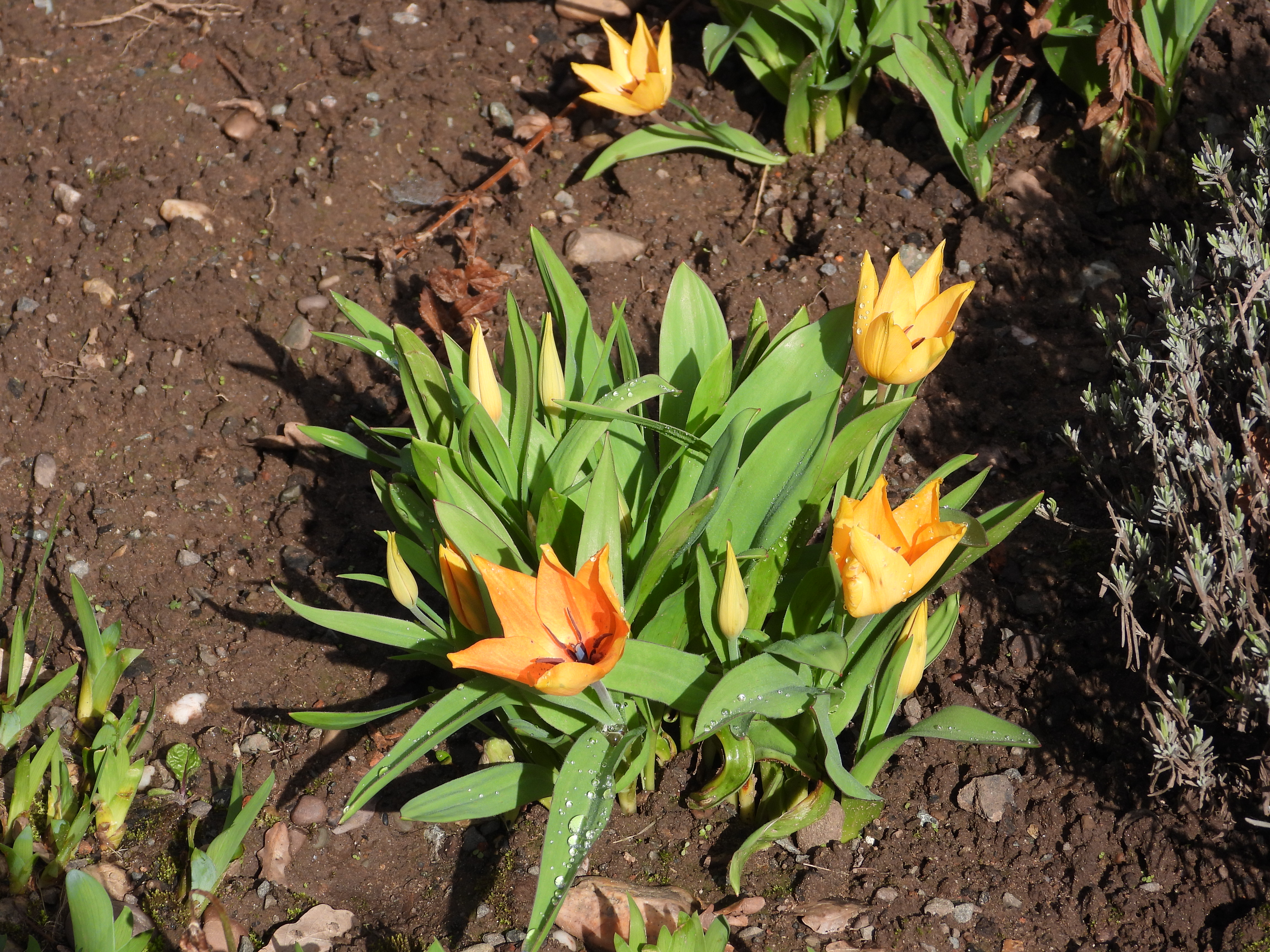
A really colourful page comes up next with the array of colours coming from our tulips. “Towards the end of March tulips became a definite star of the garden even though they are more likely to be flowering in April.”

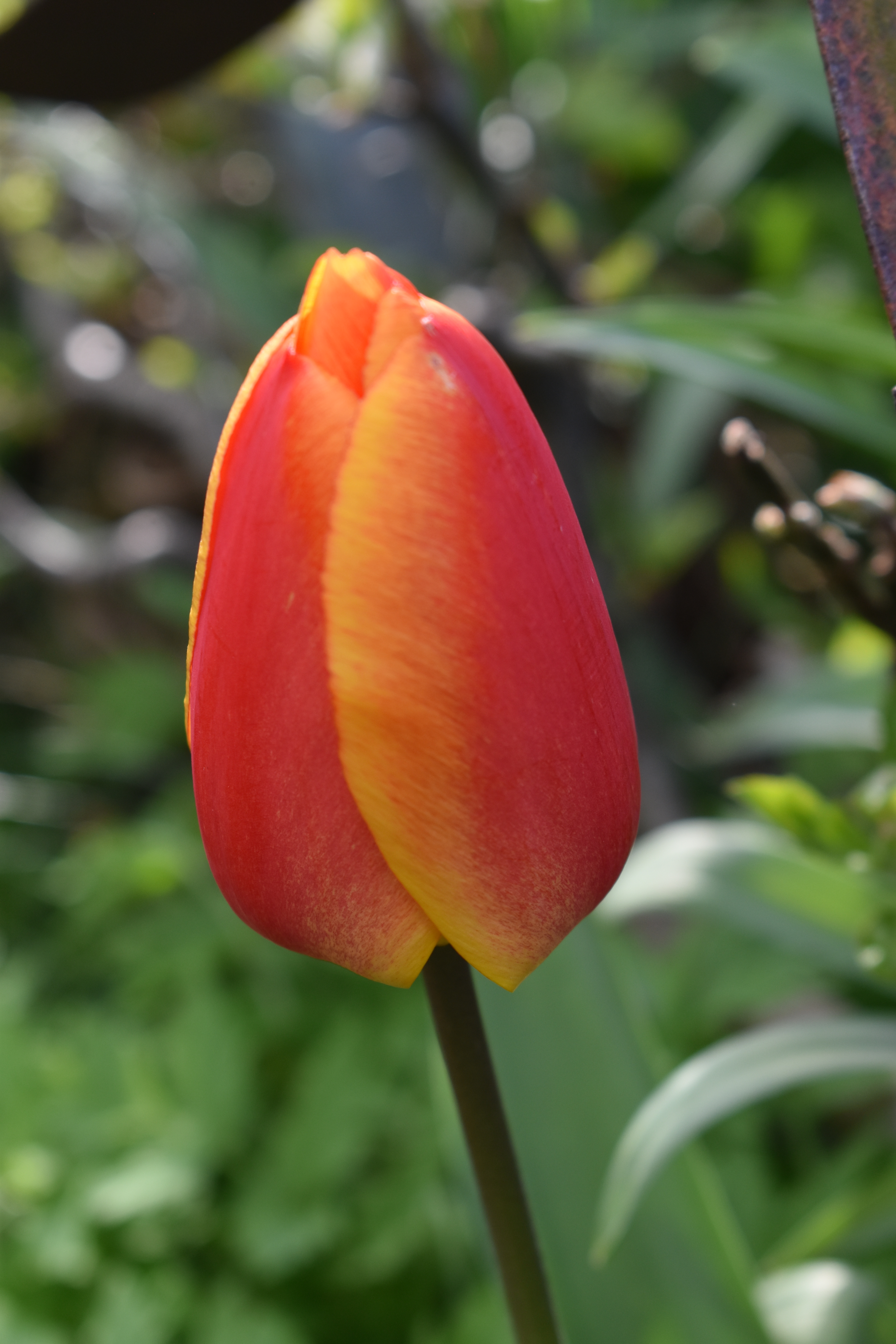
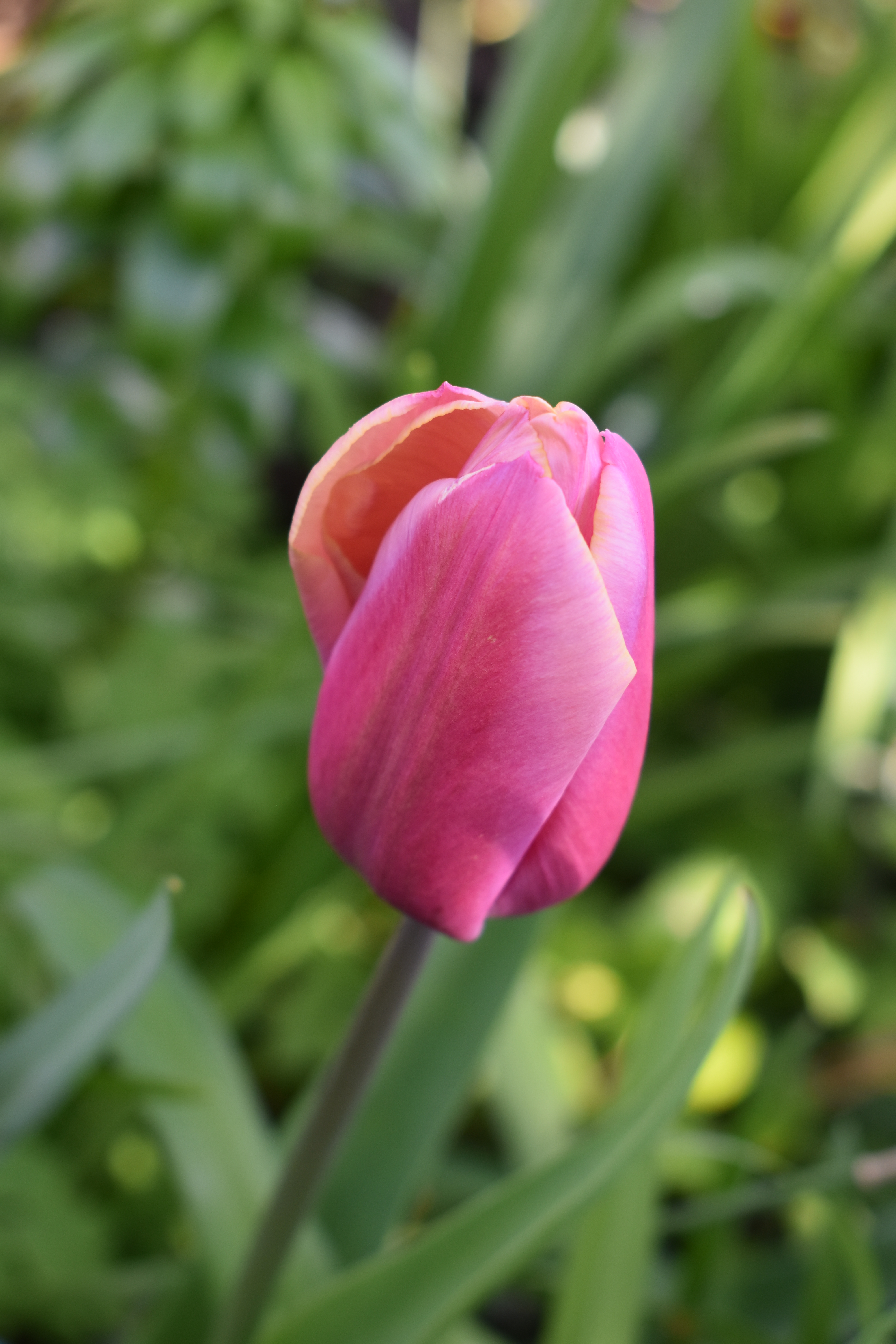
Below is a selection of just ten of our large collection of tulips. We plant more each autumn to make up for the inevitable losses.

So that gives us a very colourful end to my March journal, just like a jar of old fashioned sweets.

It is so hard to predict what our April garden will give us – it is already a confusing year.

Categories
Uncategorized

Another Visit to RHS Harlow Carr – Part 1

We visit Harlow Carr more than any other RHS garden as it is our favourite of the five gardens even though it is a fair distance to travel. Unfortunately this true of all the RHS gardens. Even though the RHS said they were going to find a garden to serve the Midlands, they eventually took on a site near Manchester which is definitely not in the Midlands!

Back in 2025 we made a journey northward for a mid-week break and of course a visit to RHS Harlow Carr was an essential.

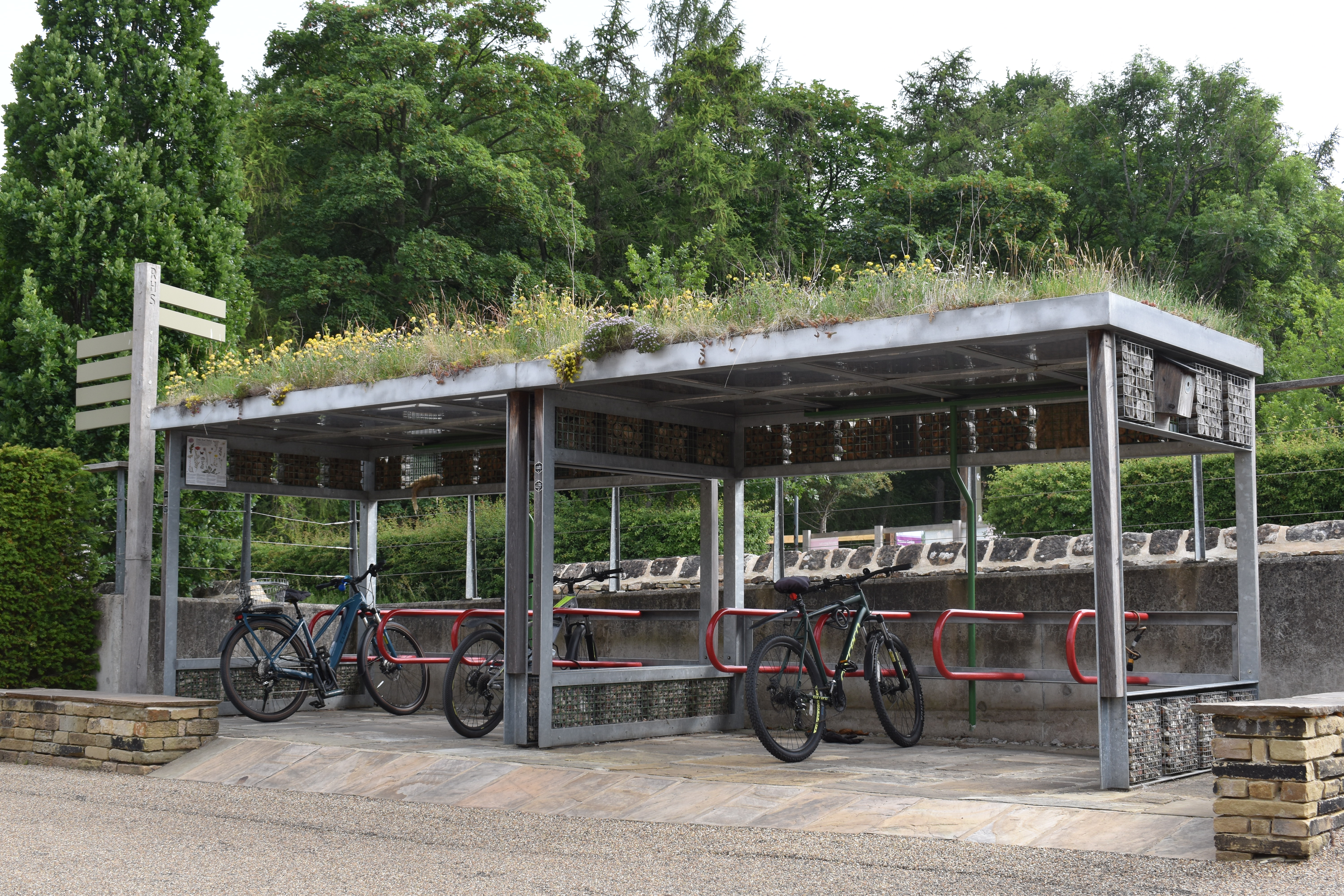
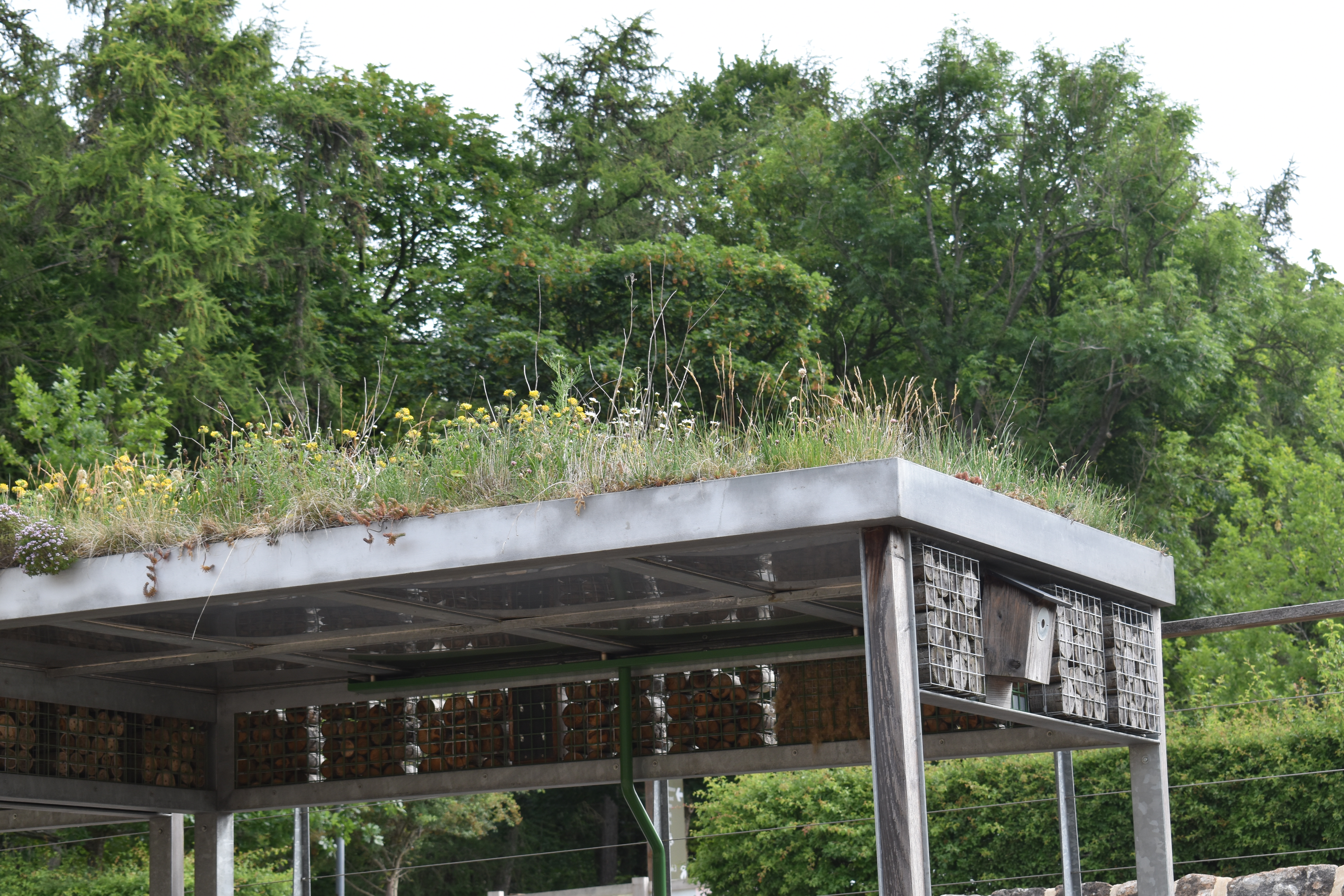
Back to Harlow Carr! Even before entering the garden I am always drawn to have a look at the bike shelter opposite the entrance with its green roof and built in nest boxes and insect homes.

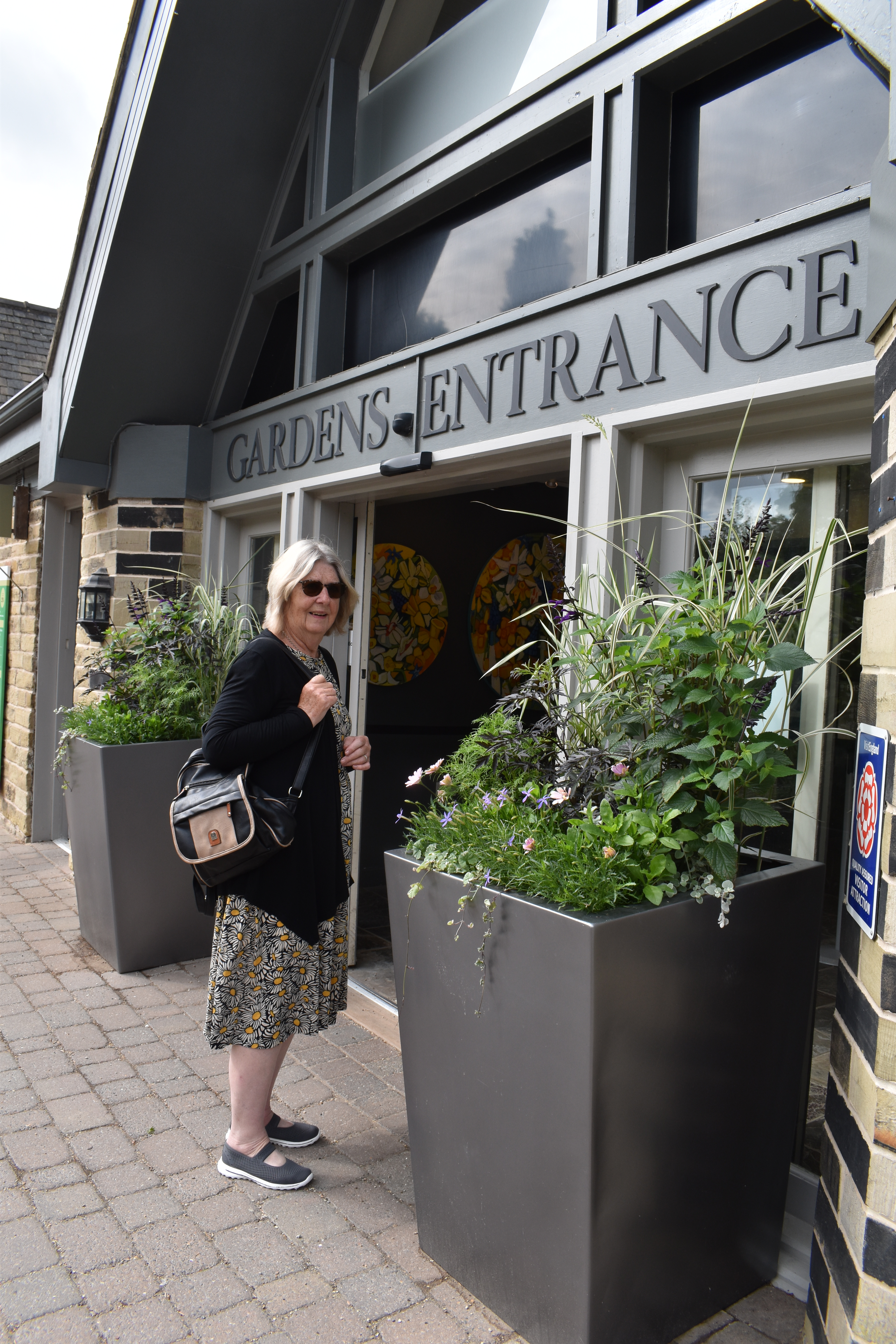
Once in we showed our membership cards and set off to the Harrogate Arms Cafe for some coffee and breakfast. This old hotel has been tastefully renovated and turned into a cafe. The planting in the borders by the entrance and around the outside seating areas is equally tasteful.

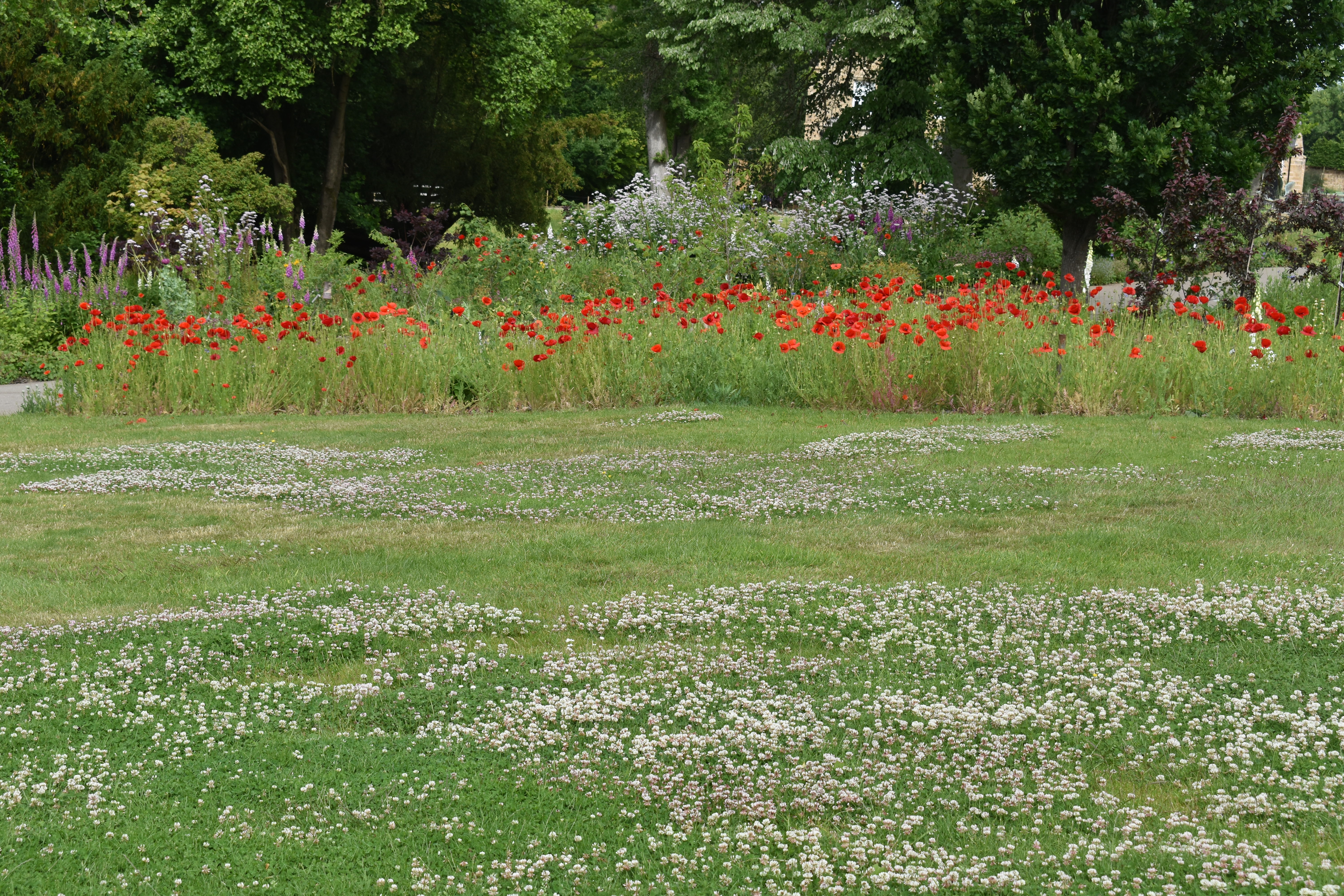
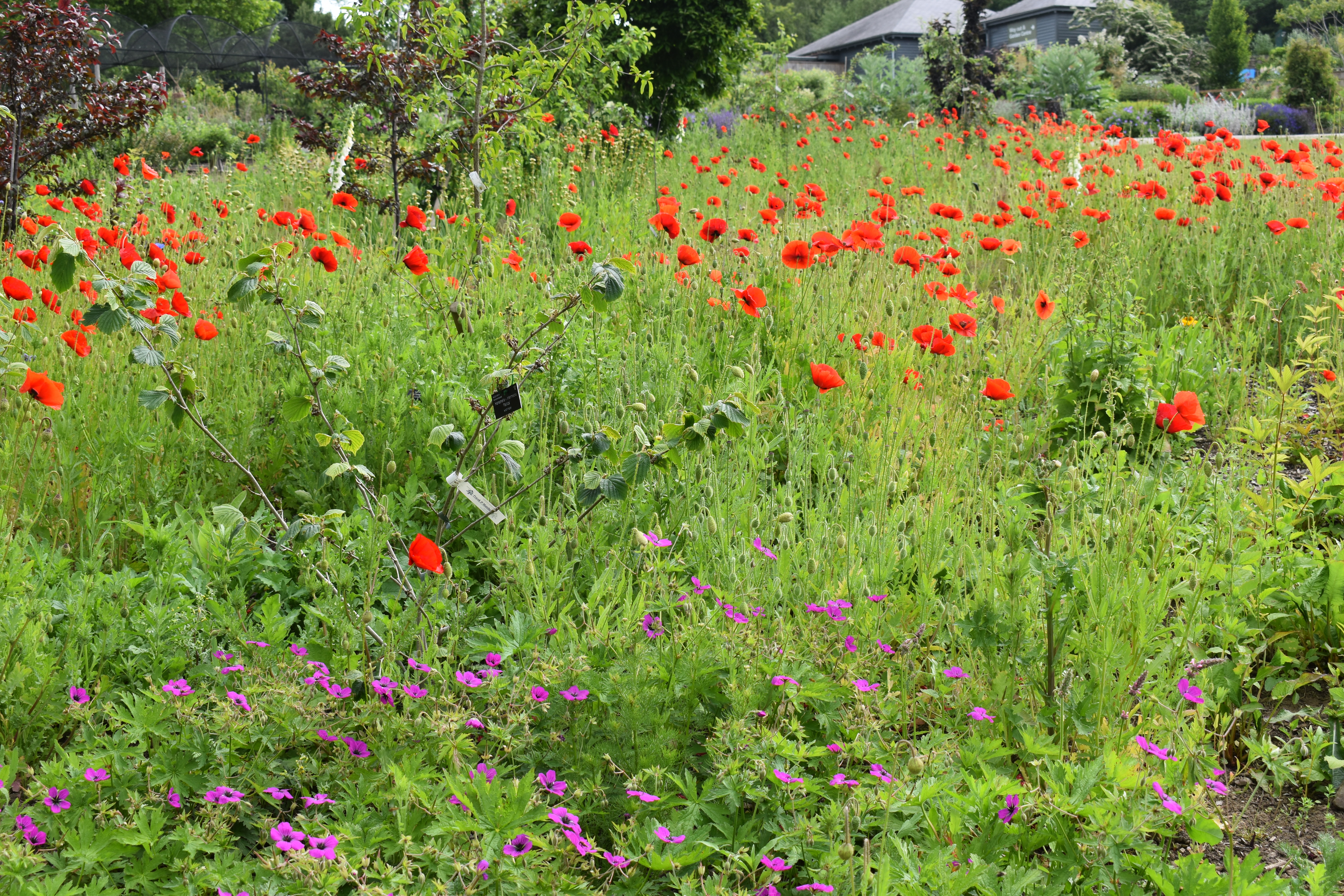
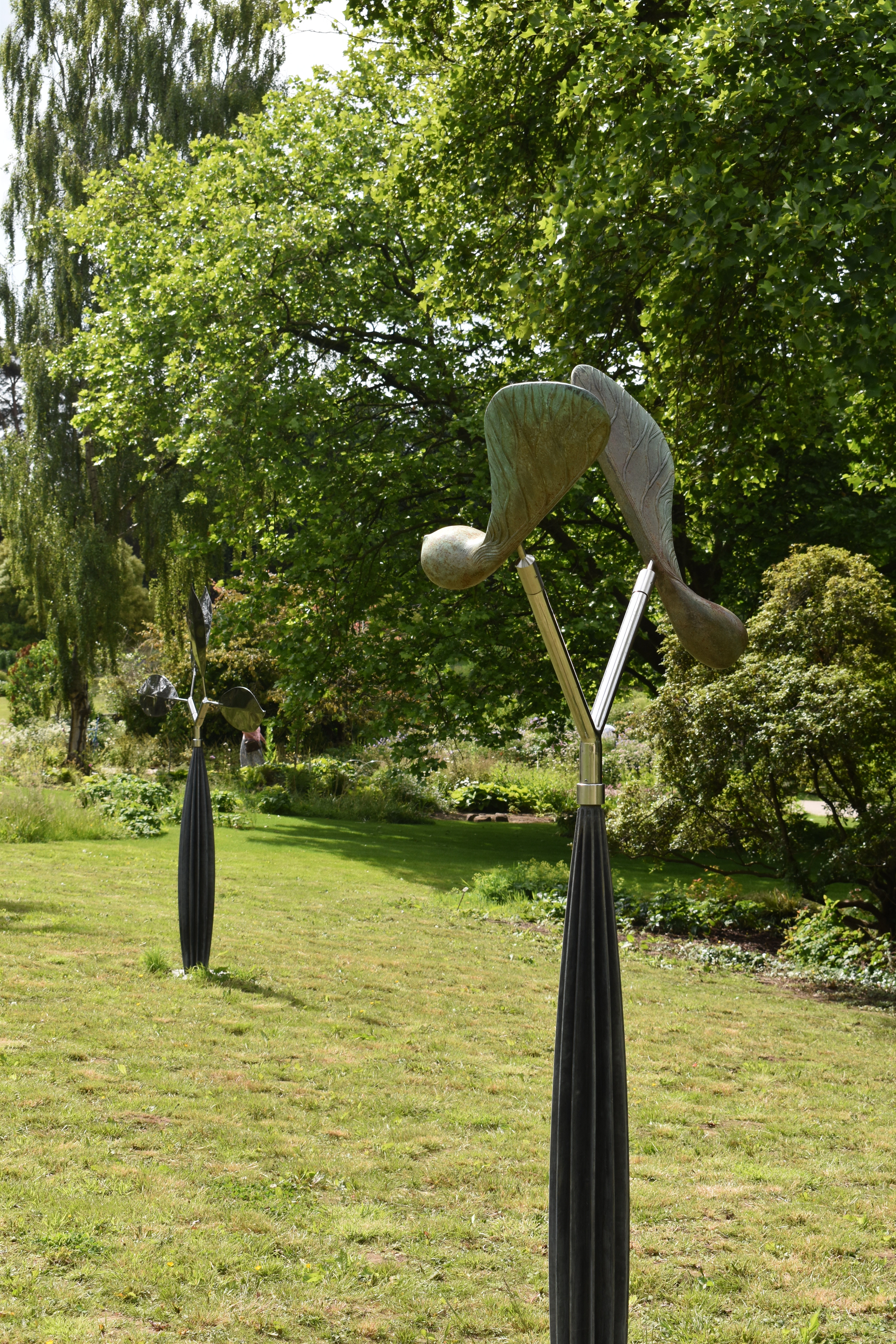
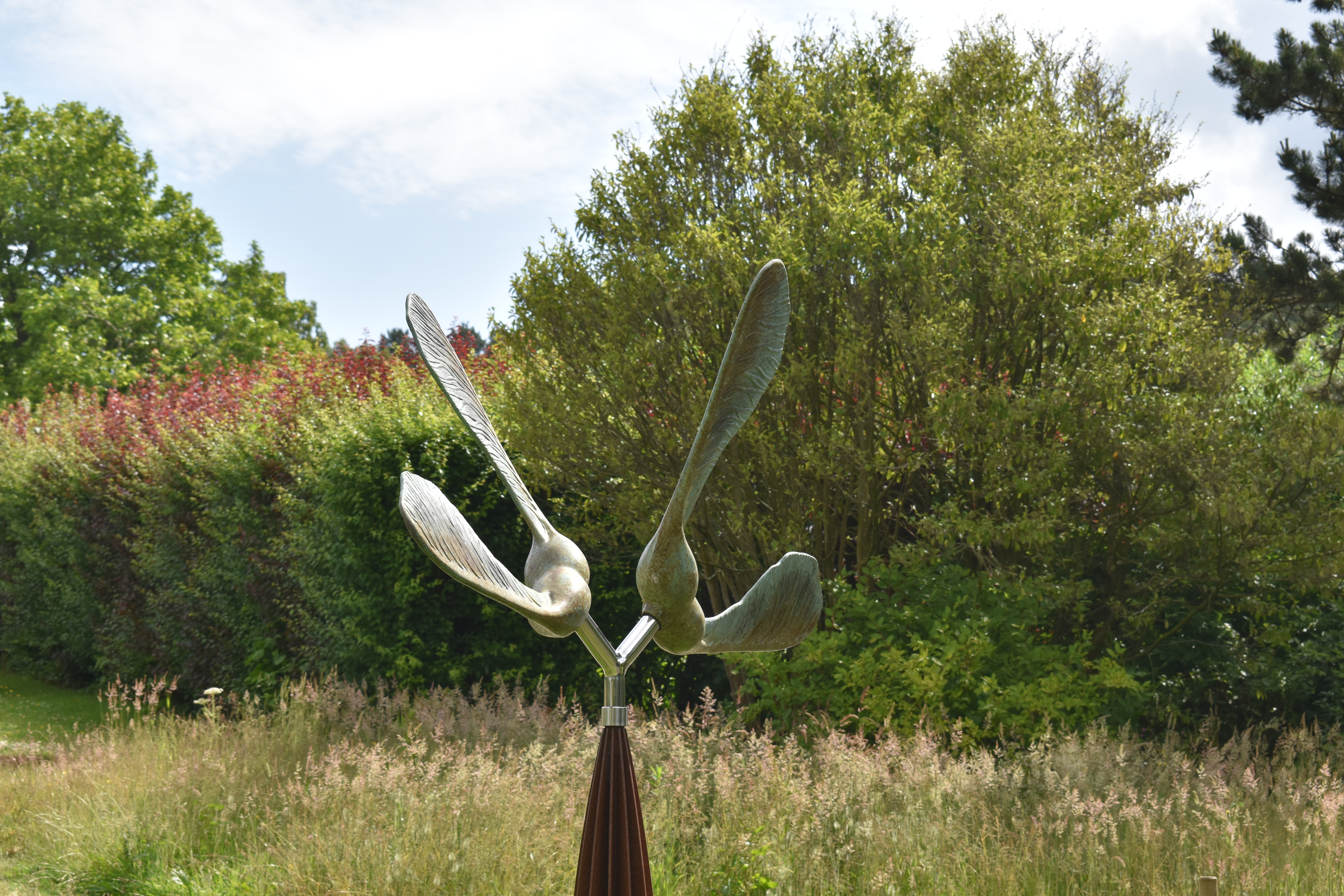
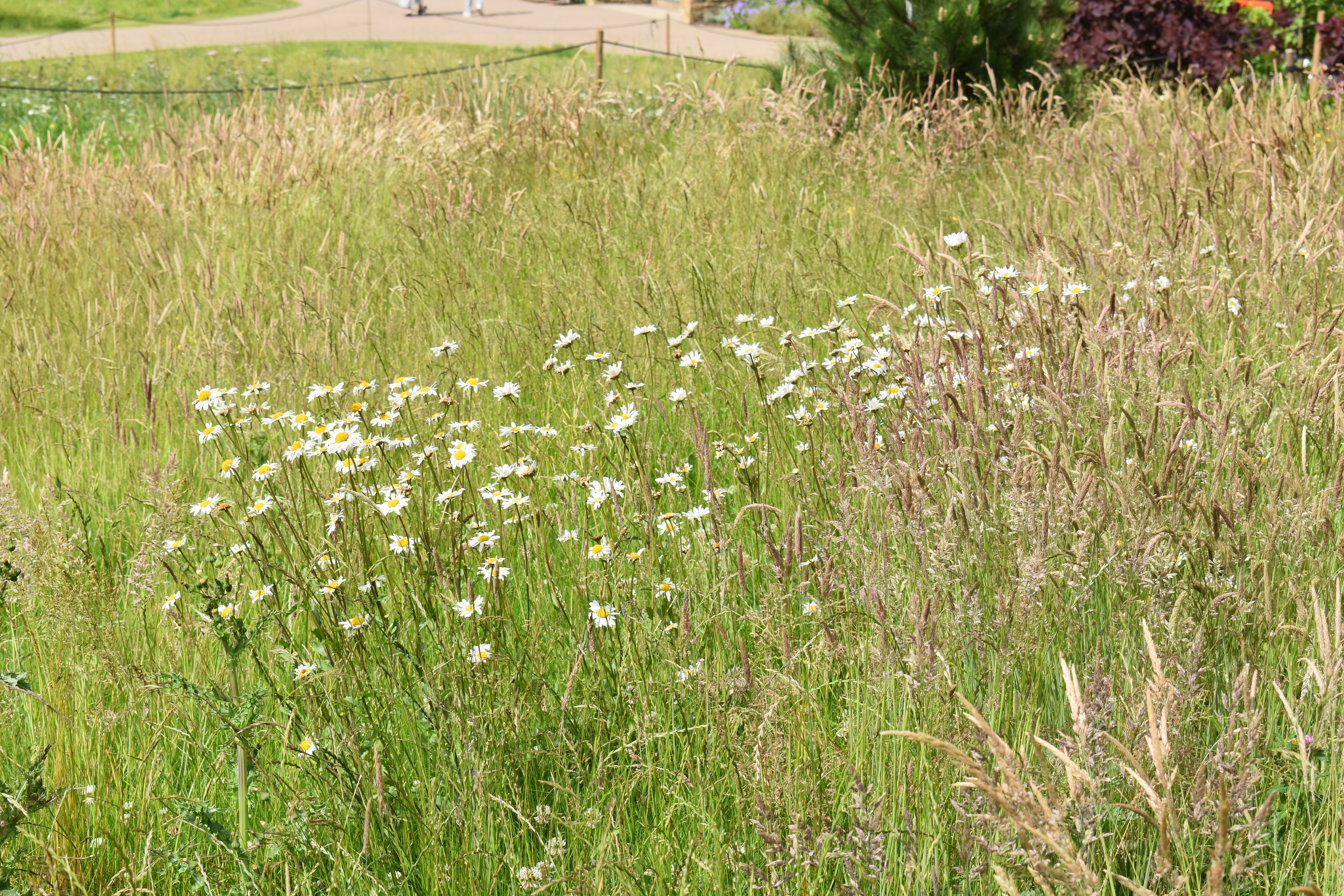
To get there we enjoyed areas of meadow planting and close cut grass dotted with daisies. Kinetic sculptures added even more interest to this area.

Moving on after an enjoyable coffee we wandered on towards the Sub Tropicana Garden which was full of a wide variety of interesting plants many of which we couldn’t grow in our garden. Here the garden acts like a walled garden providing protection to some of the more delicate specimens. Many hardy plants thrive here which have the character of sub tropical plants mostly due to their foliage.

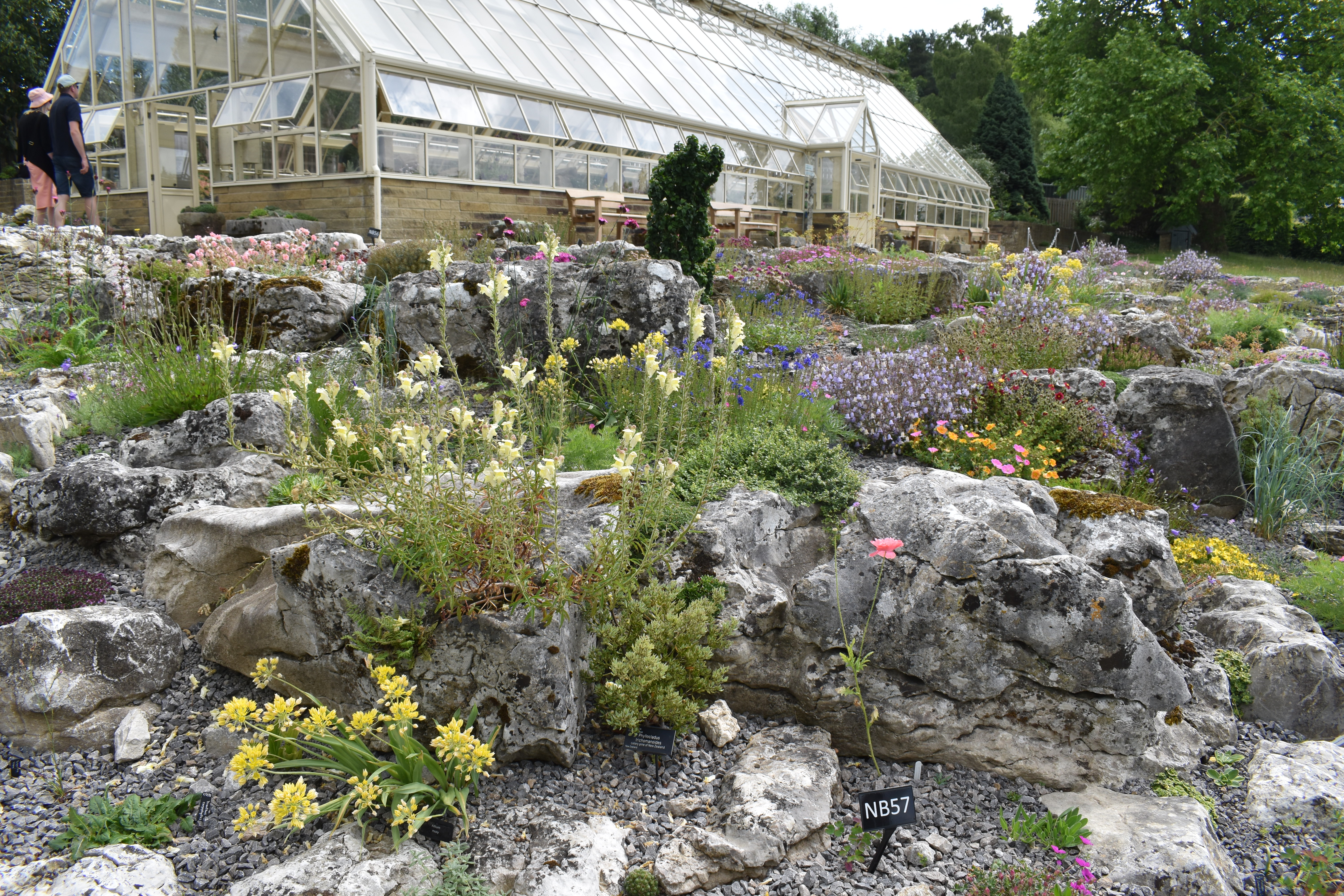
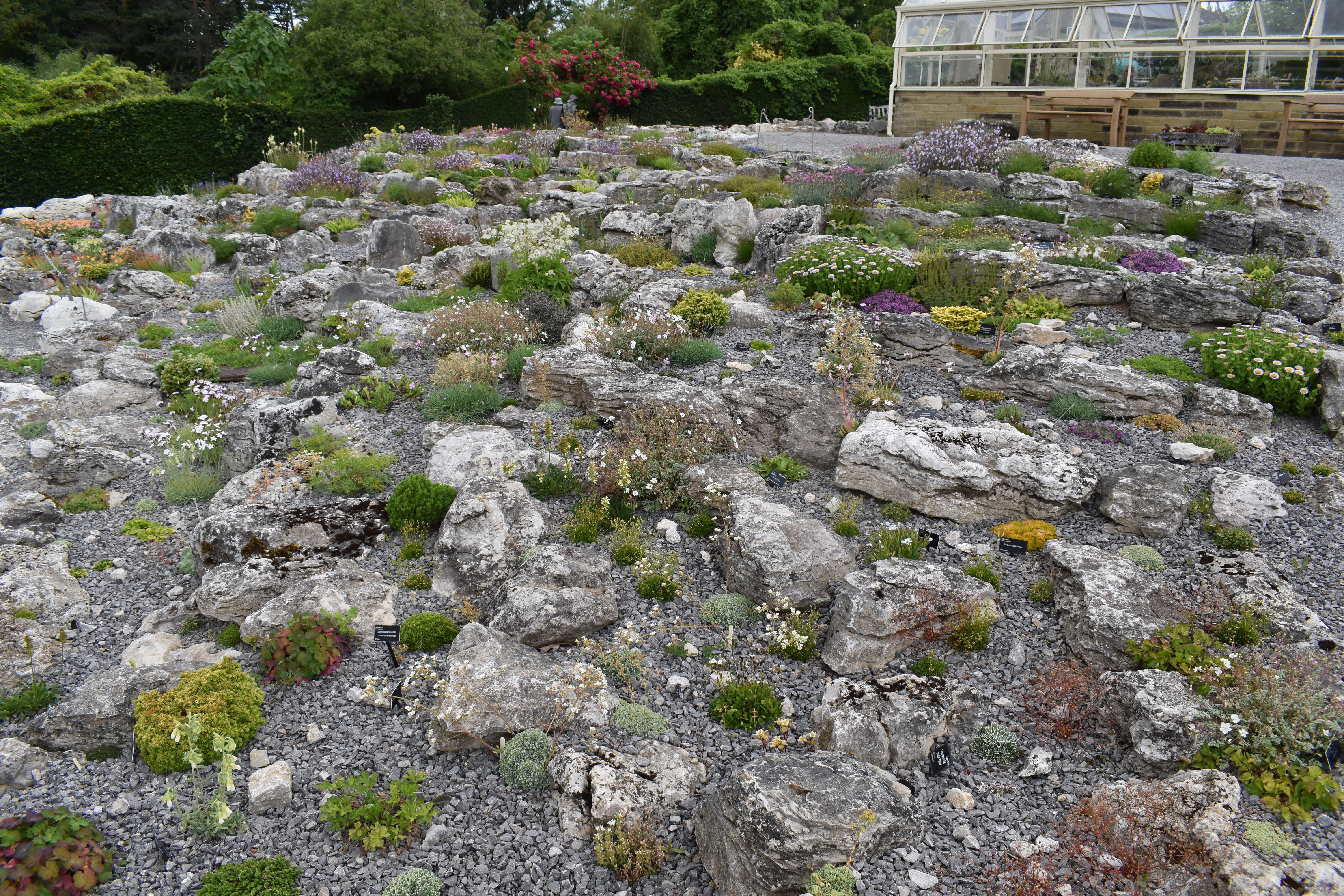
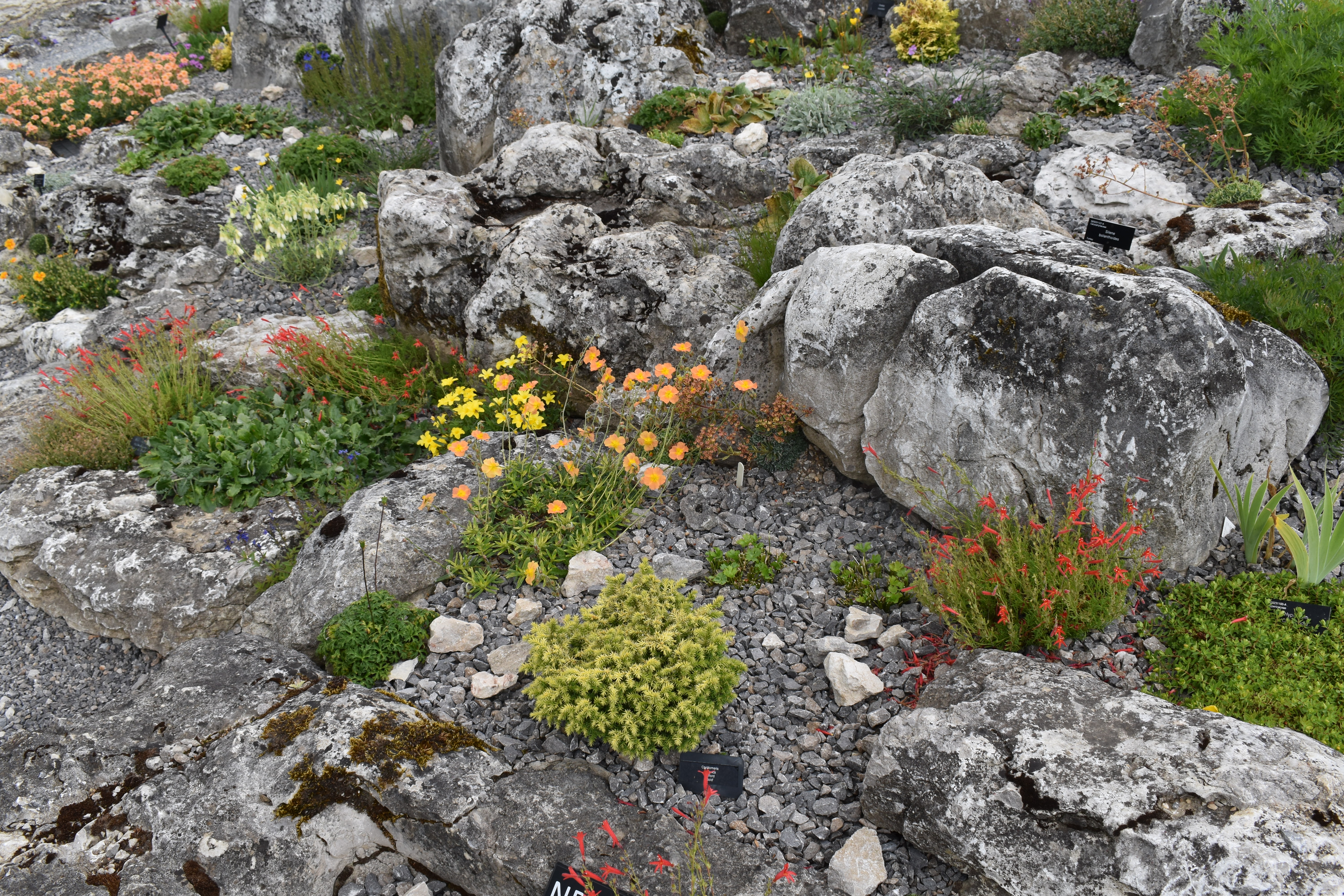
In complete contrast to this sub tropical planting area we next moved on to exploring an area devoted to alpines. We enjoy this area and never visit Harlow Carr without spending time here. The glasshouse is stunning and so atmospheric but there is so much more around it.

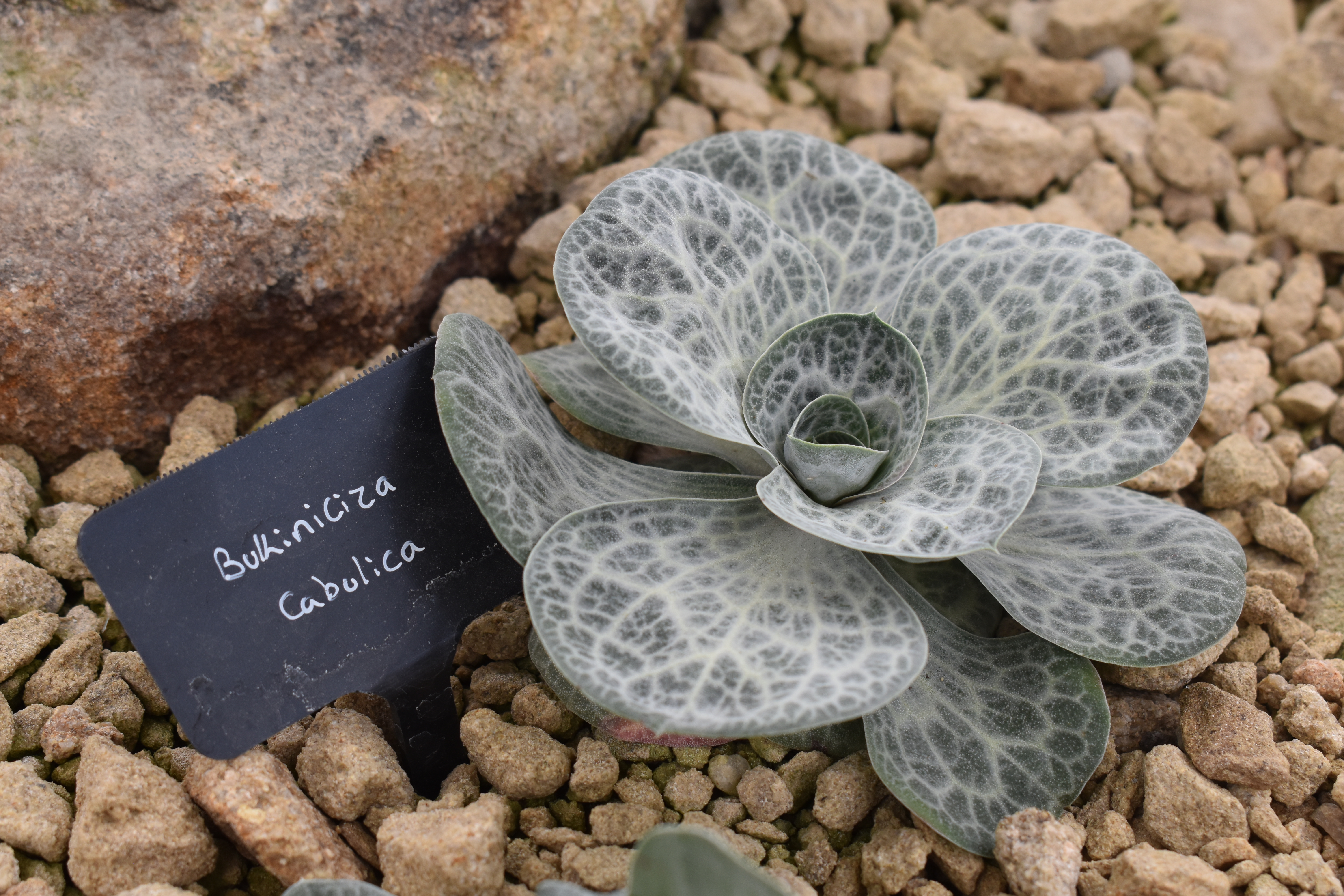
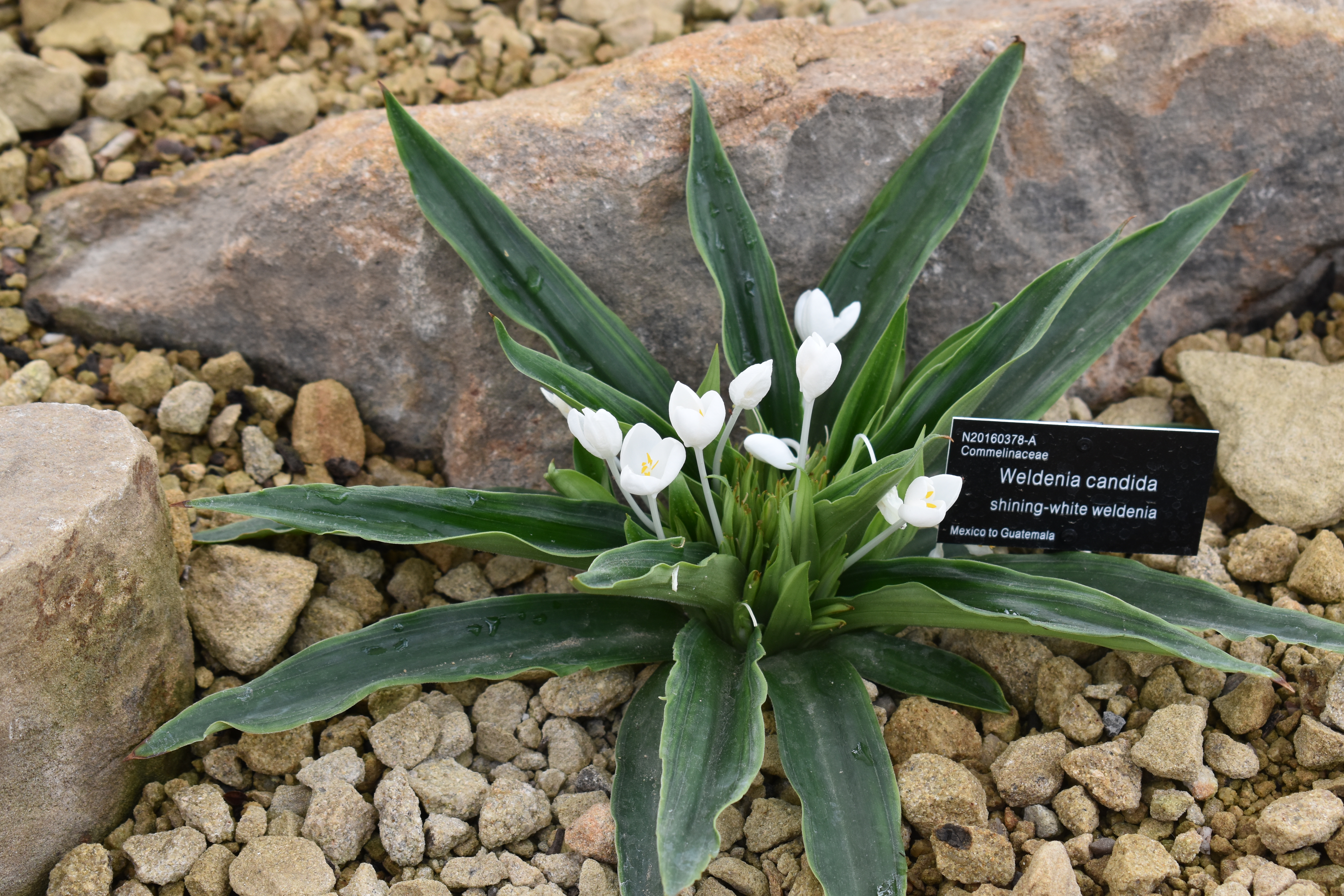
Here are images of a few of the special plants in the glasshouse.

That is a good place to finish part one of our visit to Harlow Carr. In part two we move on to look at some interesting wilder borders, the stream side and meadow areas.

Categories
Uncategorized

My Garden Journal February 2026

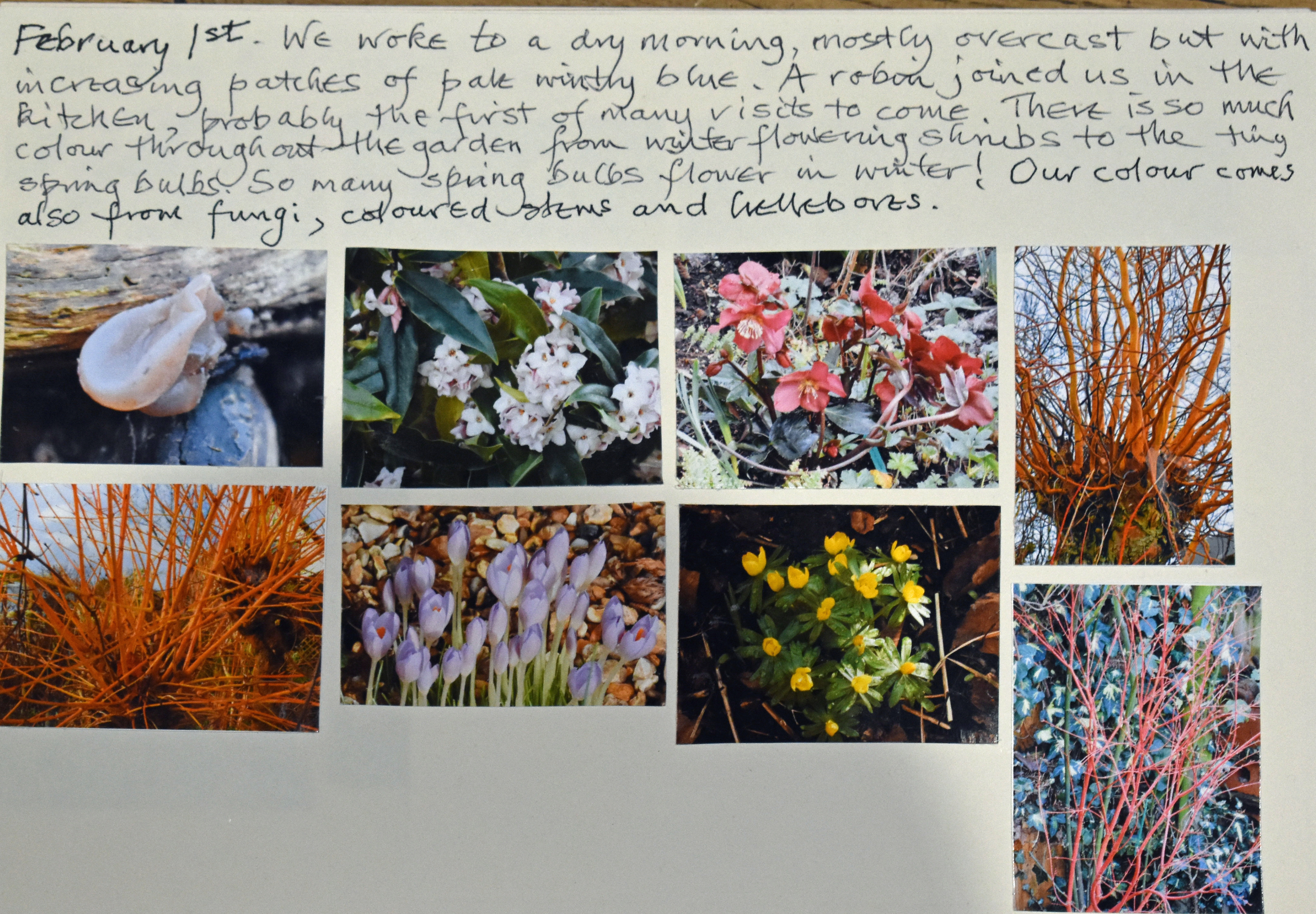
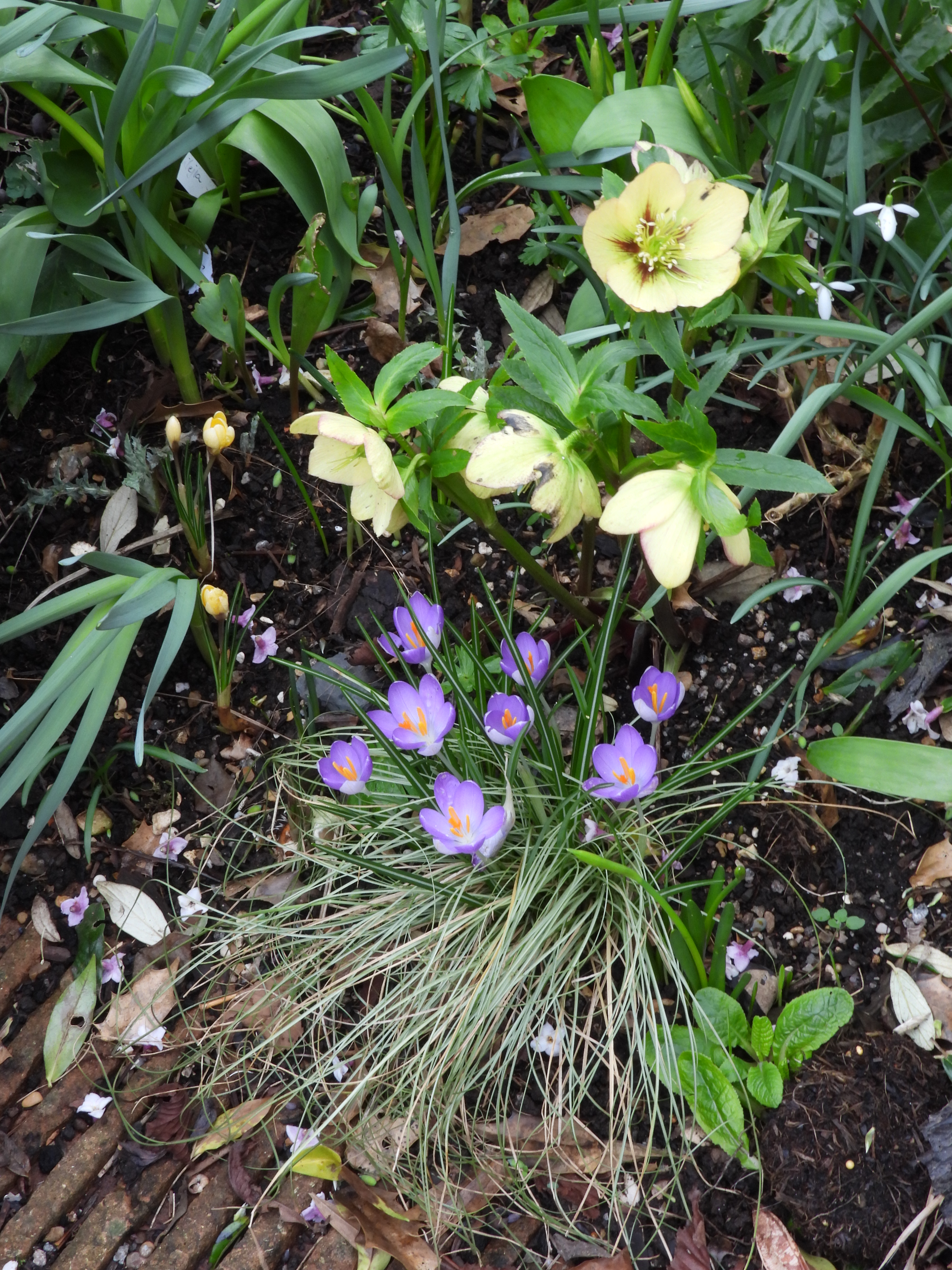
February is never a month which is very predictable, giving us cold blue sky days starting with sharp frosts or often a short heatwave. This year on the first day of the new month I wrote, “February 1st. We woke to a dry morning, mostly overcast but with increasing patches of pale wintry blue. A robin joined us in the kitchen, probably the first of many visits to come. There is so much colour throughout the garden from winter flowering shrubs to the tiny spring bulbs. So many so-called spring bulbs actually flower in winter! Our colours come also from fungi, coloured stems and hellebores.”

I shared eight photos of sources of colour from around the garden.

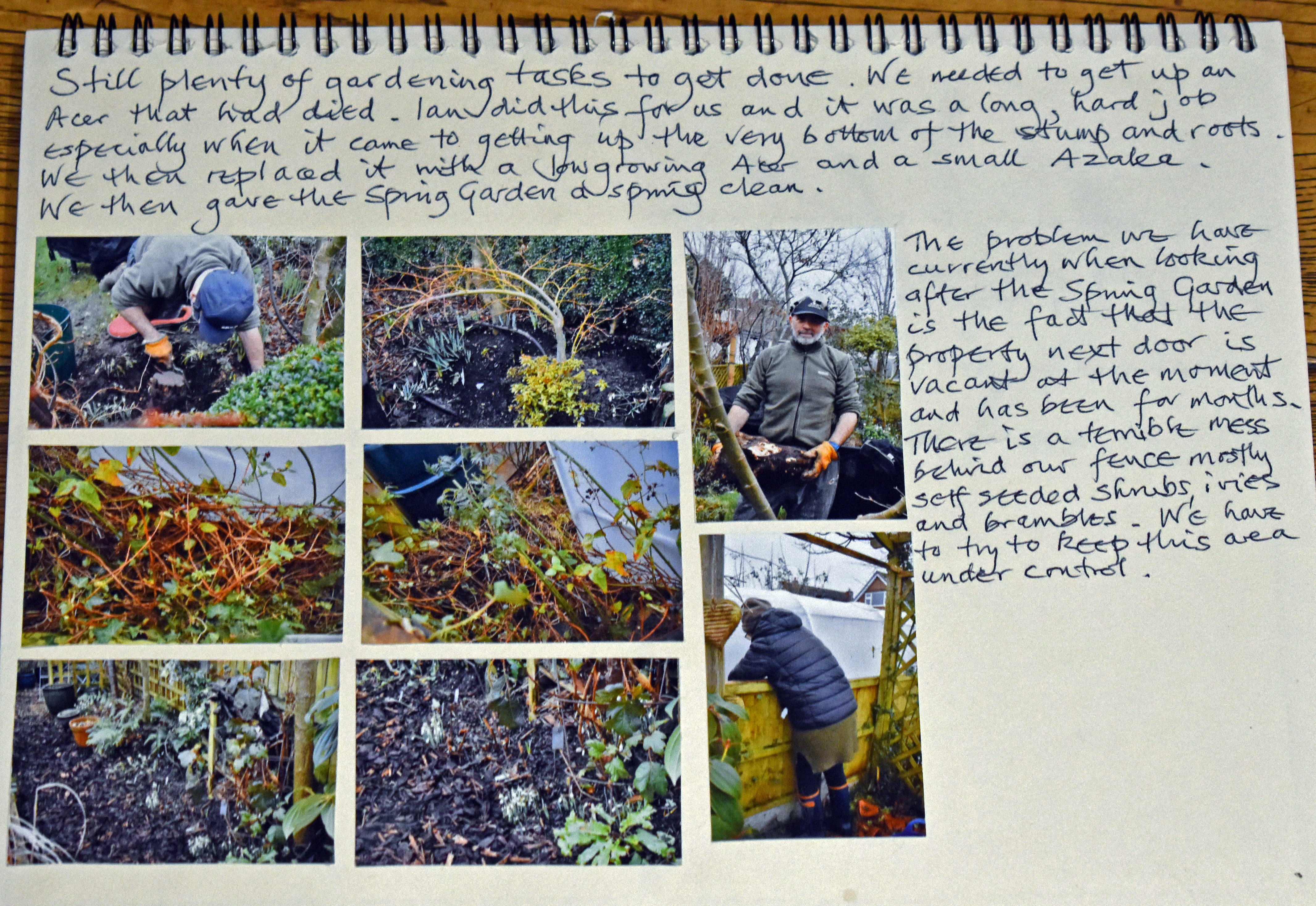
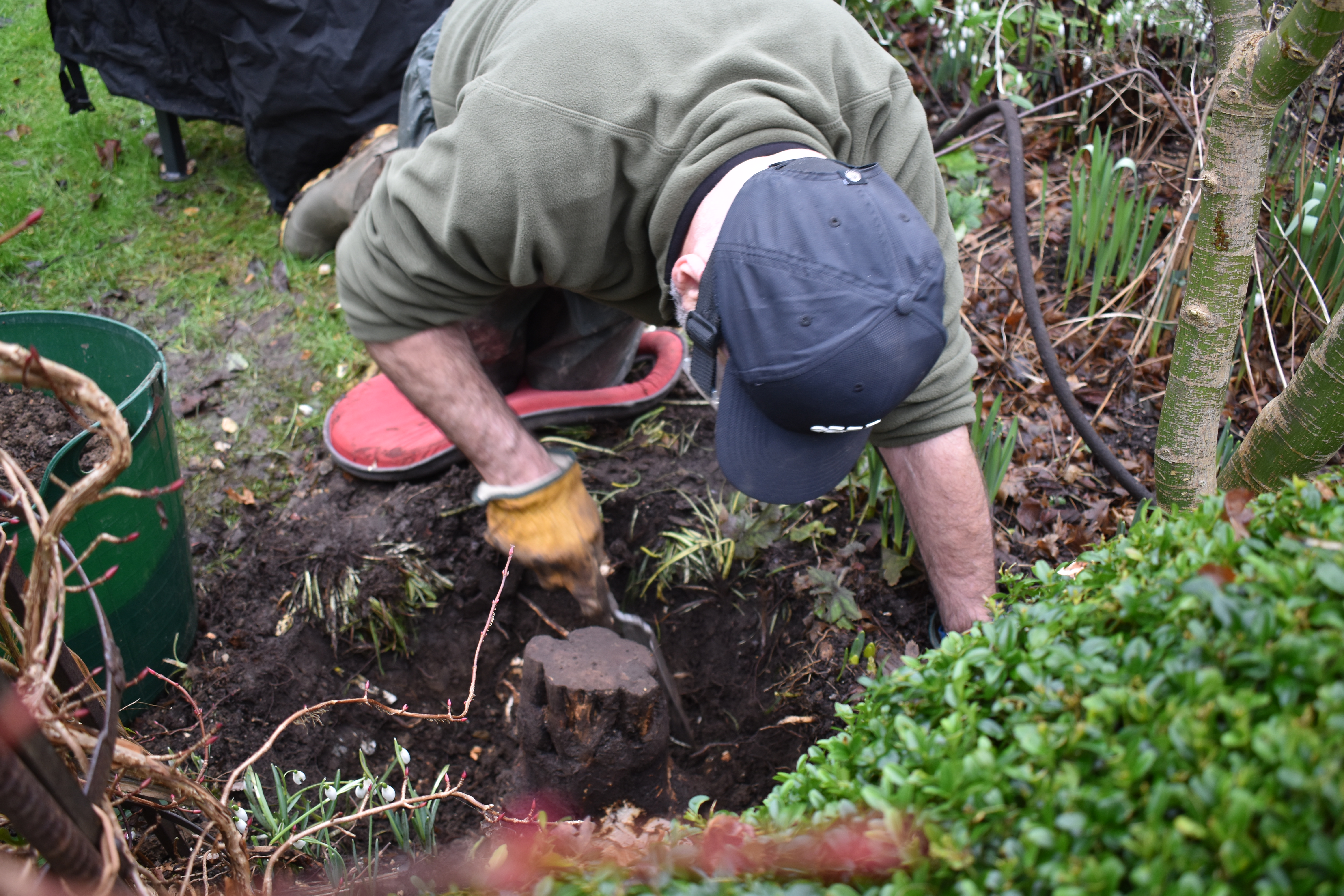
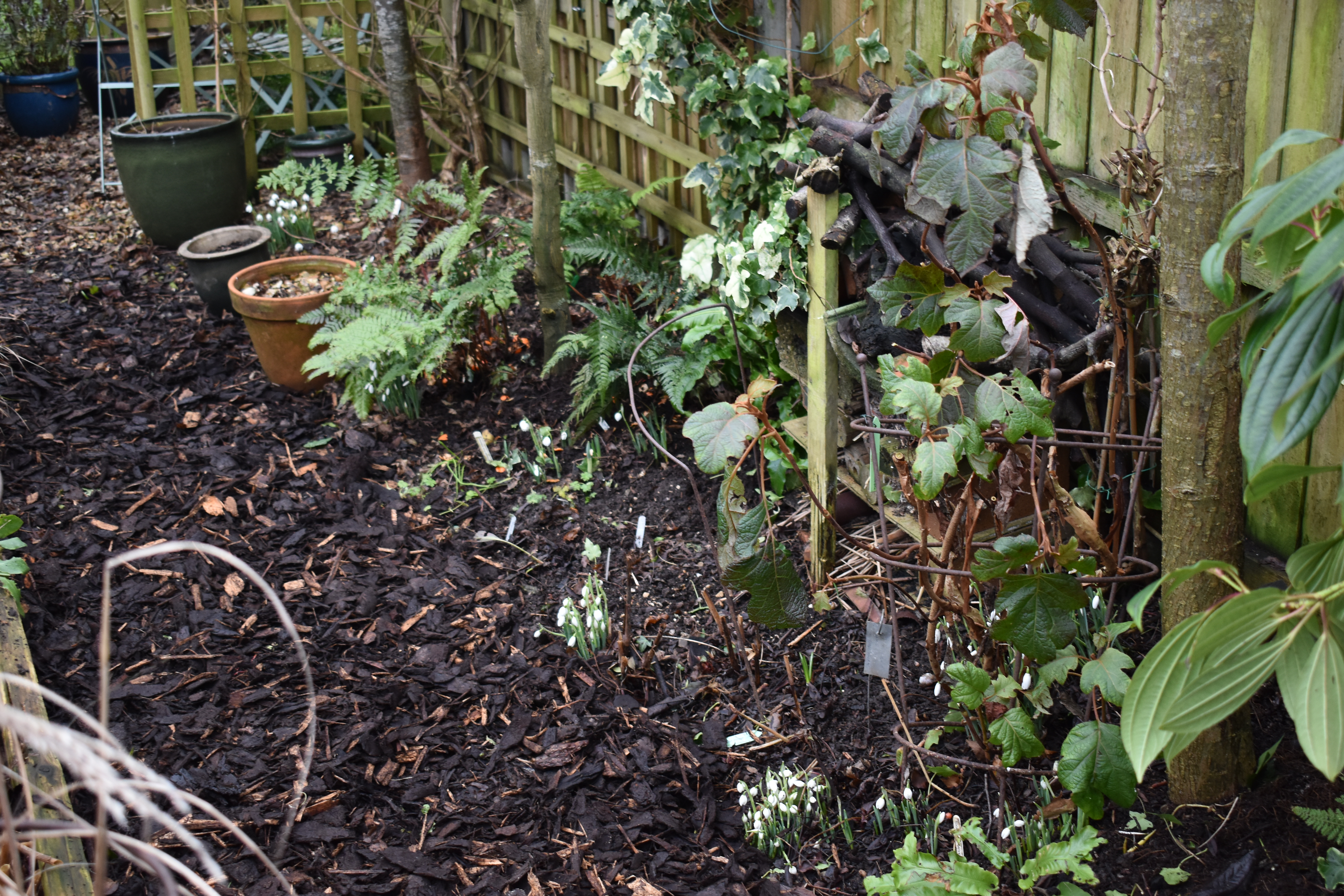
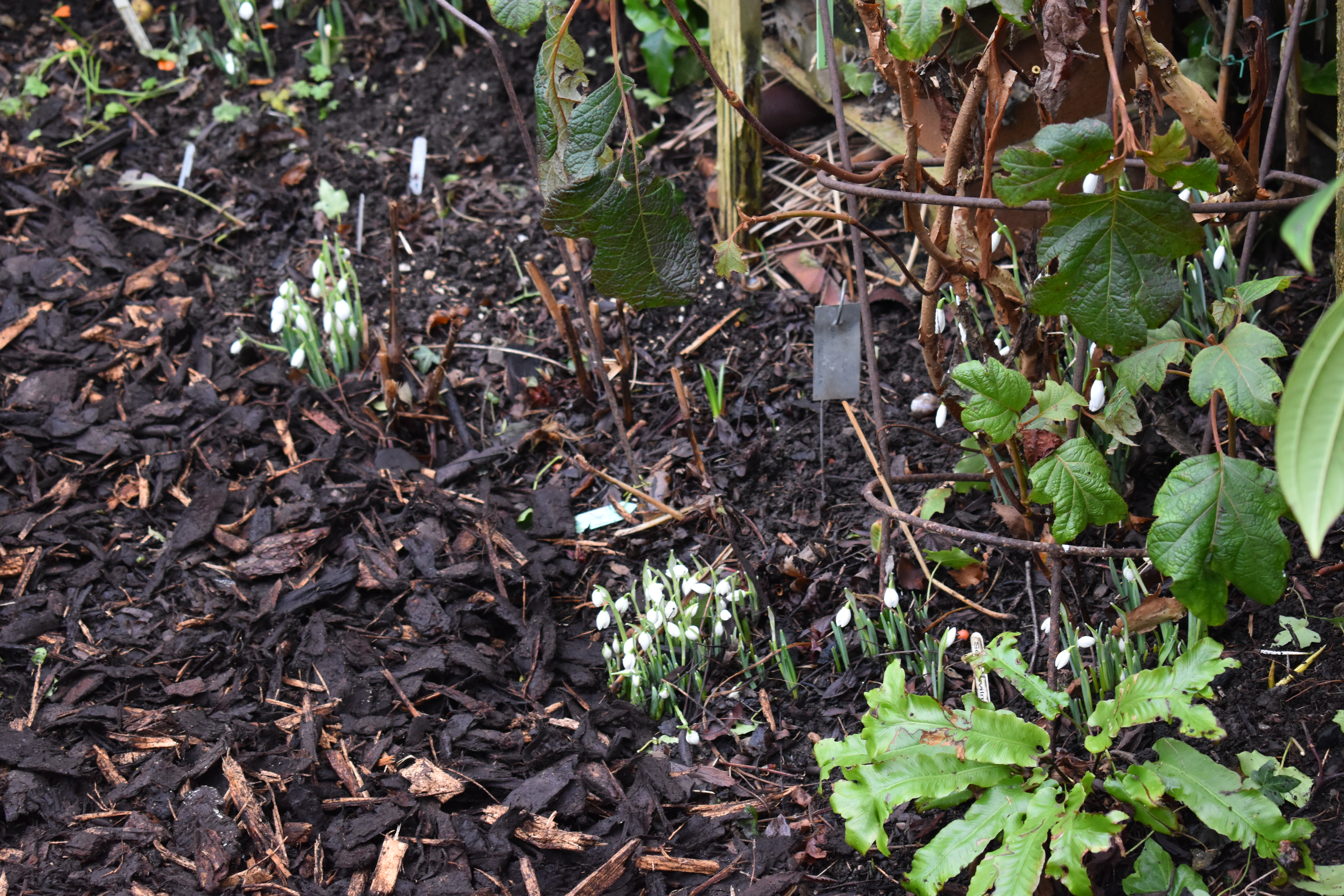
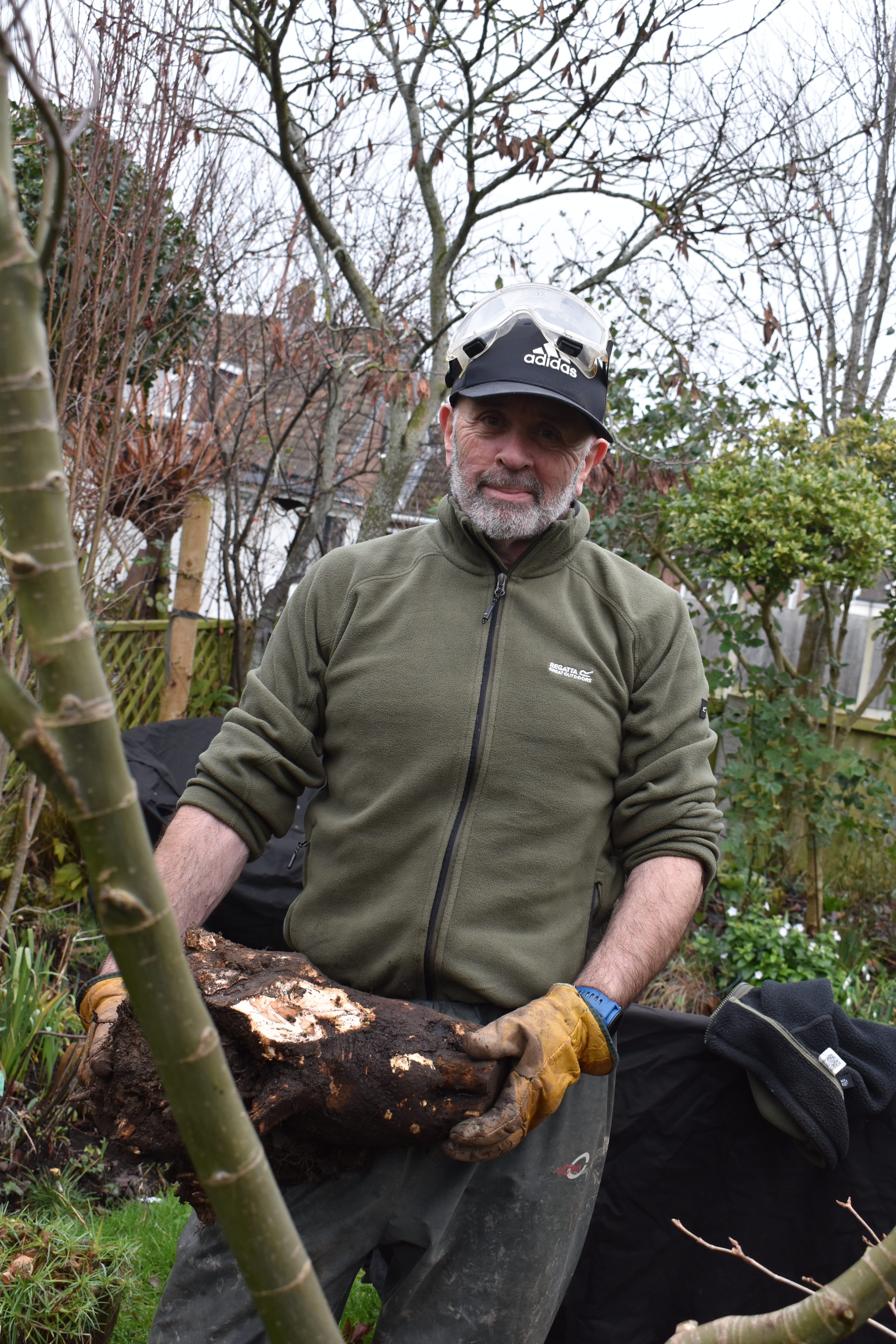
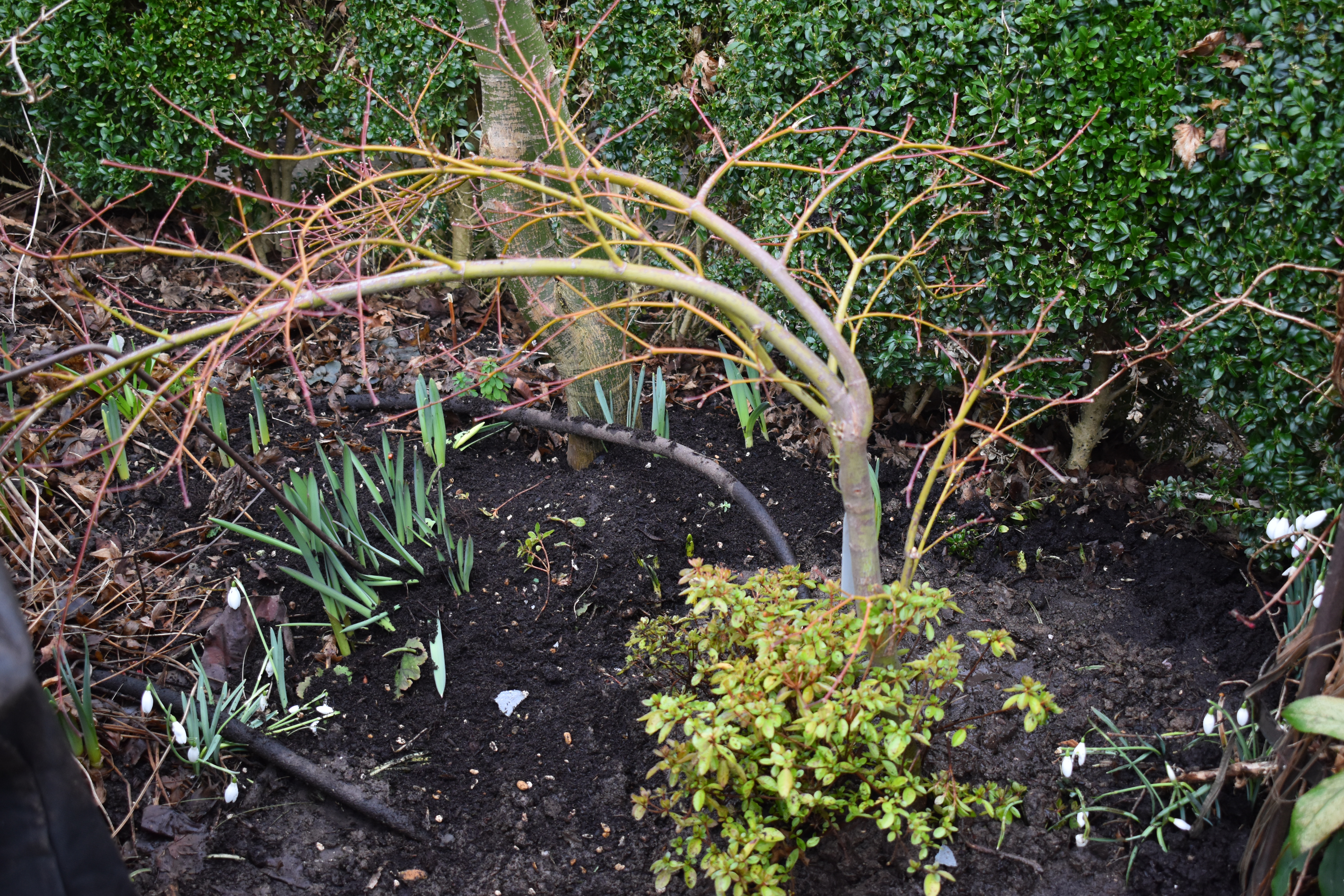
Over the page we move on to consider the gardening tasks we still need to get done. I noted that, “Still plenty of gardening tasks to get done. We needed to get up an acer that had died. Ian, our garden help, did this for us and this was a long, hard job, especially when it came to getting up the very bottom of the stump and the roots. We then replaced it with a low-growing acer together with a small azalea. We then gave the Spring Garden a “spring clean”.

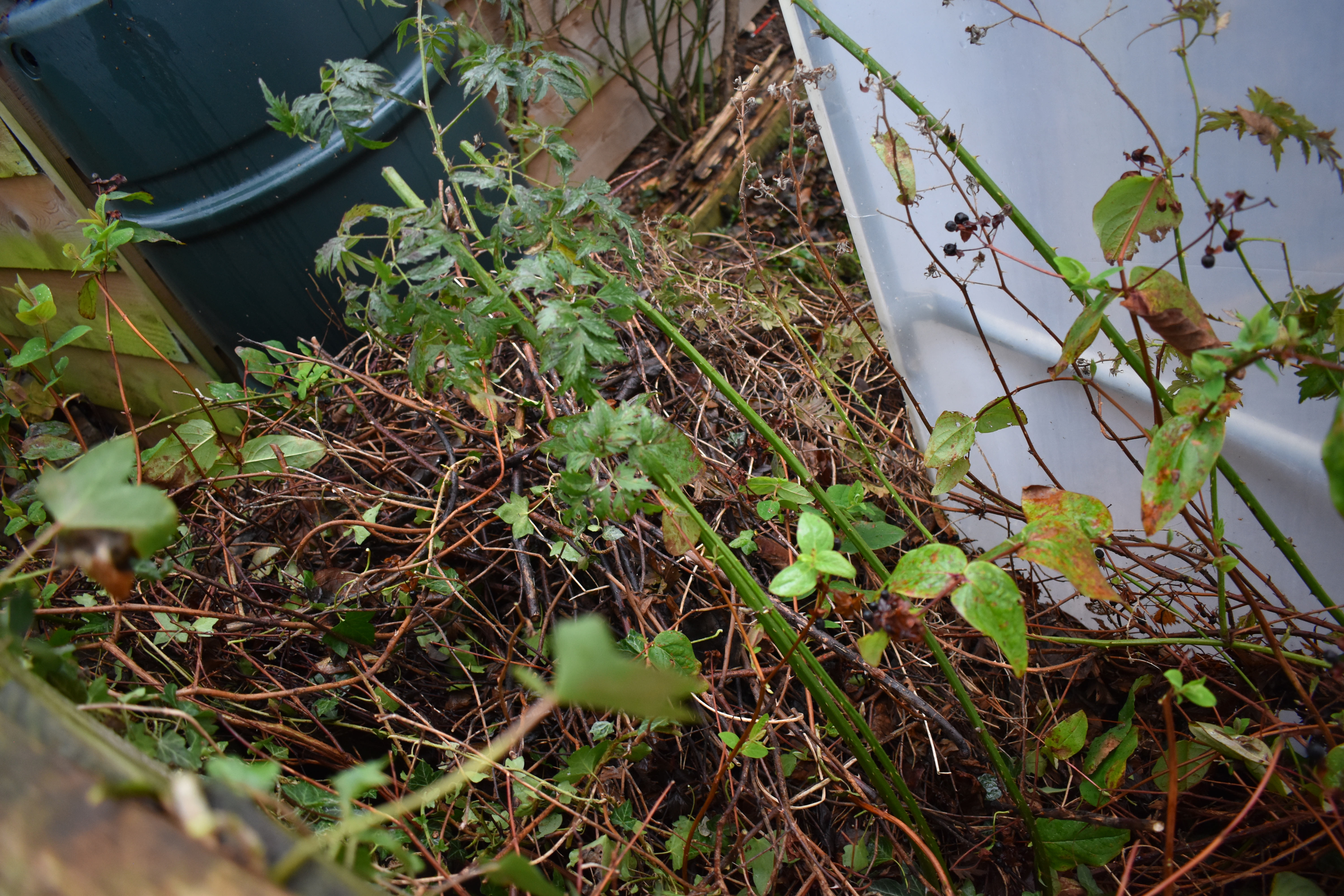
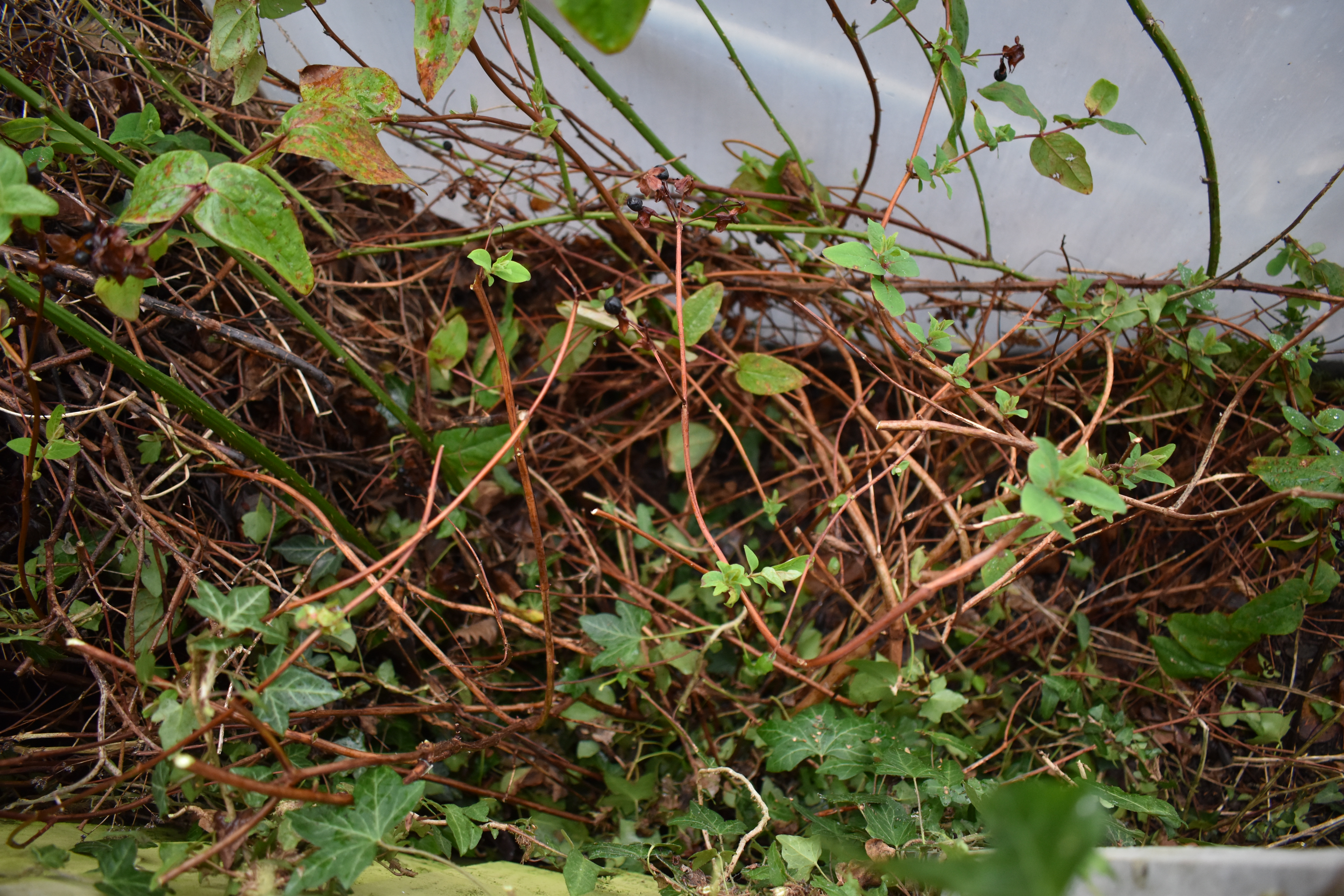
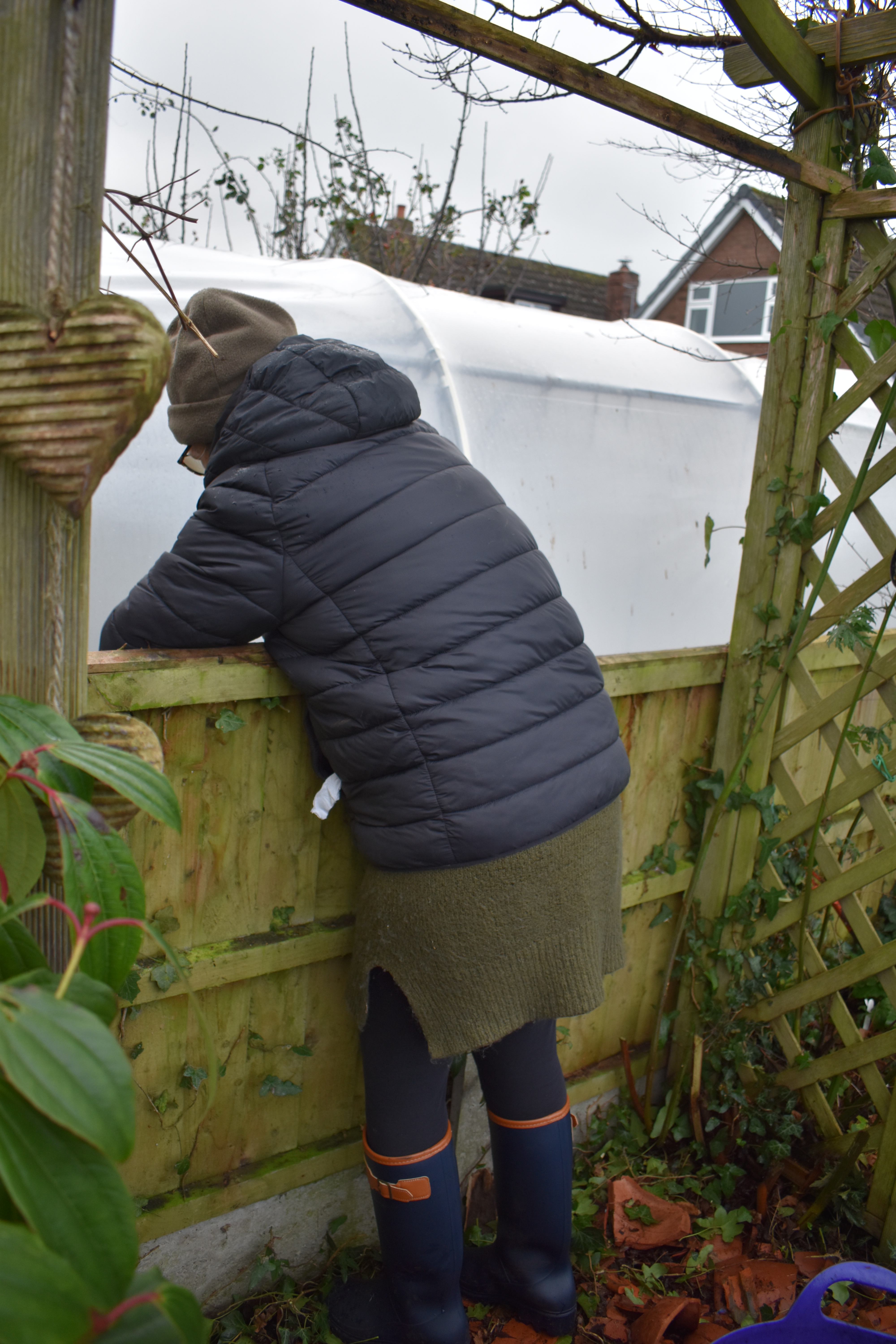
The problem we have currently when looking after the Spring Garden is the fact that the property next door is currently vacant and has been for months. There is a terrible mess behind our fence, mostly self seeded shrubs, ivies and brambles. We have to try to keep this area under control.”

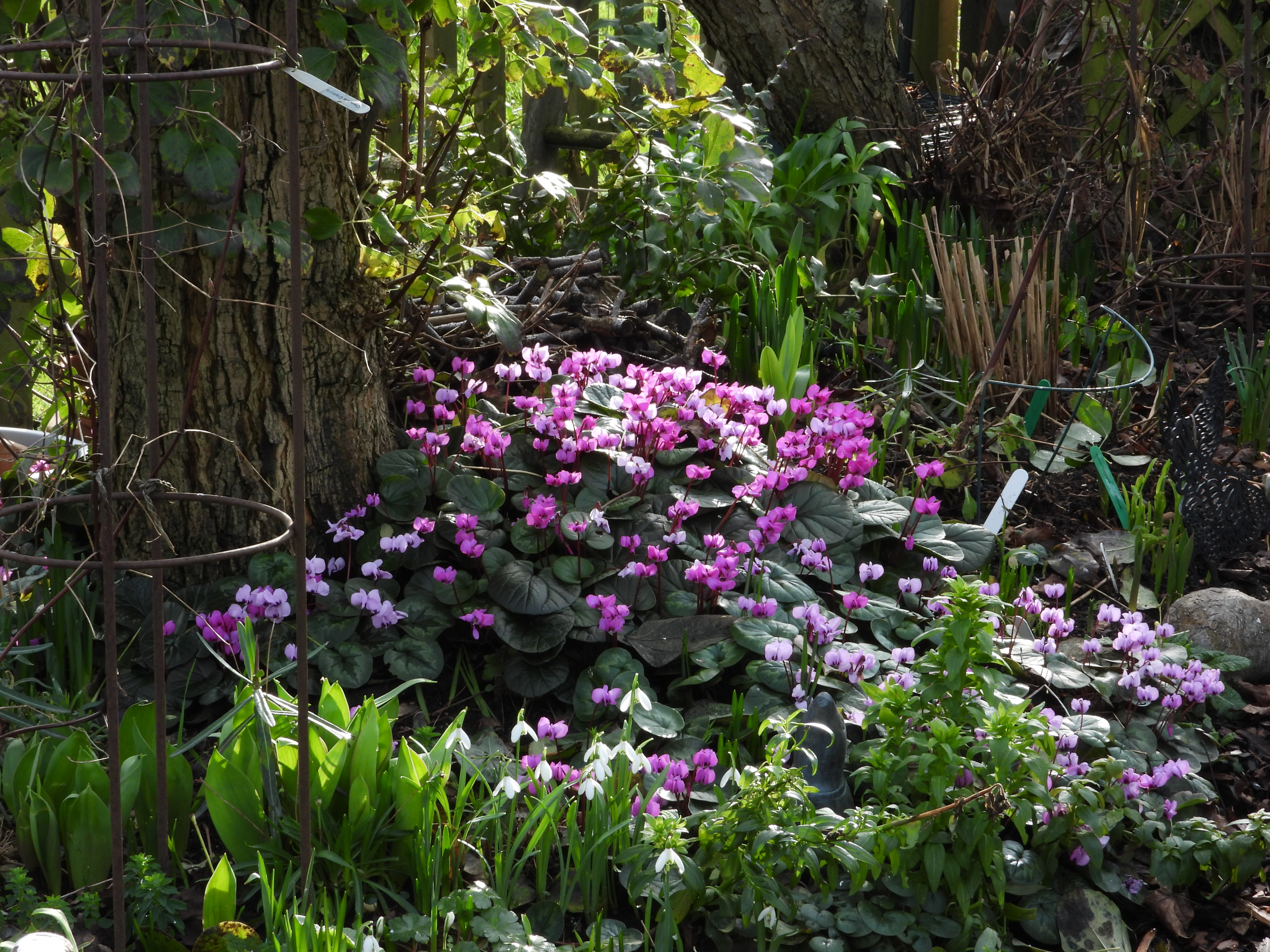
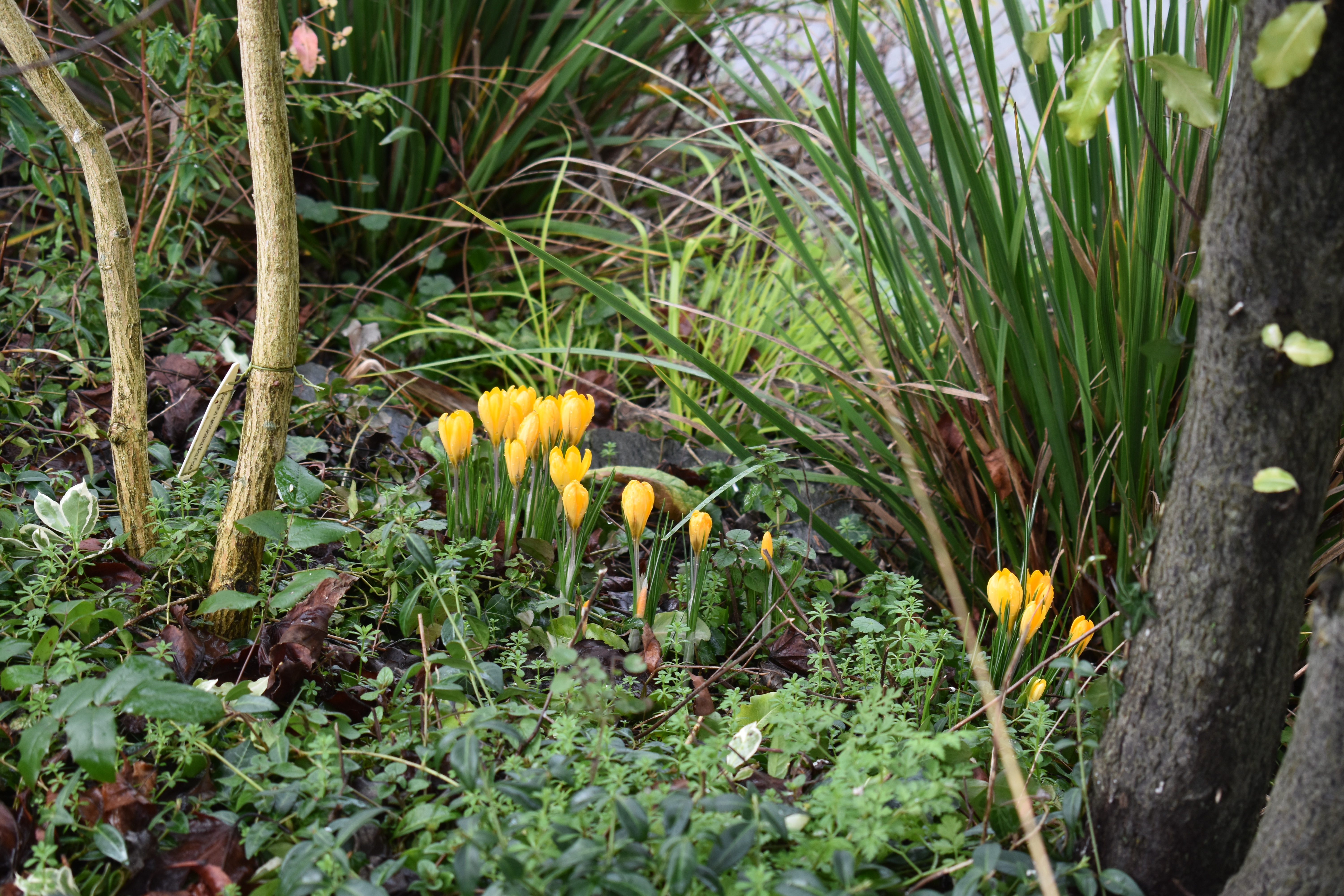
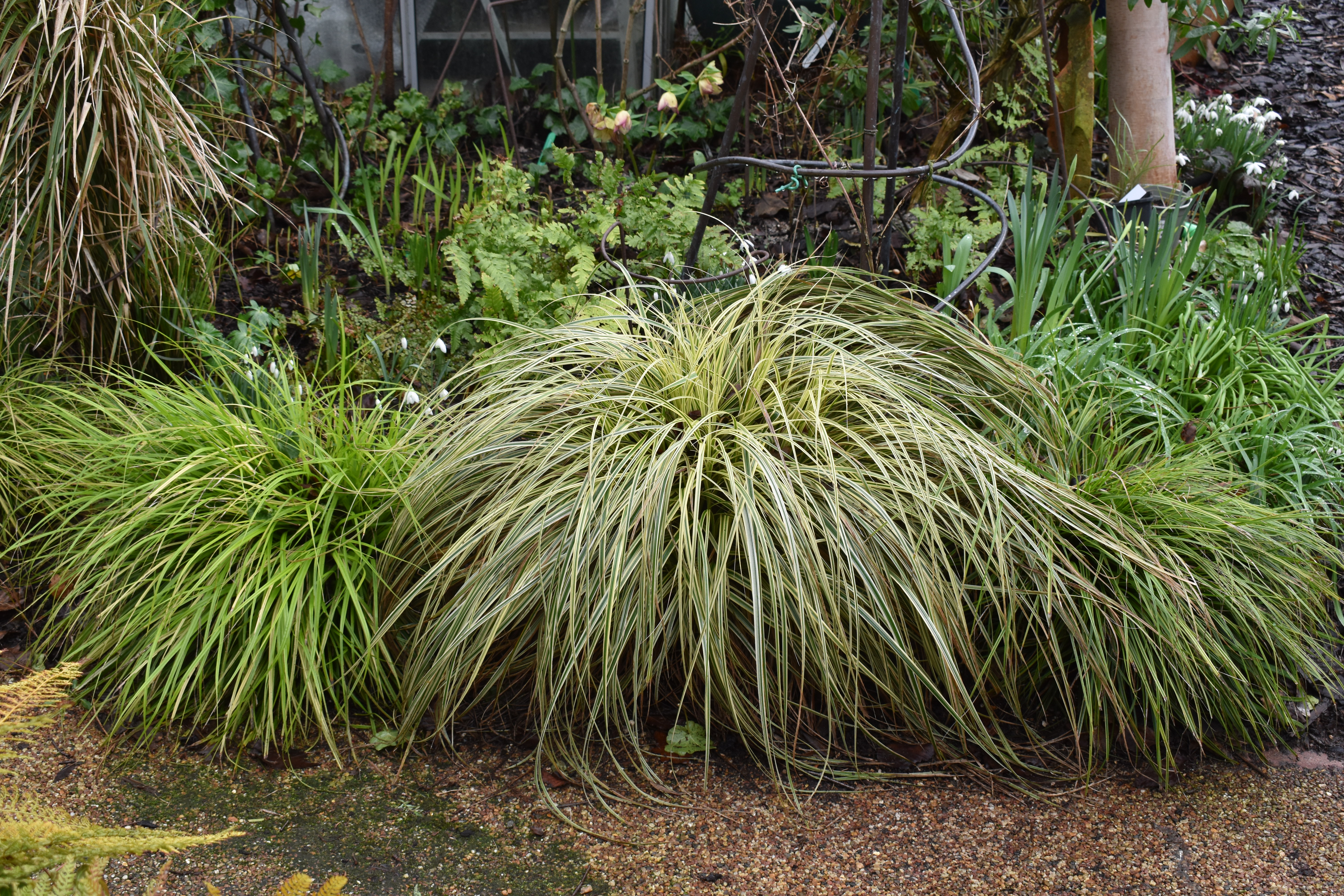
Turning to the next page we shared three photos taken looking into three different borders.

“Creeping patch of cyclamen coum.

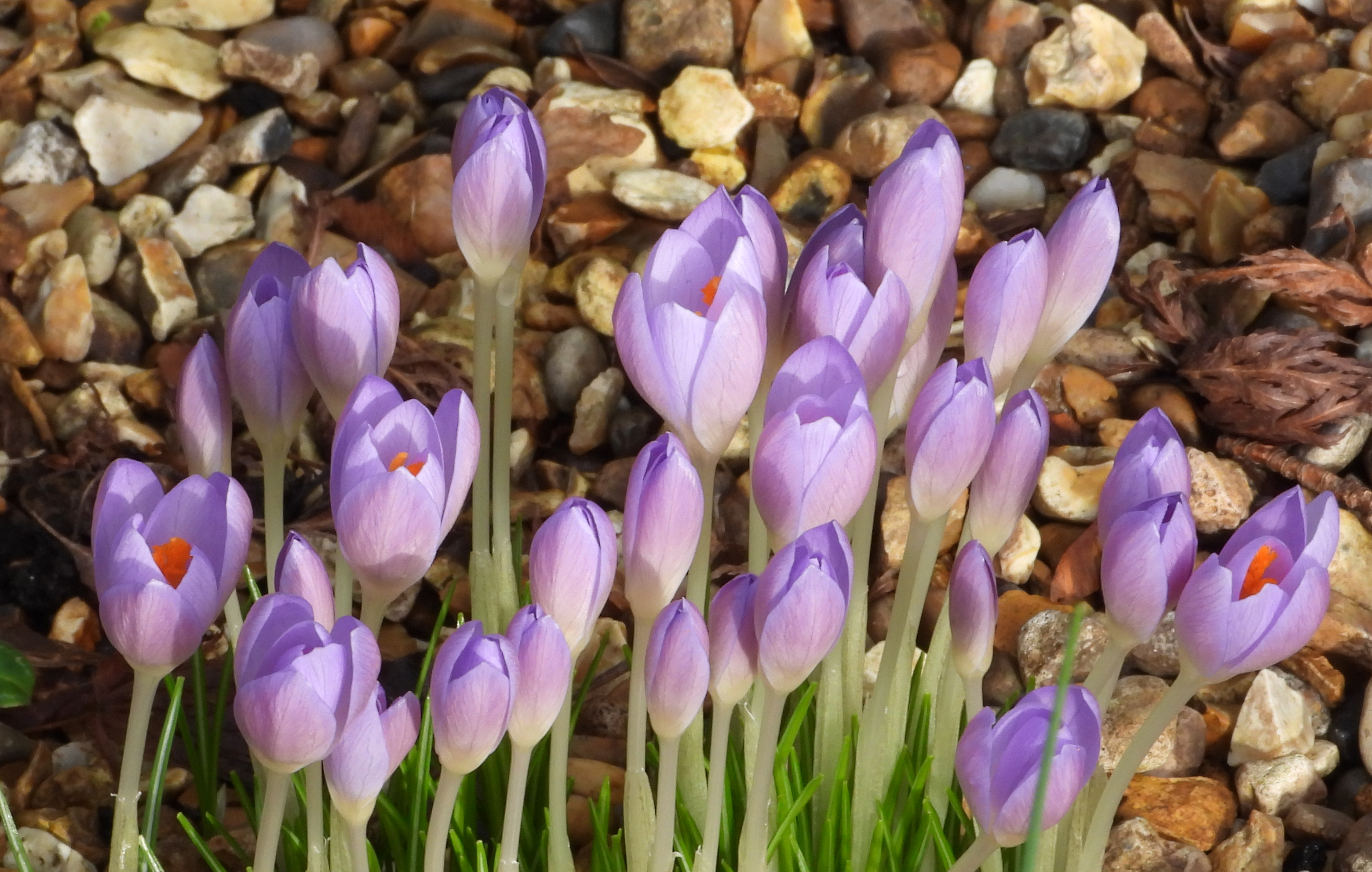
“Golden crocus glowing beneath deciduous trees.”

“A row of Carex edge the border.”

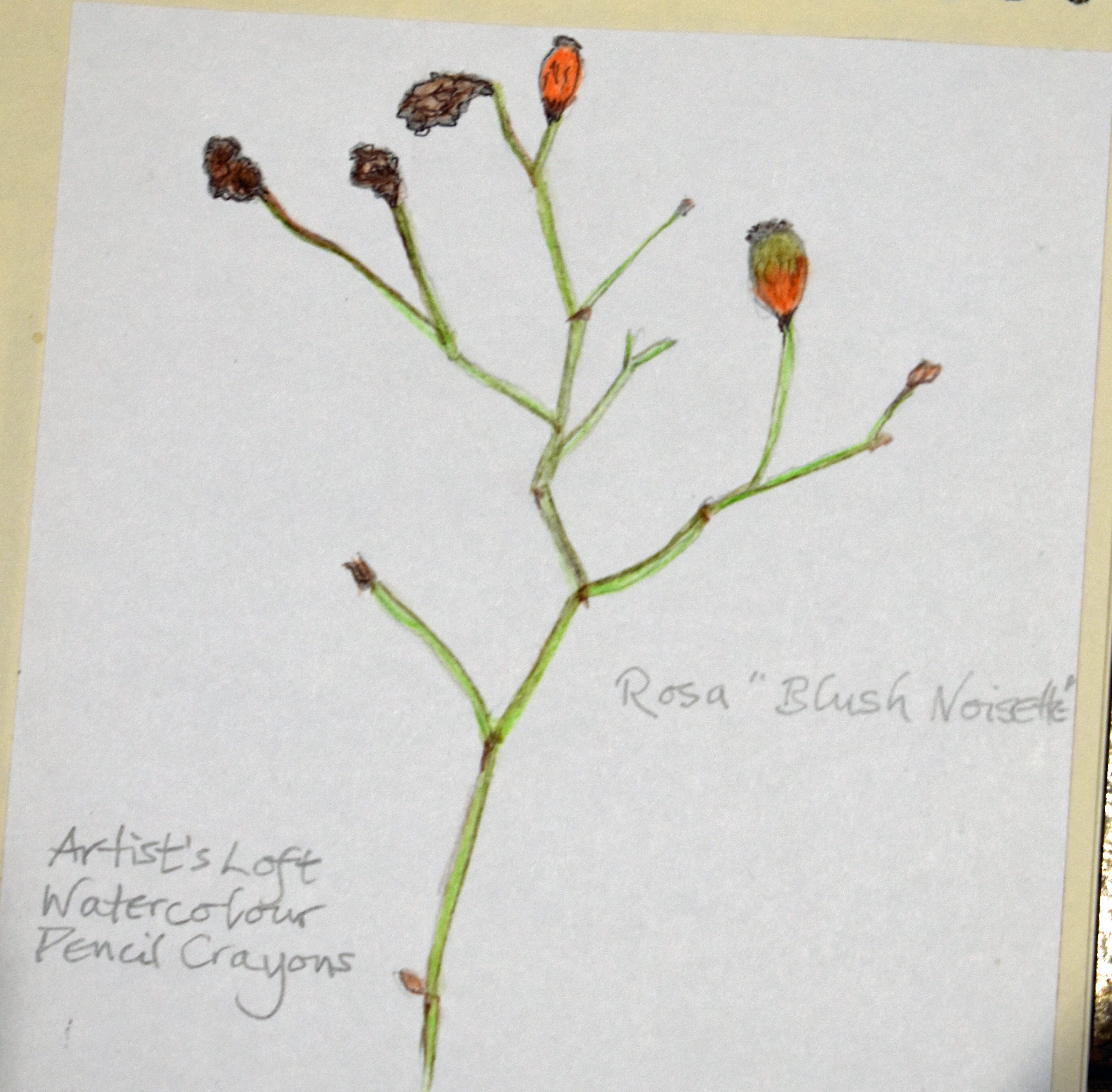
The next page shows one of my sketches, illustrating hips of Rosa “Blush Noisette”.

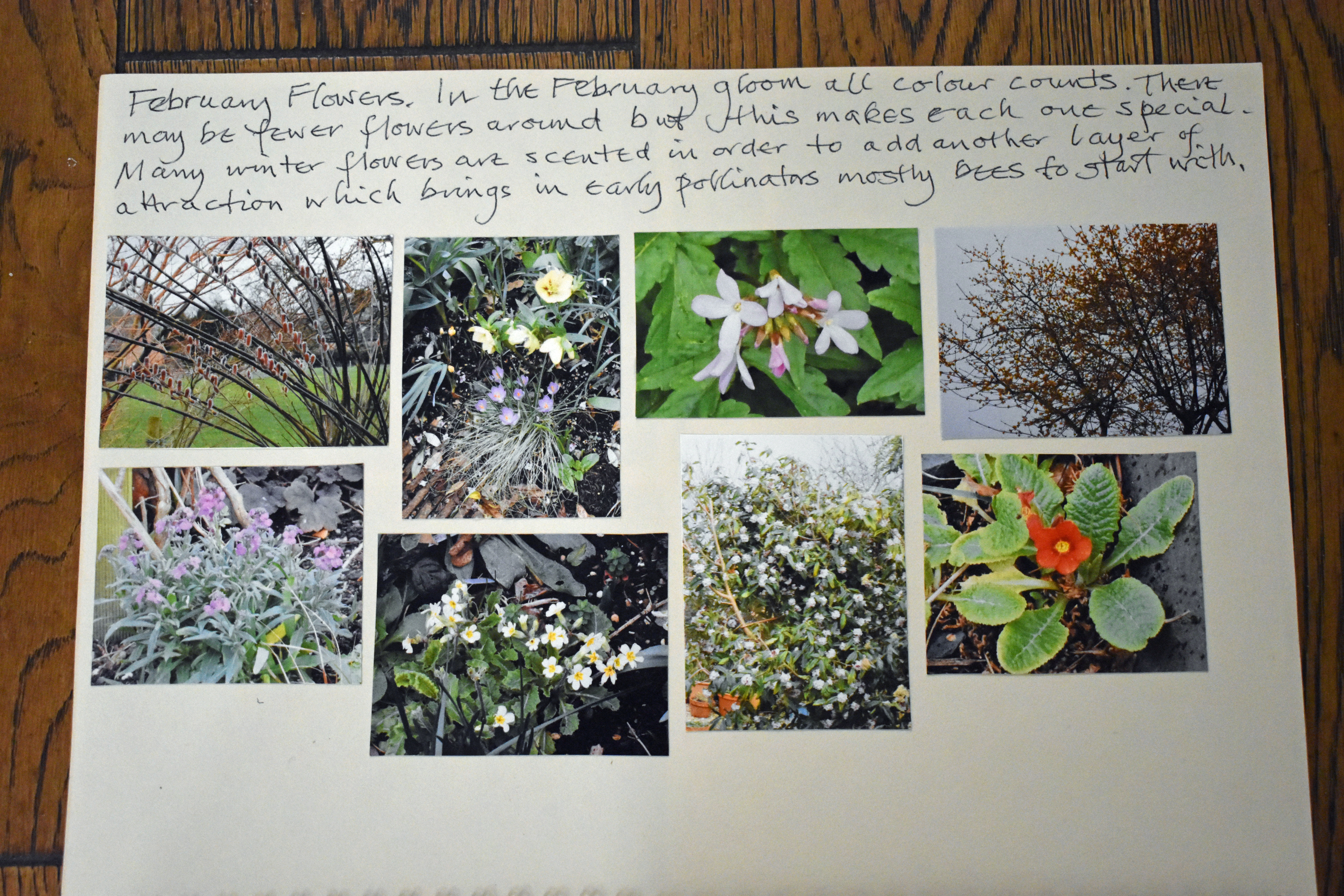
Following on from my sketch I moved on to a look at February flowers. I wrote, “February Flowers. In the February gloom all colour counts. There may be fewer flowers around, but this makes each one special. Many winter flowers are scented in order to add another layer of attraction ,which brings in early pollinators mostly bees to start with.”

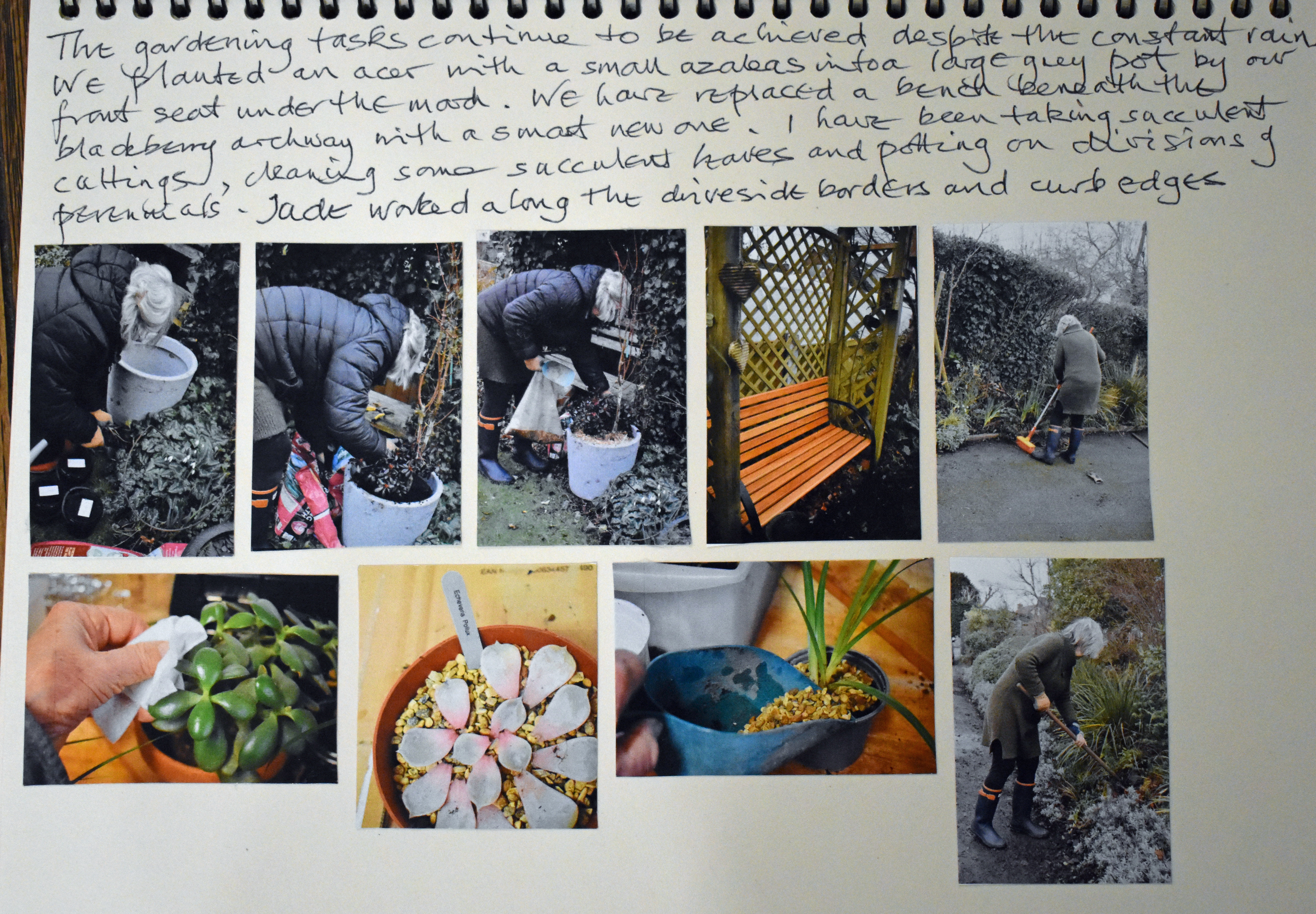
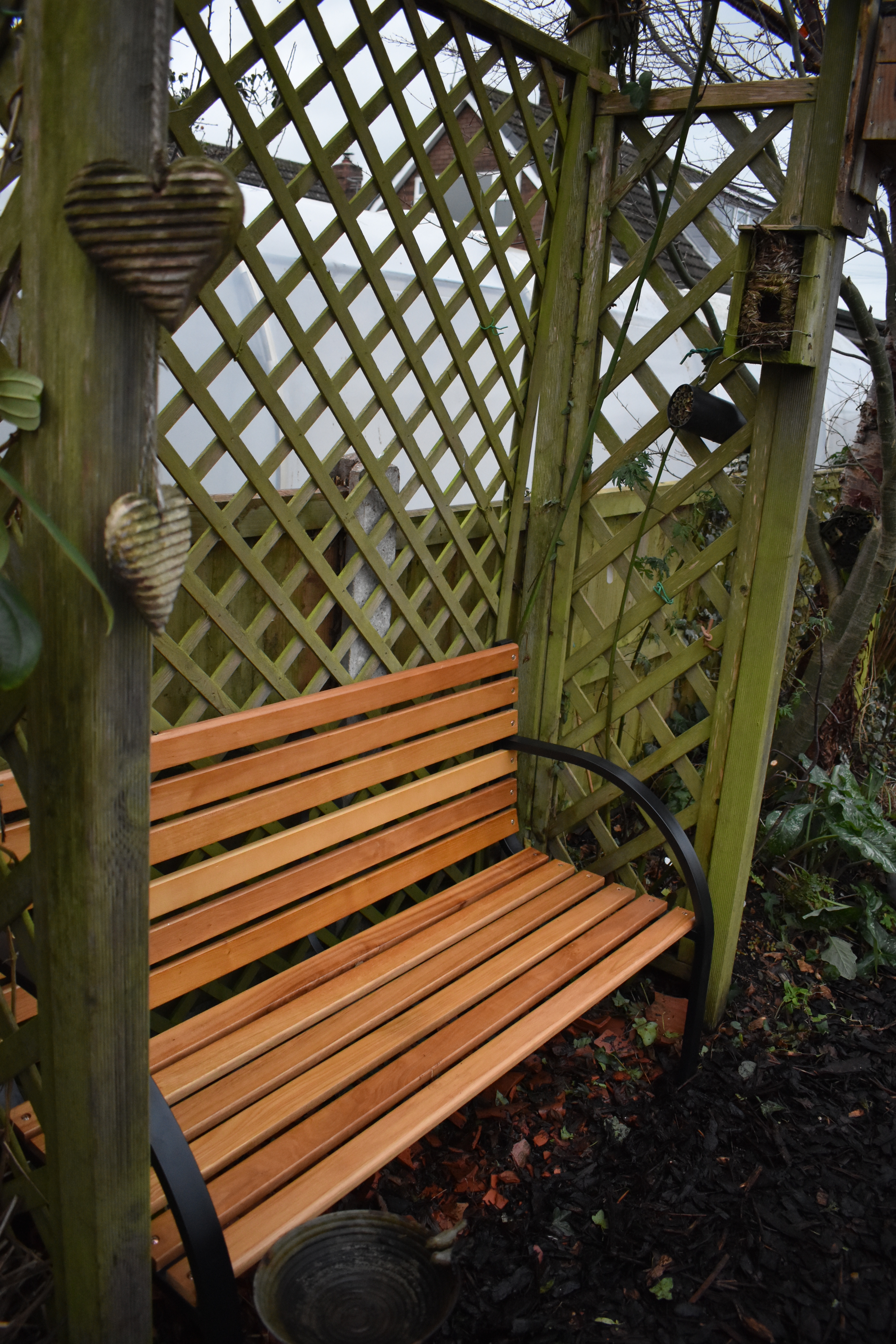
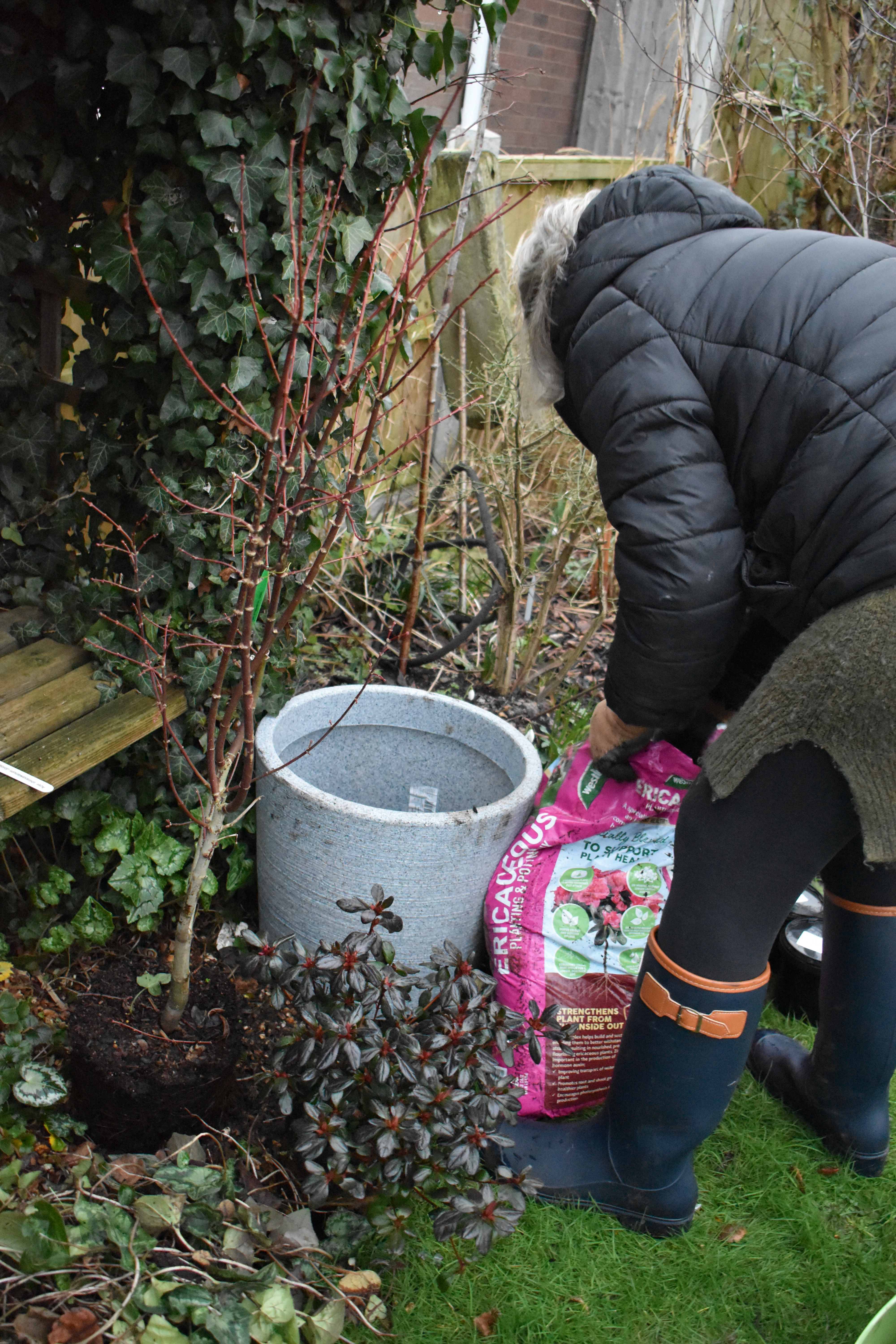
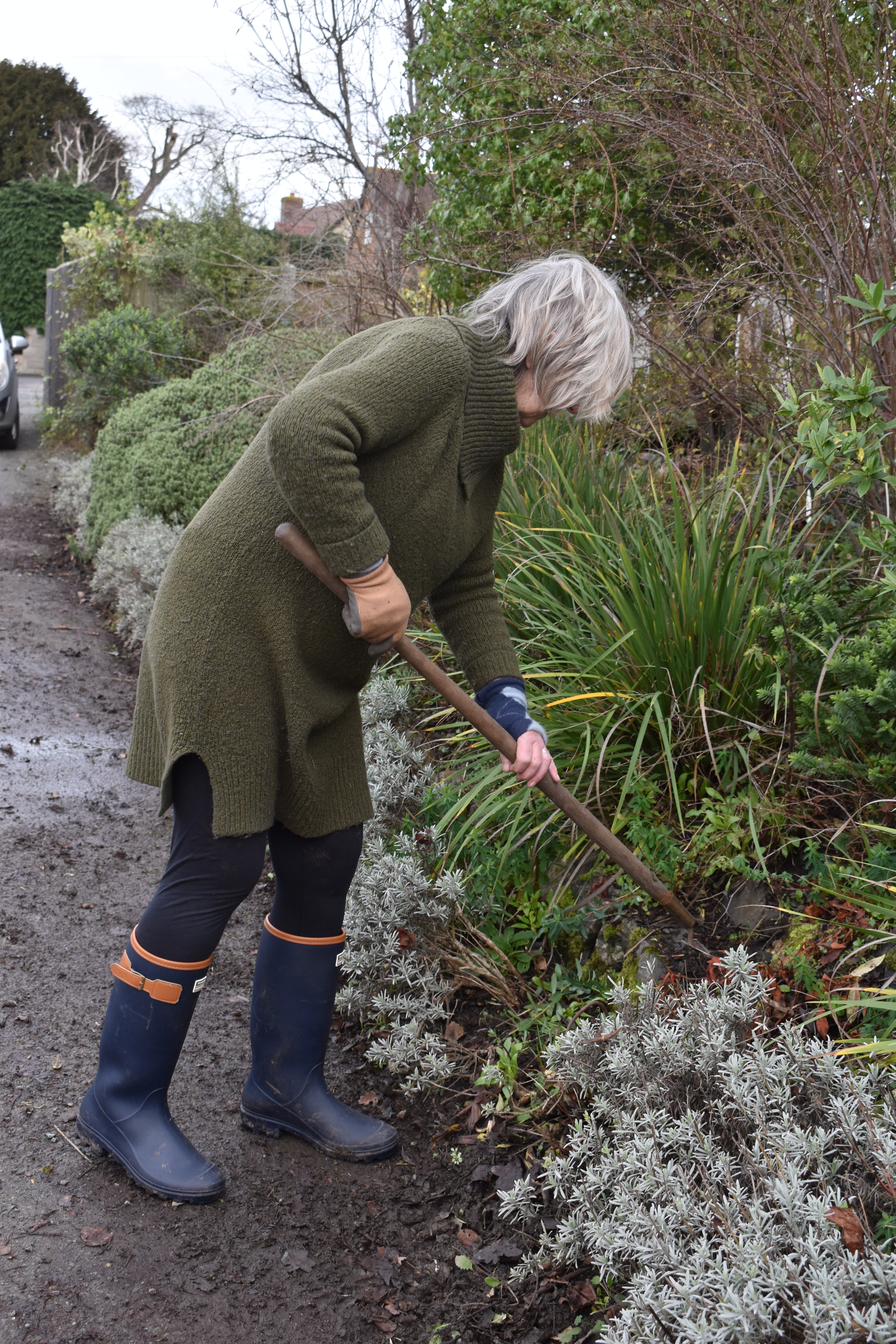
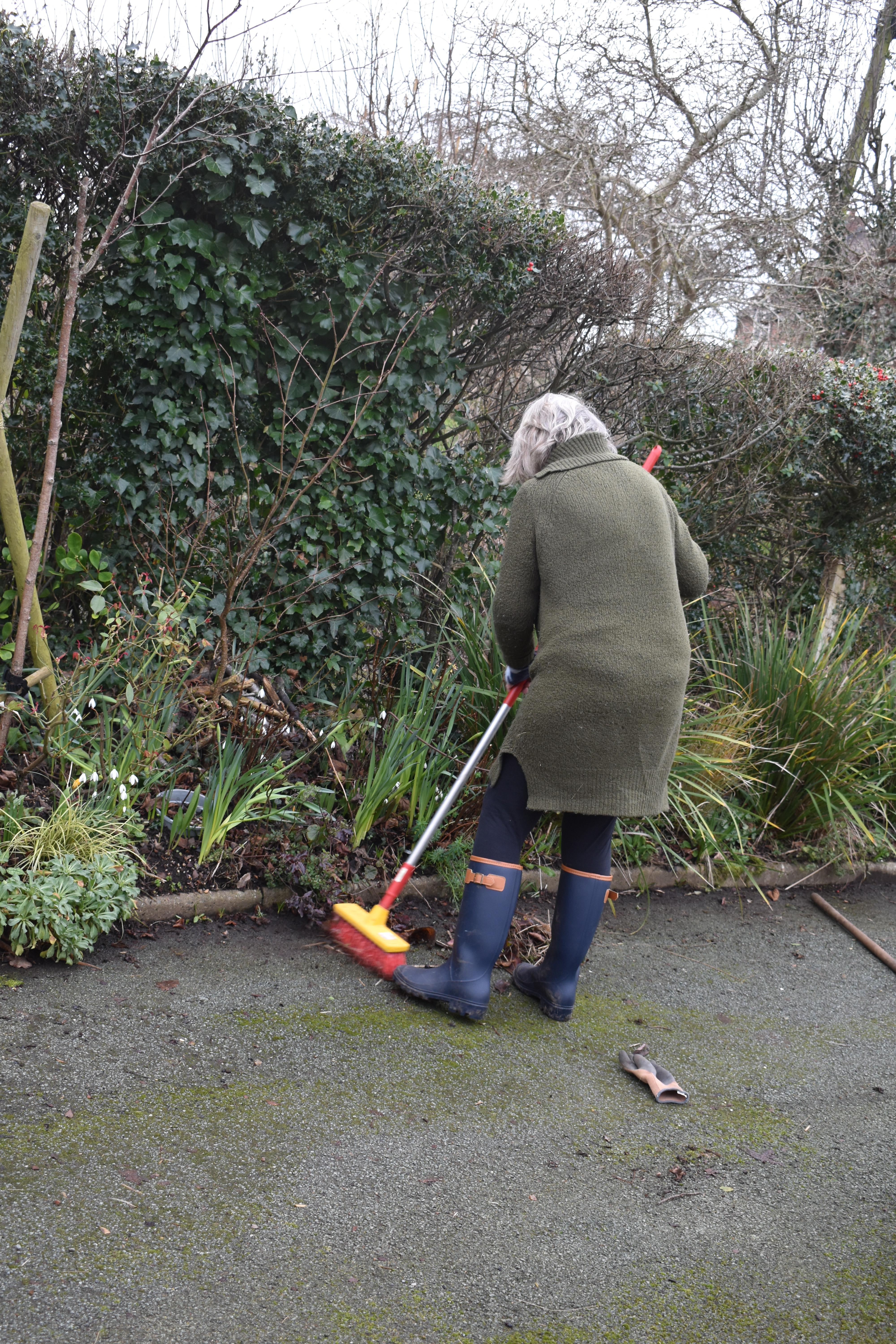
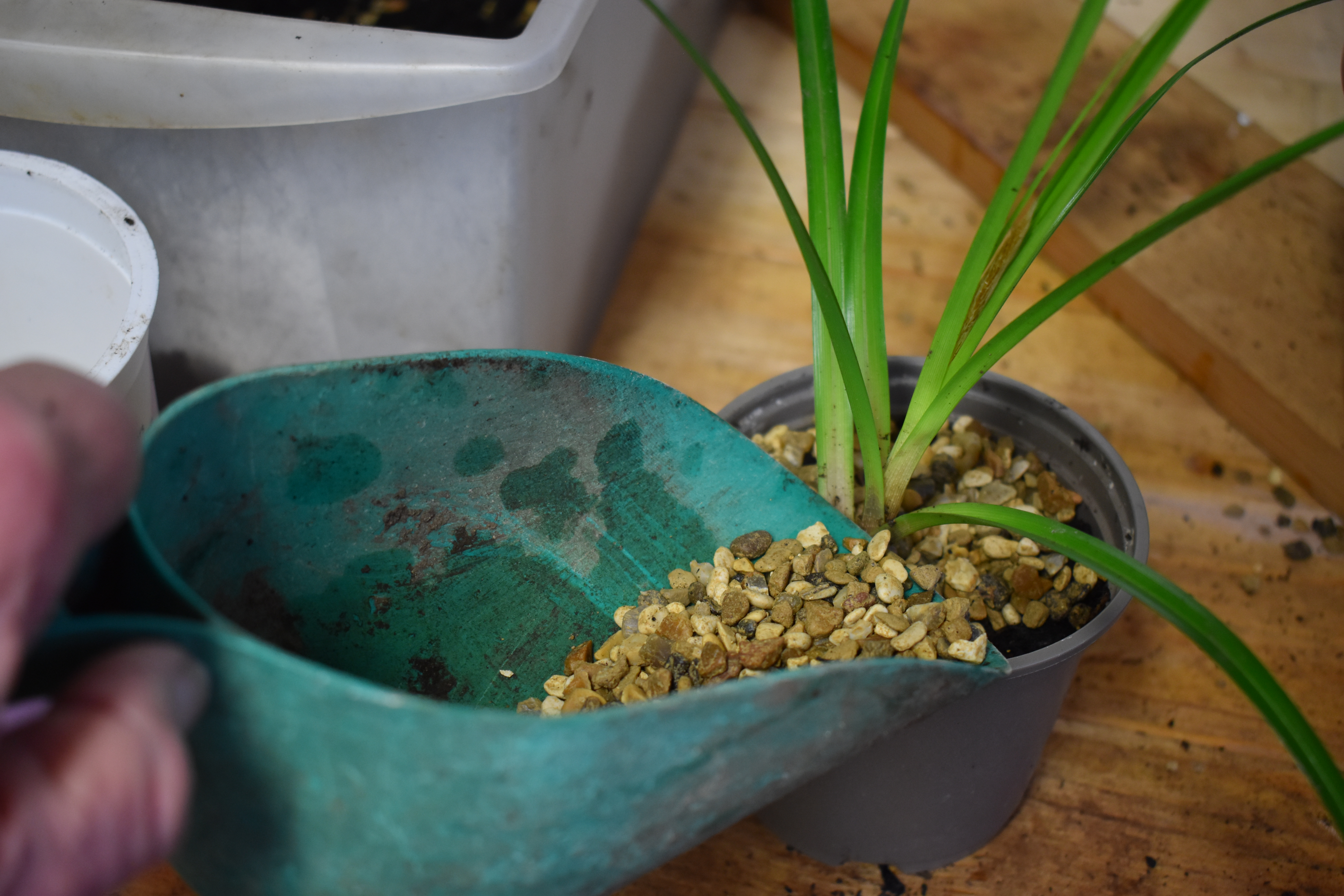
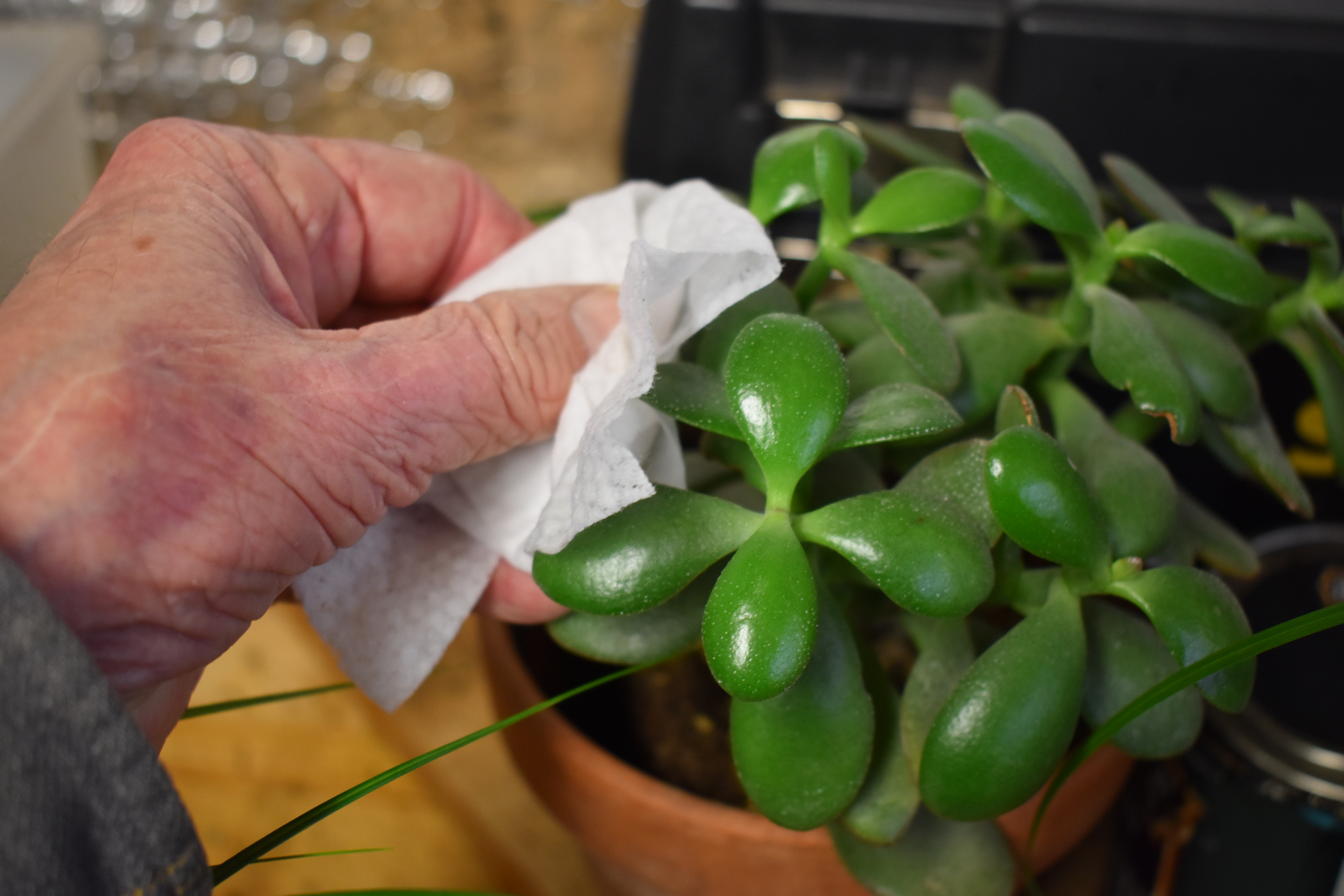
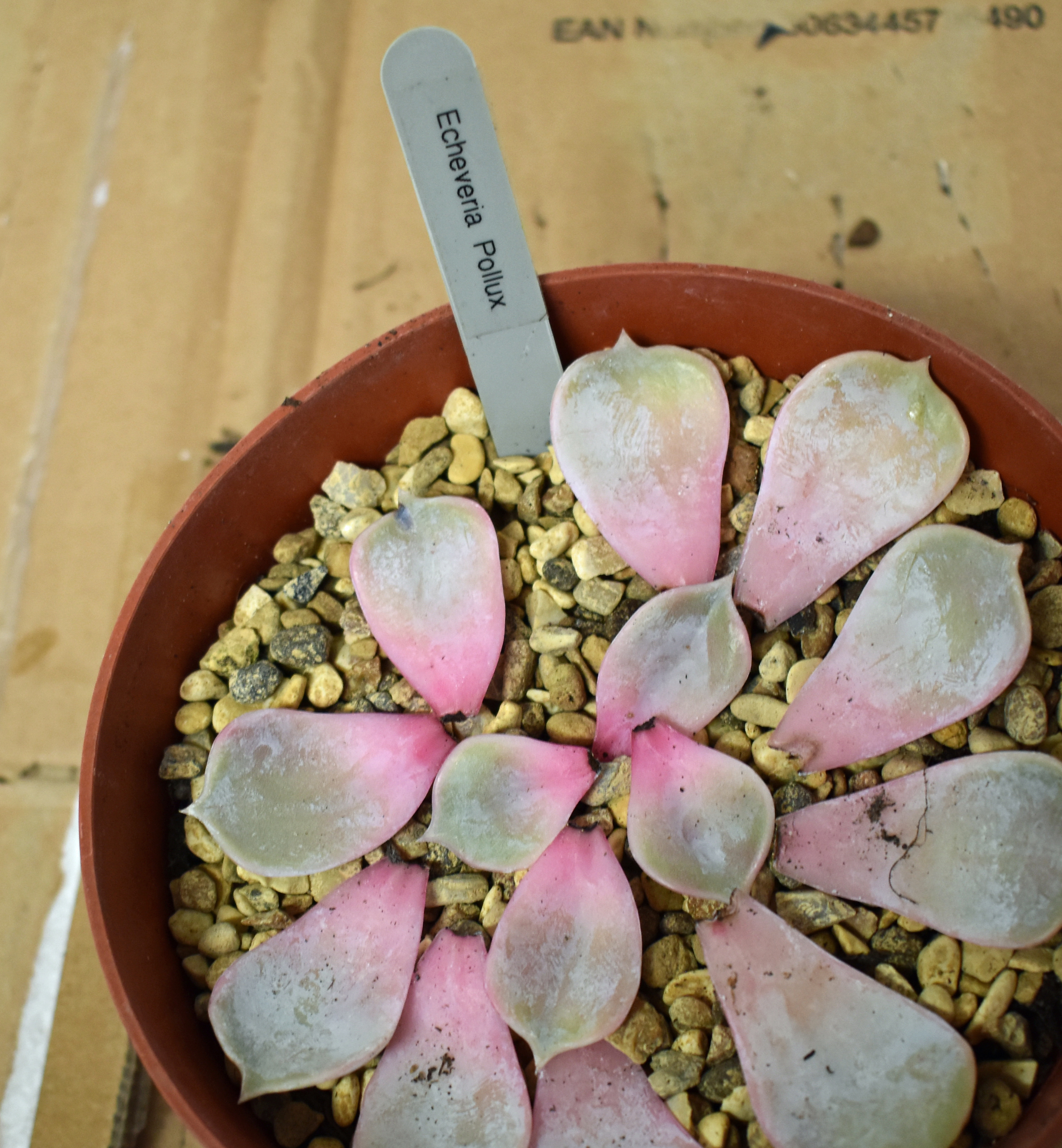
The next consideration was to look at more gardening tasks needing to be completed this month. I noted that, “The gardening tasks continue to be completed despite the constant rain. We planted an acer with a small azalea into a large grey pot by our front seat under the beneath the ivy clad arch. We have replaced a bench beneath the blackberry archway with a smart new one. I have been taking succulent cuttings, cleaning some succulent leaves and potting on divisions of perennials. Jude worked along the drive-side borders and curb edges.”

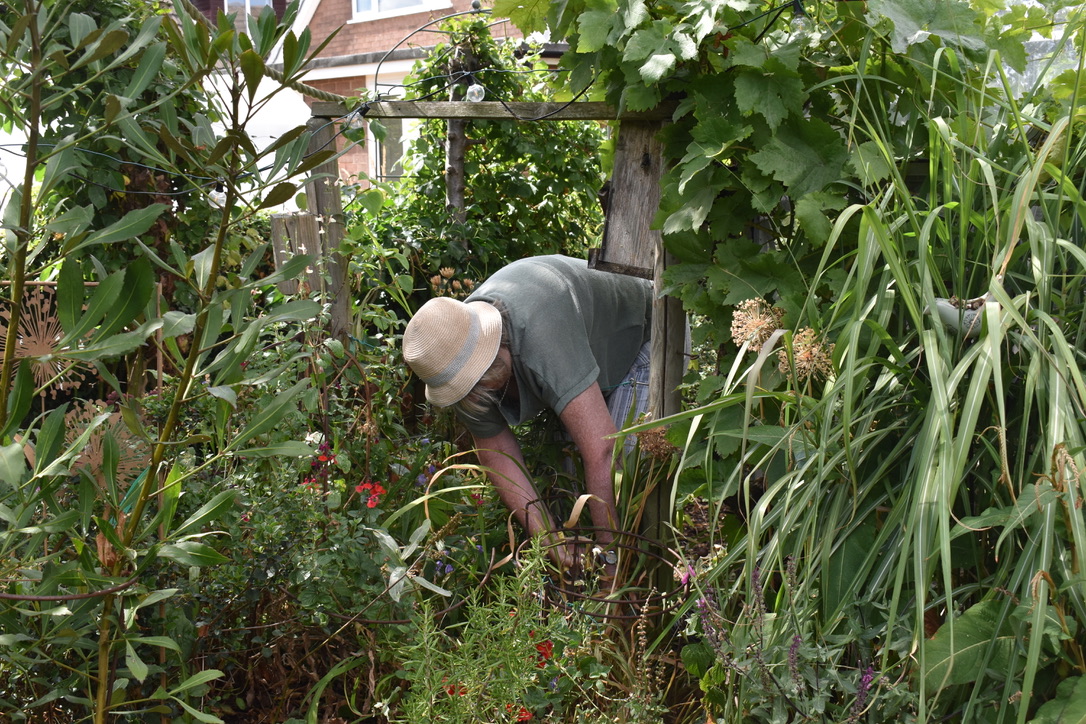
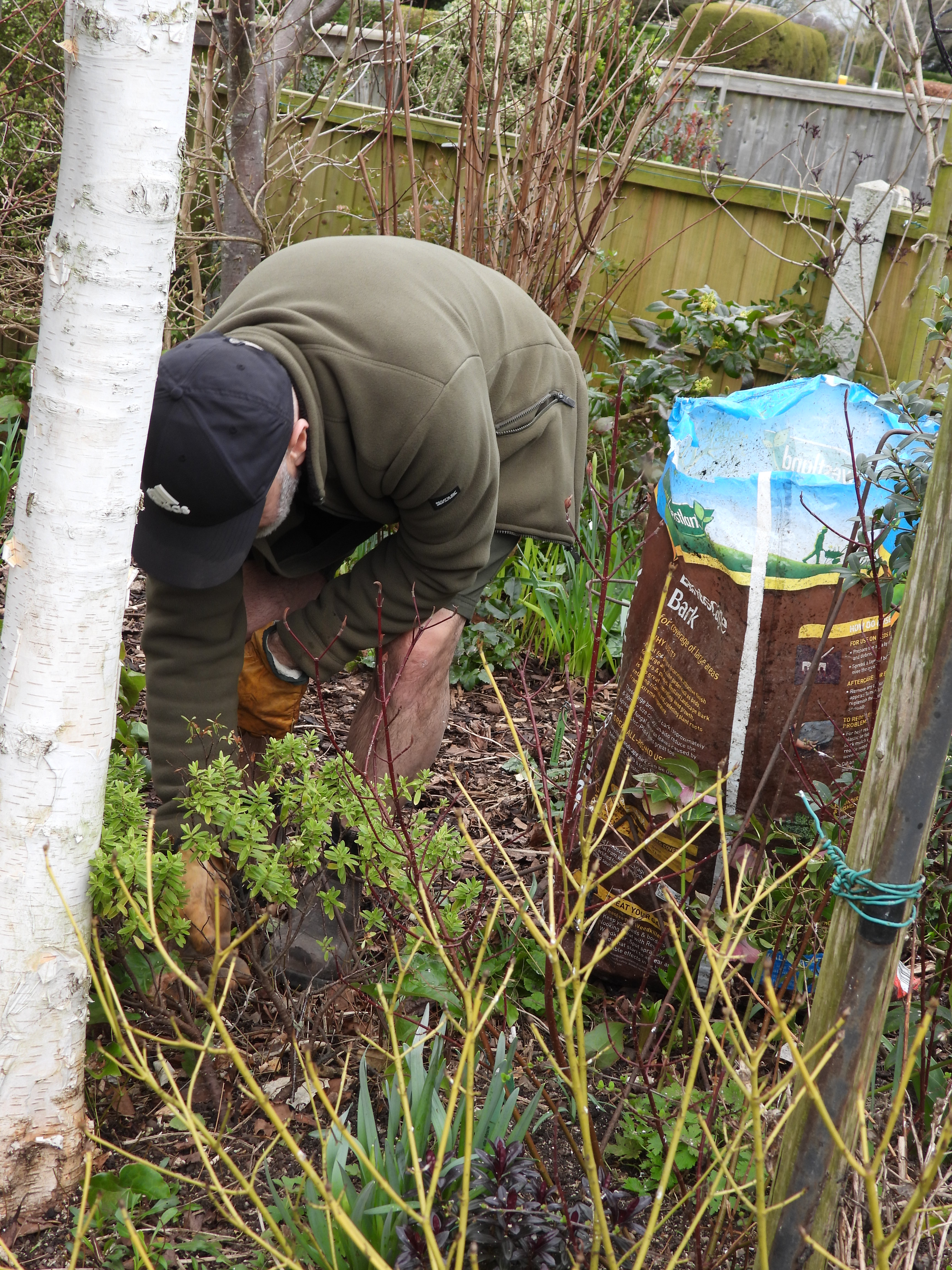
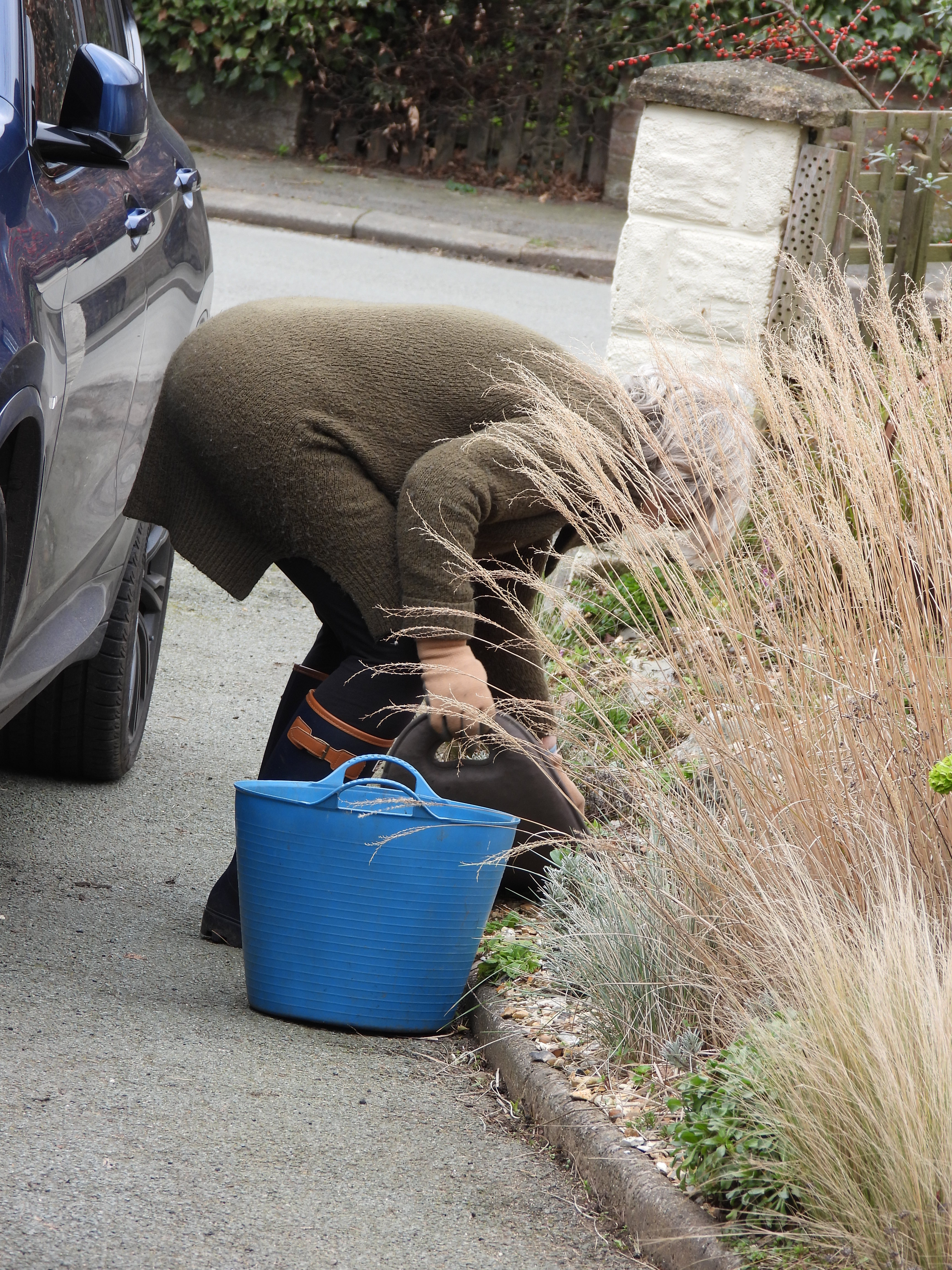
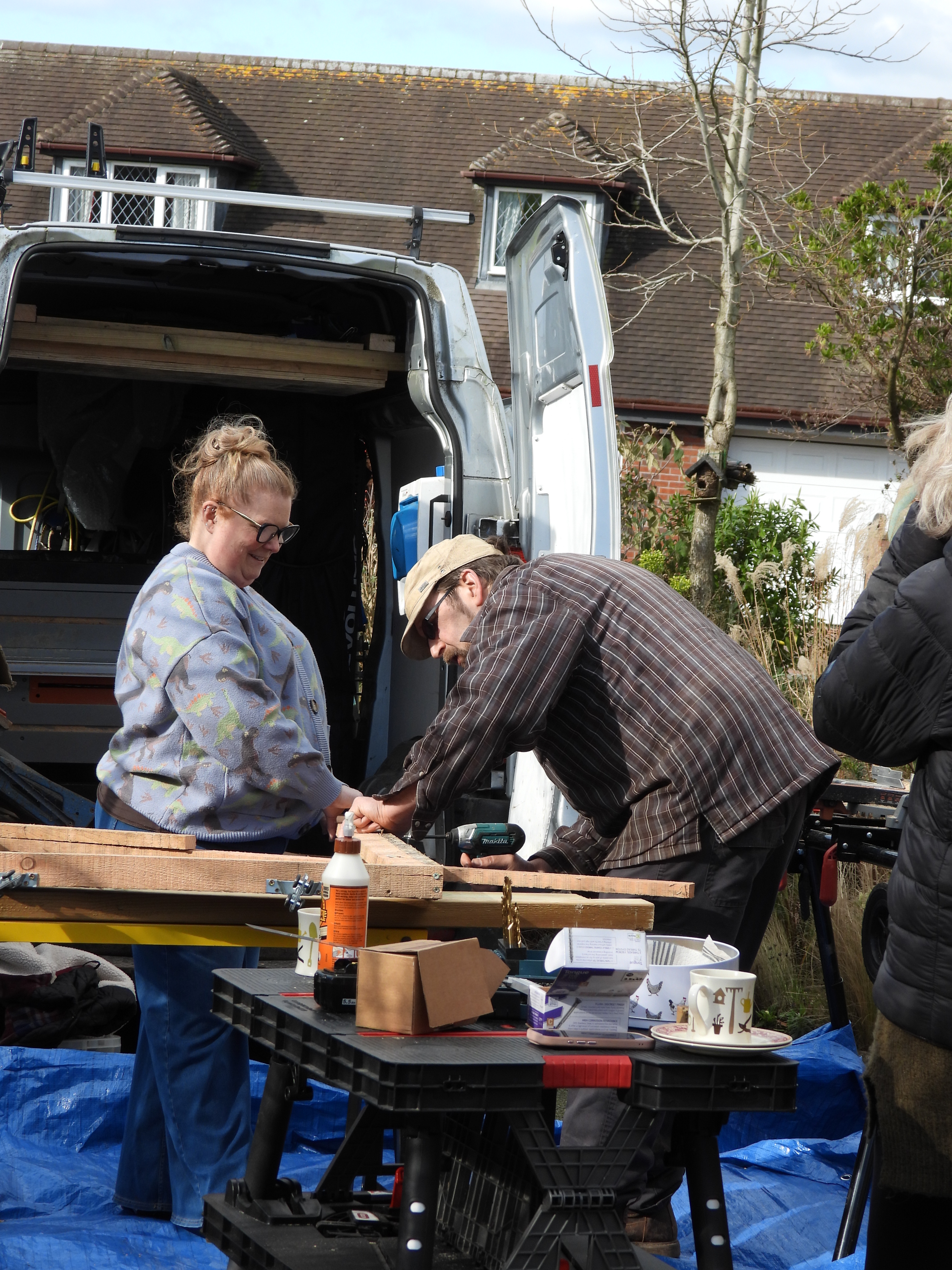
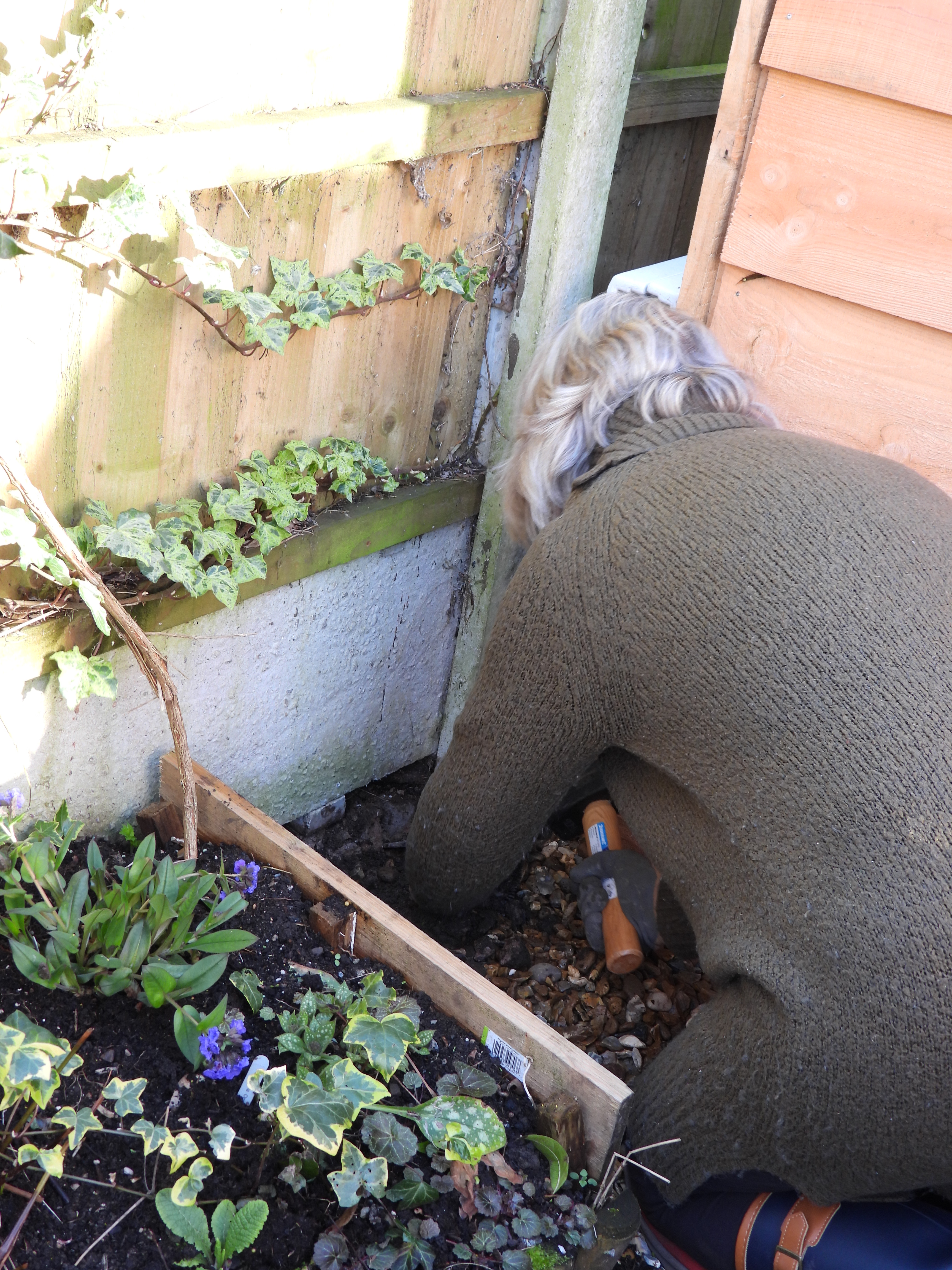
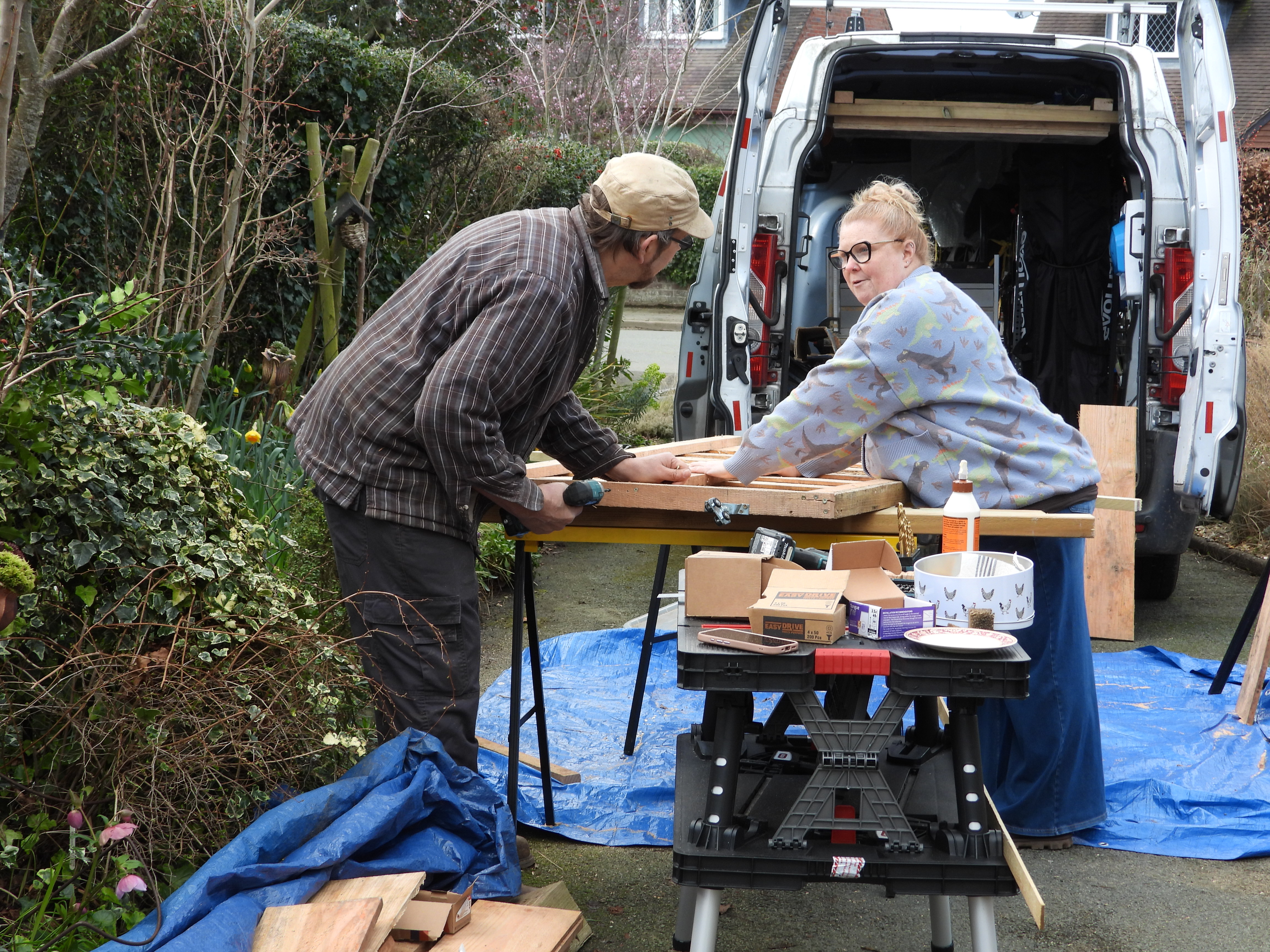
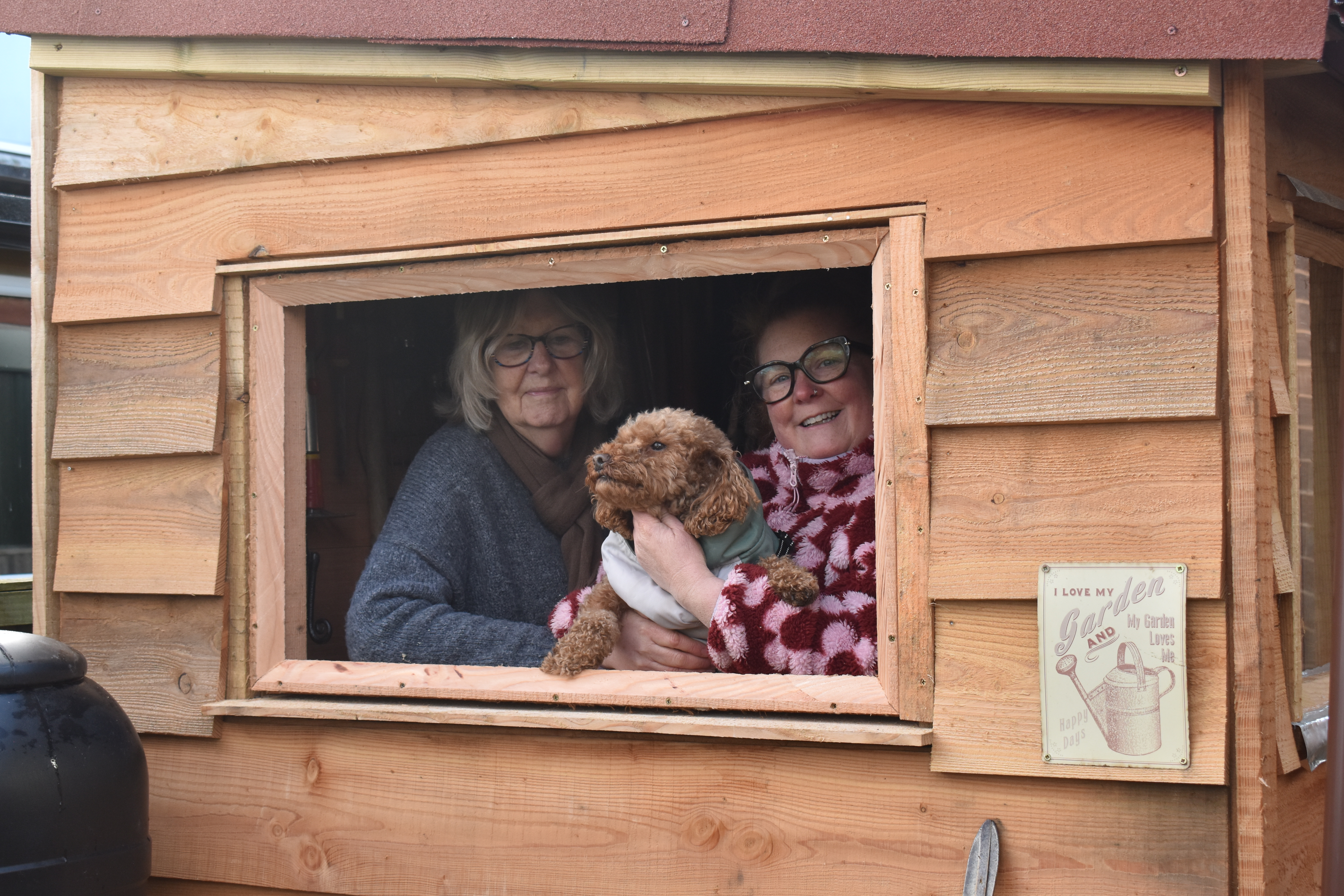
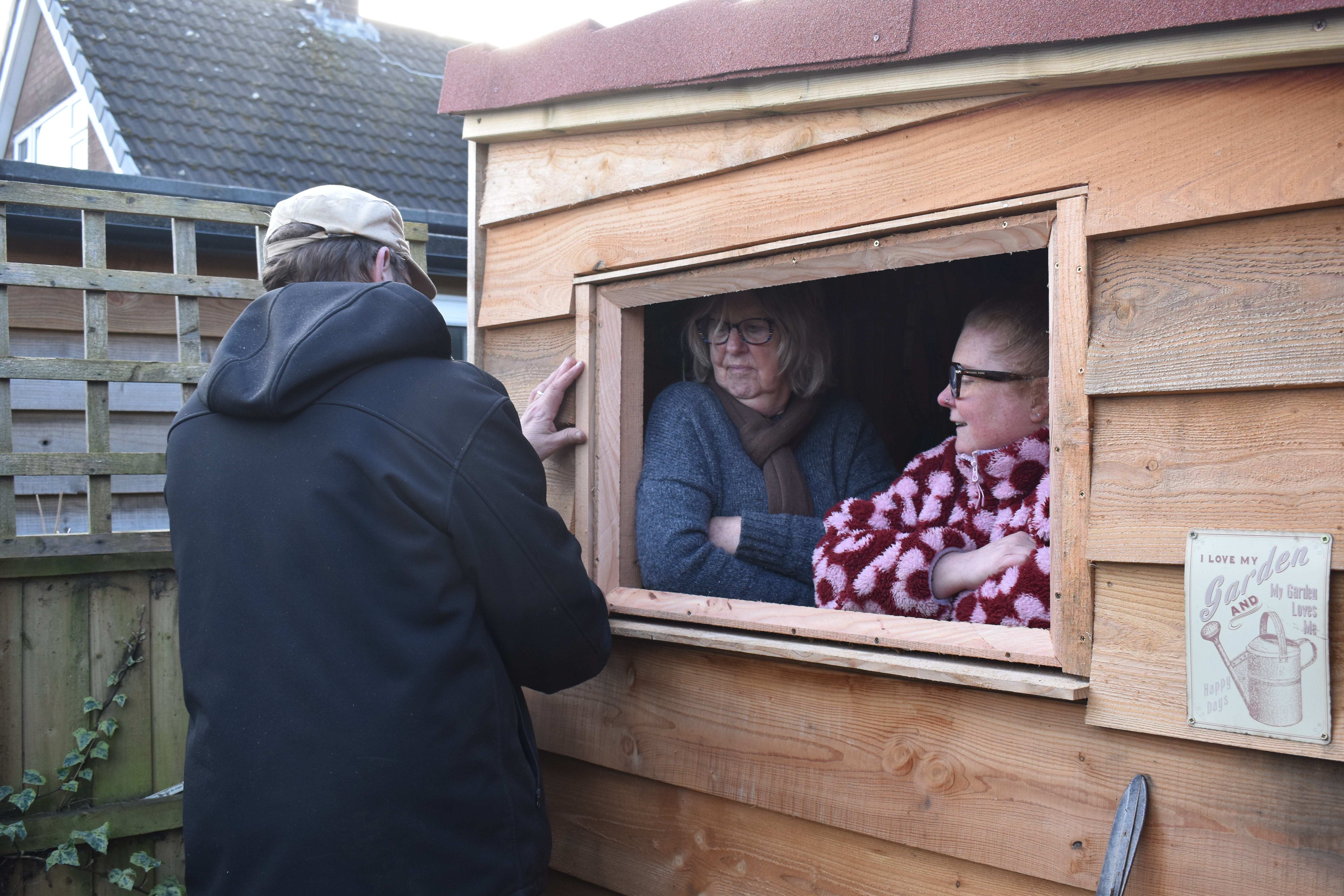
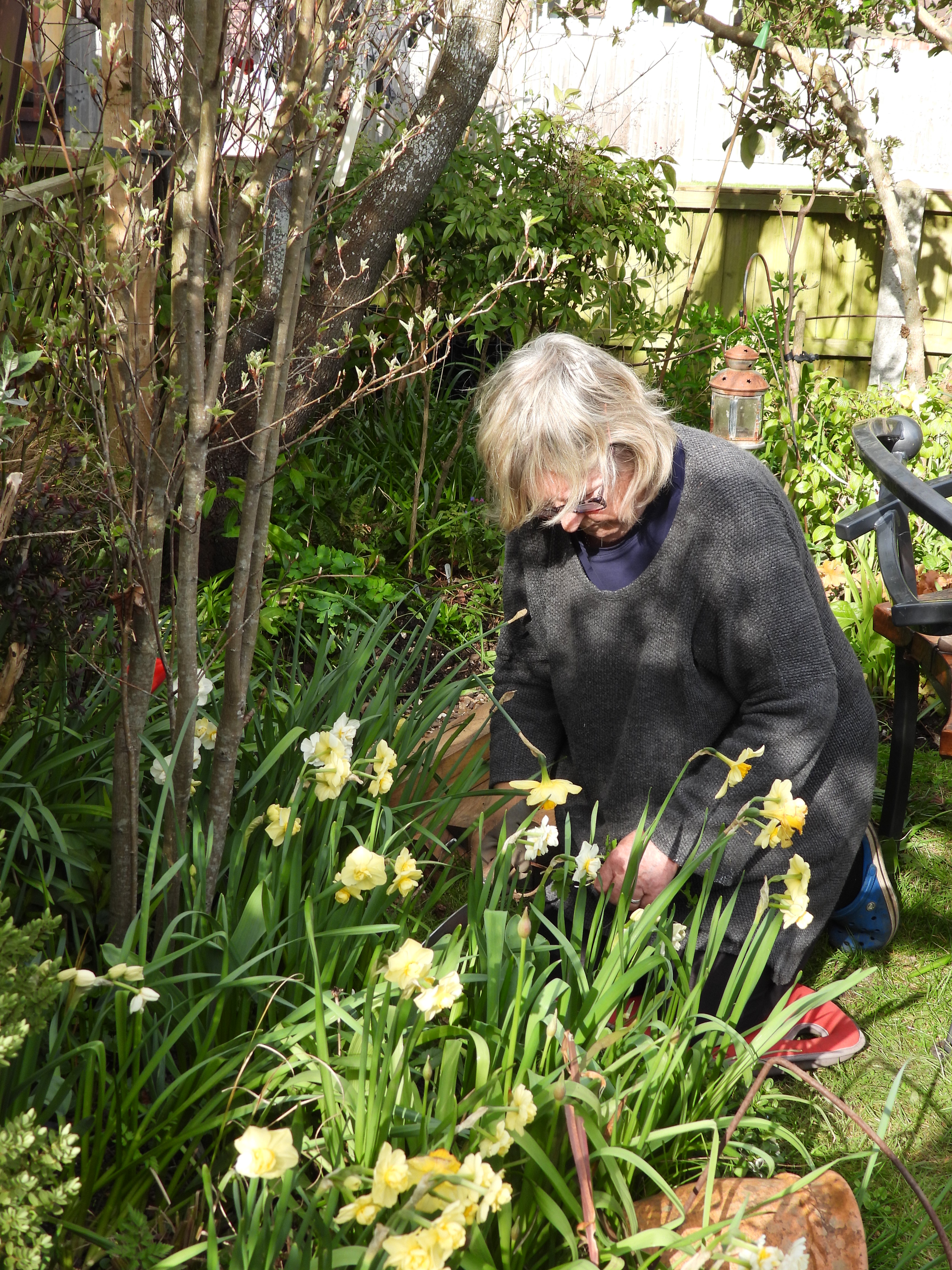
There is no better way to end my February Journal report than to share photographs of us working away in our garden.

Categories
Uncategorized

Our February Visit to John’s Garden at Ashwood Nurseries

We had hoped to be able to share our visit to John’s Garden at Ashwood Nurseries with you this month and be able to take you around this astonishing space. However as often happens in this country especially in the winter months the weather was in control!

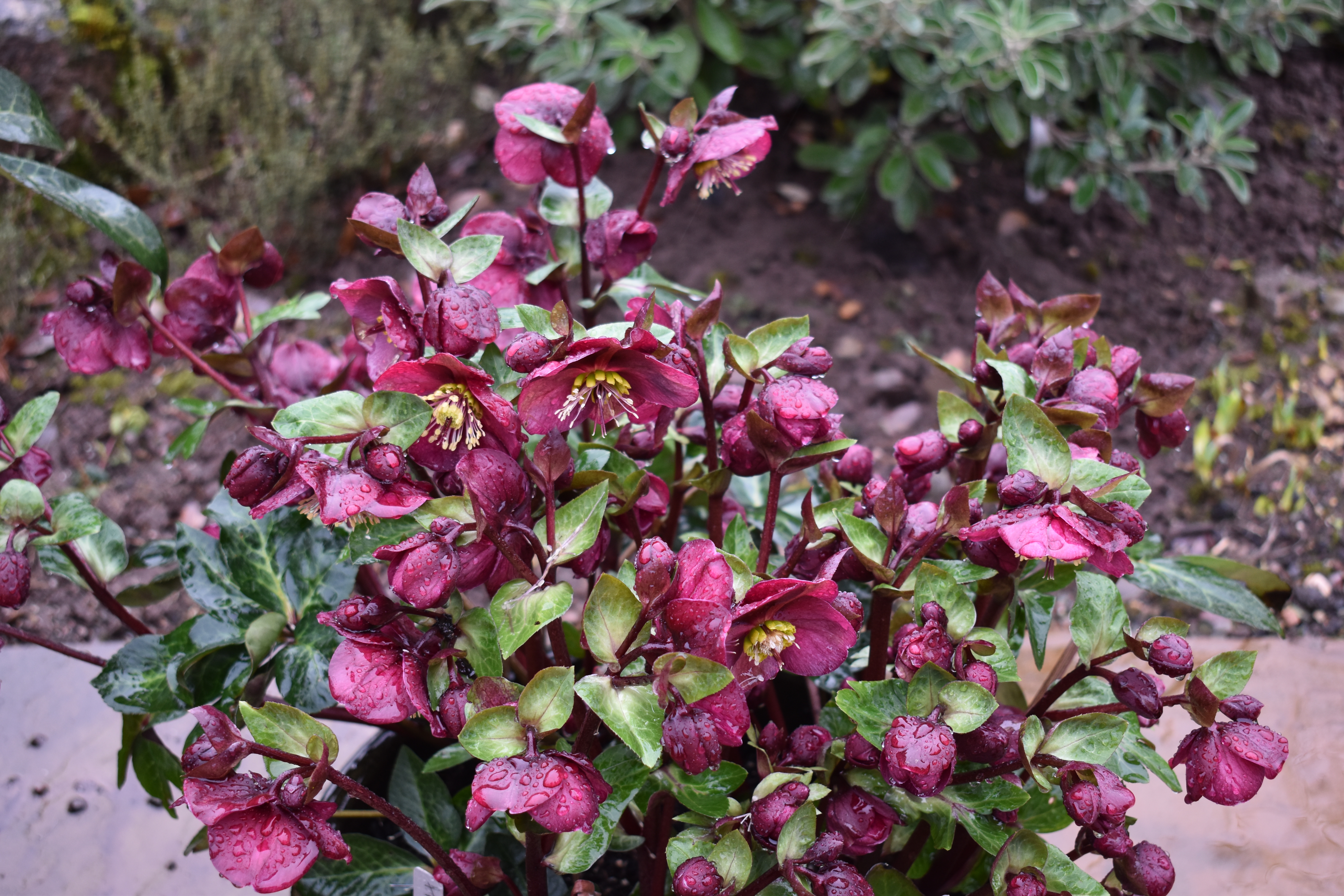
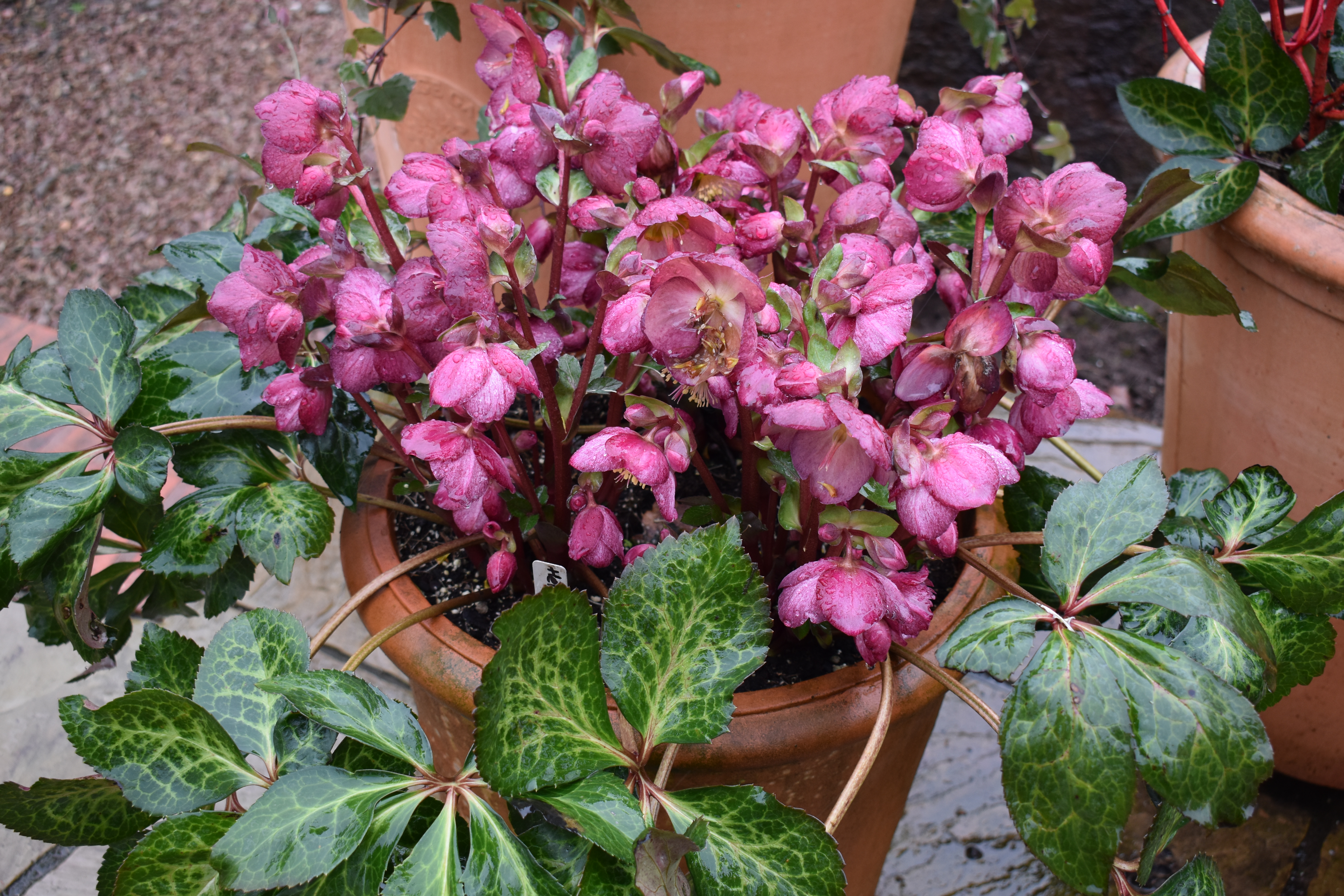
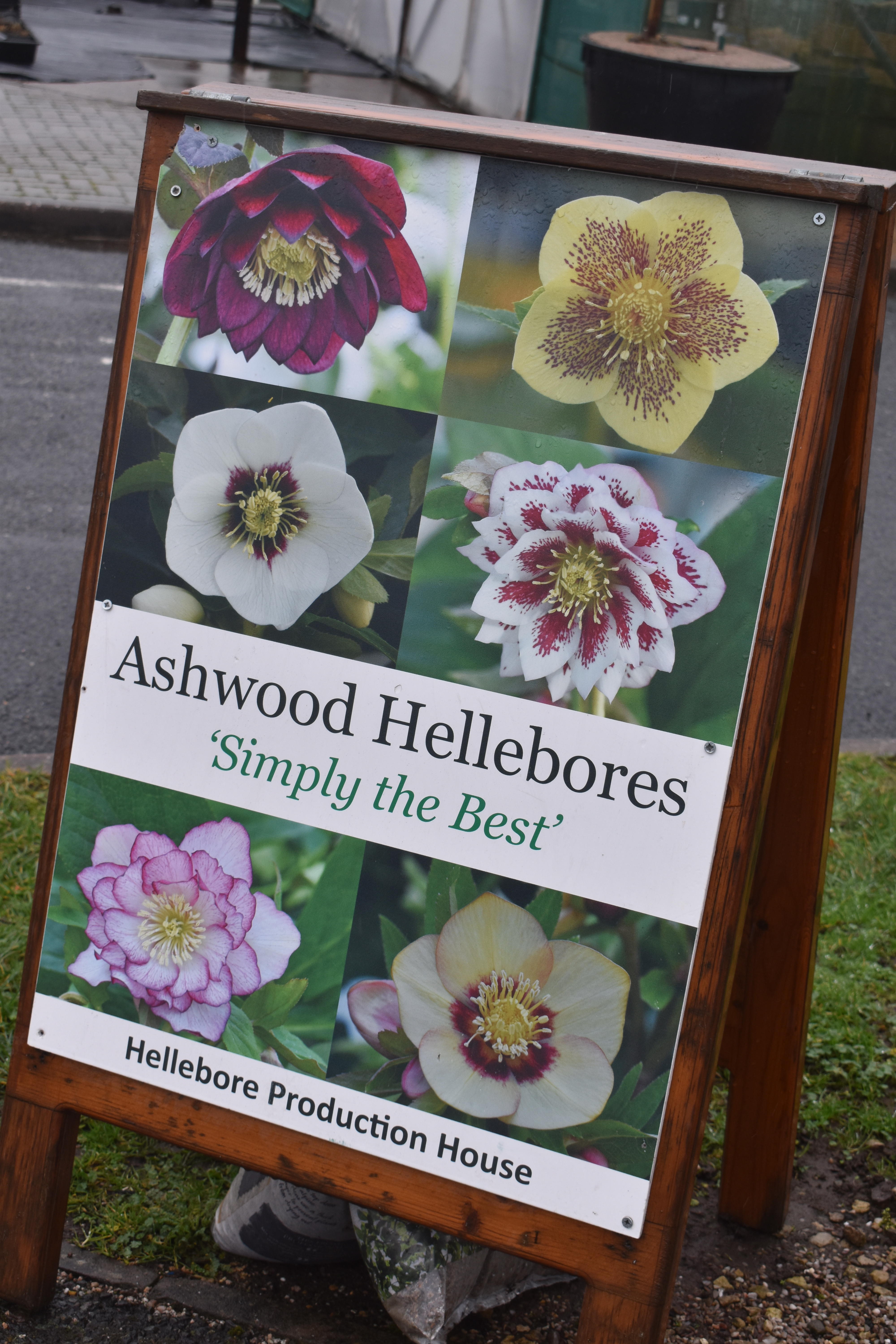
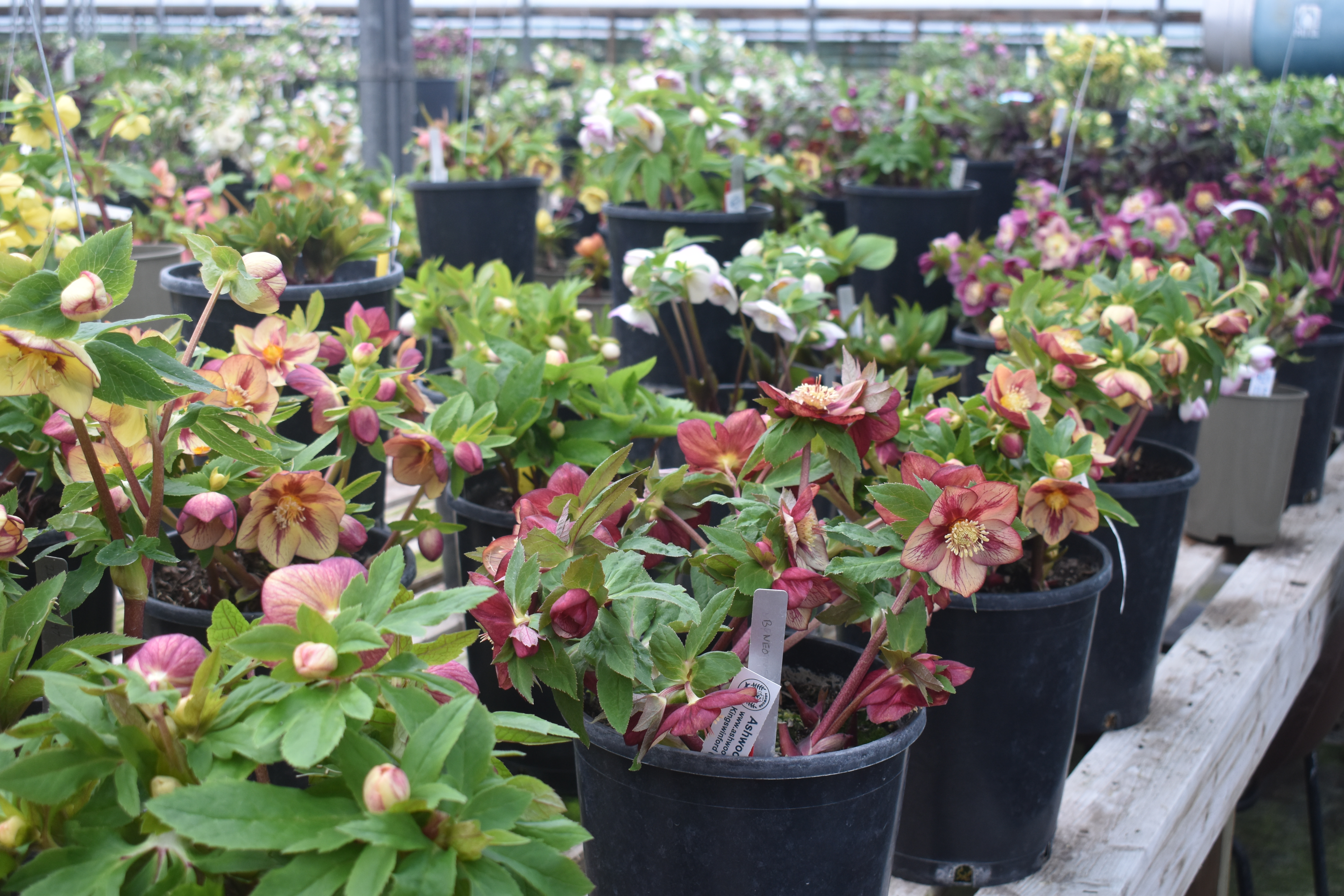
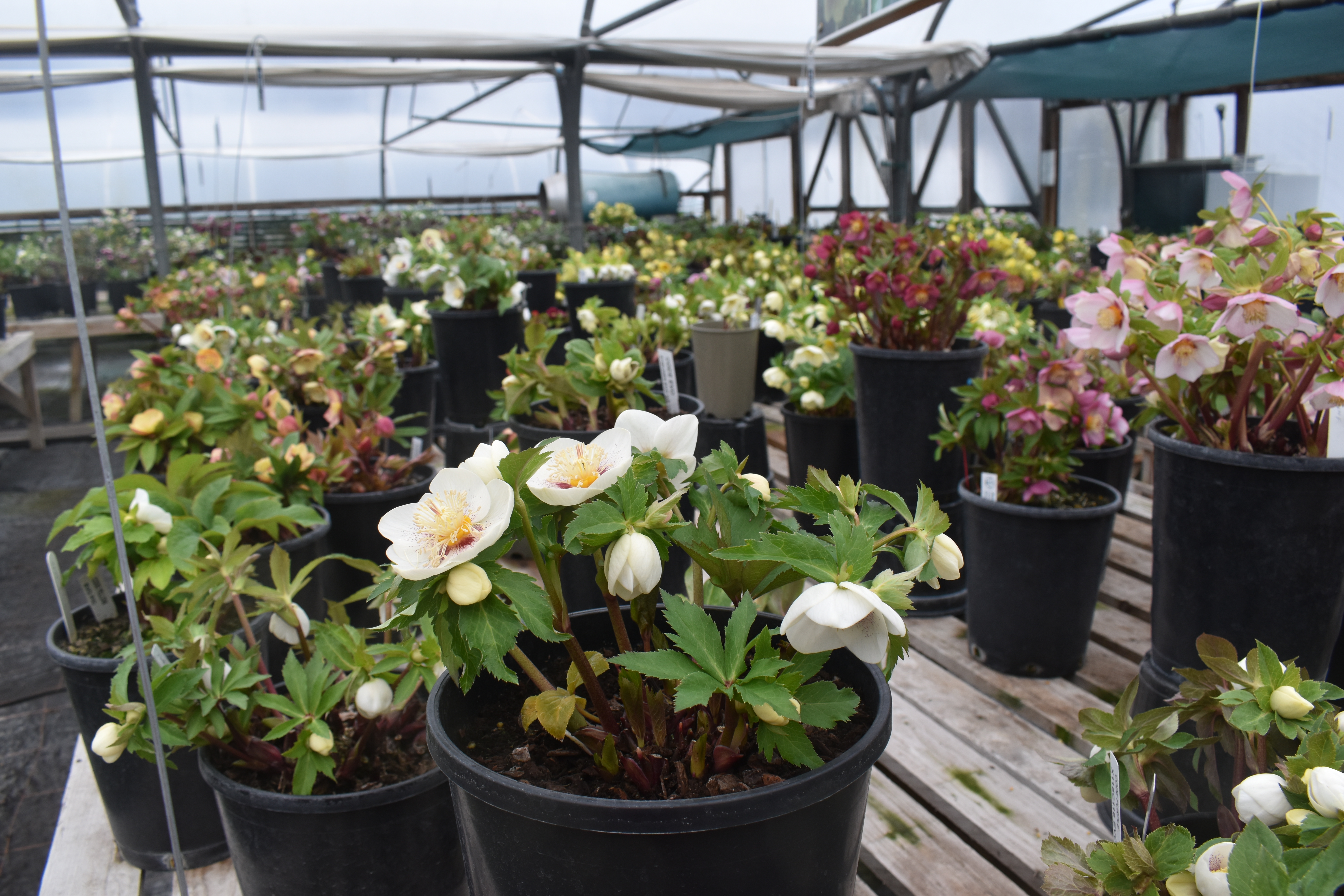
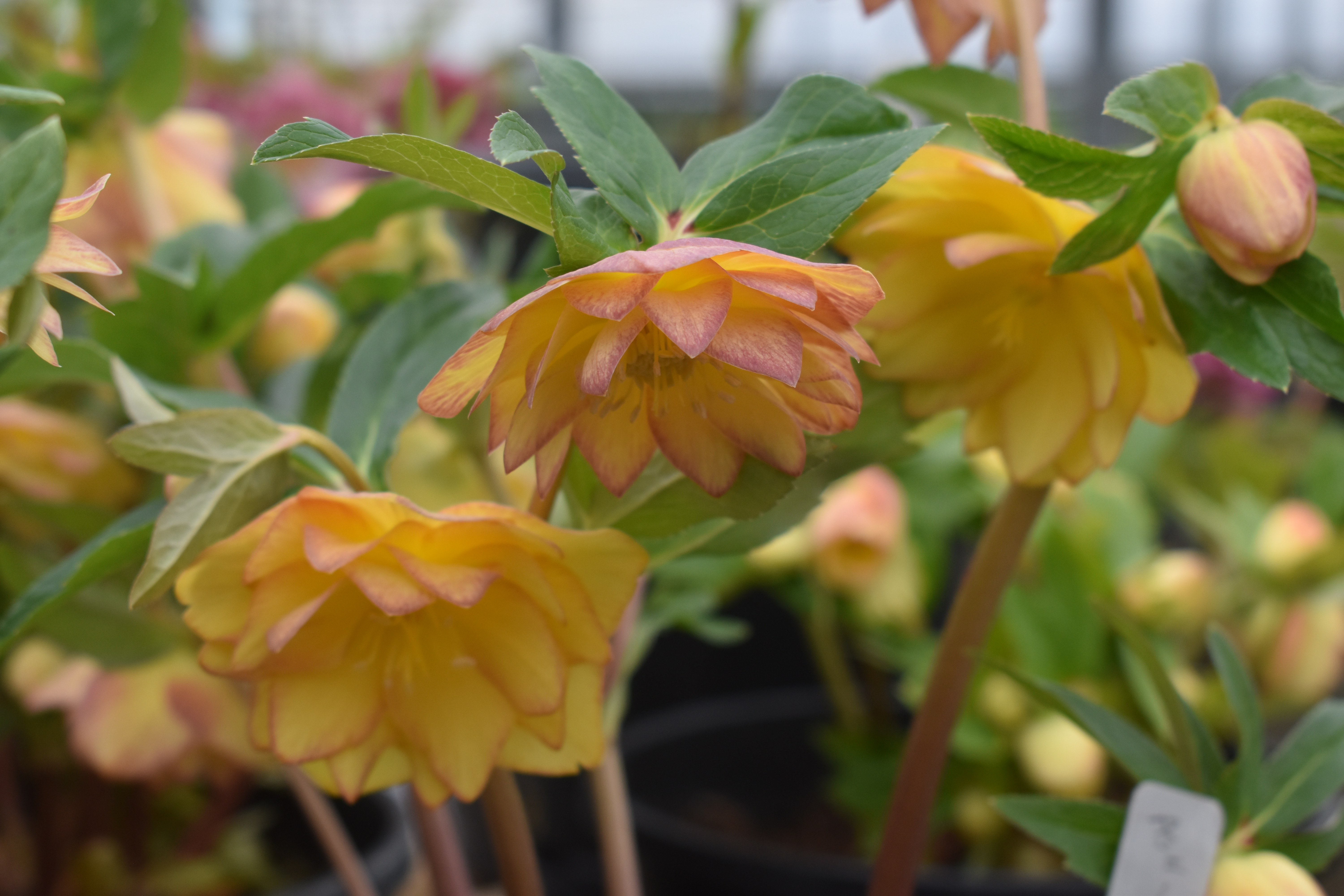
The main garden was so wet underfoot that it was considered not to be safe enough for visitors. To make up for this the hellebore polytunnel was open where we would be treated to the view of the hundreds of stock plants and some new colours and patterns under development.

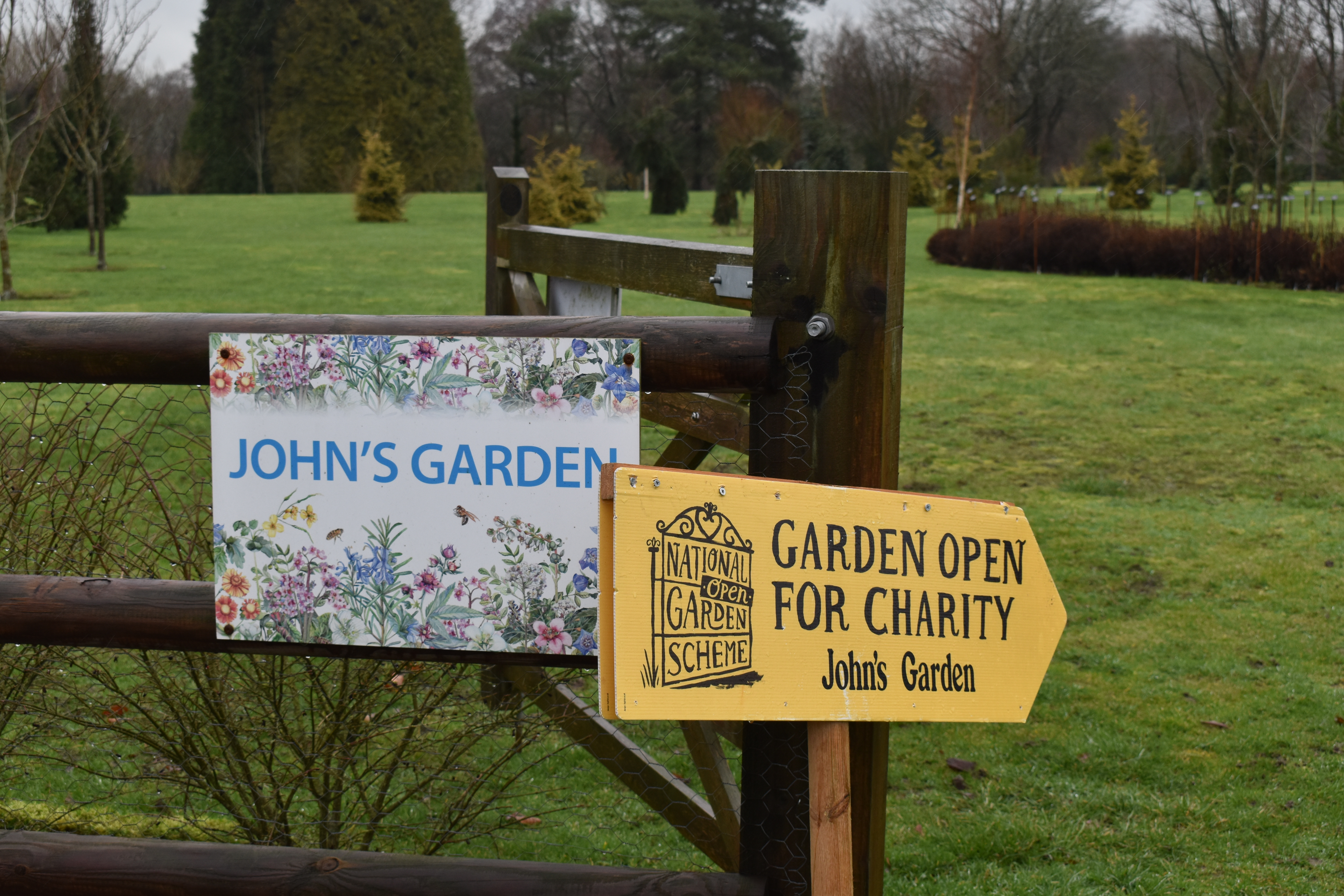
Although rain was forecast for the day we decided to set off whatever for a day in John’s Garden only to find out that only one area of the garden was open, Adam’s Garden. This area was developed in 2018 as a tribute to John’s young head gardener, who unexpectedly died in his sleep. It is now where visitors enter John’s Garden and through which they must pass to reach the main garden.

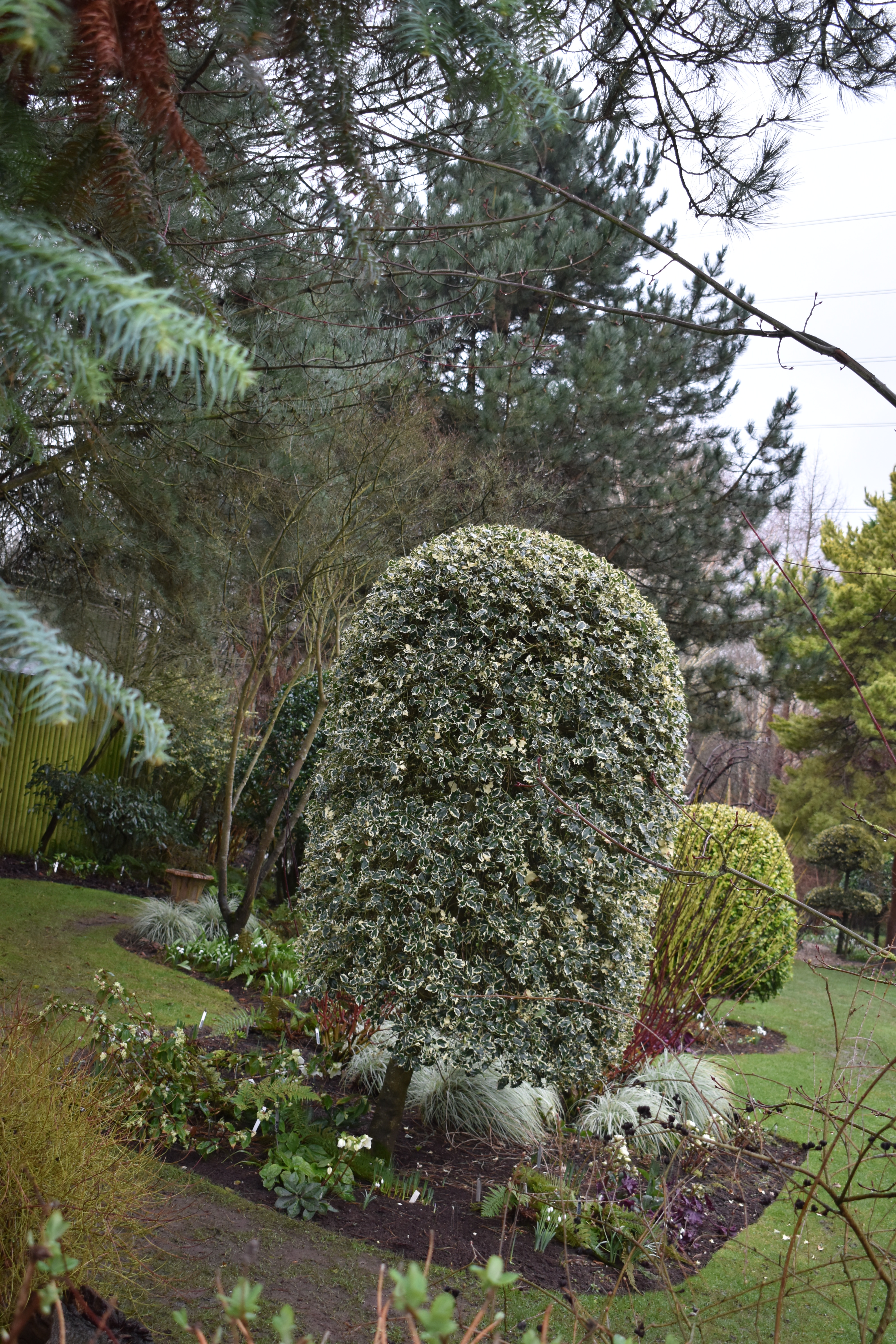
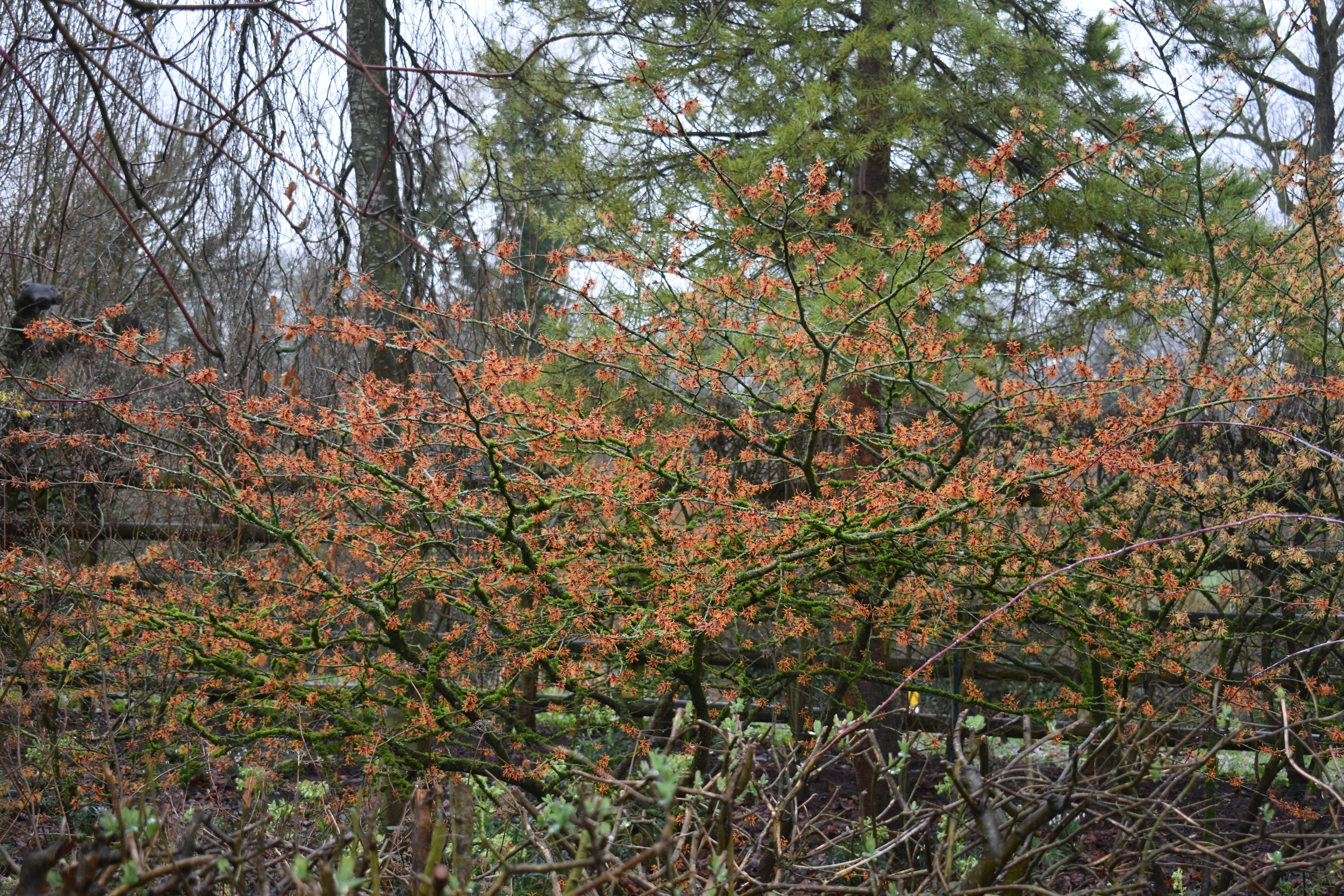
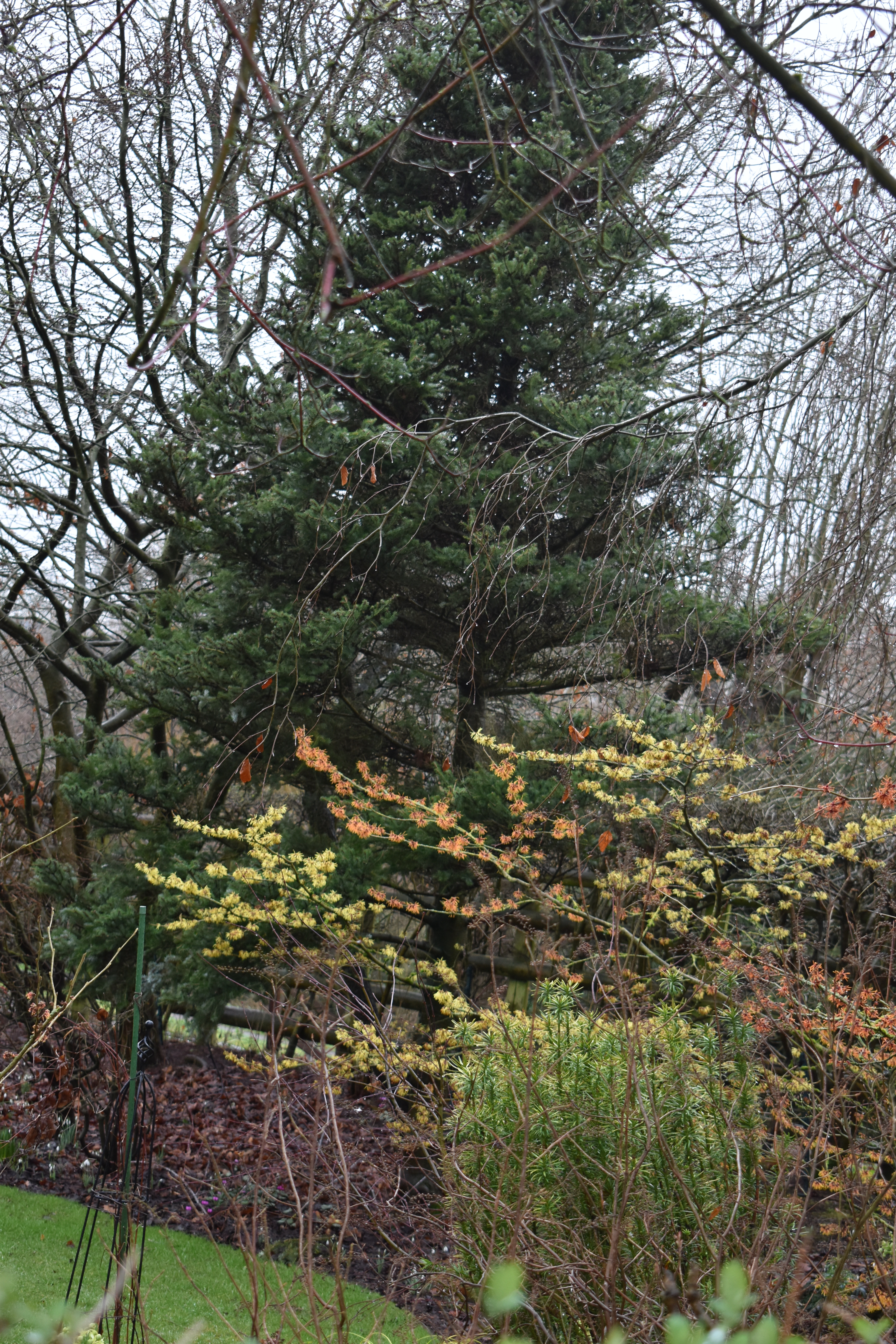
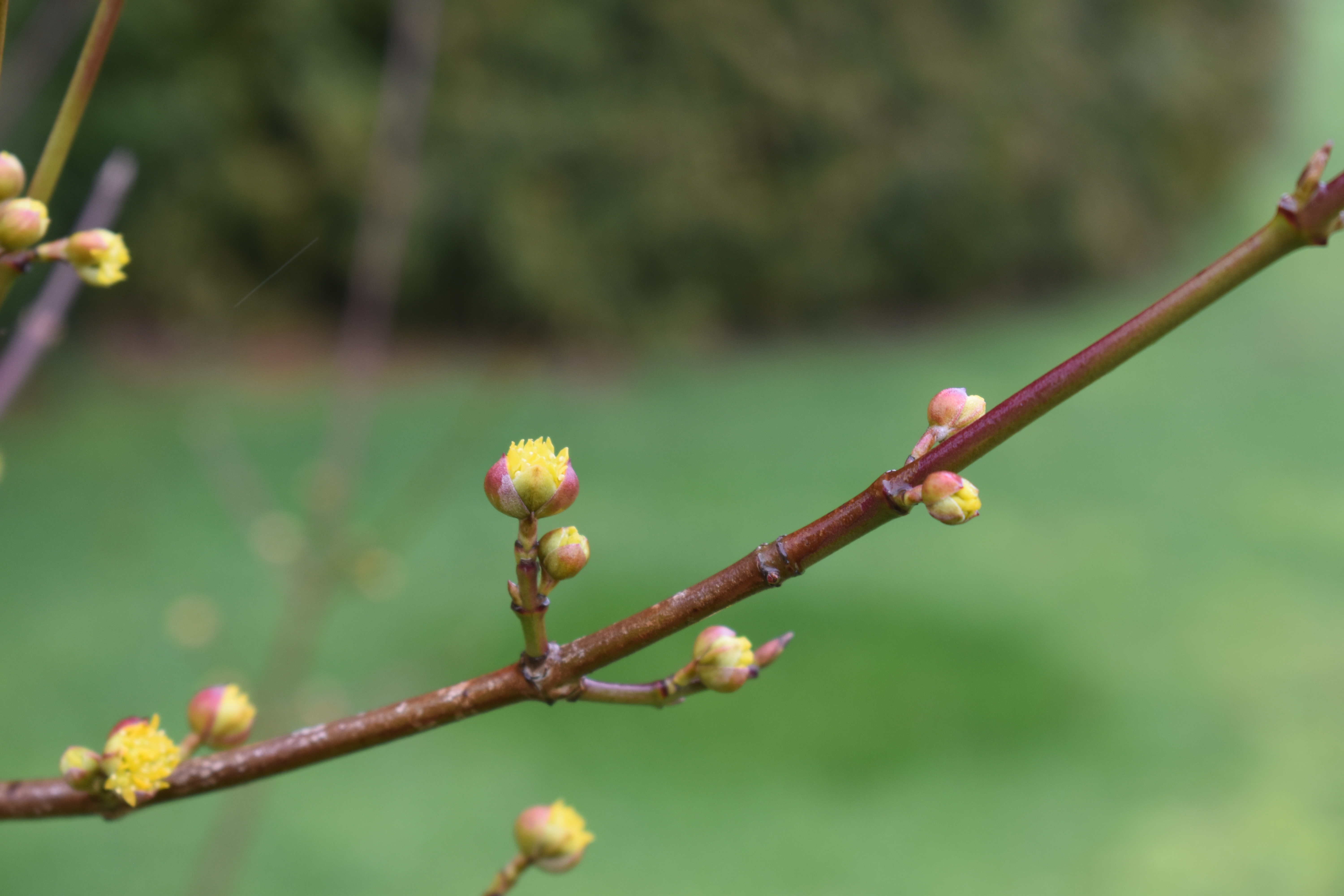
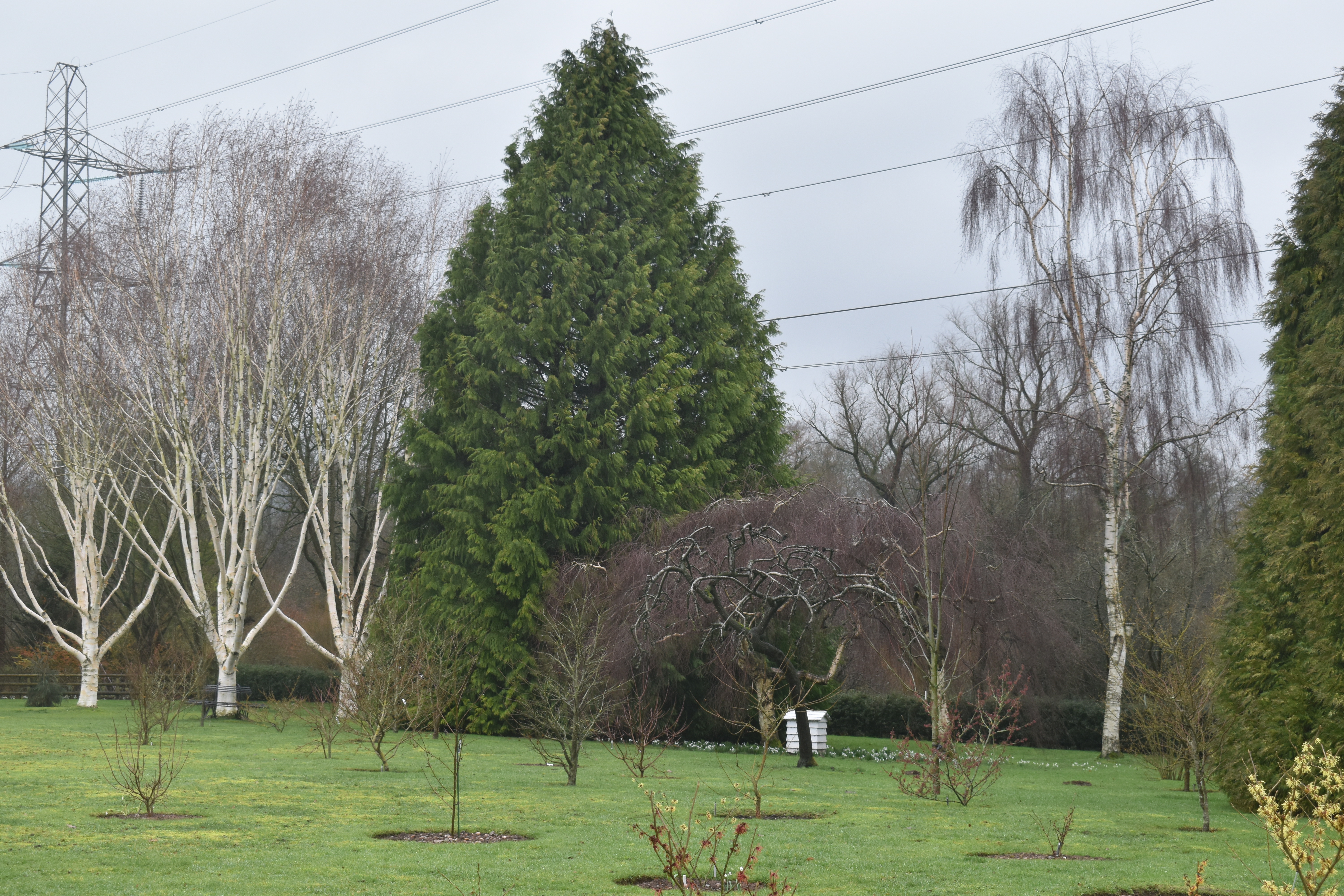
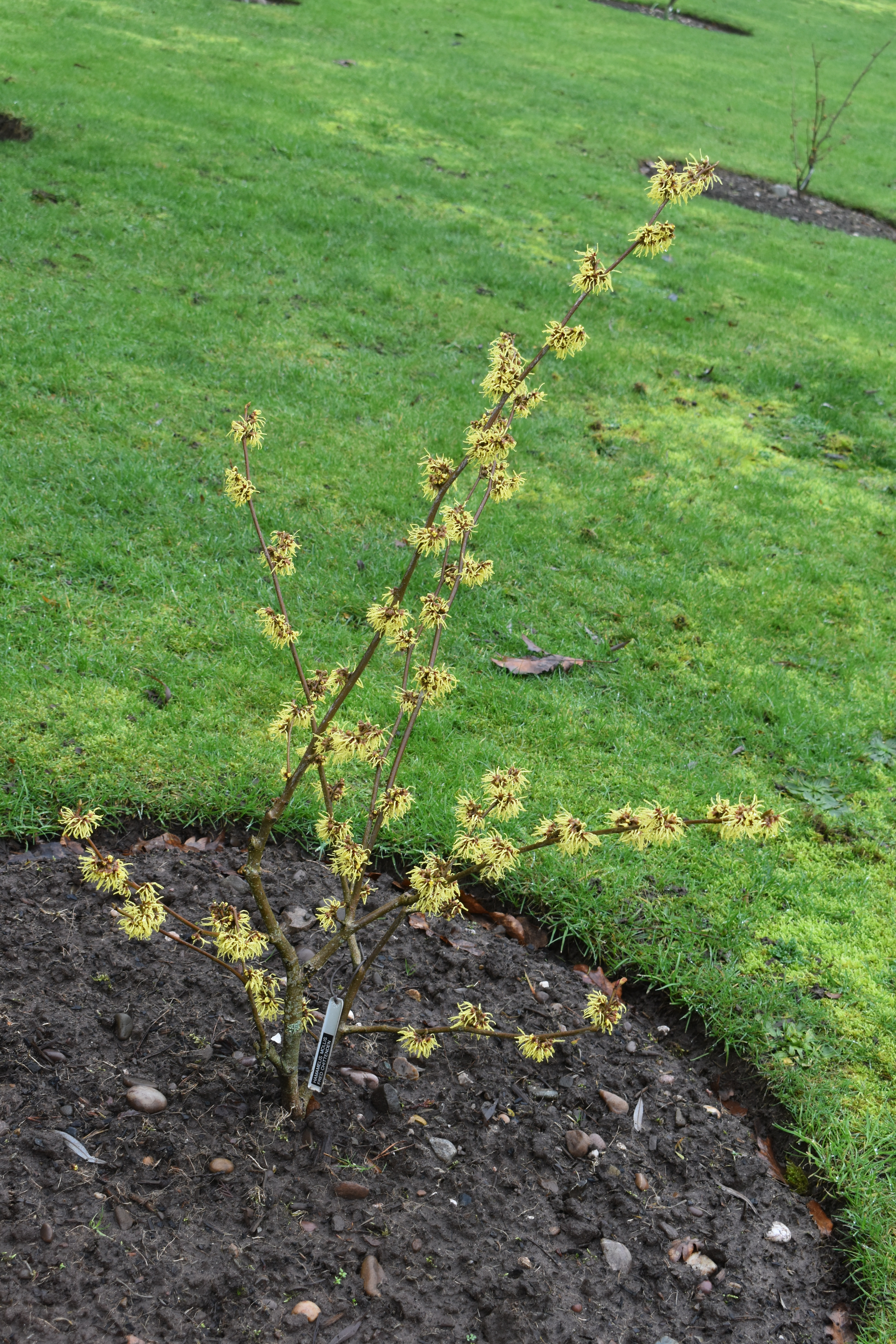
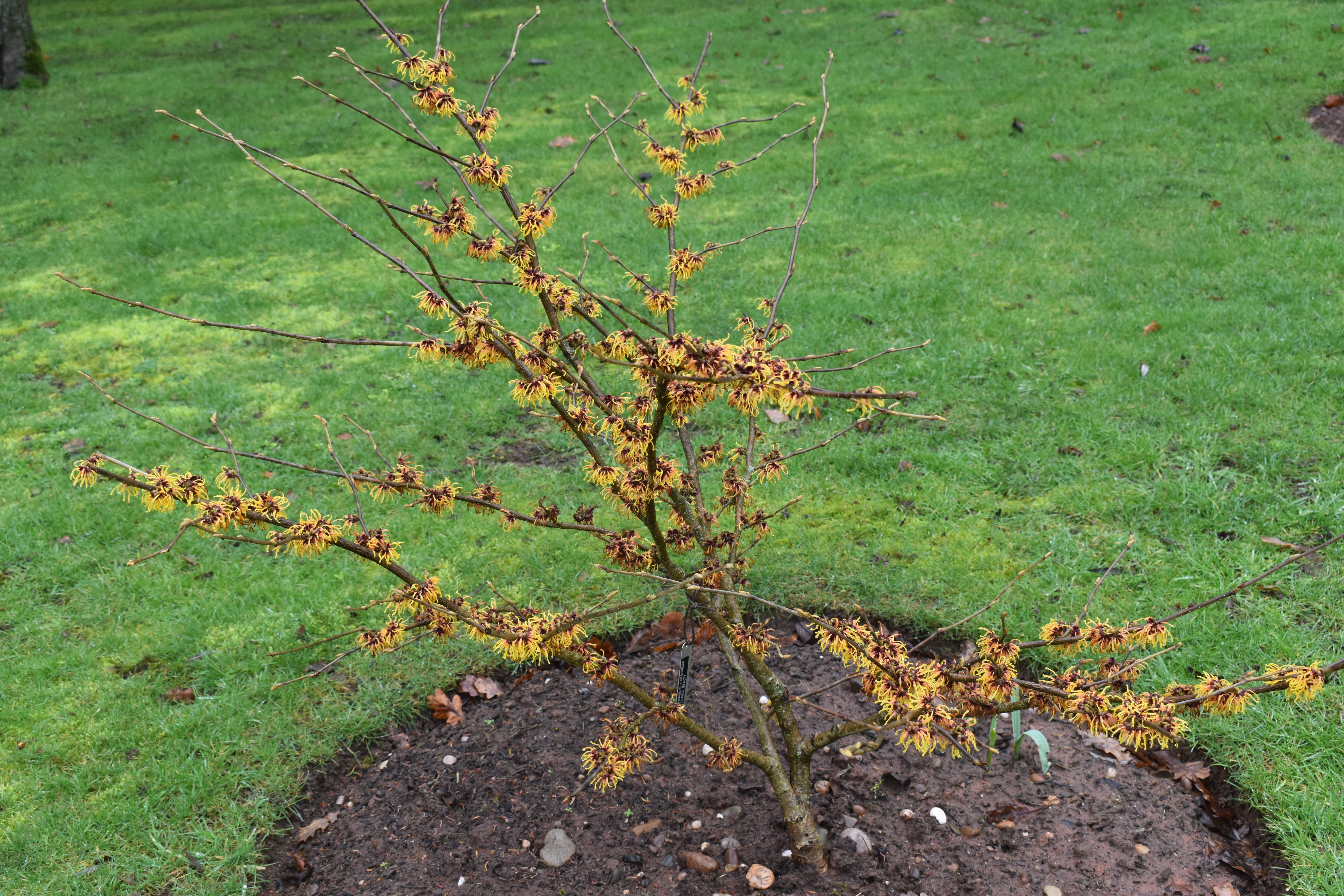
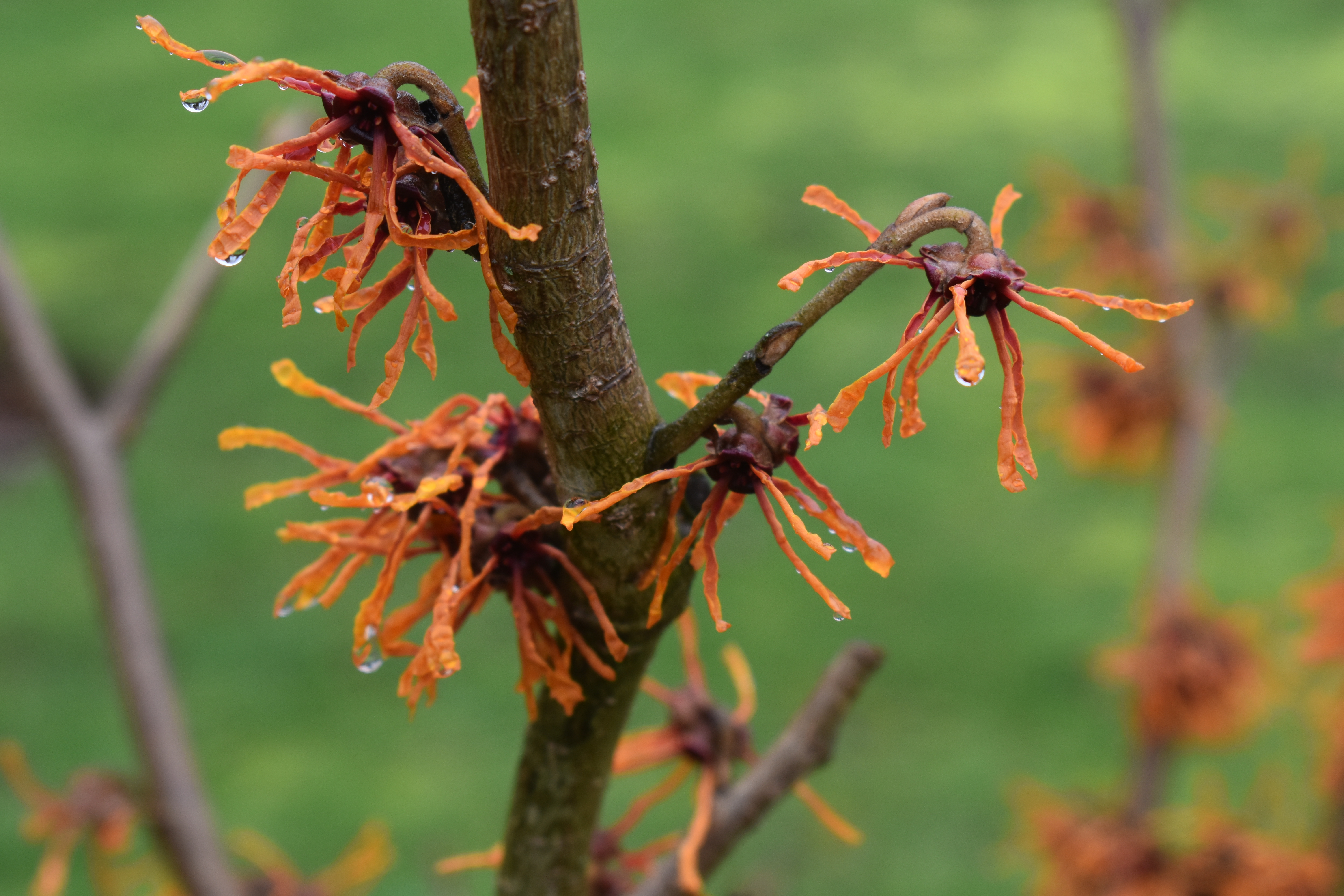
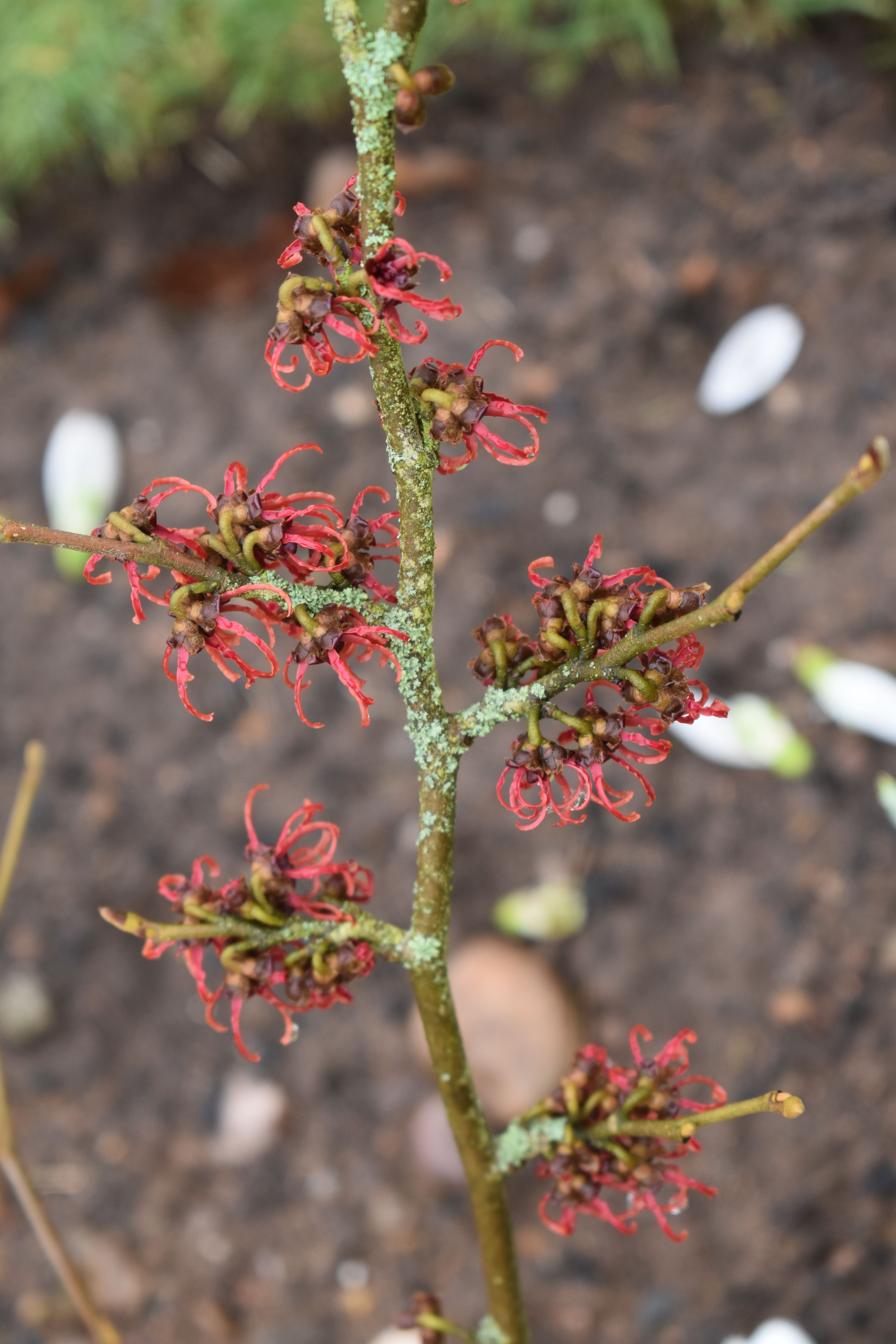
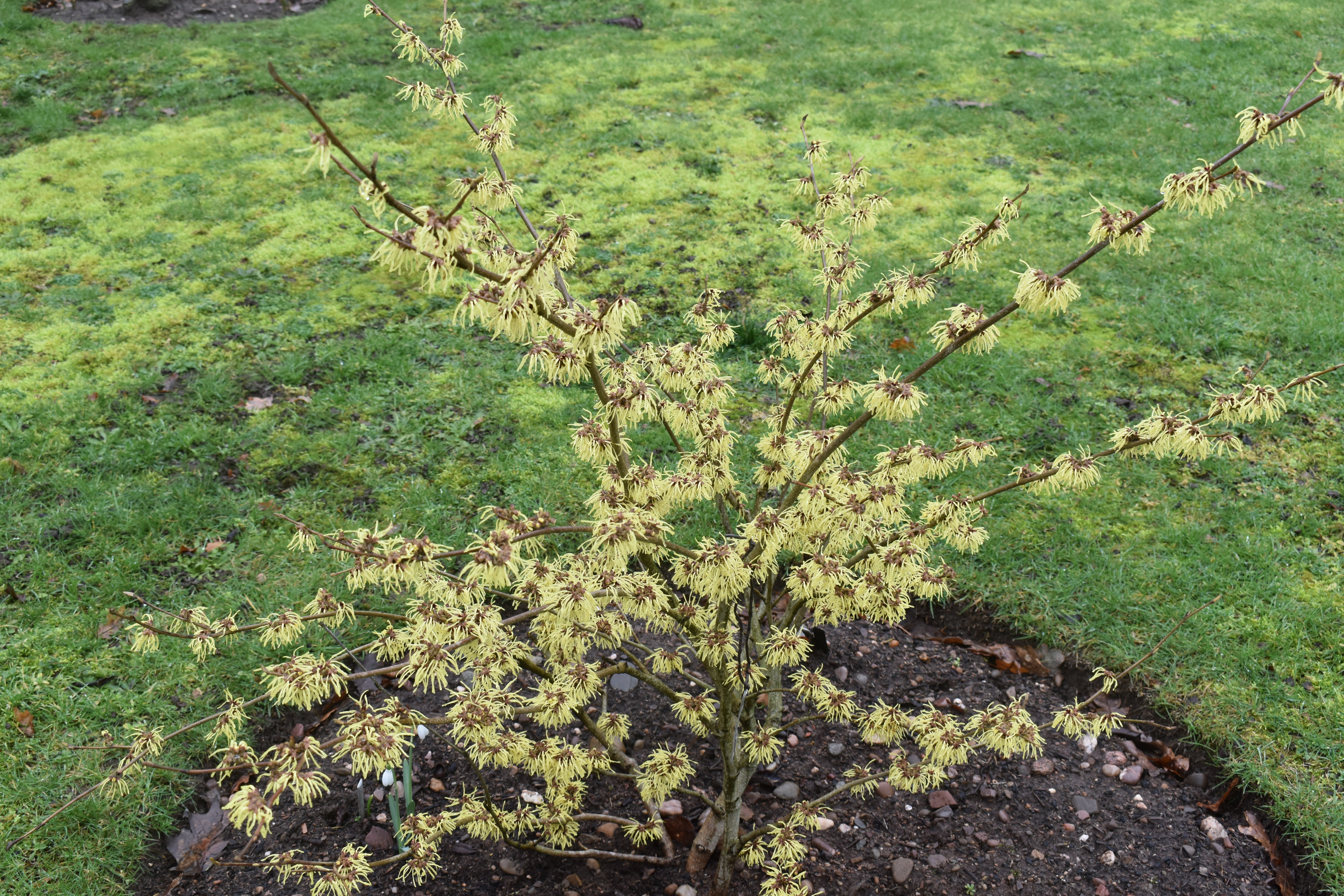
There was so much to see in Adam’s Garden as we slowly made our way around enjoying interesting collections of conifers, Witch Hazels and a variety of trees. In addition to this there were some large mixed borders in front of the cream coloured glasshouse. Snowdrops were a feature of these borders with lots of different ones to study and in some cases try to see what was significantly different enough about them to deserve a name and a place in garden centres and nurseries in the future.

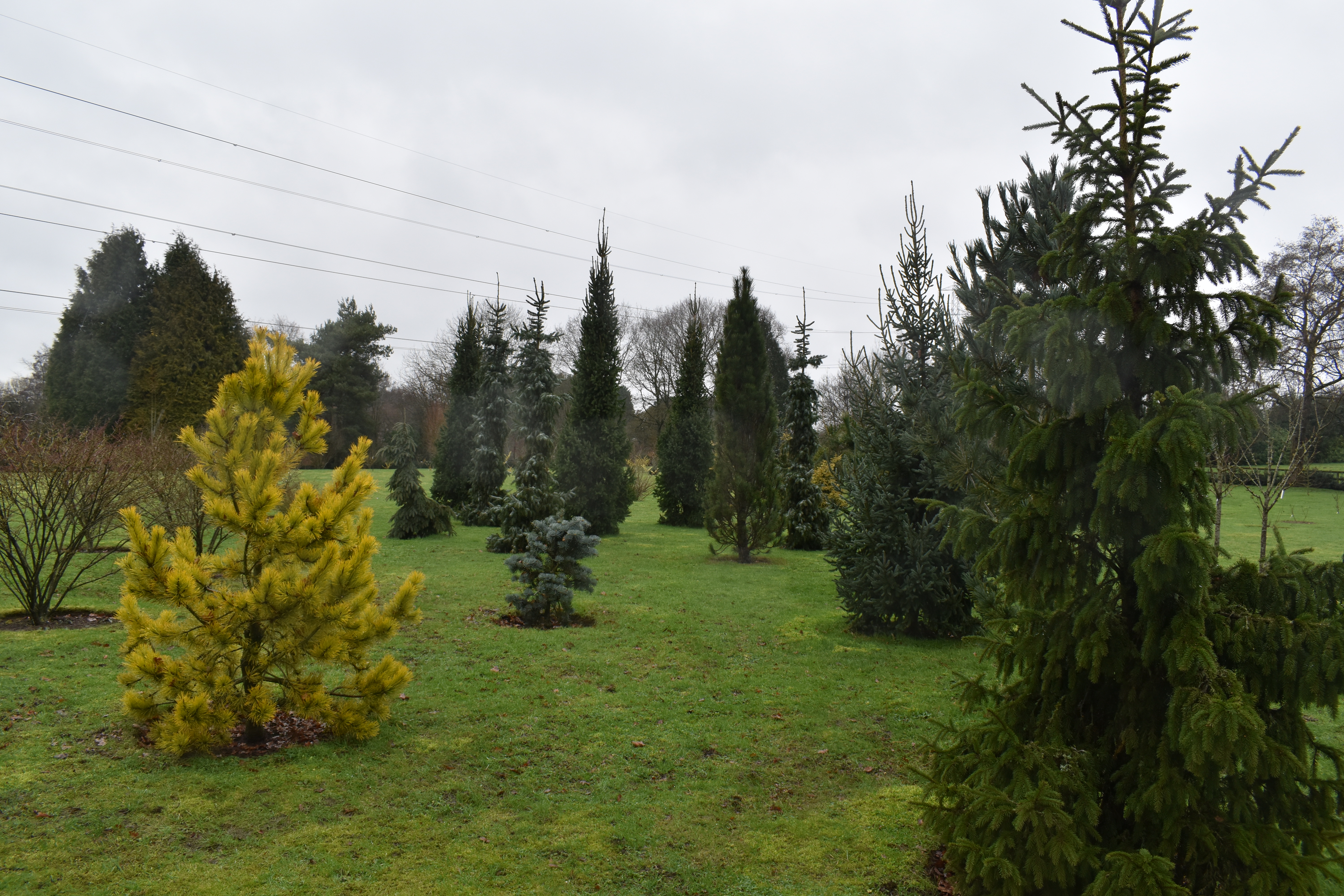
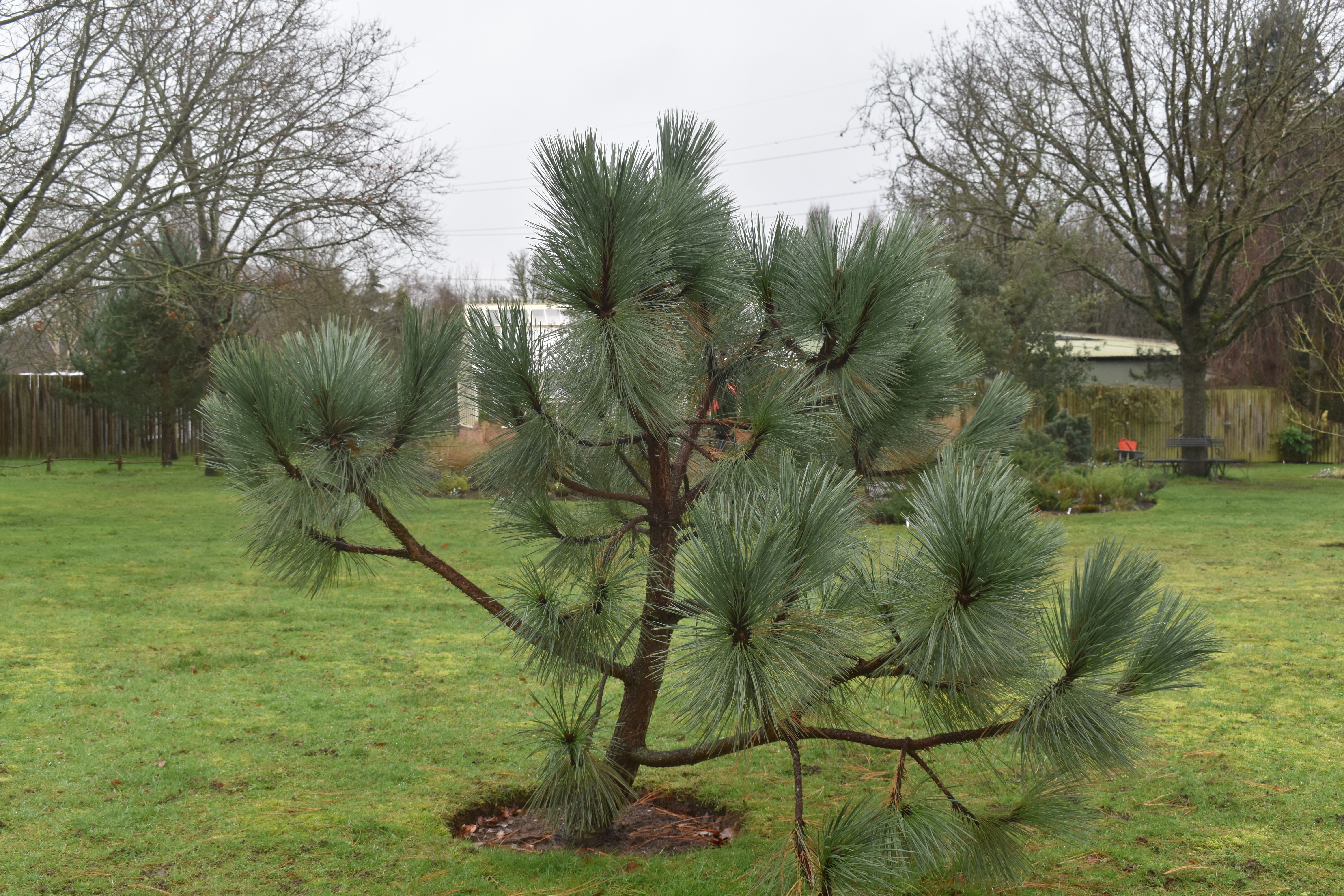
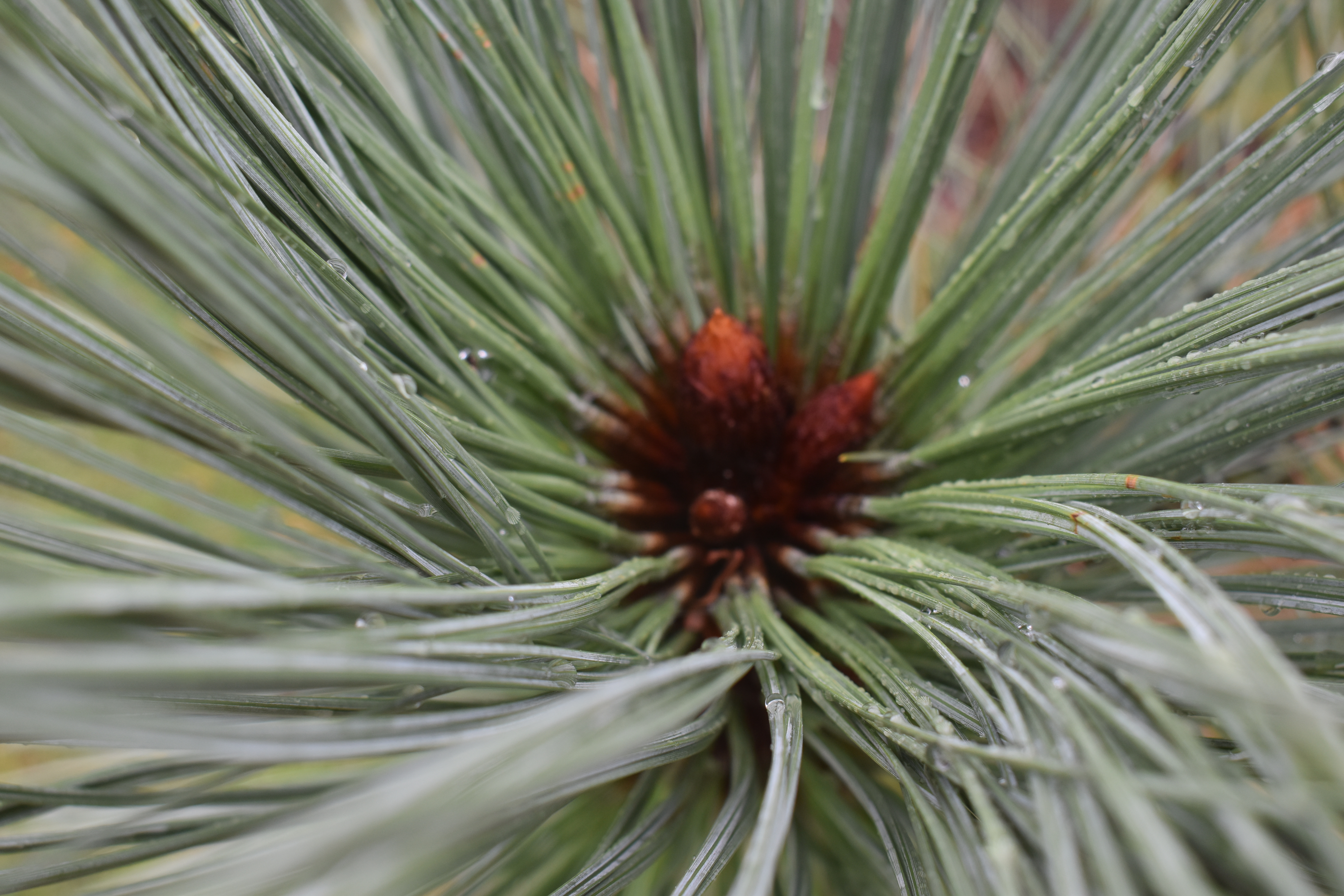
Soon after entering Adam’s Garden we met a collection of interesting conifers most of which we hadn’t come across before. Each had interesting features which made them stand out.

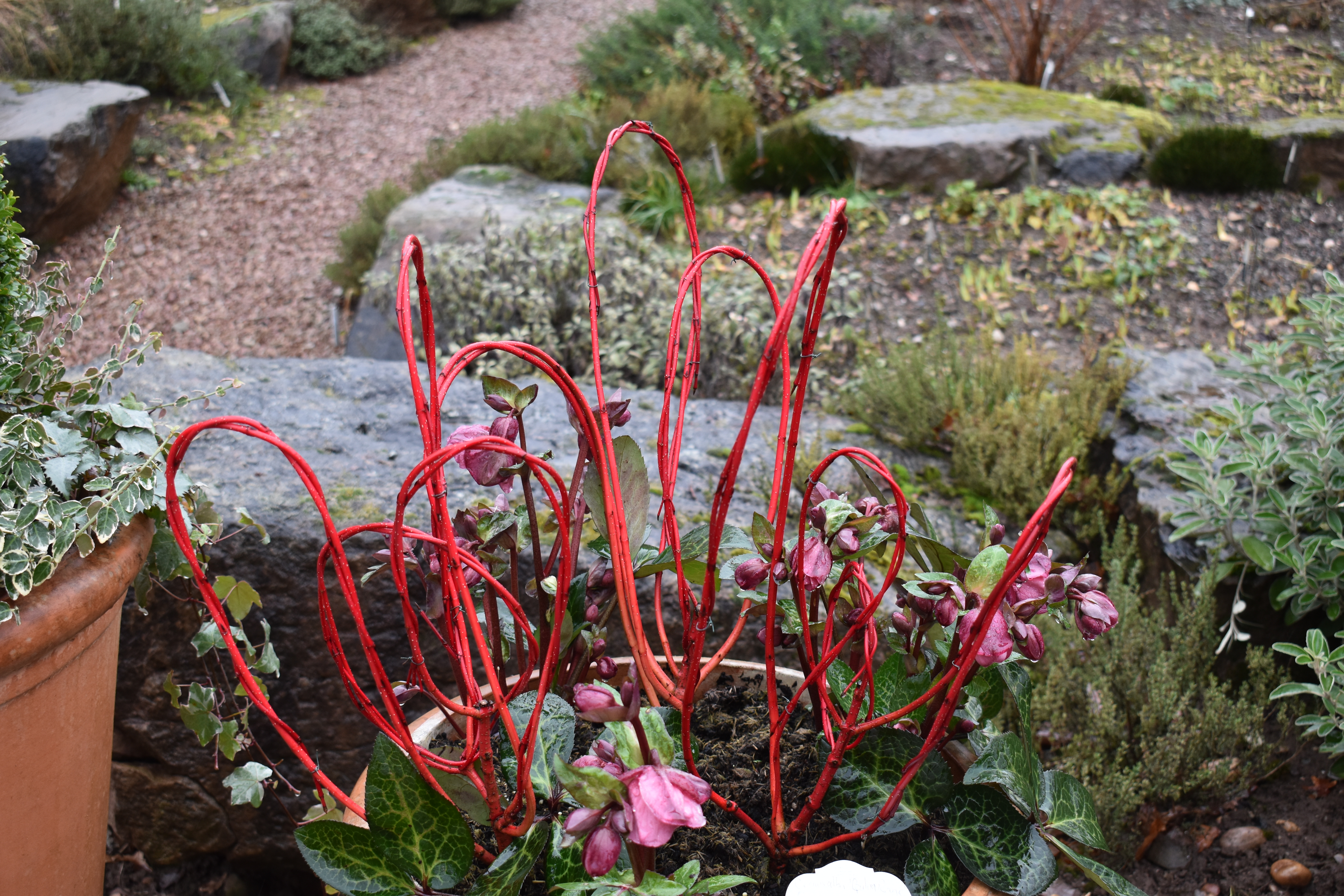
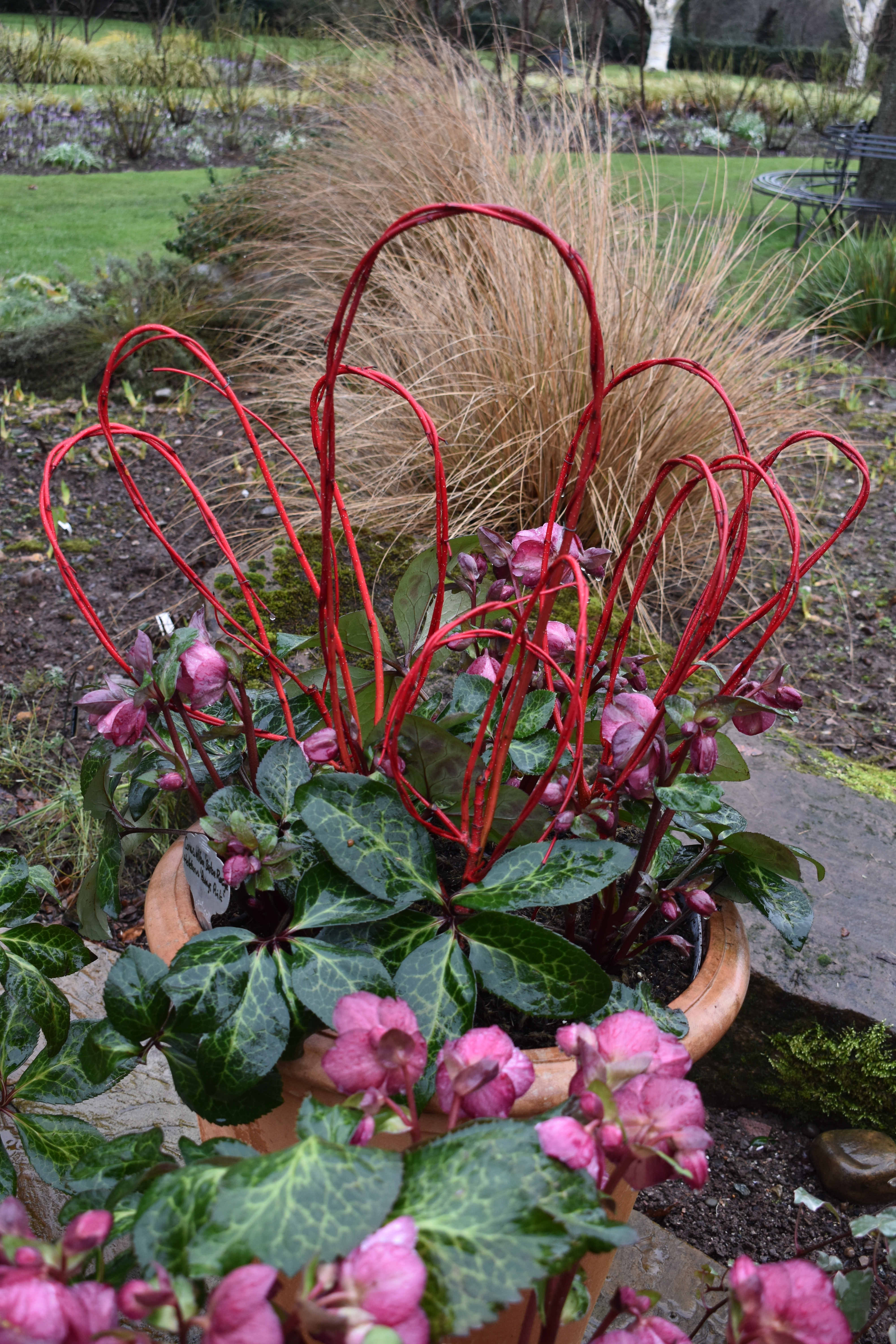
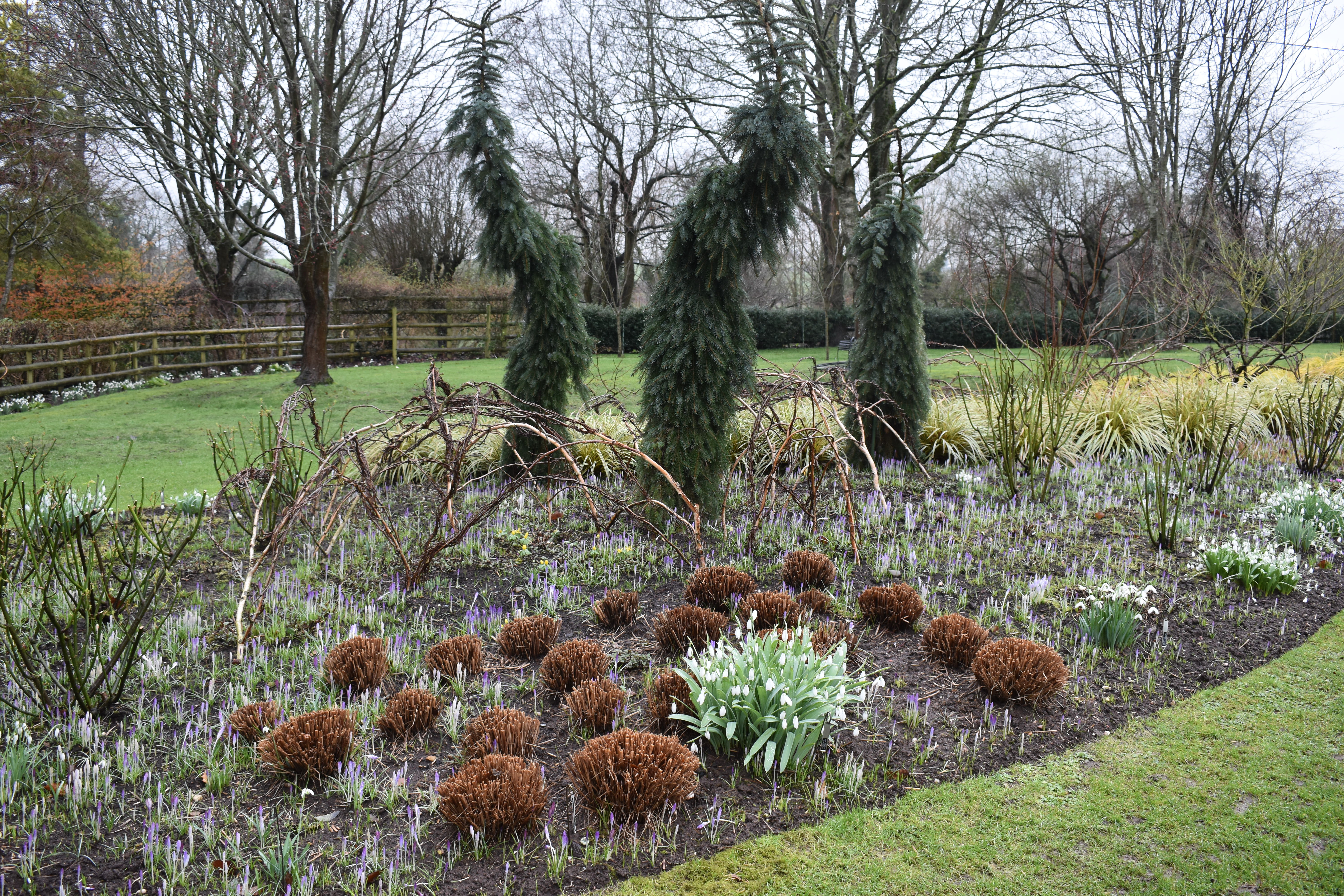
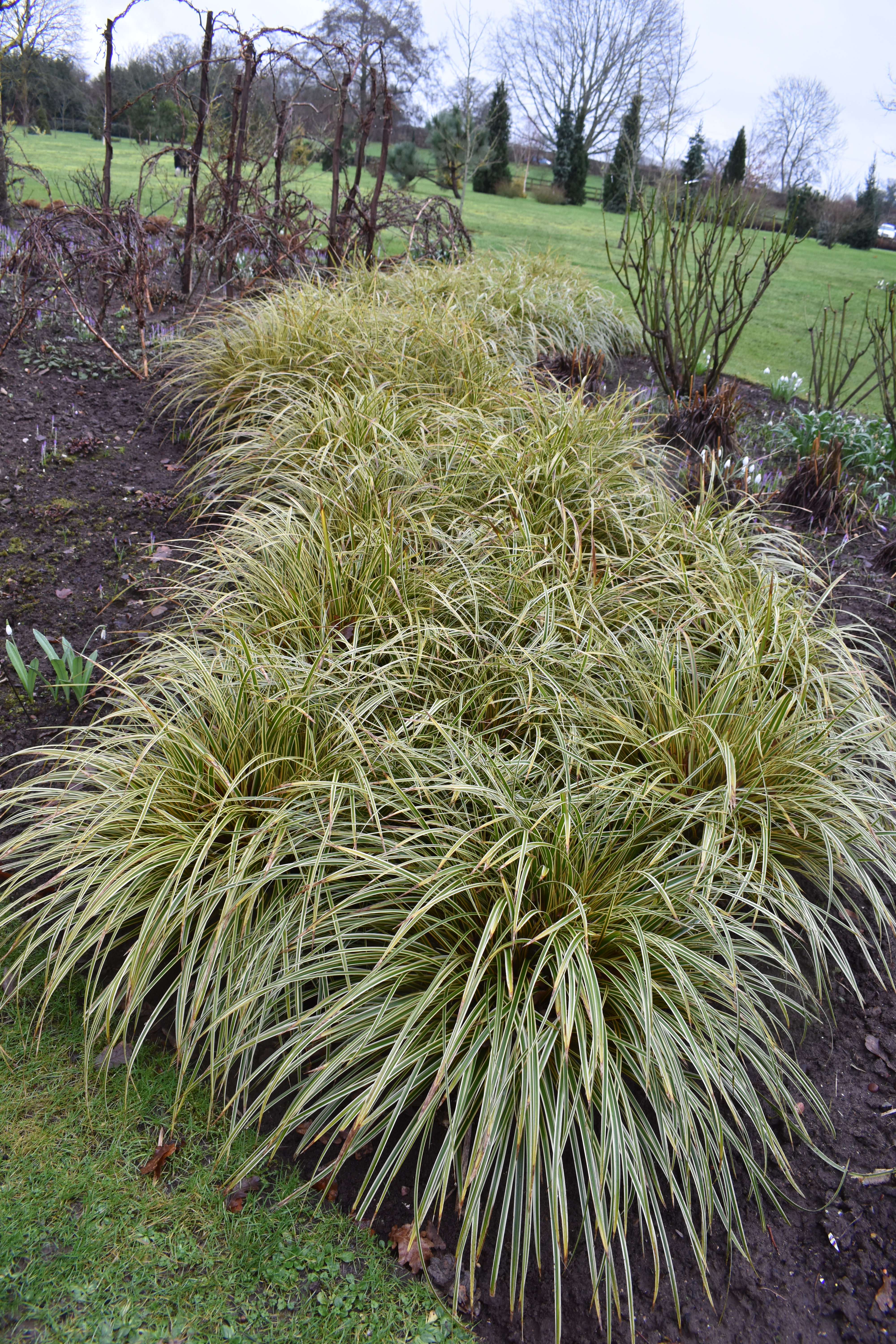
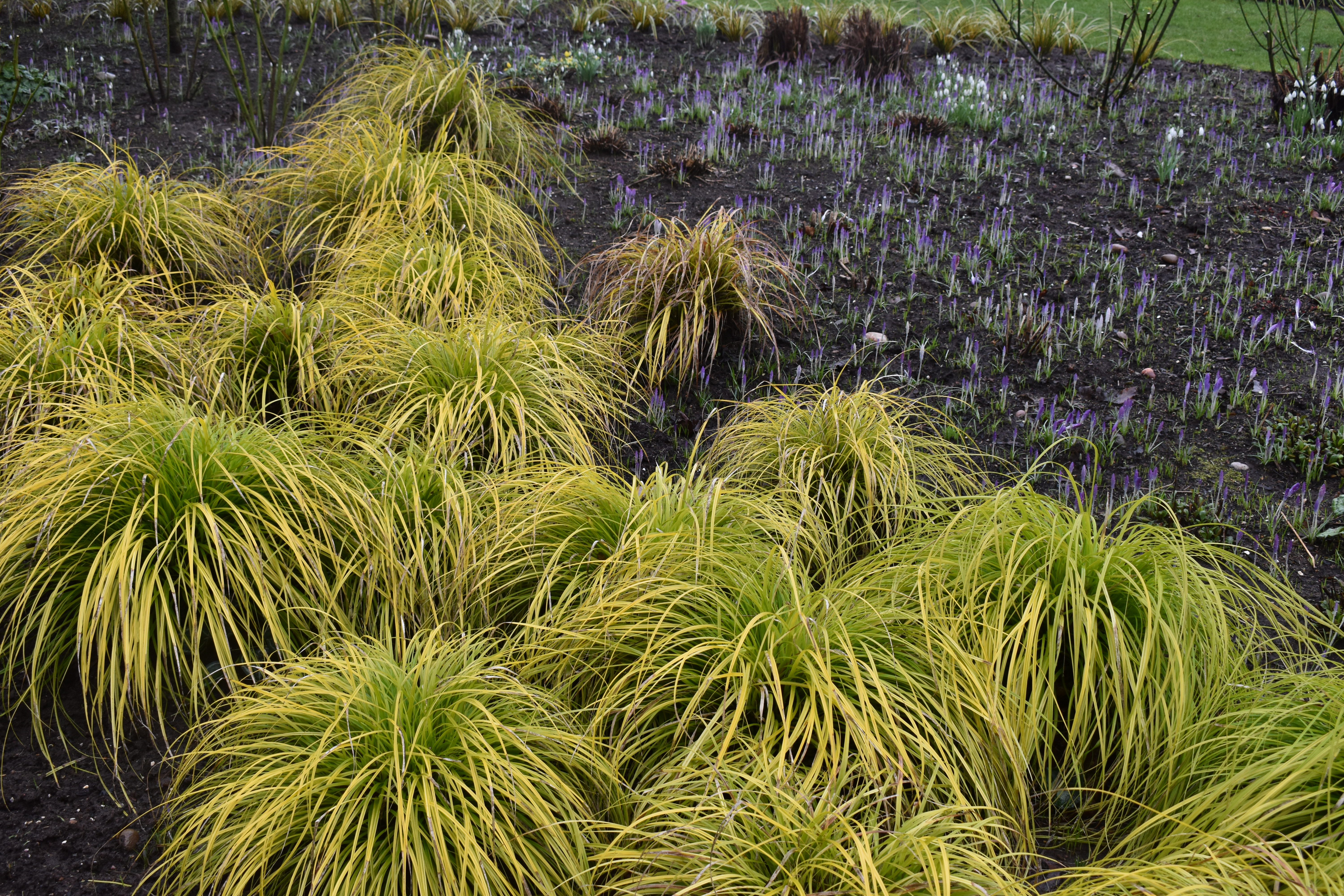
After studying the conifers, we wandered towards the glasshouse and the island beds. We were most impressed to see the way coloured stems had been used to add extra colour to containers of hellebores. The island beds showed how Carex can be used to create rivers of colour.
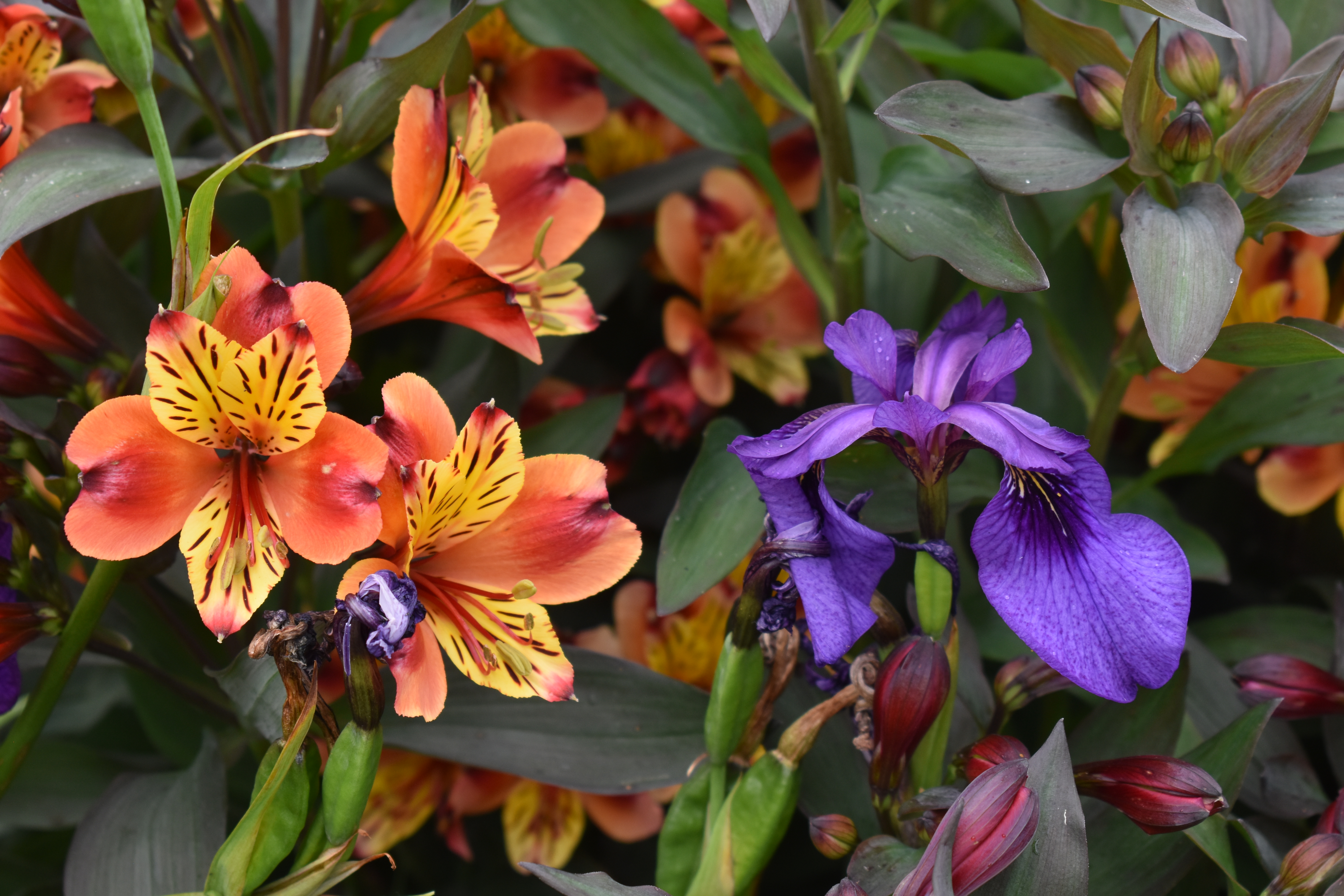
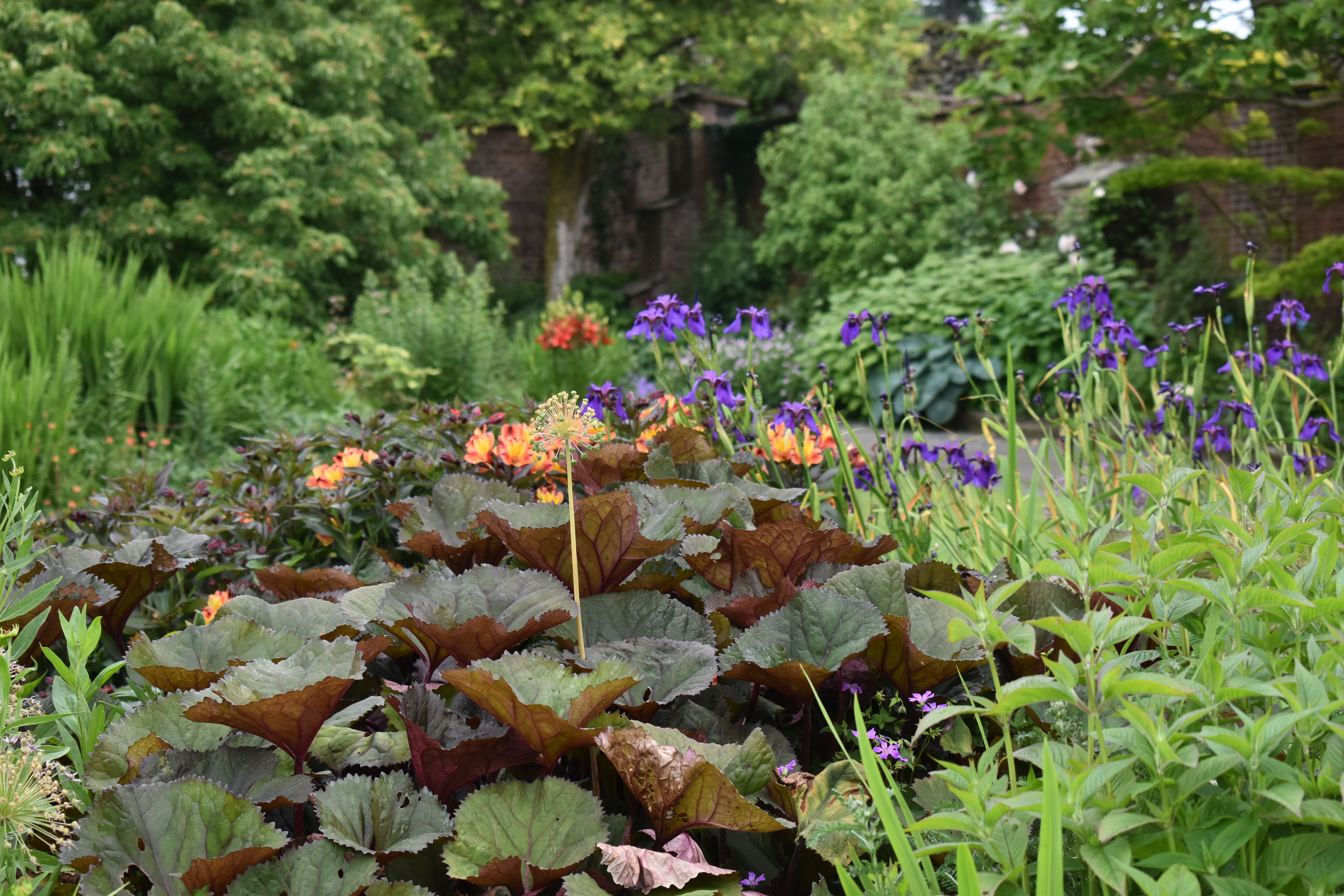
Walking around the perimeter of these borders gave us close up views of the many interesting plants, small shrubs, spring bulbs and perennials. While there, we met a garden student/apprentice who was so interesting to talk to and we were able to answer her many queries about other local gardens as well as our favourite national choices. She felt special to be working in John’s Garden and would soon be off to Great Dixter to work with Fergus. It is good to know that gardening is in good hands if youngsters are coming through with this level of enthusiasm.
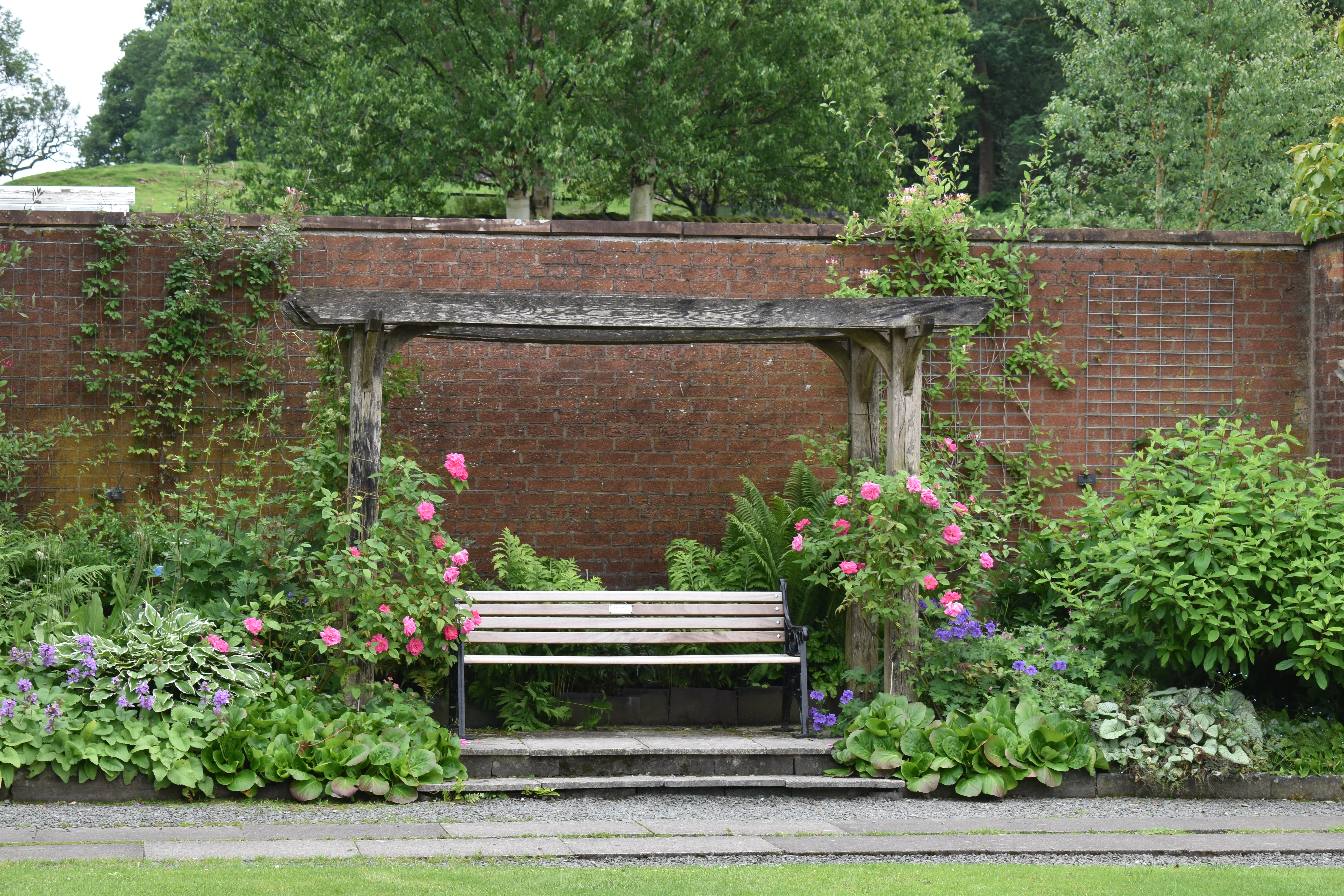
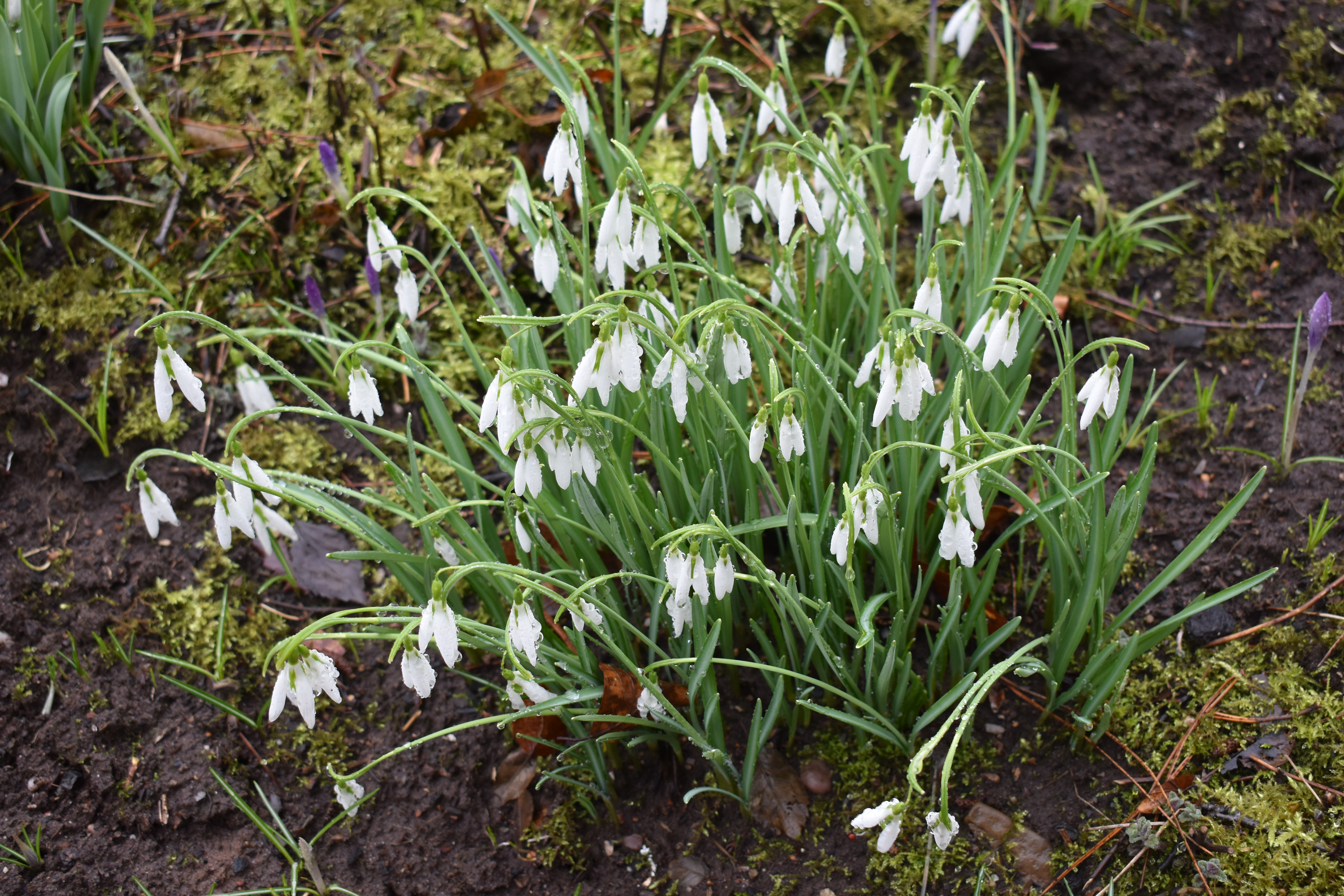
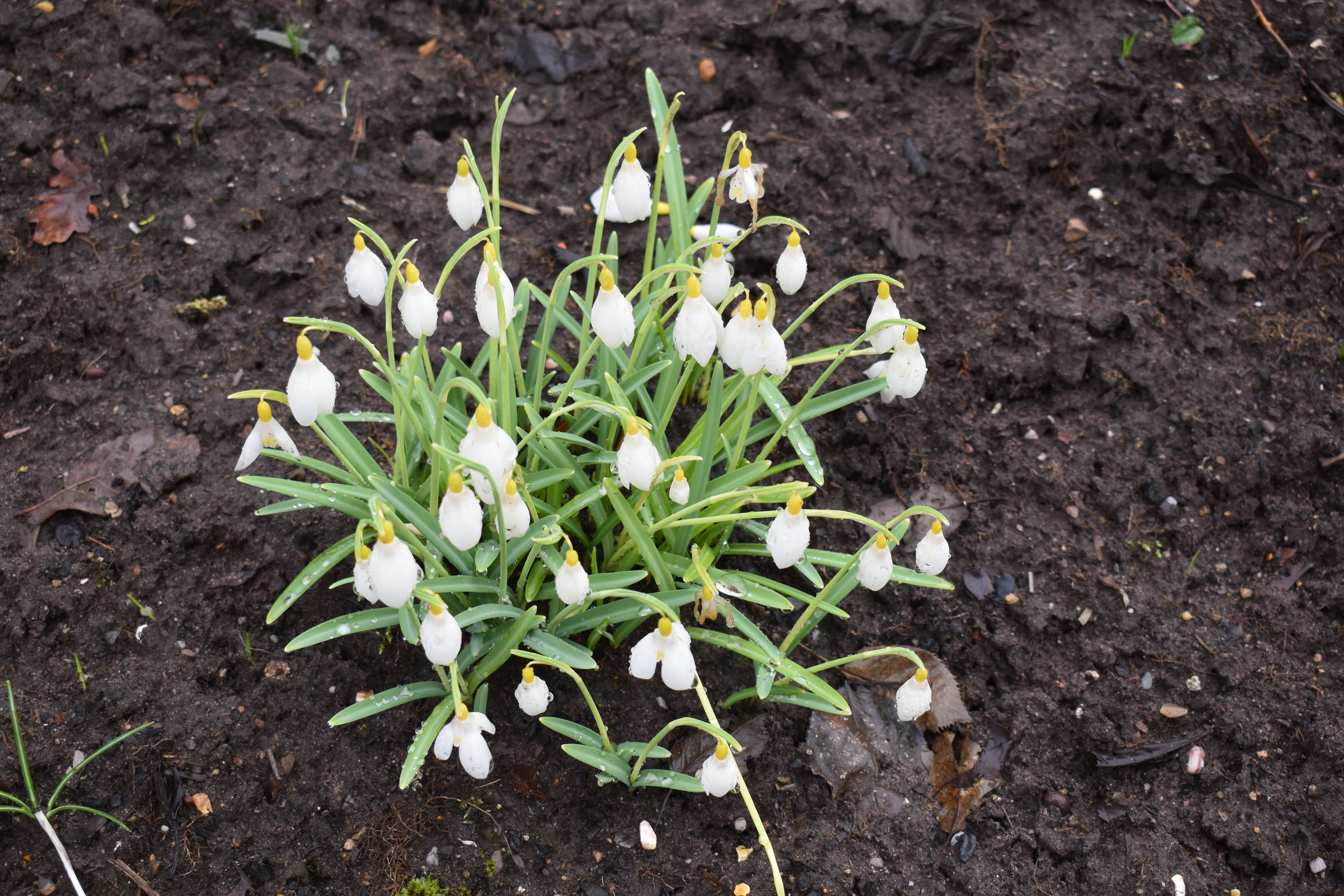
One of John’s favourite plants is the snowdrop and he has a large collection of special ones as well as large clumps of G. nivea.

G. Wasp G. elwesii ‘Natalie Garton’

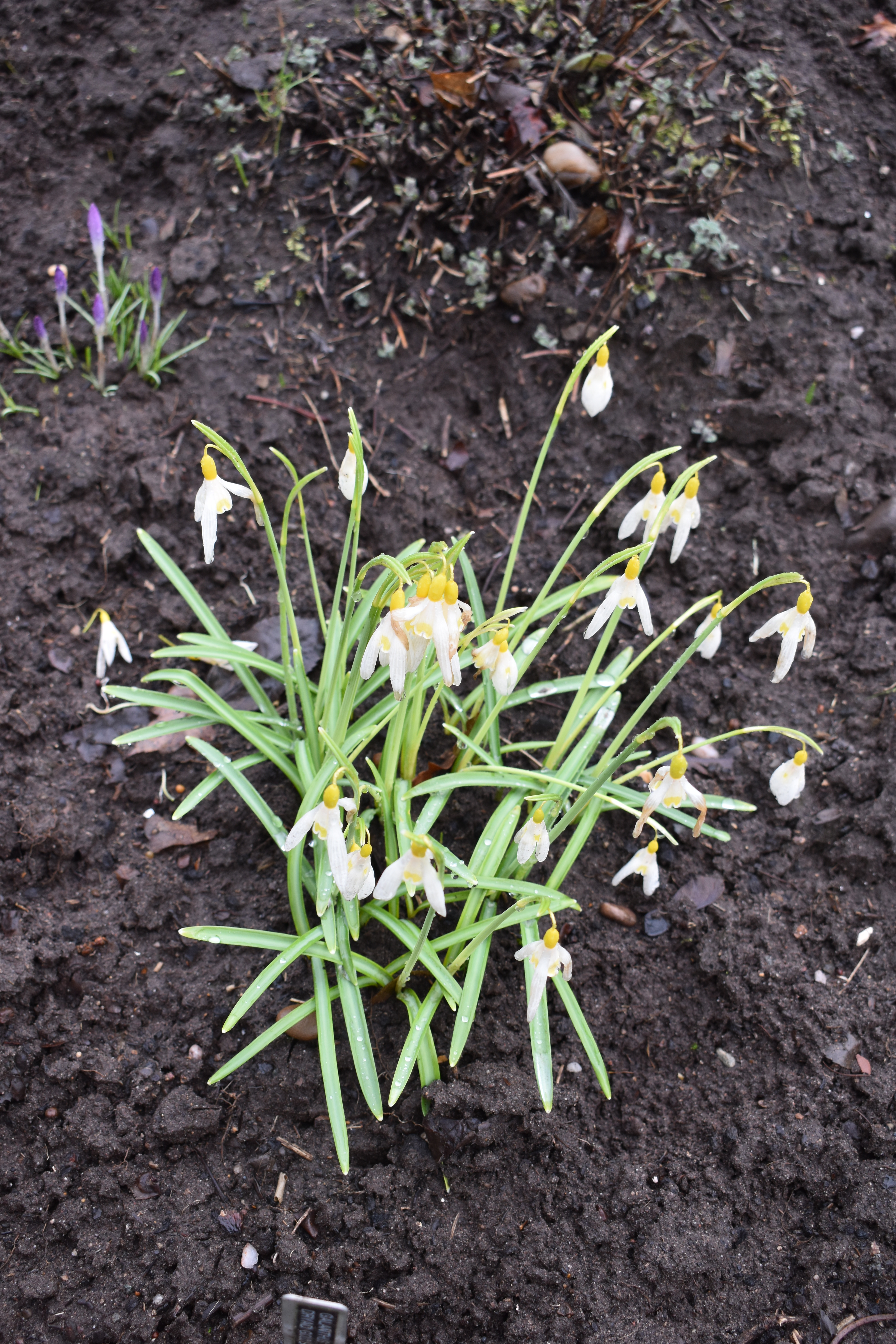
Two of the selection with golden features on the flowers.

G. Dryad Gold Sovereign G. Dryad Gold Bullion

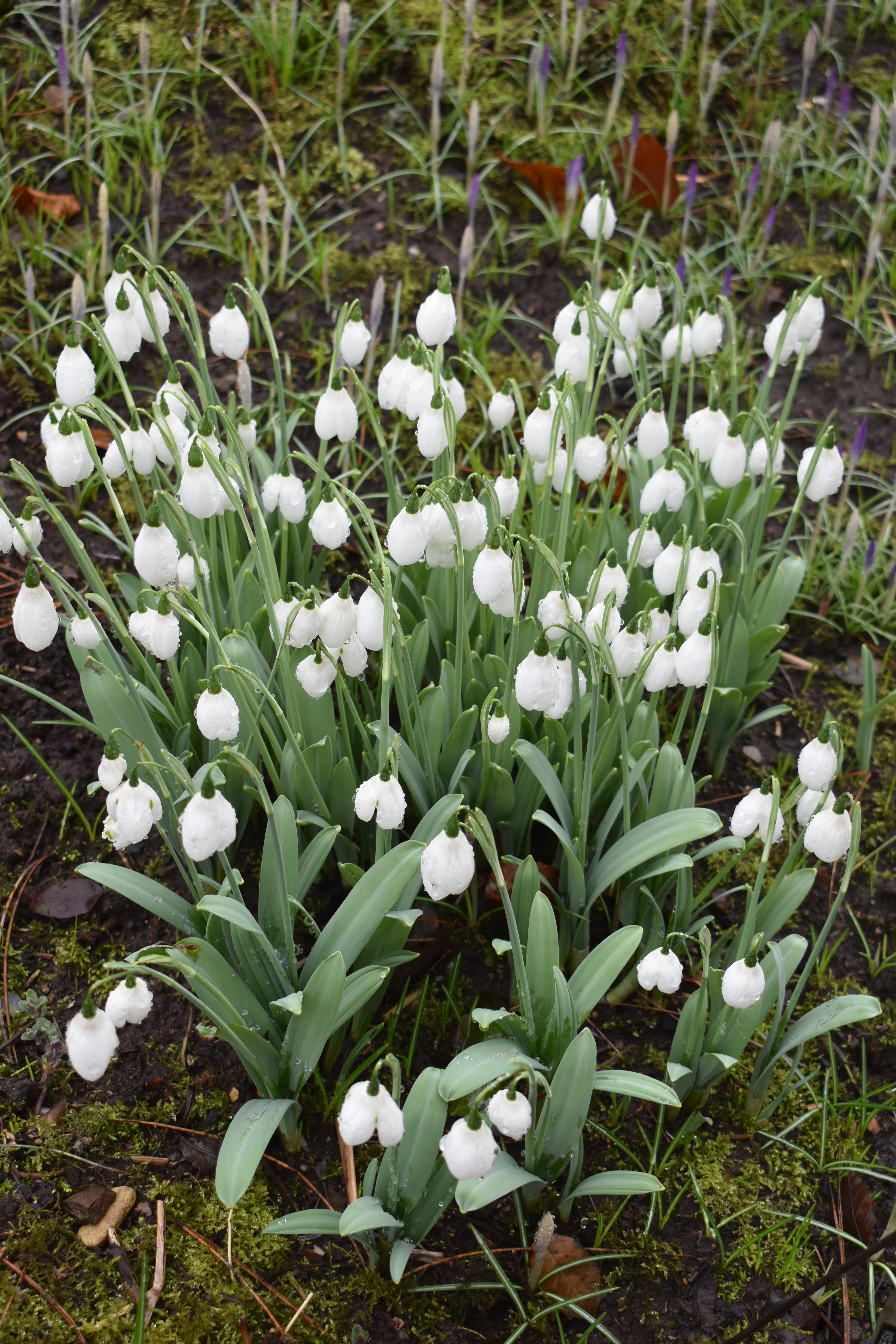
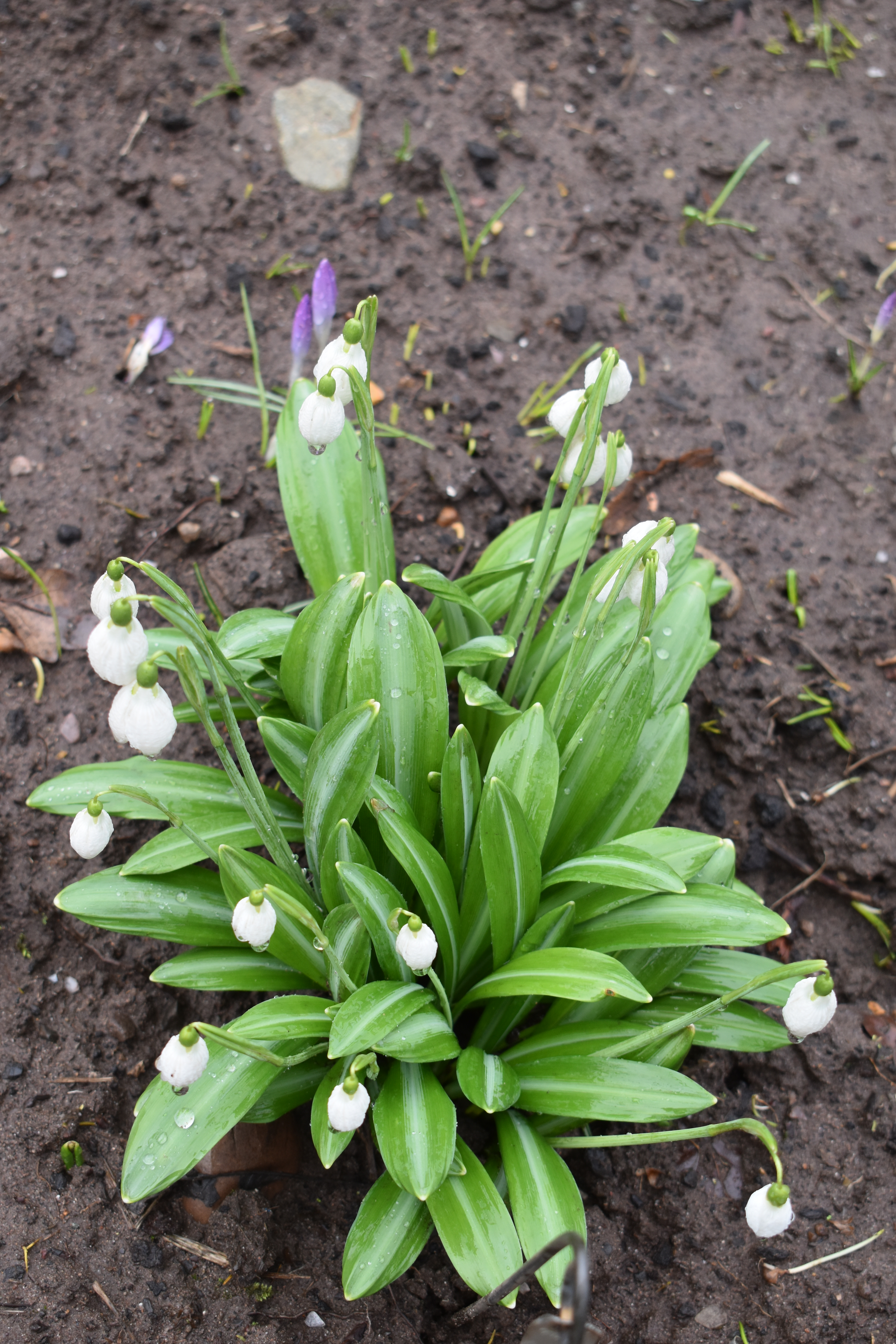
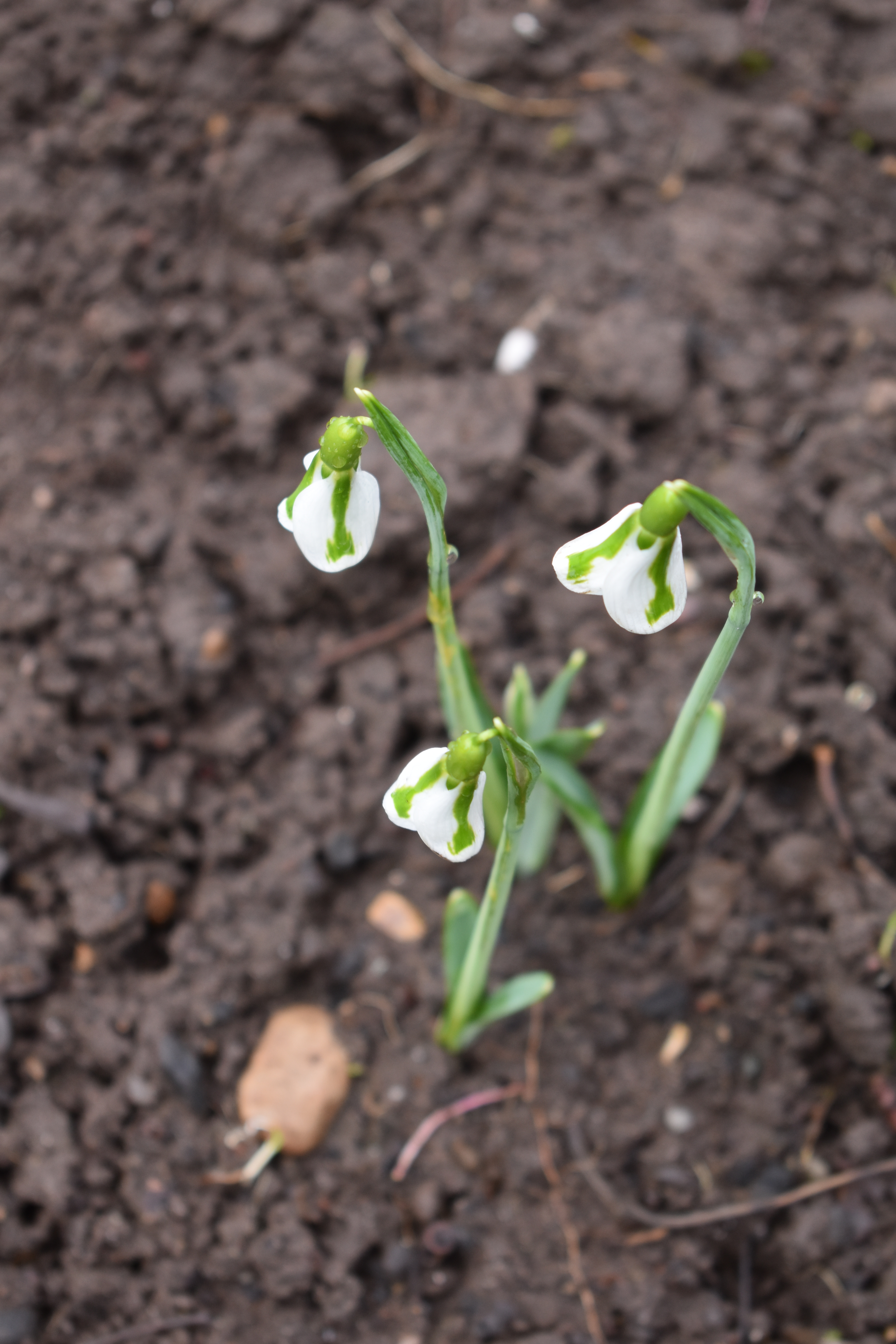
We were then very much surprised to see one with interesting foliage, broad mid-green leaves with a silver centre. Equally our eyes were drawn to the flowers of the next selection with extra green on some of their petals.

G. ‘Spring Cottage’. G. ‘South Hayes’

We then traced the fence separating ‘Adam’s Garden’ from the main part of ‘John’s Garden’ and looked out for the shrubs in the border this side of the fence, which then took us to some interesting trees and back to ‘Adam’s Garden’ where we were drawn to the large selection of Witch Hazels.

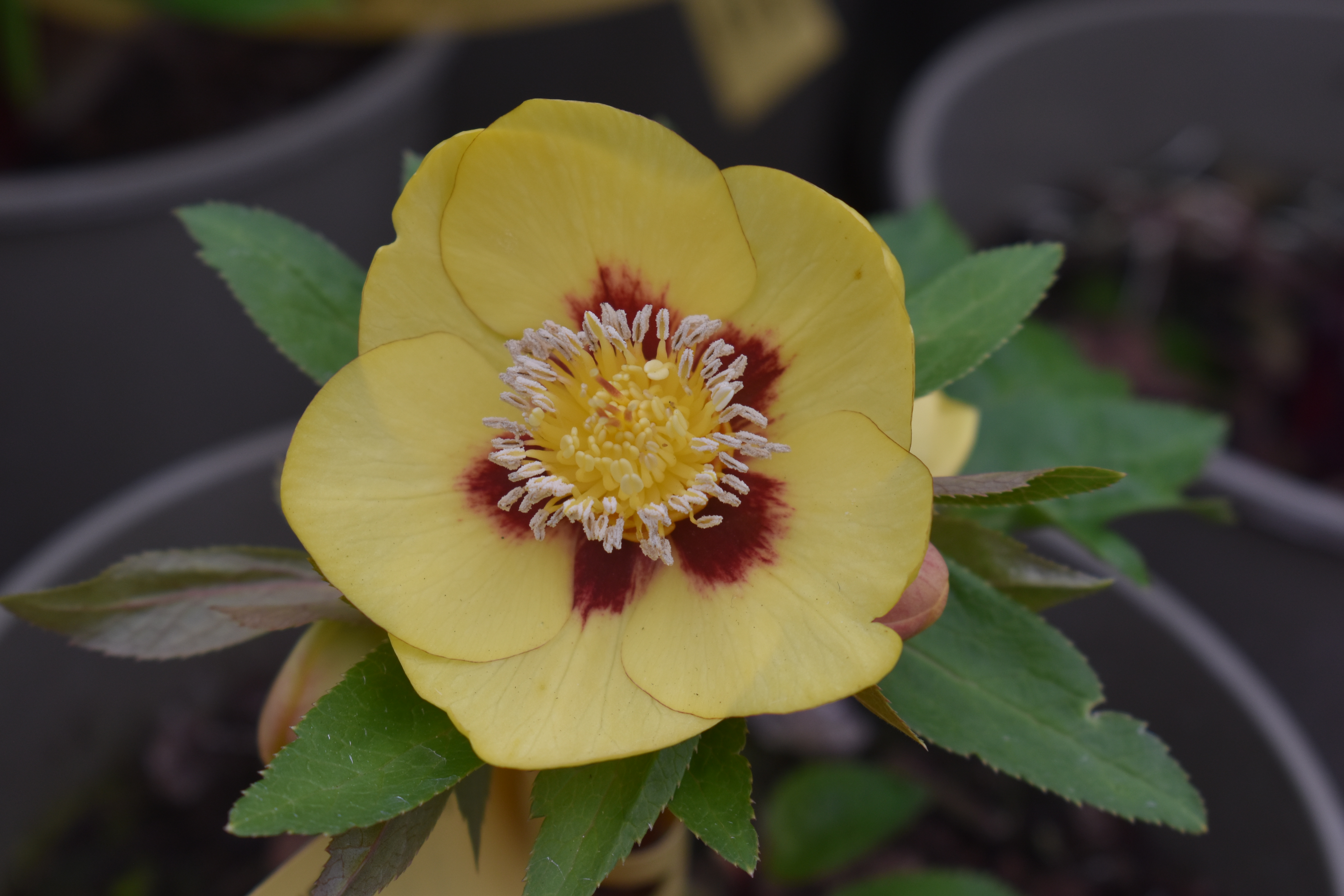
As only a small percentage. of John’s Garden was open for visitors it was decided to give a bonus – we could go into the Hellebore stock and breeding plants tunnel. It was so colourful and exciting to spot new colours being developed and the mass of different hellebores all together.

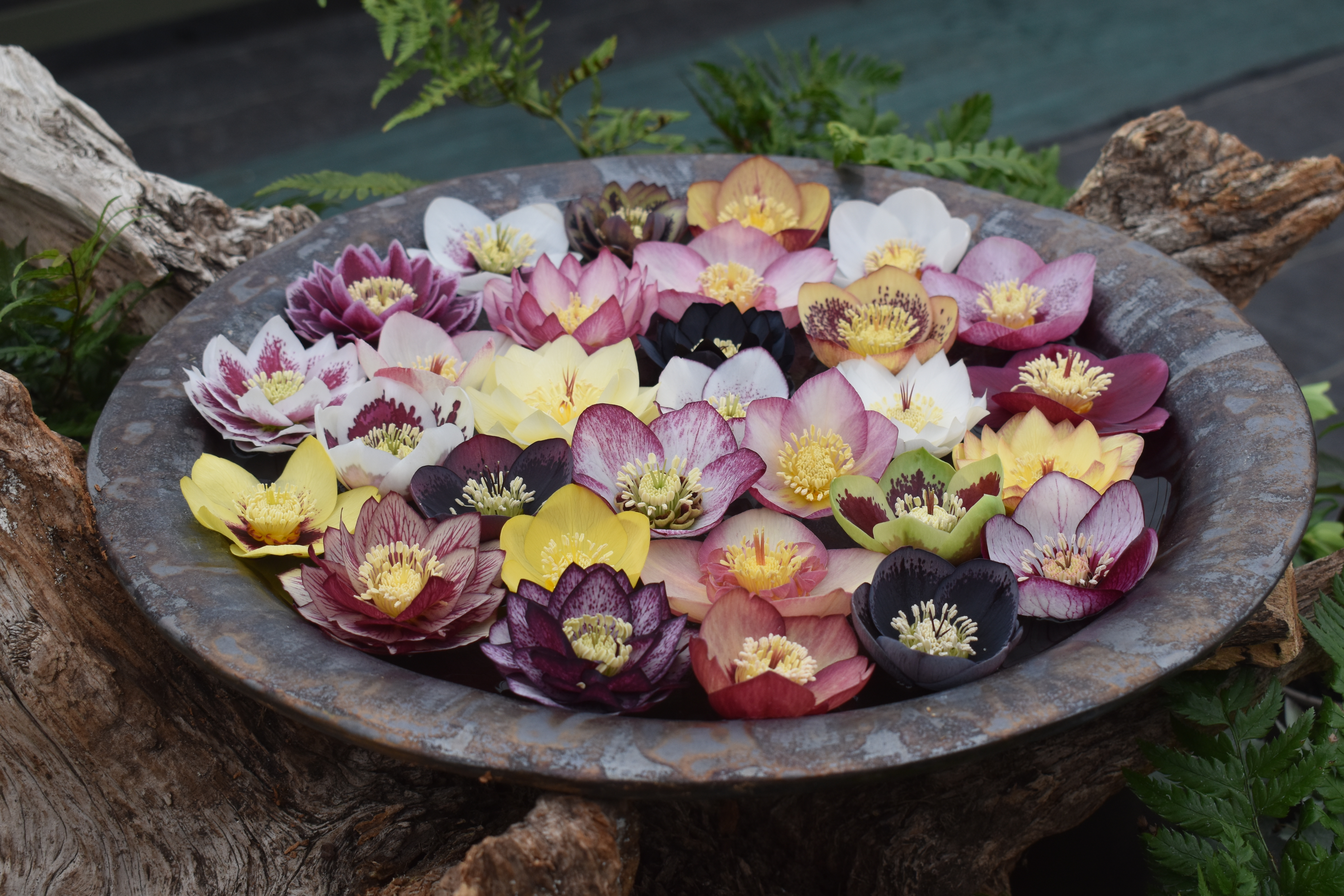
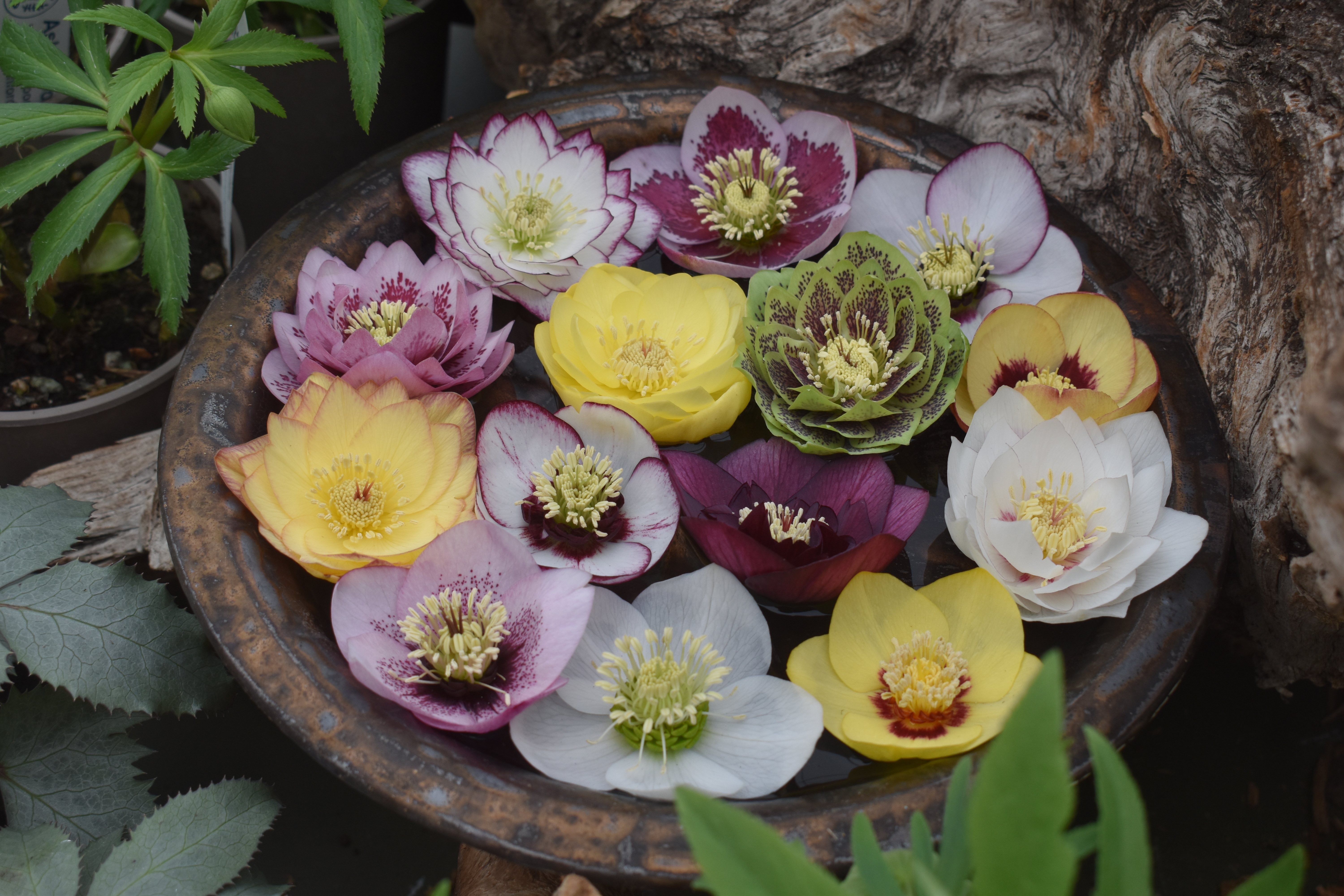
We have always admired the way John displays his hellebores as cut flowers by using just the flower heads floating in shallow bowls of water. We have followed his example at home for several years now. It is such a simple but clever idea, and a great way to finish reporting on our February visit to John’s Garden.

Categories
Uncategorized

My January 2026 Garden Journal

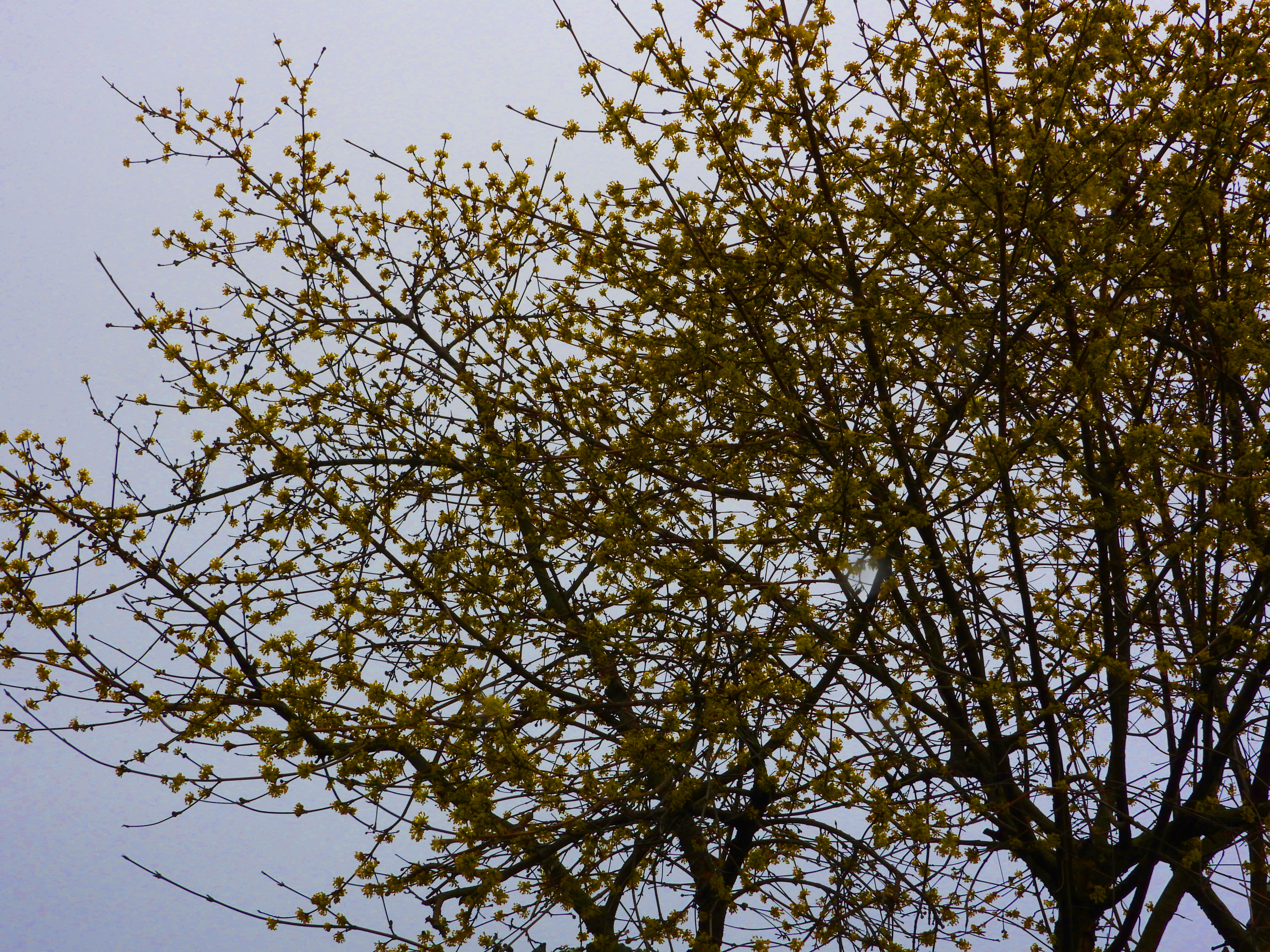
Like most gardeners we entered January with no idea what the weather might bring us, but we knew we would be in for a few surprises. As with most recent garden surprises, this year almost from day one sent us surprises to do with weather! We keep getting named storms attacking us. However we did get a few blue sky days which were great for taking photos of tree silhouettes.

It is these photos that feature on my first page when I noted that, “On a blue sky day in early January the sun caught the skeletal forms of our deciduous trees emphasising their filigree structure.” beneath these words I shared nine photos of trees in our garden, willows, betulas, acers and an odd crab apple.

Malus ‘Adirondack’ Salix ‘Wendy’s Orange’ Betula ‘Hergest

Betula ‘Red Panda’ &’Kanzu’ Acer rufinerve Betula ‘Septentronalis’

Salix tortuosa. Betula ‘Hergest’

On the opposite page I wrote, “Winter flowering shrubs, mostly sweetly scented ,looked vital when caught in the rays of winter sunshine. Grasses and hellebores added more interest beneath and around them.” The page then featured ten photos to show colours in our January garden.

We had been surprised to see blue skies at the beginning of January but we were even more surprised to receive a covering of snow. We were surprised also when it kept snowing until we had six inches or more of the white stuff and it stayed a few days when we were blocked in.

I wrote, “Snow arrived with a vengeance and kept falling until the garden disappeared under a thick duvet of the white stuff which fell on top of ice. The snow was then covered by a deep frost which hardened it.”

Our borrowed landscape still and pristine white.

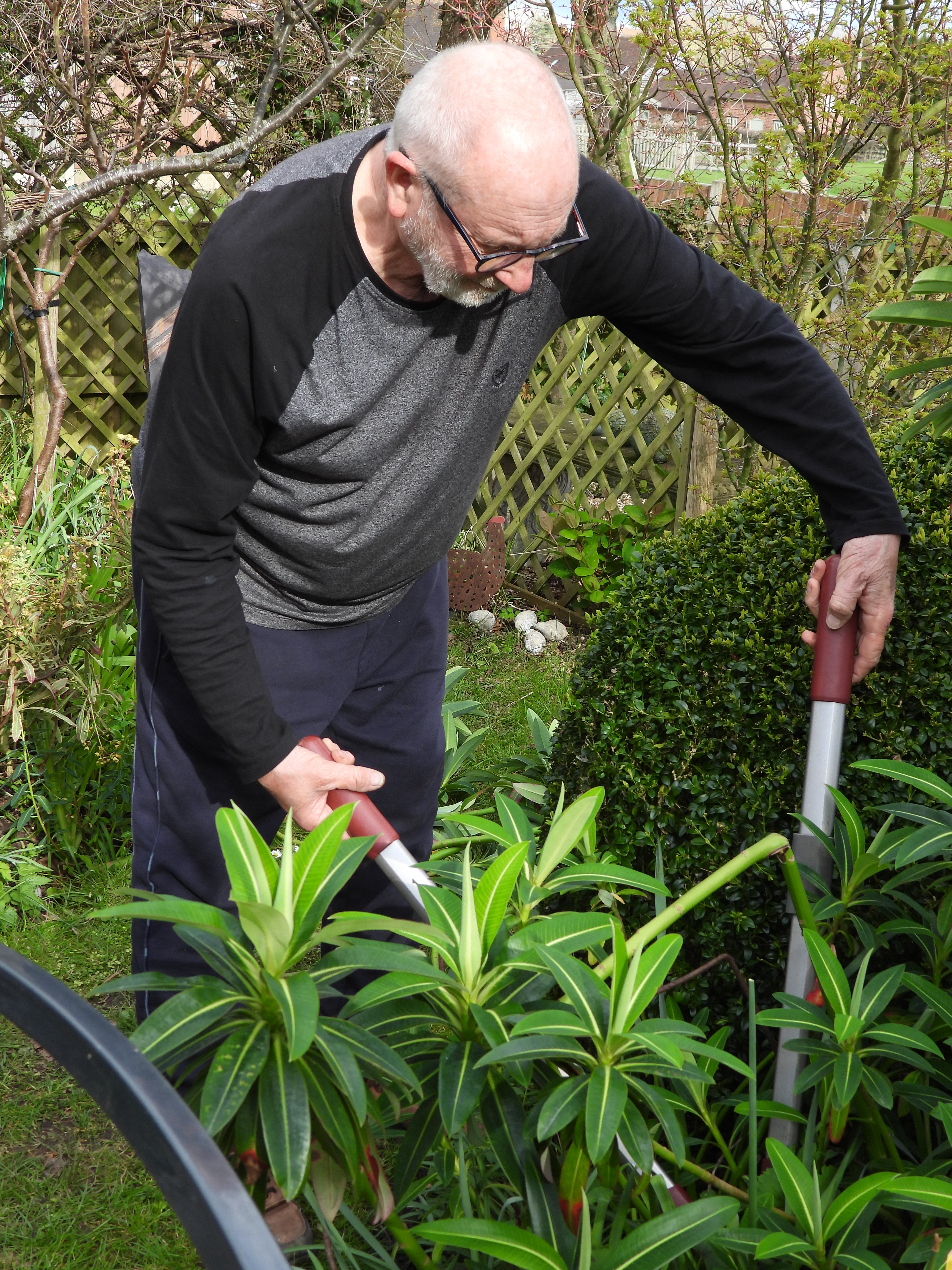
Staying on the subject of snow I next looked at the damage it caused in our garden. “The snow seemed so heavy that it broke many boughs of trees and shrubs and bent tall grasses over flat. A tidy up was called for because plants needed rescuing. Secateurs and various sizes of lopper were called into action. Most of our ferns in the ‘Shade Garden” were totally flattened to lay across the path alongside them.”

Flattened Calamagrostis Broken Cotoneaster

Snapped Mahonia

Pruning the damaged cotoneaster and finding more damage.

Another flattened grass. Ferns flattened onto the path.

Whatever the weather does there is always work to be done in the garden. some of these January jobs are featured on the next page of my journal. I noted that, “Luckily I love working outside in the garden in winter. I don’t worry about the cold or light rain. There is always a list of jobs to carry out in January.”

Jude the Undergardener pruning the blackberry.

Repairing a bird box. Ian, our gardener trims the amelanchier

Ian tidying damaged grasses. Ian trying to get an acer stump up.

Potting up carex divisions. Cleaning Crassulas.

On the opposite page is another of my 30 second sketches, this time of a Euphorbia coralloides for which I used Faber-Castell artist pens ‘Shades of Grey’.

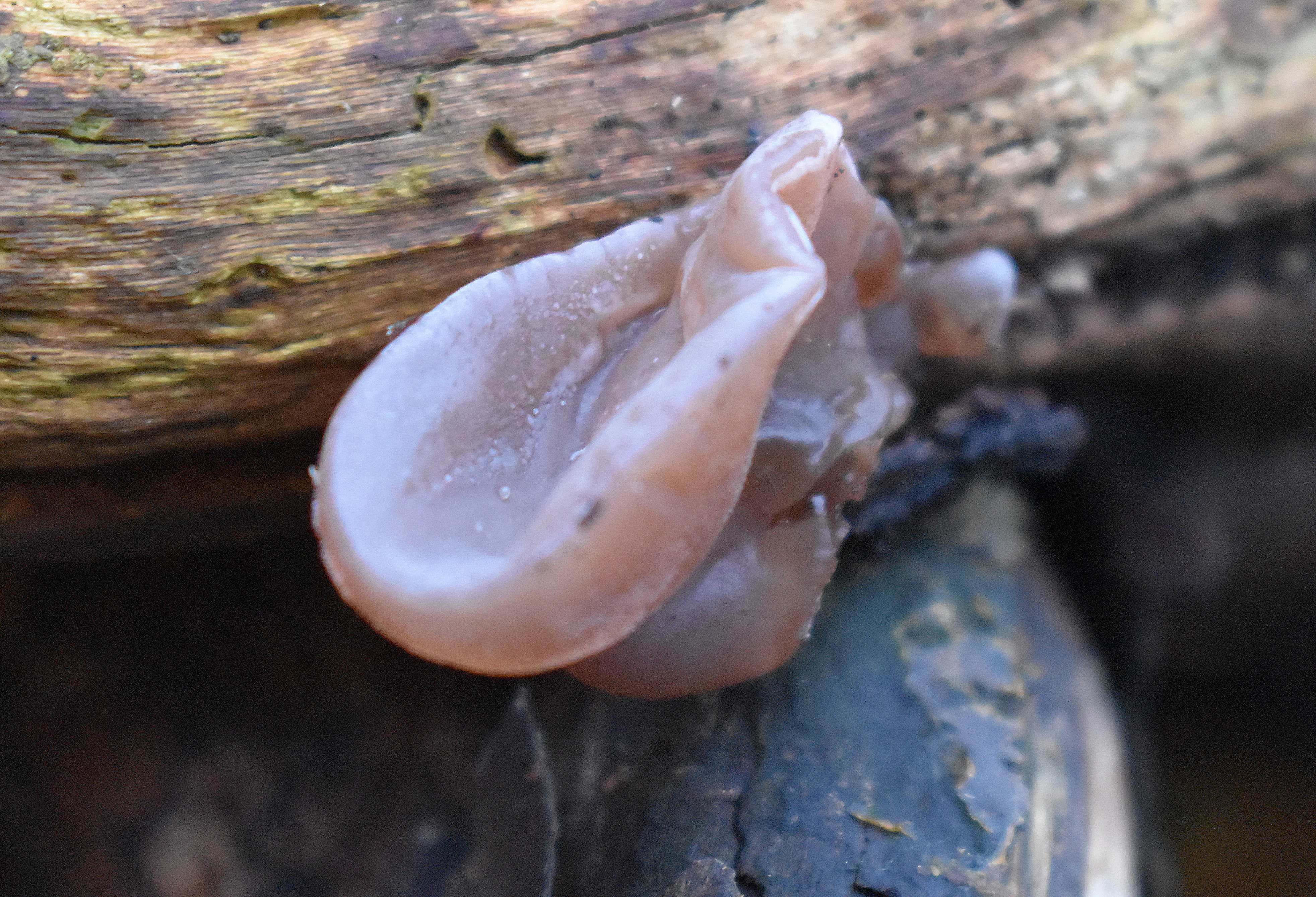
Over the page I considered colour again but not colour in flowers or foliage but the delicate tints of fungi, lichen and mosses. I noted that, “There are plenty of fungi, lichen and mosses giving subtle colours often in hidden places, every shade of green from grass green to grey-green, plus orange, grey and blue.”

For the last page of my entries into my January Garden Journal for a change I thought I would share one of my paintings. This time I used my Japanese Brush Pens to create a single leaf of a Begonia ‘Pegasus’. I shall return to my Garden Journal in February.

Categories
Uncategorized

Monthly Visits 2026 John’s Garden at Ashwood Nursery January

For this year’s garden to visit every month of the year we have chosen ‘John’s Garden’ at Ashwood Nursery. The nursery is owned by plantsman John Massey and he opens his own garden for charities every Saturday throughout the year with the exception of January. His chosen charity for 2025 was Horatio’s Gardens and he also opens for one day for the National Garden Scheme.

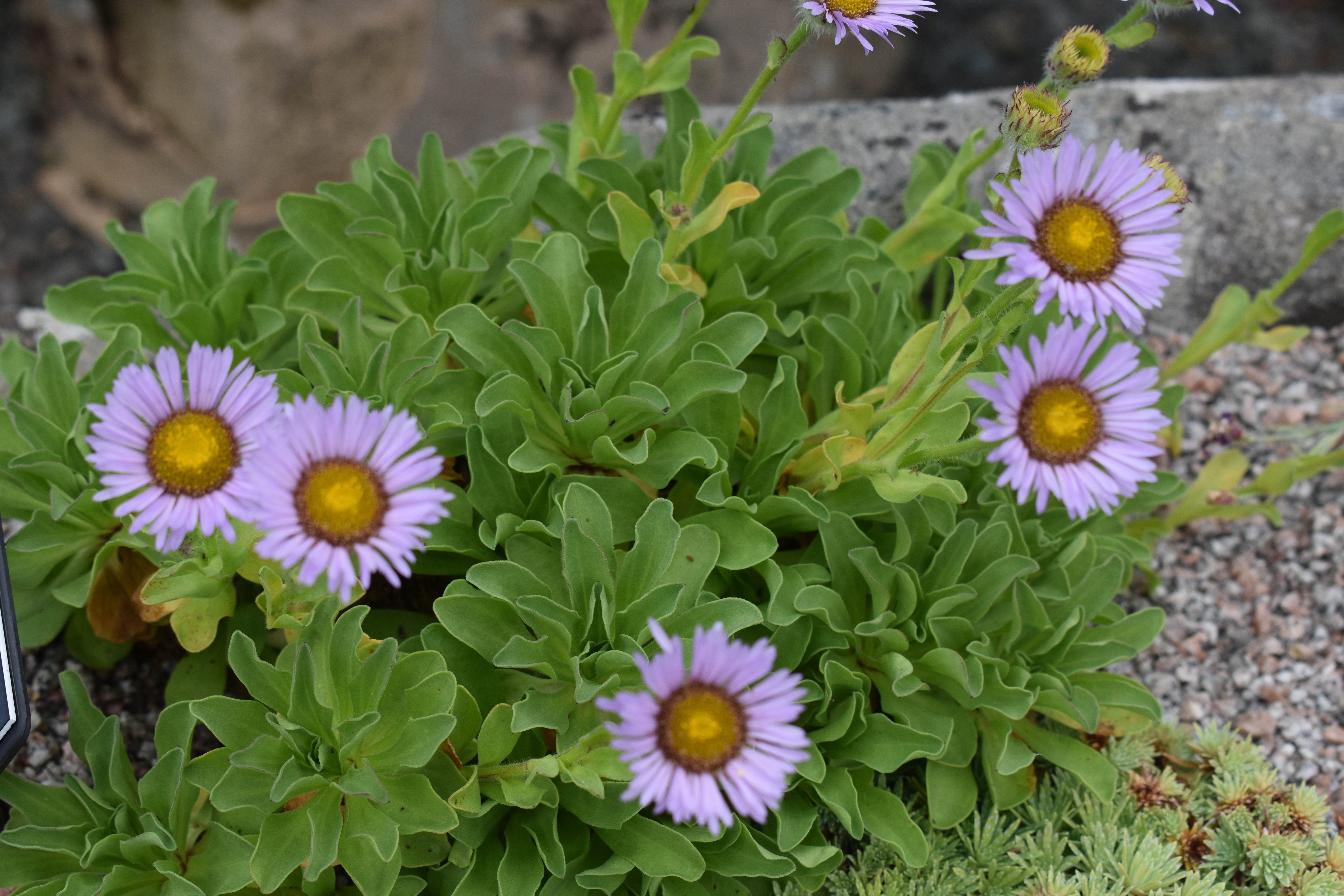
For our January visit because John’s Garden isn’t open we decided we would show you the gardens within the nursery itself as an introduction. John’s special interests are hellebores, hepaticas, lewisias and cyclamen, which he breeds and of which introduces many cultivars and hybrids of these. The nursery is now famous for its Helleborus Ashwood Garden Hybrids. He has been awarded the RHS VMH award and has won several RHS Gold Medals and even an MBE. He is totally self-taught but is now known as a great plantsman, plant collector, plant breeder, writer and author. He has had many great friends in the plant world such as Percy Picton famous for his Asters, Christopher Lloyd, Princess Sturdza and Carol Klein from Gardeners World TV programme.

After our usual coffee and cake fix we slowly wandered around the display garden within the nursery itself. The one problem visiting here is that the cafe gets very busy.

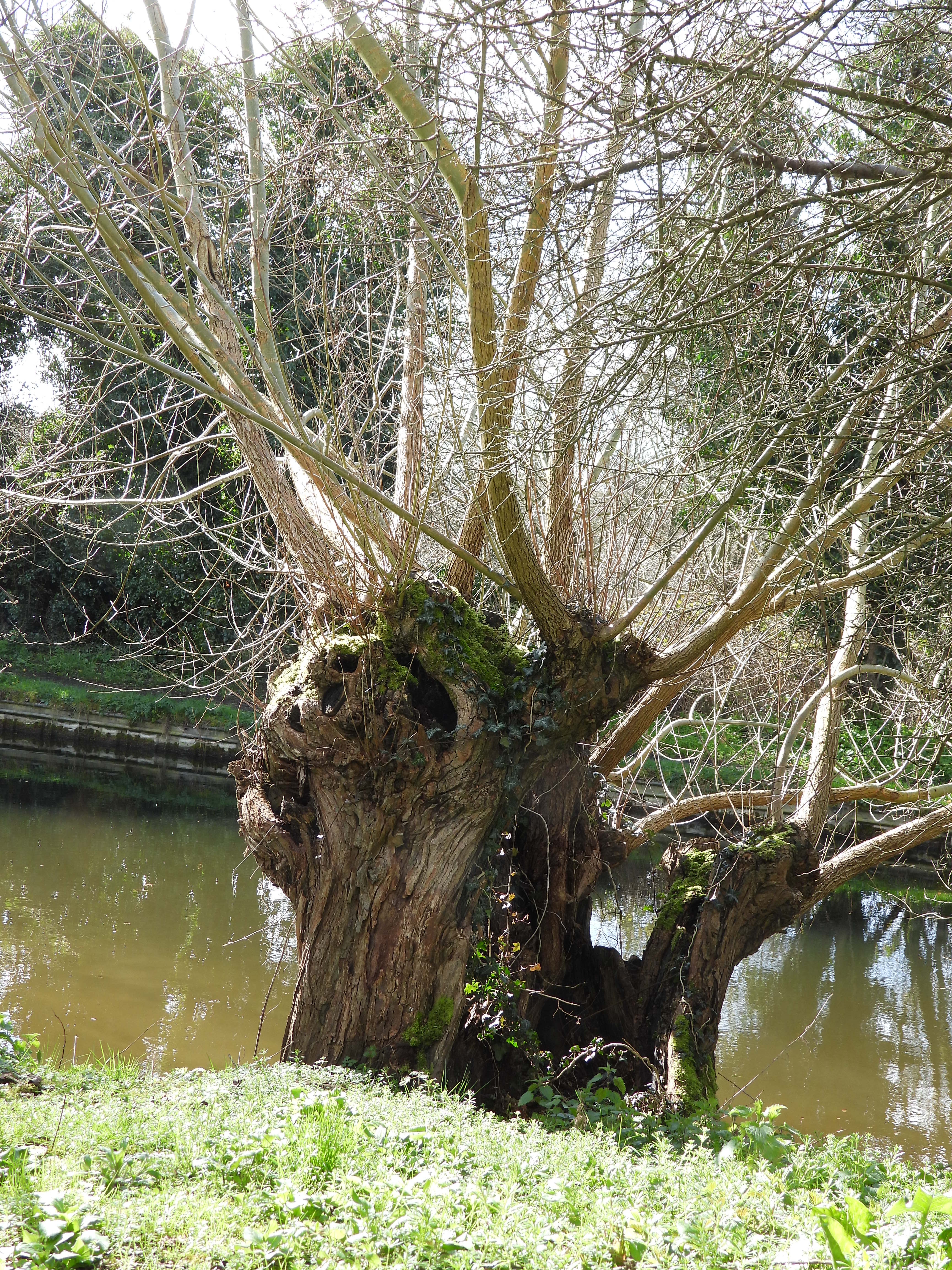
The gardeners here show how trees and shrubs can be pruned to look at their best.

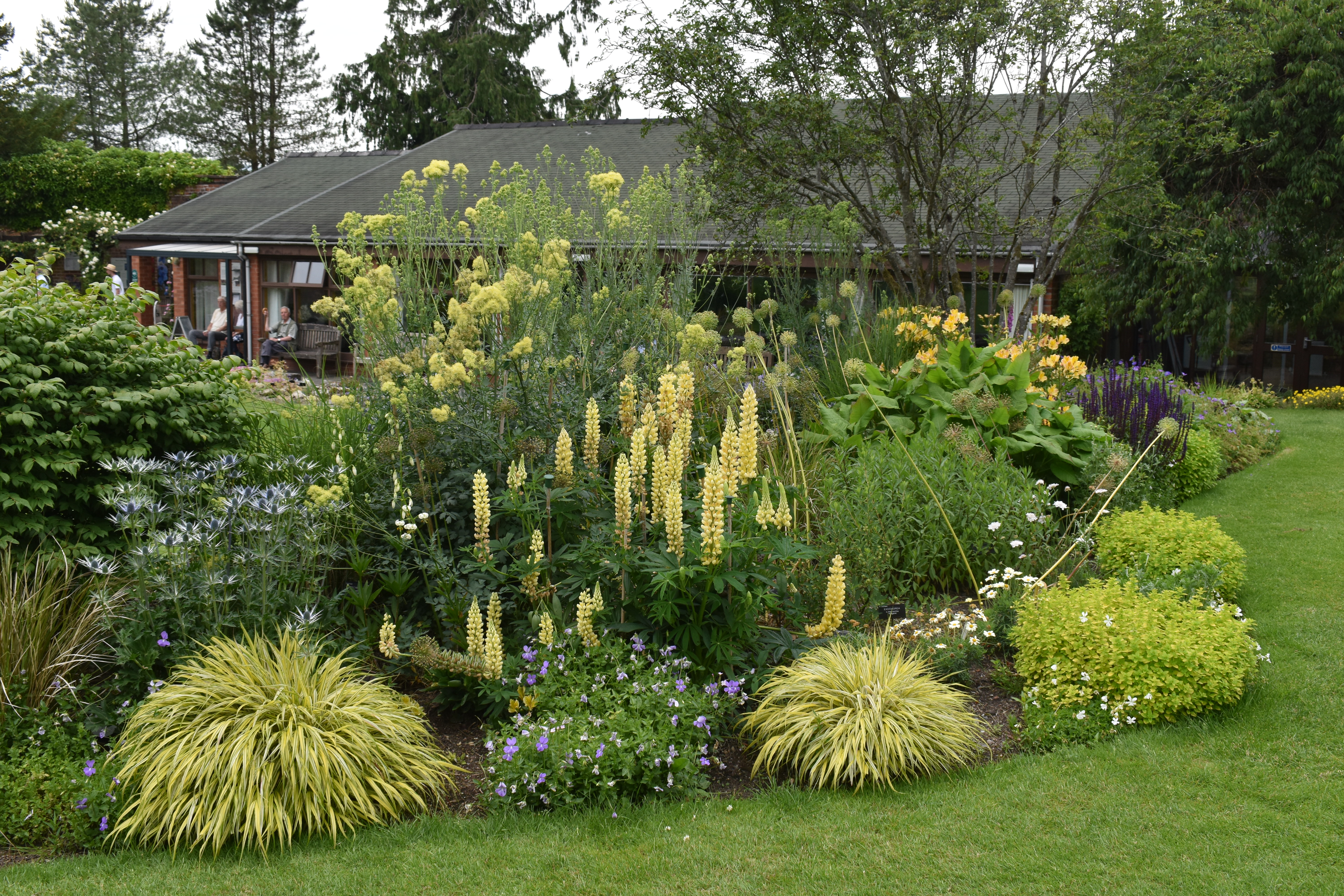
The borders here are truly mixed with trees, shrubs, grasses, bulbs and perennials.

The garden is designed with wildlife in mind too with nest boxes fixed in trees, a pool and tree trunks left on the ground to rot away for beetles and their larvae and lots of grasses and perennials left standing over the winter. Berries are present too ready to help members of the thrush family gain sustenance on their long migratory flights. Our own blackbirds and thrushes are joined by their cousins from the cold north-eastern countries alongside redwings and fieldfares.
The orange berries below are Viburnum opulus, a close relative of our native red berried version on the left and a crab apple on the right.

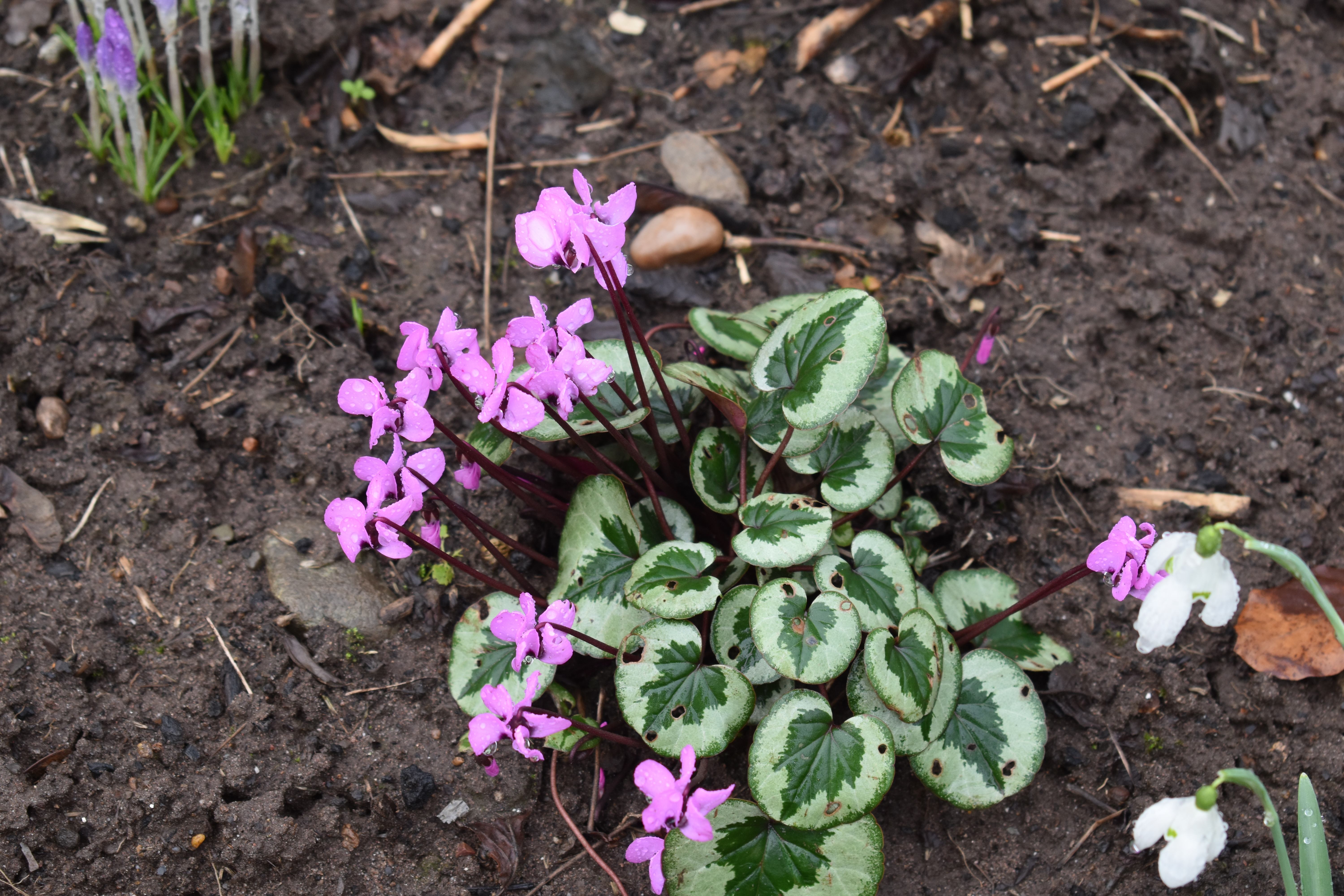
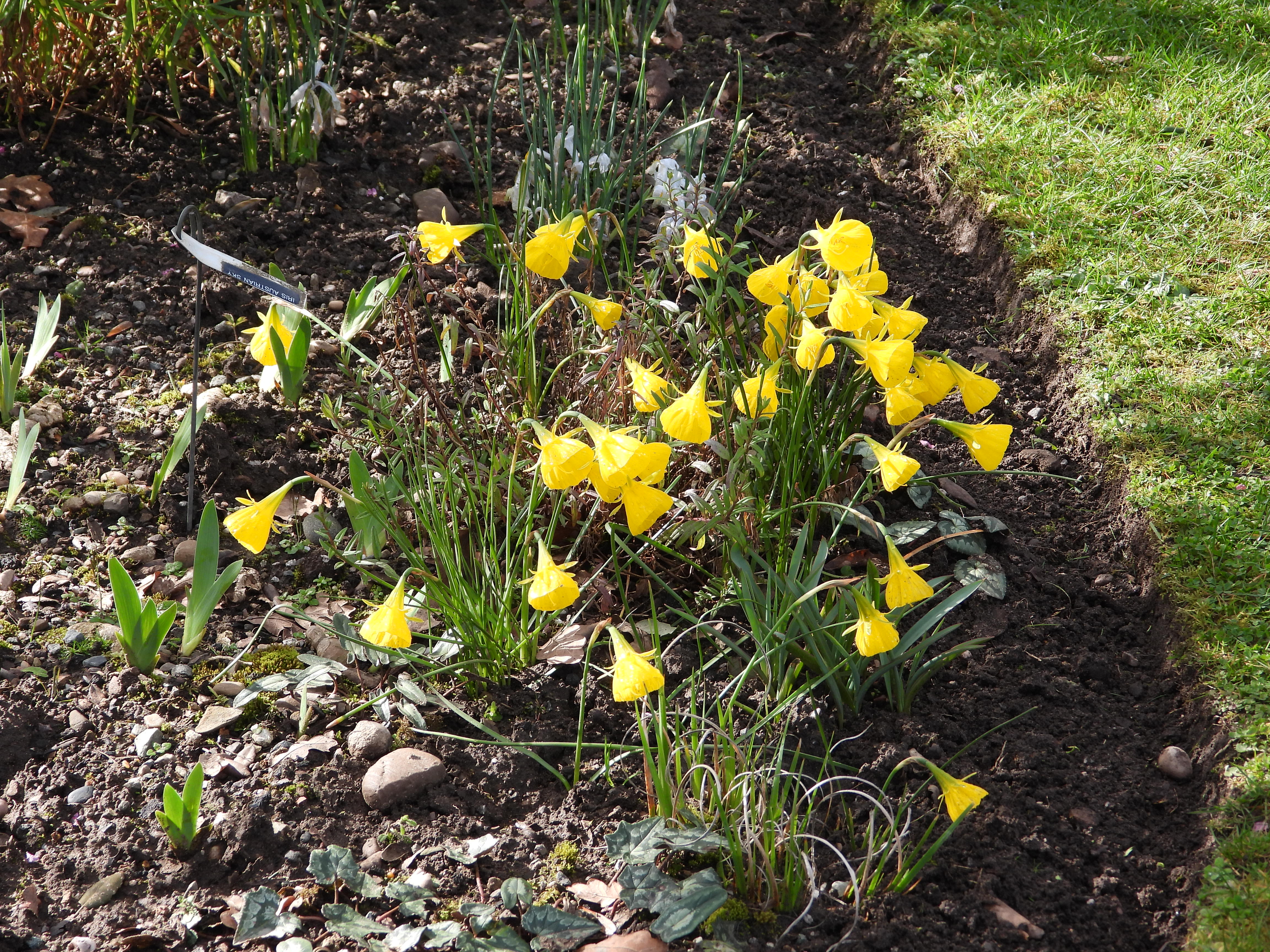
It was so good to see signs of spring in the form of snowdrops, narcissus and cyclamen.

A favourite shrub here as in so many gardens in winter is Cornus “Midwinter Fire” which shines out on dull days and sunny ones alike. A much more subtly coloured feature of a winter garden is the appearance of catkins on a contorted purple hazel and its plain green cousin.

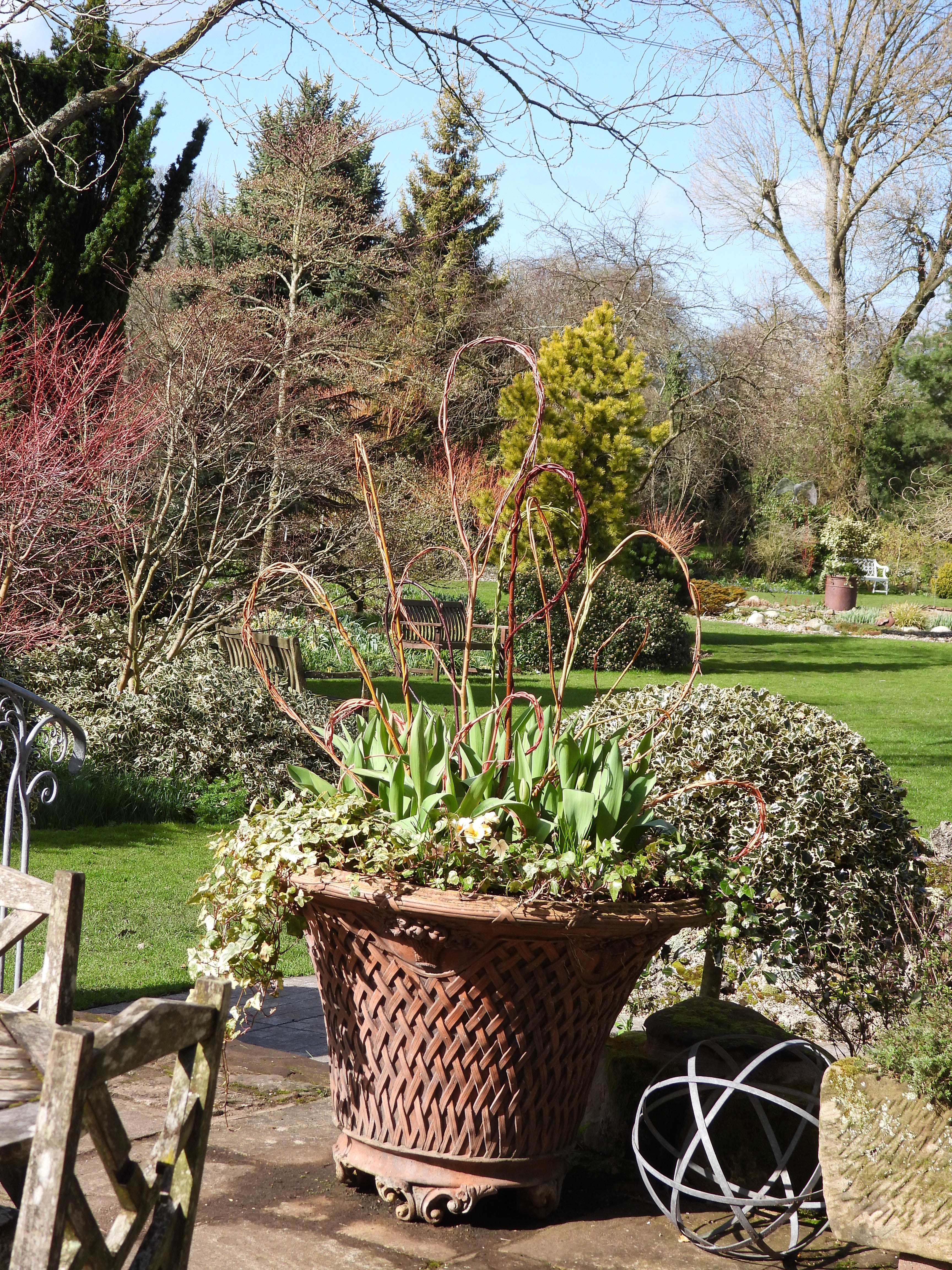
Jude and I are not fans of conifers in general and we only grow a few small cloud pruned specimens in our own gardens. That was until we discovered a family of conifers new to us in Ashwoods in the conifer sales area. The family of Podocarpus,are conifers with colourful fine needles which change colours throughout the year. They also grow into great variety of shapes, and here at Ashwood are quite a few different varieties available in different sizes. We also enjoyed seeing some growing in the garden as we explored around its paths.
What a great collection of conifers Ashwood has for sale! We soon had four different Polycarpus plants and a fastigiate Yew. These were soon potted up in large terracotta containers to replace the succulent collection when cold weather made them migrate to the greenhouse. Here we can appreciate their colour changing trickery throughout the winter months.
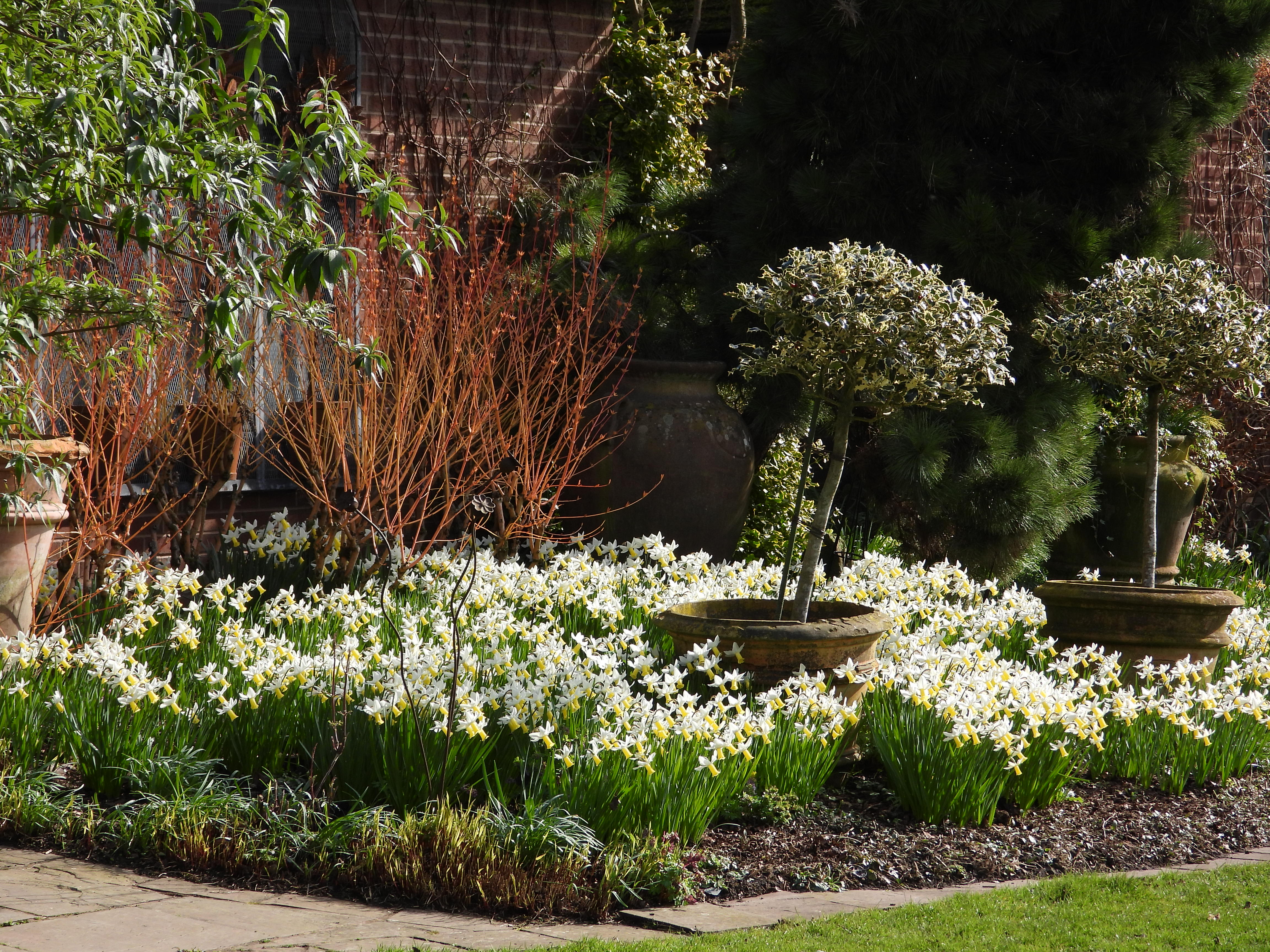
I shall finish this post about Ashwood Garden Centre gardens with a trio of shots which I have not shared so far. I hope this will be a helpful introduction to the garden we will be featuring each month of the year from February onwards.

thinkinGardens

for people who want more than gardening from gardens

This Veggie Life

A Vegetarian | Nature Lifestyle Blog

Rambling in the Garden

.....and nurturing my soul

The Arch City Gardener

Journeys In St. Louis Gardening and Beyond

Garden Dreaming at Châtillon

Consult the genius of the place

Storyshucker

A blog full of humorous and poignant observations.

gardeninacity

Notes from a wildlife-friendly cottage garden

PlayGroundology

...an emerging social science

The Official Blog of British Wildlife

'The most important and informative publication on wildlife of our times' - The Independent. This blog is a member of The UK & Ireland Natural History Bloggers group: www.uknhb.blogspot.com

iGrowHort

Inspire - Cultivate - Grow Native Plants - Restore Landscapes

Bishops Meadow Trust

To create and protect a semi-natural wild space for the people of Farnham to enjoy and experience an array of British wildlife in our town

Gardening with Children

The www.gardeningwithchildren.co.uk Blog

UKbirdingtimeline

birding through the seasons, why birds matter and how to conserve them

NATURE WALKER

with a camera in hand

Jardin

Transform your outdoor space

Eva's space

My allotment, cooking and other interests

Old School Garden

my gardening life through the year

LEANNE COLE

Trying to live a creative life

fromacountrycottage

trying to live as lightly as possible on our beautiful planet

Good Life Gardening

Nature lovers from Leicester living the good life.

mybeautfulthings

Finding the beautiful in the everyday

mawsonmichelle

Michelle's Allotment

In and Out of My Garden

thoughts from and about my garden

Greenhousing

Big plans for a small garden

The Scottish Country Garden

A Walled Country Garden in South East Scotland

The Fruity Chicken

Life at the fruity chicken

willowarchway

Off grid living. Self sufficient. "PERMAGANICS RULE".

St Anns Allotments

Nottingham's Grade 2* Listed Allotments and Community Orchard

Manifest Joy Harvests

a journey in suburban vegetable gardening

Allotmental

The madness of growing your own

Penny's Garden: a harvest beyond my front door

A novel approach to vegetable gardening

arignagardener

Sustainable living in the Irish countryside.

NewEnglandGardenAndThread

Master Gardener, amateur photographer, quilter, NH native, and sometimes SC snowbird

dianajhale

Recent work and work in progress and anything else that interests me

planthoarder

a chaotic cottage gardener

Lens and Pens by Sally

a weekly blog that creates a personal philosophy through photographs and words

Dewdrops and Sunshine

Stories from a sassy and classy Southern farmbelle.

The Pyjama Gardener

Simple Organic Gardening & Seasonal Living

gettin' fresh!

turning dirt into dinner

JOY...

today the world is created anew

Garden Birds

Notes from a Devon garden

ShootAbout

Life Through The Lens

Adapting Pixels

A photography blog showcasing the best photography pictures and videos on the internet

Wildlifegardening's Blog

Just another WordPress.com site

naturestimeline

personal observations from the natural world as the search continues for a new approach to conservation.