Savill Garden is a special places. Wandering around, its paths leads you to surprises, gentle places, sudden views and unexpected delights.




A retired primary school head teacher, I now spend much of my time gardening in our quarter acre plot in rural Shropshire south of Shrewsbury. I share my garden with Jude my wife a newly retired teacher , eight assorted chickens and a plethora of wildlife. Jude does all the heavy work as I have a damaged spine and right leg. We also garden on an allotment nearby. We are interested in all things related to gardens, green issues and wildlife.
Savill Garden is a special places. Wandering around, its paths leads you to surprises, gentle places, sudden views and unexpected delights.
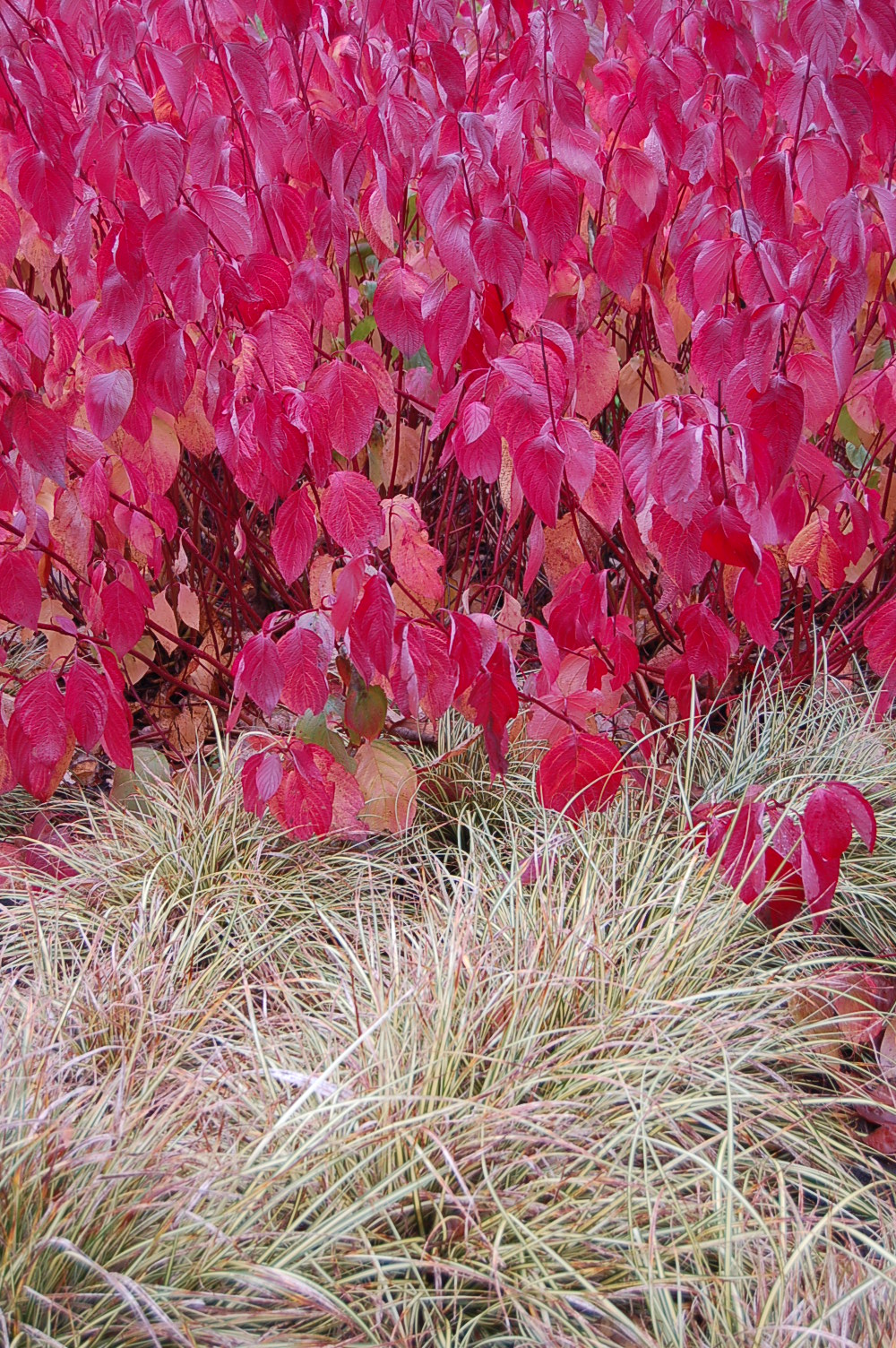
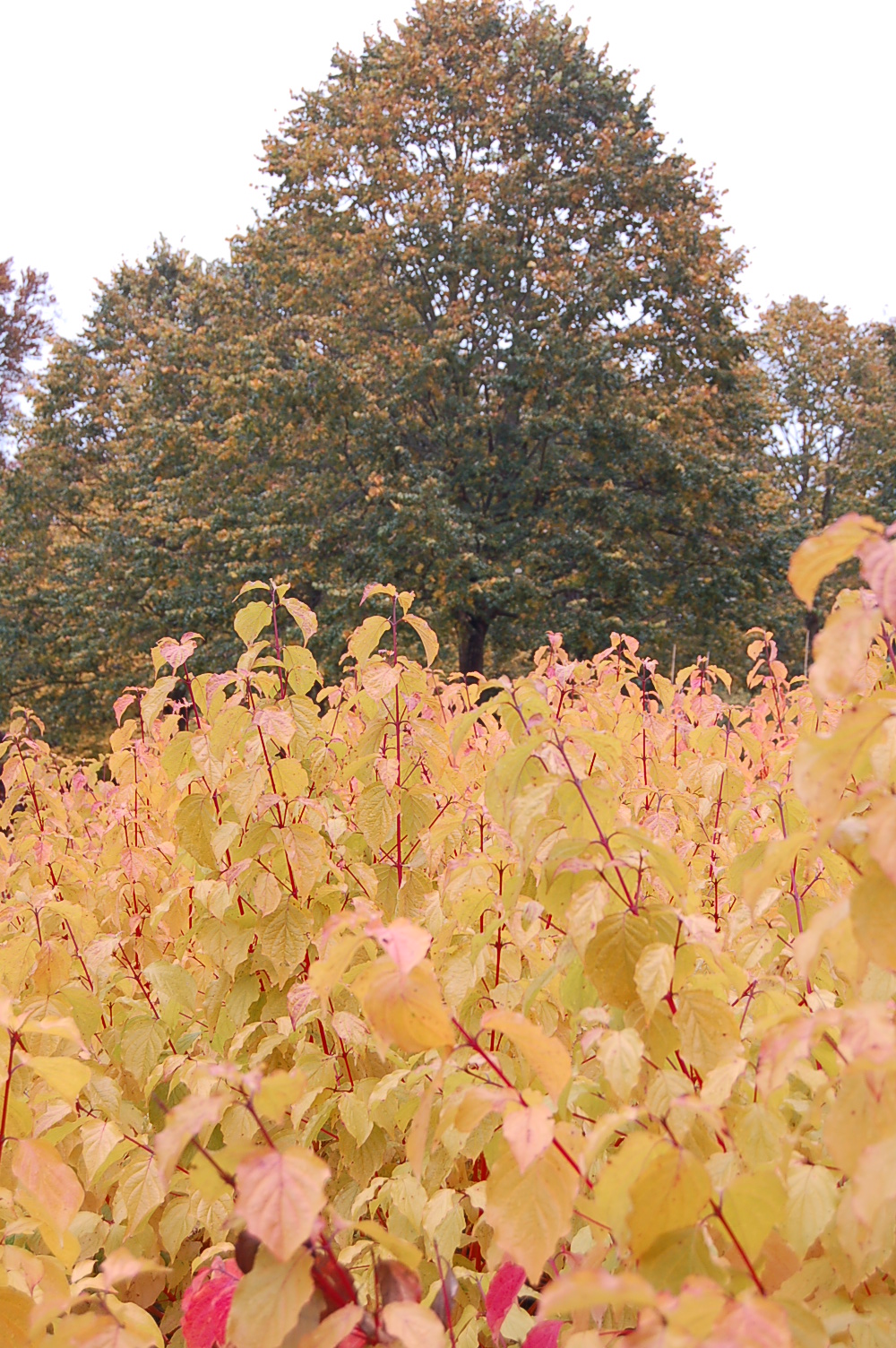
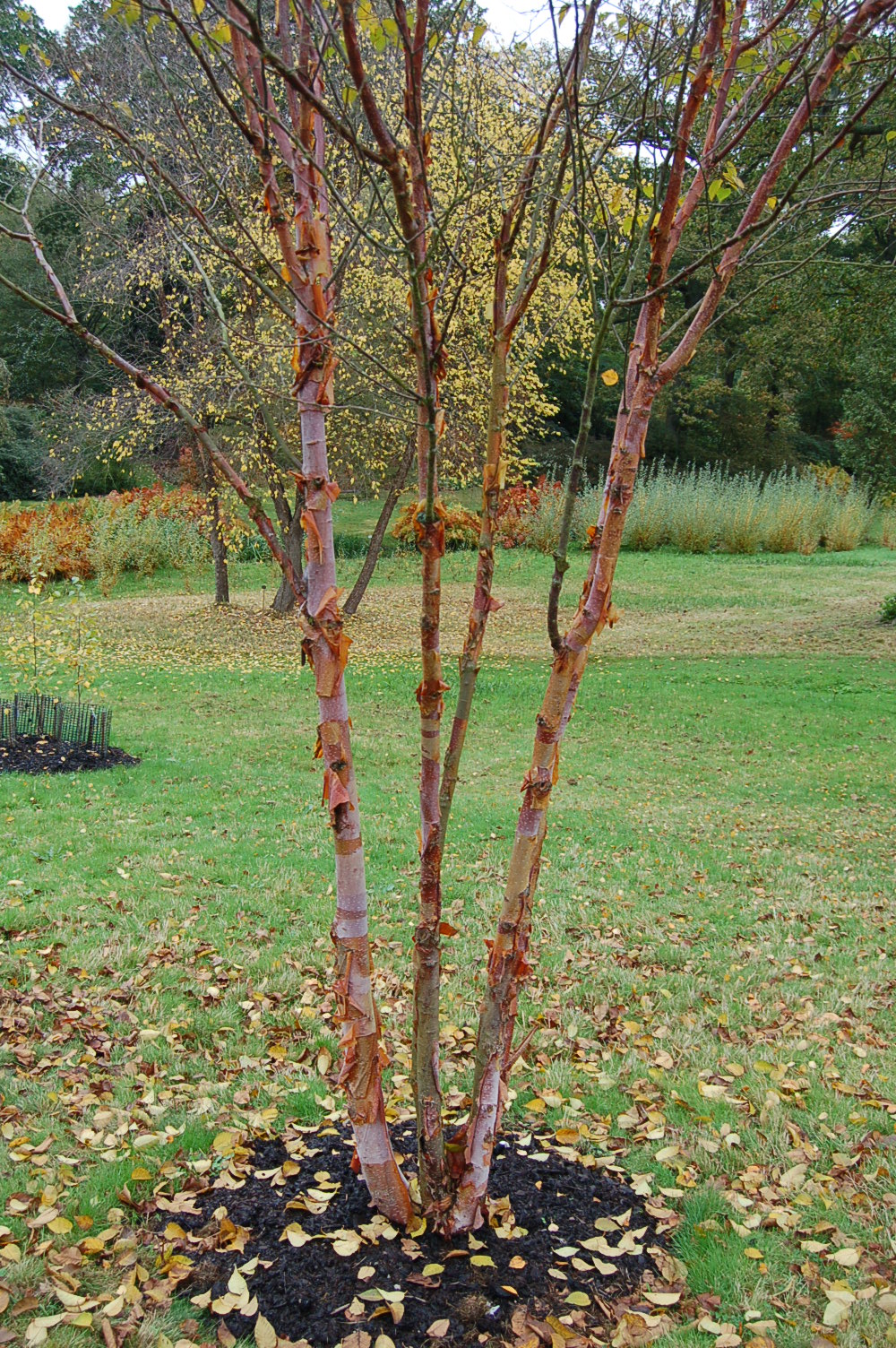
For our second post about the Savill Gardens we shall discover the colours, shapes and textures of the Winter Garden. Although planted with winter interest in mind when we explored in the autumn it was full of interest.


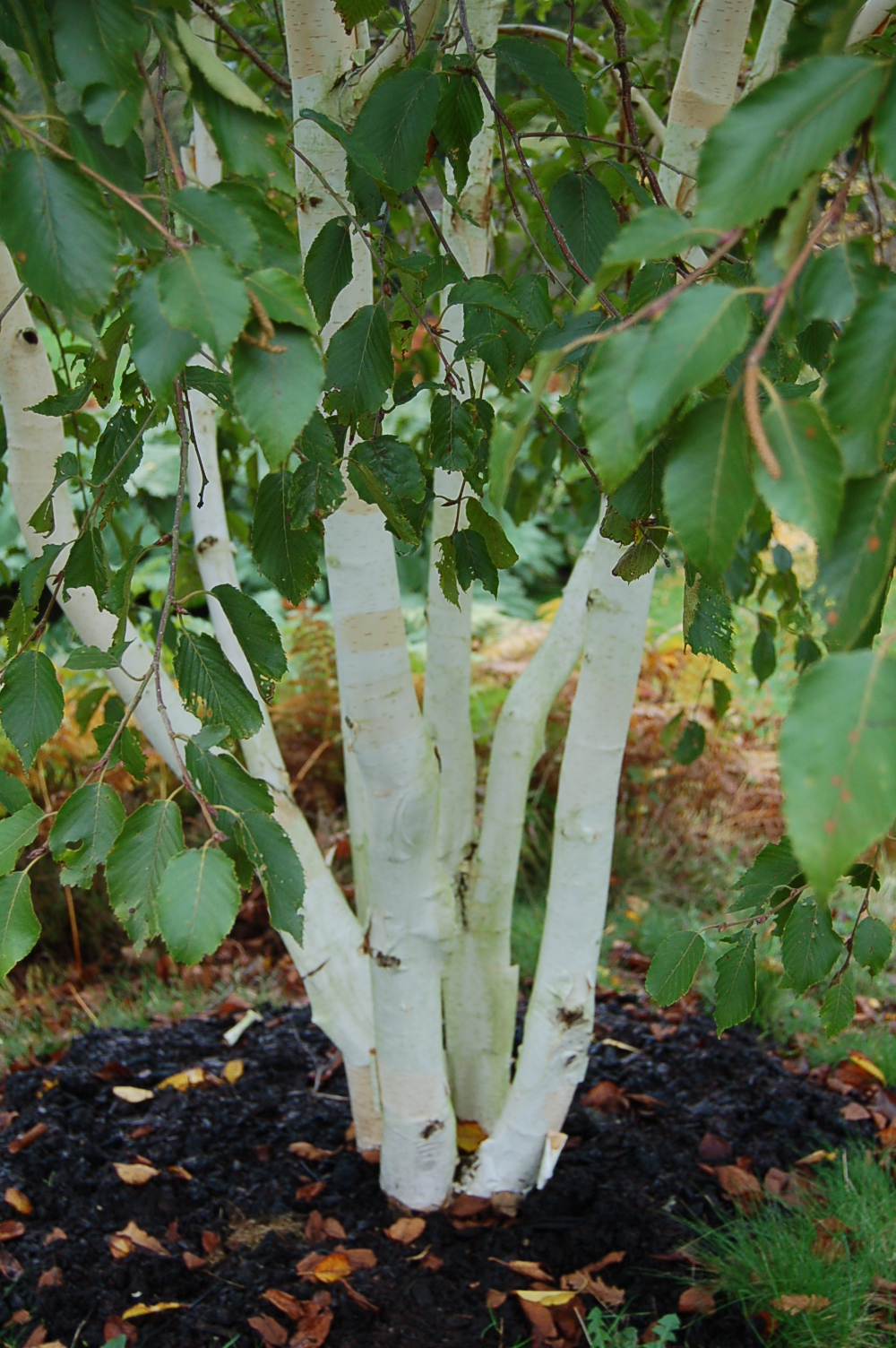

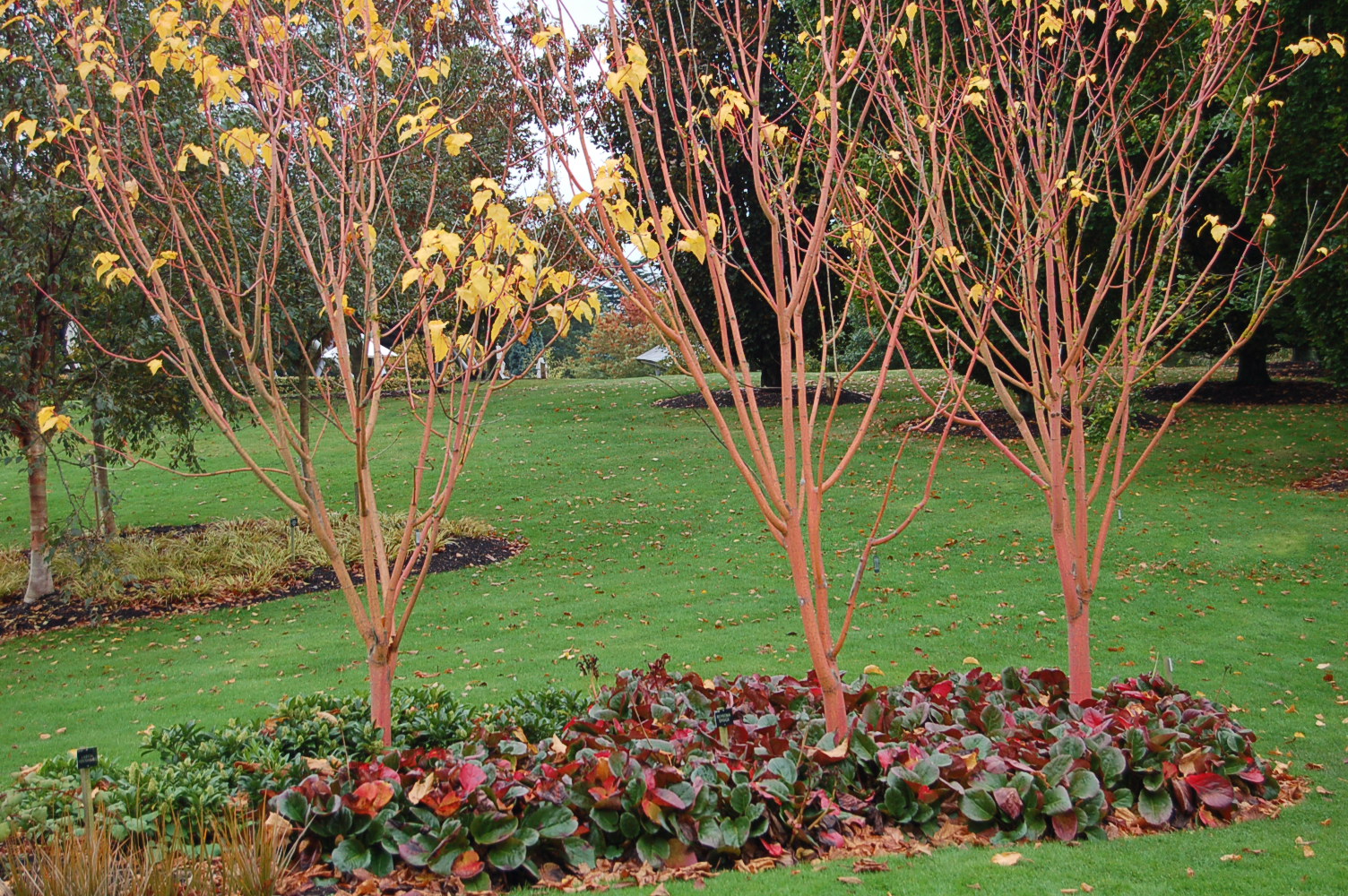

The third and final visit to the Savill Gardens will feature a selection of images from around the gentle walk we took through these stunning gardens. We had looked forward to visiting these gardens for years and when we finally did we were not disappointed in any way.

At last we have got around to visiting the Savill Garden. It was worth waiting for! The new visitor reception is an amazing building, a single storey space under a long, sinuous roof shaped like the tail of a Whale.

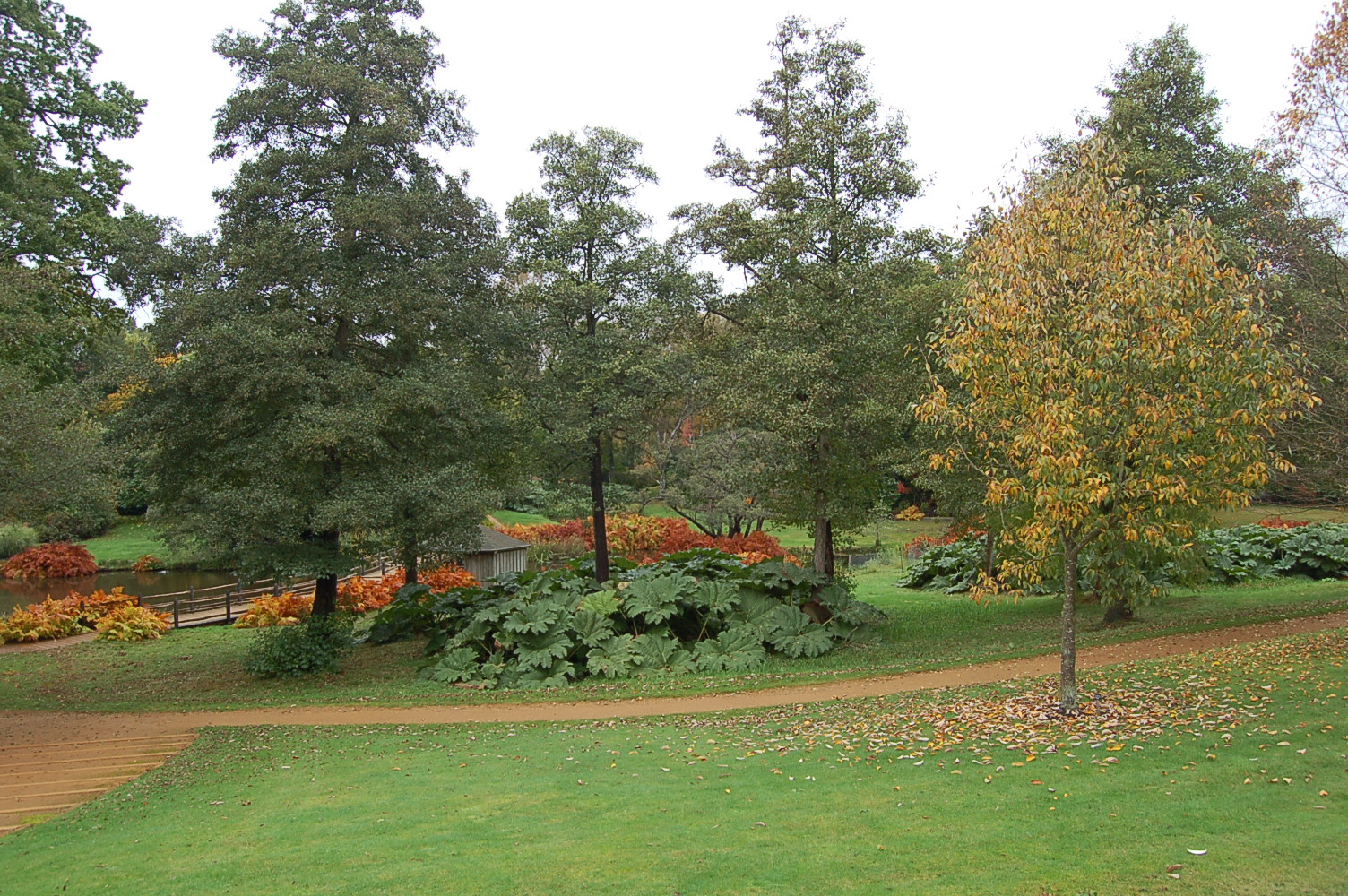
The Savill Garden is situated on the edge of Great Windsor Park and is just a small part of the Royal Landscape. We followed the recommended path around the garden so that we could see the effects of Autumn throughout.


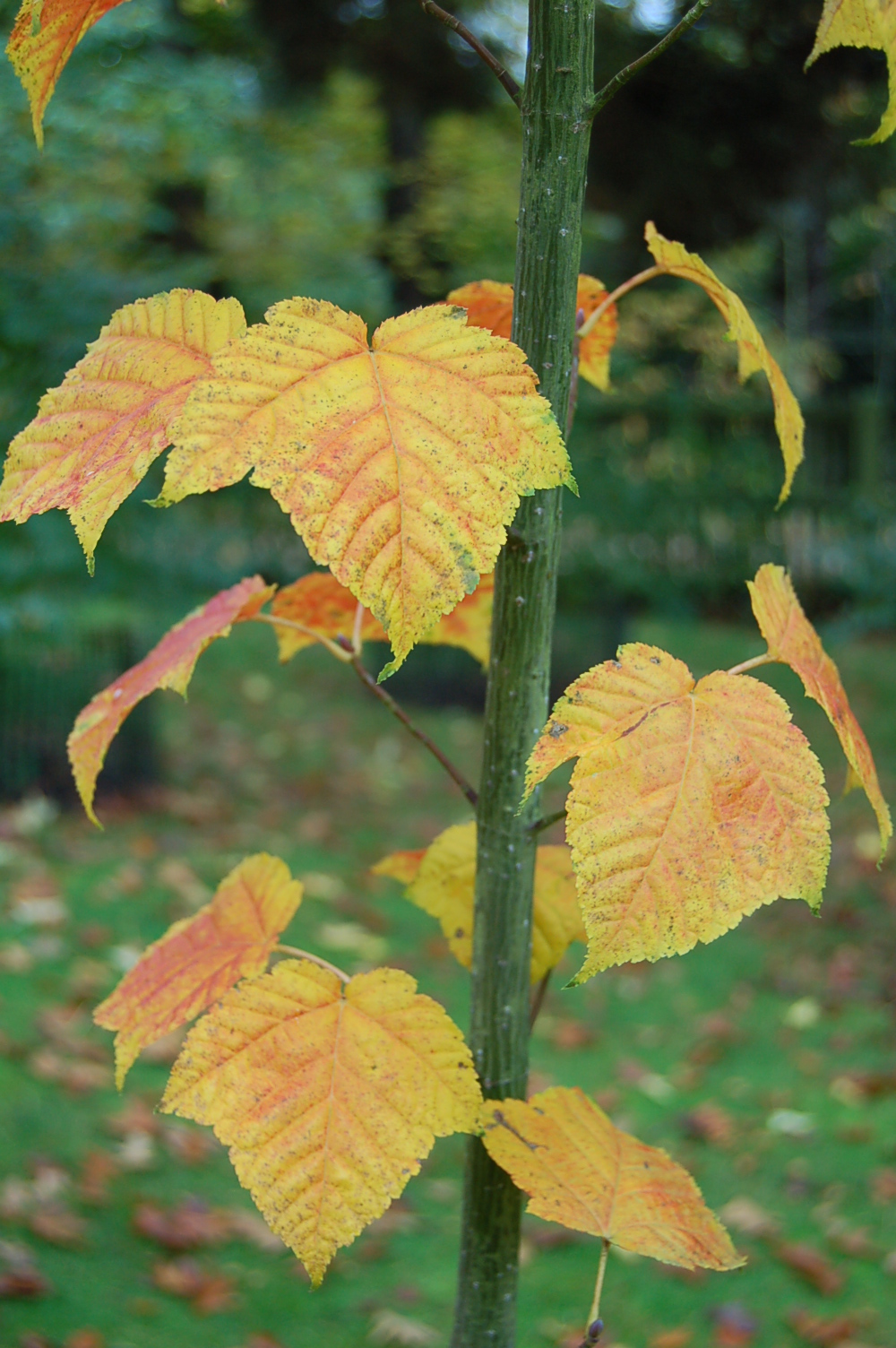
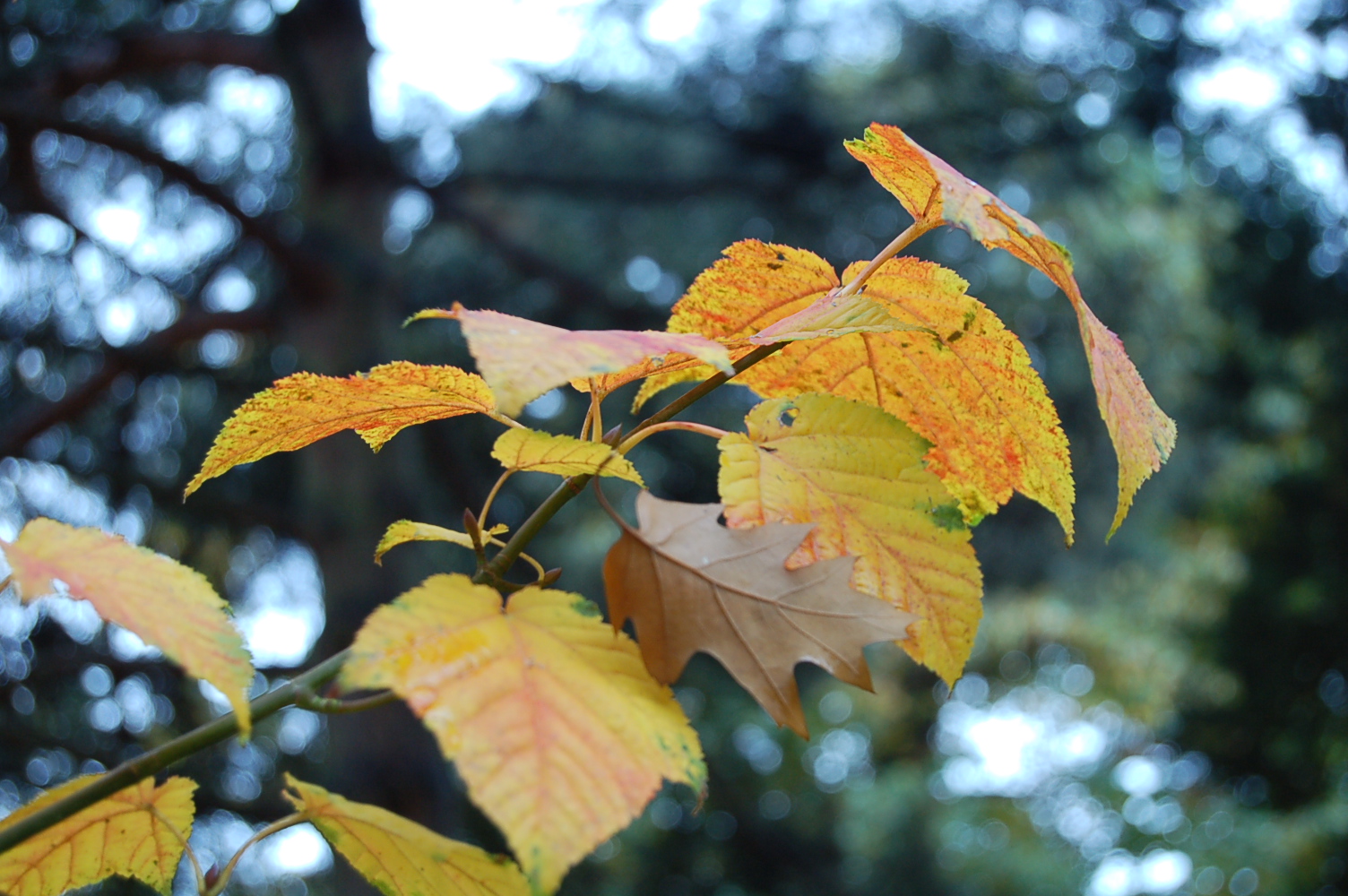
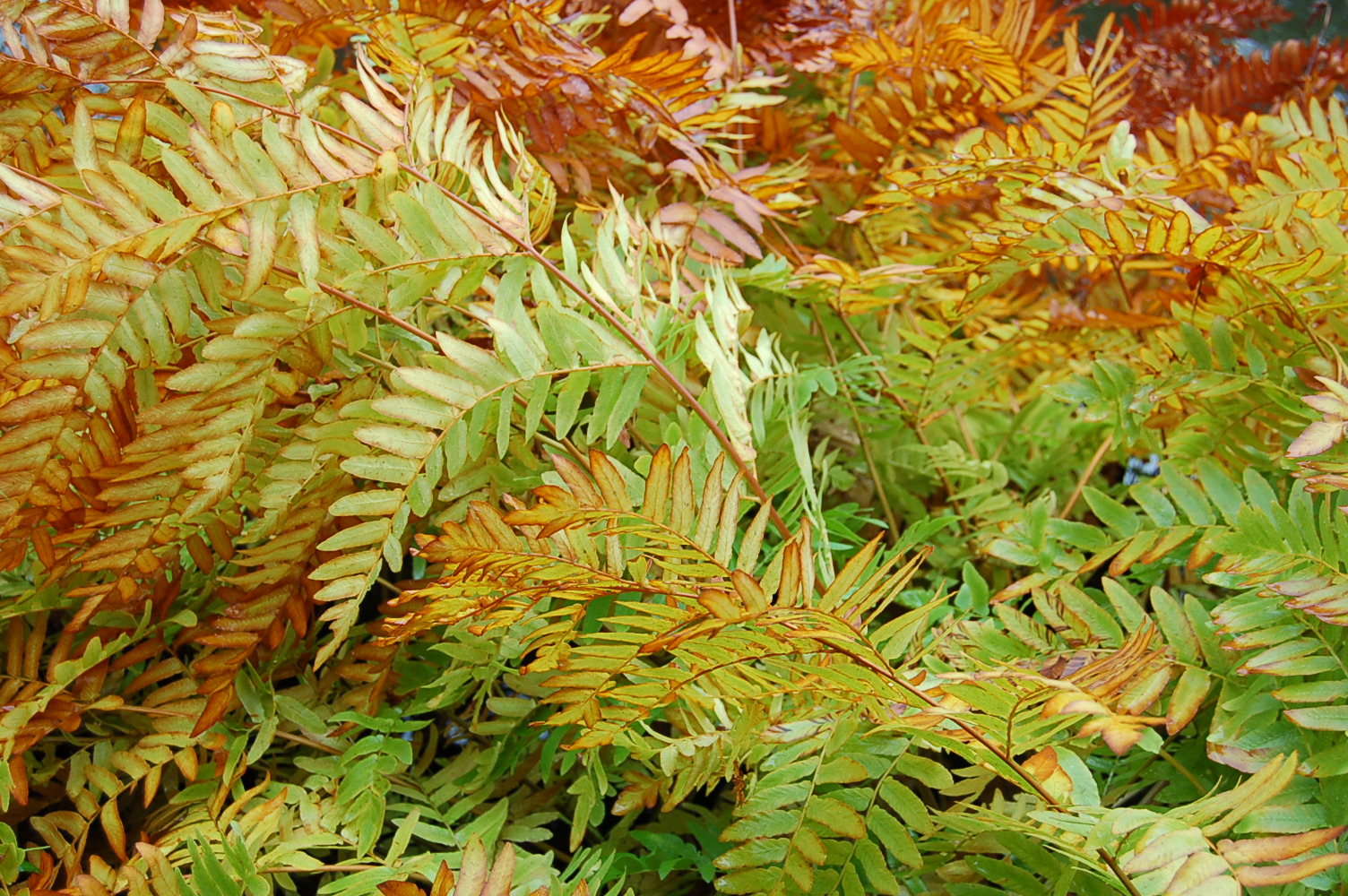
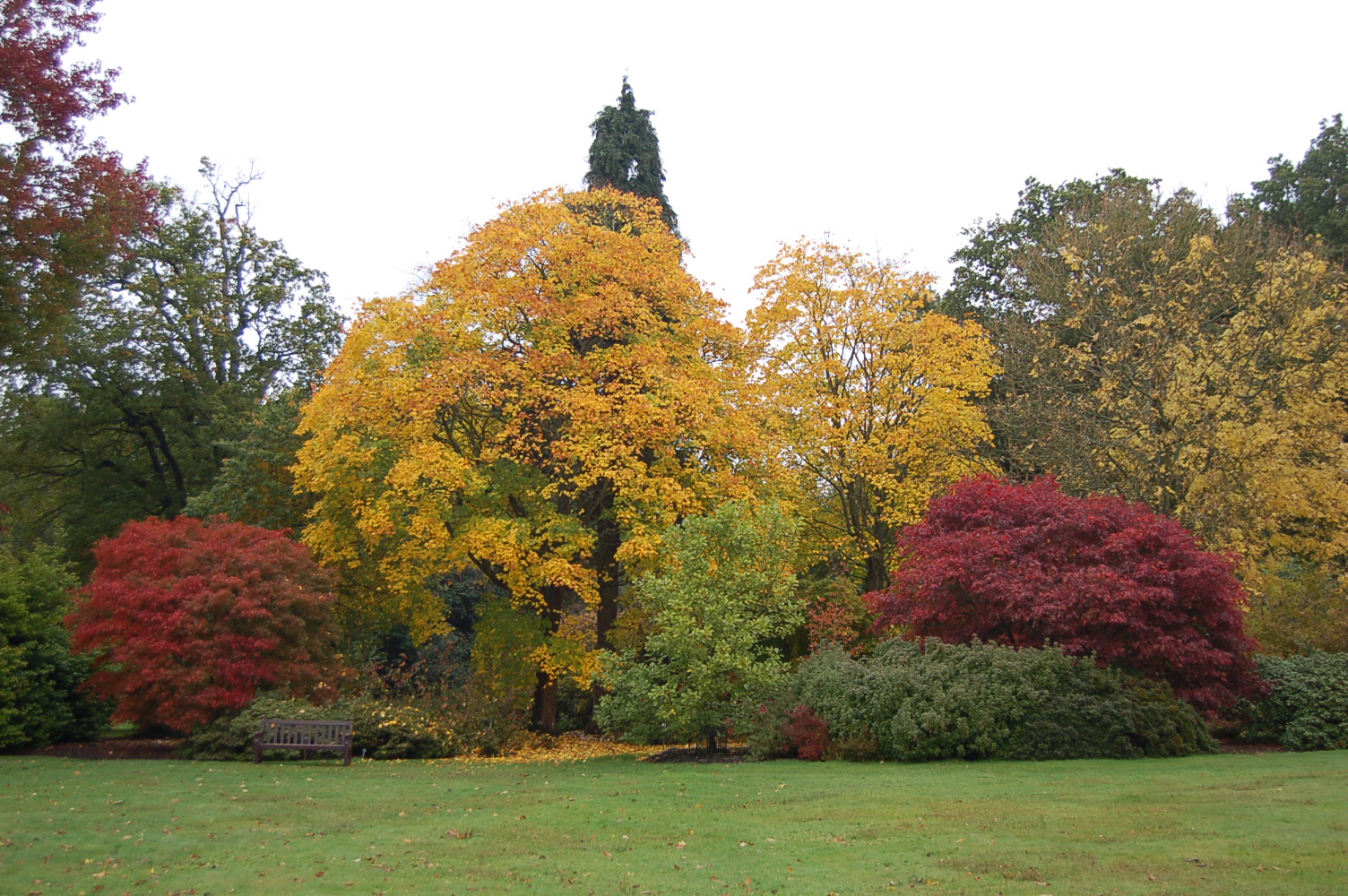
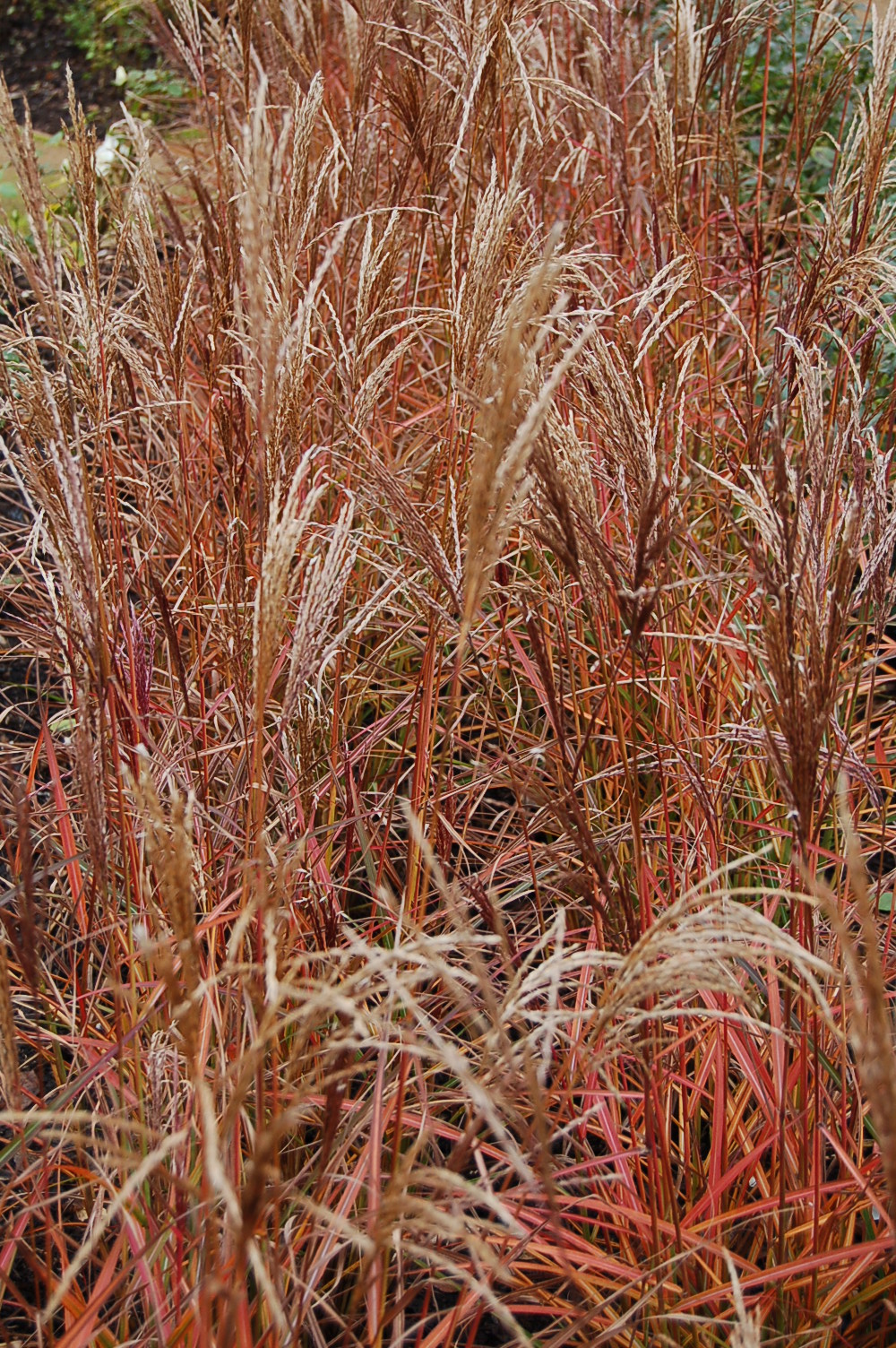
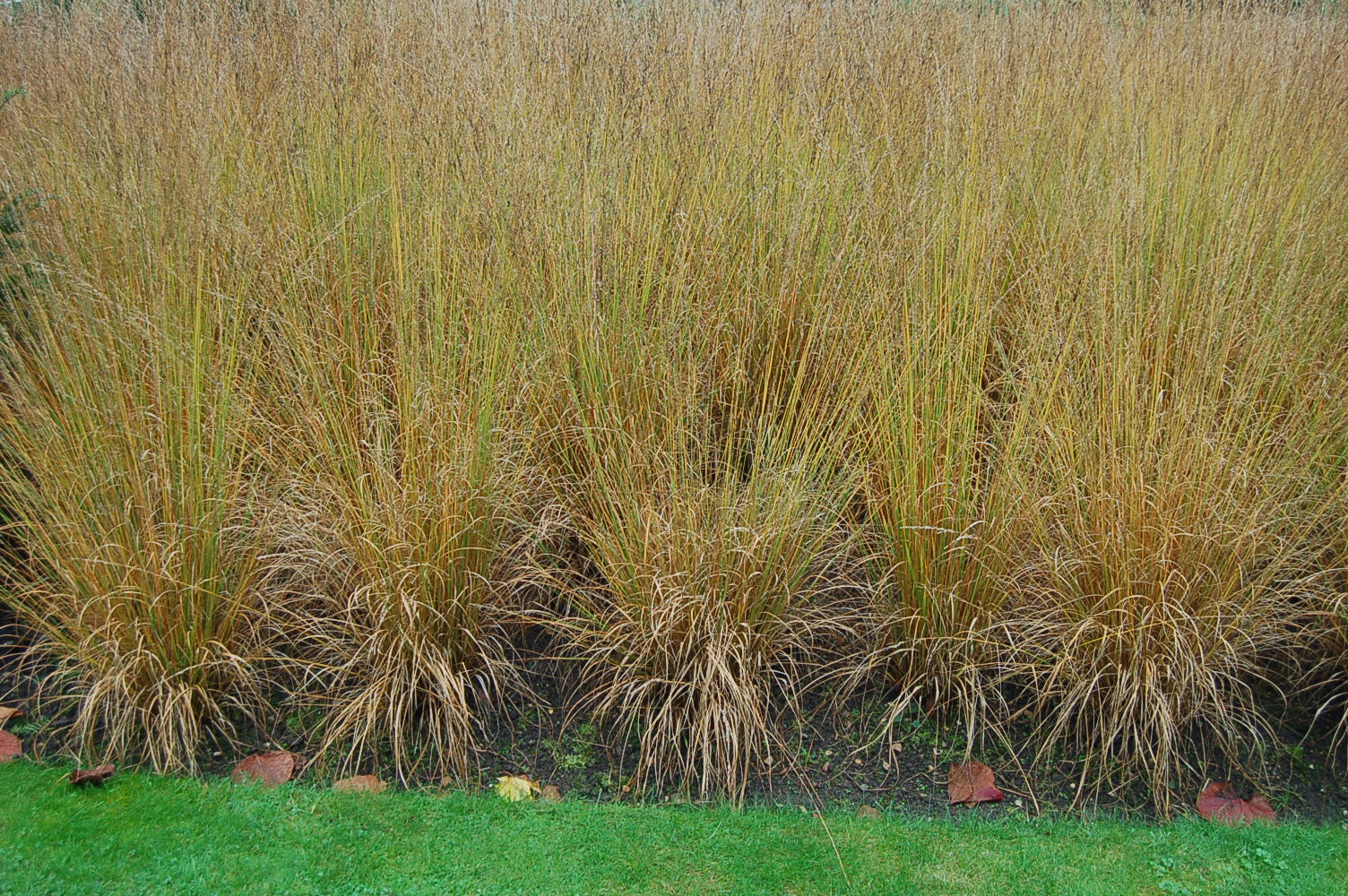
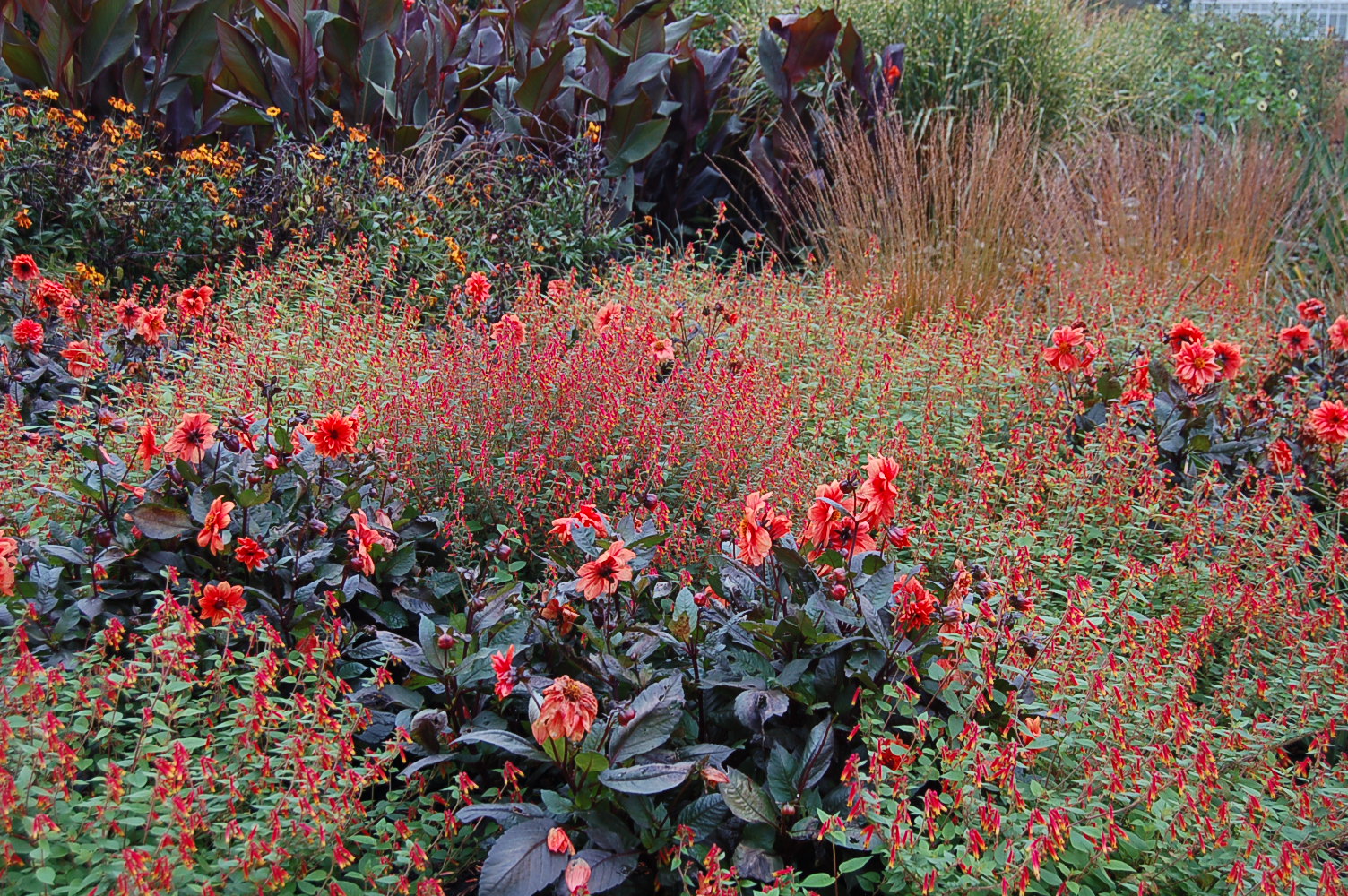
In most areas of the garden, Savill had the typical look and feel of a stately home garden, both in plants grown, choice of design features and border arrangements, but hints of newer thinking were showing through, such as the use of grasses and new perennial plantings.



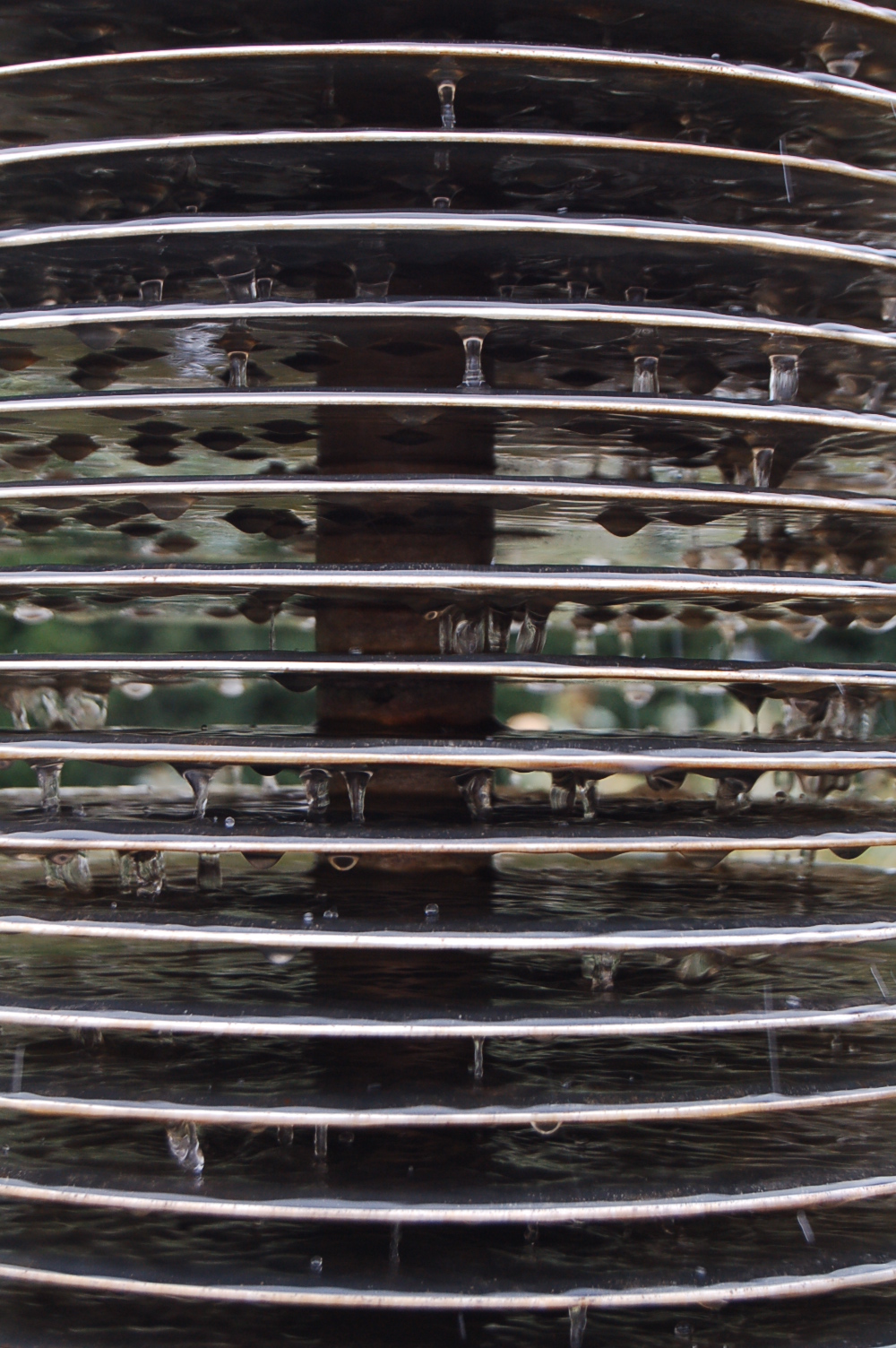
A true highlight of our visit to the Savill Gardens was the surprise at coming across this modern water feature. It looked good and it sounded good.


Although we visited the gardens at Savill in the Autumn one of the most colourful areas was the Winter Garden, already showing many interesting features. So the next post will be about the winter Garden in Autumn.
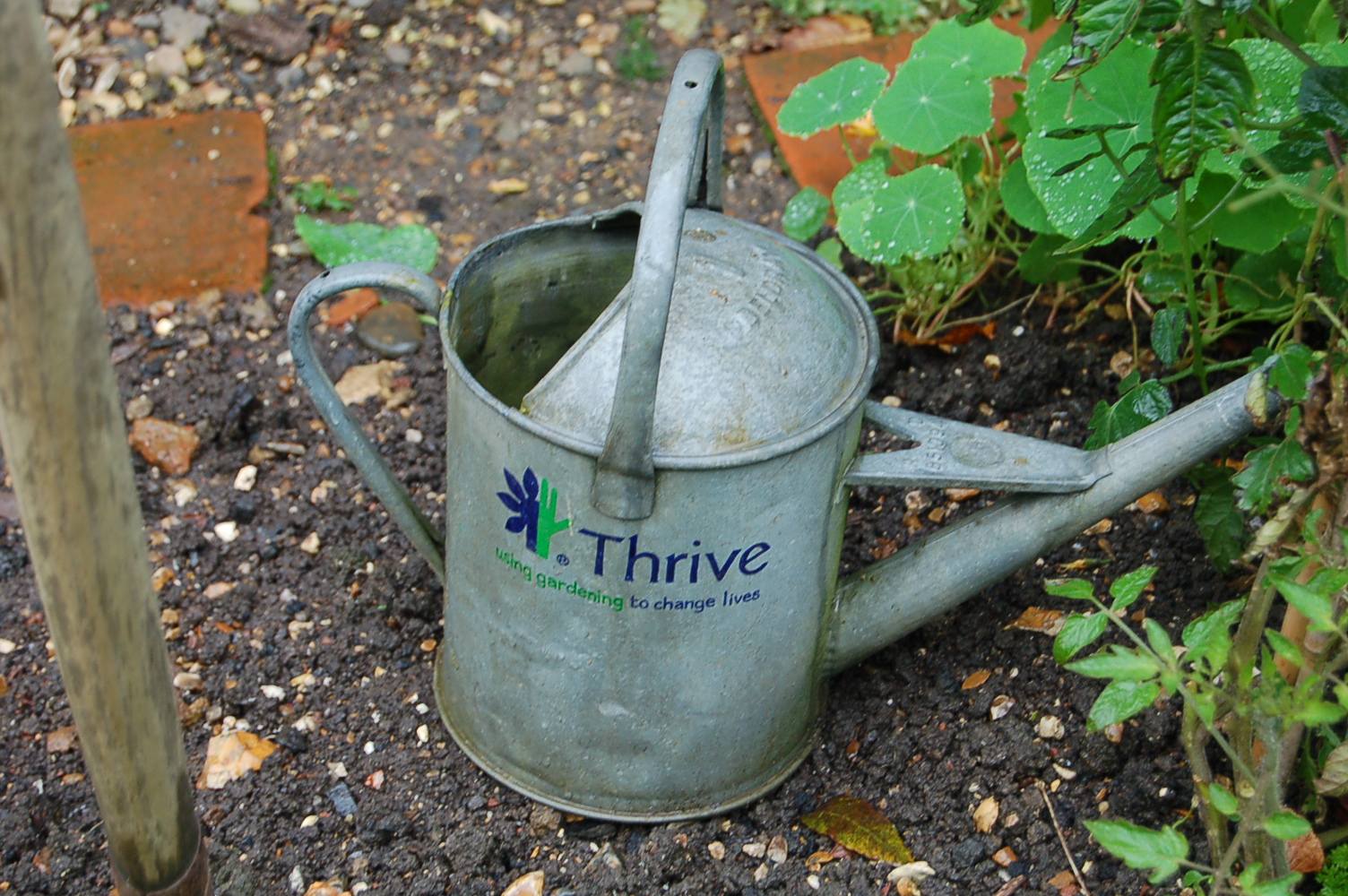
We visited the Vynes on a wet October day not knowing that the walled garden there was run by the gardening charity, “Thrive”. If you ask someone to name a garden charity the most likely answer would be the RHS, the NGS or perhaps Garden Organic but few will mention Thrive. This is sad as they do such good work. On their website when describing their role they state, ” We champion the benefits of gardening, carry out research, and offer training and practical solutions so that anyone with a disability can take part in, benefit from and enjoy gardening.”
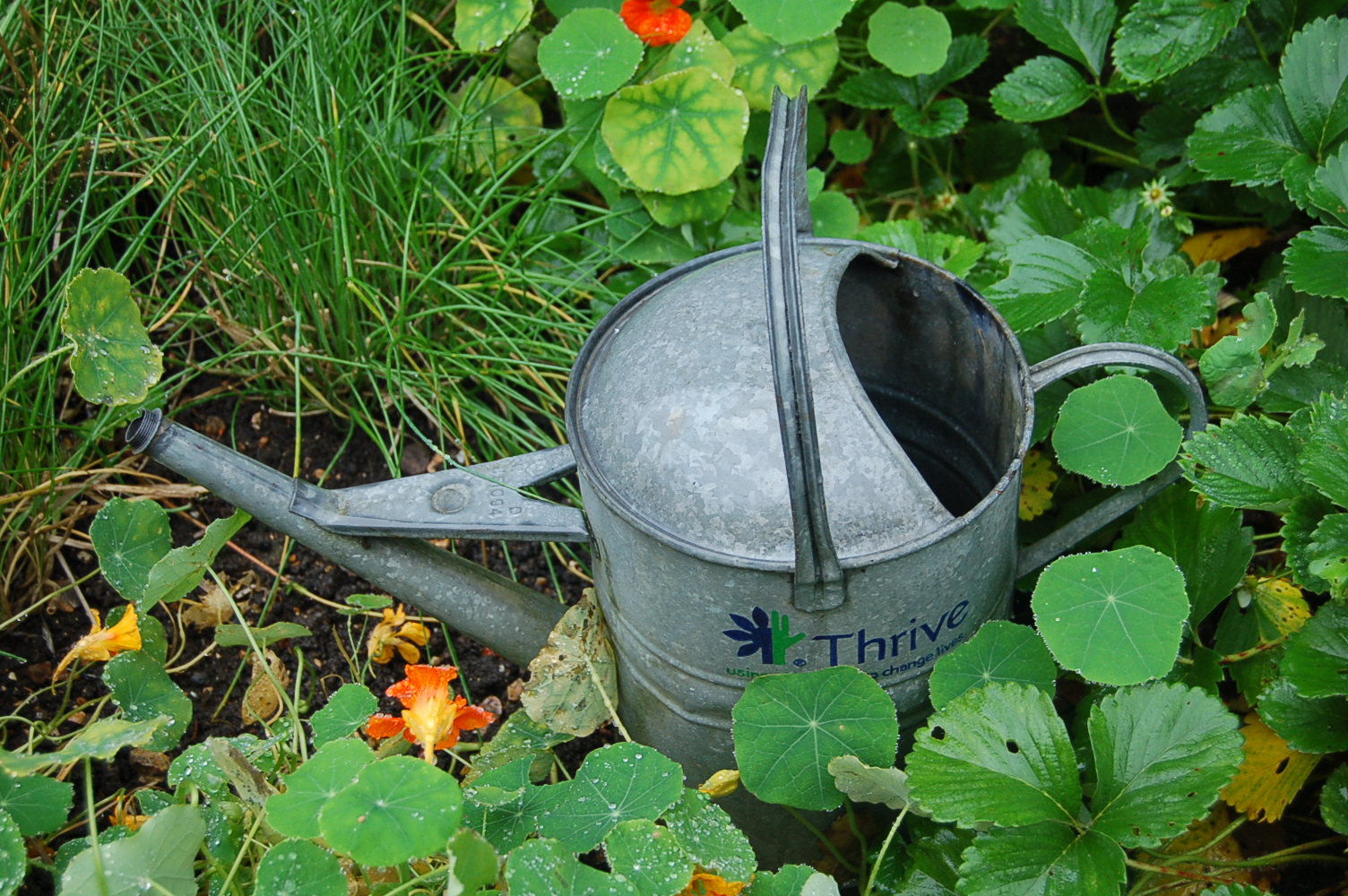
“Thrive” is such an apt name for a charity which helps people thrive in the garden and through gardening. Sadly as the weather was so wet we met no gardeners at work. Apart from us and the occasional Robin, who provided the entertainment, the place was deserted.
The charity looks after gardens all over the UK teaching the skills of gardening and developing a love of gardening in its clients. Their gardens though are there to educate others. The gardening standards are very high and the gardens boast some effective educational and informative displays.

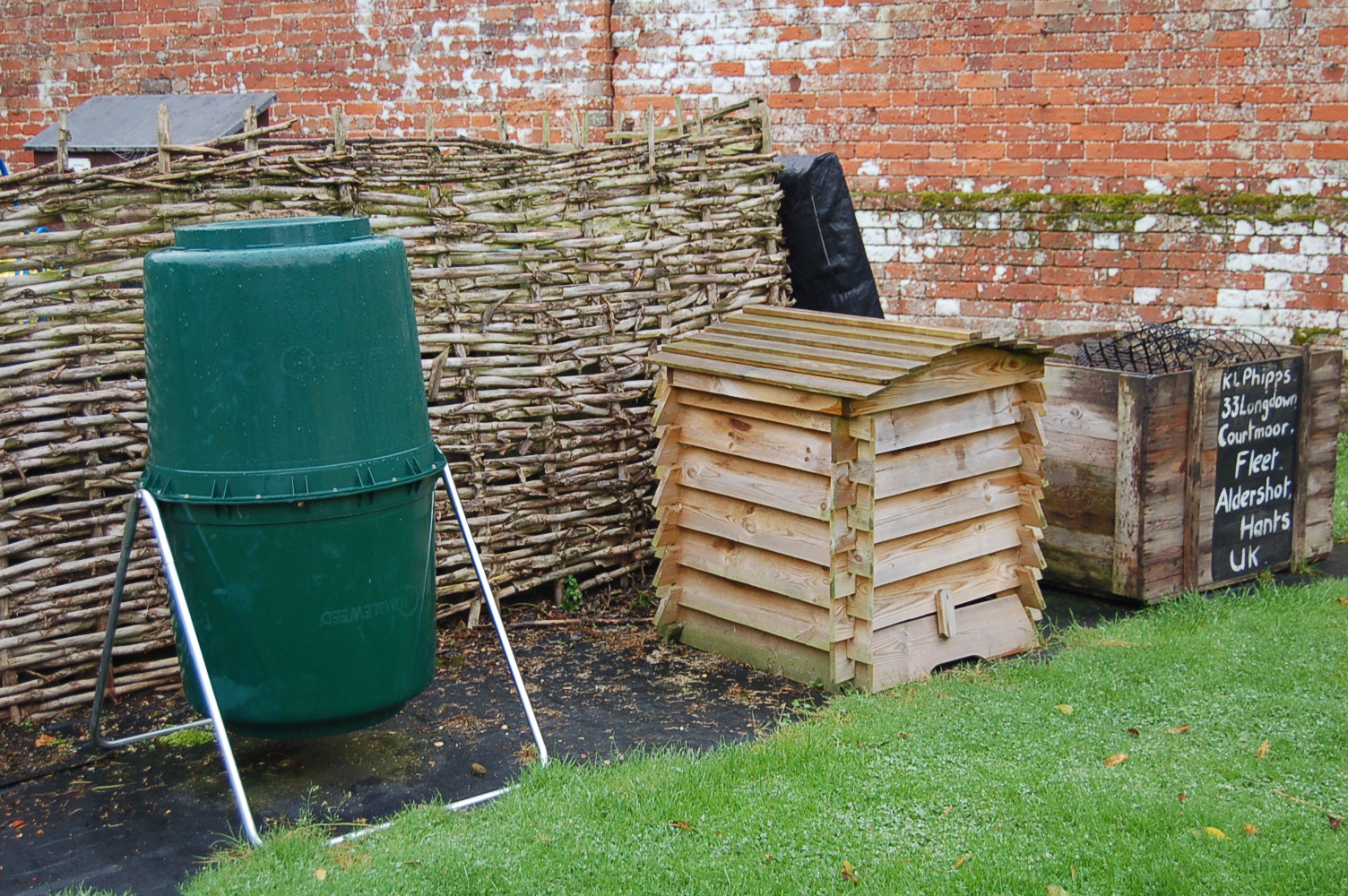
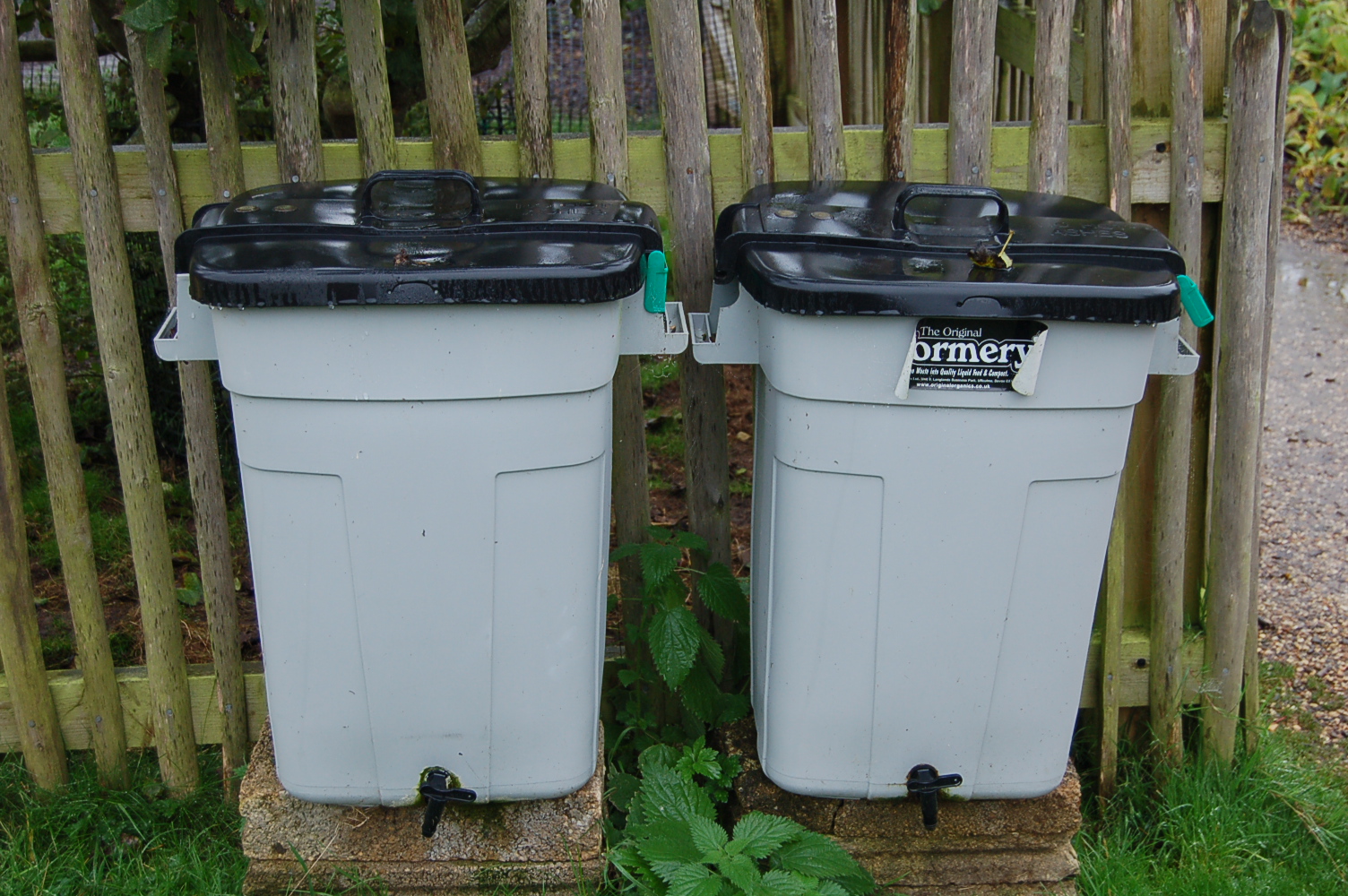
Here at the National Trust property, The Vynes, the productive garden maintained by Thrive illustrates quality techniques in action especially composting.

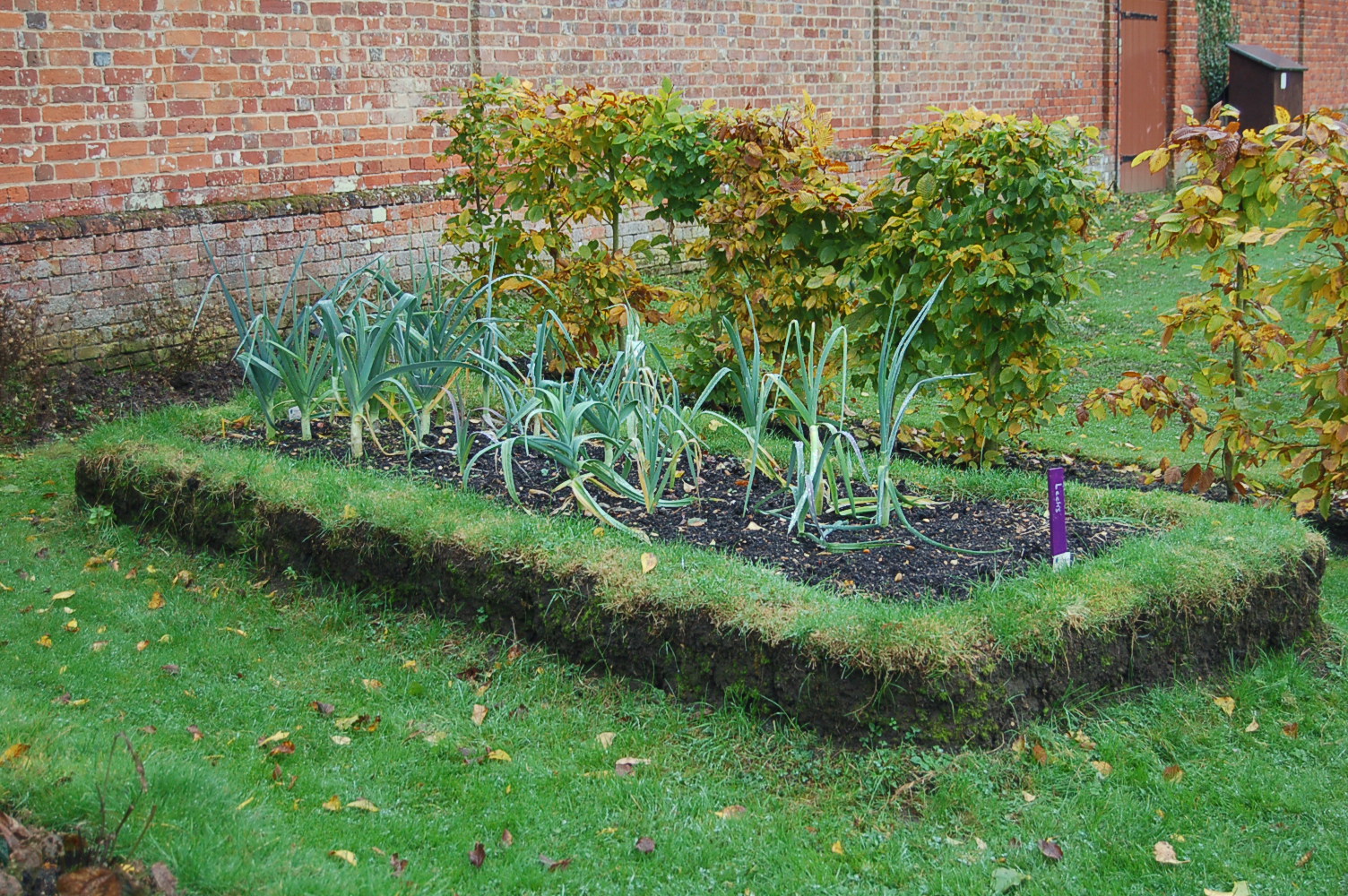
We liked these two ideas for raised beds, particularly this turf bank version, which would make gardening easier for wheelchair users or back pain sufferers (like me). The second picture shows raised beds and recycling combined – revamped old tyres.

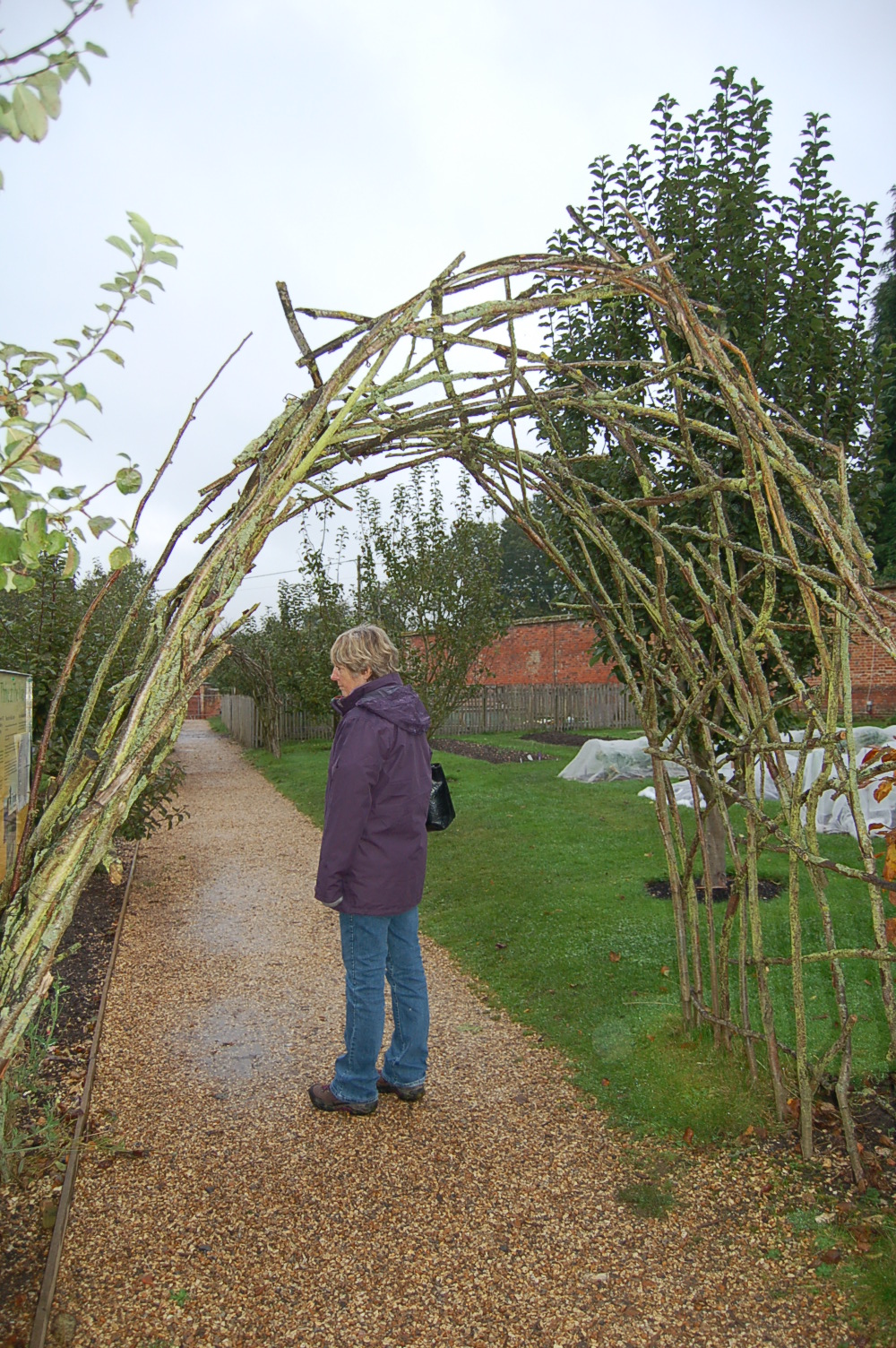
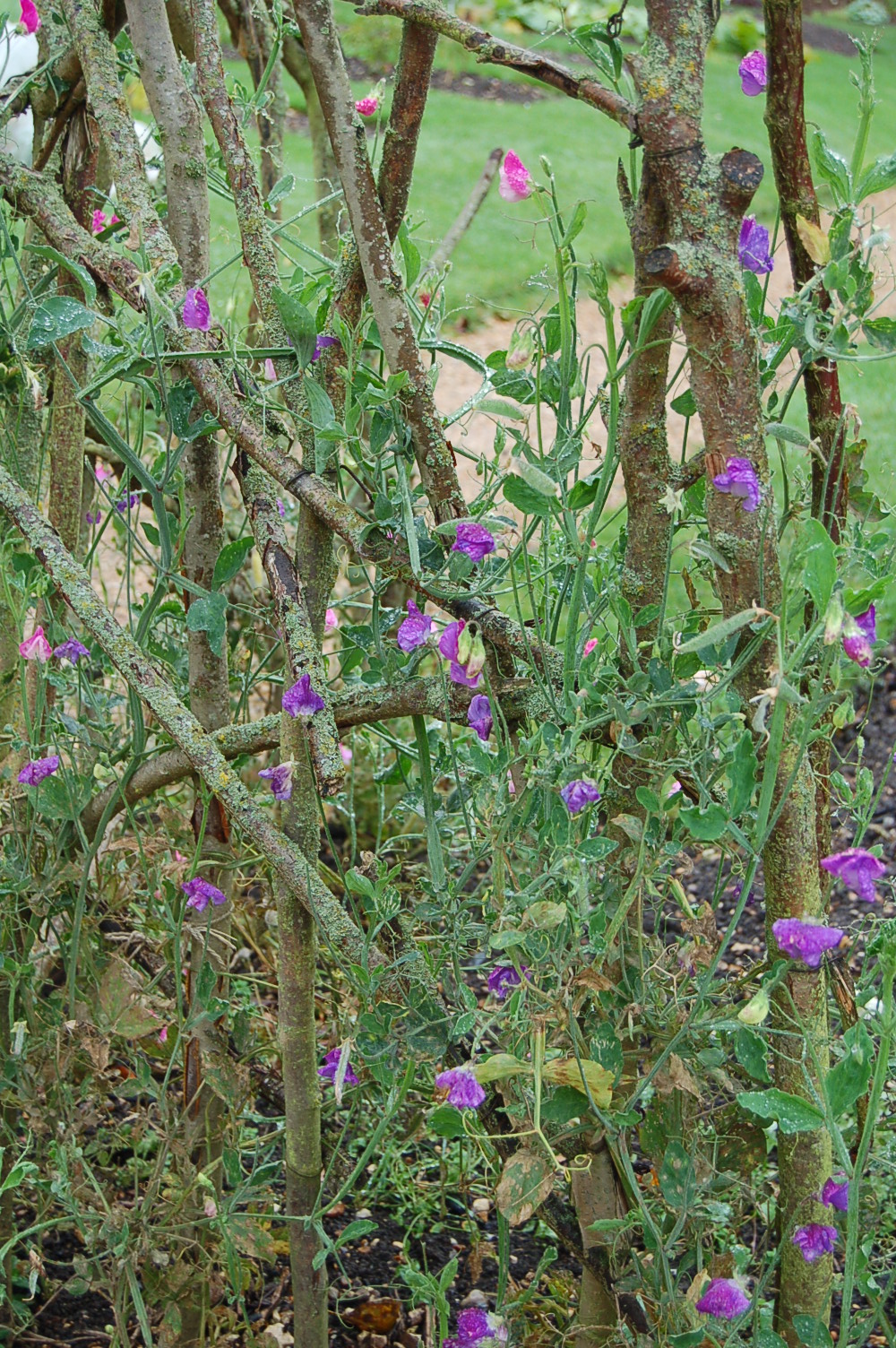
Arches constructed from tree prunings make most attractive and natural supports for climbers such as Sweet Peas and help entice you down the paths.

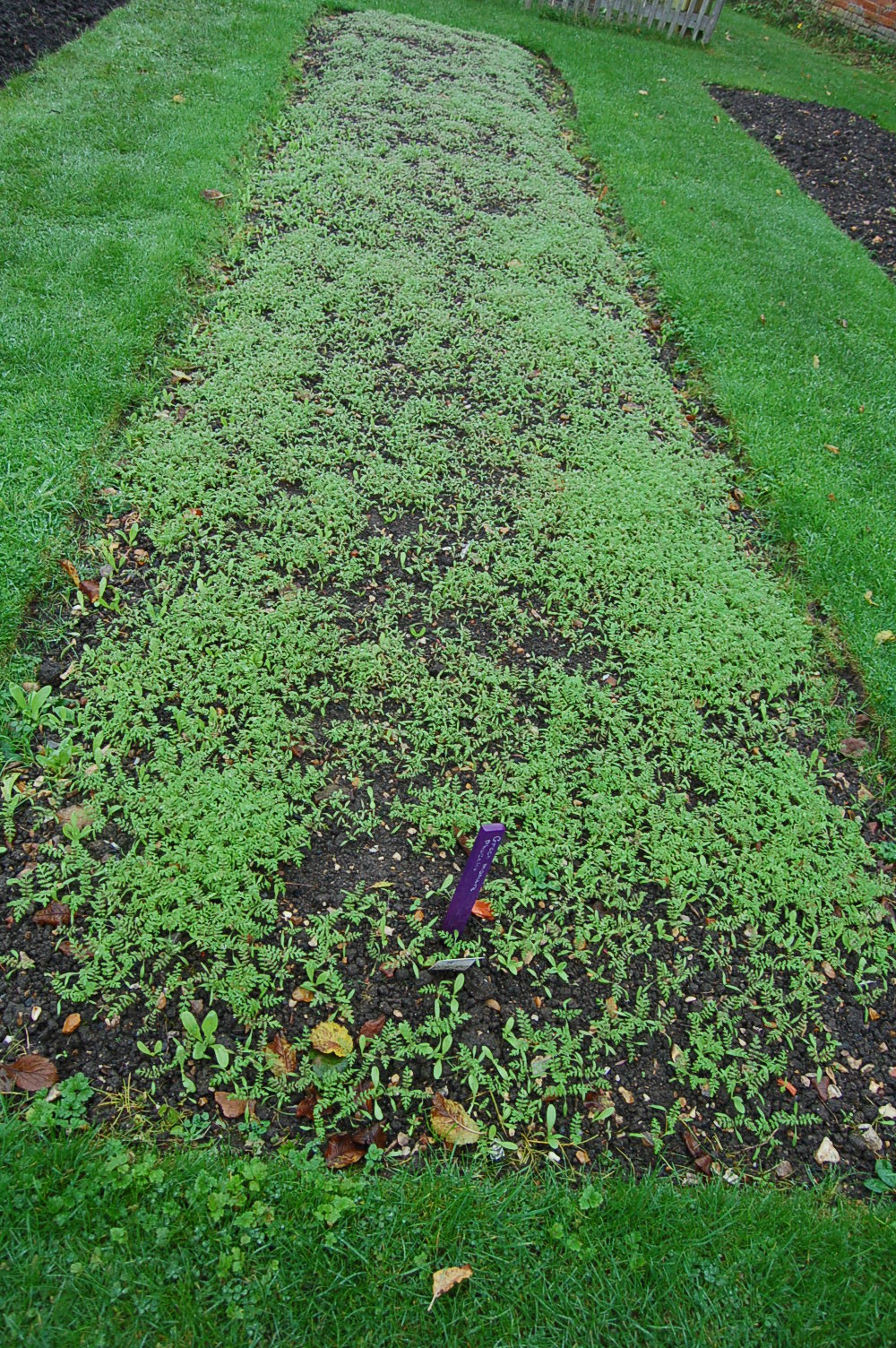
Organic ideals are followed here as well, such as using fleece as protection from pests and the cold and growing green manures such as this Phacelia.

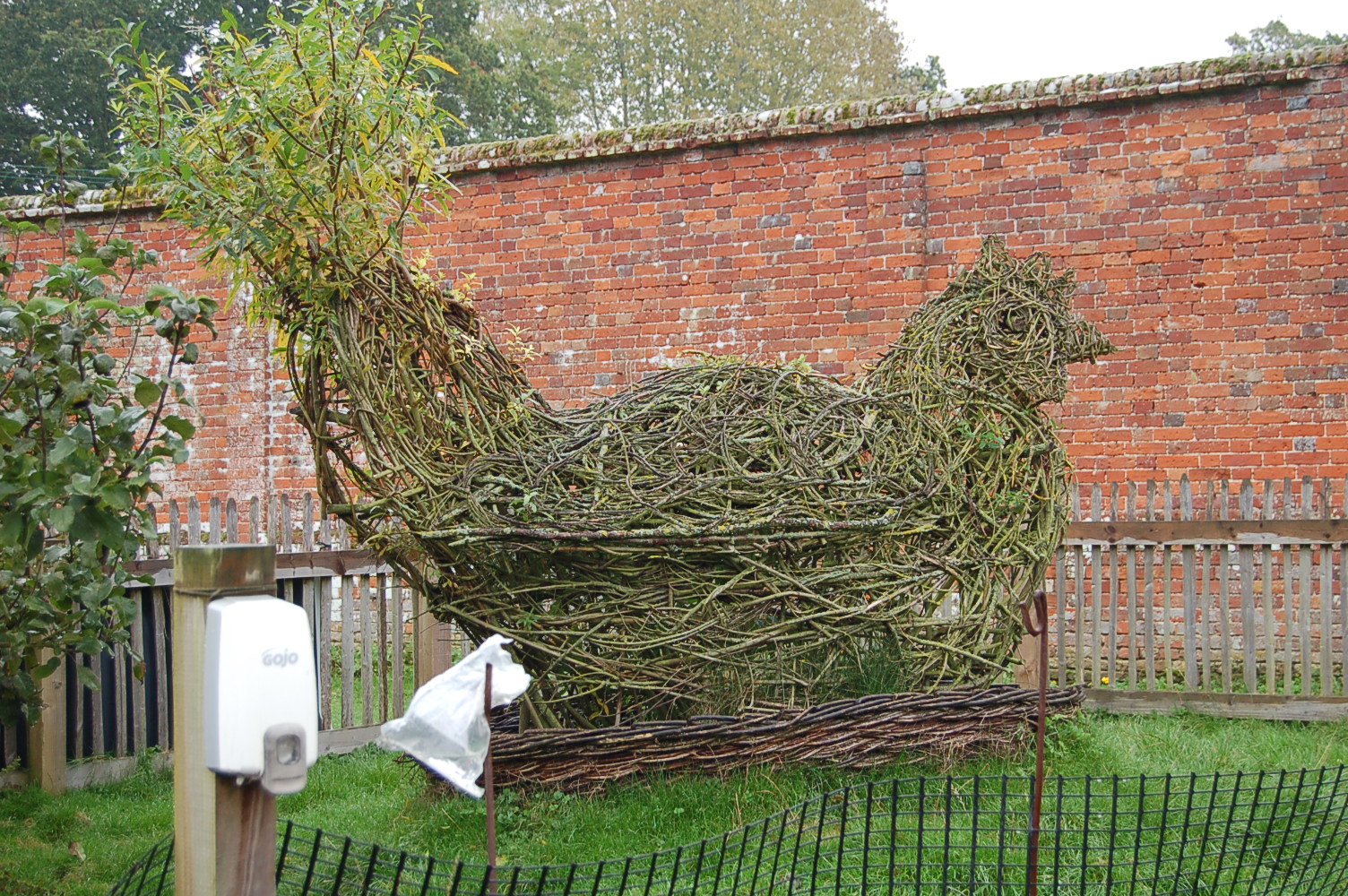
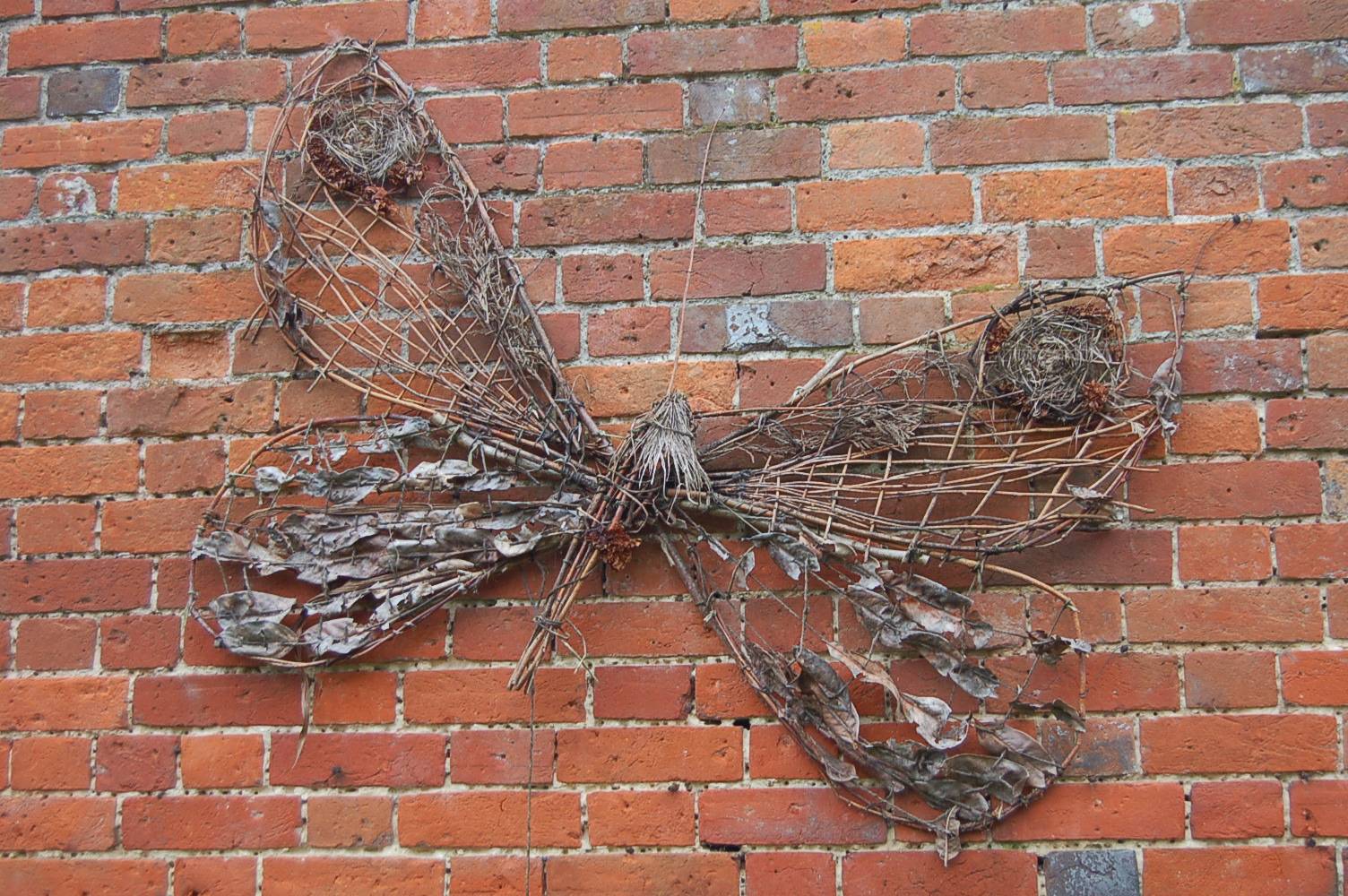
We were impressed by the use of willow as a craft material in creations such as the giant hen and the wall-mounted butterfly.
There was even a children’s garden with picnic tables topped with puzzles and a beautifully decorated shed full of special tools and games.

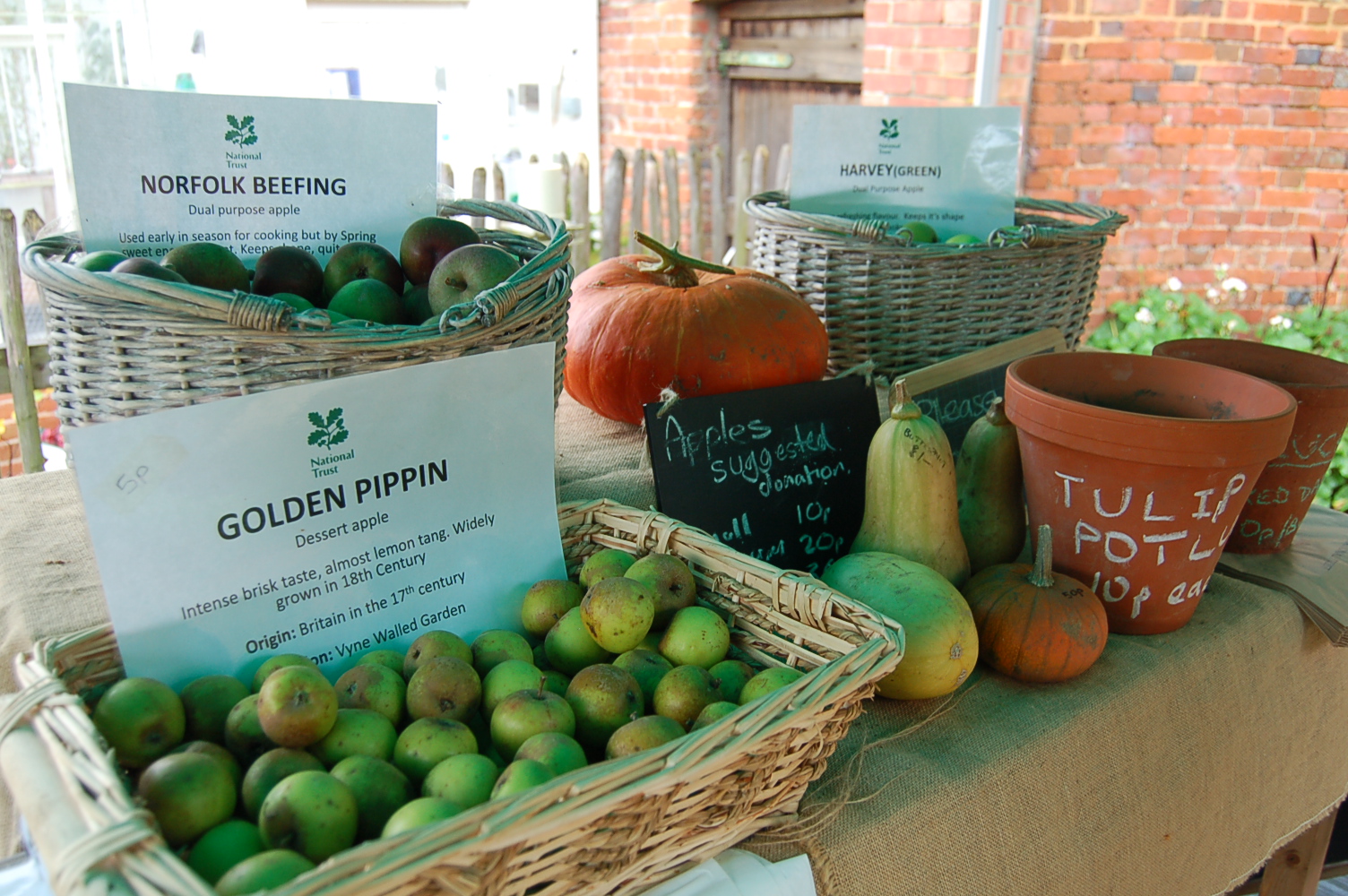
The produce from the beds are for sale to visitors and at this time of year that meant mostly apples in variety.

To find out more about the work of Thrive I suggest a visit to their website www.thrive.co.uk . To see their work in action you can visit one of their many gardens around the country. Check it out and you will be impressed!
This is the penultimate garden wander for the year and what a colourful one it is. The weather has turned cold with daytime temperatures failing to reach double figures and night time temperatures only just above freezing. Some days though do please the camera, with deep blue skies in between storms.
This rich red oriental poppy never fails to impress even this late in the year.


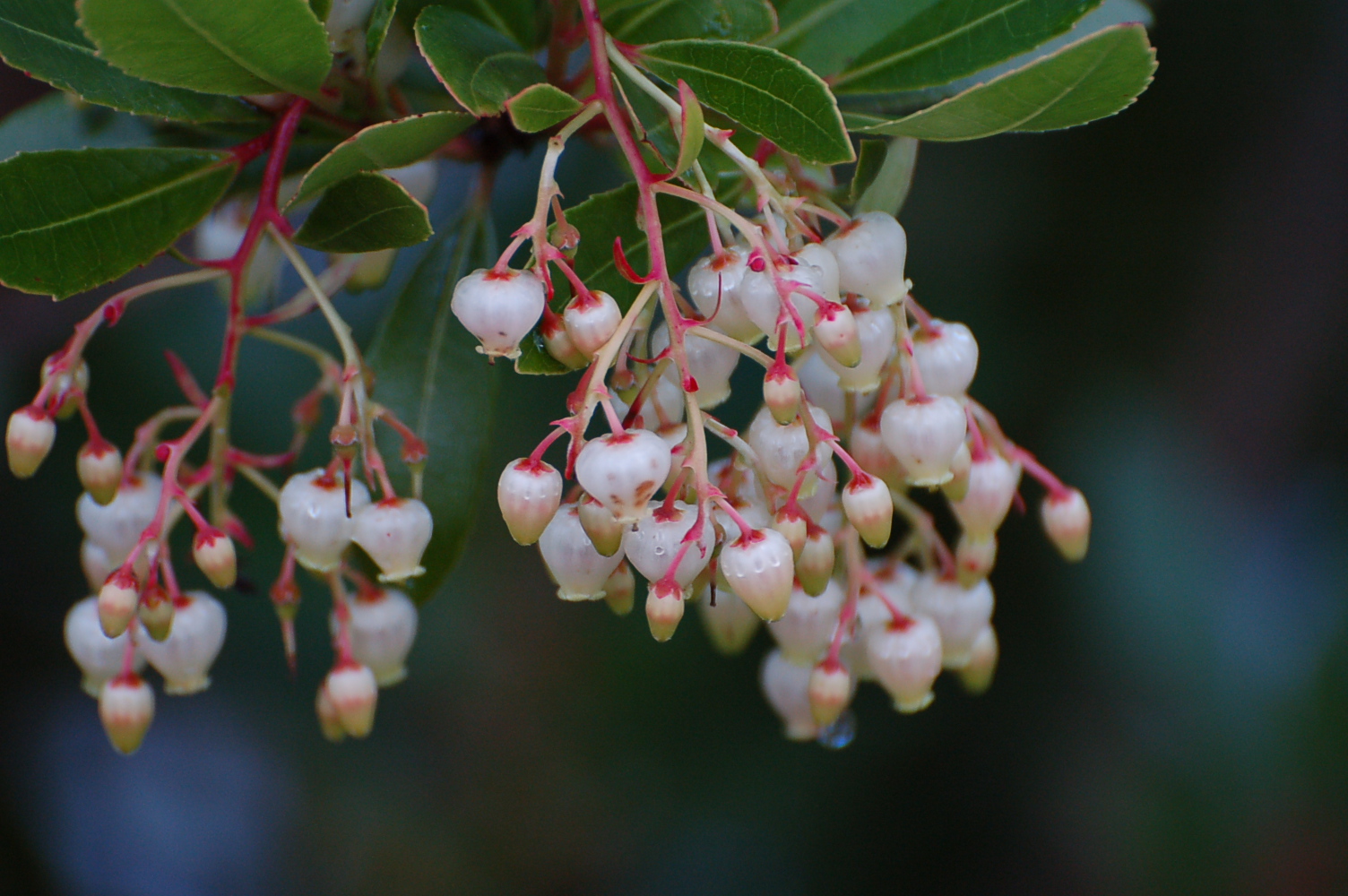
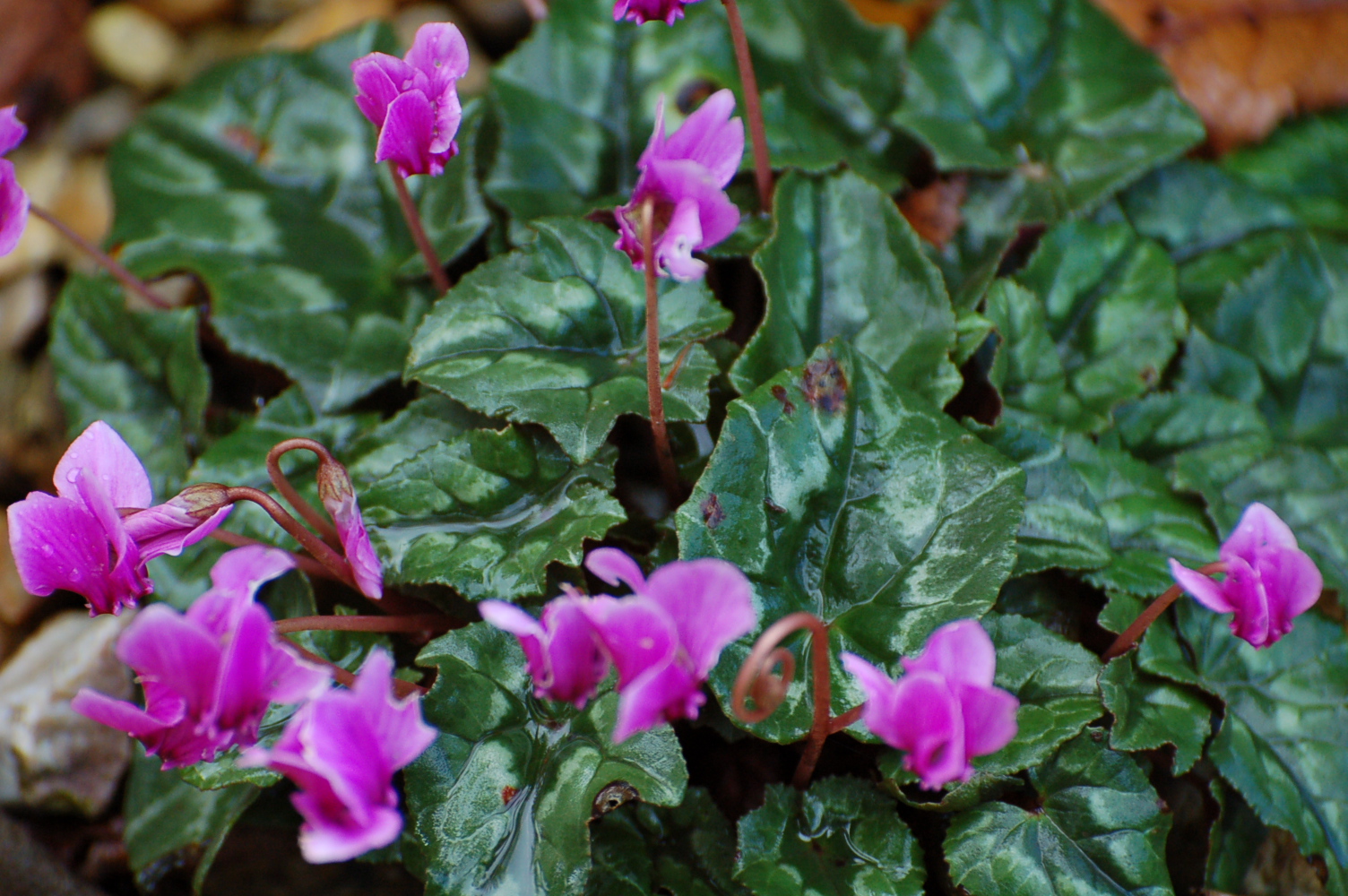
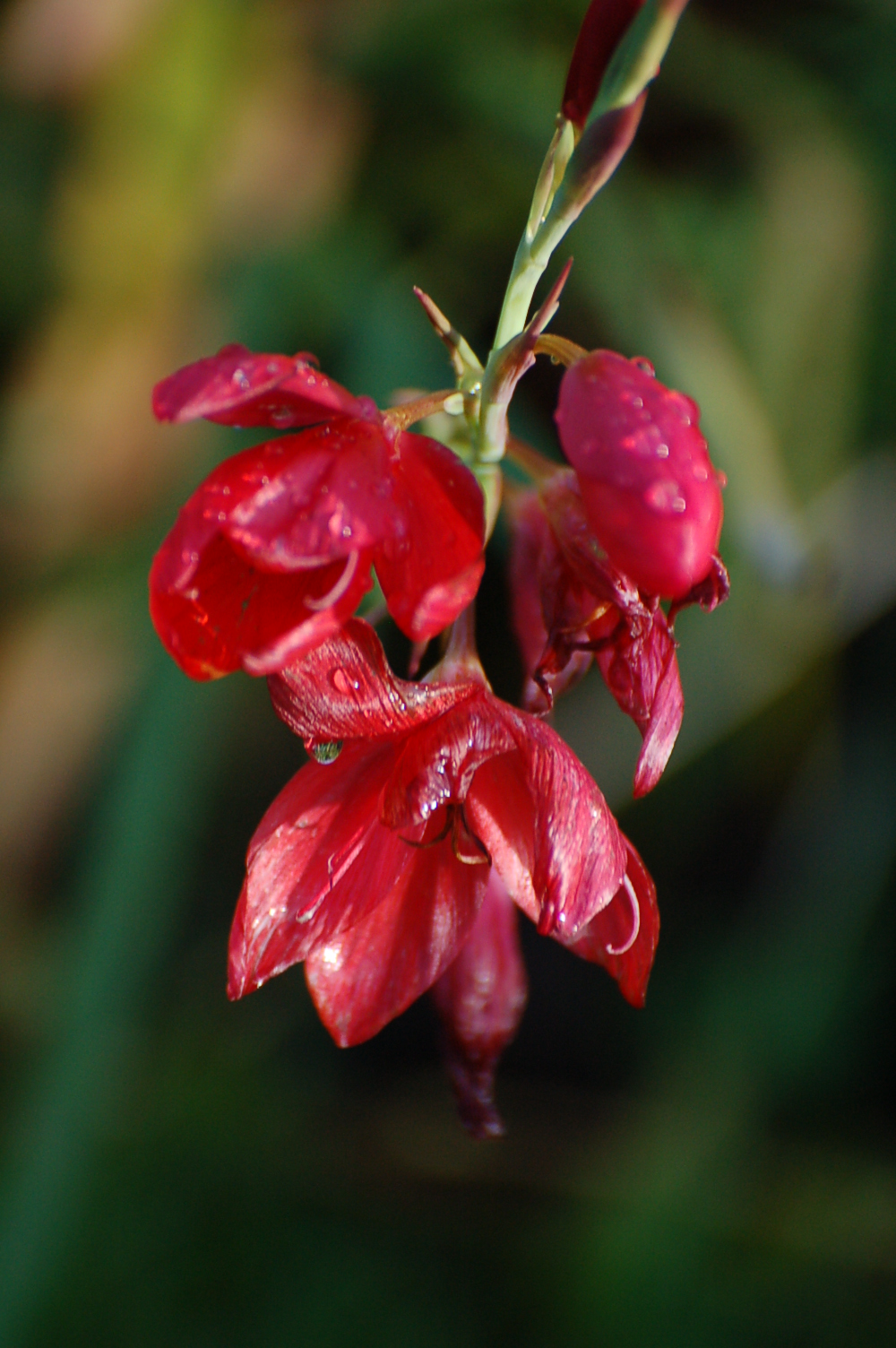
Several of the plants that feature in the November garden seem to sport odd shaped flowers. The Strawberry Tree, Arbutus unedo has flowers that hang like pearly cream bells. Cyclamen hederifolium have curious fly away petals while Shystostylus flowers hang on gently curving stems.

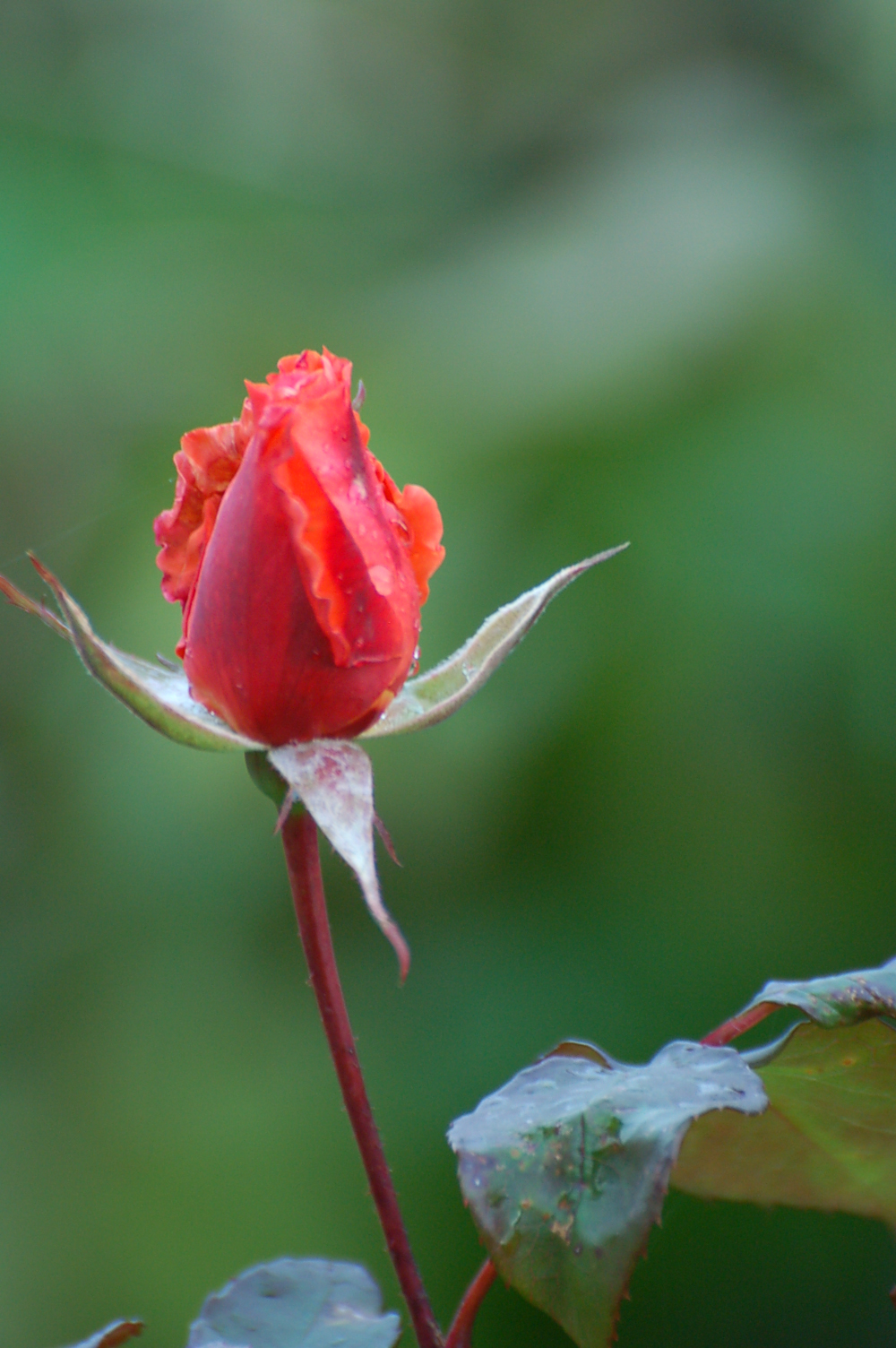
Roses seem to be blooming away giving us brightness for most of the year. Many that started blooming in late May are still flowering now and they are producing buds in readiness to flower right through to the end of the year.

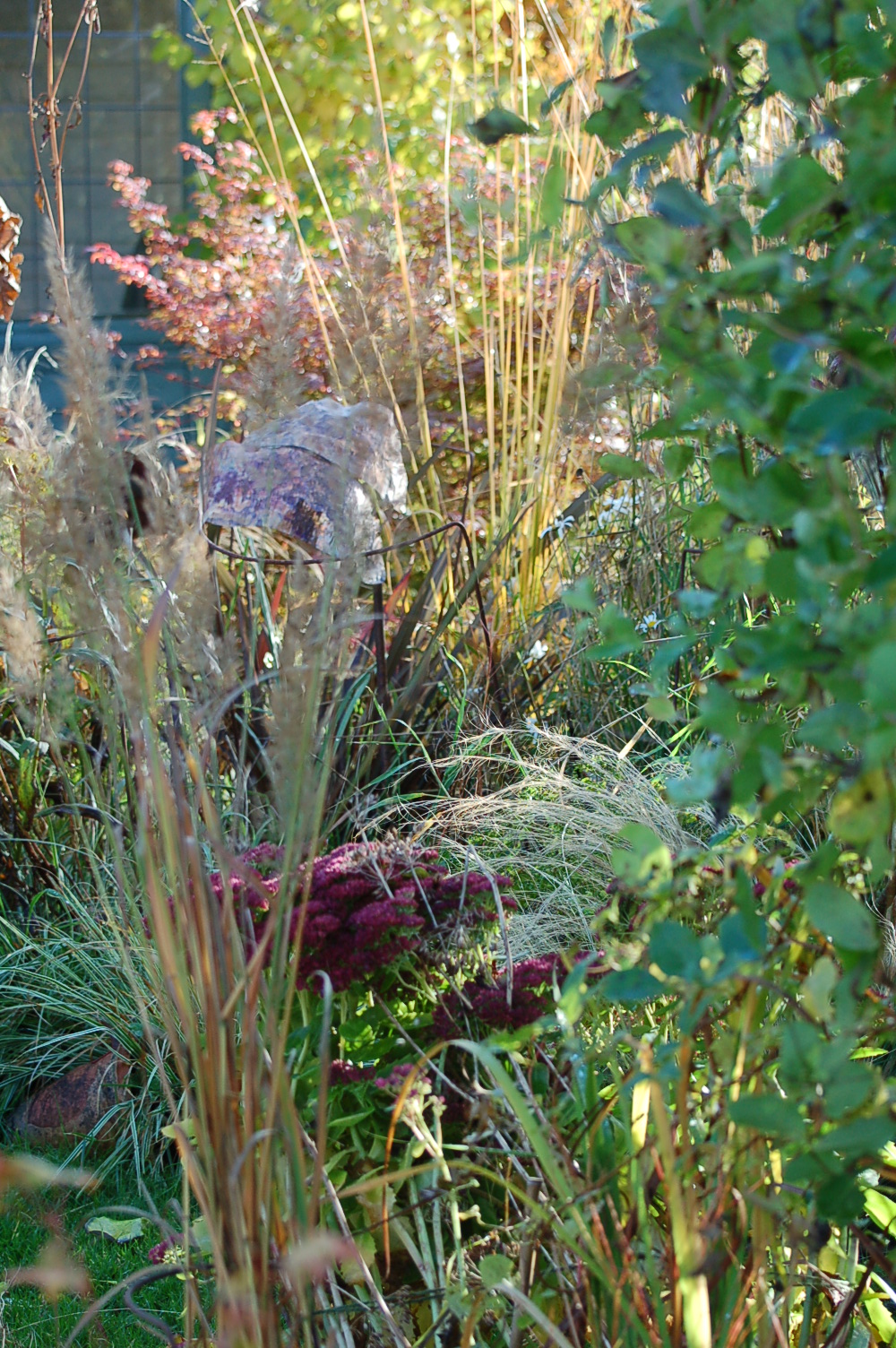
At the moment I pass the wonderfully colourful corner of the Shed Bed, where grasses have coloured up intermingled with the dries flower heads of Eryngium and Agastache. It has to be my favourite November patch in the garden.
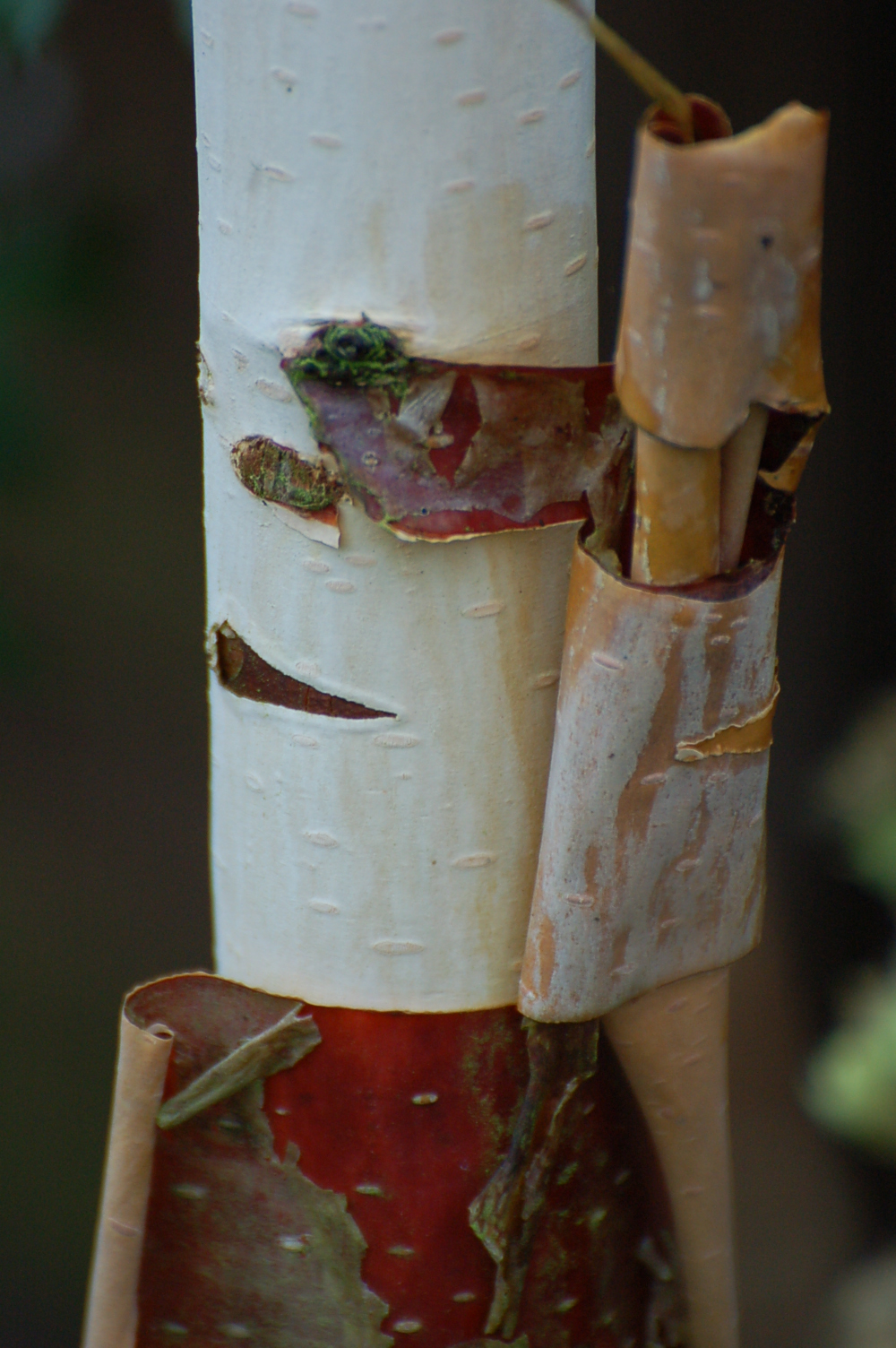
 Having passed my favourite corner I pass our trees as I go down to to the bottom of the garden to feed the chicks. Their bark textures and colours change every day. This birch’s chocolate coloured bark is peeling back to reveal snow white smooth bark below, like a white shirt beneath jacket collars.

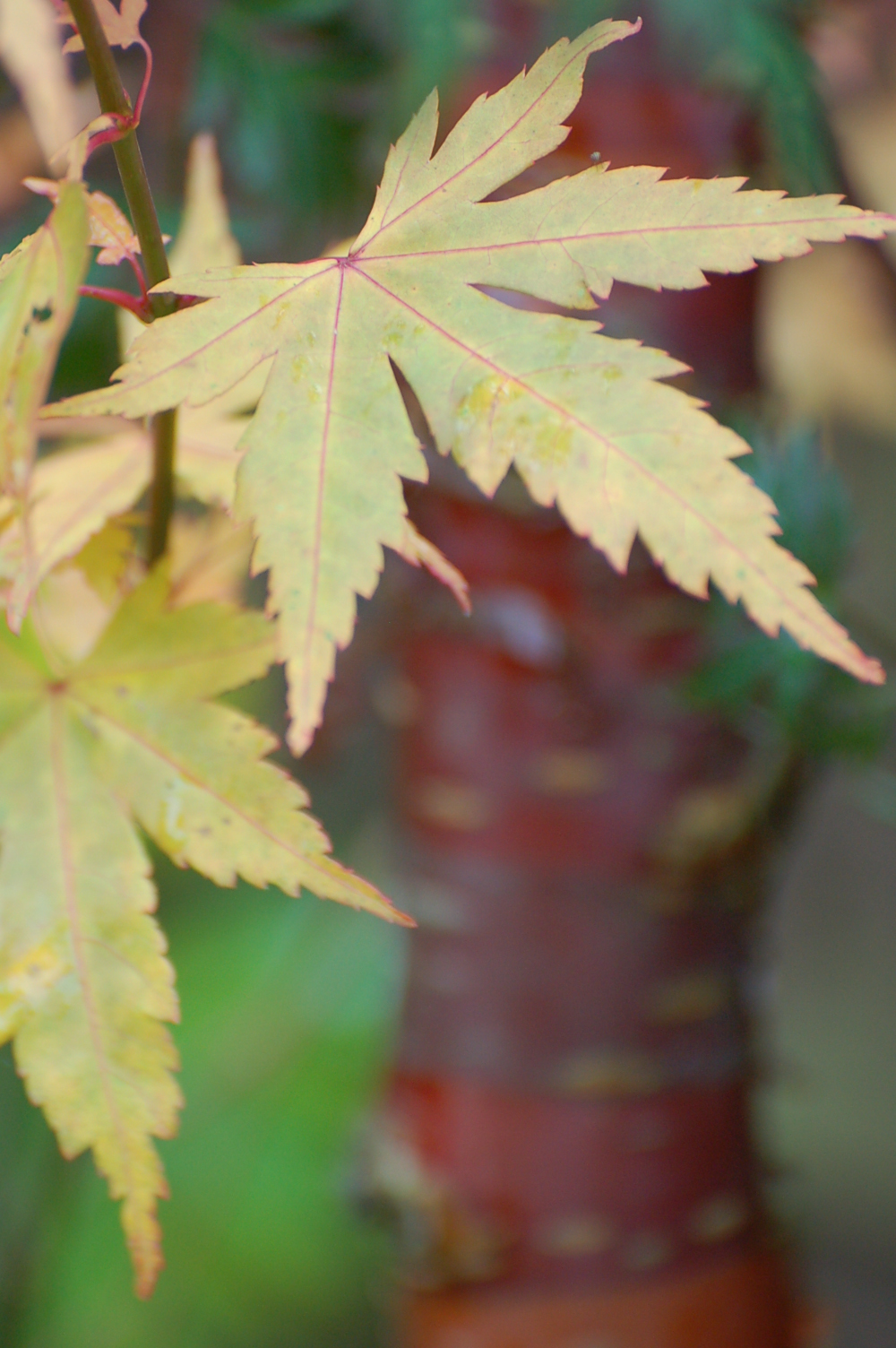

It seems to be a special year for cotoneaster berries, with every variety covered thickly in readiness for arrival of the winter migrant thrushes.

There is something very special about the freshness of the flowers of the Fatsia, with their creamy, greeny whitish colours. They always look to me as if they should smell of vanilla and be edible!

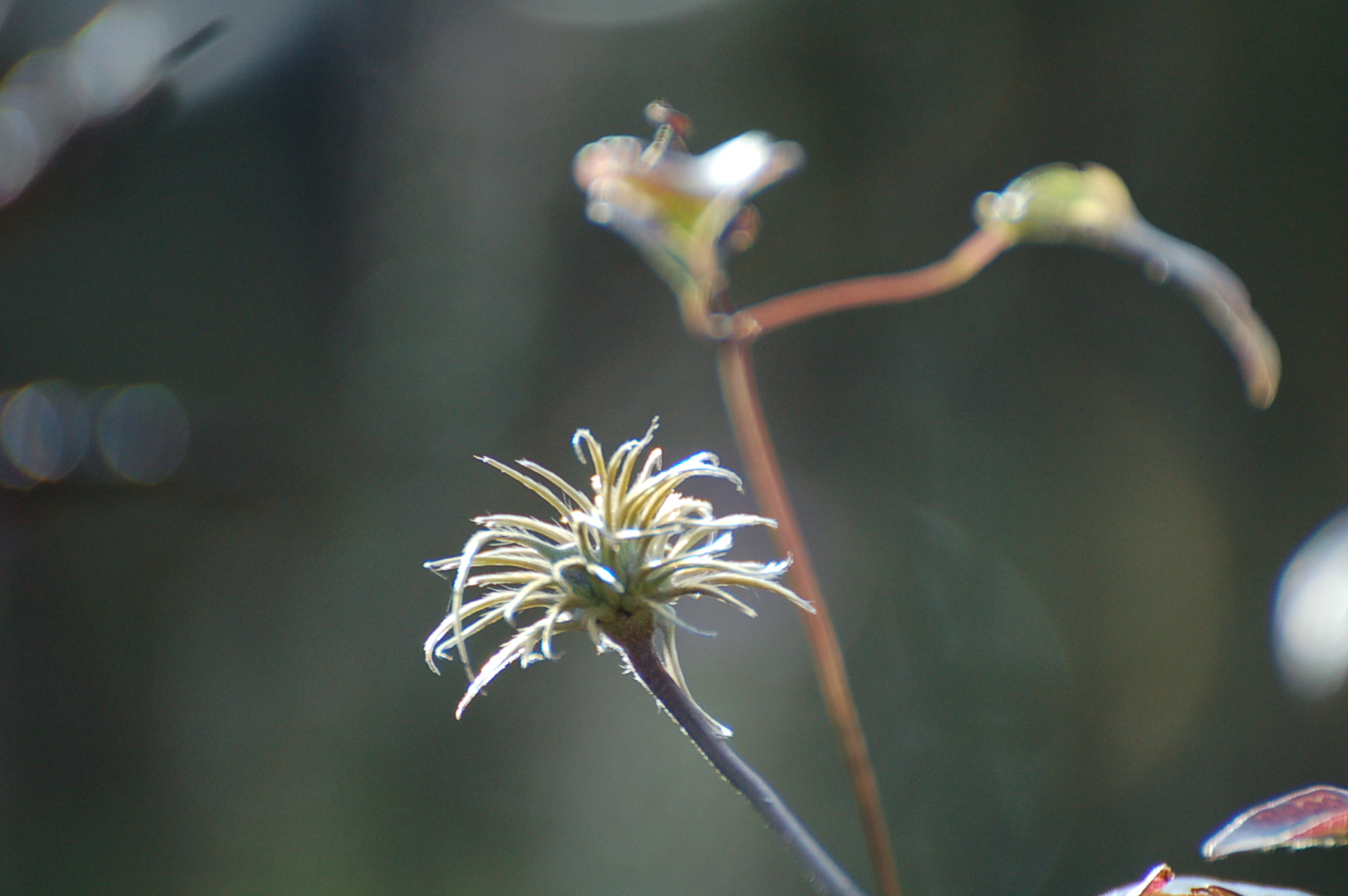
There are difficult decisions to be made in the November garden. Which seed heads to cut down and which to leave for their looks and wildlife value is perhaps the most difficult. How could you possible cut this clematis down when it looks this good? We tend now to leave perennials standing unless or until they fall and become soggy. Once they do this they endanger the lives of the plants they may be smothering. To me the idea of “putting the garden to bed for winter” just doesn’t add up. A garden is for 12 months, all of them


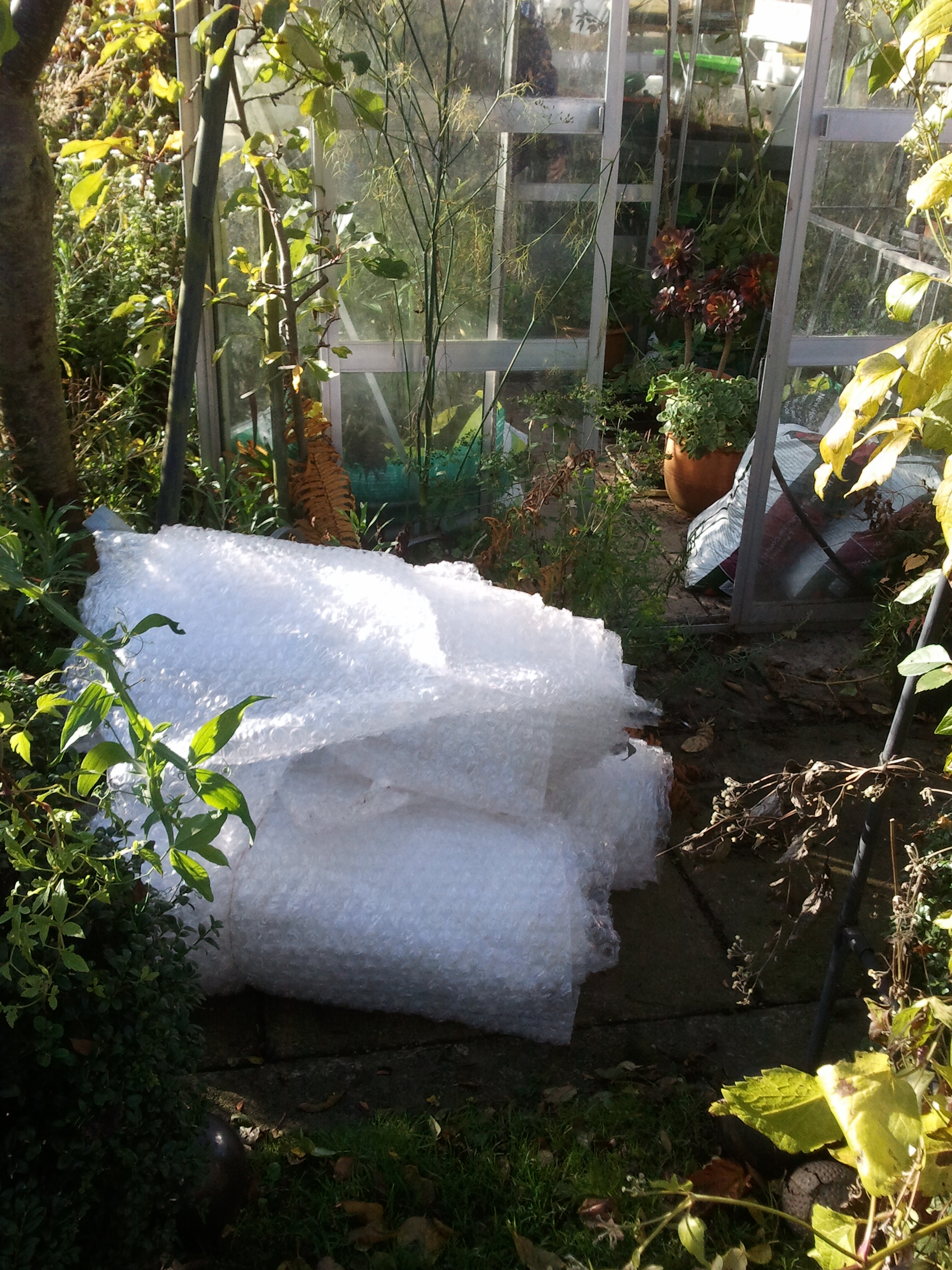
Wrapping the greenhouse in its winter jacket of bubble-wrap is the least favourite of all of our gardening tasks. This Novenber we started on a cold day knowing that as we added the thermal layer to the greenhouse we would heat up as well. But the sun came out and we got too hot. We started off wearing fleece jackets over jumpers but by the time we had finished we had shed both these layers and were down to tee-shirts.
First we collected the rolls of wrap from their summer quarters – the woodshed, and piled them up outside
Next we attempted to begin hanging it inside the greenhouse over specially positioned strings and wires. The bubblewrap then attacked Jude, the Undergardener.
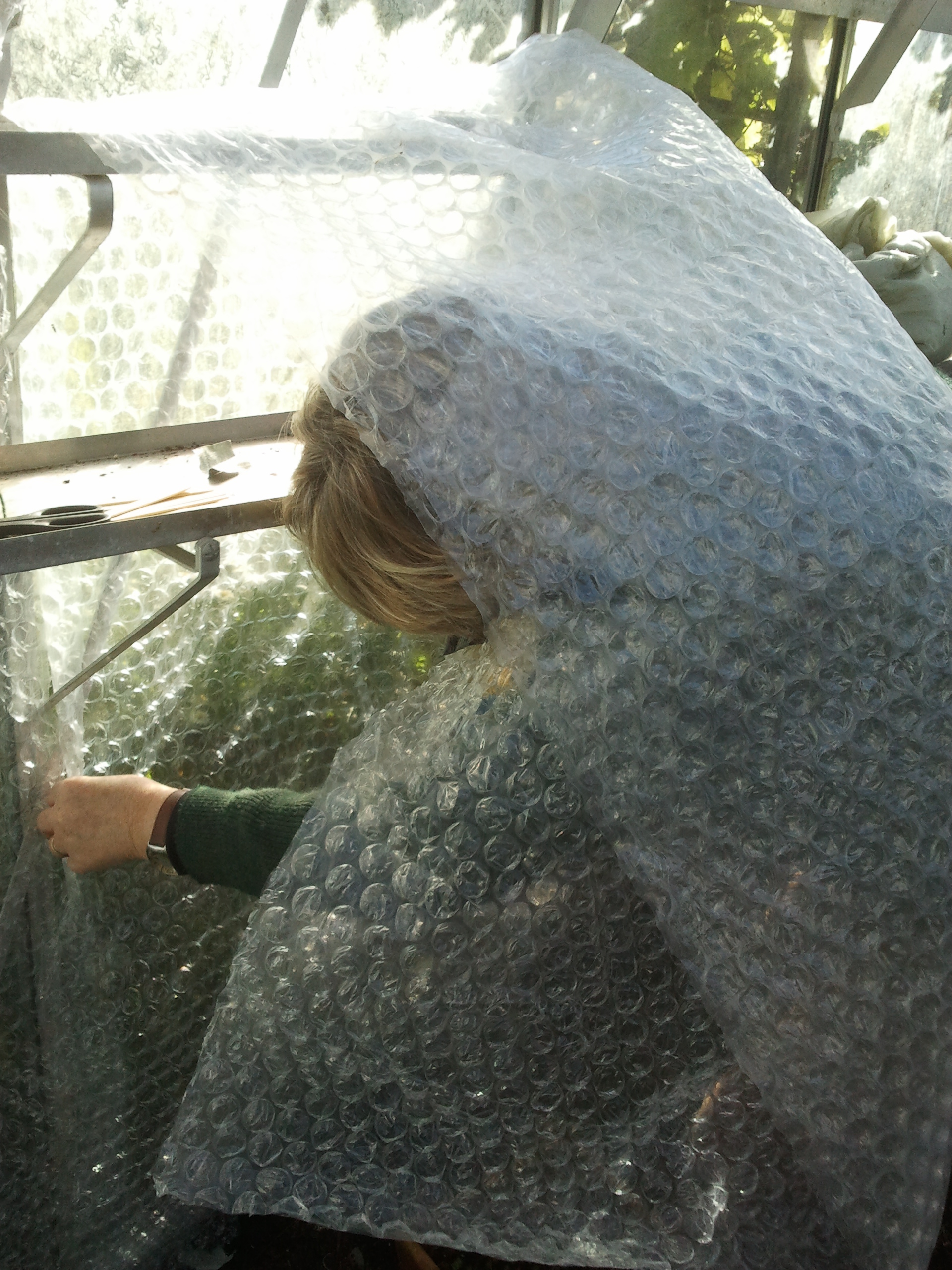
Eventually Jude managed to overcome the wrap and get on with the job in hand, lining the sides and then hanging it over strings tied across the roof. Soon the temperature increased.
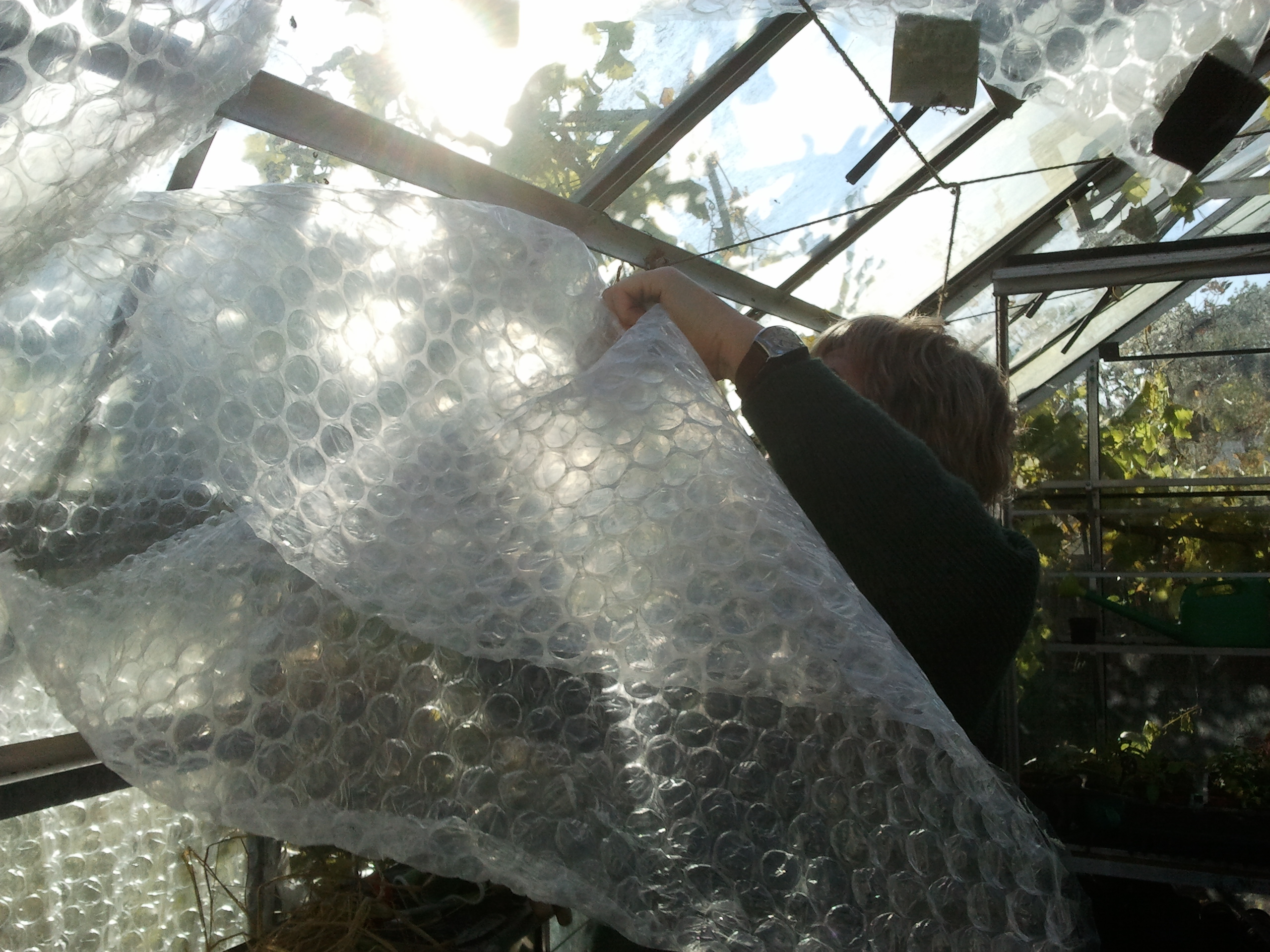
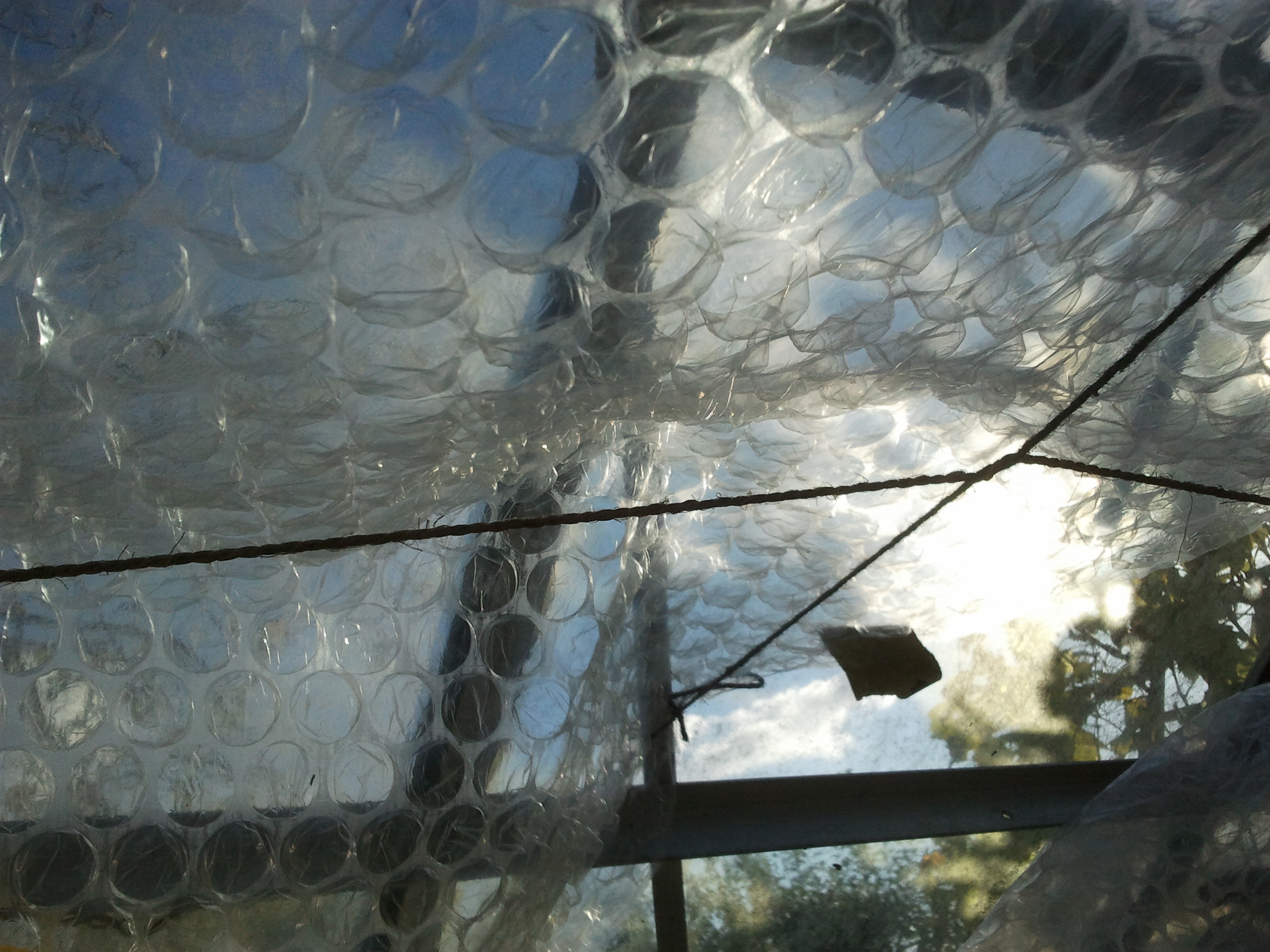
I hope these plants appreciate it!

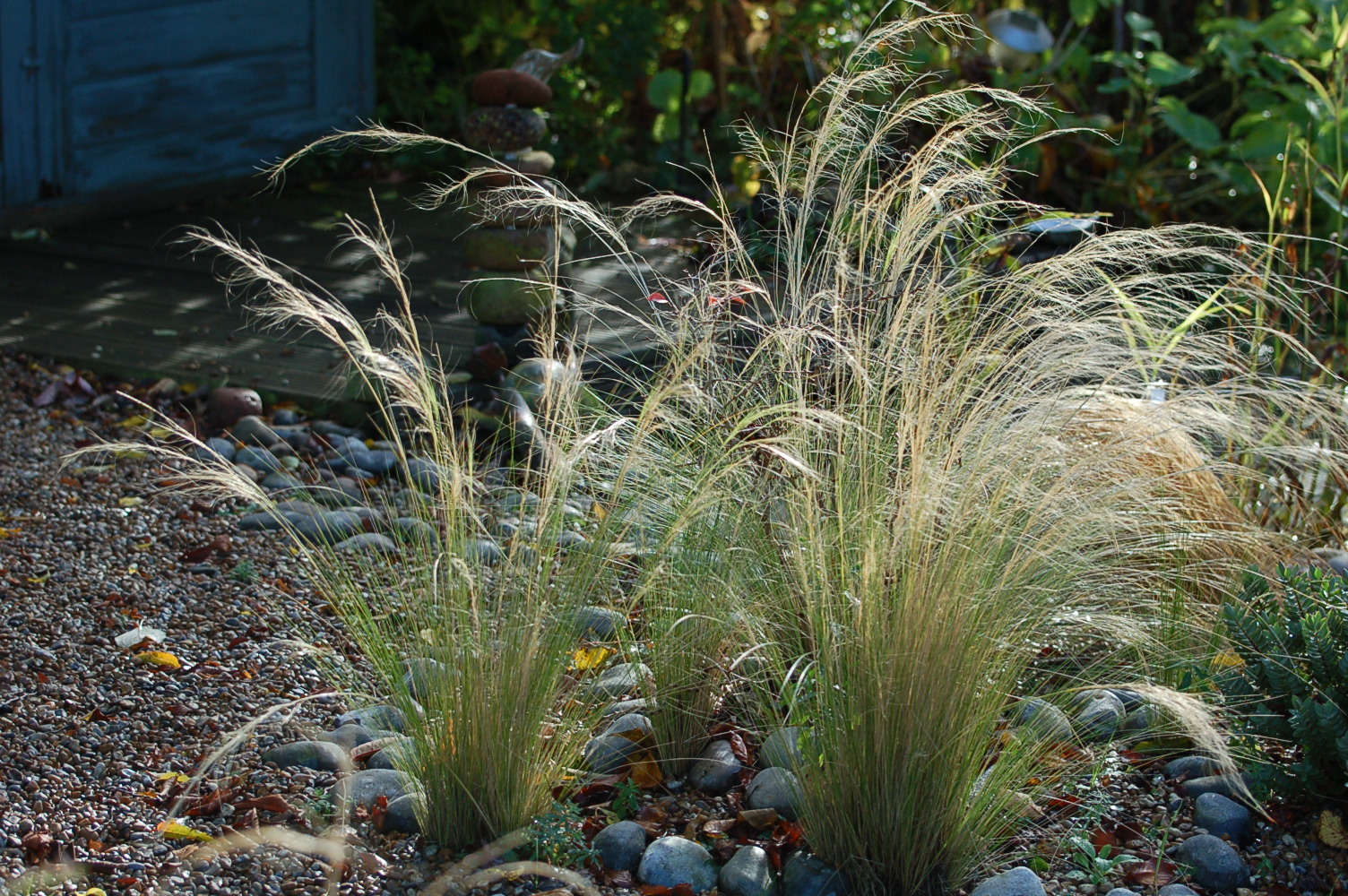
Let’s us finish our November wander with a couple of richly coloured beautifully lit views across borders, and a quick look across our borrowed landscape.




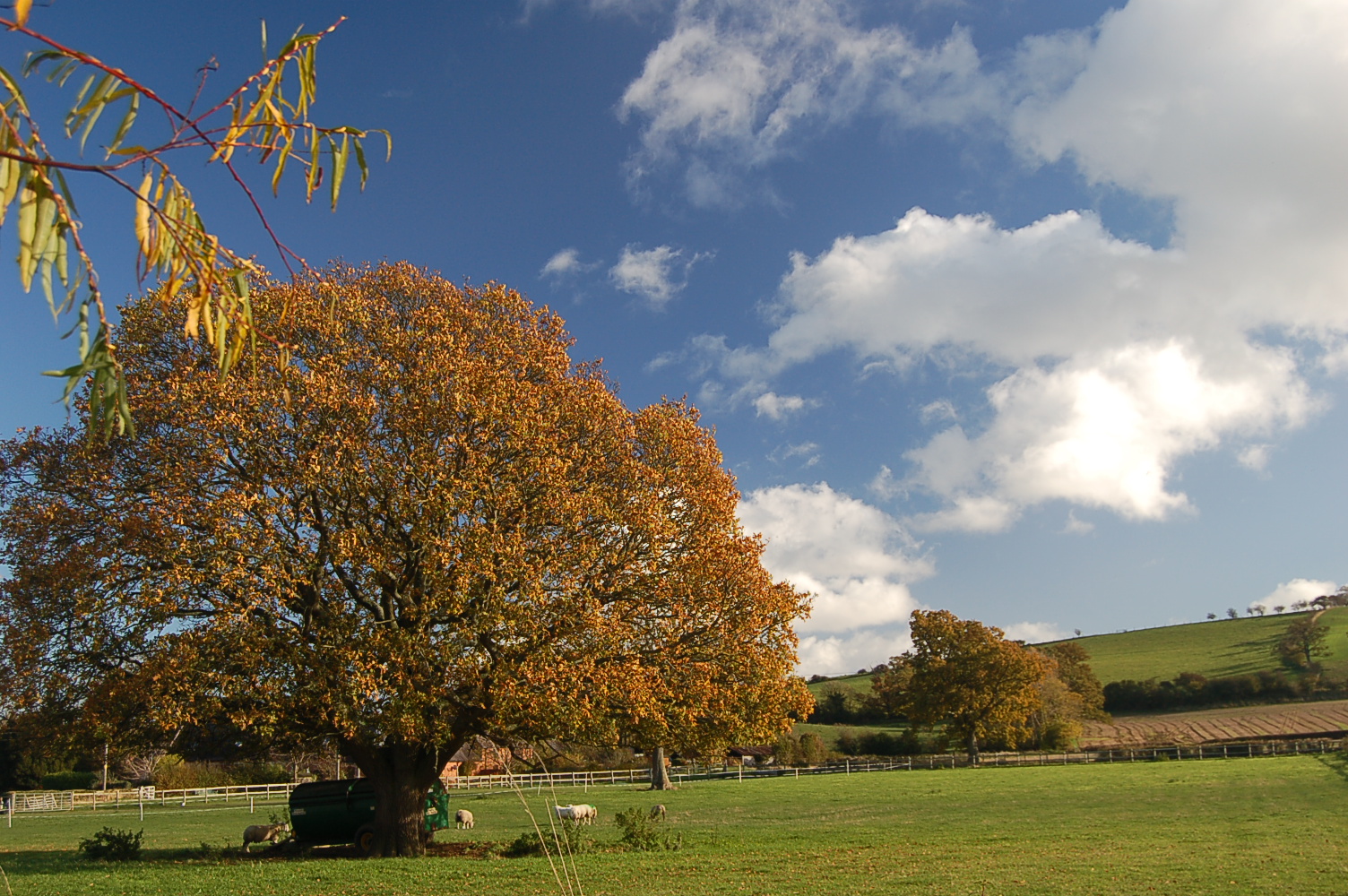

This is the last of my “Go South” posts and as promised it features a garden. Well after all those coastal posts in this series it was only a matter of time before we visited a garden. And boy what a garden it was!
Nymans was created by one of the great supporters of the English plant collectors and it shows in the variety of plants and in the difficulty in identifying some of them.

Nymans is a garden to delight any plantsman who will leave with a list of must-haves. It will also make any good gardener desire his very own areboretum just to plant the rare and special trees spotted at Nymans.
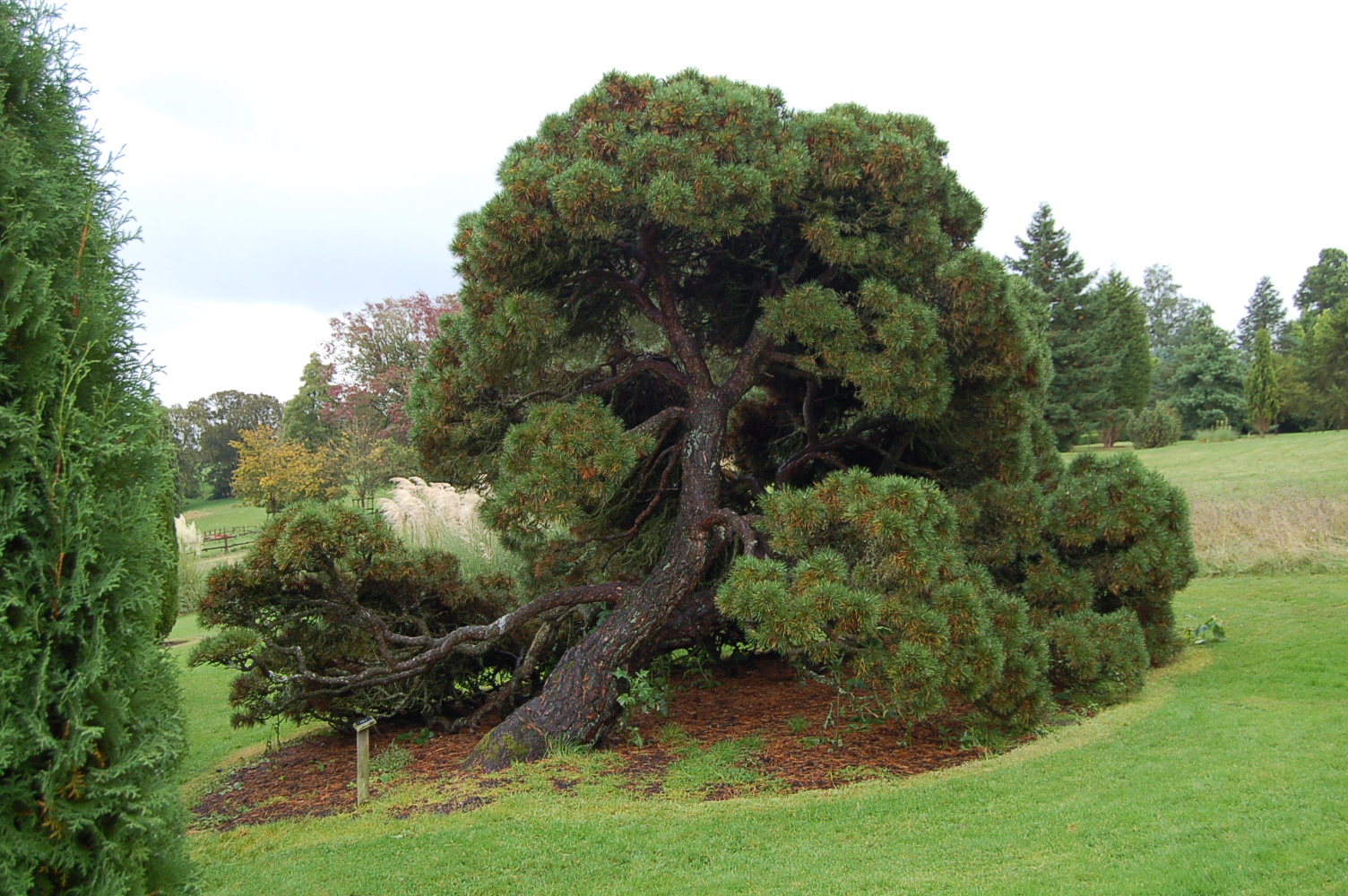
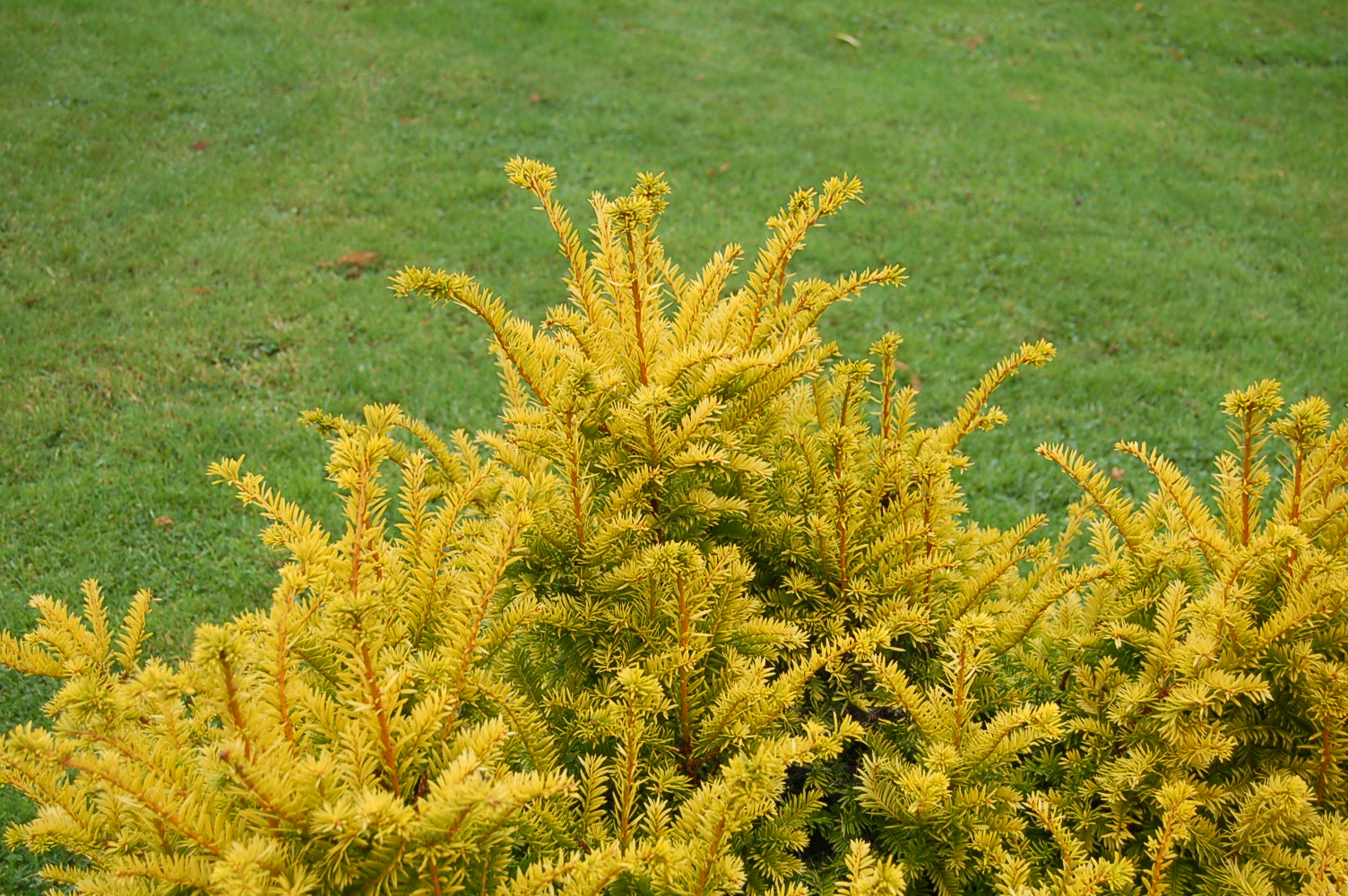
I am not a great fan of coniferous evergreens but these three display diversity in their foliage colour and in their structure and shape.
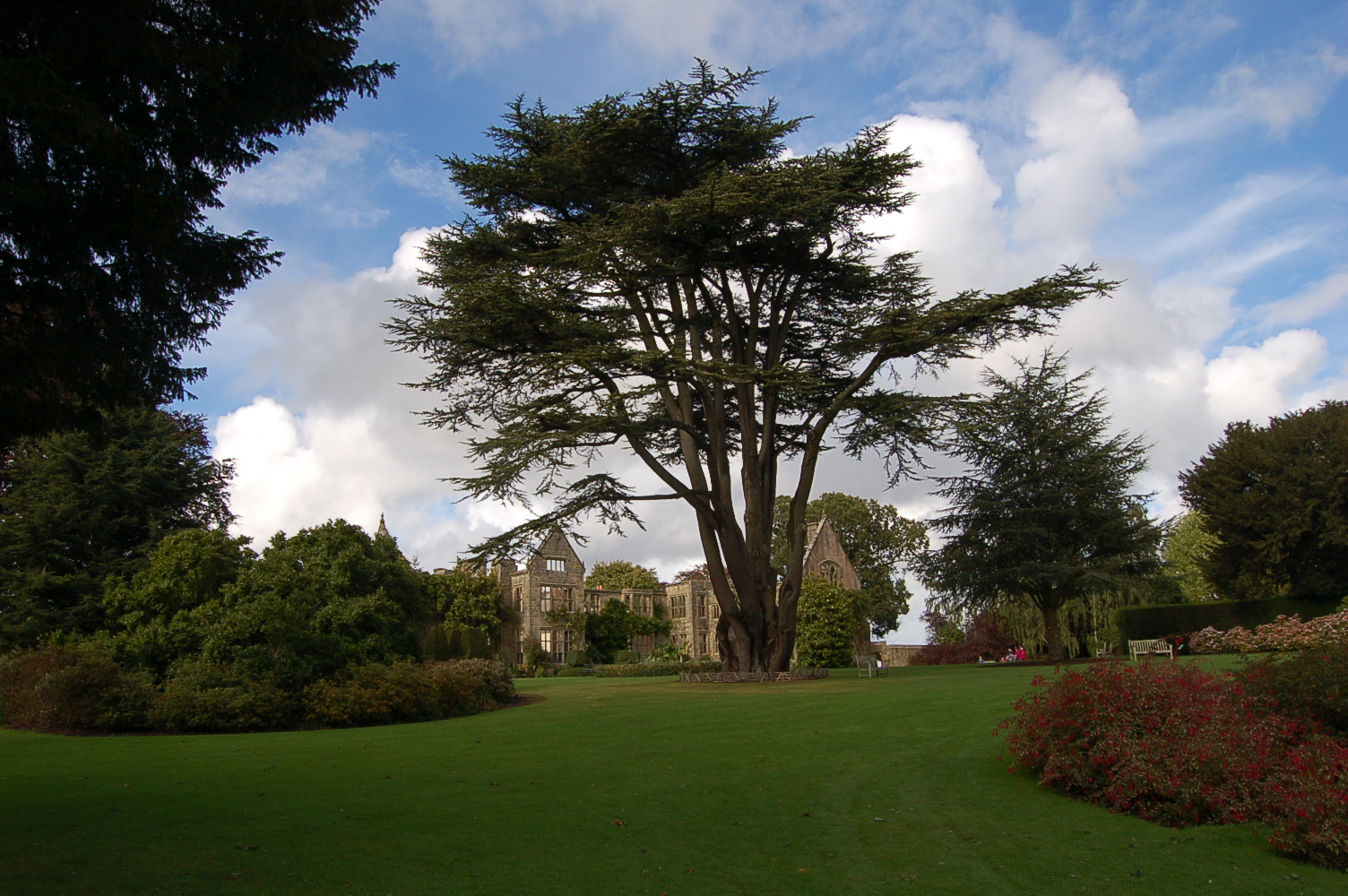
In the shade of deciduous trees the shapes of their trunks are revealed.
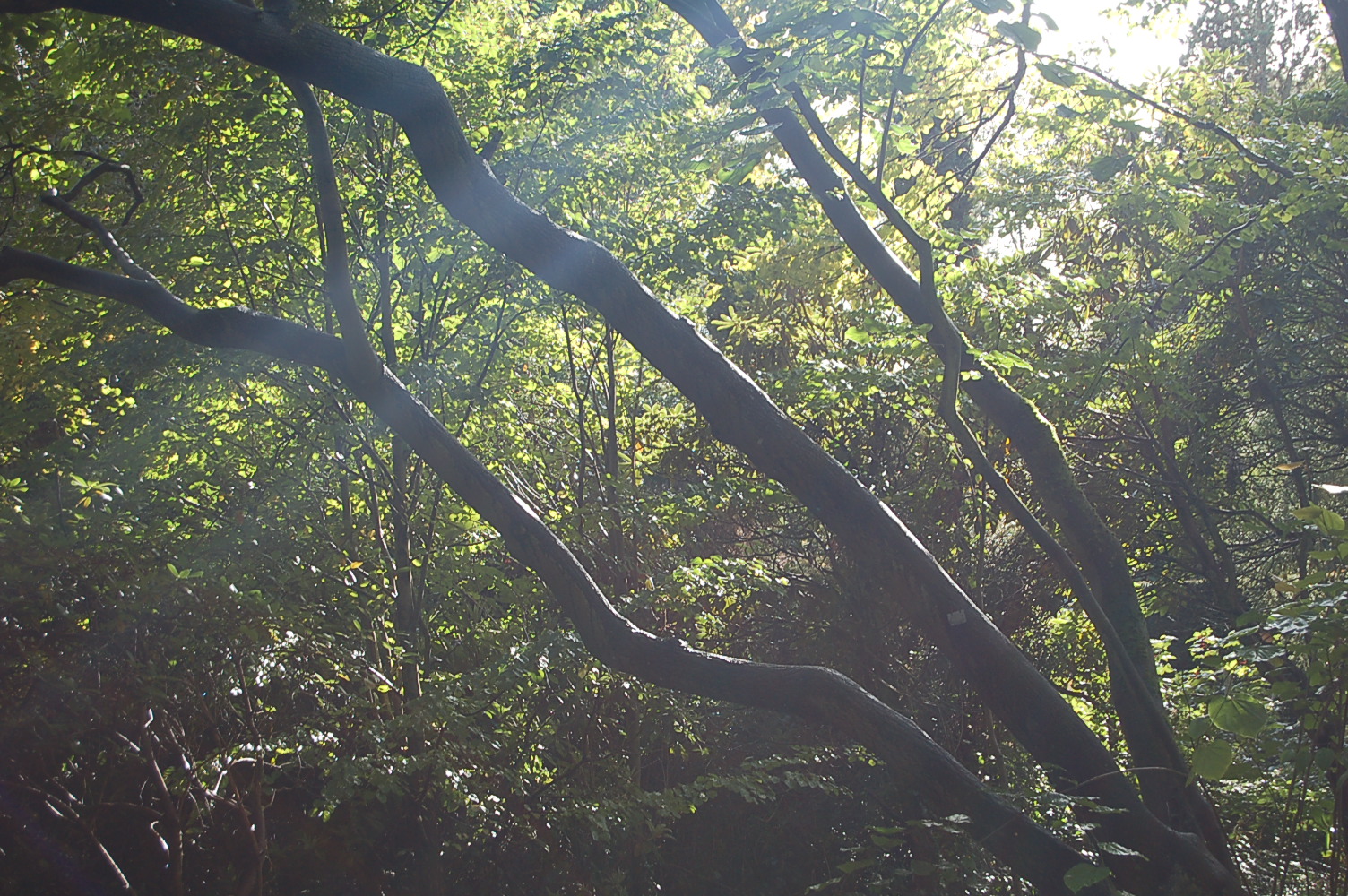
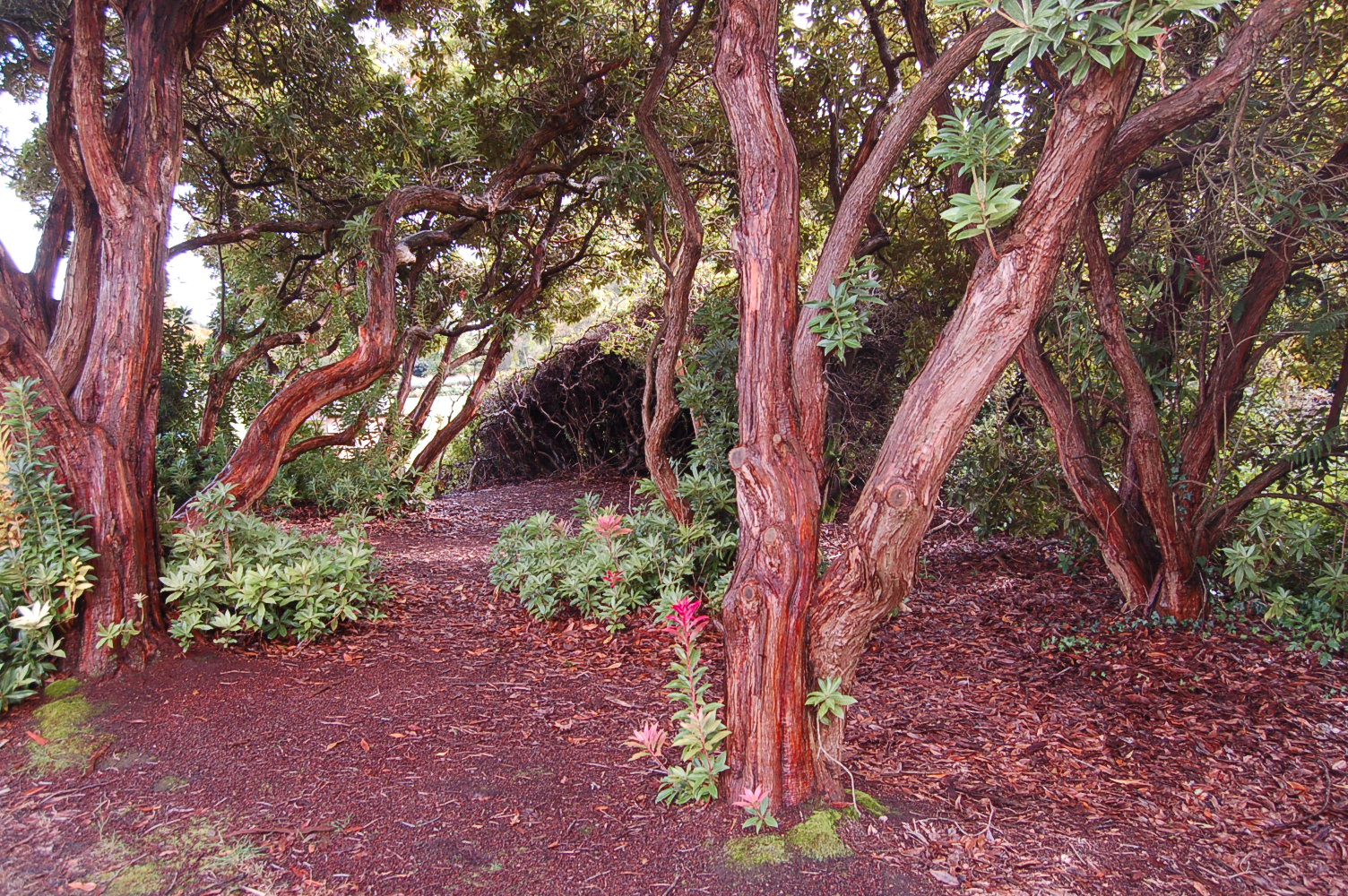
Walking around this varied and surprising garden is like walking through the pages of a good book on garden design. Here you can find every principle of design shown in all its glory. Any gardener, whatever the size of their garden could adapt ideas to be found on a walk about at Nymans.
Framing a view …..

Using a structure to invite you onwards ….

Planting in trios ………………..
Drawing the eye …………
Using structures as an invitation and to support plants to provide shade from the sun ……………
Much of the house belonging to the gardens at Nymans is now in ruins, but they somehow suit the garden. They provide a good foil for planting.
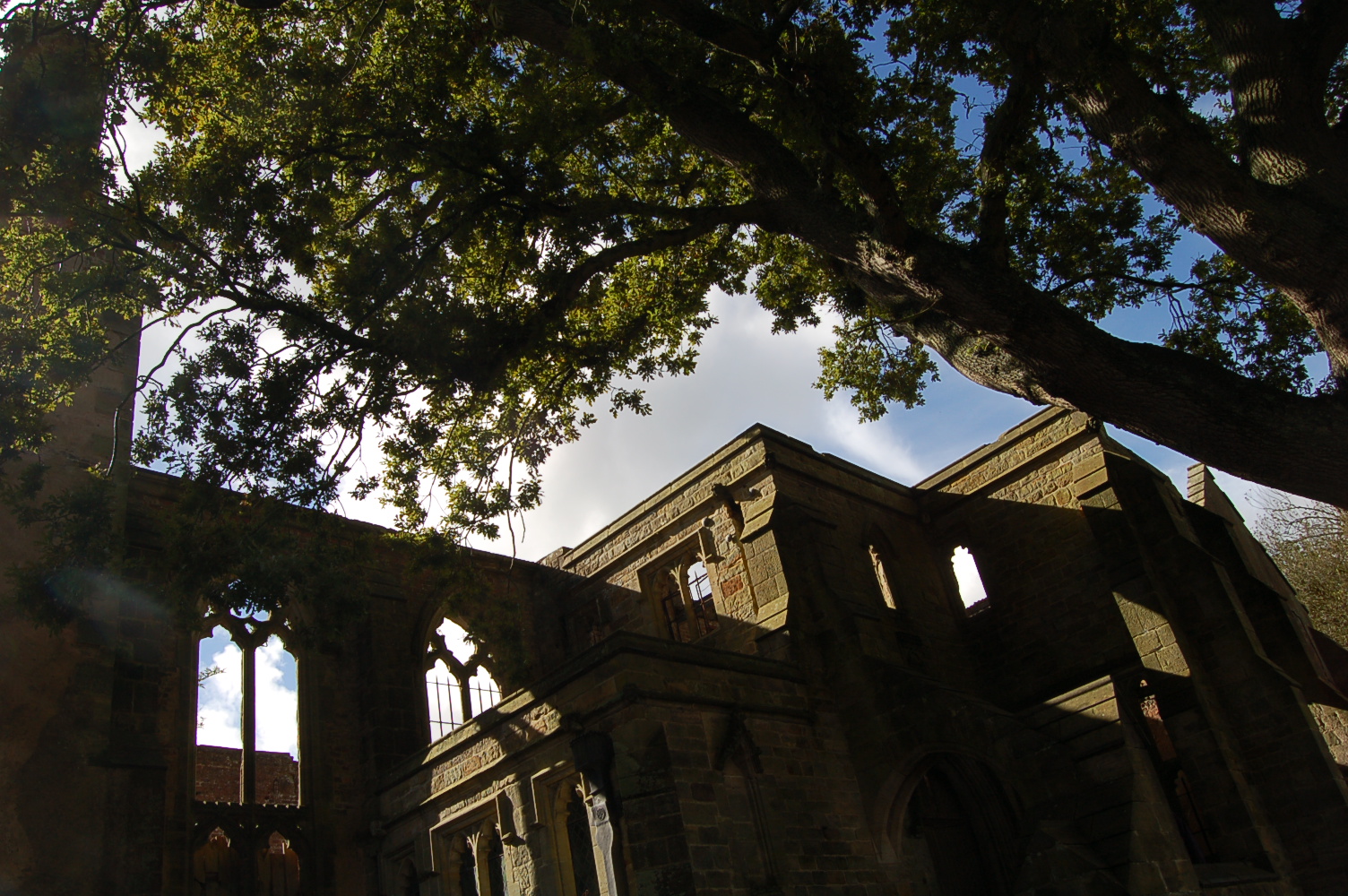


The ruins provided some oportunities to photograph little details and patterns.



But the gardens of Nymans aren’t all about big views and big trees. Richly coloured traditionally proportioned double herbaceous borders excite the eye of the visitor.


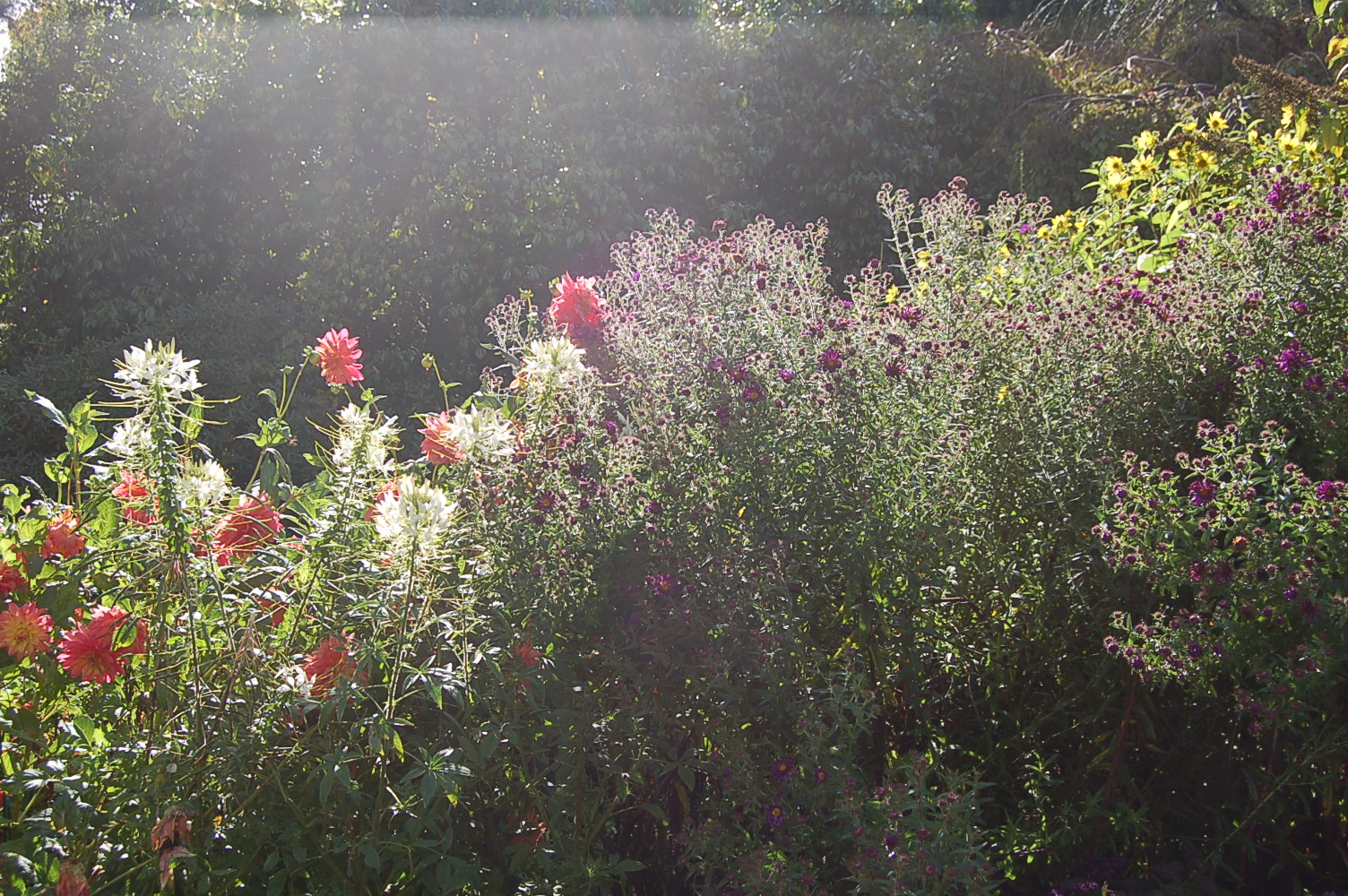
There was so much to see at Nymans that another post will appear soon.
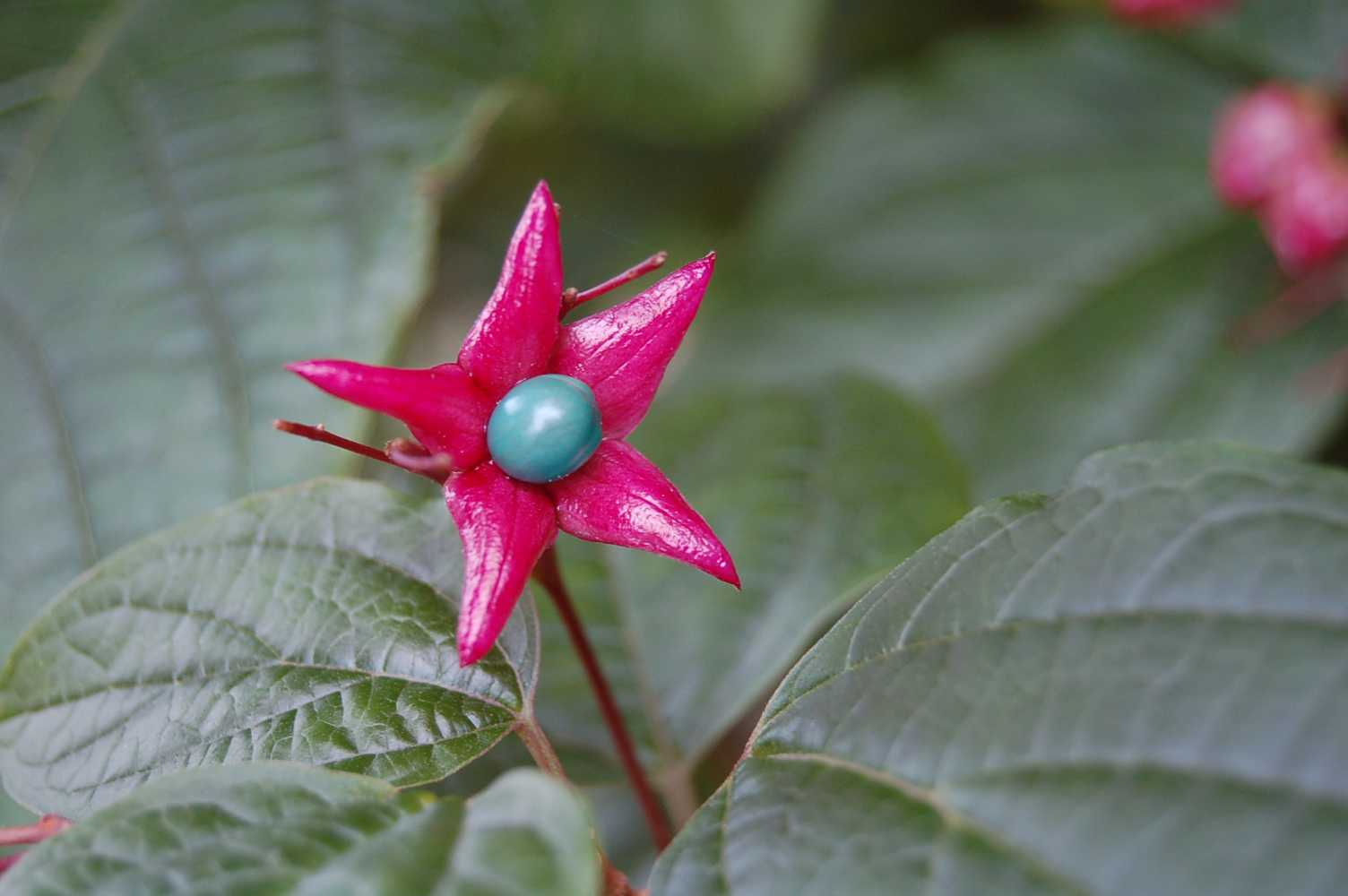
With those fun words as part of their names these plants have to be special. But what are they? Clerodendrons. This is a species that is represented in our gardens by just a few varieties even though there are about 150 different ones known in the wild, mostly from China and Japan, and they have been in cultivation in Europe for over 250 years. Some can be grown in conservatories and under glass when heated, but Clerodendron bungei and C. trichotomum are the only two reliable for our gardens.
We grow both and enjoy them in several seasons as they have so much to offer. They have interesting foliage, the colours of which vary with the seasons, fine flowers of interesting structure and colours and startling coloured fruits, which all means they have a long season of interest.
The first three photos are of C. trichotomum.


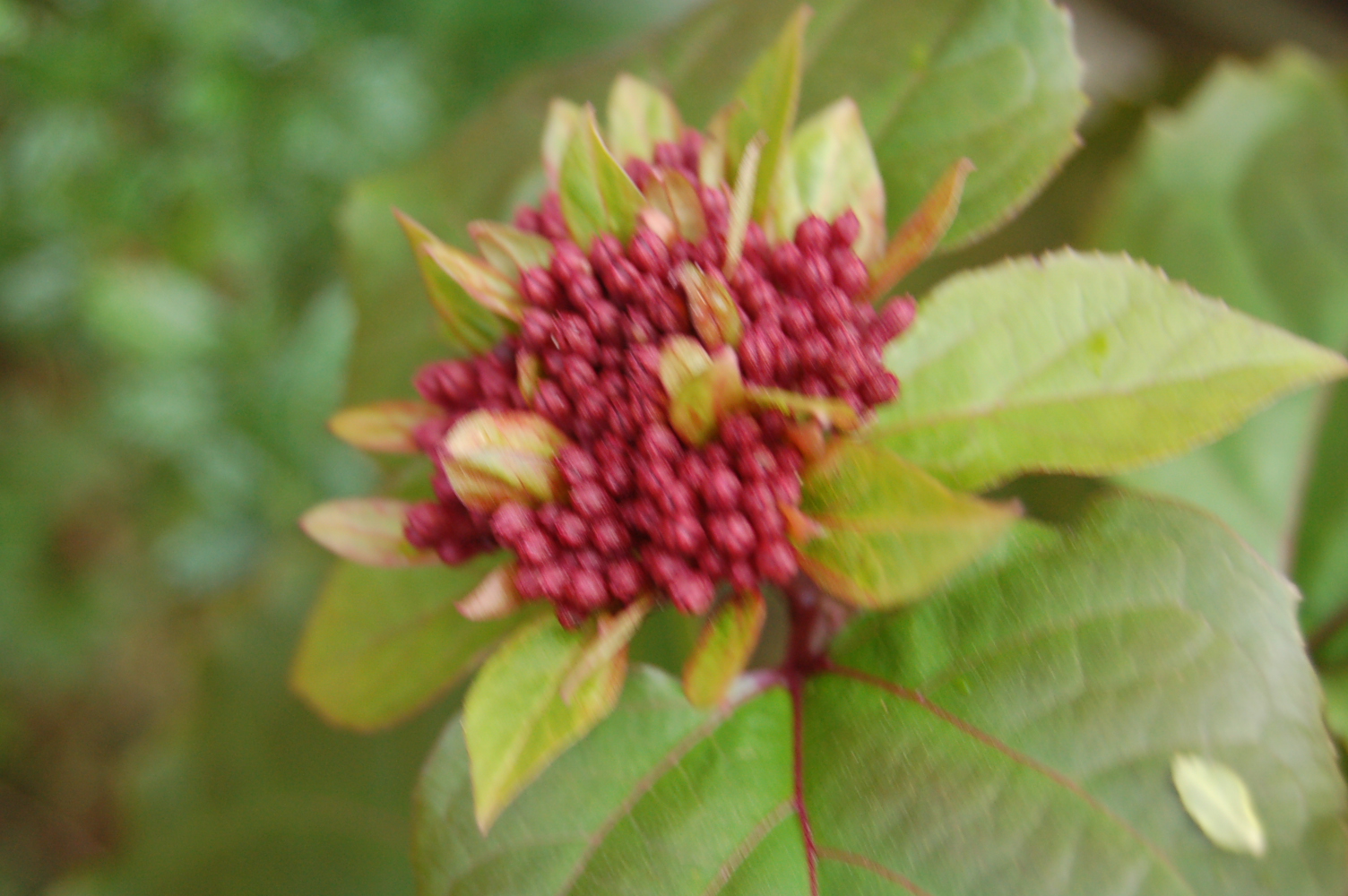
Clerodendron bungei, below, is said by some to smell of peanut butter but by others as smelling of rancid peanut butter or even drains. Perhaps not its best feature!
And what about those two words, bungei and trichotomum? Where do they come from?
Bungei relates to a C19 Russian botanist, Dr Alexander von Bunge and trichotomum means “three branches” but I can’t work out exactly why it is called that.
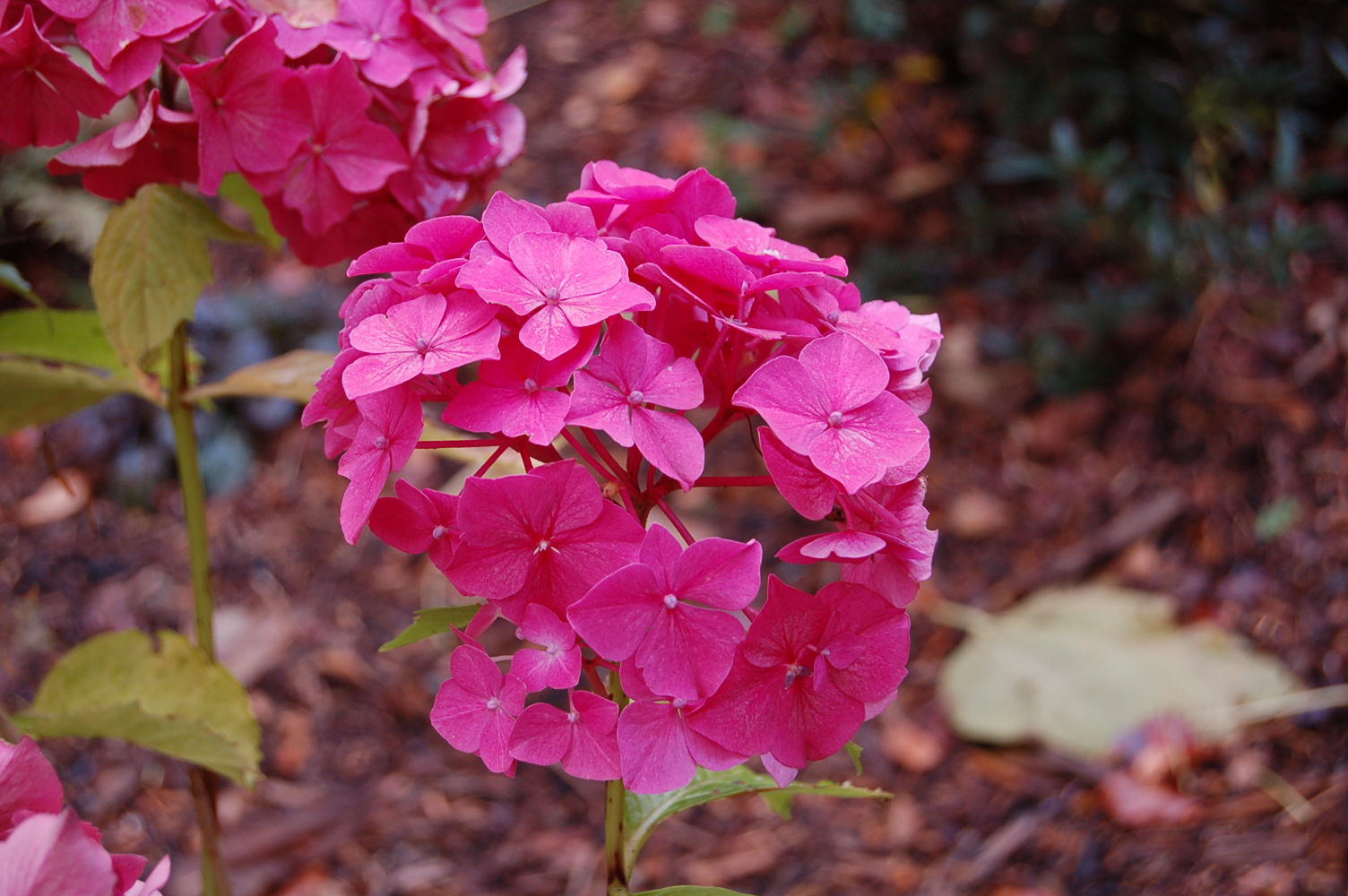
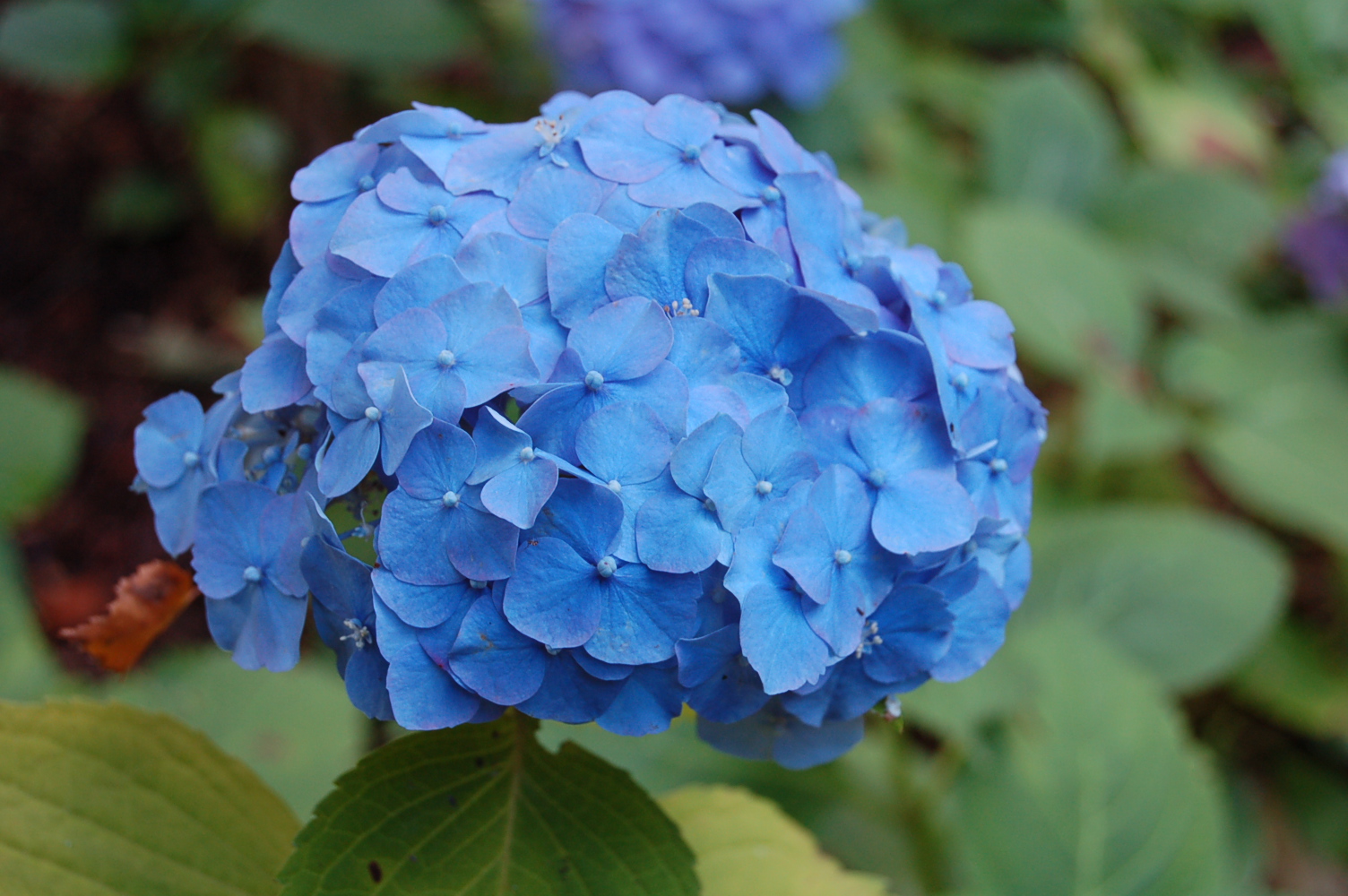
The Hydrangeas at the Dingle Nursery’s Garden shone out in the darker shadier woodland sections. I am a bit particular when it comes to Hydrangeas as I like the delicately shaped and coloured lacecaps but few of the mopheads which I find too blousey. I like individual paniculatas too but again not the blousey ones. In this series of photographs all the Hydrangeas are lacecaps with the exceptions of two which are of a Hydrangea paniculata and one mophead has sneaked in as I just couldn’t believe how bright the blue colour was.
The beauty of the lacecaps is the variety of different shaped and coloured flowers and bracts that appear together on the same shrub.


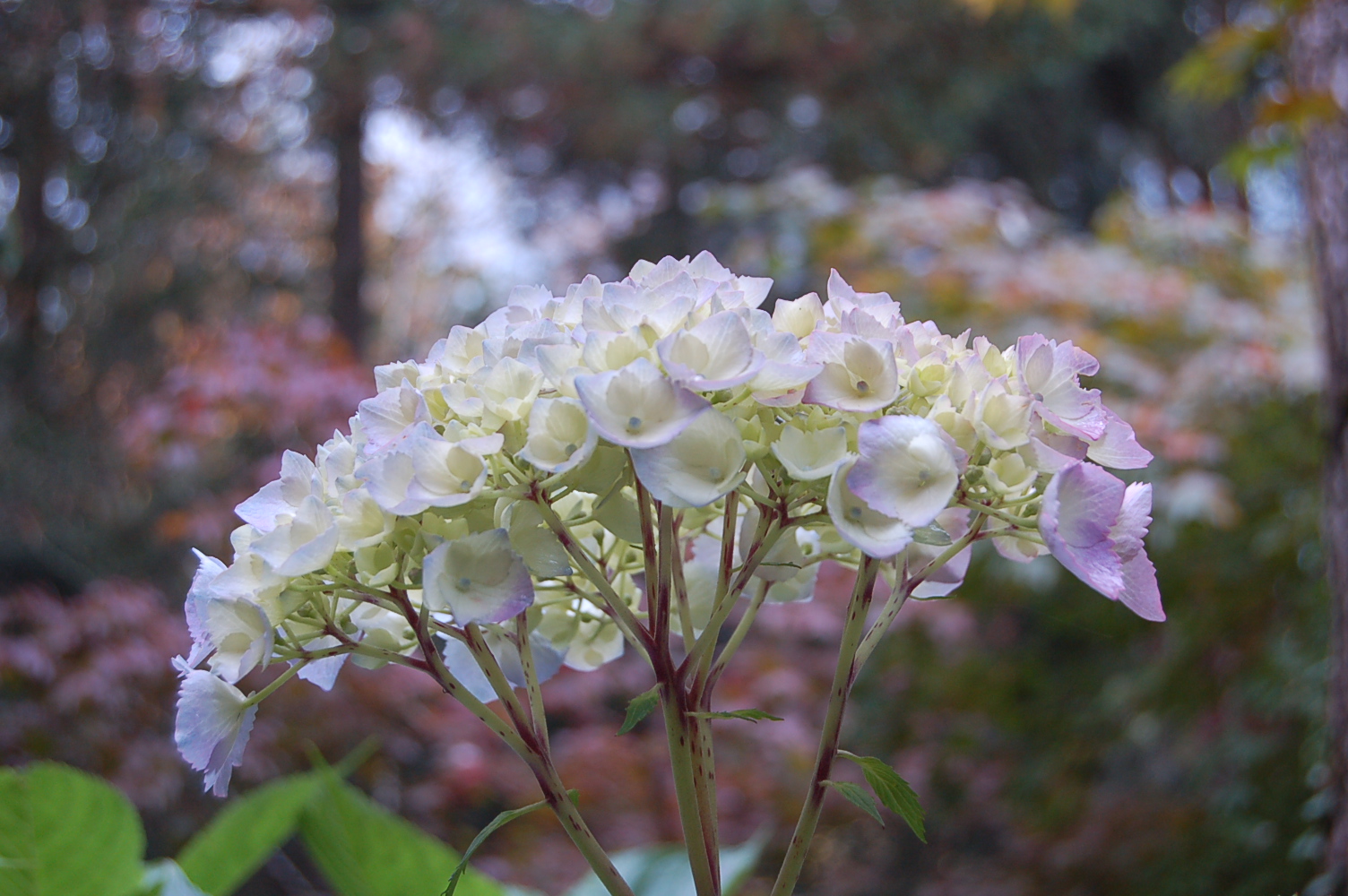


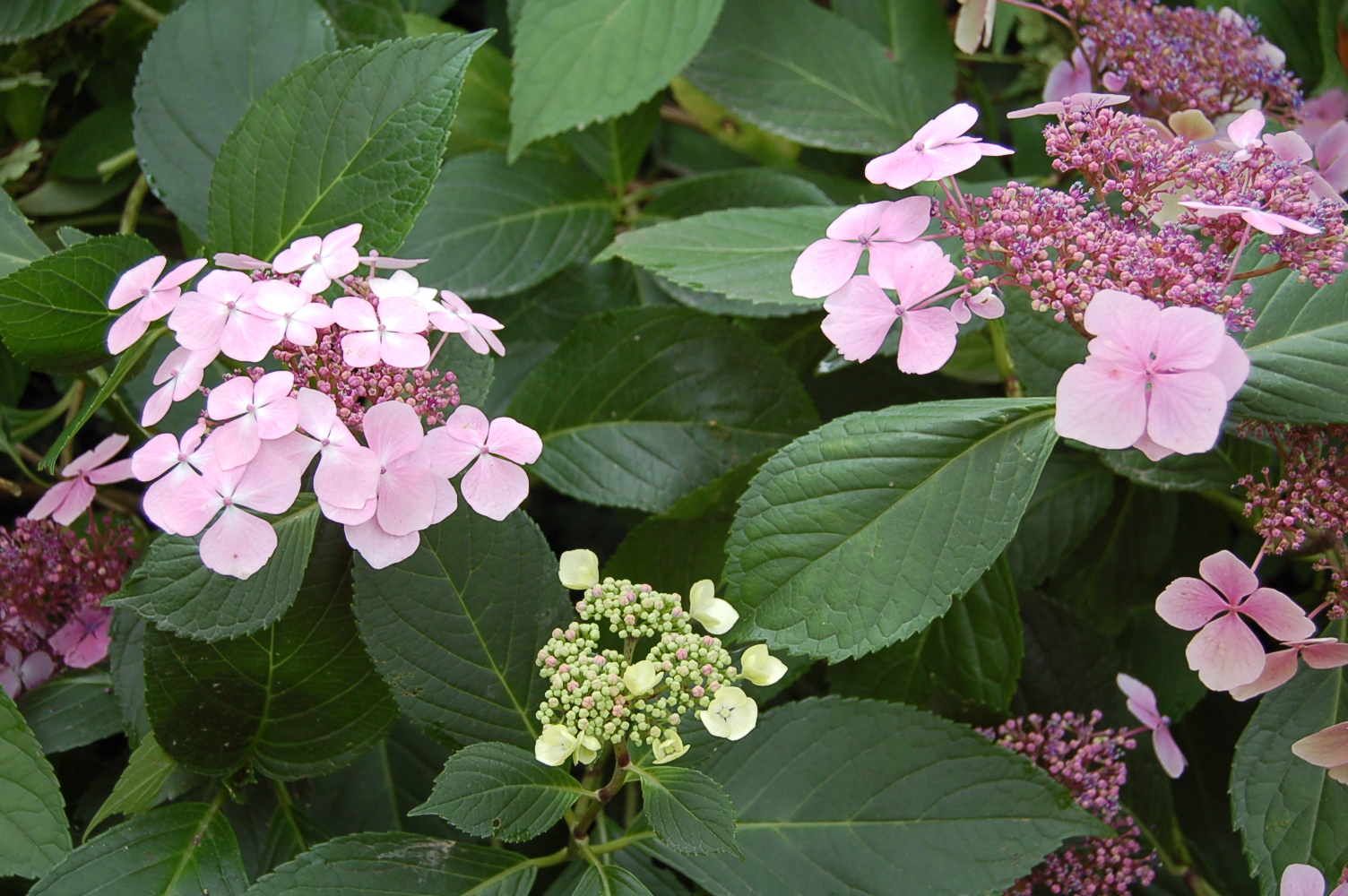

These next two photographs are of the creamy pyramidal flower heads of the Hydrangea paniculata.


Finally to show that I don’t wish to upset those gardeners who love the mopheads here is that blue bloom.

As promised in the post “Bracken and Bilberries – Part 1” here now is a post about the Stiperstones, the ridge of hills that begins close behind our home and runs down towards the south of the county. It has been a long time since we climbed this rugged landscape, even though it is so close to home. My disabilities with spine and leg troubles coupled with breathing problems stop me doing such things very often but I set myself a target each year to tackle something crazy! Climbing the Stiperstones was this year’s challenge.
The walk up to the ridge is a steep but wide grass path, shorn short by the resident ponies and cattle. From the gate at the bottom it looks a long way up. It looked even longer when we realised that we had left our flask of coffee at hom!. It was a bright day but there was a cold biting wind so we wrapped up well and set off. It looked much brighter than the day when we recently tackled the walk along the Stapeley Hill ridge.

Our green trackway through bracken was suffering from erosion from recent heavy rains which seem to come each autumn now. New drainage gulleys cross our path which mark an attempt to secure the surface more effectively when feet walk heavily over sodden turf.
Areas of bracken here, just as on the Stapeley Hill trail in my previous “Bracken and Bilberries” post, have been cut down in an attempt to get the heather back. This project is called “Returning to Purple”. Bracken does tend to take over but slowly the purples of heathers are re-emerging in our hills. Apart from bracken and the occasional heathers small evergreen shrubs which produce berries are the commonest plants – Bilberries, Cowberries, Crowberries and Whinberries. Locals still collect these berries for jams, jellies and fruit pies, but in previous centuries they were an important food source and even provided a little income for the cottagers. All these little, low-growing shrubs have dark evergreen leaves and berries offering varied colours and tastes. Cowberries, also known as Lingonberries, have edible berries with a stange mixture of sweetness and sourness. As well as here in the Shropshire Hills they are native to the Arctic Tundra and Boreal Forest. Bilberries produce edible black fruits and Crowberries similarly give black berries which have good flavour but are rather dry.
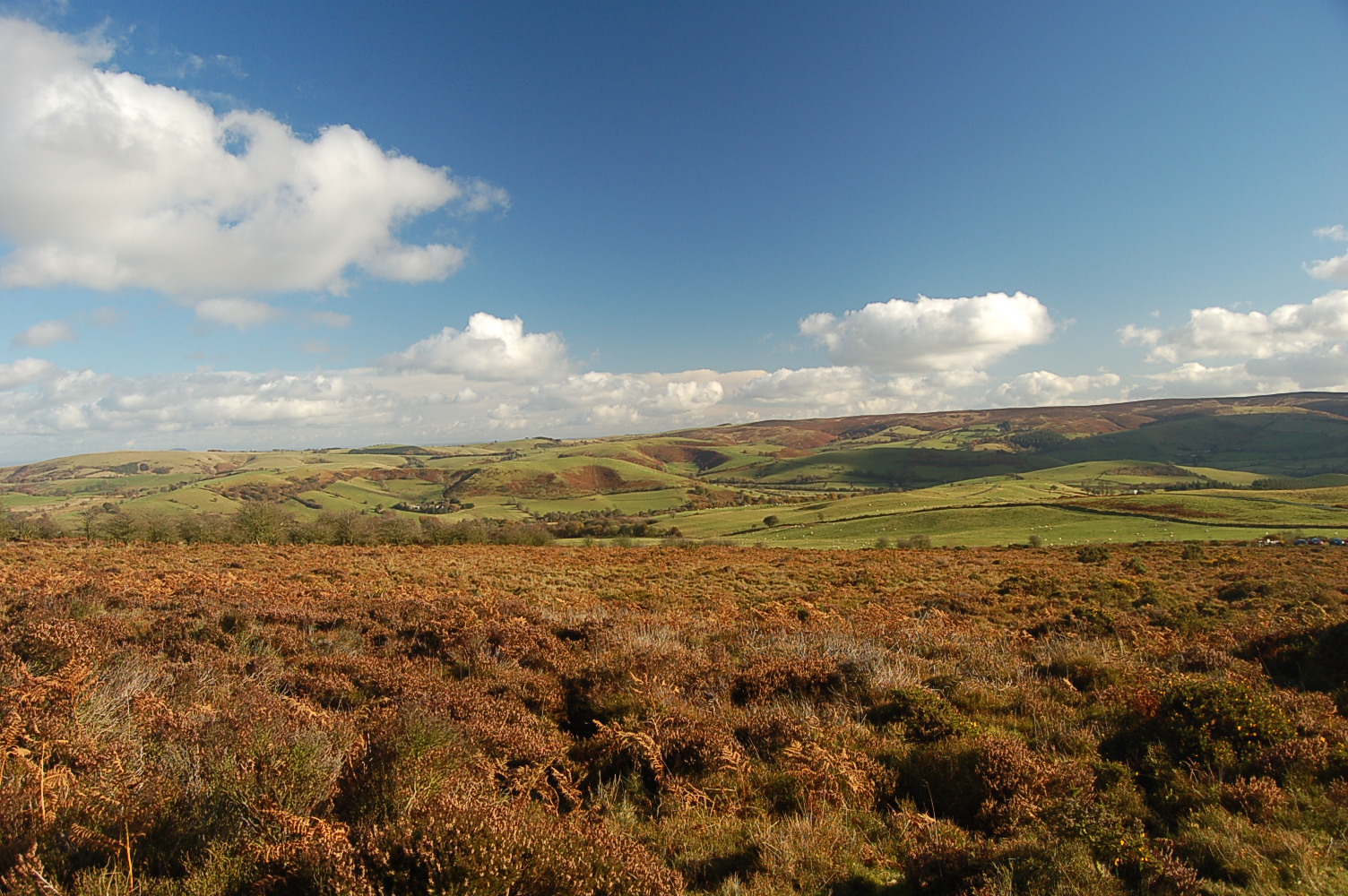
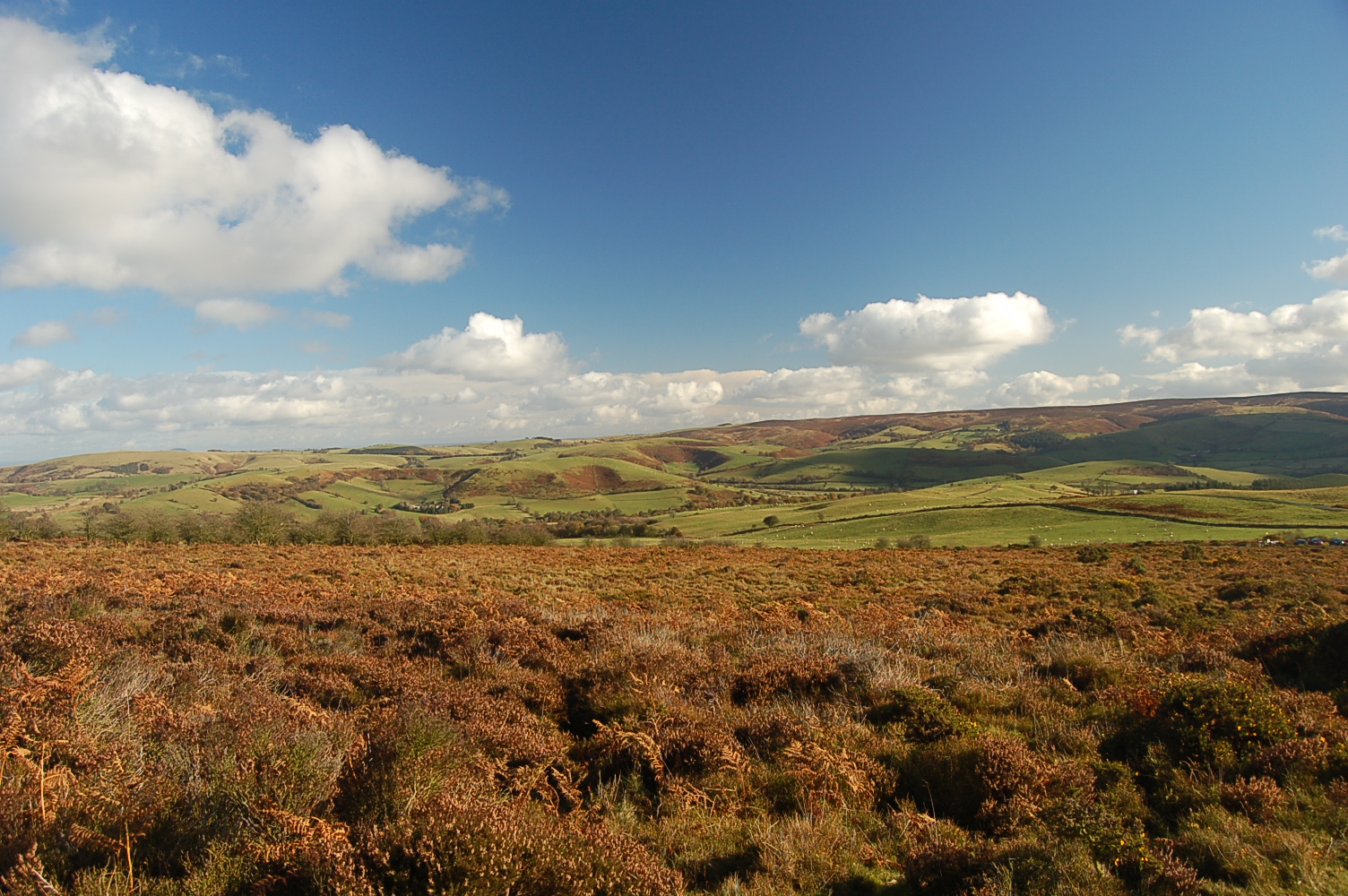
We stopped half way up the slope to get our breaths back and look back over the path we had so far covered. The view over towards “The Long Mynd was lit beautifully. Our next Bracken and Bilberry wander perhaps?
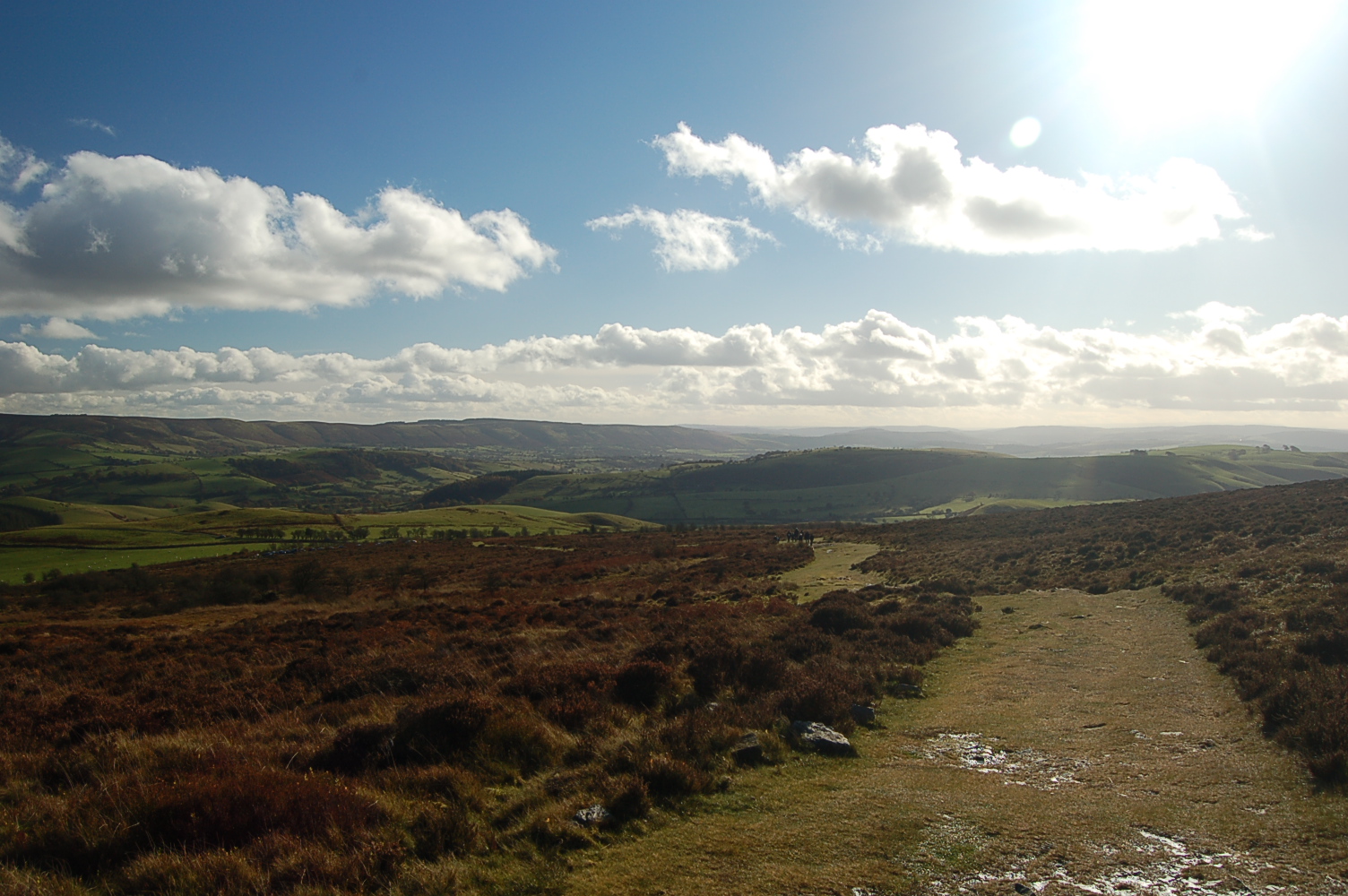

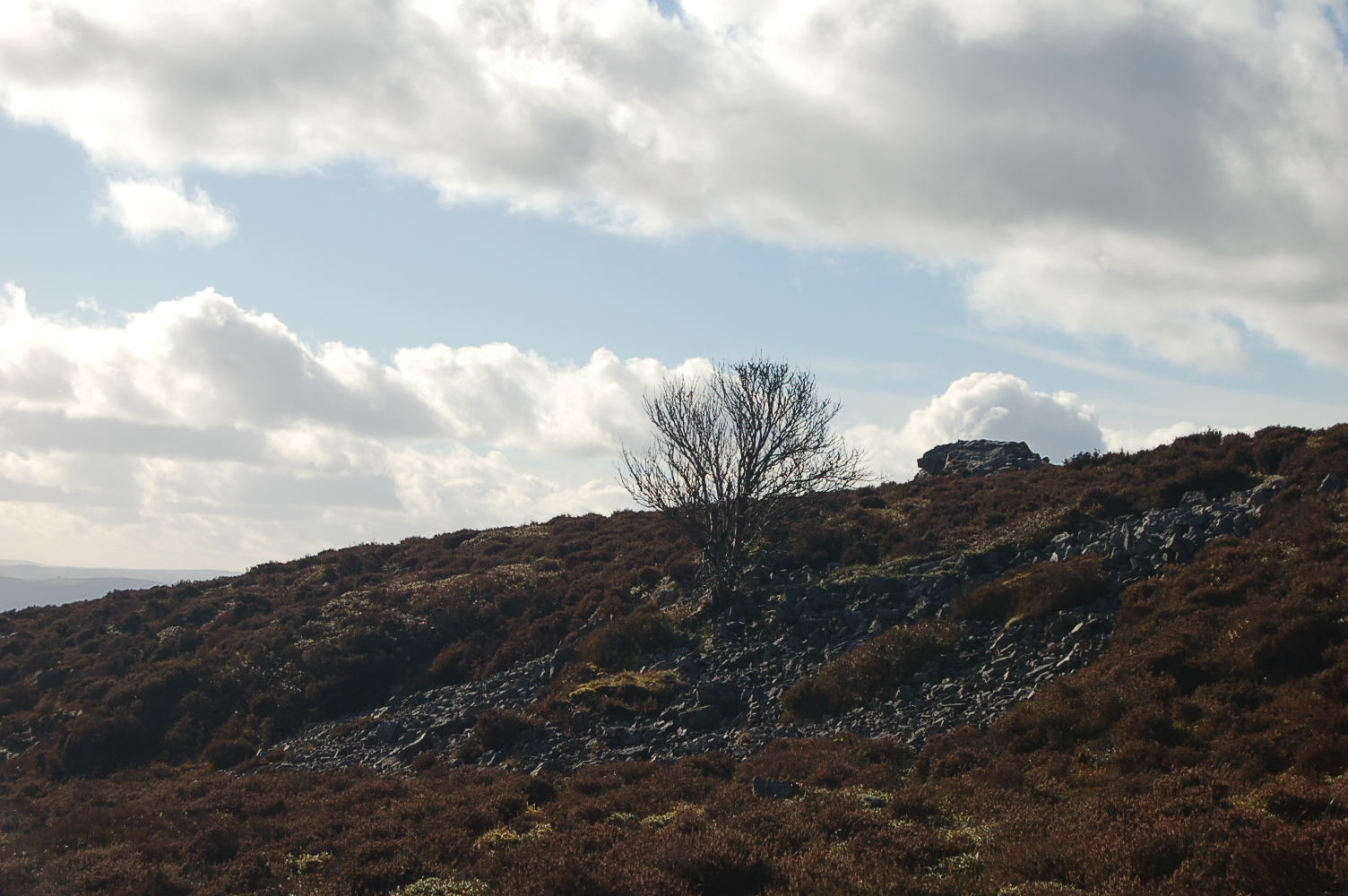
On the next stage of our ascent our eyes were drawn to a solitary tree high up on our left just below the top of the ridge. There are so few trees up here once you leave the low area where we parked the car. Every tree looks extra special because of this exclusivity and its stunted growth due to altitude, poor soils and prevailing weather.
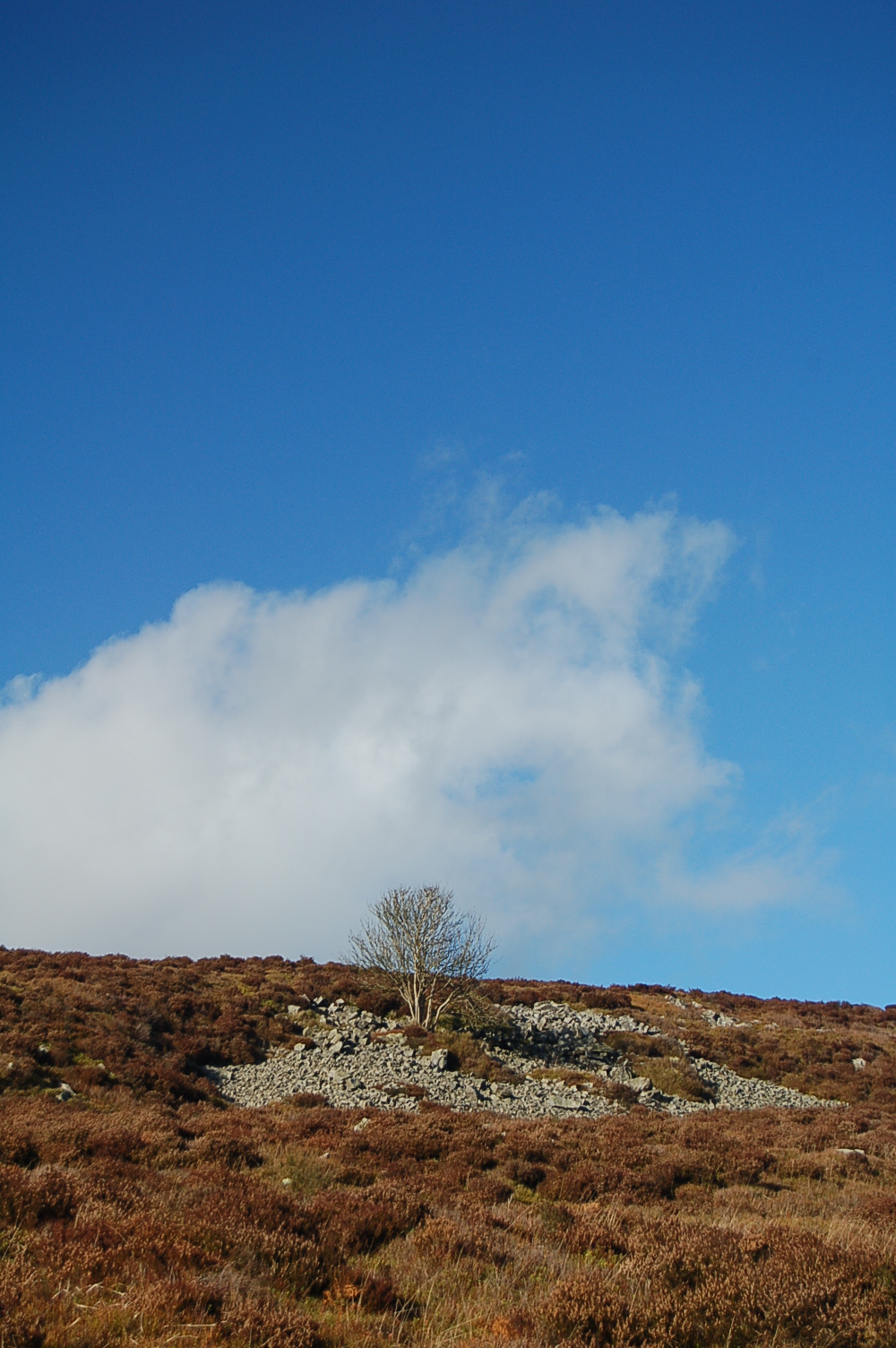
As we neared the ridge the path got rockier and outcrops more frequent. The wind got colder making our eyes sting and run, and our ears. hurt.


The path divided as we reached the spine of the ridge with the route left taking us a short way along just over the other side of the ridge, the route right taking a long path right along the ridge to a series of rock outcrops. With the time we had left to walk and the sudden drop in temperature that hit us as we met the cold air rising up from the other side of the ridge we decided to do the shorter option. We would come back another day with more time and make sure we did not forget our coffee and fruit sustenance!
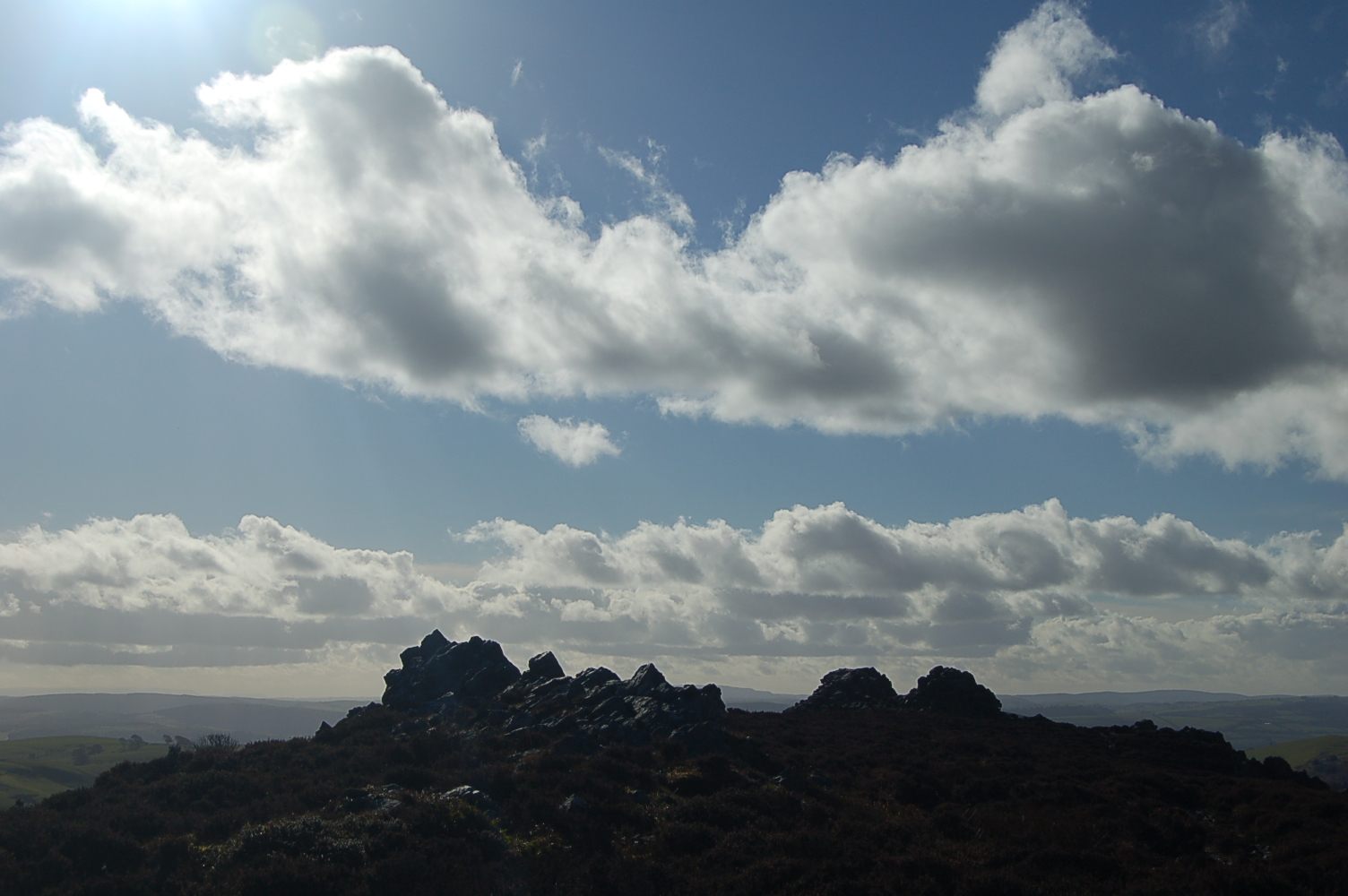
The path we took went along the sharp top of the ridge occasionally dropping onto the colder side. It was freezing, so cold that little patches of snow lay on the path in places. This is a bit early in the year for snow around here! We walked into the sun and battled the strengthening biting wind, making our way towards the silhouetted rocky outcrops. It proved to be a lazy wind – too lazy to go around us so it went straight through.

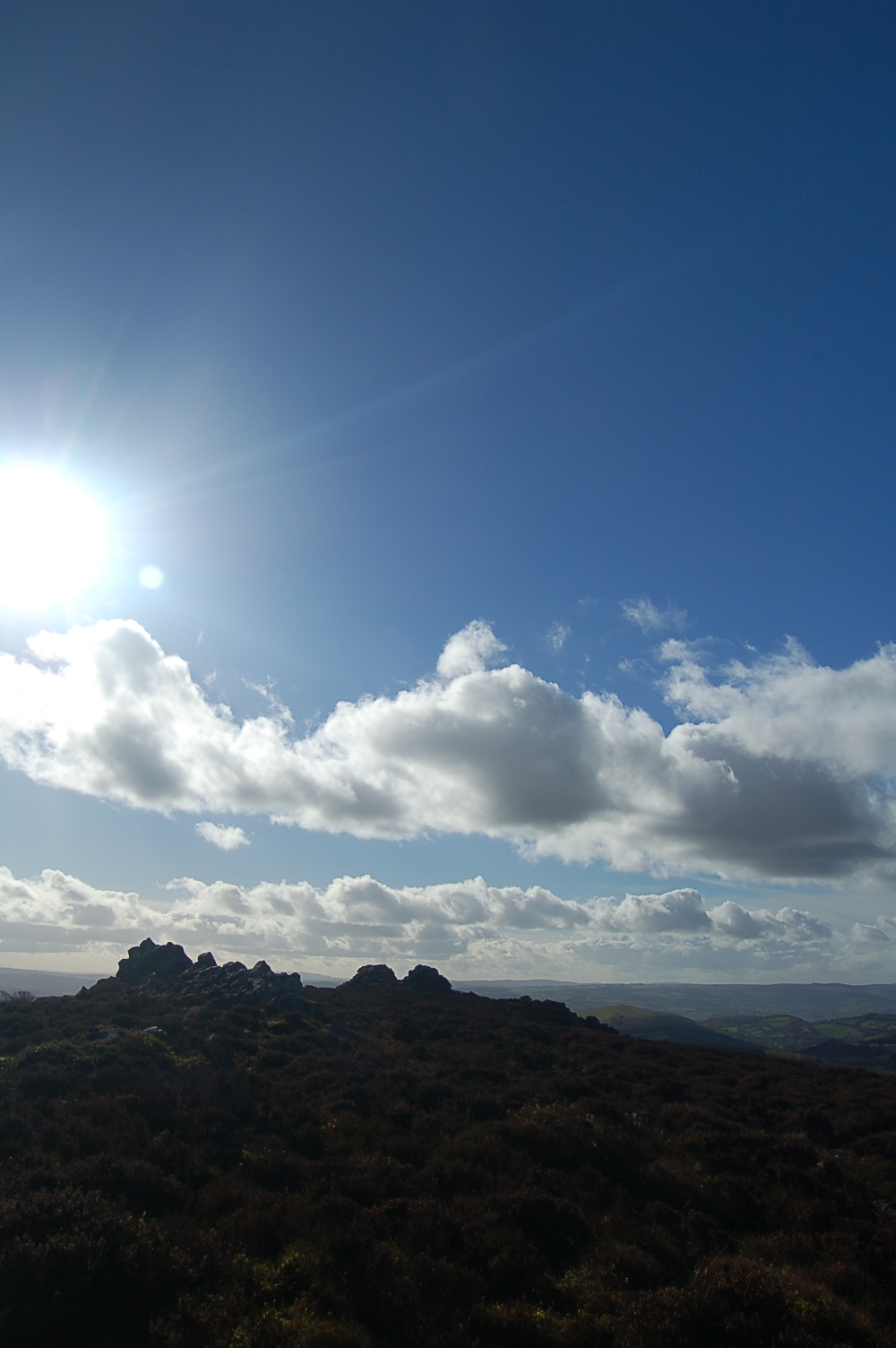
We were so glad of our thermal gloves and thermal coats but we had forgotten our thermal beanie hats. Jude tried to cope with her jacket hood which proved simply too thin. I tried to cope with a baseball cap – the wind that was too lazy to walk around us was sadly not lazy when it came to blowing my hat away!
When we reached the rugged outcrop we were aiming for we knew it was worth getting cold for. A dramatic spiky rough outcrop!


From this ridge the views westward back towards Mitchells Fold and Stapeley Ridge and Wales beyond were breath-taking. Another place to stand together and think what a wonderful place we live in.
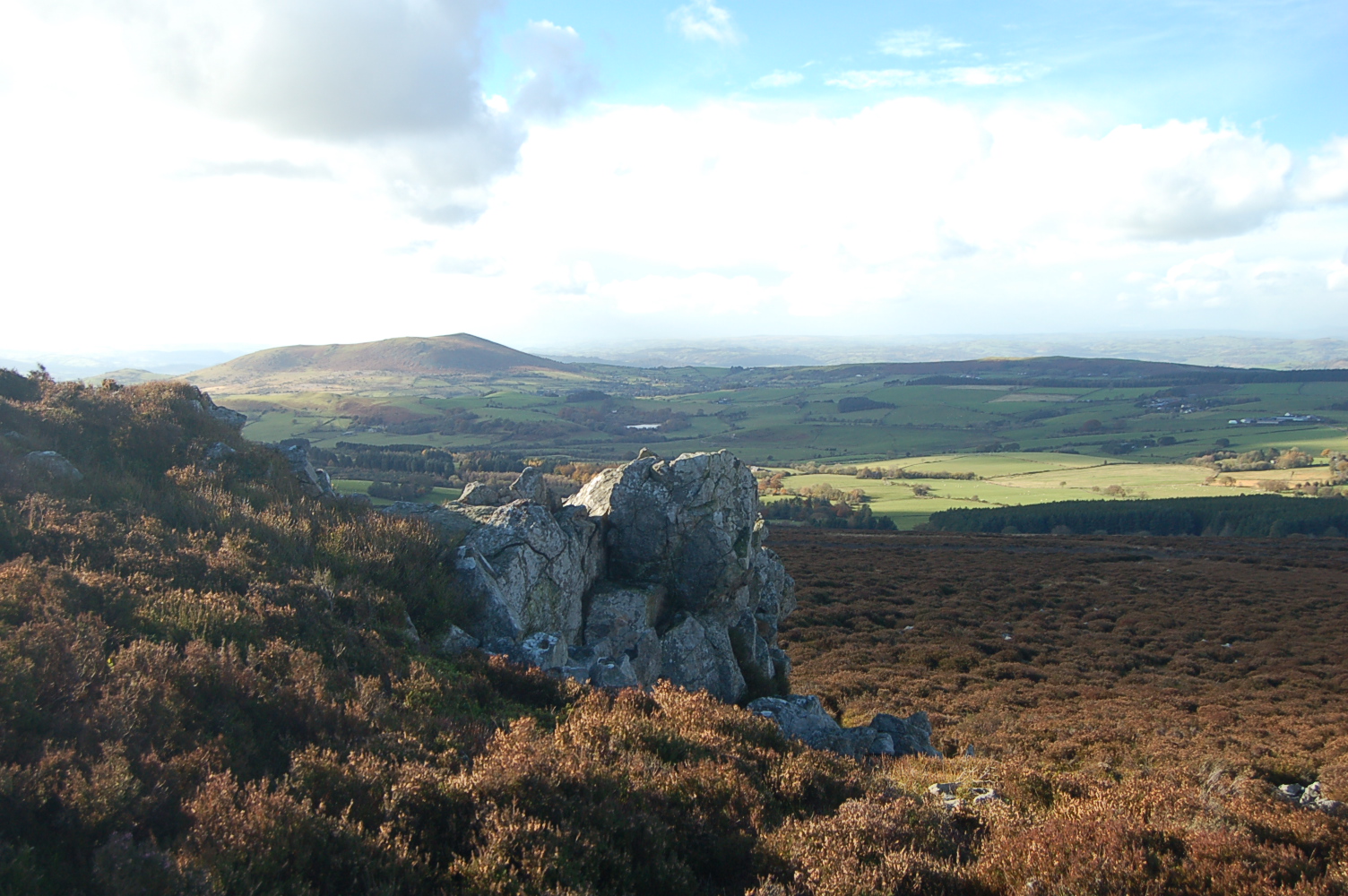
The views to the south were equally stunning.

The cold was penetrating too deeply and lack of sustenance was beginning to tell so we turned away from the sun and made our way back to the parting of the paths to begin the descent through the bracken and bilberries along the grassy track. The wind was now on our backs, so biting less and even helping us on our way a little.
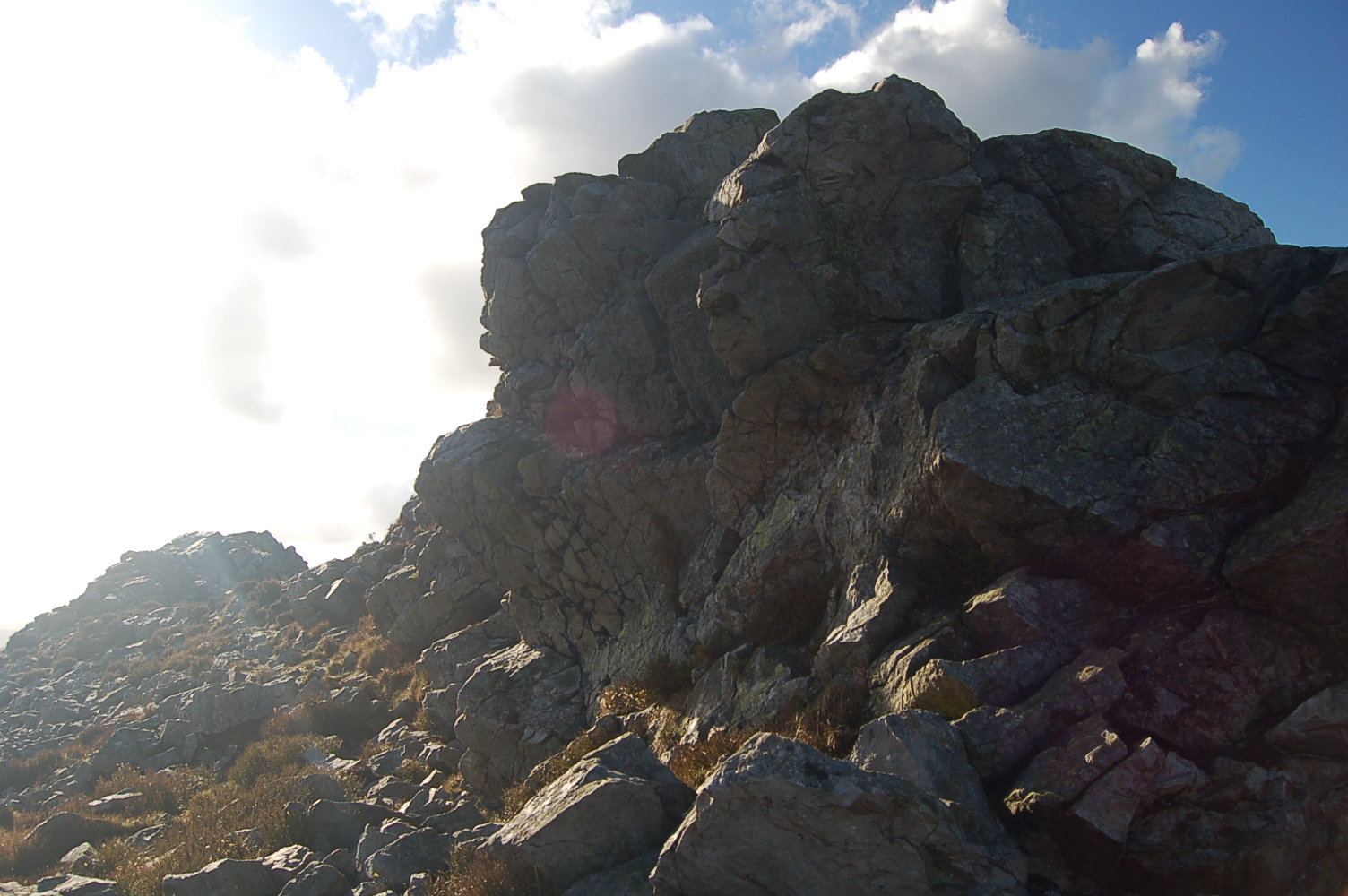
As we reached the paths’ junction before turning back downhill we took a long look along the other walk we were determined to return to tackle another day. It looked inviting with the sun shining on it, calling out to us to return. We couldn’t refuse, so pledged to come back soon.

As we stood considering the trek we would make on our return to the Stiperstones, we watched Red Kite hunting the slopes below us. A rare chance to watch these big predators from above. Little else showed, just one Meadow Pipit and the commonest bird of the day Raven working their way over the hills in pairs.

Bracken and Bilberries is a short series of posts all about walking and appreciating our local uplands, The South Shropshire Hills. Bracken and Bilberries are the main herbage underfoot as we walk these beautiful hills. They have a special atmosphere all of their own that is tangible. You can experience this atmosphere in its silence and smell its delicate scents wafting in the wind that never quite goes away. It is interesting but up in these hills the silence has a particular quality – the secret sounds of grasses moving, the wind pushing at foliage, clouds scurrying and rocks groaning through the centuries gone before. Strangely romantic words but there is no other way of explaining it!!
These hills have their own wildlife, difficult to see and only slightly easier to hear. Creatures here have to adapt to the uniqueness of place – the micro-climate, the acidic upland soils and topography moulded by passing glaciers. The wild creatures here are below our feet or above our heads, not actually sharing the space we walk in.
We decided that as we have so many wonderful walks within minutes up in these hills we should take advantage of them more often.The first trek was up to find a stone circle called Mitchell’s Fold which is a few minutes drive from home. We left home in bright sunshine, under clear blue skies, well wrapped against the cold but just as we approached the starting place the sky darkened, the rains fell and the mists rolled in to hide the hills from sight.

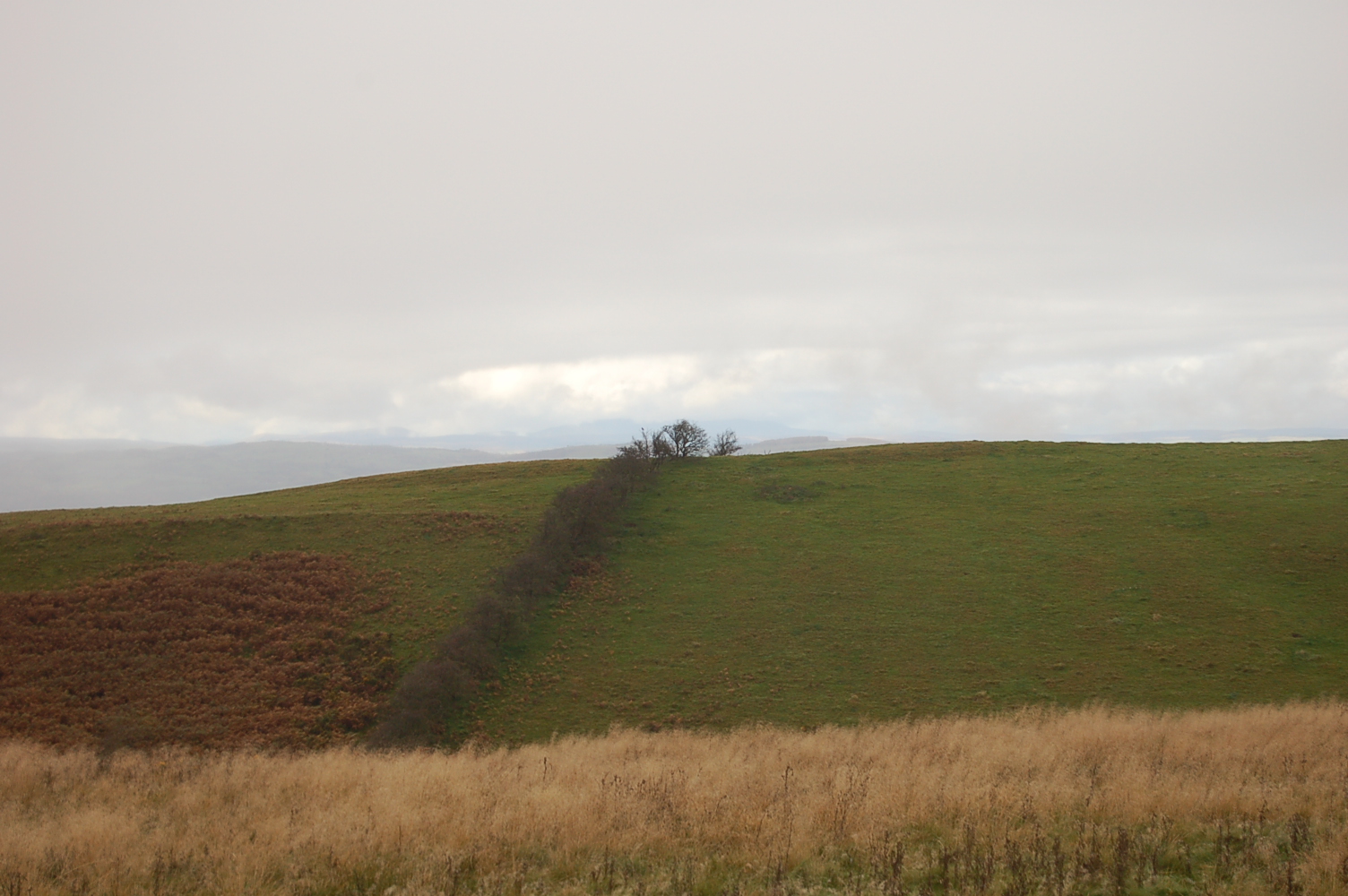
We had a quick coffee in the dry and warm car and then as usual decided to defy the rain and as usual within ten minutes of setting off on our gradual uphill climb the rain stopped, the mists lifted above our heads but continued to cap the taller hills. The sun even came out at times through our wanderings. The light changed with every passing minute and I hope the pictures I took show this well.
From memory there was going to be a long steady climb to the stone circle. In truth it took just ten minutes or so. It shows how our perspectives change for the last time we came exploring up here our children were small so their short legs must have thought it a long climb.

We walked up through bracken browned by autumn on a soft path of green where sheep had mown the grass short with their munching. This gave little chance for few other plants to grow. The air hung with the unpleasant smell of sheep – dung and wet wool – simply too many sheep. In less favourable areas for sheep grazing the much more pleasant aroma of bracken won over, sweet and herby.
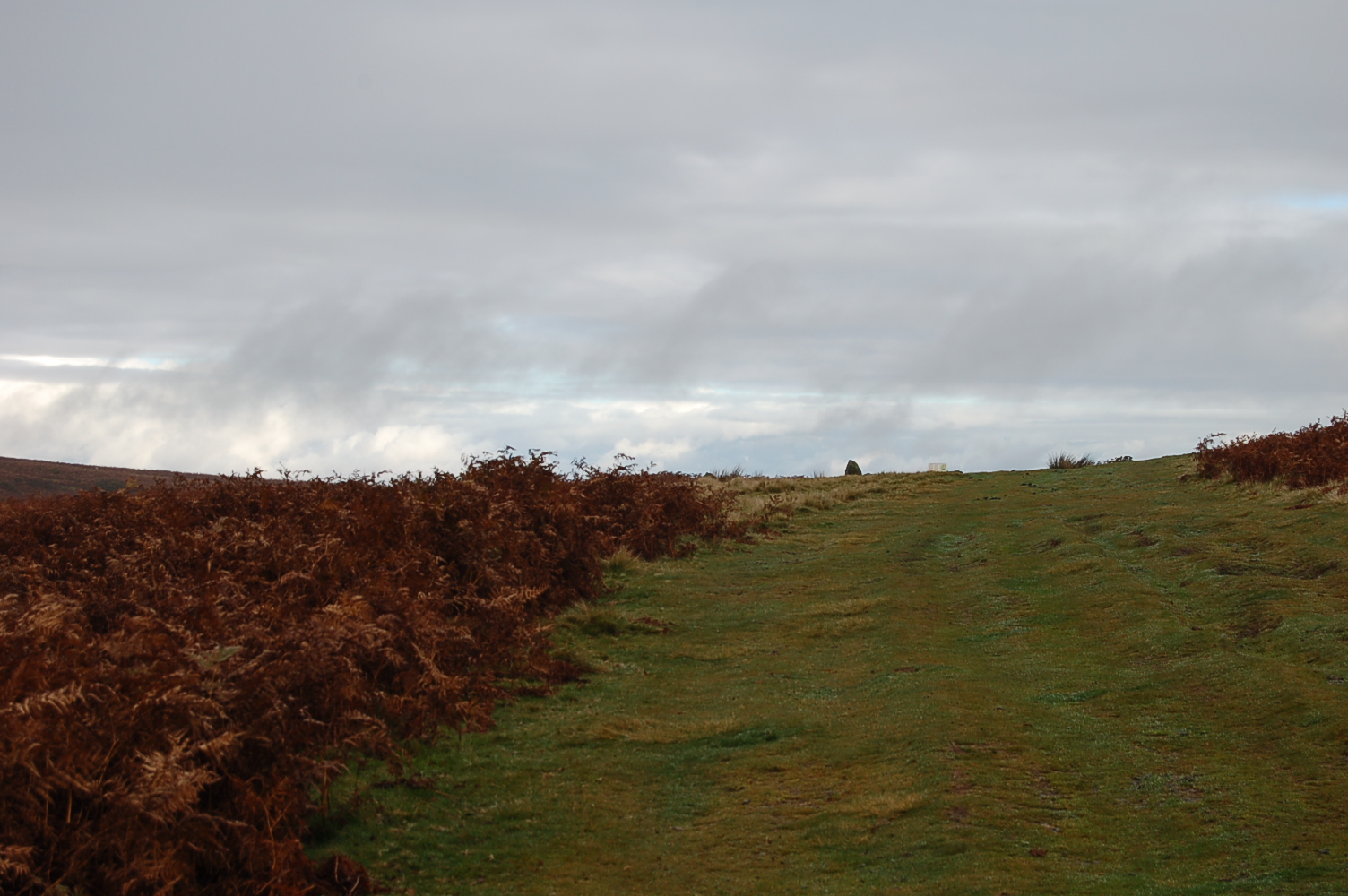
The weather brightened as our first sighting of the standing stones came into view. Sadly what showed most was the information board which presents a dilemna. We want the info but prefer not to see the board! Perhaps it would have been better for it to be fixed out of the view first seen on approach. Walking up to the stone circle we felt honoured to be walking in the foot steps of our ancestors from thousands of years ago.
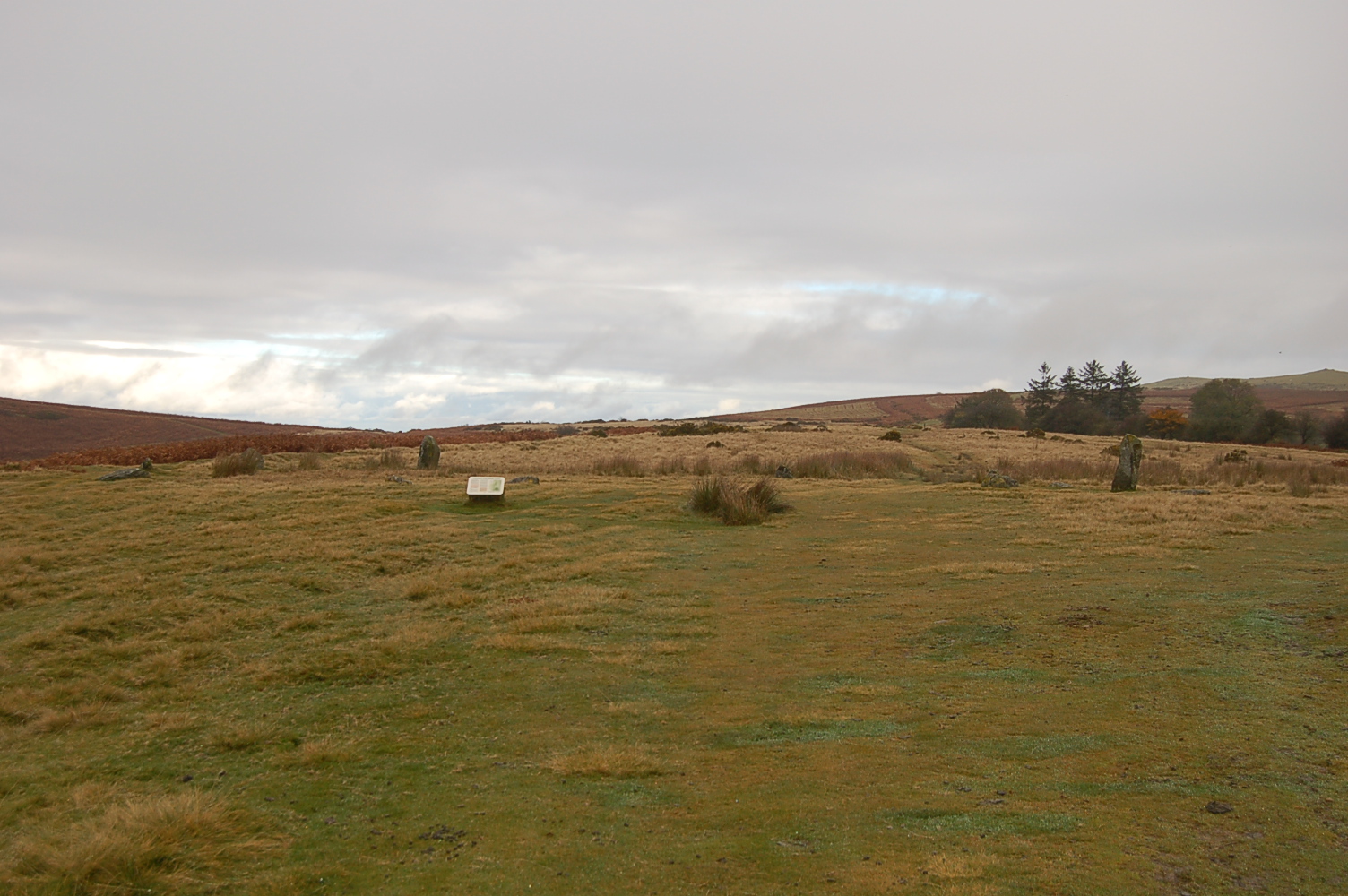
Mitchell’s Fold originally boasted 30 standing stones varying in height from 1 to 2 metres and arranged in a circle of 27 metres in diameter, but today there are 14 stones left with only a few standing. The people of the Bronze Age, between 3000 and 4ooo years ago, constructed the circle it is assumed for ritual or ceremonial purposes. Originally there were three such circles within a few kilometres of each other. Hoarstones is still in evidence but of Whetstones there is no sign.


An alternative version of the story of the circle’s creation is very much a local tale. The tallest stone is a petrified witch who was turned to stone as a punishment by the local Shropshire folk for milking a magic cow through a sieve. Our Shropshire ancestors sensibly built the rest of the circle to prevent her from escaping. This tale is told in carvings in the sandstone of a local church.
If given the choice of the Bronze age peoples creating it and the petrified witch story I would opt for the second as it seems eminently logical and sensible to me. And obviously much more fun.
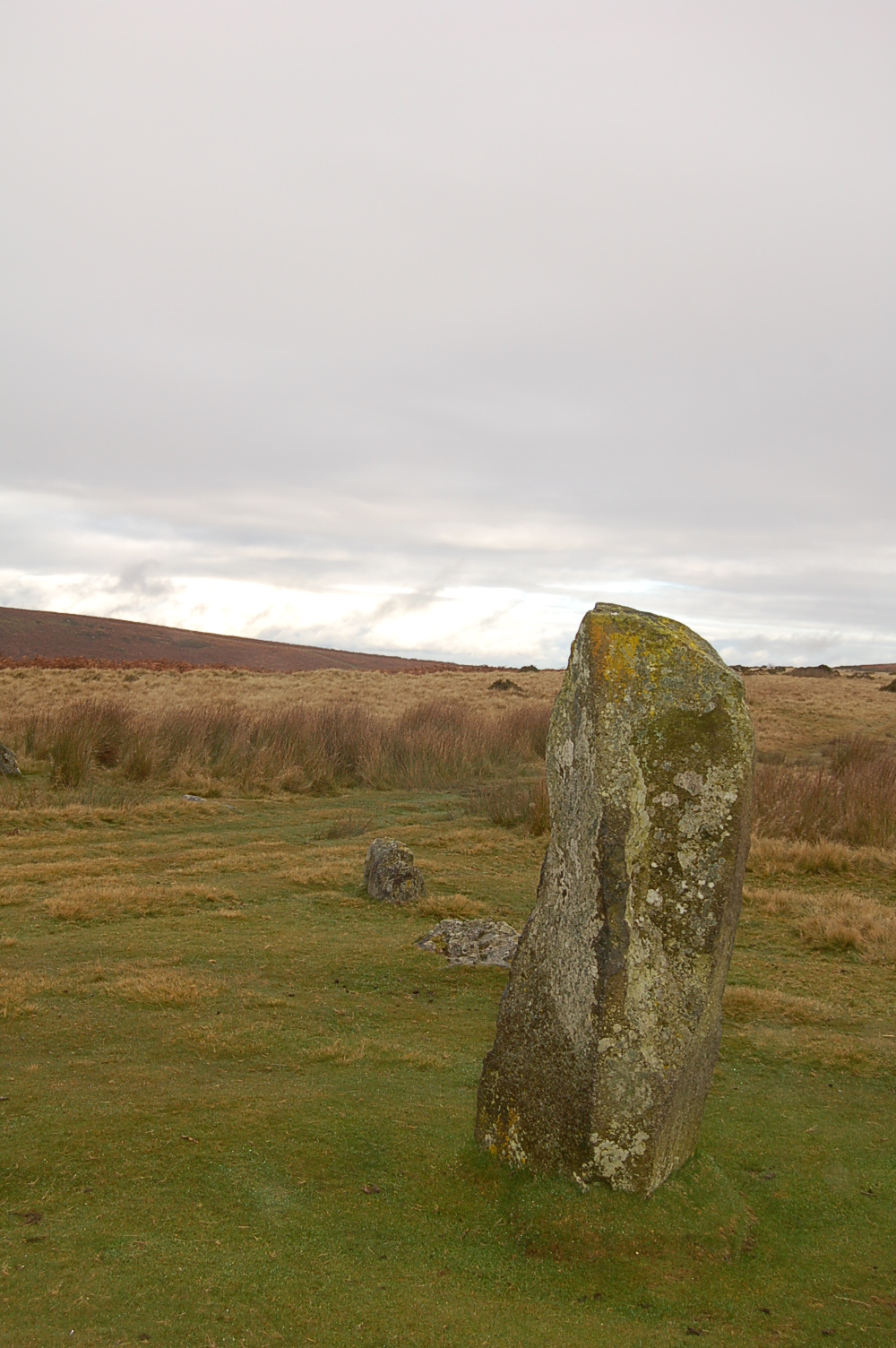
As with most places of mystery in England and Wales there are said to be links with King Arthur, the largest stone being the one the young Arthur pulled his sword from to make him the rightful king. This tale is not exclusive enough for me so I am sticking to the petrified witch story!
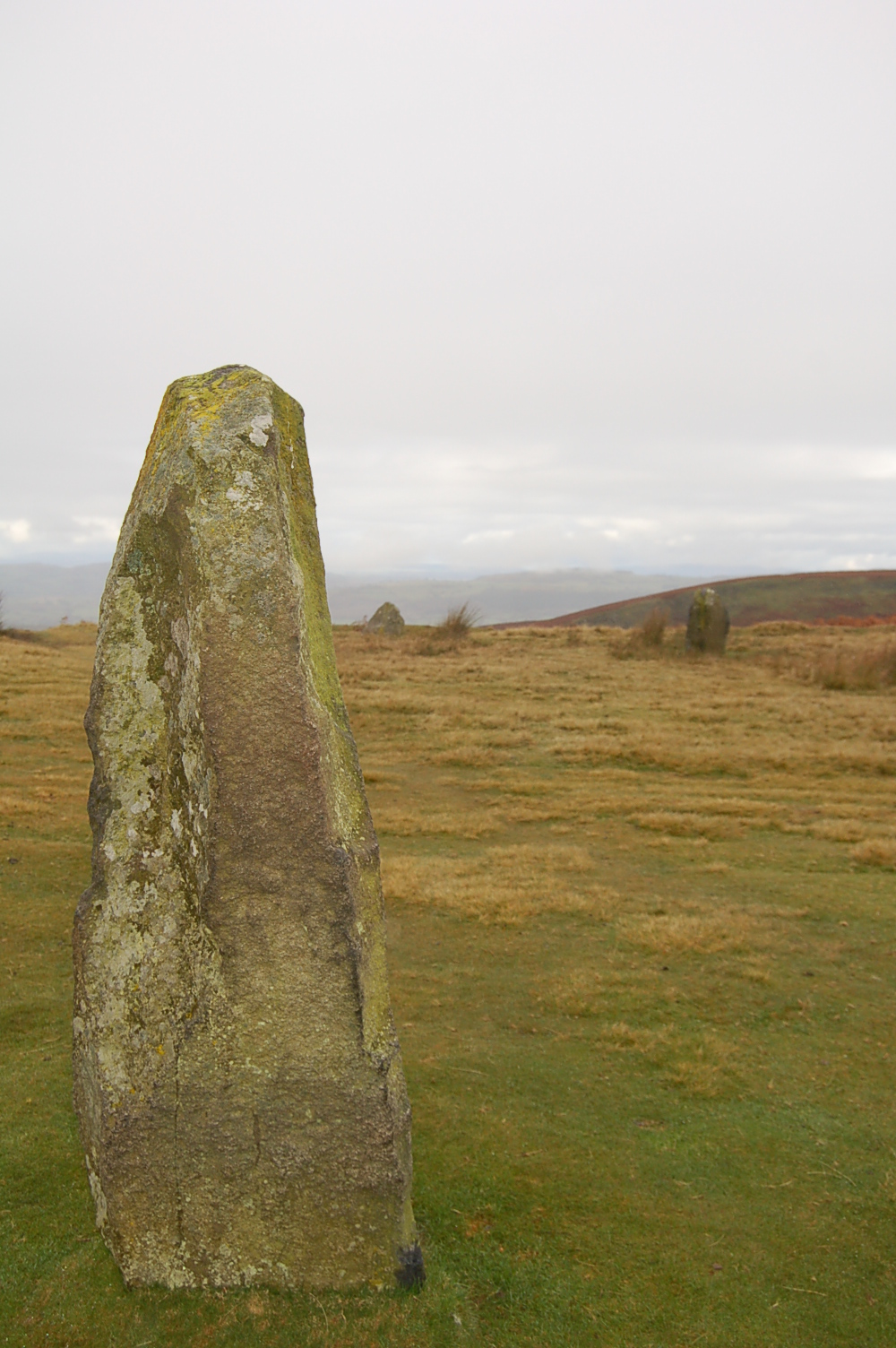
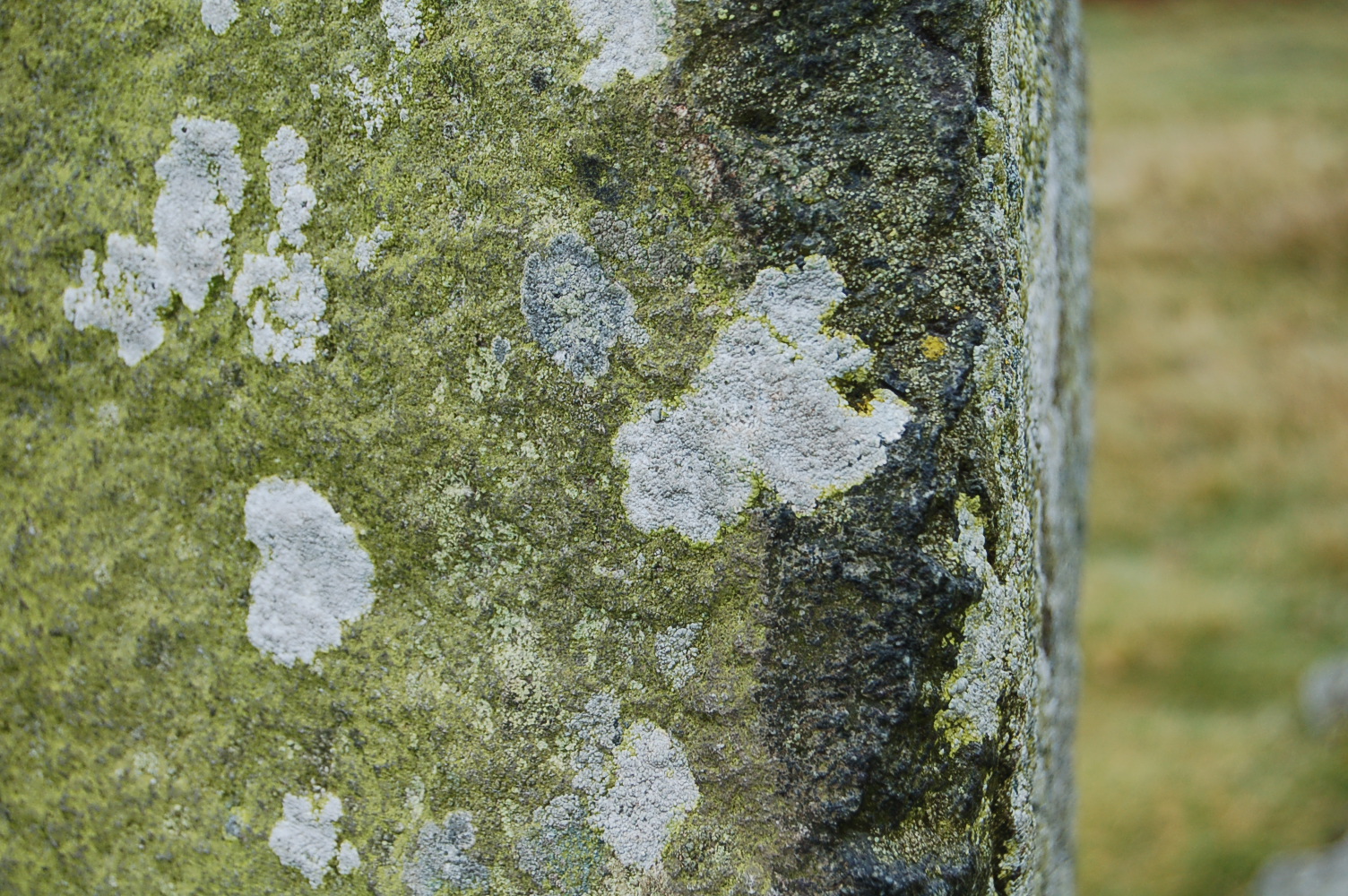
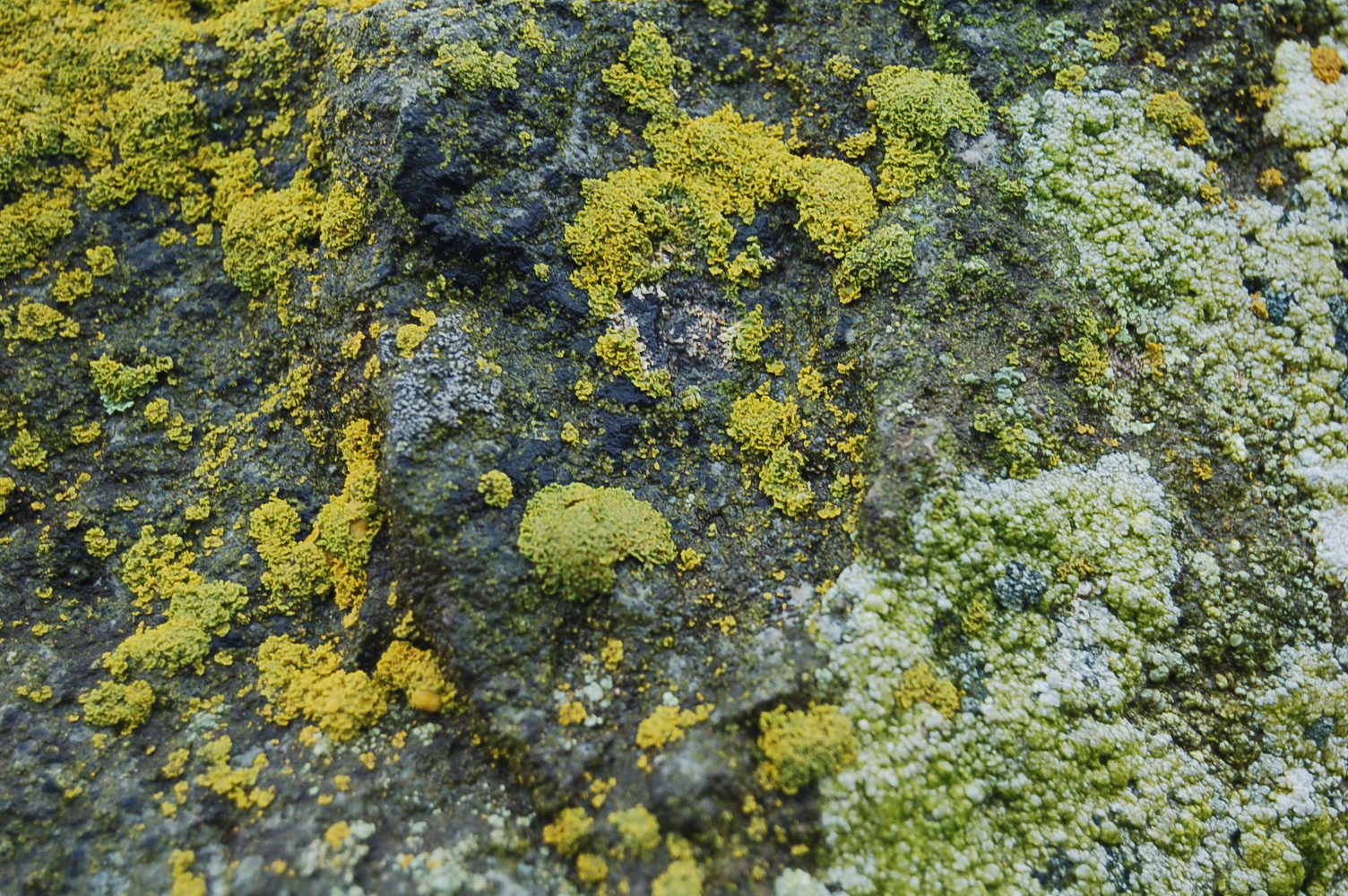
Close up to the stones we could admire Mother Nature’s artistry. She had painted landscapes of woods and fields out of lichens an mosses.
After soaking up the atmosphere of the magical circle of stones we decided to move on along the Stapeley Hill Ridge where we hoped to find further evidence of ancient man’s influence on the landscape. We were not to be disappointed. We found lots of earth works and shapes in the ground from the activities of ancient man. We even managed to pretty confidently work out what some were, surmised as to what others might have been and scratched our heads at others that totally baffled us. So we left the stone circle and followed the Ragleth Hill Path.

The first signs of man were more recent. The remnants of old hedgelines from the time after the Enclosure Act, just a few small trees along with broken bits of wall finished off with strands of modern barbed wire.
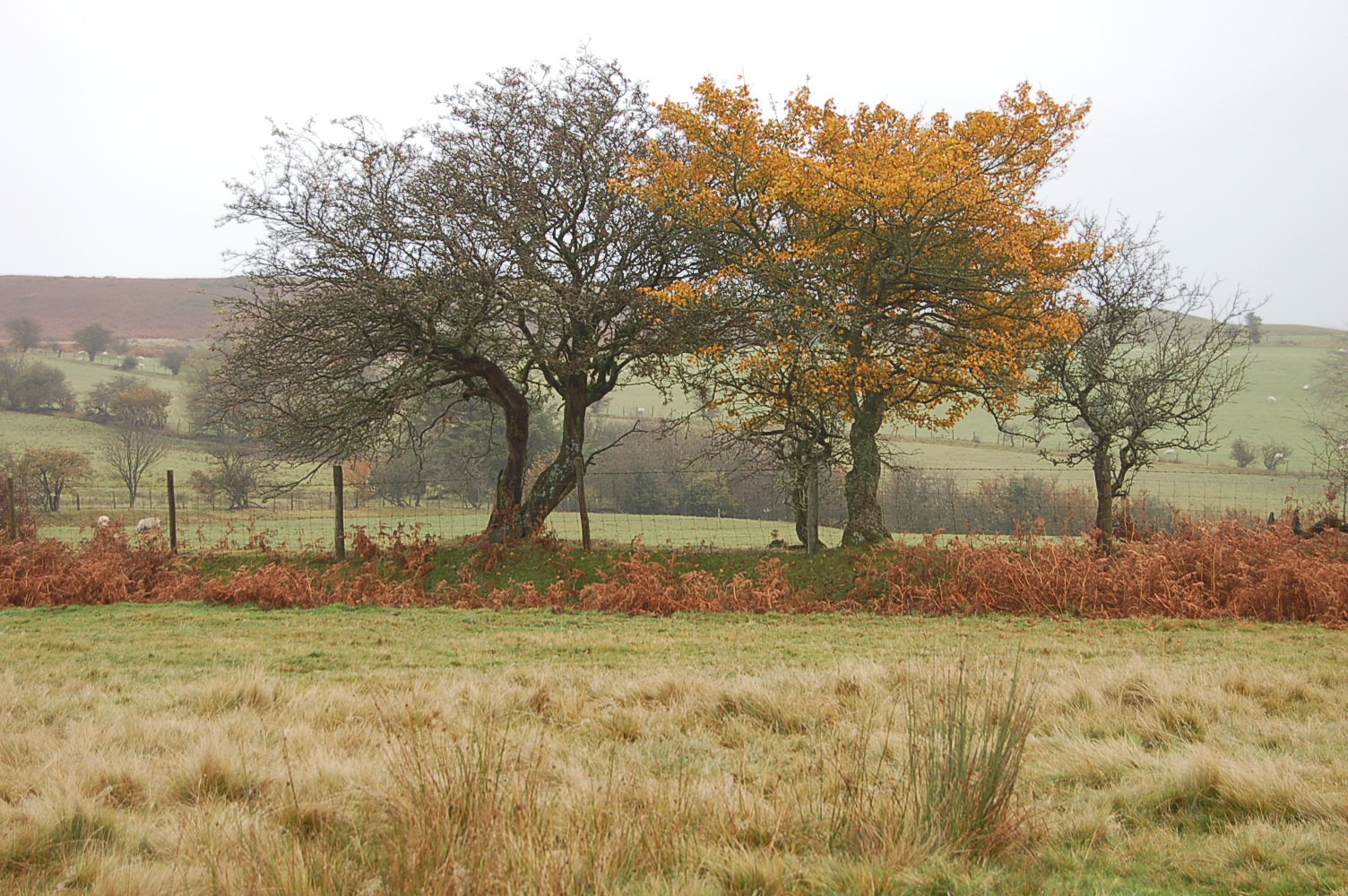
Before we encountered any ancient works of man to be confused by, we met a more recent addition to the Shropshire landscape which was designed to make the lives of walkers easier. This sign post definitely failed to make anything clear. Too many choices!! And the photo only shows the choices on two sides!

The first sign of man’s hand at work beyond the sign post was this long raised rampart. We thought it could be a trackway or perhaps the outer ring of a hill fort.

We were still climbing slowly and the air was moist. Water droplets sat on the webs spun by spiders on the Gorse bushes.


The views gradually became clearer and we could see further into the distance. As we walked these gentle slopes we were entertained by the Red Grouse calling in the bracken, but we failed to actually see one.
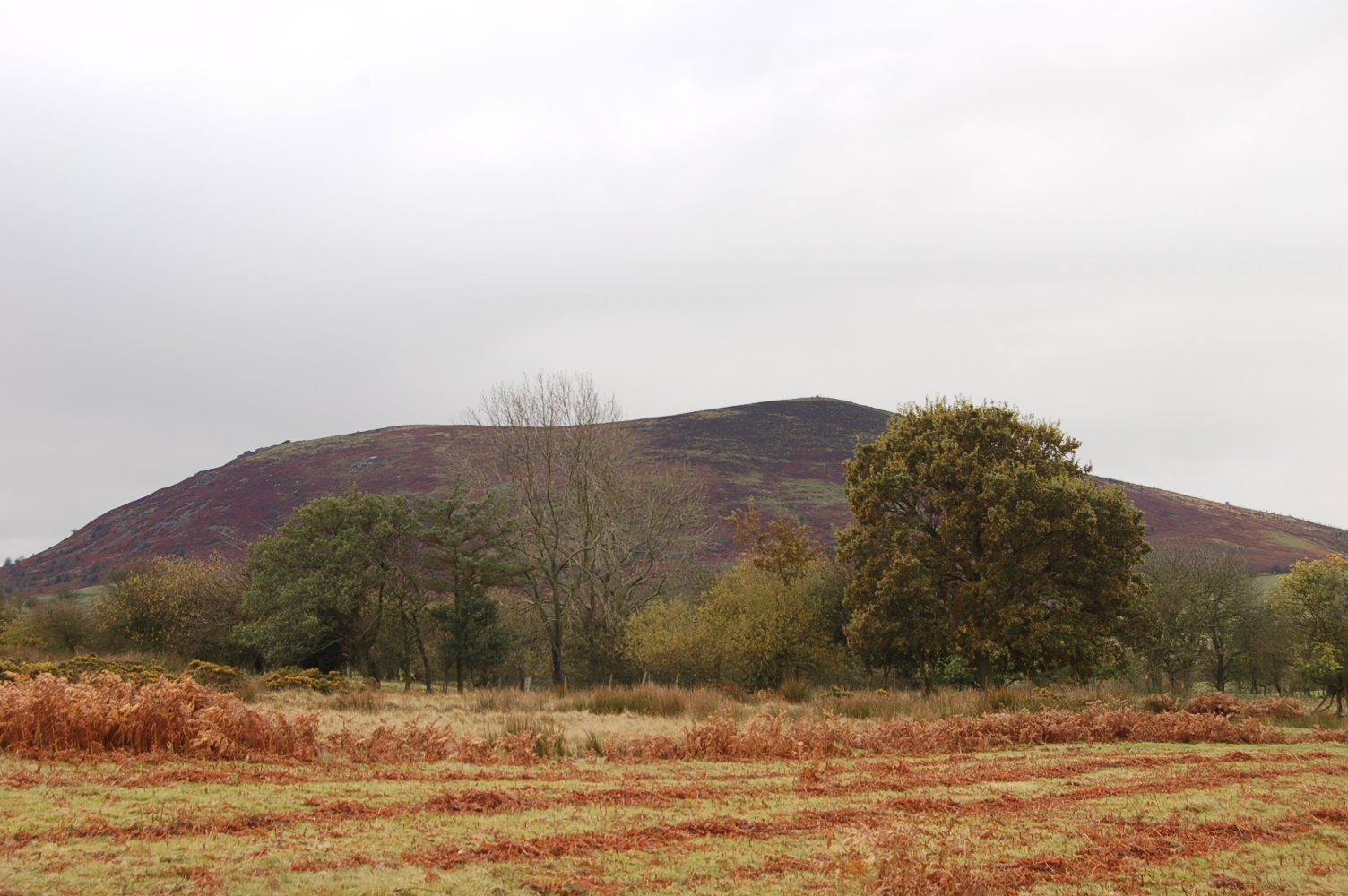

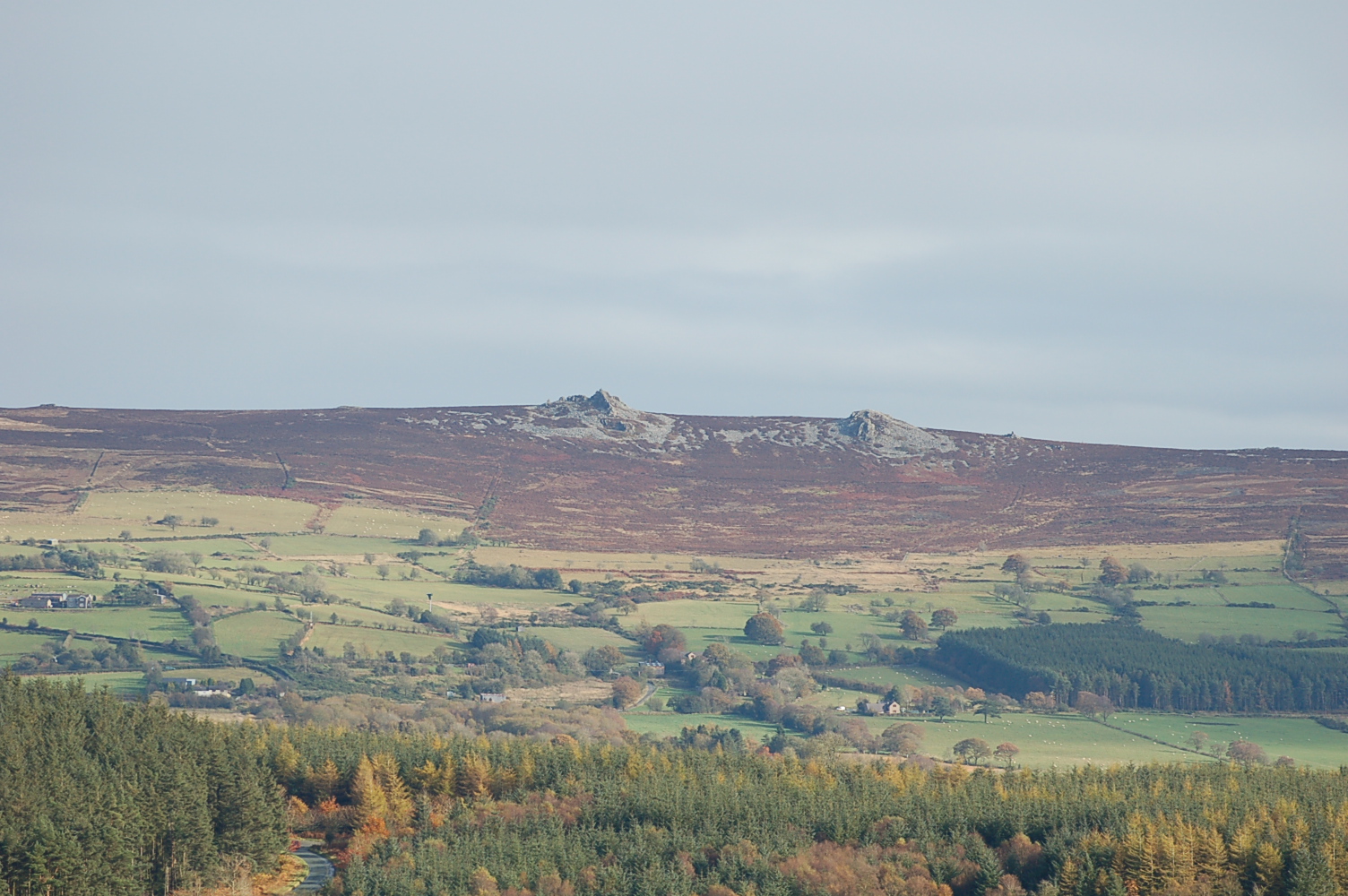
We skirted around the bottom of a ridge upon which we could see two piles of rock . We were determined to see what they were so we turned away from the track and followed a narrow sheep walkway up towards the top of the ridge. When half way up the climb we stopped to catch our breath and take in the views.
The clump of trees atop Callow Hill on the horizon is an old friend, as we see them ahead of us as we drive towards home from Shrewsbury.
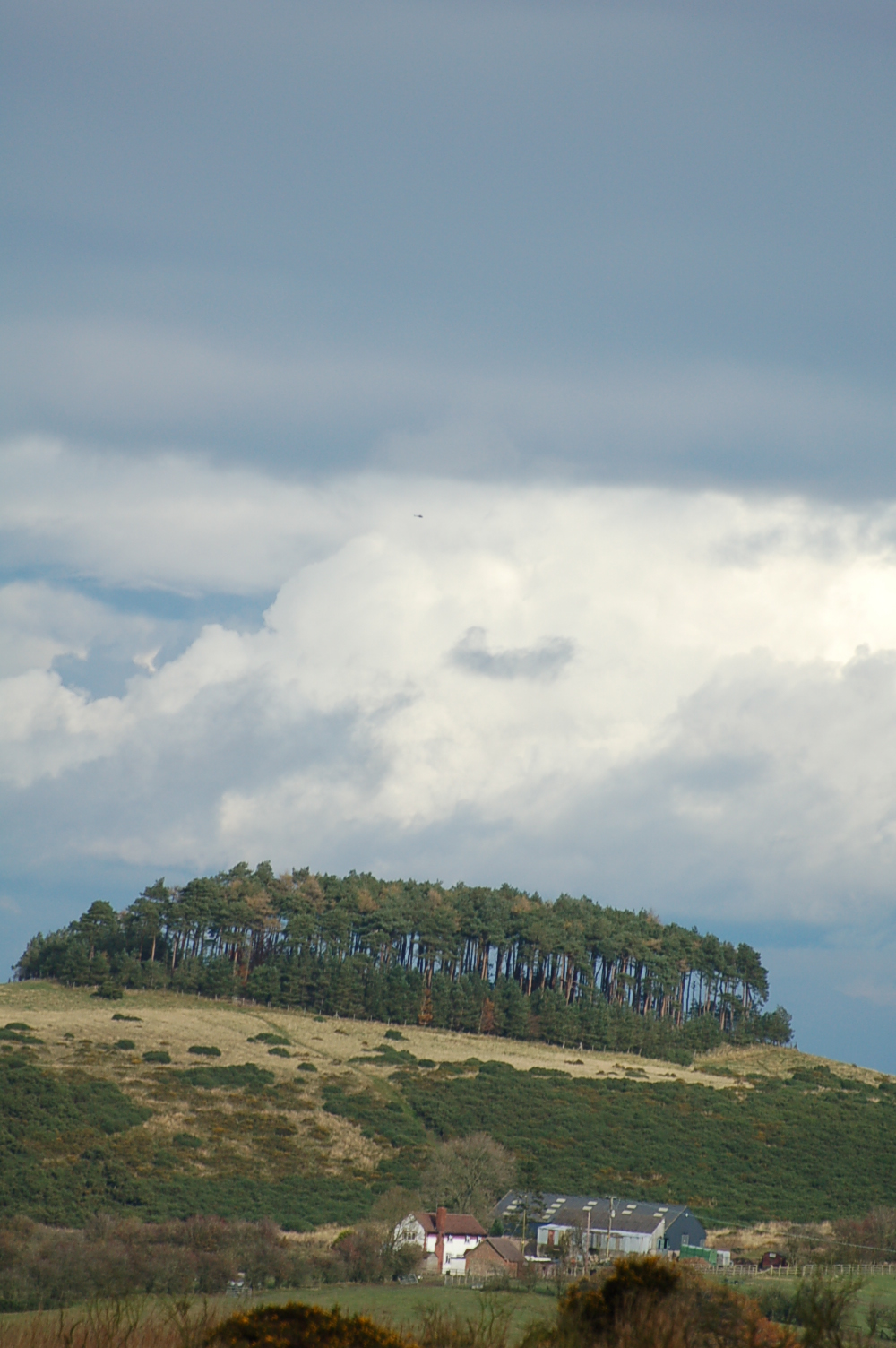
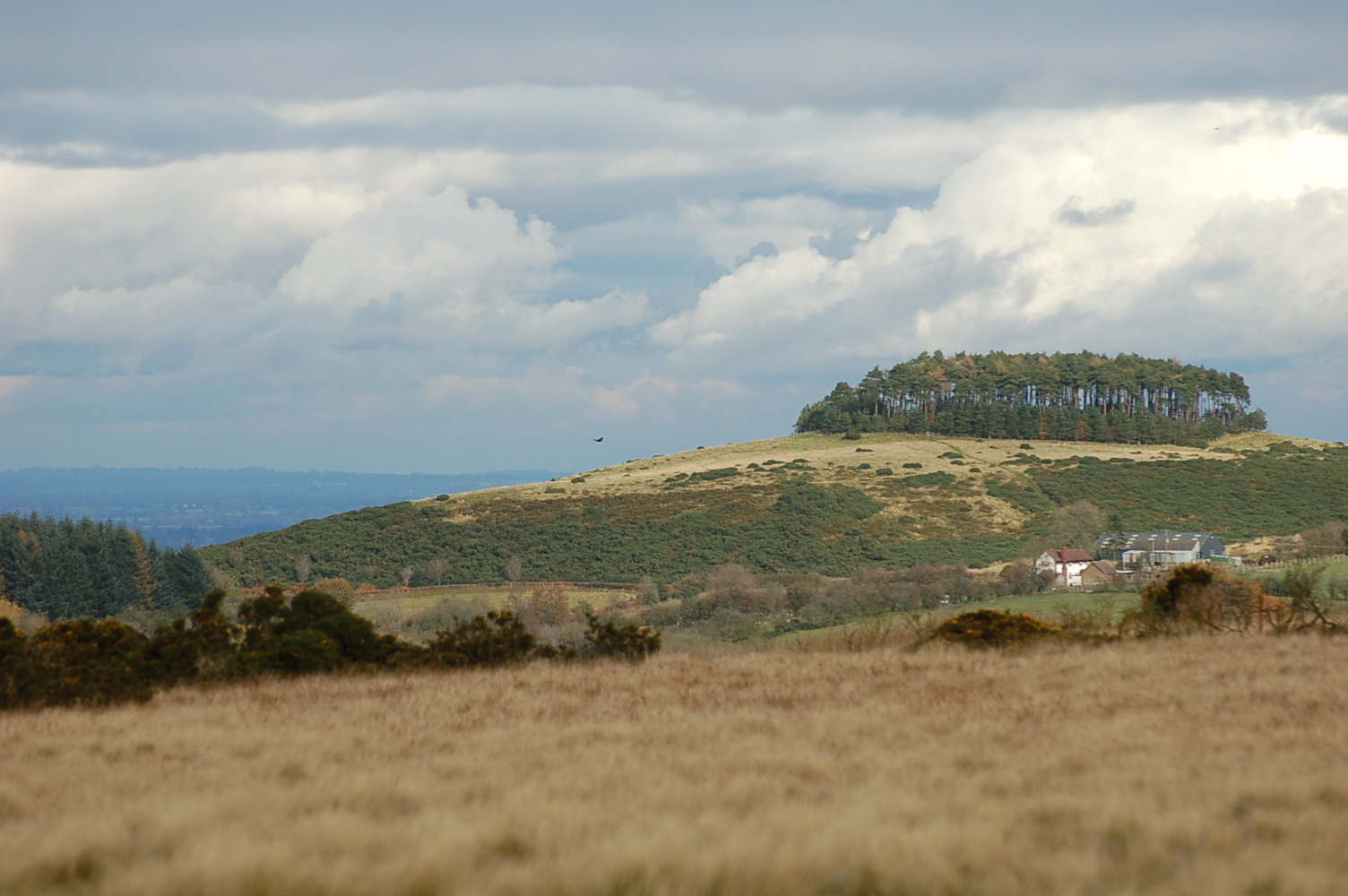
The ridge of stones and raised ground, although difficult to see on the picture, appeared on the ground to be a part of the ditch and way into an earthwork.

The area of stones here at the base of the hillock that took us to the first stone pile were around a circular depression in the ground so we presumed they were the site of a hut circle.

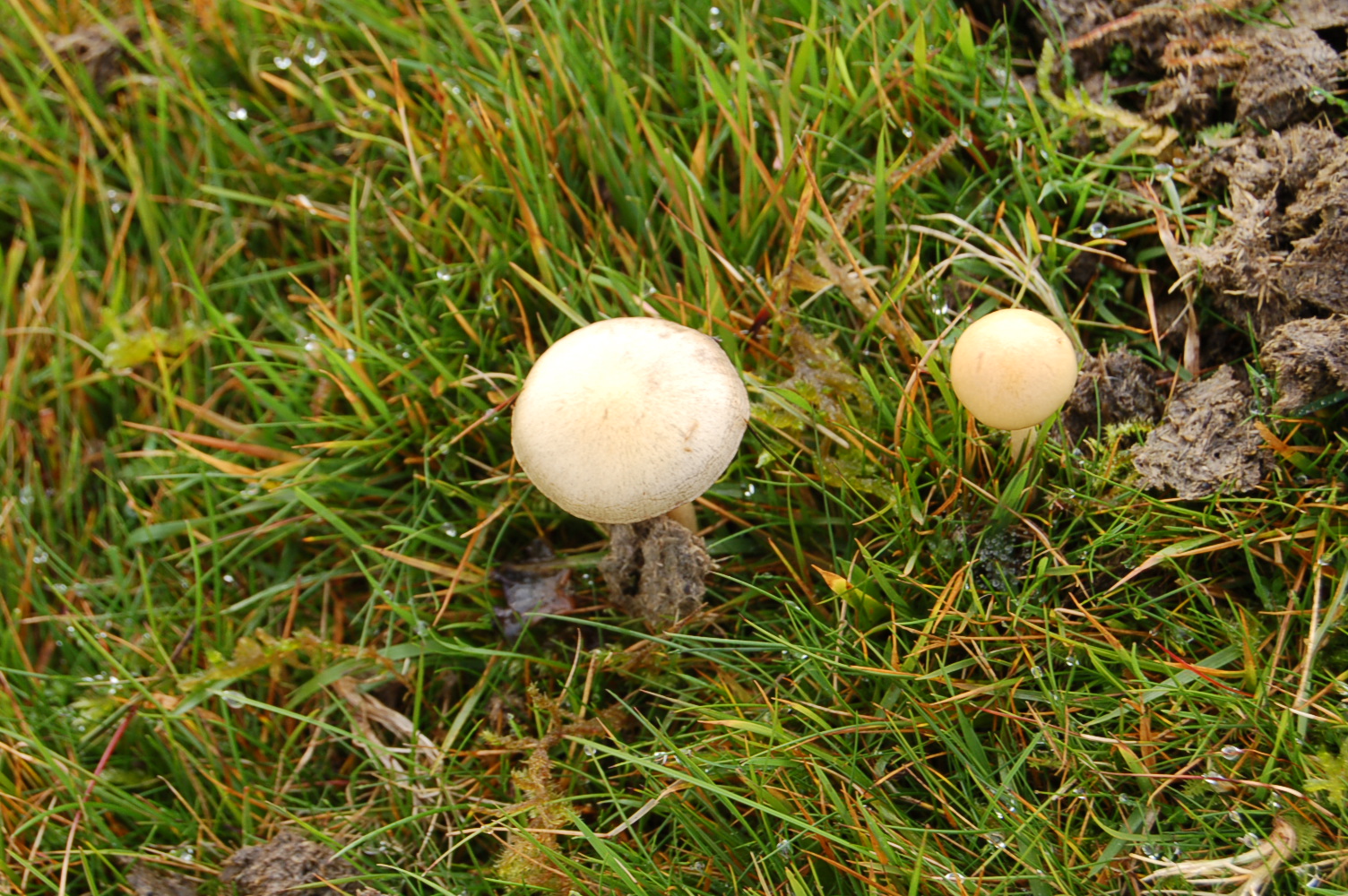
As we reached the top of the ridge we realised the pile of stones was a cairn. We noticed just below the summit that the raised area was encircled by several clumps of different varieties of fungi. There were many different colours and shapes but none got much above the height of the shee-grazed grasses.
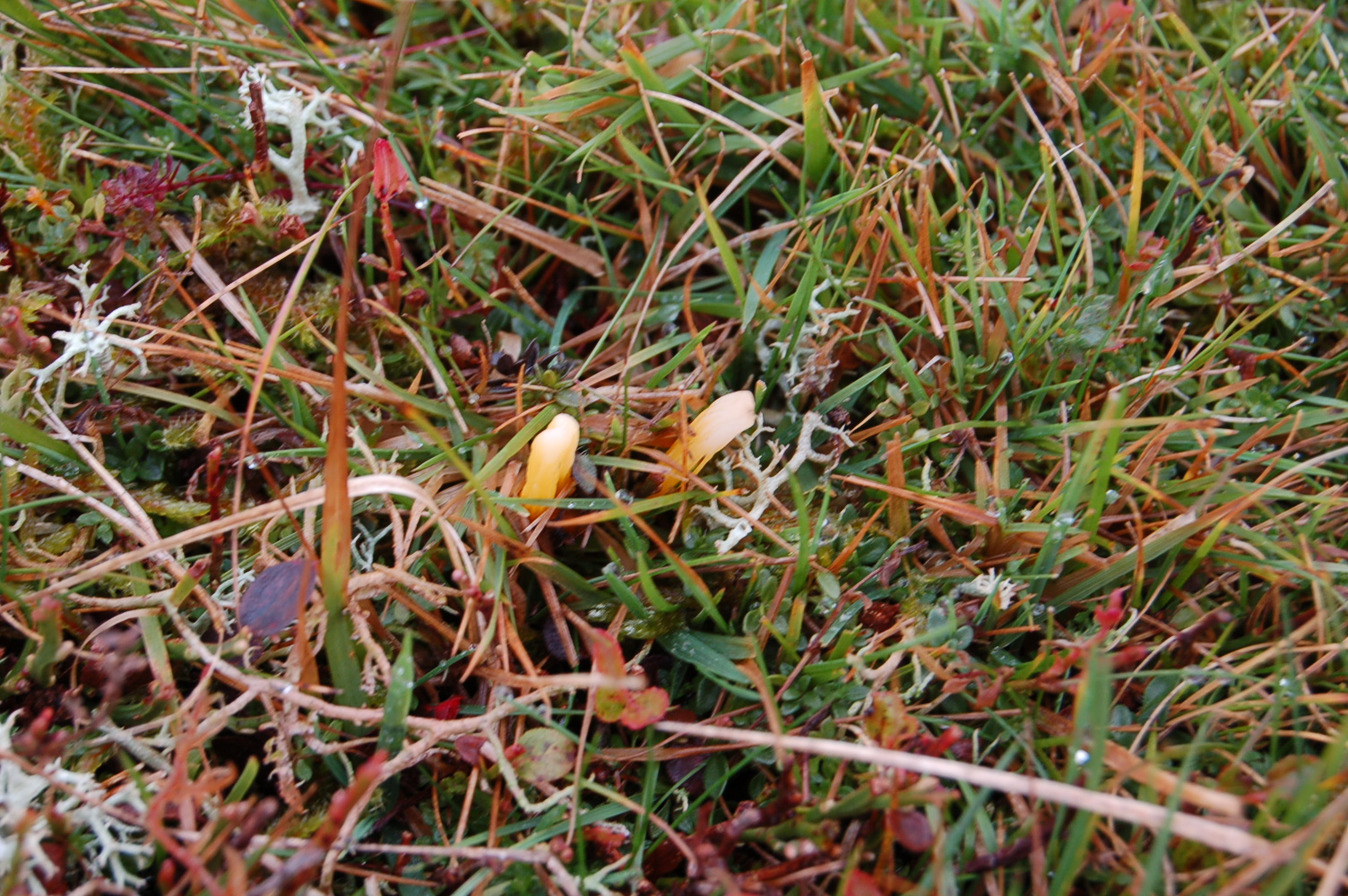
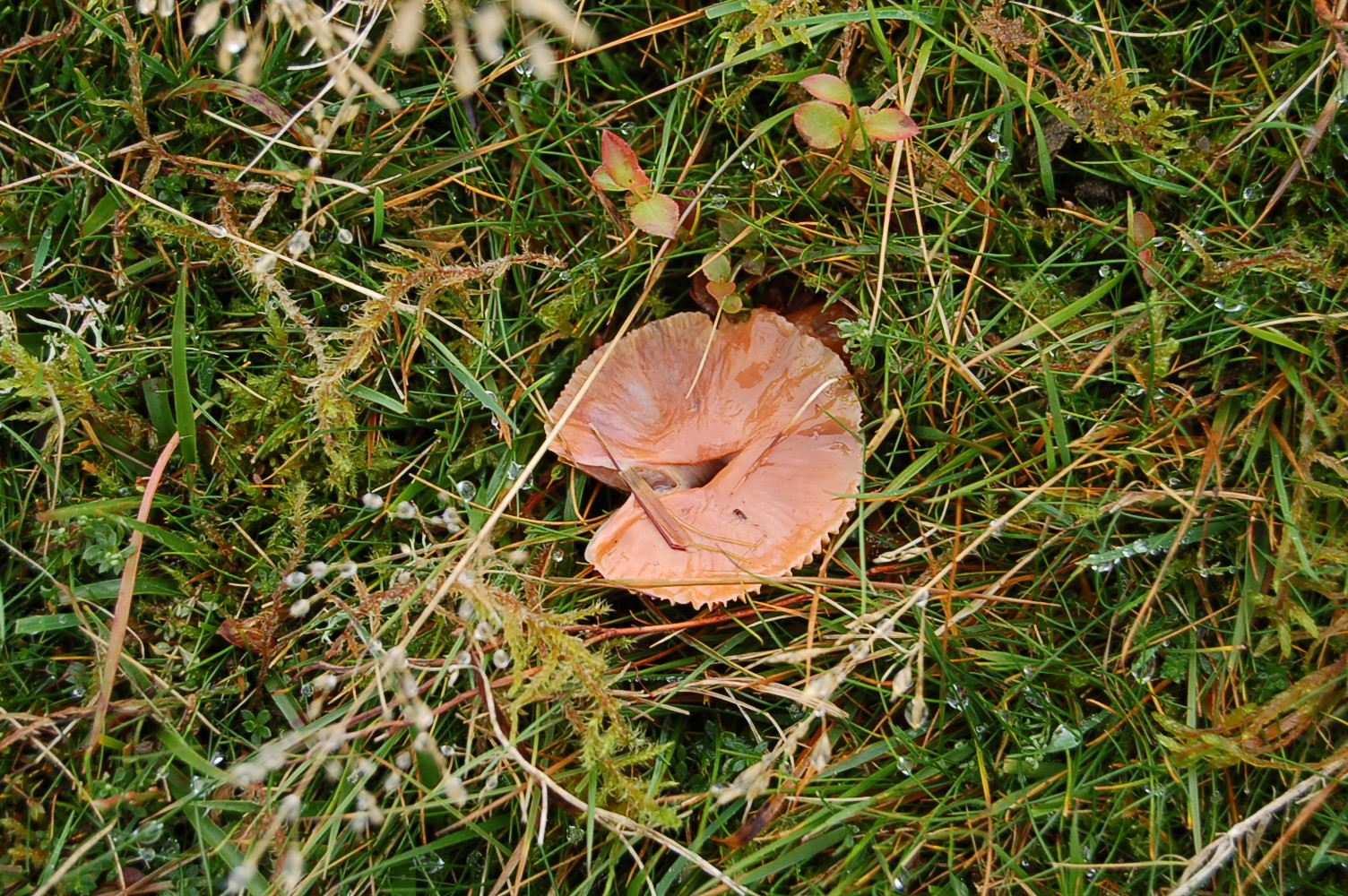


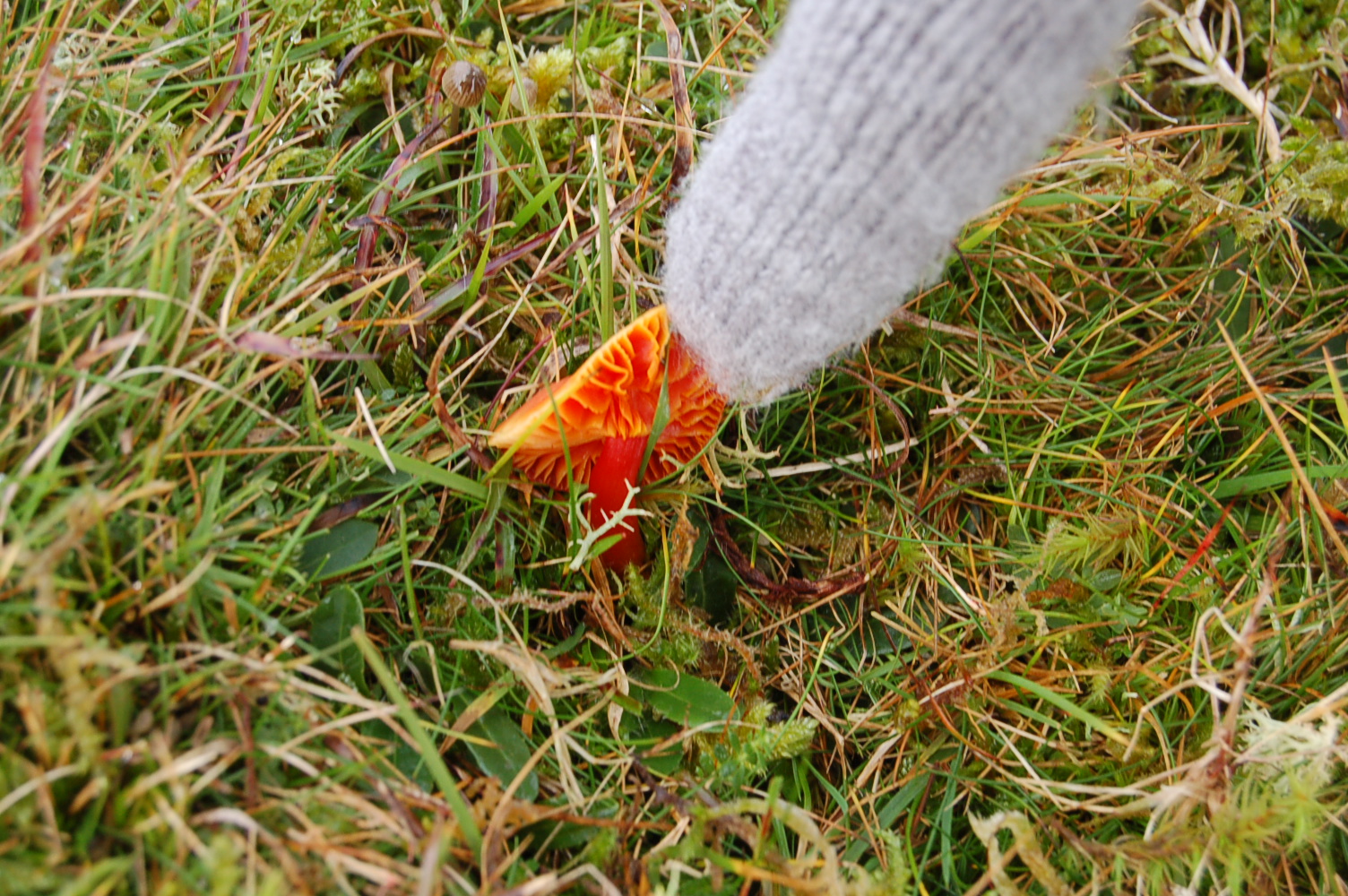
The most beautiful of all was this tiny bright red fungus. In the second shot Jude trieses to show us the underneath without damaging it. The grey woolly gloved finger shows how tiny this specimen actually was. Underneath we noticed that the inside of the gills was bright yellow with the outer edges painted in red.

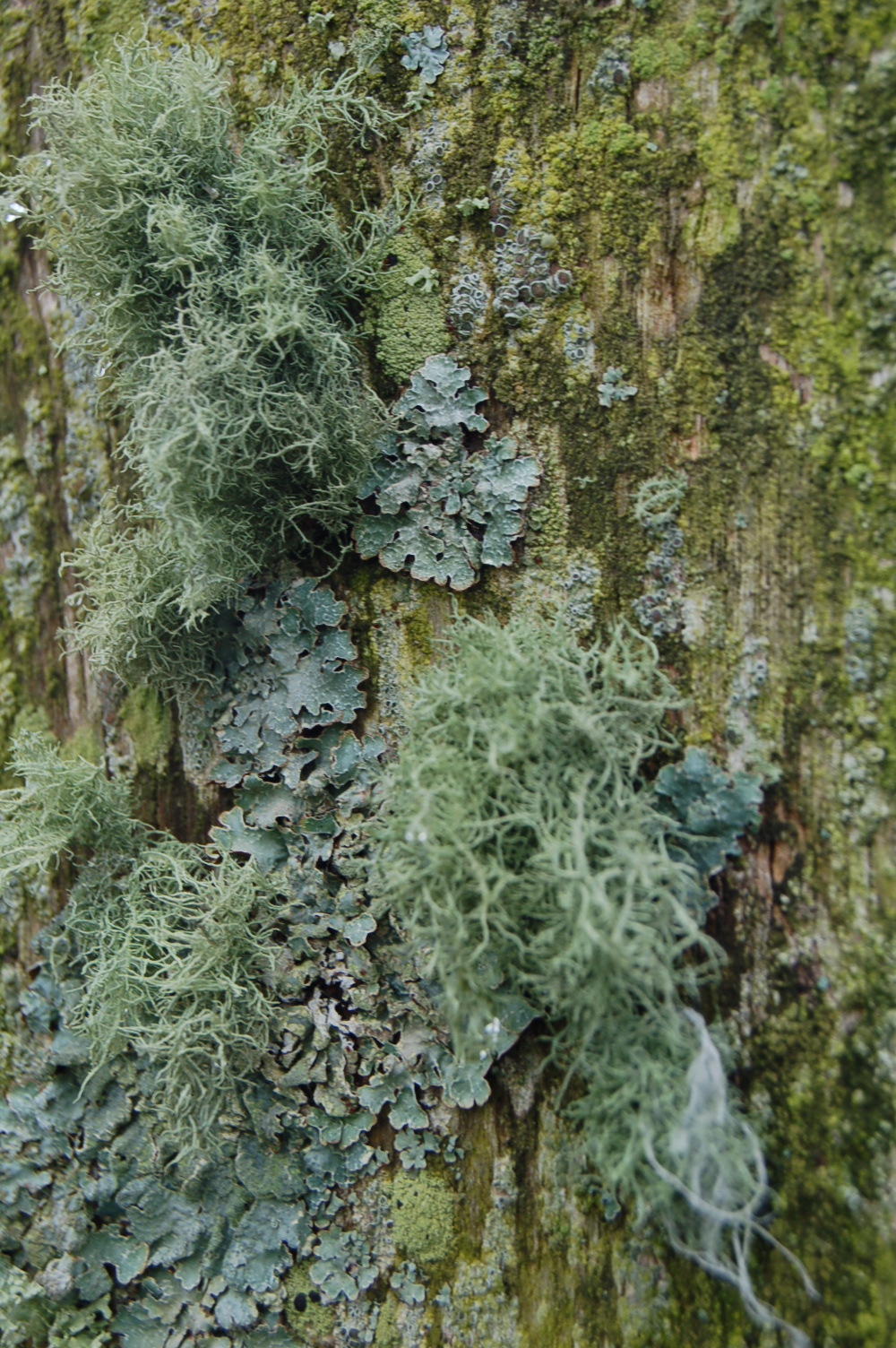
When we reached the summit we had to follow the hill walkers’ tradition of adding a stone to the top of the cairn. The damp clear air up there provided the perfect atmosphere for lichen growth as this close up of the rock surfaces highlights.
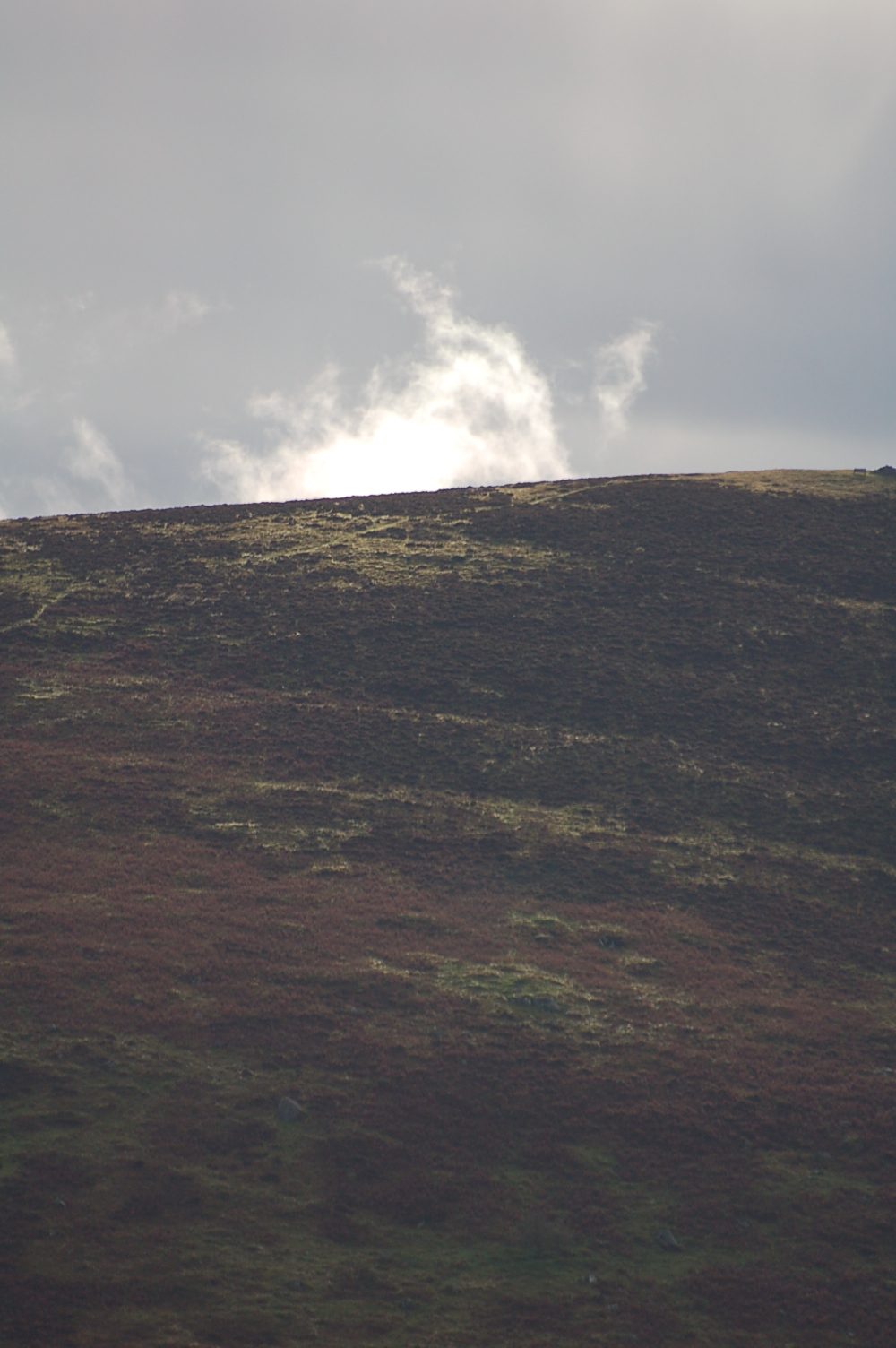
This photo shows the landscape beyond the ridge which we planned to follow next to a second stone cairn. We promised ourselves a banana and a coffee when we reached it to give us energy and to warm us up. It was a good incentive.


We stood drinking our coffee and letting it warm us through as we drank in the view, looking out over the huge panorama. In the middle distance we could see the hill in the lee of which we live. We quietly stood hand in hand both having the same thoughts which we shared “How can we be lucky enough to live in such a beautiful place.”




Partway back along the ridge we enjoyed distant views of The Stiperstones, a high rugged ridge famous for its rock formations along its long ridge back. That distant view gave us an idea for our next walk in the Shropshire Hills.

We came across a big earth work partway back where a long ditch and raised bank crossed our path. We realised after exploring it for a while that it may have been a part of Offa’s Dyke, the massive wall built to keep the Welsh marauders from crossing into England (we had been following the Offa’s Dyke Trail for part of our walk). We crossed without resistance!

I hope you enjoyed sharing this wander through the Shropshire Hills with us. The weather was a bit dramatic and ever-threathening, the ground beneath our feet wet and slippery but we defied the rain and wind and cold and enjoyed the gentle climb and the views that unfolded for us.
Stiperstones next stop!
A Vegetarian | Nature Lifestyle Blog
.....and nurturing my soul
Journeys In St. Louis Gardening and Beyond
Consult the genius of the place
A blog full of humorous and poignant observations.
Notes from a wildlife-friendly cottage garden
...an emerging social science
'The most important and informative publication on wildlife of our times' - The Independent. This blog is a member of The UK & Ireland Natural History Bloggers group: www.uknhb.blogspot.com
Inspire - Cultivate - Grow Native Plants - Restore Landscapes
To create and protect a semi-natural wild space for the people of Farnham to enjoy and experience an array of British wildlife in our town
The www.gardeningwithchildren.co.uk Blog
birding through the seasons, why birds matter and how to conserve them
with a camera in hand
Transform your outdoor space
My allotment, cooking and other interests
my gardening life through the year
Trying to live a creative life
trying to live as lightly as possible on our beautiful planet
Nature lovers from Leicester living the good life.
Finding the beautiful in the everyday
Michelle's Allotment
thoughts from and about my garden
Big plans for a small garden
A Walled Country Garden in South East Scotland
Life at the fruity chicken
Off grid living. Self sufficient. "PERMAGANICS RULE".
Nottingham's Grade 2* Listed Allotments and Community Orchard
a journey in suburban vegetable gardening
The madness of growing your own
A novel approach to vegetable gardening
Sustainable living in the Irish countryside.
Master Gardener, amateur photographer, quilter, NH native, and sometimes SC snowbird
Recent work and work in progress and anything else that interests me
a chaotic cottage gardener
a weekly blog that creates a personal philosophy through photographs and words
Stories from a sassy and classy Southern farmbelle.
Simple Organic Gardening & Seasonal Living
turning dirt into dinner
today the world is created anew
Notes from a Devon garden
Life Through The Lens
A photography blog showcasing the best photography pictures and videos on the internet
Just another WordPress.com site
personal observations from the natural world as the search continues for a new approach to conservation.
The Wonders of Life through my Eyes, my Heart, my Soul
 greenbenchramblings