Categories
Uncategorized

Another Winter Woodland Walk – part two

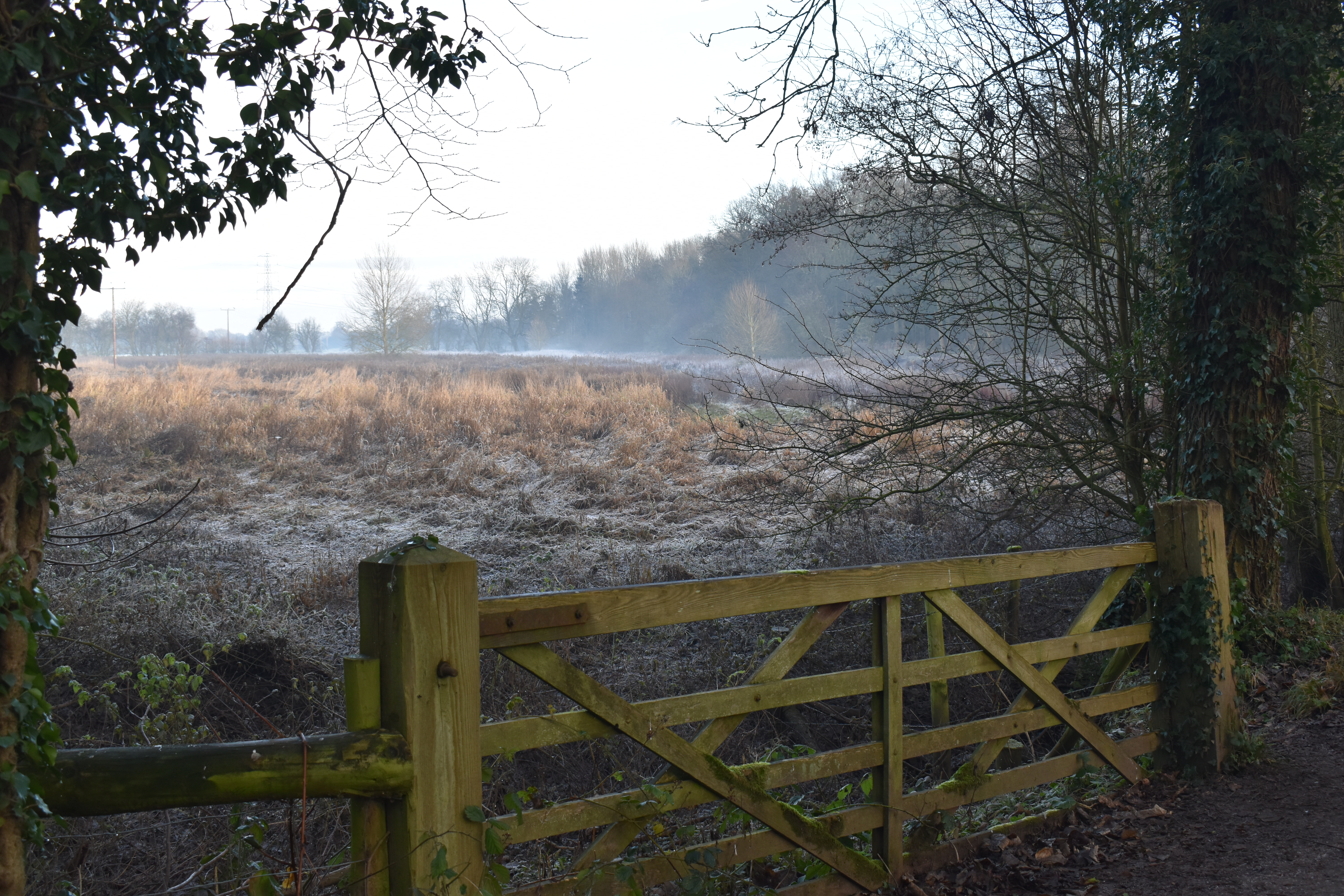
Here we are back at Attingham Park where we left off looking over an old wooden gate.

As we left the view over the gate we crossed the River Tern by a suspension bridge from where we watched the eddies produced by the extra flood water moving down the river. It was as we stepped off the bridge that we decided that we were entering a section of the woodland where peace reigned as fewer people walked this far. It was a good time to utilise the ideas of Shinrin Yoku.

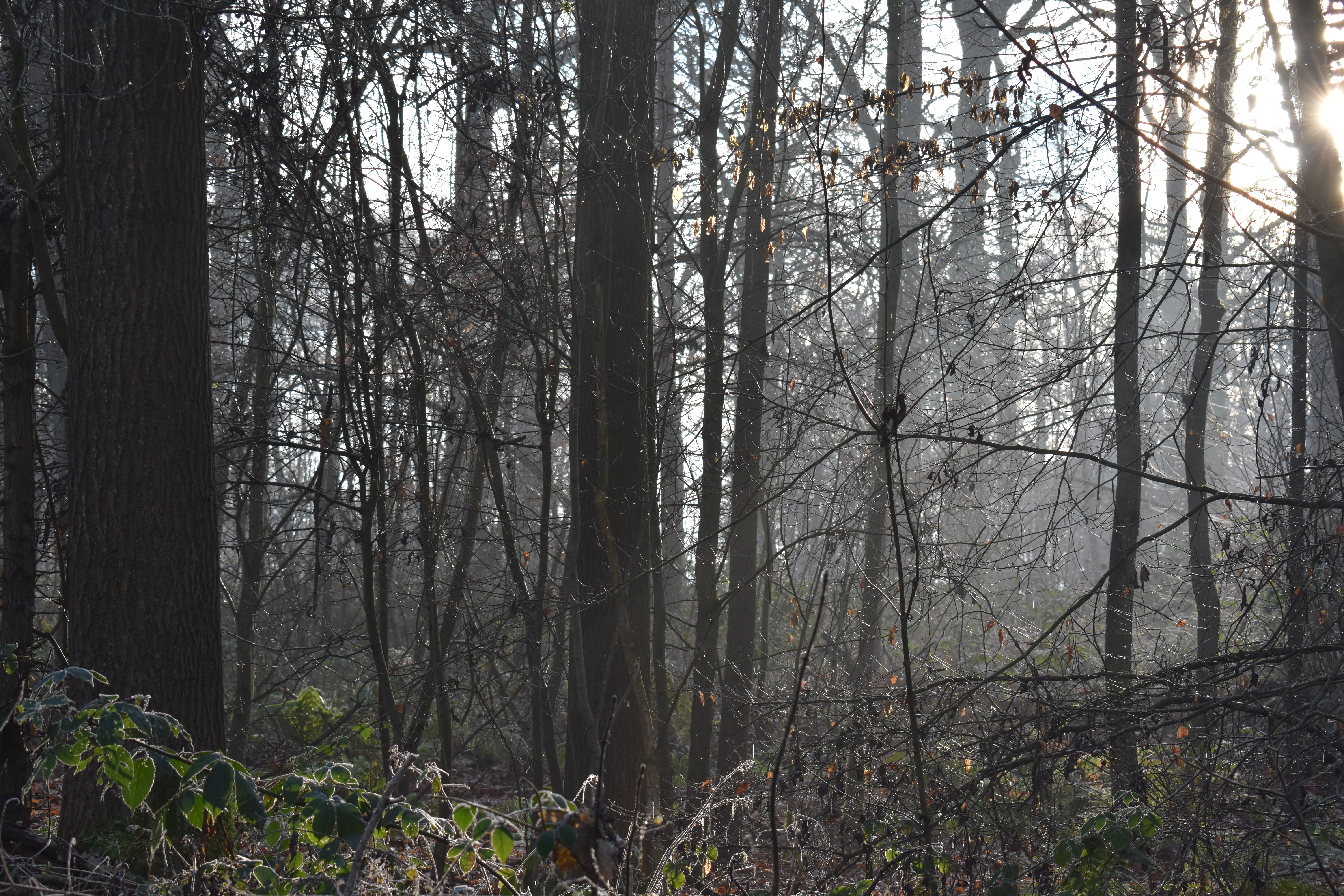
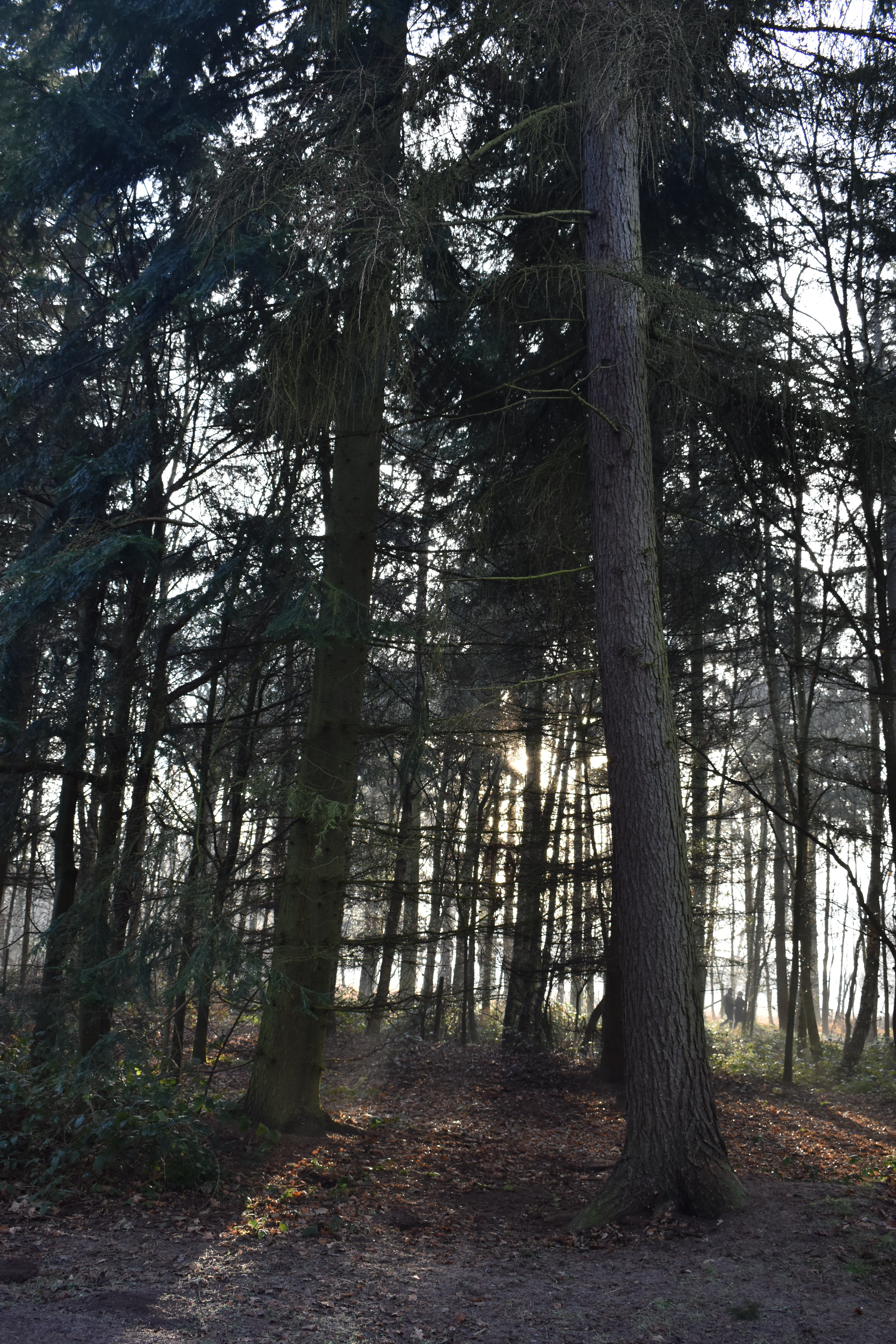
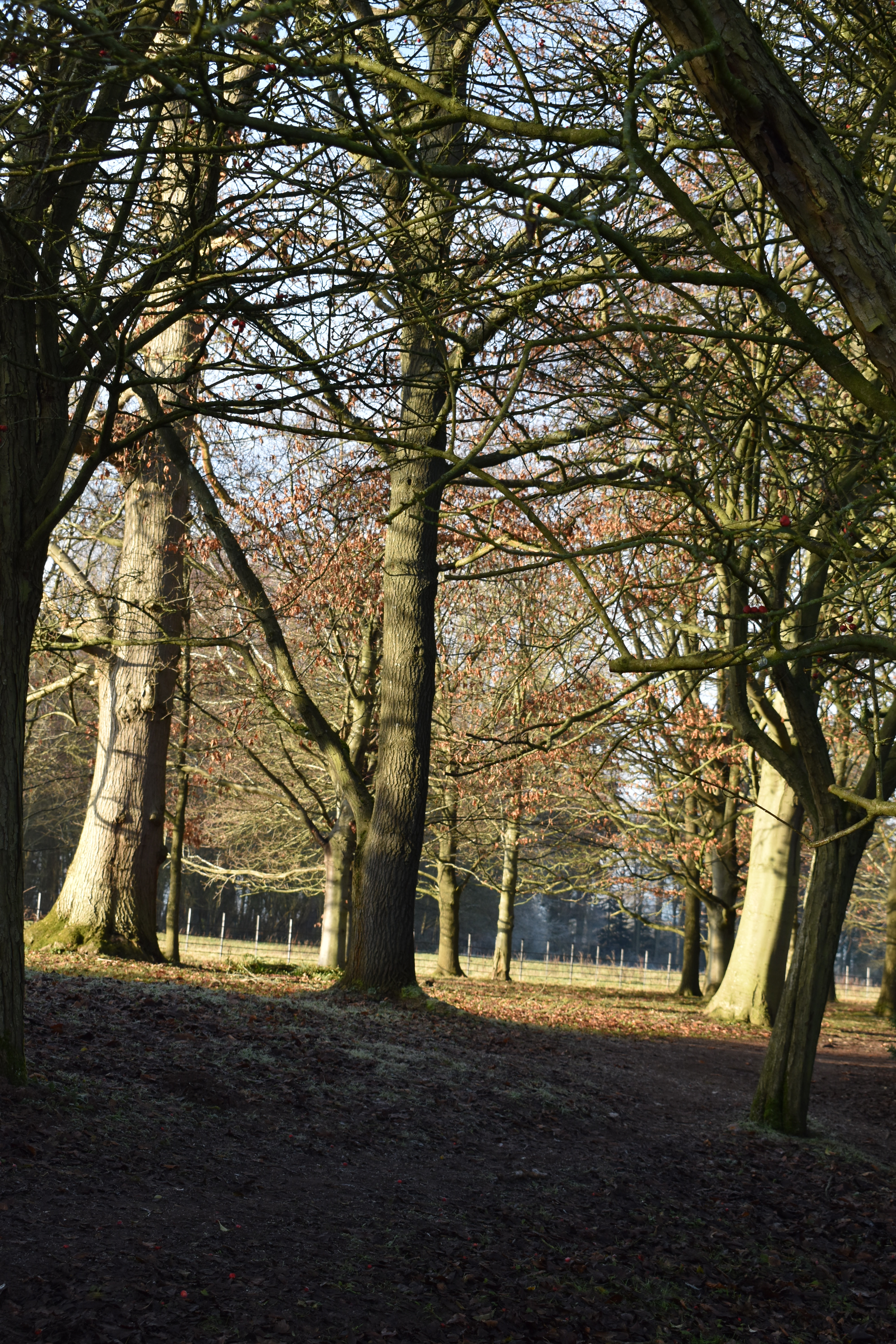
The trees were extremely tall with brambles and bracken as undergrowth at this time of year with the addition of a blanket of dried leaves. As we wandered along the path we were aware of movement along side us. There was not even enough breeze to move leaves so the movement was not the wind. We watched and discovered that a small flock of Goldcrests was feeding, searching beneath bramble leaves picking off insects using their long fine bills. They seemed to be in such a hurry.

The silence in the trees was almost complete, just broken by the high pitch calls of the Goldcrests and the occasional watery winter song of robins. The delicate scents of woodland, dried leaves, bracken and pone needles intermingled to create its own perfume. Concentrating on the experience of being in a woodland added so much more to our walk. We understand now the reason why the Japanese medical system include Shinrin Yoku in their multi faceted health system. The phrase Shinrin Yoku translates as ‘Forest Bathing’, a good definition for it.

Categories
Uncategorized

Another Winter Woodland Wander

Early in January we went to our favourite woodland for a wander – Attingham Park. It was extremely cold so we wrapped up well and started our walk with a takeaway coffee in hands. I have been reading a book about about Shinrin Yoku so it seemed a good time to put it into practice. It is the art of walking in woodland or forests and immersing yourself in its character using all your senses.

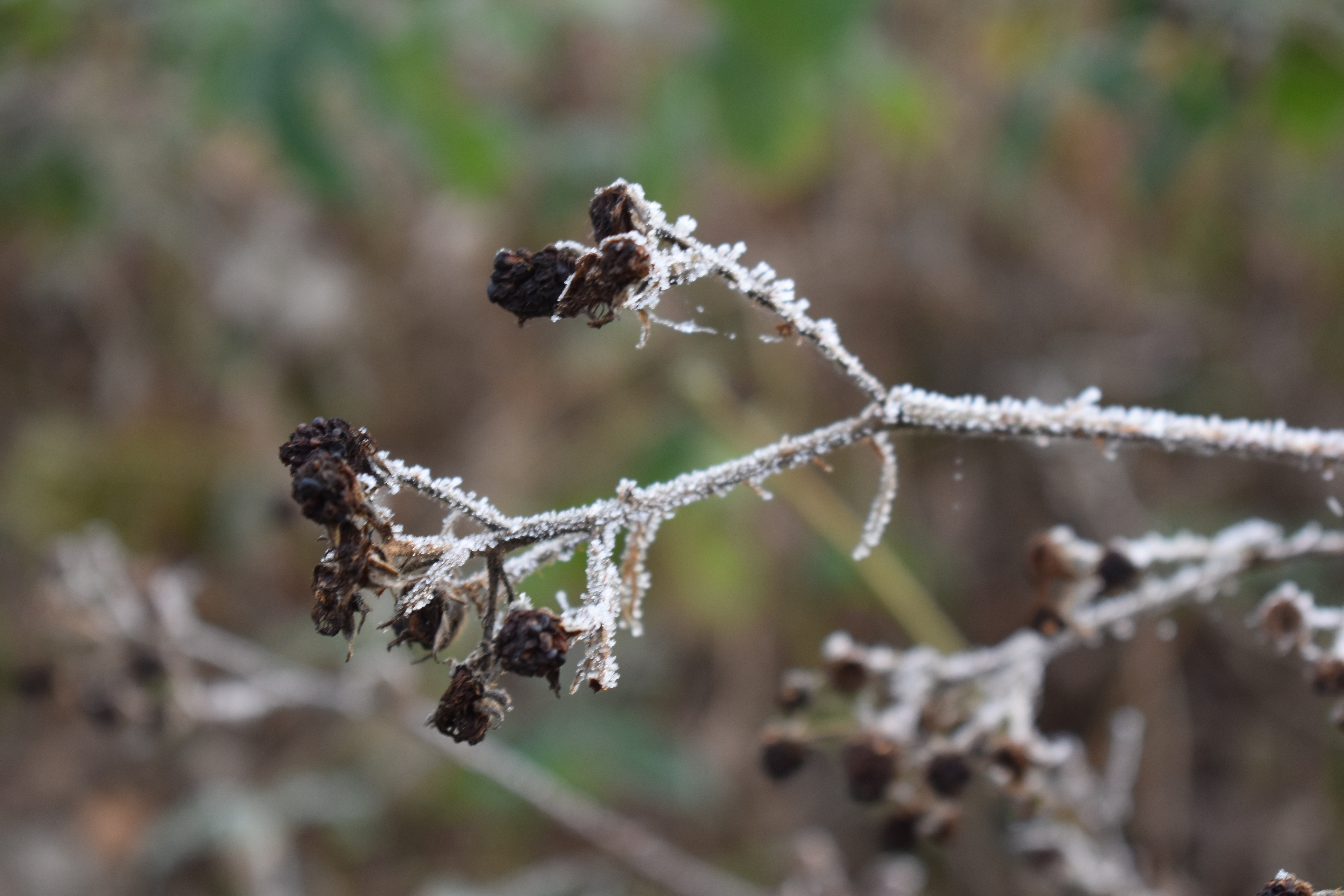
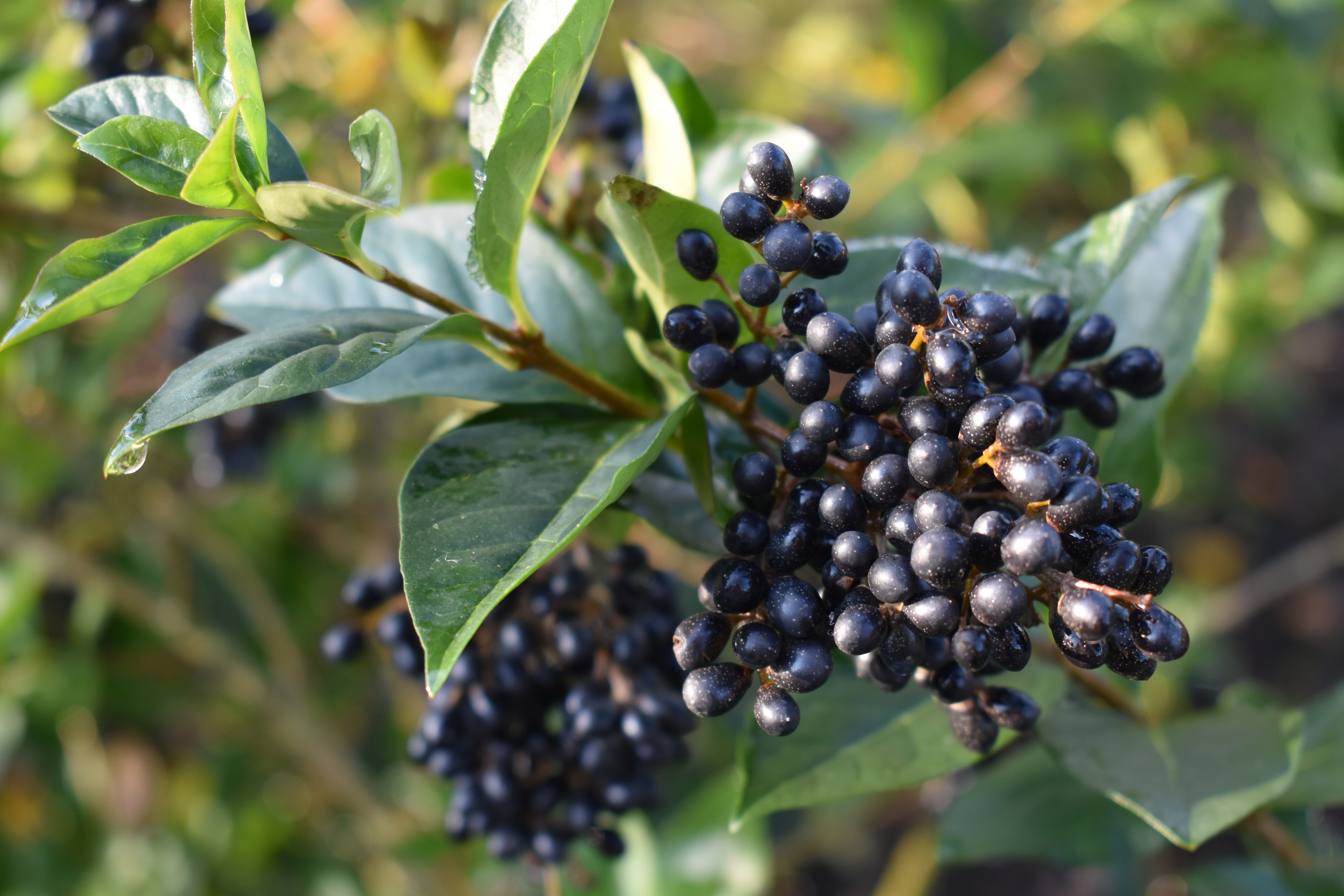
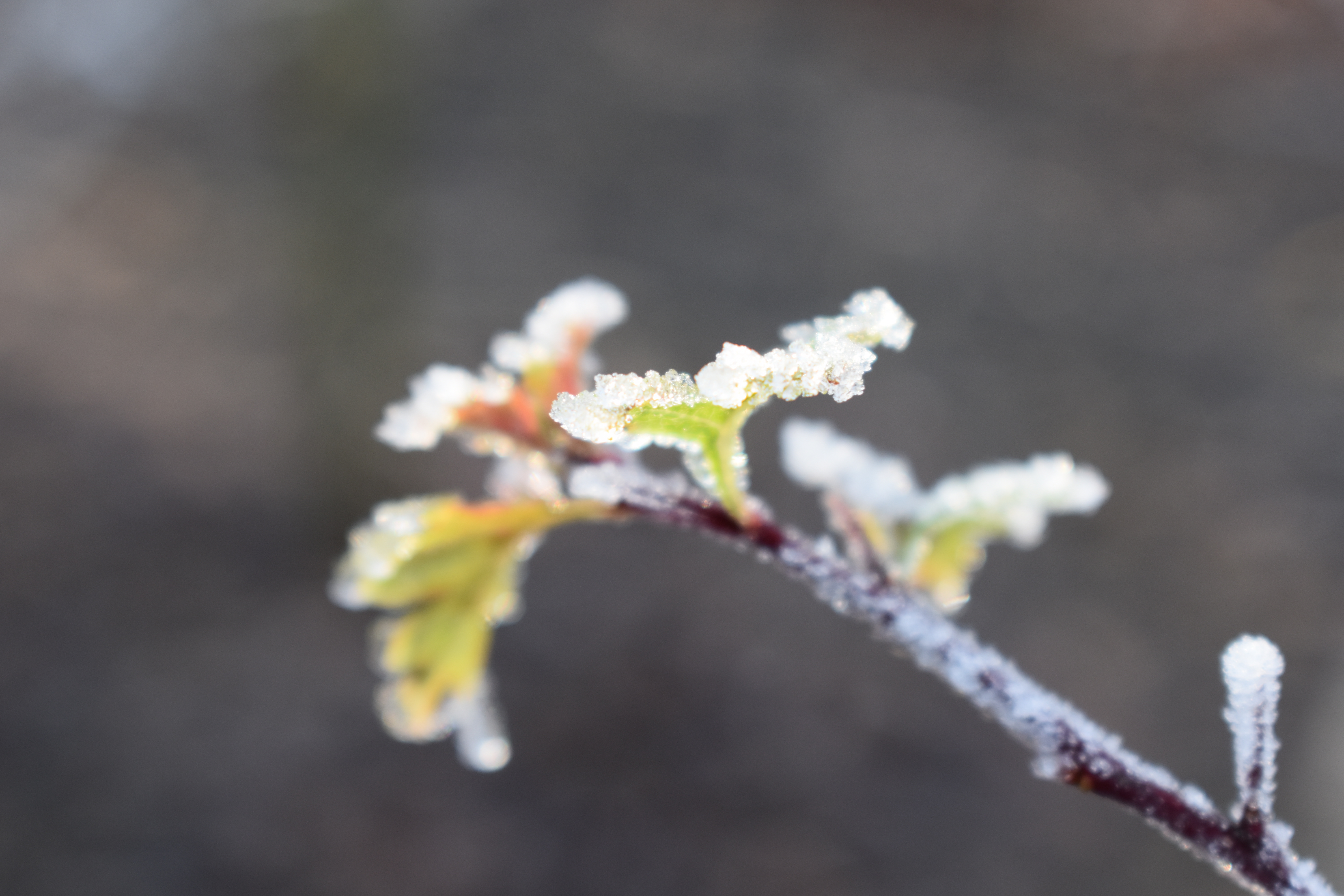
As we walked the pathway taking us to the entrance buildings and courtyard we passed shrubs displaying berries and frosted twigs.

As we began our walk there were quite a few other walkers many taking dogs for a walk, but as we got a little further from the entrance it quietened right down. This allowed us to get much more from the walk.

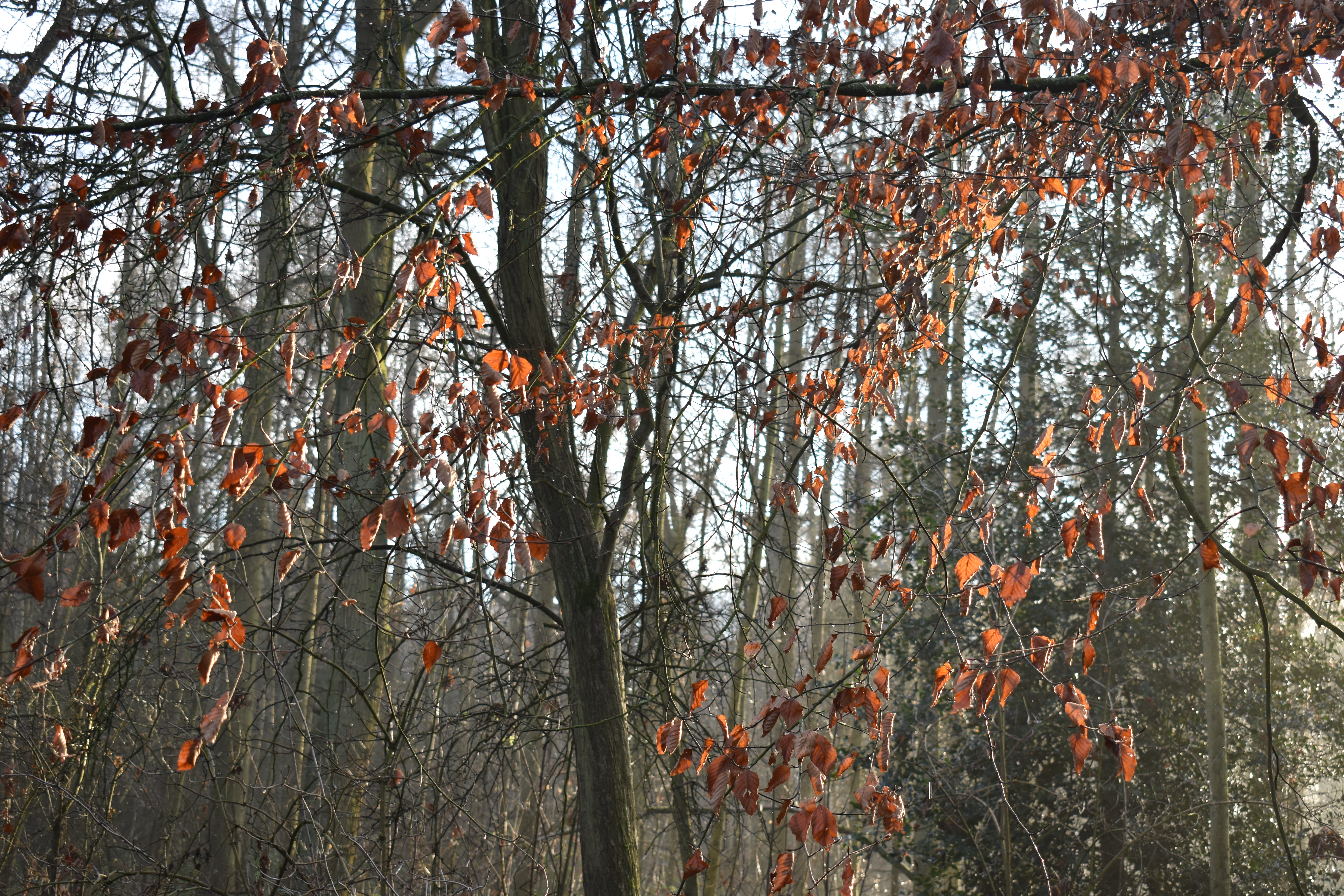
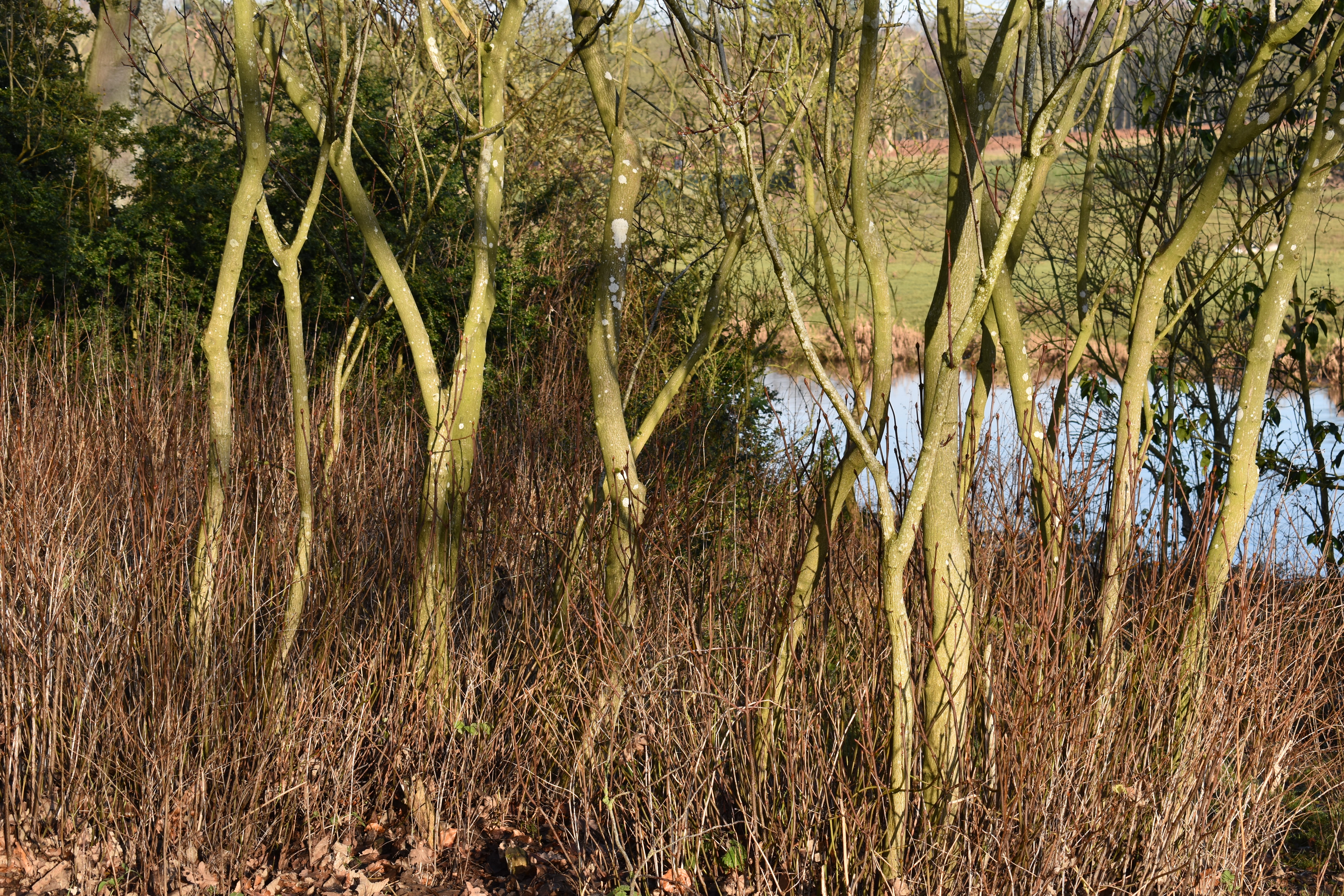
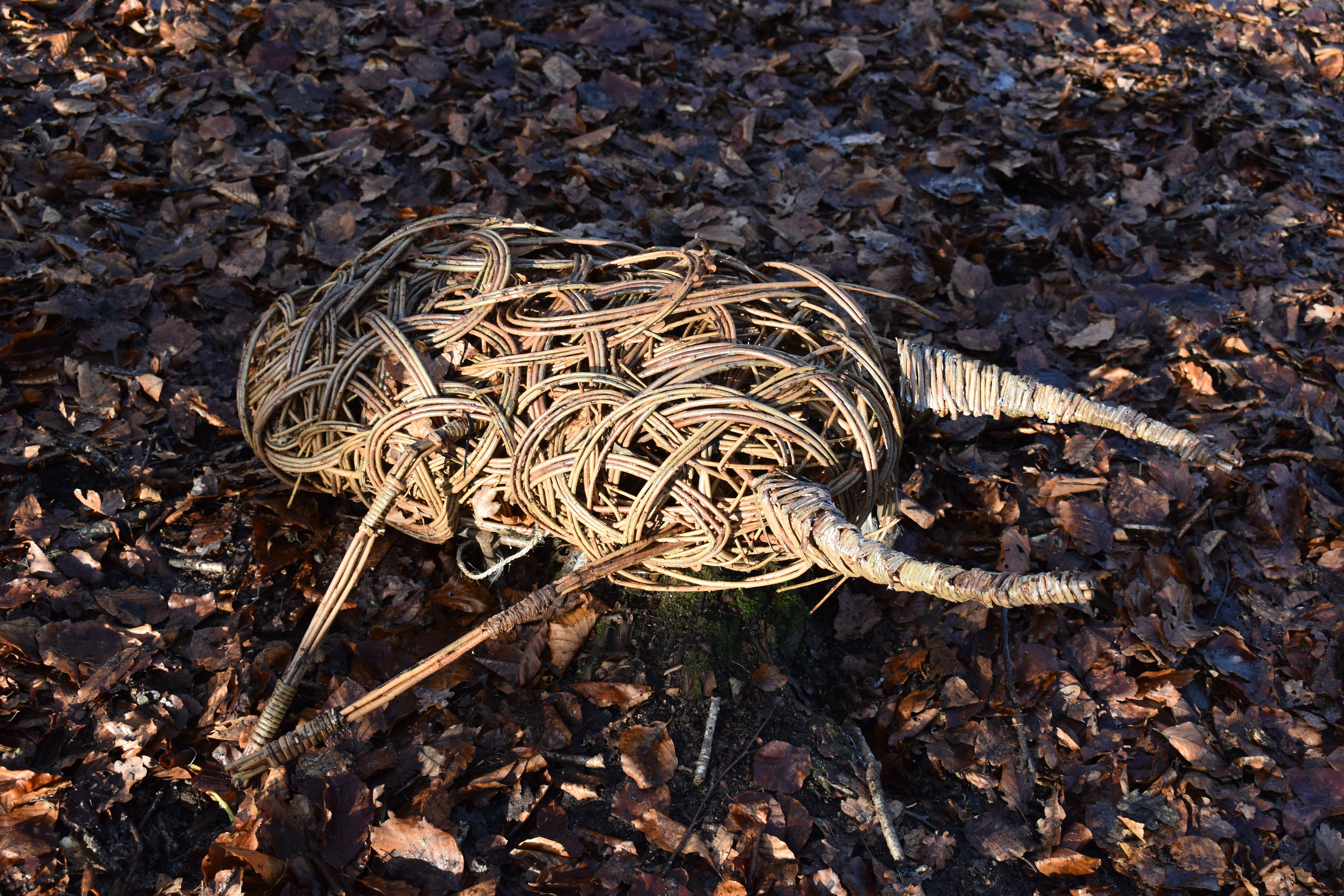
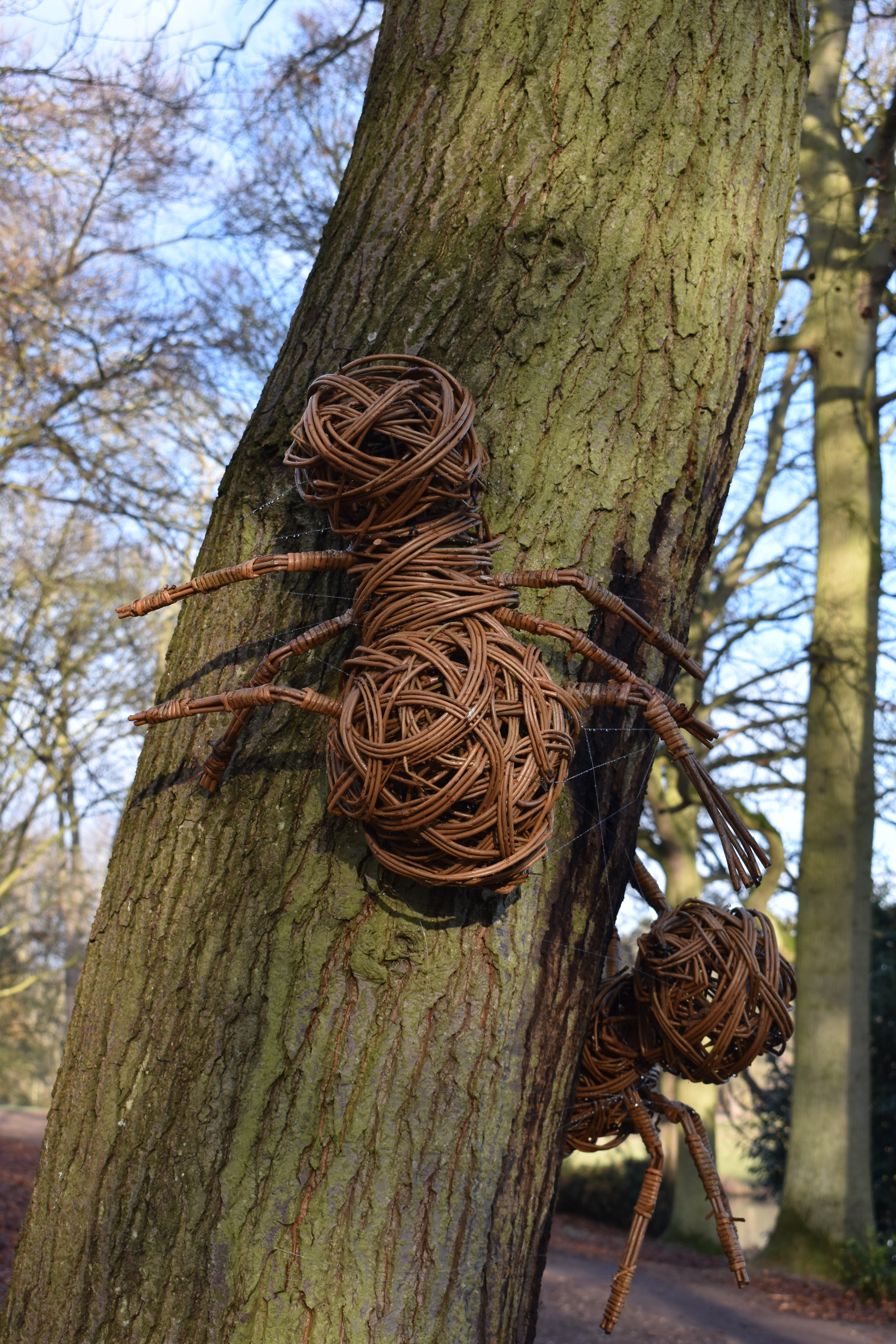
We were surprised to see willow sculptures decorating an area beneath beech, sweet chestnut and oak trees, depicting insects commonly found here. The floor was deep in leaves from these trees, the carpet of leaves home to many insects and invertebrates. Hence it was a lively area scattered with blackbirds and song thrushes busily tossing leaves about in search of food. They were joined by a few robins, redwings and mistle thrush. While watching them at work a sparrow hawk shot through the boughs and landed above the boundary fence, rested awhile and then quietly flew off over the meadows.

The management policy here is to leave dead trees standing for the benefit of wildlife but as they fall they are left down for the same reason, creating great habitats for a mixture of wildlife.

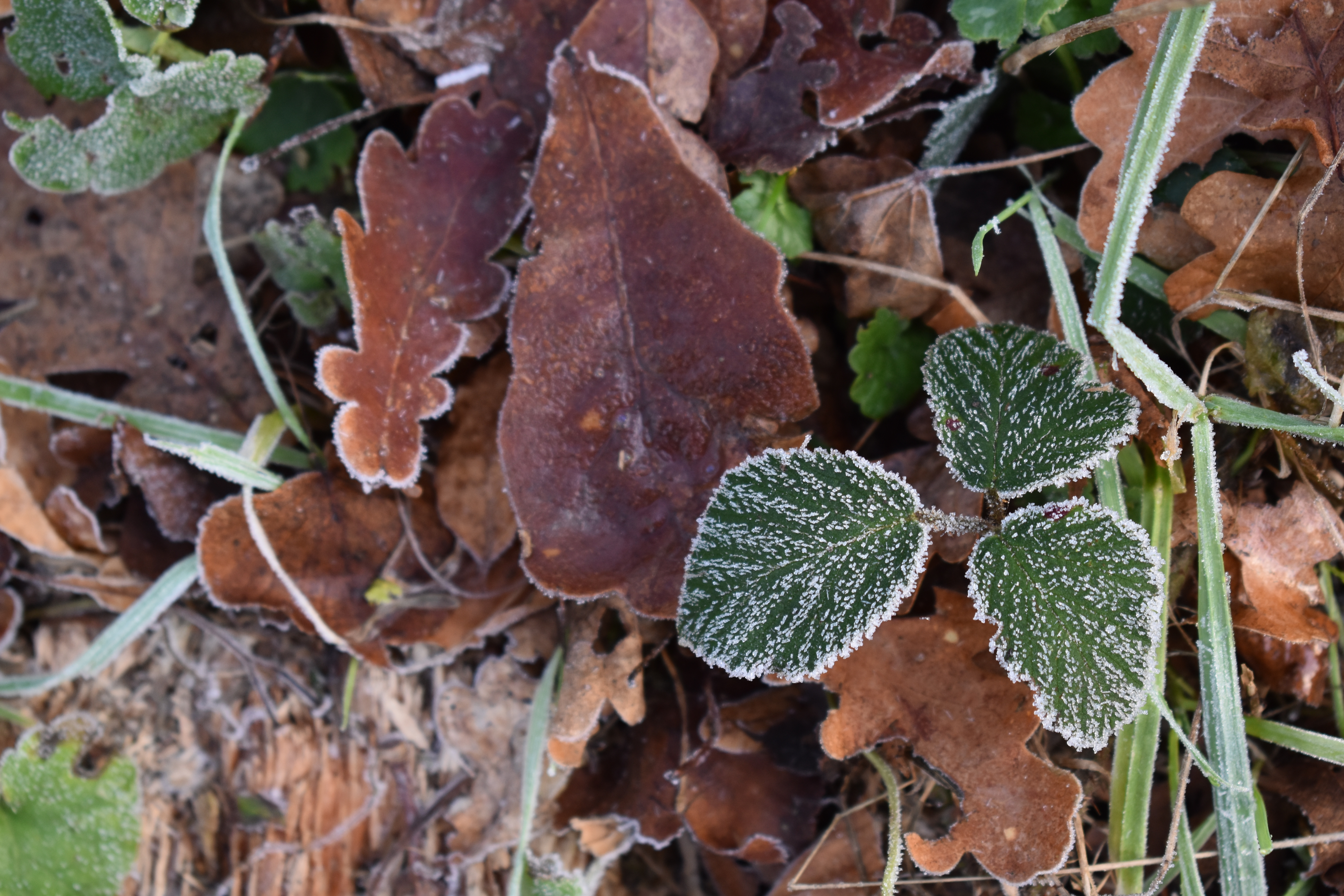
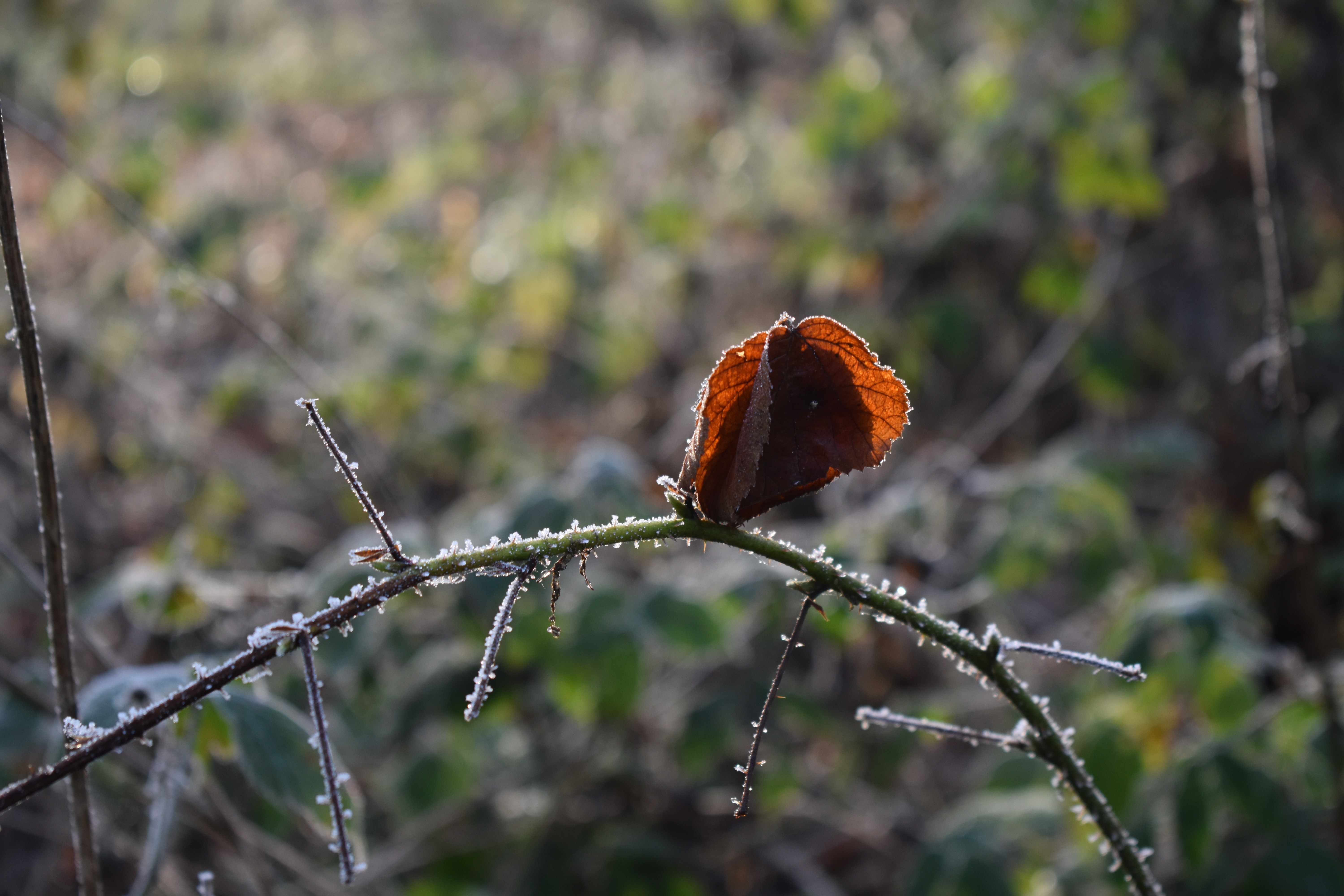
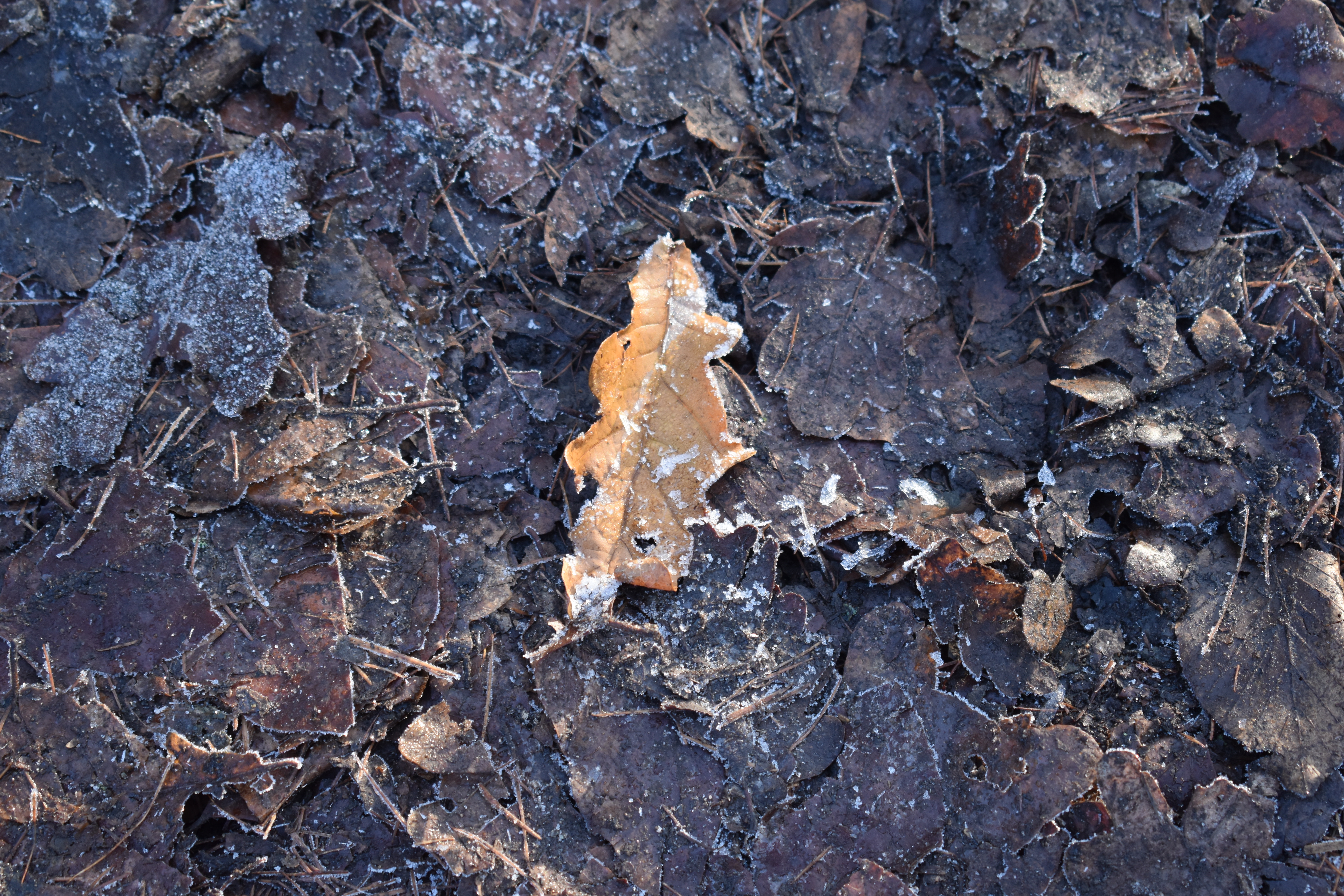
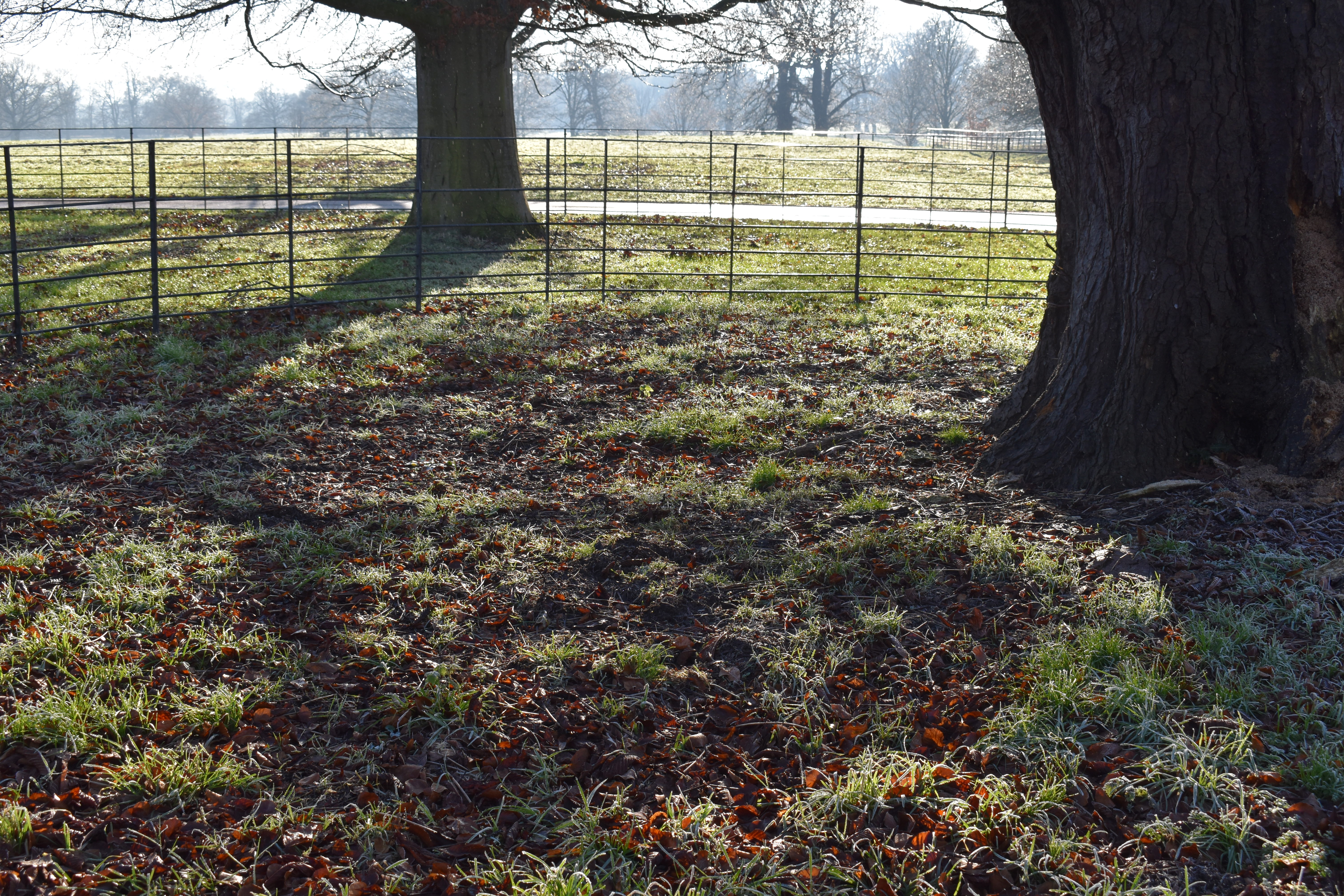
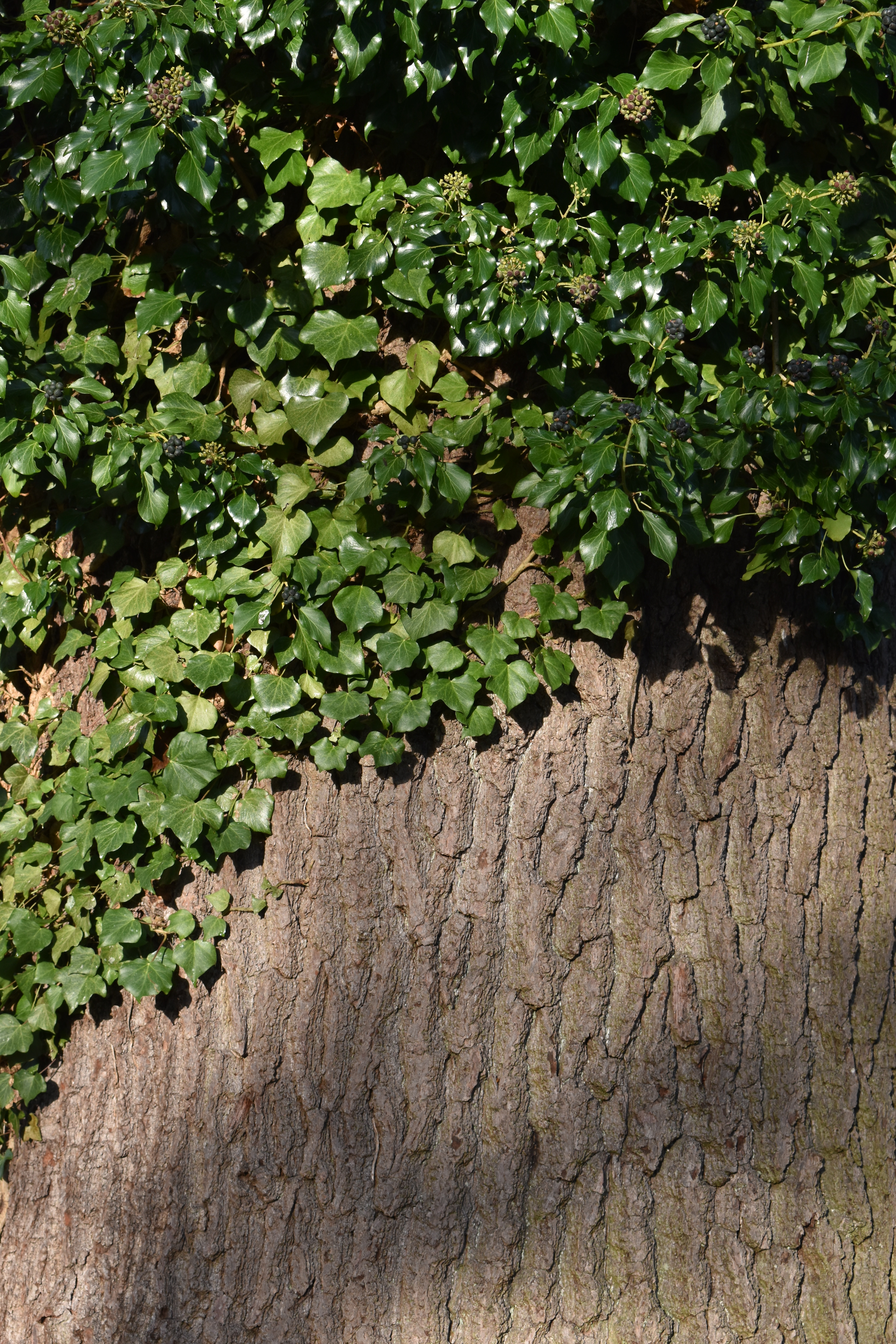
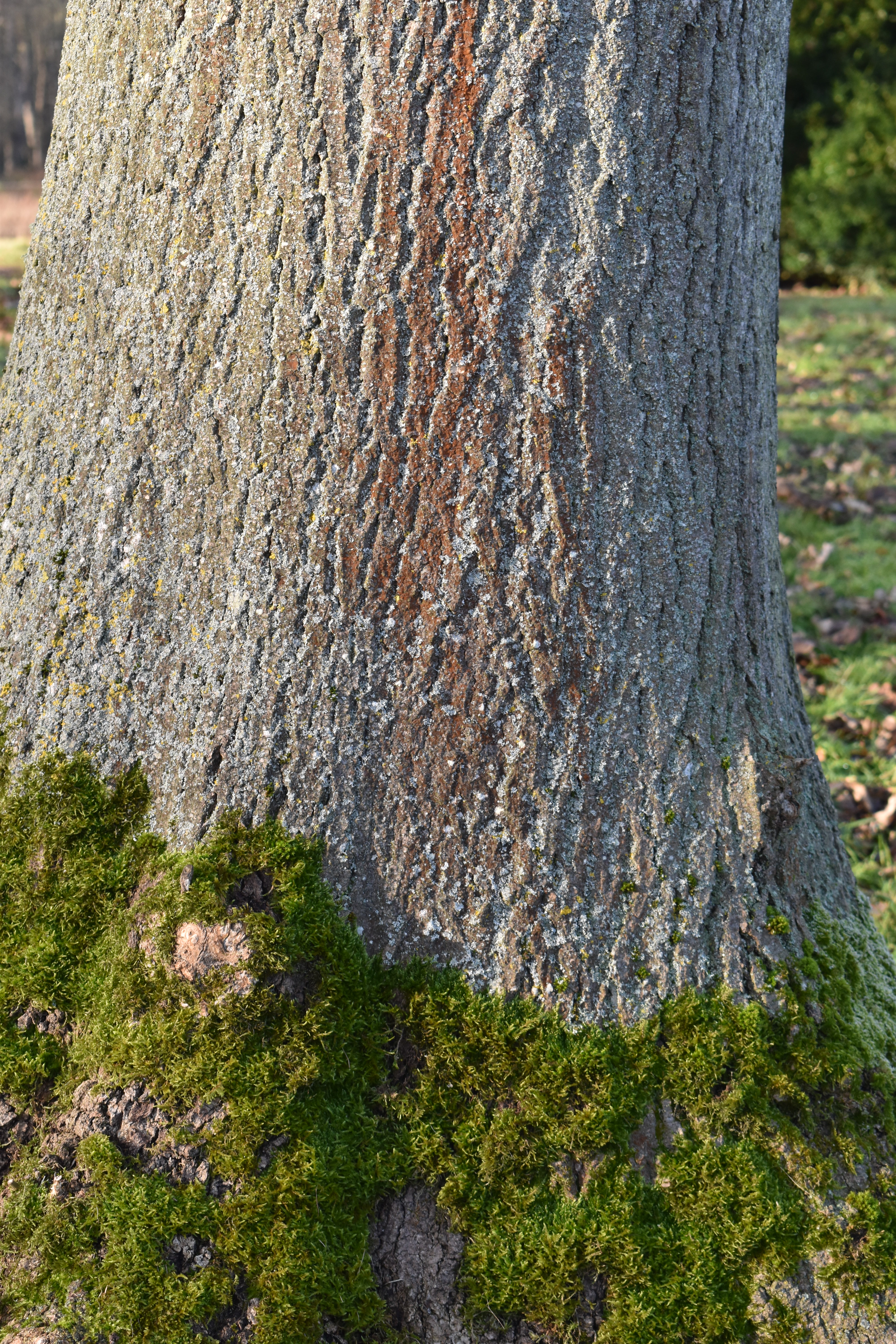
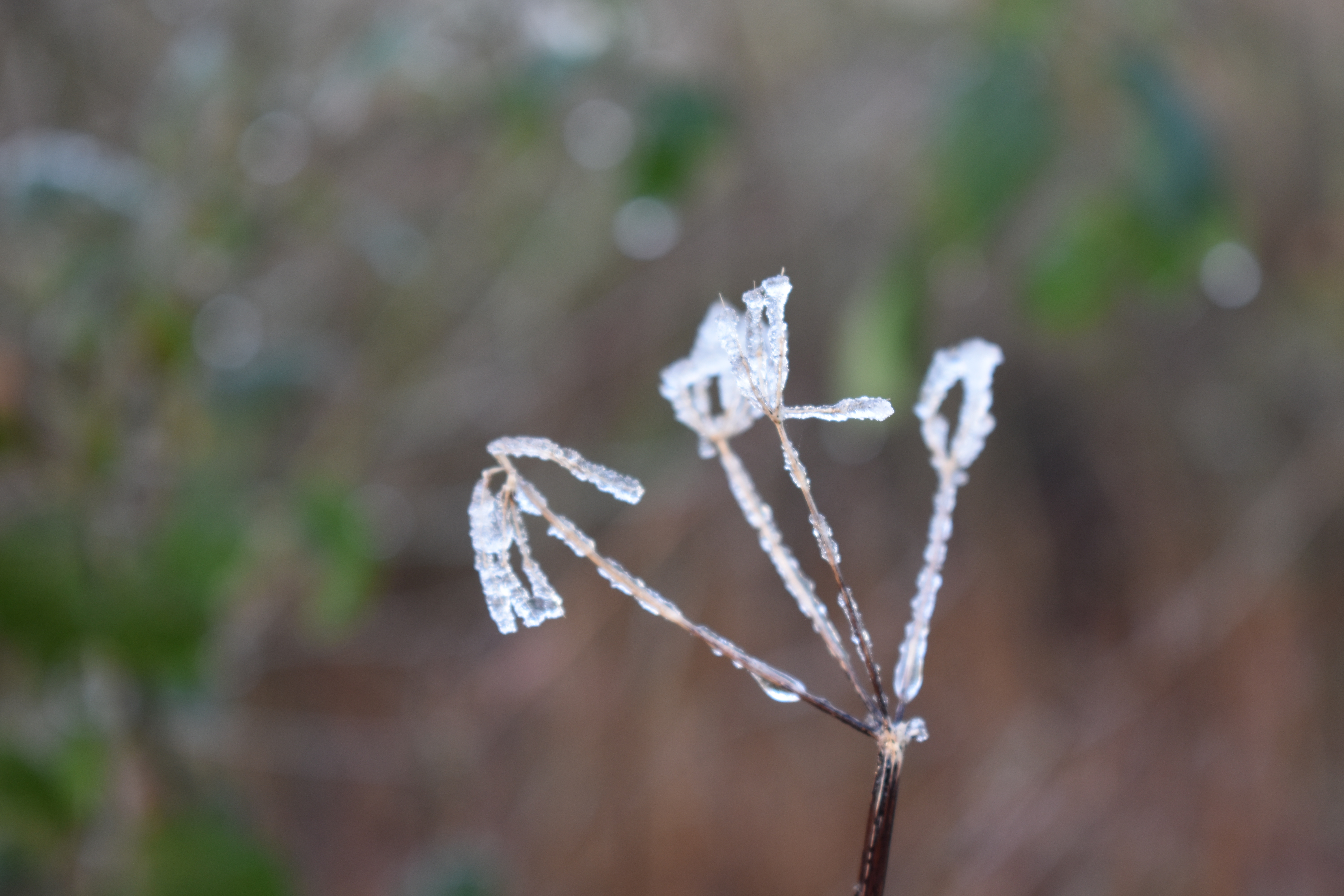
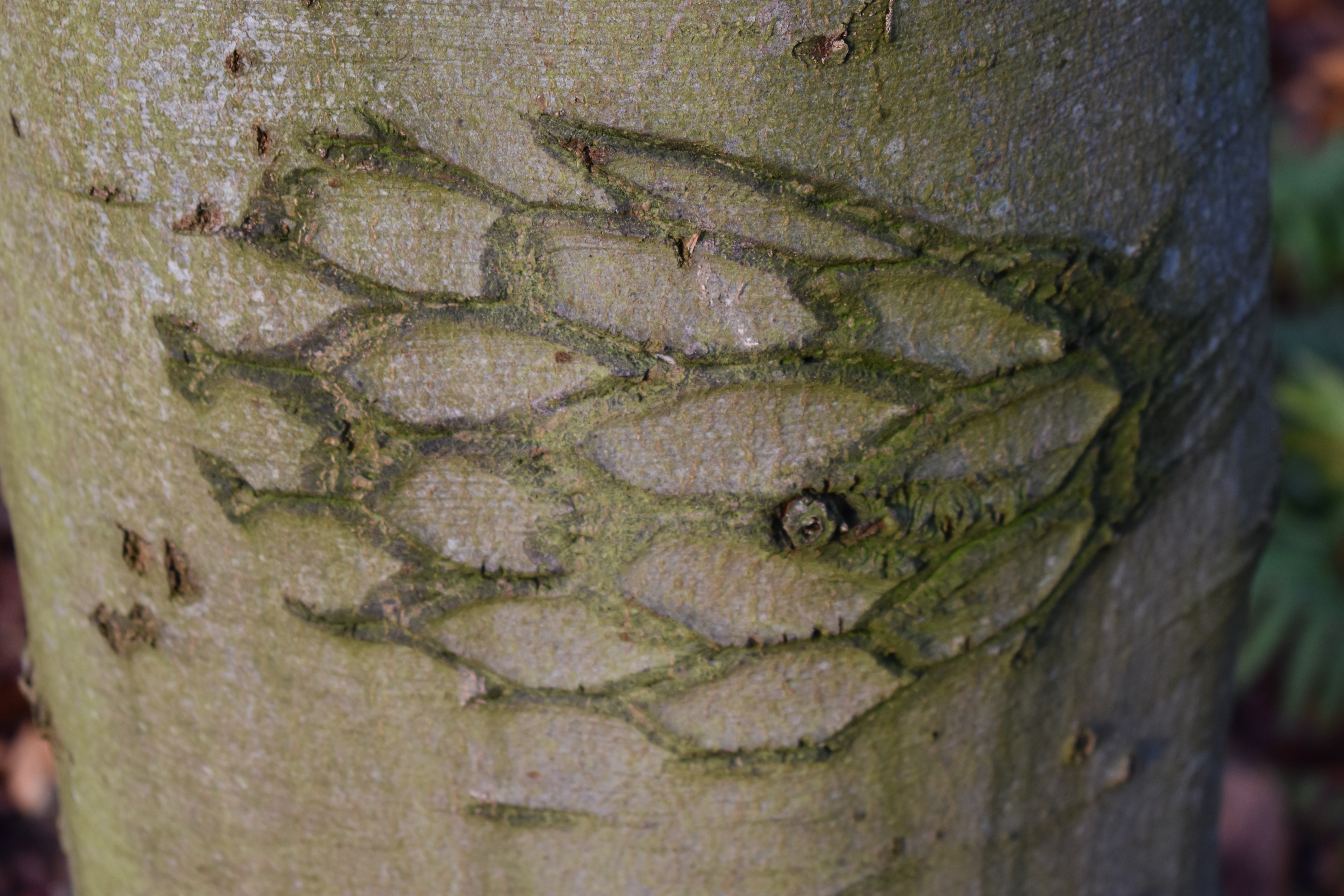
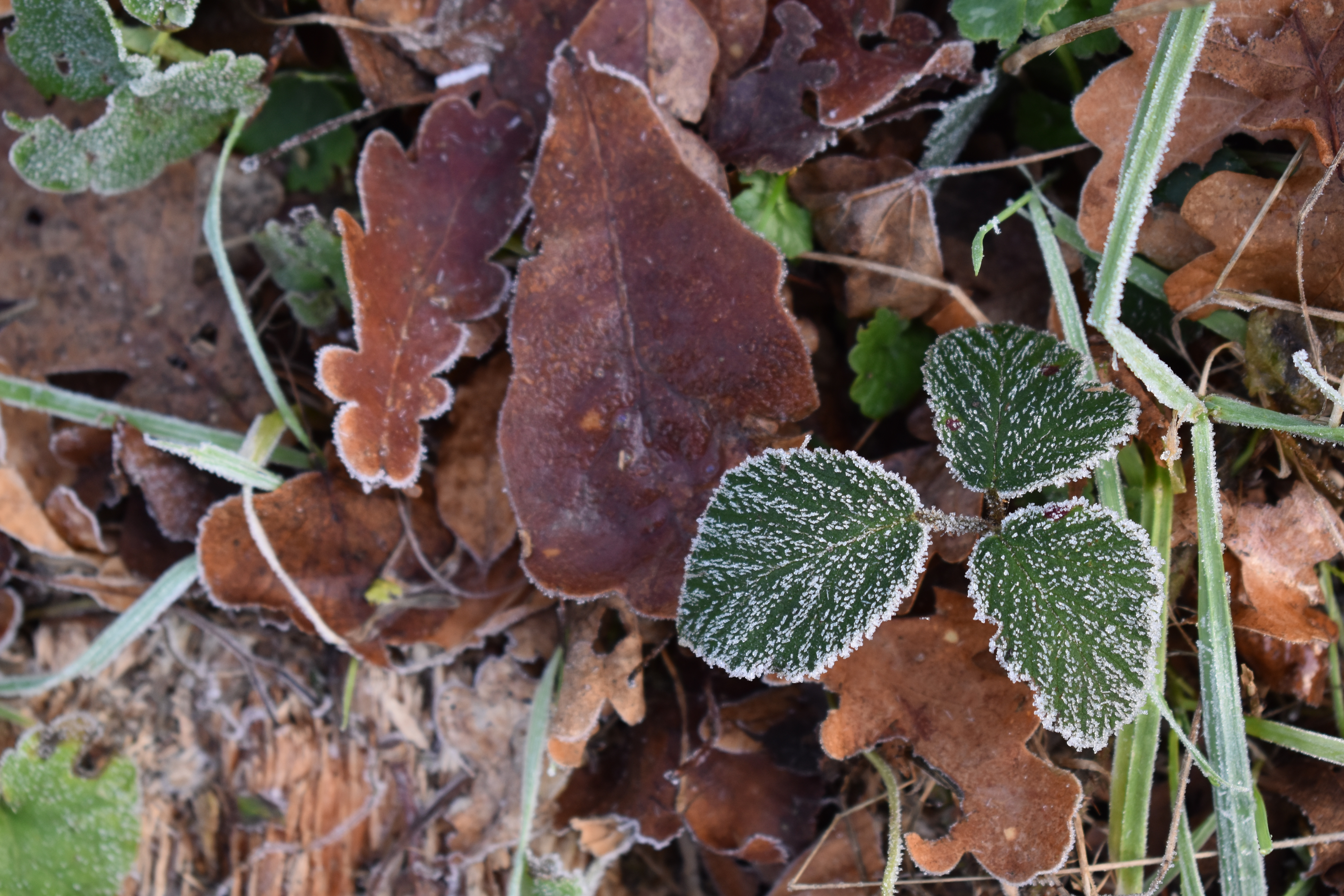
Droplets of melted frost hung delicately from fine twigs but at ground level frost still covered fallen leaves. The strange pattern on the tree trunk in the last photo in this block was a real mystery to us. We could think of no explanation for it.

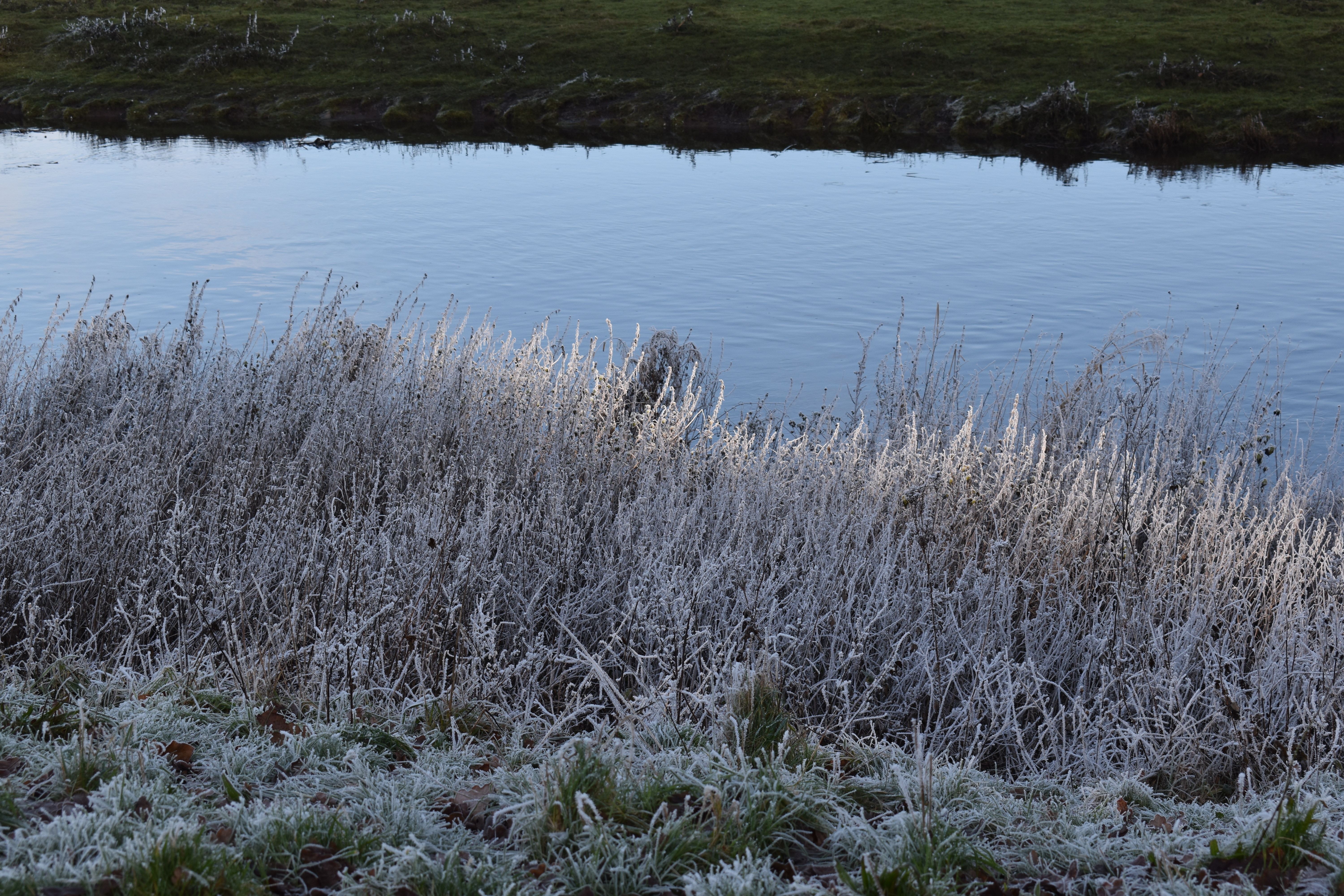
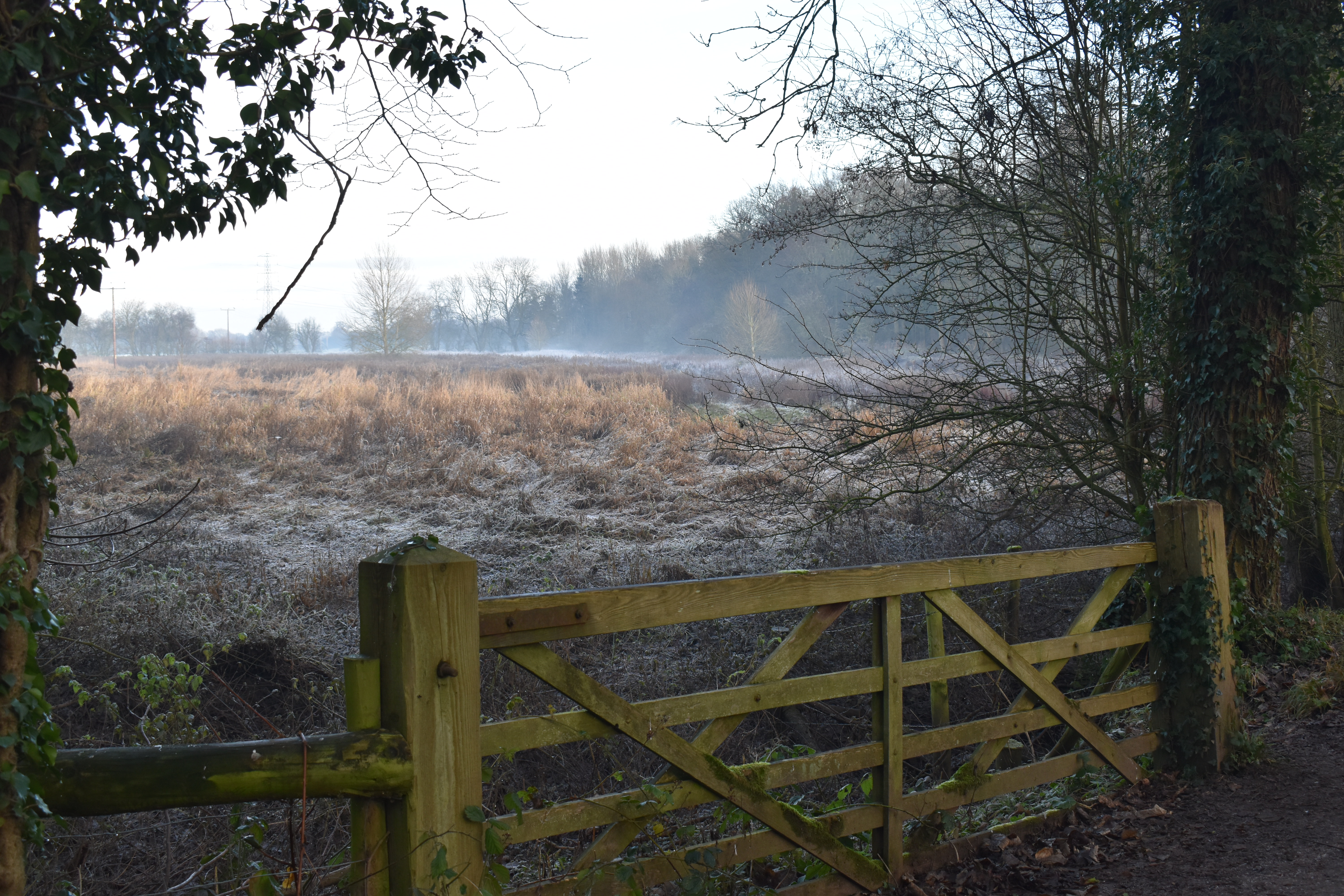
We will leave the first part of my post about our cold woodland walk at Attingham Park, as we reached this beautiful 5-bar wooden gate which gave atmospheric views over the River Tern and the neighbouring wet grassland. In the next part we will move on from the gate and onto the woodland walk proper.

Categories
Uncategorized

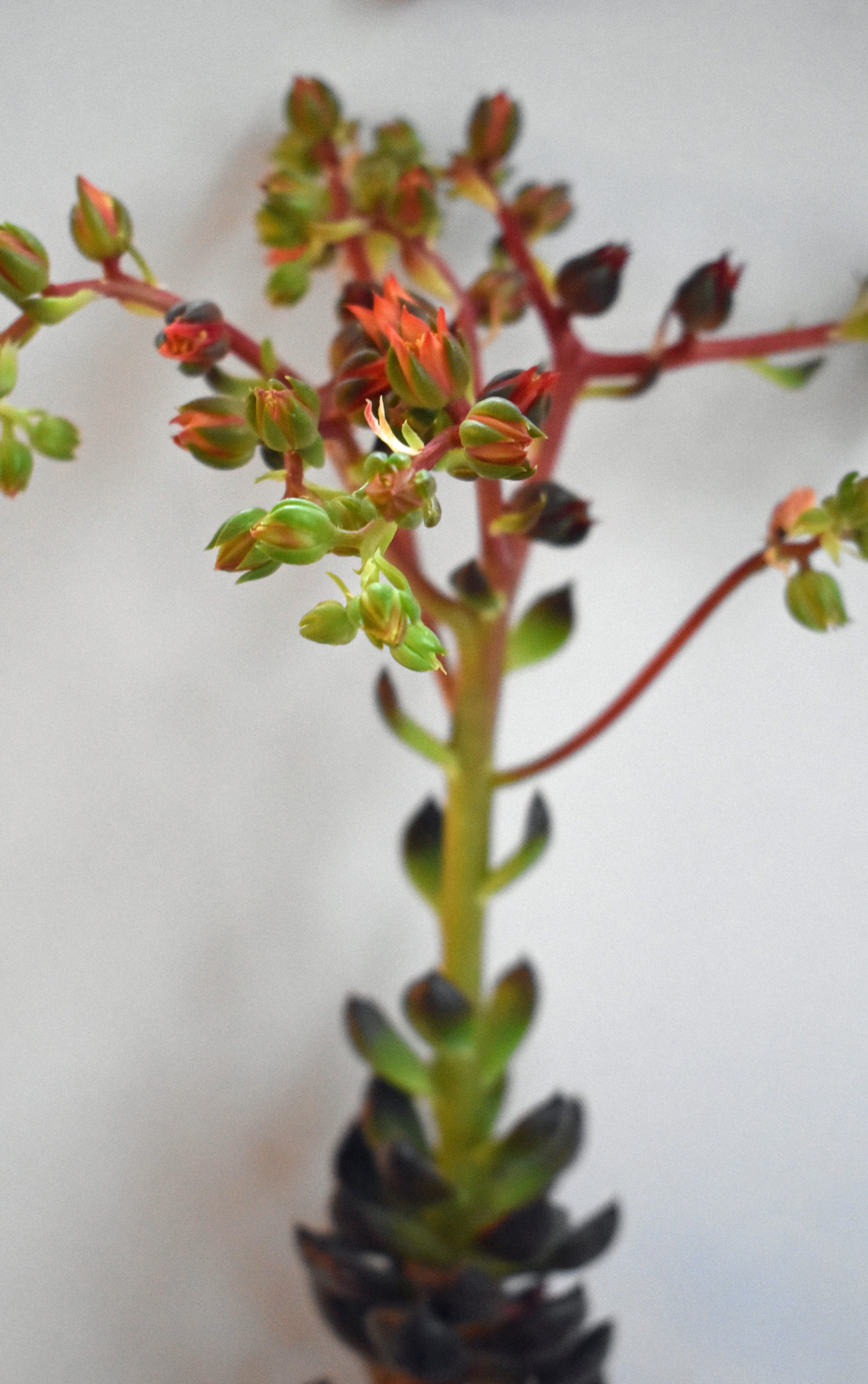
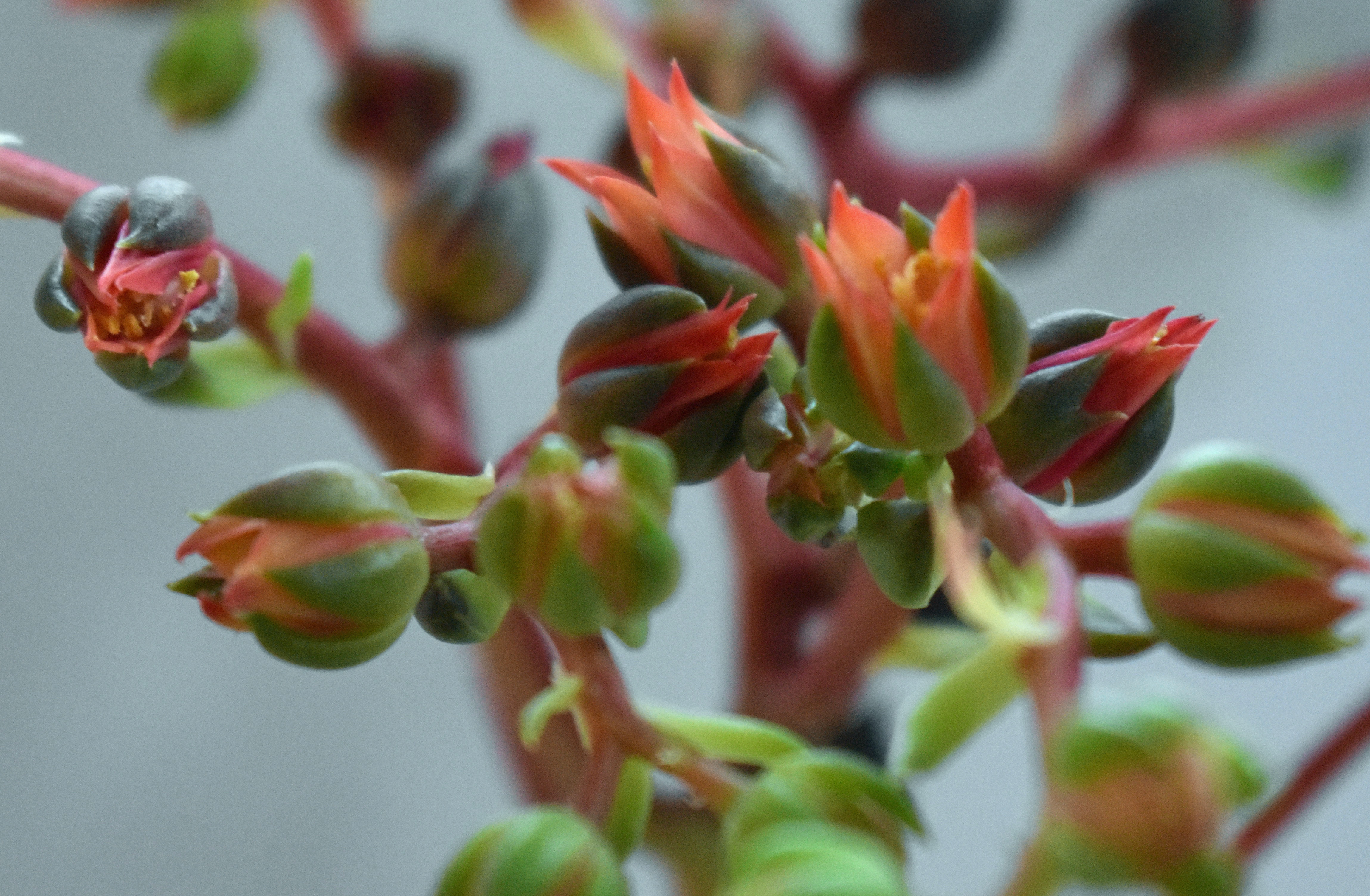
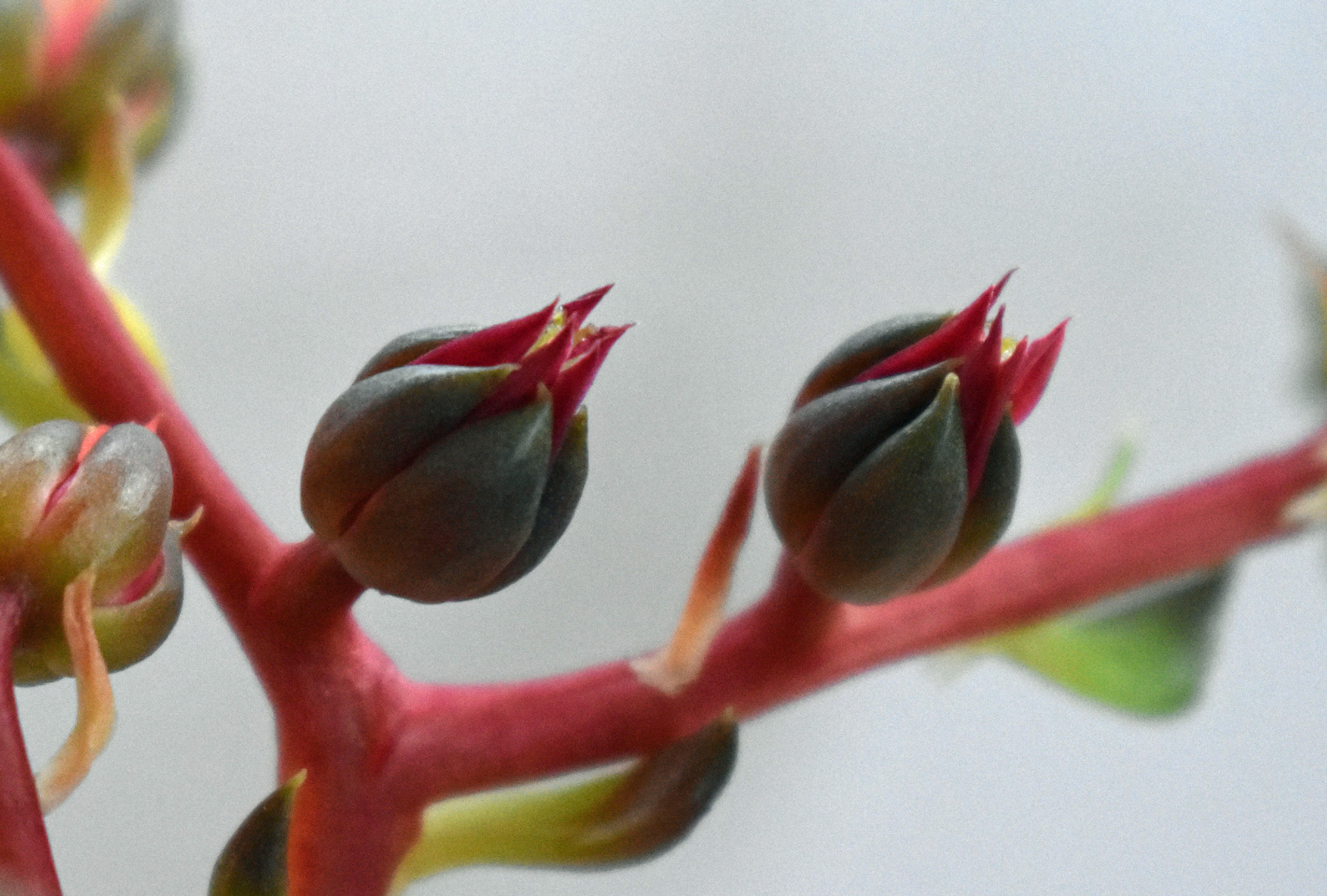
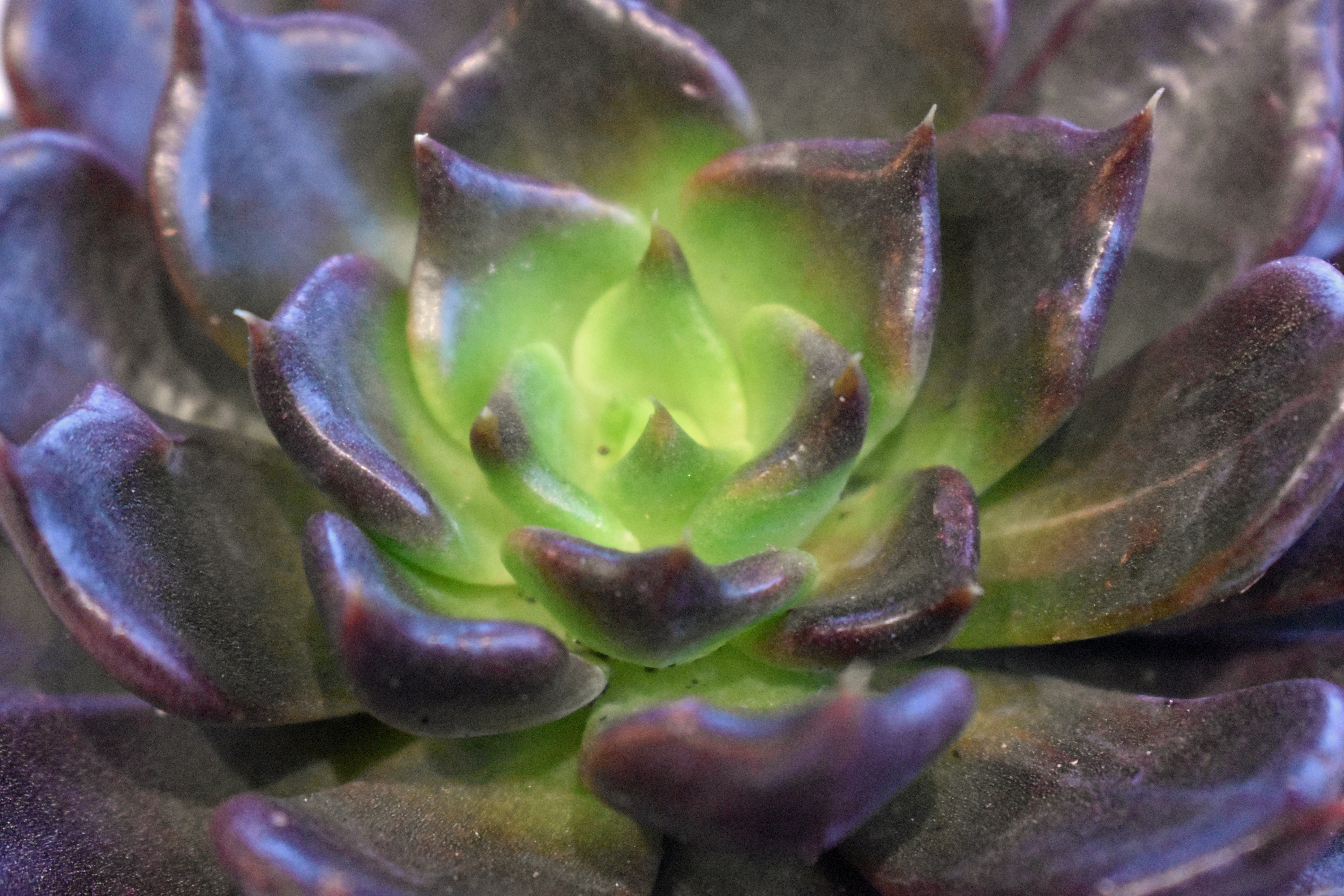
Black Prince, an exceptional echeveria

I am obsessed with succulents and this obsession has been going on now for a decade os so now so my collection is getting really large. I love most succulents but my craze started off with mostly echeverias.

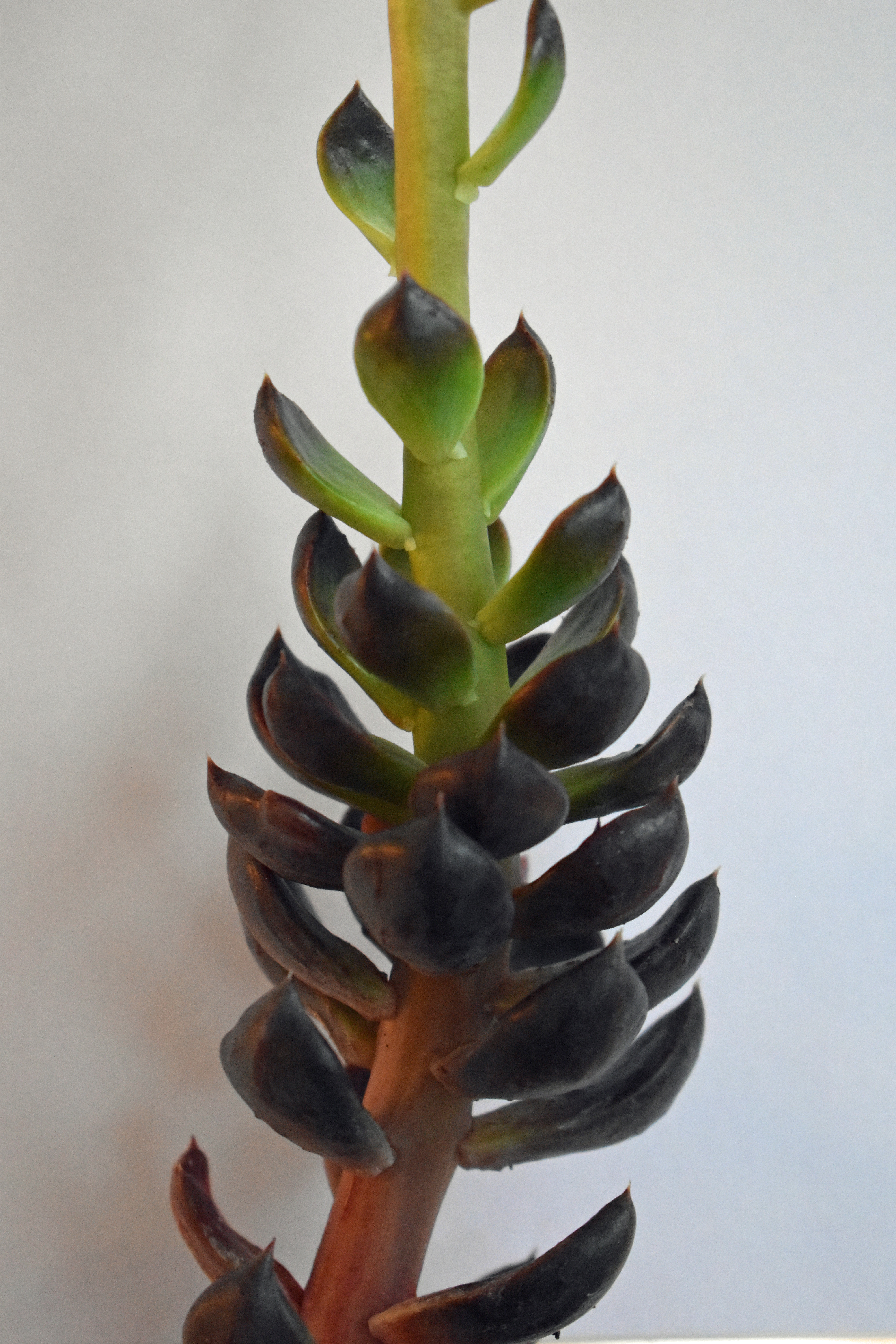
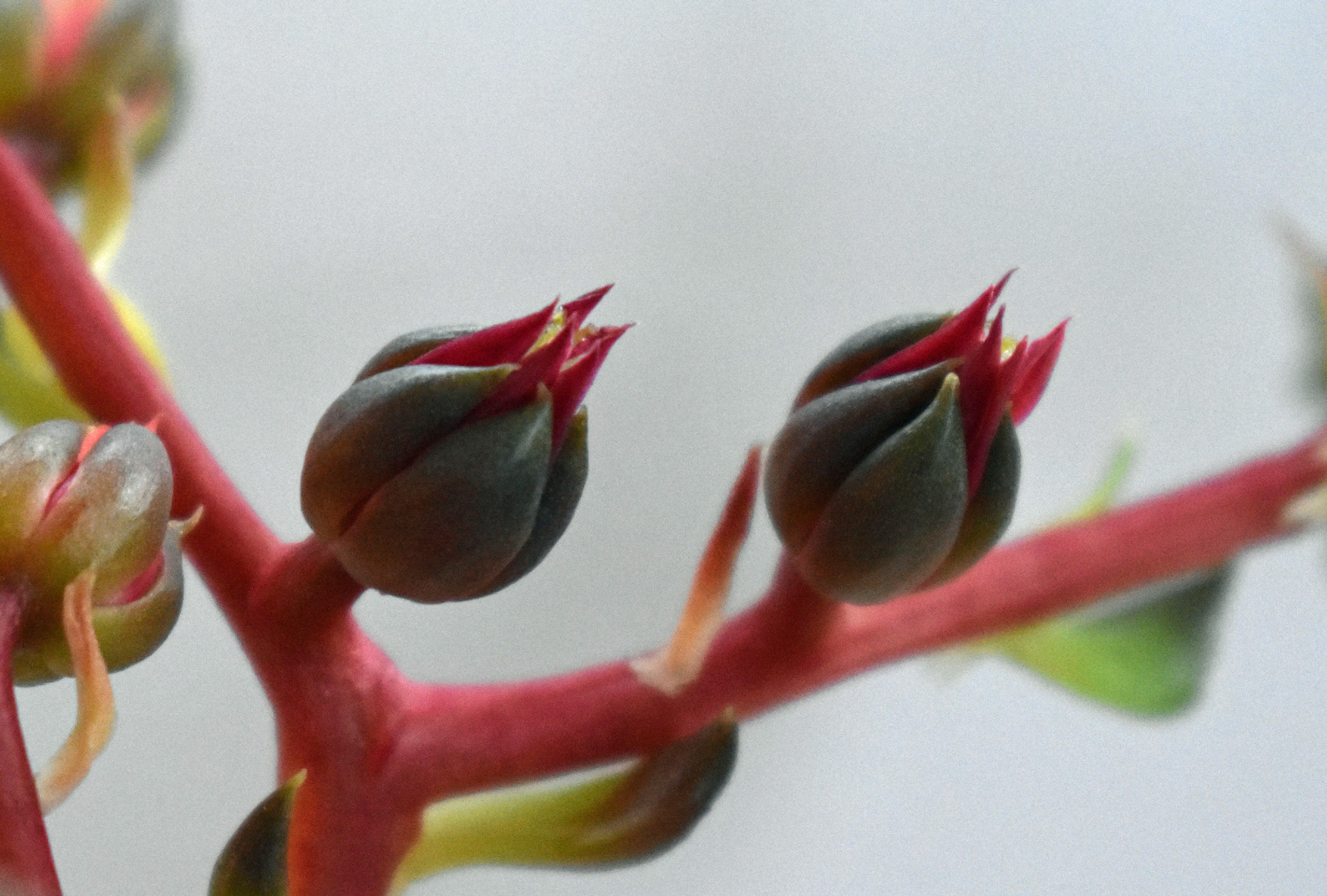
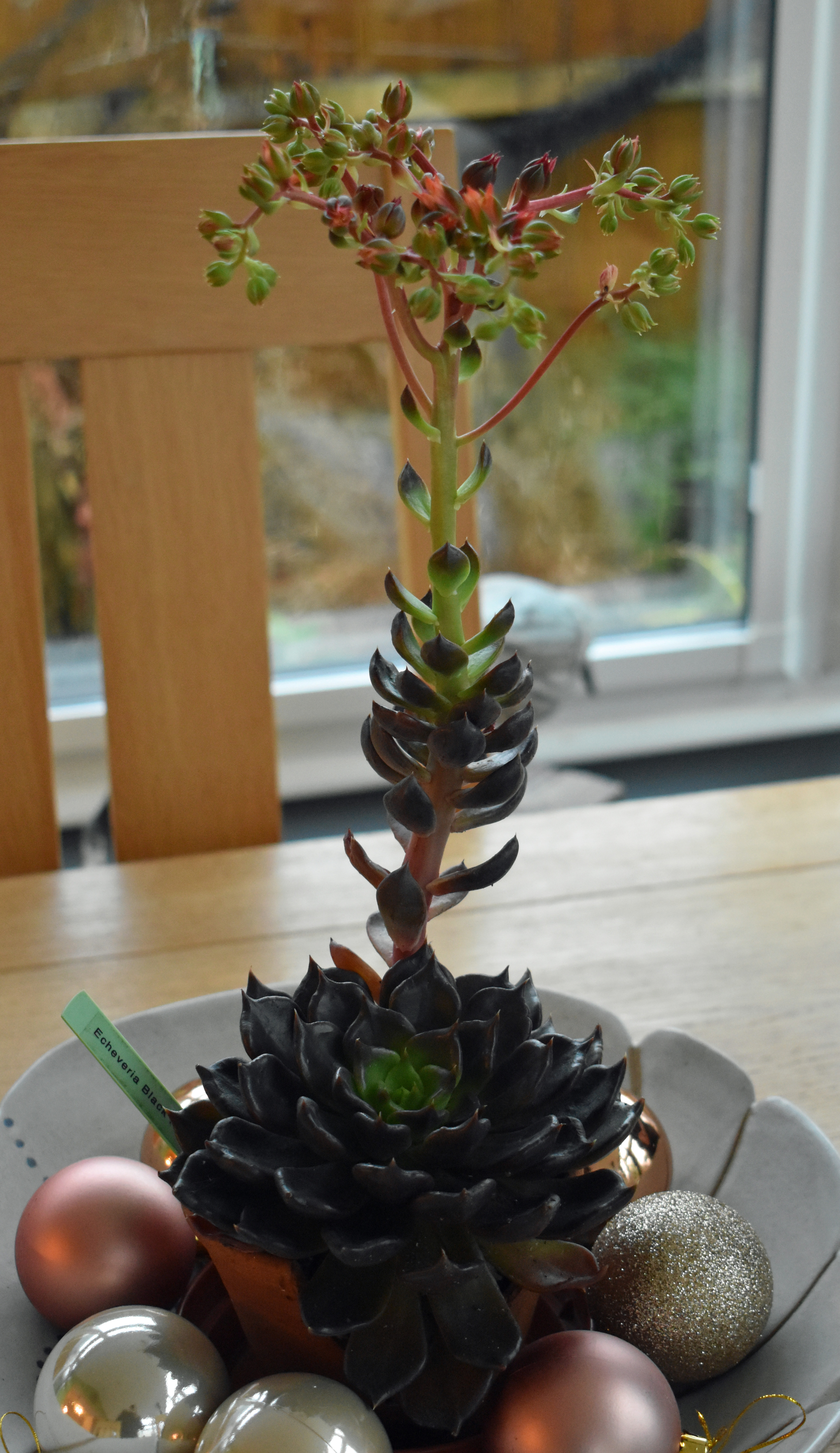
In this post I will share with you some photos of one of the best and certainly my favourite and just now it is flowering too! Echeveria ‘Black Prince’ has foliage to match its name and its flowering stalk rises up to nine or so inches and displays bright green buds which break open to show off its beautiful salmon orange flowers.

Categories
Uncategorized

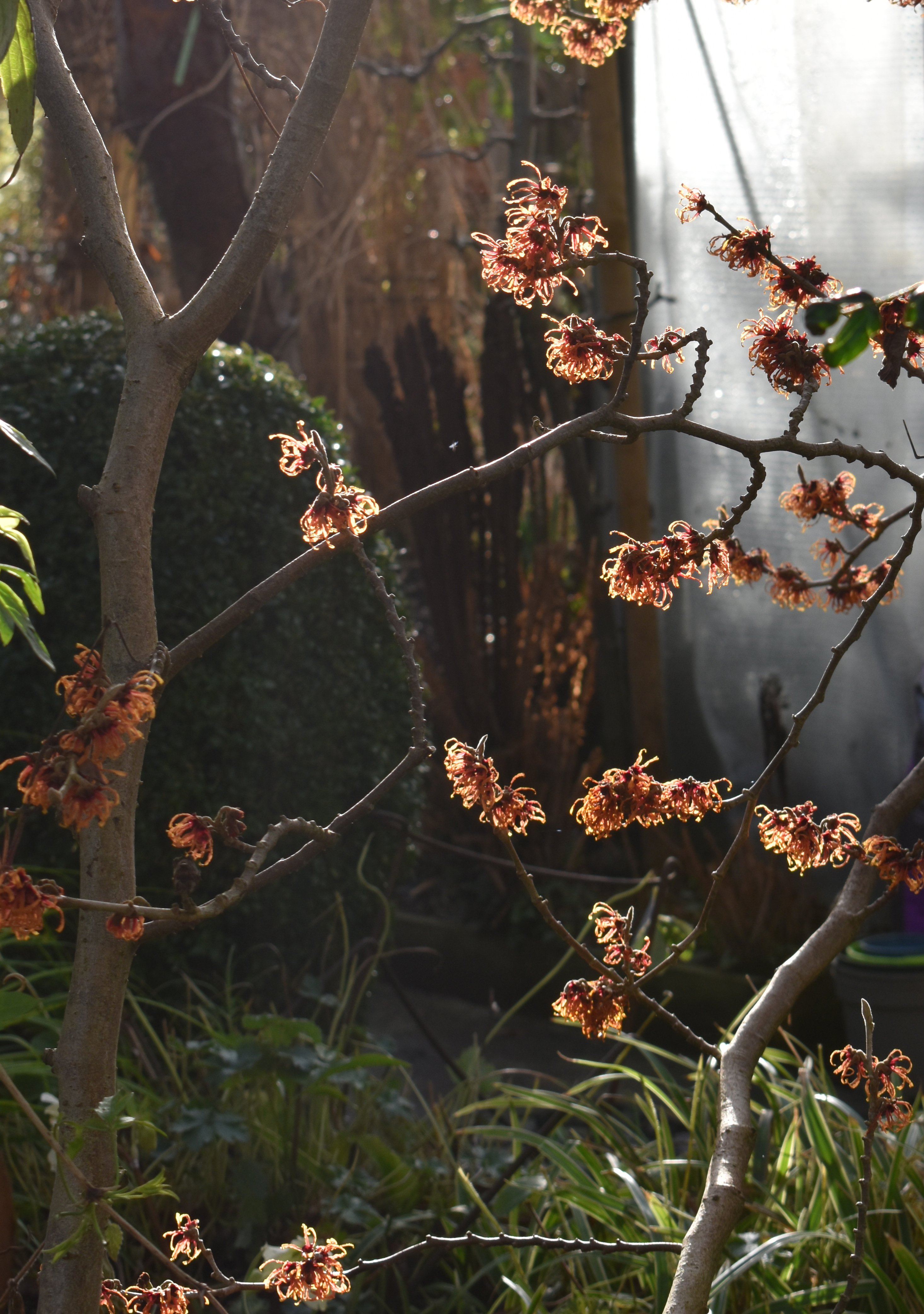
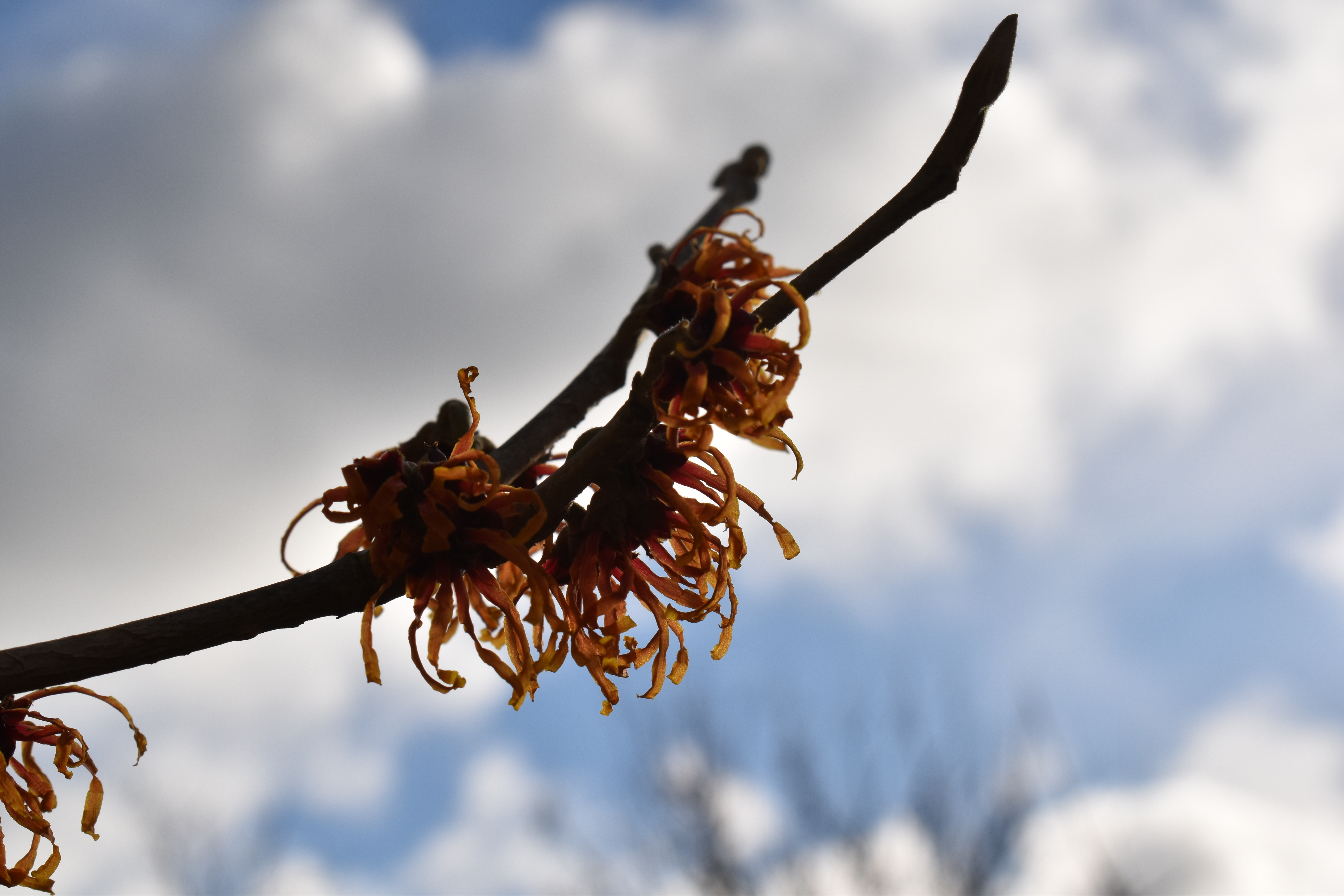
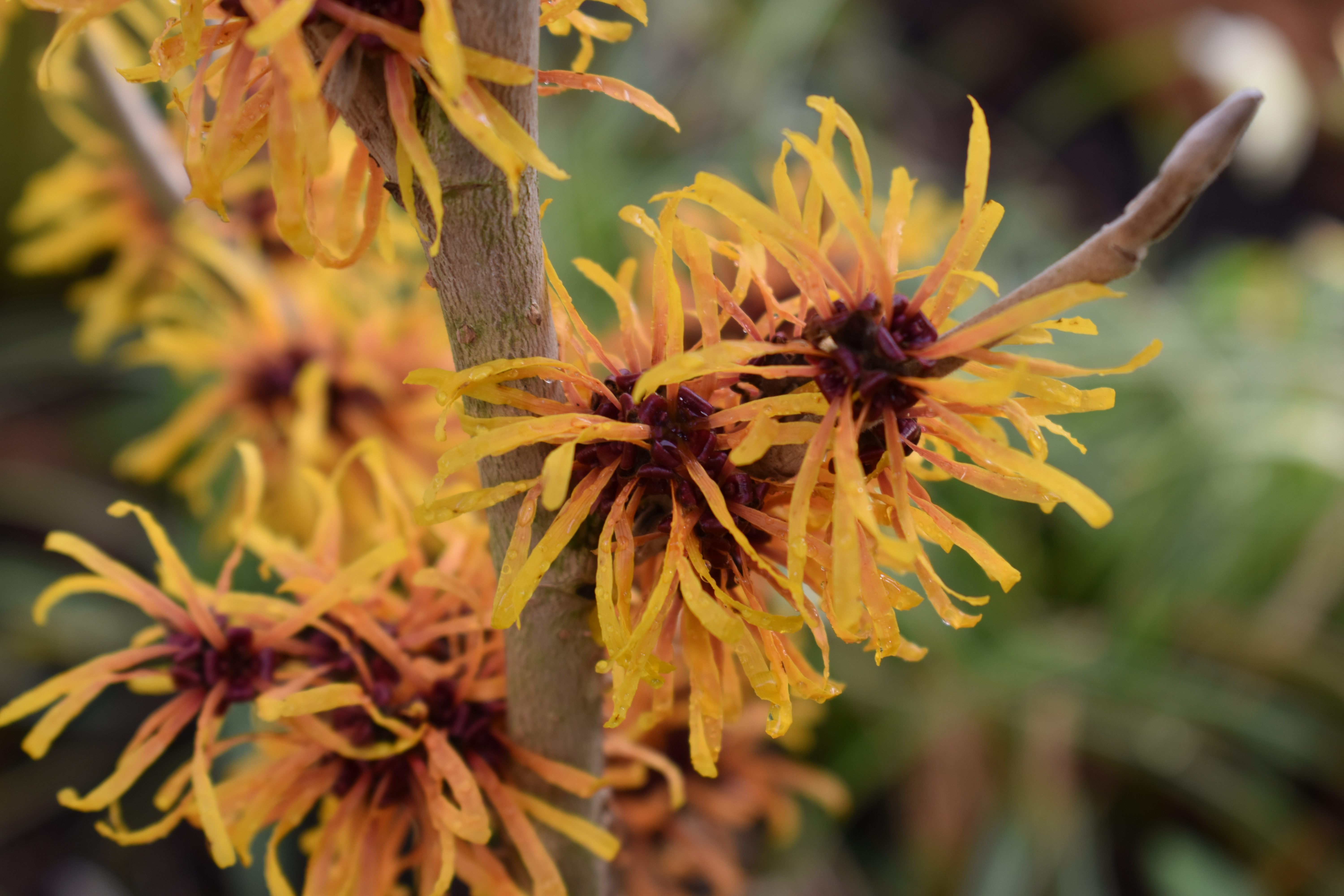
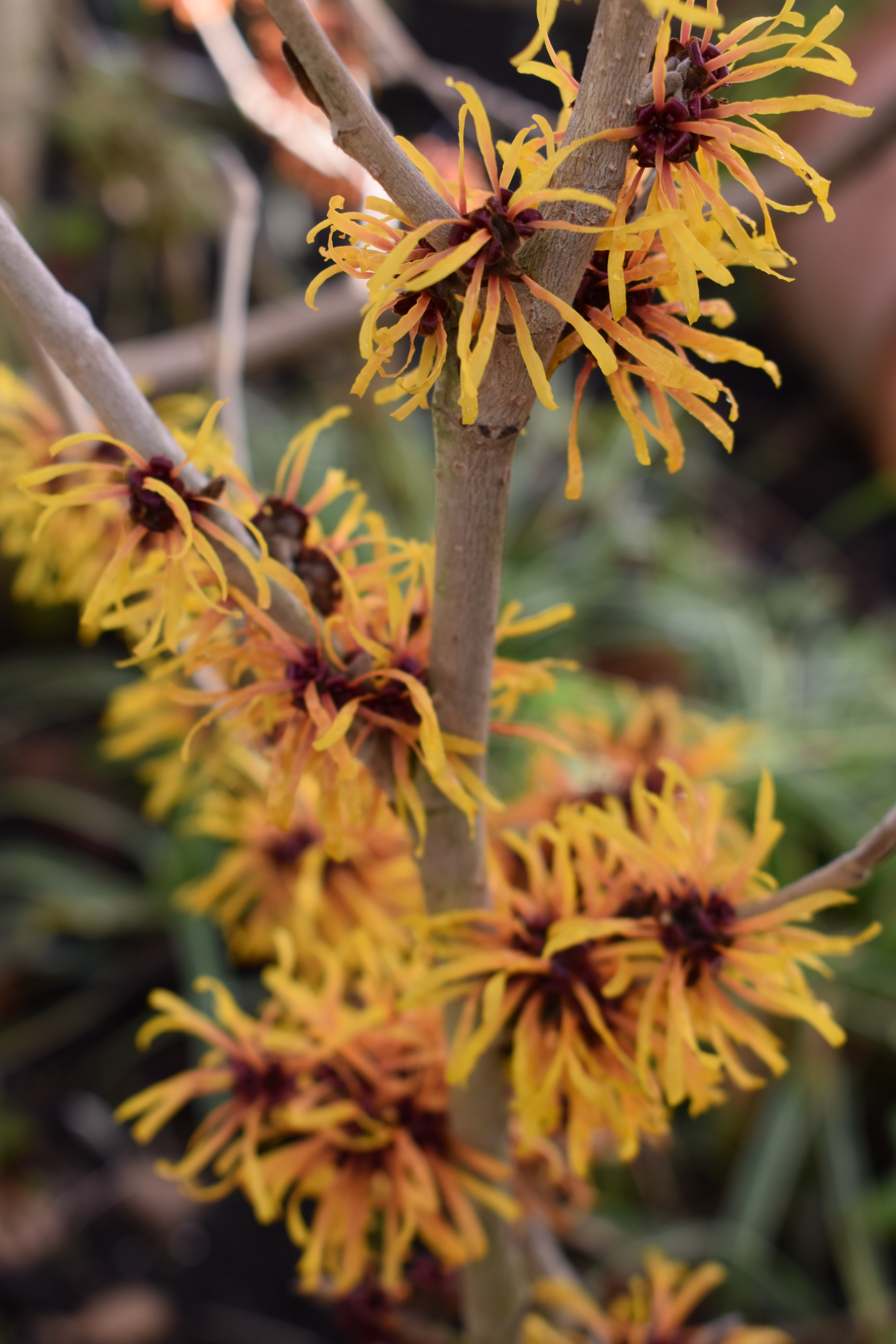
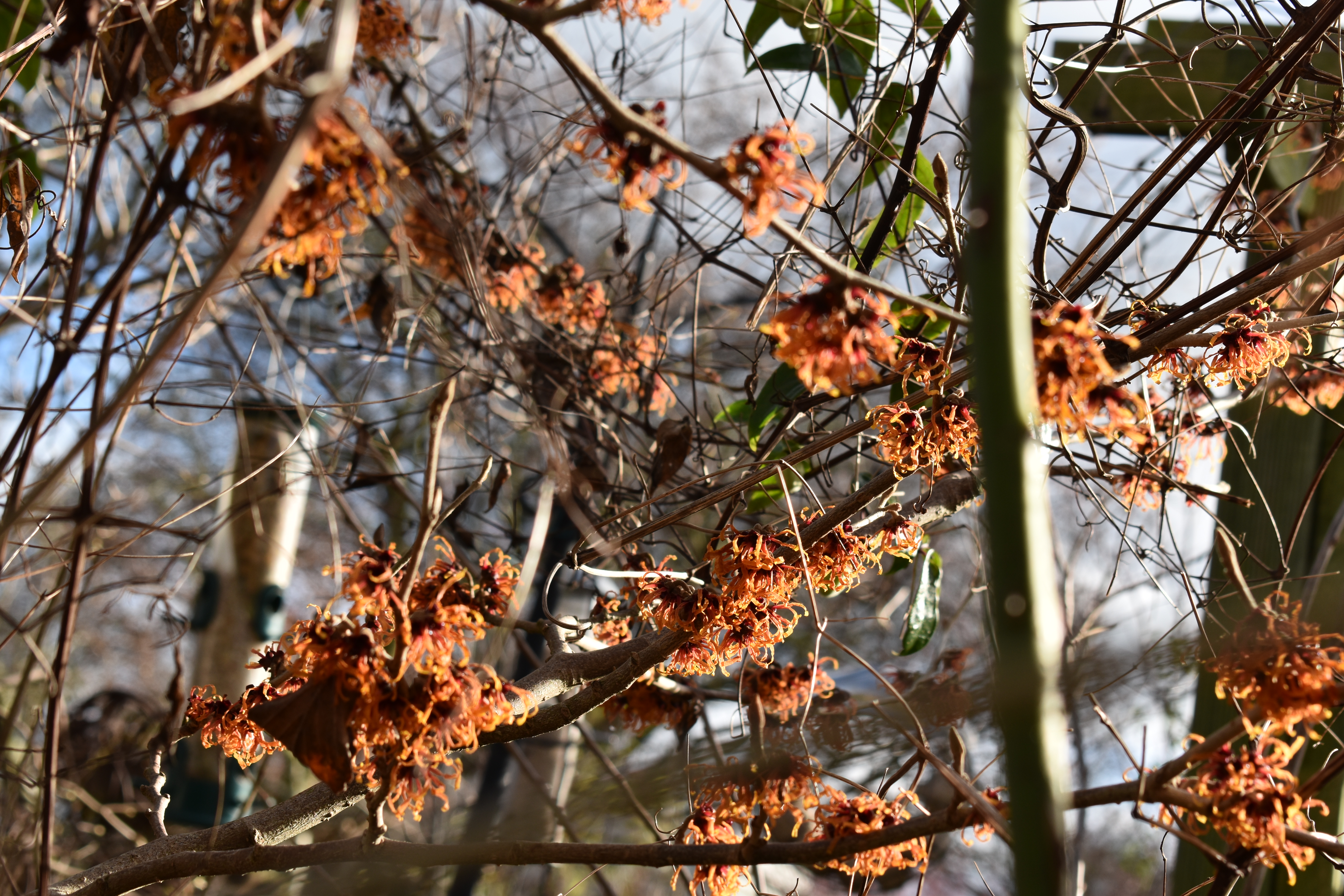
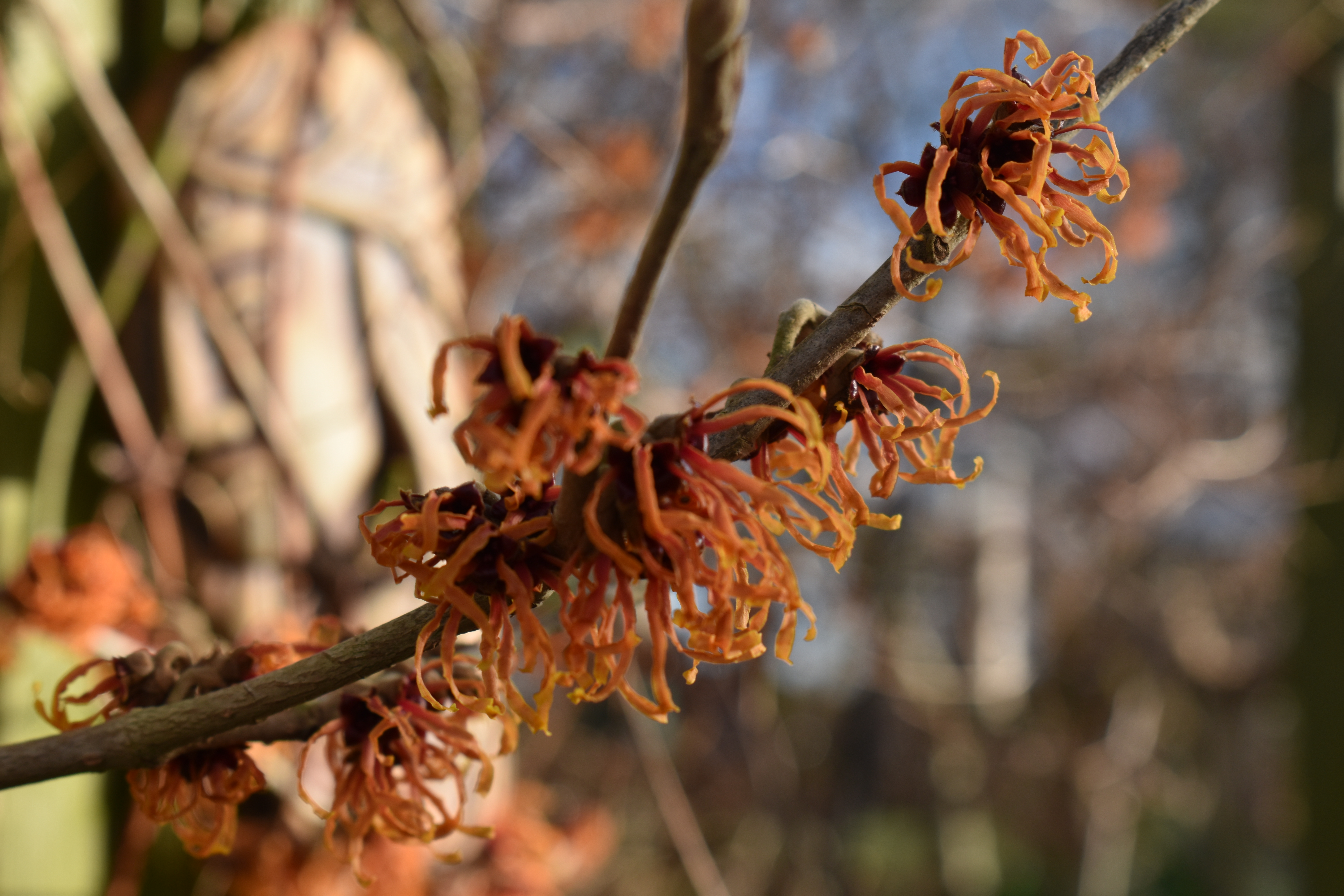
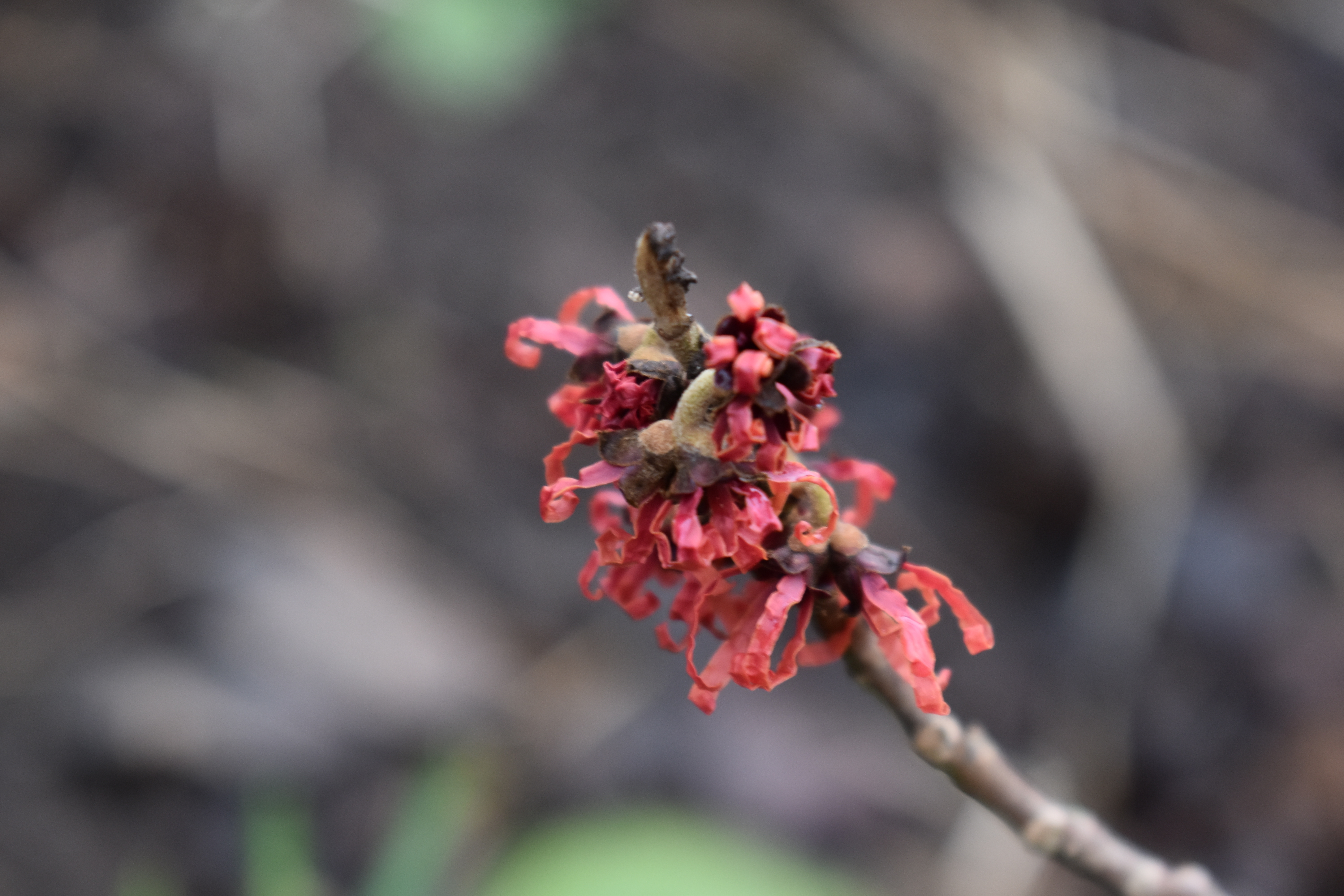
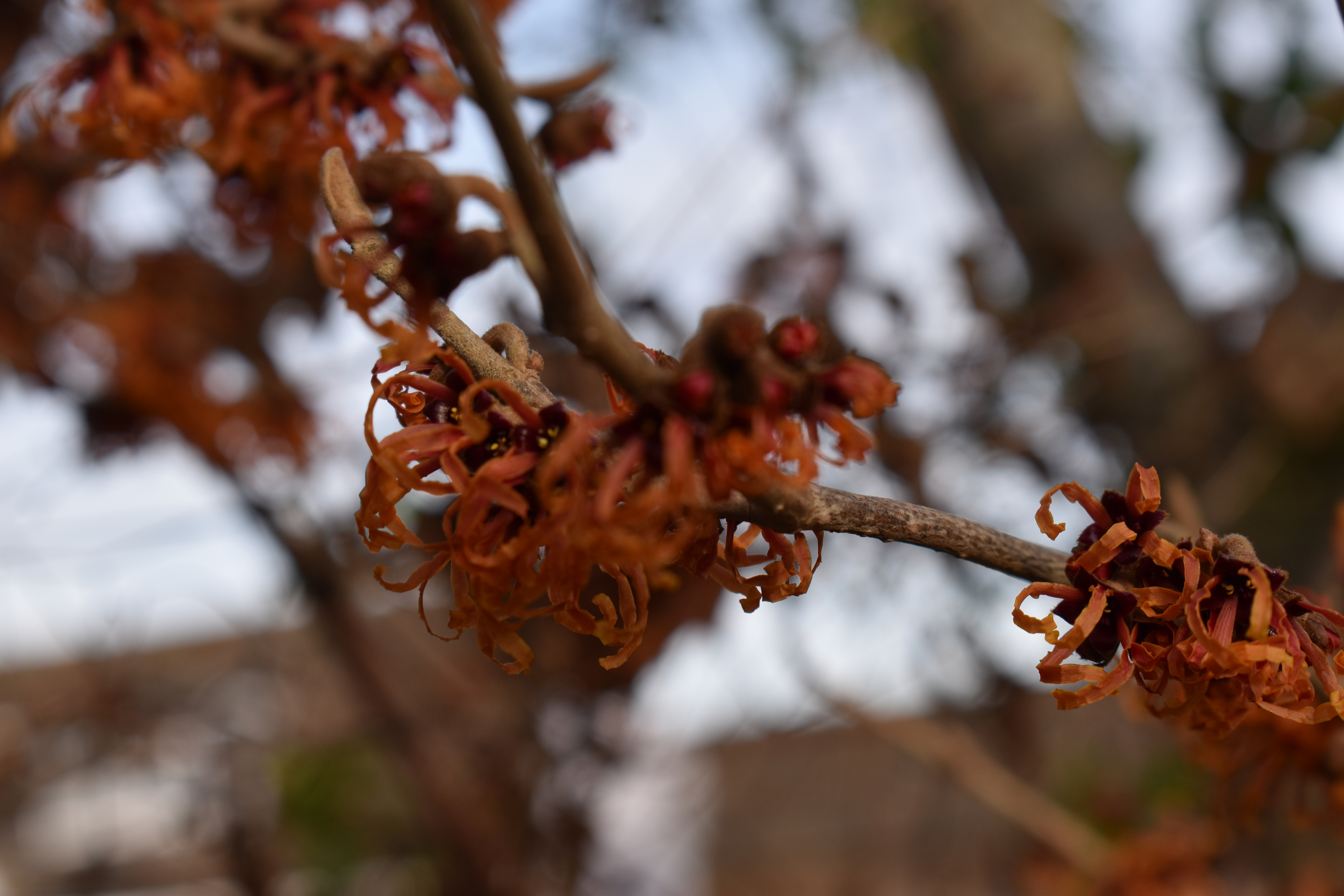
Hamamelis to brighten dull January days

Hamamelis are one of the earliest shrubs to flower each year and this year was no exception. We grow three -‘Jelena’, ‘Diane’ and a new one this year ‘Harry’, which are red, orange and yellow/orange respectively.

Here is a little gallery of them in bloom to cheer up the dullest day!

In previous gardens we have grown yellow varieties such as H. mollis, H. pallida or H. Arnold Promise, but in our current patch we have gone for richer shades.

Categories
Uncategorized

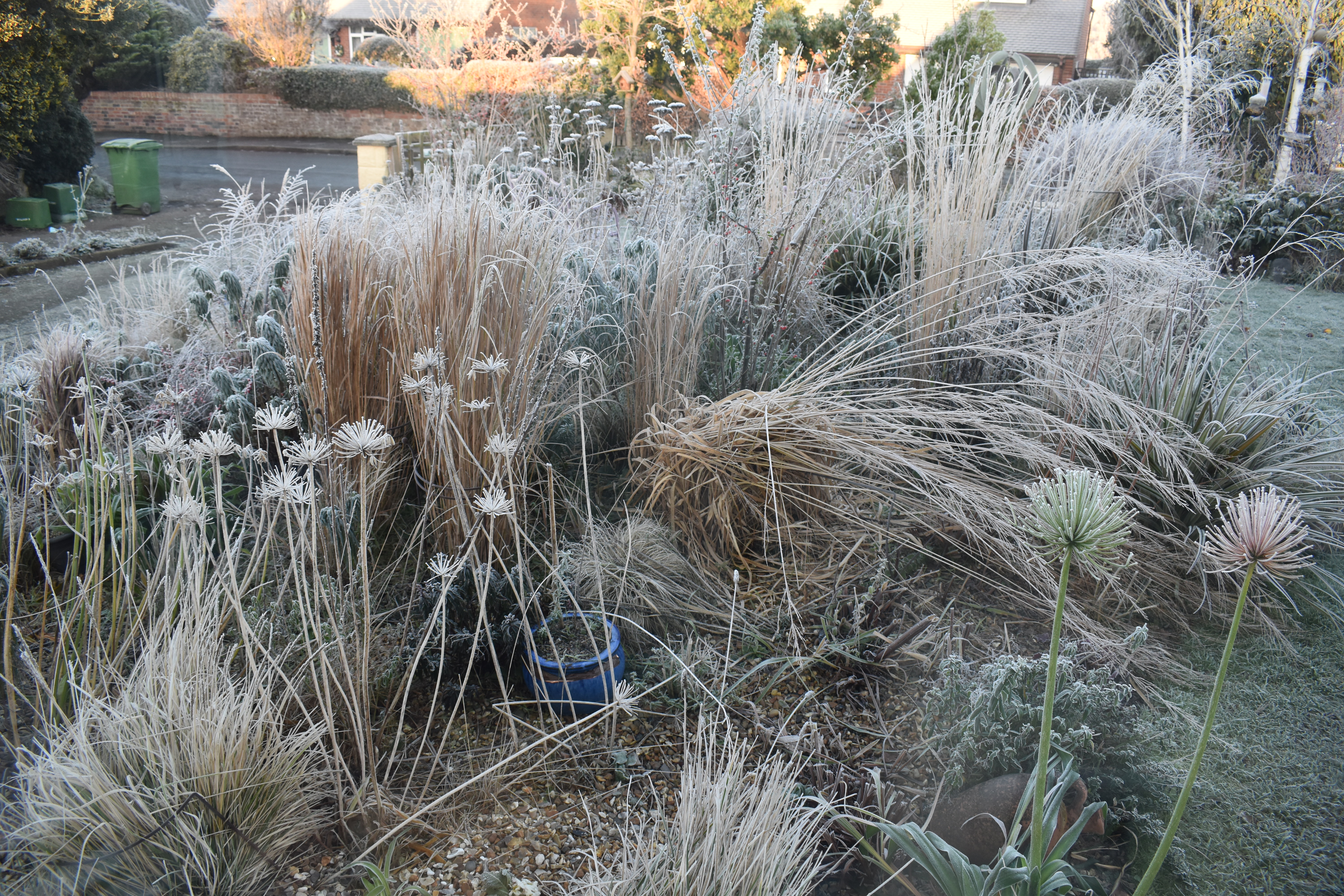
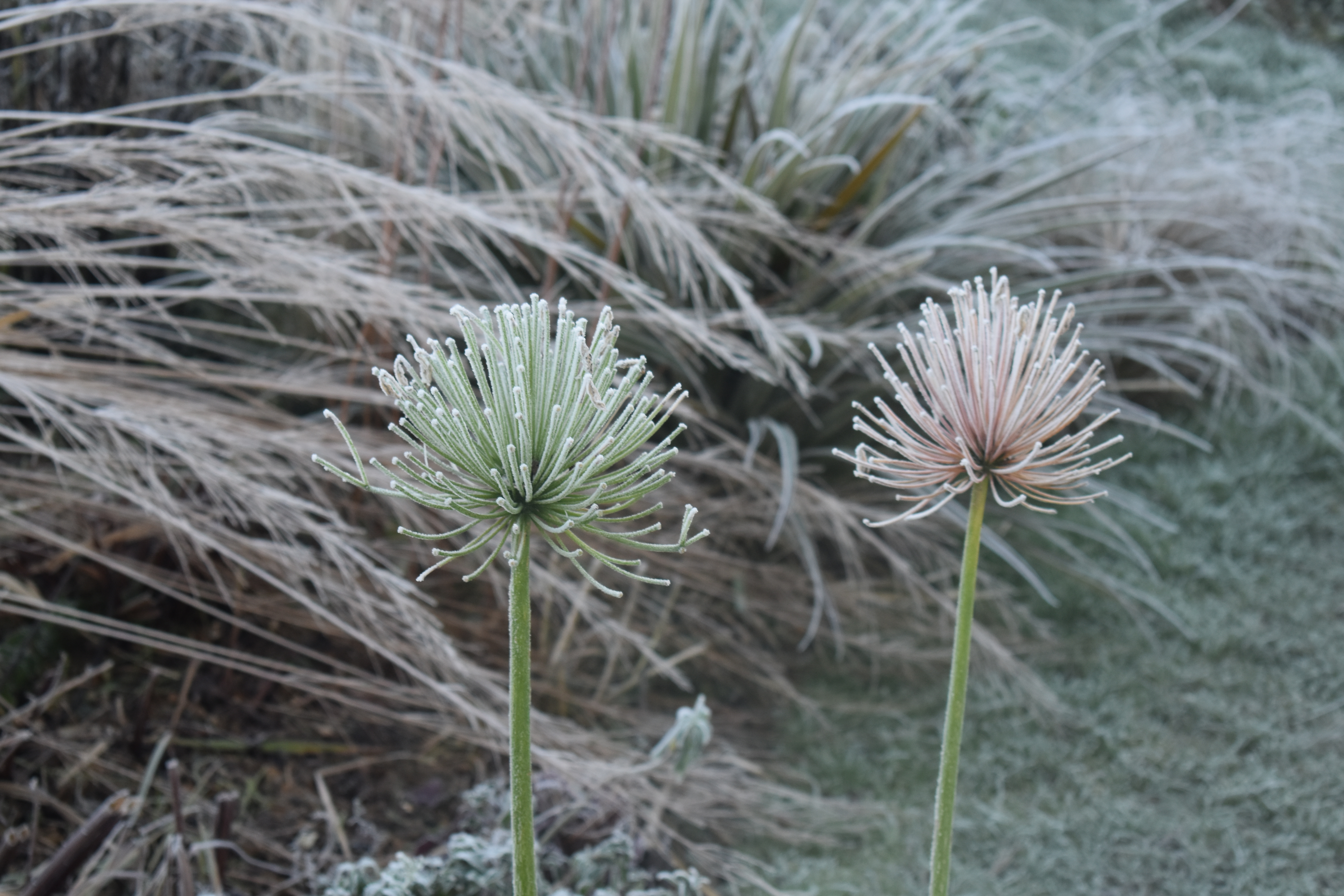
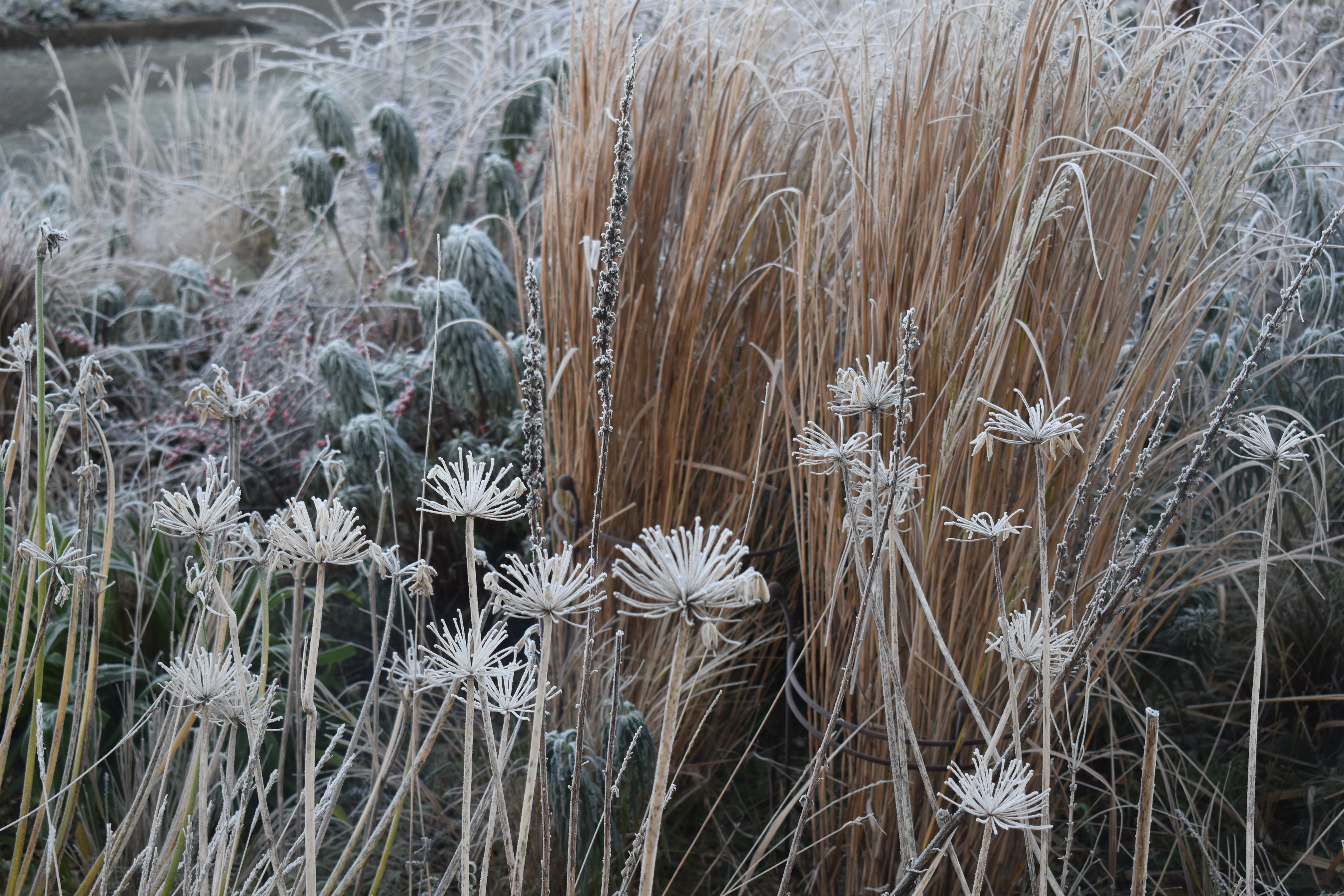
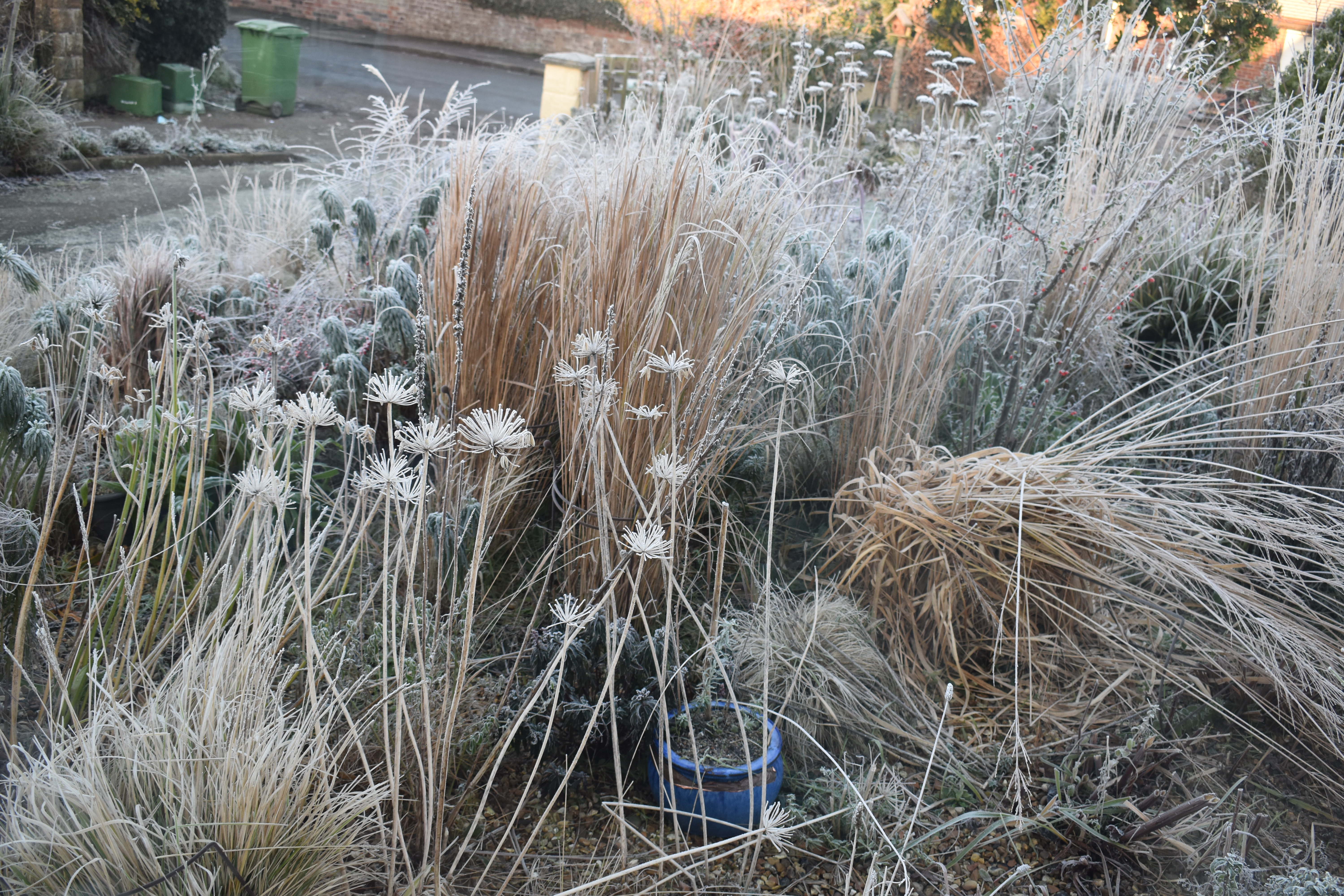
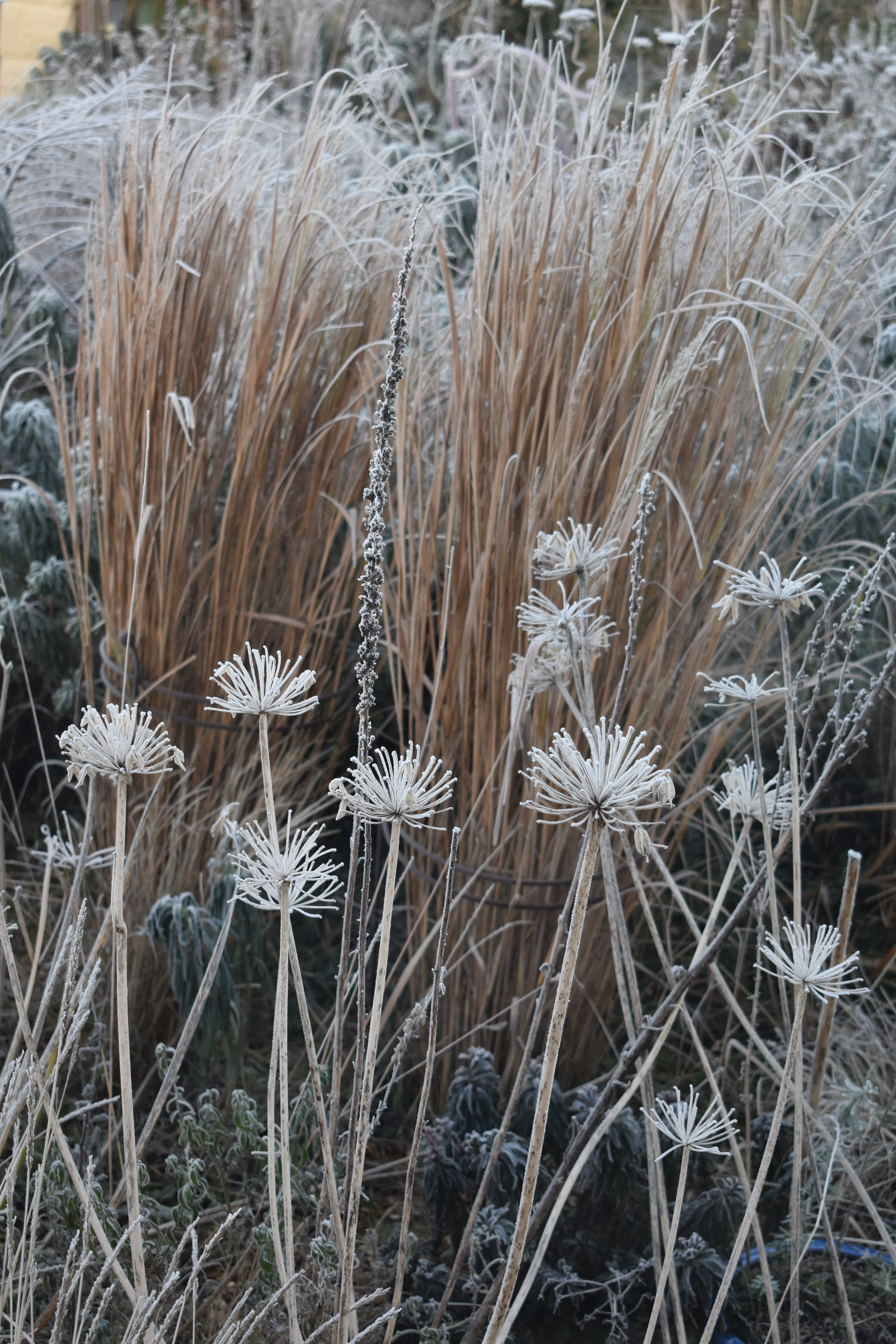
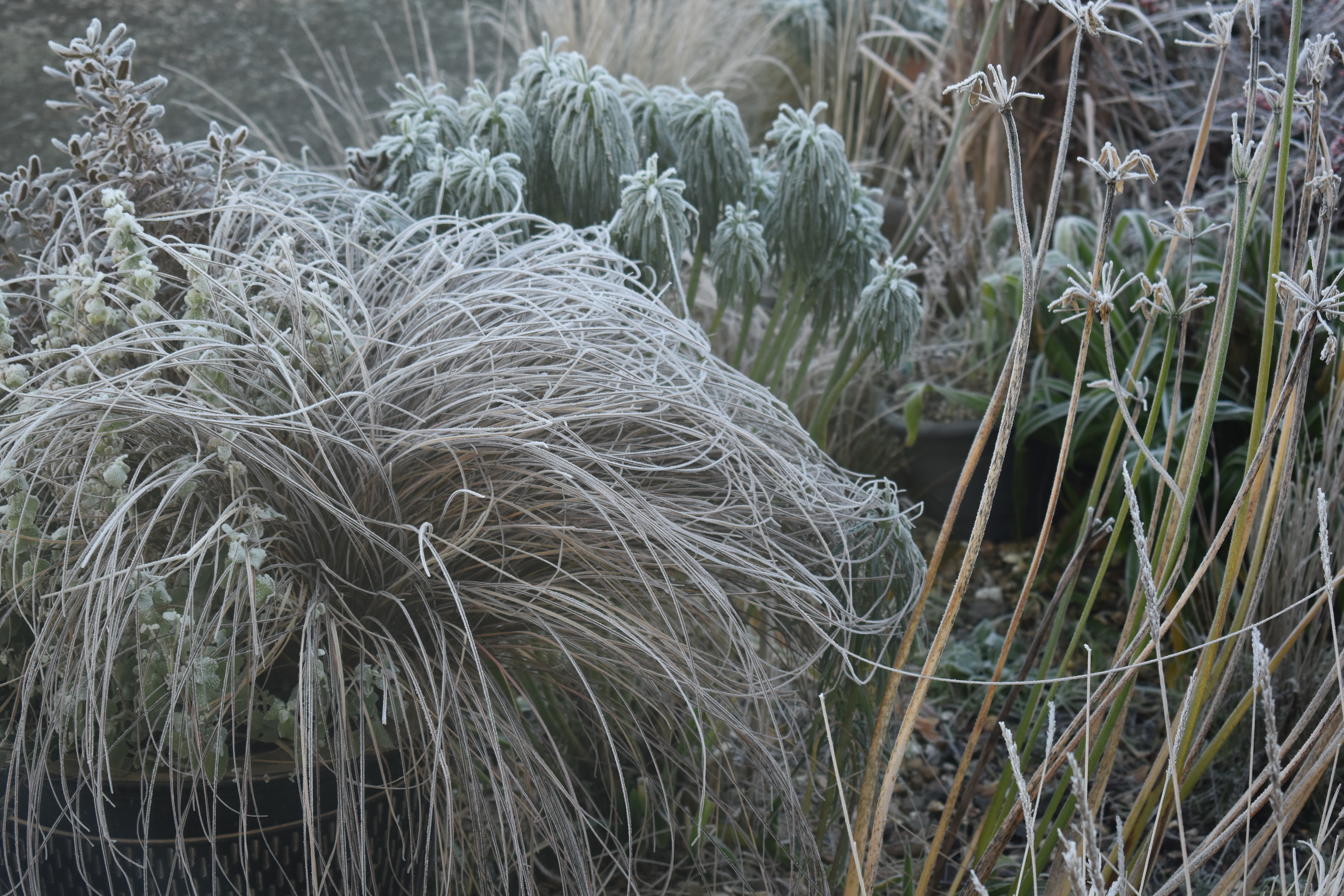
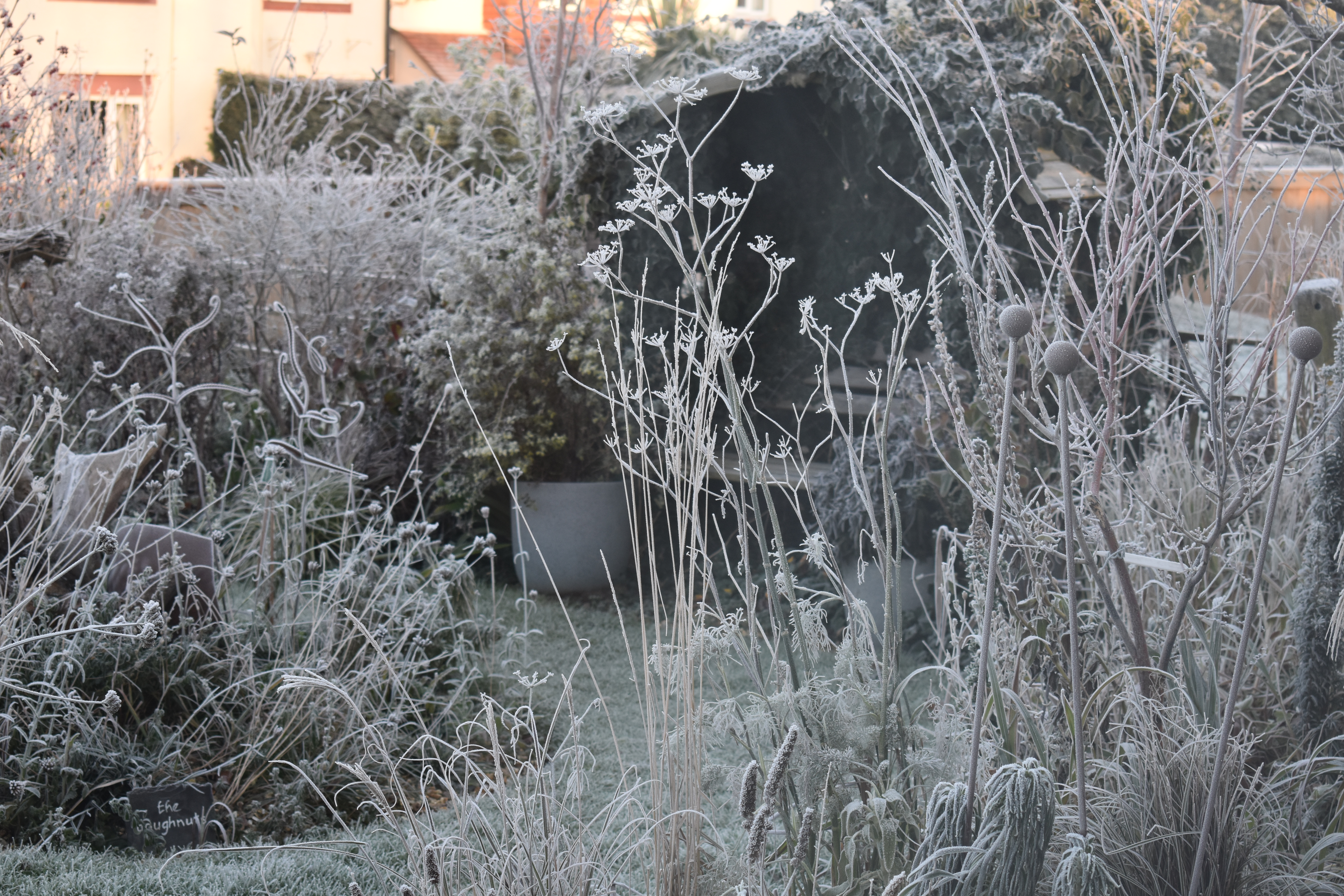
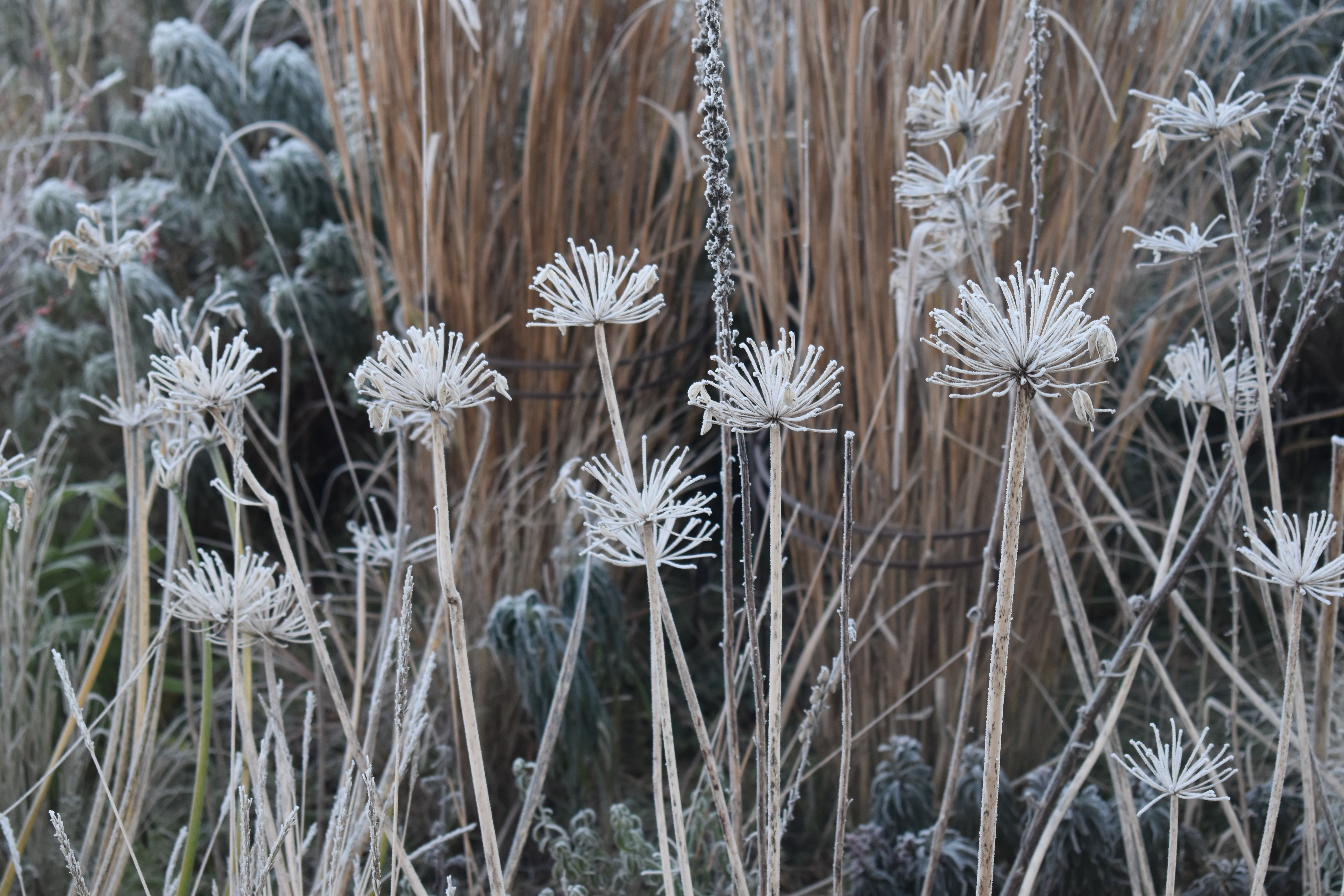
Frosted Front Garden

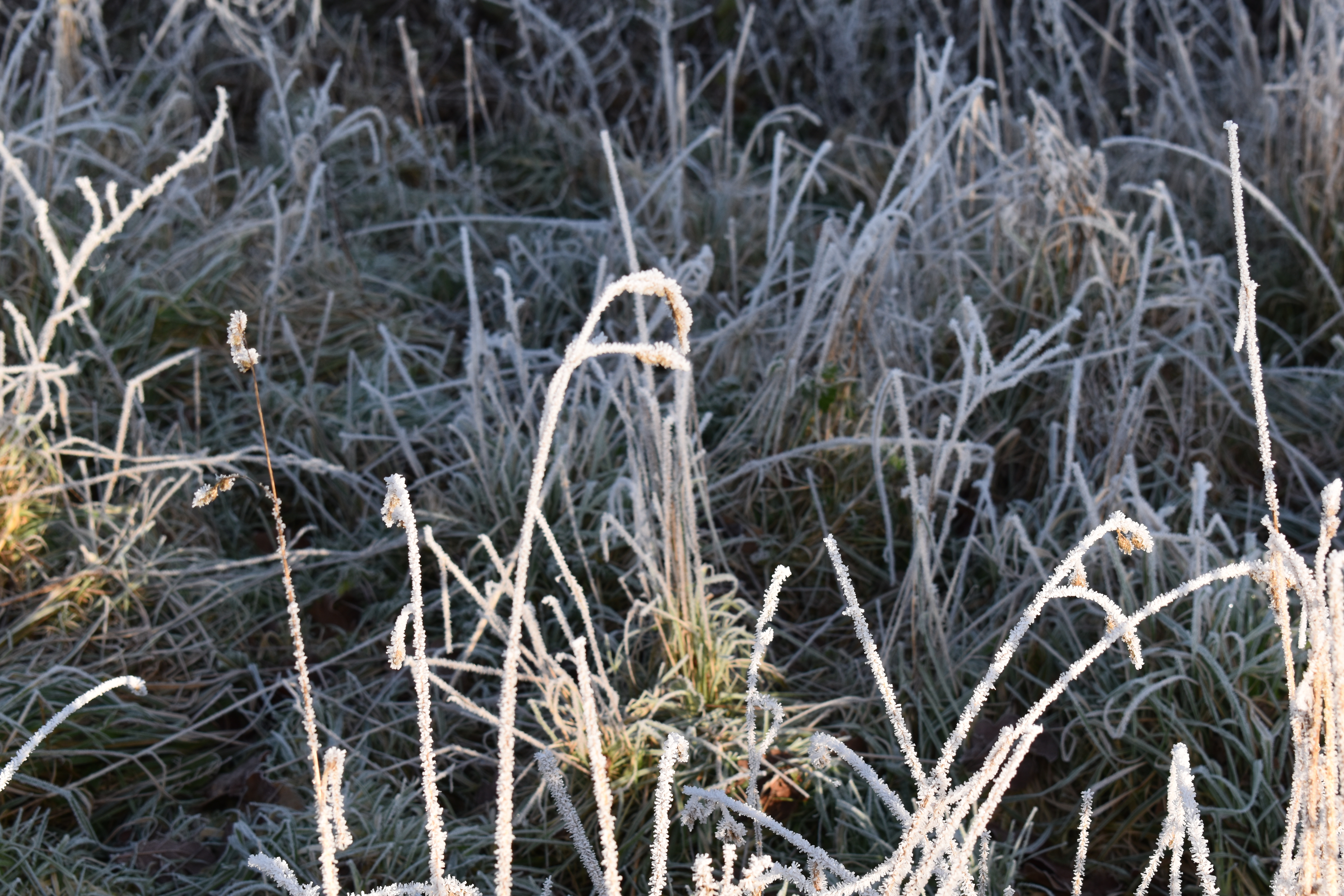
We have rarely experience clear frosty days in recent years as climate change is showing its hand. So when one does come along it makes our garden look very special. In the second week of January we woke to an extremely cold morning and Jack Frost has decorated the front garden with whiteness. In the gravel garden, The Beth Chatto Garden, we have many tall grasses and perennials which we leave overwinter for wildlife and for days when frost or snow appear.

Here is a selection of photos I took that morning before the sun came around and melted the frost away.

Categories
Uncategorized

My Garden Journal 2020- December

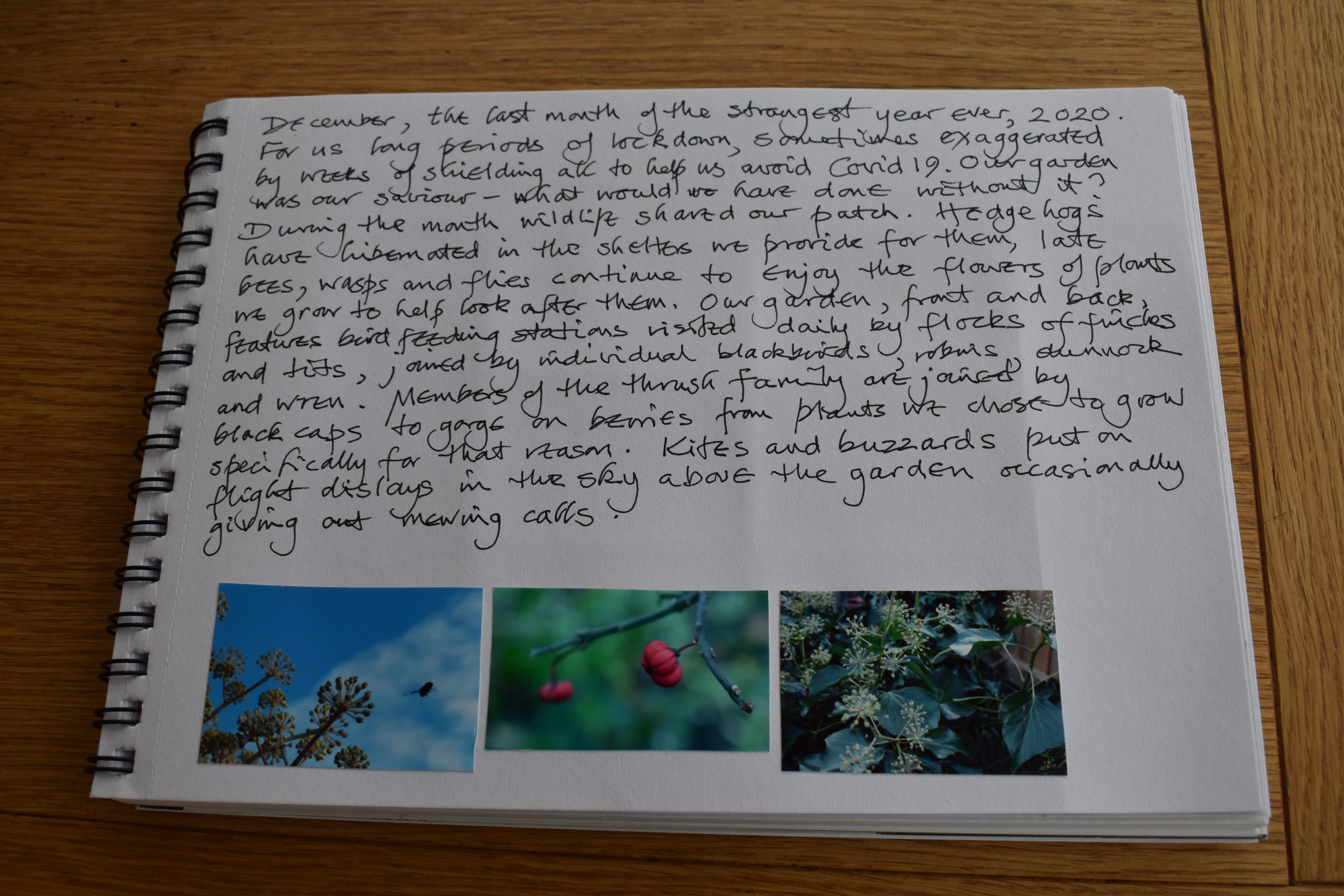
So I promised to return with a visit to my garden journal for 2020 with my entries for December, the last for 2020.

On my first page for December I wrote,‘December, the last month of the strangest year ever, 2020? For us long periods of lockdown, sometimes exaggerated by weeks of shielding, all to help us avoid Covid 19. Our garden was our saviour – what would we have done without it? During this month wildlife shared our patch, hedgehogs have hibernated in the shelters we have provided for them, late bees, wasps and flies continued to enjoy the flowers of plants we grow to help look after them.

Our garden, front and back, features bird feeding stations visited daily by flocks finches and tits, joined by individual blackbirds, robins, dunnock and wren. Members of the thrush family are joined by blackcaps to gorge on berries from plants we have planted specifically chosen for that reason. Kites and buzzard put on flight displays in the sky above the garden, occasionally giving out mewing calls.’

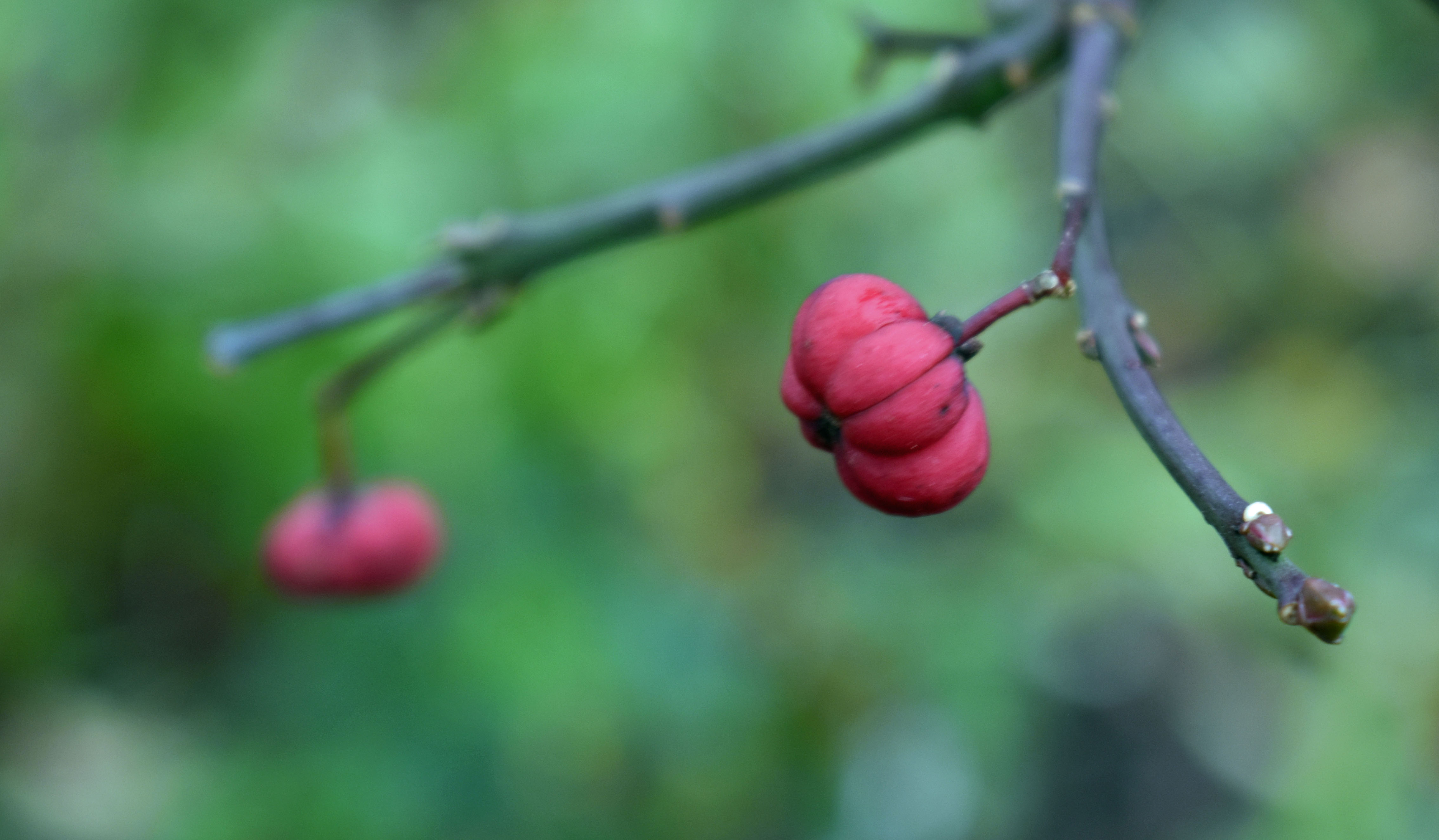
Added the bottom of the page I added three photographs of important winter wildlife plants, providing flowers and berries, Fatsia japonica, Euonymus europaeus ‘Red Cascade’ and Hedera helix ‘Arborescens’.

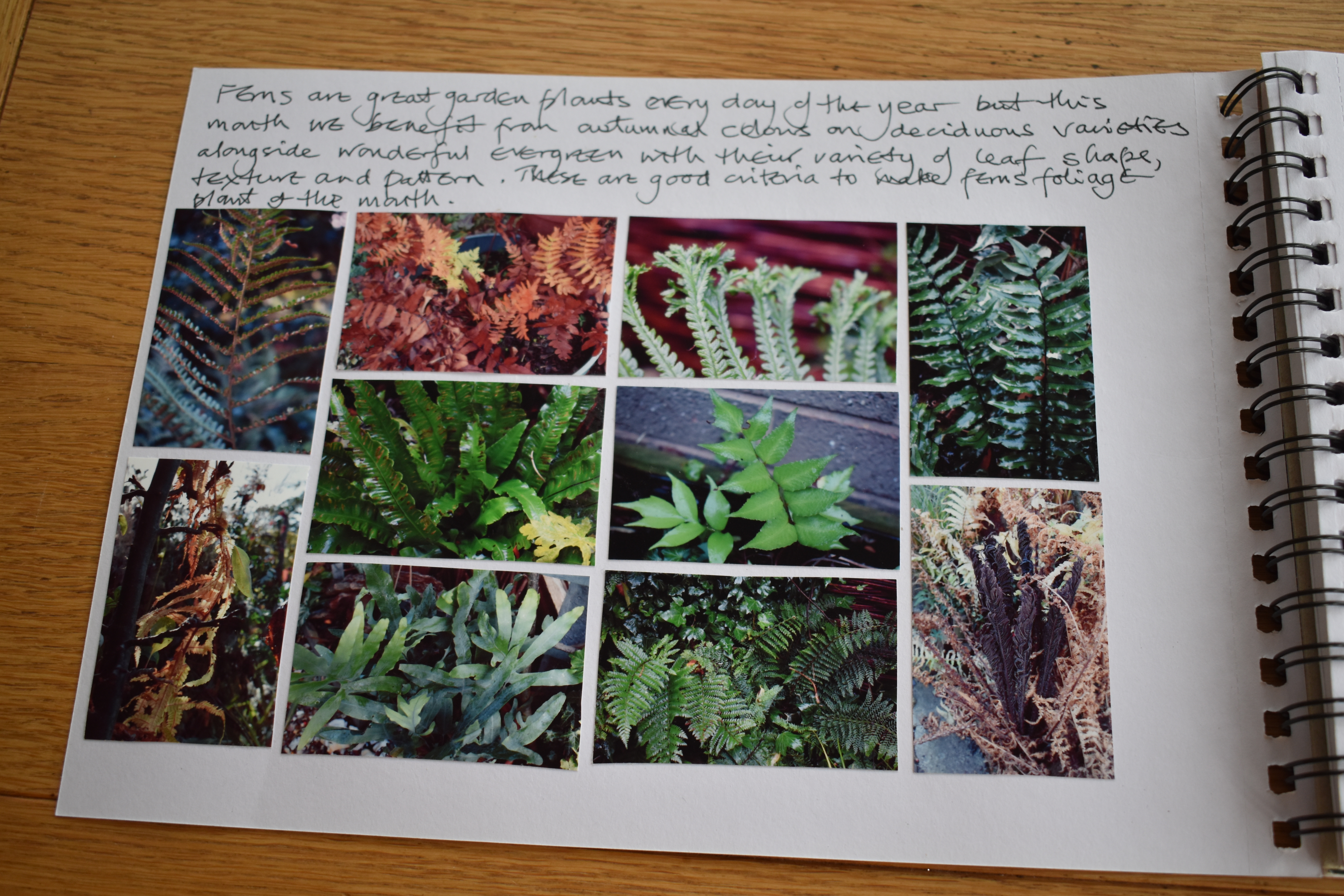
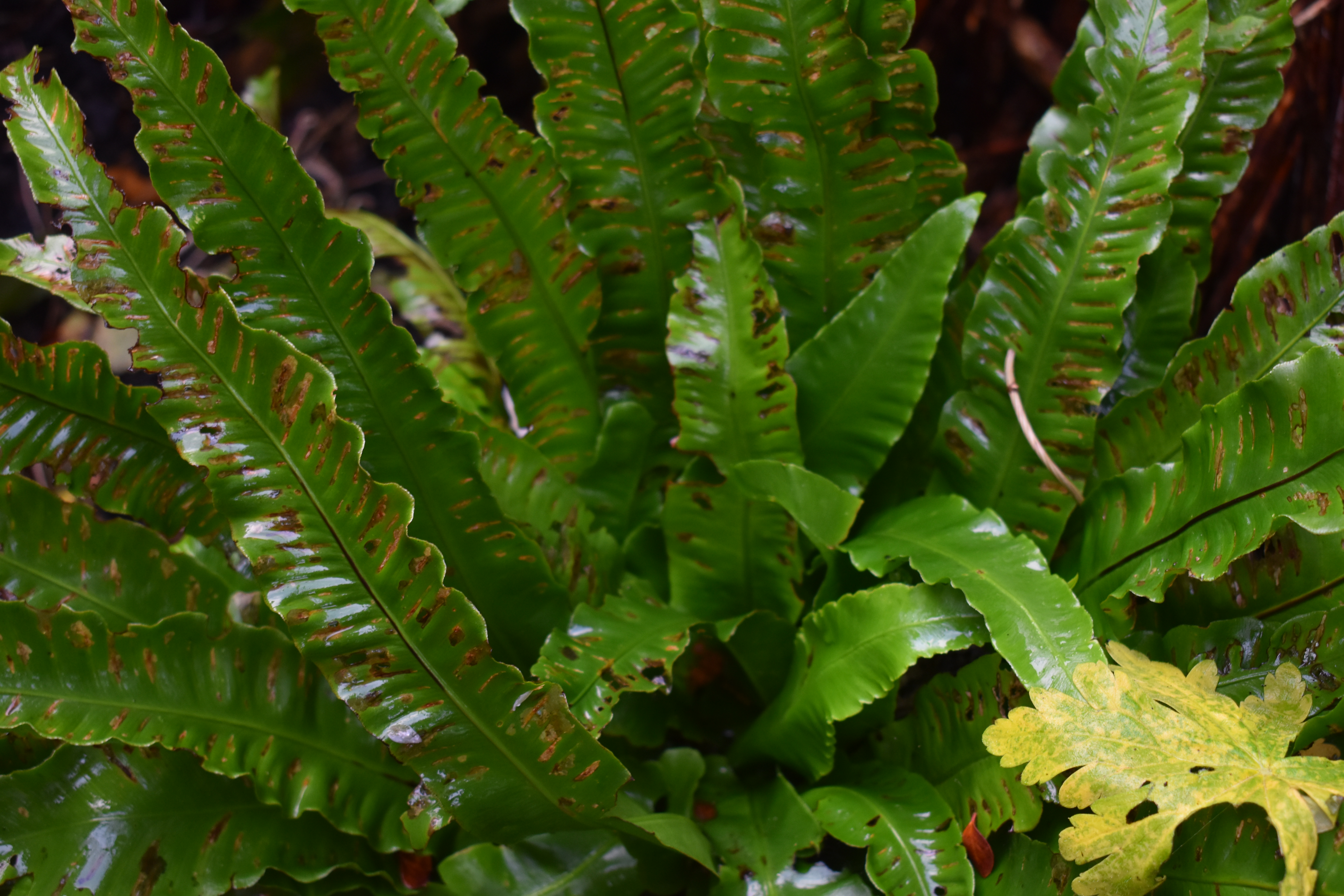
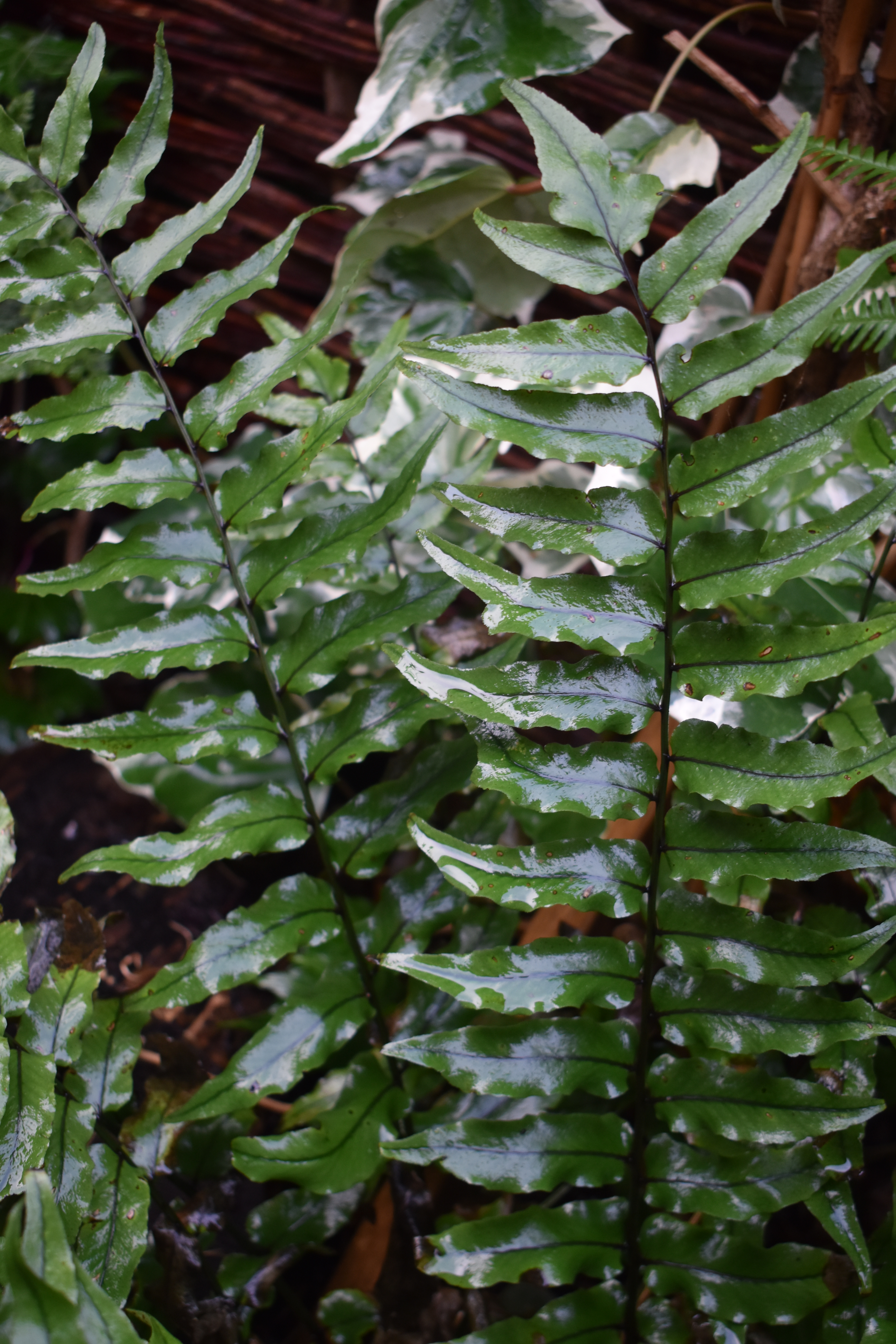
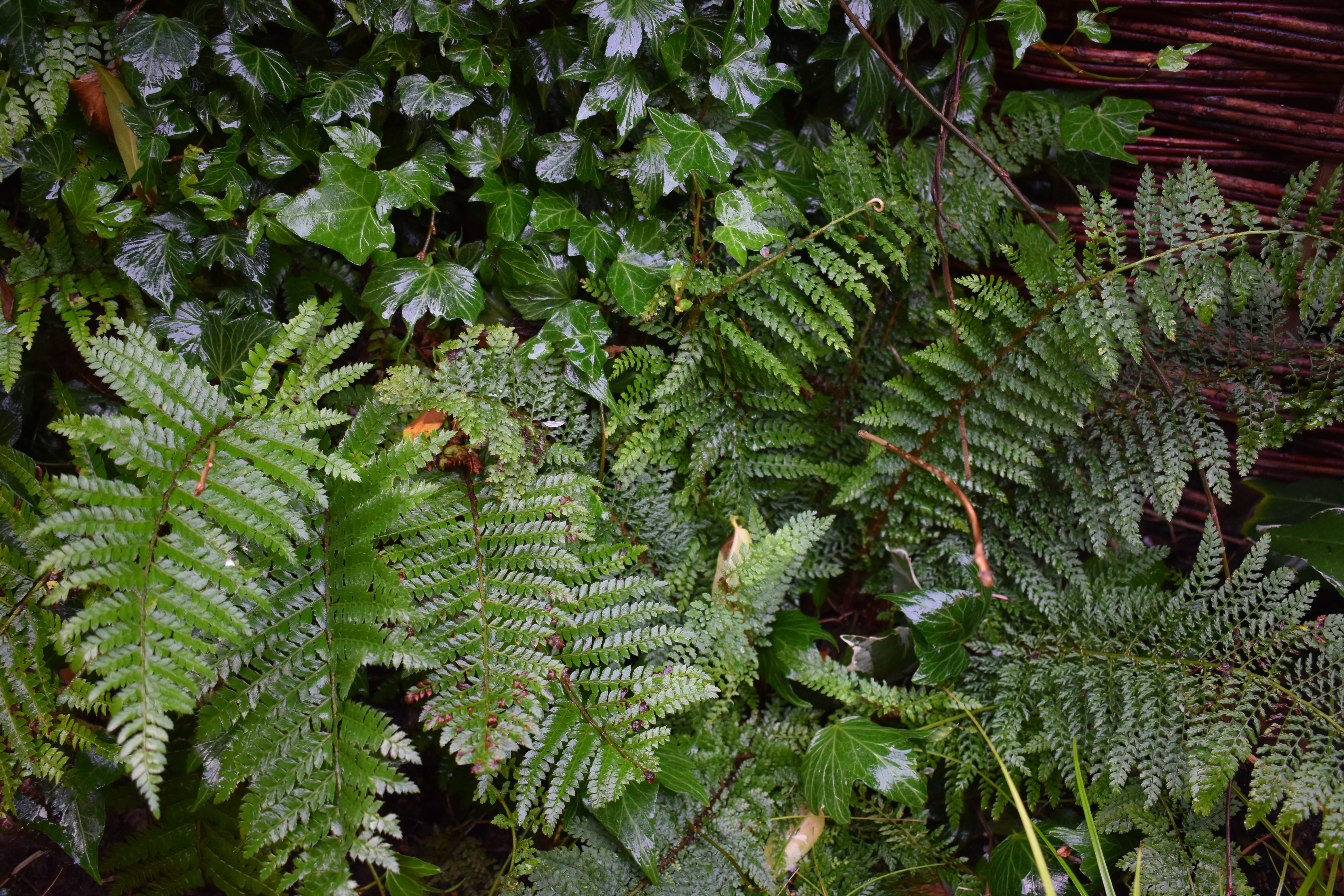
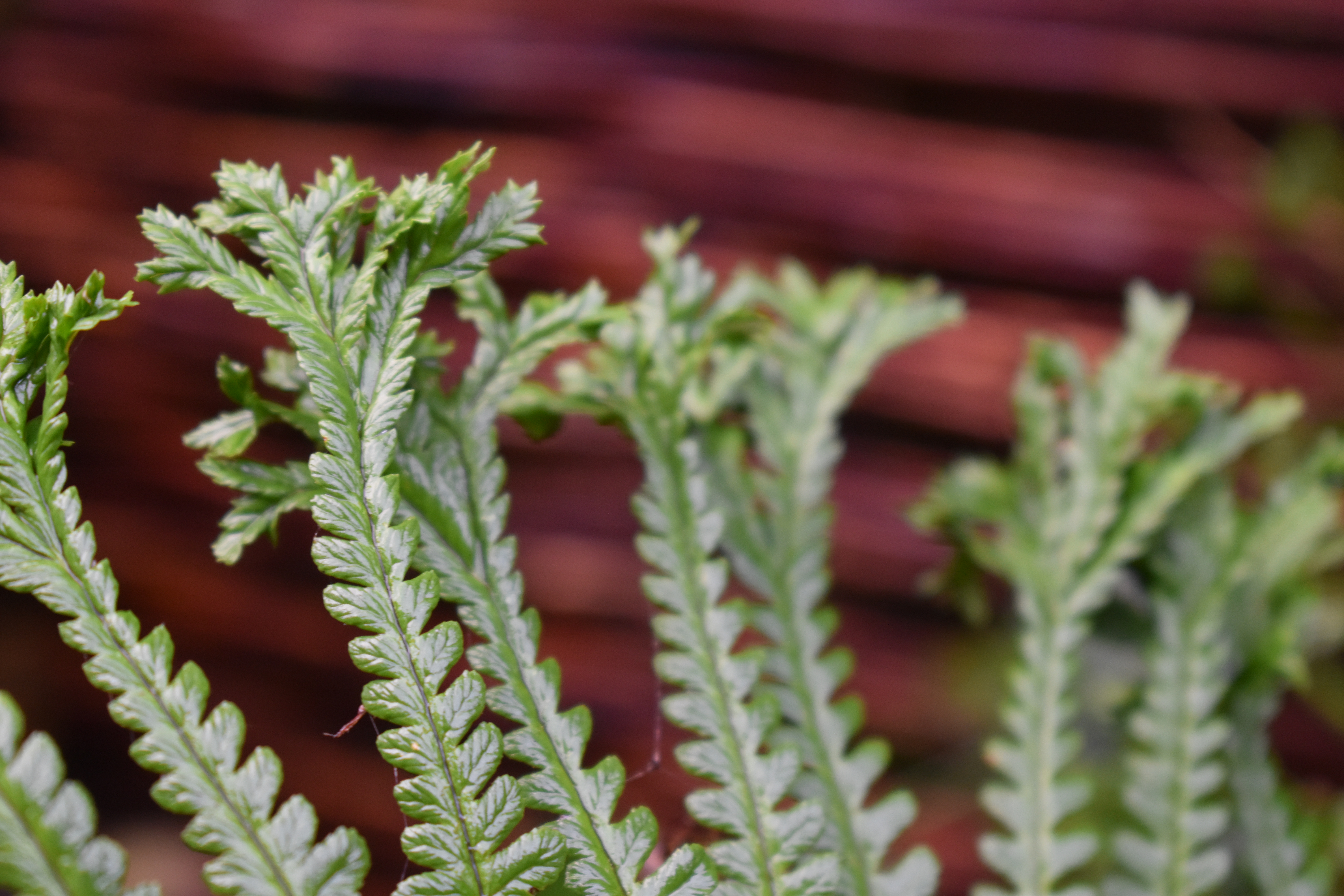
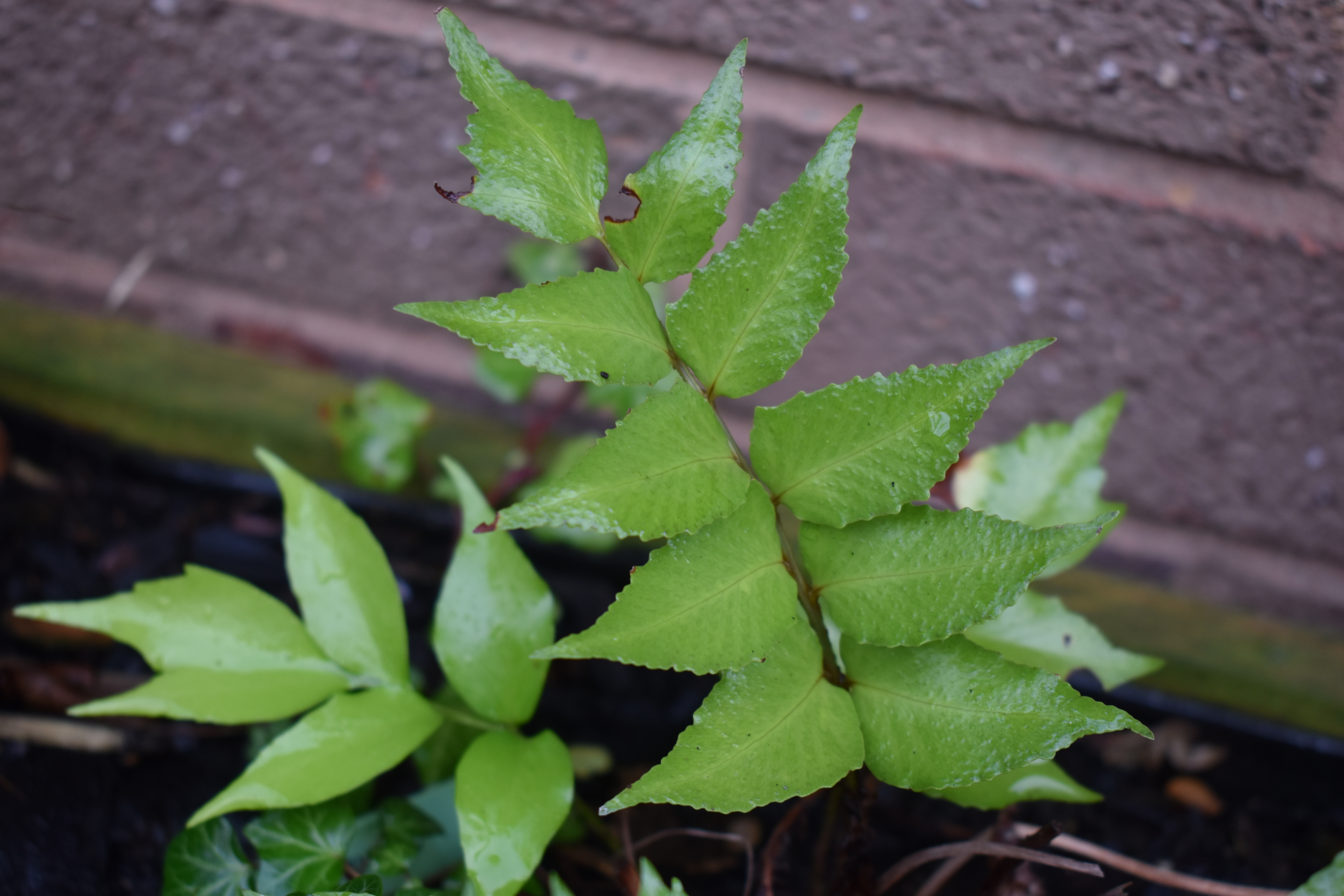
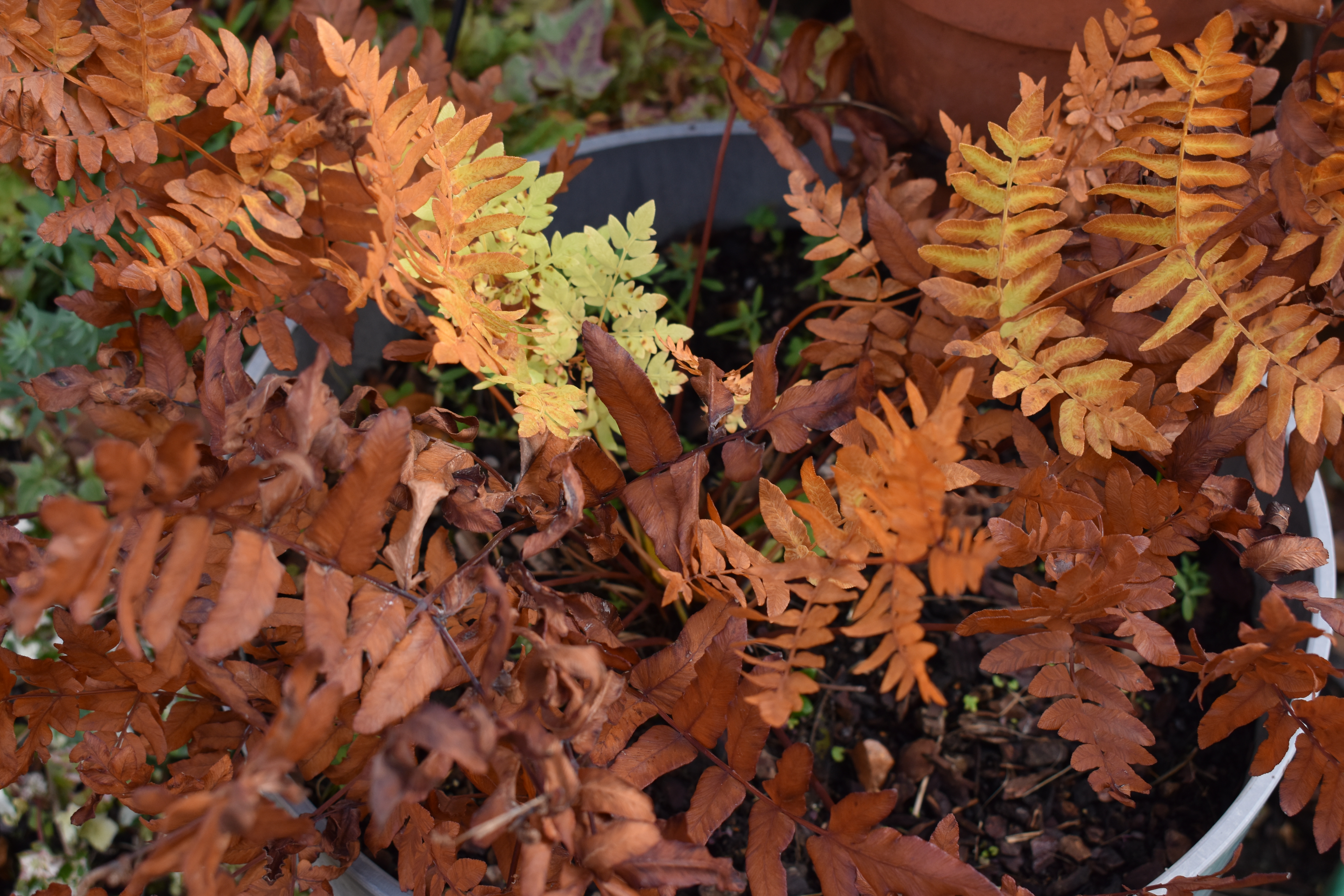
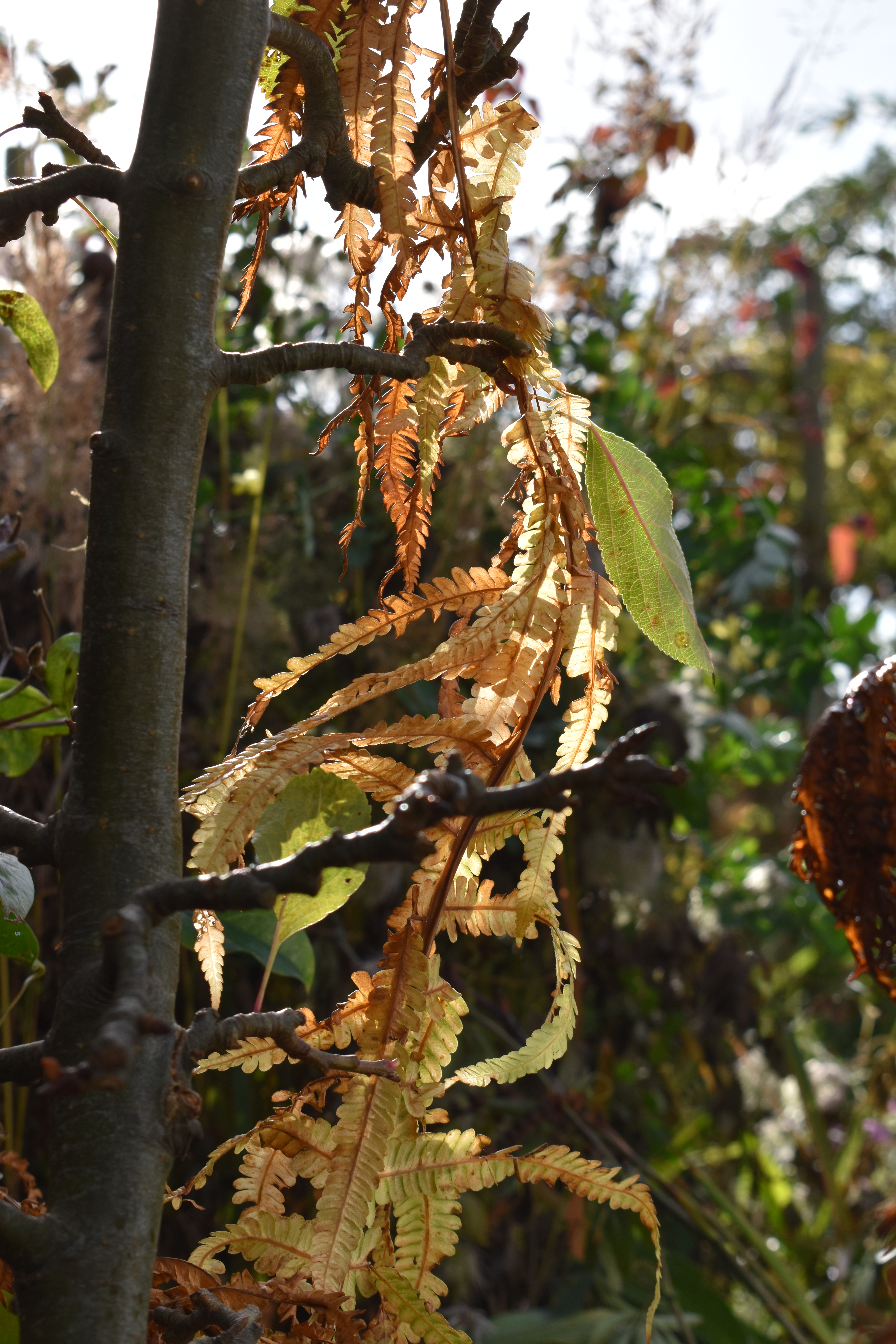
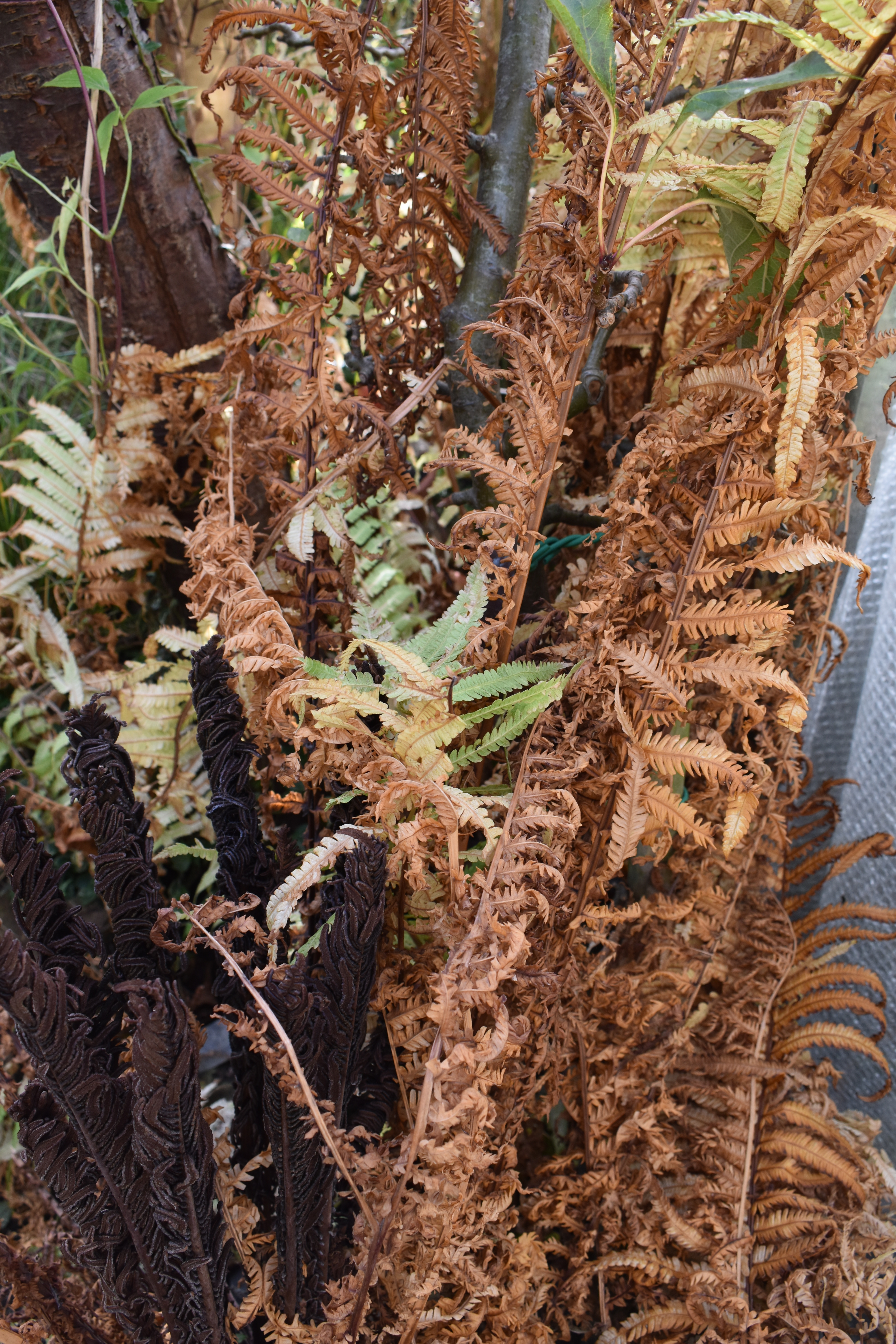
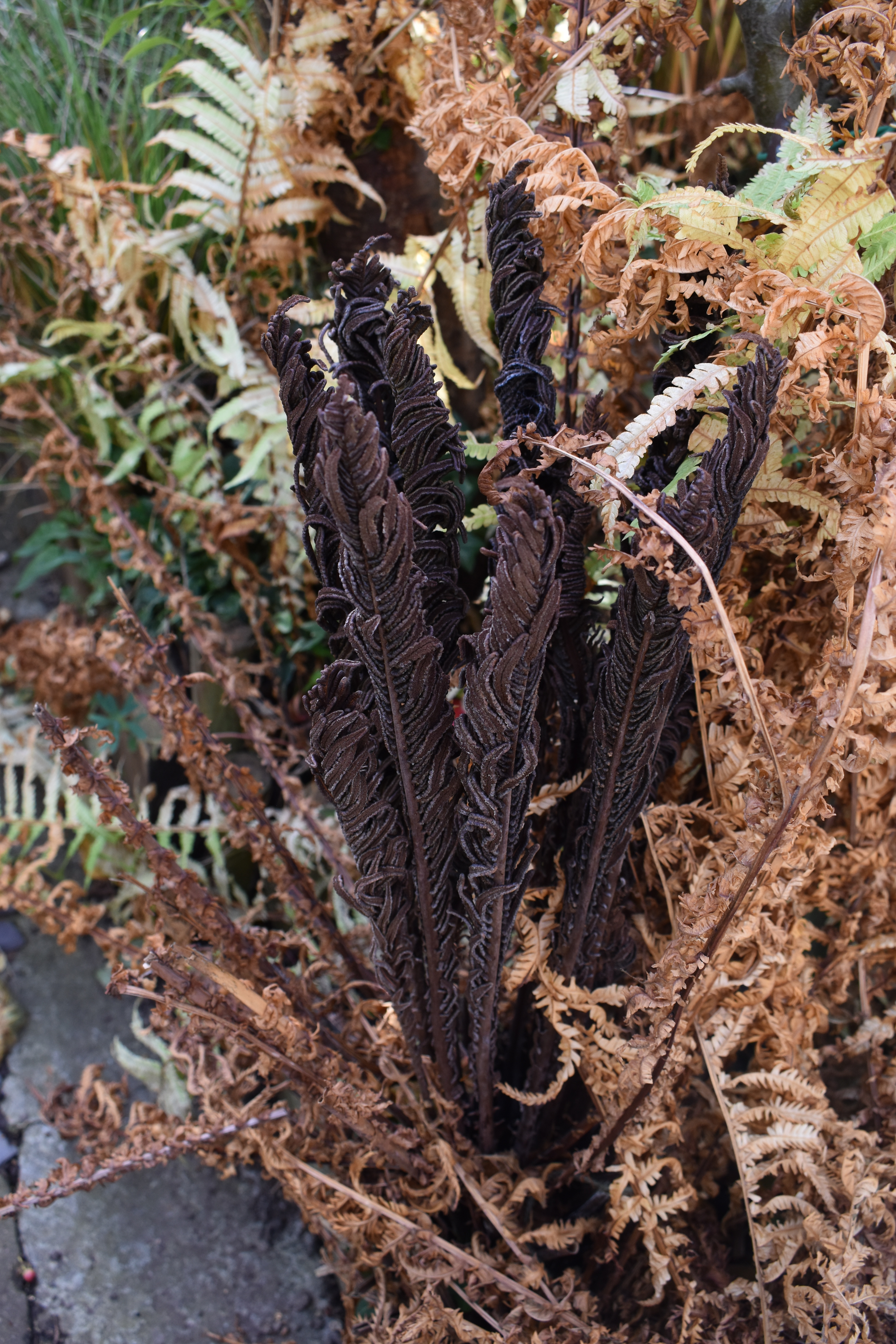
My second page features one of my favourite plant families, the ferns, truly an obsession of mine for several years now!

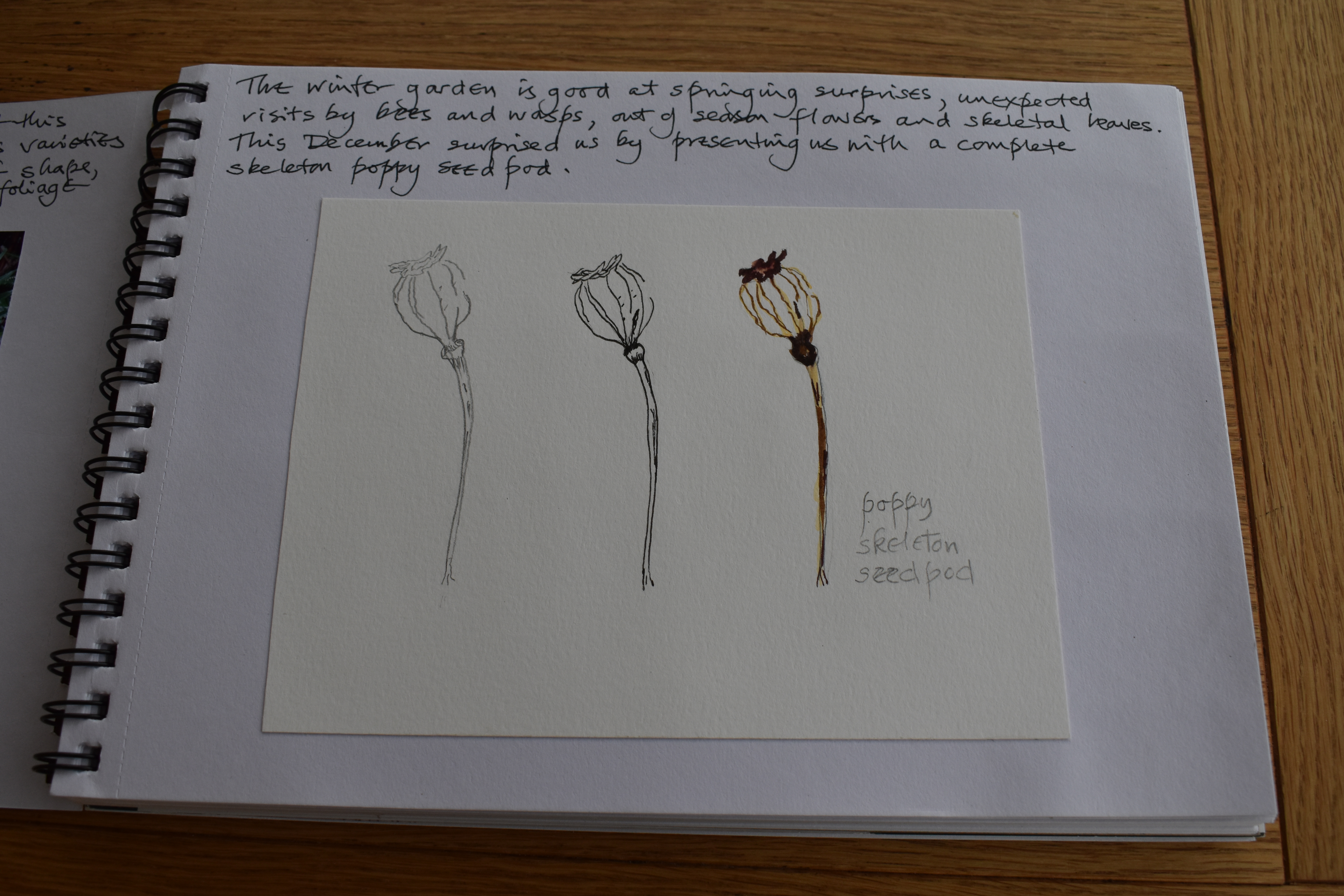
The page opposite displays simply a set of my drawings featuring a skeletal poppy seed-head, fund in our ‘Hot Garden’. Simple beauty! I used pencil, fibre tip pen and Japanese Brush Pens.

‘The winter garden is good at springing surprises, unexpected visits by bees and wasps, out of season flowers and skeletal leaves. This December surprised us by presenting us with a complete skeleton of a poppy seed-head.’

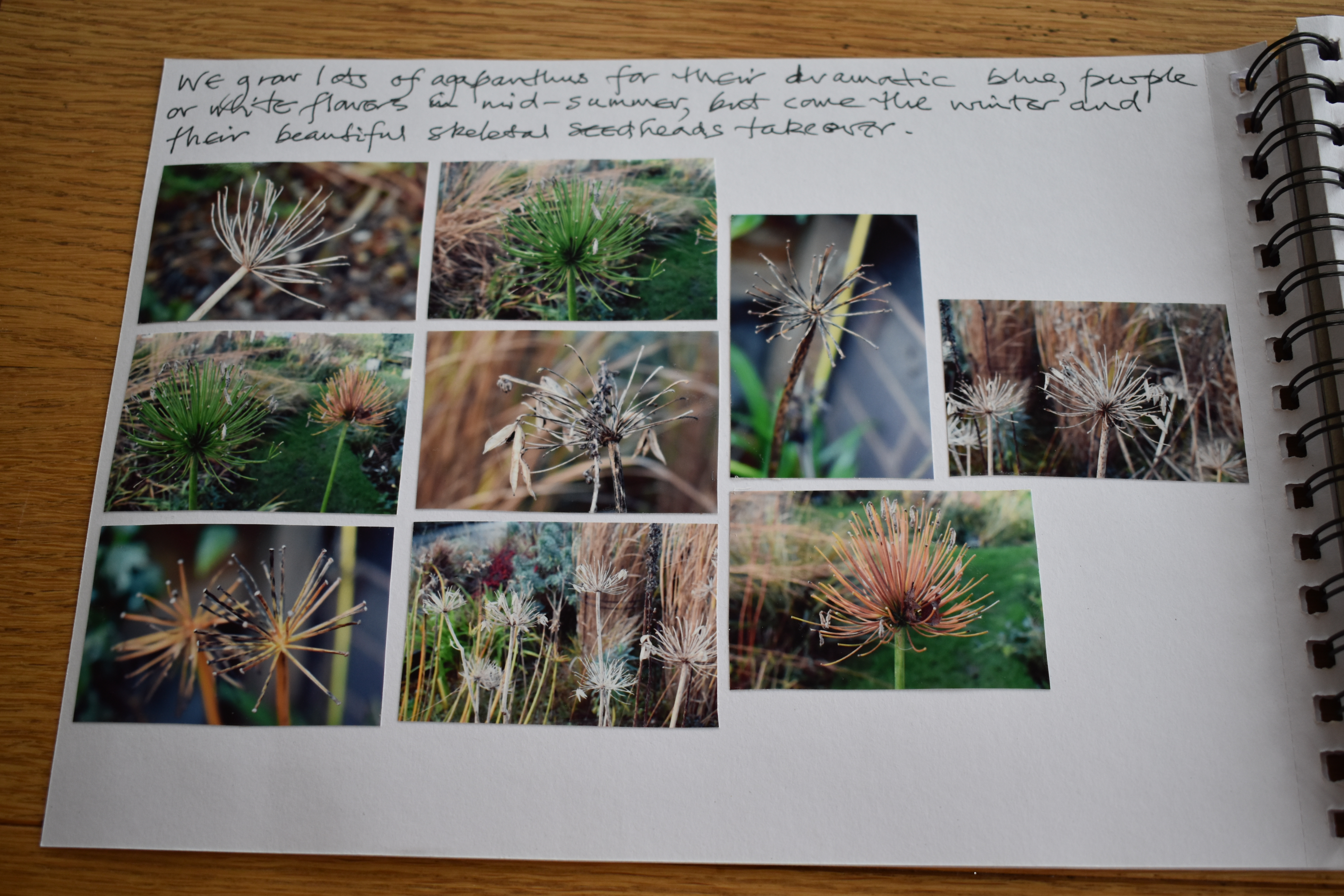
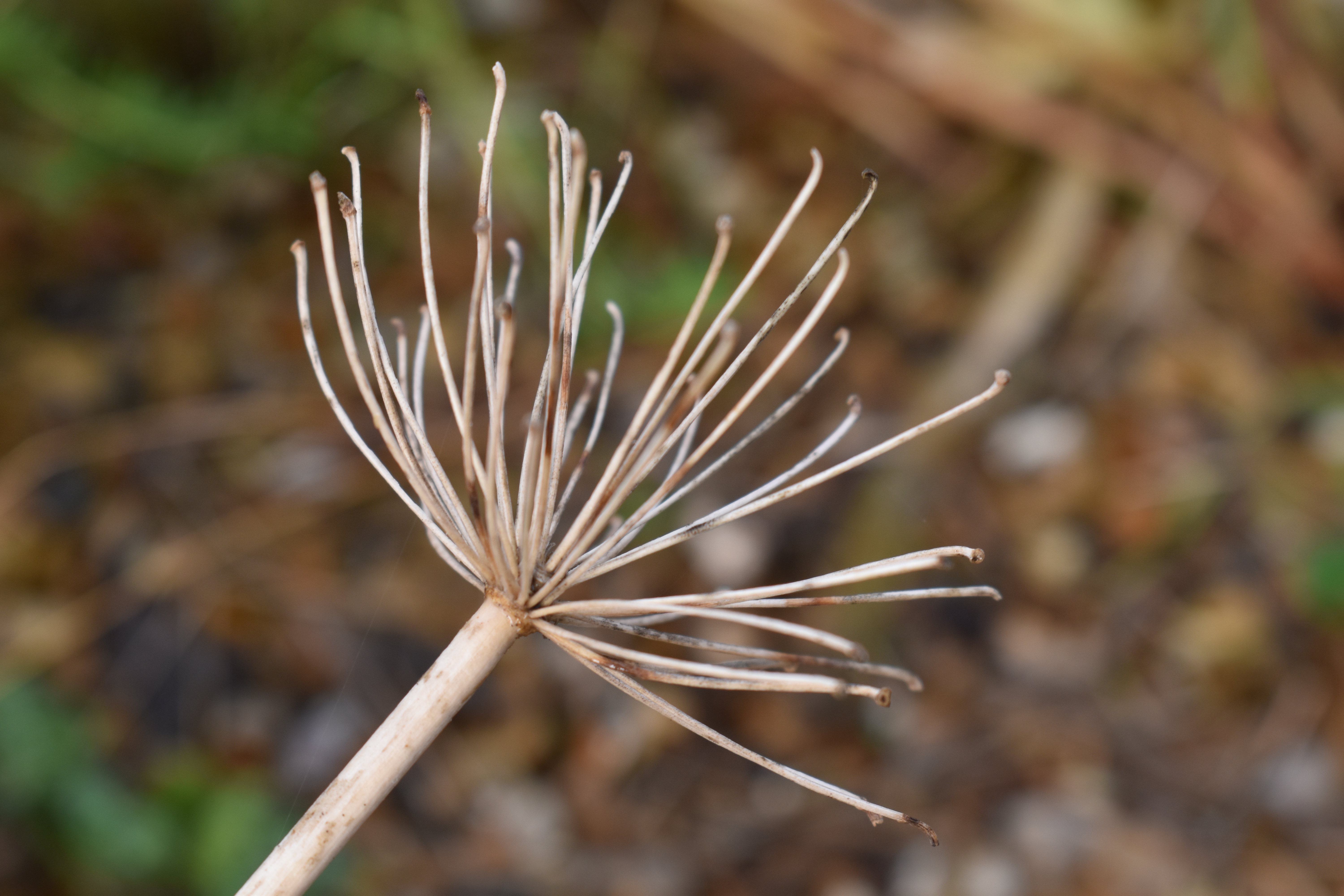
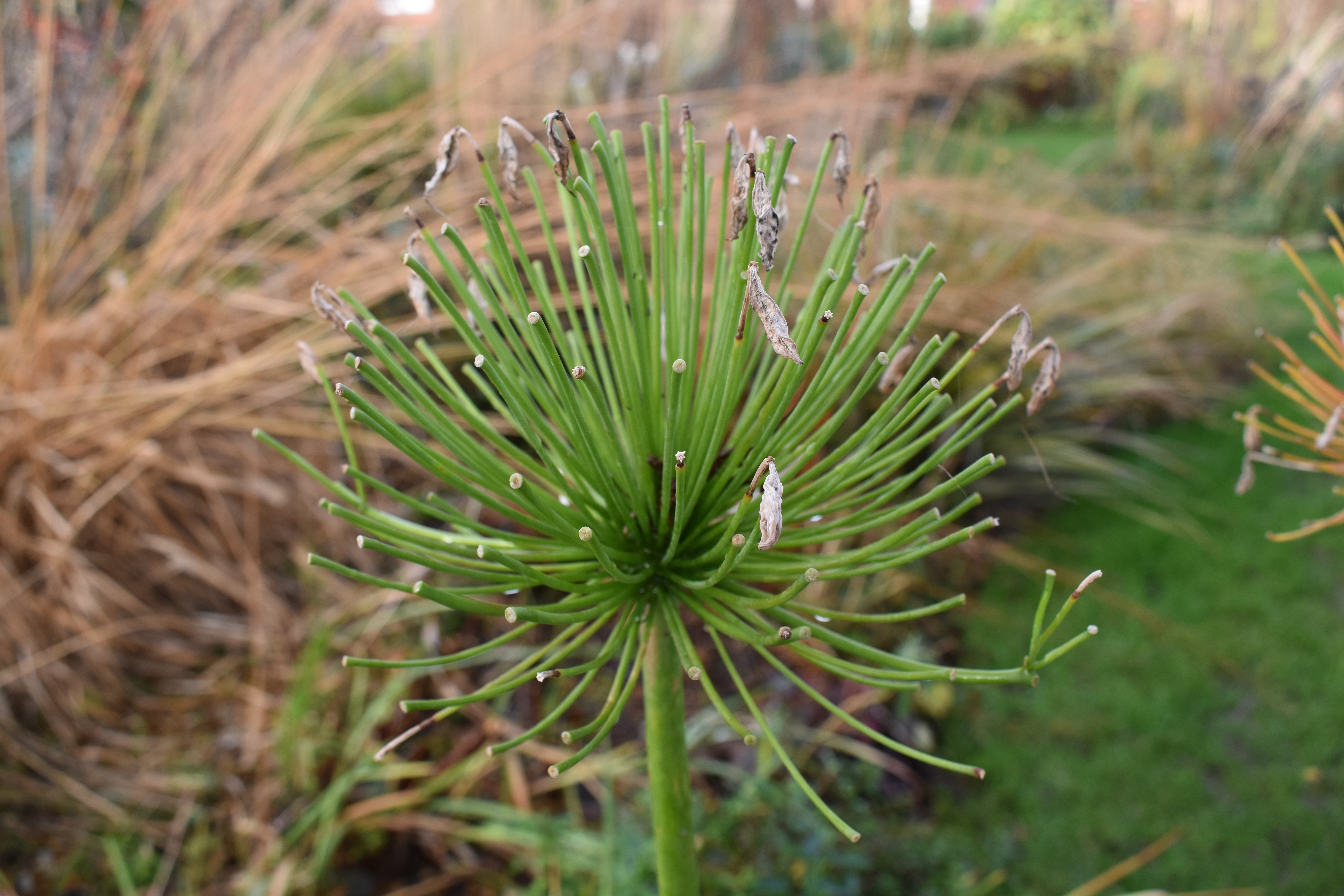
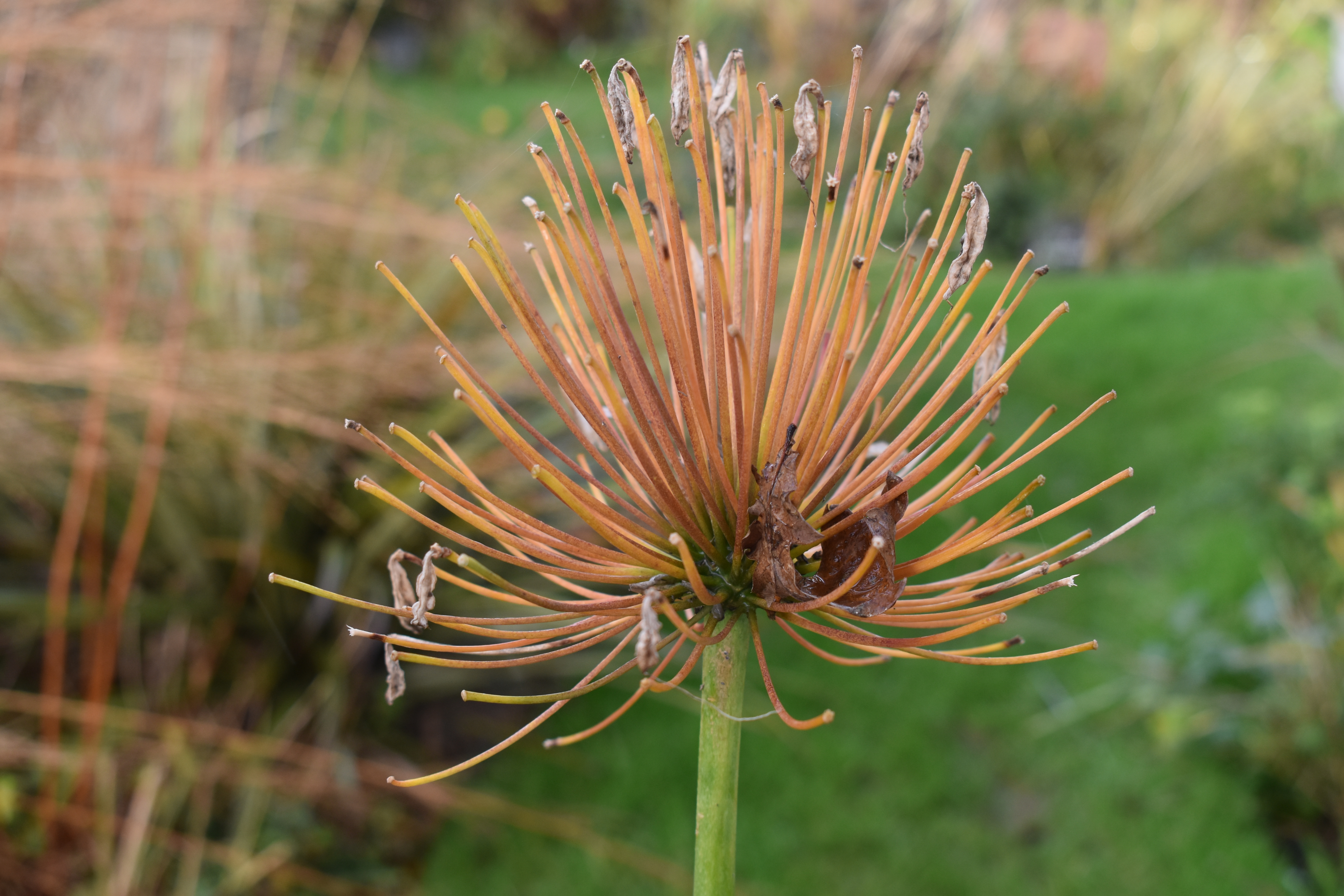
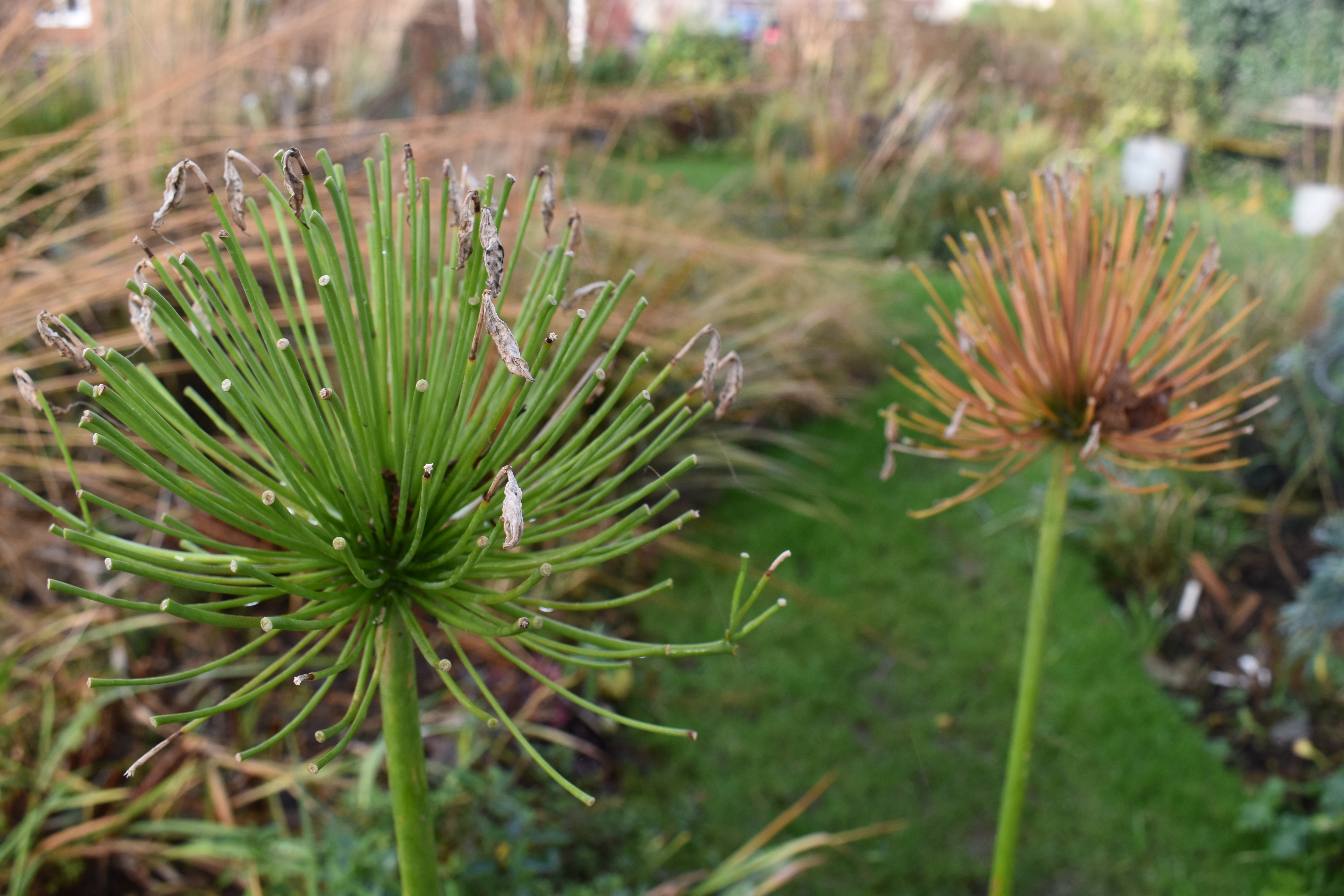
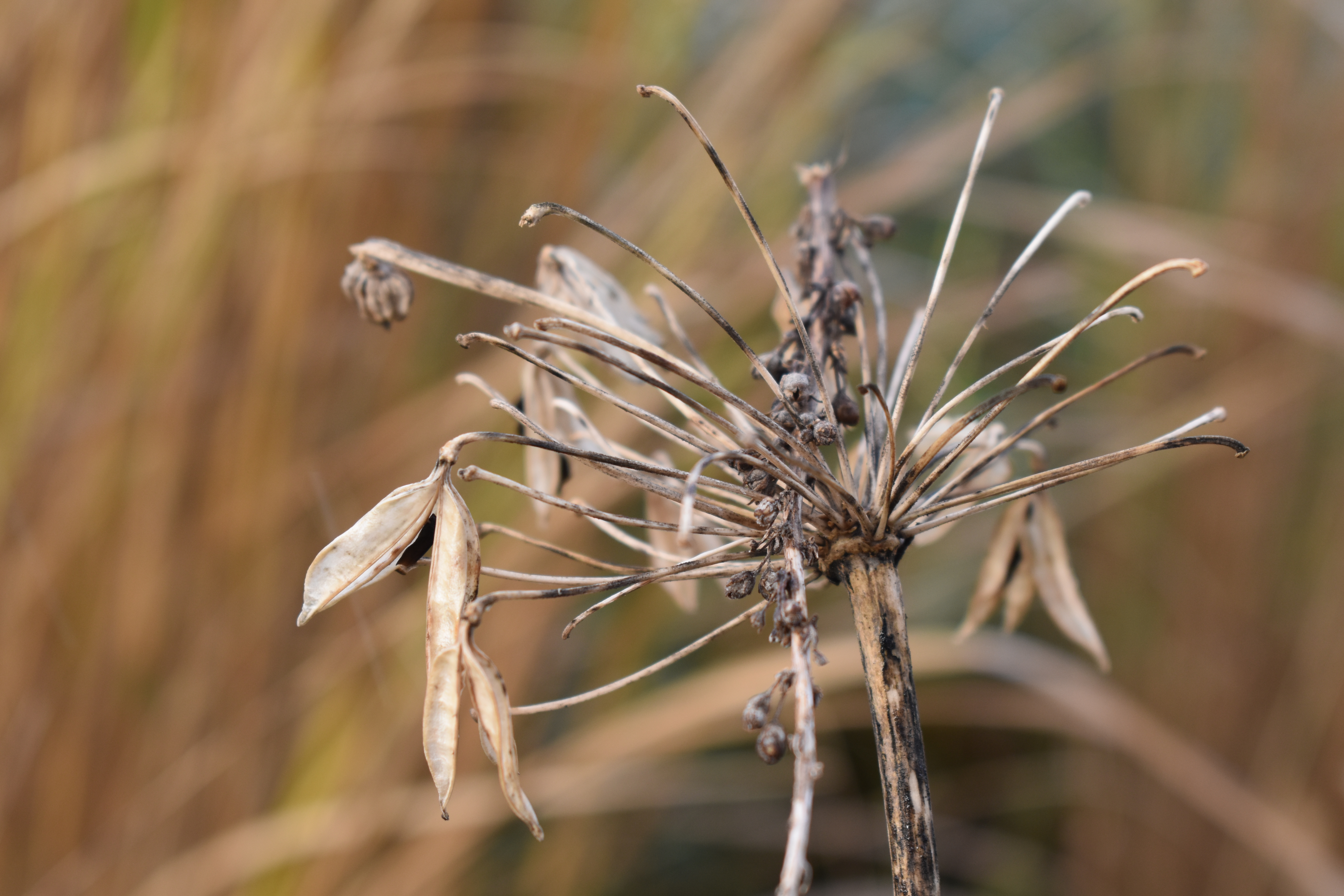
More seed-heads are shown over the page, this time featuring those of agapanthus. ‘We grow lots of agapanthus for their dramatic blue, purple or white spherical flowers in mid and late summer. But come winter and their beautiful skeletal seed-heads take over.’

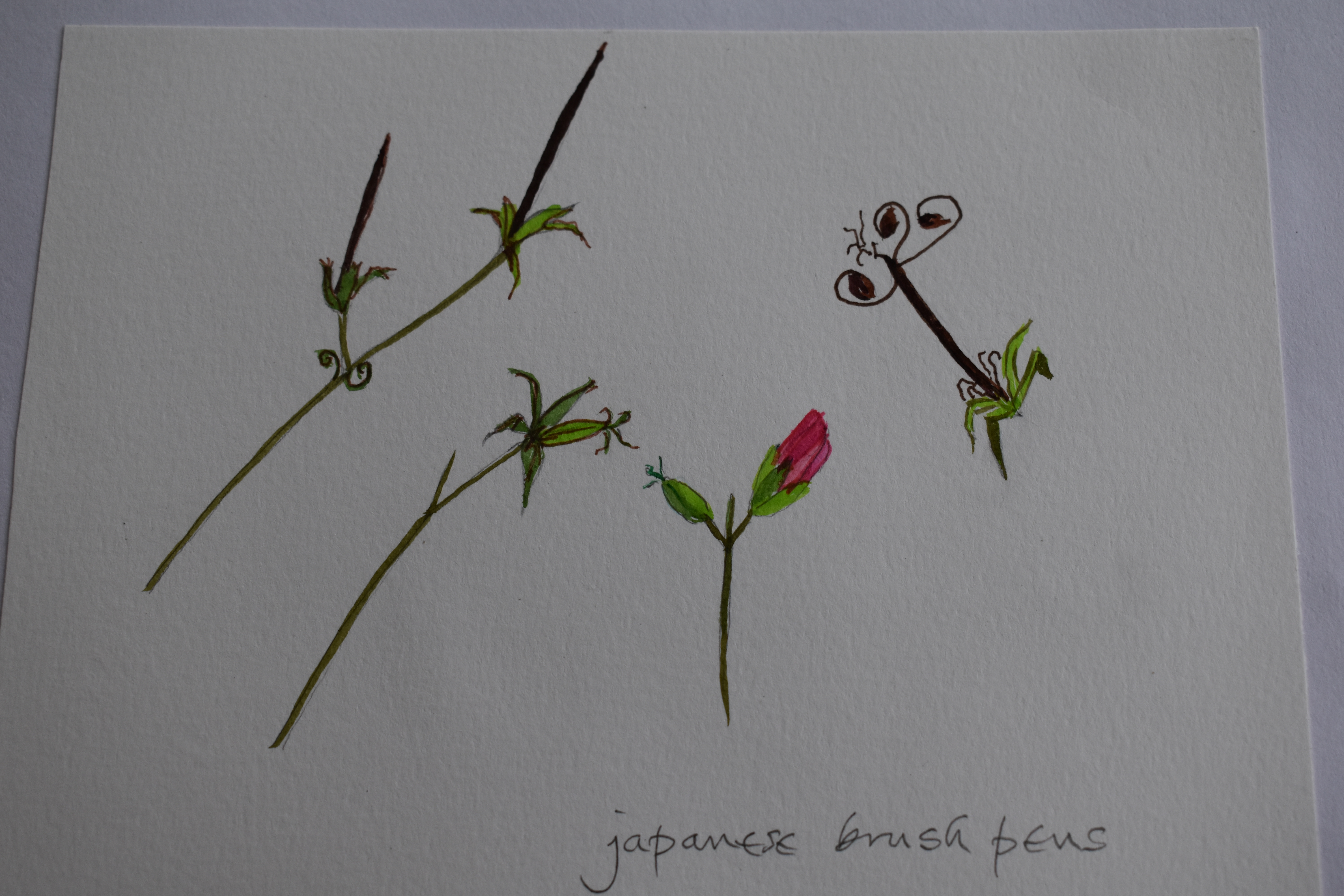
More of my drawings appear on the page opposite, some sketches done in Japanese Brush Pens. I studied an evergreen pink-flowered geranium which showed us why the family is known as ‘cranesbills’.

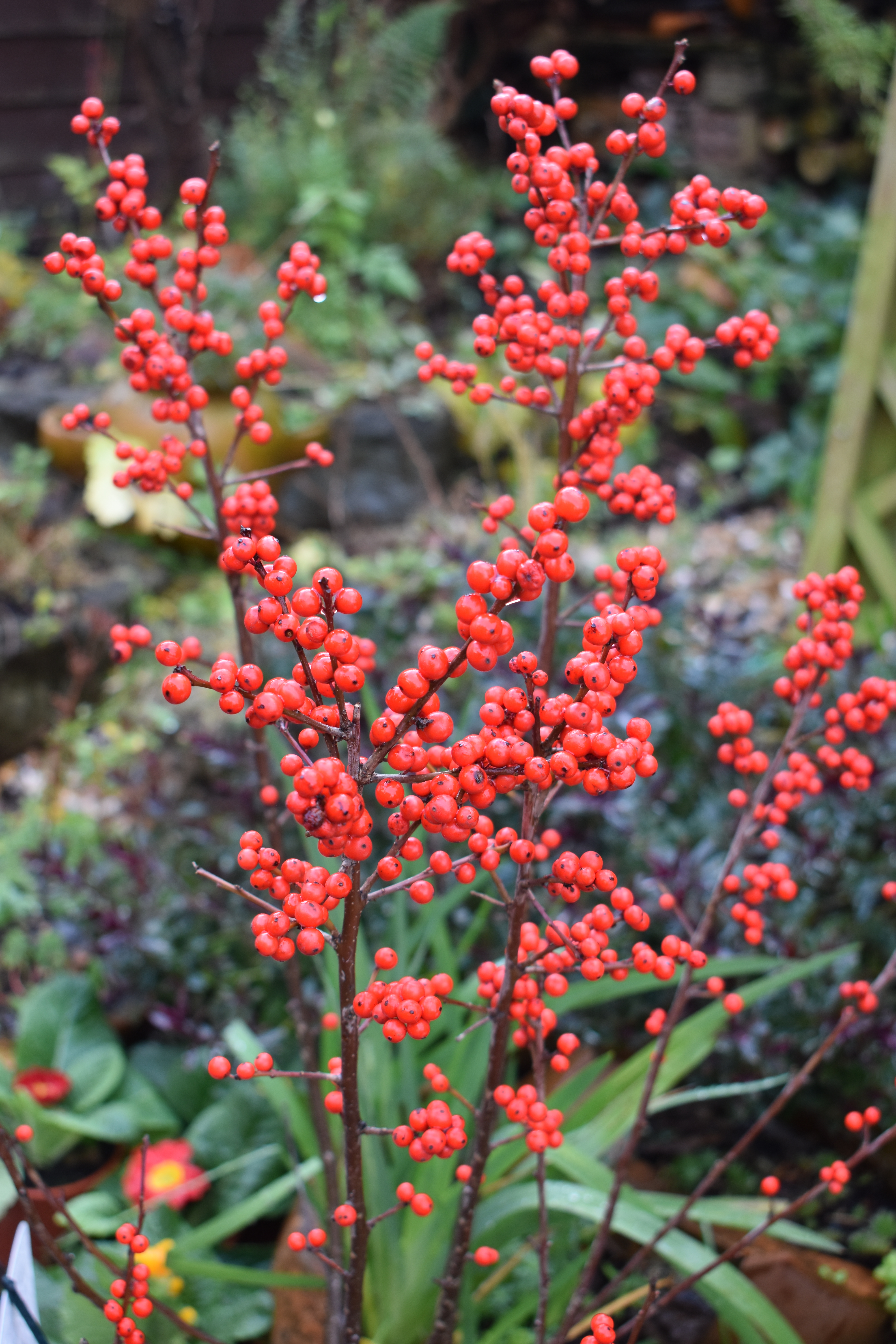
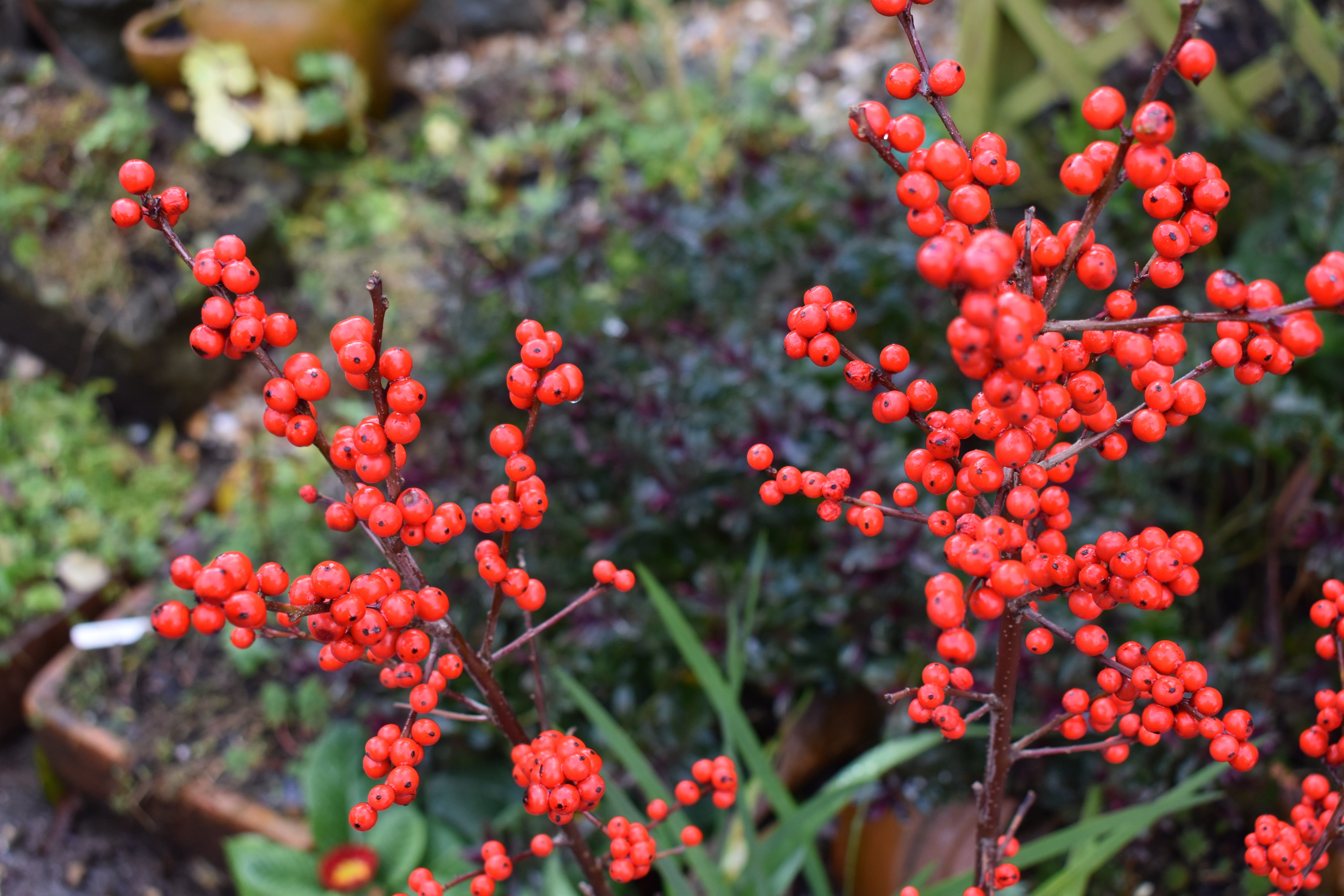
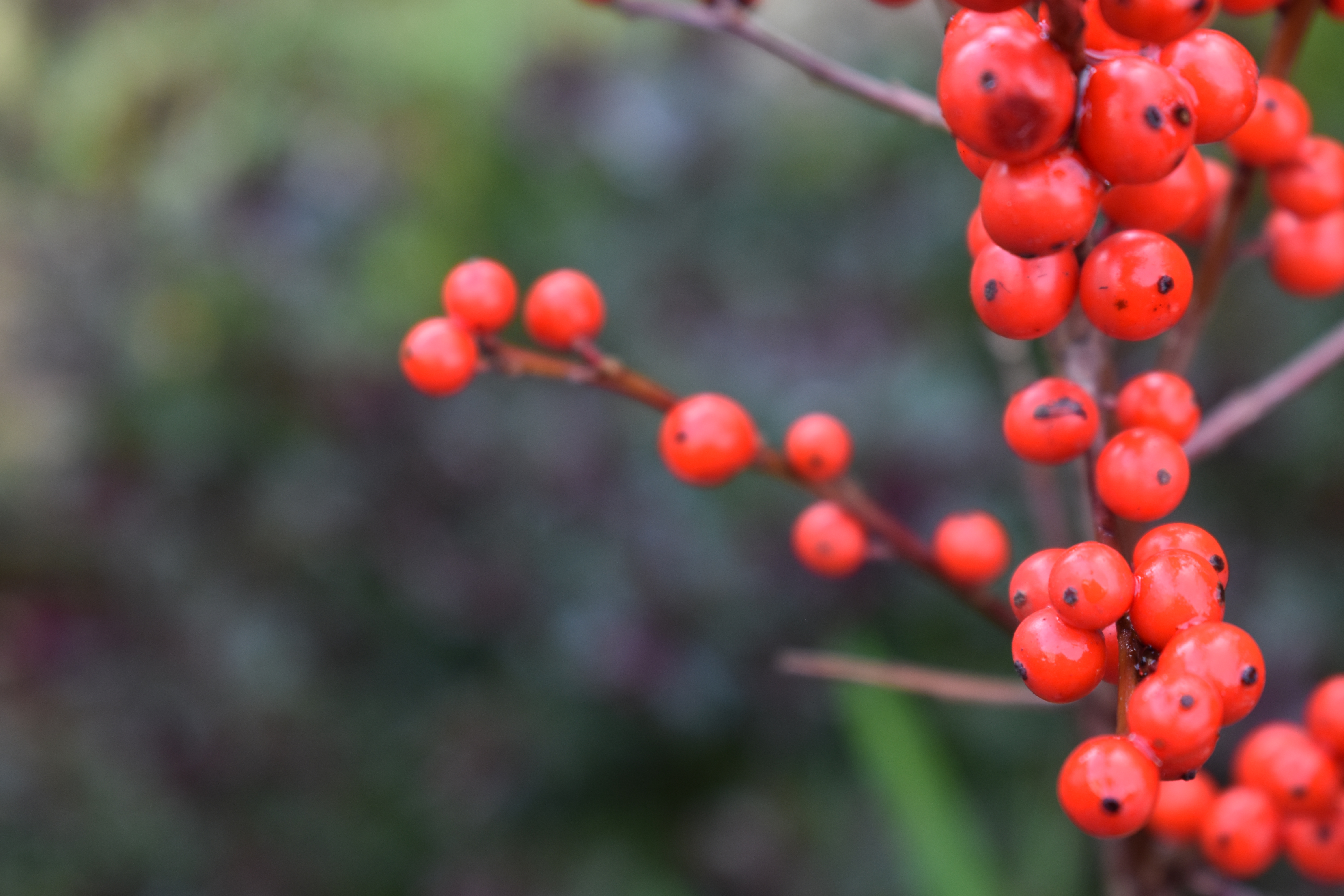
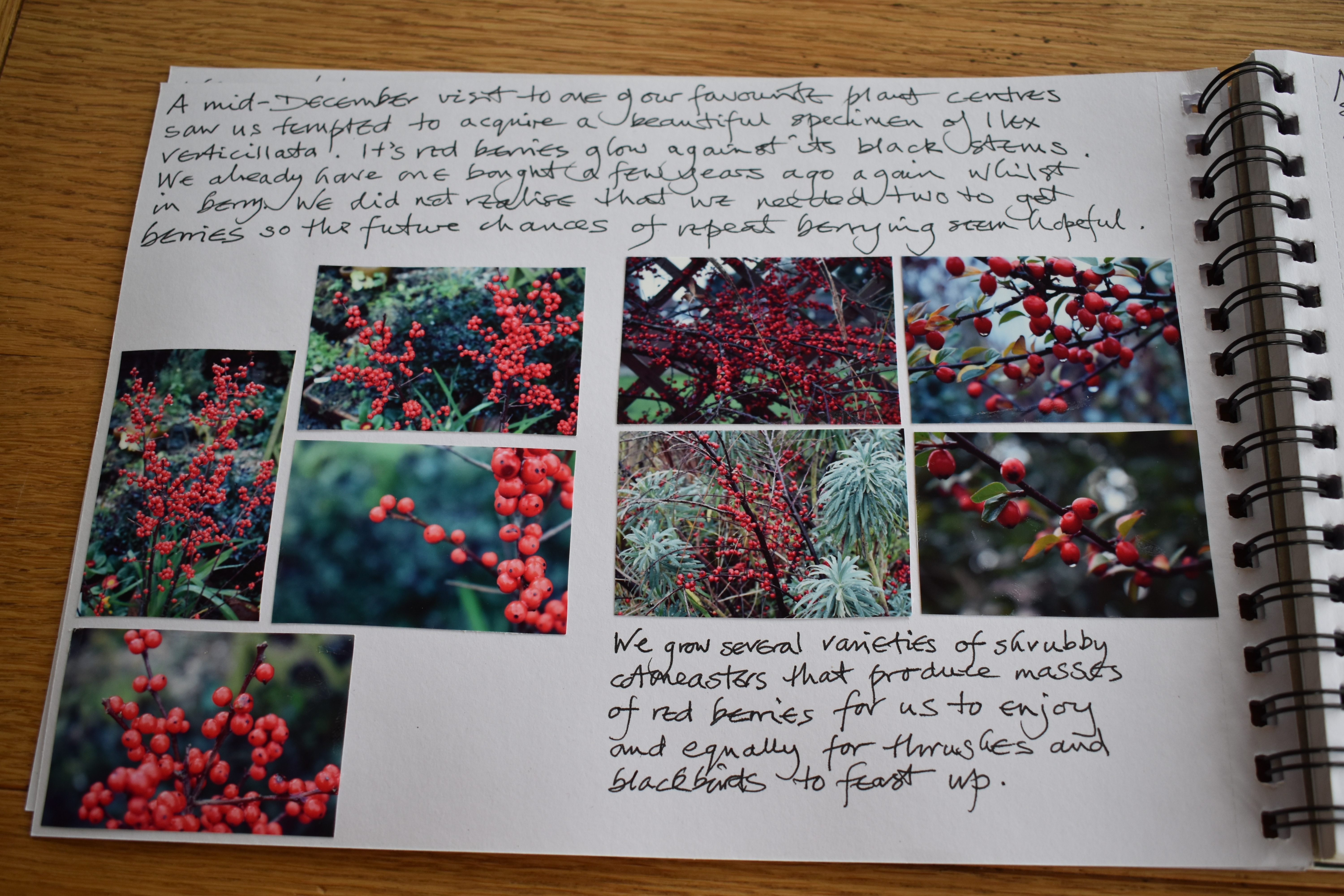
Over the page a double page spread features red berried shrubs and a beautiful succulent. On the left hand page I wrote, ‘A mid-December visit to one of our favourite plant centres saw us sorely tempted to acquire a beautiful specimen of Ilex verticillata. Its red berries glow against black stems. We already have a specimen bought a few years ago, again whilst in berry. We did not realise that we needed two plants to get any berries, so the future chances of a repeat berrying seems more hopeful.

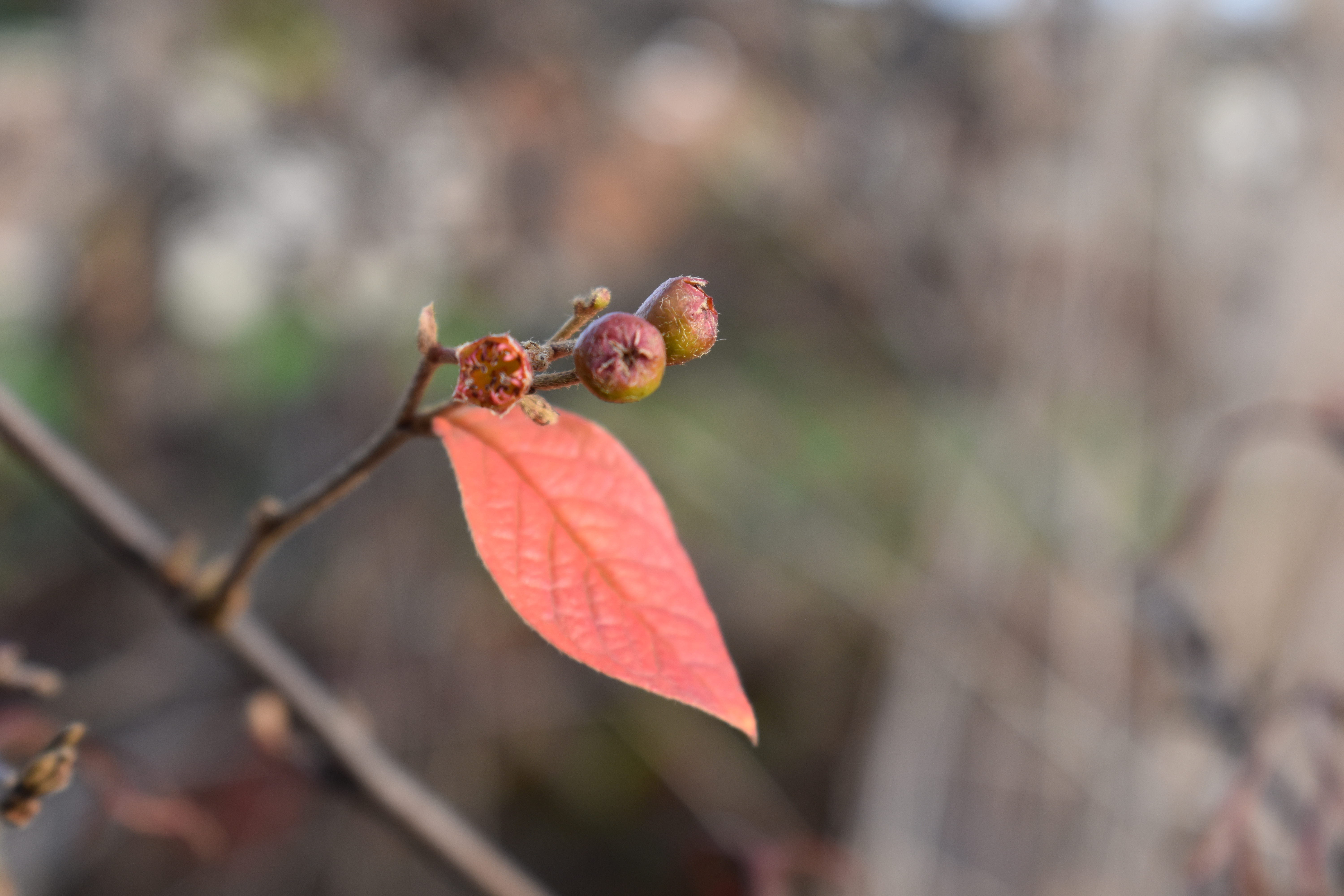
We also grow several varieties of shrubby cotoneasters which produce masses of red berries for us to enjoy and equally for thrushes and blackbirds to feast upon. We also grow a tree version but this displays yellow berries!’

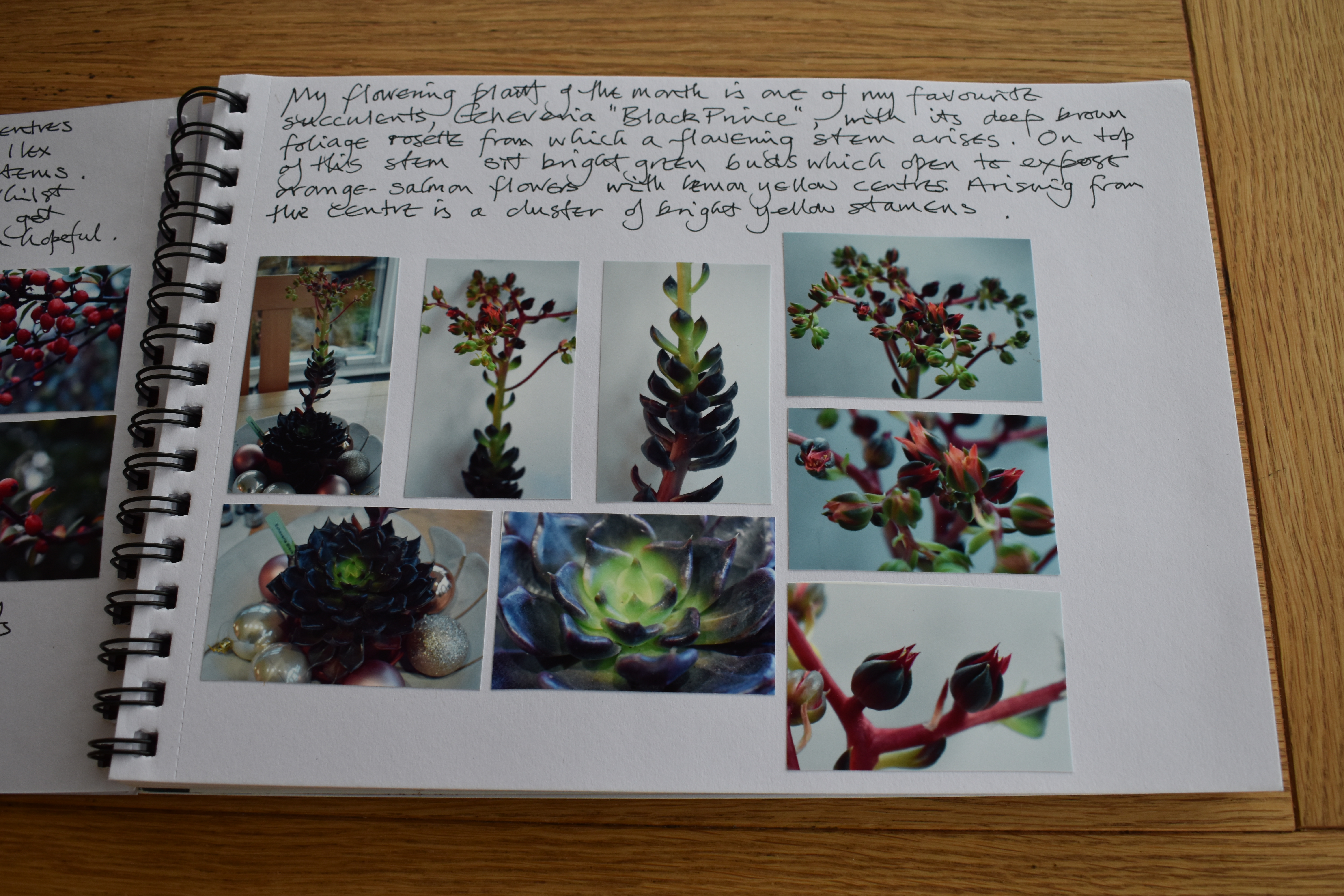
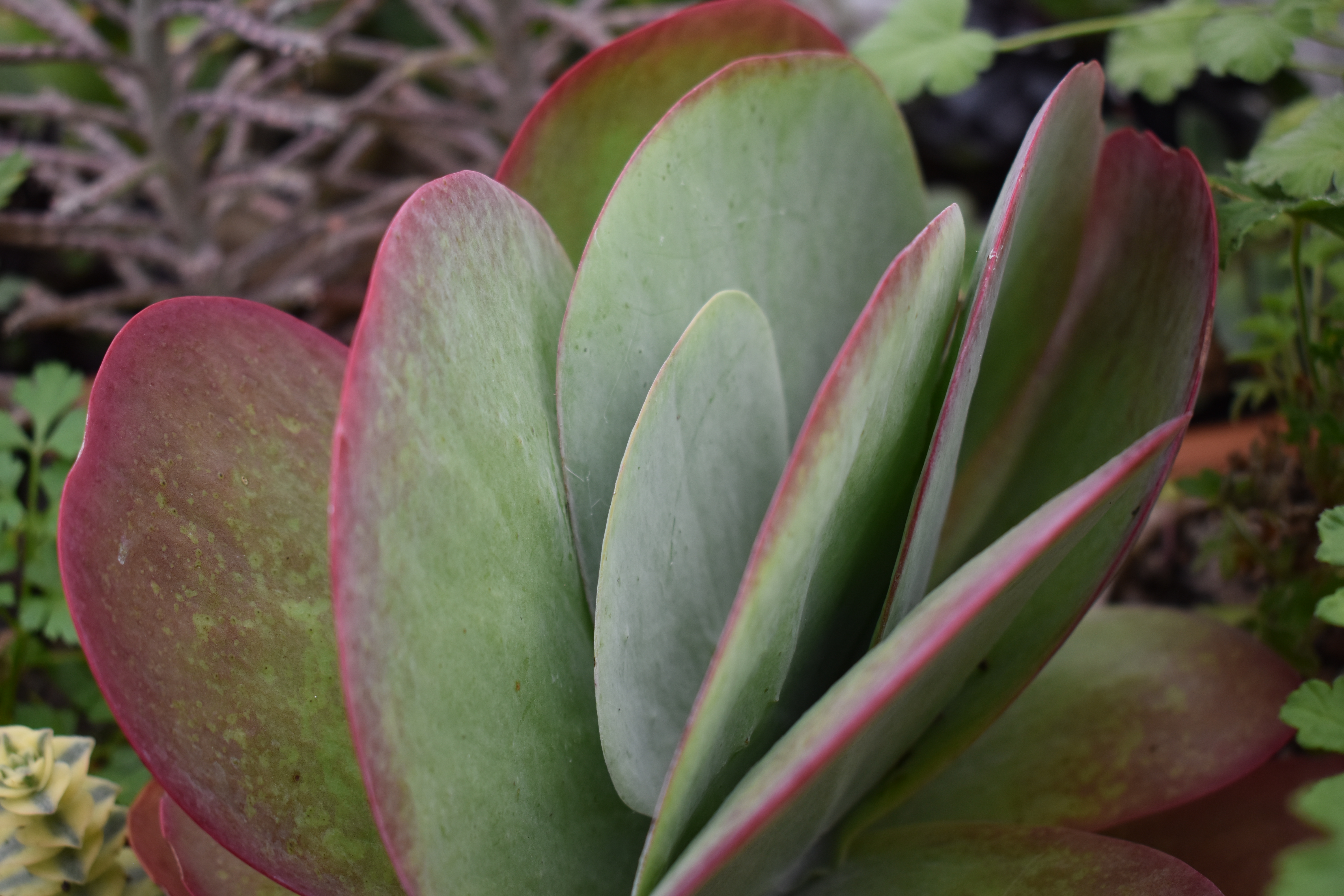
I wrote at the top of the right hand page, ‘My flowering plant of the month is one of my favourite succulents, Echeveria ‘Black Prince’, with its deep brown foliage rosette from which a flowering stem emerges. On top of this stem sit bright green buds opening to expose orange-salmon flowers with lemon yellow centres. Arising from the centre is a cluster of bright yellow stamens.’

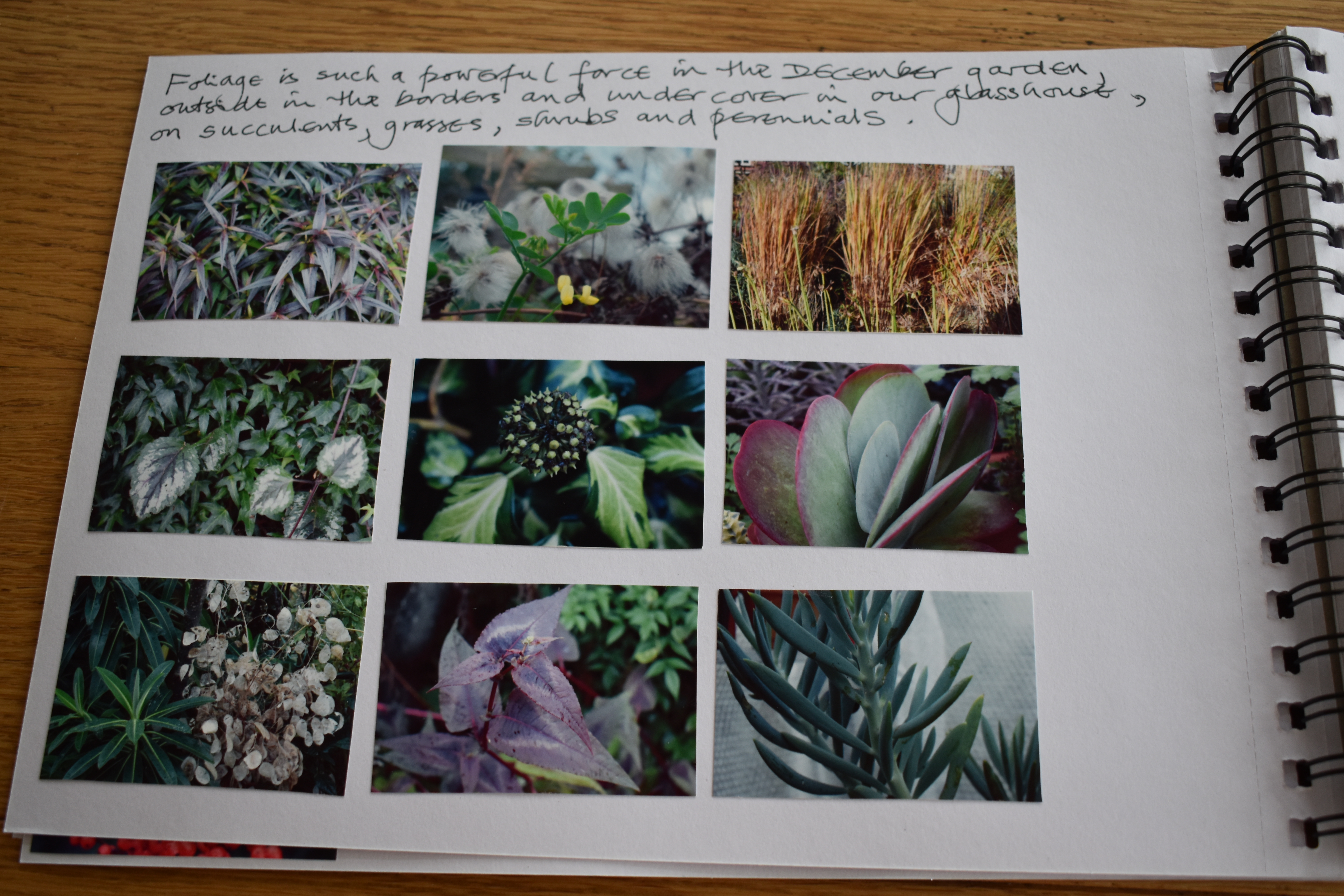
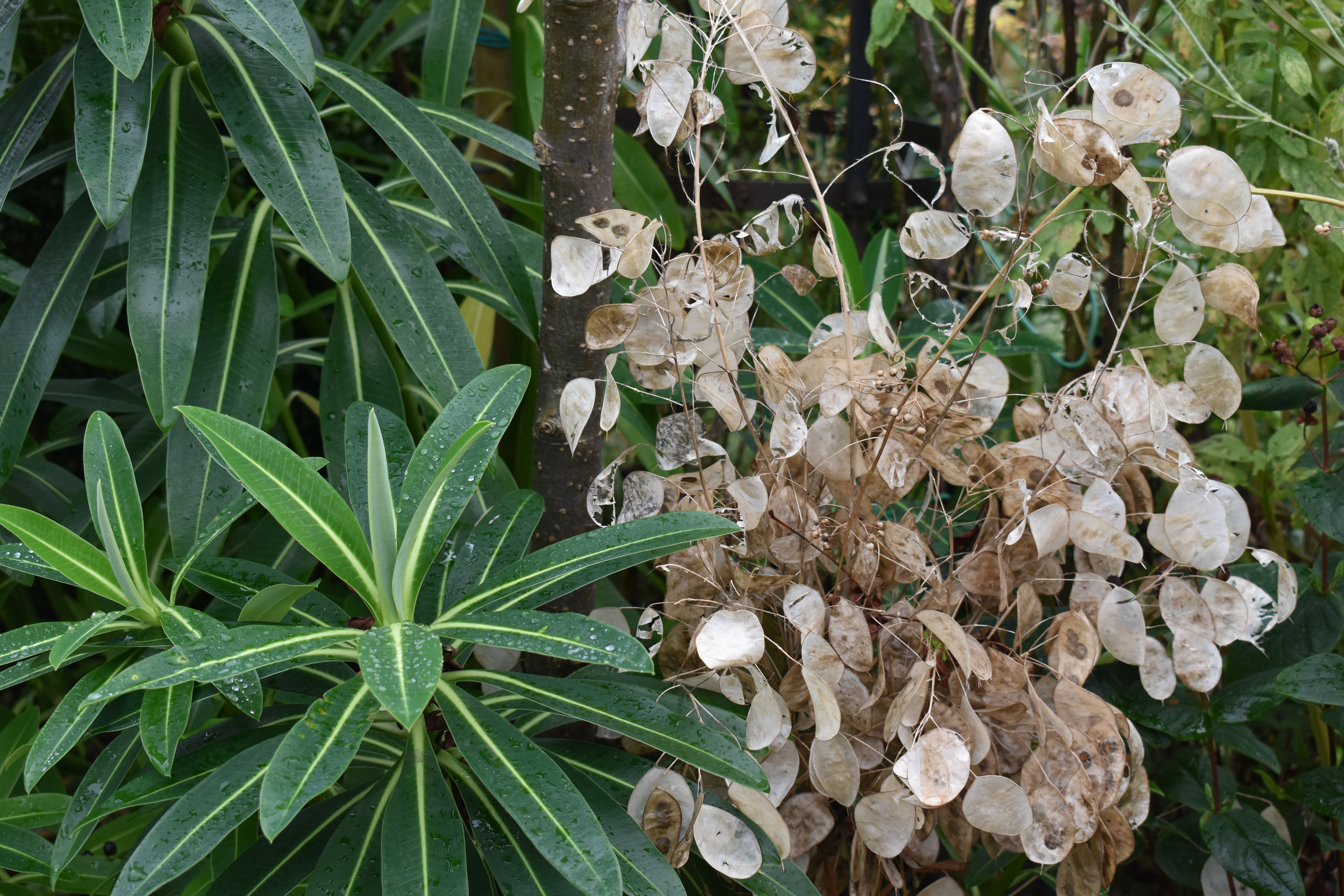
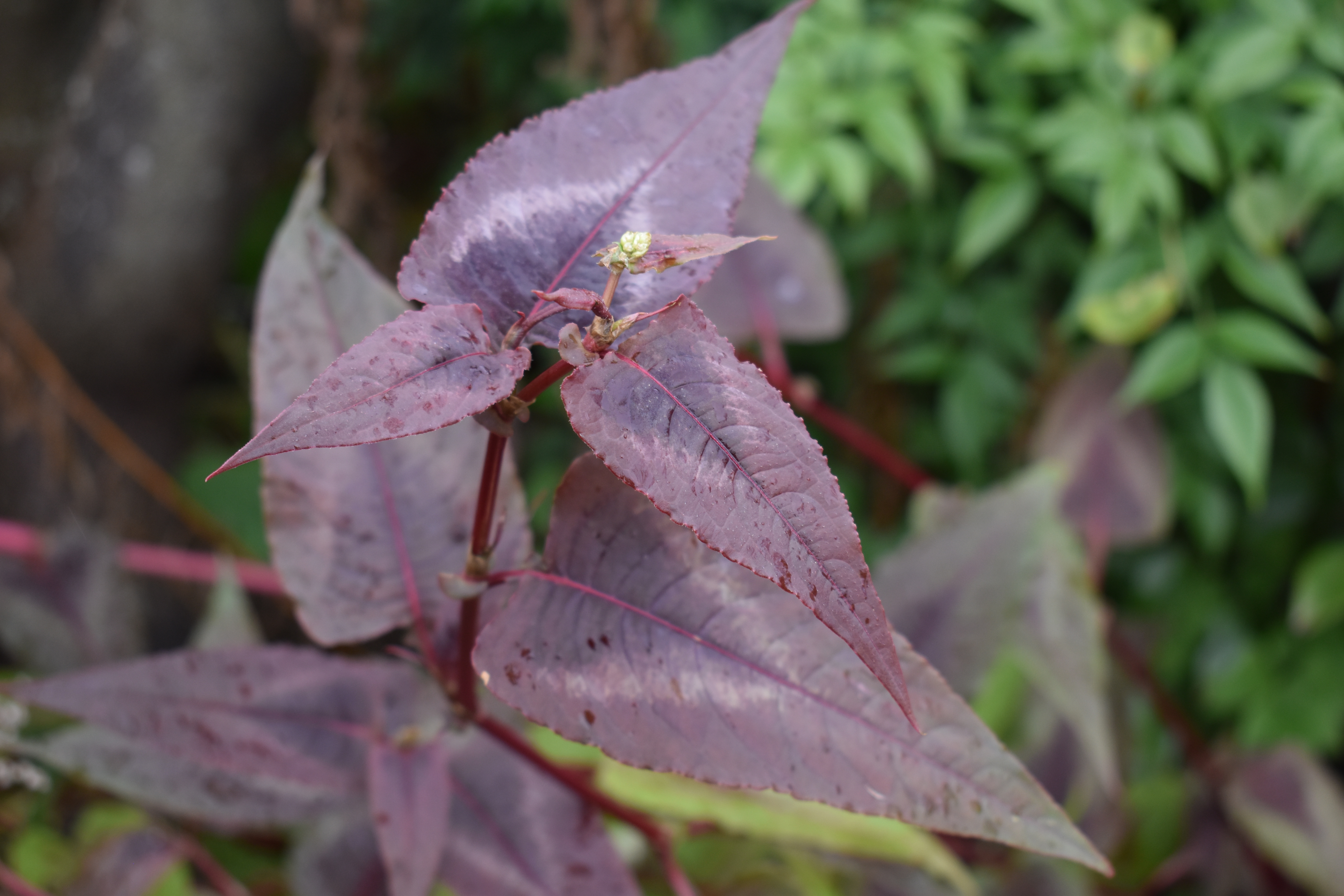
My final words for December appear on the top of the next page, ‘Foliage is such a powerful force in the December garden, outside in the borders and undercover in our glasshouse, on succulents, grasses, shrubs and perennials.’

So there it is, the last monthly report from my Garden Journal 2020. My next visit to my journal will be for January next year, 2021!
Categories
Uncategorized

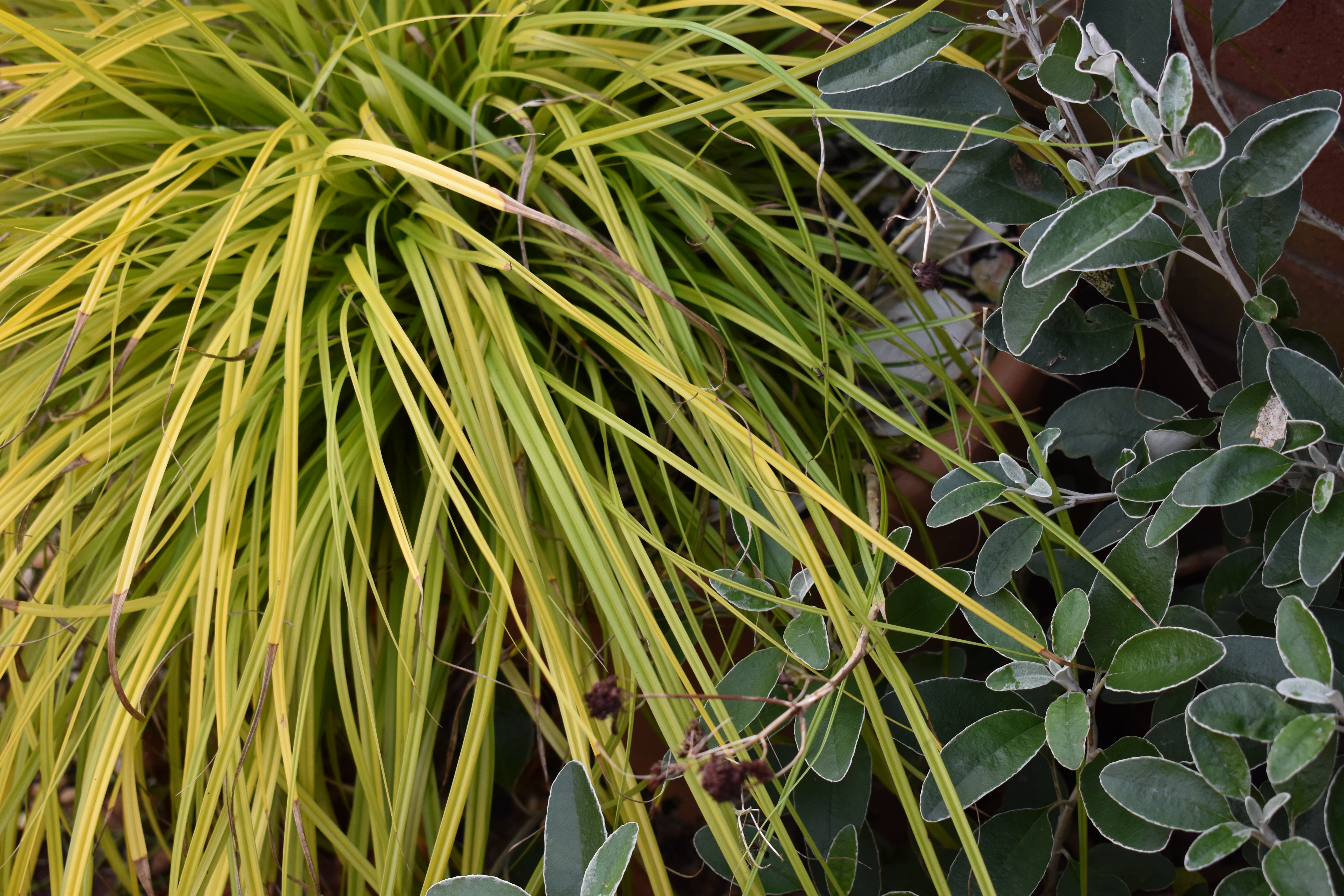
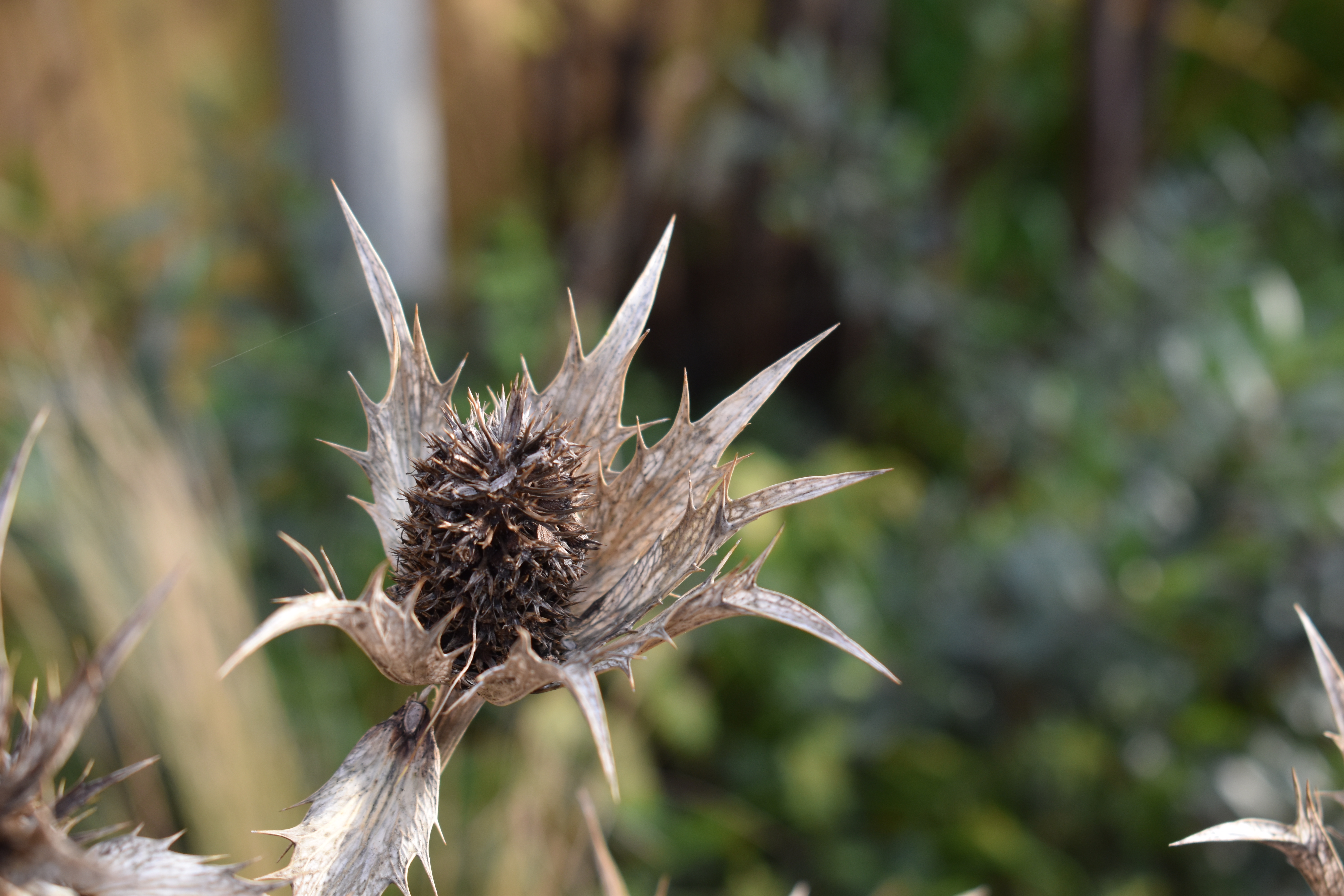
Grasses in Winter

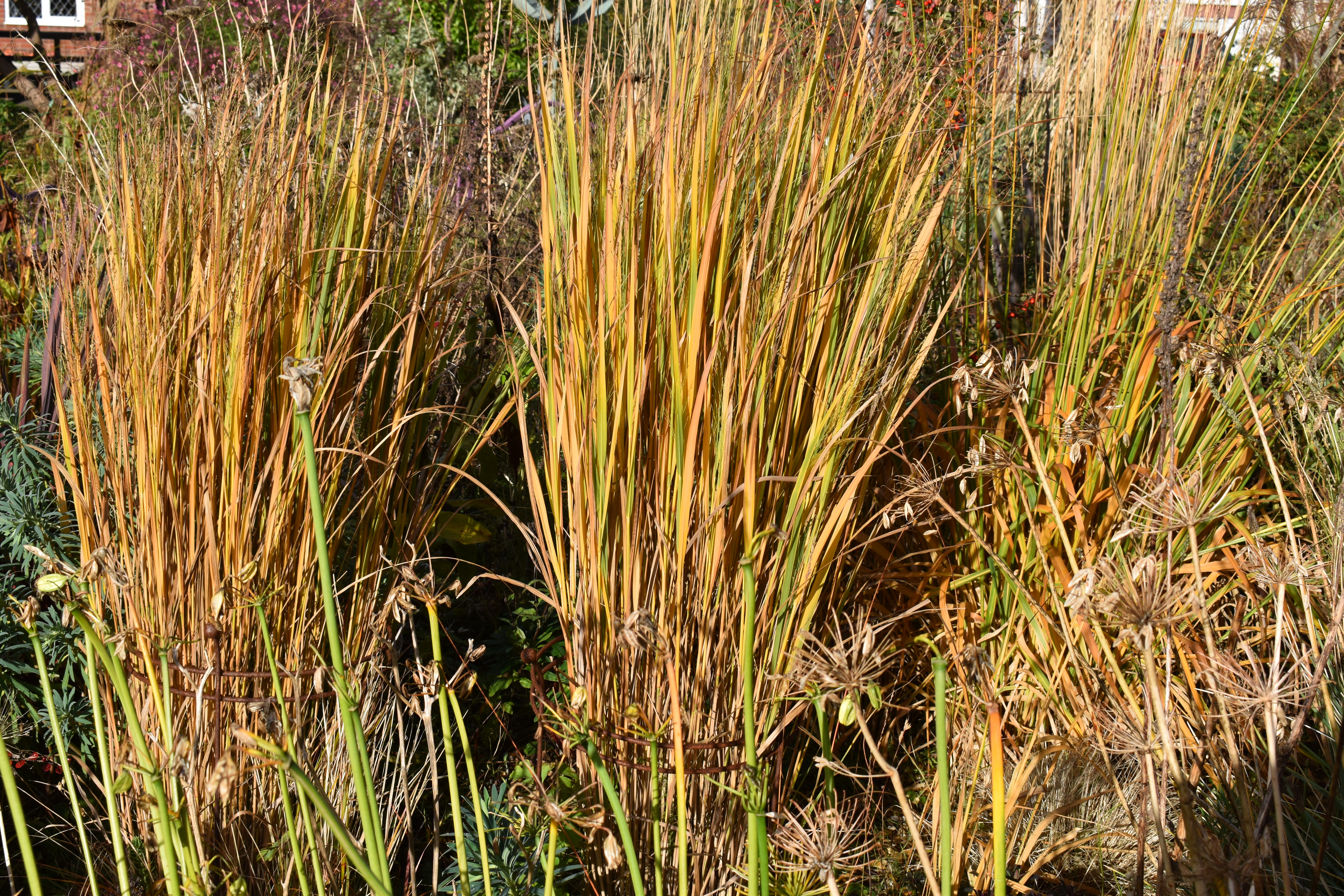
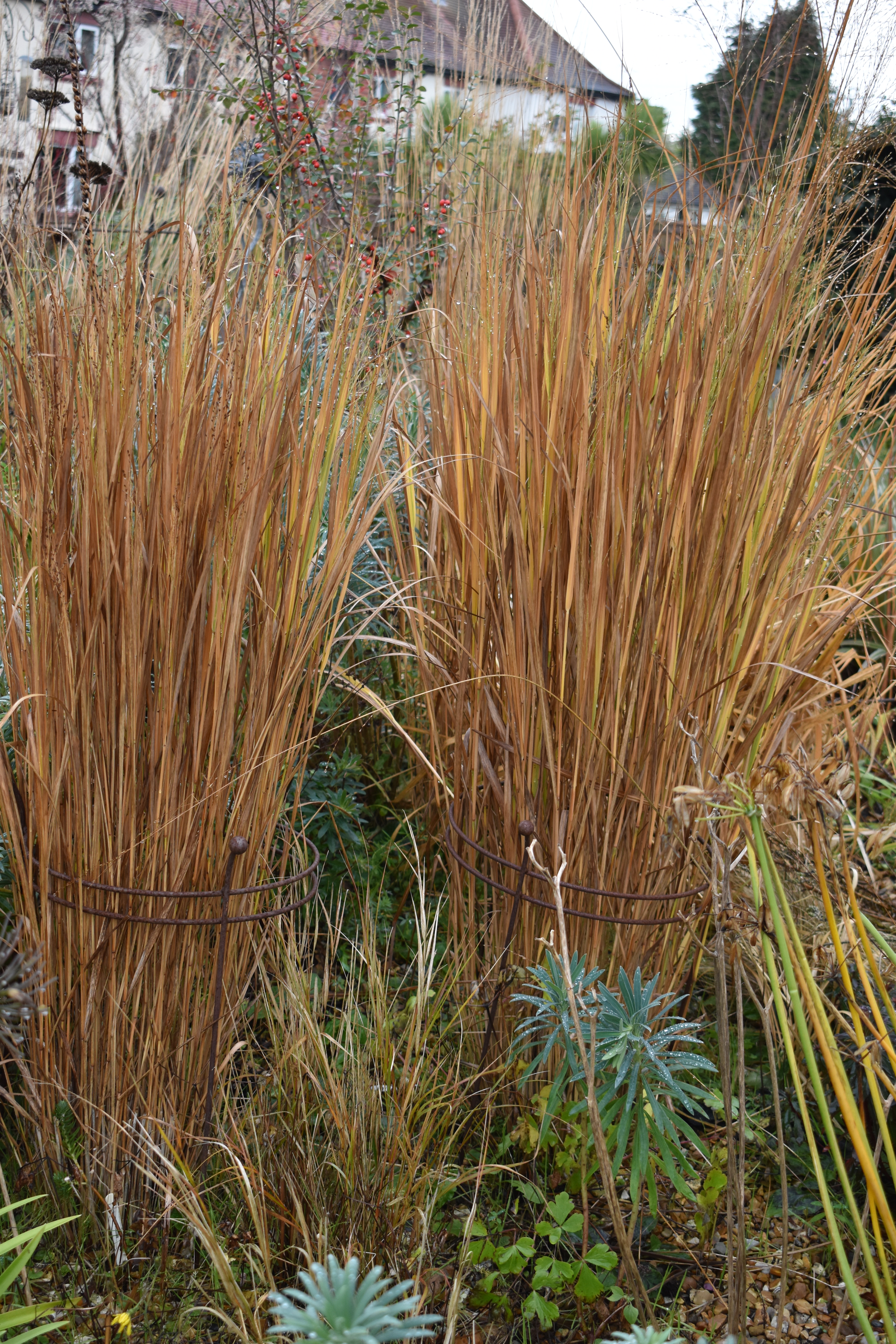
We grow lots of grasses in our garden as they provide all year interest as well as being great for wildlife. Birds eat the seeds in the autumn and winter and seek out insects within them in spring, summer and autumn. The bases of grasses are grand places for insects, invertebrates and moth pupae to overwinter. Thus we don’t cut our grasses down until late February and early March. If any collapse in the wind we cut them down and bundle them up as wildlife shelters.

We grow them because they pick up the slightest wind and move gracefully, they catch the light to adding extra interest. They vary so much in structure, colour, texture and shape.

At this time of the year we enjoy the deciduous and evergreen varieties equally. We grow lots of different varieties so have much to enjoy every cold winter’s day.

In his talks Dan Pearson, who uses grasses fully in his designs, describes grasses as having a diaphanous quality and talks of how they, “…..hold the light and communicate the movement of air, or the lack of it.”

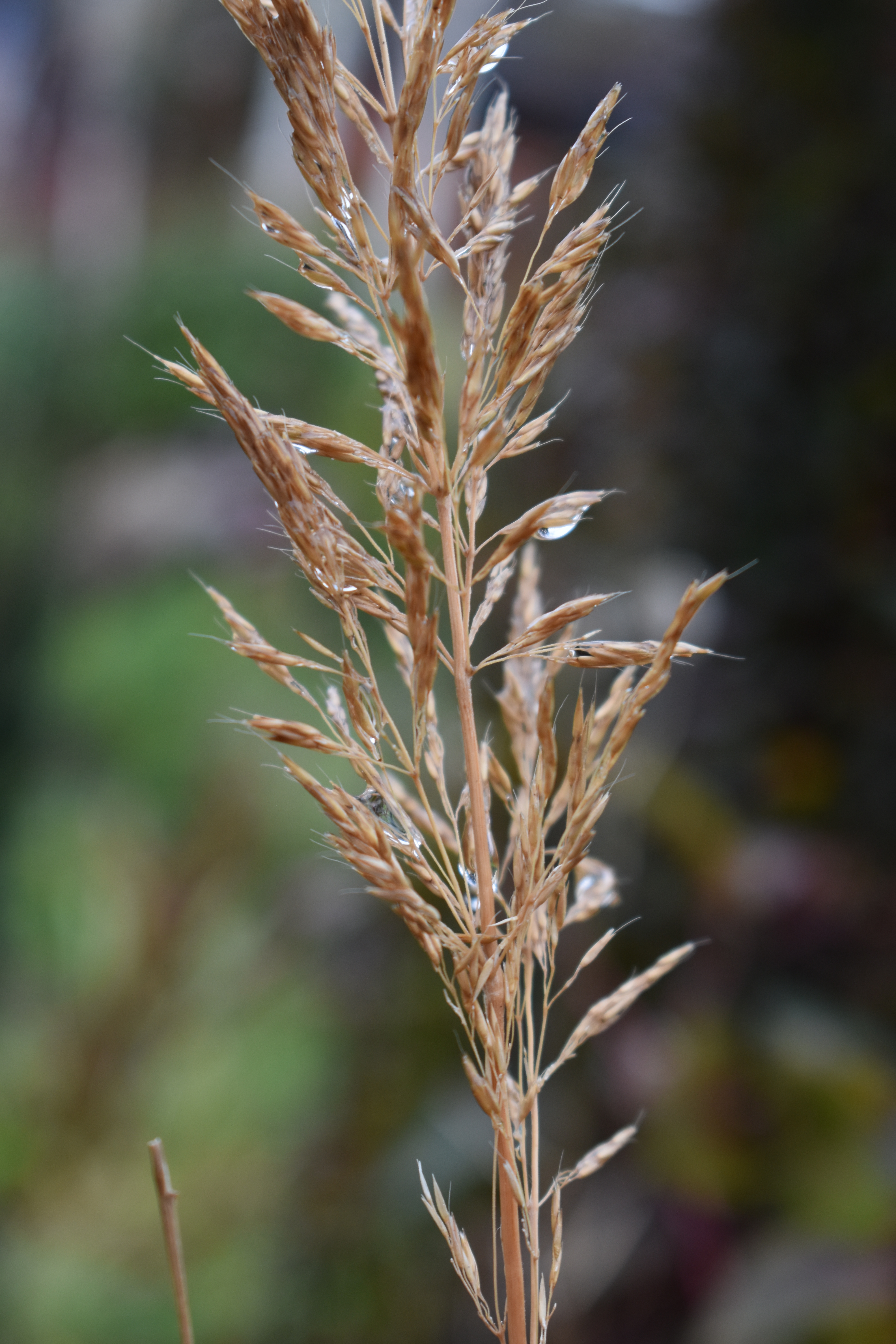
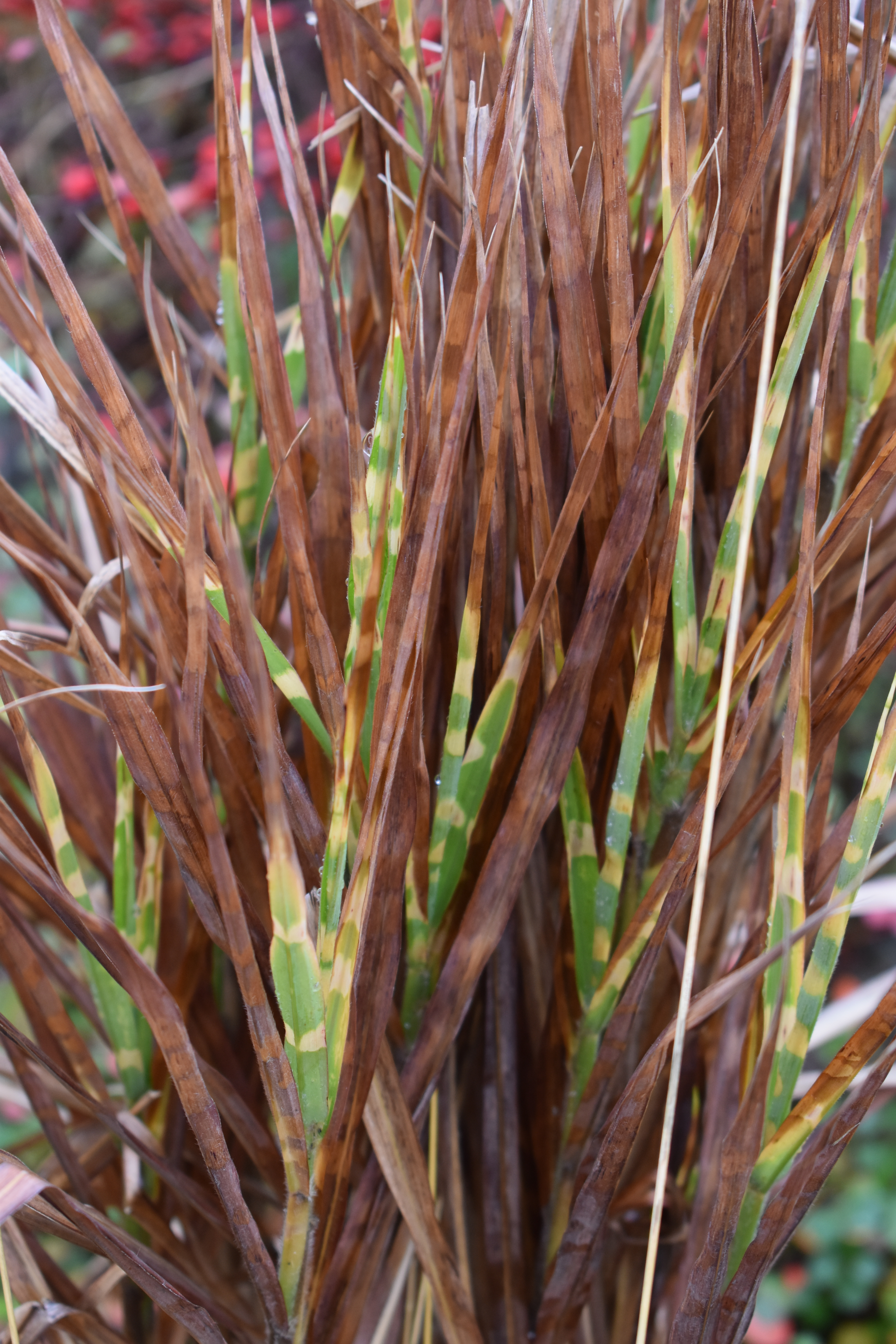
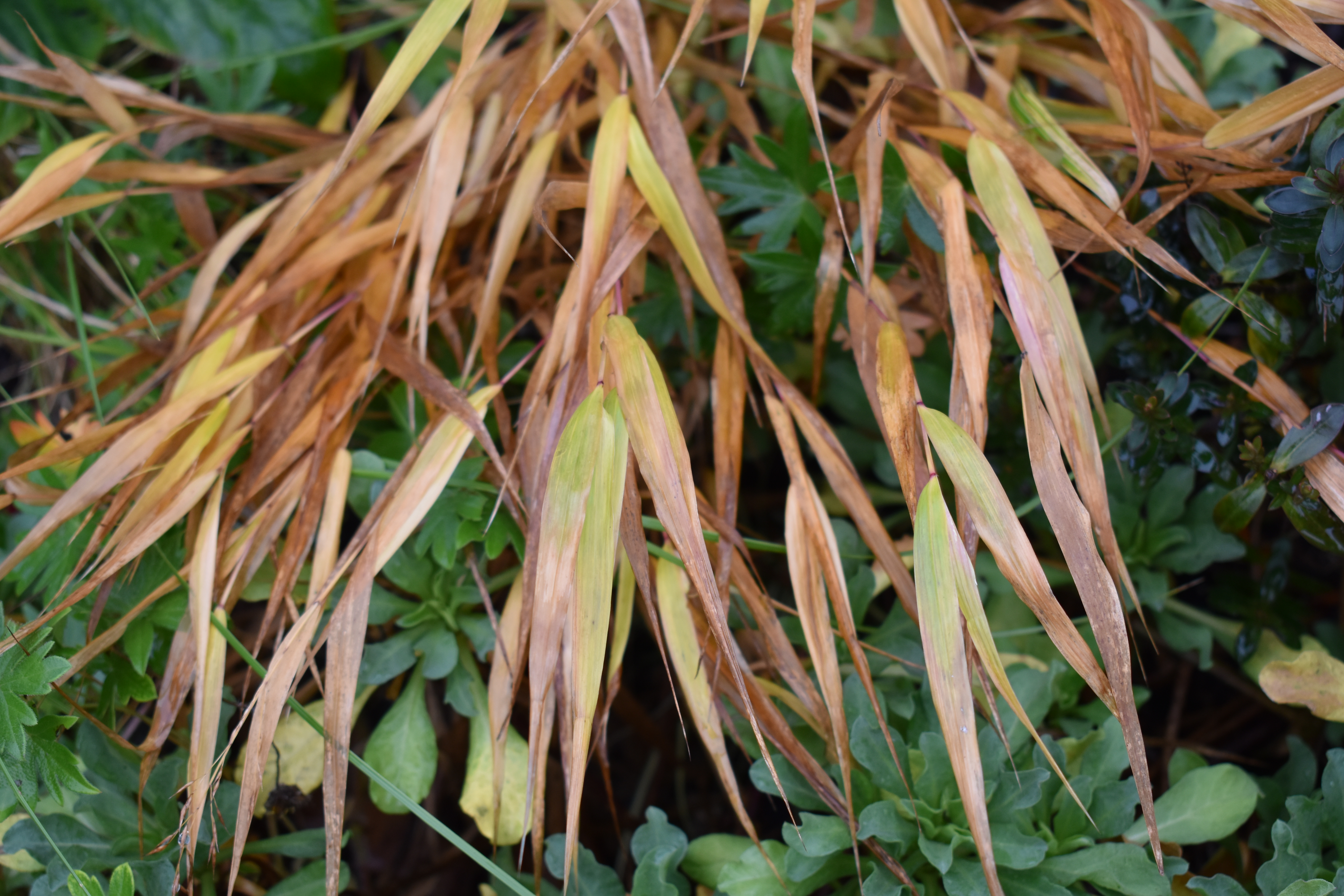
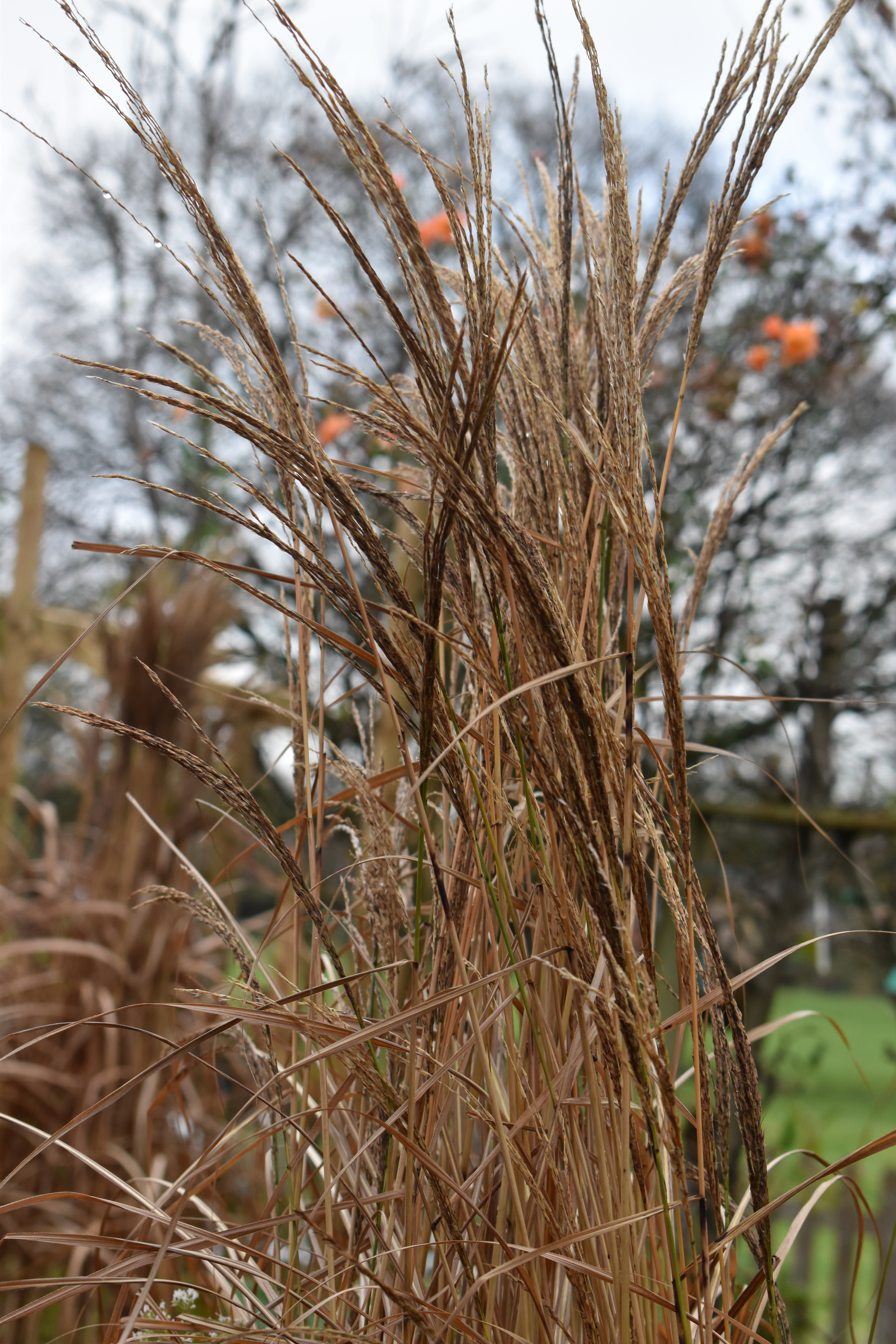
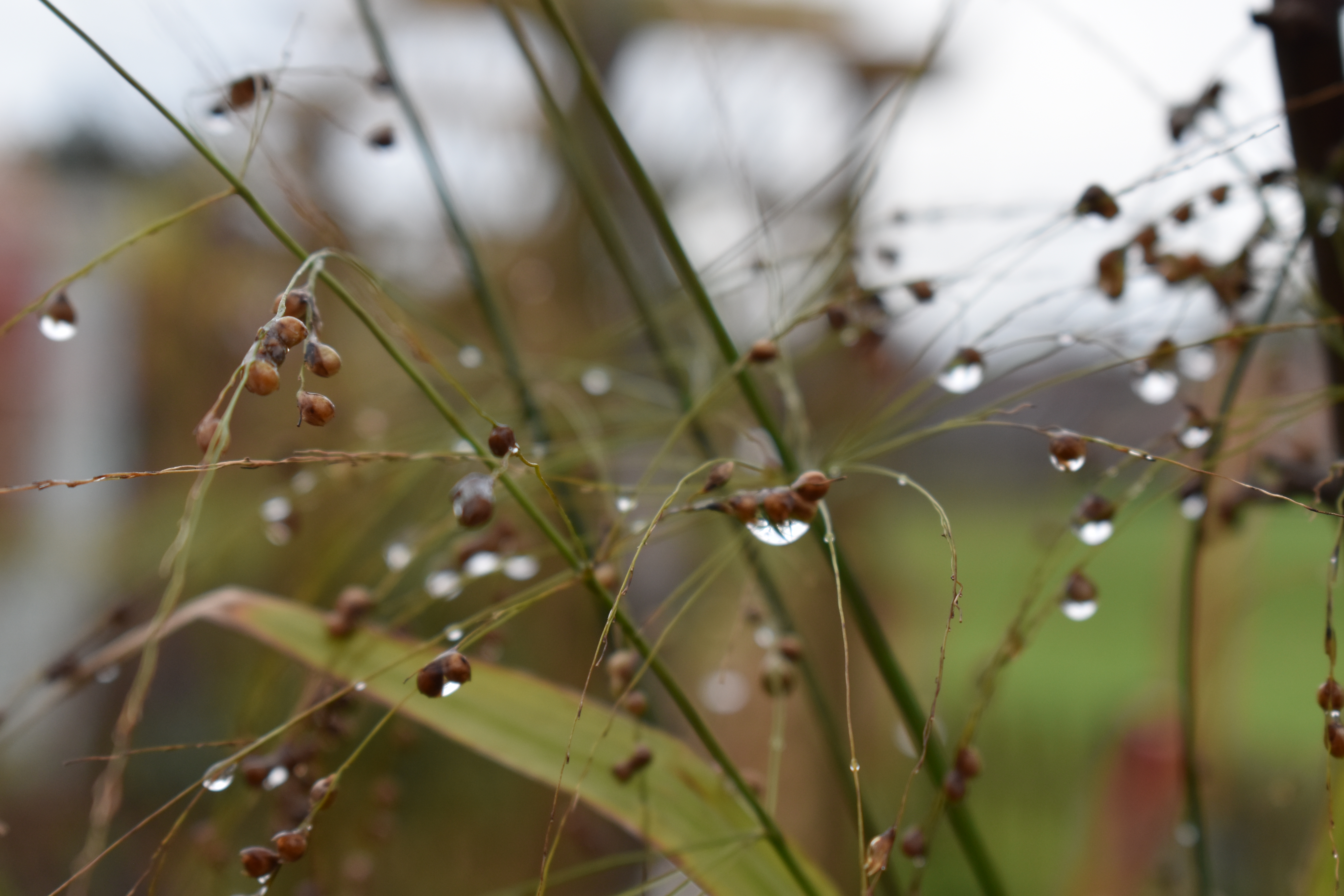
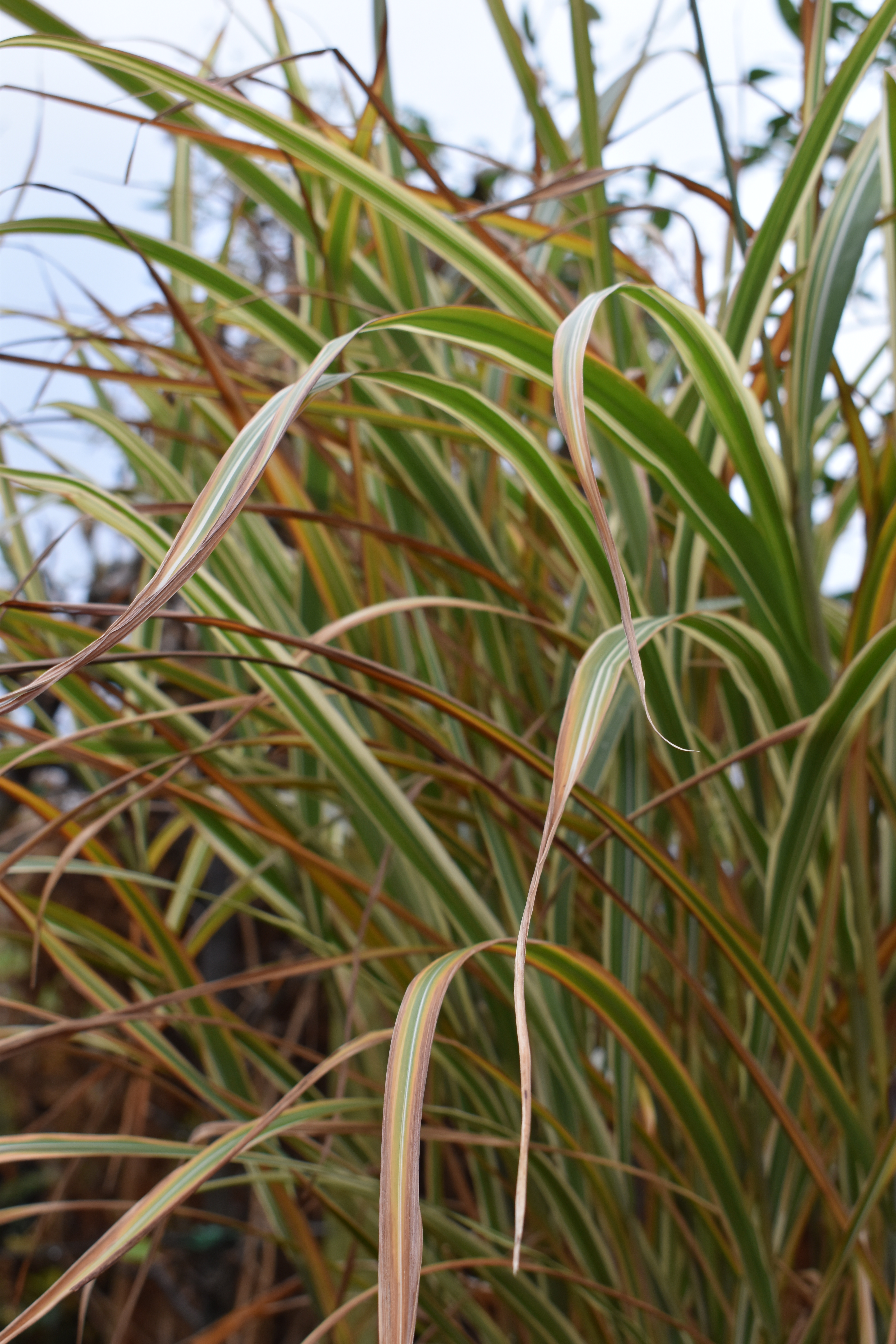
Here is a selection of photos taken in December of some of the grasses growing in our garden for you to enjoy.

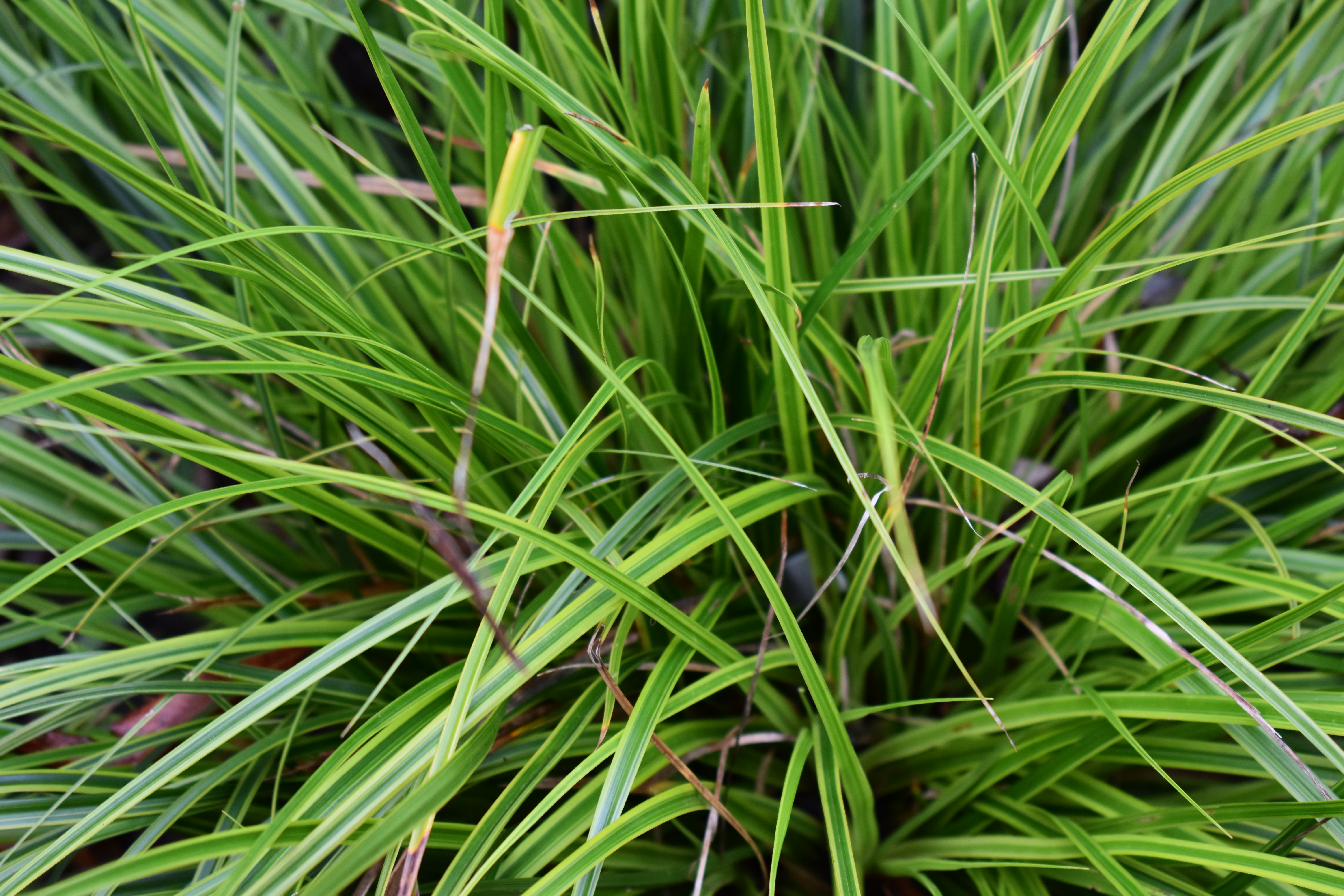
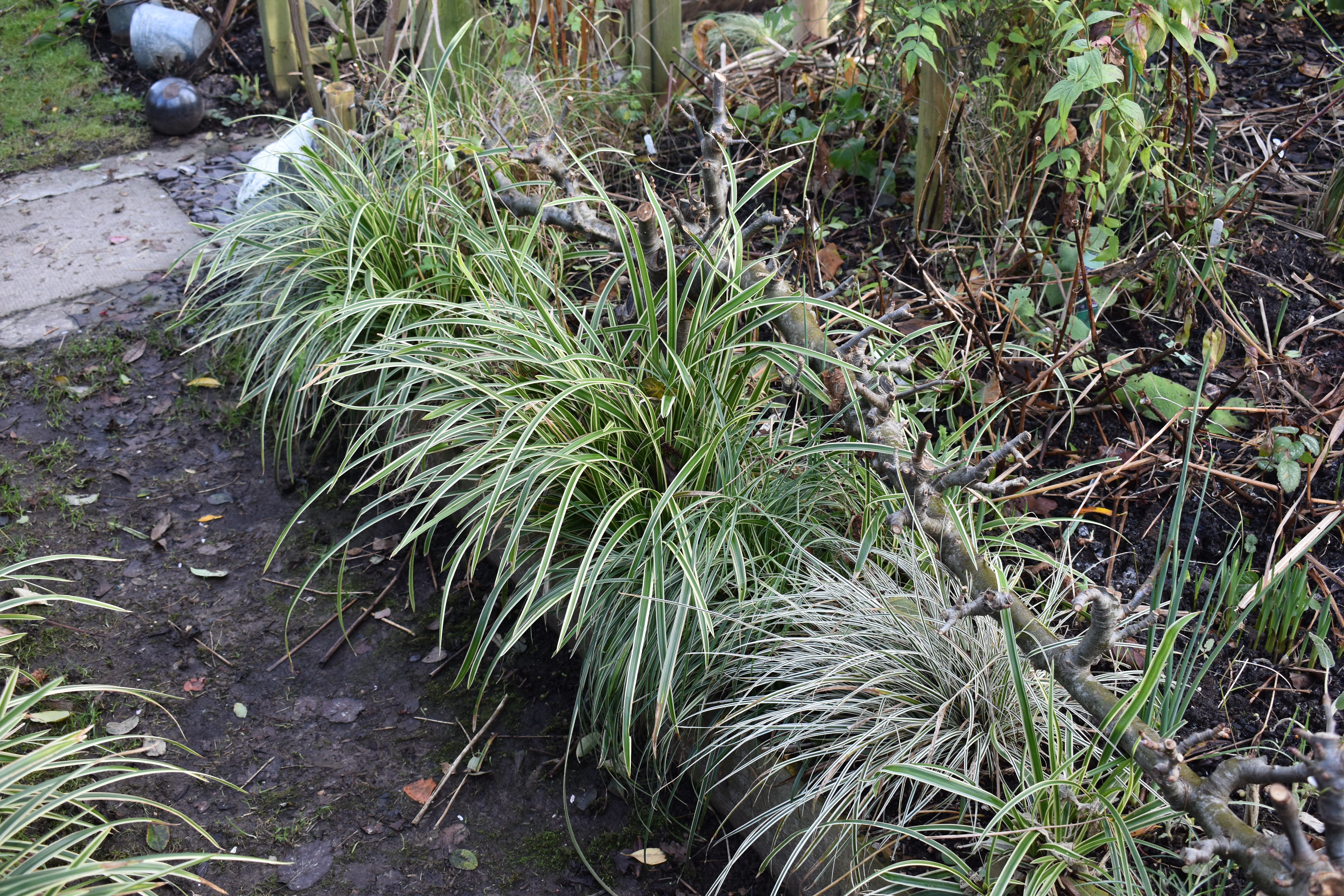
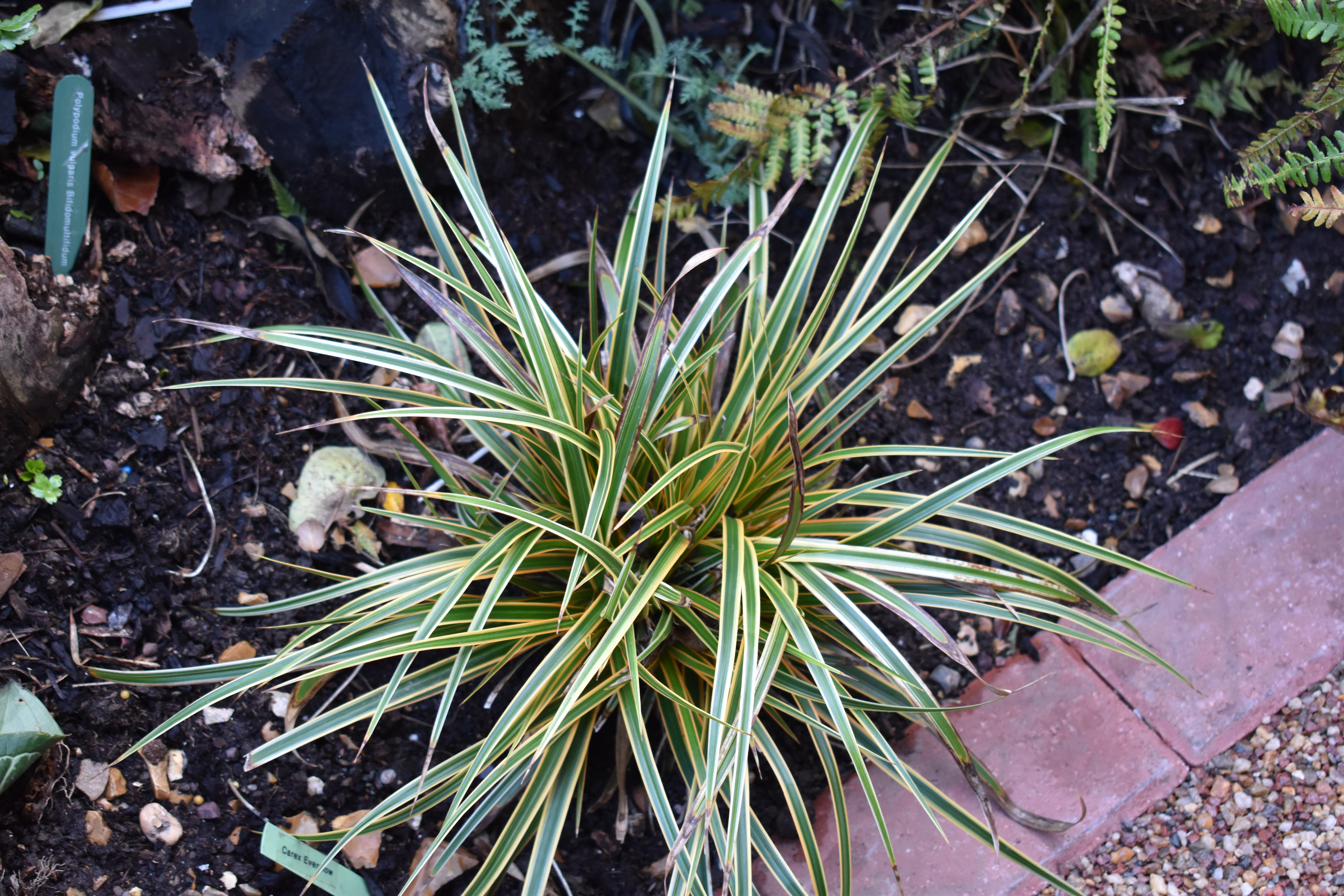
The one evergreen grass we grow most of is the Carex family. They feature so many shades of green, some sport variegations but they all enjoy any aspect. They are particularly suited to shade or semi-shade equally well which makes them very flexible.

We often use carex to edge paths and borders too, where they give us interesting neat low ‘hedges’ of many textures and colours.

Categories
Uncategorized

Happy New Year 2021 Orange in the Garden

To recognise that we have said goodbye to 2020 and to celebrate seeing the back of such an awful year controlled by Covid 19, I decided to wander around the garden and look for the brightest of garden colours, orange.

I hope you enjoy seeing what I found – some photos are more obvious than others where orange is harden to find!
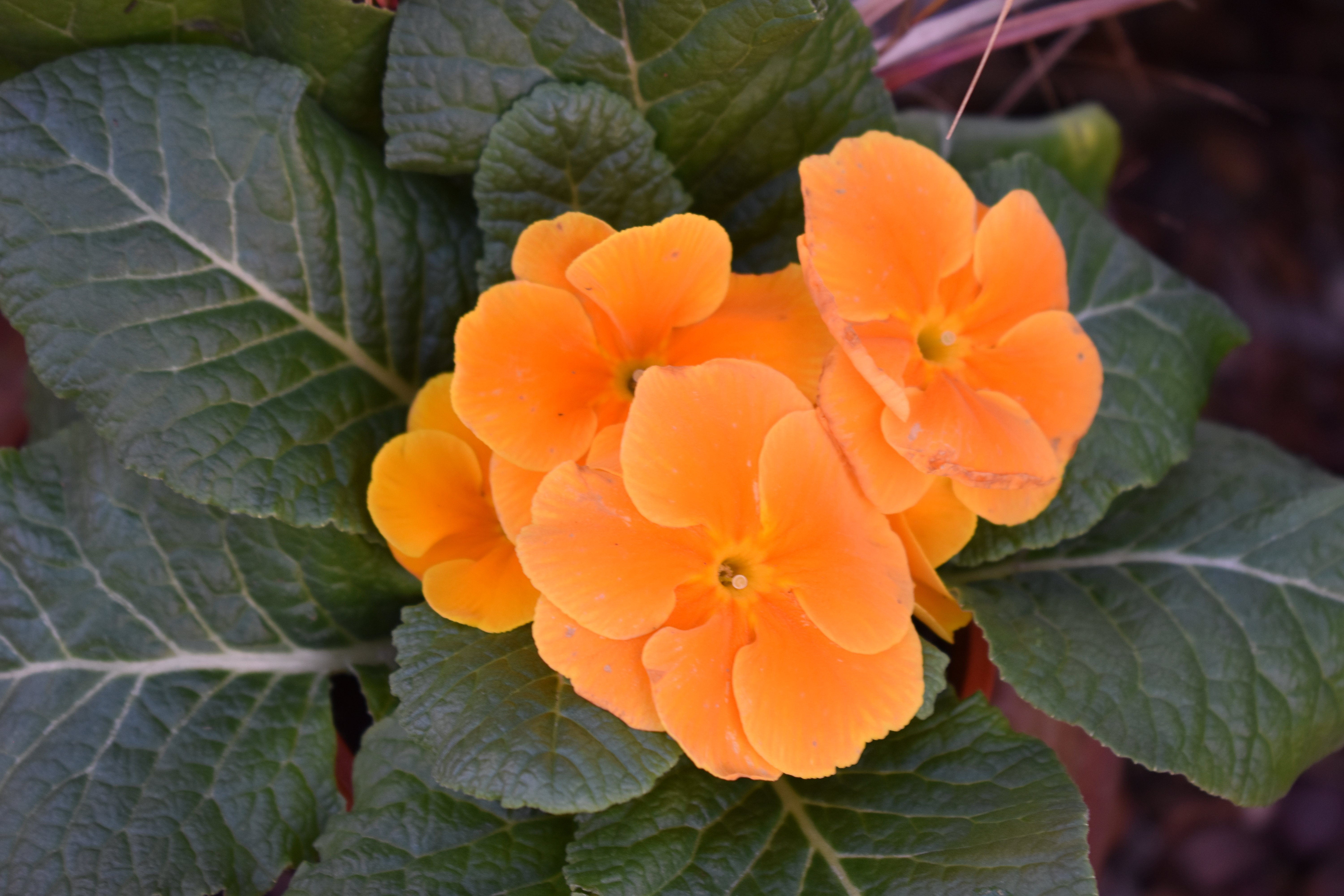
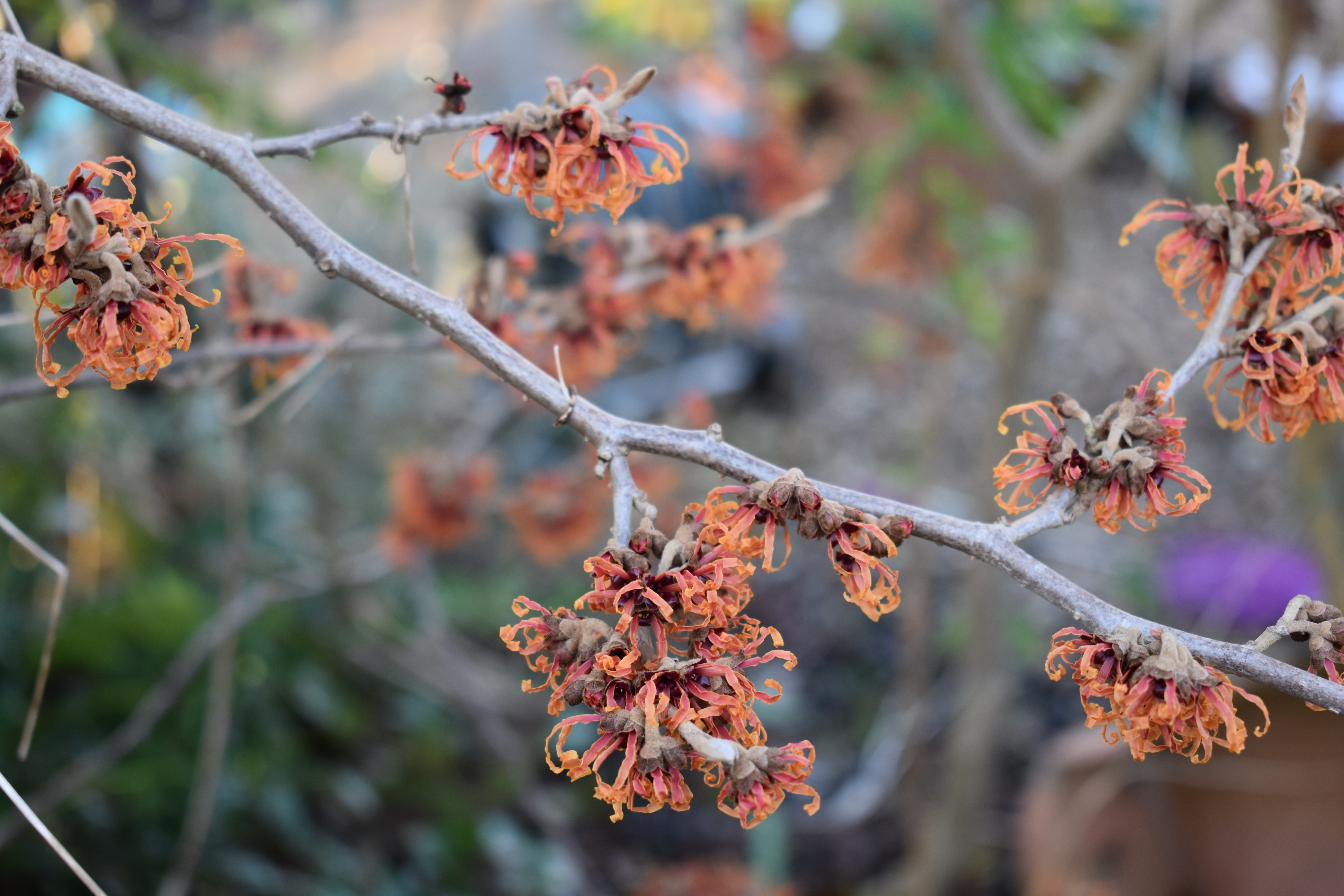
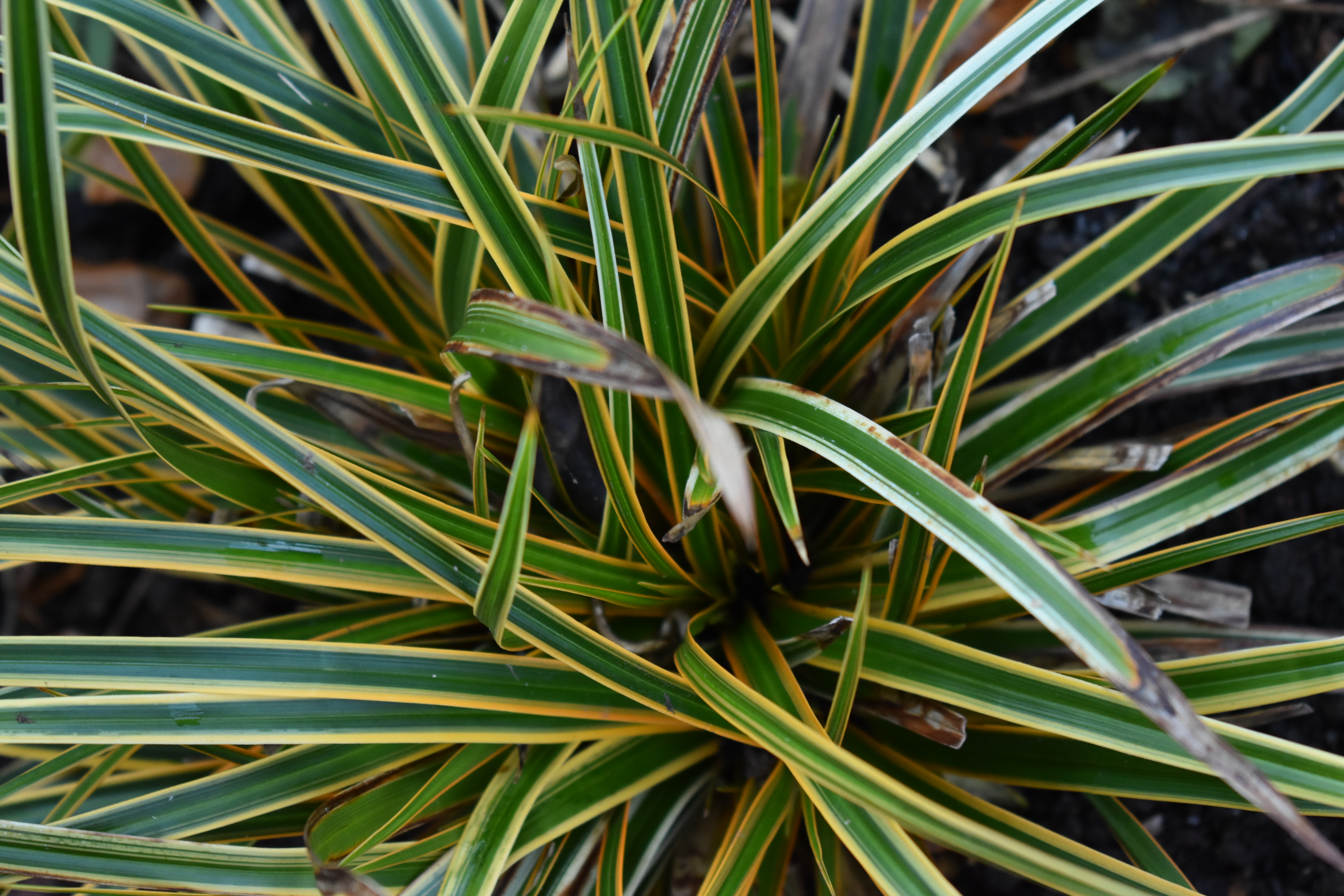
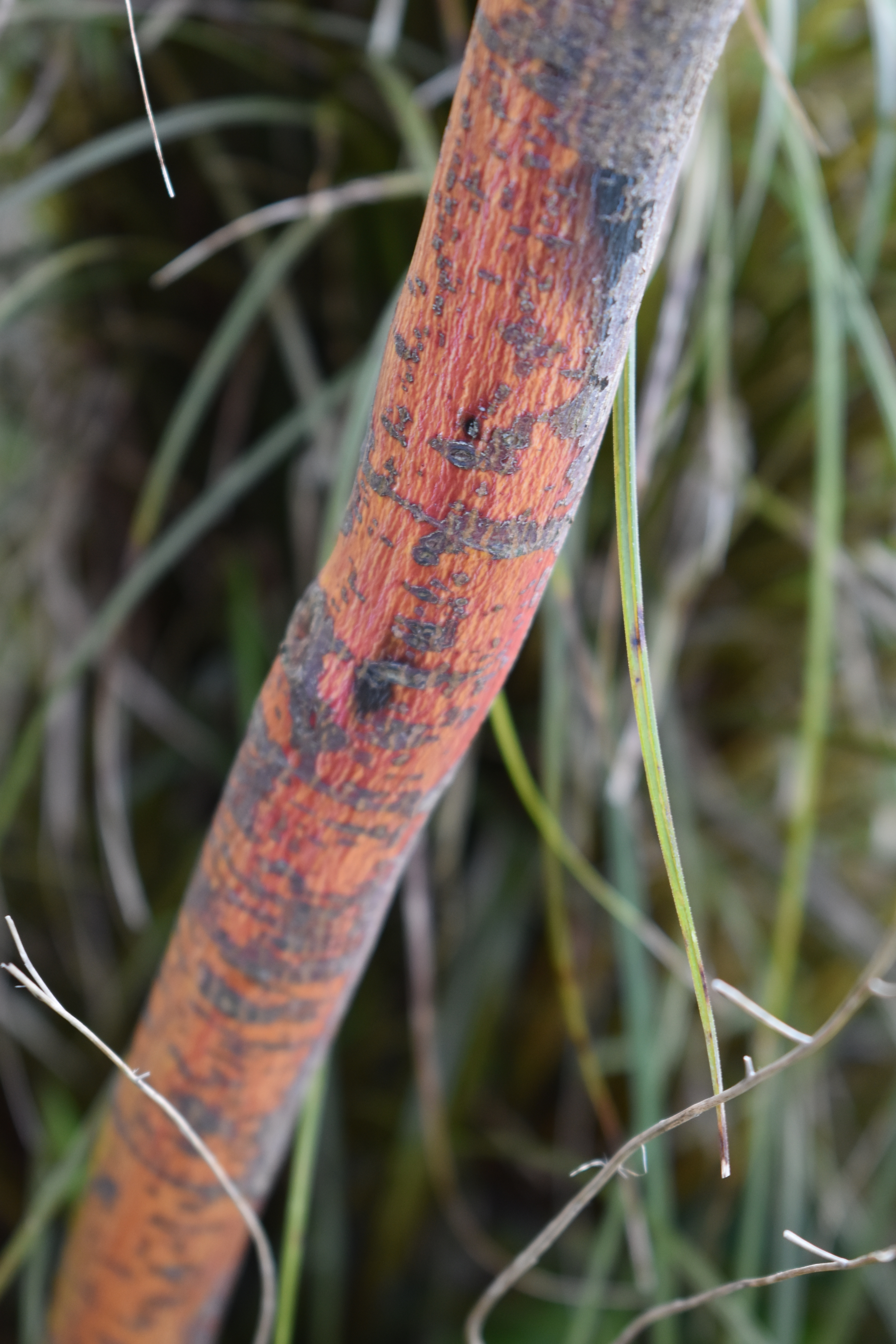
In the first gallery orange appears brightly in flowers, primulas and witch hazels but more subtly in the stripes of grasses or the bark of trunks and stems.

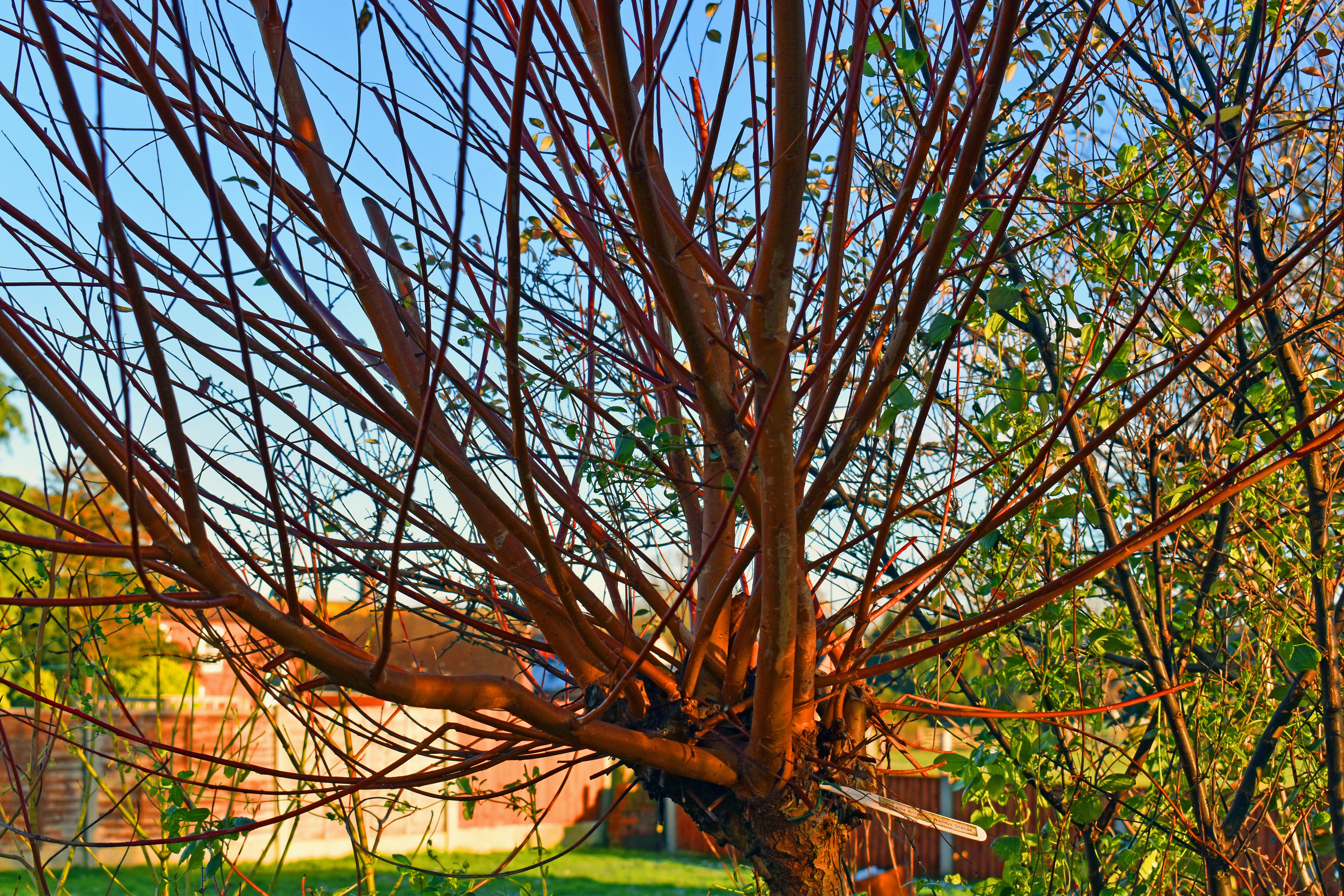
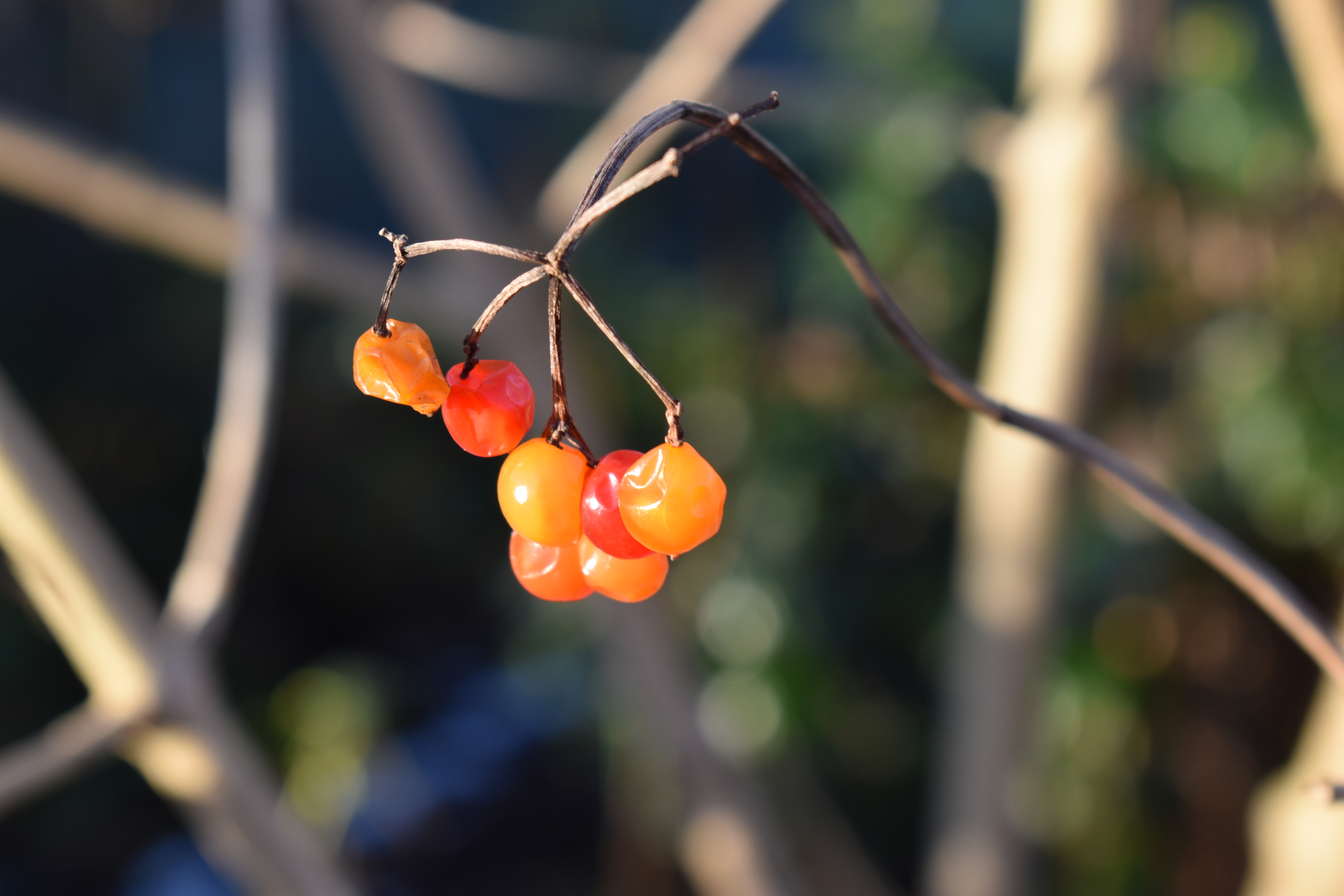
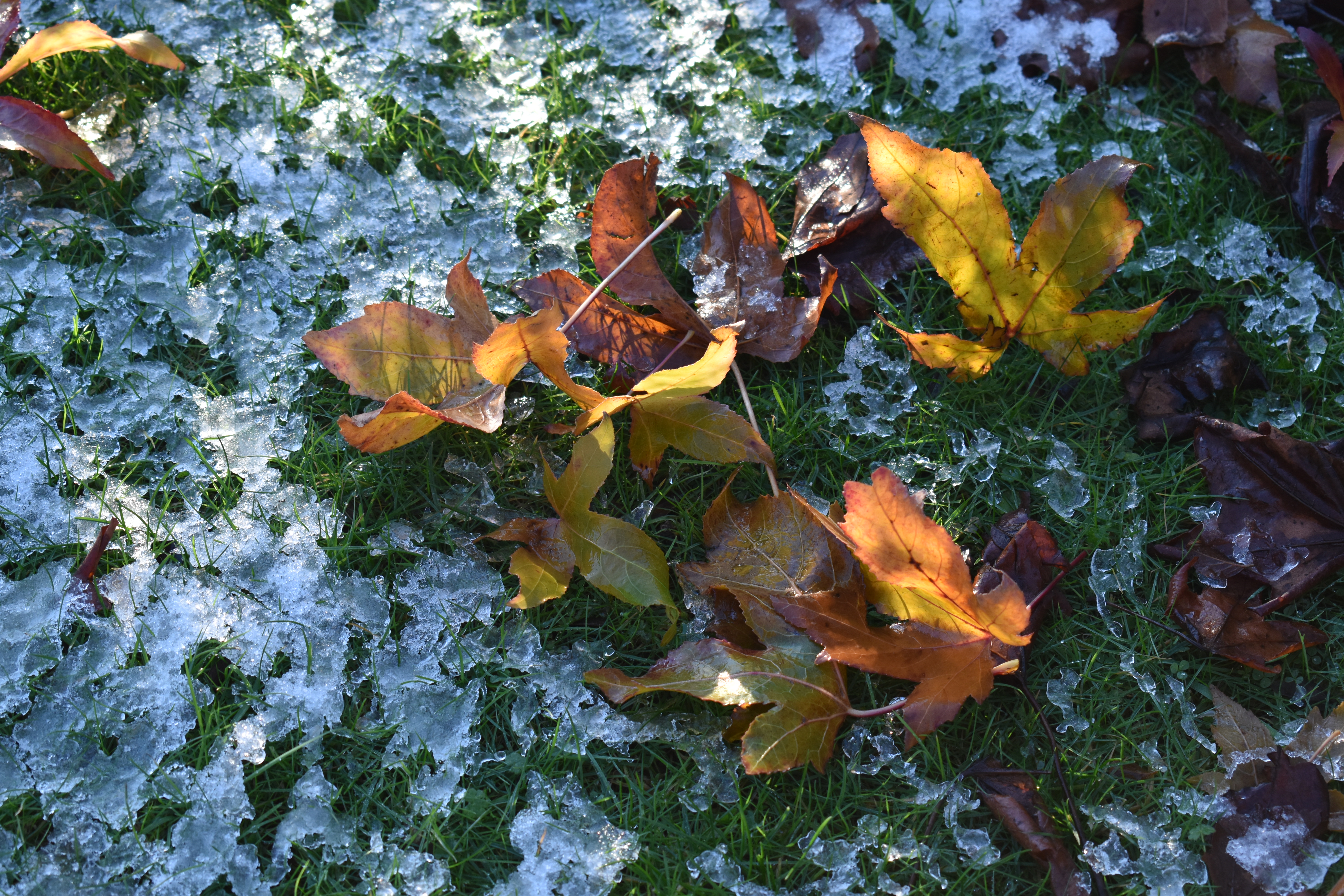
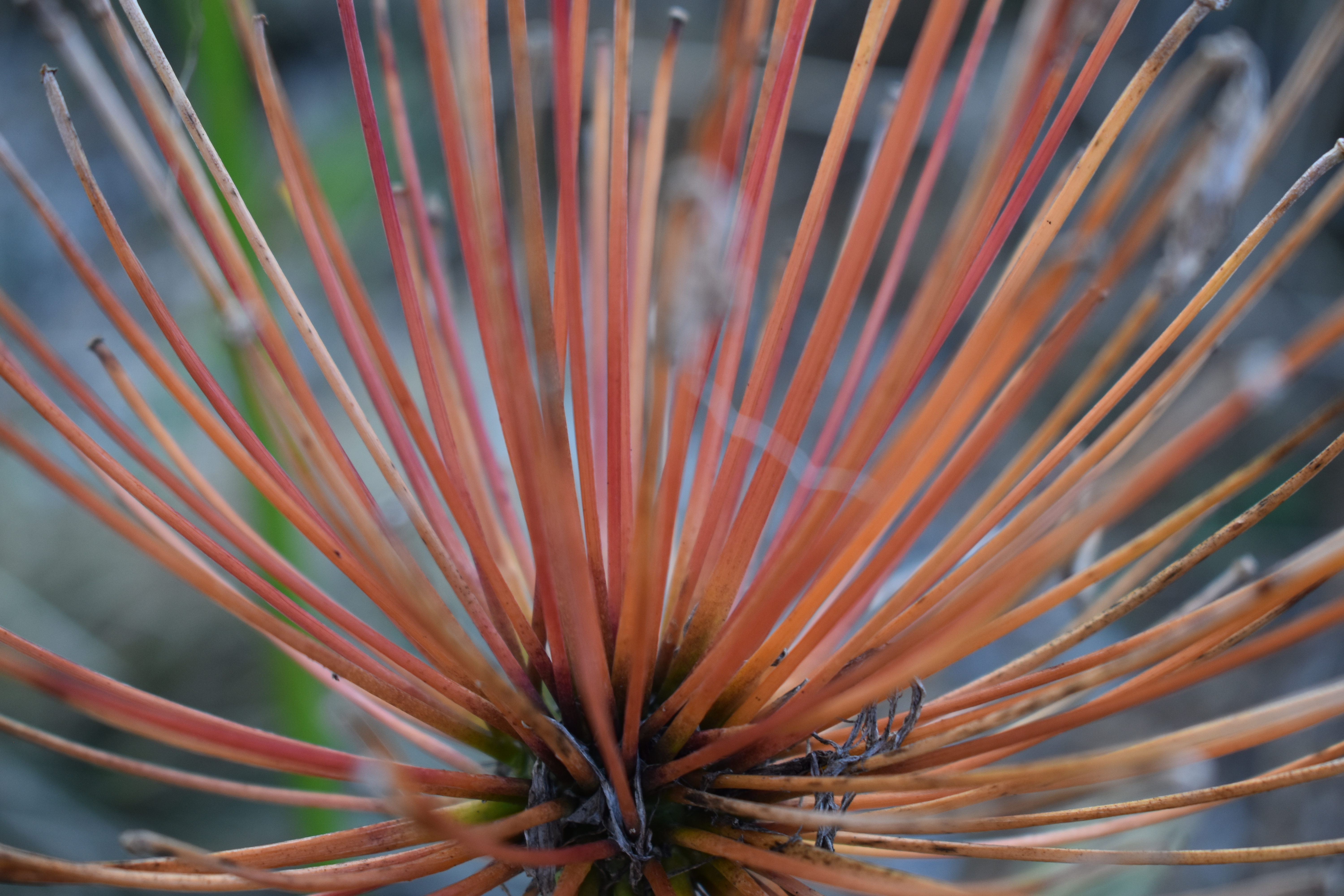
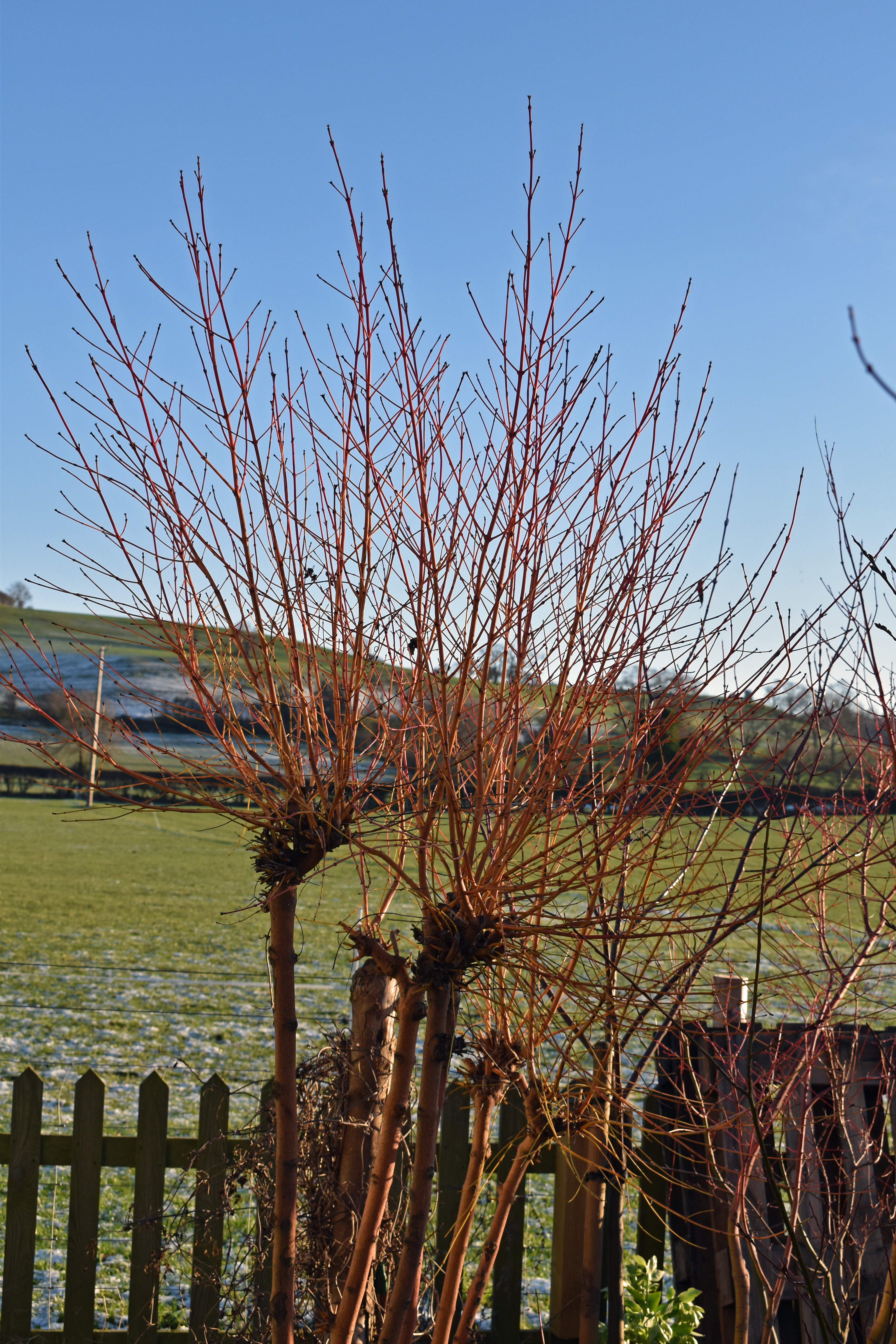
In gallery 2 we find orange in berries of Viburnum opulus, in fallen leaves, cornus stems and even the delicate seed head of an agapanthus.

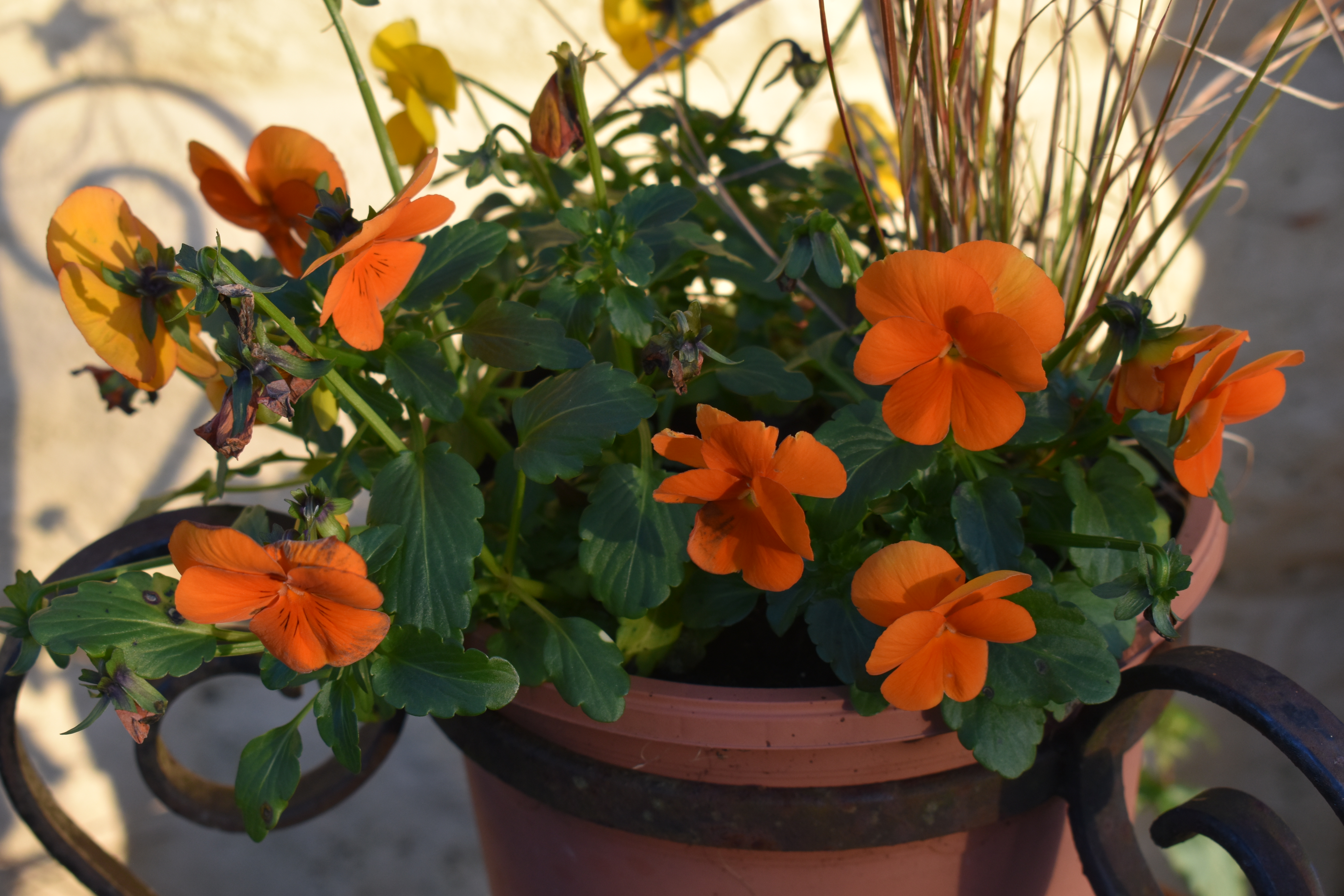
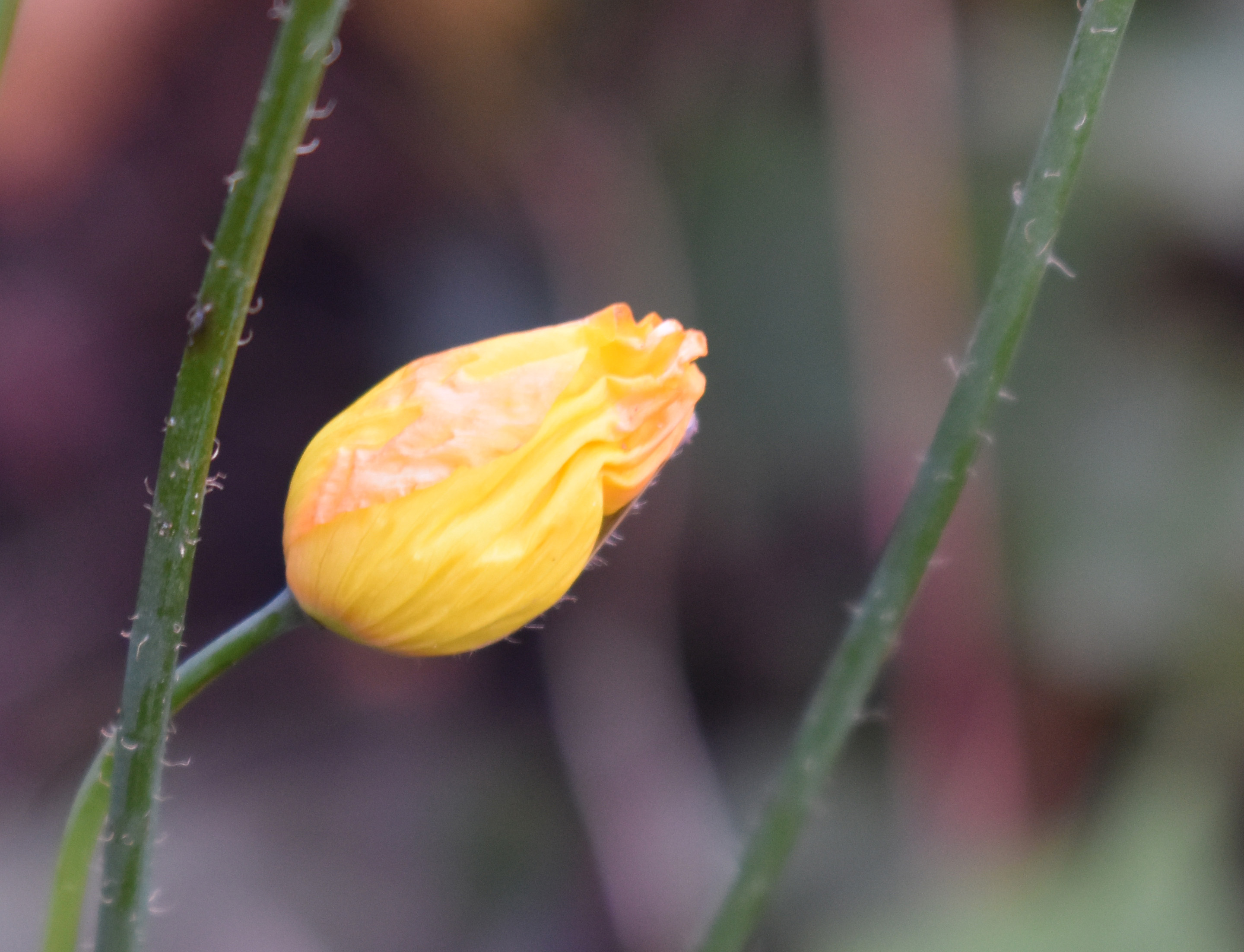
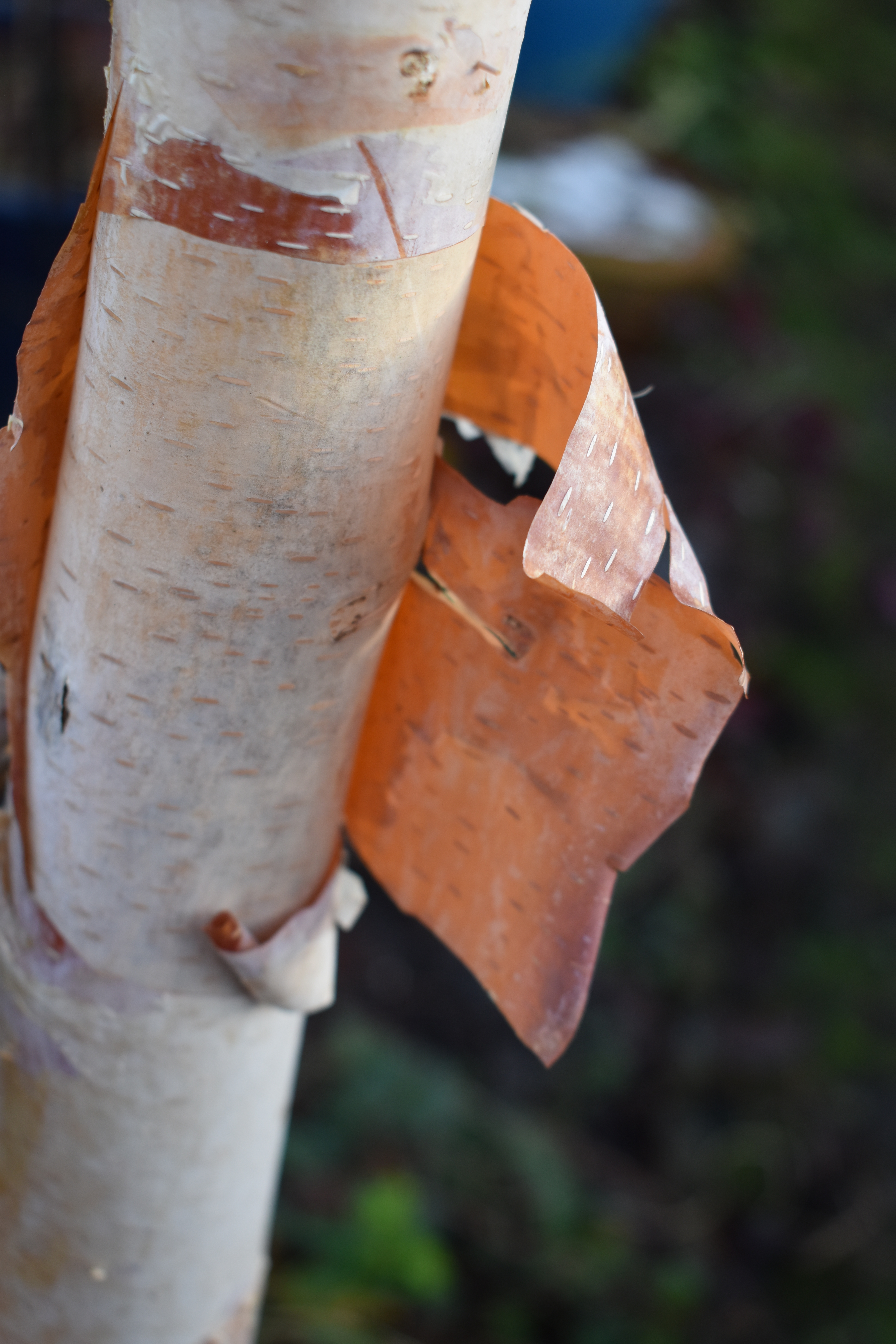
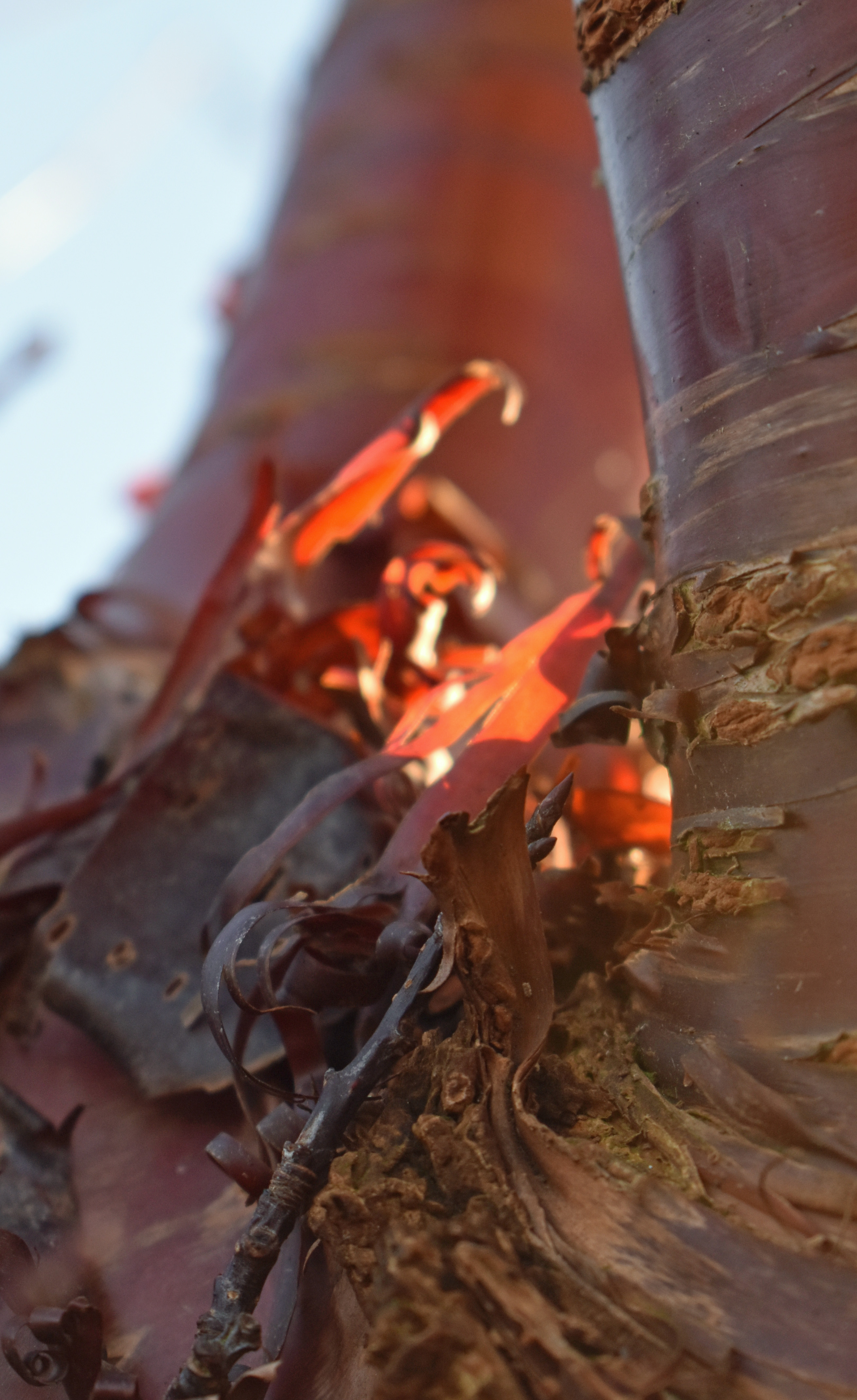
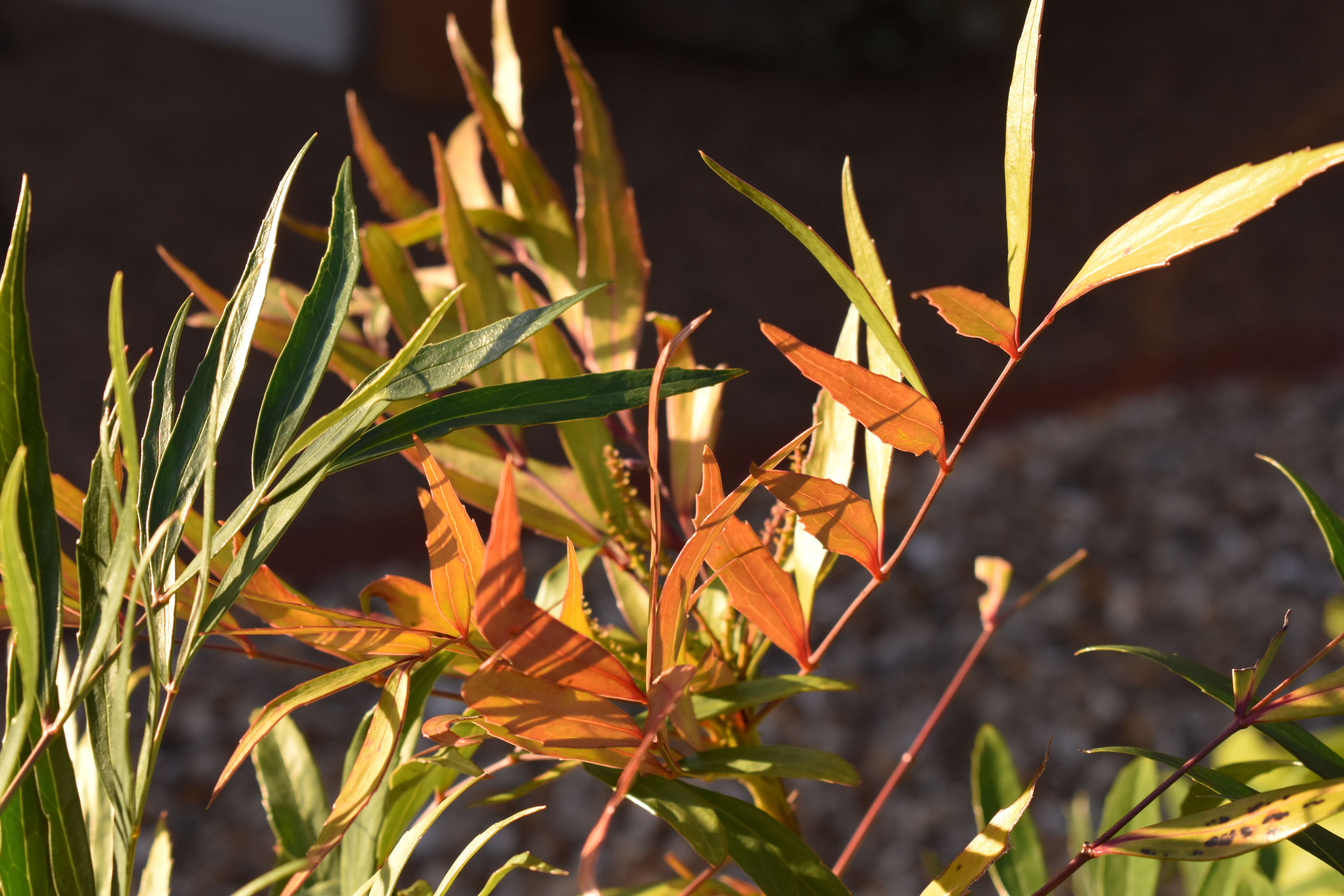
In my third gallery oranges are found in violas and at the tip of a bud of a welsh poppy, on the peeling bark of Betula ‘Kanzu’ and Prunus serrula, and in the fresh leaves of Mahonia ‘Soft Caress’.

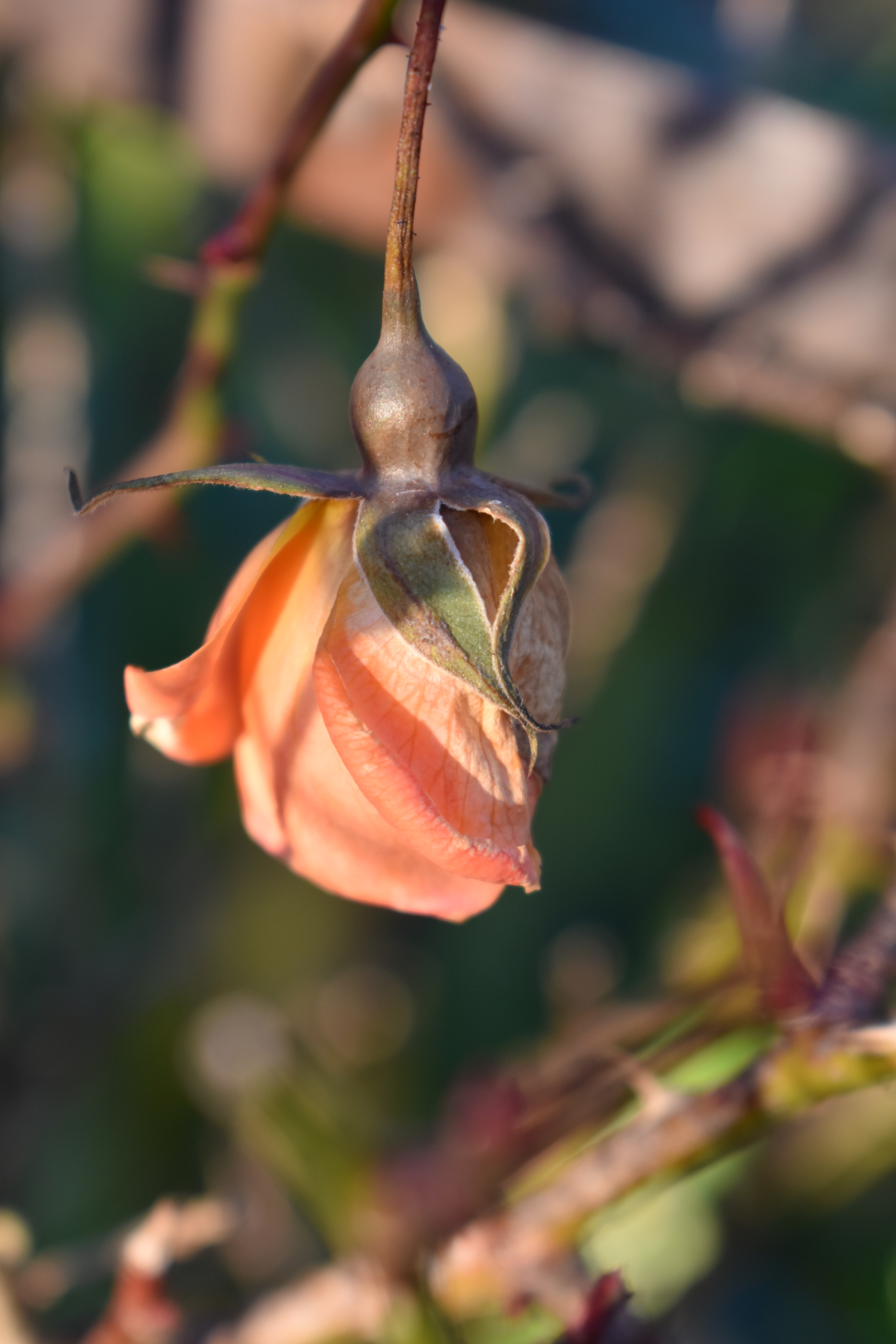
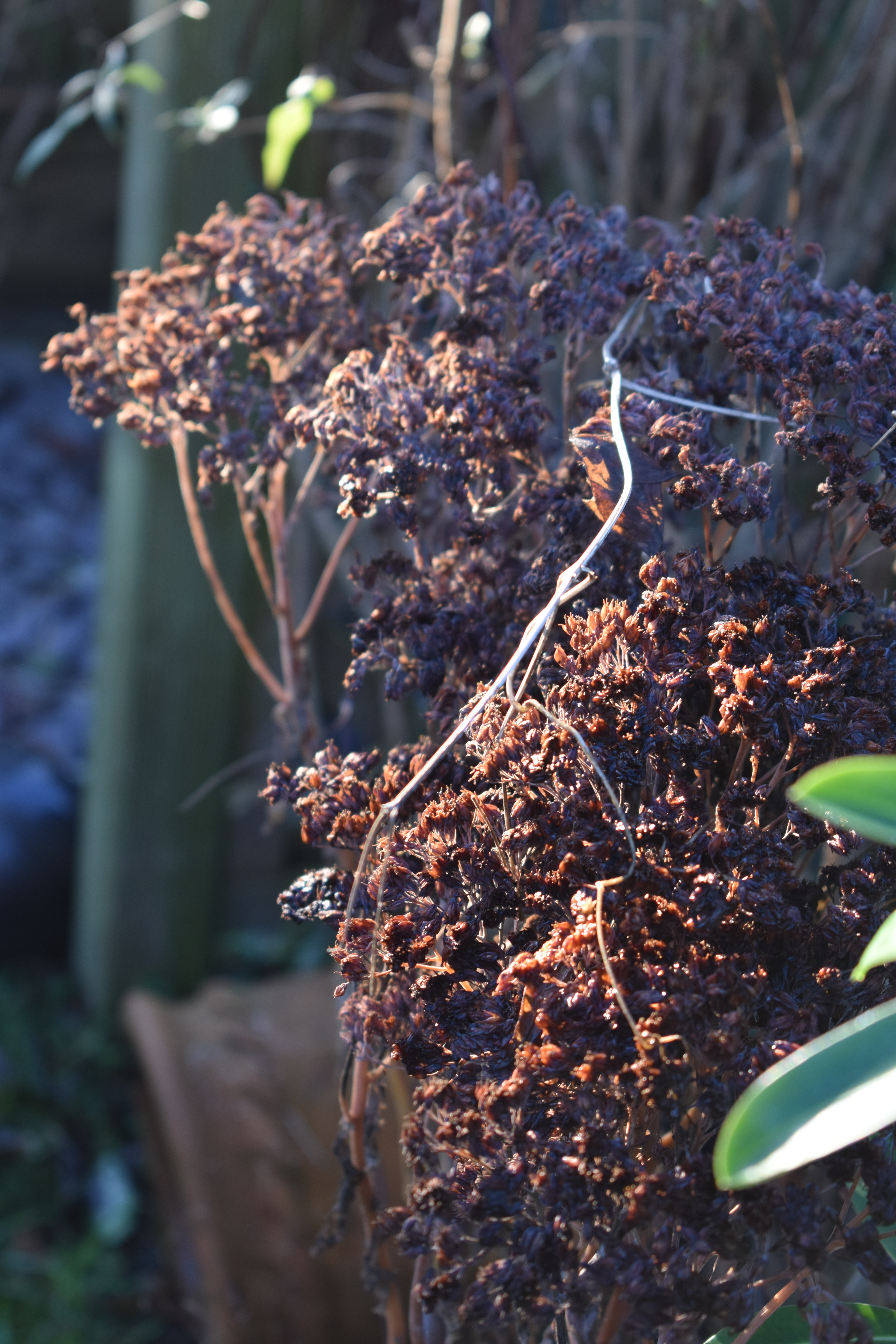
For the penultimate gallery I took photos of delicate orange in grass blades and Cornus ‘Midwinter Fire’ stems, in late blooms of Rosa ‘Warm Welcome’ and a hint of orange in the brown seed heads of Sedum now known as Hylotelephium.

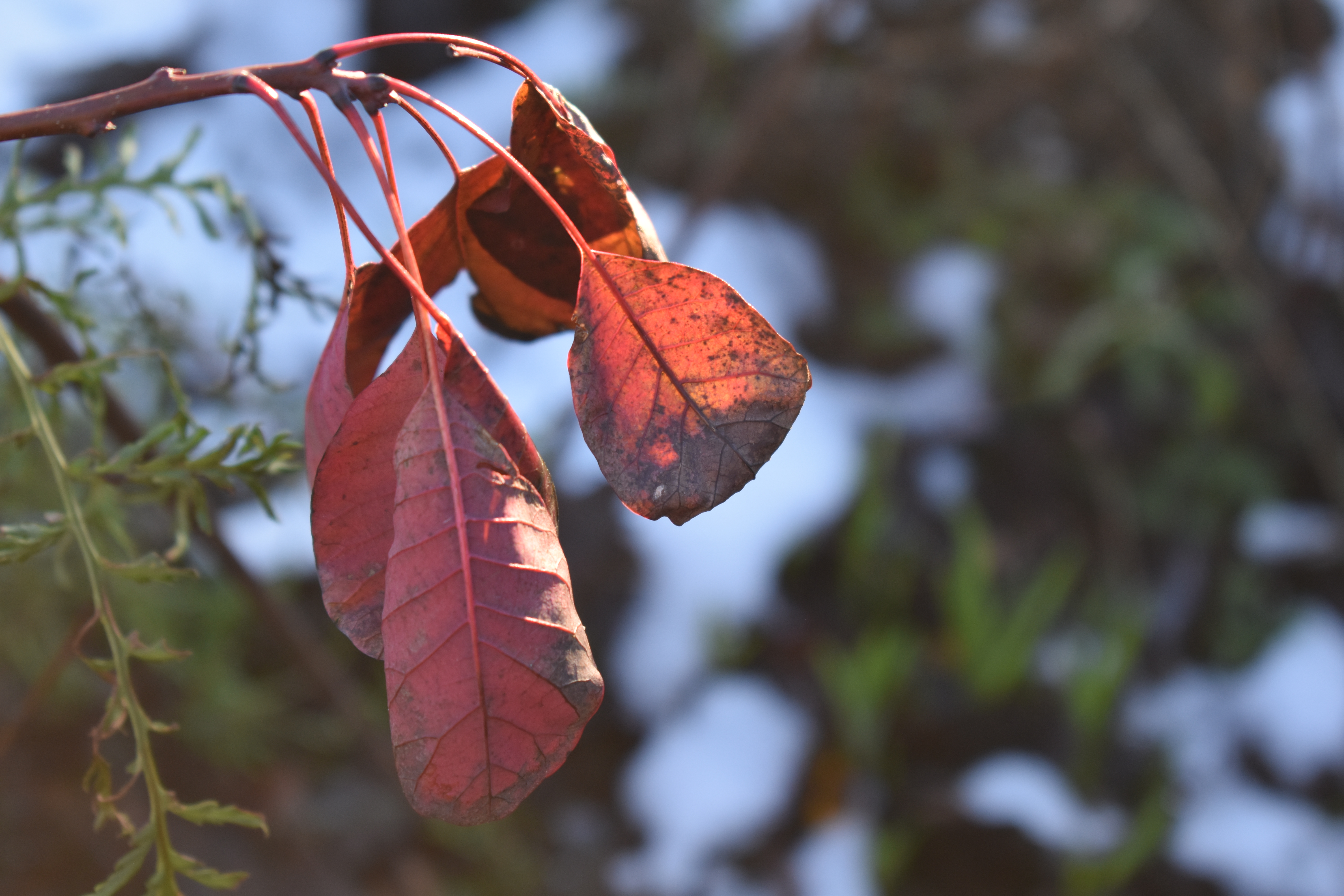
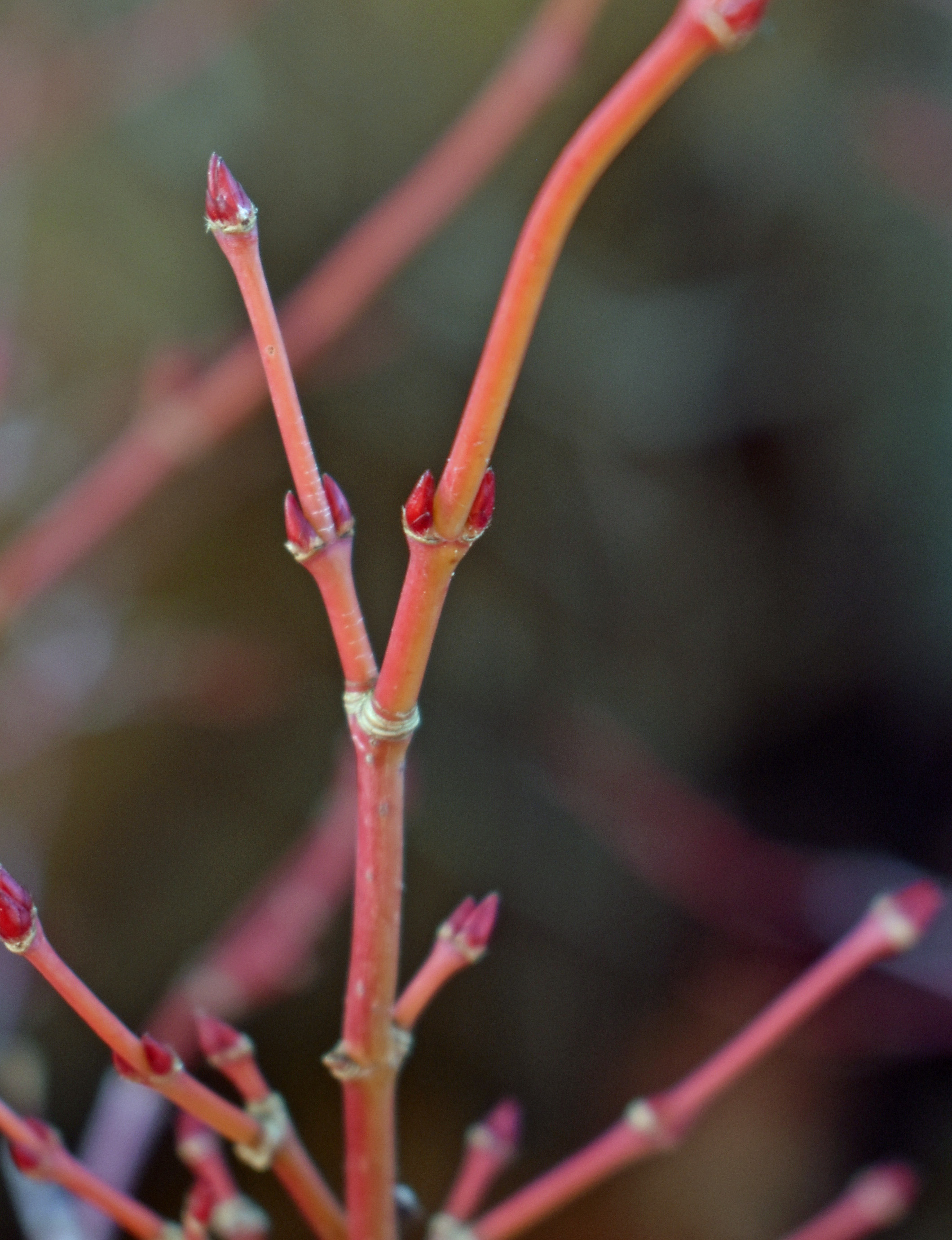
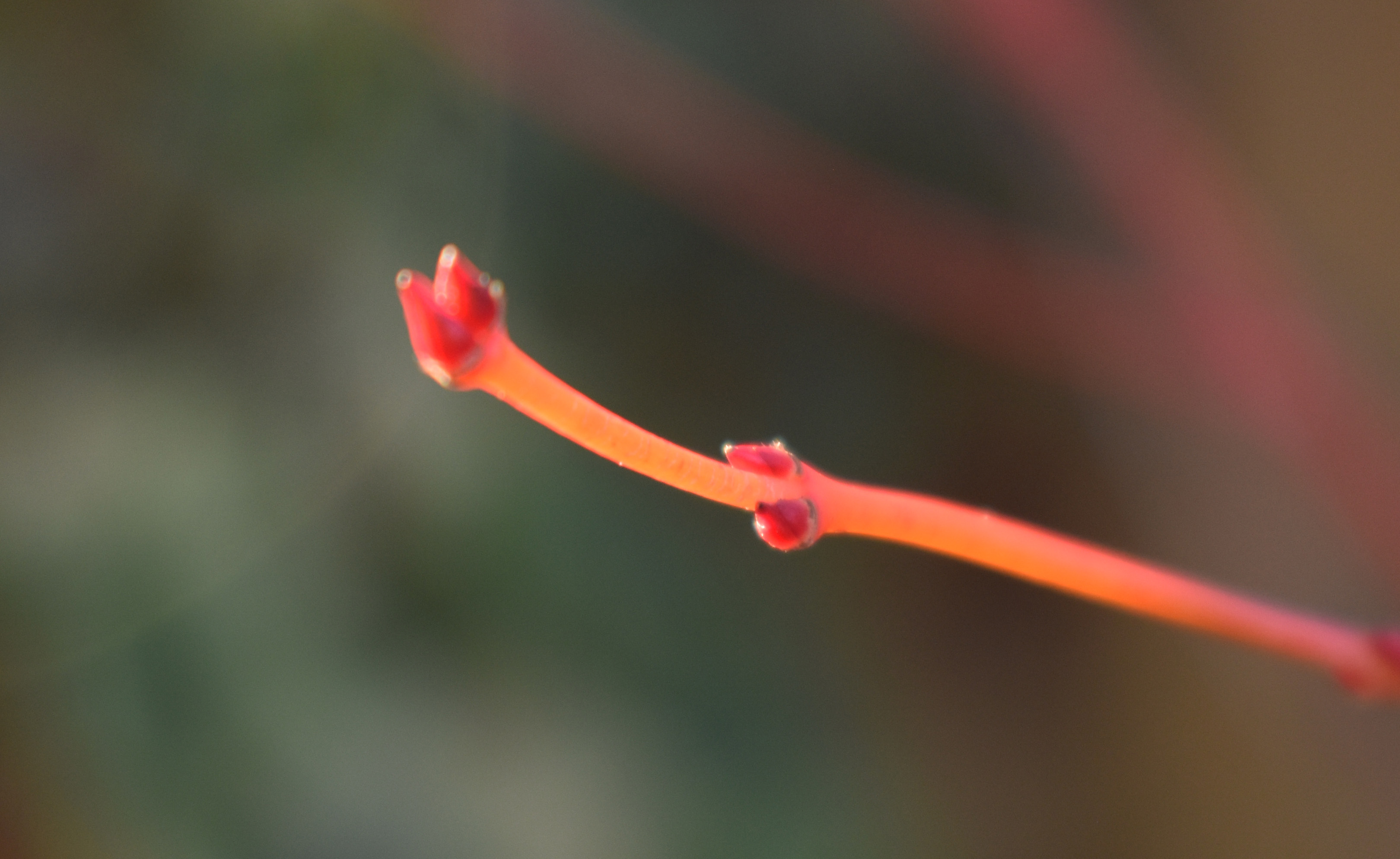
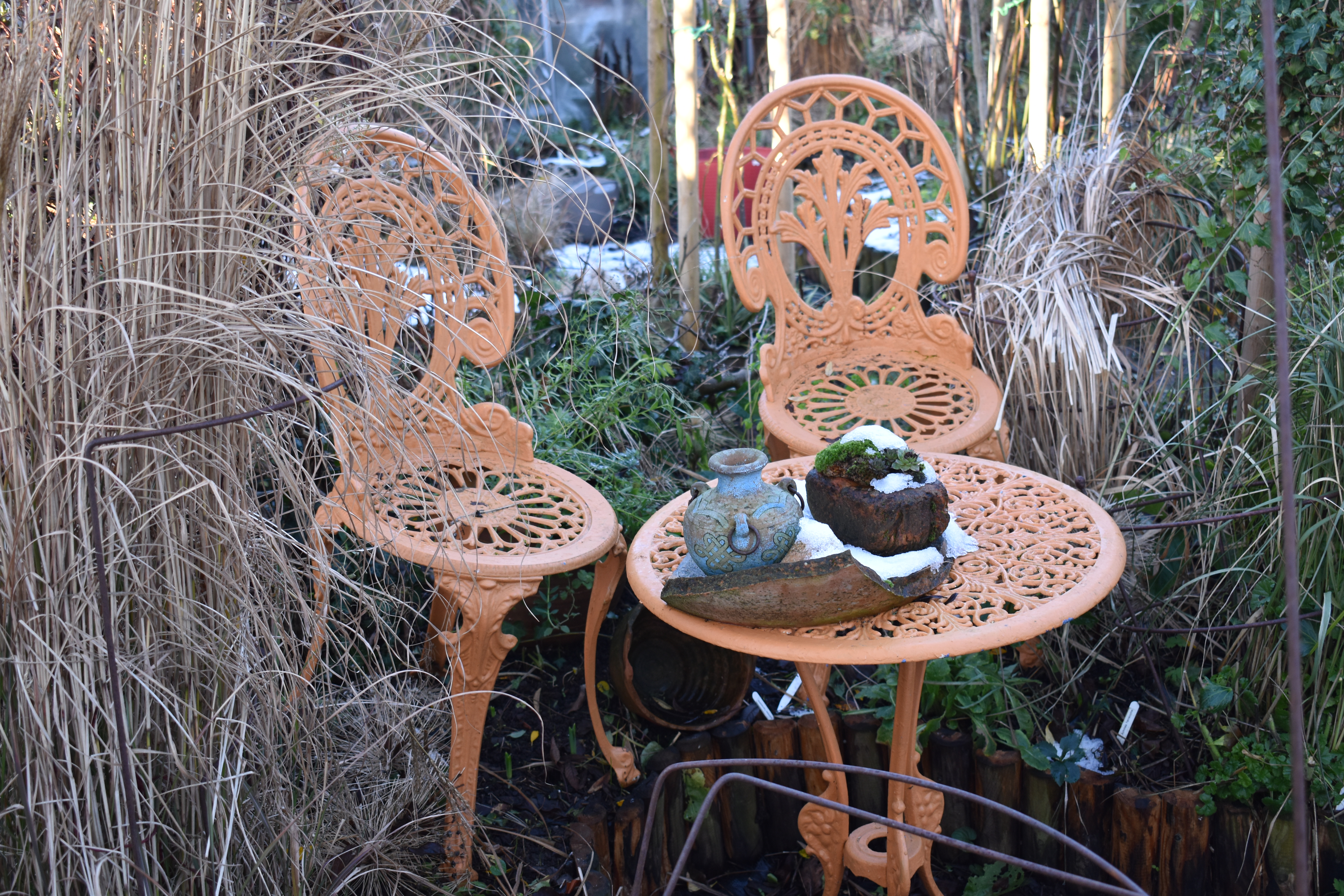
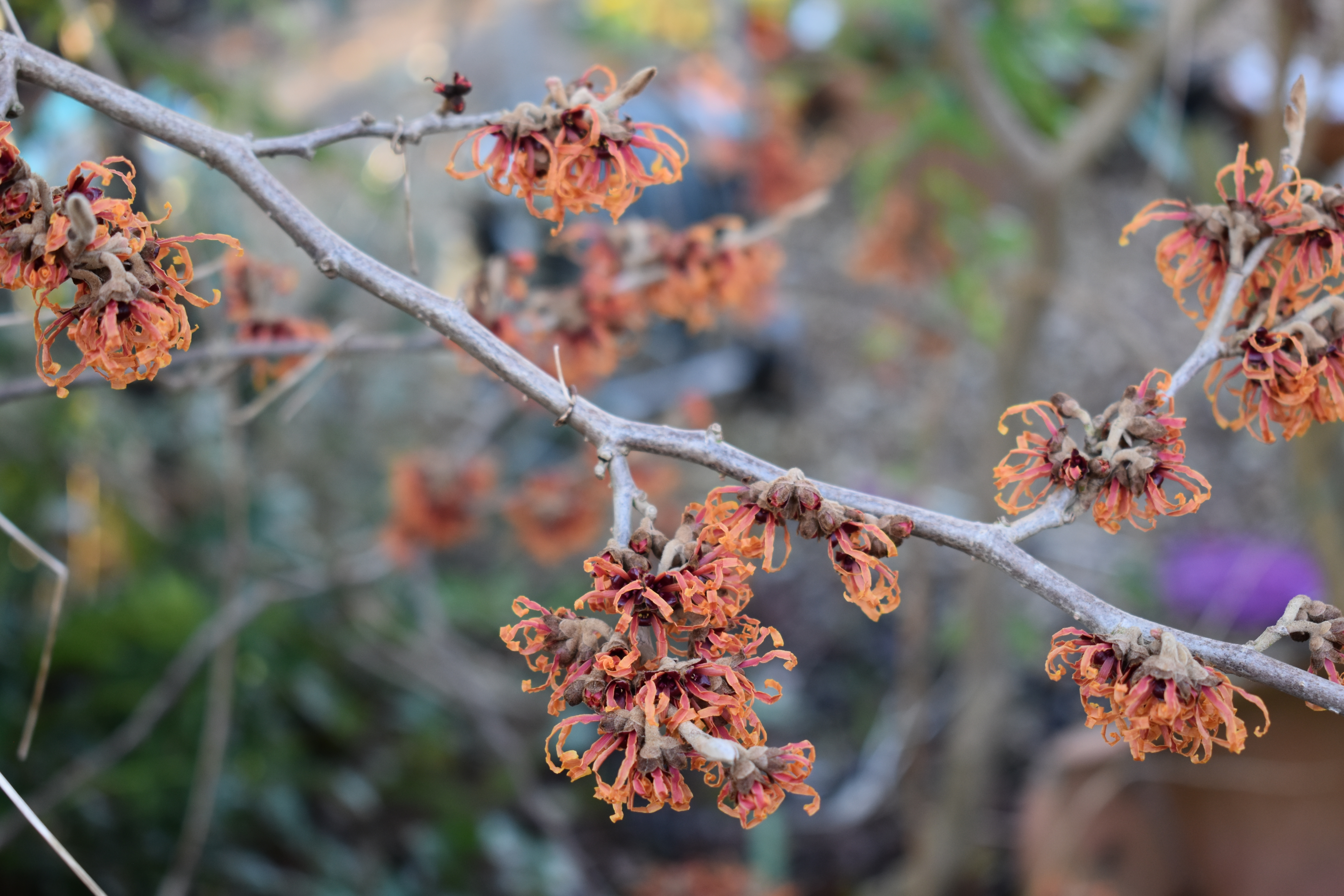
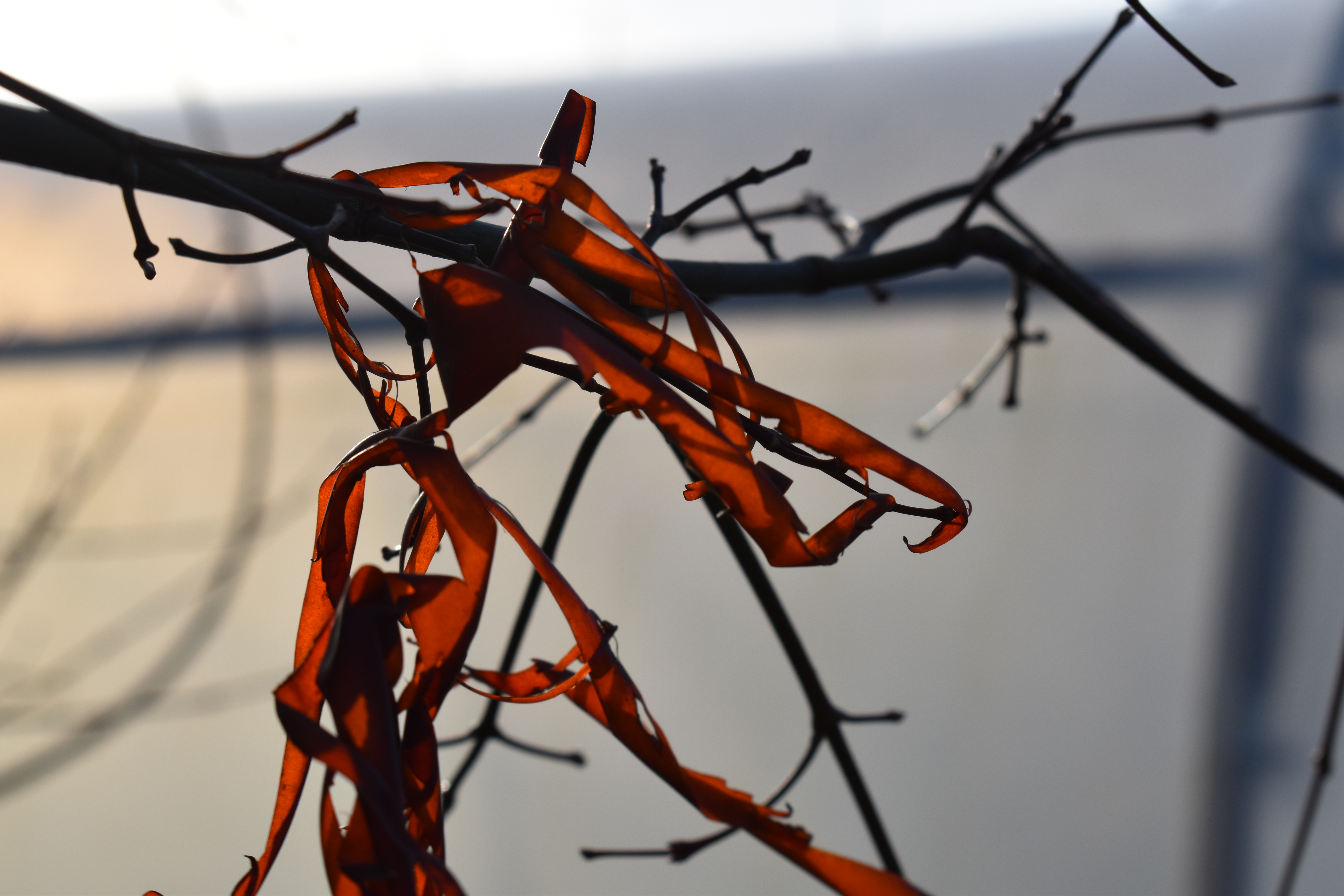
The final gallery shows oranges in foliage of cotinus, in stems of Acer ‘Sango Kaku’, in Hamamelis ‘Jelena’ and I found bright orange in metal furniture.

So I found quite a few examples of oranges throughout our borders in the garden. I hope you enjoyed a little brightness to start off a new year!
Categories
Uncategorized

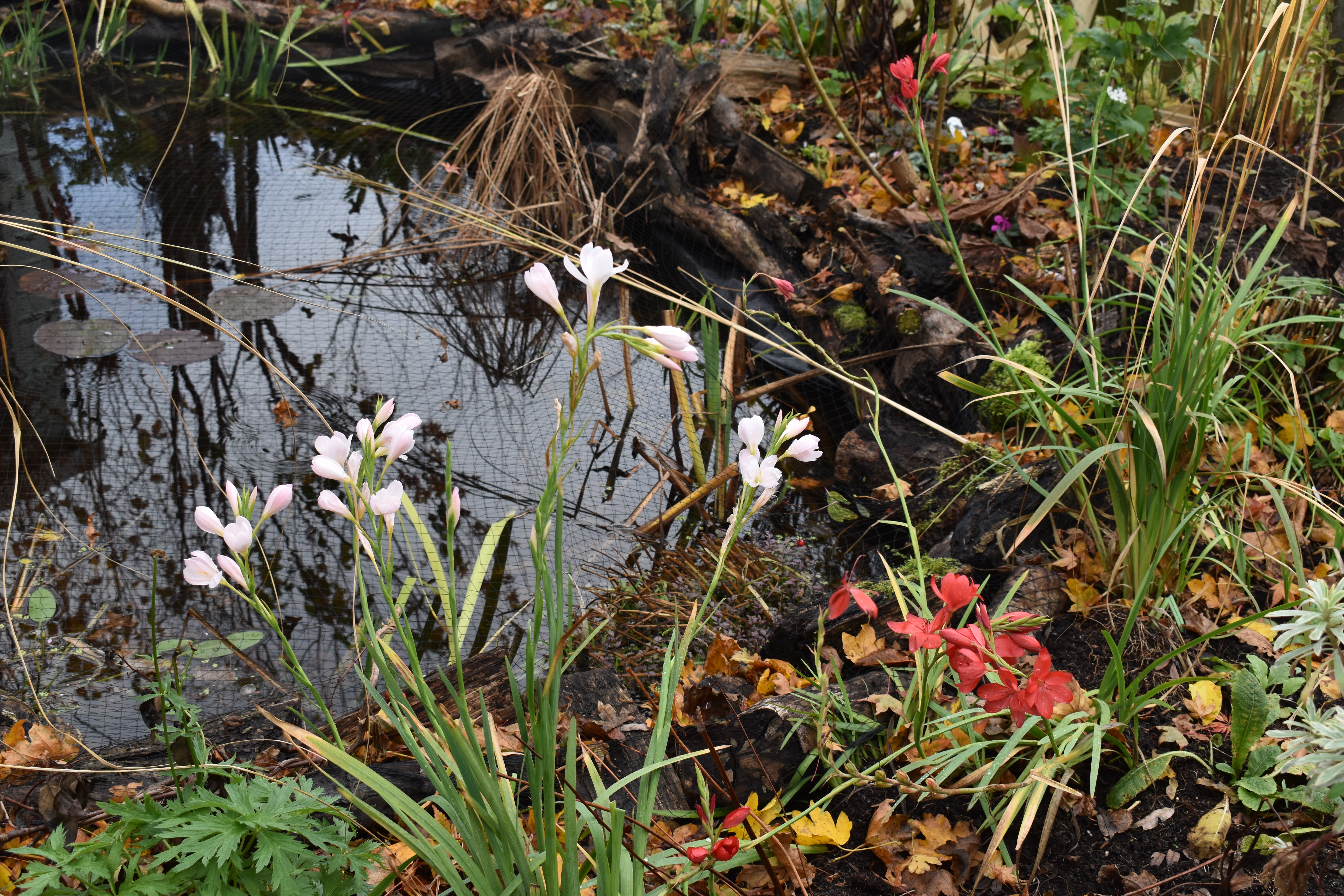
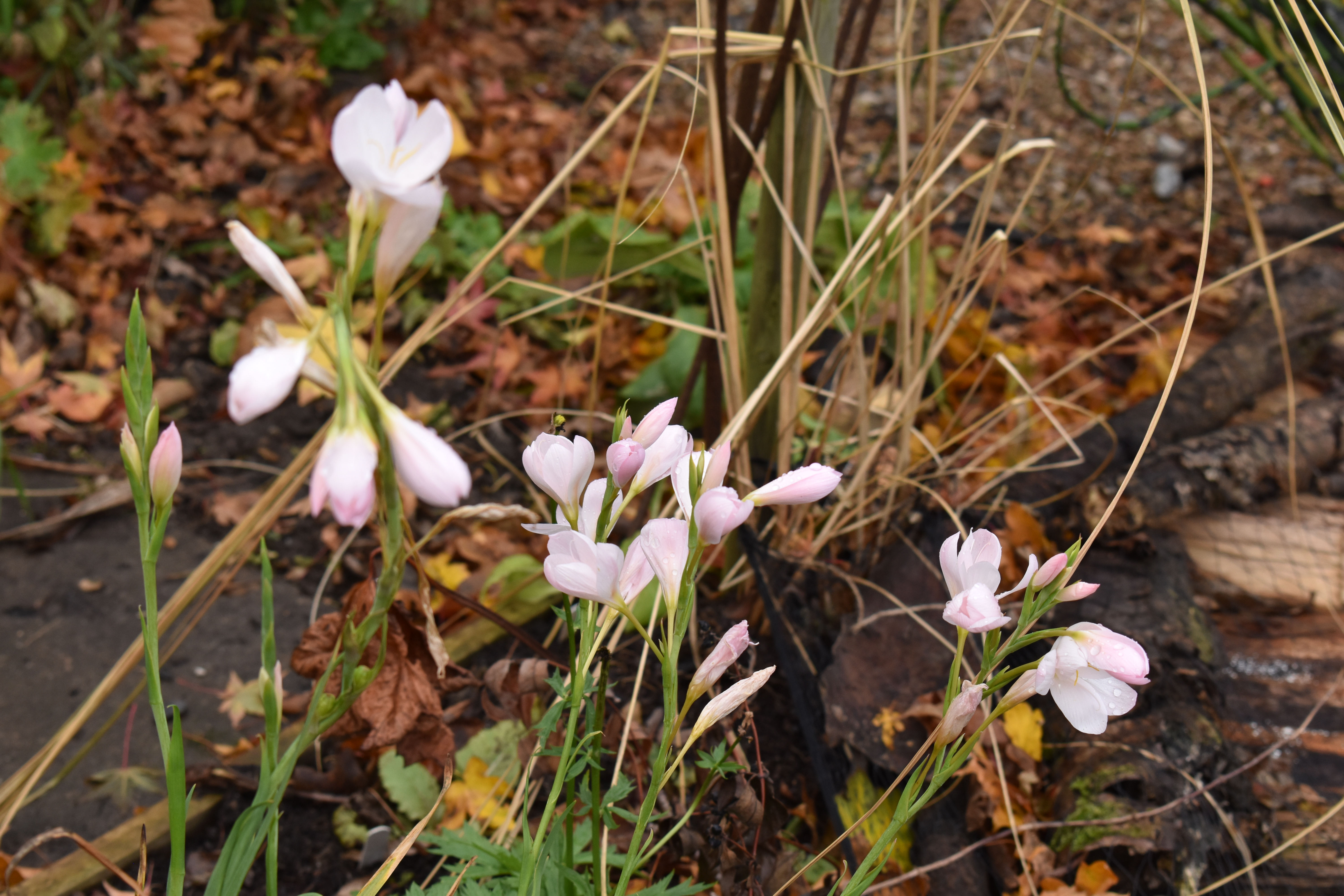
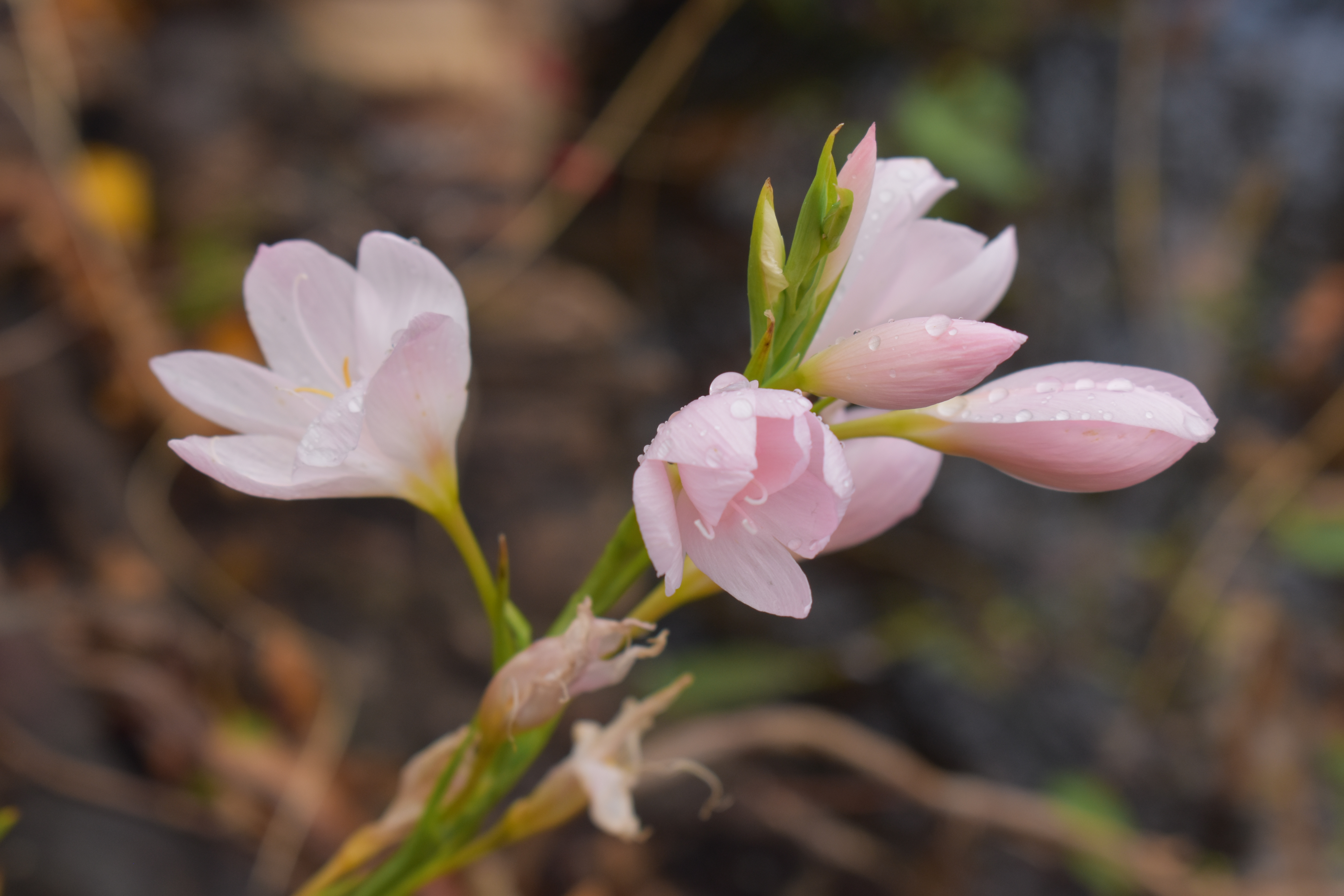
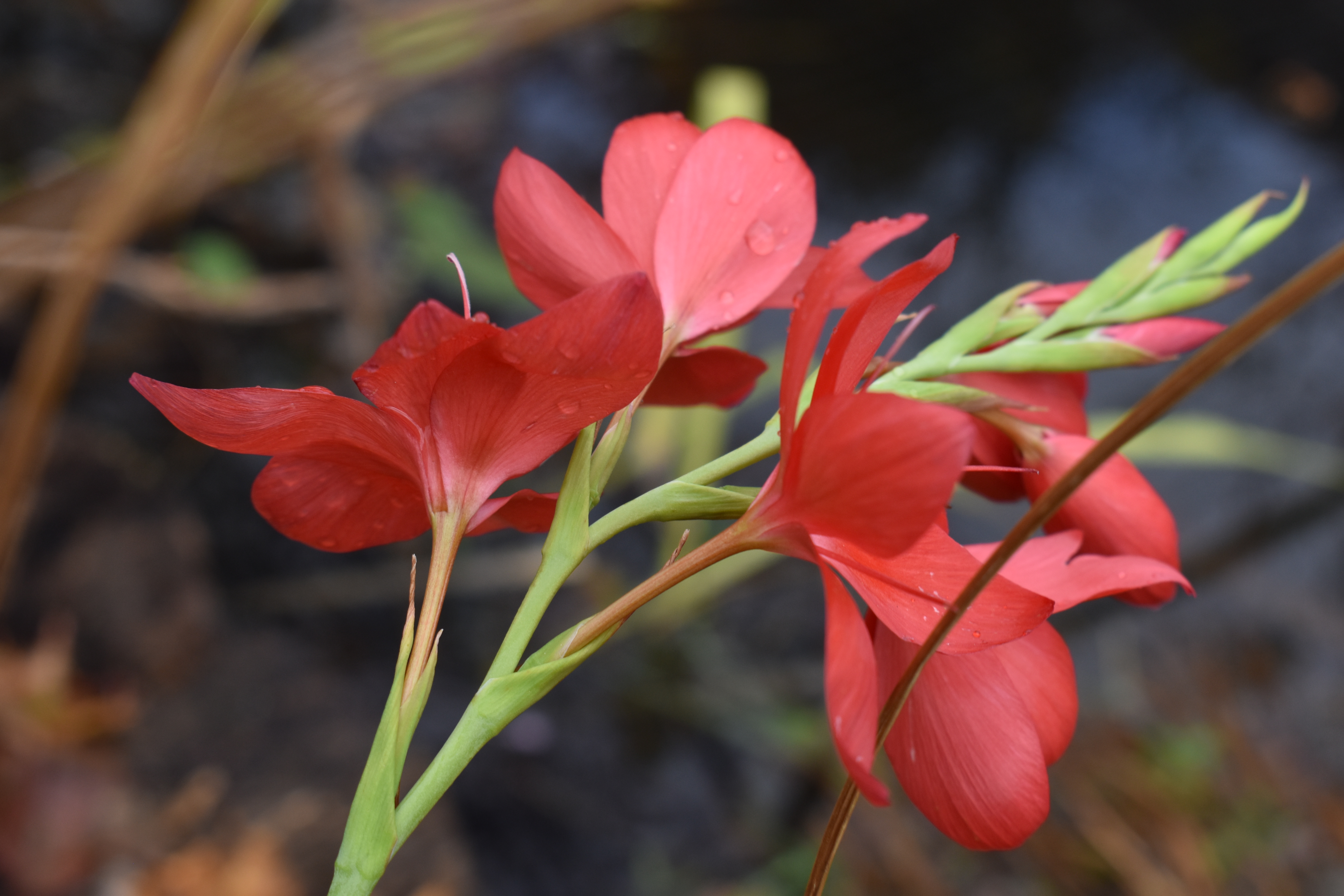
Late year flowers – Kaffir Lilies

When we revamped our wildlife pond after discovering its leak, we also took apart our bog garden alongside it and replanted it with new plants. We decided to feature Hesperantha previously known as Schizostylus.

This lovely little collection are adding delicate colour to our bog garden during the last two months of the year. Different shades of reds and pinks are provided by Hesperantha coccinea ‘Major’, H. c. ‘Oregon Sunset’, H. c. ‘Wilfred H. Bryant’ and H. c. ‘Pink Princess’. We are now in search of a good white flowered Hesperanthus to finish the effect.

Categories
Uncategorized

A Sunny Crisp Christmas Day

Christmas morning 2020 we woke to a blue sky and below zero temperatures. I took my trusty Nikon out into the cold around the middle of the day to record a short garden tour which is below for you to enjoy.

Have a Happy Christmas everyone and let’s hope it helps us forget what a weird year we have had!

The first photo is taken from inside the conservatory looking out past a snowflake.

This Veggie Life

A Vegetarian | Nature Lifestyle Blog

Rambling in the Garden

.....and nurturing my soul

The Arch City Gardener

Journeys In St. Louis Gardening and Beyond

Garden Dreaming at Châtillon

Consult the genius of the place

Storyshucker

A blog full of humorous and poignant observations.

gardeninacity

Notes from a wildlife-friendly cottage garden

PlayGroundology

...an emerging social science

The Official Blog of British Wildlife

'The most important and informative publication on wildlife of our times' - The Independent. This blog is a member of The UK & Ireland Natural History Bloggers group: www.uknhb.blogspot.com

iGrowHort

Inspire - Cultivate - Grow Native Plants - Restore Landscapes

Bishops Meadow Trust

To create and protect a semi-natural wild space for the people of Farnham to enjoy and experience an array of British wildlife in our town

Gardening with Children

The www.gardeningwithchildren.co.uk Blog

UKbirdingtimeline

birding through the seasons, why birds matter and how to conserve them

NATURE WALKER

with a camera in hand

Jardin

Transform your outdoor space

Eva's space

My allotment, cooking and other interests

Old School Garden

my gardening life through the year

LEANNE COLE

Trying to live a creative life

fromacountrycottage

trying to live as lightly as possible on our beautiful planet

Good Life Gardening

Nature lovers from Leicester living the good life.

mybeautfulthings

Finding the beautiful in the everyday

mawsonmichelle

Michelle's Allotment

In and Out of My Garden

thoughts from and about my garden

Greenhousing

Big plans for a small garden

The Scottish Country Garden

A Walled Country Garden in South East Scotland

The Fruity Chicken

Life at the fruity chicken

willowarchway

Off grid living. Self sufficient. "PERMAGANICS RULE".

St Anns Allotments

Nottingham's Grade 2* Listed Allotments and Community Orchard

Manifest Joy Harvests

a journey in suburban vegetable gardening

Allotmental

The madness of growing your own

Penny's Garden: a harvest beyond my front door

A novel approach to vegetable gardening

arignagardener

Sustainable living in the Irish countryside.

NewEnglandGardenAndThread

Master Gardener, amateur photographer, quilter, NH native, and sometimes SC snowbird

dianajhale

Recent work and work in progress and anything else that interests me

planthoarder

a chaotic cottage gardener

Lens and Pens by Sally

a weekly blog that creates a personal philosophy through photographs and words

Dewdrops and Sunshine

Stories from a sassy and classy Southern farmbelle.

The Pyjama Gardener

Simple Organic Gardening & Seasonal Living

gettin' fresh!

turning dirt into dinner

JOY...

today the world is created anew

Garden Birds

Notes from a Devon garden

ShootAbout

Life Through The Lens

Adapting Pixels

A photography blog showcasing the best photography pictures and videos on the internet

Wildlifegardening's Blog

Just another WordPress.com site

naturestimeline

personal observations from the natural world as the search continues for a new approach to conservation.

LATEBLOOMERBUDS

The Wonders of Life through my Eyes, my Heart, my Soul