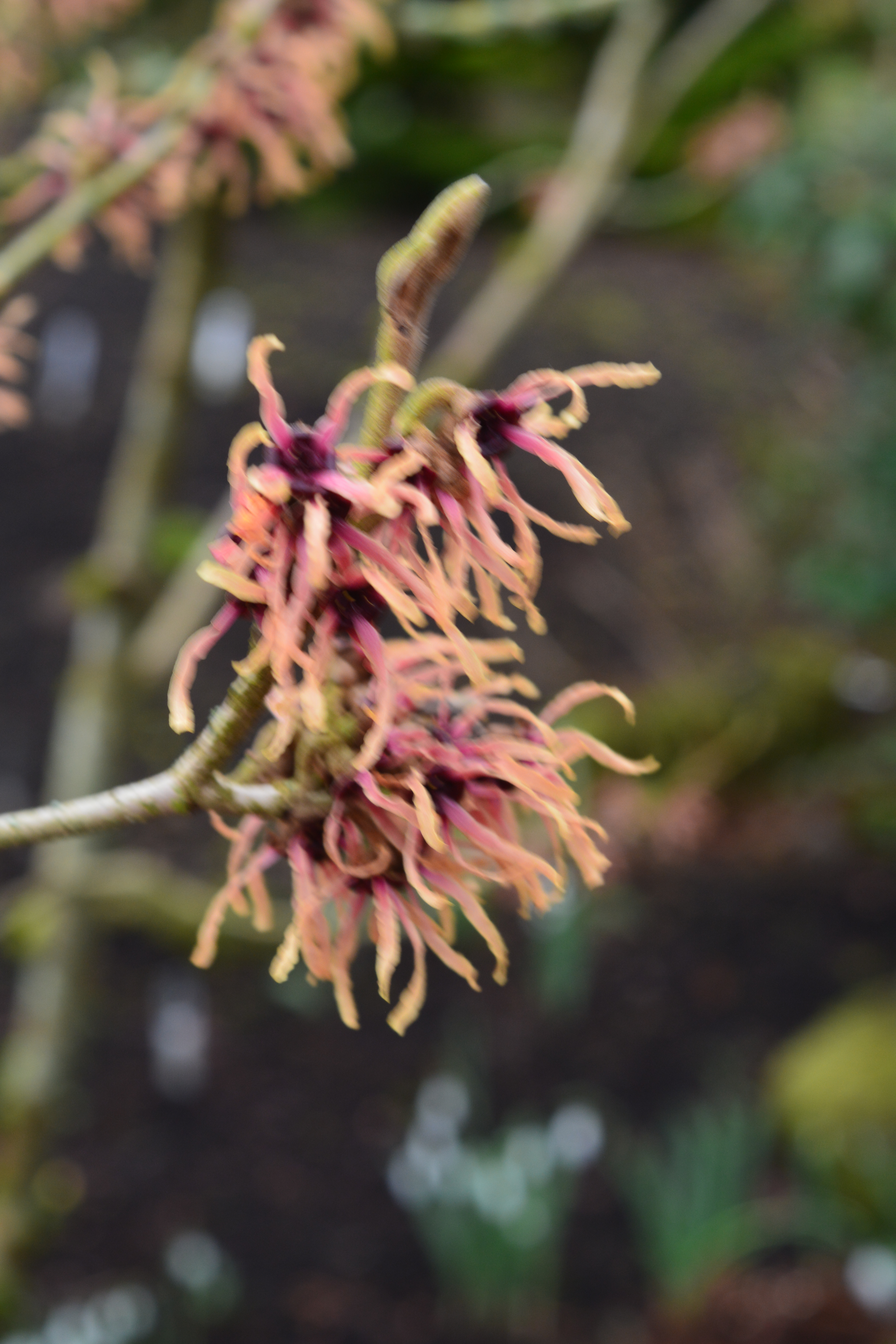
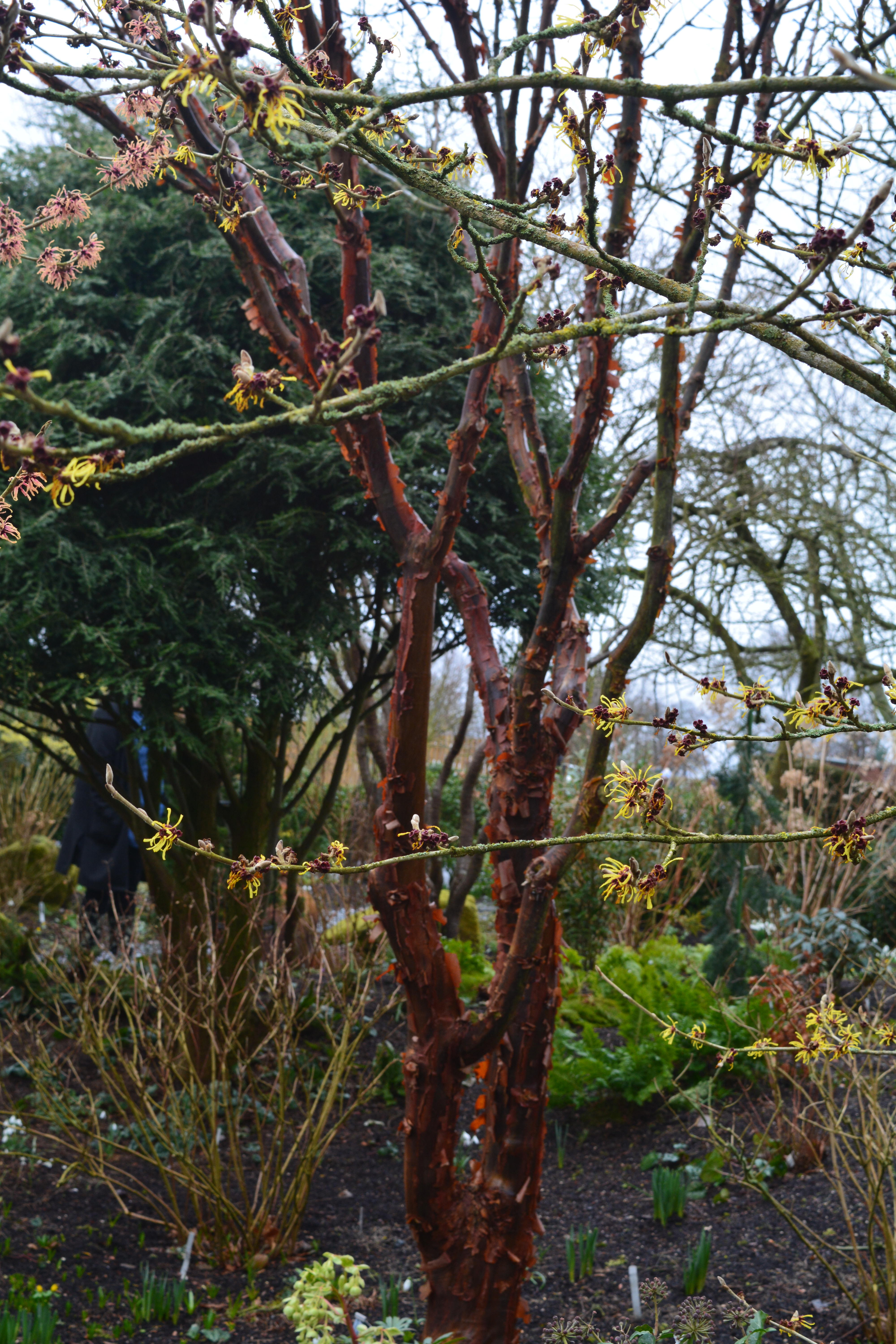
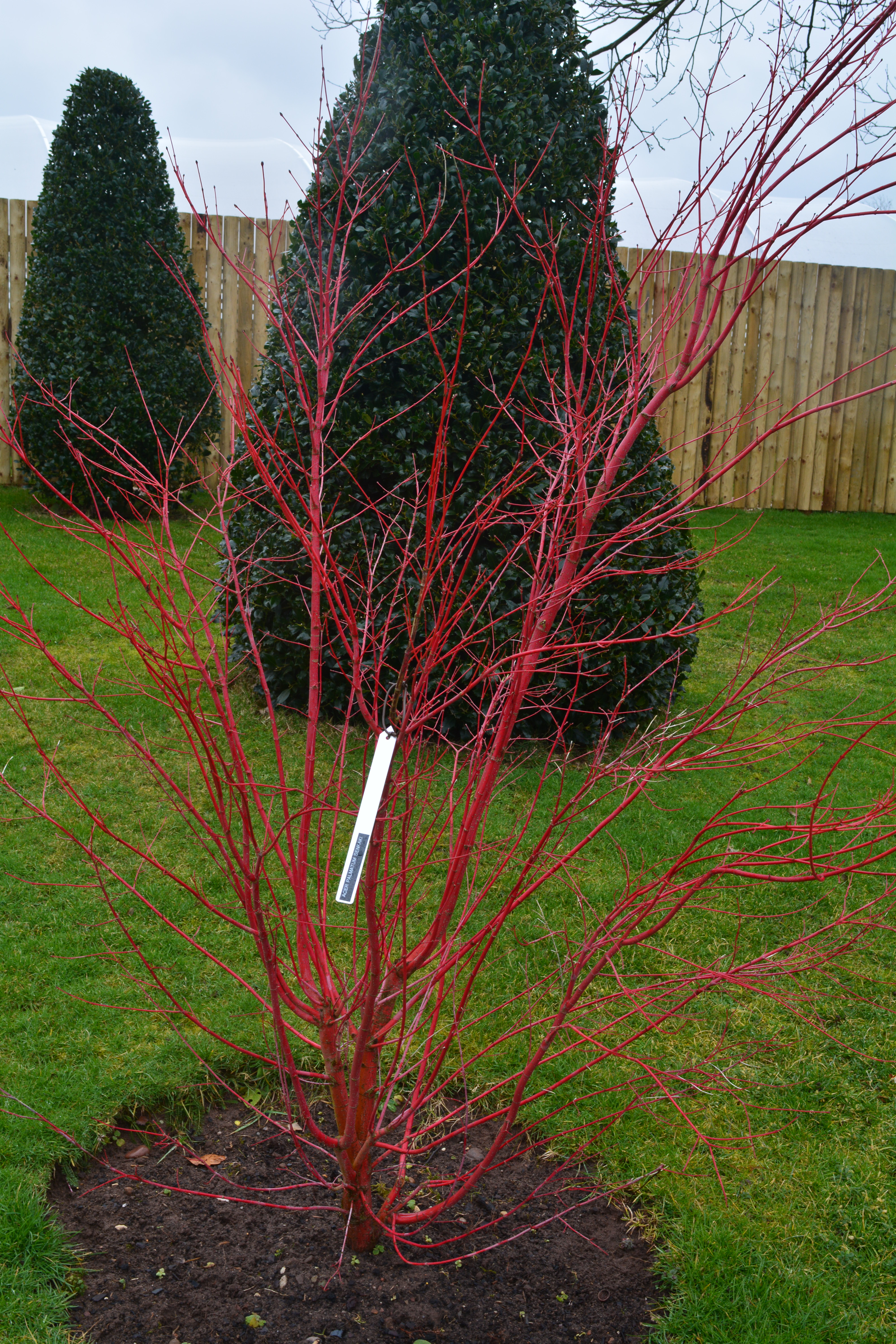
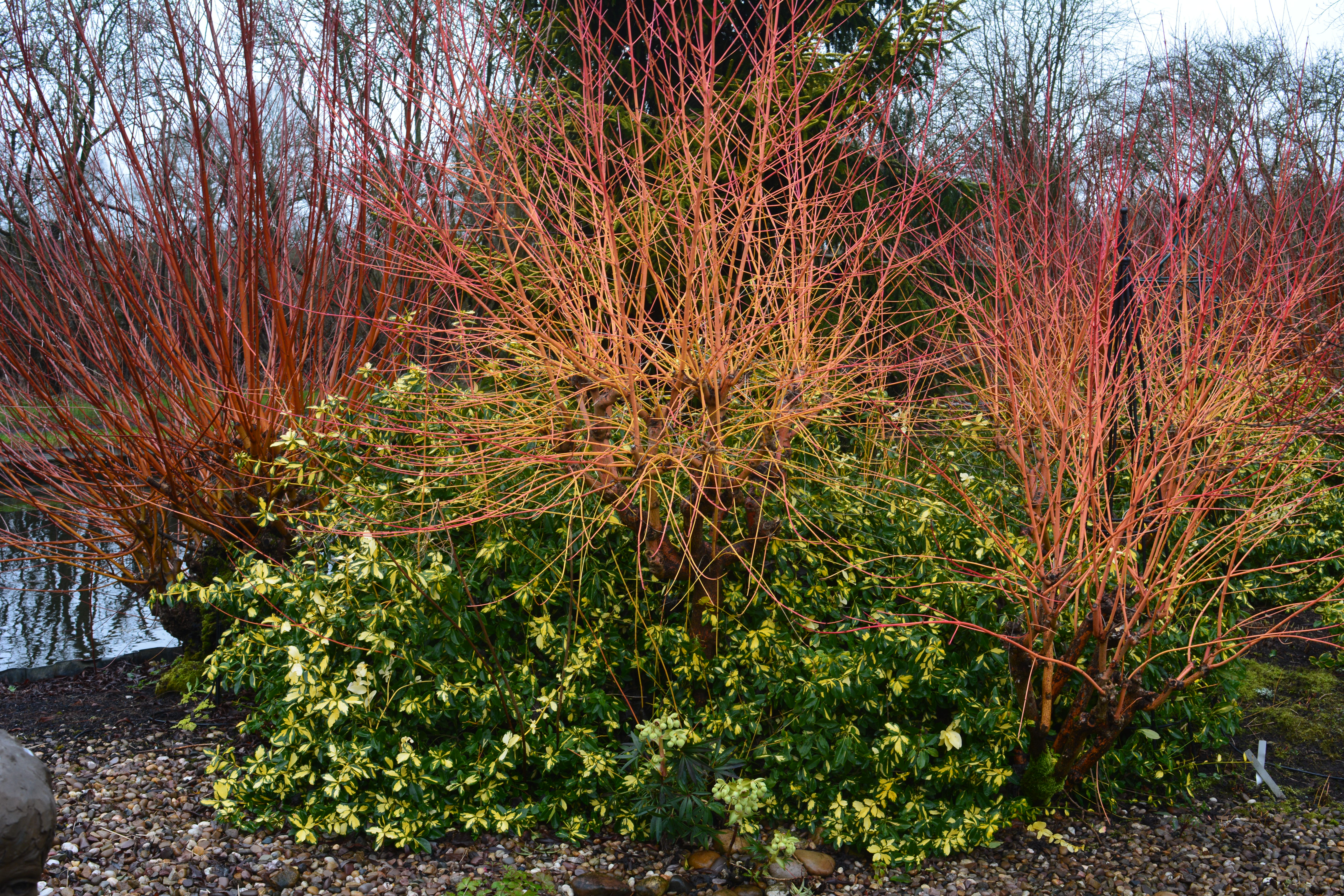
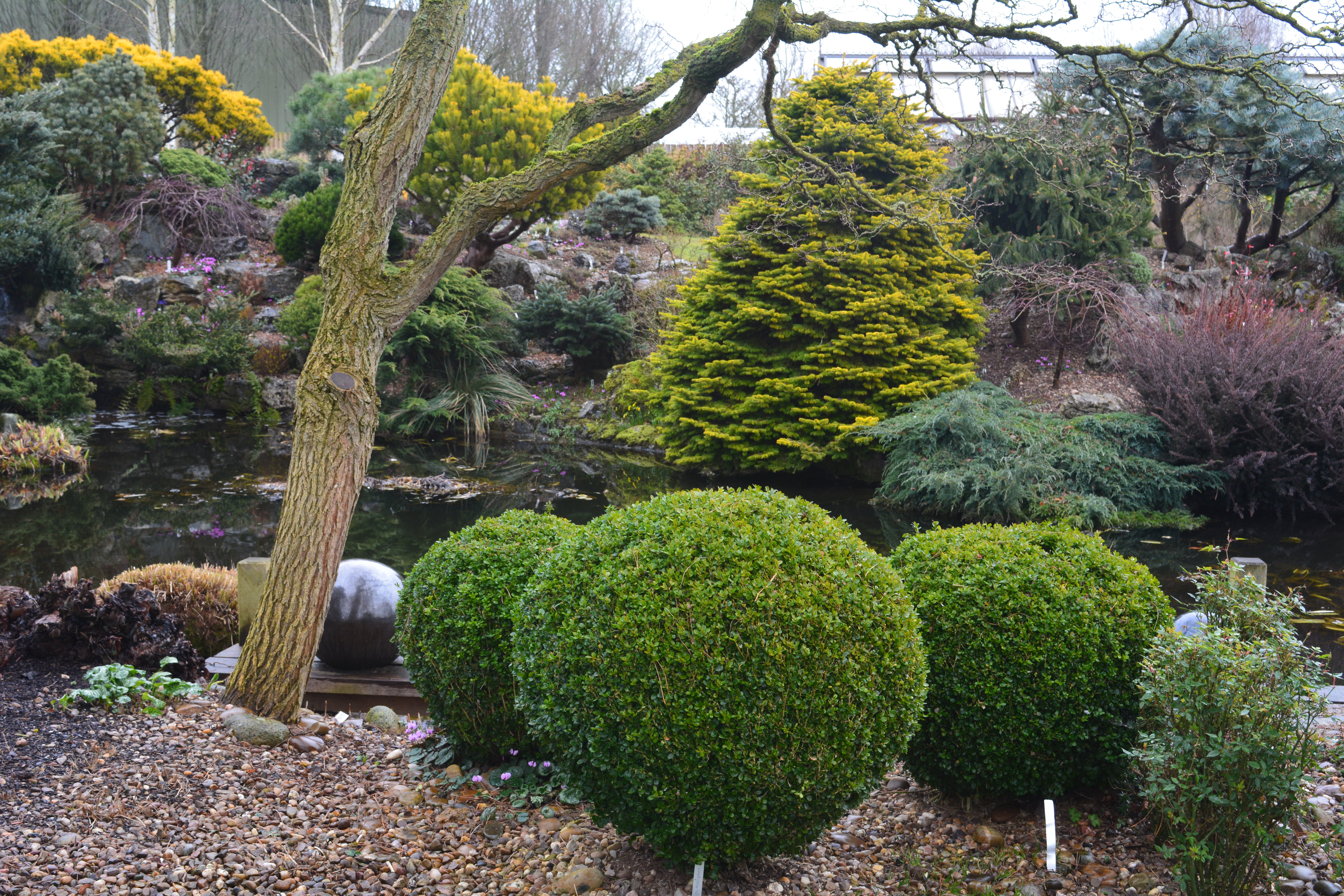
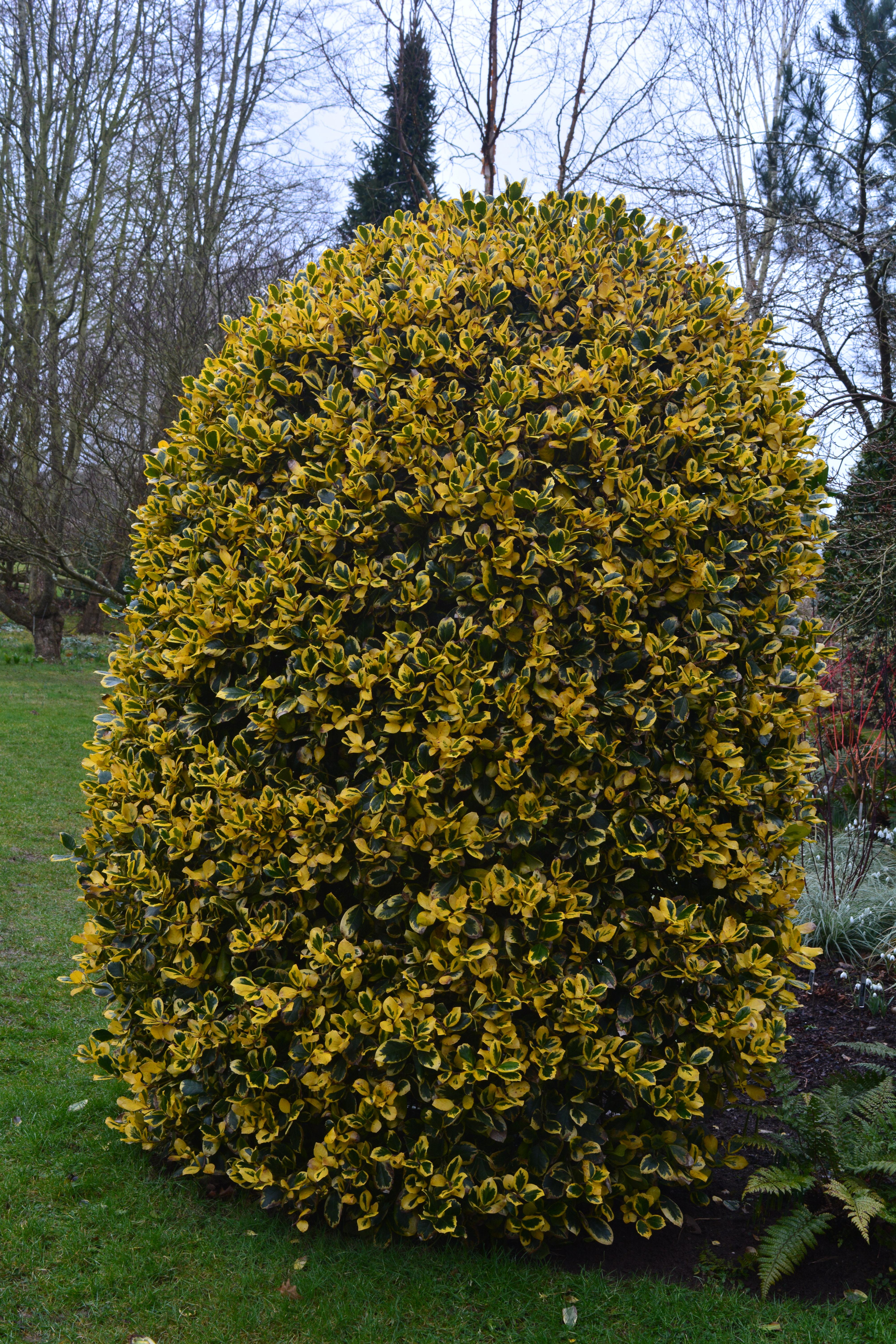
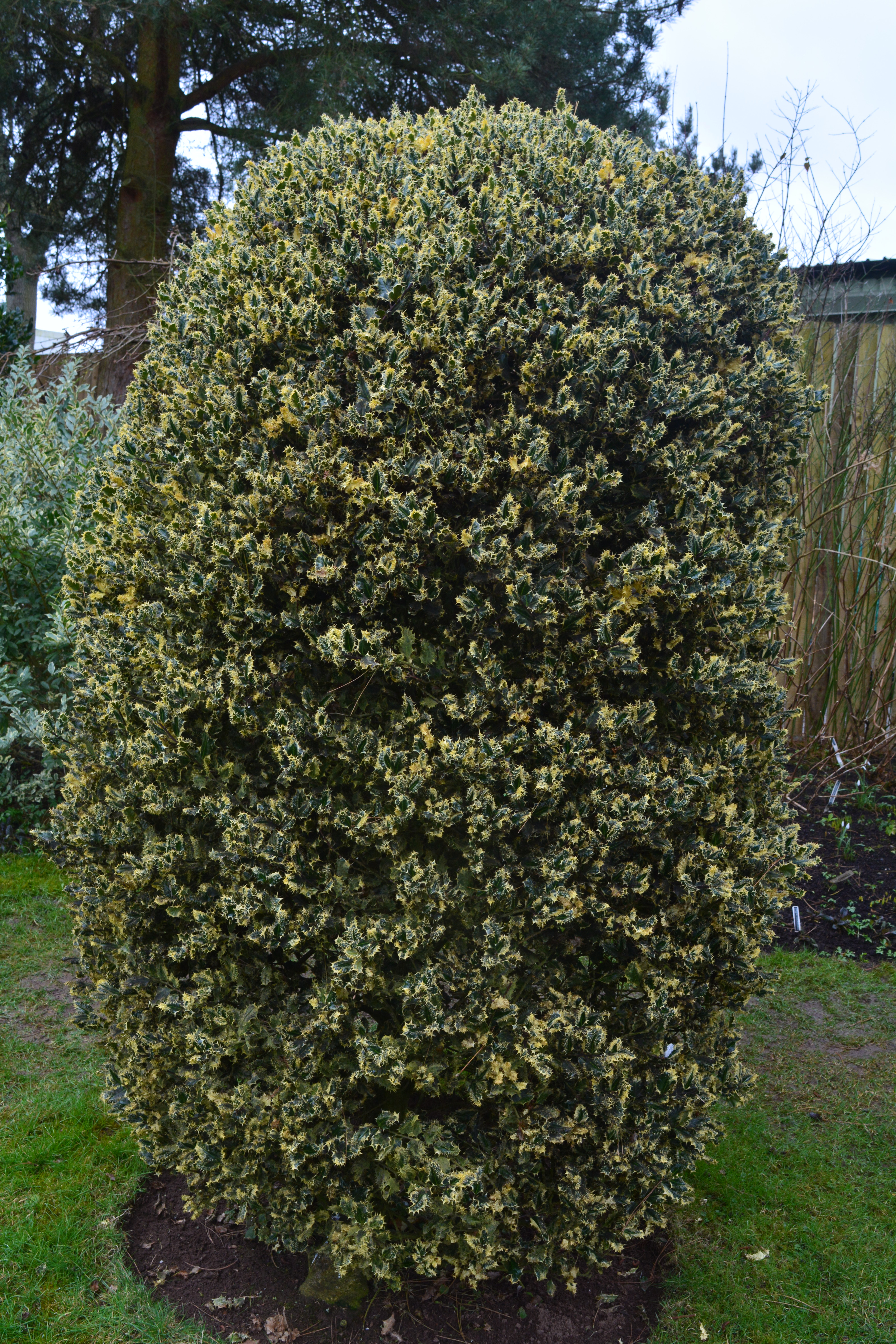
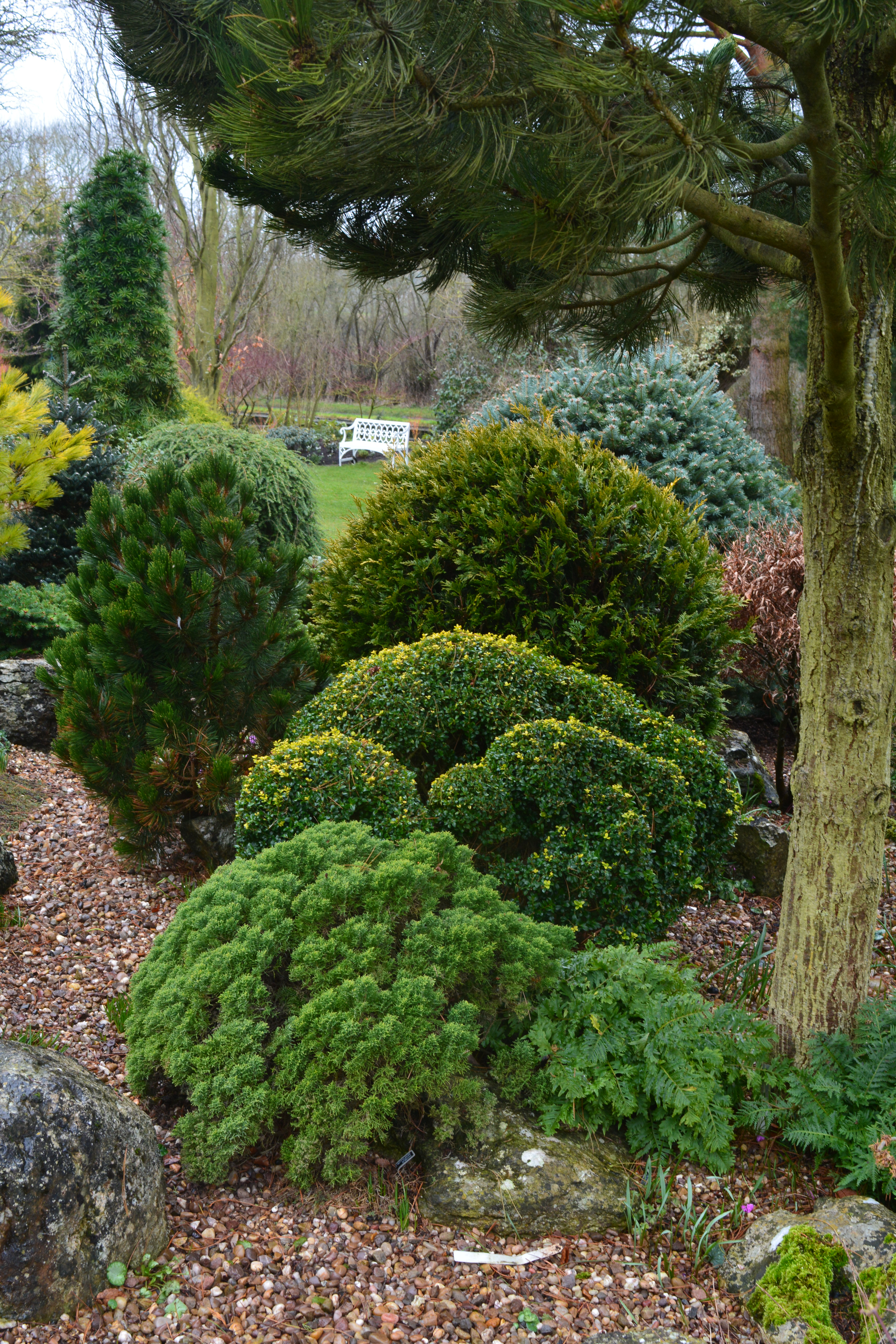
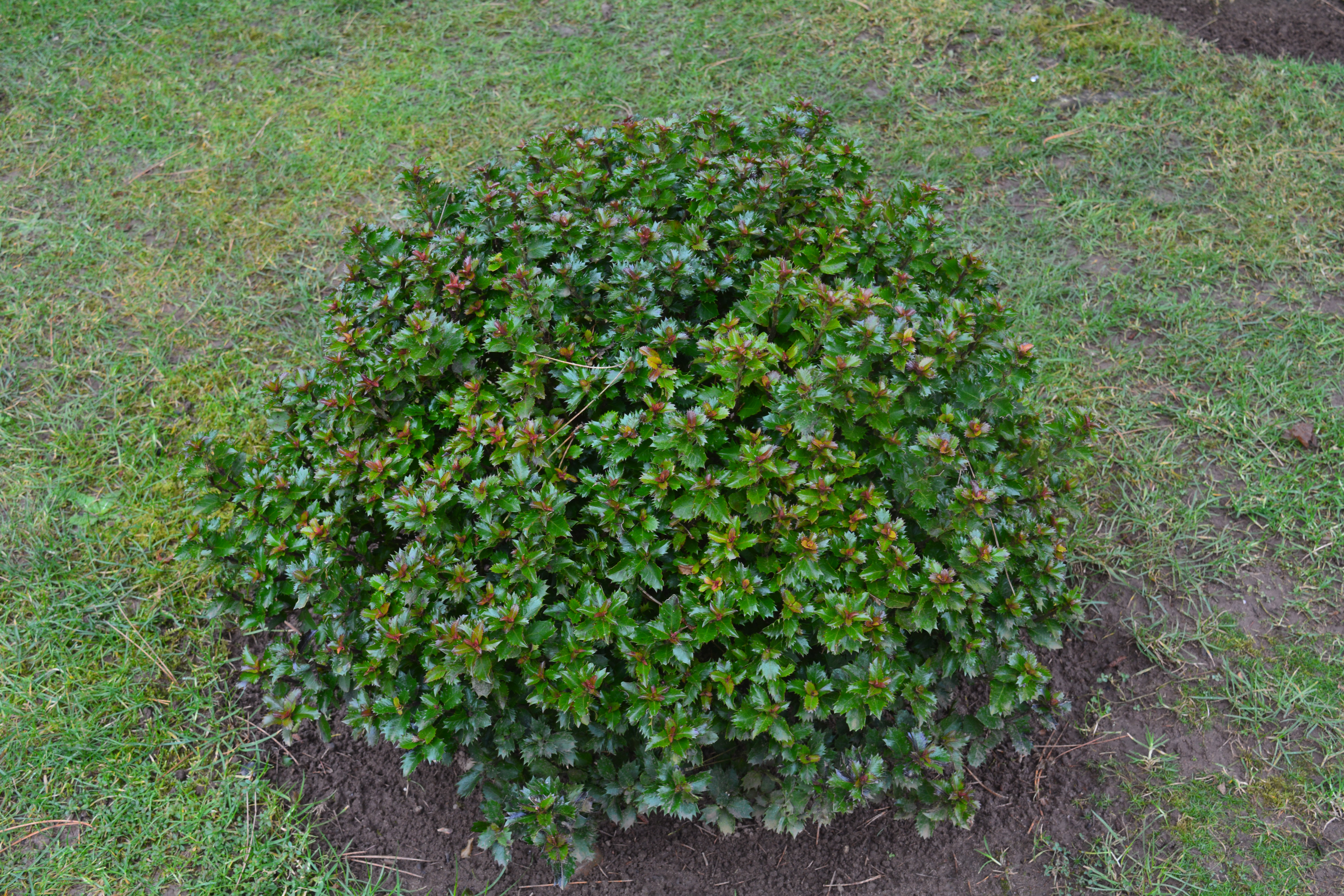
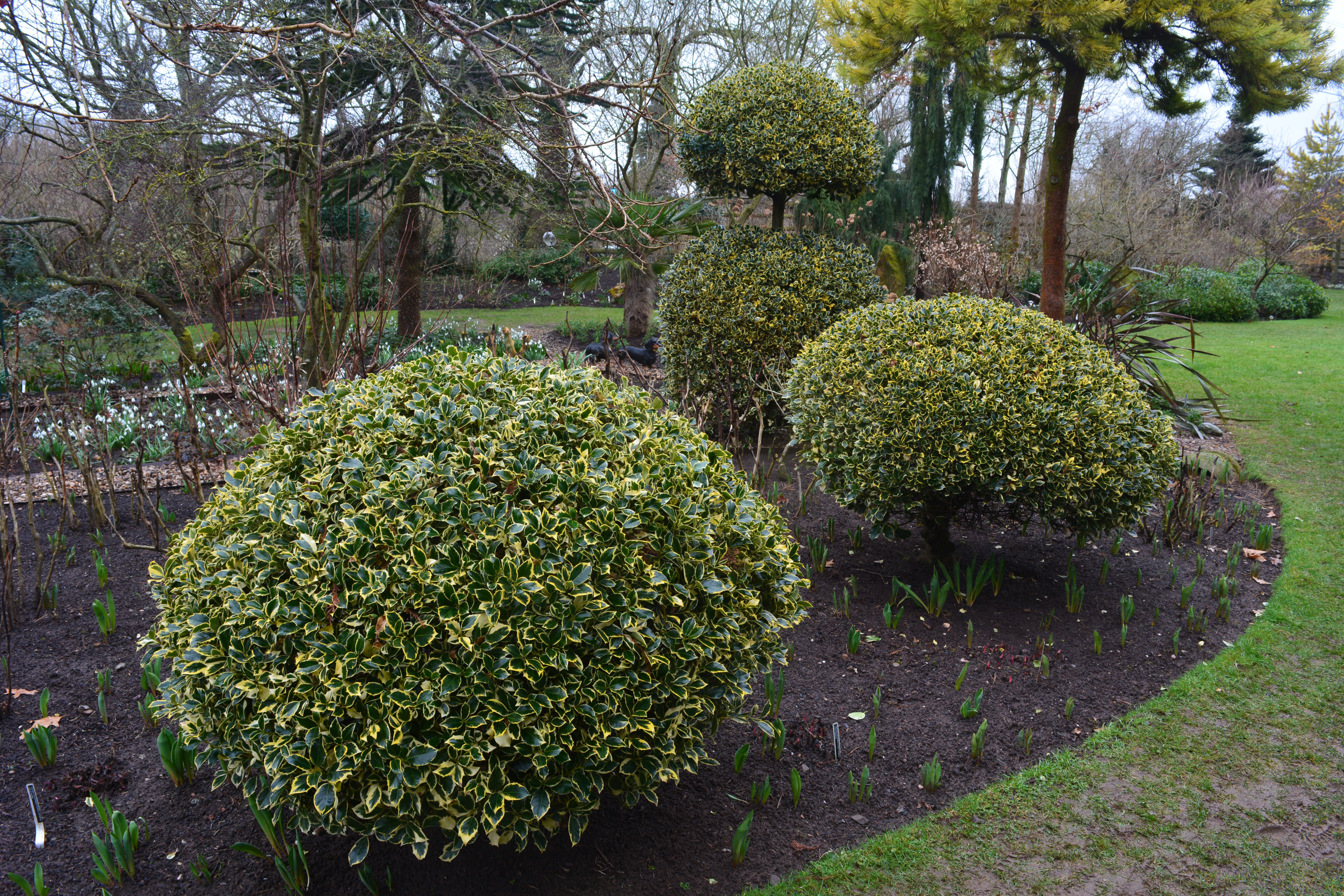
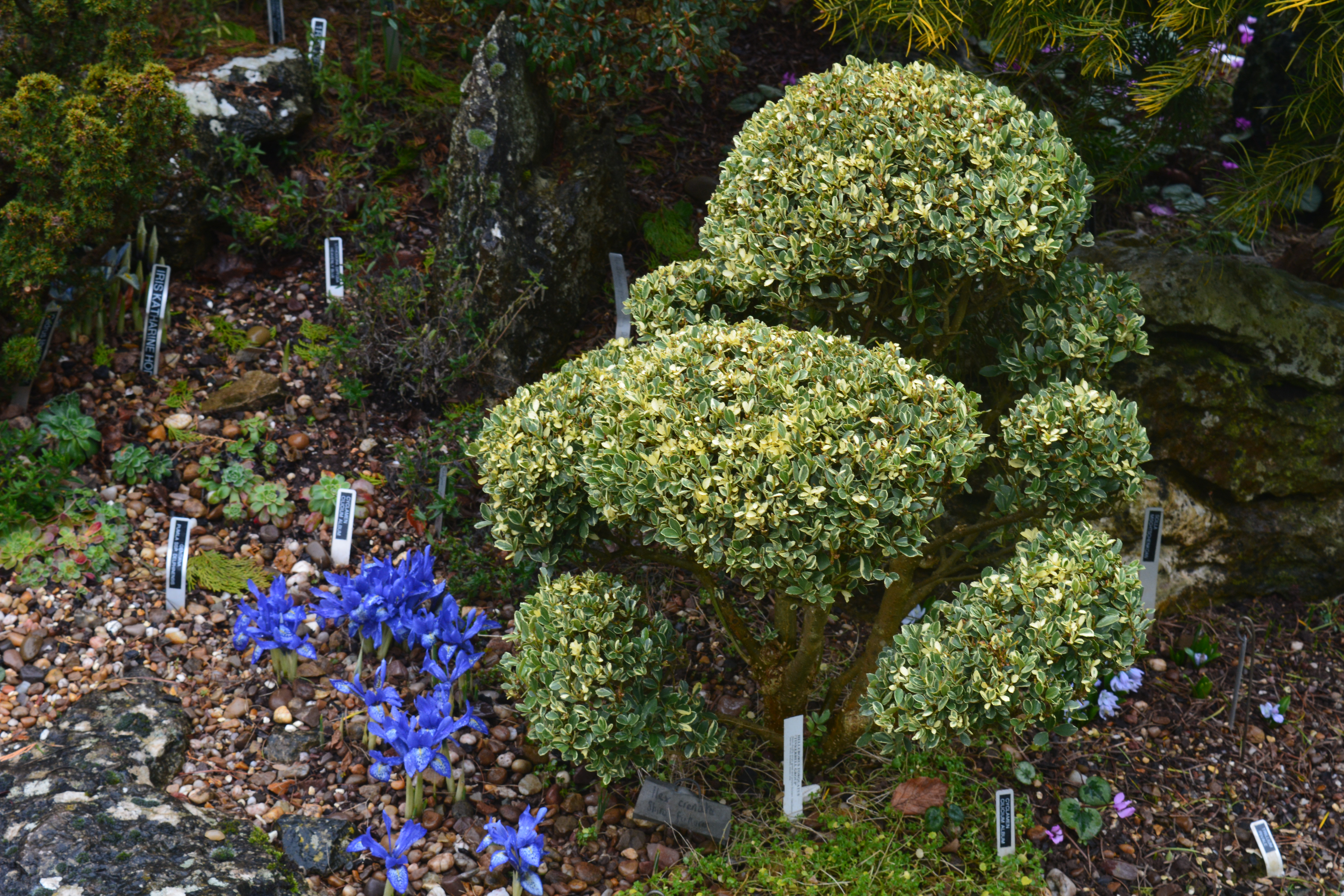
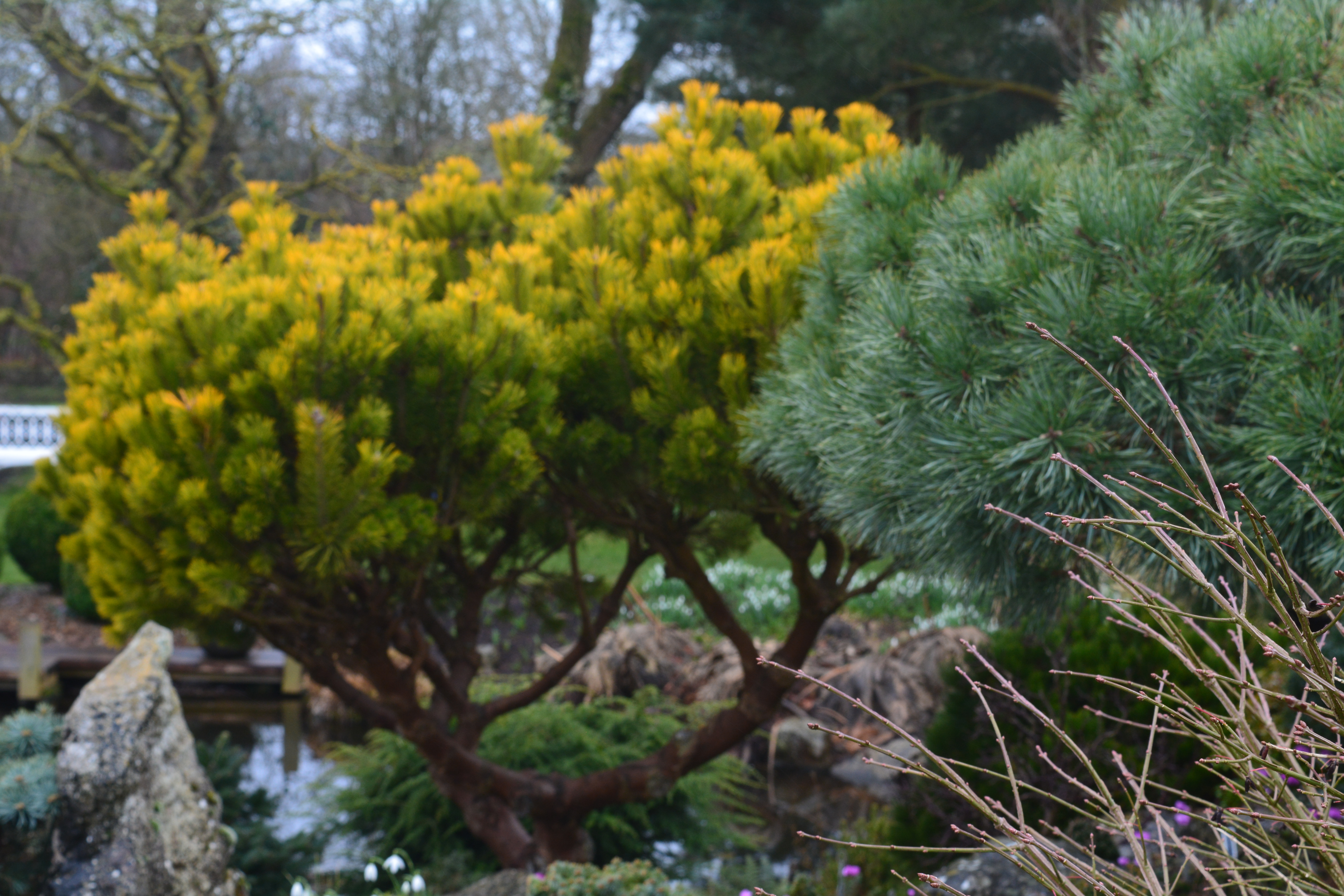
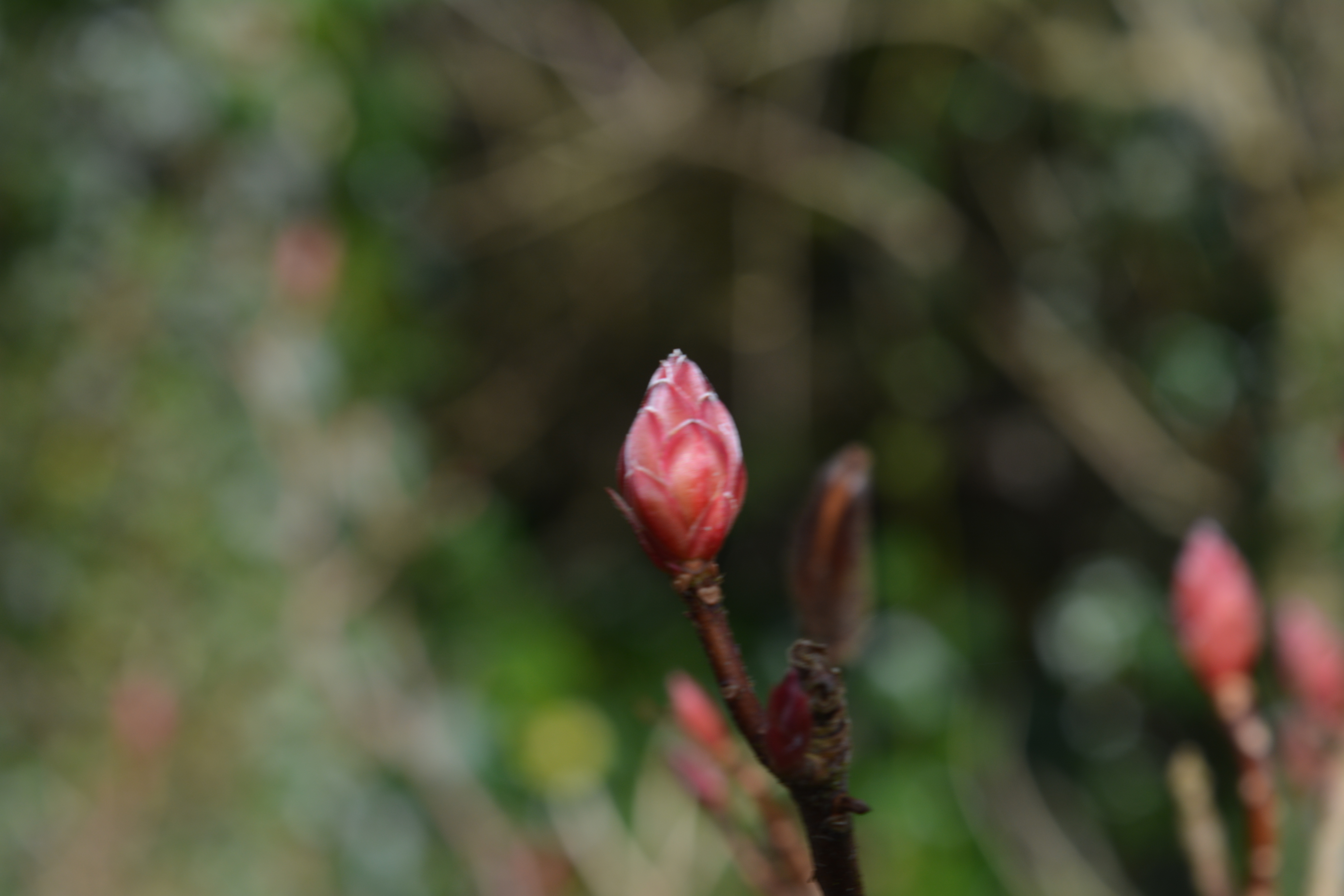
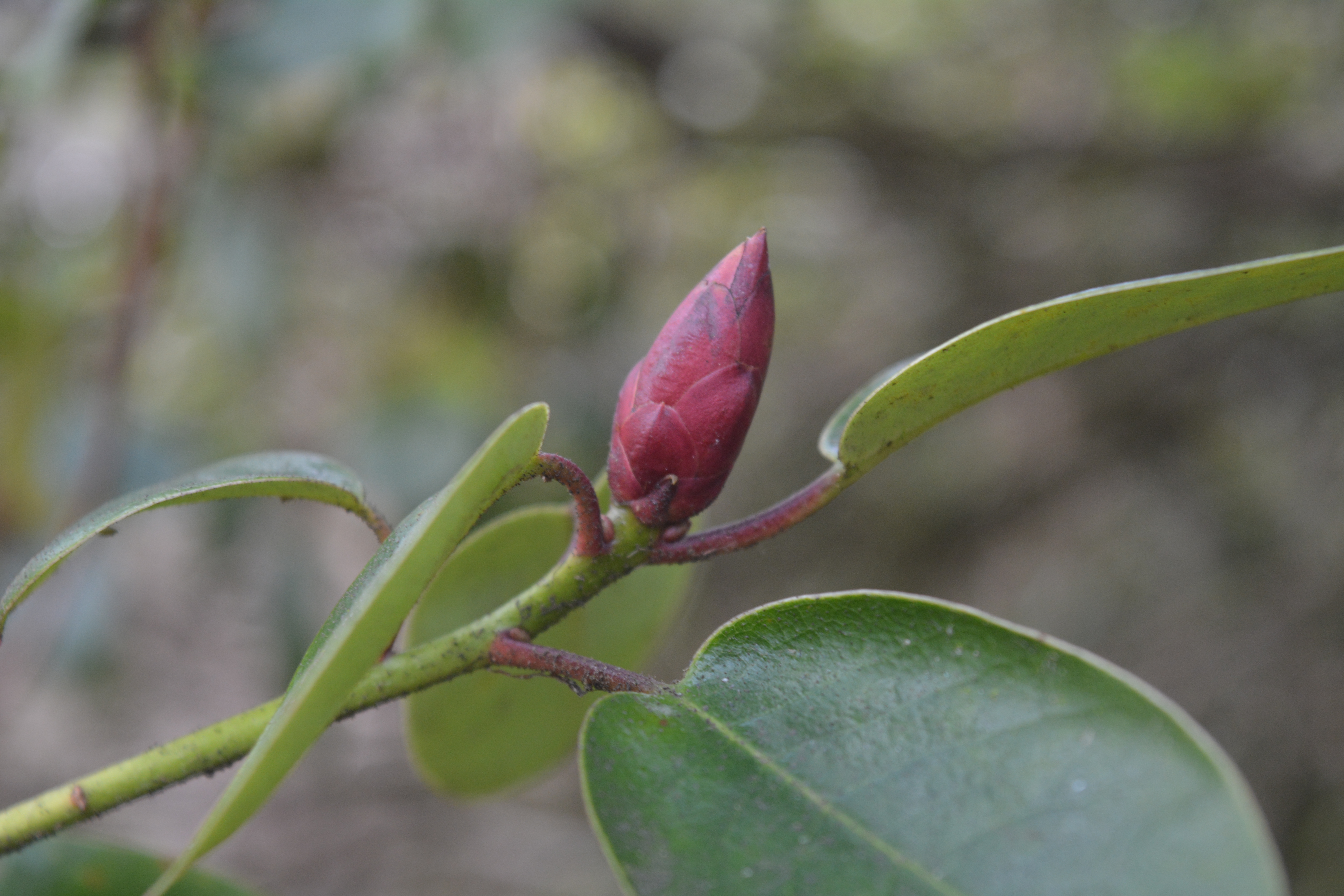
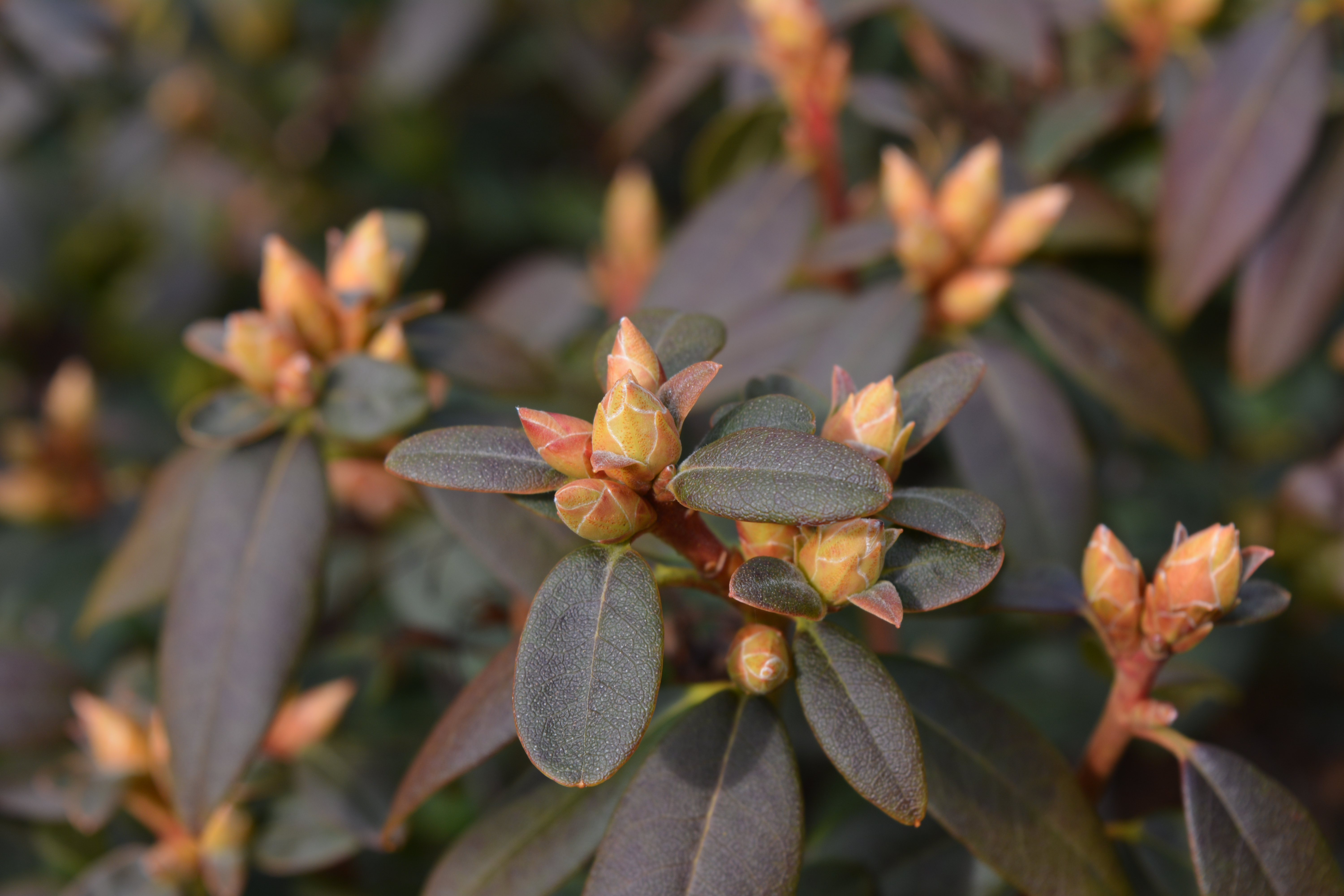
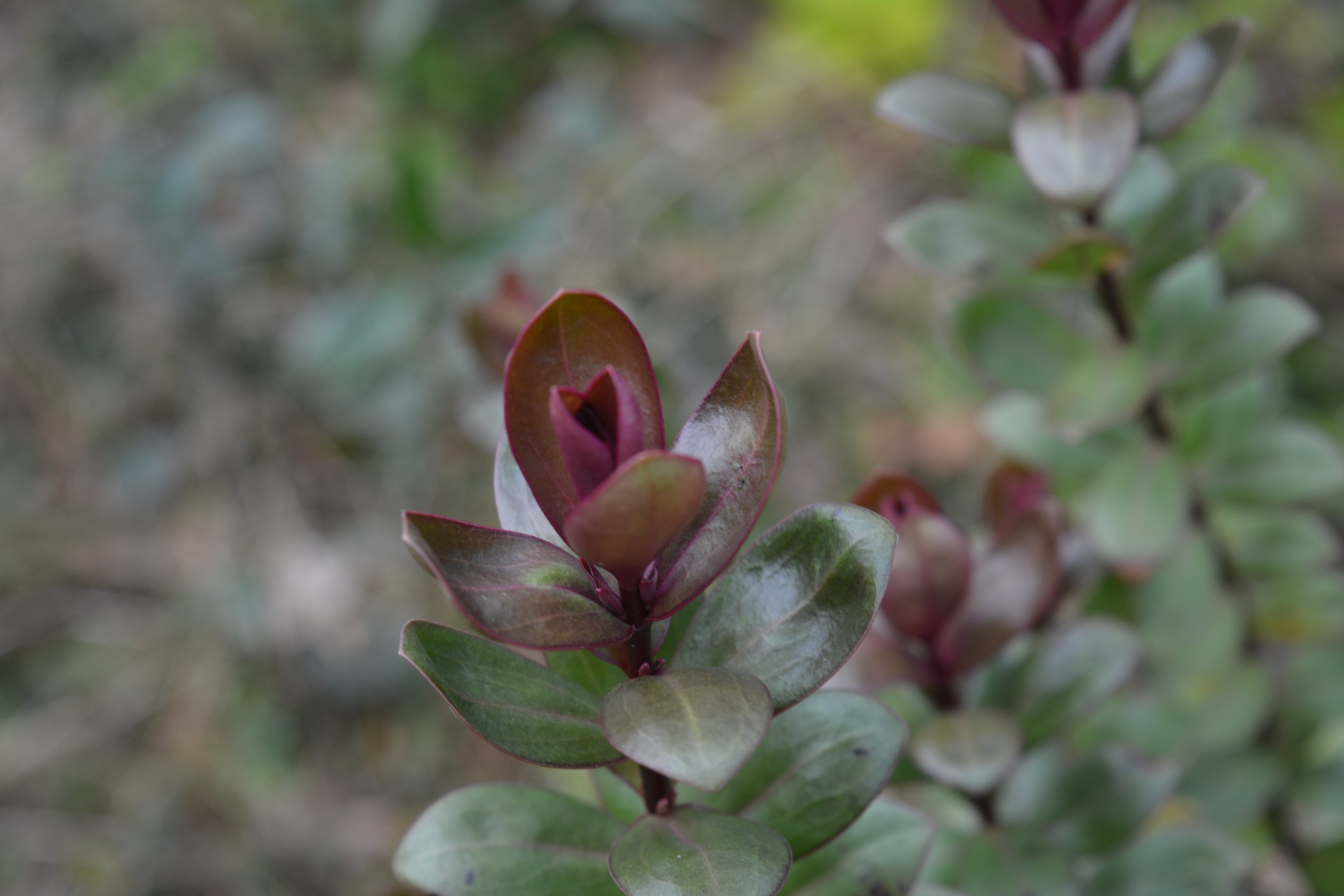
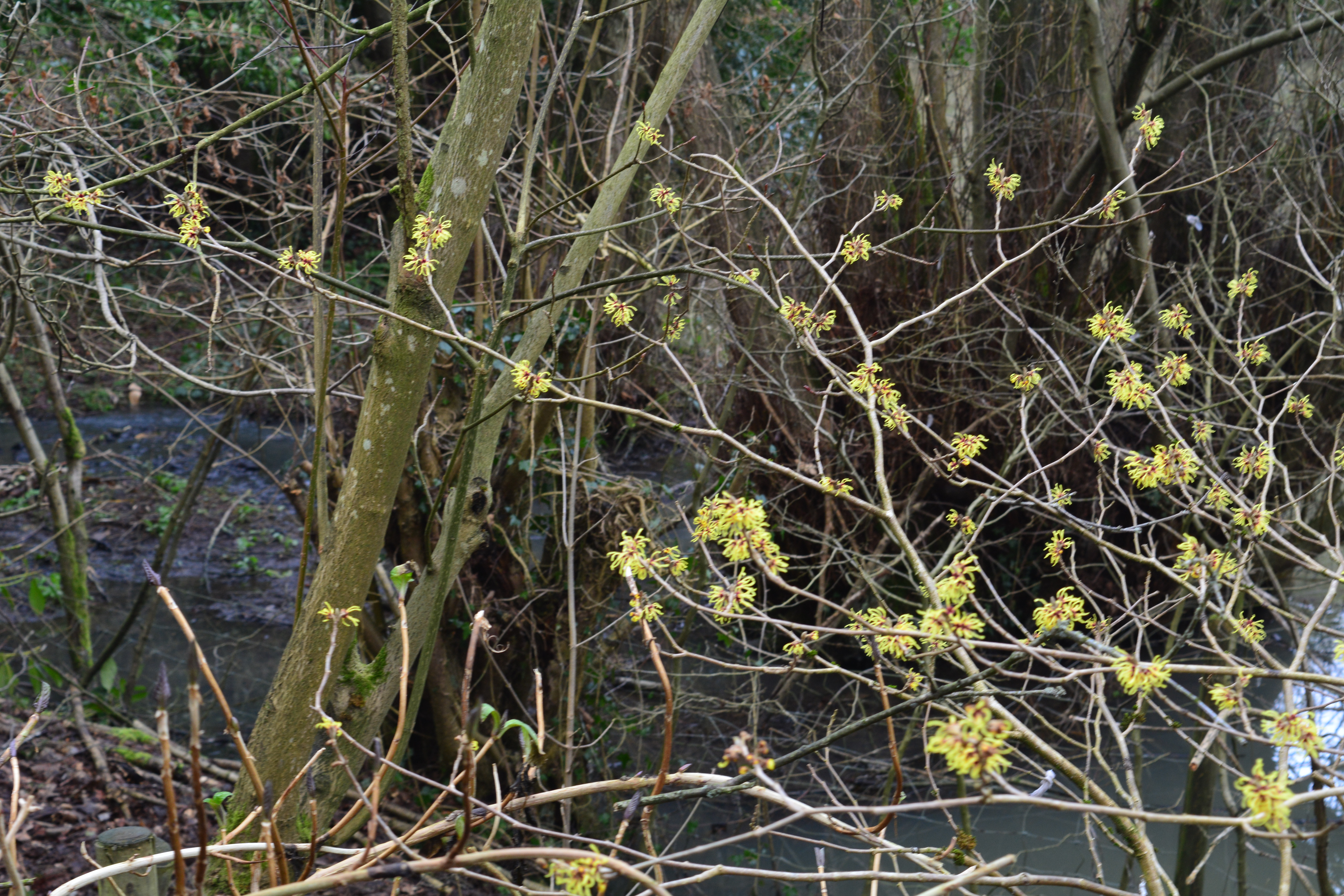
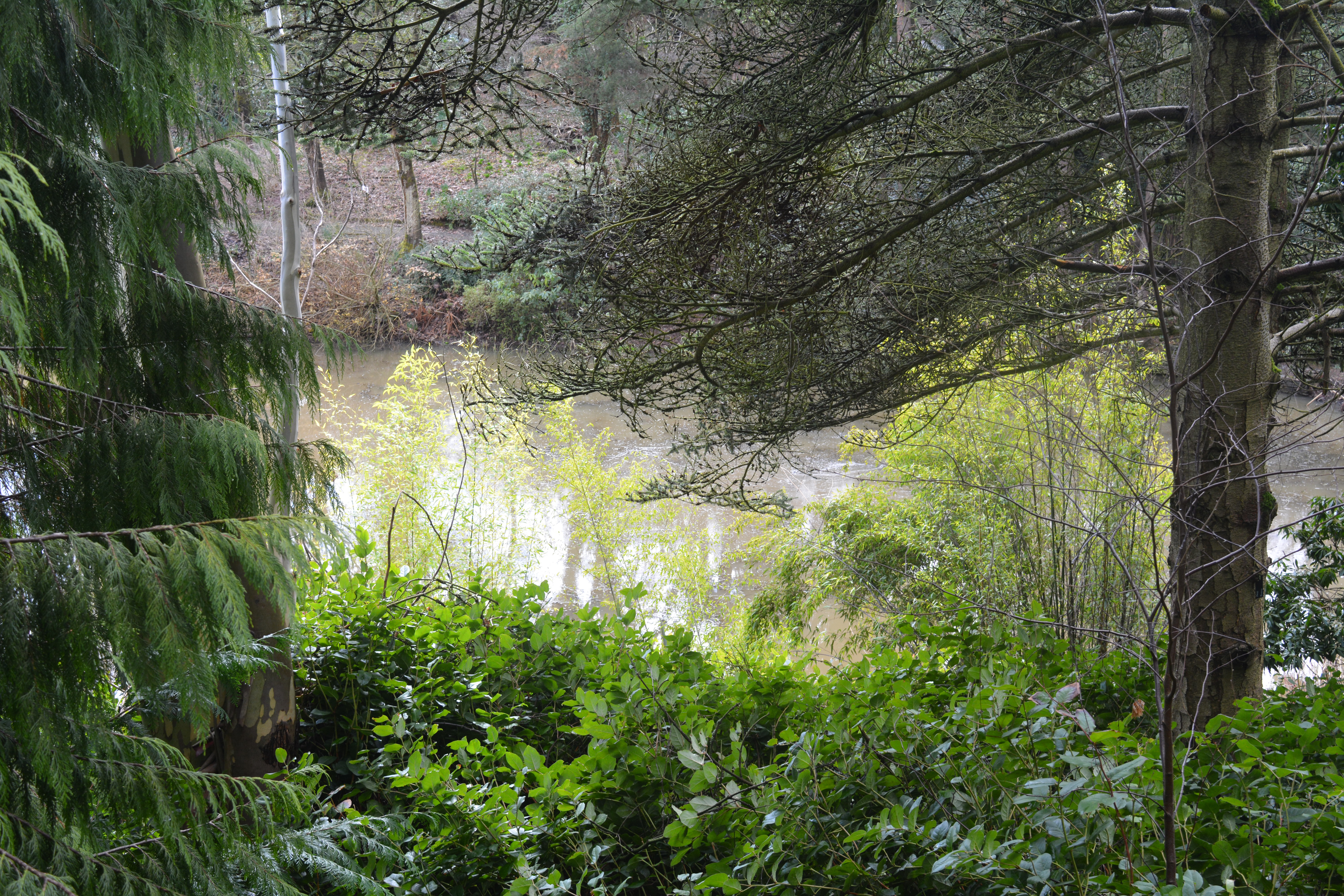
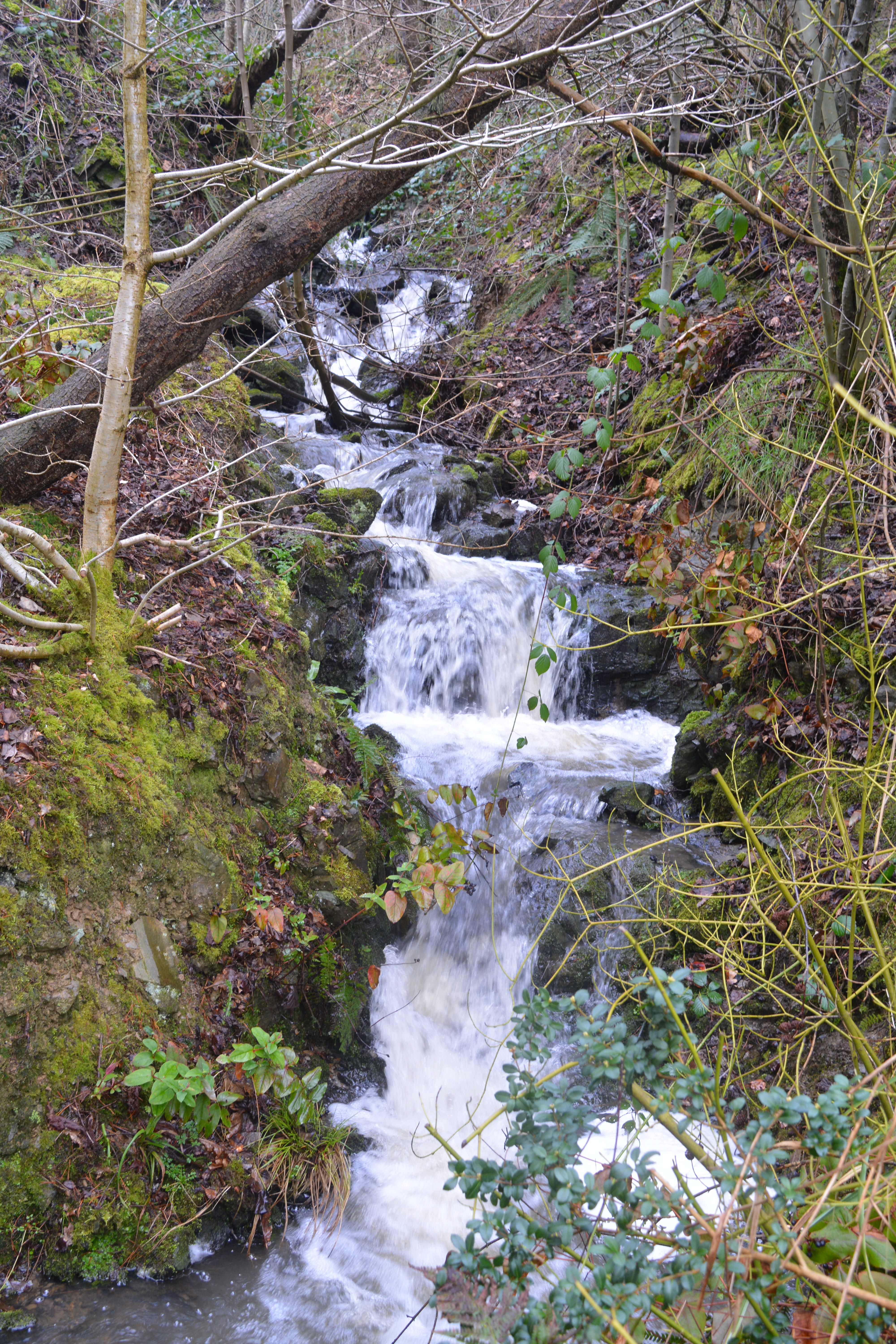
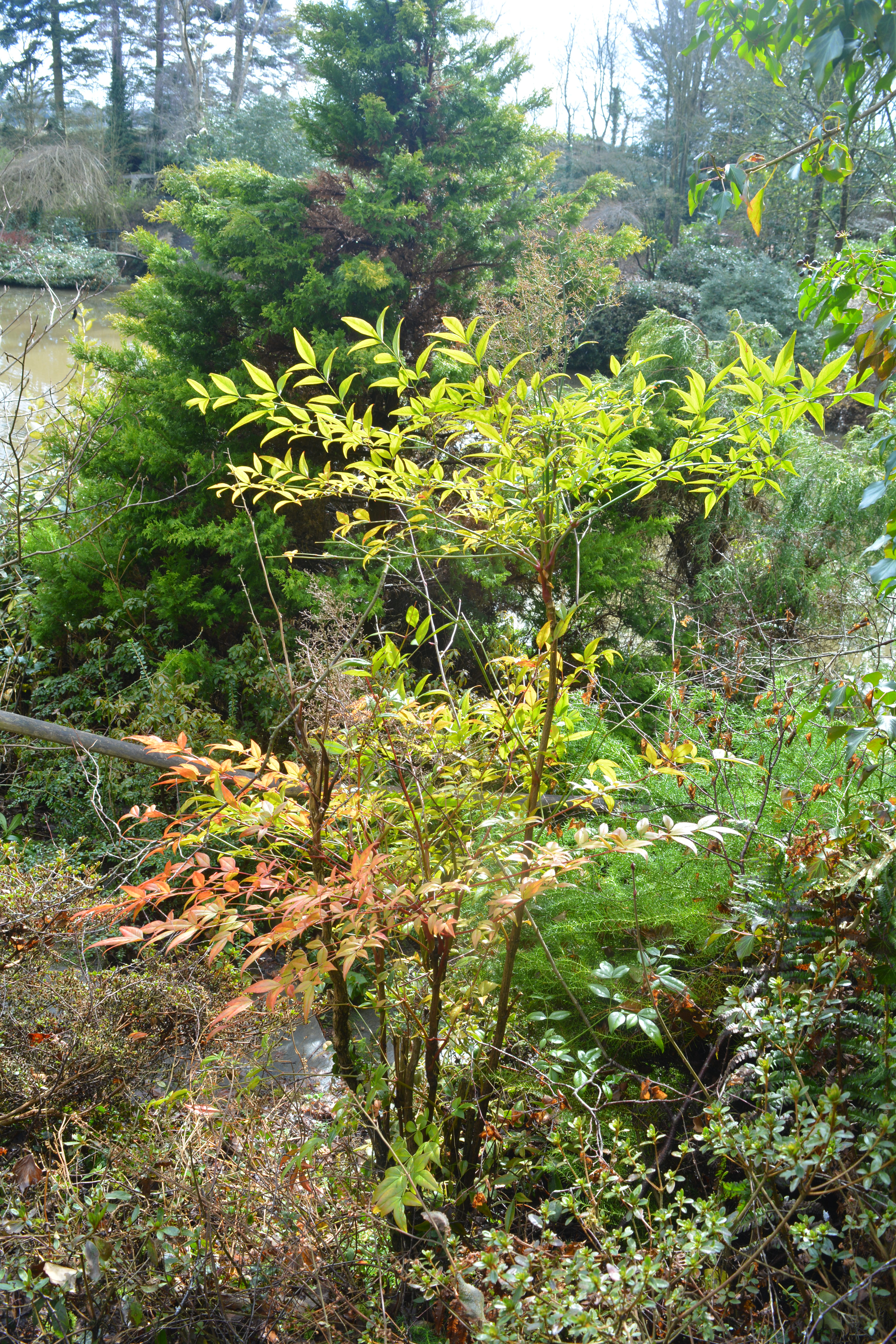
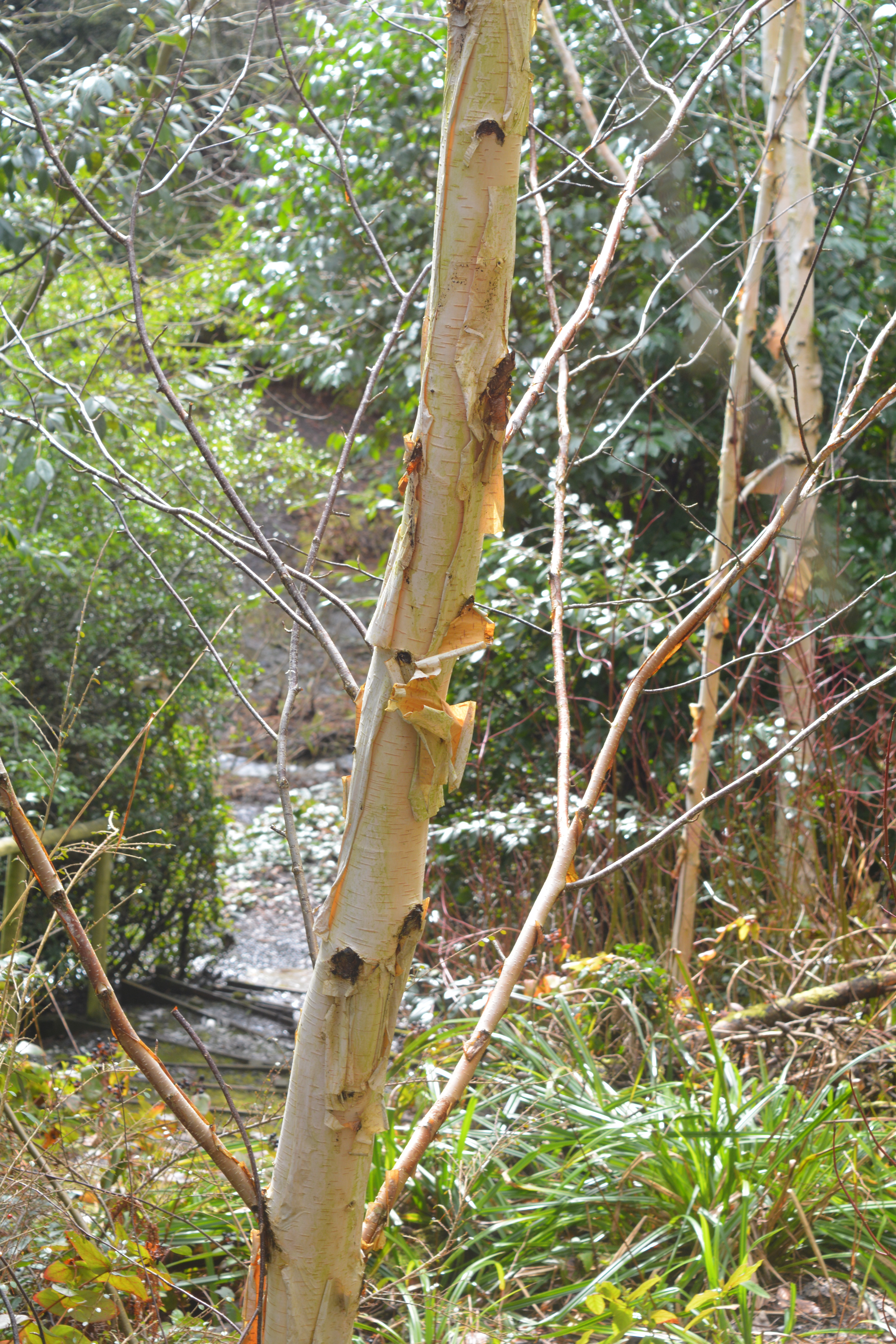
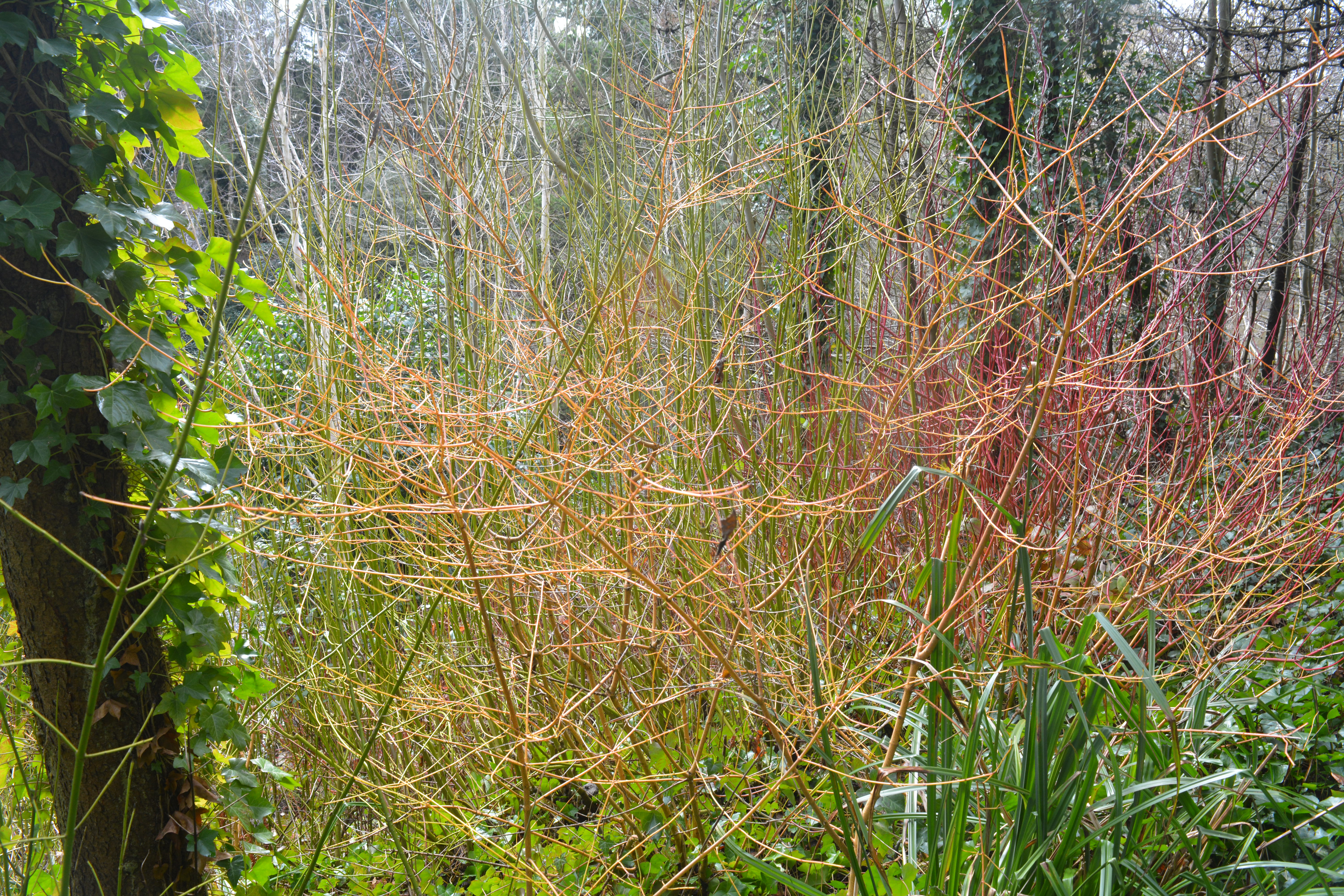
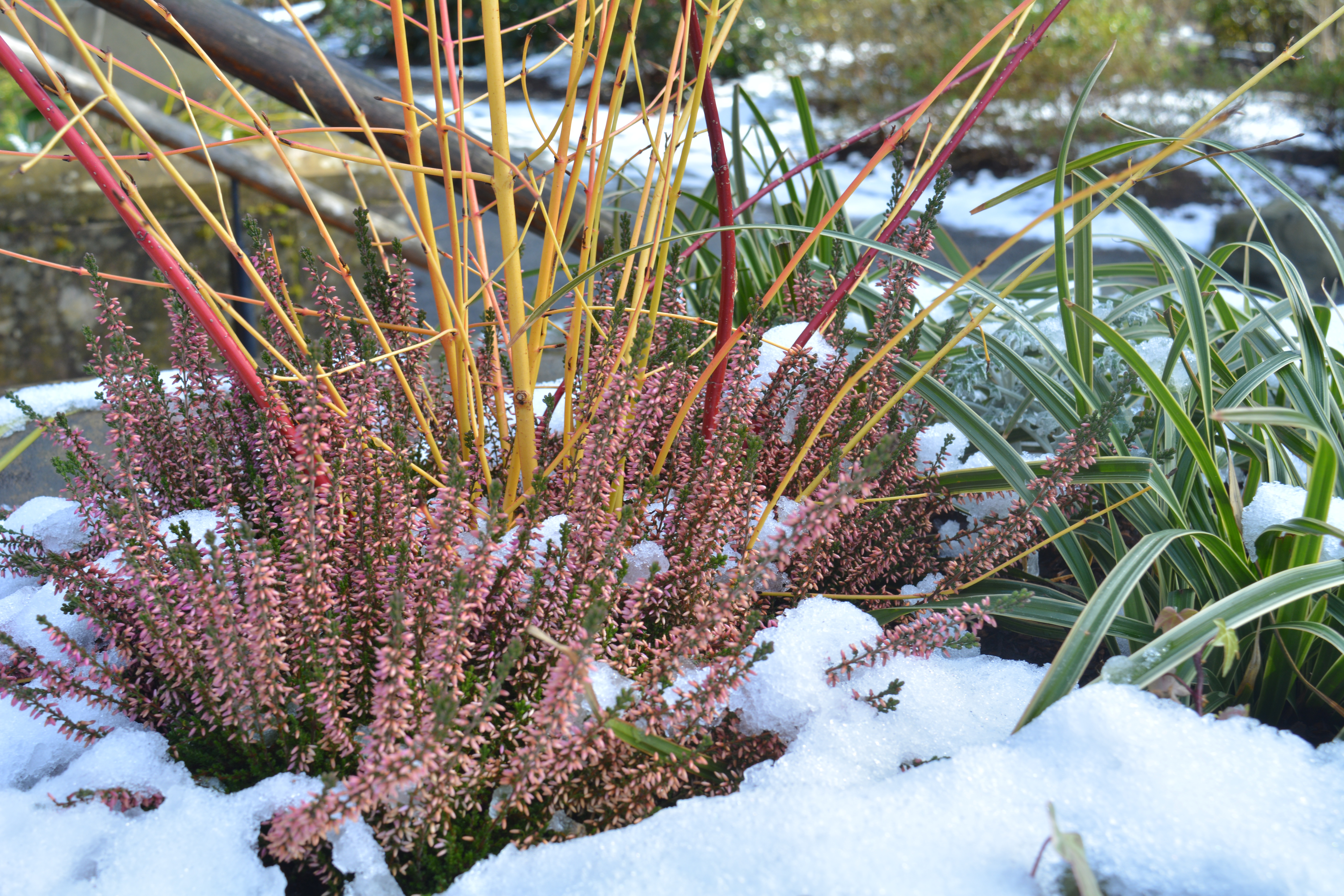
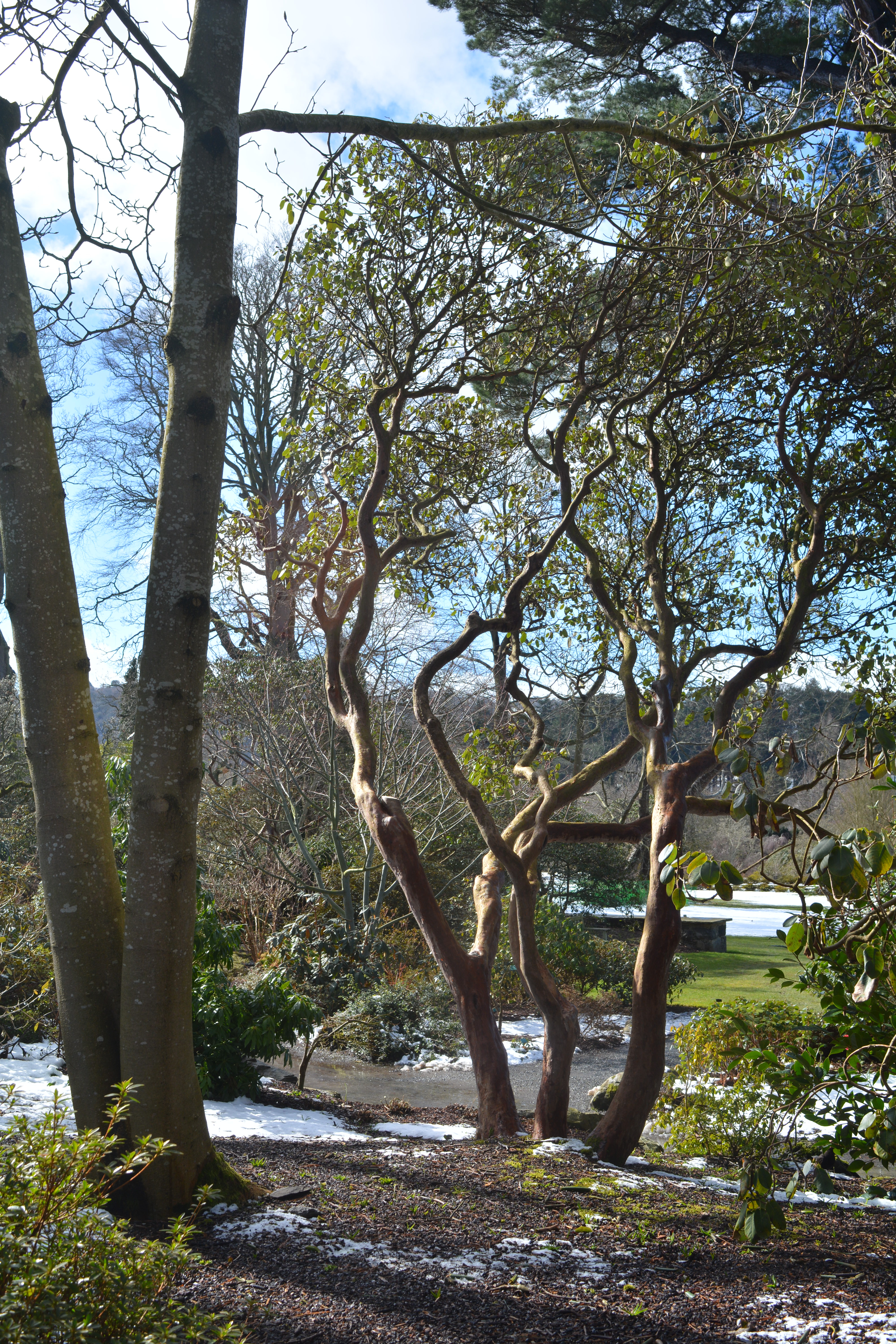
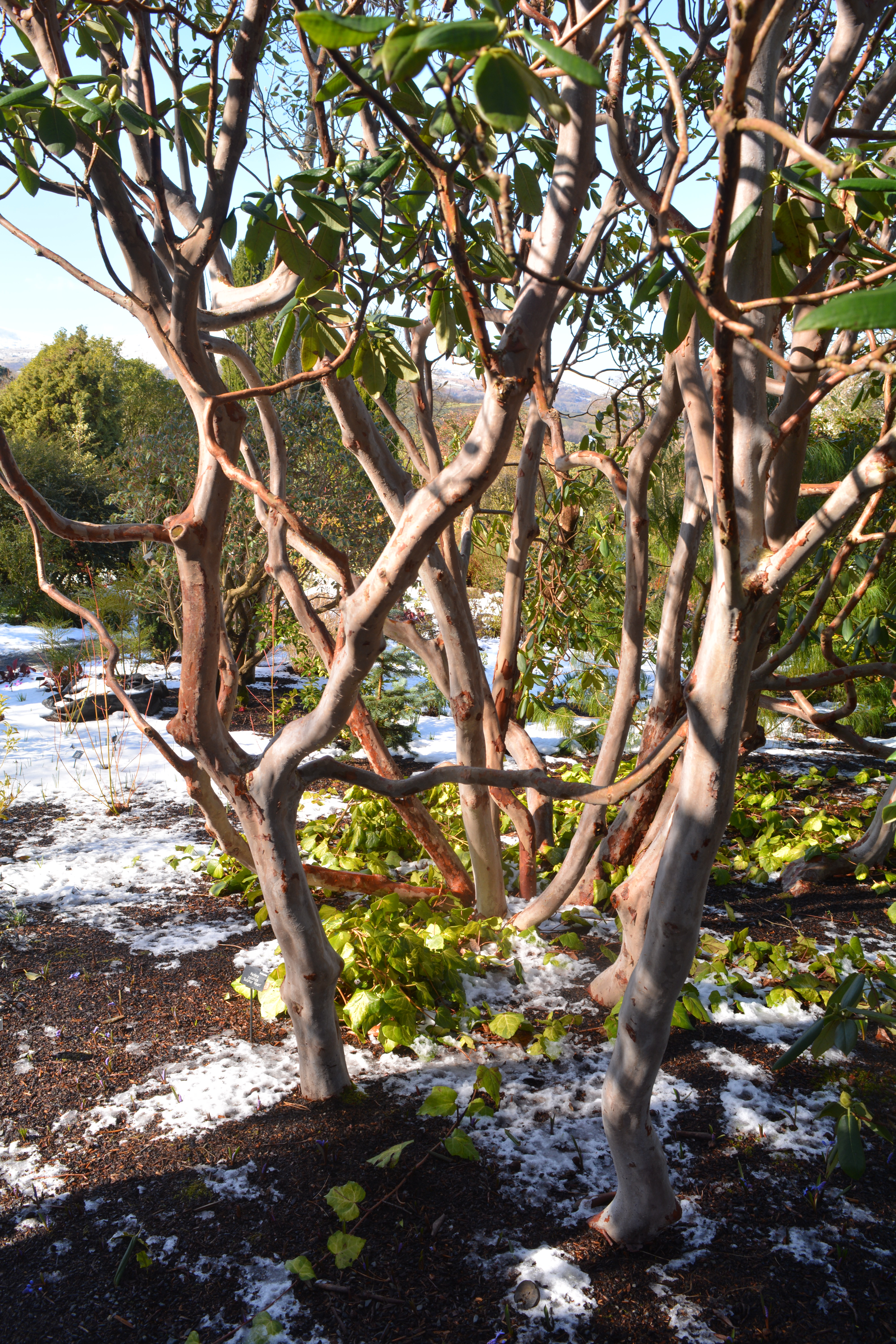
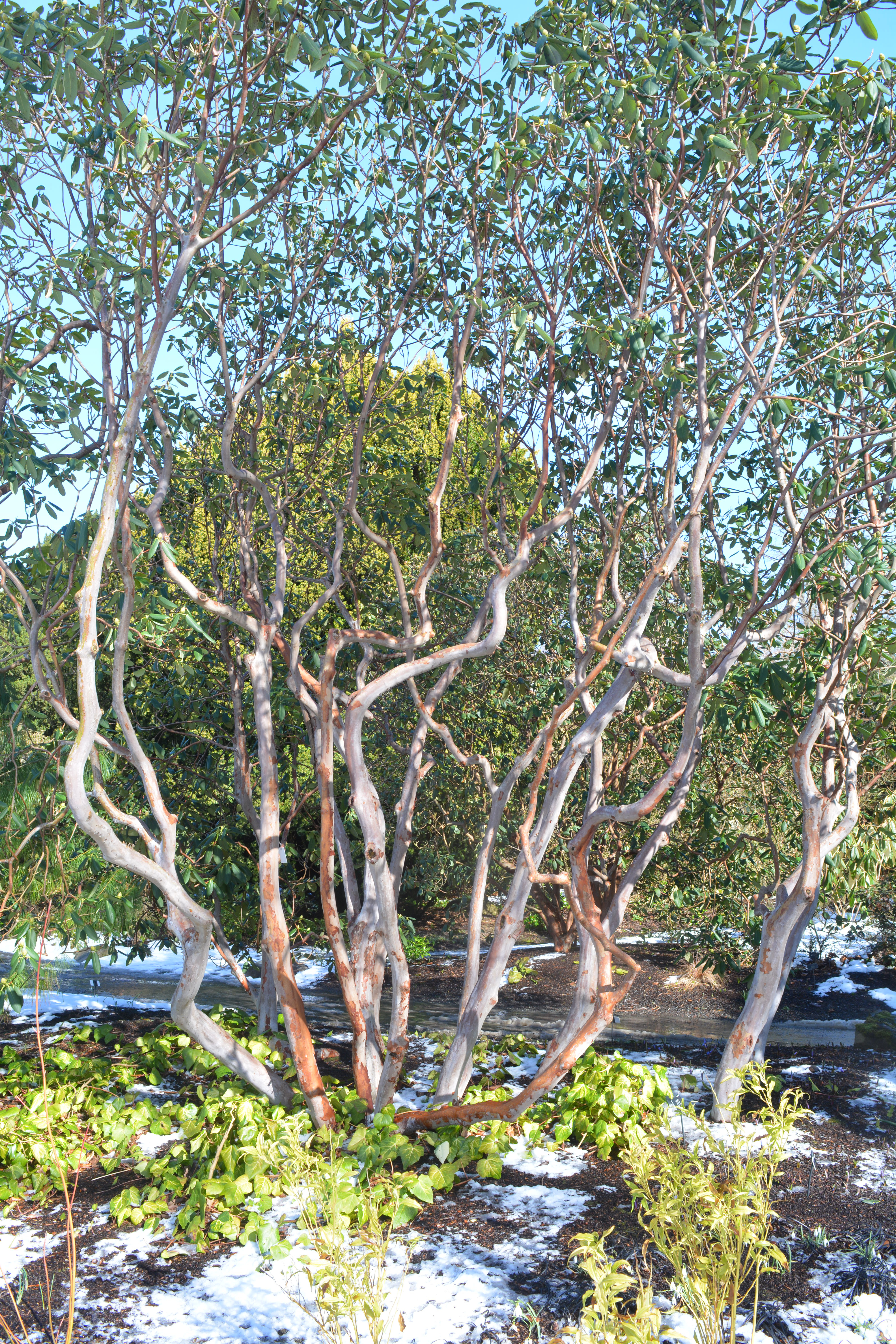
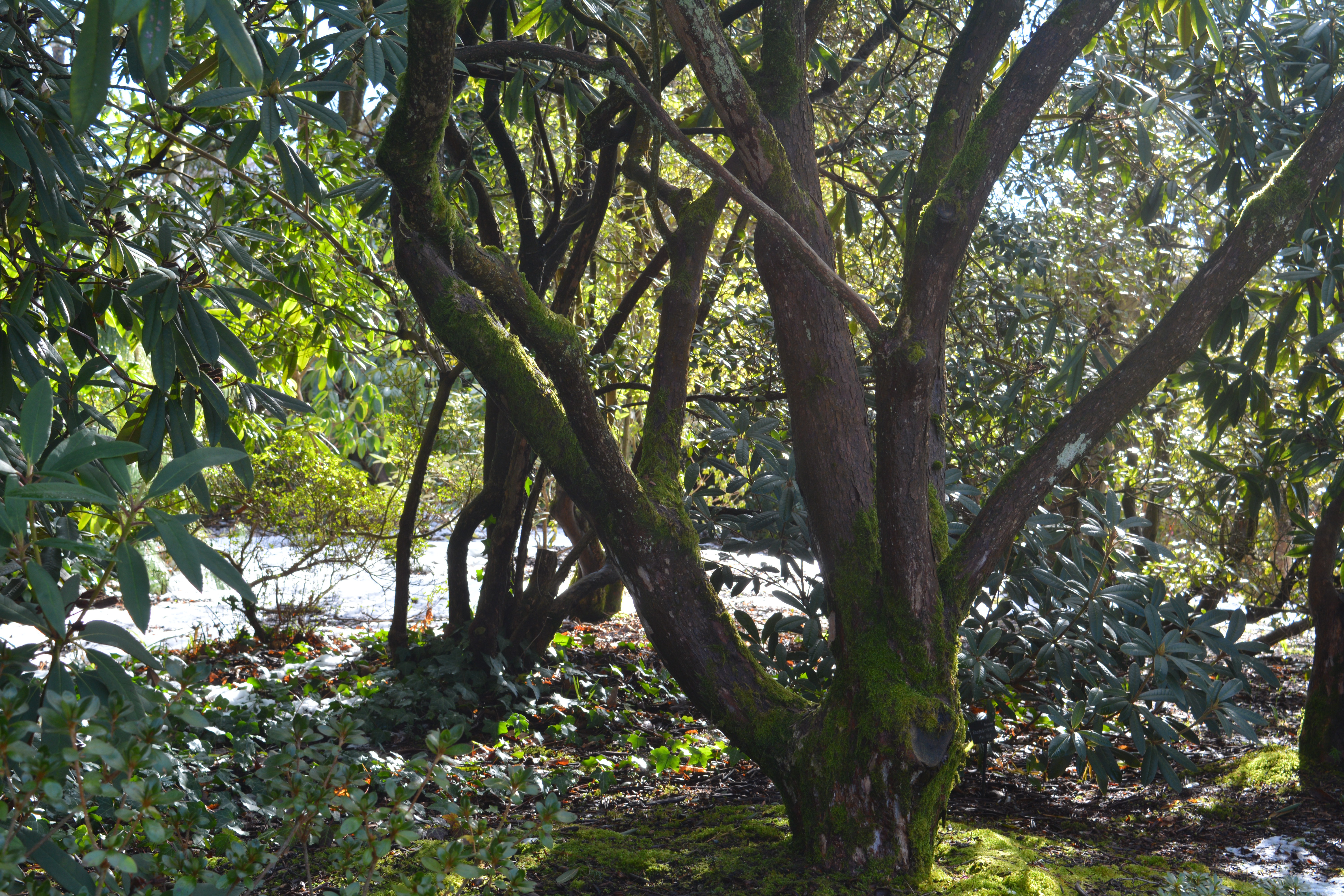
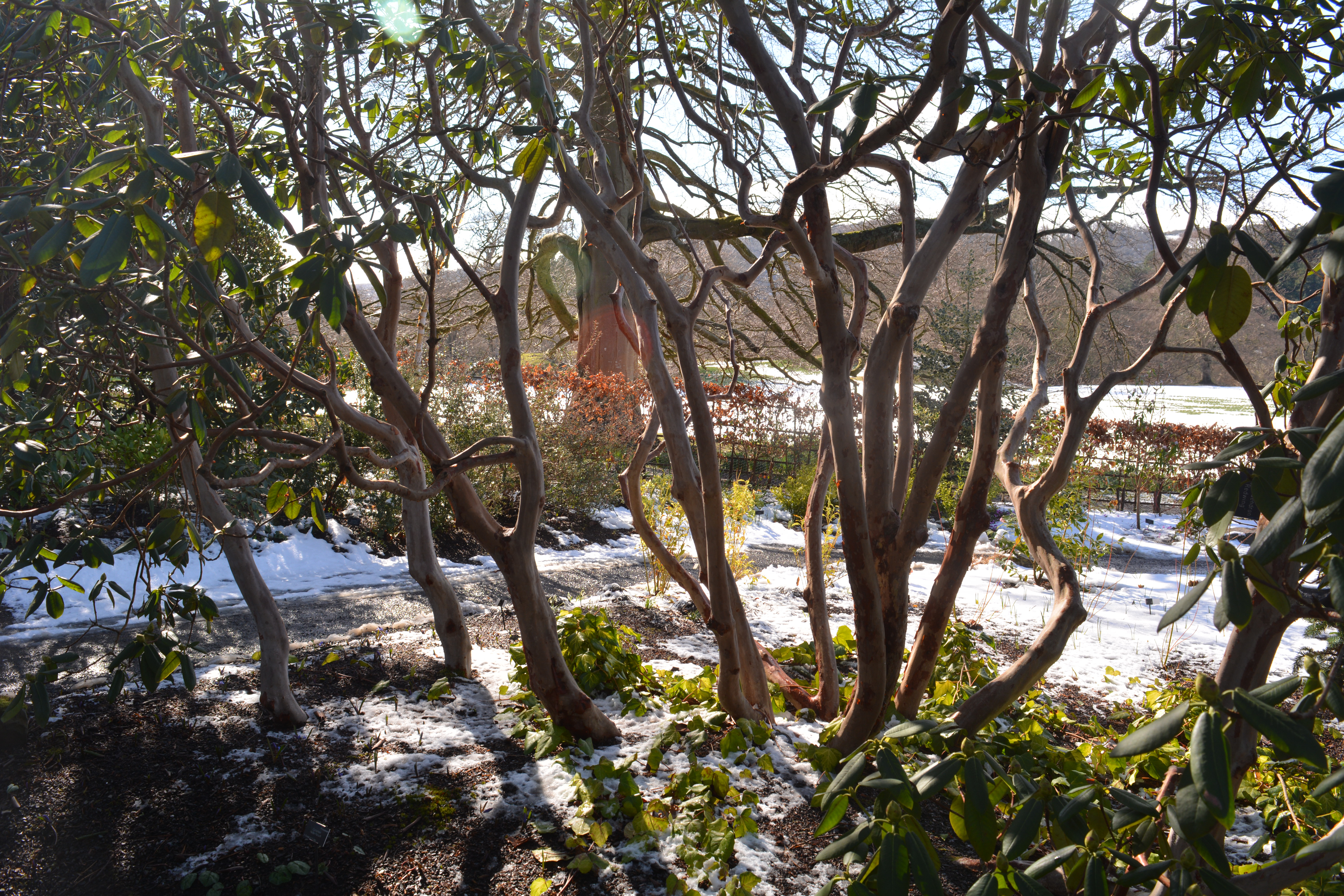
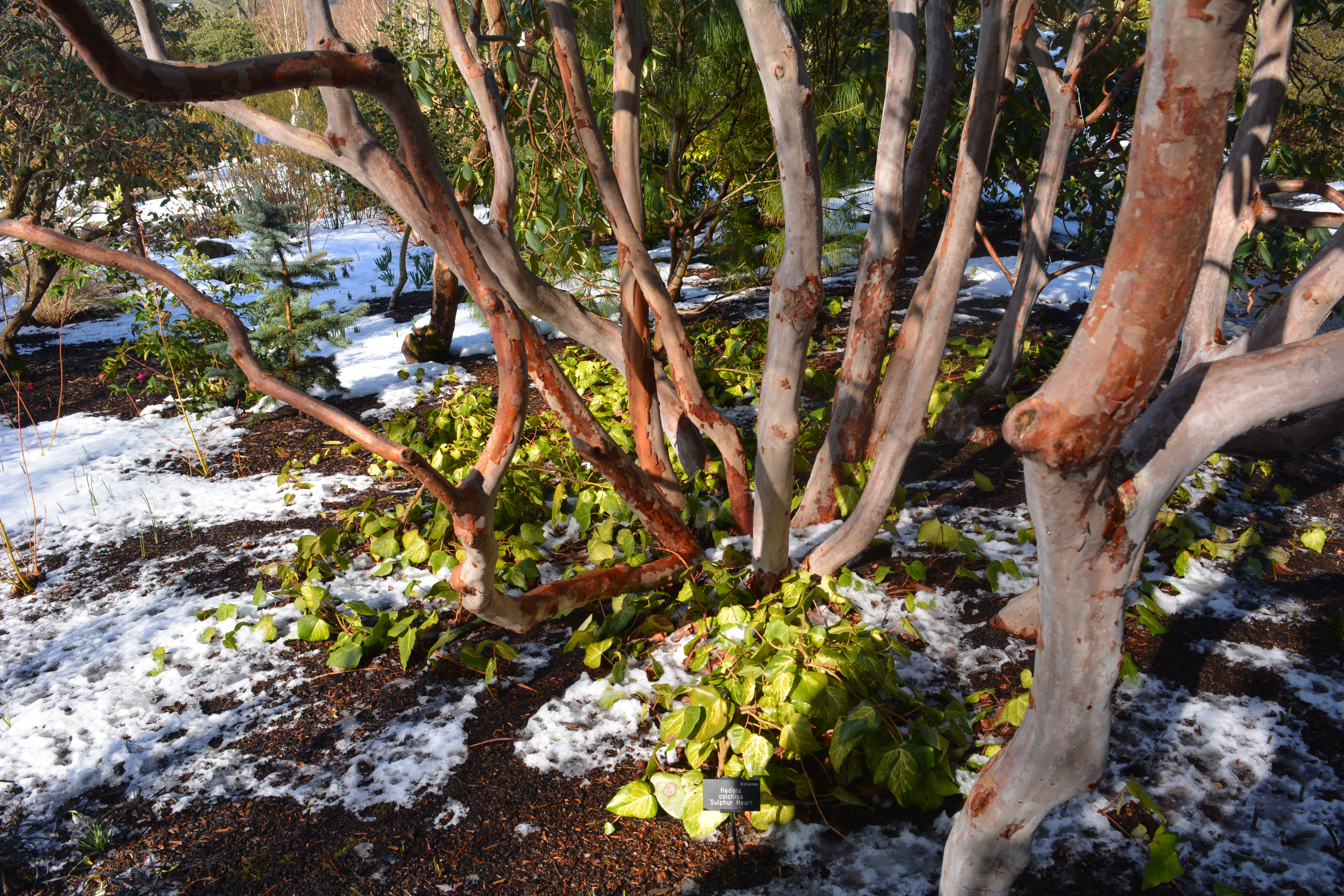
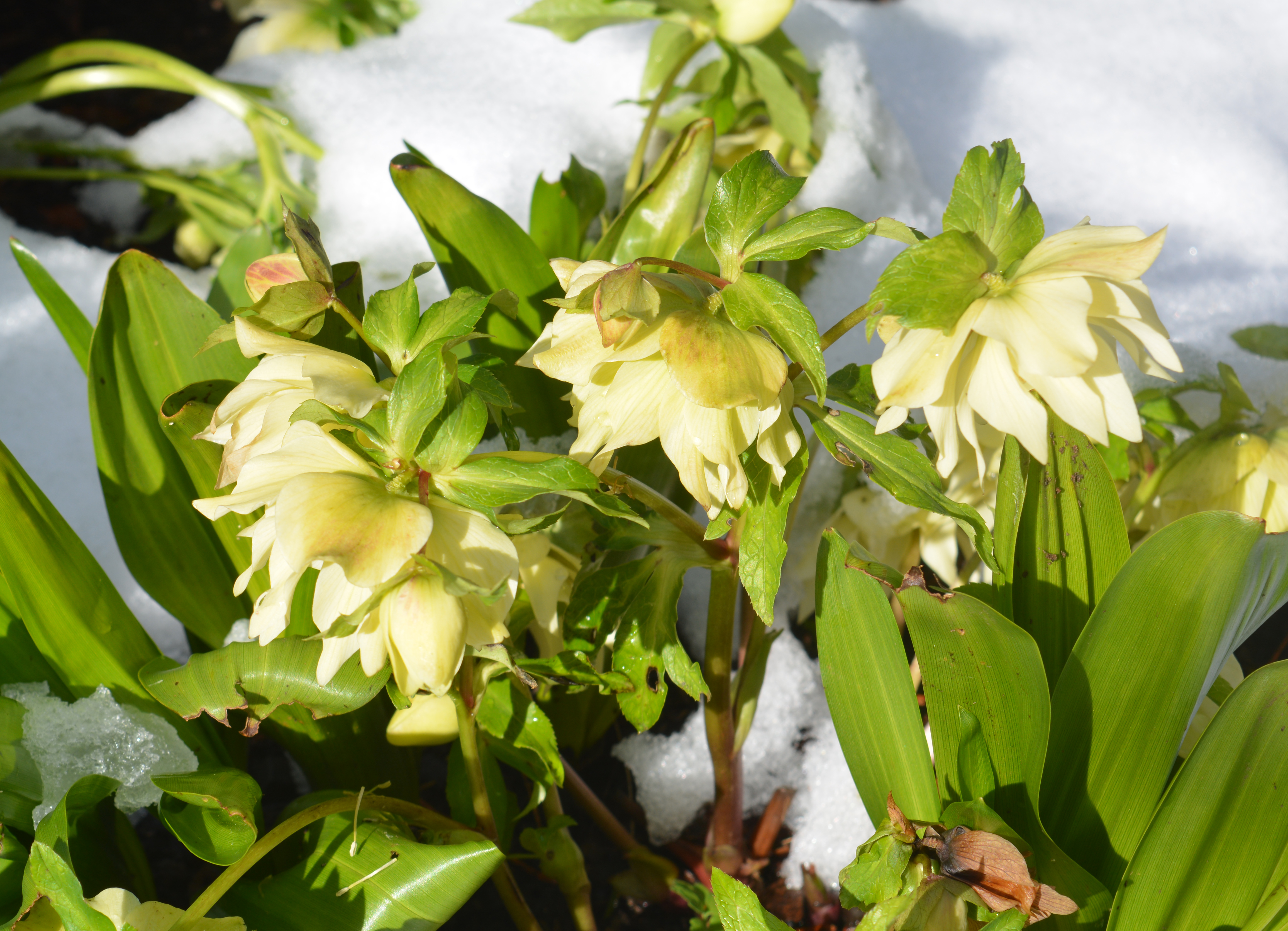
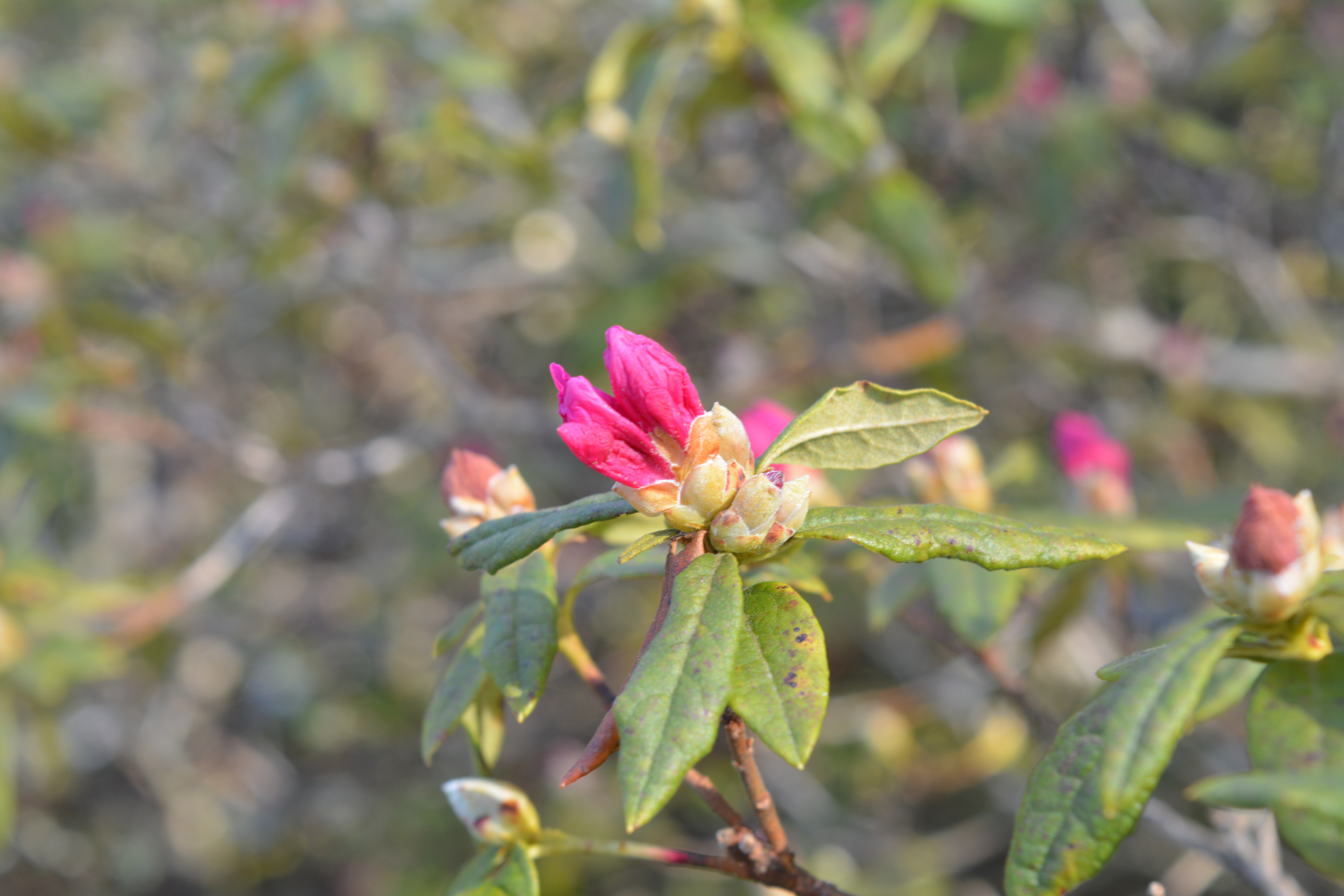
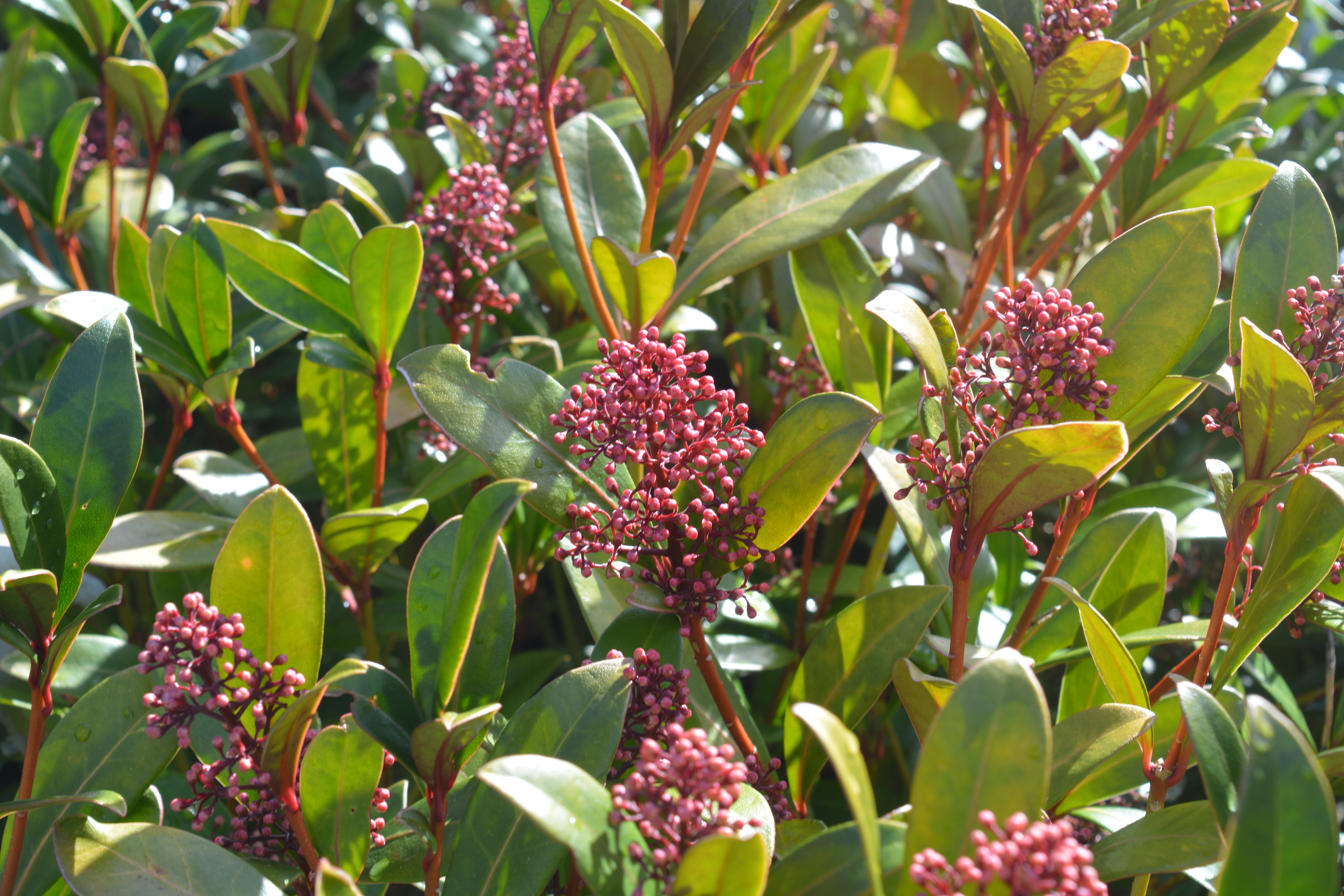
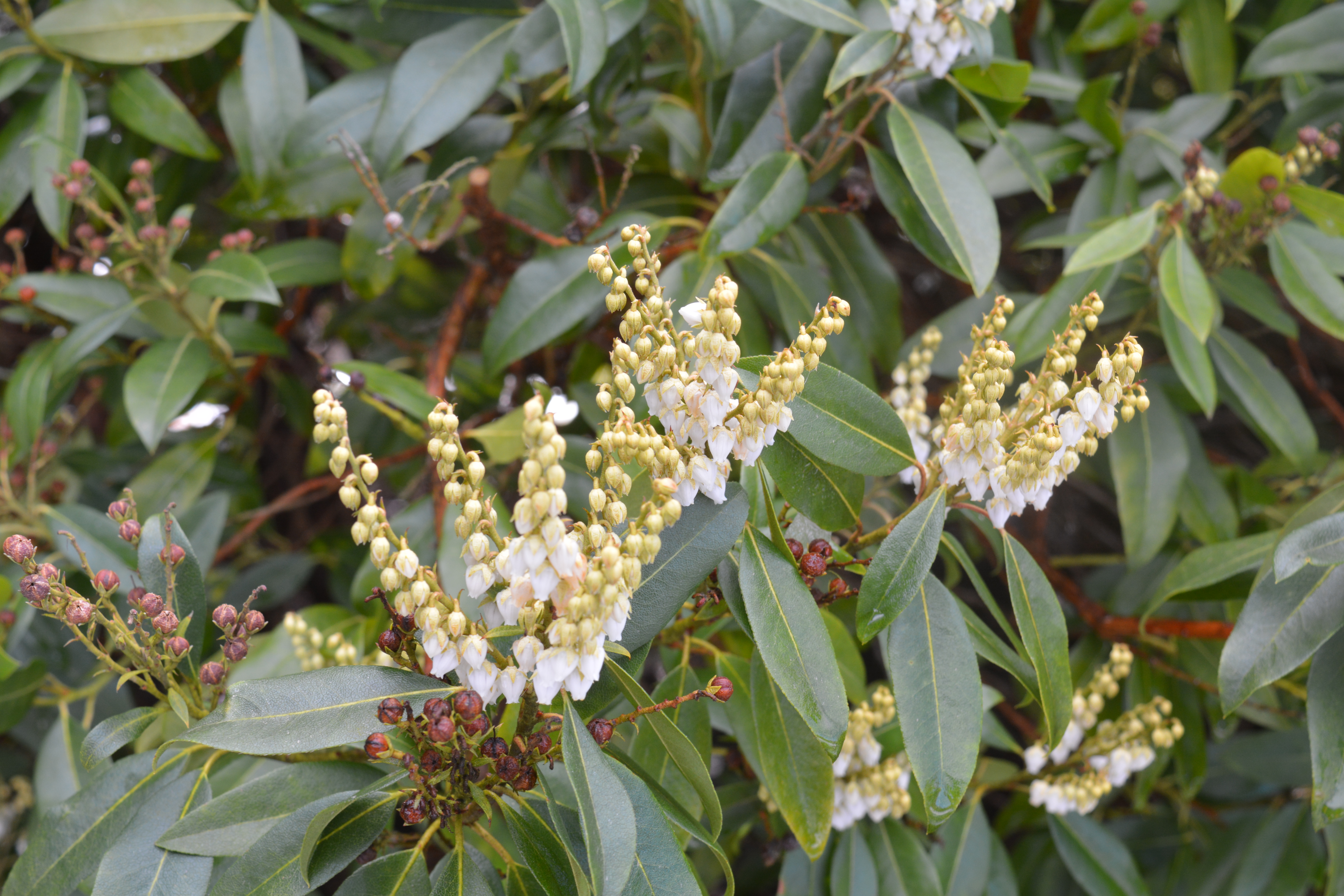
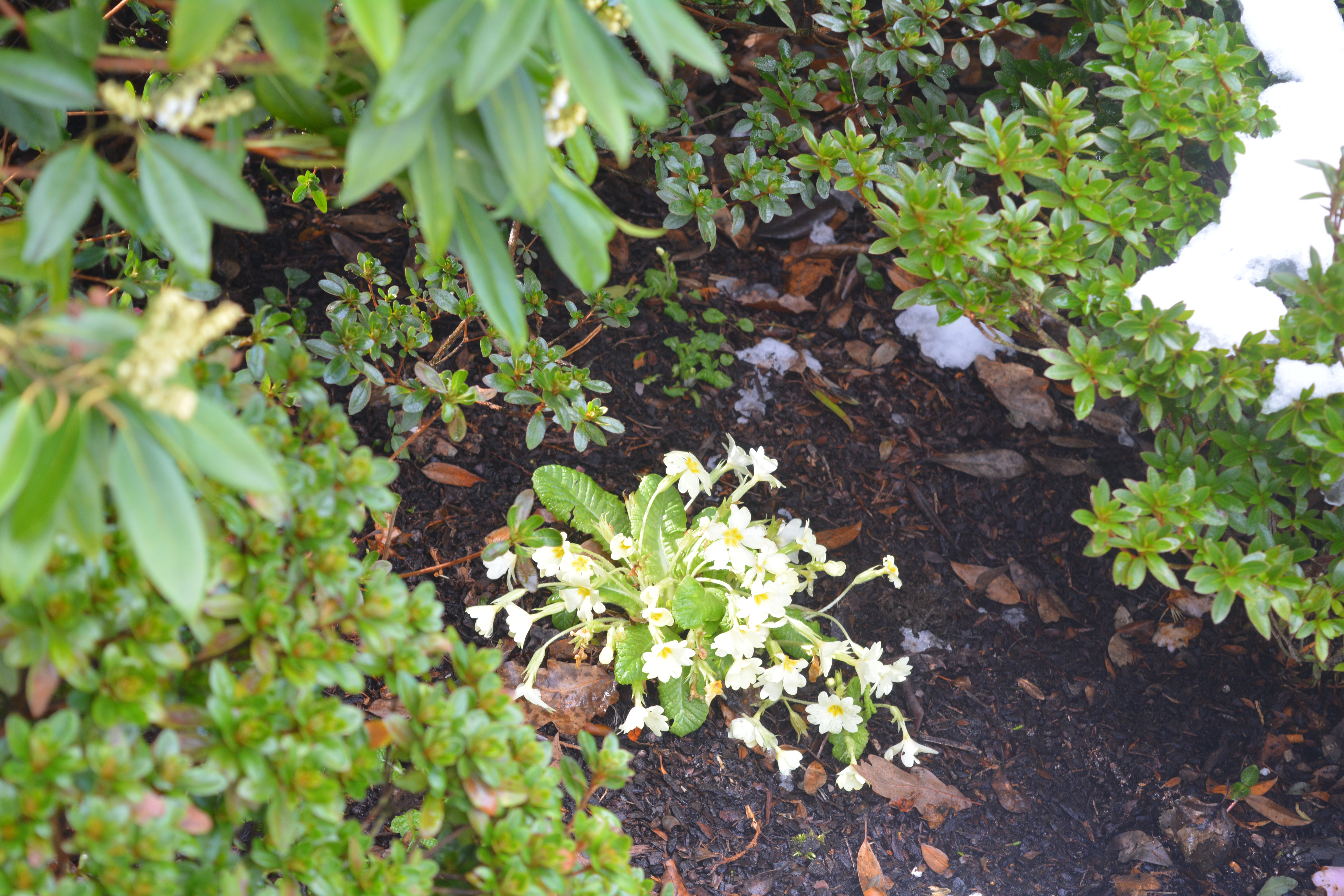
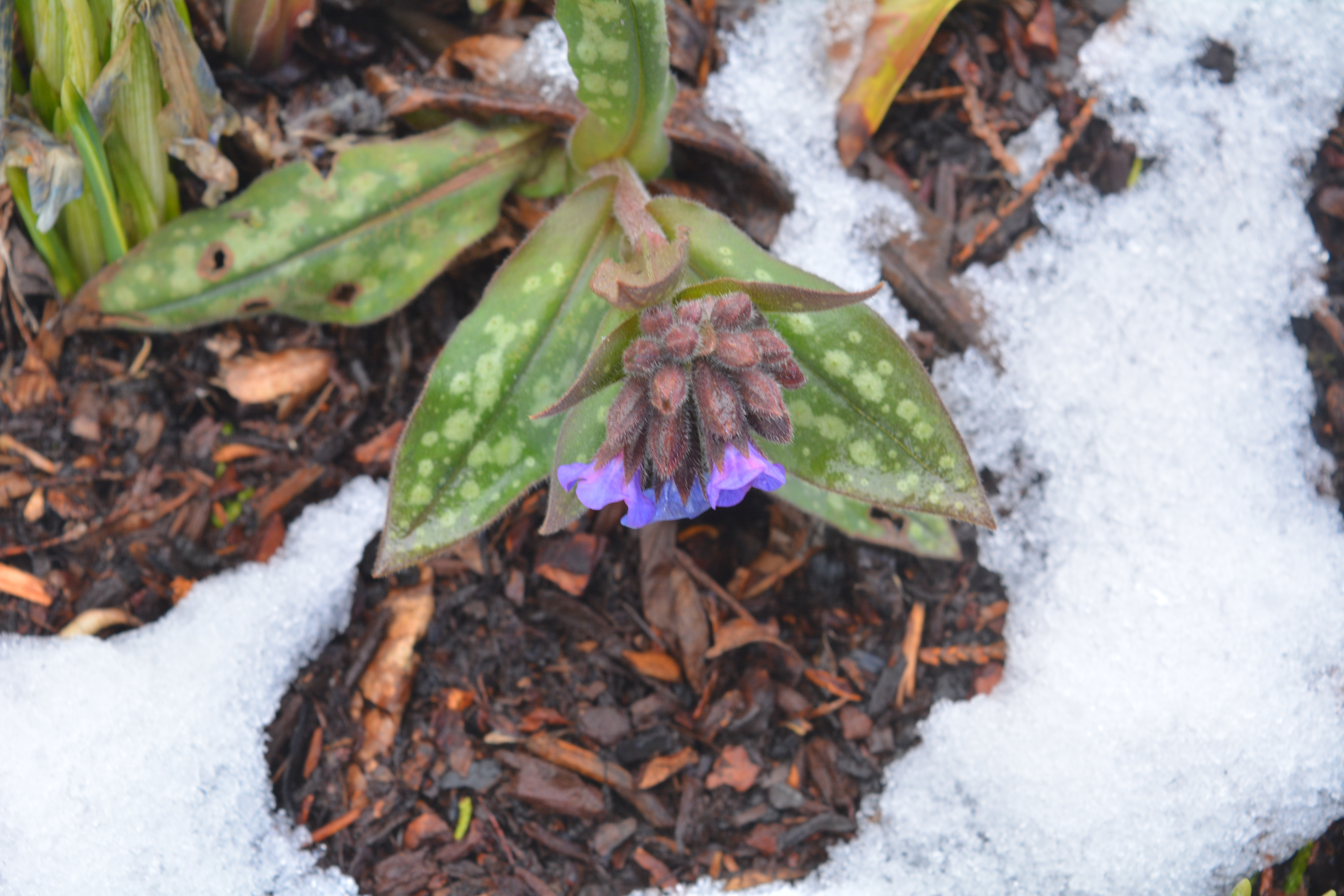
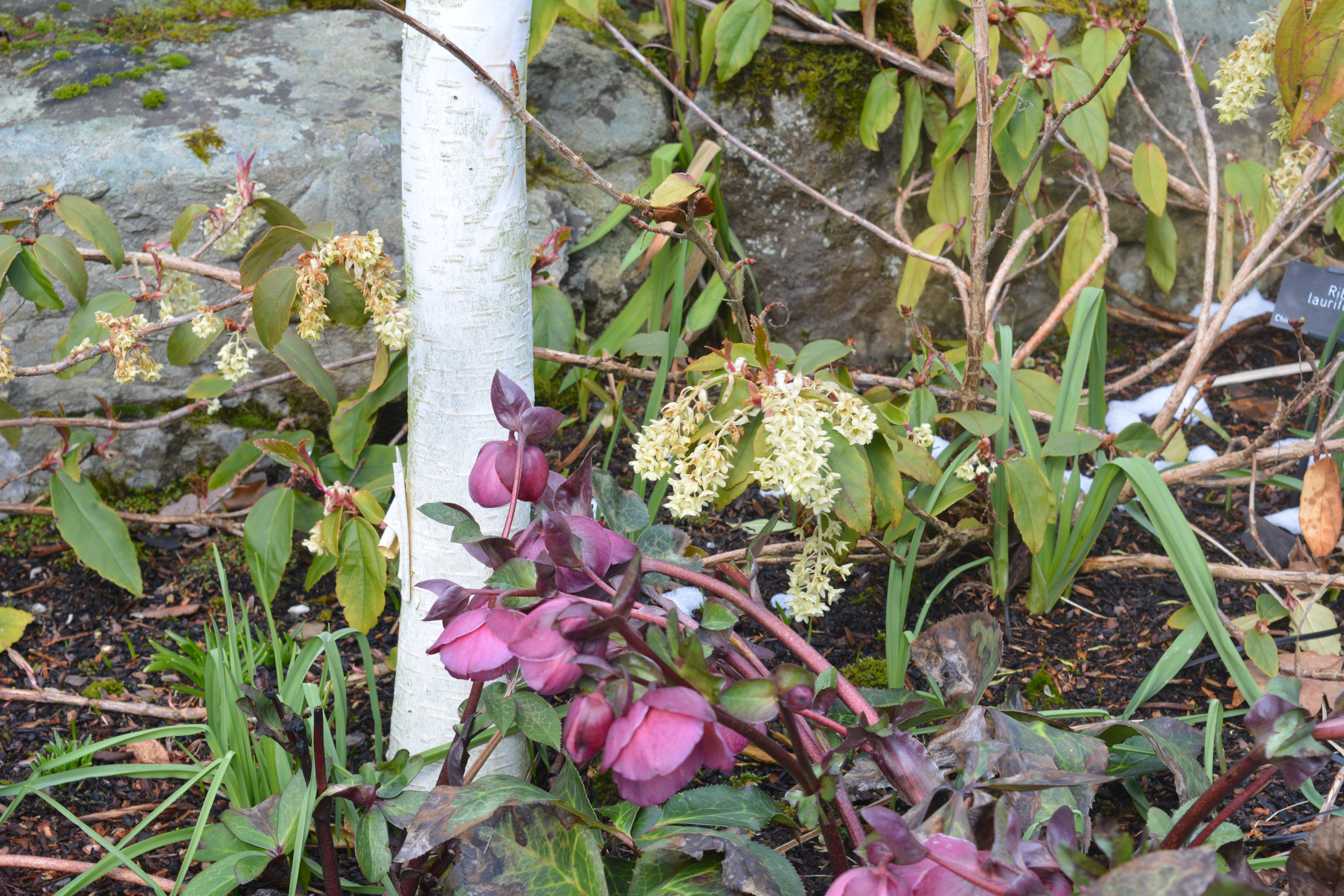
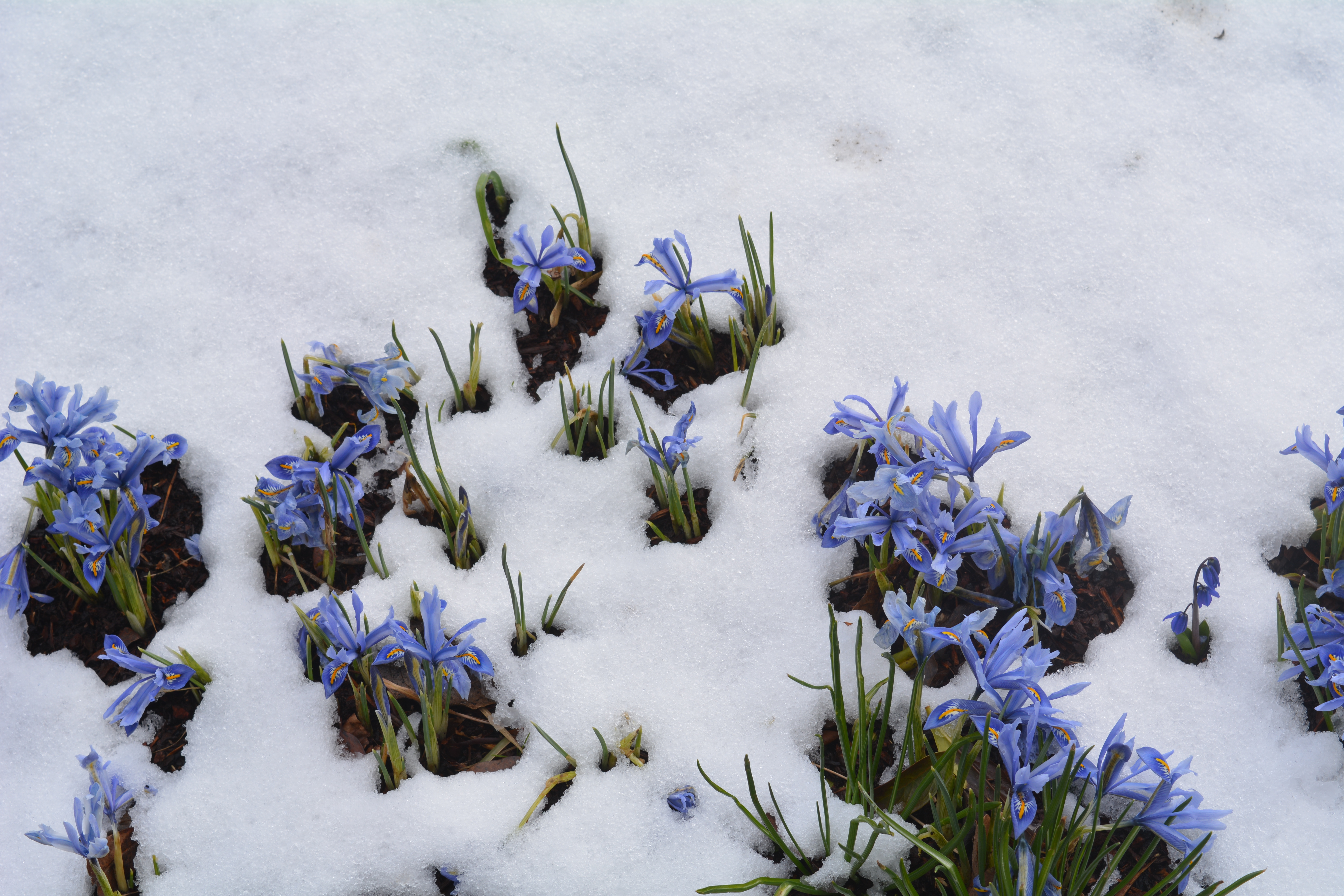
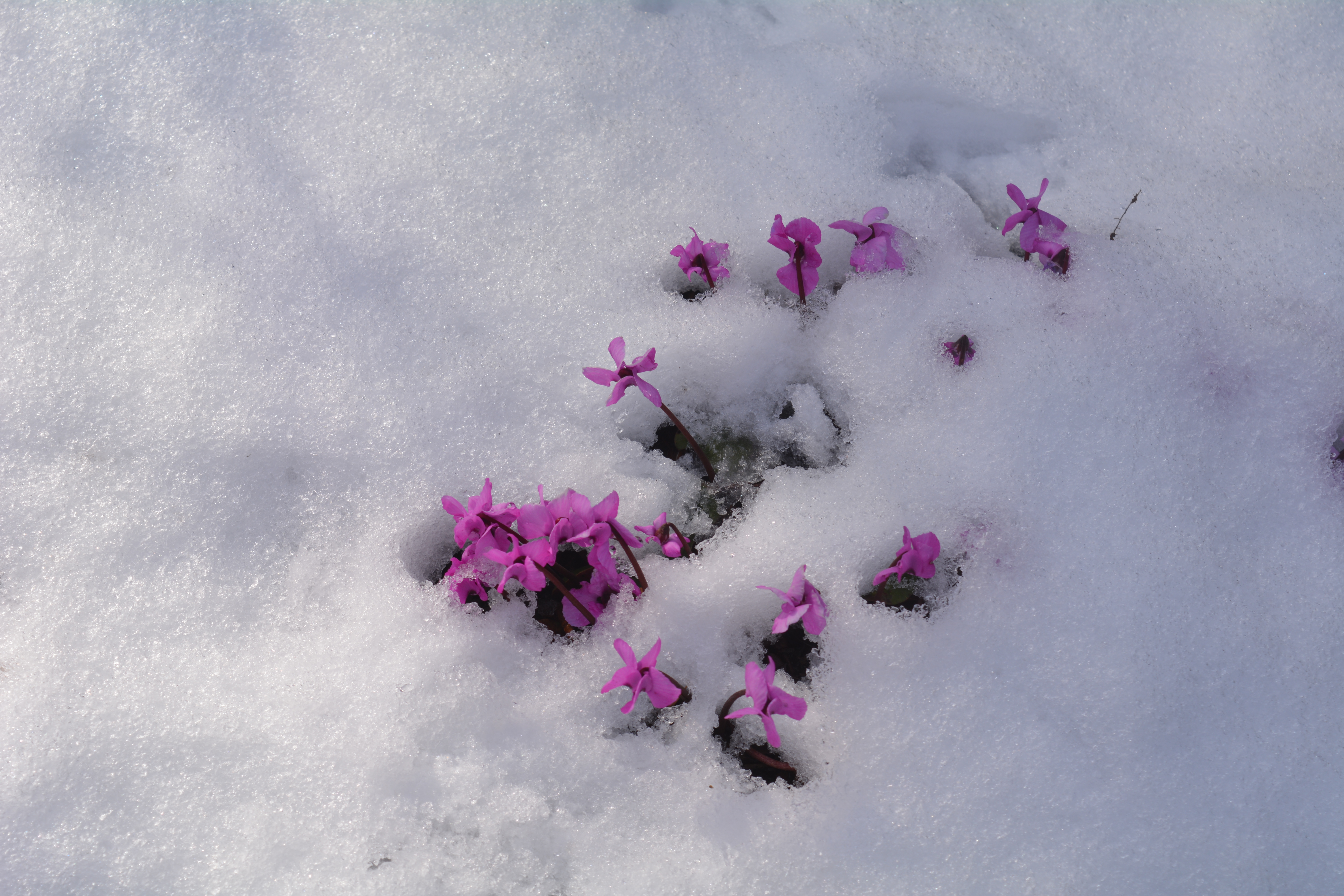
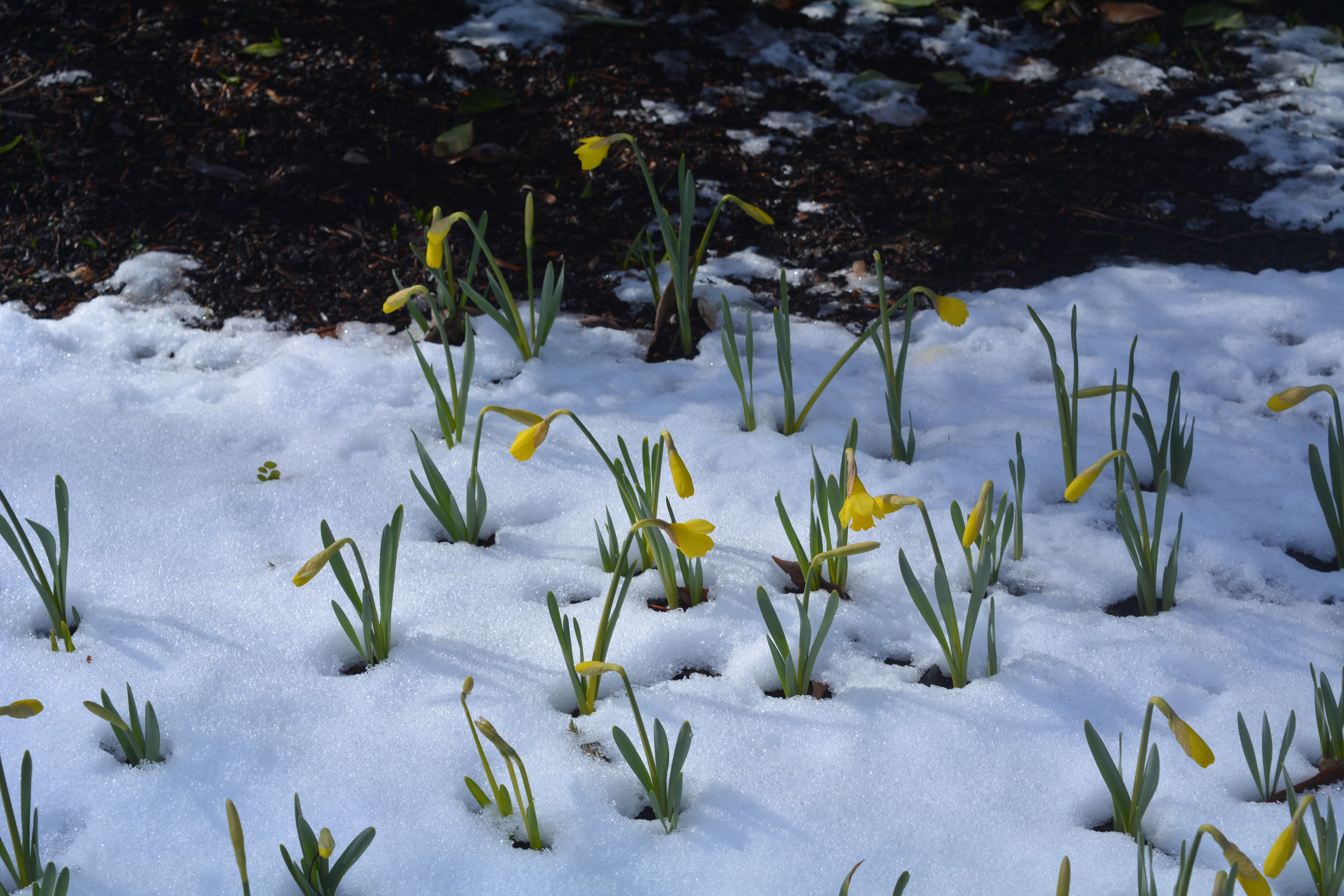
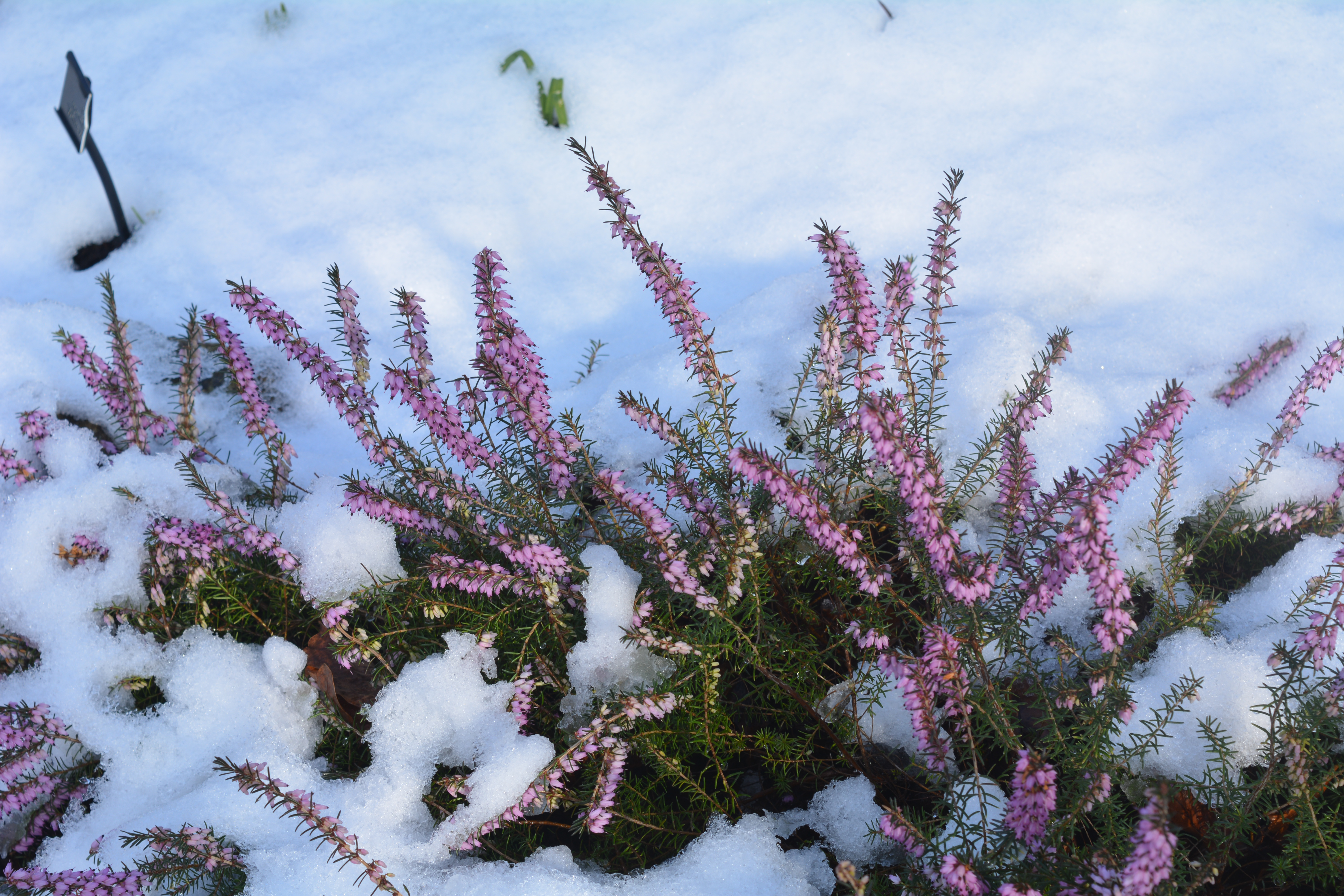
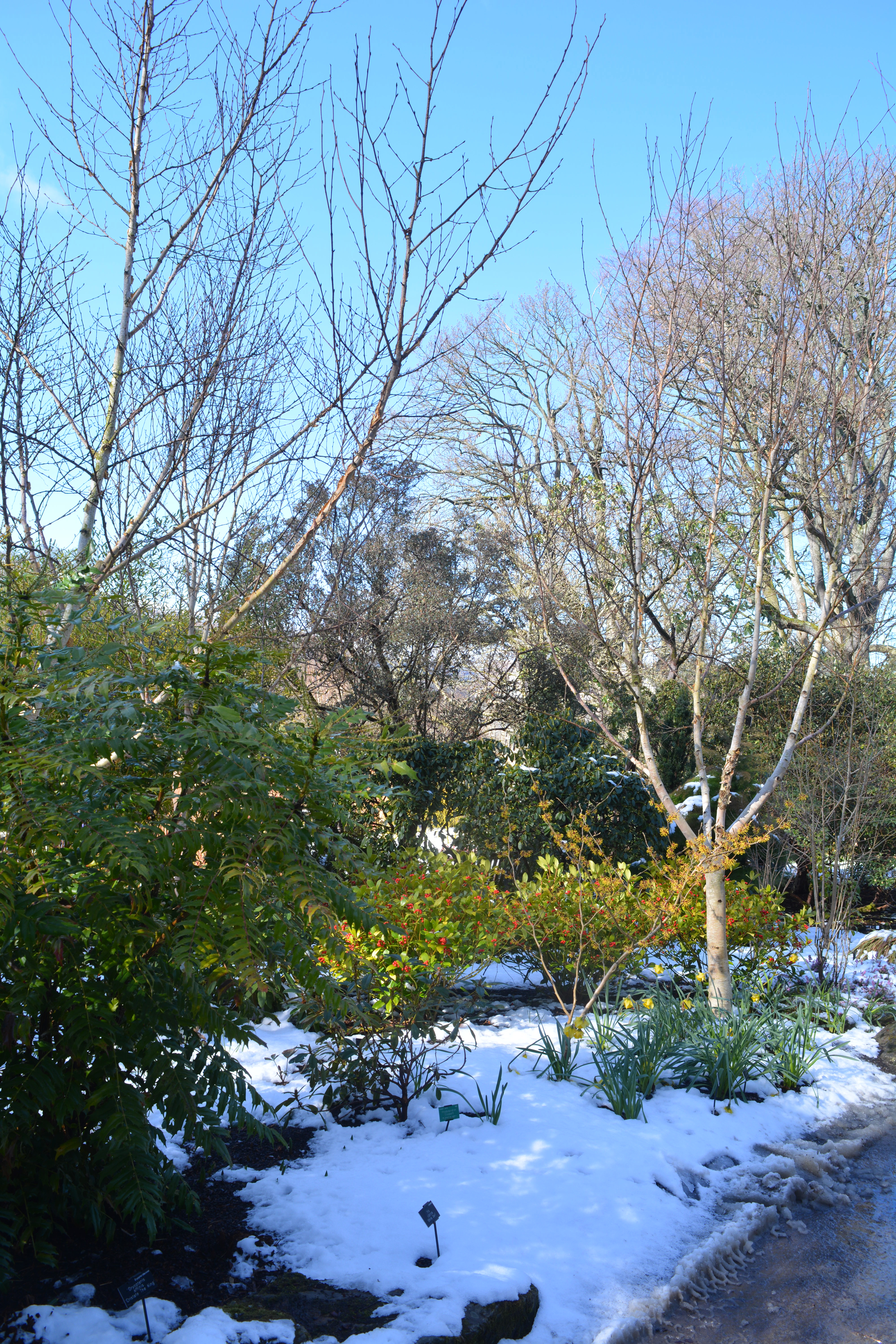
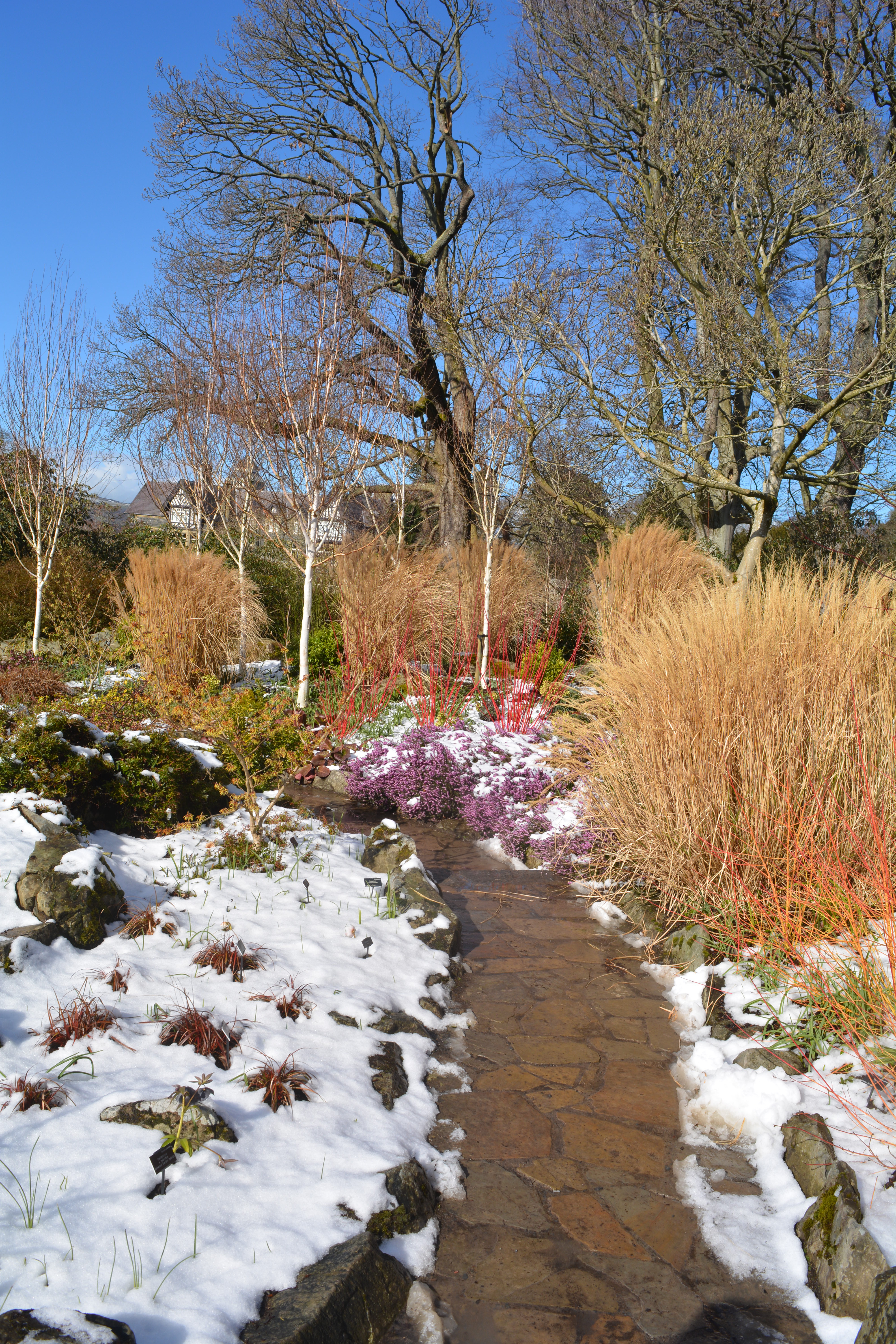
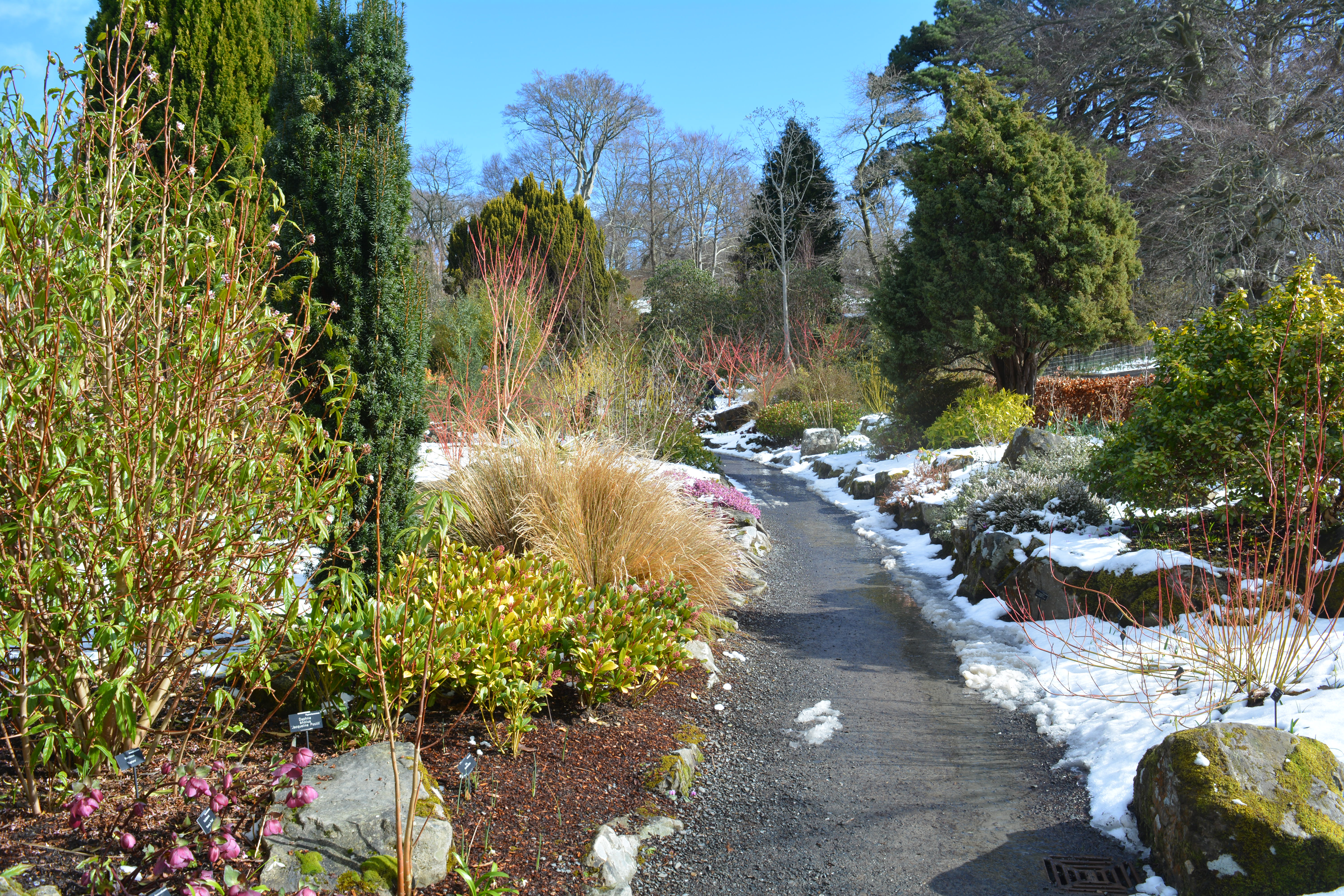
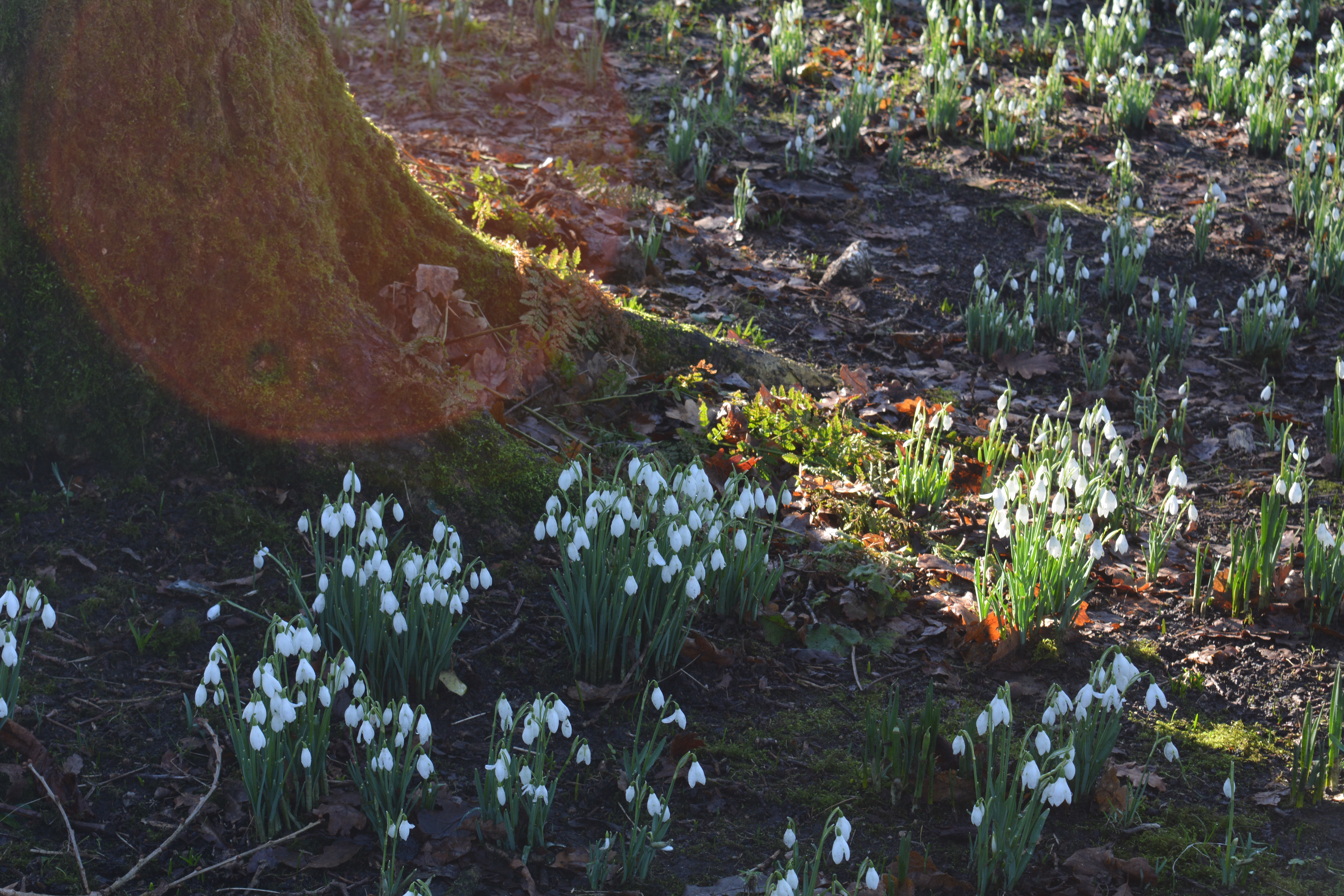
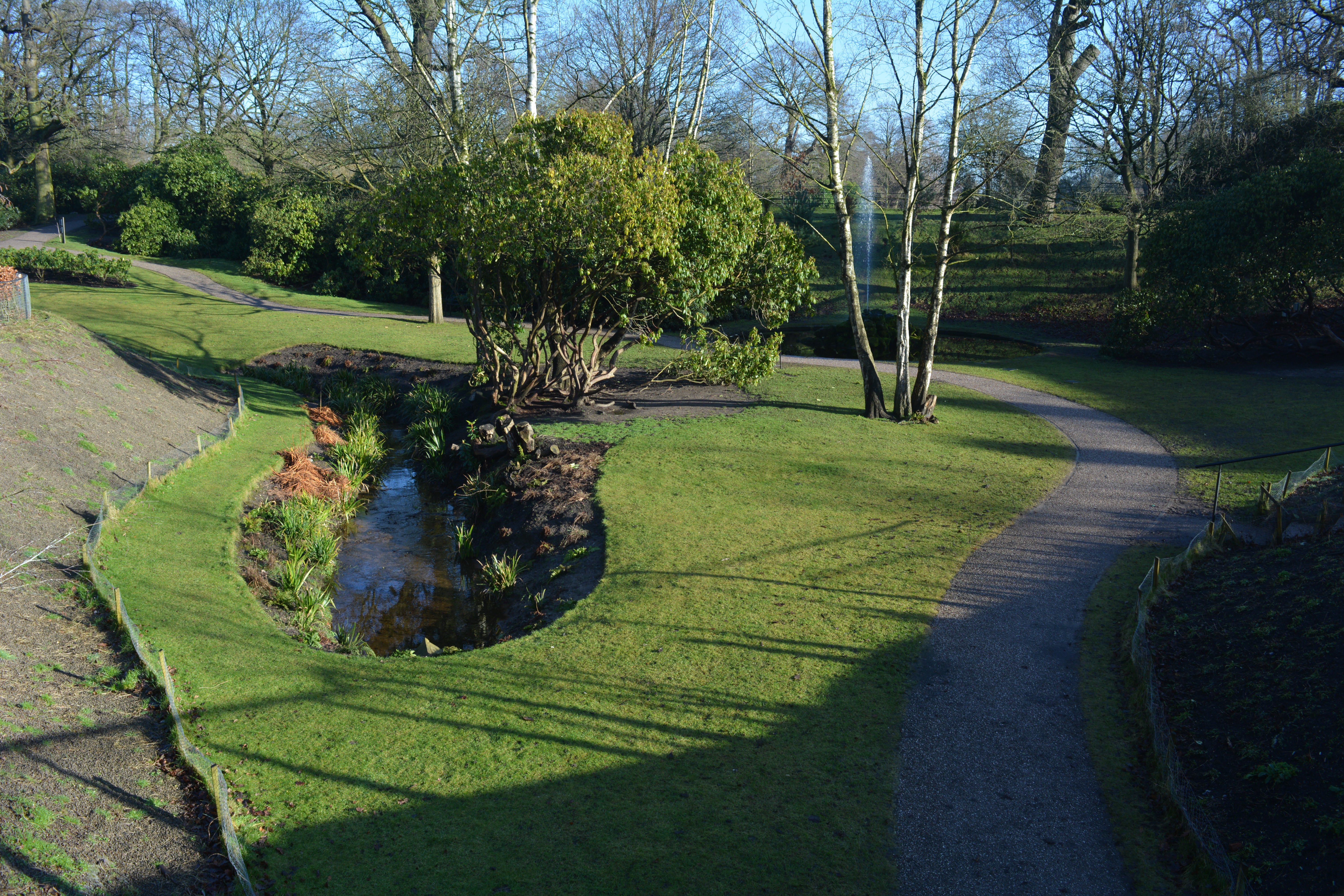
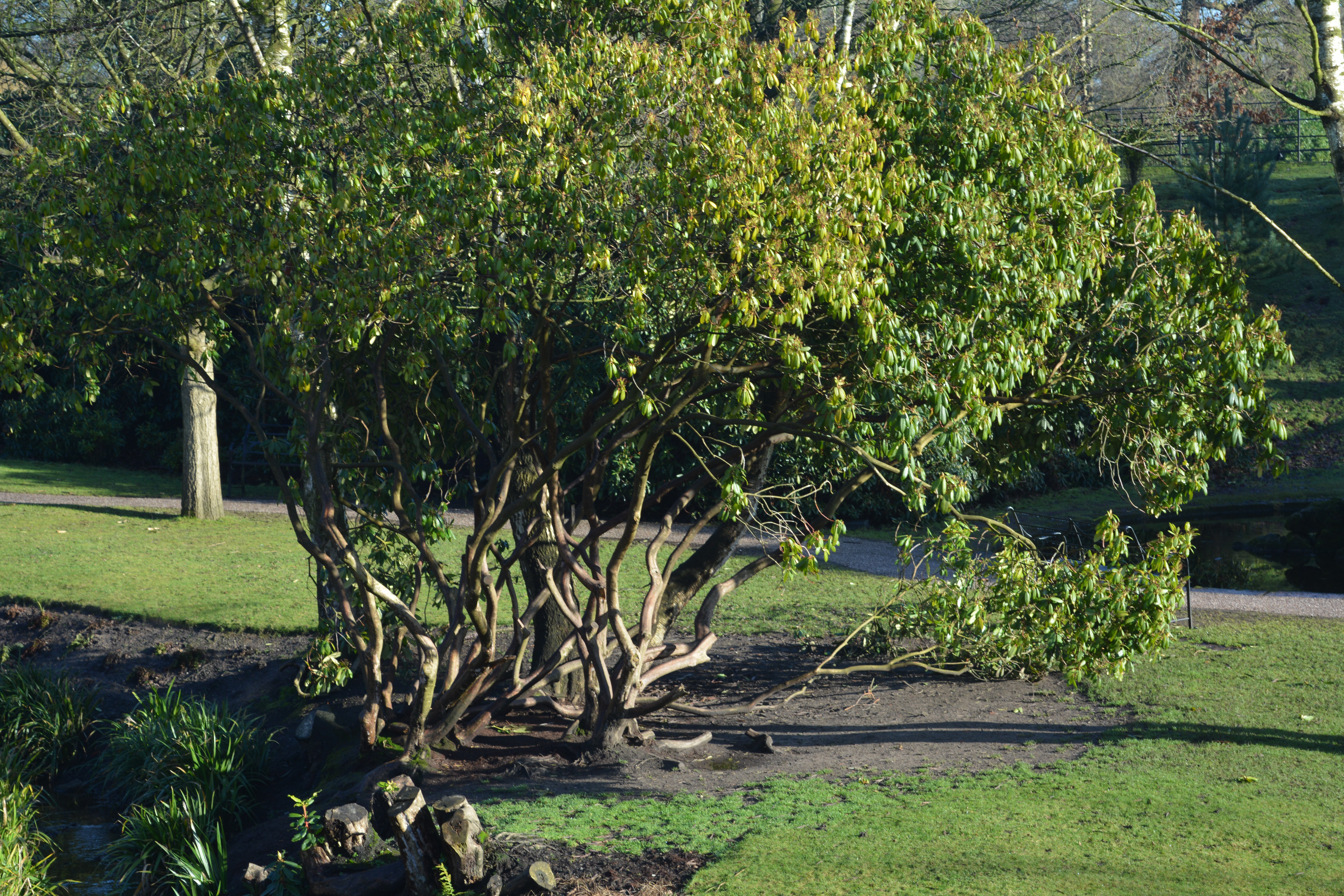
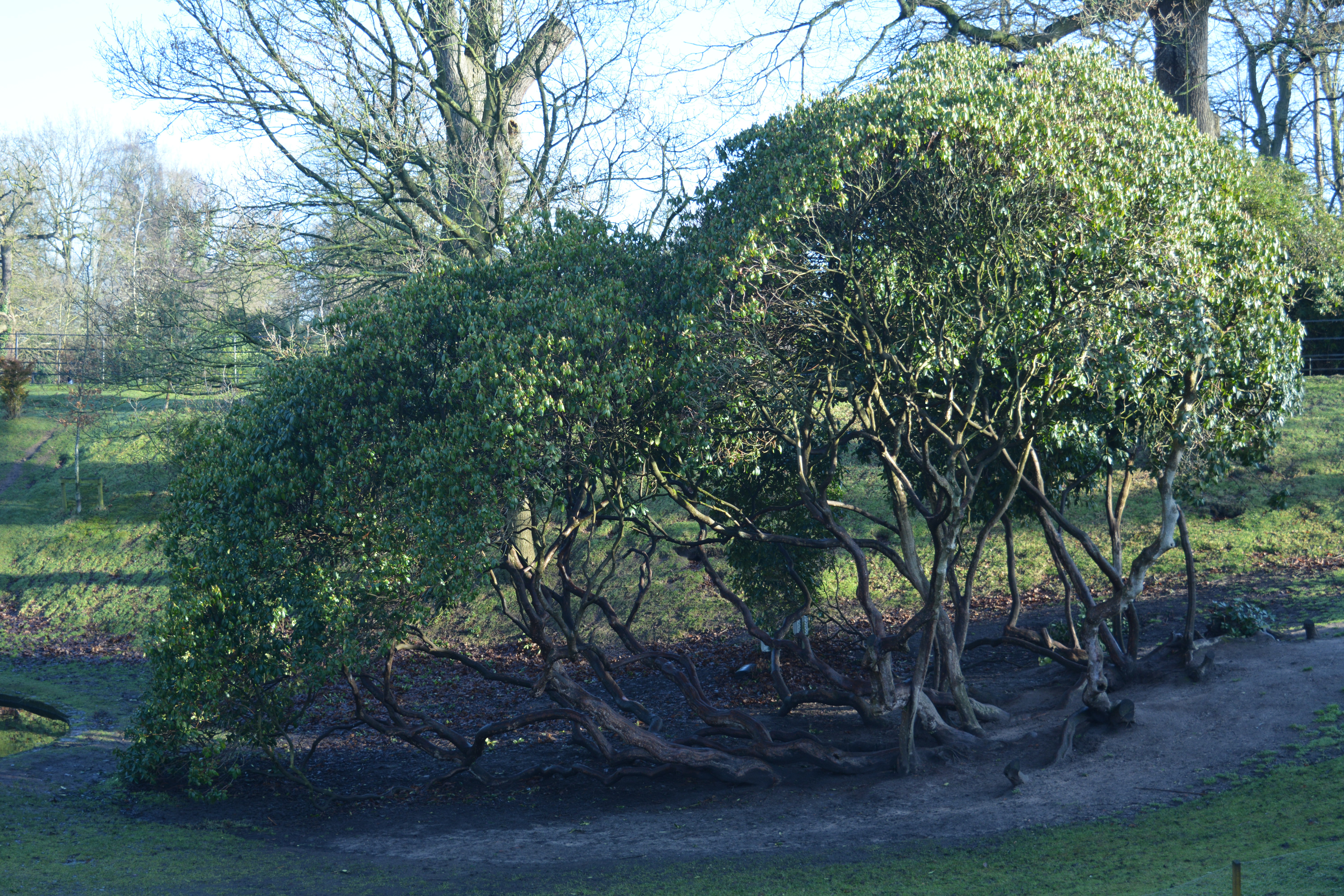
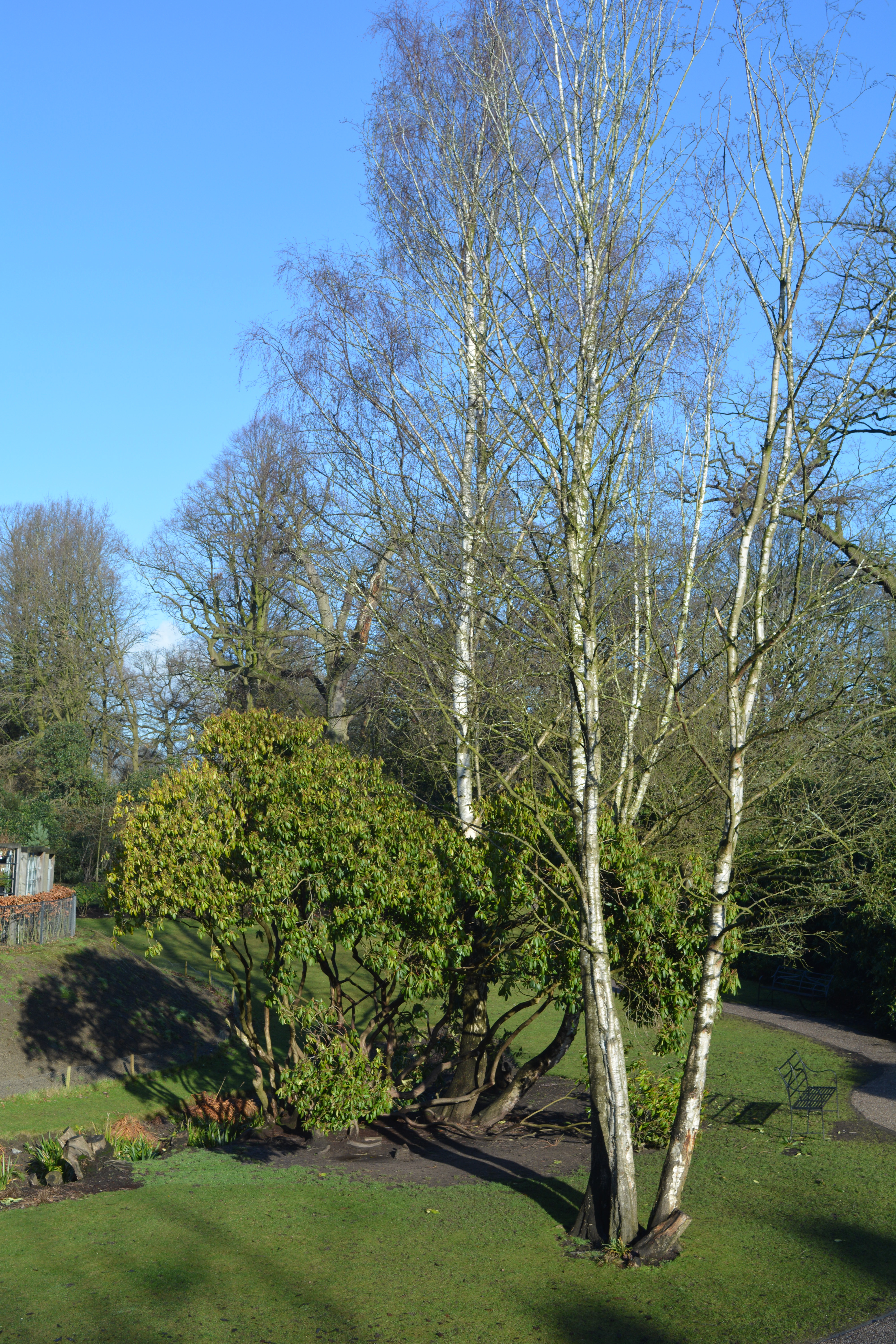
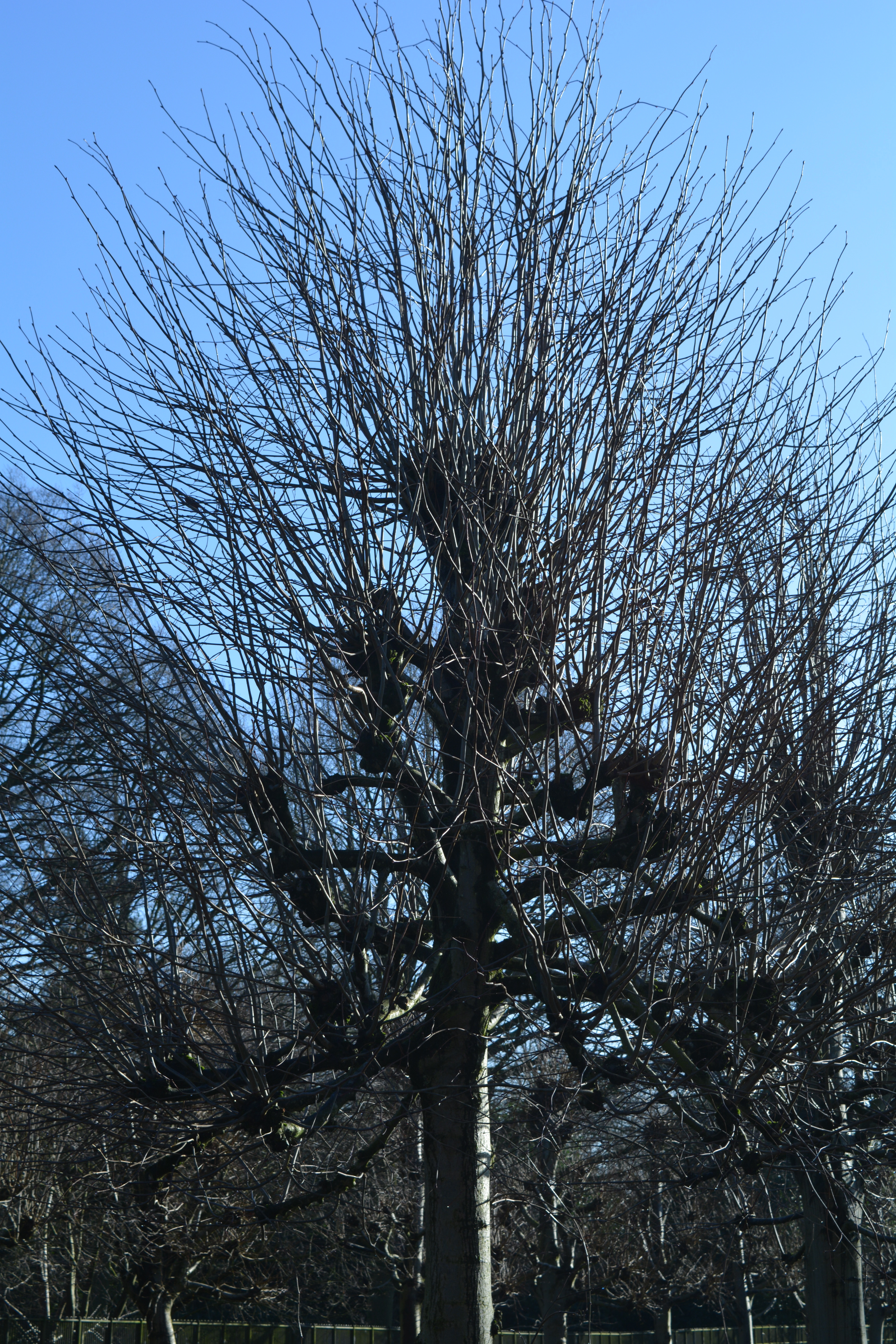
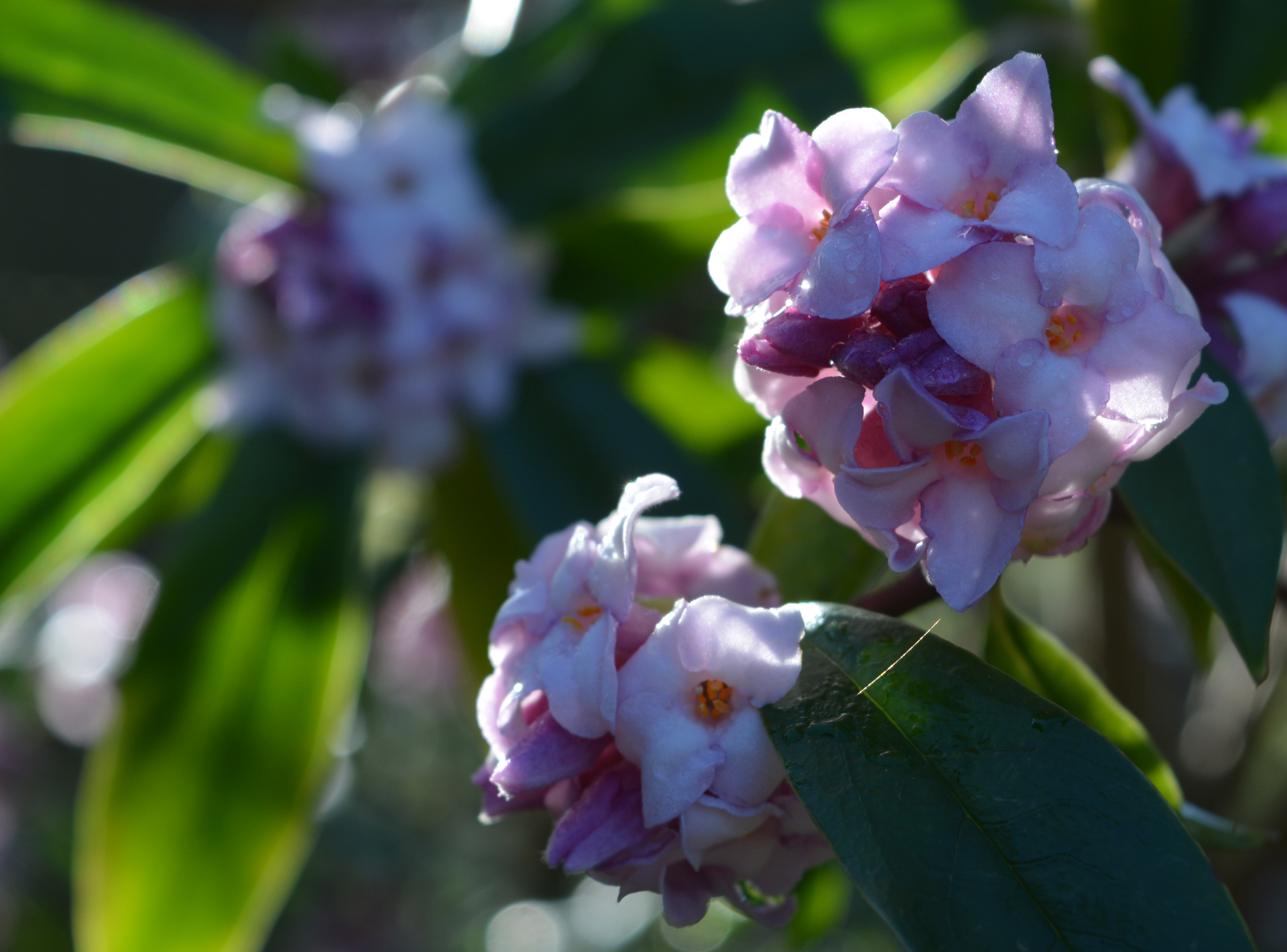
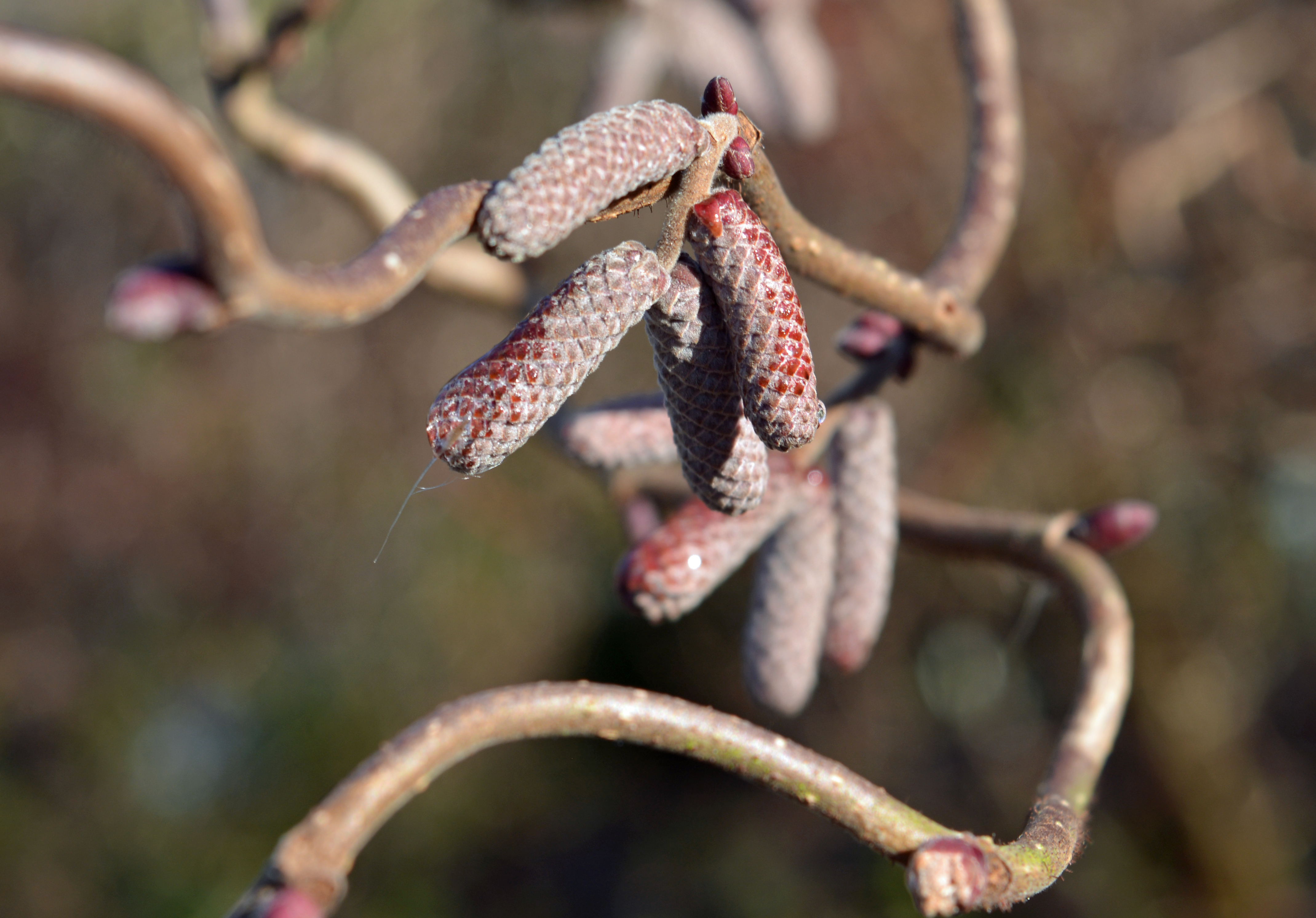
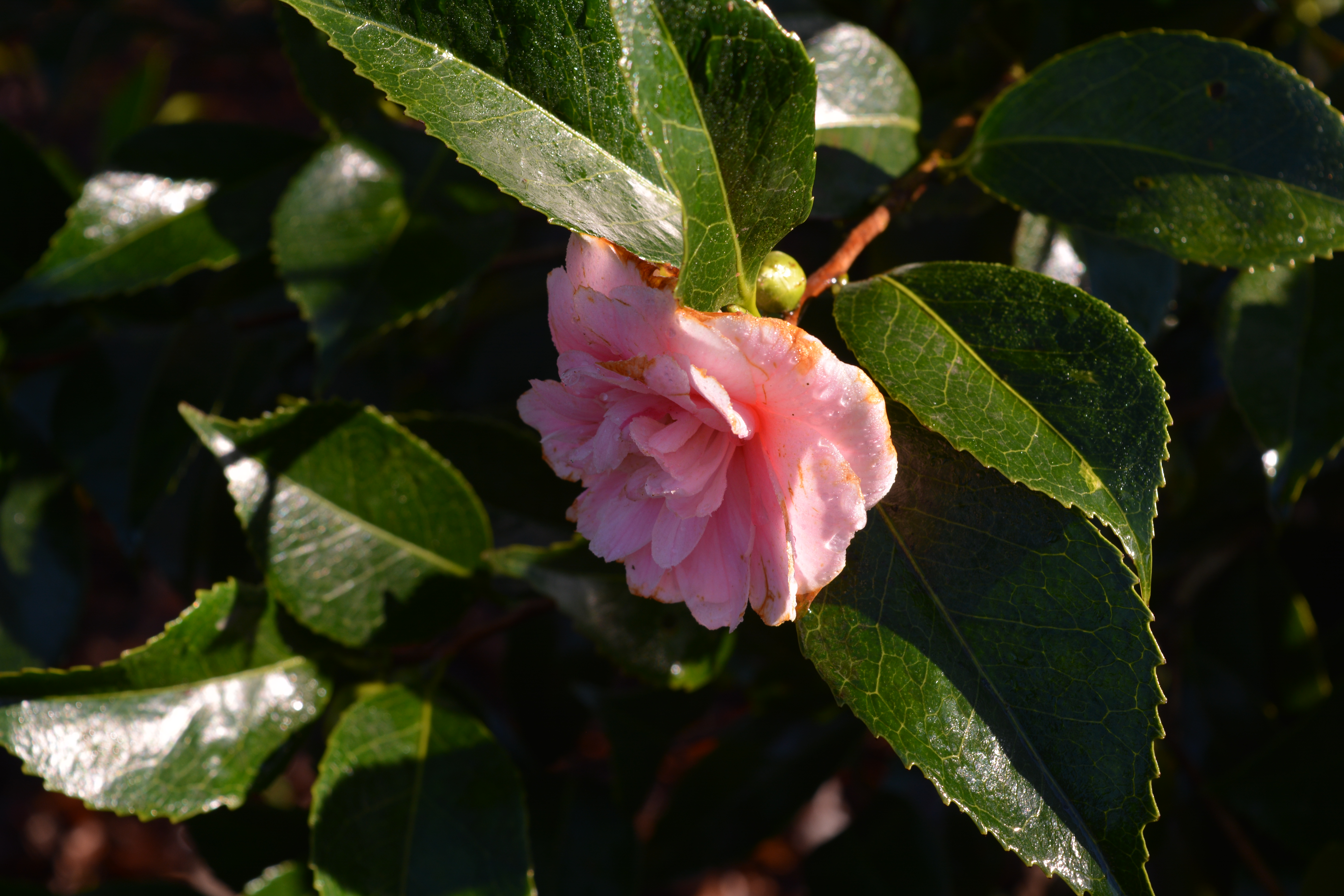
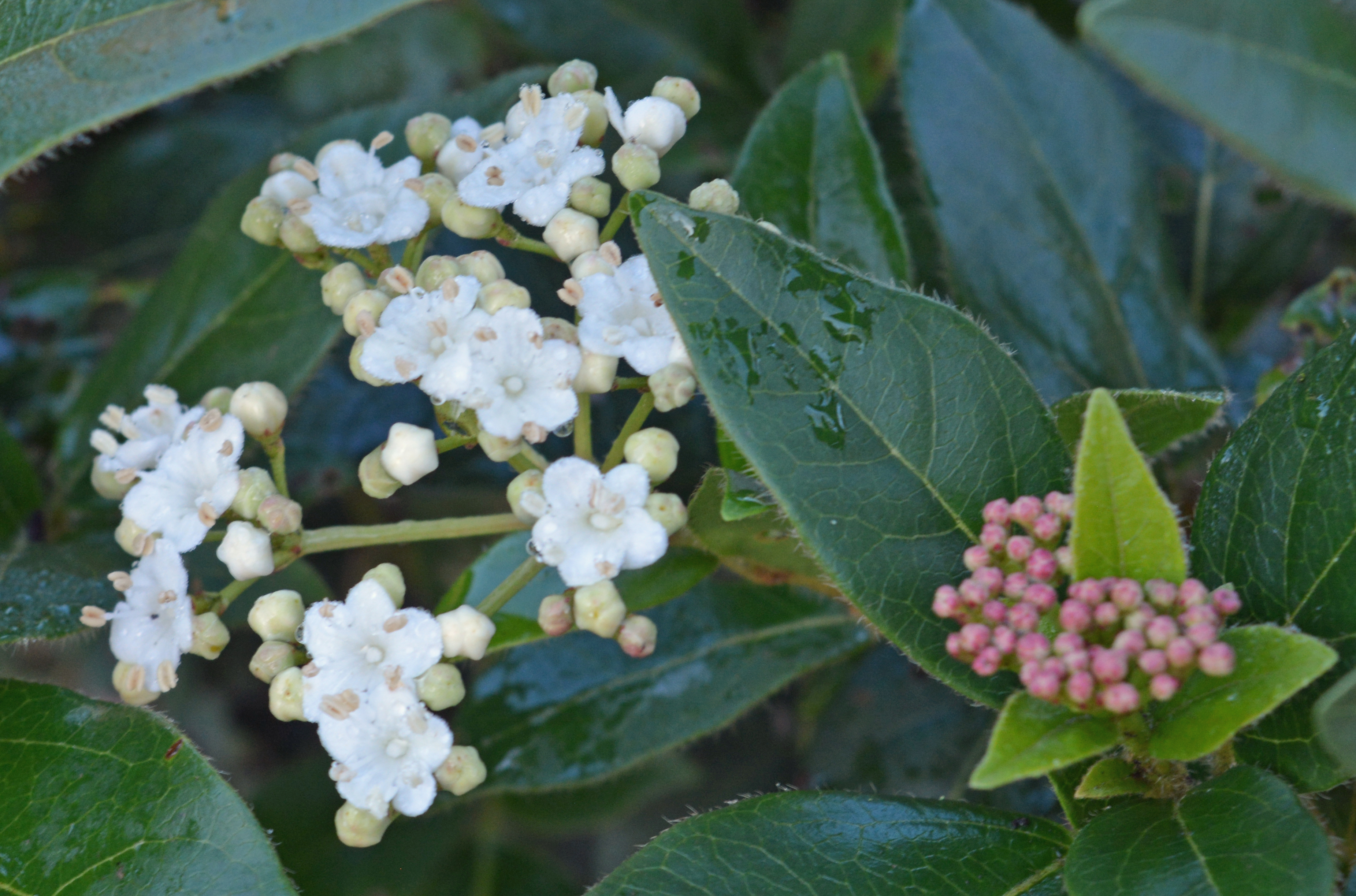
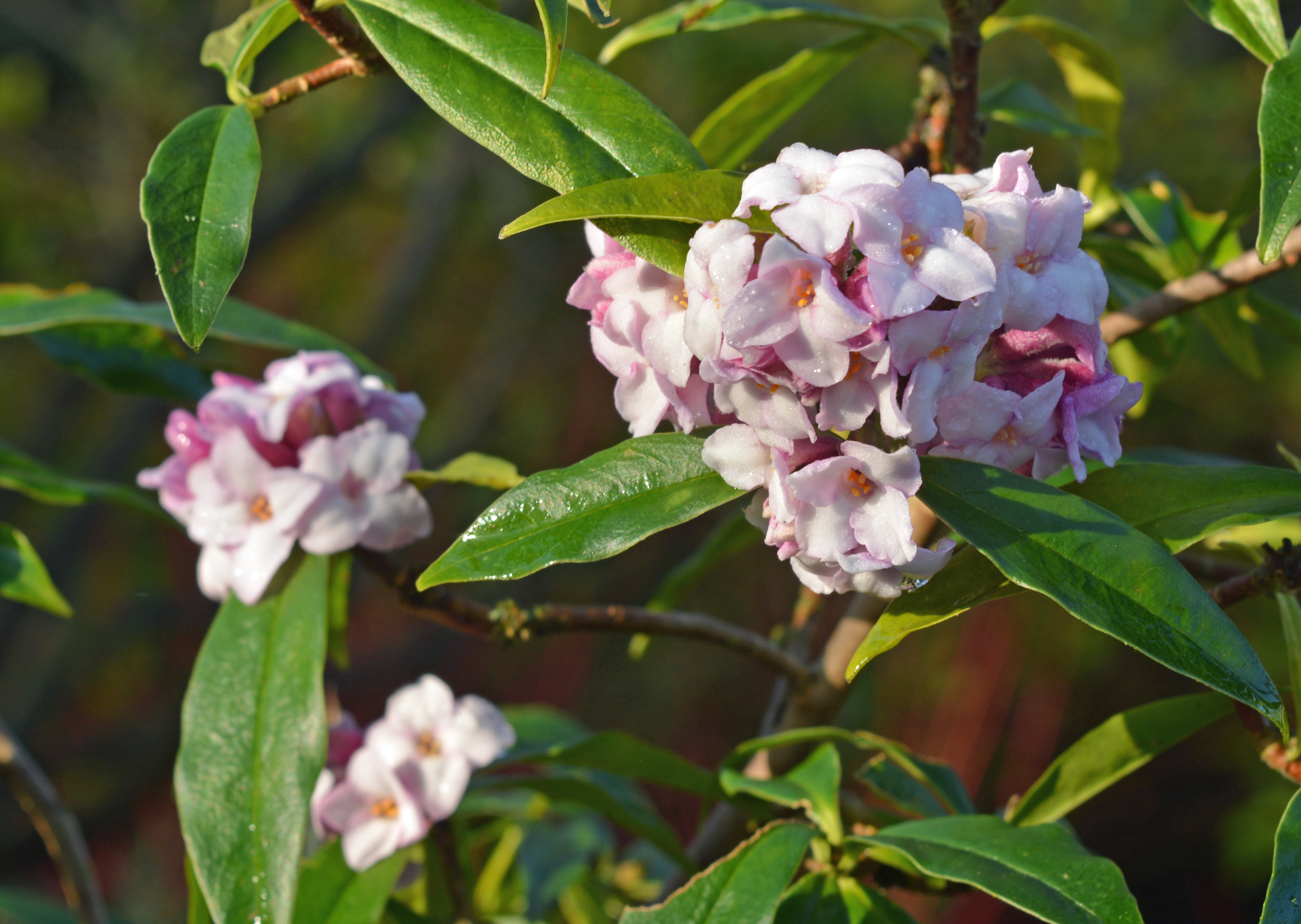
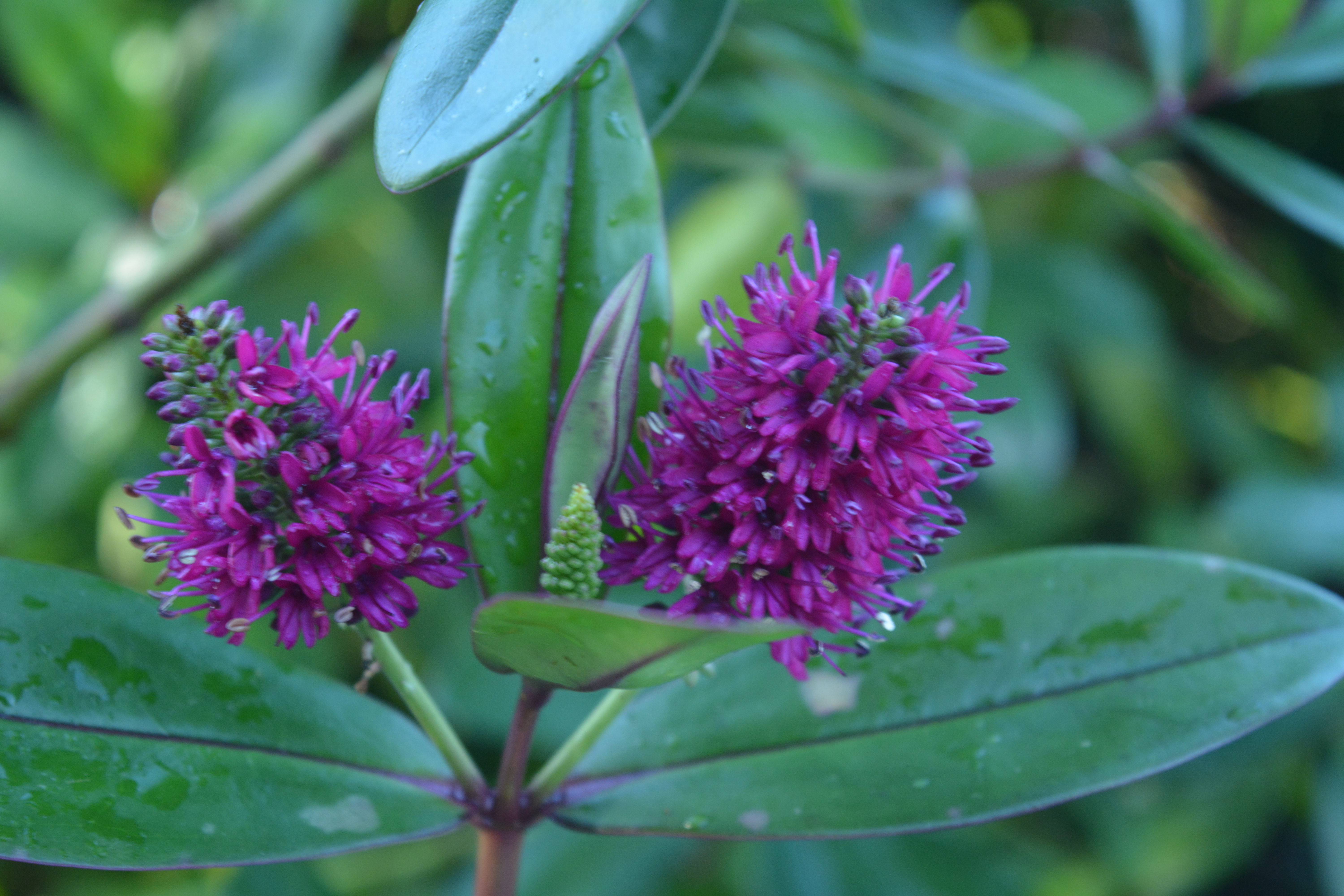
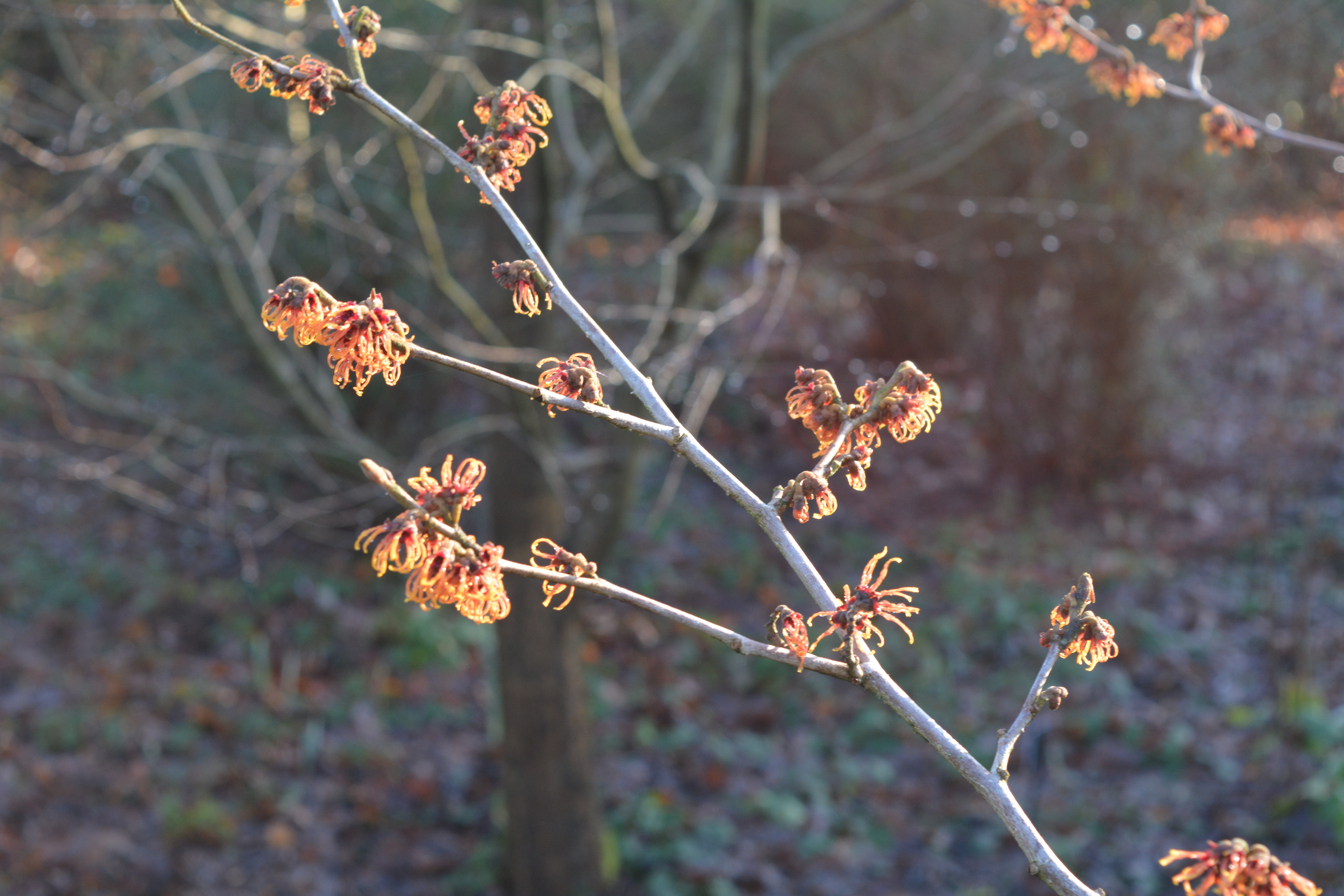
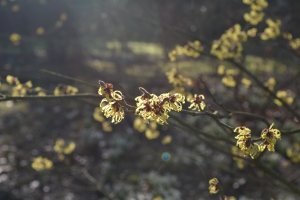
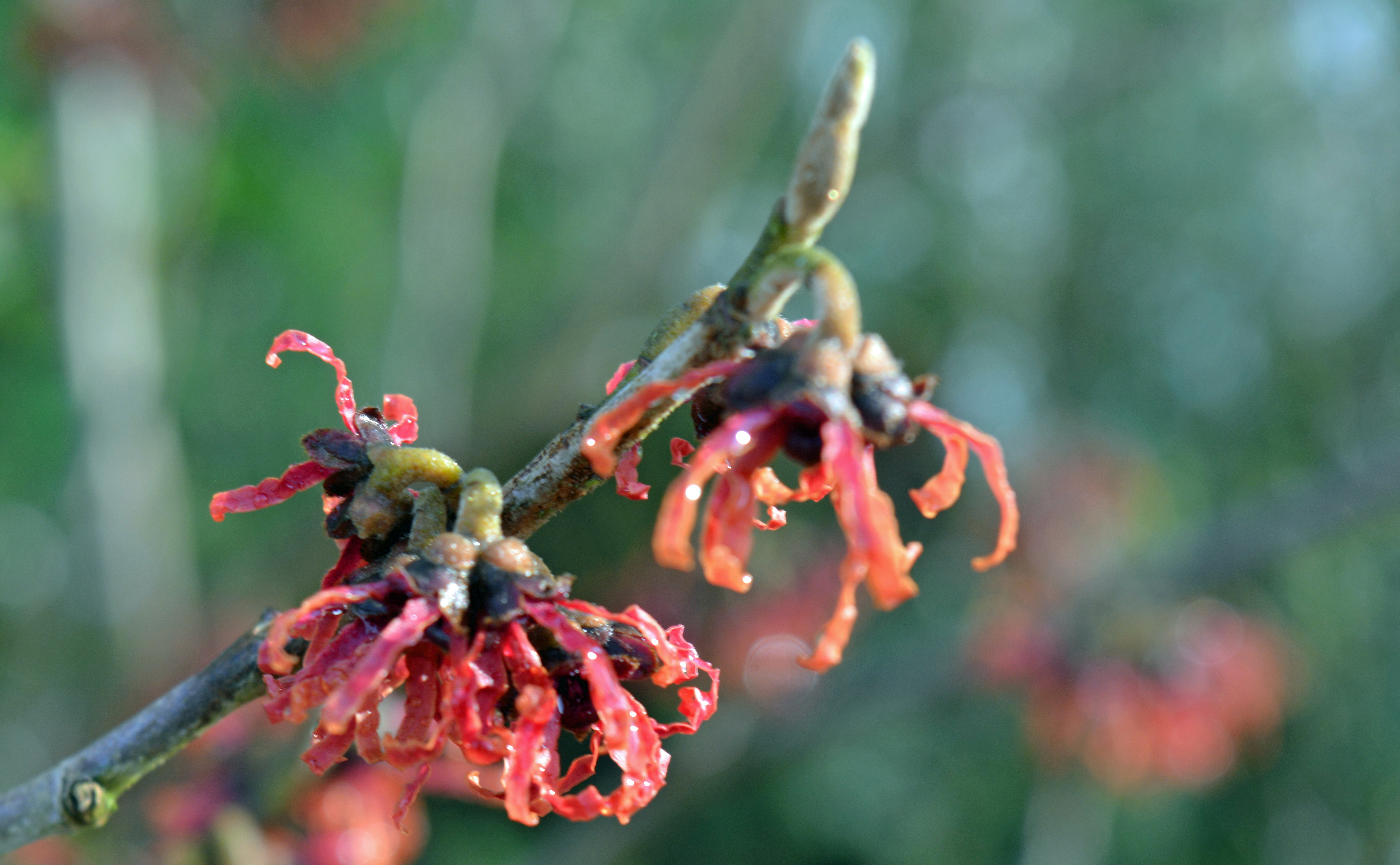
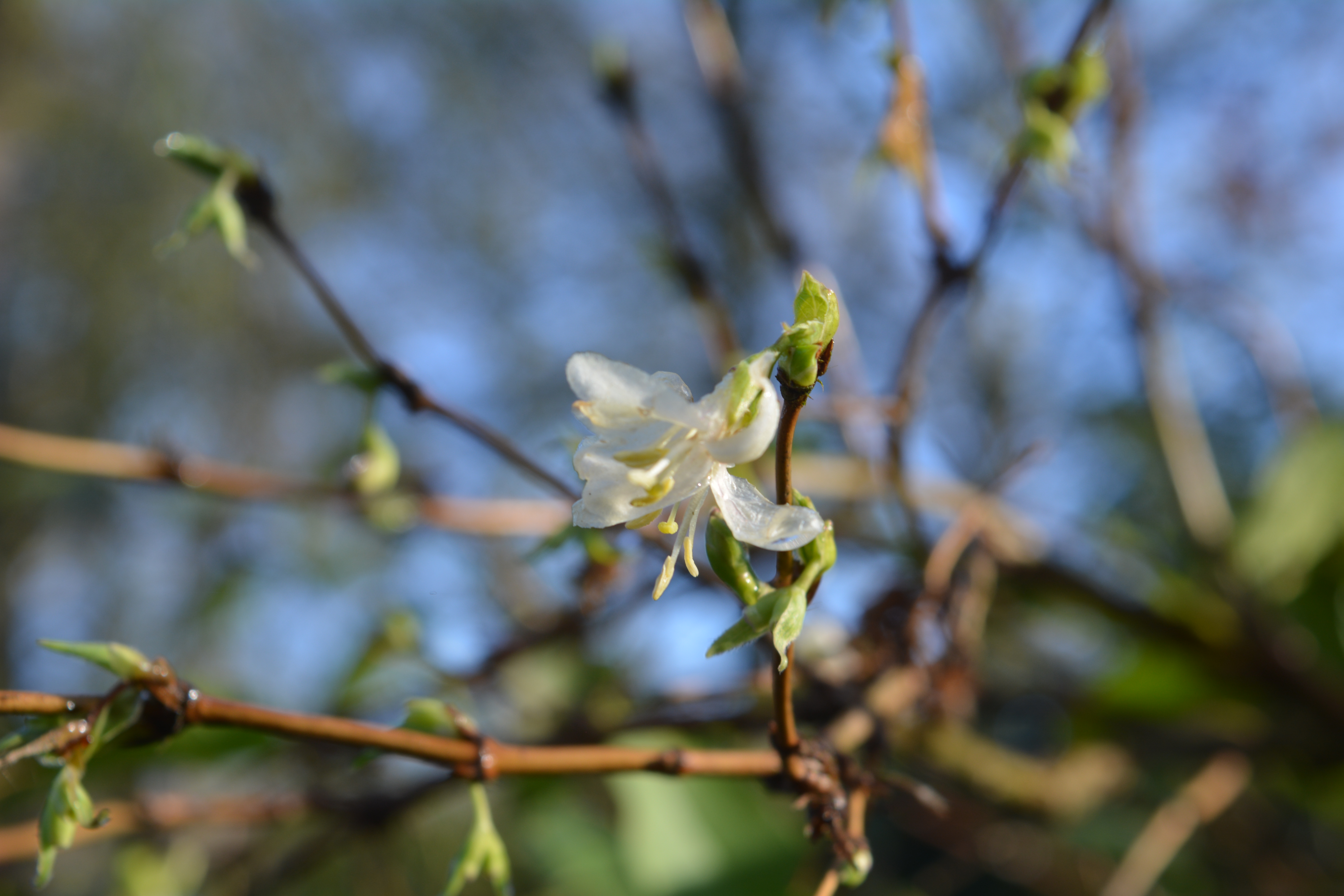
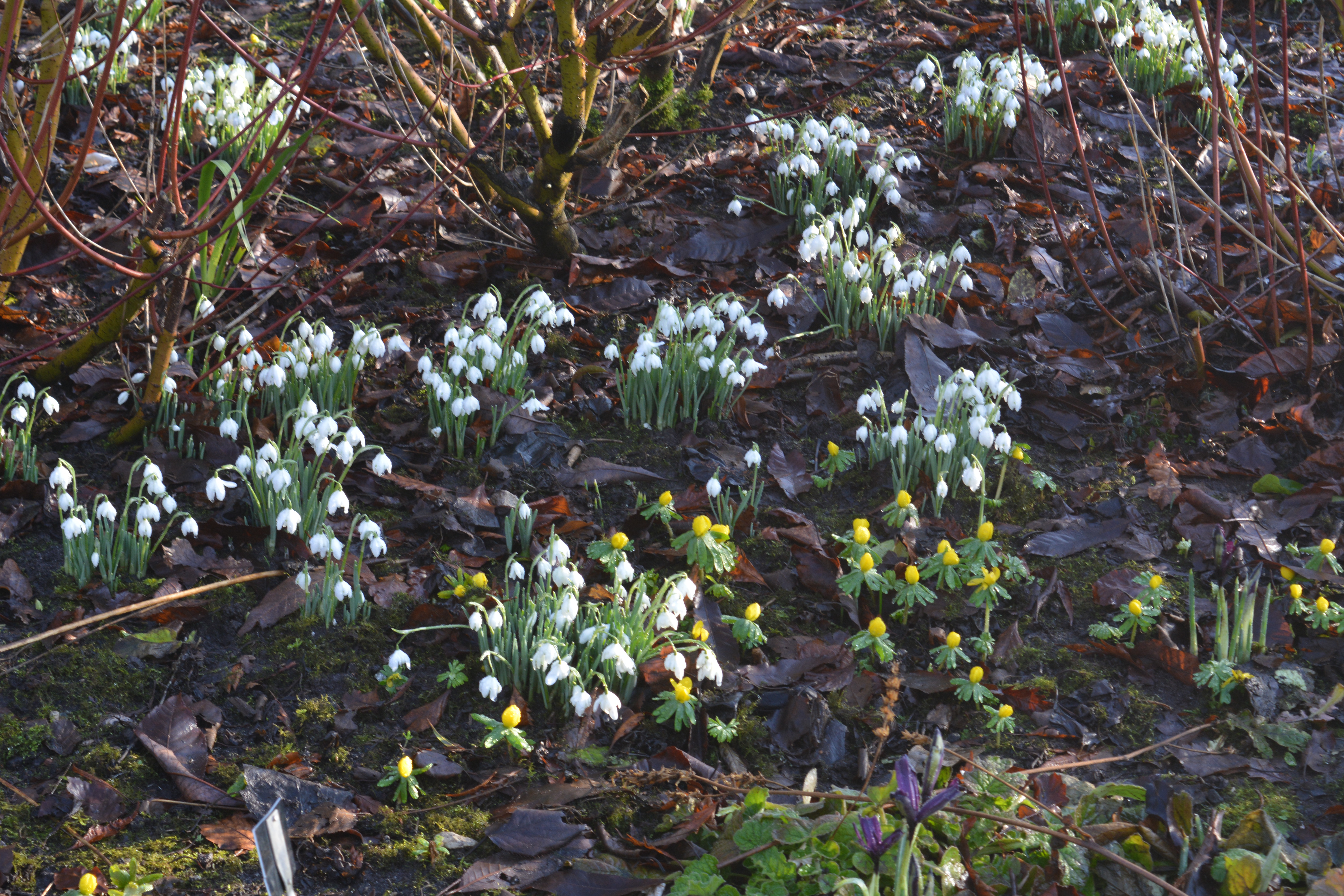
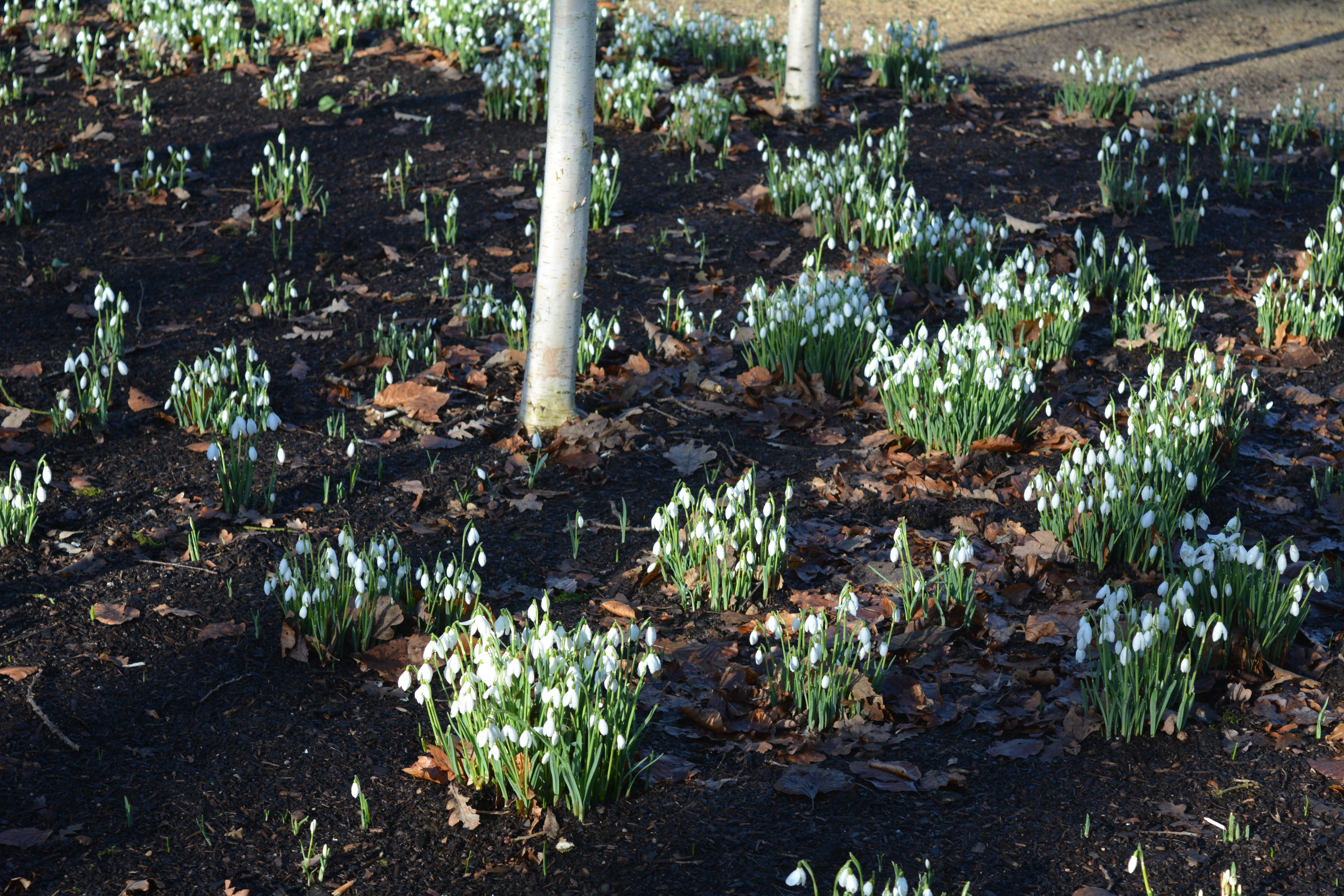
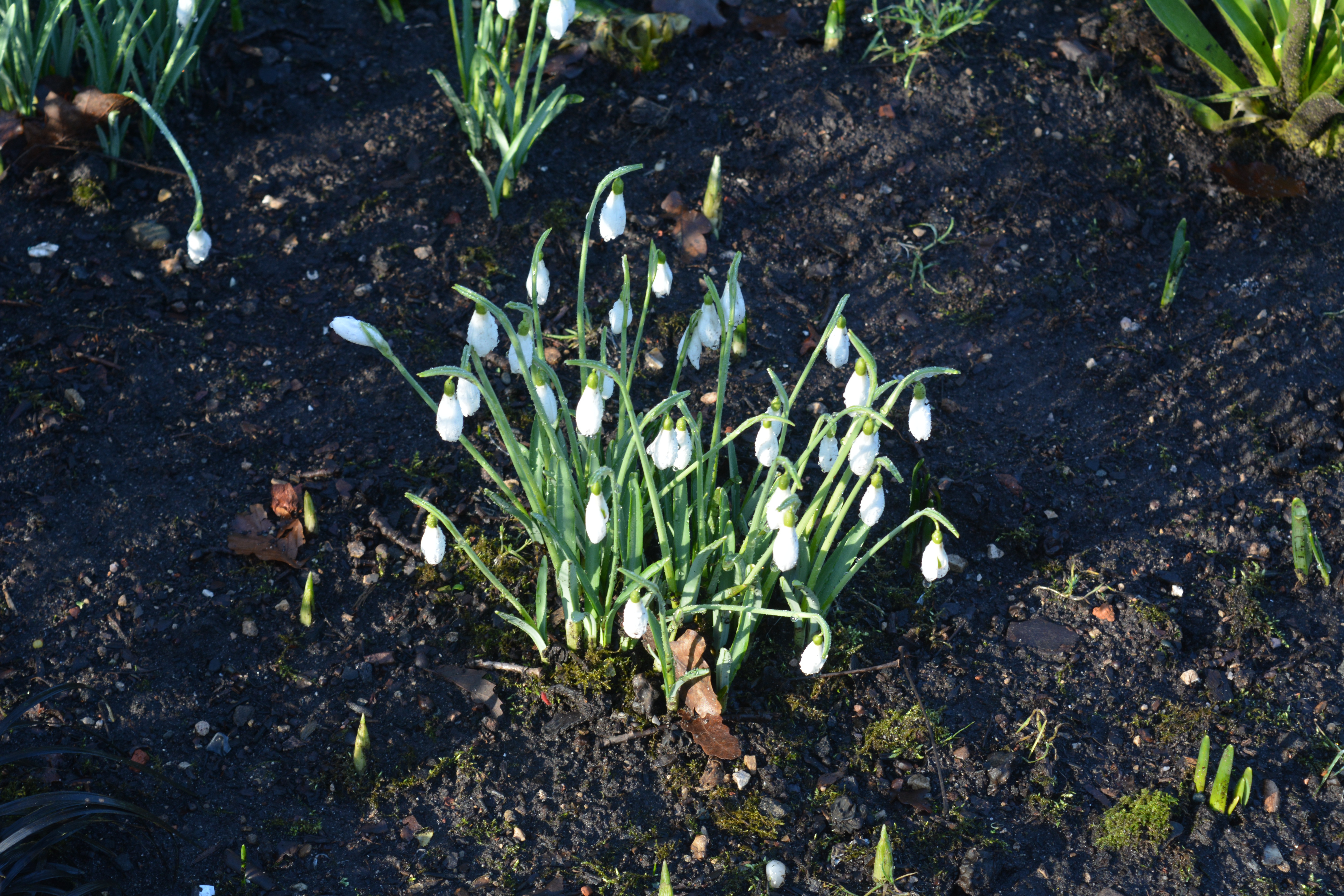
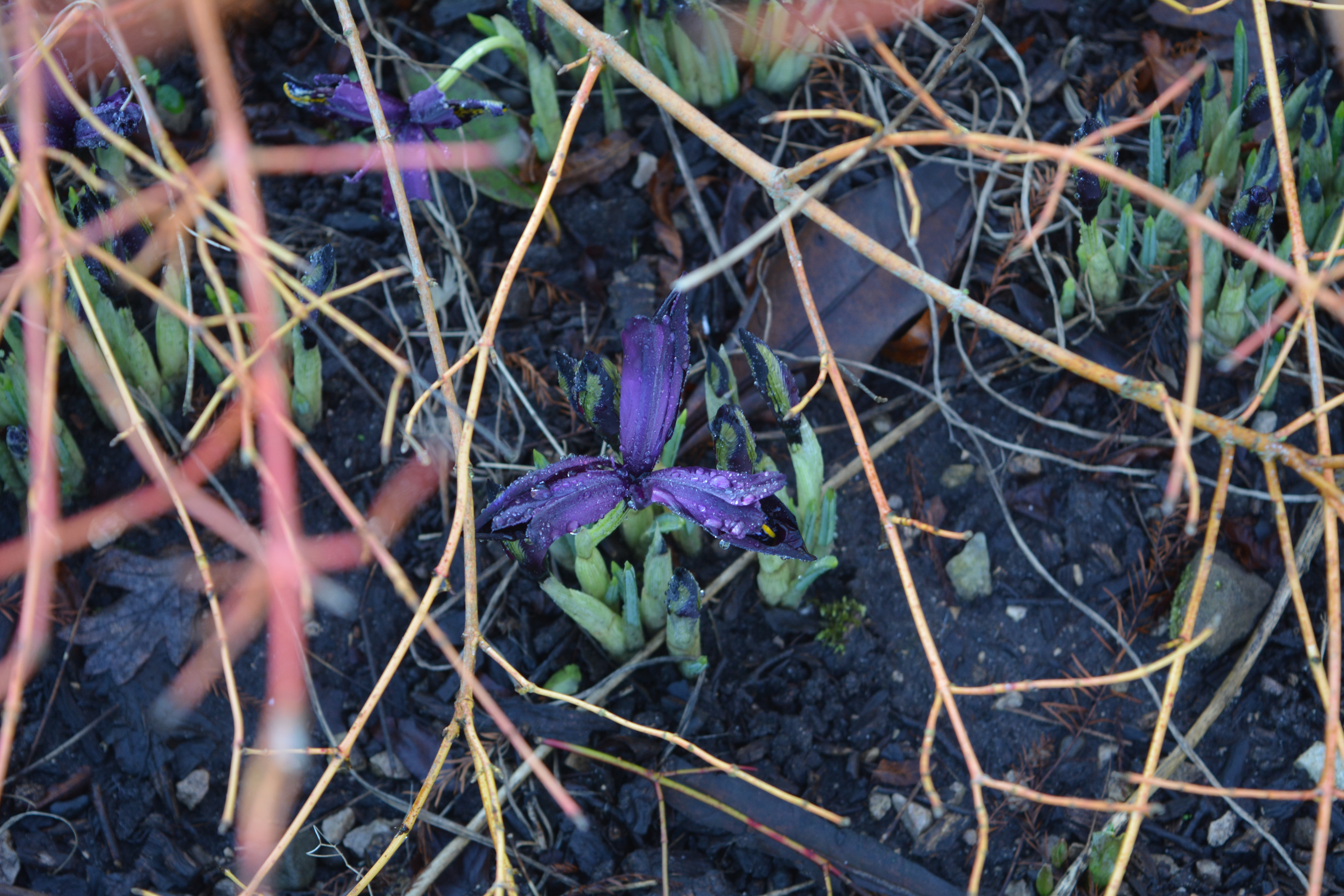
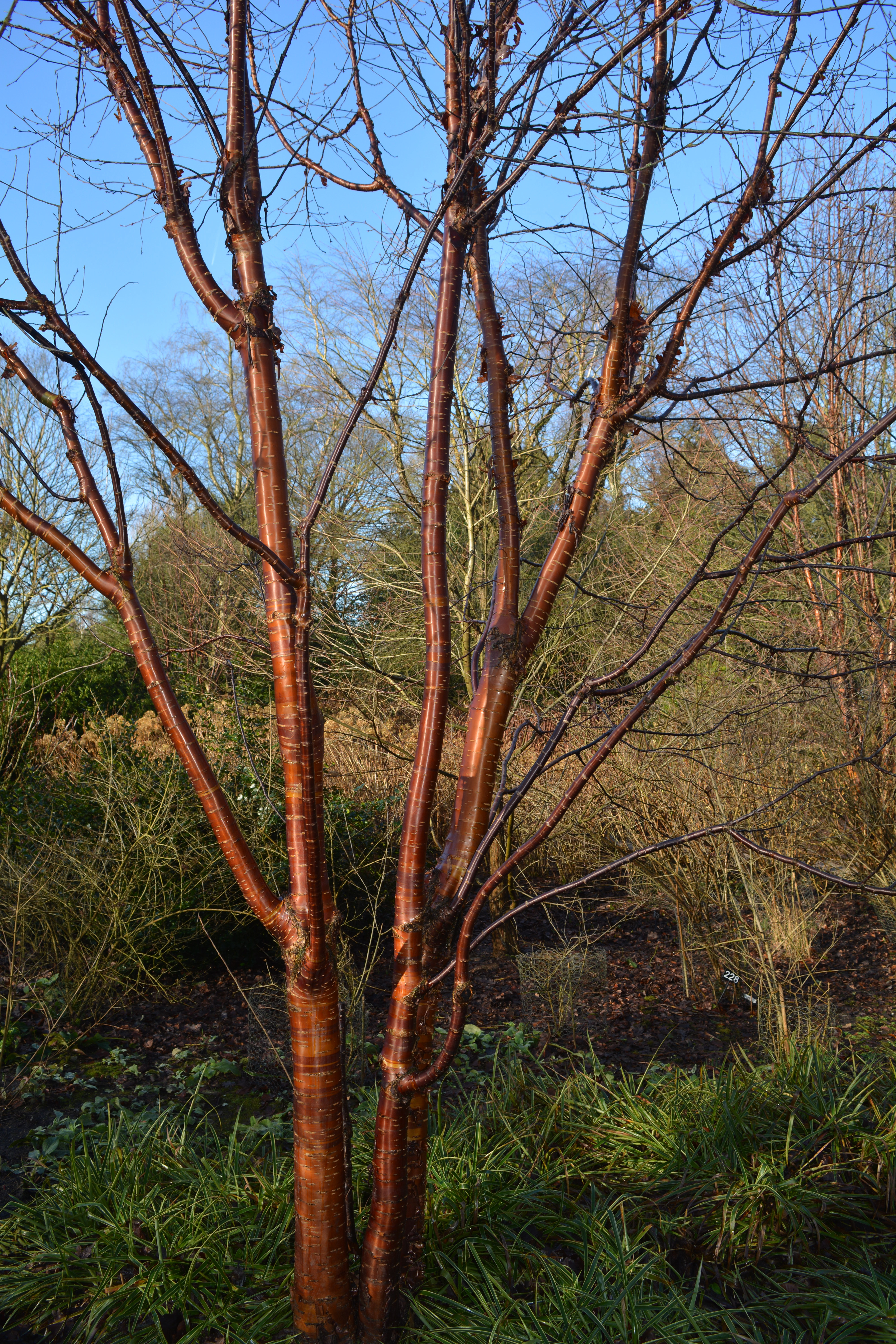
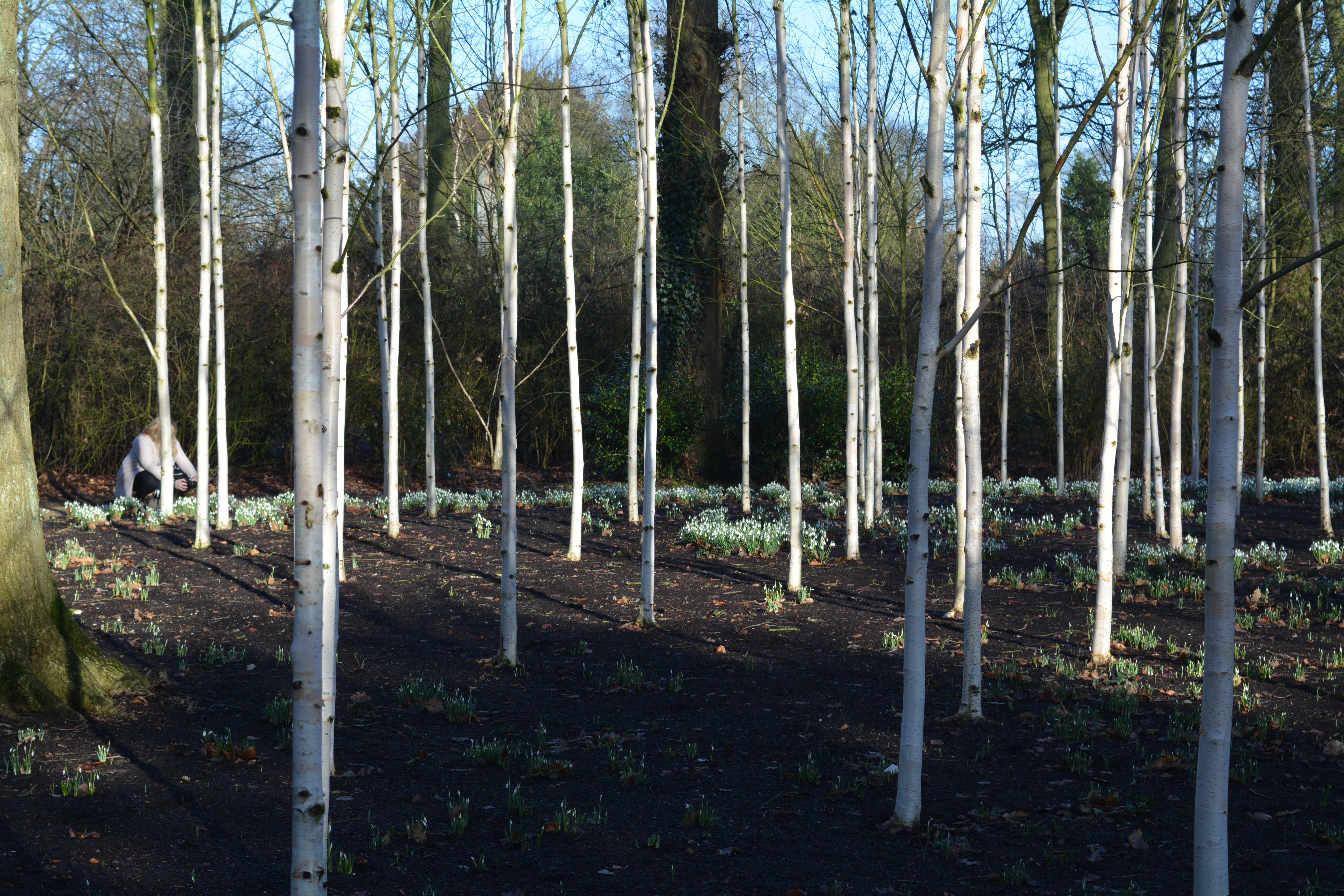
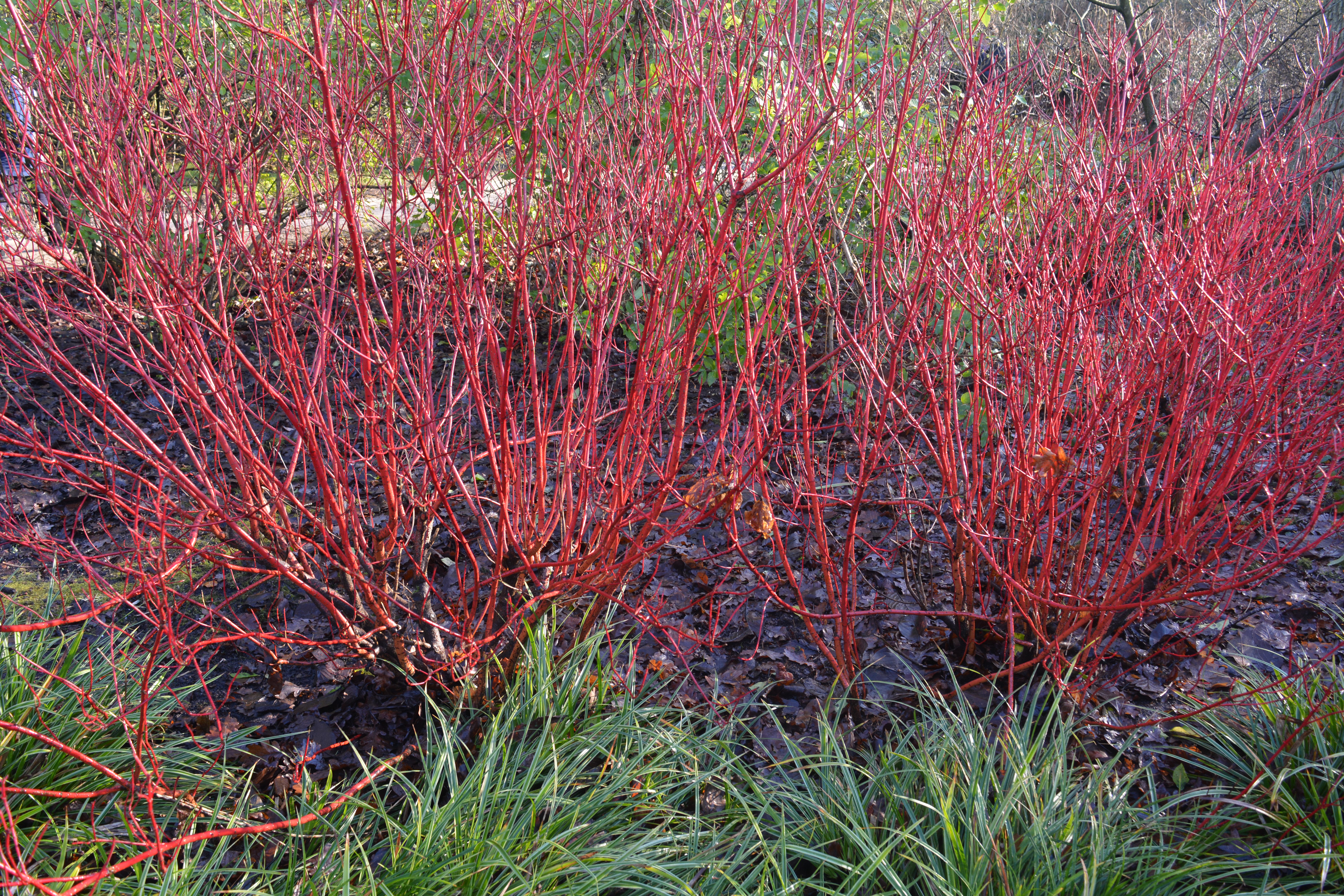
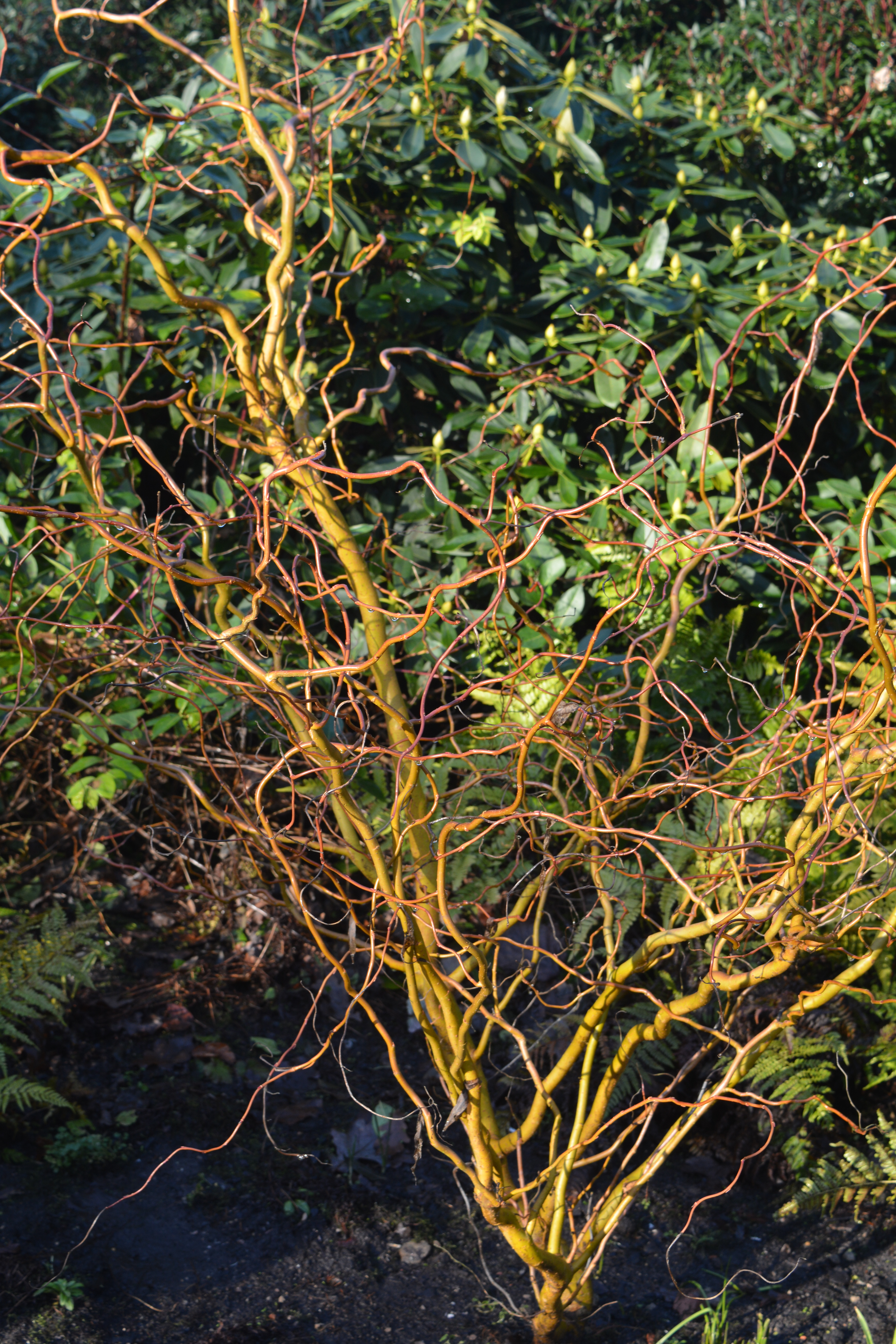
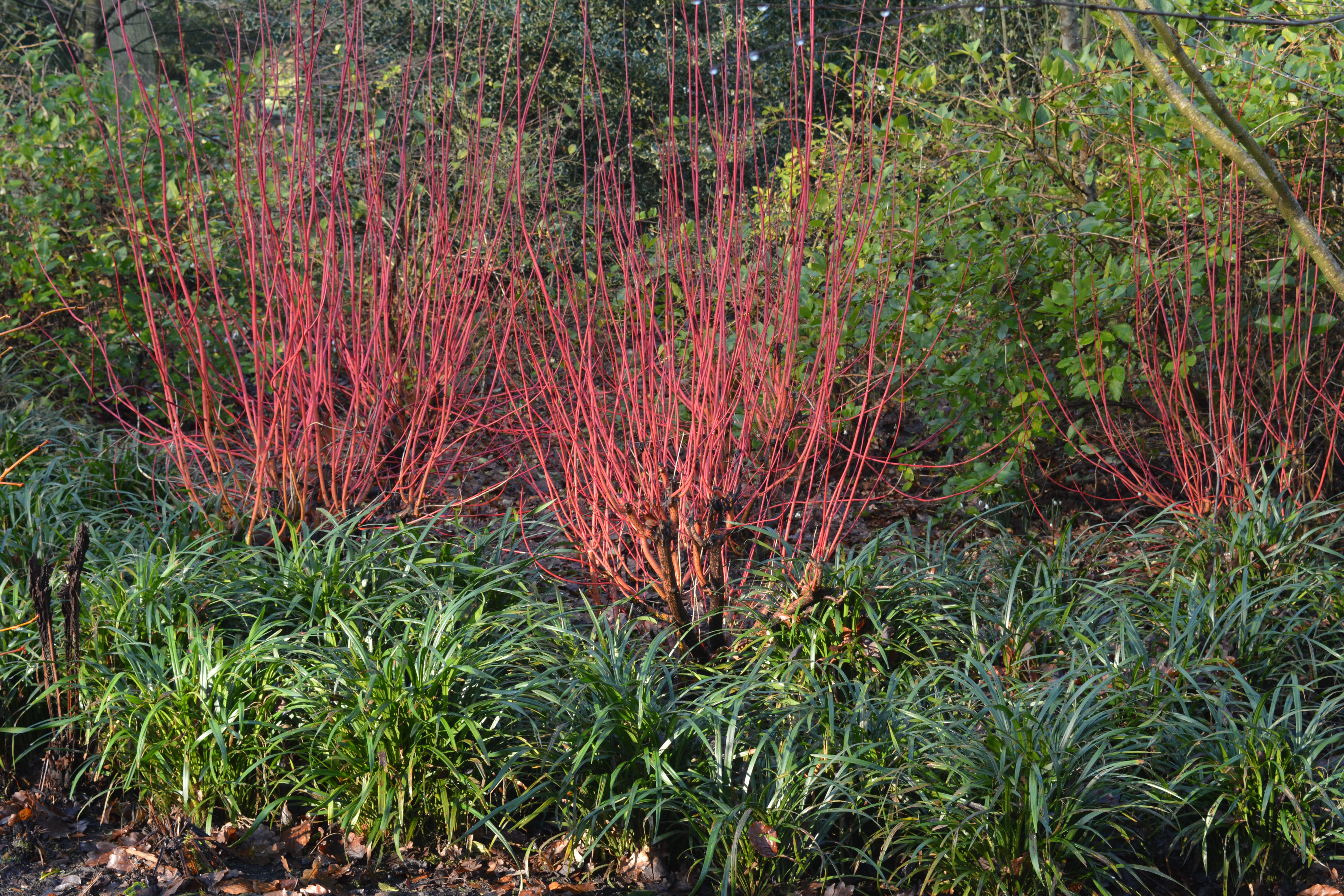
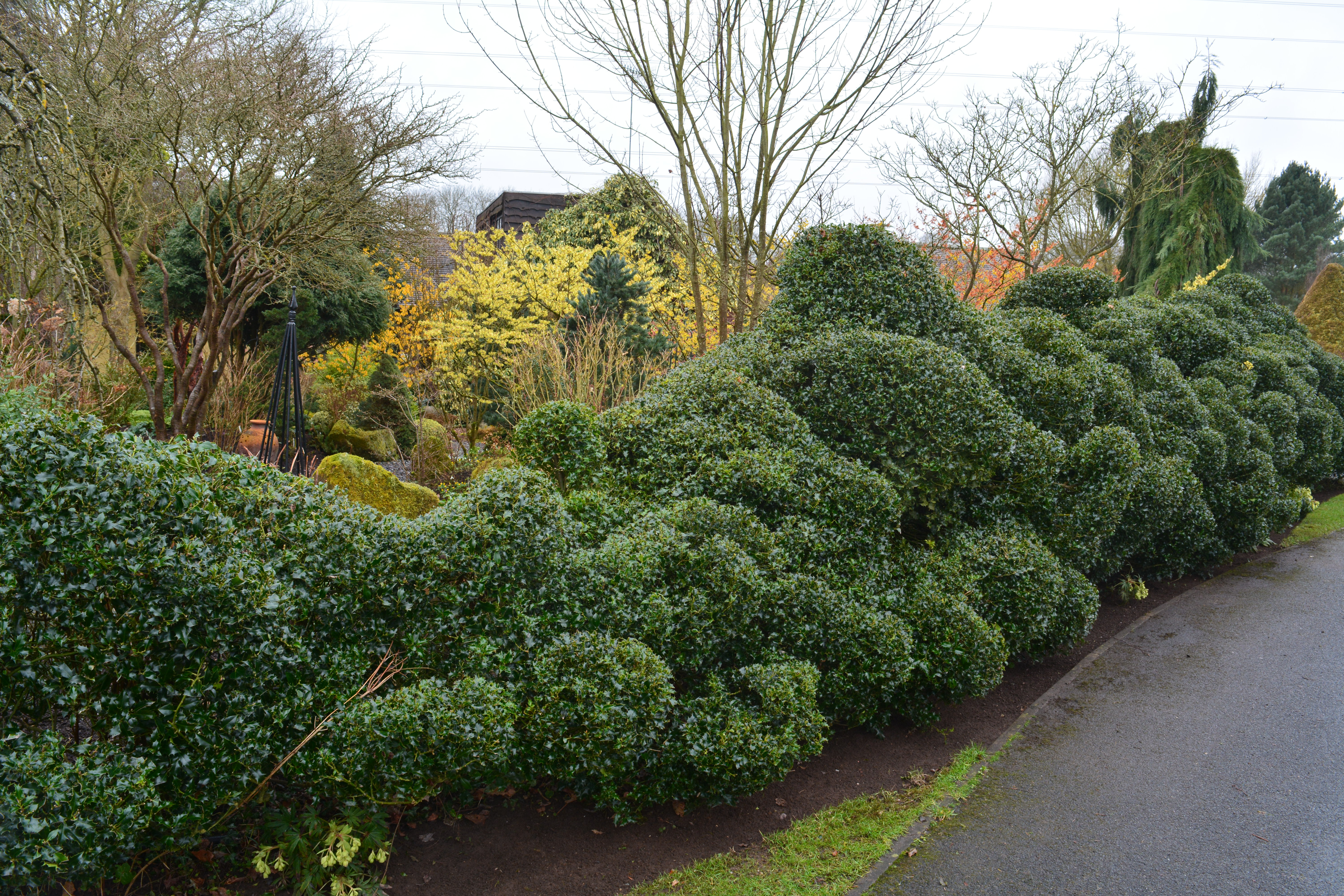
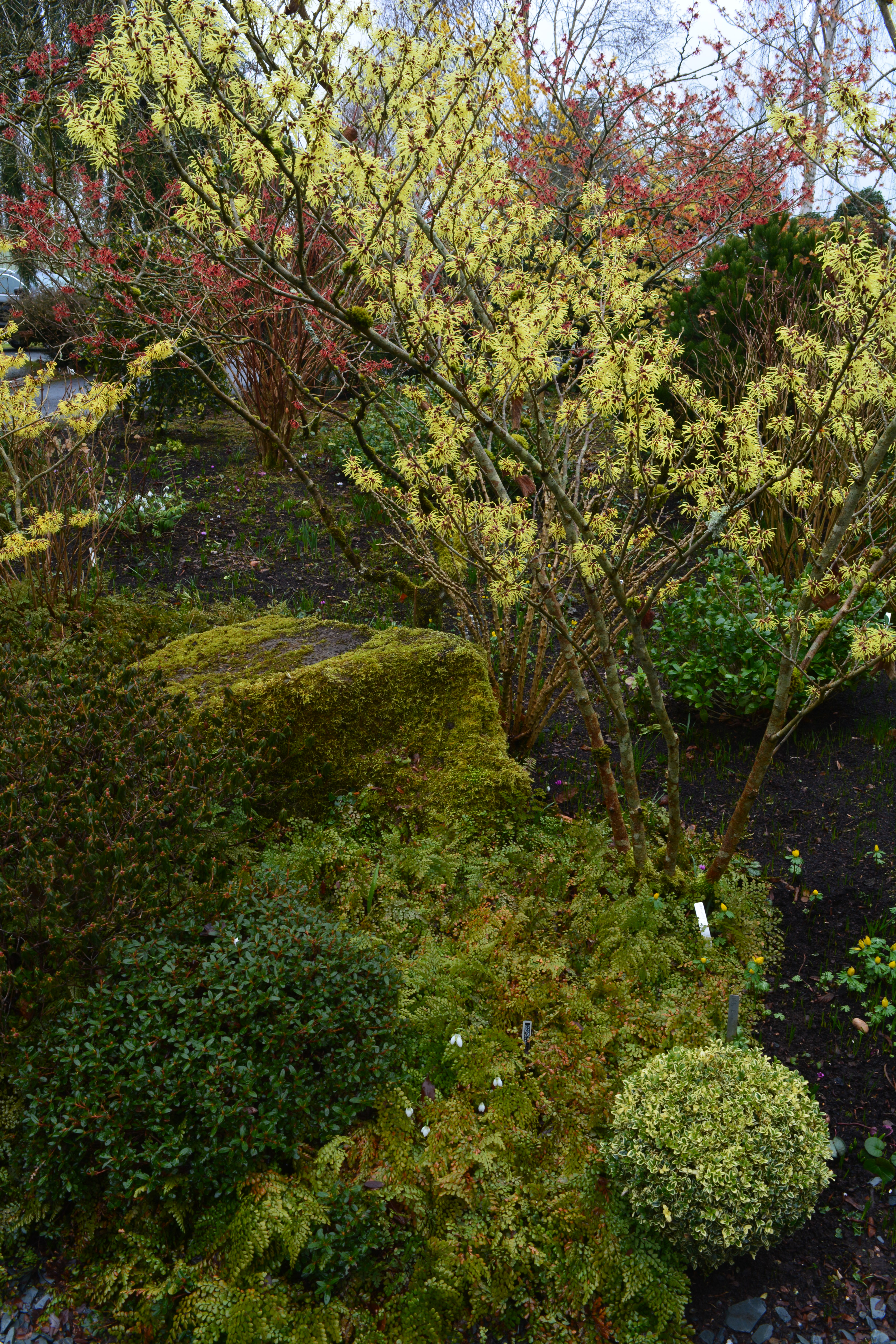
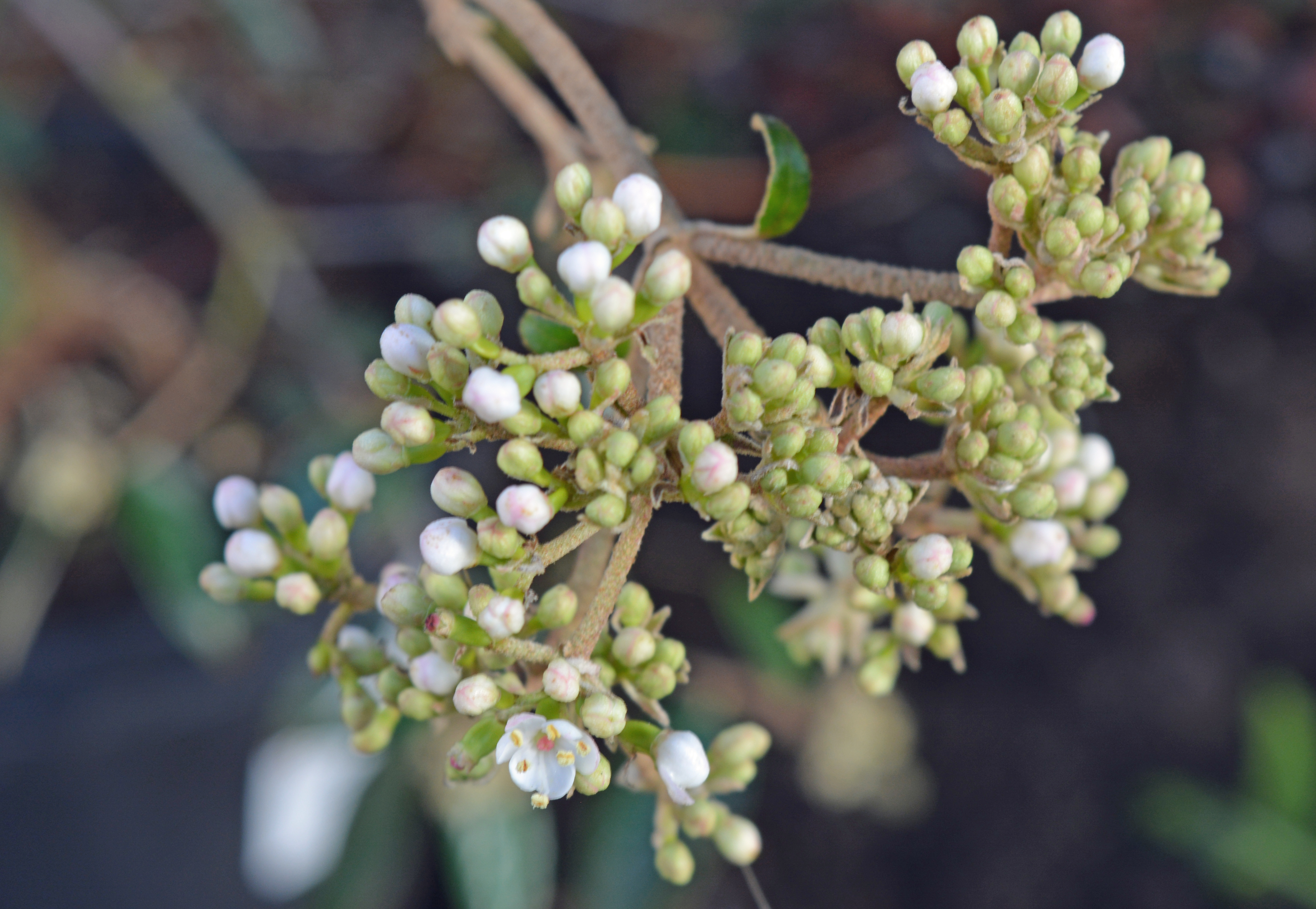
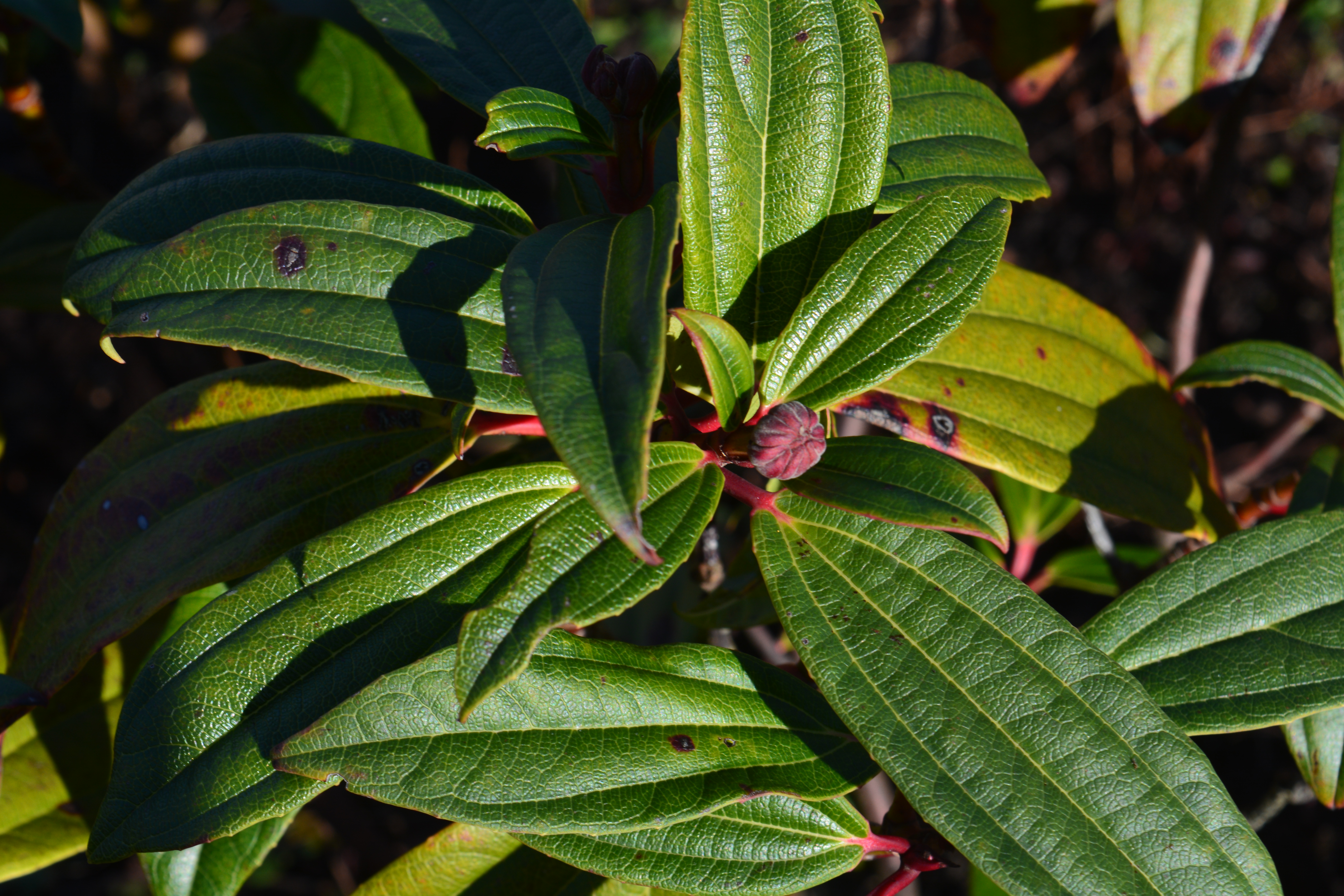
March at the Dingle woodland garden at The Dingle and Nursery near Welshpool proved to be a time with special light when the sun appeared for odd periods. I am sharing some of my photos taken of the landscape and the light playing with it. I hope you enjoy them!
Author: greenbenchramblings
A retired primary school head teacher, I now spend much of my time gardening in our quarter acre plot in rural Shropshire south of Shrewsbury. I share my garden with Jude my wife a newly retired teacher , eight assorted chickens and a plethora of wildlife. Jude does all the heavy work as I have a damaged spine and right leg. We also garden on an allotment nearby. We are interested in all things related to gardens, green issues and wildlife.
The Winter Garden at Bodnant Hall
We left home for a journey up towards Chester and then West along the North Wales coast after listening to the local weather forecast for our destination. It predicted a heavy snow storm passing through early morning and warnings were announced for closed roads and dangerous conditions. The weather was set to travel eastward and weaken, so we hoped we would meet it as it had weakened and arrive at our destination as it cleared.
We got it spot on as a couple of hours later we arrived at the northern tip of Snowdownia, at Bodnant Hall where we wanted the see the Winter Garden. We had explored it before in the summer and it looked good then. We vowed to return in its prime season to see if it lived up to its summer promises.
We were not to be disappointed in the slightest as it surpassed all expectations. It was simply breathtaking. Come with us as we explore along its winding paths.
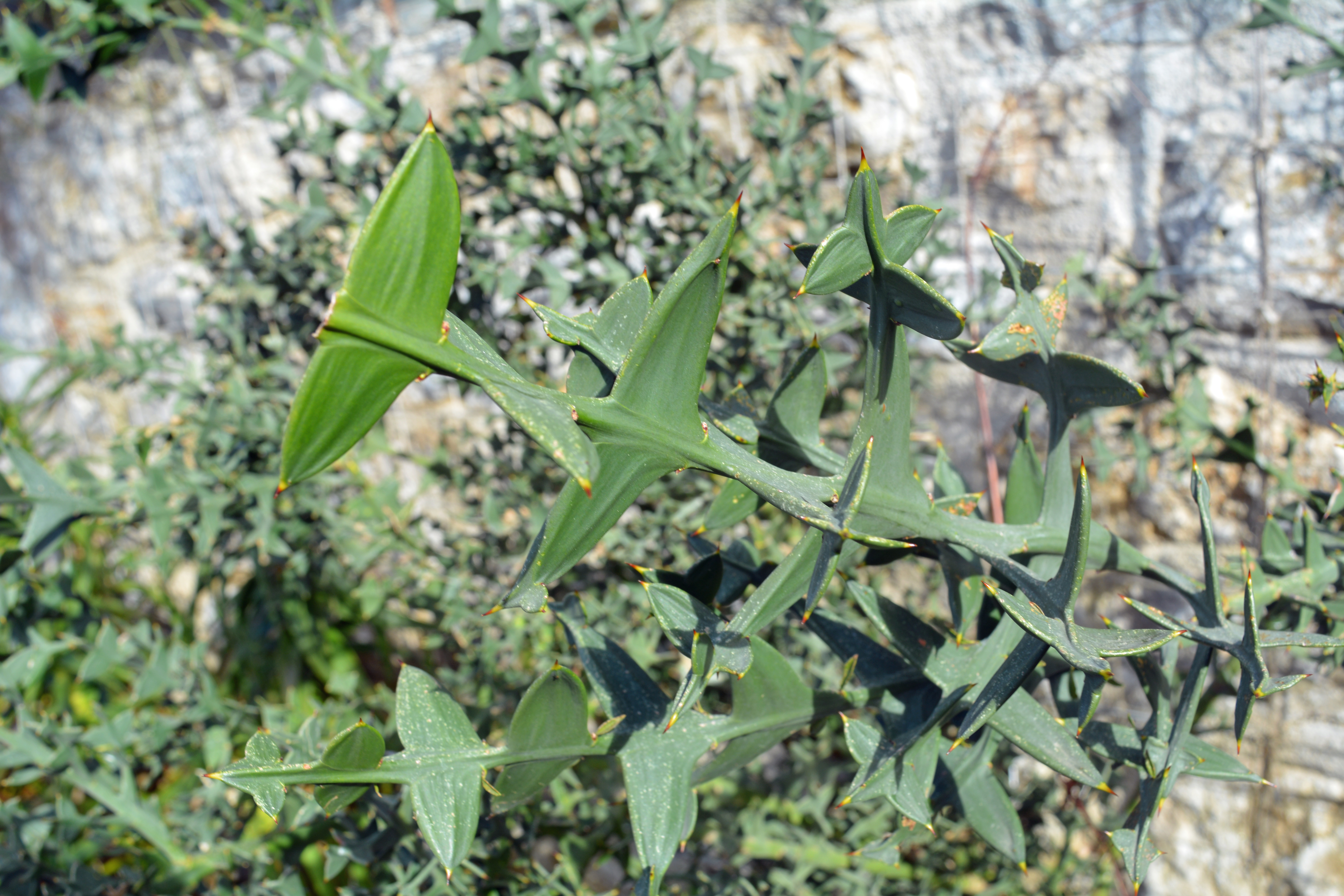
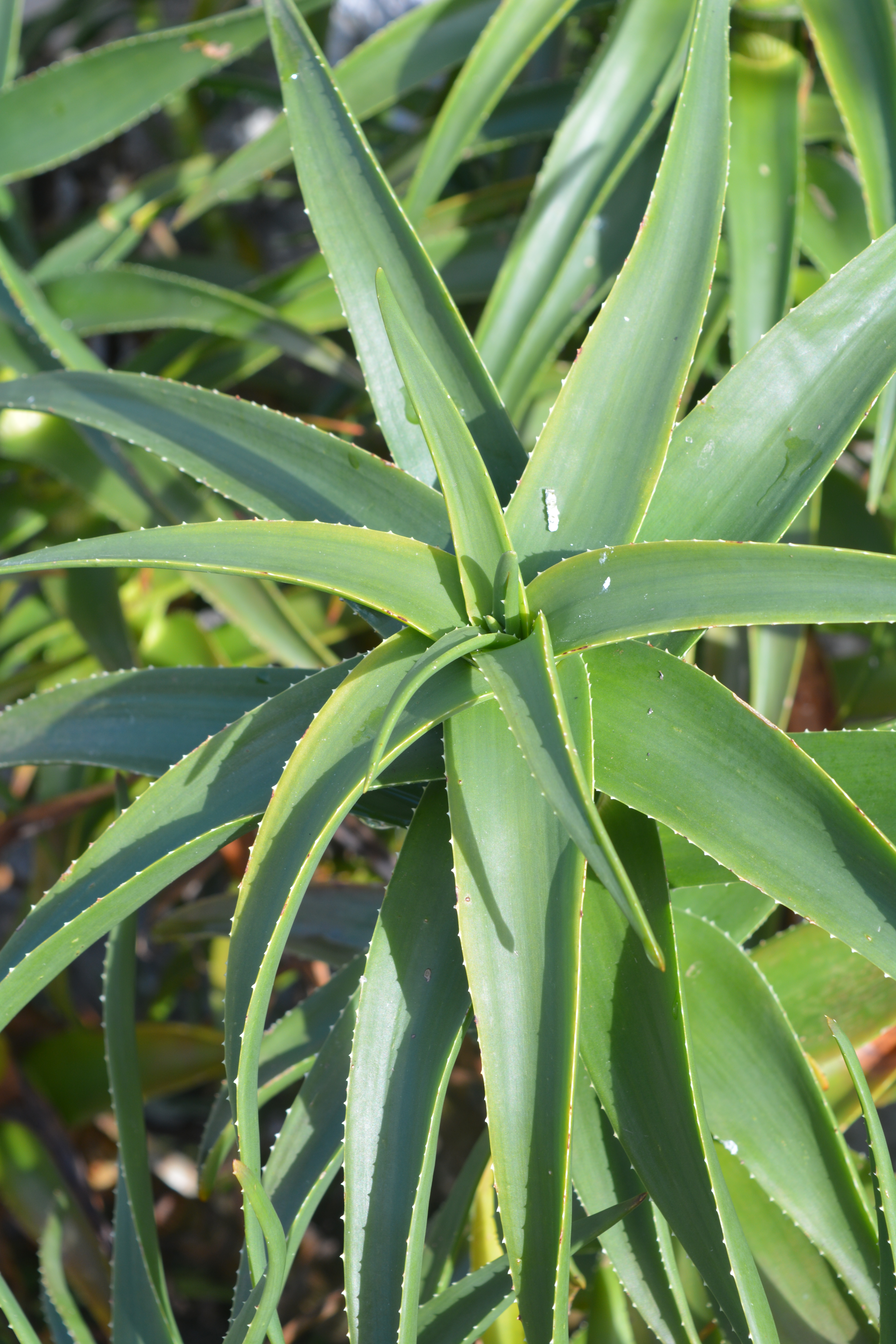
We entered the garden by following a path cut into the hillside and then down a ramp where we discovered a raised wall with the sort of planting we expected to see in the Winter Garden itself. We also passed two plants with not so friendly foliage, a Colletia paradoxa and a Yucca, both well endowed with points and sharp edges.
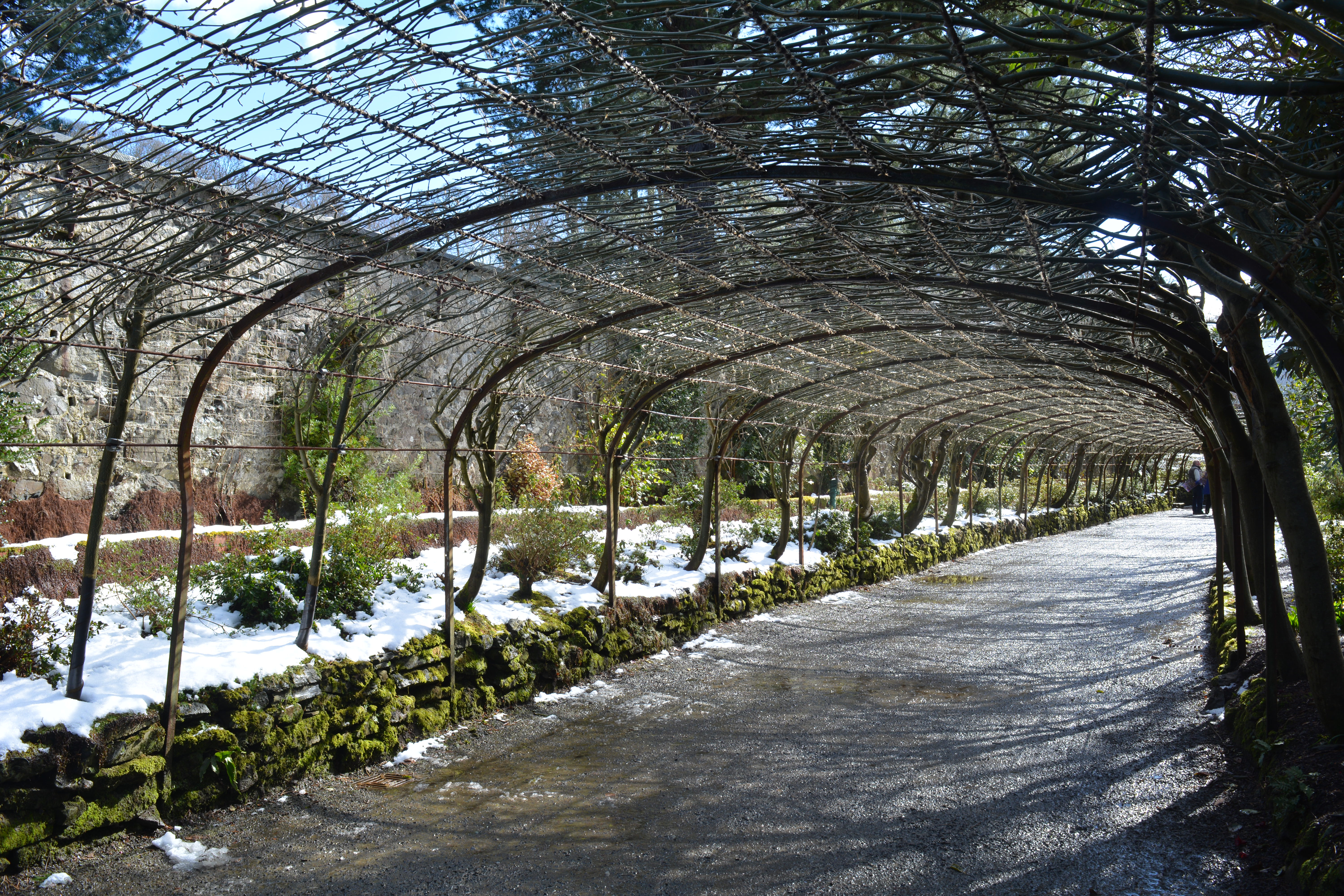
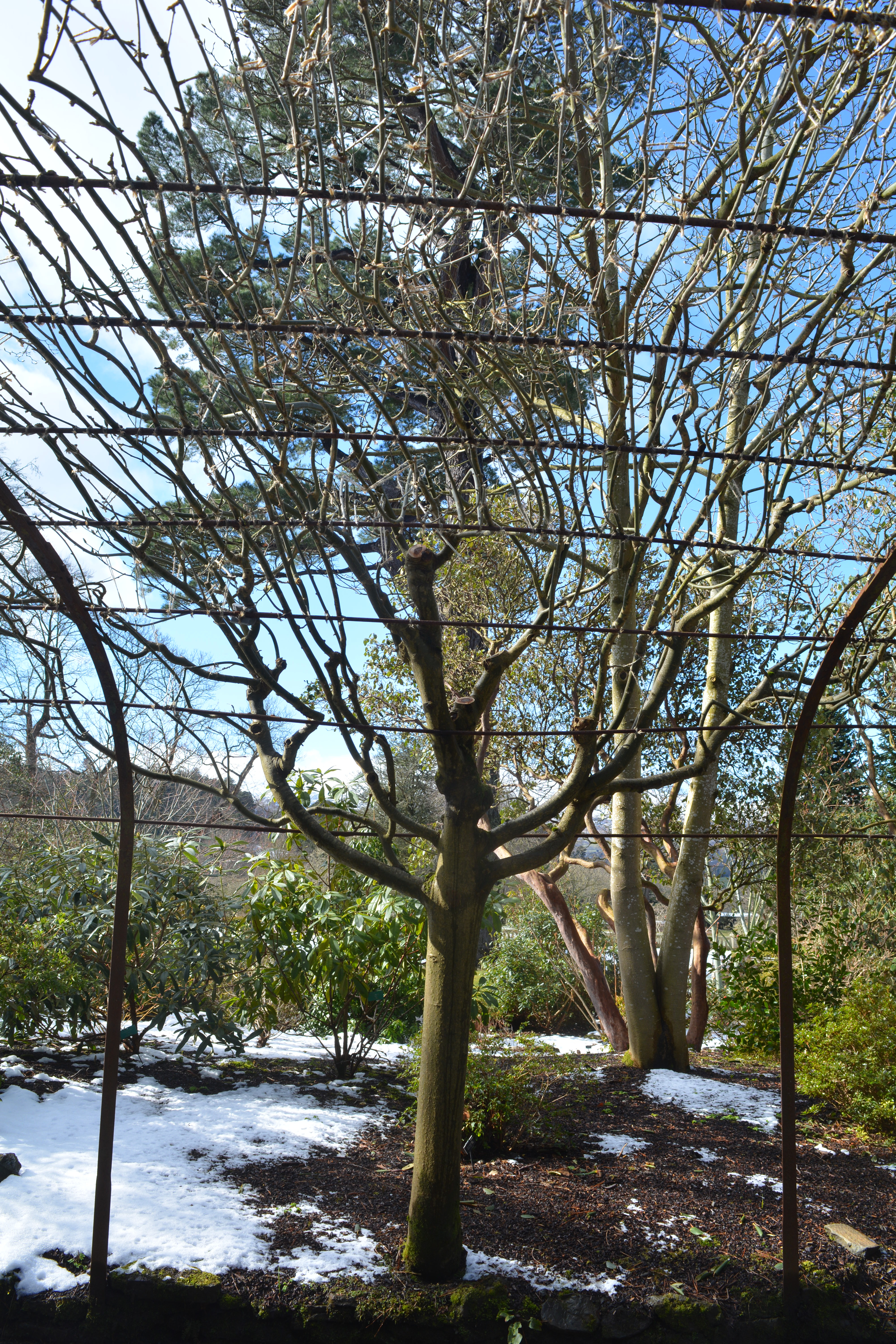
The world-famous laburnum arch looked so different at this time of year, exposing its strong structure and the shapes of each trained Laburnum tree.
As we began to follow the meandering paths which implored us to explore every part of the garden, we spotted some beautifully shaped trees and shrubs pruned to expose their lower trunks and branches, sharing their special shapes with us. Conifers sometimes create amazing shapes without the need for the gardeners’ secateurs and loppers.
The paths at Bodnant have been designed and set out to let the visitor appreciate every bit of planting from close up and from a distance to get a variety of views to appreciate. They are beautifully positioned.
Snow isolates flowers in such a strange way. It means we see them without foliage just their colours emerging from whiteness. We are so used to viewing flowers against a predominantly green background.
The beauty of the Winter Garden at Bodnant that is unique where such gardens are concerned is the way it is designed to have overall strength as a whole design but each pairing of plants and each grouping is applicable to most home gardens. Around each corner the visitor can discover an idea easily transferable to their own patch. The design is best described as accessible. Pathways ensure visitors see as much as possible and each feature planting from at least two different viewpoints. Here is a selection of pics showing these paths.
Next time we visit Bodnant Gardens will probably be in the spring when it looks very different again.
Into the third month of the year and we should now be seeing the cheerful signs of early spring. Spring should start the birds singing afresh. We should expect to see green returning to the garden as freshly-burst buds bring life to our patch. Let us see what my Garden Journal for March actually shows.
I began by recording, “March begins as February leaves off, freezing temperatures day and night often dipping into minus figures. The soil is solid, frozen and unworkable. Snow, sleet and frozen rain showers are frequent visitors. The Met Office count March as the first month of Spring but us gardeners know that it is the last of Winter. Dan Pearson in “Natural Selection” writes, “A cold start t the month always feels more appropriate to me, because it is better to go slow when there is so much to do and so much to take in. I prefer the feeling of caution that is generated when there is a beast waiting in the wings – it takes away the assumption that this might be the start of Spring.”
Nevertheless we carry on doing garden wildlife jobs, repairing and repainting nest boxes.”
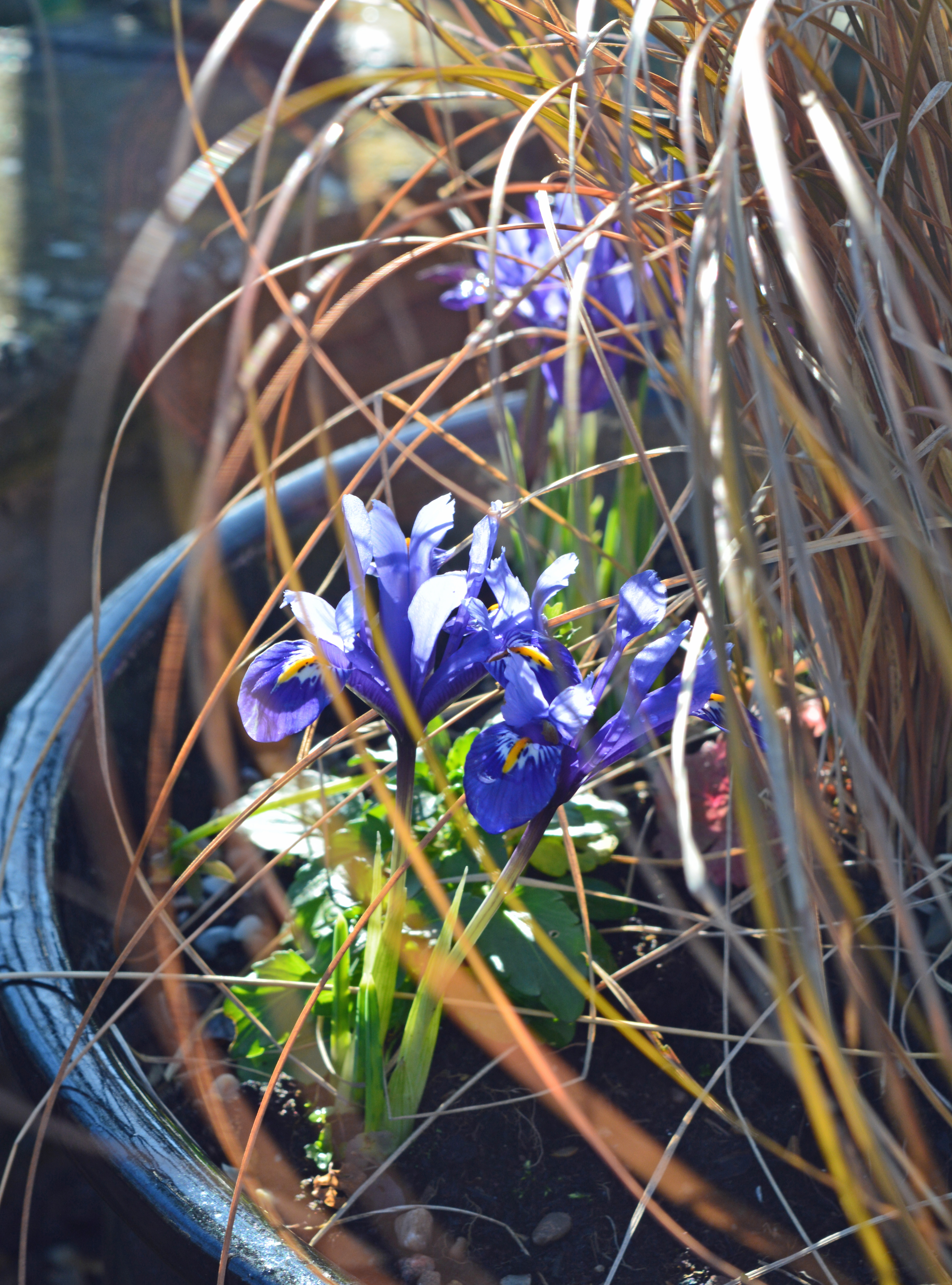
Opposite I looked at one of my favourite spring bulbs, Iris reticulata and shared my Japanese brush paintings I enjoyed doing so much. I noted, “Iris reticulata bulbs are one of our first to come into flower following on from Snowdrops and Winter Aconites. Their rich blues and purples look good with Carex.
These Irises are native to Russia, the Caucasus and Northern Iran, but we grow them in our temperate gardens where they thrive if planted deeply. Our favourites are Iris r. George and “Harmony” but neither of us are keen on the “washed out” look of “Katherine Hodgkin”.
After looking at my Iris paintings we can turn over to a double page spread concerning firstly snow and then the wildlife in our Avocet garden.
“As we pass the mid-point of March we awake to the third appreciable snow fall of the winter. Luckily this fall has not been sculpted into drifts so we hope that when it melts we are left unscathed. It will however prevent us from getting out there and enjoying our early year jobs.”
“Wildlife is busy in March with frogs cavorting in our wildlife pond and leaving large clumps of spawn among the plants that sit in the water close to the edge. Birds are pairing up, displaying, singing and carrying nesting materials to their nests under construction. We have a pair of Robins nesting in our woodstore and House Sparrows have taken up residence in the nest boxes we recently re-furbished for them. We watched them pulling grass stems out of the snow and taking them into the boxes. We have created lots more bee homes and repaired any damaged older ones.”
We discovered our brightest coloured frog we have ever seen – a lime green bellied frog.”
Over the next page we look at some of the important jobs we have been busy carrying out during the month of March.
“March is a busy month for us gardeners and because of this it is a month we really look forward to. Each week we create a “to do” job list and get busy preparing for the year to come and of course ensuring our patch is up to scratch for our visitors this year.”
“We cut comfrey leaves for liquid feed, pruned leaves off the Epimedium to help us see their fresh flowers and topped up the log edging around our wildlife pond.”
“We fed our trees with wood ash from our woodburner and checked tree stakes and tree ties.”
“A big project is developing our new fern garden, a raised bed to fill the gap left by the removal of our oil tank. We came up with this crazy idea and hope it works! Planks of wood became a raised fern garden.”
Turning over to the next double page spread I wrote about buying new plants and I shared my paintings of a surprise find below the snow. I wrote, “We have been in plant buying mode often this March, some Hebes to replace some that have gone too woody and untidy, Ferns to add to our collection and stock our new “raised fernery” and more Ivies to cover concrete fence posts.”
“Hebes “Purple Shamrock”, Bronze Glow” and “Mrs Winder” and Ferns, “Polystichum setiferum “Plumosum Densum”, Dryopteris affinis “Polydactyla Dadds”, “Dryopteris austriaca “Crispa Whiteside” and Cyrtomium falcatum.”
“We have also been busy dividing perennials such as Sedums.”
“Secret beneath the snow! When the snow drifts melted and once again our golden flint gravel could shine in our Beth Chatto Garden, we found a sad looking perennial stem and its seedheads. It usually stands firmly upright as a statuesque reminder of its summer and autumn beauty. Eryngium pandanifolium can grow to 7ft tall, its spiny flower stem rising from a grass-like batch of equally spiky foliage. The flowers are coloured a strange dusky maroon colour.”
I painted this secret with water-colour pencils and artist pens in greys and blacks.
My final page in my entries for March features a quotation from a nature writer, John Lewis-Stempel and considered how it relates to our own patch.
“The nature writer, John Lewis-Sempel, in his new book titled “The Wood” wrote of March, “Robin sings with gusto, trying different refrains, experimenting. He is the philosophical songbird.
Hedgehogs now out of hibernation from their watertight nests of grass and moss. As I’m sitting in my chair one shuffles absentmindedly over my wellingtoned feet.
The wood is “filling out”. There are no longer clear views through the trees. Gone is the sense of space, and light. The trees are crowding in.
The blackbird has finished her nest in the Elm. The nest is a perfect bowl, of grass, straw and twigs and plastered inside with mud. Years will pass, but the mud cup will last.”
(March 2017)
Here at our Avocet garden we have virtually no fresh leaves open yet just bursting buds on just a few shrubs and trees. House Sparrows are nesting vigorously now collecting nest materials and at the end of the month we observed a Robin busy building a nest in a Robin nesting box we had made and put up in the Shade Garden.
In every other way Spring is slow to show any enthusiasm.
Our next visit to my garden journal will be in April when we hope Spring may have made some effort to get underway.
The Dingle Garden in Welshpool – March
We returned to the Dingle Garden and Nurseries for the third time this year, hoping for signs of spring but having experienced such bad weather recently we were expecting few changes at all. We always enjoy a wander around the nursery anyway so that would make up for any disappointments. In particular we enjoy their collections of trees and shrubs.
We soon spotted shrubs we had looked at in detail on our last visit when buds were fattening but not displaying signs of opening. On this our March visit things had not developed at all. However some shrubs further down the slope towards the lake where there was more shelter were in fact in the first stages of bursting into leaf.
The light on this visit allowed the colour and texture of the bark on trees show up far better than in February.
Deciduous Euonymus such as our native Euonymus europaeus, display their heavily textured bark when they are bare of foliage, and Euonymus alatus is a particular star with its winged stems.
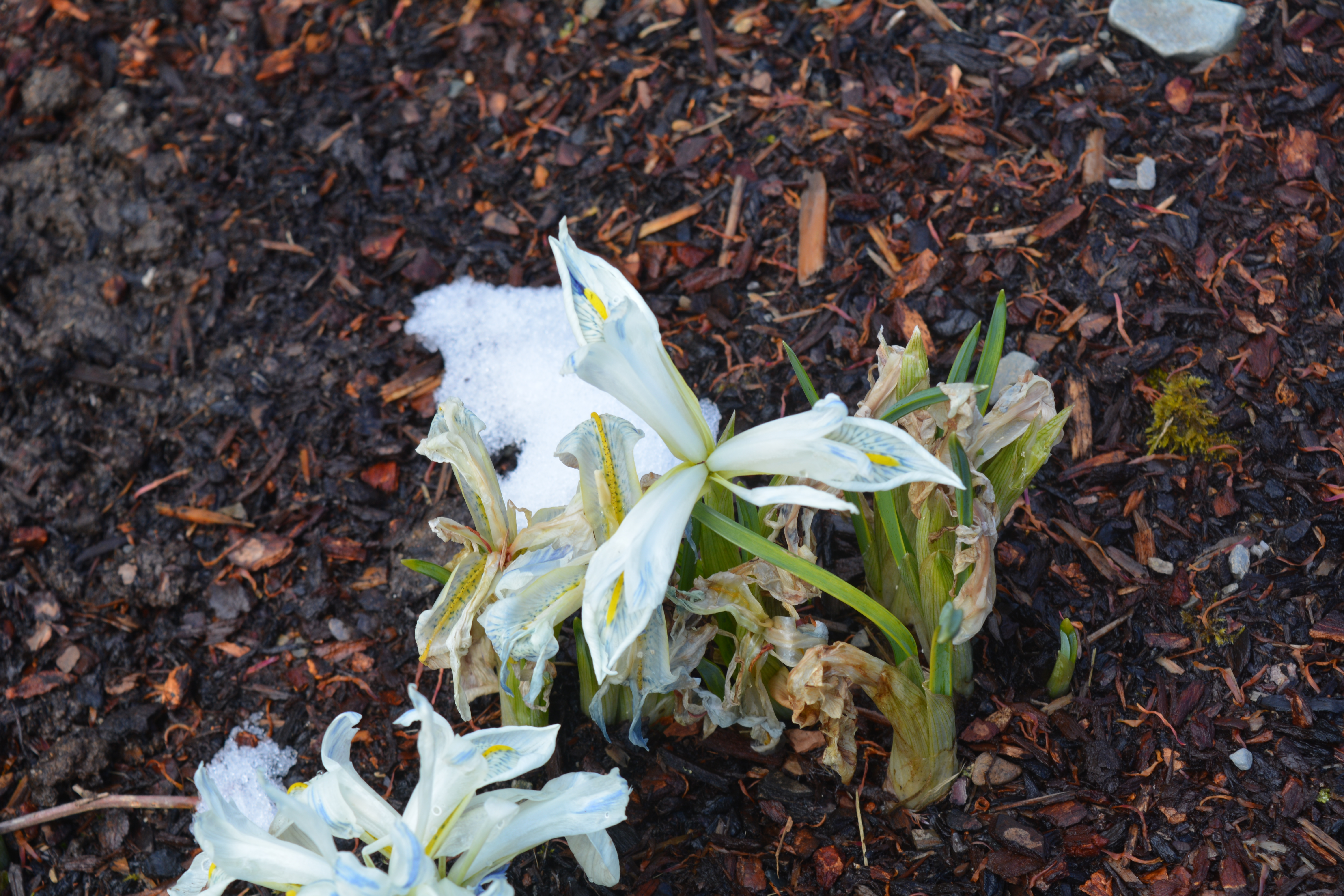
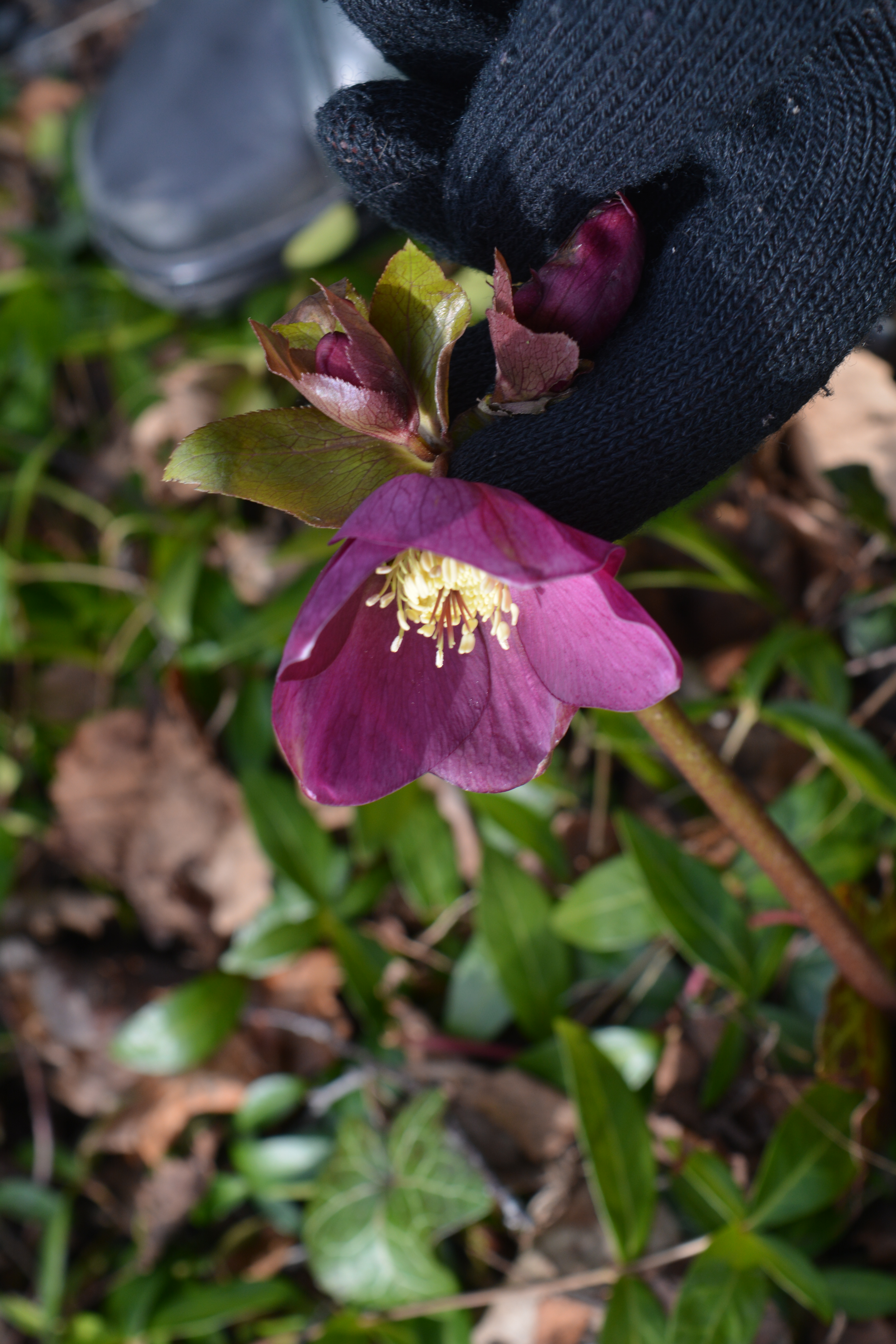
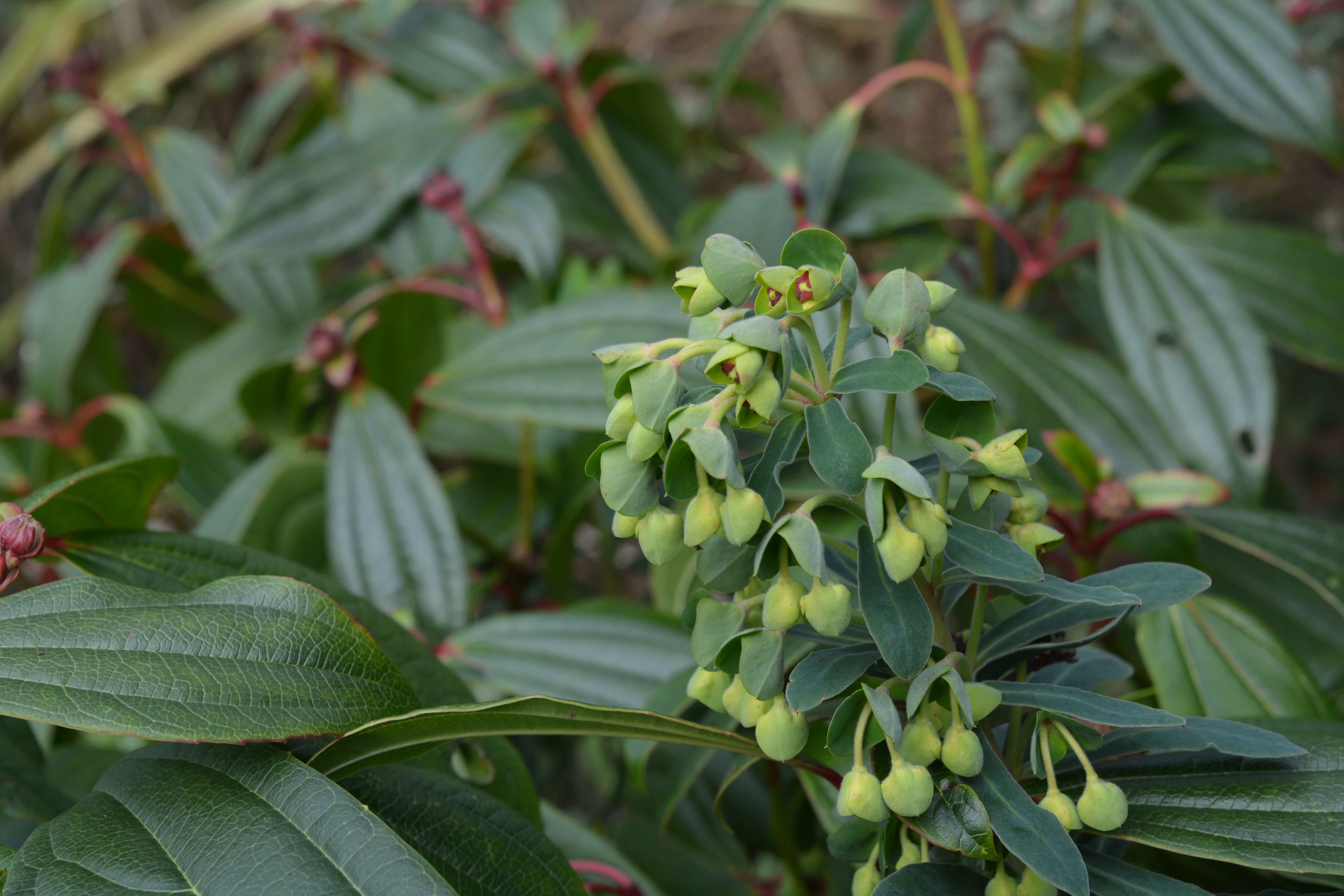
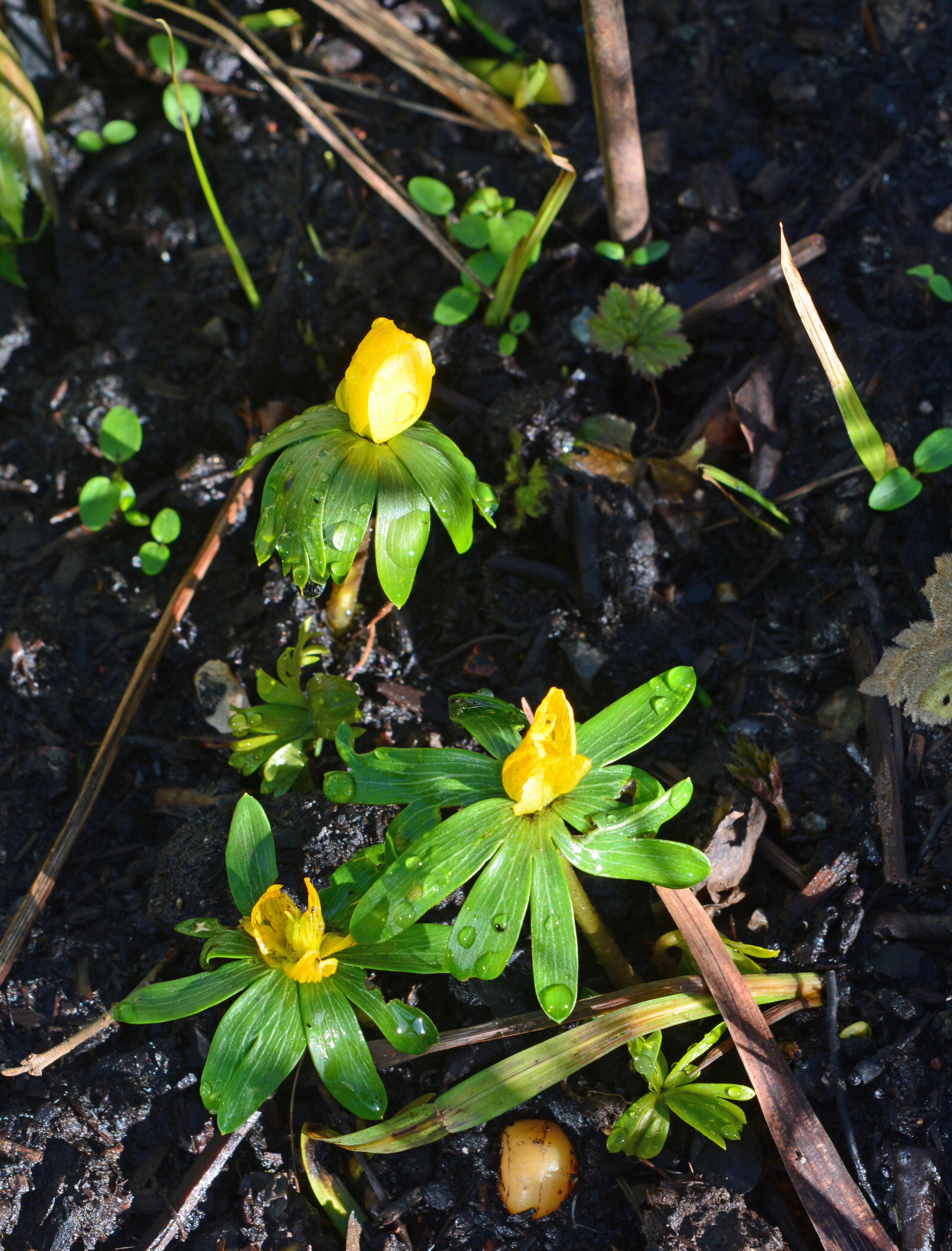
A few shrubs had open flowers and looked very special, like gems, among so much deep green of the many evergreens growing on the slopes. Hellebores and flowering bulbs added splashes of colour amongst the undergrowth. The tiny insignificant flowers of Euphorbias sat snuggled into the bright green bracts.
The common native Hazel, Corylus avellena, is far from ordinary. It is an exceptional plant as it gives so much to our gardens. If you plant a contorted variety then you get the strangest of winter skeletons, but with others you get sturdy upright growth and this growth provides us with our bean poles for the allotment. In the first months of each year they delight us with their catkins which look like little lime-green lambs’ tales. These are the male flowers producing mists of pollen on breezy warm days but if you look very closely you may be lucky enough to find a female flower which is a minute deep red flower like a miniature sea anemone.
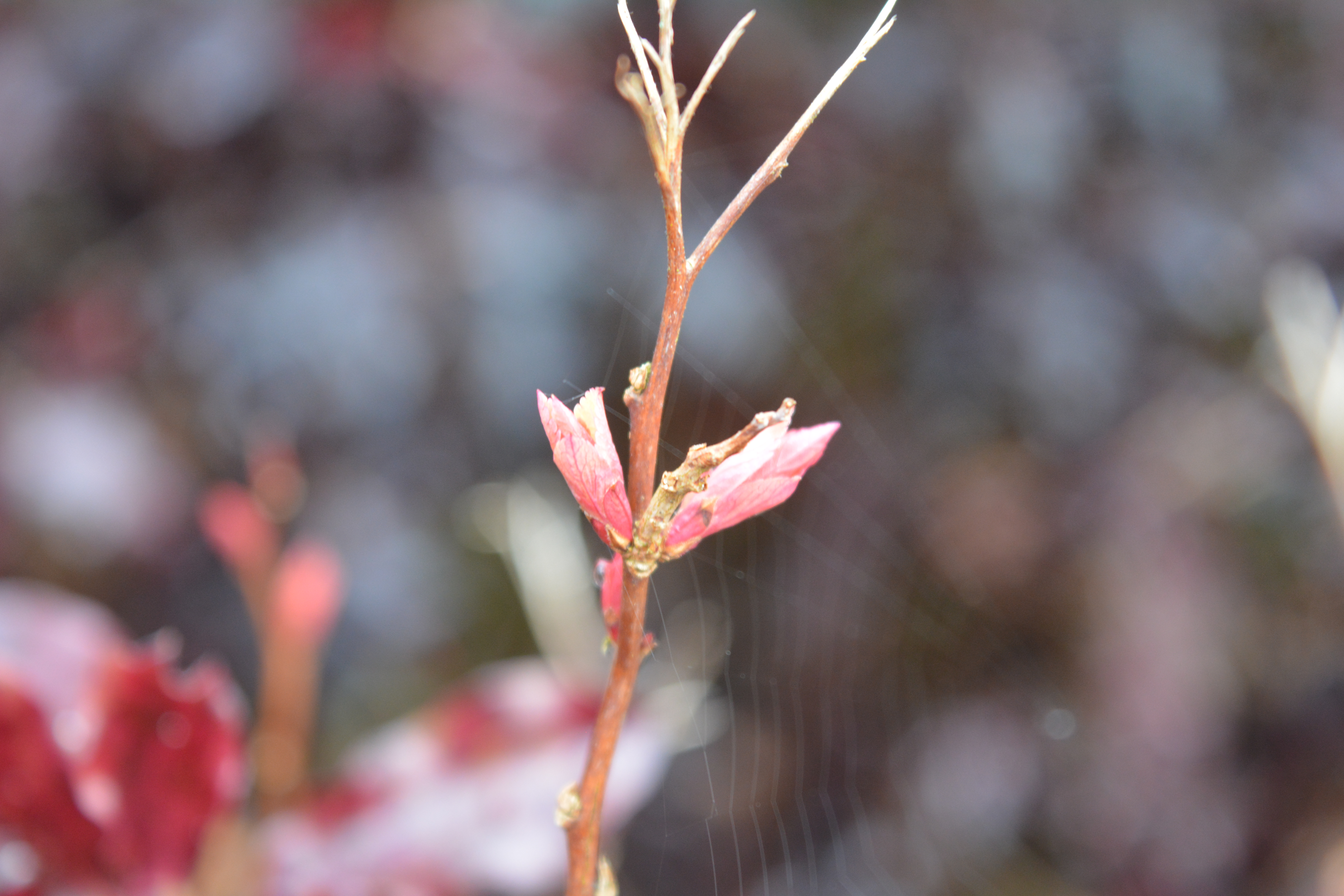
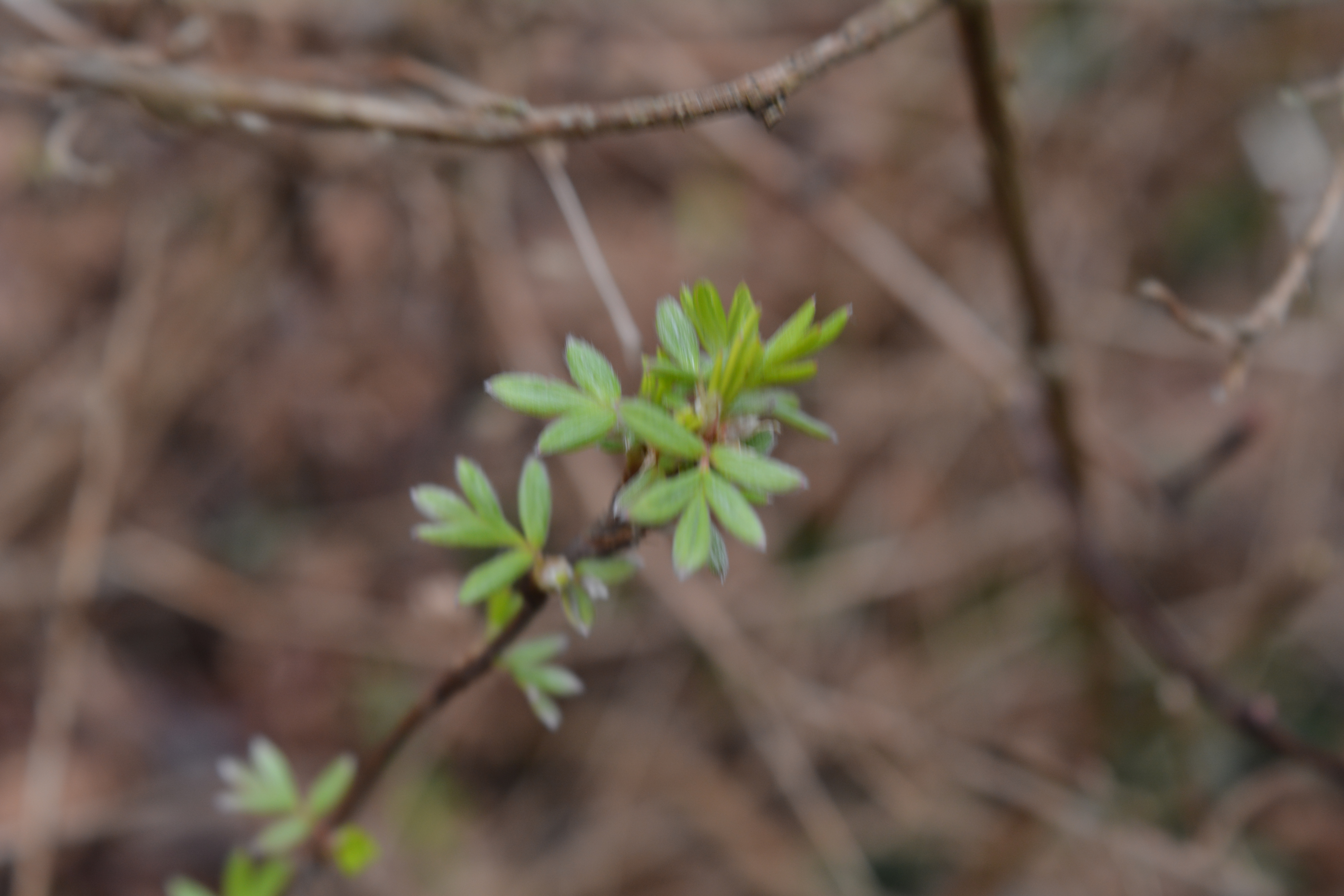
Buds were just beginning to show the early signs of fattening up when we made our visit in February so we were so pleased to find some fresh brightly coloured leaves beginning to burst forth from them this month.
Fresh growth had appeared from clumps of perennials, with Hemerocallis way ahead of others with the brightest and most advanced growth of all.
Evergreen shrubs have produced new foliage which looks so young with glossy surfaces and extra bright colours.
As we wandered the pathways enjoying the freshness of new growth and bursting buds, we were distracted by surprises and unexpected features, such as this old tumbled-down summer house and a deep fissure in the path where rushing floodwater had flowed beneath the path removing materials.
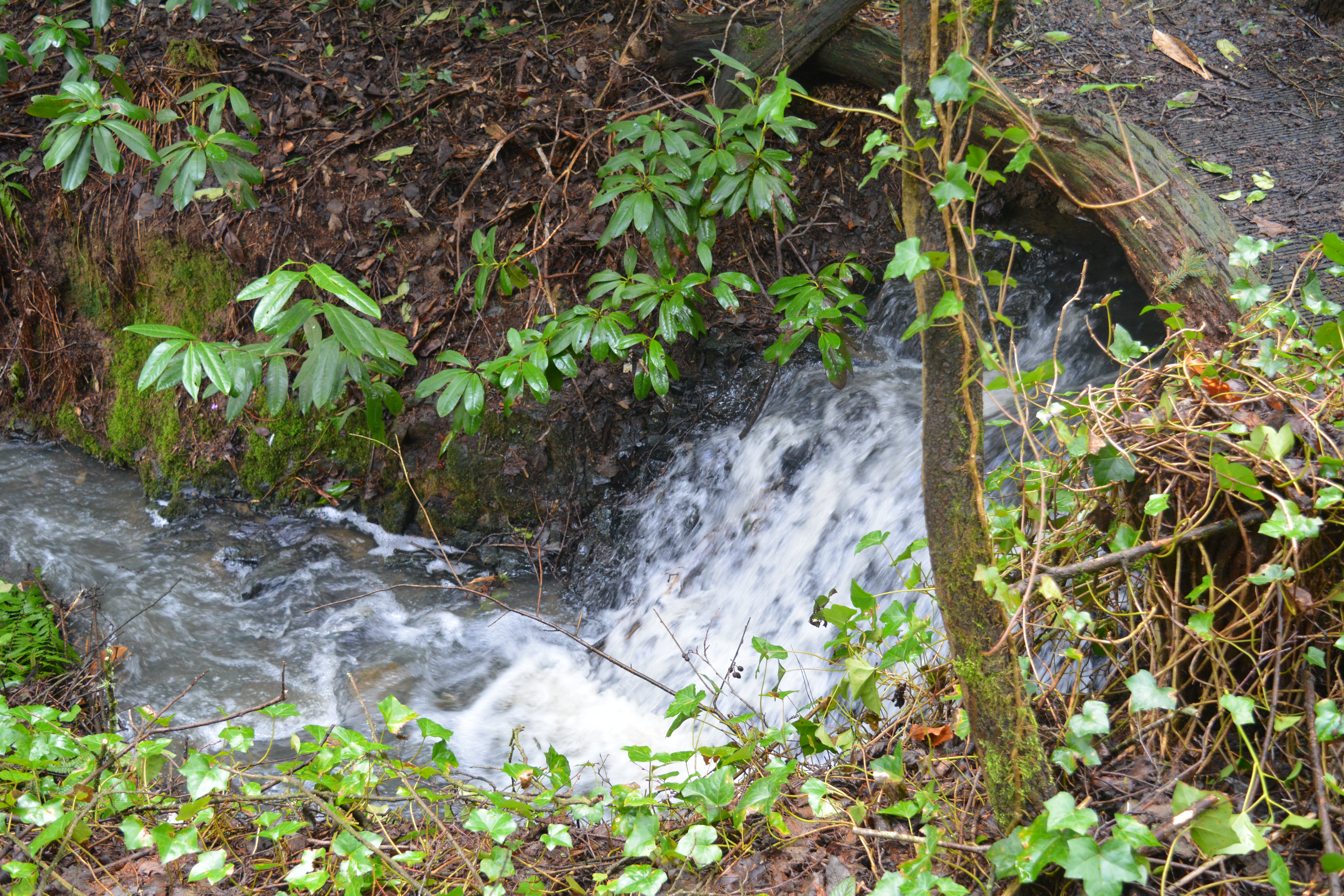
The stream which we enjoyed watching last month tumbling beneath the wooden footbridge had turned into an angry torrent of water, so noisy that we could hear it from far off. Wherever we were inside the woodland garden we could hear running water rushing down slopes, along tiny streams and over pathways.
Let us hope that by the time of our next visit the garden will be much dryer and the water passing down the site will be back within its banks.
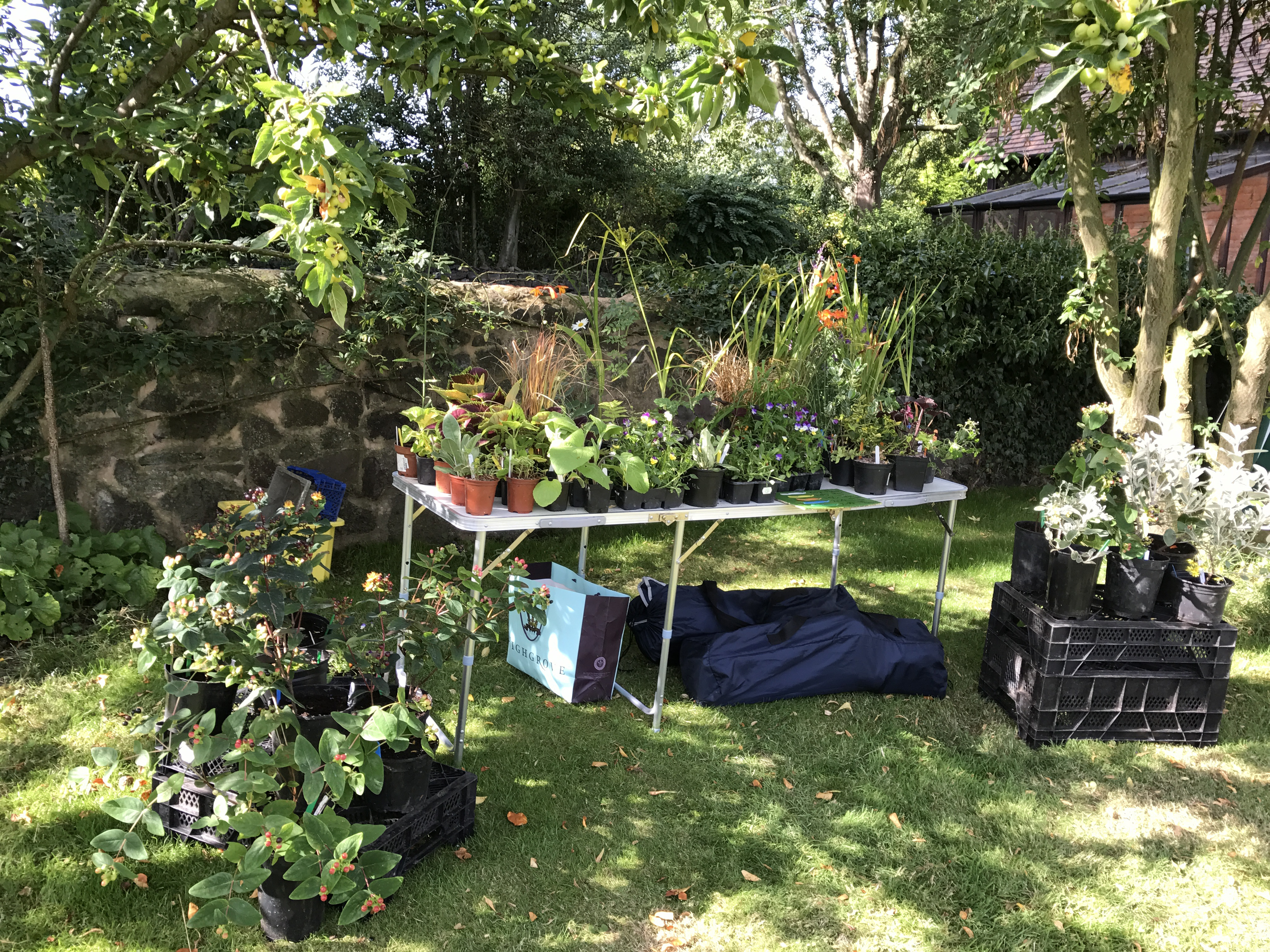
It often feels good to look back to a summer’s day especially when we are in the grips of an exceptionally long and cold winter. We had been asked by the organisers of the Plealey Garden Party to set up a stall to sell some of our plants. So we prepared our seedlings and young plants from cuttings and nurtured them until the event, when we priced them up, spruced them up and boxed them up for the journey to the other end of our hamlet.
The day of the garden party dawned bright and sunny and warmed up as the day moved on, perfect weather for it! This is the highlight of the hamlet’s year when all fifty households get together with friends, relatives and visitors from nearby villages for an afternoon. The afternoon also raises money for local charities. It is usually held in Well Lane but builders working along it prevented this from happening in 2017. Luckily a resident volunteered her garden for this one.
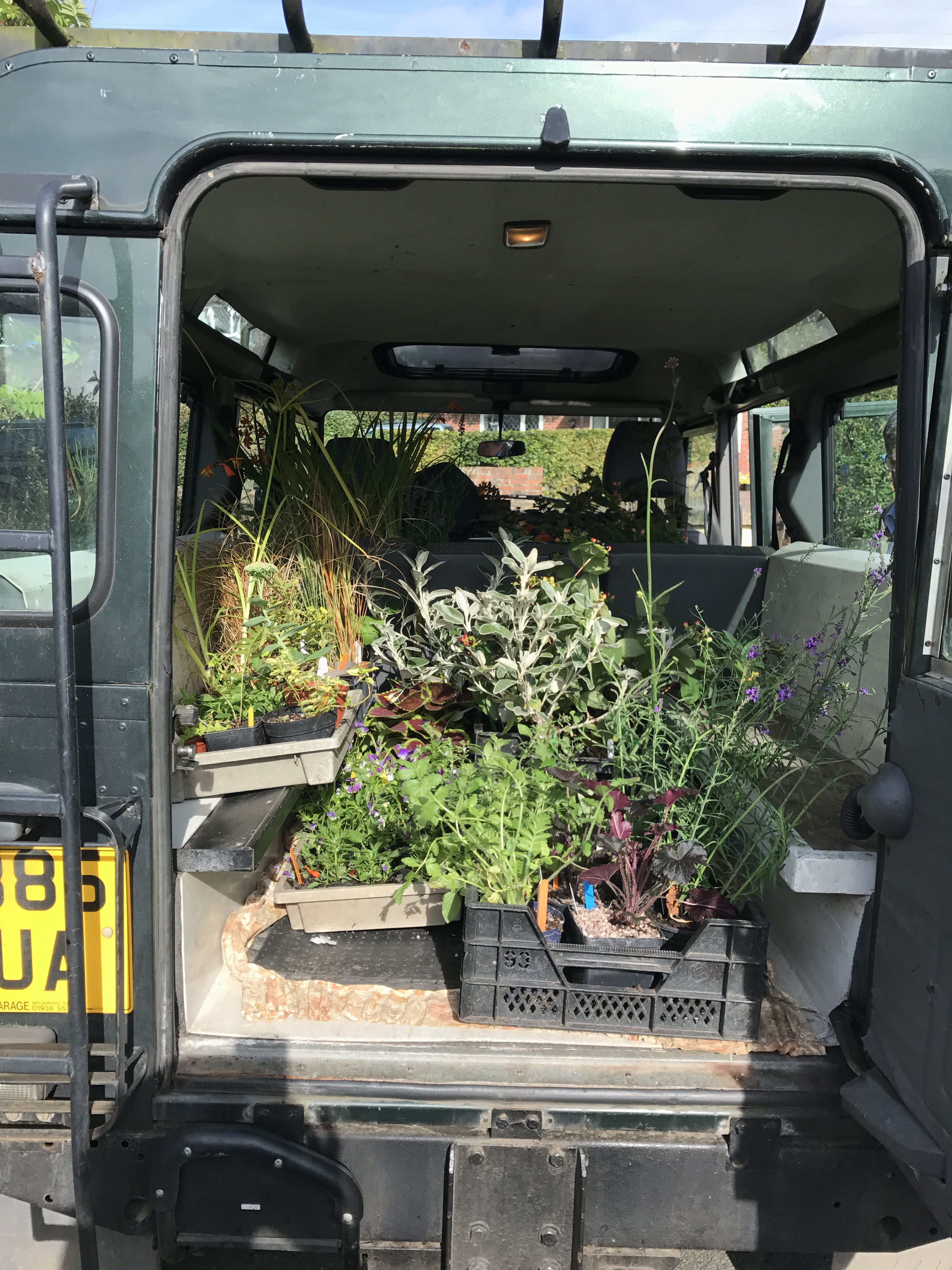
We loaded up one of our neighbours'(Chris and June) Landrover with trays of plants and Chris delivered them for us as we took a leisurely wander down the road following the trail of bunting. The vehicle certainly made life so much easier for us.
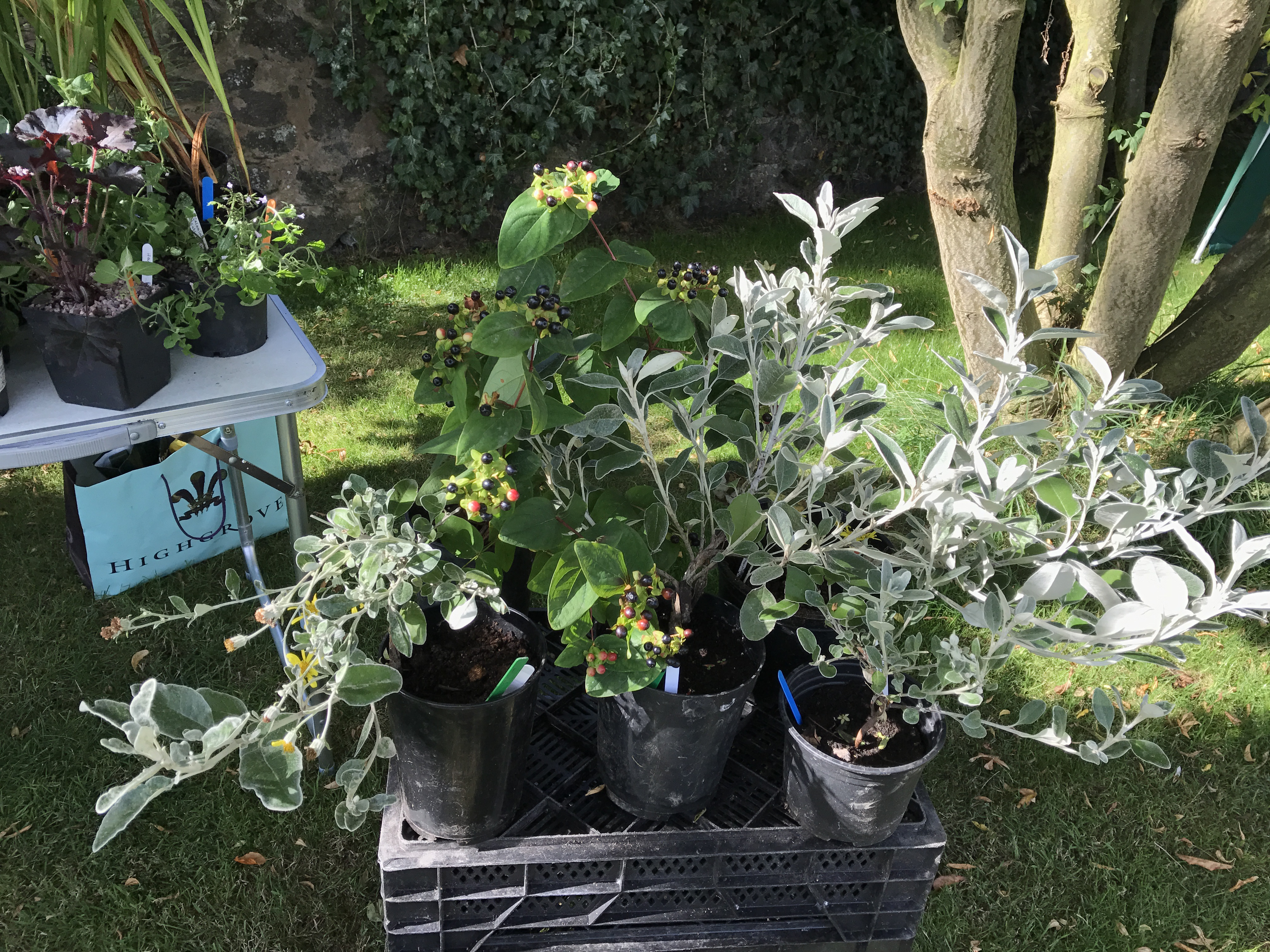
We put our folding table together and laid the plants out as we planned how to display them to look enticing or at least at their best. We were situated in the beautiful dappled shade of old apple and pear trees which was to prove a boon as the day warmed up.
In a short while we were all set and stood back to admire our handiwork. We were pleased with our efforts and hoped the sun would bring out the visitors/punters.
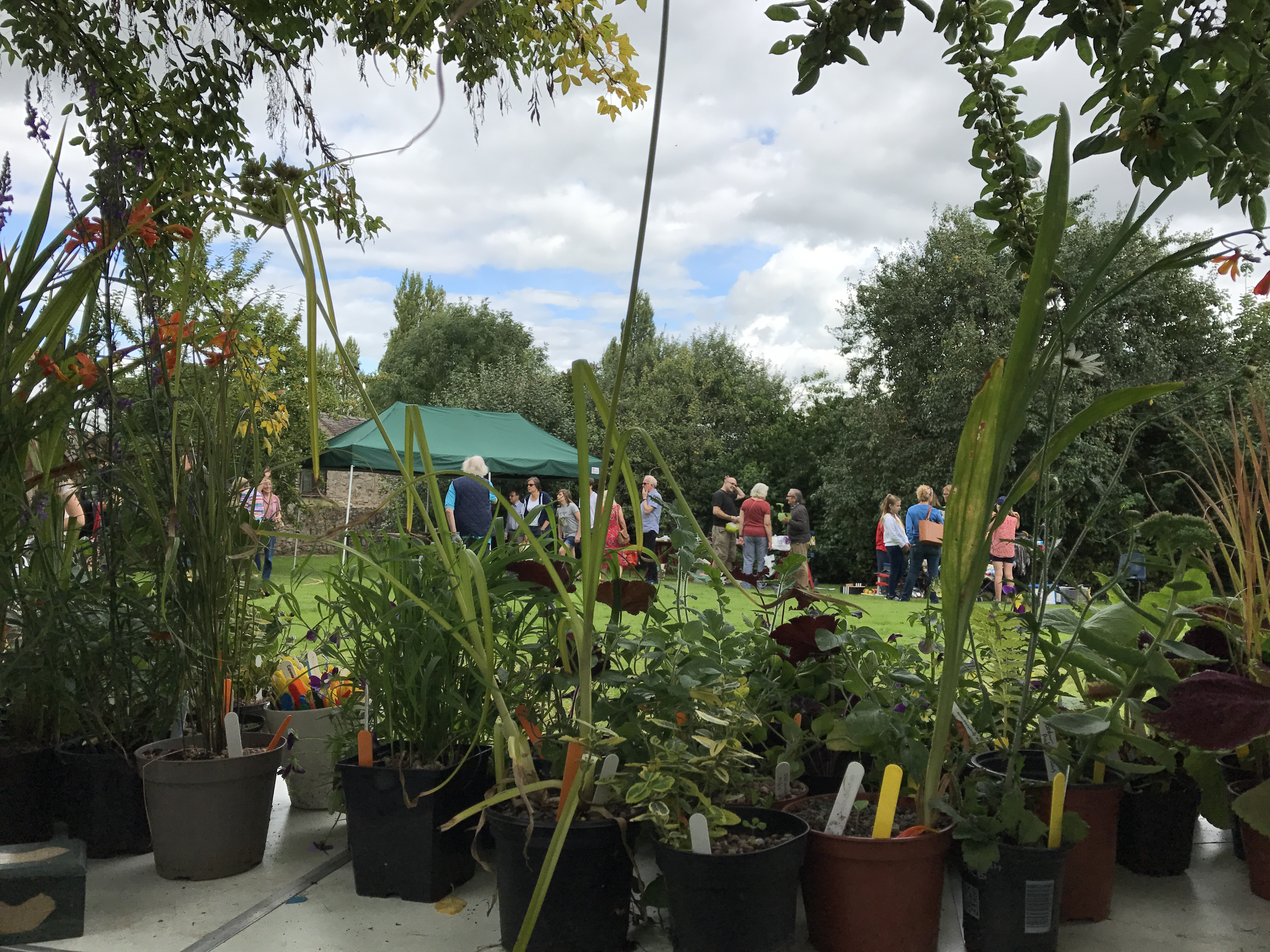
This is the view we had from our seats behind our plants, and the welcoming view for the visitors.
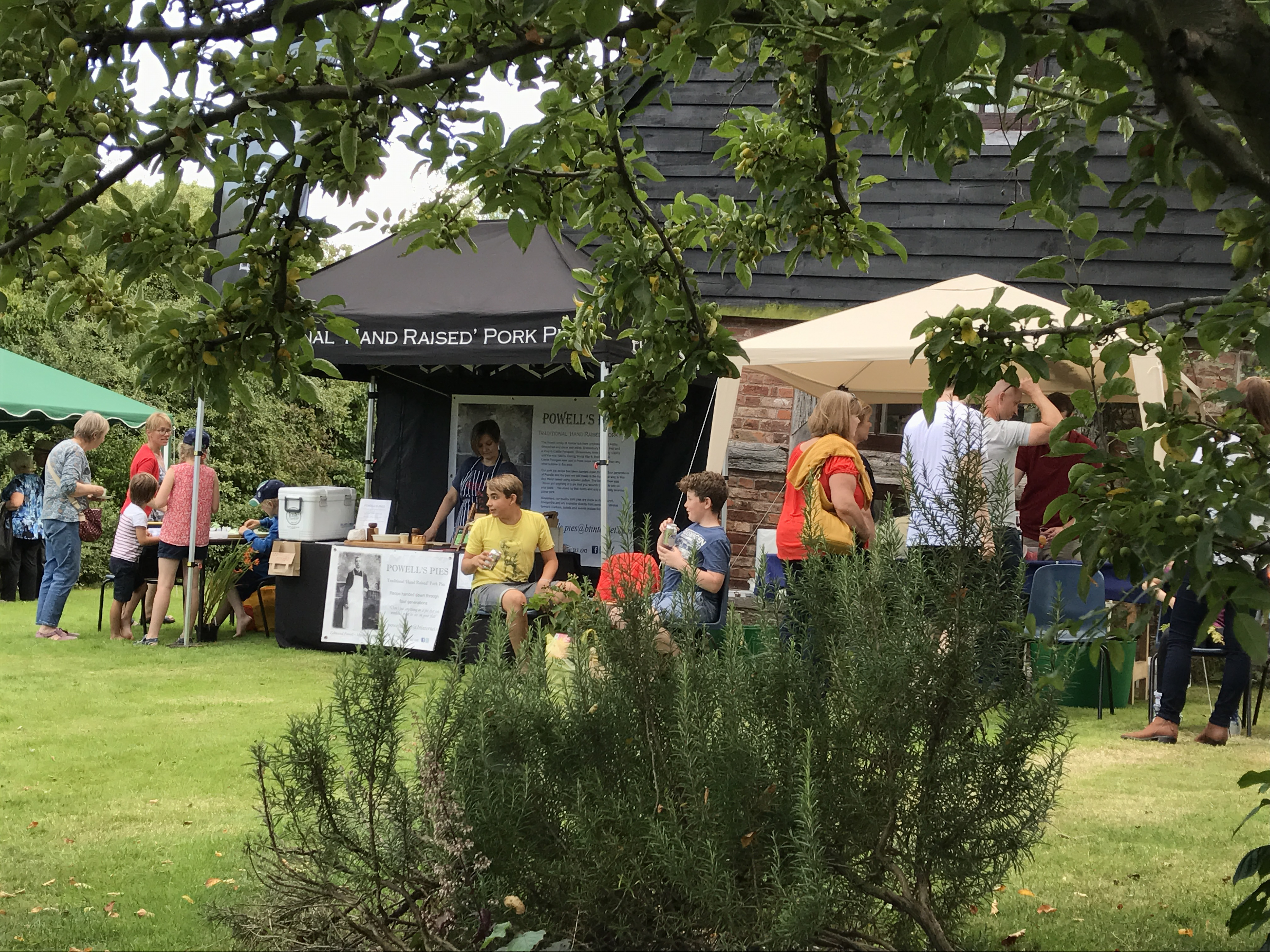
The stallholders waited patiently for the tea party to be declared officially open and the people arrived, mostly young families and couples. The local ukelele band burst into life and entertained us all afternoon, and luckily they thought to bring along a gazebo to protect themselves from the sunshine or the rain just in case.
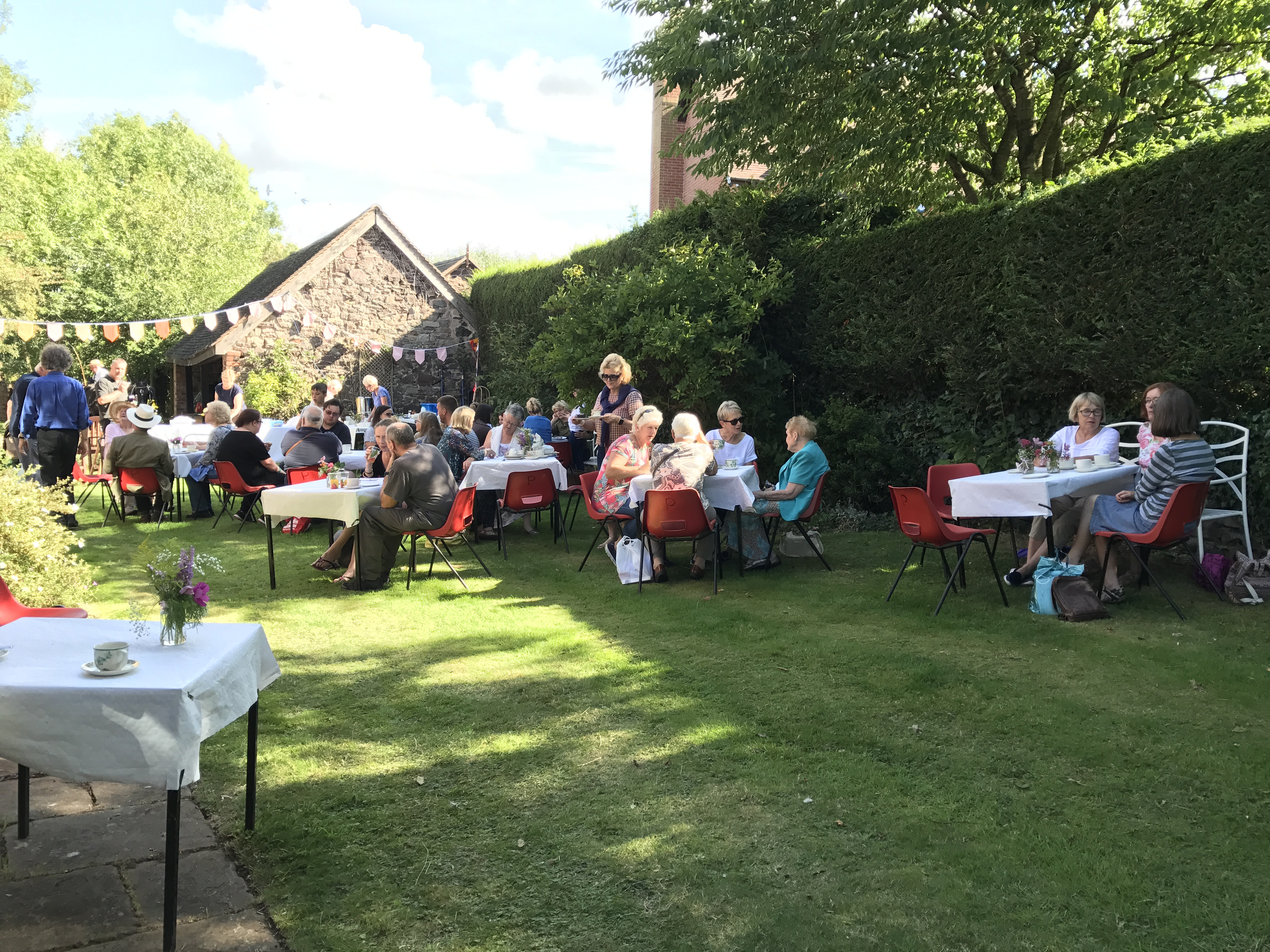
The weather brought in a good crowd who stayed for a long time and enjoyed the refreshments in the hot weather. The tables were beautifully decorated with small posies from the garden.
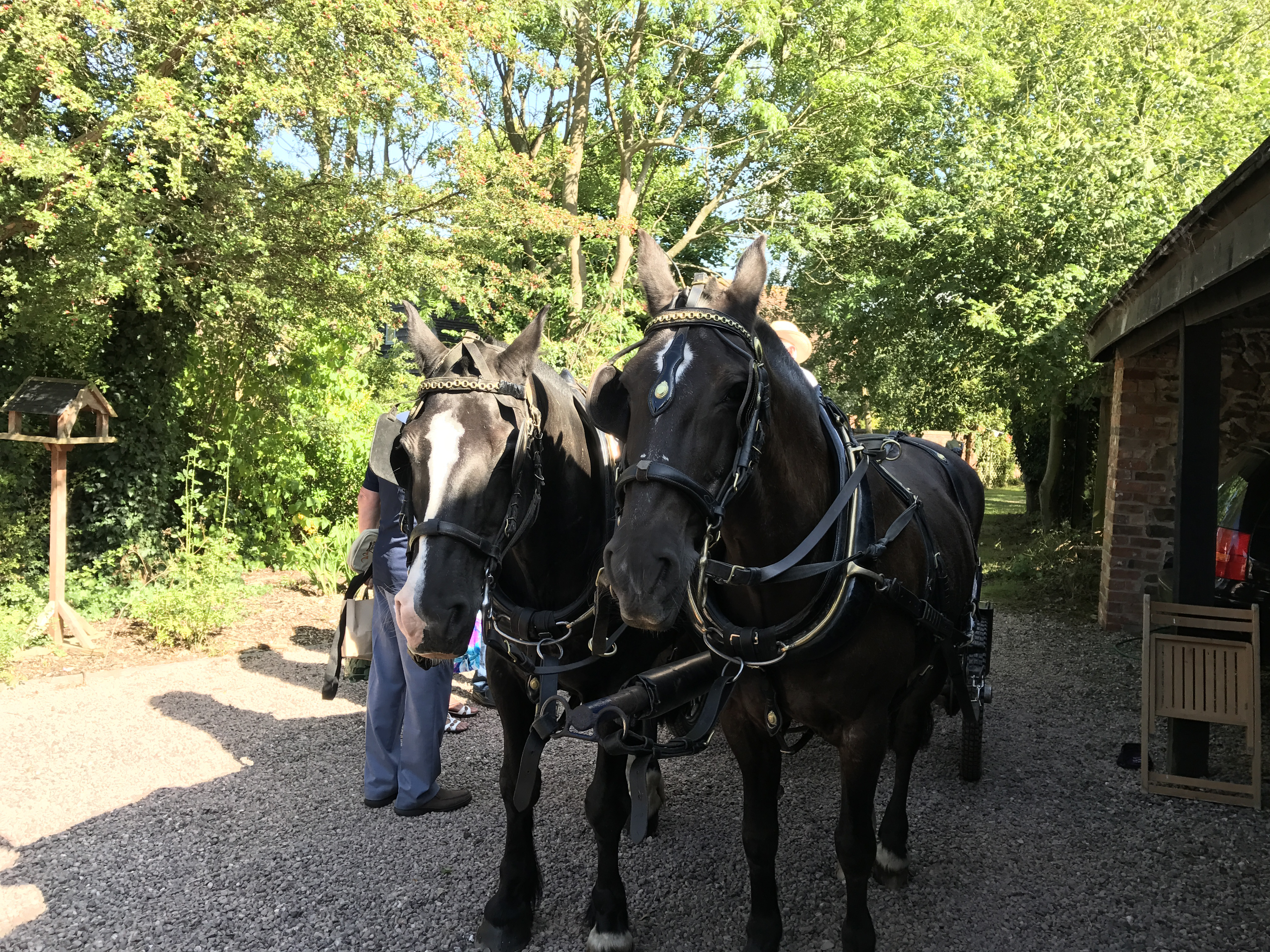
A popular visitor to our hamlet’s event was this horse and cart which we often see passing by our front garden. What a delightful and peaceful mode of transport to explore the narrow country lanes around Plealey.
It turned out to be a very successful afternoon with lots of visitors who spent plenty of money that was then sent to the chosen charities. Next year the party will be back in its usual location of Well Lane so we hope the success continues.
A Favourite Winter Garden – Dunham Massey
This will be our third visit to the relatively new winter garden at Dunham Massey, a National Trust property in Cheshire, our neighbouring county to the north of our home county, Shropshire. The leaflets concerning the garden refer to it as a “Curiosity Garden”, while inside is written, “Forget hibernating until spring, Dunham Massey’s Winter Garden is wide awake with colour.”
The leaflet then invites us to “Take a refreshing walk in the Winter Garden along meandering paths with shocking red cornus and brilliant white birch trees trees glittering in the winter sun. Discover bright winter berries, late flowering scented shrubs and thousands of snowdrops and iris in the new year.”
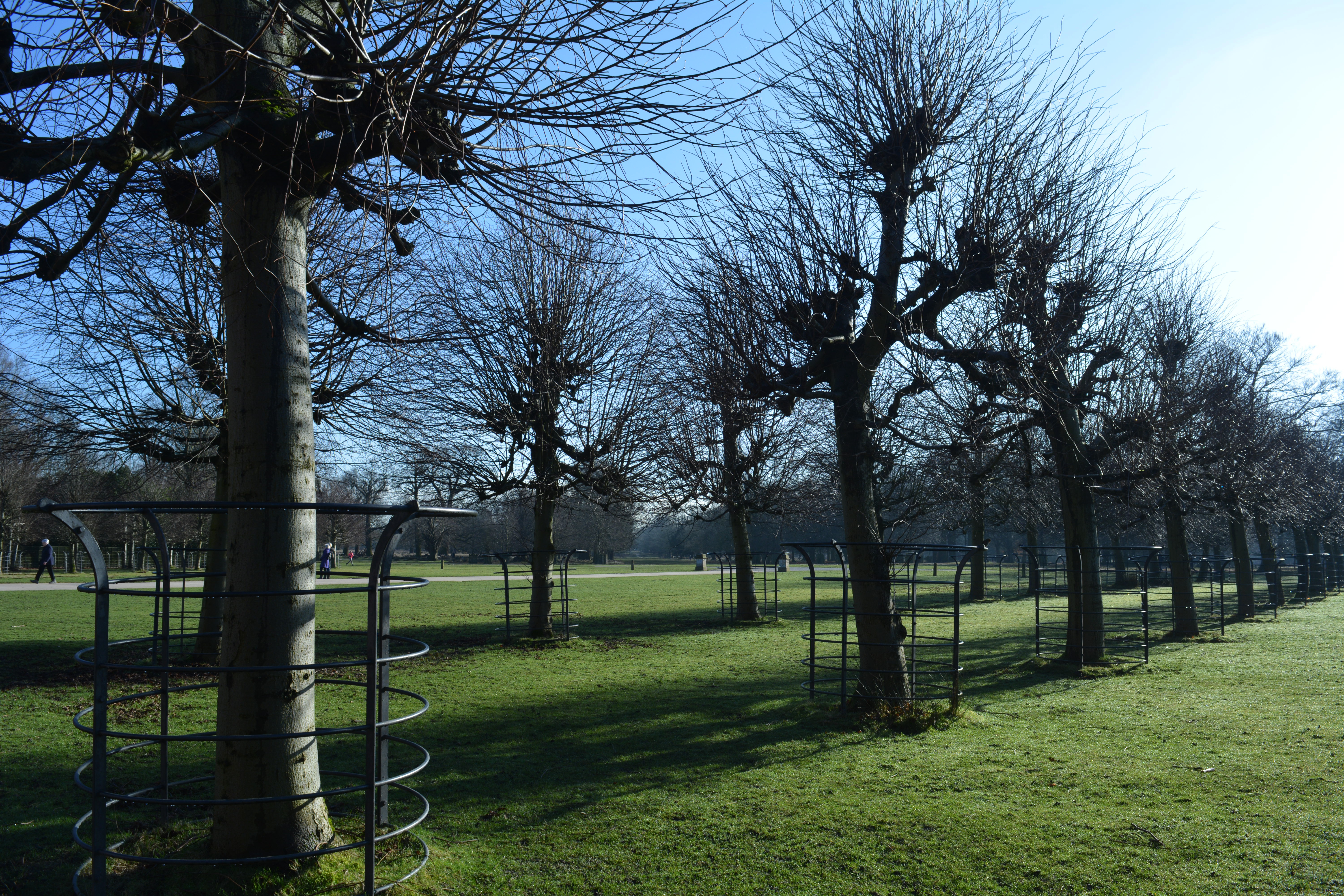
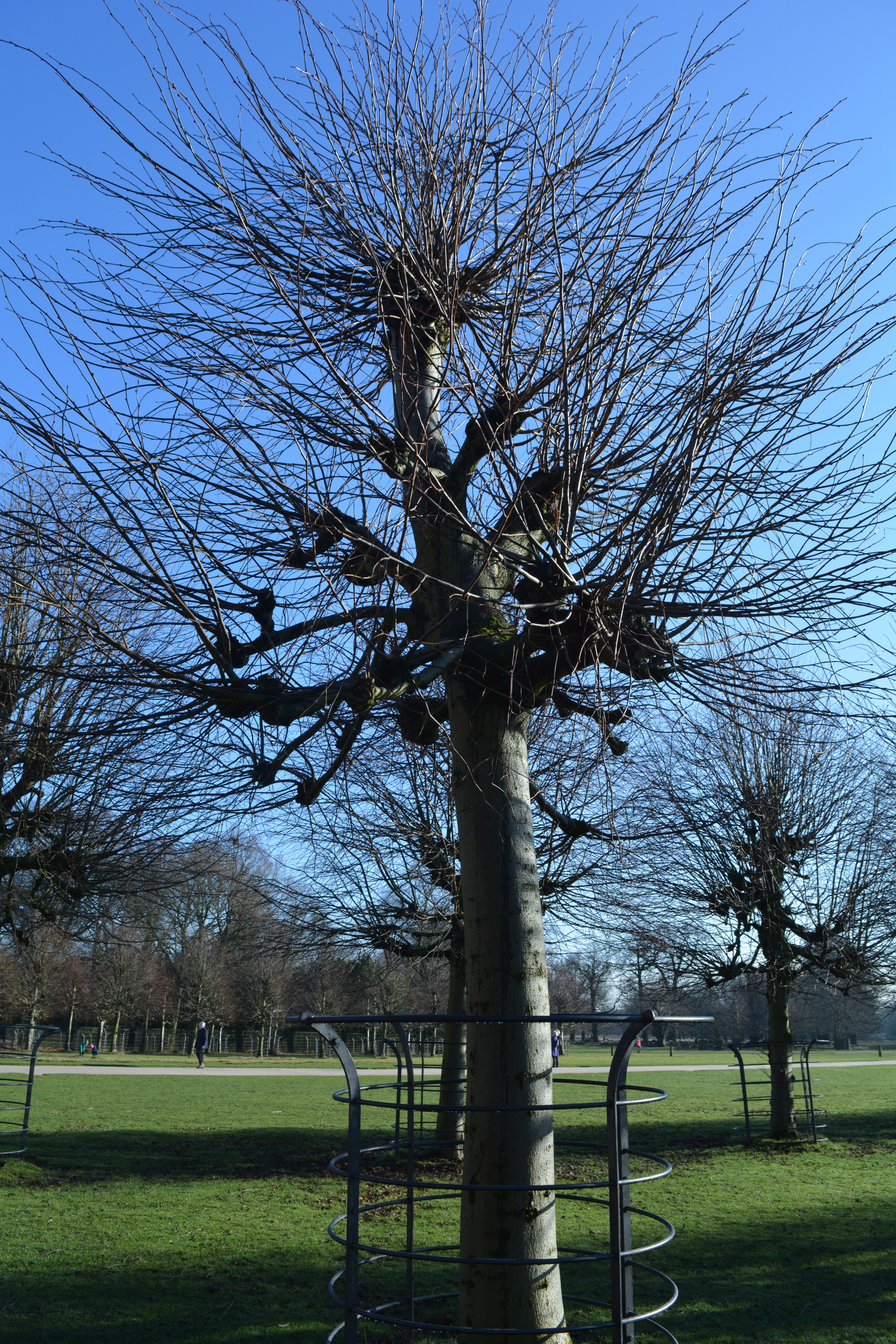
We approached the winter garden by meandering along gravel paths across a shallow valley, when upon passing through the first red-bricked outbuildings we discovered some of the best pleaching we had ever seen. It stops us in our tracks on every visit.
The pleached limes look a few decades old and possess the ubiquitous knobbles from where the new wands of growth spurt in the spring after their annual pollarding.
Shrubs come into their own in the winter season with their coloured stems, their scent and beautiful hanging flower clusters.
Early flowering bulbs add much of the colour in the garden in February. Sunlight catches them and highlights their bright colours.
All winter gardens open to the public make strong features of trees with coloured, textured bark, Betulas, Acers and Prunus.
Shrubs with coloured stems provide effective partner planting for these trees, especially Cornus and Salix varieties. The gardeners at Dunham Massey are adept at transparency pruning, effectively lifting the akirts of shrubs and small trees to expose their trunks and lower branches.
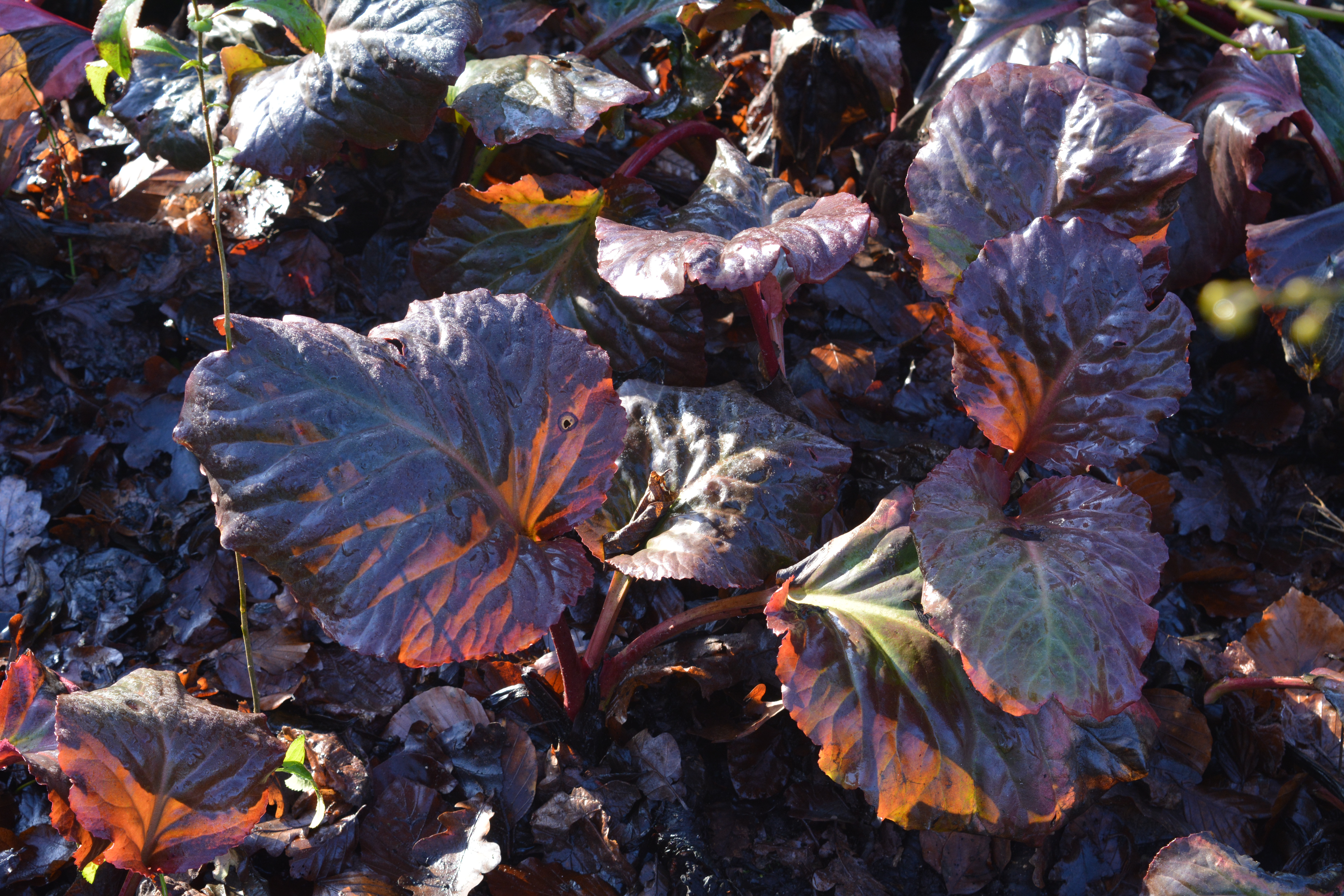
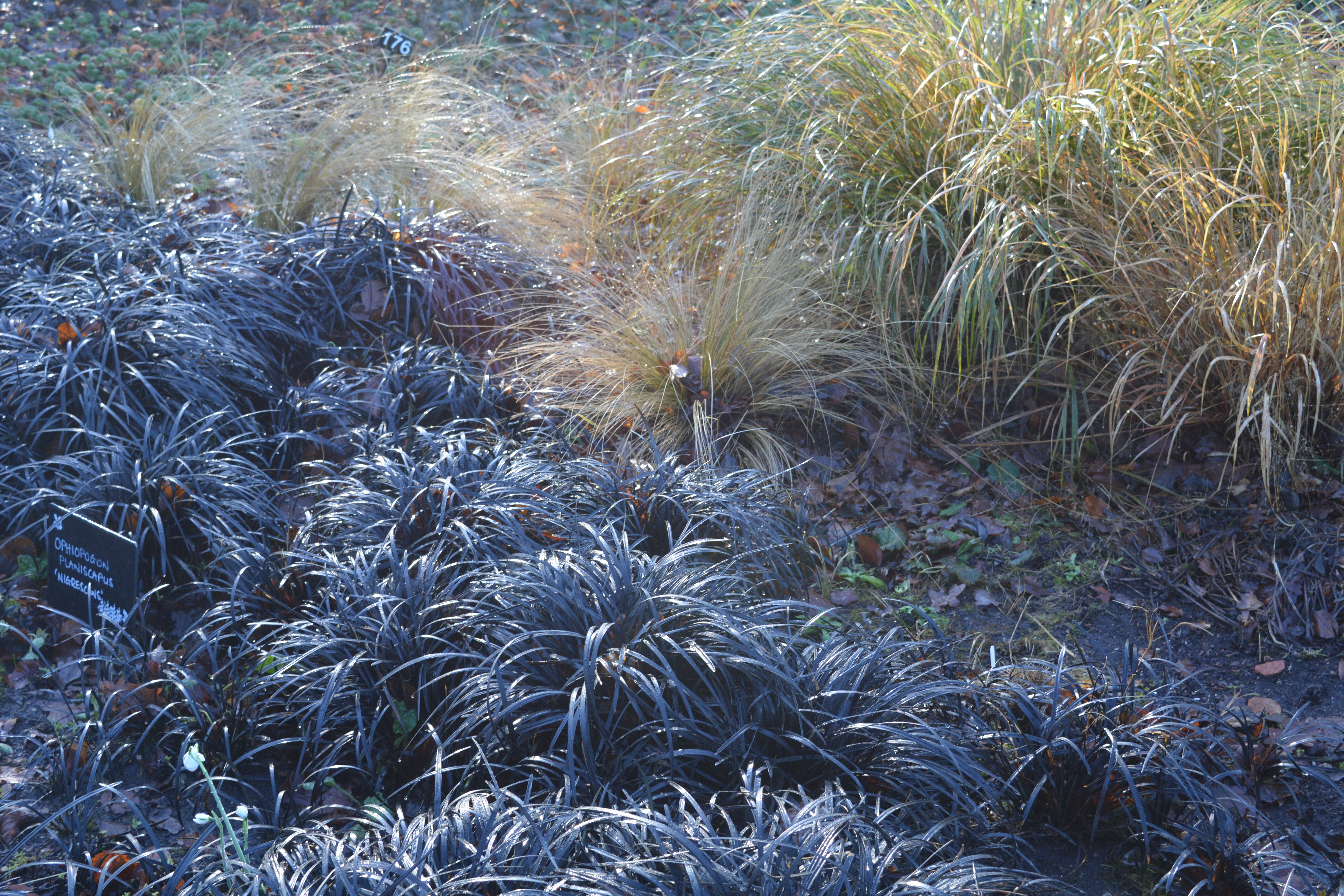
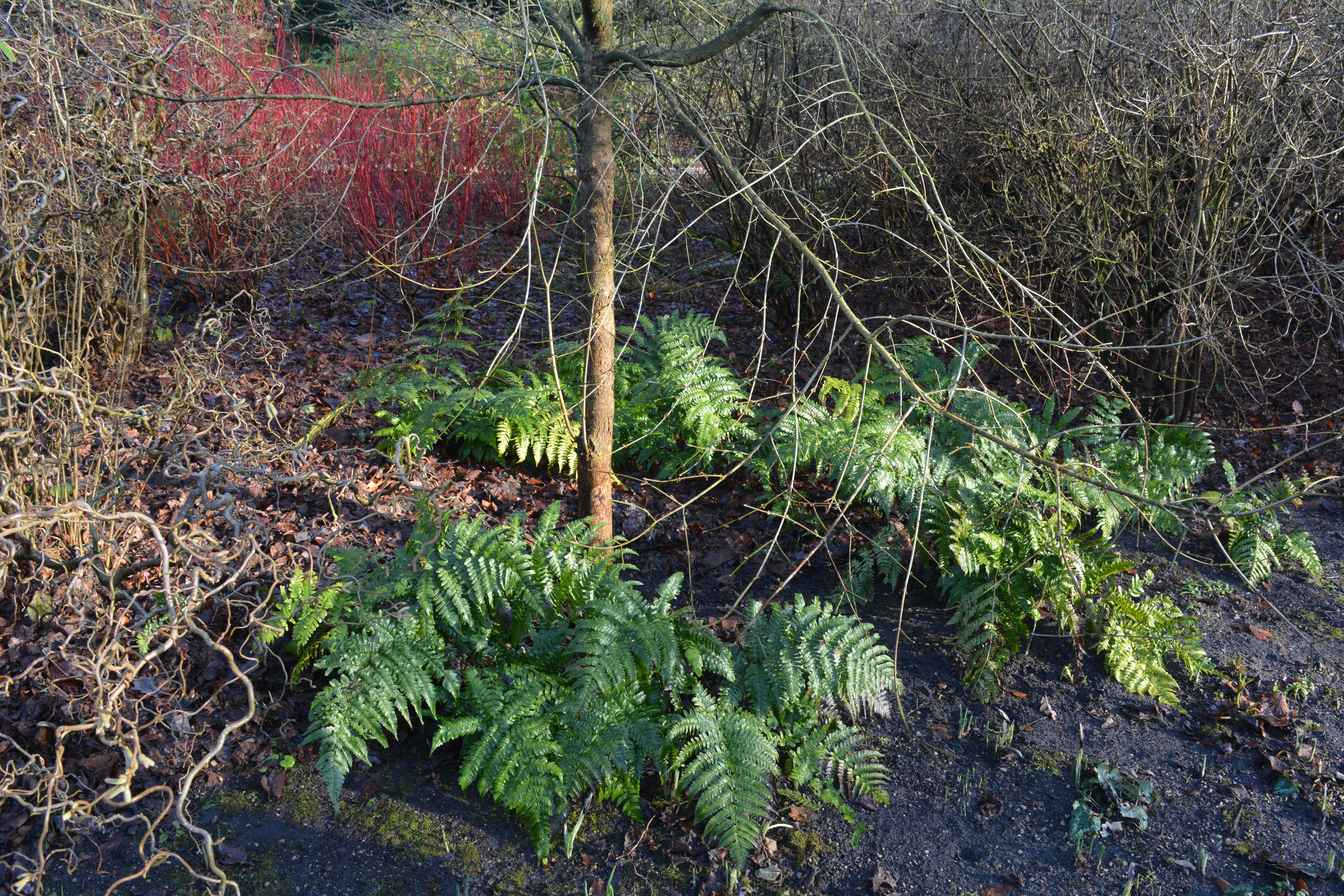
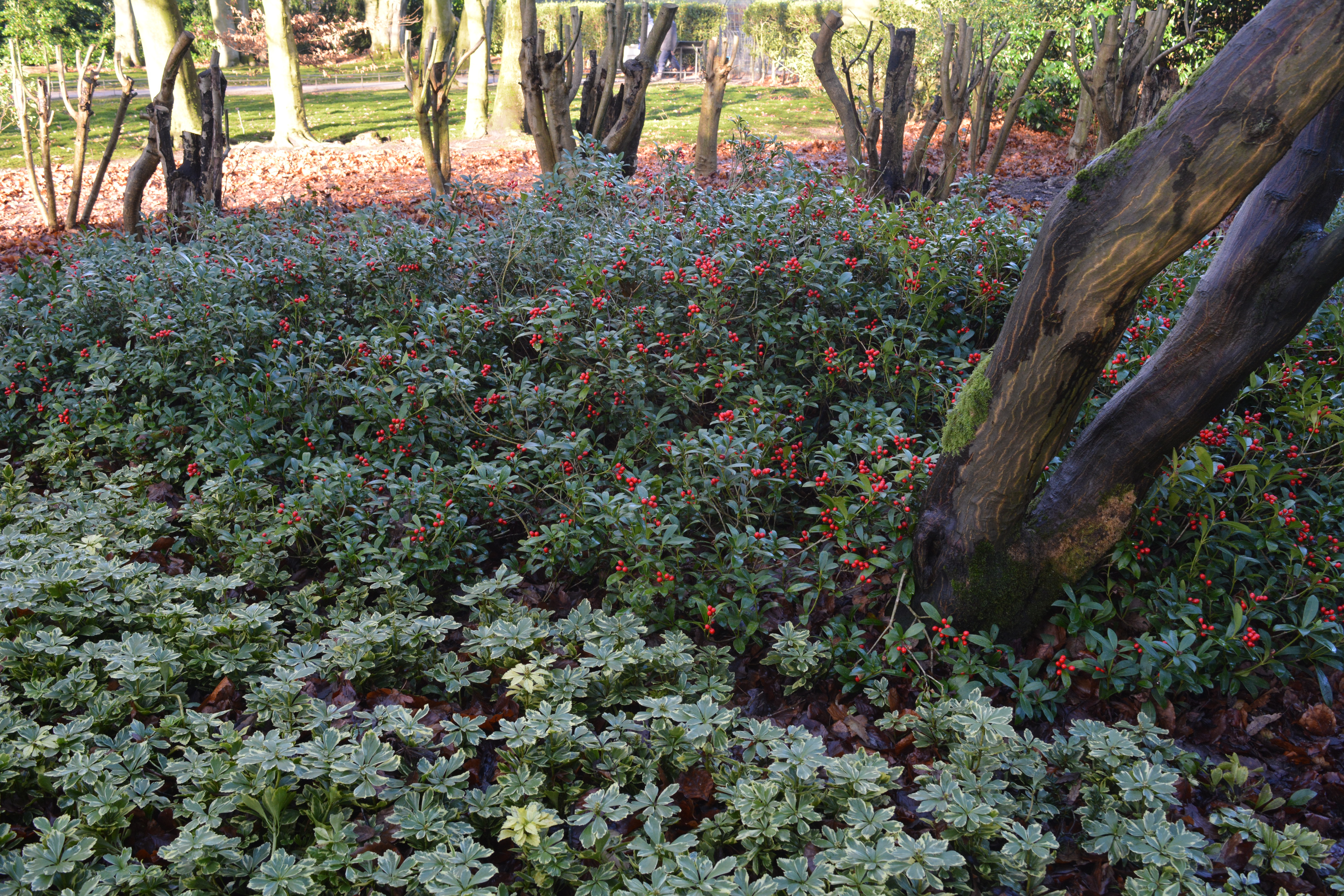
The one plantingcategory that sorts out the best winter gardens from the average is the good creative use of ground cover. It is all too easy to use bark mulch but there are good interesting plants that can cover the ground and add new dimensions to planting schemes. Dunham Massey is on the way to sorting this well, using Carex, Bergenia, Ophiopogon, ferns and Pachysandra.
So there we have it, a thoroughly inspiring visit to one of our favourite winter gardens.
A canal-side garden in winter – John’s Garden Part 1
We have visited “John’s Garden” before in the height of summer and really enjoyed it, so much so that we were determined to re-visit at different times of the year. We imagined it would be an effective all-year garden. Mid-February and John opened his garden on a cold and wet winters day, so we went along with garden-loving friends Pete and Sherlie.
We started with a hot mug of coffee in the nursery coffee shop to warm us up, so with added warmth and lots of excitement and anticipation we wandered down the drive from Ashwood Nurseries to his own 3 acre-garden.
The garden has the advantage of boasting a canal, the Staffordshire and Worcestershire Canal, running along its length – not many gardeners could say that about their patch!
An unusual hedge greeted us as we entered the garden, a long cloud pruned hedge, beautifully sculpted. A slate pathway at its end took us into a colourful area full of winter interest. Hamamelis and small deciduous trees were the stars, supported ably by ferns, bergenias, snowdrops and a variety of small-leaved shrubs trained as spheres.
We left this little garden behind and crossed an open lawned area dotted with topiary specimens and trees with interesting bark, coloured, textured or peeling. We joined up with the gardens bordering the canal, the sort of background gardeners can only dream of.
After a close up look at these trees and touching their bark, we followed the canal-side borders into the main gardens. Here grasses mingled with dogwoods and Willows, both pollarded and coppiced to enhanced their stem colours. Conifers of all sorts of shapes, colours and sizes began to appear here becoming strong features of this garden during the winter months. John is a master at transparency pruning which brings out the trees attributes. Interestingly he prunes both deciduous trees and shrubs and coniferous specimens too, which makes them look so much more interesting and they add so much to borders.
John is also a master of topiarising shrubs to emphasise their beauty and give structural elements throughout the garden. All sorts of conifers and evergreen shrubs have been given this treatment.
In part two of my post all about our winter visit to John’s Garden, we will move along the canal borders before returning along the opposite side of the patch, while along the way discovering a pool, sculpture and a terrace and lots more exciting plants and plant pairings.
Back to Welshpool to explore The Dingle Gardens for February, we expected little change since our January visit as the weather had remained very similar.
We were greeted by a stunning wooden owl sculpture! Soon we noticed there were lots of signs of new growth, buds forming on trees and shrubs and a few beginning to burst into leaf.
Rhodendrons and Azaleas have strong looking buds both leaves and flowers showing well.
Some of the many small evergreen shrubs are showing off new fresh growth with Hebes sporting new coloured foliage along with some conifers who show off new coloured needles.
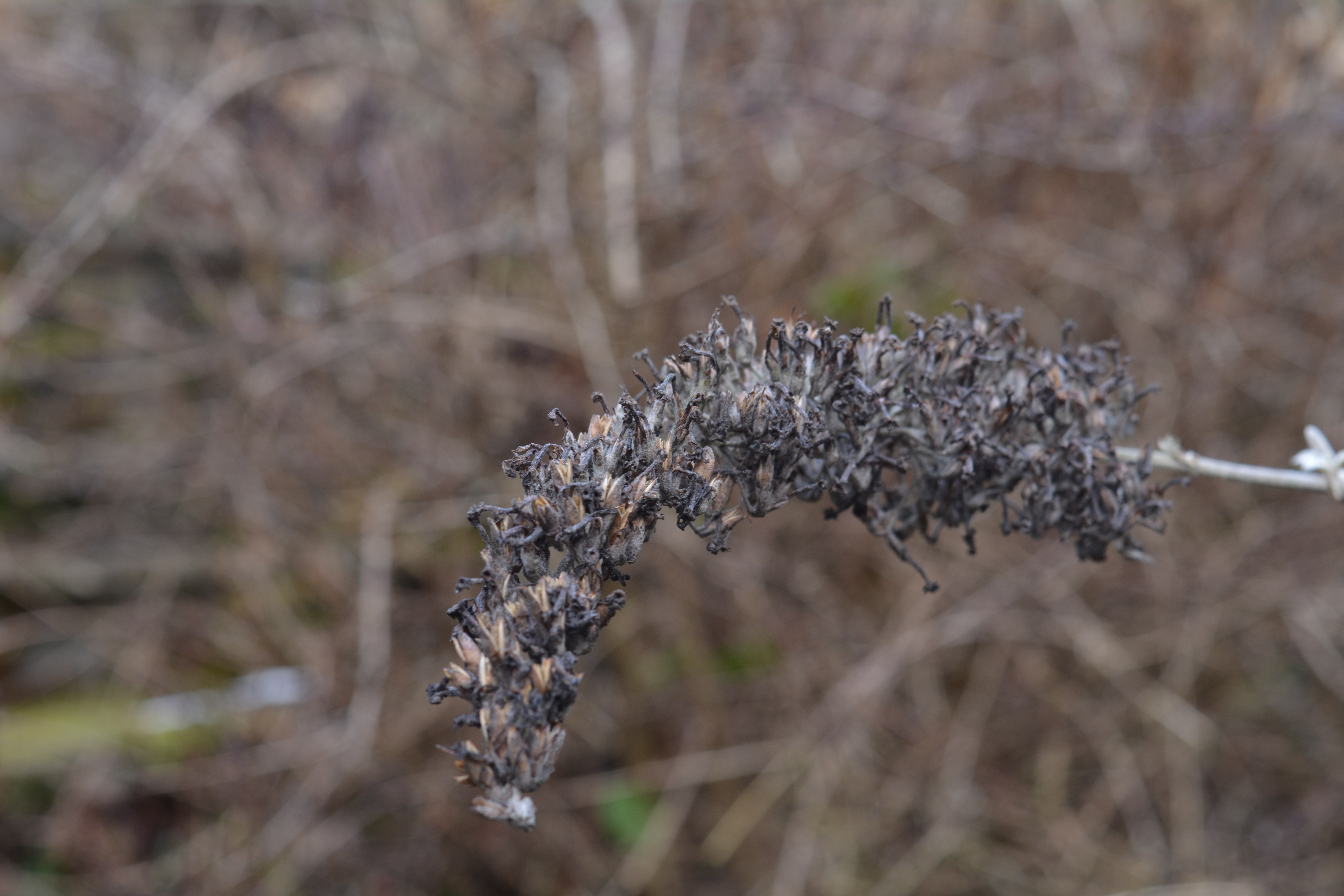
We spotted one Buddleja which was holding onto seed heads from last autumn alongside fairly advanced fresh silver foliage. We wondered what would happen to this growth if a frost suddenly covered it.
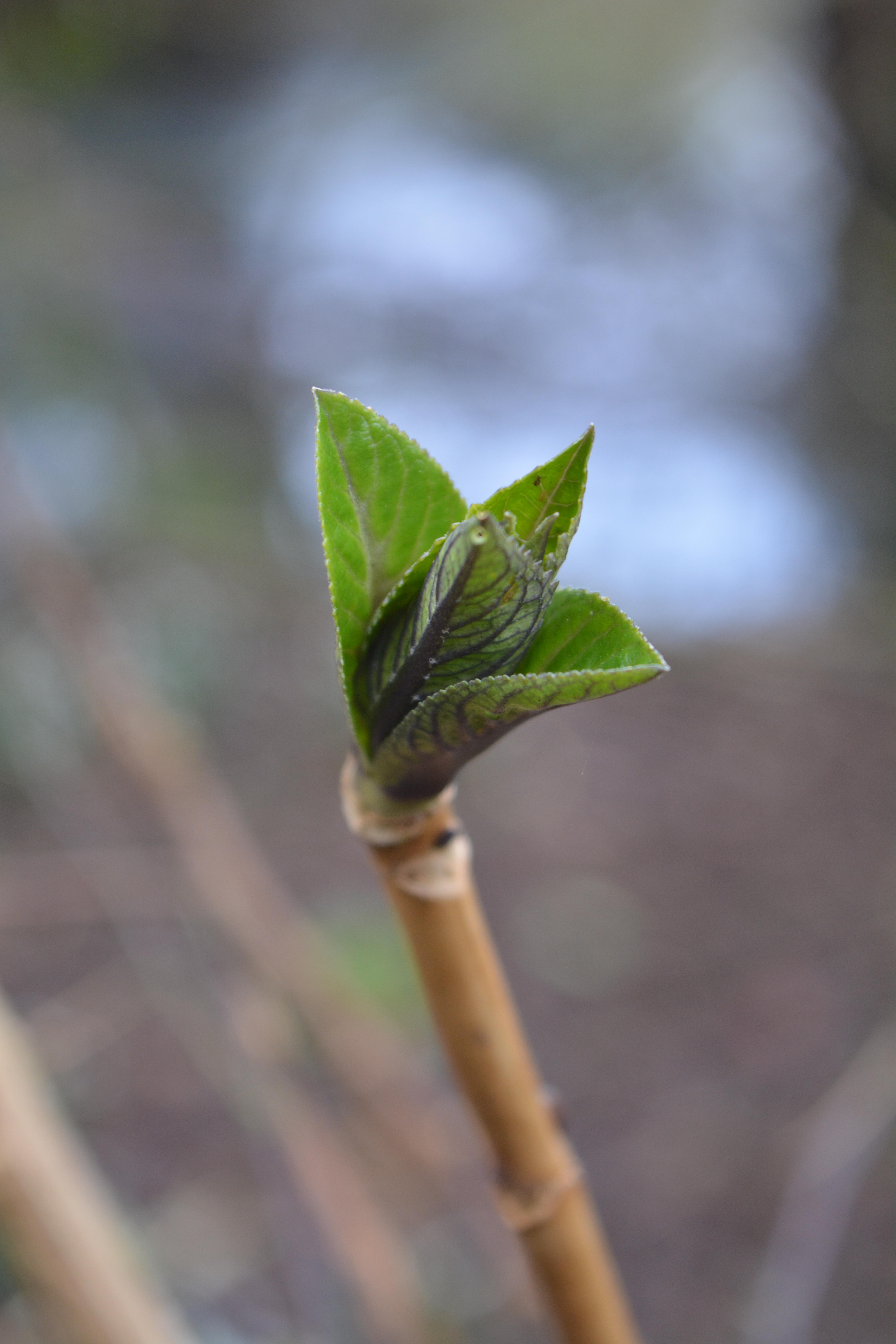
A few plants had splashes of green showing where leaf buds were beginning to burst, especially Hydrangeas
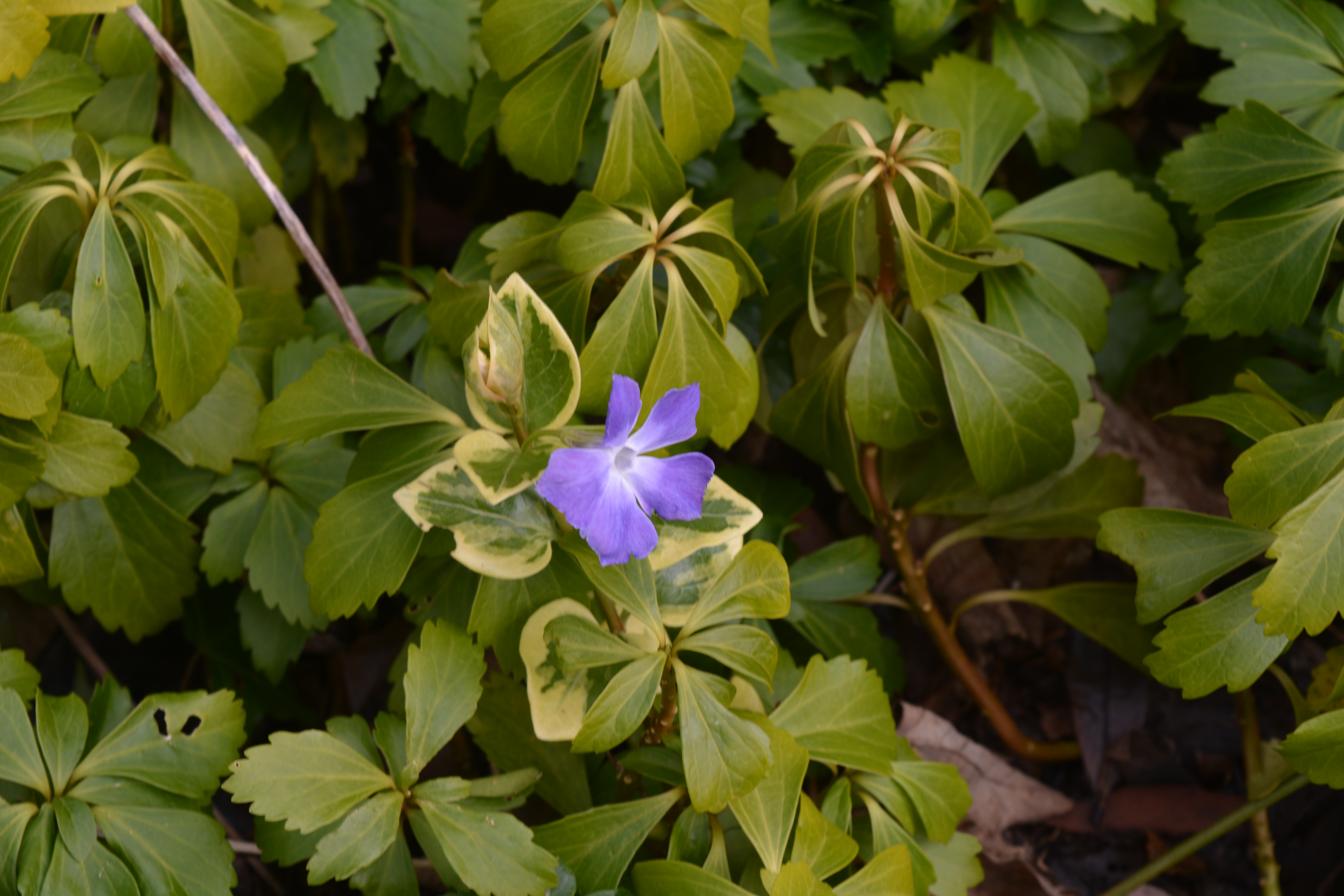
We didn’t expect to come across many flowers but there were a few to delight the eye and sometimes the nose too.
The bracts and tiny flowers of Euphorbias were brightening up showing glaucous and lime green colours.
So February proved to be more interesting than we had predicted. We hope to see the first signs of spring on our next visit in March.
My Garden Journal 2018 – February
Part two of my 2018 Garden Journal sees us still freezing cold and struggling to get time in the garden.
I opened my February entries by noting, “February is the month when we feel that the quality of the light improves and makes us feel better and there are definite signs of the days lengthening. Early bulbs begin flowering and others are showing strong leaf growth.”
I next sought out another quote from Dan Pearson’s book, “Natural Selection” and was pleased to find this one, “Making room for the winter garden is every bit as important as managing a garden that draws your attention in the dark months.”
Turning over to the next double page spread I write about newly acquired plants.
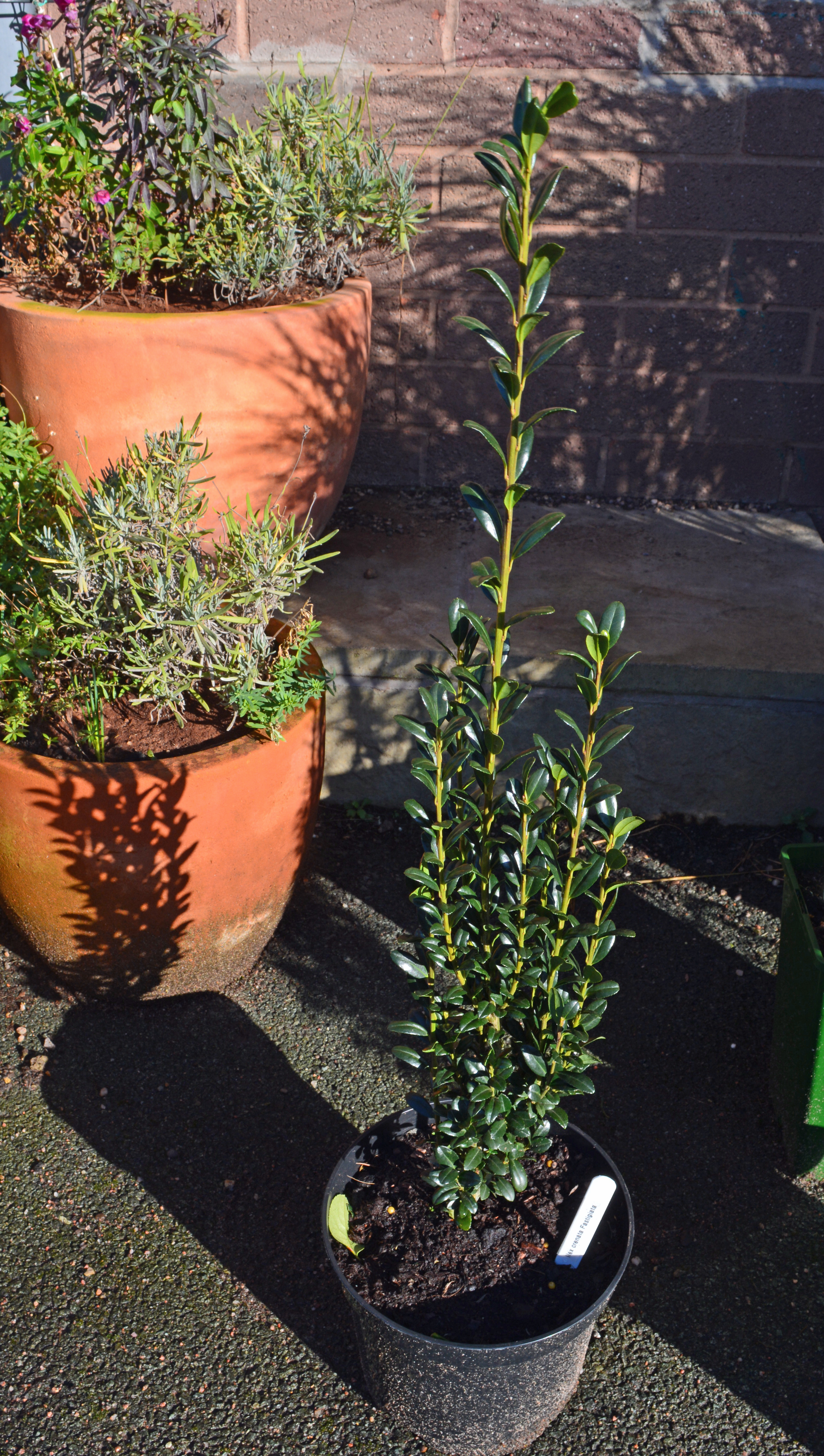
“It is always an enjoyable time planting newly acquired plants but it is an extra-special experience doing so in February. We were delighted to find good healthy specimens of two fastigiate plants, a Taxus baccata “Fastigiata Robusta” and an Ilex crenata “Fastigiata”. The only two fastigiate plants we have already established at Avocet are a Berberis and an Oak, Berberis thunbergia fastigiata atropurpurea “Helmond Pillar” , (a tall thin shrub with a long thin name!” and Quercus palustris “Green Pillar” which despite its name is grown for its deep red autumn colour.”
“We also recently planted a Viburnum with a very different growth habit to our fastigiate purchases. It is a low growing shrub with a very open, airy growth and sweetly scented flowers in April. It is also described as “almost evergreen”, so we will wait and see exactly how ours behaves. We already have a good collection of Viburnums around our Avocet patch.”
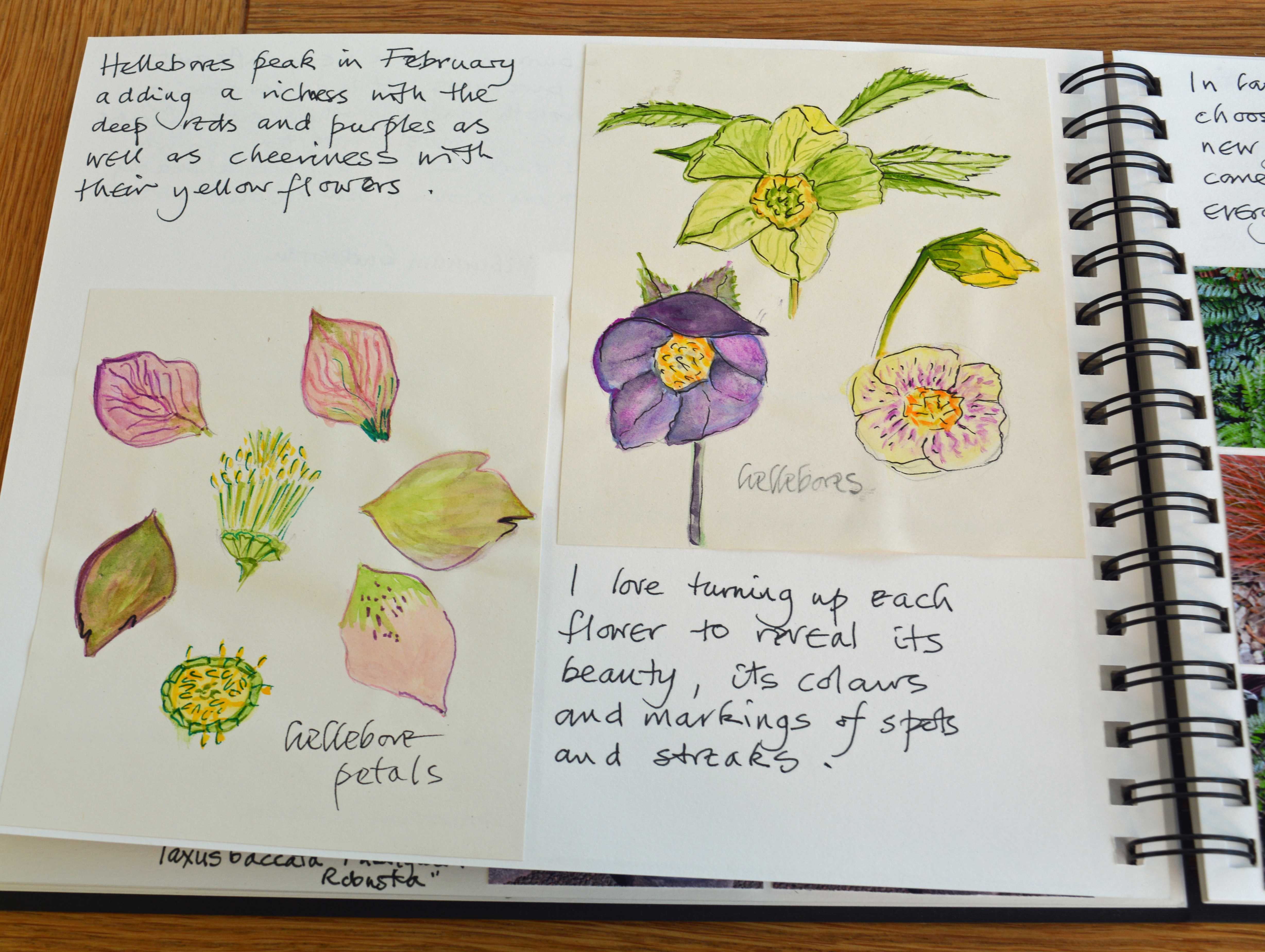
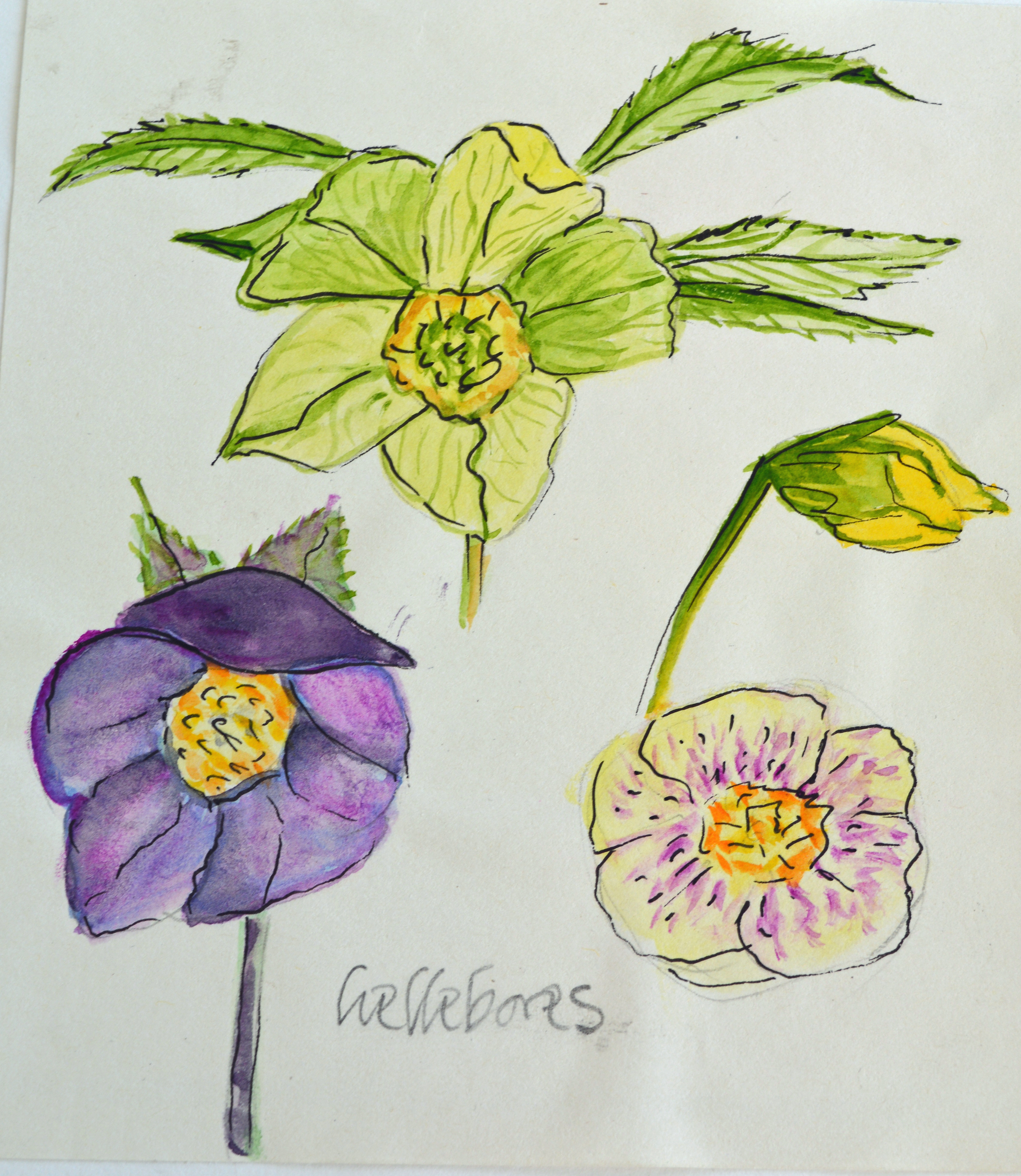
Some of my watercolour sketches of Hellebores and details of their petals feature on the next page.
“Hellebores peak in February adding a richness with the deep reds and purples as well as cheeriness with their yellow flowers.”
“I love turning up each flower to reveal its beauty, its colours and markings of spots and streaks.”
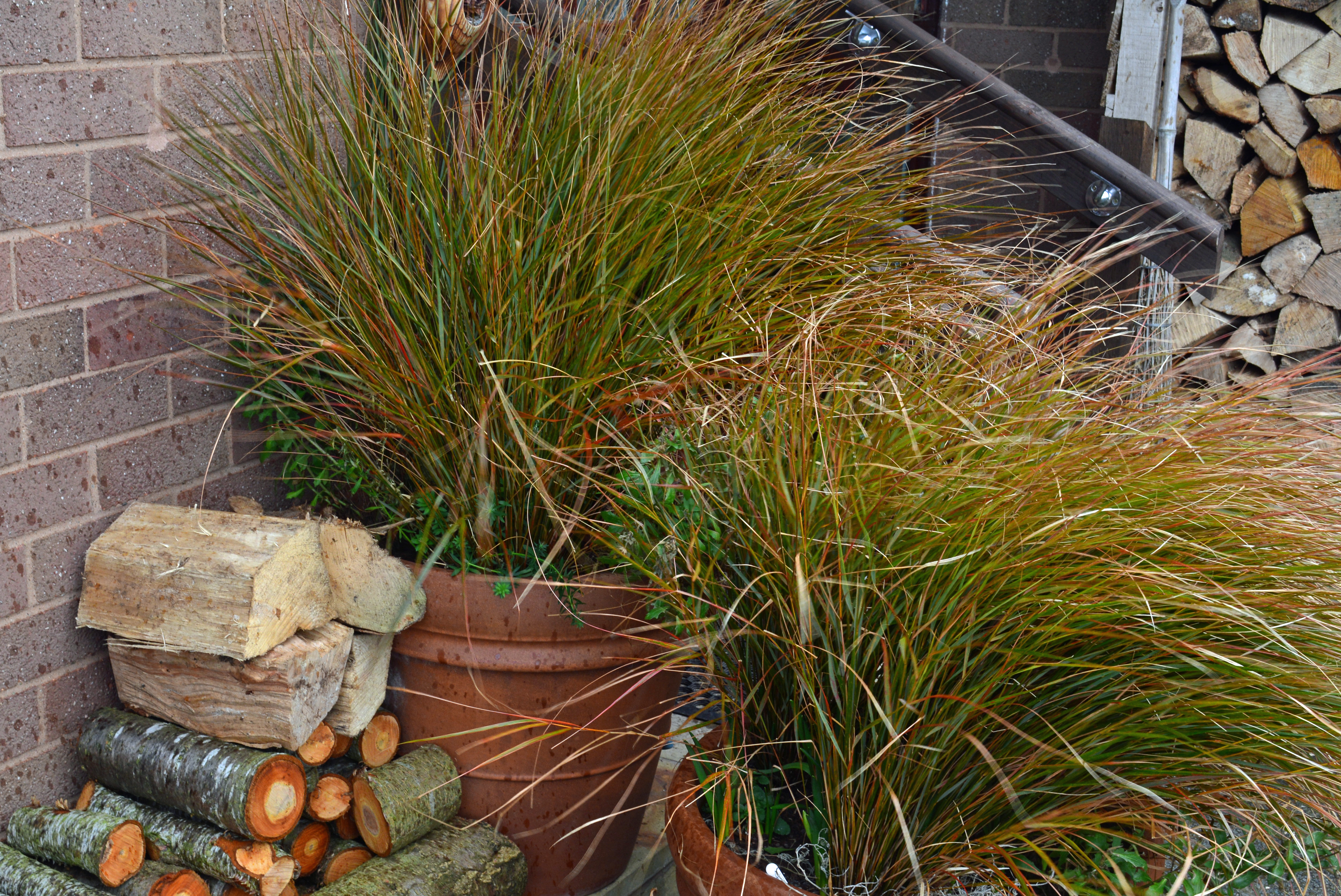
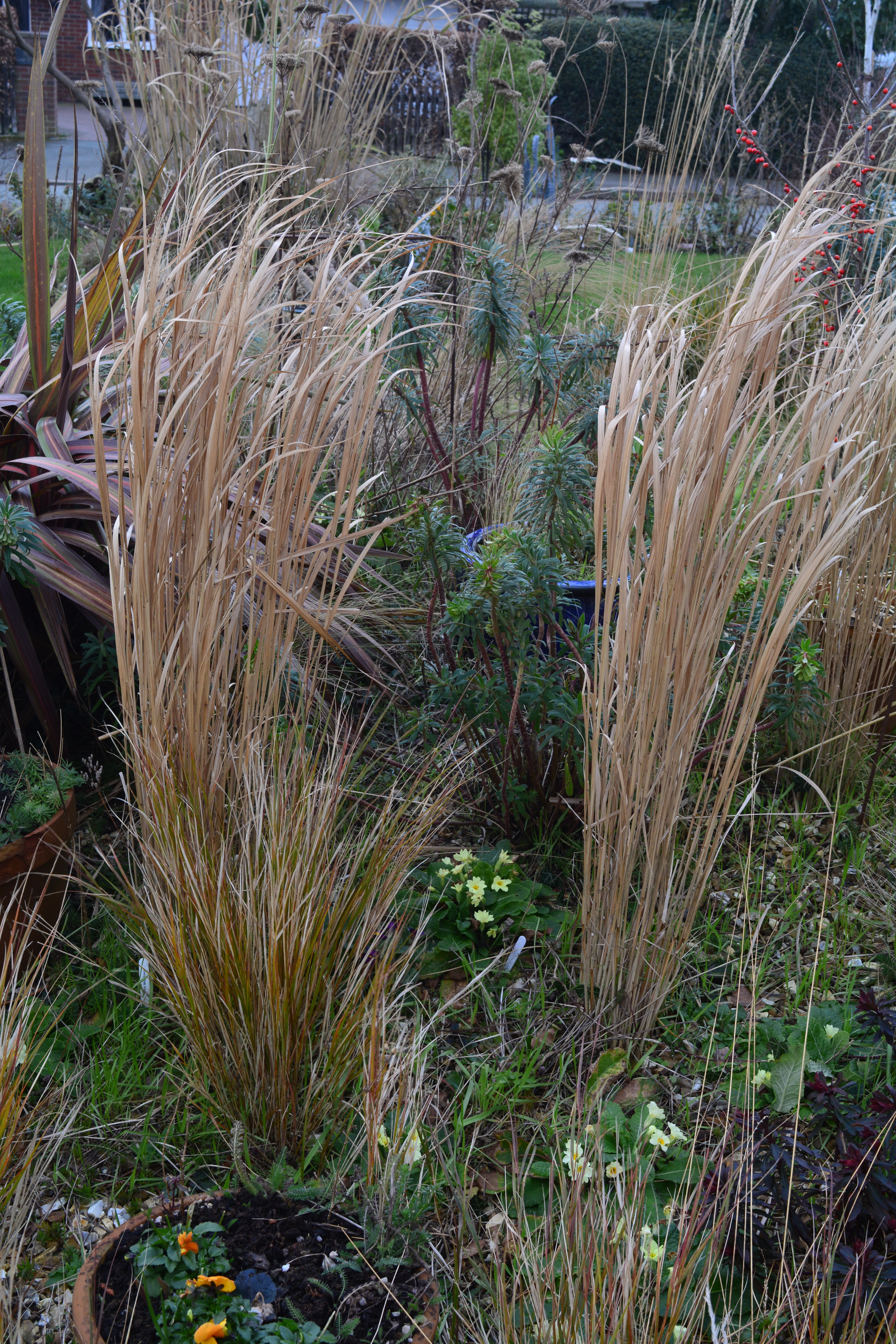
On the opposite page I looked at some of our grasses with winter interest and share some photos of them.
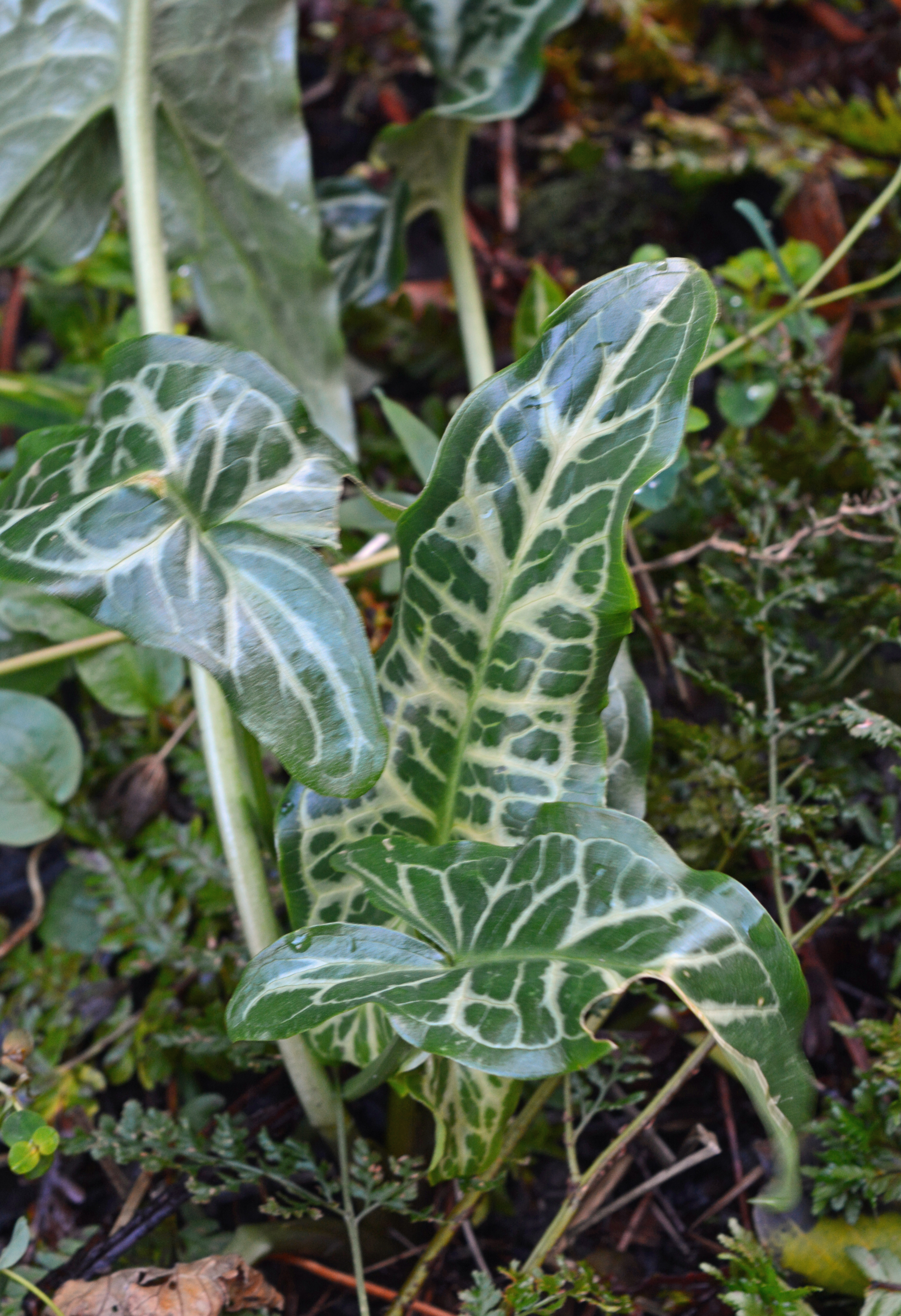
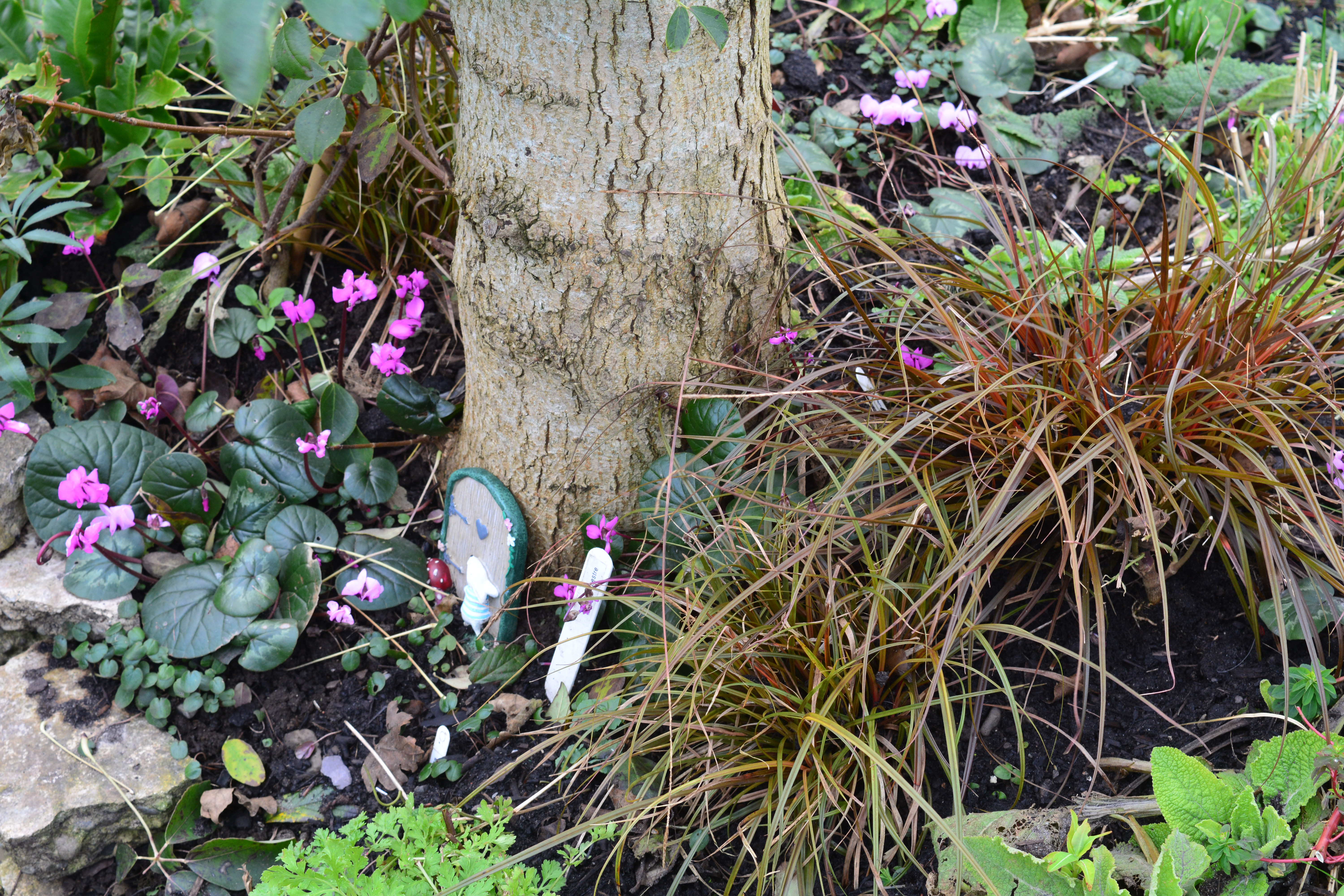
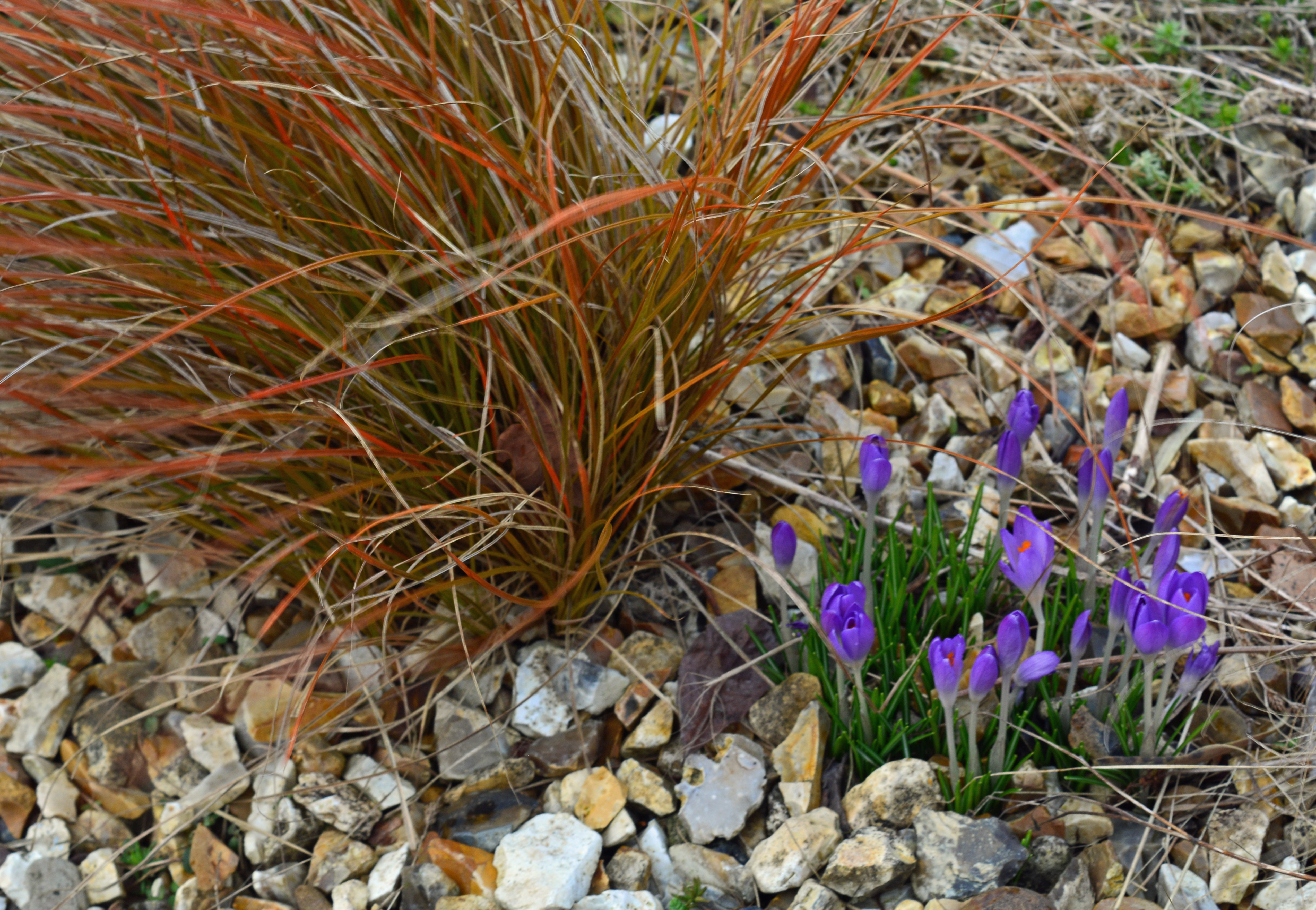
“In late February we begin to cut down “deciduous” grasses, choosing the right time to avoid cutting through this year’s new growth. Evergreen grasses especially varieties of Carex come into their own especially when partnered with evergreen foliage plants such as ferns, bergenias and arums.”
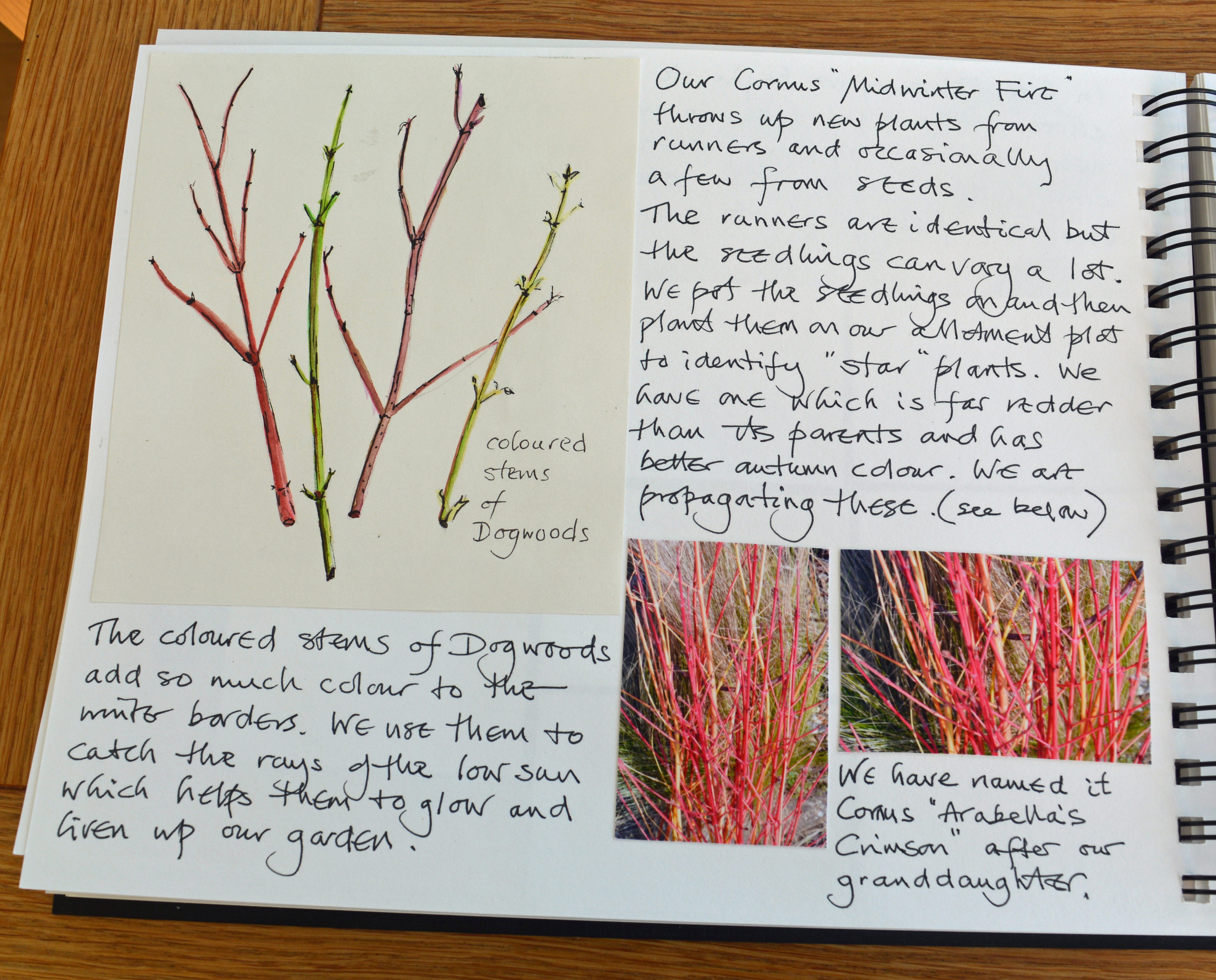
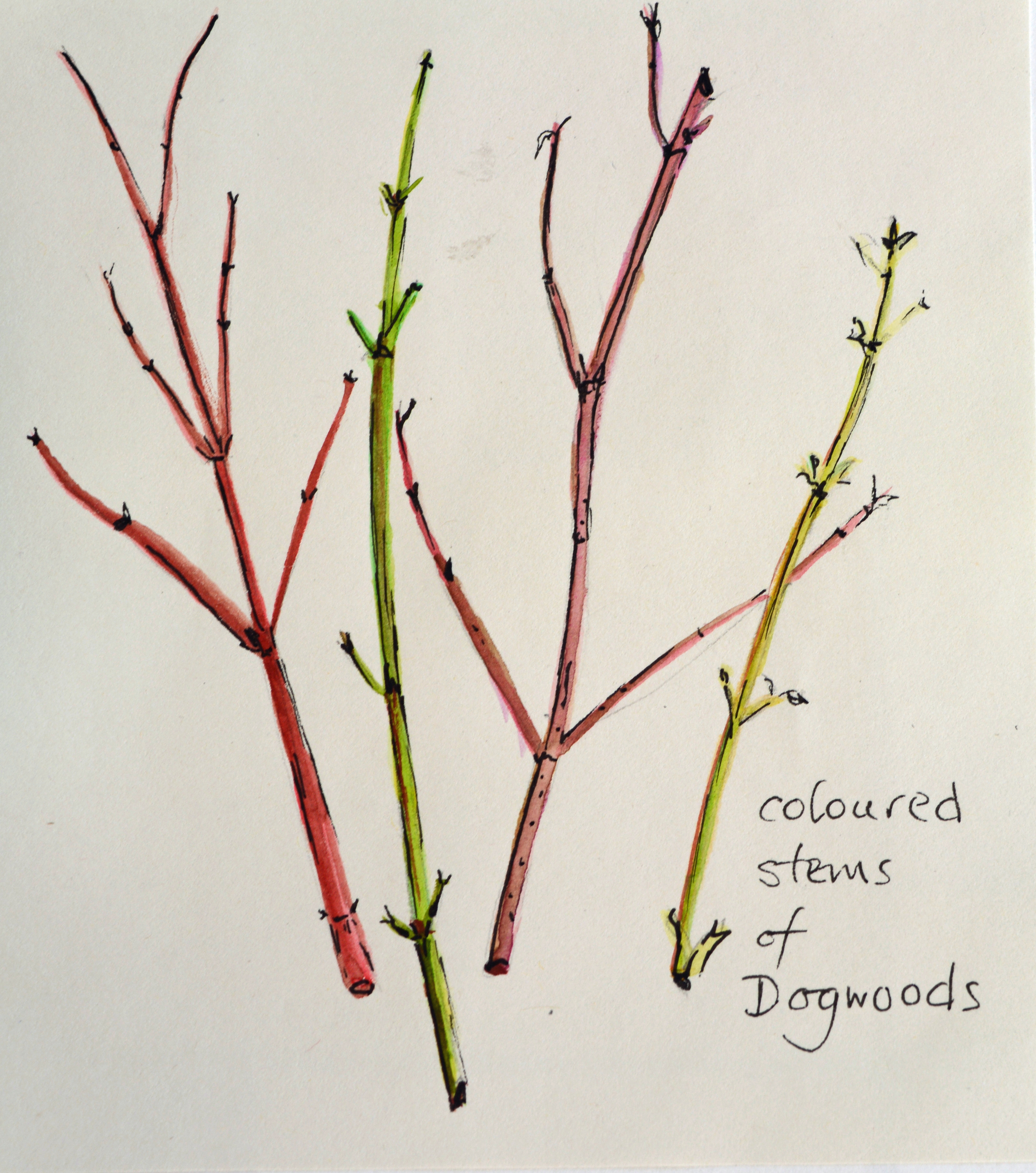
Moving on to the final double page spread for February, I considered coloured stemmed Dogwoods and a look at roses as they give their final points of interest before they are pruned and begin to grow anew for this year.
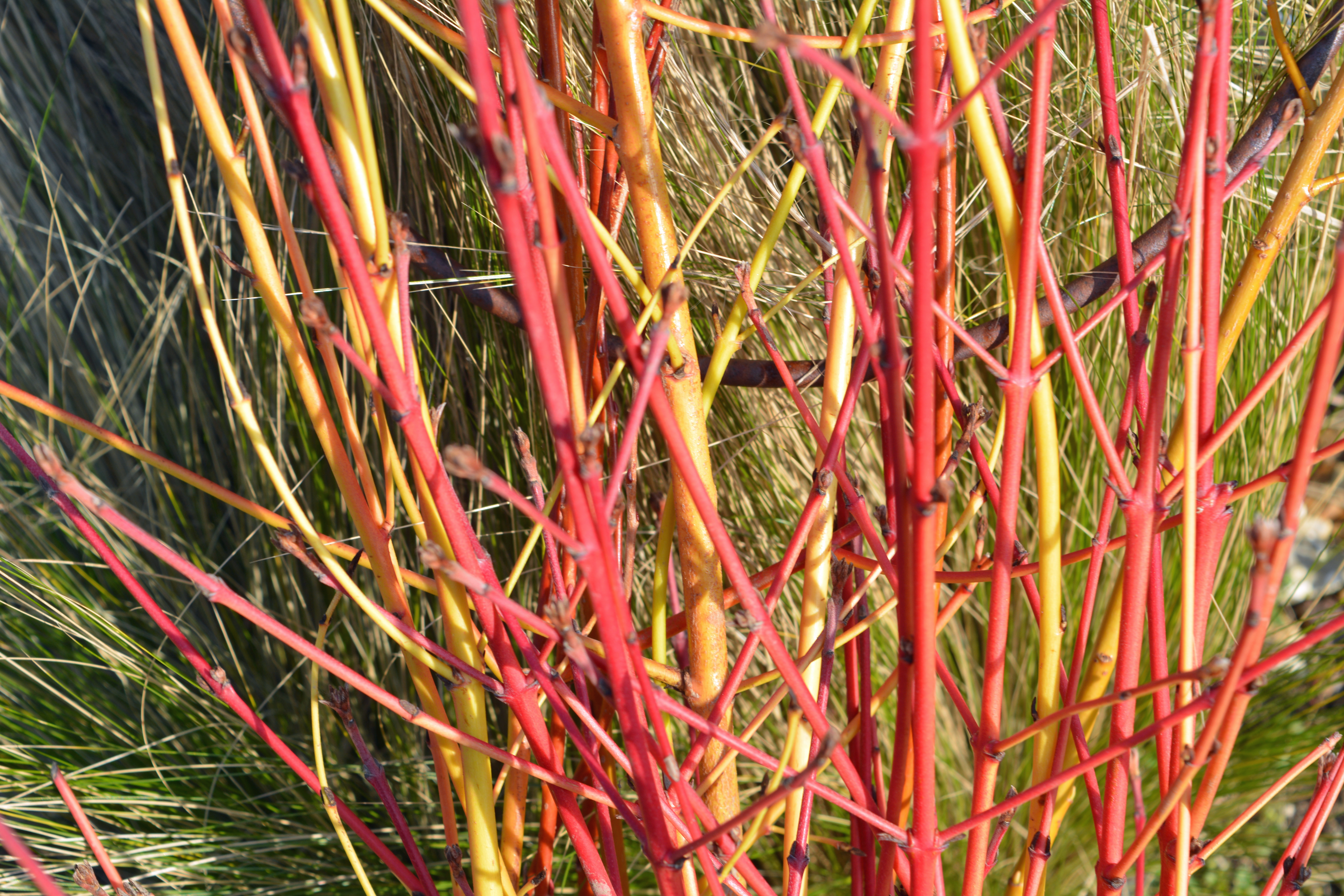
“The coloured stems of Dogwoods add so much colour to the winter borders. We use them to catch the rays of the low sun which helps them to glow and liven up our garden.”
I finished off my February journal entries by featuring roses and a very special plant, special because it is a dogwood that occurred in our garden as a chance seedling of Midwinter Fire crossed with one of our other Cornus plants. We have grown it on and now take lots of cuttings hoping to bulk it up. We hope to be able then to sell them at our open days. Very exciting!
I wrote, “Our Cornus Midwinter Fire throws up new plants from runners and occasionally a few from seed. The runners are identical to the parent plant but the seedlings can vary a lot. We pot the seedlings on and then plant them out on our allotment plot to allow us to identify “star plants”. We have one which is far redder than its parents and has better autumn colour. We are propagating these (see below). We have named it Cornus “Arabella’s Crimson” after our granddaughter.”
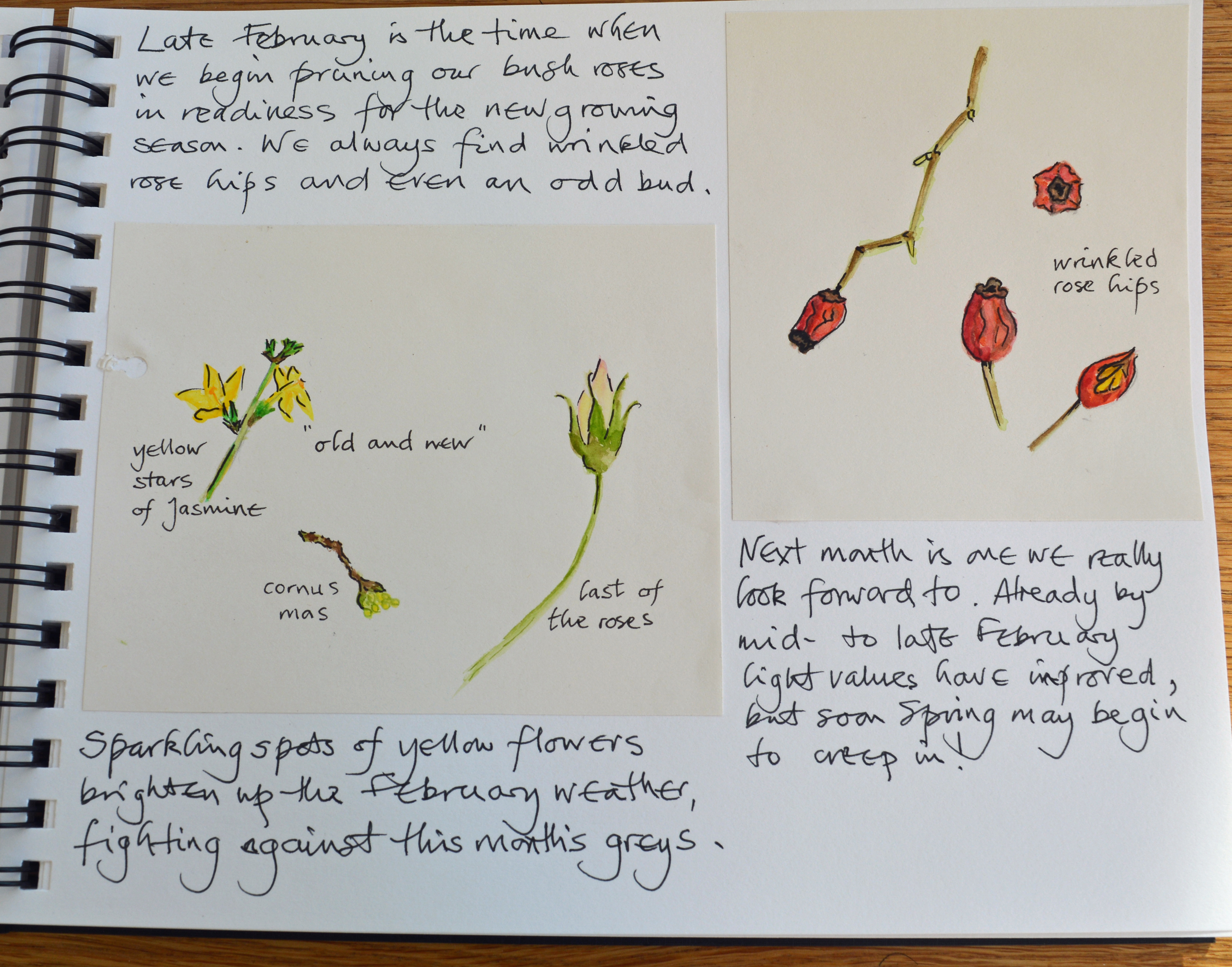
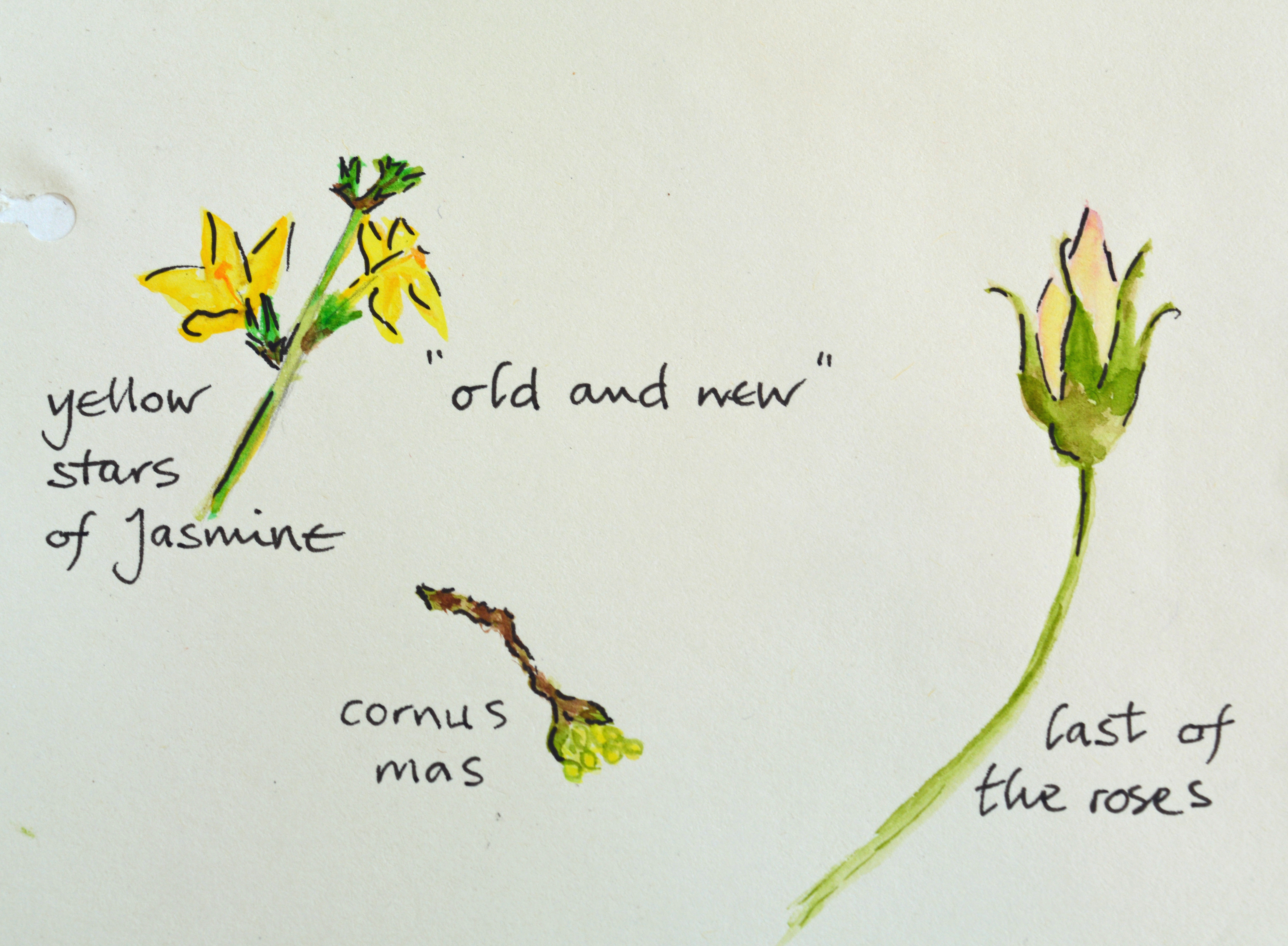
My final page is about roses and yellow flowers of the February garden. The yellow flowers are Jasminum nudiflorum, Cornus mas and a pale yellow rose bud. I wrote “Sparkling spots of yellow flowers brighten up the February weather, fighting against this month’s greys.”
“Late February is the time when we begin pruning our bush roses in readiness for the new growing season. We always find wrinkled rose hips and even the odd flower bud.
“Next month is one we really look forward to. Already by mid-February light values have improved, but soon Spring may begin to creep in!”


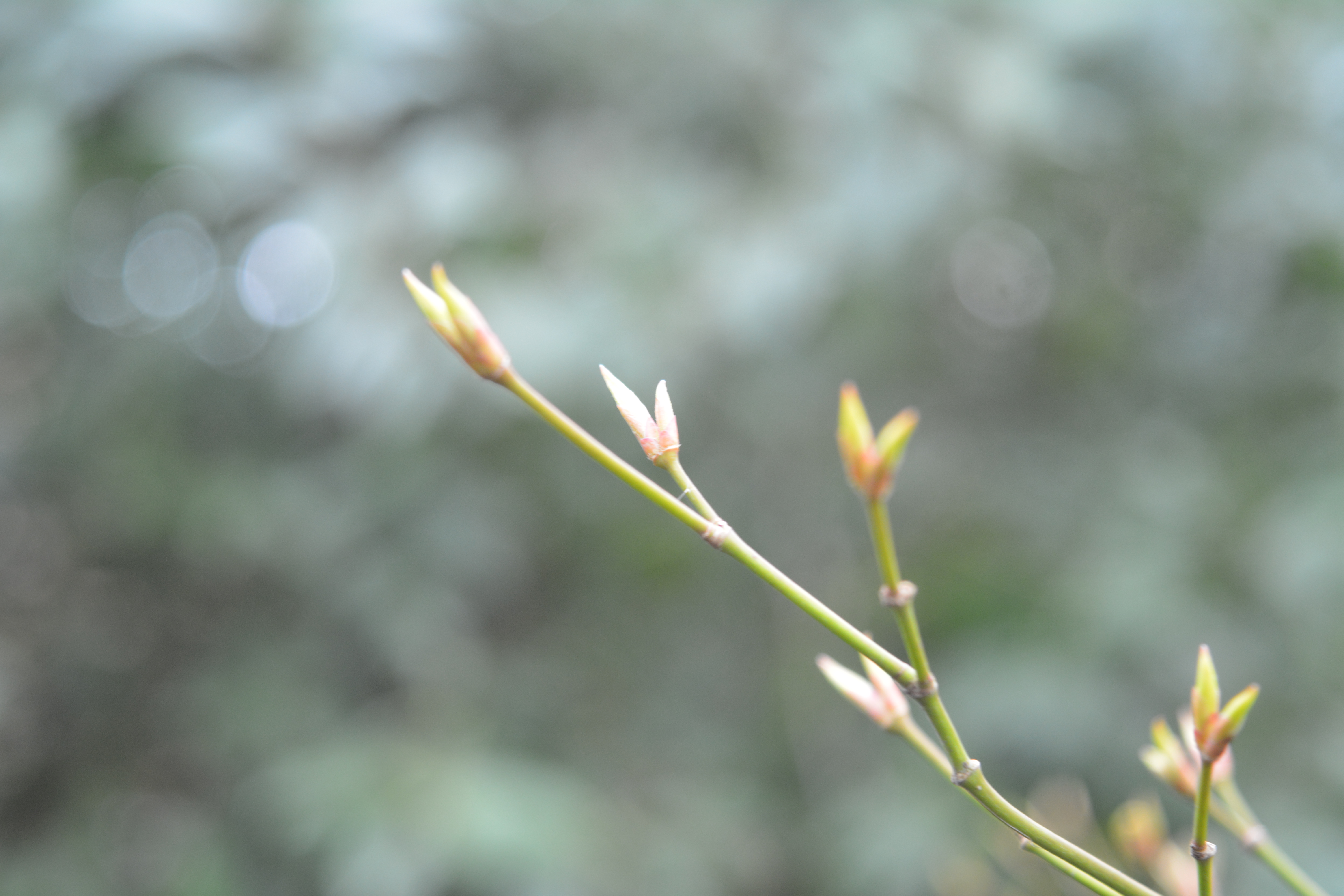

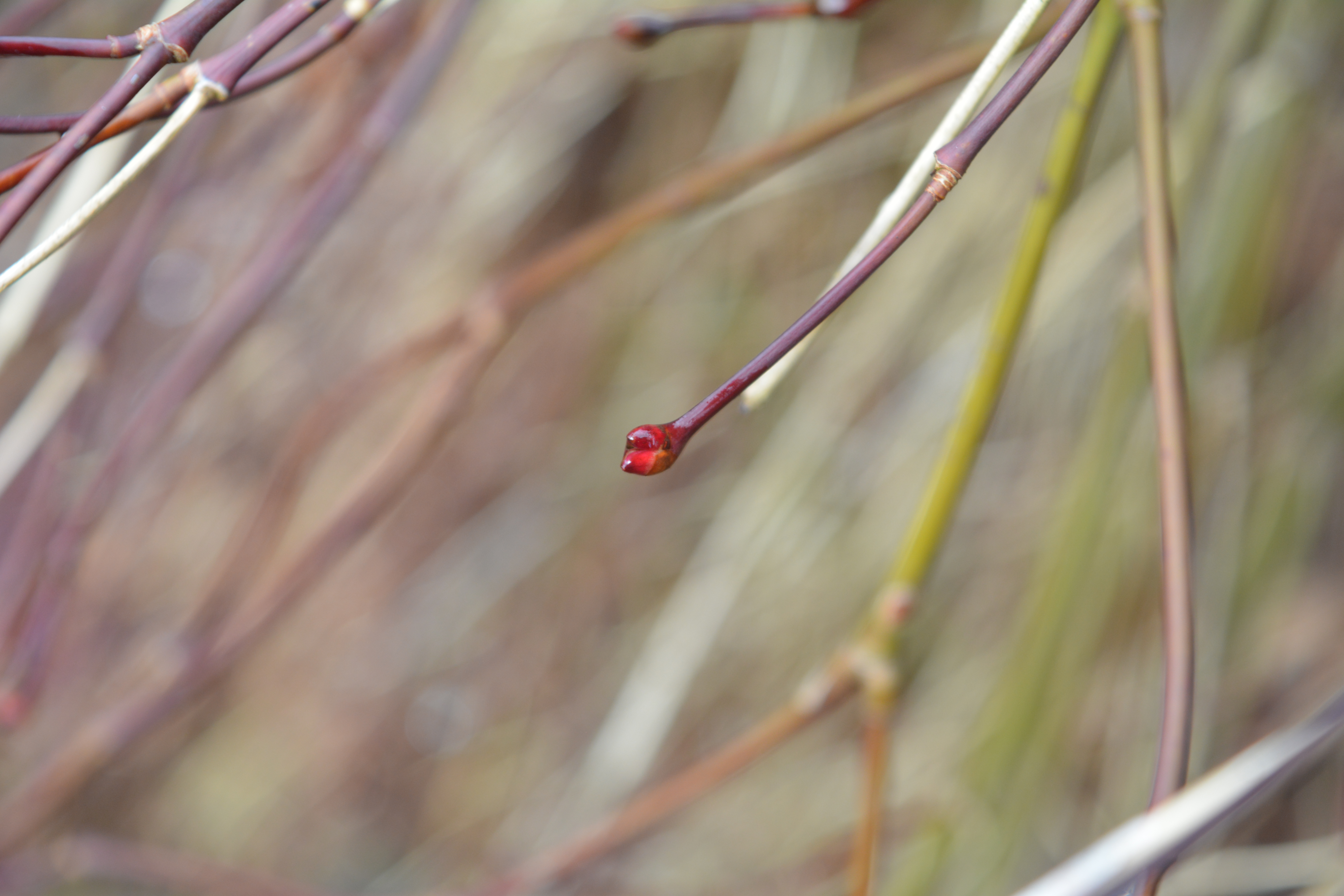


,