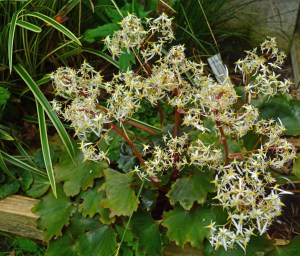
Categories
fruit and veg gardens open to the public kitchen gardens memorials National Trust remembrance Shrewsbury Shropshire The National Trust walled gardens walled kitchen gardens

Tree of Remembrance

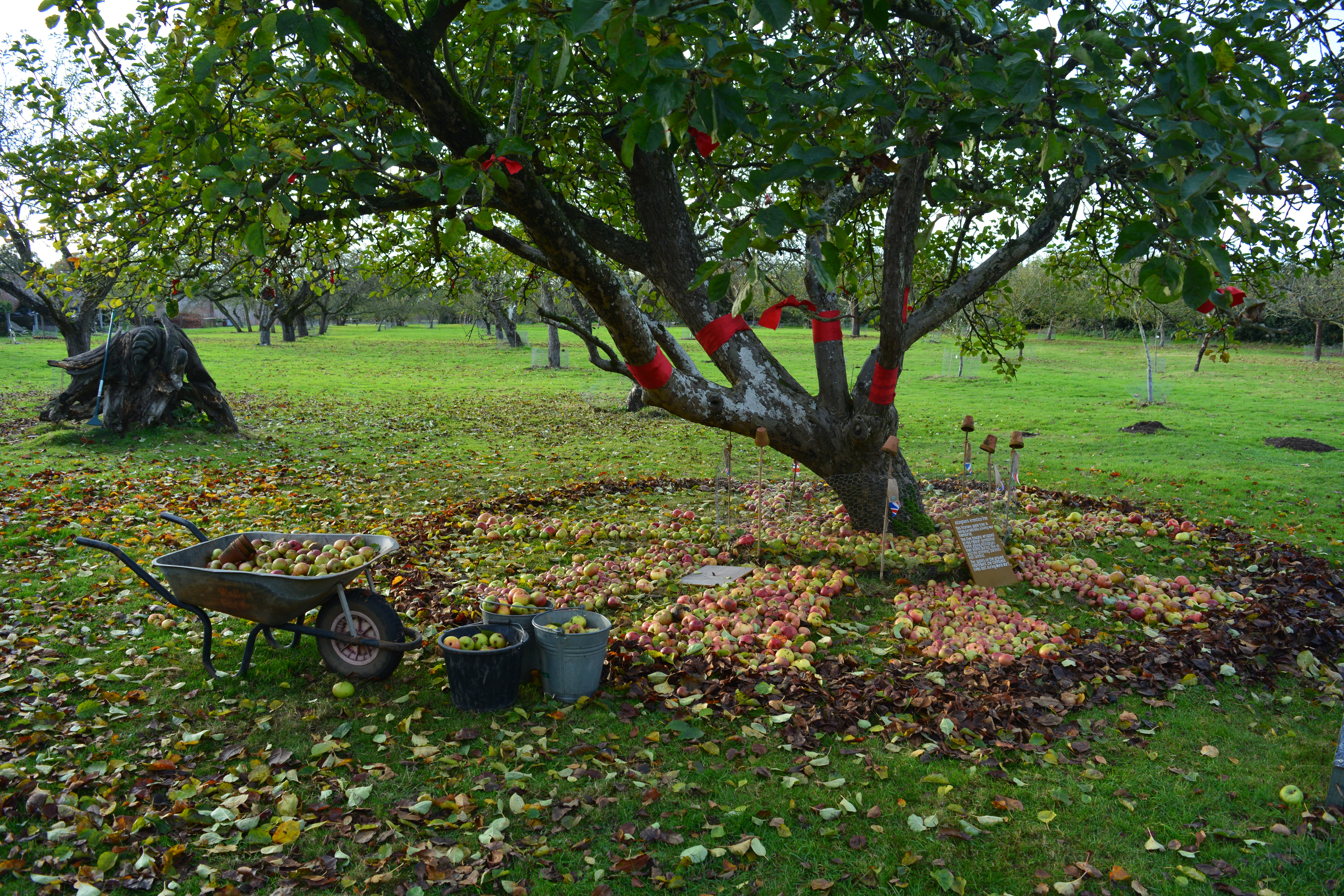
In the words of the children’s song, “If you go down to the woods today are in for a big surprise!” proved to be true this week when we went for a walk around the National Trust property, Attingham Park.

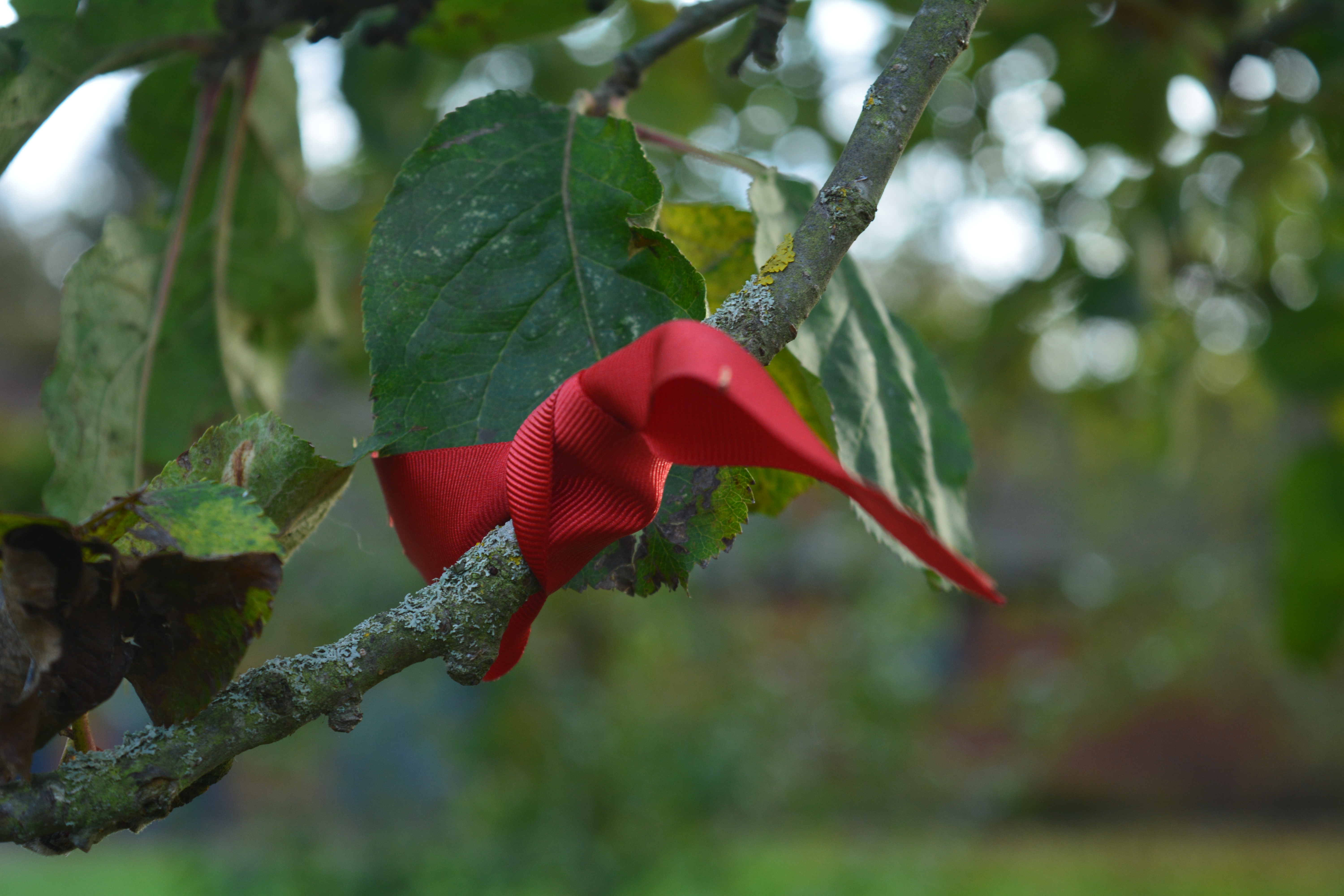
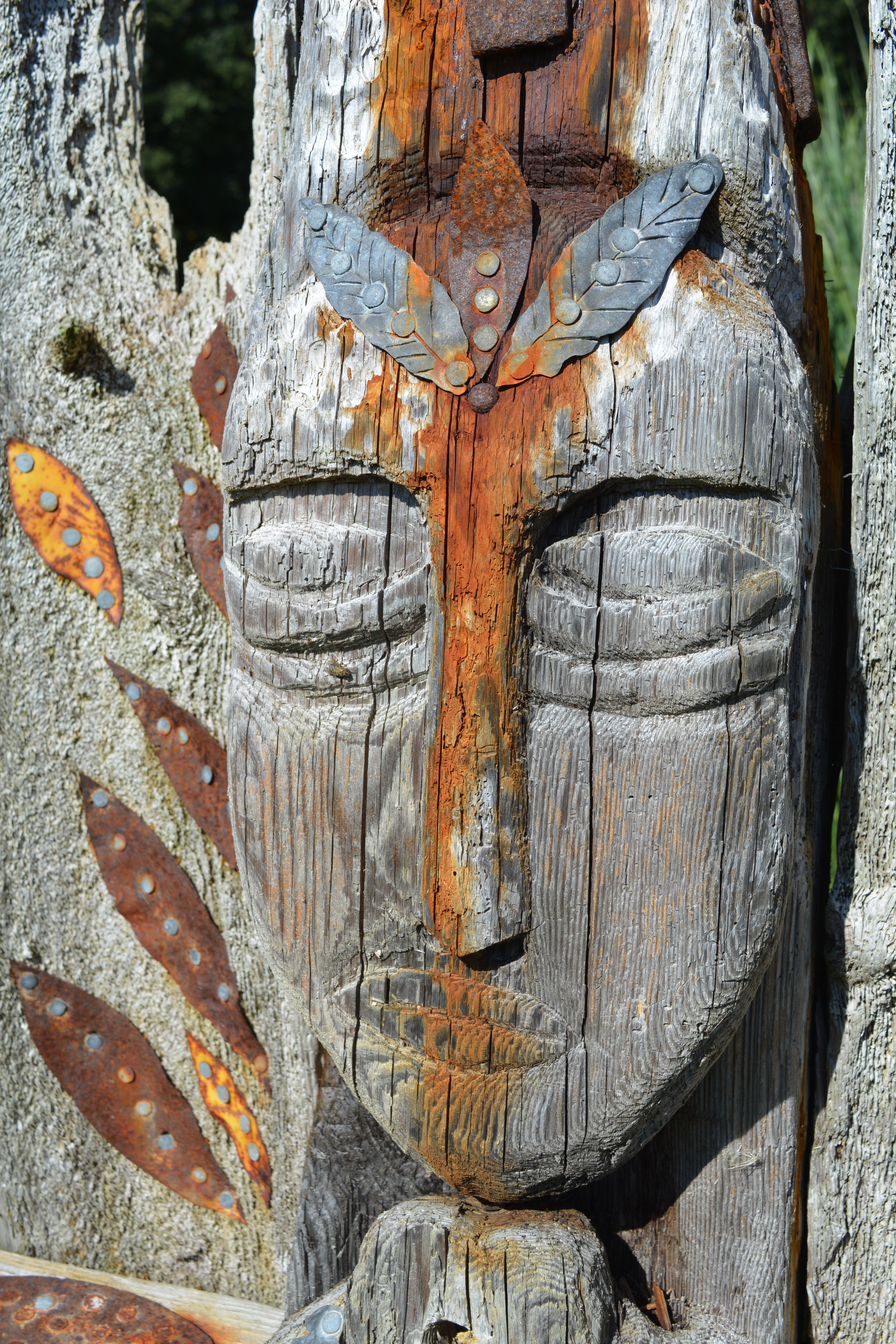
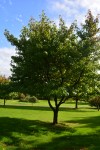
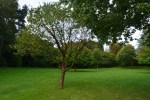
And we were! I shall share these few moments with you when we felt very emotional by this surprise awaiting us. The gardening staff had created a “remembrance tree” by decorating, very tastefully, an old gnarled apple tree in the orchard abutting the old walled garden. It was a very special, personal way for the current team of gardeners and volunteers to remember the gardeners who worked at Attingham Park walled garden when war broke out and sadly never returned.

red1-1 red1-2 red1-3 red1-4 red1-5 red1-6

Categories
autumn autumn colours garden design garden photography gardening gardens gardens open to the public hardy perennials ornamental trees and shrubs Shropshire shrubs Staffordshire trees

The Dorothy Clive Garden in October

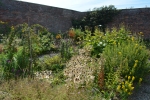
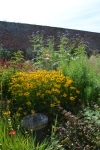
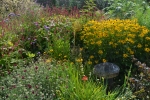
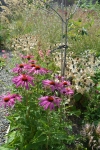
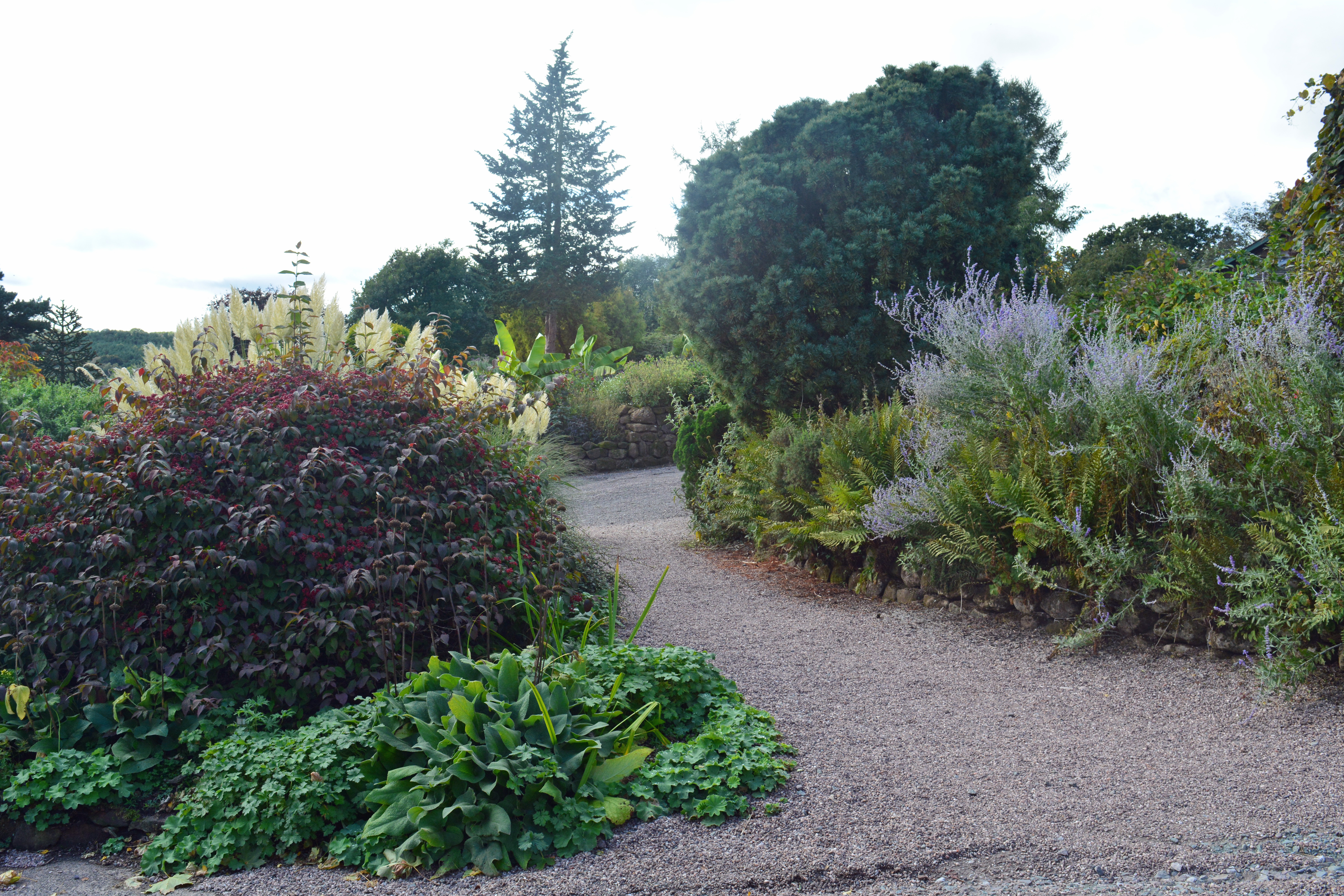
Our tenth visit to the wonderful Dorothy Clive Gardens saw us wandering around in cool temperatures and lightly overcast skies in late October. We expected to see autumn progressing well and a few plants flowering out of season. The sweeping driveway up to the car park was full of promises of what delights we had in store.

dcoc-33-1 dcoc-43-1dcoc-09-1

There were few visitors around which is typical of gardens once summer comes to an end. So many visitors to gardens think nothing goes on after September so stay away until next spring. We were there almost on our own sharing the joys of autumn at this beautiful garden with just a handful of other visitors. It is sad because there is so much to see in most good gardens in autumn and through into winter. The first few yards walk from the car park to the ticket office afforded distant views over the garden and a chance to study a newly planted border.

dcoc-05-1 dcoc-02-1dcoc-40-1 dcoc-41-1

Views along paths among trees and shrubs were greatly enhanced by the low bright light creating bright patches and deep shadows.

dcoc-29-1 dcoc-31-1dcoc-37-1 dcoc-44-1

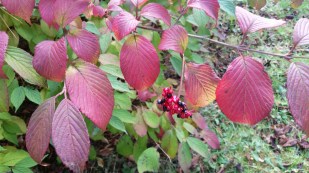
The colourful Viburnum we enjoyed discovering earlier in the year caught our eyes again, its berries a more colourful mix of glossy red and black like jewels among its Persian carpet foliage.

dcoc-35-1 dcoc-34-1

Flowering plants keep providing interest well into the autumn and foliage plants really come into their own especially grasses and ferns.

dcoc-04-1 dcoc-16-1dcoc-42-1 dcoc-61dcoc-17-1 dcoc-18-1 dcoc-10-1 dcoc-08-1 dcoc-07-1 dcoc-01-1 dcoc-20-1 dcoc-19-1

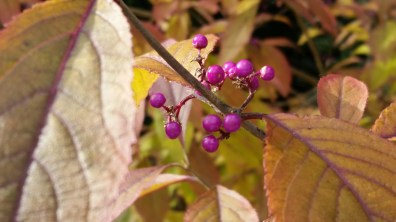
Berries are a feature of autumn not to be missed. This year we are seeing more than usual remaining on trees and shrubs because there are fewer migrant thrushes visiting us to gorge themselves on our gardens’ bounty.

dcoc-45 dcoc-54-1dcoc-66

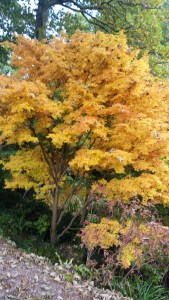
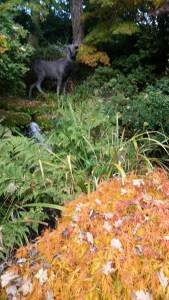
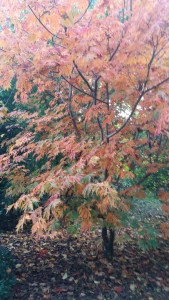
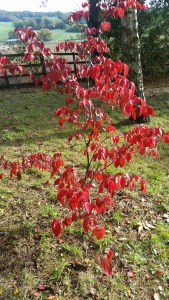
Acers of course  feature strongly as it is in this season that their foliage changes by the day, and we can begin to appreciate some of the interesting colours of the bark.

dcoc-15-1 dcoc-13-1 dcoc-11-1 dcoc-12-1

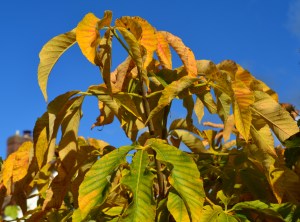
It felt good to discover something totally new at the garden after visiting all year. We noticed that the gardeners and volunteers had been hard at work crafting this rustic fence from old rhododendron trunks with all their curls and bends. It is also exciting to come across a plant that we do not recognise at all so have to seek out a label and if we get lucky we can then follow up with research. This Lindera obtusiloba first attracted us to it because of its startlingly bright yellow leaves but on closer study we were struck by the unusual shape of its leaves.

dcoc-14-1 dcoc-25-1 dcoc-24-1

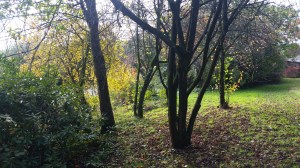
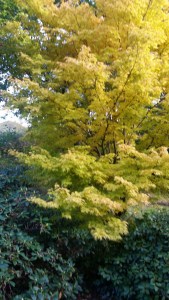
Autumn is the season that belongs to trees as it becomes their turn to turn up the colours and get out their paint pallettes.

dcoc-23-1 dcoc-27-1 dcoc-28-1dcoc-30-1 dcoc-32-1 dcoc-80

That is it for our October visit so just 2 more monthly reports of our regular wanderings around the Dorothy Clive Gardens. November will see autumn ending and giving way to winter.

dcoc-65

Categories
allotments Uncategorized

My Garden Journal in October

Here is the 10th visit to my Garden Journal 2016 as we look at what our patch has got up to in October.

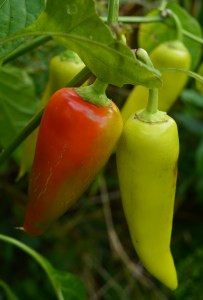
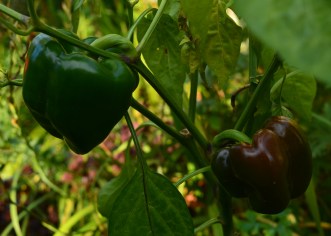
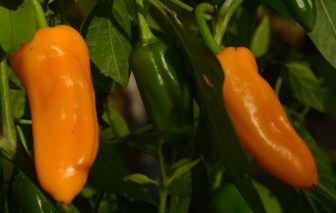
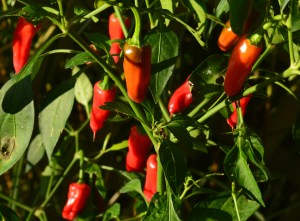
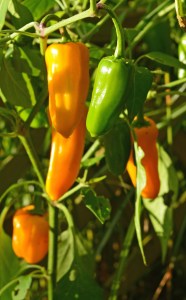
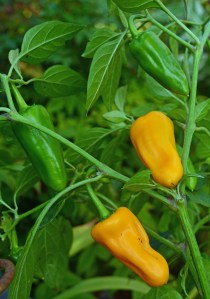
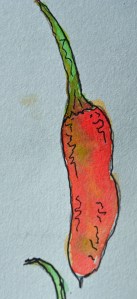
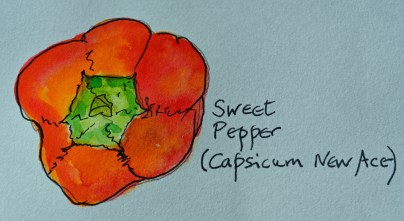
Peppers feature strongly and cover the first 4 pages of this month’s entries which begins with the words, “October arrived and temperatures started falling especially in the evenings and overnight. We seem to be verging on the arrival of our first frost. In my very first journal I wrote, “October arrives and brings Autumn. The first ground frost and the final crop of sweet and hot chillies. Best harvest ever!” This year we still have lots of peppers to harvest and enjoy and as yet no frosts.”
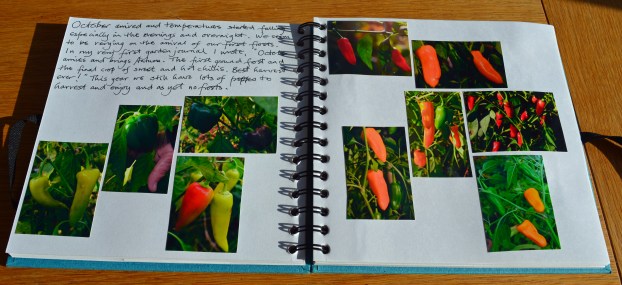
gjoc-01-1

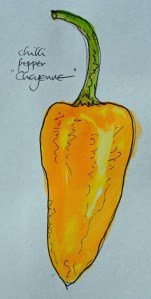
I took photos of the different sorts of peppers to show the varieties we are growing and then took out my water colour paints to attempt to capture their individual charms.
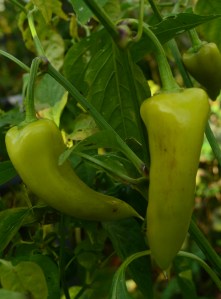
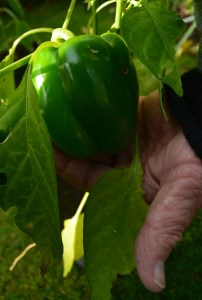
gjoc1-09 gjoc1-13 gjoc1-15gjoc1-14 gjoc1-08gjoc1-11 gjoc1-07gjoc1-10 gjoc1-12 gjoc1-05gjoc-02-1gjoc-10-1 gjoc-09-1 gjoc-08-1 gjoc-07-1 gjoc-06-1 gjoc-04-1gjoc-03-1

Soon after enjoying painting our lovely colourful peppers we harvested the chillies and prepared them for drying and freezing.

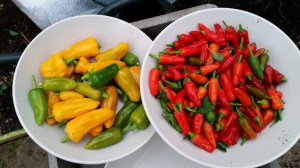
gjoc1-04 gjoc1-03

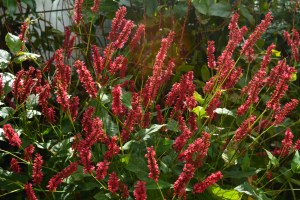
Turning over the page reveals the left page showing off a few of our Persicaria amplexicaulis collection and the right a page of juicy sweet fruits. Persicaria amlexicaulis is one of my favourite herbaceous perennials and we have a dozen or so different ones planted throughout the garden. In my journal I describe it as “A true performer”.

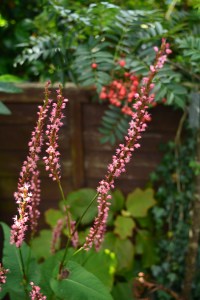
gjoc-12-1gjoc-15 gjoc-03

P. amplexicaulis Pink Elephant.  P. amplexicaulis “Blackfield”
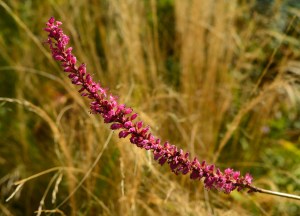
oc-1 oc-2

Persicaria amplexicaulis “September Spires”

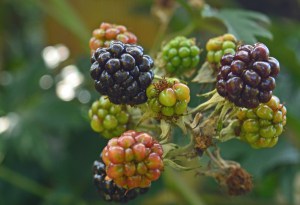
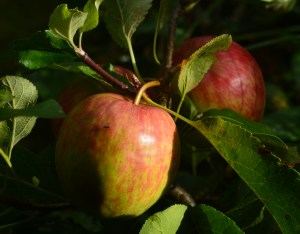
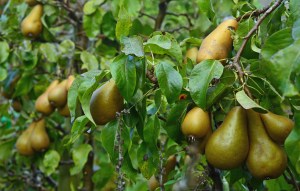
Looking at the page of fresh, sweet juicy fruits I wrote “The fruits and berries of Autumn, some for us and some for migrant and native thrushes.” I took a few of pics of just 6 of our fruit bearing plants.
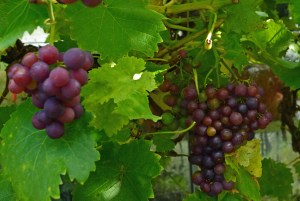
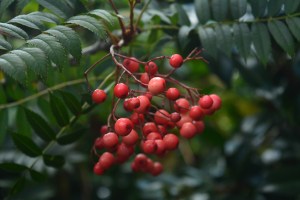
gjoc-08 gjoc-12gjoc-11 gjoc-17gjoc-25 sed-03

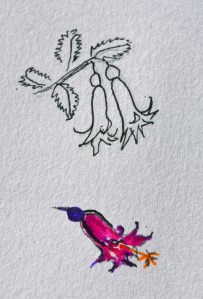
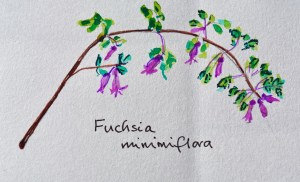
Moving on from my fruit page I turn my thoughts towards two unusual plants sporting the tiniest of flowers. both of these plants draw a lot of attention when we open our gardens when visitors are totally fascinated by them and want to know what they are. The first is a Fuschia, one of only three we grow as we do not like the large flowered, over-developed cultivars most commonly grown. I wrote, “We grow very few Fuschias in our Avocet garden and those we grow are the species in preference to the more usual blousy over-blown hybrids. We both find them far too fussy for our gentle garden.”

gjoc-13-1

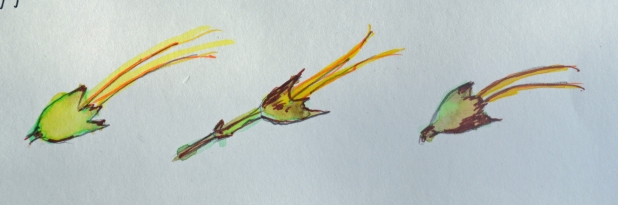
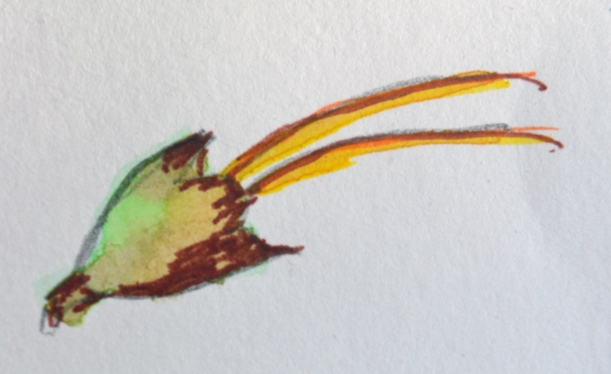
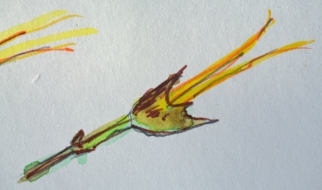
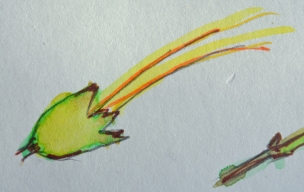
I then turned to my box of watercolour paints and my fine fibre-tipped pens to create my impressions of this little beauty. The Fuschia is called Fuschia minimiflora, more commonly known as F. microphlla.
gjoc-14-1 gjoc-16-1gjoc-15-1 gjoc-17-1

After my paintings I wrote, “I shall look at 2 other of our Fuschias in my November entries as we take them in for the winter.”

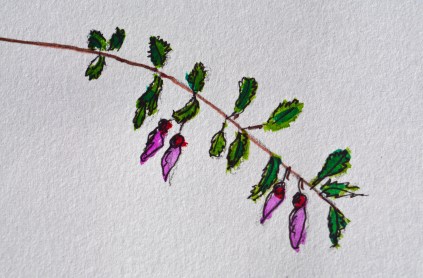
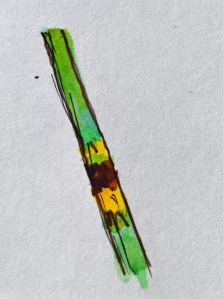
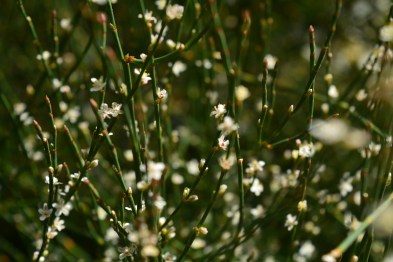
The second of my featured tiny-flowered plants is very rarely sold or grown and it is known as Polygonum scoparium. Turning to the same media I studied a tiny individual flower and a section of the stem.
sed-16gjoc-19-1 gjoc-18-1

Of this unusual little plant, I wrote, “Polygonum scoparium is the plant with the smallest flowers imaginable. The plant shows its tiny flowers for months during the summer and well into the autumn. Each flower is no more than a few millimetres across, borne every few inches up the whole length of its deep green wiry stems, and the blooms are scented. We were surprised after 4 years of growing and enjoying this unusual and very special little plant, about 2 feet tall, to discover that it is classified as a shrub. It appears to have no leaves but early in the year tiny leaves a few millimetres long appear up the stem. These disappear during early summer to be replaced by a deep brown band fading to yellow above. What a special plant! We love it! Close up these minute little flowers reveal such beauty with bright centres and pale green on each petal.”

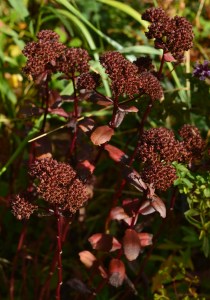
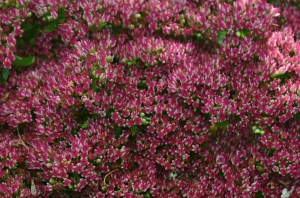
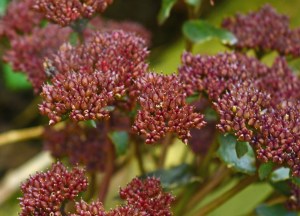
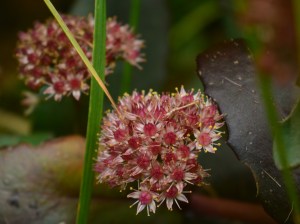
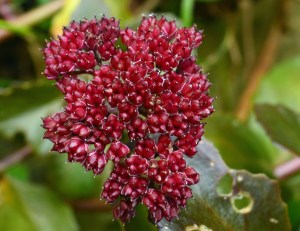
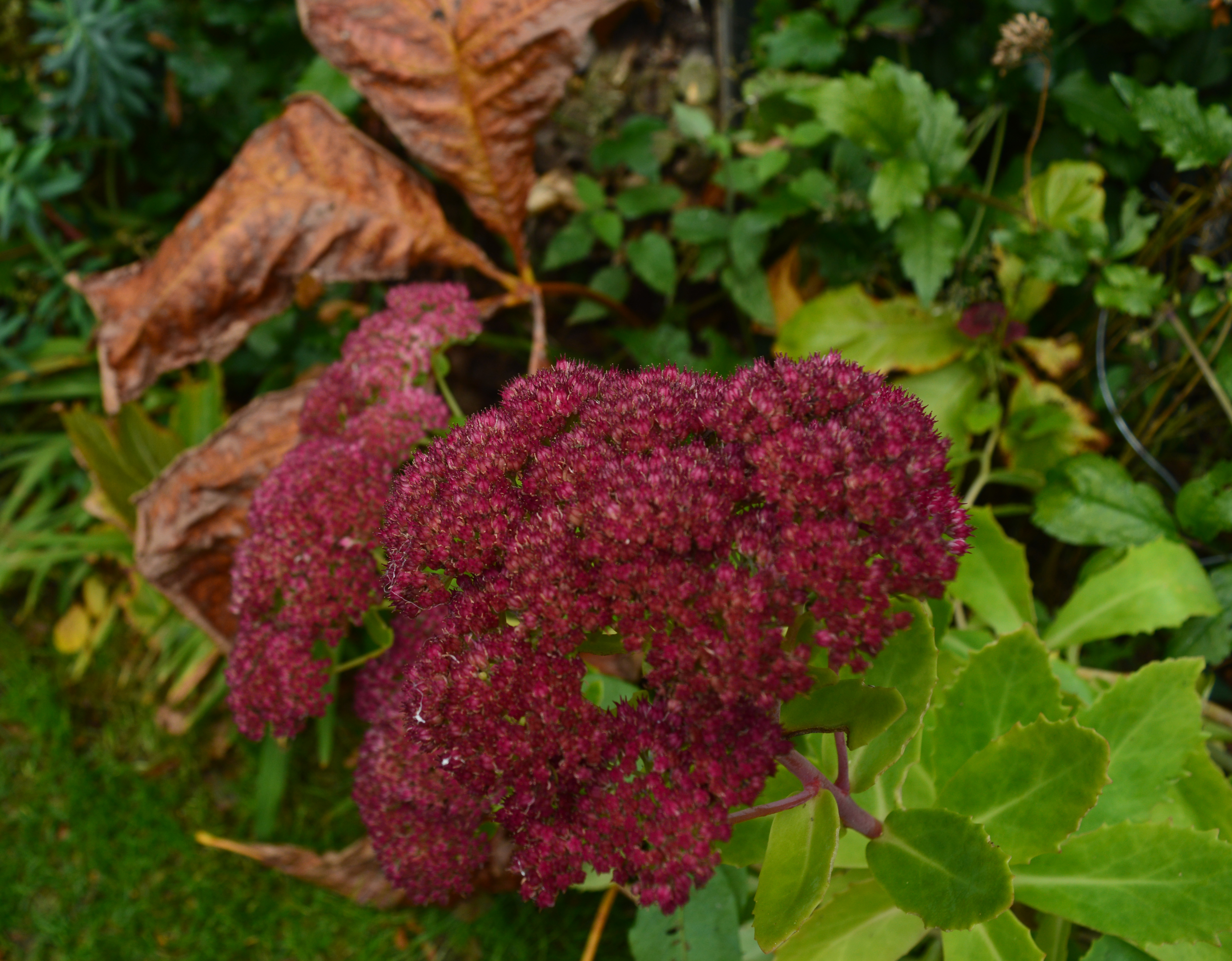
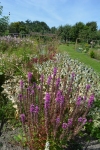
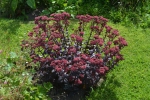
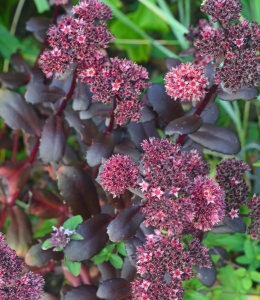
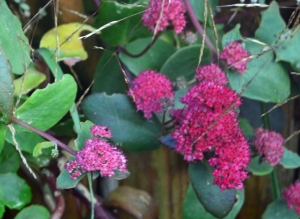
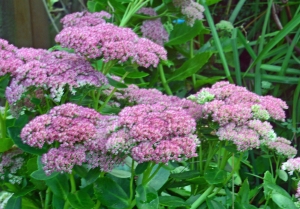
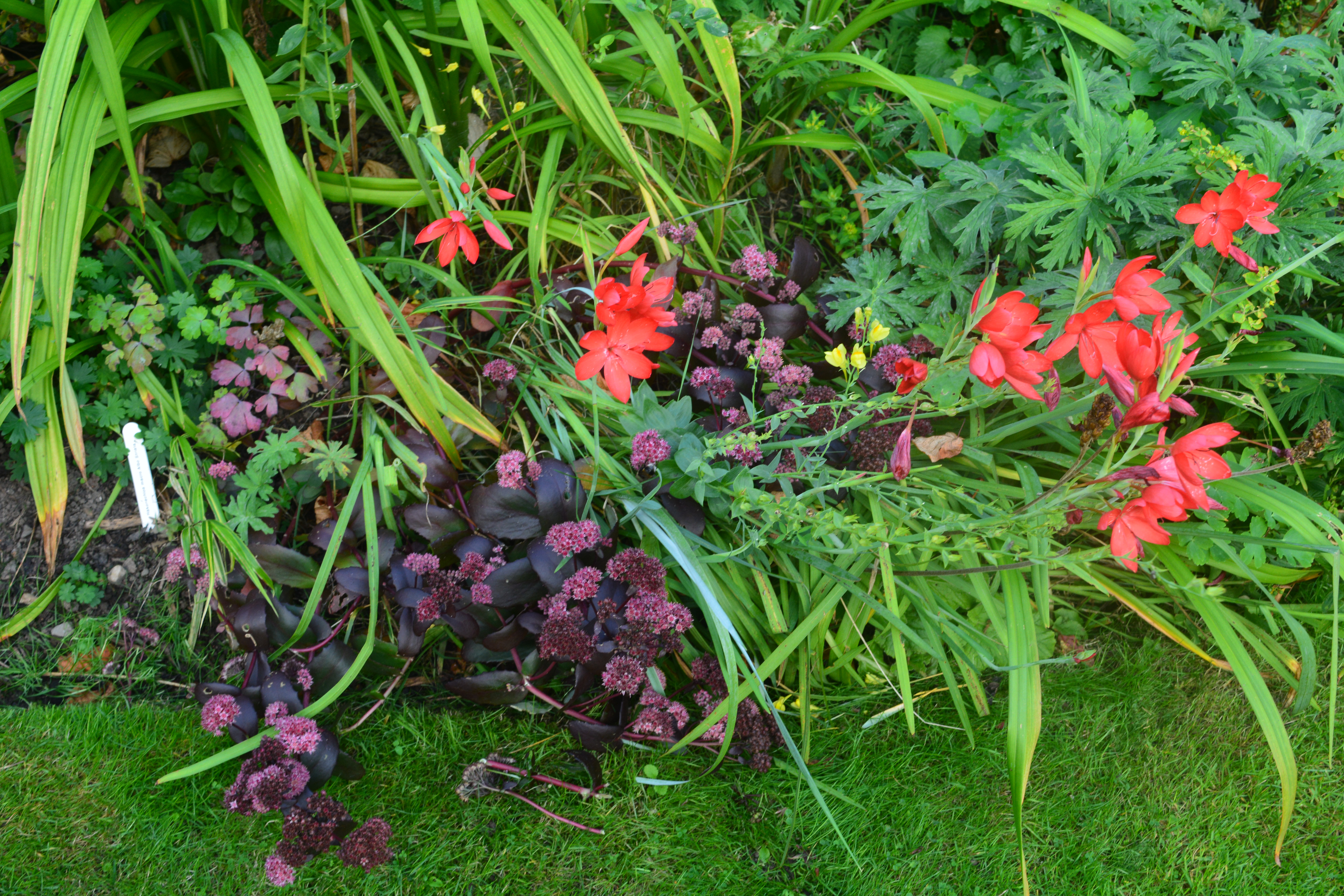
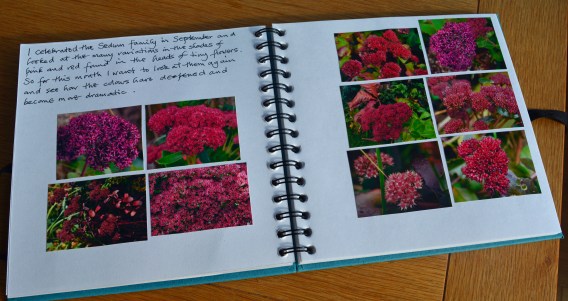
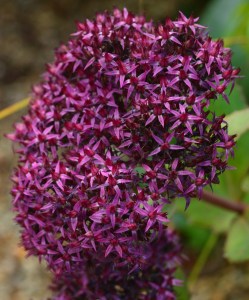
Next I returned to Sedum after looking at them in September and promising a return. I wrote, “I celebrated the Sedum family in September and looked at the many variations in the shades of pink and red found in the heads of tiny flowers. So for this month I want to look at them again and see how the colours have deepened and become more dramatic.”
gjoc-20-1sed-10 sed-09sed-17 gjoc-18 gjoc-20 sed-11 sed-12 gjoc-10gjoc-21 sed-04

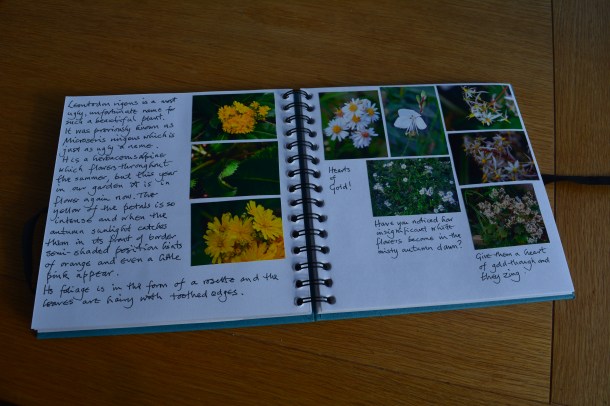
So turning to the next double page spread in my journal I continued by looking at a yellow flower called Leontodon rigens and some white flowers with yellow centres.
gjoc-21-1

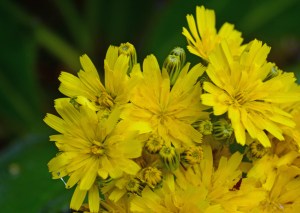
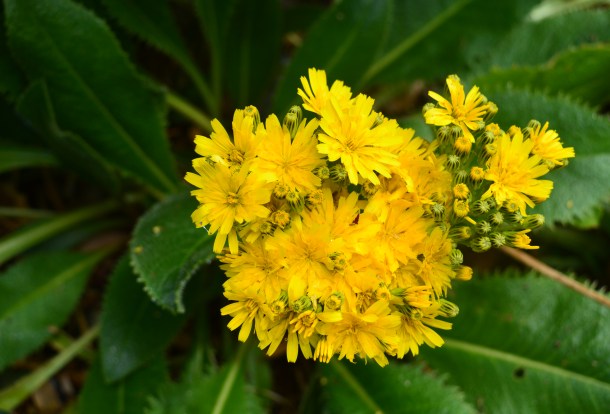
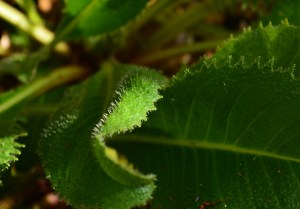
About this wonderful rare yellow flowered perennial I commented, “Leontodon rigens is a most ugly, unfortunate name for such a beautiful plant. It was previously known as Microseris ringens which is just as ugly a name. It is a herbaceous alpine which flowers throughout the summer, but this year in our garden it is in flower again now. The yellow of the petals is so intense and when the autumn sunshine catches them in its front of border position hints of orange and even a little pink appear. Its foliage is in the form of a rosette and the leaves are hairy with toothed edges.”
sed-13 sed-15 sed-14

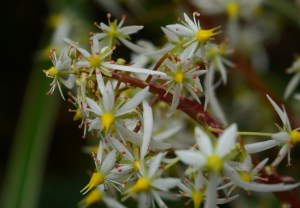
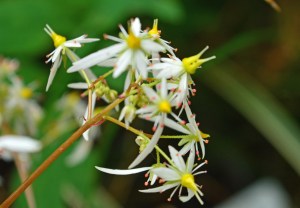
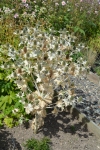
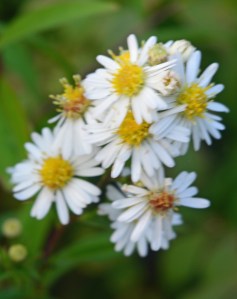
My next page is titled “Hearts of Gold” and is all about white flowers with golden centres, about which I noted, “Have you noticed how insignificant white flowers become in the misty autumn dawn? Give them a hint of gold though and they zing!”
sed-22 sed-19gjoc-07 sed-20gjoc-05 gjoc-06

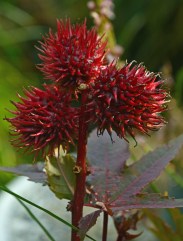
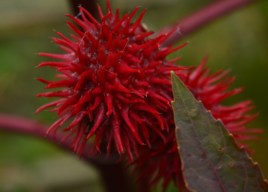
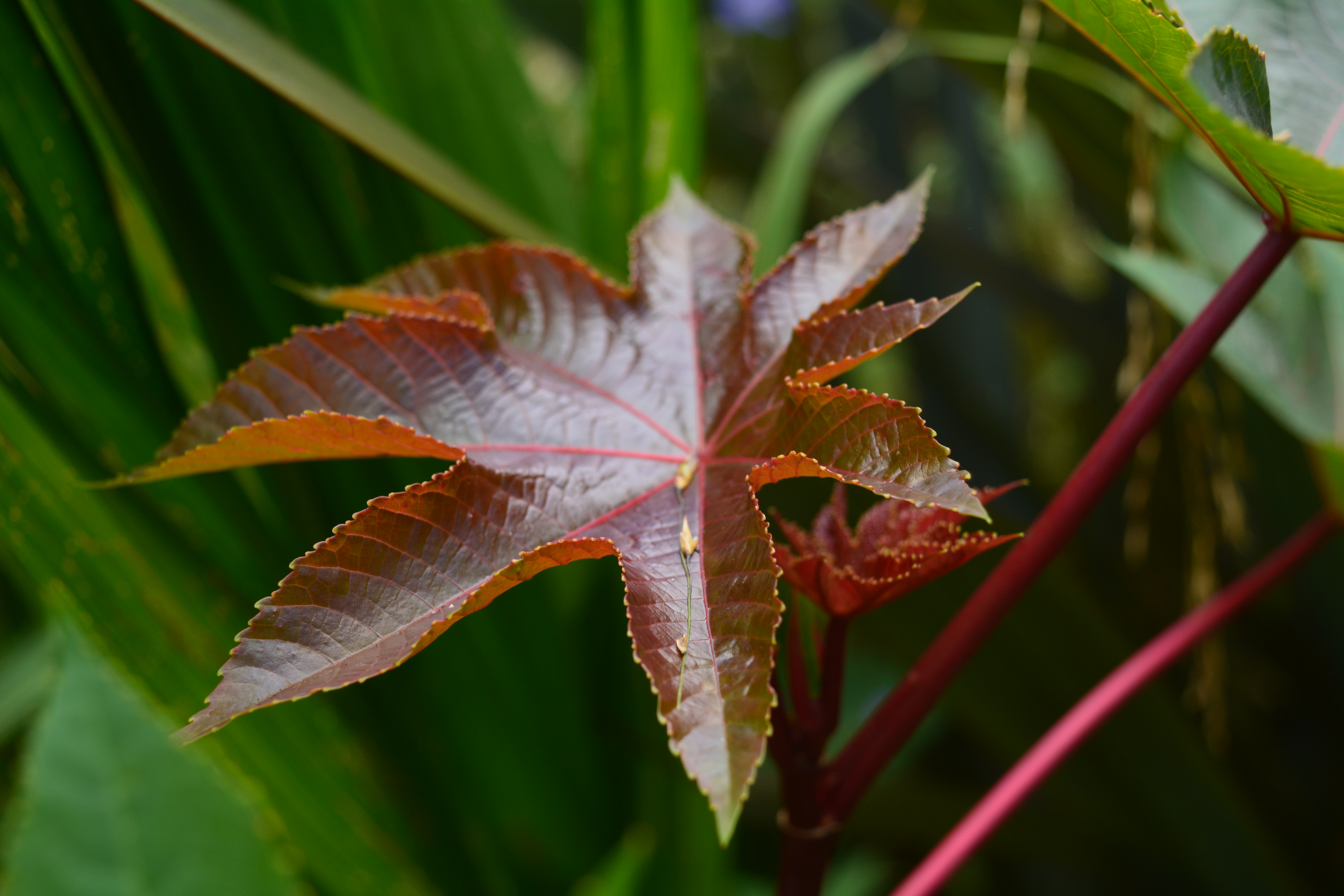
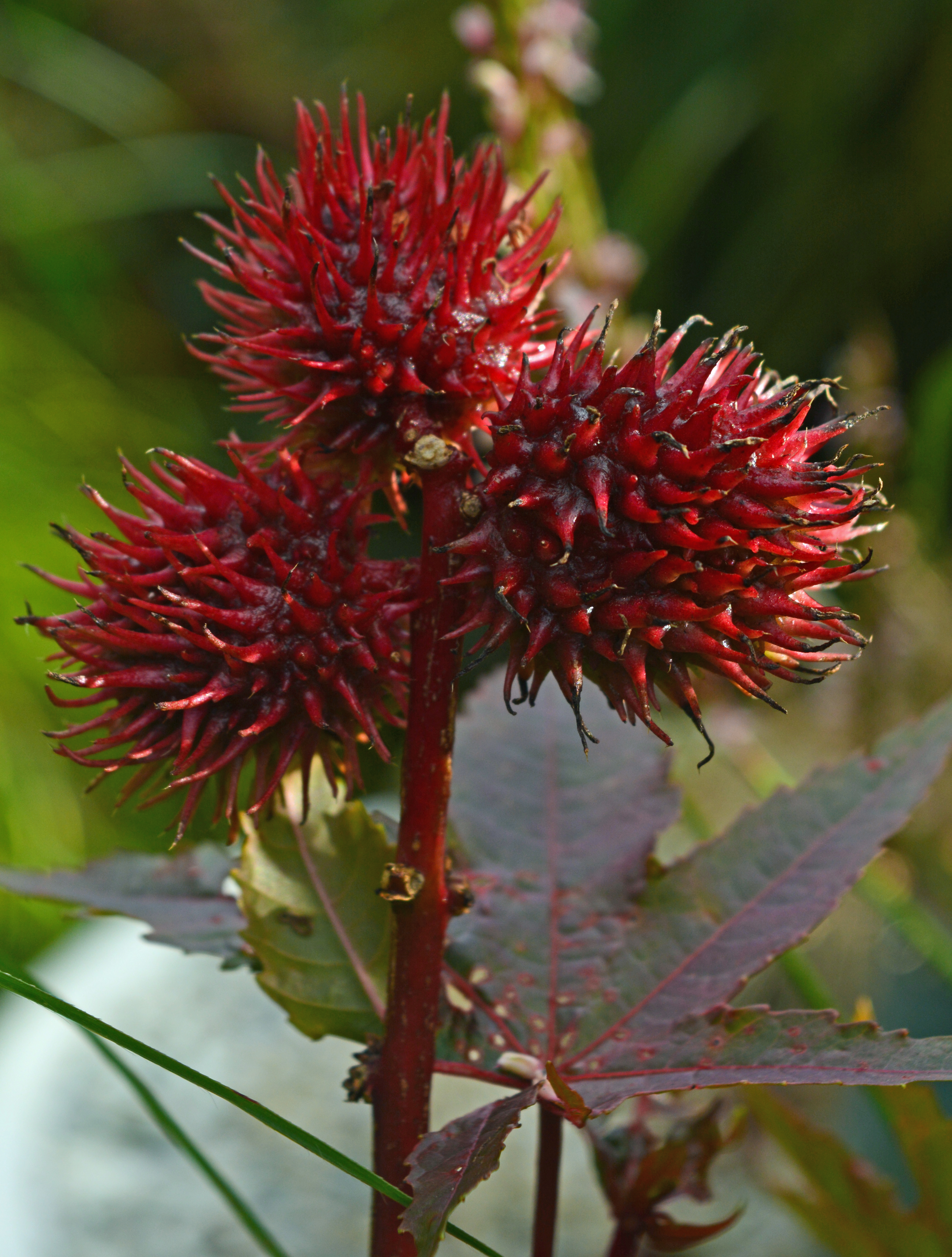
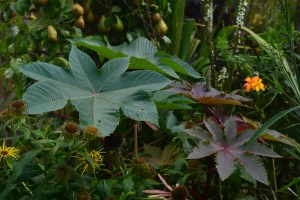
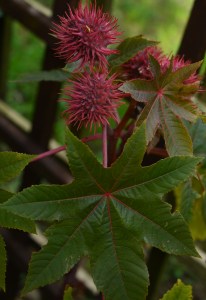
In contrast to yellows and whites I next turned to the deep richness of the foliage of our exotic Ricinus plants and their eccentric seed pods.

gjoc-22-1

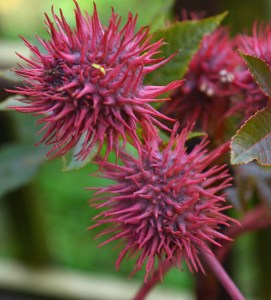
I wrote, “Ricinus is a beautifully statuesque exotic plant with interesting foliage, stem colours and crazy seed capsules like spiky pink golf balls. Sadly few gardeners give it space in their plots because of its links  to poisons. We grow several varieties each year from seed and they vary greatly in leaf, stem and flower colour. We grow Ricinus “Blue Giant”, R. “New Zealand Purple”, R. carmentcita and more.” 

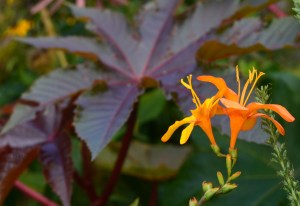
Under the third photo I wrote the caption, “Orange glow beneath this leaf matches leaf rib colours.” 

For the fourth photo I put the caption, “The orange of this Crocosmia contrast with the metallic purple leaves.”
gjoc-23 ric-3ri-1 gjoc-24 

On the opposite page I noted that “Seed pods vary as much as the flower and leaf colour.”ric1-1 ric-4  ric-1 ric2-1 ric-2

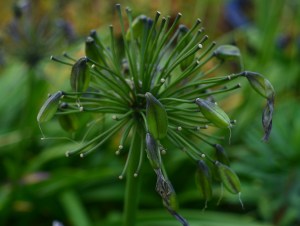
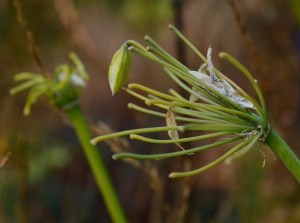
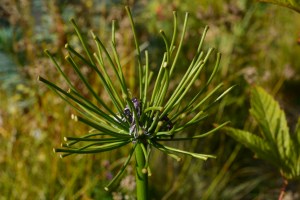
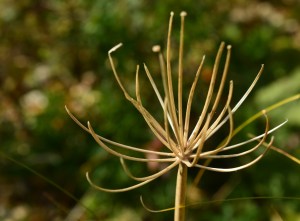
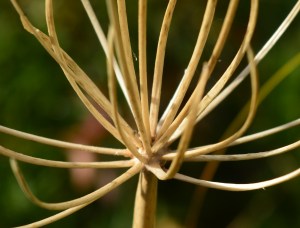
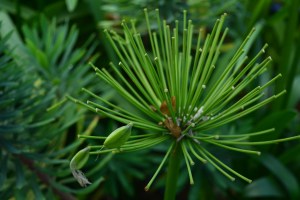
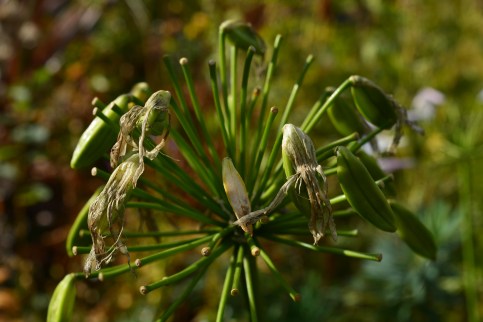
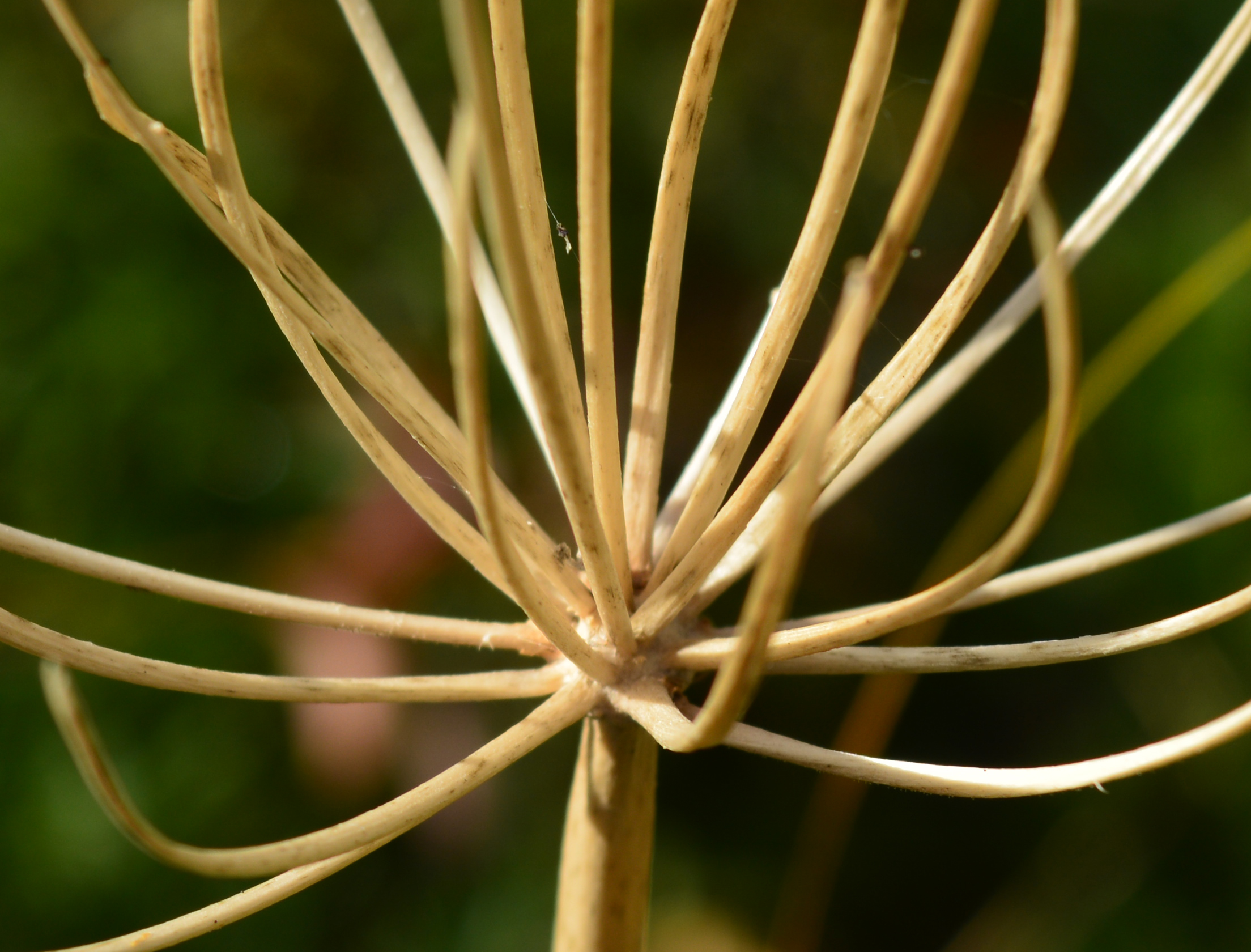
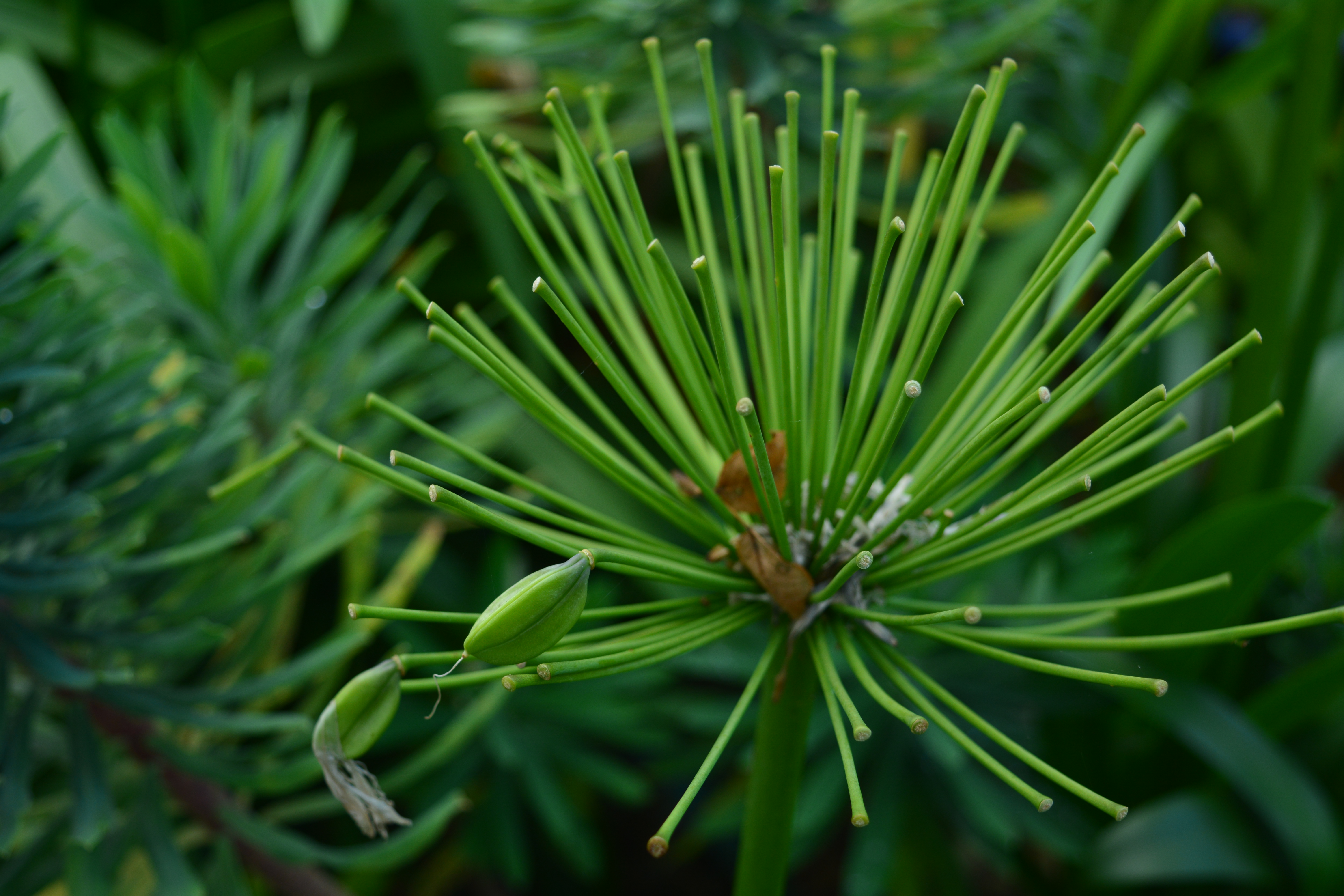
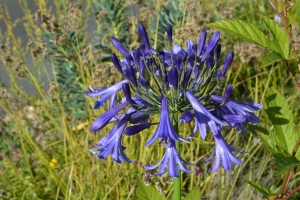
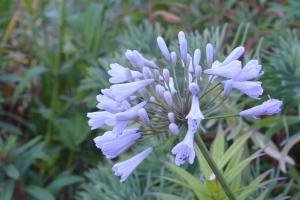
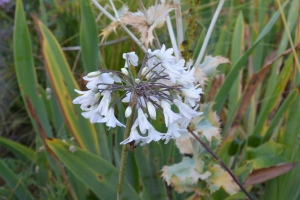
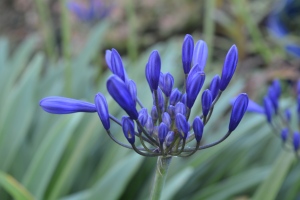
Moving on through my October journal entries I take another look at our Agapanthus collection which I had considered the flowers of in my September journal. This month I decided to see how that were developing from flowers towards seed pods.

gjoc-23-1

I wrote, “I want now to return to our Agapanthus collection grown in our gravel garden, the Beth Chatto Border. Last month I looked at their flowers but now a month later we can observe the magical transformation from flowers to seeds.”

Across the double page spread I shared nine of my photos.

ag-4 ag-6ag-9 ag-1 ag-2 ag-3  ag-7 ag-8 ag-5

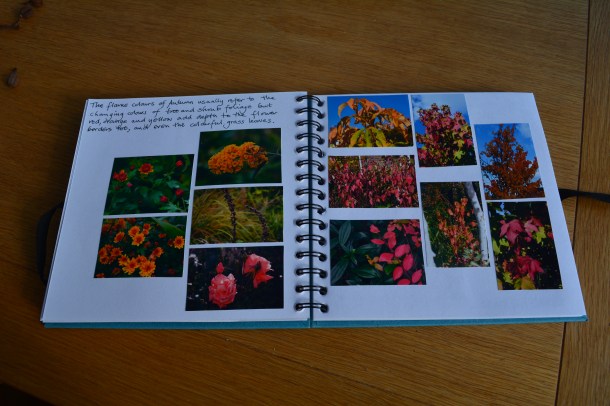
Turning over in search of the next double page and colour is the theme, the colours of Autumn, but not the usual autumnal colours.
gjoc-24-1

I wrote, “The flame colours of Autumn usually refer to the changing colours of tree and shrub foliage but, red, orange and yellow add depth to the flower borders too, and even the colourful grass leaves.”

ac-07 ac-06ac-05 ac-03gjoc-04 ac-02ac-10 ac-04 ac-11ac-08  ac-09 ac-01

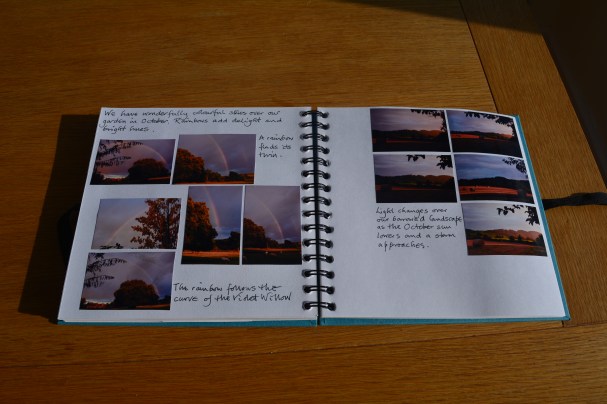
Every gardener loves checking on the weather and talking about it too! It controls what we do if it gets too wet or too cold for us to get outside and enjoy pottering. So for the final two pages I turn to the skies!
gjoc-26-1

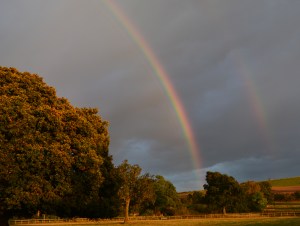
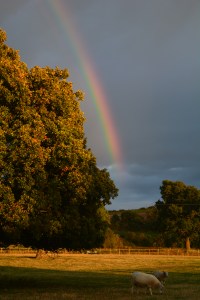
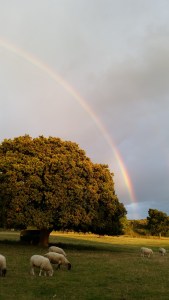
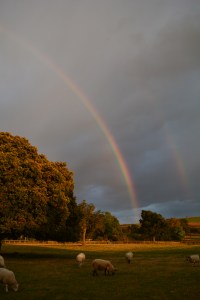
“We have wonderfully colourful skies over our garden in October. Rainbows add delight and bright hues.” 

The first pair of photos show “A rainbow finds its twin.”
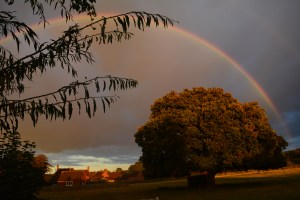
rb1-12 rb1-07rb1-01  rb1-03 rb-1 rb1-08 rb1-09

“The rainbow follows the curve of the Violet Willow.”
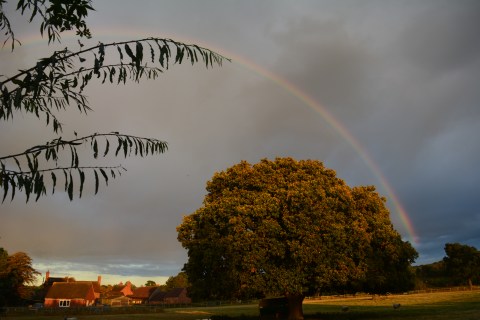
rb1-02

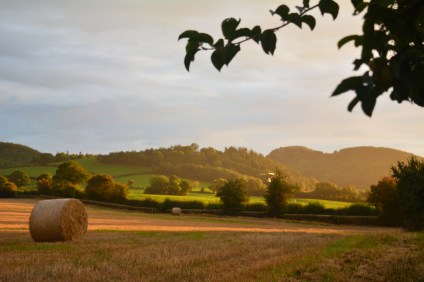
The last page of the October entries for my October garden journal shows five pages of the sun and light changing over the fields beyond our garden fence. I added the caption, “Light changes over our borrowed landscape as the sun lowers and a storm approaches.”
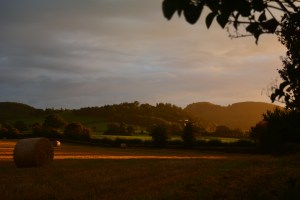
rb1-11 rb1-10rb1-05 rb1-04 rb1-06

So October was a very busy month here in our patch at our home, Avocet. Next time we consider my garden journal it will be the penultimate visit to it.



Categories
colours garden design garden photography gardening grasses hardy perennials light light quality ornamental grasses outdoor sculpture reflections sculpture village gardens water in the garden

Take one little border.

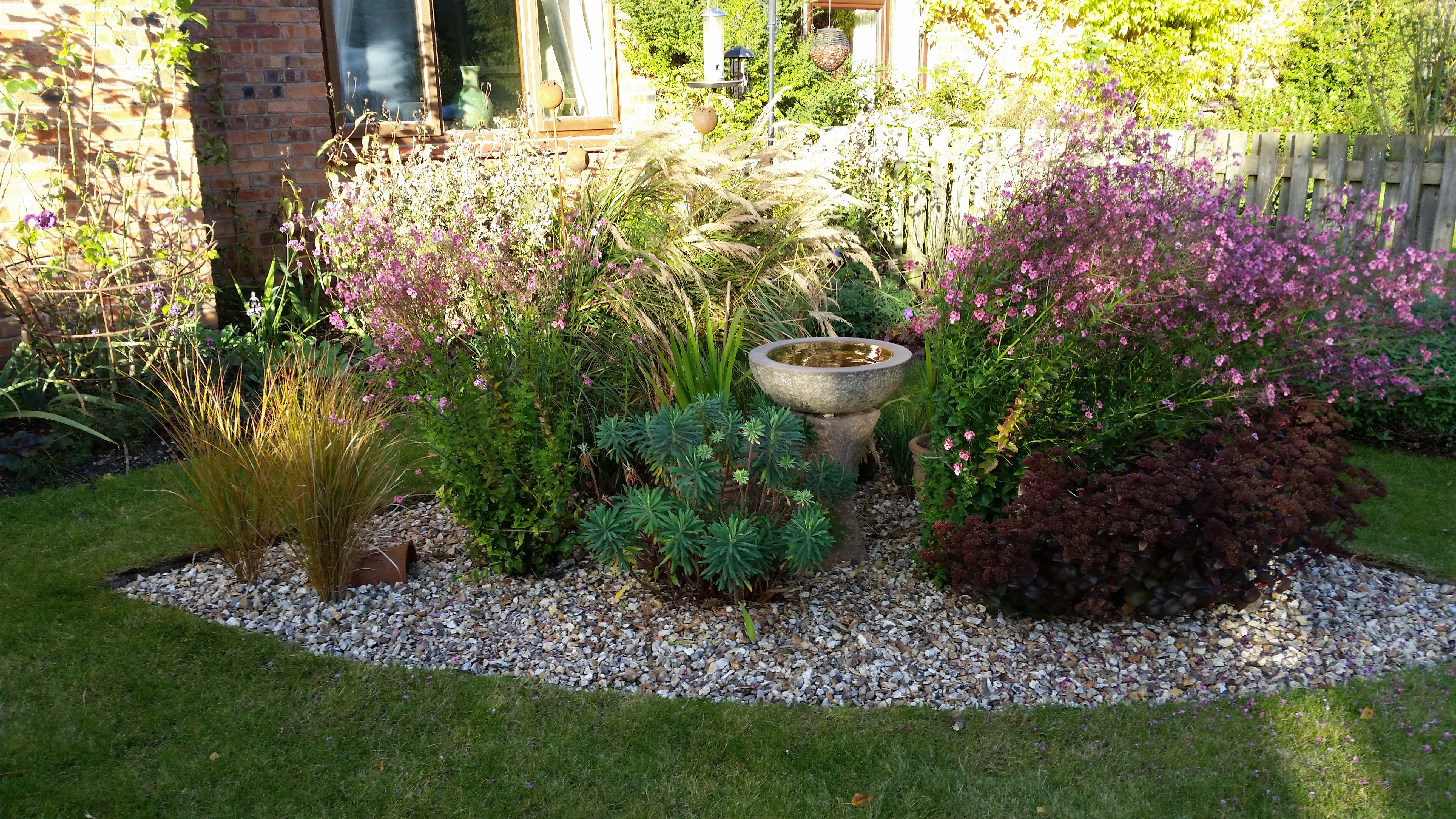
This post will look at a small border in a Gloucestershire garden in a village at the bottom of Bredon Hill. It is a lovely garden, well designed and well cared with a calming atmosphere throughout. The gardeners and owners of the garden are my sister, Penny and her husband, Tony.

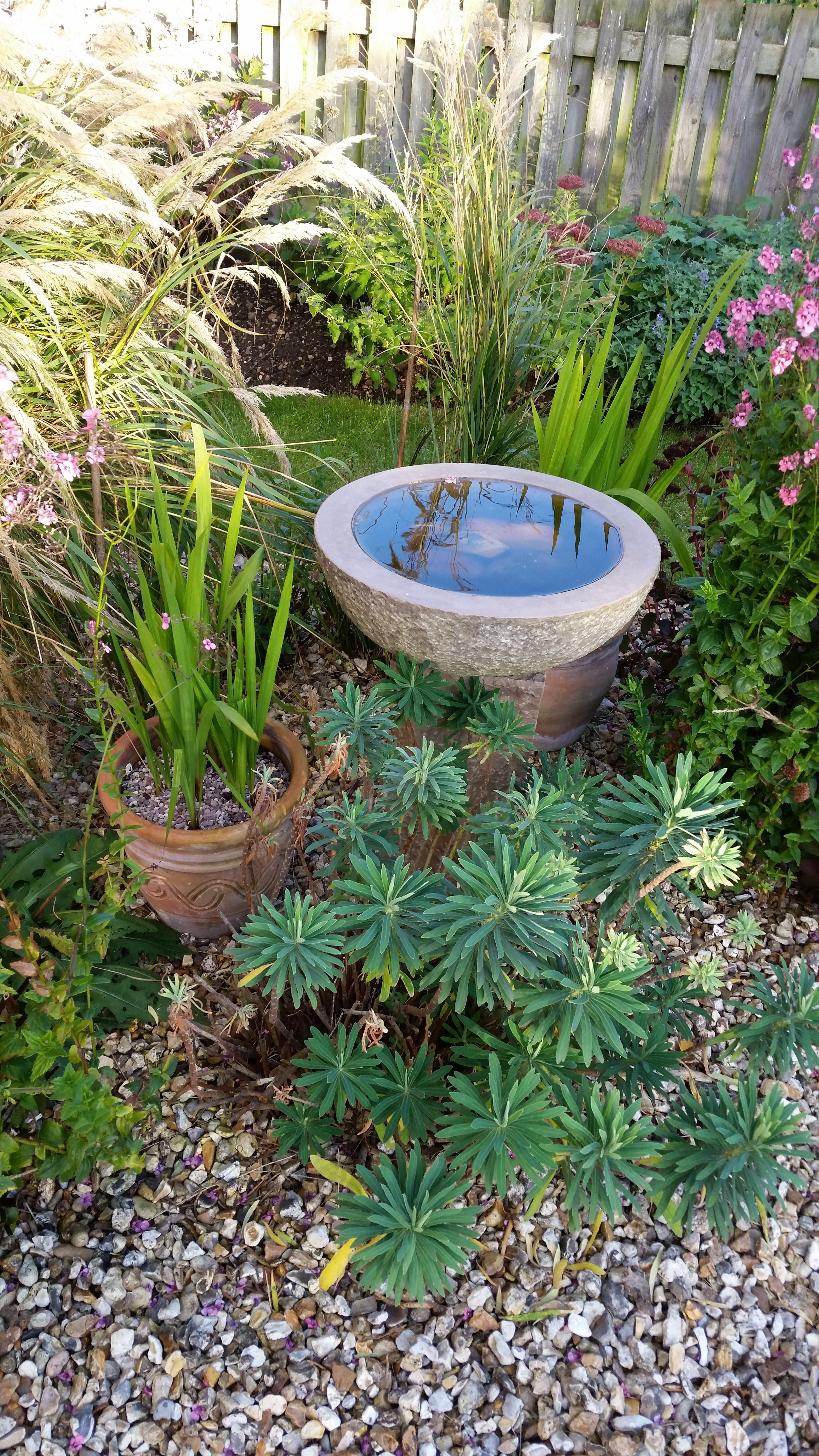
This little border in the front patch is a quarter circle in shape and covers only a couple of square metres but the choice of planting partners and artifacts together create a beautiful balanced feel.

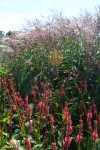
The first photo covers the whole border in one shot which gives an indication of its size. The gravel mulch acts as a foil to enrich the colour palette, the bronzes, silvers and bronzes of the grasses and the rubies and purples of the sedums and diascias. The grasses also move and rustle in the lightest of breezes.

pt-01

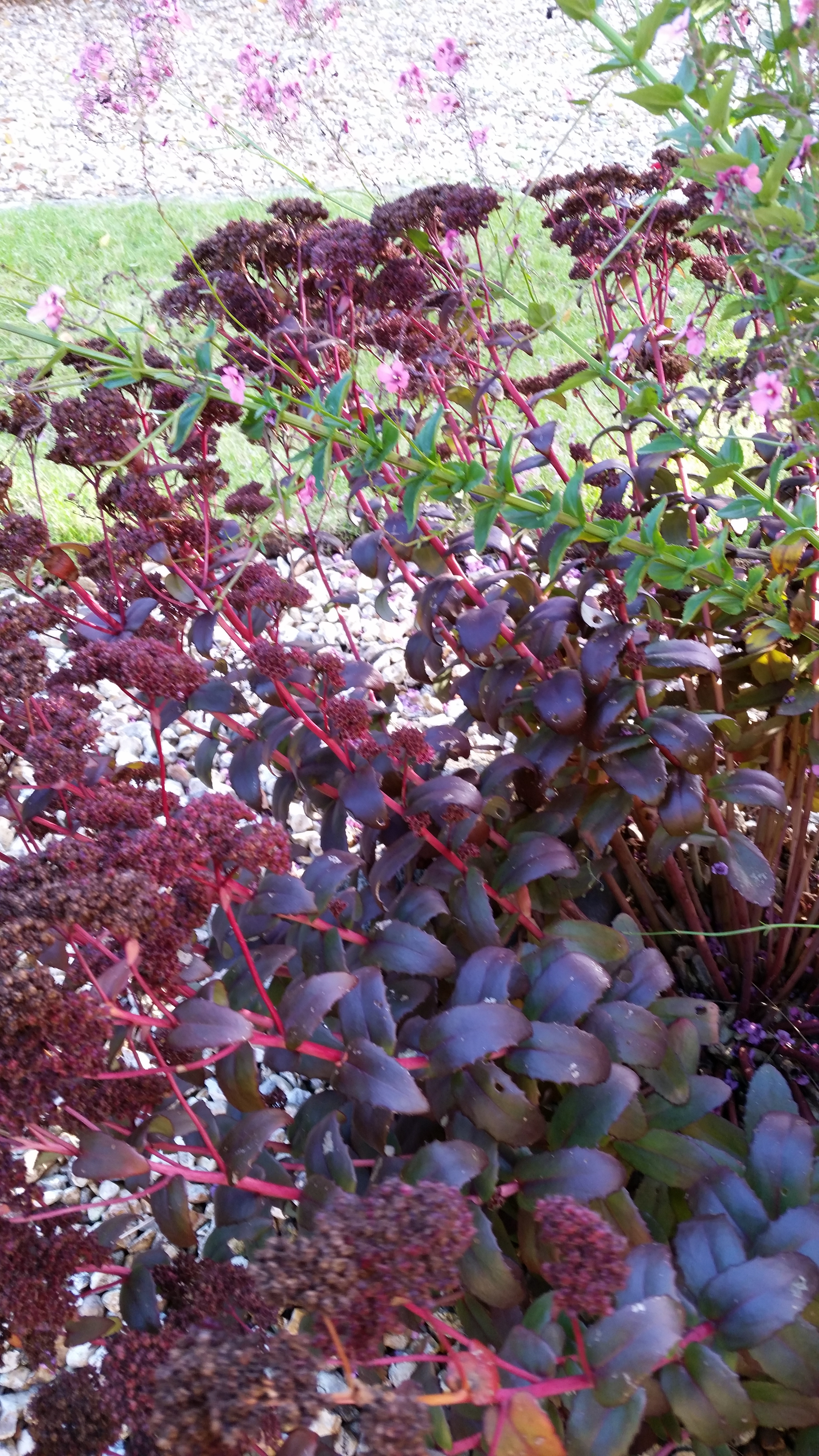
Diascia personata and Sedum Purple Emperor compliment each other beautifully.

pt-02 pt-03 pt-04 pt-05

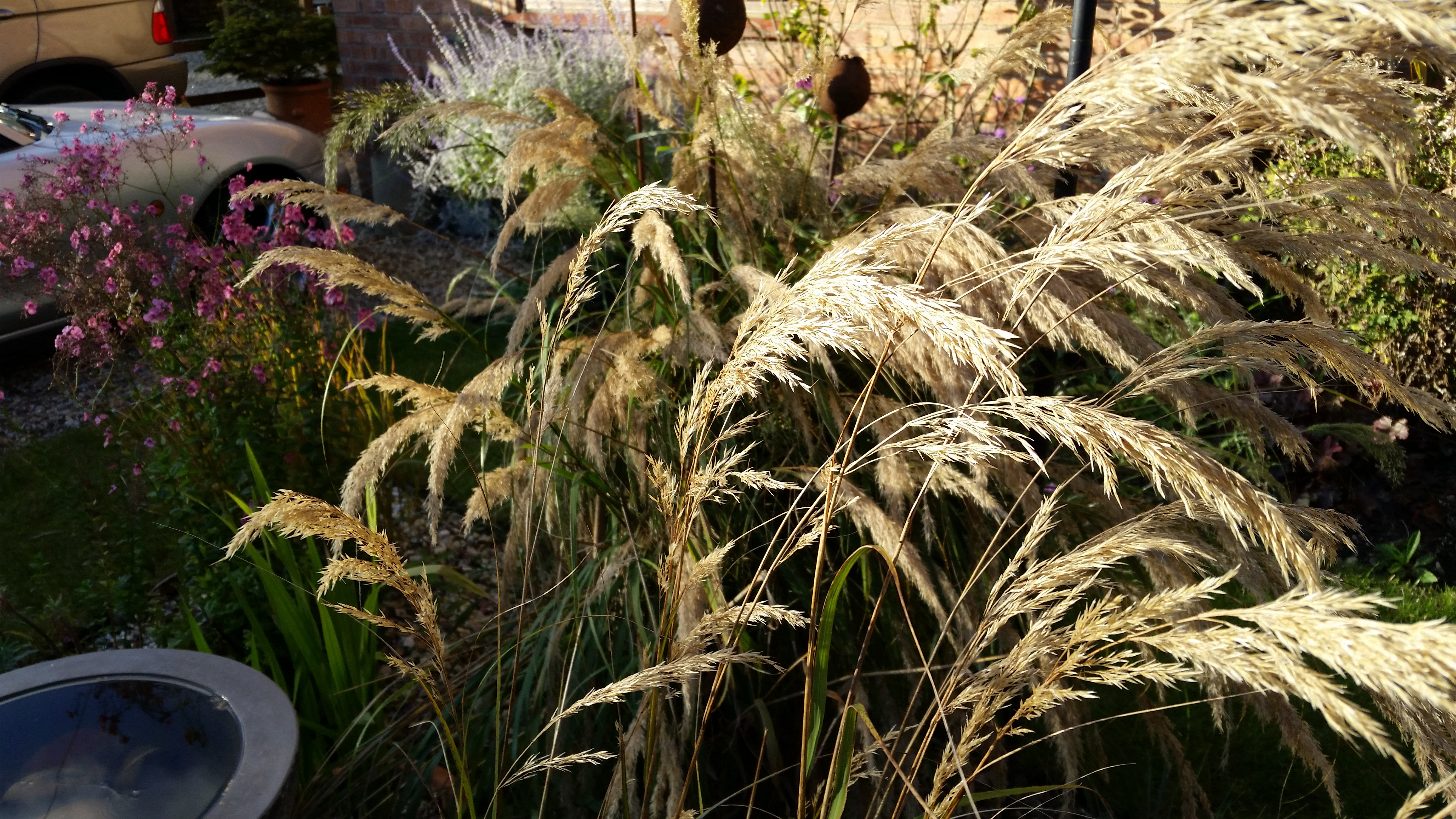
Silken heads of soft grasses catch every iota of light and absorbs it to put themselves in the spotlights.

pt-06 pt-09 pt-10

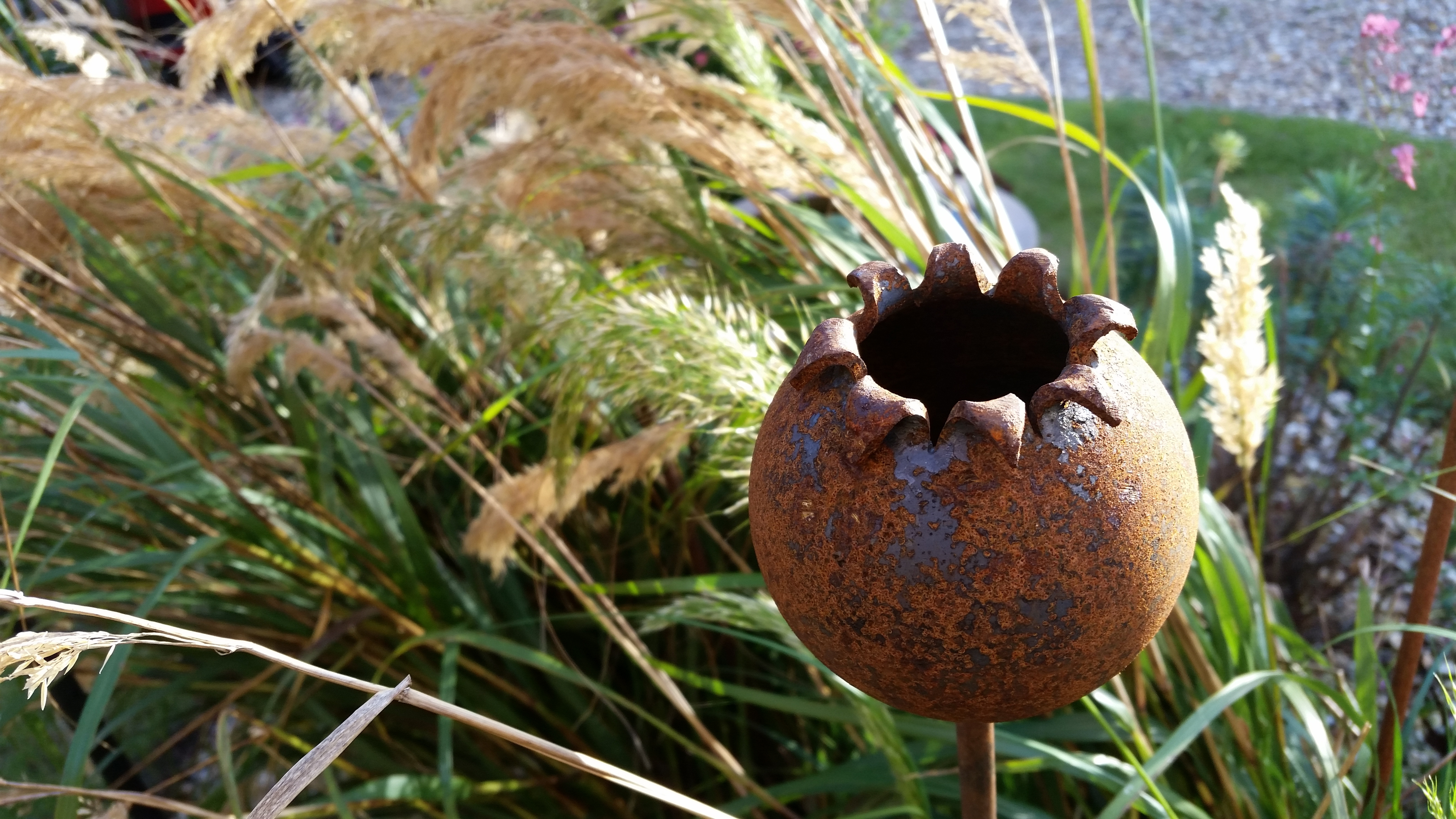
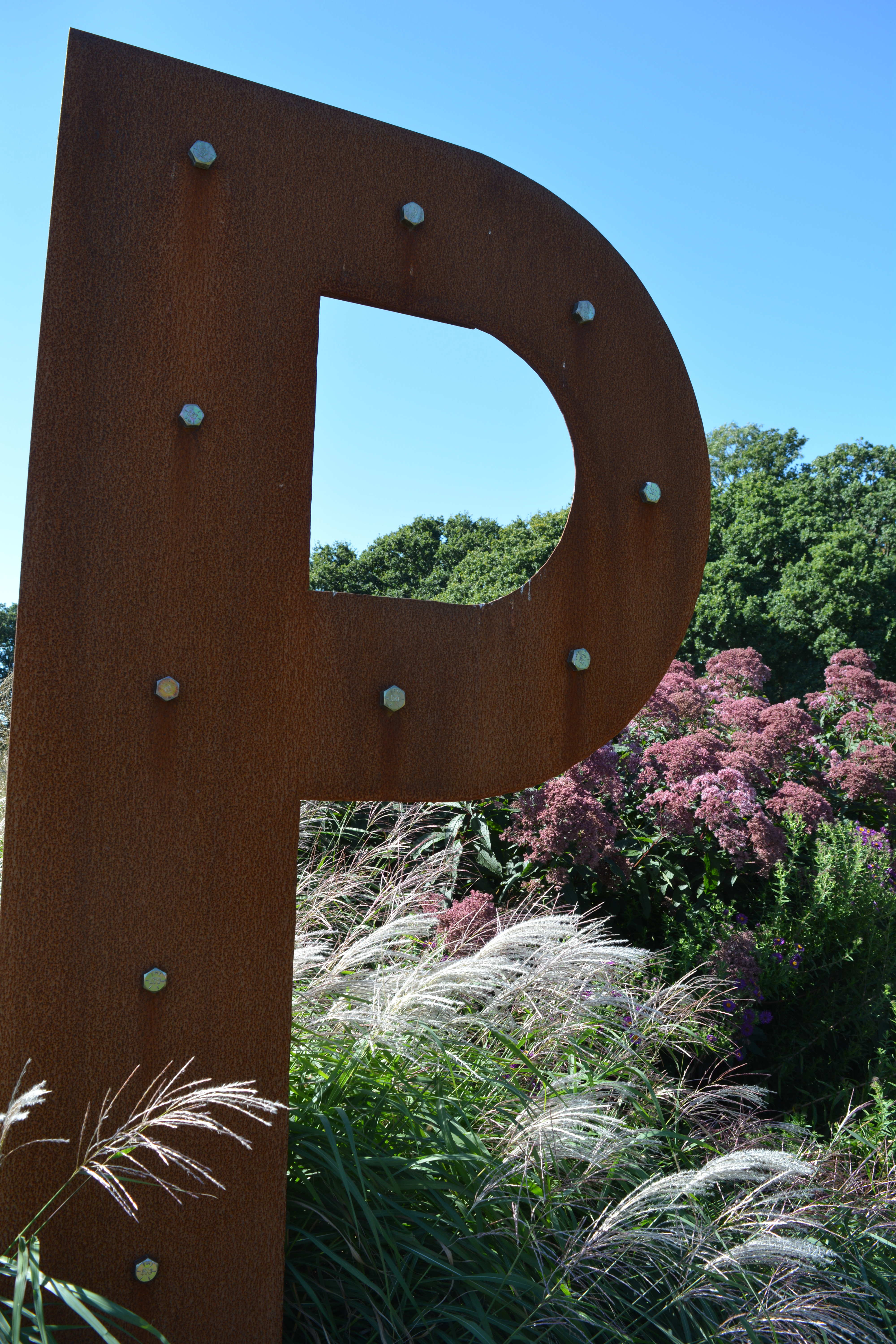
Well chosen sculptural pieces crafted in suitable materials enhance the plants rather than detract from them. The rust of the corten steel is the perfect material both its colour and texture which allow them to sit beautifully with the silky heads of the grasses flowing past them.

pt-07 pt-08

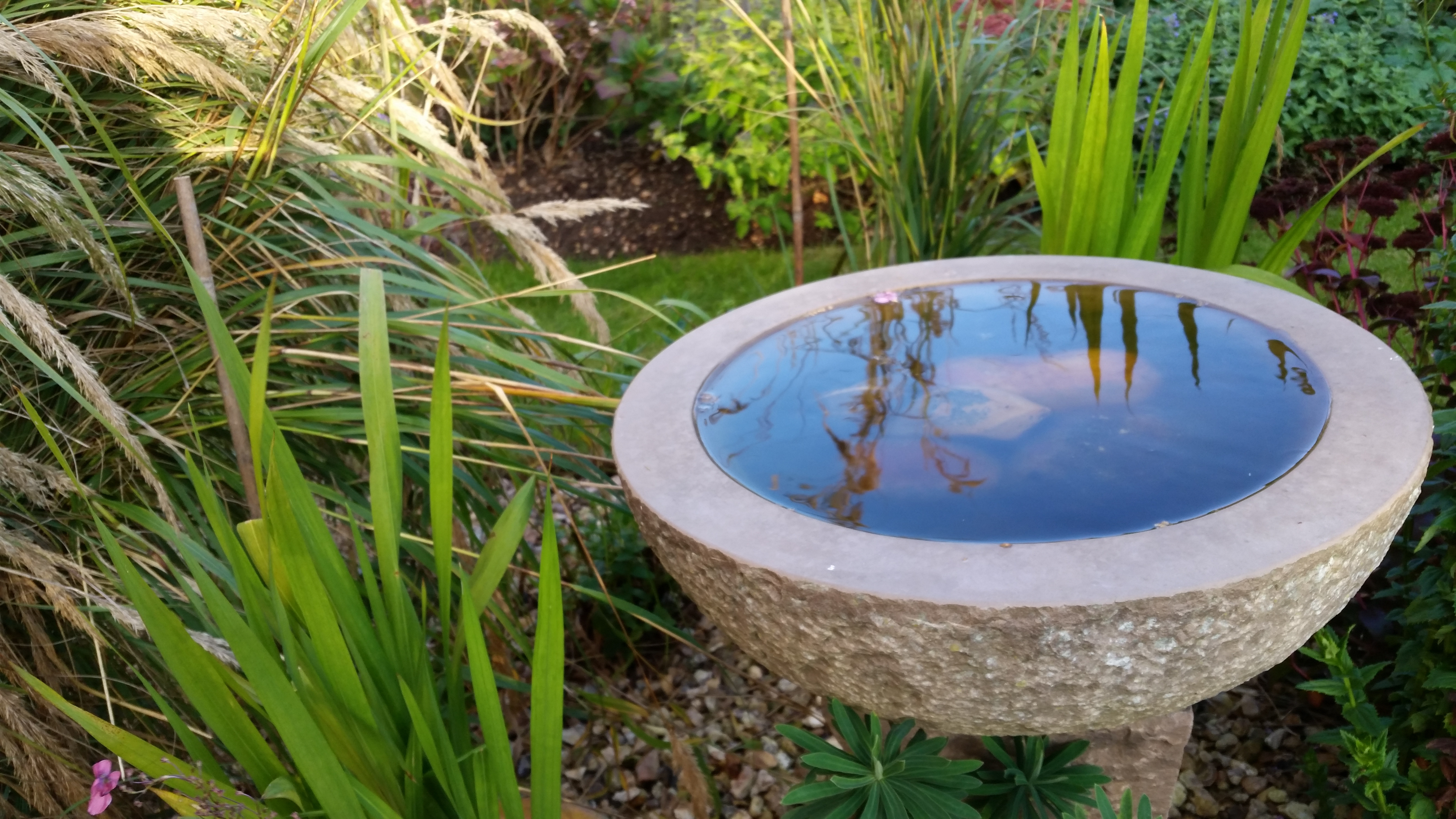
Clear water with a flat reflective surface borrows the colour of the sky and adds it to the composition. The simple contrast of foliage shape and structure of the plants in the bed works beautifully because of the limited number of different plants used.

pt-11 pt-12

To see the rest of the garden just check back on my post published in August 2013 called “A village garden with a difference,”


Categories
colours garden design garden photography gardening gardens gardens open to the public grasses hardy perennials ornamental grasses outdoor sculpture sculpture

Sussex Prairie Garden – a prairie garden in Sussex

This is a garden I have been reading about and admiring in photographs for several years and I have enjoyed watching it develop. Imagine our surprise when we were on a mid-week break in September and discovered that we were staying in a hotel not too far from the Sussex Prairie Garden. We couldn’t miss this opportunity so it soon found a slot in our schedule. The big question was “Can it really be as good as we are expecting?” and this stayed in my mind as we drove out to visit it. Surely we wouldn’t be disappointed!

We weren’t and we knew immediately that we wouldn’t be by the welcoming entrance, an unusual, quirky and humorous way in, coupled with a distinctive and beautifully designed garden sign.

sus-5 sus-3  sus4-5 sus-6

We also loved the simple stylized plan of the garden and the welcome notes on the back.

sepj-01

The leaflet described the garden as an “extraordinary garden features huge borders of sumptuous planting combinations that inspire and immerse you in an ever changing wave of texture, colour and form.”

To get to the main garden and tea shop we diverted to follow a path through the cutting garden. This area was to prepare us for the wonderful main garden we would explore after our tea and cakes.

sus5-02 sus5-03 sus5-04 sus5-05 sus5-06 sus5-07 sus5-08 sus5-09

There are 8 acres of naturalistically planted prairie garden containing over 50 ooo plants of over 1000 varieties and these are a magnet for wildlife. The only way to share such an exciting garden with you is to create a gallery for you to follow. As usual please click on the first photo and then navigate with the arrows.

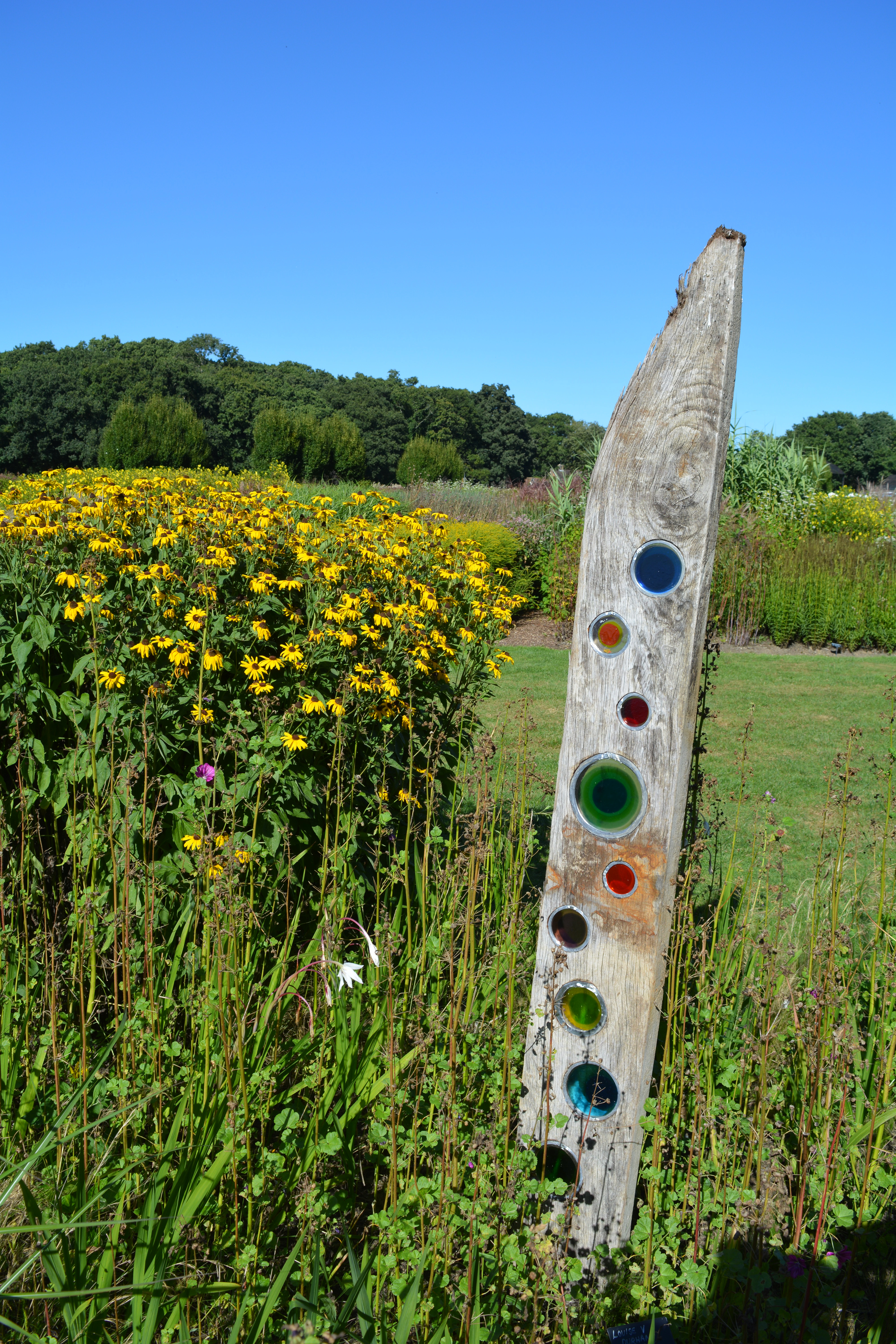
We love sculpture in the garden and here at the Sussex Prairie Garden it was used very well, integrated beautifully into the planting areas and on open areas of mown grass.

sus2-31 sus2-14 sus2-11sus2-13 sus2-10 sus2-09 sus2-23 sus2-08 sus2-07 sus2-25 sus2-06  sus2-18 sus2-20sus2-22 sus2-21 sus2-17 sus2-15 sus2-16 sus2-05  sus2-03

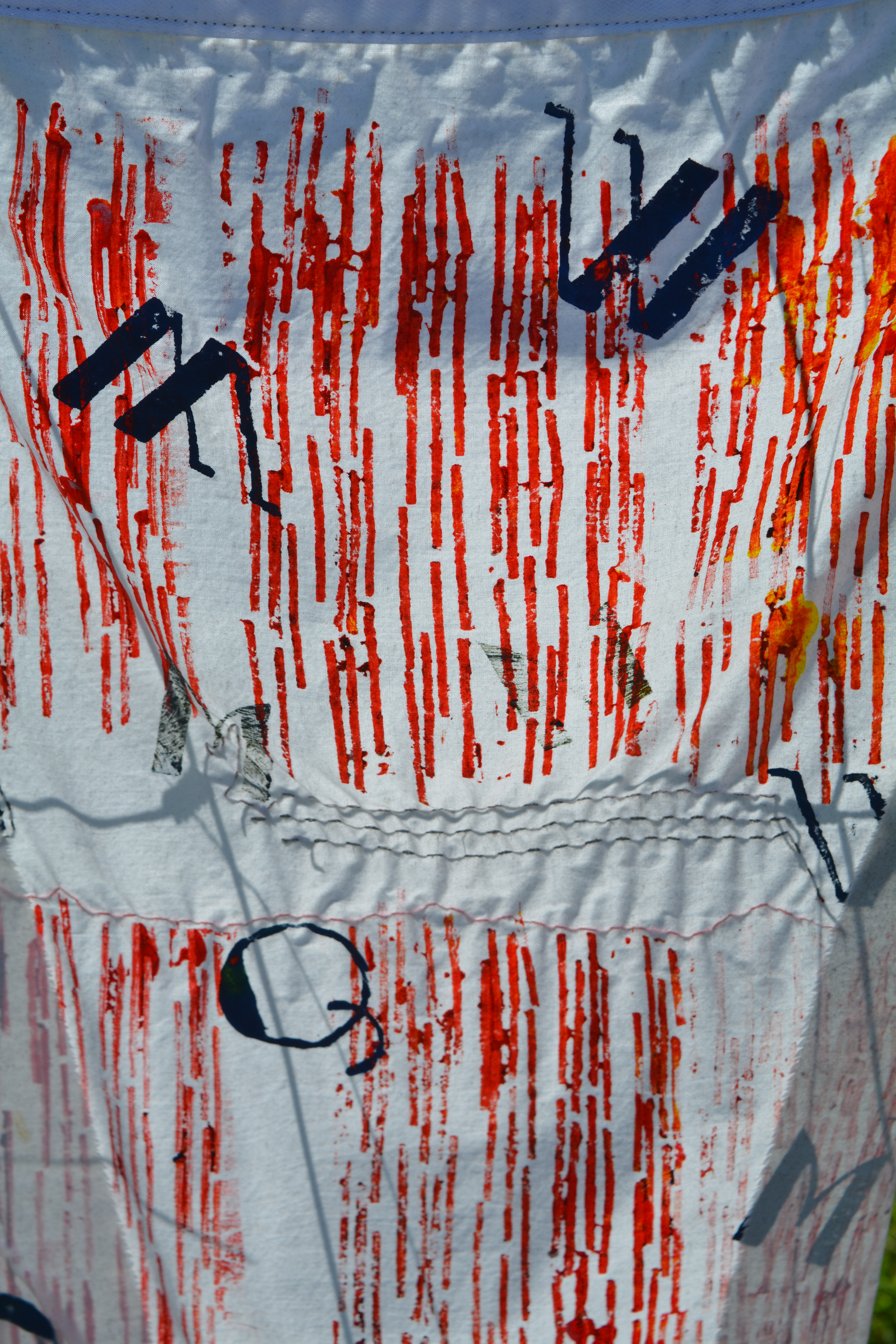
As we reached the furthest point in the garden from the entrance we were in for a colourful surprise before we continued on our wanderings, beautiful fabric hangings on the fence.

sus3-4 sus3-1 sus3-2 sus3-3

So the Sussex Prairie was as good as we had hoped, the planting and design was remarkable. We must return again perhaps in the autumn season.


Categories
garden buildings garden designers garden furniture garden seating gardens gardens open to the public Yellow Book Gardens

Are you sitting comfortably? – part ten of a very occasional series

Here we are – with the tenth post in my very occasional series looking at my collection of photographs of garden seats we discover as we explore the gardens we enjoy visiting so much. We have many seats in our own garden to allow us to sit and enjoy it. Equally we look for seats in every garden we visit to help us sit and fully appreciate what we see.
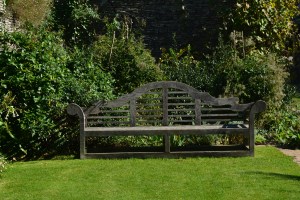
Here is a selection from a Shropshire Yellow Book garden, Windy Ridge. They show how important it is to place seats in suitable places so that they are in harmony with the plants themselves.

win-37 win-25 win-22 win-01 win-04 win-03

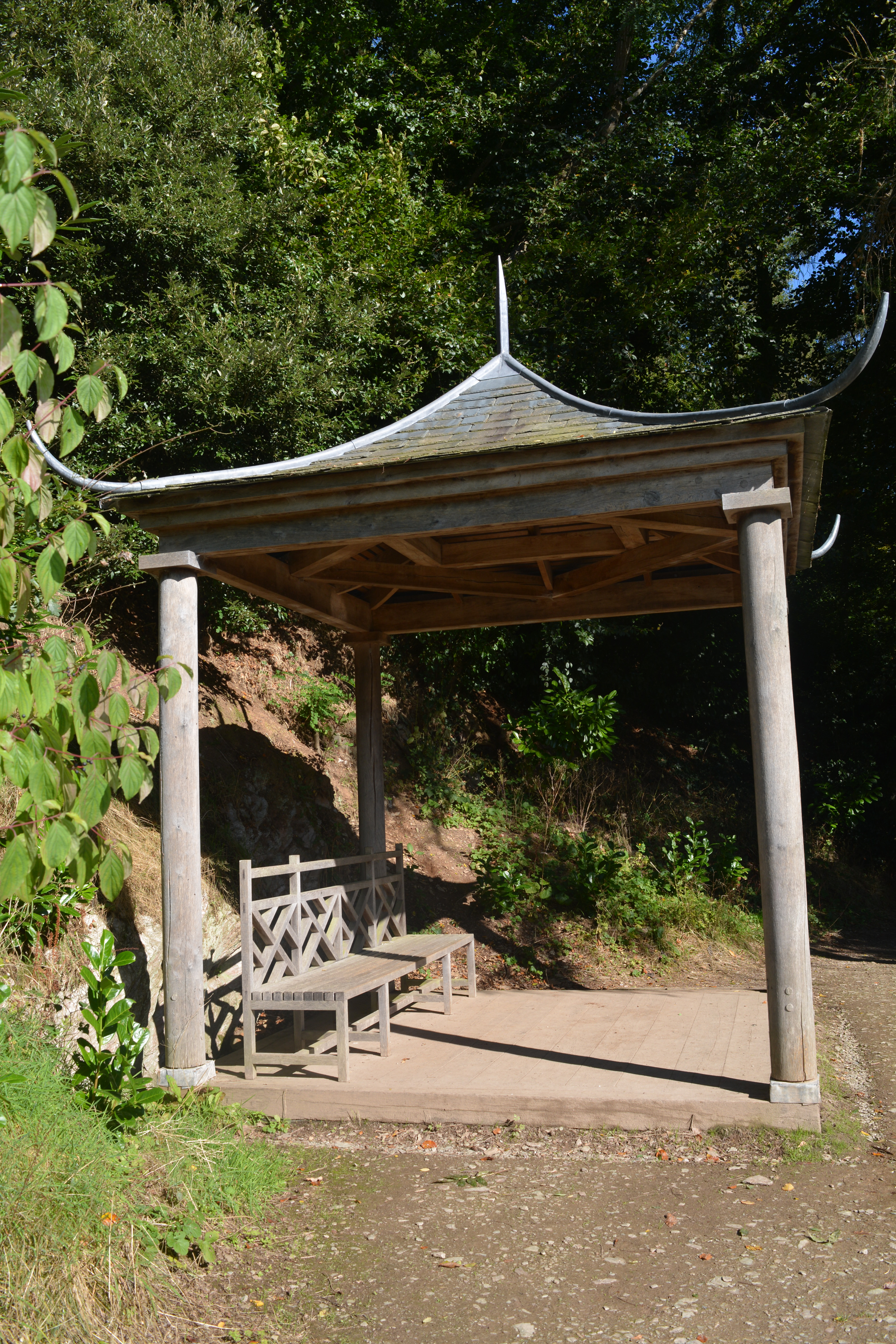
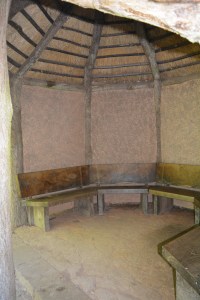
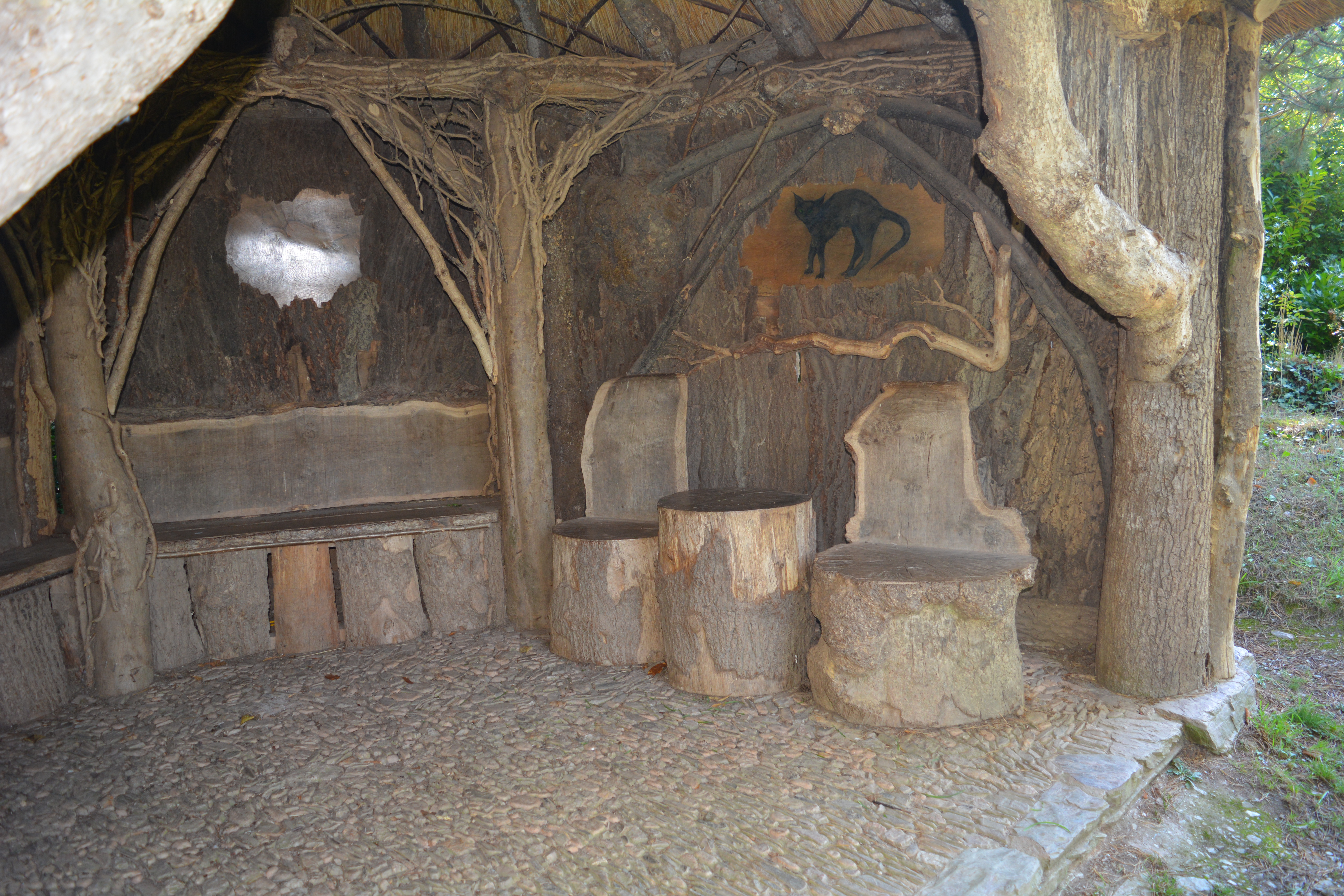
Windy Ridge is a small family garden visited by hundreds of gardeners every year. We will now look at how a much larger garden uses different seats in different ways to suit its own particular circumstances. Hestercombe is a large garden designed partly by Edwin Lutyens and Gertrude Jekyll which is open to the public attracting thousands of visitors each year. The famous Lutyens benches obviously feature strongly as expected. This seat design must be the most famous and recognised of all garden furniture. As well as these benches there is a wide range of unusual ones to be explored, including several in buildings of many styles plus a few in a huge tent shaped like a shuttlecock.

seats-15 seats-18 seats-03 seats-05 seats-07seats-04 seats-08 seats-09 seats-12seats-10 seats-11  seats-13 seats-16 seats-17 seats-01

Where will our next selection of unusual, wonderful and strange garden seats come from? We are already searching them out!

Categories
buildings garden buildings garden furniture garden photography garden seating garden wildlife gardening gardens gardens open to the public hardy perennials nurseries Shropshire village gardens walled gardens Yellow Book Gardens

Mynd Hardy Plants – return to a favourite nursery.

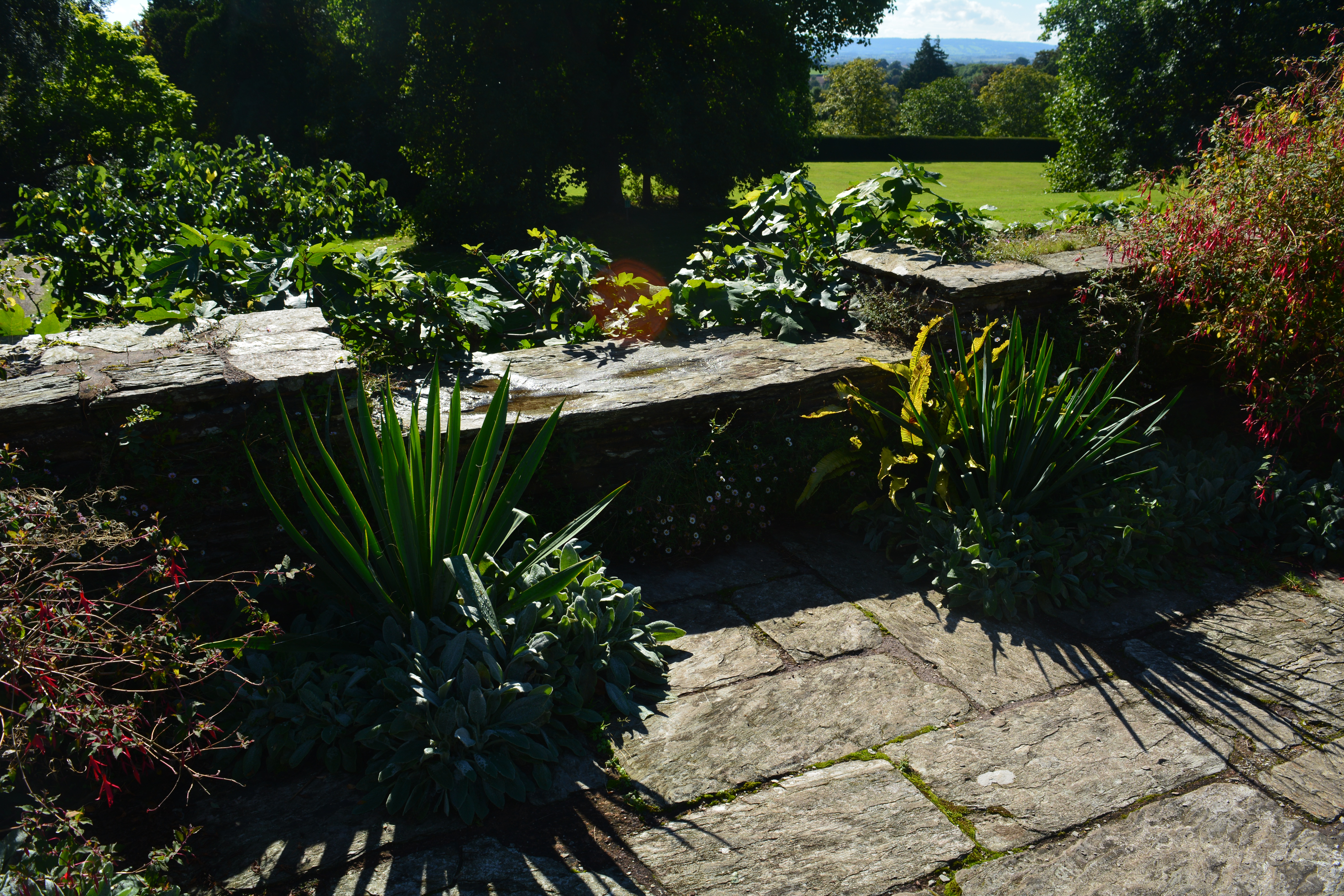
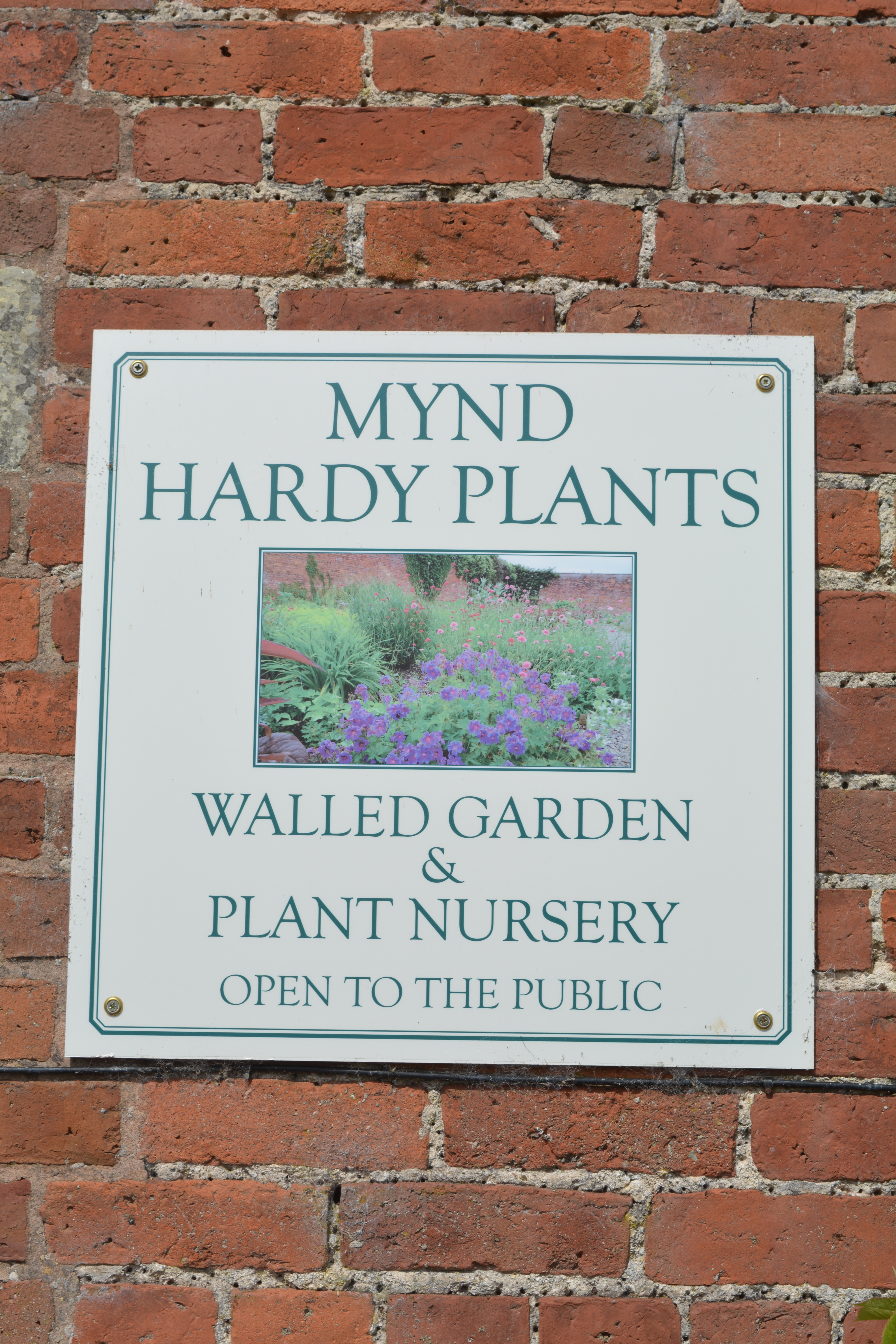
Jude the Undergardener, aka Mrs Greenbench, and I are not fans of garden centres where things horticultural are disappearing under an avalanche of gifts, fancy foods, pet foods etc etc but we do love our independently run plant nurseries and have a handful of local favourites we visit when we need plants to complete new plantings or just fancy a bit of compulsive plant buying. Mynd Hardy Plants situated in Shropshire’s Corvedale ranks as a top favourite, so we thought you may enjoy coming on a visit with us. The fact that it opens for the National Garden Scheme like we do is an extra bonus.

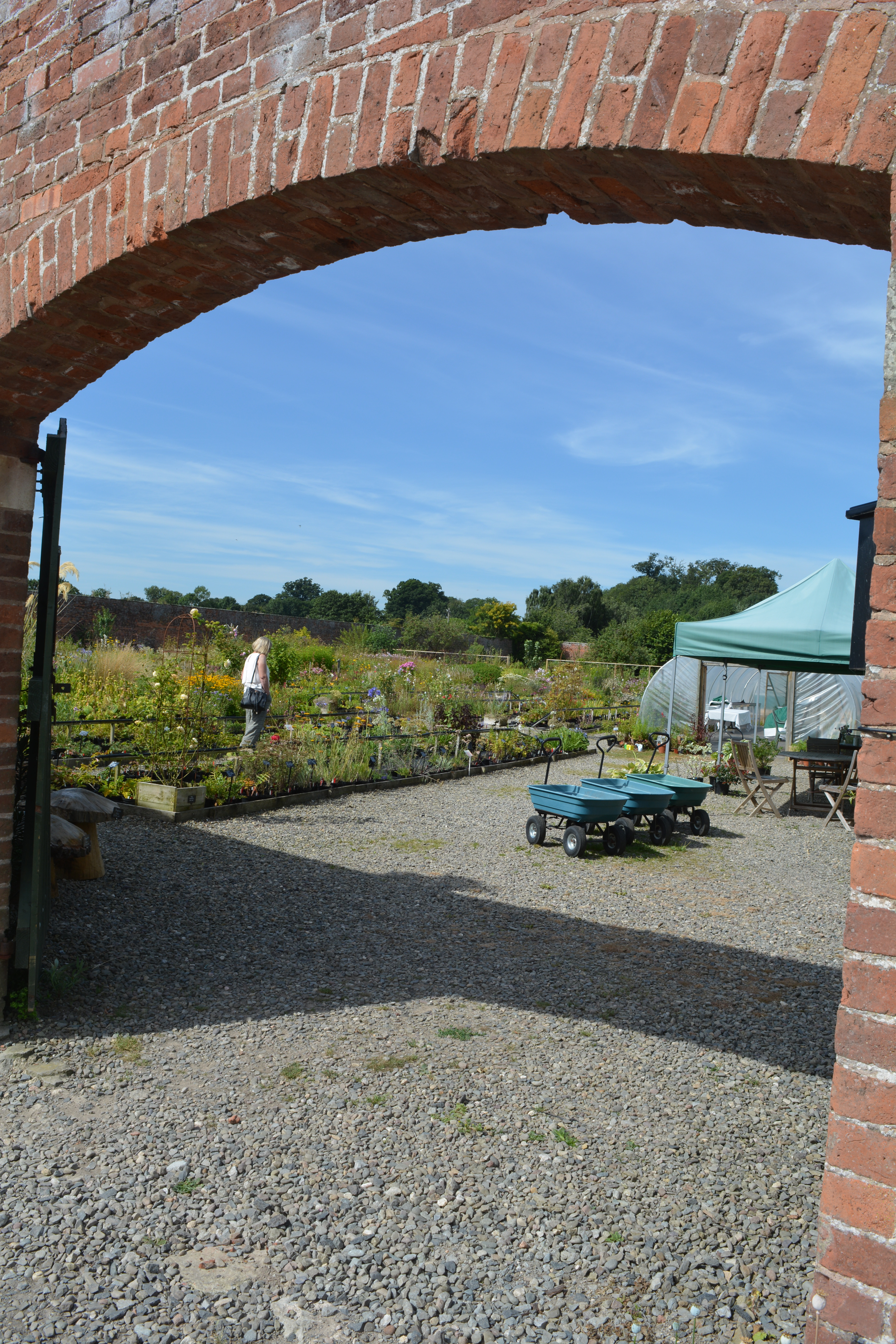
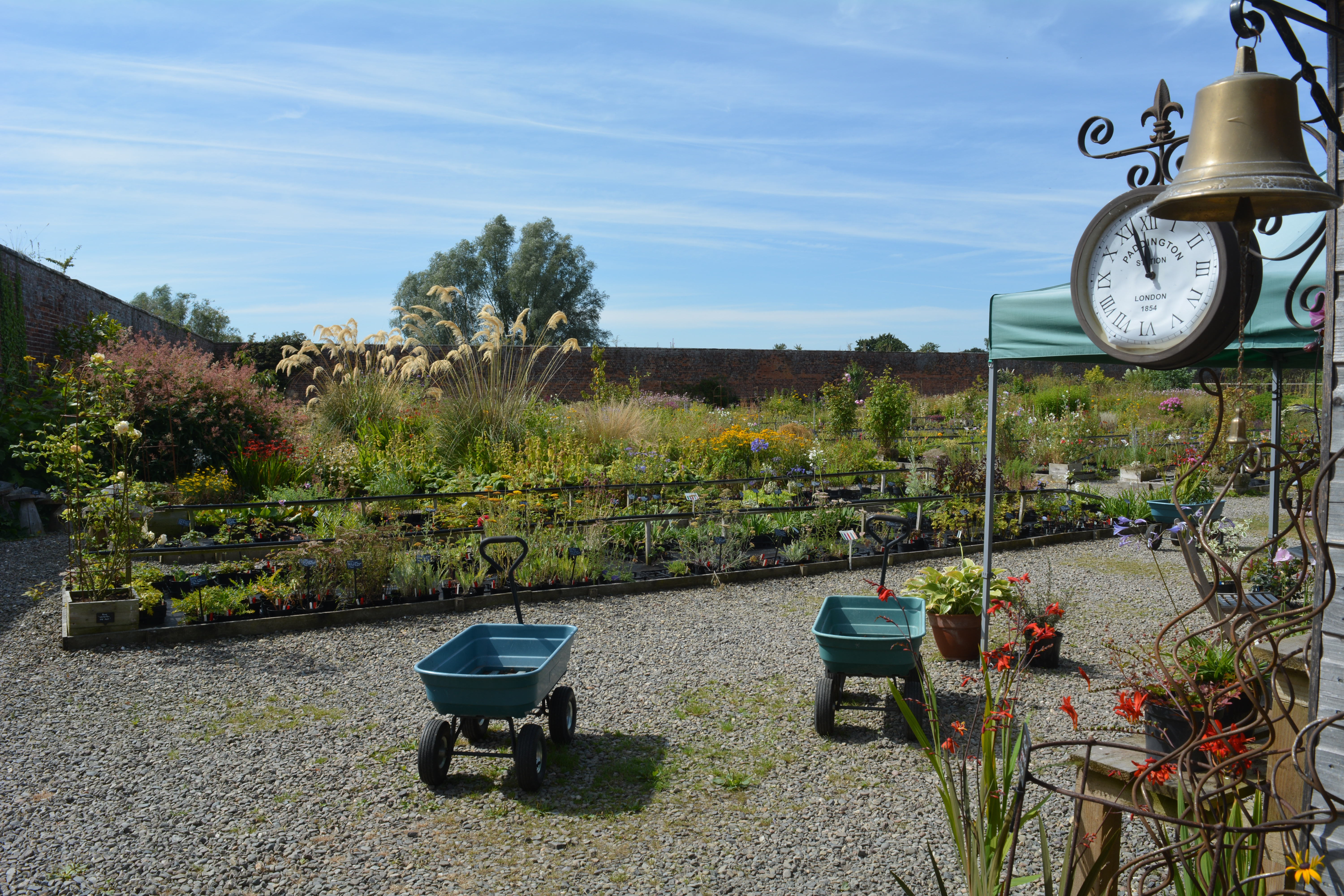
As soon as we pull up to park the car alongside the outer wall of the walled garden we feel warmly welcome and this warmth increases as we enter through the old doorway. When we take our first steps inside smiles appear.

mhp-01 mhp-02 mhp-03 mhp-04 mhp-05

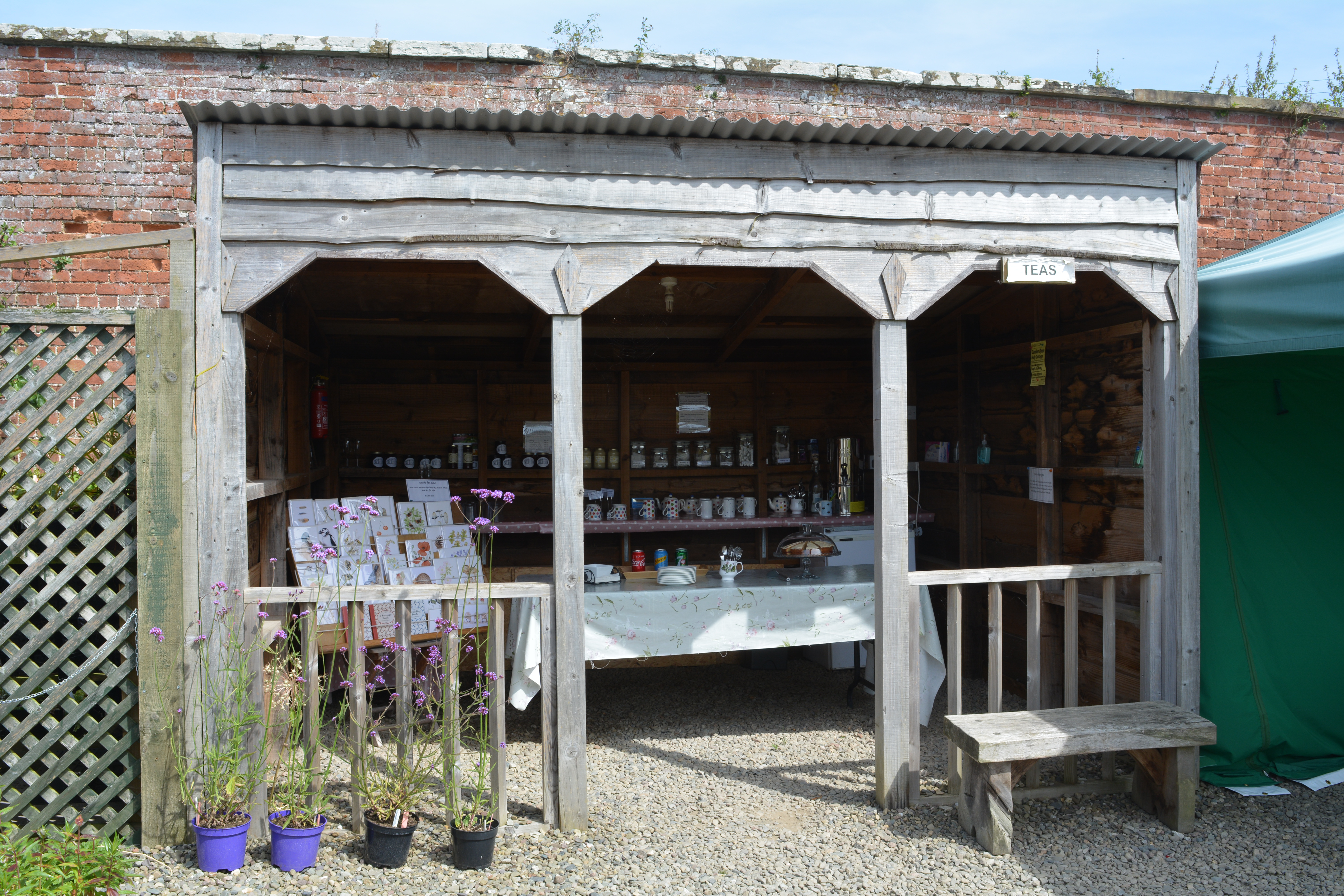
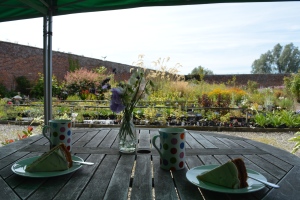
Mynd Hardy Plants is not simply a nursery it is also a garden, and both aspects are worthy of a visit in their own right. But of course a simple tea shop selling home made cakes and beverages with seats overlooking the nursery and gardens is a real bonus.

mhp-07 mhp-08  mhp-10 mhp-06mhp-12 mhp-14

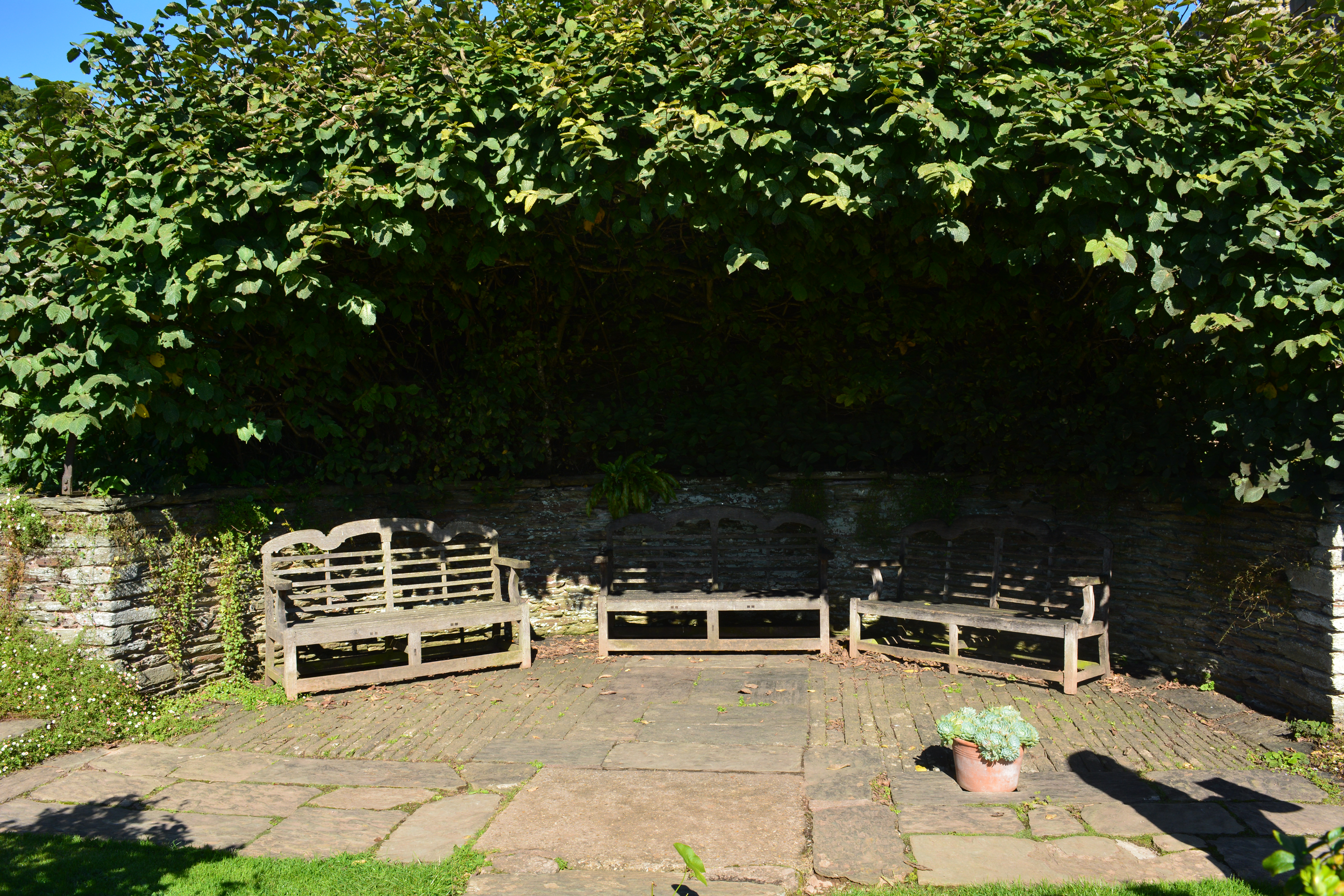
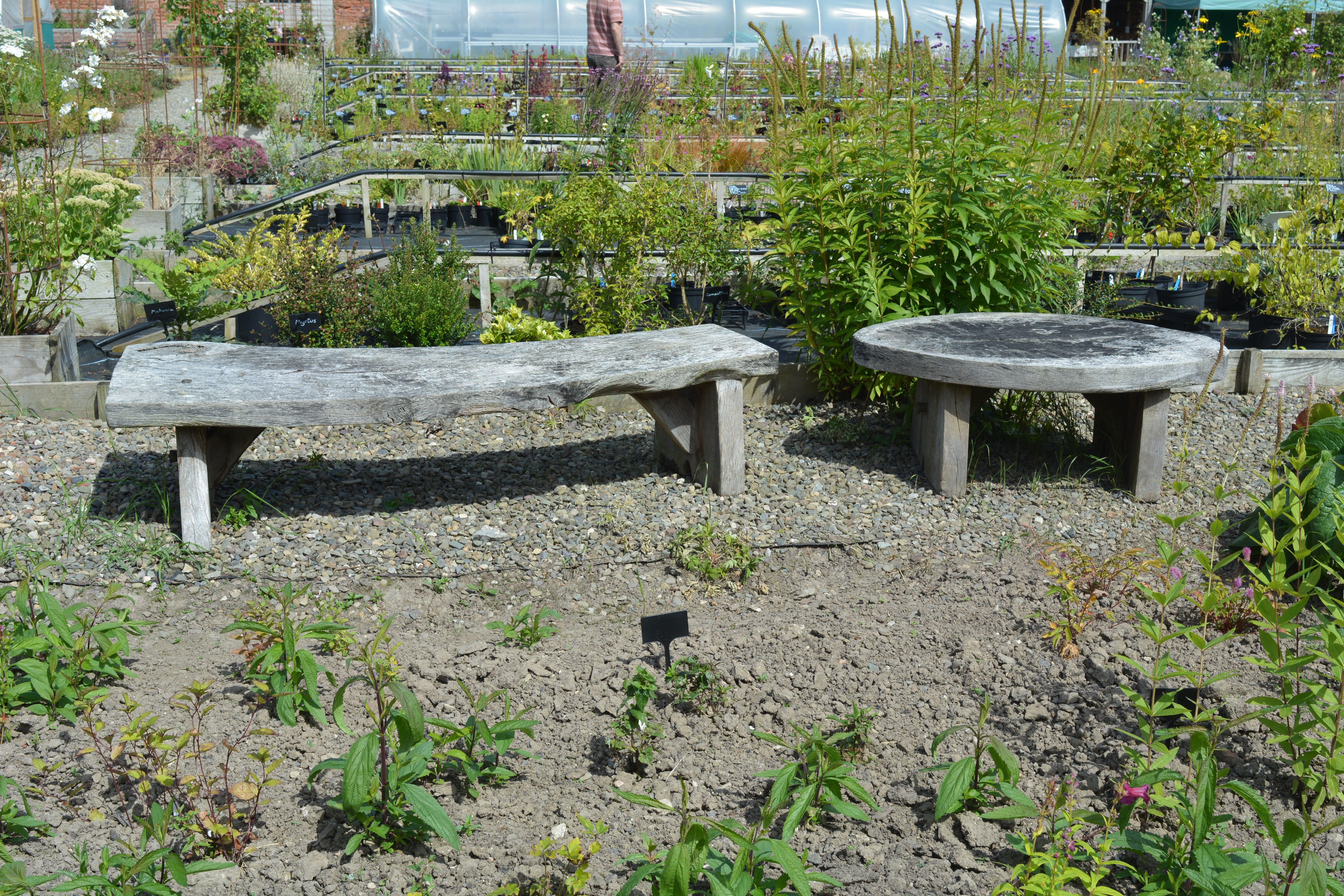
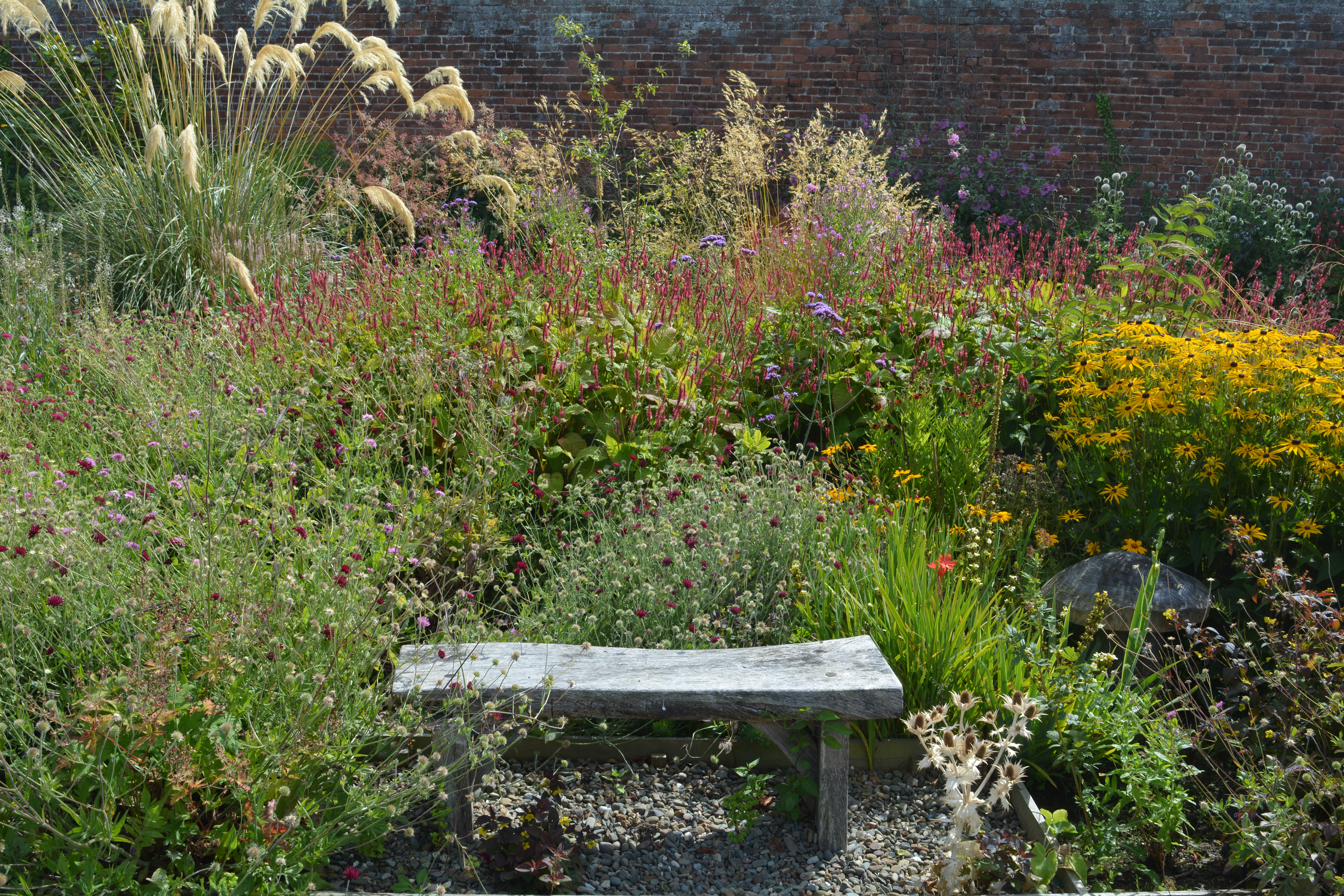
Comfy rustic seats invite us to sit and appreciate the atmosphere of the walled garden.

mhp-09 mhp-16mhp2-13

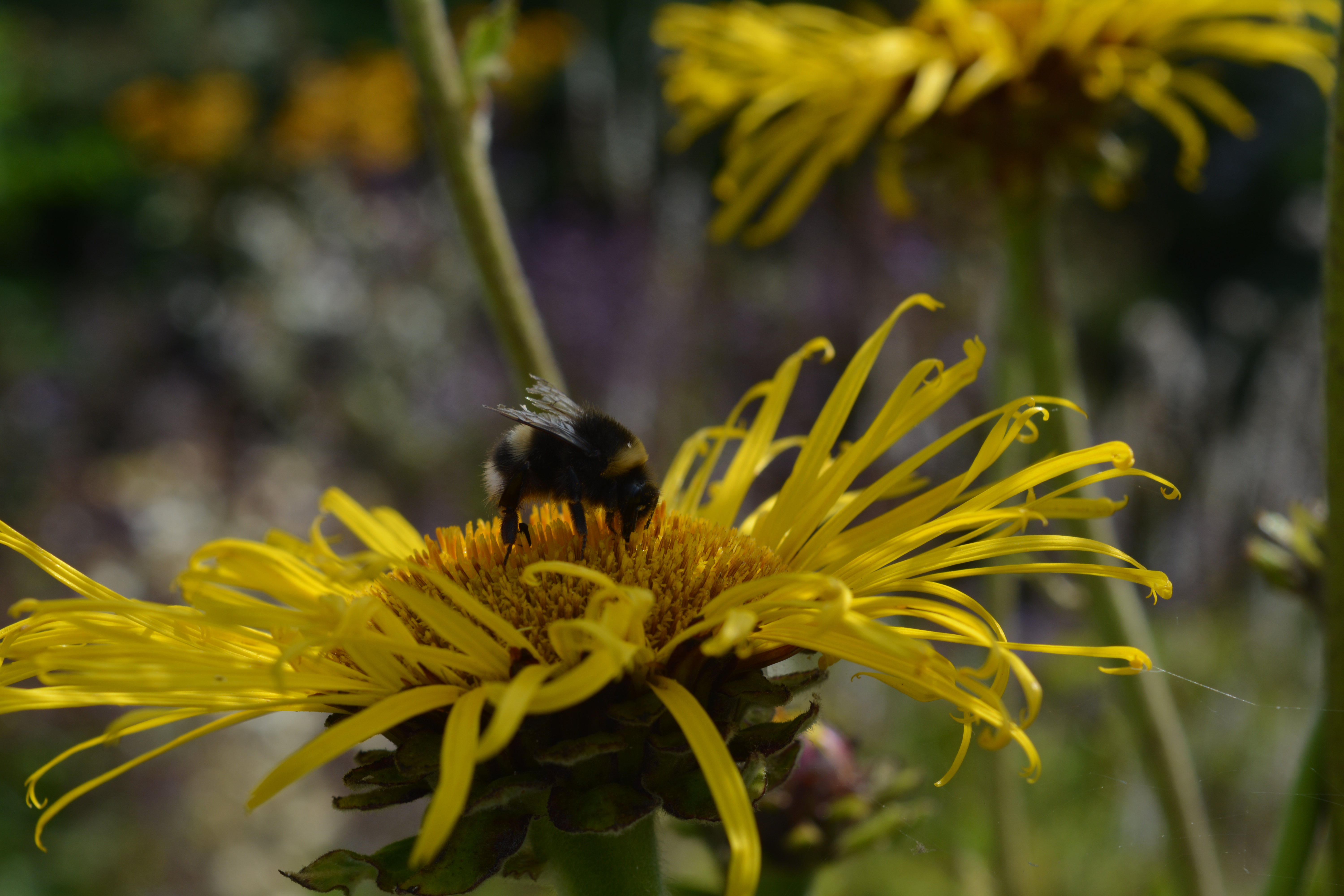
It wasn’t just us enjoying our visit, there was plenty of wildlife around. We could see movement throughout the areas of rich and colourful flowering. Bees, Hoverflies and Butterflies were busily feeding on the most simple flowers, the daisies and spires in particular.

mhp1-2 mhp-13

There are so many exciting plants and complementary plant combinations at every turn and around every corner at Long Mynd Hardy Plants that the only way to share so much with you is by creating a gallery for your enjoyment. As usual click on the first photo and then navigate using the arrows.

On our last visit we spent time talking with nursery-woman Jill over coffee and cake overlooking the nursery she outlined their ambitious plans and explained what her and her husband had achieved since we last saw them.We expect these plans will be achieved and we look forward to seeing more changes as we visit in the future.

mhp-11 mhp-15

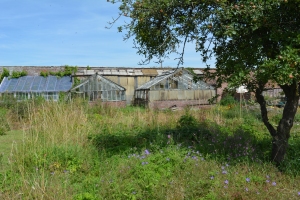
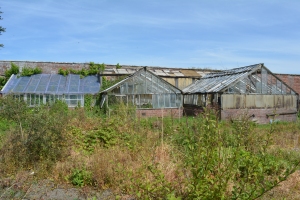
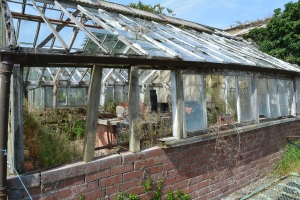
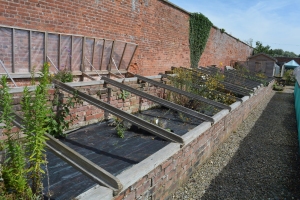
Jill explained that when they cleared the derelict half of the old walled garden they discovered a range of ancient glasshouses and a long run of cold frames. Eventually these will be restored and will be an amazing addition to the nursery and garden. An old orchard is under restoration too and there will soon be stock beds for visitors to study as well.

mhp-18 mhp-21mhp-23 mhp-29mhp-22 mhp-27mhp-20 mhp-19mhp-17 mhp-24

We hope you enjoyed this snapshot of a great little independent nursery and display garden as much as we enjoyed sharing it with you.


Categories
arboreta autumn autumn colours colours flowering bulbs garden design garden photography gardening gardens gardens open to the public half-hardy perennials hardy perennials National Garden Scheme NGS ornamental trees and shrubs Shropshire shrubs trees Yellow Book Gardens

The Dorothy Clive Garden in September

Back again ready to enjoy another visit to the Dorothy Clive Gardens and see what has been happening since our August visit. We expected early signs of Autumn and hoped for some colourful displays of Dahlias and Salvias. We decided to take a walk around the young mini-arboretum area this month instead of following the winding paths of the Dingle which has less interest at this time of the year.

Dcoc-29 Dcoc-01

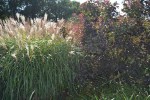
As we wandered over to the coffee shop we admired the views over the lower garden and the light which lit up the Pampus Grass behind the Viburnum caught my eye. This was a sign that we could be looking forward to interesting light for garden photography. fingers crossed!

Dcoc-02 Dcoc-36

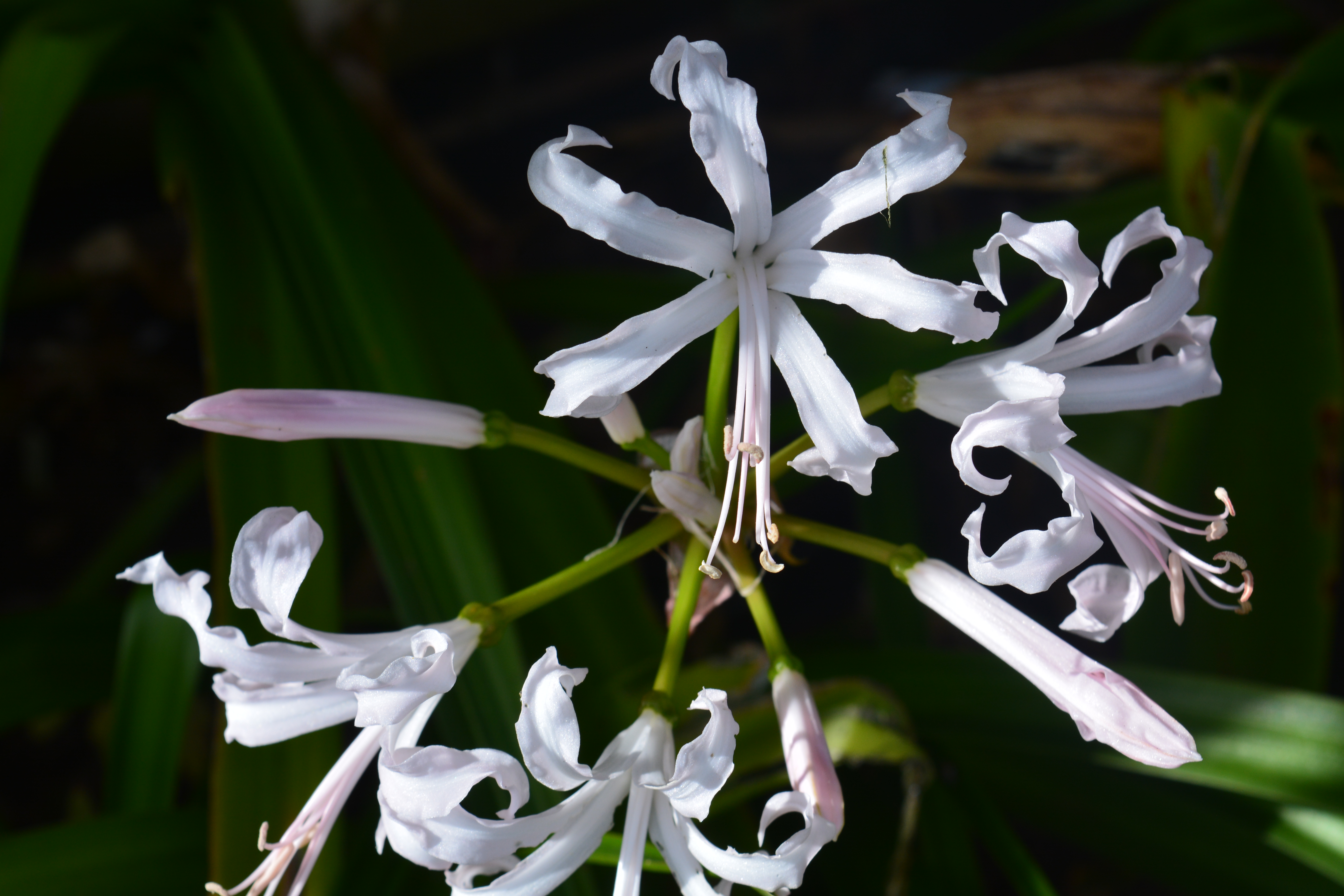
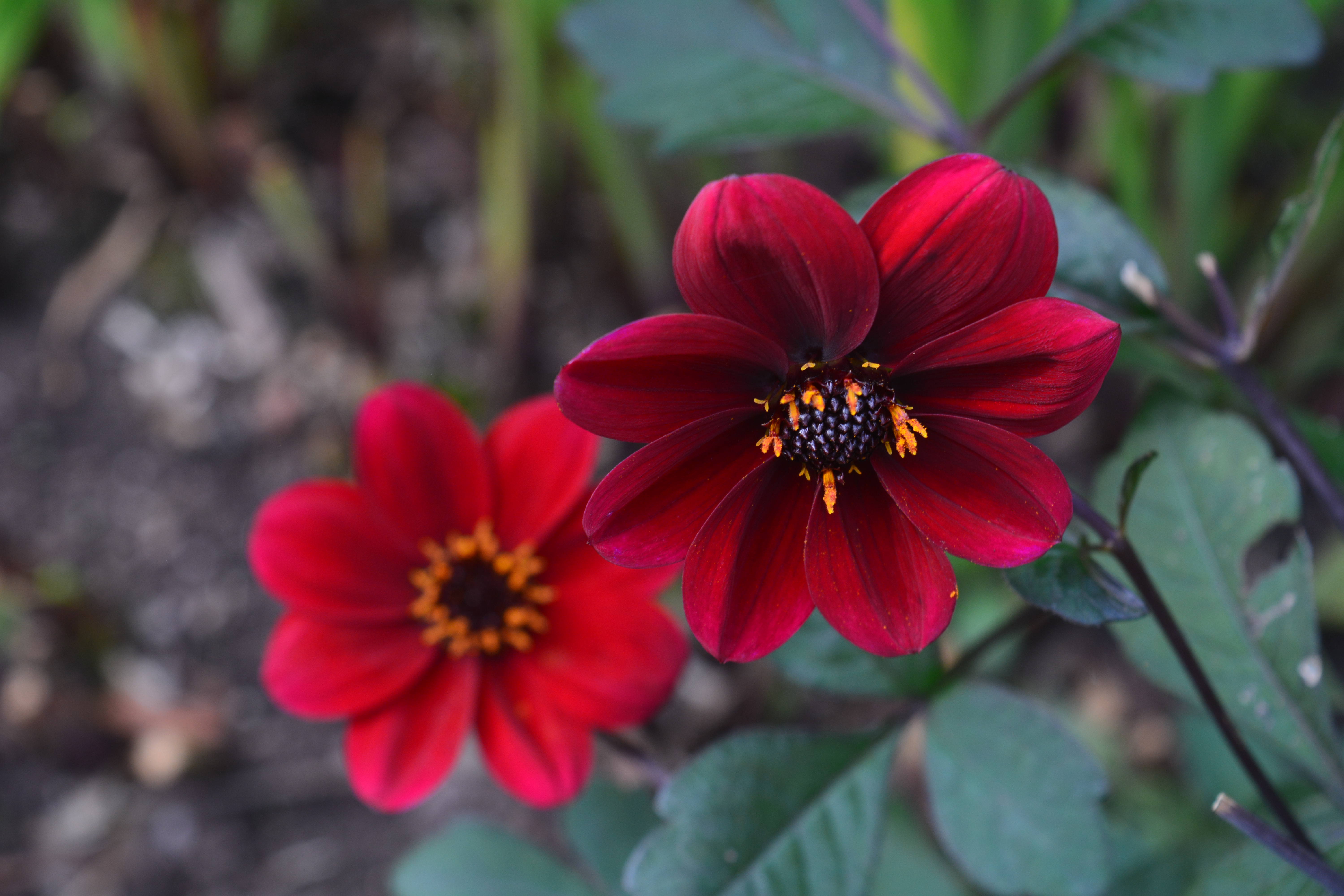
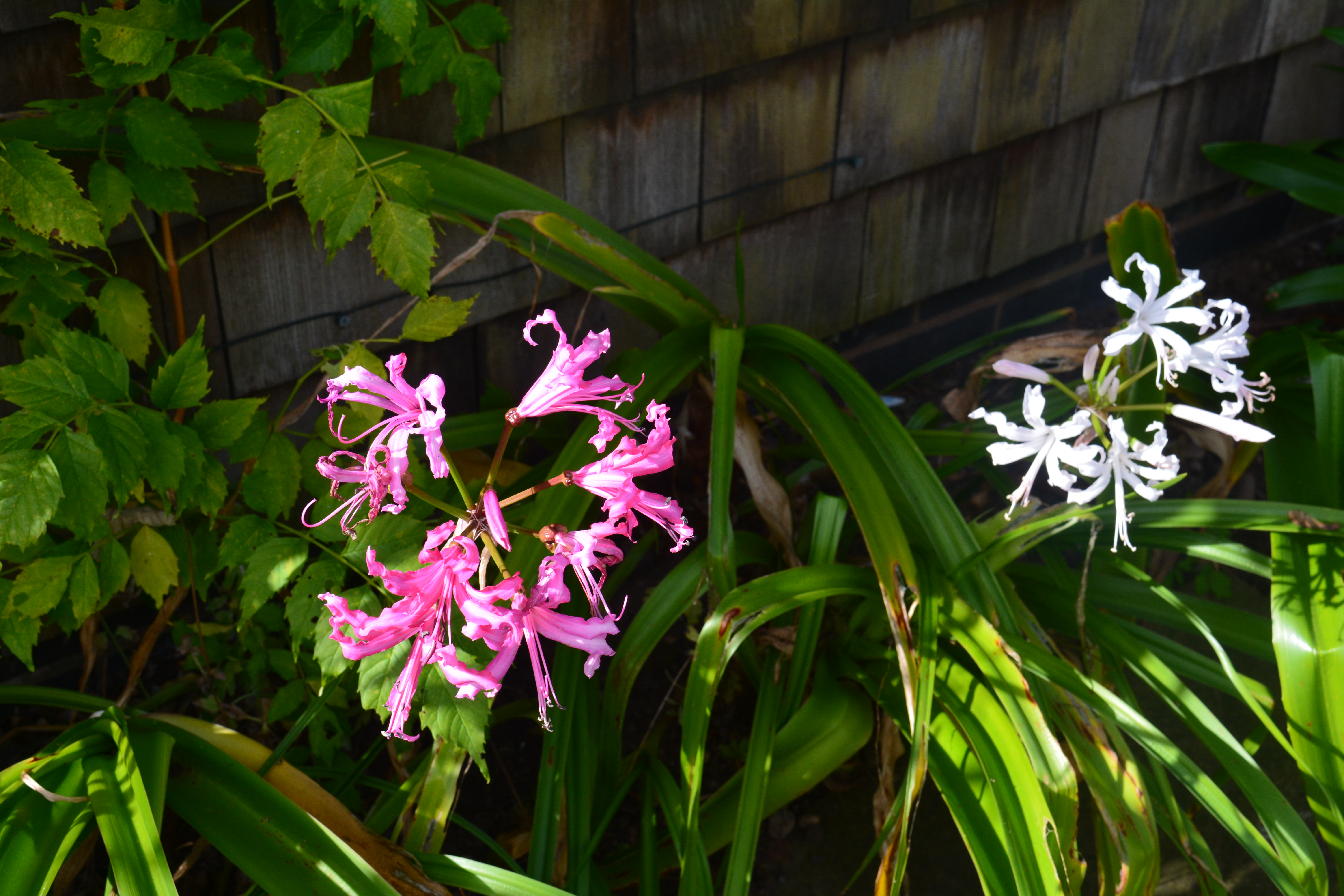
The border alongside the entrance to the coffee shop was at its most colourful so far this year, with Dahlias, Salvias, Nerine and Hesperantha sharing their colours.

Dcoc-52 Dcoc-10 Dcoc-09 Dcoc-08 Dcoc-07 Dcoc-11 Dcoc-12 Dcoc-06

These brightly coloured plants set the scene for much of our September visit.

Dcoc-42 Dcoc-58 Dcoc-50 Dcoc-27

I thought that a gallery of brightly cheerful flowering plants would be a good way of sharing the warm feeling prevailing over the Dorothy Clive Garden this September visit.

Please click on first pic and then navigate using arrows and of course enjoy!

I promised to share our enjoyment of wandering around the soft grass paths that led us around the little arboretum and closely studying the young trees. One surprise was the total lack of autumnal tints to the foliage.

dca-01 dca-28 dca-02 dca-03 

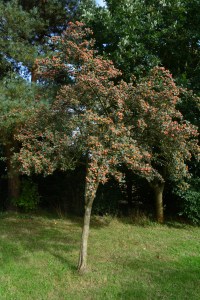
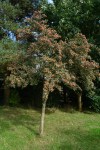
We were particularly taken by this unusual, in fact unknown to us, Hawthorn, Crataegus laciniata. We are now considering adding one to our garden.

The foliage presented a metallic appearance, almost pewter and the haws ranged from yellows through orange and to a dull brown – a most subtle but attractive combination.

dca-12 dca-13dca-14

I feel that another gallery is the best way to share our amble through the arboretum.


Our next visit to these lovely gardens will be for our October report so we should be getting into signs if autumn by then.

Categories
Uncategorized

Snapshot: Greenbenchramblings

Winterbourne House and Garden's avatarDigging for Dirt

Malcolm Mollart is the author of a long-running garden blog Greenbenchramblings which is inspired by the garden he created with his wife, Jude, in the South Shropshire Hills. In June of this year, Malcom paid us a visit and took plenty of photographs whilst he was at it. We asked him to select some of his favourites, tell us about his own passion for horticulture and pick out those bits of Winterbourne which made the greatest impression.

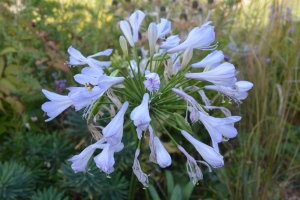
Agapanthus and Eucomis, photograph by Malcolm Mollart, Winterbourne House and Garden, Digging for Dirt Agapanthus and Eucomis, photograph by Malcolm Mollart

“I am a 65-year-old retired head teacher, who had to retire early due to disability. I have now spent more years in retirement than working, so have had the luxury of time to develop my gardening skills and ideas. My love of gardening comes from my Father who loved his cottage style garden and was well-known locally for his roses.”

Edgbaston Pool, photograph by Malcolm Mollart, Winterbourne House and Garden, Digging for Dirt Edgbaston Pool, photograph by Malcolm Mollart

View original post 405 more words

Categories
autumn autumn colours climbing plants colours garden photography gardening gardens hardy perennials light light quality ornamental trees and shrubs Shropshire shrubs

My Garden Journal in September

Back to my garden journal and we will look at my entries for September and see what our patch here at Avocet is up to.  According to the weather reporters and meteorologists we should now be in Autumn but the garden is showing few signs of the expected seasonal changes.

sepj-05

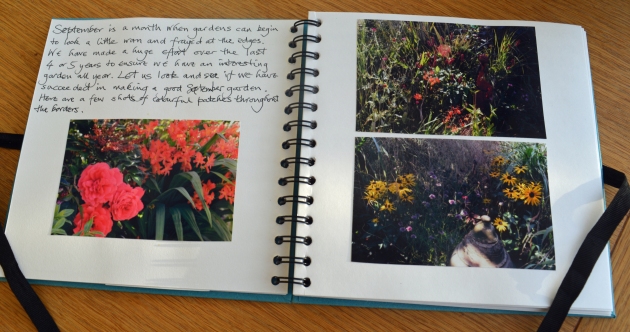
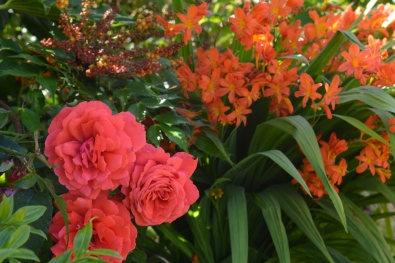
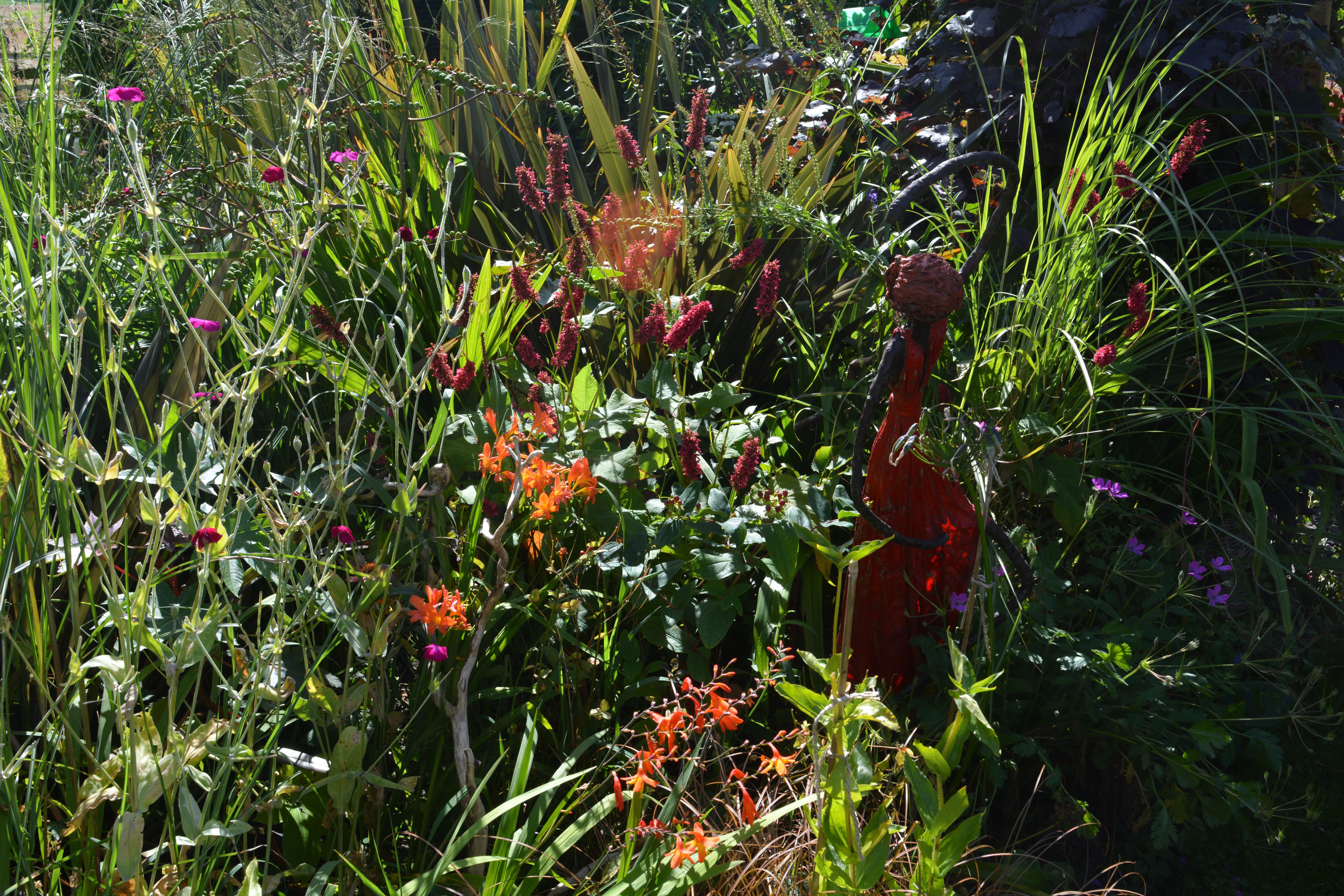
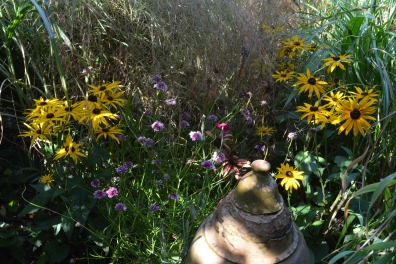
I started by finding patches of colourful plantings and wrote, “September is a month when gardens can begin to look a little worn and frayed at the edges. We have made a huge effort over the last 4 or 5 years to ensure we have an interesting garden all year. Let us look and see if we have succeeded in making a good September garden. Here are a few shots of colourful patches throughout the borders.”

Jude, Mrs Greenbench or The Undergardener, and I have created a talk entitled “The Year Round Garden” which we give to garden societies and other clubs such as WI groups and U3A groups. It is all about how we ensured our garden was good for every month of the year. Some of these groups also visit our garden at various times of year to have a look around. Giving these talks helps us focus on ensuring we continue to develop this ever evolving element of gardening and helps us appreciate every day and what our garden gives us on every individual day.

The three photos on these first September pages show very different patches of our garden.

sepj3-1sepj3-2sepj3-3

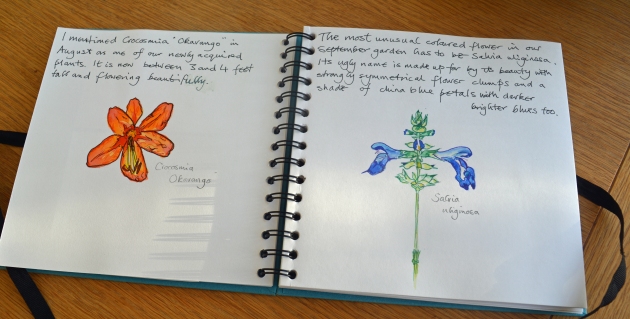
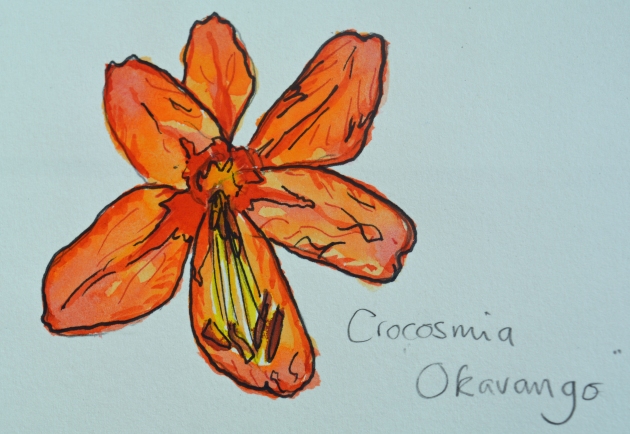
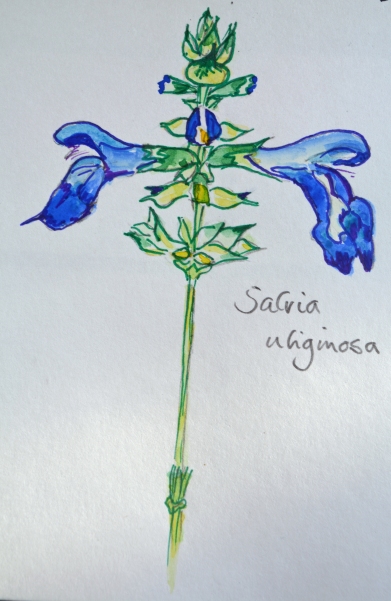
Turning over the page we find a couple of my watercolour paintings of two very differently coloured and differently structured flowers blooming in our September garden, a Crocosmia and a Salvia.

sepj-06

I wrote “I mentioned Crocosmia “Okavango” in my August journal entries as one of our newly acquired plants. It is now between 3 and 4 feet tall and flowering beautifully.”

sepj-07

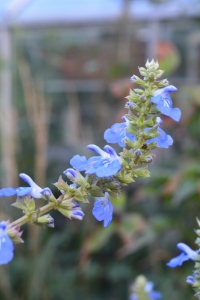
The most unusual coloured flower in our September garden has to be Salvia uliginosa. Its ugly name is made up for by its beauty with strongly symmetrical flower clumps and a shade of china blue petals with darker brighter blues too.”

sepj-08 sepj1-30sepj1-31 sepj1-29

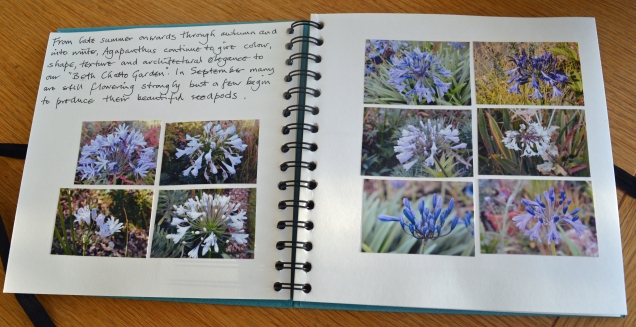
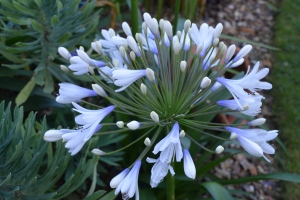
My next double page spread features those wonderful South African summer flowering bulbs, the Agapanthus. We have a large collection of these big blue or white spherical beauties.

sepj-09

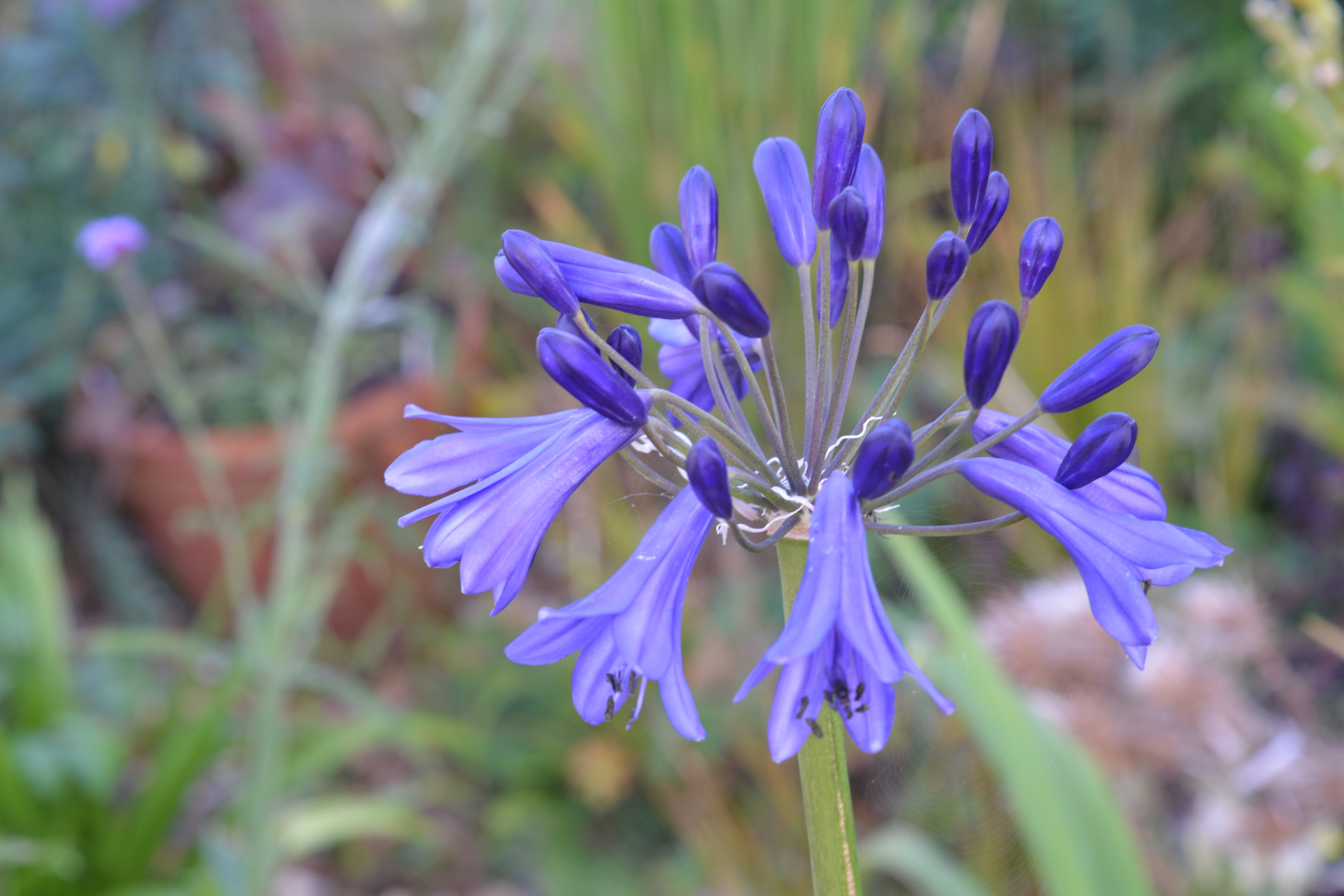
“From late summer onwards through autumn and into winter,  Agapanthus continue to give colour, shape, texture and architectural elegance to our “Beth Chatto Garden”. In September many are still flowering strongly but a few begin to produce their beautiful seedpods.”

sepj4-01sepj4-06 sepj4-09sepj4-13 sepj4-07sepj4-04 sepj4-11sepj4-03 sepj4-10

sepj4-08 sepj4-02

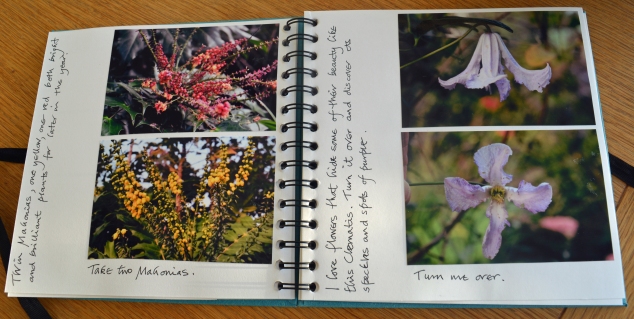
Turning over to the next double page I feature two very differently coloured Mahonias and a beautiful delicate Clematis.

sepj-10

I wrote, “Twin Mahonias, one yellow, one red both bright and brilliant plants for later in the year.”

“Take two Mahonias” 

sepj1-19 sepj1-20

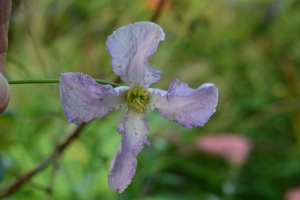
Concerning the Clematis I wrote “I love flowers that hide some of their beauty like this Clematis. Turn it over and discover its speckles and spots of purple.”

“Turn me over!”

sepj1-25 sepj1-26

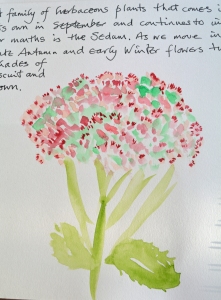
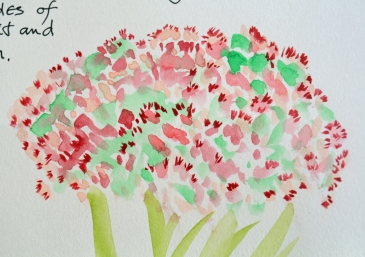
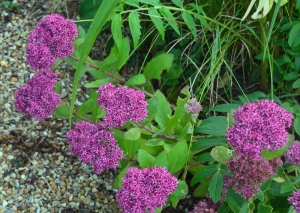
The next double page spread features one of my favourite hardy plant families, the Sedums. I included photos of some flowering in our garden now and a watercolour impression of our plants in flower.

sepj-11

sepj-12 sepj-13

“There are so many variations in foliage colour and flower size and colour We have several. Here are a few from our patch.”

sepj2-1 sepj1-13sepj1-27 sepj1-24    sepj2-2 sepj1-22

Over the page we discover the first signs of the changing foliage colours – the early signs of Autumn.

sepj-14

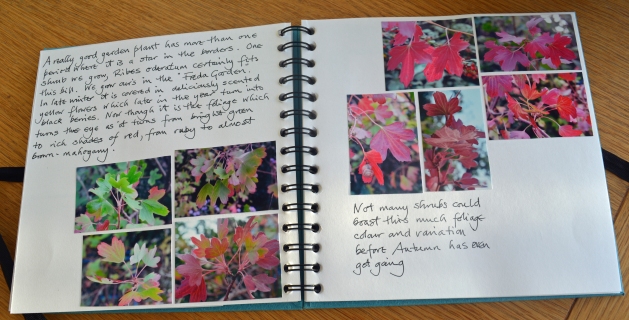
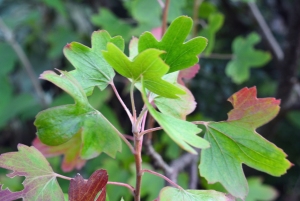
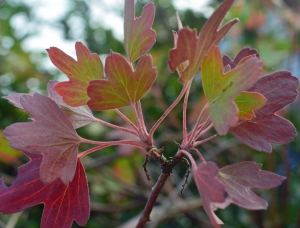
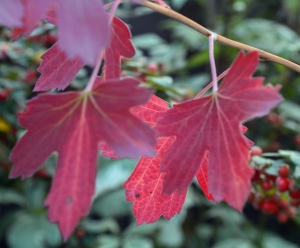
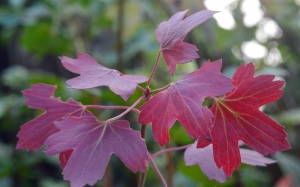
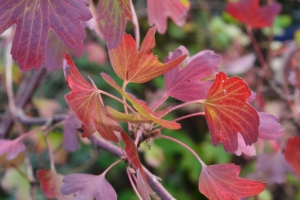
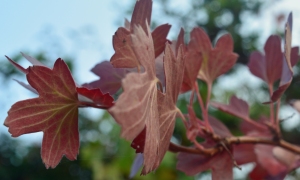
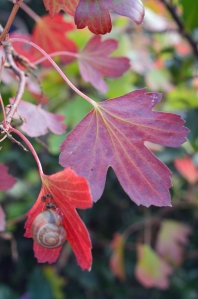
“A really good garden plant has more than one period where it is a star in the borders. One shrub we grow, Ribes oderatum certainly fits this bill. We grow ours in the “Freda Garden”. In late winter it is covered in deliciously scented yellow flowers which later in the year turn into black berries. Now though it is the foliage which turns the eye as it turns from bright green to rich shades of red, from ruby to almost brown-mahogany.

Not many shrubs could boast this much foliage colour and variation before Autumn has even got going.”

sepj1-12 sepj1-11sepj1-06 sepj1-10sepj1-05 sepj1-04sepj1-08 sepj1-09sepj1-07 Can you spot the colour co-ordinated banded snail on a leaf in the last picture of the Ribes leaf sequence?

sepj-15

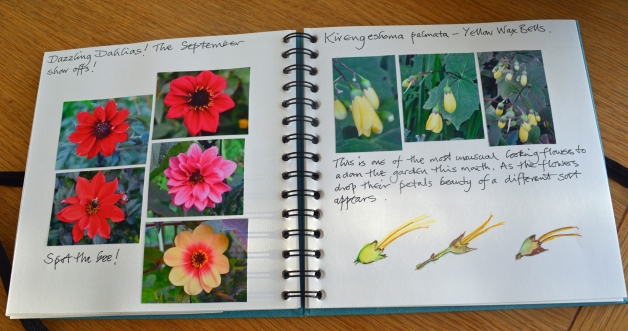
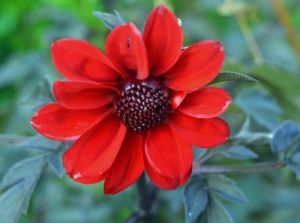
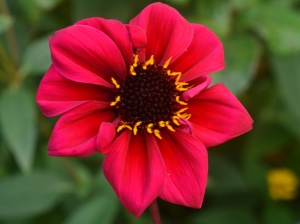
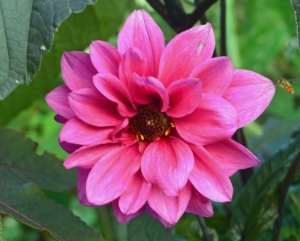
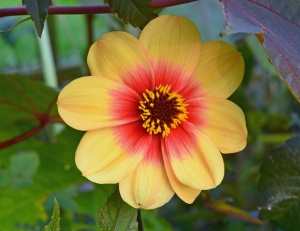
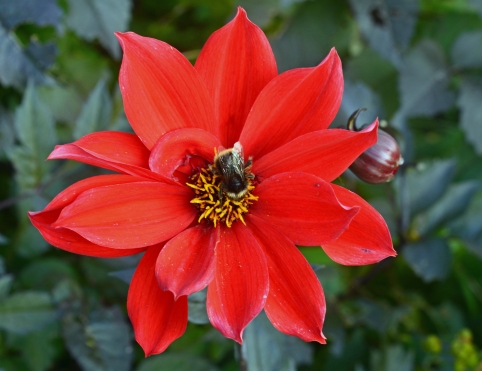
“Dazzling Dahlias! The September show offs!”

sepj1-14 sepj1-18sepj1-16 sepj1-15

“Spot the bee!”

sepj1-17

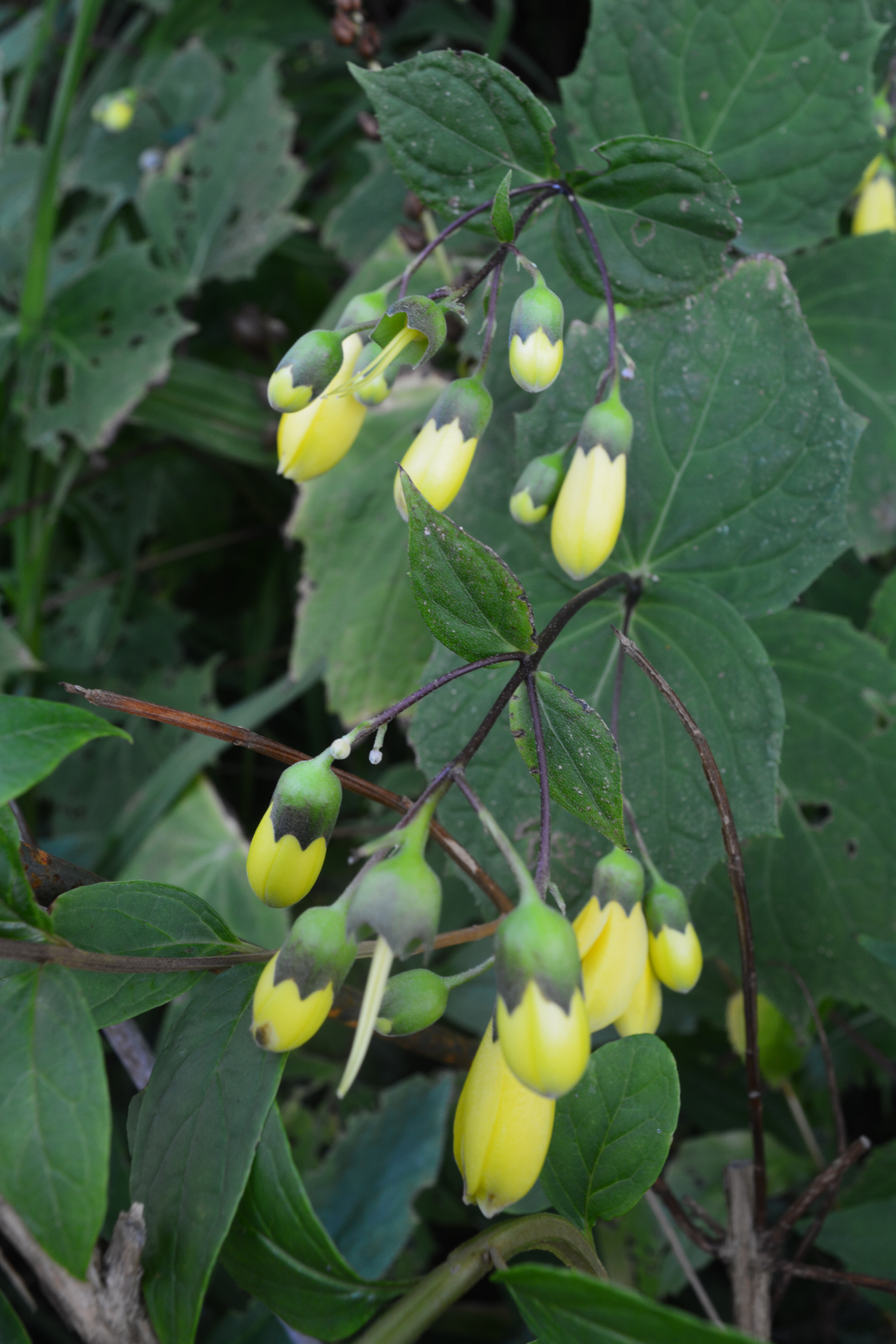
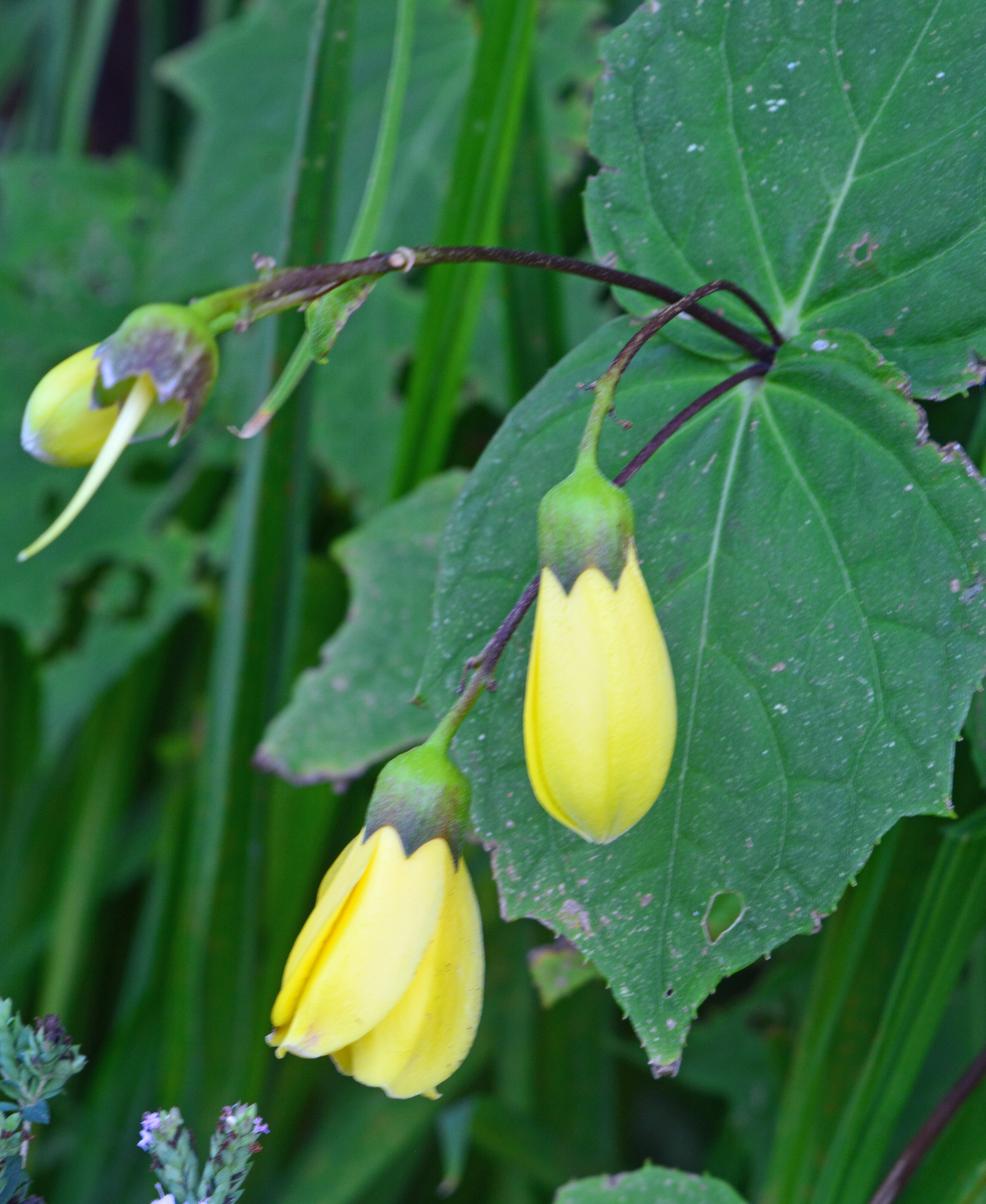
Opposite the Dahlias I look at a much more delicate flower, that of Kirengeshoma palmata, otherwise known as Yellow Wax Bells.

sepj1-01 sepj1-02 sepj1-03

“This is one of the most unusual looking flowers to adorn the garden this month. As the flowers drop their petals, beauty of a different sort appears.”

sepj-16 sepj-17sepj-18 sepj-19

And that sees the end of my journal entries for September. Next visit to my garden journal will see us moving into Autumn and the changes in weather and light it brings with it. Will I be reporting on the special light and colours, the colours of fire and Autumn?

This Veggie Life

A Vegetarian | Nature Lifestyle Blog

Rambling in the Garden

.....and nurturing my soul

The Arch City Gardener

Journeys In St. Louis Gardening and Beyond
Garden Dreaming at Châtillon

Consult the genius of the place

Storyshucker

A blog full of humorous and poignant observations.

gardeninacity

Notes from a wildlife-friendly cottage garden

PlayGroundology

...an emerging social science

The Official Blog of British Wildlife

'The most important and informative publication on wildlife of our times' - The Independent. This blog is a member of The UK & Ireland Natural History Bloggers group: www.uknhb.blogspot.com

iGrowHort
Inspire - Cultivate - Grow Native Plants - Restore Landscapes

Bishops Meadow Trust
To create and protect a semi-natural wild space for the people of Farnham to enjoy and experience an array of British wildlife in our town

Gardening with Children

The www.gardeningwithchildren.co.uk Blog

UKbirdingtimeline

birding through the seasons, why birds matter and how to conserve them

NATURE WALKER

with a camera in hand

Jardin

Transform your outdoor space

Eva's space

My allotment, cooking and other interests

Old School Garden

my gardening life through the year

LEANNE COLE

Trying to live a creative life

fromacountrycottage

trying to live as lightly as possible on our beautiful planet

Good Life Gardening

Nature lovers from Leicester living the good life.

mybeautfulthings

Finding the beautiful in the everyday

mawsonmichelle

Michelle's Allotment

In and Out of My Garden

thoughts from and about my garden

Greenhousing

Big plans for a small garden

The Scottish Country Garden

A Walled Country Garden in South East Scotland

The Fruity Chicken

Life at the fruity chicken

willowarchway

Off grid living. Self sufficient. "PERMAGANICS RULE".

St Anns Allotments

Nottingham's Grade 2* Listed Allotments and Community Orchard

Manifest Joy Harvests

a journey in suburban vegetable gardening

Allotmental

The madness of growing your own

Penny's Garden: a harvest beyond my front door

A novel approach to vegetable gardening

arignagardener

Sustainable living in the Irish countryside.

NewEnglandGardenAndThread

Master Gardener, amateur photographer, quilter, NH native, and sometimes SC snowbird

dianajhale

Recent work and work in progress and anything else that interests me

planthoarder

a chaotic cottage gardener

Lens and Pens by Sally

a weekly blog that creates a personal philosophy through photographs and words

Dewdrops and Sunshine

Stories from a sassy and classy Southern farmbelle.

The Pyjama Gardener

Simple Organic Gardening & Seasonal Living

gettin' fresh!

turning dirt into dinner

JOY...

today the world is created anew

Garden Birds

Notes from a Devon garden

ShootAbout

Life Through The Lens

Adapting Pixels

A photography blog showcasing the best photography pictures and videos on the internet

Wildlifegardening's Blog

Just another WordPress.com site

naturestimeline

personal observations from the natural world as the search continues for a new approach to conservation.

LATEBLOOMERBUDS

The Wonders of Life through my Eyes, my Heart, my Soul