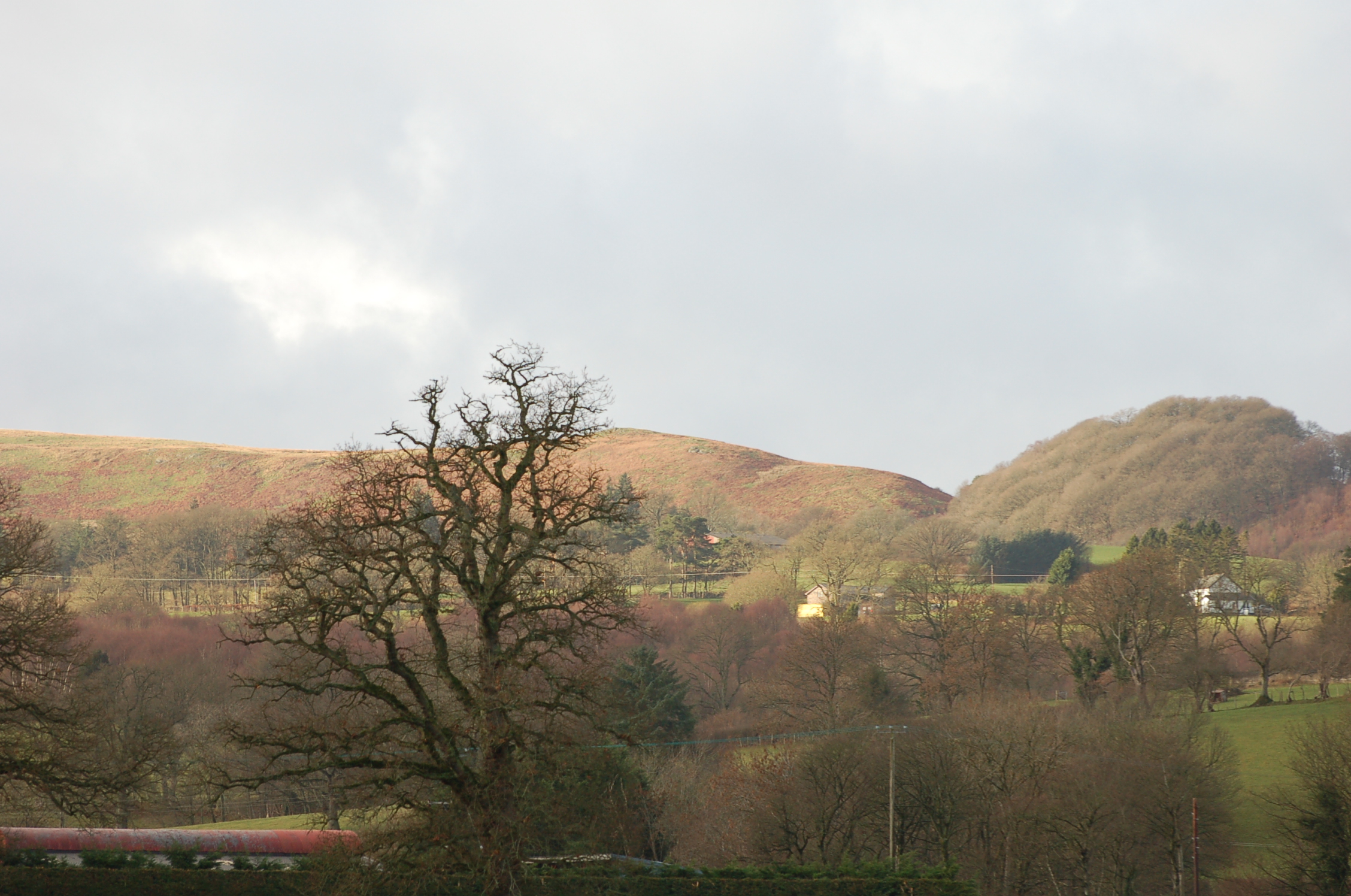
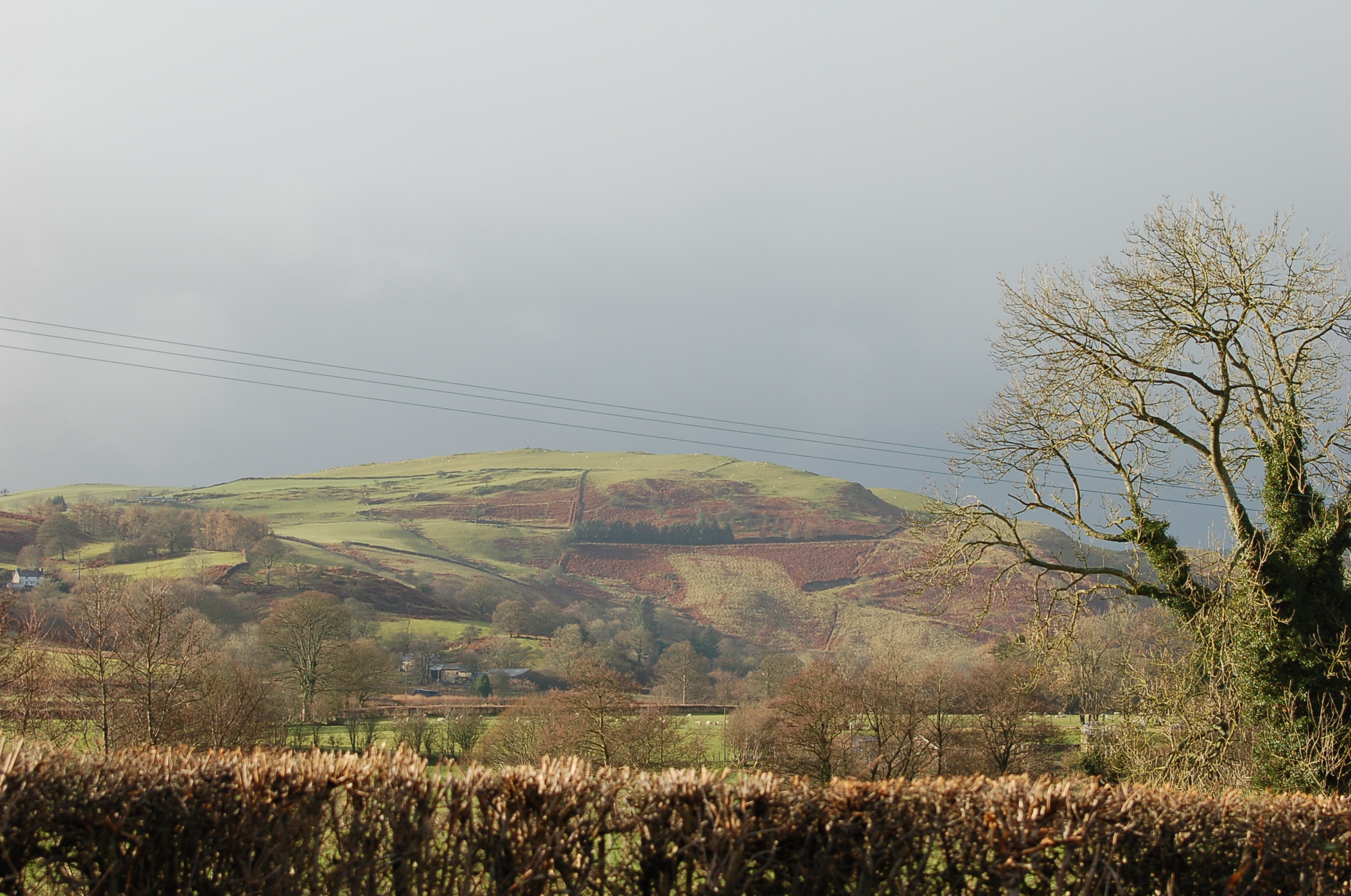
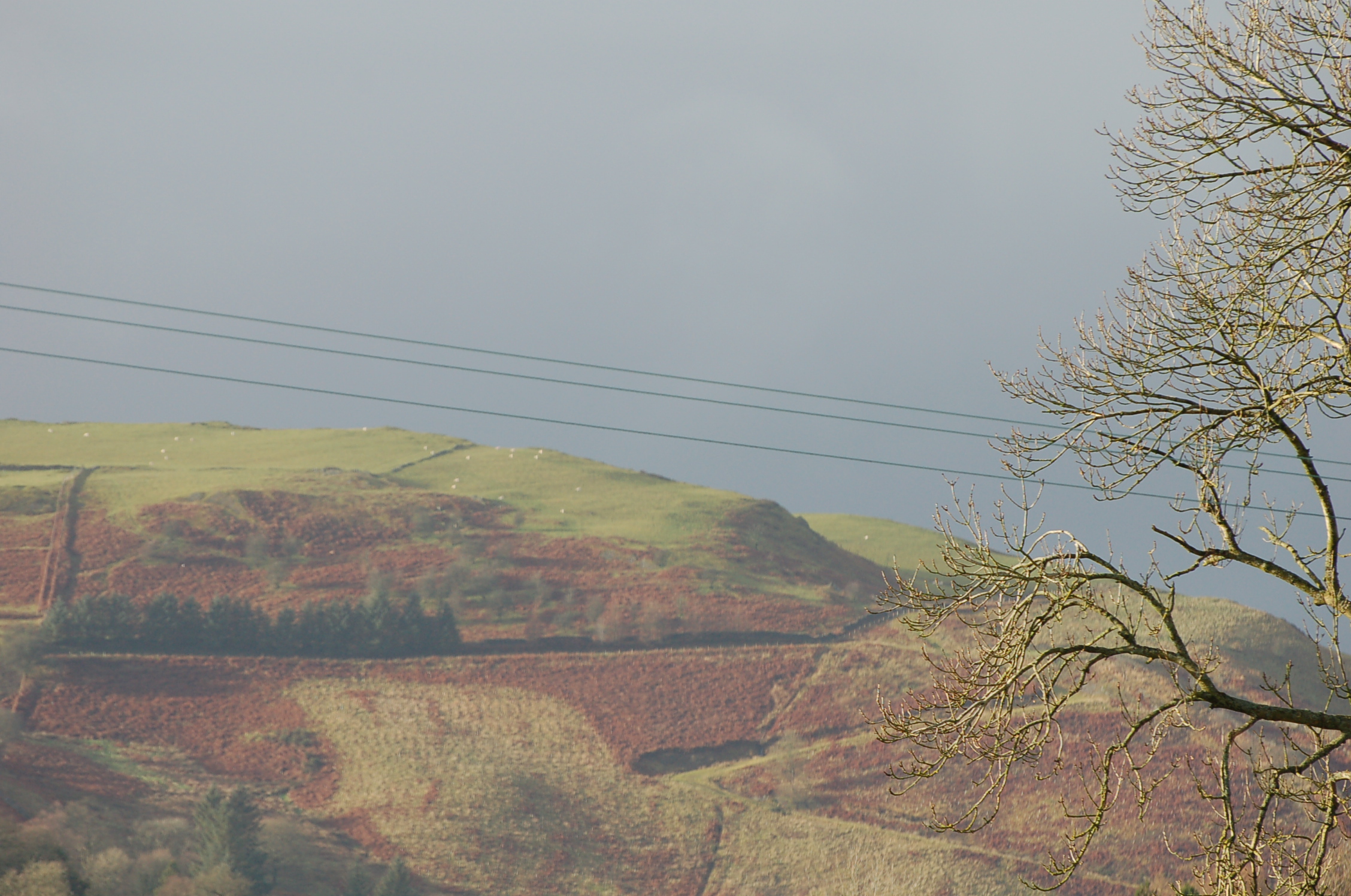
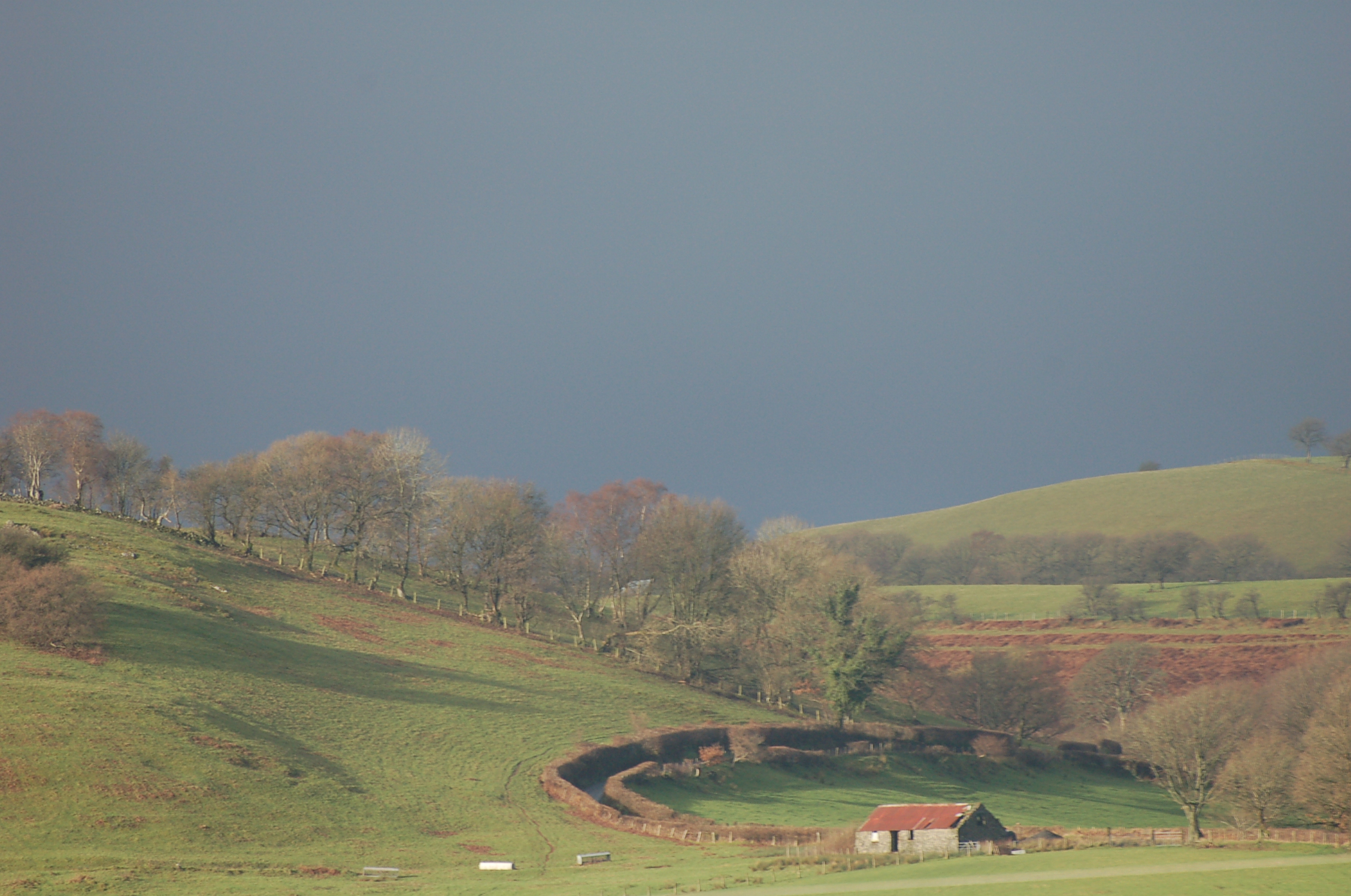
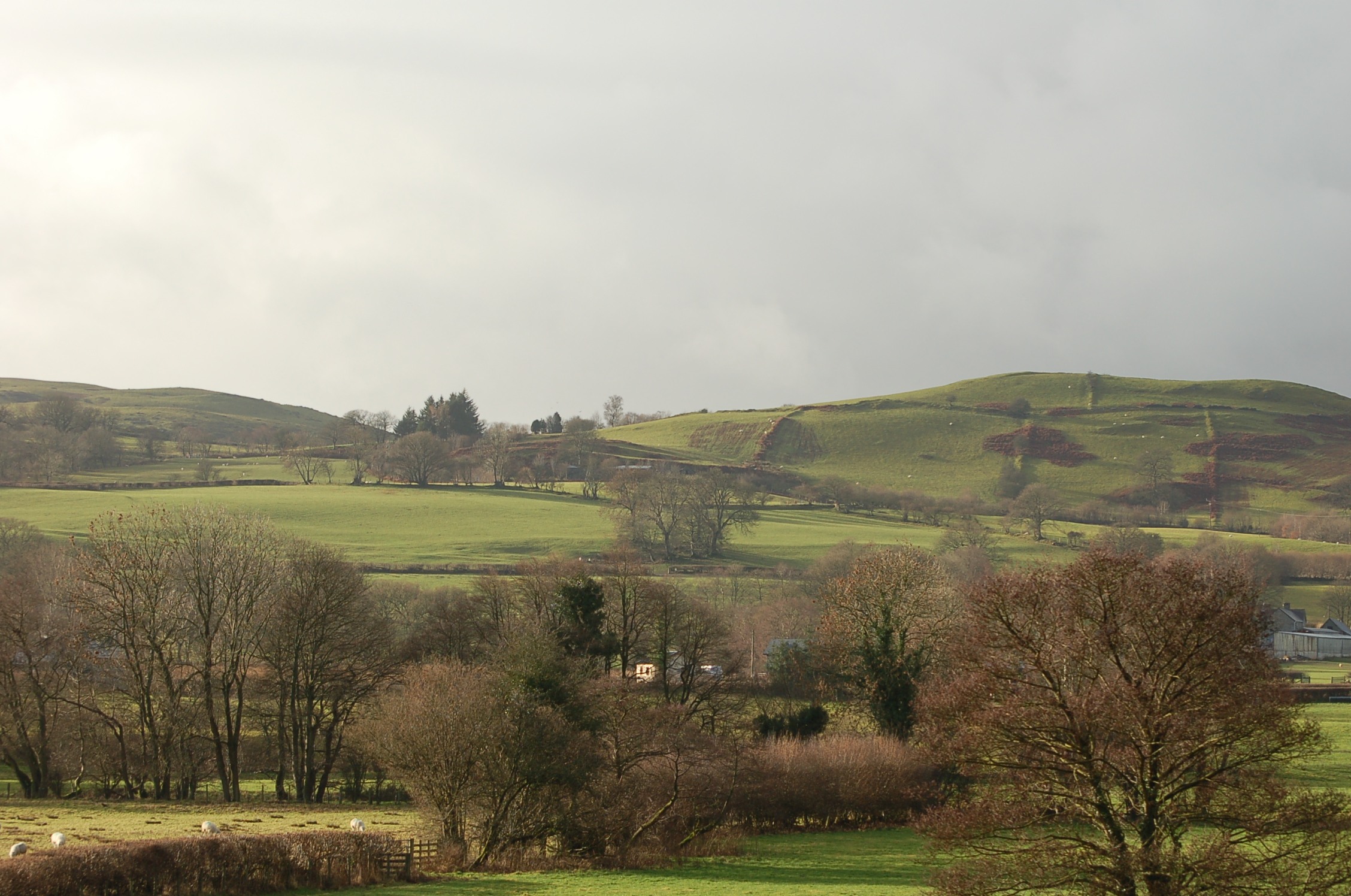
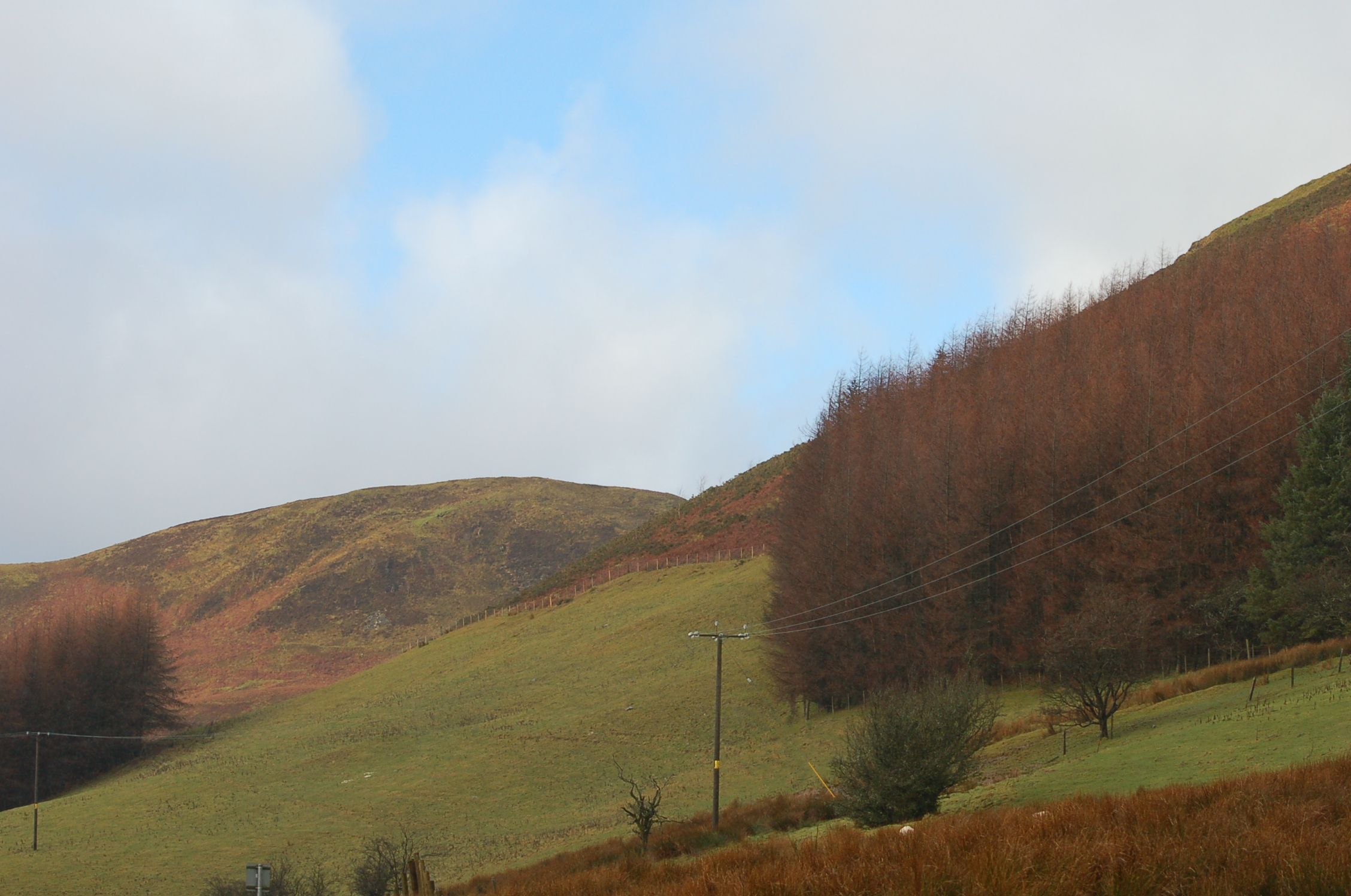
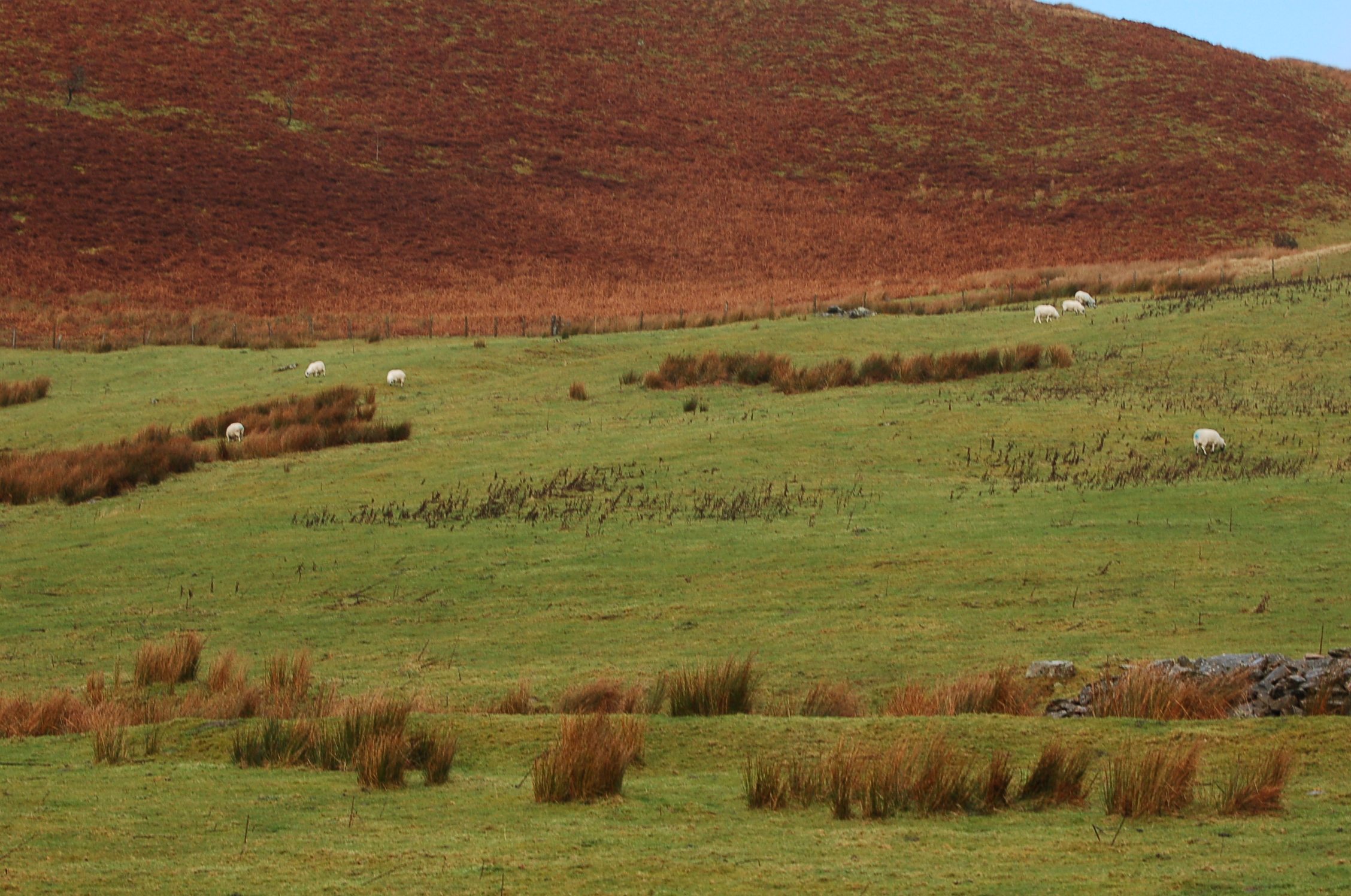
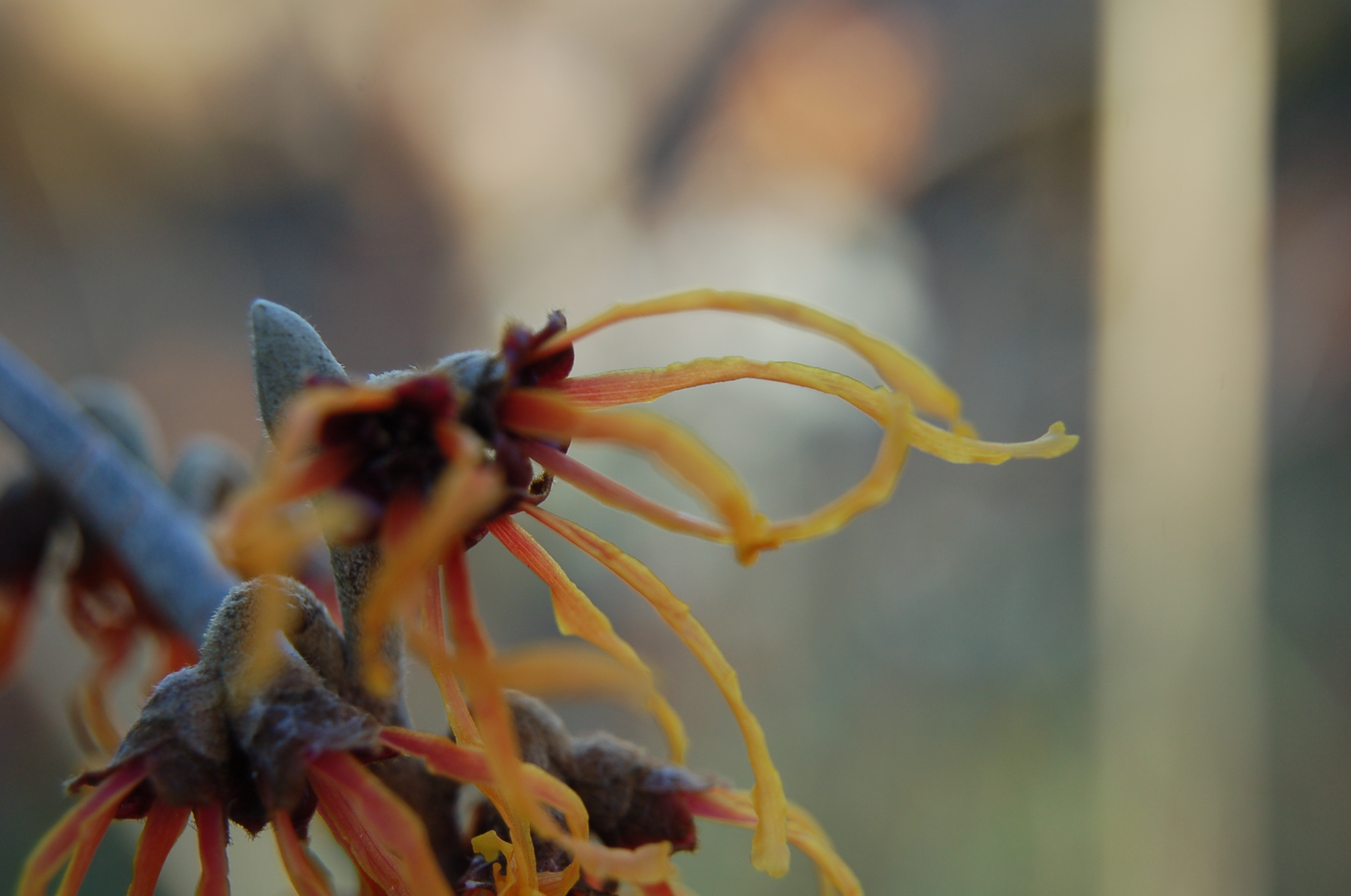
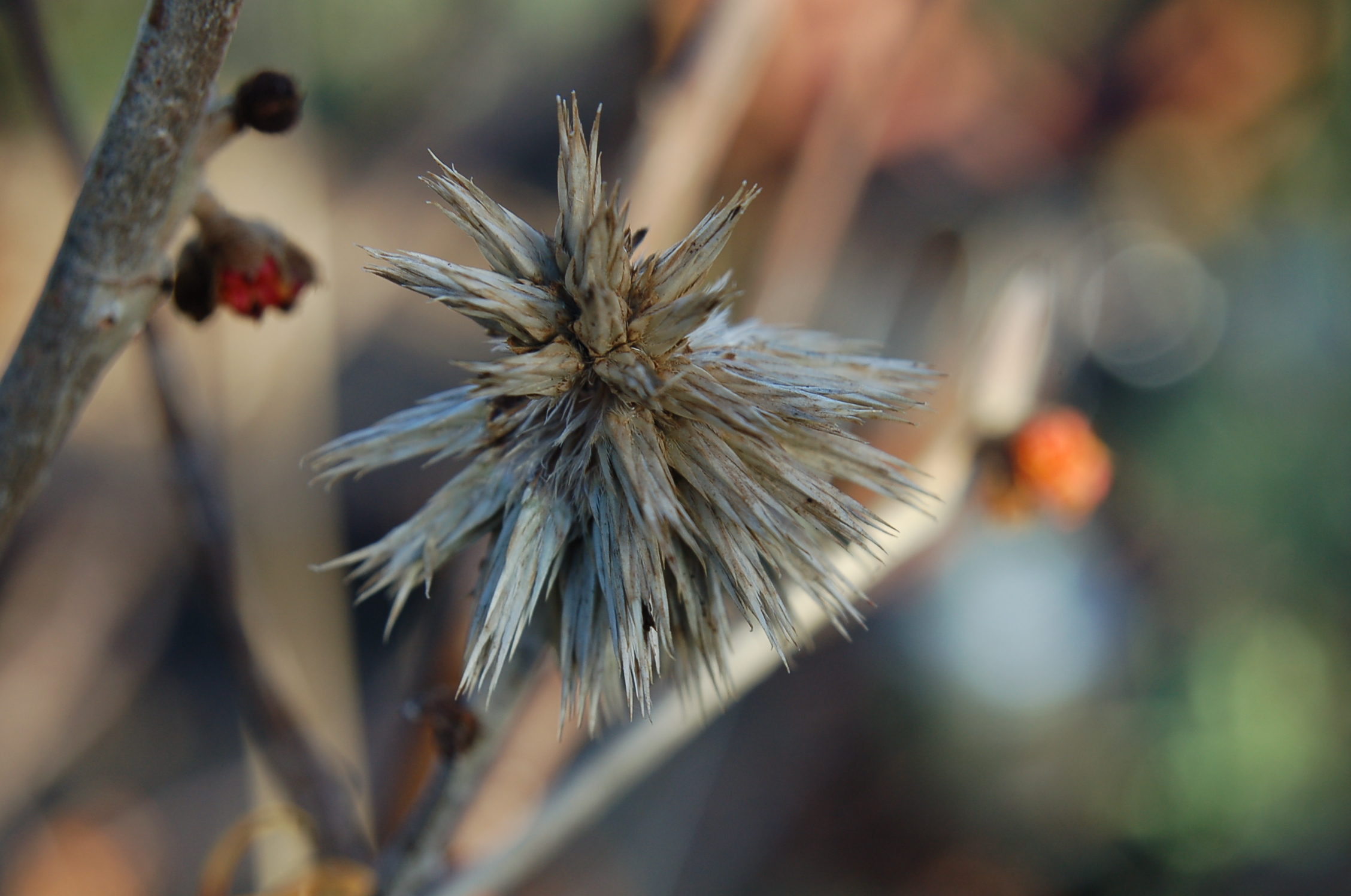
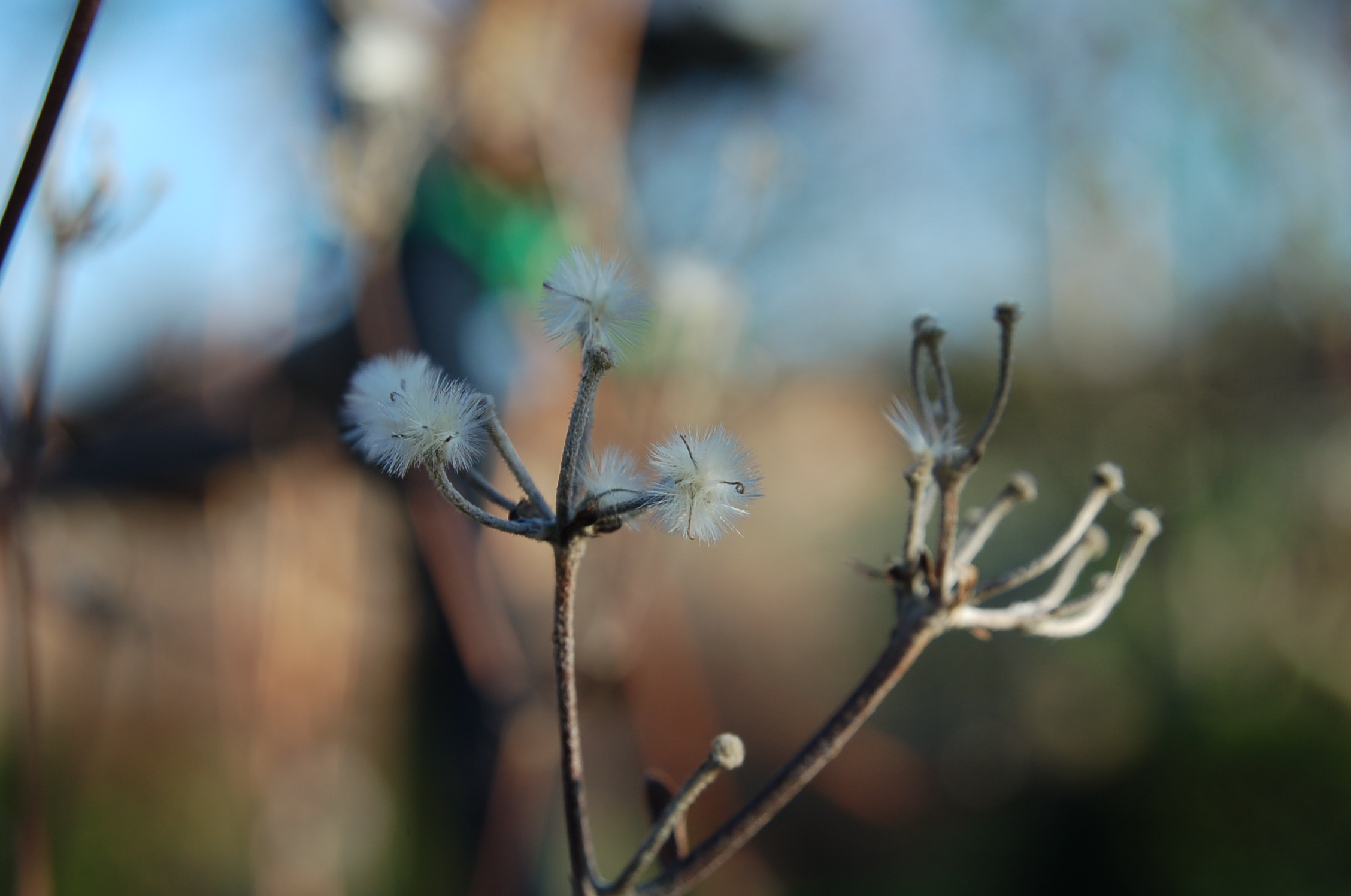
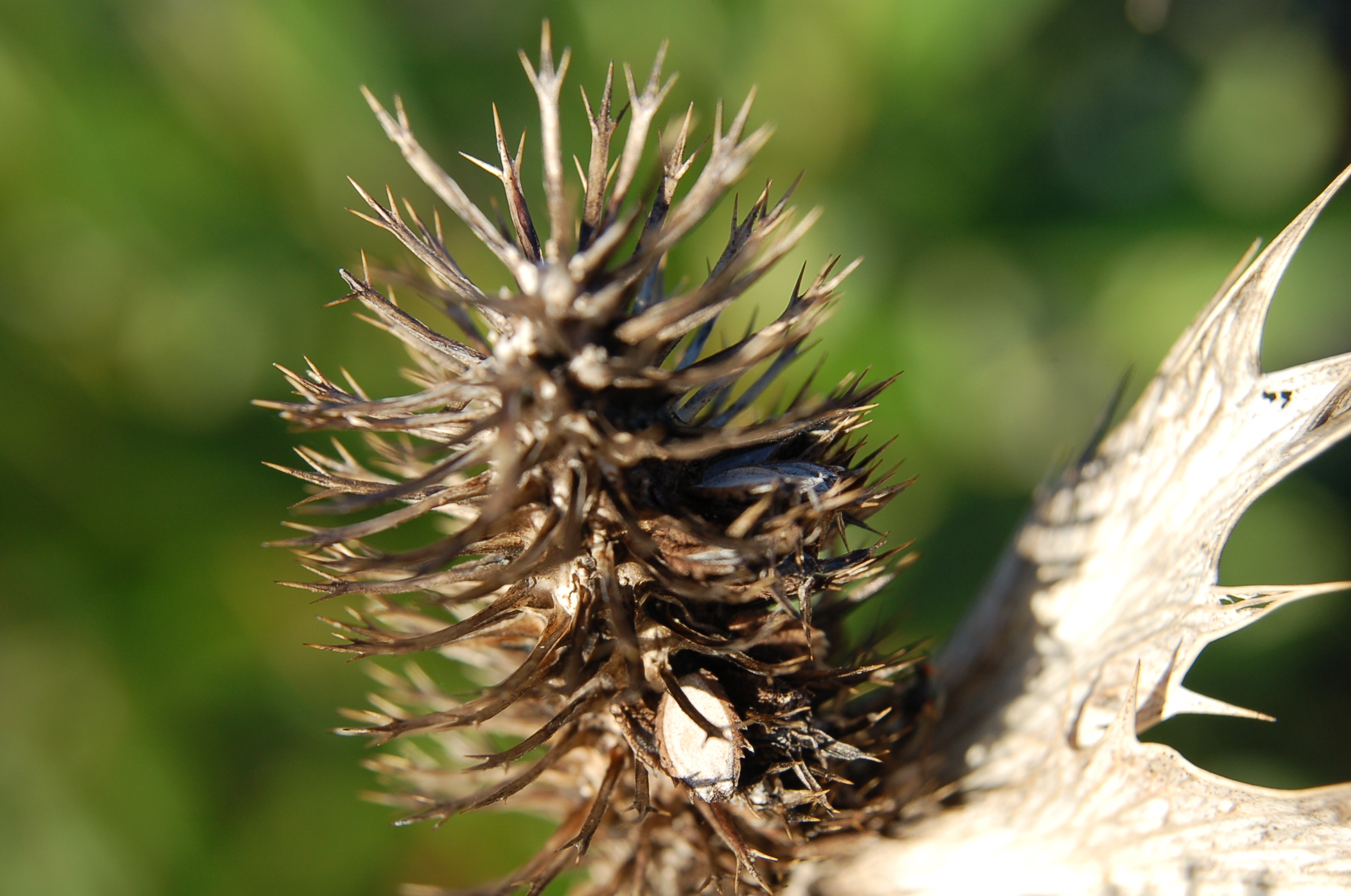
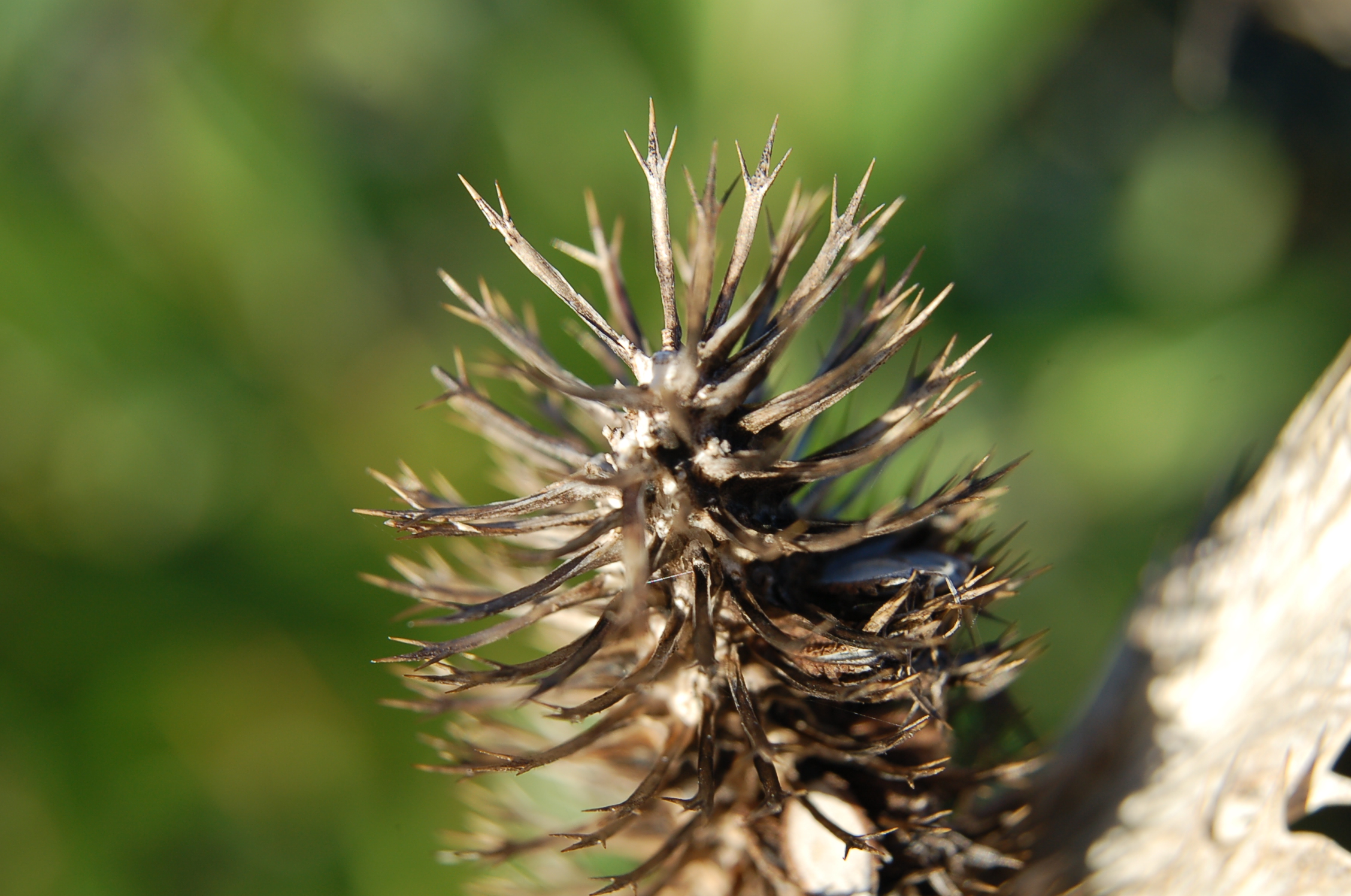
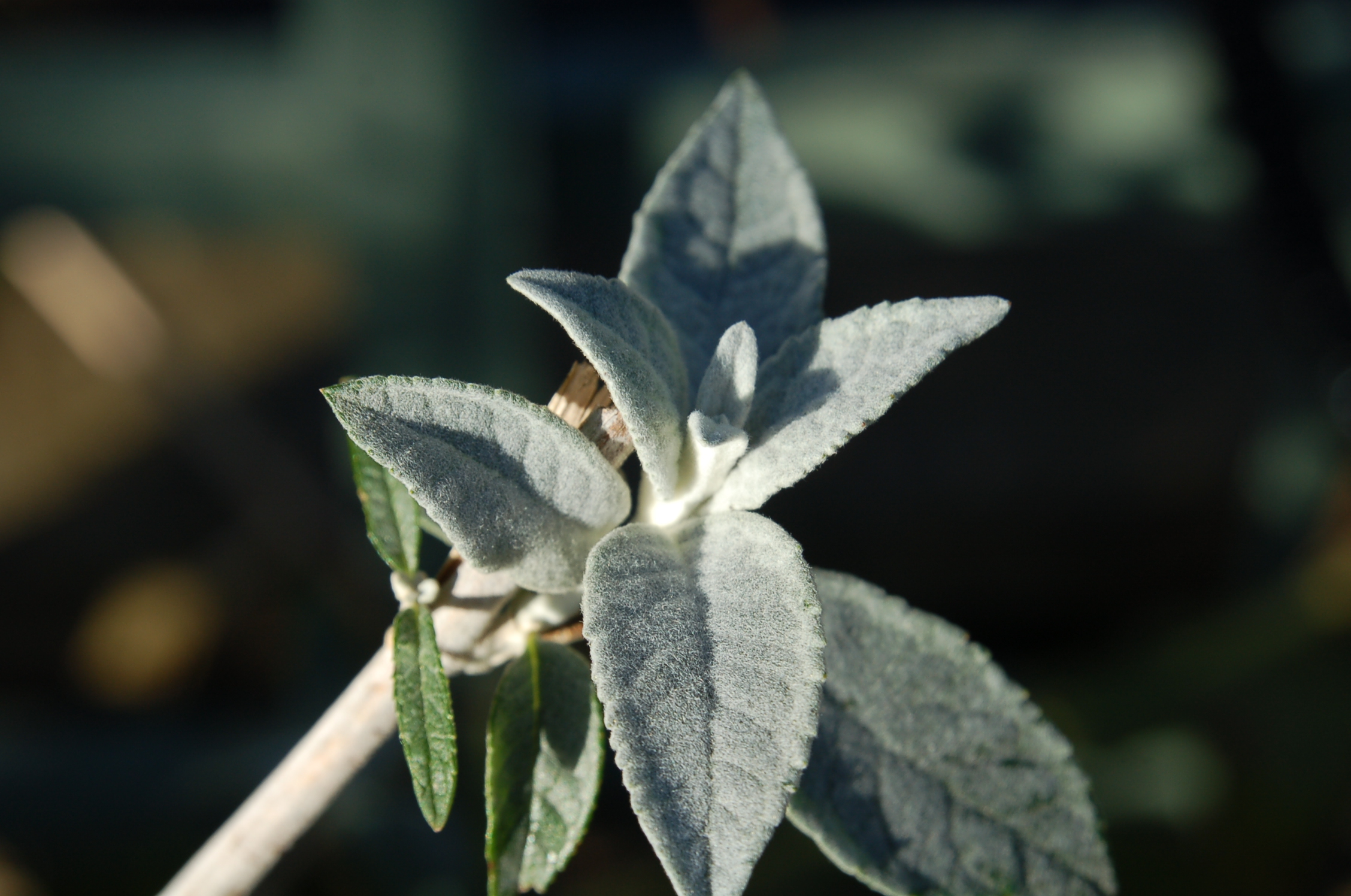
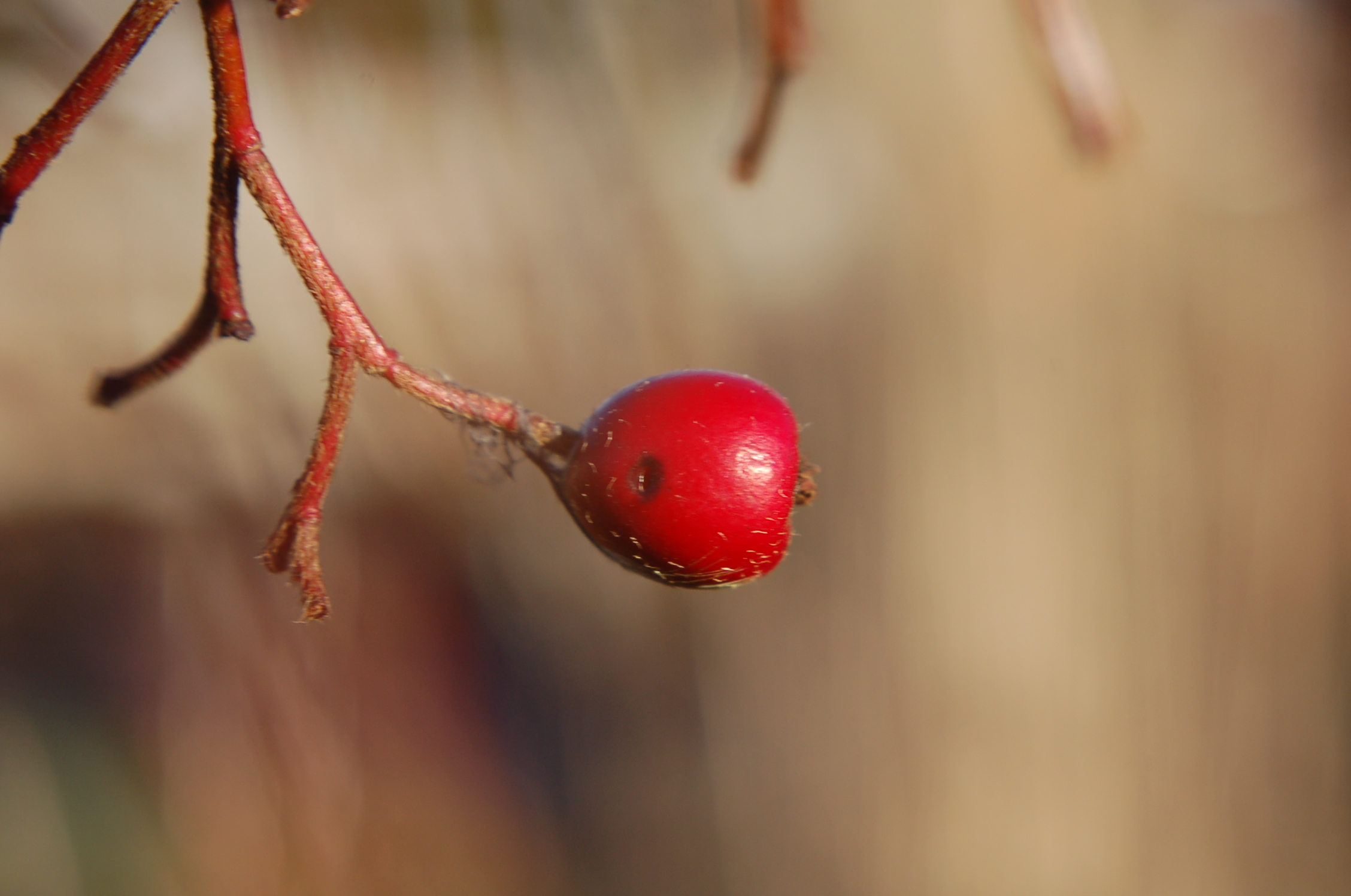
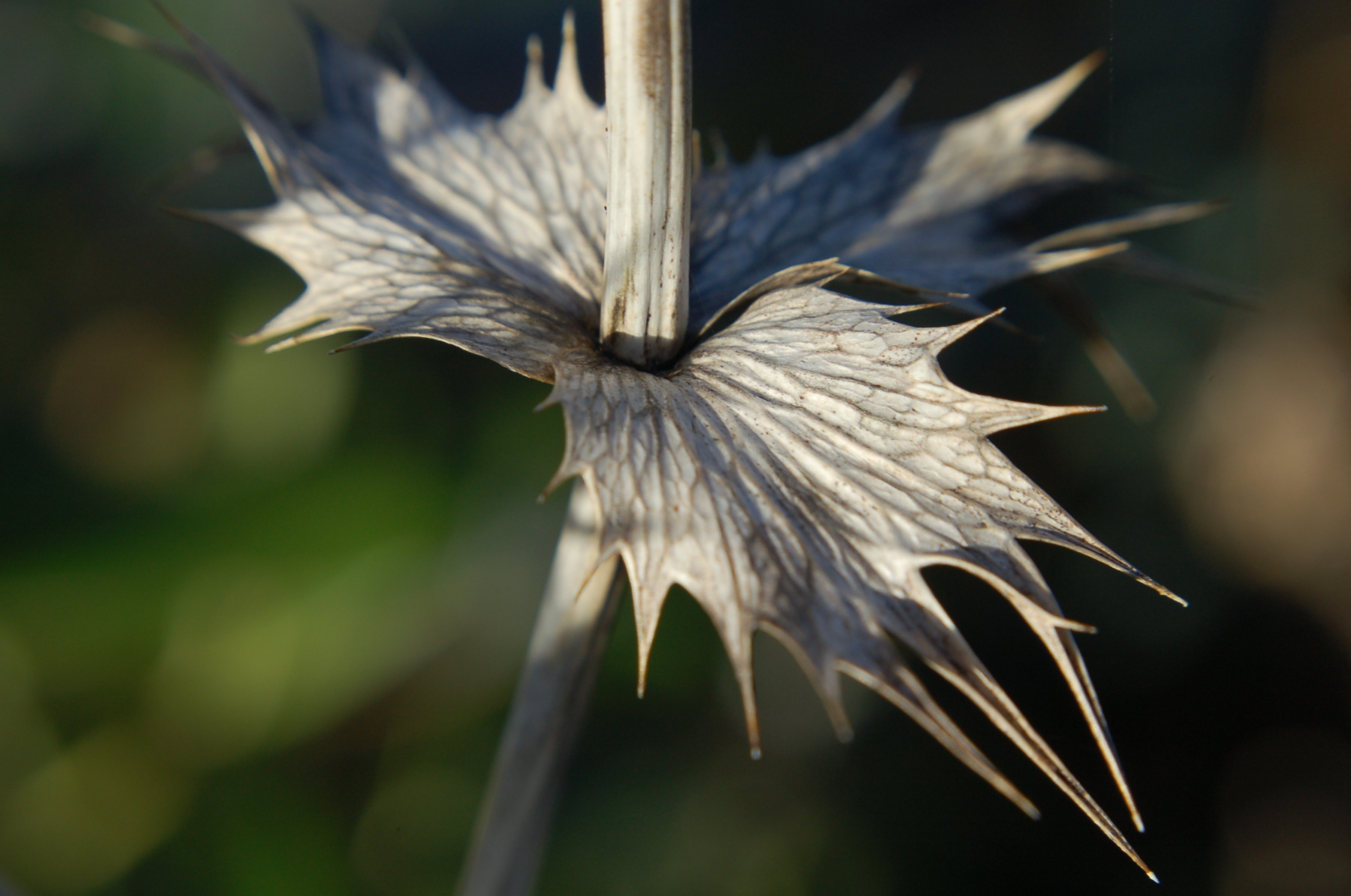
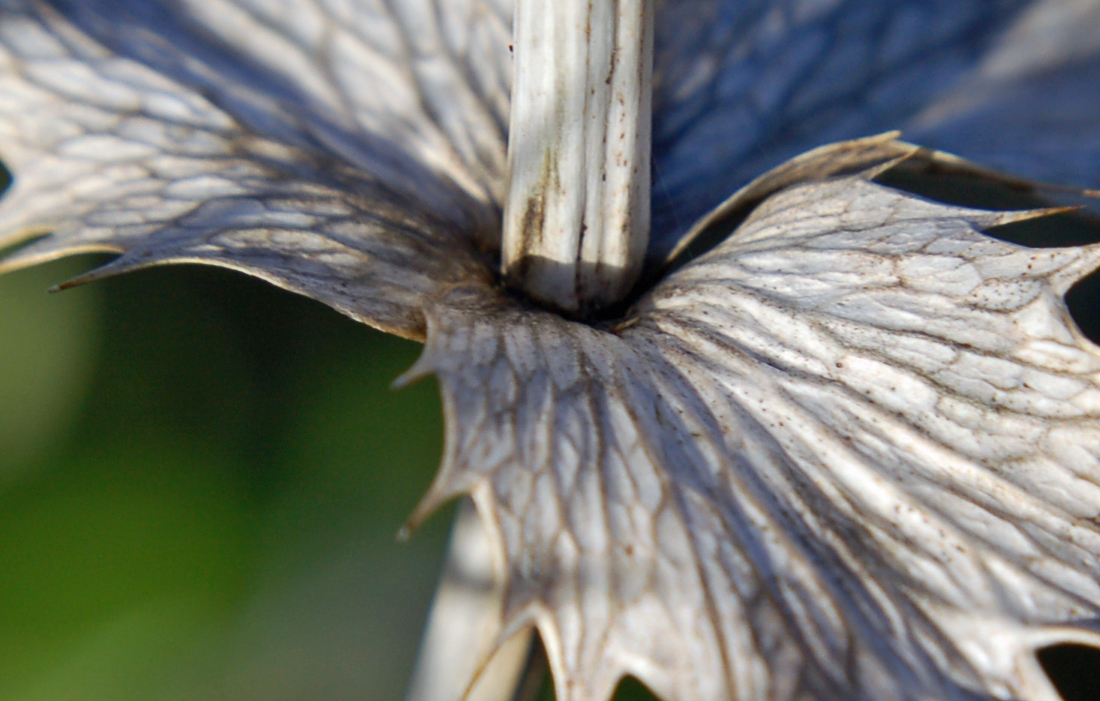
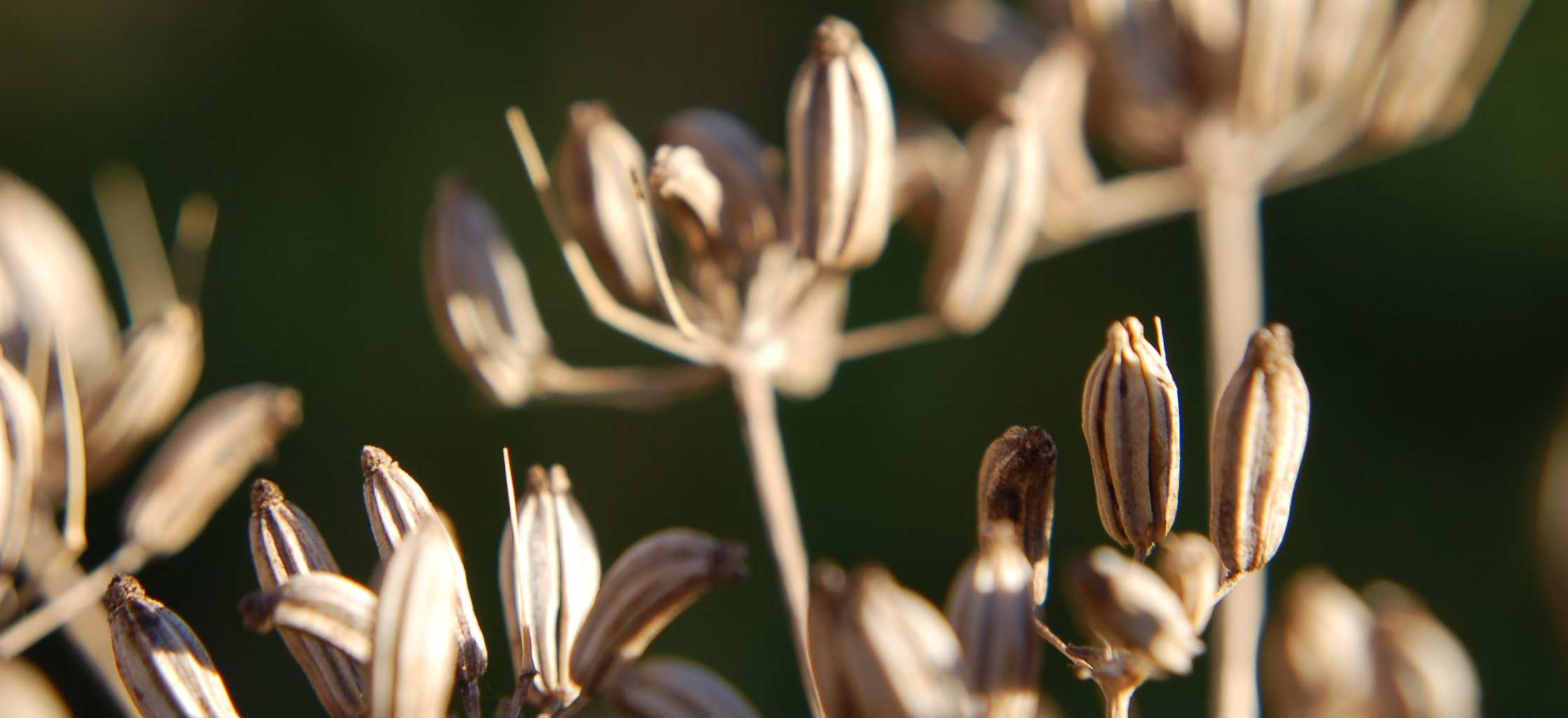
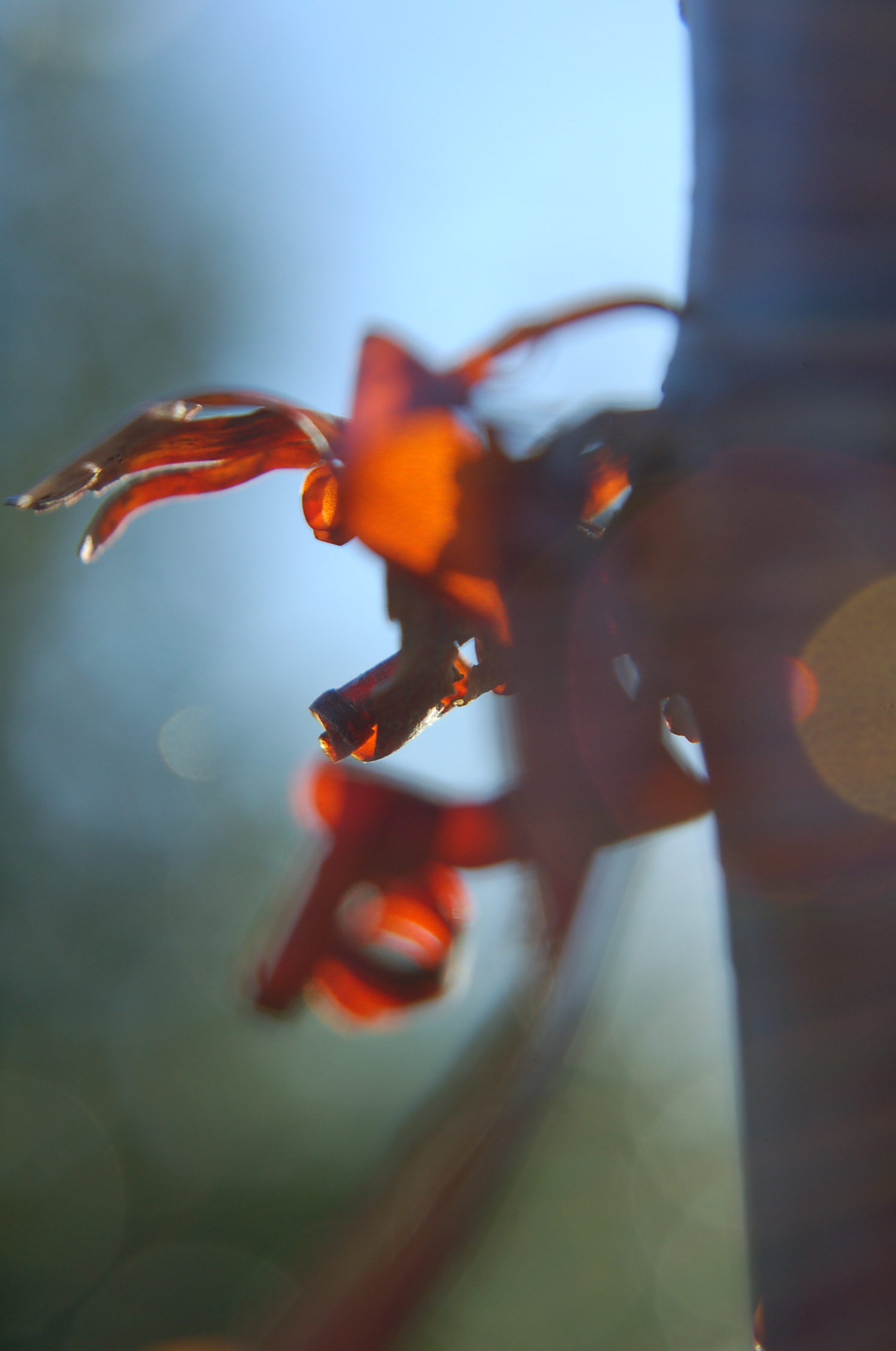
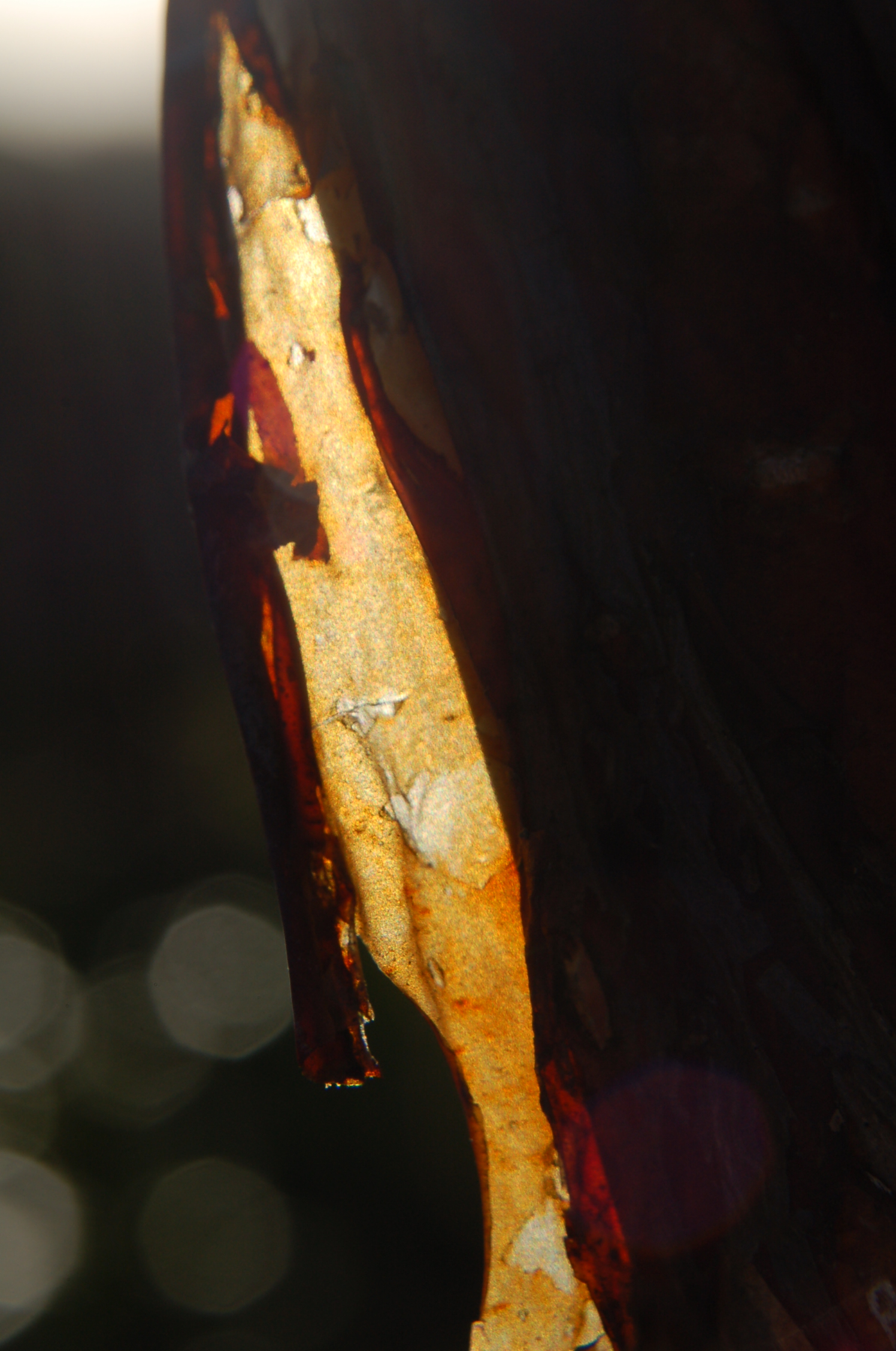
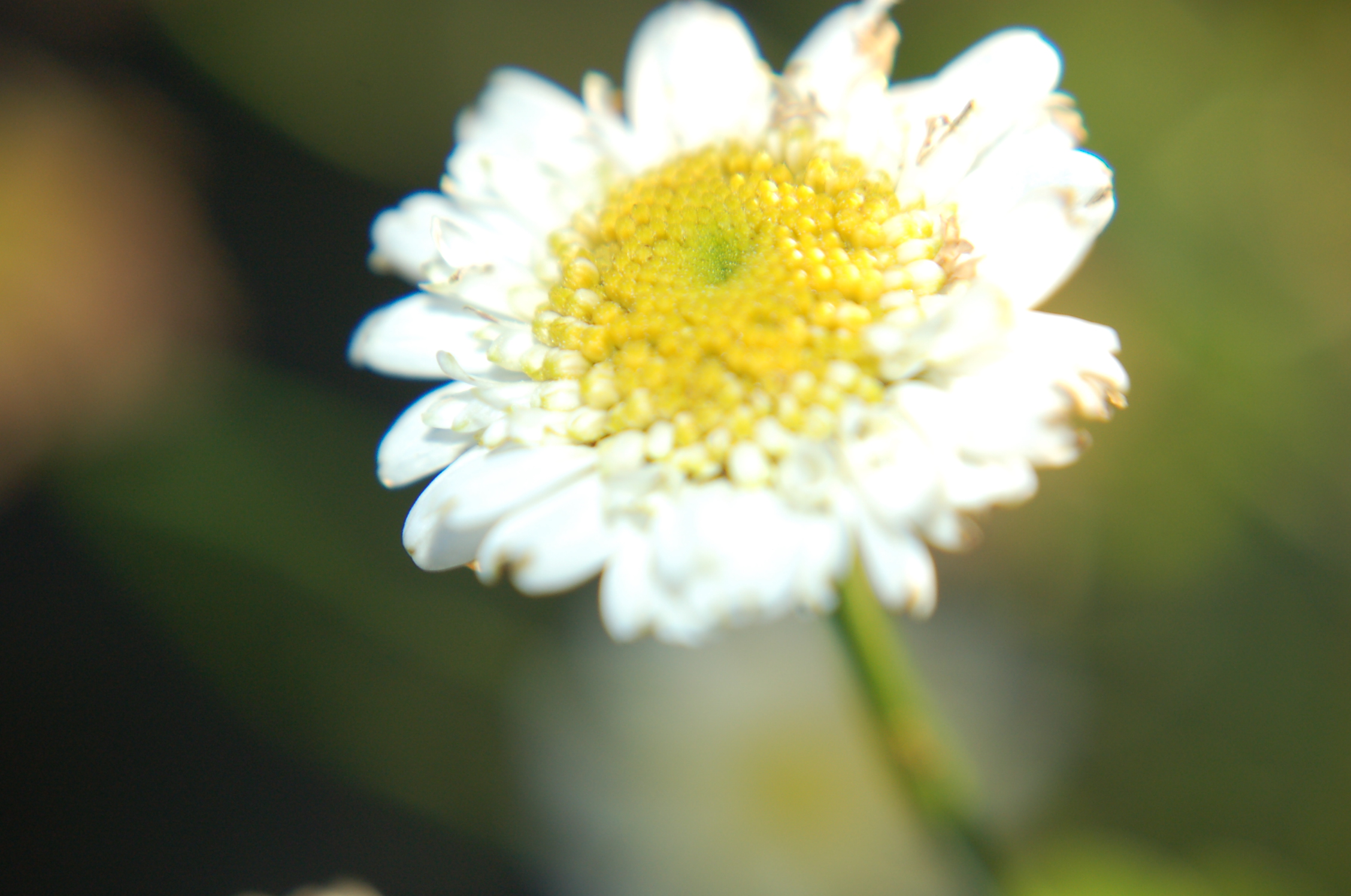
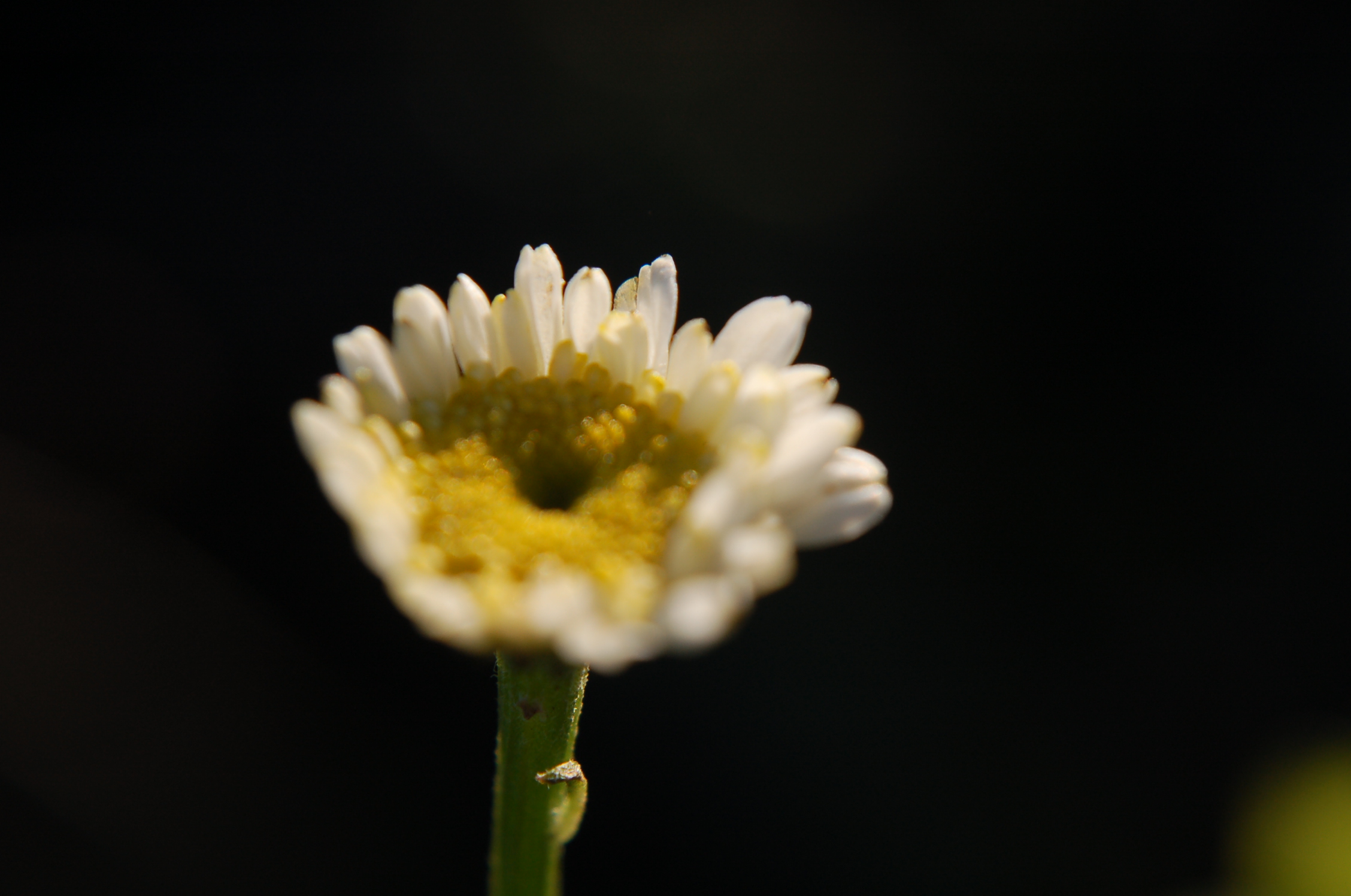
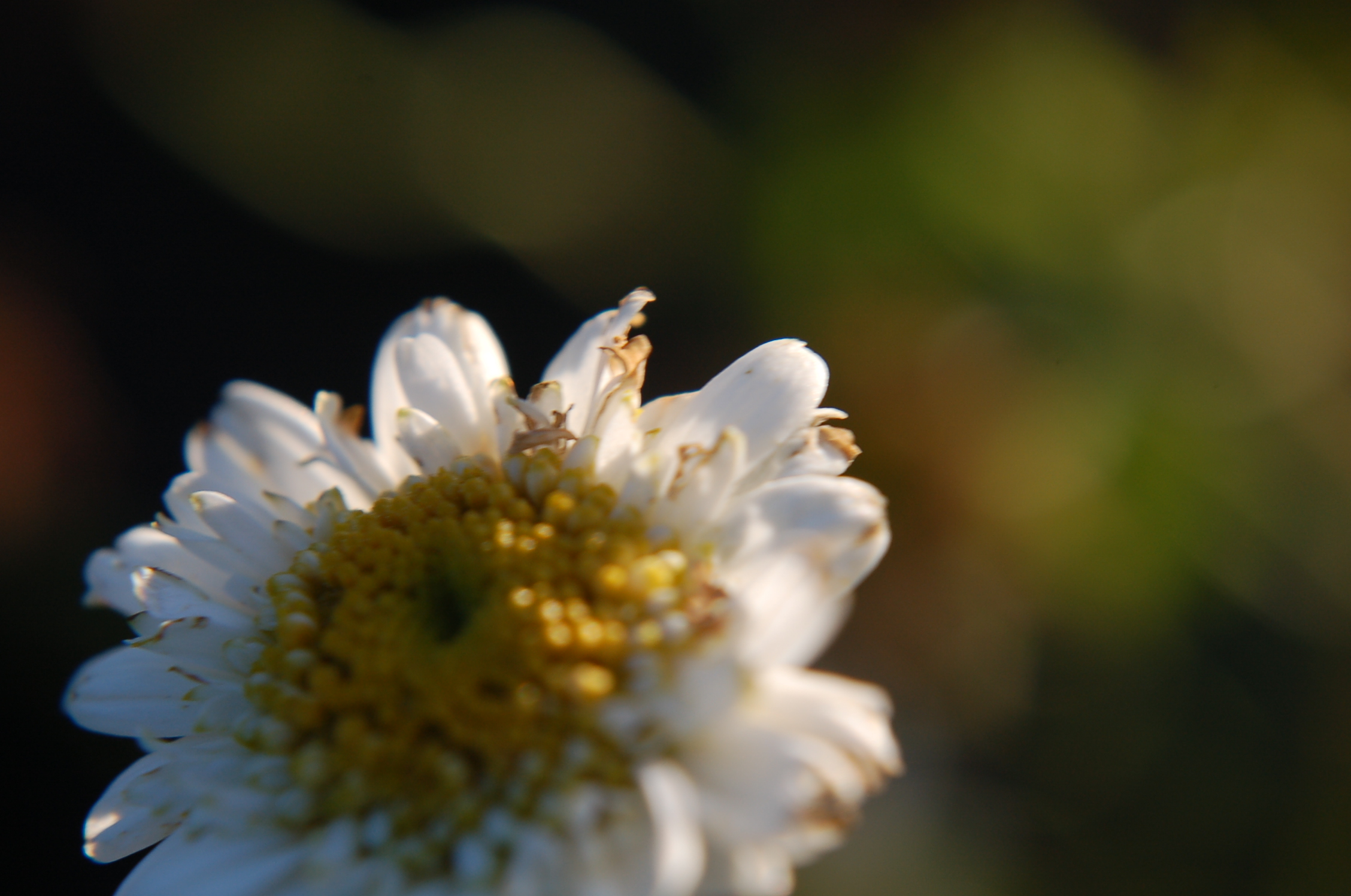
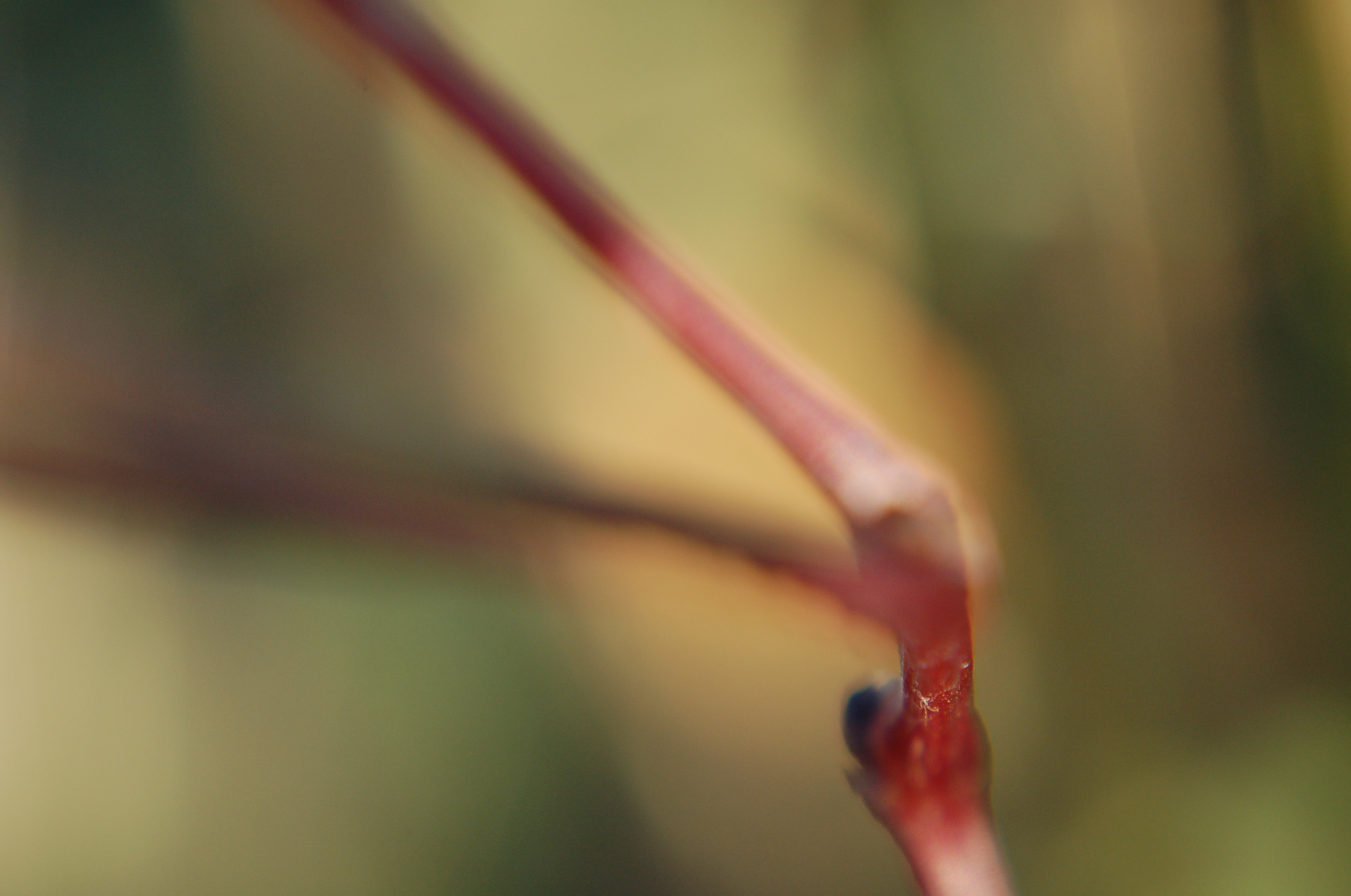
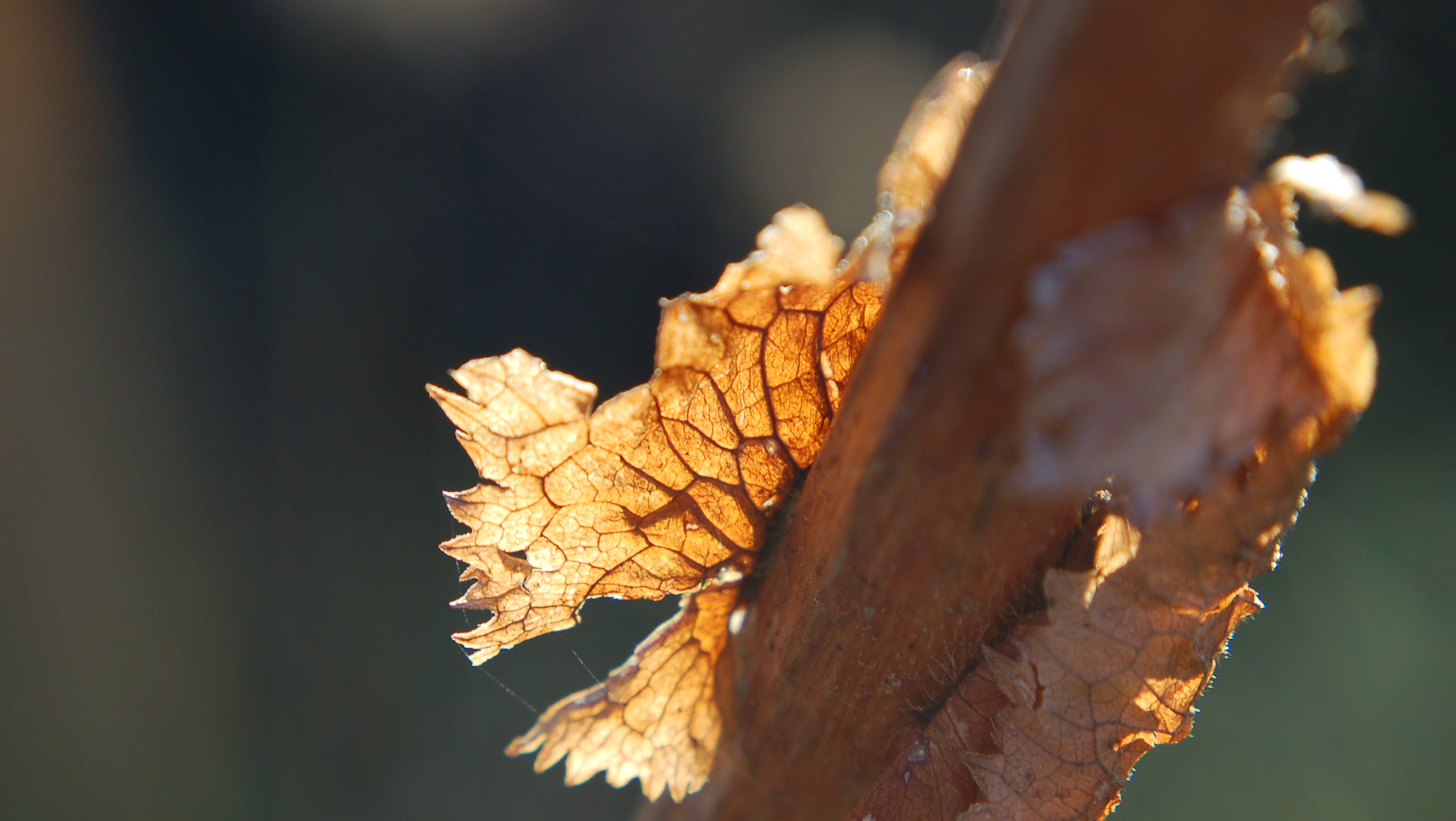
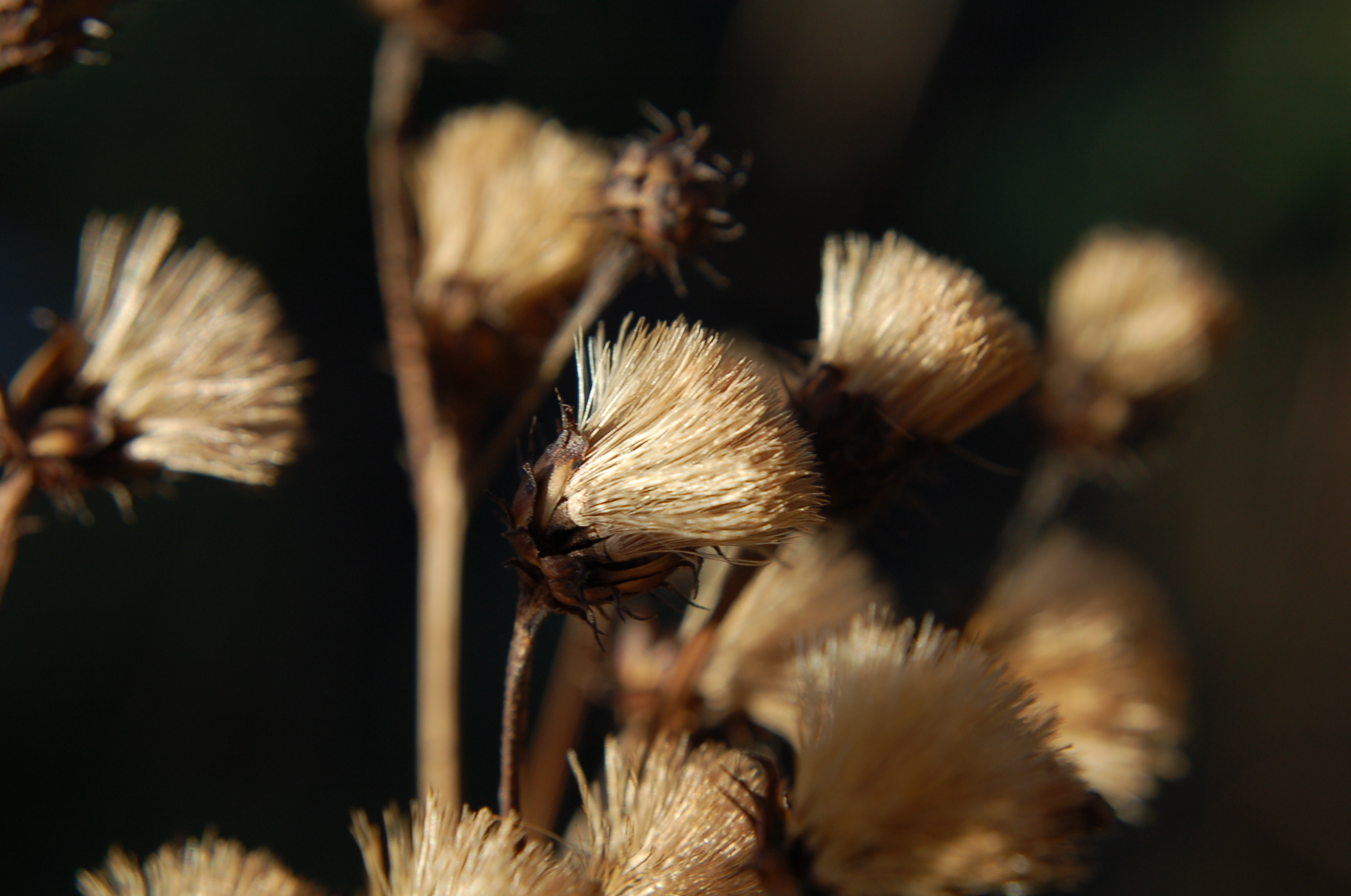
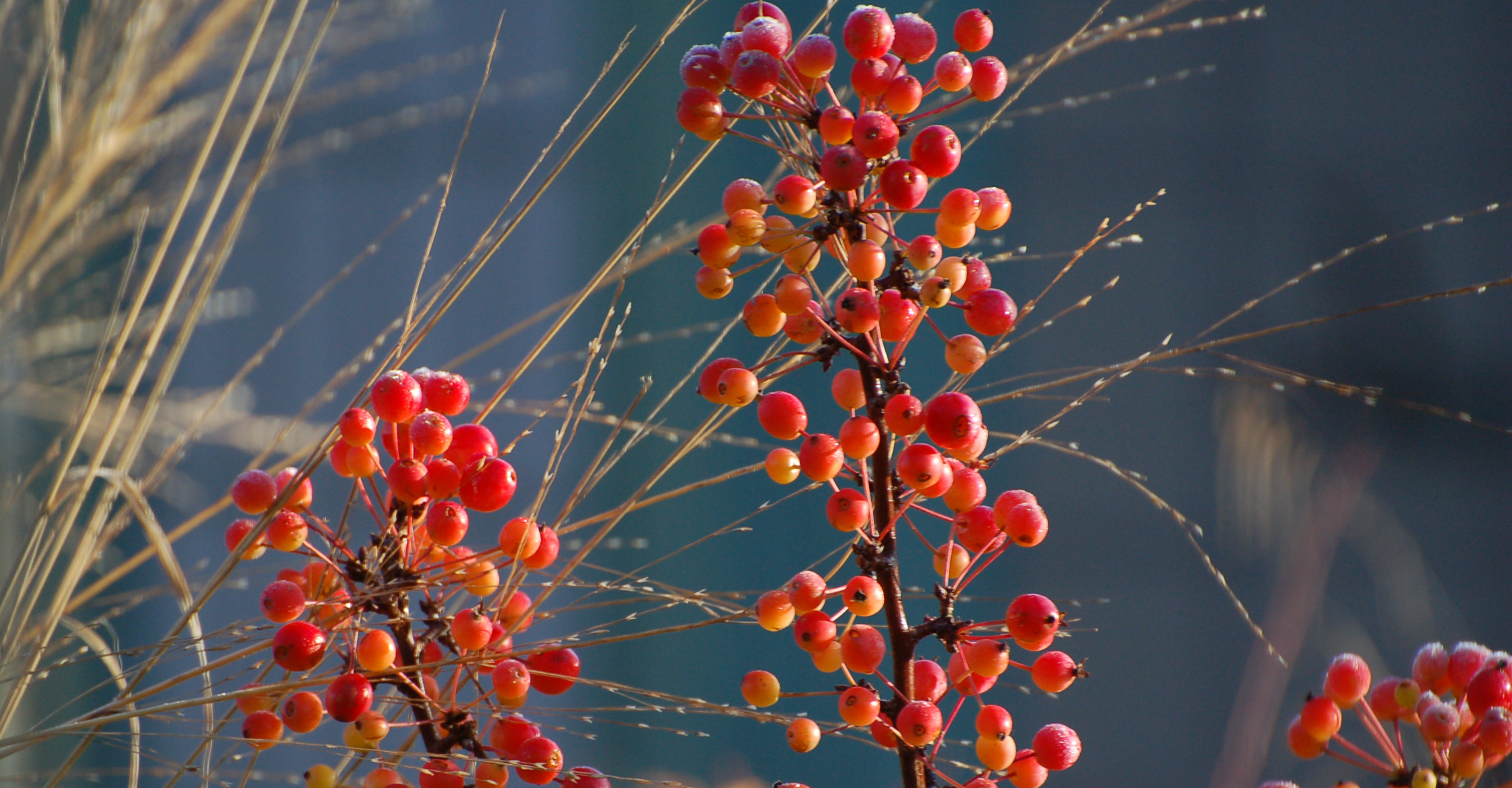
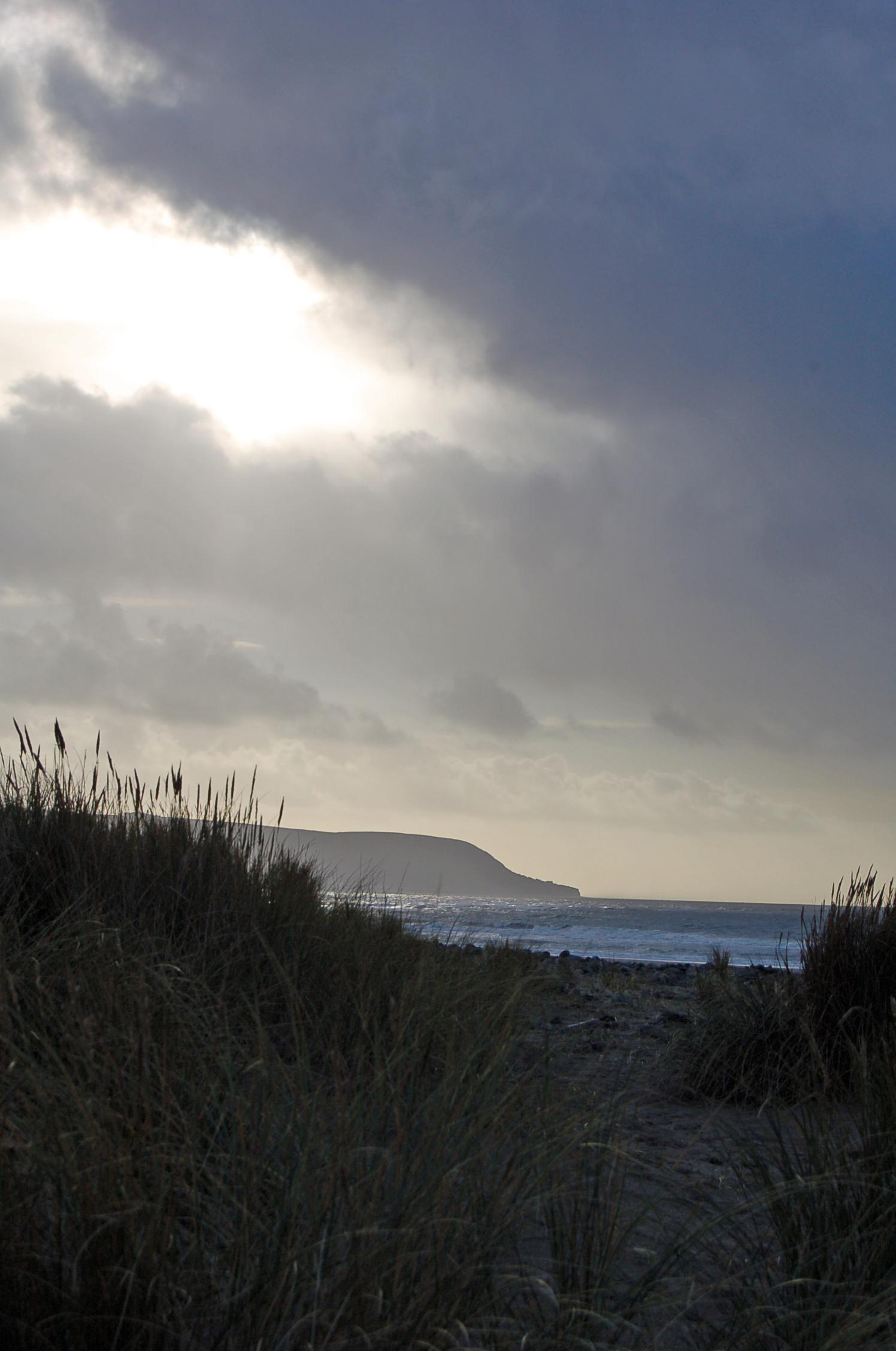
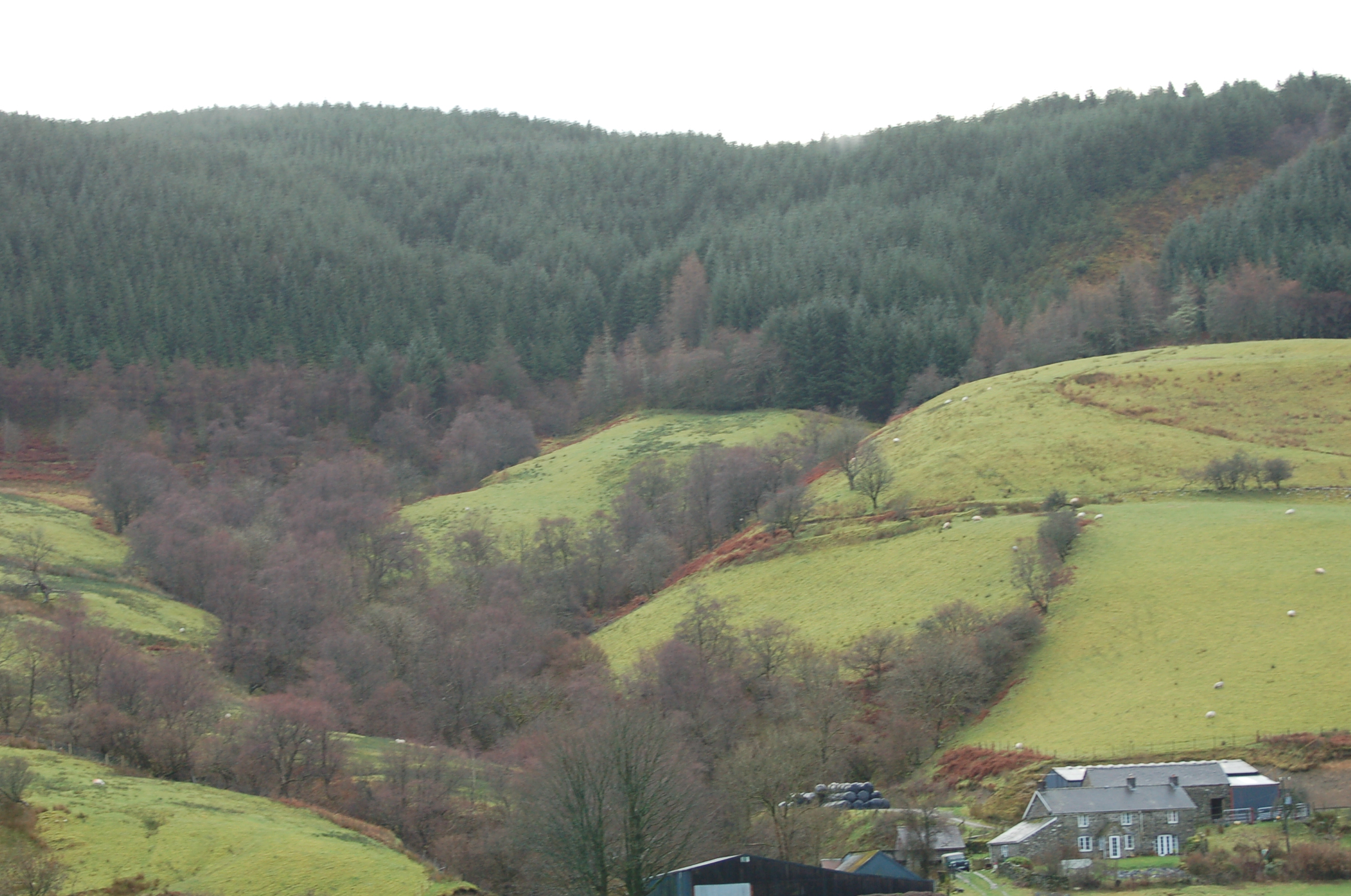
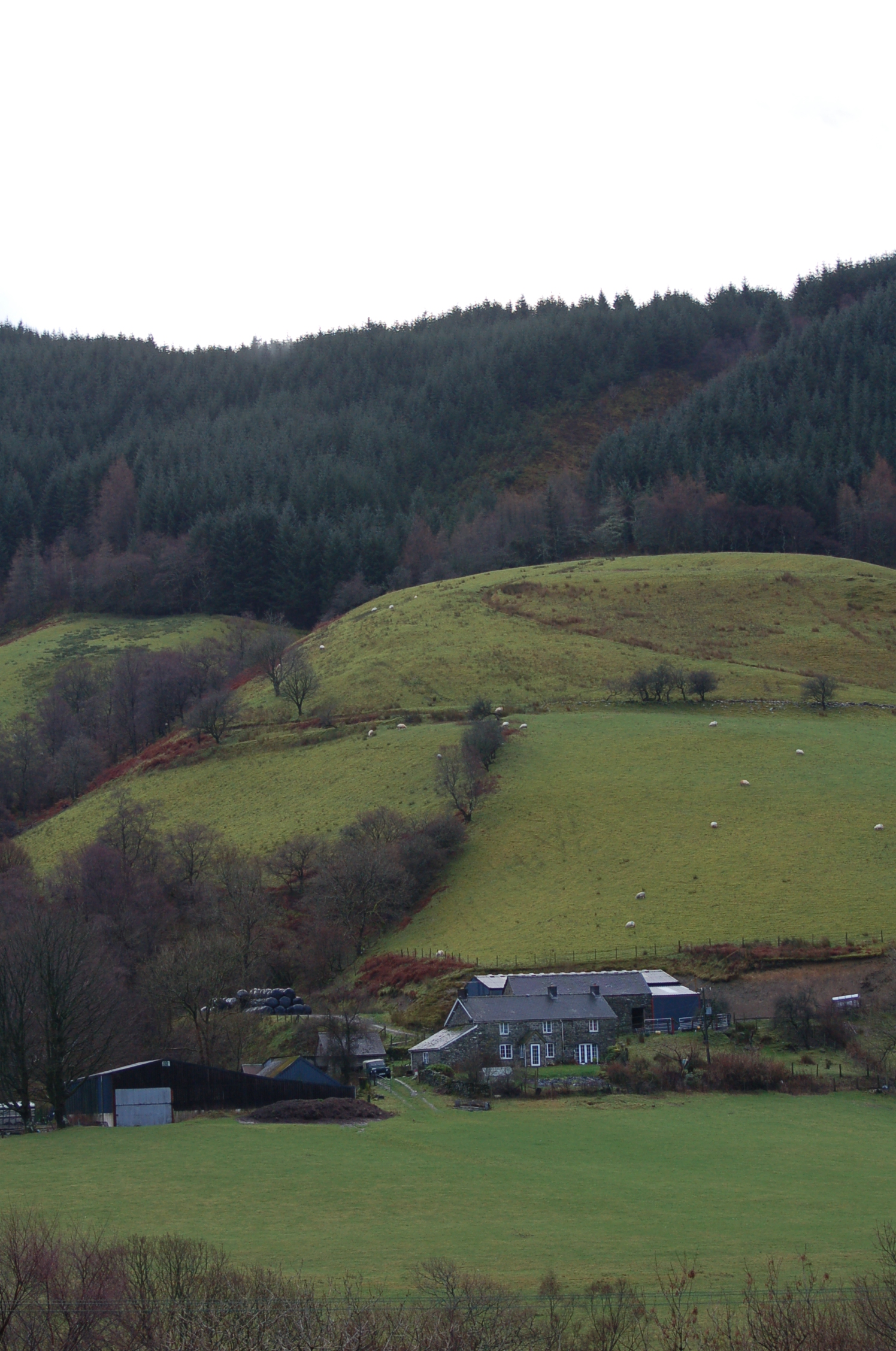
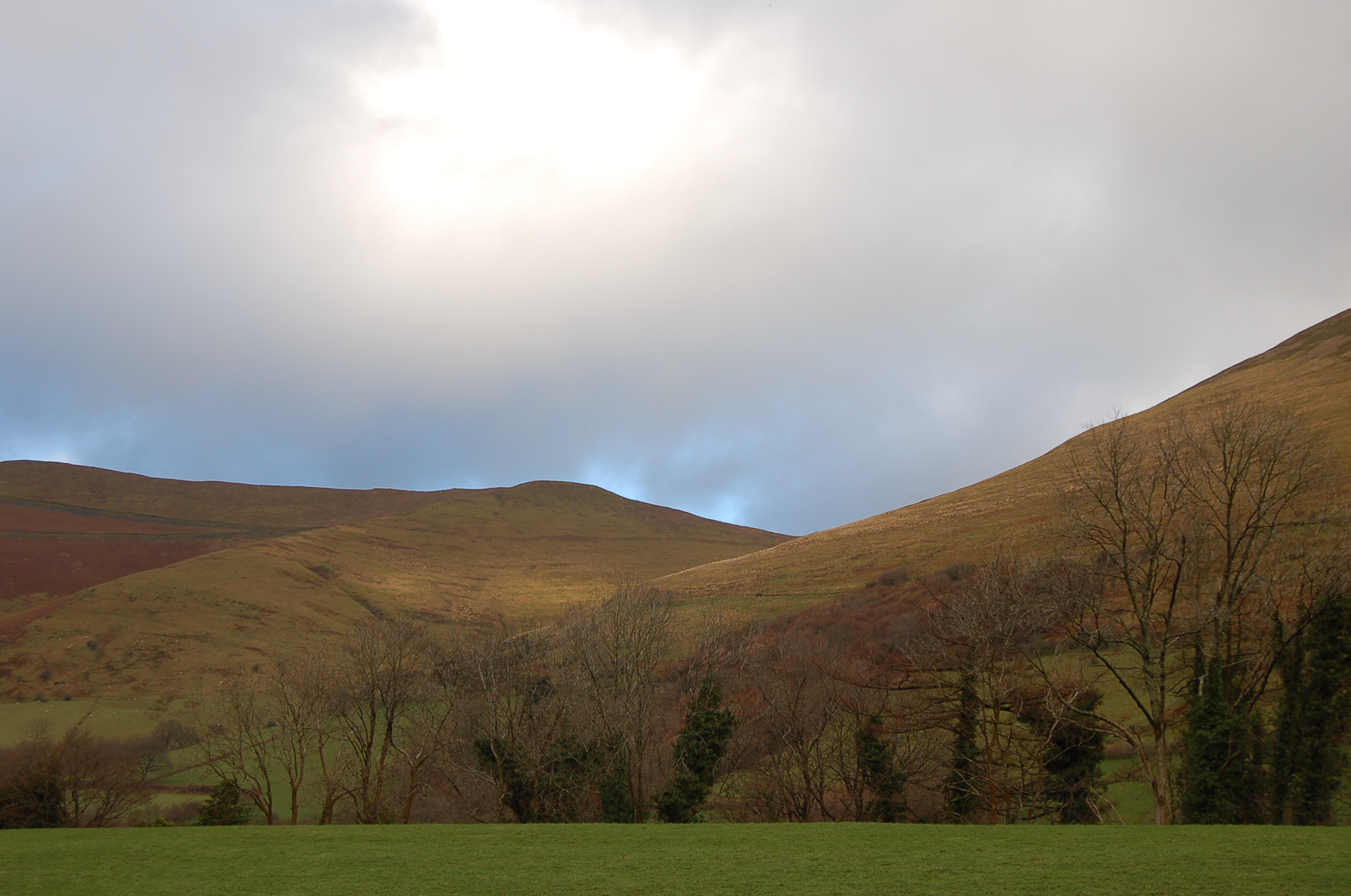
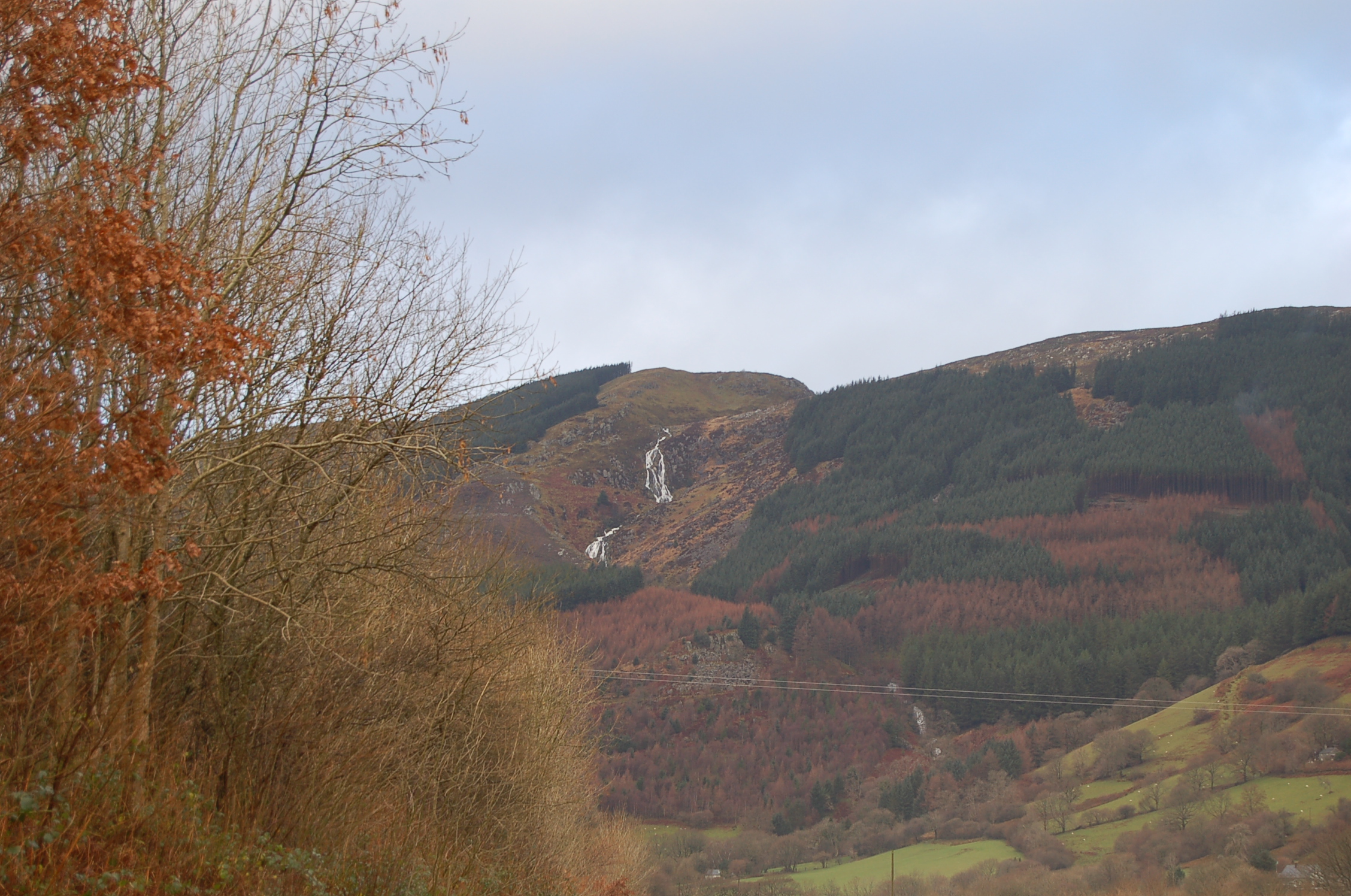
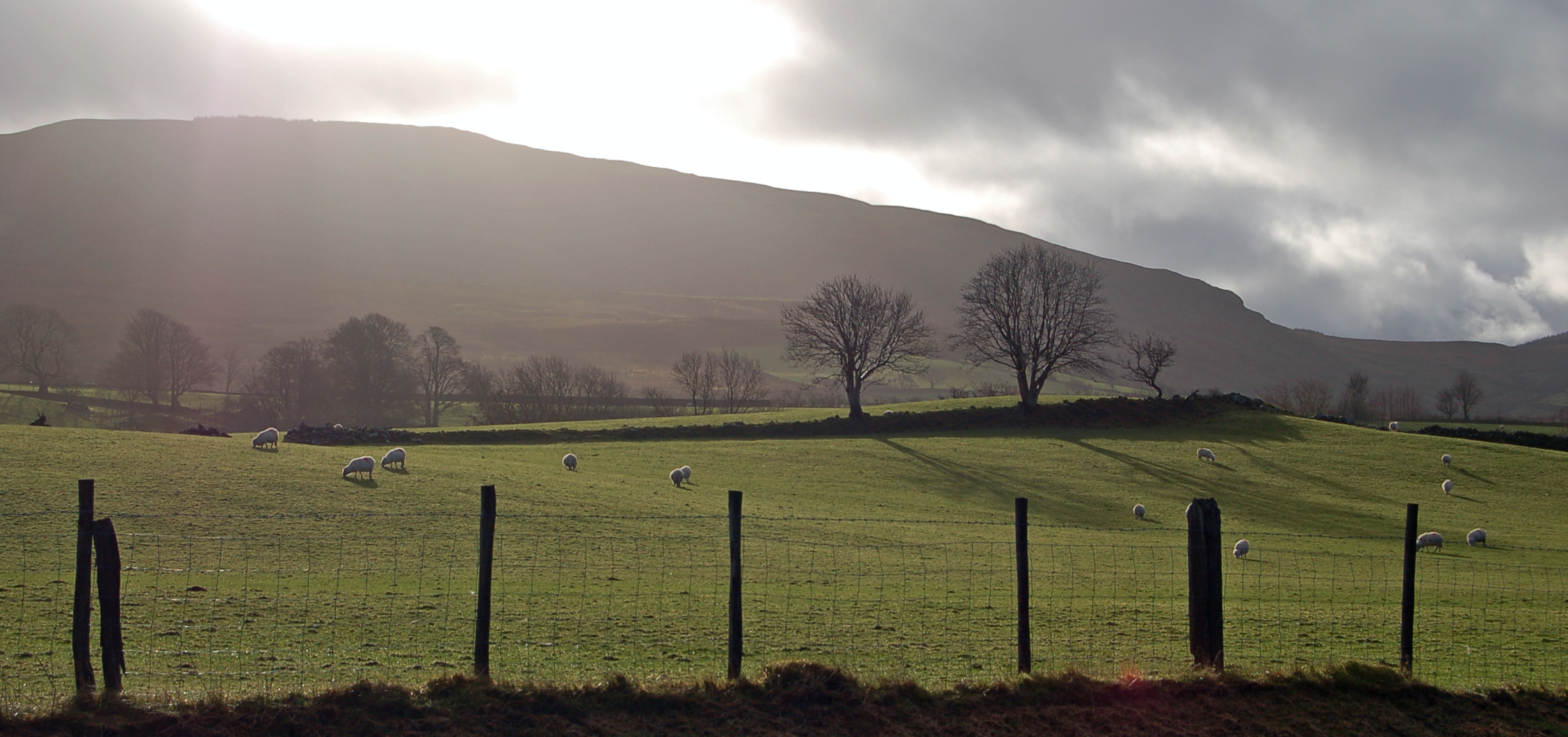
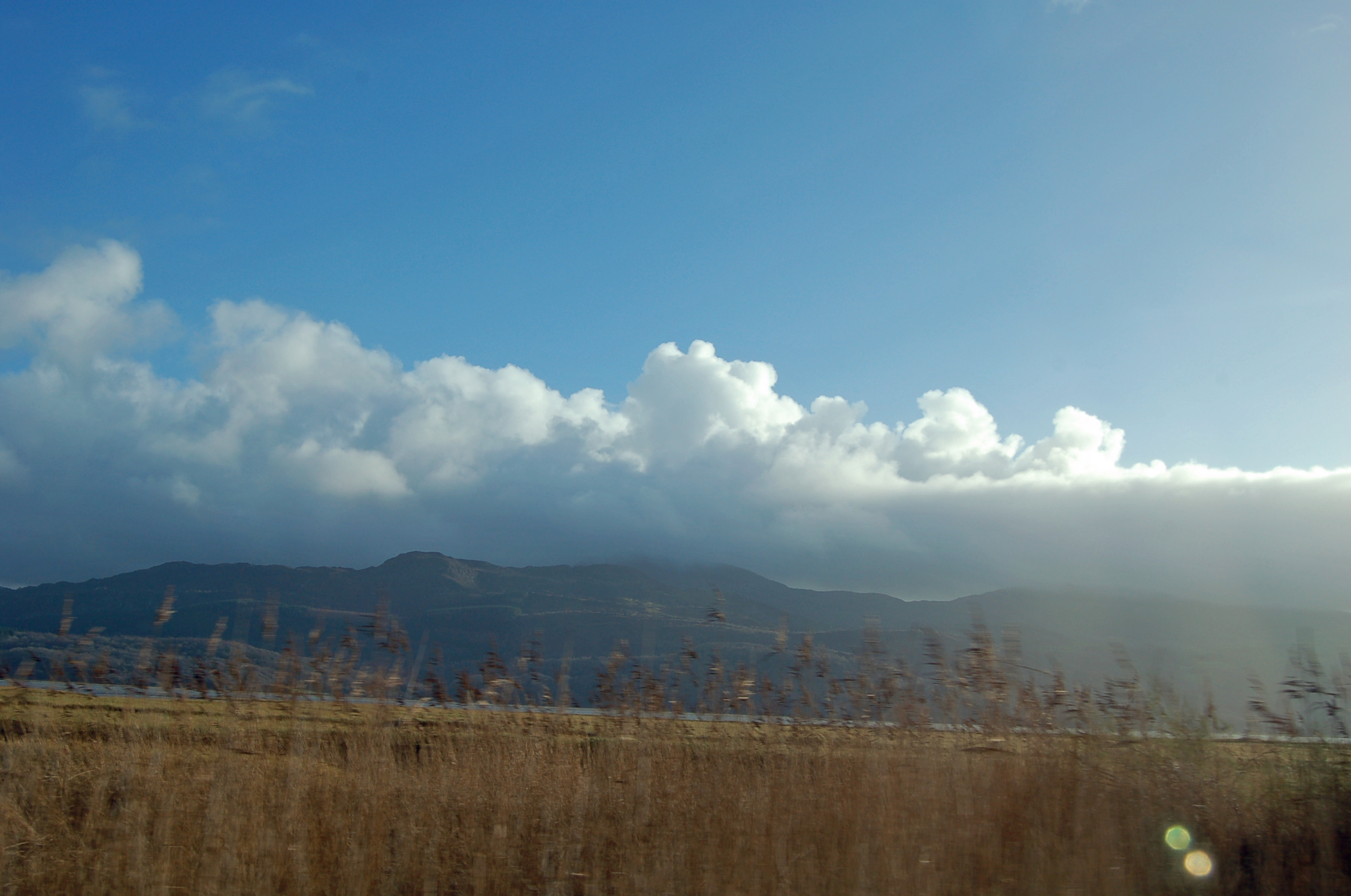
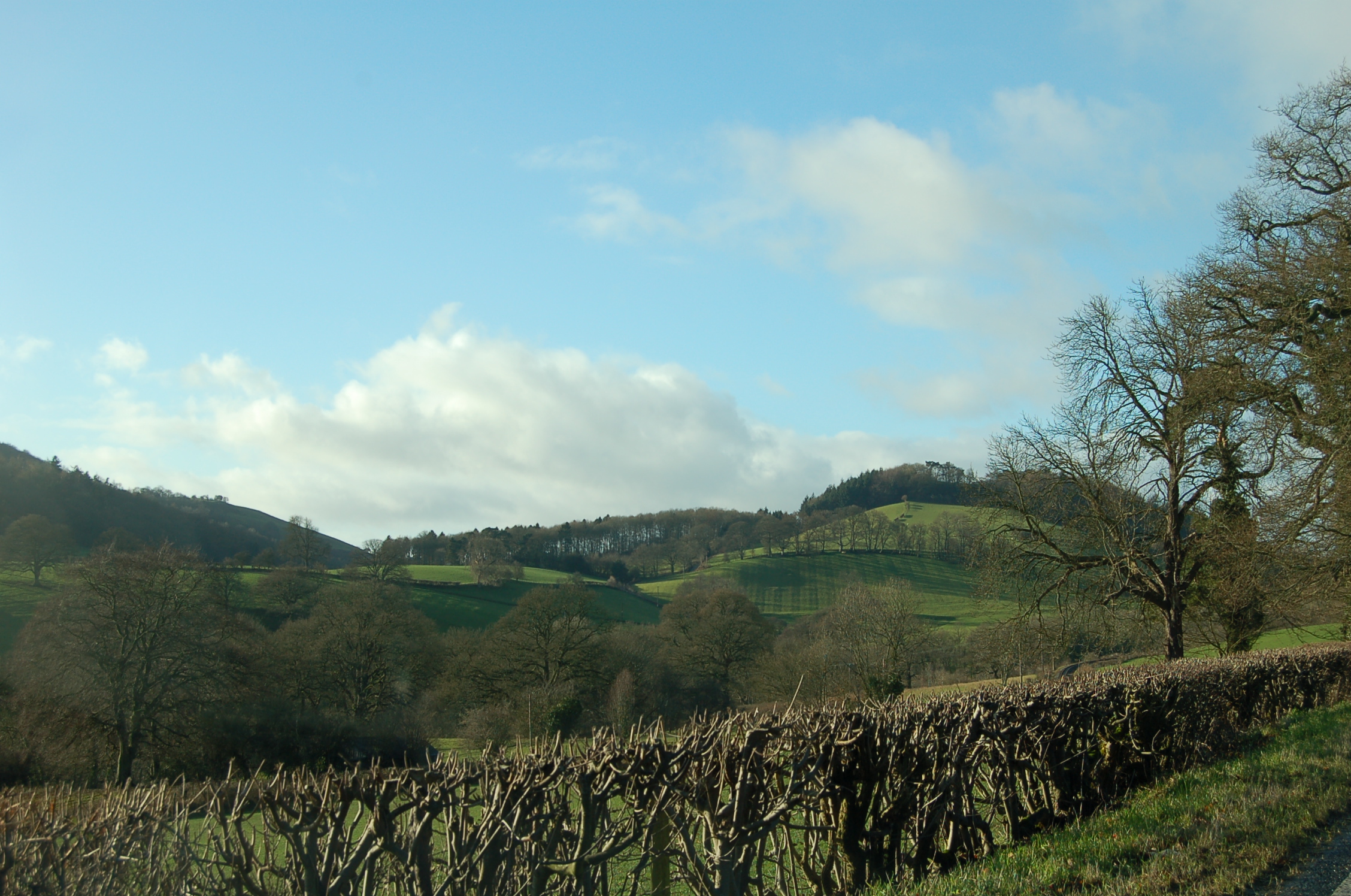
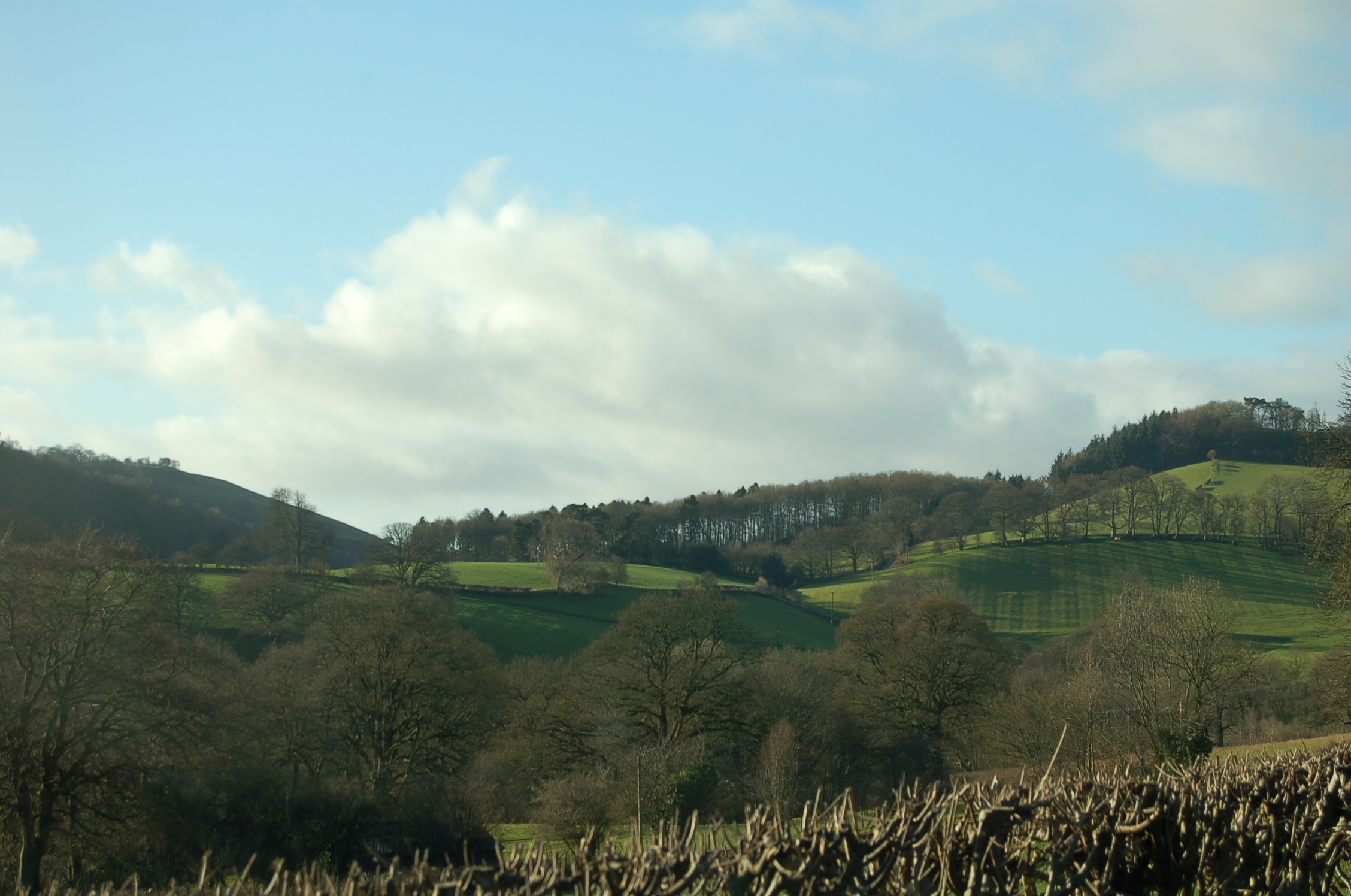
Christmas Greetings to all my Greenbench followers. Please enjoy one of my favourite photos of the year taken on a crisp frosty winter’s morning.
Author: greenbenchramblings
A retired primary school head teacher, I now spend much of my time gardening in our quarter acre plot in rural Shropshire south of Shrewsbury. I share my garden with Jude my wife a newly retired teacher , eight assorted chickens and a plethora of wildlife. Jude does all the heavy work as I have a damaged spine and right leg. We also garden on an allotment nearby. We are interested in all things related to gardens, green issues and wildlife.
What’s on the Plots? An end of year wander around the allotments.
Mid-December often sees the allotment site under snow or at least coated in frost, but not this year. We wandered around today with camera in hand and we were appreciative of the bright clear blue sky overhead. The midday sun cast long sharp shadows and it had enough strength in it for us to feel its warmth.
Having checked the post box for messages, and left a few magazines in the communal hut for others to enjoy, we started our tour at Wendy’s lovely plot. There is always something of interest to see and new things going on. We were not to be disappointed today. The sun caught the bright fiery colours of the willow hedge surrounding her compost heap.
On an obelisk where the soft bark paths cross the striped flag glowed alongside a sparkling glitterball, while this character decorated her shed door. A cranky old monk? Brother Cadfael perhaps when he was dropped by the BBC.
We next moved to the Autumn Garden and our newly planted section alongside our young fedge. The tree here is a Crataegus prunifolia which gives rich red autumn colour and deep red berries which is underplanted with bulbs. The border is planted up with sedum, asters, ferns, some perennial native flora and small shrubs. The cones and catkins of alders are beginning to get their purple hue. Cotoneaster leaves are as red as their berries.
On many plots old crops sit forgotten in places whilst others await being picked throughout the winter. The sprouts will grace a plot holder’s Christmas dinner spread.
Chard leaves on a sunny day are delightful. The reds, yellows and purples of their leaves and stems glow with the sun behind them.
Further along the borders of the Autumn Garden we passed Trevor’s plot where there is always an interesting development to find. Today we discovered his new shed number. He must have problems remembering his plot number or needs to arrange to visit an optician.
In the final section of the Autumn Garden the grass Calamagrostis acutifolia “Overdam” stand tall and to attention and gentle honey scents flow from the lemon flowered Mahonia.
On the shed roof of Plot 68 the massive scarecrow is looking worse for wear after our recent weather featuring heavy rains and strong winds. In the summer he won our annual scarecrow competition. It is hard to believe how he wowed our visitors on our Open Day.
In the first orchard the last fruit hangs on, a golden crab apple. Fennel is already sporting new foliage on Alan’s plot and the last of the Raspberry fruits sit awaiting a hungry Blackbird. Close by in the first Buddleja Border a Shistsotylus bravely blooms on with an early Primula.
The Globe Artichoke in the second Buddleja Border will soon burst and finches will flock in to feed off them, especially Goldfinches and Linnets.
We then took a detour to see what is happening on our own plot, Number 37. The last of the flowers in our wildflower mini-meadow are bravely hanging on and a few of our parsnips have gone to flower producing chartreuse umbrella heads. A few autumn raspberries provide welcome food for Blackbirds.
We moved on towards our old oak tree past plots where winter grown crops await Christmas dinners in members homes, leeks with their glaucous strappy leaves and sprouts behind netting protected against marauding Wood Pigeons.

This little scarecrow bravely guards overwintering alliums.
The Oak invariably looks wonderfully majestic but on a winter’s afternoon it excels with its long sharp shadows and silhouette of bare branches. In the spring Garden nearby the first bulbs are coming into flower, a pale Muscari, pushing their way through fallen oak leaves.
On Sharon’s plot her frog thermometer shows it is mild for December and near by a lone apple hangs waiting to give sustenance to the Blackbirds.
Glyn’s plot is well covered in a mat of green manures, so no heavy rain is going to leach away the goodness from the soil. Now that is good gardening!
In the Sensory Garden the rose hips sparkle away in the winter sun which glows through the last of the rose bush’s foliage. Grasses here always look good but add extra movement in the gentlest of breezes.
In the big meadow the last of the Red Campion and the Honesty are gamely flowering still. A lone bloom of Rosa Shropshire Lad casts a beautiful fruity scent across the picnic area.
The bunting on Brian’s shed looks faded now but still adds cheer. The sunlight beams through the Dedge and intensifies the flat plate flower heads of the late Achillea.
The Winter Garden is beginning to come into its own with peeling bark, powdery white stems and fluffy grass seed heads.
Moving on into the site extension we find our newest insect hotel still standing after recent strong winds. As usual I have string and my Opinel garden knife in my pocket so tie it back to the fence. The bamboo looks settled in its new home at the end of the proposed Garden of Contemplation. From here we can see the mass of “keys” adorning every branch of our ancient Ash tree.
Our long shadows look out across the site.
In the second orchard the crab apples still have much fruit left on and these give bright patches of colour visible from all over the site.
The stems of the coppiced willows in the Withy Bed shine as they start to show their late winter colour. This is something we are looking forward to. We have 17 different willow here in every colour possible.
We are just beginning to prepare the ground for our new Prairie Garden which we shall make in the new year. This big patch of bare ground promises to become a riot of year round colour. We can’t wait to get started. On nearby plots we spot a patch of another green manure, Grazing Ryegrass and another lone apple on a tree.
On Ian’s plot a big pile of farmyard manure waits the time when he digs it into the soil to add nutrients, humus and structure. It won’t take him long – he is a strong chap.
Returning to the communal hut along the wide path we spot this old beer can acting as a cane top rattling away by the old sweetcorn stalks. On Mandy’s plot this little insect home will be looking after hibernating friendly critters who will emerge in the spring to eat pests such as aphids. Dave’s flags hang sadly atop their poles.
As we returned to the car we noticed the first signs of growth on our spring bulbs. The first leaves of the daffodils have just made their way through the bark mulch. A promise of golden flowers to come. Our wheelbarrows give a big splash of colour in low sunlight.
Whenever we have friends and family staying with us we take them to our favourite places, usually gardens, arboreta or special patches of countryside and of course to our favourite coffee shop with the biggest most luscious cakes. If it is late summer or early autumn then we often share with them the delights of the Dorothy Clive Garden. So in September we took my brother, Graham and sister-in-law Vicky to share in the box of delights.
The garden began as a woodland garden set in a deep dell, but as the years went on it spread outwards so now much of the garden is on a gentle slope down from the dell. The dell features huge mature trees and below them plants typical of shaded places rhododendrons, azaleas and ferns.
After half an hour in the tea shop our first port of call was the sheltered area close by, sheltered enough to allow the gardeners to take brave decisions and grow Tetrapanax, amongst other plants grown for their interesting foliage. The gardeners at this garden are masters at the art of “right plant right place”. The enclosed space here was so sheltered that tender plants thrived, including one of my favourite plants Tetrapanax. We can’t risk it in our garden with its cold wet winters. I love the texture and colour of the stems – softly furry and gingery orange – and the shape and texture of the huge palmate rough leaves.
Another of the big leaved plants growing here in the damper areas are the Rogersias, with several different varieties thriving in the shade.
We left the sheltered garden taking a path beneath a tunnel featuring some delicate sculpture and neatly trimmed box balls.

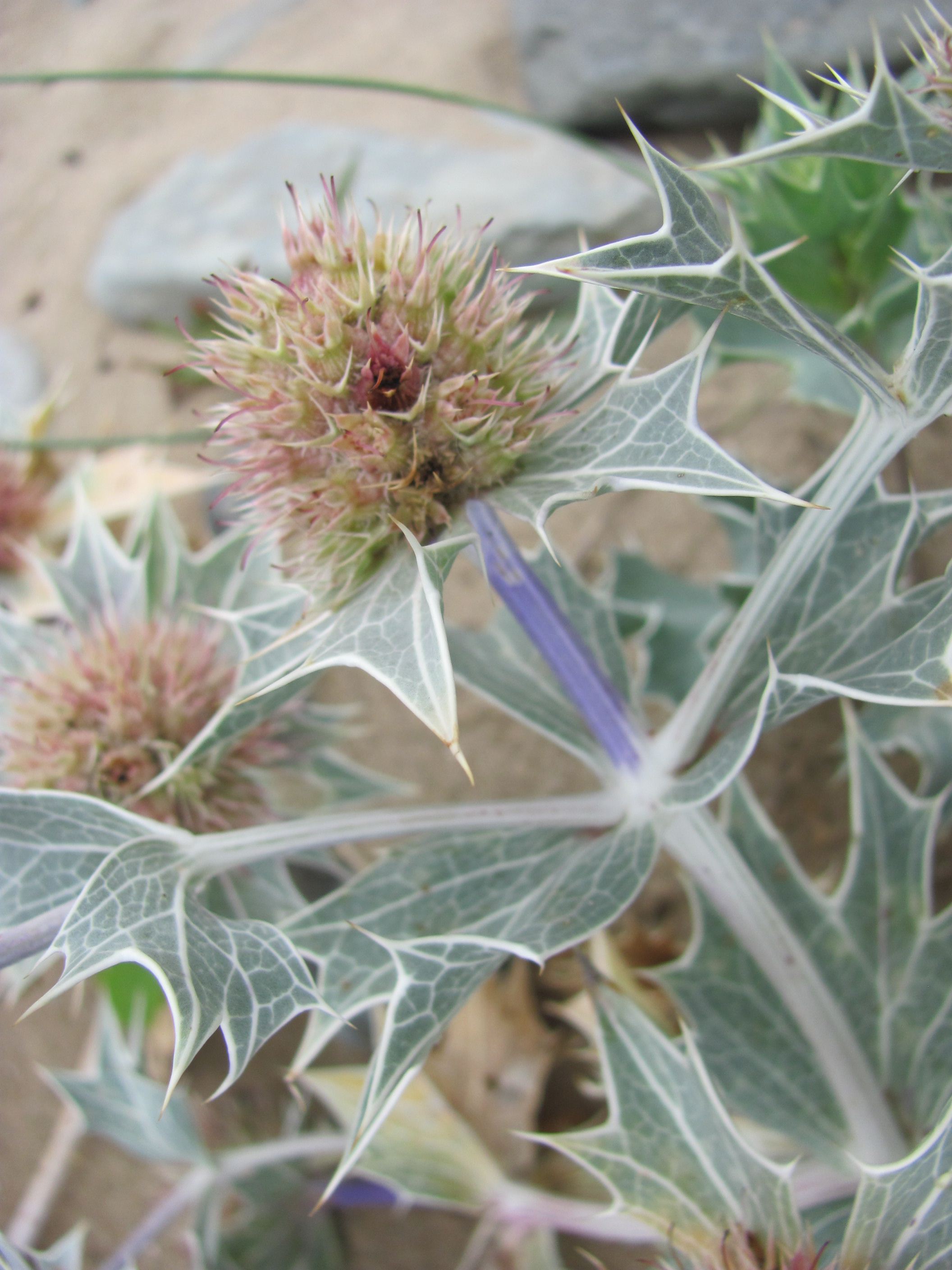
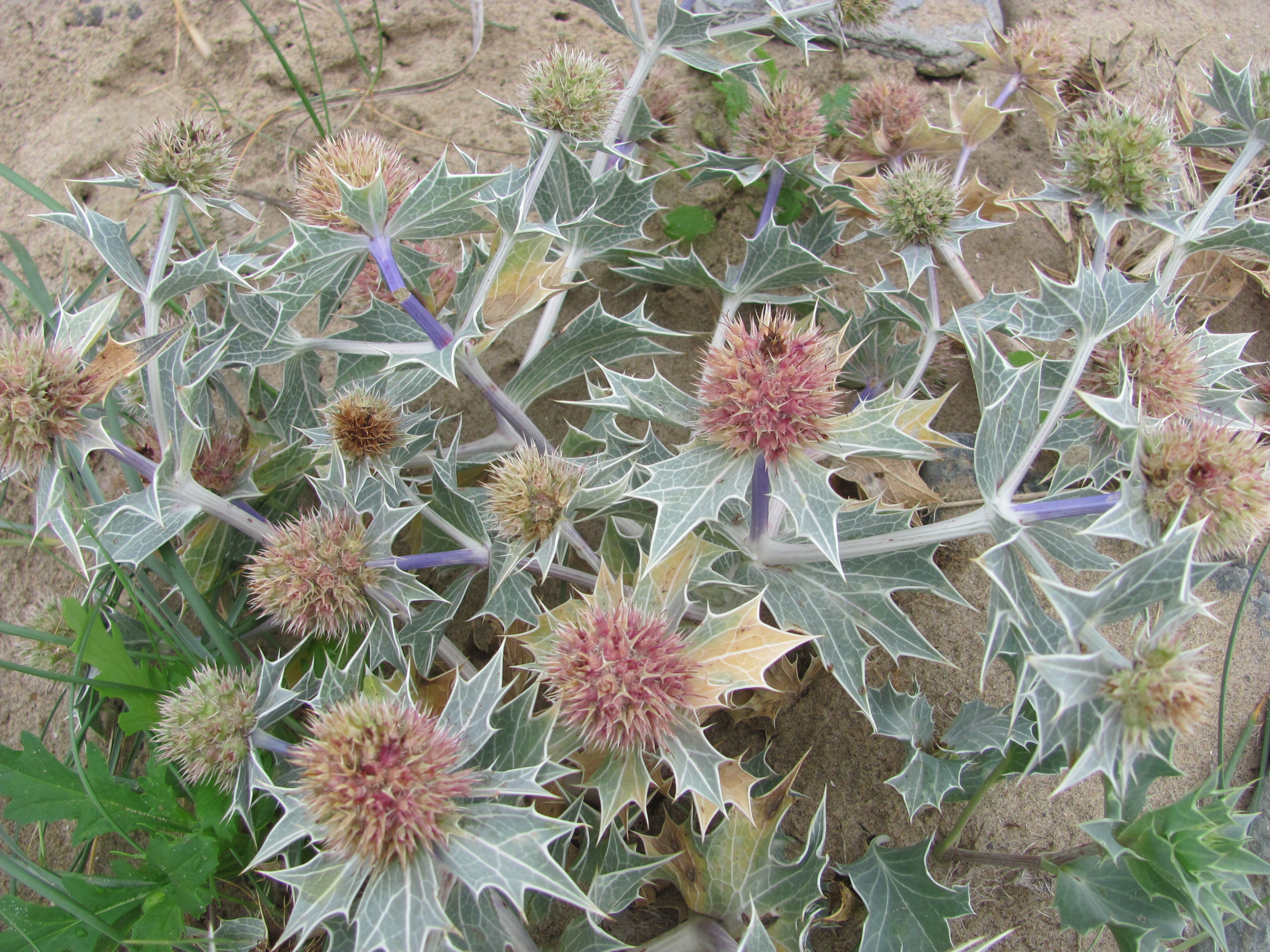
As we left the covered walkway we discovered another large-leaved architectural plant, the Onopordum, with silvery jagged leaves and stems with spikes all along their edges adorned atop by similarly spiky flowers. The Goldfinches will love them when they burst!
A new feature in this old favourite garden was an edible woodland garden. We were excited about seeing it and our anticipation was rewarded. This little shaded area under mature trees was full of atmosphere and interesting features.
We were impressed by the great insect hotels and the amazing wooden fencing found within the plants of the edible garden.
After this we wandered off along the meandering soft grass paths around the mixed borders. Enjoy them with us.
Part of the way round our border wanderings I spotted these lovely old chestnut gates and fences at the entrance to the kitchen garden.
Just half an hour drive from our home is the Welsh town of Welshpool and close to it the wonderful gardens and family owned and run nursery at The Dingle. It is a garden on a slope with paths taking you on a gentle downhill journey to the bottom of the valley where a lake awaits with its colourful reflections. The Dingle is a woodland garden situated in a Welsh valley and boasts its own nursery which specialises in trees but stocks equally varied quality herbaceous plants, grasses and shrubs.
Whatever season you visit this gem of a garden there is so much to appreciate, especially shrubs and small trees. Around every corner the visiting gardener can find inspiration that stimulate fresh ideas to use.
Contrasts in foliage colour and texture are evident in the carefully chosen groupings of shrubs and small trees.
Of equal importance are the specimen trees and shrubs, the ones that need to be appreciated for their individual beauty. The beauty in autumn is in the leaf colour and in the colour, texture and patterns of the bark.
The trouble with gardens so full of special trees and shrubs is that you can forget to look down or to look at the detail right in front of your nose, flowers at ground level such as the Liriope, bright berries dangling at branches’ end and grasses that wave their flower heads at you in the gentlest breeze.
But there is so much to see around every corner, at your feet, just in front of you and way up high. Come with us now as we wander slowly down the gently sloping gravel paths through beautifully varied plantings of trees and shrubs with occasional flowering plants at our feet. Just click on the first photo and then use the right arrow to navigate. Enjoy the Dingle! Look out for my brother-in-law Tony lurking in the bushes with camera in hand! He is hard to spot even though he is in a brightly coloured yellow jacket.
I am not a fan of flat land, I love hills and mountains and views. The fens are just too flat for me. But we discovered a wonderful wildlife reserve a few years ago run by the National Trust, Wicken Fen. We were in the area again this September so we couldn’t resist a return visit. Last time we were there it was warm but wet. This time it was cold and wet.
We followed the boardwalk out into the fen and were amazed by the variety of wildflowers we could spot from the walkway.
We enjoyed a few moments watching this spider attempting to build its web in the wet weather. He was most persistent and crafted a fine web.
Stopping off for a coffee in a hide overlooking a pool with a bird feeding station close to the viewing windows gave us opportunities to watch common and less common birds busily feeding. Tree Sparrows were a delight to spot as they are becoming very scarce now due to habitat degradation and loss, as were a pair of Turtle Doves which are real rarities now. The biggest surprise here though was the Muntjac Deer which crept through the shrubbery knocked the feeders with its head and then ate the spilled food off the ground. It then disappeared just as quickly and quietly as it has arrived. It skulked away very quietly.
We moved on through the fens along damp pathways and boardwalks where the ground was even wetter. We enjoyed the variety of flora that need these unusual conditions to thrive. This little plant, possibly a Water Mint, crept across the boards themselves so we had to watch where we put our boots.
The water levels in the fens here are carefully controlled to create and maintain the different habitat types. This increases the variety of plants, insects, invertebates, mammals, fish and birds that set up home here. Windmills power the pumps. They stand tall and rigid above the low level of the herbage below.
To help manage some areas some unusual lawnmowers are being used, these handsome Highland Cattle.
The two critters below, later identified as a Greenbench and a Mrs Greenbench, tried many ways of hiding from the photography!
Already we are almost at the end of the year so here is my December bouquet from our garden,the final chapter in 2013.
It is only mid-December and while in the garden we are treated to the beautiful repetitive piping call of a Song Thrush, already making his territorial proclamation. He must have found a mighty fine territory which he is making sure no-one else can take possession of.
The skies seem full of passing flocks of Redwing and their larger noisier cousins the Fieldfare on migration, escaping their cold food-less summer homes in central Europe. Below them exploring the trees and shrubs of our garden mixed foraging flocks of finches seek out the last of the seeds and berries while amongst them groups of Titmice, Great, Blue, Long-tailed and Coal arrive in hurried flight to explore every nook and cranny of dried stems, tree bark and shrub branches for insects especially spiders.
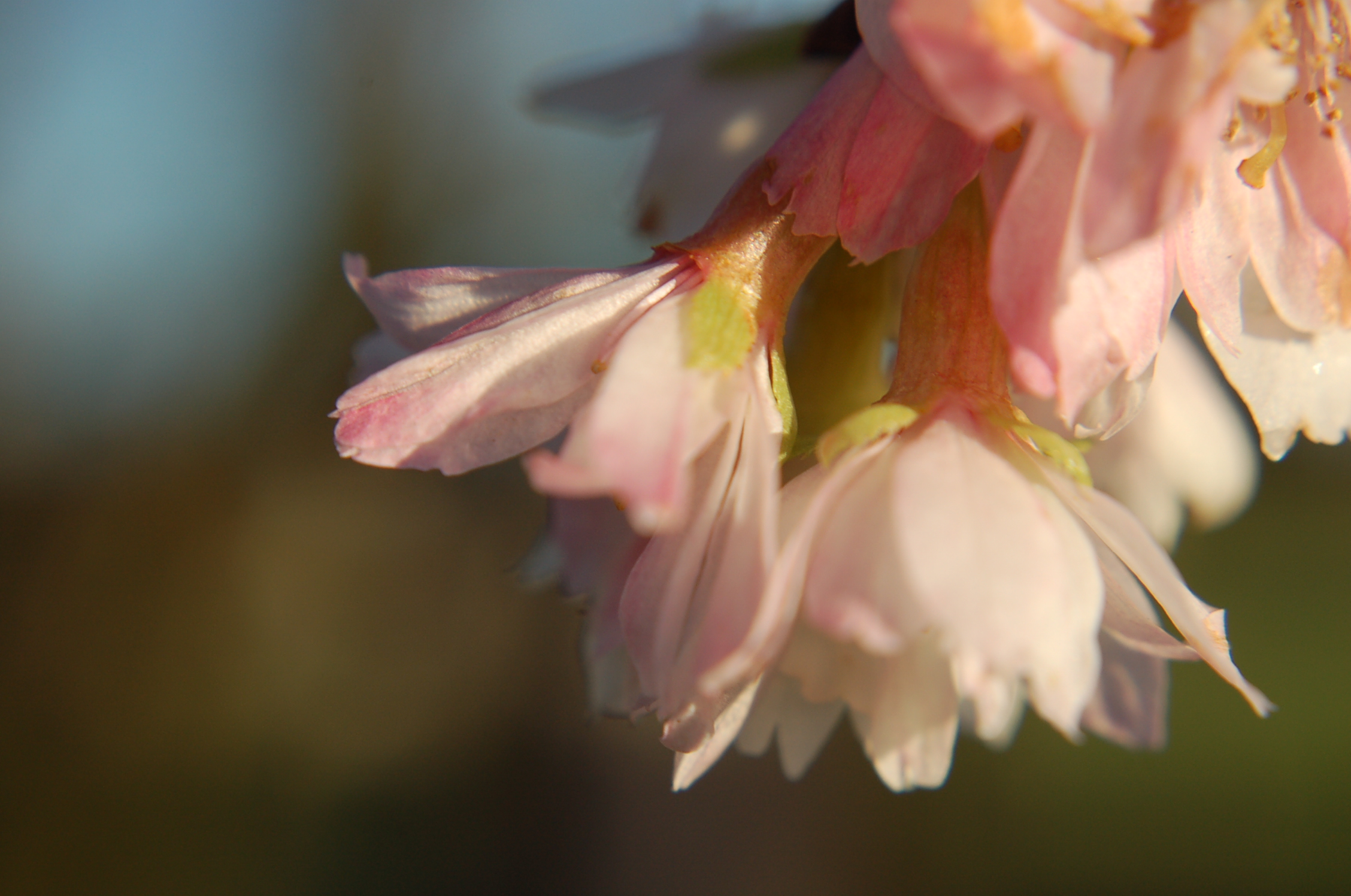
A few delicate looking soft coloured flowers still hang on determined to be the final blooms of the year. It seems amazing but the odd big bumbling Queen Bumble Bee appears to feed on them.
Berries on shrubs and small trees add extra sparkles of colour but the resident Mistle Thrushes guard them from the migrant thrushes. They are the larder for the colder days to come. The red fruit of the Cotoneasters, Hollies and Rowans will be eaten first and most will have been devoured by the thrushes and Blackbirds before the month is out. The creamy-yellow berries of the Cotoneaster rothschildiana will stay longer being mere second choices. The last to go without fail will be the white berries of the Sorbus, so we can get to enjoy them against dark winter storm clouds before the birds eat them.
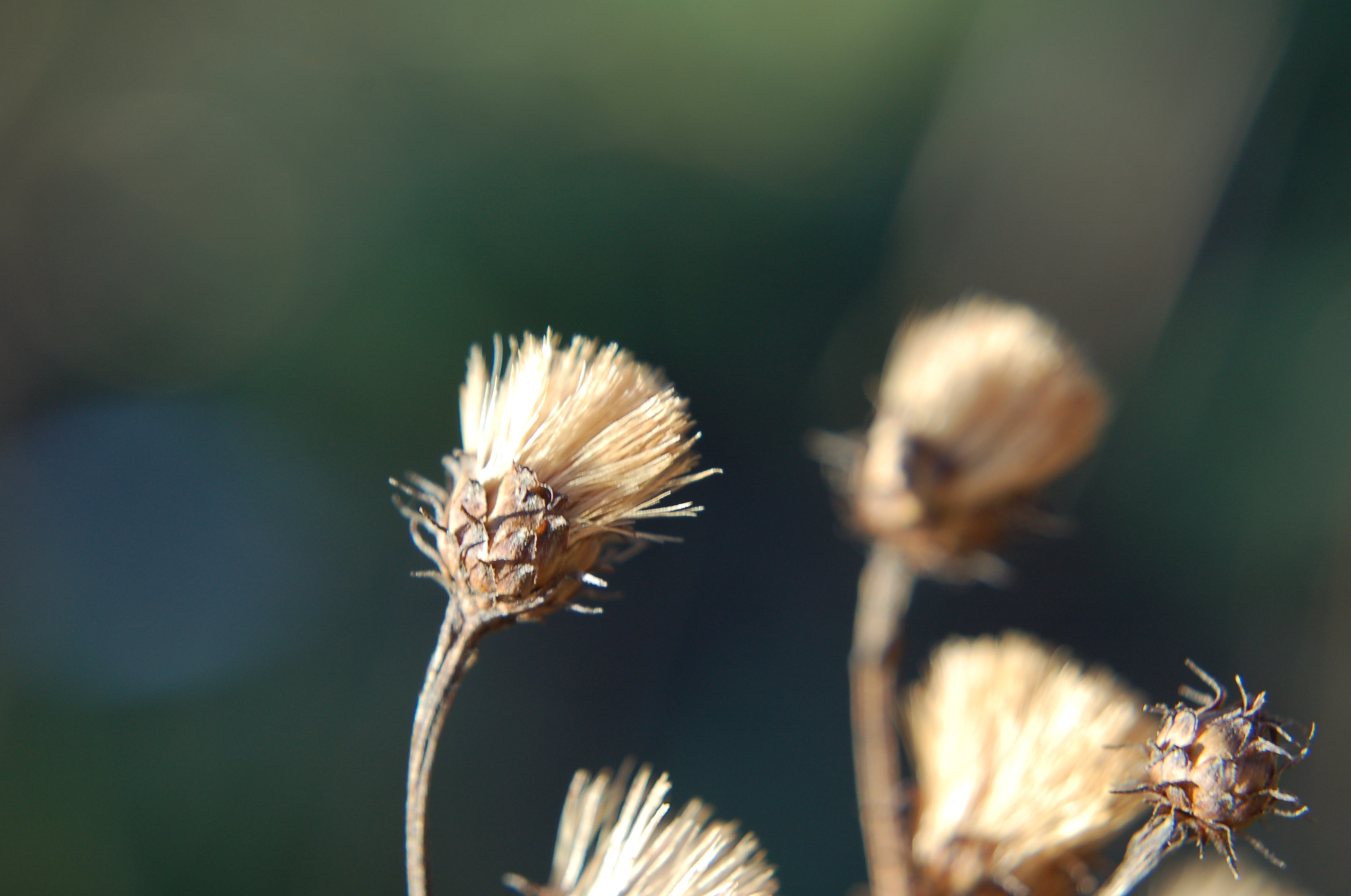
At this time of year we can enjoy the dessicated seed heads and old flower heads that have managed to survive the wet times that autumn invariably brings. This year has been so wet that we seem to have fewer still standing than ever before. But a few are putting on a display for us and when covered in a frosty layer or when donning a hat made of snow will look even better. Within them are the remnant autumn leaves as yet to be blown from their branches by blasts of wind.
Signs of next year’s growth are already in evidence like this adventurous bud found on a clematis snuggled between stem and petioles.
Patterns become important in winter as they emerge from seasons hidden away behind plants. So that is the end of my year of garden bouquets for 2013. Perhaps they will return for 2014.
We return in this second post about the National Memorial Arboretum where we left off.
This was a quiet place, full of bird song and the quiet voices of the visitors deeply affected by the sense of the place.
Seats to sit upon
to sit and think
to sit and to remember
lost ones.
Share now a few images of the place to show its variety, its beauty and its sadness.
We walked slowly up a gentle sloping path giving us a spiral route to the “Armed Services Memorial” with a solemn “wall of names”. The sculptural pieces here were astonishing, powerful and thought provoking.
Below, the sculpted hand indicates the place where a shaft of sunlight pierces two slits in two walls. They line up on the 11th hour of the 11th day of the 11th month each year the time when the First World War ended. It is the time the nation remembers each year the members of the armed forces lost serving their country.
A massive curving wall has carved into it the names of all armed service personel who have died in service since the end of the Second Wall War. To see all these names together illustrates the futility of war so clearly. Worst of all was the huge area left blank as space for those yet to die. The United Nations should hold their meetings here and every Member of Parliament from every nation should spend some time here at the beginning of every session of their parliament. I wonder if it would make any difference?
We found smaller memorials which were more specific and sometimes outside the realms of armed conflicts.
The essential work of the Bevin Boys, the miners who kept the mines open during WW2 was celebrated in these wonderful relief carvings. Powerful just like the Bevin boys themselves.
Men who lost their lives building the railways in the Far East as prisoners of war were commemorated by a garden of many varieties of Sorbus growing around reconstructed sections of railway lines.
A few of the gardens help us remember the loss of lives of those serving the nation but not in the armed services. Here we celebrate the bravery of the men of the Royal National Lifeboat Institution. A sturdy figure carved from stone reflects the strength of character of these people as he looks over a seaside landscape.
One of the most incredible memorials was a tribute to the men of the railways.
We even found a memorial to the soldiers from our home county of Shropshire.
The Jewish Memorial was a truly beautiful piece of art as well as a moving memorial piece.
As the light faded over the memorial arboretum the trees tops began to fill with the sounds of starlings settling down to roost. To the birds this garden is a home giving them shelter, food and a place to nest.
I will leave you with a few deeply moving pictures.
And finally a picture of the Bazra Wall to illustrate that we never learn. With all the waste of lives over the centuries it still goes on.
Wendy, one of our allotment friends, told us all about her visit to the National Memorial Arboretum near Lichfield and she thought we would like to visit too.
I arrived with expectations. I envisioned a collection of trees with large areas given over to formal memorials. These areas I thought would have a cold atmosphere like an empty church and I felt the whole place would possess the deep silence of a “Poppy Day” remembrance ceremony around a village war memorial.
I was so wrong.
It was an amazing place. But not a place to enjoy as such but a place with an atmosphere that you feel deeply. It was such an emotive and wonderful experience that emotions engulf you. It has a its own special atmosphere, an atmosphere that is hard to describe as the right words are impossible to find.
Close to the chapel near the entrance is a small garden with a beautiful armillary sundial at its centre, while the pillars holding up the covered entrance display a sense of homour in the carvings.
We explored the site following avenues of acers and cherries leading to small wooded areas and copses mostly of native deciduous trees. A simple arrangement of closely trimmed berberis spheres form the Garden of Innocents.
As we wander around please join us, as we appreciate the beauty of the trees and the calm of the spaces. There were signs of the recent Remembrance Day Ceremonies throughout the site, some at the base of memorials others blown into hedges and trees.
Amongst the memorials dedicated to various sections of the armed forces were other memorials or areas of celebration. The photos below are of a golden garden dedicated to couples who had celebrated their Golden Wedding Anniversaries. Trees had yellow fruit such as varieties of Malus or golden stems such as the Yellow Ash.
The next memorial was for Polish servicemen who had lost their lives fighting alongside British armed forces.
We moved on through woodlands showing autumn colouring interspersed with memorials until we came across a most disturbing area, called “Shot at Dawn”.
This area was to help us remember the men shot at dawn by their own comrades under orders from commanding officers. We were deeply moved here as the cruelty of man at war and the needless waste of young lives were clearly displayed. How could officers in the First World War believe they had the right to order soldiers to kill their fellow men? The “crime” that these young soldiers were found guilty of was “cowardice” – surely they could be forgiven for fear and for not being willing to kill. The true cowardice here lies with the officers who used their rank and “superiority” to make others kill colleagues. Each post represents a real person and each post holds a small sign. Each post a brother, a son, a father, a best friend ……………..
This was a sad place!
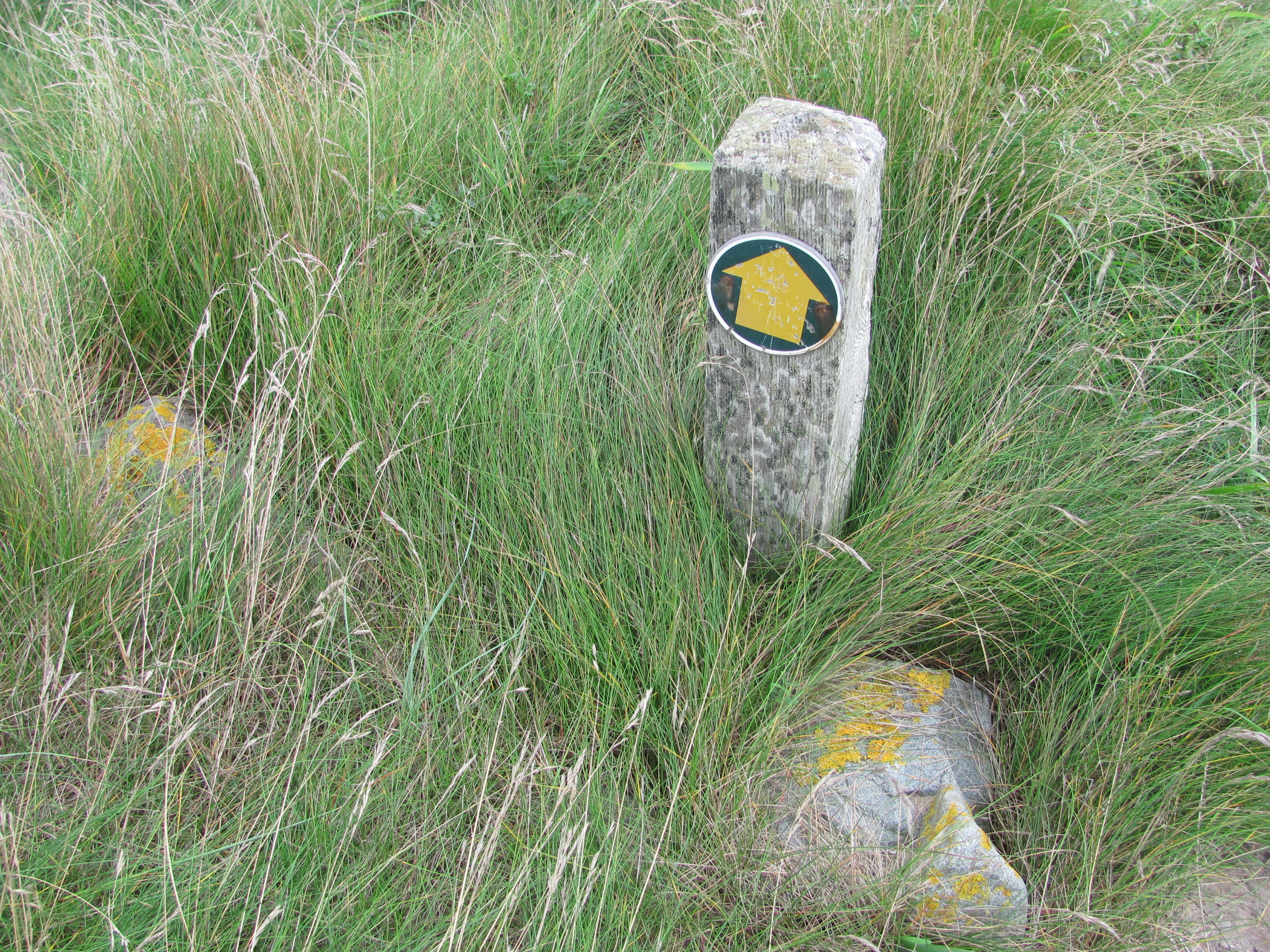
We left in silence and deep anger to find a way marker close by on a pathway crossing through the arboretum which acted as a reminder that we were in the National Forest.
This unusual garden was dedicated to members of the Fairground Entertainers hence the horse from a “Gallopers” fairground ride.
As we turned a corner I stopped in my tracks. We were facing a memorial with the badge I knew so well. As a child I remember seeing it on the front of my father’s army cap. My stomach felt empty and my heart skipped beats. Suddenly it seemed very close to home.
My father survived the war but its effects could be seen hanging over him, the shaking hands, the sudden bouts of anger, changing temperament, the hatred of loud noise and the dislike of time wasting.
Next was the memorial to the paratroopers, a beautiful sculpture displaying strength and bravery.
We shall continue our journey around the National Memorial Arboretum in my next post, but please share a few words we wrote as we sat quietly over coffee at lunchtime.
Peaceful place to celebrate waste
Lives wasted in war
Trees peacefully grow in lines
Celebrating soldiers’ short lives
Trees giving hope for a future
We have shared a visit to the wonderful arboretum near Kidderminster in Worcestershire before but we visited again this autumn and were equally enthralled by the collection of trees, common, less well-known and even rare. So come back with us now on our return to Bodenham. Let us simply celebrate in photographs!
It is always good to find a tree you do not know, one you have not got the faintest idea what it might be. At Bodenham on this visit it was the Wingnut Tree.
We decided it was about time to give one of our borders here at Avocet a totally new look. Originally we had planted a tropical border in this patch as it is south facing and sits snuggly between the conservatory, the kitchen wall and the wall of the utility room. So we were confident that we could get some of the hardier palms, gingers and other exotic looking large leaved plants growing happily. However we soon learned that our garden was at the bottom of a slope where the frosty air settled after rolling down from the hill behind us. Thus our tropical plants were turned to mush in the first harsh winter.
Hence the rethink. We decided to strip the area bare, add copious amounts of our garden compost and replant with plants that hinted at the tropical look.
So the first task was to remove those plants that had survived including a large Black Bamboo. Hard work!! Next we had to replace the wooden edging board to hold back the gravel on the seating area alongside. Otherwise the gravel and soil slowly manage to get totally mixed together. Our selection of plants waiting to be planted can be seen in the picture below right.
We then laid out the plants and played around with positioning them until we were satisfied with our new look. When we finished planting up our new friends we added hundreds of miniature daffodils and brightly coloured tulips in orange, red, yellow and purple. Purple Tulipa “Havran”, Ruby flowered Tulipa “Pallada”, and aptly named Tulips “Orange Brilliant” were planted in clumps between other clumps of Narcissus “Hawera”.
We chose three varieties of different coloured Phormium with their tall sword shaped leaves. These are shown in the photos below – Phormium tenax Joker, Moonraker and Alison Blackman.
The final look! Yes, we are quite pleased with that. We can’t wait to watch it develop from next spring onwards.
In between the Phormium you can see Fatsia japonica, Leucothe walteri “Zeblid”, Geranium palmatum, Heuchera “Obsidium” and Heucherella “Solar Eclipse”.