Categories
climbing plants colours fruit and veg garden design garden photography gardening grow your own hardy perennials Hardy Plant Society HPS ornamental trees and shrubs Powis Powys

A hillside garden near Welshpool

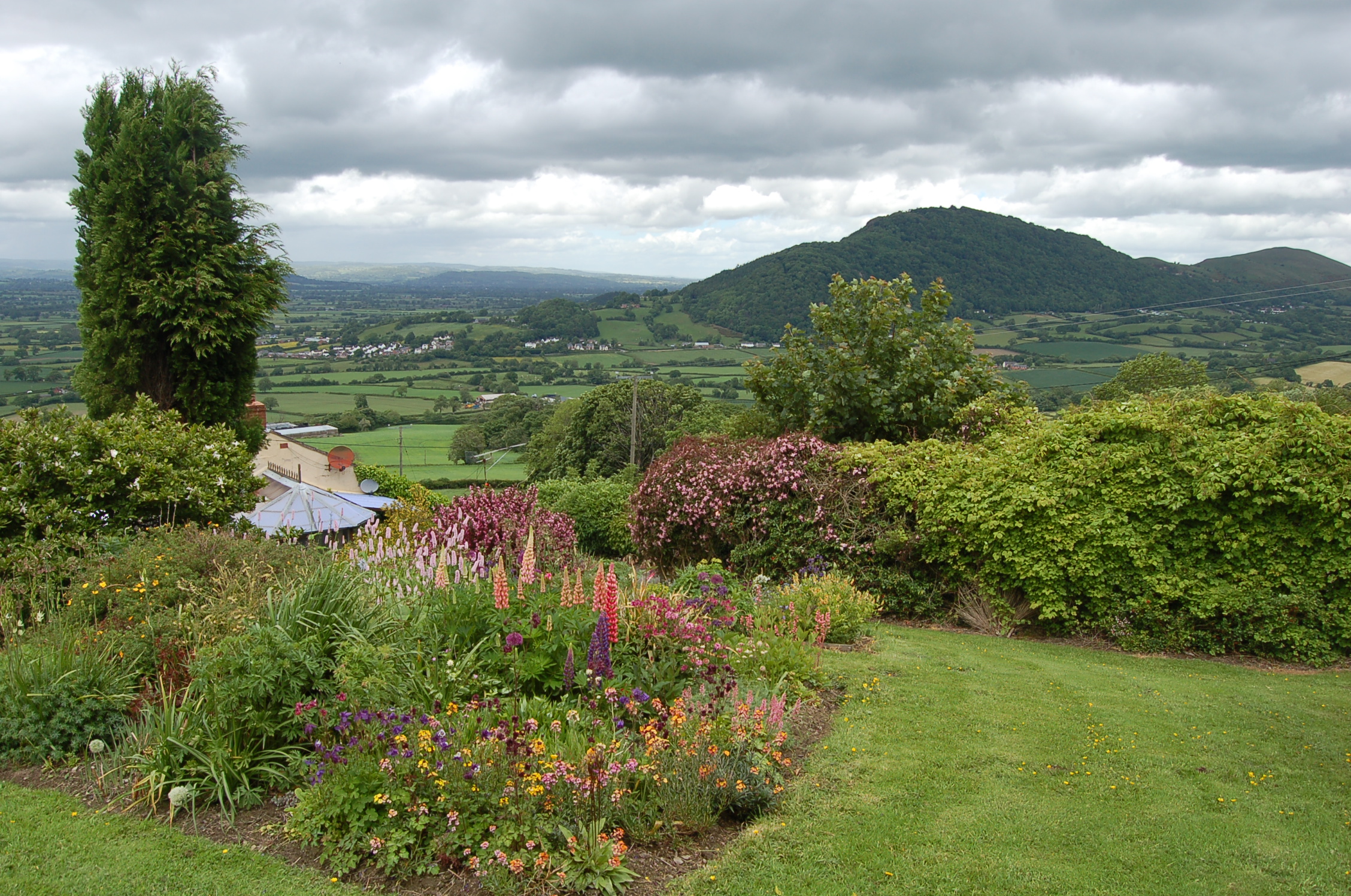
In my last post I invited you to join us on our journeys through two tiny town gardens in Welshpool and promised s different visit to a garden nearby. We found this garden by following narrow single track lanes with passing points and we drove higher and higher above the town of Welshpool and way out into the countryside. Jude the Undergardener’s little car finally turned into the lane leading up to the garden. This lane was so steep the car struggled so we were relieved to finally get parked up alongside other Hardy Planters cars on the little grass verge car park.

2013 06 15_1127 2013 06 15_1134

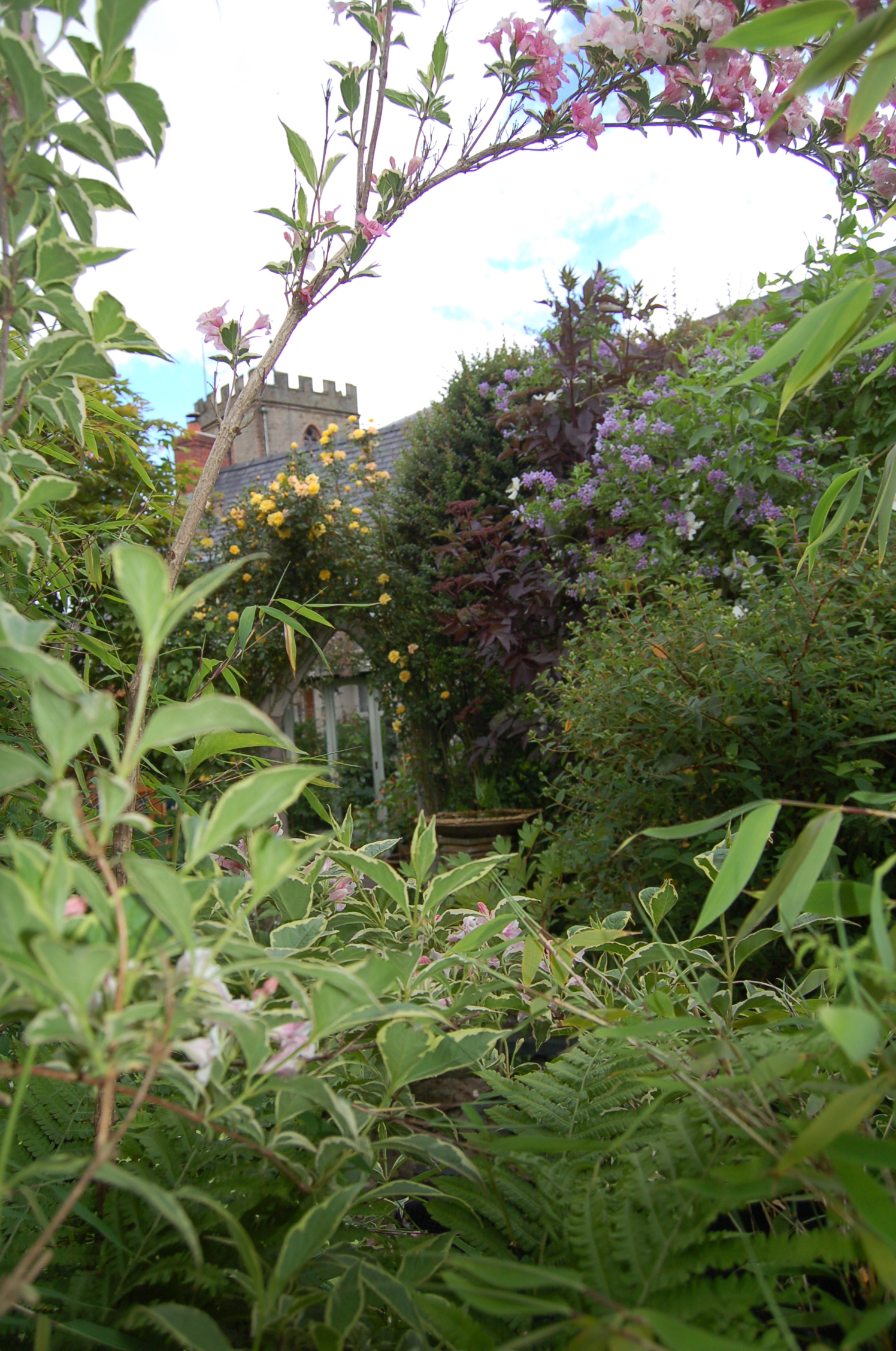
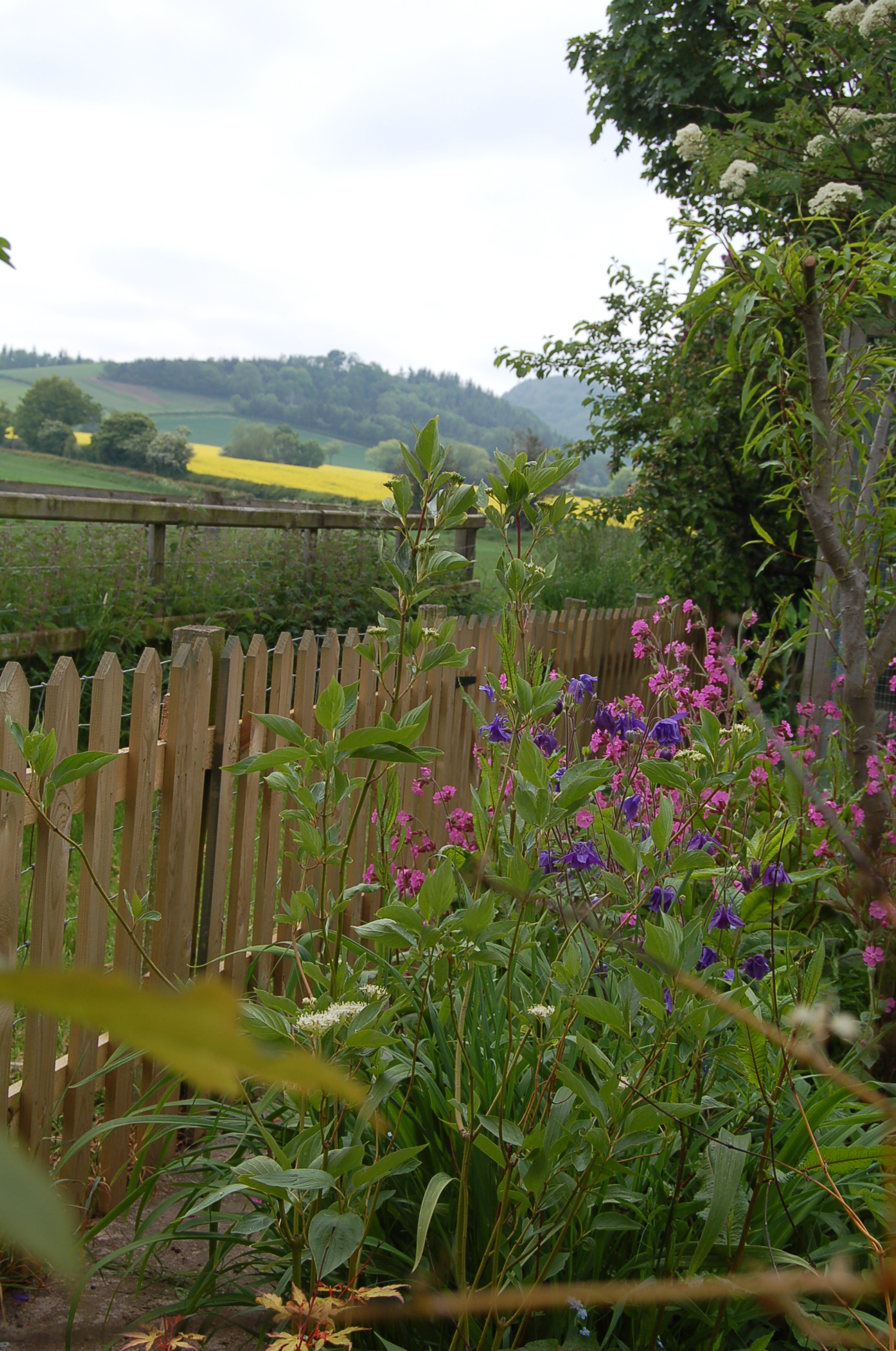
Getting out of the car we were met with the most amazing views over farmland and what seemed like a huge sky.

2013 06 15_1125

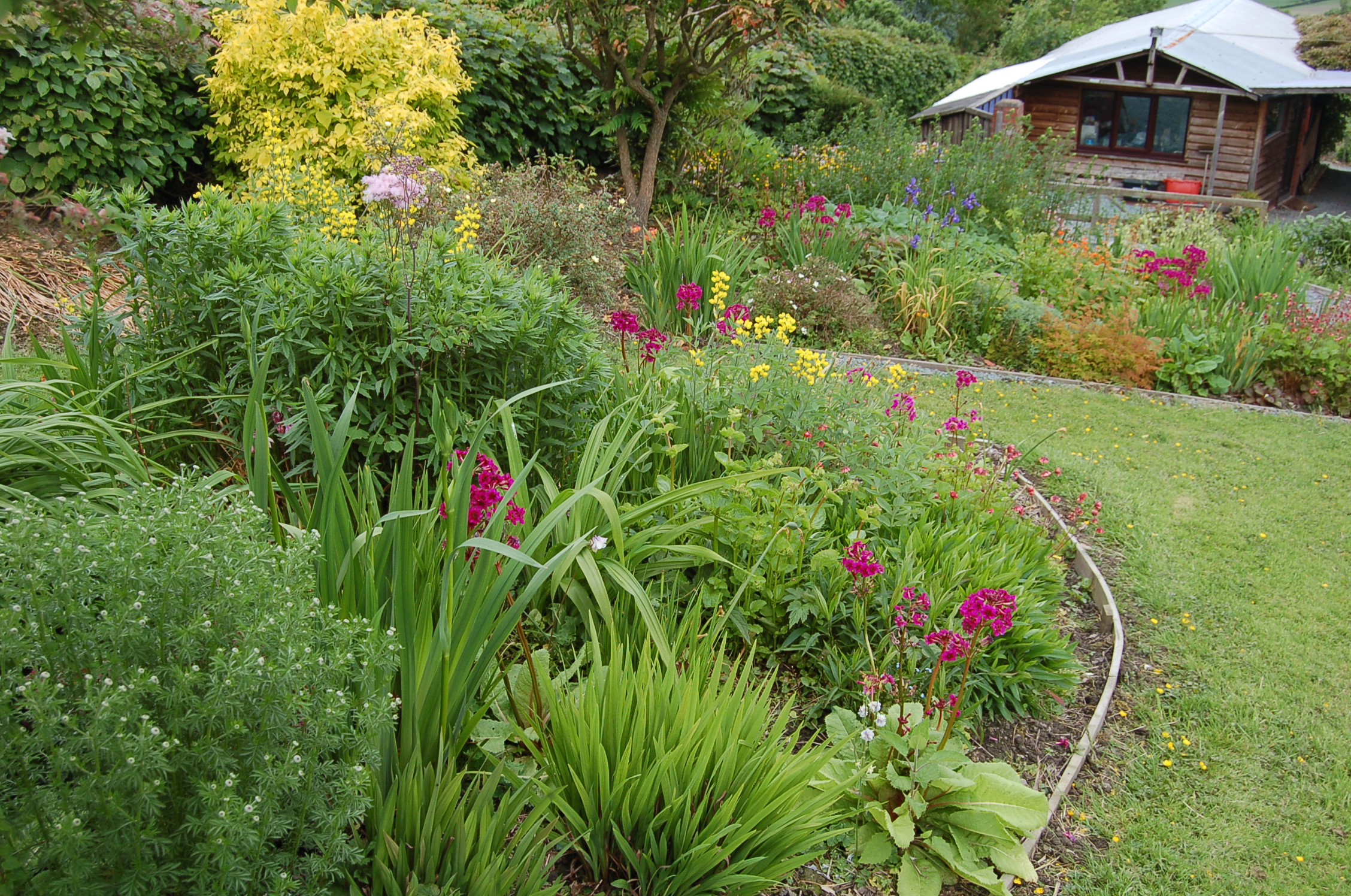
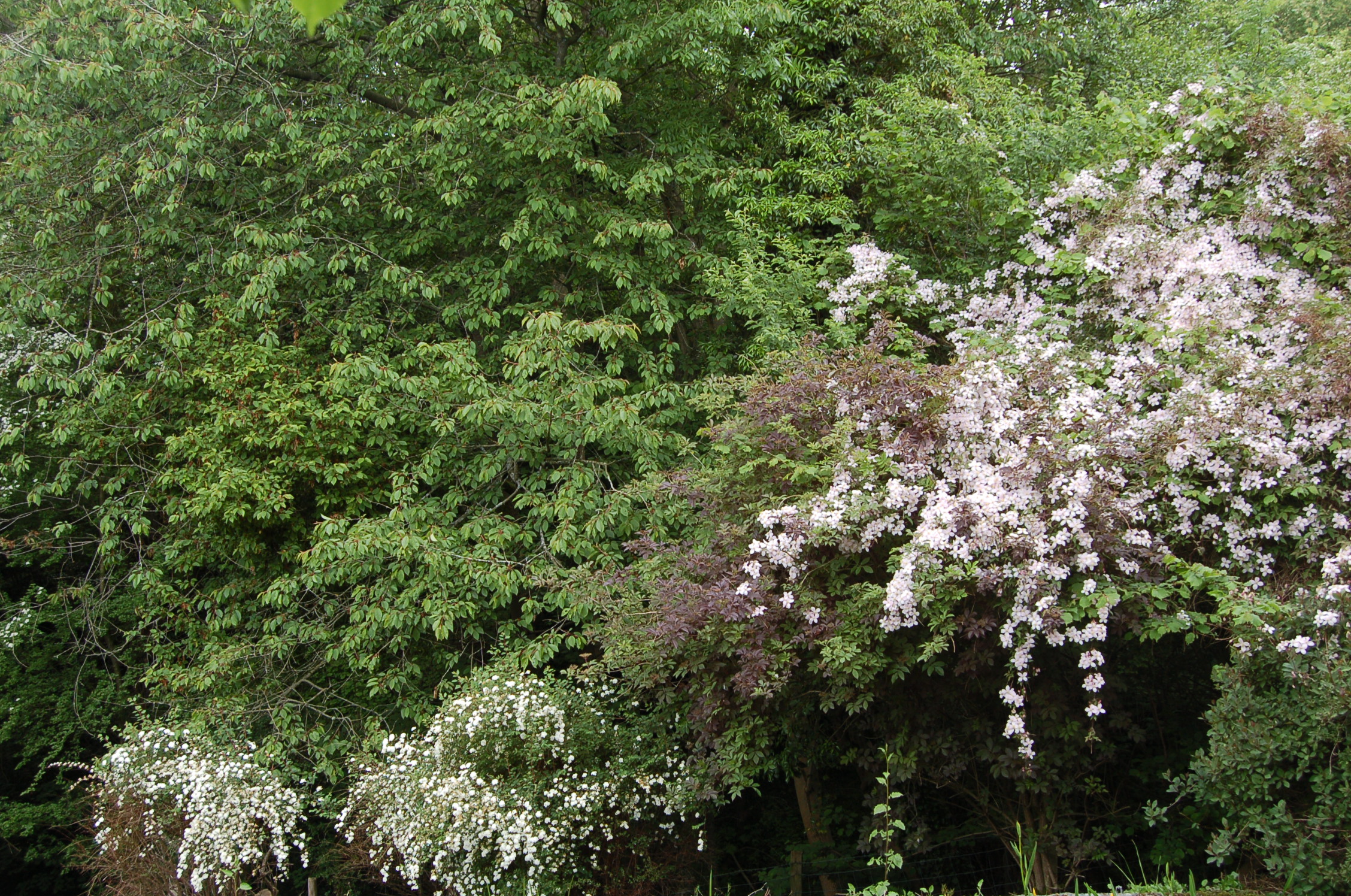
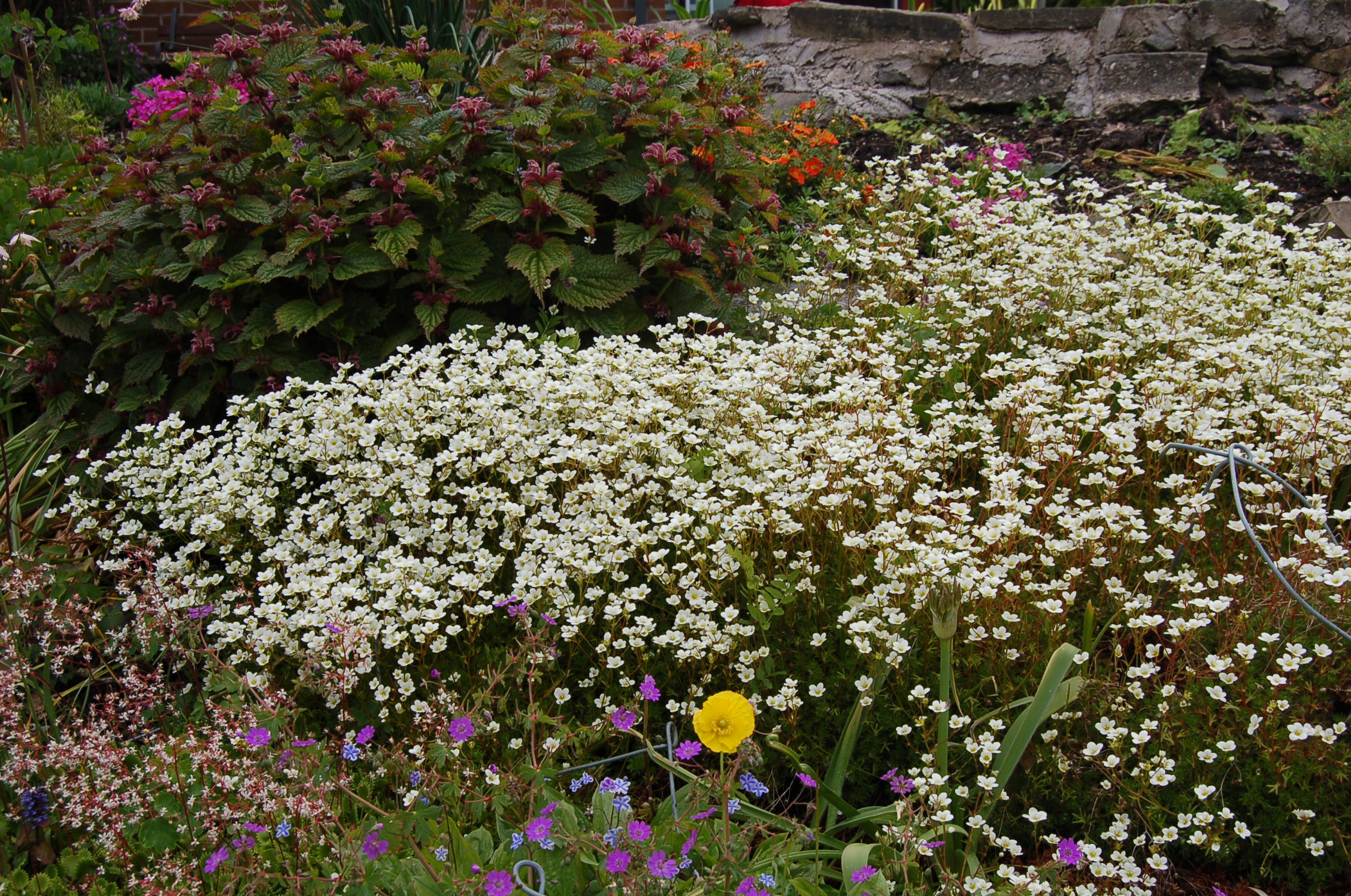
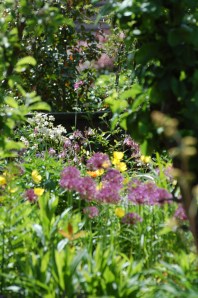
We had to admire anyone who could garden against such odds. An average garden would have been quite an achievement but we were treated to a brilliant garden. The borders were rich with planting with variety in colour and texture.

2013 06 15_1124 2013 06 15_1120 2013 06 15_1121

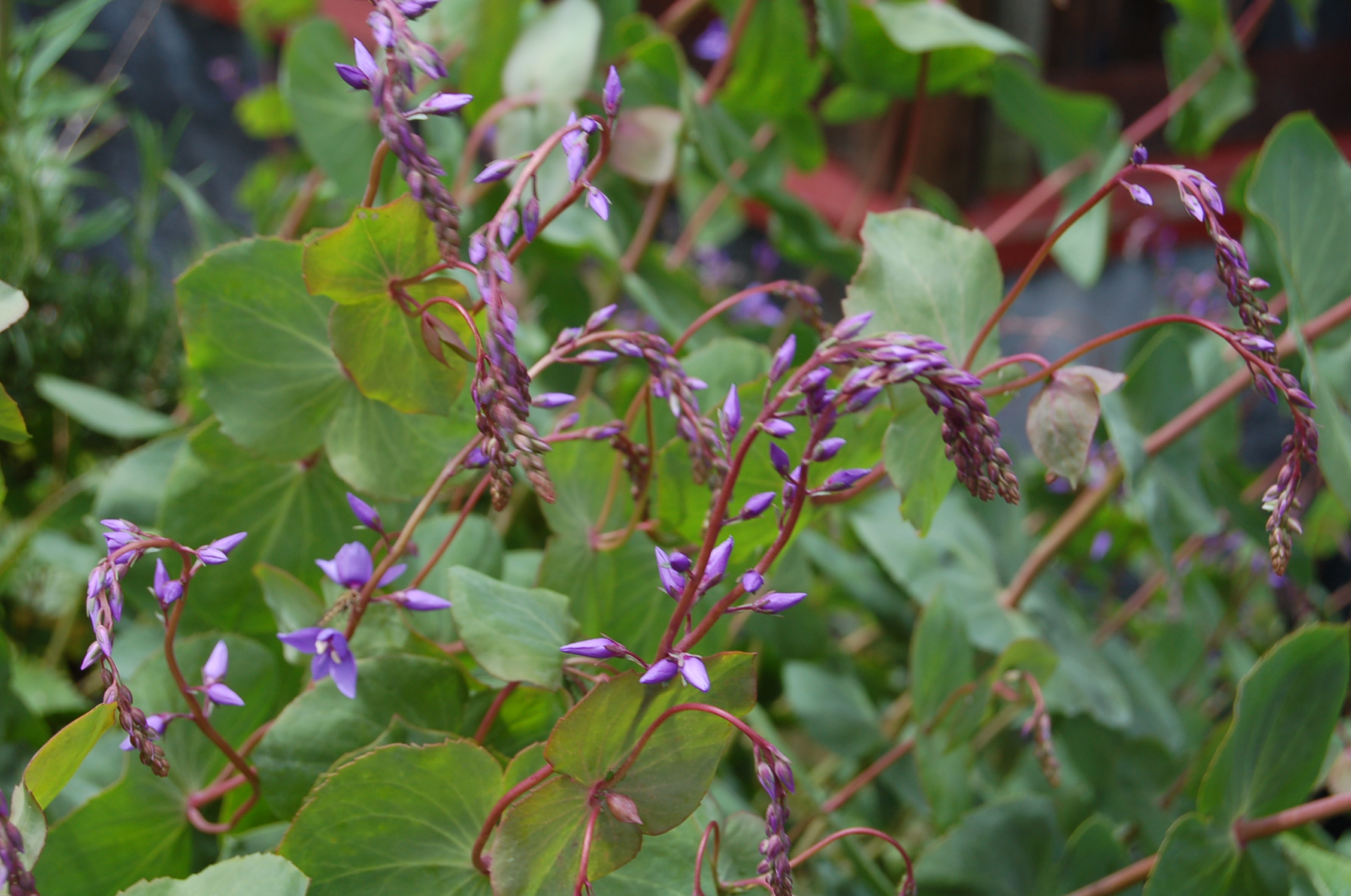
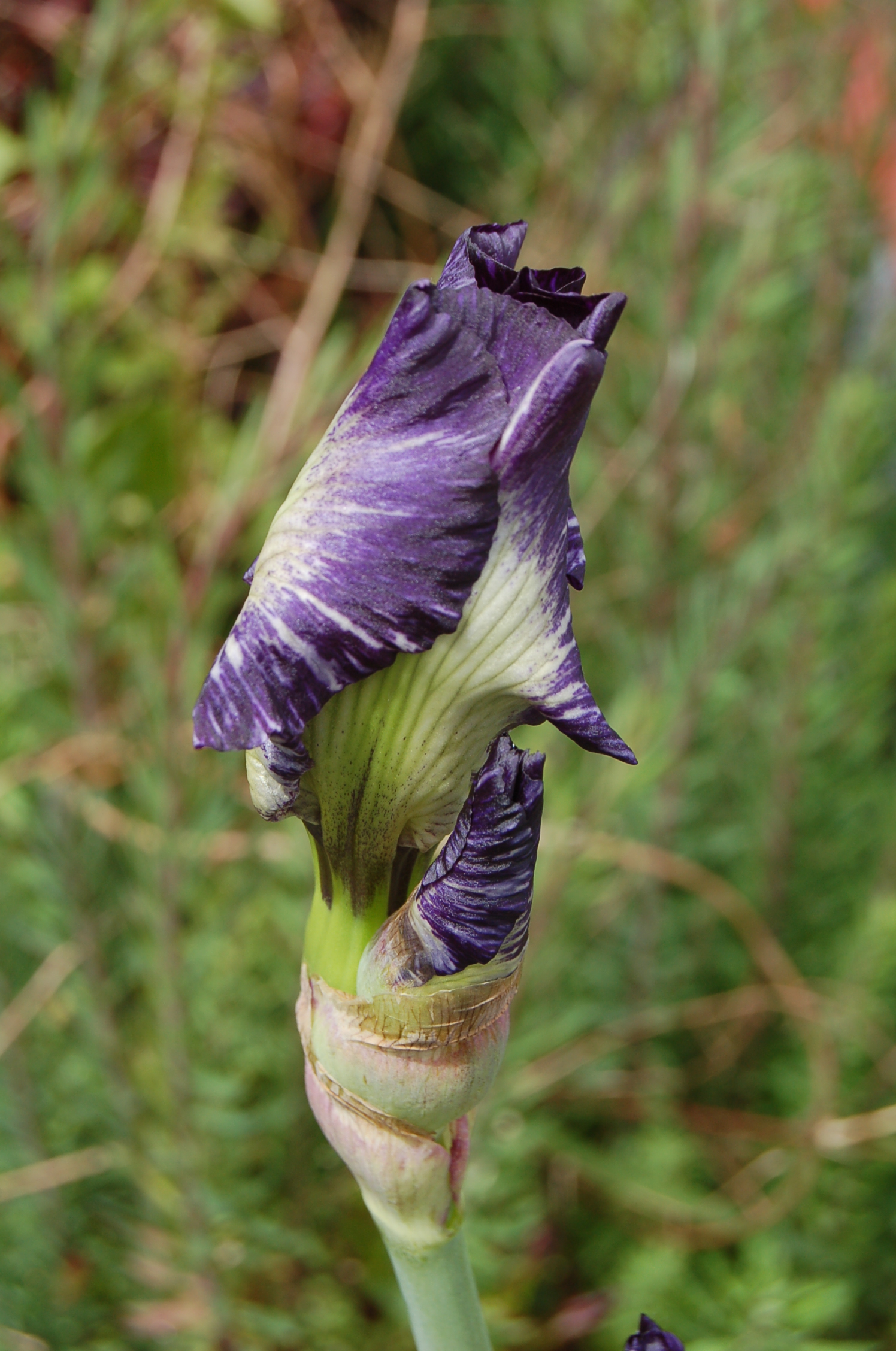
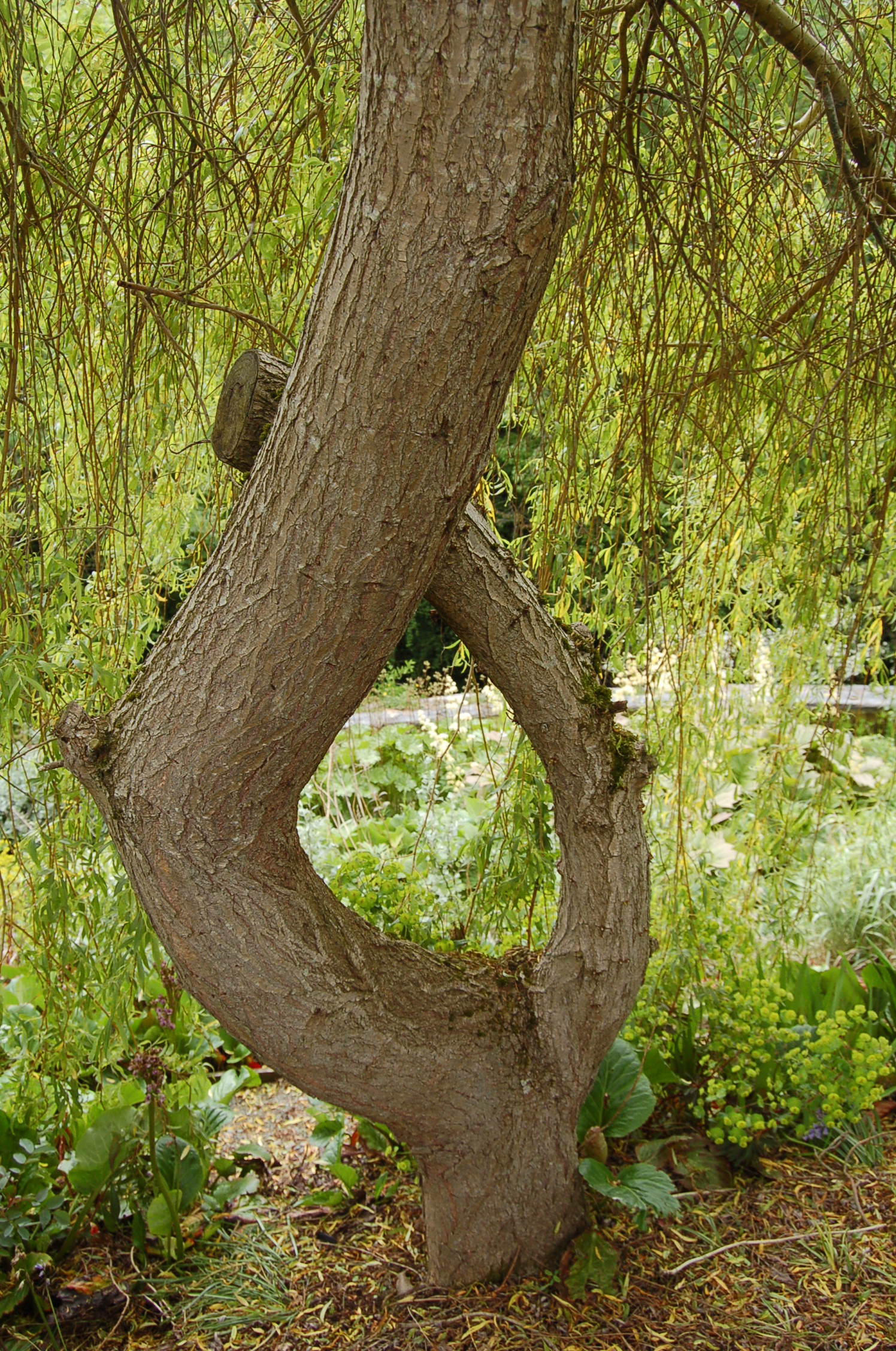
As with any Hardy Planter’s garden there were some beautiful specimen plants that stopped you in your tracks demanding a closer look. They deserved appreciation.

2013 06 15_1122 2013 06 15_1129 2013 06 15_1130 2013 06 15_1133 2013 06 15_1135 2013 06 15_1136

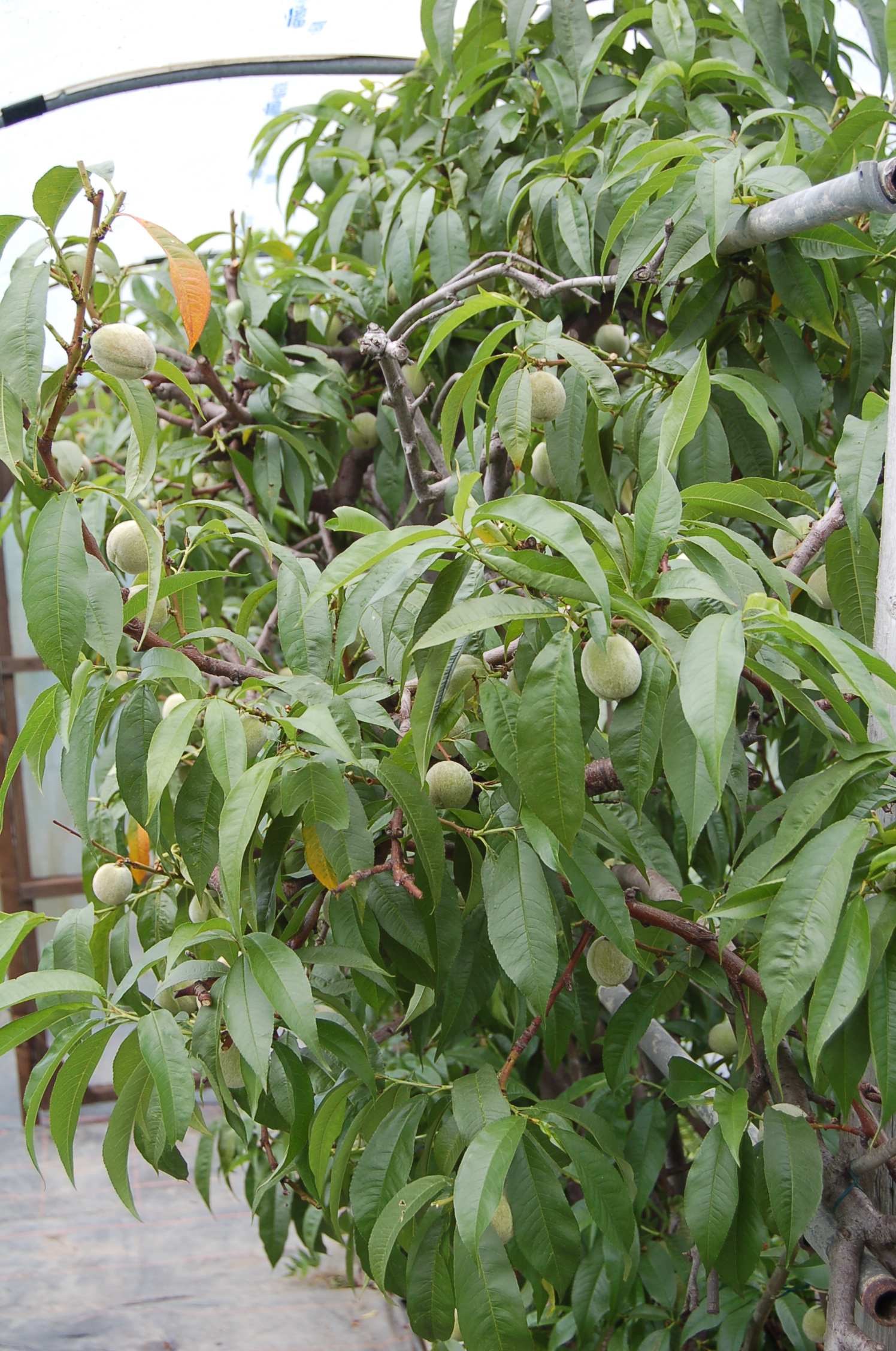
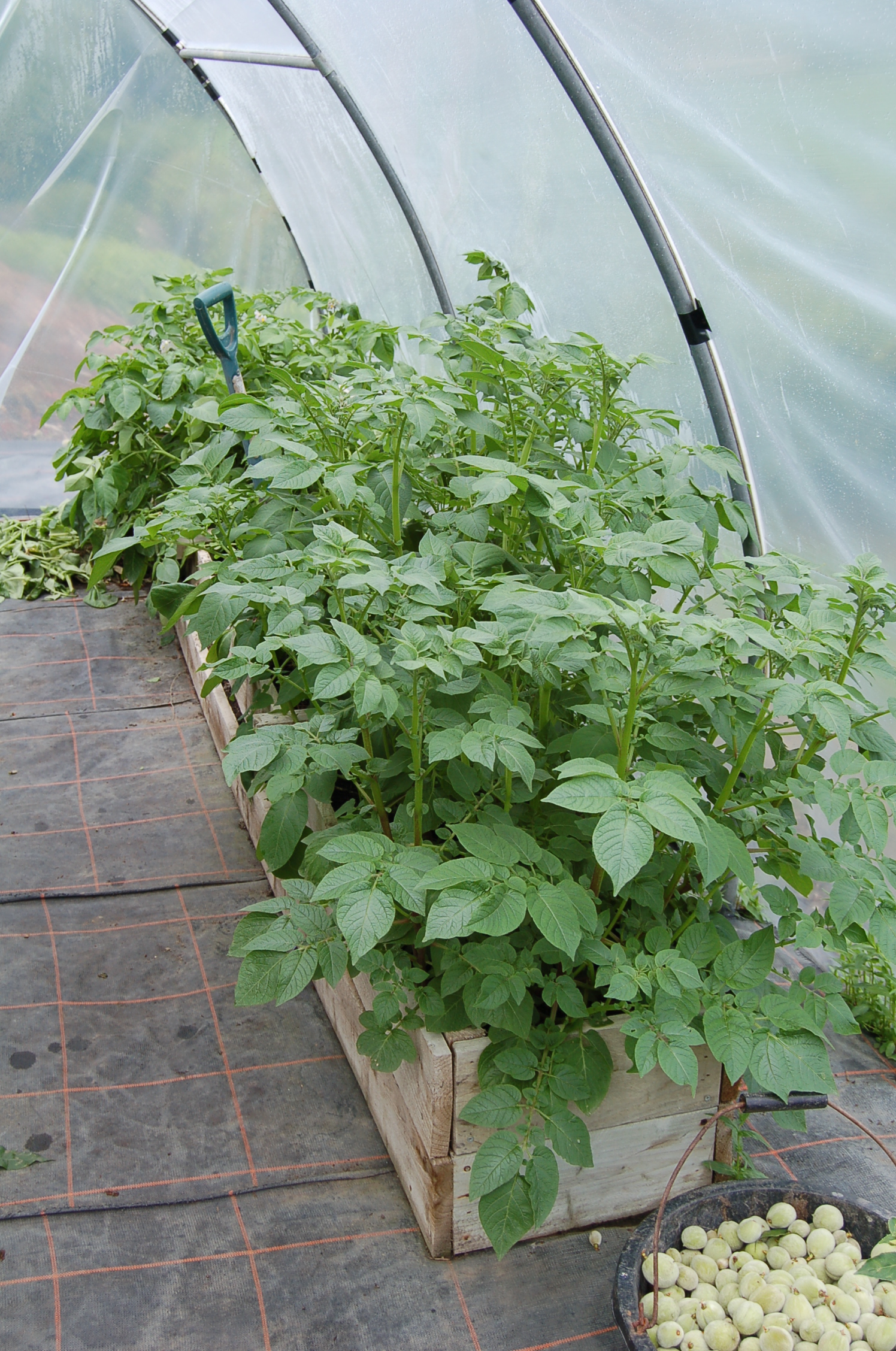
In the lower section of the garden below the house a poly tunnel housed impressive crops, potatoes, tomatoes and even peaches. It was amazing to see the Runner Beans in flower so early in the year.

2013 06 15_1137 2013 06 15_1138 2013 06 15_1139

I shall finish with a few more shots of this wonderful garden created in such a difficult environment.

2013 06 15_1126 2013 06 15_1131 2013 06 15_1128 2013 06 15_1132 2013 06 15_1141

Categories
climbing plants colours garden design garden photography gardening half-hardy perennials hardy perennials Hardy Plant Society HPS ornamental trees and shrubs outdoor sculpture photography Powis roses shrubs town gardens trees

Two Welshpool Town Gardens

June’s Hardy Plant Society garden visit took us to two little town gardens. The first garden was truly tiny and the second slightly less tiny. They were perfect if very different examples of what it is possible to achieve in such small spaces. The secret to them both was wriggly paths leading the eyes and feet around to discover hidden secrets.

2013 06 15_1077

The tiniest of the two had planting at all levels from tiny specimens right by your toes to trees above your head and the borders were full of unusual plants. Little surprises.

2013 06 15_1086 2013 06 15_1082

2013 06 15_1084

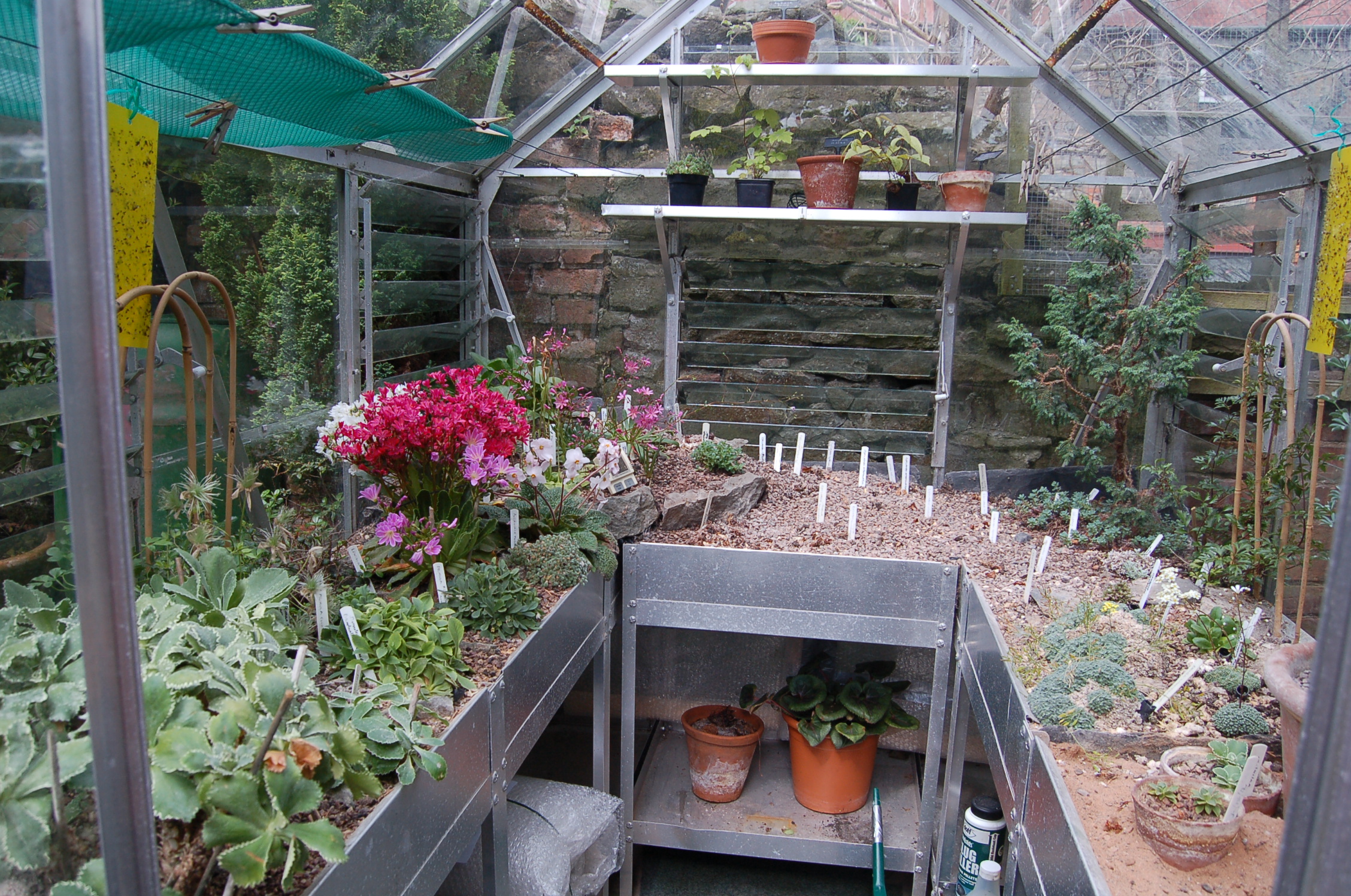
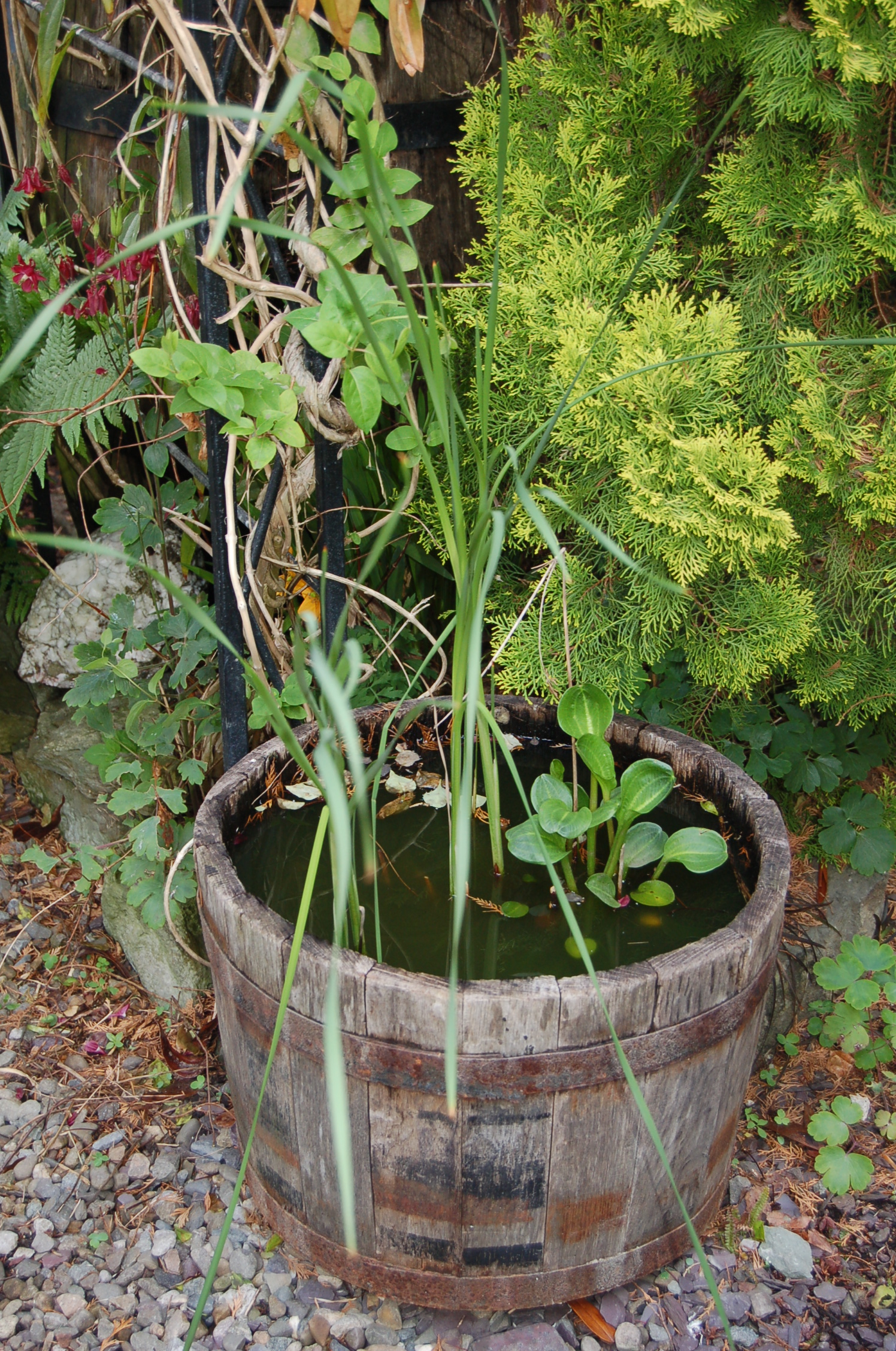
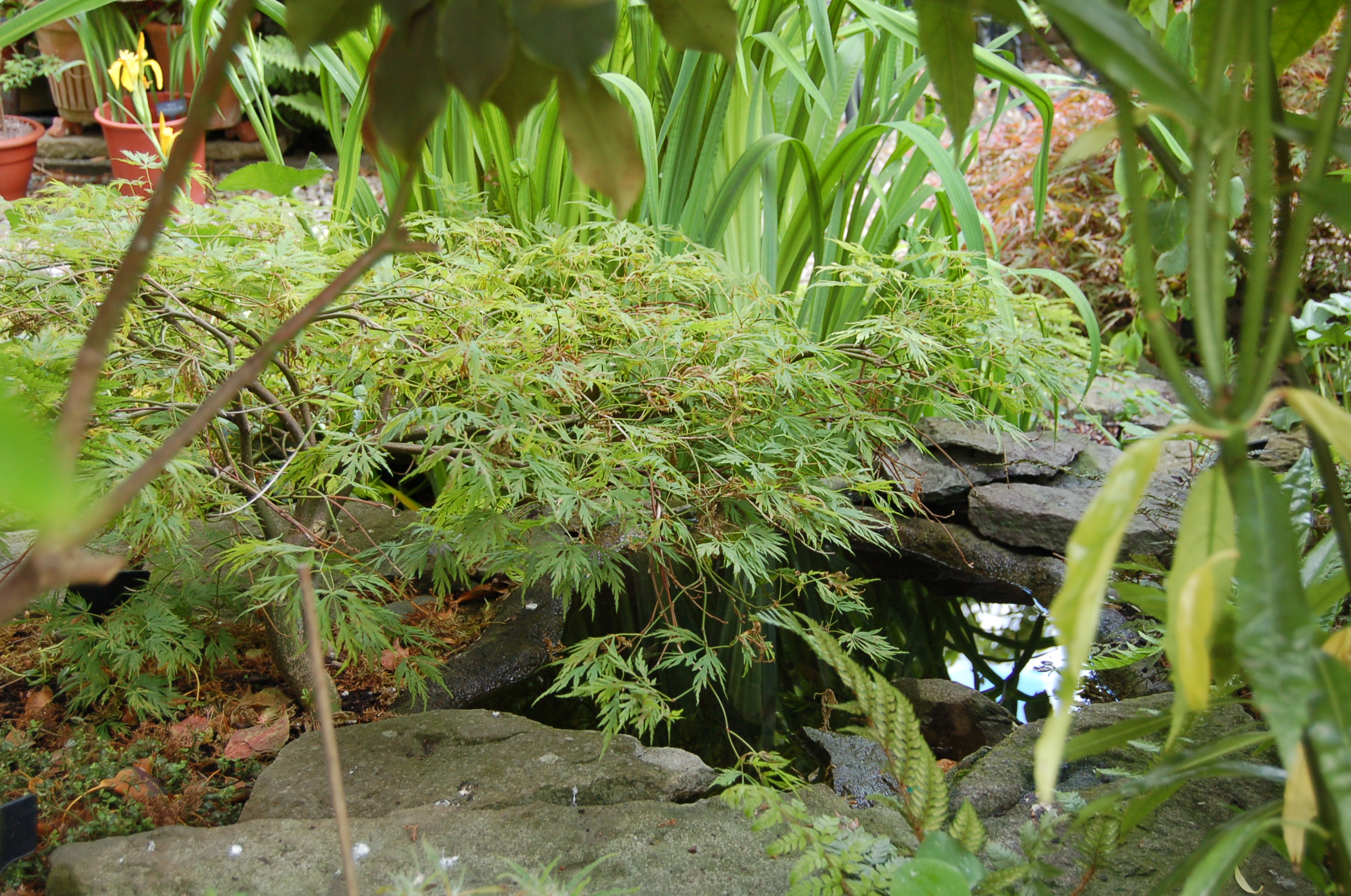
The gardeners here even found room for an alpine house, a fruit cage and a couple of little water features.

2013 06 15_1079 2013 06 15_1080

2013 06 15_1081 2013 06 15_1078

2013 06 15_1083

Humour is essential in any garden however small.

2013 06 15_1085

Humour reigned supreme in the second garden we visited that morning. There were interesting arches, grottoes, seating areas all surrounded in lush planting.

2013 06 15_1089 2013 06 15_1088 2013 06 15_1090

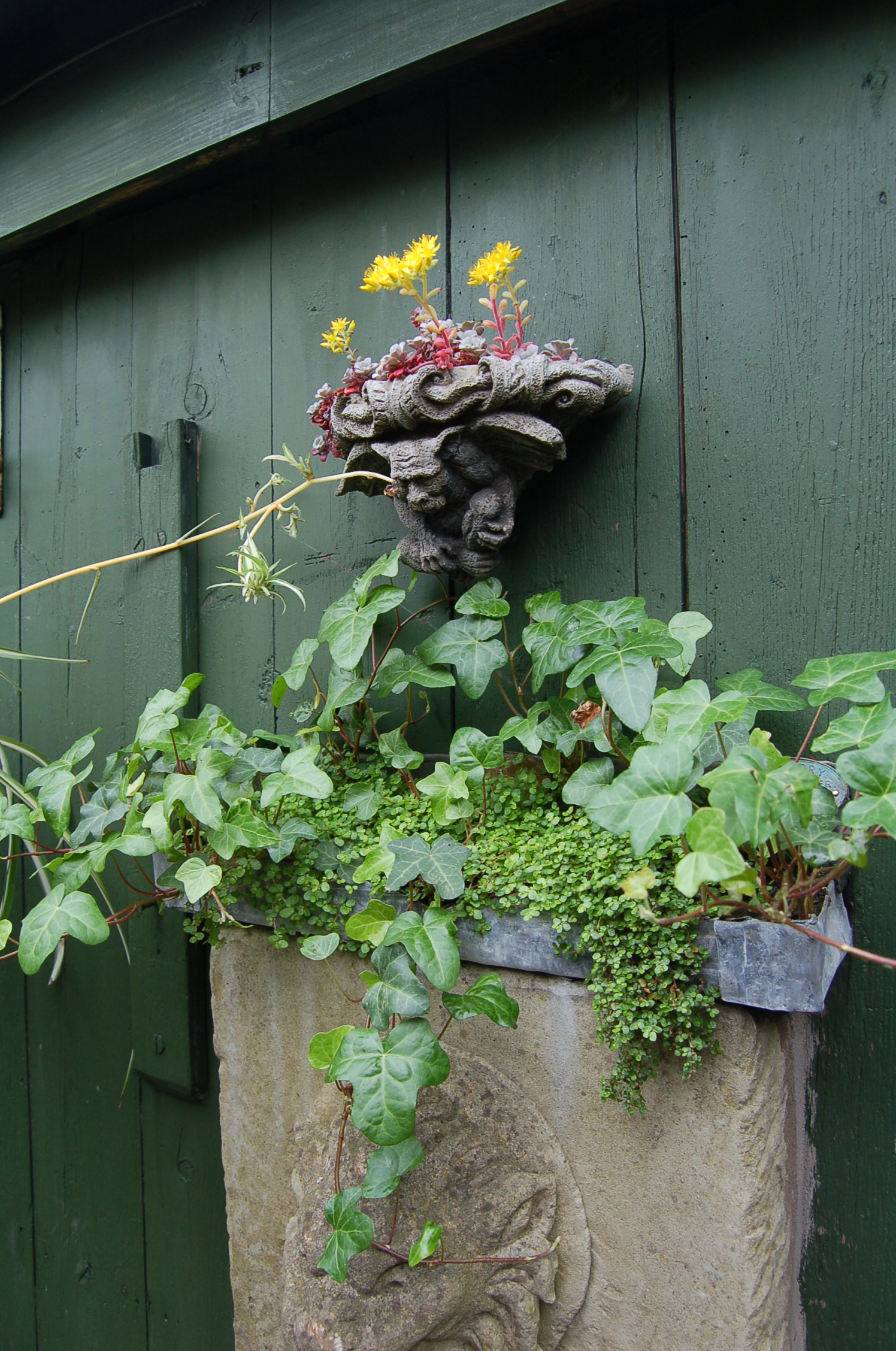
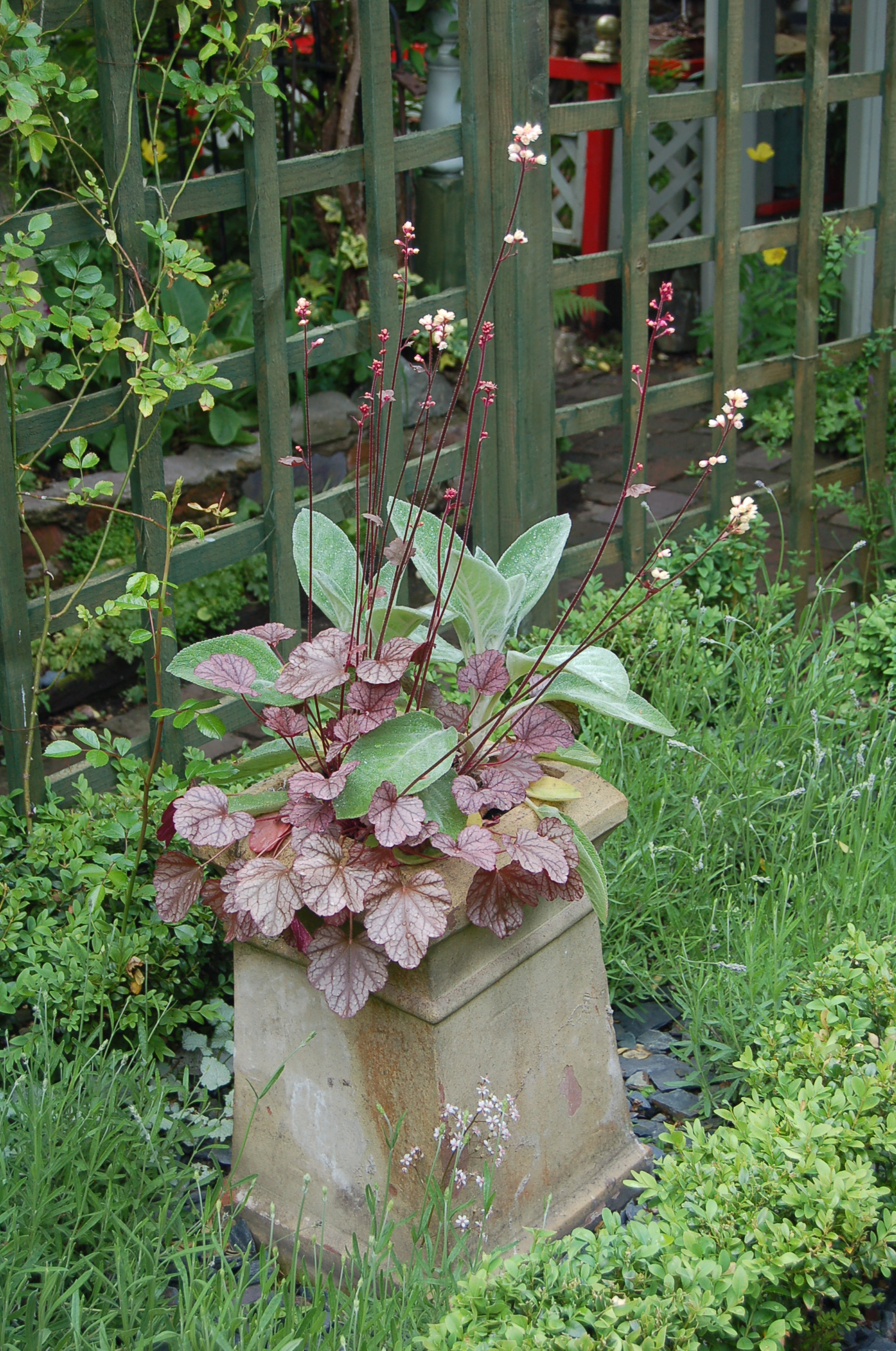
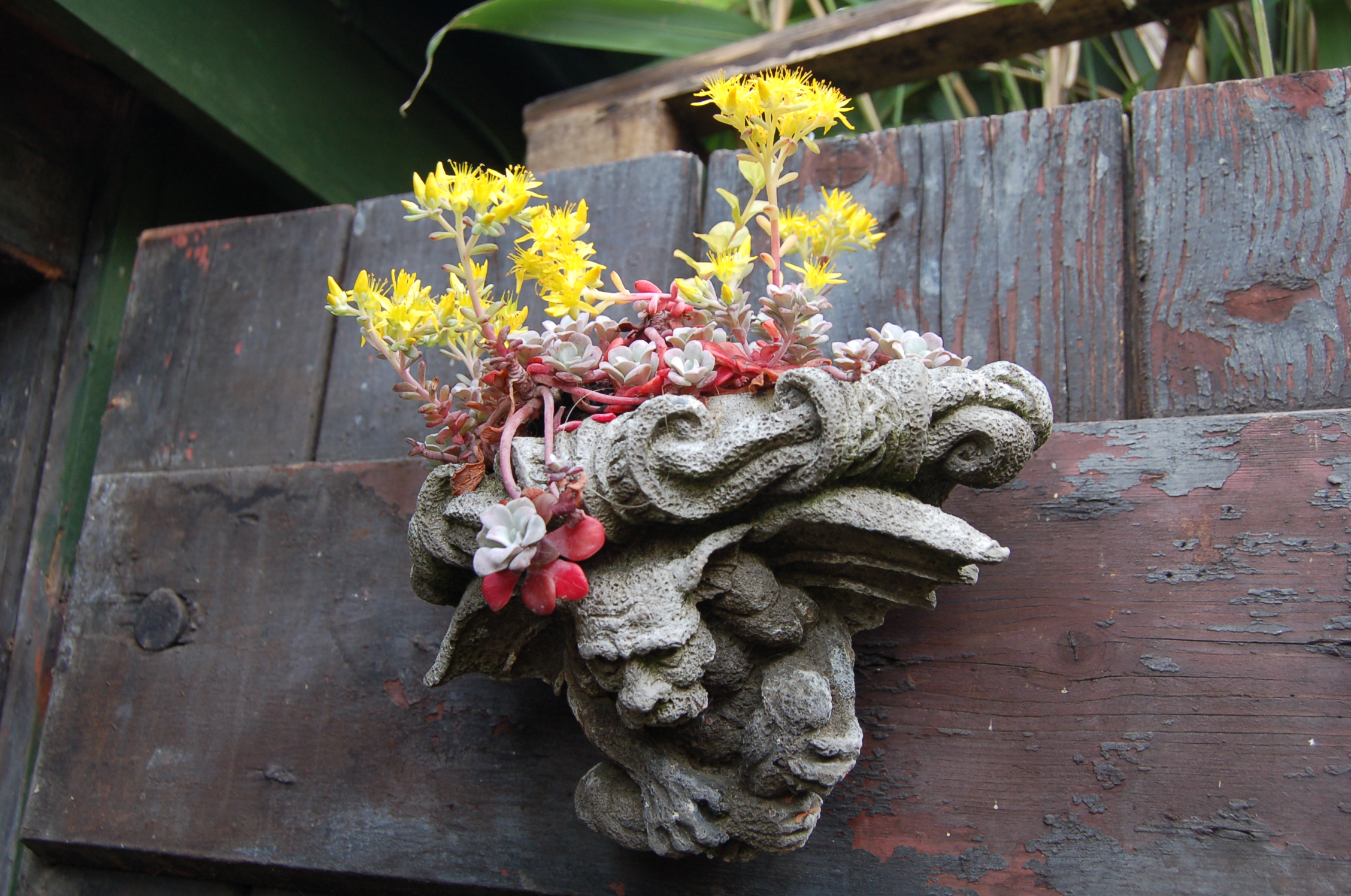
Hidden throughout this little patch were containers planted up skilfully to give surprises wherever we turned.

2013 06 15_1097 2013 06 15_1112 2013 06 15_1111 2013 06 15_1113 2013 06 15_1115

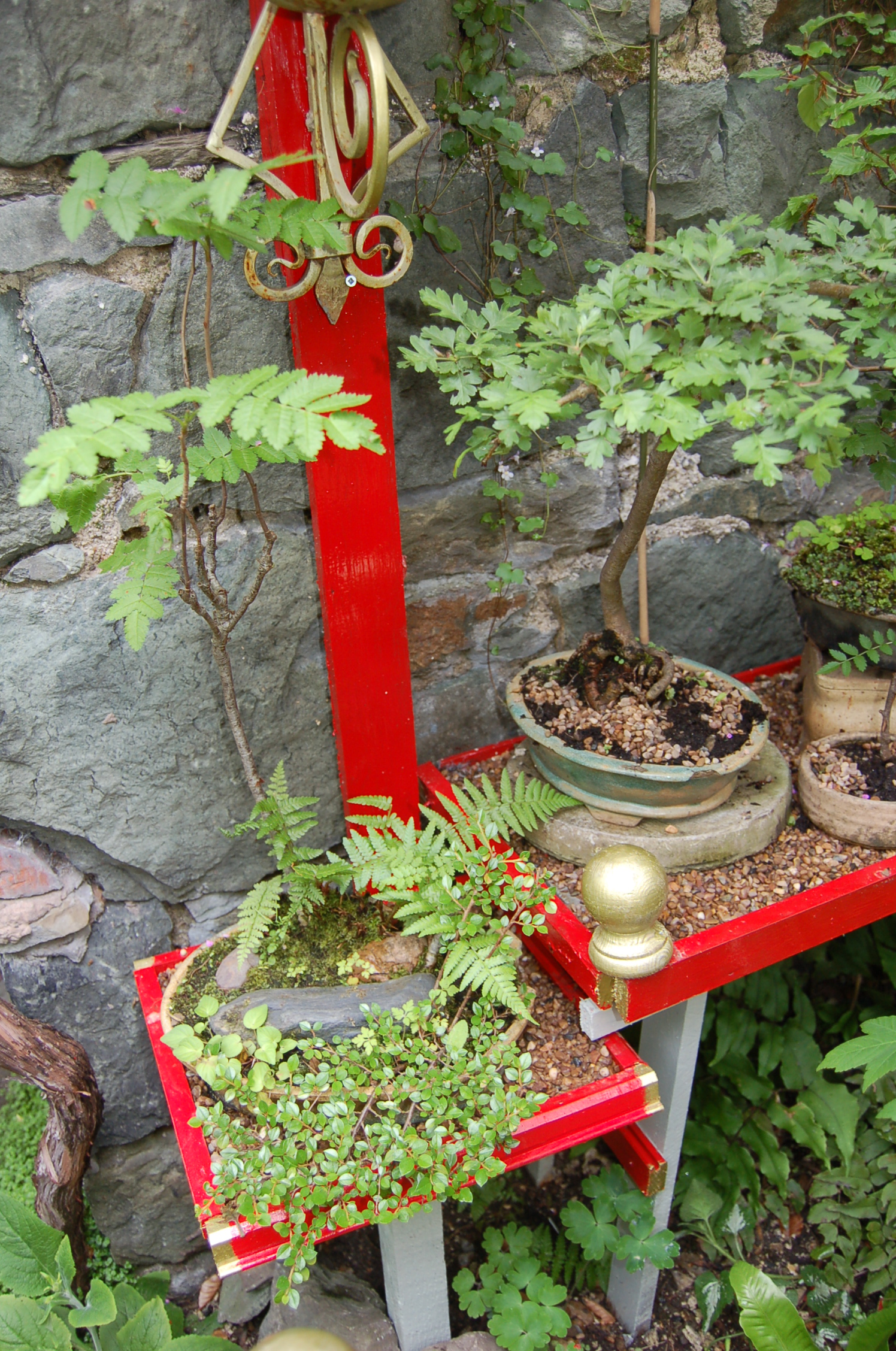
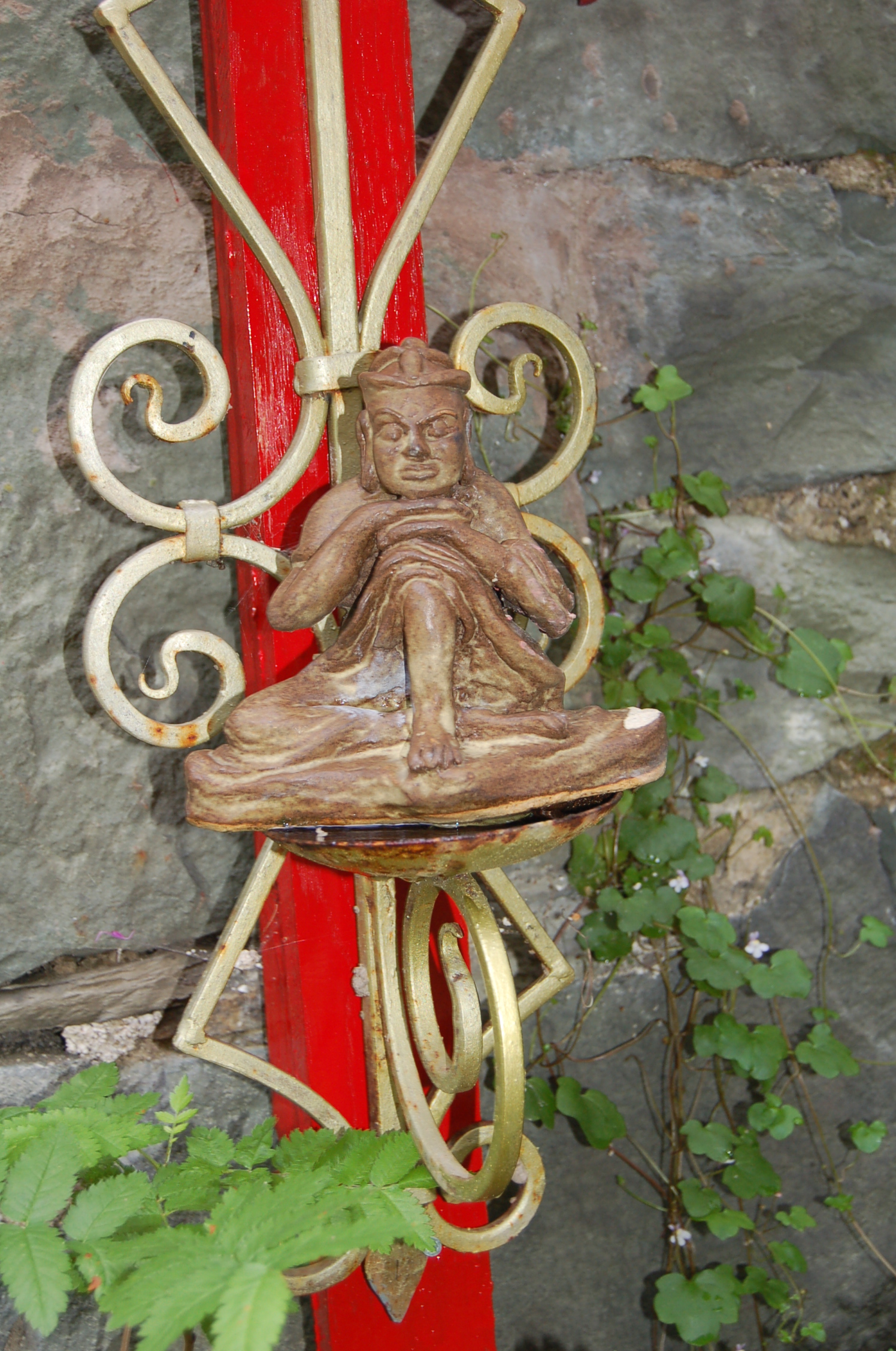
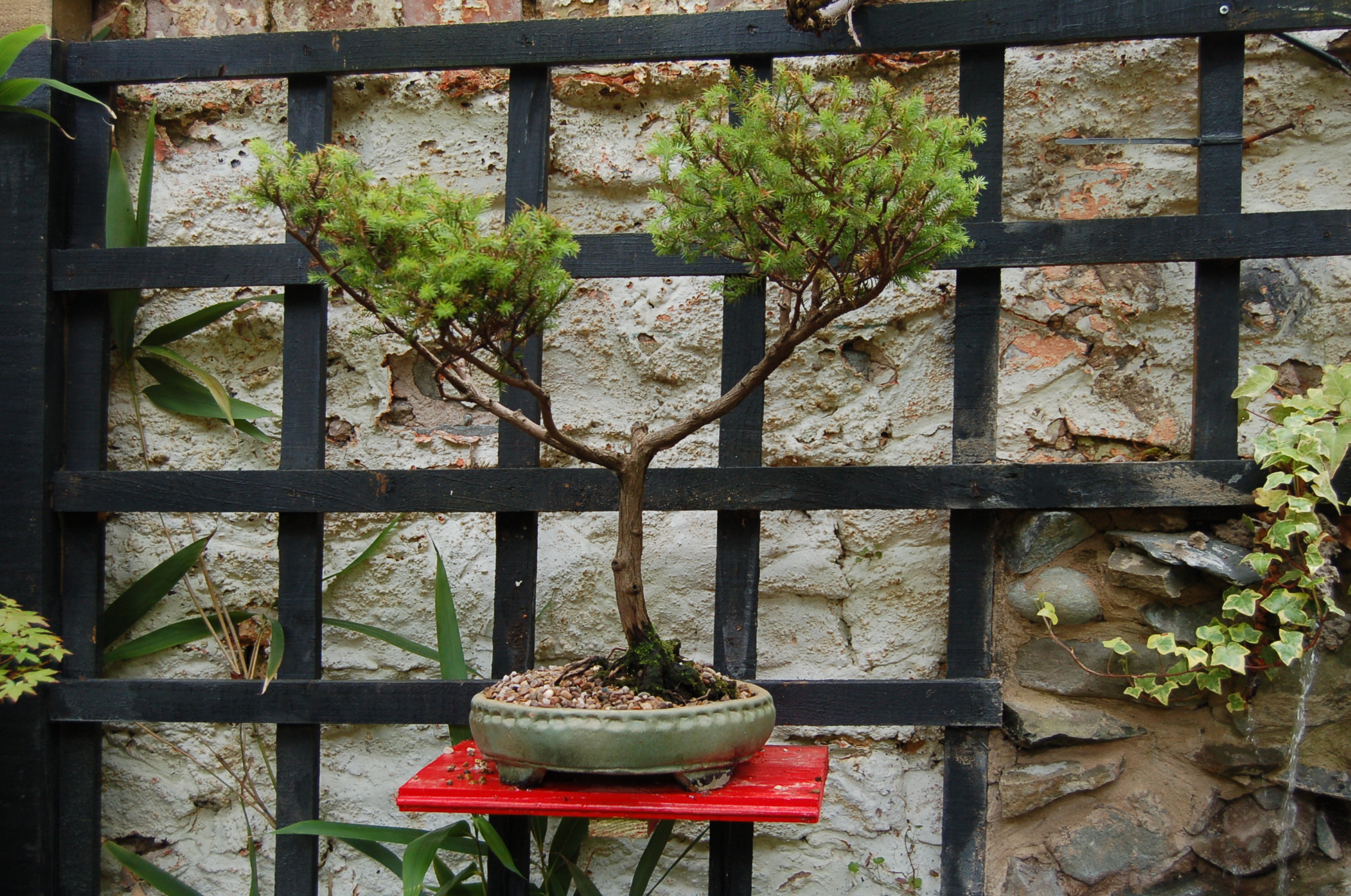
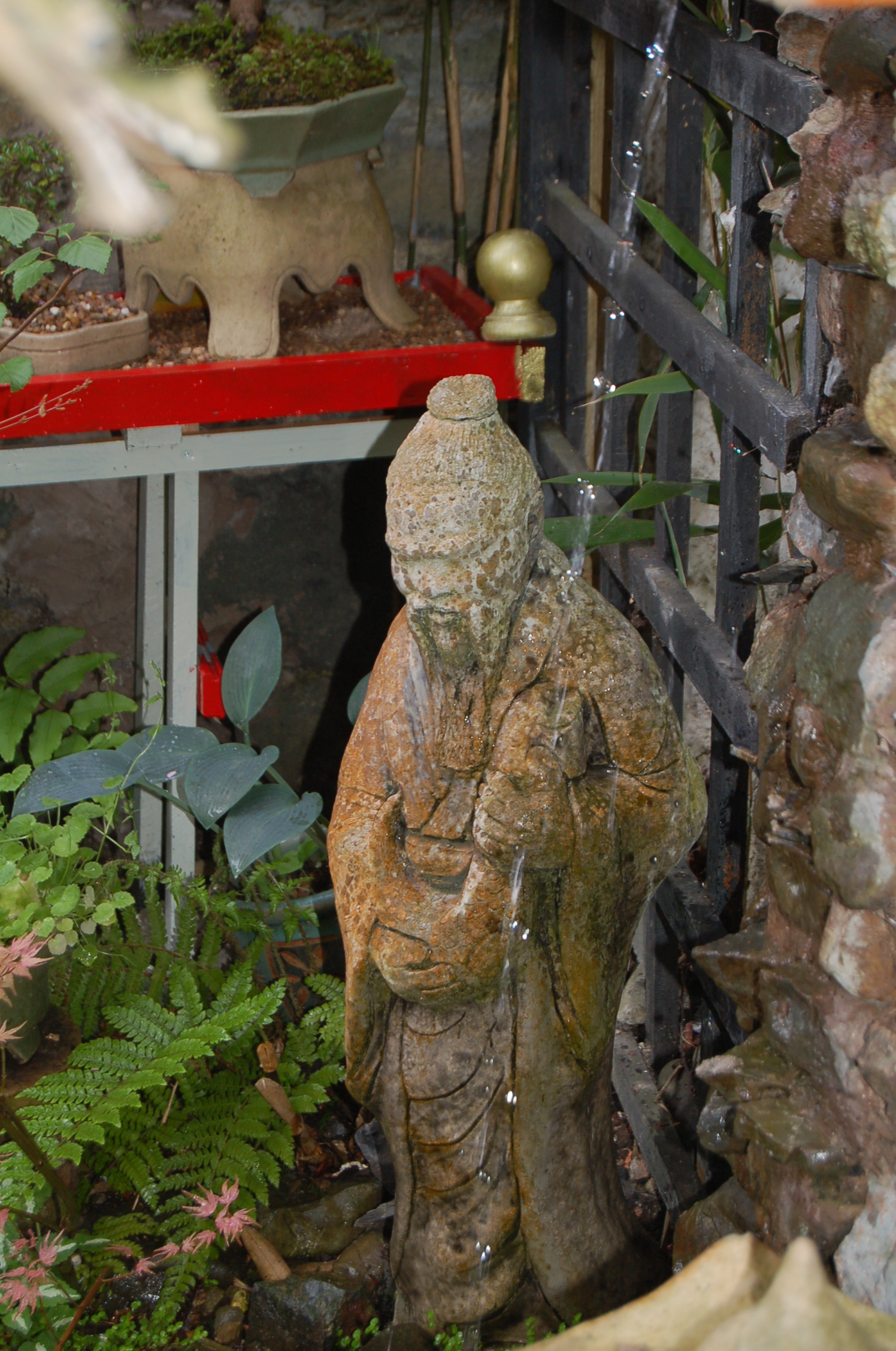
Deep in the heart of this little paradise we came across a cool enclosed garden where we found ourselves in for a real treat – a little glimpse of the Far East.

2013 06 15_1100 2013 06 15_1103 2013 06 15_1104 2013 06 15_1105 2013 06 15_1106 2013 06 15_1101 2013 06 15_1107

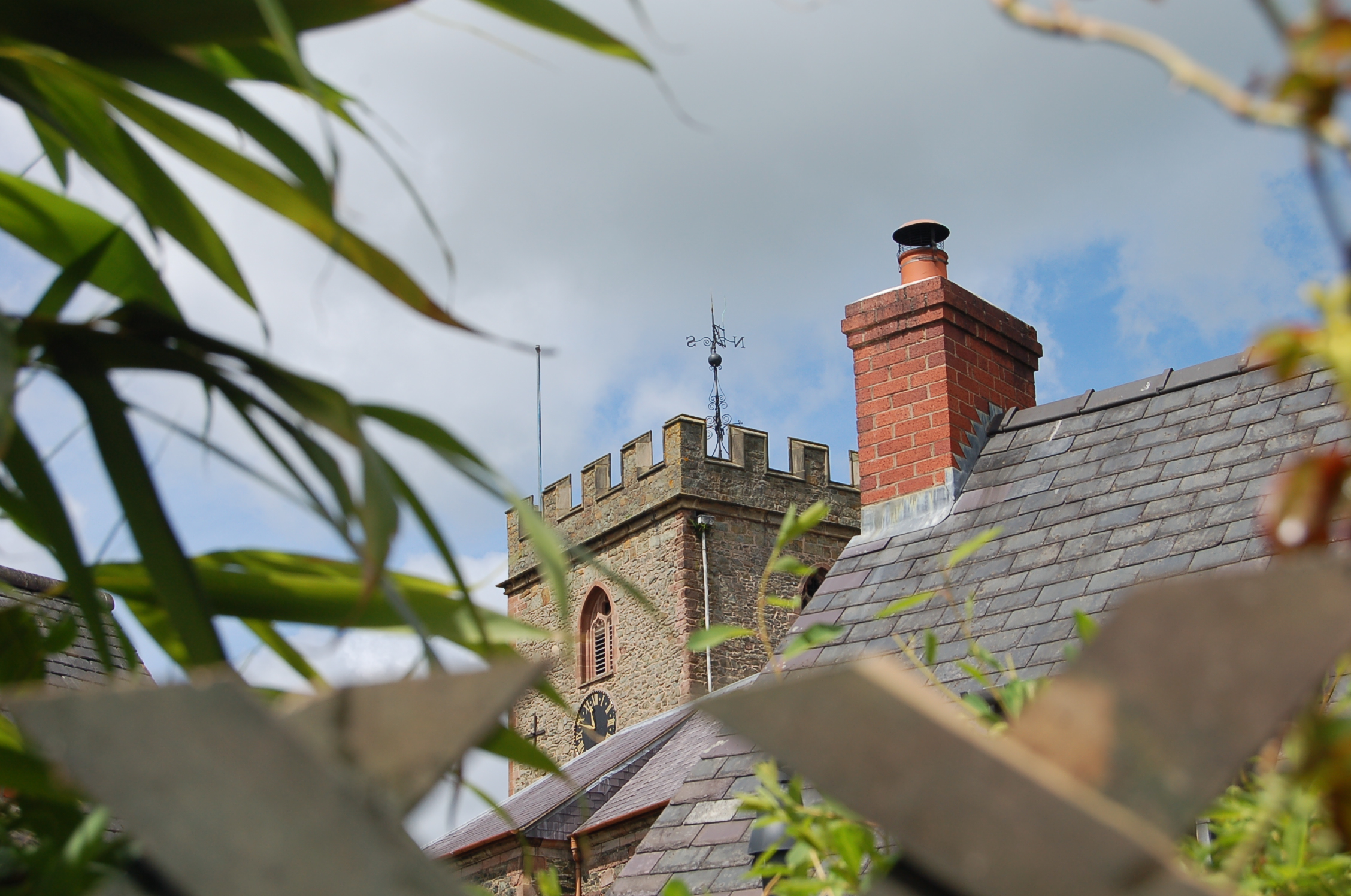
This garden was tightly fitted within a group of houses close by the town’s main church and occasionally we caught glimpses of these other buildings through the foliage.

2013 06 15_1116 2013 06 15_1102

Atop one of the many little outbuildings lived a very healthy and happy green roof.

2013 06 15_1114

This was a very special garden – a place to relax and become engulfed in plants. In the afternoon we met again as a group to enjoy a very different garden in a very different setting. We found ourselves out in the open high up on a hillside with big skies above a wide view. This garden features in my next post.

Categories
bird watching birds nature reserves

Potteric Carr – a wildlife haven just off the M1

With a name like Potteric Carr this place just had to be good and it called out to us to drop in for a wander as we drove north on the dreaded dull M1. We succumbed and diverted through the biggest weirdest road work empire ever created. There were no signs telling you where to go just no entry signs telling you where not to go. Thank you dear Galaxy smart phone for rescuing us and sending us to the right place.

It was tempting to turn back when we saw where the reserve was situated, as all that noise, traffic, road works, building work and concrete was off-putting. The first photo shows the expanse of water and reed beds with a line of giant pylons striding across in the distance.

DSC_0120

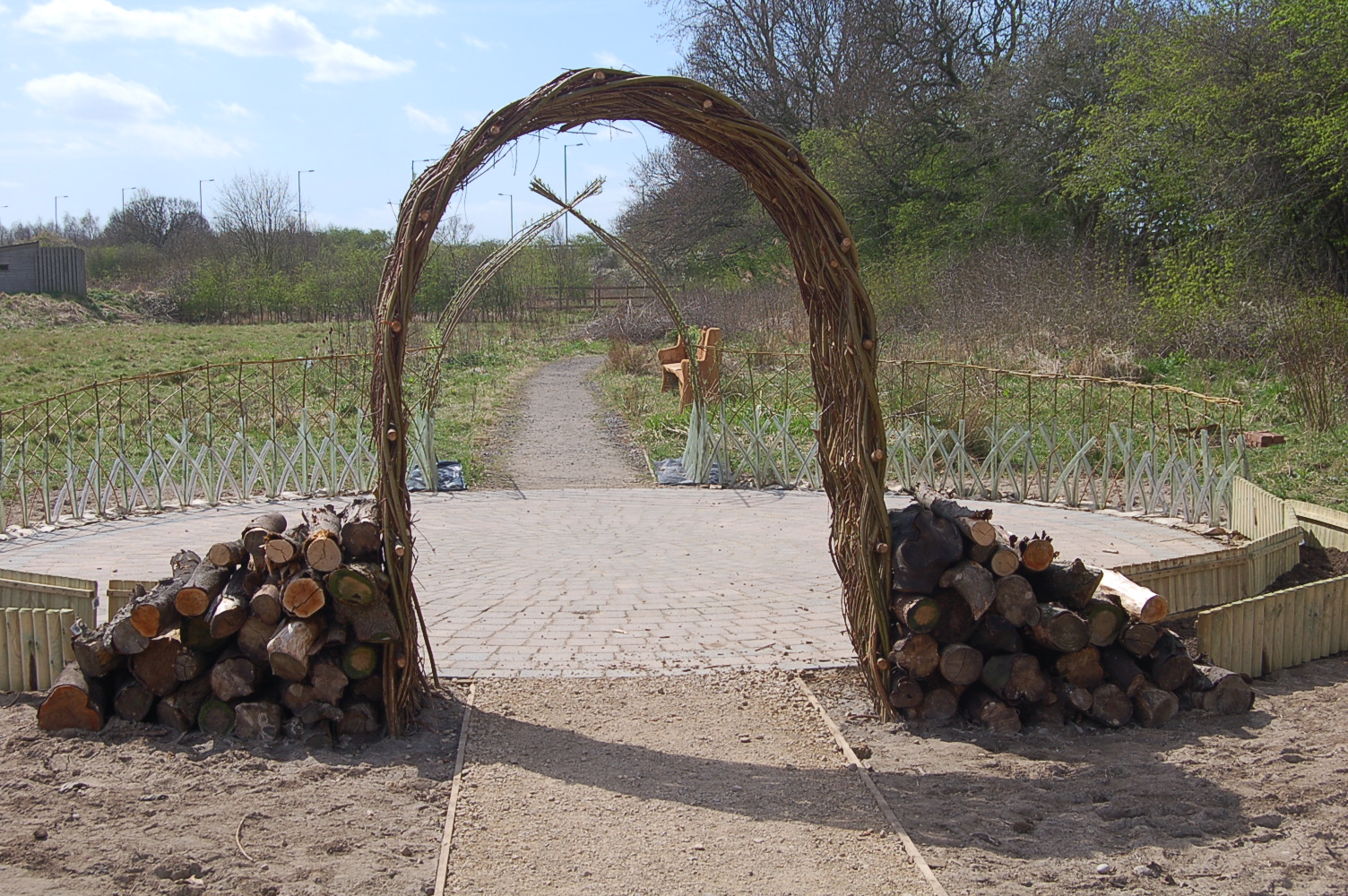
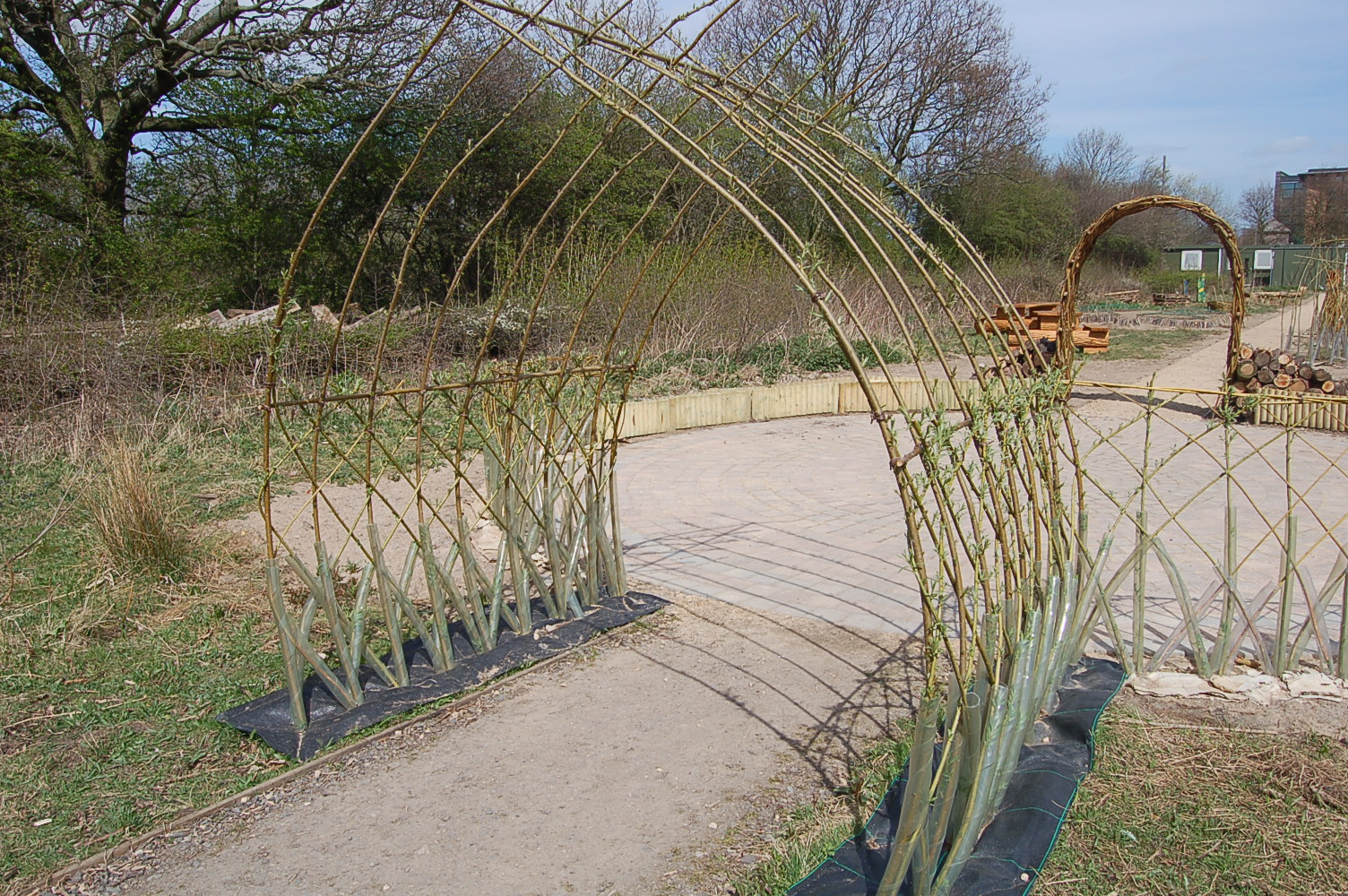
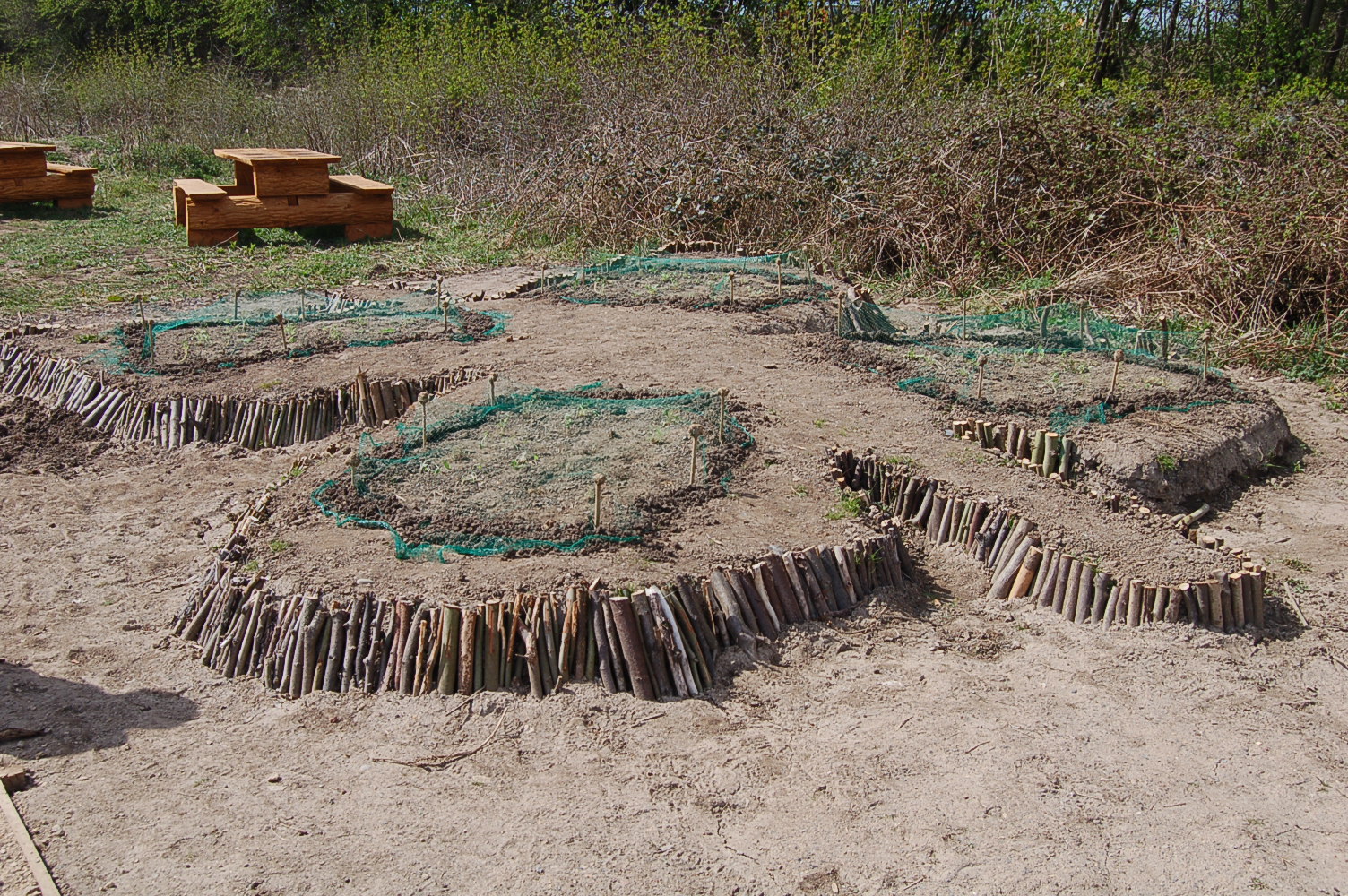
We were so please we ignored these scourges of modern man and after passing through the reserve’s entrance building we had several hours discovering natural wonders. There were way marked trails everywhere and lots of choice. We chose our route and set off via the sensory garden designed for children –  we always go to the children’s features first! This little area was based on the phases of the life of butterflies. We gleaned several ideas for our own allotment site trail. Lovely natural woven archways welcomed walkers from whatever direction they arrived.

DSC_0102 DSC_0104

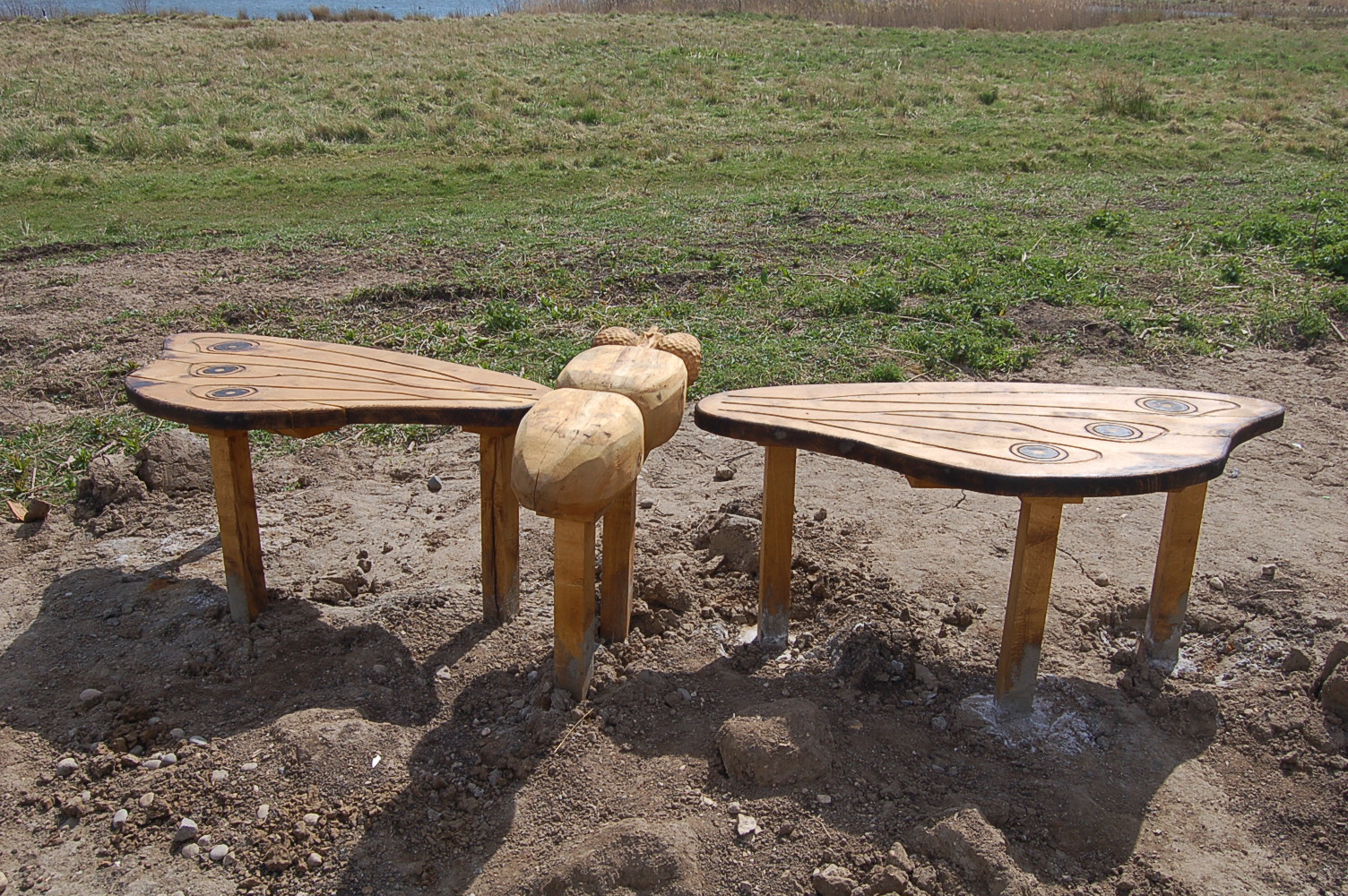
Lovely quirky features such as seats shaped like butterflies and matching recently sown wildflower meadows provided plenty of interest.

DSC_0103 DSC_0100

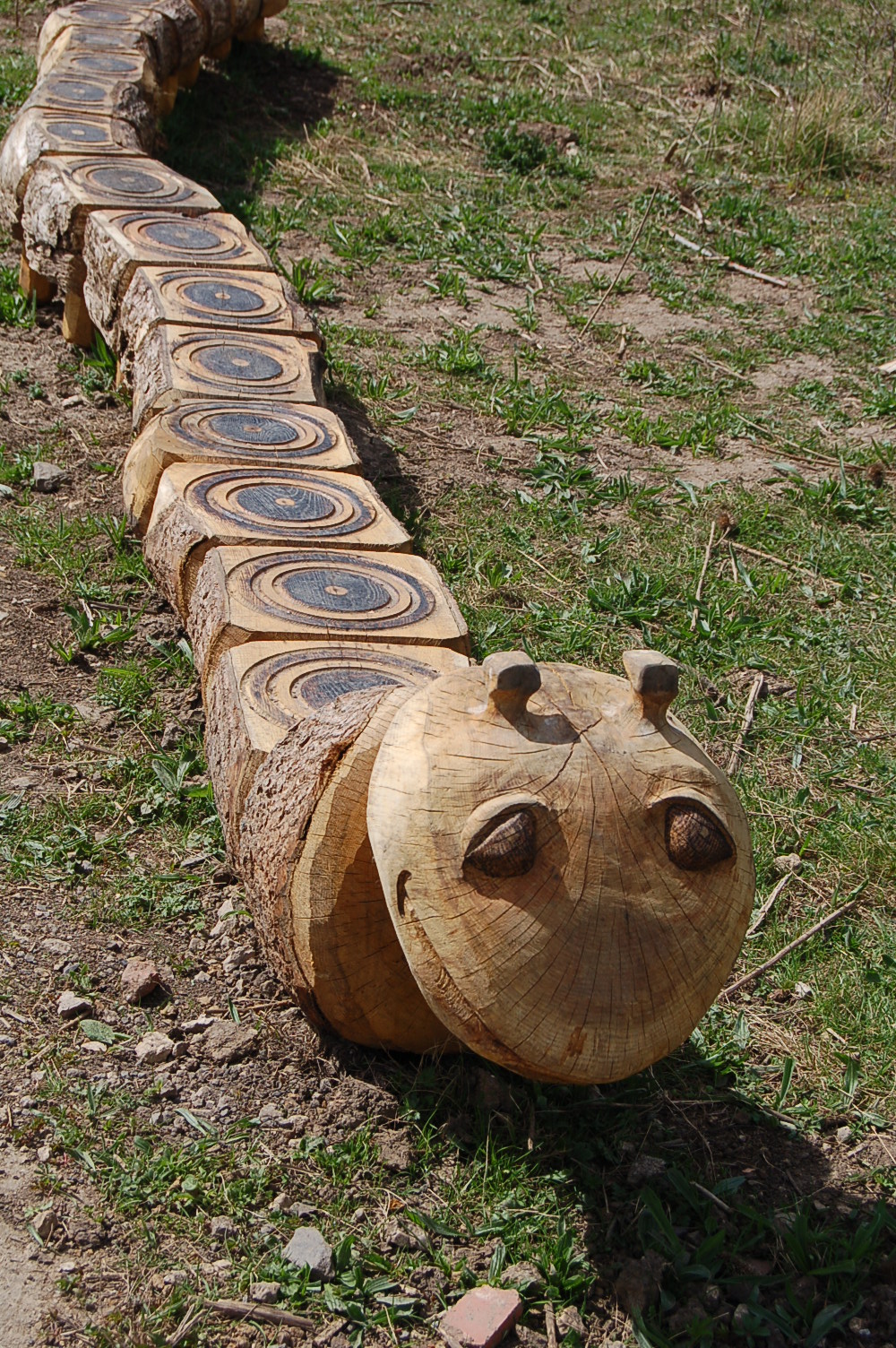
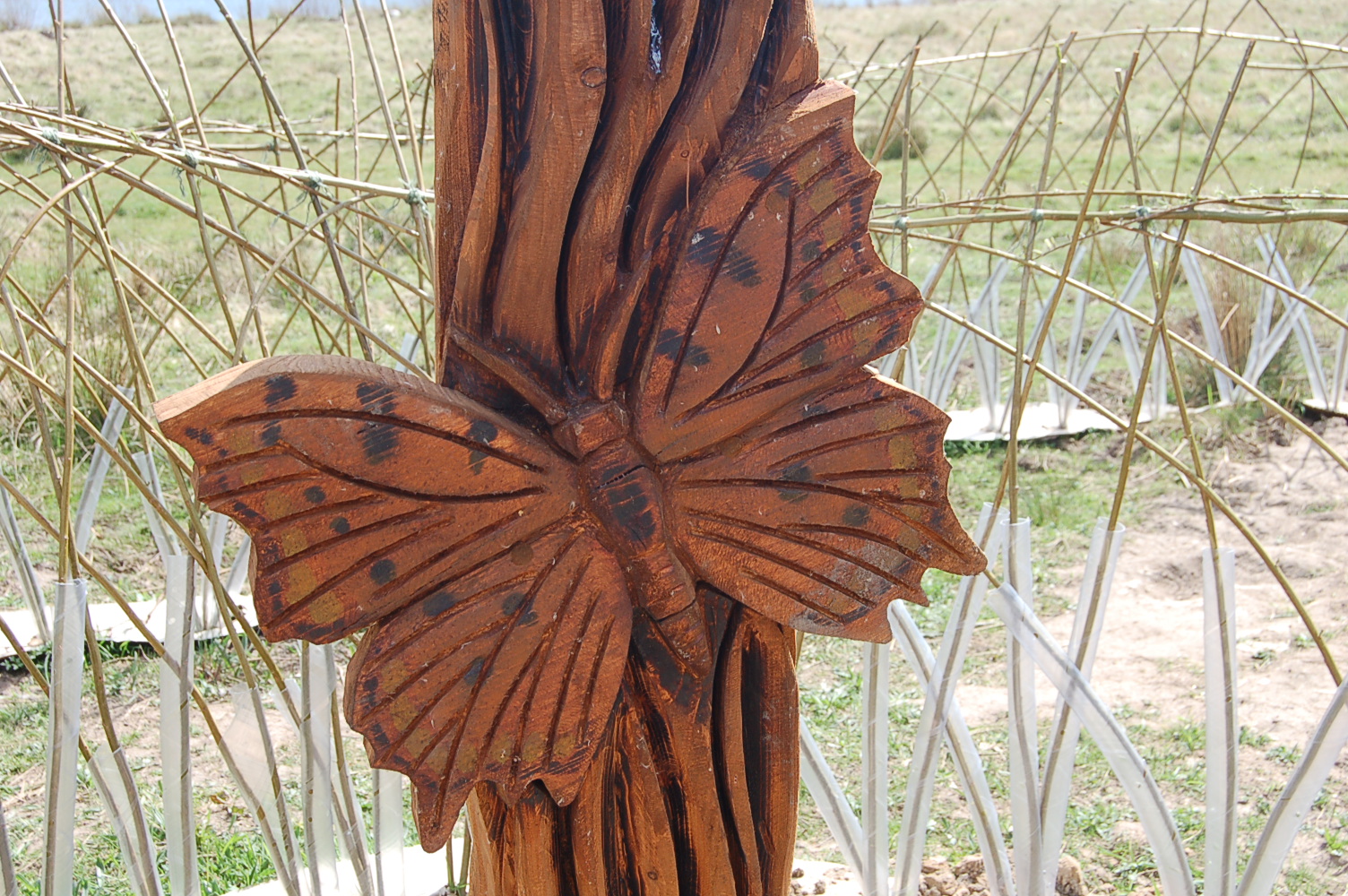
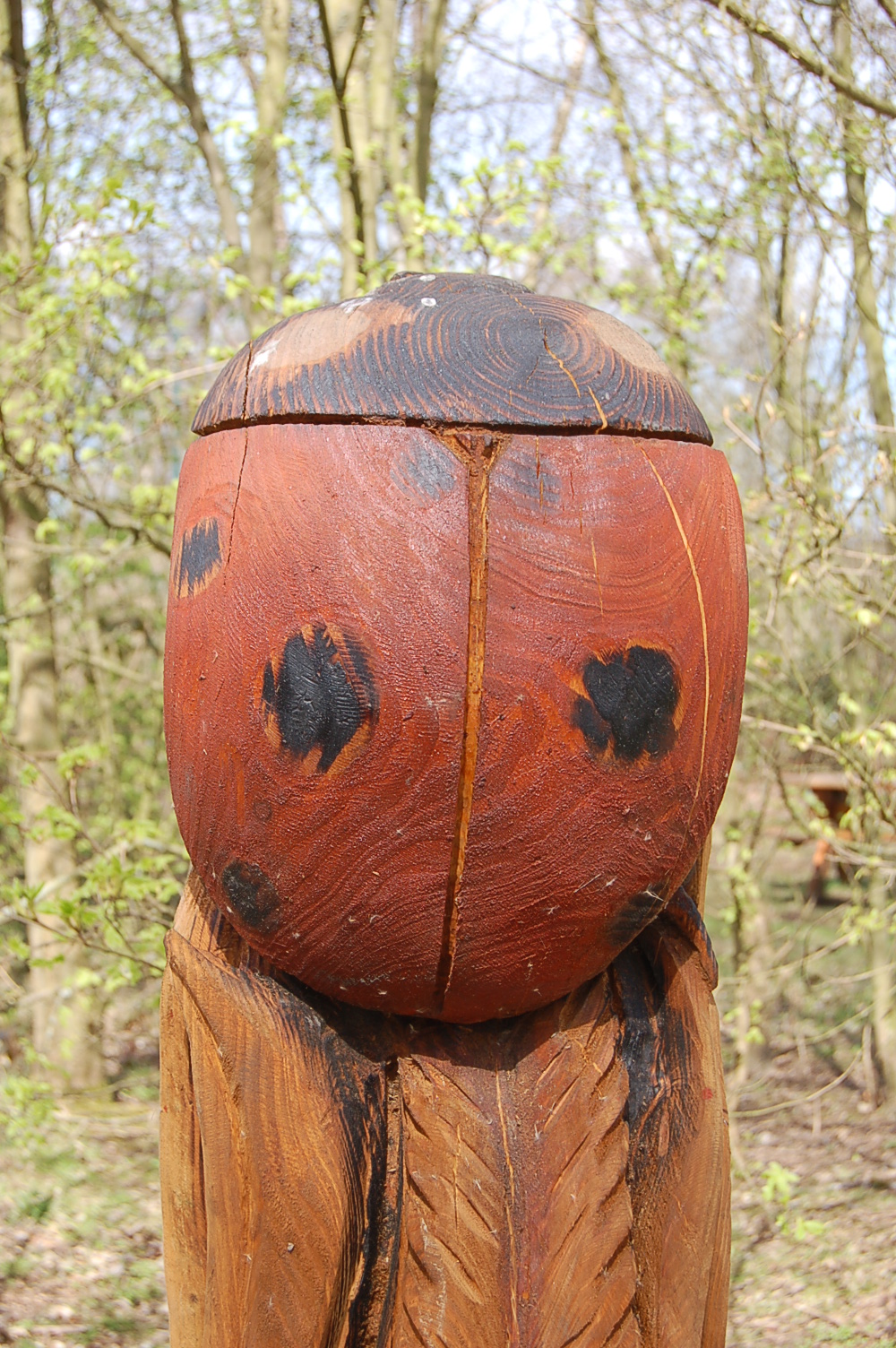
The skills of local craftsmen are displayed in the woodcarvings of the various stages in the life of a butterfly and a particular favourite a ladybird.

DSC_0097 DSC_0096

DSC_0101 DSC_0111

Following the track around the reserve afforded us views over areas of water, woodland and streamsides.

DSC_0119 DSC_0121

The bird life was stunning and we spotted our first sightings of several  summer migrants for this year – Redstart, Whitethroat and Blackcaps and also our first Mediterranean and Icelandic Gulls of the year. To top it off we spotted our first ever Blacknecked Grebe and close up views of several Garganey, a rather scarce duck.

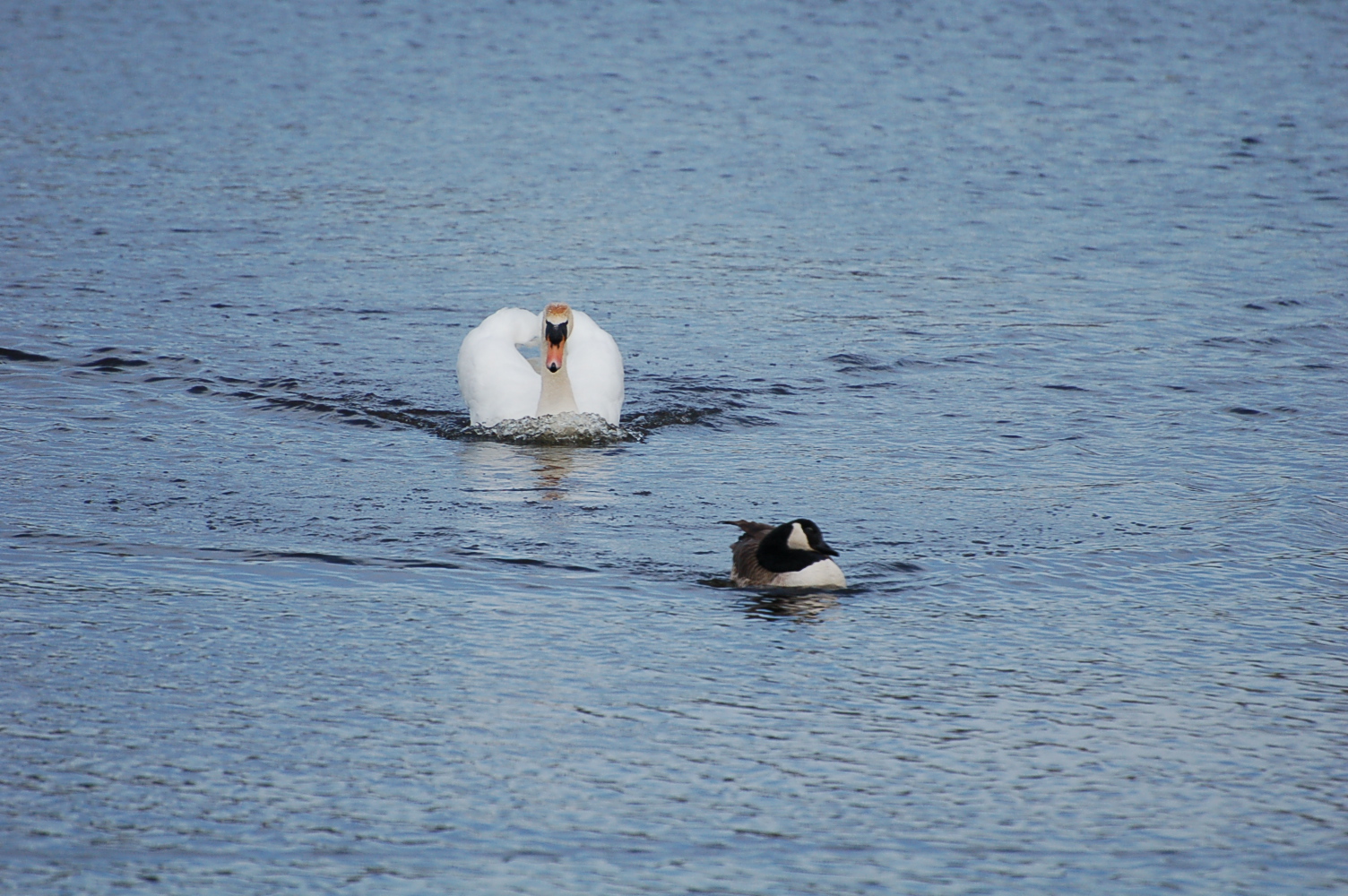
Extra entertainment was provided by rather more common species. A Mute Swan with young in nearby reeds was not happy when a Canada Goose moved in a little too closely.

DSC_0124 DSC_0125

DSC_0126 DSC_0127

DSC_0128 DSC_0129

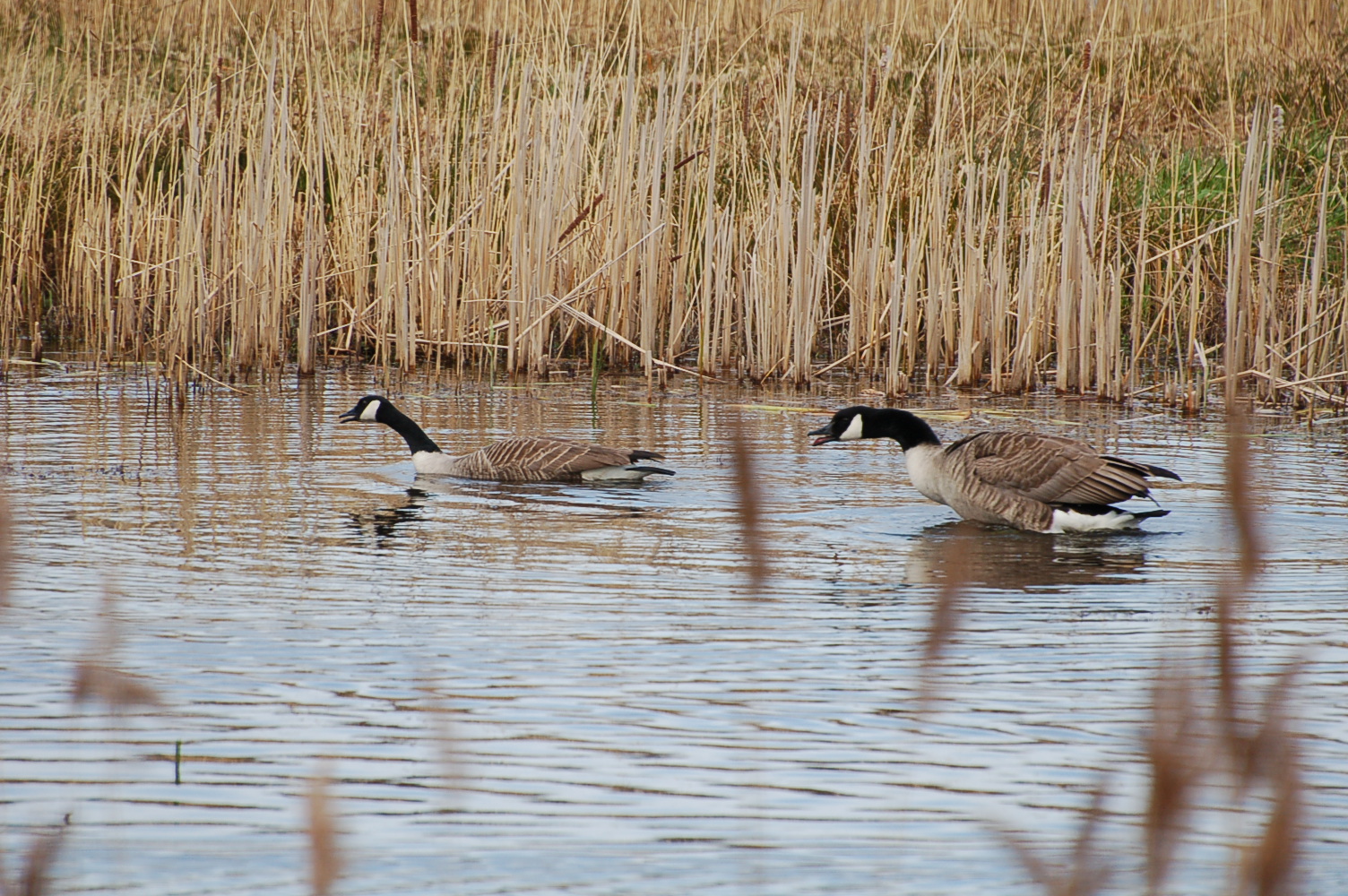
The poor goose was so embarrassed at being chased off by the swan that he decided to go off and pick on someone his own size, another goose.

DSC_0130 DSC_0131

Categories
colours garden design garden photography gardening hardy perennials meadows spring gardening

Aquilegias in June

As spring-flowering bulbs fade hope relies on the Aquilegias for the next big colour burst. In our garden we have many selections of self-seeded natives and several species from elsewhere. They are grown for their unusual bonnet-shaped flowers, which come in a huge range of colours and shapes but are best recognised by the spurs that fly from the back of the blooms. Some have virtually no spurs at all but others can have spurs several inches long. They are traditional cottage garden plants but in the wild grow in a range of habitats throughout the Northern Hemisphere and can be found in meadows, woodlands and higher up mountain sides.

One of their strengths is their hardiness, defying whatever the weather may throw at them but also shrugging off pests and diseases. We have never had a problem on any of our hundreds of plants, so they are excellent plants for the organic gardener.

Please enjoy a walk around our garden looking for our aquilegias. Just click on any shot and follow the arrow.

Categories
Uncategorized

Happy Birthday Greenbenchramblings – 2 years old today!

It is just 2 years since I launched my blog. I didn’t have any expectations of it. I didn’t know which directions it would follow. It has changed in its two years, generally the posts are longer and have fewer words but more photos.

About 330 posts have appeared on Greenbenchramblings and there have been about 22000 views and 1500 comments.

I need to select a bright cheerful photo as my Happy Birthday card to Greenbenchramblings, but I have too many to choose from. So here is my selected short list of ten photos taken over the last few weeks.

So it is up to you to decide which one you would put on the birthday card to celebrate my 2 years of blogging. Which is it to be?

DSC_0008 DSC_0013 DSC_0018 DSC_0029 DSC_0027 DSC_0046 DSC_0048 DSC_0070 DSC_0077 DSC_0078

Categories
bird watching birds landscapes nature reserves the sea the seaside wildlife Yorkshire

Bempton Cliffs – a birding paradise

Bempton Cliffs is far north of here on the Yorkshire coast and a place we had never visited but we had heard much about the bird life there, especially the sea birds. As Jude the Undergardener had never seen a Puffin in her life, even though it is one of her favourite wildlife characters, we decided a visit was on the cards. We arrived with expectations high as we were anticipating spotting some special birds.

DSC_0133

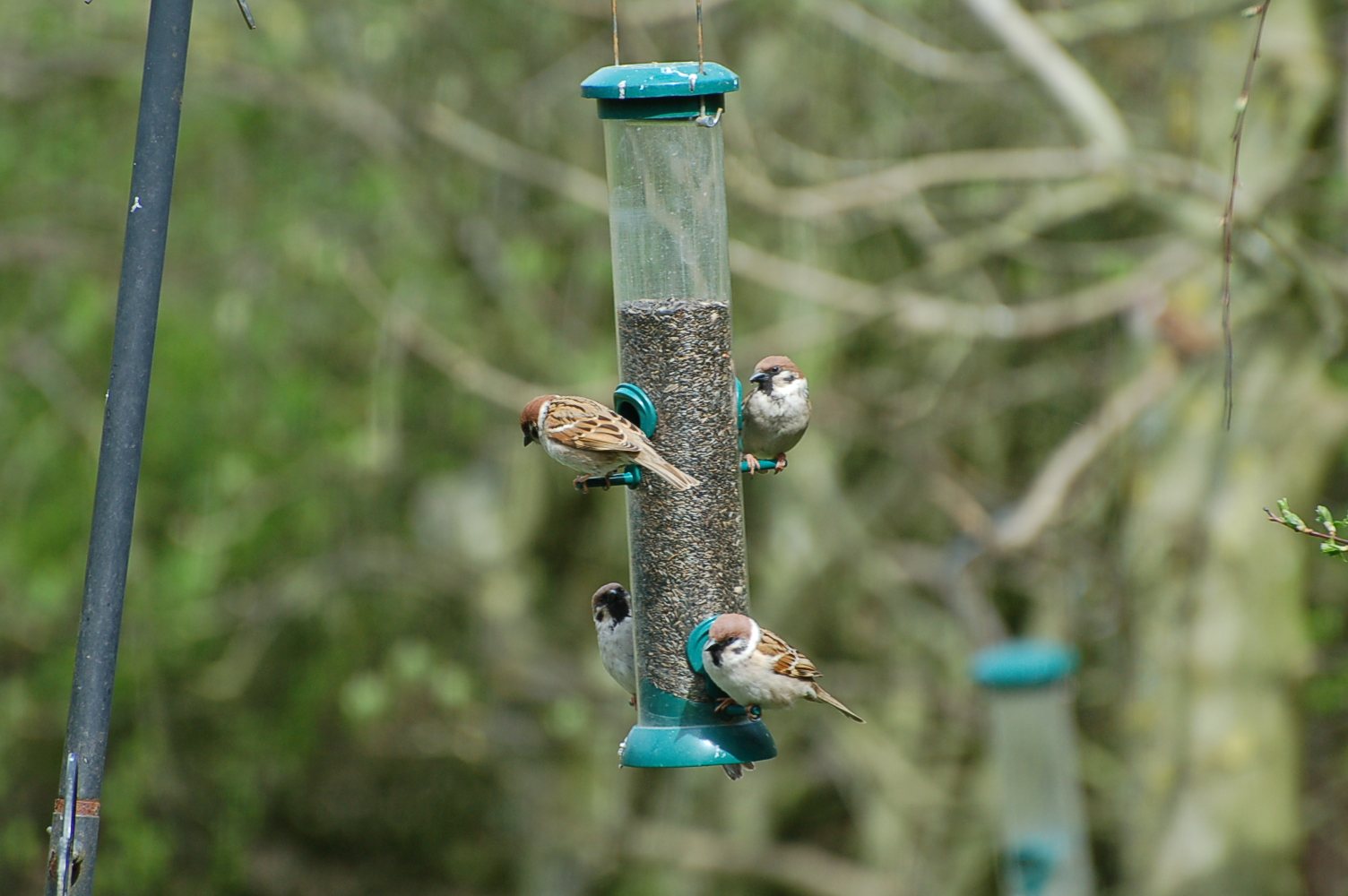
We soon realised we were in for a special day when we noticed that the sparrows flocking around the RSPB’s visitor centre were not House Sparrows but the much scarcer Tree Sparrows with their smart brown berets replacing the drab grey of their commoner cousins.

DSC_0225 DSC_0226

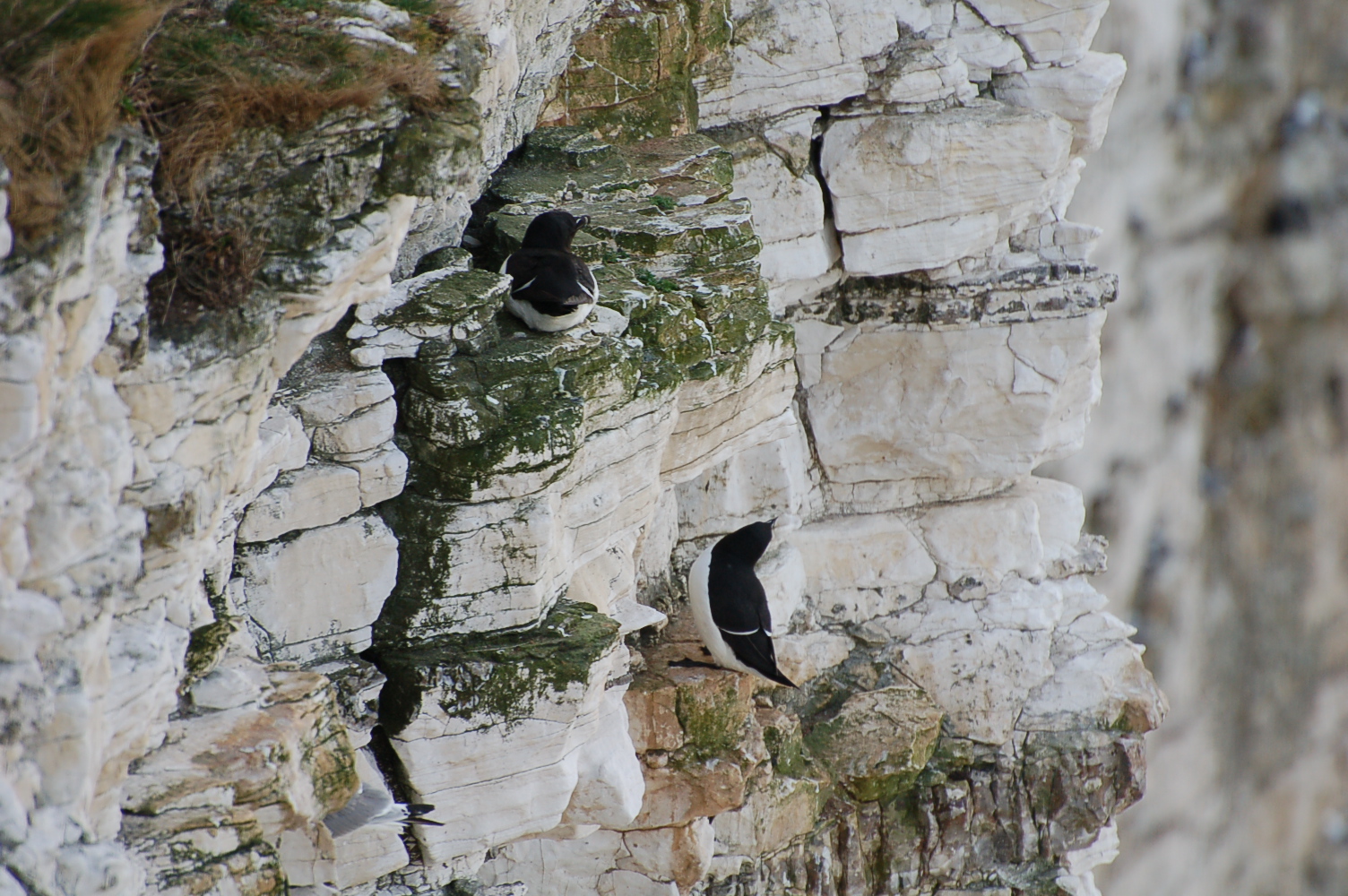
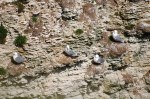
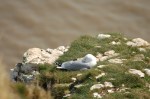
But we were here to look along the steep tall cliffs at the seabirds beginning to claim territories and begin nest-building. We wandered down to where the land dropped steeply away and looked down to see dozens of large mostly black and white coloured birds speedily flying close to the cliffs themselves and occasionally dropping onto ledges where nest-building was just starting. Most of these were Guillimots and Razorbills but the true stars were the smaller Puffins with their large multi-coloured striped bills.

DSC_0201 DSC_0200

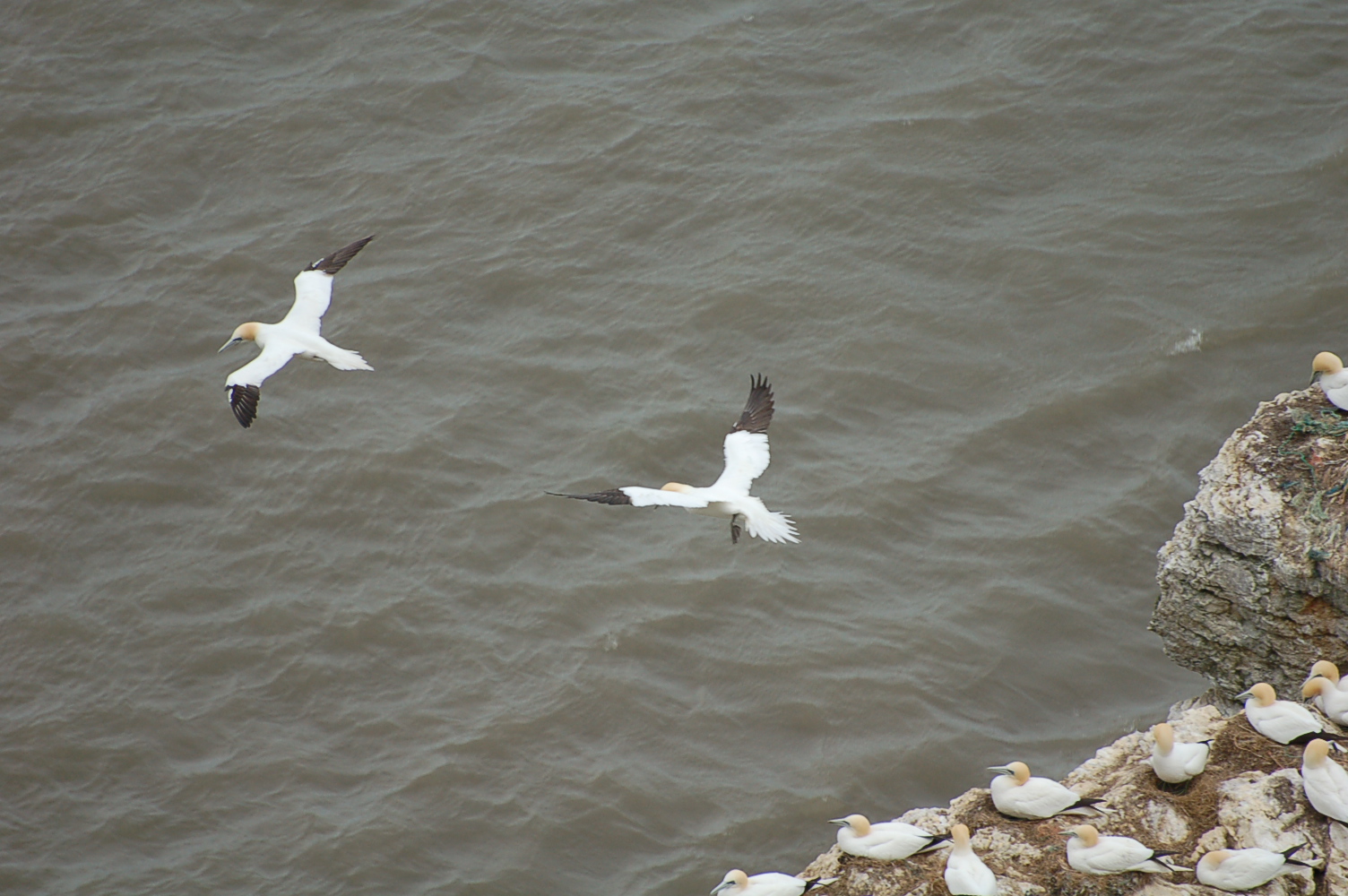
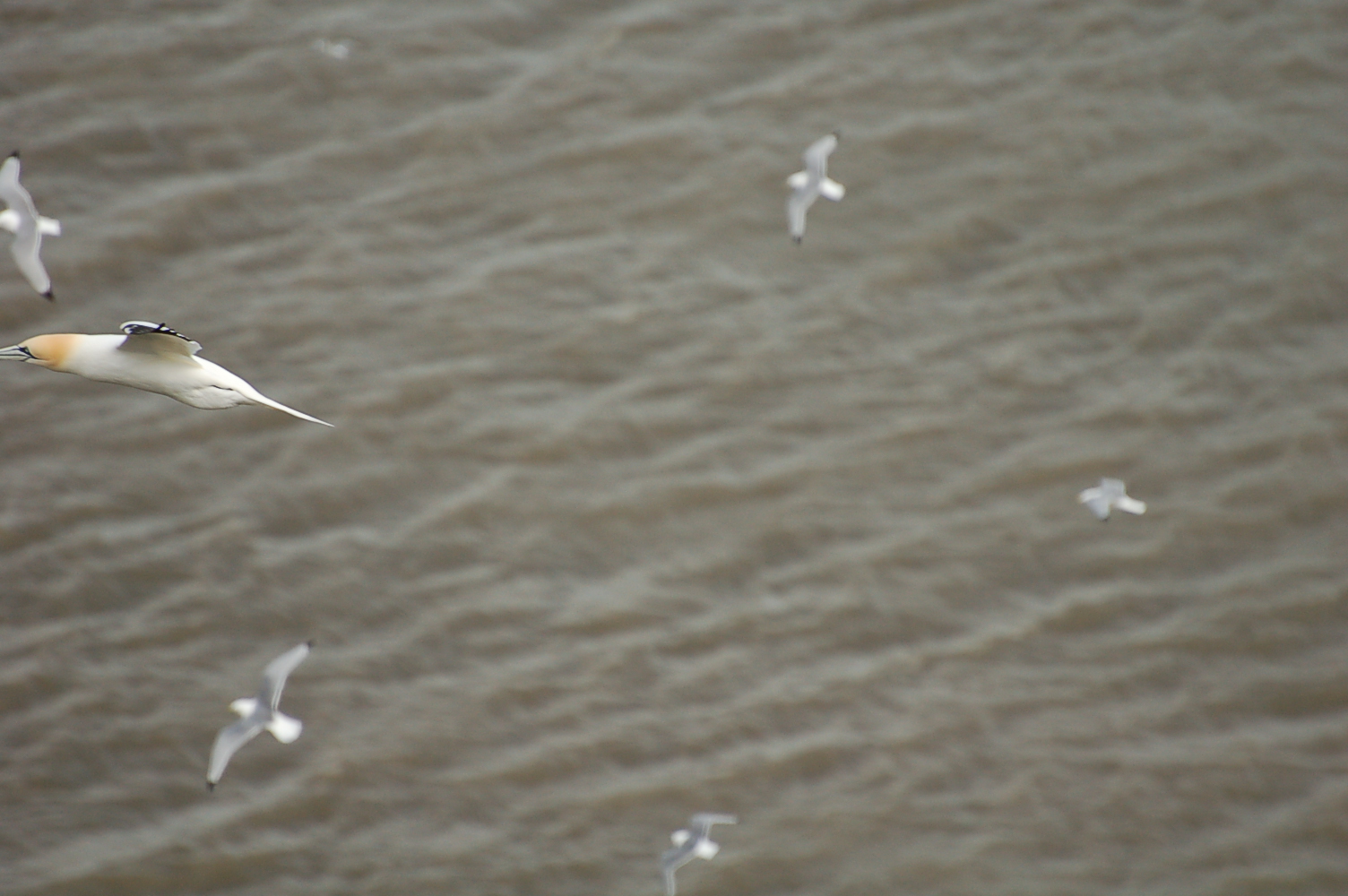
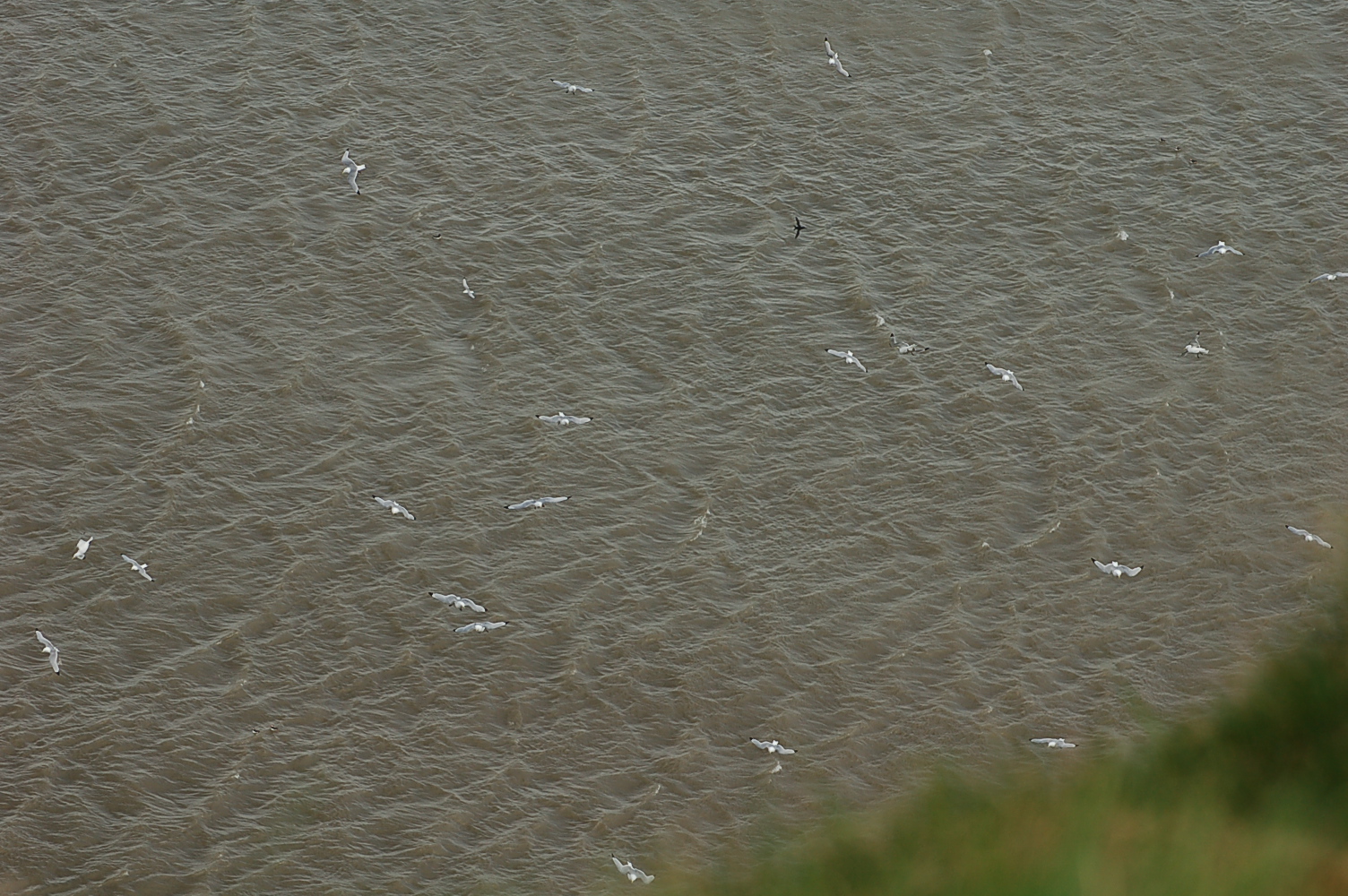
I spent an awful lot of time trying to get photos of Gannets in flight. It was a real difficult challenge and I had lots of failures and no real successes, but here are my best efforts.

DSC_0169 DSC_0148

I can’ resist showing a couple of failures just to give you a laugh – a near miss and a total miss.

DSC_0152 DSC_0154

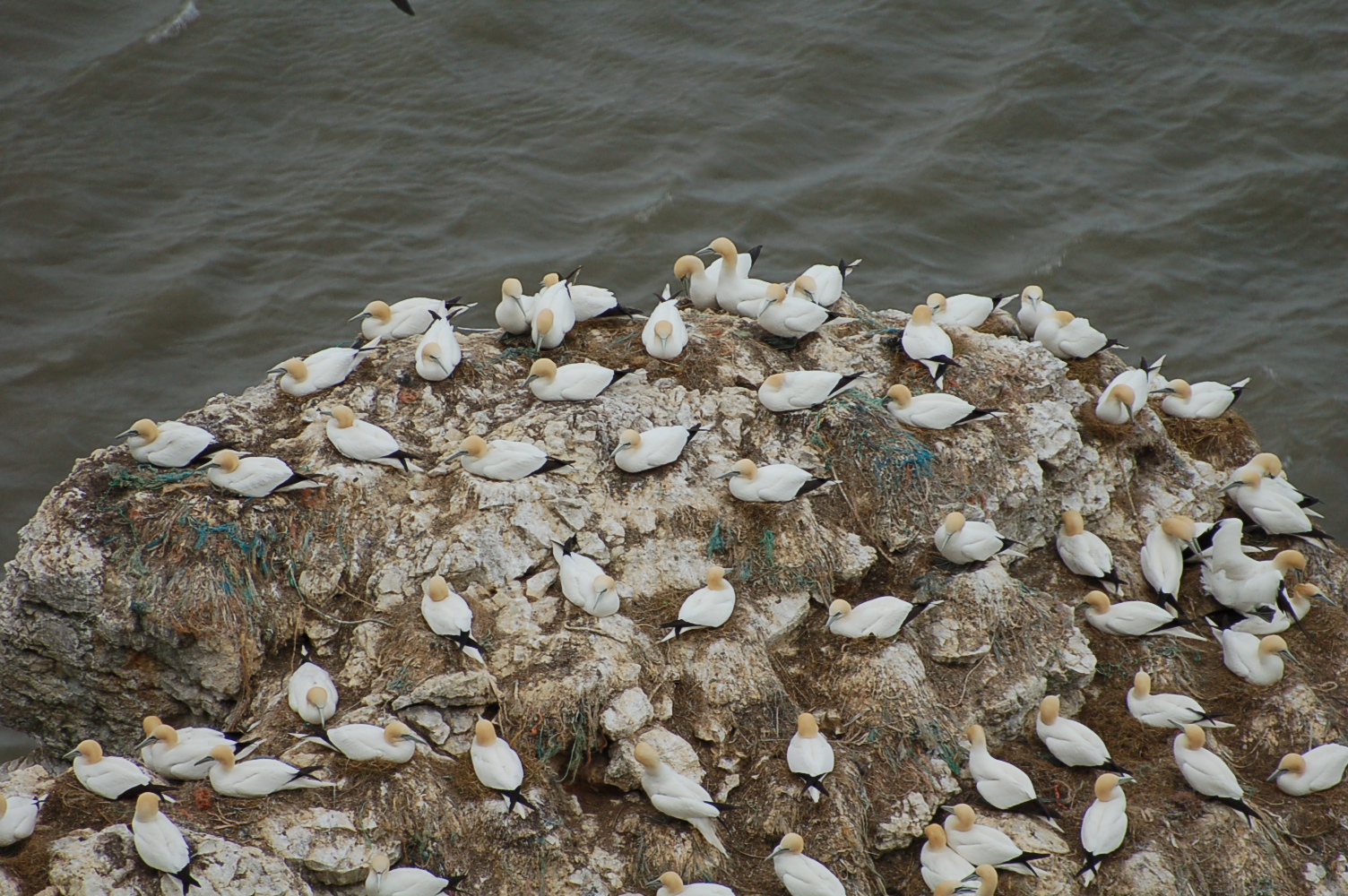
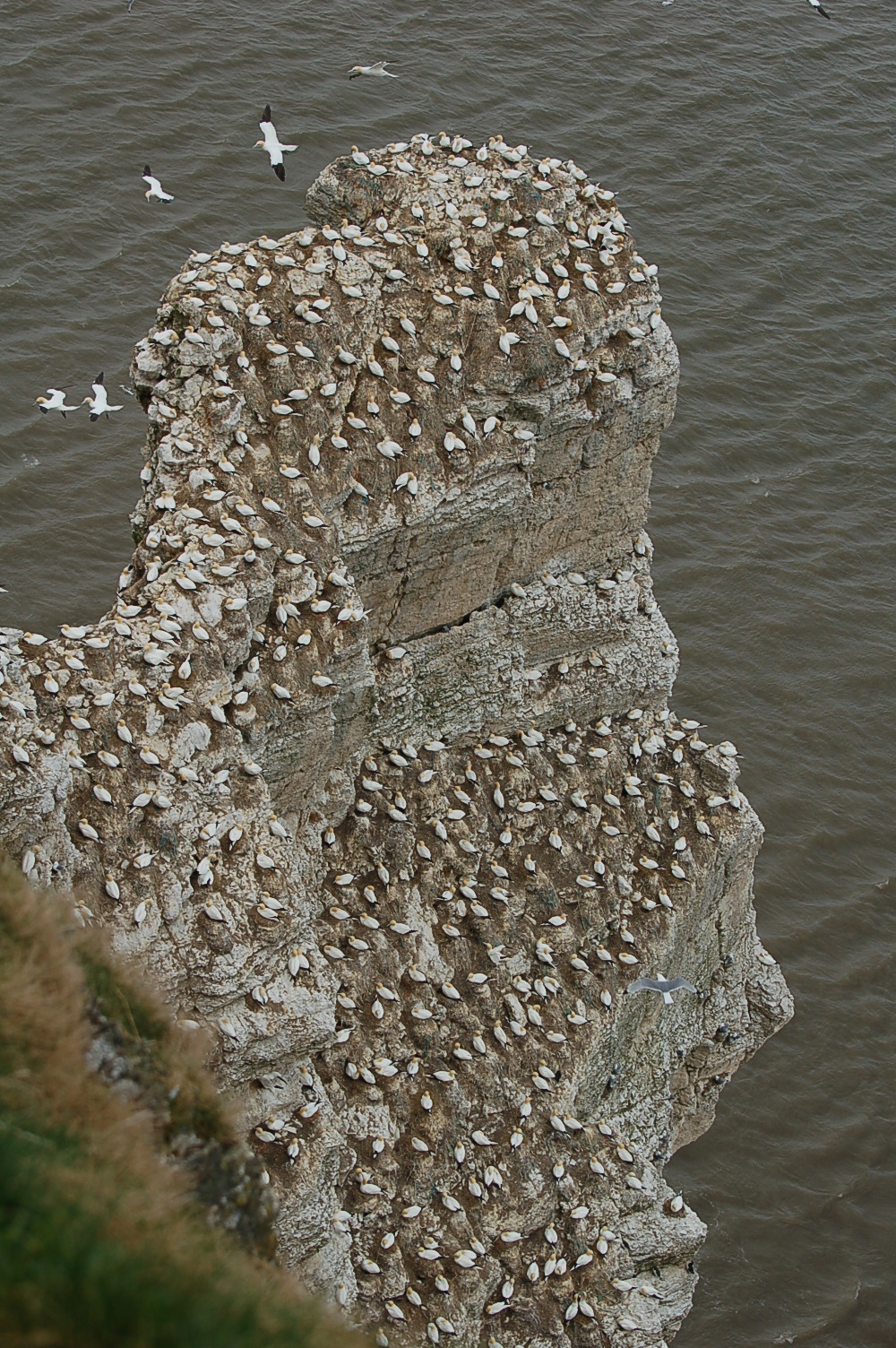
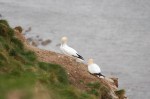
The individual birds were impressive but it was the sheer size of the colonies of the Gannets that amazed us.

DSC_0166 DSC_0167

It wasn’t just sea birds that made Bempton special though as we saw four sorts of Wagtail – Pied, Yellow, White and Grey Wagtails, two sorts of Pipits –  Meadow and Rock. and two sorts of Bunting – Corn and Reed.

After being amazed and stunned by the bird life we were amused by the amphibians. A shallow pond near the visitor centre was heaving with lively frogs.

DSC_0215 DSC_0216

I shall finish our visit to Bempton with a little gallery. As usual just click on a pic and use the arrows.

Categories
garden design garden photography gardening hardy perennials Shropshire village gardens

A Perfect Iris Day

We deserved a morning out of the garden so set off just a few miles up the road to visit a garden which we had previously visited late last summer. It is open under the auspices of Plant Heritage and it holds two national collections, Roscoea and Cautleya. But of course neither of these are at an interesting stage at the moment.

After our compulsory start for any garden visit – coffee and cake – we wandered off to discover that the dominant plants of the day were irises. The irises were mostly of the bearded type but a few sibiricas were showing early promise.

First though a look at a few plants of interest other than the iris.

DSC_0005-20 DSC_0004-22

DSC_0002 DSC_0003

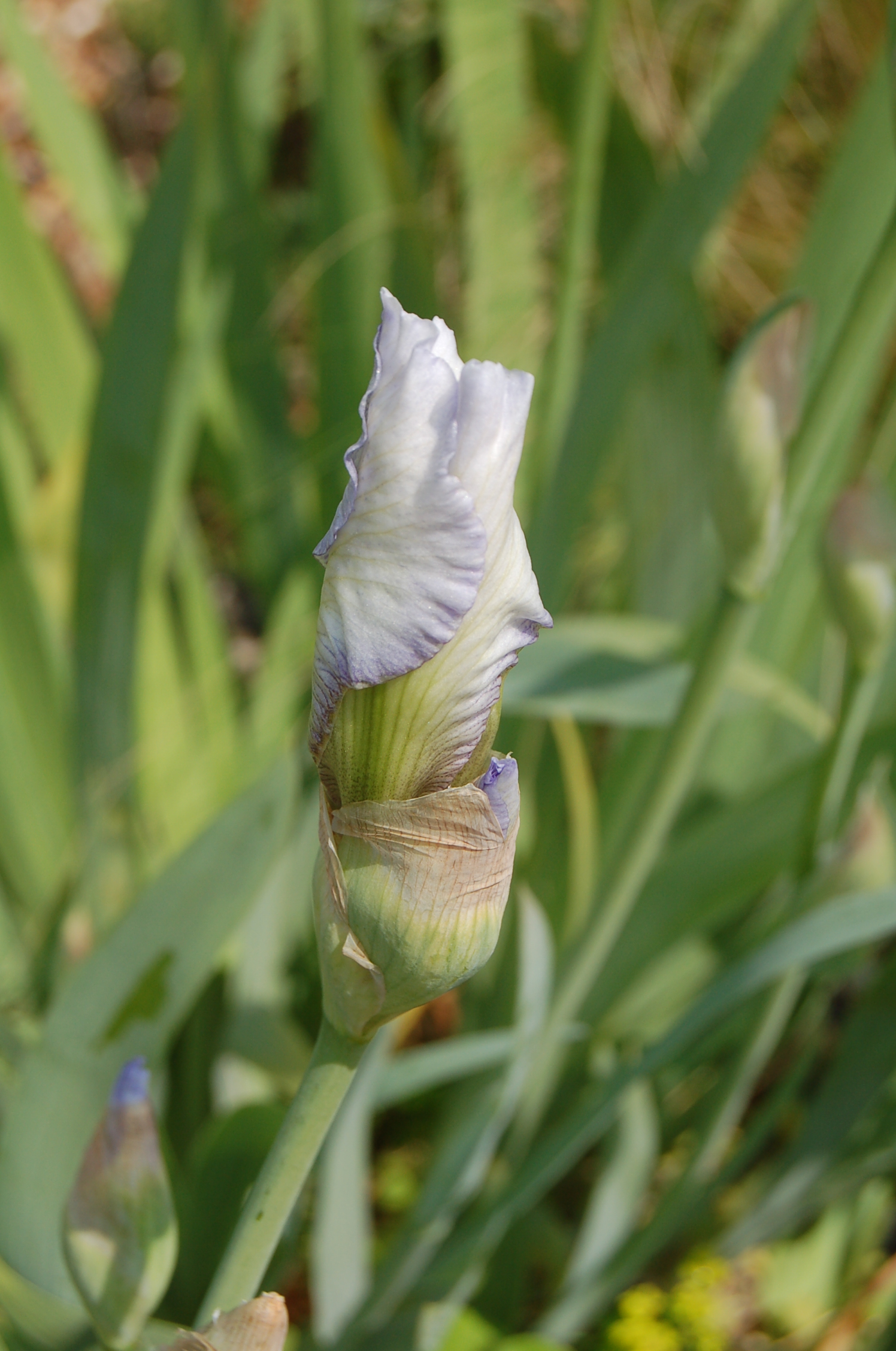
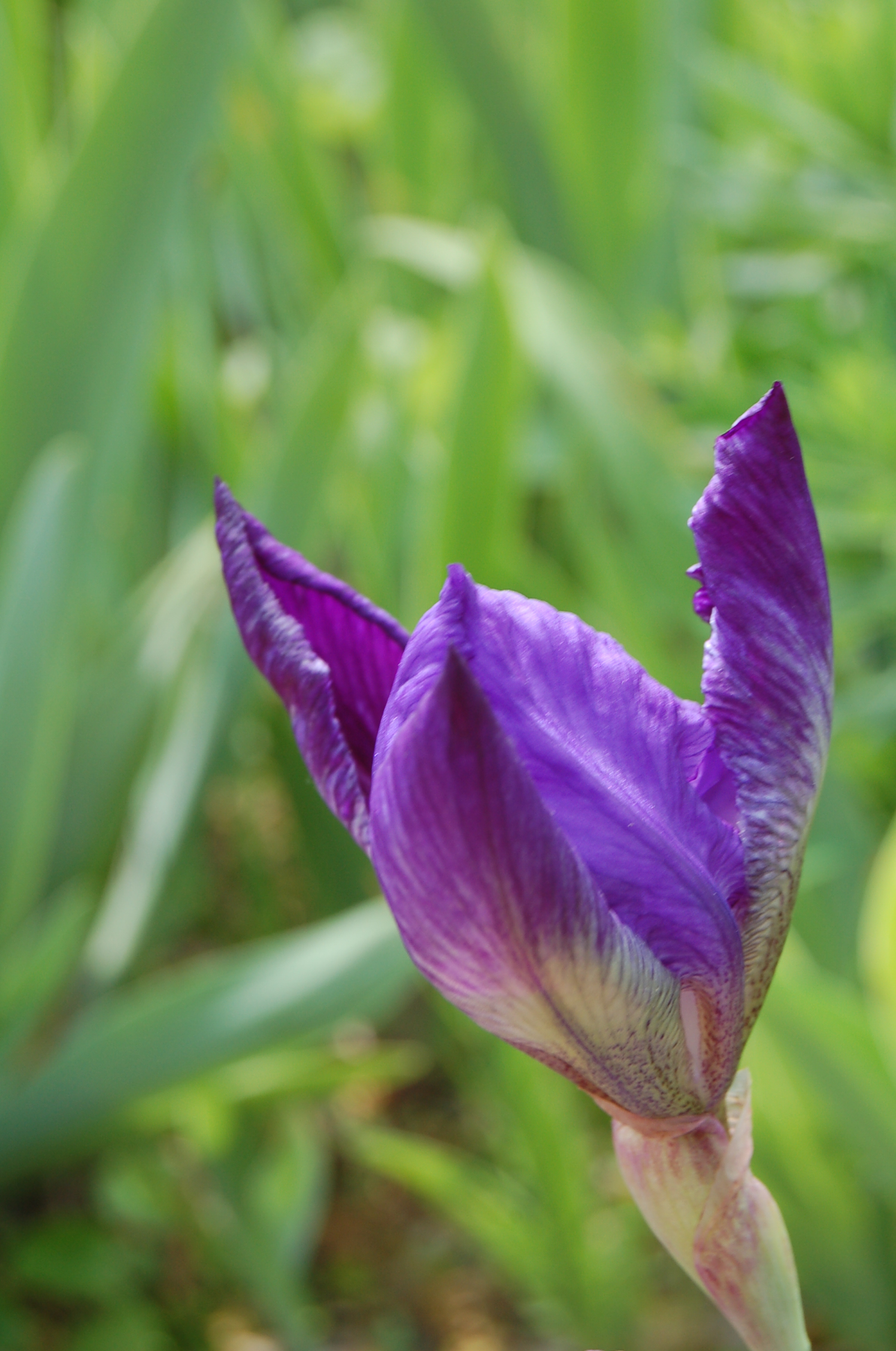
And now for the iris! The glamour plants of the June garden.

DSC_0001 DSC_0008 DSC_0007-17 DSC_0009-15 DSC_0011-16 DSC_0013-12 DSC_0016 DSC_0018 DSC_0006 DSC_0012

When we returned home we had a look around our own patch to see how our own iris compared. The bearded iris were looking impressive but the sibiricas  were still in bud.

DSC_0001-24 DSC_0002 DSC_0003-24 DSC_0004-23 DSC_0005-21 DSC_0006 DSC_0007-18 DSC_0008 DSC_0010-16 DSC_0011-17 DSC_0012-21

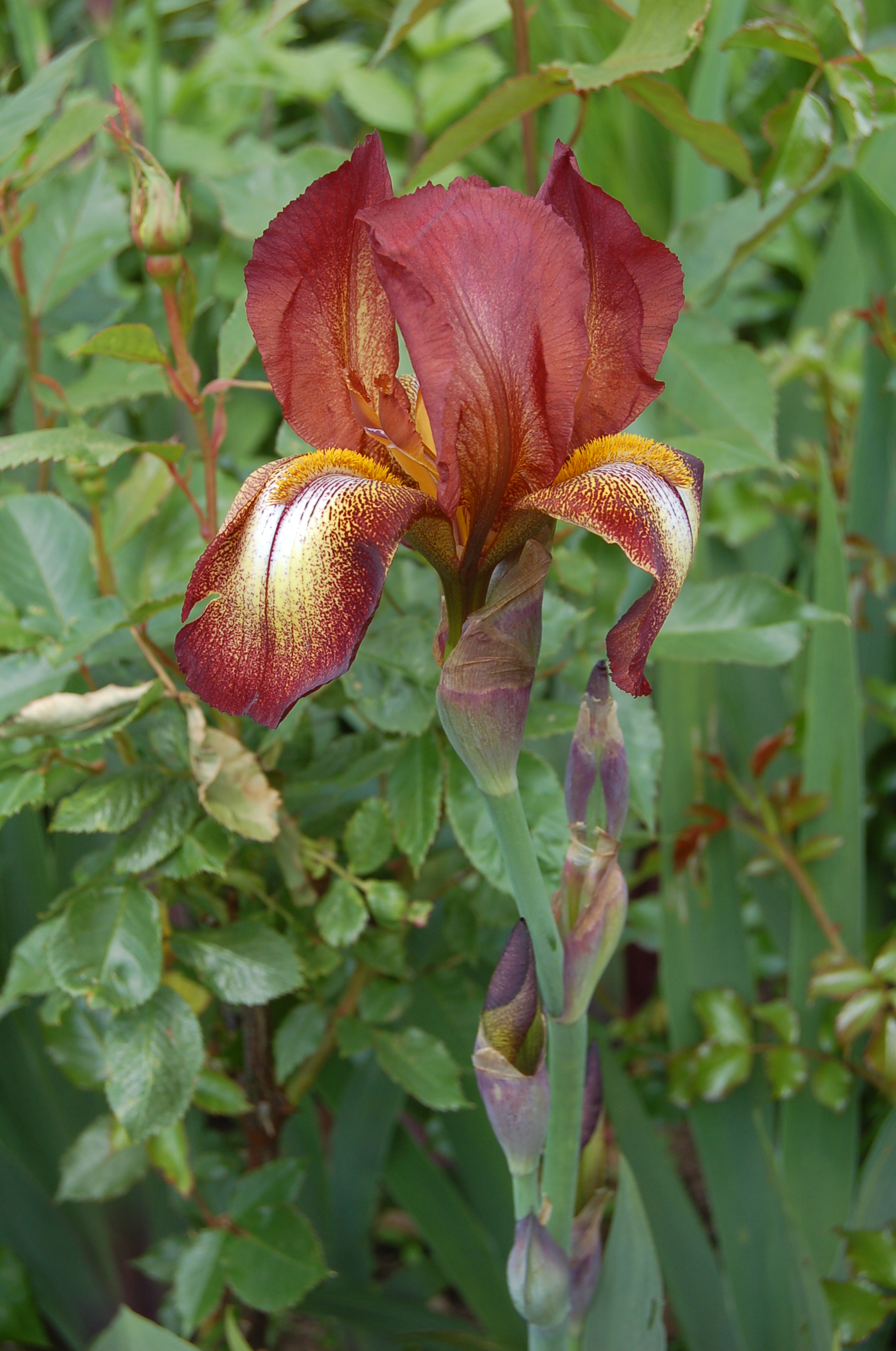
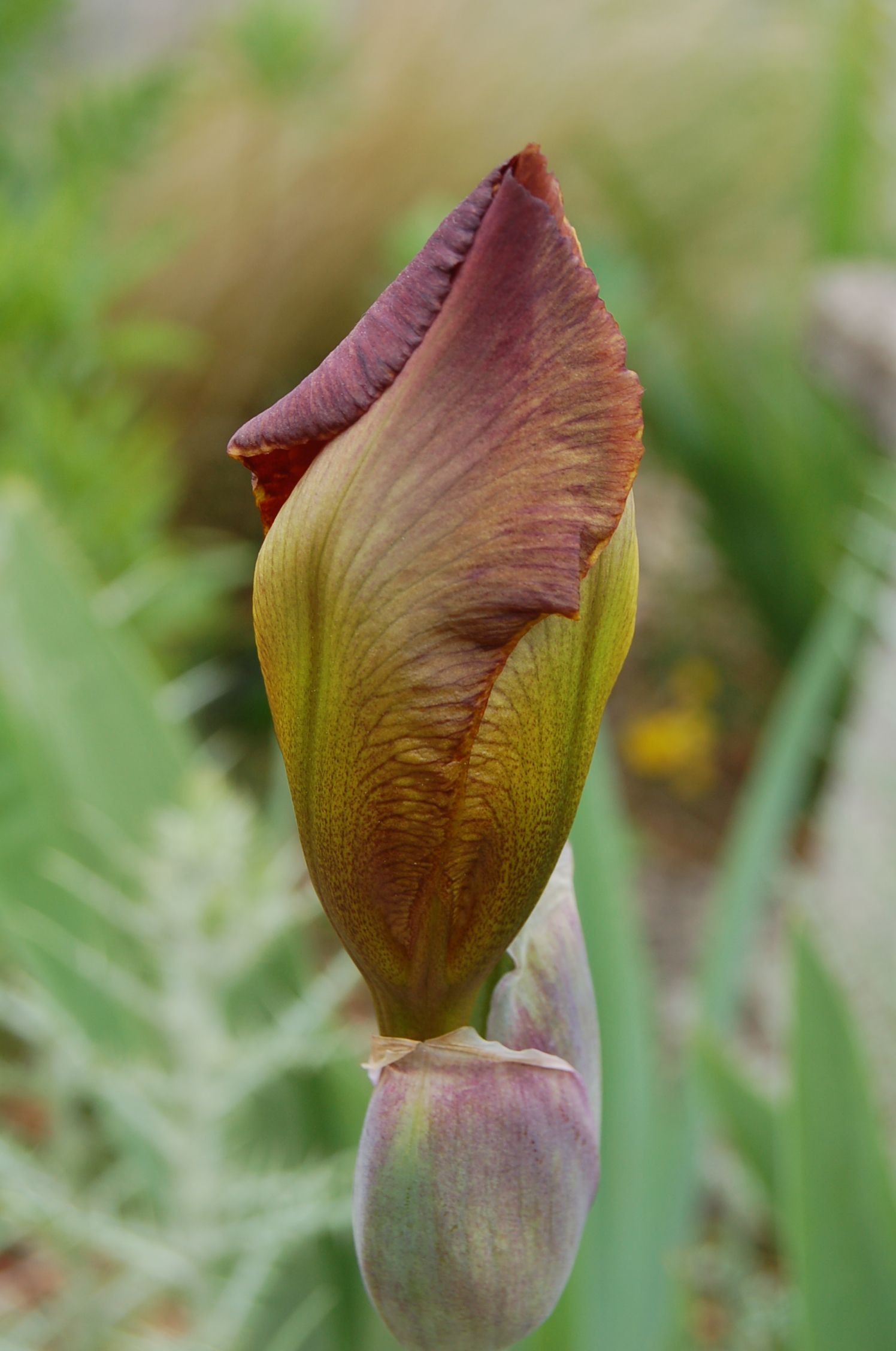
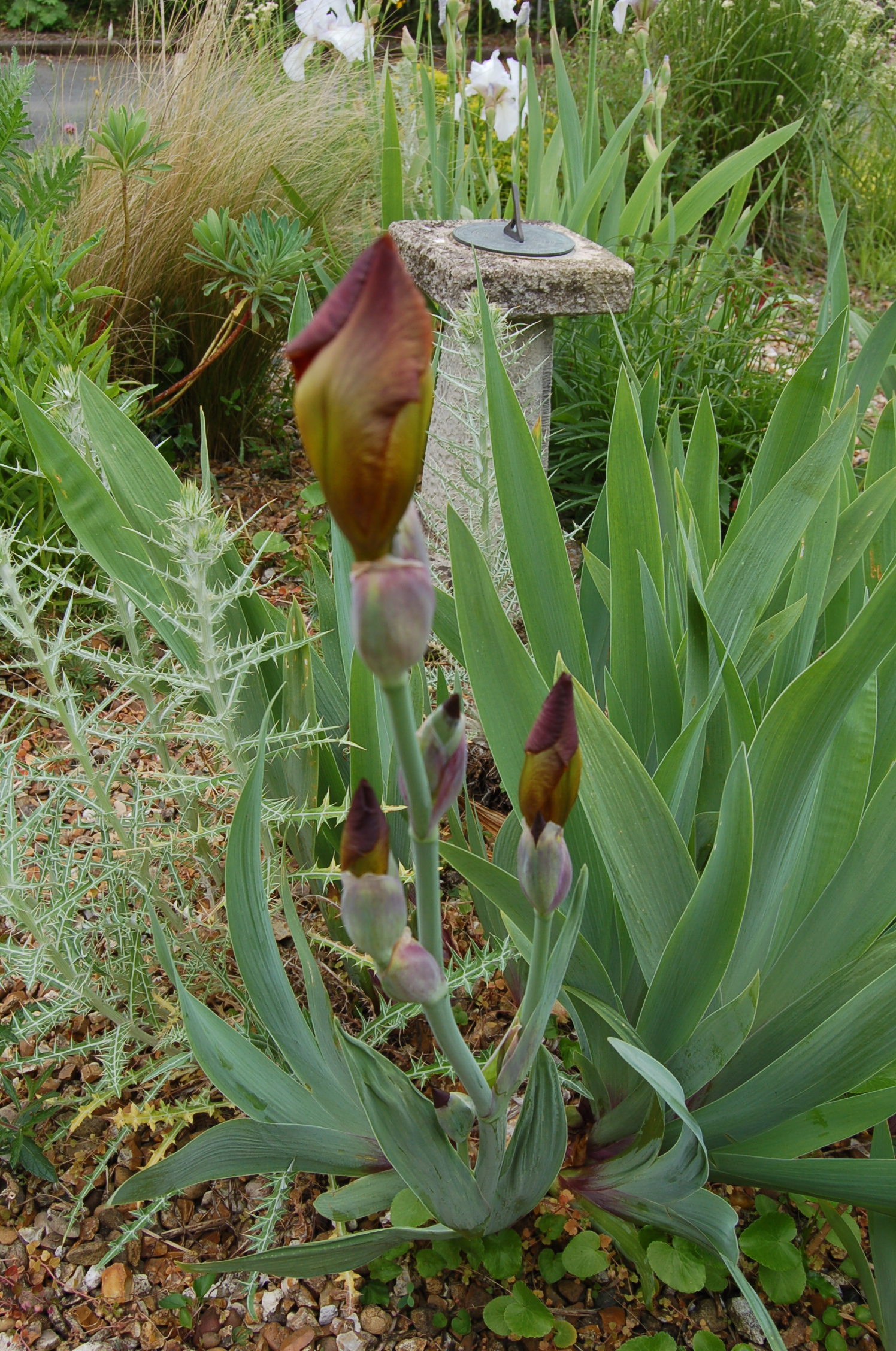
I delayed writing this post for a couple of days as my favourite bearded irises always come out last. They were definitely worth waiting for as I am glad I can include the final two to burst into bloom, these dark gingery brown flowers with buds that appear almost black.

DSC_0001-25 DSC_0002

DSC_0003 DSC_0004

DSC_0005-22 DSC_0006

Categories
garden design garden photography gardening hardy perennials Hardy Plant Society HPS National Garden Scheme NGS ornamental trees and shrubs Shropshire village gardens

The Hardy Planters at Lower Hall

DSC_0067-10

Our first visit  to a local garden with the Shropshire branch of the Hardy Plant Society this year took us to Lower Hall in the picturesque village of Worfield.

DSC_0016 DSC_0019 DSC_0020 DSC_0023 DSC_0024 DSC_0027

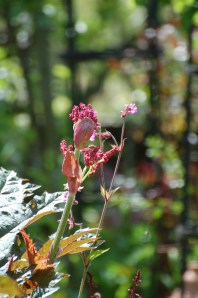
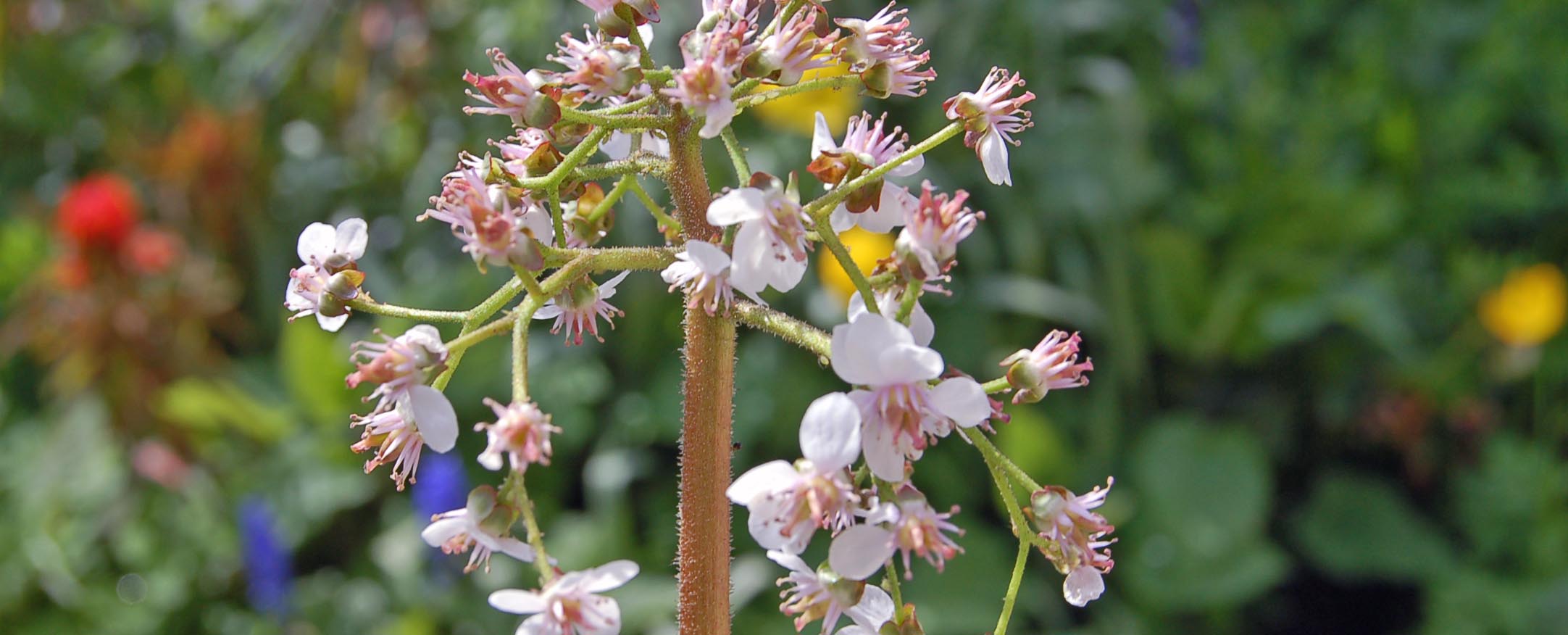
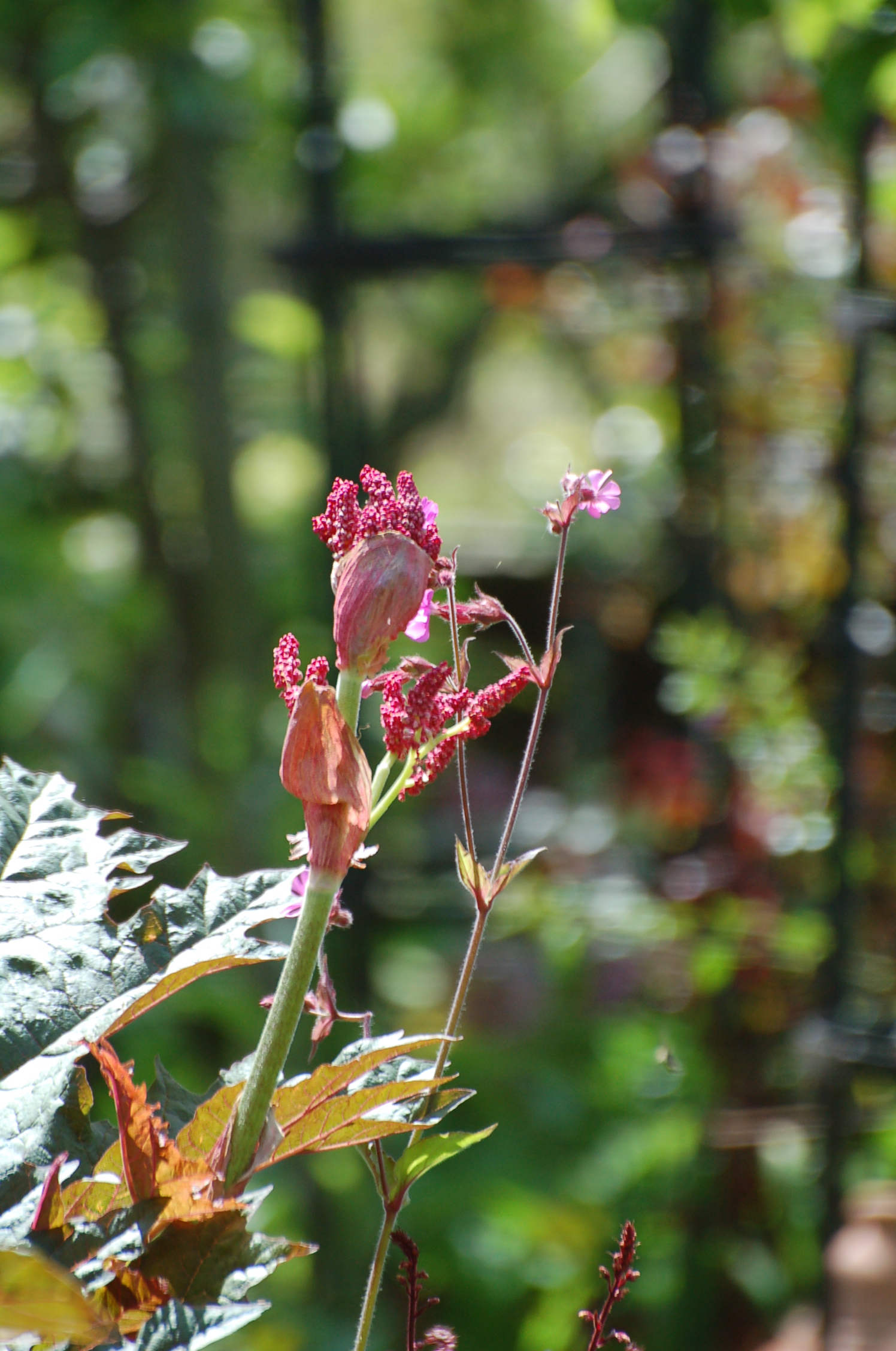
The River Worfe which gives the village its name meanders aimlessly through the garden and as we wandered along its paths we kept coming across bridges to take us over its flooded waters. The header picture shows the flower head of Dalmera peltata which grows in the boggy patches along the Worfe. The globe of flowers sits atop a tall thin stem rising straight from the soil before there is any sign of any leaves.

The garden has many different elements to it, a walled garden, a stream, a woodland area and various borders so there is a richness of plants to enjoy.

DSC_0034 DSC_0035

DSC_0036 DSC_0037 DSC_0039 DSC_0042 DSC_0044 DSC_0045

As always the Hardy Planters of Shropshire stand and admire!

DSC_0043 DSC_0046 DSC_0047 DSC_0048 DSC_0049 DSC_0057 DSC_0058 DSC_0061

Categories
bird watching birds garden design garden photography garden wildlife gardening natural pest control photography Shropshire shrubs village gardens wildlife

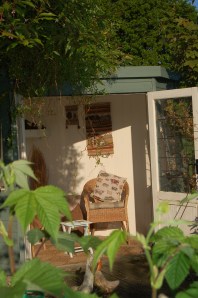
Summer house revamp

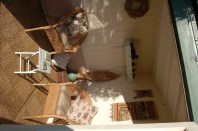
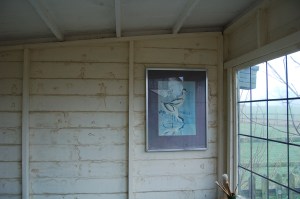
After ten years our summer-house, our little quiet place of escape at the bottom of the garden, was beginning to look worse for wear. The back wall faces directly south so gets harsh sun on it in the summer months and as our garden is at the bottom of a hill temperature inversion in the winter means that the poor summer-house feels the full effect of  the cold frosty air as it rolls down the hill to hit our summer-house first. The first two pics show the summer-house as we began work, with the original interior on the left and the first stages of cladding the walls on the right.
DSC_0041 DSC_0040
We decided to re-clad it inside and out and then repaint both the inside and outside. A job that ended up taking us a long time as we fitted it in between more interesting gardening tasks.
But at last we have finished! A big sigh of relief can be heard all over the garden!

So, first let us share with you what it looks like now.

DSC_0001-22 DSC_0002 DSC_0003-22 DSC_0004

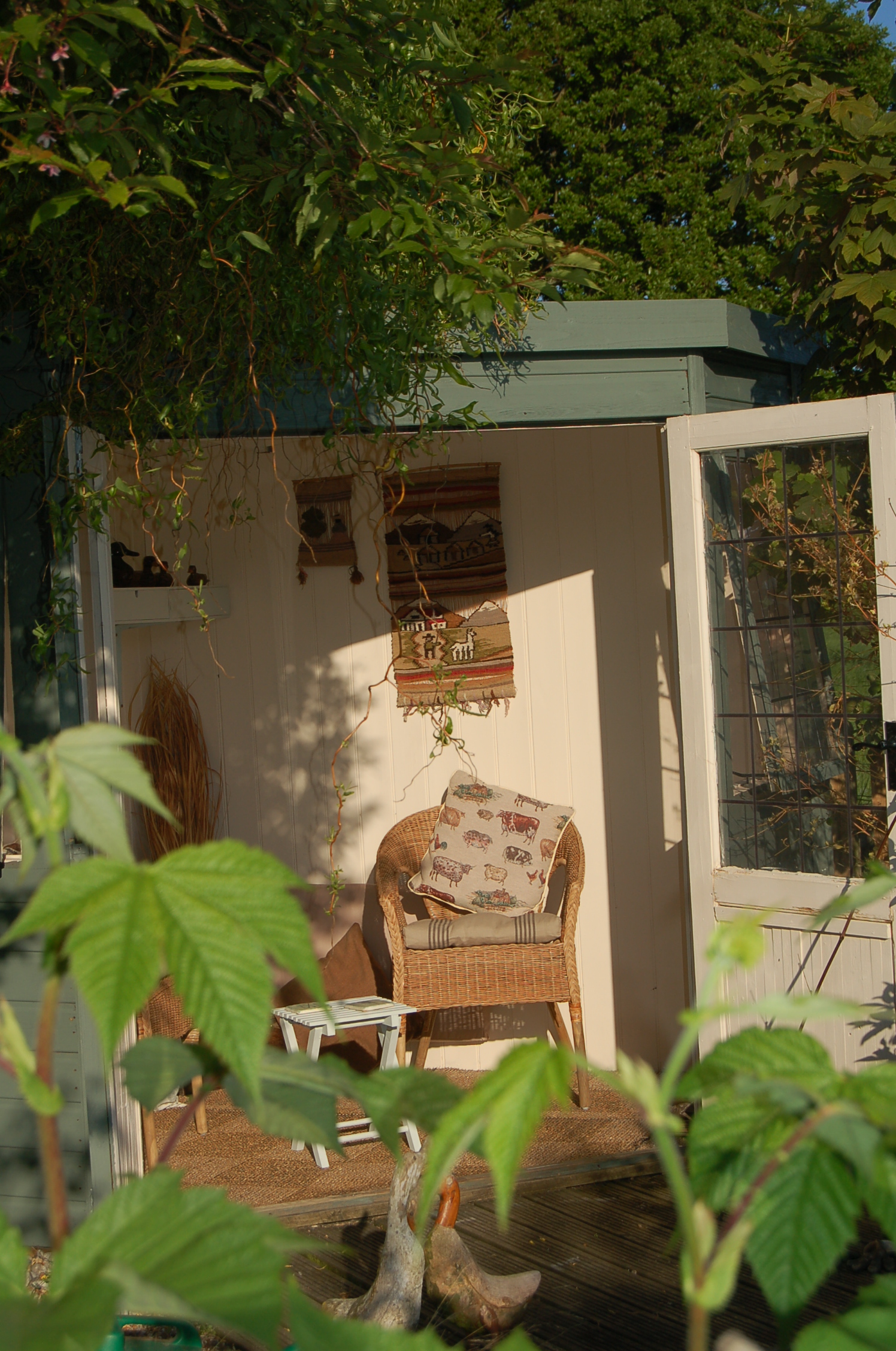
The summer-house is our little secret place where we hide at the bottom of the garden and ignore the telephone and doorbell, pretend that television and computers don’t exist and believe there is no lane passing our house.

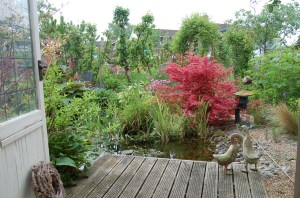
It catches the evening sun in the last few hours before it sets, so is a great place to end the day. We sit and listen and we can appreciate a different view of our garden. We listen to the calls and songs of our garden birds and those passing over our heads. We can share the intimacy of their bathing as they come to freshen up in the shallow end of our wildlife pool. A square of decking sits in front of the summer-house and hangs over the pool.

Please share the view from our summer-house seat.
DSC_0001-21 DSC_0002

DSC_0003

To give you an idea of some of the special things we can see right now from our little house I have taken a few shots with a long zoom on my camera.

DSC_0008 DSC_0007

DSC_0009 DSC_0010

DSC_0011

As we enjoyed a coffee in the summer house today, a female blackbird came to bathe almost splashing our feet. She must have been enjoying a few moments off the nest, a few moments to herself. A house sparrow also came to bathe when the blackbird returned to the nest. On the nearby bird feeders a nuthatch noisily bashed away at the peanuts with its long powerful beak and took small bits back to its young in a hole in a nearby tree. It soon returned for more and we heard its beak tapping on the metal mesh of the feeder.

A blue tit couple are rearing young in a nest box fixed to the summer-house and we watched as they appeared with beaks full of wriggling caterpillars. We could hear the fledglings begging as they open their yellow wide gapes to beg for their share of the wrigglers.

In the pond itself life lives on the film of water and secretly below the surface. Pond skaters dominate the surface but they are frequently joined by sub-surface dwellers in need of a gulp of air, newts, water boatmen and water beetles. Below the surface we can watch tadpoles of frogs and toads feeding and fattening themselves up.

The pond is home to many of our pest controllers such as newts, toads and frogs who all breed here at our feet.

But as we look out and appreciate our garden and its life, one nosey bird looks in to see what we are up to. A robin comes close, perches on the nearby malus and watches us with head cocked to one side as if bemused.

As we rest in our little summer-house world the garden and its wildlife busily carry on close by.

Categories
colours conservation meadows nature reserves outdoor sculpture trees wildlife Wildlife Trusts woodland

In search of bluebells near Sugnall Walled Garden

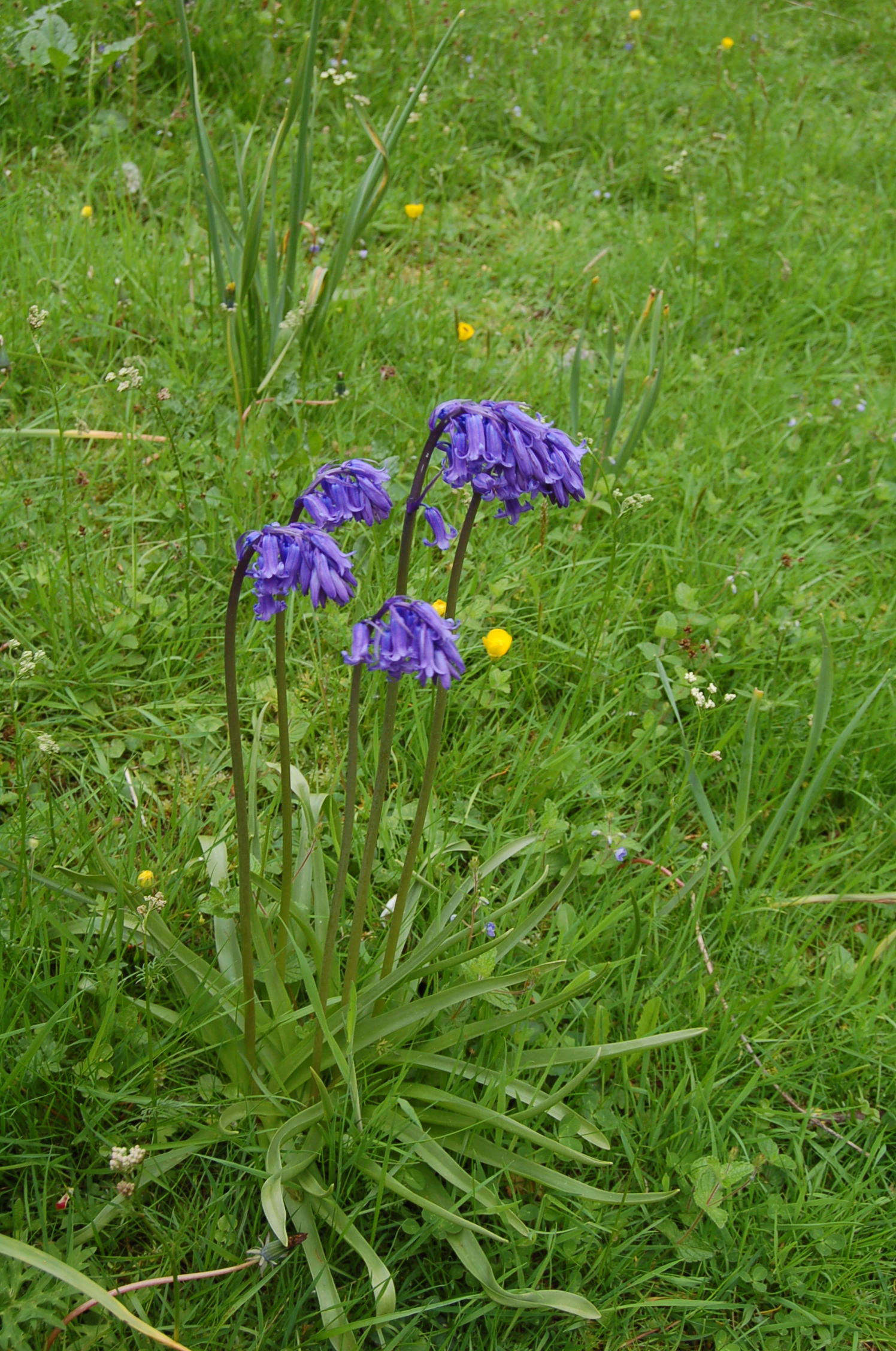
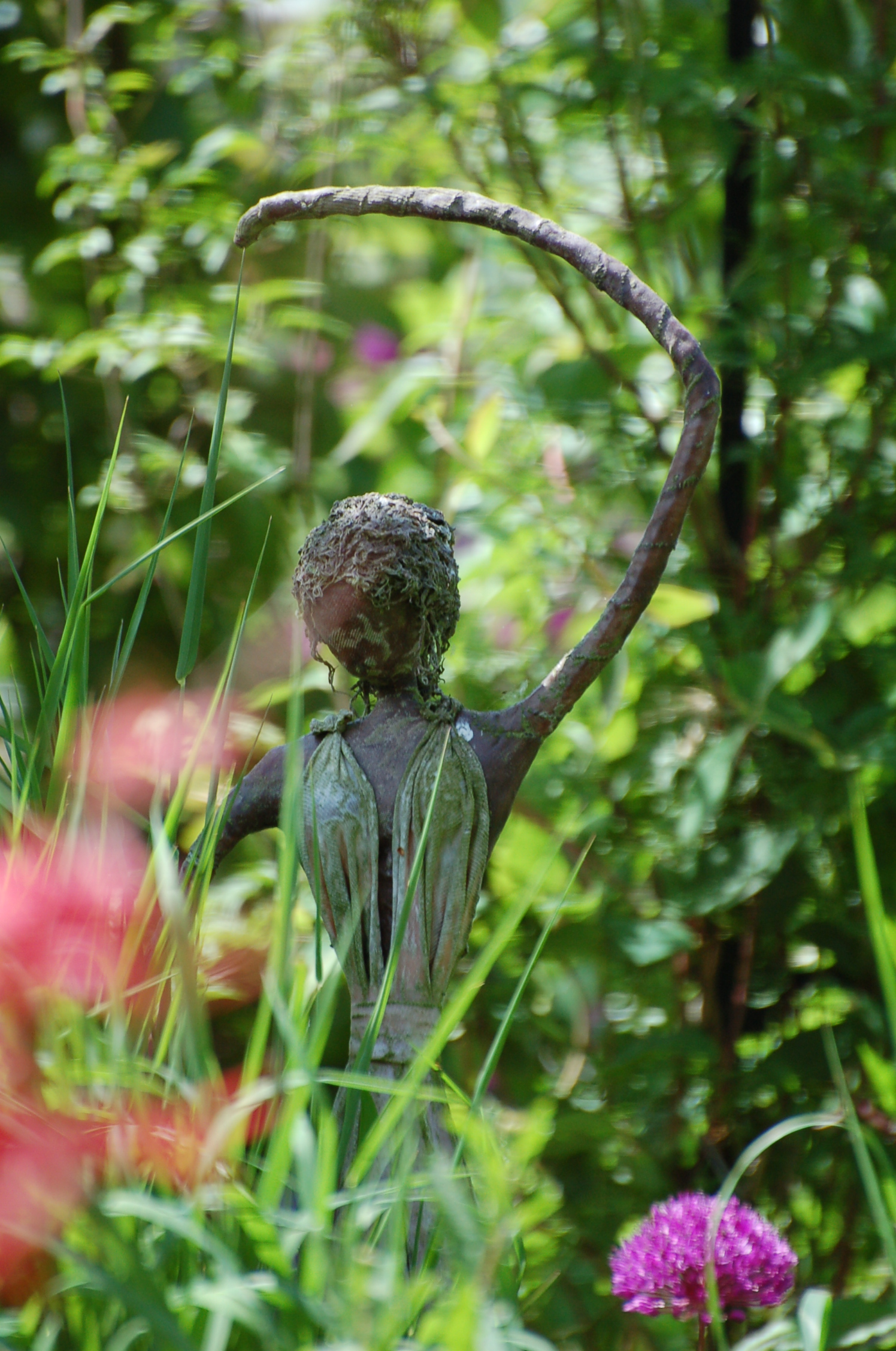
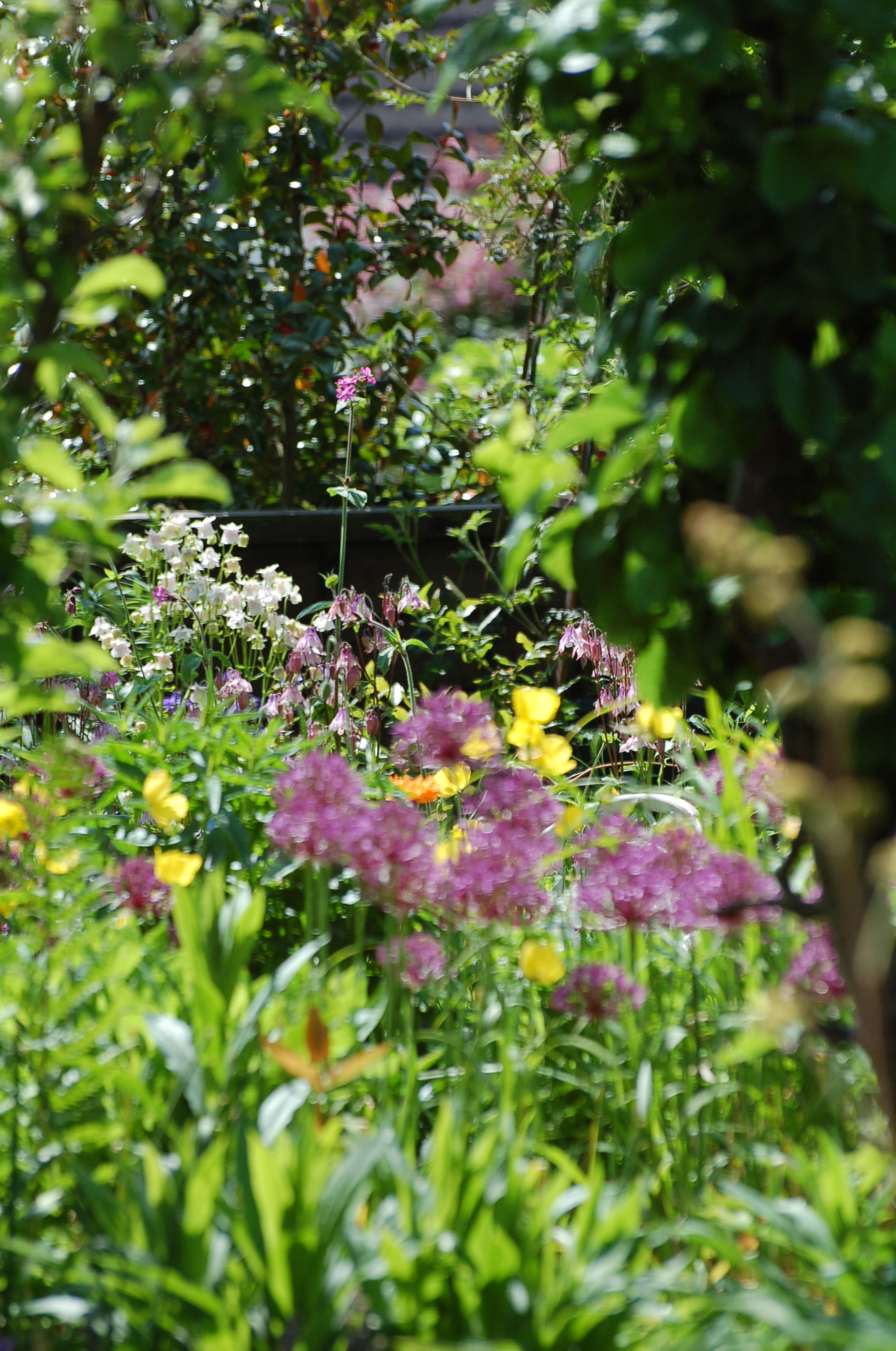
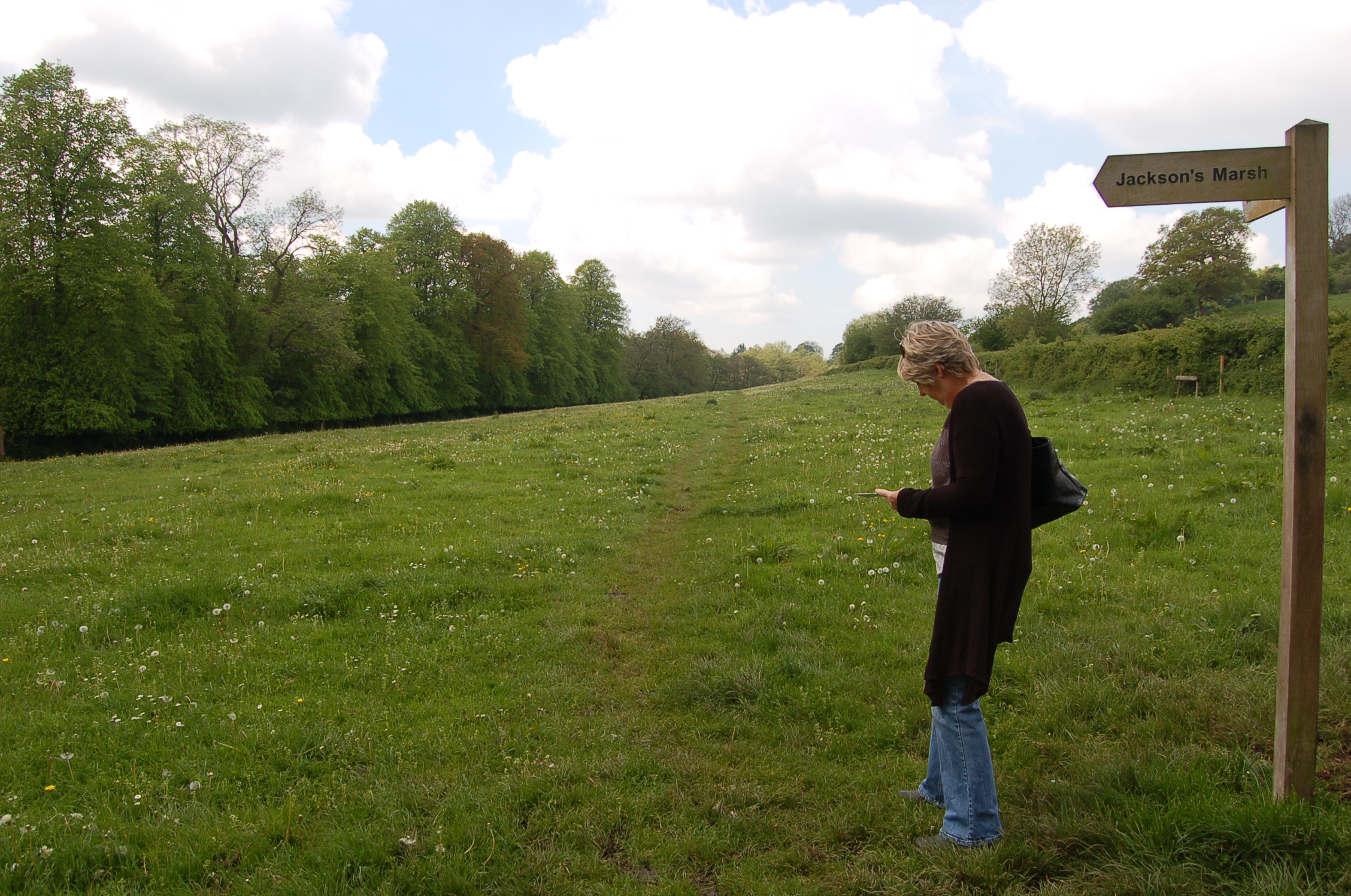
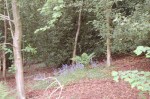
So after enjoying our refreshment in the tea shop at Sugnall and refreshing our souls in the tranquillity of the walled garden we went off up a narrow lane in search of a nature reserve recommended by Geoff. We were anticipating the delightful experience of seeing and smelling the most English of wildflowers, the Bluebell.

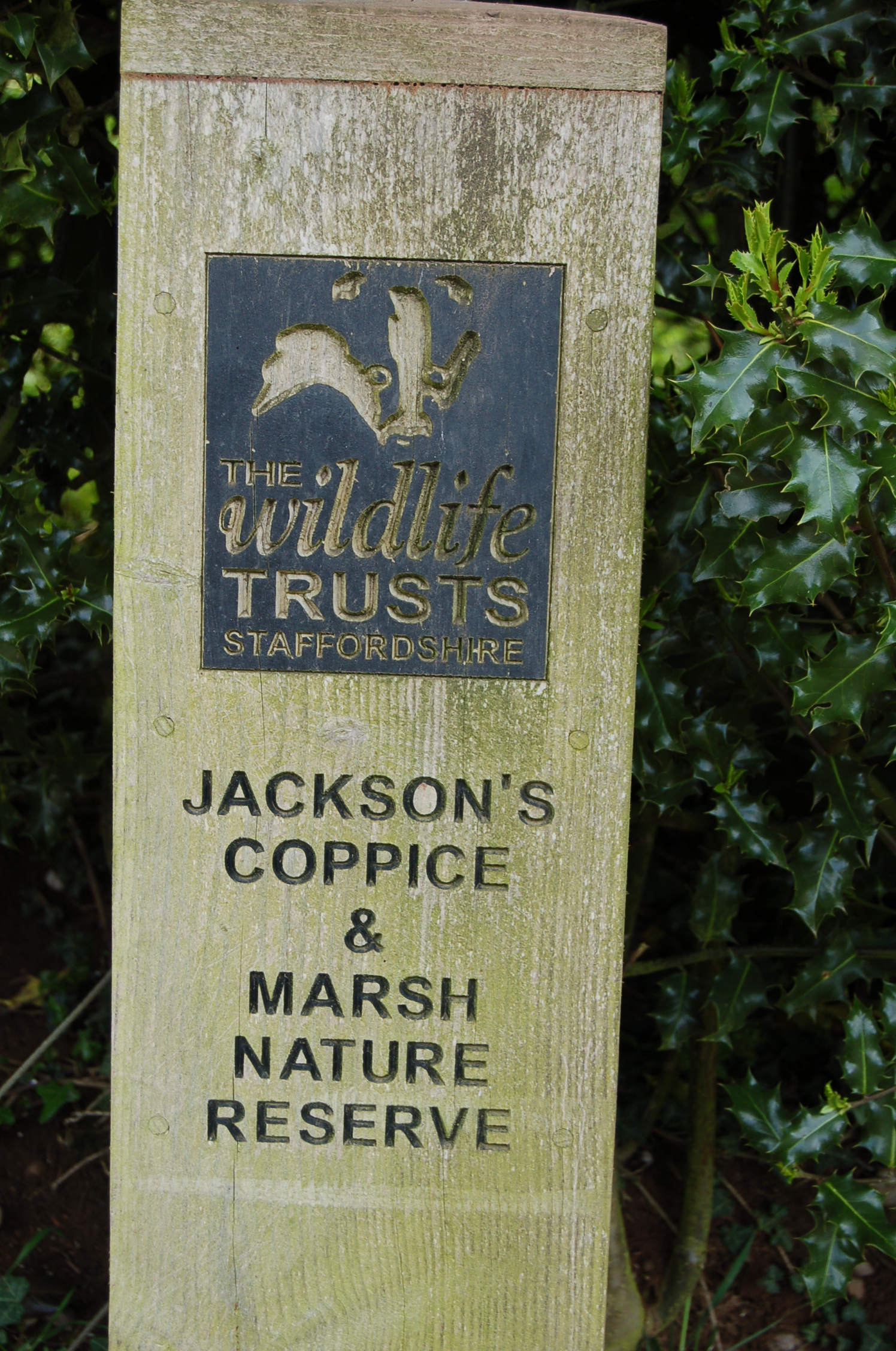
Geoff did not let us down. We found the reserve and it was a stunning place to walk and enjoy what is best about the English countryside. A meadow, a marsh and a broadleaf woodland surrounded by traditional mixed farmland.

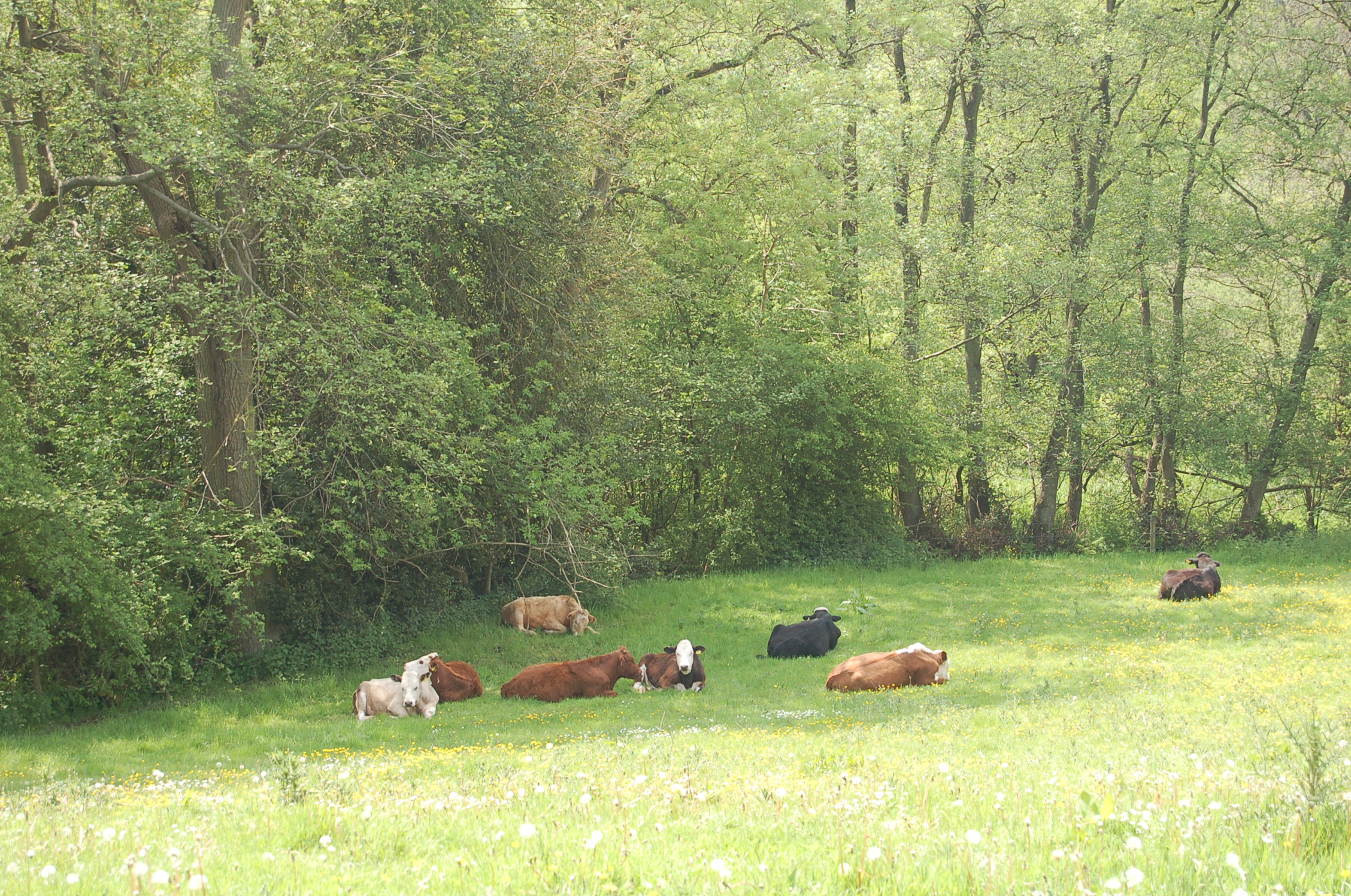
It was clearly signed and even had a box on the fence with leaflets in giving us a map and info. Jude the Undergardener loves maps so was happy before we even set off, happy enough to cross a meadow with cattle in!

DSC_0023 DSC_0024

DSC_0025 DSC_0026

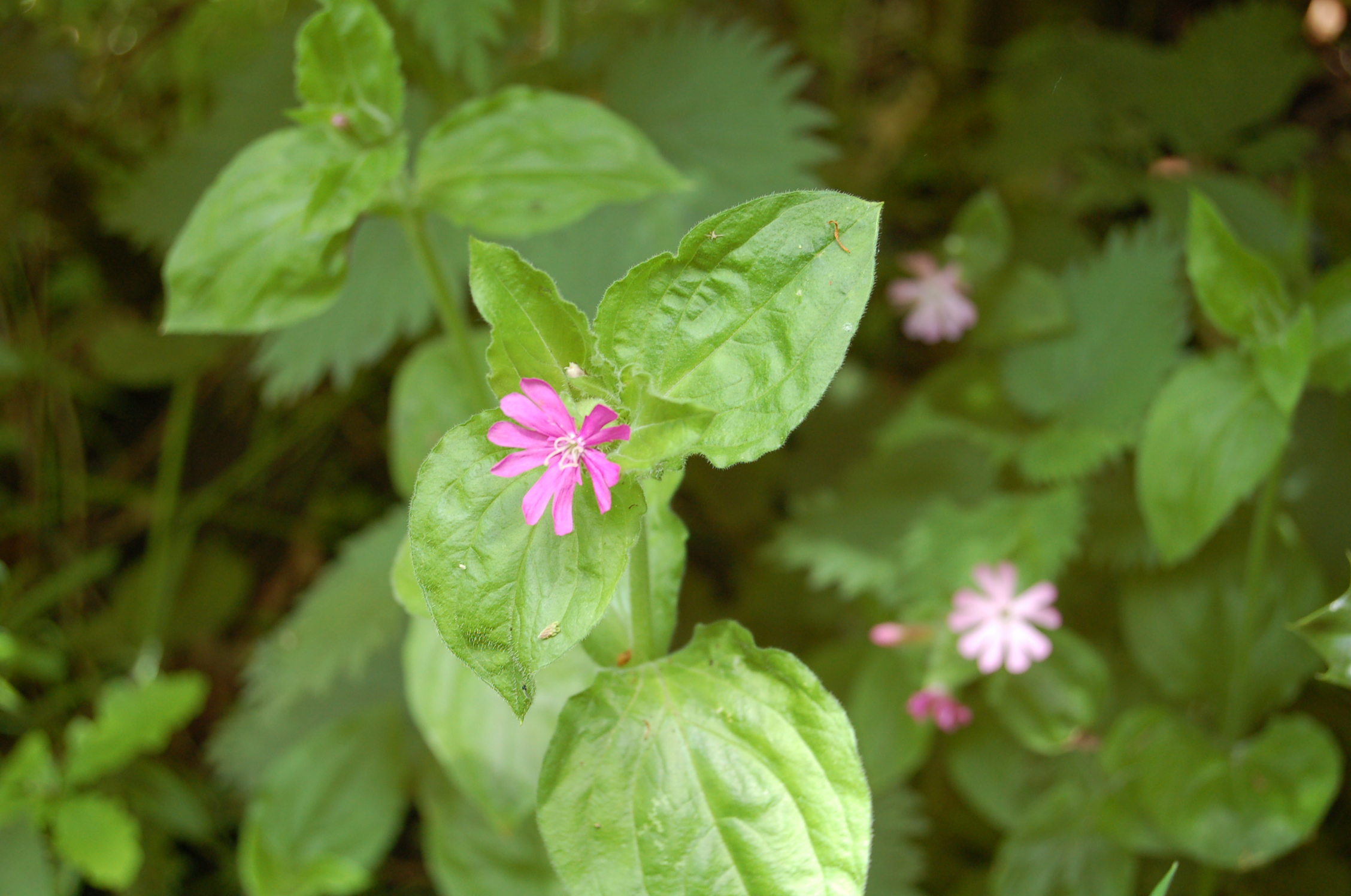
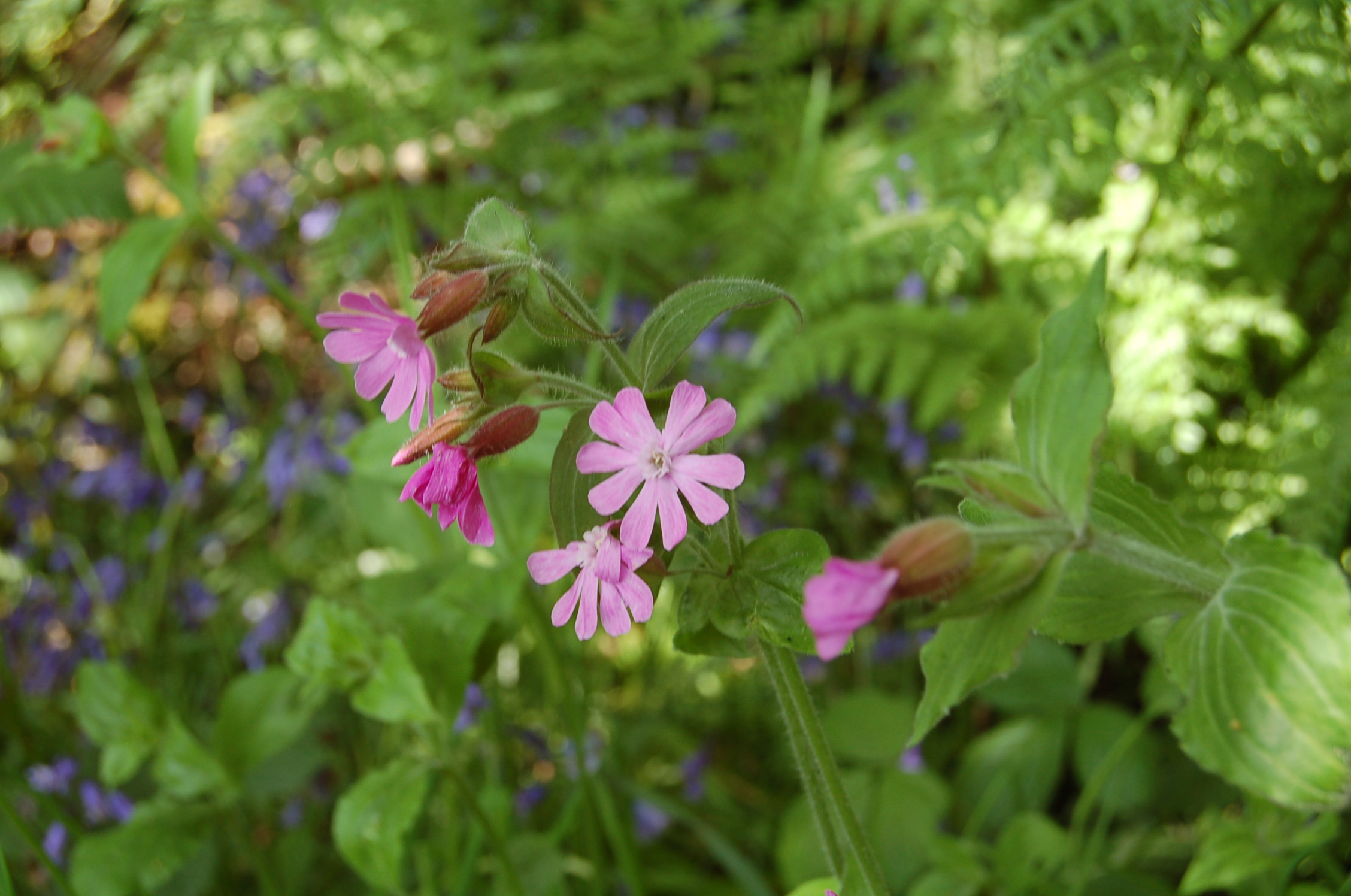
The hedgerow gave protection to a select few delicate wildflowers such as Red Campion and Stitchwort.

DSC_0029 DSC_0028

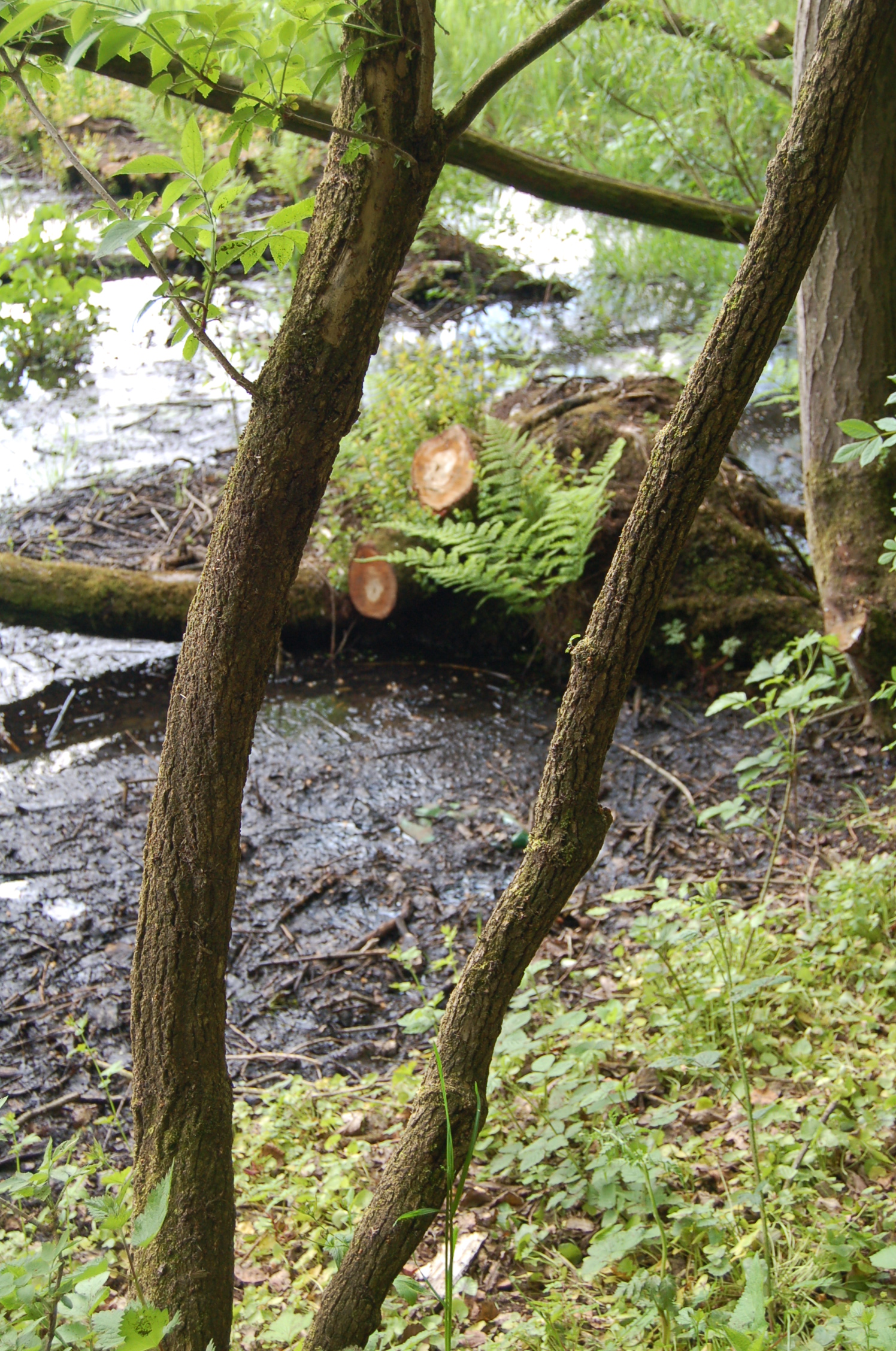
As we left the meadow behind we passed a wet area alongside the track just before we entered the wood itself. It had a primeval quality to it.

DSC_0030 DSC_0031

Entering the wood the temperature fell a few degrees and the strength of the sun weakened as we walked in dappled shade. The pathway look inviting and was soft underfoot as our feet touched the deep leaf litter.

DSC_0032 DSC_0033

DSC_0045

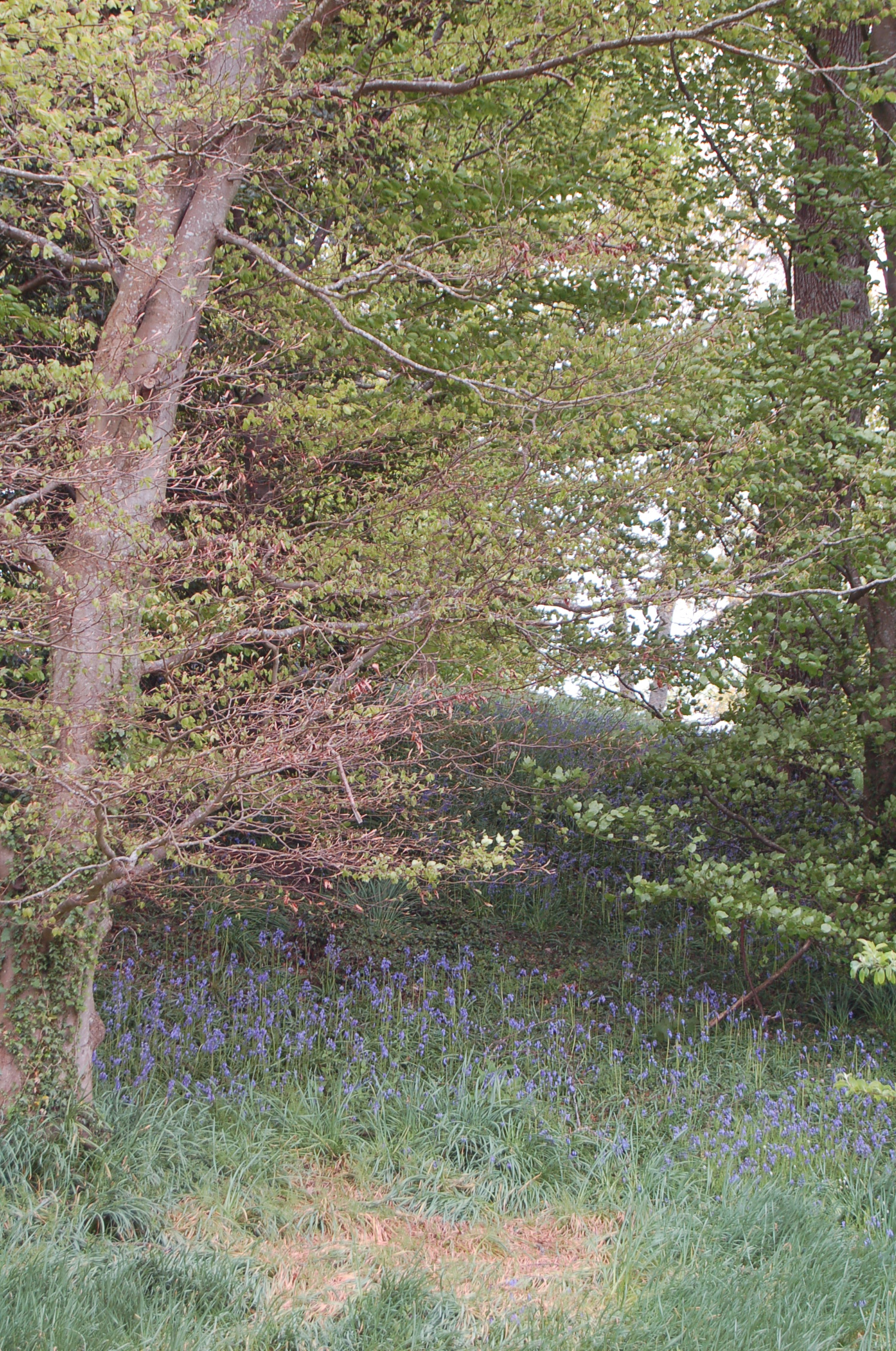
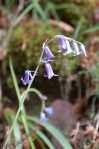
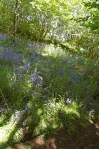
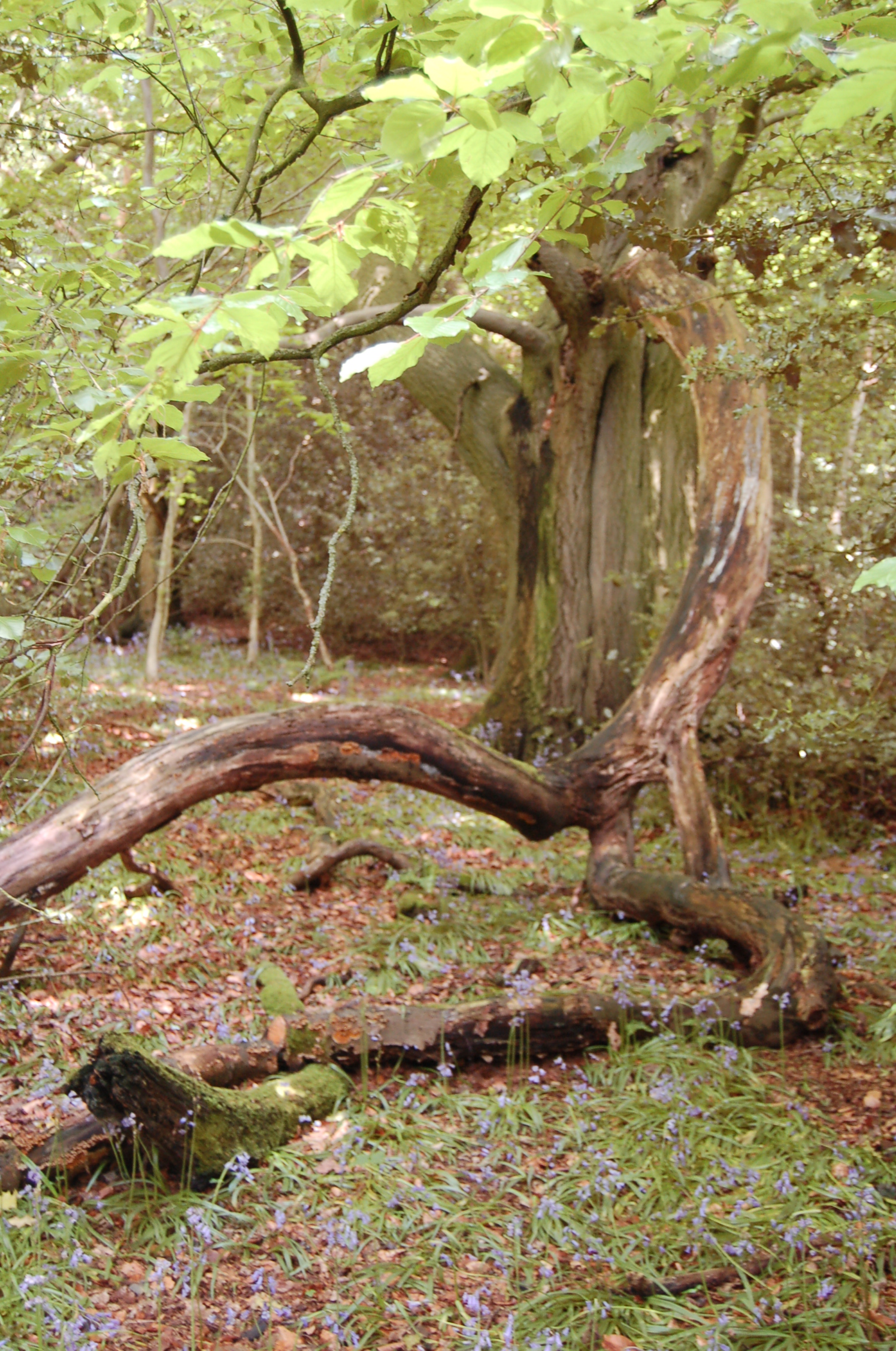
The scent of Bluebells was intense in the humid atmosphere below the heavily leaved ancient oaks, ash and beech. Below this rich scent lingered the warm aroma of leaf mould. Click an image below and use the arrow to take a stroll with us through the bluebells.

This little reserve is well-known for the huge and very ancient badger sett which covers a large proportion of the wood. Entry holes litter the slope all along one side of the wood. Evidence of their liking for the bulbs of the bluebells as part of their diet can be found. Small holes in the ground show where the bulbs have been dug up and consumed, the top growth, stem, leaves and flowers are left to litter the surface. These bulbs are poisonous to most wildlife but badgers relish them.

DSC_0059 DSC_0061

Red Campion thrive mixed within the bluebells just as they did under the hedgerow along the more open meadowland. Campion and bluebell with their pink and blue go so well together.

DSC_0051

As ever, when visiting any woodland I spot the hand of Mother Nature in the natural sculpture she crafts.

DSC_0043 DSC_0044

So two great places to visit within half a mile of each other and so different from each other. The two things they do have in common though are tranquillity and atmosphere.

Just before leaving for home we took a short stroll along the boardwalk through the marshland bordering the meadow near where we parked the car. Click on any image and use the arrows to view the short gallery.
This Veggie Life

A Vegetarian | Nature Lifestyle Blog

Rambling in the Garden

.....and nurturing my soul

The Arch City Gardener

Journeys In St. Louis Gardening and Beyond
Garden Dreaming at Châtillon

Consult the genius of the place

Storyshucker

A blog full of humorous and poignant observations.
gardeninacity

Notes from a wildlife-friendly cottage garden

PlayGroundology

...an emerging social science

The Official Blog of British Wildlife

'The most important and informative publication on wildlife of our times' - The Independent. This blog is a member of The UK & Ireland Natural History Bloggers group: www.uknhb.blogspot.com

iGrowHort

Inspire - Cultivate - Grow Native Plants - Restore Landscapes

Bishops Meadow Trust

To create and protect a semi-natural wild space for the people of Farnham to enjoy and experience an array of British wildlife in our town

Gardening with Children

The www.gardeningwithchildren.co.uk Blog

UKbirdingtimeline

birding through the seasons, why birds matter and how to conserve them

NATURE WALKER

with a camera in hand

Jardin

Transform your outdoor space

Eva's space

My allotment, cooking and other interests

Old School Garden

my gardening life through the year

LEANNE COLE

Trying to live a creative life

fromacountrycottage

trying to live as lightly as possible on our beautiful planet

Good Life Gardening

Nature lovers from Leicester living the good life.

mybeautfulthings

Finding the beautiful in the everyday

mawsonmichelle

Michelle's Allotment

In and Out of My Garden

thoughts from and about my garden

Greenhousing

Big plans for a small garden

The Scottish Country Garden

A Walled Country Garden in South East Scotland

The Fruity Chicken

Life at the fruity chicken

willowarchway

Off grid living. Self sufficient. "PERMAGANICS RULE".

St Anns Allotments

Nottingham's Grade 2* Listed Allotments and Community Orchard

Manifest Joy Harvests

a journey in suburban vegetable gardening

Allotmental

The madness of growing your own

Penny's Garden: a harvest beyond my front door

A novel approach to vegetable gardening

arignagardener

Sustainable living in the Irish countryside.

NewEnglandGardenAndThread

Master Gardener, amateur photographer, quilter, NH native, and sometimes SC snowbird

dianajhale

Recent work and work in progress and anything else that interests me

planthoarder

a chaotic cottage gardener

Lens and Pens by Sally

a weekly blog that creates a personal philosophy through photographs and words

Dewdrops and Sunshine

Stories from a sassy and classy Southern farmbelle.

The Pyjama Gardener

Simple Organic Gardening & Seasonal Living

gettin' fresh!

turning dirt into dinner

JOY...

today the world is created anew

Garden Birds

Notes from a Devon garden

ShootAbout

Life Through The Lens

Adapting Pixels

A photography blog showcasing the best photography pictures and videos on the internet

Wildlifegardening's Blog

Just another WordPress.com site

naturestimeline

personal observations from the natural world as the search continues for a new approach to conservation.

LATEBLOOMERBUDS

The Wonders of Life through my Eyes, my Heart, my Soul