Categories
autumn autumn colours community gardening garden buildings garden design garden furniture garden photography garden ponds garden pools garden seating gardening gardens gardens open to the public light light quality memorials ornamental trees and shrubs trees

Furzey Gardens – a wonderful gardening community – Part One

Jude, The Undergardener, and I always love visiting community gardens to see what is going on. As we are Chairman and Secretary of a community garden, Bowbrook Allotment Community, we always appreciate everything our fellow community gardeners are achieving.

When in Hampshire we discovered that we were close to Furzey Gardens, run as a charitable trust and a very special community garden indeed, described as “A haven of peace and tranquility in the heart of the New Forest.”

We discovered this 10 acre garden created within woodland around a 16th Century forest cottage. It is a partnership between Furzey Gardens and the Minstead Training Trust. To find out more check out their respective websites, http://www.furzey-gardens.org and http://www.minsteadtt.org .

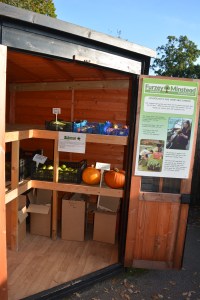
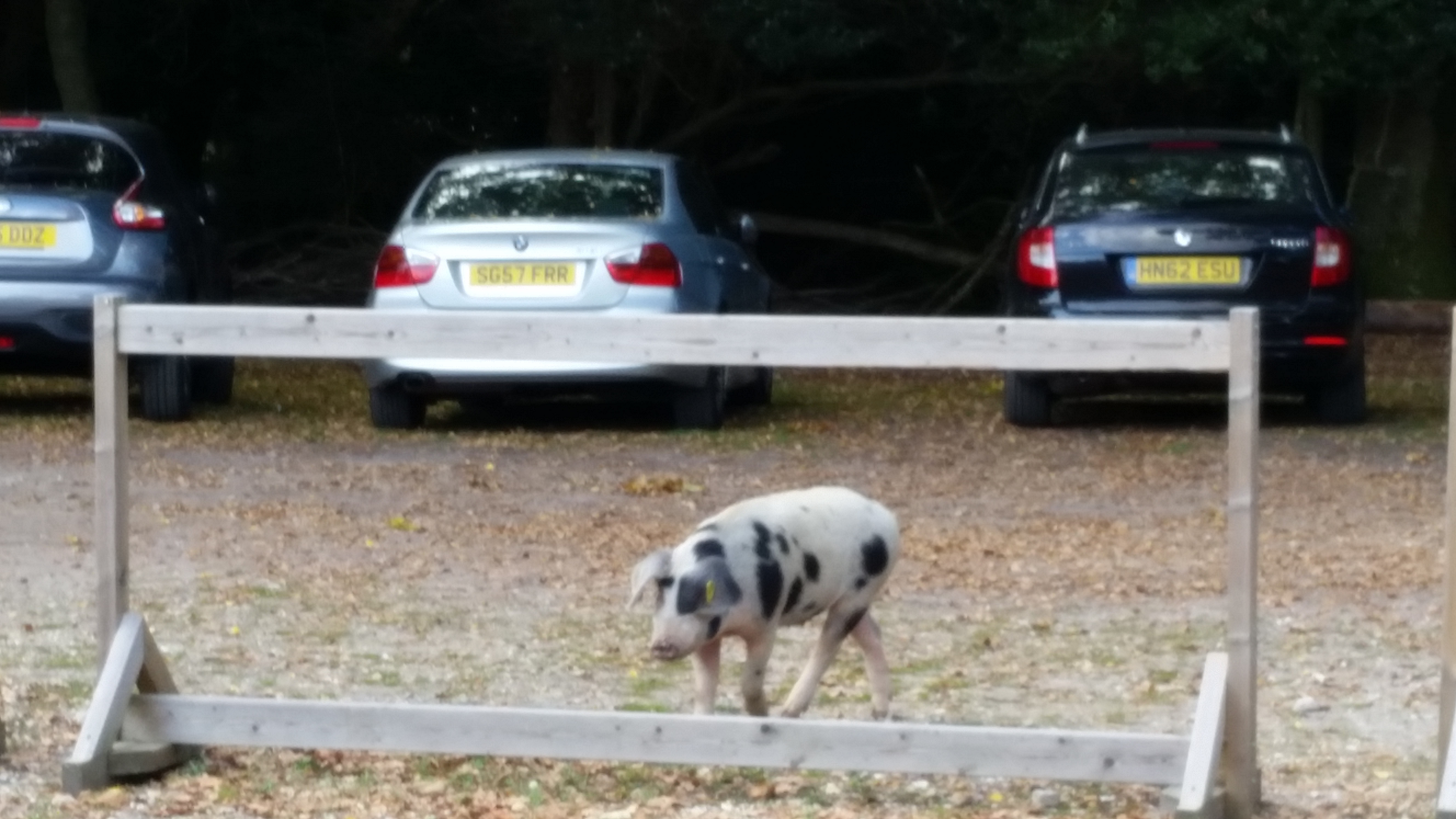
We arrived at their car park where our progress into the car park was hindered by wandering pigs belonging to local commoners taking advantage of their “rights of pannage”. The signage looked promising. We soon came across a photograph of some of the garden’s volunteers and a shed where produce was sold.

2015 10 20_6311 2015 10 20_63132015 10 20_6318 2015 10 20_6317

And once inside we discovered a lovely cafe and gallery run by some of the trust’s volunteers. This was to set the scene for the whole visit.
2015 10 20_6326

The views from the table at which we enjoyed our coffee and cakes were certainly very encouraging. We set off with high expectations!
2015 10 20_6314 2015 10 20_6315 2015 10 20_6316 2015 10 20_6319

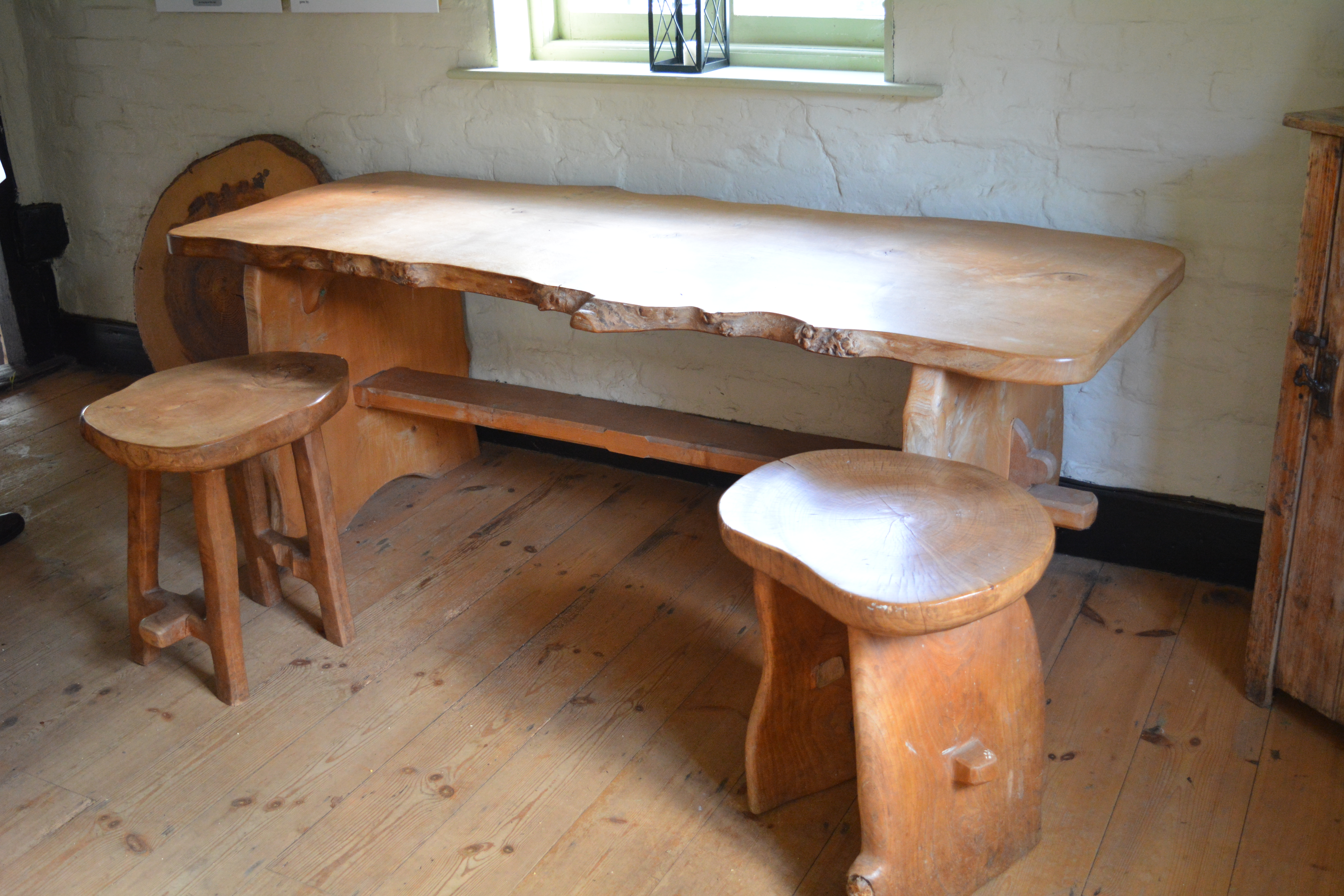
We noticed within the outside seating area this huge table carved by a local wood sculptor from the trunk of a tree. It was hard to see how this was possible. But possible it was! In the picnic area we found another!

2015 10 20_6320 2015 10 20_6430

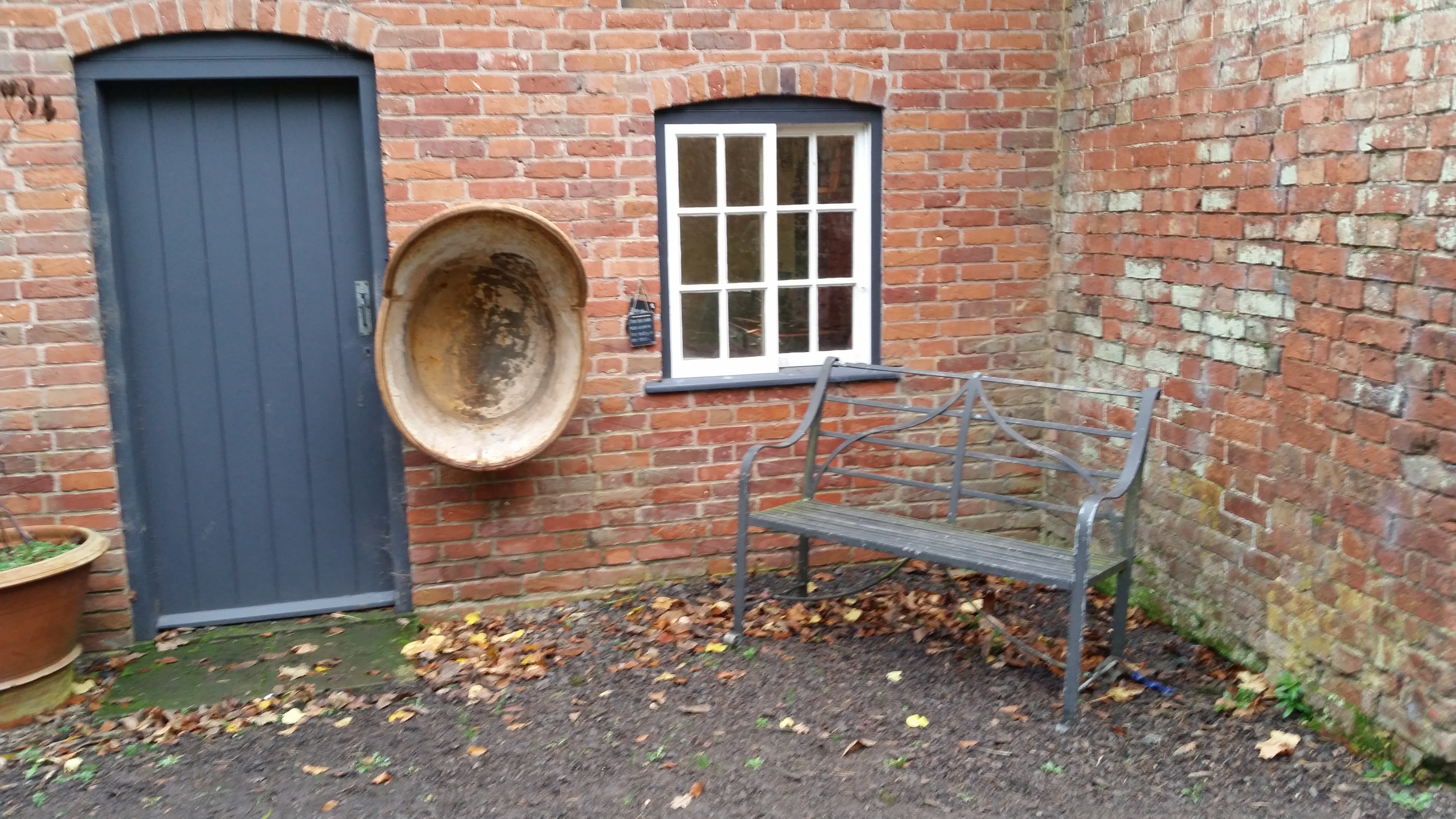
We found more beautiful hand made furniture throughout the gardens.
2015 10 20_6438 2015 10 20_6353

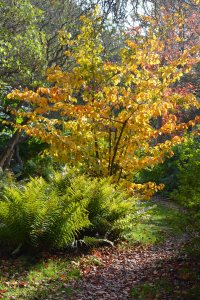
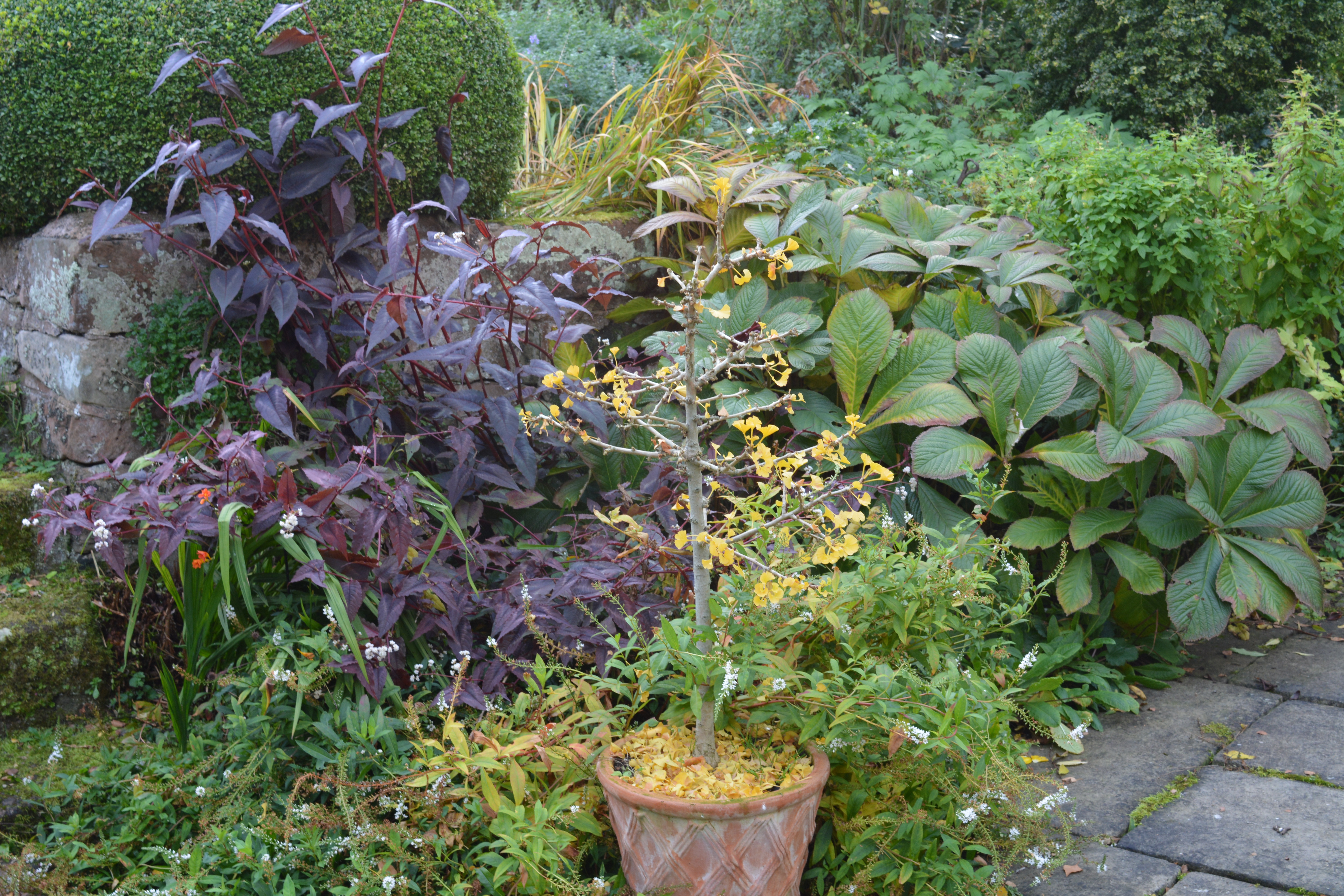
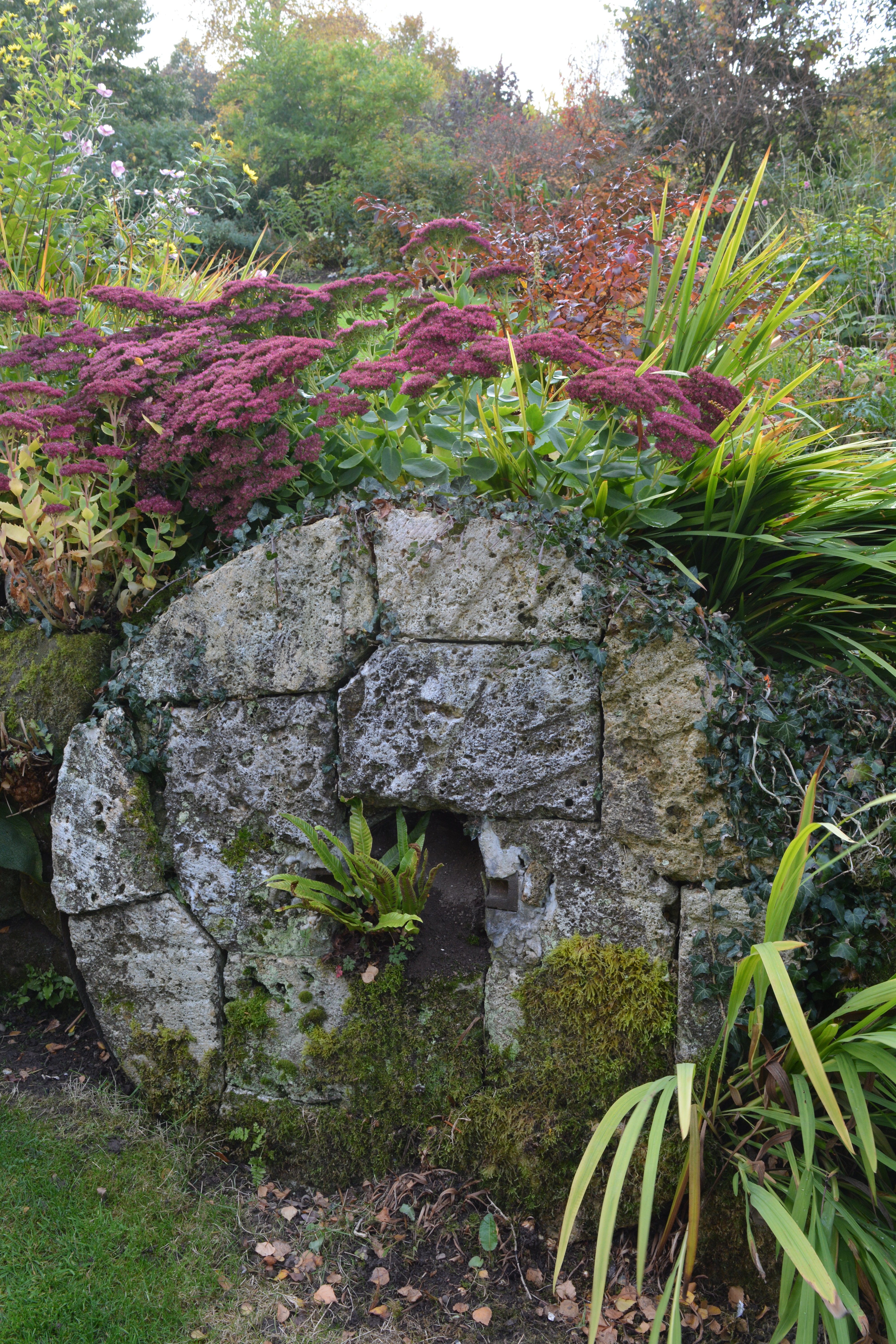
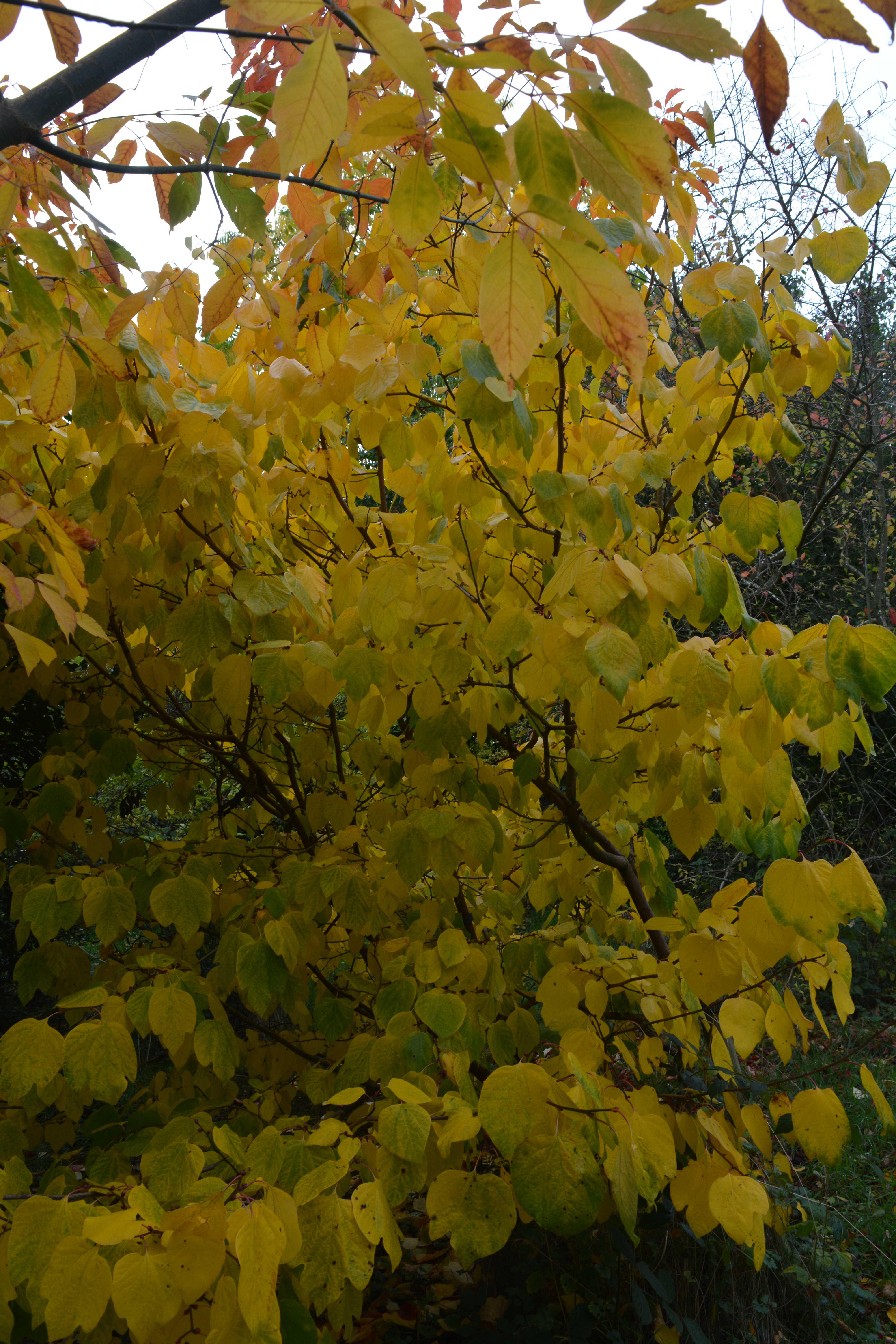
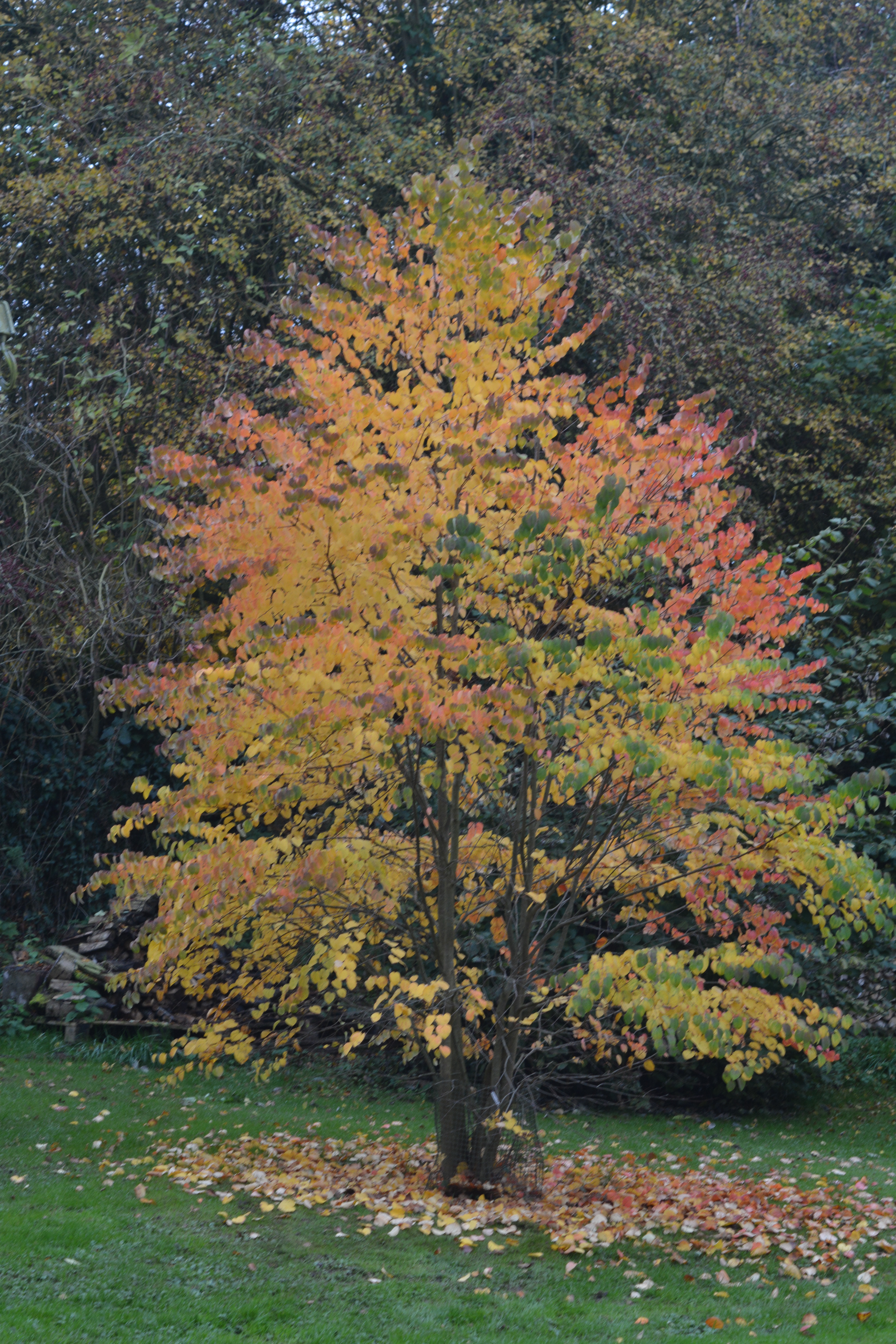
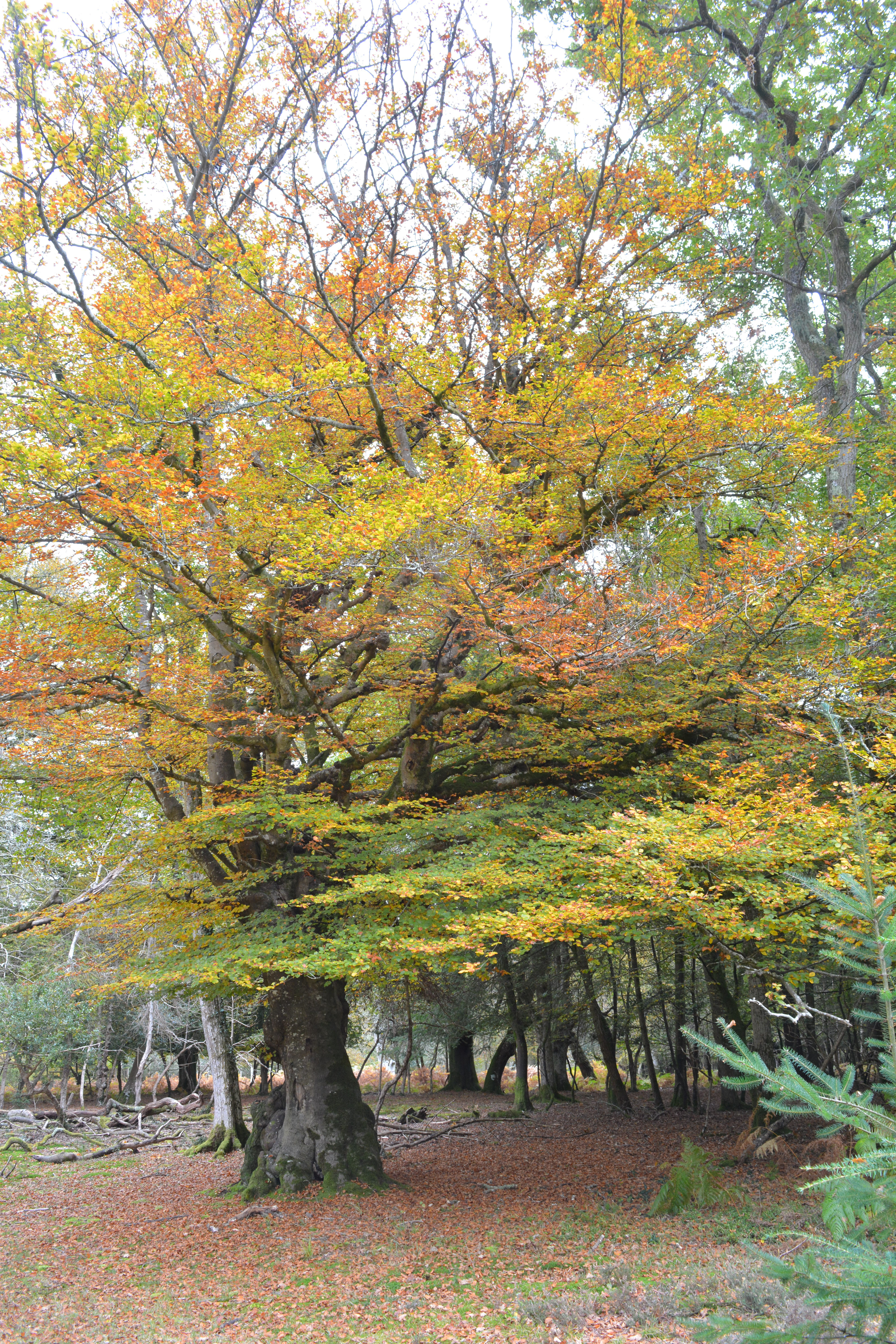
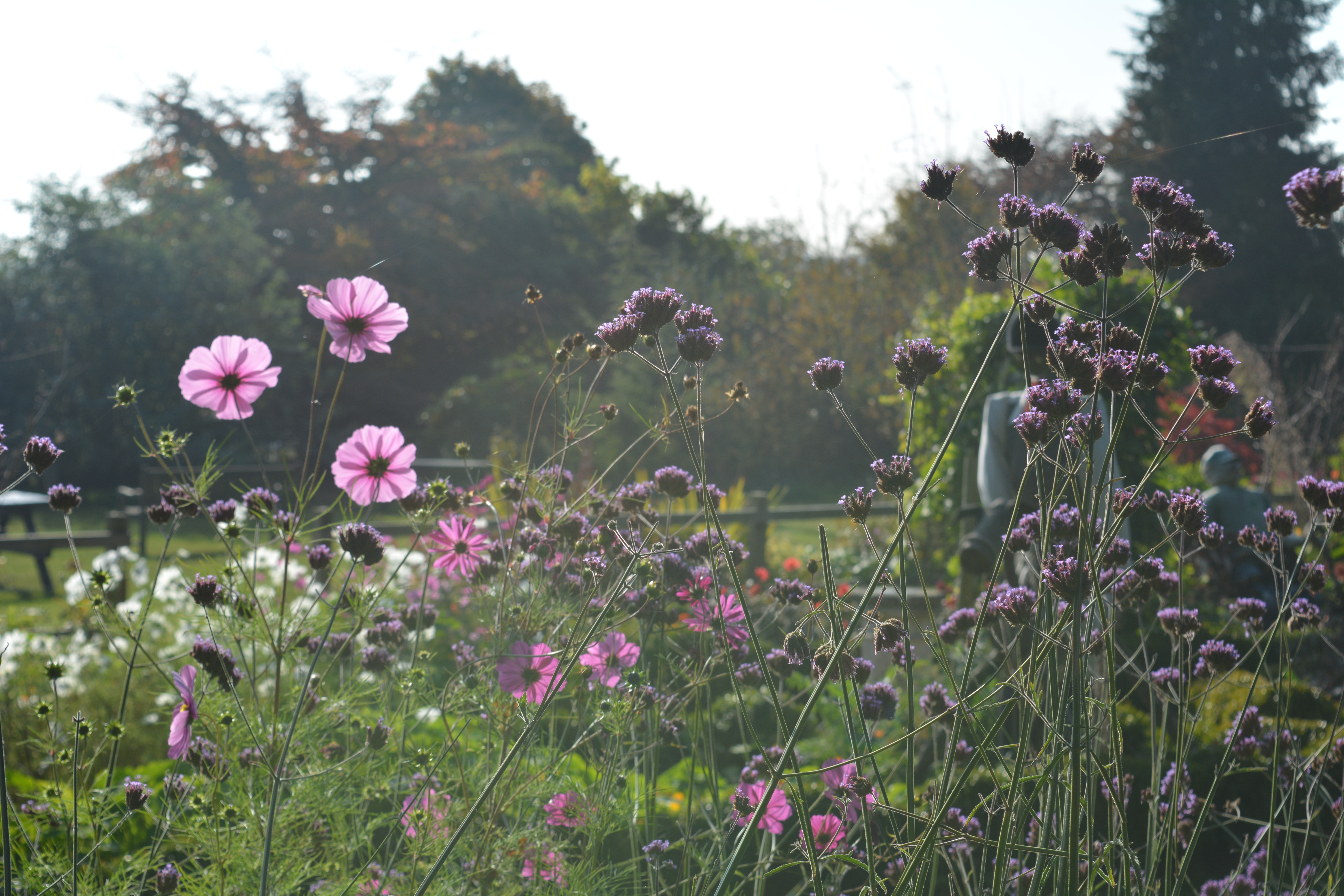
We soon discovered that this was a garden sporting some beautiful specimen trees and shrubs which in early autumn were performing a colourful show. The volunteers maintained the gardens and individual specimens to a very high standard. Above all a sense of peace pervaded every space and the volunteers we saw working looked full of contentment and displayed a great pride in their work.

2015 10 20_6323 2015 10 20_6324 2015 10 20_63302015 10 20_6325   2015 10 20_6328  2015 10 20_6331 2015 10 20_6332

2015 10 20_6333 2015 10 20_6334 2015 10 20_6335 2015 10 20_6336 2015 10 20_6337 2015 10 20_6340 2015 10 20_6339 2015 10 20_6341 2015 10 20_6342

We loved this sign which faced us as we followed our pathway through the garden.

We love children but we also love plants!

Many of the plants at Furzey are old, rare and fragile.

So please don’t climb our trees or trample on the flowers.

Feel free to hop and skip along the paths

And follow the secret places map.”
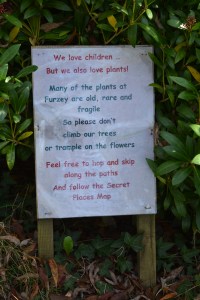
2015 10 20_6327

We moved on and the low autumn sunshine lit up the foliage all around like a massive stained glass window.

2015 10 20_6344 2015 10 20_6345 2015 10 20_63462015 10 20_6367 2015 10 20_6343

We enjoyed having so much choice when it came to sitting resting and taking in the beauty of Furzey. Many benches were memorials of volunteers, clients and visitors who simply enjoyed the special nature of this place.

 

2015 10 20_6348 2015 10 20_6363 2015 10 20_6349 2015 10 20_6350

After a break for tea and yet more cake we set off through the shrubs and trees to find the lake, a lake whose surface was cluttered with water lily leaves and its moist margins decorated by big-leaved plants and umbel seed heads.

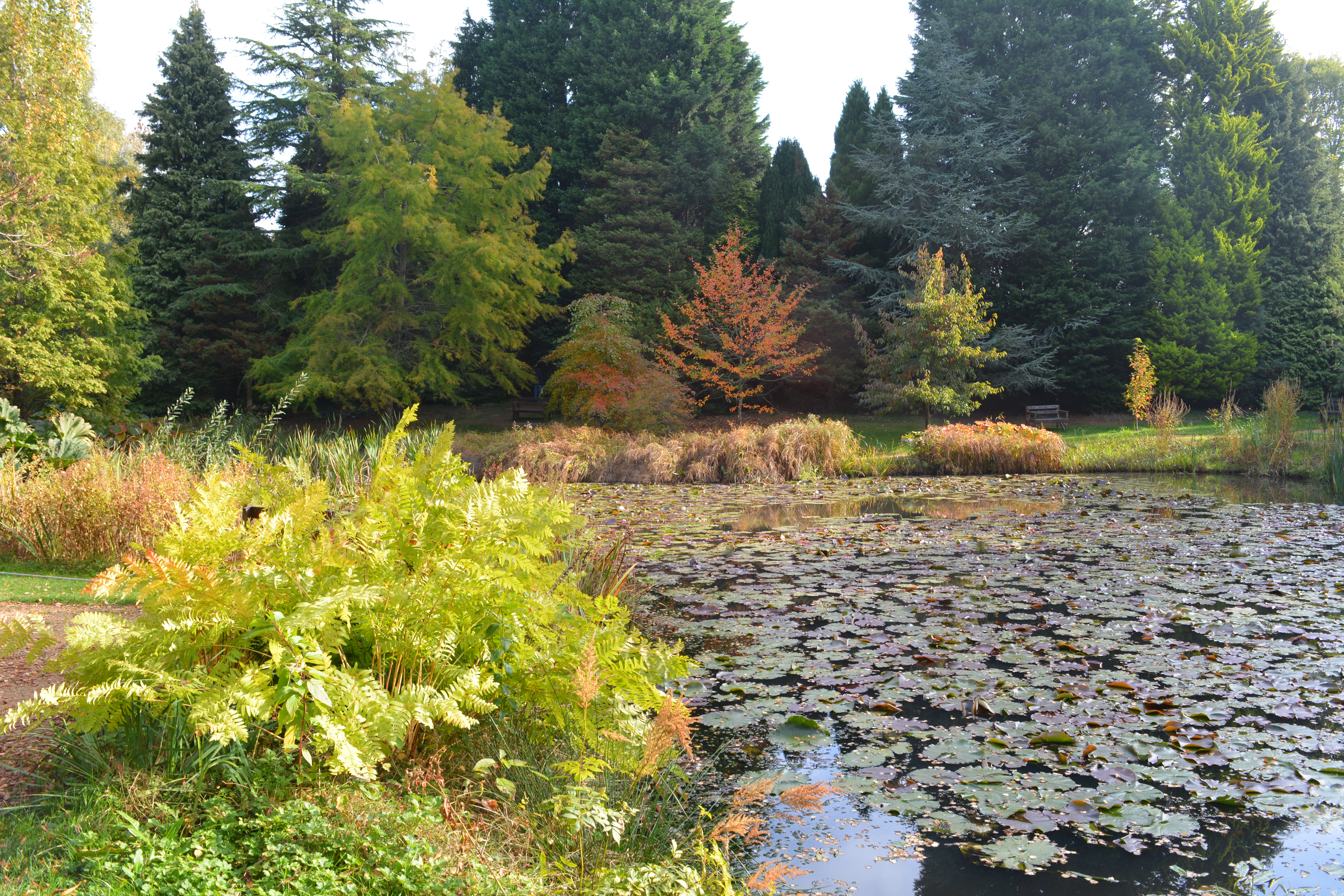
2015 10 20_6351 2015 10 20_63522015 10 20_6354 2015 10 20_6355 2015 10 20_6356 2015 10 20_6357 2015 10 20_6358 2015 10 20_6359

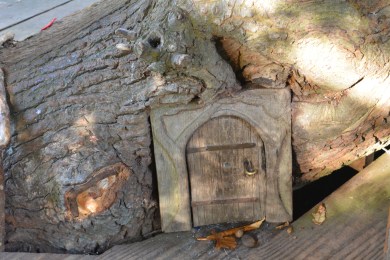
Throughout the walkways there were secret places for children to discover, “Fairy Houses” hidden low down and camouflaged.
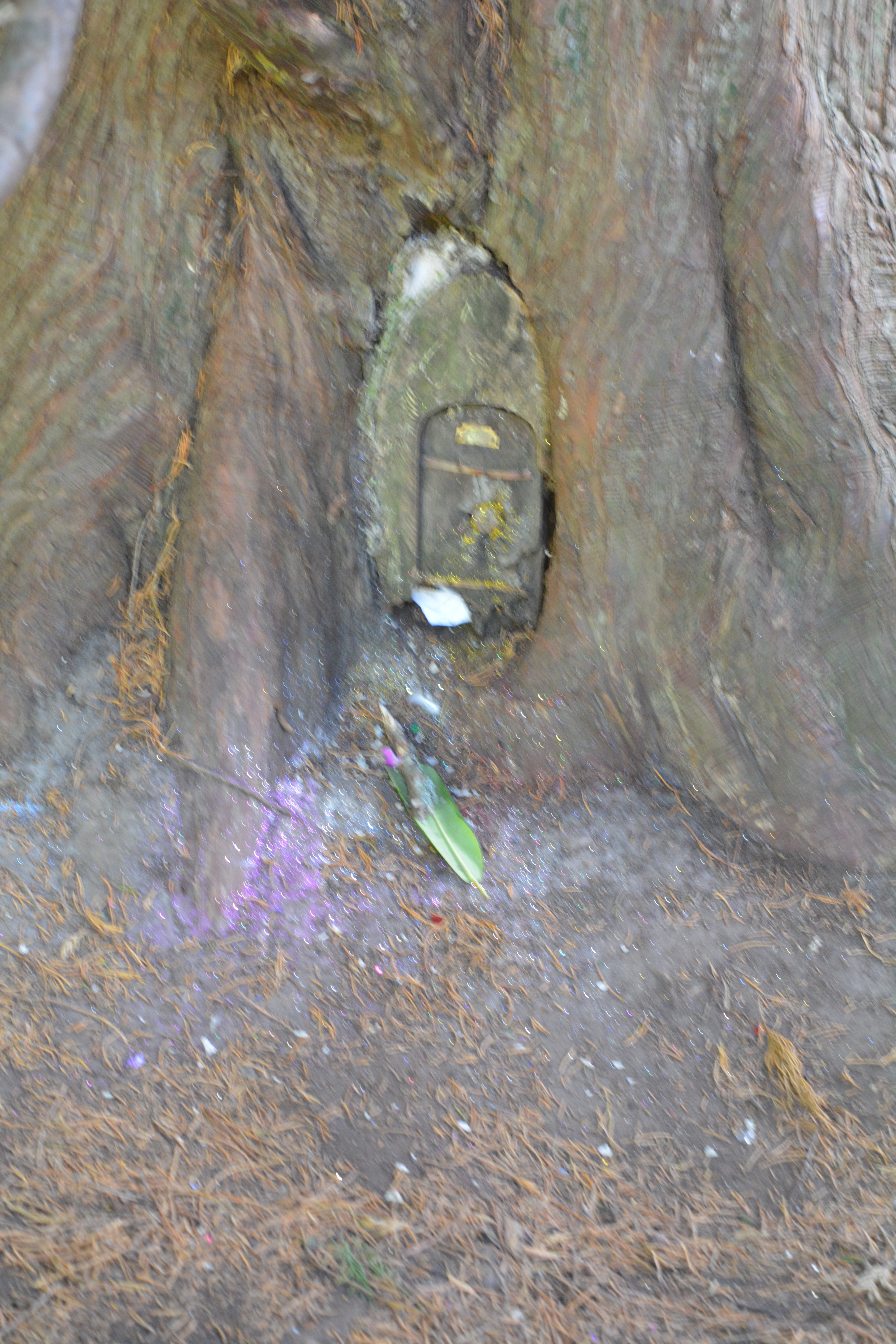
2015 10 20_6361 2015 10 20_6362 2015 10 20_6369

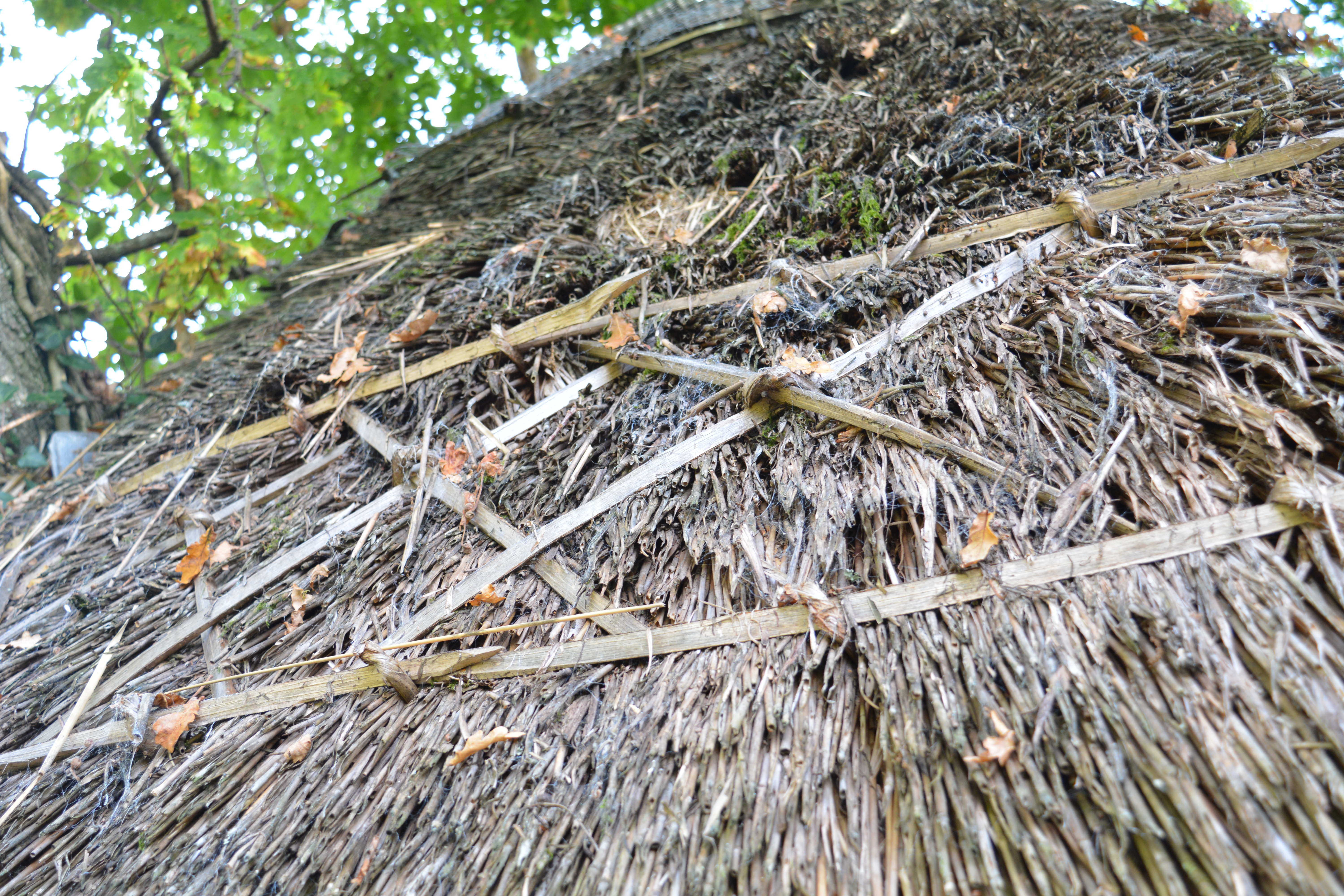
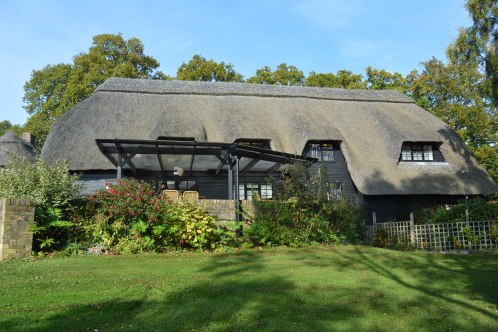
We shall find more of these little magic places in part two of our visit to Furzey, but I shall finish this first part by sharing with you one of the many thatched rustic garden buildings scattered throughout the gardens. The use of coloured glass leaves added magical light effects.

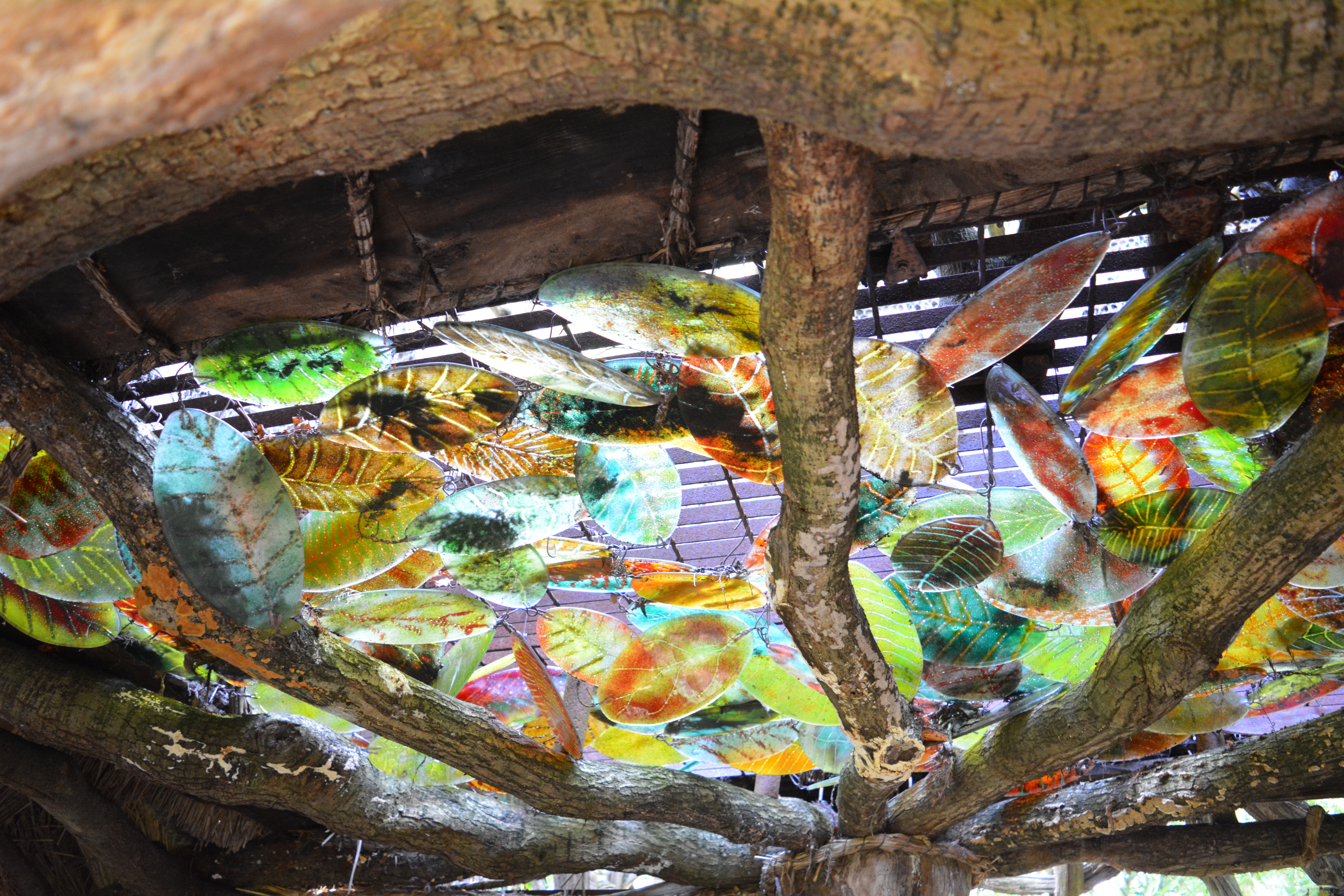
2015 10 20_6364 2015 10 20_6365   2015 10 20_6368  2015 10 20_6370 2015 10 20_6366

Categories
autumn community gardening fruit and veg garden buildings garden photography gardening gardens gardens open to the public grow your own kitchen gardens National Trust renovation Shrewsbury Shropshire The National Trust walled gardens walled kitchen gardens Winter Gardening

The Walled Garden at Attingham Park

Our local National Trust property, Attingham Park, is just a 20 minute drive away. We are so lucky as within the grounds are several different walks to choose from including woodland walks, but we also love visiting the renovated walled gardens. When we first visited Attingham Park years ago now there were very few walks accessible, the walled gardens were in a poor state of repair and the refreshment facilities were poor. Things have certainly changed for the better!

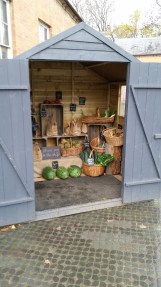
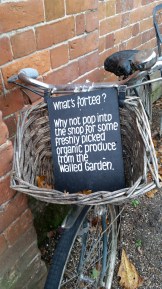
In late November we decided to go for a walk around the woodlands and explore the walled garden to see what was going on. The improvements become immediately obvious as there is now a new entrance building and a newly refurbished Carriage House Cafe in the stable yard. After sampling the delights in the cafe we wandered off towards the Walled Garden one of our favourite elements of the Attingham Estate. In the Stable Yard sits a little sales hut selling produce from the walled garden, freshly picked and delivered by bike.

2015 11 08_7259 2015 11 08_7254 2015 11 08_7255

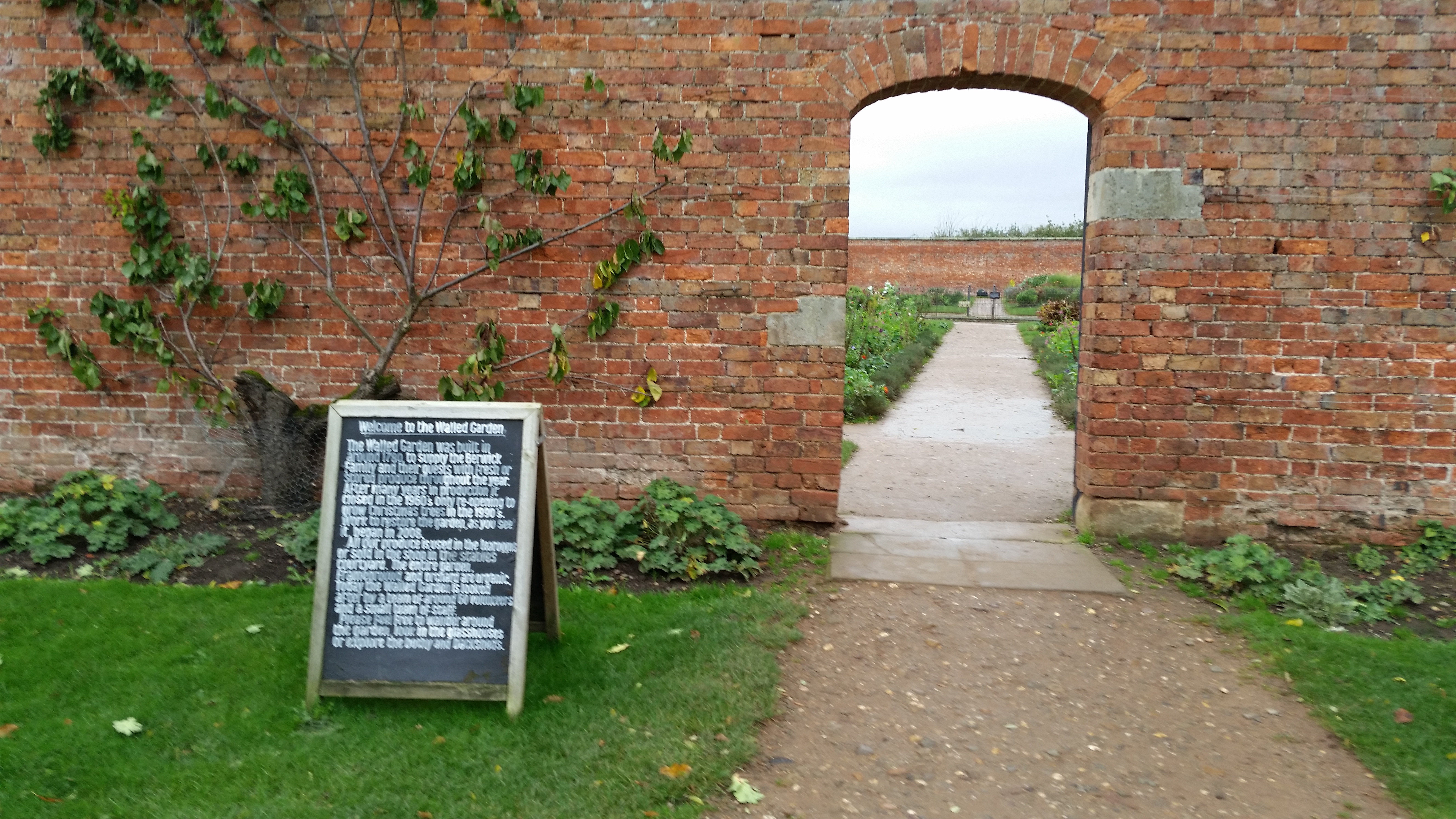
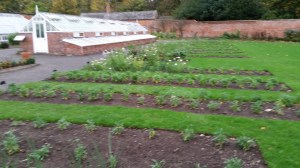
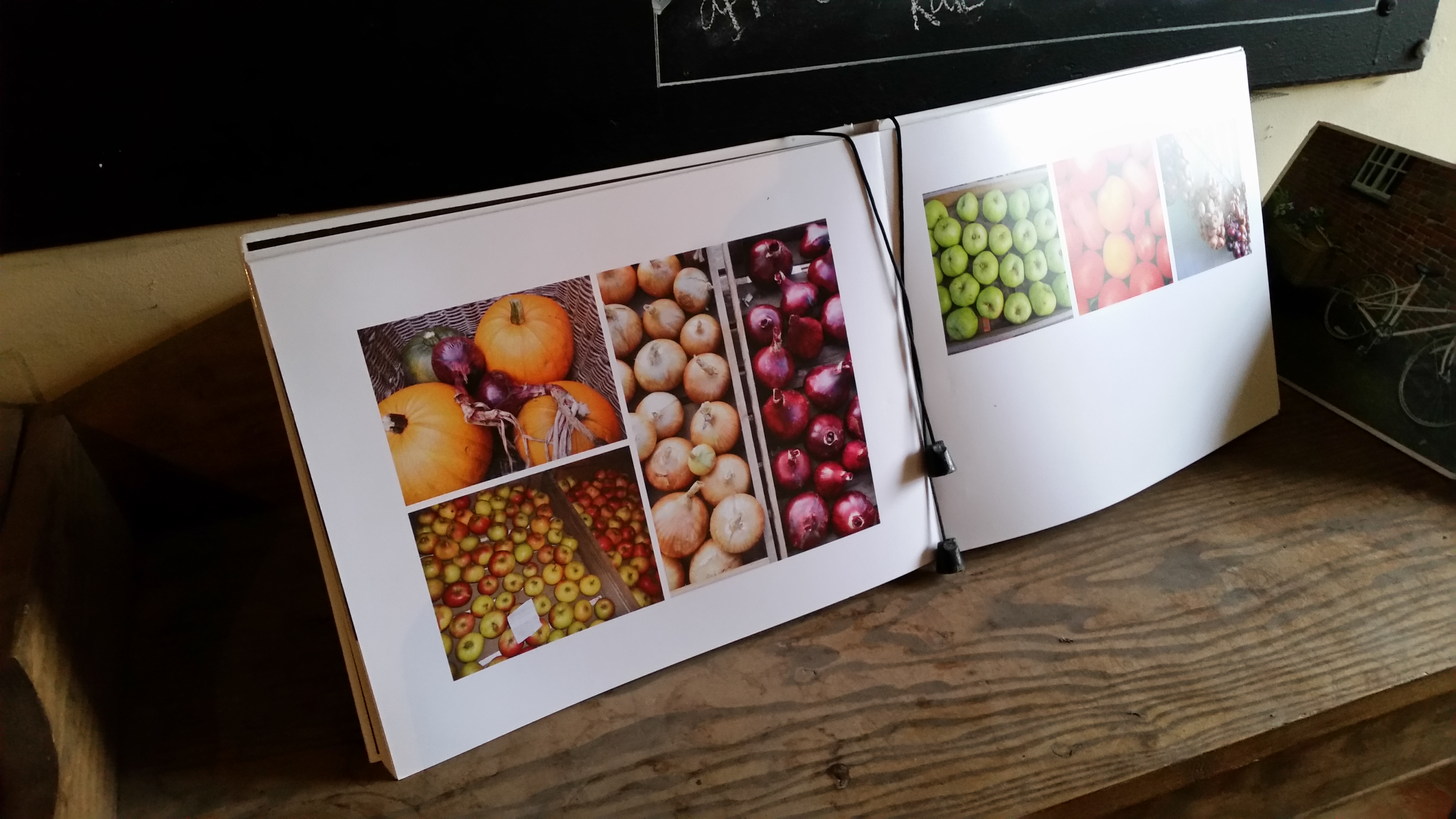
The Walled Garden was originally created way back in 1780 and its job was to provide the estate with fresh fruit and vegetables throughout the year. Looking at it now it is hard to believe that it fell into total disuse and dereliction. An amazing team of volunteers have recently brought it back to life. It no longer produces food for the “big house” but instead sends its organic produce up to the restaurant and cafe and for sale to the visitors.

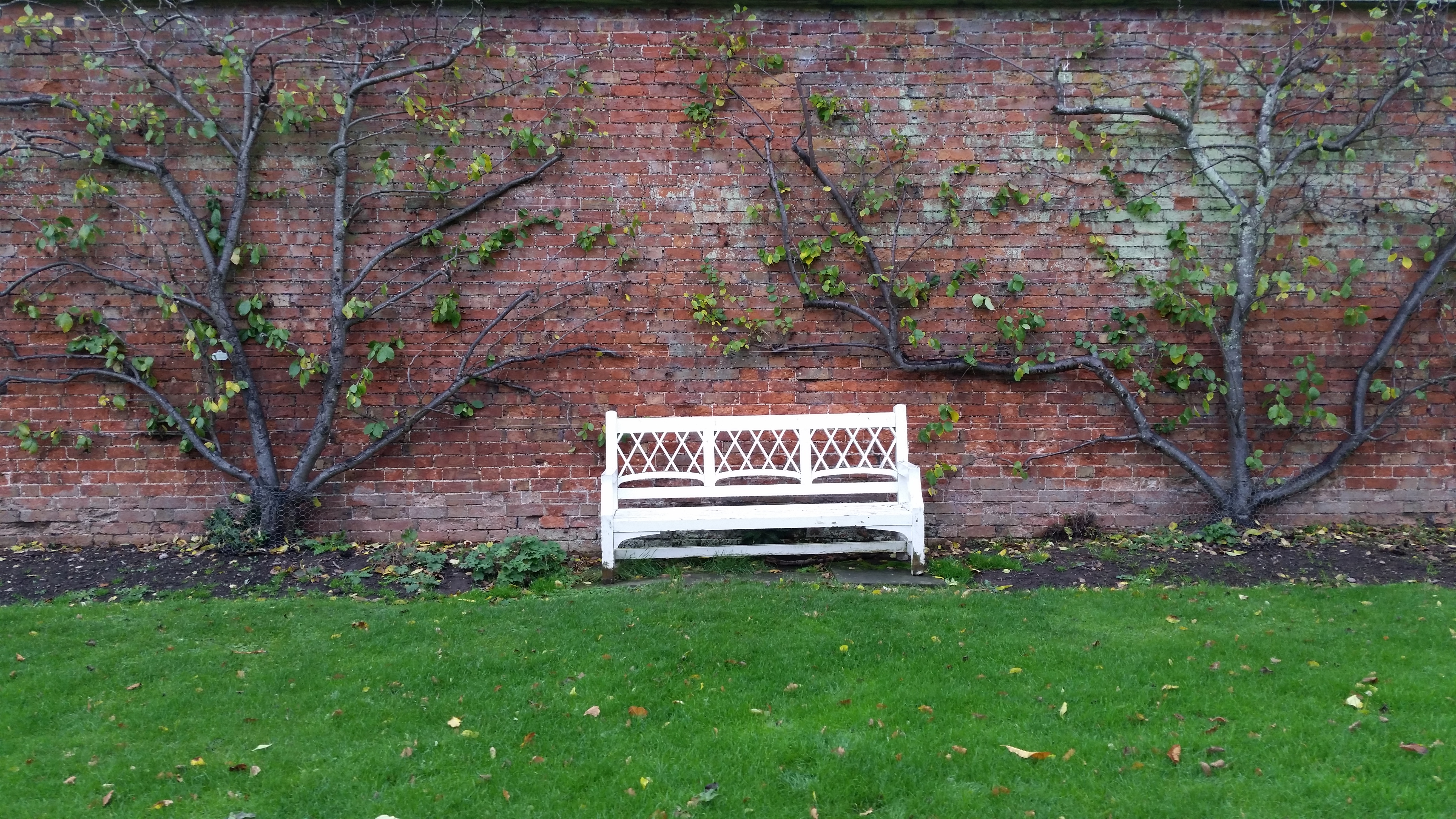
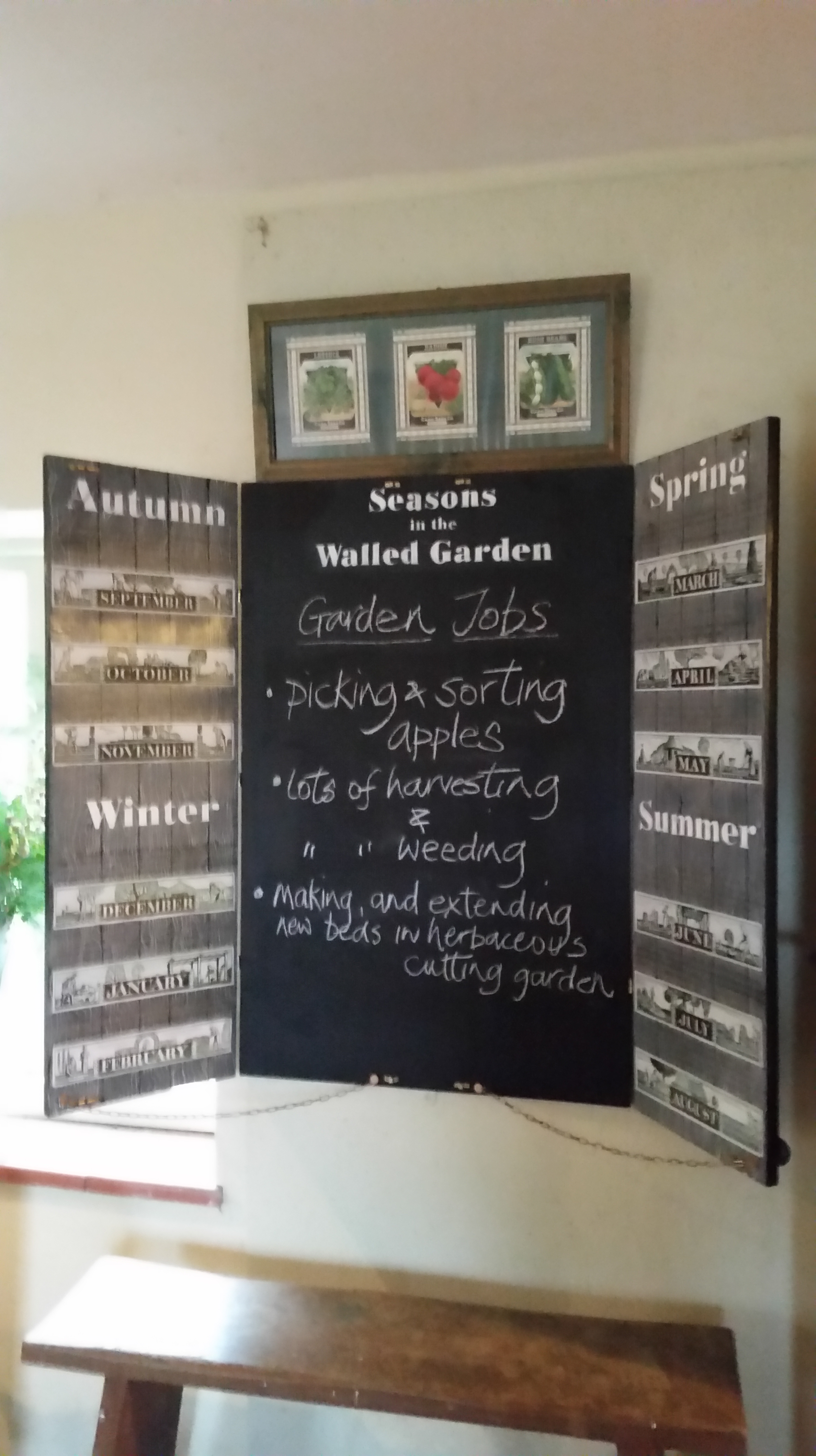
One of the impressive features of the Walled Garden is the amount of information boards placed carefully to keep visitors fully informed. Before passing through the gateway into the garden itself we always love seeing the beautifully trained fruit on the outside wall.

2015 11 08_7155 2015 11 08_7156

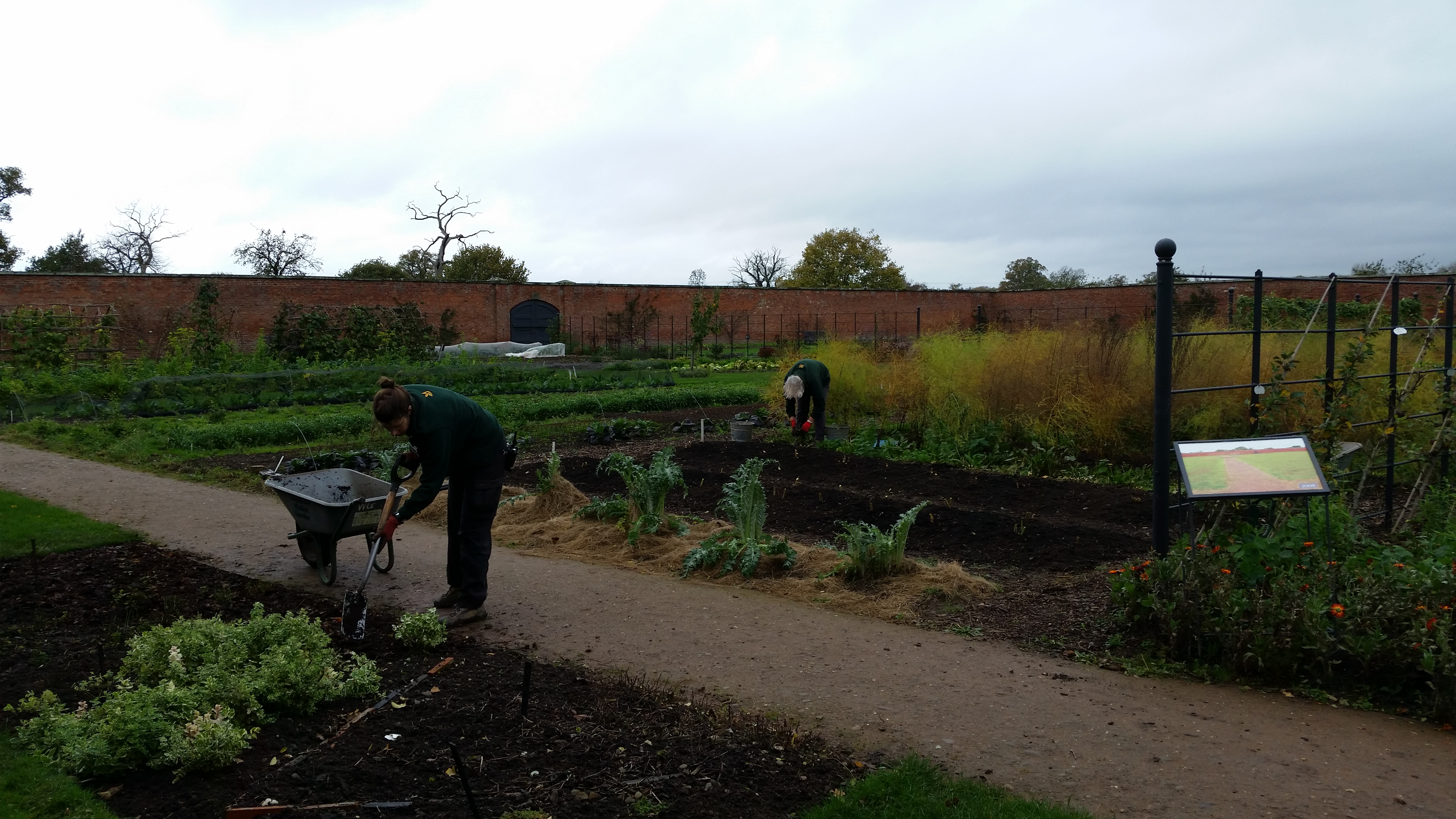
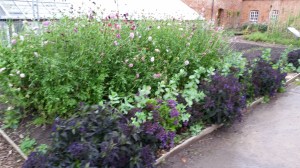
Taking a step inside and the garden came to life before our eyes, volunteers busy harvesting, weeding the beds and clearing ground ready for winter digging.

2015 11 08_7158 2015 11 08_71592015 11 08_7171 2015 11 08_7176

The volunteer gardeners enjoy getting creative with Birch and Hazel boughs and branches and their bean supports, tunnels and wigwams always look impressive.

2015 11 08_7164 2015 11 08_7165 2015 11 08_7163

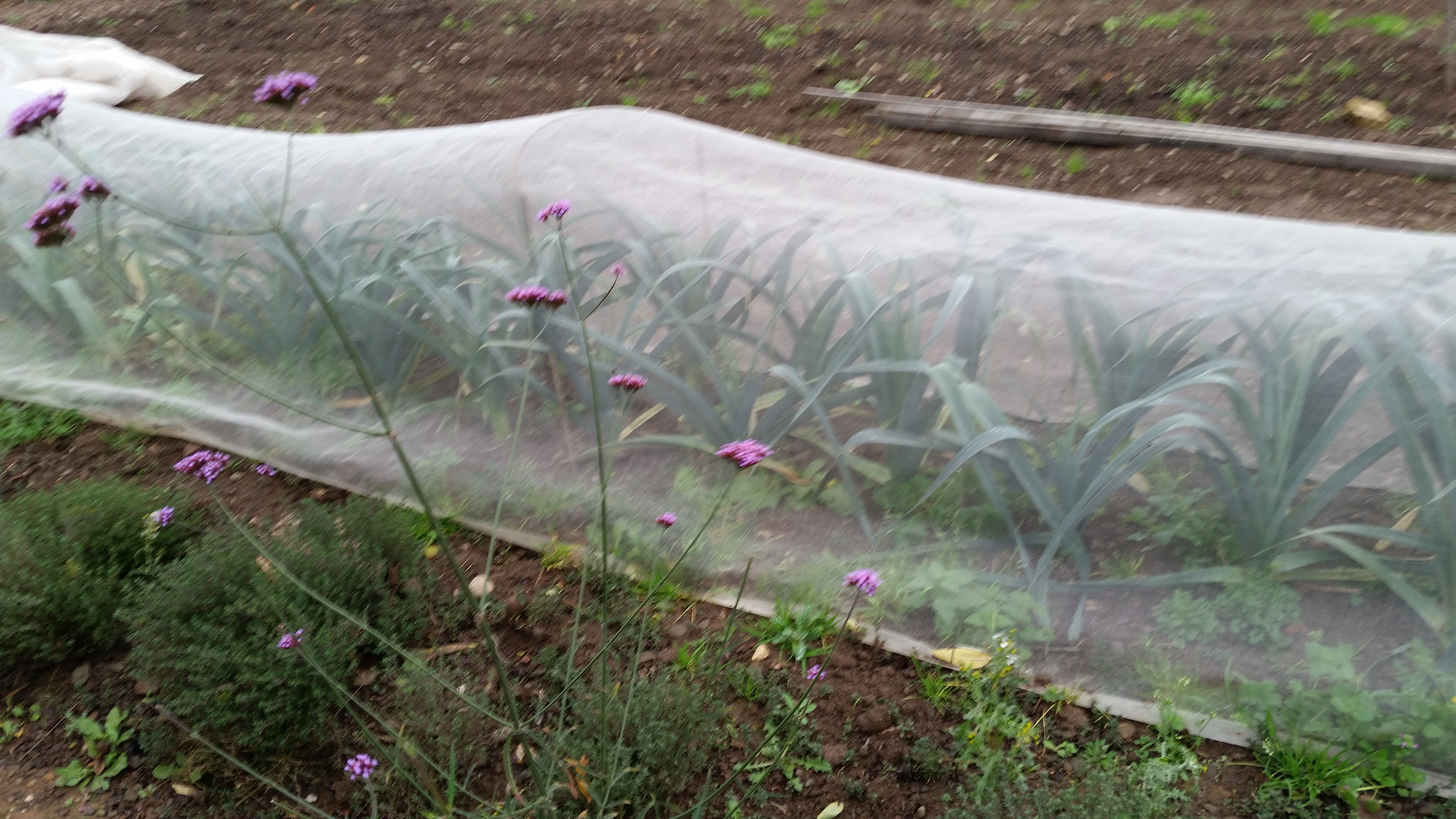
It was good to see sound organic principles being used here, barriers, green manures and companion planting and herbaceous borders to attract beneficial insects, predators and pollinators.

2015 11 08_7166 2015 11 08_71672015 11 08_7172 2015 11 08_7169

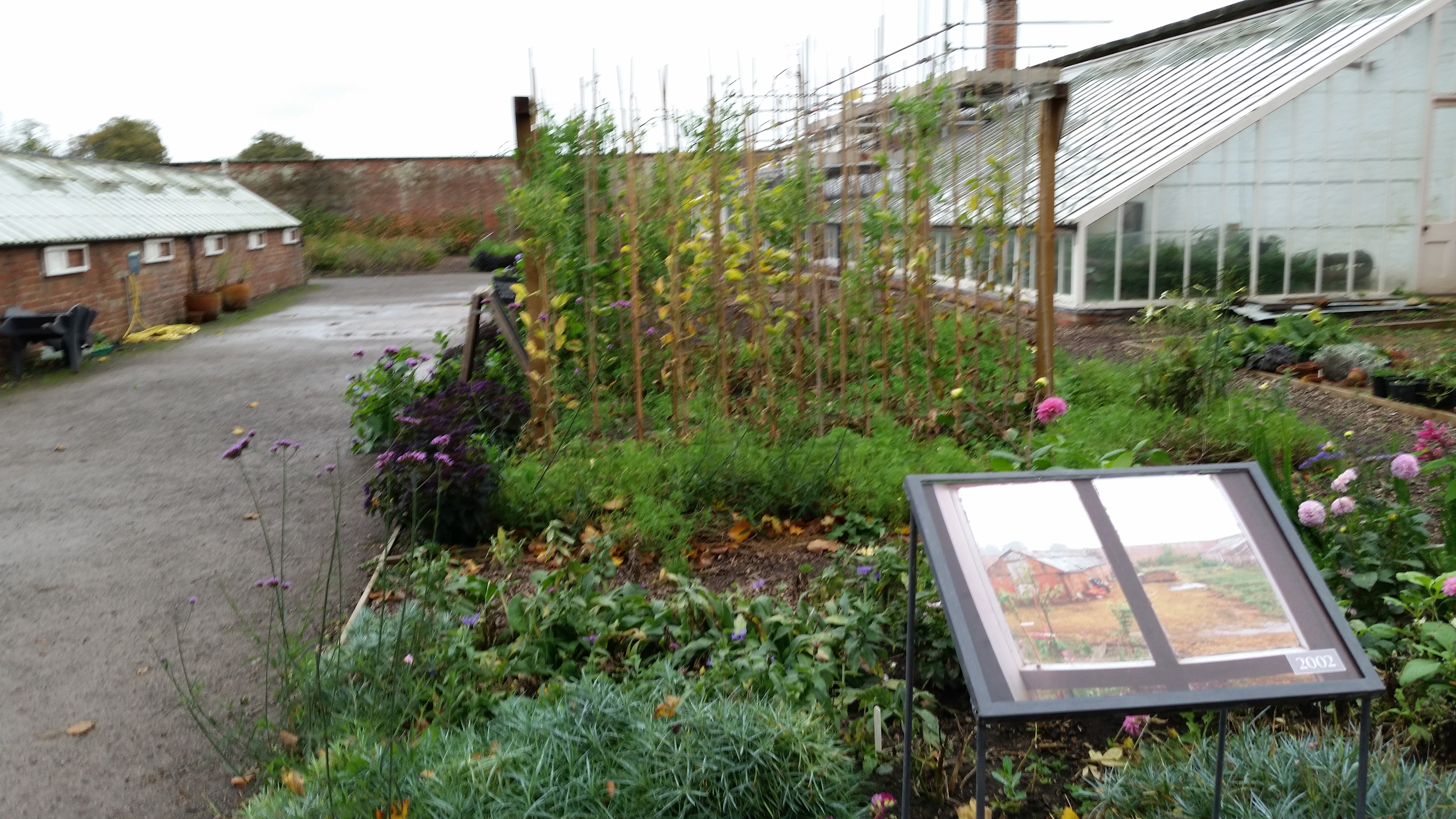
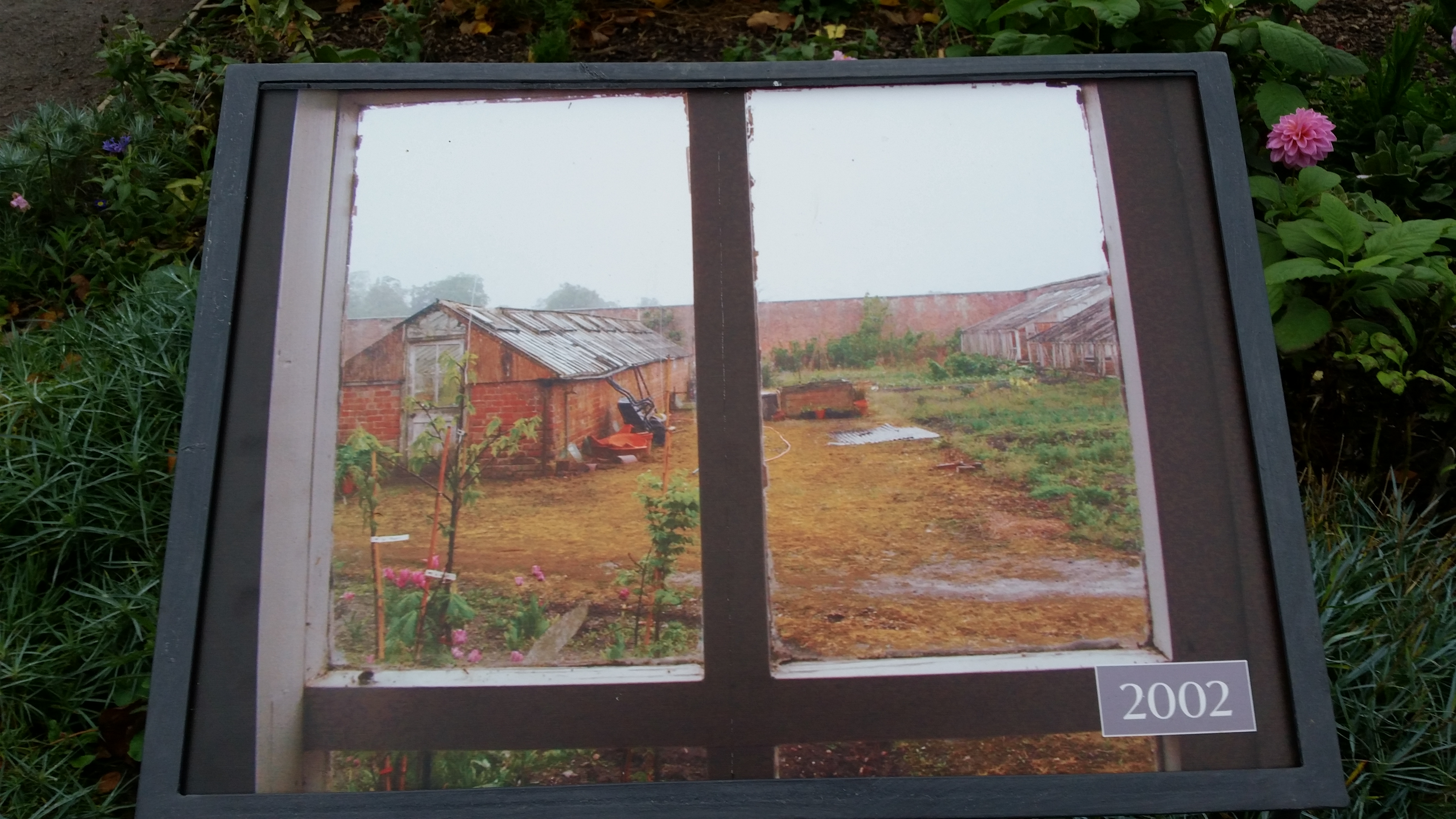
As we moved into the glasshouse area we were impressed  by the renovation work being carried out on the glasshouse ranges. Information boards show visitors what the area looked like prior to its rescue.

2015 11 08_7178 2015 11 08_7184 2015 11 08_7185 2015 11 08_7197

Cut flowers were also grown here and even in November the Dahlias were flowering well due to the protection of the walls and protection from Earwigs provided by the old fashioned method of putting a pot stuffed with straw on top of a cane.

2015 11 08_7186 2015 11 08_71872015 11 08_7180 2015 11 08_71792015 11 08_7181 2015 11 08_7182

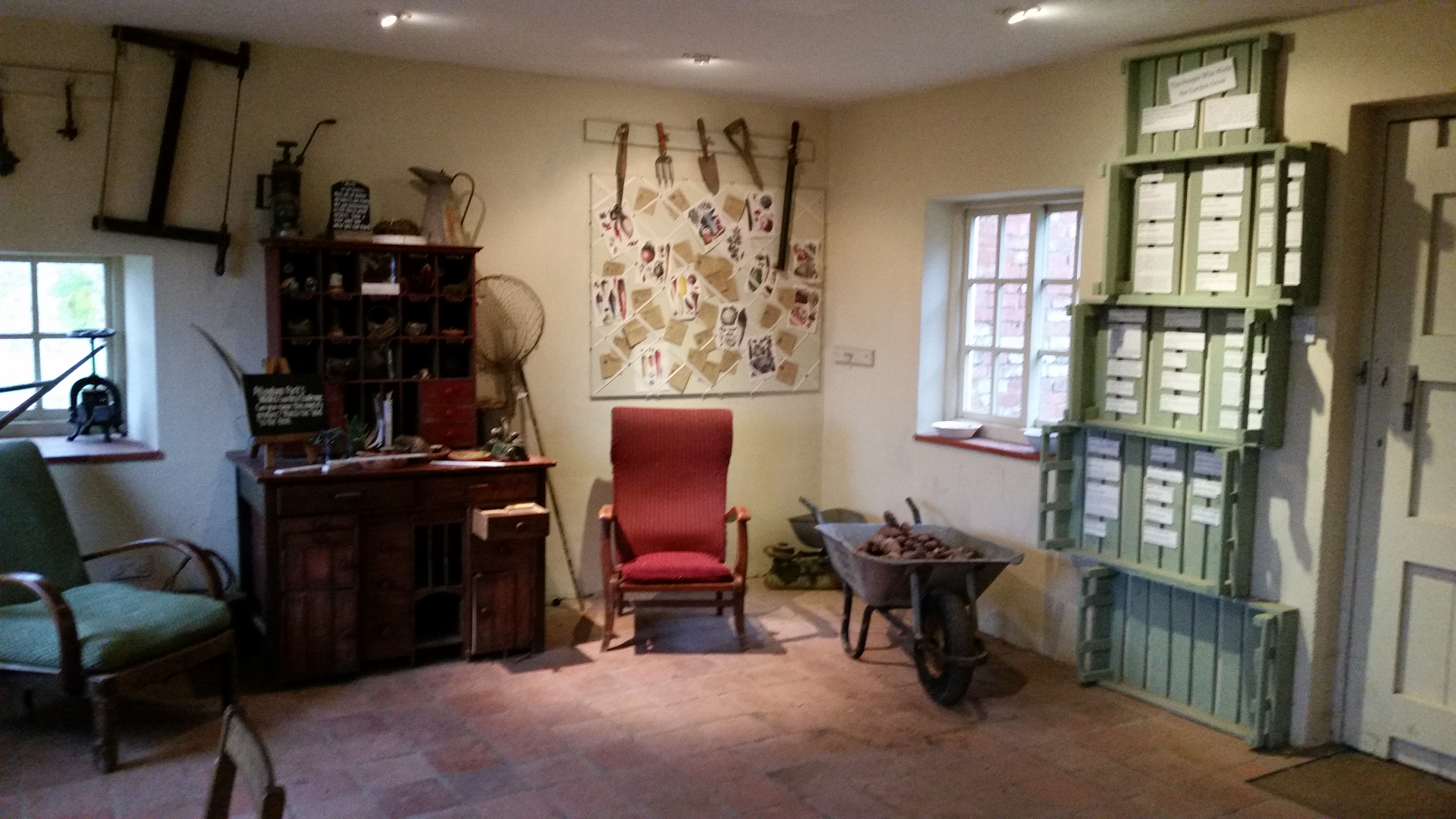
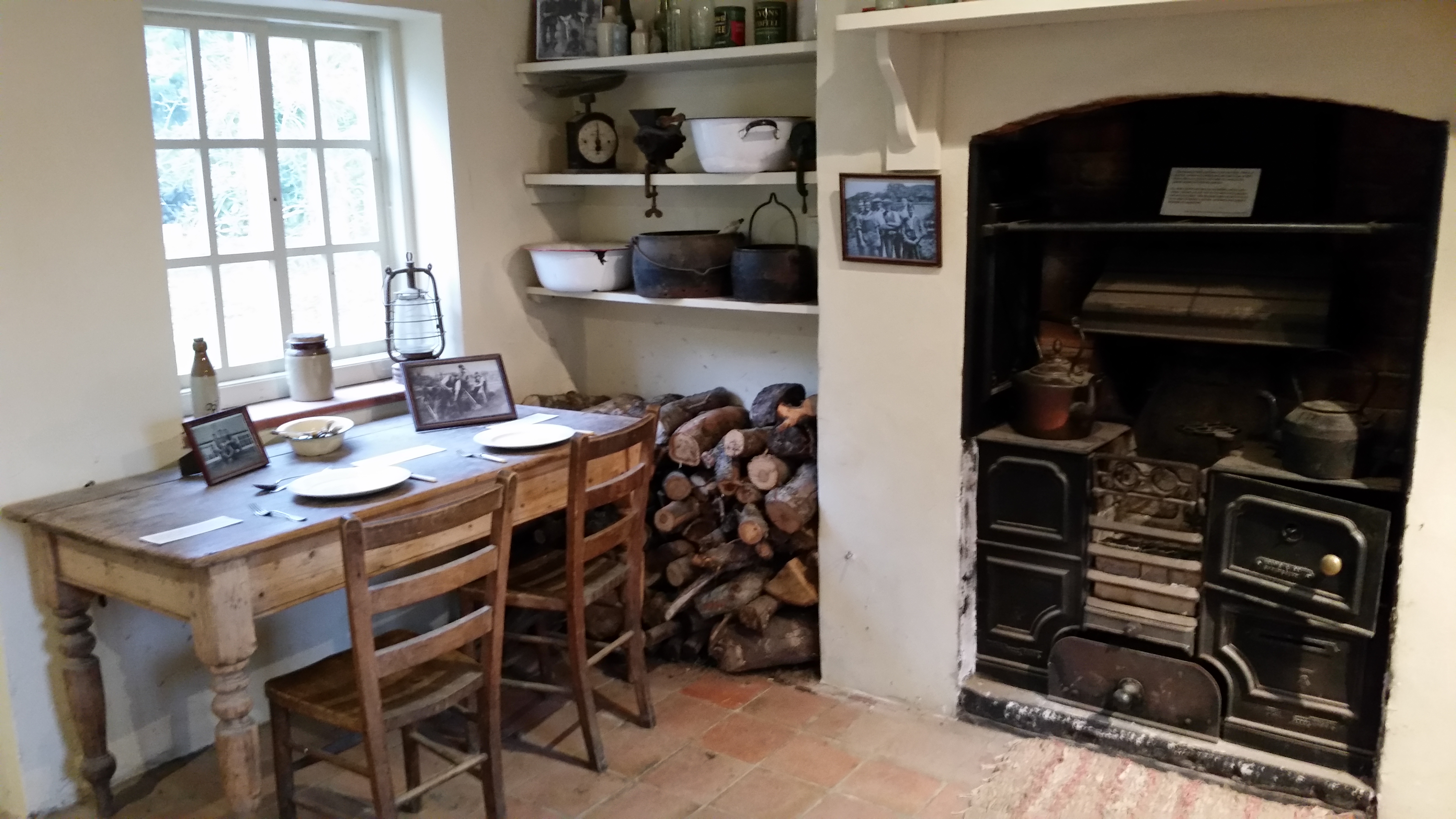
On a cold day a look inside the gardeners bothy proved to be a welcome time to warm up and enjoy the displays.

2015 11 08_7188 2015 11 08_71892015 11 08_7190 2015 11 08_71912015 11 08_7192 2015 11 08_7193

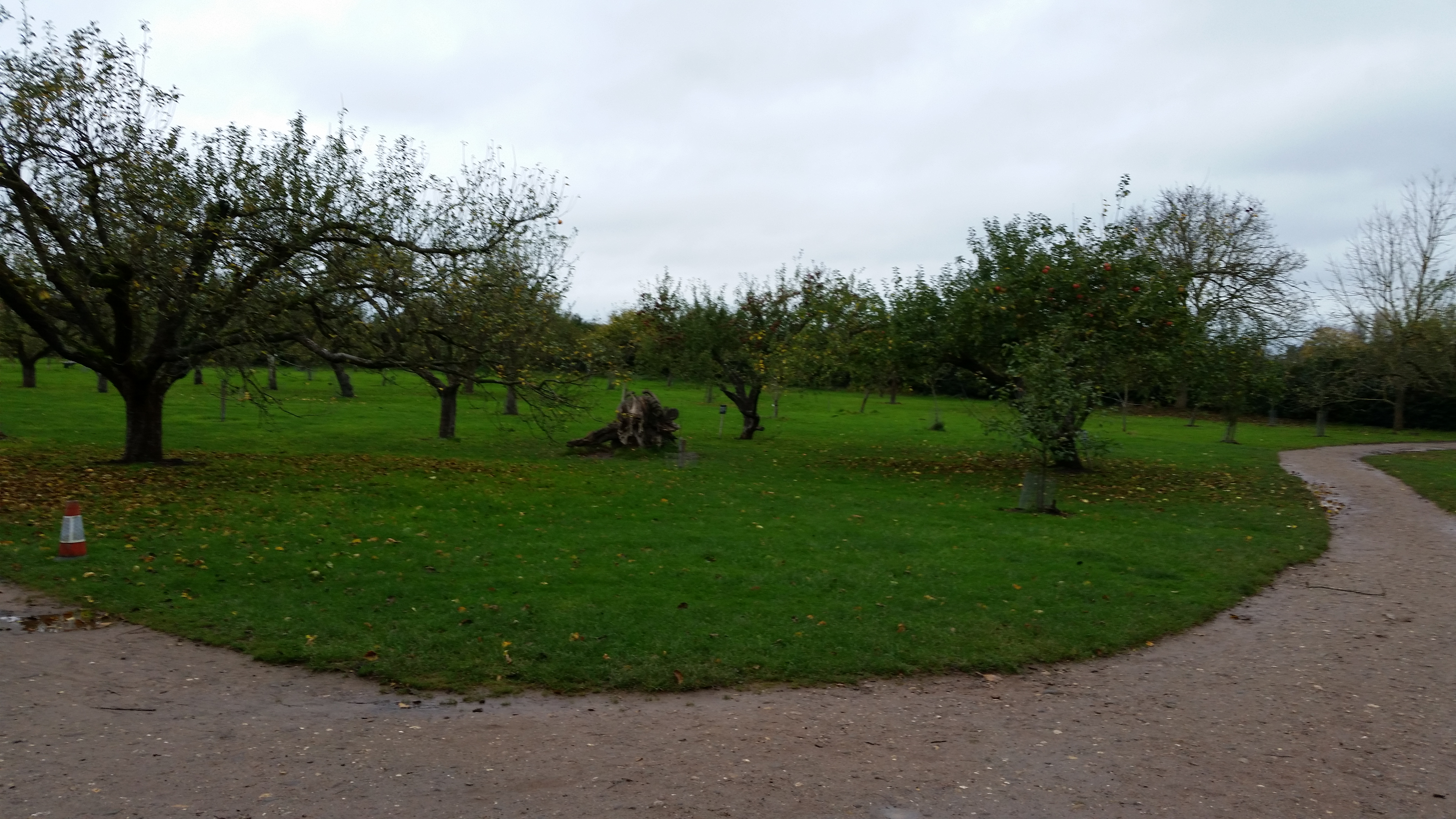
Exiting the Walled Garden via the orchard gave us a chance to look at the front of the old red brick buildings. The Walled Gardens here at Attingham are worth visiting throughout the year as there is always something interesting going on. We are so lucky having this national trust property so close to Shrewsbury.

2015 11 08_7196 2015 11 08_7199

From the walled gardens we wandered off into the woodlands following one of the marked trails. My next post will feature what we found there.

Categories
autumn forests photography trees woodland woodlands

Textures of the New Forest

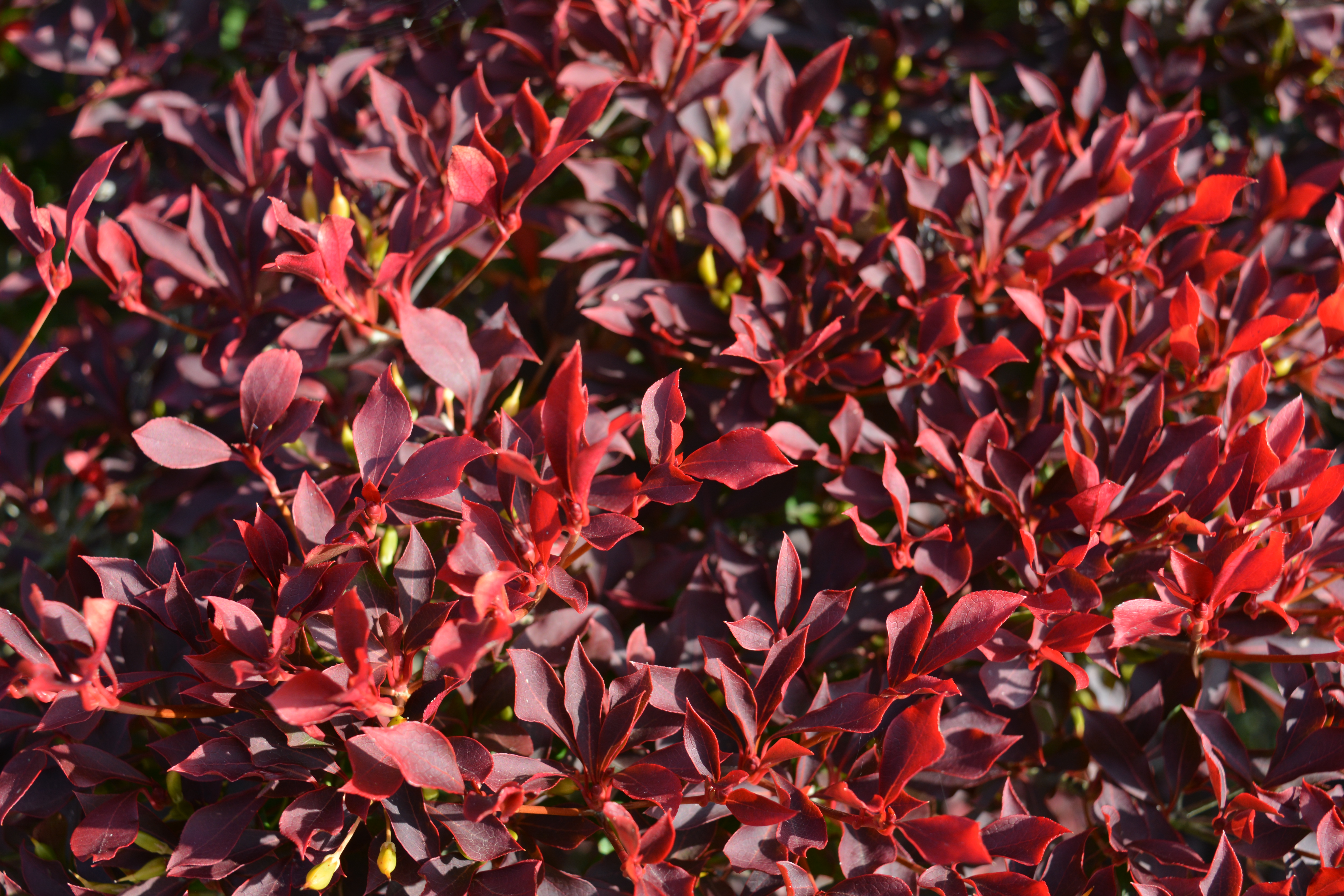
Autumn is a great time for noticing the many different textures all around us. The bright low sunlight emphasises changes in light and shade hence enhancing the textural qualities in the woods and heaths of the New forest.

I hope you enjoy my gallery of photos of the many and varied textures we spotted on our walk. Just click on the first picture and use the arrow to navigate through.


Categories
autumn autumn colours climbing plants colours flowering bulbs fruit and veg garden photography gardening gardens gardens open to the public grow your own hardy perennials Herefordshire irises kitchen gardens light light quality National Trust poppies roses The National Trust walled gardens walled kitchen gardens

Croft Castle Month by Month – October

October was a month made special by a bright, colourful Indian Summer. It made our tenth monthly visit to the gardens at Croft Castle special. Without realising it we had chosen the week when the property were putting on a Halloween trail for the children. The trail sheet encouraged the youngsters to search for clues, so naturally we had to do the same.

2015 10 26_6952-1 2015 10 26_6951-1 2015 10 26_6945-1 2015 10 26_6876-1

The first change we noticed on this visit was how autumn had taken over the garden, with most trees changing their green cloak to one of yellow.

2015 10 26_6843-1 2015 10 26_6845-1 2015 10 26_6849-12015 10 26_6855-1

The first border we pass on our way to the walled garden is the long mixed border alongside the drive.

2015 10 26_6853-1 2015 10 26_6857-12015 10 26_6852-1 2015 10 26_6851-1

We reached the walled garden which is the best part of the grounds, wondering what changes we would find there. Even though some borders were being cleared there was plenty left to attract my camera lens, whole borders of interest …………

2015 10 26_6858-1 2015 10 26_6859-1 2015 10 26_6860-1 2015 10 26_6869-1

………… and plenty of single plants still looking full of colour.

2015 10 26_6862-1 2015 10 26_6871-1 2015 10 26_6872-12015 10 26_6867-1 2015 10 26_6882-12015 10 26_6883-1 2015 10 26_6884-12015 10 26_6888-1 2015 10 26_6890-1

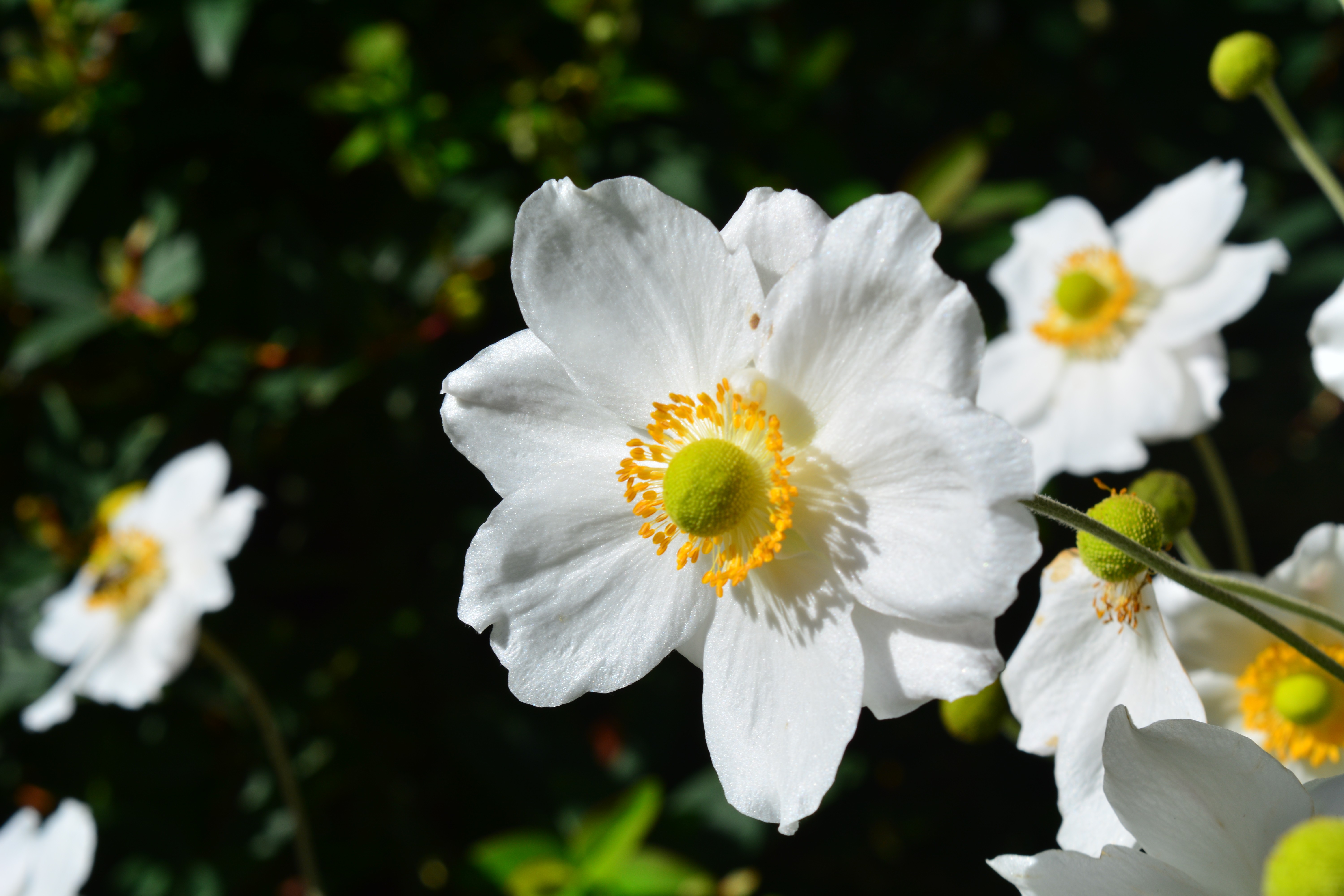
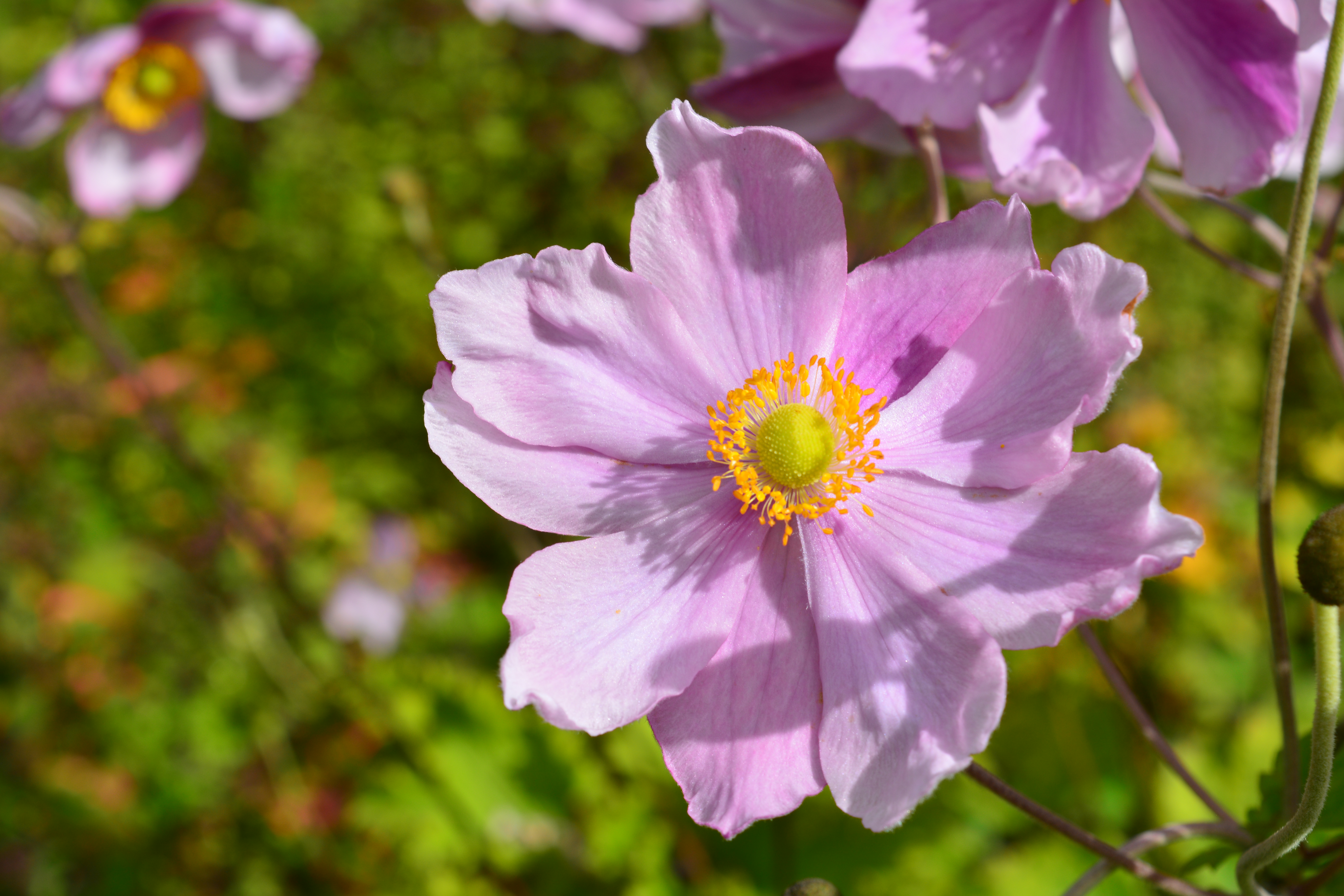
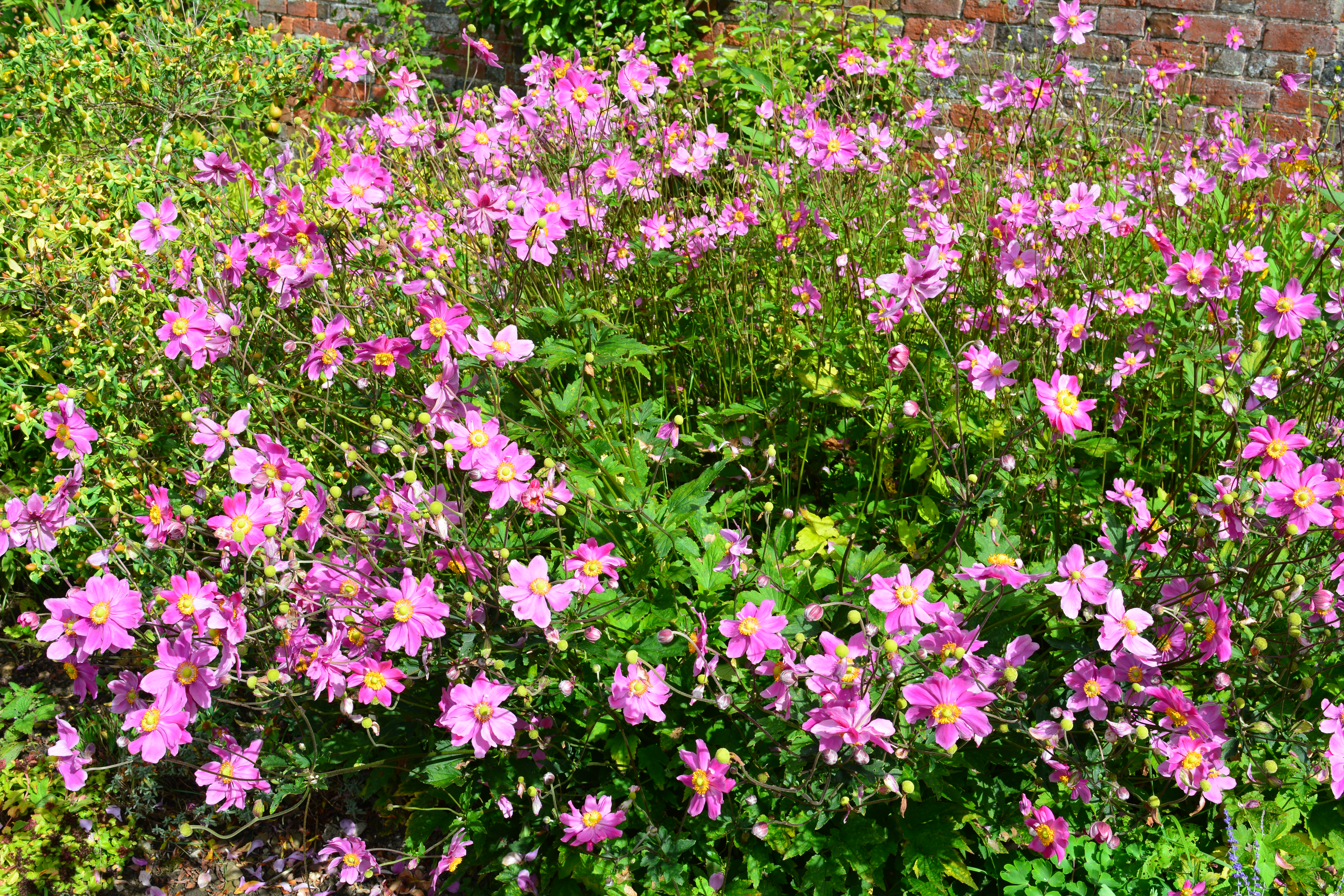
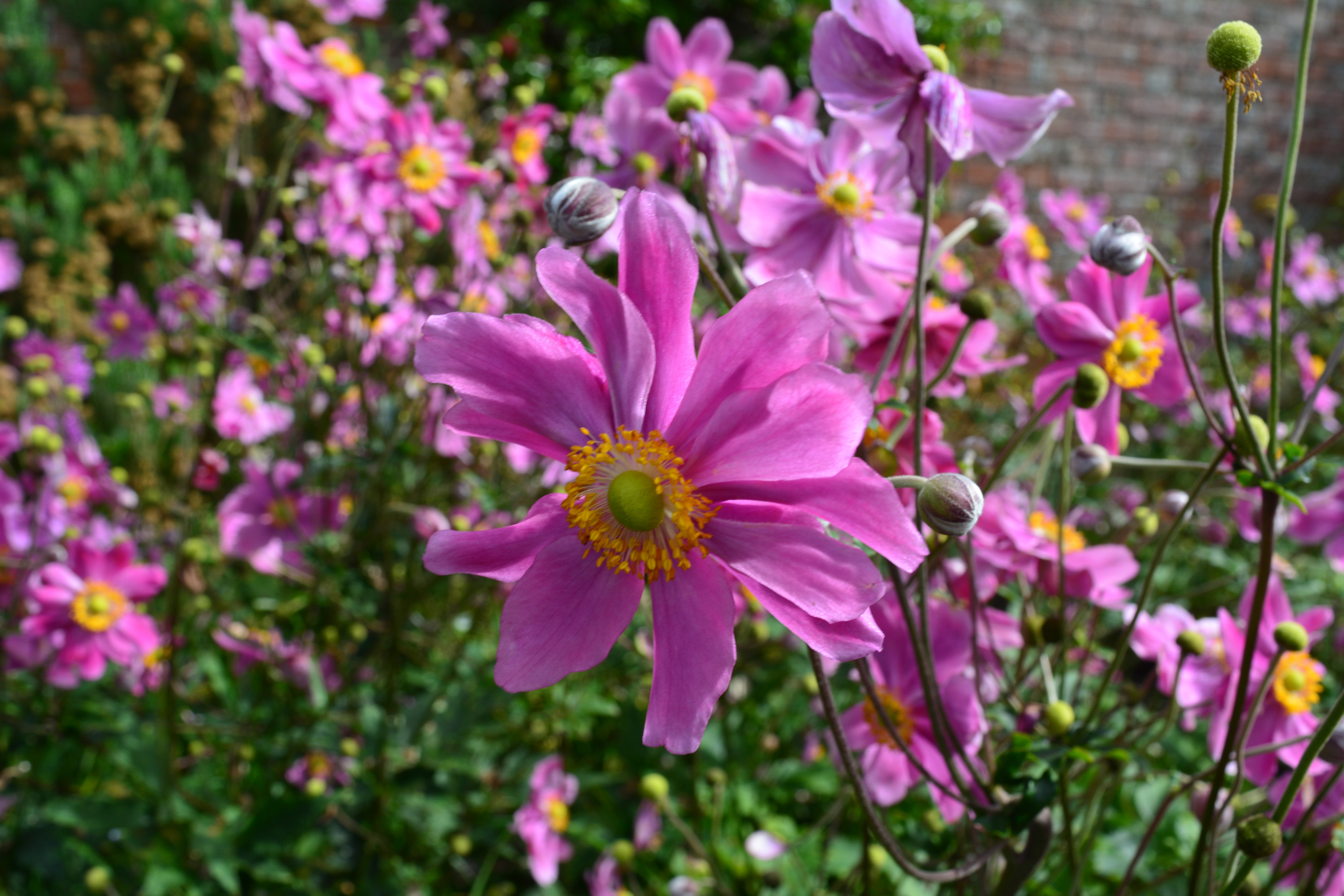
We were amazed by the simple beauty of these Japanese Anemone flowers which had just dropped their petals.

2015 10 26_6865-1 2015 10 26_6864-1

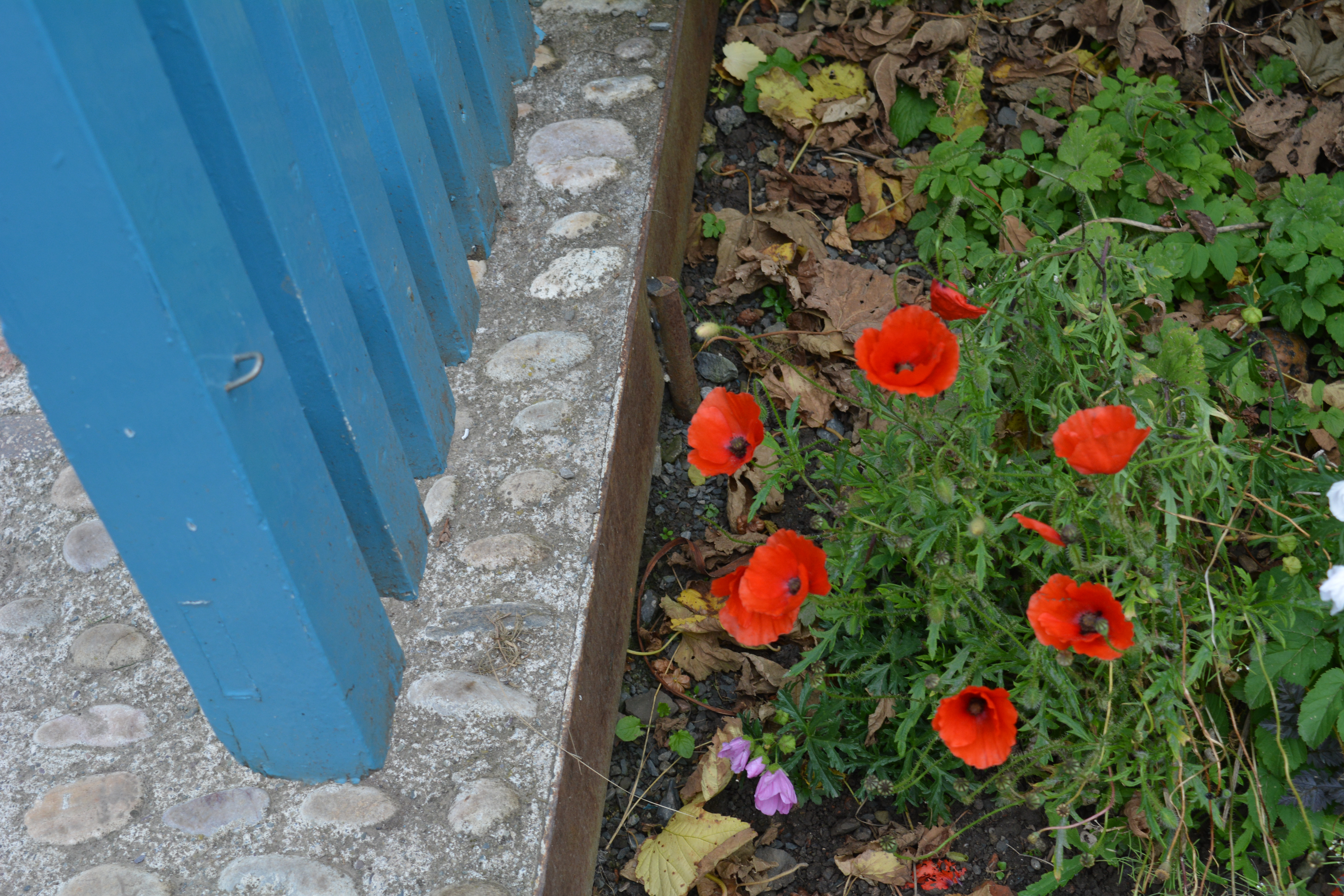
Plants can find their own niche however inappropriate it may seem to us. This bright red poppy chose a spot close to equally blue fencing.

2015 10 26_6875-1

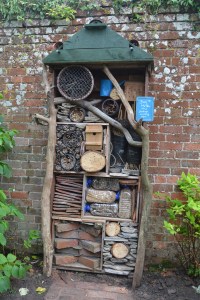
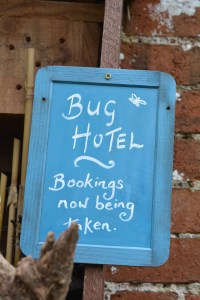
When we made our first of this year’s monthly visits to Croft Castle we found an unfinished insect hotel, bearing the label “unfinished project”. We looked forward to its completion each month but nothing changed, but on our October visit we noticed it was finished at last.

2015 10 26_6900-1 2015 10 26_6898-1 2015 10 26_6894-12015 10 26_6893-1 2015 10 26_6896-1

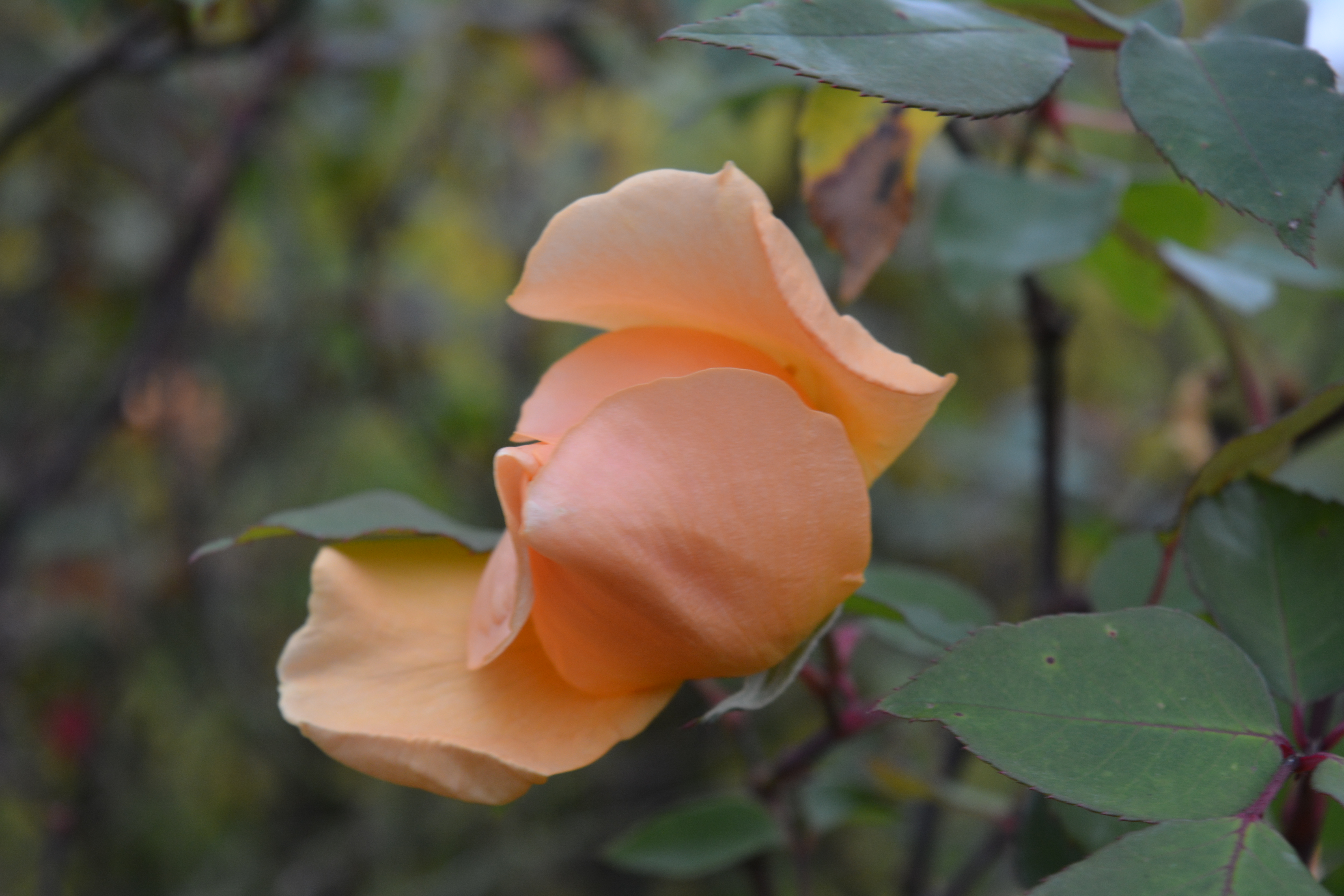
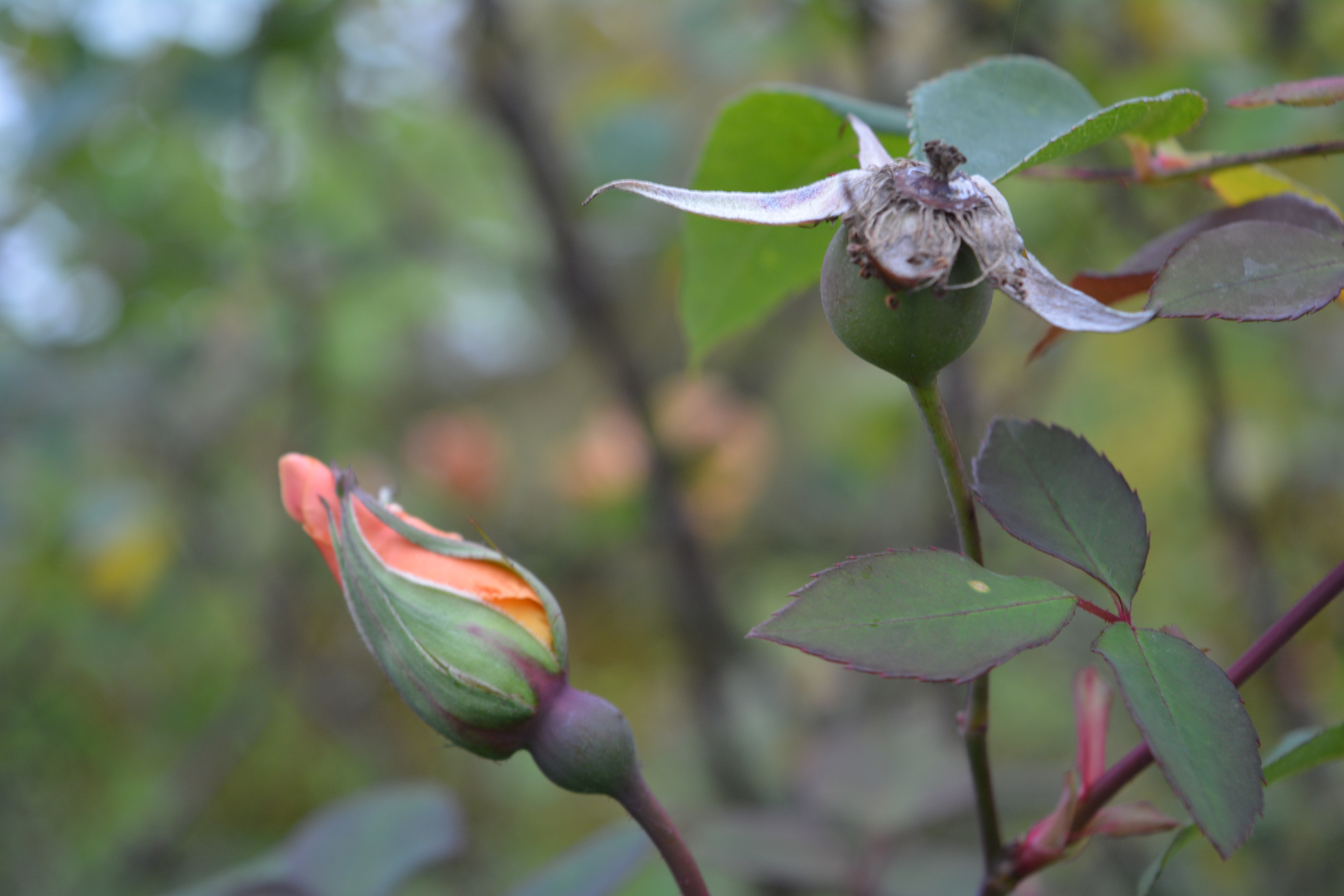
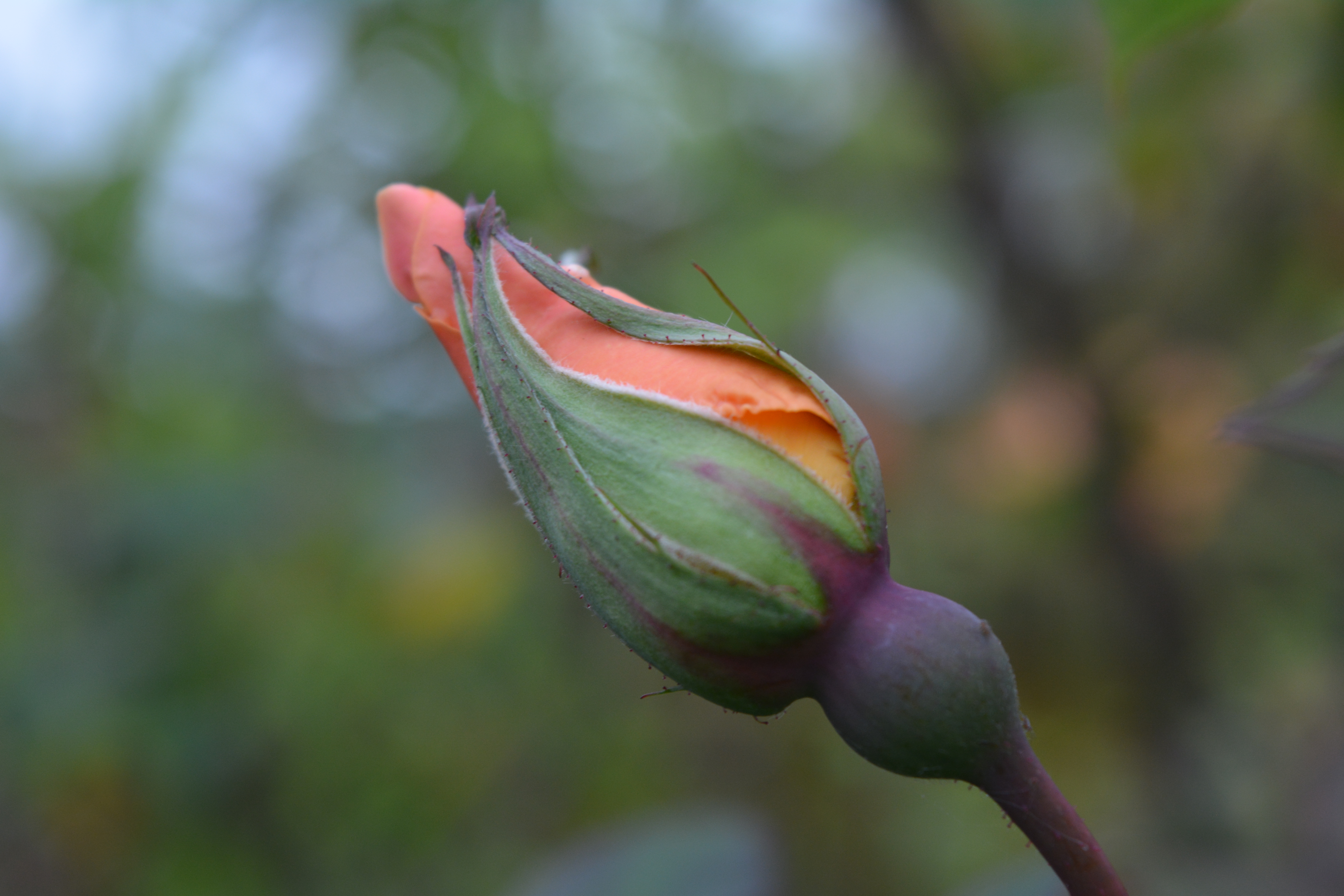
We didn’t expect to see much colour in the Rose Garden but we were pleasantly surprised by delicately scented Rose blooms and the supporting cast of perennials.

2015 10 26_6906-1 2015 10 26_6908-12015 10 26_6912-1 2015 10 26_6913-1 2015 10 26_6914-1

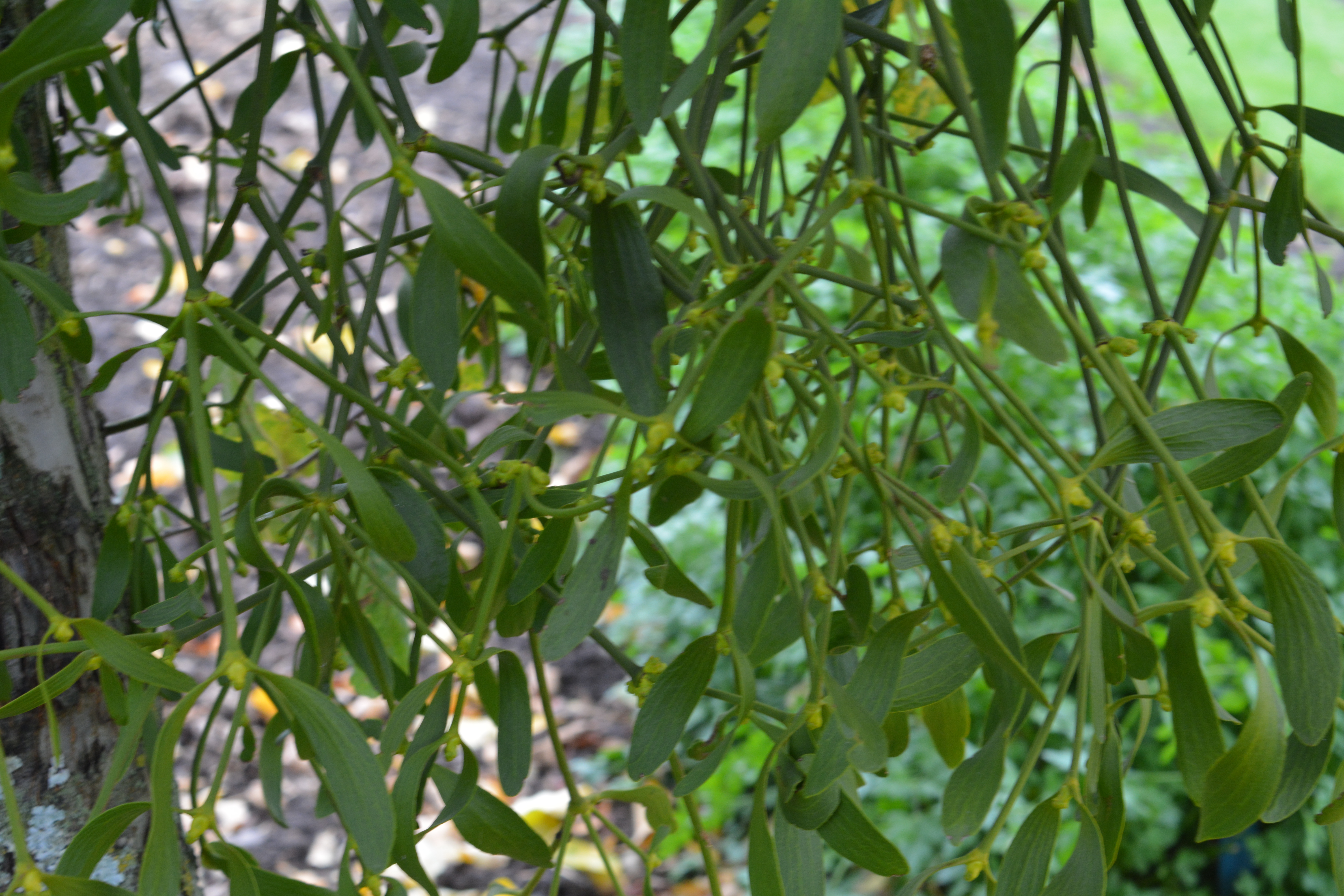
The veggie beds were still providing late season crops with leeks looking particularly tasty. On the old apple trees clumps of Mistletoe had found a home.

2015 10 26_6881-1 2015 10 26_6915-12015 10 26_6916-1 2015 10 26_6917-1 2015 10 26_6918-1 2015 10 26_6919_edited-1-1

We found this extra bright colour combination which lit up the whole walled garden.

2015 10 26_6923-1

Another Halloween activity for the children was to find big pumpkins hidden around the gardens. Naturally the children in us tempted us to find them too.

2015 10 26_6856-1 2015 10 26_6921-12015 10 26_6948-1 2015 10 26_6947-1

As the seasons move on towards the year’s end signs of plants closing down have appeared. Seed heads are so beautiful at this time of year. They look even better if touched by the hand of Jack Frost.

2015 10 26_6941-1 2015 10 26_6942-1 2015 10 26_6940-1

Our next visit will be the penultimate visit of the year. By then the effects of autumnal weather will cover the garden.


Categories
arboreta autumn autumn colours colours light light quality ornamental trees and shrubs Shropshire shrubs trees woodland

Arboreta in Autumn – part 3 – Return to Richard’s

We loved our first visit to friends Richard and Anne’s home where we were treated to a tour of their wonderful, atmospheric arboretum. There is something extra special about a small arboretum, the results of one man’s vision. Richard knows every tree he has ever planted, its common name, its botanic name, its country of origin and the source of the plant or seed. The arboretum is now just 20 years old.

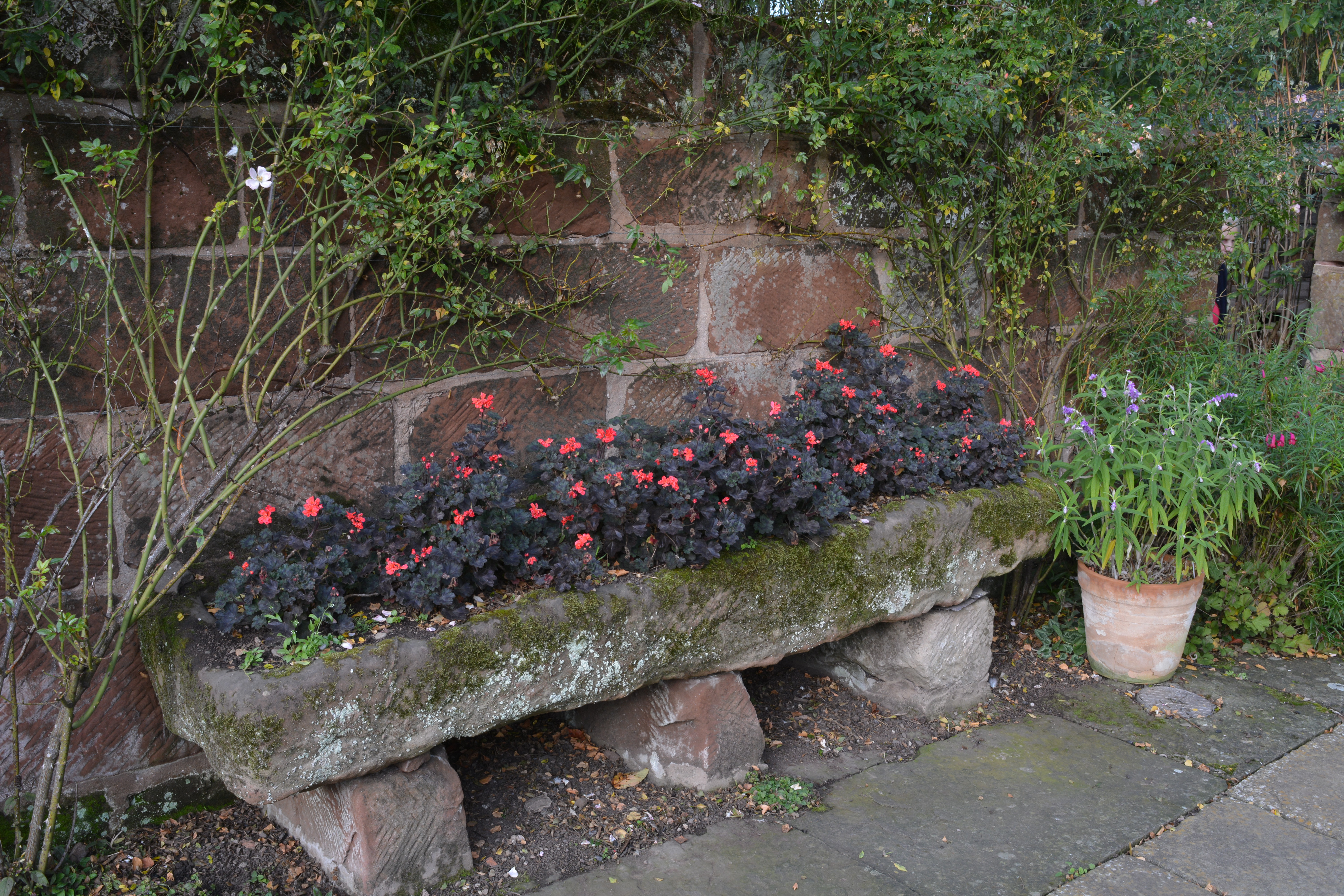
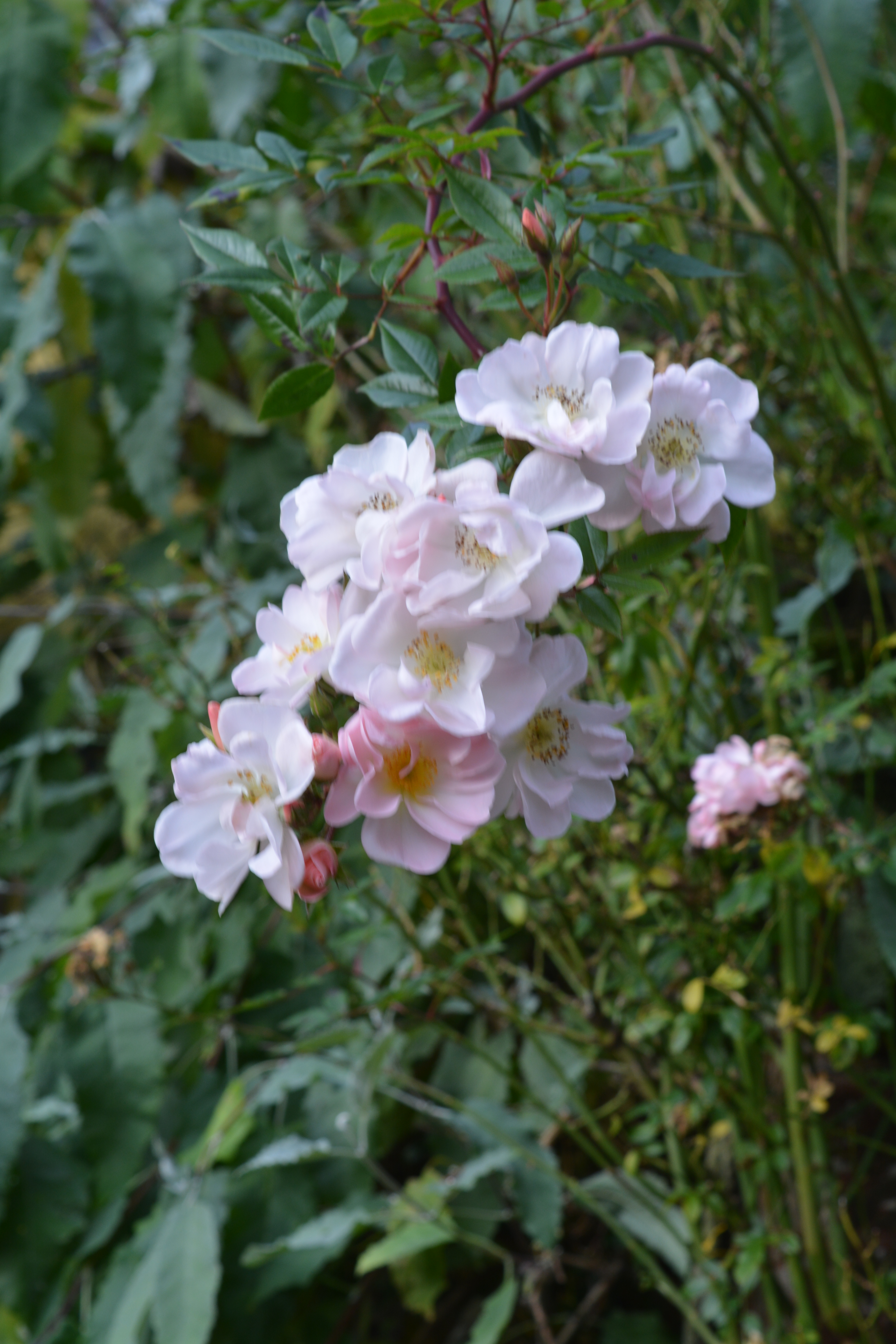
After a warm welcome we firstly enjoyed the lovely courtyard garden that Anne tends. It is a soft, gentle area that embraces the south facing side of the old mustard coloured mill house. Red flowered Pelargoniums with deep purple foliage filled an old stone trough beneath a brick wall clothed in soft pink roses of the climbing rose, Rosa “Open Arms”. Its scent is warm and richly fruity and remains with you as you leave it behind.

2015 10 26_6741 2015 10 26_6742

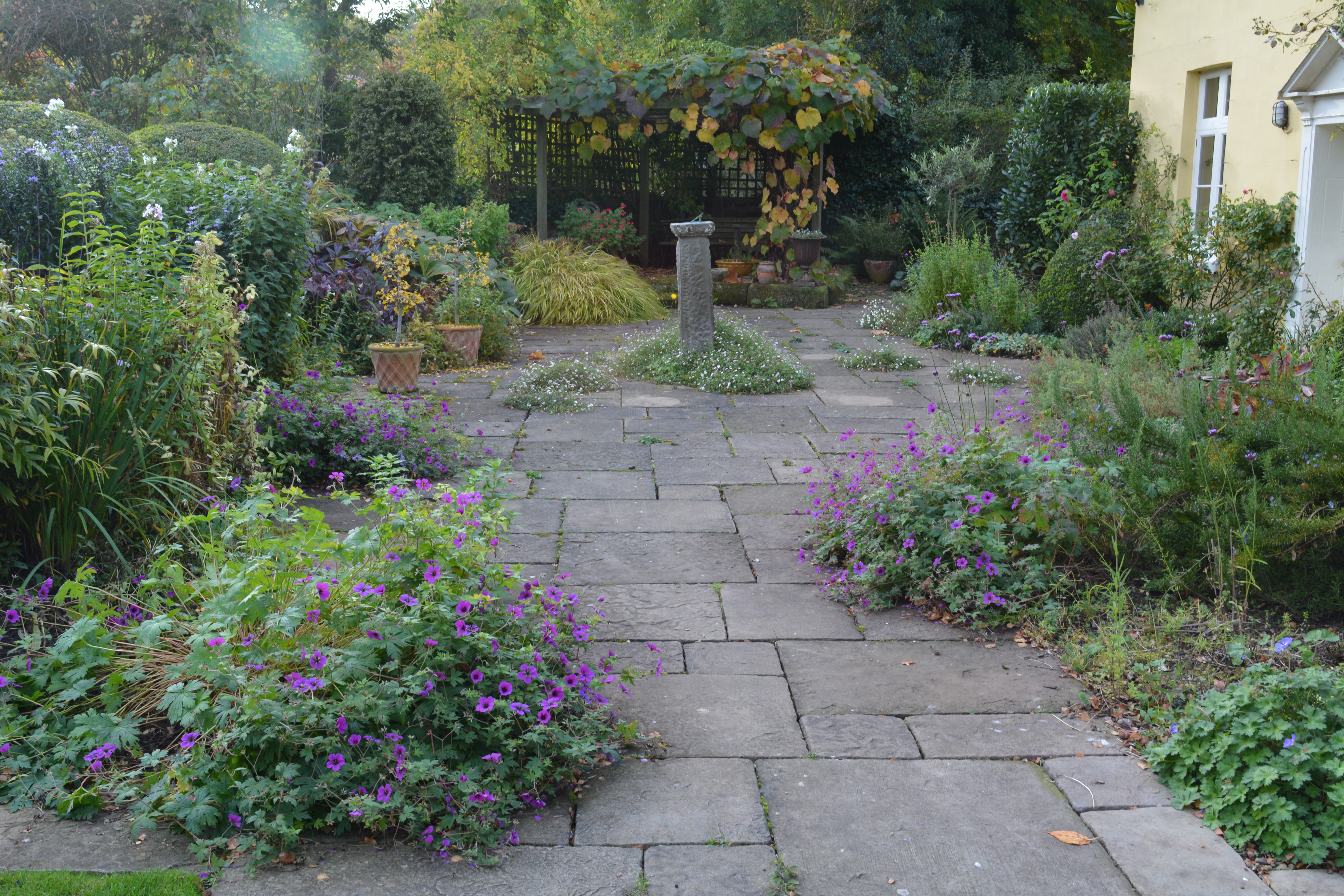
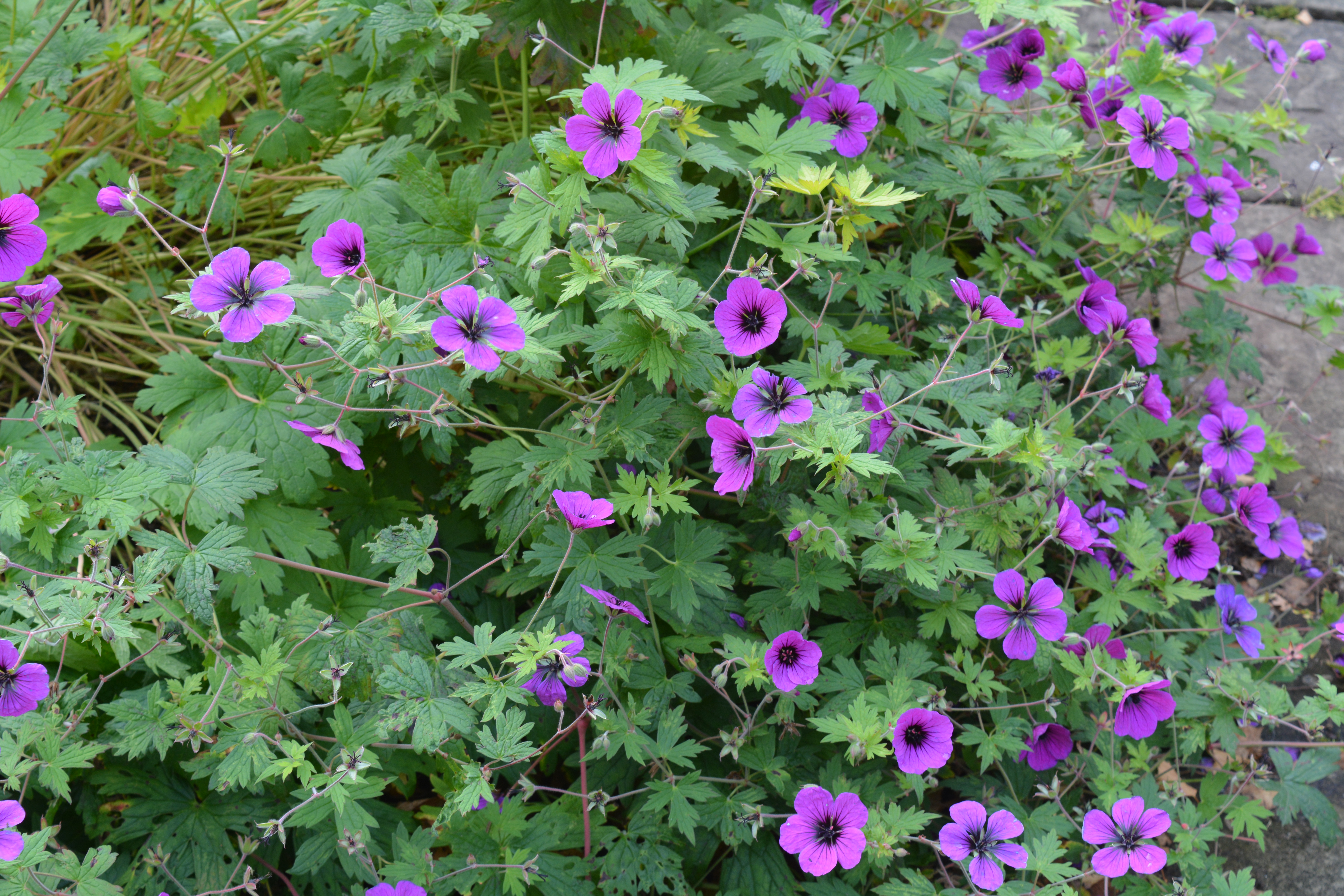
The stone paving is softened by beautiful compositions of flowers and foliage.

2015 10 26_6743 2015 10 26_6744 2015 10 26_6745 2015 10 26_6746

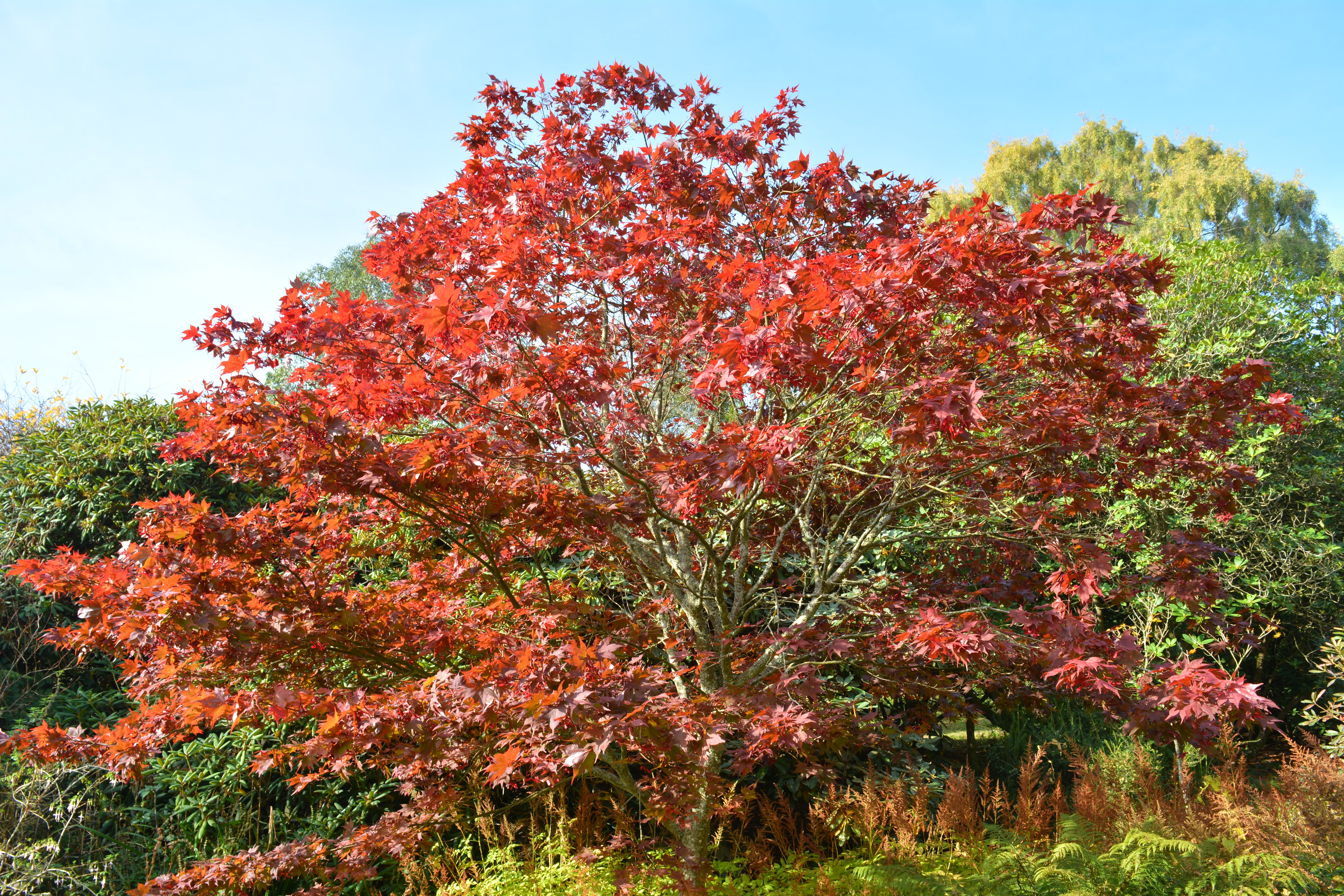
Richard and Anne took us across the gently sloping lawns with a boundary provided by the River Perry, and we climbed up to a gate in the fence which is the entrance to Richard’s fine collection of the finest trees. The real stars of the collection are Betulas (Birches), Acers, deciduous Euonymous and Liquidambers.

2015 10 26_6766 2015 10 26_6749 2015 10 26_6747     2015 10 26_6748 2015 10 26_6790

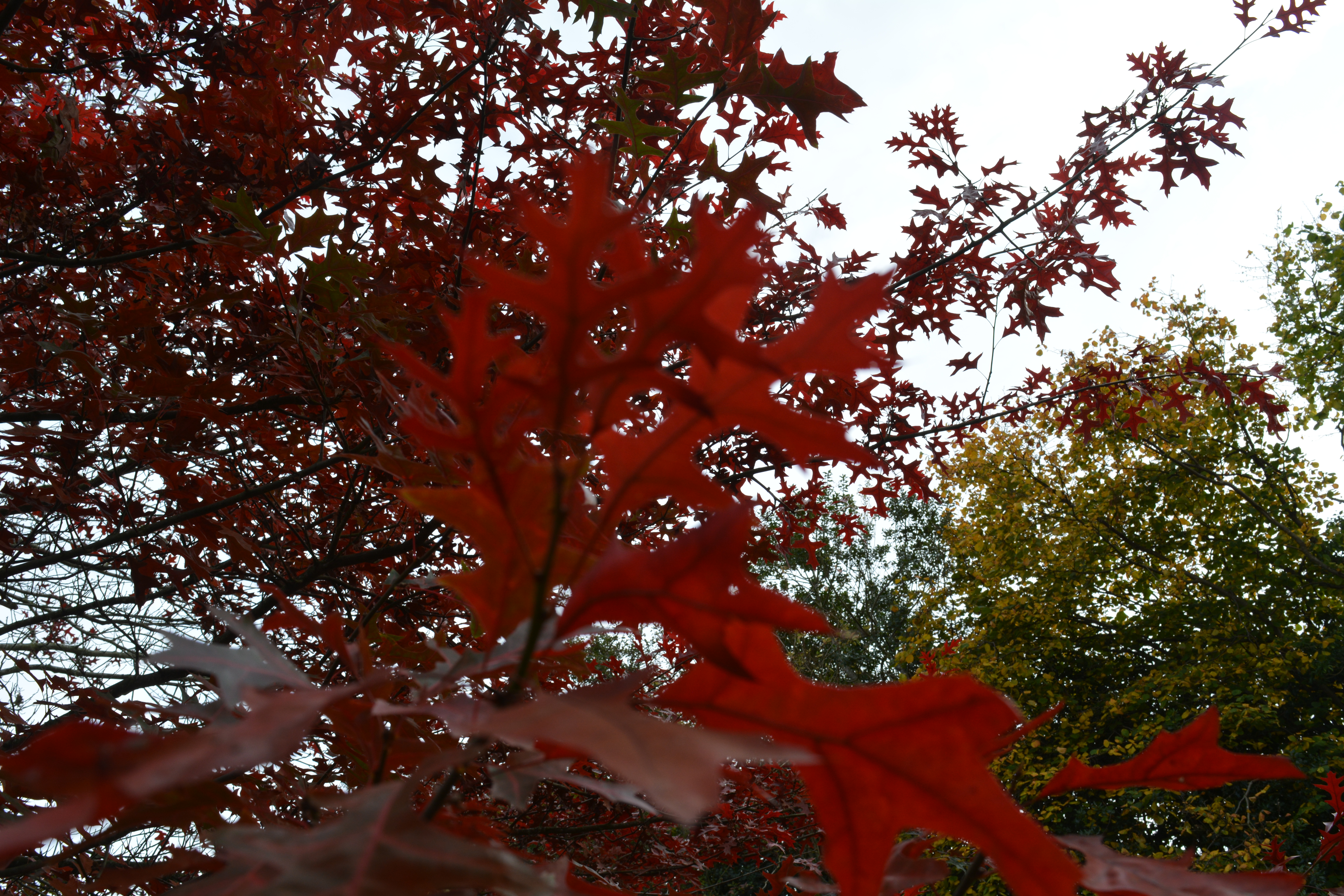
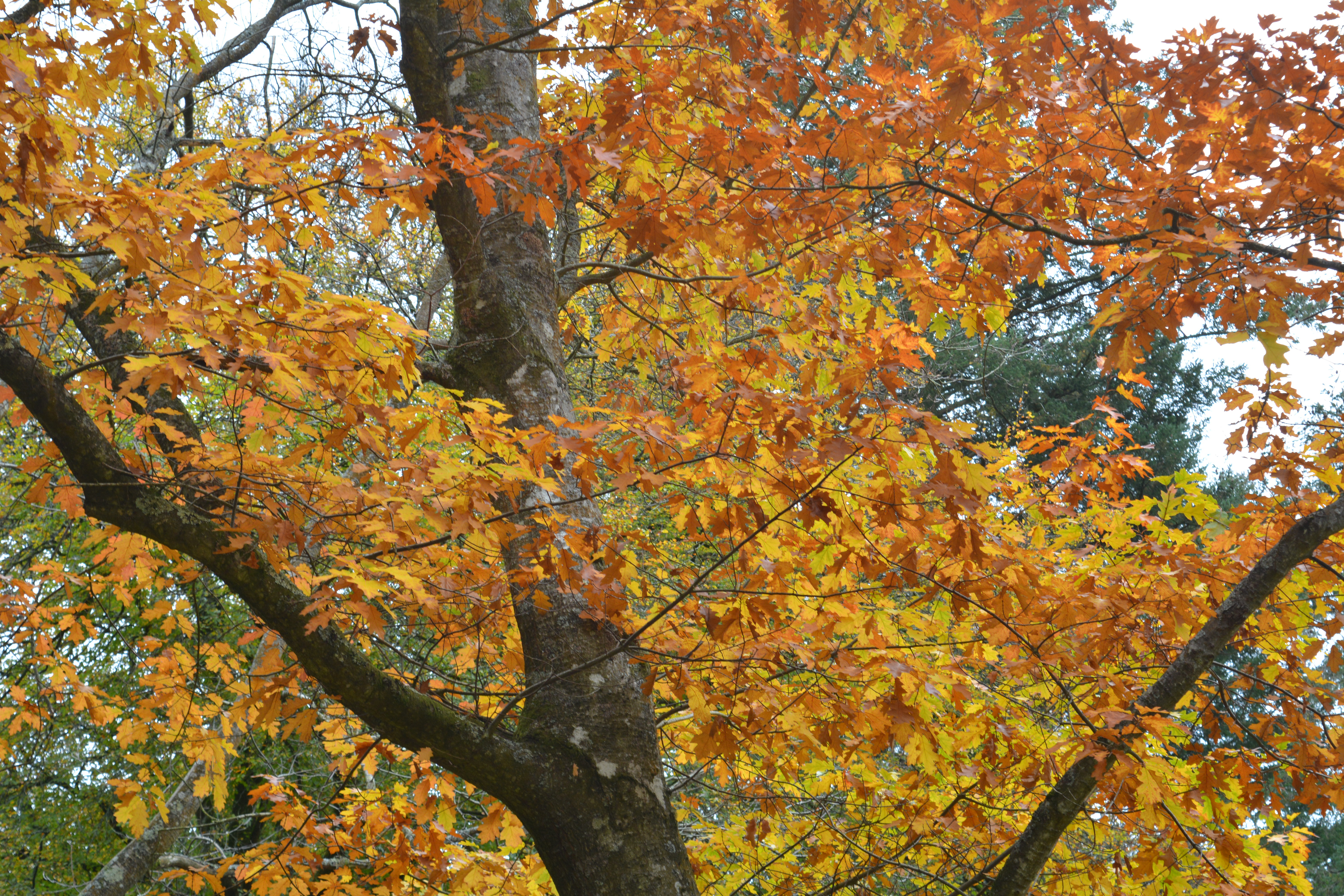
More surprising was the incredibly deeply coloured red leaved Oak, with its large deeply cut leaves  and……..

2015 10 26_6751 2015 10 26_6752

2015 10 26_6750   2015 10 26_6753  2015 10 26_6755 2015 10 26_6756

……….. this unusual specimen, Pistacia chinensis commonly known as the Chinese Pistacia.

2015 10 26_6757 2015 10 26_67602015 10 26_6759 2015 10 26_6763

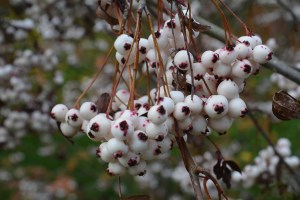
Every arboretum needs a selection of Sorbus (Rowans) to give the many coloured bunches of shiny berries, and Richard’s arboretum boasted a lovely group.

2015 10 26_6764 2015 10 26_67842015 10 26_6787 2015 10 26_6786


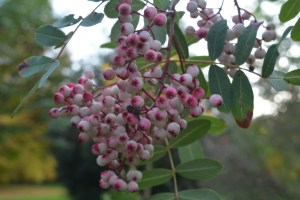
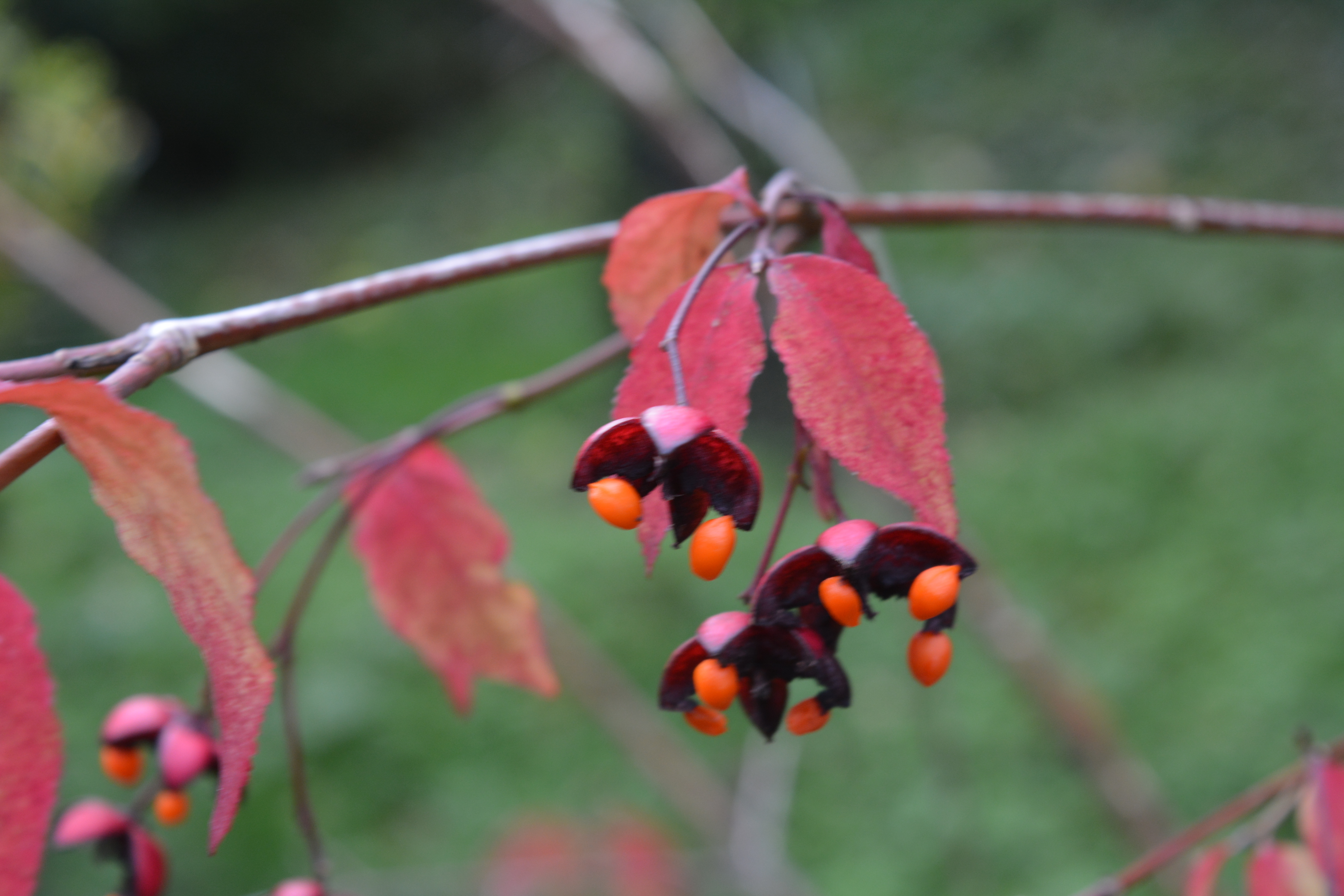
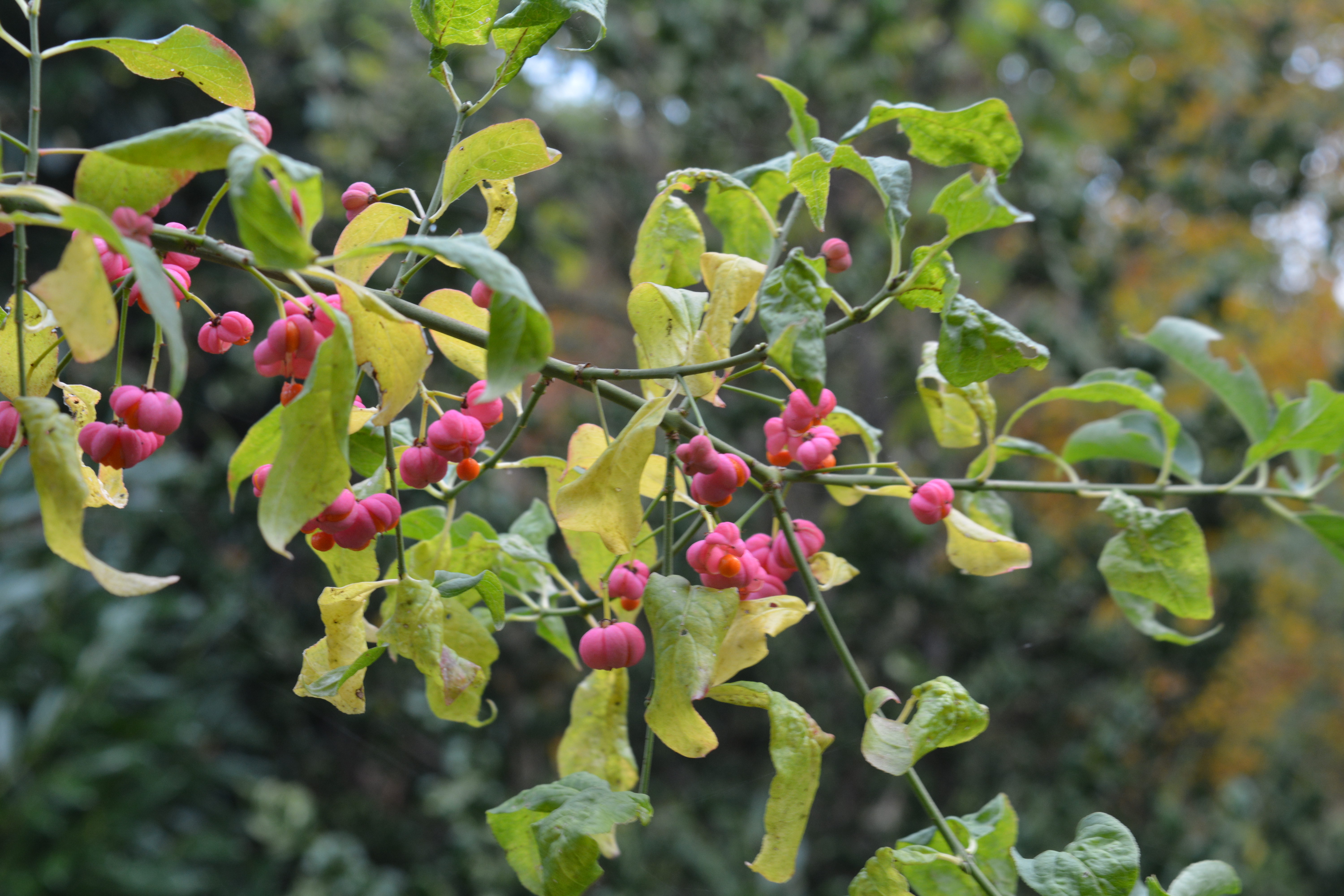
Probably my favourite deciduous shrubs are the deciduous Euonymus with their unusual flowers and bizarrely coloured berries, combining such colours as cerise and orange. Luckily for me it is also Richard’s favourite shrub and he is building up a fine collection.

2015 10 26_6795 2015 10 26_6796

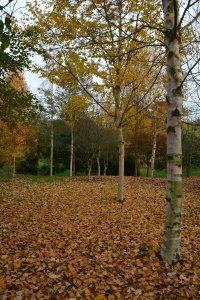
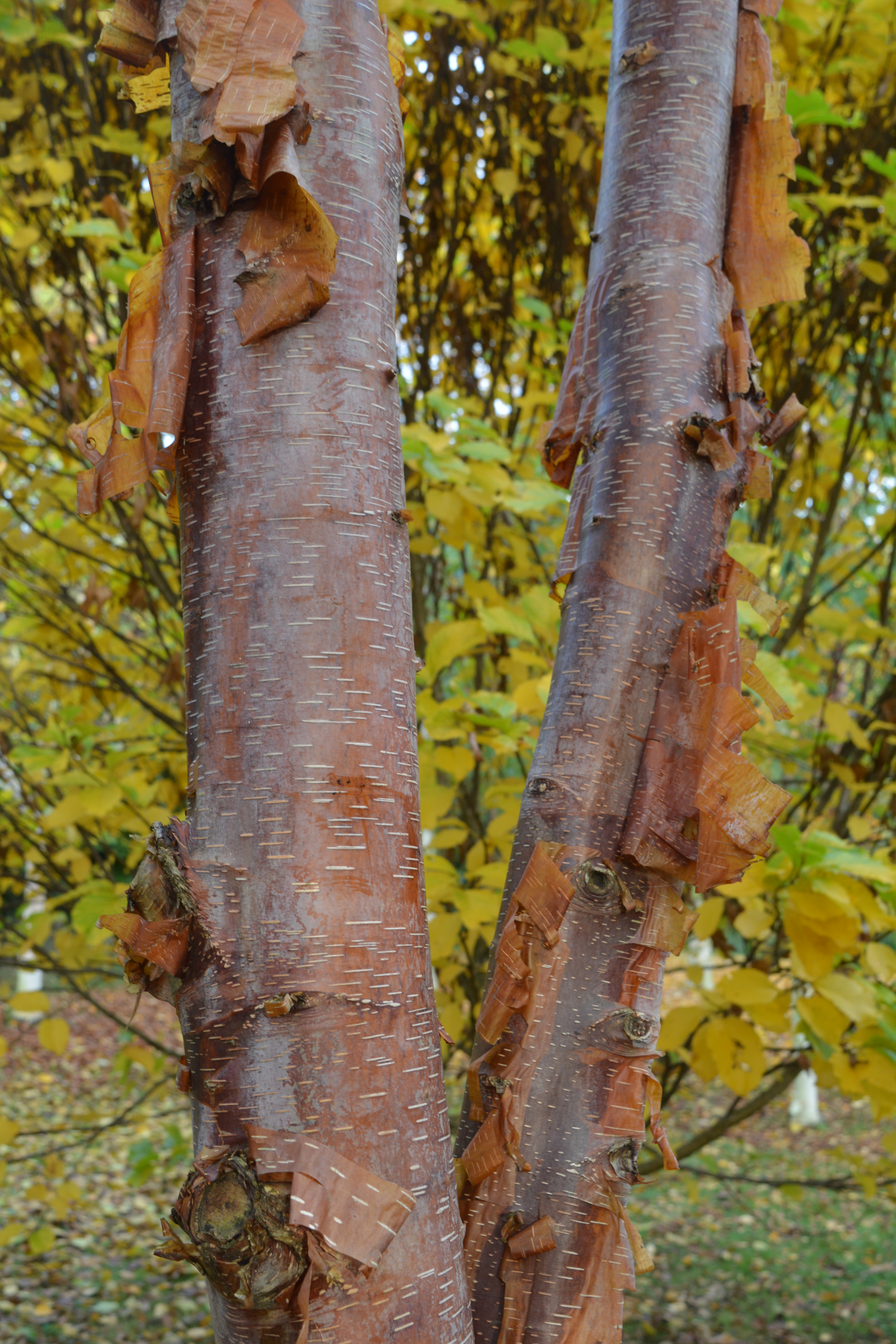
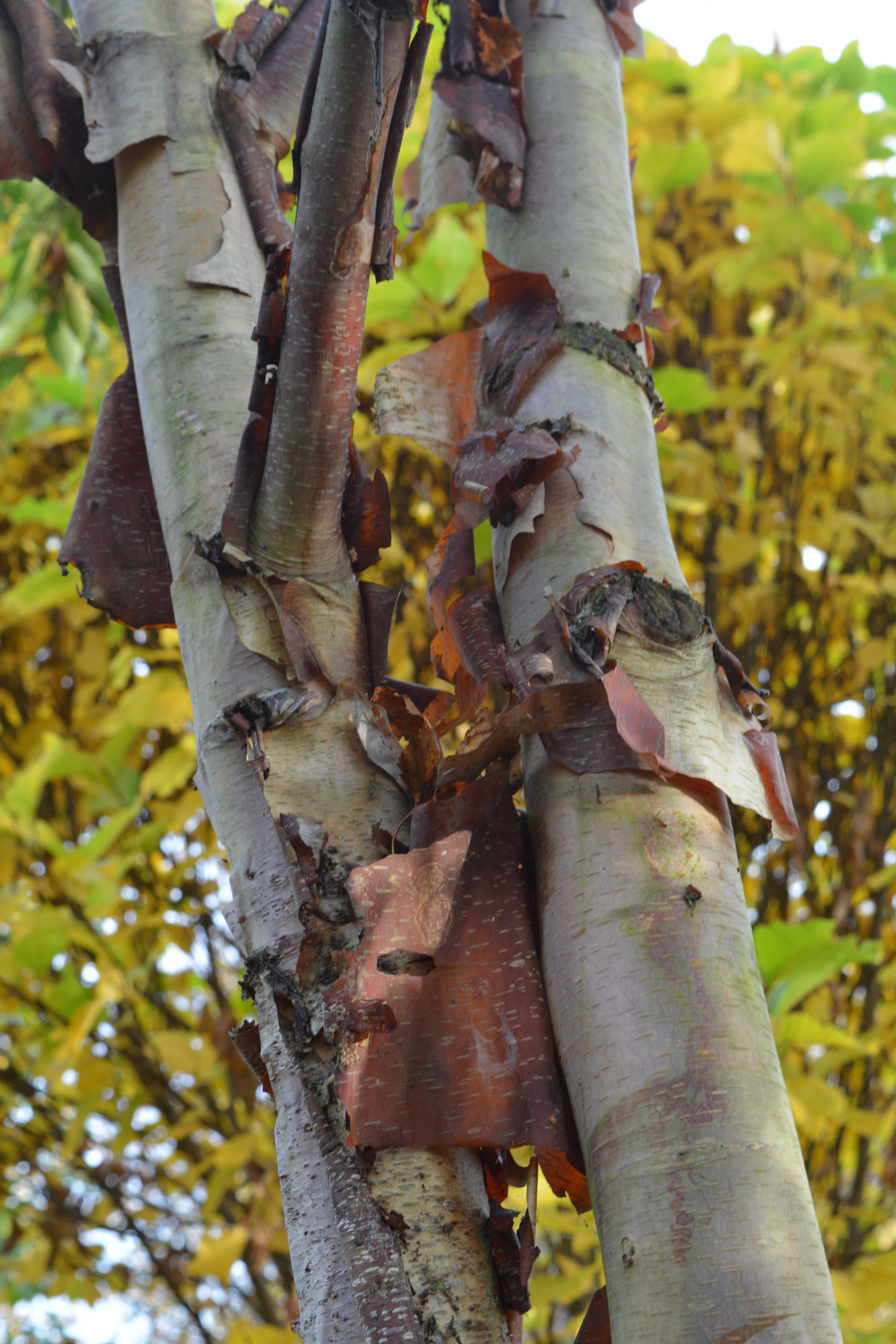
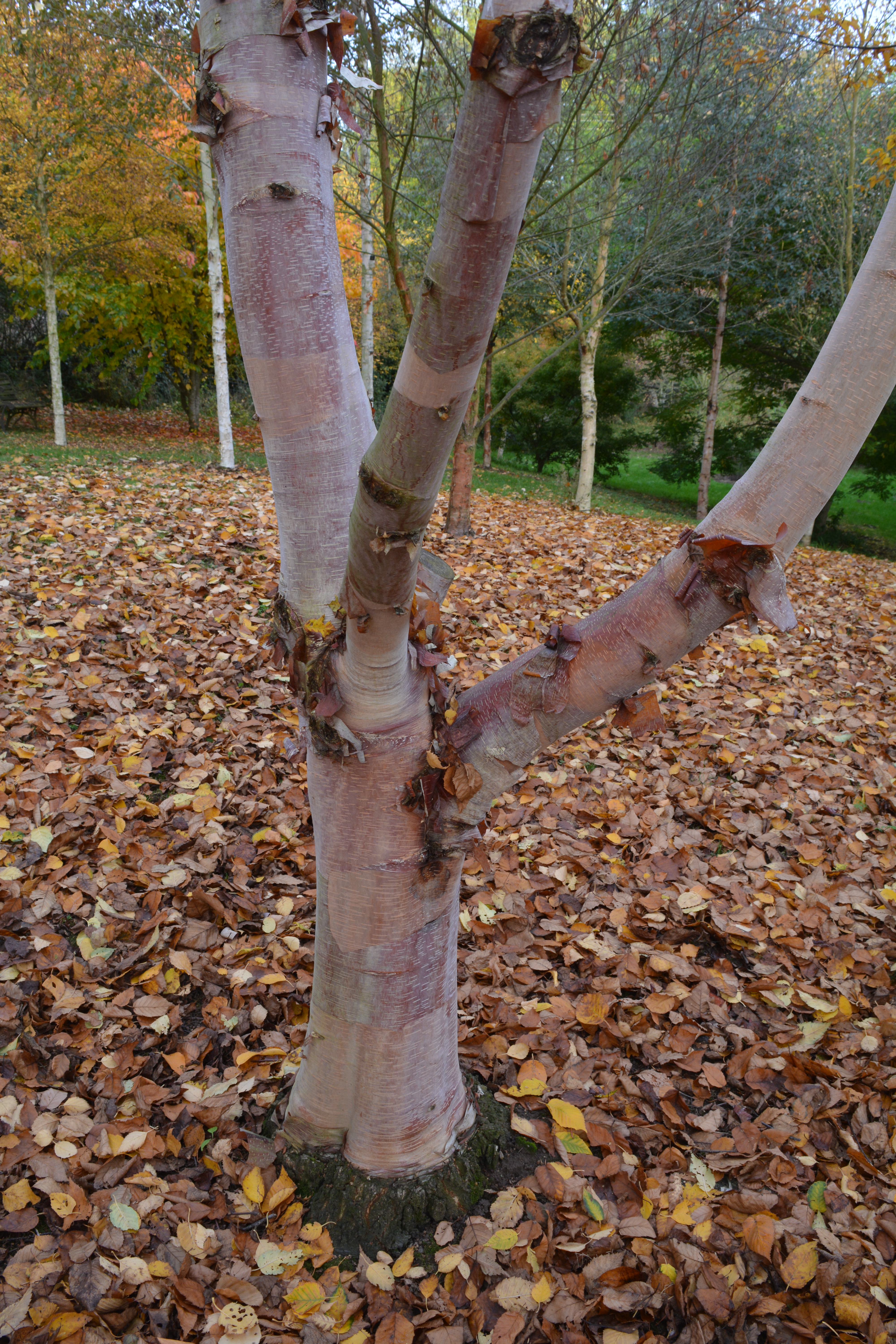
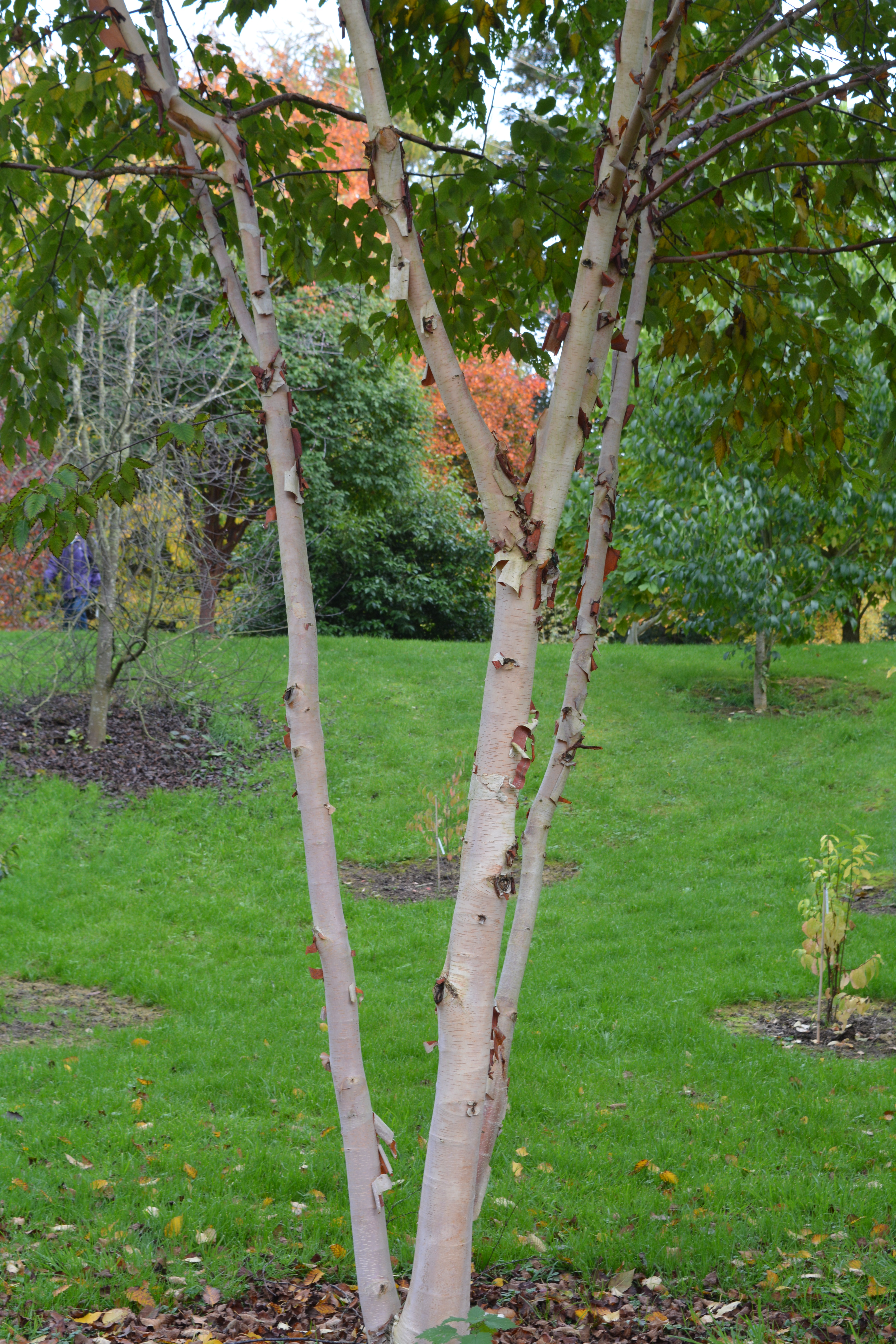
Naturally what we really enjoyed most of all was seeing the wonderful selection of Birches in their autumn glory. We certainly were not to be disappointed. Jude even gave her favourite Betula a big hug – she must be turning into a tree hugger!

Of course you would be expecting me to mention the Betulas, my favourite family of trees and luckily it is Richards too and he grows alomst 180 different ones and several of his favourites.

2015 10 26_6773 2015 10 26_6774 2015 10 26_6779

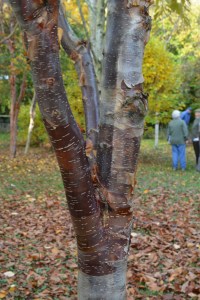
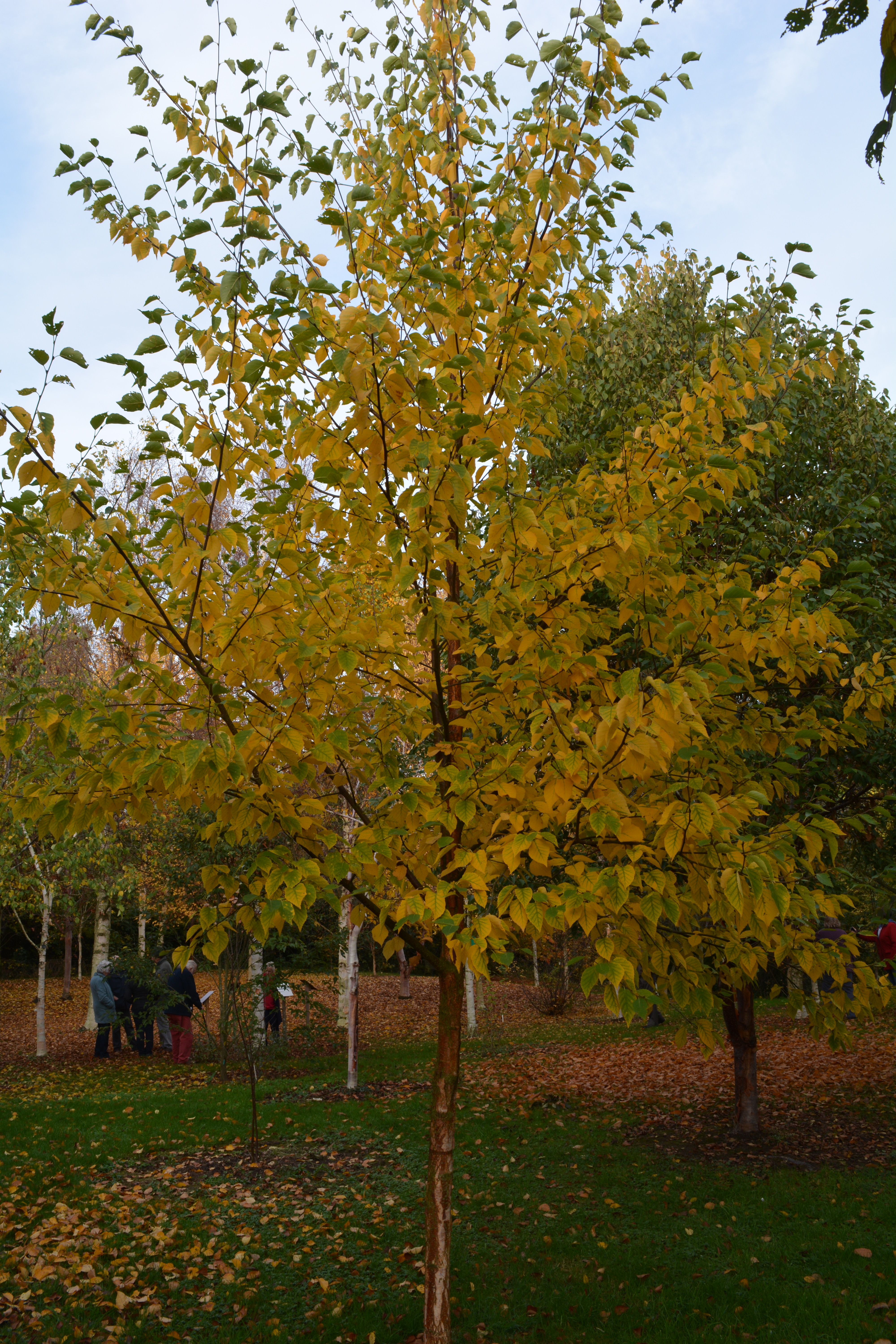
The River Birch below is Betula nigra “Dura Heat”. This is a particularly impressive multi-stemmed specimen and although just a young tree is already showing its peeling bark giving it a shaggy dog look.

2015 10 26_6761

Now just enjoy my photos of a selection of our other favourites.

2015 10 26_6767 2015 10 26_67802015 10 26_6768 2015 10 26_6769 2015 10 26_6771 2015 10 26_6775 2015 10 26_6776 2015 10 26_6778   2015 10 26_6781 2015 10 26_6782 2015 10 26_6788

What a great day we had sharing Richard’s trees and enjoying his vast reserves of knowledge. We will return in the Spring.

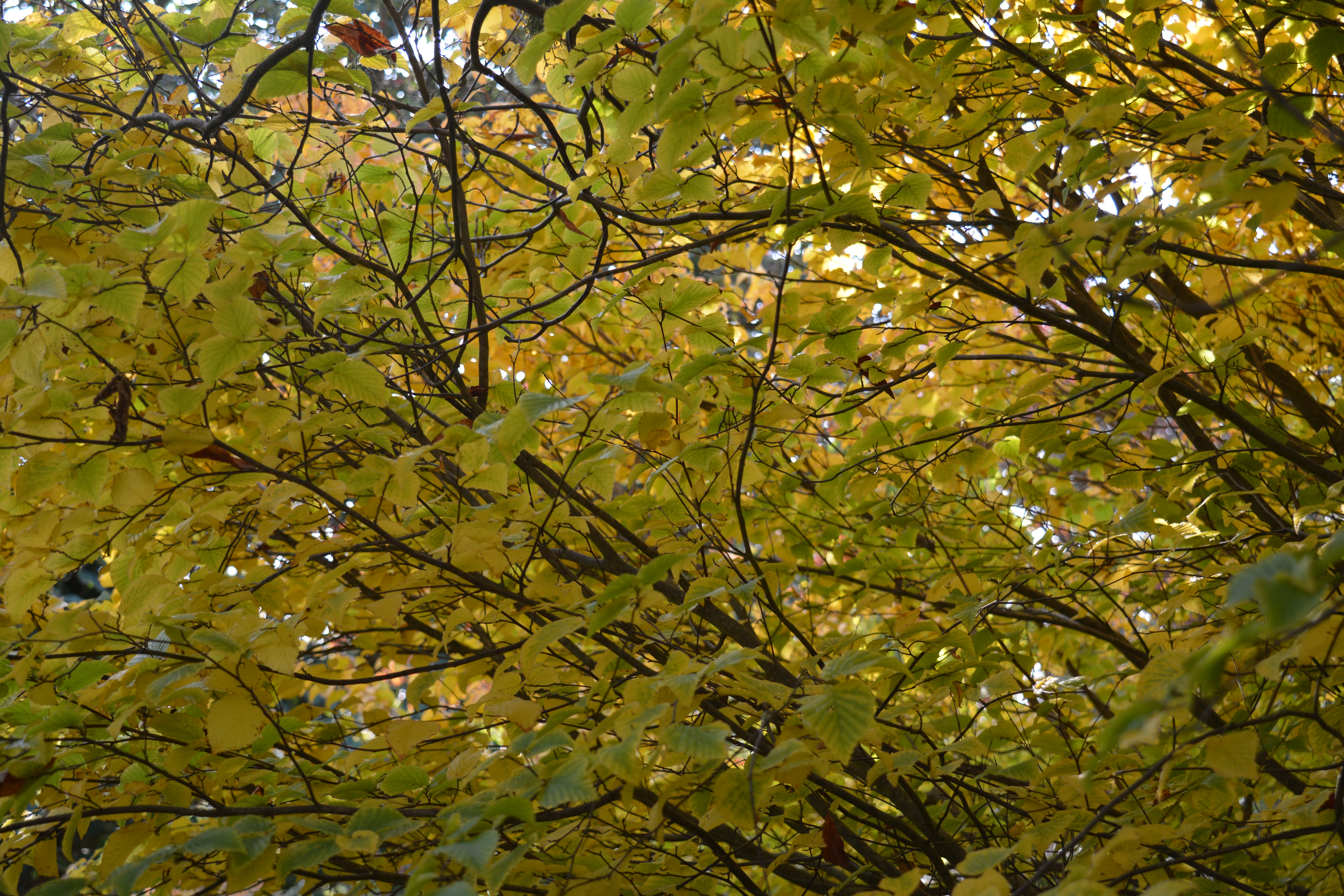
I will just finish with two other trees we found in the second field which Richard is building up into an extension of his arboretum, an unusual Acer, a Cercidyphlum and a black berried Buckthorn, a tree we had never seen before.

2015 10 26_6798 2015 10 26_67992015 10 26_6797

Categories
autumn autumn colours colours forests light light quality memorials nature reserves the South trees woodland woodlands

Walking the New Forest – part two

We will continue our walk where we left off at the end of part one of “Walking the New Forest”.

2015 10 19_6159 2015 10 19_6084

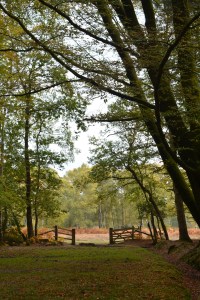
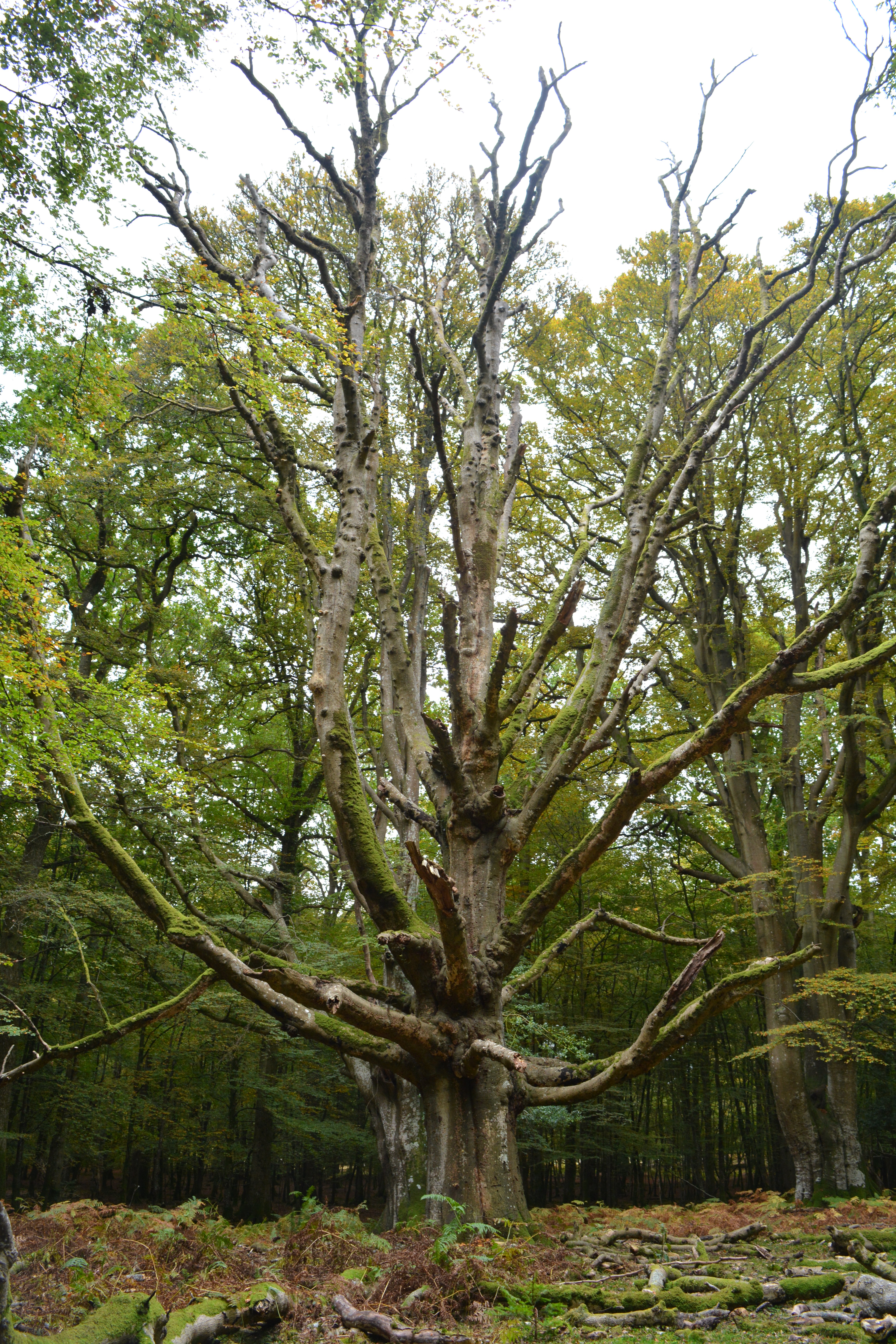
We left the old Oak behind crossed a clearing and followed a pathway through Beech trees as we aimed for an old wooden gate.

2015 10 19_6088 2015 10 19_61022015 10 19_6086

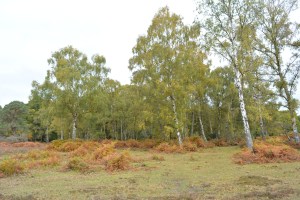
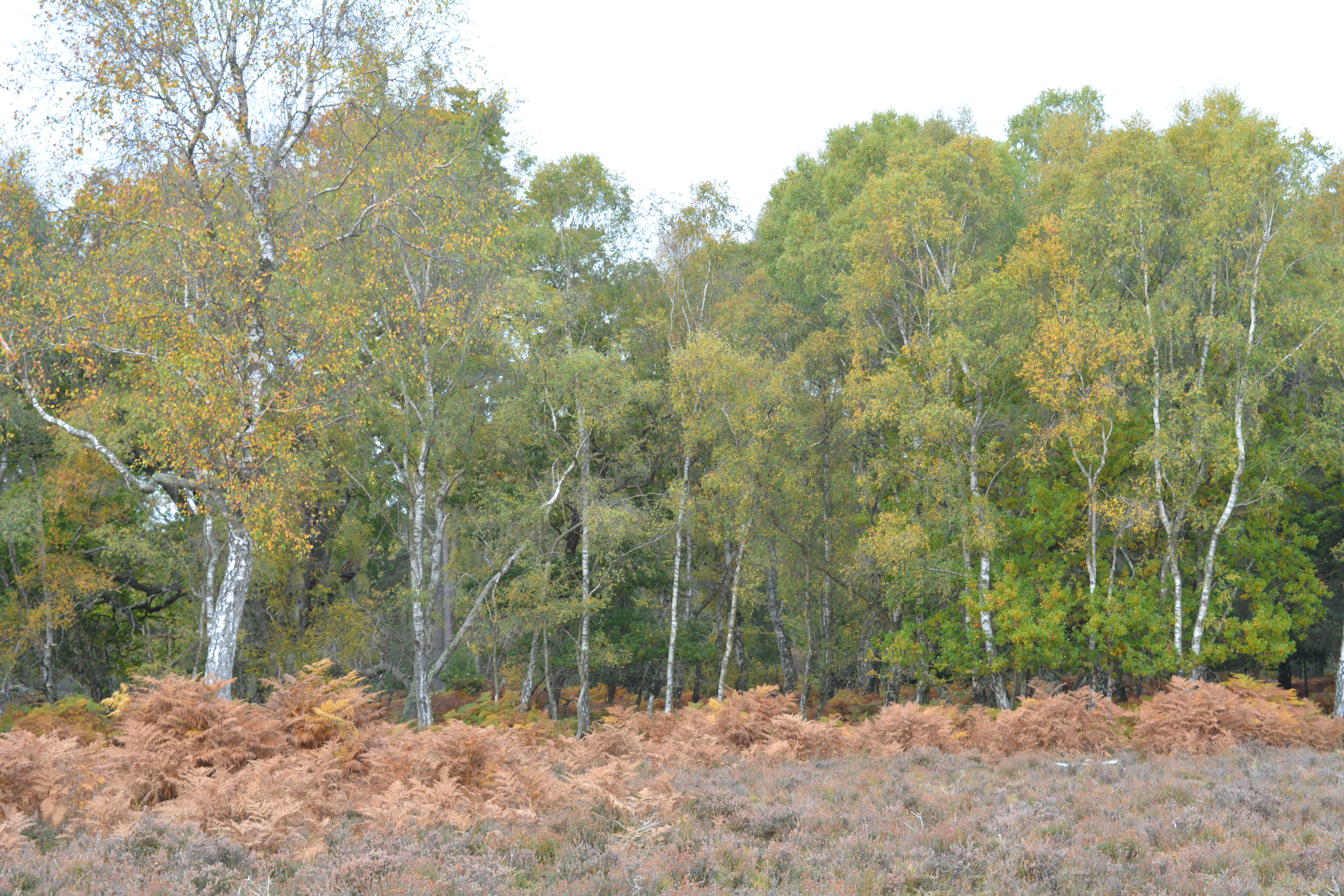
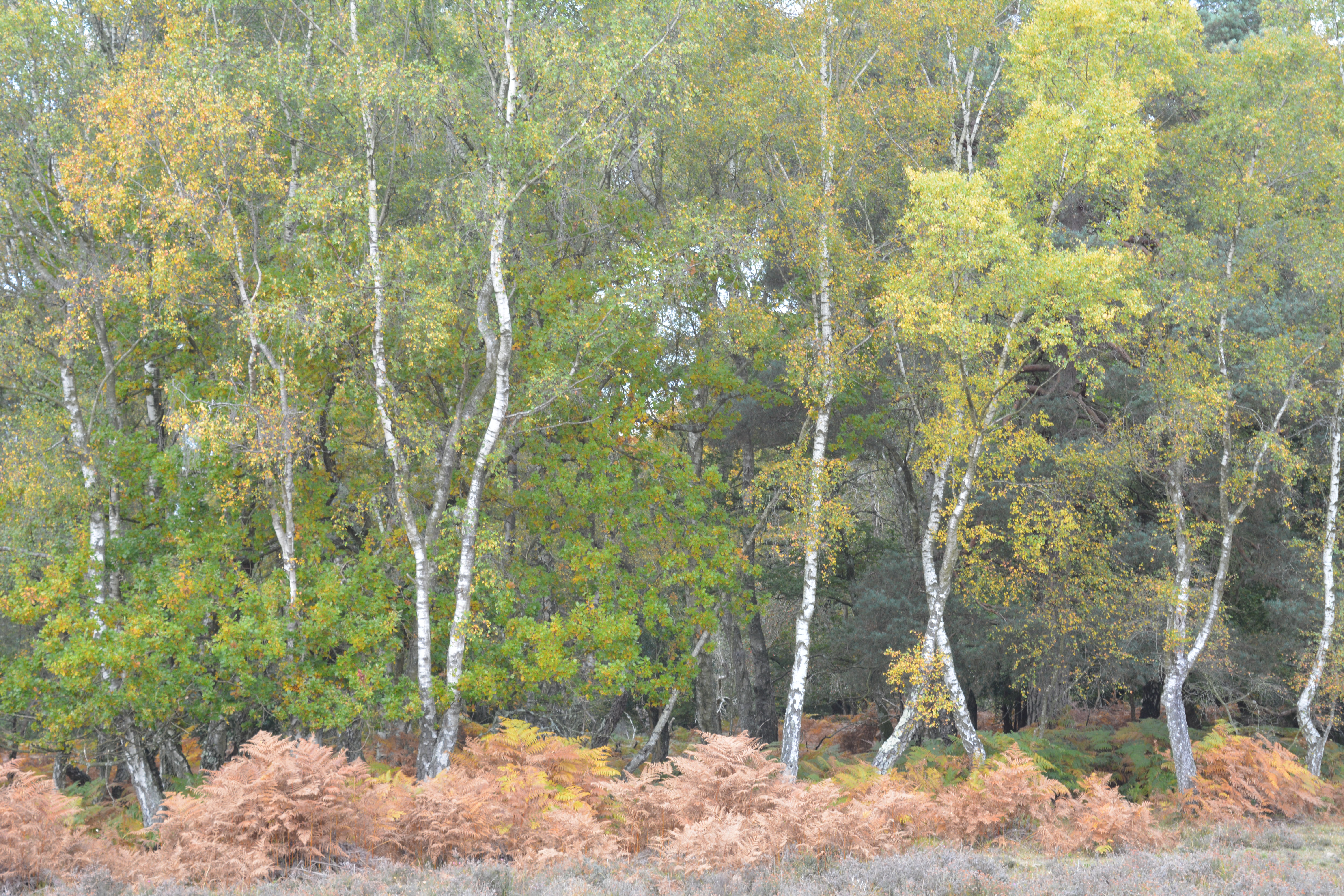
The gateway afforded us views of an open area with few trees and most of those were now of Birch, our native Betula pendula.

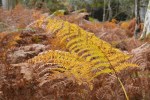
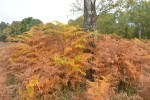
Ferns within the wooded area tended to be the Hard Fern variety but once out in the more open and much drier heathland the main ferns were our common Bracken. The Bracken was showing signs of changing into its autumn coat but the Hard Fern is an evergreen and keeps its leathery deep green coloured fronds.

2015 10 19_6100 2015 10 19_60852015 10 19_6109 2015 10 19_61102015 10 19_6108 2015 10 19_6106

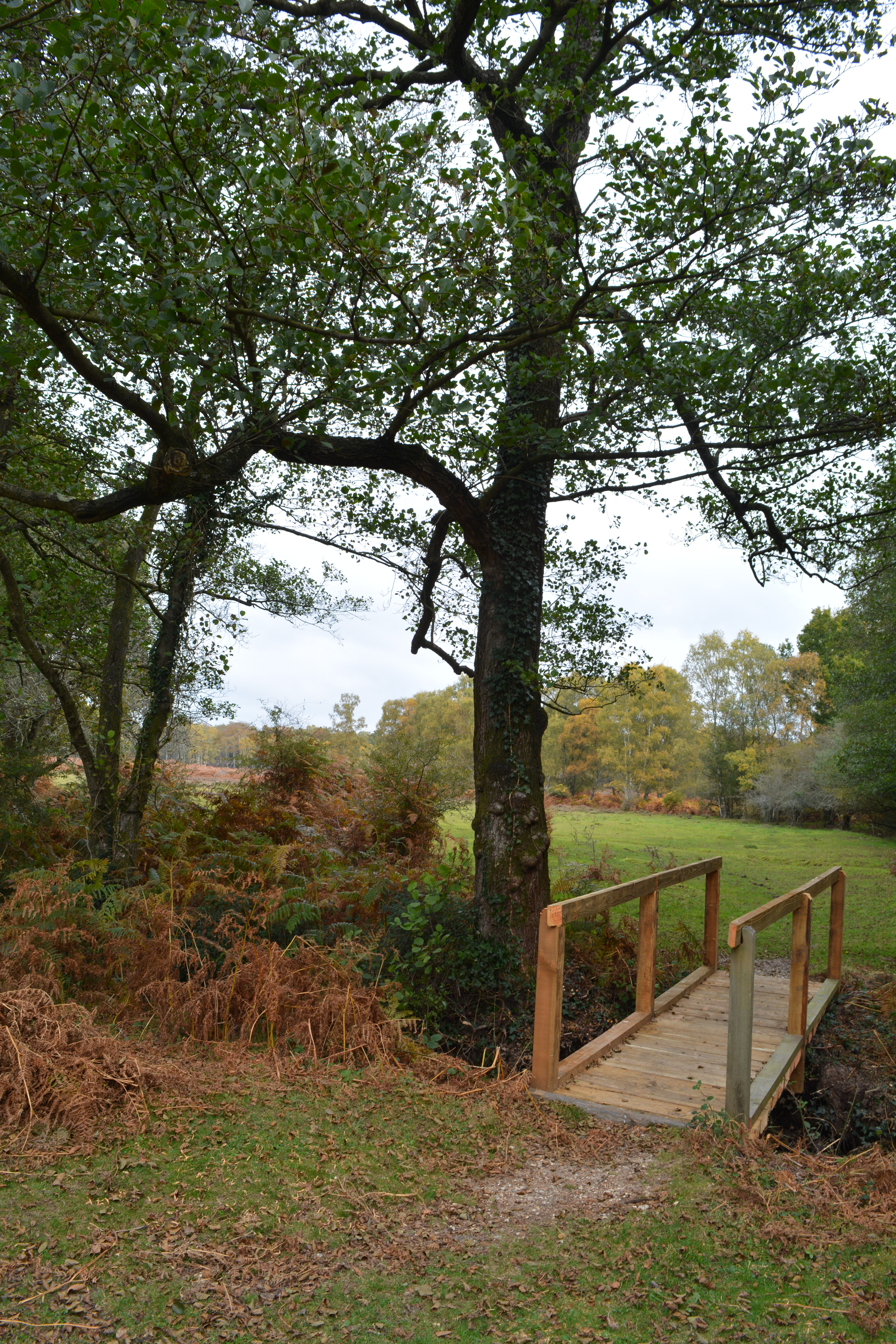
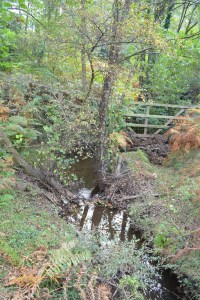
We took an indistinct path which led us diagonally towards a little wooden bridge which enabled us to cross a ditch. As we crossed wet muddy patches we found signs of life, bicycle tracks left by previous human visitors and prints of deer

2015 10 19_6111 2015 10 19_6112

2015 10 19_6104 2015 10 19_6105

Crossing the footbridge we aimed for a distant stand of brightly coloured Silver Birches.

2015 10 19_6103 2015 10 19_6114 2015 10 19_6115 2015 10 19_6116  2015 10 19_6117 2015 10 19_6119

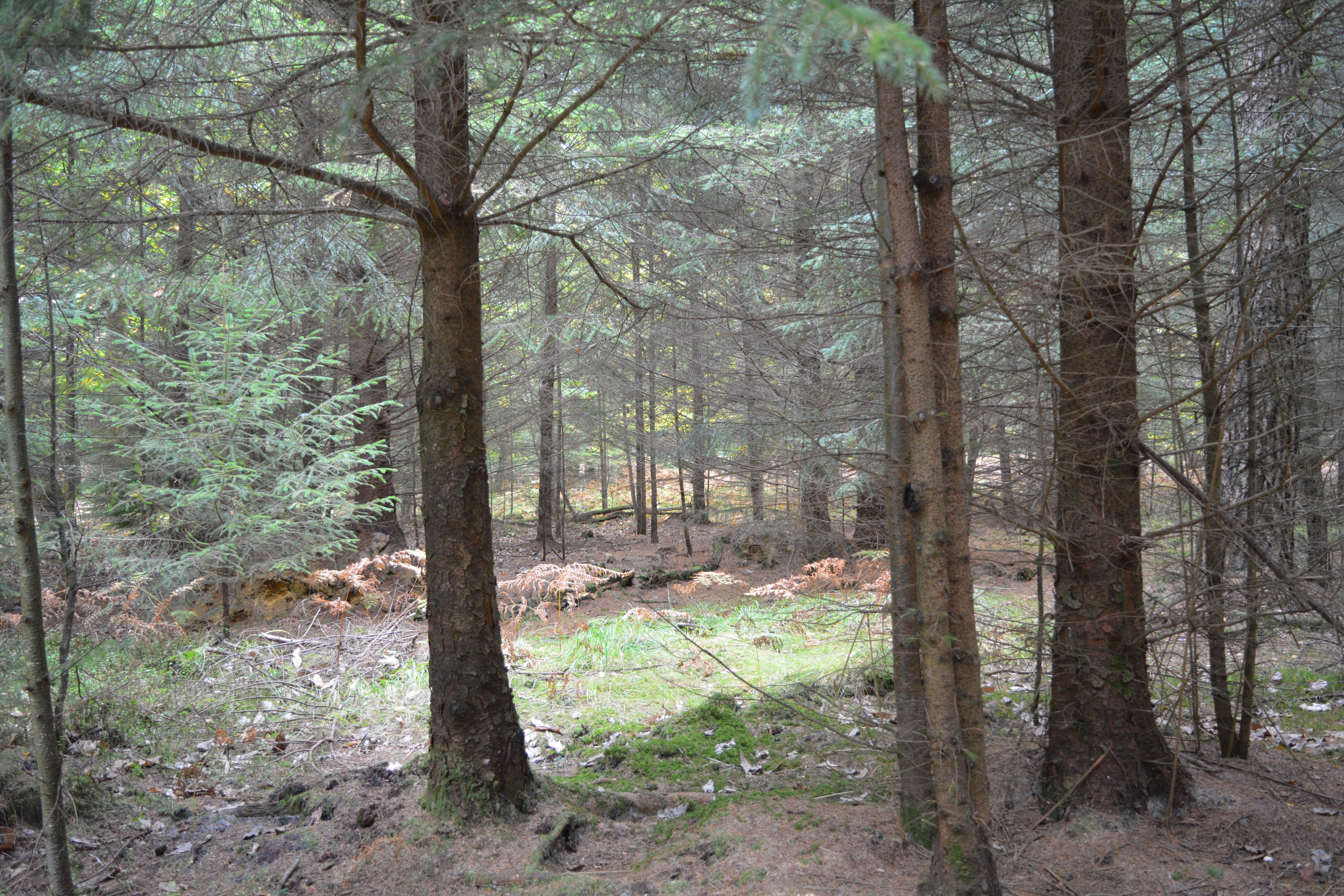
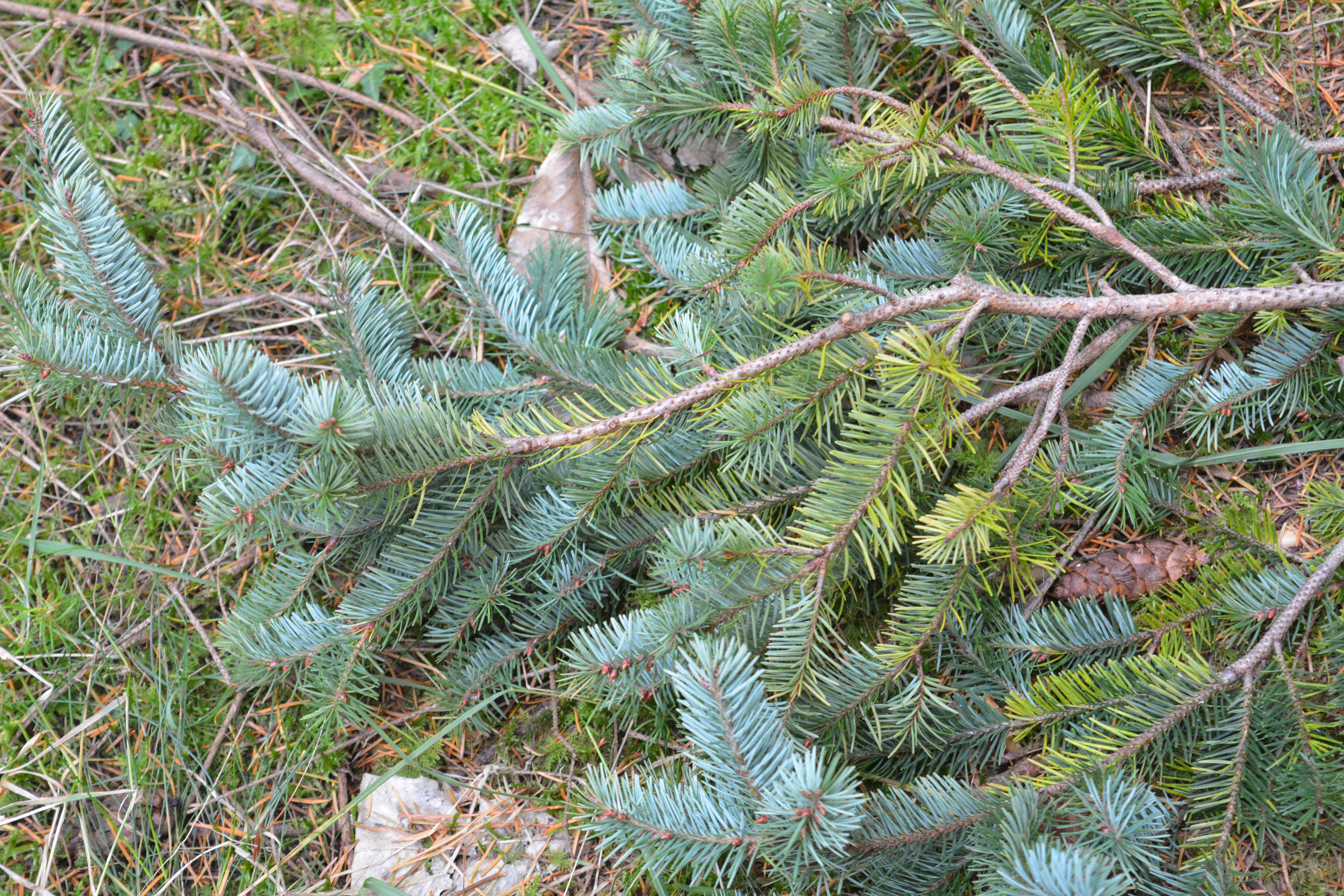
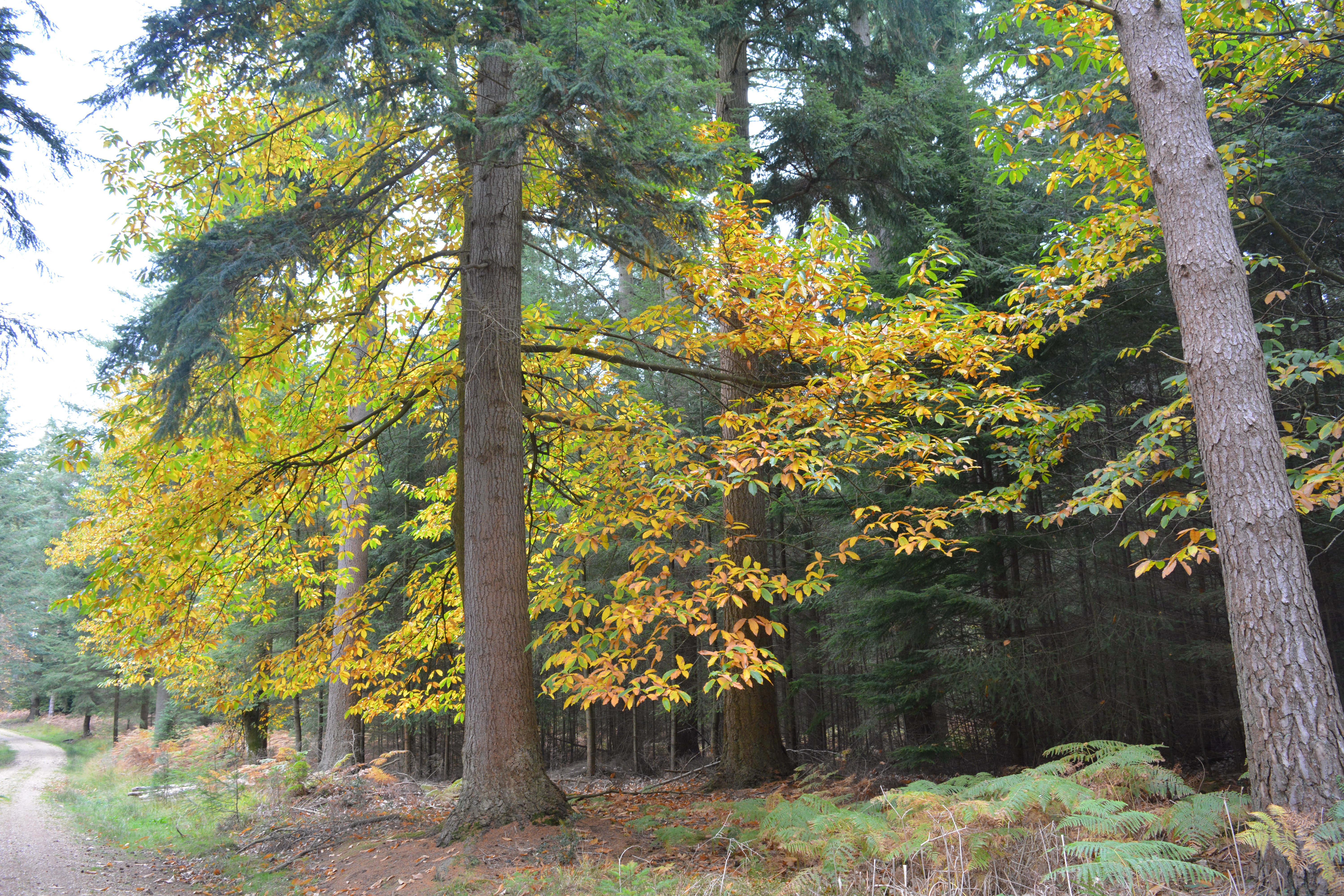
Leaving the heathland behind we crossed over a gravel track that led to a forestry worker’s house and entered a new inclosure of forest. The trees here started off as a selection of mixed deciduous native trees, but before too long conifers crept in. Slowly these dark pines took over completely and we found ourselves walking in dark woodland. Little grew beneath these trees as they blocked out the sunlight. The fresh smell of our native broadleaves was replaced by a resinous aroma reminiscent of pine household cleaners. Less inviting a smell than the warming and welcome scents of our native broadleaves.

2015 10 19_6121 2015 10 19_6125 2015 10 19_6126 2015 10 19_6139 2015 10 19_61332015 10 19_6129 2015 10 19_6134

The path we were following suddenly met a crossroads where a clearing allowed more light through to reach us and the forest floor. Foxgloves appeared both as first year rosettes of leaves preparing to flower next year and as seed heads, the remains of this years flowers and the promise of more Foxgloves to come.

2015 10 19_6132 2015 10 19_6136

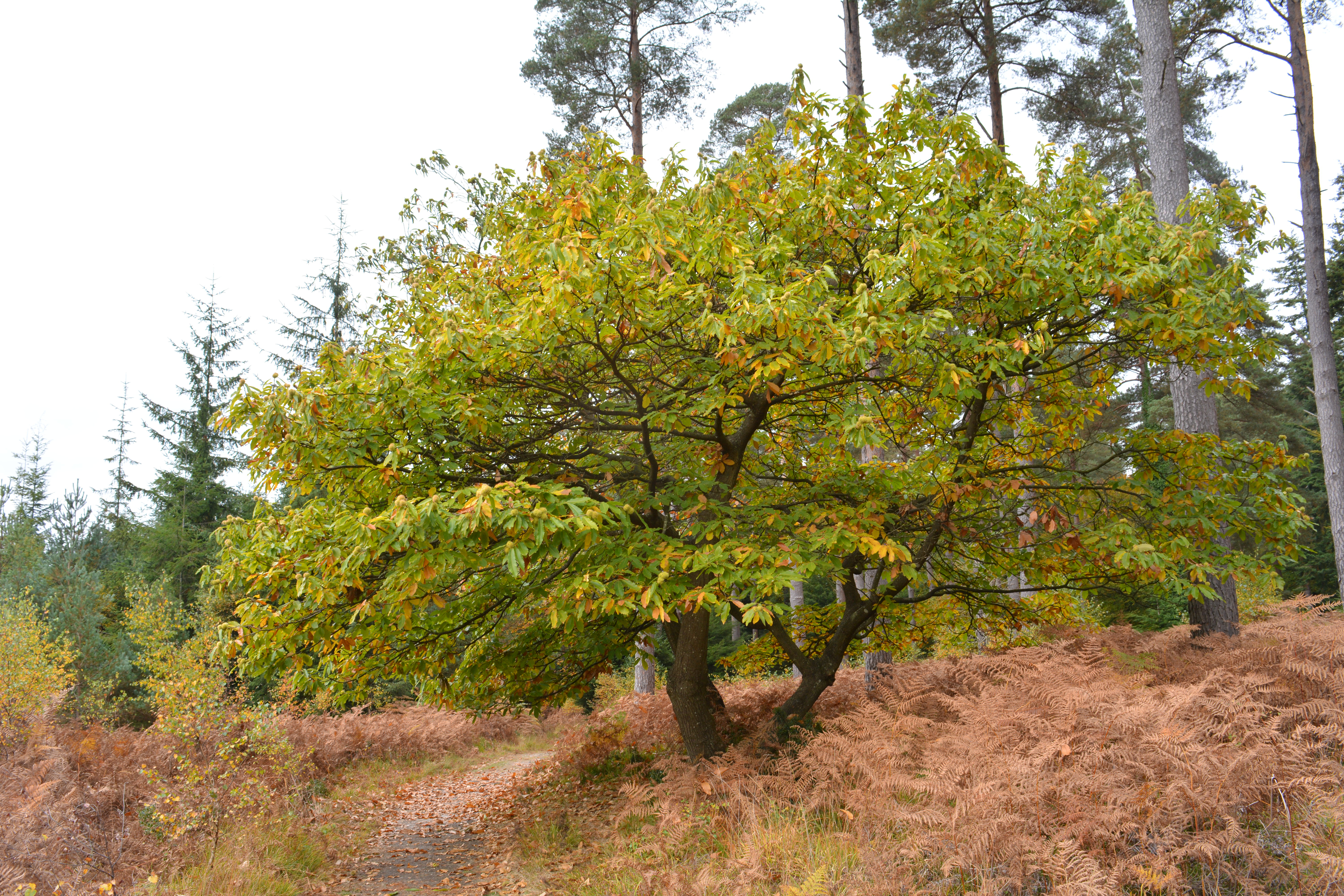
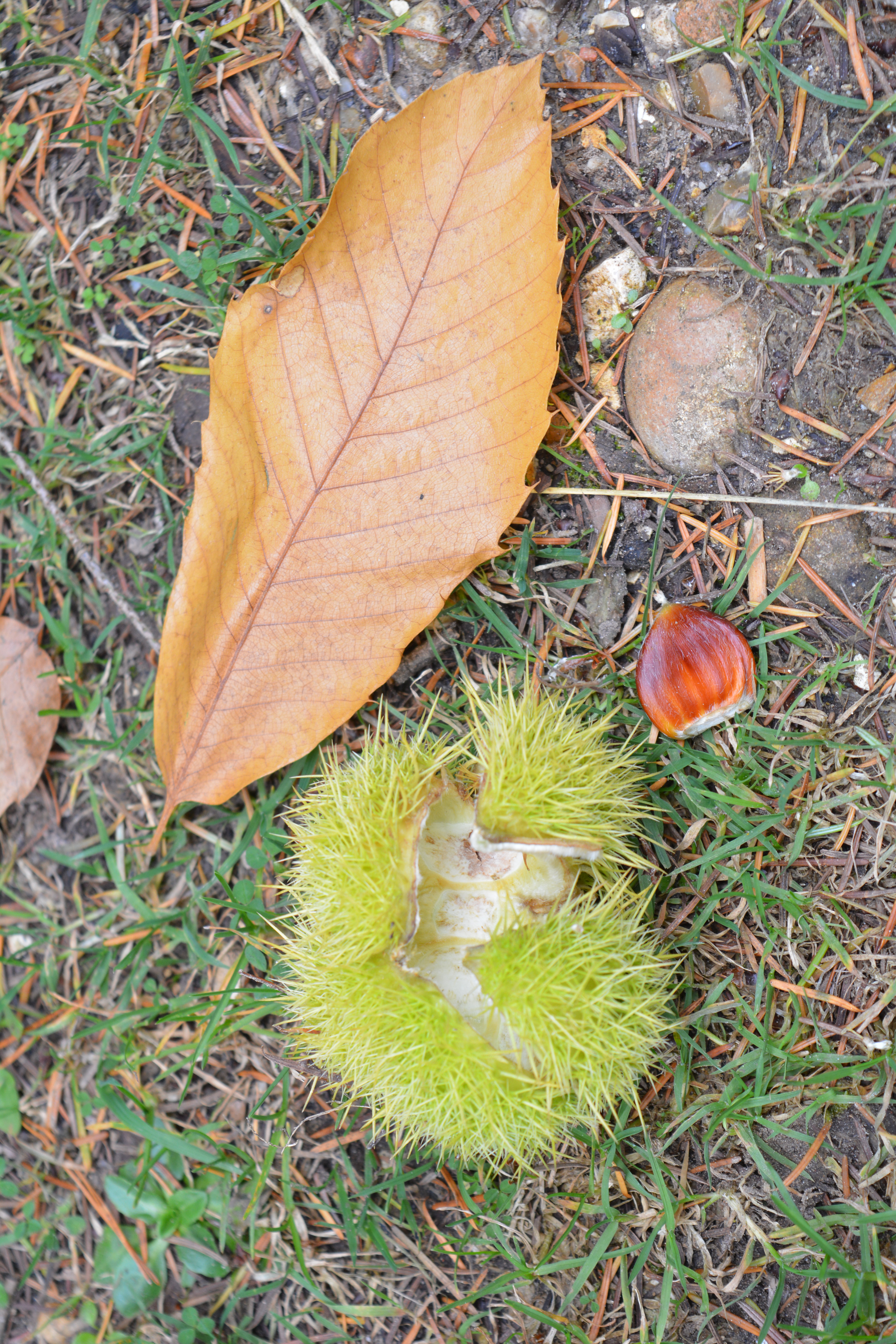
We looked up from the bench where we sat enjoying our coffee break and noticed the bright leaves of Sweet Chestnuts and beneath them we discovered their nuts, nut cases and fallen leaves. We were entertained by the loud noise of rutting stags roaring through trees and the gentler sounds of the diminutive Goldcrests high in the branches of the conifers.

2015 10 19_6135  2015 10 19_6140 2015 10 19_6144 2015 10 19_6145

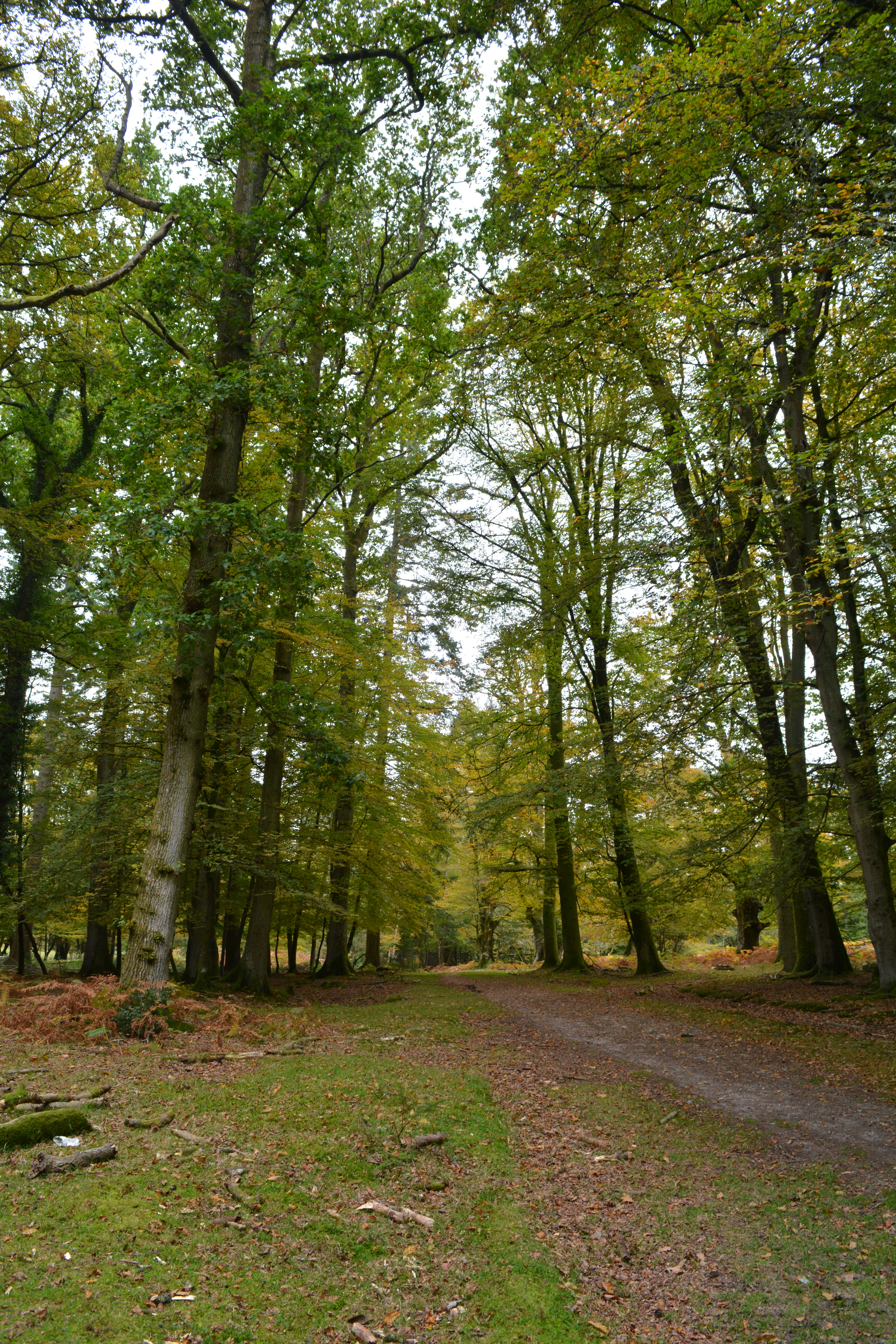
The final leg of our walk took us along forestry tracks through the conifers and then back into the brighter world of native deciduous trees.

2015 10 19_6156 2015 10 19_6155 2015 10 19_61492015 10 19_6154 2015 10 19_6150

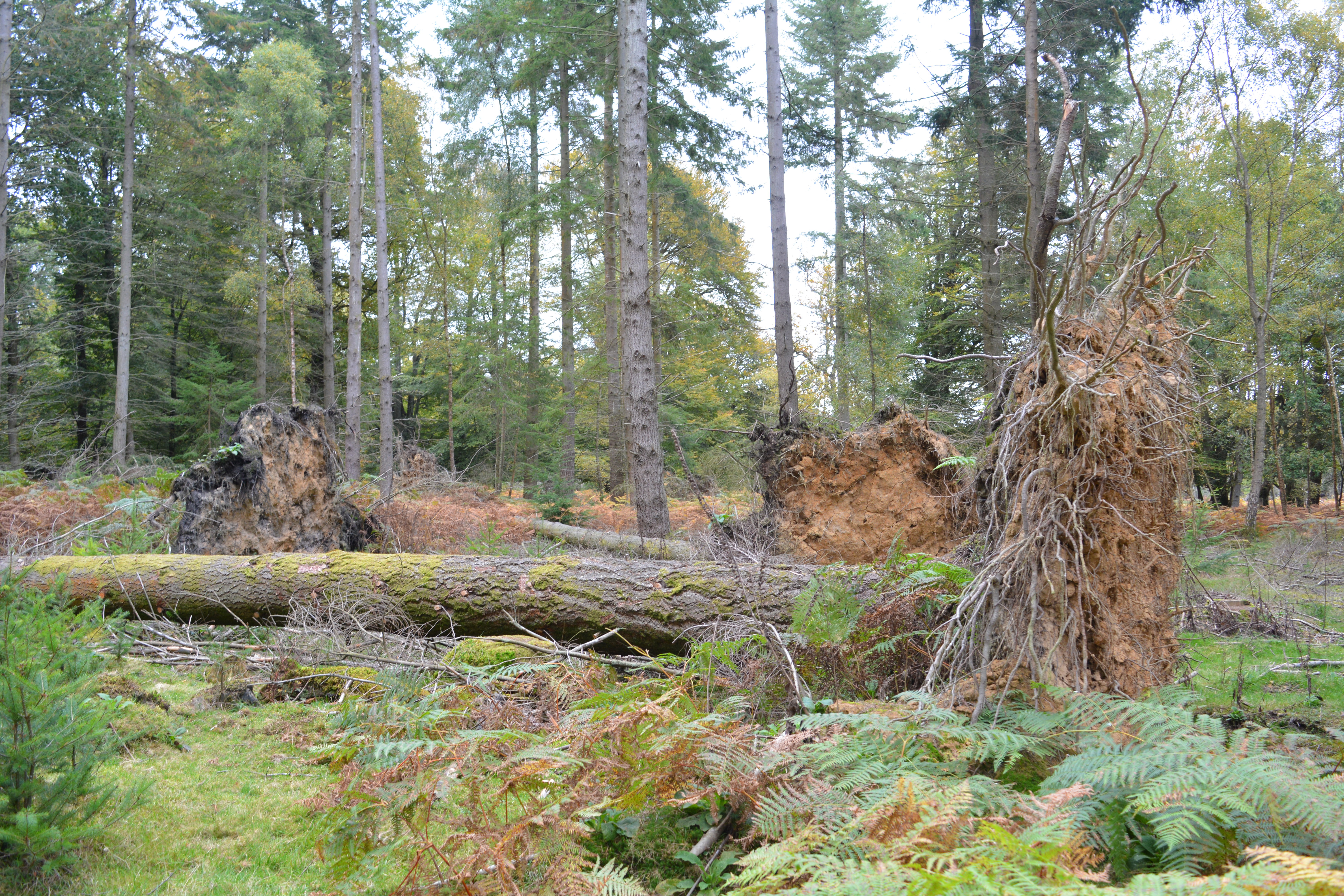
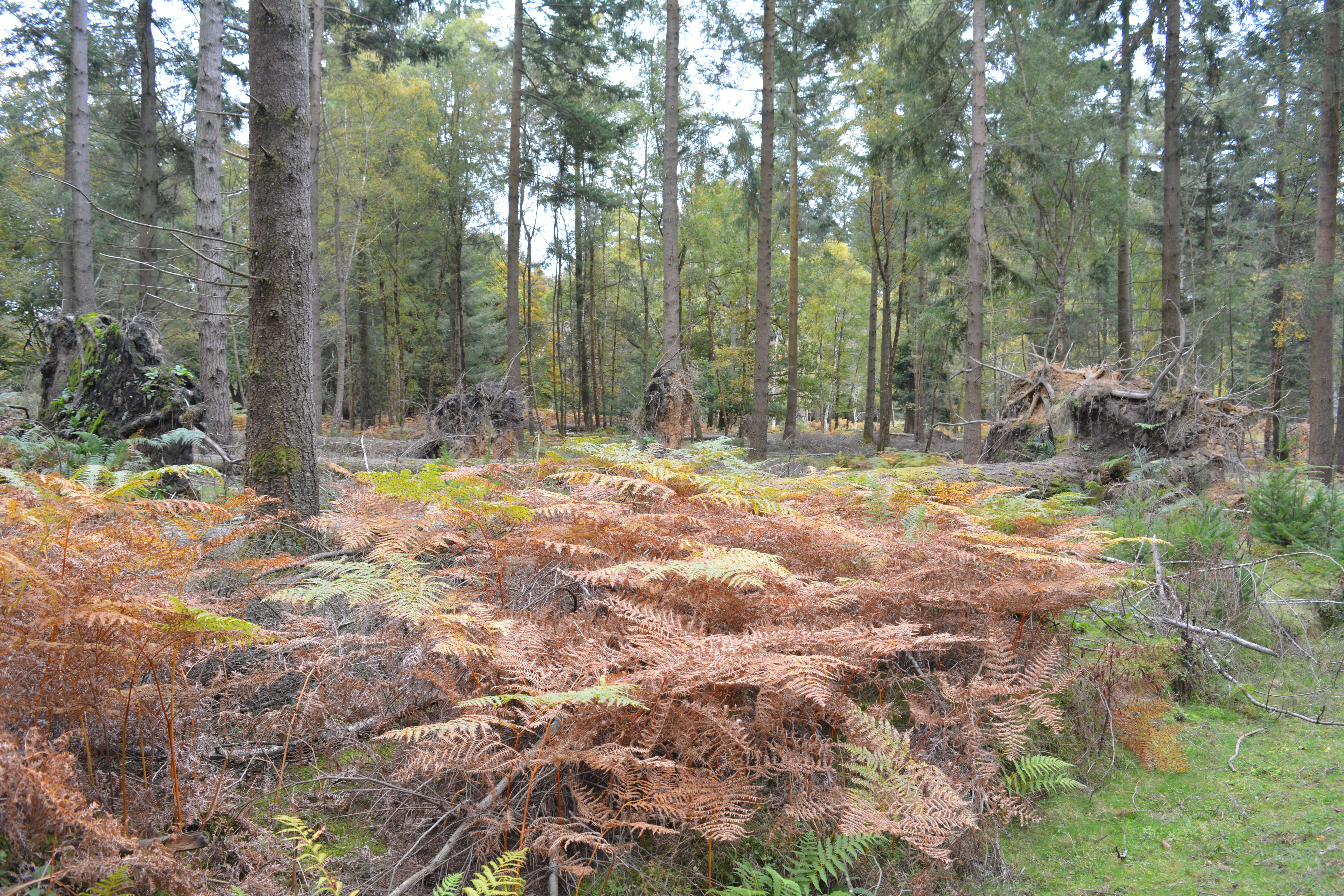
Just before finding the car park we passed alongside a line of huge conifers blown down in strong winds, a line of destruction.

2015 10 19_6148 2015 10 19_6147

We really enjoyed our first experience of the world of the New Forest. We had plenty more planned for our break.

2015 10 19_6157 2015 10 19_6145

Categories
autumn autumn colours birds colours garden photography garden wildlife gardening gardens hardy perennials light light quality migration ornamental trees and shrubs Shropshire

My Garden Journal – October

So here we are with the tenth post in the “My Garden Journal” monthly series highlighting the changes that we see, hear and smell each month in our Shropshire garden at our home “Avocet”. Our garden open days have finished for the year and we have hosted our last visiting group for the year, so we have the garden to ourselves and our wildlife. From April to September we are open on set days and to visiting groups and although we love sharing our garden there is a feeling of letting go a bit once October arrives a sort of end of term feeling.

We will be busy taking hardwood cuttings and potting on those we struck last autumn. Our greenhouse becomes home to our more delicate plants, our Aeoniums, Salvias, and Echeverias. We put up bubble wrap as a cosy duvet for them and put the heating on gently.

My first page in my journal for October refers to the changing light the month brings.

2015 11 01_6961_edited-1

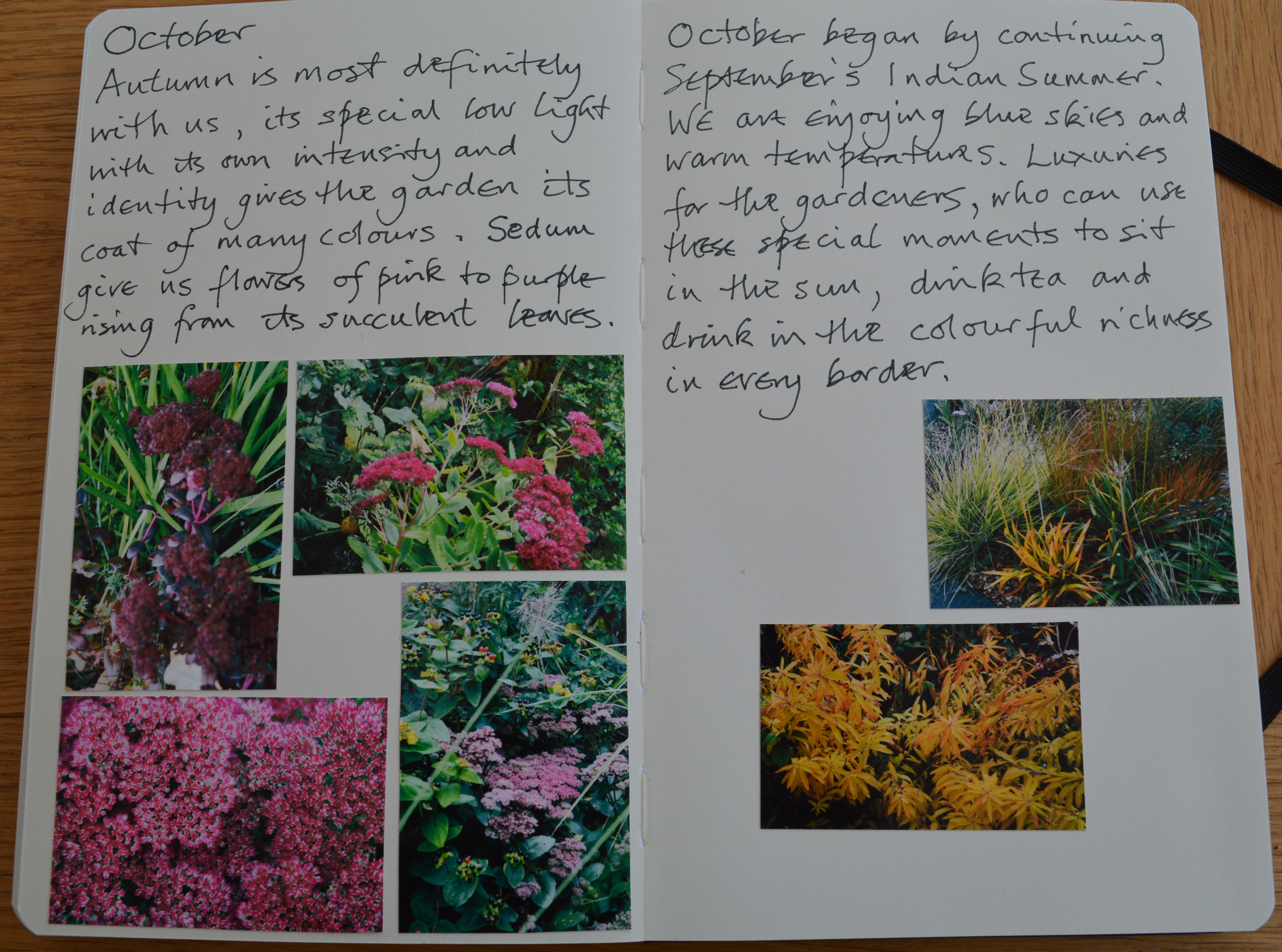
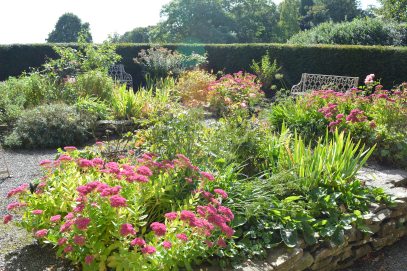
“Autumn is most definitely with us, its special low light with its own intensity and identity gives the garden its coat of many colours. Sedum give us flowers of pink to purple rising from its succulent leaves. 

2015 10 10_5931 2015 10 10_5924 2015 10 10_5936 2015 10 10_5927

“October began by continuing September’s Indian Summer. We are enjoying blue skies and warm temperatures. Luxuries for the gardeners, who can use these special moments to sit in the sun, drink tea and drink in the colourful richness in every border.”

2015 10 26_6842-2 2015 10 26_6800-2

2015 11 01_6962_edited-1

My journal moved on to consider the changing colours which is symbolic of this season. The quote I have selected for October from Jenny Joseph also looks at October’s colours.

“The fire that October first brings to me is what has started in September. It is the woods flaming; not terrifying summer fires in some afforested countries, but the fire with no heat, no destruction. The torch that sets fire to our woods, hedges, trees in roads and gardens, blazing through cool damp darkening days is the sap withdrawing. It is a dying that can make us gasp at the intensity and great range of colour.”

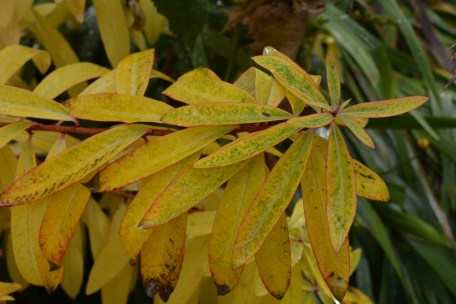
In my journal I wrote “All those myriad shades of green that had been acting as foils for the colours of flowers are now coming to the fore. It is their turn to be the stars! As we move into autumn more deeply the green recedes to reveal yellows, oranges and reds. Our Euphorbia griffithii “Fireglow” glows yellow with thin red lines drawn on.”

2015 10 26_6801-2 2015 10 26_6802-22015 10 26_6803-2

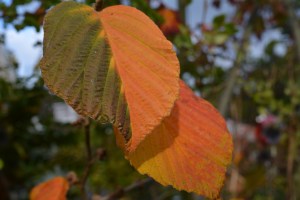
“We grow two different varieties of Hamamelis x intermedia, Jelena and Diana, mostly for their bright late winter/early spring flowers but in autumn they give us the same orange and red colours.”

2015 10 26_6807-2 2015 10 26_6812-22015 10 26_6806-2 2015 10 26_6808-22015 10 26_6805-2

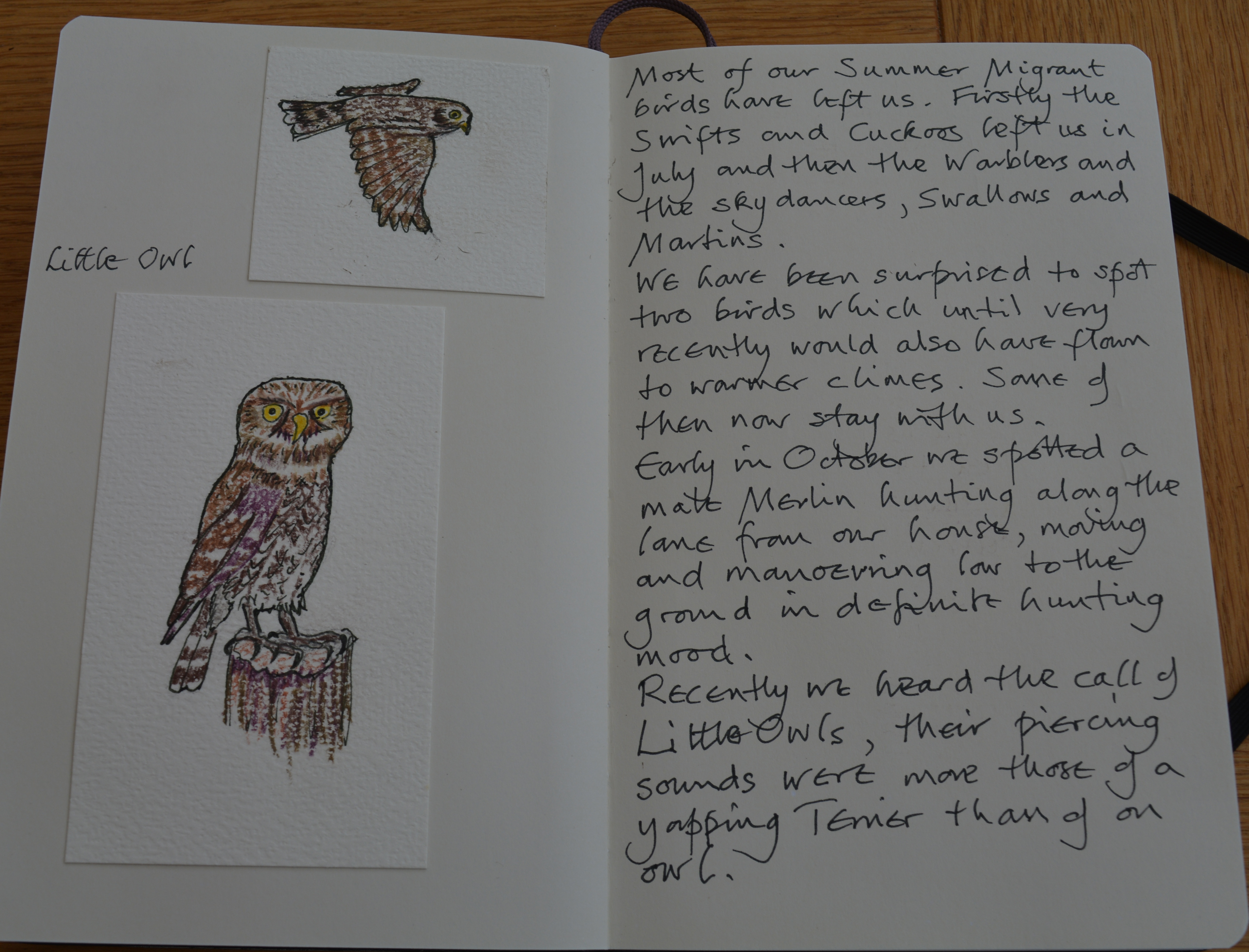
On the following pages I discuss the birds that visited our garden during October, the Merlin and the Little Owl. I hope you enjoy looking at my coloured pencil crayon drawing as much as I enjoyed creating them.

2015 11 01_6963_edited-1

“Most of our Summer Migrant birds have left us. Firstly the Swifts and the Cuckoos left us in July and then the Warblers and the sky dancers, Swallows and House Martins.

We have been surprised to spot two birds which until recently would also have flown to warmer climes. Some of our summer visitors now stay with us. Early in October we spotted a male Merlin hunting along the lane from our house, moving and manoevring low to the ground in definite hunting mood.

Recently we heard the call of Little Owls, their piercing sounds were more those of a yapping Terrier than those of an owl.”

2015 11 01_6965_edited-1 2015 11 01_6966_edited-1

2015 11 01_6967_edited-1

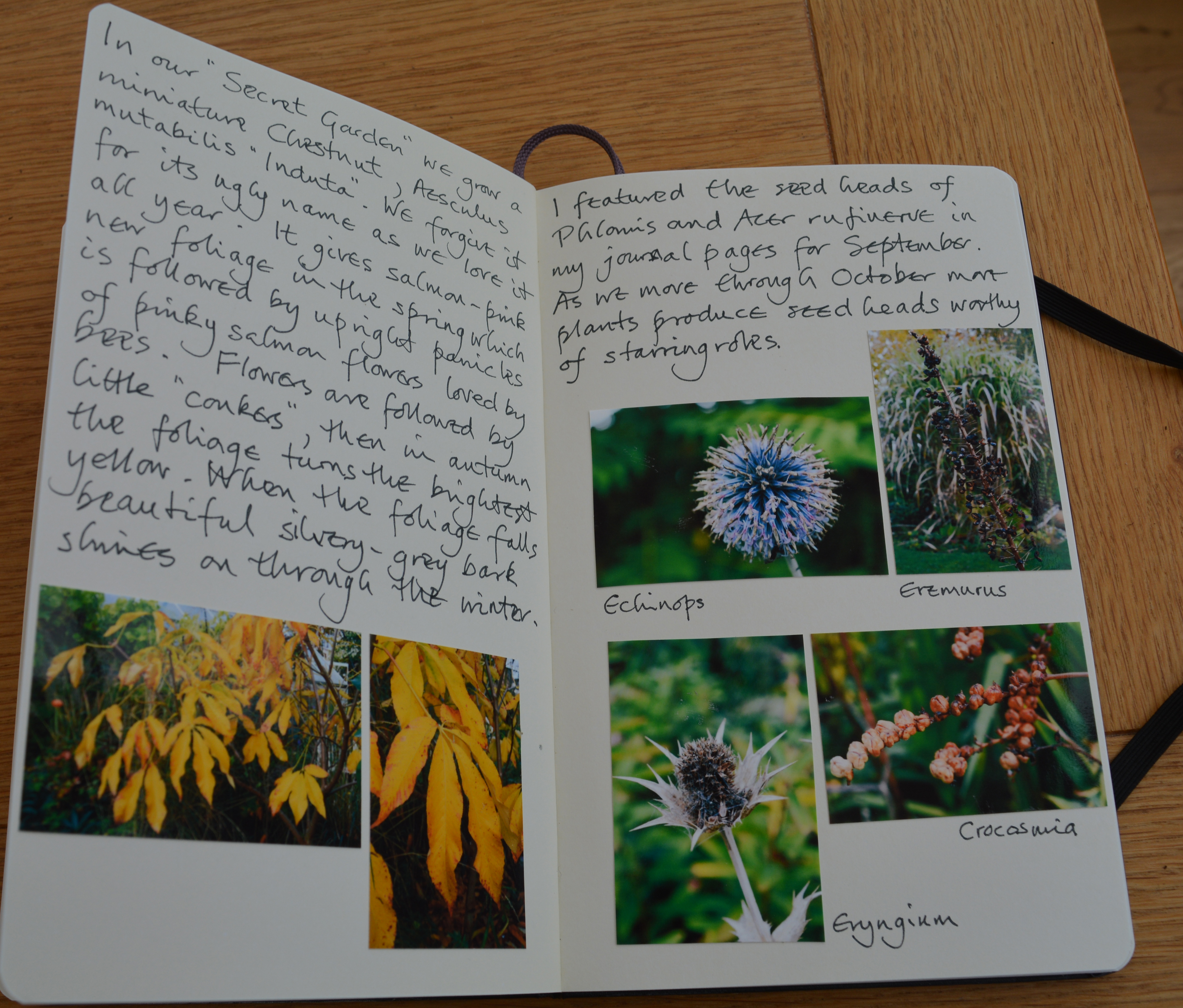
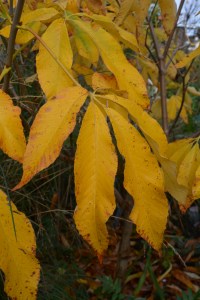
“In our “Secret Garden” we grow a miniature Chestnut, Aesculus mutabilis “Induta”. We forgive it for its ugly name as we love it all year. It gives salmon-pink new foliage in the spring which is followed by upright panicles of pinky-salmon flowers loved by the bees. Flowers are followed by little “conkers”, then in autumn the foliage turns the brightest yellow. When the foliage falls beautiful silvery-grey bark shines through the winter.”

2015 10 26_6817-2 2015 10 26_6818-22015 10 26_6816-2

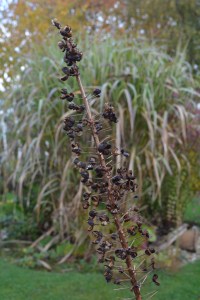
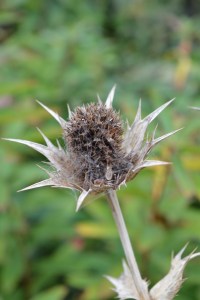
I featured the seed heads of Phlomis and Acer rufinerve in my journal pages for September. As we move through October more plants produce seed heads worthy of starring roles. Echinops, Eremurus, Eryngium and Crocosmia.”

2015 10 10_5923 2015 10 26_6831-22015 10 26_6841-2 2015 10 10_59182015 10 10_5917

November will take us deeper into the autumn which this year is proving to be an exceptionally colourful one.

Categories
autumn autumn colours colours countryside landscapes light light quality outdoor sculpture photography trees wildlife woodland woodlands

Walking in the New Forest – part one

We decided we would take an Autumn break so went down to the New Forest for a short mid-week break. We loaded the car with coats, waterproofs and warm clothes thinking we were planning for whatever the weather had in store for us. We got it totally wrong for as we went further southward the weather improved and we ended up enjoying warm sunny weather. A real treat!

We have driven through or past the New Forest, Britain’s smallest National Park, several times and vowed we would holiday there some day. So as we arrived we had great expectations and we were not to be disappointed.

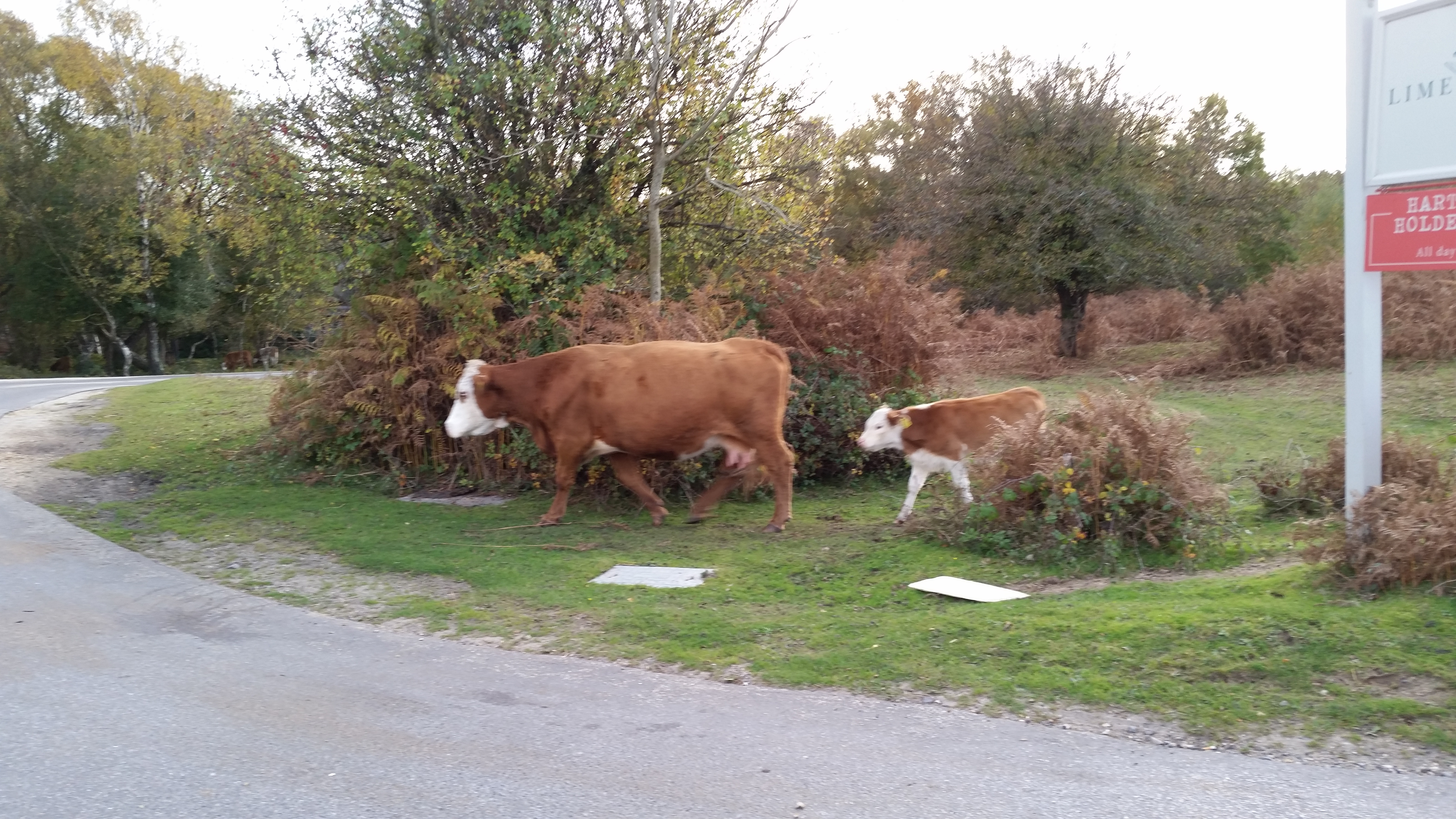
The New Forest proved to present the unexpected. Traffic jams and delays were not caused by vehicles but by livestock, cattle, pigs, donkeys and of course the famous New Forest Ponies. So here are a few shots of the many critters we encountered as we drove around the forest.

2015 10 24_6642 2015 10 24_6641 2015 10 24_6640 2015 10 24_6639 2015 10 24_6638 2015 10 24_6637 2015 10 24_6636 2015 10 24_6635 2015 10 24_6634 2015 10 24_6633

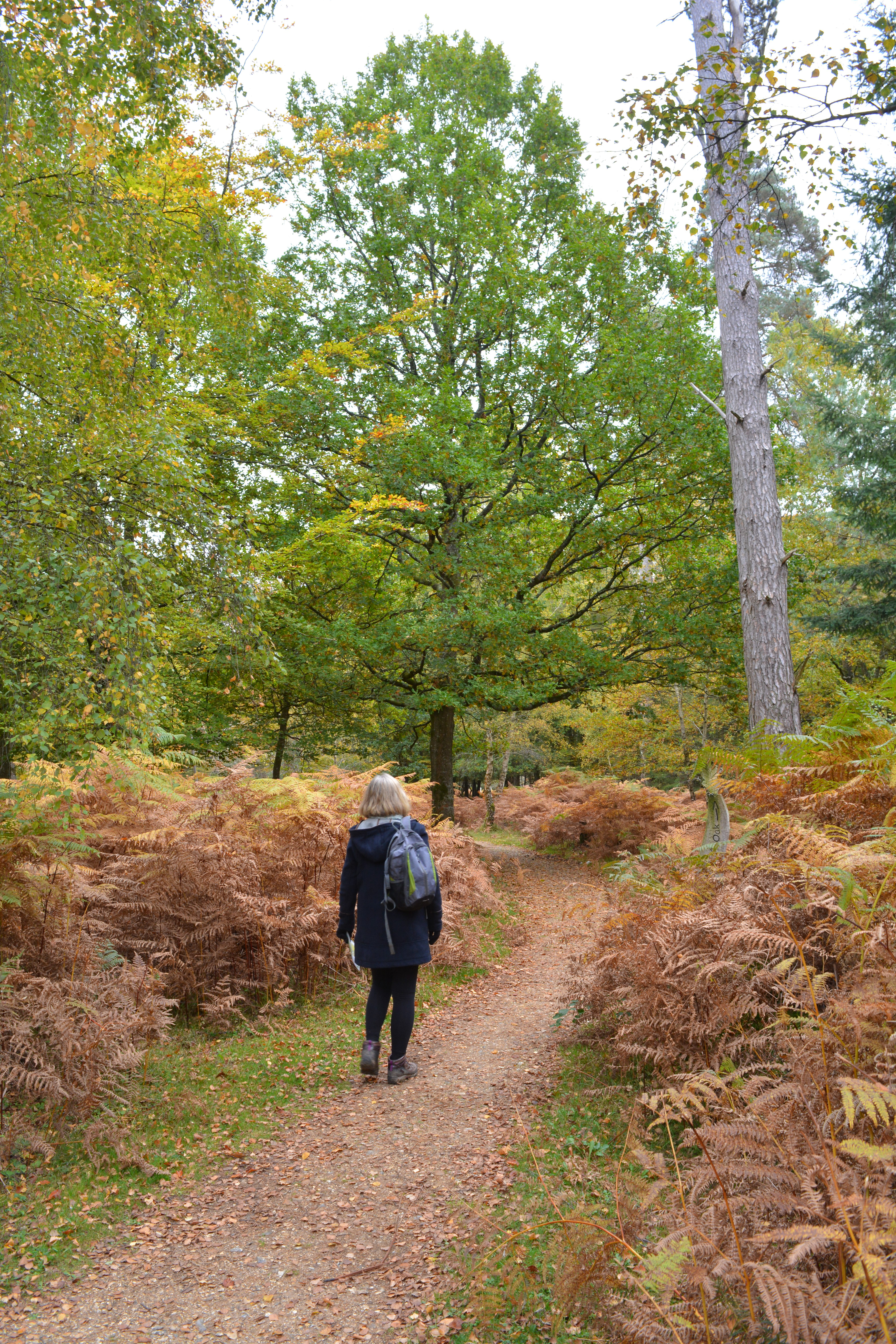
Our first day excursion was to a Forestry Commission area of woods and heathland with way-marked walks winding through it.

2015 10 19_6158

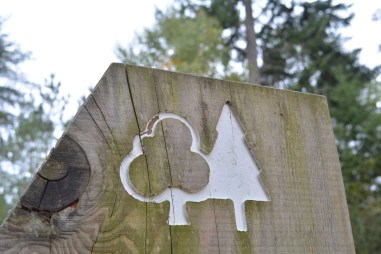
We set off firstly in search of the Knightwood Oak the oldest oak in the New Forest which reached maturity during the reign of Henry VIII. We followed the posts marking the way, rather beautiful way markers carved in wood.

2015 10 19_6064 2015 10 19_6065 2015 10 19_6066 2015 10 19_6067 2015 10 19_6069 2015 10 19_6070

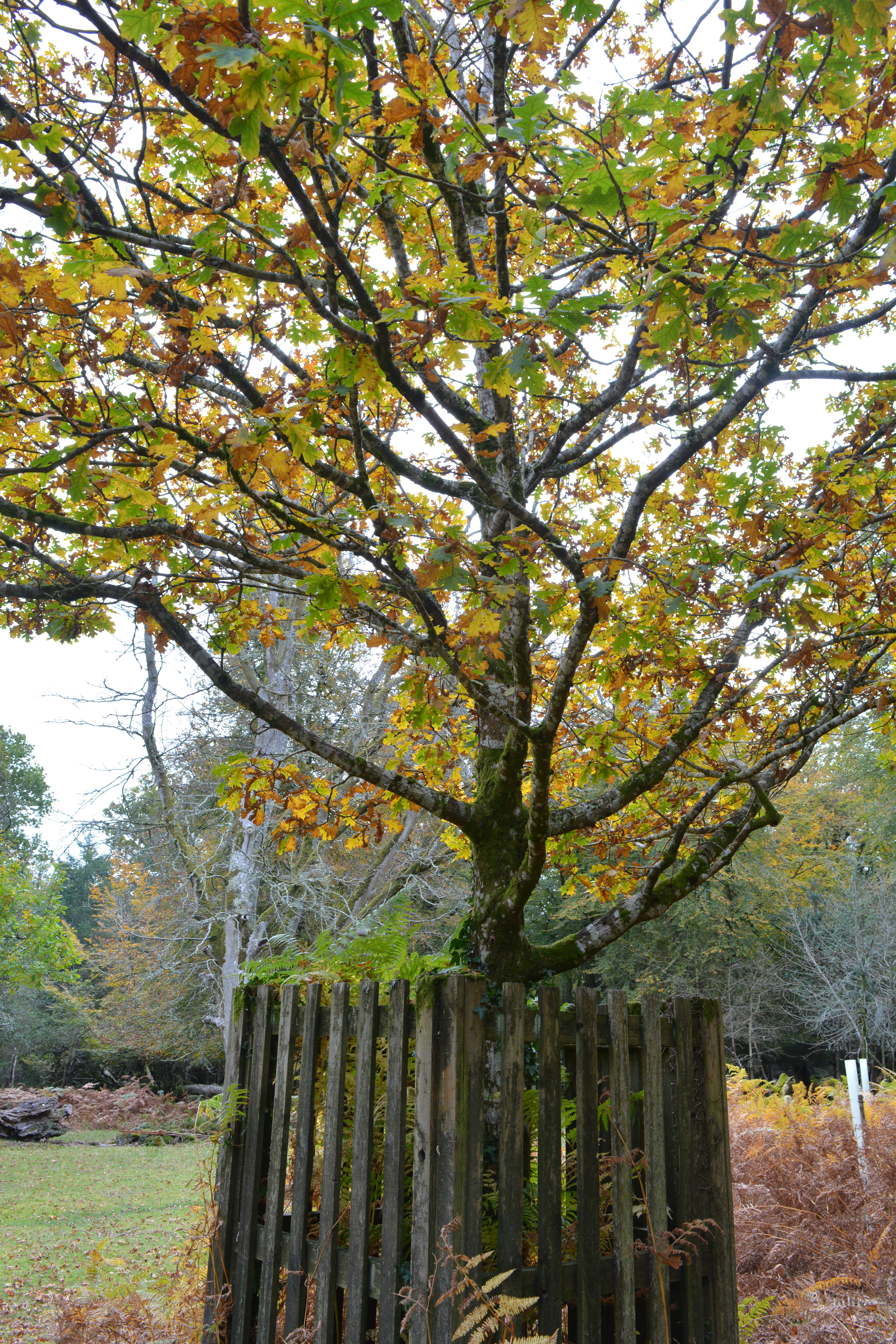
Among the hundreds of oak trees here we passed two other significant oaks on the way, celebrating important moments in the forest’s history. Firstly the Queen’s Oak was planted by Queen Elizabeth II to commemorate the 900th anniversary of the founding of the forest by William I in 1079. Secondly the Deputy Surveyor’s Oak planted to mark the contribution of a former Deputy Surveyor of the forest, Donn Small. The second oak was planted as a sapling from the Knightwood Oak itself. The ancient oak itself was surrounded by a chestnut paling fence to keep the public away from falling branches and to prevent the public from getting too close to the tree.

2015 10 19_6073 2015 10 19_6074 2015 10 19_6075  2015 10 19_6076 2015 10 19_6083

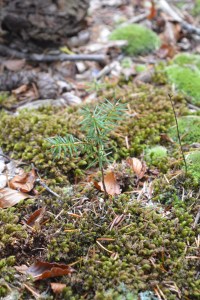
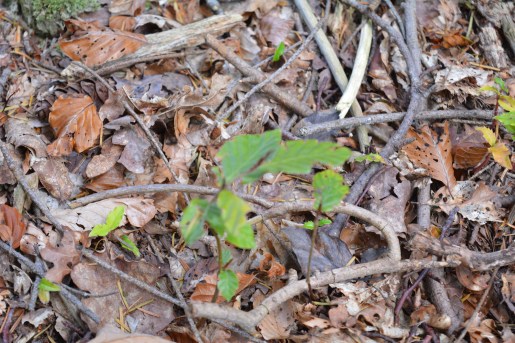
Although this was a forest of mature trees there were signs of regeneration throughout, little saplings of all the main species of trees, so its future looks secure.

2015 10 19_6078 2015 10 19_6094 2015 10 19_61432015 10 19_6096

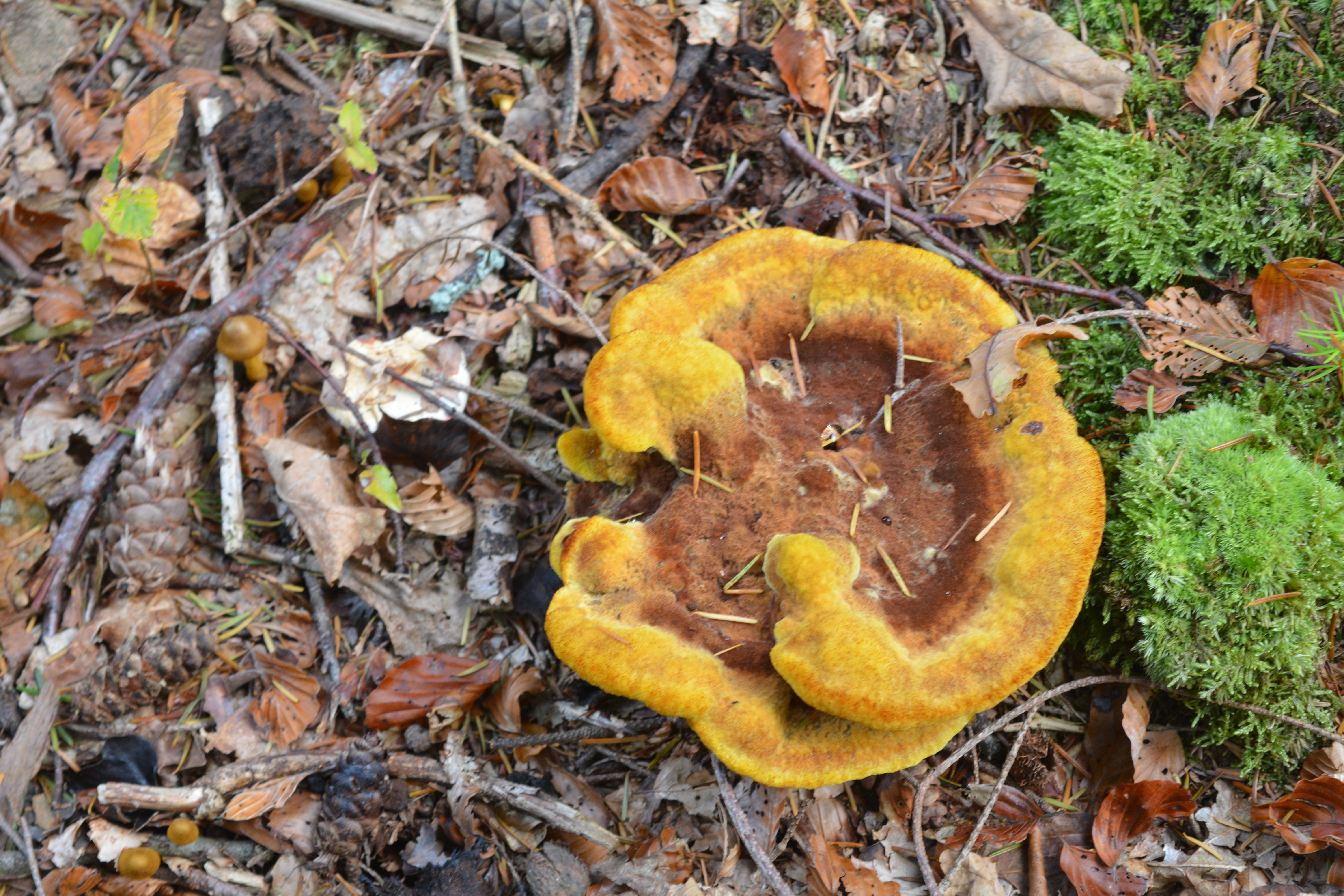
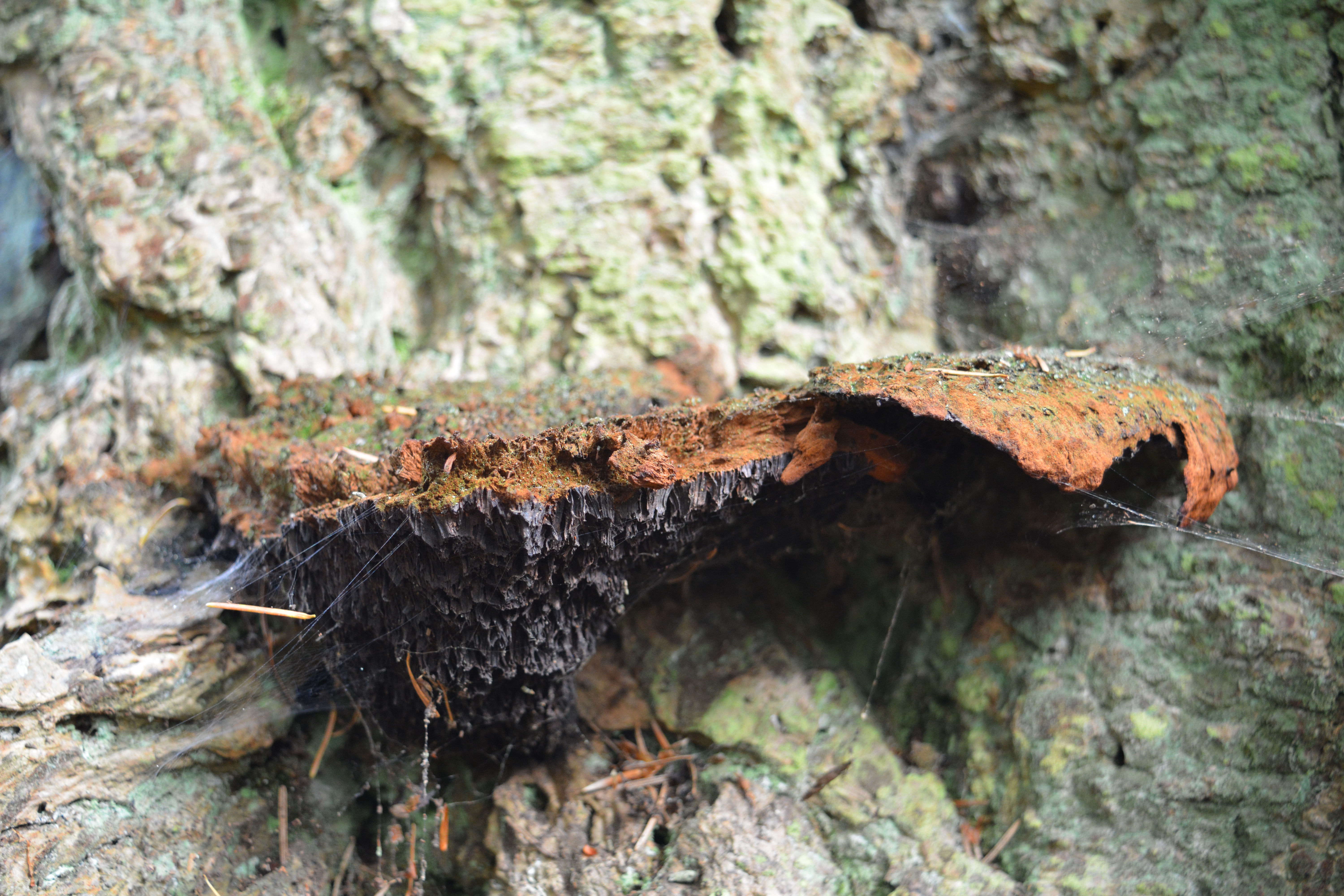
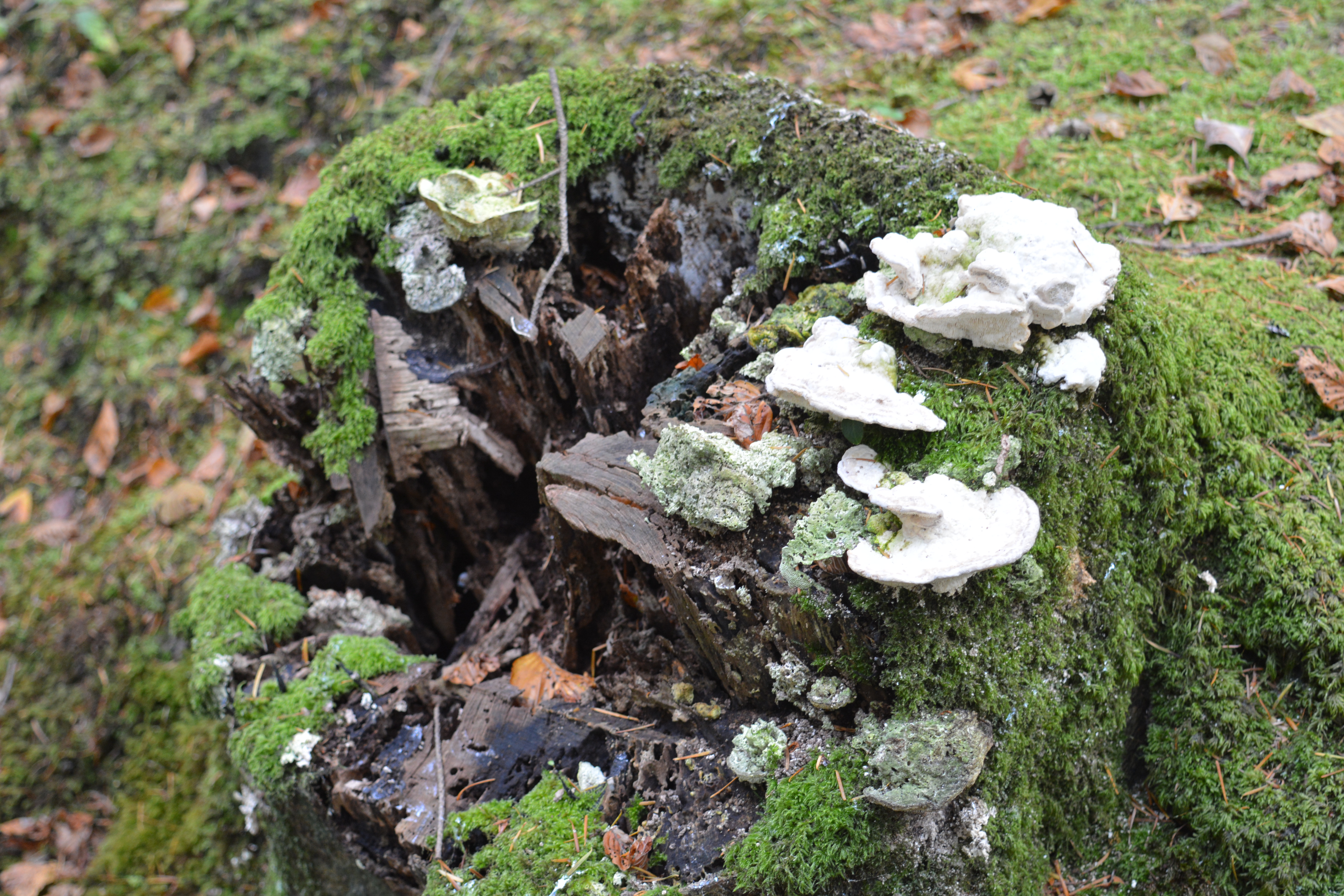
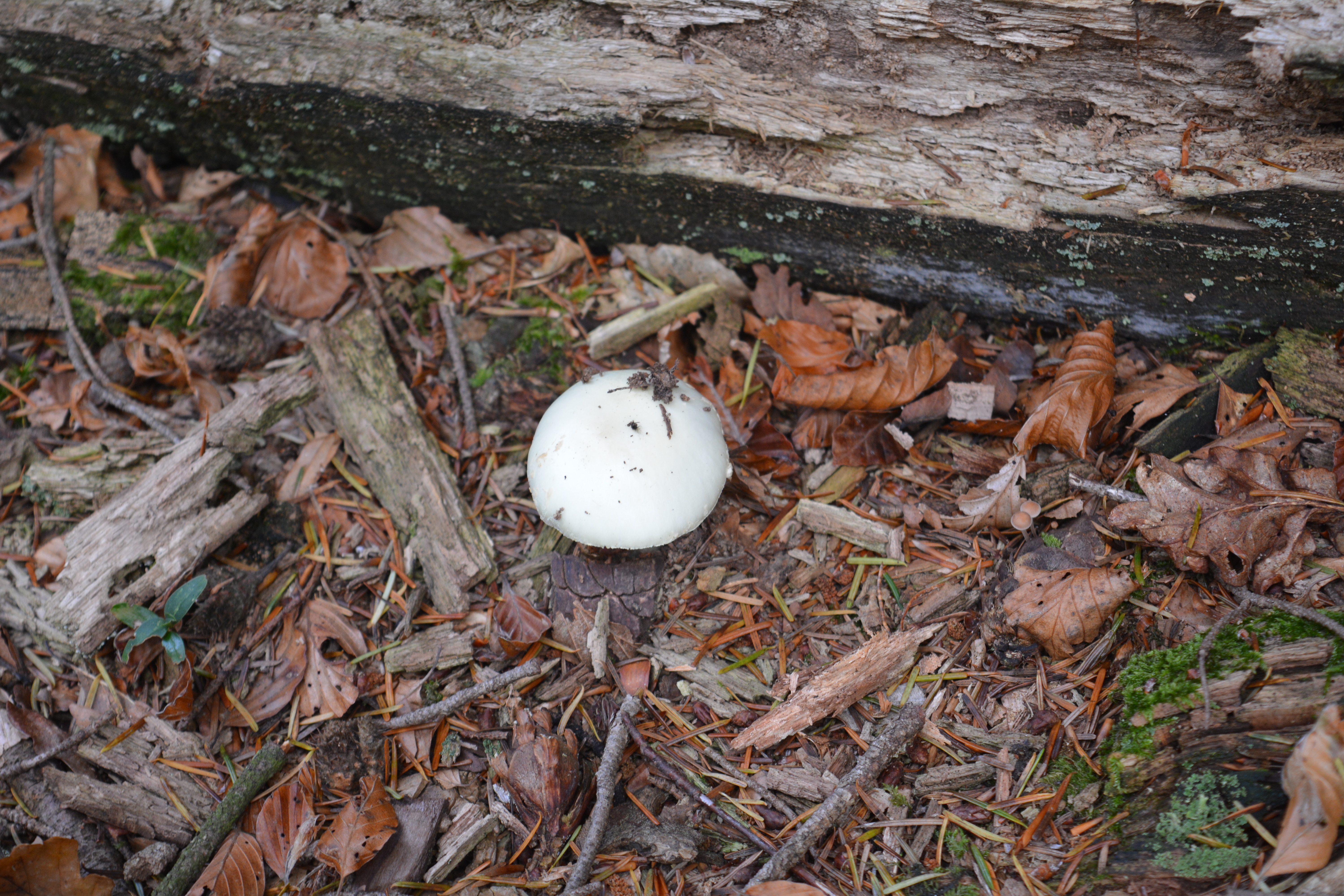
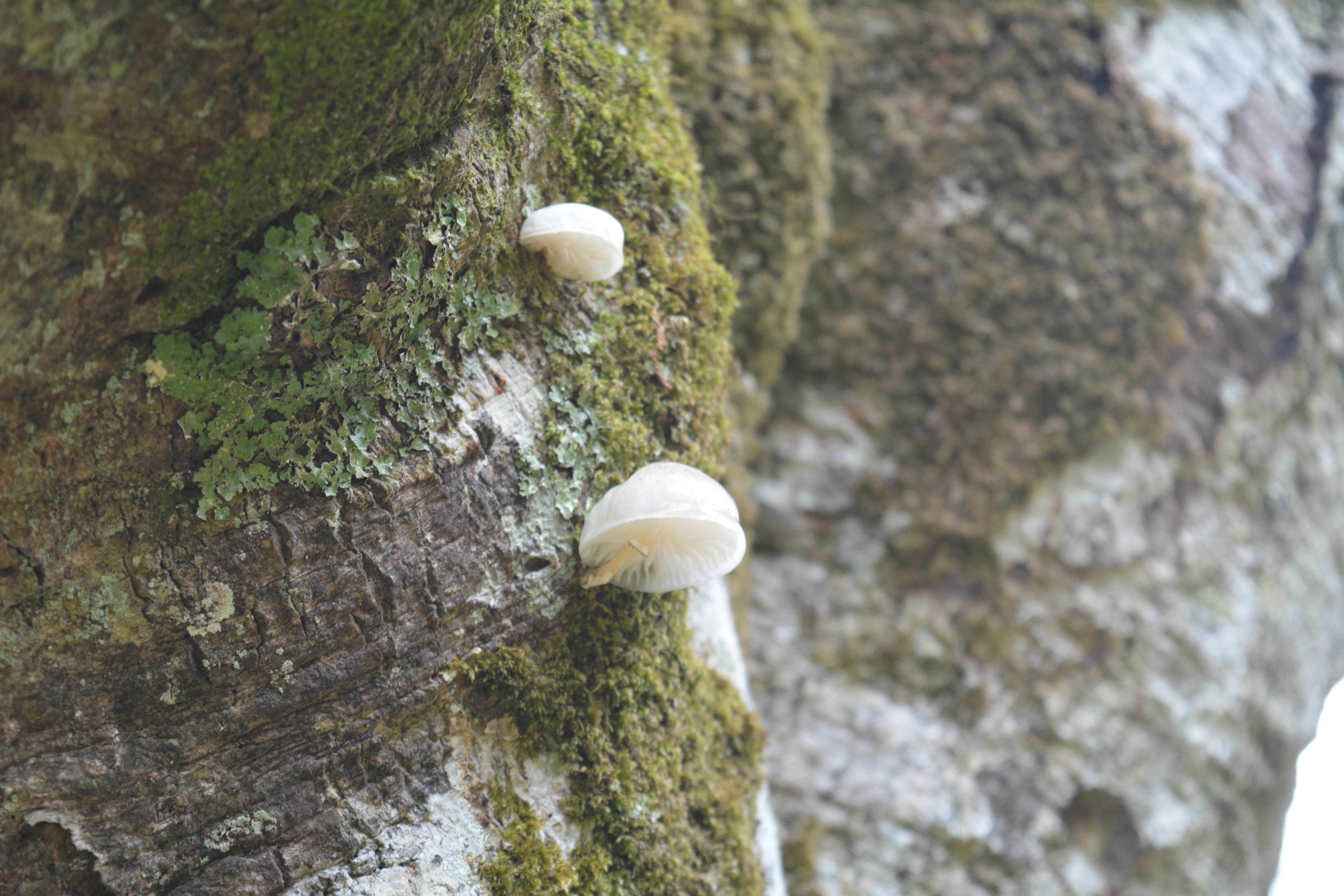
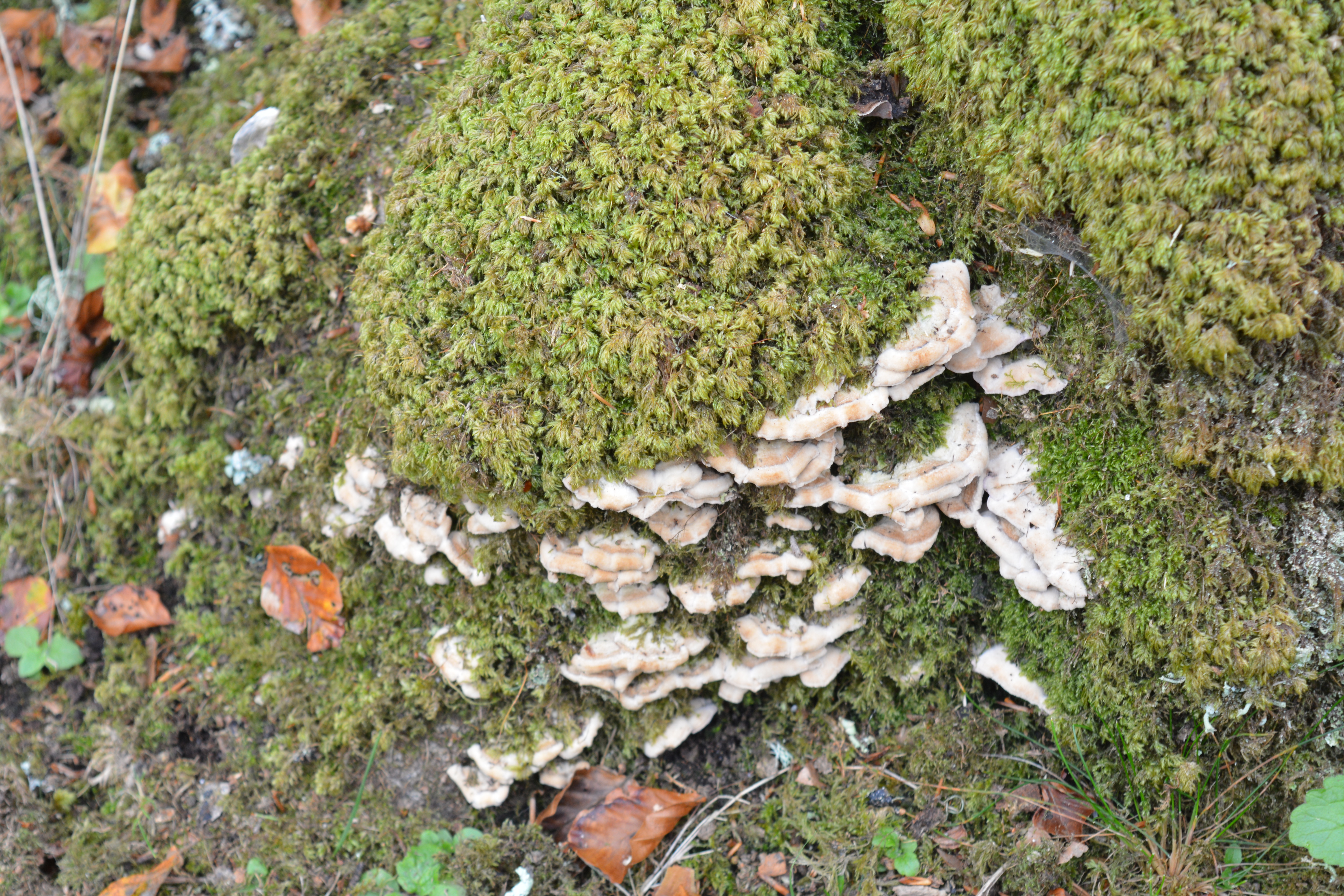
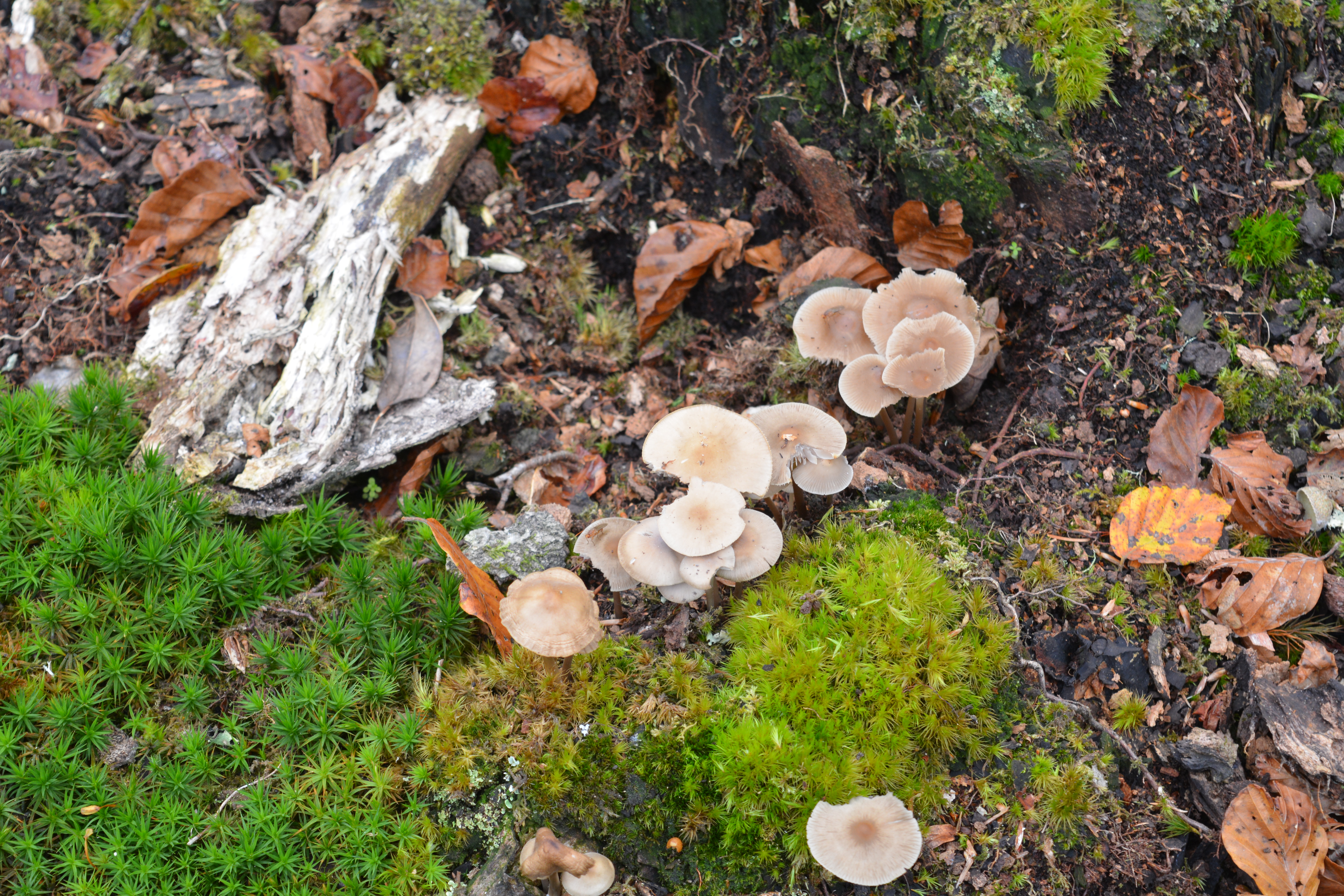
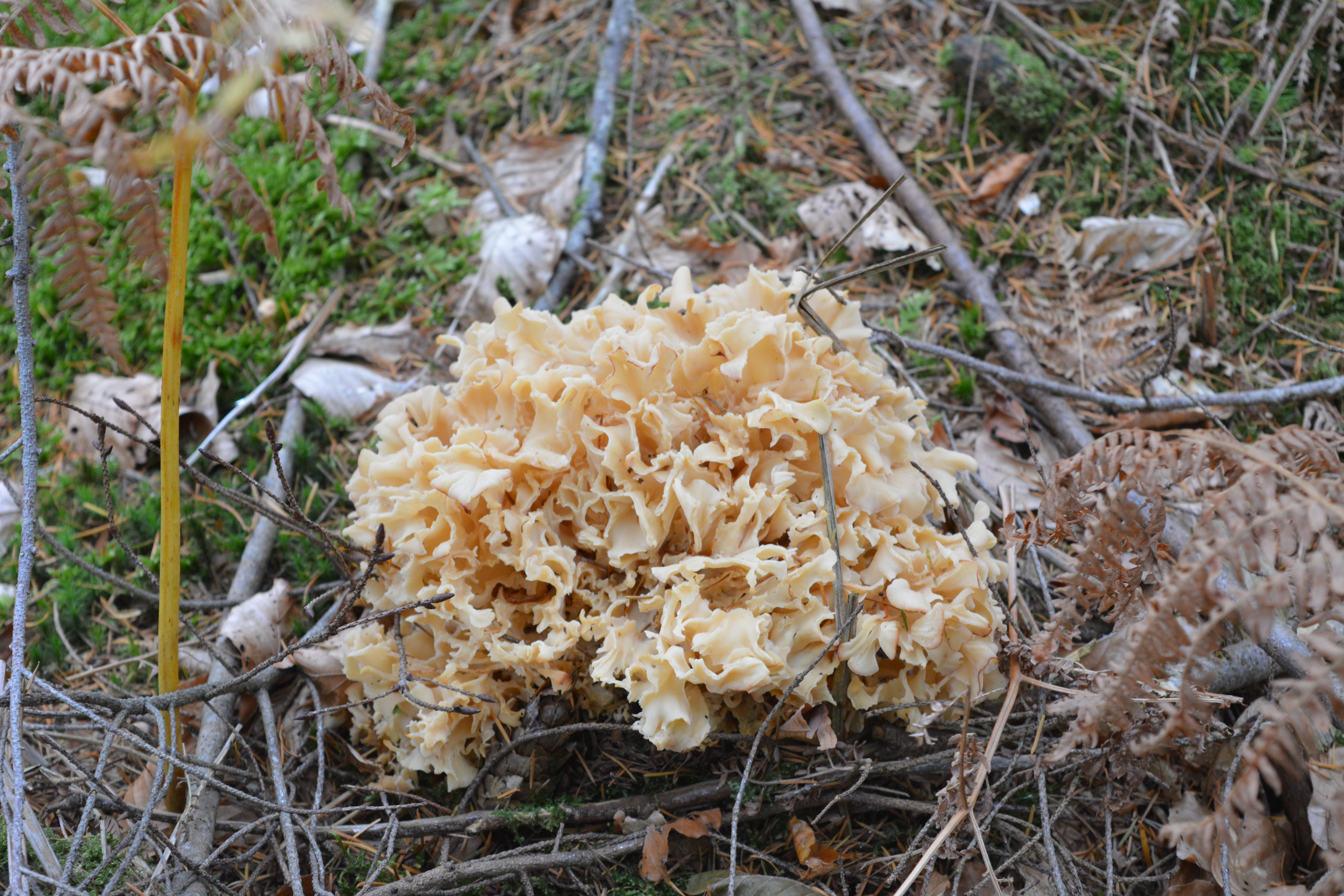
At the other end of the age scale we were pleased to see that dead and dying trees were being left for the benefit of wildlife, insects, birds and of course the many fungi that live in woodlands breaking down and decomposing dead wood.

2015 10 19_6089 2015 10 19_6093 2015 10 19_6095 2015 10 19_6130 2015 10 19_6101 2015 10 19_6099 2015 10 19_6098 2015 10 19_6082 2015 10 19_6081 2015 10 19_6080 2015 10 19_6079 2015 10 19_6131

In my next post about the New Forest we will continue walking this walk deeper into the woodland and across heathland until we found our way back to the car park.

Categories
autumn autumn colours birds colours flowering bulbs garden photography garden wildlife gardening grasses half-hardy perennials hardy perennials house martins light light quality migration ornamental grasses ornamental trees and shrubs Shropshire swallows trees

My Garden Journal – September

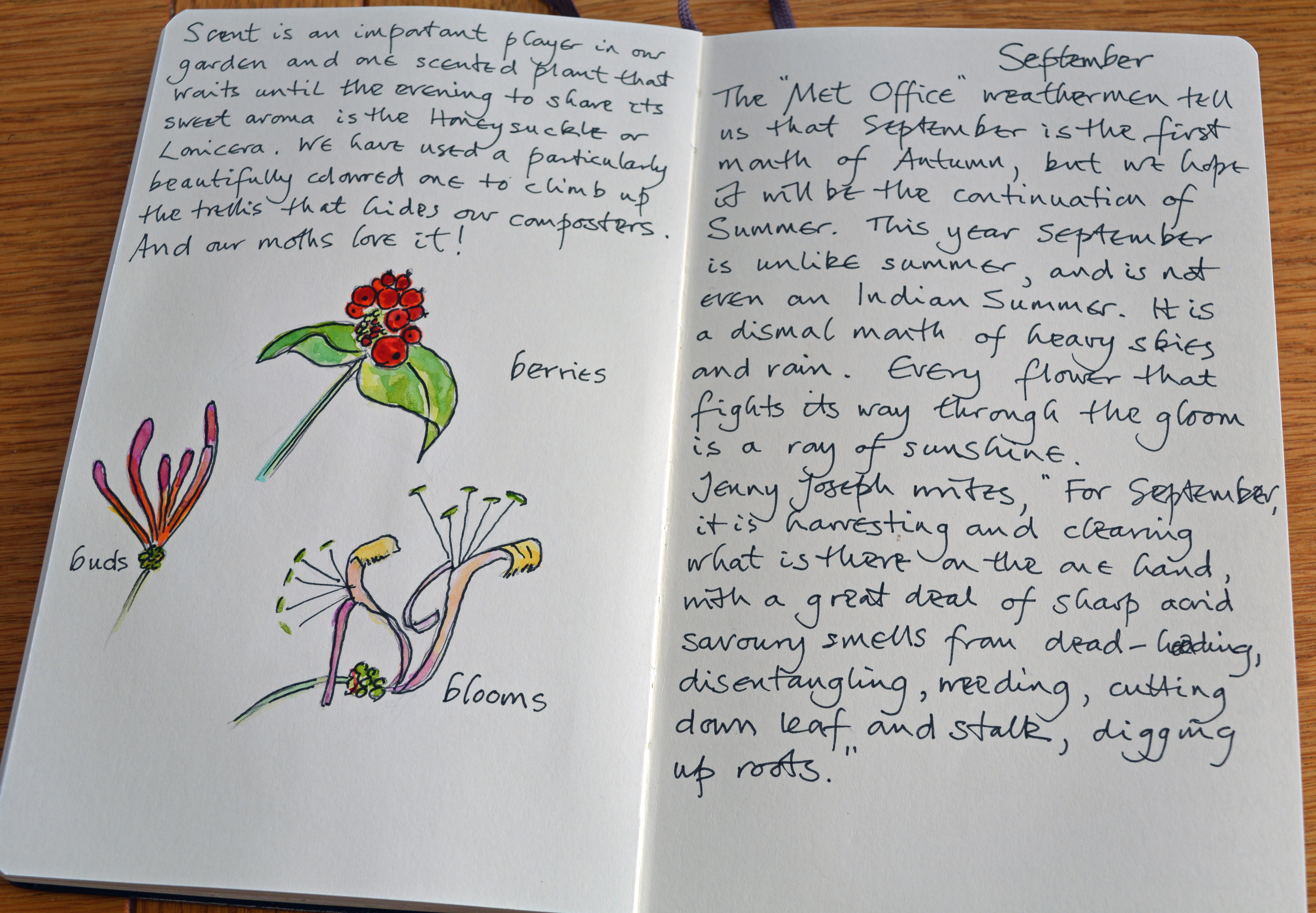
The September pages of my garden journal sees the first signs of autumn creeping in, colours changing, light creeping in at a lower level and our summer migrant birdlife disappearing. The skies are empty and quiet now that the Swallows and Martins have left us for warmer climes. We are missing the sight and sounds of Warblers flitting among the trees and shrubs but hopefully some Garden Warblers and Chiffchaffs will decide to stay with us. Climate change seems to be encouraging more migrants to remain in the UK all year through.

2015 10 22_6619_edited-1

Being a British gardener I start by talking about the weather! “The “Met Office” weathermen tell us that September is the first month of Autumn, but we hope it will be the continuation of Summer. This year September is unlike Summer, and is not even an Indian Summer. It is a dismal month of heavy skies and rain. Every flower that fights its way through the gloom is a ray of sunshine.”

Next comes my usual piece of writing from Jenny Joseph’s little book, “Lead by the Nose”.

For September, it is harvesting and clearing what is there on the one hand, with a great deal of sharp acrid savoury smells from dead-heading, disentangling, weeding, cutting down leaf and stalk, digging up roots.”

2015 10 22_6620_edited-1

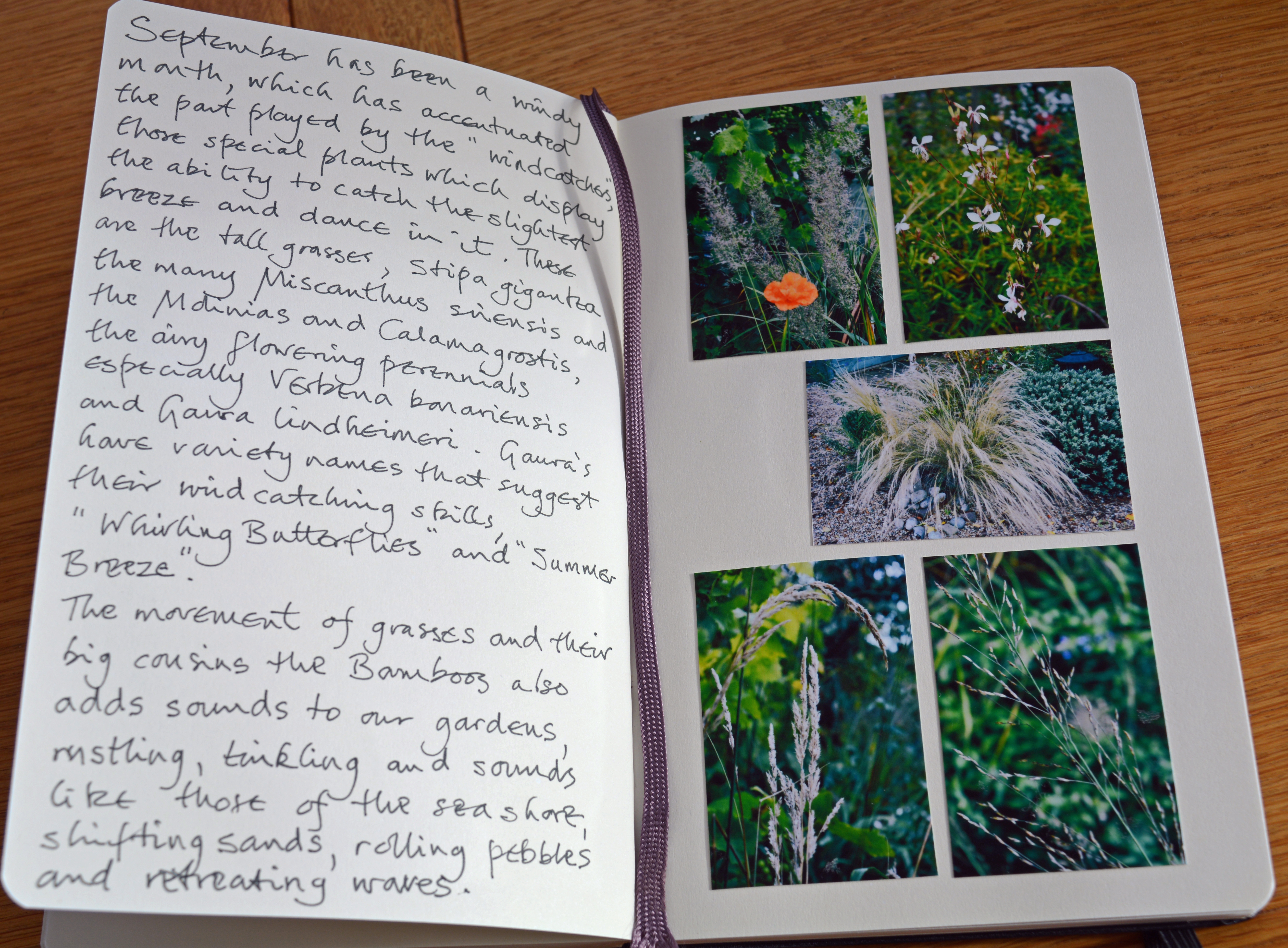
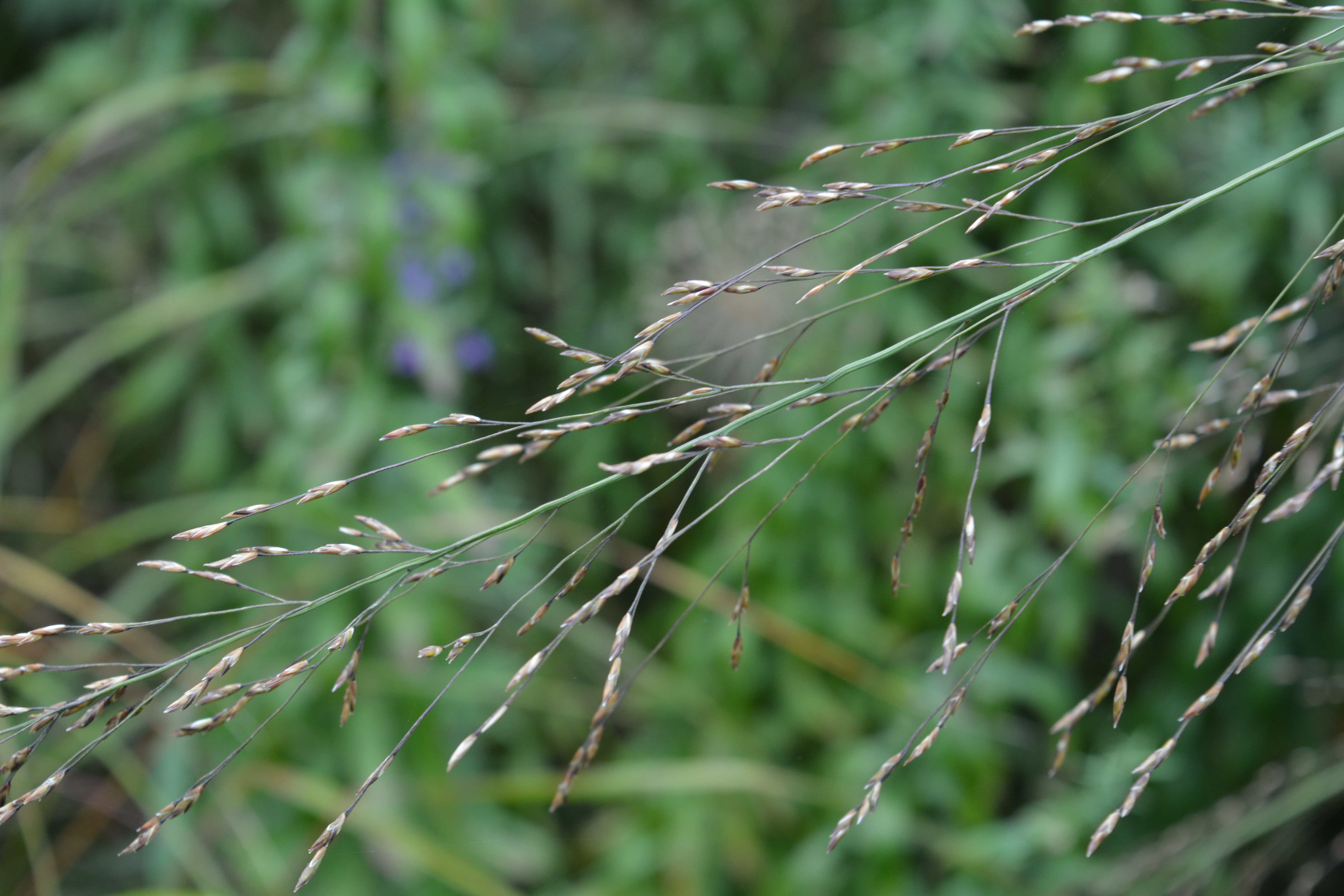
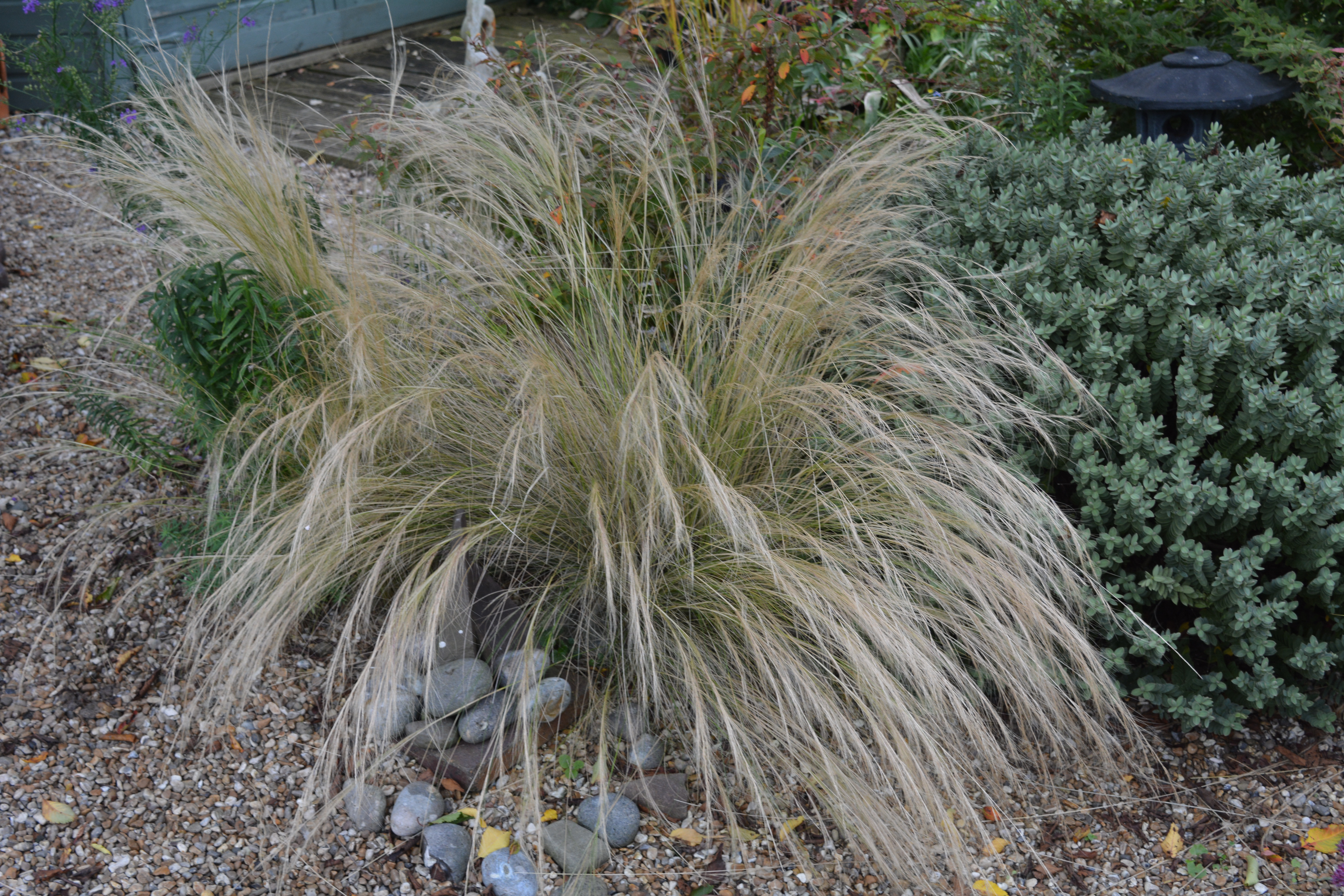
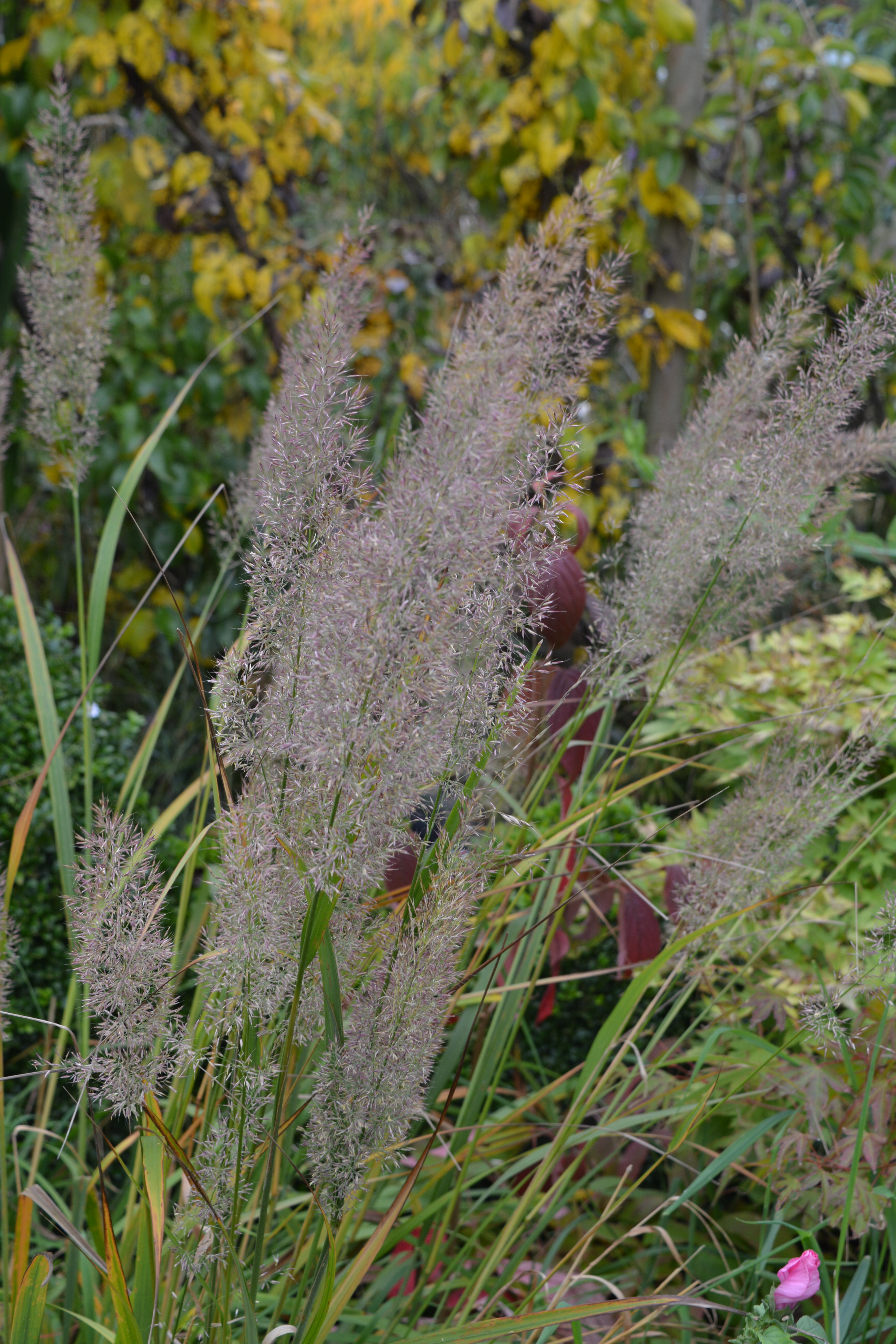
I move on to consider a special group of plants which Jude and I love in our garden, the airy, whispy plants that can’t help but move in the gentlest of breezes, the “Windcatchers”.

“September has been a windy month, which has accentuated the part played by the “Windcatchers”, those special plants which display the ability to catch the slightest breeze and dance in it. These are the tall grasses, Stipa gigantea, Miscanthus sinensis and the Molinias and Calamagrostis, the airy flowering perennials especially Verbena bonariensis and Gaura lindheimeri. Gauras have variety names that suggest their windcatching skills, “Whirling Butterflies” and “Summer Breeze”. 

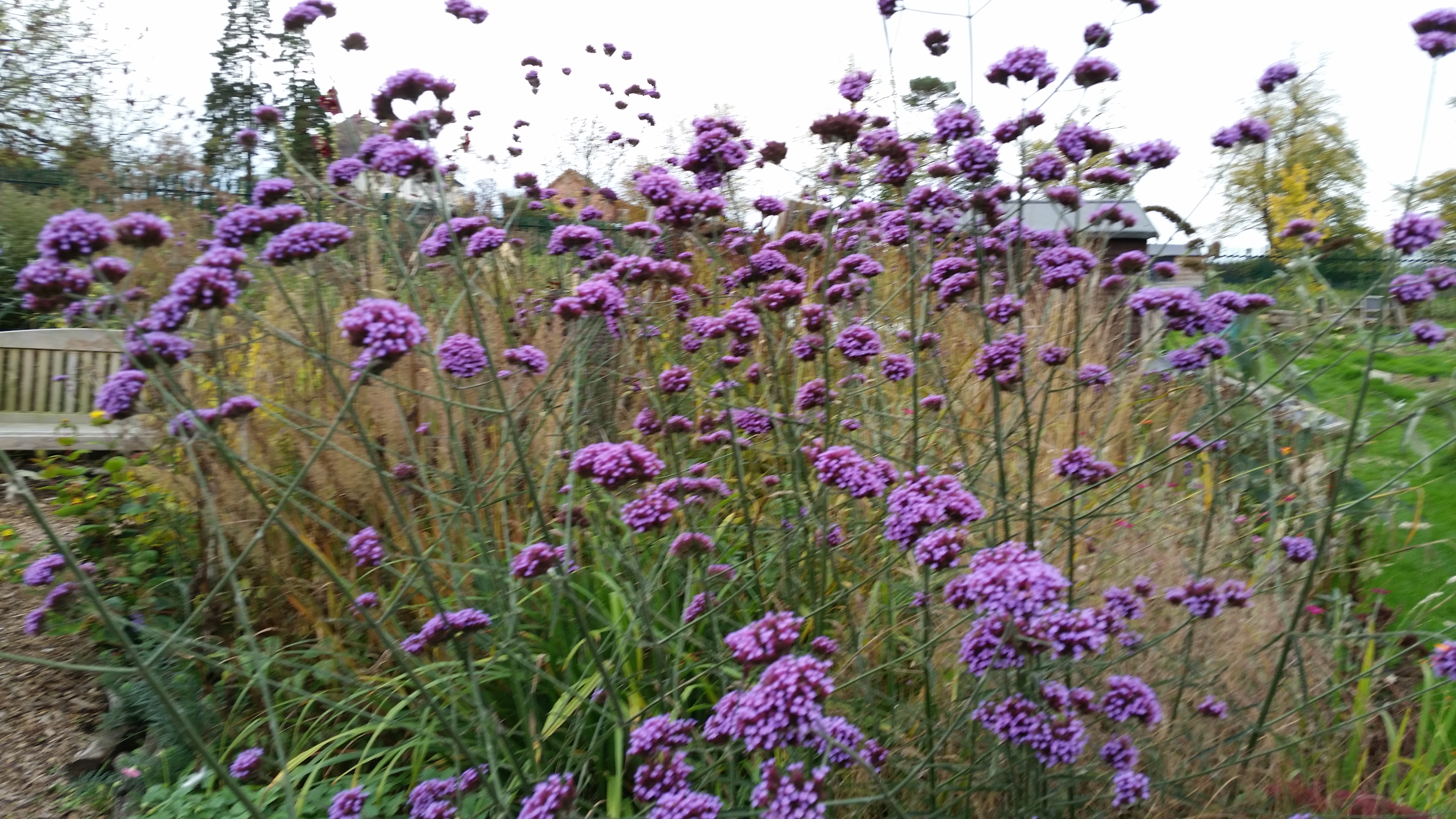
The photos below show what a beautiful plant Verbena bonariensis is with its bright purple flower heads nodding in the breeze atop its stiff thin stems. It is a true wildlife magnet too attracting Butterflies and Moths, Bees and Hoverflies and many other flying insects. As the light fades in the evening the flowers glow and their scent intensifies to attract night flying insects and a miriad of Moths.
2015 10 24_6629 2015 10 24_6628

The movement of grasses and their big cousins the Bamboos also adds sounds to our garden, rustling, tinkling and sounds like those of the seashore, shifting sands, rolling pebbles and retreating waves.”

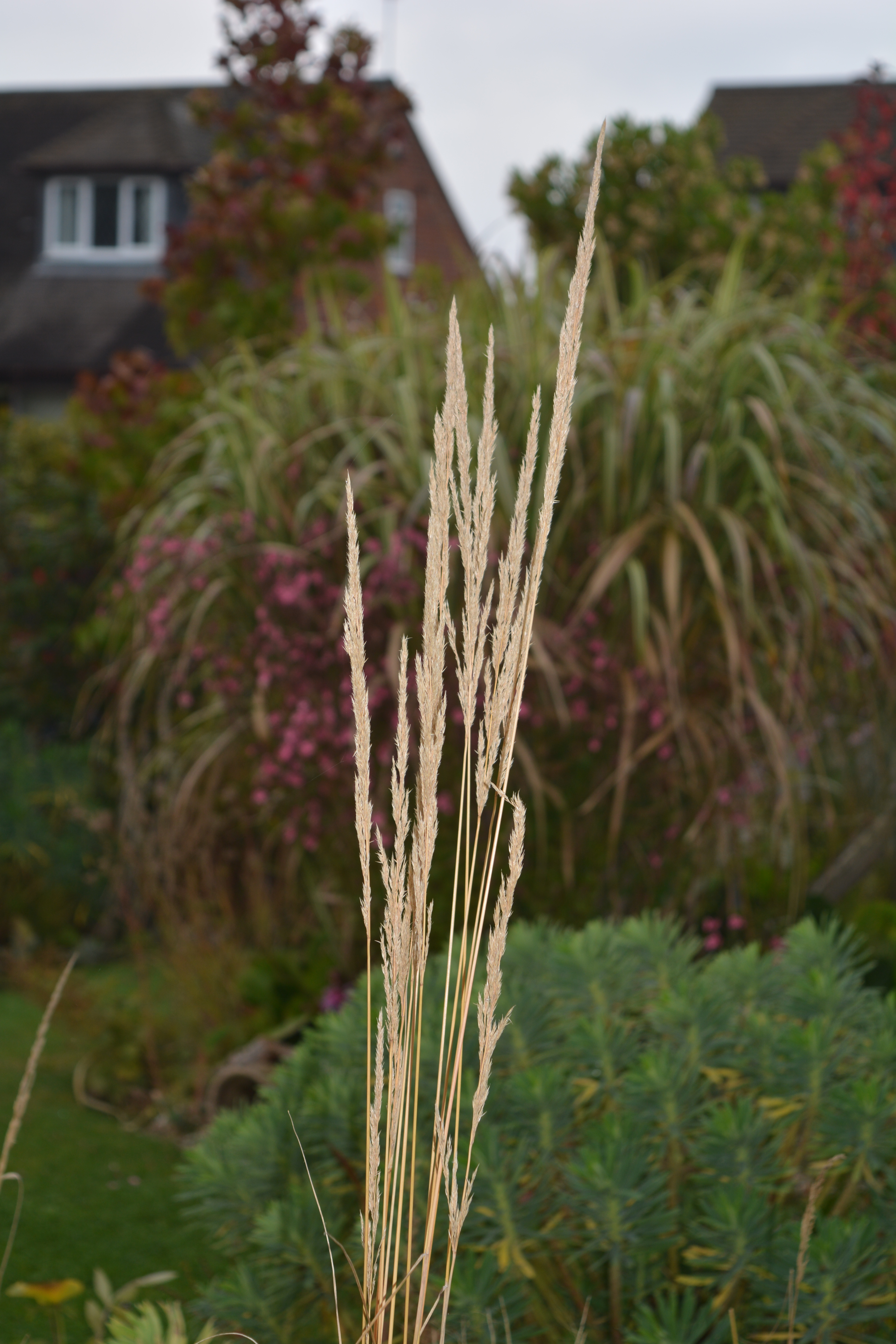
Grasses are such an important element in our garden and help create an all year round garden. From their fresh green leaves emerging in the spring right through to their flowers and on to their seedheads which stand right through the winter.

2015 10 10_5937 2015 10 10_5938 2015 10 10_5943  2015 10 10_5935 2015 10 10_5929 2015 10 10_5930 2015 10 10_5928

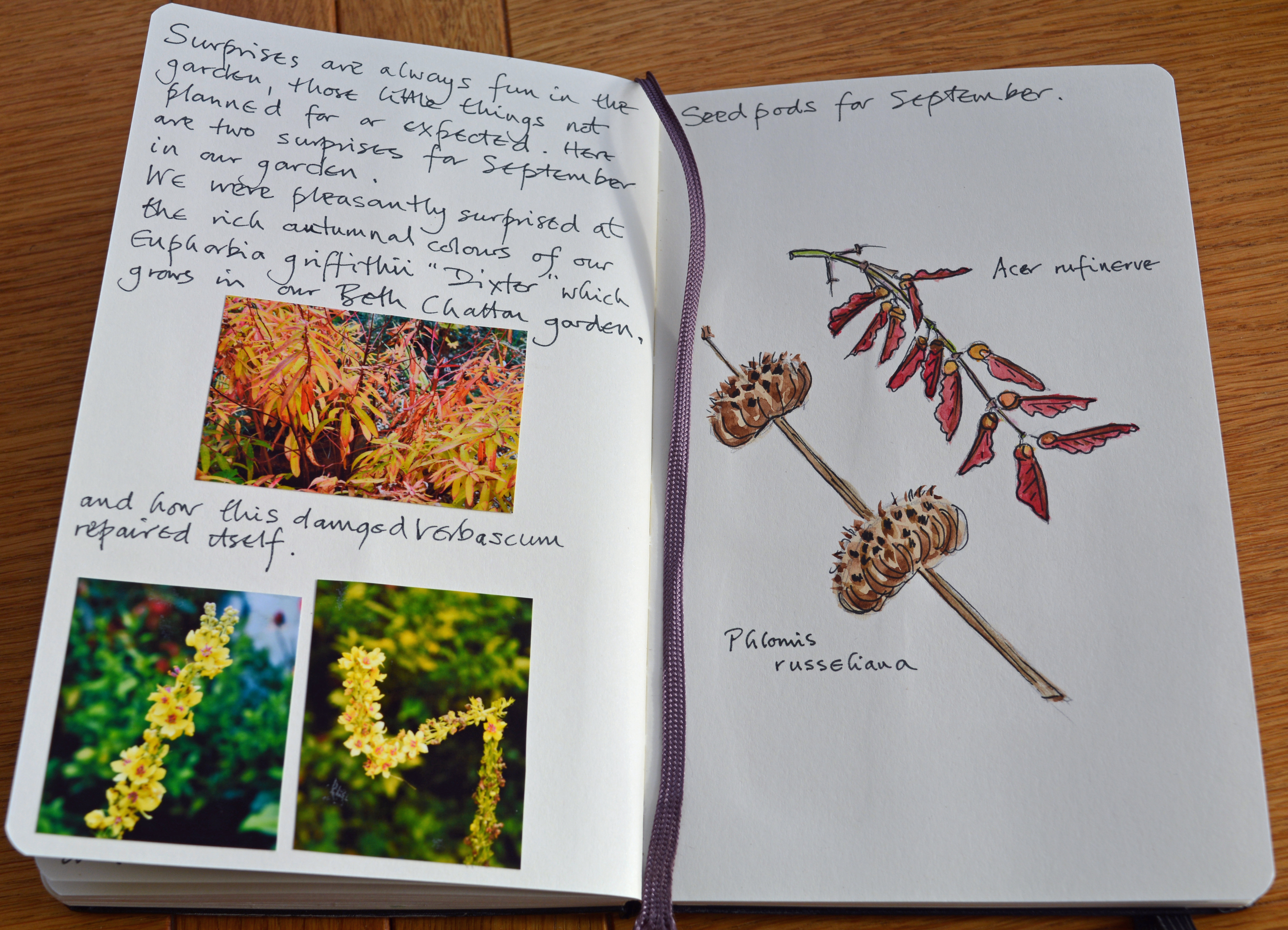
Surprises are the subject of my next page.

Surprises are always fun in the garden, those little things not planned for or expected. Here are two surprises for September in our garden.

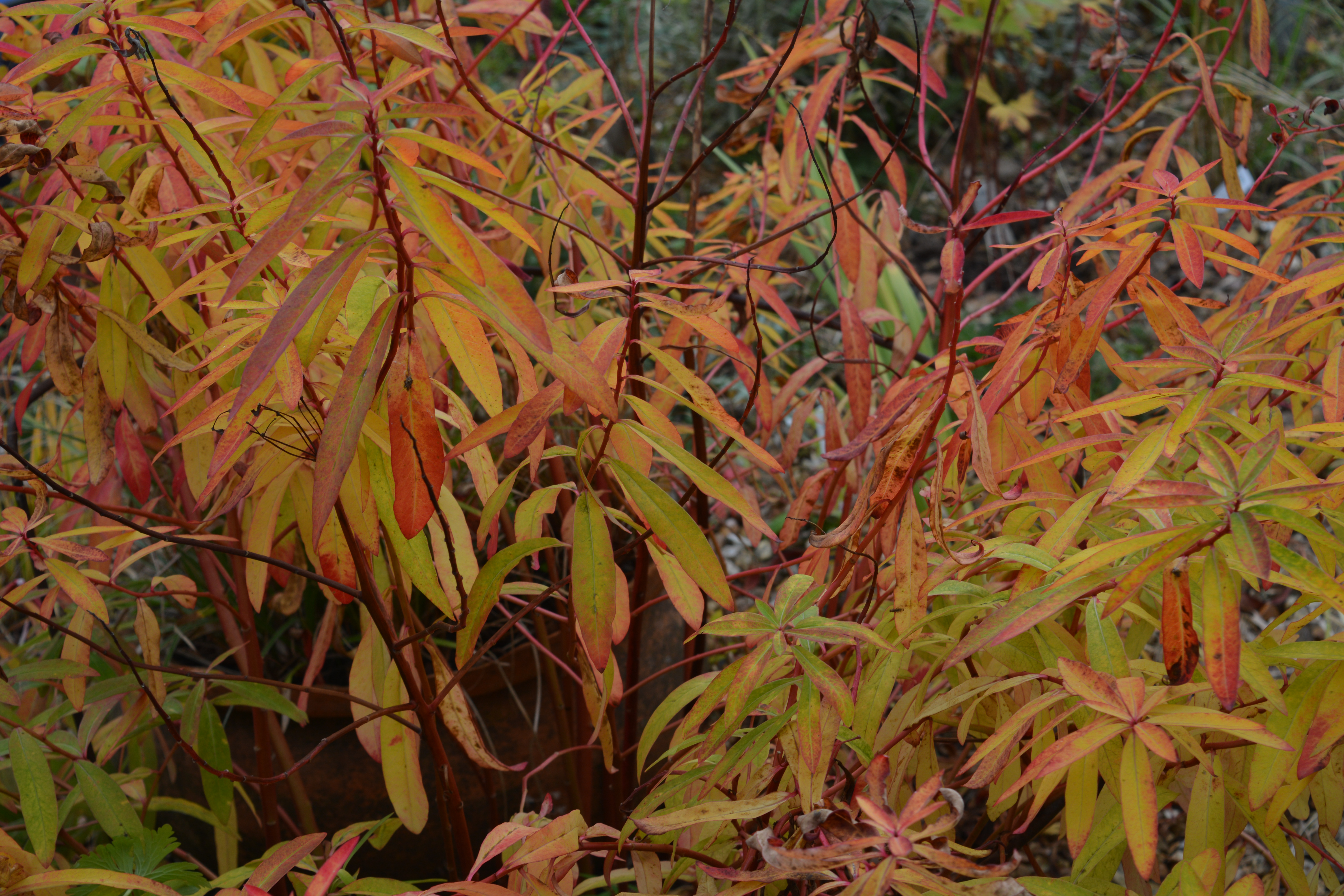
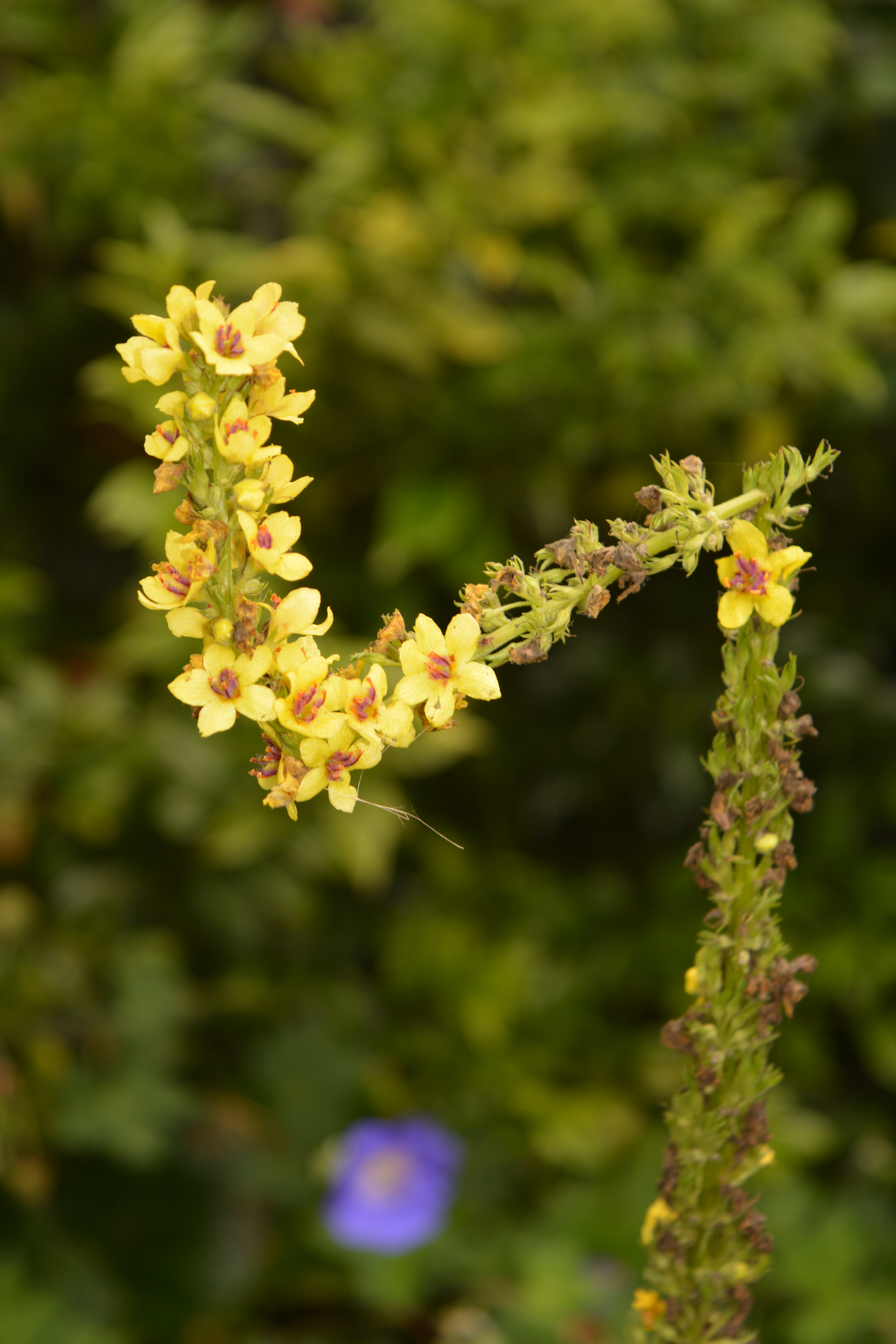
We were pleasantly surprised at the rich autumnal colours of our Euphorbia griffithii “Dixter” which grows in our Beth Chatto garden, and how this damaged Verbascum repaired itself.”

2015 10 22_6621_edited-1

2015 10 10_5942 2015 10 10_5919 2015 10 10_5920

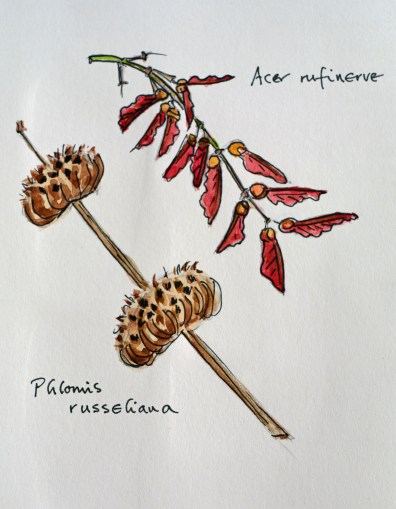
My watercolour paintings of Acer rufinerve and Phlomis russeliana feature on the next page titled “Seedpods for September”. These seeds are capsules of promise, time capsules. The wing-like Acer seeds are shaped and moulded to allow a gentle descent in the wind, each maple key parachuting down to find a place to germinate. The pompom seedheads of the Phlomis are tightly packed balls of rough textured seeds designed to stick to any passing creature who will wander off and drop it away from the parent plant where it can find space to become a herbaceous plant with hairy heart shaped leaves and yellow-orange balls of flowers. 
2015 10 22_6623_edited-1

We now move on to the end of the month when the weather surprised us as it changed for the better, change to good gardening weather and good weather for appreciating gardens.

2015 10 22_6624_edited-1

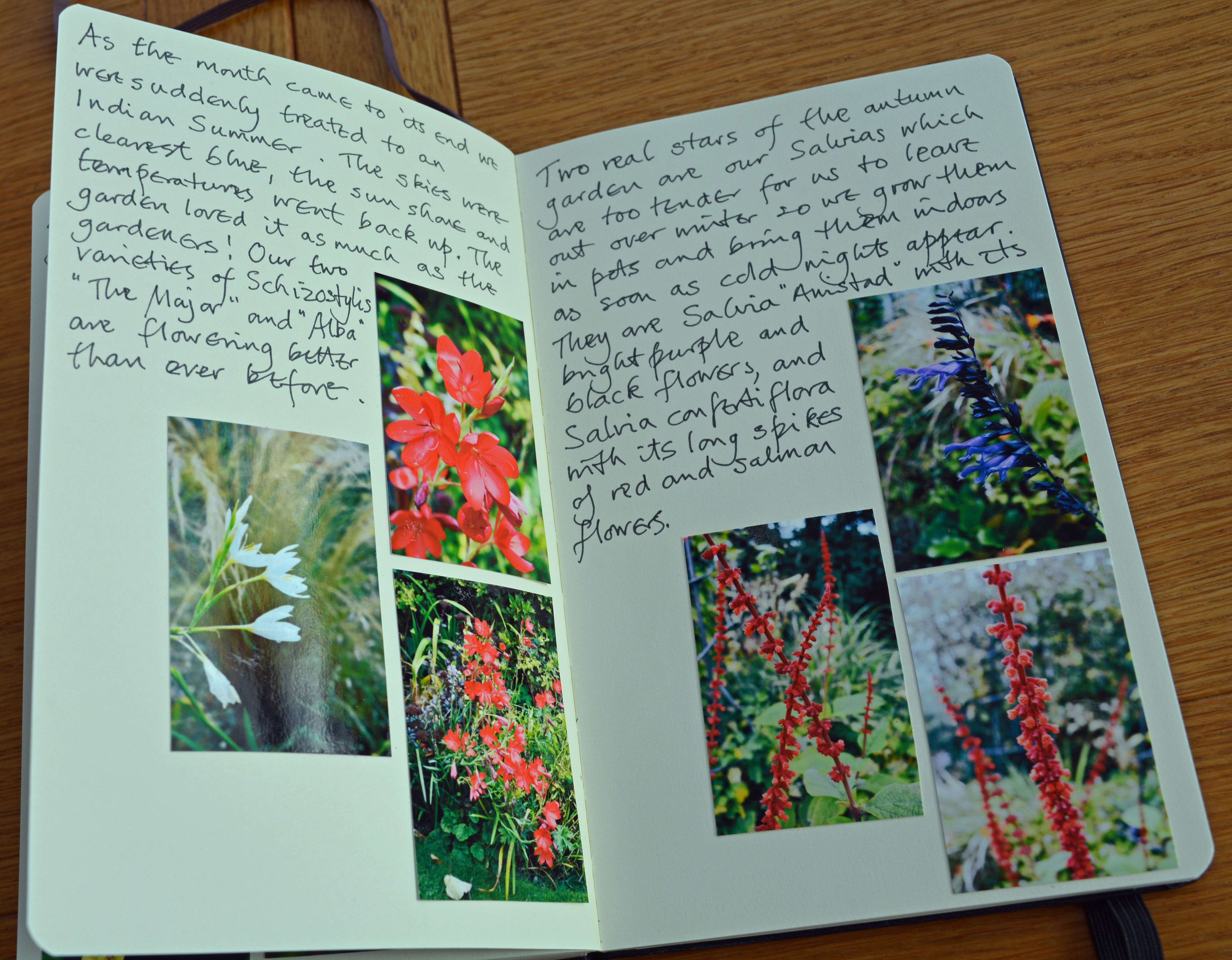
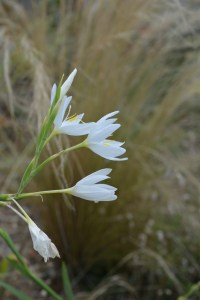
“As the month came to its end we were suddenly treated to an “Indian Summer”. The skies were clearest blue, the sun shone and temperatures went back up. The garden loved it as much as the gardeners! Our two varieties of Schizostylus, “The Major” and “Alba”are flowering better than ever before.”

2015 10 10_5944 2015 10 10_5926 2015 10 10_5925

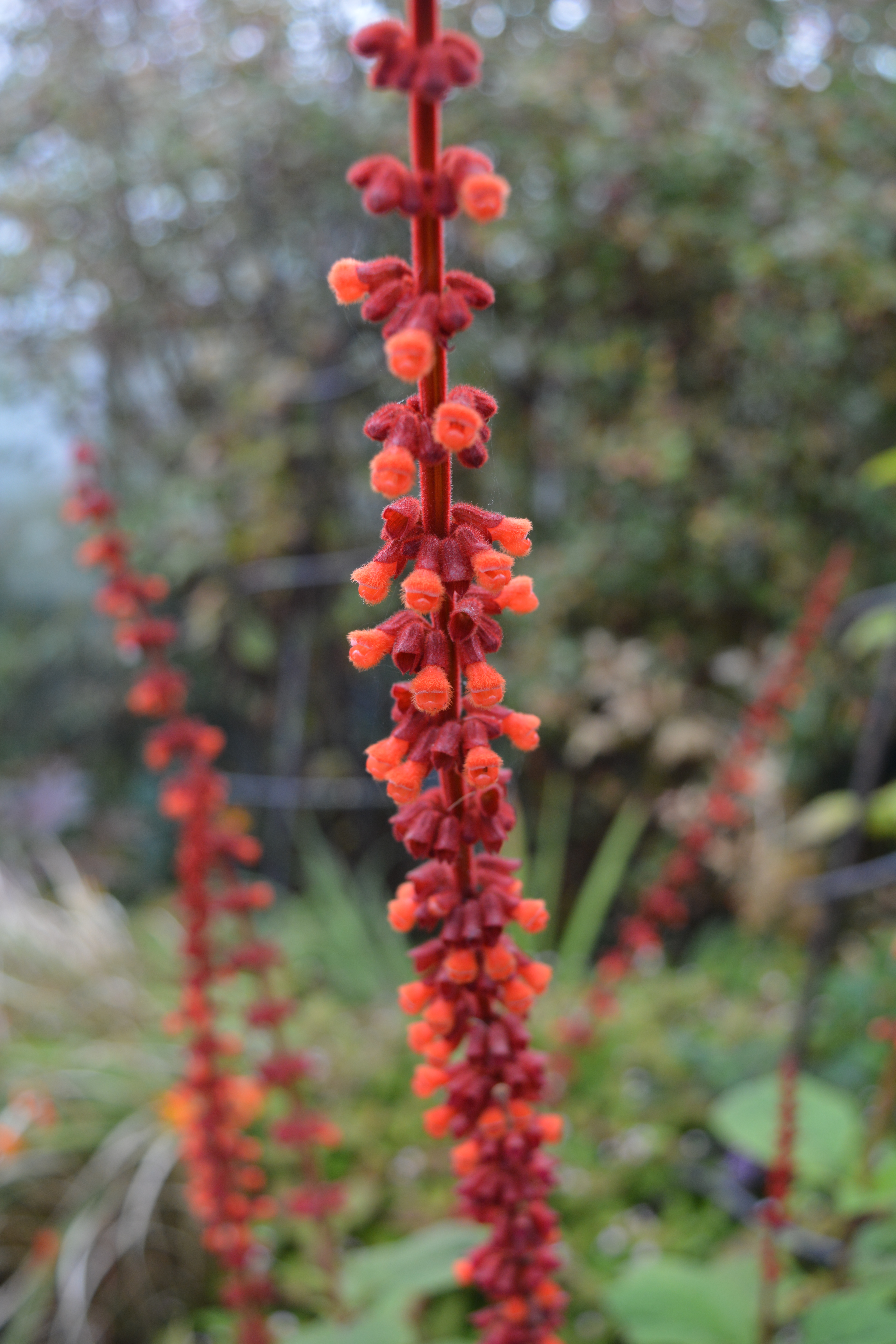
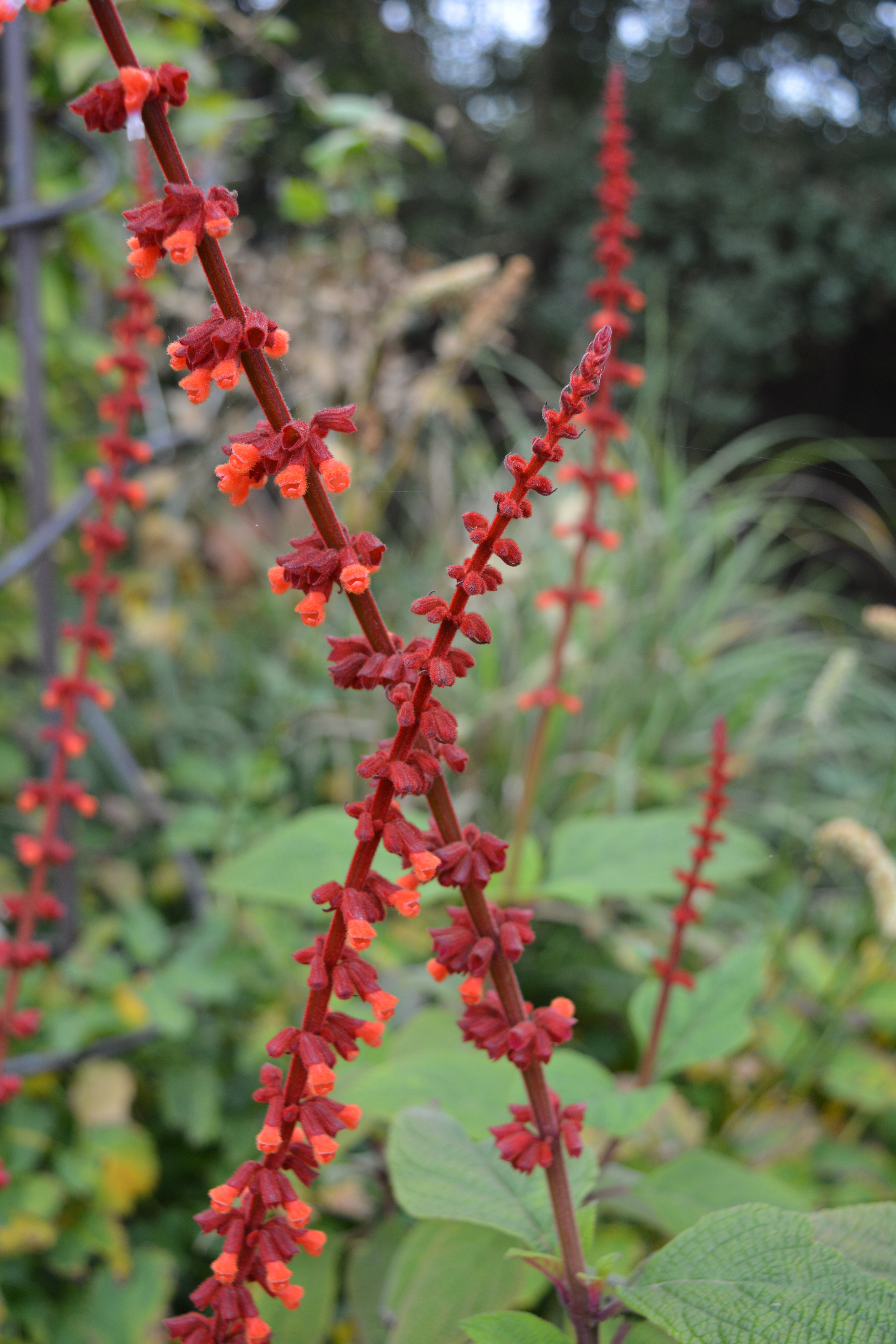
“Two real stars of the autumn garden are our two Salvias that are too tender for us to leave out over our winters, so we grow them in pots and bring them indoors as soon as the cold nights appear. They are Salvia “Amistad” with its bright purple and black flowers and Salvia confertiflora with its long spikes of red and salmon flowers.”

2015 10 10_5952 2015 10 10_5953 2015 10 10_5954

So that is my journal all about our garden in September. I am already writing and painting my entry for October so that will be the next episode of “My Garden Journal”.

Categories
autumn autumn colours colours flowering bulbs garden photography gardens gardens open to the public hardy perennials light light quality National Trust ornamental trees and shrubs roses The National Trust walled gardens

Croft Castle Month by Month – September

So here we are with the ninth post in my series about Croft Castle gardens throughout the year, where I shall report on our September visit to this Herefordshire National Trust property.

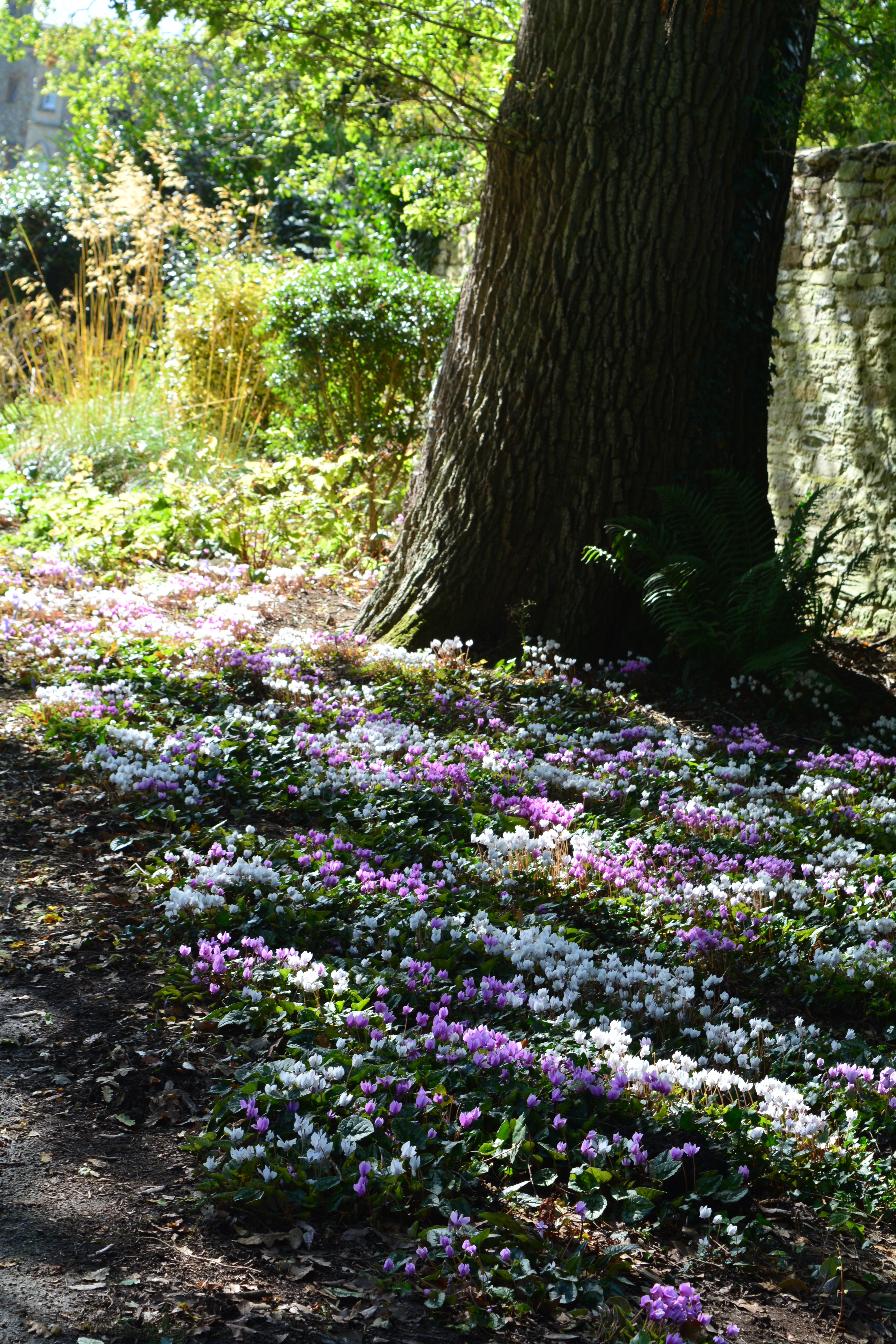
The long border was sparkling with colour in the sunlight. The sun was beginning to sit lower in the sky so whites looked as wonderful as bright colours. Cyclamen shone jewel-like in the shadow of the ancient trees. Grasses glistened!

2015 09 24_5772 2015 09 24_5773 2015 09 24_5774 2015 09 24_5775 2015 09 24_5776 2015 09 24_57772015 09 24_5913

Once inside the walled garden we immediately noticed how large areas of colour were absent but plant partnerships in twos and threes gave brightness throughout.

2015 09 24_5779  2015 09 24_5781 2015 09 24_5782  2015 09 24_5784 2015 09 24_5785 2015 09 24_57902015 09 24_5780 2015 09 24_5789 2015 09 24_5791

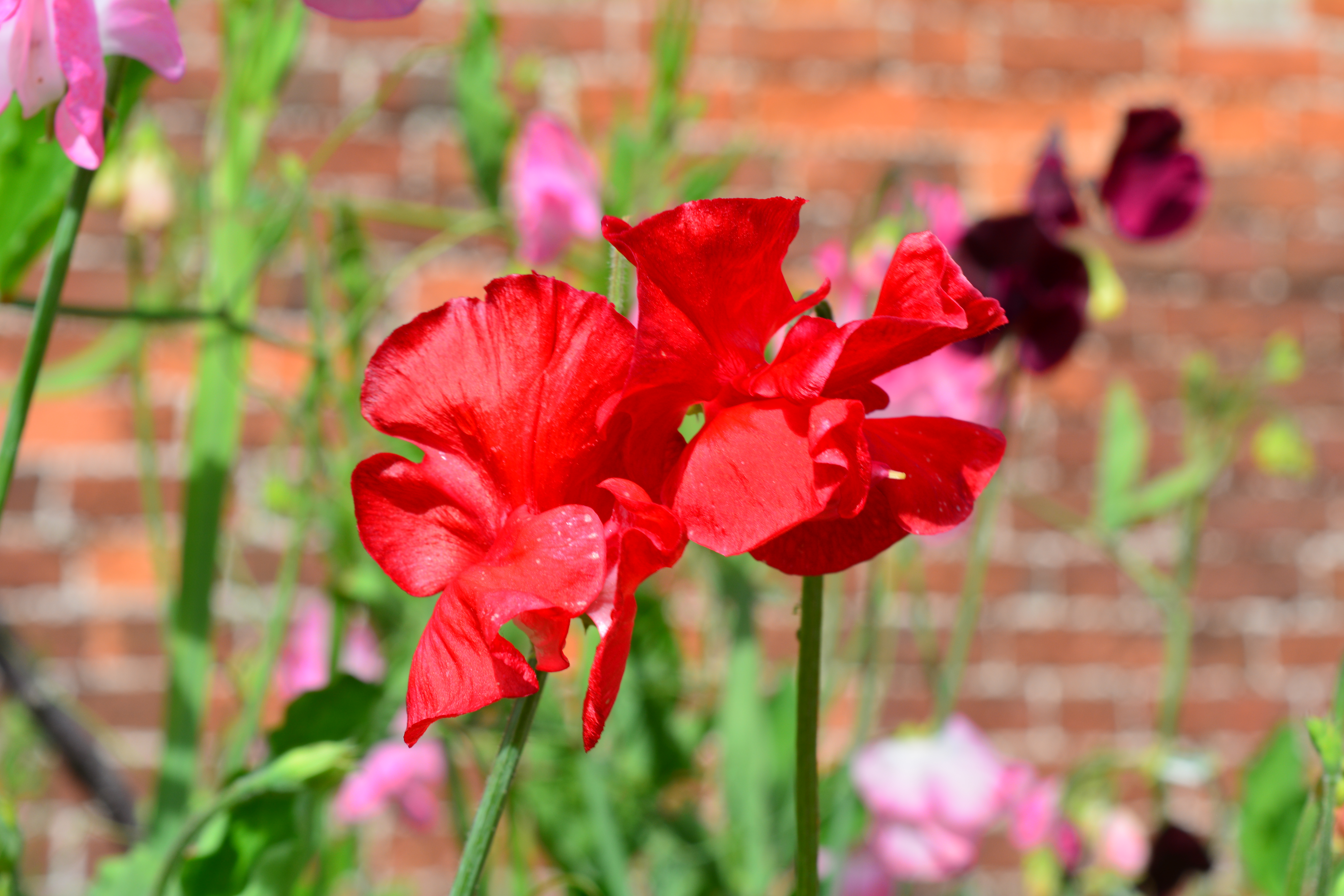
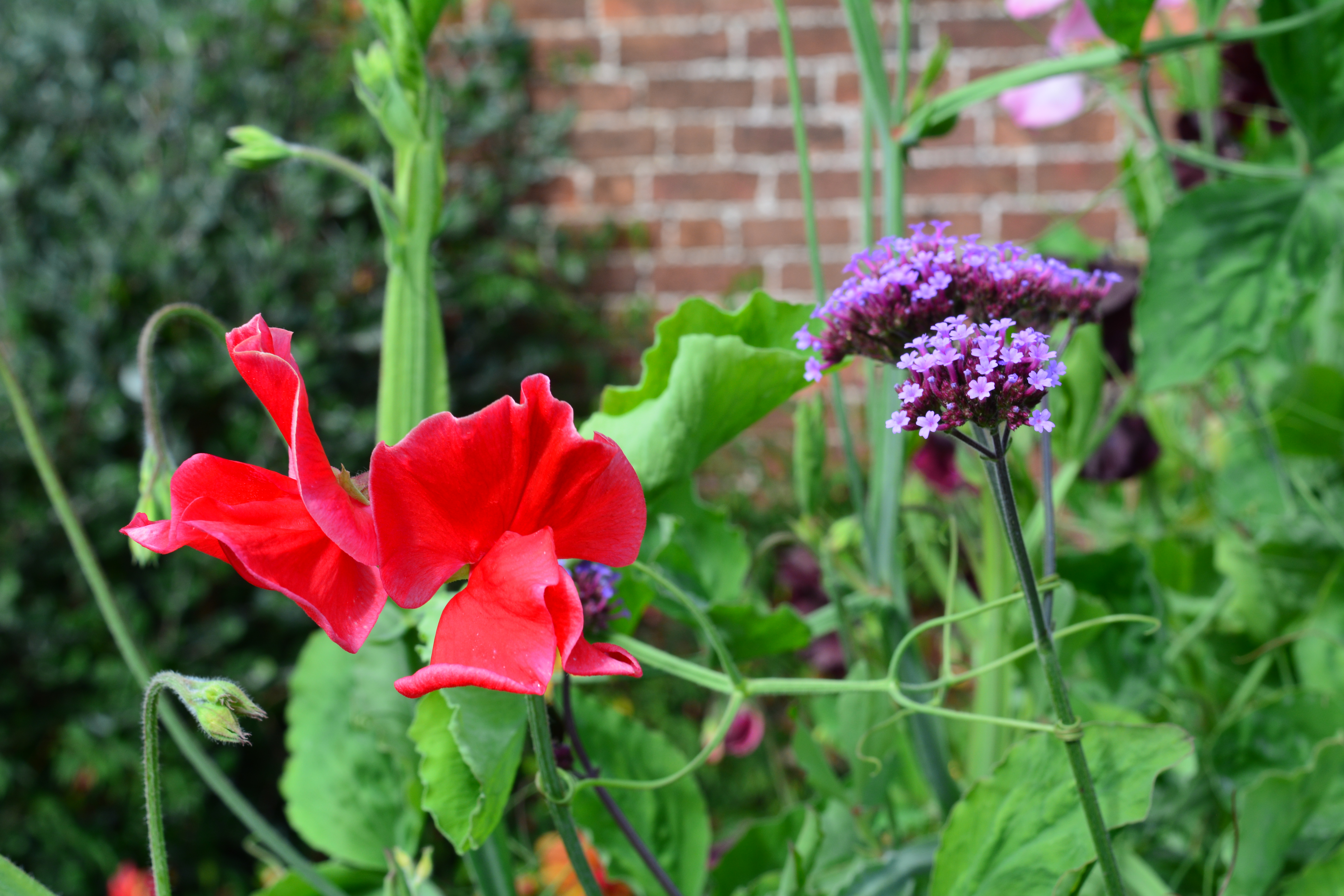
Sweetpeas are always a delight but to see these beauties this late in the season really pleased the eye. And of course the nose!

2015 09 24_5793 2015 09 24_5794 2015 09 24_5795 2015 09 24_5796

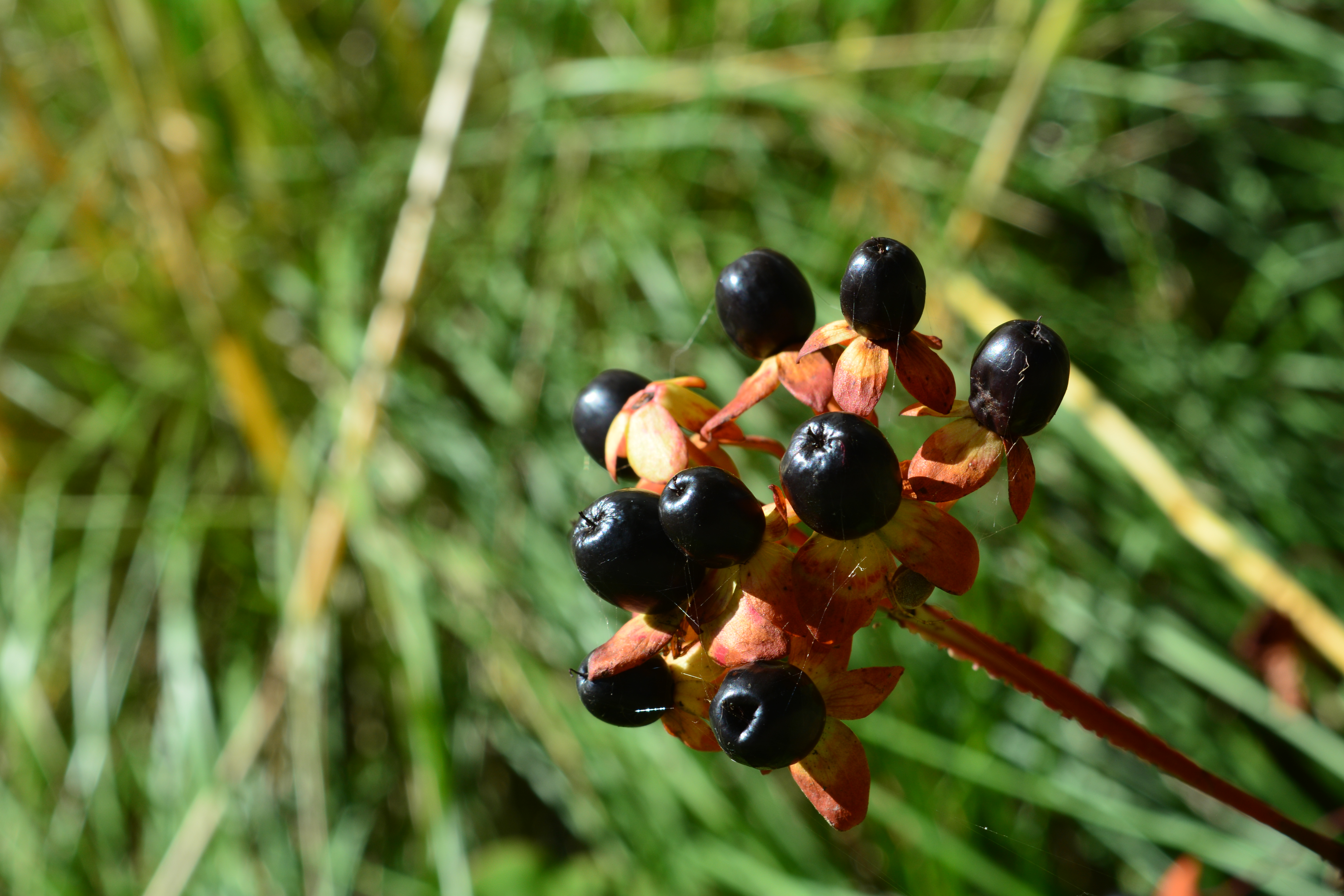
This rich blue colour surprised us when we had a close and realised these gems were not flowers at all but berries. This grass like plant with the blue berries is a Dianella, a plant we have been trying to get established on our gravel garden for a few seasons now. Seeing how special they can be made us more determined to get it right.

2015 09 24_5792

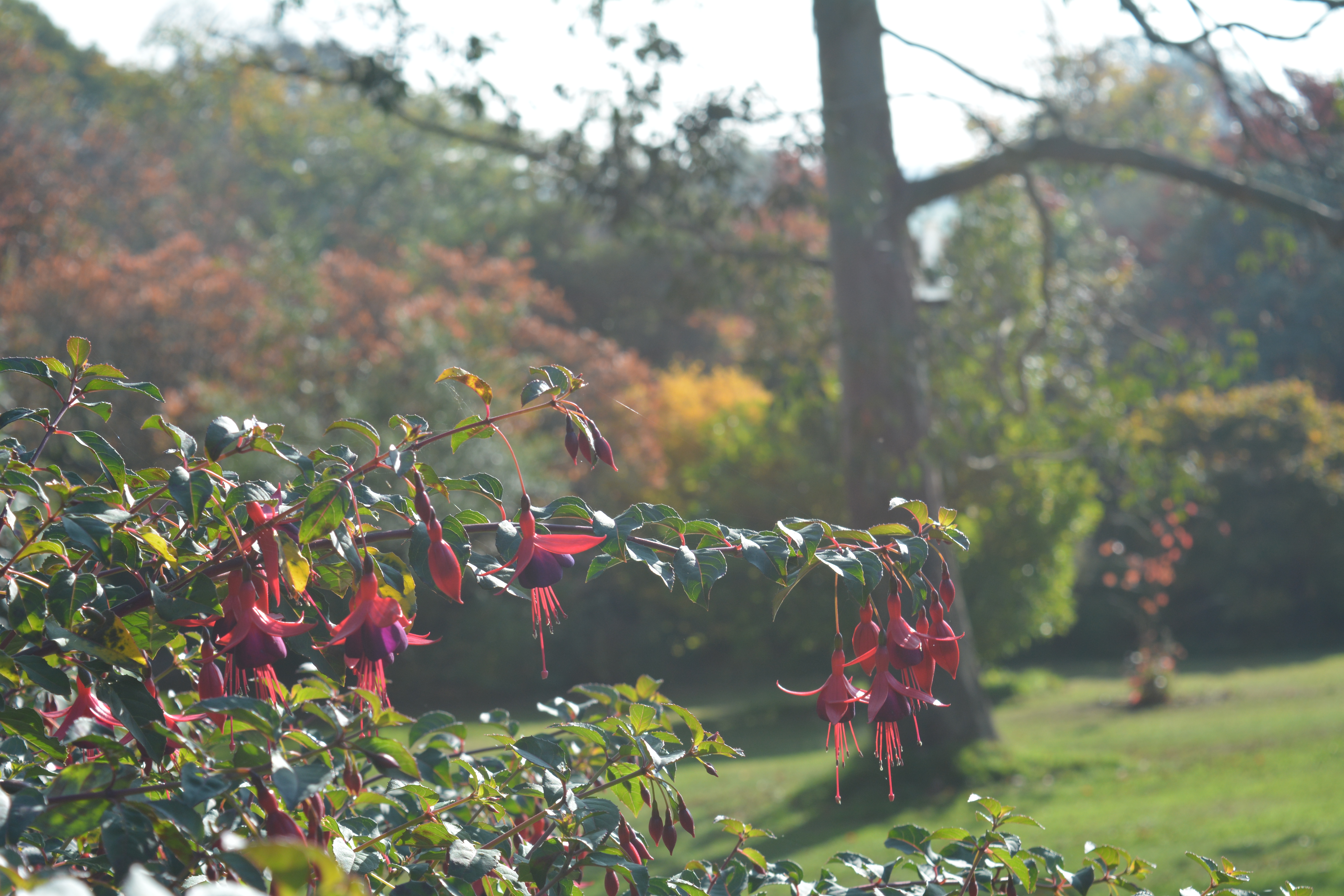
Fuschias are not a favourite of our’s but within these walls we enjoyed the simple small flowers of the more natural varieties.

2015 09 24_5783 2015 09 24_5815 2015 09 24_5816

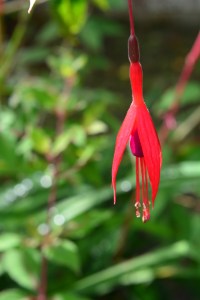
The diminuitive flowers of this Fuschia had blooms less than a centimetre long but its beauty was in the detail.

2015 09 24_5803

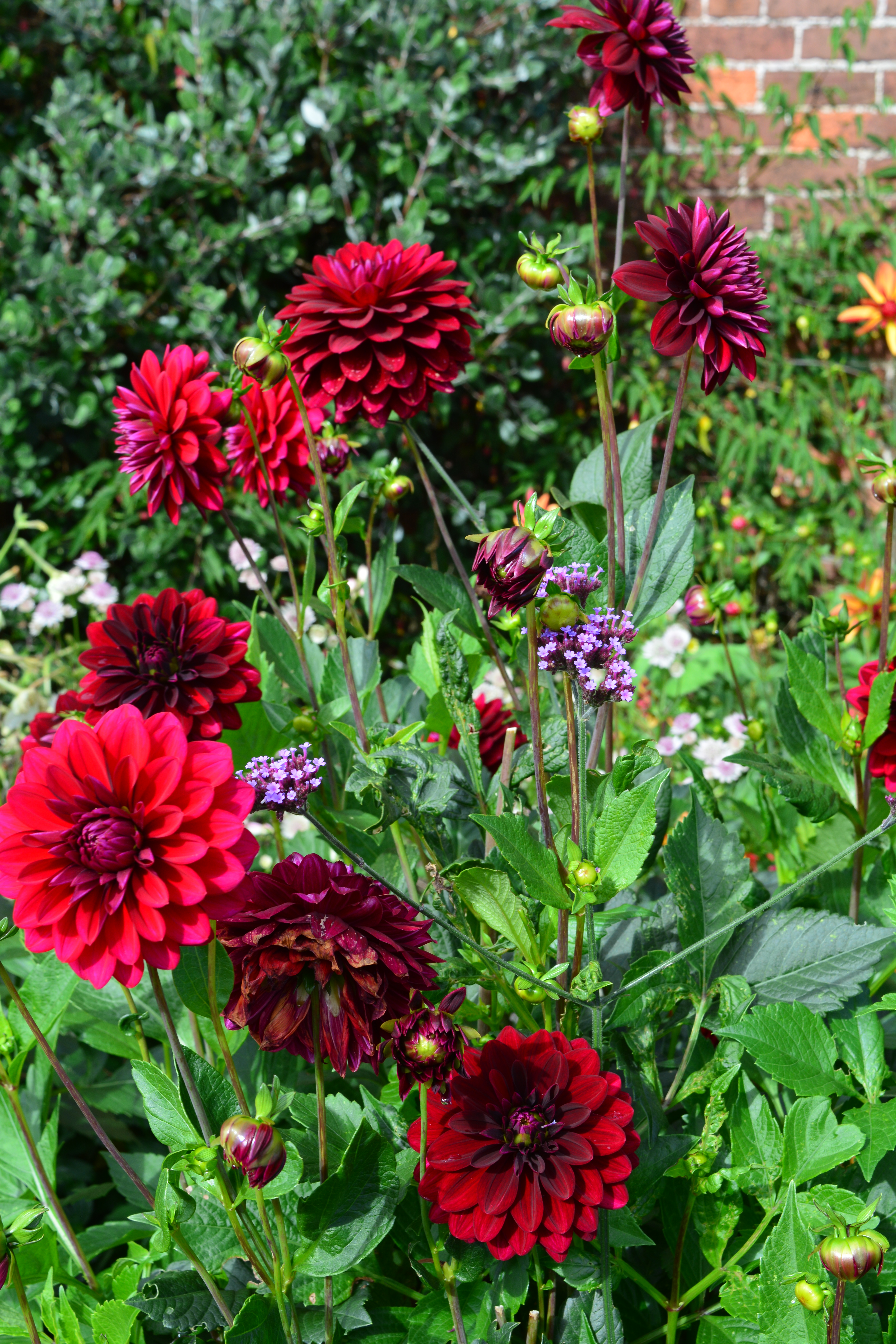
I love rich deep colours in the garden but they seem especially intense in the early autumn months, so I was attracted by these Dahlias and our favourite Verbena bonariensis.

2015 09 24_5797 2015 09 24_5798 2015 09 24_5799 2015 09 24_5800

In the entrance to the glasshouses the climbing Cobaea was in full bloom and the plant covered a huge area. Close-up we could appreciate its complexity and incredible beauty. The tomatoes growing in the glasshouse were looking as late to develop as our own, but their Chrysanths were already in flower whereas ours are just budding up.

2015 09 24_5801 2015 09 24_5802   2015 09 24_5805 2015 09 24_5806

The Secret Garden sparkled in the sunshine with every leaf and petal catching the light.

2015 09 24_5907

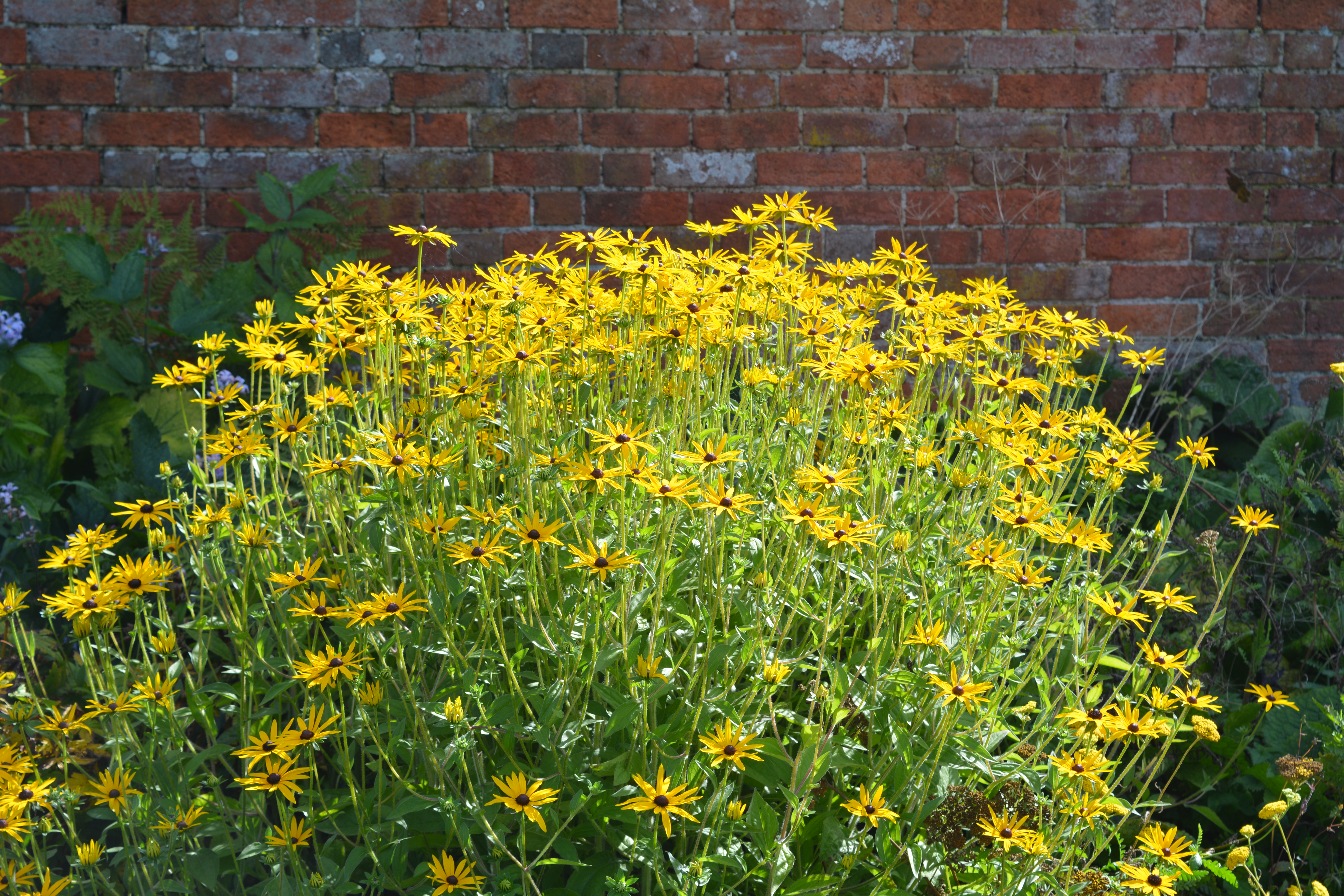
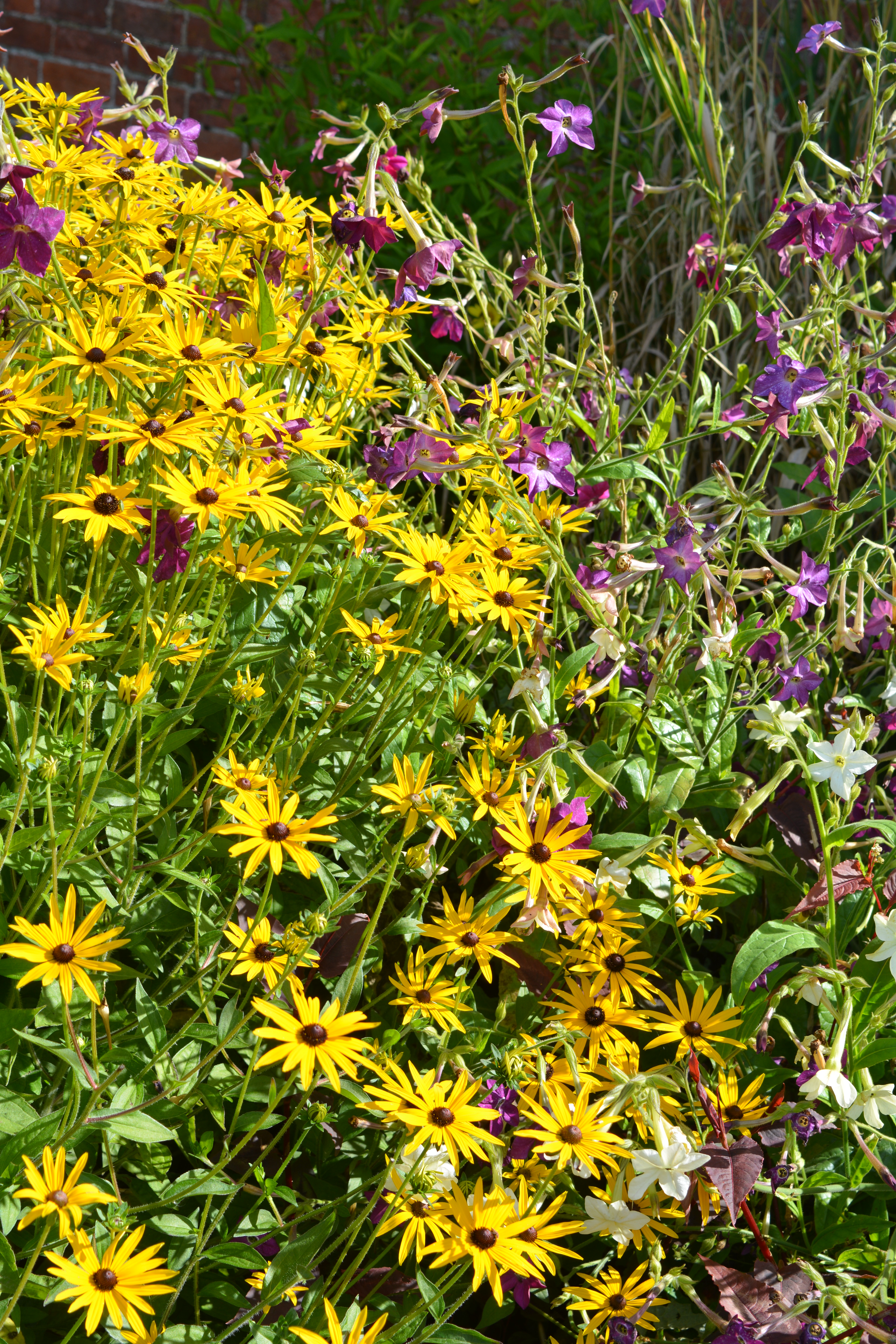
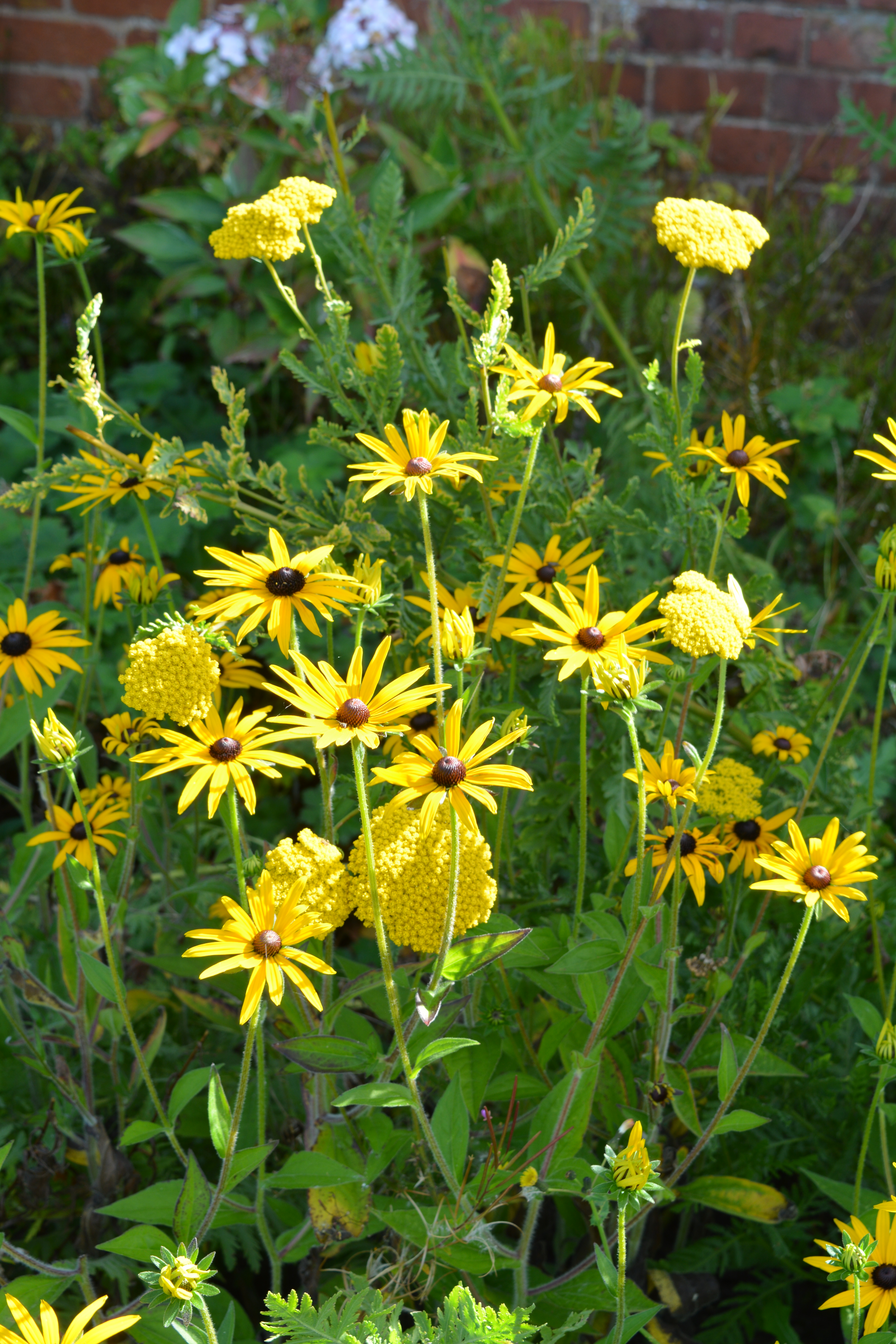
For bright cheerfulness in the autumn garden you can’t beat the Rudbeckias.

2015 09 24_5879 2015 09 24_5878  2015 09 24_5884 2015 09 24_58862015 09 24_5877

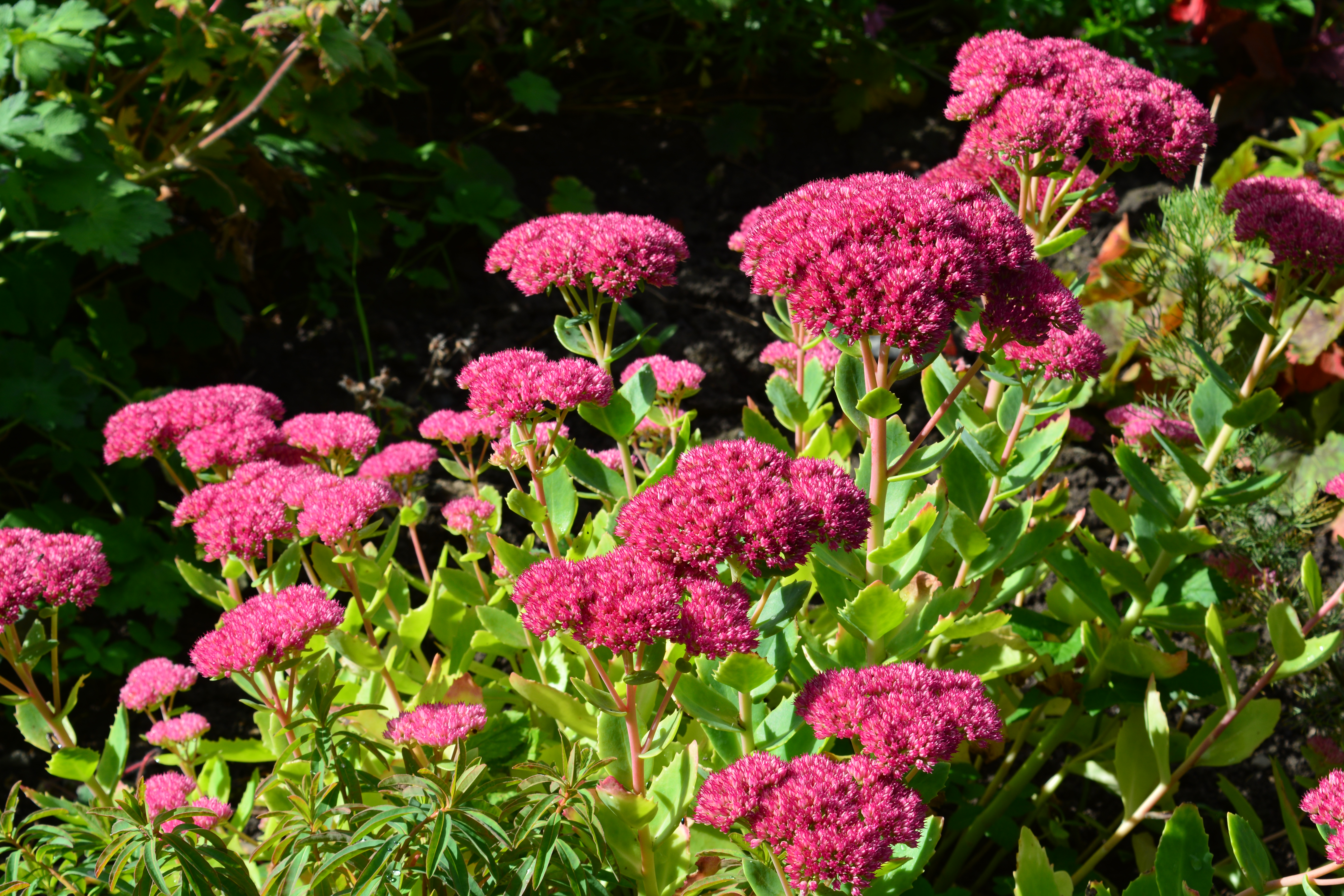
As we made our way back to the car after our most enjoyable garden wanderings two signs of autumn caught our eye, the deep pink of the Sedum flower heads and the colour appearing on the clump of mature trees close to the main gate out of the garden. Next visit will be sometime in October when we expect to see autumn taking over the borders and clumps of trees.

2015 09 24_5916 2015 09 24_5911

This Veggie Life

A Vegetarian | Nature Lifestyle Blog

Rambling in the Garden

.....and nurturing my soul

The Arch City Gardener

Journeys In St. Louis Gardening and Beyond

Garden Dreaming at Châtillon

Consult the genius of the place

Storyshucker

A blog full of humorous and poignant observations.

gardeninacity

Notes from a wildlife-friendly cottage garden

PlayGroundology

...an emerging social science

The Official Blog of British Wildlife

'The most important and informative publication on wildlife of our times' - The Independent. This blog is a member of The UK & Ireland Natural History Bloggers group: www.uknhb.blogspot.com

iGrowHort

Inspire - Cultivate - Grow Native Plants - Restore Landscapes

Bishops Meadow Trust

To create and protect a semi-natural wild space for the people of Farnham to enjoy and experience an array of British wildlife in our town

Gardening with Children

The www.gardeningwithchildren.co.uk Blog

UKbirdingtimeline

birding through the seasons, why birds matter and how to conserve them

NATURE WALKER

with a camera in hand

Jardin

Transform your outdoor space

Eva's space

My allotment, cooking and other interests

Old School Garden

my gardening life through the year

LEANNE COLE

Trying to live a creative life

fromacountrycottage

trying to live as lightly as possible on our beautiful planet

Good Life Gardening

Nature lovers from Leicester living the good life.

mybeautfulthings

Finding the beautiful in the everyday

mawsonmichelle

Michelle's Allotment

In and Out of My Garden

thoughts from and about my garden

Greenhousing

Big plans for a small garden

The Scottish Country Garden

A Walled Country Garden in South East Scotland

The Fruity Chicken

Life at the fruity chicken

willowarchway

Off grid living. Self sufficient. "PERMAGANICS RULE".

St Anns Allotments

Nottingham's Grade 2* Listed Allotments and Community Orchard

Manifest Joy Harvests

a journey in suburban vegetable gardening

Allotmental

The madness of growing your own

Penny's Garden: a harvest beyond my front door

A novel approach to vegetable gardening

arignagardener

Sustainable living in the Irish countryside.

NewEnglandGardenAndThread

Master Gardener, amateur photographer, quilter, NH native, and sometimes SC snowbird

dianajhale

Recent work and work in progress and anything else that interests me

planthoarder

a chaotic cottage gardener

Lens and Pens by Sally

a weekly blog that creates a personal philosophy through photographs and words

Dewdrops and Sunshine

Stories from a sassy and classy Southern farmbelle.

The Pyjama Gardener

Simple Organic Gardening & Seasonal Living

gettin' fresh!

turning dirt into dinner

JOY...

today the world is created anew

Garden Birds

Notes from a Devon garden

ShootAbout

Life Through The Lens

Adapting Pixels

A photography blog showcasing the best photography pictures and videos on the internet

Wildlifegardening's Blog

Just another WordPress.com site

naturestimeline

personal observations from the natural world as the search continues for a new approach to conservation.

LATEBLOOMERBUDS

The Wonders of Life through my Eyes, my Heart, my Soul