Categories
architecture buildings Church architecture colours light light quality outdoor sculpture photography the sea the seaside the shore townscapes

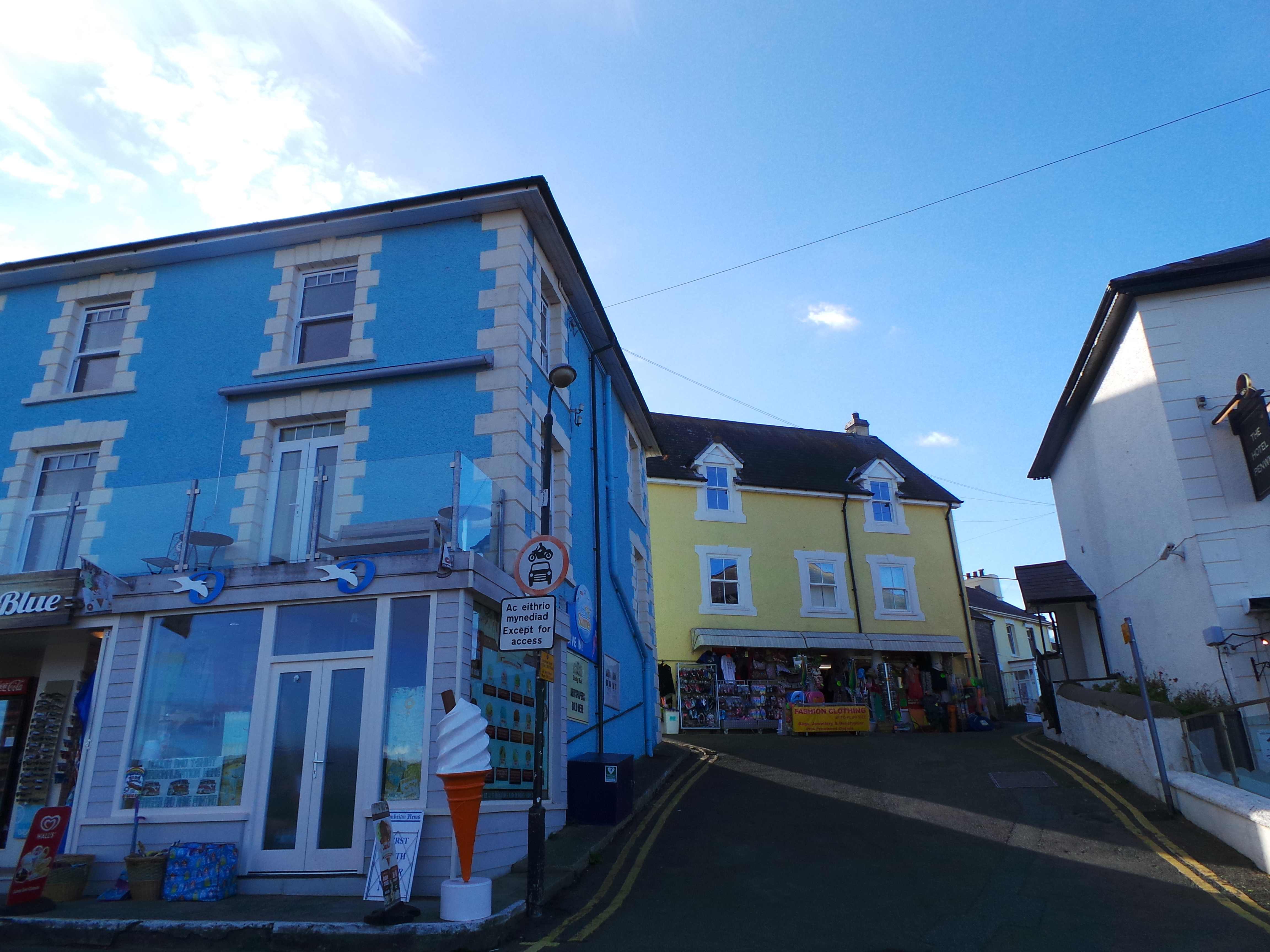
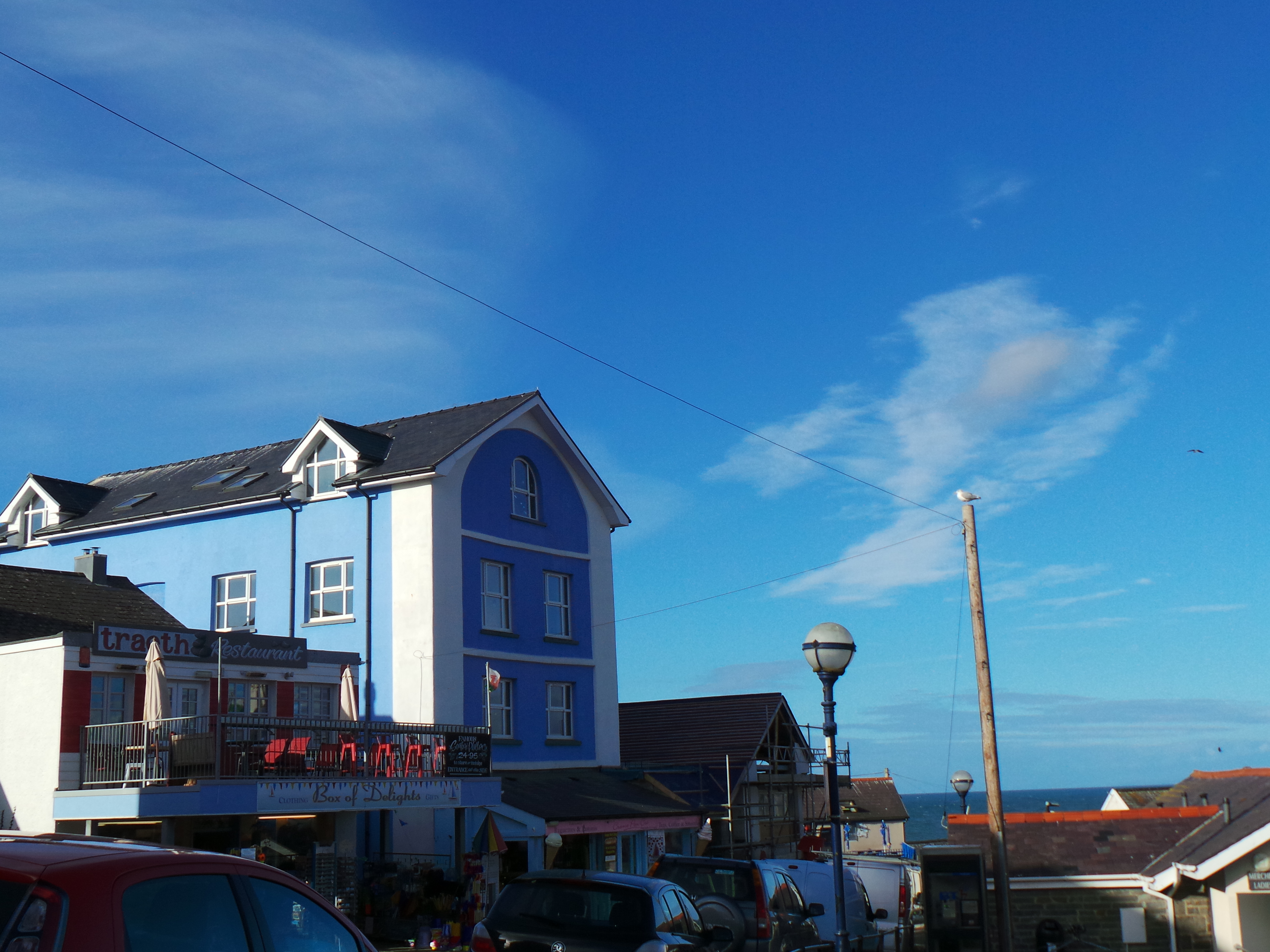
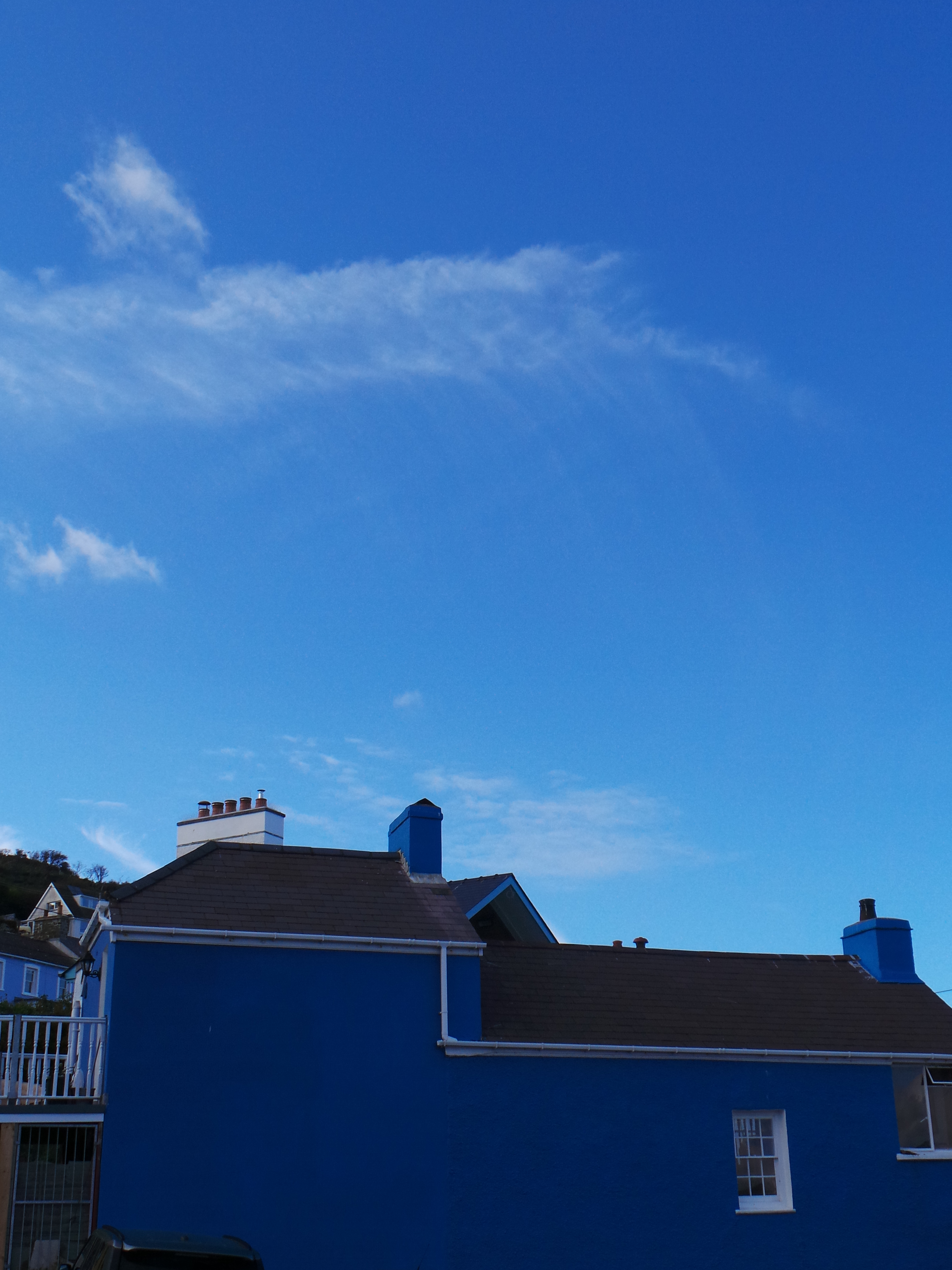
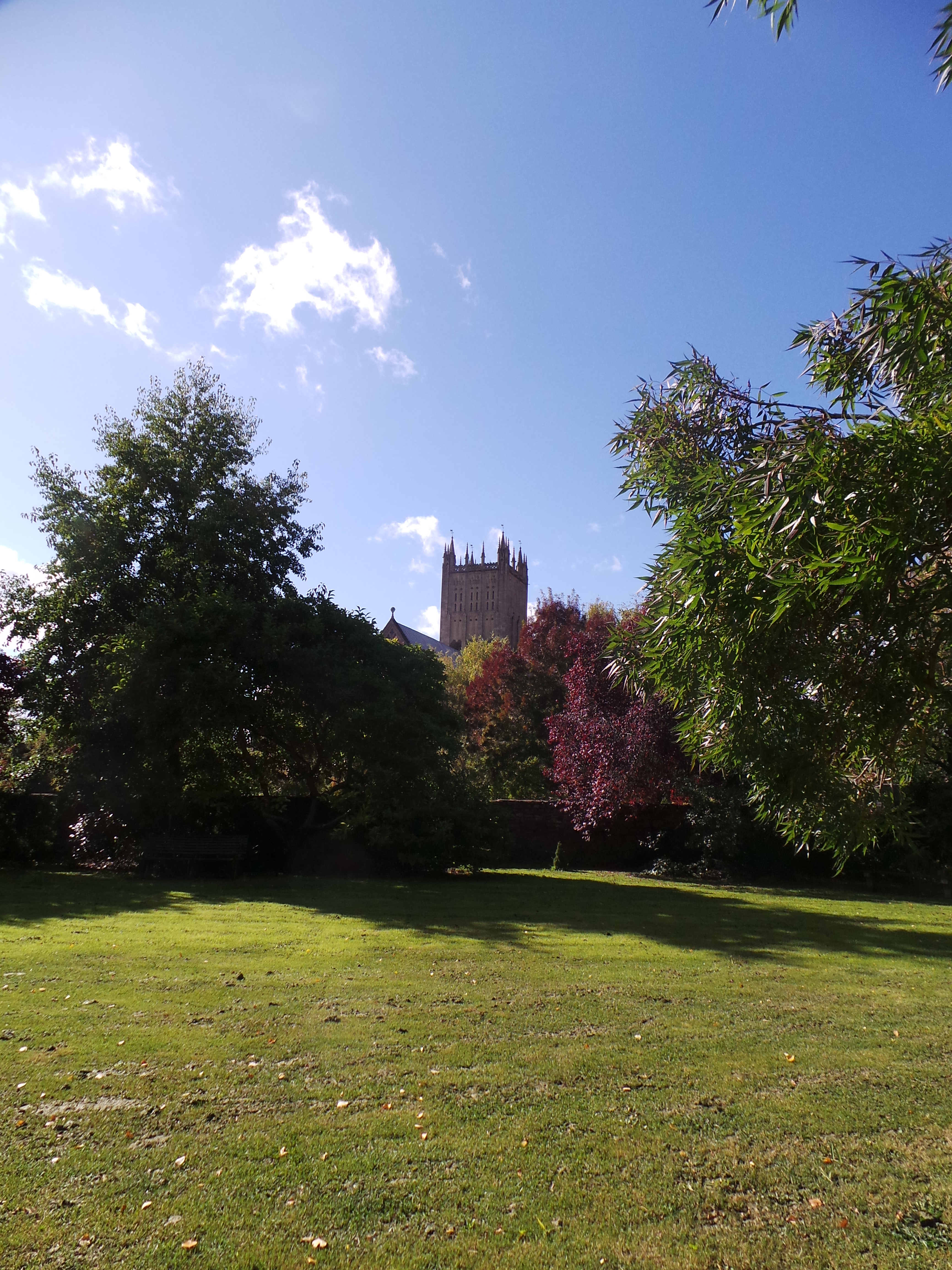
A Seaside Town at Night

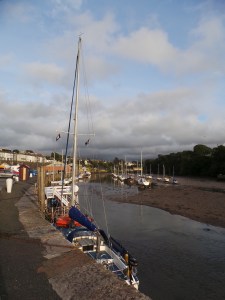
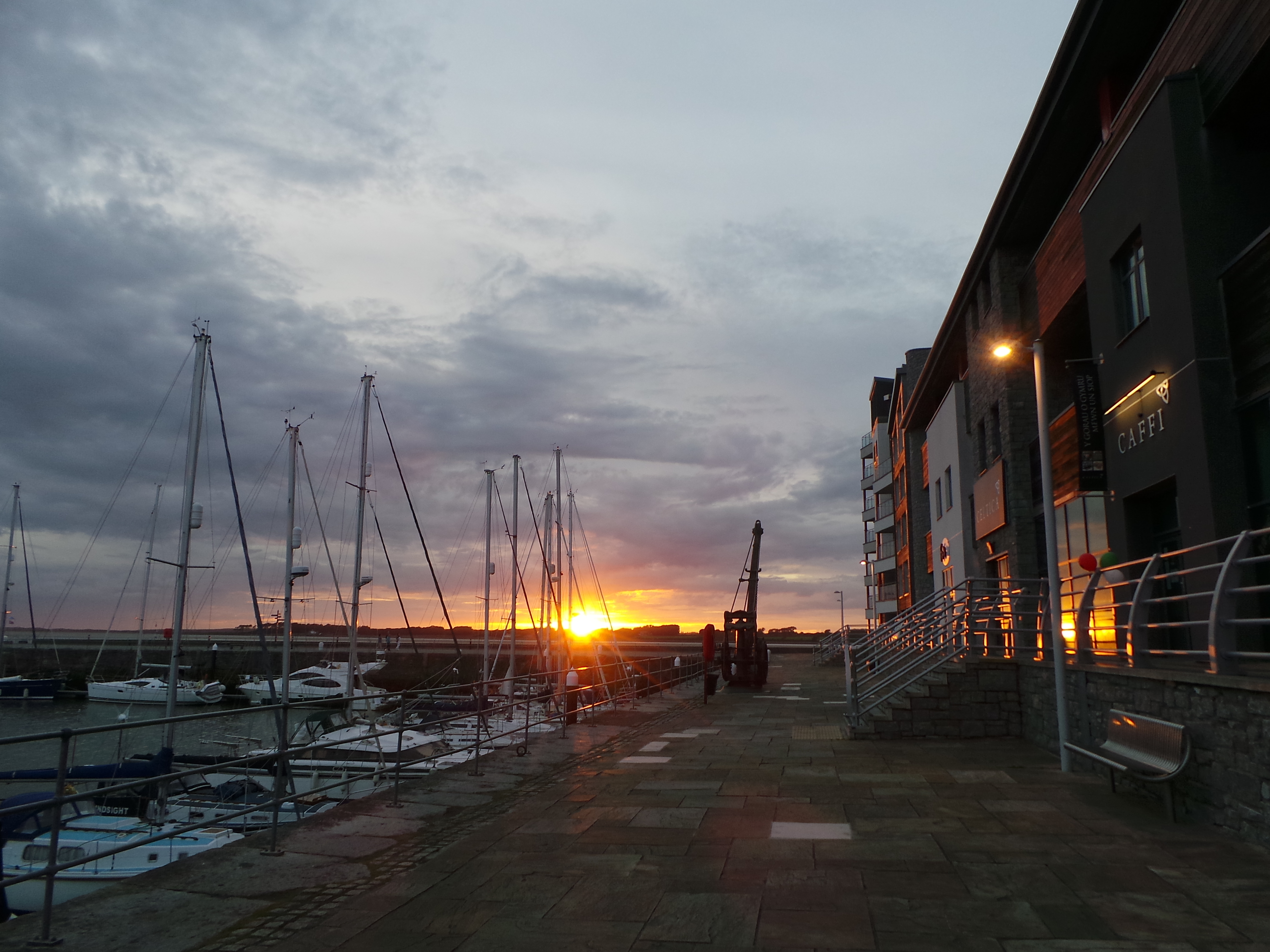
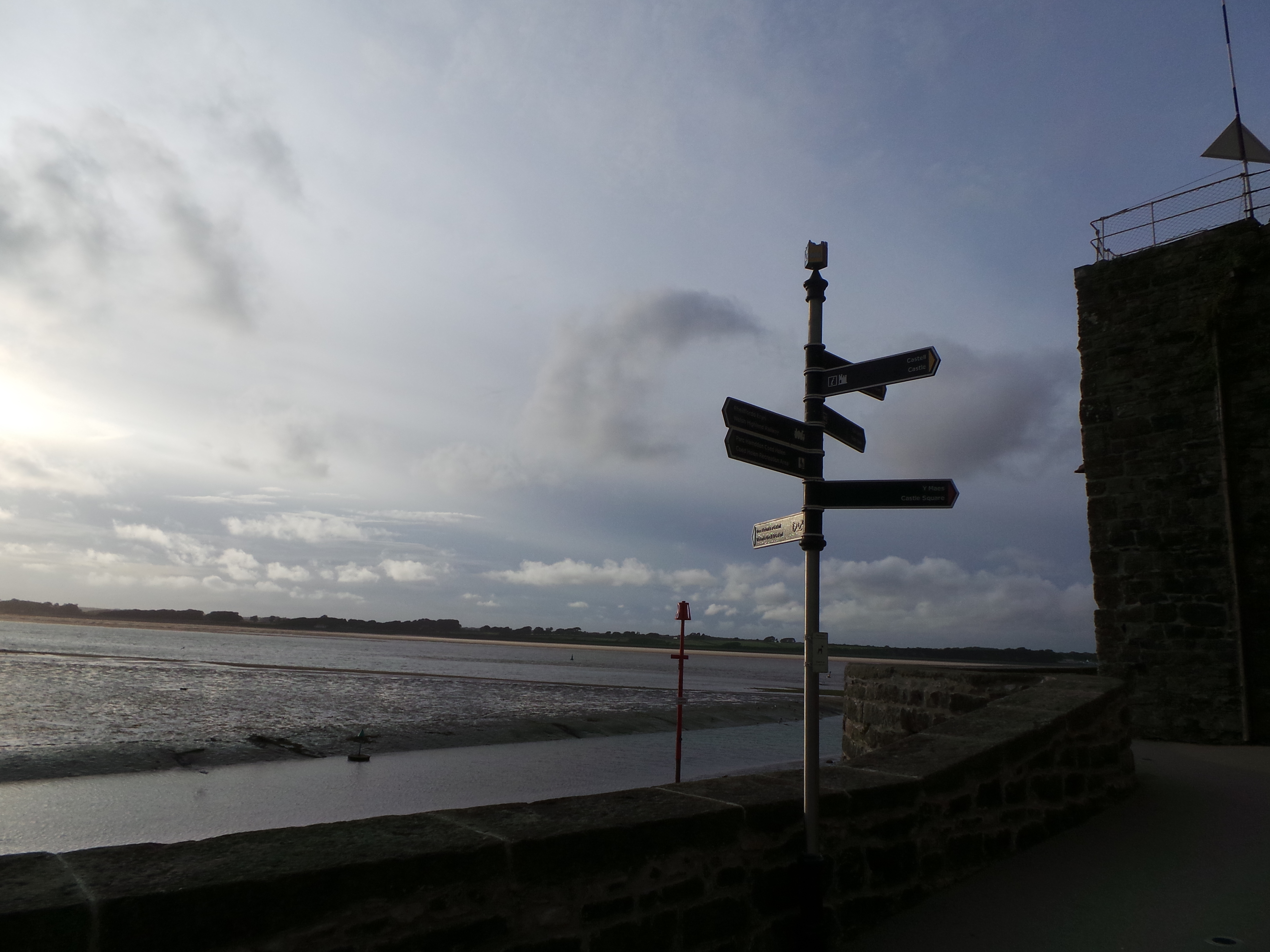
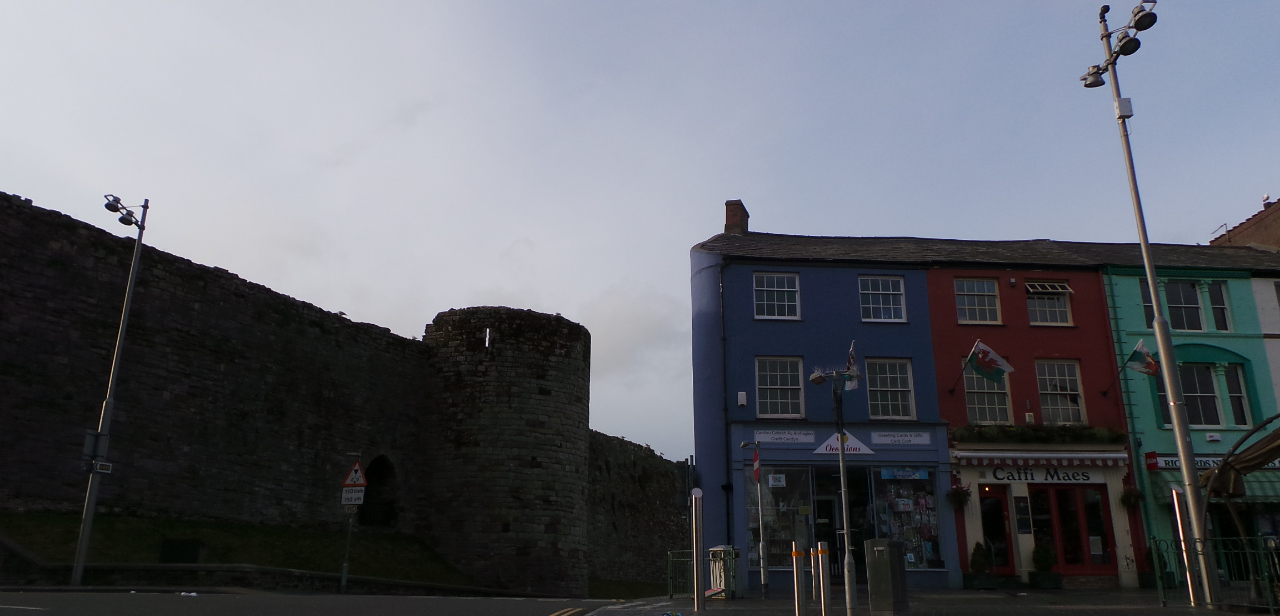
We often visit North Wales and the island of Anglesey. It is an area with beautiful countryside, long quiet beaches, tiny villages and seaside towns. When we stay for a mid-week break we sometimes use a hotel in the seaside town of Caernarvon, enjoying the walks along the sea front, the quay and the marina.

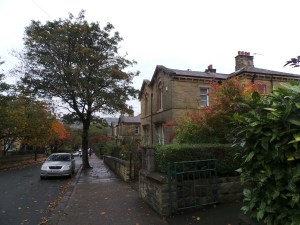
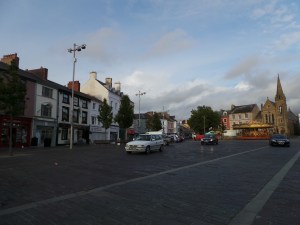
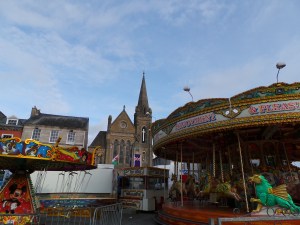
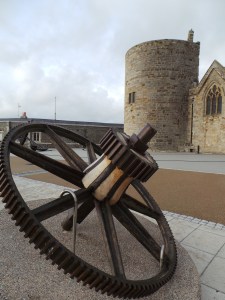
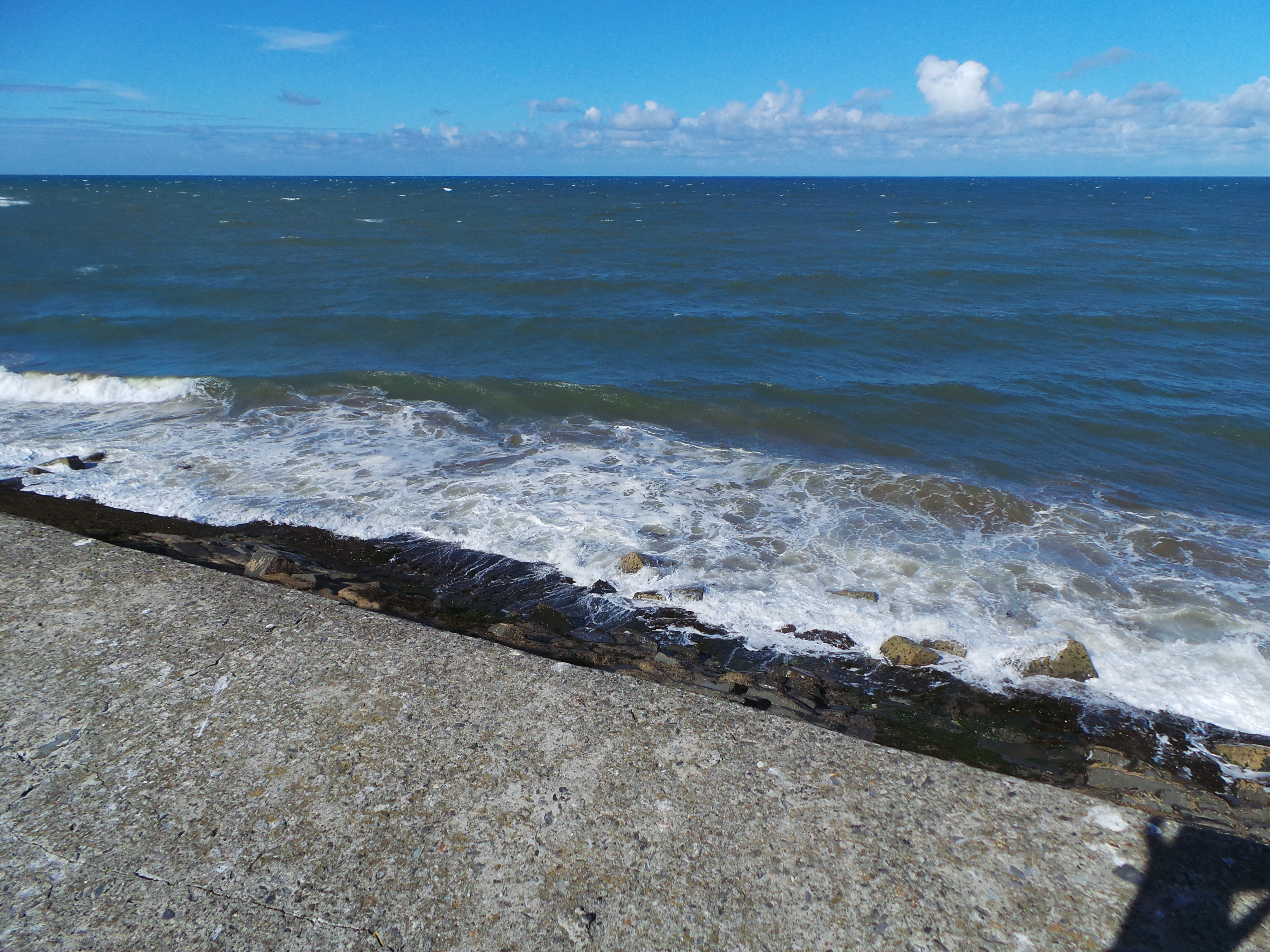
This post is a gallery of shots taken on a wander through the town and along the sea front as light fell. The temperature was slowly falling as the evening crept in. The atmosphere of the place reflected the changing temperature and light levels. Come and share our wander with us! Fresh evening air and the sounds of the sea lapping at the sea walls trying to drown out the harsh cries of the sea gulls.

2014 08 13_2516 2014 08 13_25182014 08 13_2522 2014 08 13_25172014 08 13_2510 2014 08 13_25132014 08 13_2507 2014 08 13_2506 2014 08 13_2514 2014 08 13_25052014 08 13_25042014 08 13_2509 2014 08 13_2508    2014 08 13_25012014 08 13_2503 2014 08 13_2502   2014 08 13_2521 2014 08 13_2520 2014 08 13_2519 2014 08 13_2515   2014 08 13_2512 2014 08 13_2511 2014 08 13_2524

Great memories that make us yearn for a few more days by the sea!


Categories
architecture buildings colours landscapes light light quality the sea the seaside the shore townscapes Wales

Oh we do like to be beside the seaside! – Part One – Newquay

I thought as we are now in early spring and the weather is improving a little it would be a good time to look back to the early autumn when the sky was still blue and the temperatures more comfortable. So let us reminisce and celebrate two days at the seaside.

It was the week of Jude the Undergardener’s birthday so as she loves to be beside the sea, two visits to the coast of Wales were the order of the day.

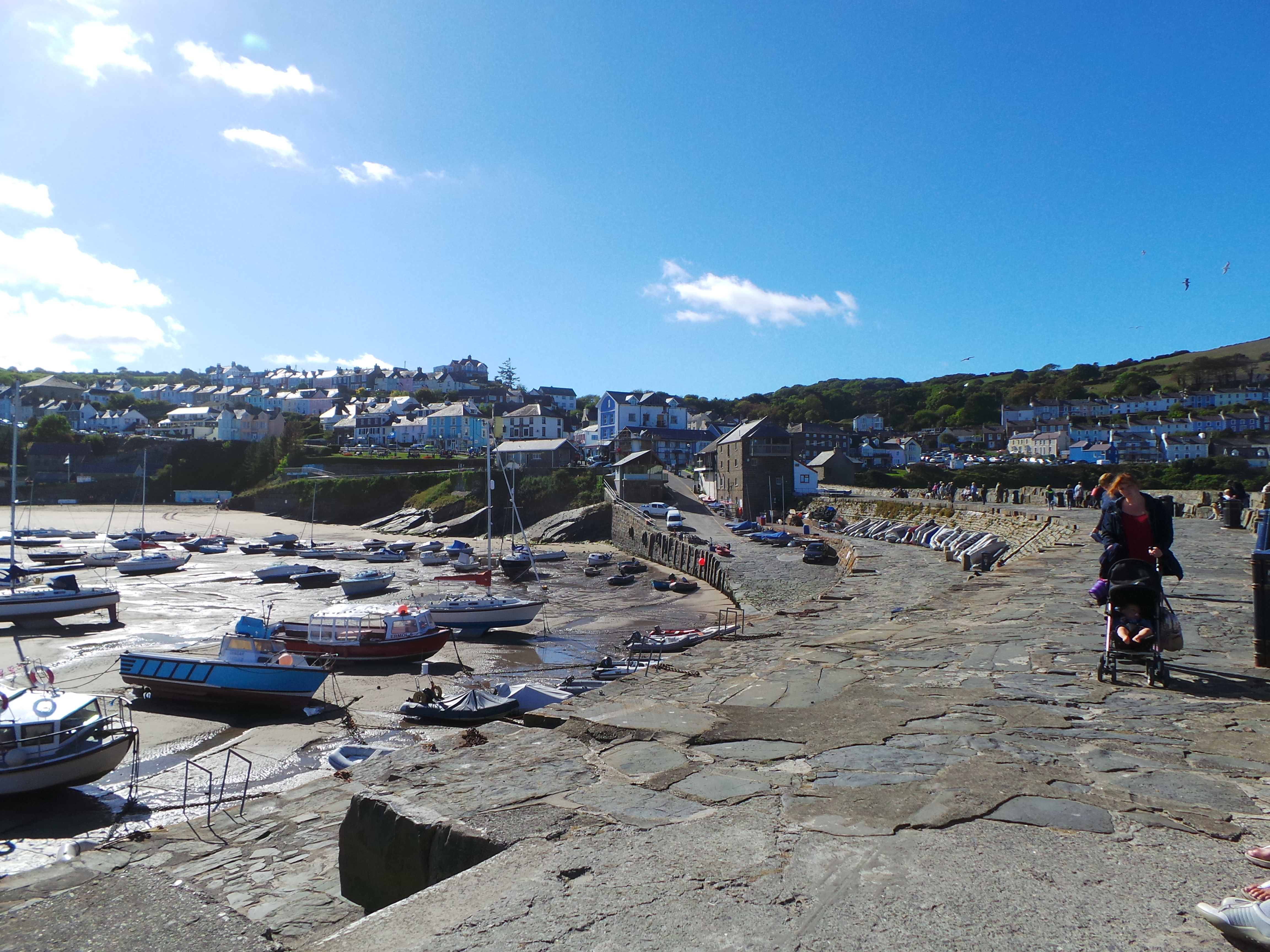
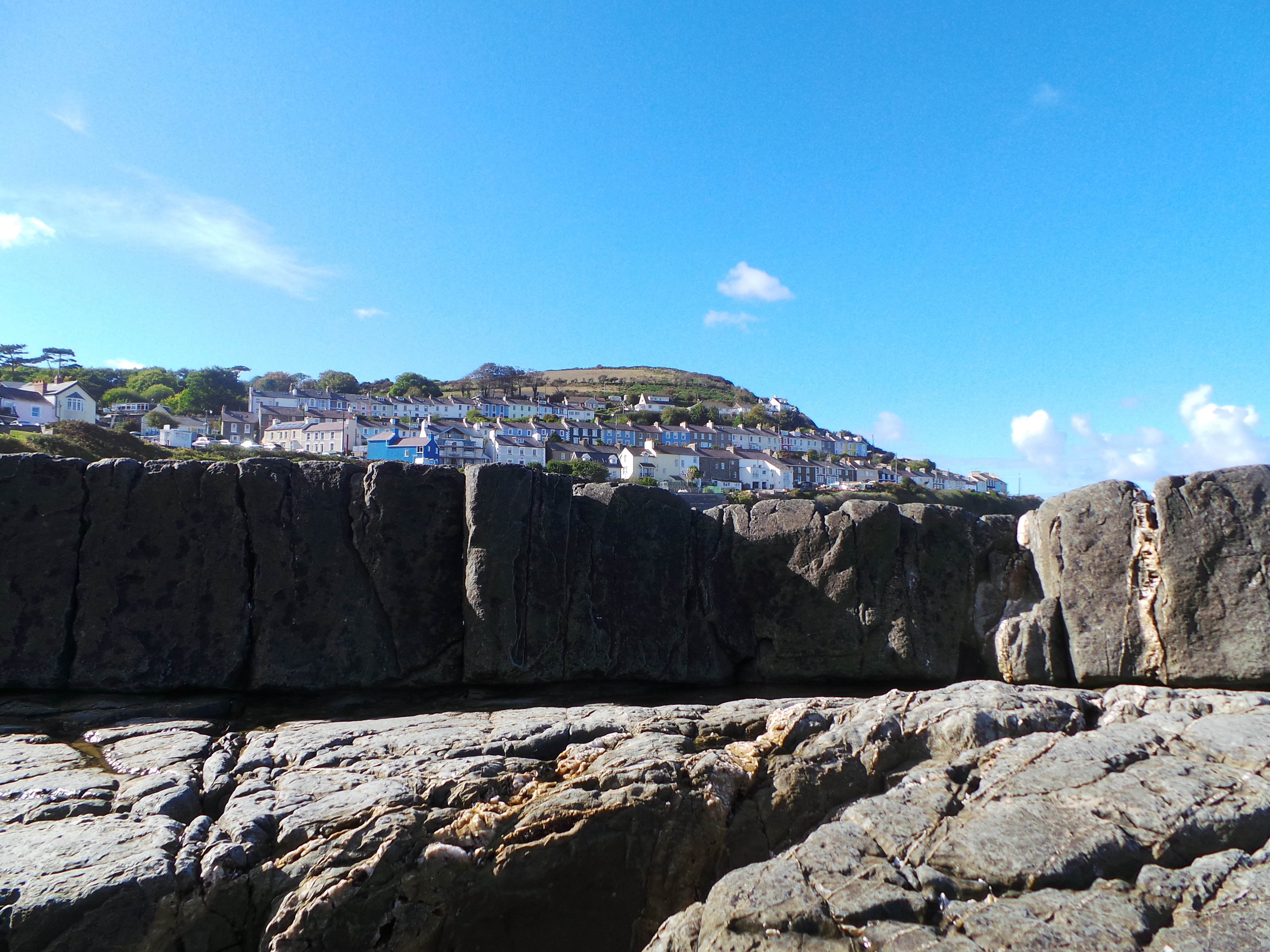
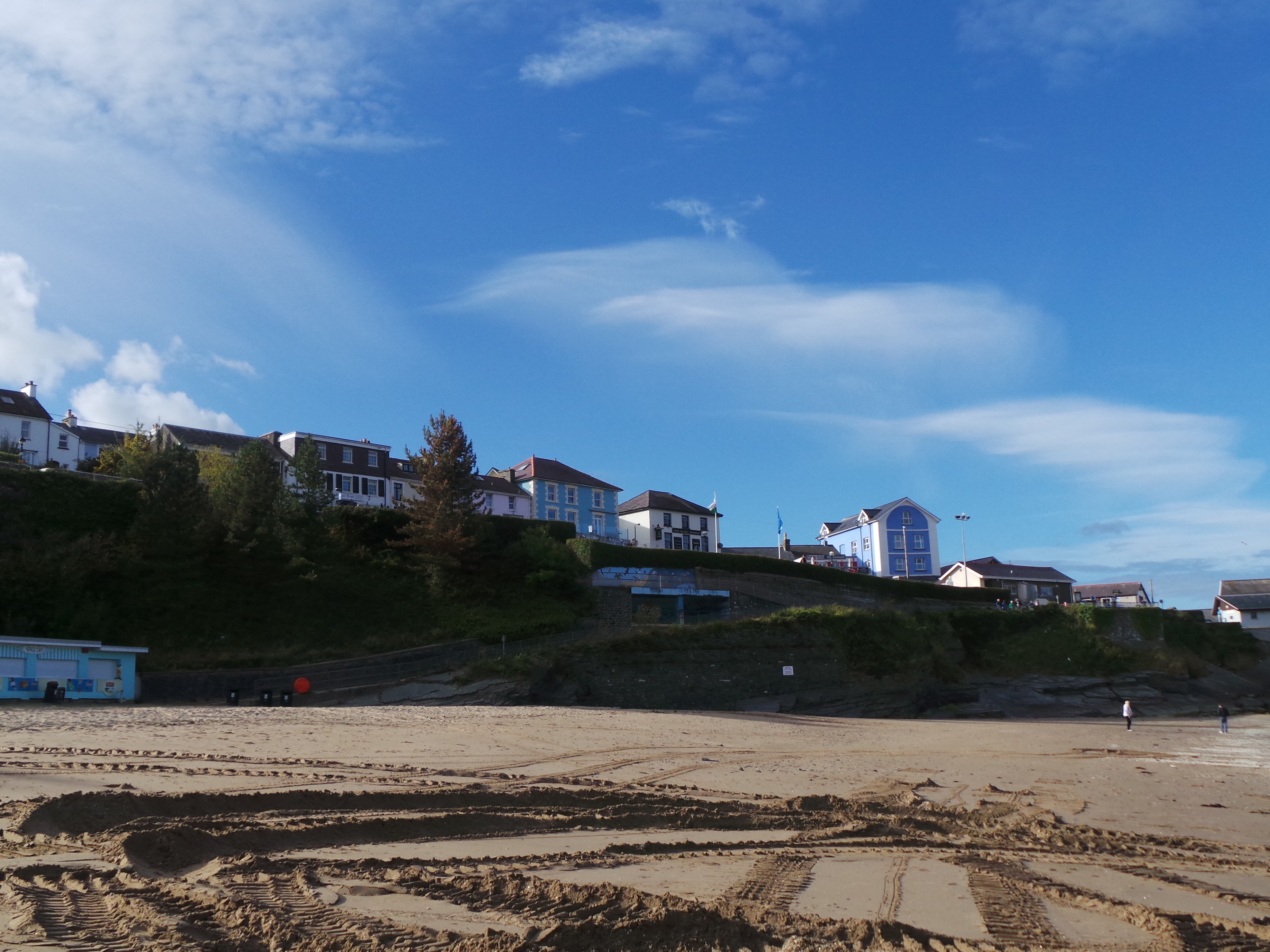
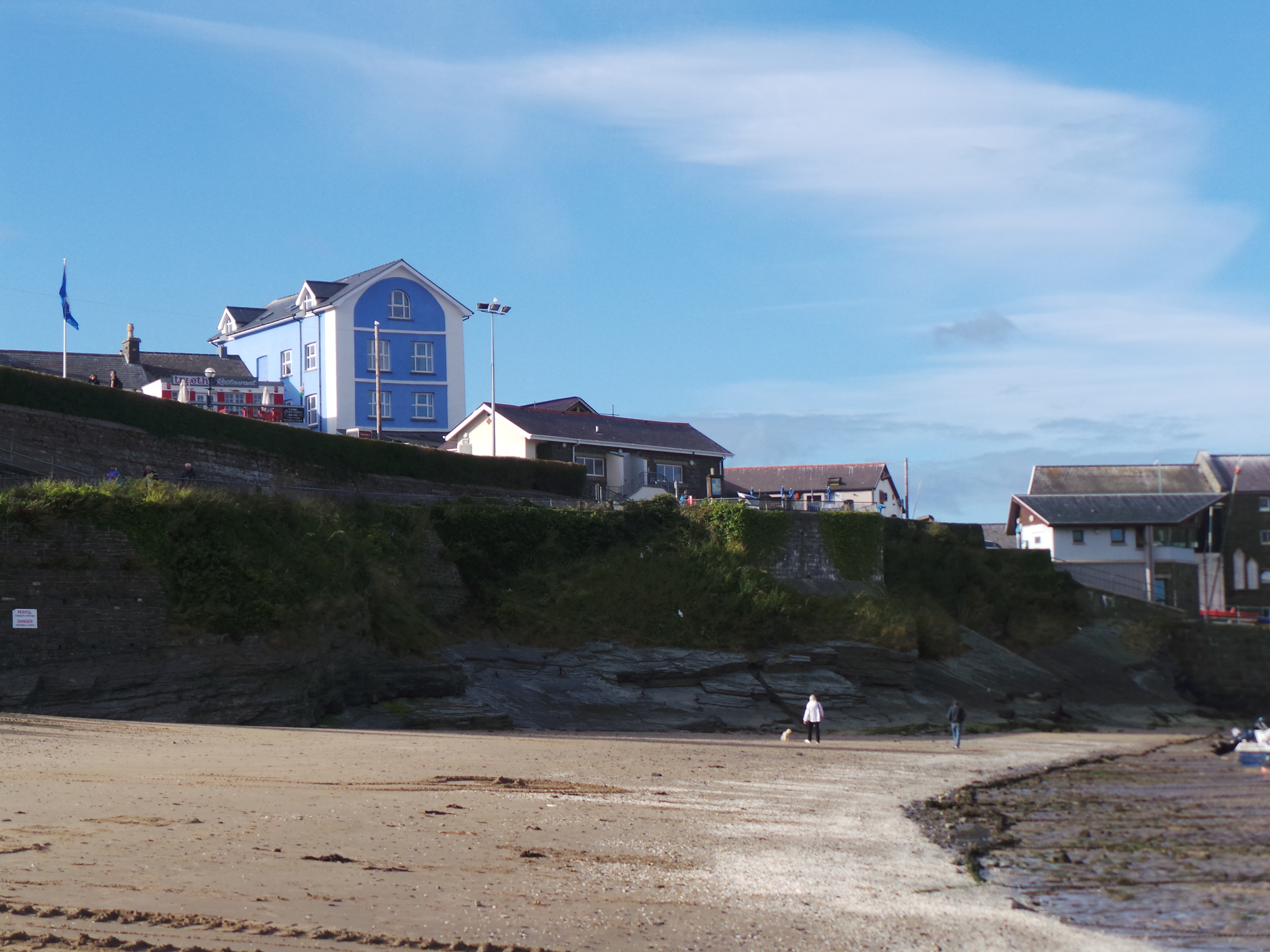
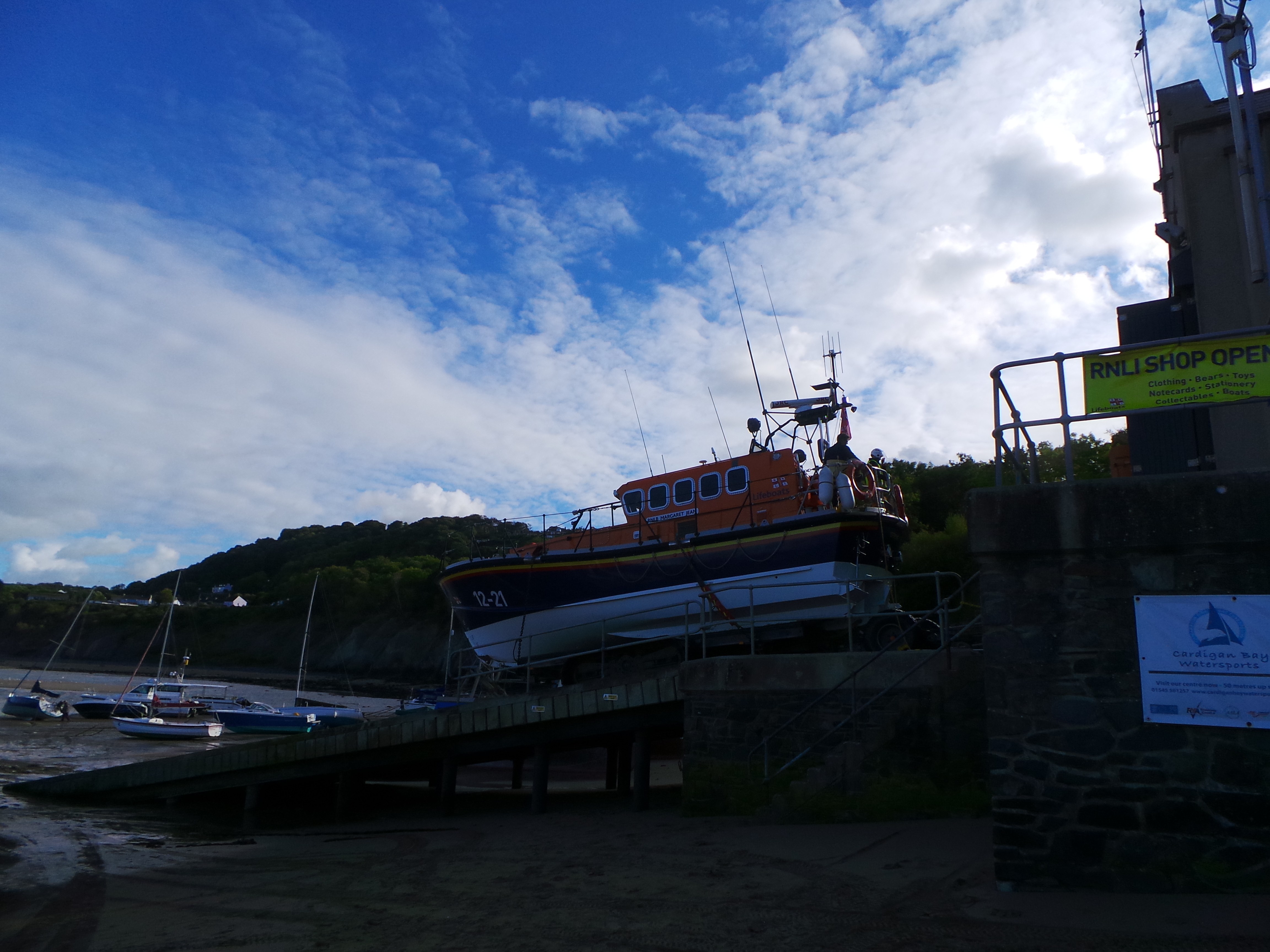
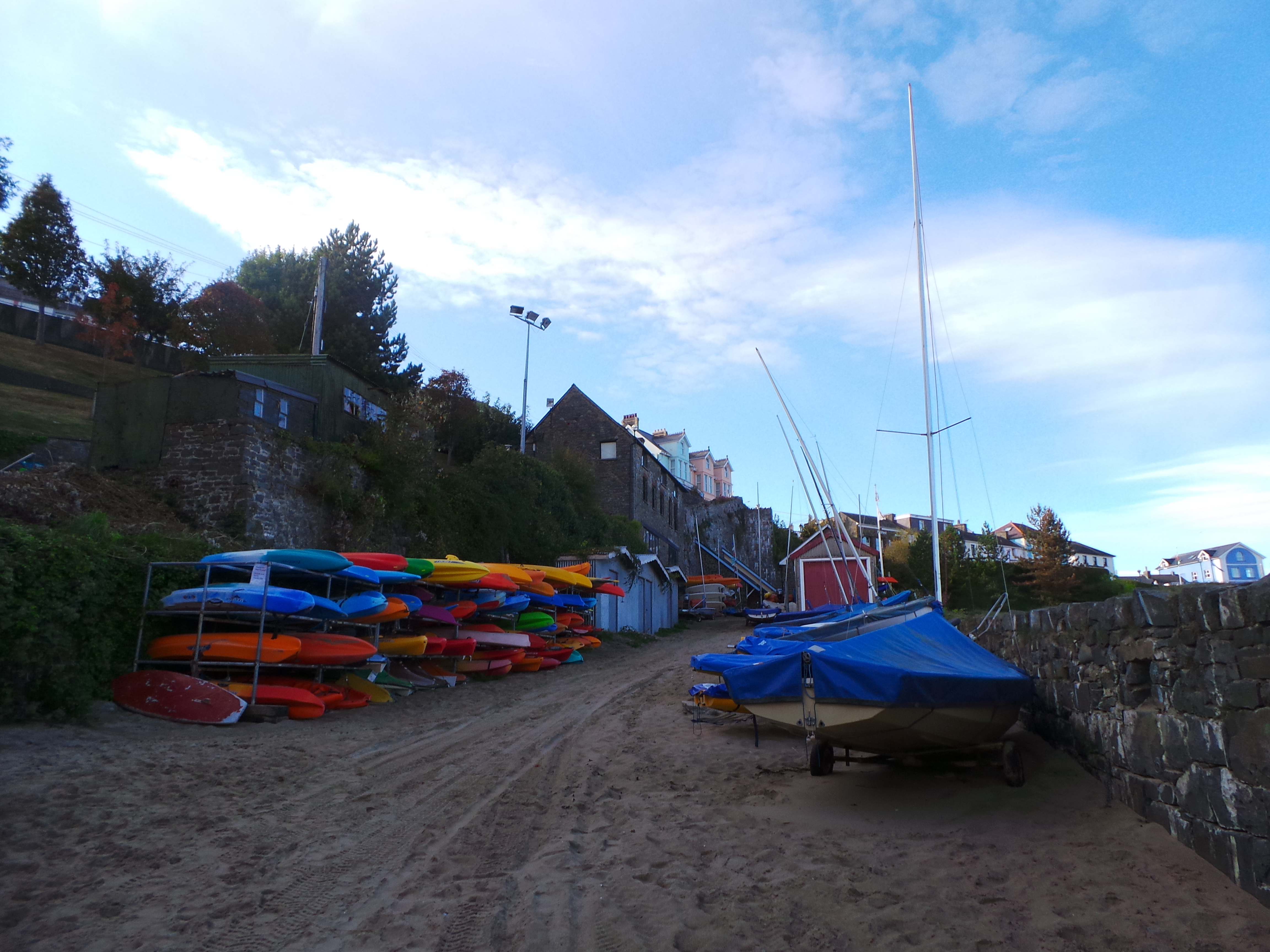
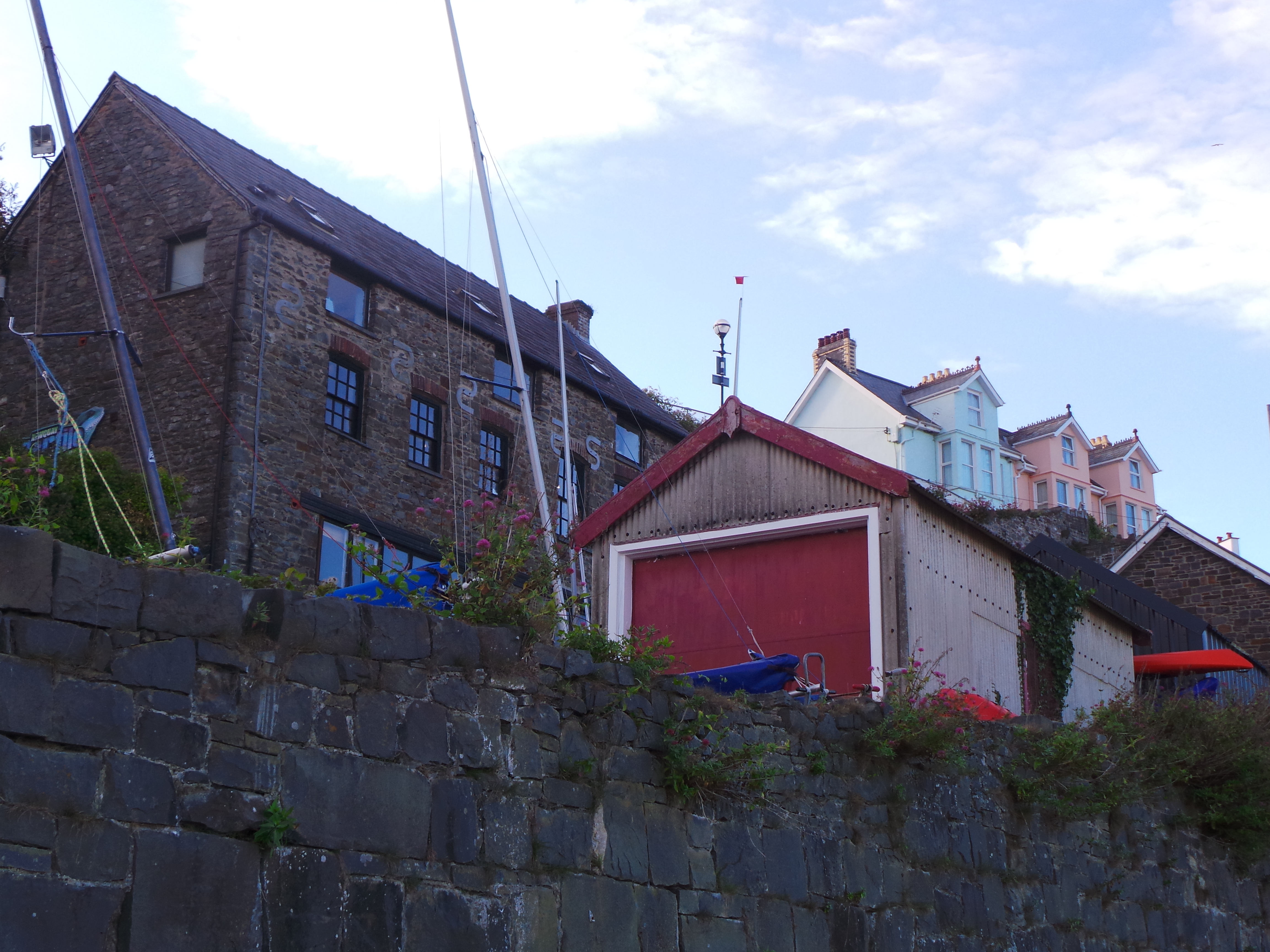
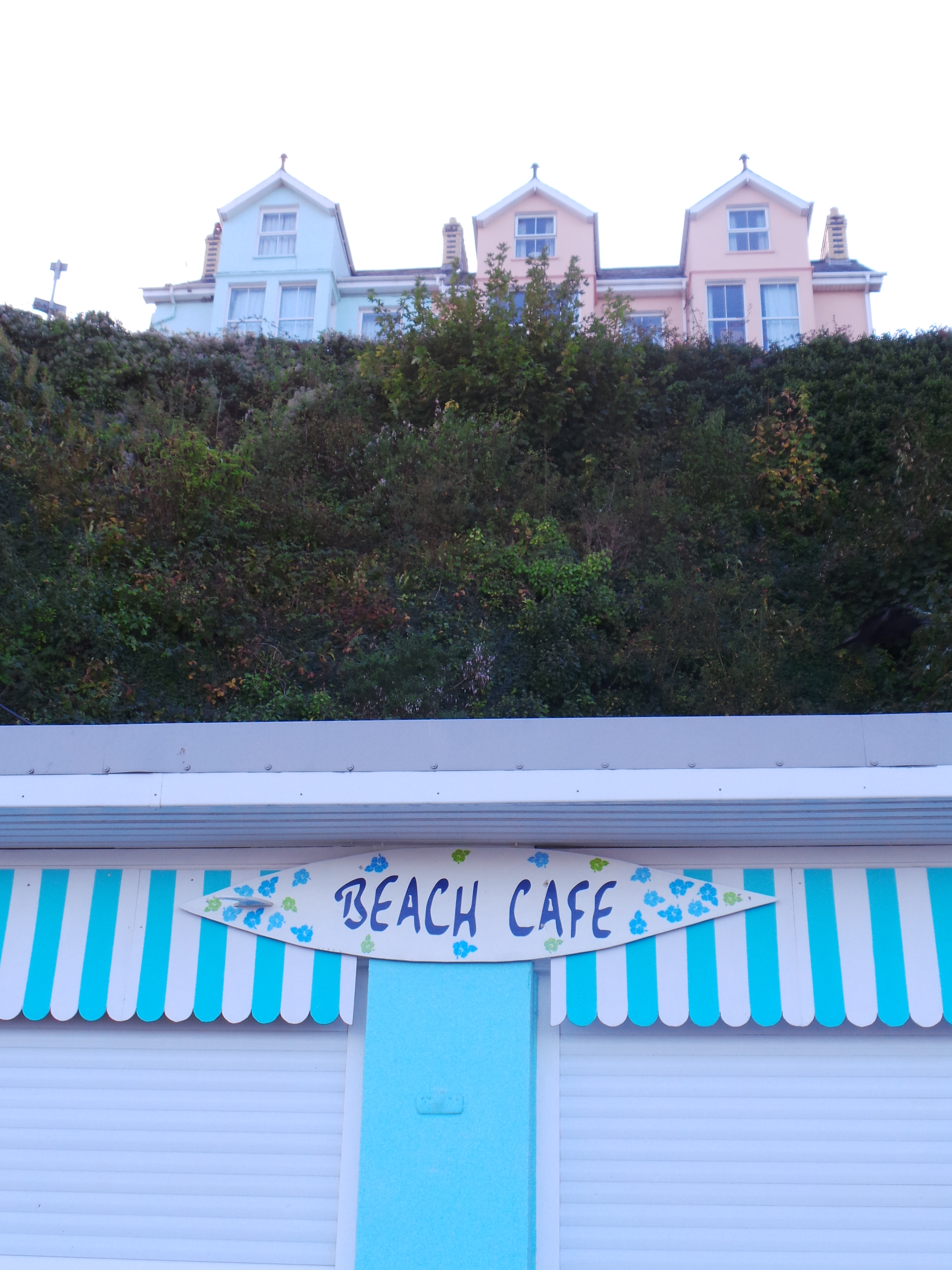
So for our first seaside day we headed off over the mid-Wales mountains towards Aberystwyth and then when we got near the coast we headed southwards to Newquay. Neither of us could ever remember visiting before even though we both holidayed in this part of Wales as children. We were surprised how colourful the village looked when we first saw it. We soon discovered Newquay to have a great sense of pride and a community feel to it.

2014 09 25_5162 2014 09 25_5163 2014 09 25_5164 2014 09 25_5165

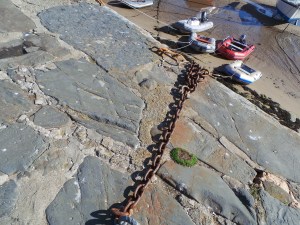
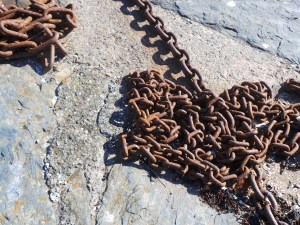
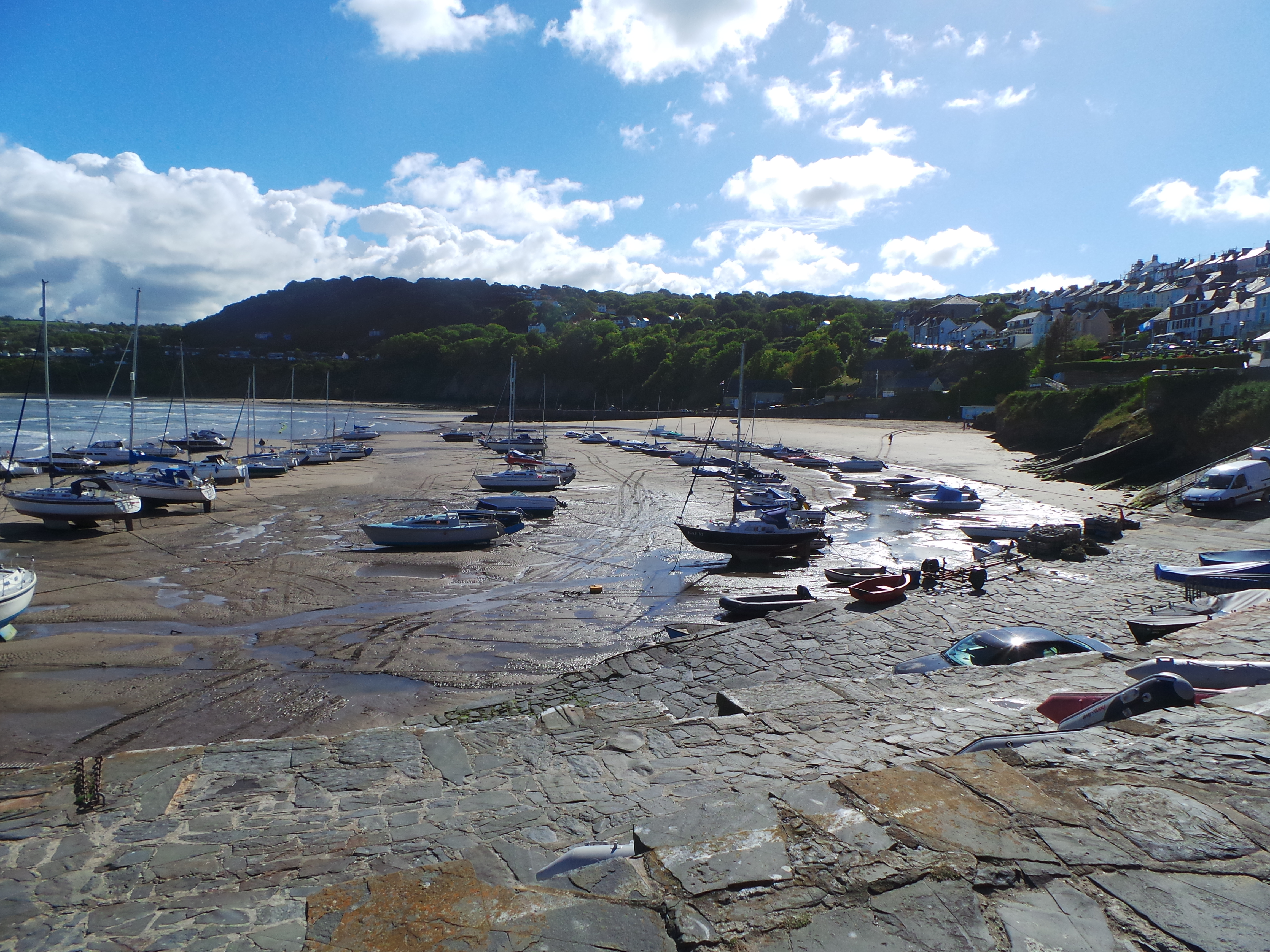
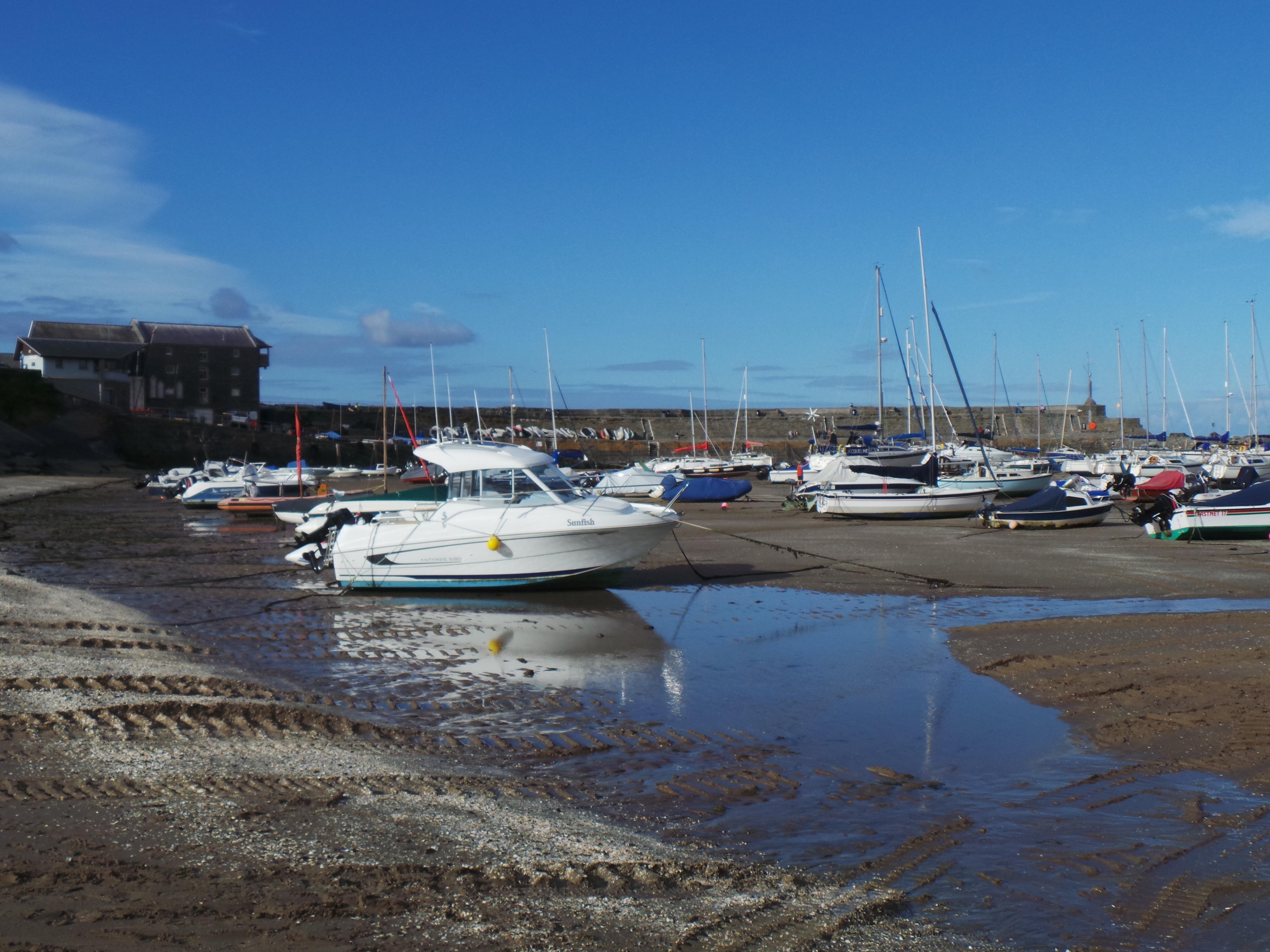
After a quick look around the village we wandered down the quay and on the beach.

2014 09 25_5224 2014 09 25_5225 2014 09 25_5167 2014 09 25_5168 2014 09 25_5169 2014 09 25_5171  2014 09 25_5172 2014 09 25_5174

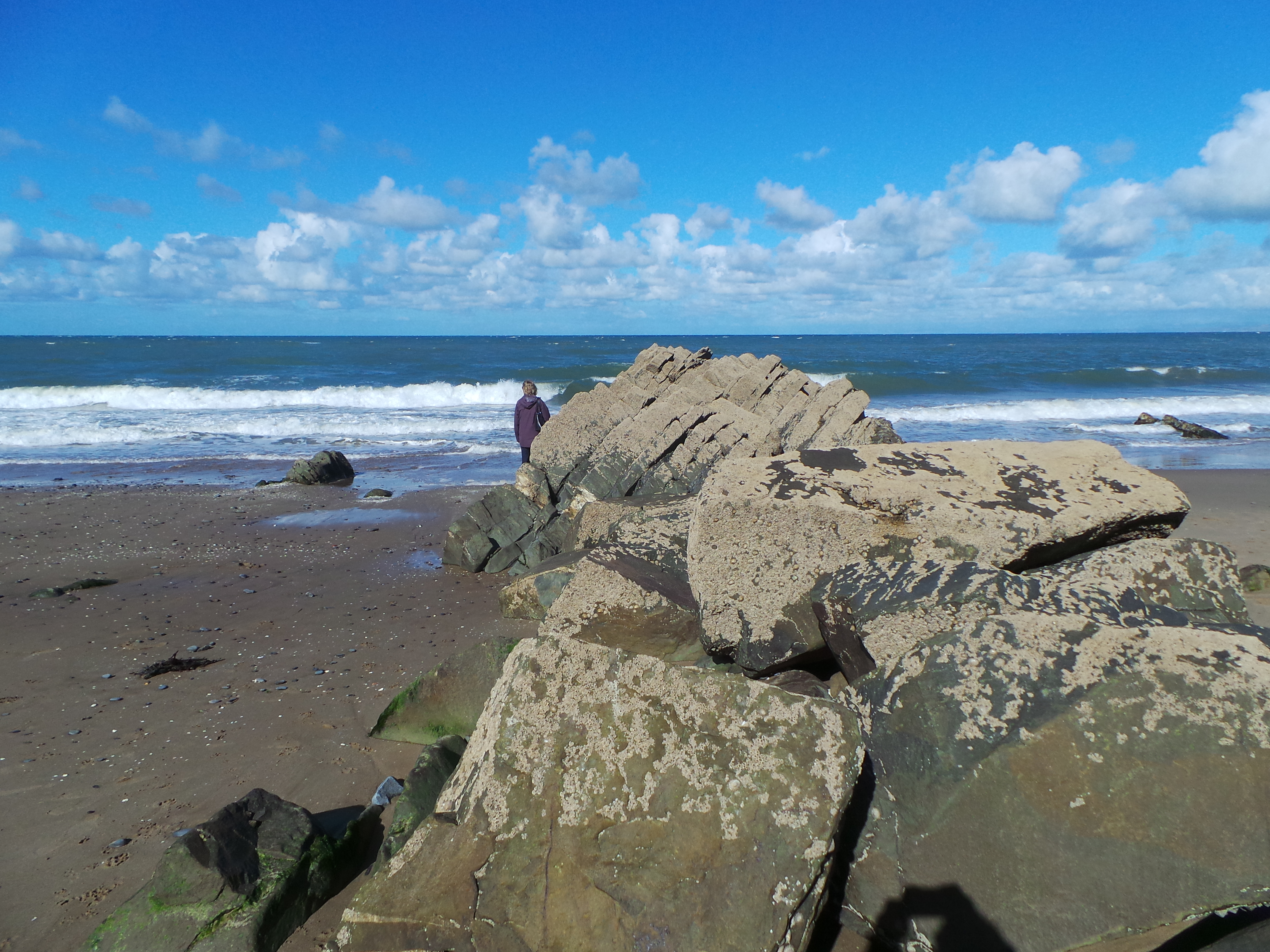
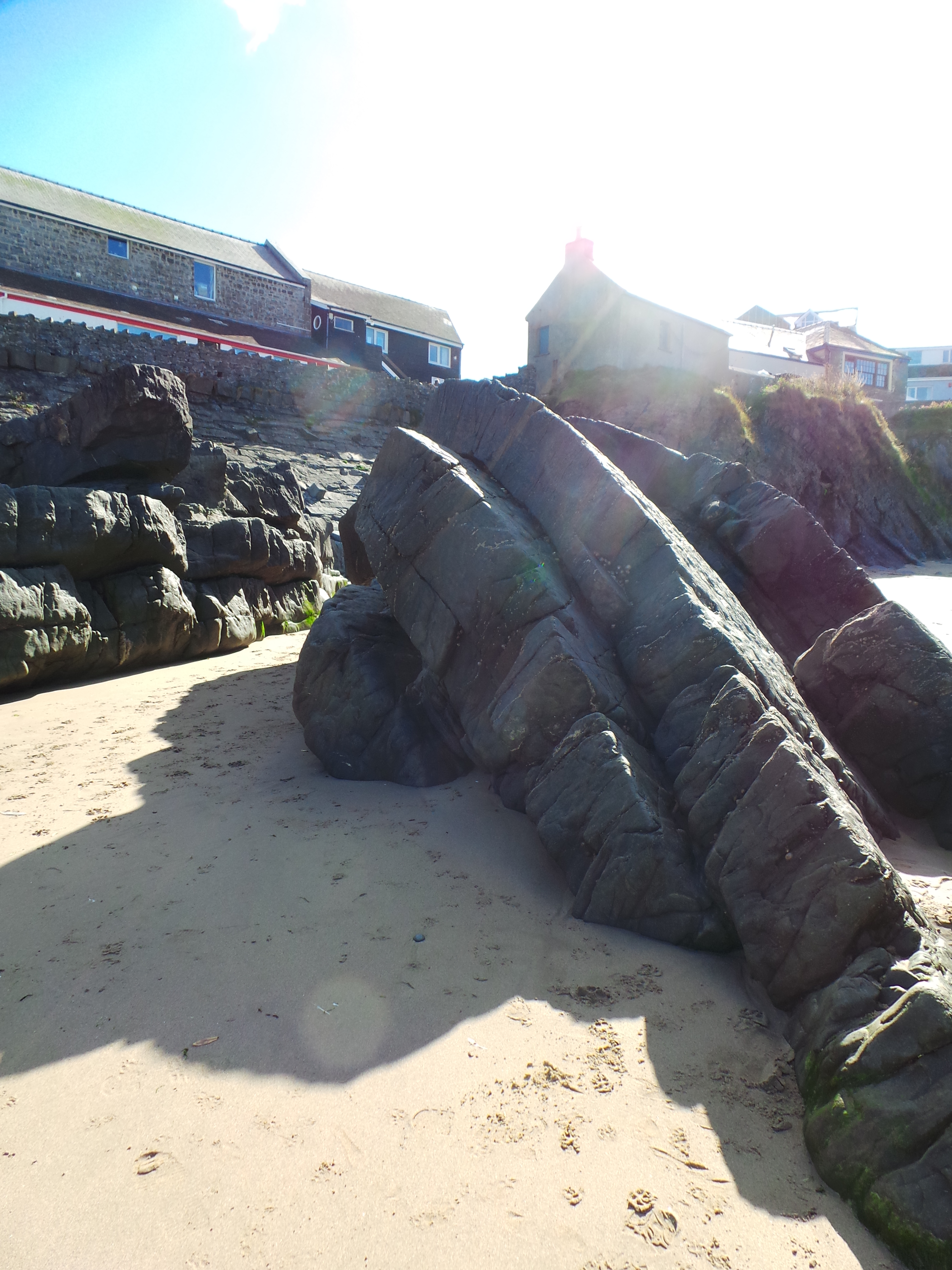
We were mesmerised by this amazing land form, with its domed strata, peeled away in places like the layers of an onion by the powerful erosion forces of the sea.

2014 09 25_5178 2014 09 25_51792014 09 25_5180 2014 09 25_51812014 09 25_5182 2014 09 25_51842014 09 25_5185 2014 09 25_5188 2014 09 25_5189 2014 09 25_5191 2014 09 25_5192 2014 09 25_5193

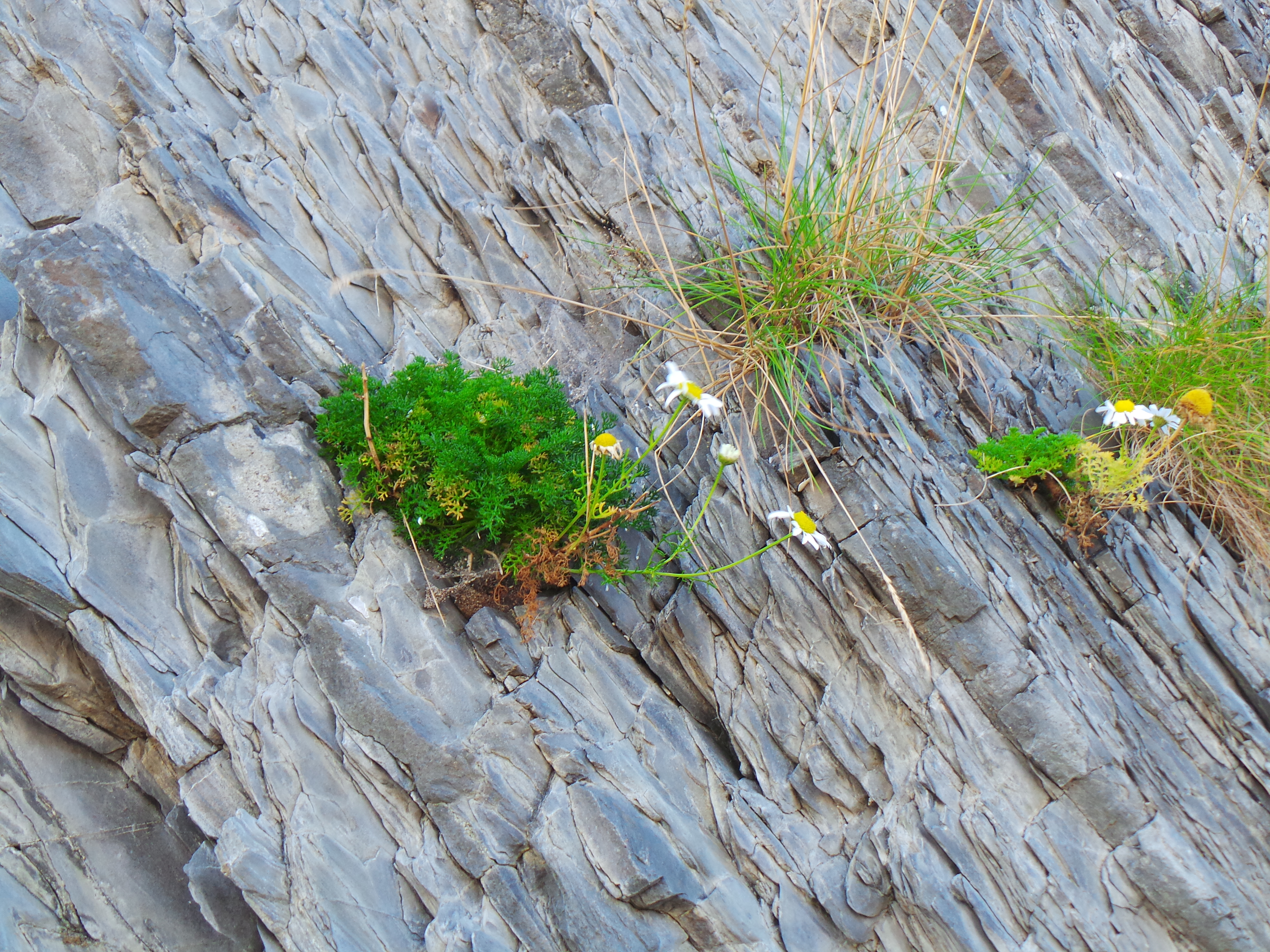
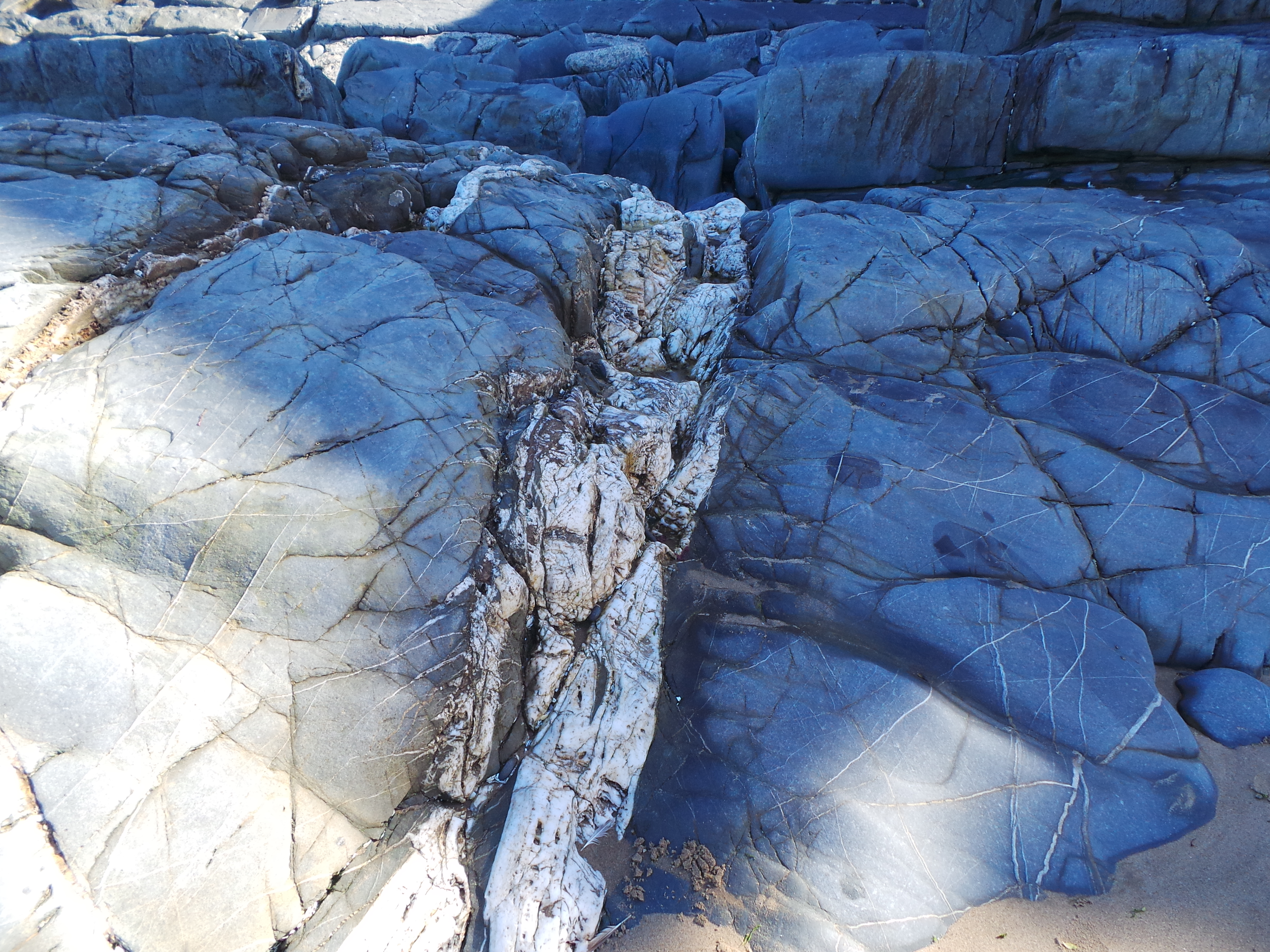
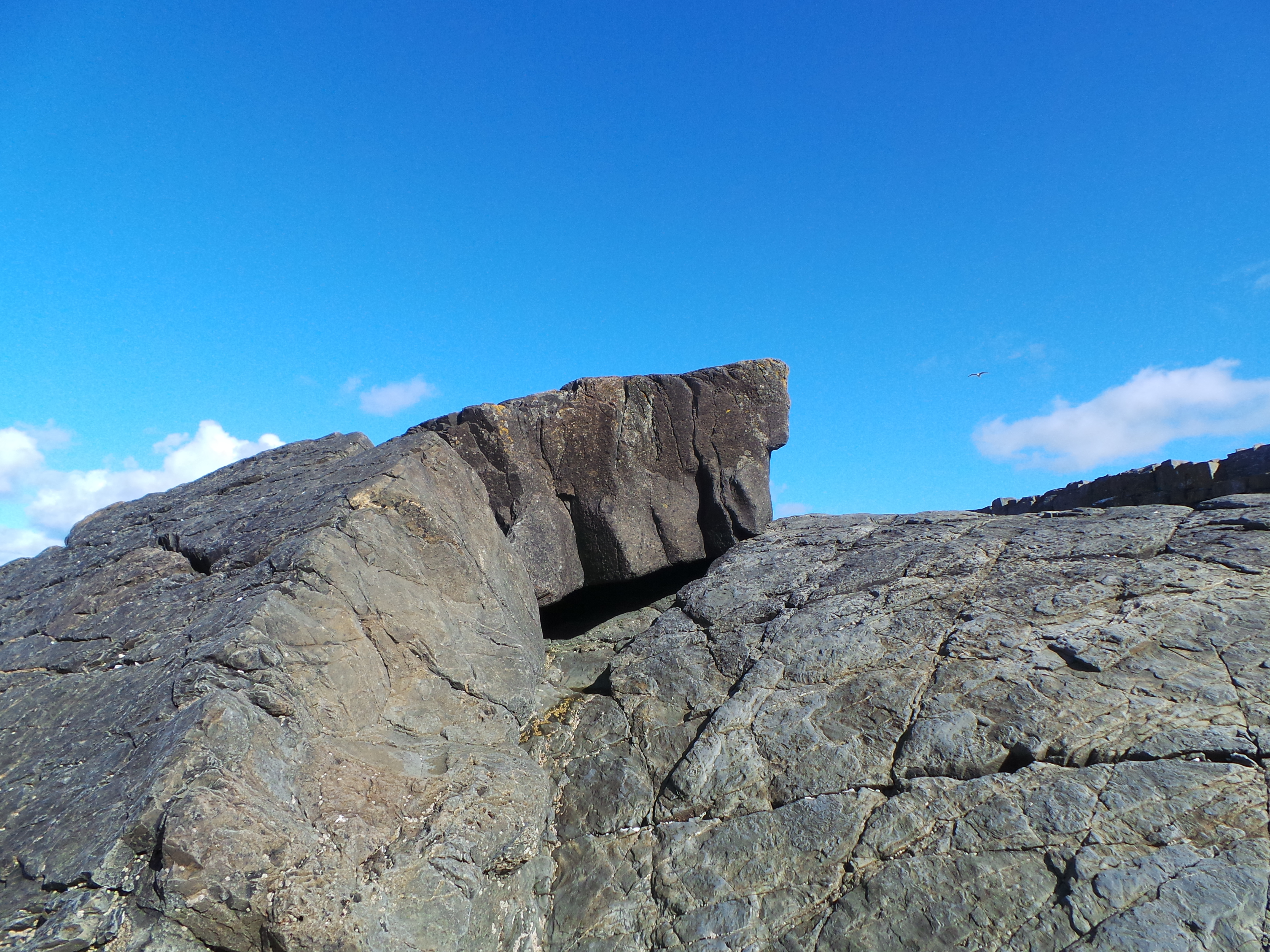
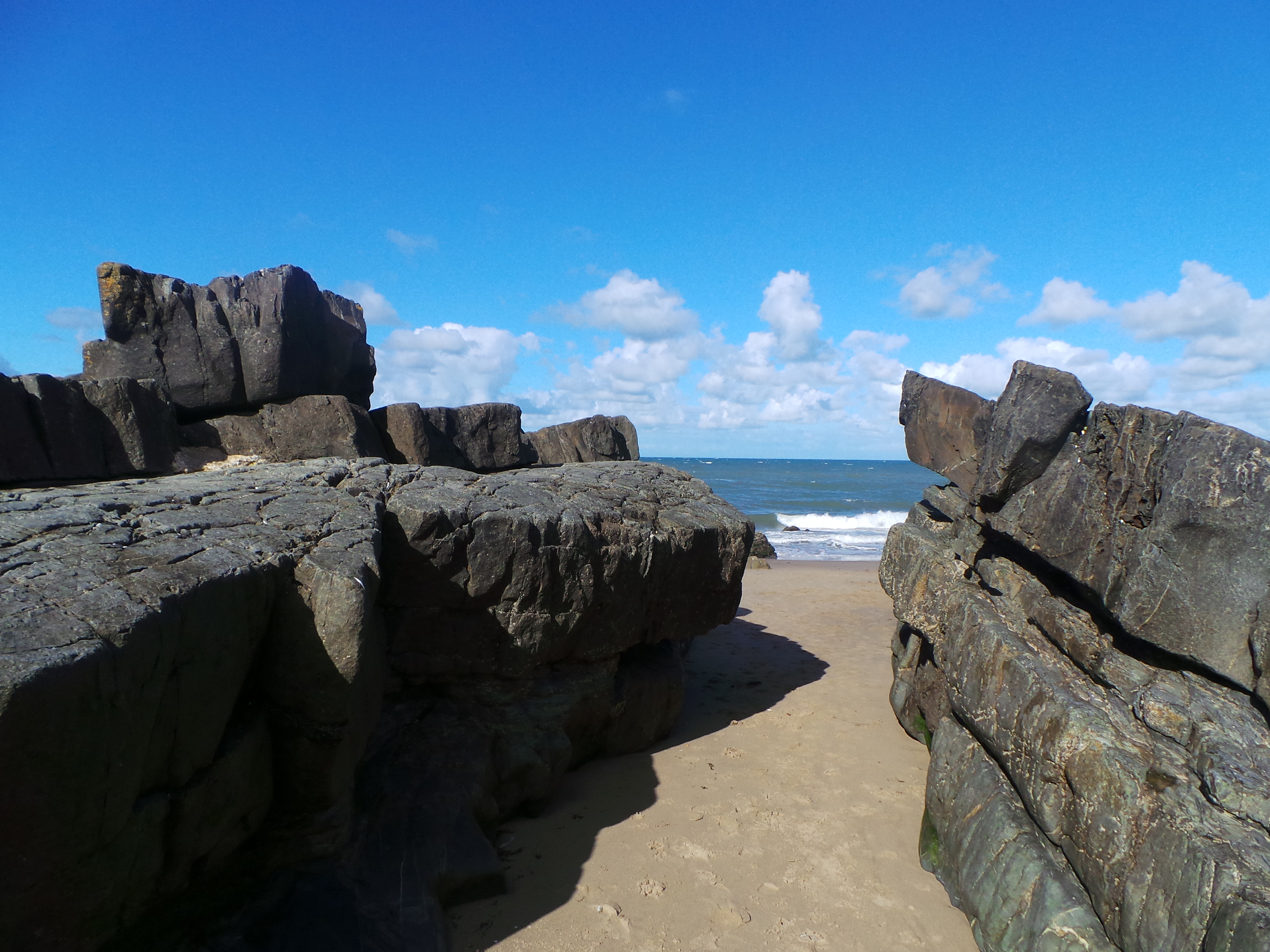
Whenever we are at the coast we get involved looking at the geology and geomorphology of the cliff, wave cut platforms and all sorts of patterns and forms.

2014 09 25_5194 2014 09 25_5195 2014 09 25_5196 2014 09 25_5197 2014 09 25_5198 2014 09 25_5199 2014 09 25_5200 2014 09 25_5202 2014 09 25_5201 2014 09 25_5203

Enjoy sharing our wander with my camera back around the quayside and back through the village with us.

2014 09 25_5226 2014 09 25_5232 2014 09 25_5231 2014 09 25_5234 2014 09 25_5235 2014 09 25_5236 2014 09 25_5237 2014 09 25_52382014 09 25_5240 2014 09 25_5241 2014 09 25_5239 2014 09 25_5242 2014 09 25_5243 2014 09 25_5244 2014 09 25_5245 2014 09 25_5246 2014 09 25_5247 2014 09 25_52482014 09 25_5249 2014 09 25_5250 2014 09 25_5251 2014 09 25_5252 2014 09 25_5253 2014 09 25_5258

Blue was definitely the colour of the day! What a great day it was too!

2014 09 25_5256 2014 09 25_5257  2014 09 25_5259 2014 09 25_5260 2014 09 25_5261 2014 09 25_5262

Categories
allotments architecture buildings Church architecture community gardening fruit and veg garden design garden photography garden seating gardening gardens gardens open to the public grow your own hardy perennials ornamental trees and shrubs outdoor sculpture sculpture town gardens trees

A Bishop’s Garden

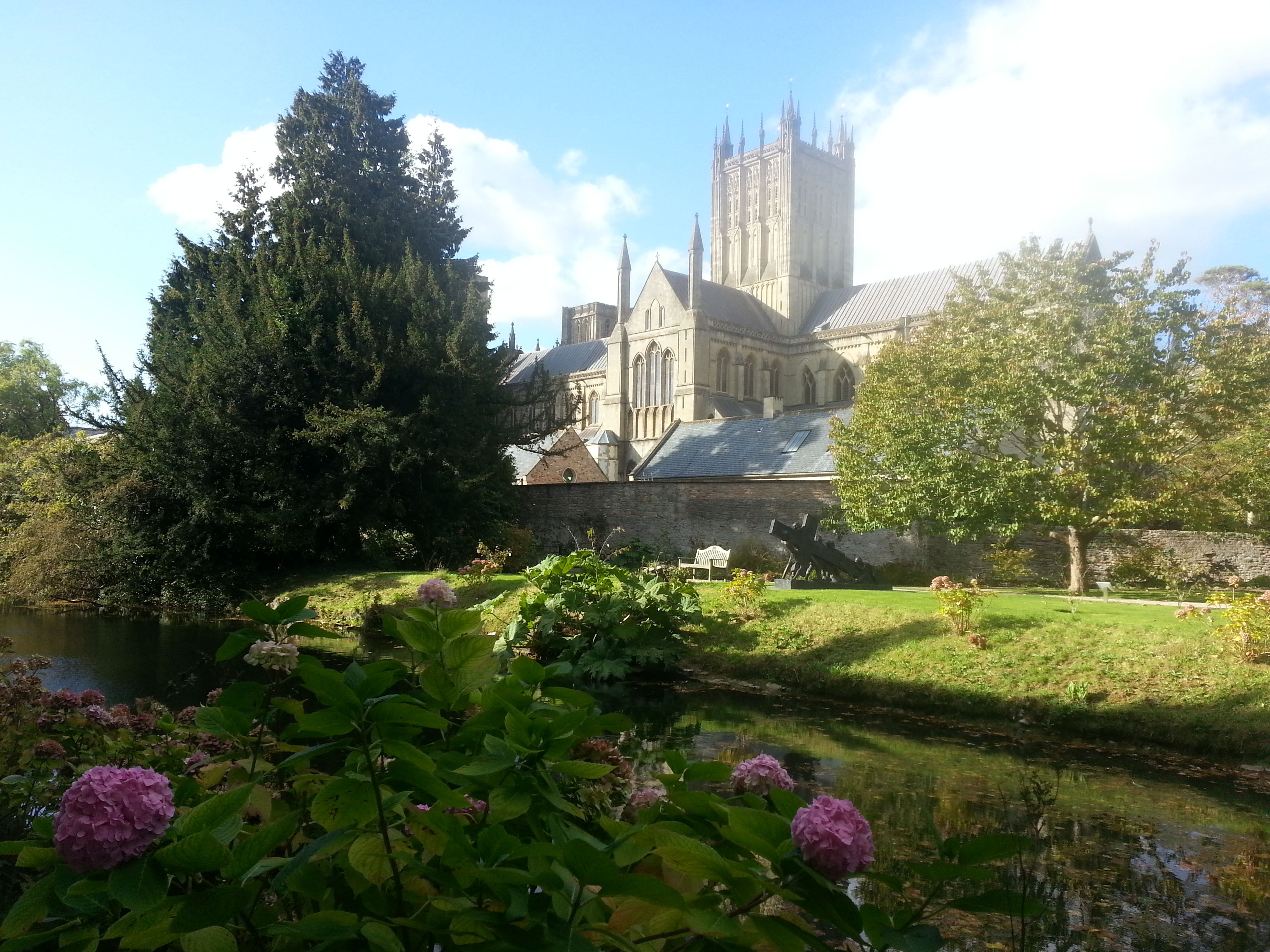
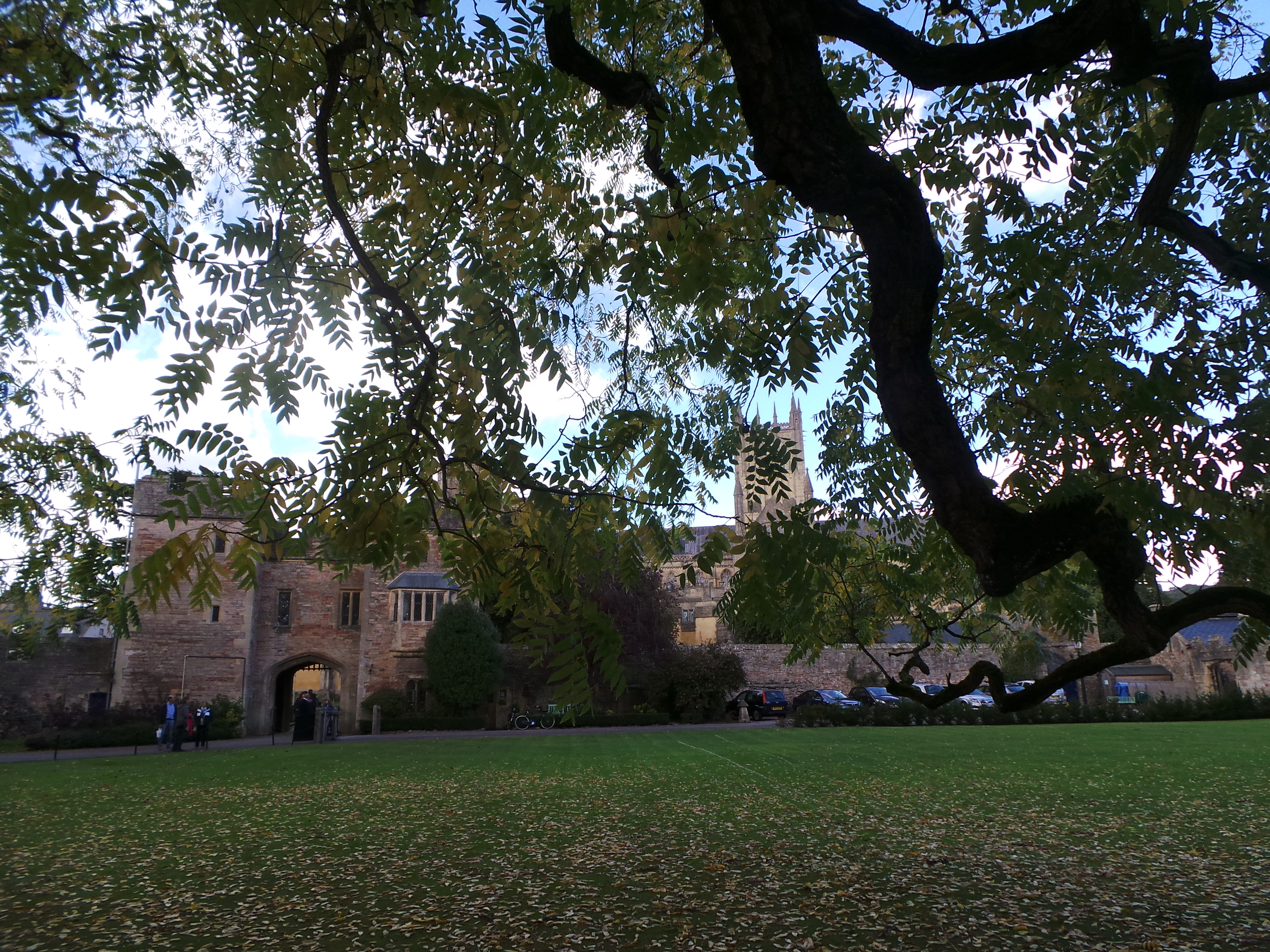
The grounds of a cathedral doesn’t sound the most promising place to find an interesting garden but we had heard good things about the gardens at Wells Cathedral , so when visiting the cathedral itself we just had to have a look.

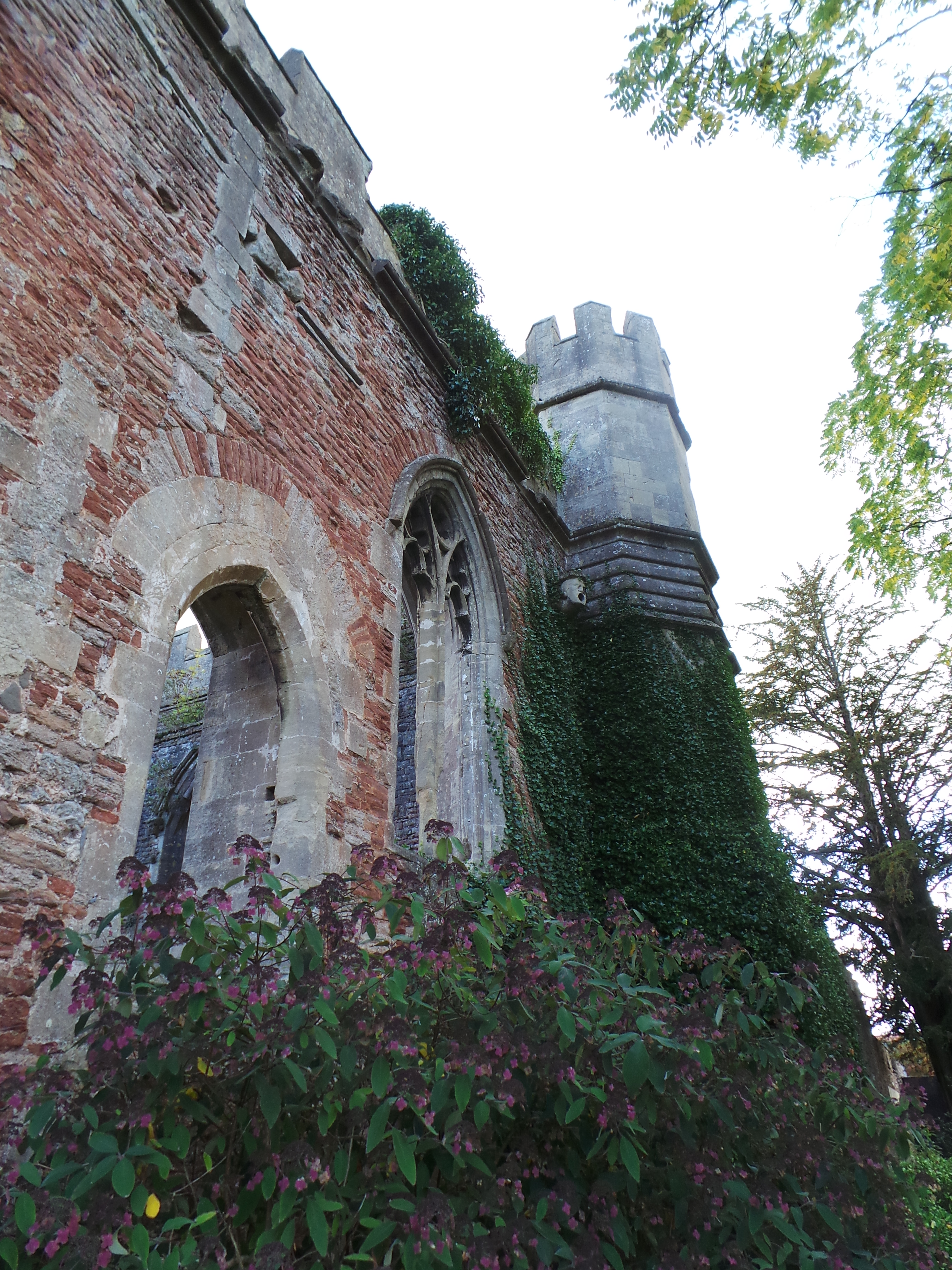
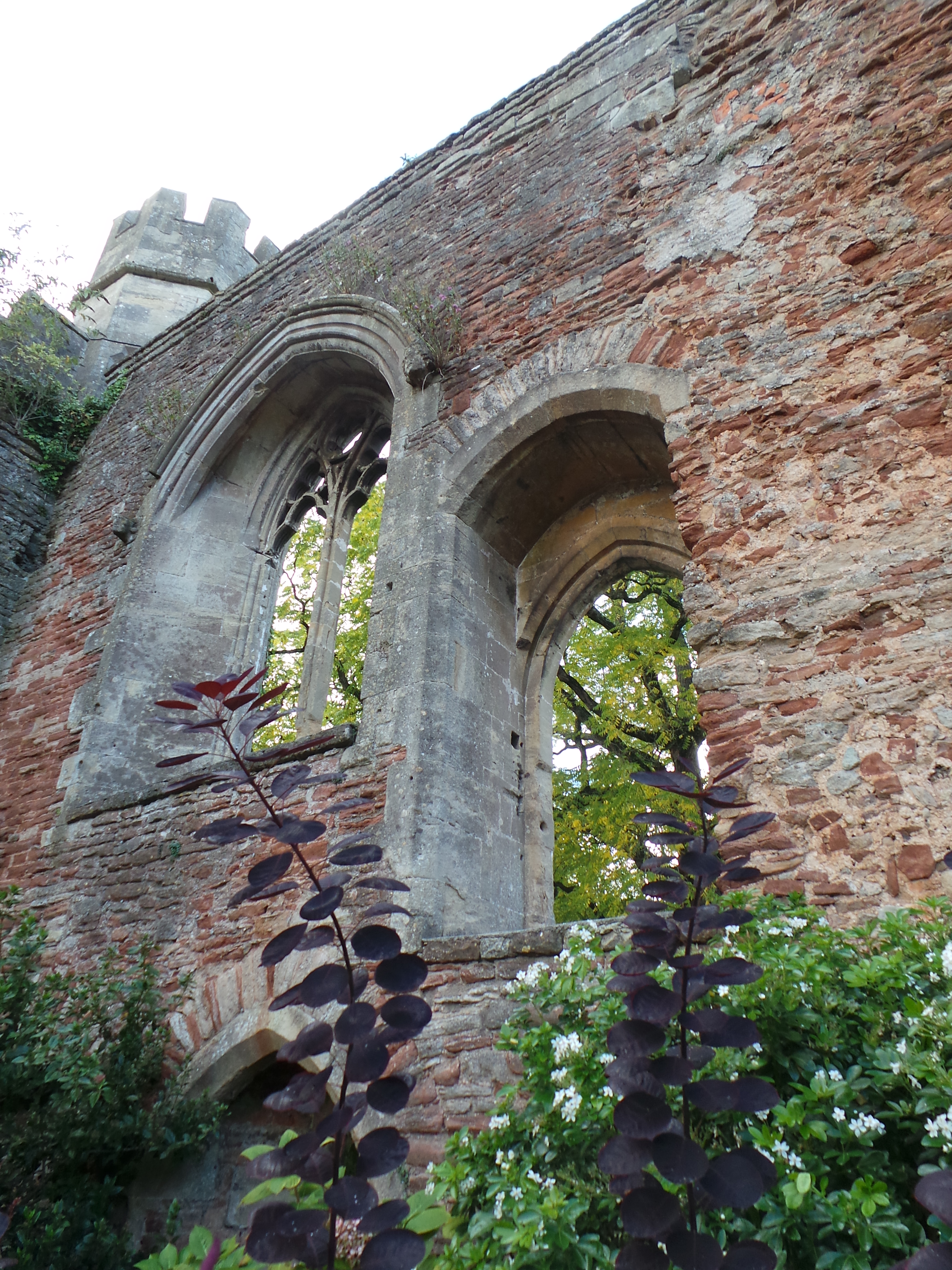
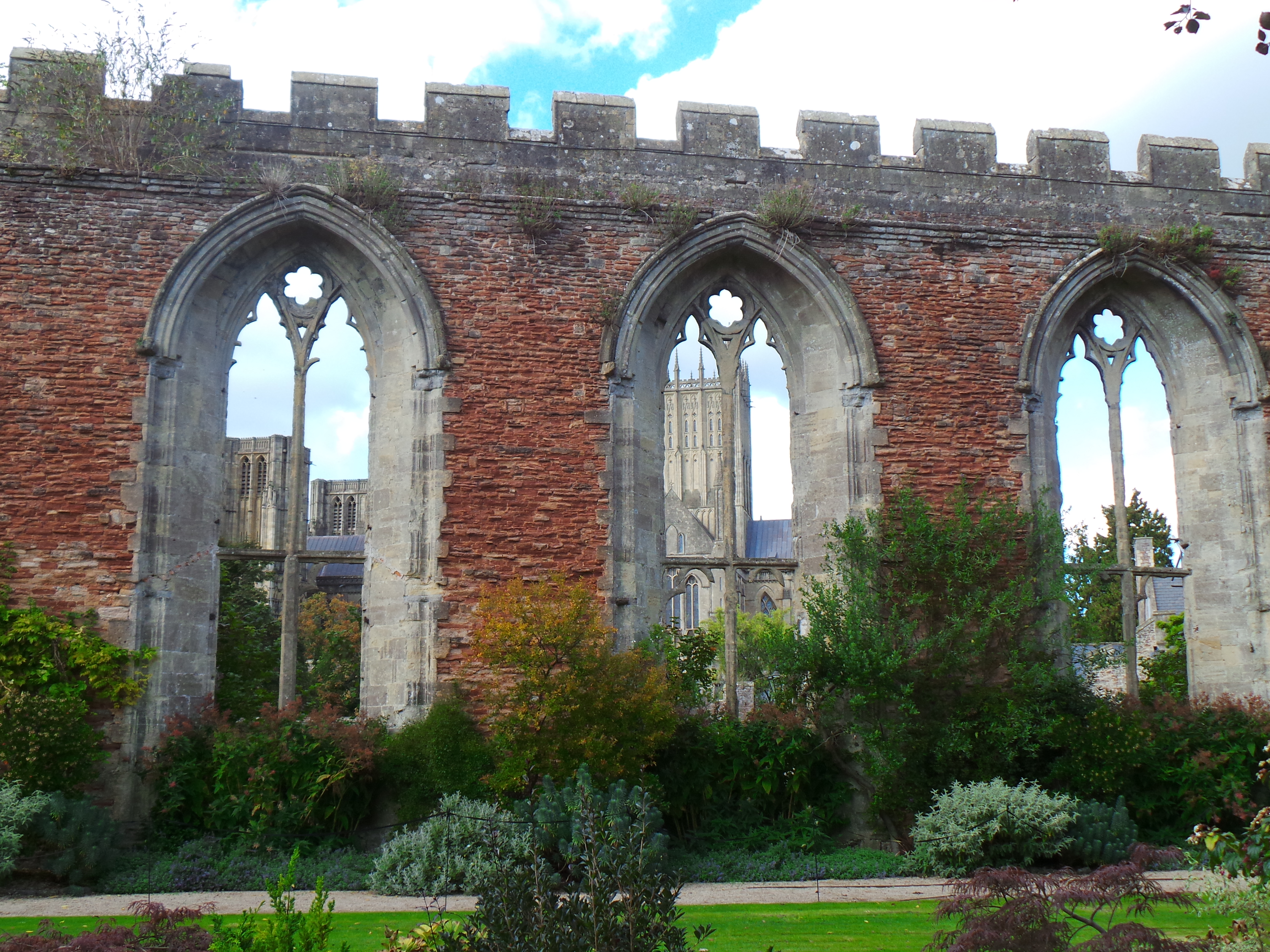
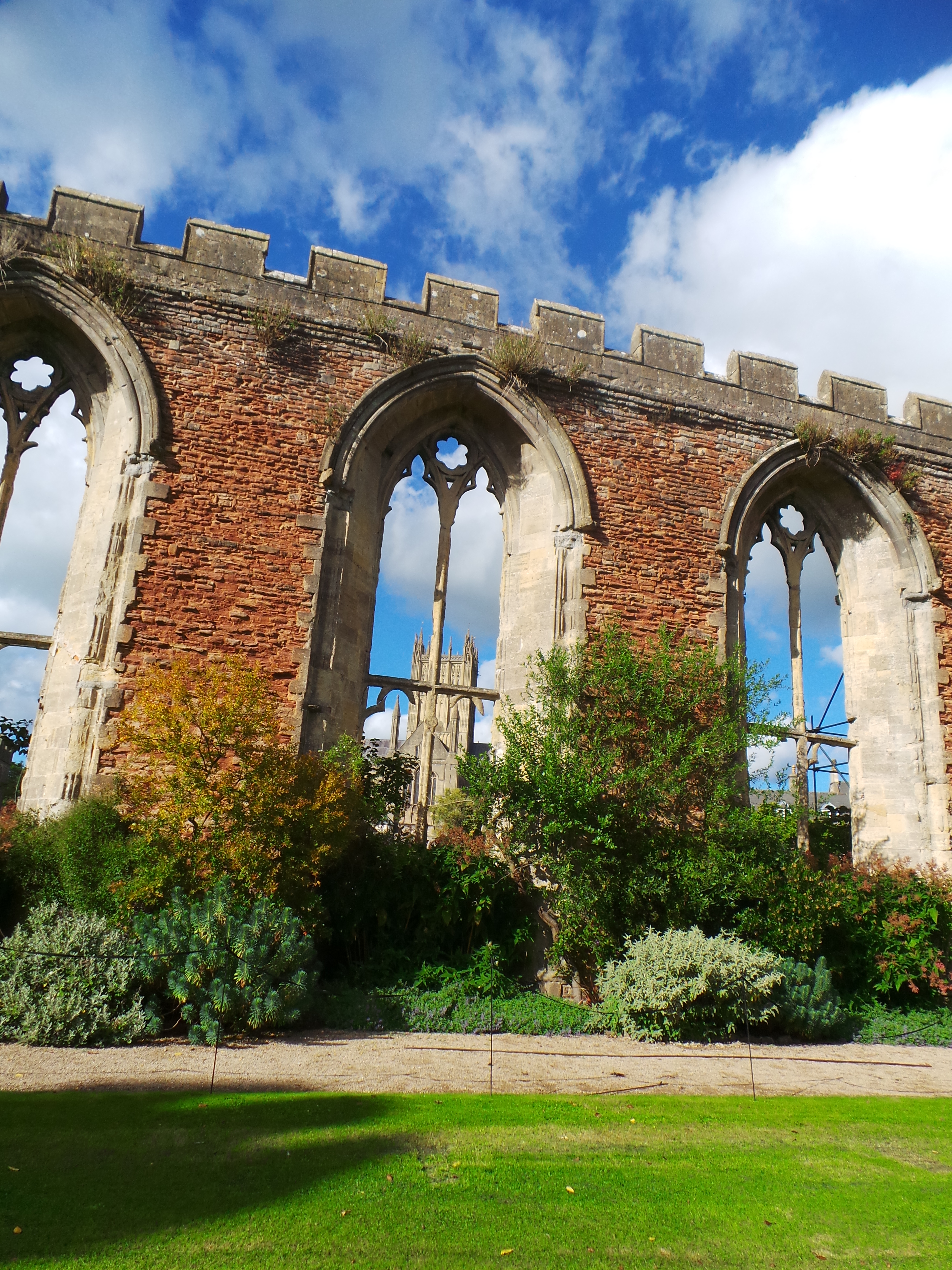
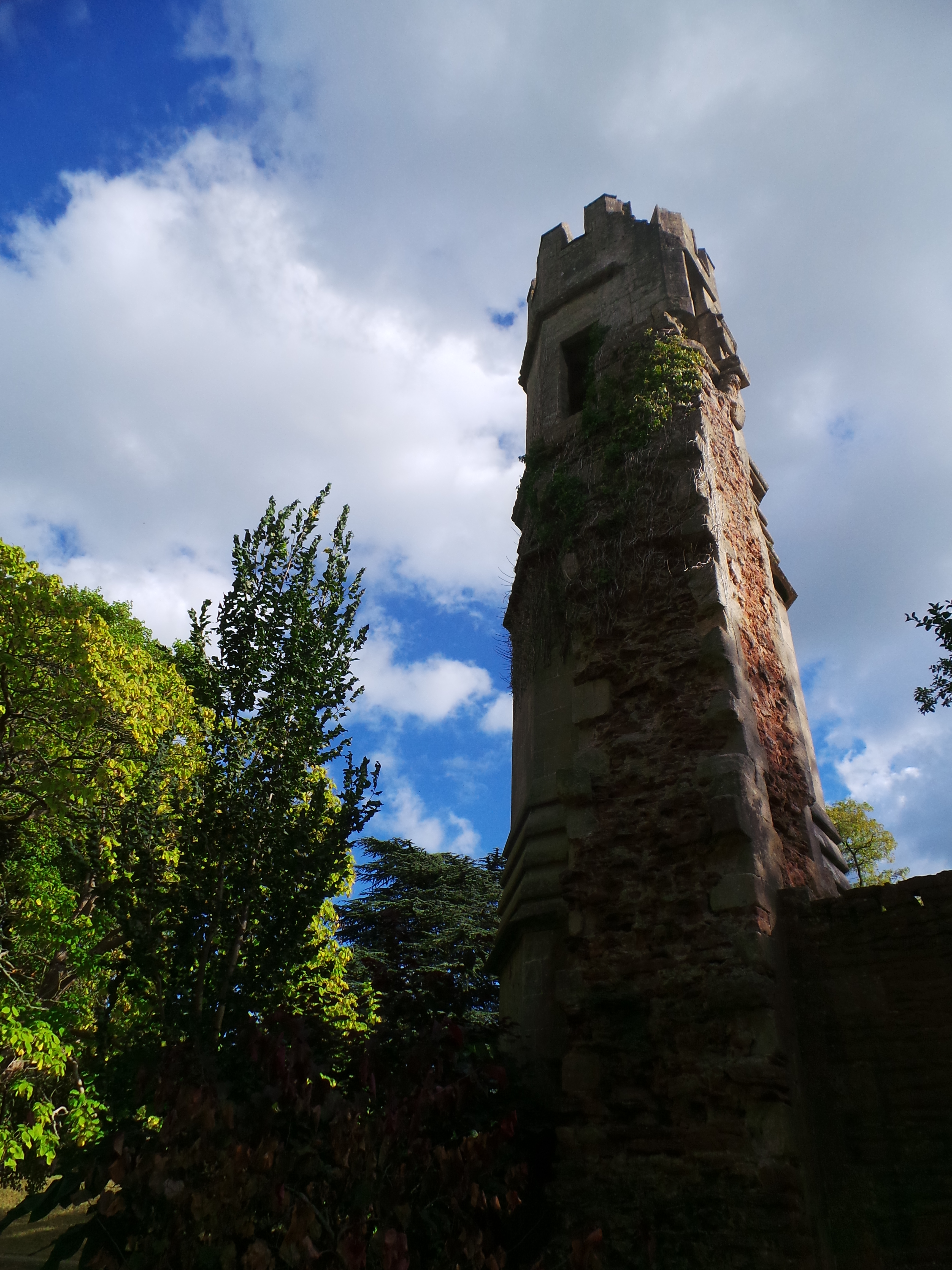
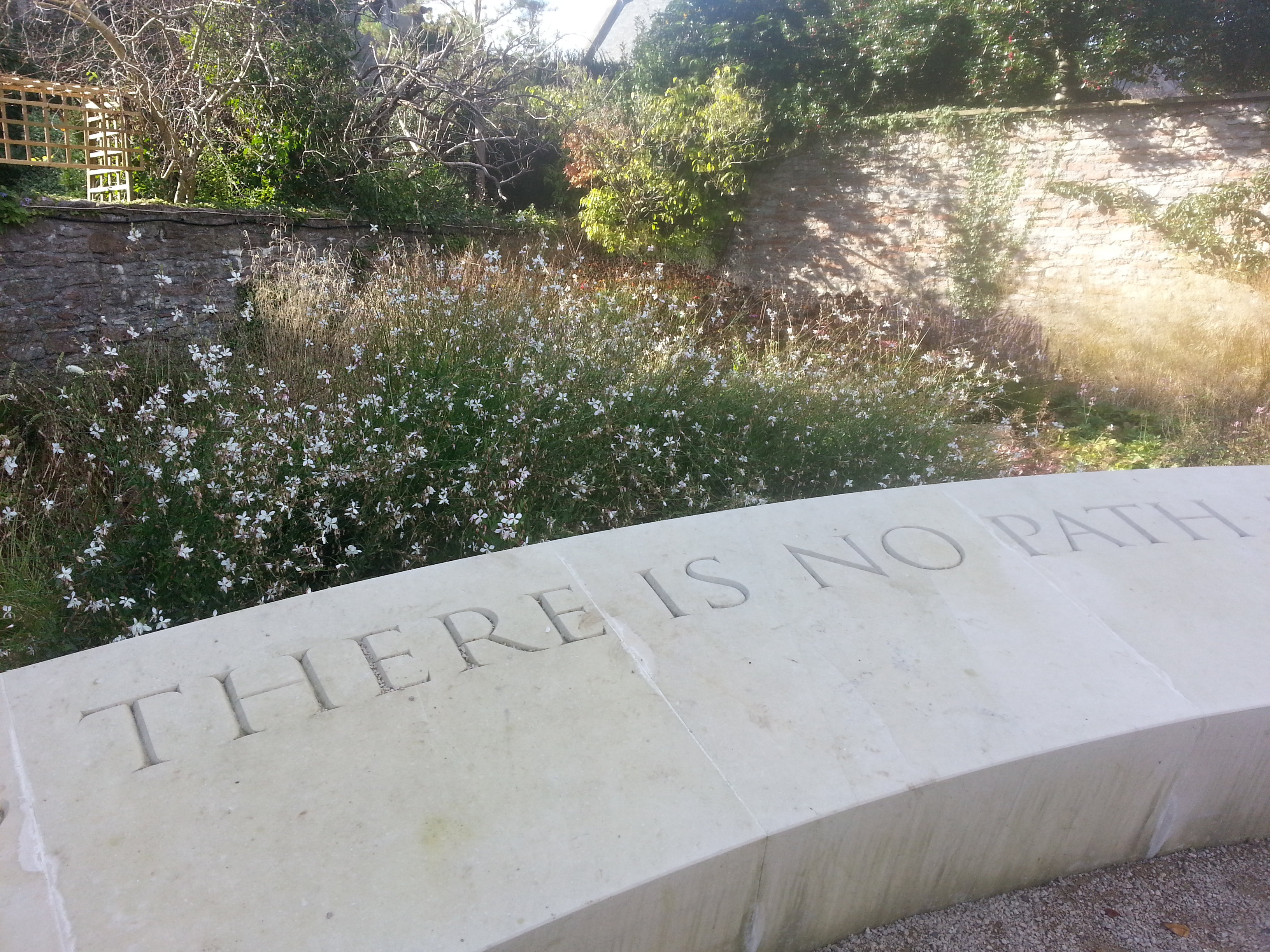
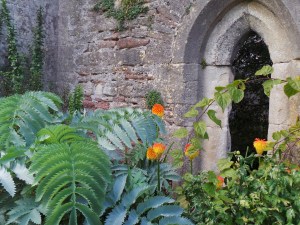
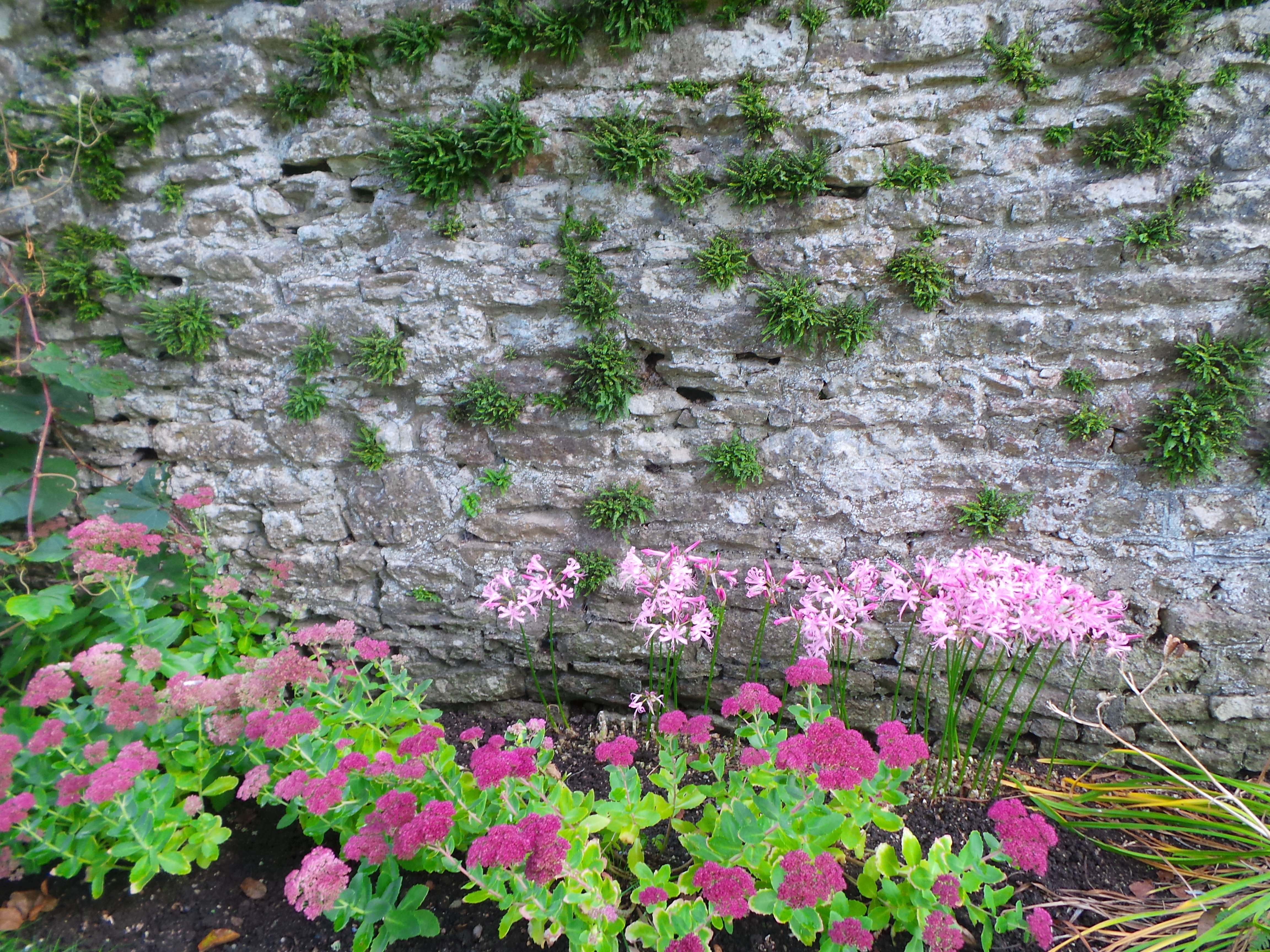
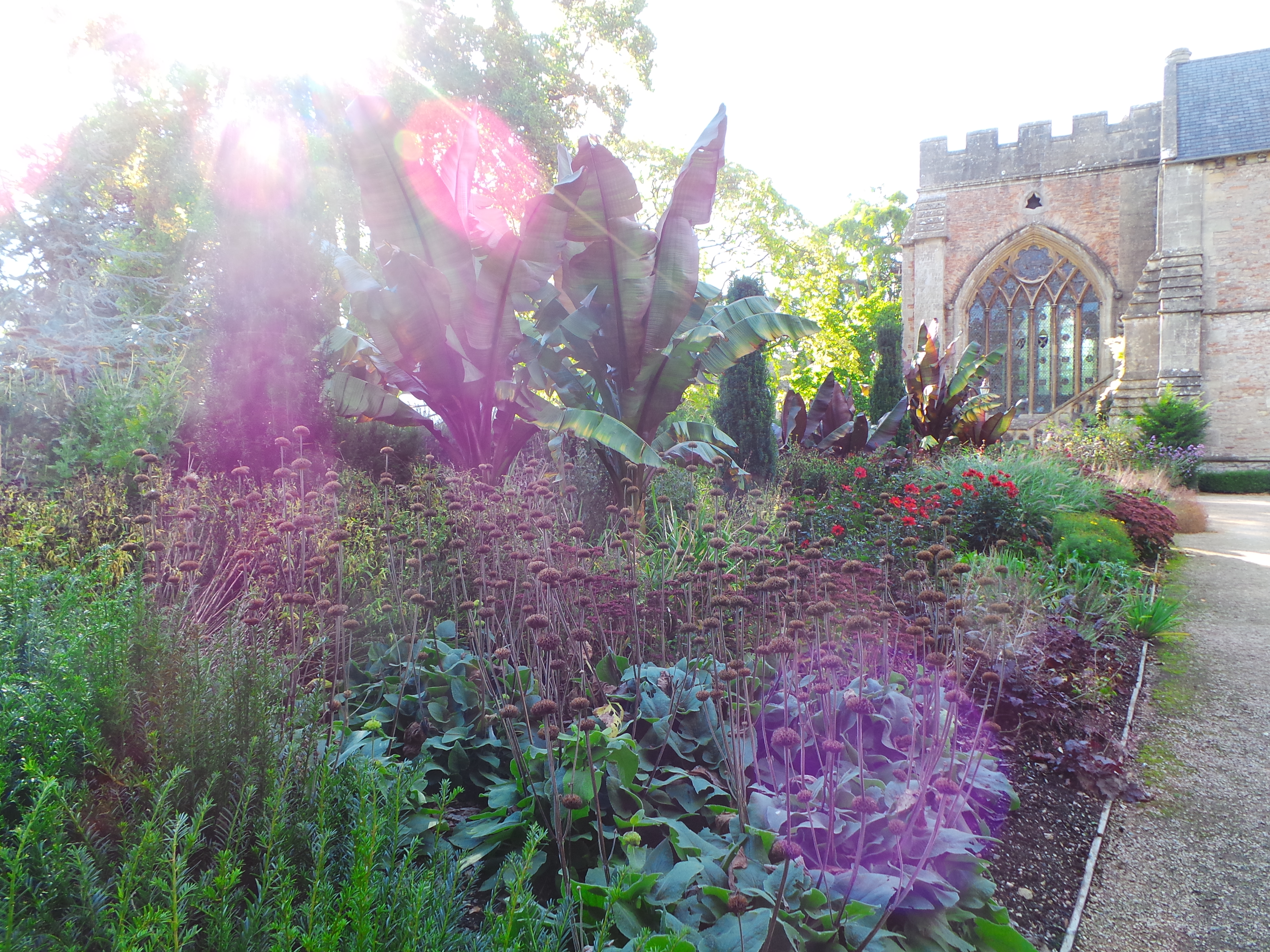
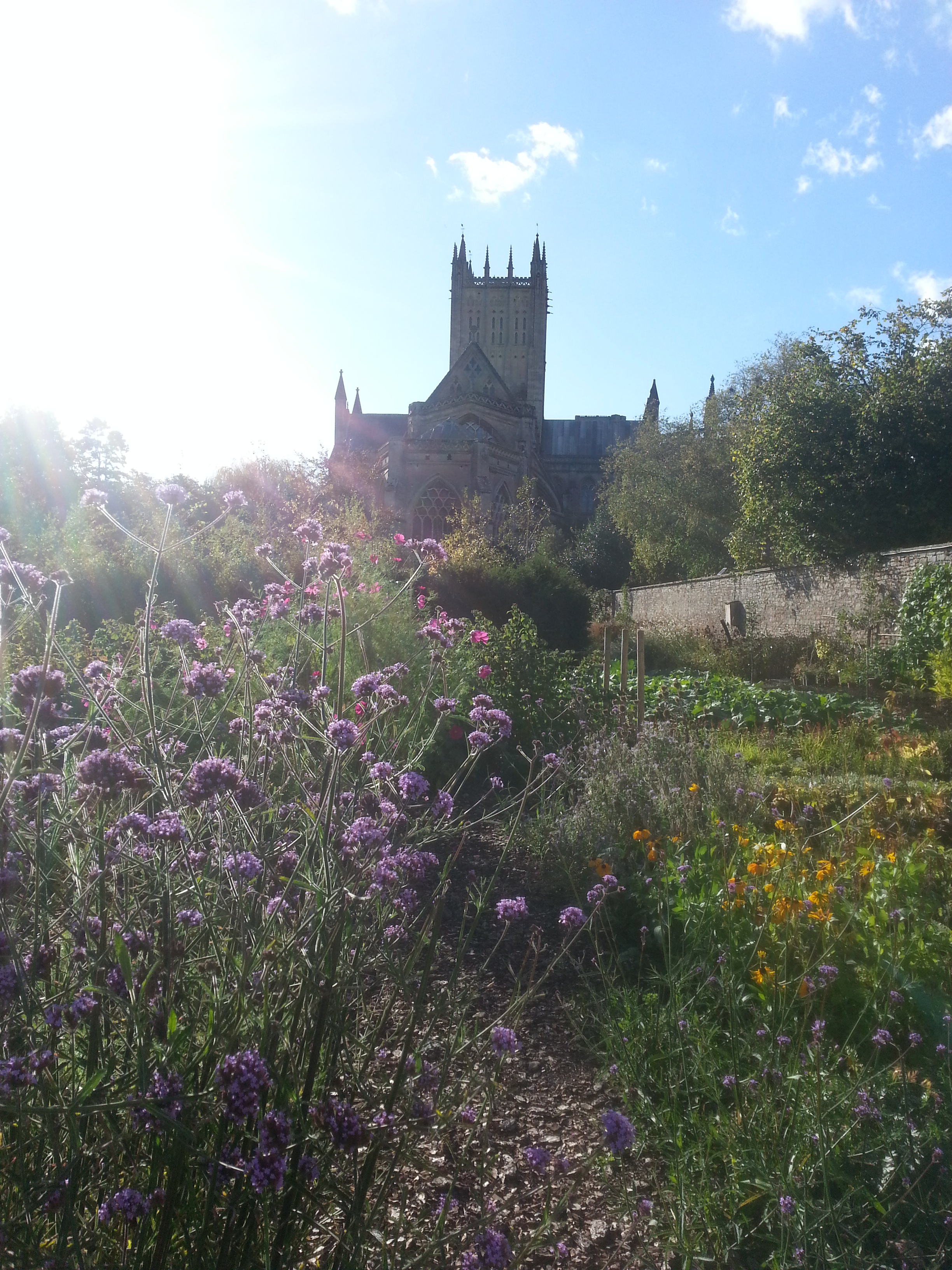
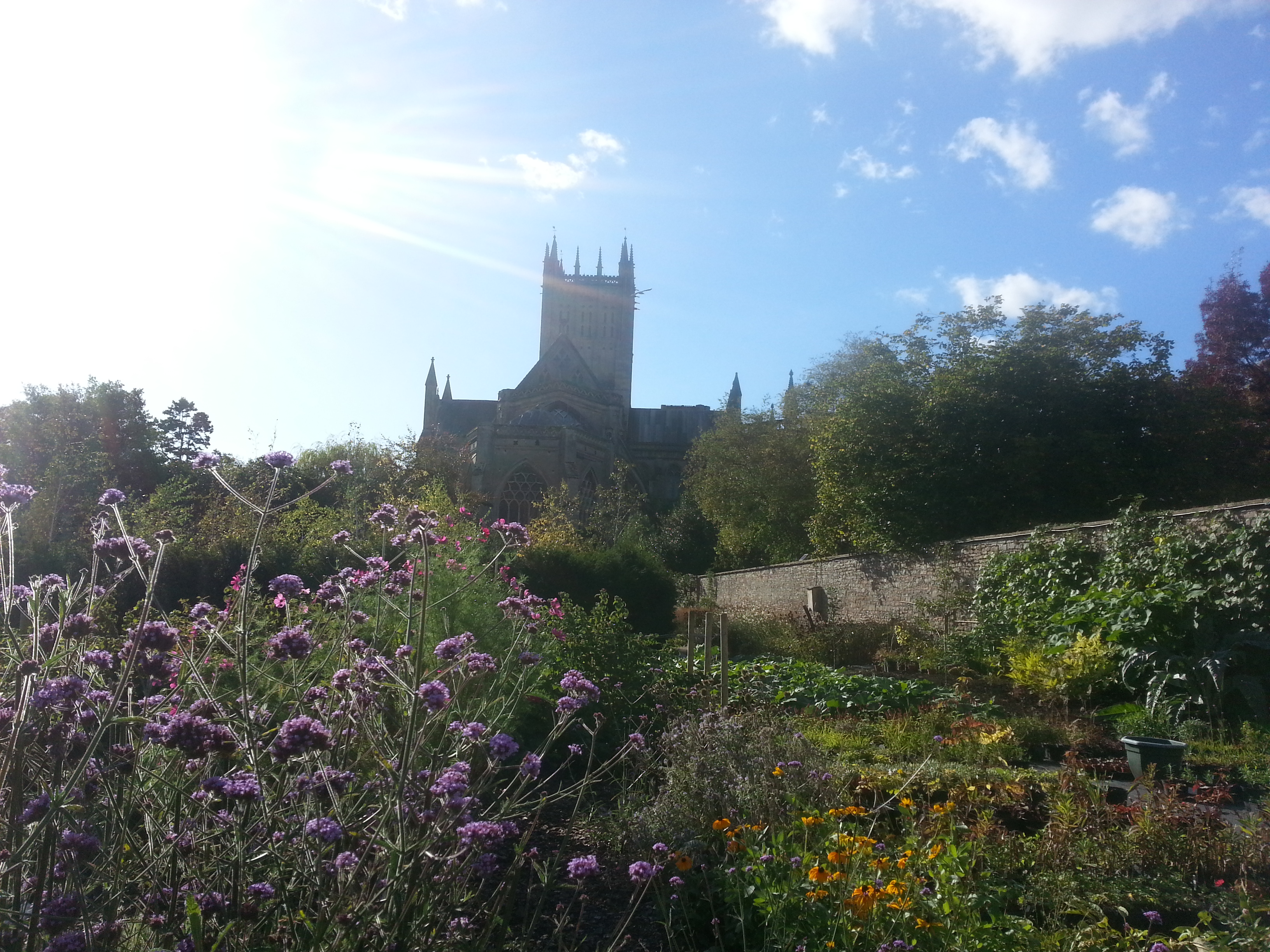
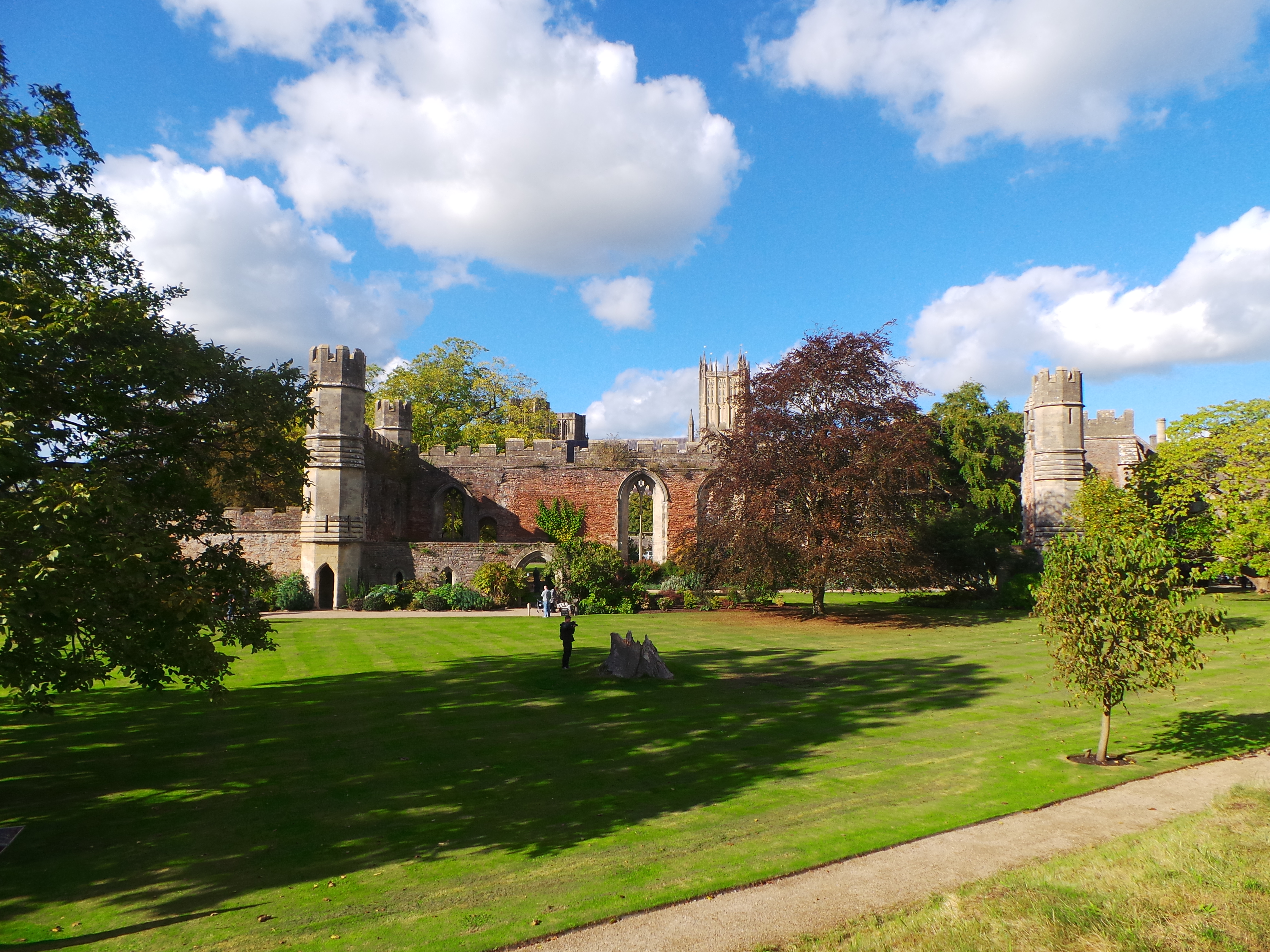
It turned out to be an excellent idea as we found the bishop’s garden to be full of interest and atmosphere. Come for a wander and see if you agree! The garden sits well with the architecture which encloses it or sits within it. At times the plants climb the walls or scramble over ruins. At times the architecture is a backdrop and the colours of the stone and brick act as a great foil for the colour of foliage and flower.

It is a garden of plants and walls.

2014 10 04_5780 2014 10 04_5781 2014 10 04_5548 2014 10 04_5549 2014 10 04_5551 2014 10 04_5782 2014 10 04_5783 2014 10 04_5785 2014 10 04_5796 2014 10 04_57982014 10 04_5800 2014 10 04_5801 2014 10 04_5802

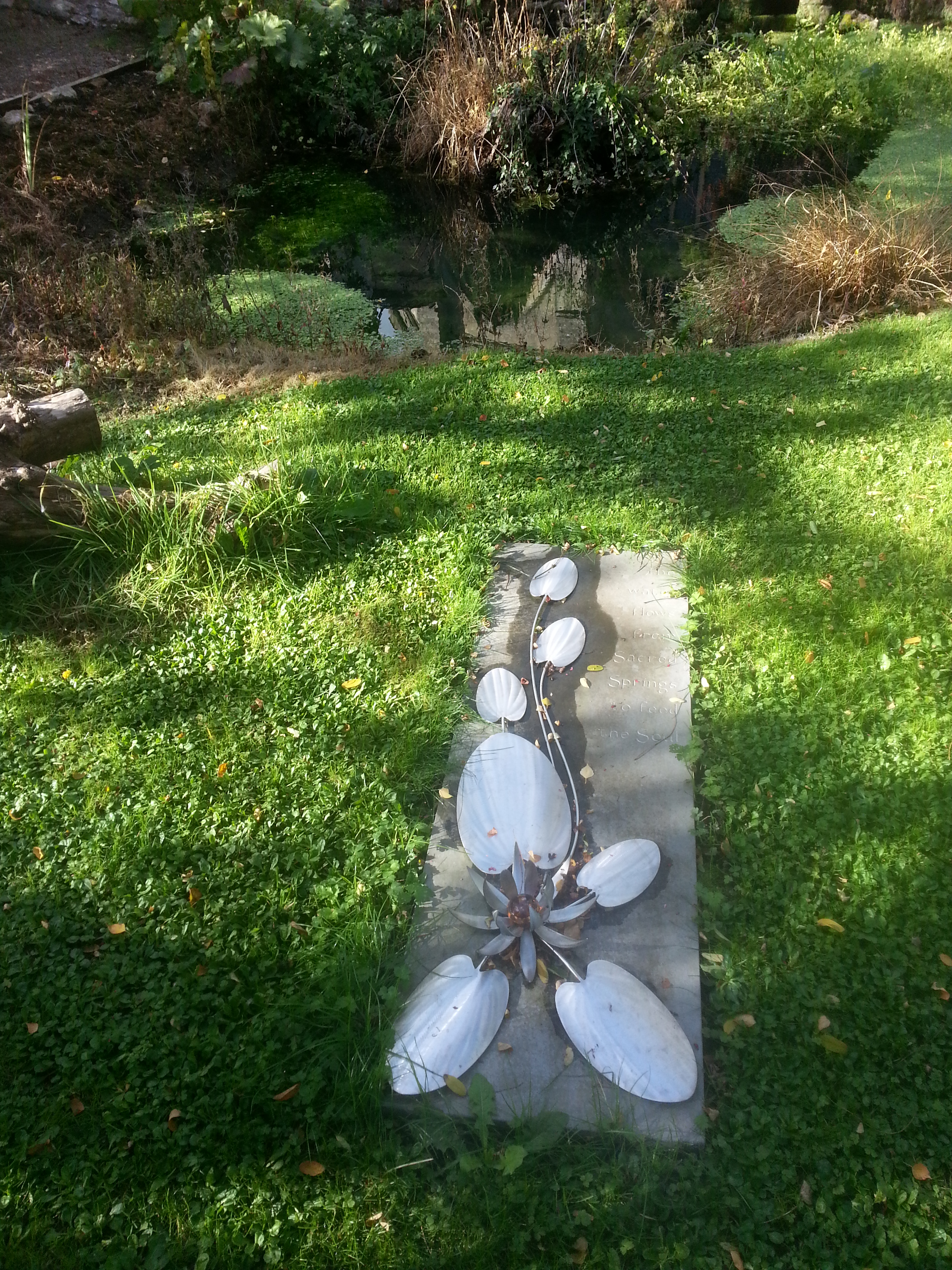
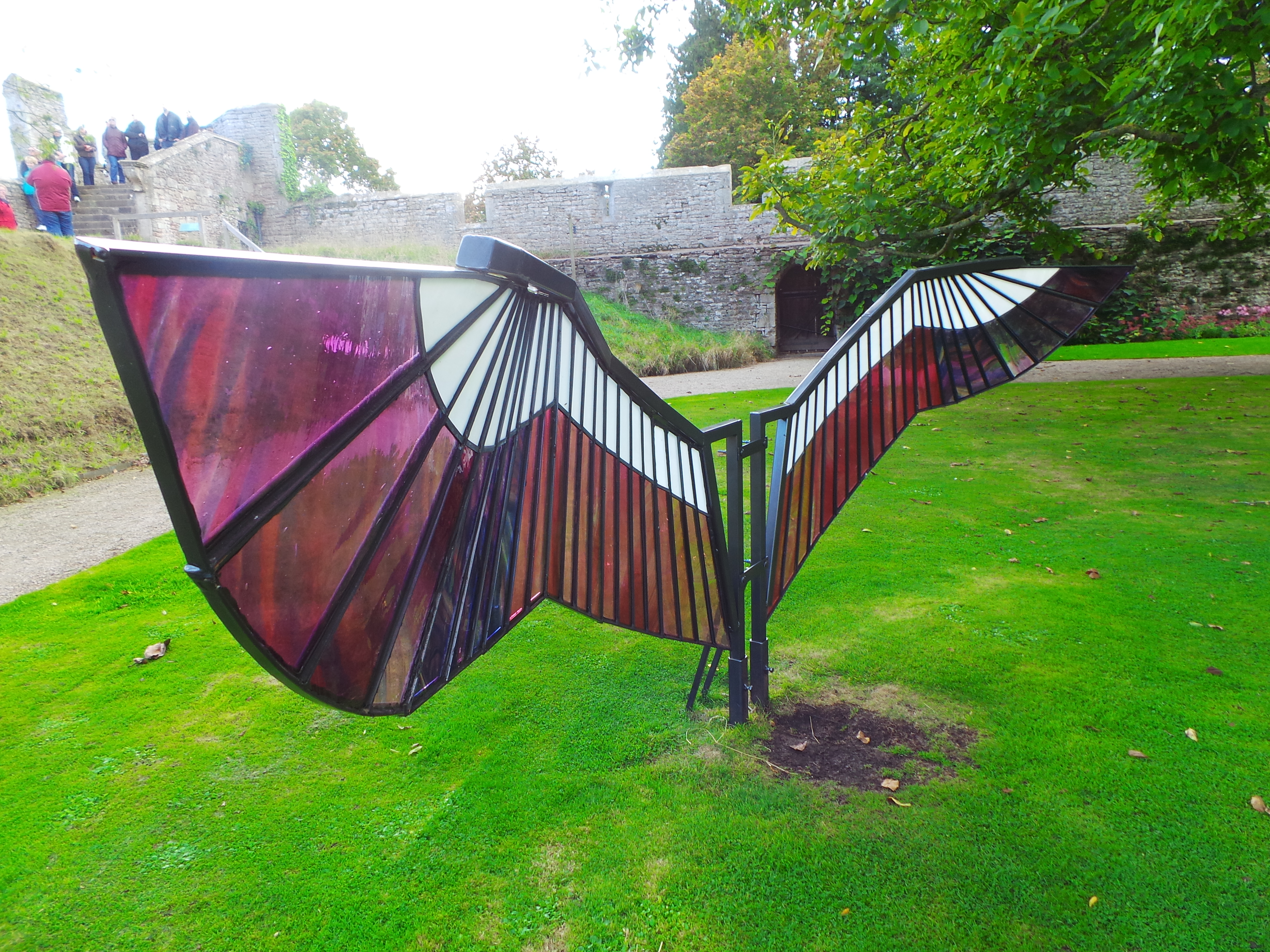
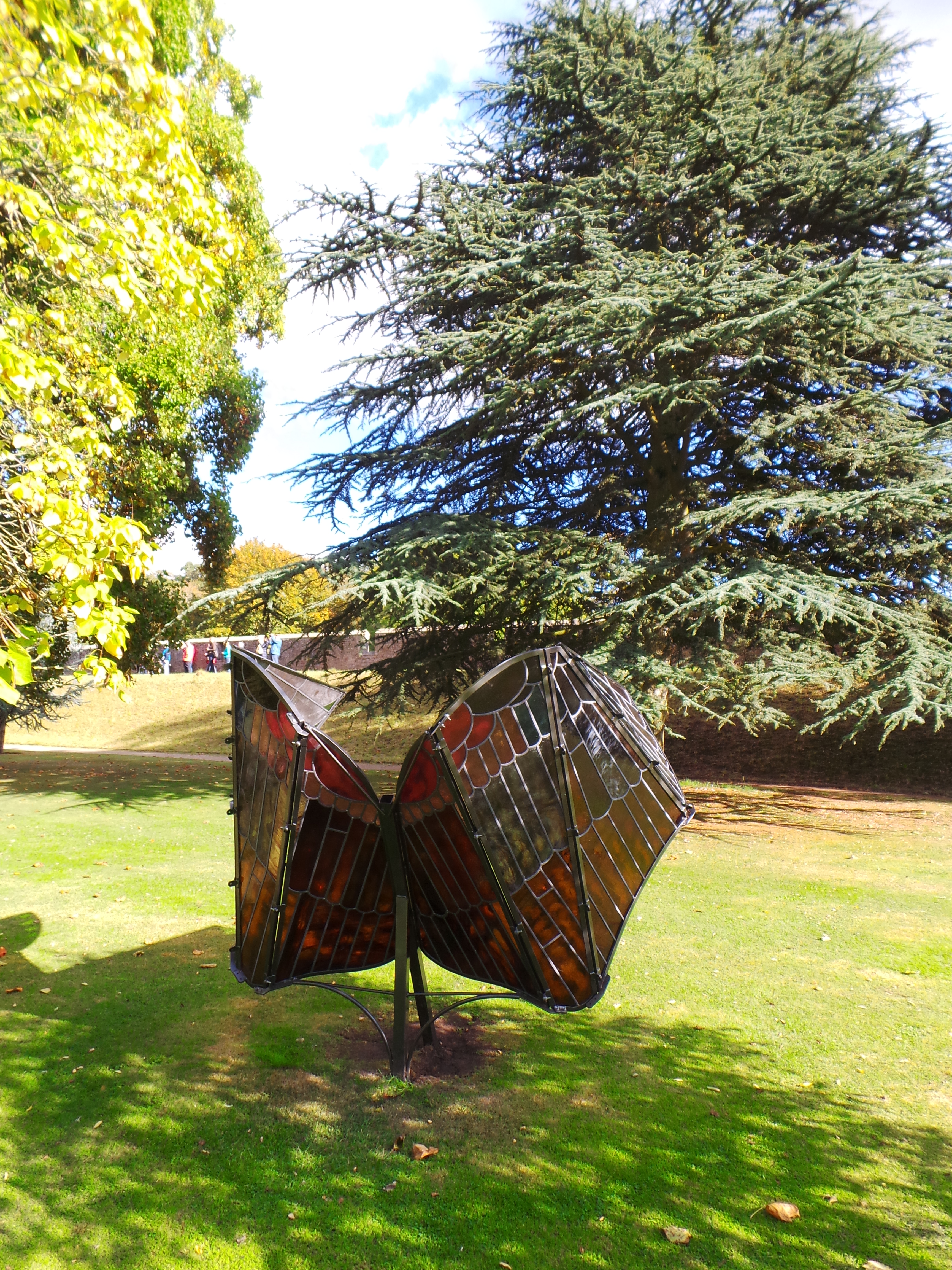
We found sculpture in several styles and from different eras within the garden.

2014 10 04_57872014 10 04_5784 2014 10 04_55502014 10 04_55532014 10 04_5795 2014 10 04_58052014 10 04_5821 2014 10 04_5816

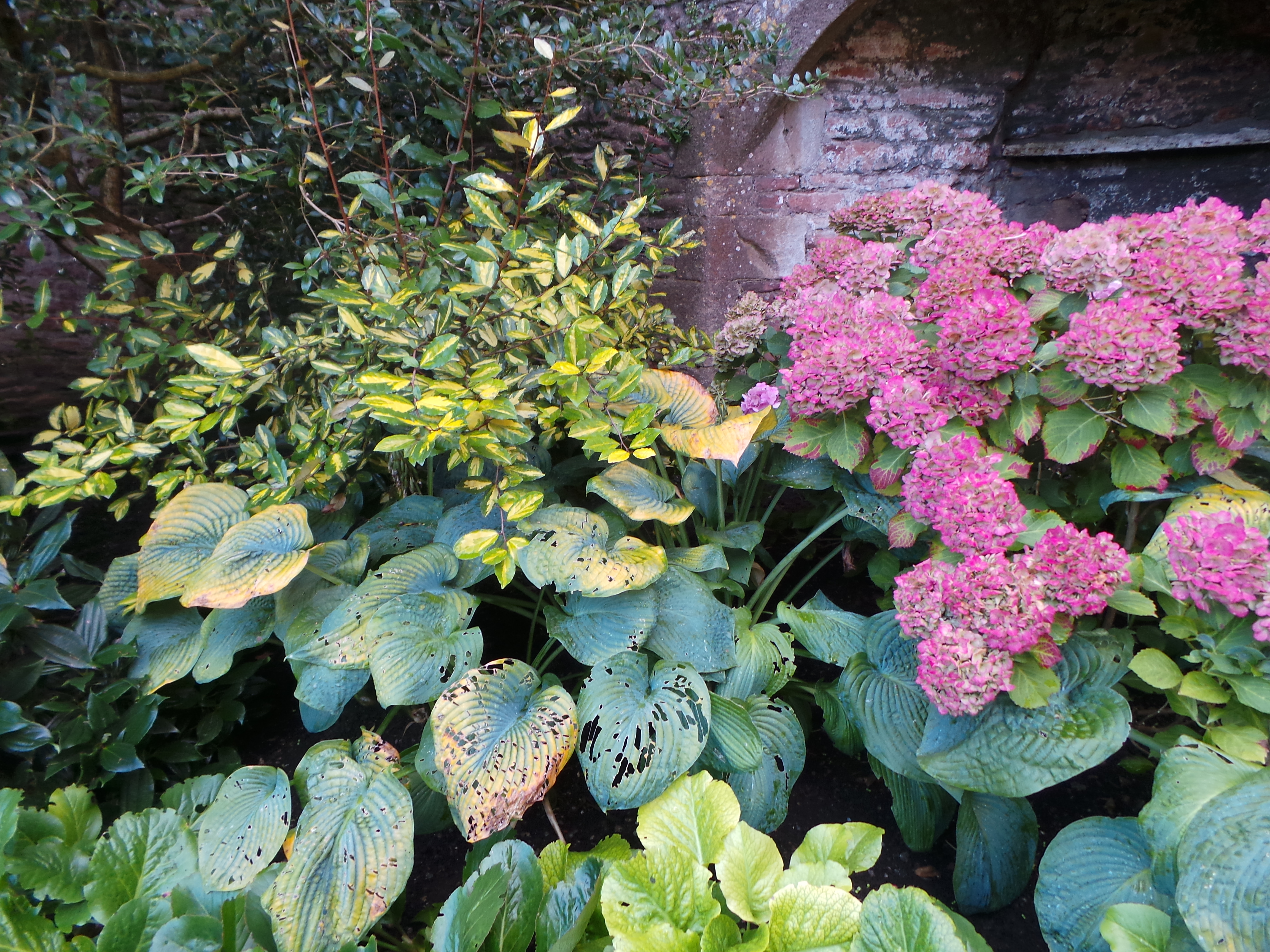
The planting was well thought out with interesting combinations.

2014 10 04_5786 2014 10 04_57882014 10 04_5789 2014 10 04_57902014 10 04_5794 2014 10 04_57932014 10 04_5820 2014 10 04_58182014 10 04_5799

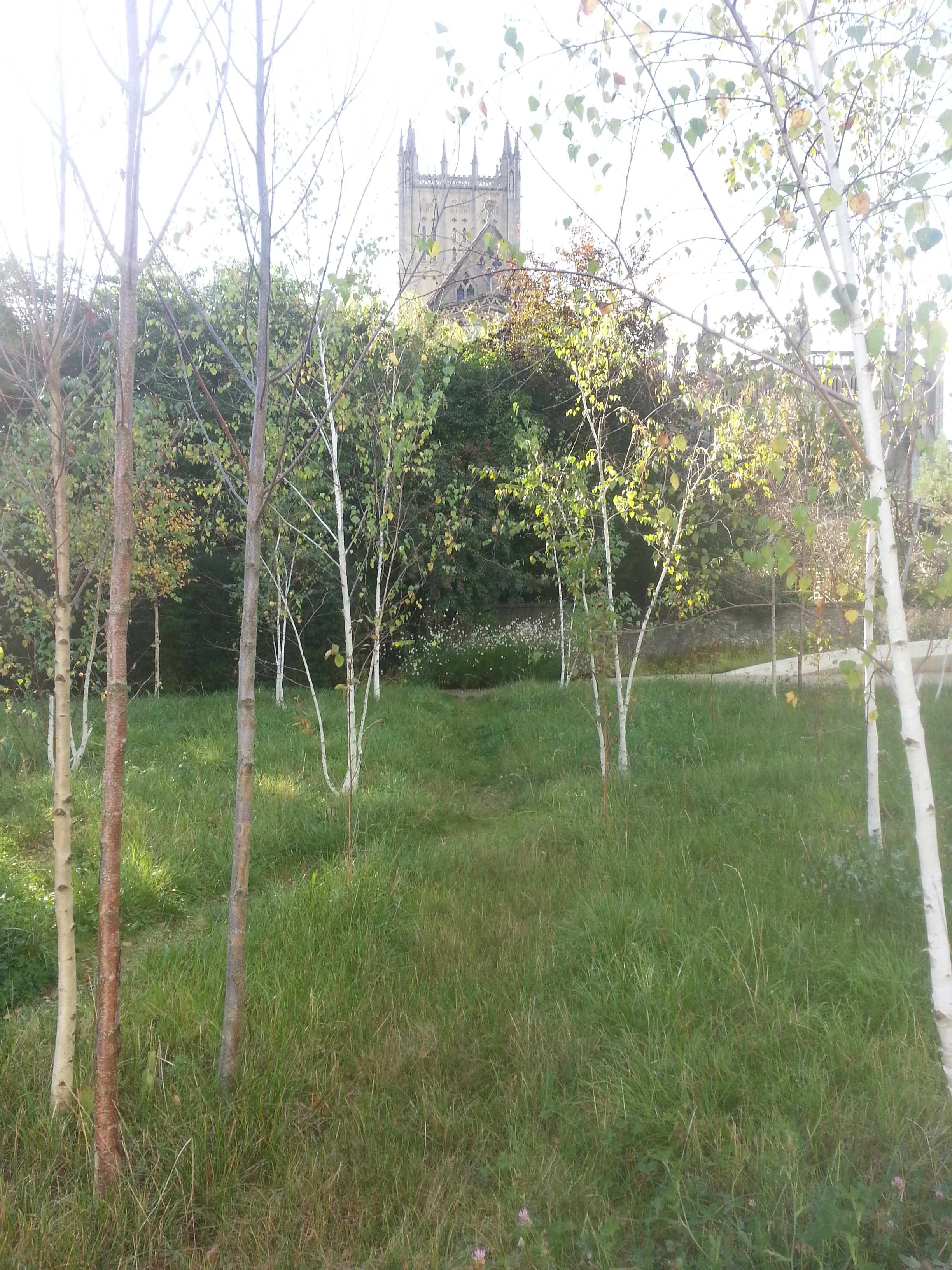
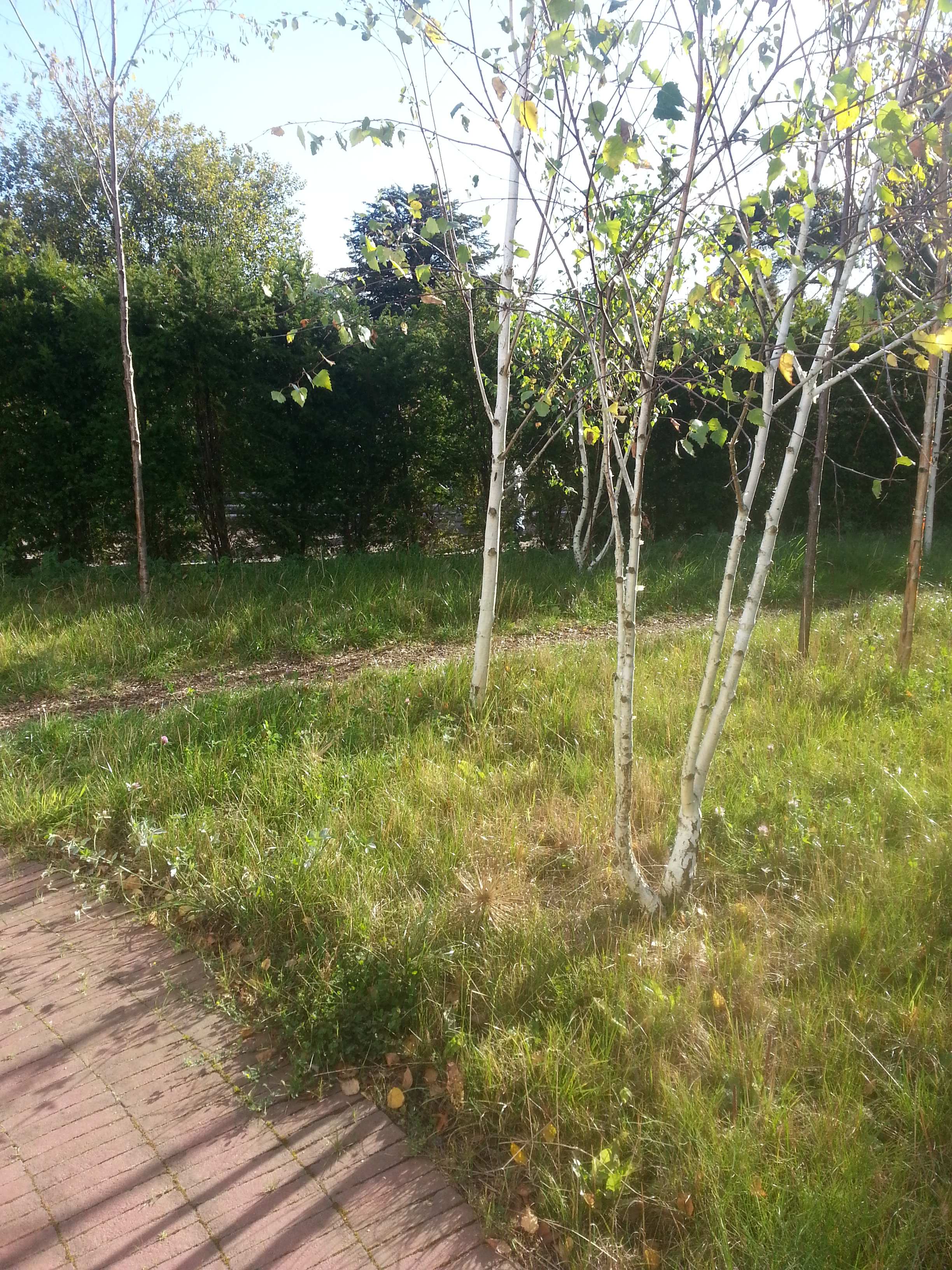
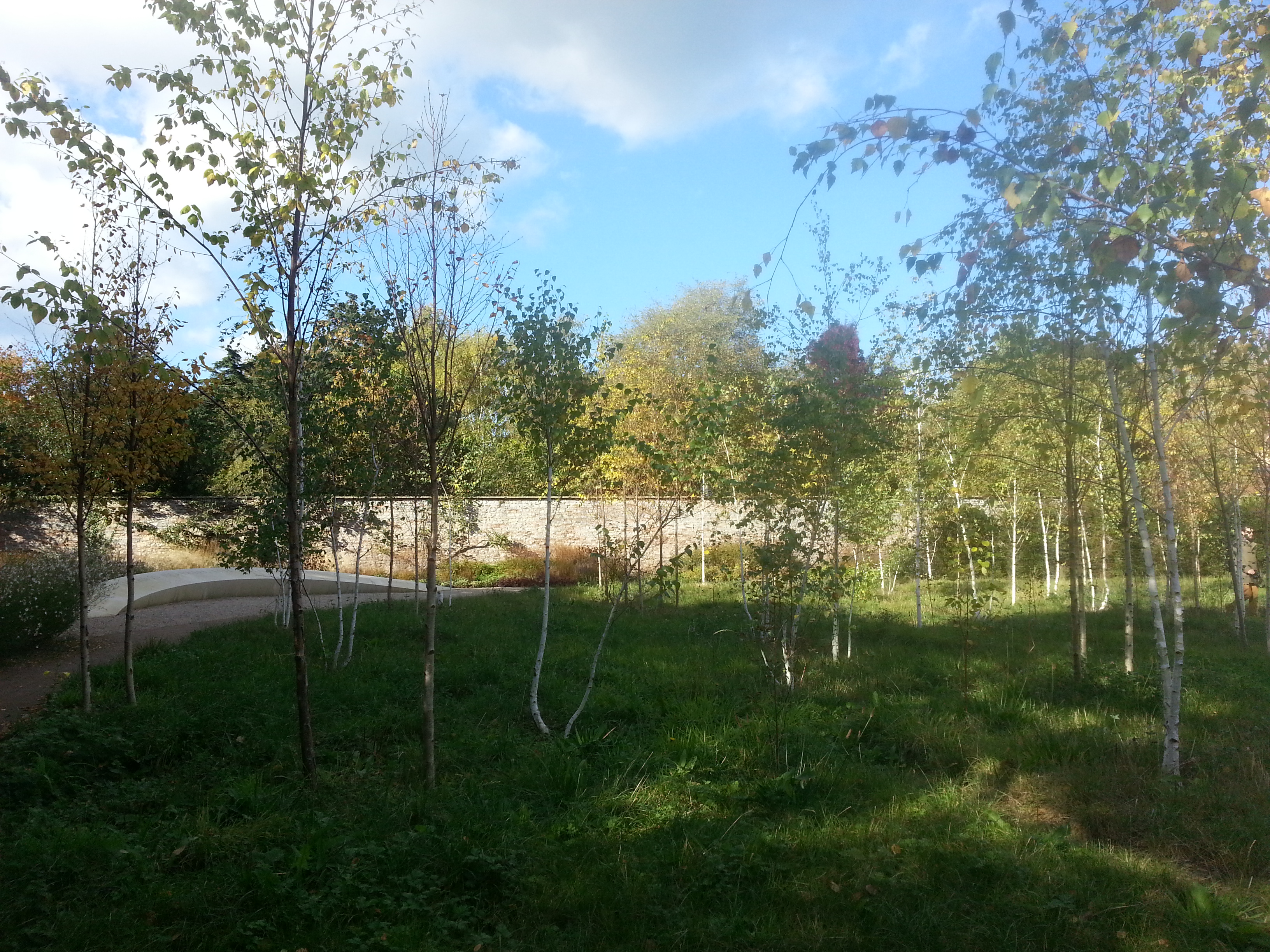
White stemmed Birches bleached in the brightness of the day looked so at home against the white of the stone.

2014 10 04_5555 2014 10 04_55562014 10 04_5552 2014 10 04_5558

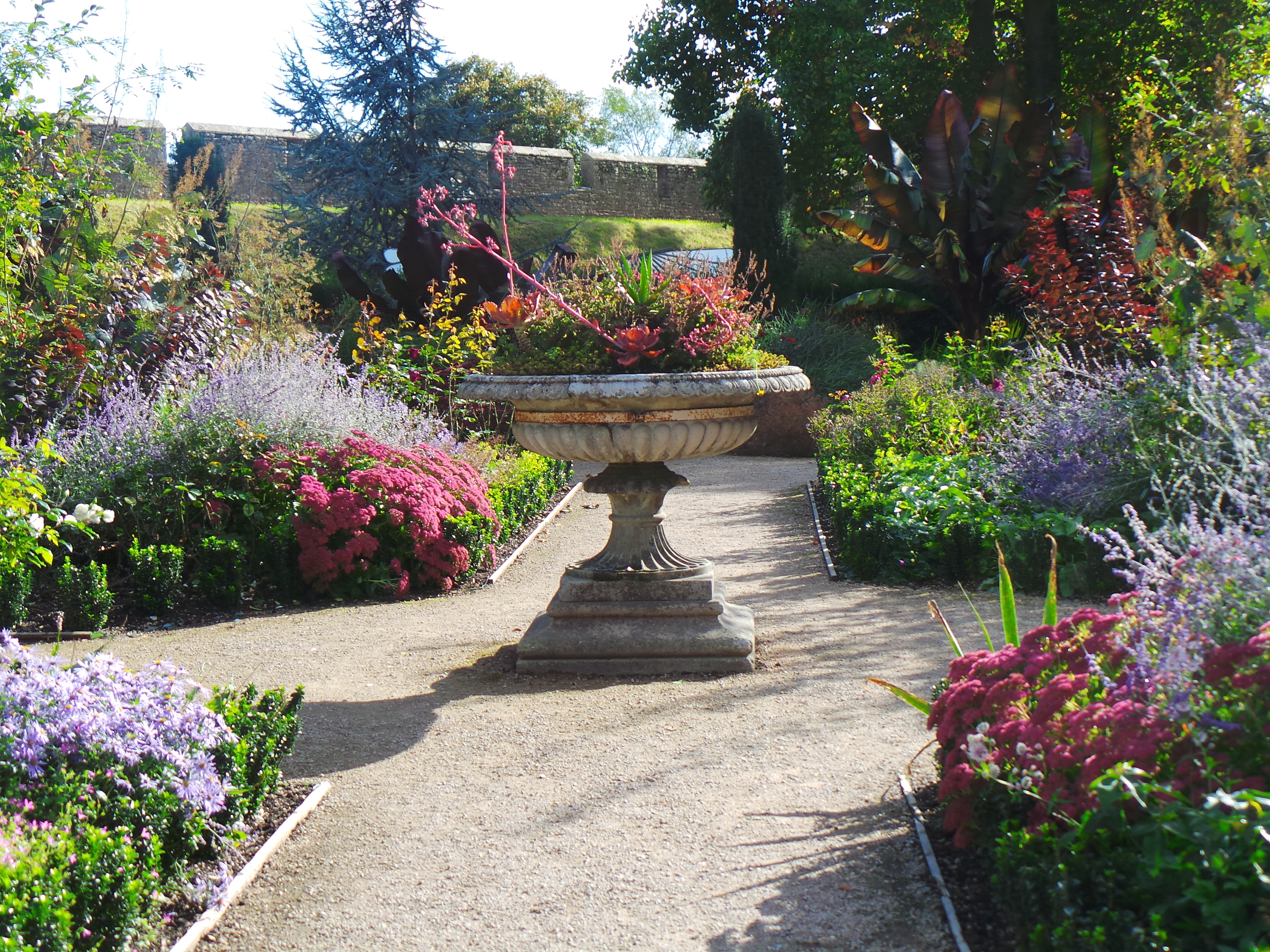
Overall the garden design was informal but in an area enclosed by buildings we found a more formally structured garden. In the borders within the formal structure the planting was ebullient and lively.

2014 10 04_5817 2014 10 04_58192014 10 04_5815 2014 10 04_58142014 10 04_5813

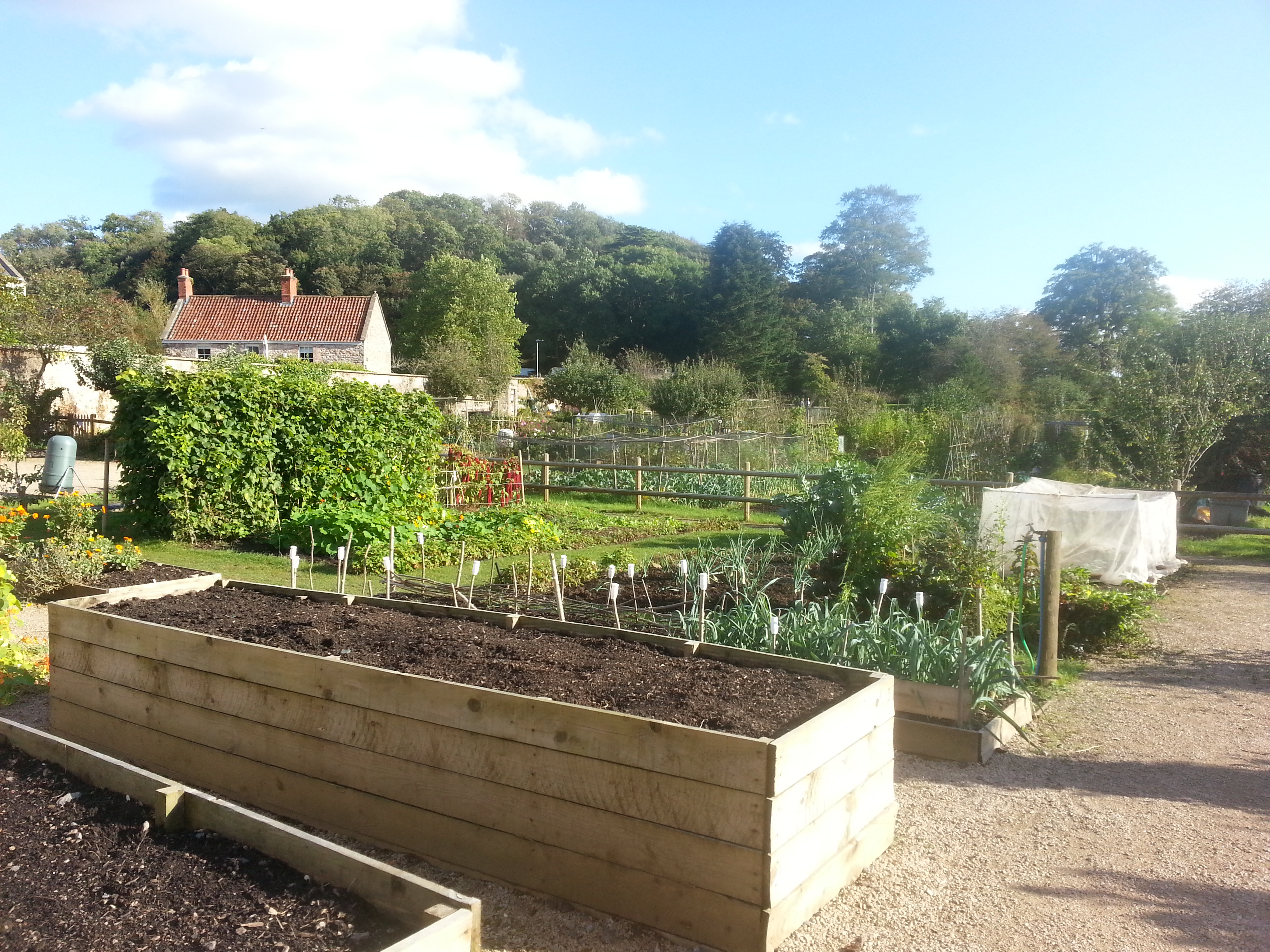
Part of the garden had been given over to the local community to use as a communal garden including allotments.

2014 10 04_5560 2014 10 04_5561 2014 10 04_5562 2014 10 04_5804 2014 10 04_5806 2014 10 04_55662014 10 04_5565 2014 10 04_5564 2014 10 04_5563 2014 10 04_5810

So the discovery of the Bishops Garden proved to be an unexpected treat, a place full of delights, tumbling ruins, rich plantings and sculpture.

2014 10 04_5811 2014 10 04_5804


Categories
architecture buildings Church architecture

Three Cathedrals – Wells Cathedral – Part Two

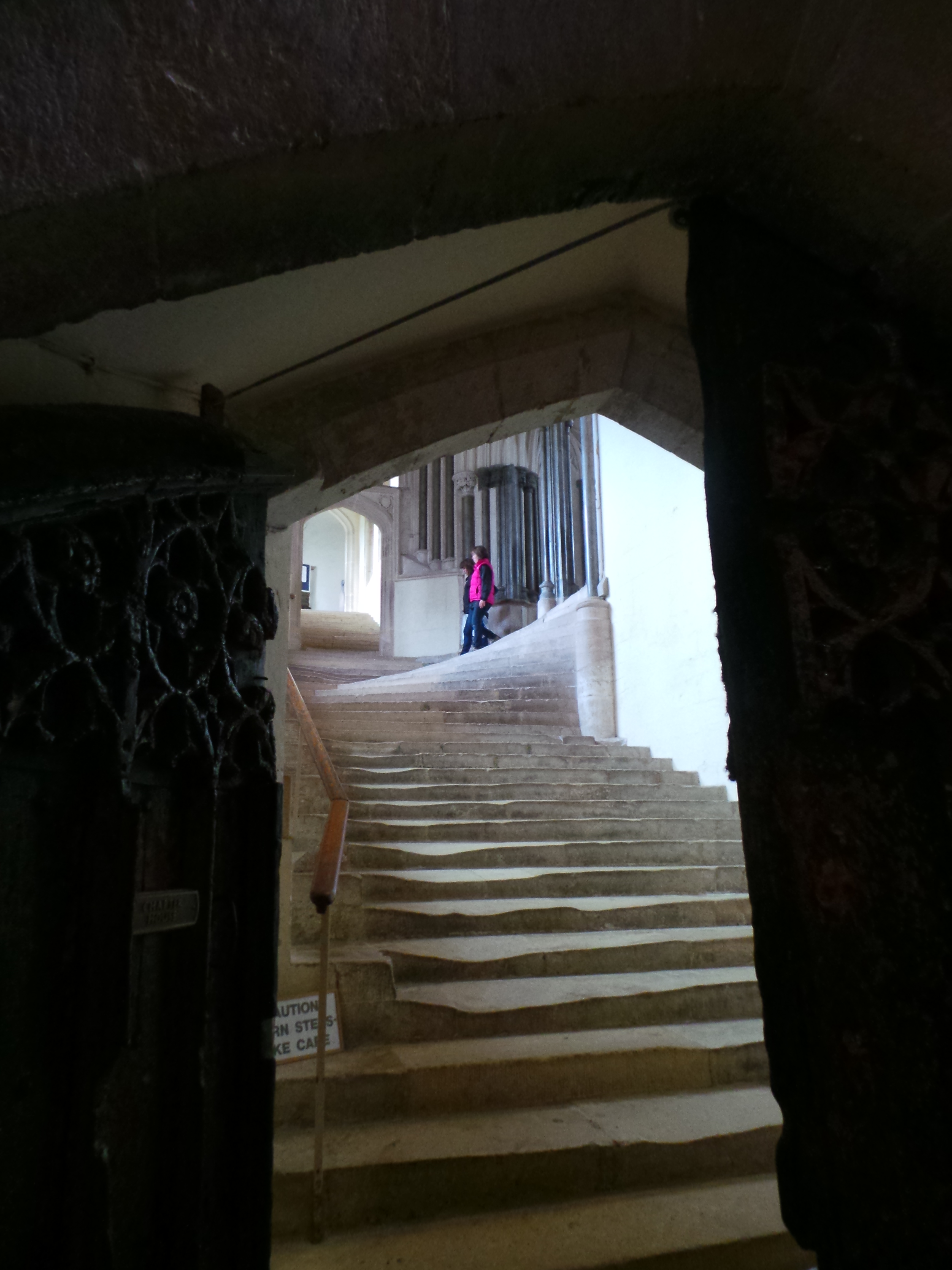
Welcome back to Wells Cathedral. In part two we will be looking at an amazing staircase and some recent features.

The staircase is wide and gently rising and even more gently curving. They have a design that has elements of modern ideas.

2014 10 04_5721 2014 10 04_5725

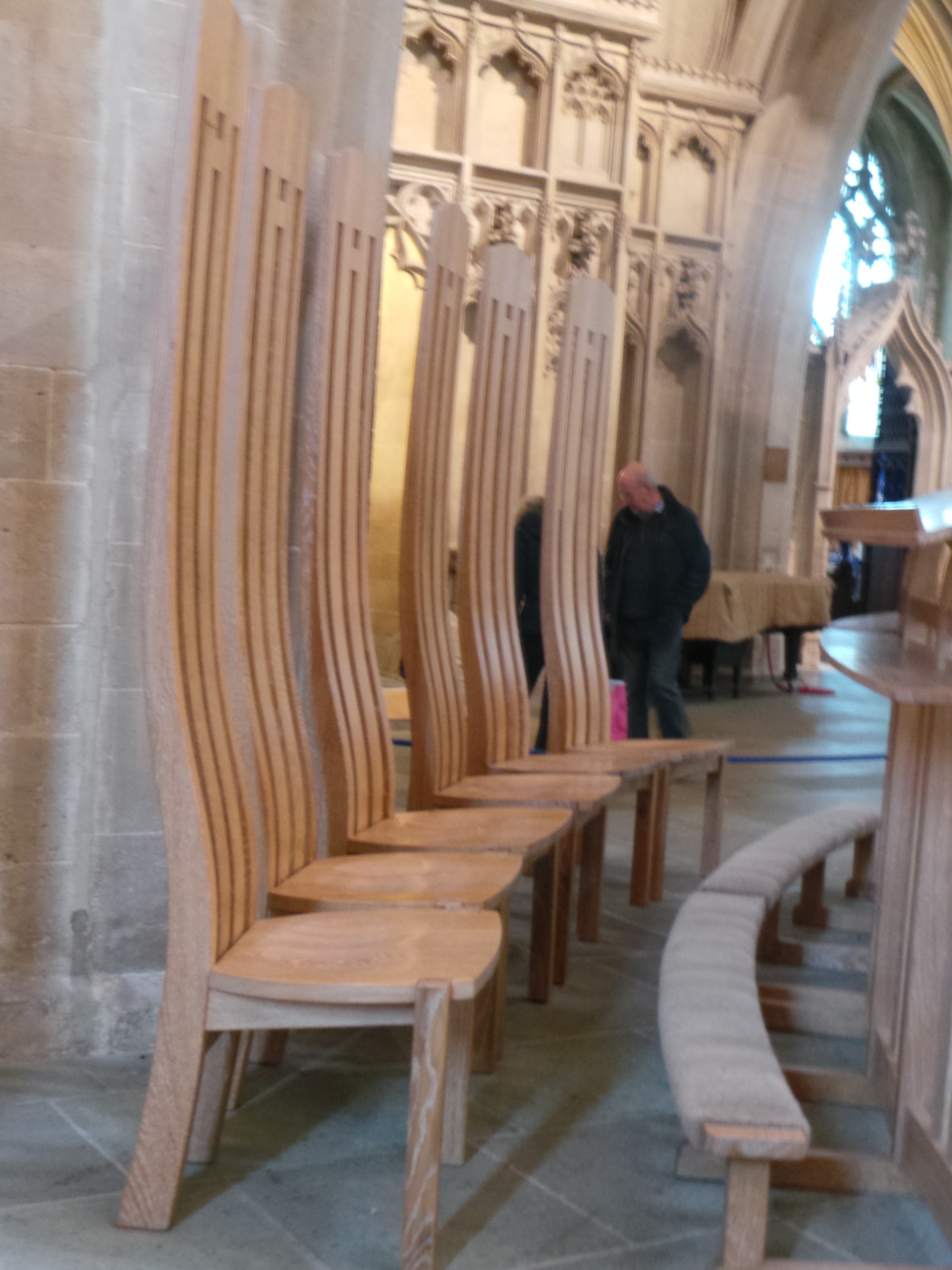
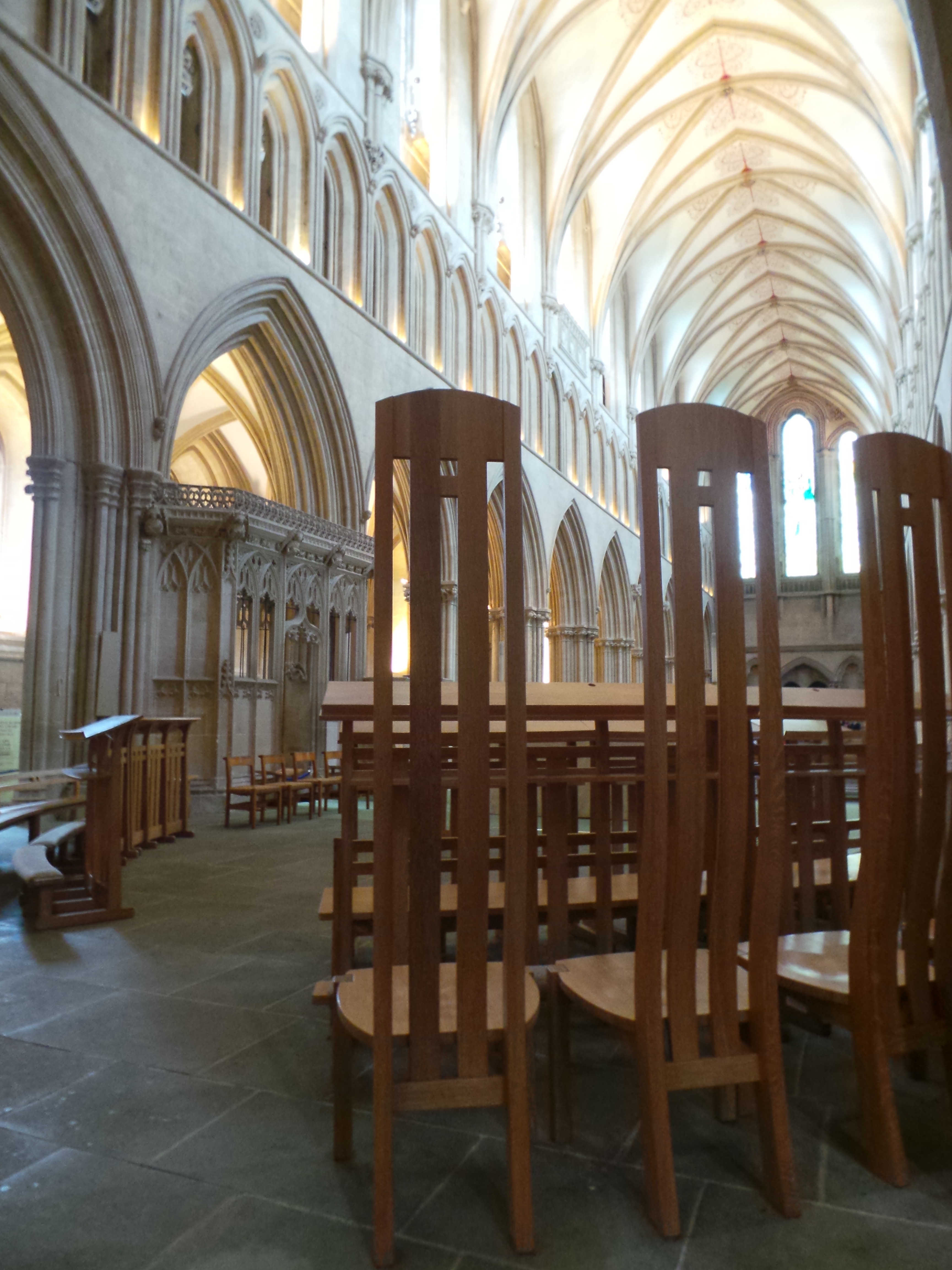
Truly modern design exists in the wooden furniture used by the Bishop and his cohorts. Clean lines and pale wood create beautiful sculptural pieces. Fine examples of beauty working with function.

2014 10 04_5761

2014 10 04_5713 2014 10 04_57122014 10 04_5714 2014 10 04_5715


Another modern item is this fabric hanging in delicate shades of blue and purple. Every breeze adds movement and each fold catches the light.

2014 10 04_5748


In contrast let us look at a few of examples of work wrought by ancient craftsmen, in stone, metal and glass.


2014 10 04_5716 2014 10 04_5722 2014 10 04_5723 2014 10 04_5731


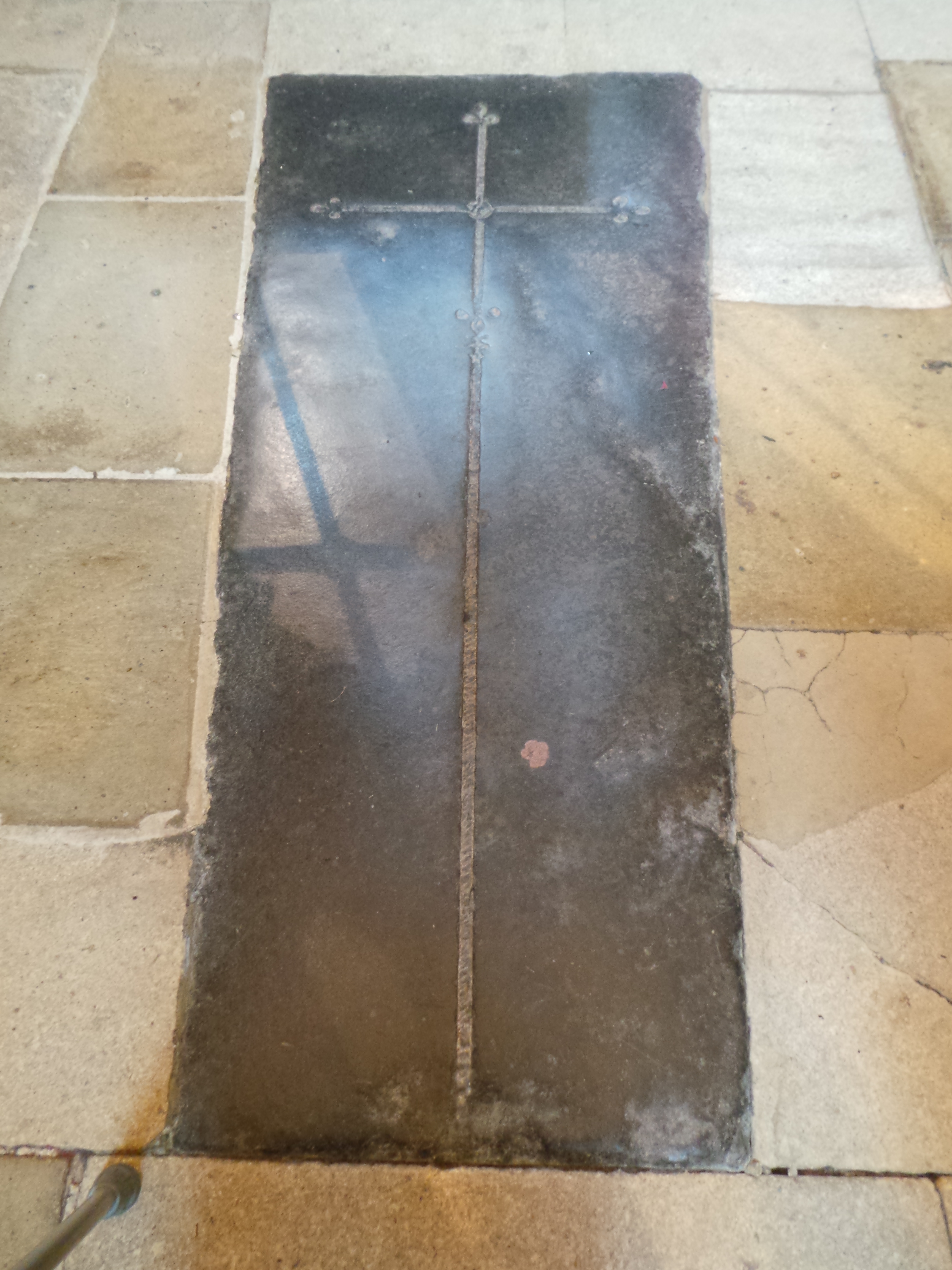
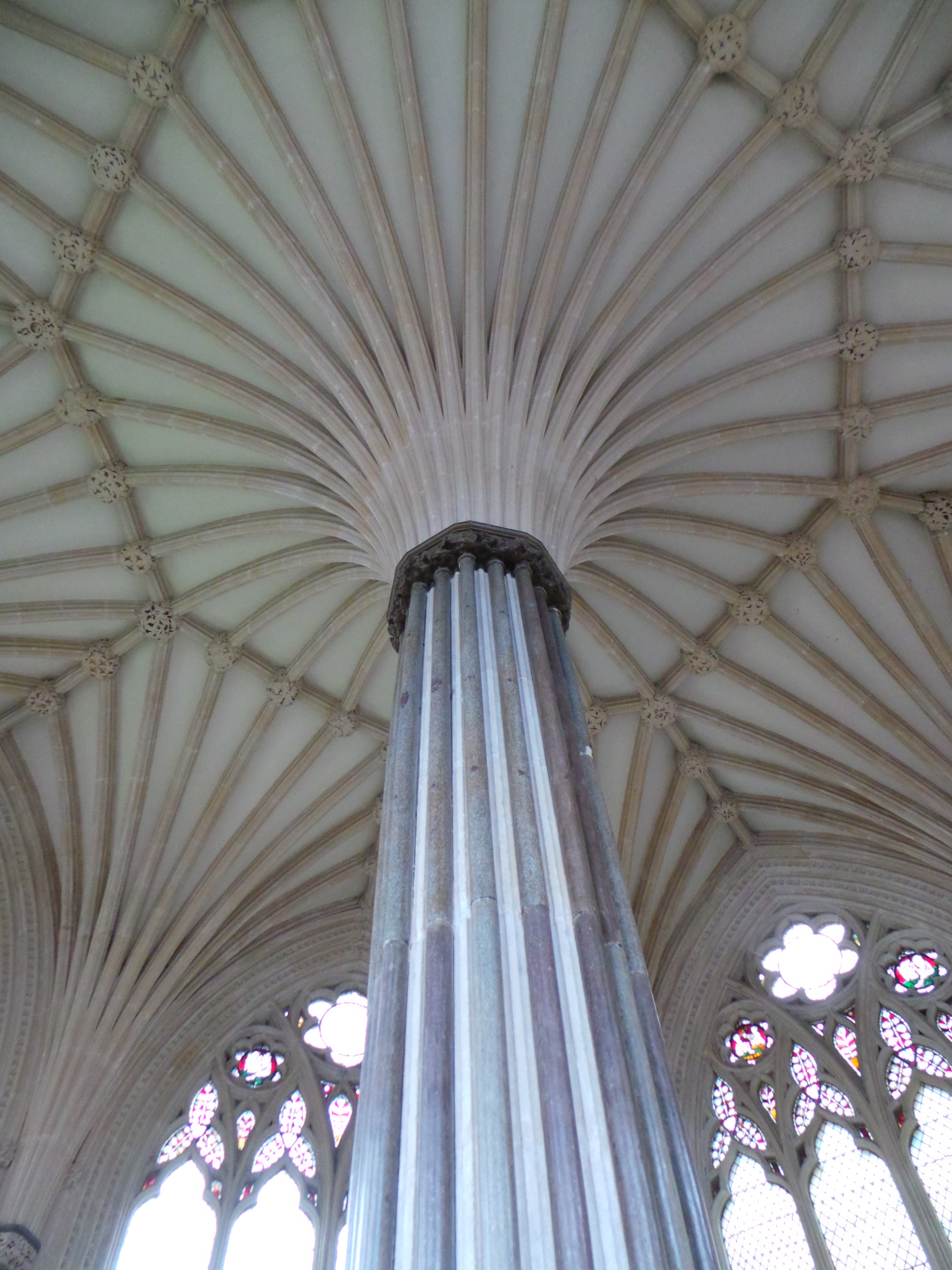
At the top of the stairwell we looked at earlier we discovered the Chapter House, a place of quiet and peace. Whenever visitors such as us entered this room they sat and talked quietly to their companions or else just sat alone looking around them. They looked upwards at its complex vaulted ceiling and the striped columns rising to meet it, or read the scripts found on the brass plaques around the walls.

2014 10 04_5727 2014 10 04_5726 2014 10 04_5728 2014 10 04_5729 2014 10 04_5730

We shall finish off this look at the cathedral at Wells with a few shots of its famous archway shaped like a number 8, which is called the Scissors Arch. It is beautiful and as far as I know unique, but there is such a simple reason for being there. It is to prevent the collapse of the central tower.


2014 10 04_5763 2014 10 04_5755


Whilst at Wells we wandered around the Bishops Garden which we enjoyed immensely. Look out for a post about it coming soon.

Categories
architecture buildings Church architecture photography sculpture townscapes

Three Cathedrals – Wells – Part One

Welcome to the next cathedral in my Three Cathedral series of posts.

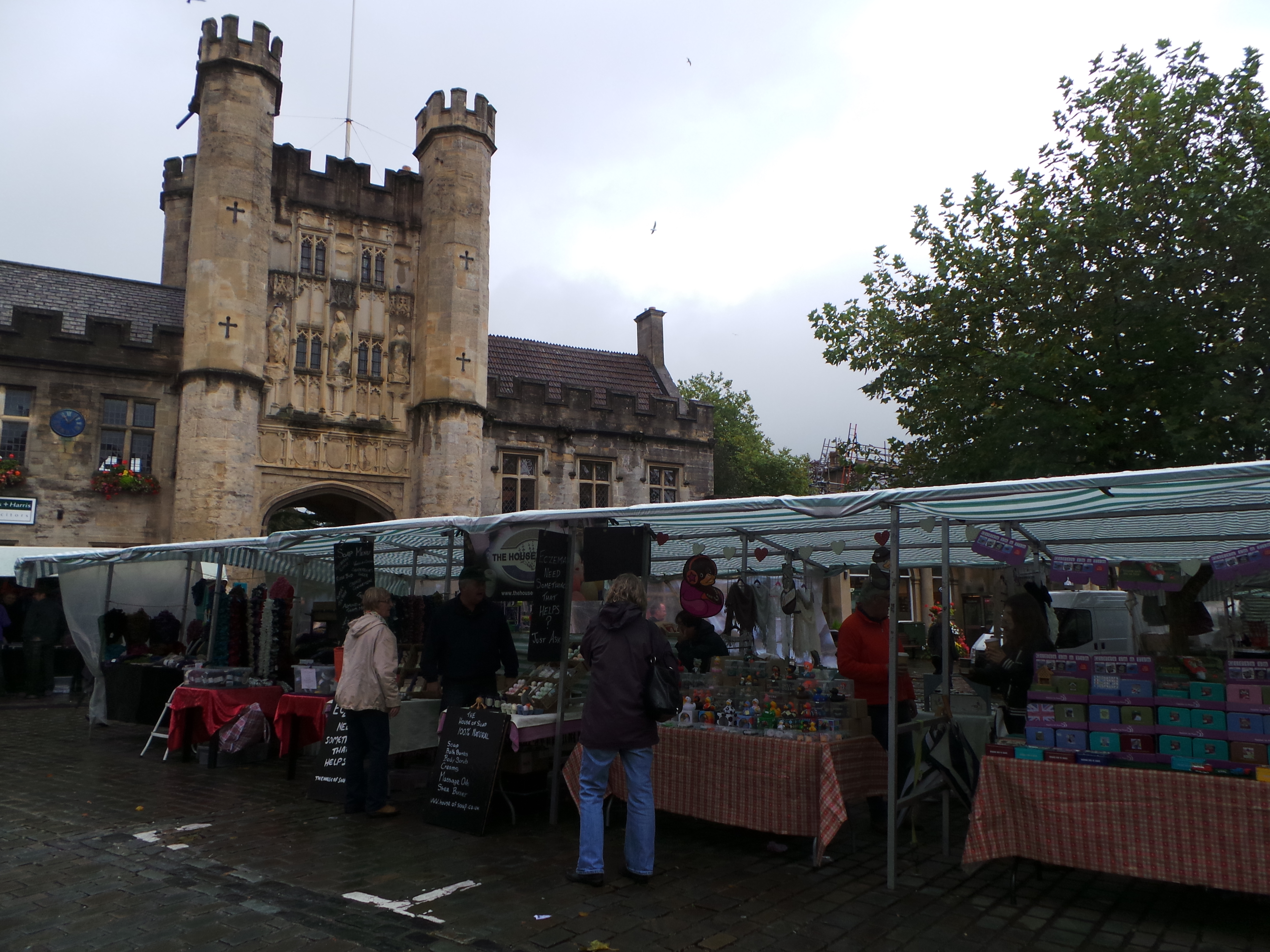
We visited Wells Cathedral decades ago and we remembered very little of it apart from a wide sweeping stone stairway. So when we returned in the autumn we looked forward to reacquainting ourselves with its architecture. We guessed where the Cathedral would be in the little city of Wells by following the wide street with its market right to its very end. The market stalls almost funneled us towards the cathedral gates. 

2014 10 04_5681 2014 10 04_56822014 10 04_5689

Just before entering the cathedral grounds we came across this beautifully colourful National Trust shop.

2014 10 04_5683 2014 10 04_5684

An open green with specimen trees showed us the way to go.

2014 10 04_5685 2014 10 04_5686  2014 10 04_5688

2014 10 04_5687 2014 10 04_5690

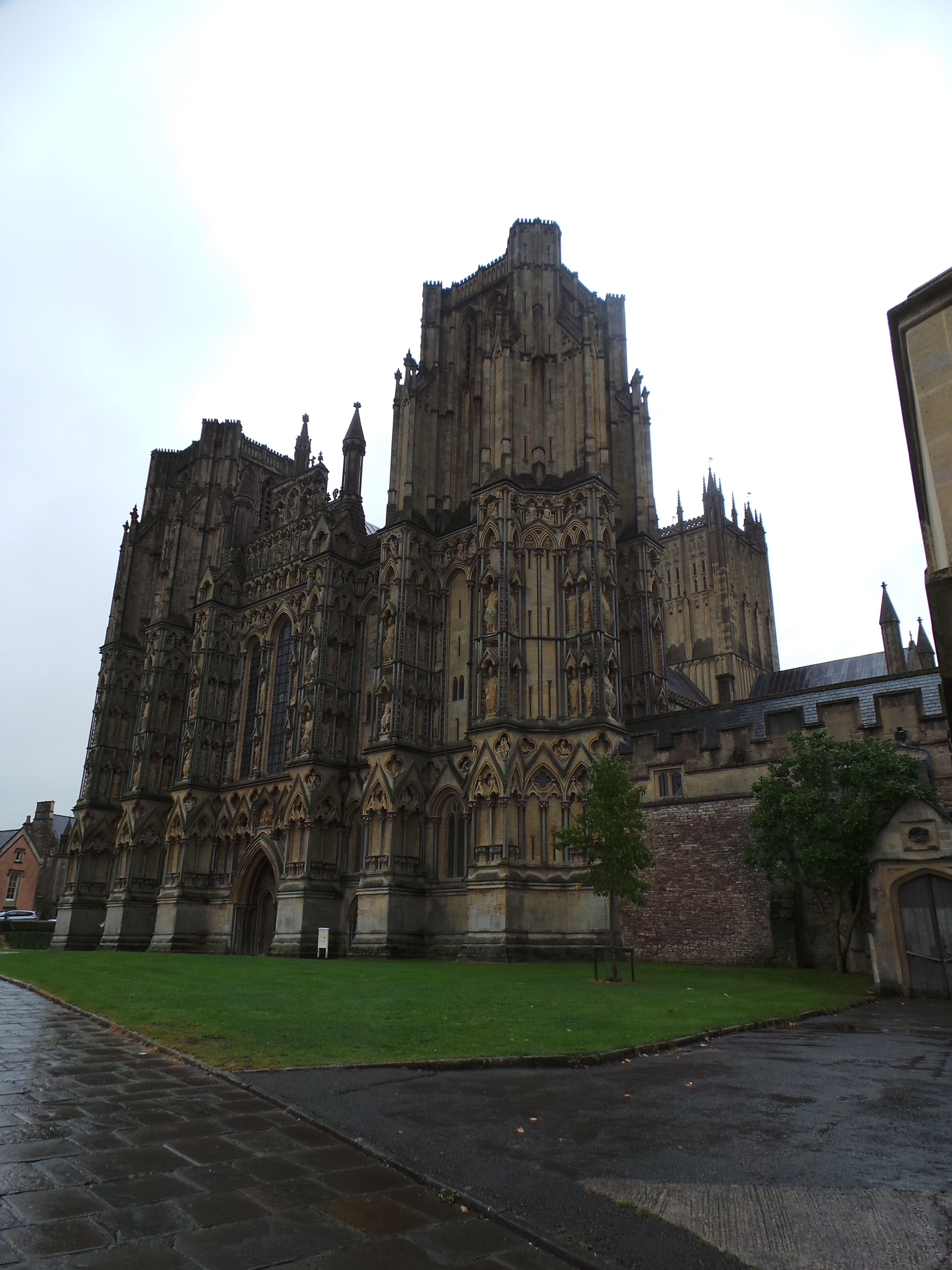
Wells Cathedral is a tall imposing structure designed to dominate the city and its inhabitants.

2014 10 04_5691 2014 10 04_56922014 10 04_5693

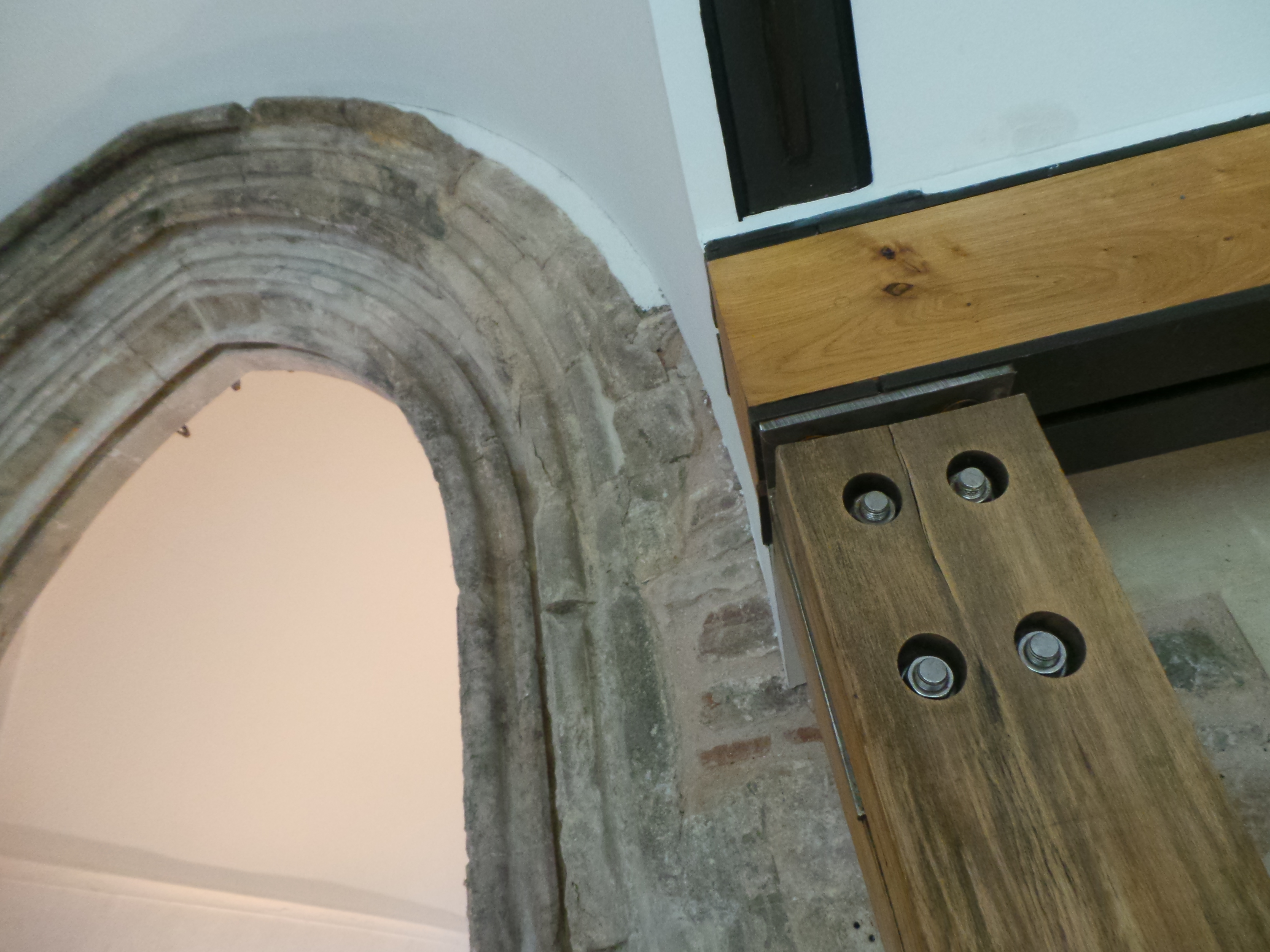
A modern entrance had been added in recent years to give visitors a comfortable way in and to preserve the main doorway in. The use of green oak and matching stone ensured that the modern extension fitted beautifully and most sympathetically. the new entrance also carefully led us to a new cafe again designed to match. From every one of its windows we got views to entice us onward to explore.

2014 10 04_5694 2014 10 04_5695 2014 10 04_5696 2014 10 04_5697 2014 10 04_5698 2014 10 04_5699 2014 10 04_5700 2014 10 04_5701

The vaulted ceiling of the cloister walk has been sensitively restored to show its intricate complex web of wooden beams.

2014 10 04_5704 2014 10 04_5703

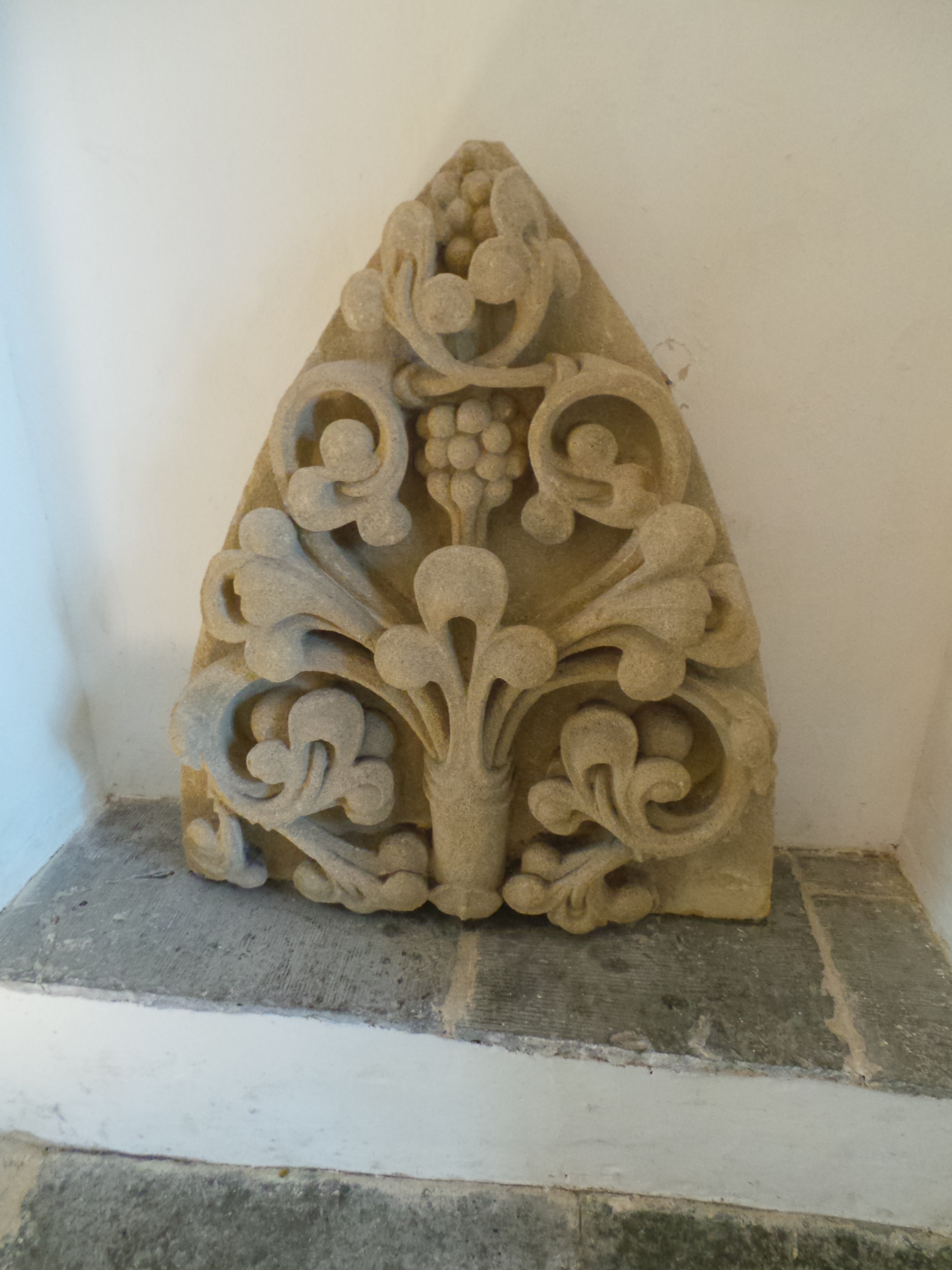
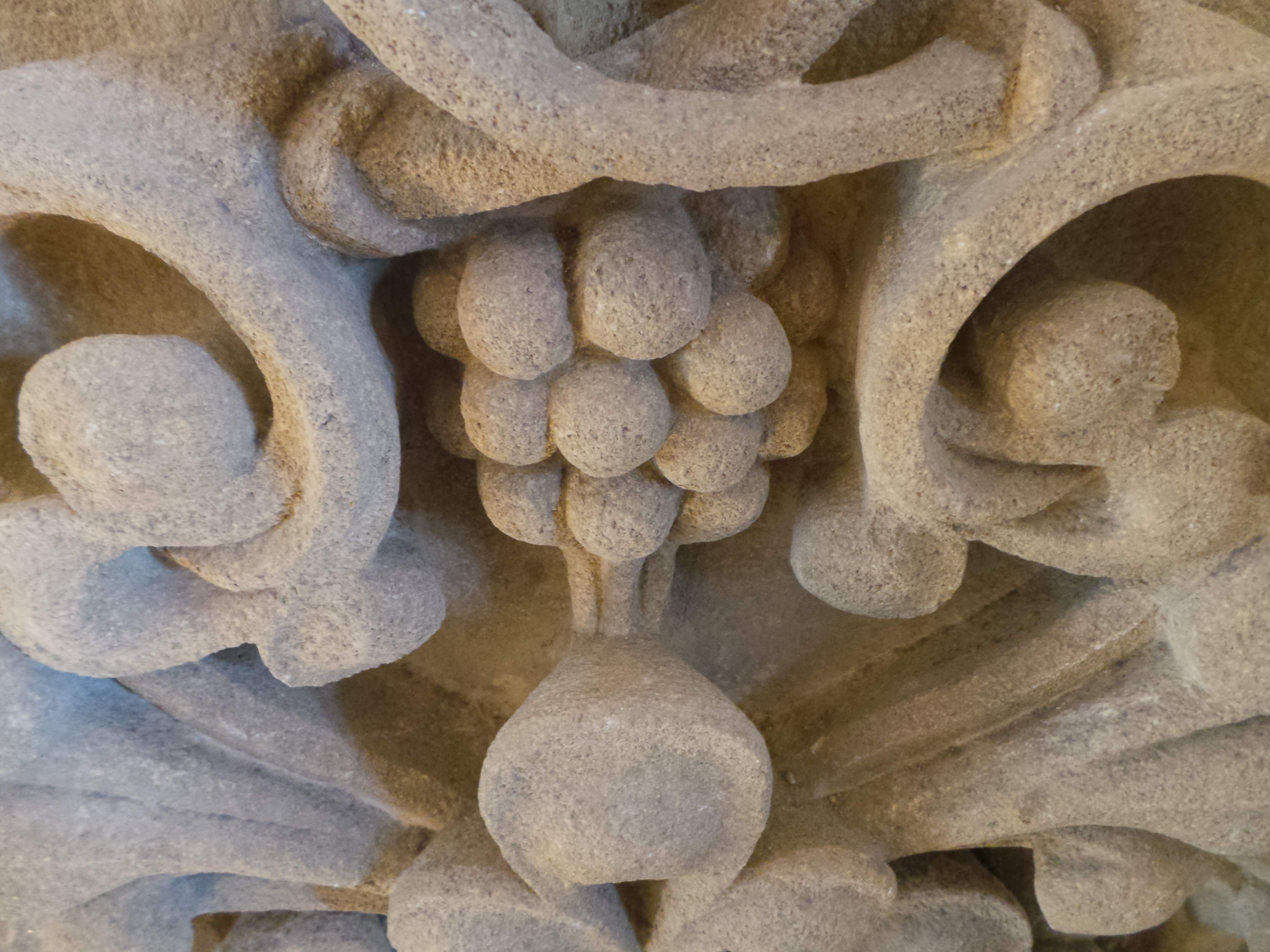
As well as architecture it is the craftsmanship displayed in our old ecclesiastical buildings that impresses us most. It is good to see them well preserved and carefully, lovingly looked after.

2014 10 04_5702 2014 10 04_57072014 10 04_5709 2014 10 04_5710

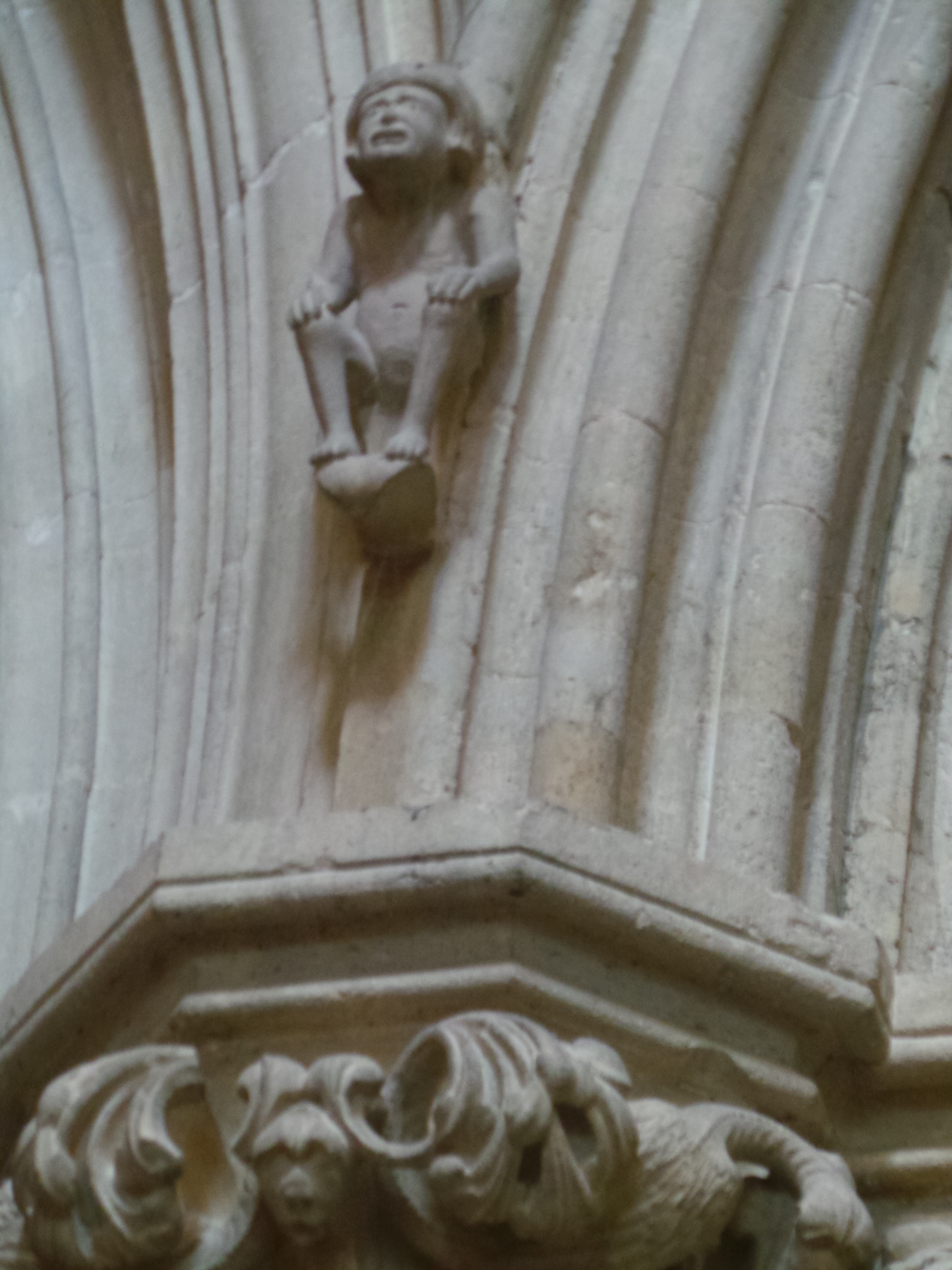
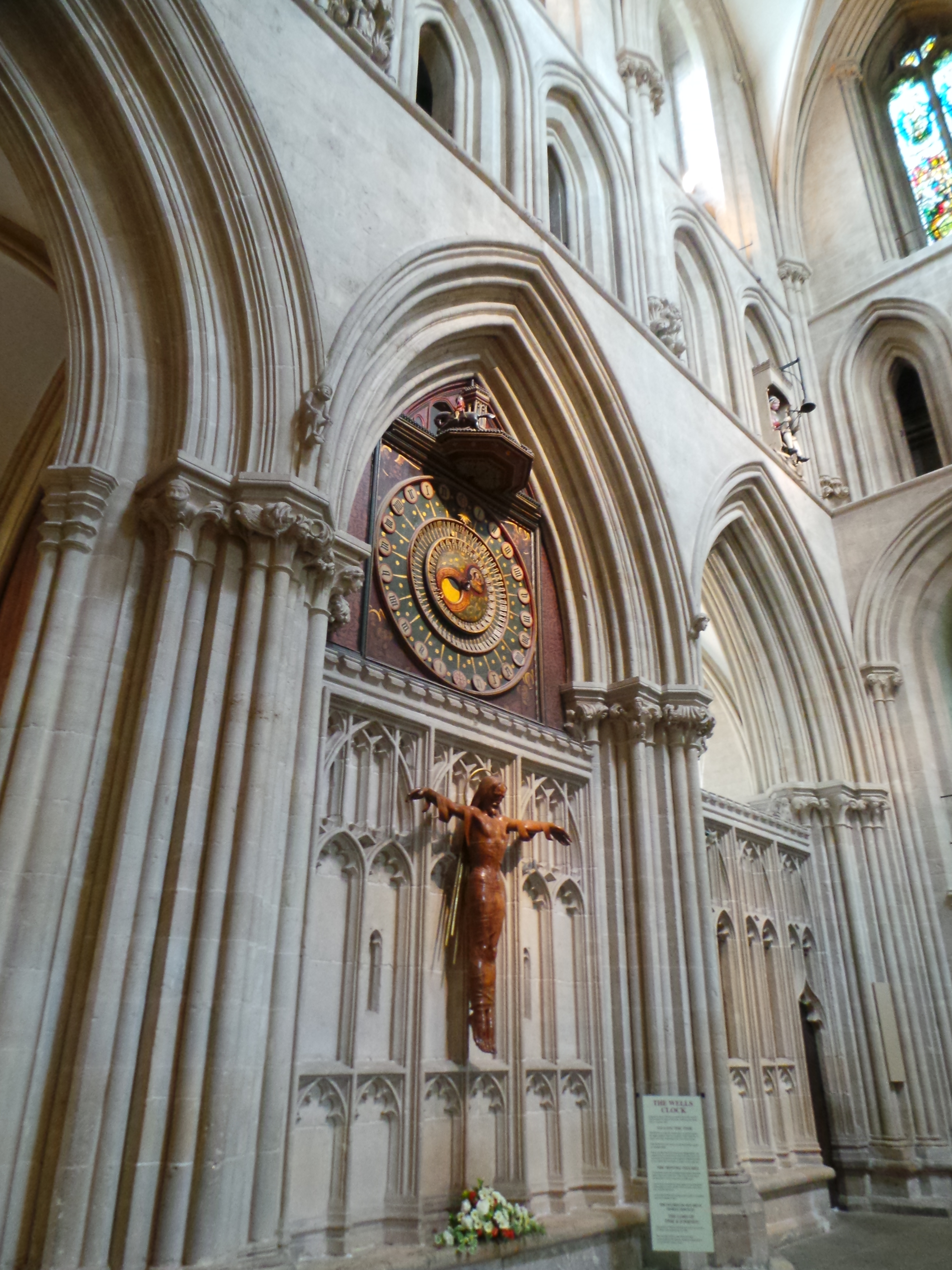
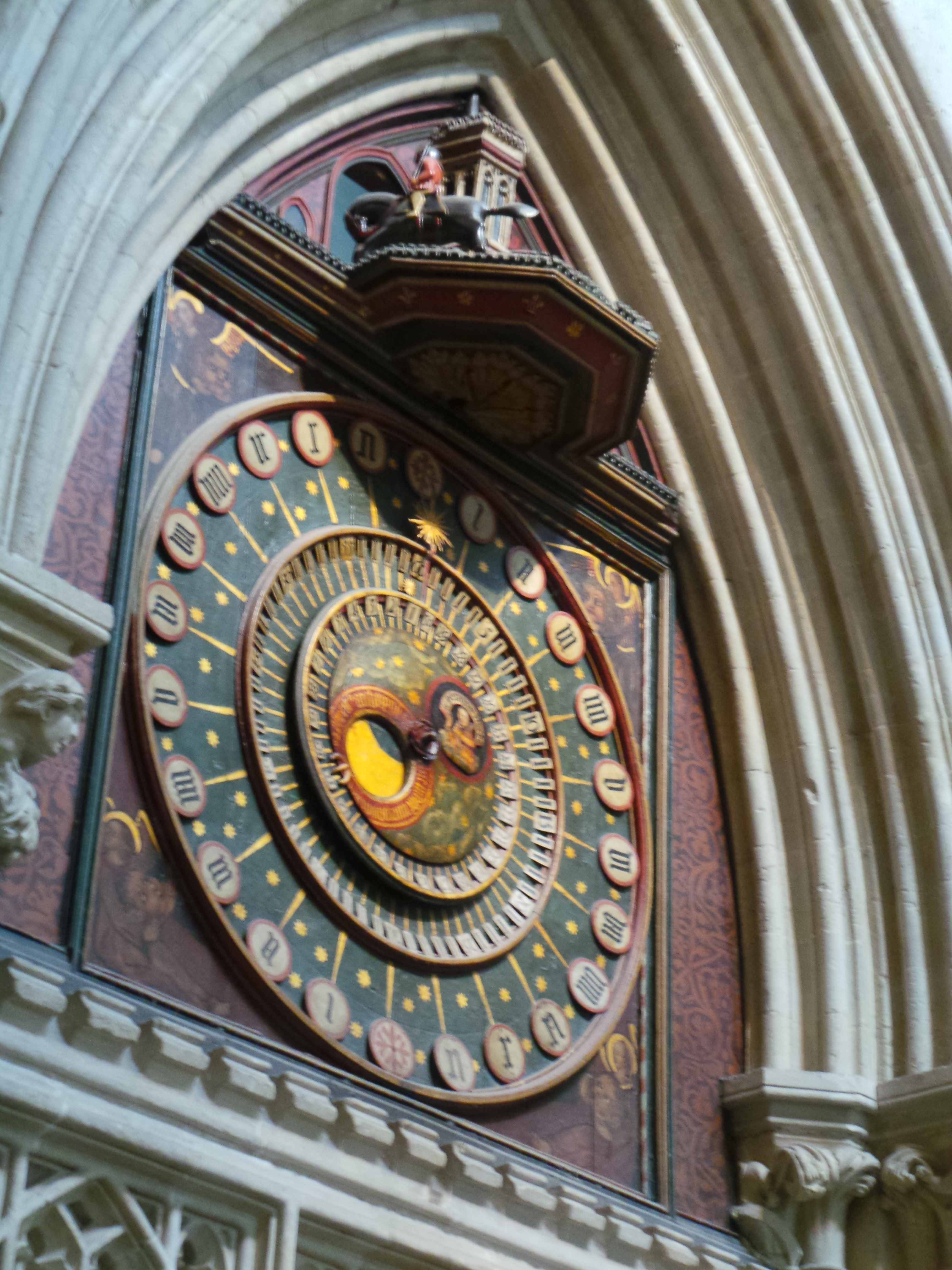
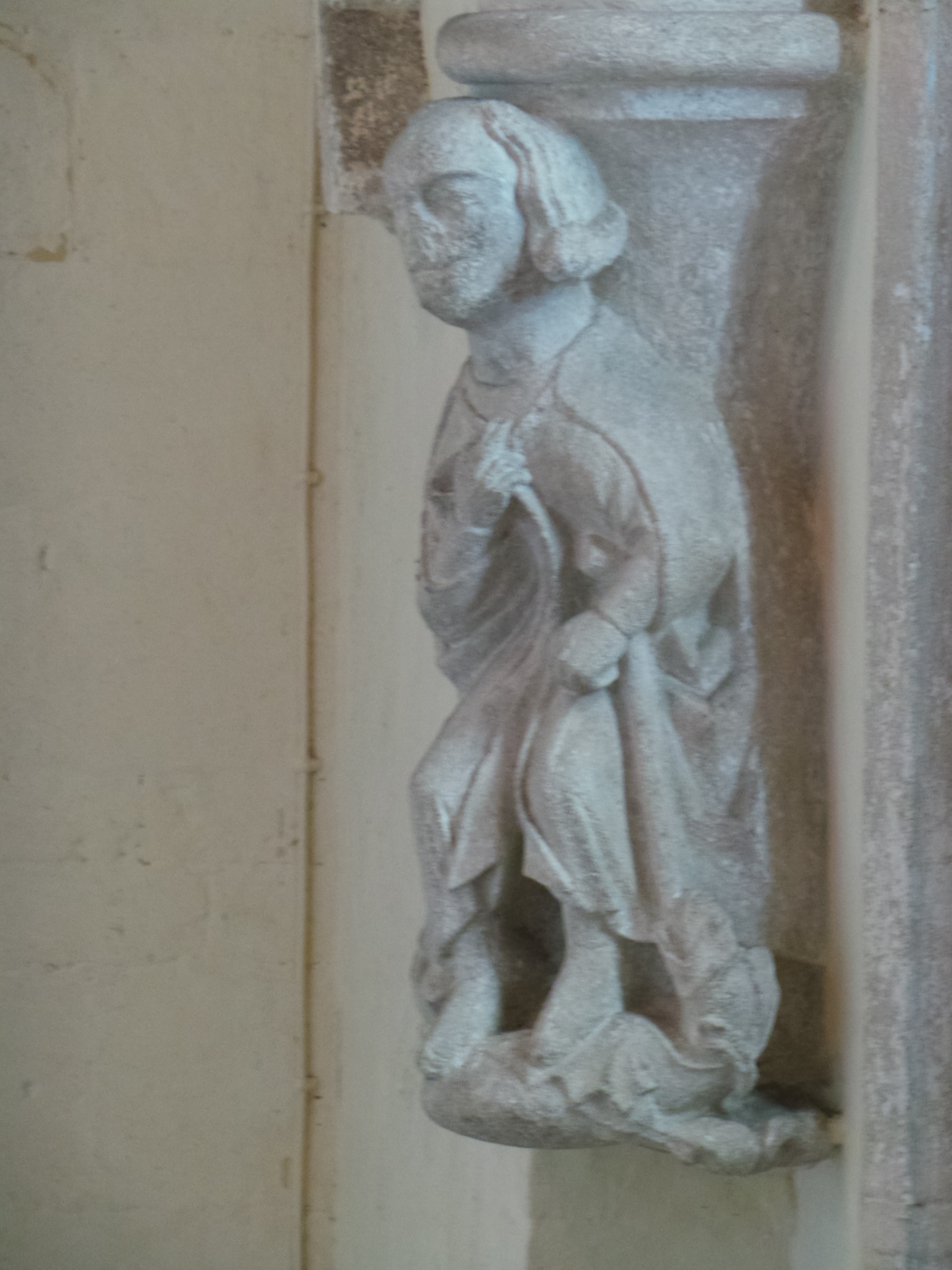
Often when exploring church buildings it is possible by looking up, to discover carvings of characters. like this “impish” character below left. He looks like he is plotting his next trick. The wooden carving on the left was high up and hard to see in detail and he was part of an ancient complex clock.

2014 10 04_5711 2014 10 04_57082014 10 04_5705 2014 10 04_5706

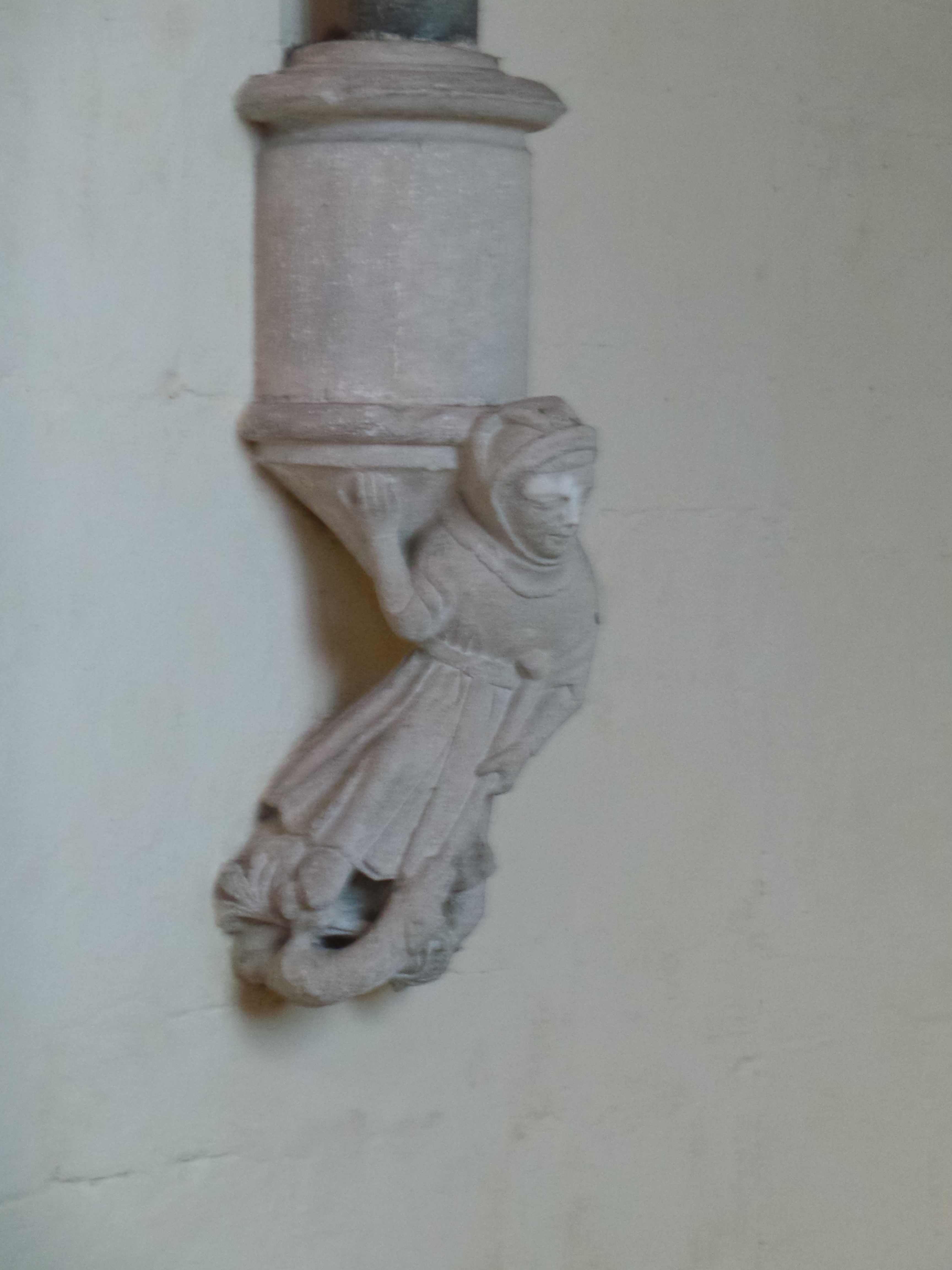
Let us finish this first part of two posts about Wells Cathedral by looking at other characters we managed to find hidden here and there throughout the great building.

2014 10 04_5718 2014 10 04_5724 2014 10 04_5732 2014 10 04_5733 2014 10 04_5735 2014 10 04_5738 2014 10 04_5739 2014 10 04_5758

In part two we carry on with our tour and discover an amazing curved staricase and some modern additions.

Categories
buildings garden buildings garden design garden photography gardening gardens gardens open to the public outdoor sculpture sculpture succulents Wales

The Botanic Garden of Wales in the Rain – part one

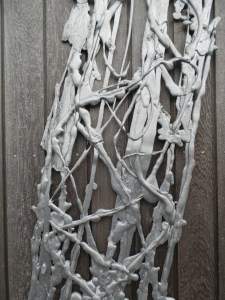
We have come to love visiting gardens in the rain. We put up the brollies and huddle together for protection and just defy the downpours. But on a November day at The Botanic Gardens of Wales the rain was so heavy it beat even us! It was horrendous! This beautiful piece of sculpture managed to glow out in the gloom. It looked like the bark of a tree or the structure of ivy climbing a wall or …….. whatever you wish.

2014 11 21_7754 2014 11 21_7753_edited-1

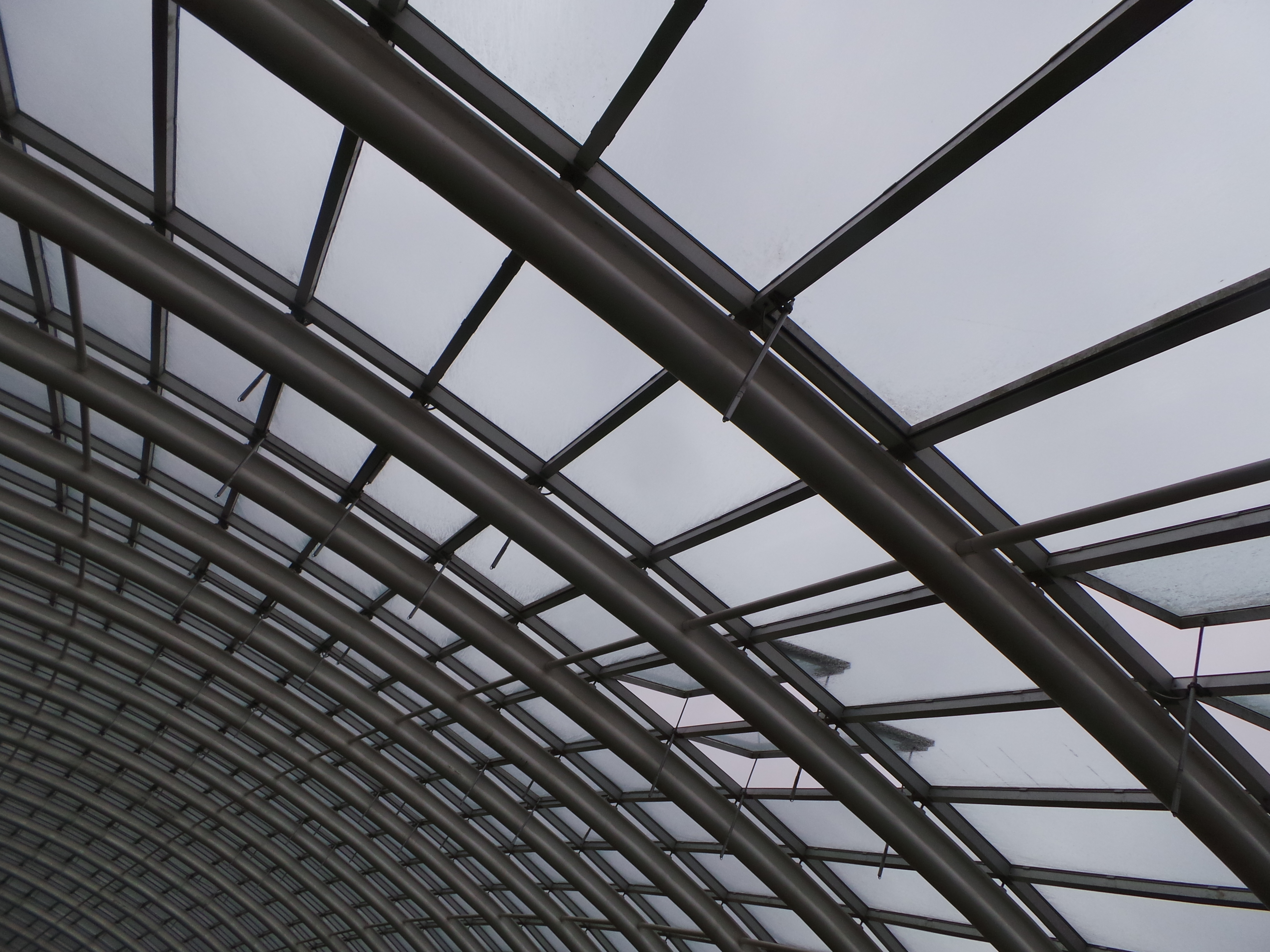
We did though enjoy a little time in the rain but soon escaped by making for the magnificent glasshouse. The glasshouse emerges from the gently sloping landscape like an armadillo. On this visit it was barely visible against the low deep grey clouds.

2014 11 21_7755 2014 11 21_77562014 11 21_7767

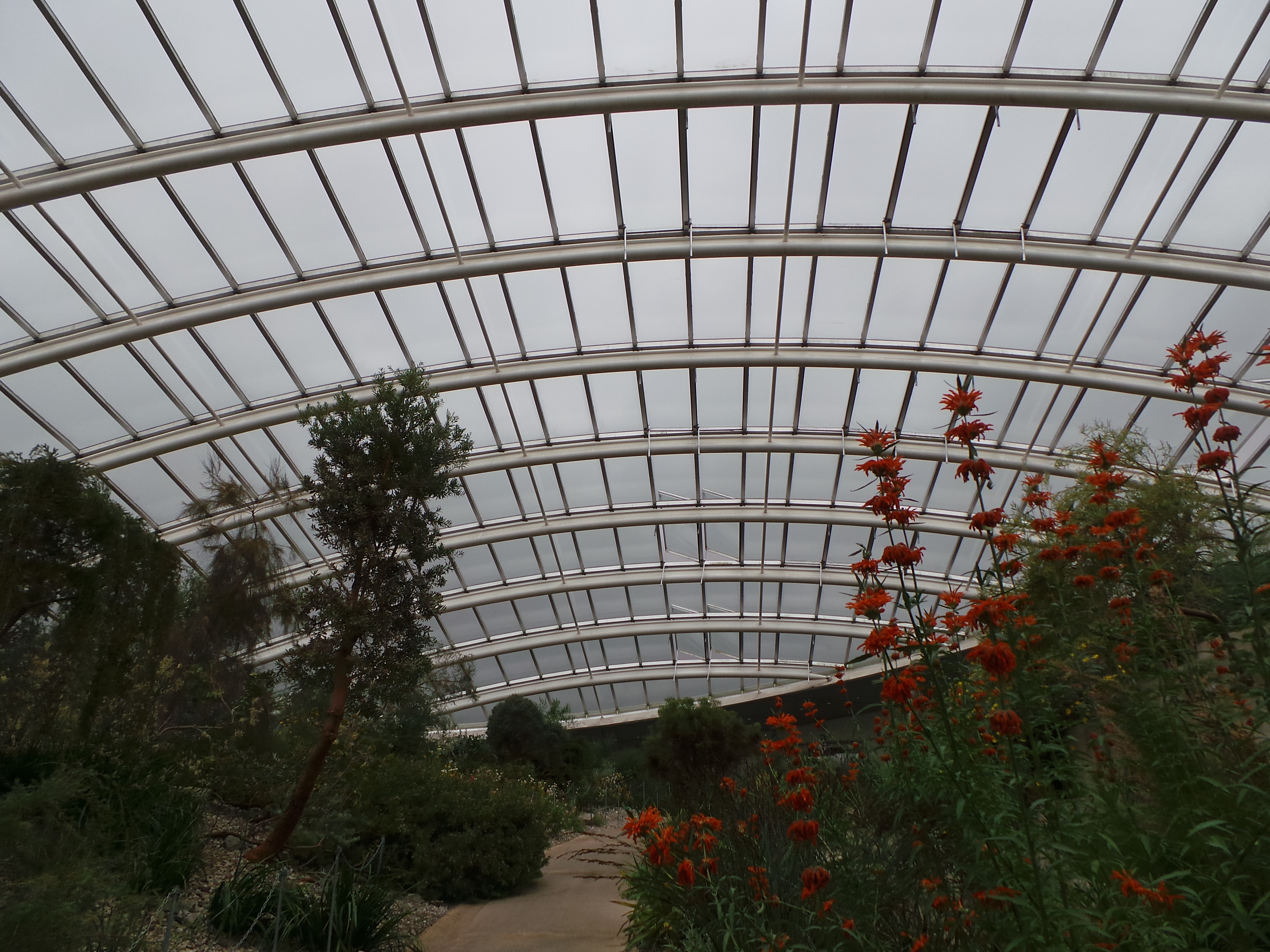
Once inside, the curving lines spanning overhead immediately drew our eyes upward. When architects get greenhouses right they can be dramatic and powerful but still gentle and full of beautiful curves. This is one of the best we have ever visited if not the best of all. It looks so good from both inside and out. From the outside it emerges from the countryside as if it is meant to be there, enhancing the undulation it sits on. From inside it cocoons the visitor in an atmosphere of warmth and greenery.

2014 11 21_7768 2014 11 21_7769 2014 11 21_7767 2014 11 21_77702014 11 21_7784 2014 11 21_7789

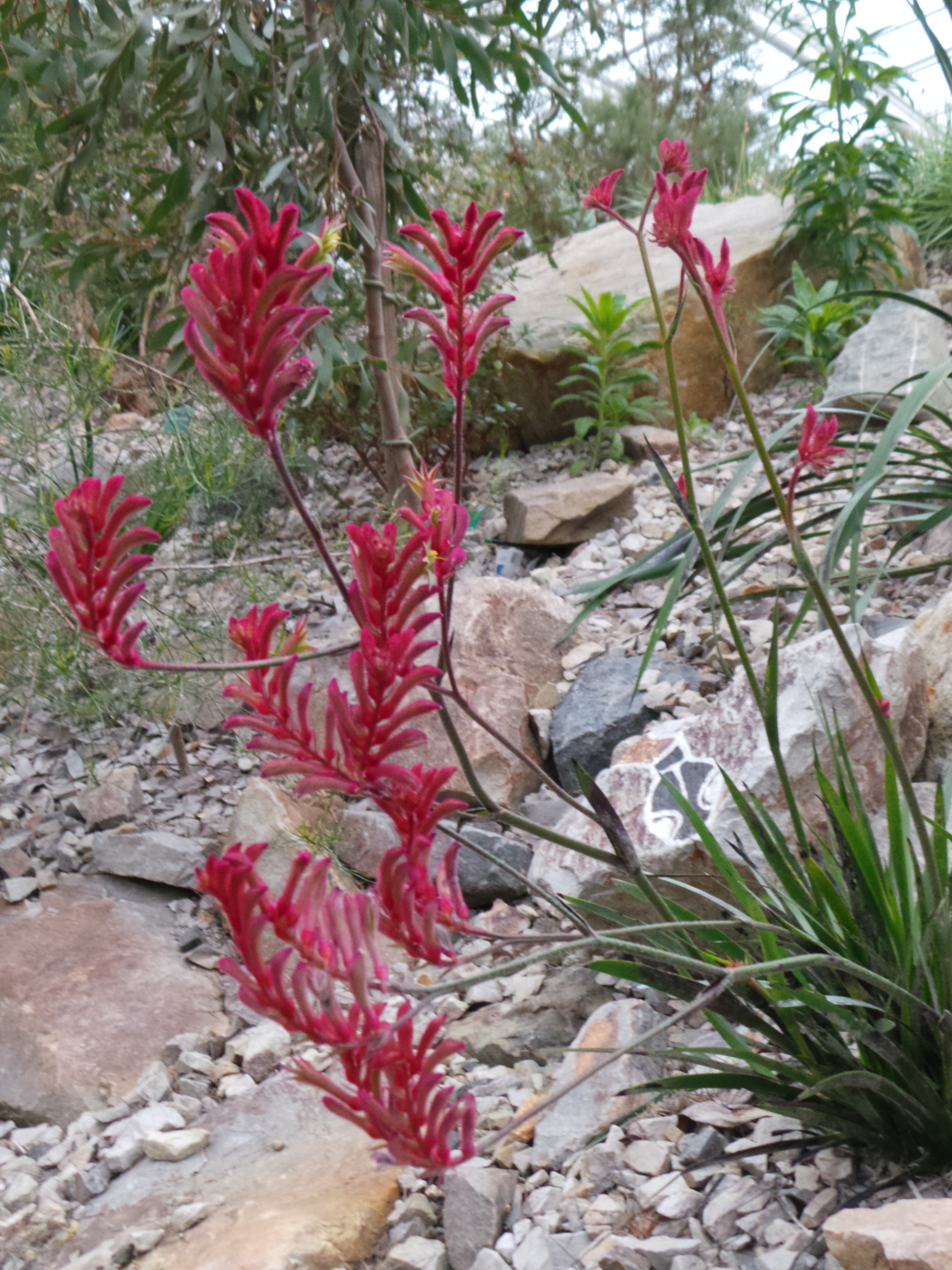
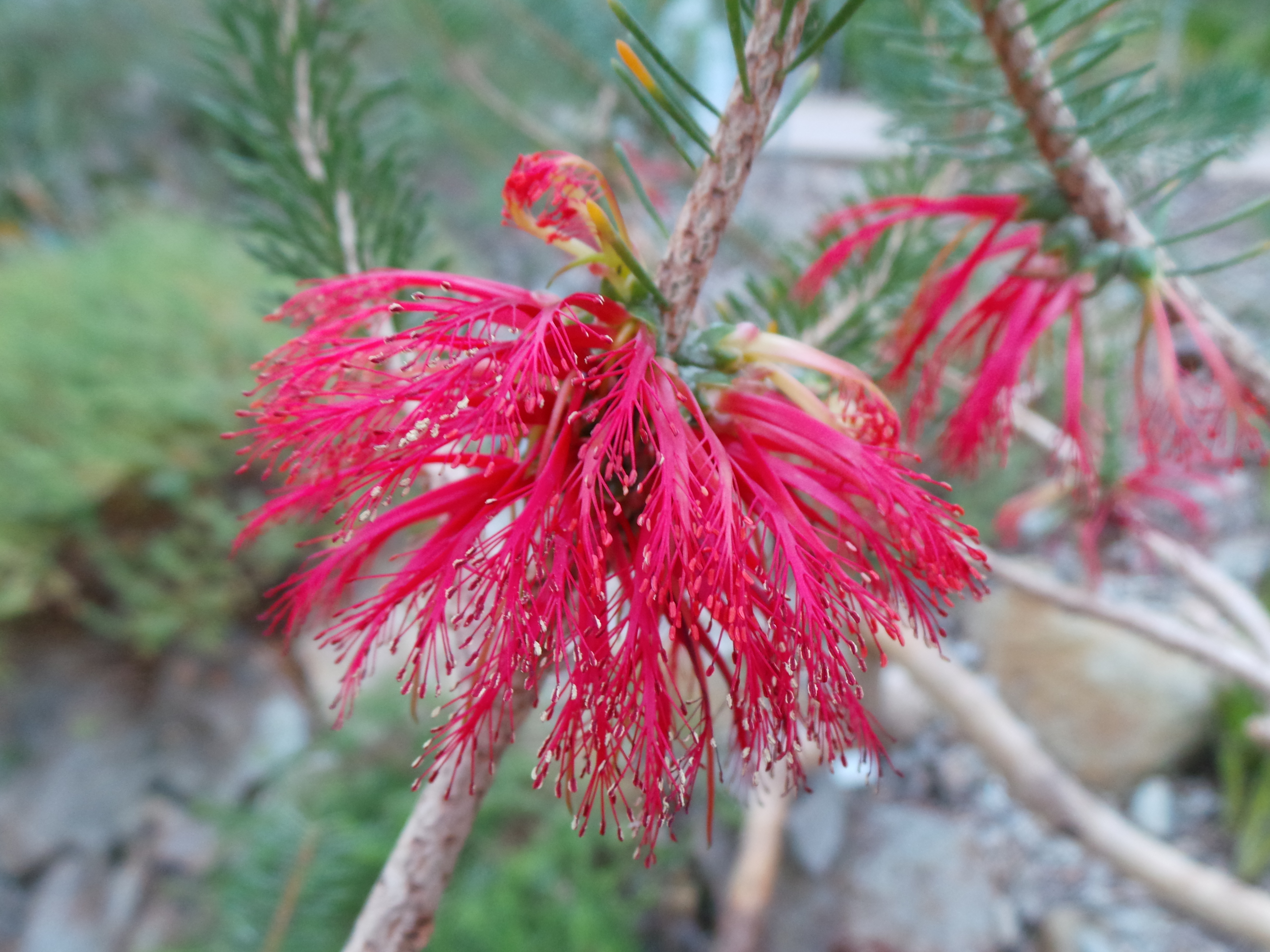
The plant life housed there sits happily in micro-climates made for them. Greenhouse often seem to contain big blousie blooms with too much colour and all full of drama but here things had a subtle beauty. Very stylish. Often the colours were very delicate.

2014 11 21_7772 2014 11 21_77922014 11 21_7793 2014 11 21_78002014 11 21_7776 2014 11 21_7808

2014 11 21_7780 2014 11 21_7786

Bright colours weren’t altogether absent though with plenty of fiery oranges and gaudy pinks. We were taken aback by the size of this Leonotis as it soared to over head height alongside the path. At home in our garden we get it to grow to about two feet tall.

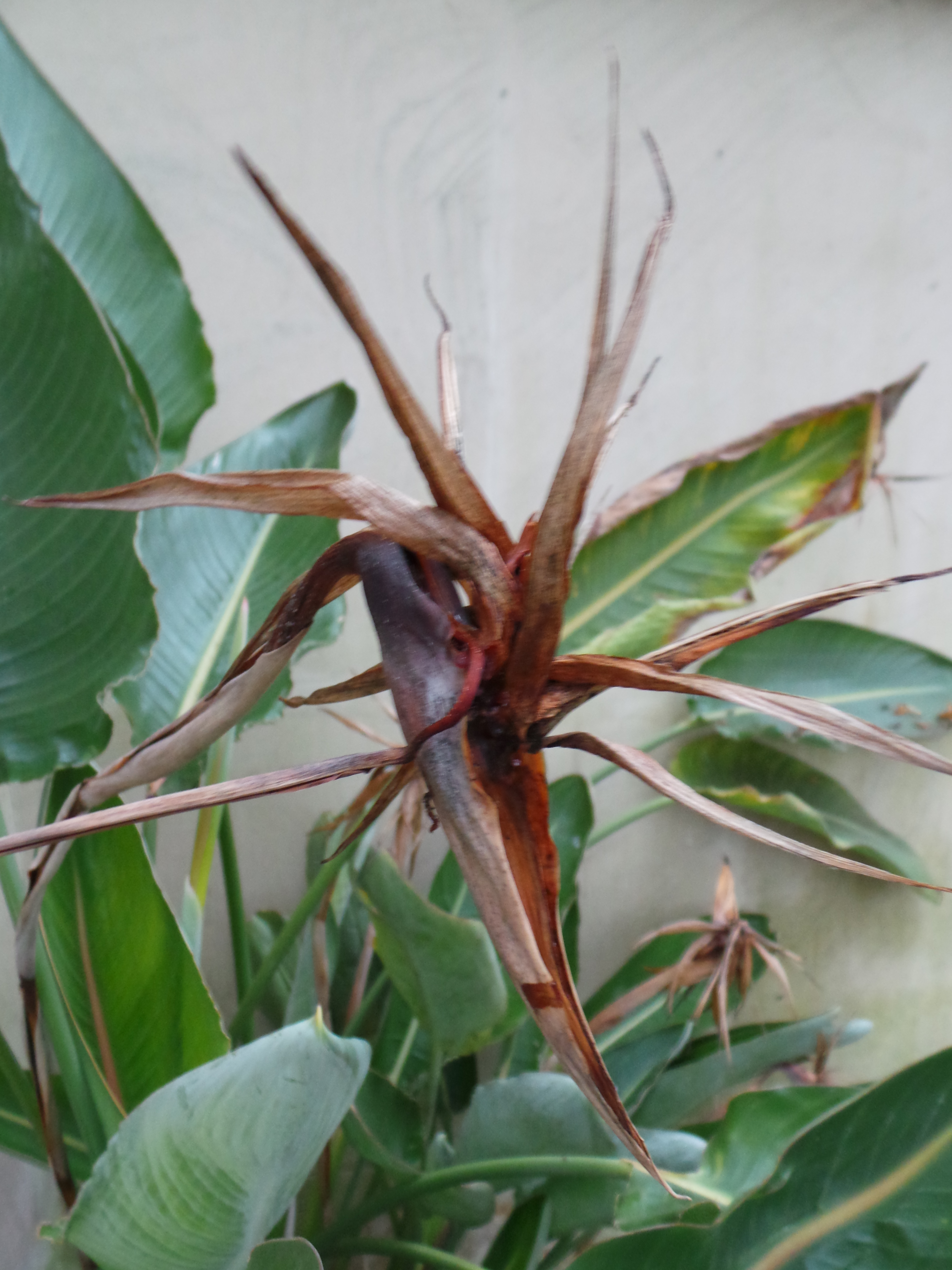
2014 11 21_7781 2014 11 21_77832014 11 21_7782 2014 11 21_77772014 11 21_7798 2014 11 21_78022014 11 21_7801 2014 11 21_7804Some plants simply appeared bizzare, such as the dying flowers of the Strelitzia which turns from orange to deep brown and the odd trunk of this tree which was well past its best!

2014 11 21_7794 2014 11 21_7805

Blue flowers are often not a pure blue but these definitely were as blue as could possibly be.

2014 11 21_7809 2014 11 21_7810

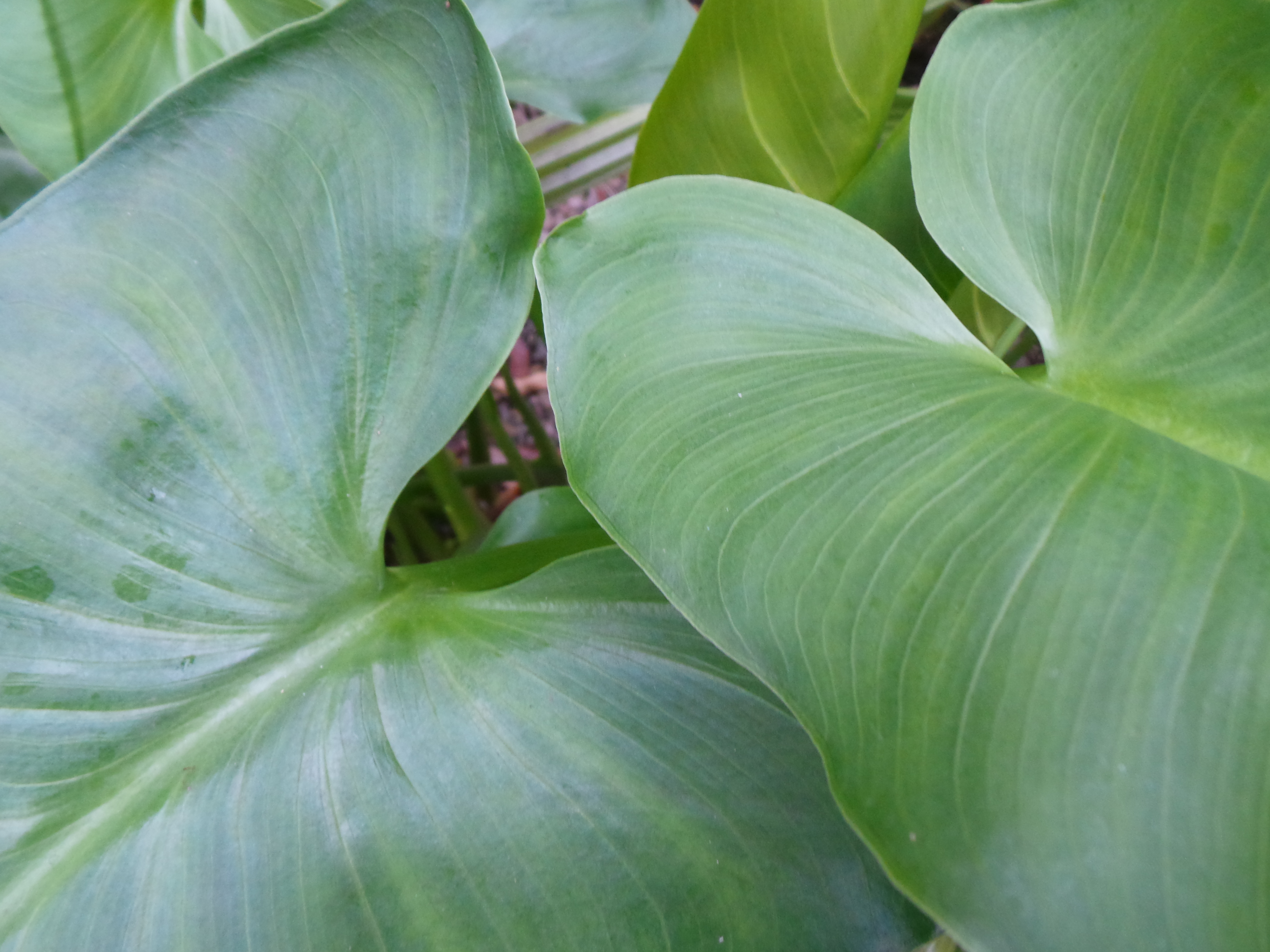
We enjoyed studying the foliage here as much as the flowers, with so much variation in size, colour, texture and shape.

2014 11 21_7795 2014 11 21_77962014 11 21_7788 2014 11 21_77732014 11 21_7779 2014 11 21_7787

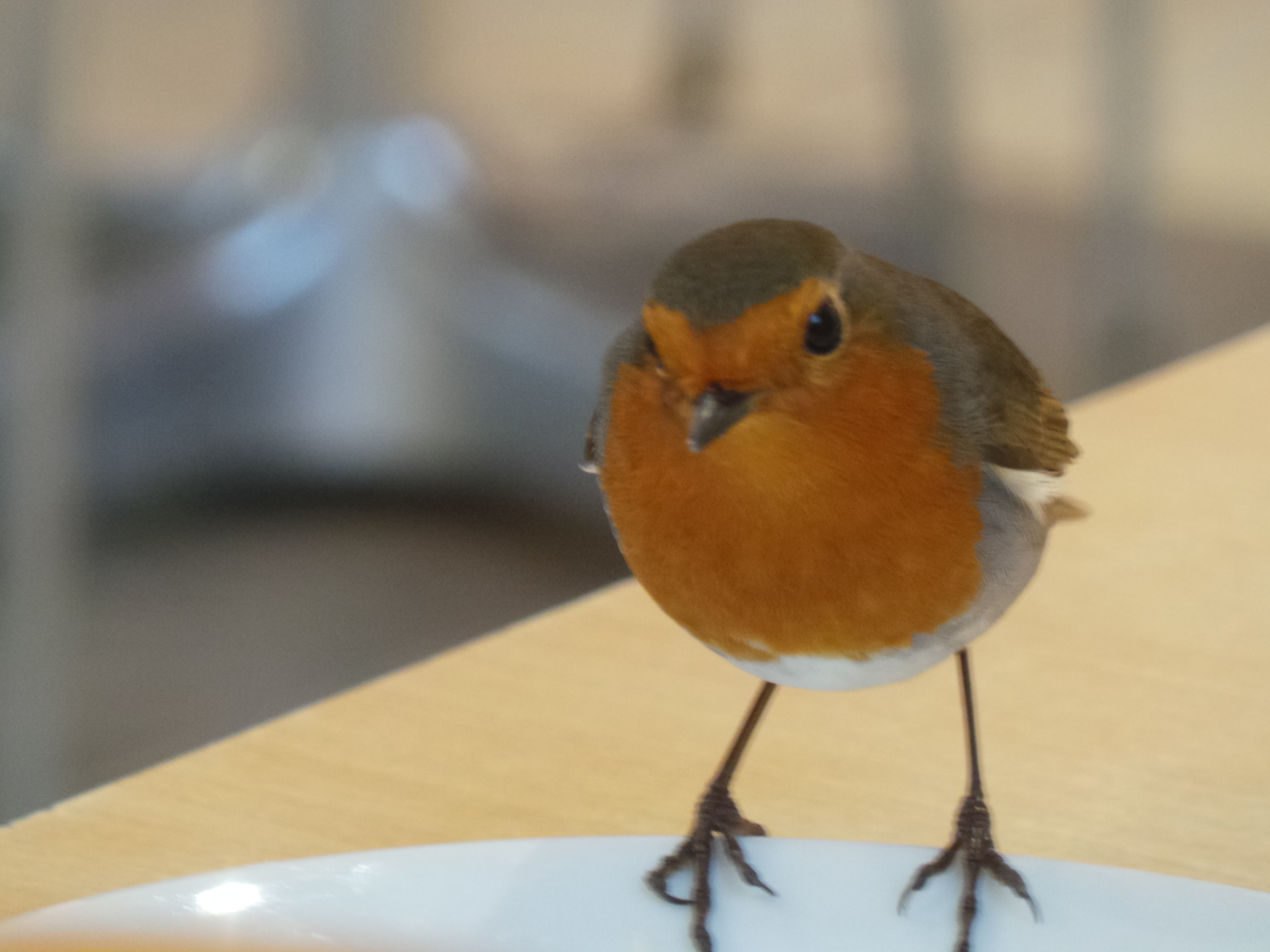
This Robin was enjoying reading the info on this sign but we were more impressed by those signs which relied on simple symbols demarcating each zone.

2014 11 21_7775 2014 11 21_77742014 11 21_7797 2014 11 21_77992014 11 21_7790 2014 11 21_7791

We were amused when we came across this warning triangle, not the usual red unfriendly type found on roadsides but a green edged warning that gardeners were at work. The gardeners were very friendly ones too!

2014 11 21_7803

After wandering around the giant glasshouse absorbed in the beauty of plants from around the temperate world we deserved our lunch break. We shared our break with our red-breasted friend who seemed to have followed us from the glasshouse.

2014 11 21_7764 2014 11 21_7762

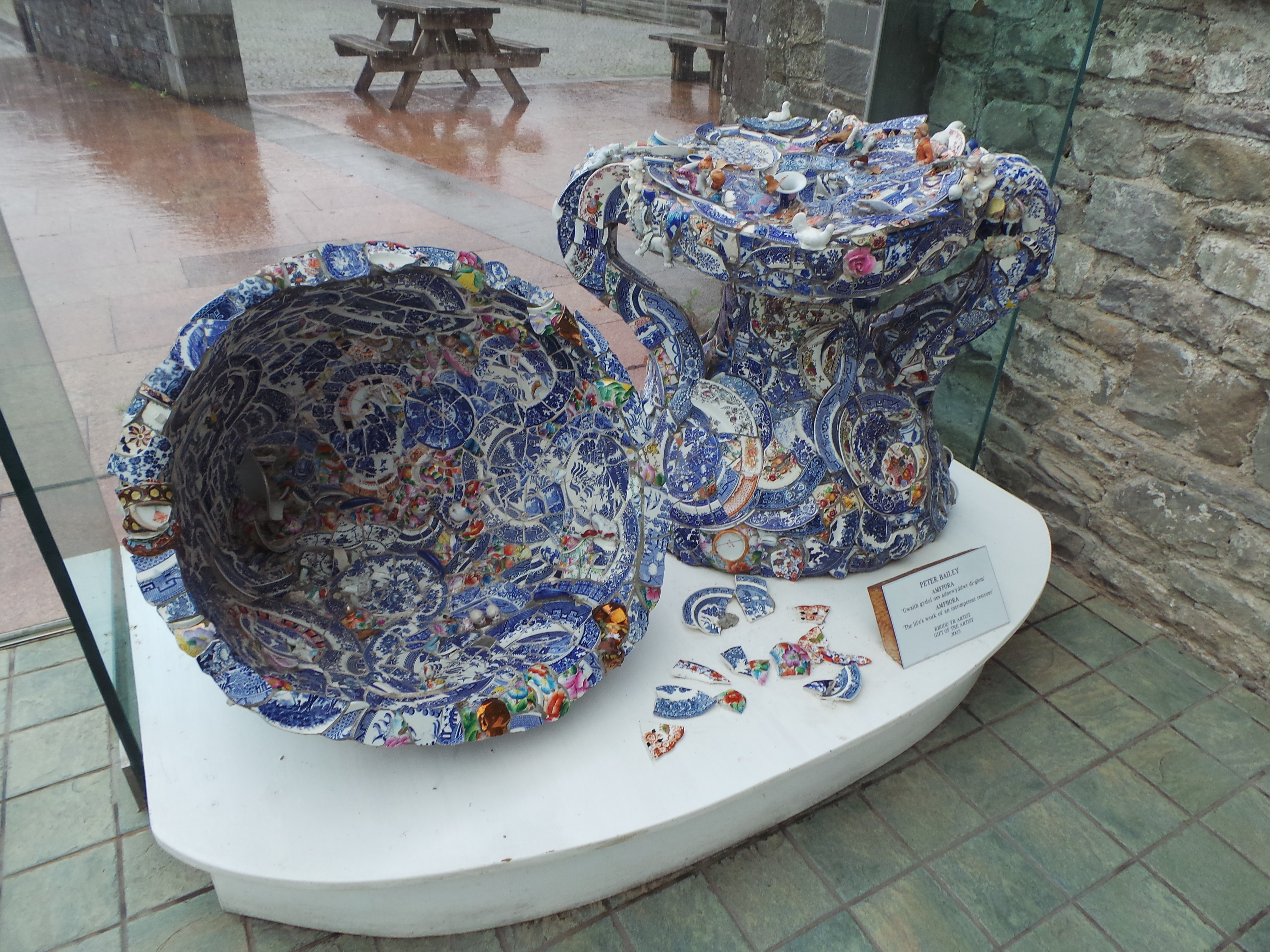
Some original and colourful craftwork graced the foyer. This piece was created using broken pottery shards. Join us in part two when we braved the heavy rain for as long as we could.

2014 11 21_7765 2014 11 21_7766

Categories
architecture buildings Church architecture townscapes

Three Cathedrals – Hereford – Part Two

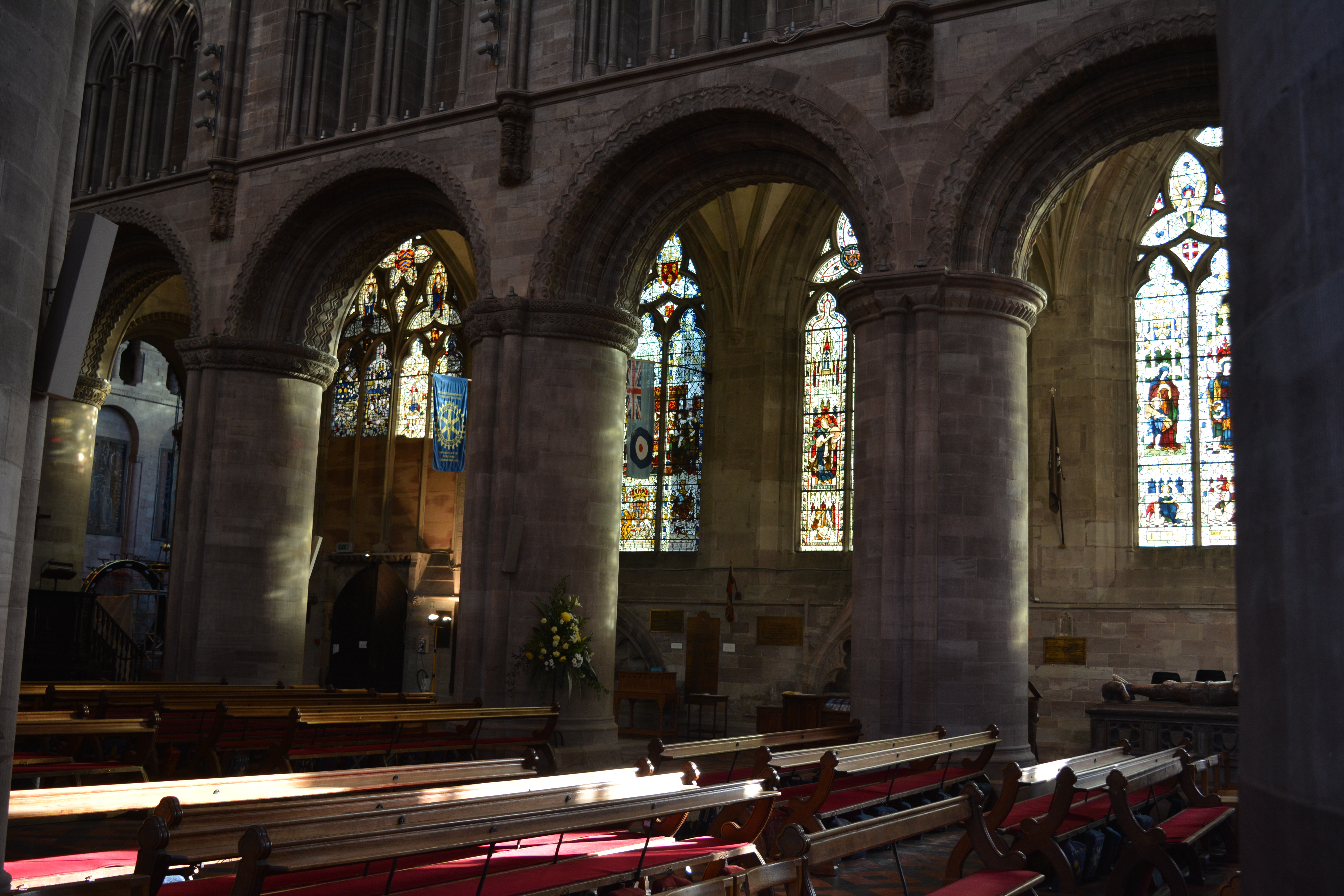
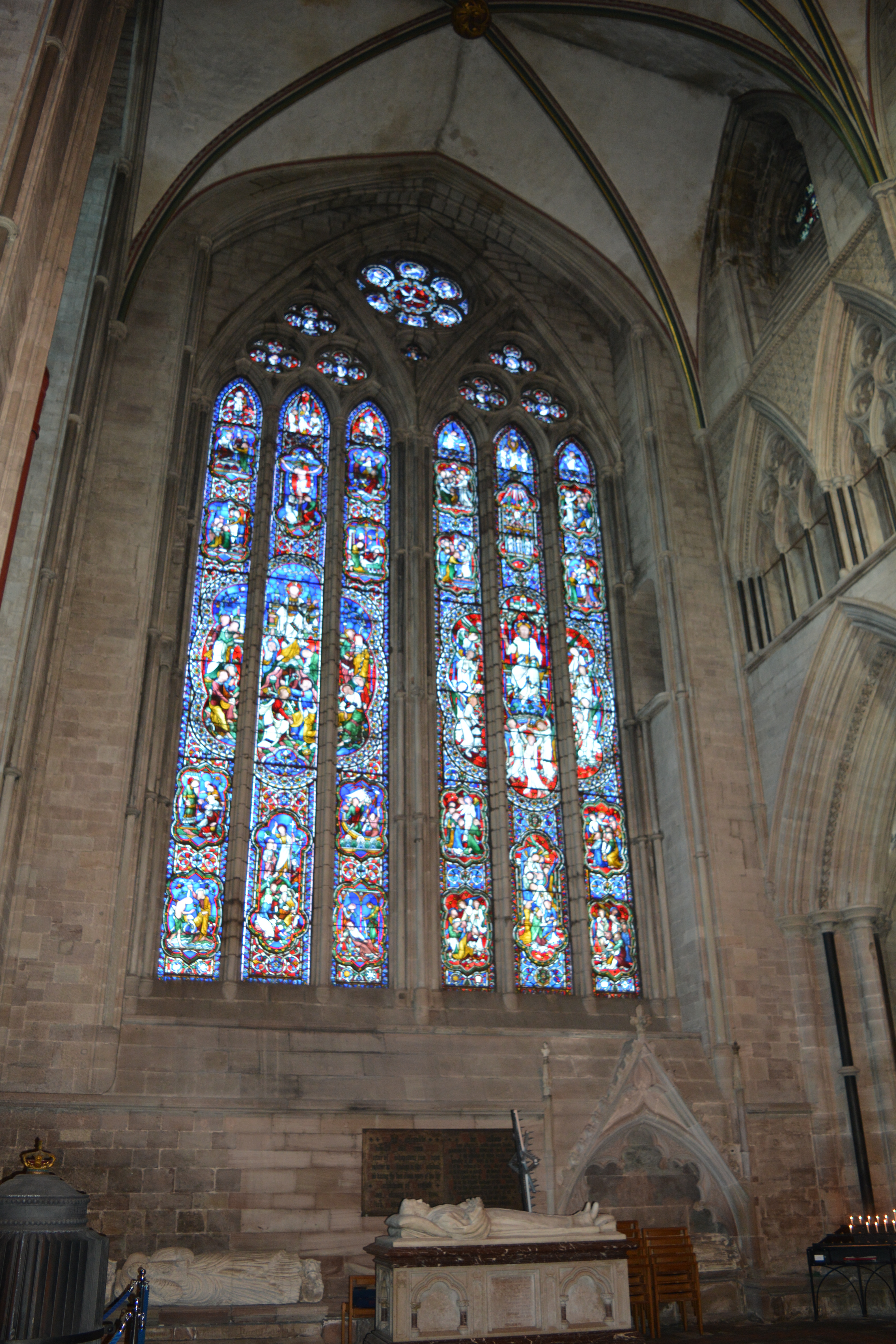
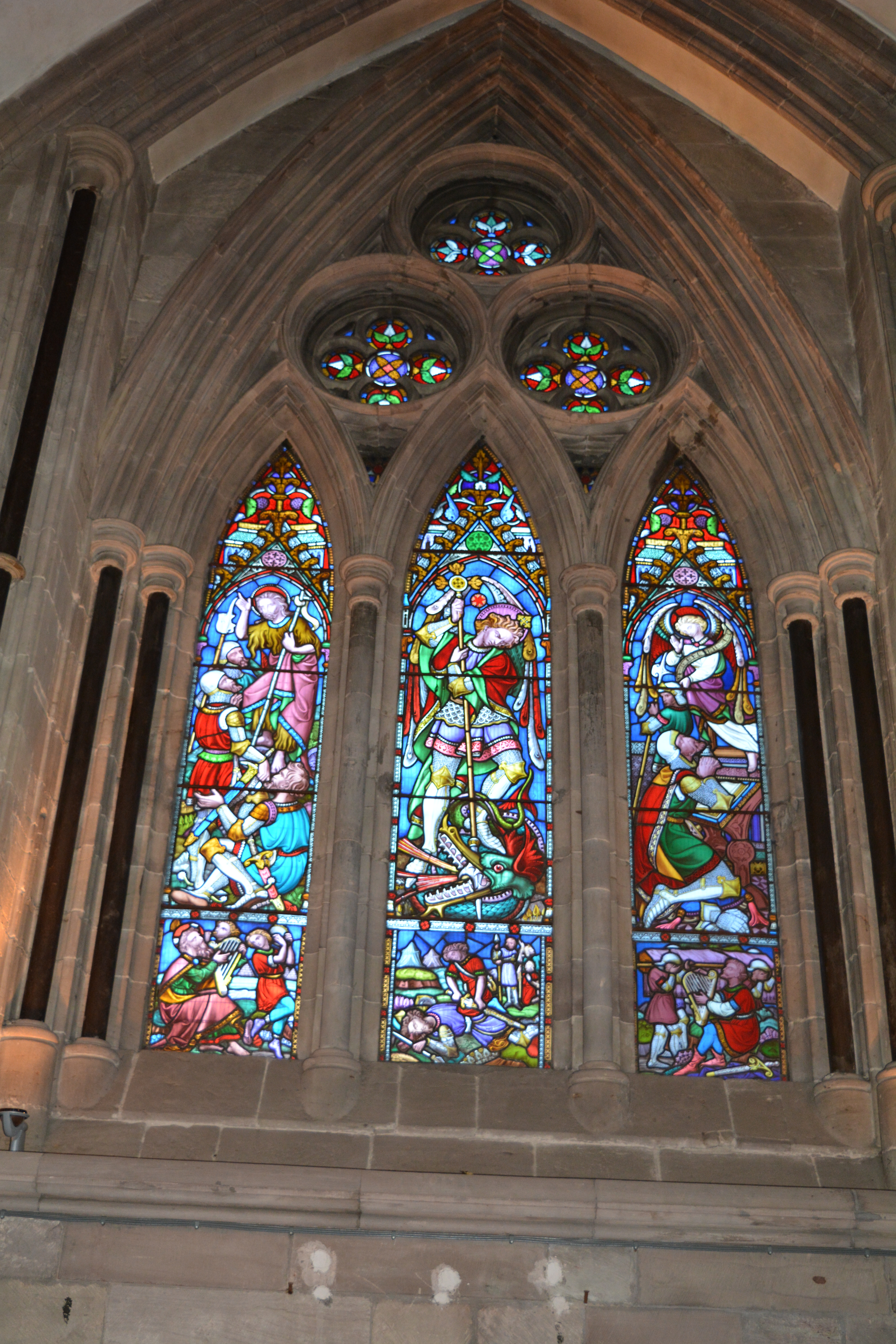
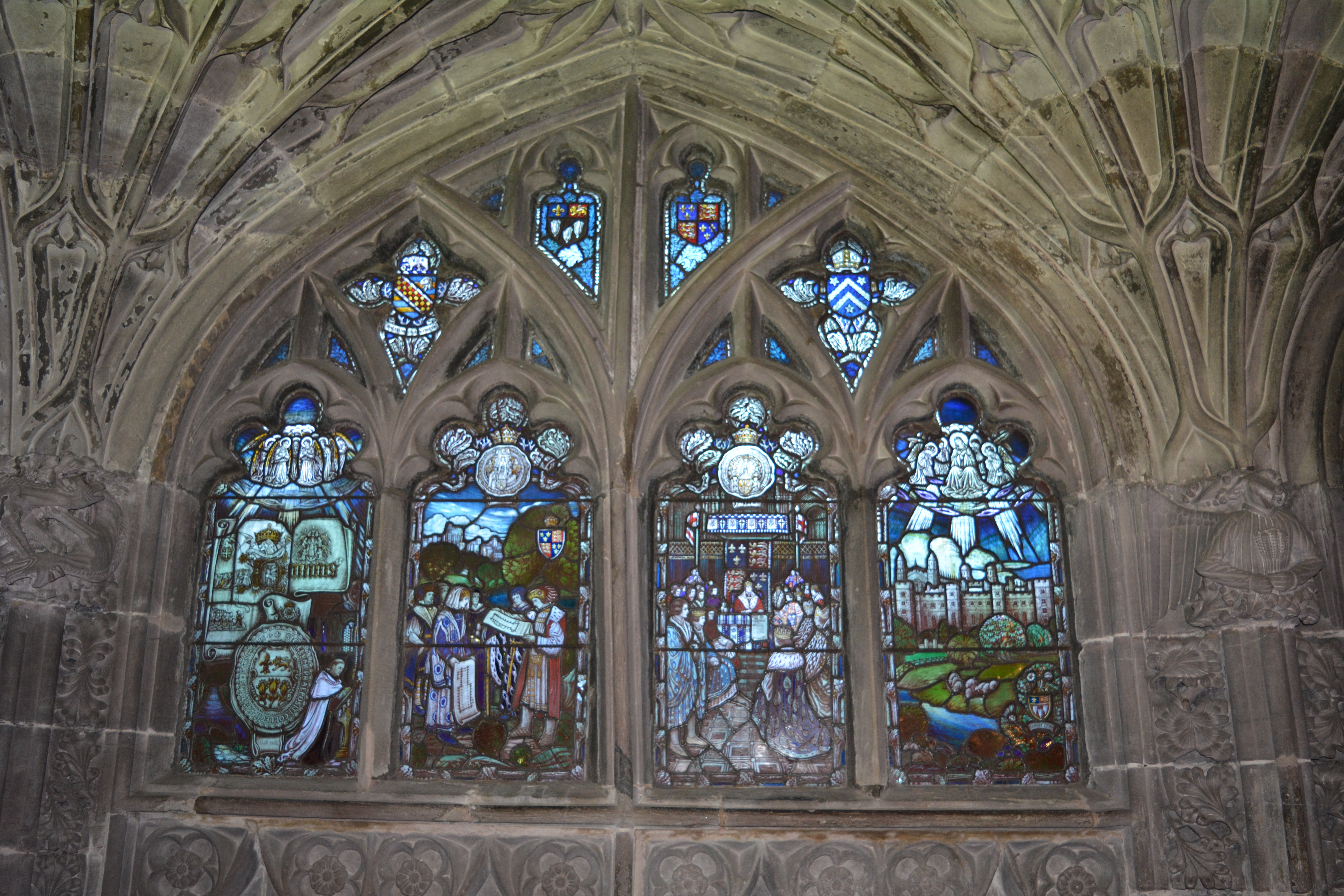
Back at the cathedral in Hereford, we found colour flowing in through the windows even though it was a dull day. The stained glass windows seemed to capture the little light there was. The majority were typical of such windows found in any church building anywhere in the UK …..

2015 01 13_9238 2015 01 13_9251 2015 01 13_9254 2015 01 13_9256 2015 01 13_9261

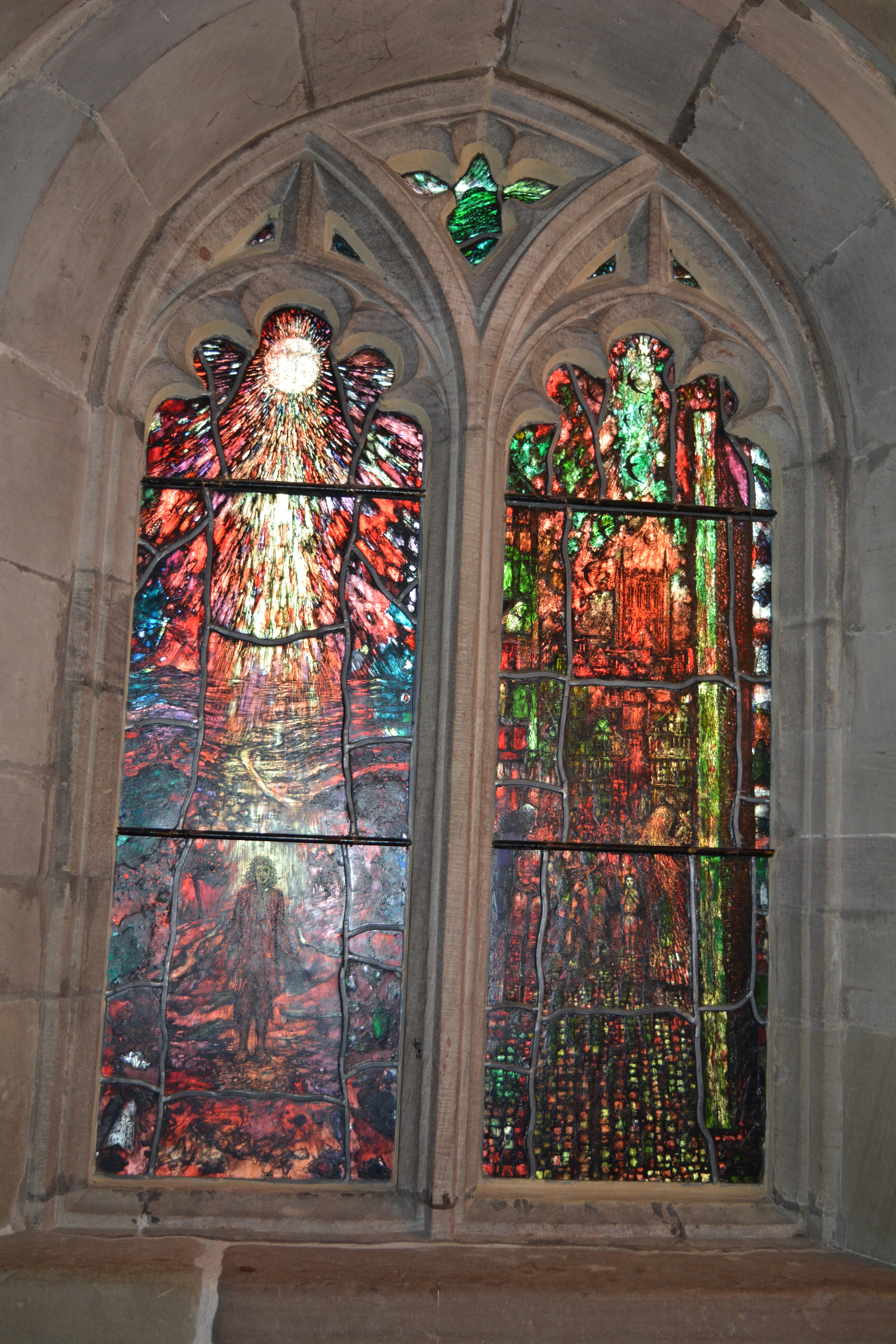
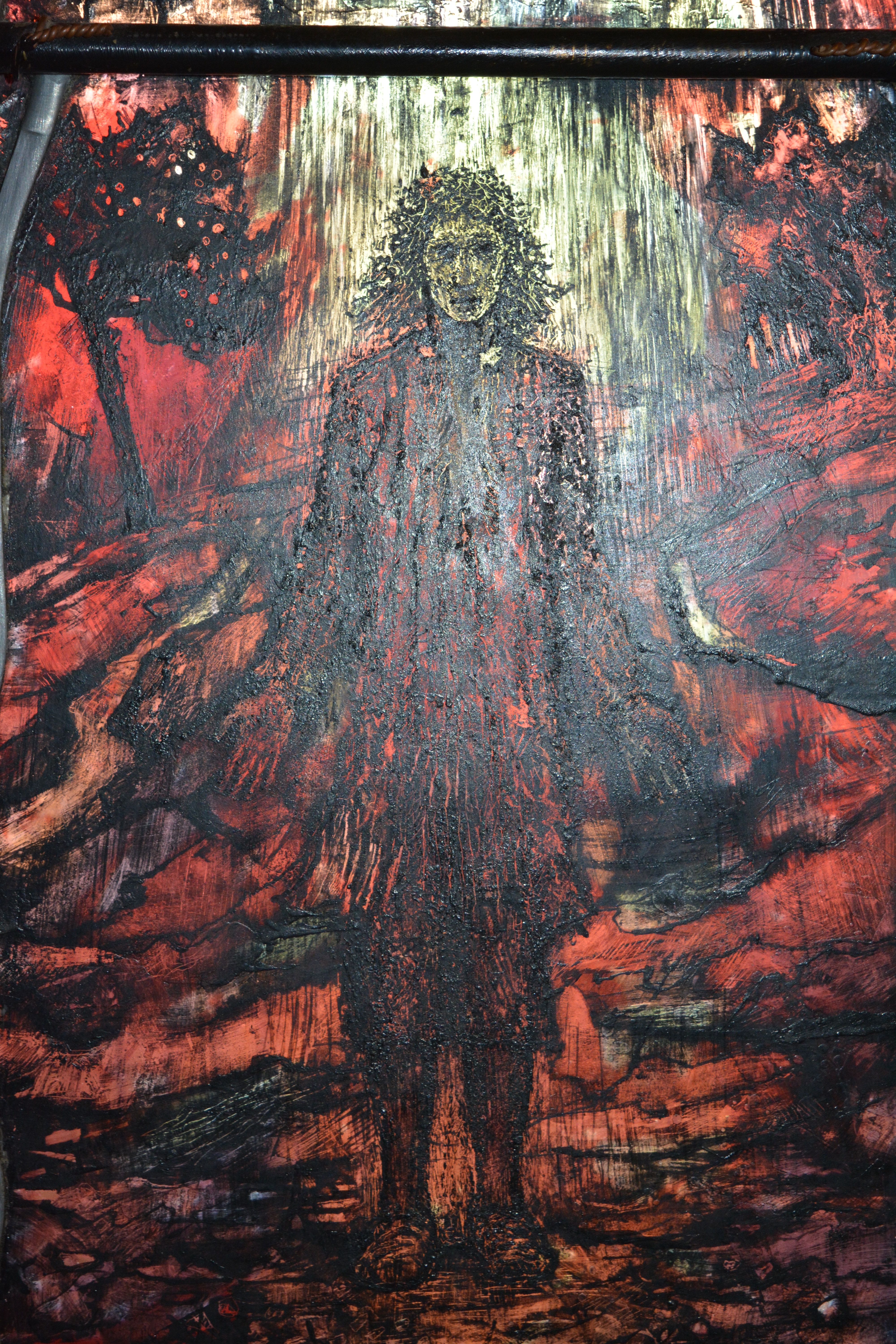
……. but a few were very different indeed. These were of recent design with a original art work and a style and technique we had never seen before.

2015 01 13_9270 2015 01 13_9271 2015 01 13_9272 2015 01 13_9273

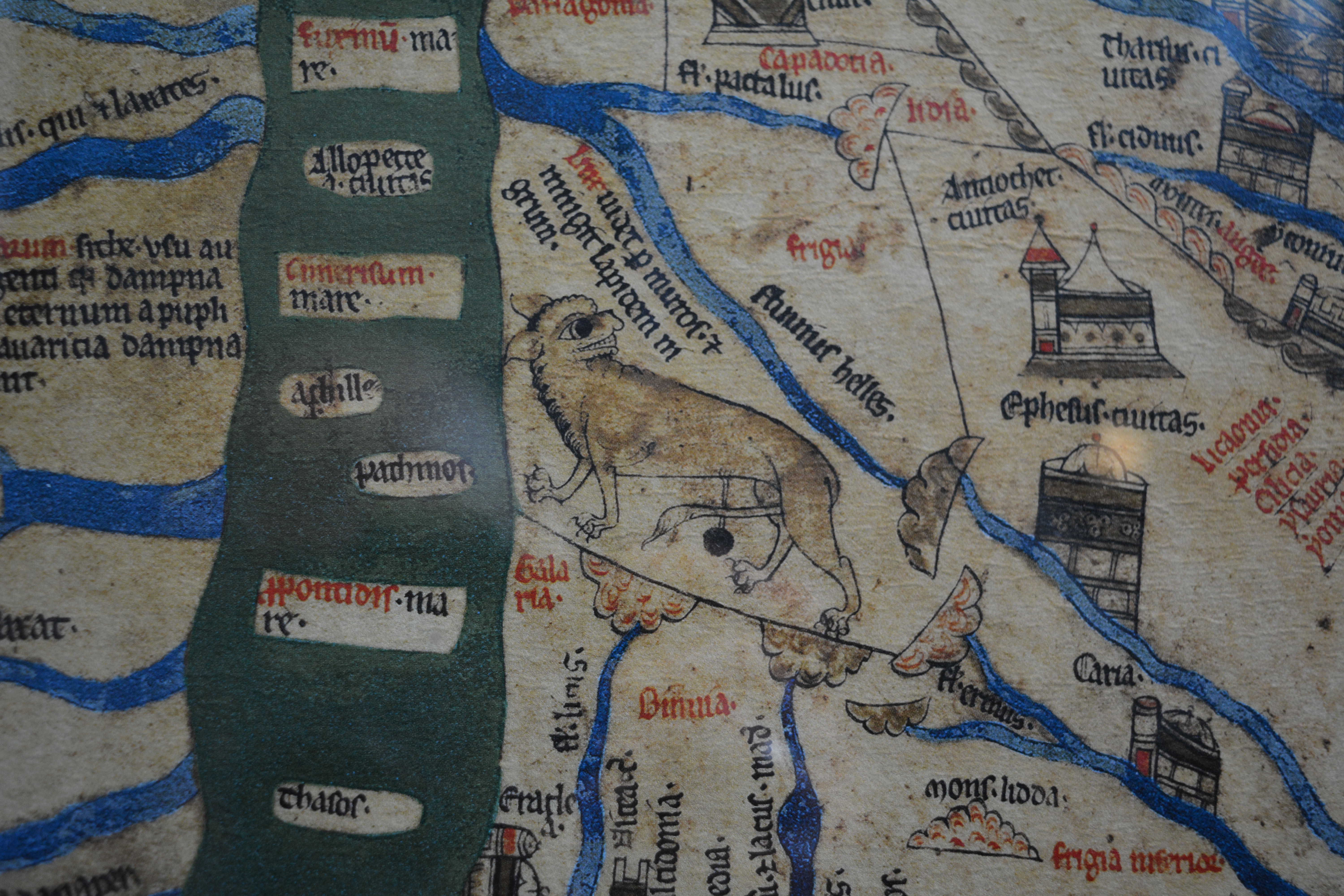
Hereford is famed for being the home of one of the most famous of ancient maps ever produced, the Mappa Mundi. The detail was amazing and it was hard to imagine that this was the work of someone’s imagination. How could it have been conceived? Other ancient books were displayed in glass topped cases.

2015 01 13_9277 2015 01 13_92782015 01 13_9260

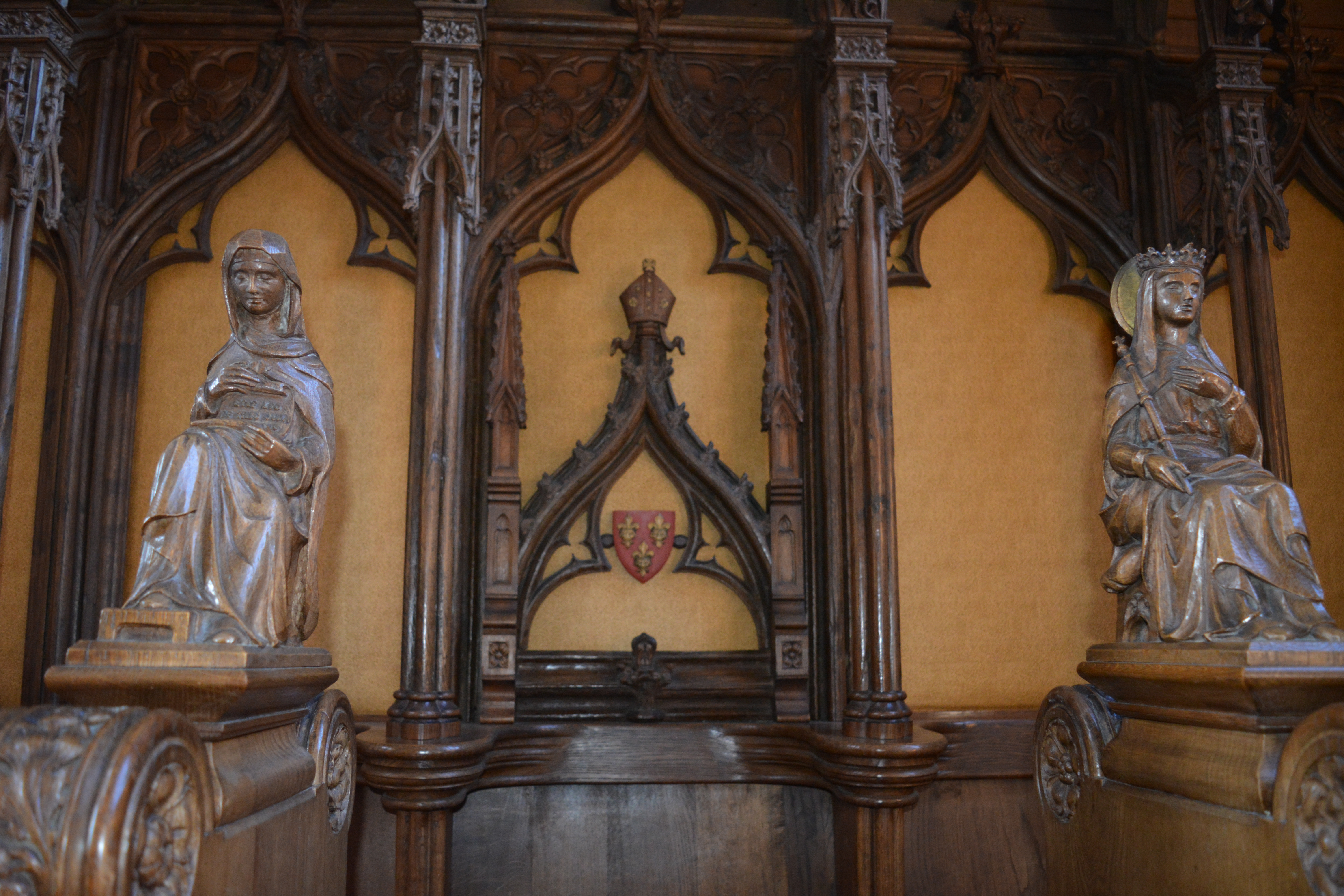
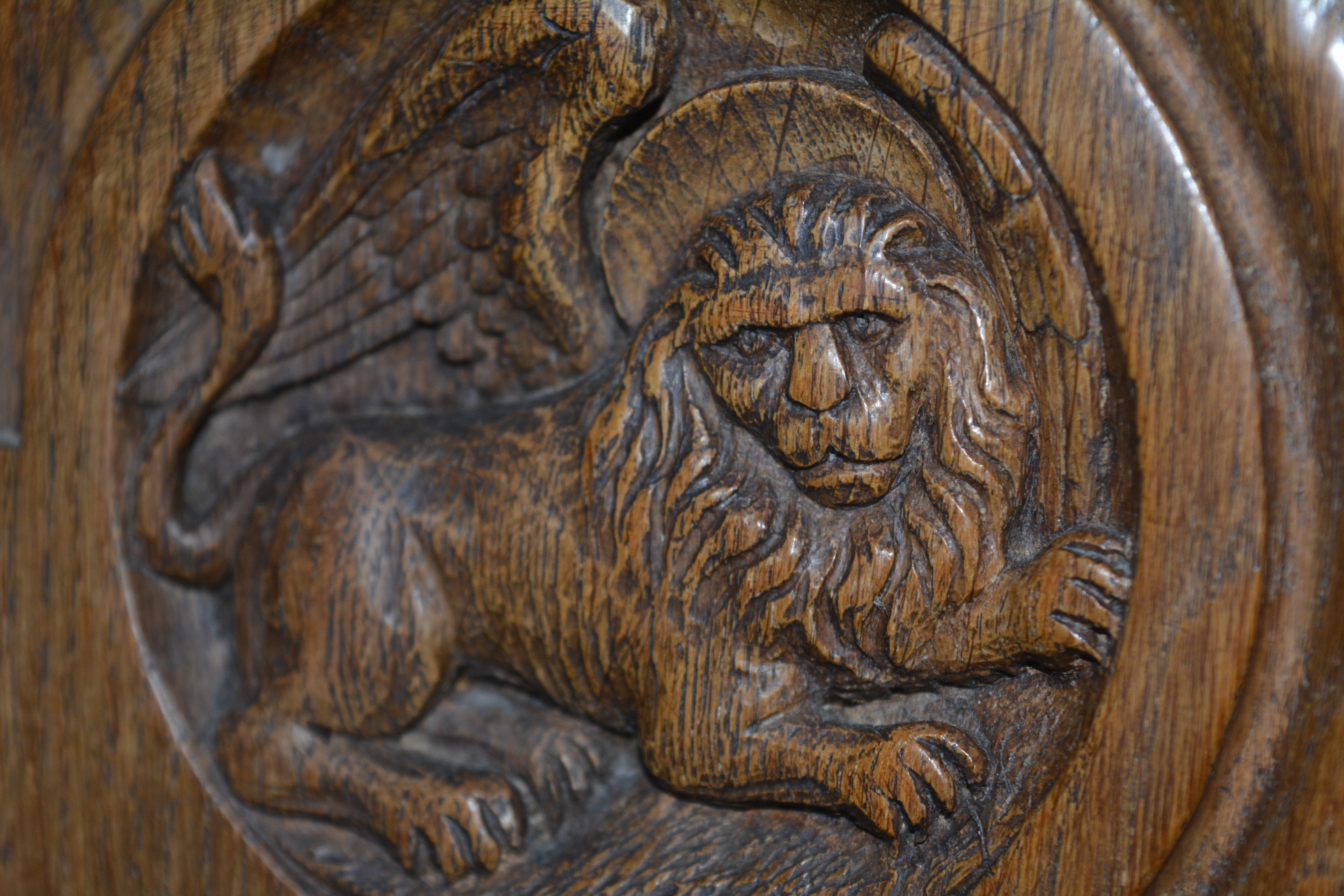
The craft of wood carving is not left out, as we discovered fine examples on misericords and chair backs.

2015 01 13_9248-1 2015 01 13_9246-12015 01 13_9247-1

The smith was not left out either. We found these very detailed carvings on gates at the entrance to a walkway within the cathedral.

2015 01 13_9258-1 2015 01 13_9259-1

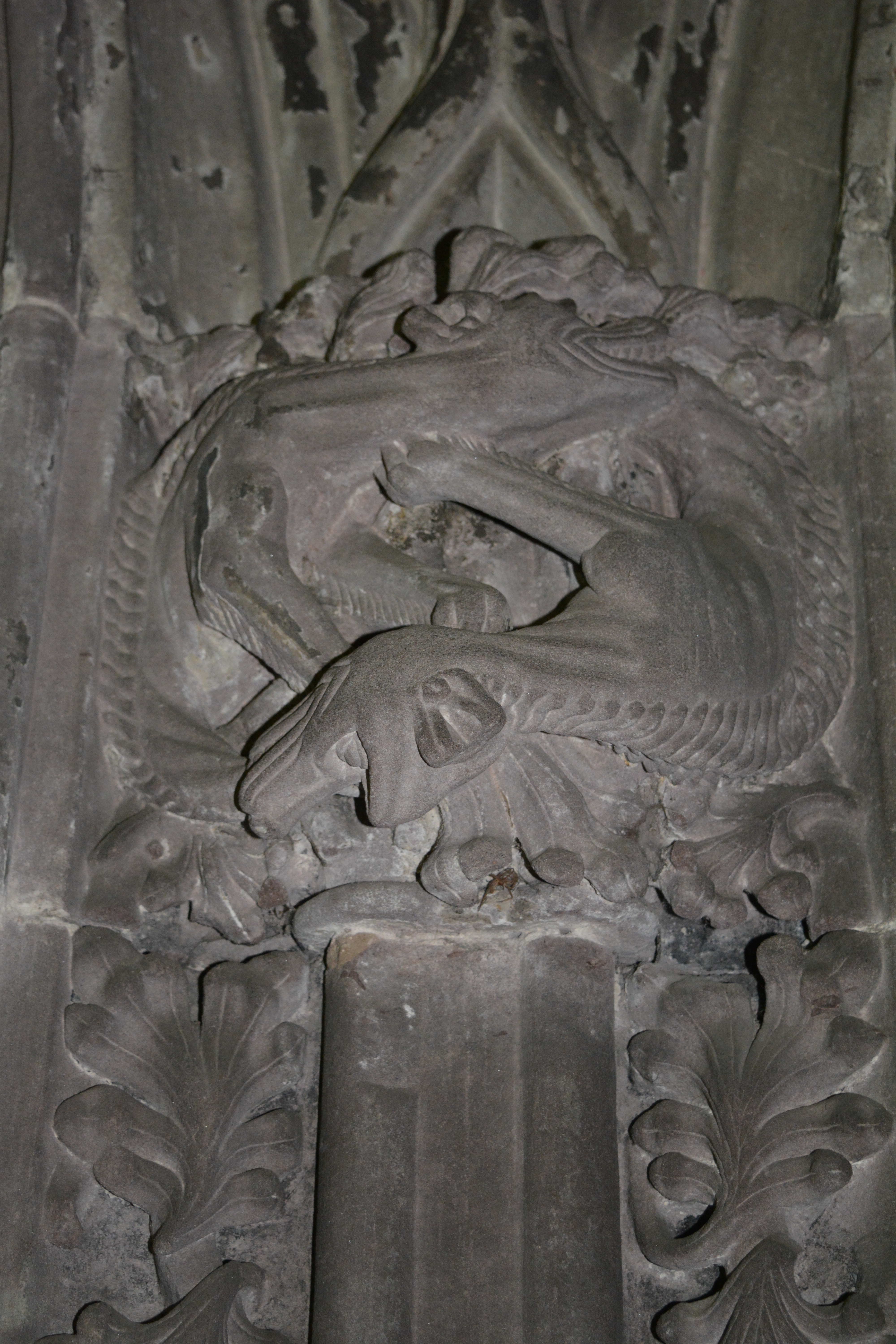
Our final craft we discovered was the work of the stonecarvers. These two dragons topped off pillars in a tiny chapel.

2015 01 13_9262-1 2015 01 13_9263-1

Once back outside we were disappointed not to be able to walk around the the building to view it from all sides but we were very pleased to find a courtyard containing this beautiful piece of sculpture and close by some intricate ironwork on a pair of gates.

2015 01 13_9281 2015 01 13_9282 2015 01 13_9283

2015 01 13_9284-1

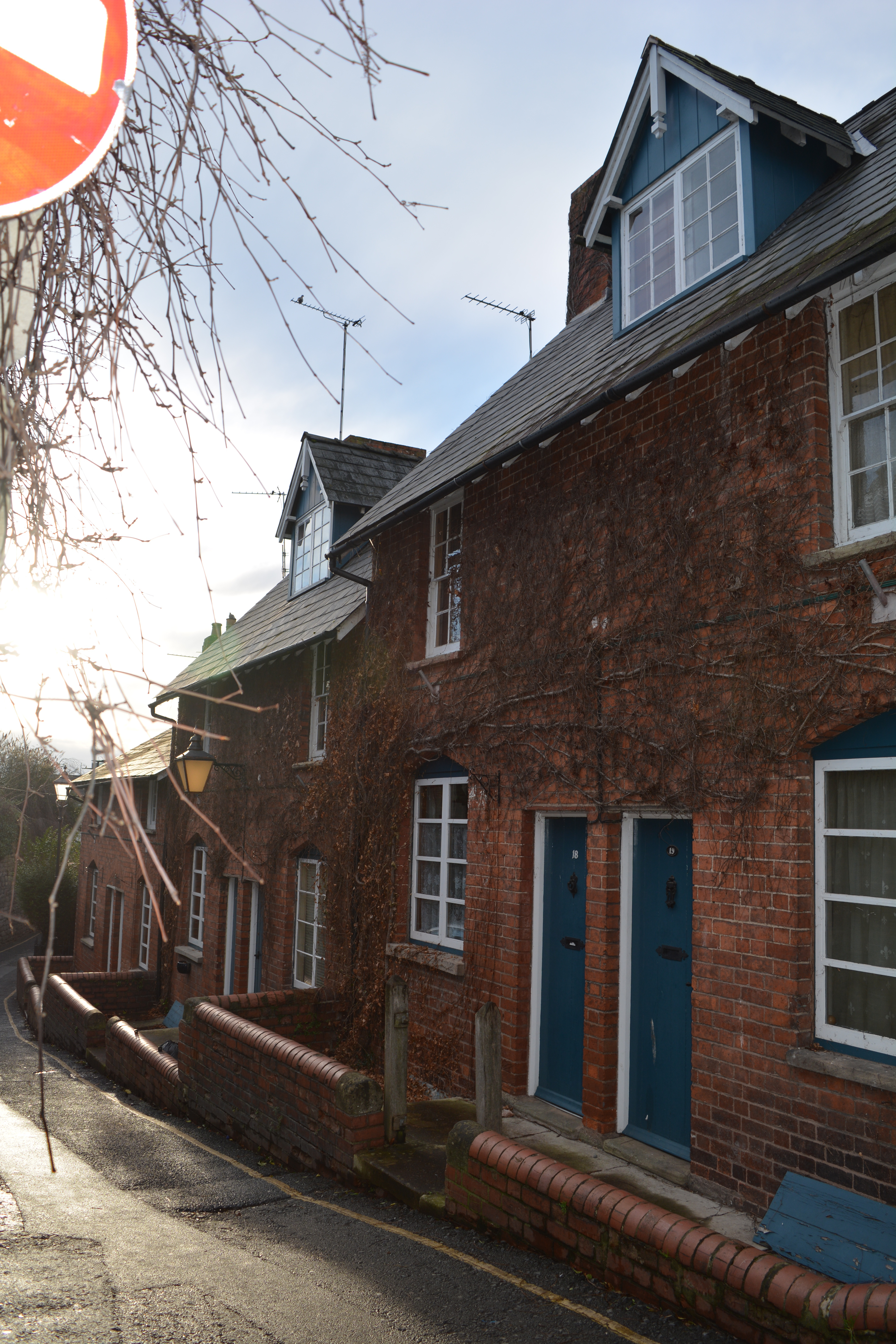
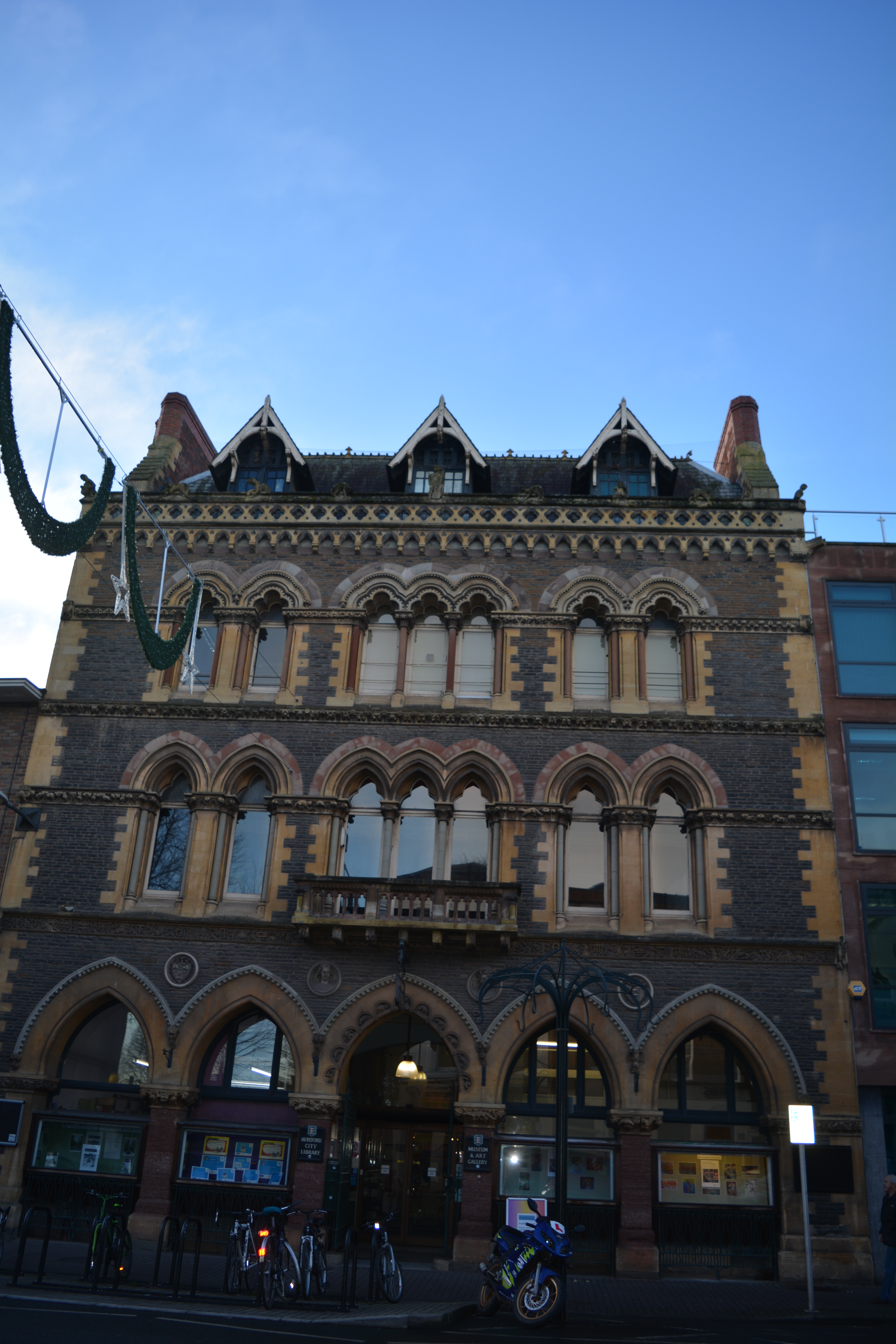
As we returned to the car we found a few interesting buildings left in the centre of the city. A row of old cottages close to the Cathedral, the Victorian Public Library and an old warehouse now restored and extended to provide modern apartments. So there ends the look at the first cathedral in this little series.

2015 01 13_9285-1 2015 01 13_9287-1 2015 01 13_9286-1


Categories
birds buildings fruit and veg garden buildings garden design garden photography garden wildlife gardening gardens gardens open to the public grow your own hardy perennials irises kitchen gardens light National Trust ornamental trees and shrubs The National Trust walled gardens walled kitchen gardens Winter Gardening winter gardens

Croft Castle Month by Month – January

Welcome to the first post in my series of monthly posts looking at a local garden. Throughout 2014 we traveled northward through the Shropshire Plains into neighbouring county Staffordshire in order to visit Trentham Gardens.

Throughout 2015 we will travel south to Croft Castle just into our neighbouring county of Herefordshire. We live at the northern tip of the Shropshire Hills, with the welcome sign just three-quarters of a mile away. In order to get to Croft we have to go southward through this range of hills, one of the most beautiful upland areas in the UK. We will enjoy our journeys!

At the entrance building a “Tramper” scooter acted as an effective sign. As we wandered towards the garden we enjoyed views of some of the estate’s ancient trees. These old massive Sweet Chestnuts are hundreds of years old and each year another dies. Luckily new ones have been planted as replacements. A natural mulch of leaves and nut casts are snuggled at their feet.

2015 01 01_9072 2015 01 01_9075 2015 01 01_9078

2015 01 01_9074 2015 01 01_9076

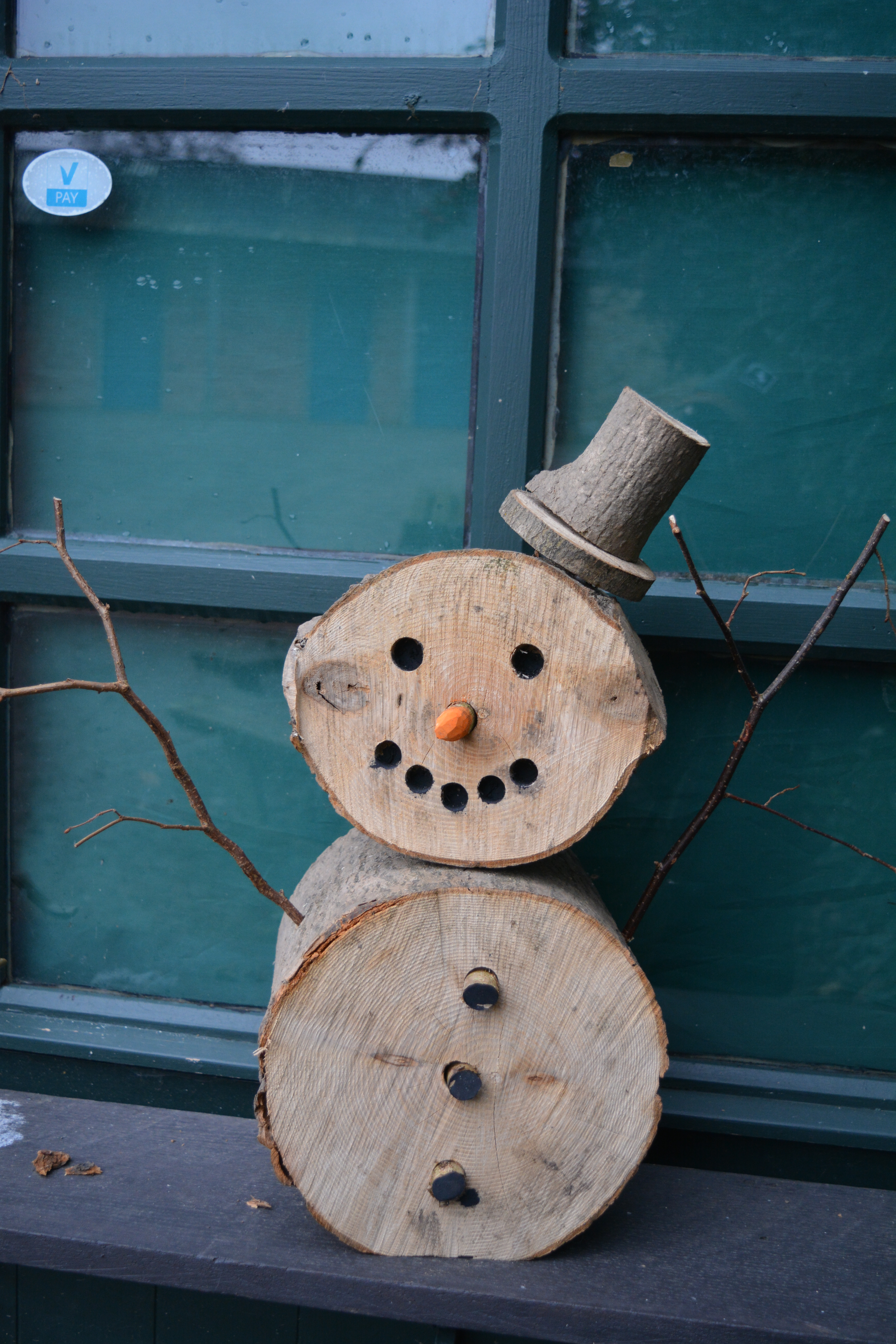
We soon met a much smaller and younger character, placed to help celebrate wintertime. We were to find many more of his friends. Currently there is an evening event on here based on light and these trees were part of it. We vowed to visit one evening!

2015 01 01_9081 2015 01 01_9083

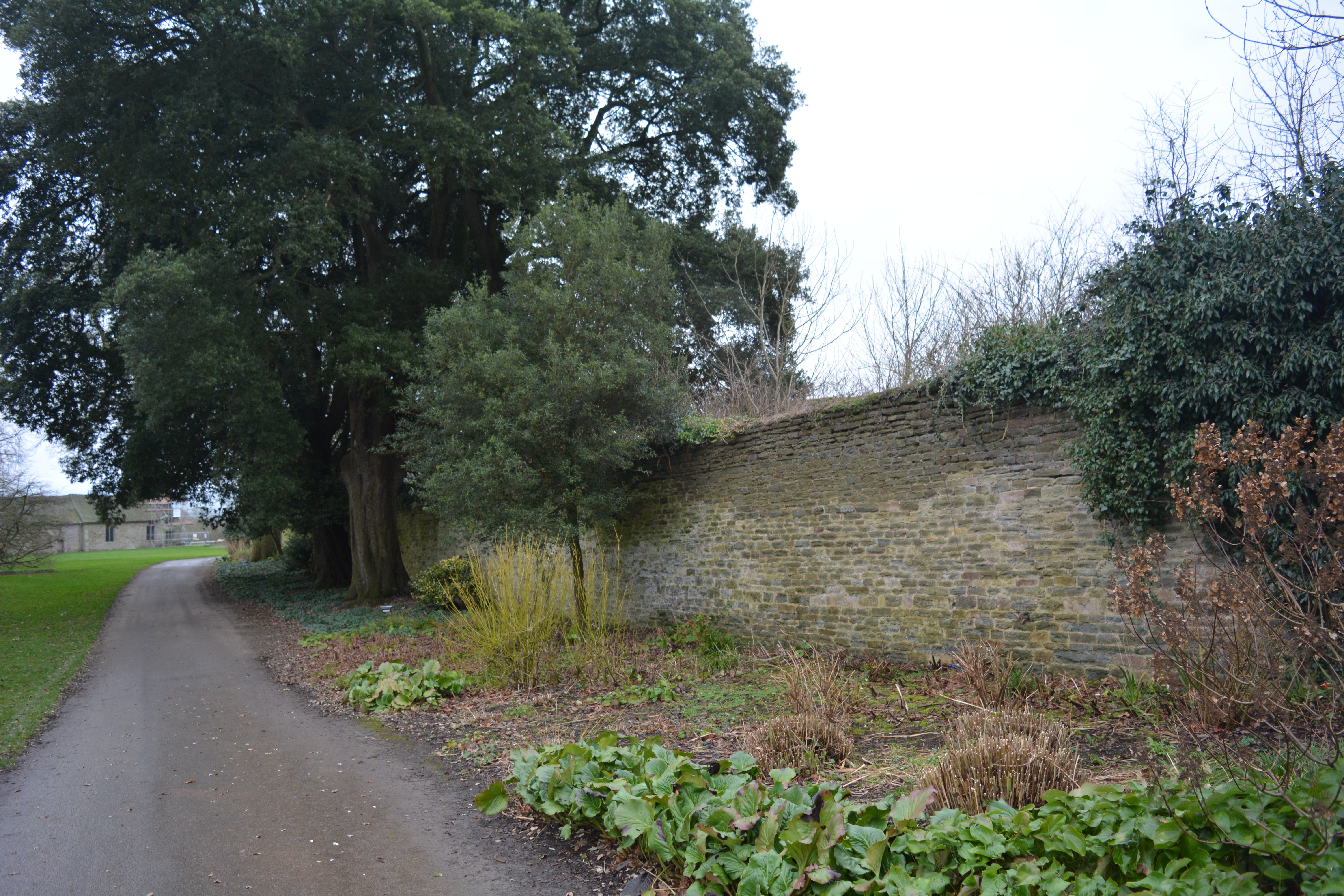
We were soon on our way to the walled garden, our favourite part of Croft. To get there we followed a long mixed border abutting a tall stone wall. There was not much to see here in January but it looked full of promise. But we found character number two and three both smiling away just like their colleague we met earlier.

2015 01 01_9080 2015 01 01_90852015 01 01_9084 2015 01 01_9088

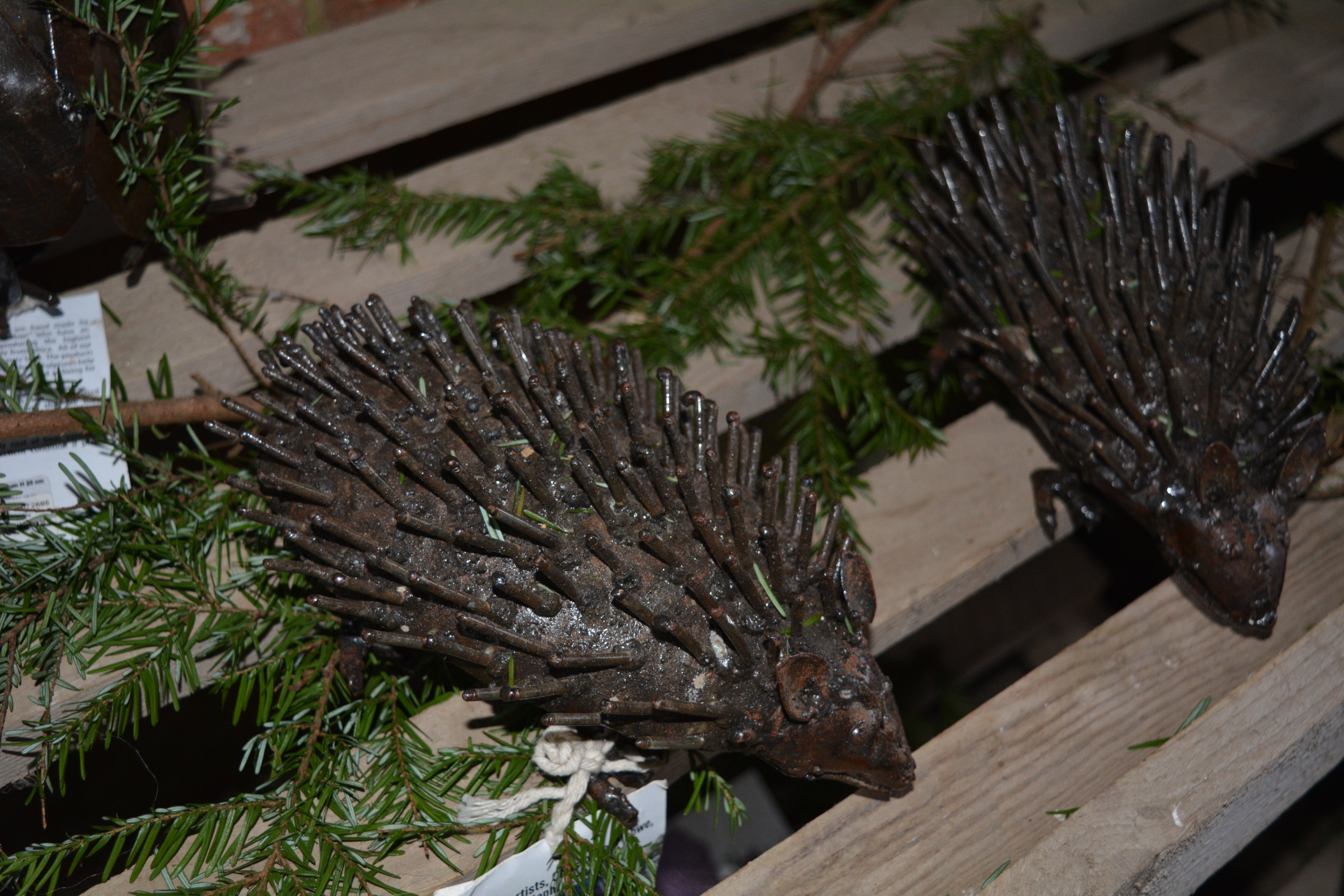
The shop, not open in the winter, is housed in an ancient barn and on shelves at its entrance these hedgehogs caught our eyes. More interesting characters!

2015 01 01_9089 2015 01 01_9090

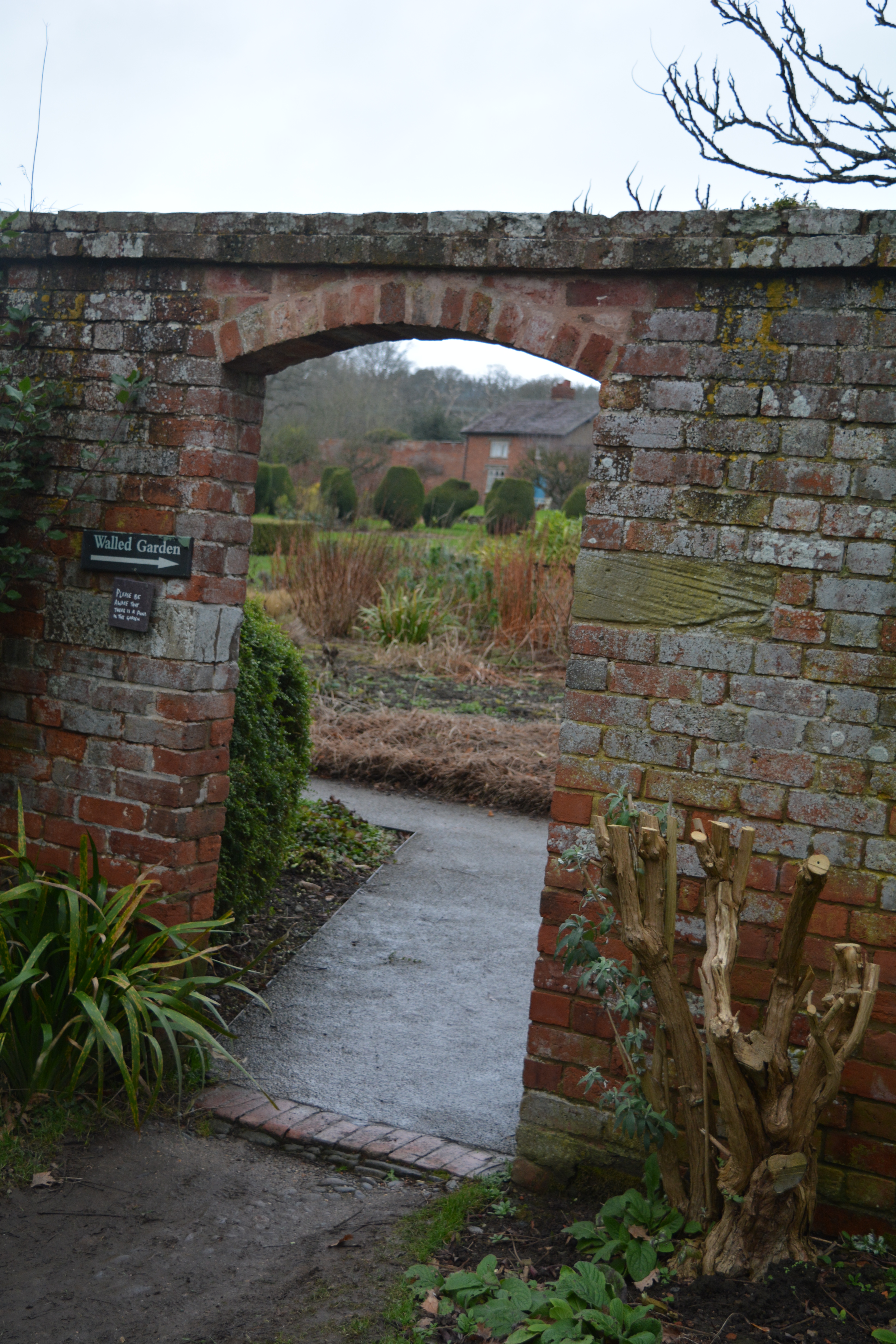
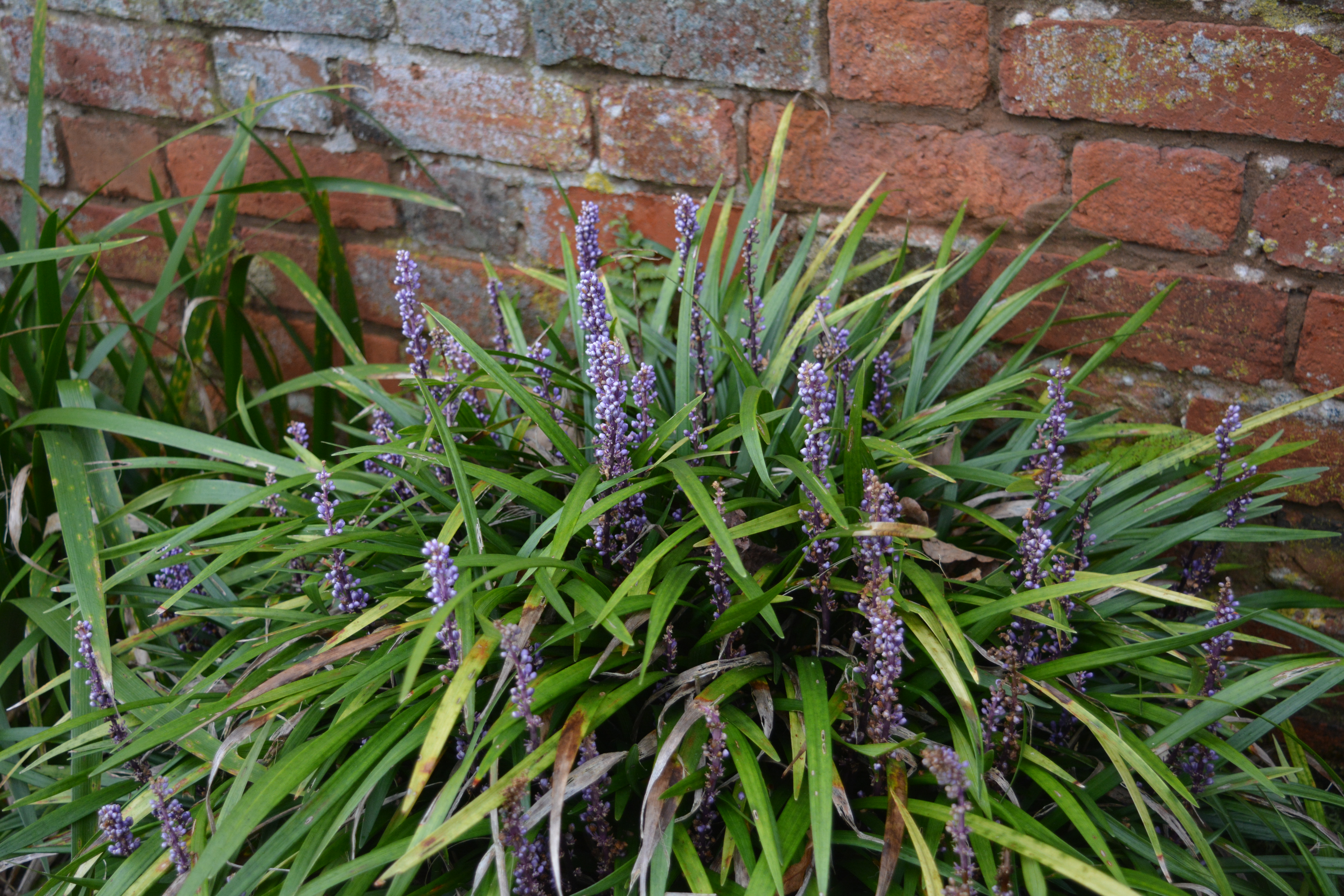
A gap in the brick wall enticed us into the walled garden. We always enter with great anticipation, perhaps more so on this visit as we had never visited in the winter before. Either side of the doorway there was signs of colour in the narrow borders. The colours of the berries of an Iris, the mauve flowers of Liriope muscari and the silver of the long thin catkins of Garrya eliptica.

2015 01 01_9091 2015 01 01_90922015 01 01_9093 2015 01 01_9094

From the open doorway views of the walled garden opened up in front of us. We soon espied different types of trained fruit and clumps of textured perennials in the borders.

2015 01 01_9095 2015 01 01_9096

The textured foliage was provided by silver narrow foliage of Santolinas and in strong contrast the thin strap-like leaves of the Black Grass, Ophiopogon. This is not a grass at all but in reality a Lily!

2015 01 01_9099  2015 01 01_9100

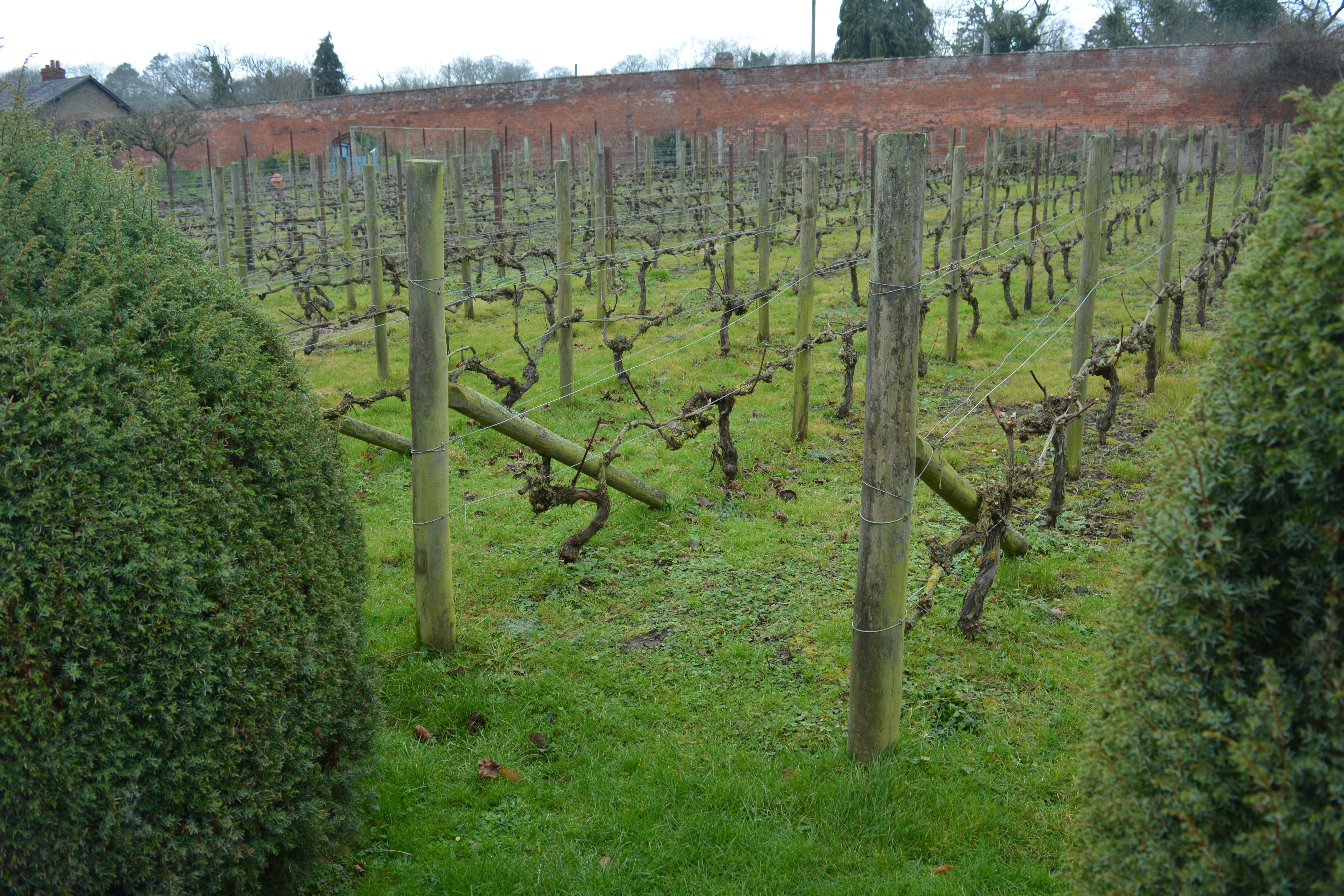
There were two very contrasting sorts of trained fruit. Ancient beautifully sculpted apples and a much newer array of grape vines, also beautifully trained. It was so good to see the skills of fruit training created at two very different periods of time.

2015 01 01_9098 2015 01 01_9101 2015 01 01_9105

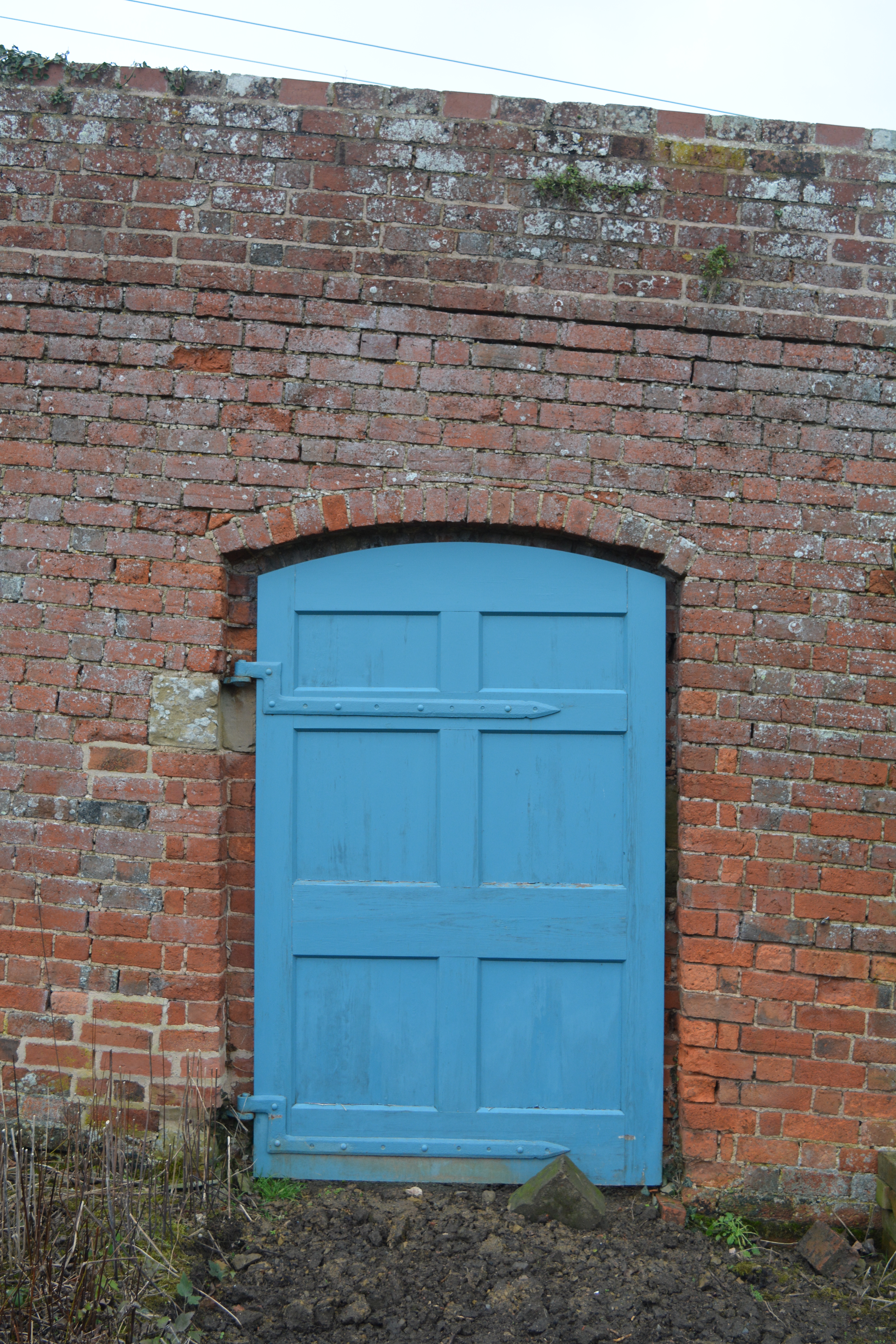
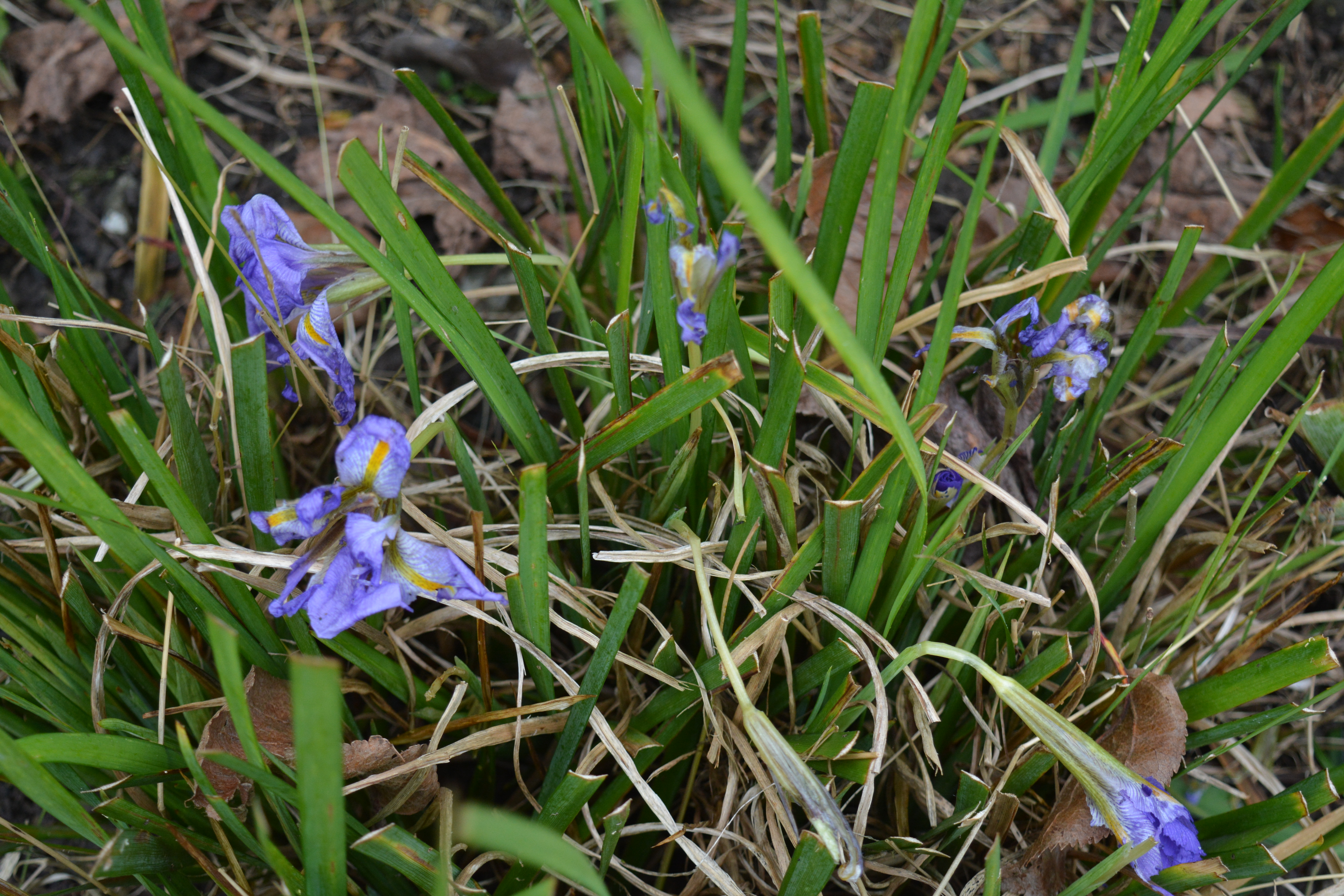
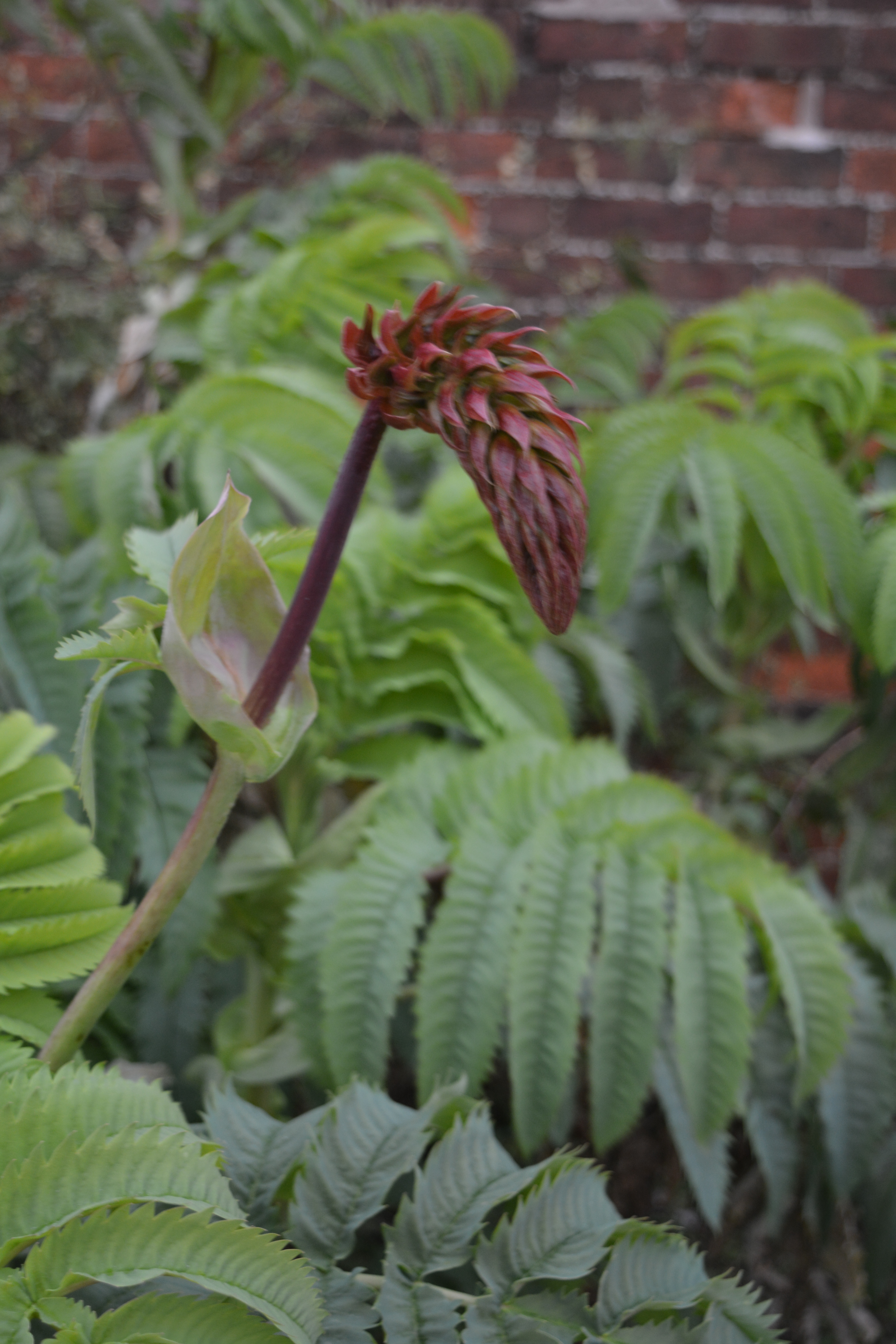
What made this walled garden extra good for productive gardening was the fact that it was on a slope encouraging the sun to warm up the soil to its maximum. Even in early January the difference in temperature was noticeable. We could feel the change as we entered and exited the walled area. The photo of the door in the wall illustrates the slope and shows how steep it is.  The plants also illustrate the effects of the walls protective powers. An Iris was in flower and a Melianthus was in bud. Arum italicum “Marmoratum” was in full marbled leaf.

2015 01 01_9102 2015 01 01_9103 2015 01 01_9104 2015 01 01_9107

When we were half way along the second edge of the walled garden we reached the gateway leading out of the garden which in the past had been clearly marked “private – keep out” so we were pleased to discover that it has been opened up for us to explore. Jude was soon on her way through! We had always longed to get a close up look at the old greenhouse range.

2015 01 01_9108

We will leave you here for now as we disappear behind the beautiful, unusually shaped blue gate where we found out what new treats were in store for us before we returned to the walled garden. See part two where we discover what was going on behind the blue gate as well as in the rest of the walled garden. We also wander around the rest of the gardens at Croft.

Categories
architecture buildings Yorkshire

Saltaire – a unique village – Part Two

So here we are suitably refreshed with part two of my postings about the village of Saltaire. We are carrying on with our wander after a well-earned coffee stop. The staff were so friendly and so cheerful, which seems typical of everyone we met in the village. People enjoyed a chat and offered a smile!

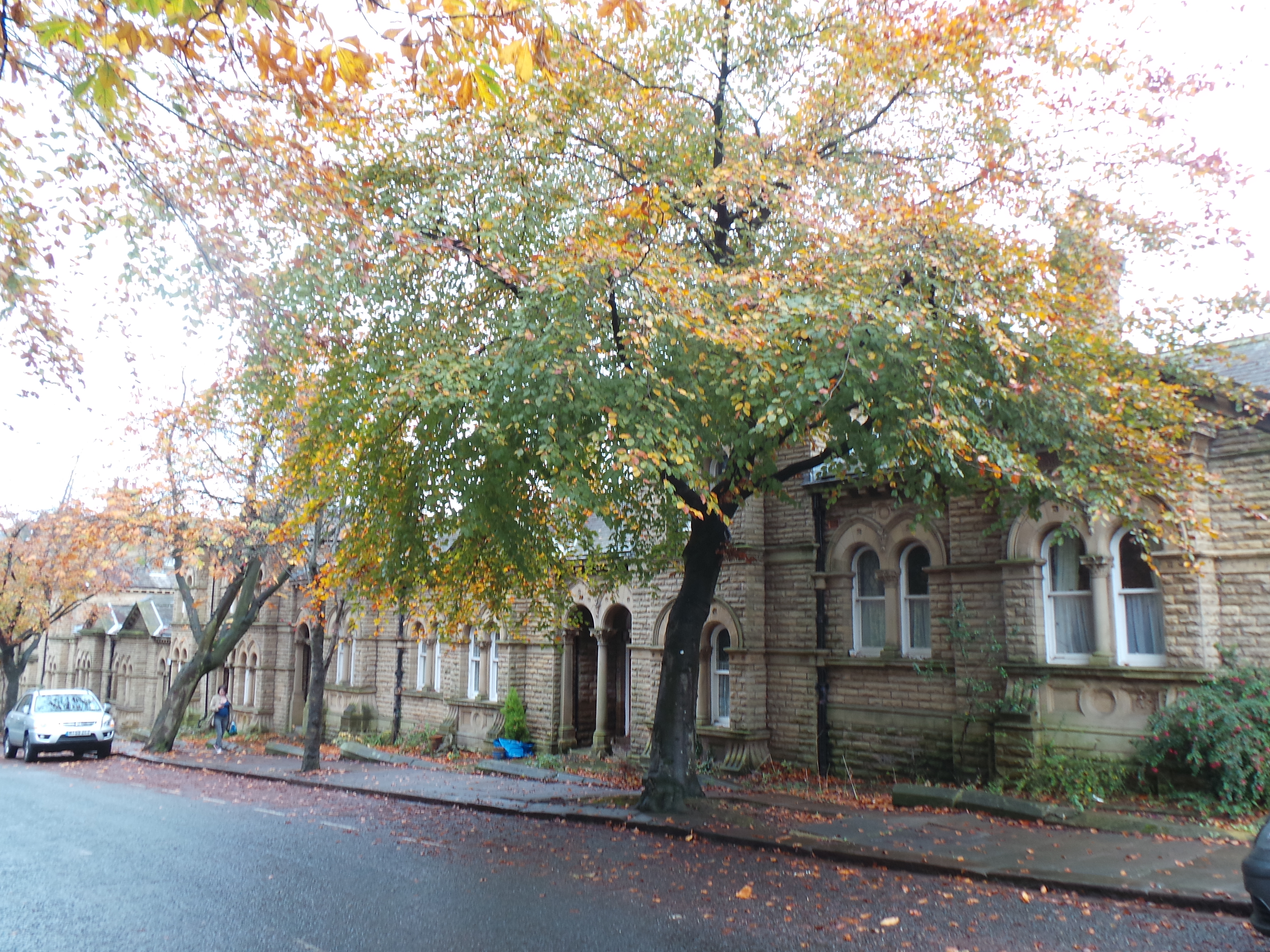
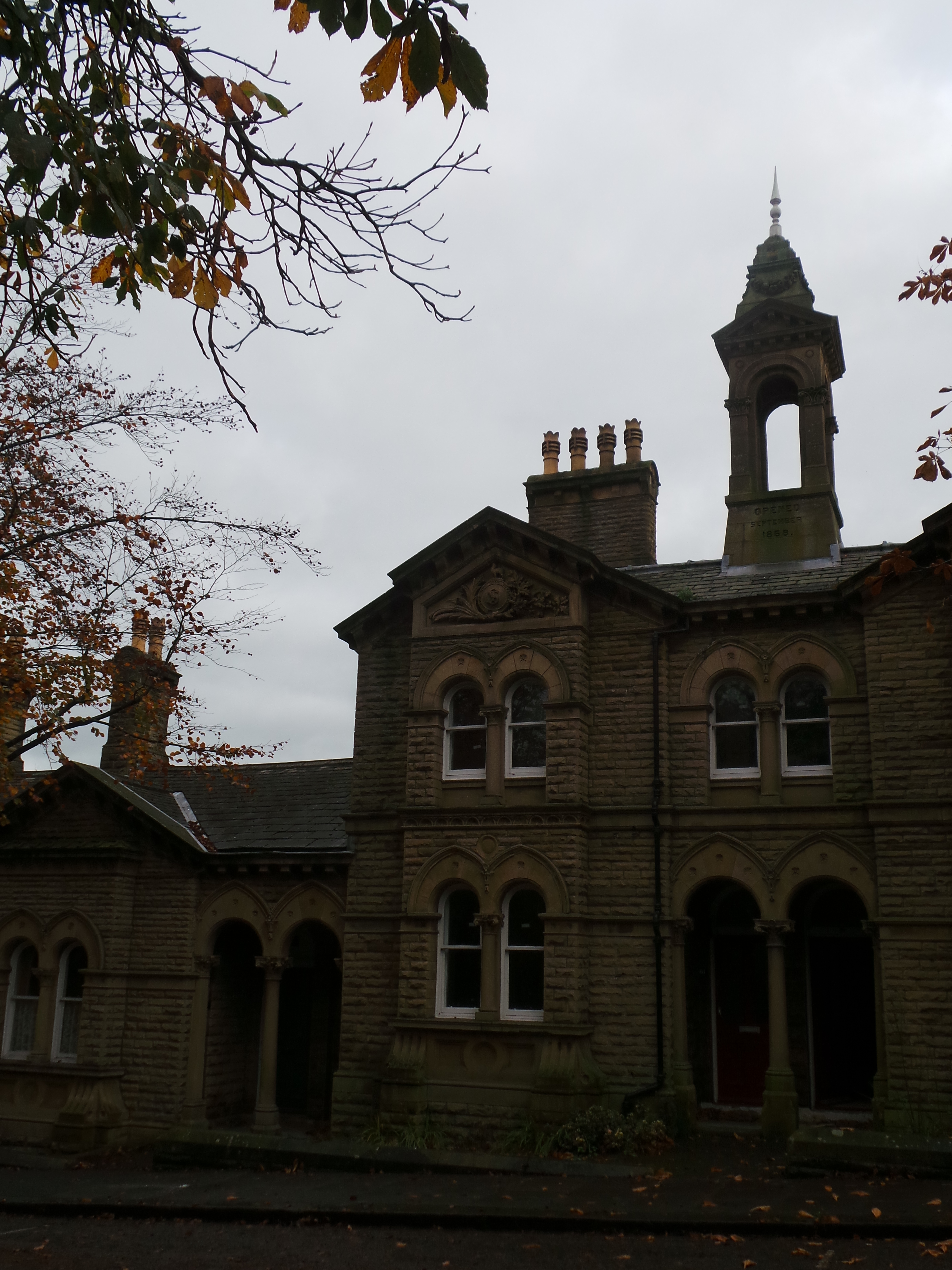
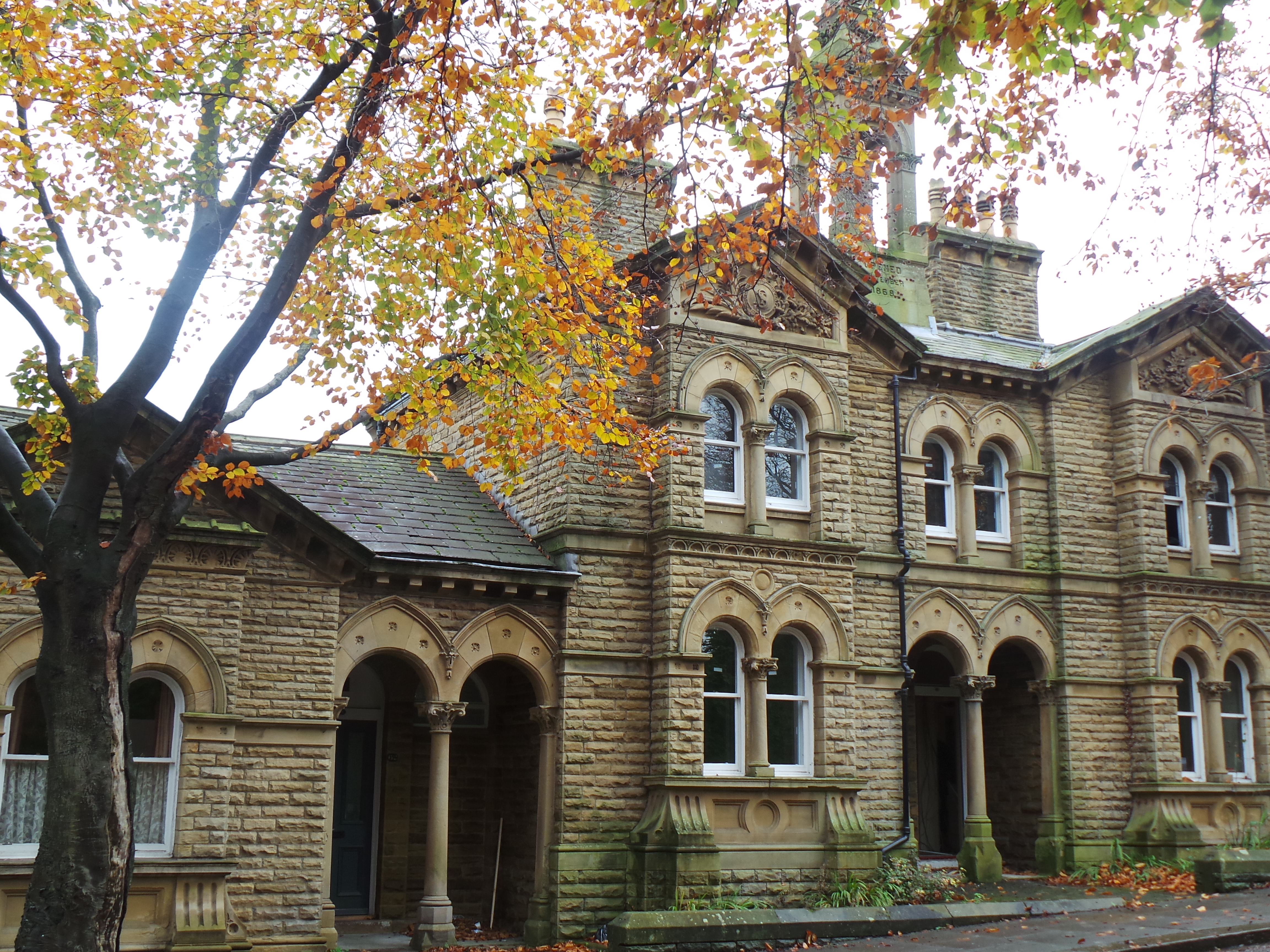
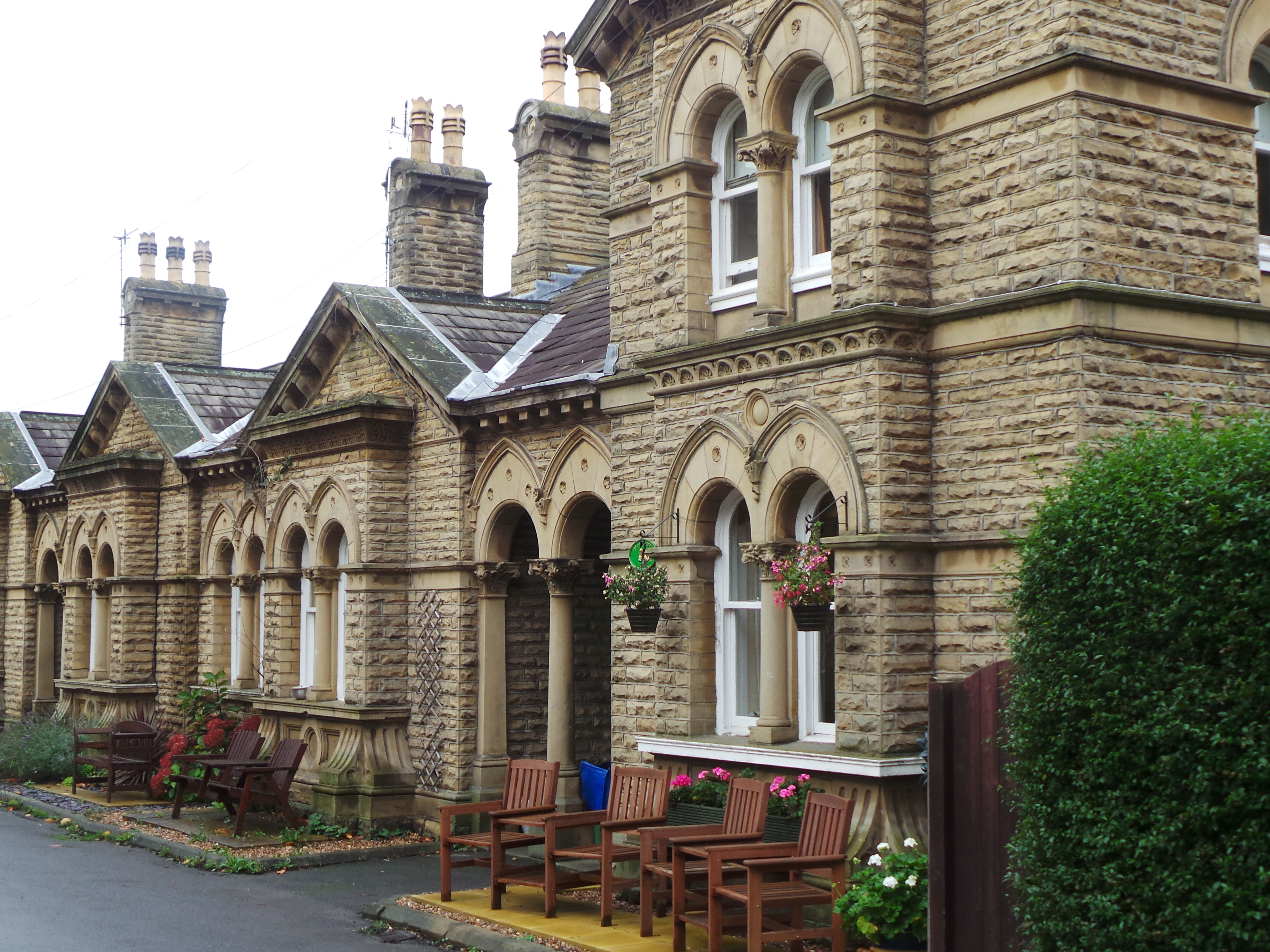
We left our tour of Saltaire previously in Alexandra Square where we found the almhouses.

2014 10 30_6738 2014 10 30_6739

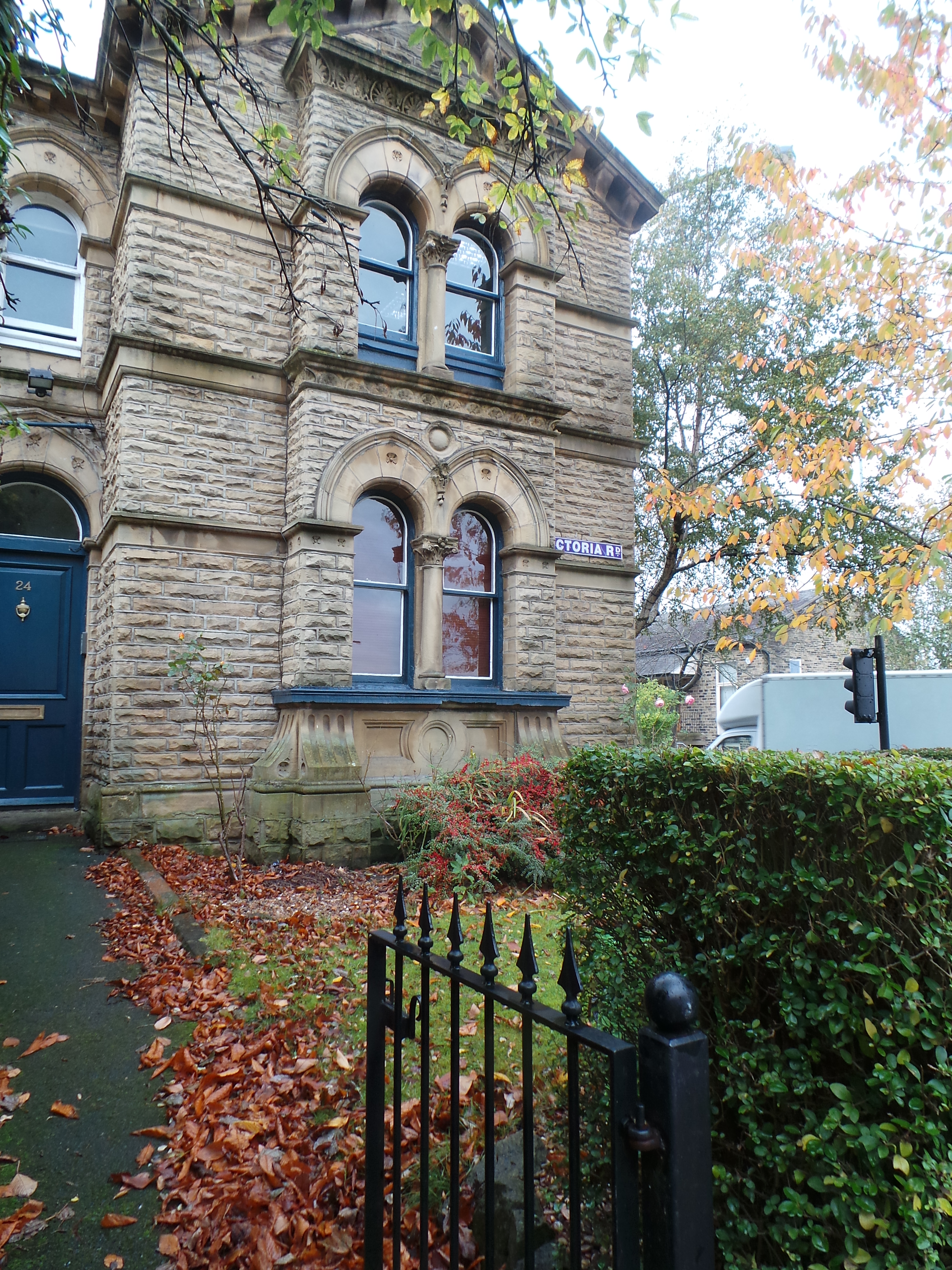
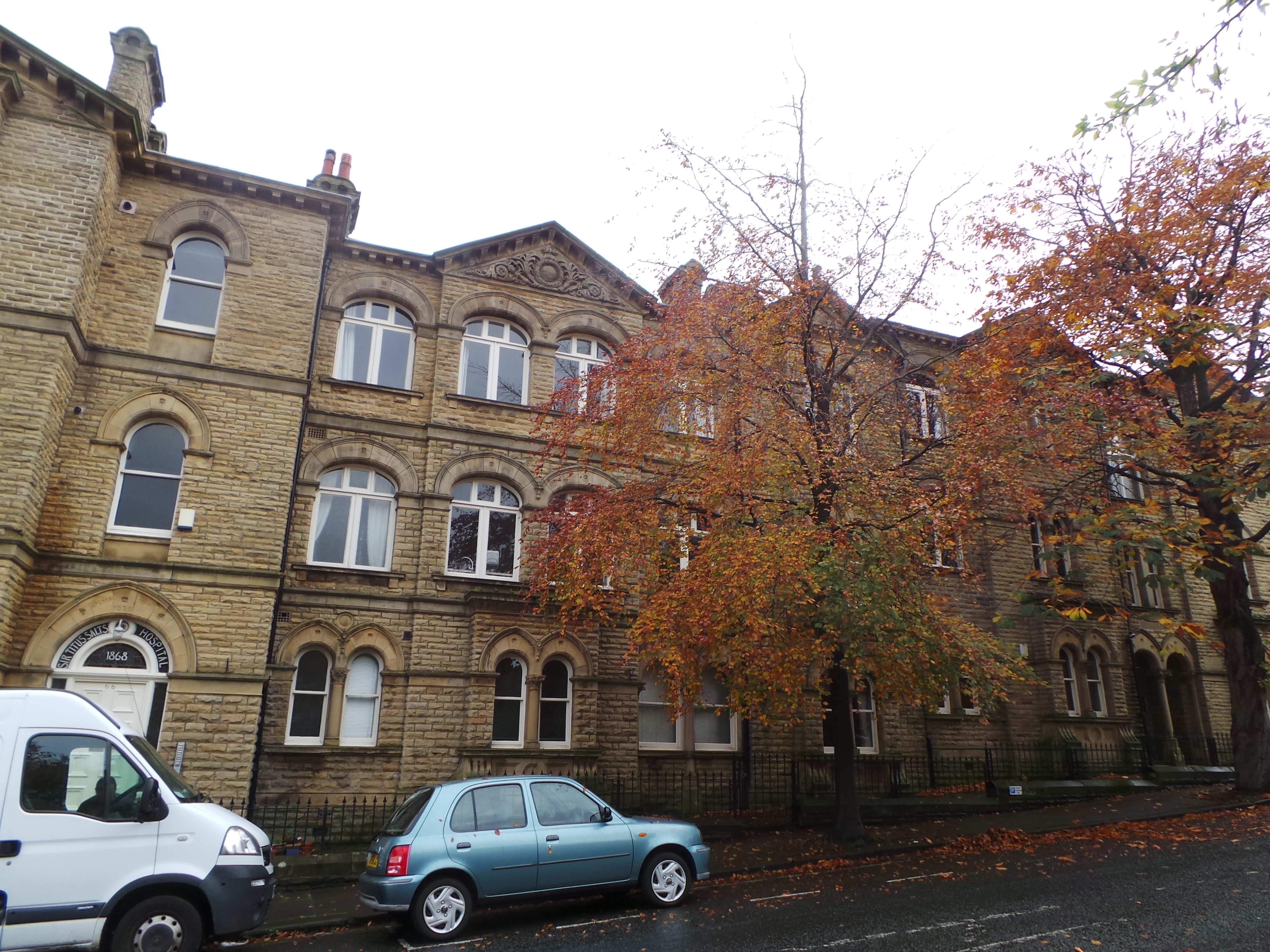
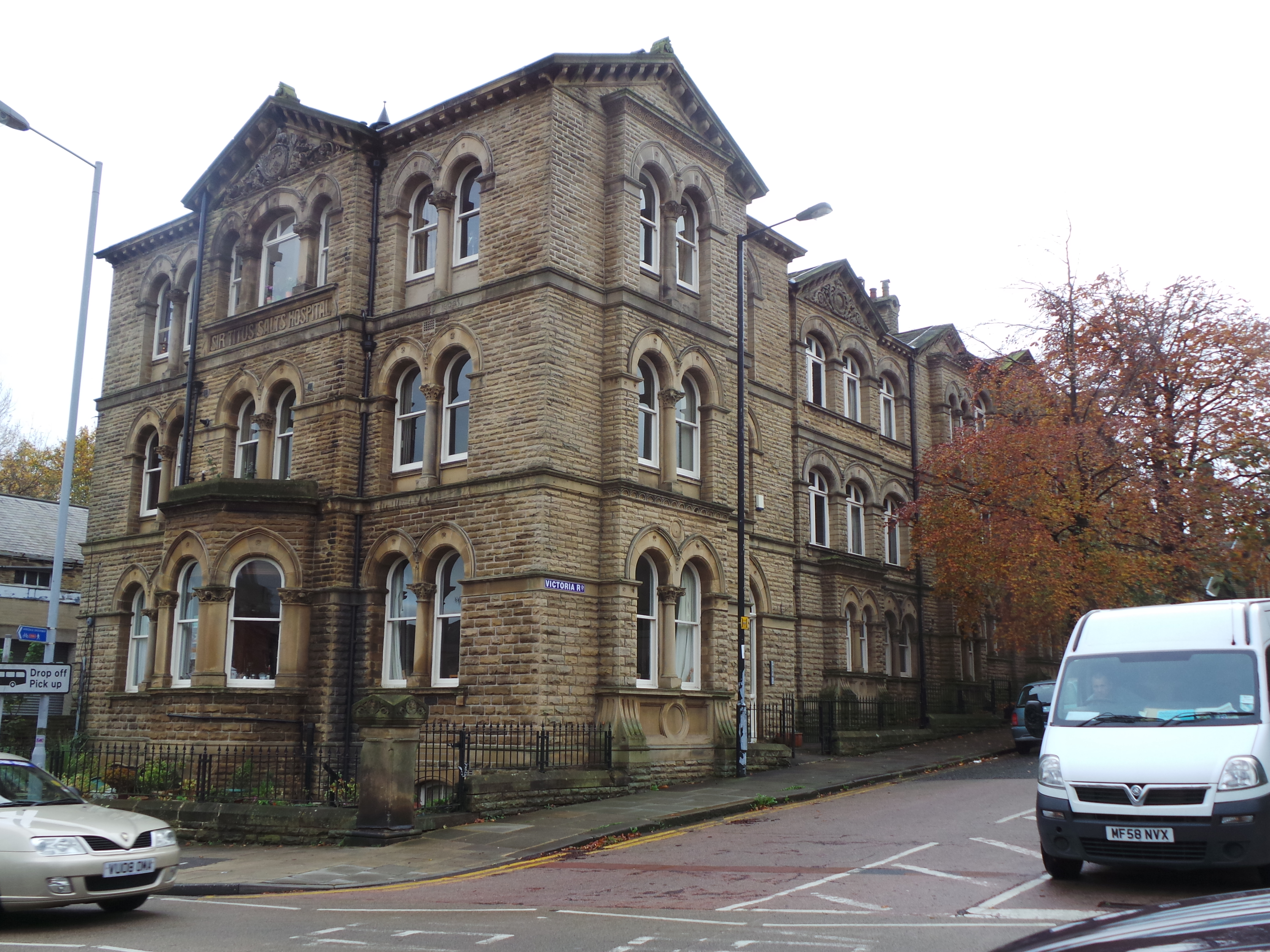
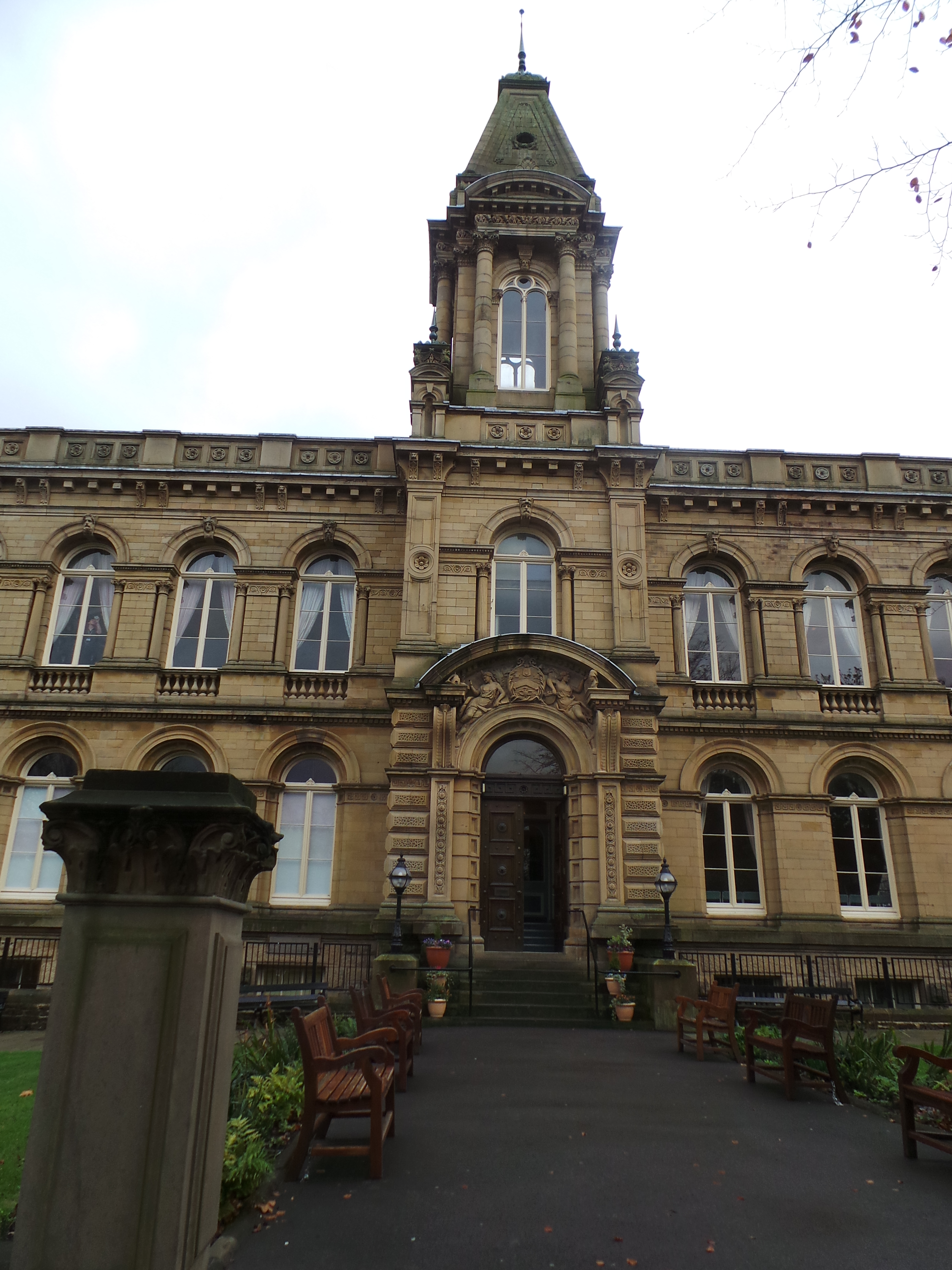
Now we set off in search of the social and community buildings proved by Titus Salt and soon found ourselves studying the impressive building which housed the hospital. Medical care was provided for the Saltaire mill workers way in advance of the idea of the National Health Service. Elsewhere medical care was the province of the rich.

2014 10 30_6740 2014 10 30_6741 2014 10 30_6742 2014 10 30_6743 2014 10 30_6744 2014 10 30_6746

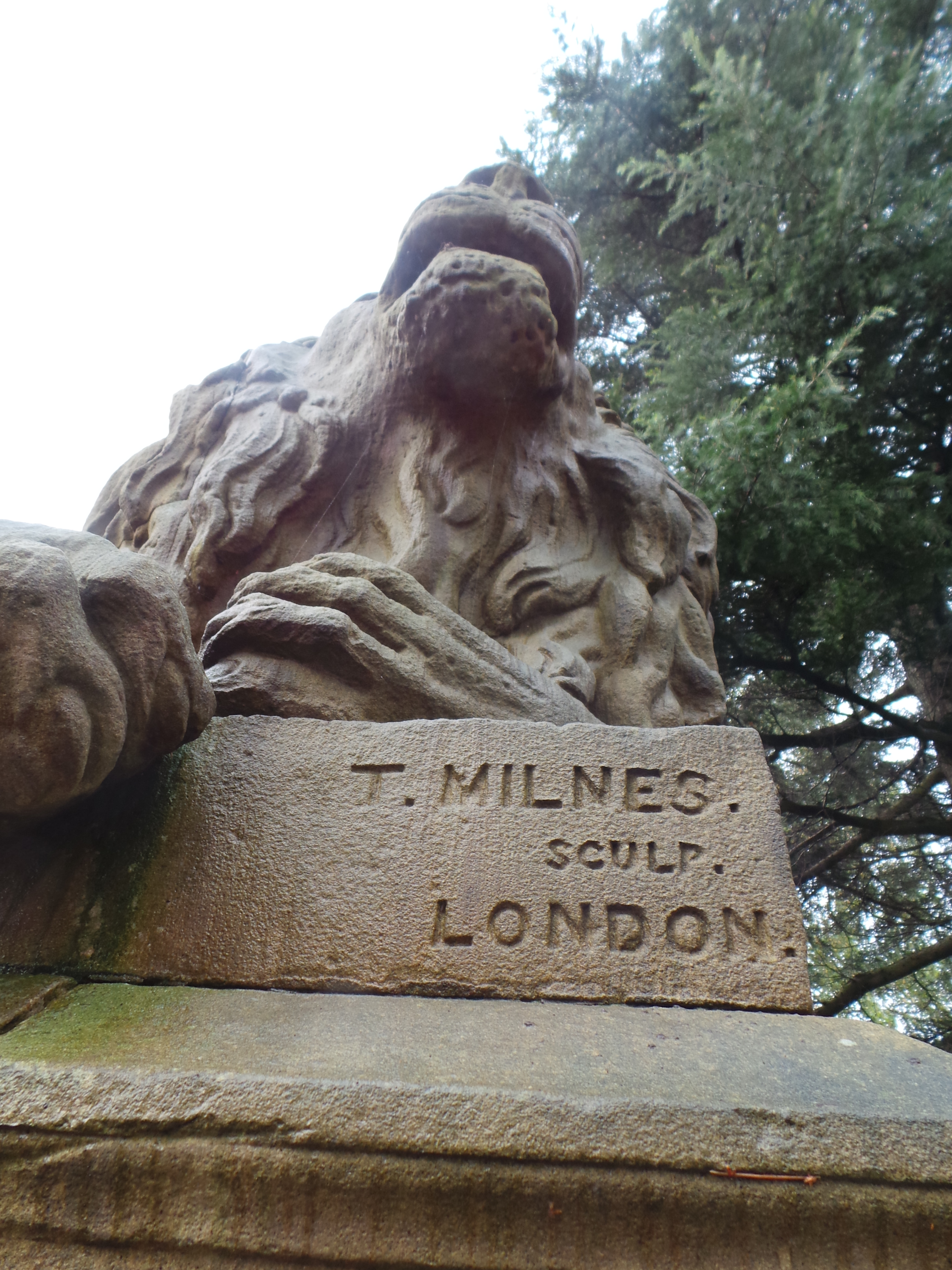
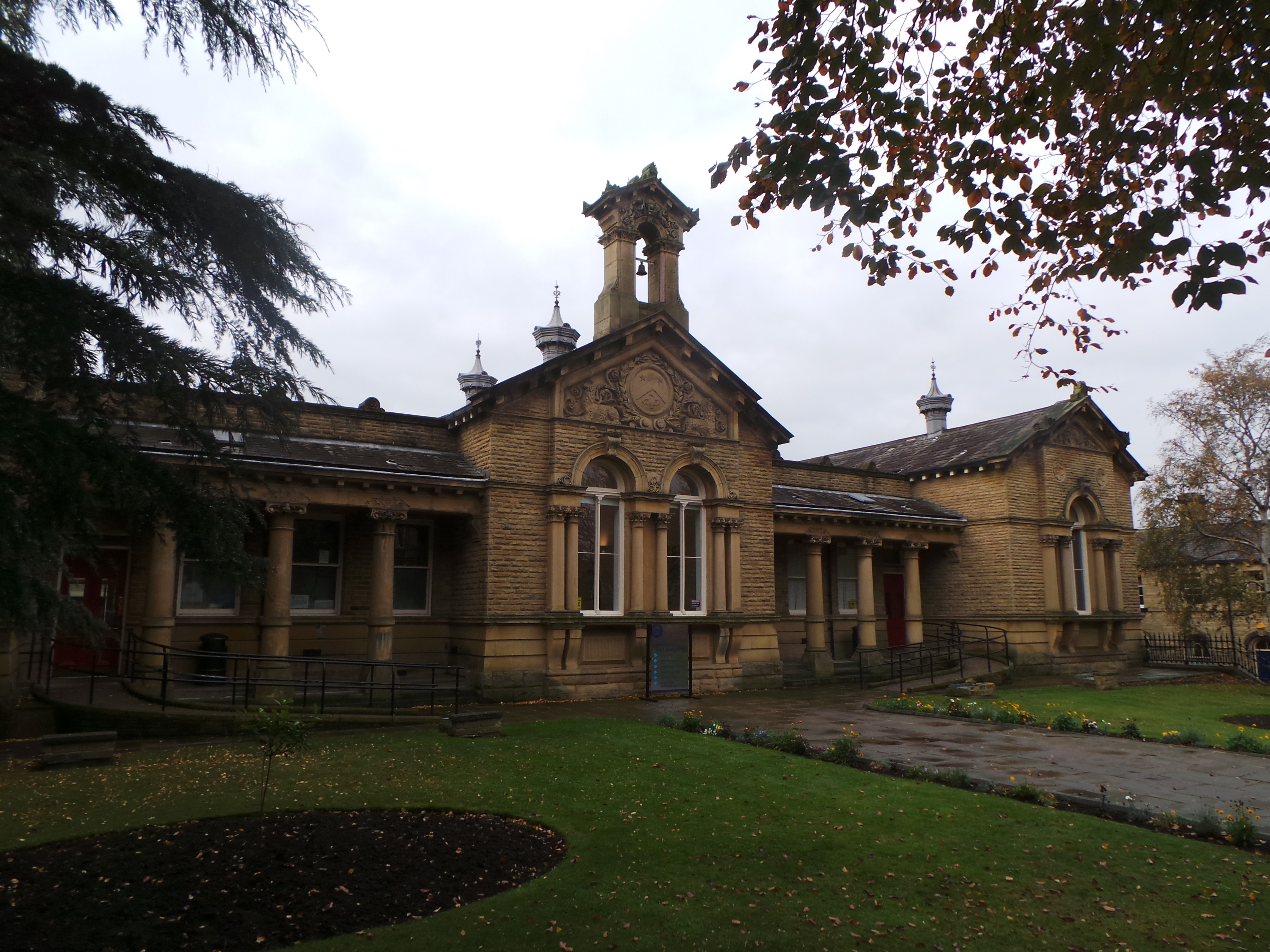
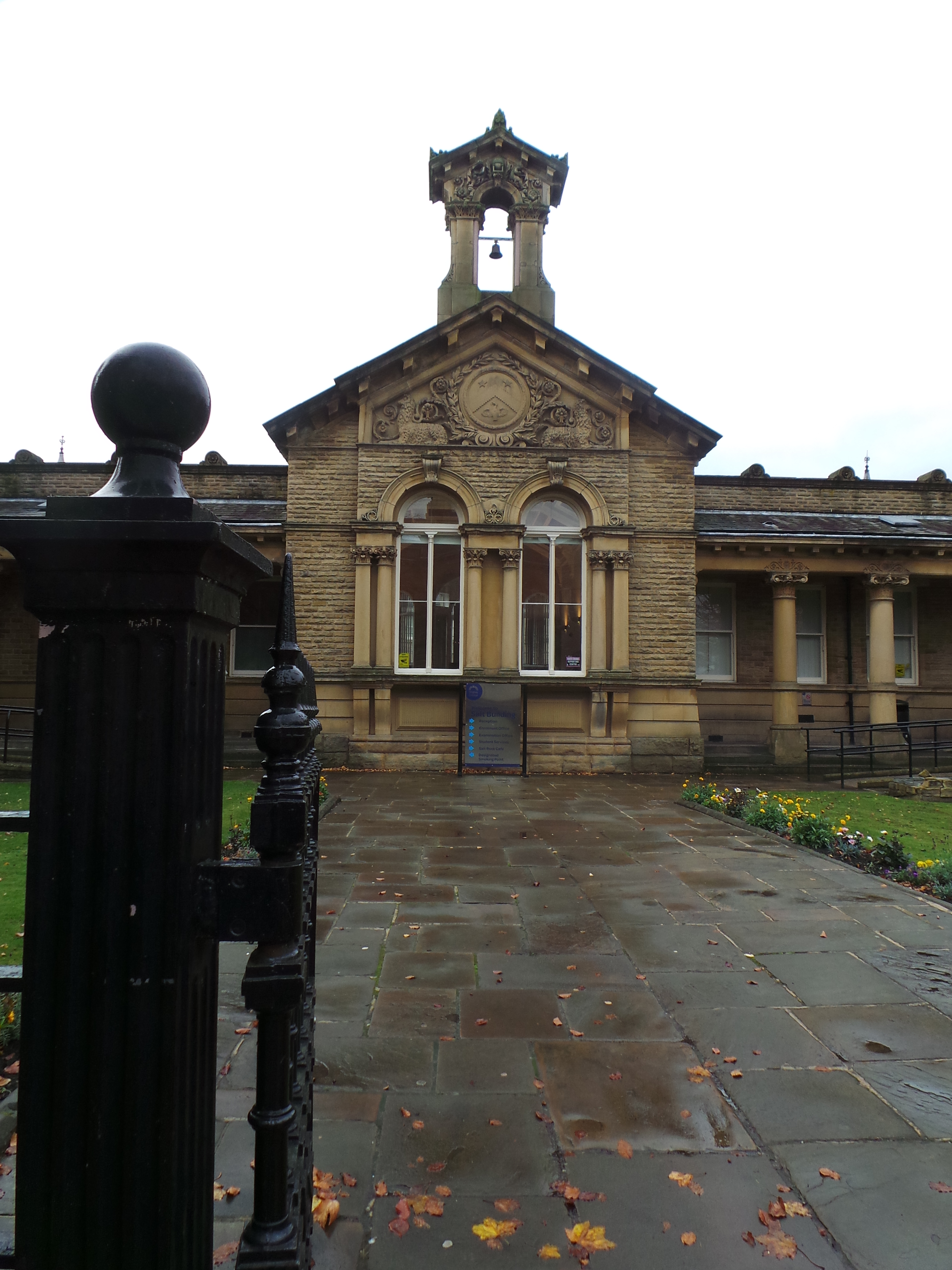
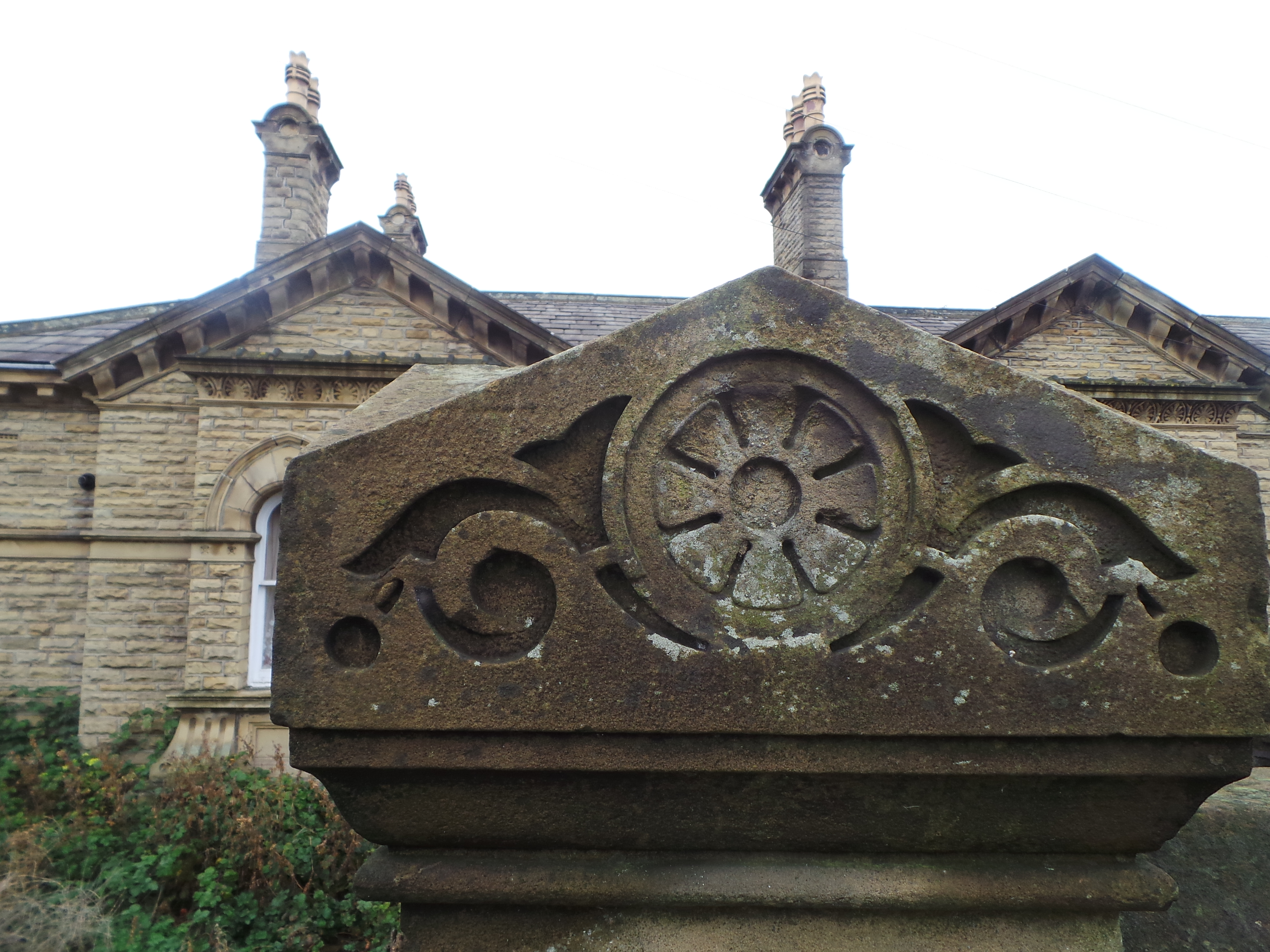
Further up Victoria Road we discovered the institute building which afforded the mill workers opportunities for adult education and socialising. It contained a library, lecture hall, gymnasium and games room, another example of how forward thinking Titus Salt was. On each corner of the wall surrounding the front lawn and entrance to the institute we found 4 lions, one on each corner each with very different expressions.

2014 10 30_6752 2014 10 30_67542014 10 30_6749 2014 10 30_67552014 10 30_6753 2014 10 30_6756


Directly opposite the institute is where the youngsters were educated, the school. It is an impressive building which reflected the importance and emphasis Salt placed on education This was at a time when the mills relied on cheap child labour to boost the work force, but a law was in force to control their working hours.

2014 10 30_6750 2014 10 30_6751


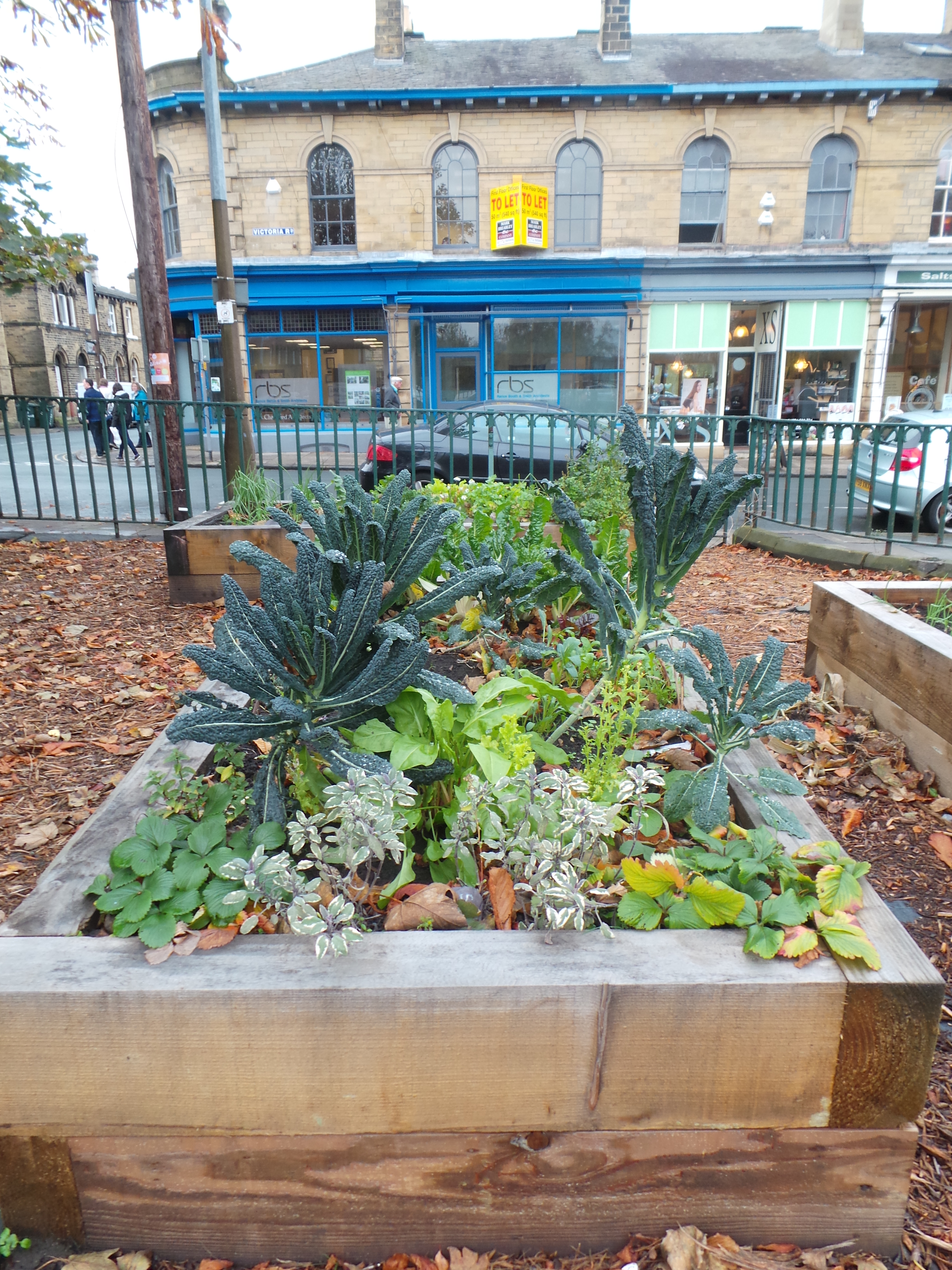
If you cast your mind back to the end of part one, you will remember that Salt had provided allotments for his workers. The first picture below shows part of this community garden. Close by recently created miniature raised beds perform the same function.

2014 10 30_6763 2014 10 30_67622014 10 30_6759 2014 10 30_6760

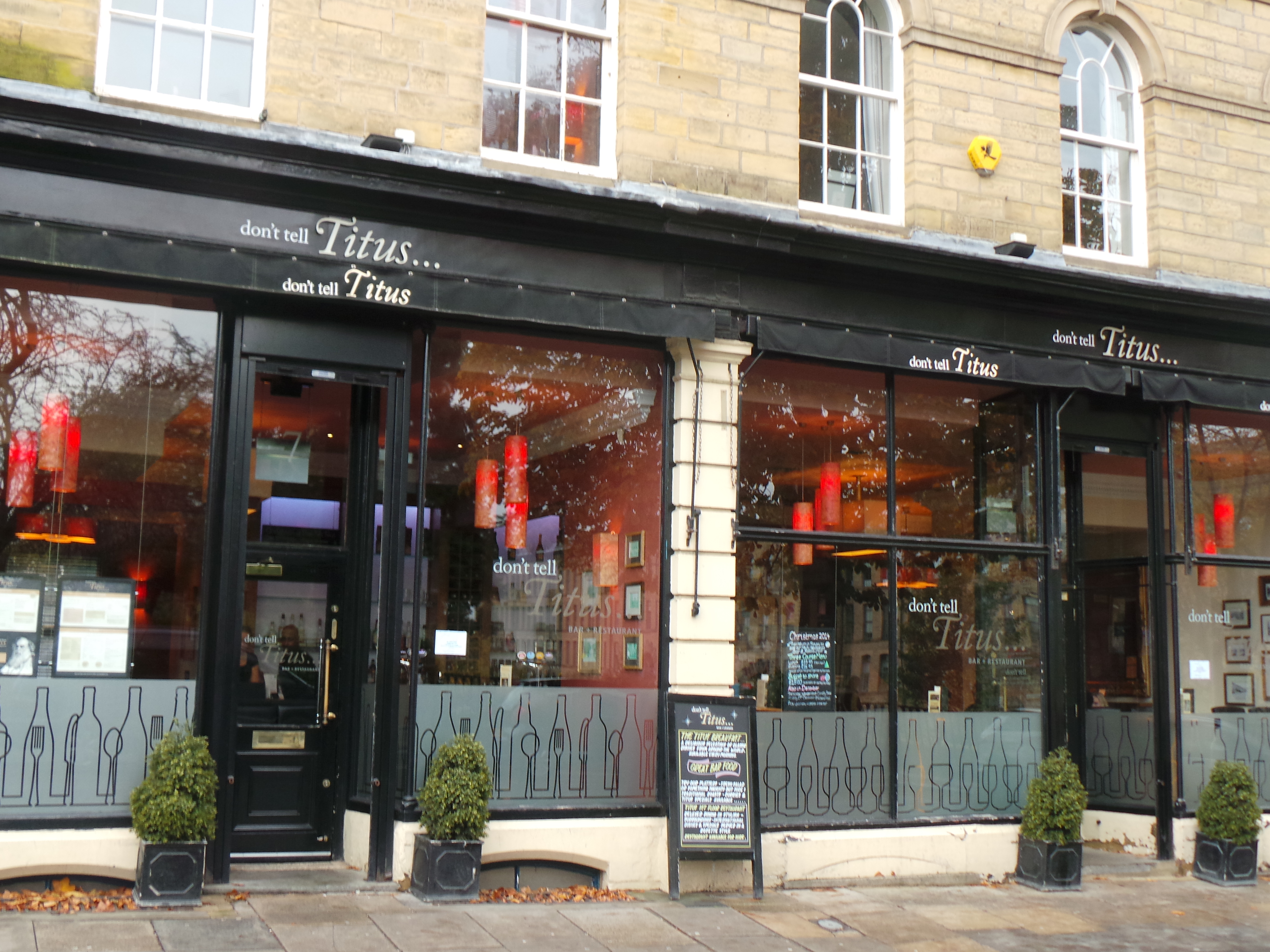
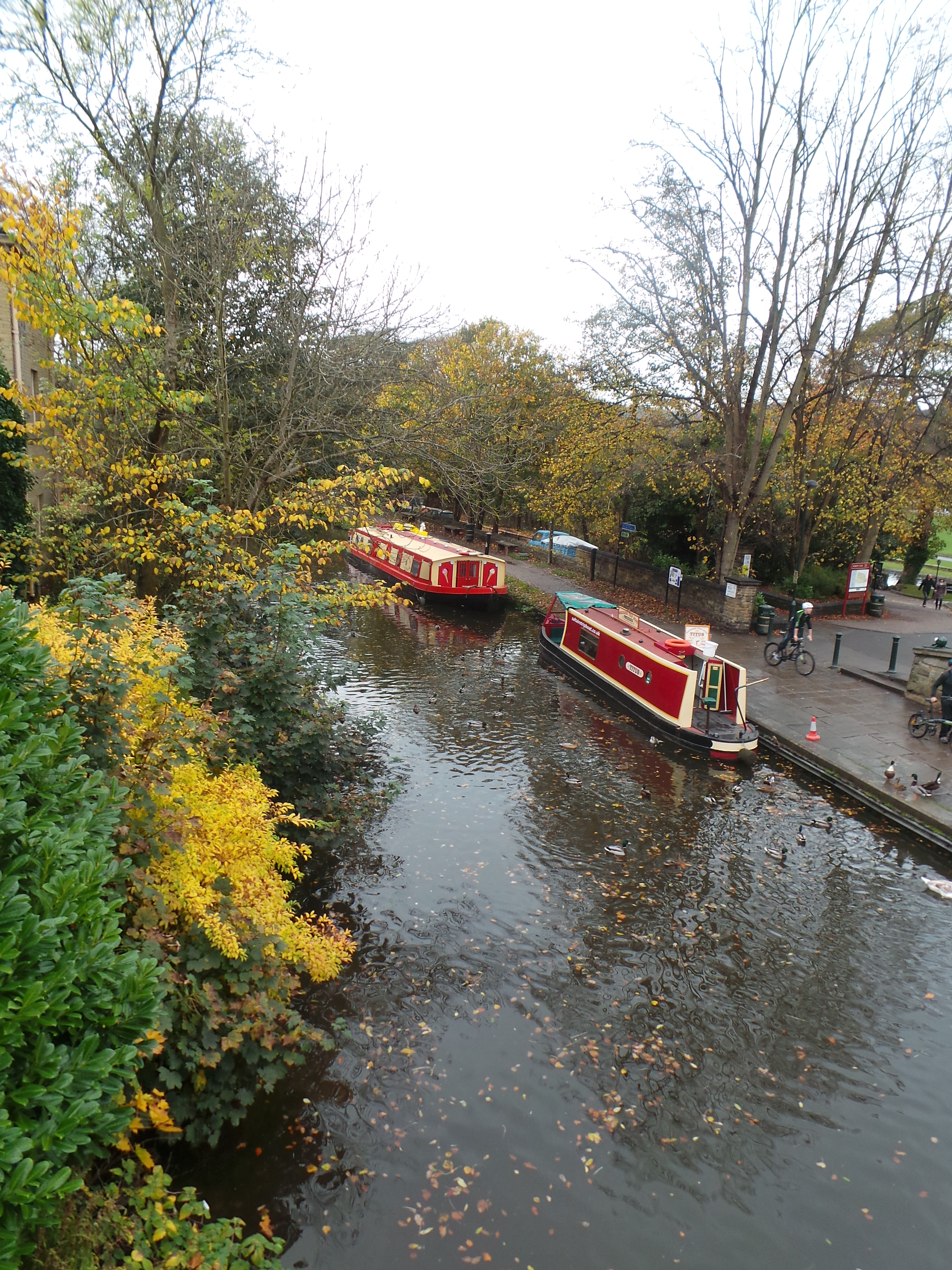
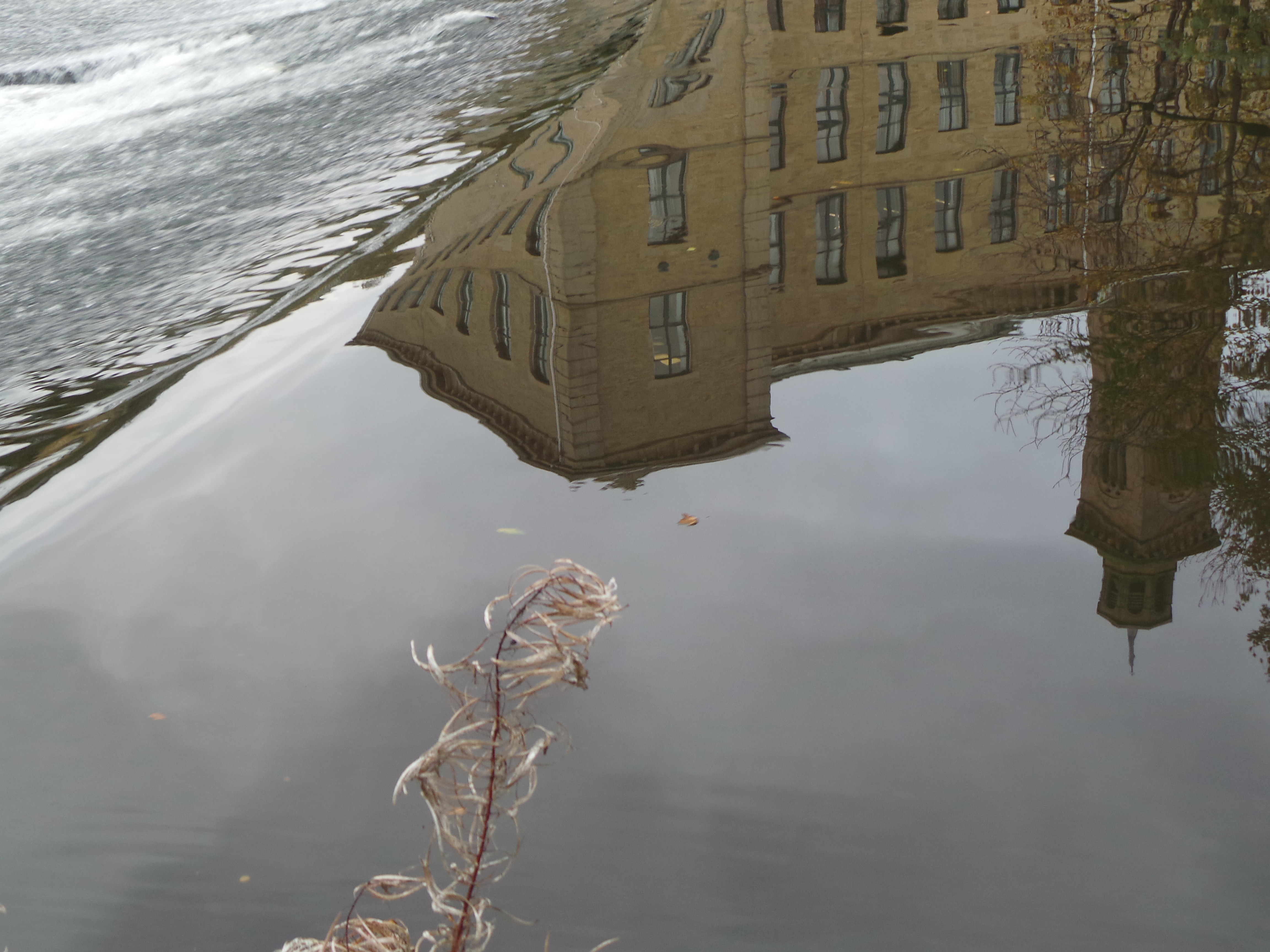
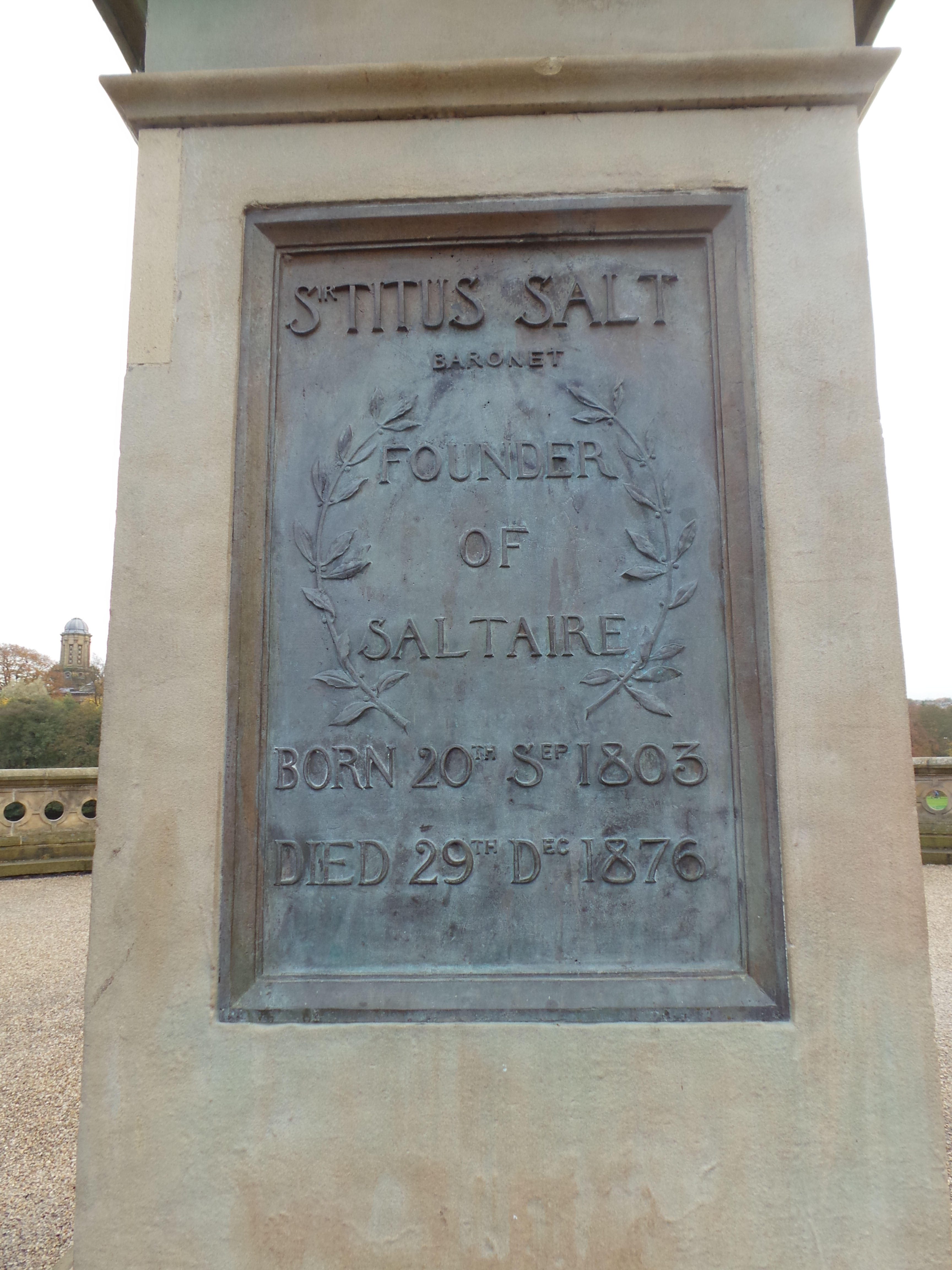
After enjoying these little productive plots we began making our way back to the mill and the canal and the river Aire that run alongside it. We wanted to look around the park on the far side of the canal. On our way we were delighted to see a contemporary tribute to Titus Salt, “Titus Teas”.


2014 10 30_6761

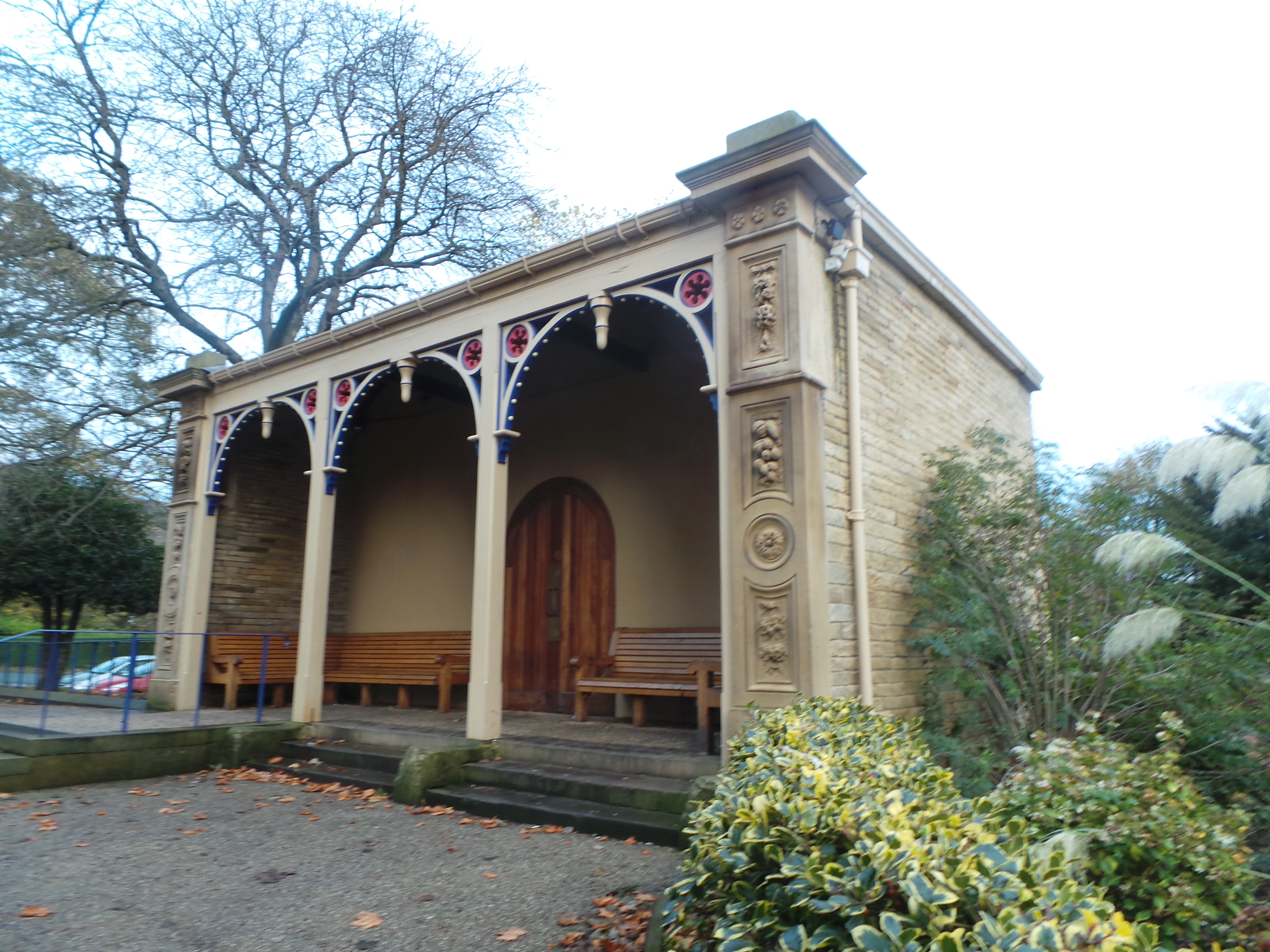
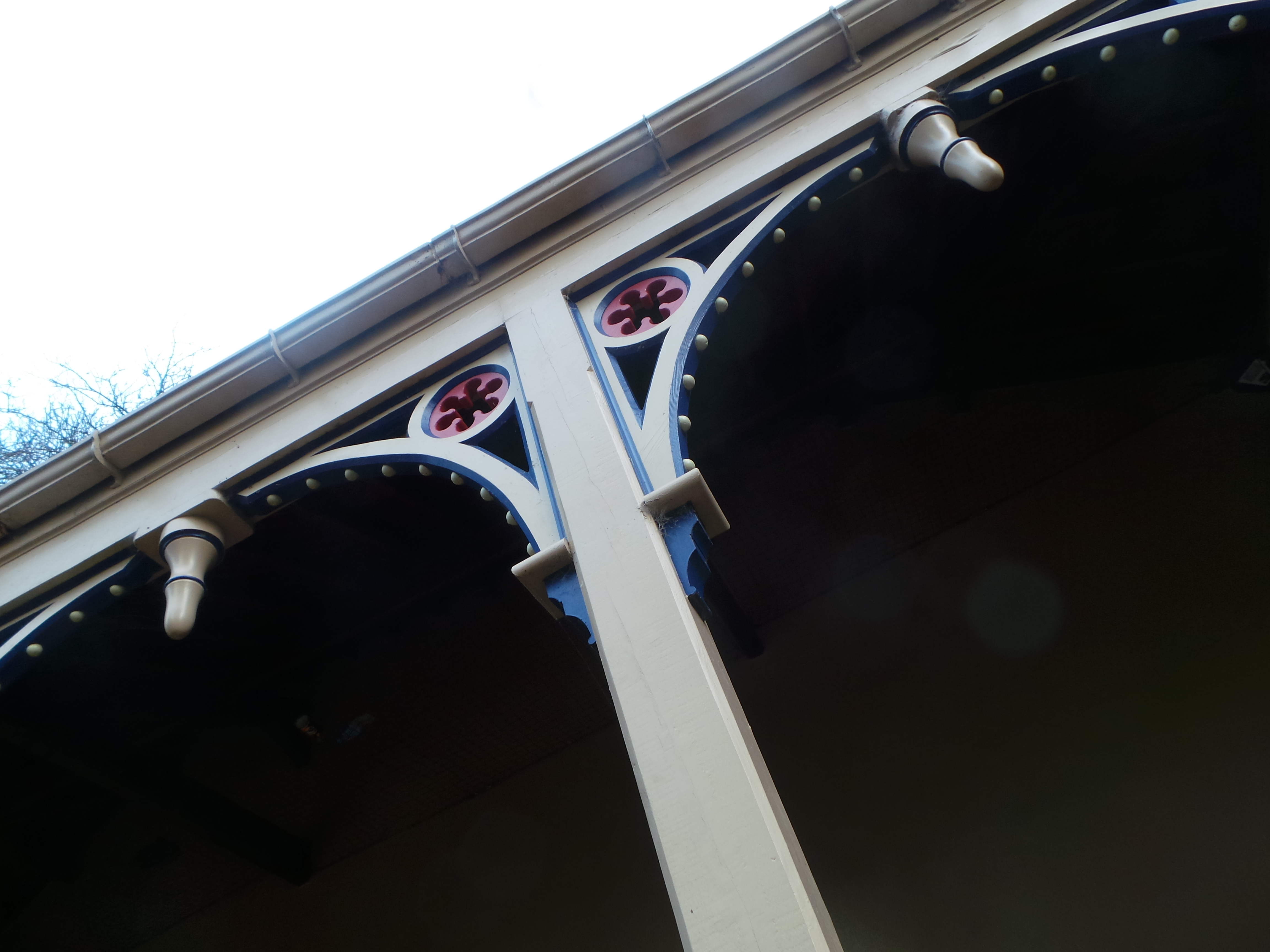
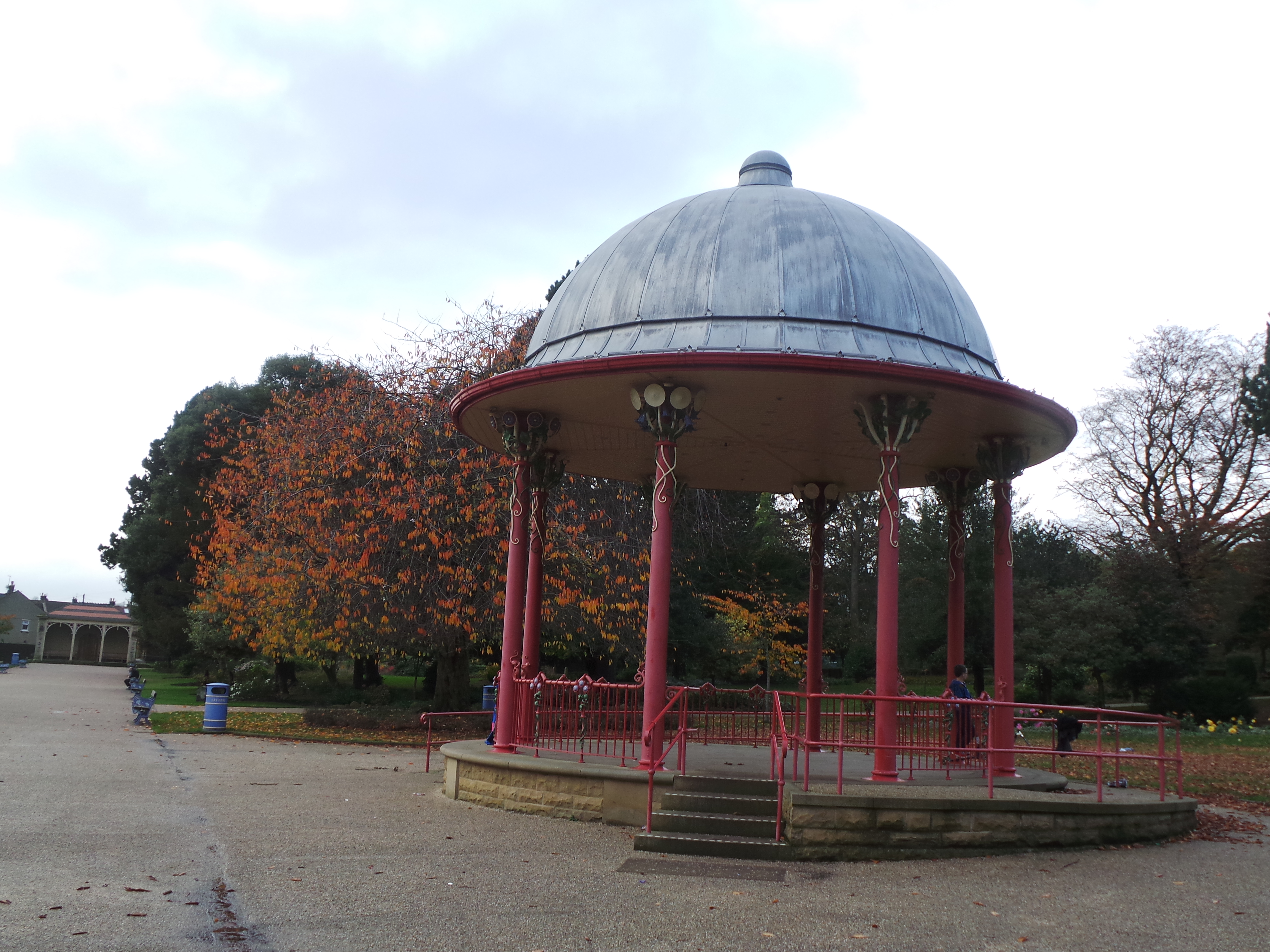
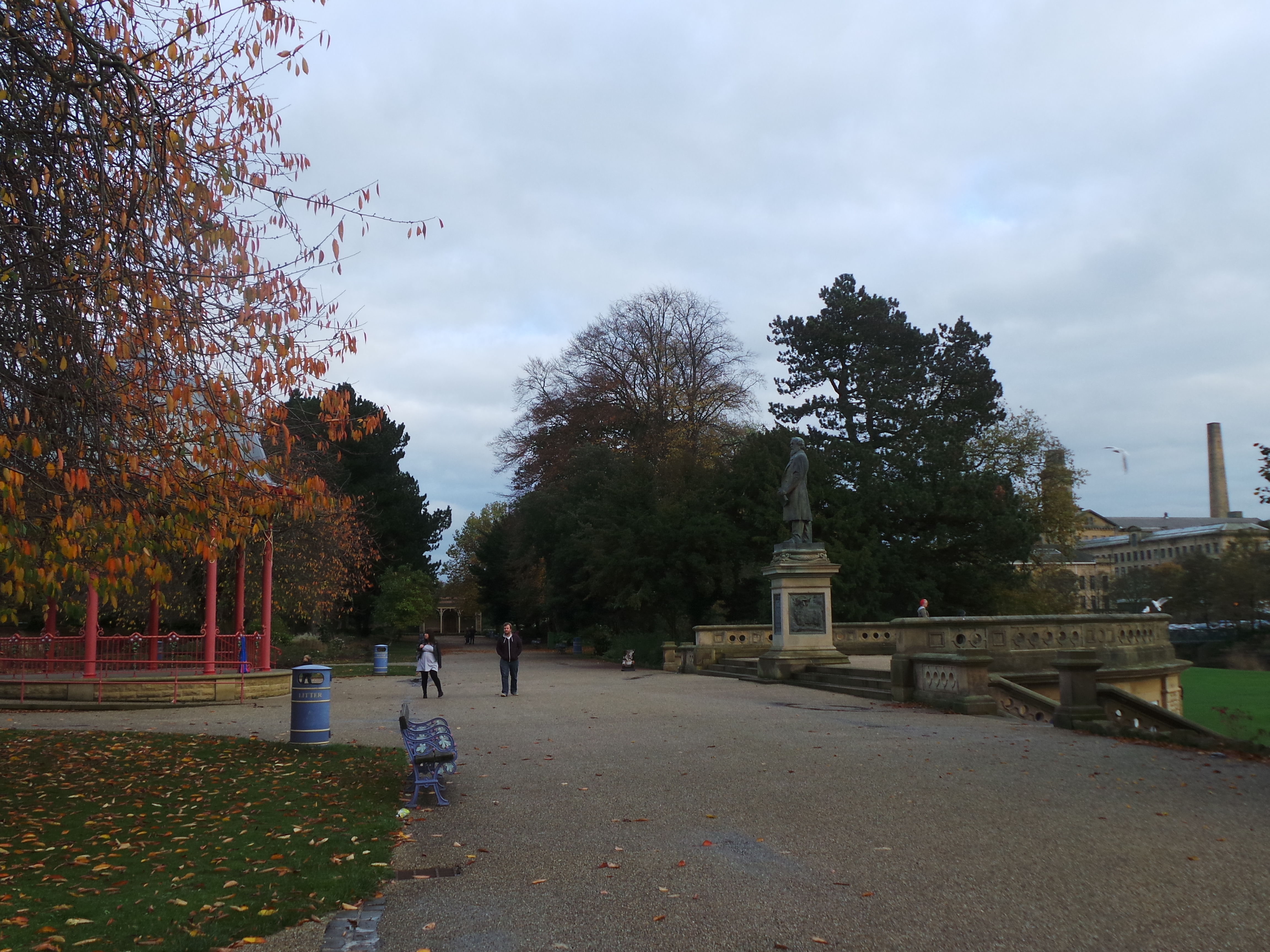
The park is a large open green space away from the mill and the village where Salt’s workers would have had the opportunity to appreciate the space and the freedom to wander. The contrast to work must have been so powerful! Every opportunity to add colour has been taken here, even on the metalwork of the seats and bandstand.

2014 10 30_6764 2014 10 30_6765 2014 10 30_6766 2014 10 30_6768 2014 10 30_6770 2014 10 30_6771 2014 10 30_6772 2014 10 30_6773

2014 10 30_6774 2014 10 30_6778

2014 10 30_6775 2014 10 30_6776

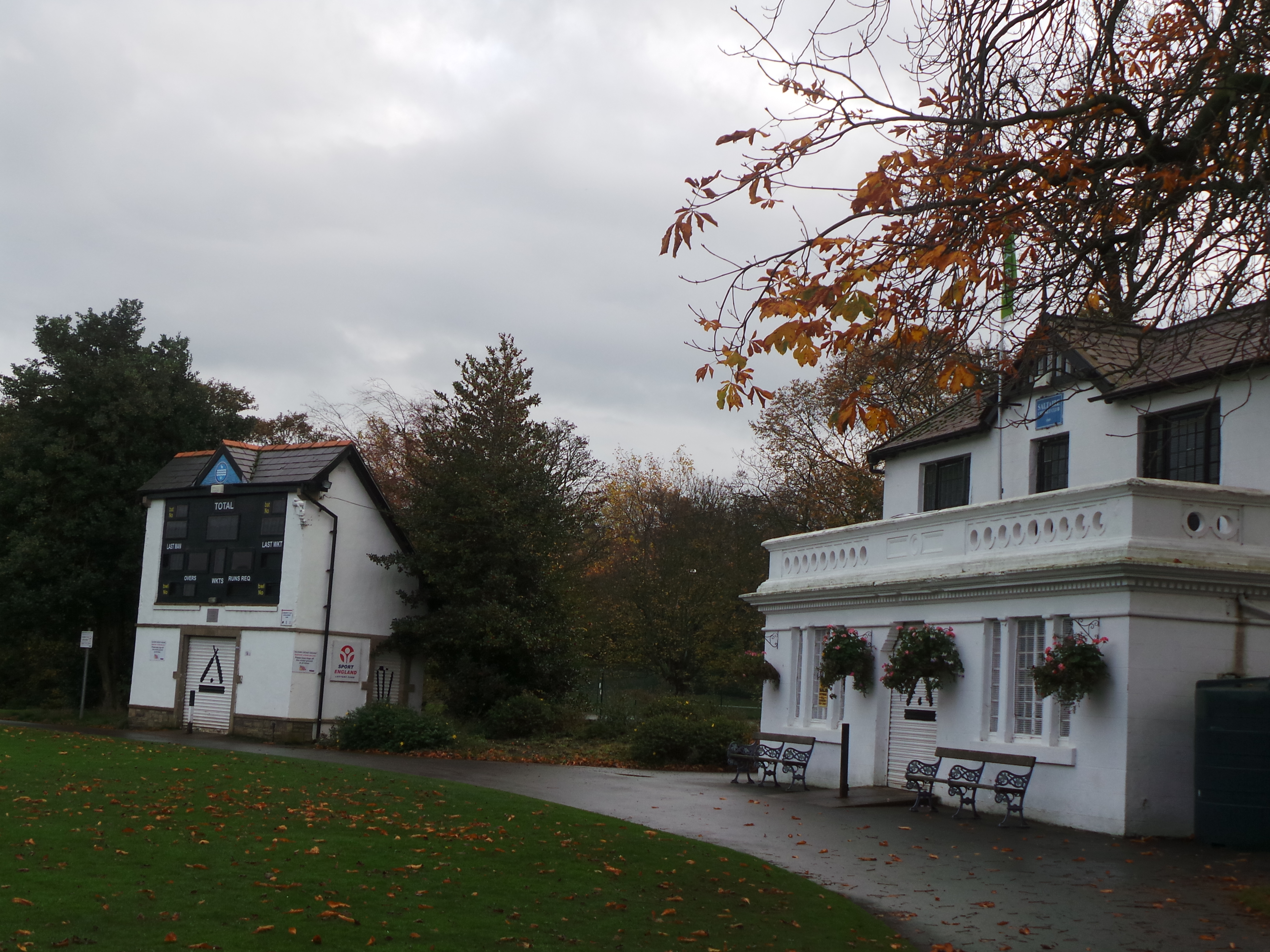
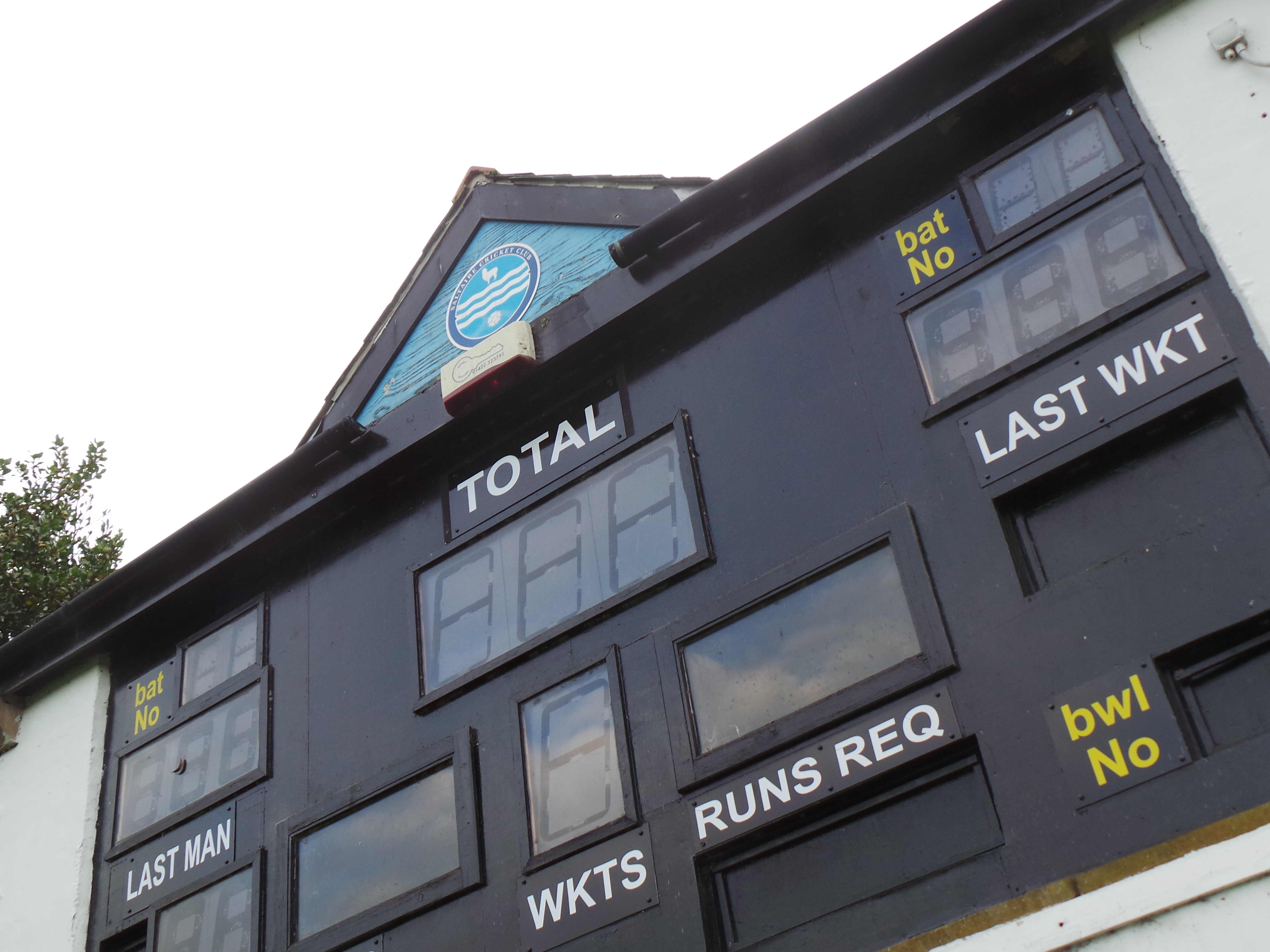
The cricket pitch with its pavilion must have been a real luxury. This is still used today and has been modernised through the addition of an electronic score-board. It was so good to see the thoughts and works of Titus salt still having a meaning in today’s world. The park he created was busy with families and groups of youngsters enjoying the freedom it gives.

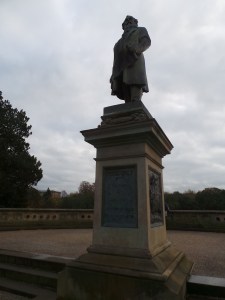
Salt was years ahead of his time. His philanthropy pre-empted the things we take for granted today, those things that make our lives more pleasant, such as the health service and pensions. It was a privilege to walk through his model village, to see what he achieved and imagine what it meant to his workers.

2014 10 30_6779 2014 10 30_6780 2014 10 30_6777

Categories
architecture buildings model villages townscapes Yorkshire

Saltaire – a unique village – Part One

Saltaire is a place with a special atmosphere and a special place in British history, but also a place which very few people have ever heard of. We visited last year but then because of time and terribly wet weather we did not have time to look around the village itself. At that time we spent the day exploring the Salts gallery, where you can see so many pieces of art work from David Hockney, as well as galleries of furniture and beautiful craftwork.

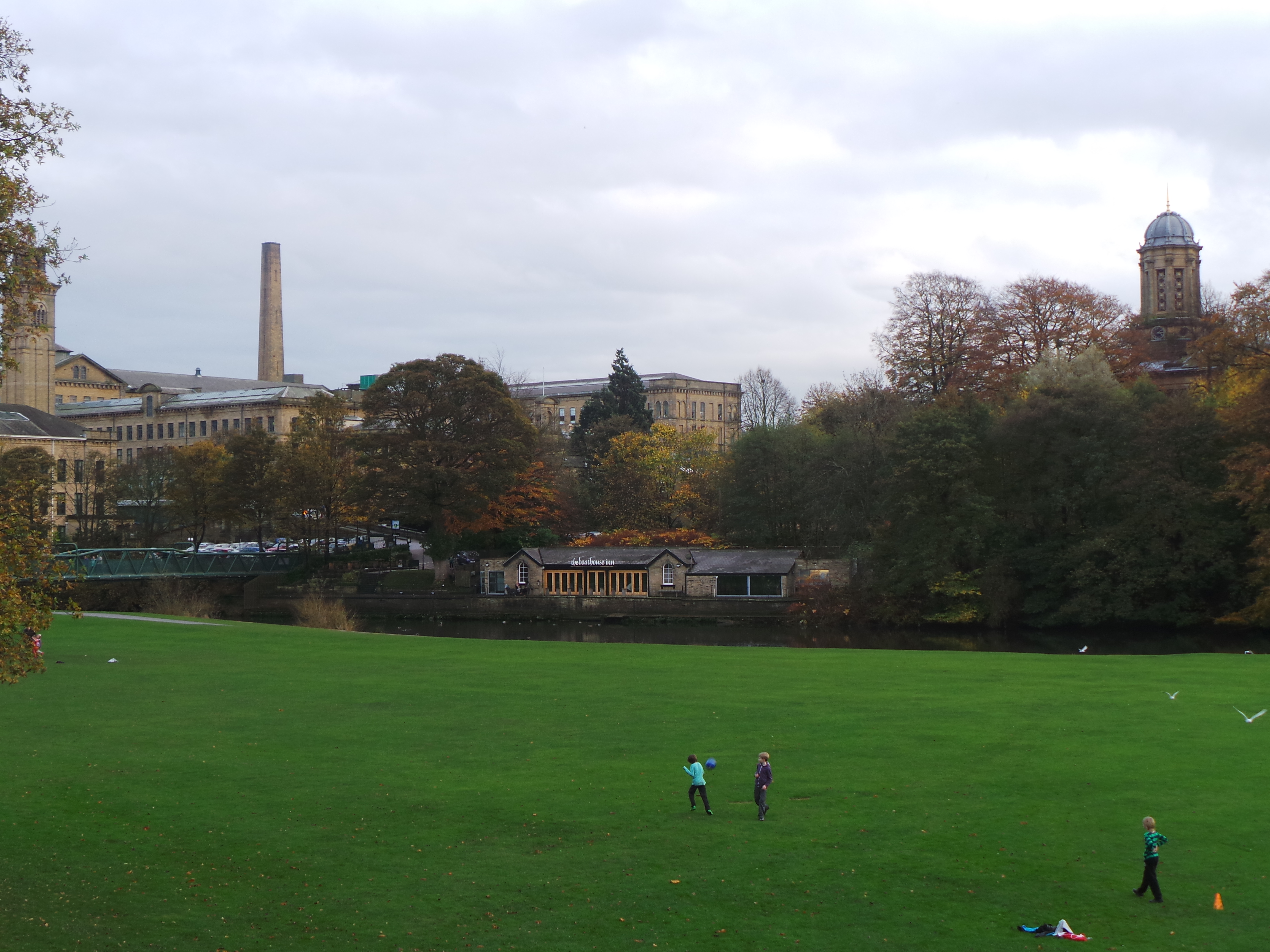
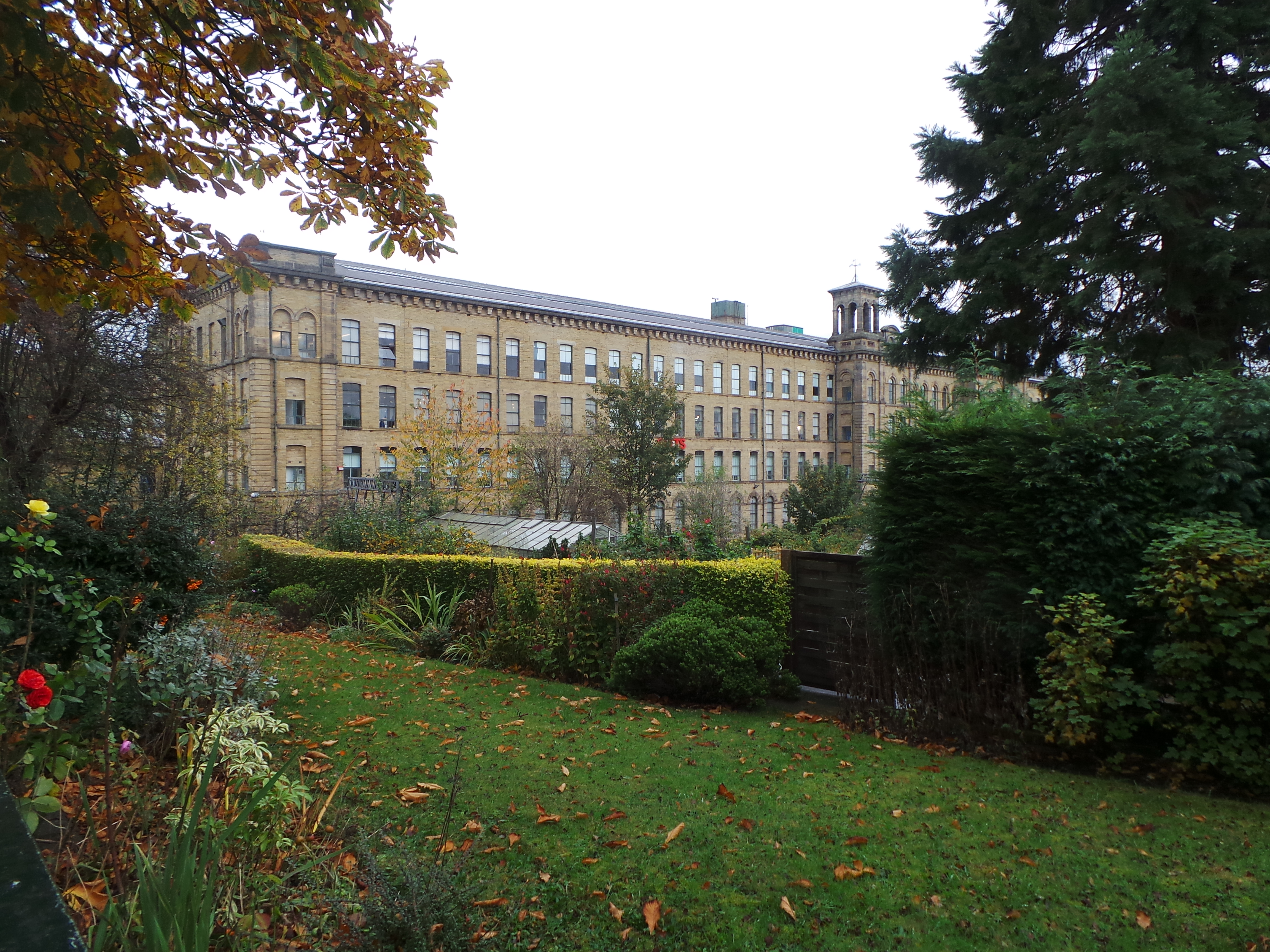
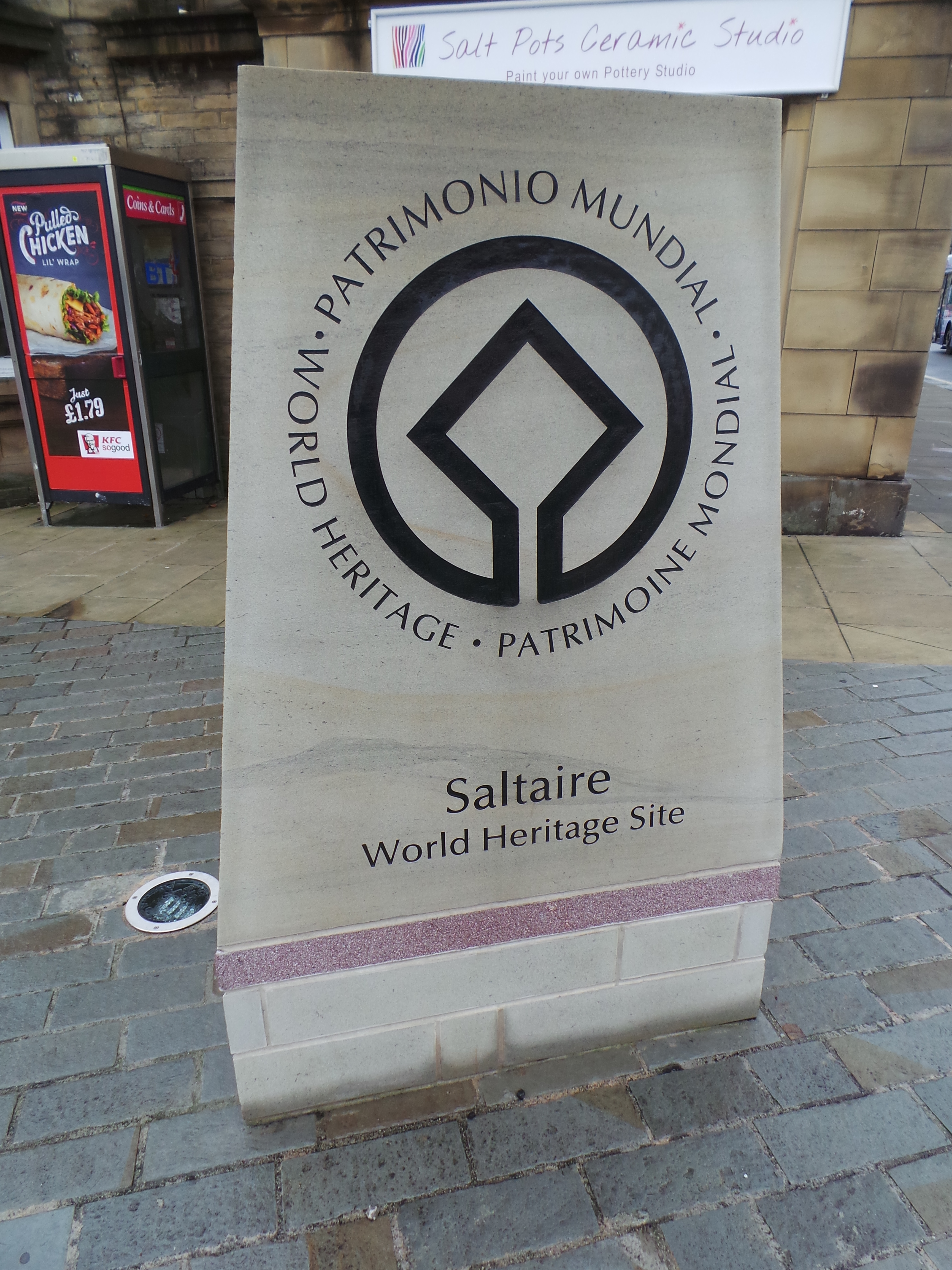
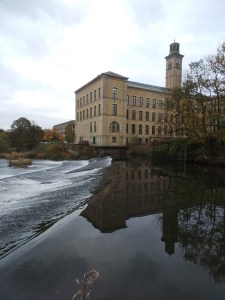
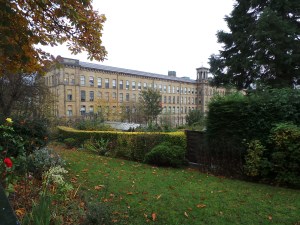
Saltaire is a World Heritage Site and is recognised for the part it played in the development of the society we live in today. When you visit it is hard to believe it was the creation of one man, Titus Salt, a true visionary. He began as a successful business man, indeed one of England’s most eminent Victorian industrialists. He began by building a mill where he aimed to produce the finest wool fabrics utilising the most efficient methods available at the time.
2014 10 30_6765 2014 10 30_67622014 10 30_6732

What made Salt stand “head and shoulders” above his contemporaries was his desire to provide his workers with the healthiest working conditions possible. coupled with this was his ambition to provide his workers and their families with social and community benefits virtually unknown during this period of British social history. We discovered how he achieved this as we explored the “model village” of Saltaire.

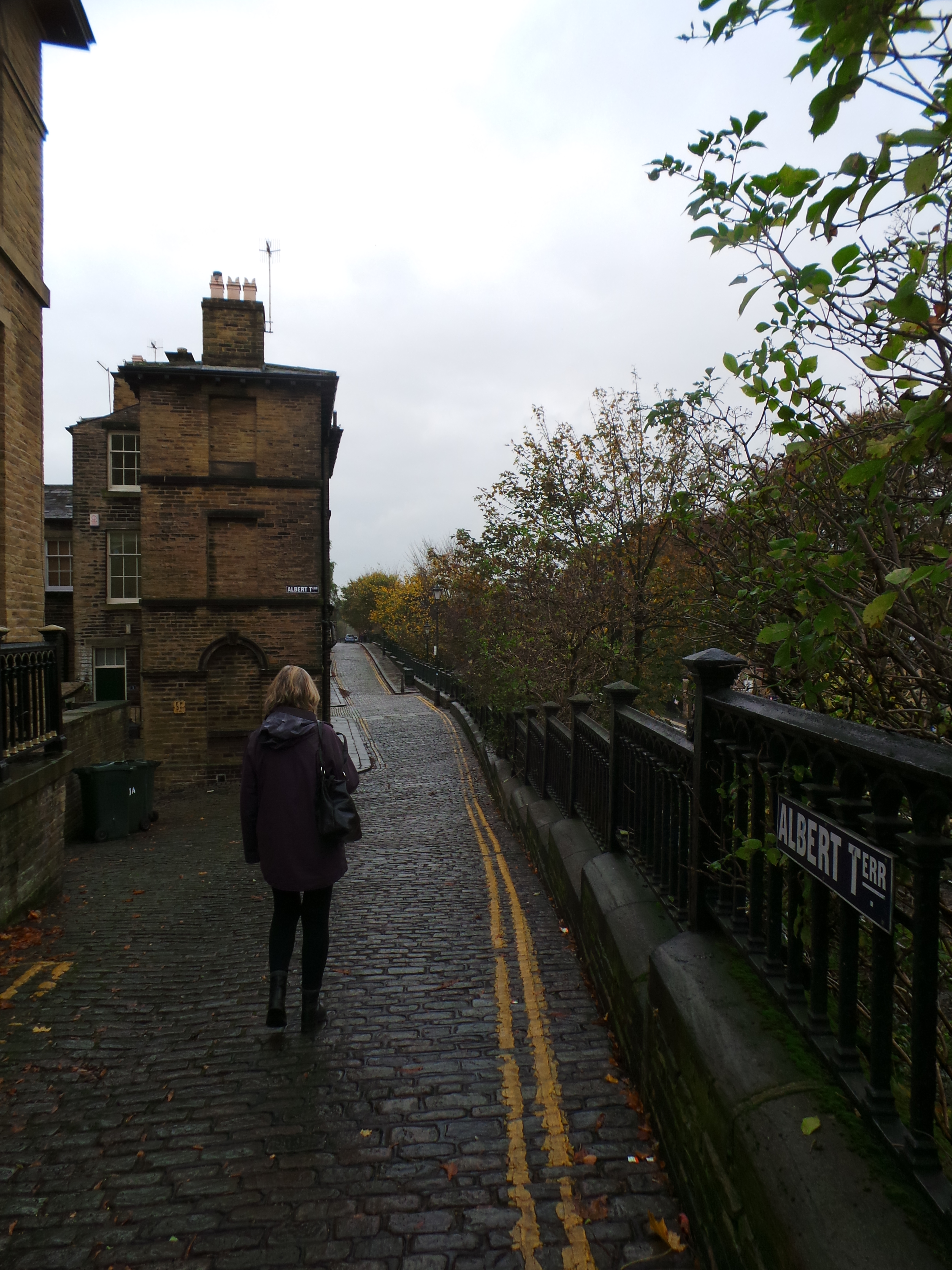
It was great to arrive again at Saltaire with the weather slightly better than on our last visit. Dull, overcast but not raining! So follow in our footsteps along the cobbled streets as Jude the Undergardener negotiates the town trail leaflet which took us down into Albert Terrace.

2014 10 30_6708 2014 10 30_6707

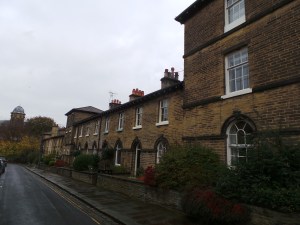
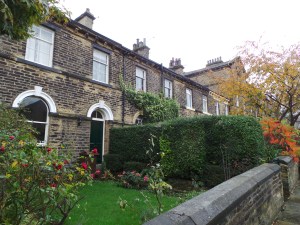
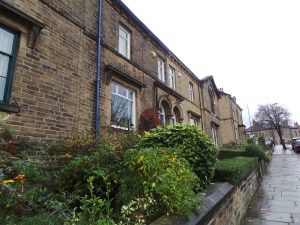
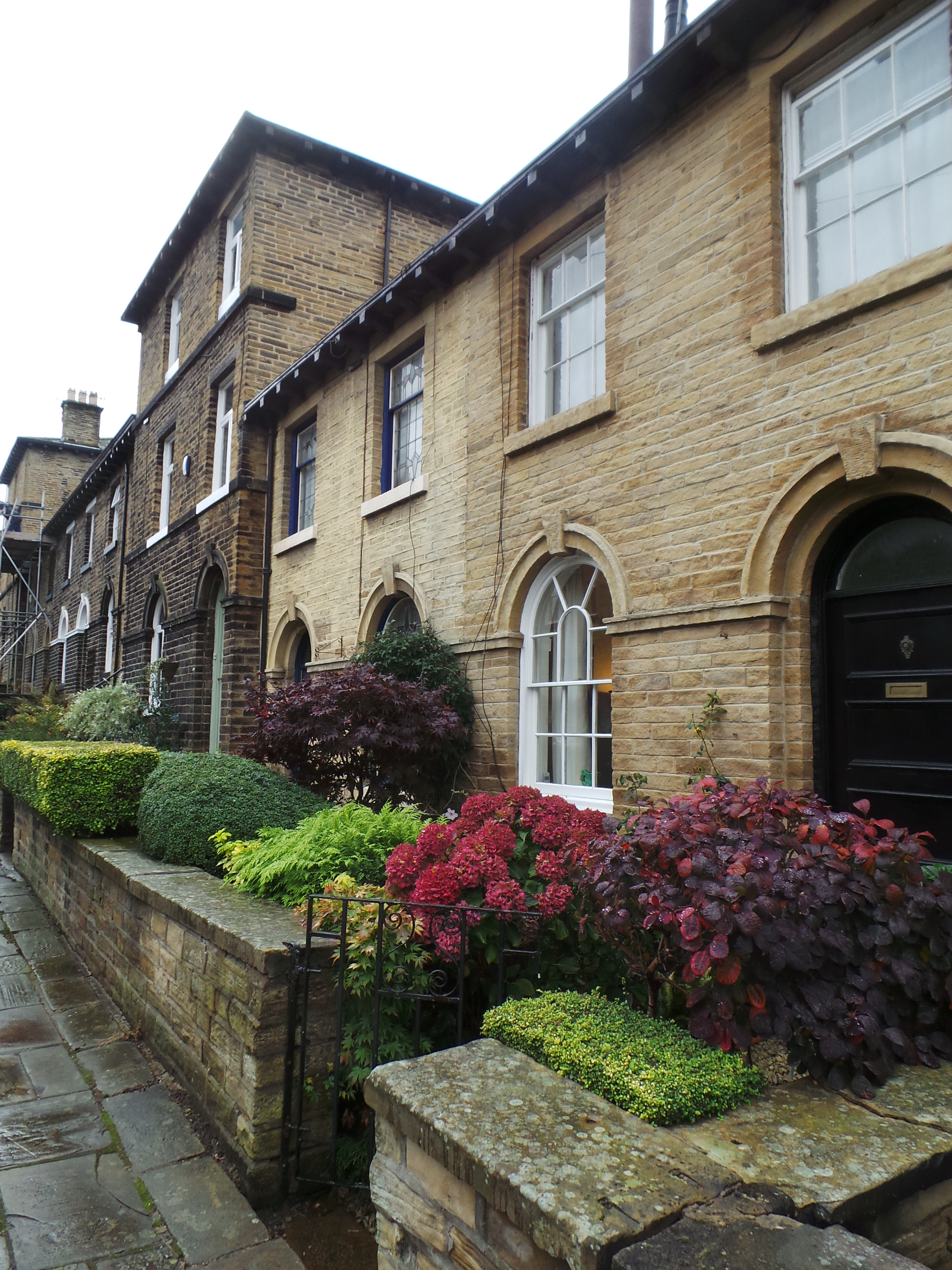
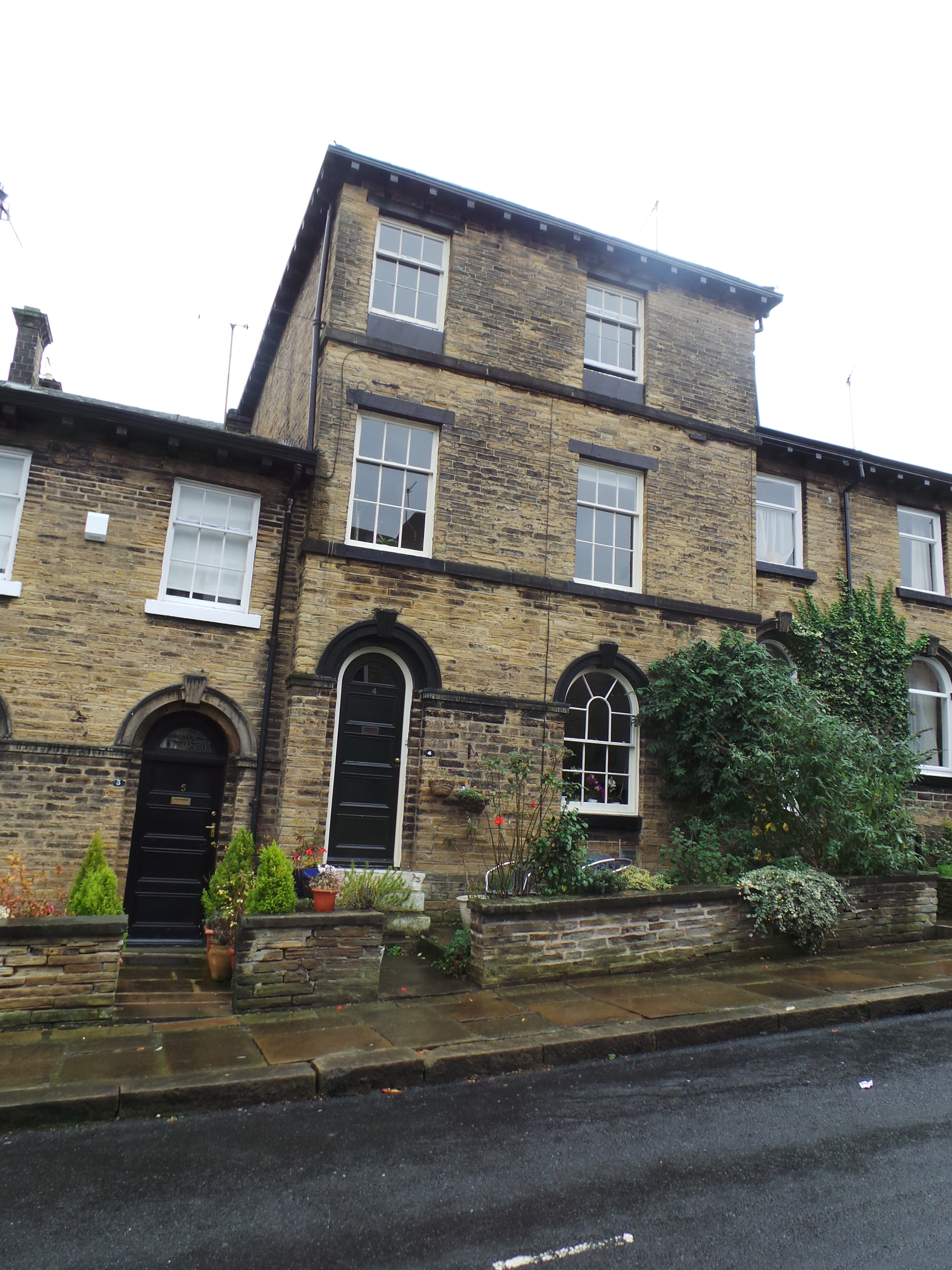
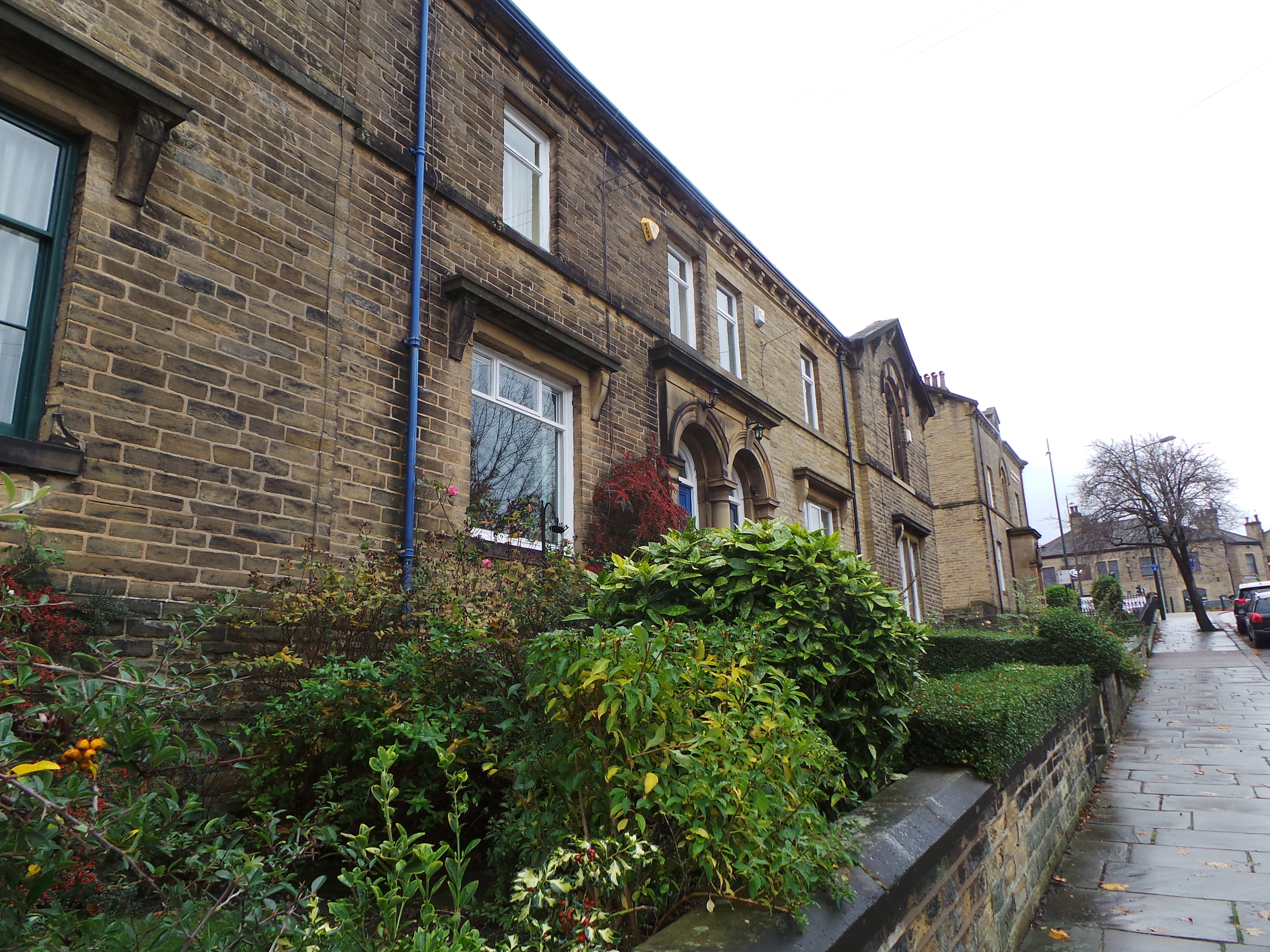
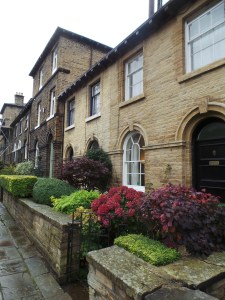
We turned into William Henry Street where we noticed a variety of styles and sizes of house, from the smallest terraces with no front garden to three story town houses and larger semi-detached homes with gardens. This reflected the status and responsibilities of the tenant. Every street in Saltaire is wide enough to ensure natural light for every home. The three story buildings comprised shared lodgings for single workers whereas those adjoining with a small front garden were homes to the factory foremen.

2014 10 30_6710 2014 10 30_6711 2014 10 30_6712

In Caroline Street the front door of every house opens directly onto the street showing that these tenants were the lowliest workers. The back lanes between the rear yards of these terraces, which once would have been home to the washing lines and ash cans have become the habitat of the wheelie-bin.

2014 10 30_6713 2014 10 30_6719

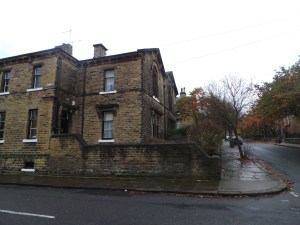
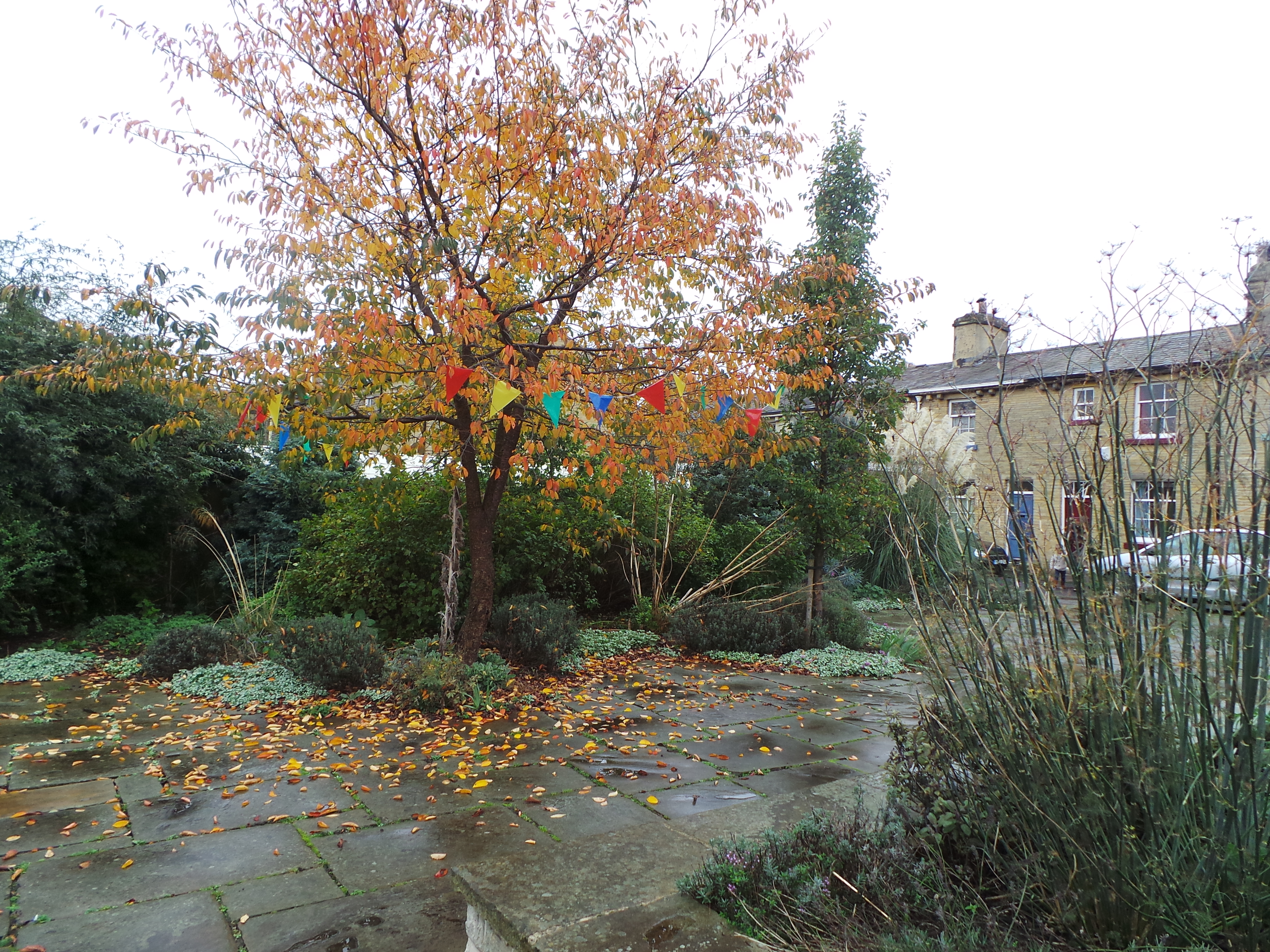
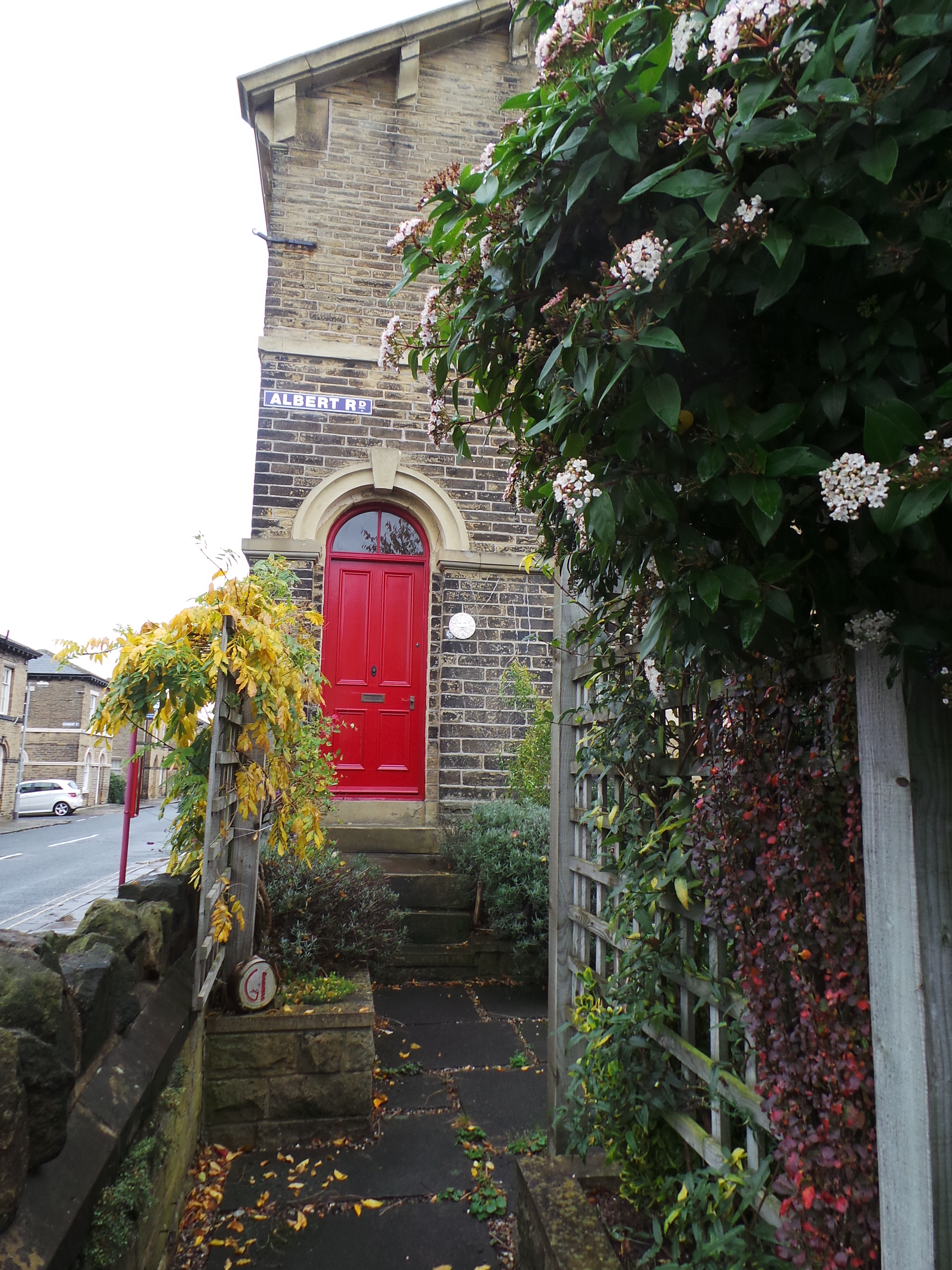
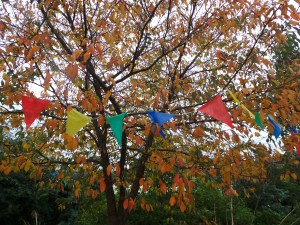
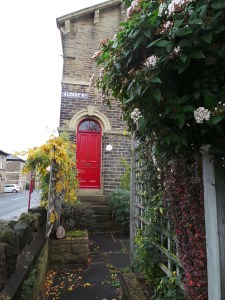
When we turned the corner into Albert Road we noticed a distinct change. The houses here were larger, grander residences and all semi-detached. These were home to company executives, teachers and the church minister. These would have been built  on the outer boundary to ensure their tenants had a view of open countryside as befitting their status at that time. Open spaces throughout were left for small squares and gardens for communal use. The bunting hanging in the trees shows that this still holds true today.
2014 10 30_6717 2014 10 30_6716

All homes whatever the status of the tenant had better conditions than anywhere else in the country at that period. Every house had running water, gas lights, a yard and an outside toilet. There must have been a great sense of pride here. The alternative conditions which most of their contemporaries endured would have been a different world. Salt had moved his factories and his workforce out of Bradford which was then the fastest growing town in the UK. The mill workers of Northern mill towns such as Bradford would have suffered terrible, dirty, dangerous working conditions and slums as homes. Working conditions would still have been difficult and the hours long but Salt was a philanthropic employer.
2014 10 30_6722 2014 10 30_6726

2014 10 30_6715 2014 10 30_67232014 10 30_6727 2014 10 30_6730 2014 10 30_6731

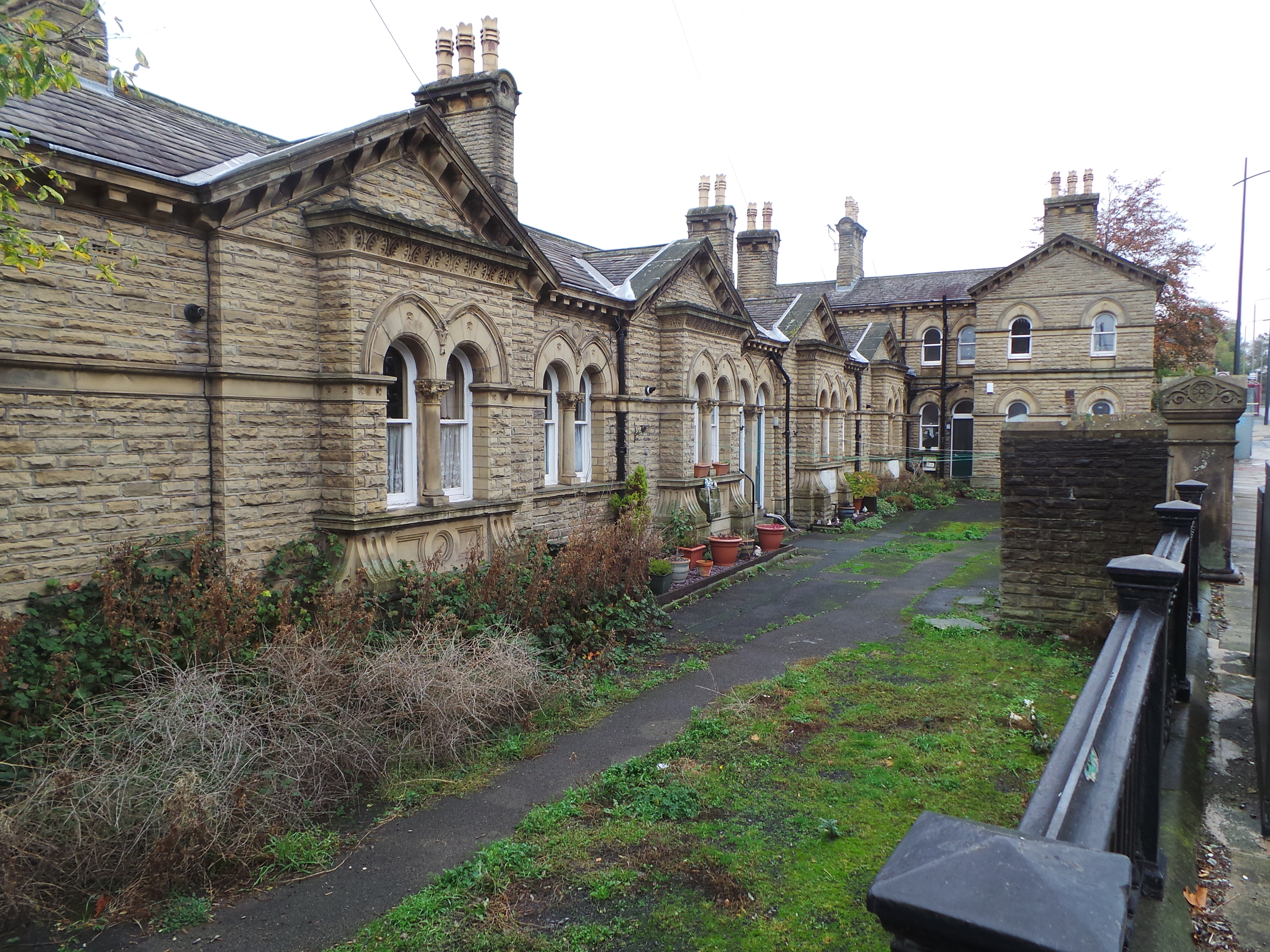
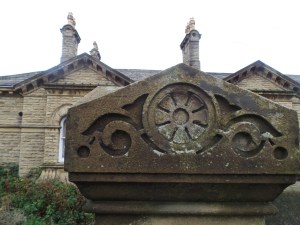
One of Titus Salt’s most thoughtful and forward thinking ideas was the provision of almhouses, which we found situated around Alexandra Square. These were homes for elderly and infirm persons “of good moral character”. The inhabitants of the almhouses were also given a pension, all this 40 years before the first state pension. The buildings themselves were very decorative and overlooked an open area of garden.

2014 10 30_6733 2014 10 30_6734 2014 10 30_6735 2014 10 30_6736

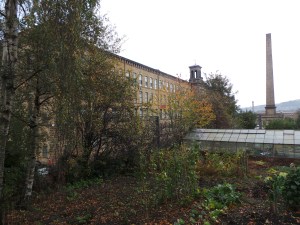
We were by this time well in need of a lunch break so made our way to the small area of shops and cafes in the centre. In part two you will find us in search of the social and community buildings, of which Titus Salt provided many. I leave you with another view of the mill with the allotments in the foreground. Salt ensured that there were green areas between the mill and his workers’ homes. The green spaces around the church served the same purpose.
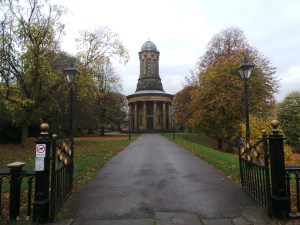
2014 10 30_6705 2014 10 30_6703


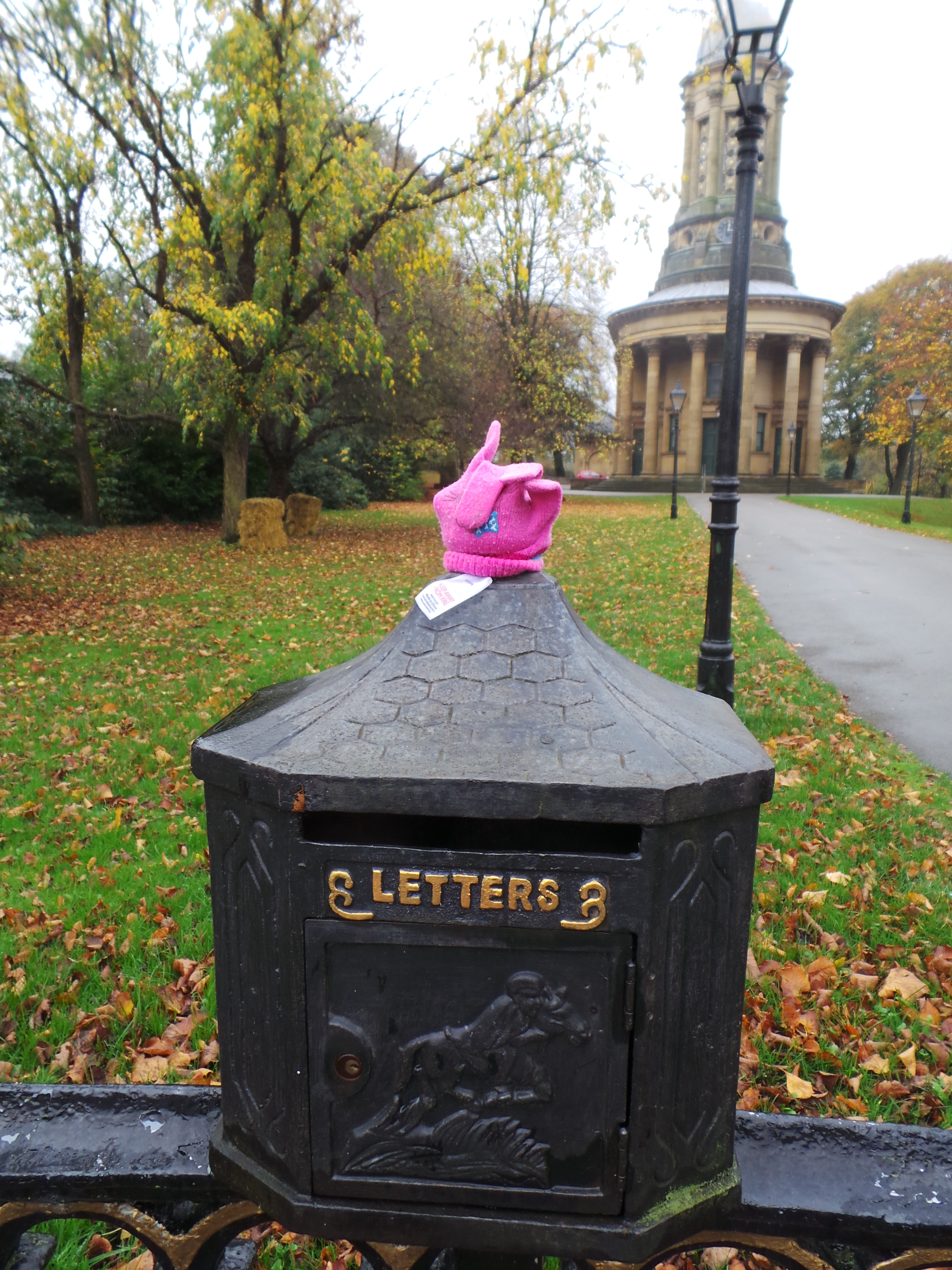
Sadly someone left Saltaire less happy than we were – they went home with only one glove!

2014 10 30_6704


This Veggie Life

A Vegetarian | Nature Lifestyle Blog

Rambling in the Garden

.....and nurturing my soul

The Arch City Gardener

Journeys In St. Louis Gardening and Beyond

Garden Dreaming at Châtillon

Consult the genius of the place

Storyshucker

A blog full of humorous and poignant observations.

gardeninacity

Notes from a wildlife-friendly cottage garden

PlayGroundology

...an emerging social science

The Official Blog of British Wildlife

'The most important and informative publication on wildlife of our times' - The Independent. This blog is a member of The UK & Ireland Natural History Bloggers group: www.uknhb.blogspot.com

iGrowHort

Inspire - Cultivate - Grow Native Plants - Restore Landscapes

Bishops Meadow Trust

To create and protect a semi-natural wild space for the people of Farnham to enjoy and experience an array of British wildlife in our town

Gardening with Children

The www.gardeningwithchildren.co.uk Blog

UKbirdingtimeline

birding through the seasons, why birds matter and how to conserve them

NATURE WALKER

with a camera in hand

Jardin

Transform your outdoor space

Eva's space

My allotment, cooking and other interests

Old School Garden

my gardening life through the year

LEANNE COLE

Trying to live a creative life

fromacountrycottage

trying to live as lightly as possible on our beautiful planet

Good Life Gardening

Nature lovers from Leicester living the good life.

mybeautfulthings

Finding the beautiful in the everyday

mawsonmichelle

Michelle's Allotment

In and Out of My Garden

thoughts from and about my garden

Greenhousing

Big plans for a small garden

The Scottish Country Garden

A Walled Country Garden in South East Scotland

The Fruity Chicken

Life at the fruity chicken

willowarchway

Off grid living. Self sufficient. "PERMAGANICS RULE".

St Anns Allotments

Nottingham's Grade 2* Listed Allotments and Community Orchard

Manifest Joy Harvests

a journey in suburban vegetable gardening

Allotmental

The madness of growing your own

Penny's Garden: a harvest beyond my front door

A novel approach to vegetable gardening

arignagardener

Sustainable living in the Irish countryside.

NewEnglandGardenAndThread

Master Gardener, amateur photographer, quilter, NH native, and sometimes SC snowbird

dianajhale

Recent work and work in progress and anything else that interests me

planthoarder

a chaotic cottage gardener

Lens and Pens by Sally

a weekly blog that creates a personal philosophy through photographs and words

Dewdrops and Sunshine

Stories from a sassy and classy Southern farmbelle.

The Pyjama Gardener

Simple Organic Gardening & Seasonal Living

gettin' fresh!

turning dirt into dinner

JOY...

today the world is created anew

Garden Birds

Notes from a Devon garden

ShootAbout

Life Through The Lens

Adapting Pixels

A photography blog showcasing the best photography pictures and videos on the internet

Wildlifegardening's Blog

Just another WordPress.com site

naturestimeline

personal observations from the natural world as the search continues for a new approach to conservation.

LATEBLOOMERBUDS

The Wonders of Life through my Eyes, my Heart, my Soul