Categories
birds conservation wildlife

Conservation and Culling

This is another controversial look at a conservation issue. I began writing this blog way back in October and then spent much time thinking about exactly what to write and ensuring due consideration was given to both sides of the argument. Then the issue was brought up on Autumnwatch where in particular the culling of Red Deer in Scotland was looked at. So I have waited until now to publish it.

Has the time come when we must consider seriously the need for the controlled culling of certain species in order to maintain a balance in our natural world? We have upset the balance through our actions for centuries by removing links in food chains and food pyramids especially predators such as wolves. Gamekeepers have removed certain raptors from huge areas of our islands and massively reduced the population of others. This amazingly continues today!

The consideration of this controversial issue is currently difficult as people’s vision is being blurred by the contentious ambitions of our government to cull badgers all for the wrong reasons – pressure from the farming industry. The unproven condemnation of badgers as being the main cause of the spread of bovine tuberculosis is being used as the reason for a cull. but this is altogether different – it is being proposed for purely economic reasons.

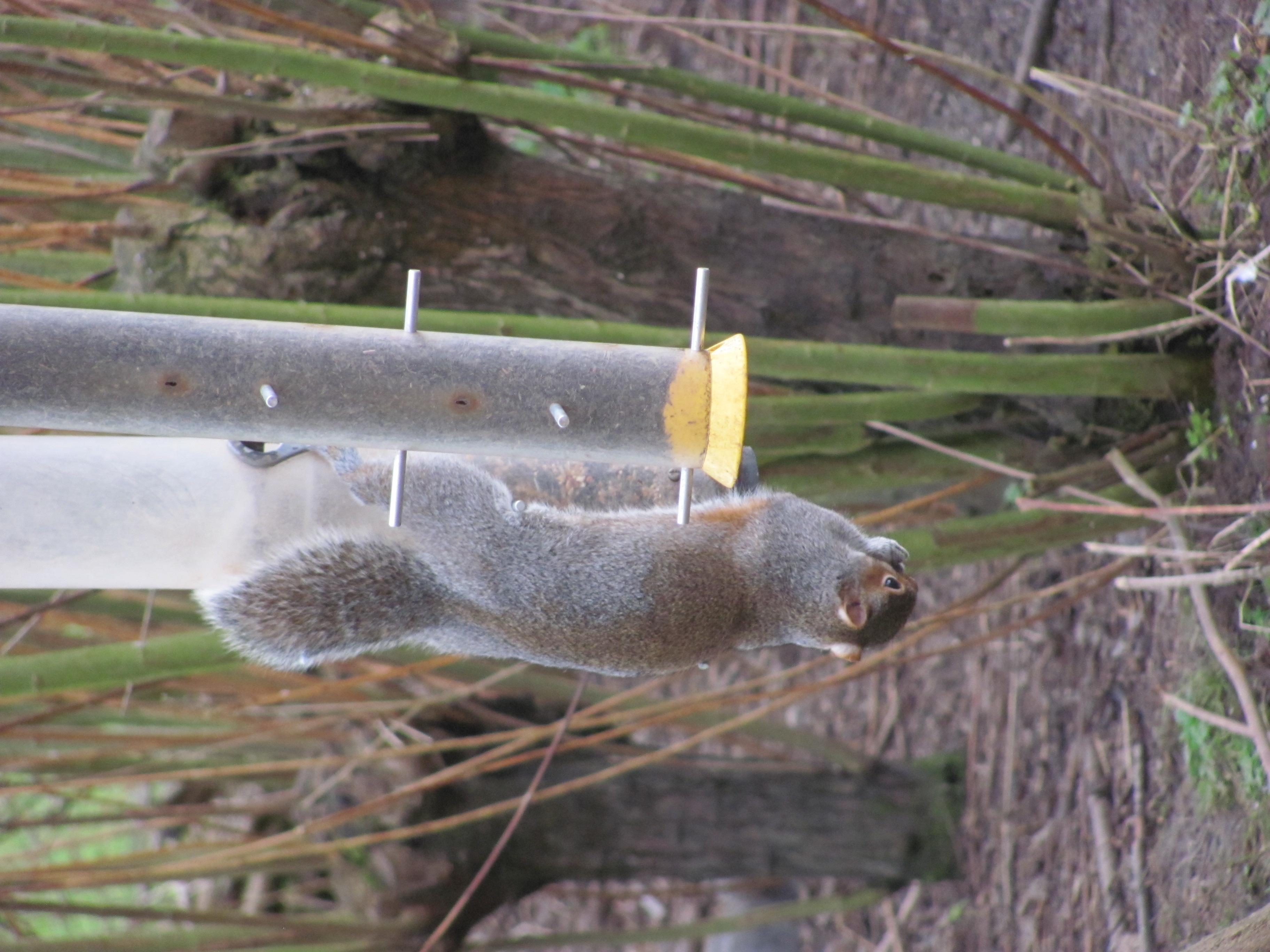
The aim of the culling I am talking about here would be to bring some control to over-sized populations caused by an imbalance of nature caused by man, often the species needing to be culled being foreign invaders. The most obvious creatures that need to be under scrutiny when considering culling are the Grey Squirrel, the Wood Pigeon, the Rabbit, Signal Crayfish, mink and some species of deer. It is clear to see that there are far too many of each of these and where mink and Signal Crayfish are concerned even one is too many as they cause severe disruption to our native creatures, the Bank Vole and our native Crayfish respectively. Whether the Grey Squirrel is a direct threat to our native reds is less clear-cut as they tend to favour different habitats.

Perhaps one answer is to consider these as a food source. Should we return to a time when pigeon and rabbit were part of our everyday diets, and begin to think of harvesting the Grey Squirrel and Signal Crays as a new food source? To some extent we accept this with deer for example Attingham Park, a National Trust property near us just outside Shrewsbury, culls its deer to keep a healthy herd and sells the venison.

So what is the way forward? Could we accept culling if it also had the by-product of providing a food source?

The Grey Squirrel is cute and entertaining as are rabbits, so a cull of either would be hard for some to swallow. But they are not native to our shores and they can both become tasty ingredients.
The opposite side of the coin could be the re-introduction of missing species, and this could be even more controversial. Could we realistically reintroduce wolves? The reintroduction of beavers in Scotland does not seem to assist in redressing any imbalance.

More questions than answers!! I certainly have no answers. I couldn’t kill any living creature, with the exception perhaps of the slugs that devour our plants.

Categories
allotments birds community gardening conservation fruit and veg garden photography garden wildlife gardening grow your own meadows natural pest control ornamental trees and shrubs photography trees winter gardens

A Wander Around the Allotments in January

As I decided to create a blog at the beginning of each month illustrating what is going on in our garden, so I have also decided to publish a blog in the middle of each month to show what is happening on our allotment site.

So today we braved the cold and went for a wander. The weather although cold, at five below, was bright sunshine in a clear blue sky. the air felt freezing as it entered my lungs but the sight of the lotties cheered me. As we stepped from the car a kestrel was hunting low between the sheds in search of the abundant field voles. A day never goes by without seeing at least one kestrel quartering the site. A buzzard soared overhead in the thermals created by the warmer air above the cultivated plots.

First job was to fill the bird feeders at the two feeding stations. They were busy with blue tits, coal tits and great tits feeding from the hanging feeders and blackbirds, dunnocks and robins beneath picking up the feed dropped by the clumsy birds above them. All the while we could hear the call of nuthatches in the site’s mature oak and sycamore trees.

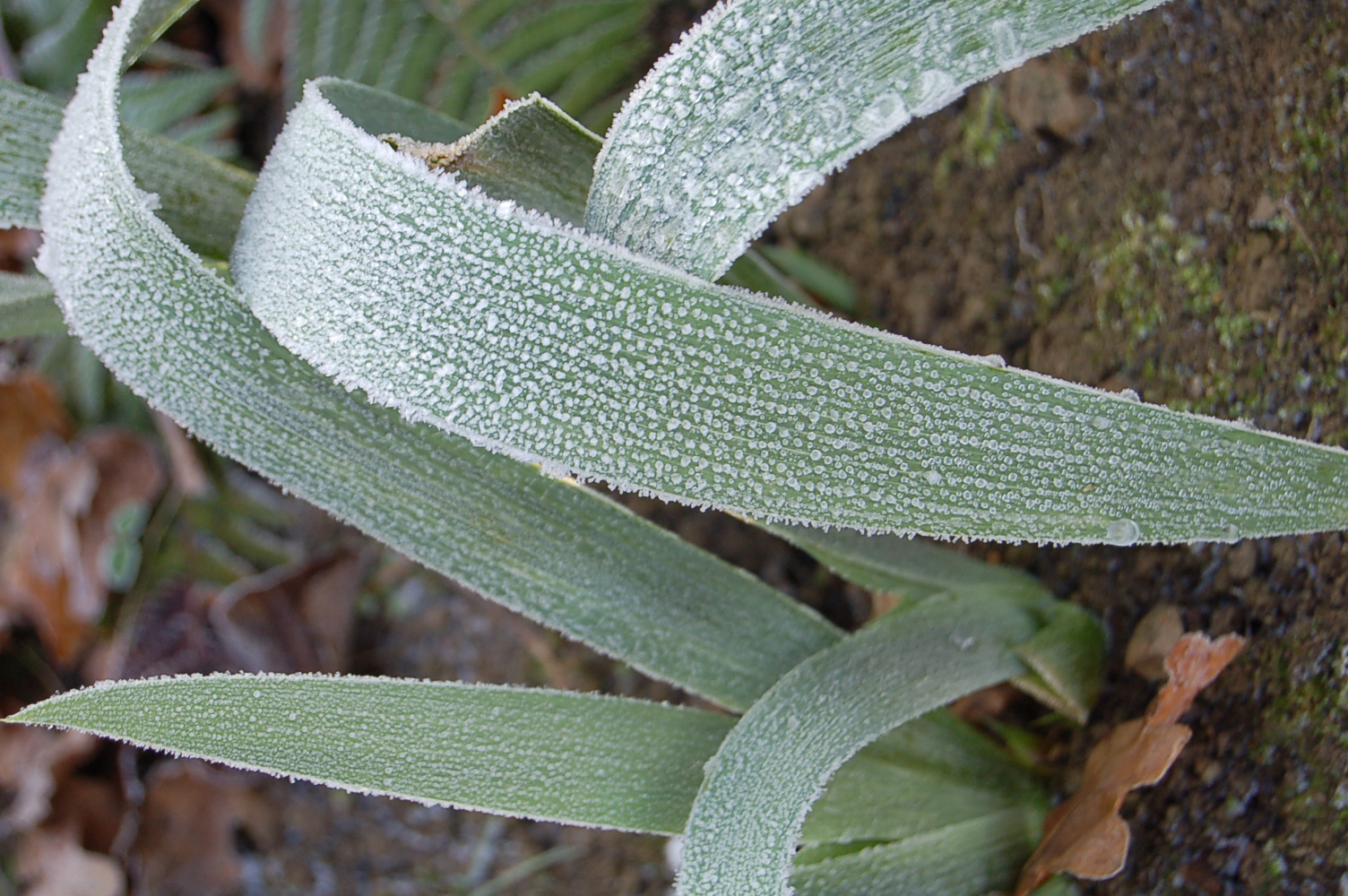
Frost sits on the bare ground and helps the gardeners by breaking it down and improving the texture in readiness for a final preparatory rake over. The fine tilth can then be home to seeds.

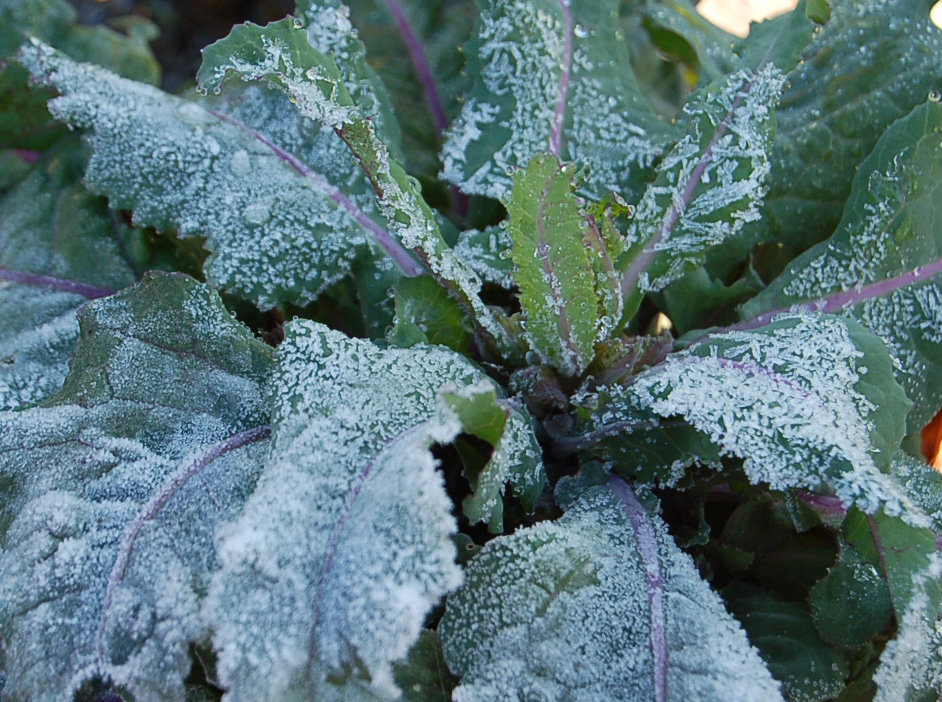
The plots themselves look very sad at this time of the year, drooping brassicas, frosted leeks and steaming muck heaps and compost bins, the warmest spots of all. The scarecrows have fallen in the recent strong winds, their clothes wet and bedraggled and their structures weakened. Frost emphasises leaf structures, settling deepest along the veins.

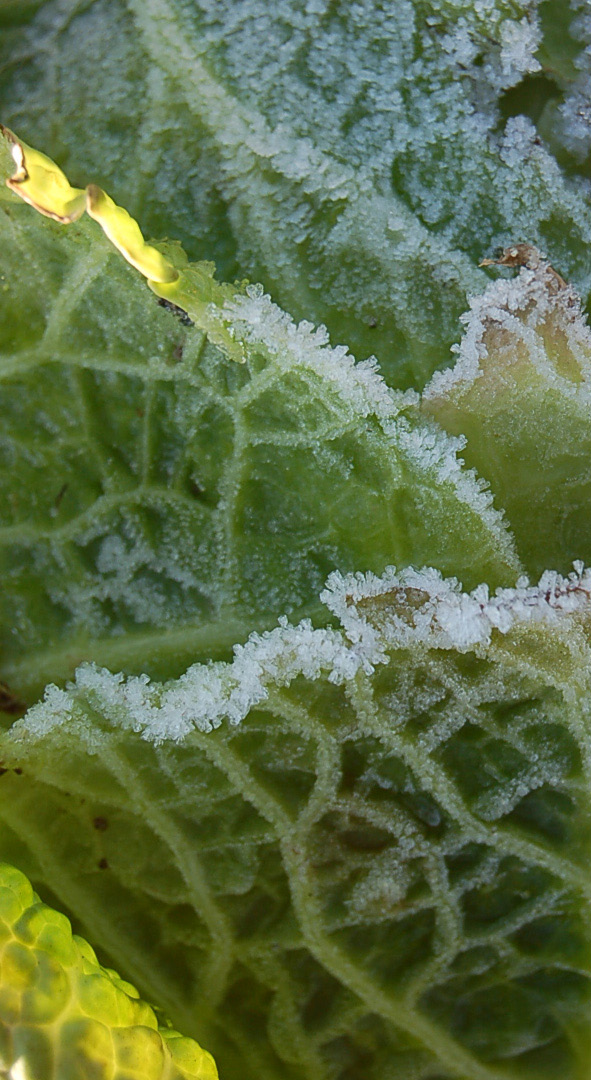
The strongly veined wrinkled leaves of the Savoy Cabbages withstand the cold wrapped into tight balls.

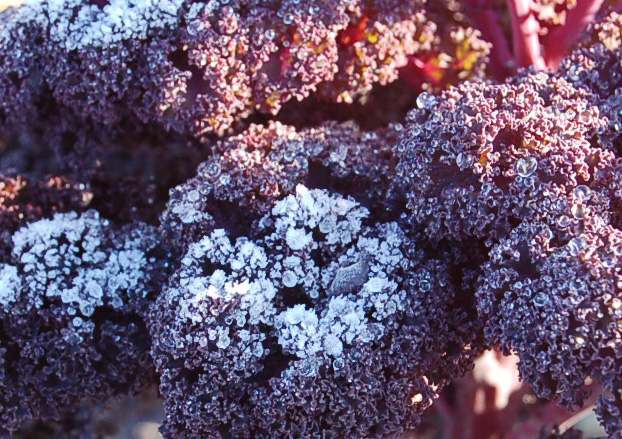
Kale defies the cold and stands upright and proud  even with ice droplets and frost splattered on their tightly curled leaves.

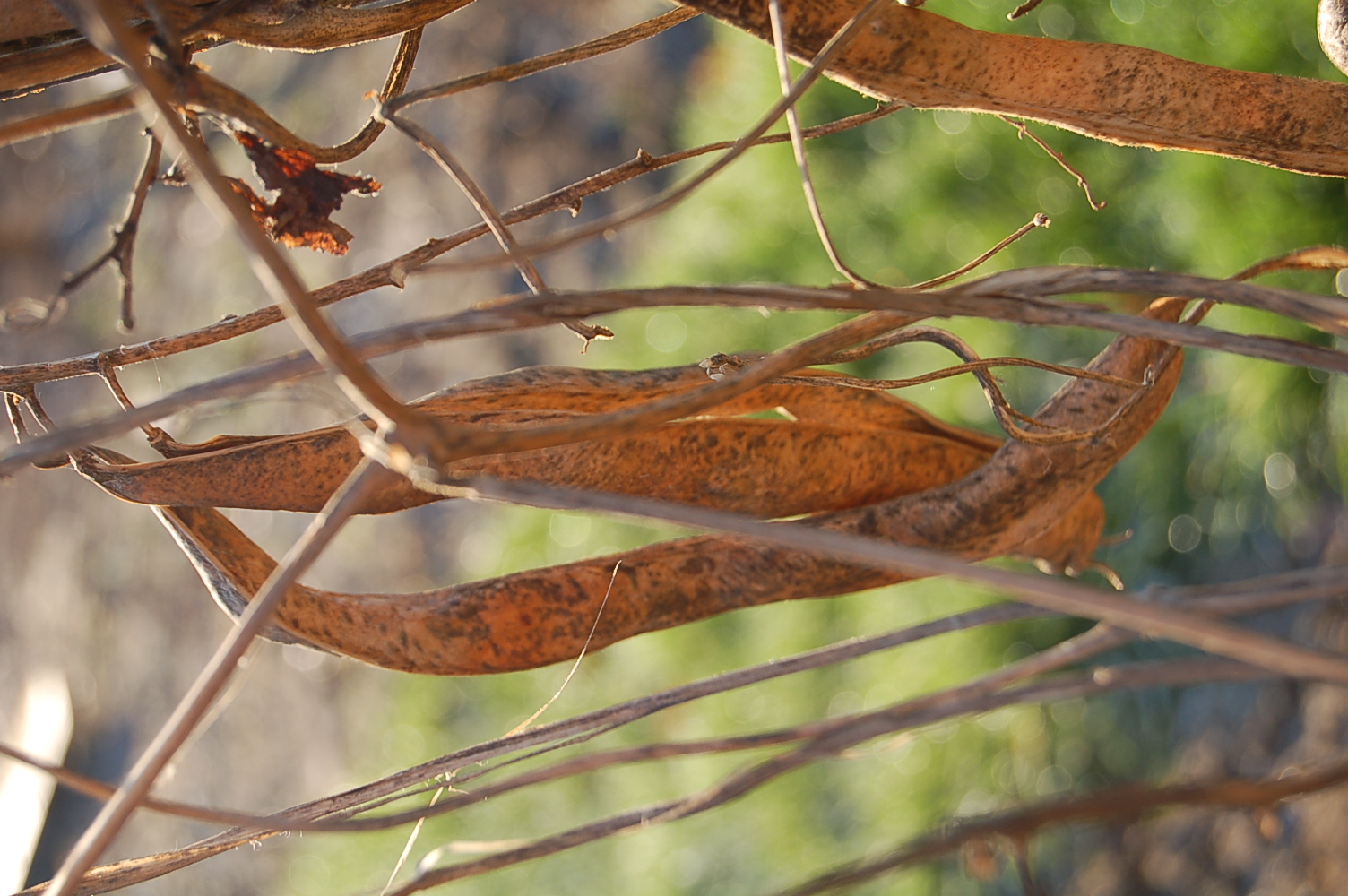
Sunlight makes the old runner bean pods translucent as they hang on the dead remnants of last year’s plants.
On our own plot the rows of Mooli, Broad Beans and Leeks look delicate in the frozen soil but will sit until spring arrives when they will have growth spurts and give us early crops.

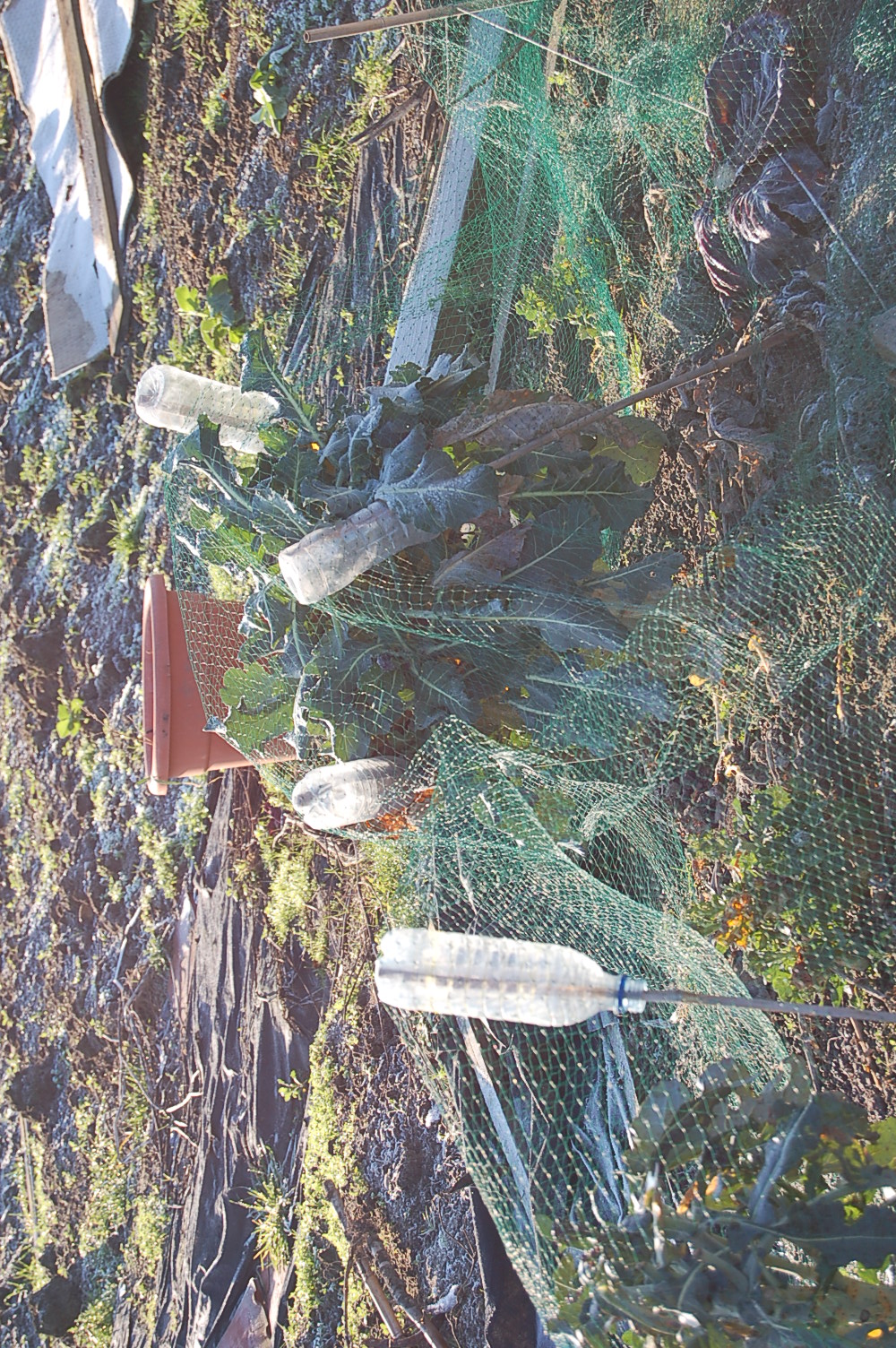
Plastic bottles on canes support last year’s netting and still protect any overwintering crops from hungry Wood Pigeons.

Blackbirds move low across the lotties settling onto any sun-warmed soil and dig for grubs, but this one sat looking sad.

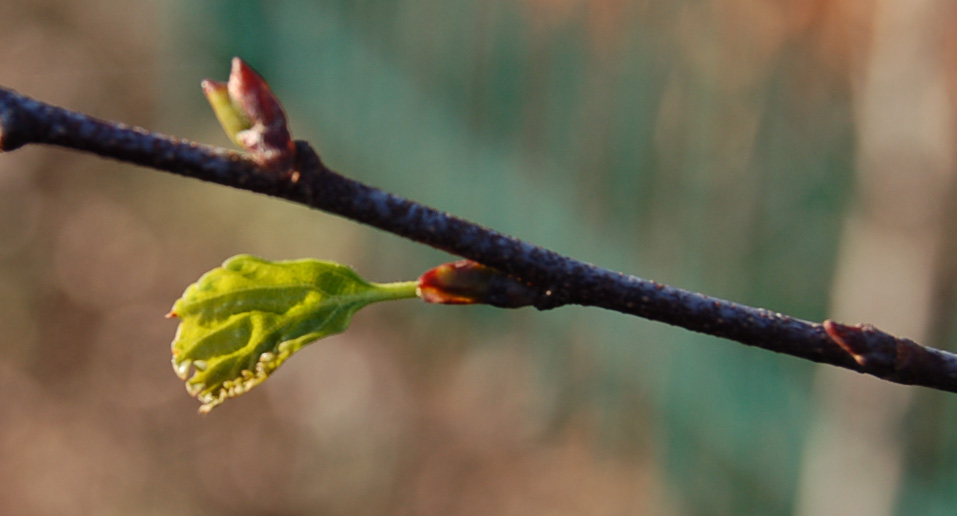
We took a leisurely walk around the “Interest Trail” which took us through or close to most of the community gardens – the orchards, wildlife borders, seasonal gardens and meadows. Near the car park the first green bursts of new life have appeared, the leaves and catkins forming on the birches. The young catkins stand bolt upright at this stage but will soften in colour and structure when they dangle down in the spring.

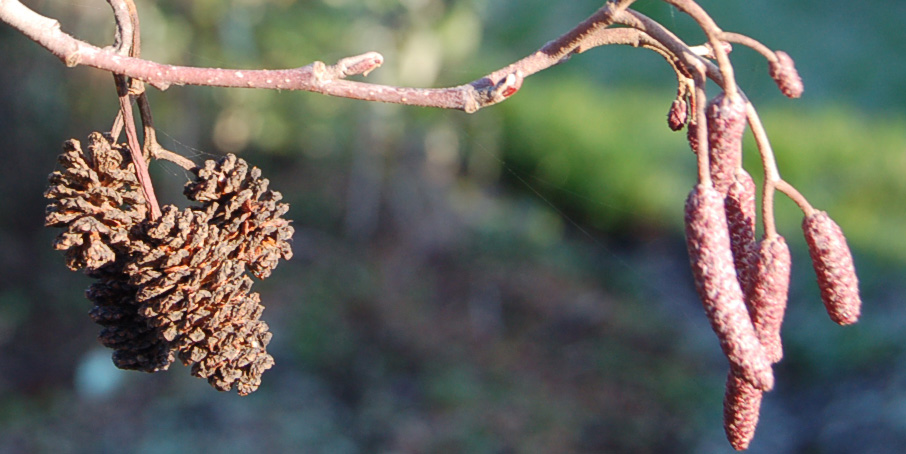
The purple catkins of the alder sit on the branches with the darker cones.

In the Autumn Garden seed heads of Asters remain long after the flowers of autumn, like tiny dandelion “clocks”.

In the first orchard th frost still lingered strongly on the logpile especially on this old chunk of bark.

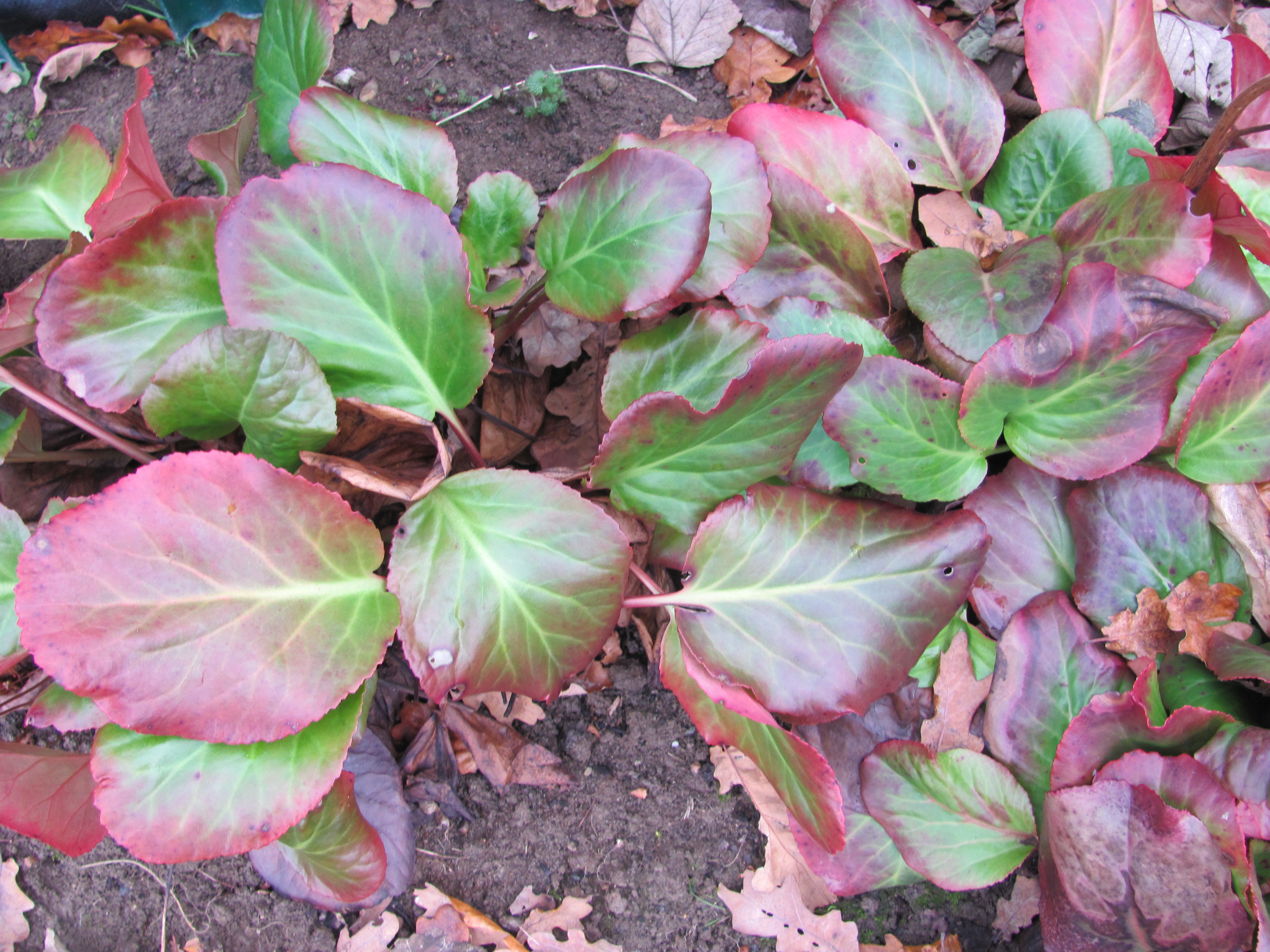
When we reached the Spring Garden we were struck by the contrasting leaf texture, shapes and structures.

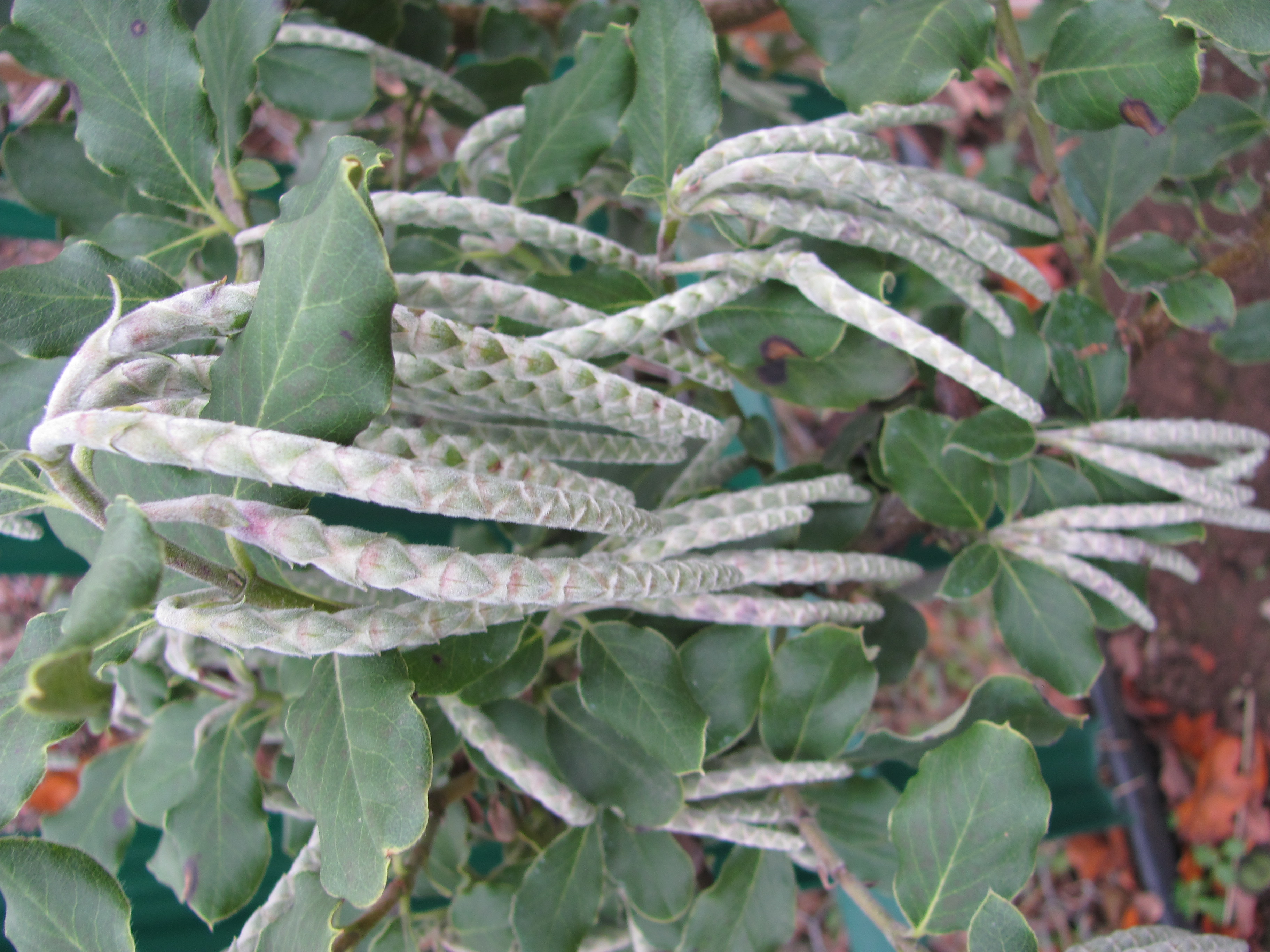
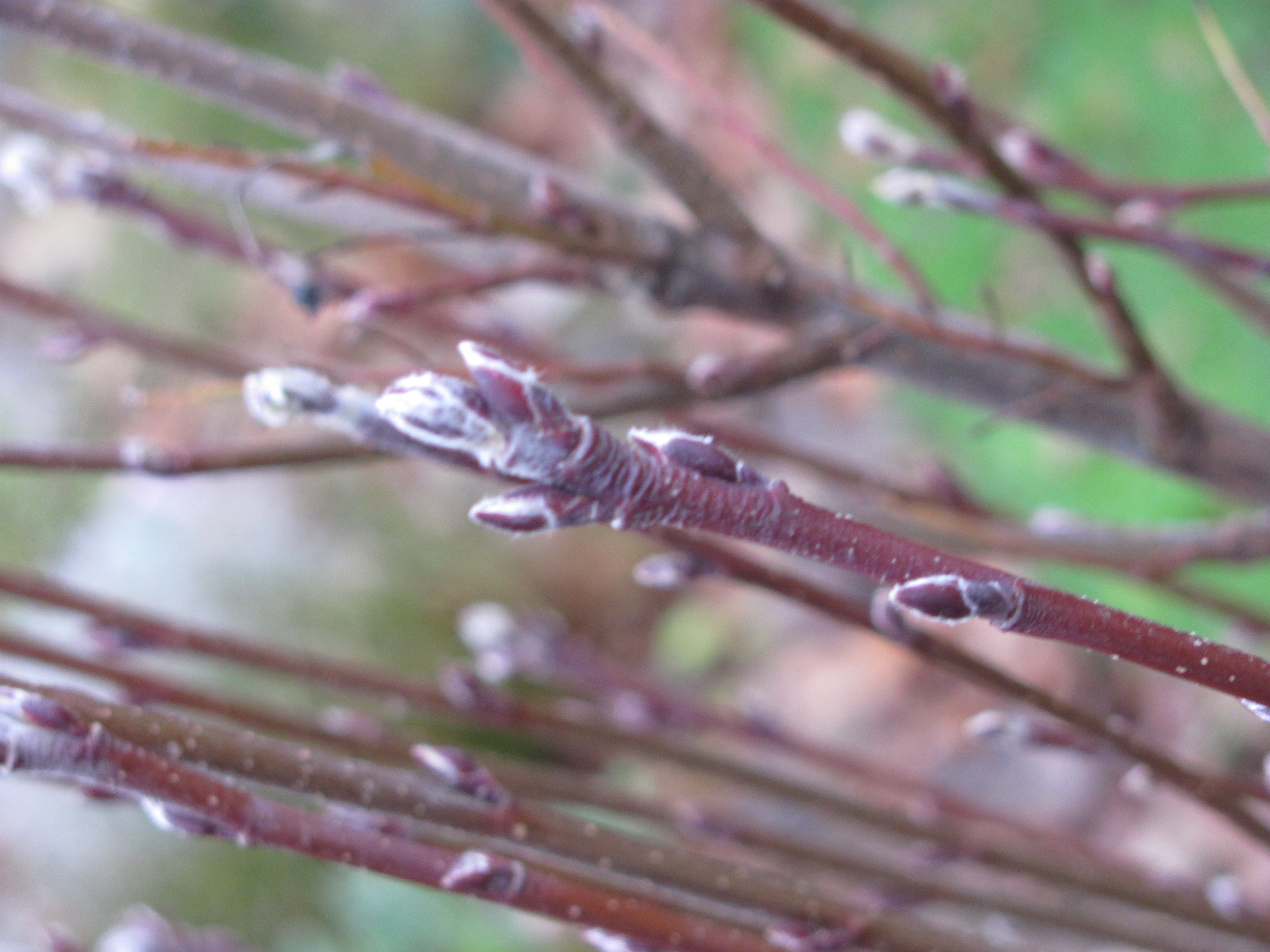
At the back of this garden the silver tassels of the Garrya hung in profusion and the new buds of the Amelanchier promised early flowers and foliage.

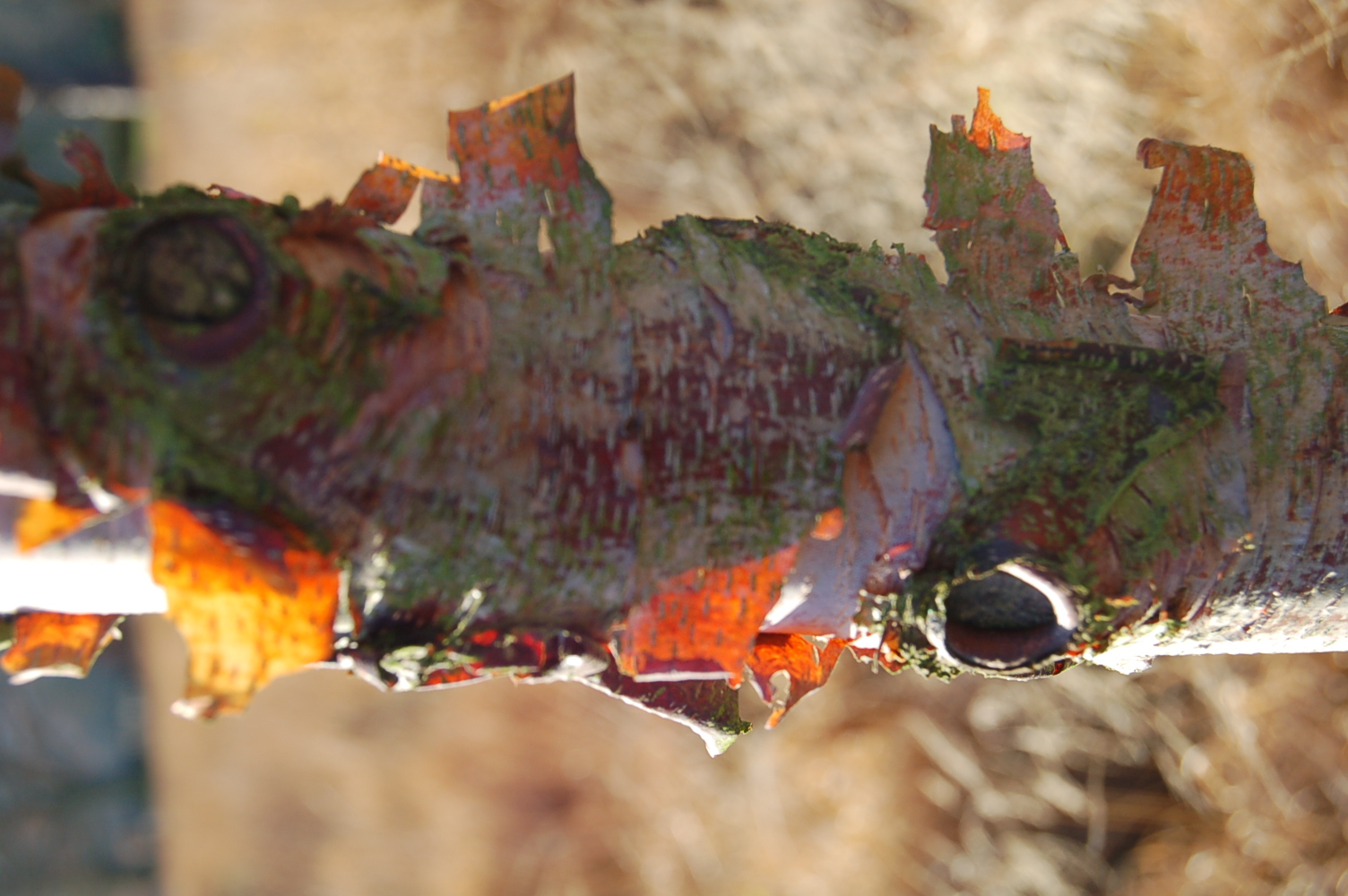
Further round the trail we arrived at the “Winter Garden” where the low rays of the sun sent long shadow lines of the fence right across the border between the coloured stems of the Betulas and the Dogwoods. It also illuminated this peeling bark, giving it the impression of slithers of orange brittle toffee.

The blue spruce looked bluer than ever with the whiteness of the frost laying on its needles.

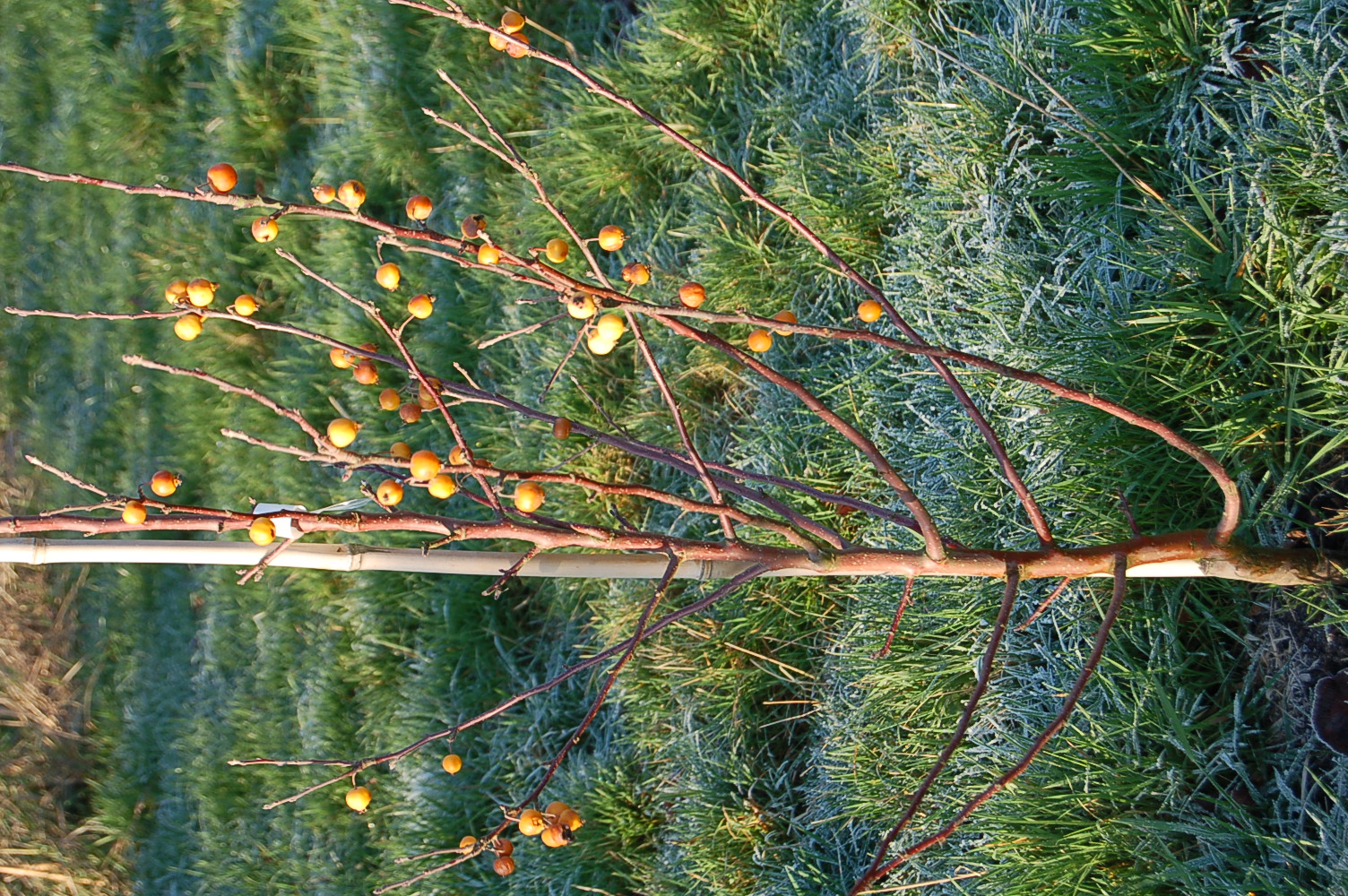
Our Winter Garden has so much of interest that I shall publish a blog just featuring it within the next few days, so for now we shall move on to the second orchard where the golden fruits of Malus “Evereste” have escaped the attentions of the winter visiting thrushes but I suspect they will soon be discovered and devoured. The insect stack in the orchard is there to attract beneficial insects who provide our very wildlife-friendly pesticide. The stack should give them some shelter to help them survive the winter cold and wet.

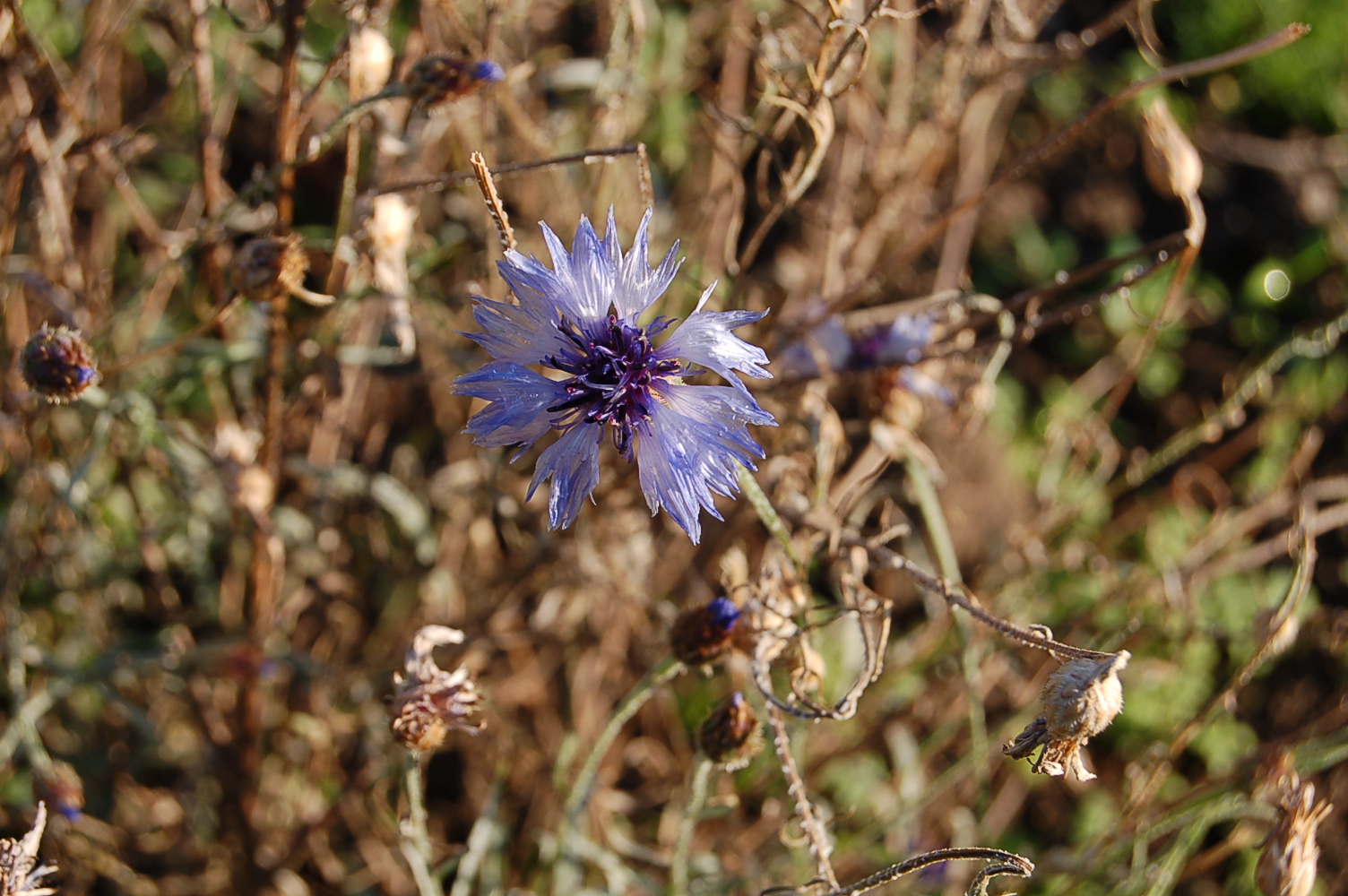
As we wandered back towards the car park we passed through the wildflowers meadows long since cut to the ground, but showing promise for next summer in its tiny seedlings. One lone flower braved the cold – a pale blue cornflower. Leaving the lotties we noticed promises of flowers from the bulbs in the car park border and in the half-barrels in the gateway.

Categories
bird watching birds conservation garden wildlife ornamental trees and shrubs trees Wildfowl and Wetlands Trust wildlife

Wildlife in the City – Barnes

We went down to London for the day, not to see a show or visit a museum or shop in Harrods, but to go birdwatching. Not something I could have said a few years ago, but luckily for us and the residents of the capital city the Wildfowl and Wetlands Trust have created a haven for wildlife right in the heart of the city. We hate cities and definitely hate driving in them, so we hoped our visit would be worthwhile. We were accompanied by our daughter Jo and son-in-law Rob who had recommended the place to us, so the pressure was on them! They are good navigators in cities which was most useful. Last year they visited and were amazed at 5 Bittern sightings.

The day dawned cold and wet with a bitter wind so we wrapped up in thermals and layer upon layer of clothing suitable for Polar Bear spotting. First impressions were favourable – the centre was attractively built, we were “meeted and greeted” by a friendly WWT person who told us where to go starting with the cafe. it turned out to be a good cafe which served tasty lattes and even tastier bacon butties. We reluctantly left the cafe’s warmth and shelter expecting to have to tackle the weather to reach the first hide. Wrong! It was in the same building as the cafe and a most comfy place to view the large expanse of water.

Watching the numerous species of duck against an urban background seemed somewhat incongruous. And watching a Peregrine spook the ducks in a diagonal stoop over the cold grey water  added to this feeling. We saw over 40 species of bird including Snipe, both Common and Jack, wildfowl such as pochard, teal and shoveller, but fewer small birds but we were treated to a close up view of a Stonechat, that dapper little alert chap dressed in russet and wearing a black cap. The Jack Snipe, Pintail and Water Rail were probably the star spots of the day. It has been 30 odd years since we last saw this diminutive Jack Snipe, the little wader with the  long beak that is surprisingly shorter and less ridiculous than the one sported by  its larger cousin the Common Snipe. We had a fine view allowing us to appreciate its wonderful striped head and russet wing markings.

Walking between the hides we were impressed by the wildlife gardens planted along the walkways. The dried stems of perennials and the stark outlines of dogwoods, willows and birches gave a taster of how attractive they must be in warmer months. There were examples of methods of attracting wildlife such as this magnificent “insect tower block”.

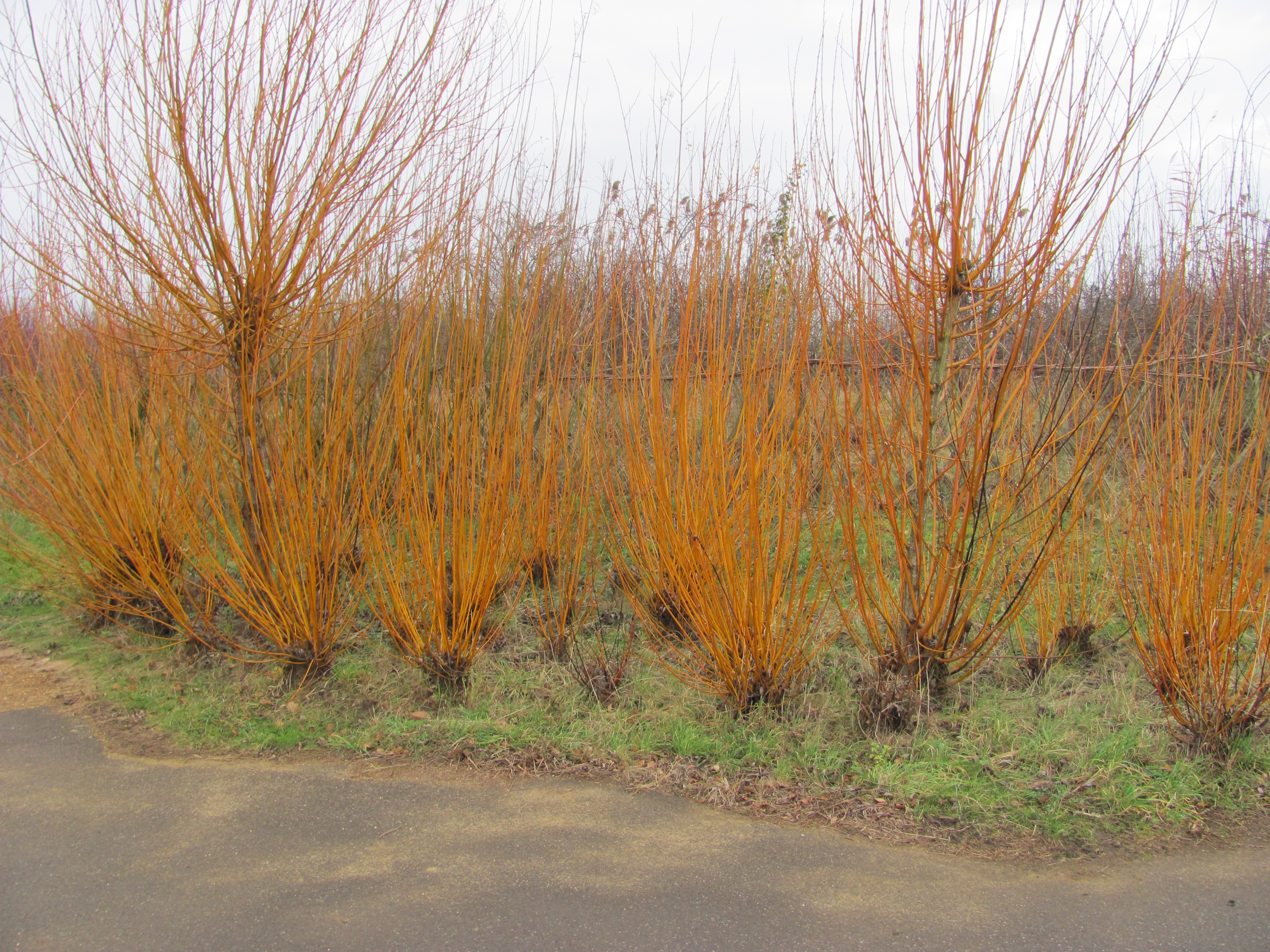
Coloured stemmed willows feature strongly as pollarded trees, hedges, structures such as arches and living fences. These yellow stemmed pollarded and coppiced specimens lit up the dull grey day.

Barnes certainly lived up to expectation even though the visitors’ favourite failed to put in an appearance, the weather being too inclement for the Bitterns, a bird that dislikes the wind. But it gives a reason to return. We plan to visit next in the summer when it will be interesting to see what summer migrants are in evidence in this wildlife oasis in the city. I know how corny the phrase “wildlife oasis” is, but how else can you describe this little gem.

Categories
birds conservation garden wildlife RSPB wildlife

The Wonderful Starlings of Aberystwyth

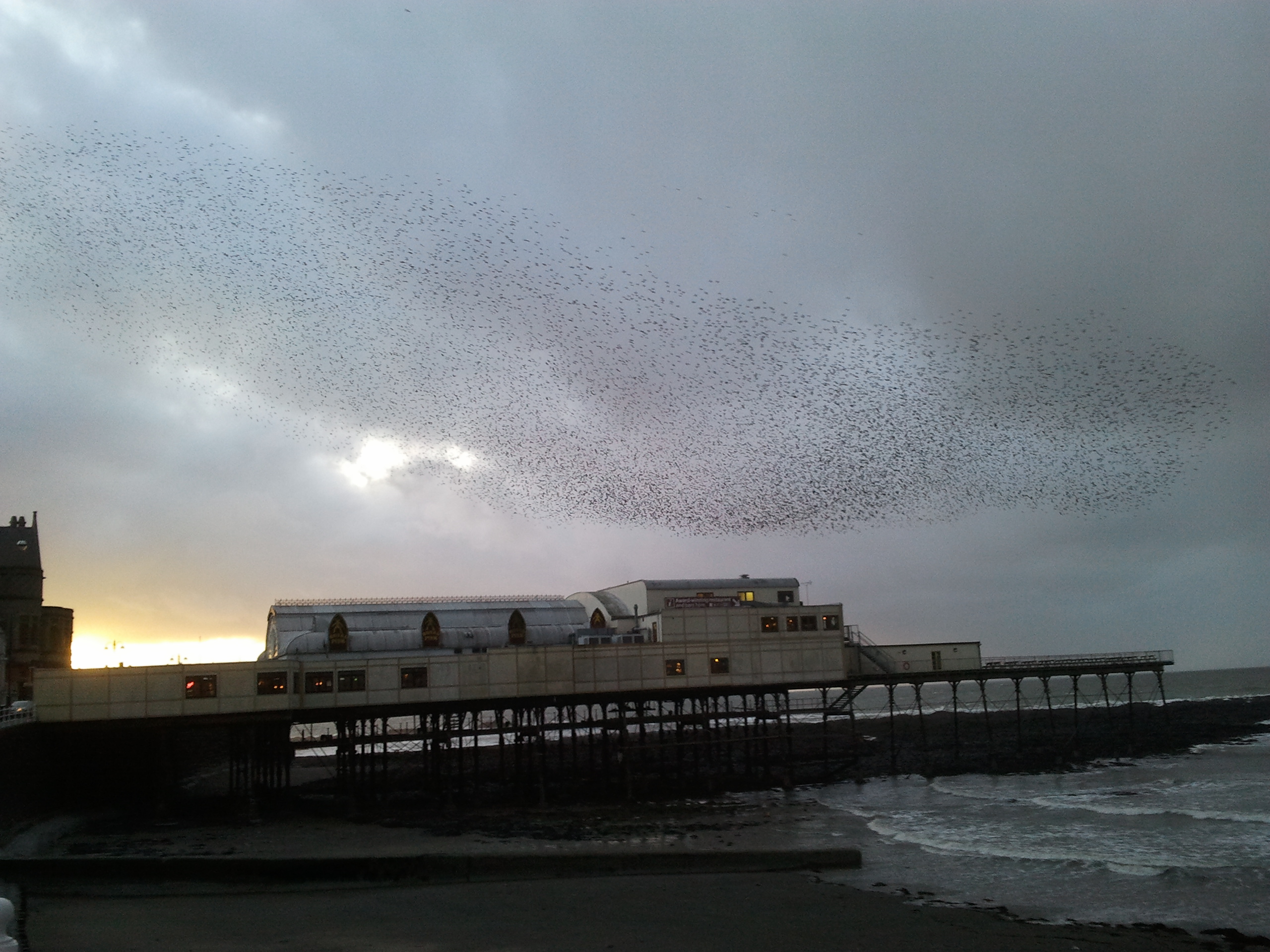
When we received a text asking if we fancied a trip to Aberystwyth to see the murmuration of starlings at the pier we didn’t need asking twice. This was a chance to see one of the UK’s most incredible wildlife spectacles. We had experienced small murmurations in Northumberland when we watched hundreds of starlings grouped together to roost in a clump of tall coniferous trees. That impressed us – the Welsh murmuration should amaze us!

After a long drive of nearly 3 hours we arrived just before the expected start time of 3:30 and found a parking space just 50 yards from the stage – the pier. Apparently they are very accurate time keepers these starlings. It was dull with heavy deep grey cloud overhead and it started to spit with rain. The skies above the pier were quiet so we decided we had time for a coffee and buttie. After that long drive which found us stuck behind everyone who didn’t seem very keen on getting to their destination so drove at 30mph, I was desperate for a coffee and so were my three companions.

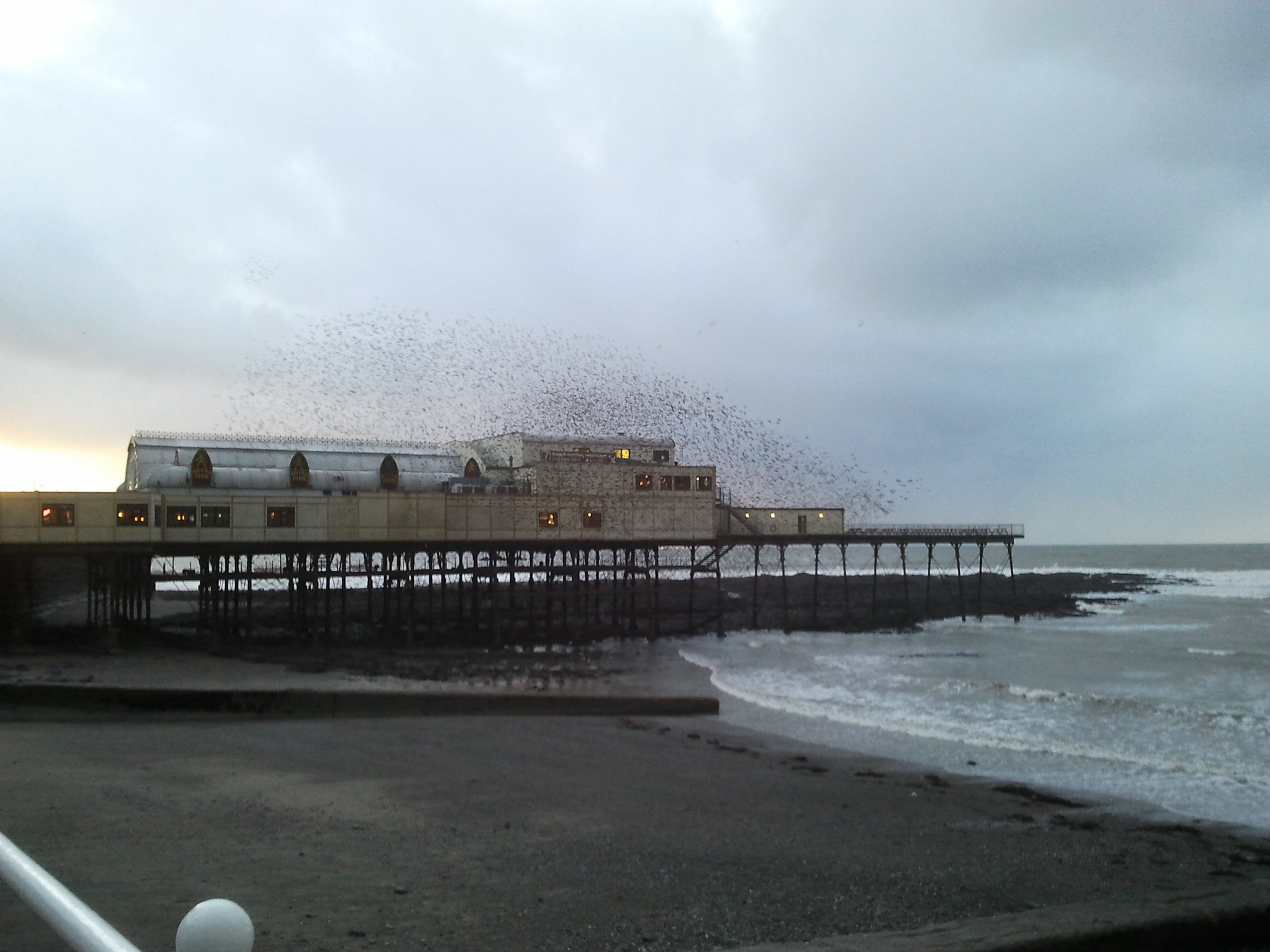
We poured the coffee out and each of managed a bite of s buttie before the spectacular crept up on us. First a small flock of a dozen or so starlings, a few minutes later a nother small flock. But suddenly flocks of every size and odd individual bird wer homing in on Aberystwyth pier. We jumped from the car coffees in one hand butties in the other. these were soon dumped on a bench as we grabbed binoculars and smart phones (for their cameras). Then all hell broke loose as starlings in flocks of all sizes arrived from all directions and at every angle some over the roofs of the town some over the line of sea and beach.

In the end the skies overhead were patterned by tens of thousands of little black birds all trying to communicate at the same time. As the flocks merged they created smoke like patterns moving in harmony. Choreographed by social understanding, these dark bird clouds moulded into ever-changing shapes, soft curved shapes. An aerial dance of waves. Some birds had traveled from 20 miles or so  away but every single one had time to dance.

They entertained us. They enthralled us. The sky was simply full of starlings all awaiting that time when the group decision was made to drop down and settle for a night under the pier, on every beam and bar. They dropped like closing blinds. Chose good spots safe from predators, sharing each others warm and news of the day’s foraging. Their talking is deafening like an ill-disciplined school dining hall on a wet and windy day.

They repeat this performance every day. They know the pier affords them good visibility and a feeling of safety. As the tide rolls in the sea adds further protection and drowns out their chatter. They have once again found the security of their communal night-time shelter. As the last small flocks found spaces under the pier the gentle rain turned heavy and we retreated to the cover of the car.

As we drove home high on the spectacle we kept wondering why these gatherings were called murmurations. A murmuration is simply the name for a group of starlings. The dictionary definition is “a flock of starlings” or “an act or instance of murmuring” – no help really. So we don’t have an answer and neither does anyone else seem to. Let’s just be satisfied with the memory of seeing this one at the pier.

It is hard to comprehend that the status of the starling in the UK is Red Status as these gathering give such a false impression. The majority of the starlings in these roosts come from the European continent. Perhaps the publicity given on TV through Autumn Watch and through the many video clips on the internet we may become more concerned and determined to do something about their falling numbers. We try to do our bit by encouraging them to the feeding stations in our garden where they gorge on suet blocks and fat balls. The big picture is hard to comprehend – if farming methods and the related food shortages are to blame then some big changes in the way Britain produces its food is called for. Those who make decisions about our farming need to display great strength of mind and a strong will. We can but hope!

Categories
birds conservation RSPB wildlife

Wildlife Oasis

Whilst gardening today I was aware of so much wildlife around us even this late in the year. The bird feeding stations were unusually busy and birds moved though the borders searching for insects and seeds. Nuthatches have returned this year after a three-year absence and the blackcaps have arrived for the winter. The mixed titmice flocks lead by the Long Tails visit regularly and bring the garden to life. There are still insects around and the occasional bee and wasp. The Field Voles and Shrews make forays into the borders in search of their meals. It has not taken a great deal of effort to encourage our wildlife but certainly benefit from seeing and hearing it all around us whenever we are in the garden, so why are there not nature reserves on every spare patch of land in town and country? Look out for a future blog about our wildlife gardening efforts.

When on holiday in Dorset in the early autumn we were amazed by the RSPB reserve in Weymouth,  Radipole, which is a true wildlife oasis in this busy seaside town. It is a wonderful place! So much nature just where you expect to see very little. We were treated to sightings of kingfisher, hobby, marsh harrier, little egret, snipe, reed bunting and warblers aplenty.

We found the walks around the reserve easy as they were flat and comfortable and refreshments were at hand via the bountiful blackberry bushes alongside the tracks. One section of the track is bordered with buddlejas specially planted for butterflies and wildflowers abound.

The reserve is home to rarities such as bittern, bearded tit and cettis warbler as well as many species of wader, duck and warblers such as sedge and grasshopper. As well as the birds otter are regularly spotted. The huge variety of species here is due to the variety of habitat which include lagoon and reedbed.

And all this is found alongside busy town roads, bustling junctions and retail parks. We thought we were lost when we found ourselves in a town car park until we spotted the thatched roof of the little visitors’ centre right at the far end. The welcome is so warm – all RSPB centres give a warm welcome to their visitors but the welcome here is warmer than the norm. The volunteers are full of useful information and will talk you through recent sightings and the best places to get good views. We arrived in a heavy downpour but enjoyed a good cup of coffee a chat with a volunteer and a view over the lagoon from the centre’s huge viewing window. We had a brilliant day and can recommend it to anyone visiting the South West.


Categories
conservation

Conservation – habitat or species?

This is a controversial issue with strong feelings on both sides I suspect, but should we really be expending energy, resources and finance on reintroducing creatures such as the beaver when we could be concentrating on improving and increasing scarce habitats? My feeling is that if we concentrate on habitat conservation and improvement first then an increase in all species indigenous to that habitat would increase in numbers and indeed some species that have disappeared could reappear – plants, insects, birds and mammals.

The landscape in the photo is part of the RSPB reserve on Anglesay which consists of cliffside habitat and cliff top heathland. The habitat here is well maintained and as well as looking colouful with its heathers, lings and gorse, and dramatic with its steep cliffs and huge splashing waves, it is home to so much wildlife. On a recent visit we watched choughs along the clifftop crying out their “chee-ew” calls. And perching atop stems and stalks stonechat and pippets. On other visits we have watched hunting displays of peregrines and sparrowhawks.

The cliffs themselves are home to nesting seabird colonies of razorbills, guillemots and puffins while out at sea lucky watchers may spot porpoises and dolphins. The heathland is home to adders.

While there I decided that by conserving rich habitats such as this we are best serving wildlife. Surely value for money and value for effort wildlife conservation is best served in this way. Reintroducing beavers to a remote loch in Scotland surely comes a poor second!

Categories
conservation garden wildlife

Cheeky Sparrows

What is it with House Sparrows? We all know now of the terrible plight of this “cheeky chappy”, the “cockney sparrer”, or as we called them as kids in Gloucestershire, “spaggies”. Their population has dropped drastically, in town and country. A year ago we were missing their constant chirpy chatter here in our Avocet garden as in the six years we had lived here they all but disappeared. We decided that we might reverse the trend a little by putting up a box for them – the real thing, a sparrow terrace with 3 nesting spaces. They had occasionally in the past pushed a pair of great tits out of one of their boxes so we put one of those metal plates with a small hole over the original hole and nearby nailed up the new “for sparrows only” box. The box was on the fence in the side garden opposite our kitchen window so we could watch for developments.
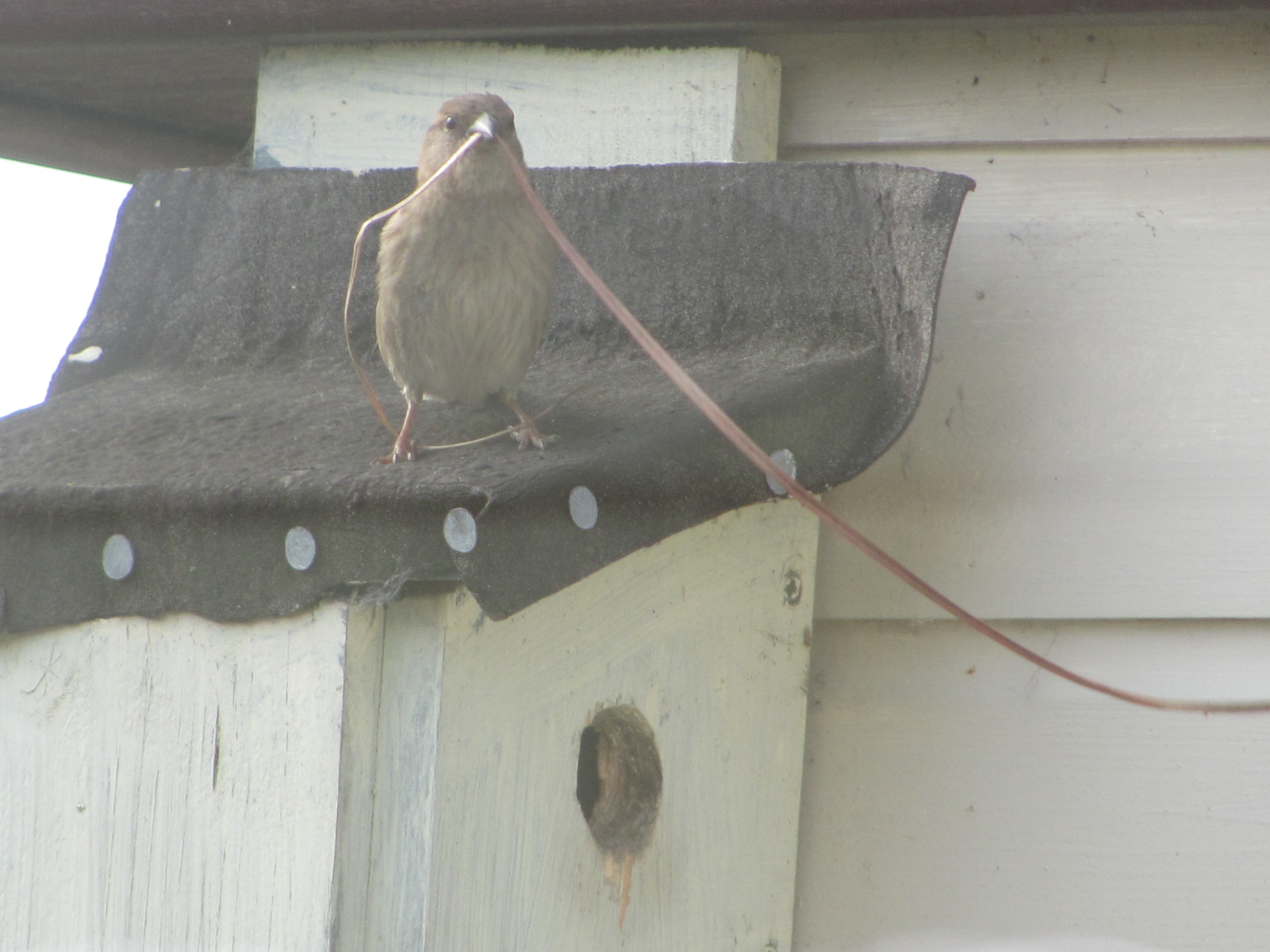
The old box with its new metal hole was grabbed early in the year by a pair of blue tits who took up residence in January and fought off all other prospective squatters. The house sparrows completely ignored their new box except occasionally using it as a perch or toilet. However we soon discovered a pair evicting great tits from a tit box in the back garden. The fight continued for weeks with nesting material being added in turn by the sparrows and the tits. The sparrows won in the end and have now raised a healthy and noisy brood. They are now sitting on the second batch of eggs.
But no sign of activity in the specially provided sparrow terrace – unless of course you count the blue tit family in residence in the end terrace!

The wrong box!
Categories
conservation garden wildlife gardening natural pest control wildlife

Upmarket Insects

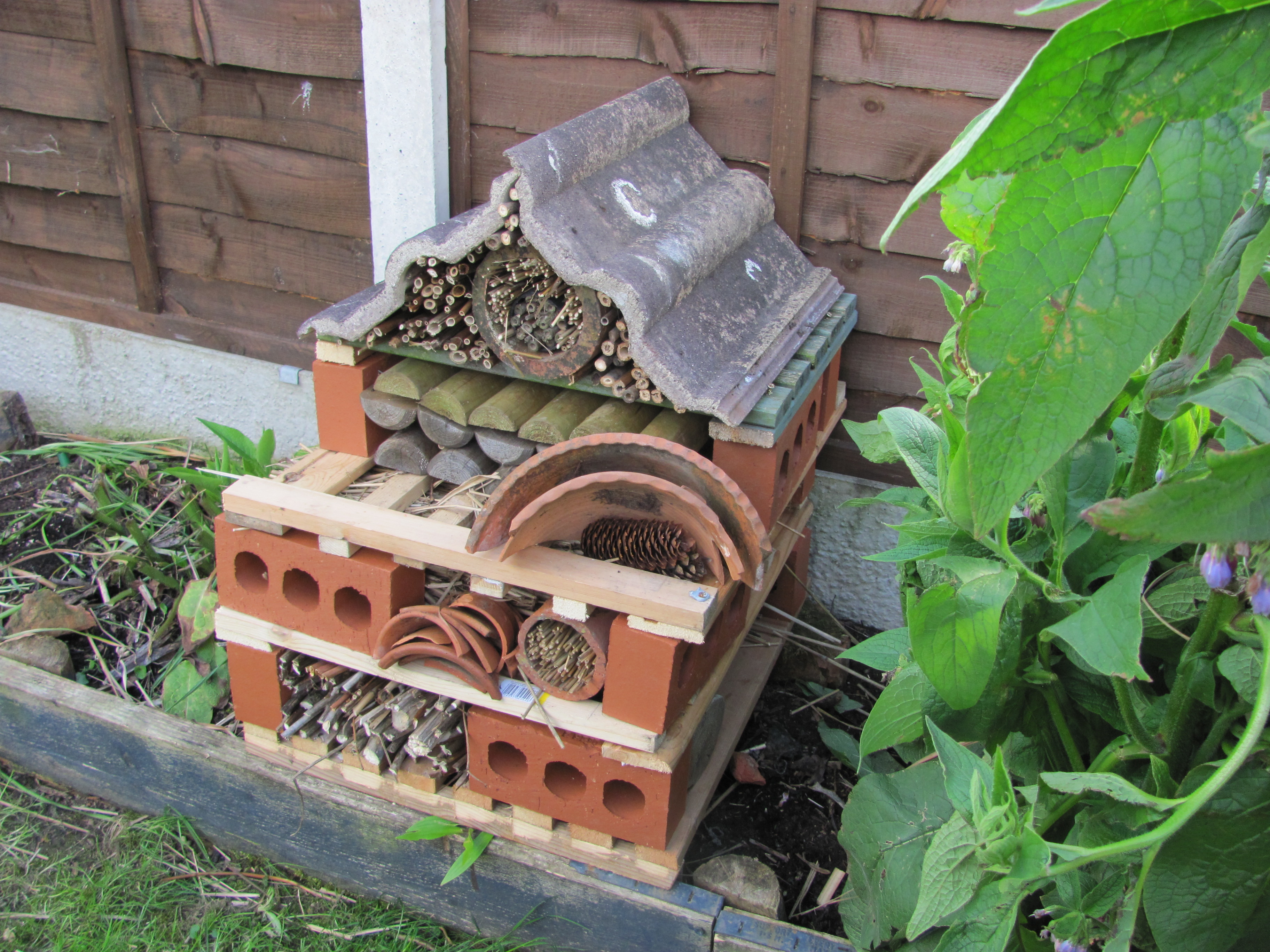
The essential ingredients for rustling up an insect hotel.

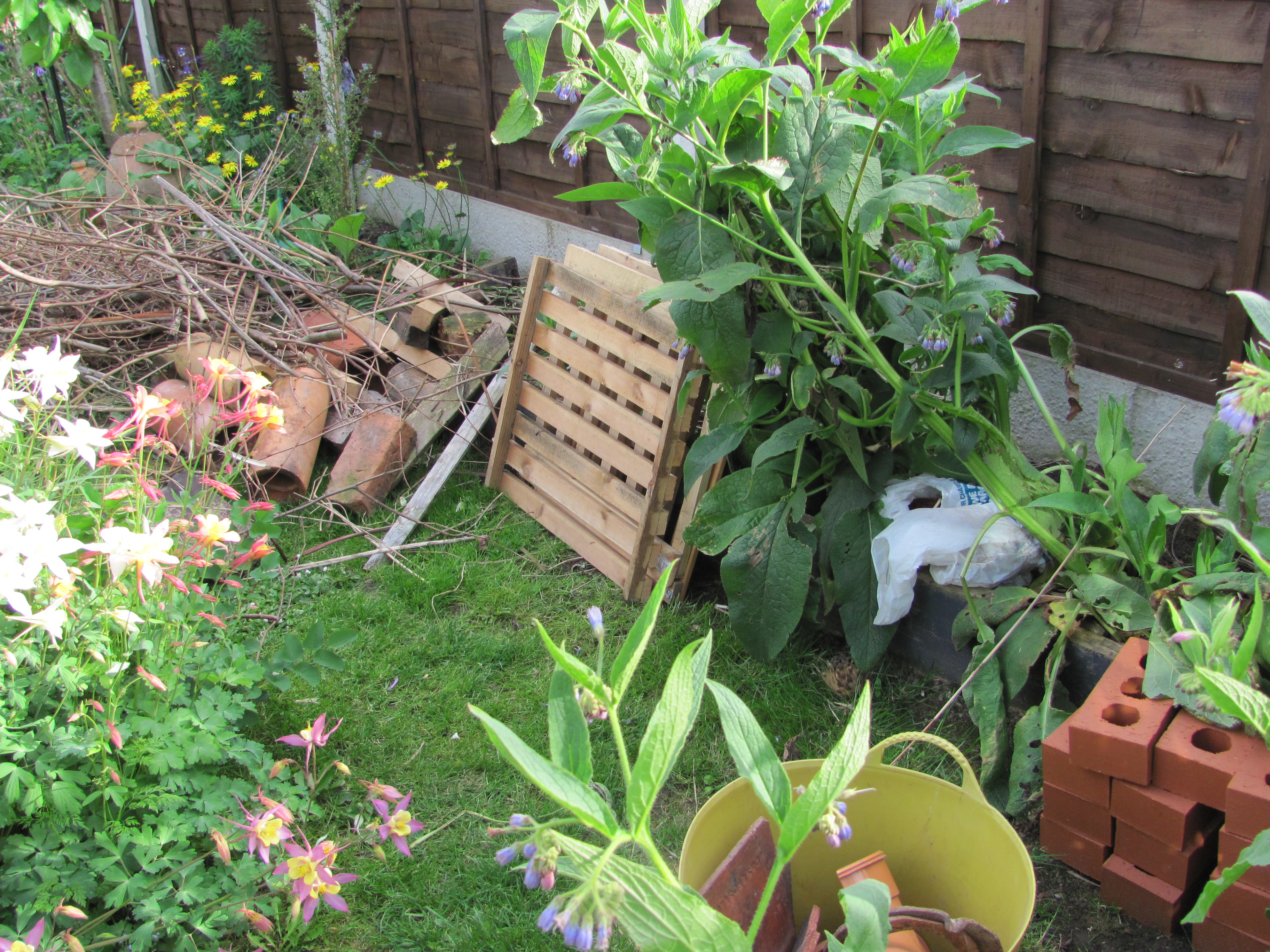
We have built a new insect stack, or insect hotel as they are often called, in our back garden here in Plealey. It is a real upmarket affair – if it were a hotel for humans it would definitely deserve to be called a “boutique hotel”. We hope it becomes a home for beneficial insects – ladybirds, lacewings, beetles and bees, plus maybe the occasional amphibian – one of our resident newts, toads or frogs perhaps. A much friendlier way of dealing with garden pests.

Finished and ready for occupancy.
This Veggie Life

A Vegetarian | Nature Lifestyle Blog

Rambling in the Garden

.....and nurturing my soul

The Arch City Gardener

Journeys In St. Louis Gardening and Beyond

Garden Dreaming at Châtillon

Consult the genius of the place

Storyshucker

A blog full of humorous and poignant observations.

gardeninacity

Notes from a wildlife-friendly cottage garden

PlayGroundology

...an emerging social science

The Official Blog of British Wildlife

'The most important and informative publication on wildlife of our times' - The Independent. This blog is a member of The UK & Ireland Natural History Bloggers group: www.uknhb.blogspot.com

iGrowHort

Inspire - Cultivate - Grow Native Plants - Restore Landscapes

Bishops Meadow Trust

To create and protect a semi-natural wild space for the people of Farnham to enjoy and experience an array of British wildlife in our town

Gardening with Children

The www.gardeningwithchildren.co.uk Blog

UKbirdingtimeline

birding through the seasons, why birds matter and how to conserve them

NATURE WALKER

with a camera in hand

Jardin

Transform your outdoor space

Eva's space

My allotment, cooking and other interests

Old School Garden

my gardening life through the year

LEANNE COLE

Trying to live a creative life

fromacountrycottage

trying to live as lightly as possible on our beautiful planet

Good Life Gardening

Nature lovers from Leicester living the good life.

mybeautfulthings

Finding the beautiful in the everyday

mawsonmichelle

Michelle's Allotment

In and Out of My Garden

thoughts from and about my garden

Greenhousing

Big plans for a small garden

The Scottish Country Garden

A Walled Country Garden in South East Scotland

The Fruity Chicken

Life at the fruity chicken

willowarchway

Off grid living. Self sufficient. "PERMAGANICS RULE".

St Anns Allotments

Nottingham's Grade 2* Listed Allotments and Community Orchard

Manifest Joy Harvests

a journey in suburban vegetable gardening

Allotmental

The madness of growing your own

Penny's Garden: a harvest beyond my front door

A novel approach to vegetable gardening

arignagardener

Sustainable living in the Irish countryside.

NewEnglandGardenAndThread

Master Gardener, amateur photographer, quilter, NH native, and sometimes SC snowbird

dianajhale

Recent work and work in progress and anything else that interests me

planthoarder

a chaotic cottage gardener

Lens and Pens by Sally

a weekly blog that creates a personal philosophy through photographs and words

Dewdrops and Sunshine

Stories from a sassy and classy Southern farmbelle.

The Pyjama Gardener

Simple Organic Gardening & Seasonal Living

gettin' fresh!

turning dirt into dinner

JOY...

today the world is created anew

Garden Birds

Notes from a Devon garden

ShootAbout

Life Through The Lens

Adapting Pixels

A photography blog showcasing the best photography pictures and videos on the internet

Wildlifegardening's Blog

Just another WordPress.com site

naturestimeline

personal observations from the natural world as the search continues for a new approach to conservation.

LATEBLOOMERBUDS

The Wonders of Life through my Eyes, my Heart, my Soul