Categories
countryside lakes lakes and reservoirs Land Art landscapes light light quality National Trust outdoor sculpture

A Week in the Lake District – Part 5 – Buttermere and Crummockwater

During our week in the Lake District we enjoyed visiting gardens as we do wherever we visit, but we loved the special landscape all around.

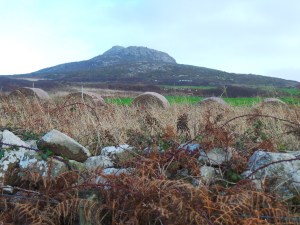
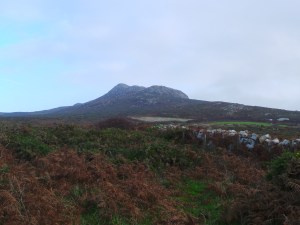
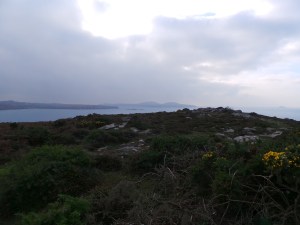
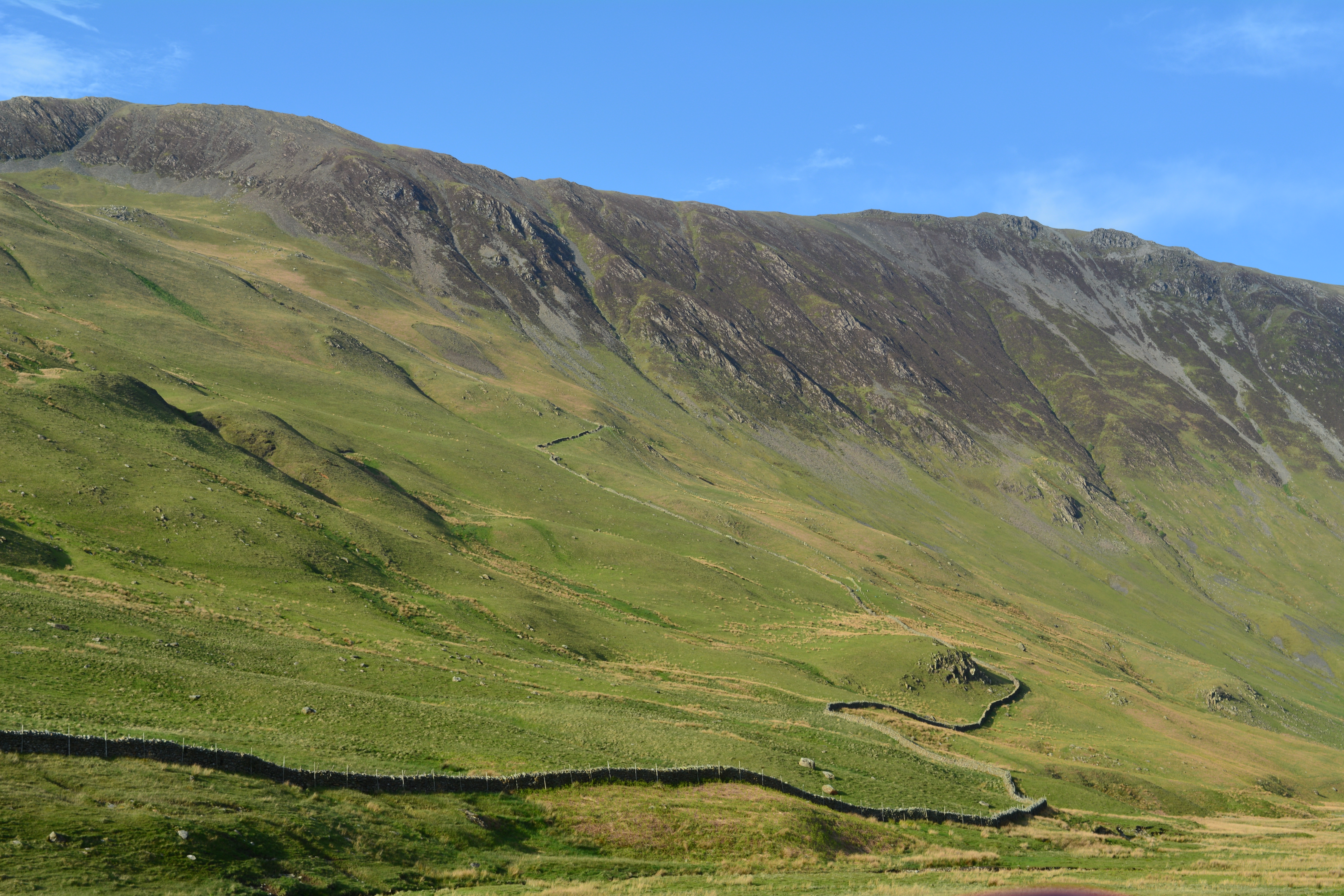
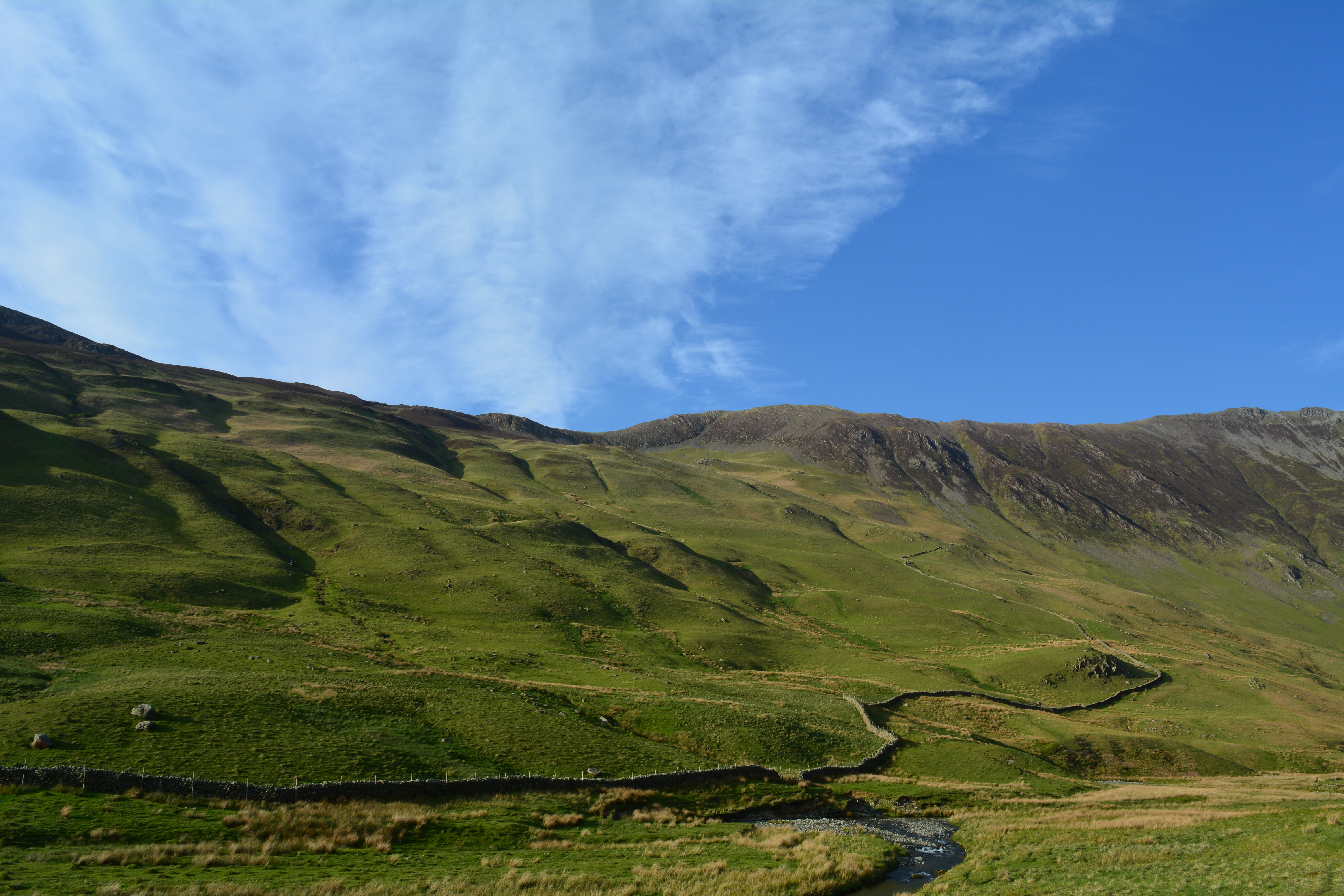
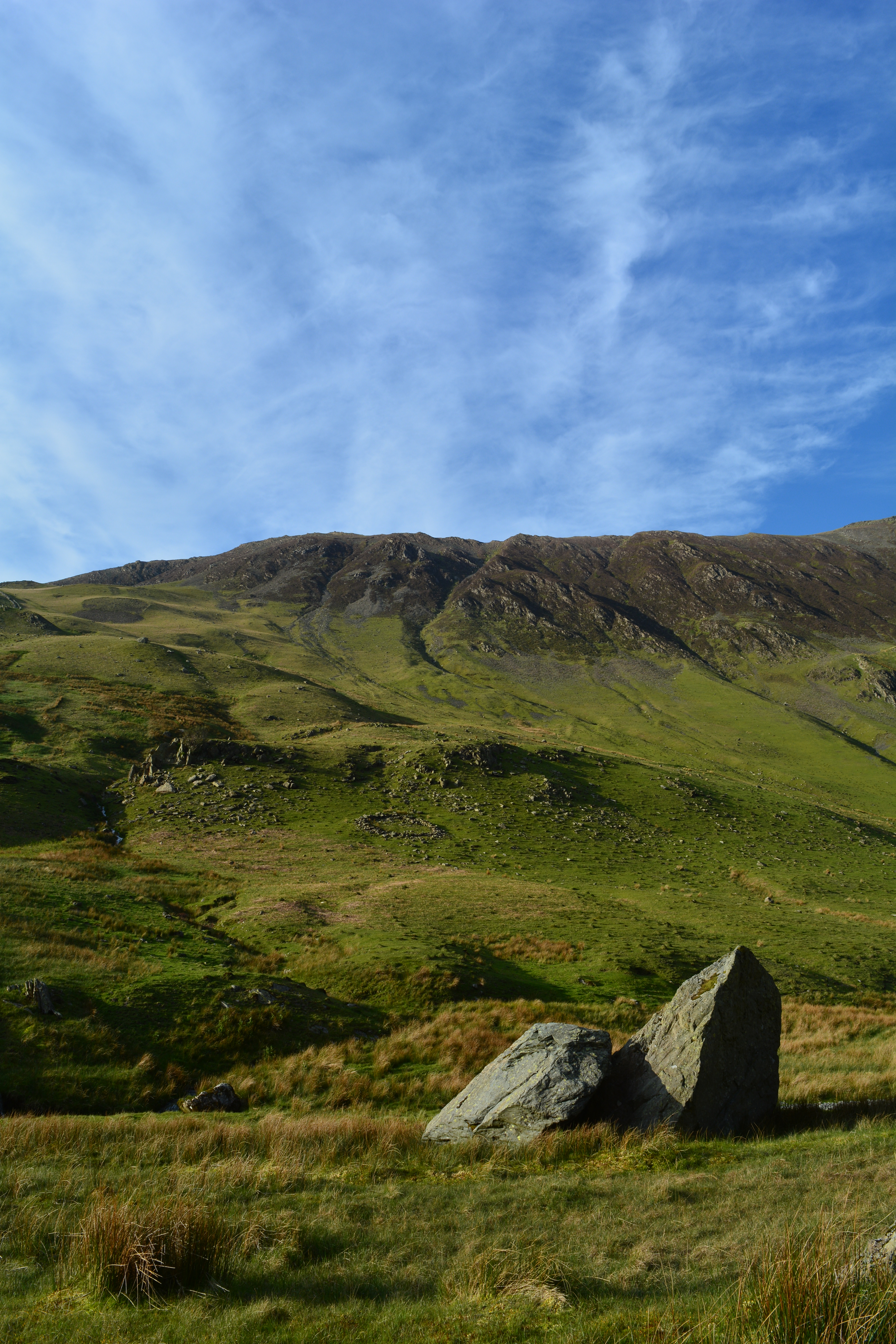
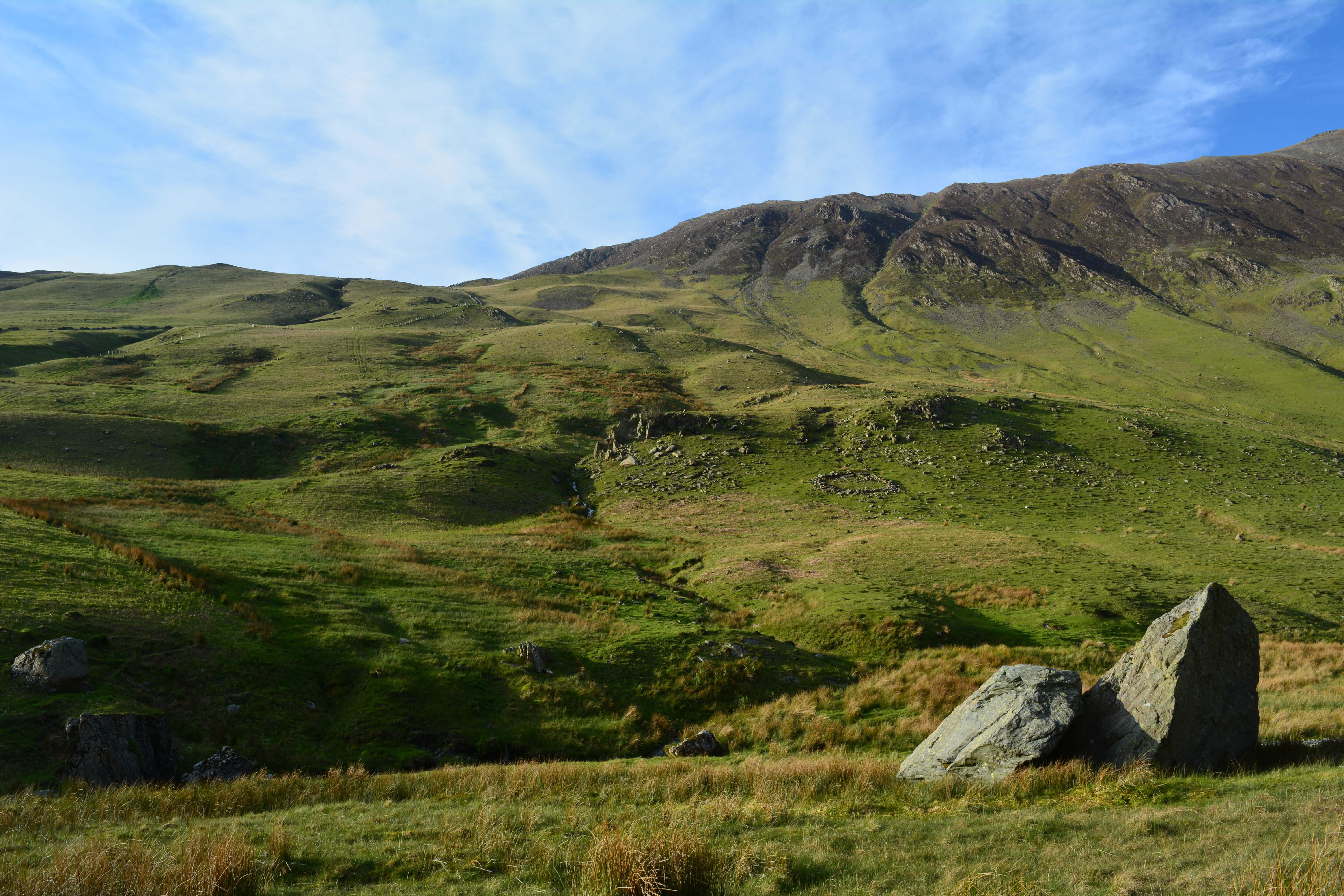
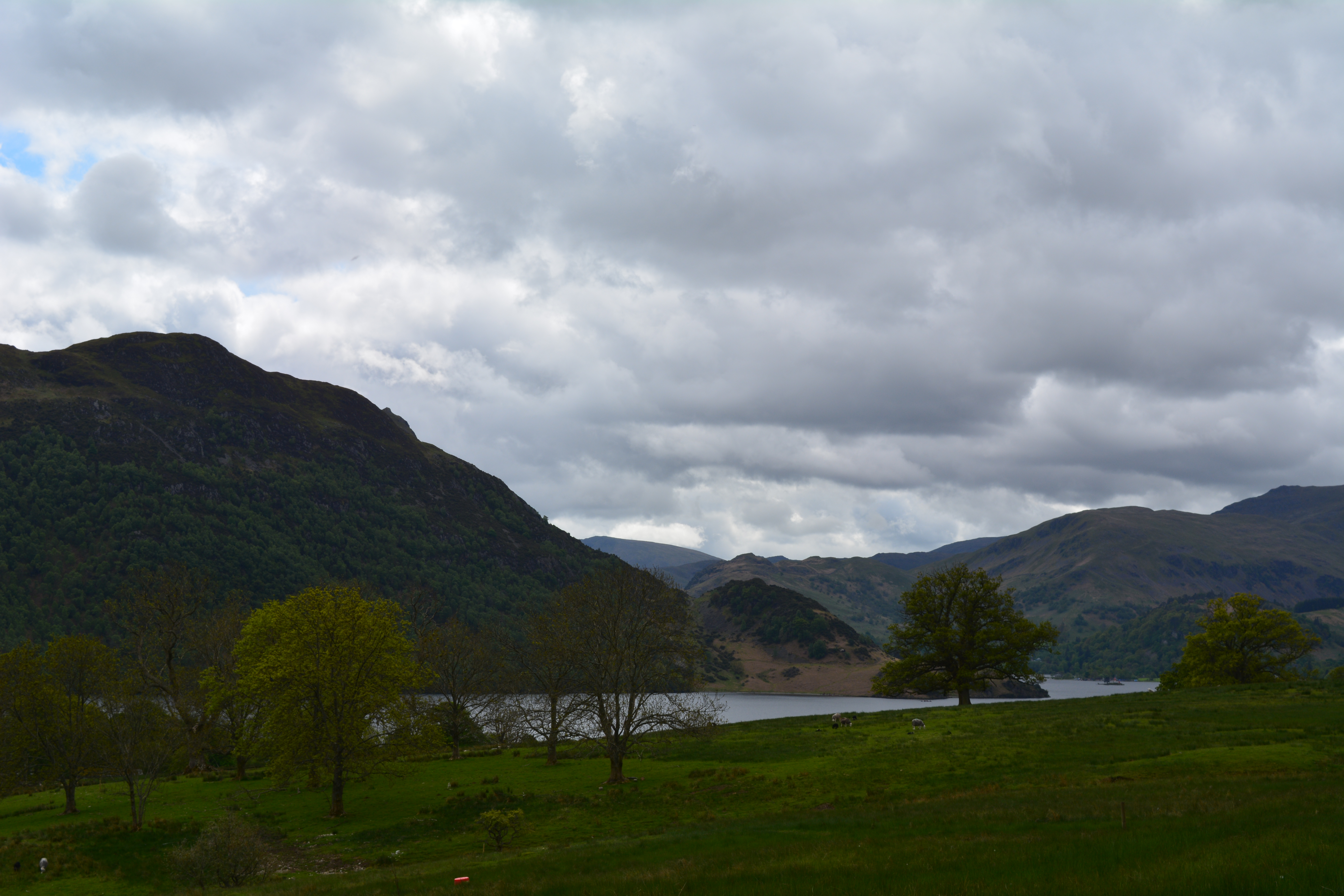
The area around Buttermere and Crummockwater particularly impressed us as we drove around exploring the district in the evenings when the light was adding an extra dimension. Even the views from the road were impressive.

2015 06 05_26132015 06 05_2612 2015 06 05_2620

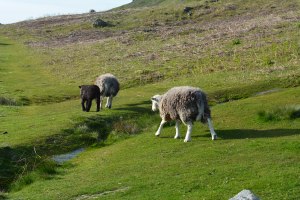
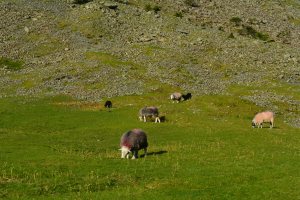
The breed of sheep specially adapted to the landscape and climate of the Lakes is the Herdwick, which I mentioned in my post about Beatrix Potter. The vast majority of sheep we saw in the area were Herdwicks so it was hard to believe that it was at one time an endangered breed.

2015 06 05_2615 2015 06 05_2626

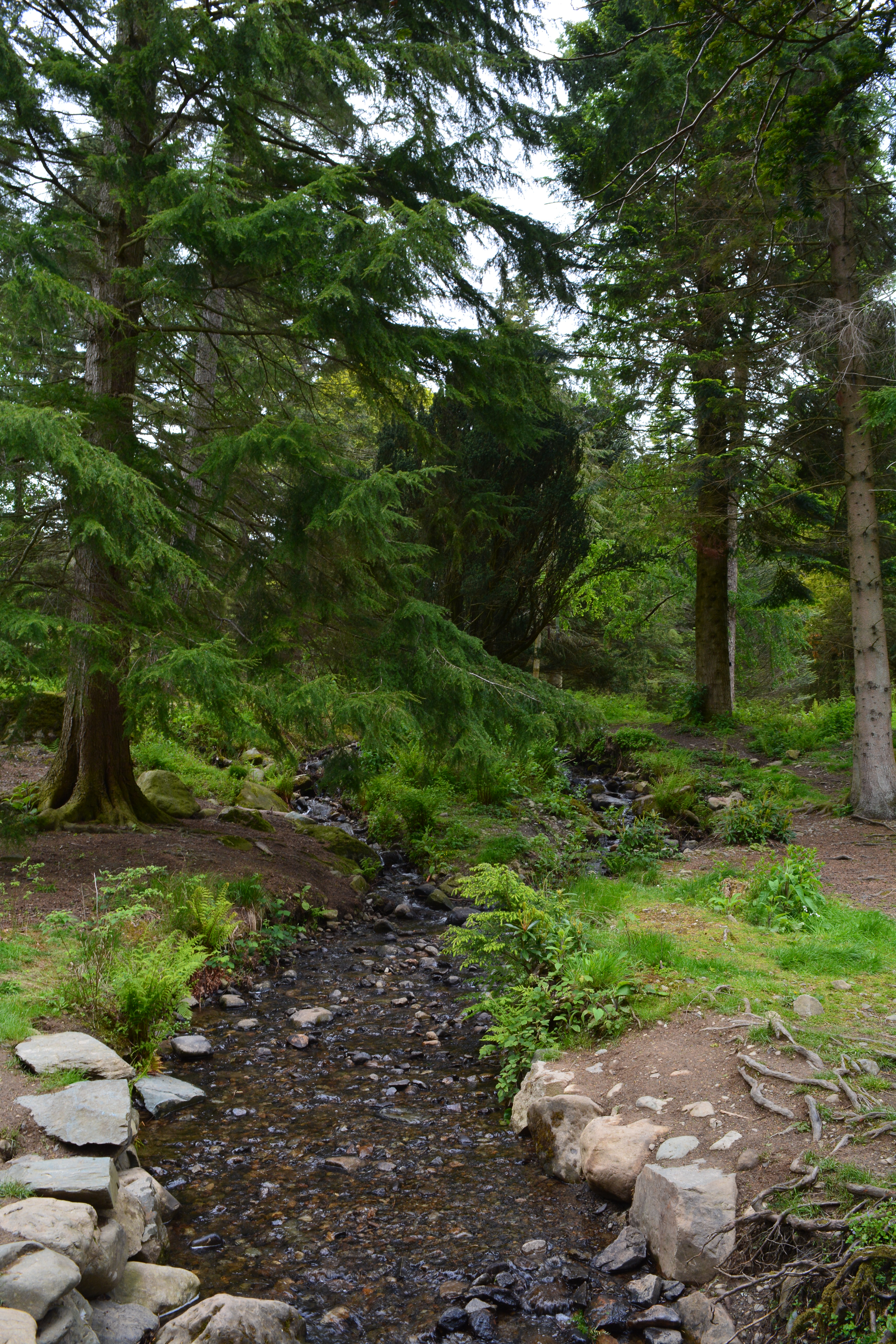
I hope you enjoy the following set of photos of the views as much as we enjoyed the views themselves.

2015 06 05_2611 2015 06 05_2617 2015 06 05_2618 2015 06 05_2619  2015 06 05_2621 2015 06 05_2623 2015 06 05_2624 2015 06 05_2625

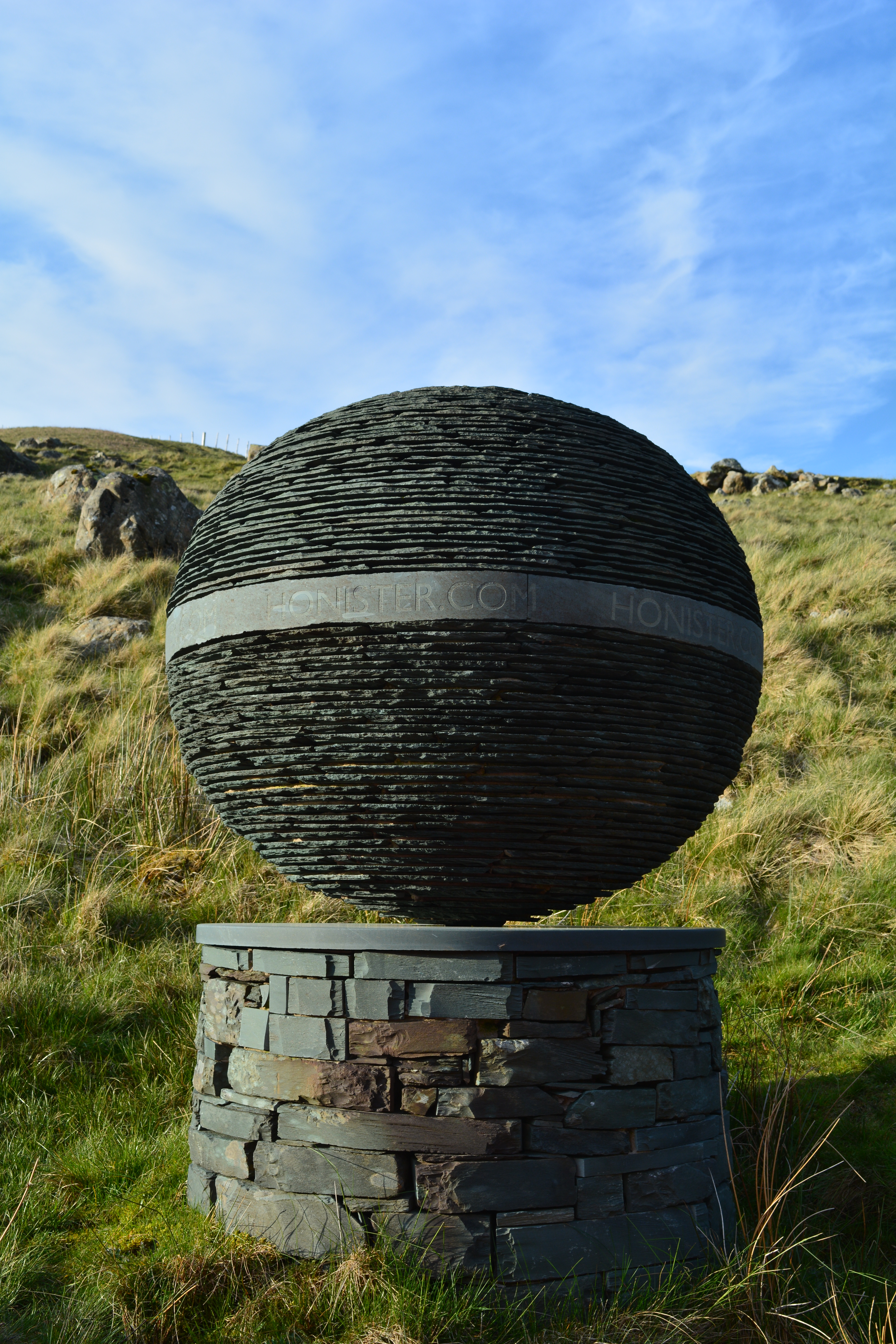
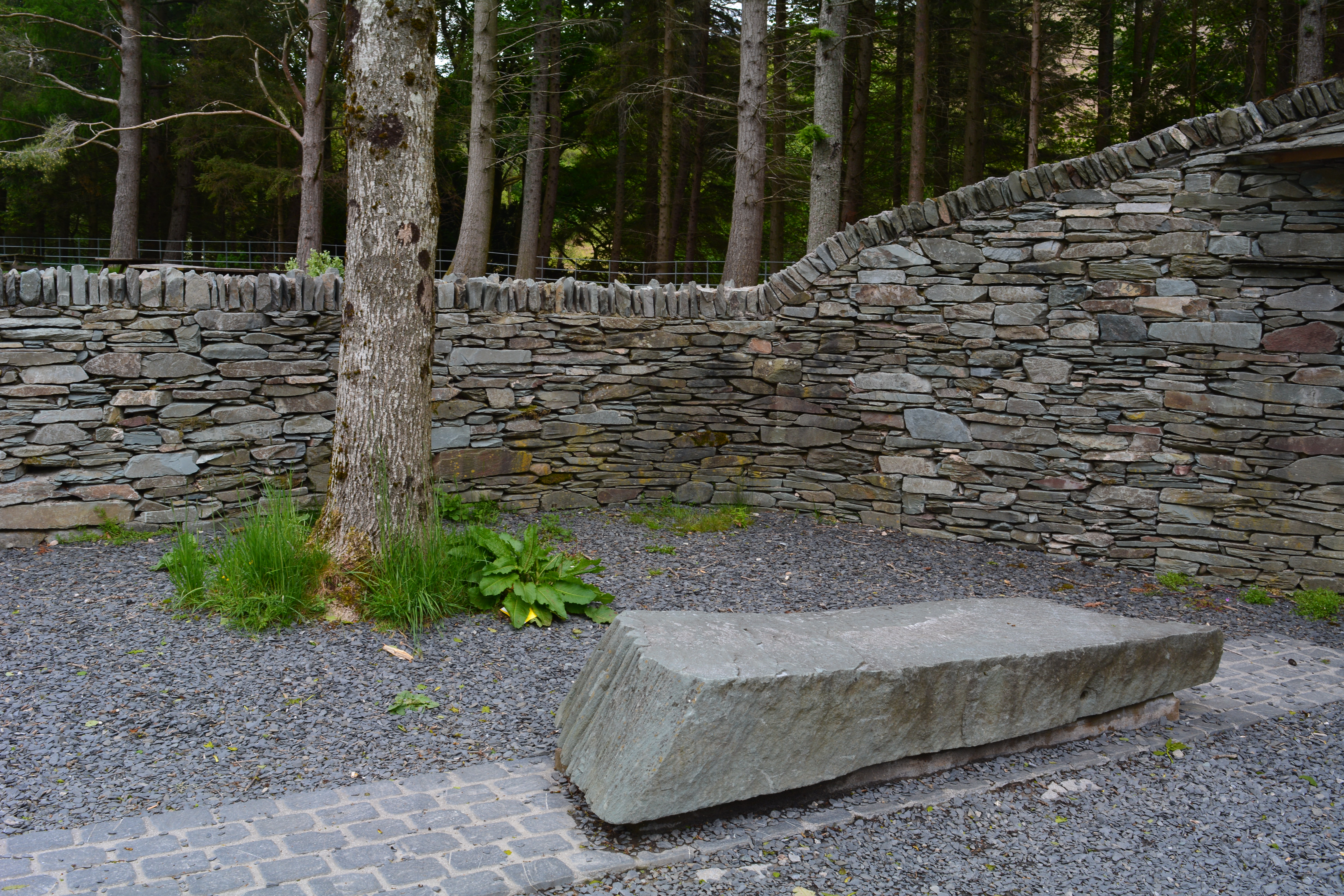
The Lake District is full of surprises and this slate sculpture was a wonderful surprise!

2015 06 05_2628

Categories
bird watching birds countryside lakes Land Art landscapes light light quality National Trust nature reserves photography The National Trust trees wildlife woodland woodlands

Aira Force – the walk back.

After enjoying the sights and sounds of the Aira Force water falls we followed the stream as it wandered through the wooded hilltops before we started our walk back down the valley. As we had been sat resting we were mesmerised by the songs and calls of so many birds in the trees and understory. This we would soon discover was to be a feature of our week in the Lakes – the sheer number of birds astounded us! At Aira Force we could hear Nuthatches, Treecreepers, Goldcrests, Coal Tits and all the thrushes, the Song Thrush, the Mistle Thrush and the Blackbird. We heard several warblers too and recognised a few such as the Wood Warbler, Garden Wabler and the Chiffchaff as well as their larger cousins the Redstart, Whitethroat and Blackcap. It made for an entertaining time and emphasised how important these areas of countryside managed by the National Trust are as nature reserves.

2015 06 03_2380 2015 06 03_2381 2015 06 03_2382 2015 06 03_2383 2015 06 03_2384 2015 06 03_2385 2015 06 03_2386 2015 06 03_2387 2015 06 03_2388 2015 06 03_2389

2015 06 03_2390 2015 06 03_2391

We changed direction and began the gentle descent. We enjoyed different views of places we had admired on our ascent.


2015 06 03_2392 2015 06 03_2393

We took a slight detour from the main path to a damp more open area where different plants were growing and even the air itself felt damp to our skin. We were tempted to follow this detour just because of this beautifully constructed stone track. We just had to follow it! It reminded us of the work by land artist Richard Long.


2015 06 03_2394 2015 06 03_2395 2015 06 03_2396 2015 06 03_2397 2015 06 03_2398 2015 06 03_2399 2015 06 03_2400


Our detour finally took us back to our original pathway and we enjoyed the sounds of the tumbling stream once more.

2015 06 03_2403 2015 06 03_2404


2015 06 03_2405 2015 06 03_2406 2015 06 03_2407 2015 06 03_2408 2015 06 03_2409 2015 06 03_2410

So we found ourselves back at our starting point having enjoyed a stimulating, beautiful wander up and down this wooded valley. The waterfall, Aira Force, was the icing on the cake! A great day out!

Categories
countryside landscapes light light quality National Trust ornamental trees and shrubs outdoor sculpture photography The National Trust woodland woodlands

A Week in the Lake District – Part 2 – Aira Force

For our second day in the Lake District we made for the great outdoors to explore some ancient woodland with a stream running through it. Aira Force is the waterfall at the top of a gentle ascent up through the wooded valley.The wooded valley is owned by the National Trust so we had a warm welcome as we do at most of their properties. A beautifully carved wooden finger post gave us the choice of going left to the tea room or right to Aira Force. You’ve guessed it – we went left first and enjoyed a mighty good coffee and cake break.

2015 06 03_2342 2015 06 03_2341

We were soon on our way up the valley after a quick look at a map where some lovely benches crafted from single chunks of slate caught my attention.

2015 06 03_2343 2015 06 03_2344

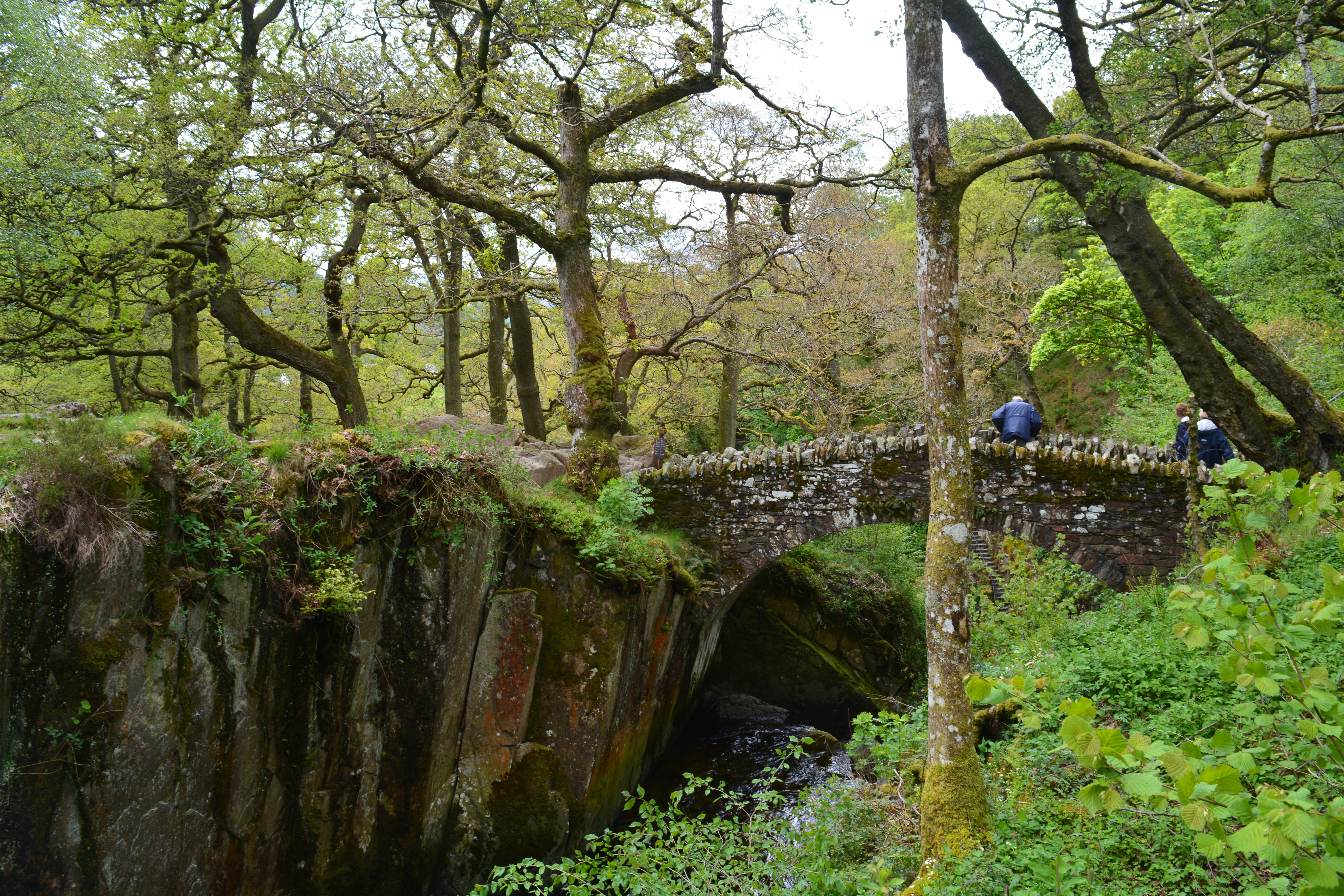
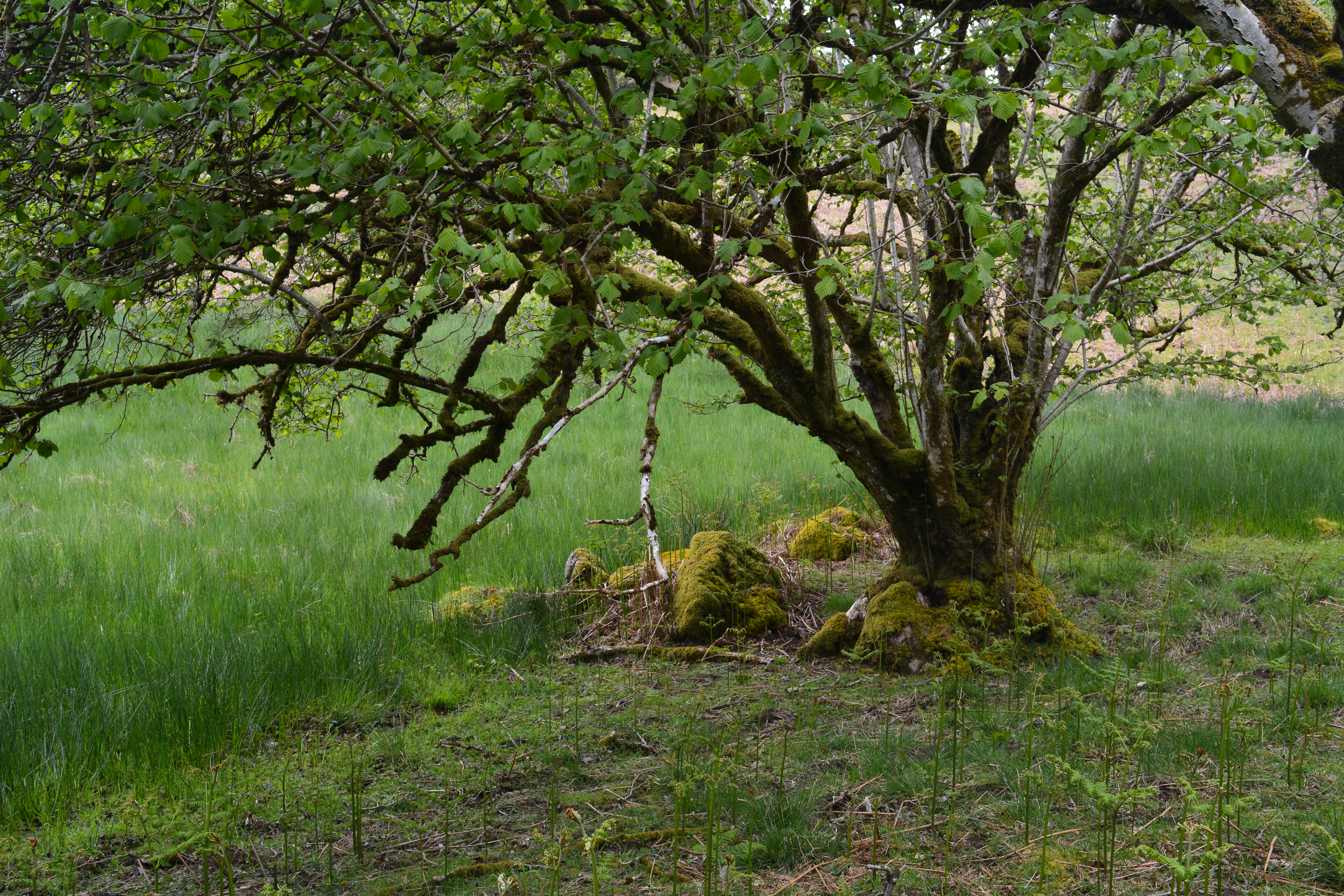
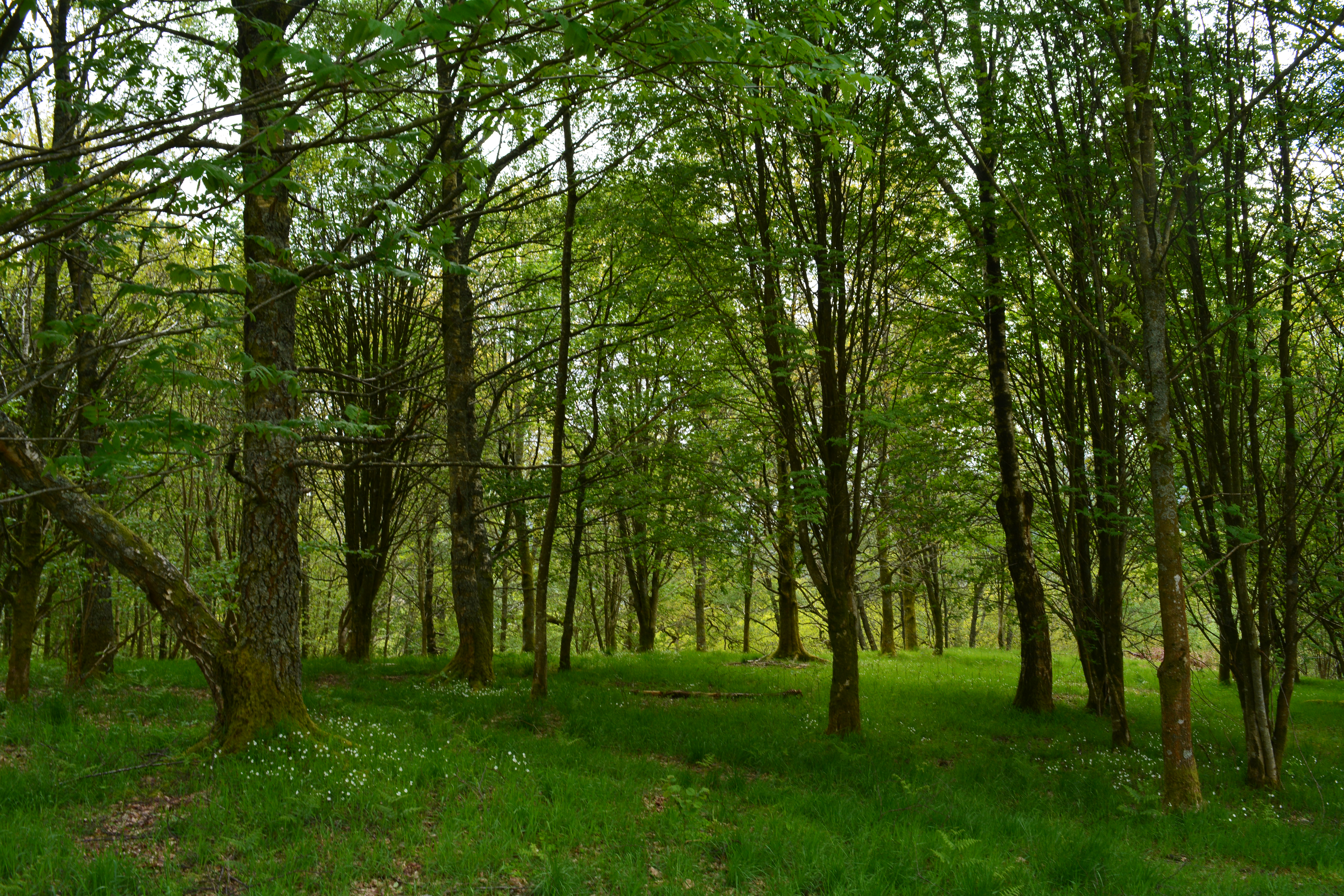
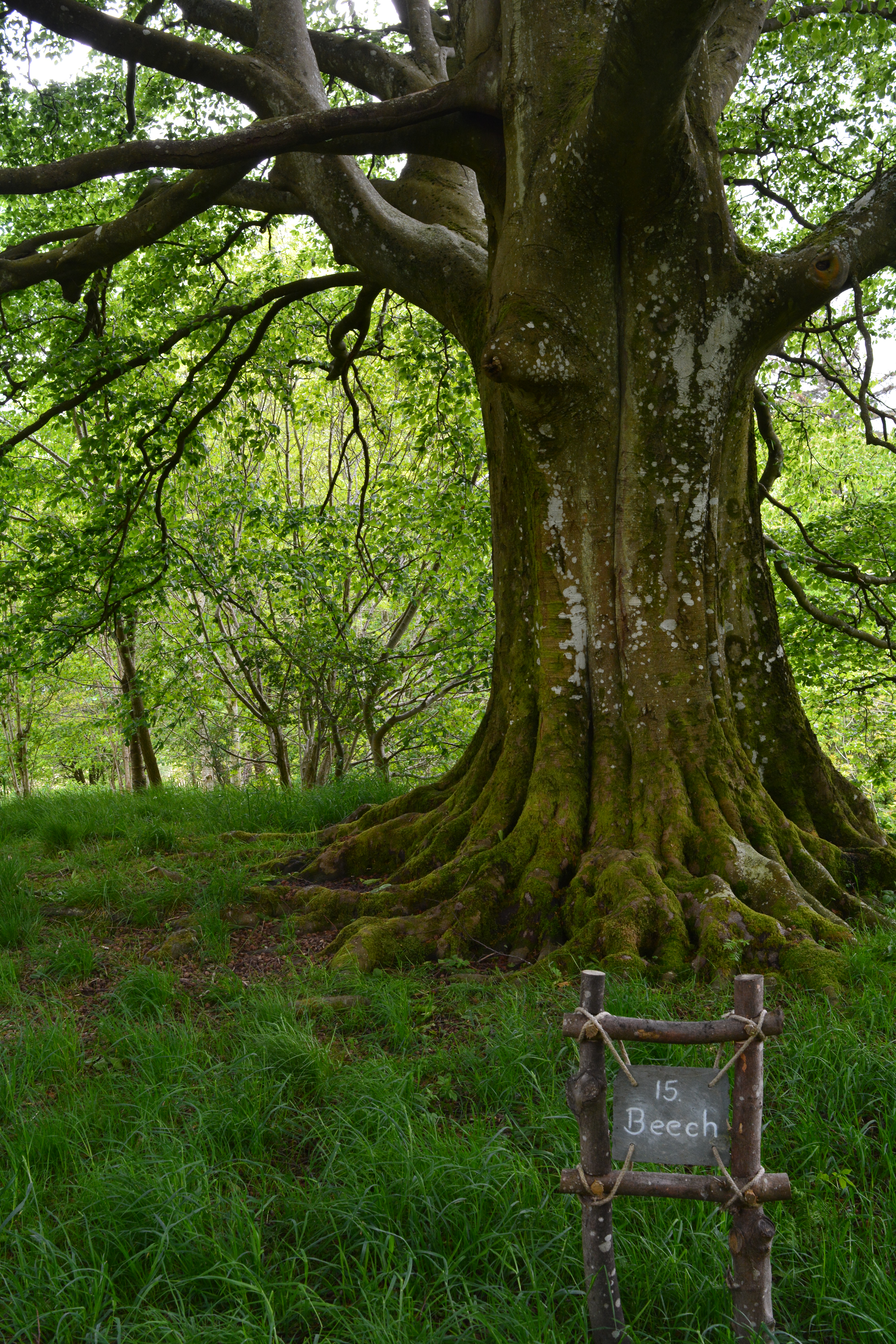
As we walked towards the more wooded section of the valley we initially had open grassland along side the path, but we soon found that the trees increased in number and the atmosphere changed completely. Woodlands have their own brand of intimacy that engulfs those who walk in them. There is something about the light creeping in through branches which highlights areas to draw the observer in. We discovered the wonderful original signage used to identify the main tree species. They were very rustic and in keeping with the setting.


2015 06 03_2345 2015 06 03_2346 2015 06 03_2347 2015 06 03_23482015 06 03_2353

The seasons come late to the Lake District so the tree foliage was still Spring fresh.

2015 06 03_2351 2015 06 03_2356

As this woodland was once the grounds of a shooting lodge there were areas for seating with ornamental paved areas and surprising finds. The second photo shows the patterns made by coins being hammered into the trunk of a fallen tree – we just couldn’t work this out!

2015 06 03_2350 2015 06 03_2357

As in all woodlands we explore we found some interesting creative works sculpted by Mother Nature.

2015 06 03_2354 2015 06 03_23552015 06 03_2361 2015 06 03_2360

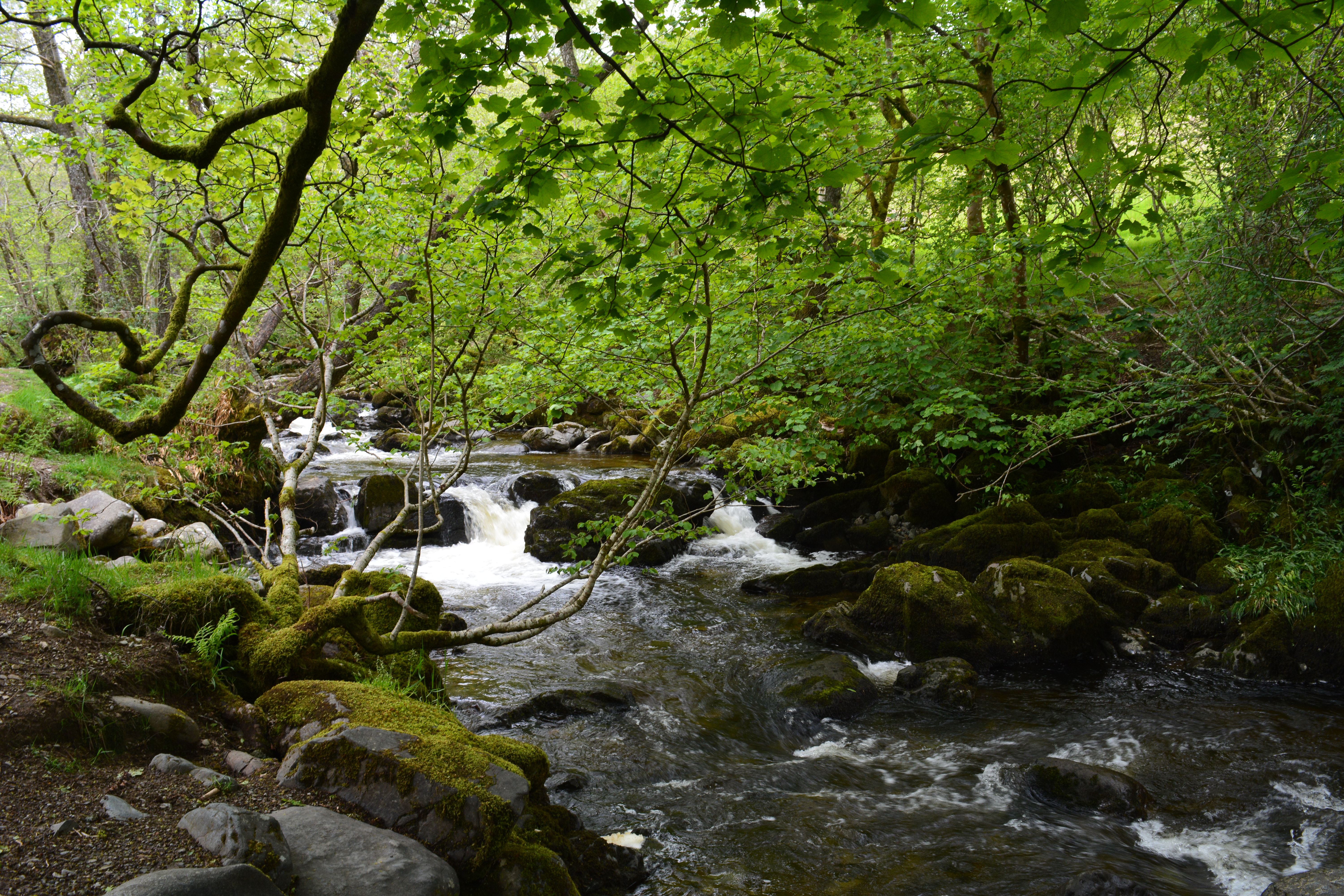
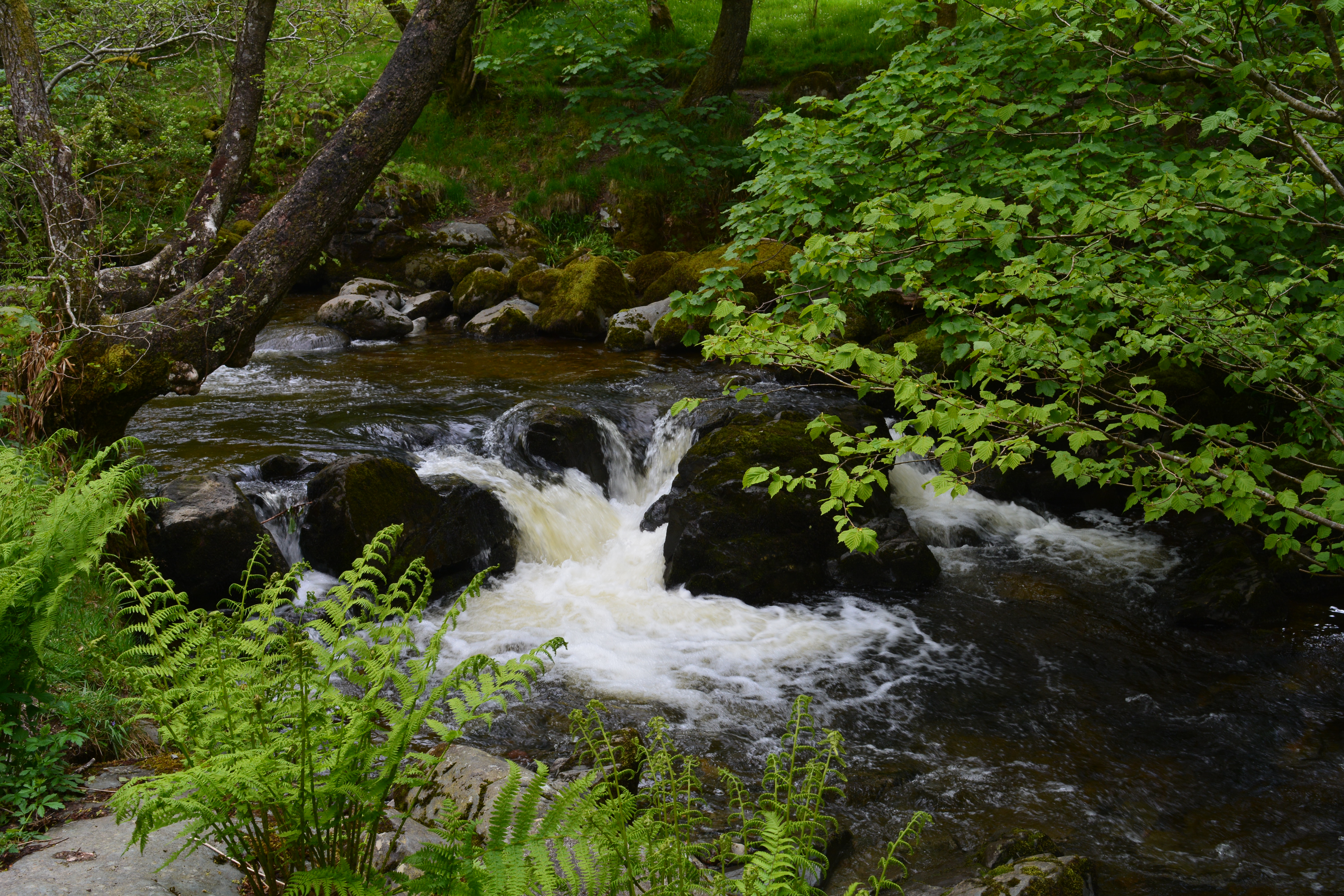
As we moved slowly uphill we followed the stream and even when we couldn’t catch glimpses of it we could hear its incessant burbling to our right.

2015 06 03_2358 2015 06 03_2364

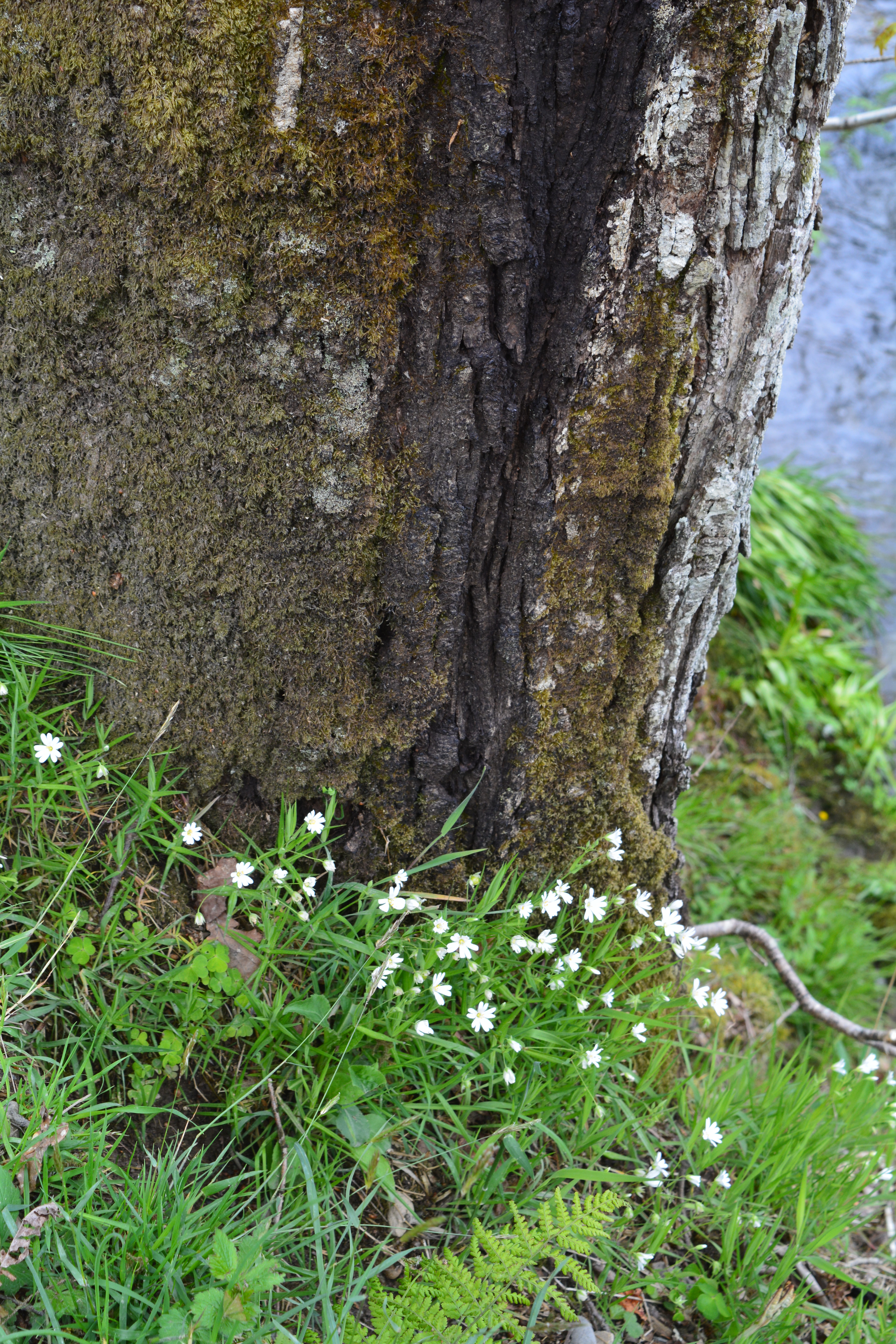
The damp atmosphere within the wood allowed mosses, ferns and foxgloves to grow on any natural surface.

2015 06 03_2362 2015 06 03_2363

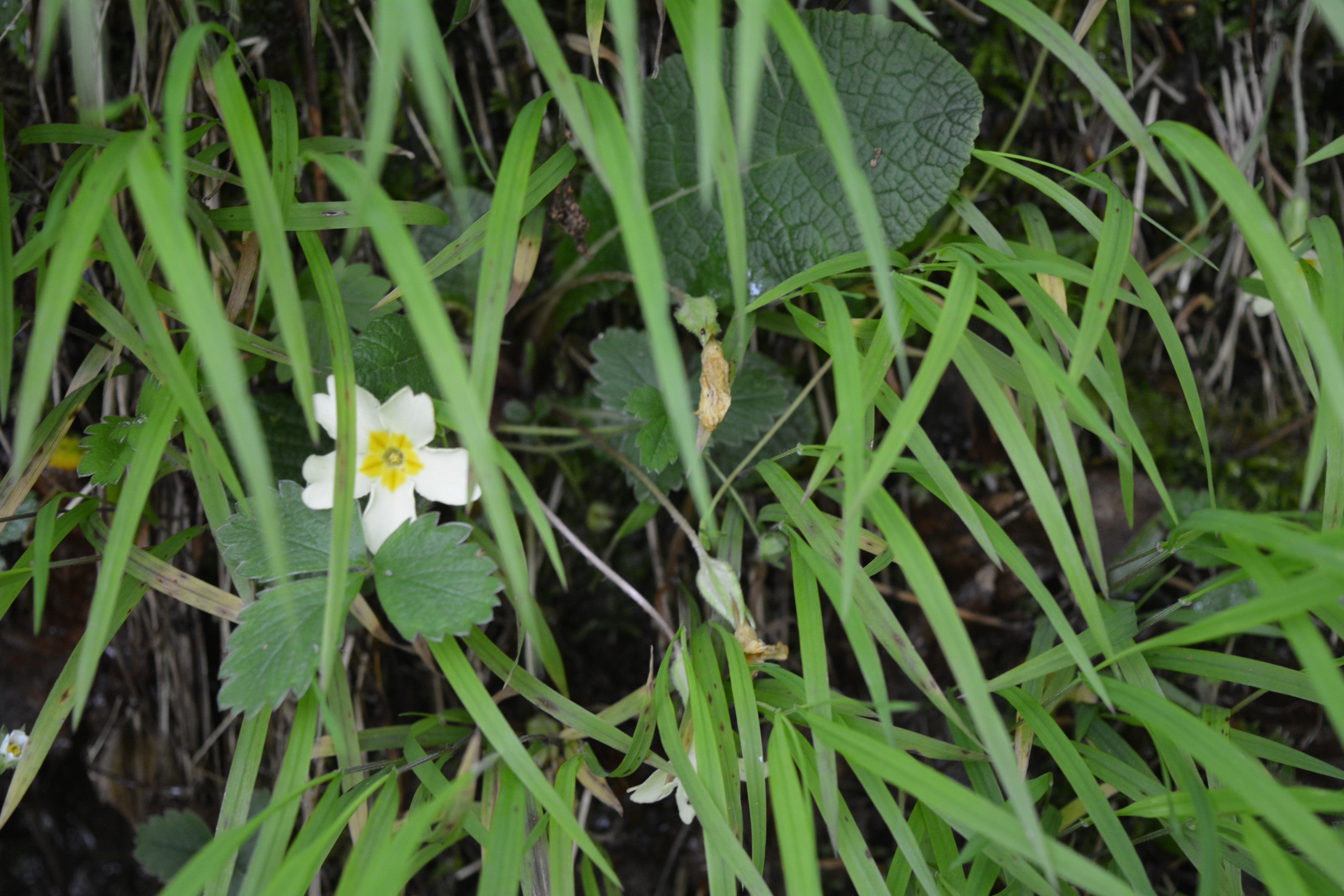
Where light penetrated shade wildflowers were in bloom. Bluebells and Bugle painted a blue haze on the woodland floor.

2015 06 03_2365 2015 06 03_2369

As we approached the waterfall open views were suddenly revealed as our path came to the wood edge, and we enjoyed a glimpse of lake and mountain.

2015 06 03_2366 2015 06 03_2367

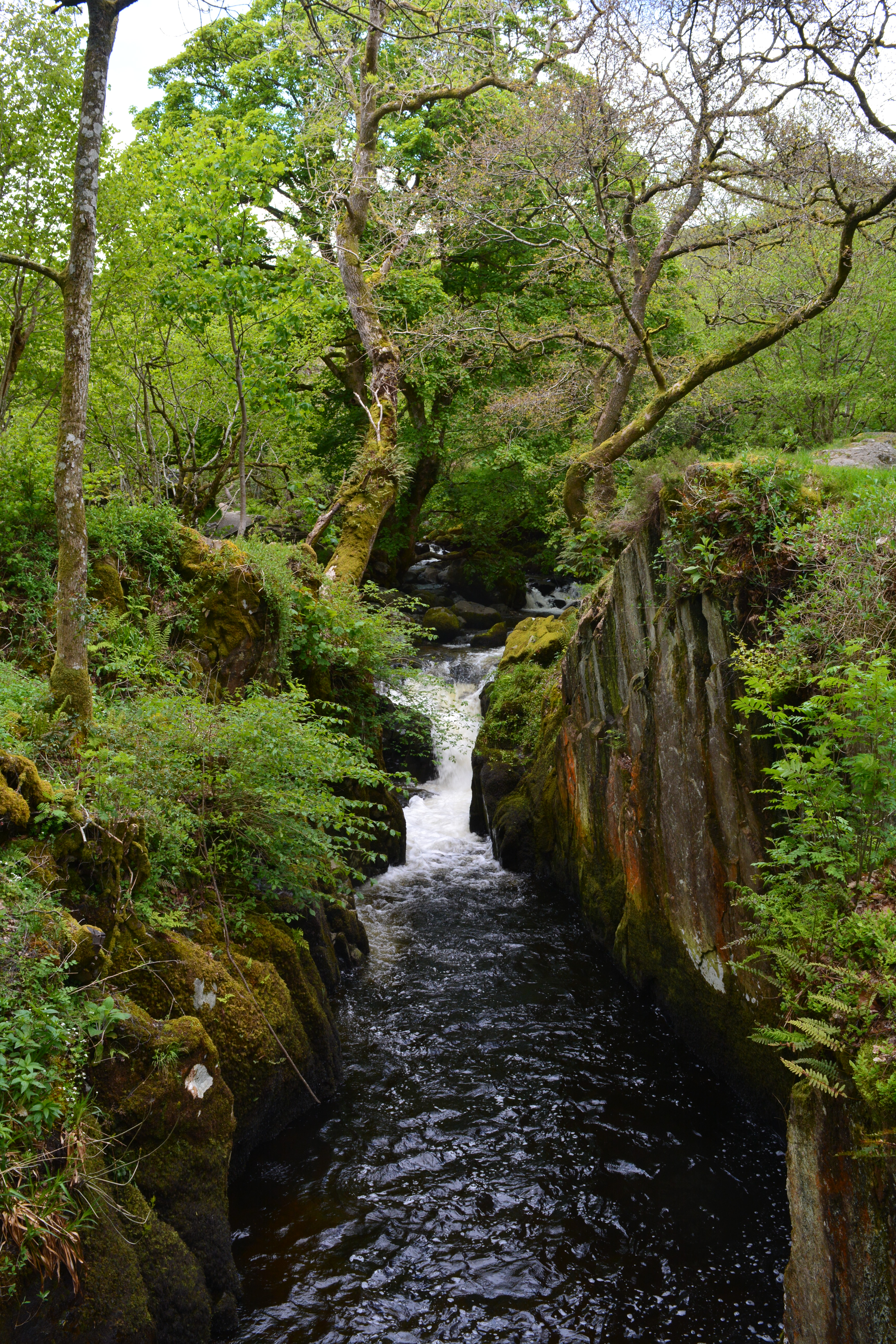
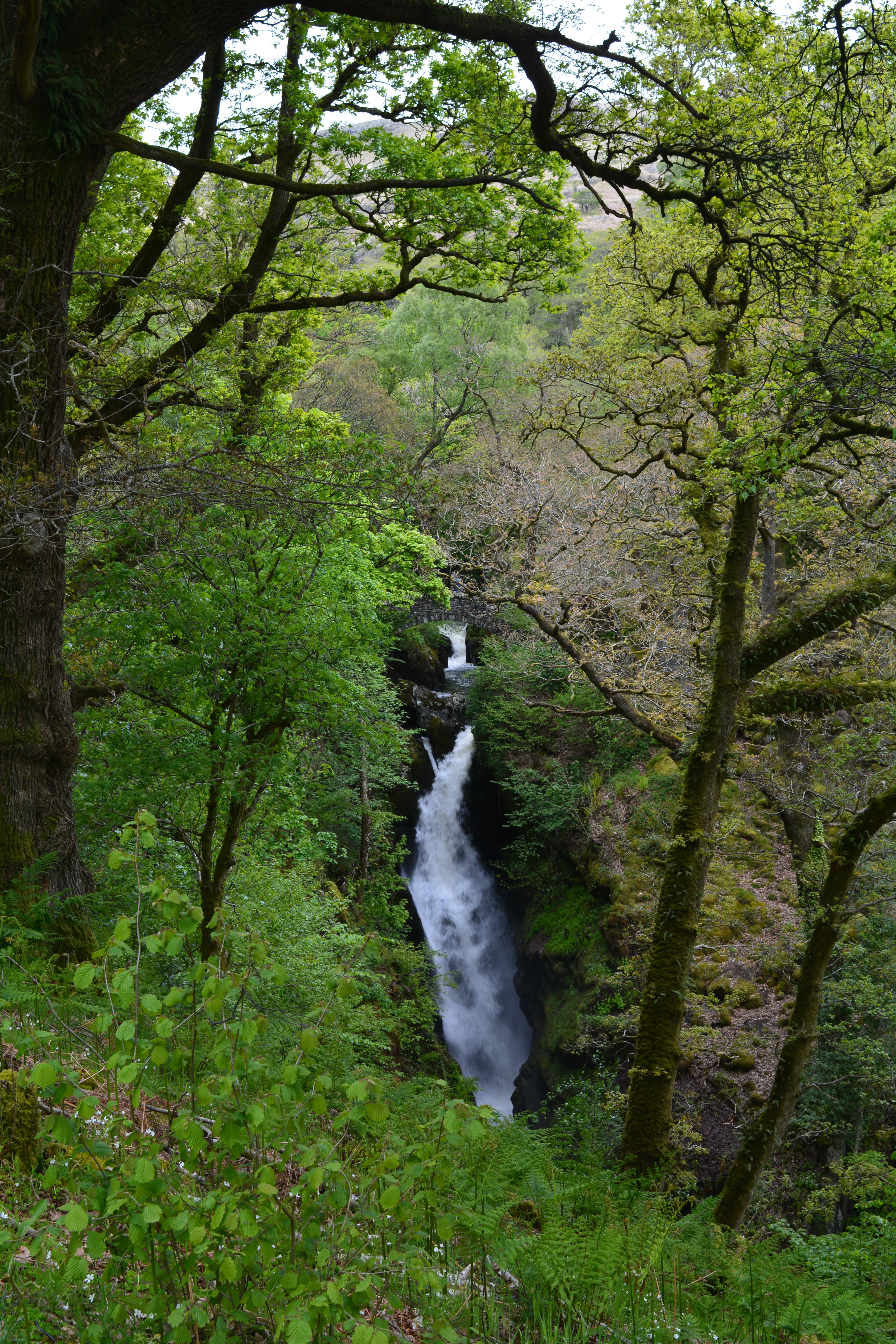
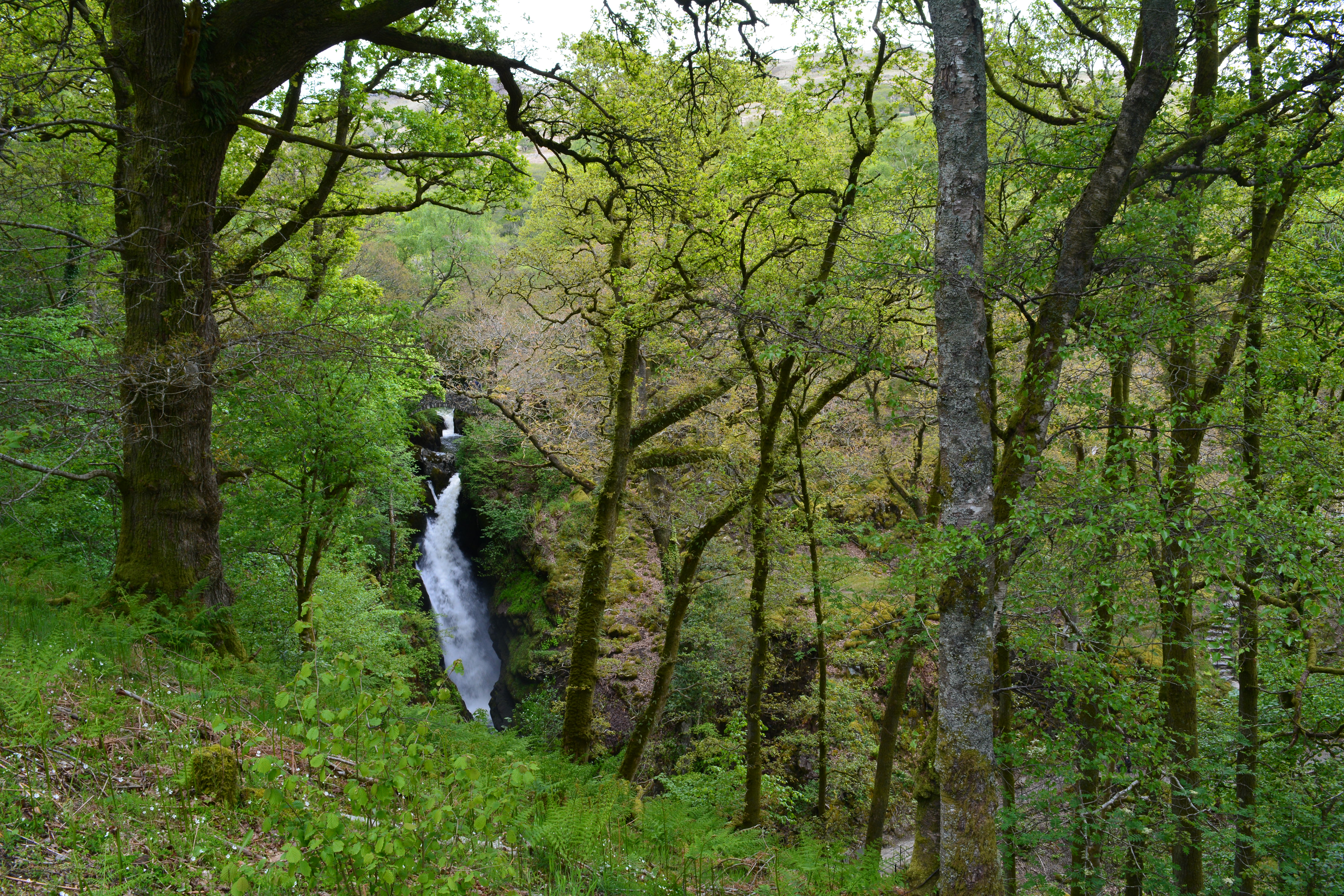
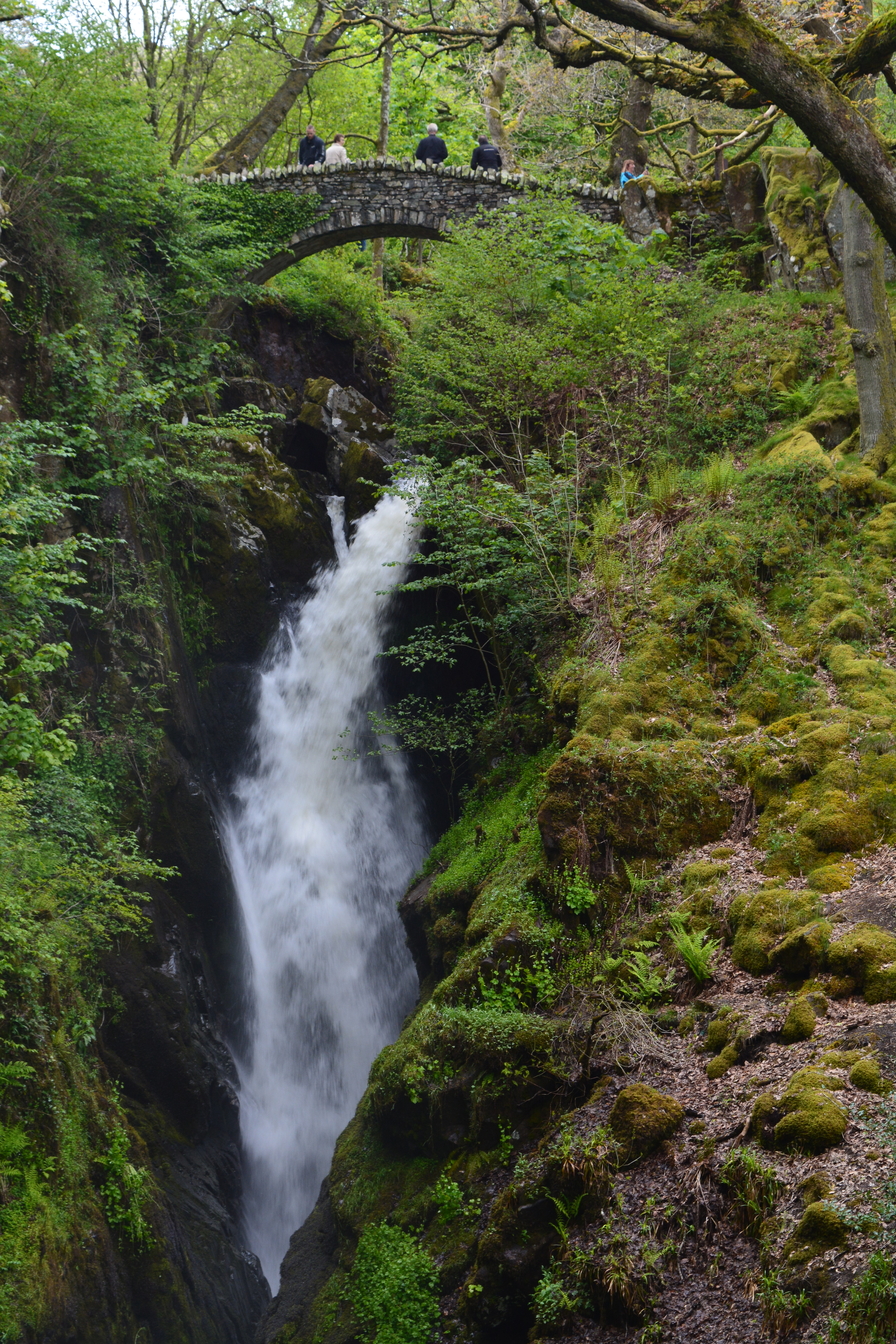
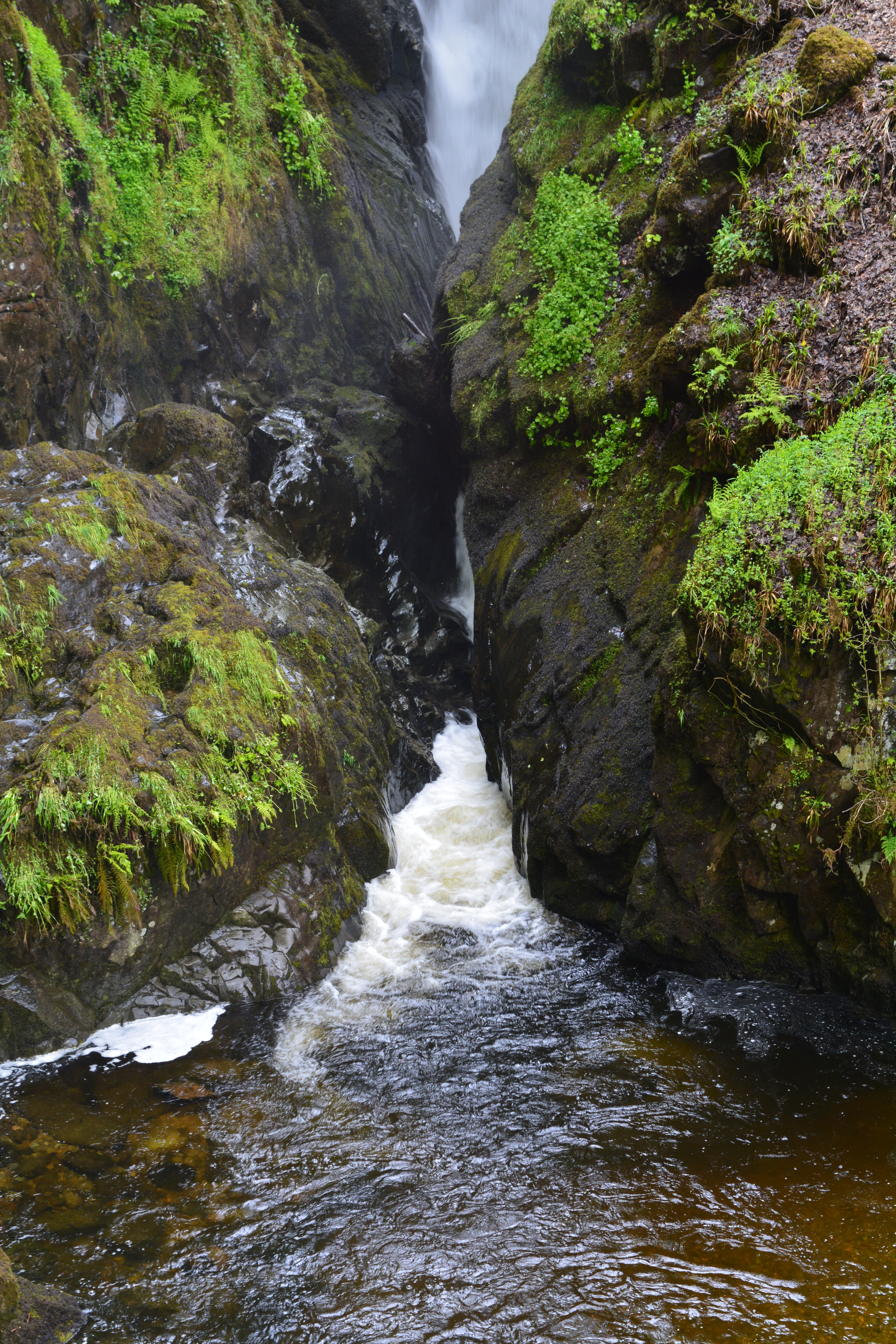
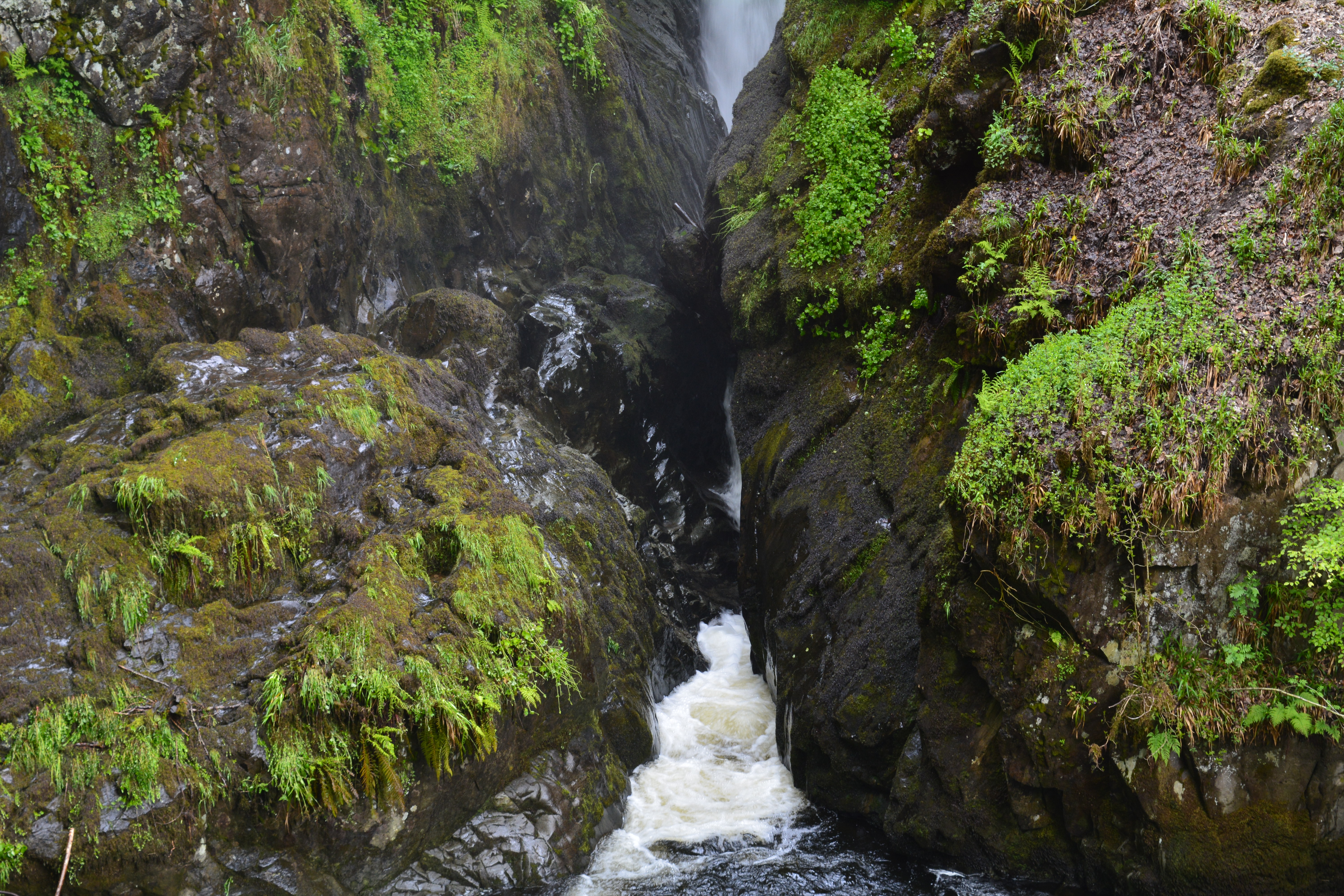
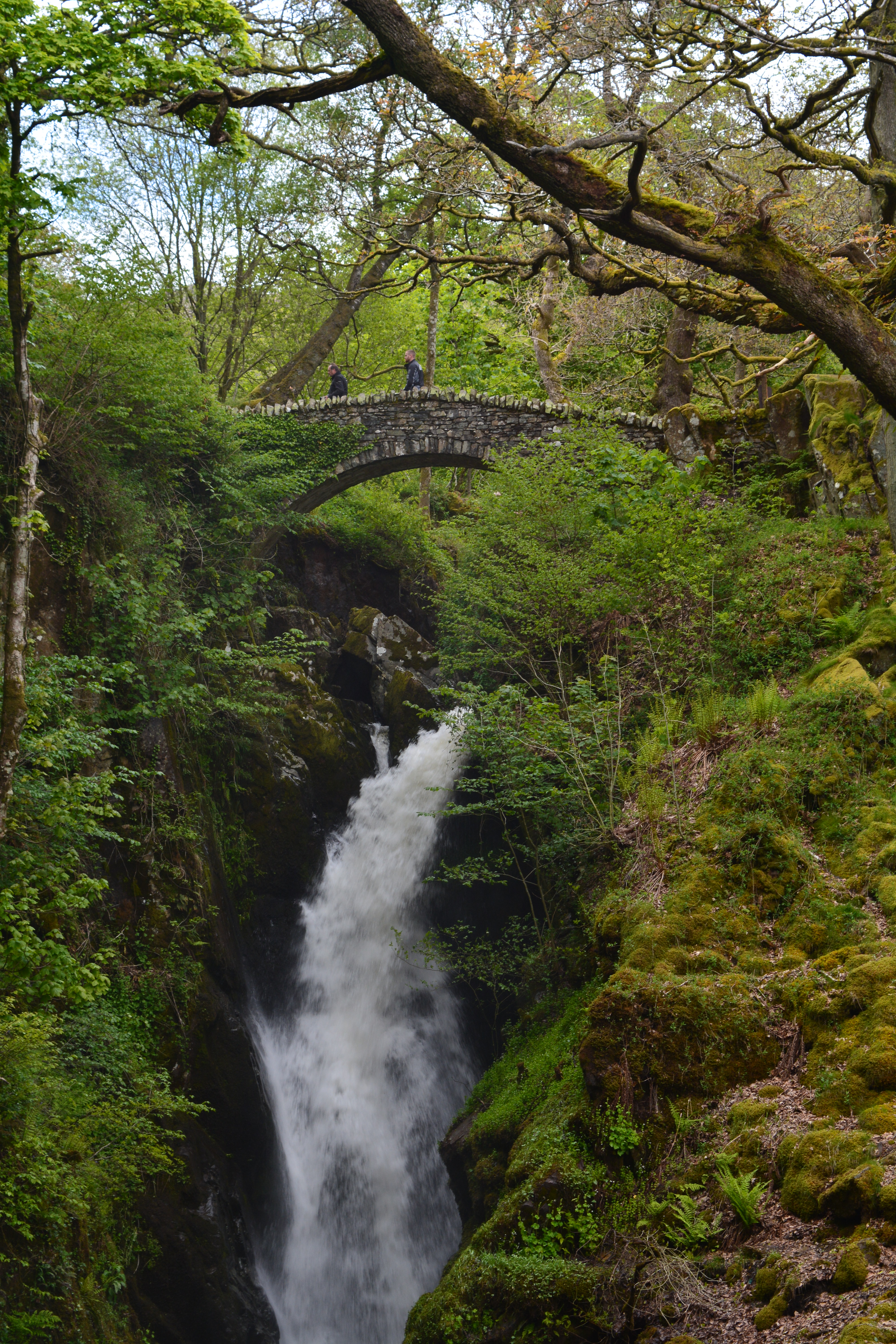
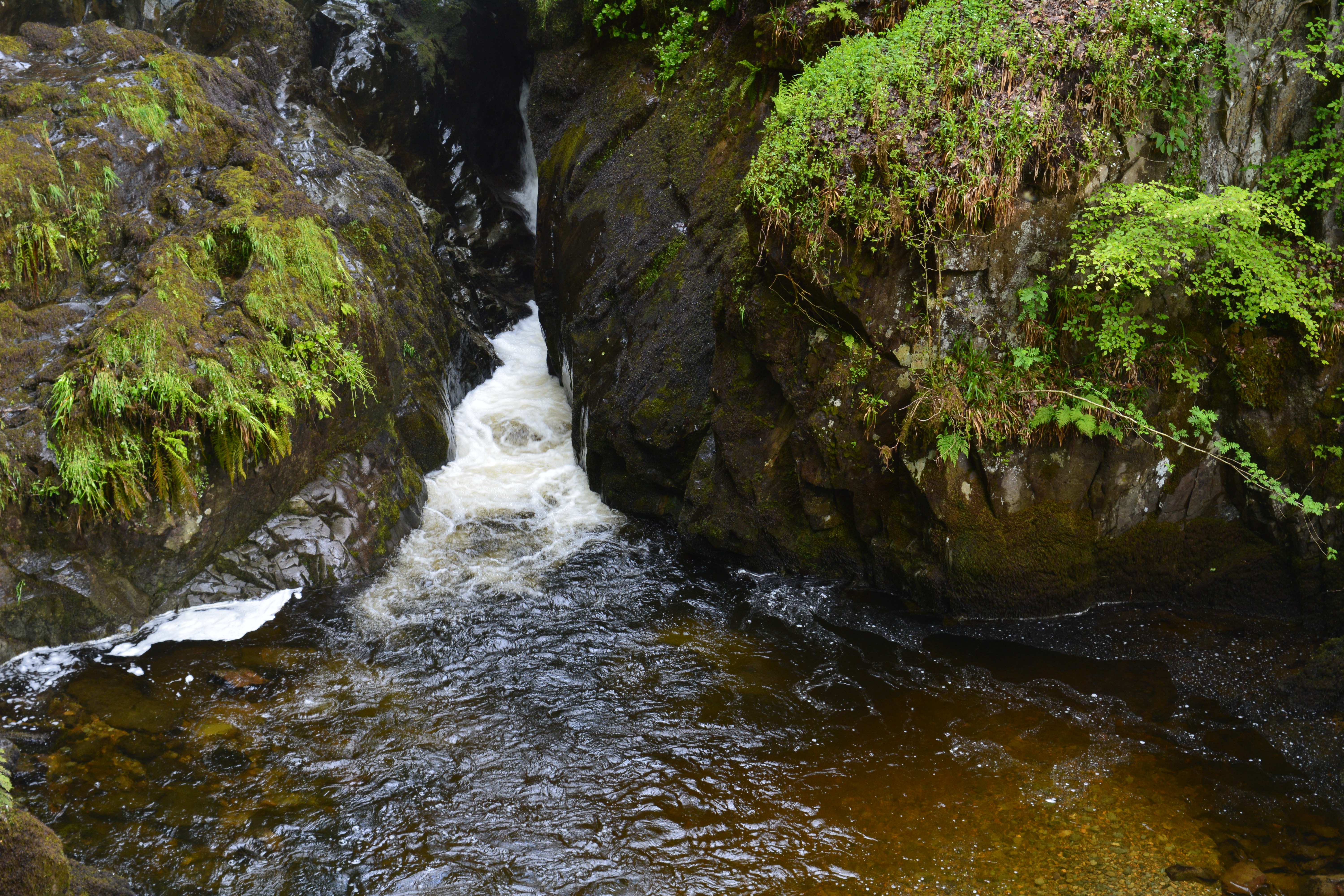
As we followed our path upwards we could hear the waterfall roaring in the depths of the valley, before it suddenly appeared, a sparkling ribbon dropping down the valley.

2015 06 03_2370 2015 06 03_2371 2015 06 03_2372 2015 06 03_2373 2015 06 03_2374 2015 06 03_2375 2015 06 03_2376 2015 06 03_2377 2015 06 03_2378 2015 06 03_2379

This was the end of our upward journey so we stopped to enjoy a well-earned rest. We sat on an old wooden bench listening to the many woodland birds all around and above us. In the second part of this post we will be making our way back down the valley.

Categories
buildings Church architecture countryside hedgerows landscapes memorials outdoor sculpture remembrance sculpture Shrewsbury Shropshire trees

Walking the Shrewsbury Battlefield – Part 2

Back at the site of the Battle of Shrewsbury we return to look more closely at the church and the sculptural tree. First though it might be a good idea to say a little about the battle itself. The Battle of Shrewsbury took place in 1403 just north of the town. Here two armies met in what was to be a ferocious and bloody battle. The rebel army of Sir Henry Percy, locally known as Harry Hotspur, met the Royal army of Henry IV on the land of the medieval Manor of Albright Hussey. There is now no sign of the village but there is a building known as the Albright Hussey which was built over a century after the battle in 1524. So many lives were lost during the battle that a memorial chapel was built in 1406 in their memory.

2015 04 09_0535 2015 04 09_0543 2015 04 09_0542

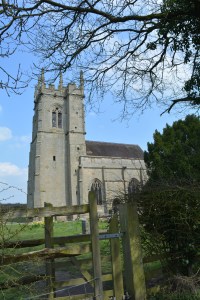
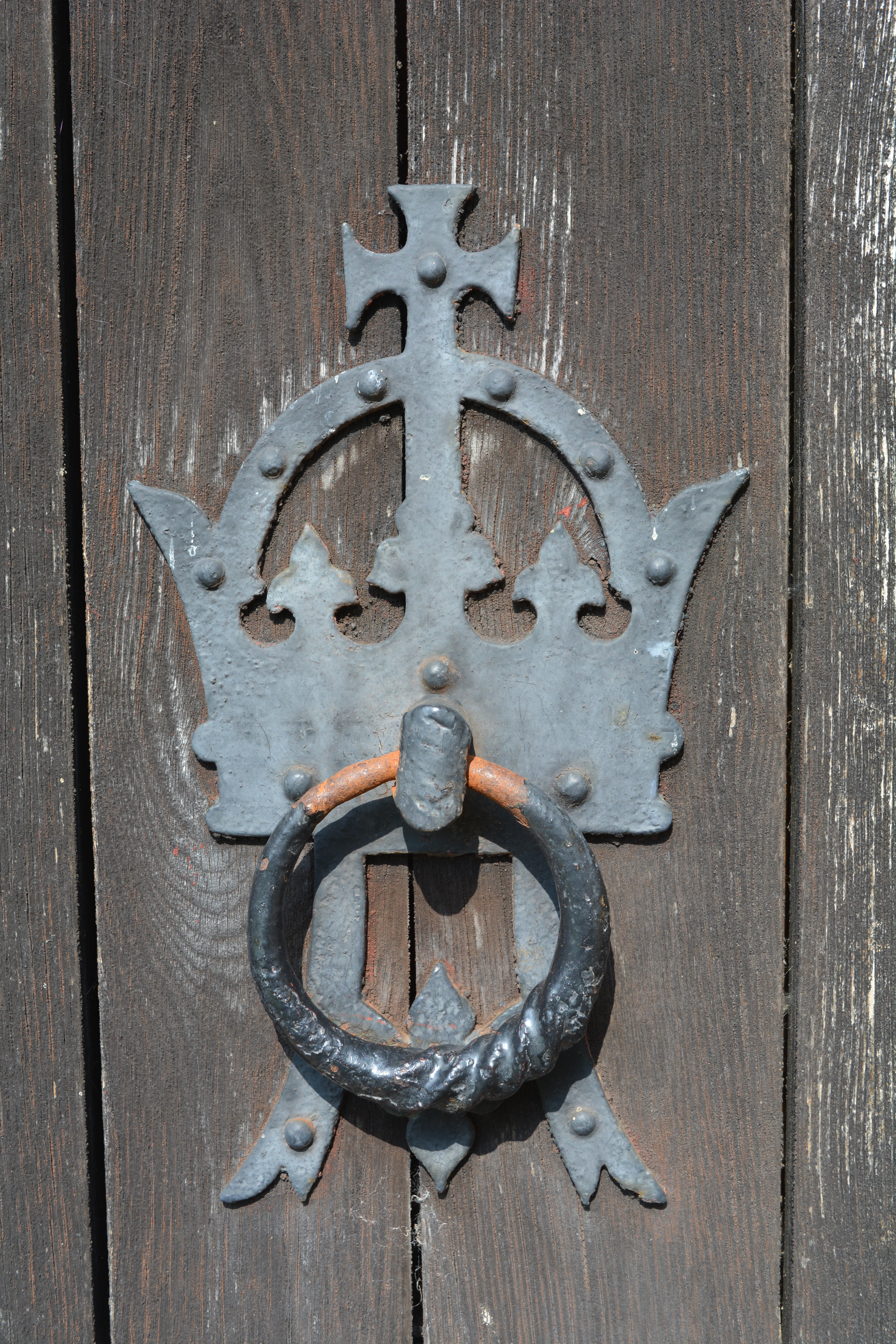
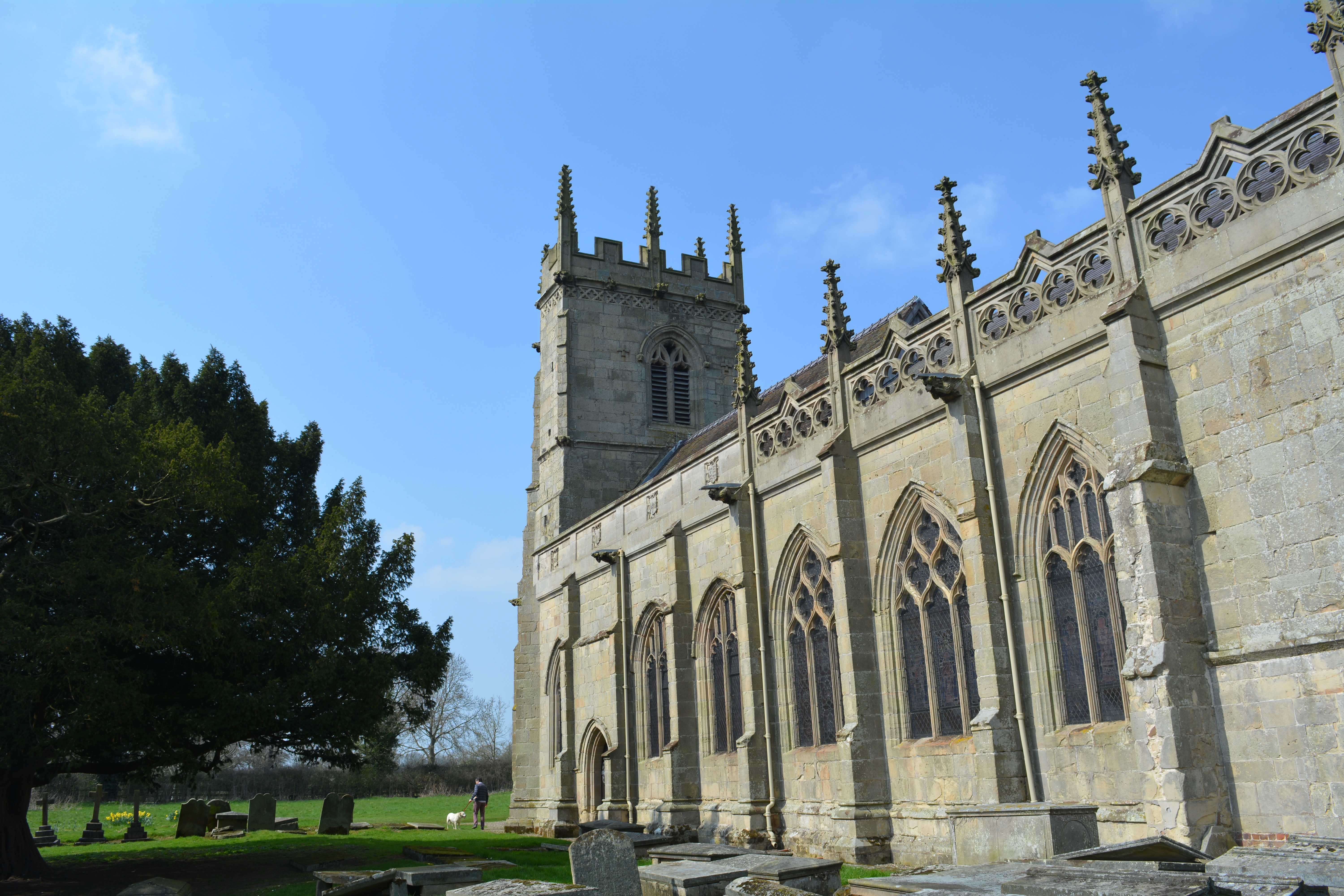
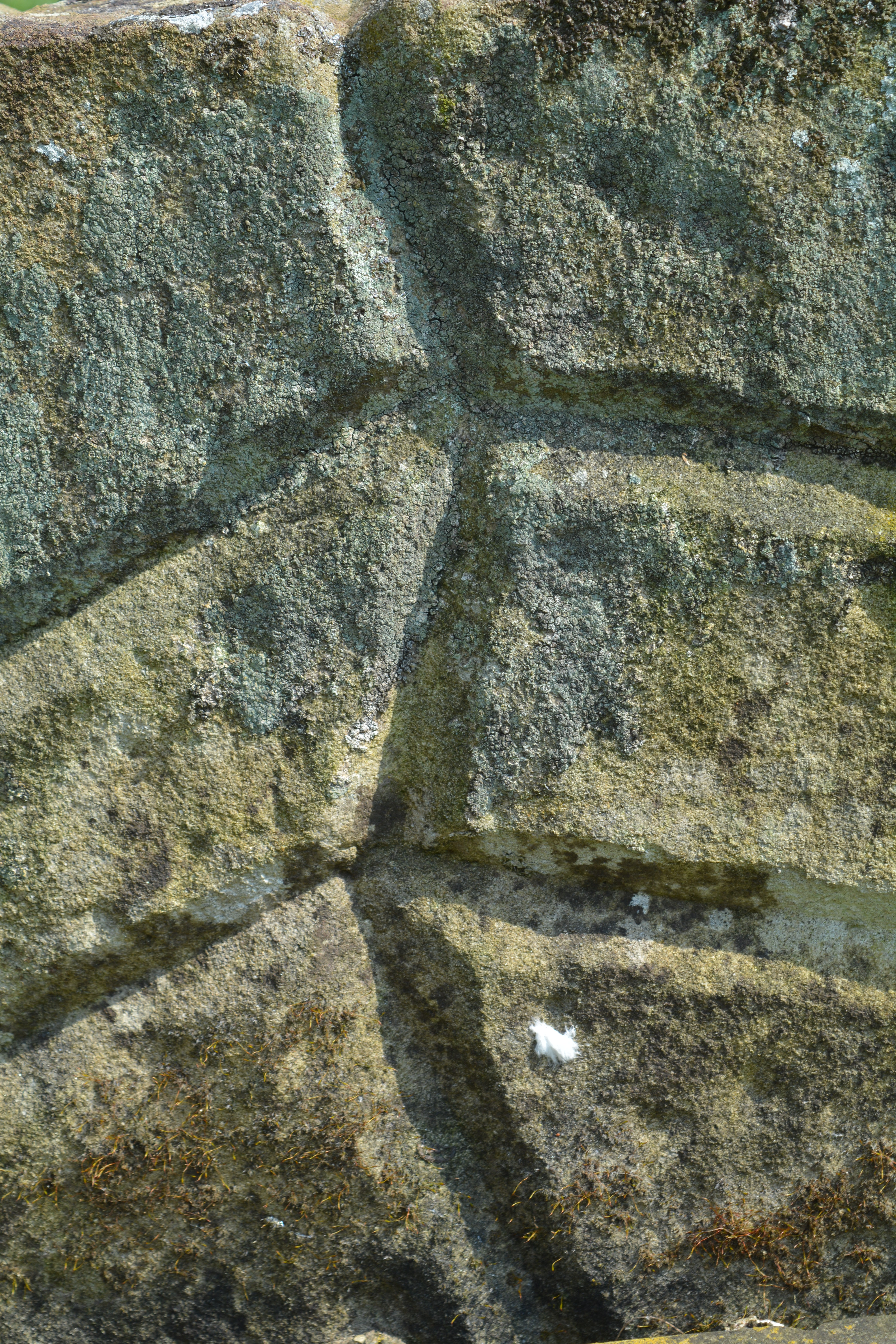
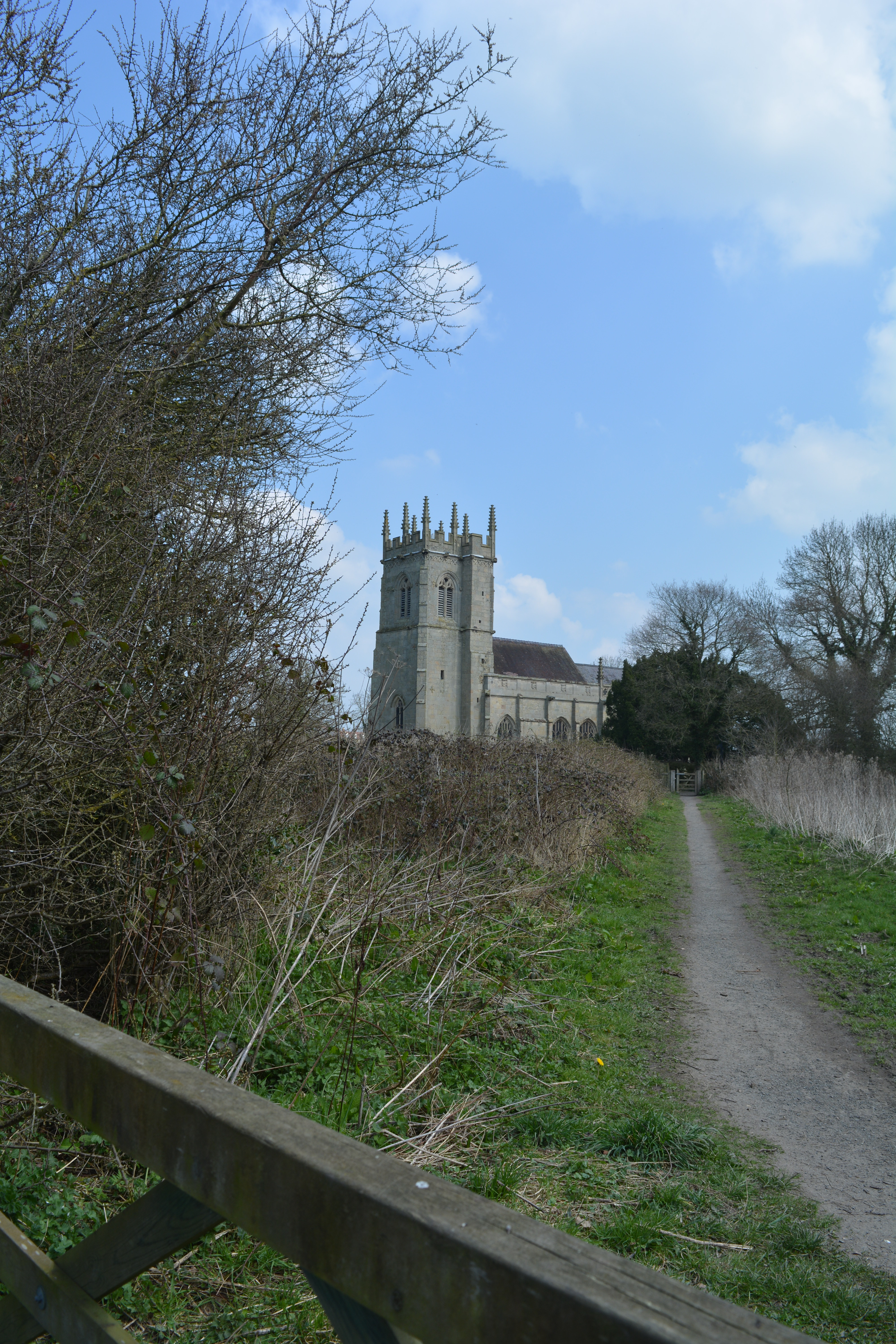
This church is now known as St Mary Magdalene’s Church. Below is my photographic record of our visit to the church. We loved the detailing around the door knocker with its design based on a crown, and all the different gargoyles around the top of the building from which would originally have spouted rainwater.

2015 04 09_0555 2015 04 09_0554 2015 04 09_0553

Inside the church we soon found its famous stained glass windows, but we were also drawn to the reed lamp holders and the oak carved figures on the ends of the pews.

2015 04 09_0552 2015 04 09_0551 2015 04 09_0550 2015 04 09_0549

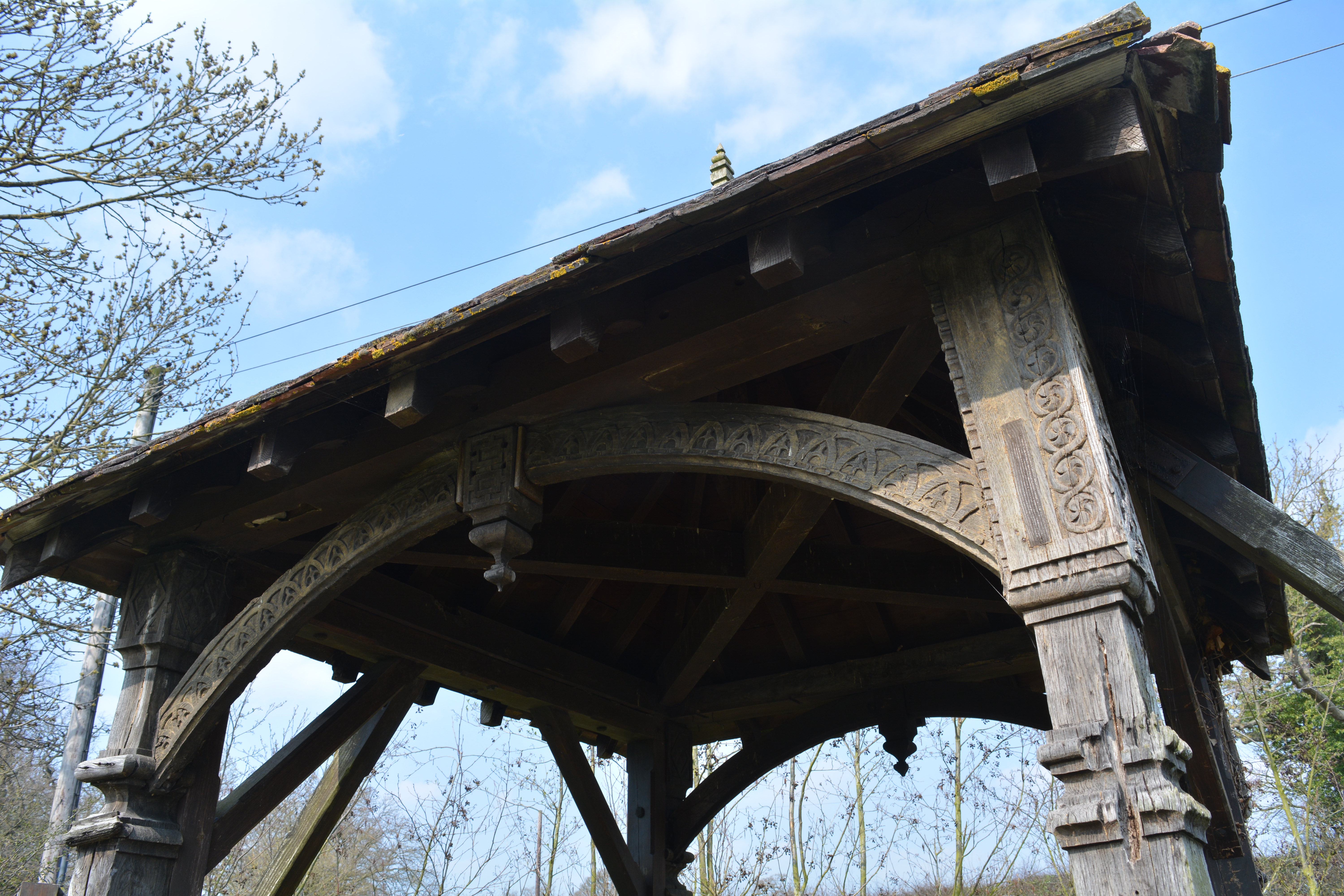
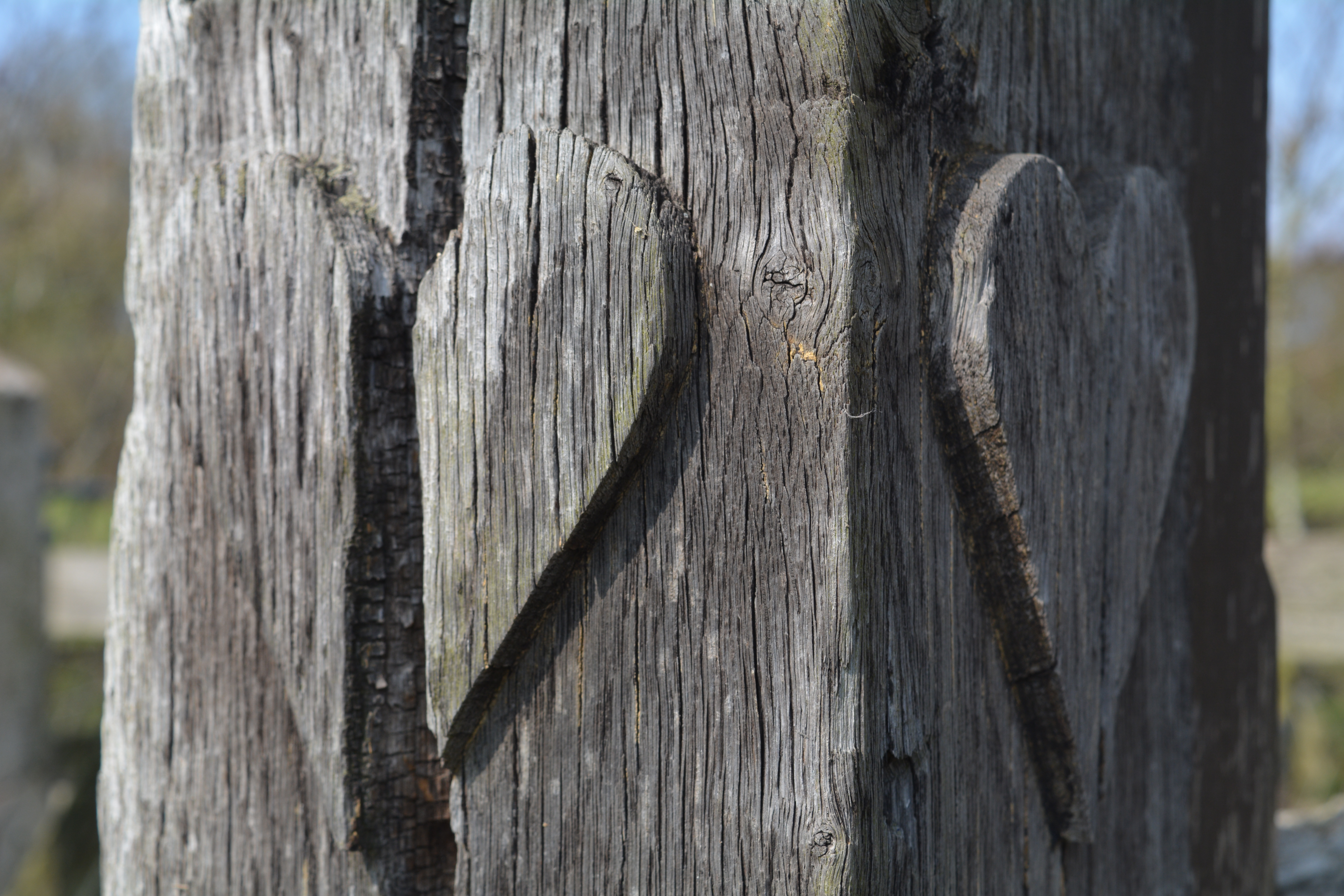
The ancient lych gate is looking worse for wear but its intricate carved detailing is still here to be enjoyed and appreciated, but I wonder for how much longer.

2015 04 09_05482015 04 09_0547 2015 04 09_0546 2015 04 09_0545 2015 04 09_0544

Over 5000 men died in this battle and their remains lie in an unmarked mass grave below the churchyard. Some of the headstones found in the churchyard here are very simple and others show very stylised carving.

2015 04 09_0557 2015 04 09_0556 2015 04 09_0558 2015 04 09_0559

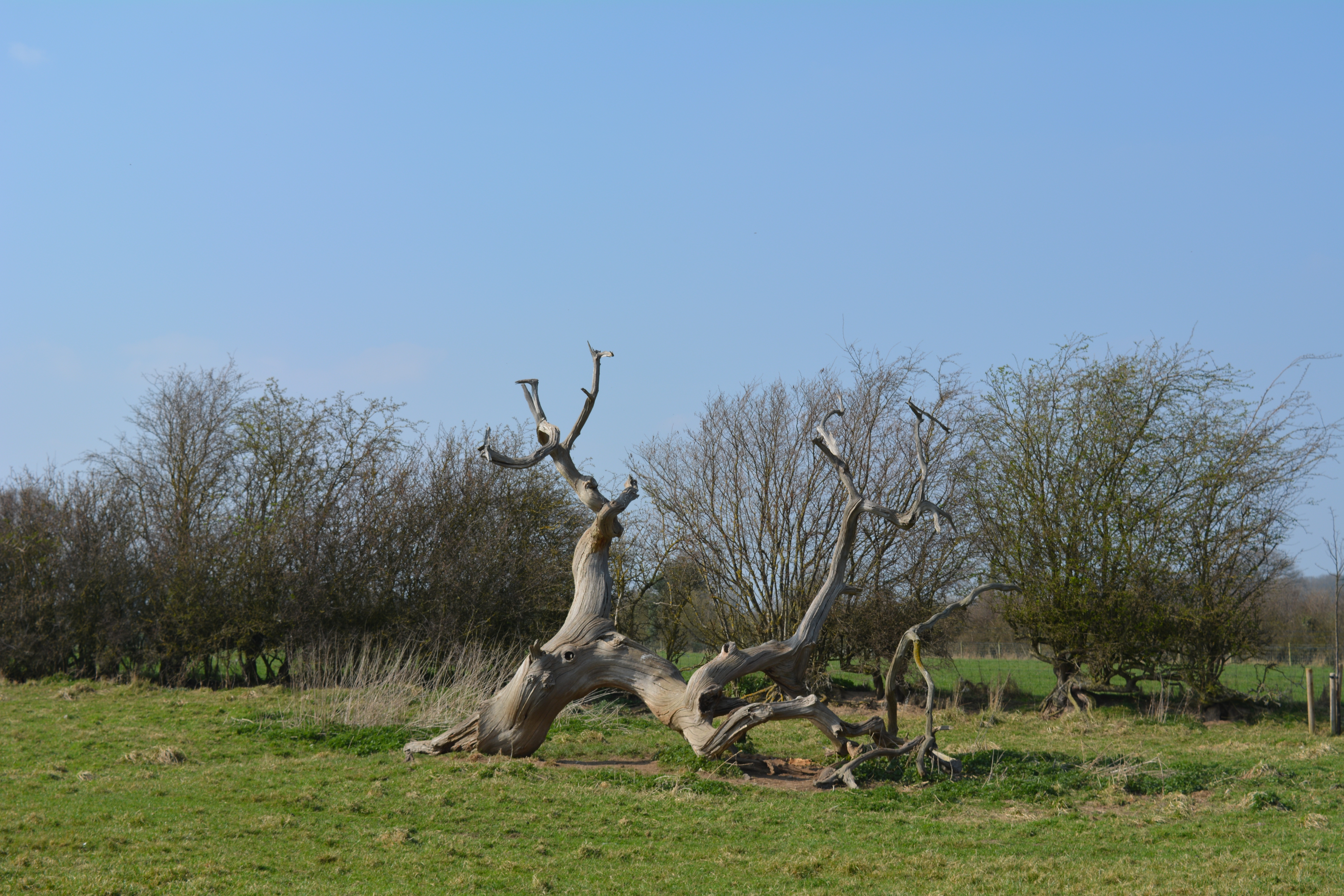
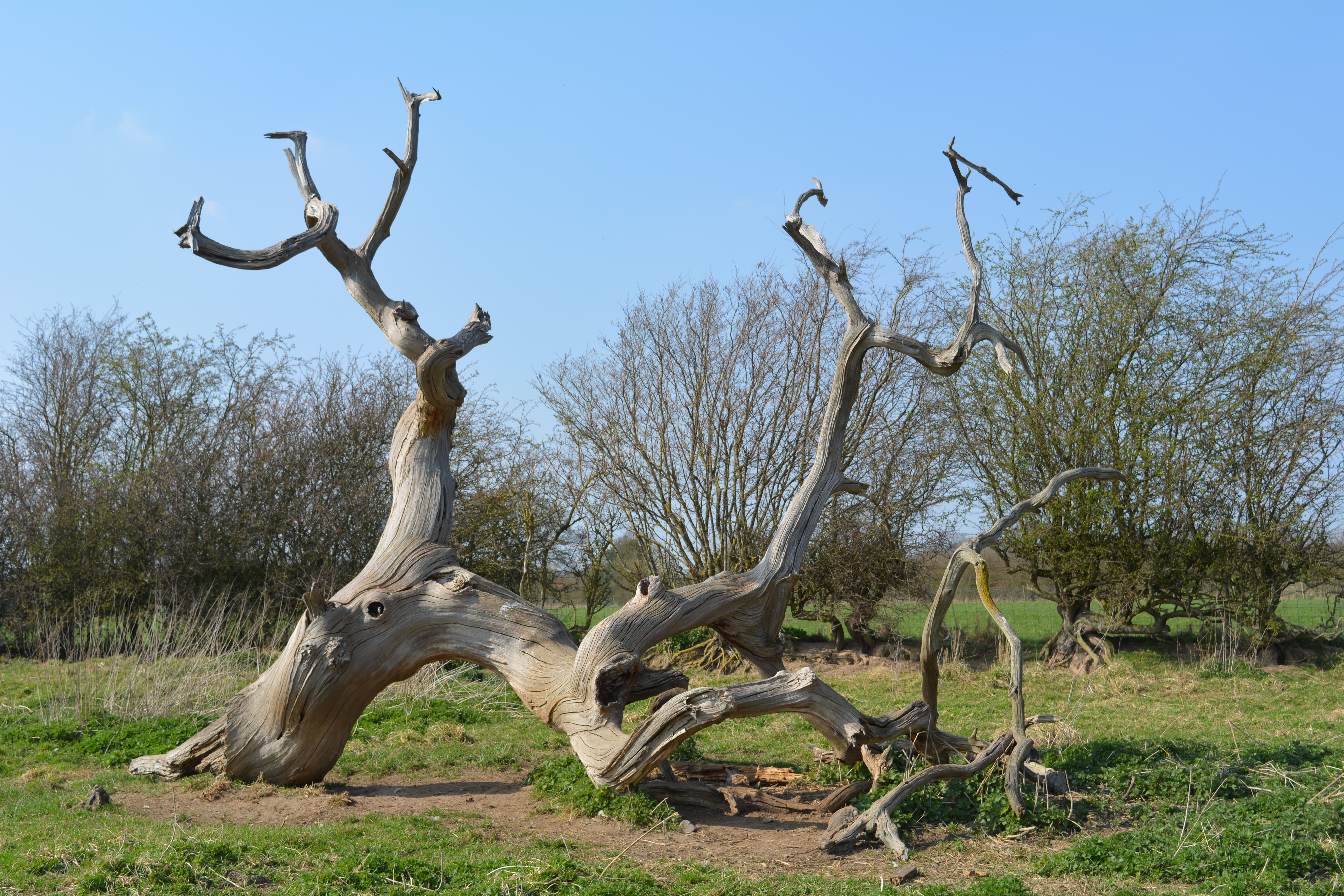
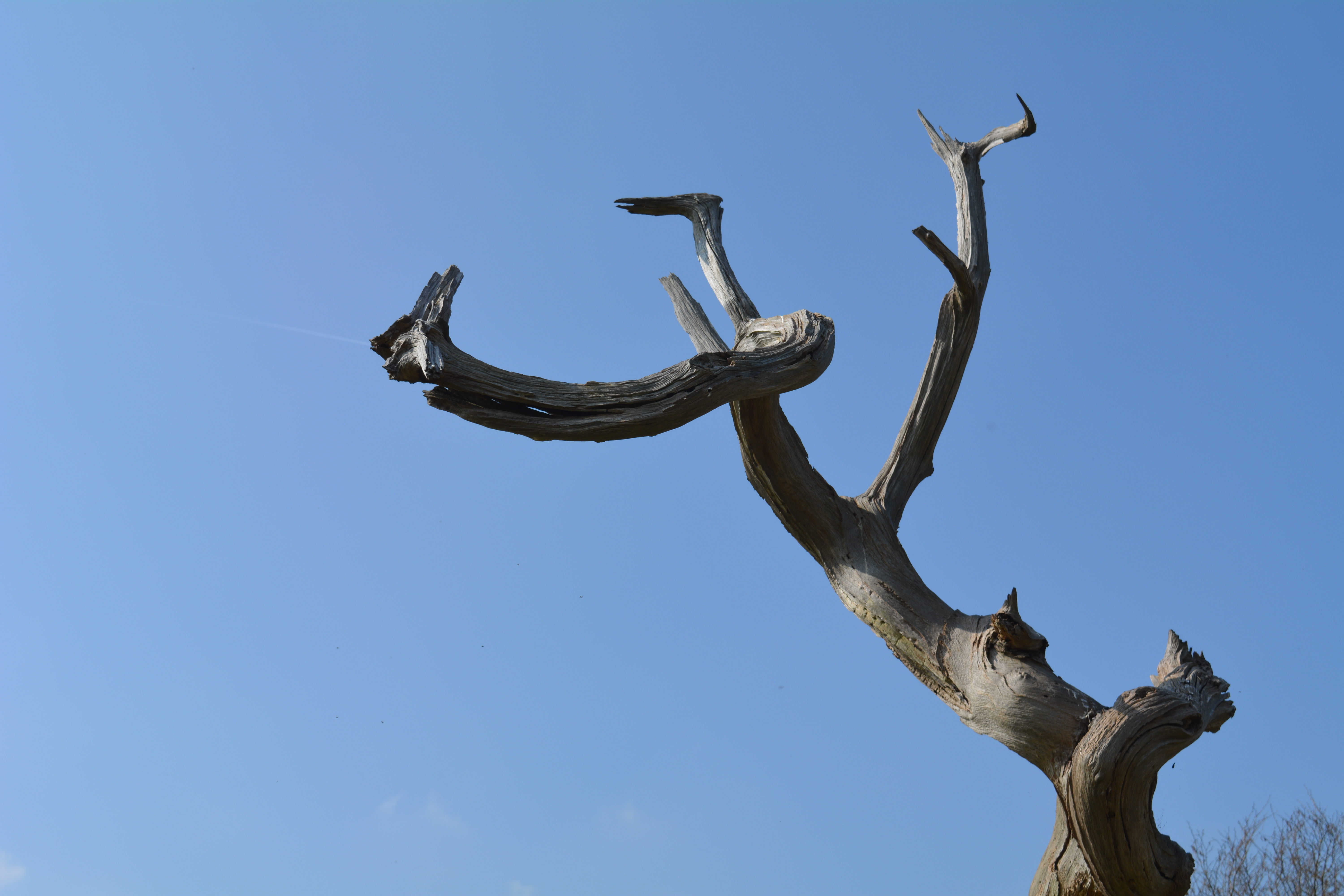
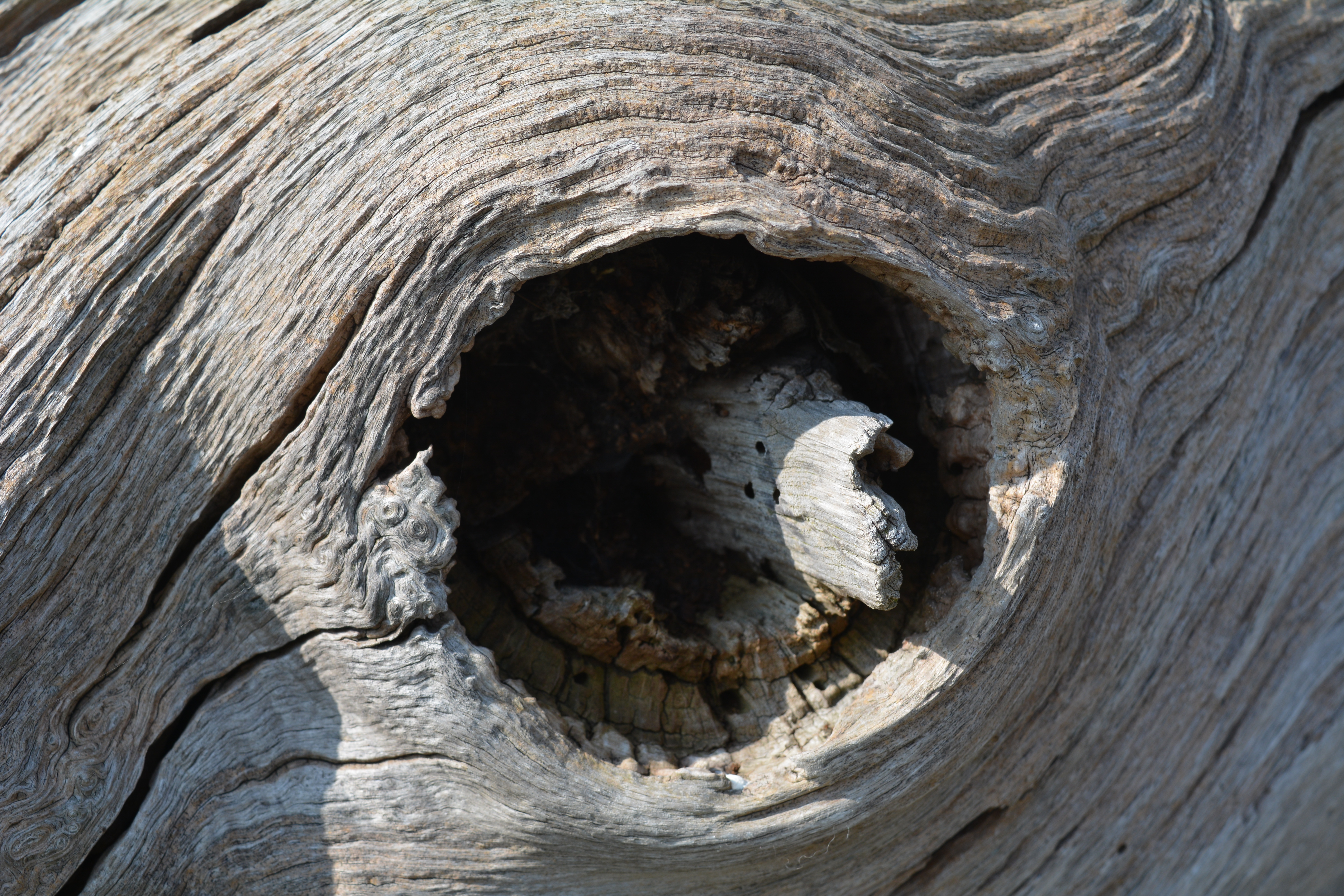
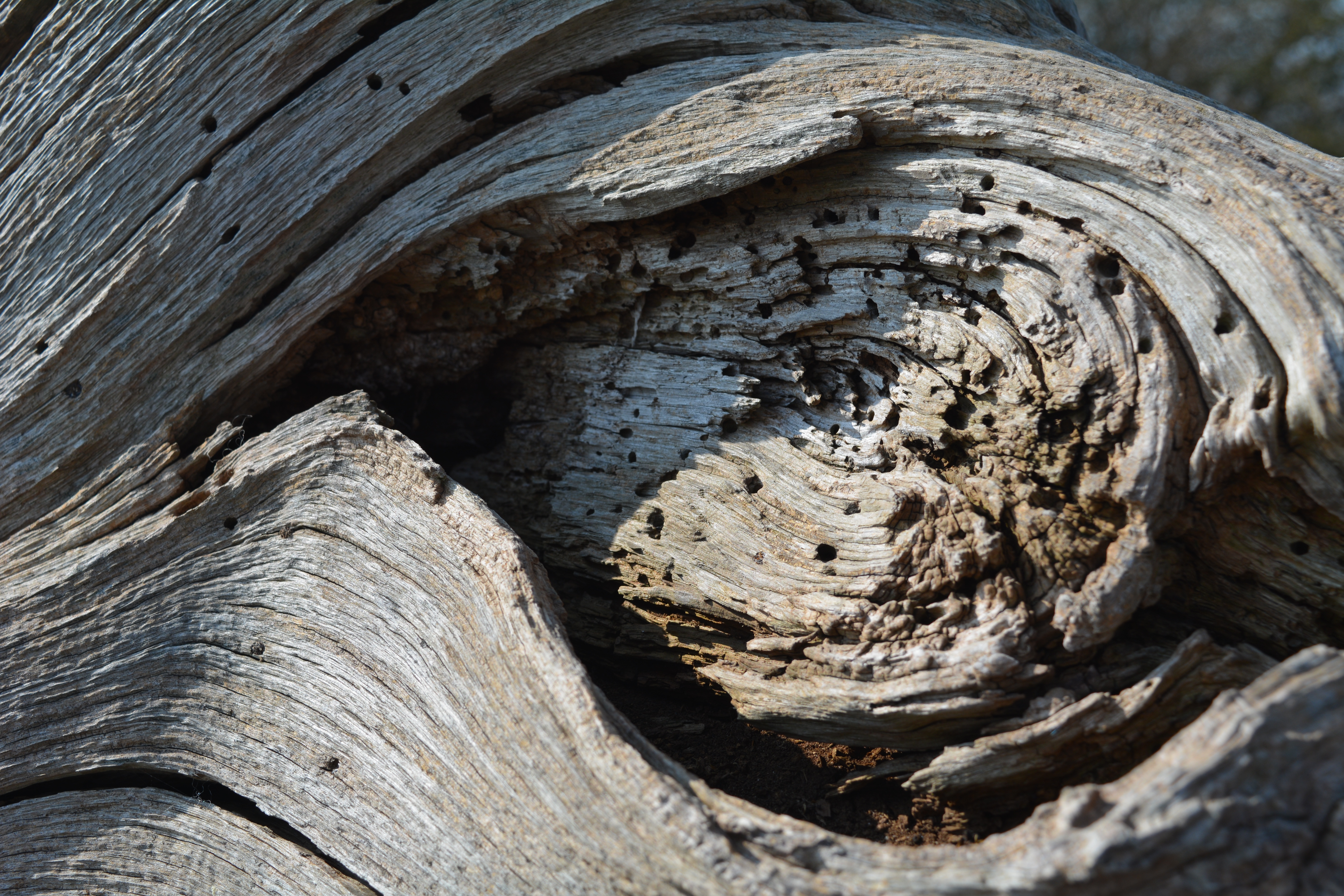
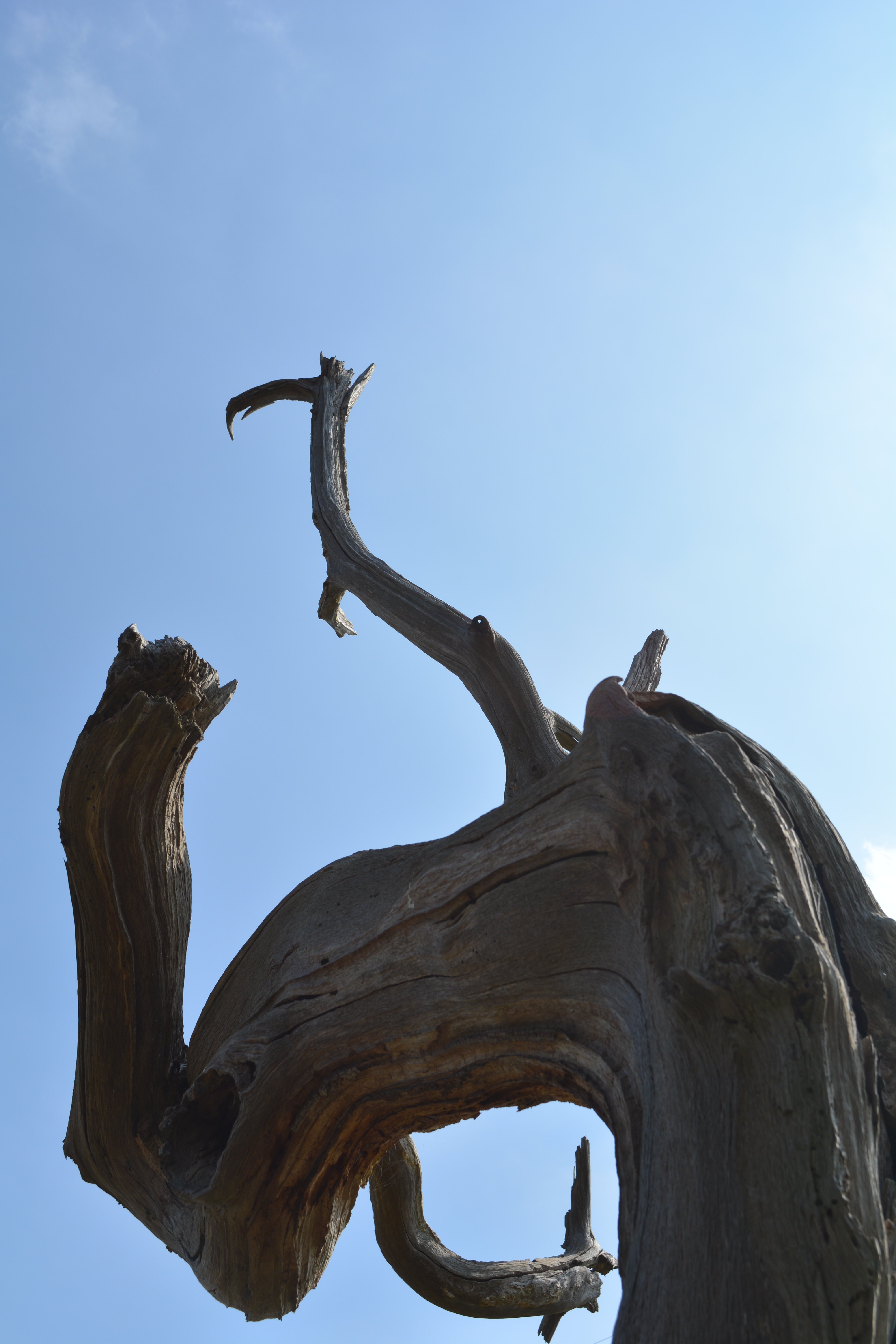
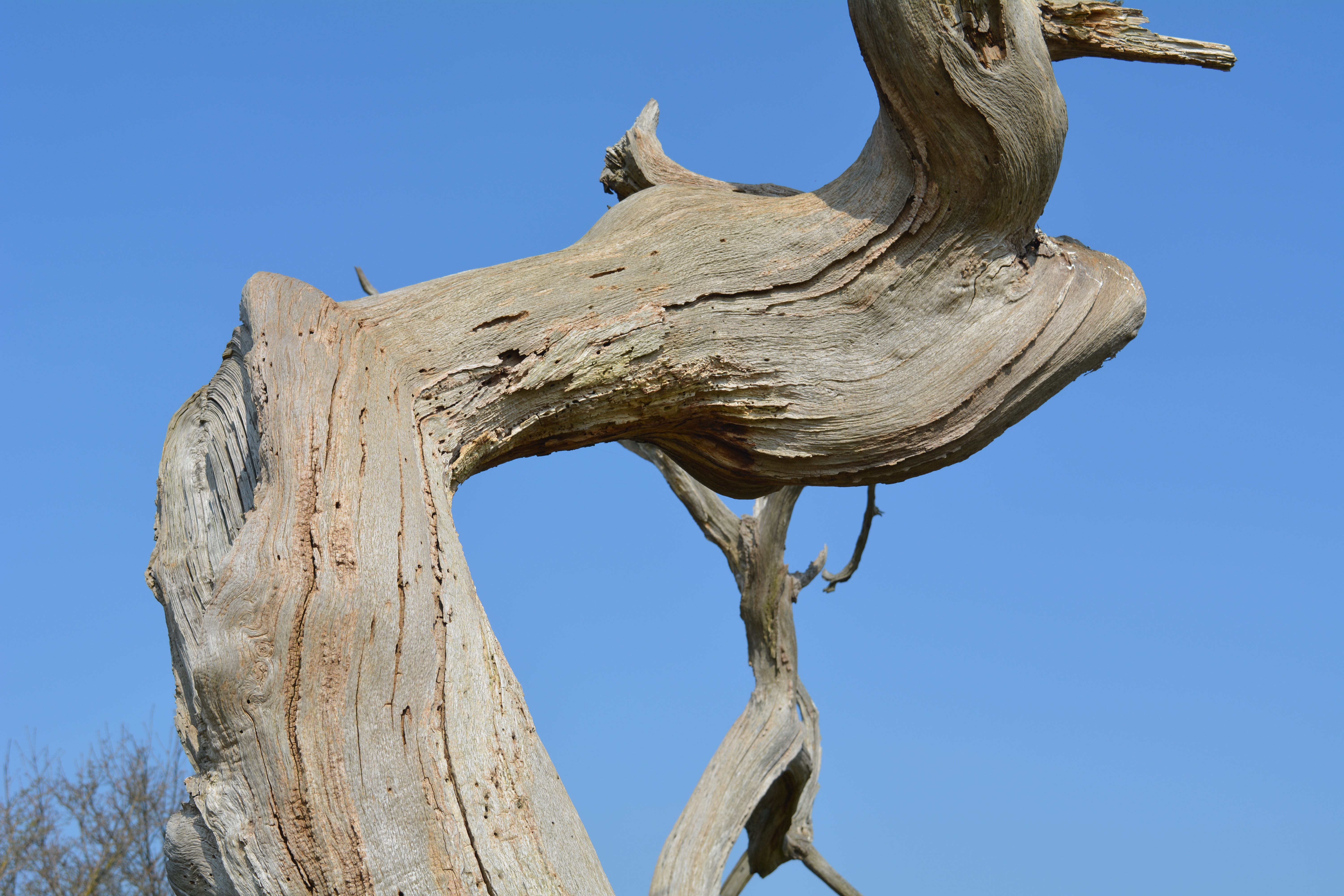
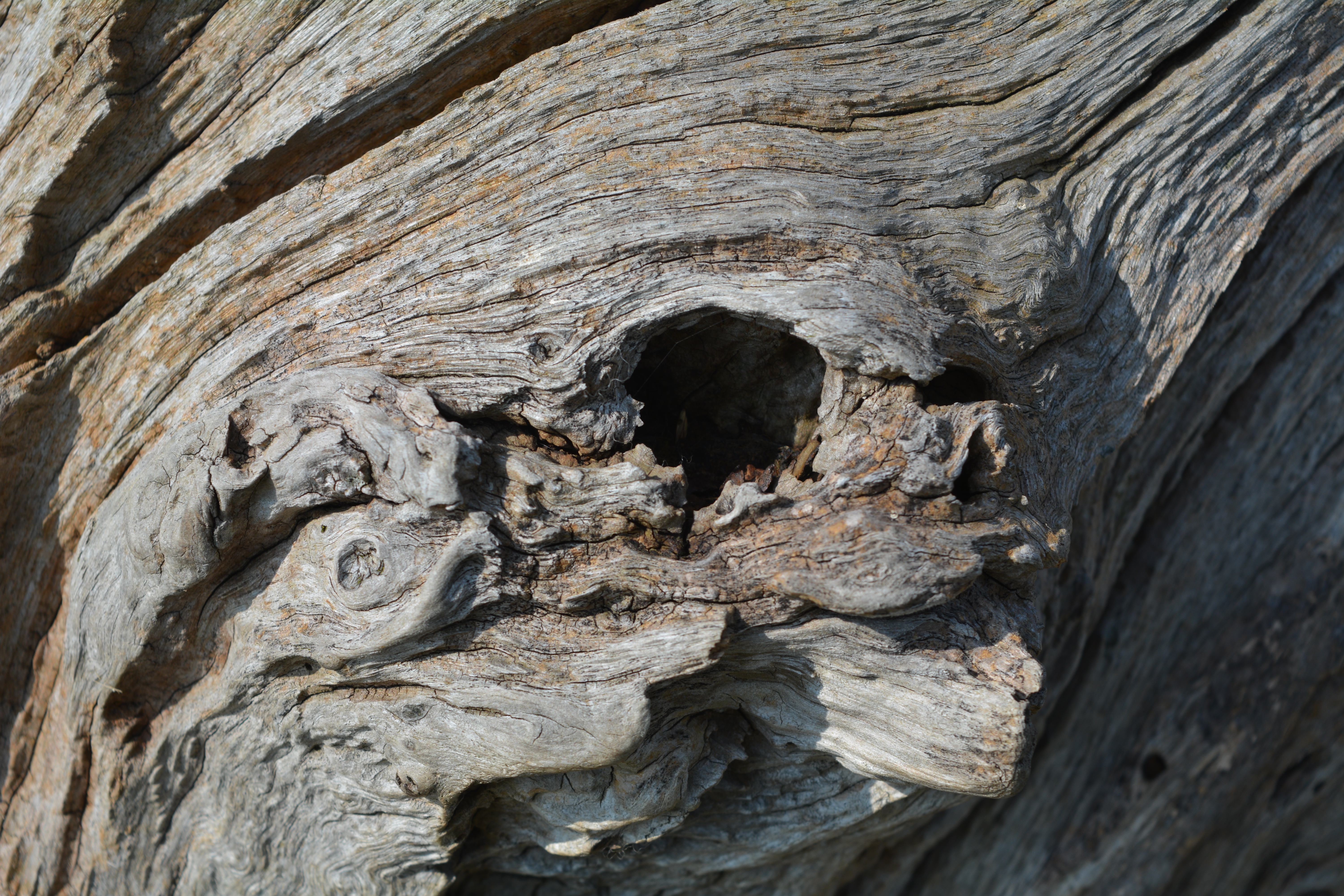
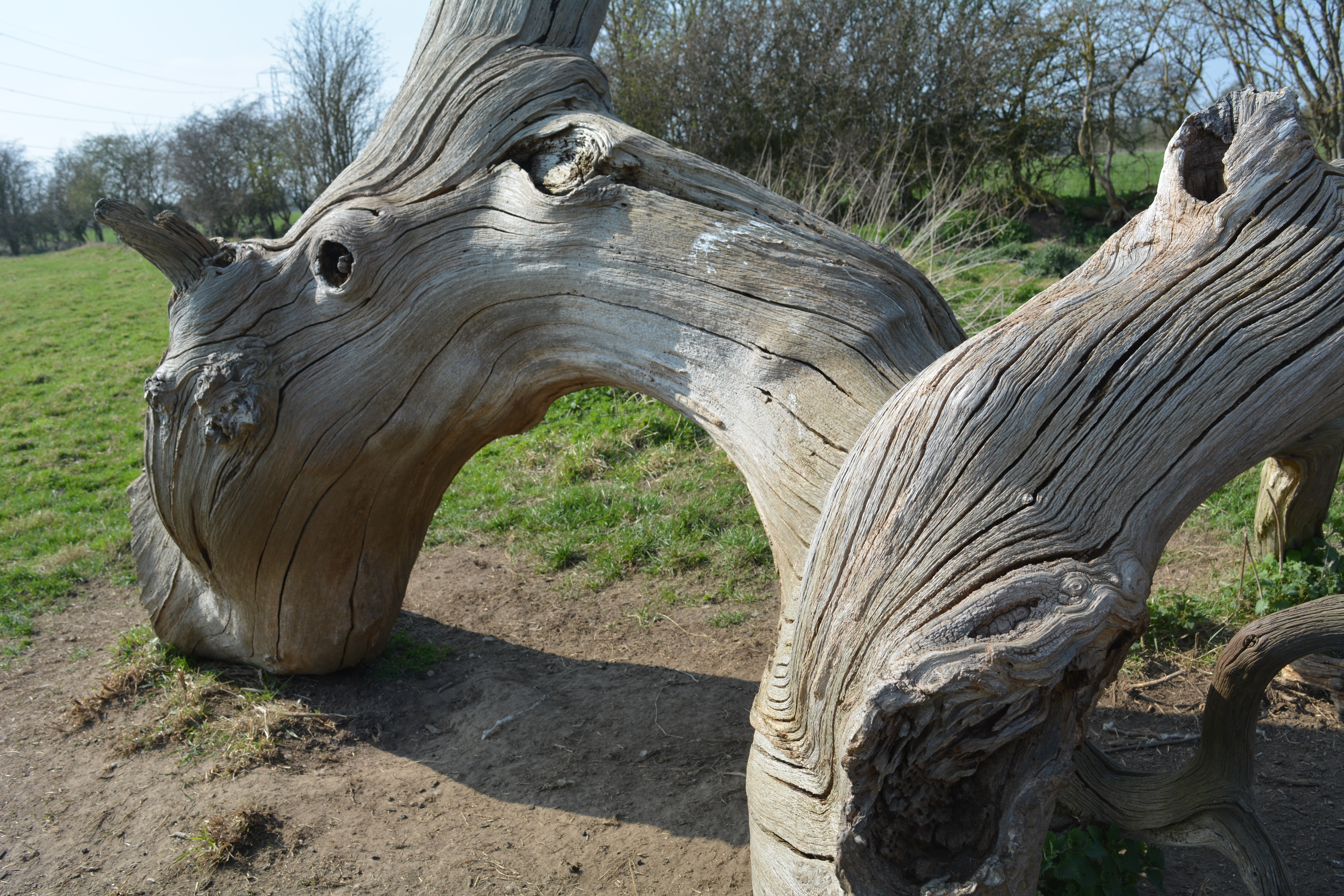
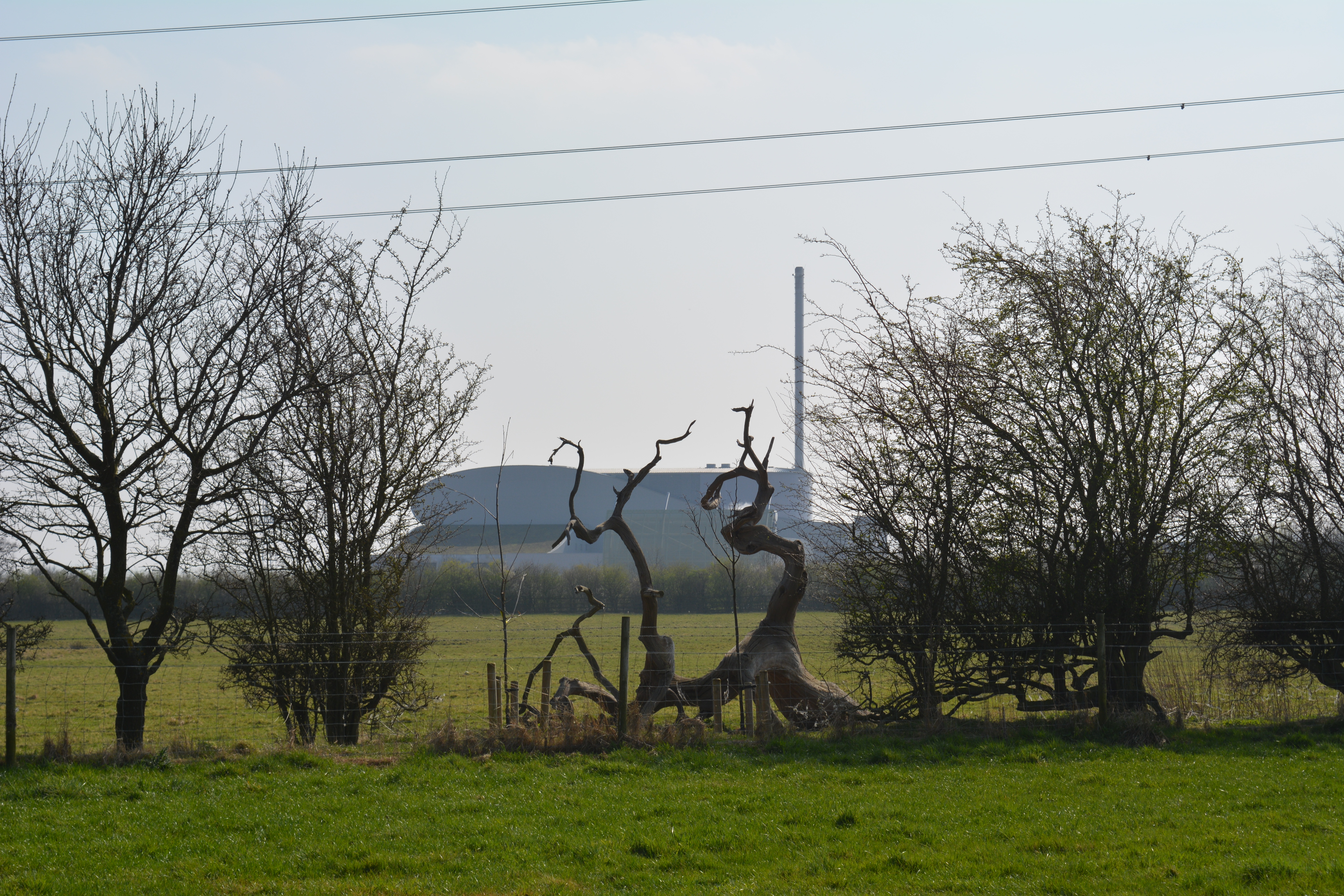
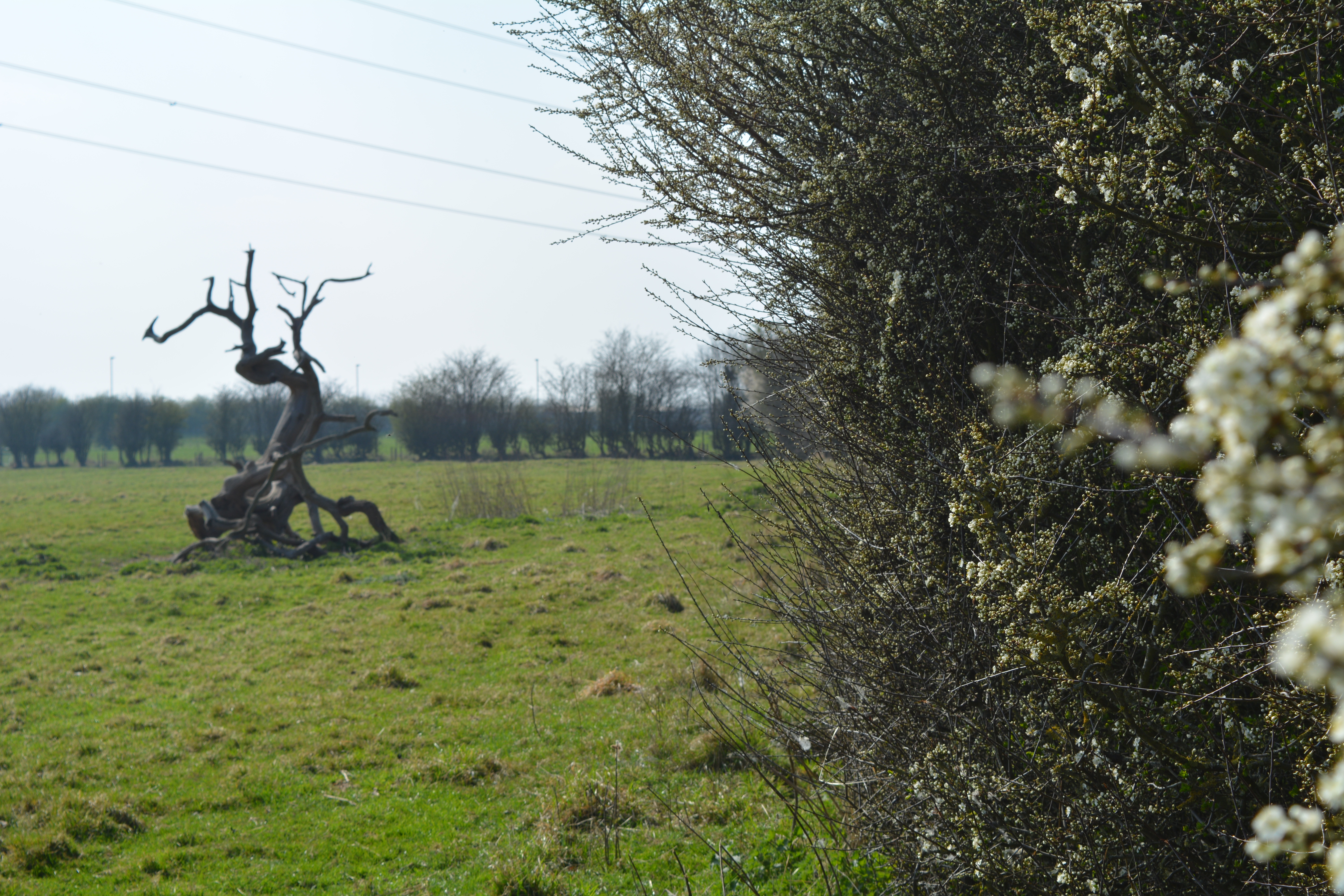
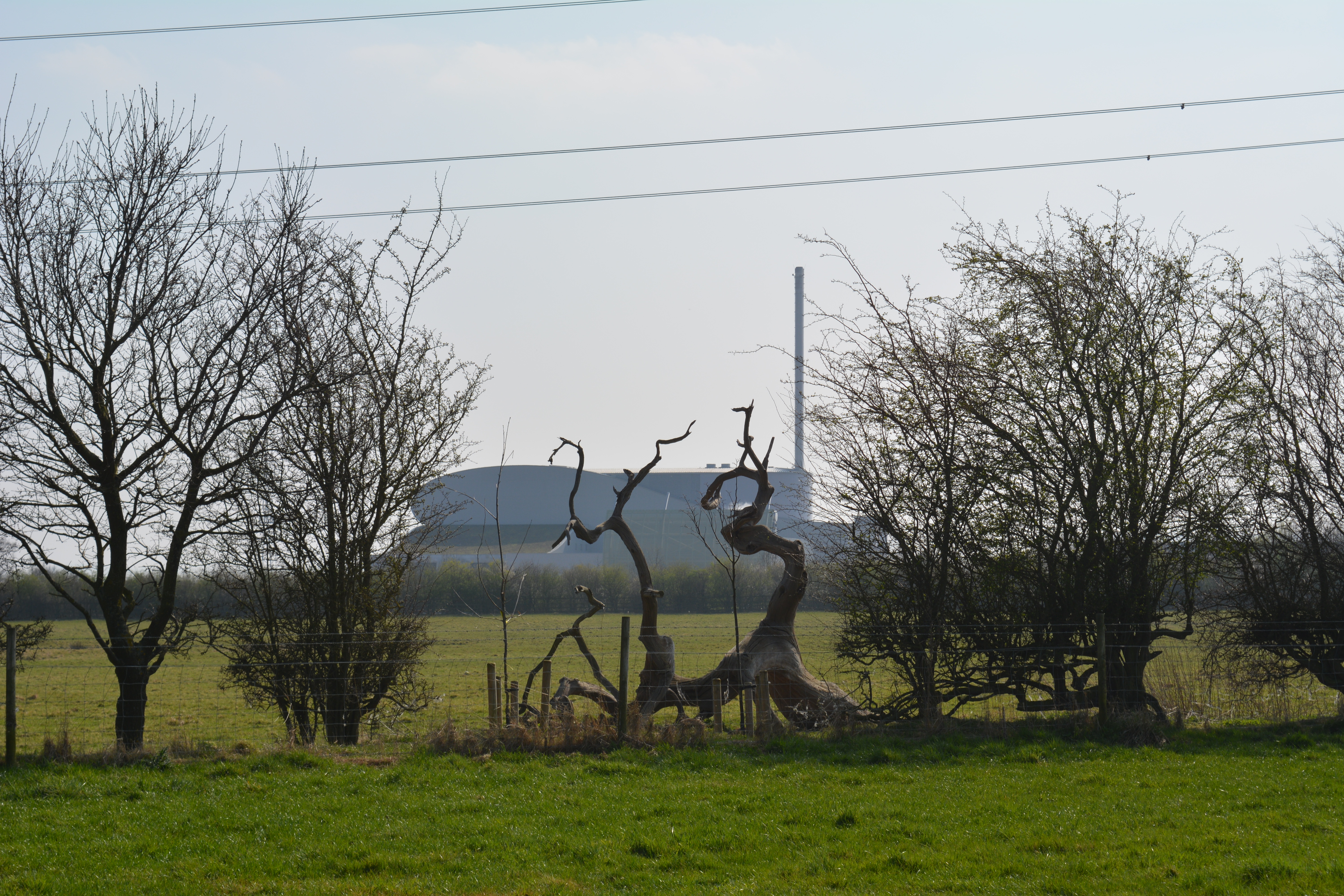
When we finished looking around the church and its surroundings we made our way back along the footpaths around the site of the Battle Field. Half way back we spotted a pool in the middle of a field which still showed signs of medieval ridge and furrow farming patterns. Close to the hedge we saw a wonderfully sculptural old tree. The tree must have fallen years ago and has now lost its bark so was smooth in texture. This is Mother Nature at her most creative. Please enjoy looking at my photos of this natural piece of sculpture.


2015 04 09_0567 2015 04 09_0568 2015 04 09_0569 2015 04 09_0570 2015 04 09_0571 2015 04 09_0572 2015 04 09_0573 2015 04 09_0574 2015 04 09_0575 2015 04 09_0576 2015 04 09_0577 2015 04 09_0578 2015 04 09_0579 2015 04 09_0580 2015 04 09_0581 2015 04 09_0582 2015 04 09_0583 2015 04 09_0584 2015 04 09_0586 2015 04 09_0587 2015 04 09_0588 2015 04 09_0589 2015 04 09_0590 2015 04 09_0593


Categories
birds buildings Church architecture colours countryside landscapes light Shrewsbury Shropshire trees wildlife

Walking the Shrewsbury Battlefield – Part One

Although we have lived in Shropshire for years it is only now that we have finally visited the site of the famous Battle of Shrewsbury and the Church of St Mary Magdalene built there to commemorate those who died in battle.

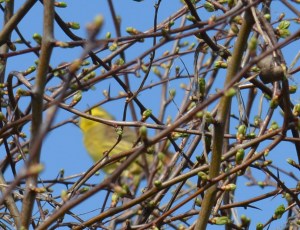
There were absolutely no clues that a battle ever took place here as we walked the footpath across the site of the battle, but we enjoyed wandering along the hedgerows with the song of Skylarks high above us and the distinctive call of the first returning migrant warbler, the Chiffchaff. We enjoyed seeing and hearing a Yellow Hammer a scarce farmland bird.

2015 04 09_0516_edited-1

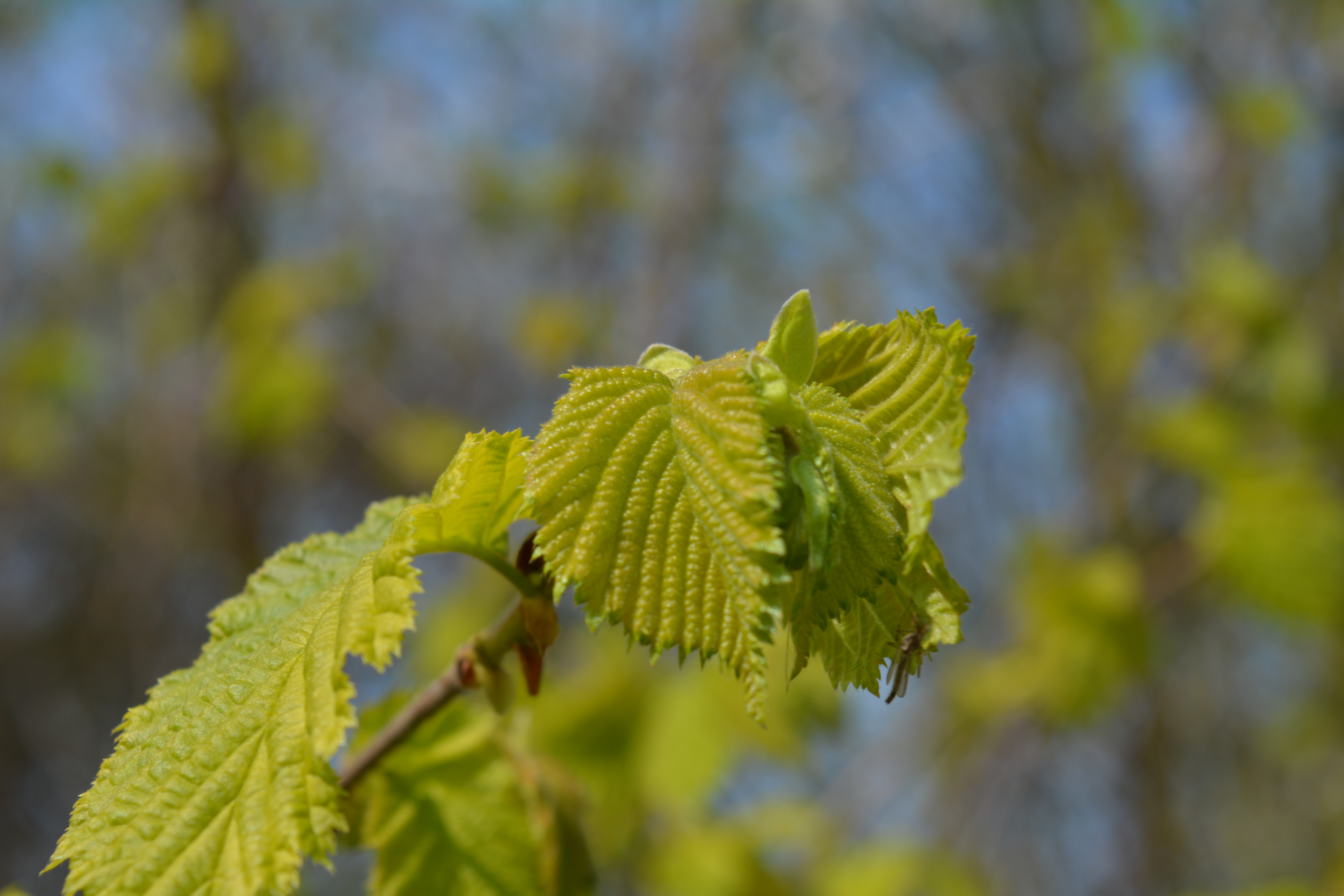
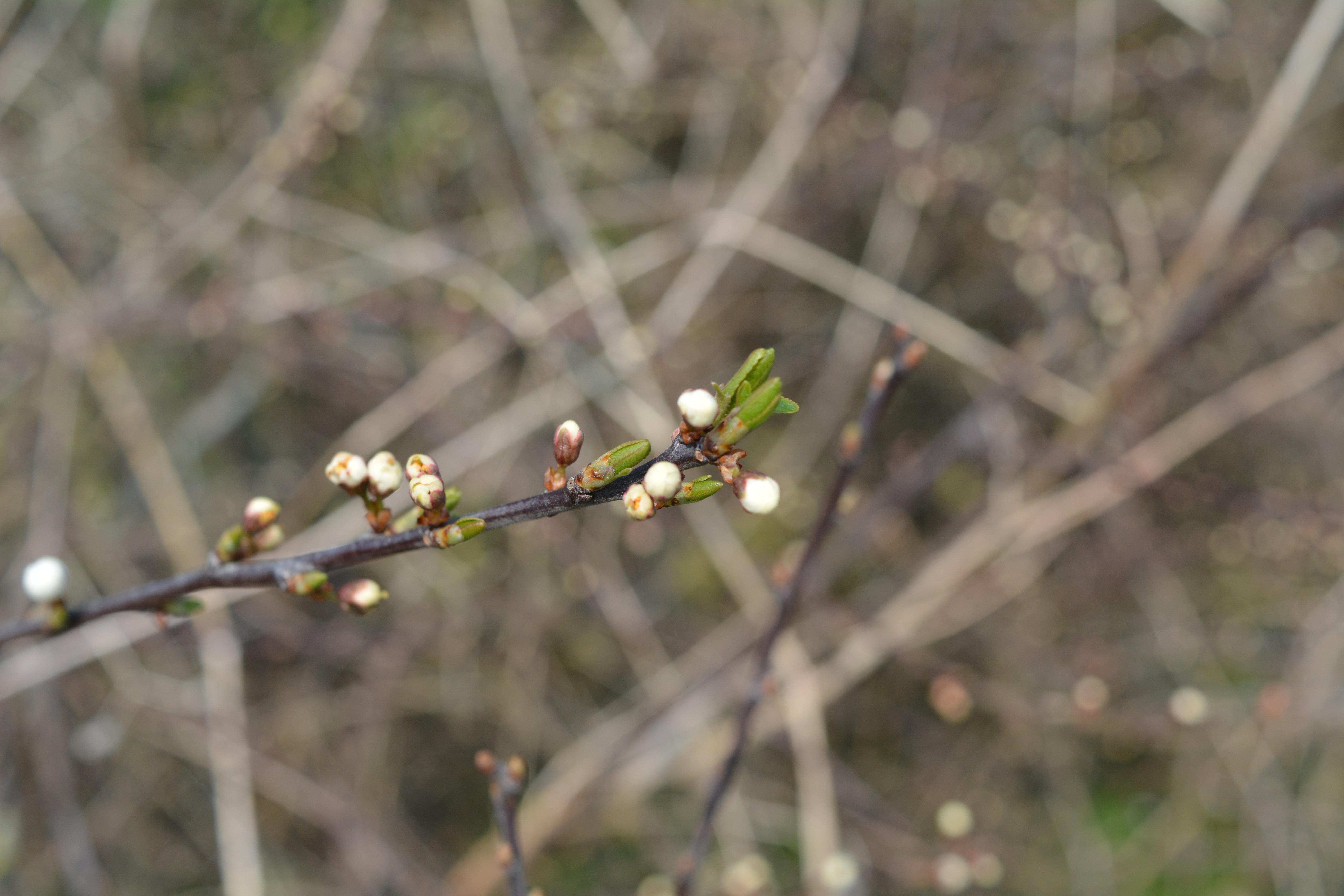
Signs of spring were to be seen every step of the way, freshly bursting buds with the brightest of greens emerging and the earliest of blossoms.

2015 04 09_0510 2015 04 09_0511 2015 04 09_0514 2015 04 09_0529


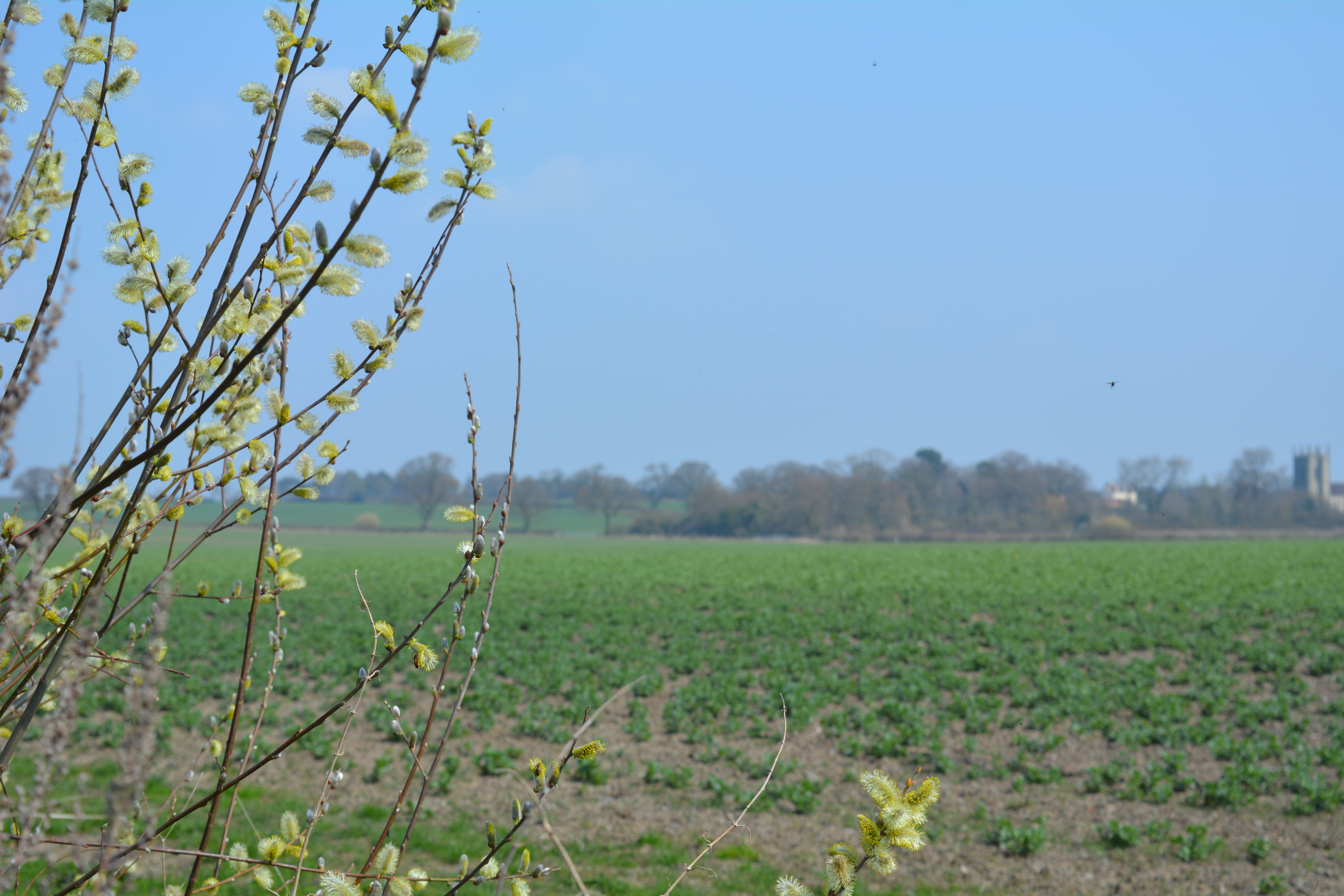
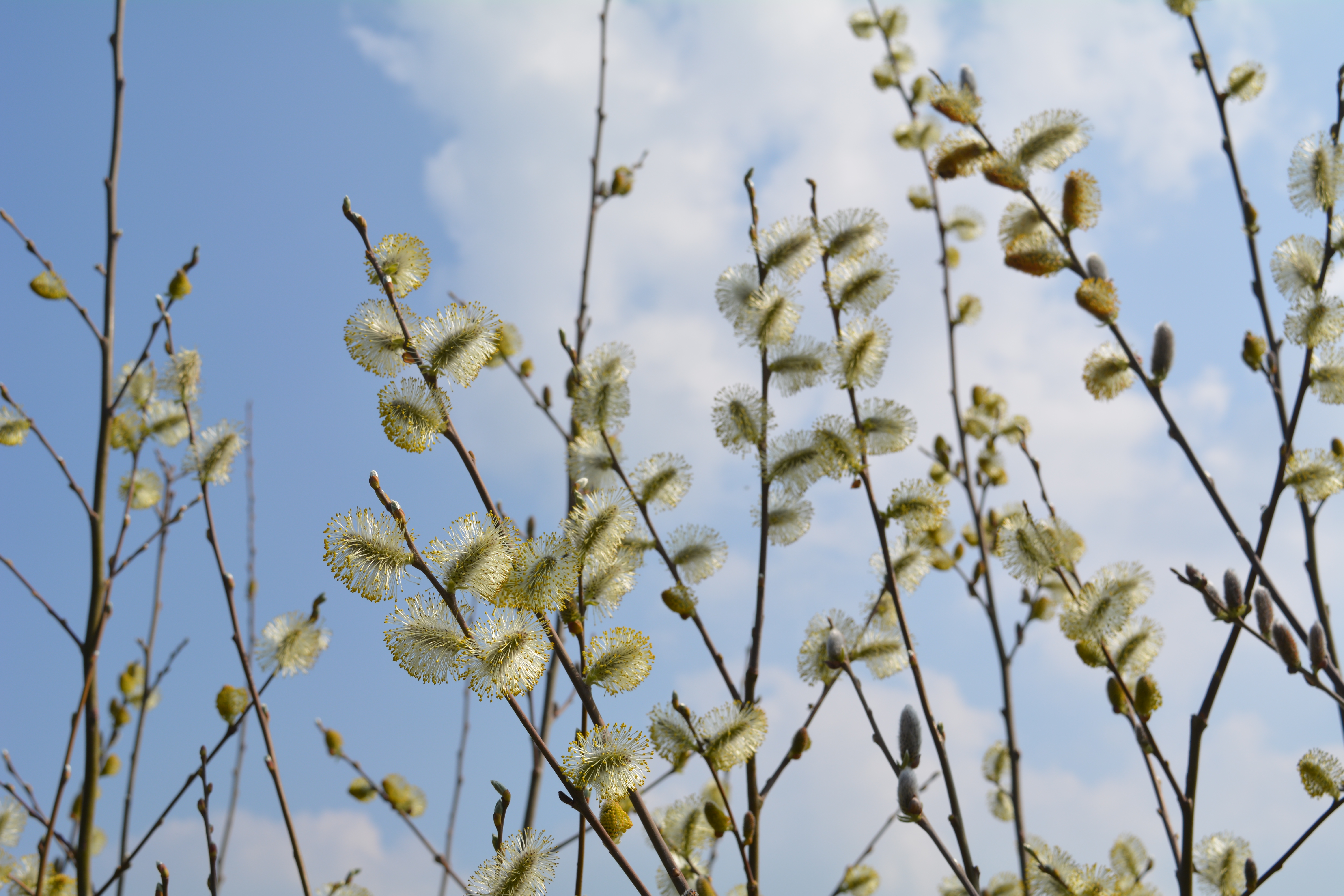
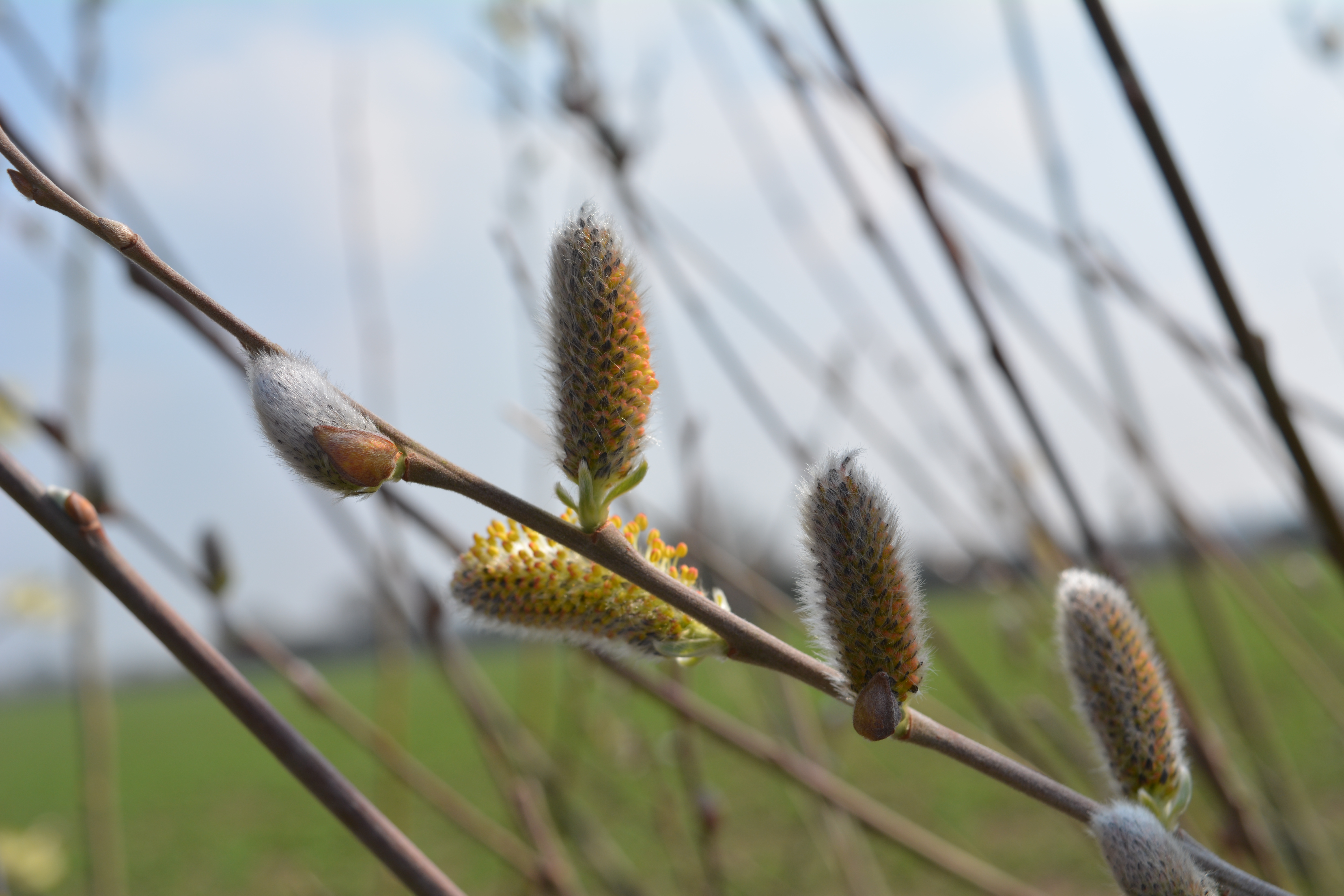
The willows were giving a light show, as the sun shone through their catkins.

2015 04 09_0515 2015 04 09_0518 2015 04 09_0519 2015 04 09_0520  2015 04 09_0531 2015 04 09_05222015 04 09_0563 2015 04 09_05642015 04 09_0523 2015 04 09_0524


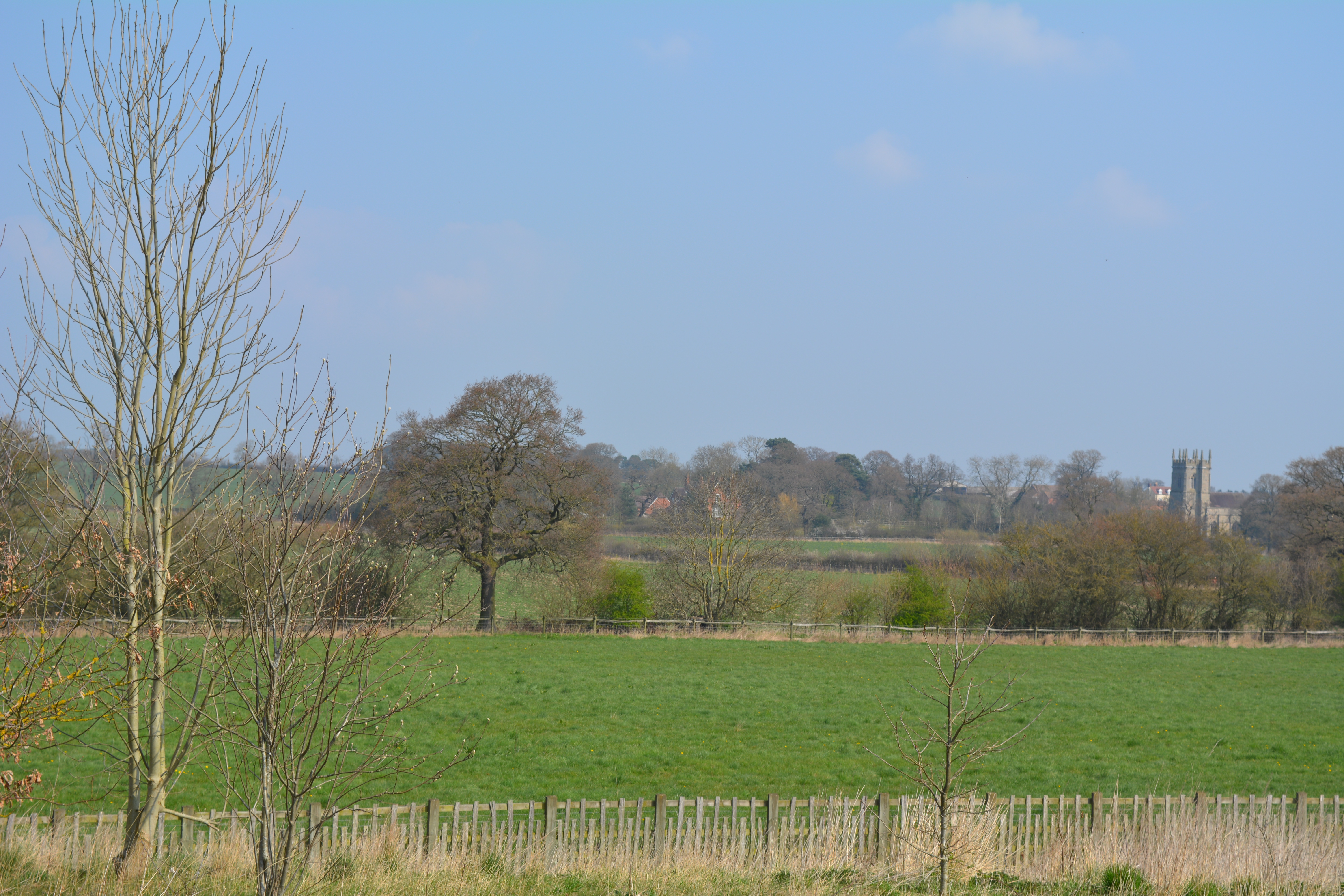
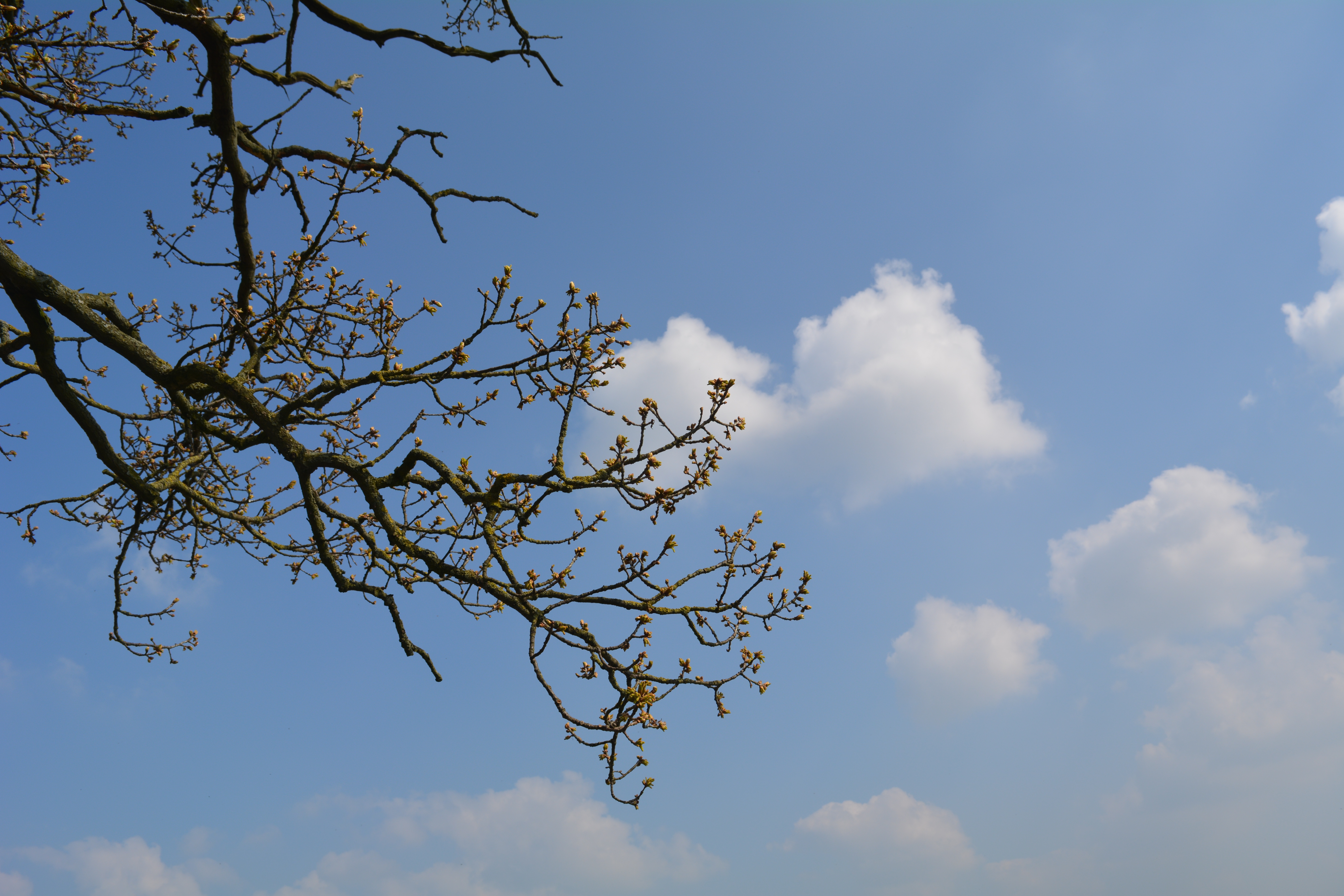
Some trees were still bare skeletons against the blue skies.


2015 04 09_0526 2015 04 09_0527

As we approached the scatter of buildings around the church, a shallow stream flowed alongside with banks of water plants coming to life.


2015 04 09_0528  2015 04 09_0530  2015 04 09_0532 2015 04 09_0533

In the woodland around the church we discovered the remaining fish ponds used by the college chaplains.


2015 04 09_0534 2015 04 09_0535


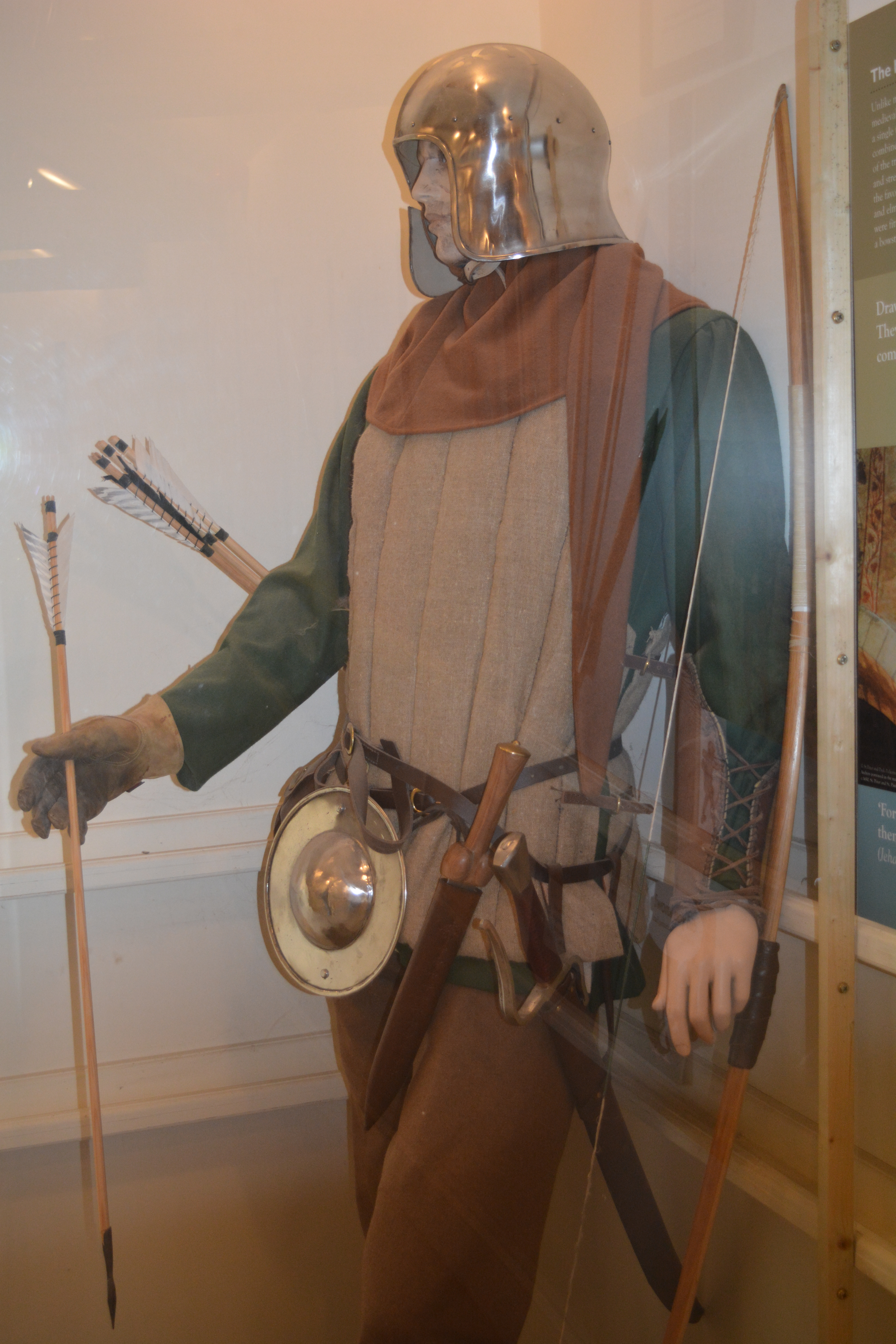
We wandered past the church and made our way to the nearby Battlefield Farm Shop which luckily had a coffee shop! We decided to have a look at the church on the way back when we would be well-refreshed. In converted old farm buildings an exhibition explained all about the Battle of Shrewsbury.

2015 04 09_0537 2015 04 09_05392015 04 09_0538 2015 04 09_0540 2015 04 09_0541


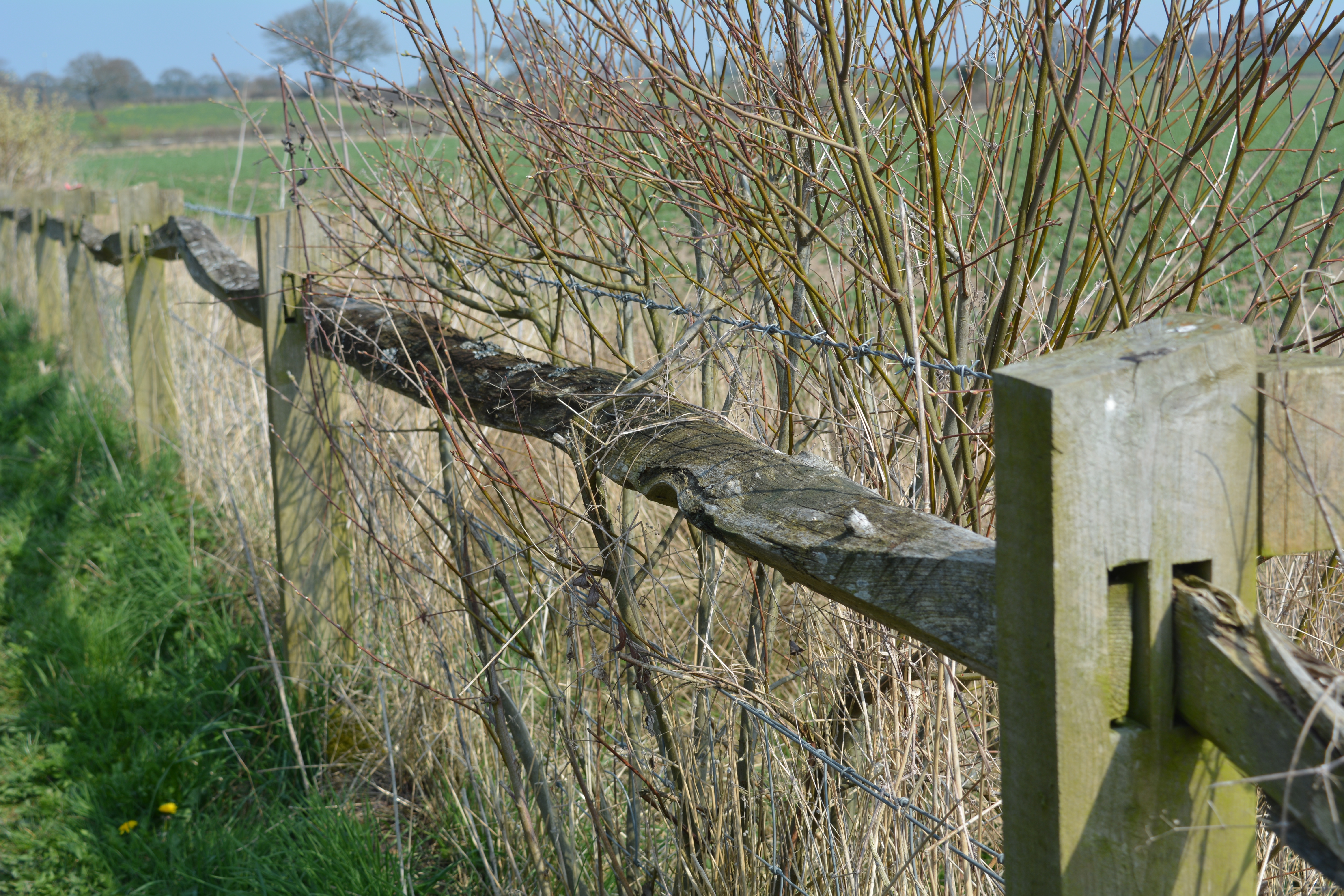
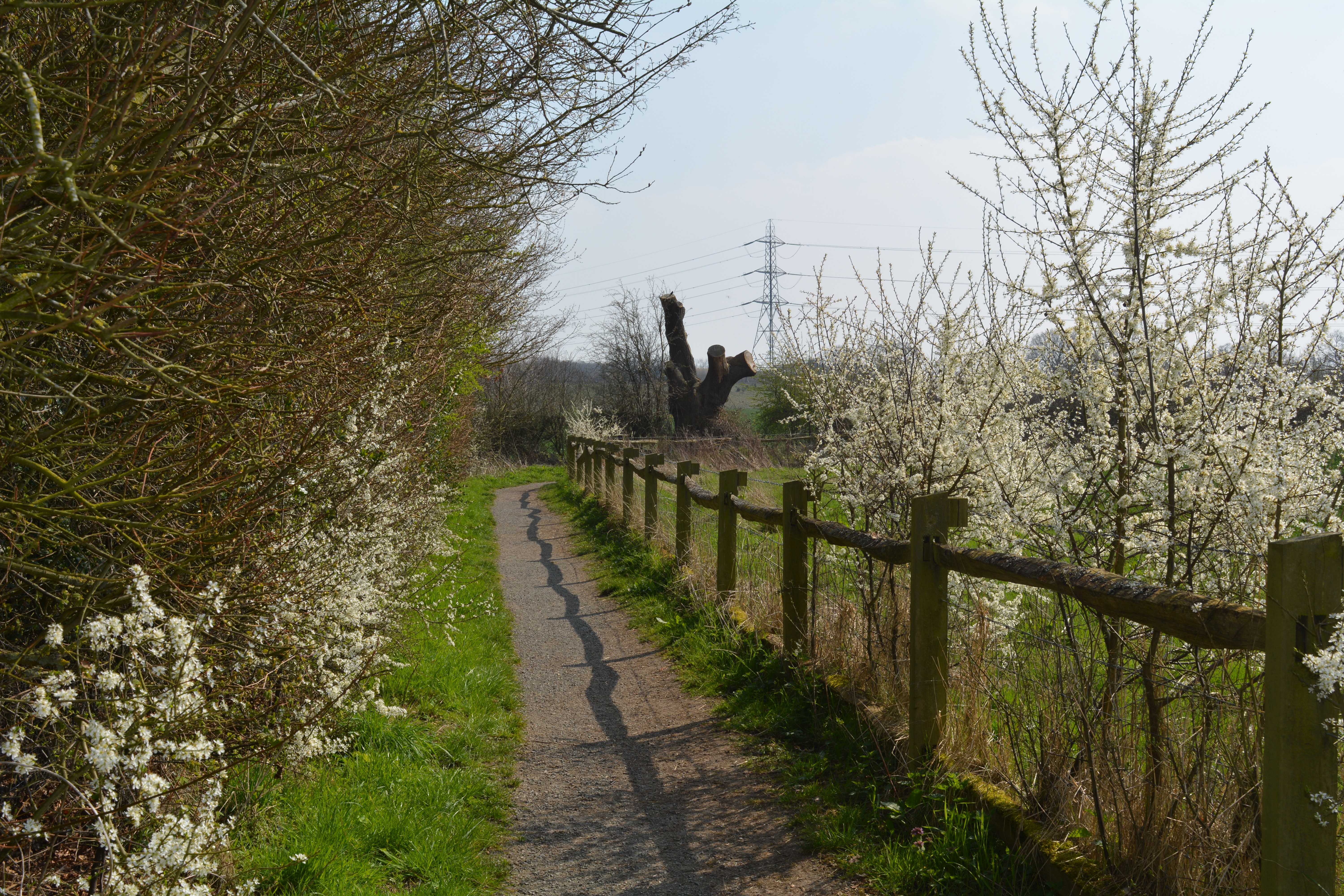
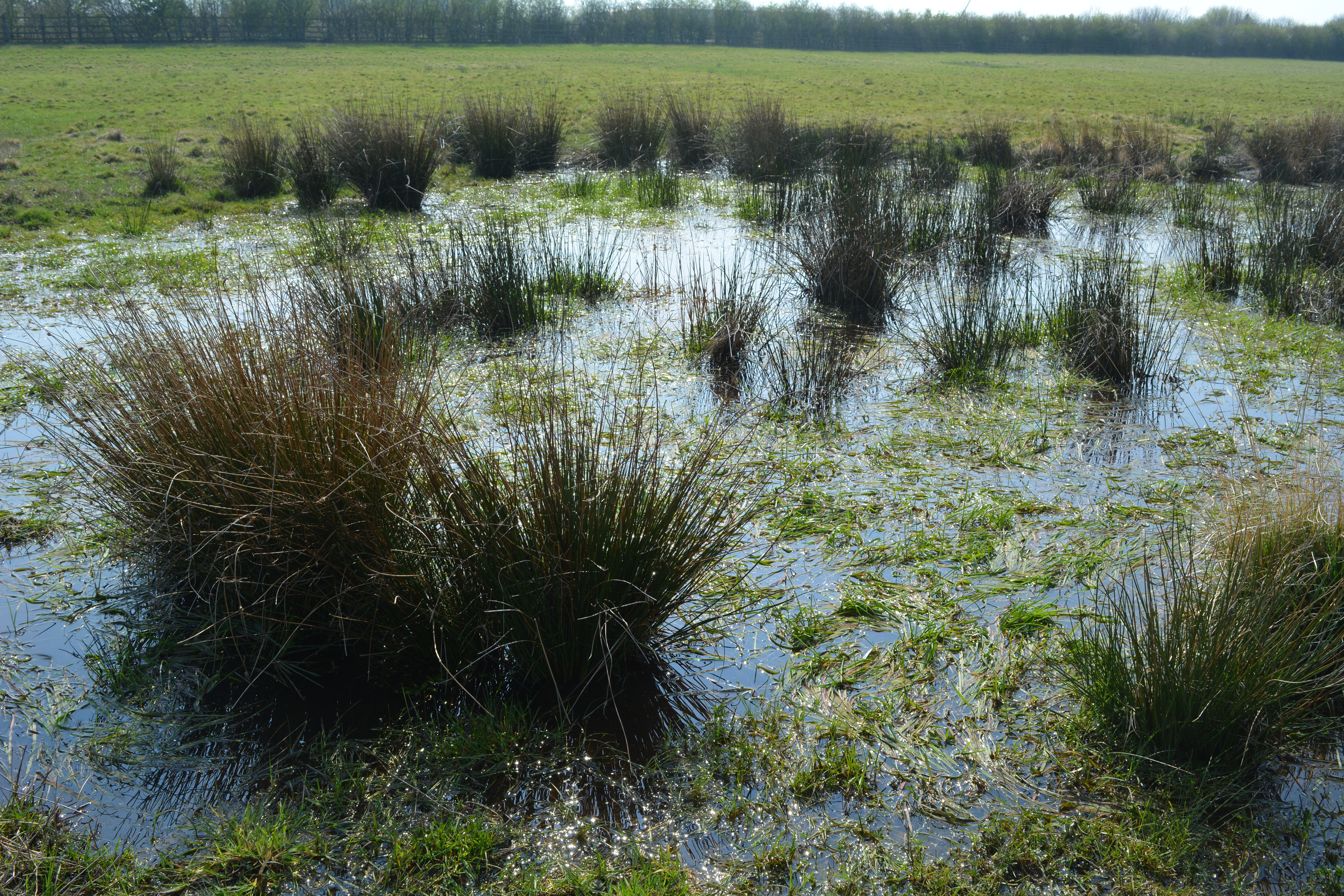
We began our walk back around the battlefield site following a narrow gravel path between a tall hedge and an old chestnut fence. In a field showing signs of ancient ridge and furrows agriculture we spotted a drainage pond rich in vegetation and a old fallen tree with the most amazingly shaped trunk and branches.

2015 04 09_0561 2015 04 09_0565 2015 04 09_0566 2015 04 09_0590 2015 04 09_0591 2015 04 09_0593

In part two of our look at the Shrewsbury Battlefield site we will look at the church and the skeletal tree in more detail.

Categories
countryside landscapes meadows the sea the seaside the shore Wales

Oh we do like to be beside the seaside – Part Two – The Great Orme

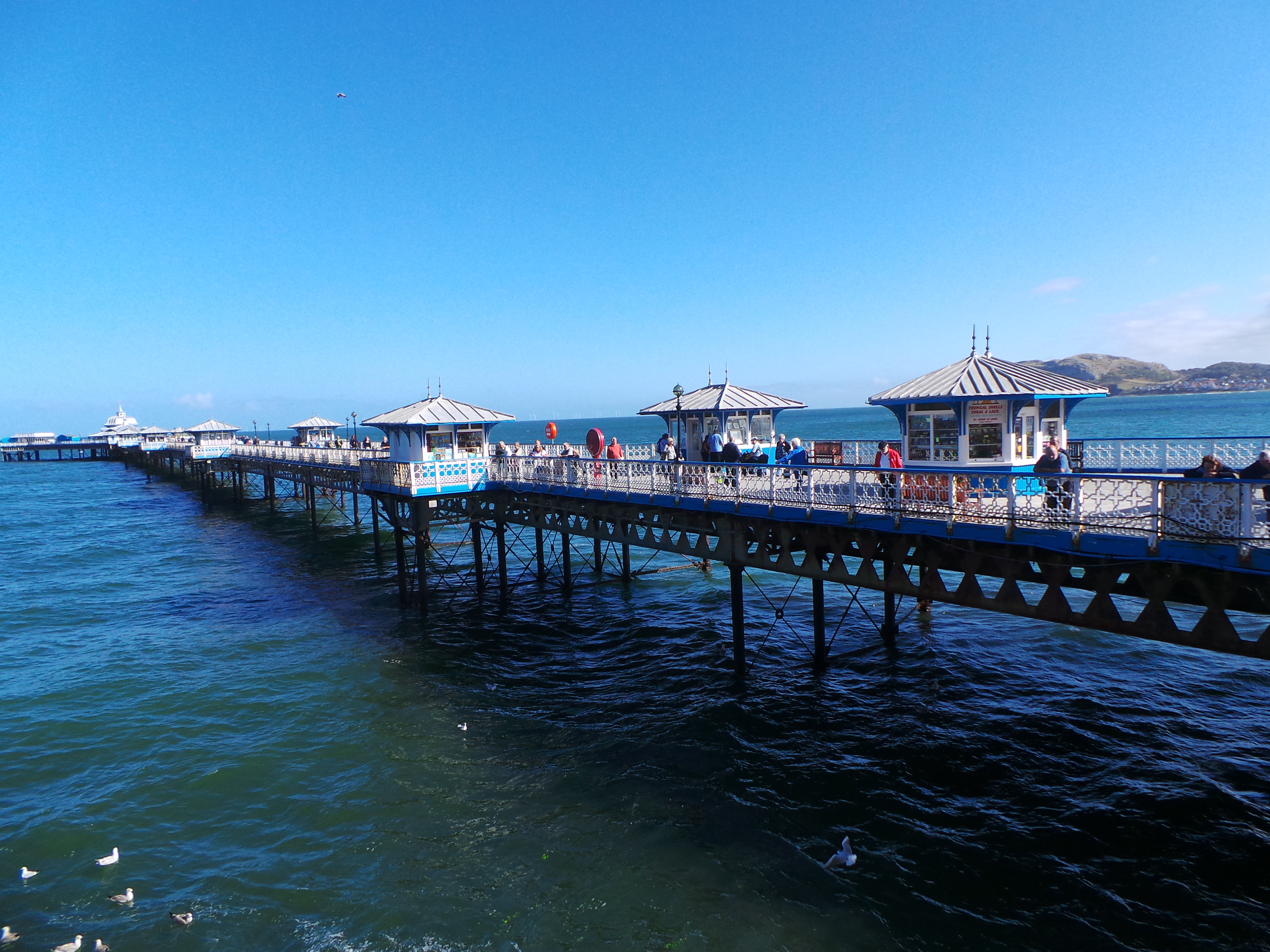
For our second reminder of autumn we return for our next bout of sea air. This time we made our way over more Welsh hills, moors and mountains to the northern stretch of coast. We stopped off in Llandudno for a wander along the pier before taking the driving tour of the Great Orme.

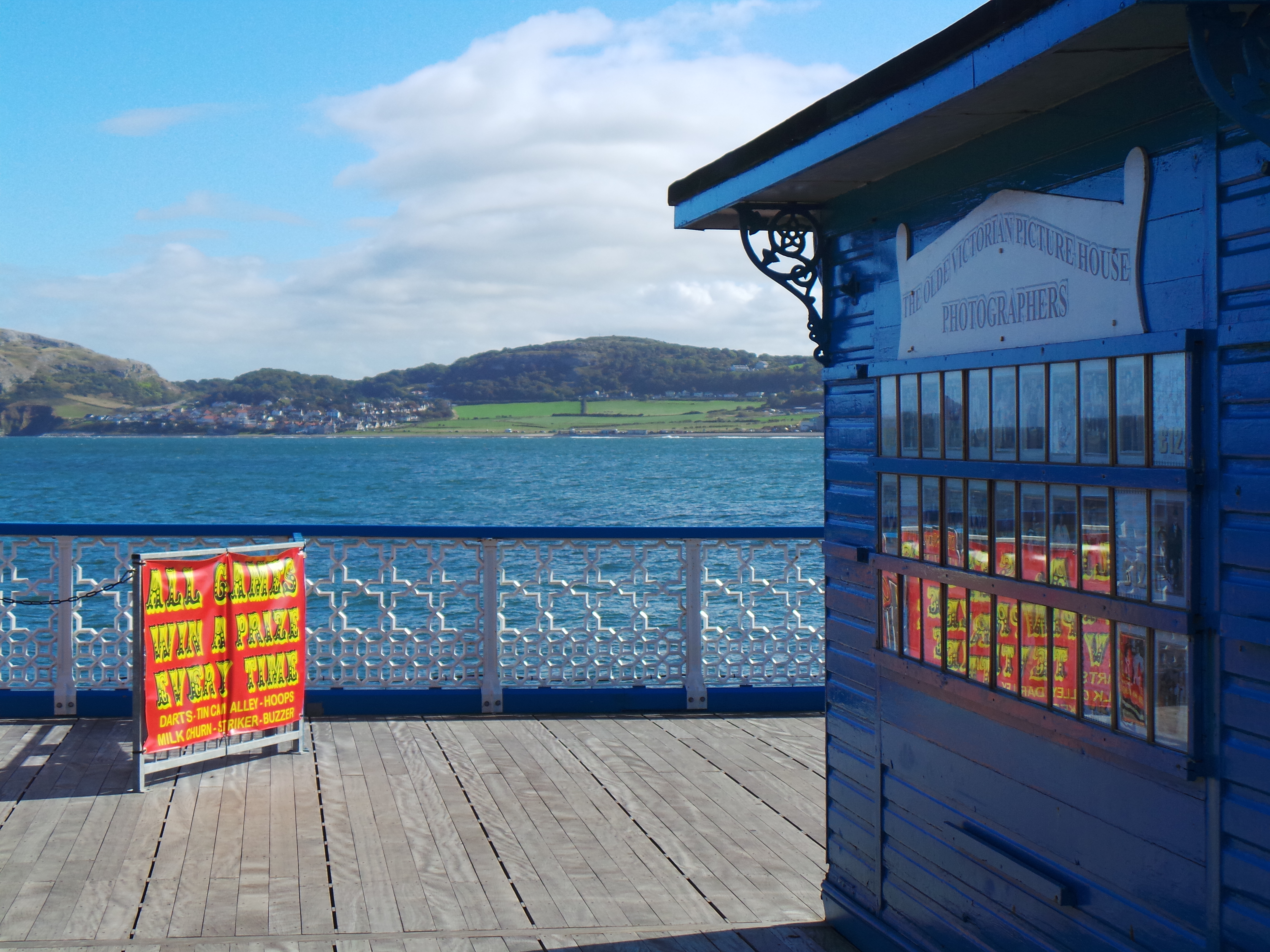
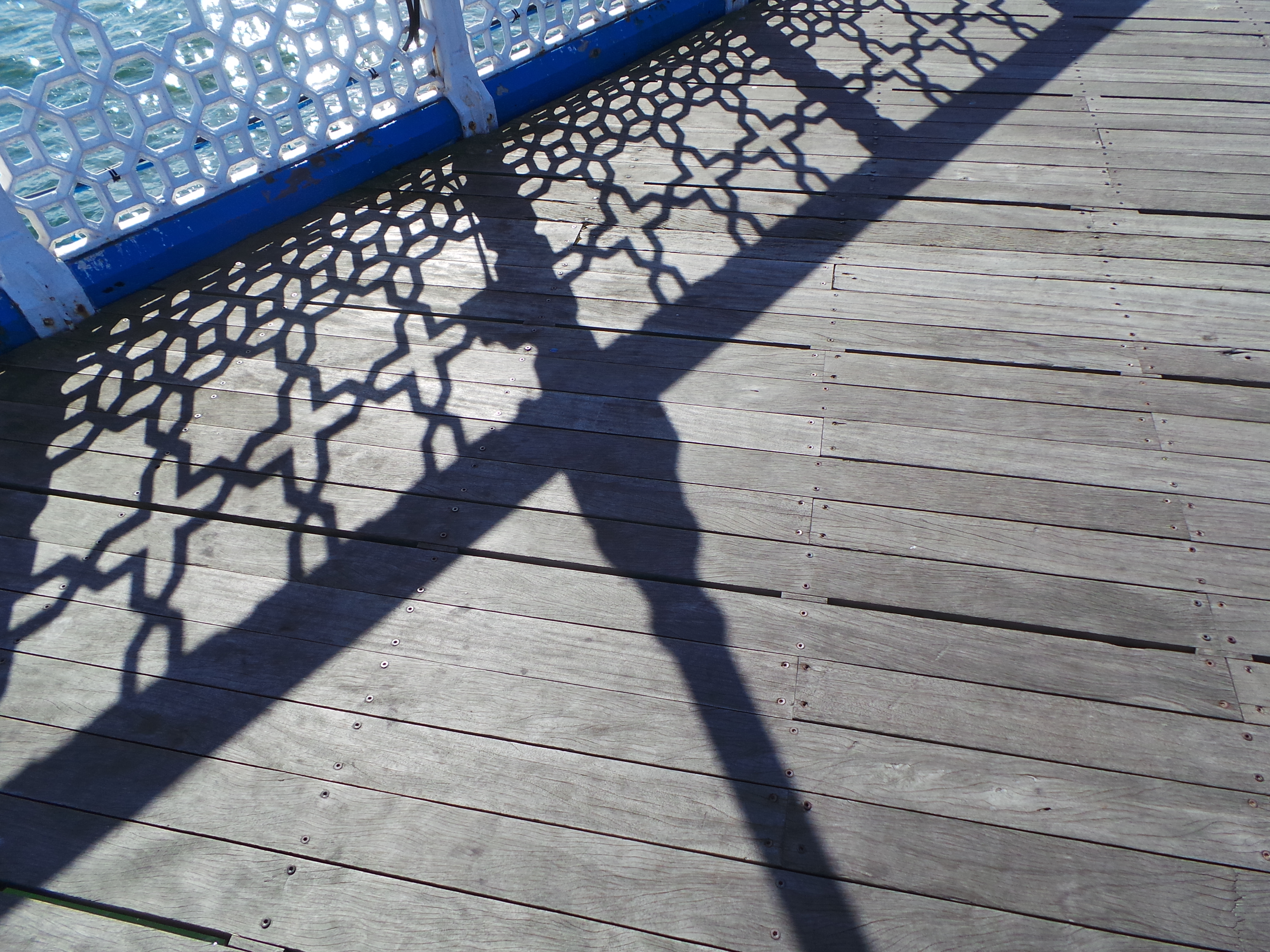
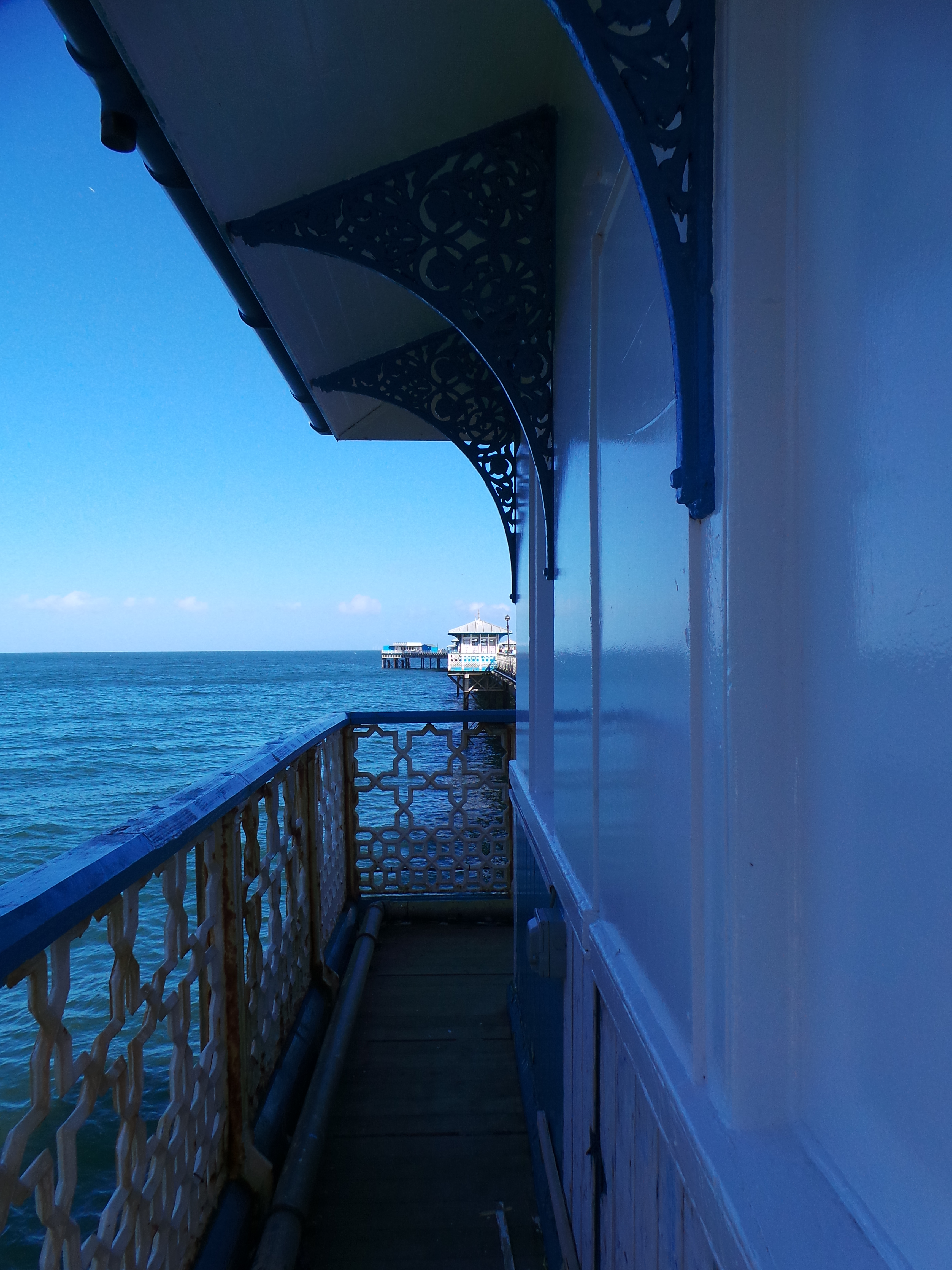
The sky was blue and the sea matched it. The pier seemed all blue too and on this bright day it looked so cheerful. The odd splash of yellow and red added even more drama.

2014 09 27_5266 2014 09 27_52672014 09 27_5269 2014 09 27_5270

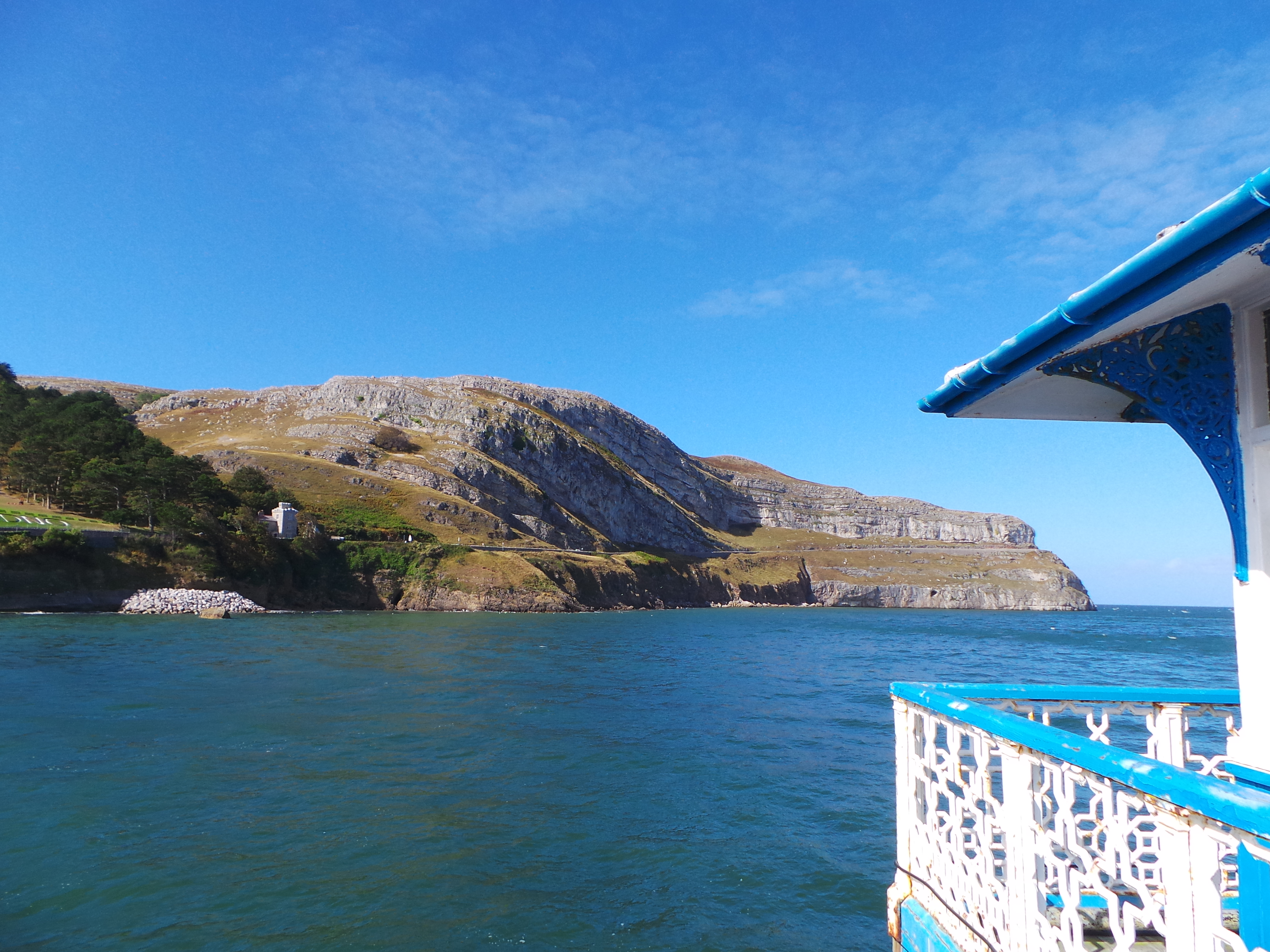
In the next shot you can spot the Great Orme looming in the background, with its strata lines of limestone clearly visible in the bright light. Isn’t it inviting when you spot it there?

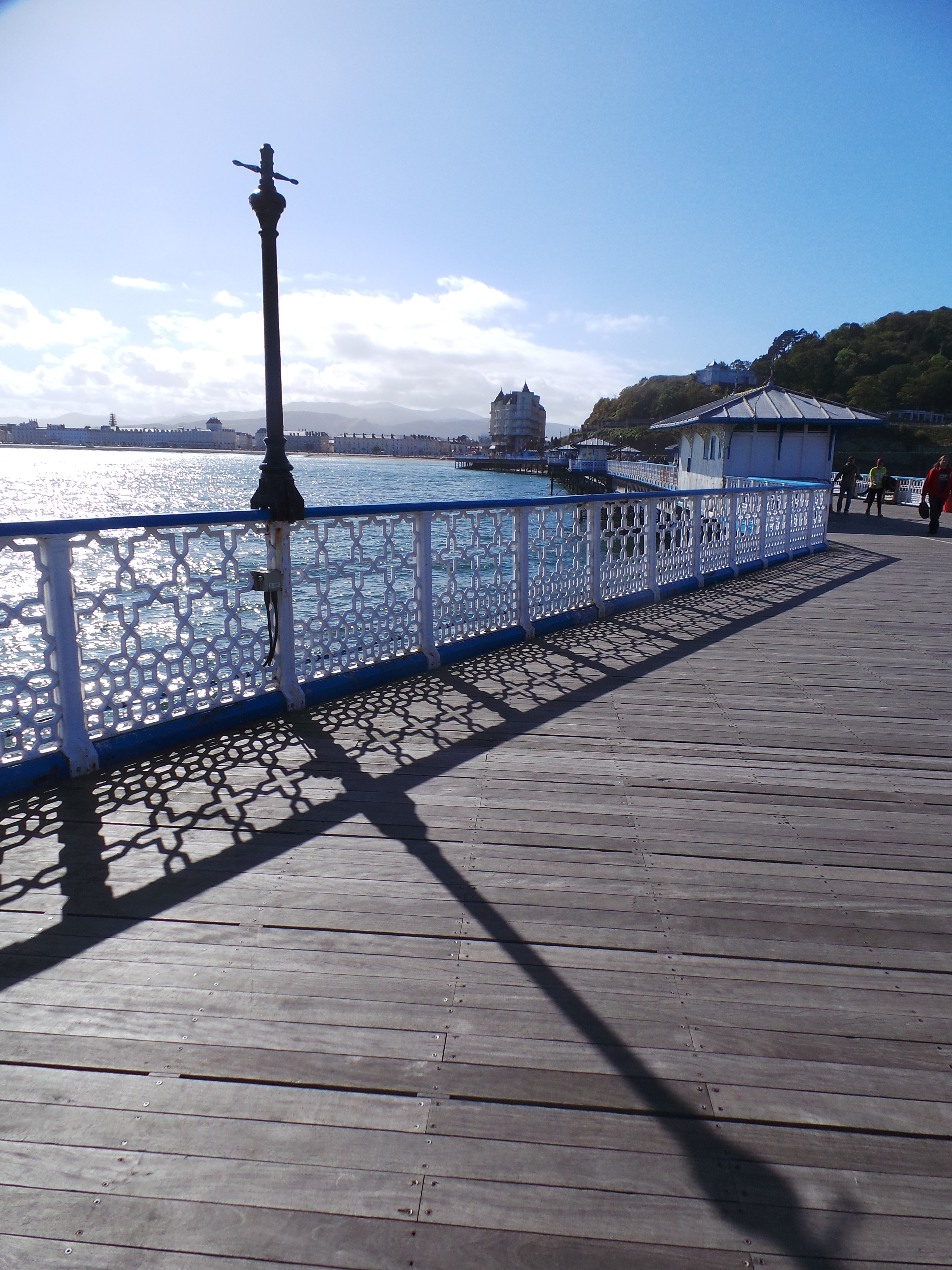
2014 09 27_5271 2014 09 27_5272 2014 09 27_5273 2014 09 27_5274 2014 09 27_5275 2014 09 27_5276 2014 09 27_5277 2014 09 27_5278  2014 09 27_5280 2014 09 27_5281

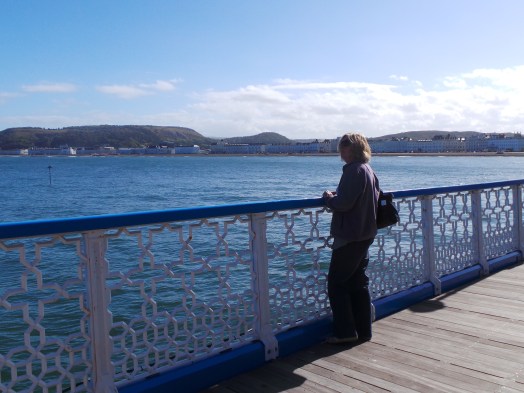
Jude enjoyed the sight and sound of the sea as we reach the end of the pier.

2014 09 27_5279

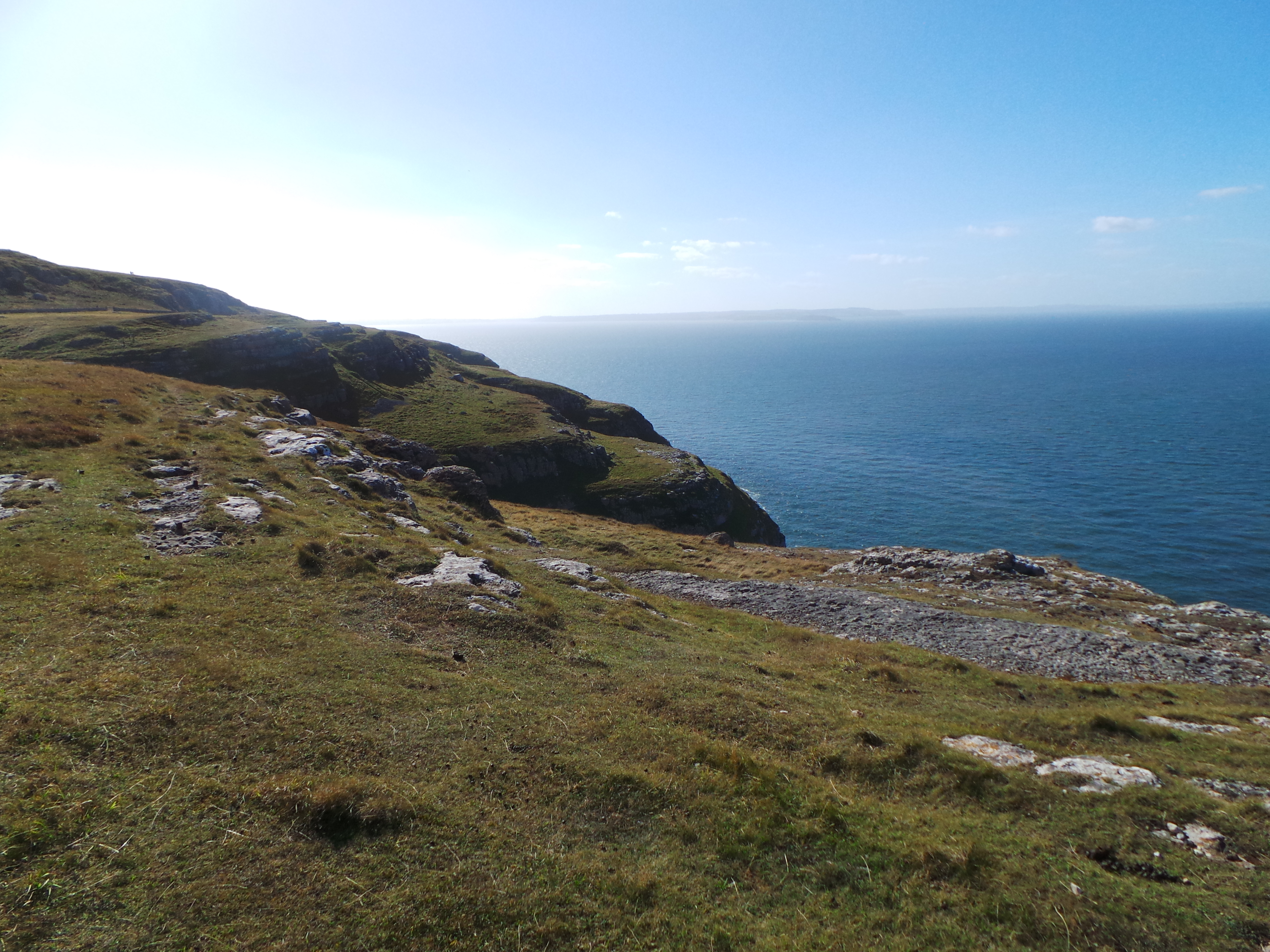
Having enjoyed our walk out into the sea along the old blue and white pier we went on to start the second part of our day out, a drive around the Great Orme following the toll road.

2014 09 27_5286_edited-1 2014 09 27_52822014 09 27_5304

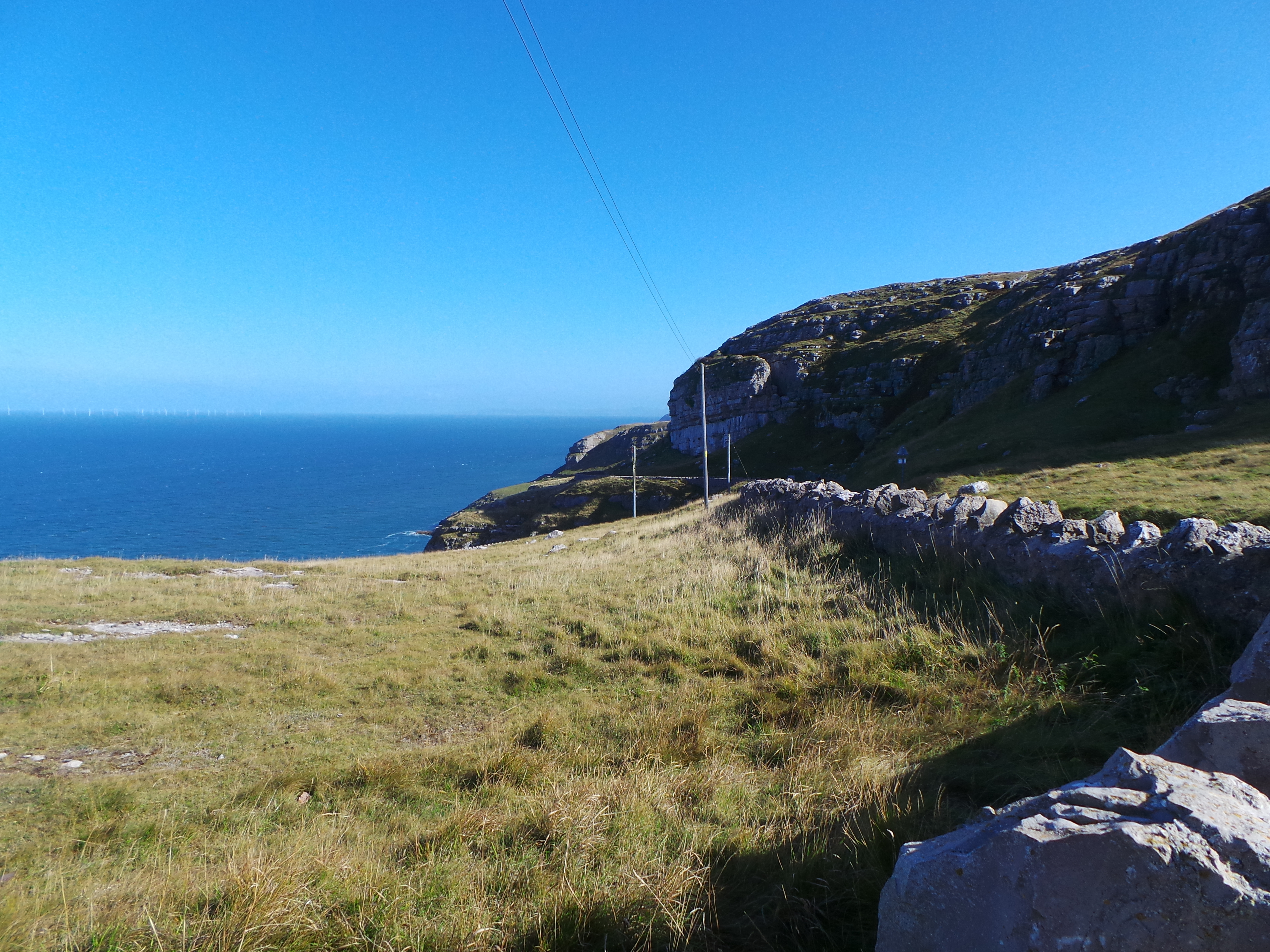
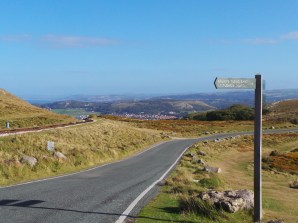
The single track road winds in and out of the inlets and headlands closely  following the line of the coast. The track is enclosed within limestone walls, laid as dry-stone walling.

2014 09 27_5301 2014 09 27_5285_edited-12014 09 27_5283 2014 09 27_5284 2014 09 27_5287 2014 09 27_5288 2014 09 27_5289 2014 09 27_5290

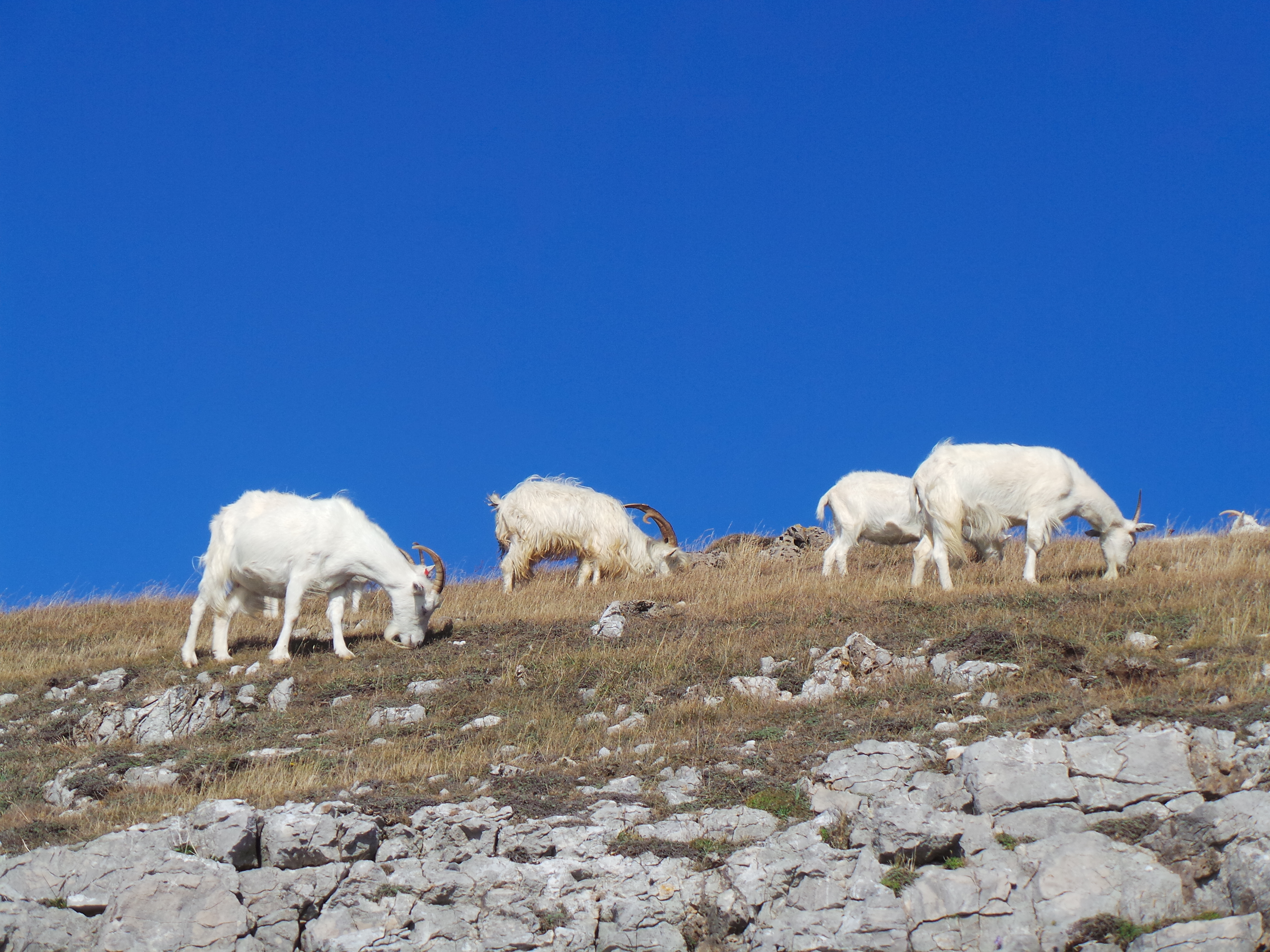
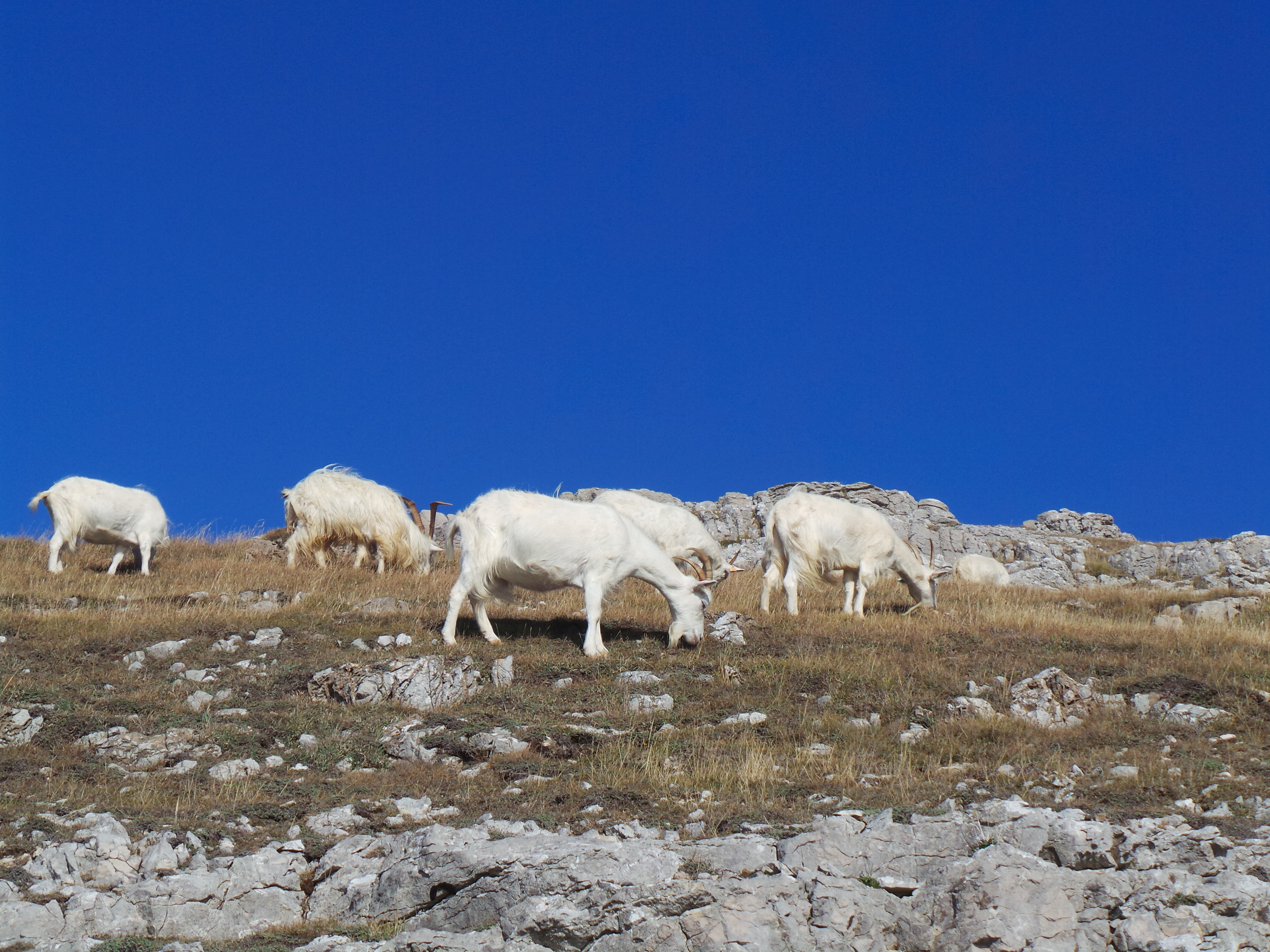
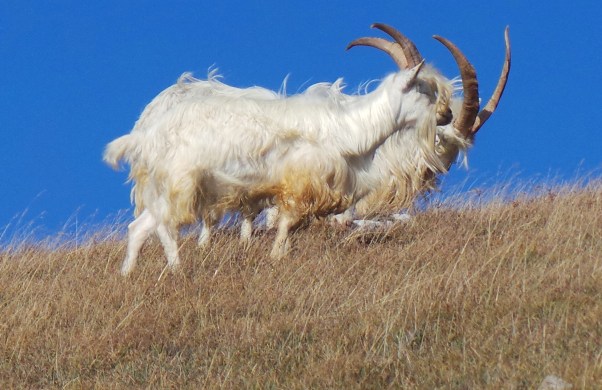
One feature of the Orme is a unique herd of wild white goats. We have driven up to the summit of the Orme and around the edge plenty of times in the past but rarely even caught a glimpse of these strange creatures. This day was our lucky day! Their white coats glowed against the deep blue sky.

2014 09 27_5293 2014 09 27_5294 2014 09 27_5295 2014 09 27_5298 2014 09 27_5299 2014 09 27_5300 2014 09 27_5296_edited-1

We took a diversion to the summit when we were almost all the way around the perimeter road. Our eyes were immediately drawn to this bronze statue of a wild white goat.

2014 09 27_5304 2014 09 27_5302

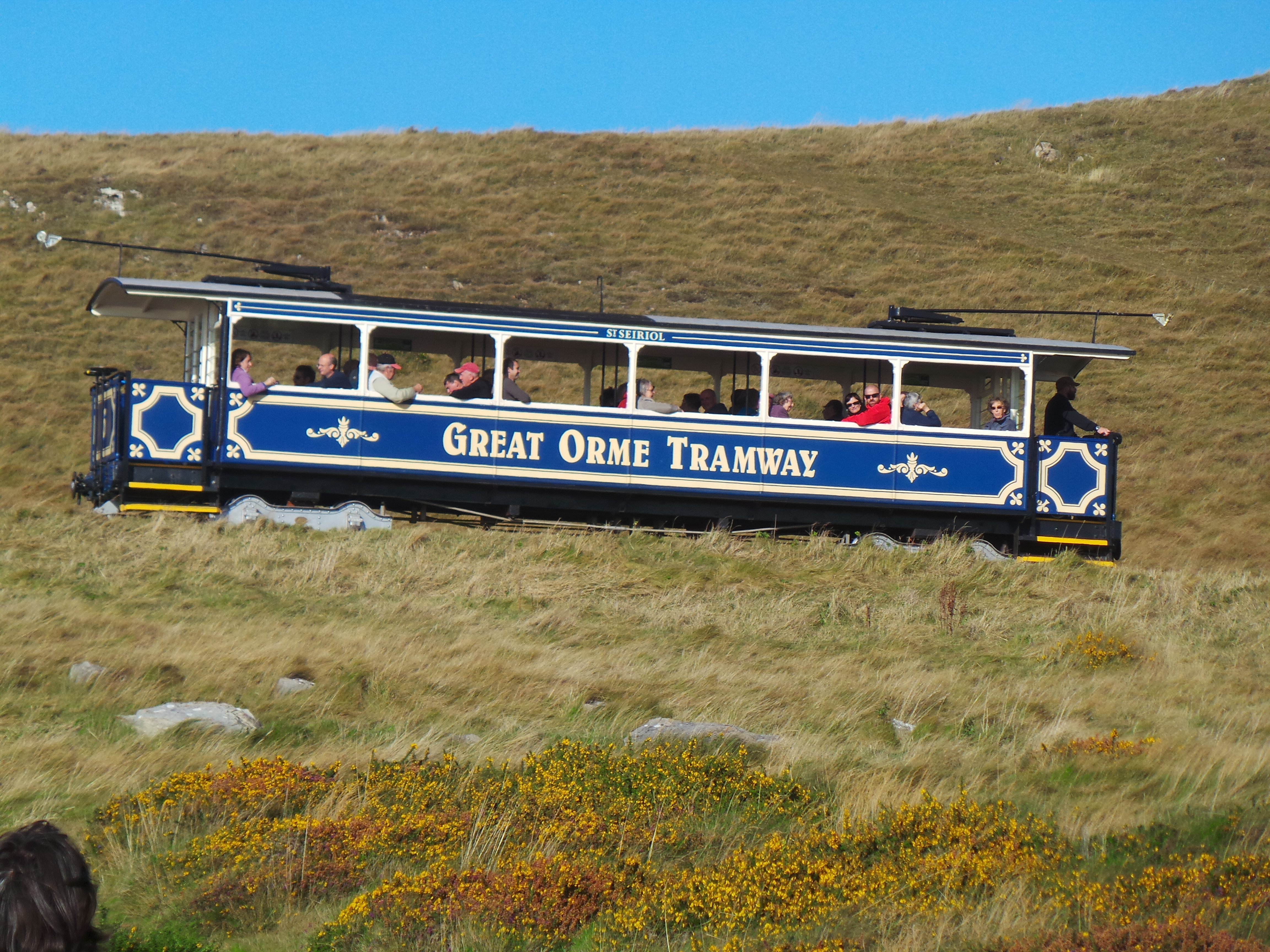
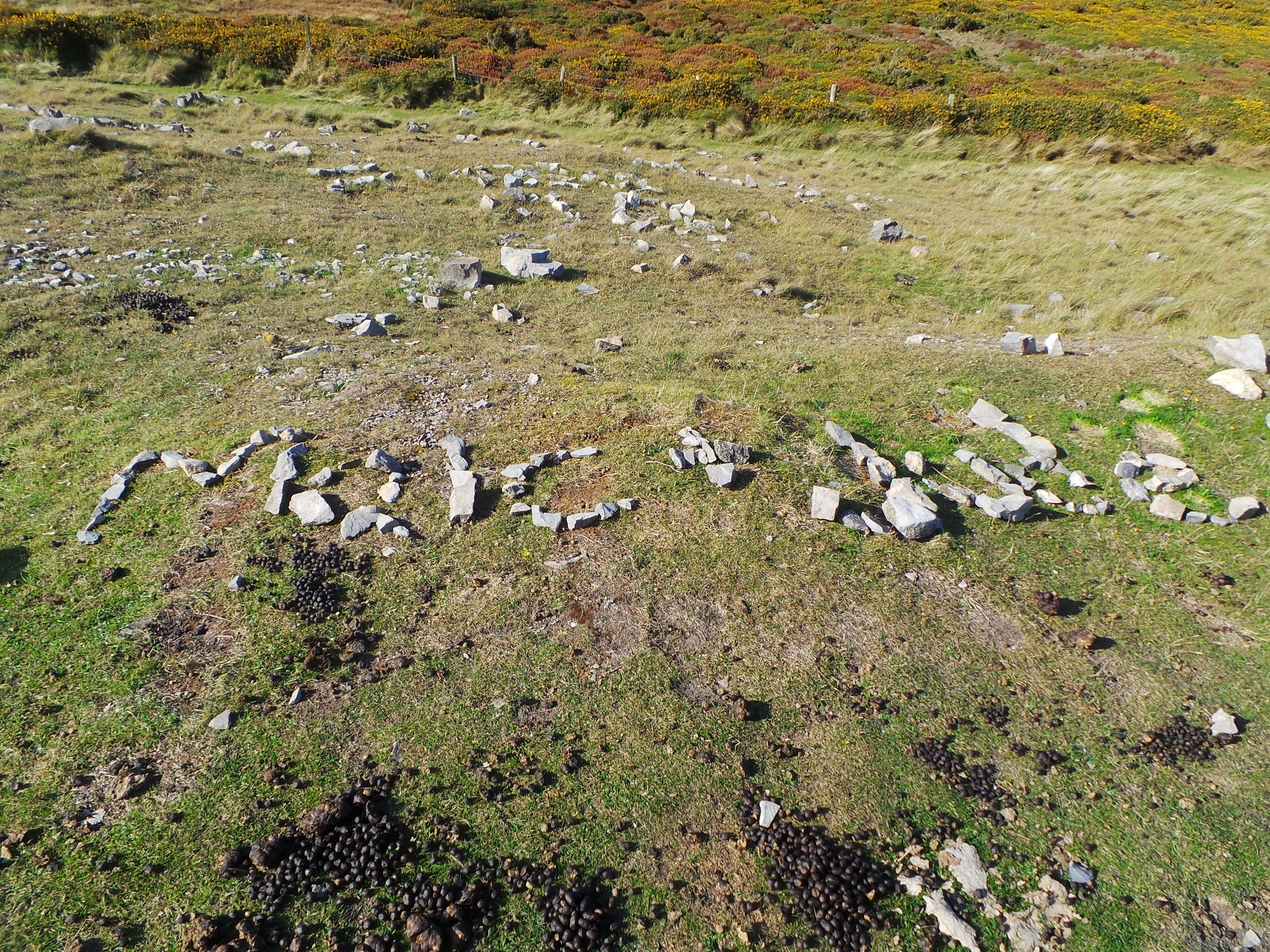
As well as its white goats the Great Orme is known for its ancient mines and its Victorian tram line. While wandering the summit we discovered near the old mine that visitors had used fallen limestone blocks to write their names on the close cropped grass.

2014 09 27_5305 2014 09 27_53072014 09 27_5310 2014 09 27_5308

We just had to have a go!

2014 09 27_5309  2014 09 27_5311

We enjoyed a wander around the summit, discovering a little wildlife garden and wild meadows surrounding the quarry and the tram terminal.

2014 09 27_5315 2014 09 27_5316 2014 09 27_5317 2014 09 27_5318 2014 09 27_5320 2014 09 27_5321  2014 09 27_5319  2014 09 27_5324

We enjoyed wide views across open pastureland on our drive back down into Llandudno.  What a great day out at the seaside!

2014 09 27_5323 2014 09 27_5322


Categories
colours conservation countryside gardening landscapes nature reserves ornamental trees and shrubs trees Wildfowl and Wetlands Trust Winter Gardening

The Wonder of Willows – part one

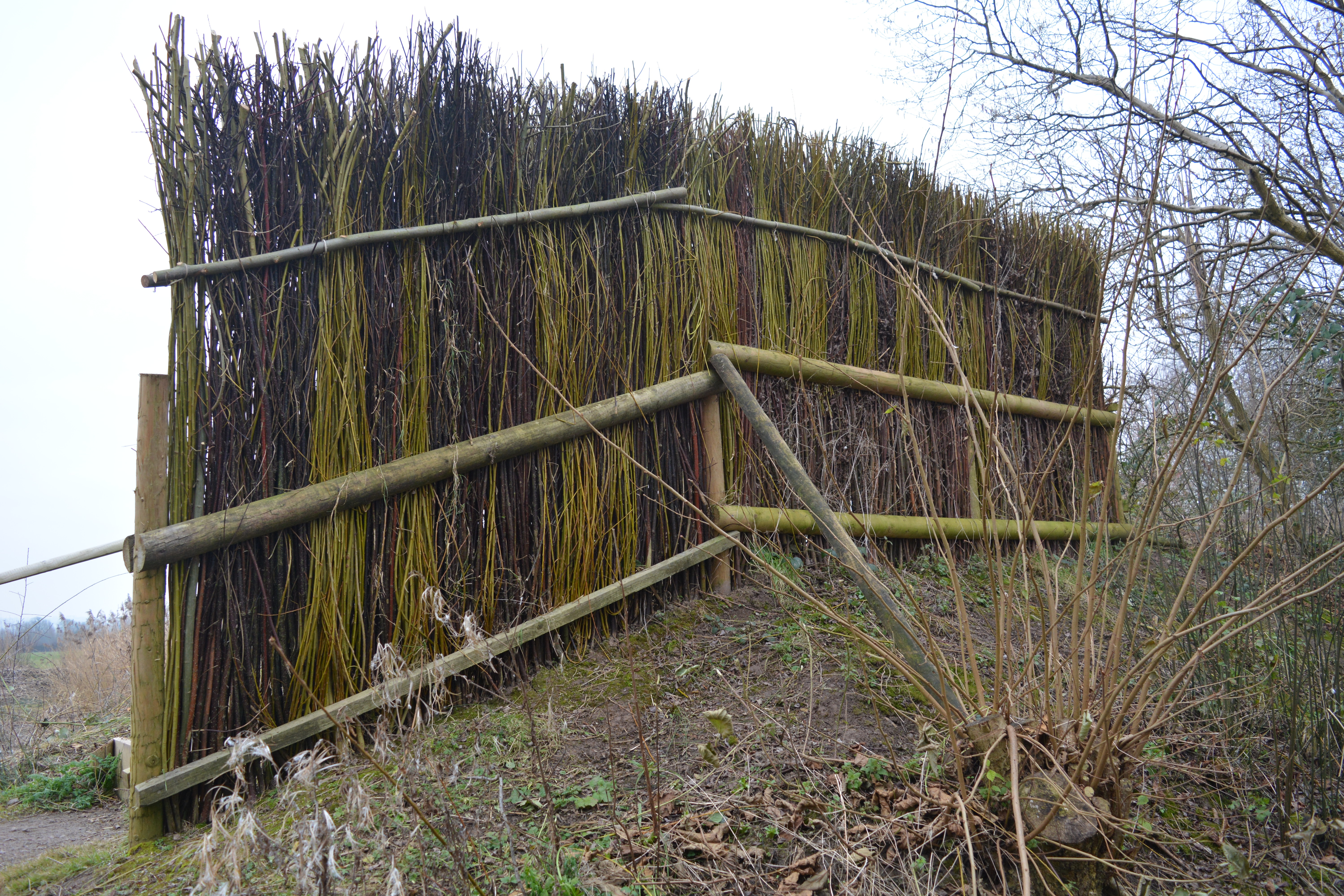
We spent a cold February day at the Wildfowl and Wetland Trust reserve in Gloucestershire, Slimbridge. Work was going on coppicing and pollarding the many willows around the site. It is so good to see this ancient countryside craft still being practised. Many of the willows here at Slimbridge are ancient but there is plenty of planting of willows going on all the time. When the trees have been cut the wands are used around the site. In other parts of the country the willow prunings are used in cottage industries like basket making and hurdle making. Larger pieces are also used as fuel. Willows are so useful but also very beautiful, the branches of no two ever seem the same ranging from greens and yellows to oranges and reds. One in our garden has even got black branches which develop a white bloom on them in the winter, making it a beautiful addition to our garden.

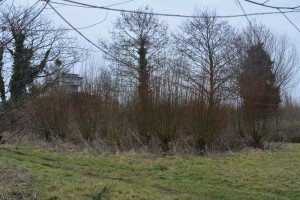
The photo below shows a grove of willows through an observation hatch in a hide.

2015 02 12_9480

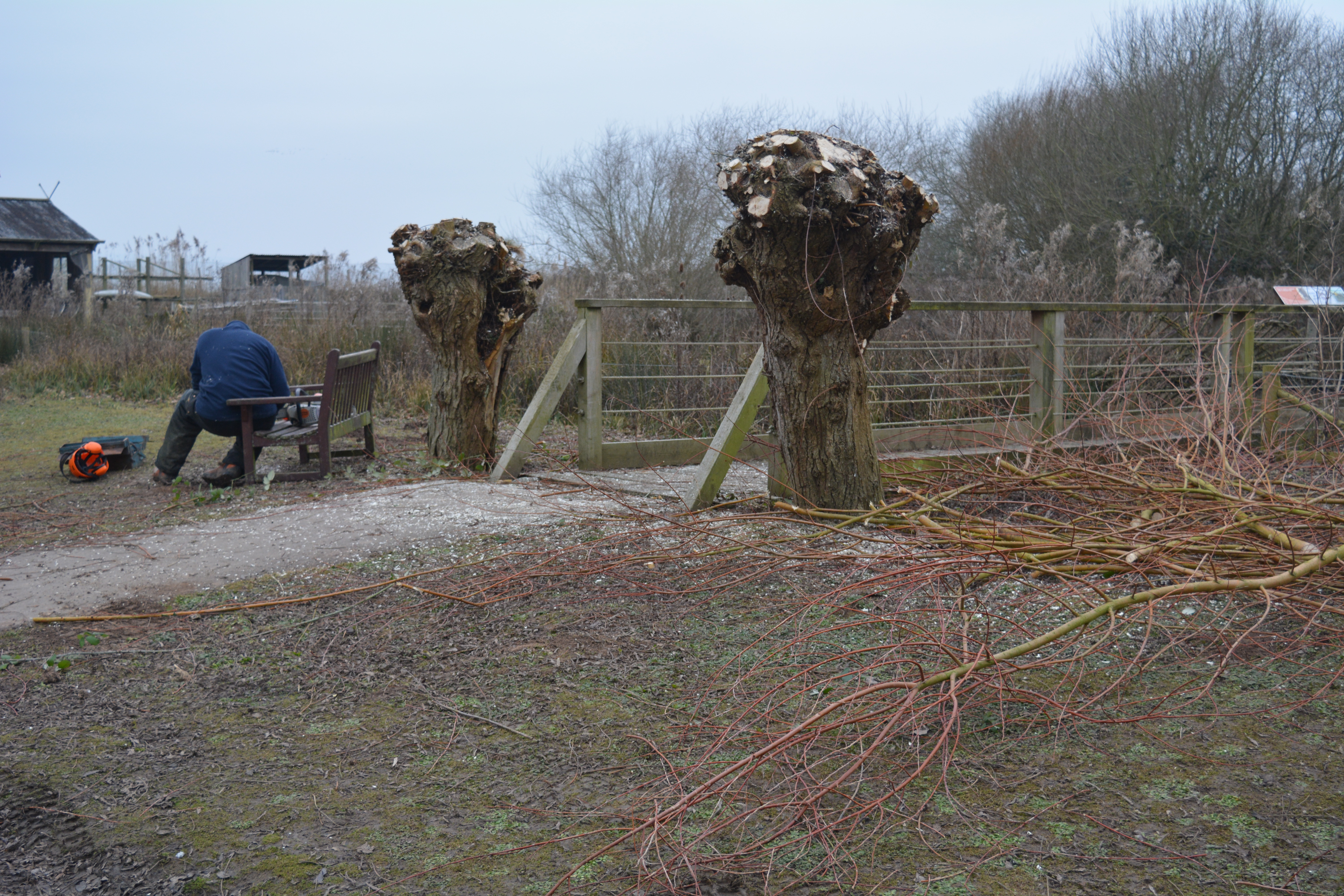
The photo below photo shows a craftsmen head down sharpening his tools and having a break from pollarding these ancient willows. The wands when cut are delivered around the site where they are used to make screens which allow the public to walk around the site without disturbing the wildfowl and waders feeding in the lakes, scrapes and estuarine mud.

2015 02 12_94632015 02 12_9467 2015 02 12_9466

There is evidence of recent coppicing and pollarding at every turn.

2015 02 12_9465

The pair of pictures below show a freshly cut willow and another showing strong regrowth.

2015 02 12_9458 2015 02 12_9451

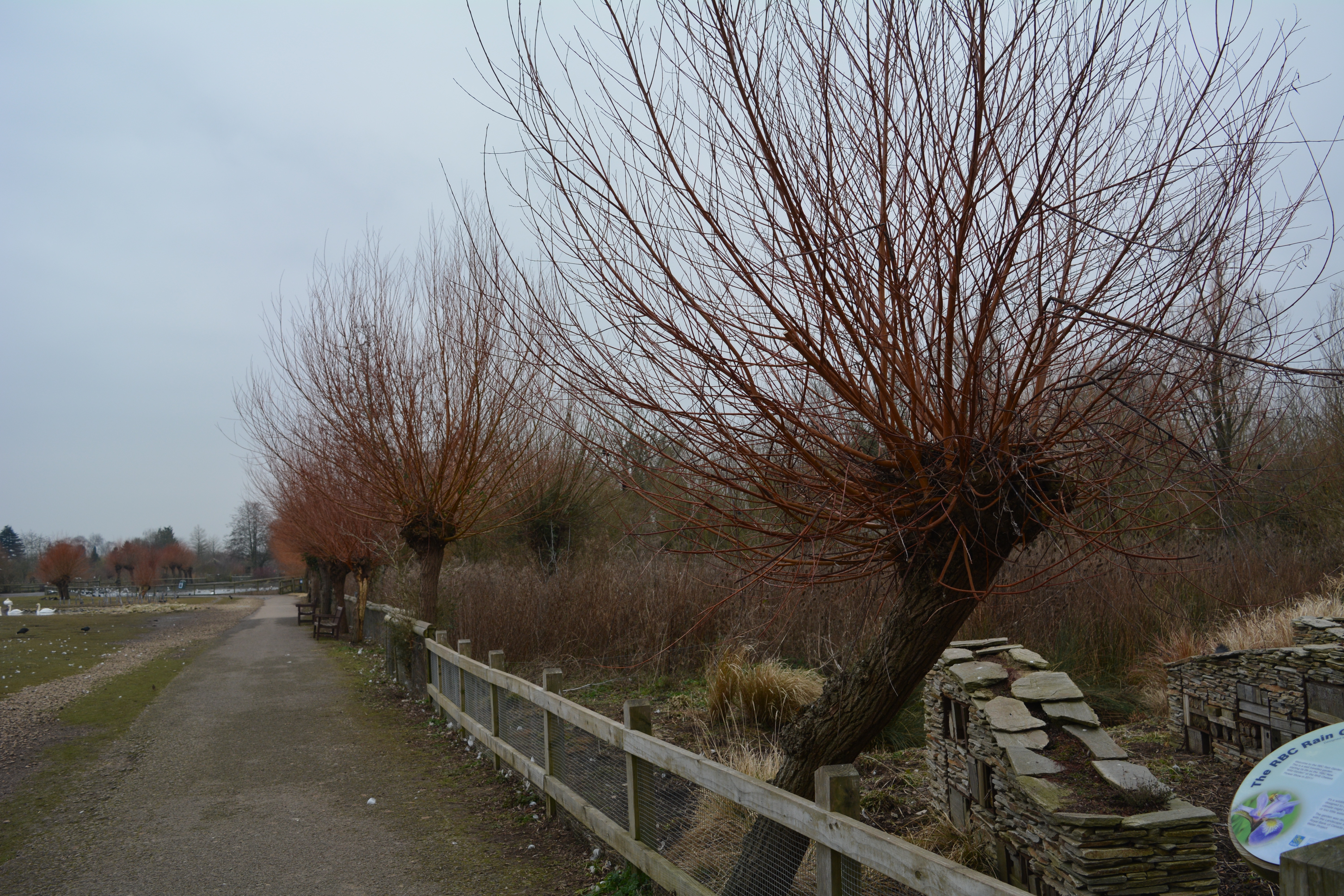
Some of the older willow trees line the main paths and looking close up you can see the gnarled bark. Some are hollowed out so that in extreme case only a tube of trunk remains.

2015 02 12_9438 2015 02 12_9448 2015 02 12_9450 2015 02 12_9455 2015 02 12_9457

Enjoy this little gallery of photos of individual trees.

2015 02 12_9461 2015 02 12_9462 2015 02 12_9464 2015 02 12_9469 2015 02 12_9470

We came across groves of small willows pollarded at about 4 feet high. When freshly cut they look like a busy crowd of people.

2015 02 12_9476

2015 02 12_9472 2015 02 12_9473

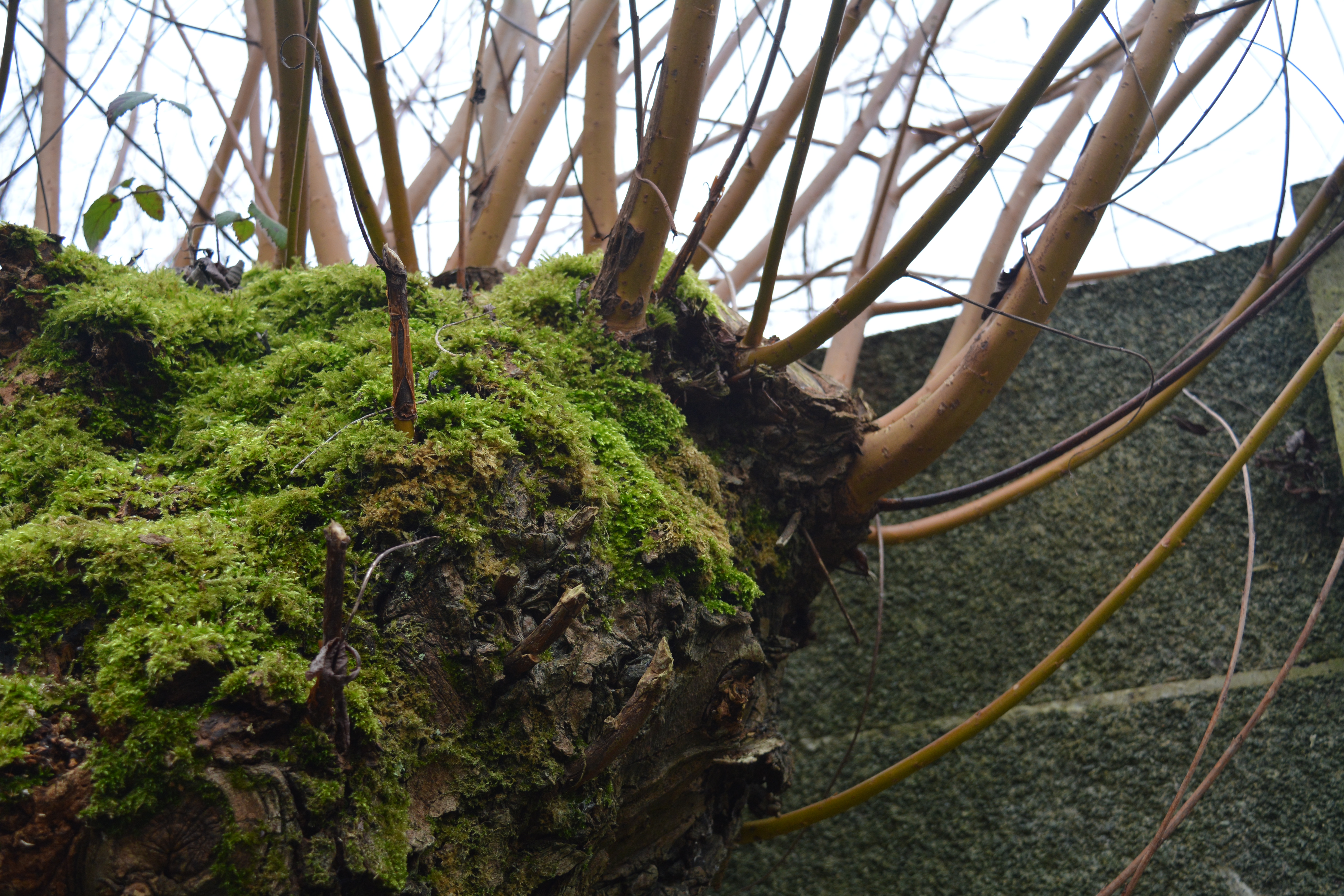
The bowls of ancient willow after years of being subject to regular pollarding create a perfect moist area for mosses to thrive.

2015 02 12_9474 2015 02 12_9475

So there we have it – a brief appreciation of the willows at Slimbridge. They have an important role to play in these wild areas but of course they can also star in our gardens. But, as they say, that is a different story. Soon we will need to pollard and prune the many willows we grow in the community gardens of our allotment site. I shall post a blog celebrating those willows soon.

2015 02 12_9454 2015 02 12_9471

So there we leave Slimbridge with its wonderful willows and look forward to my next post about willows, featuring these versatile trees growing in much smaller places.


Categories
colours conservation countryside landscapes meadows nature reserves the seaside the shore Wales

A coastal meadow – Anglesey

On a wet, cold March day it seems a good idea to look back and enjoy some blue sky.

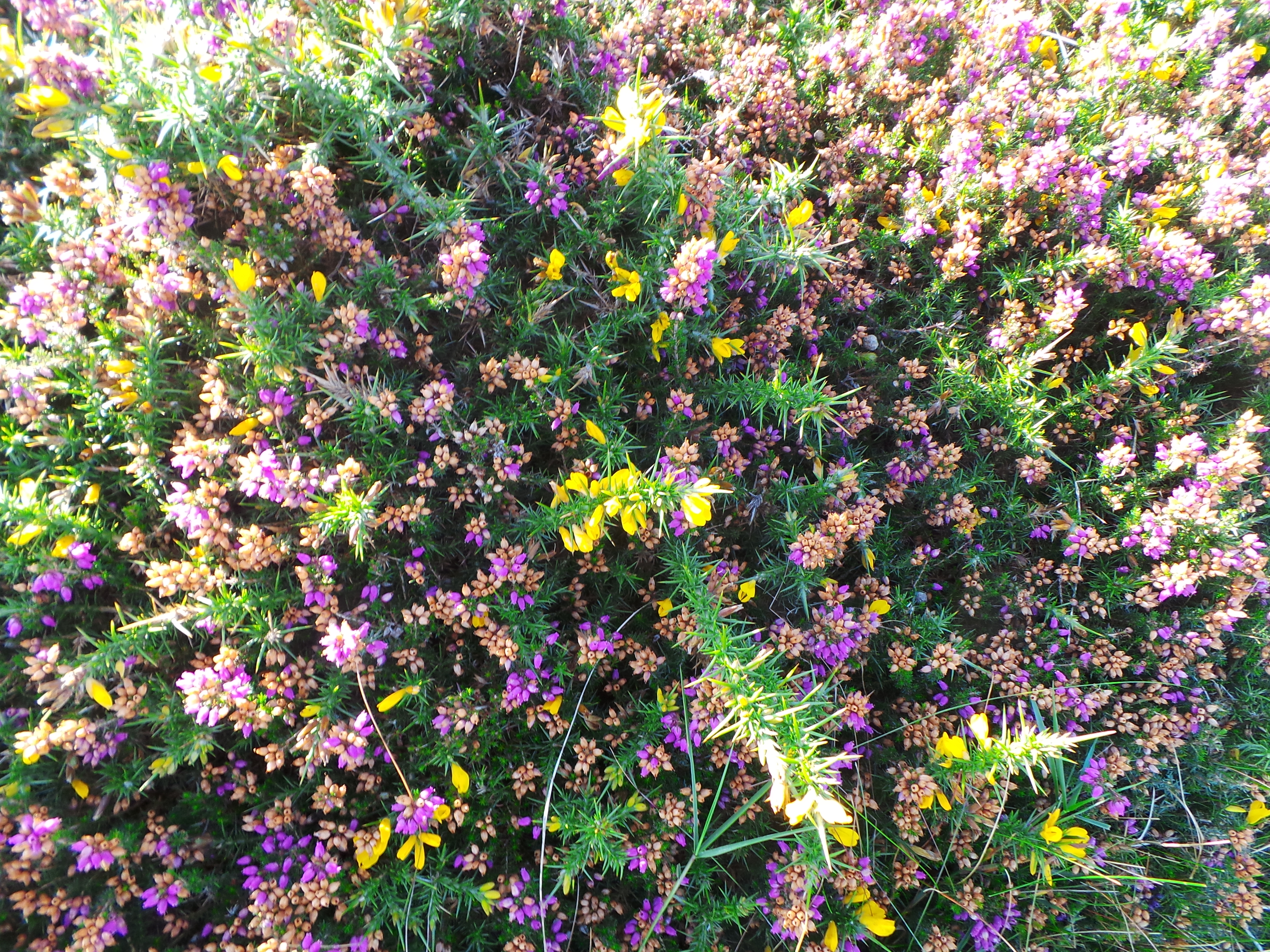
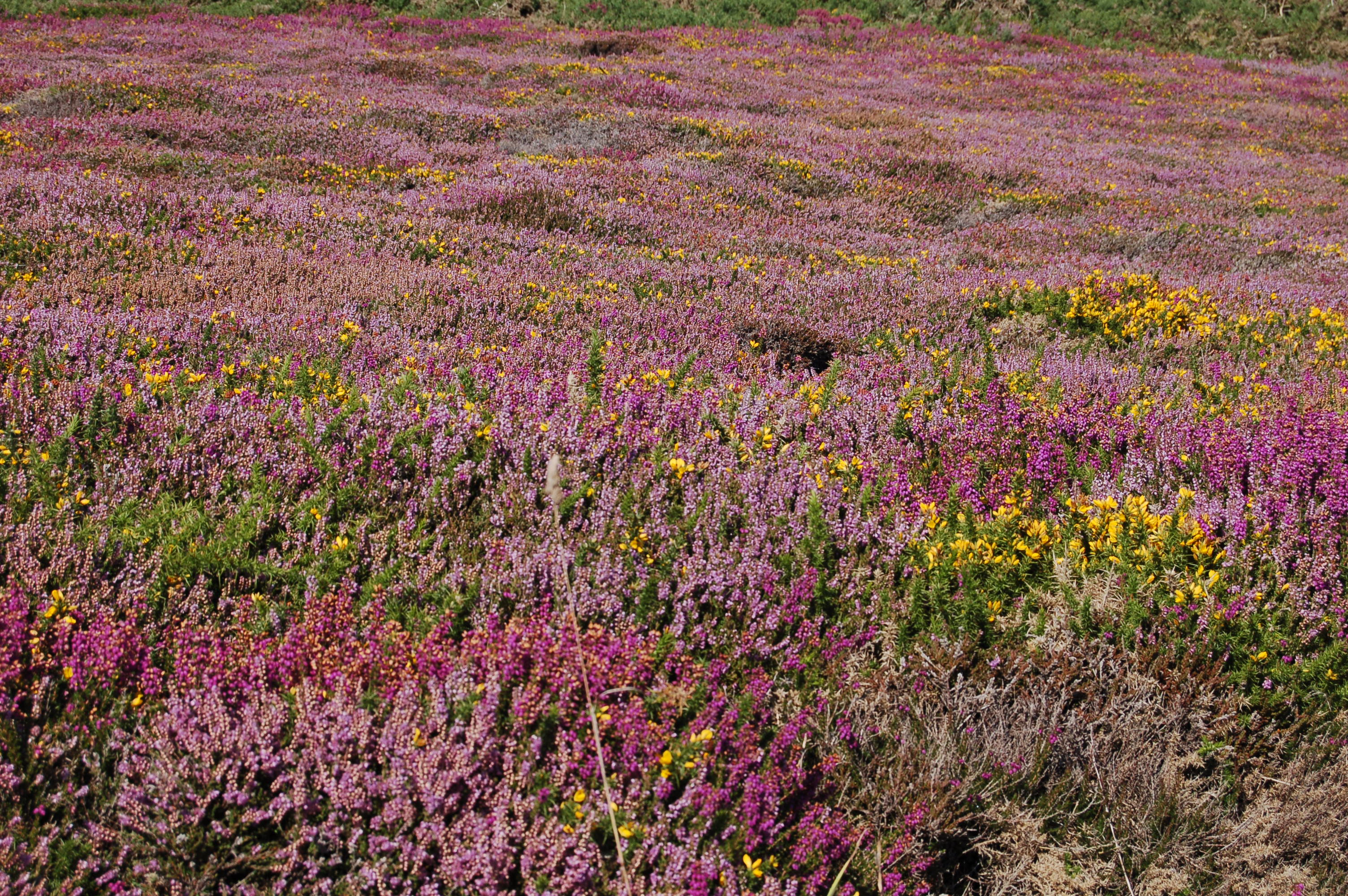
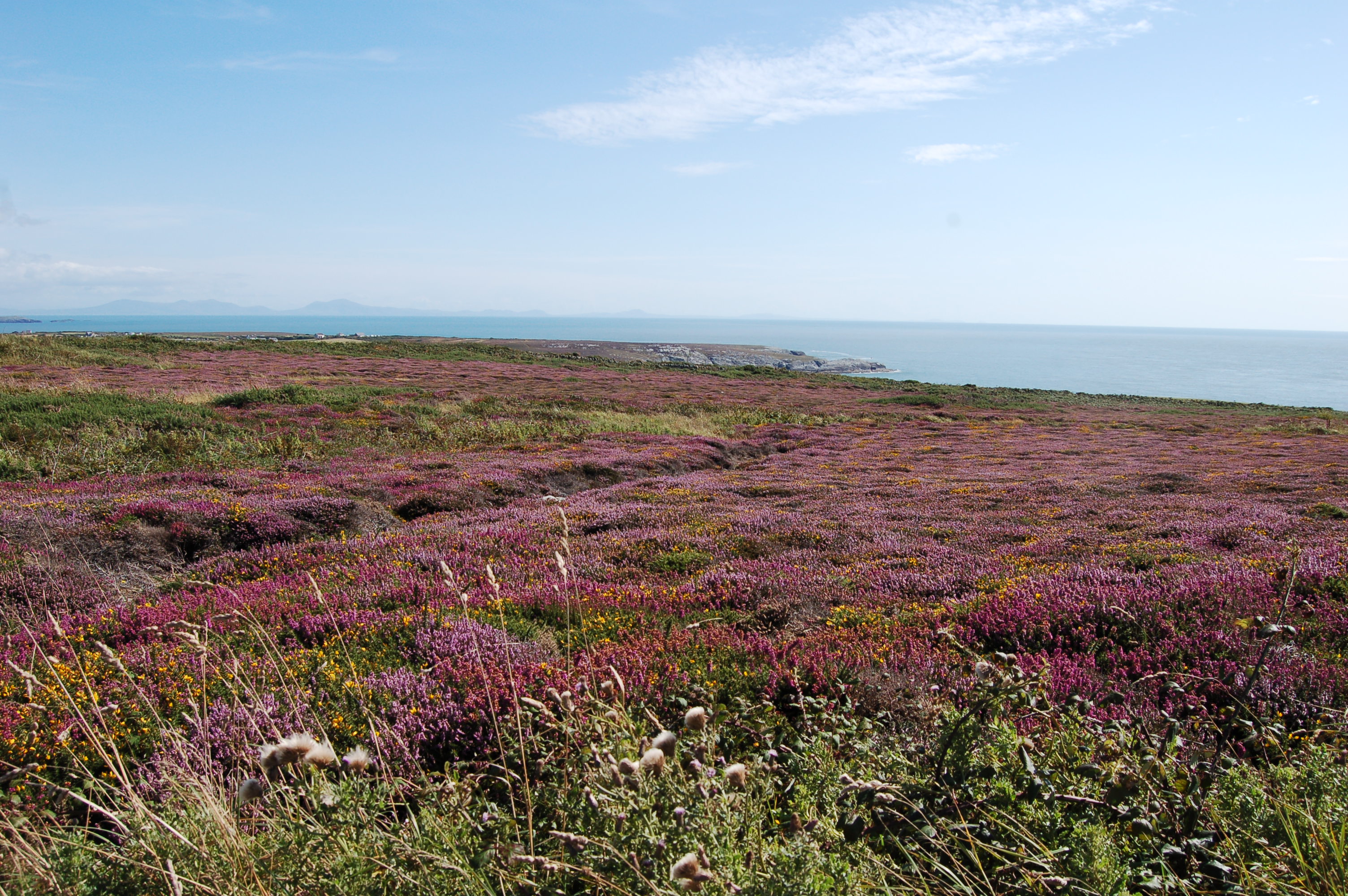
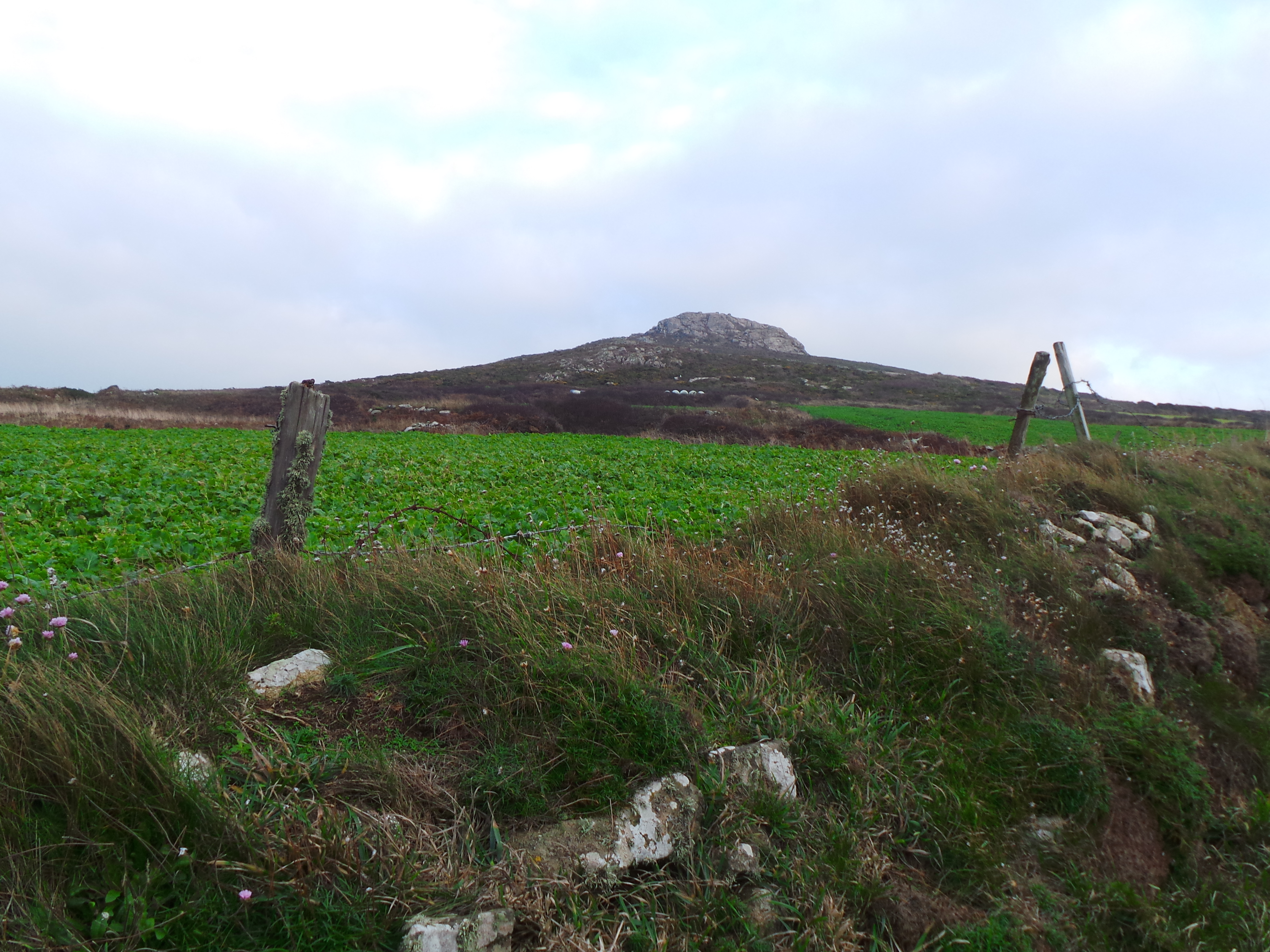
When we spend a few days on Anglesey, an island just off the north coast of Wales we always take a short walk through this colourful acidic meadow. Often it is a good place to see unusual birds such as Chats and Pipits, but on our latest wander along its narrow gravel track it was very quiet. There were no calls from birds, no buzzing from bees and no clicking of grasshoppers or crickets. But the flowers were performing their usual colourful display. As we began our walk we watched a single Chough flying along the horizon in its typically undulating flight. This is a strange bird, jet black like most of the corvids but with bright red legs and a slender curved black bill.

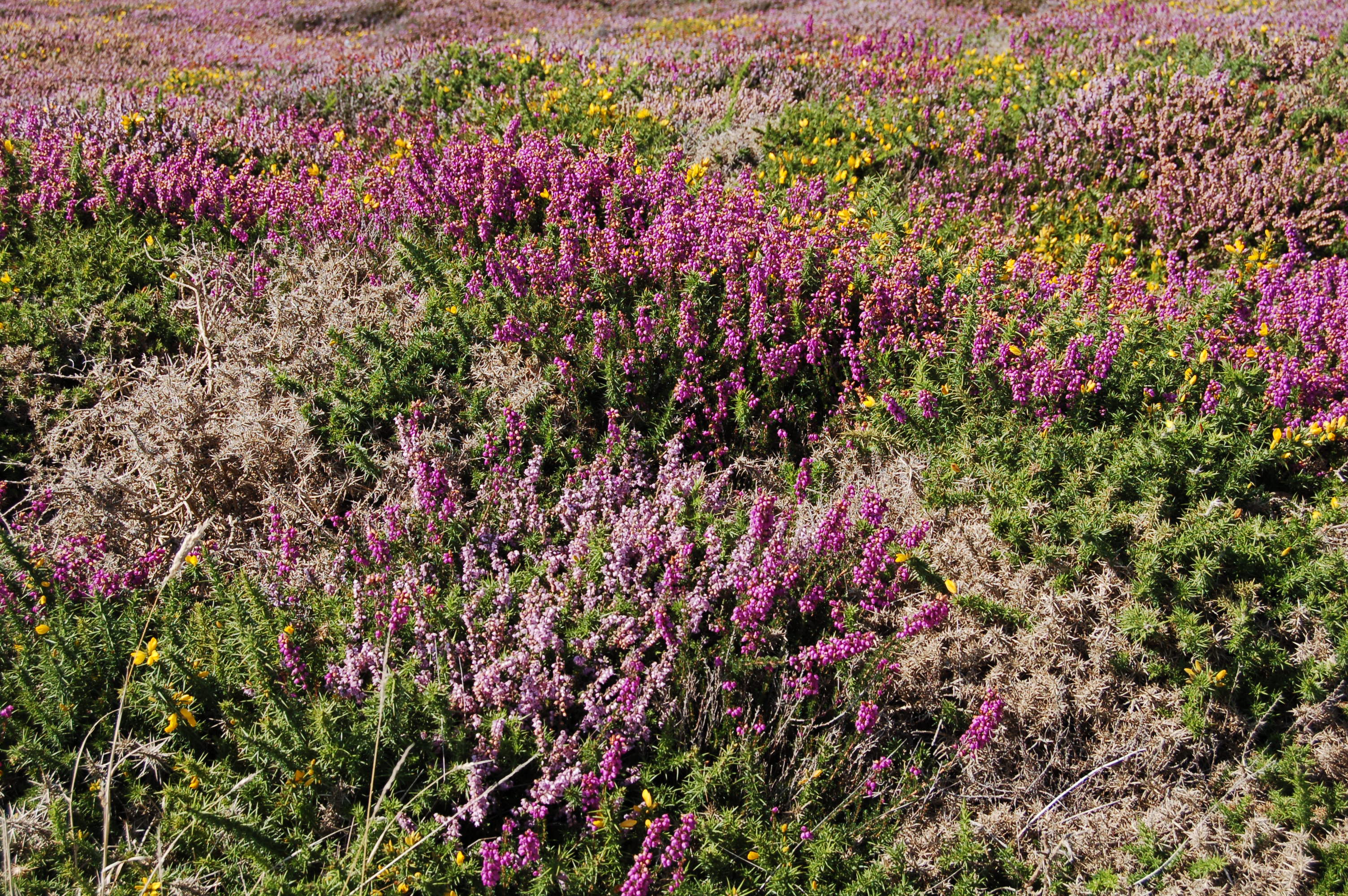
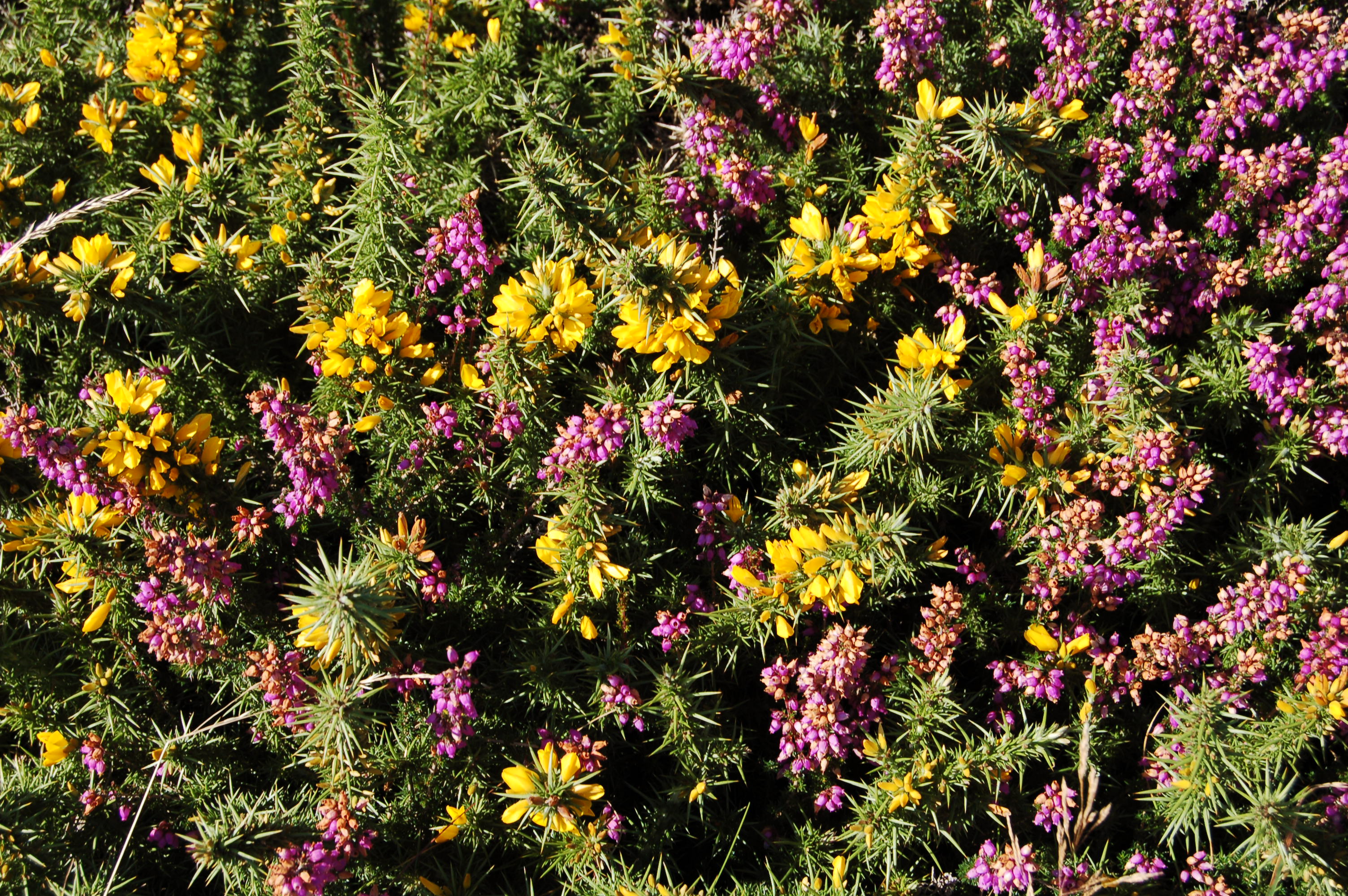
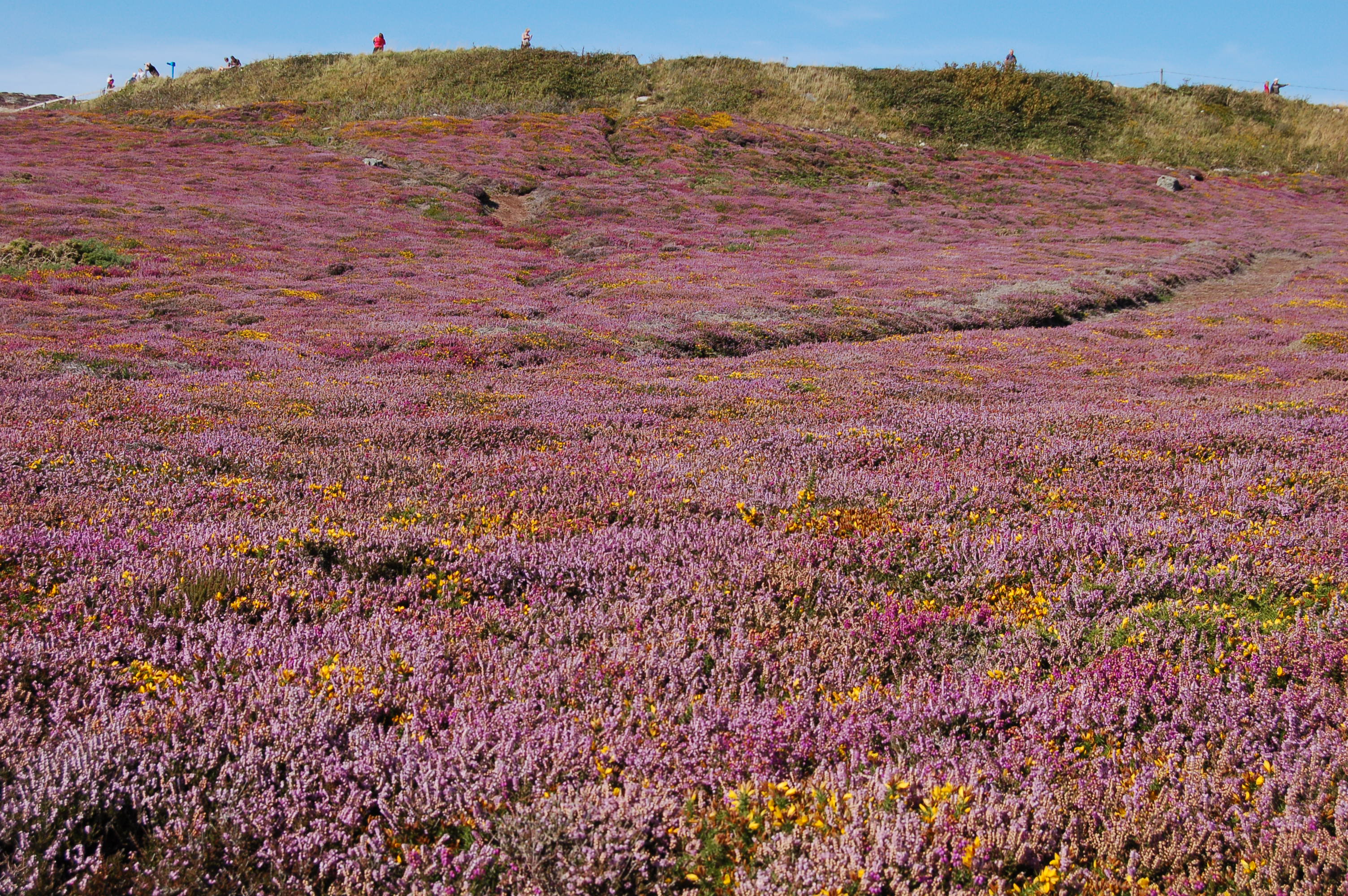
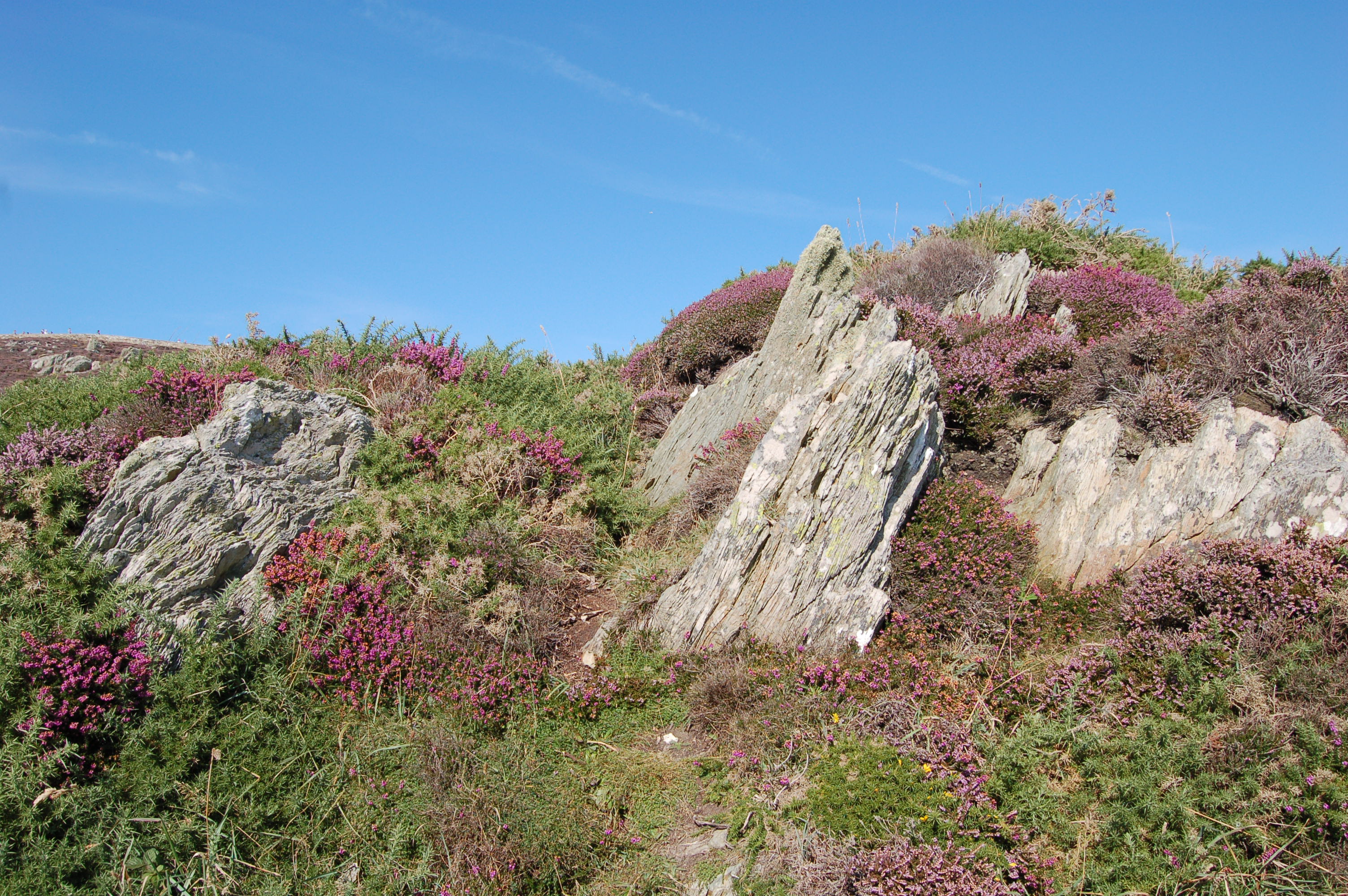
Come for a wander with us and the camera, enjoy the blue sky the sweet scent of gorse flowers and the gently undulating landscape.

2014 08 16_3735 2014 08 16_3736 2014 08 16_3737 2014 08 16_3738 2014 08 16_3739 2014 08 16_3741 2014 08 16_3742 2014 08 16_3743 2014 08 16_3744 2014 08 16_3745

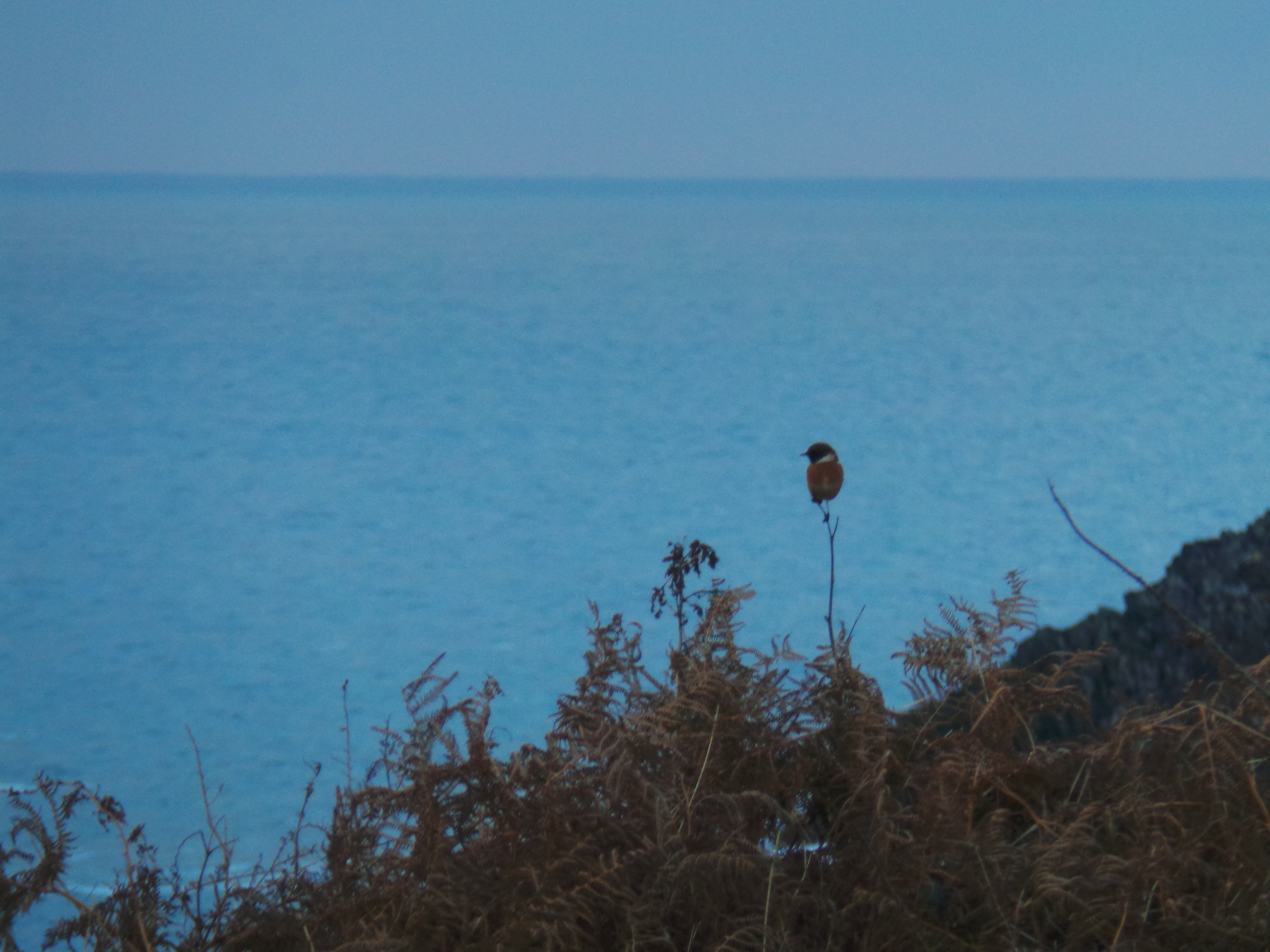
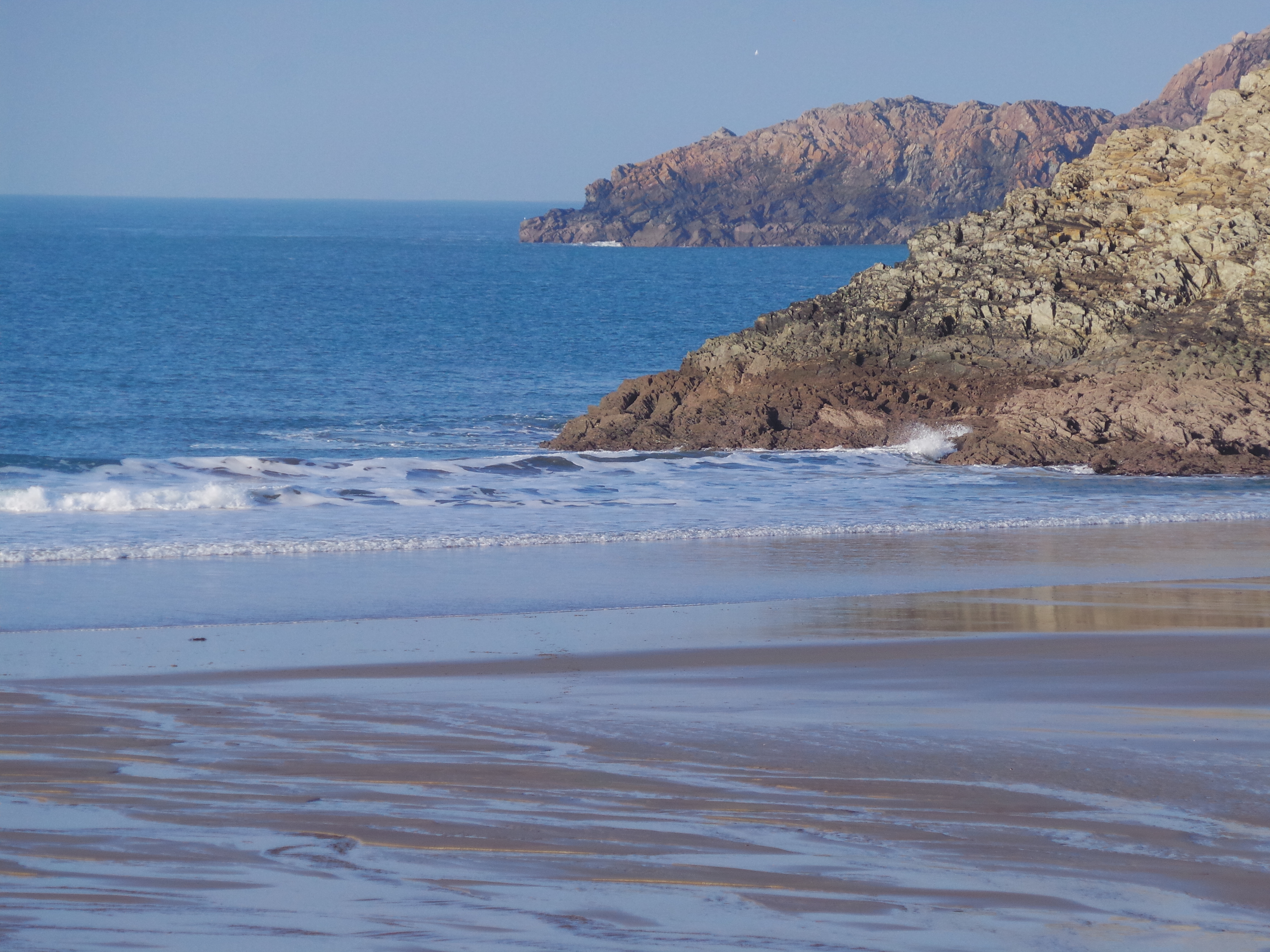
We reached the look out tower where we stopped to look out over the sea which was coloured in constantly changing tones and blends of deep greens and blues with silver sparkles where the sun hit each breaking wave. As we turned to retrace our footsteps we heard the first sounds of Chats and scanning the top branches of the heather or rock outcrops we spotted several Stonechat perched bolt upright constantly calling to each other. Gulls wheeled over our heads as they made for their cliff face ledges.

2014 08 16_3746 2014 08 16_3747 2014 08 16_3748 2014 08 16_3749 2014 08 16_3750

This cliff top walk never fails to impress with its richly coloured meadows and views out over the Irish Sea. We have wandered this track so many times over the years and will keep returning to enjoy it over and over again.

Categories
countryside landscapes light light quality National Trust photography The National Trust the sea the seaside the shore Wales wildlife

A Stroll along the Pembrokeshire Coastal Path – Part Two

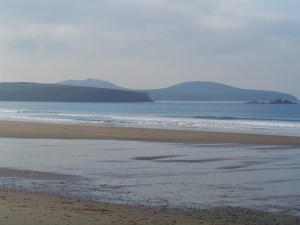
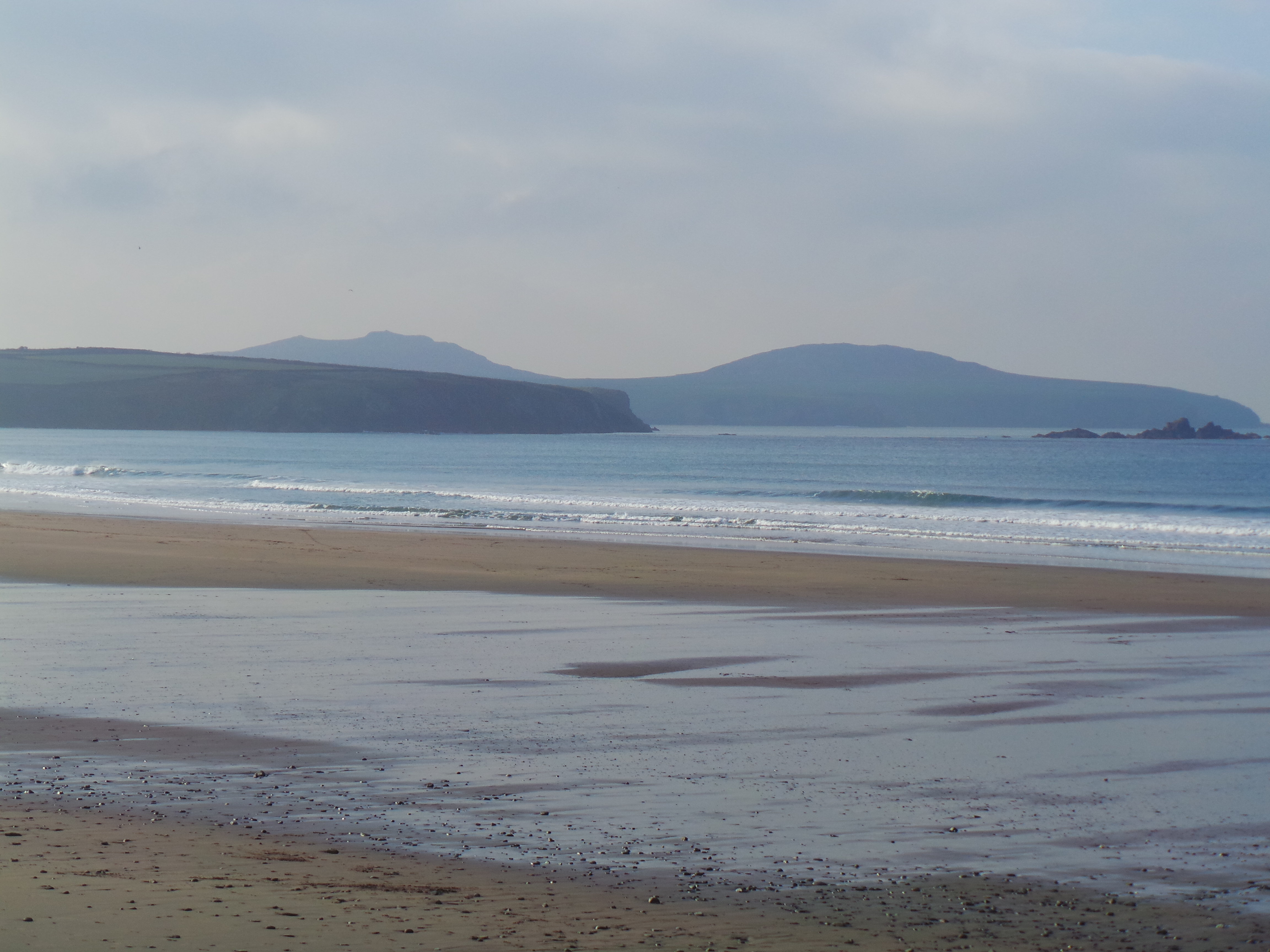
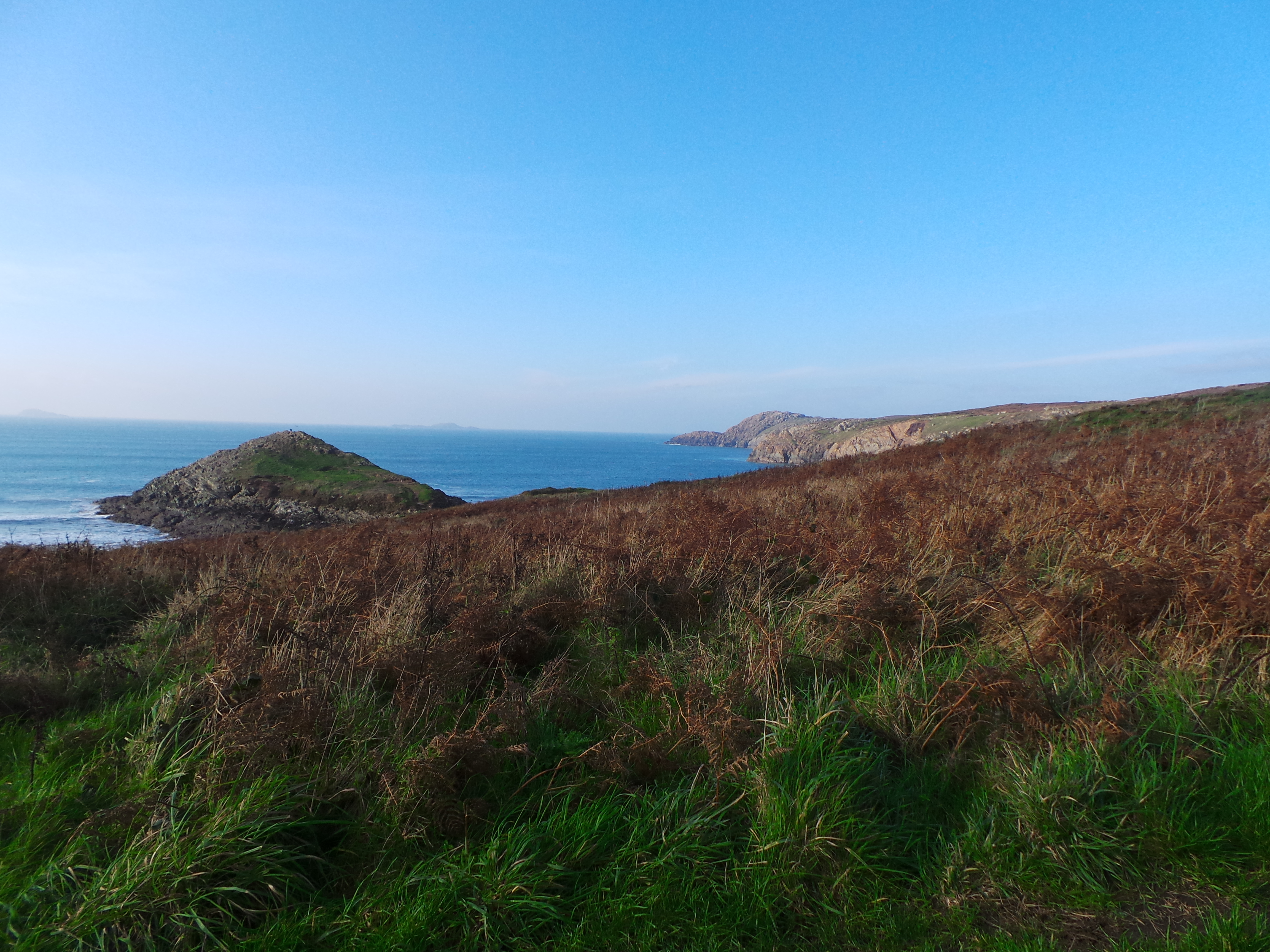
Welcome back after a bit of a rest and we continue along the beautiful coastal footpath towards the headland at St David’s Head. You left us with our goal in sight as we began our way across rougher moorland.

We were walking a stretch of the coastal path in Penbrokeshire which was my challenge for 2014. We set out intending to walk a mile, far more than I should be walking. We found ourselves going further than intended and still had not turned back. I set myself a new extended challenge. To walk the mile to the headland of St David’s Head and back again. I knew I would suffer for days after but I am a stubborn chap.

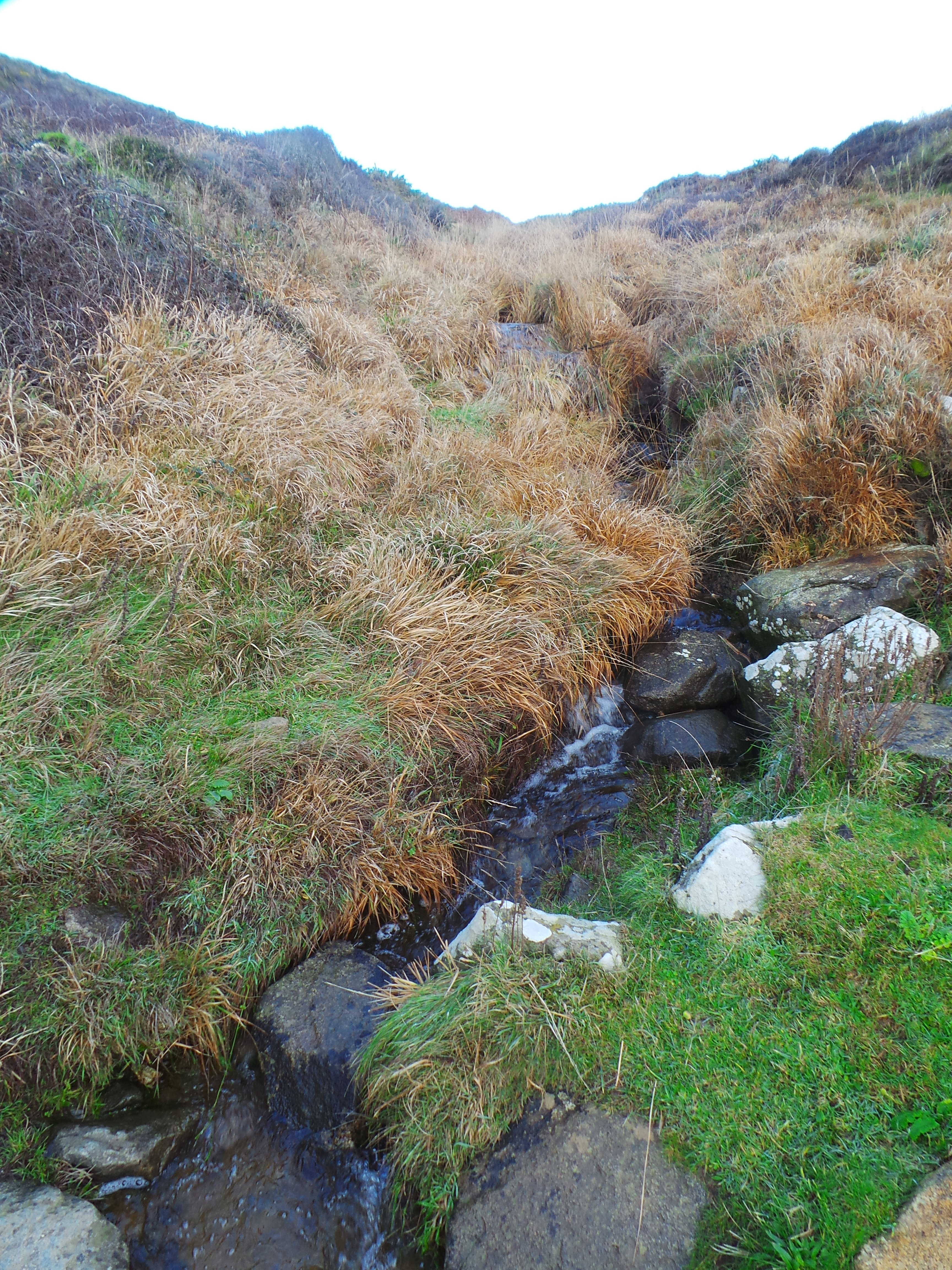
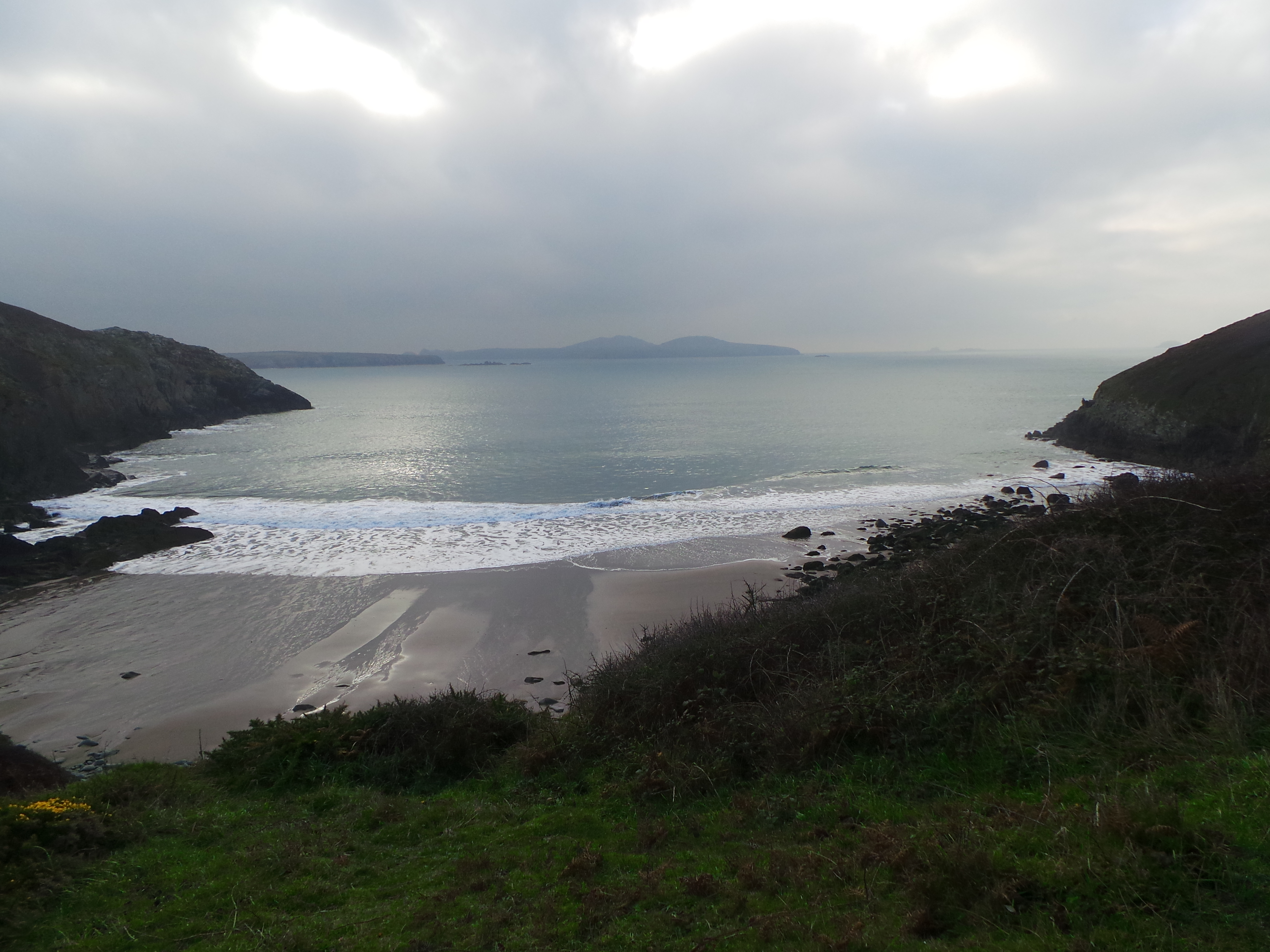
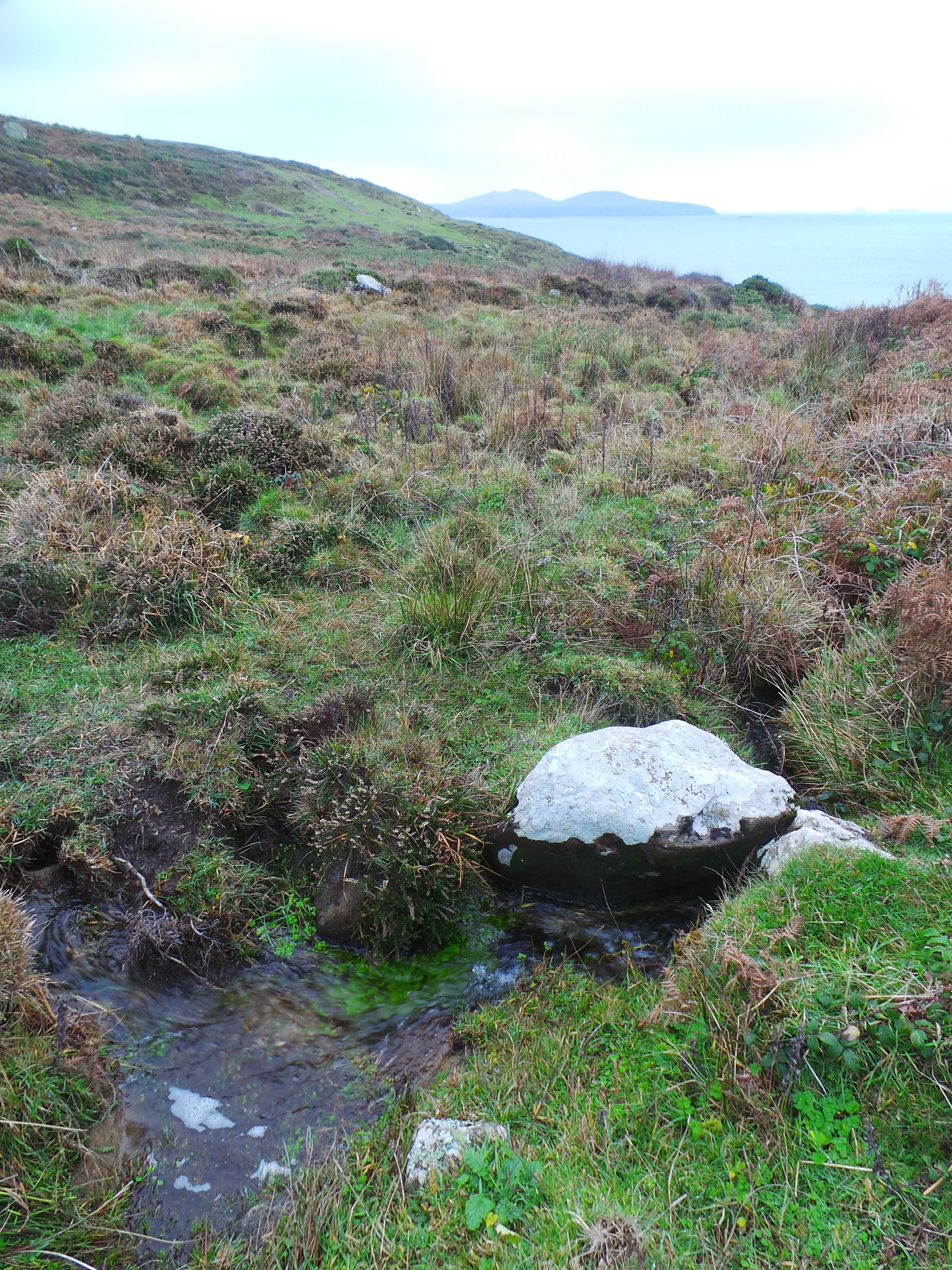
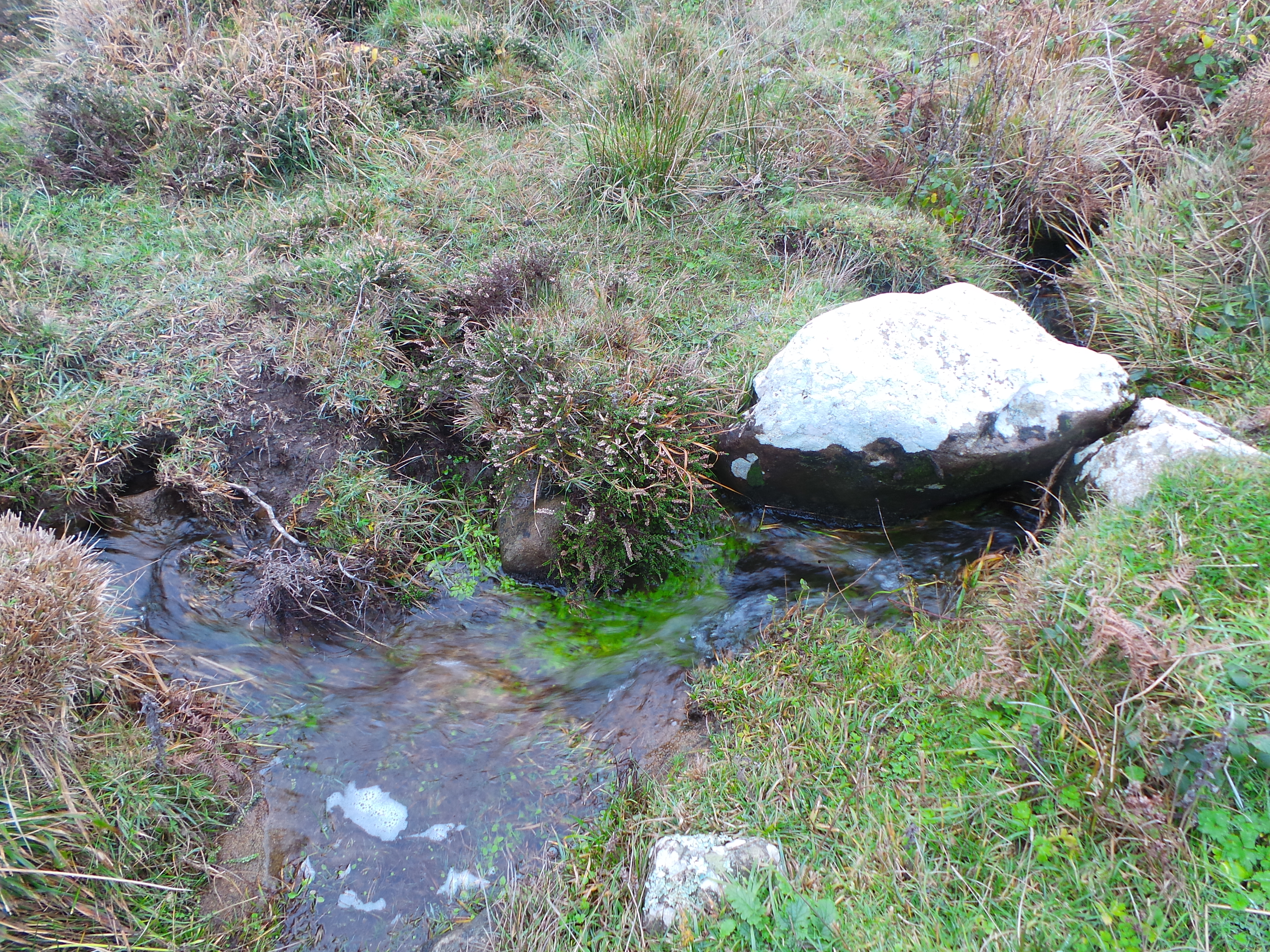
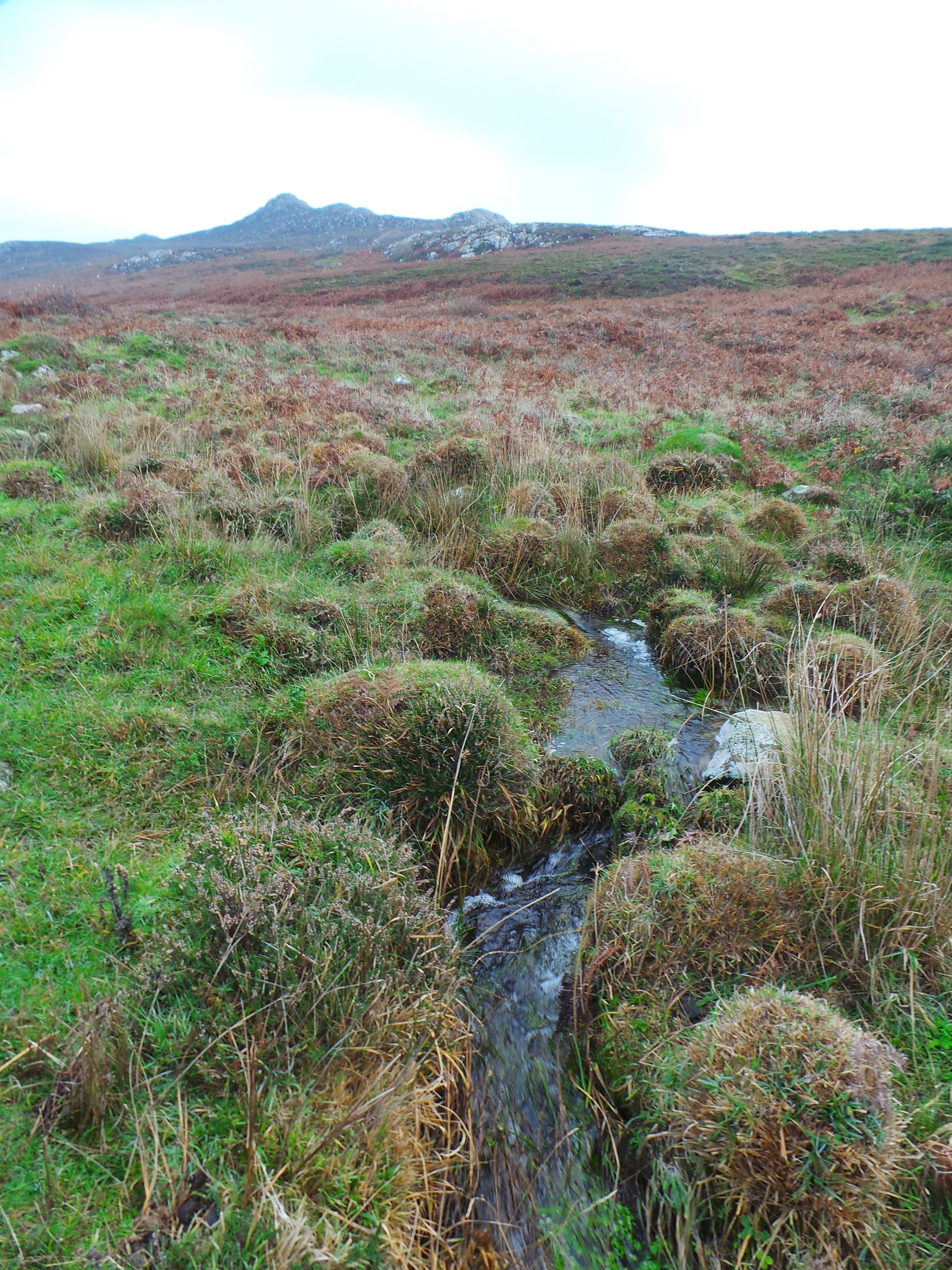
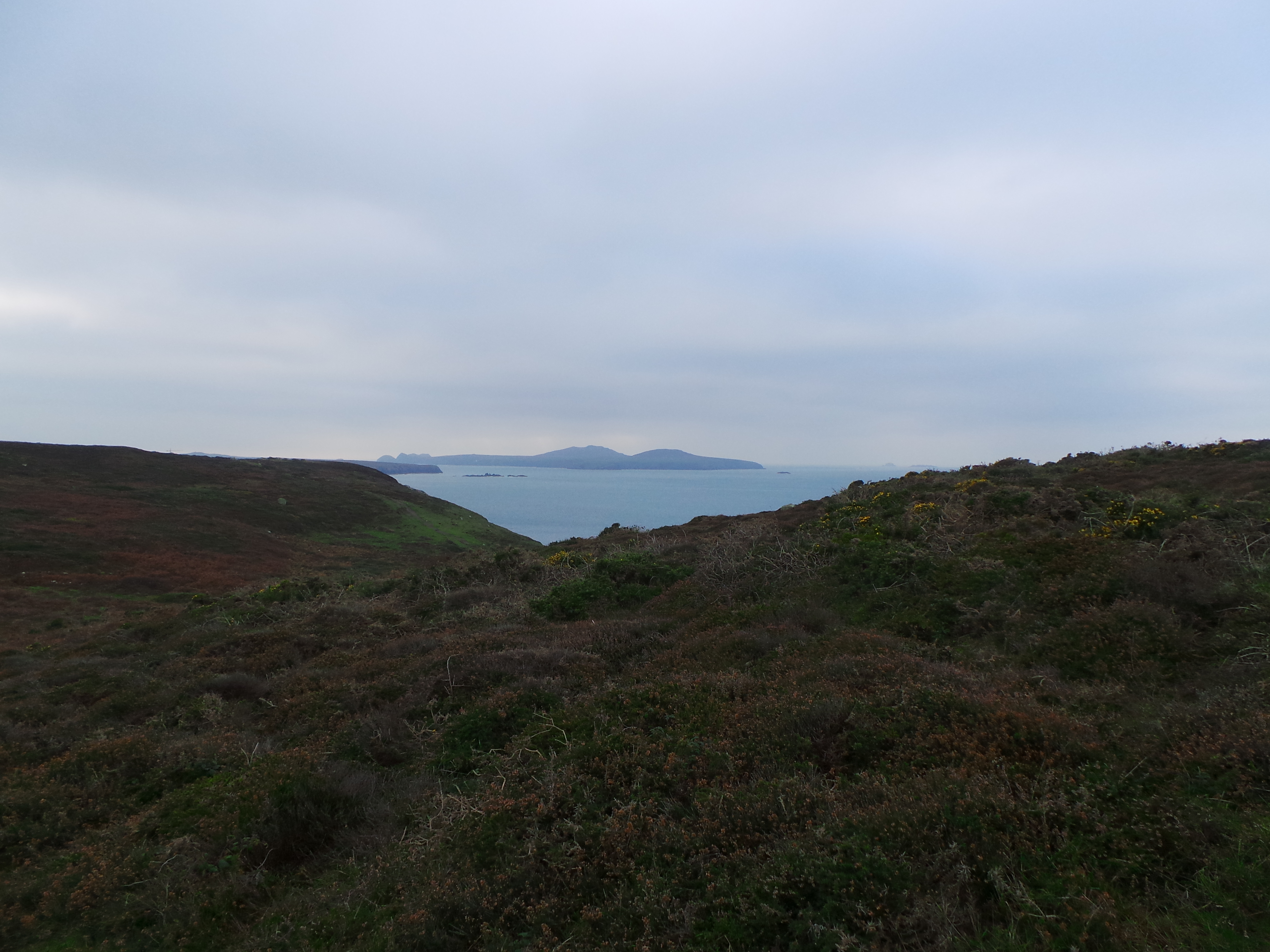
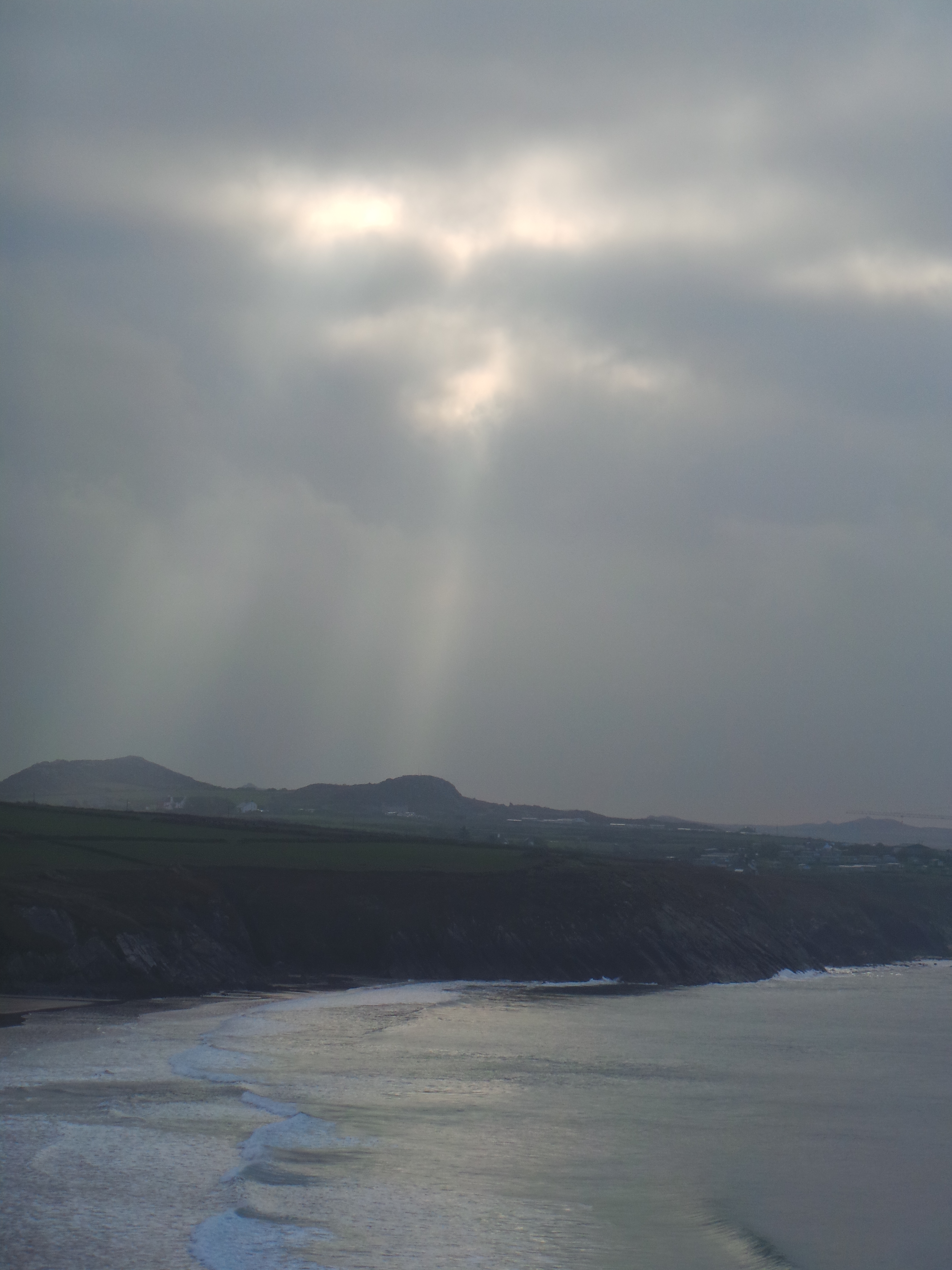
We carried on, crossing over a crystal clear waters of a tiny mountain stream. We stopped a while to enjoy the sounds of water rippling over rock, a sound that always makes us feel good! Letting our eyes follow the stream’s track to the sea showed light over the water more akin to late afternoon, almost the sort of light that comes shortly before a sunset, but it was still early afternoon.

2014 11 21_7652 2014 11 21_7653 2014 11 21_7654 2014 11 21_7655 2014 11 21_7656 2014 11 21_7657

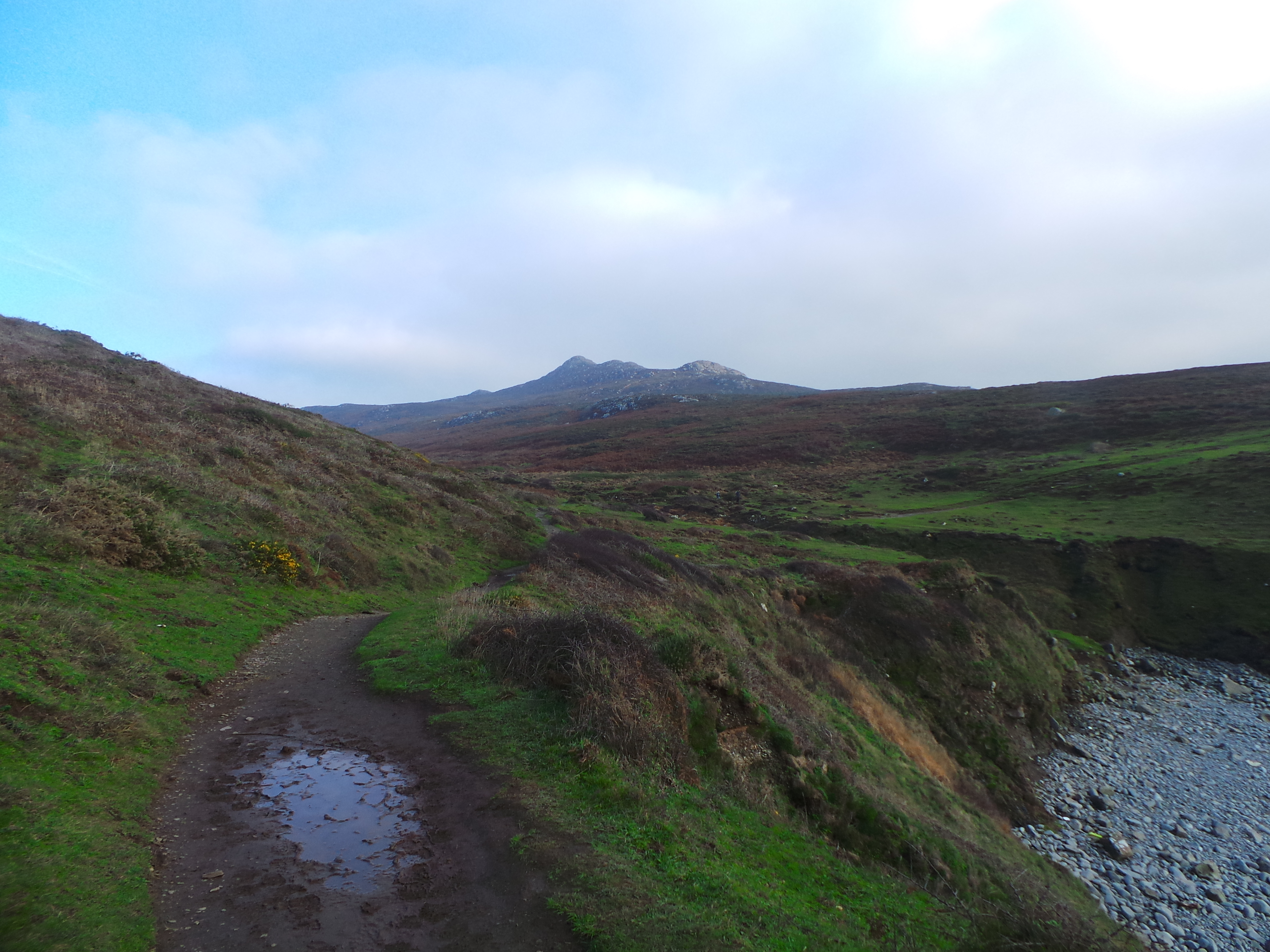
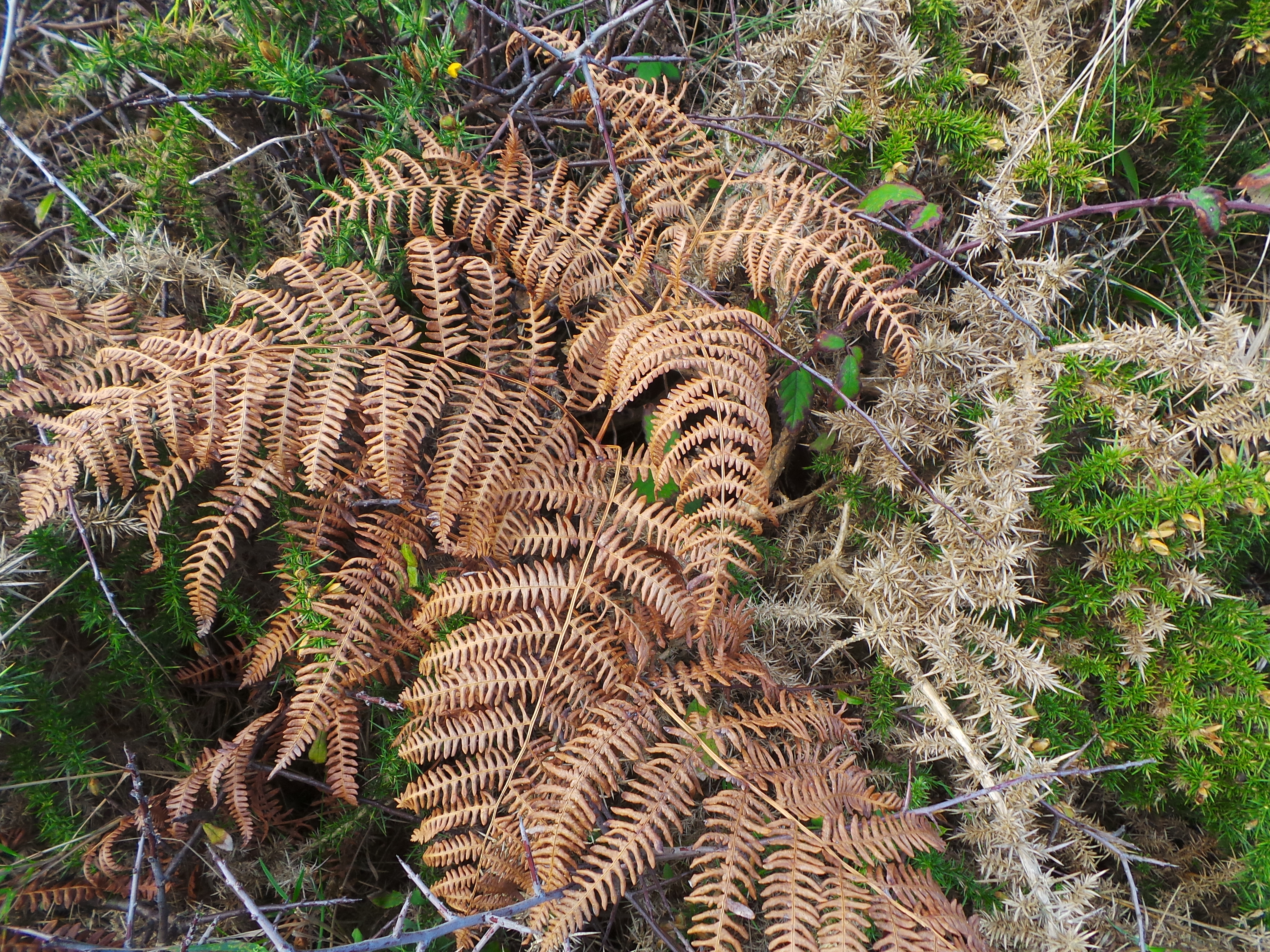
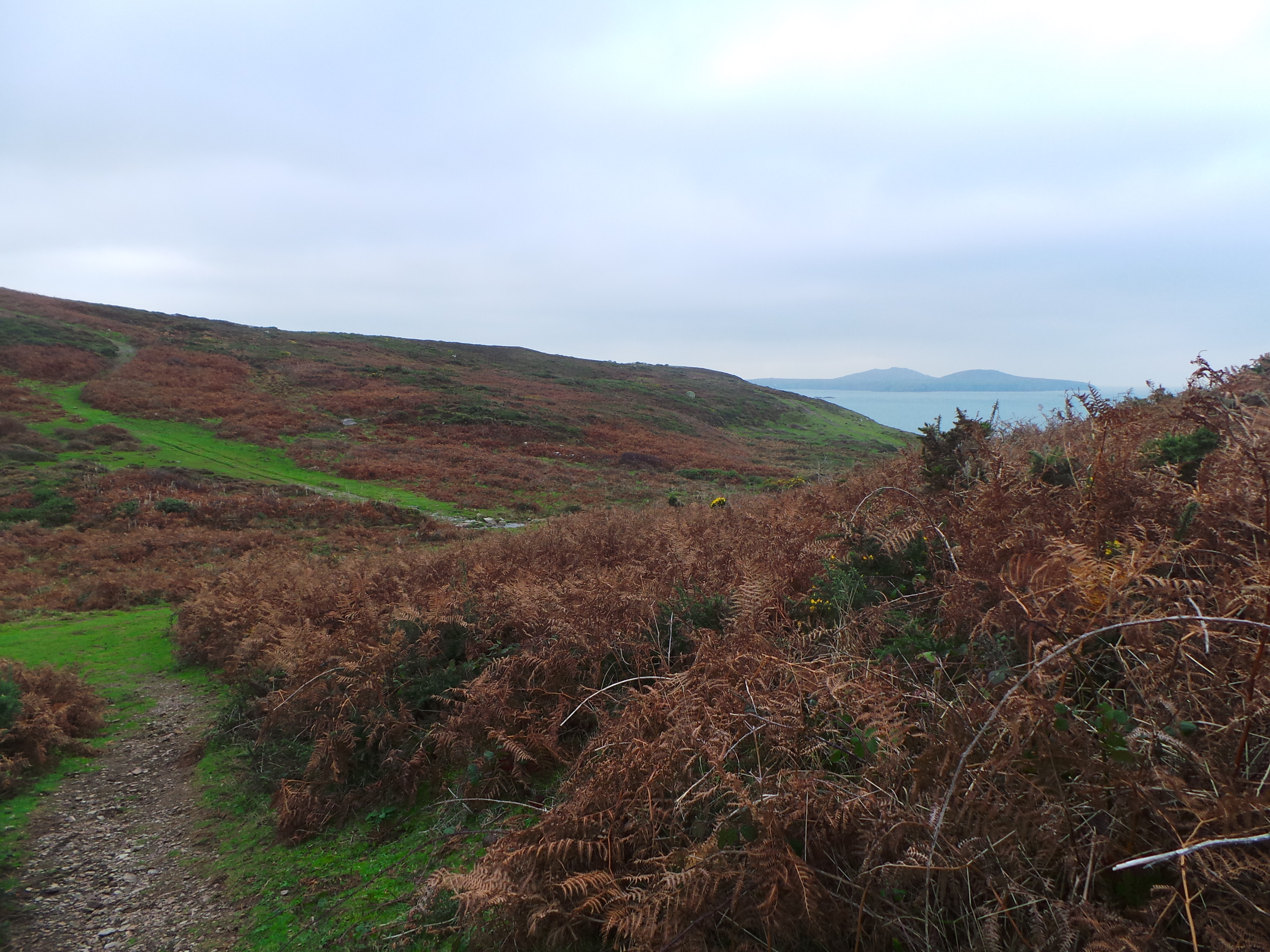
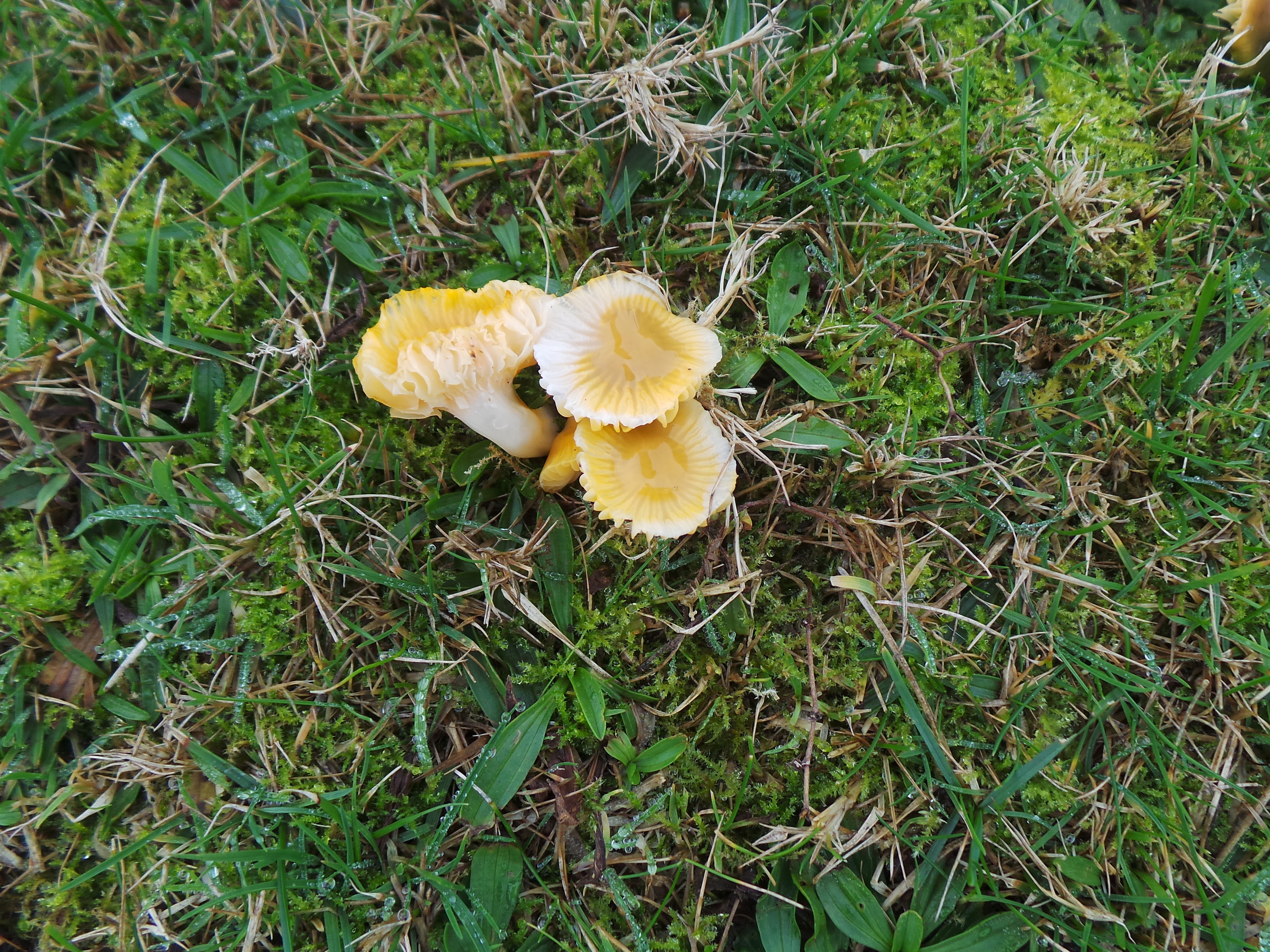
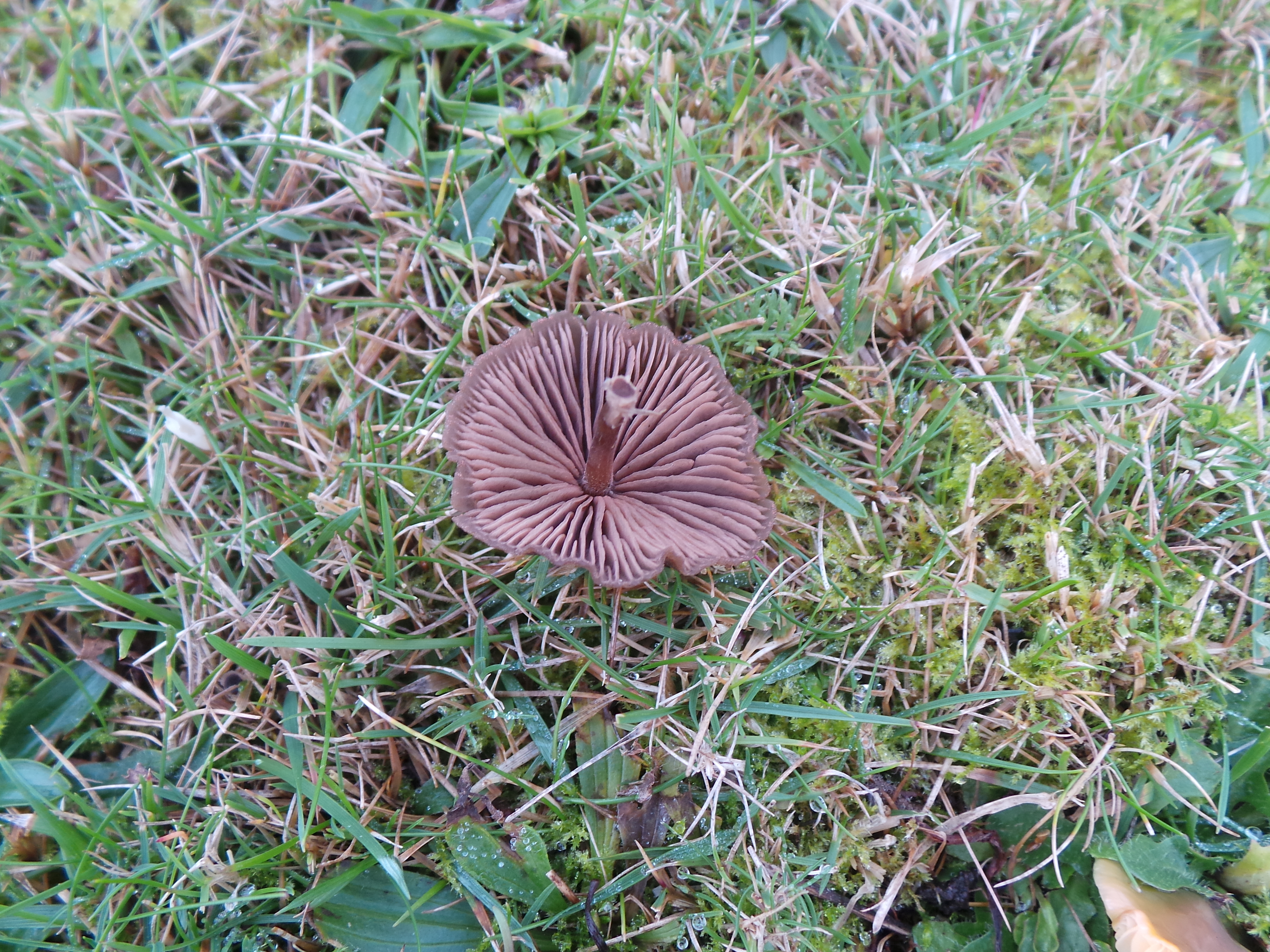
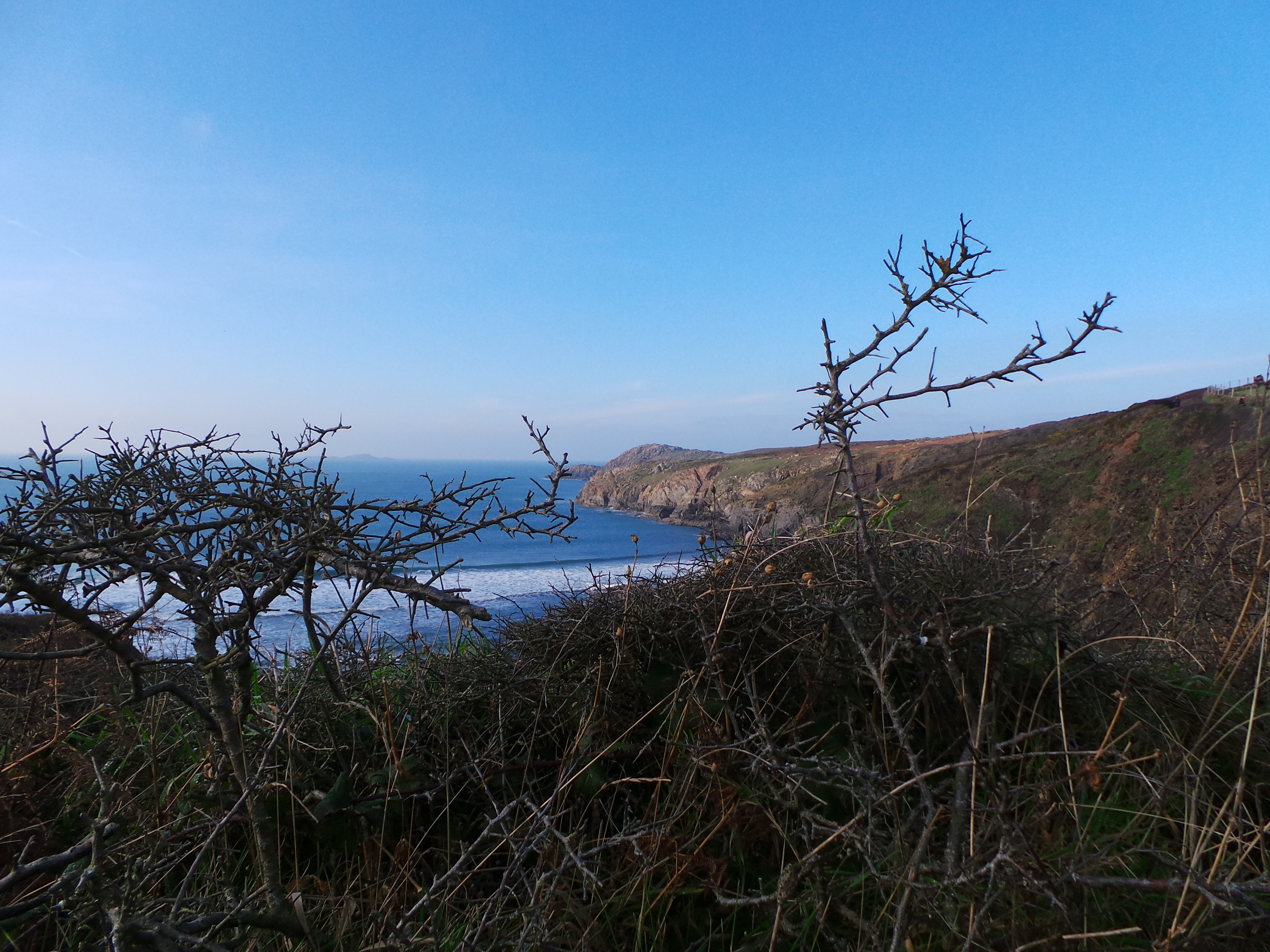
We followed the narrow and at times wet track along the cliff top, all the time keeping our eye on the headland we were aiming for, but at times it disappeared from view. Bracken and fungi grew in the short grass, close cropped by sheep.


2014 11 21_7658 2014 11 21_7659 2014 11 21_7660 2014 11 21_7661 2014 11 21_7662 2014 11 21_76632014 11 21_7664 2014 11 21_7665

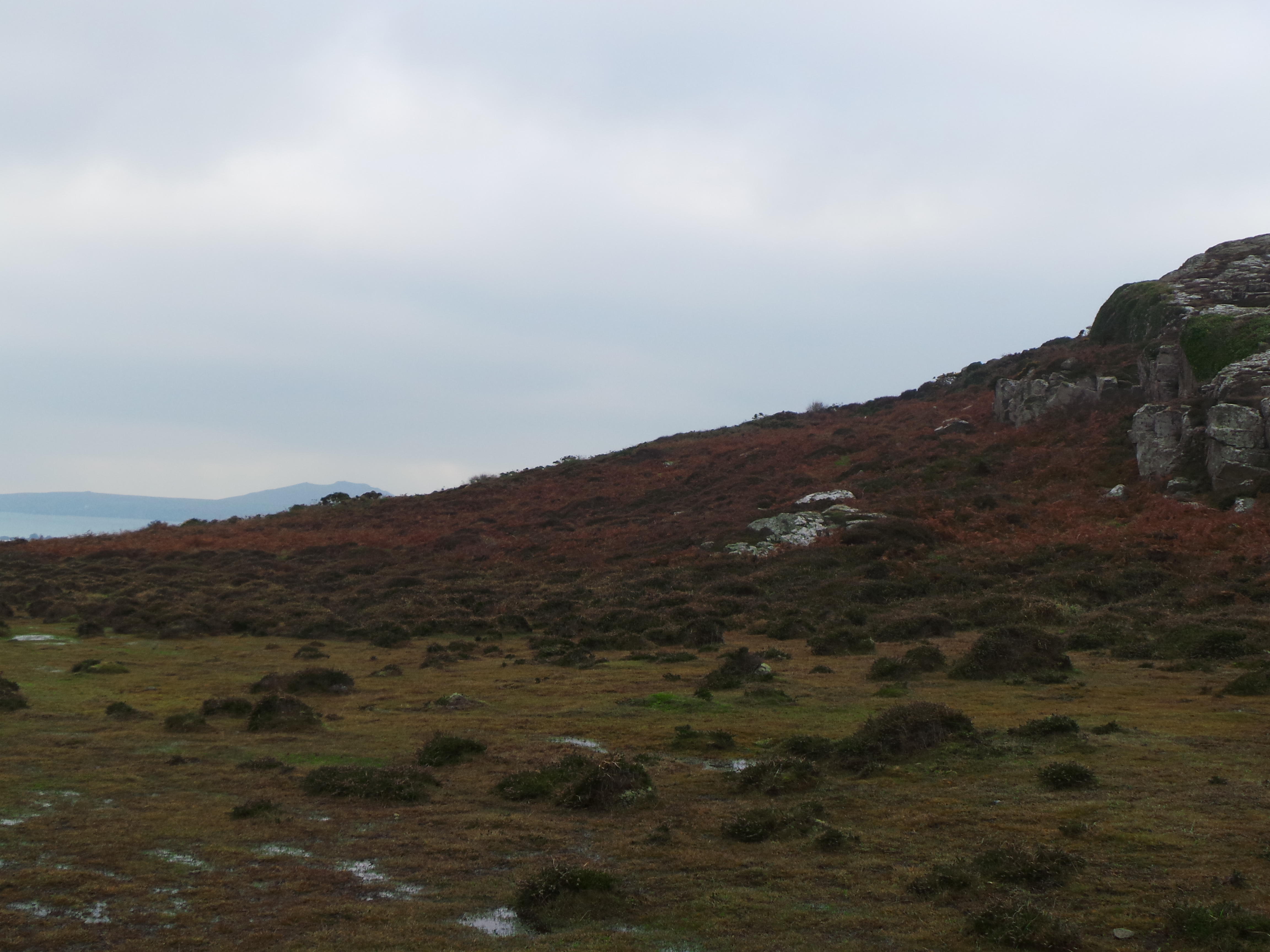
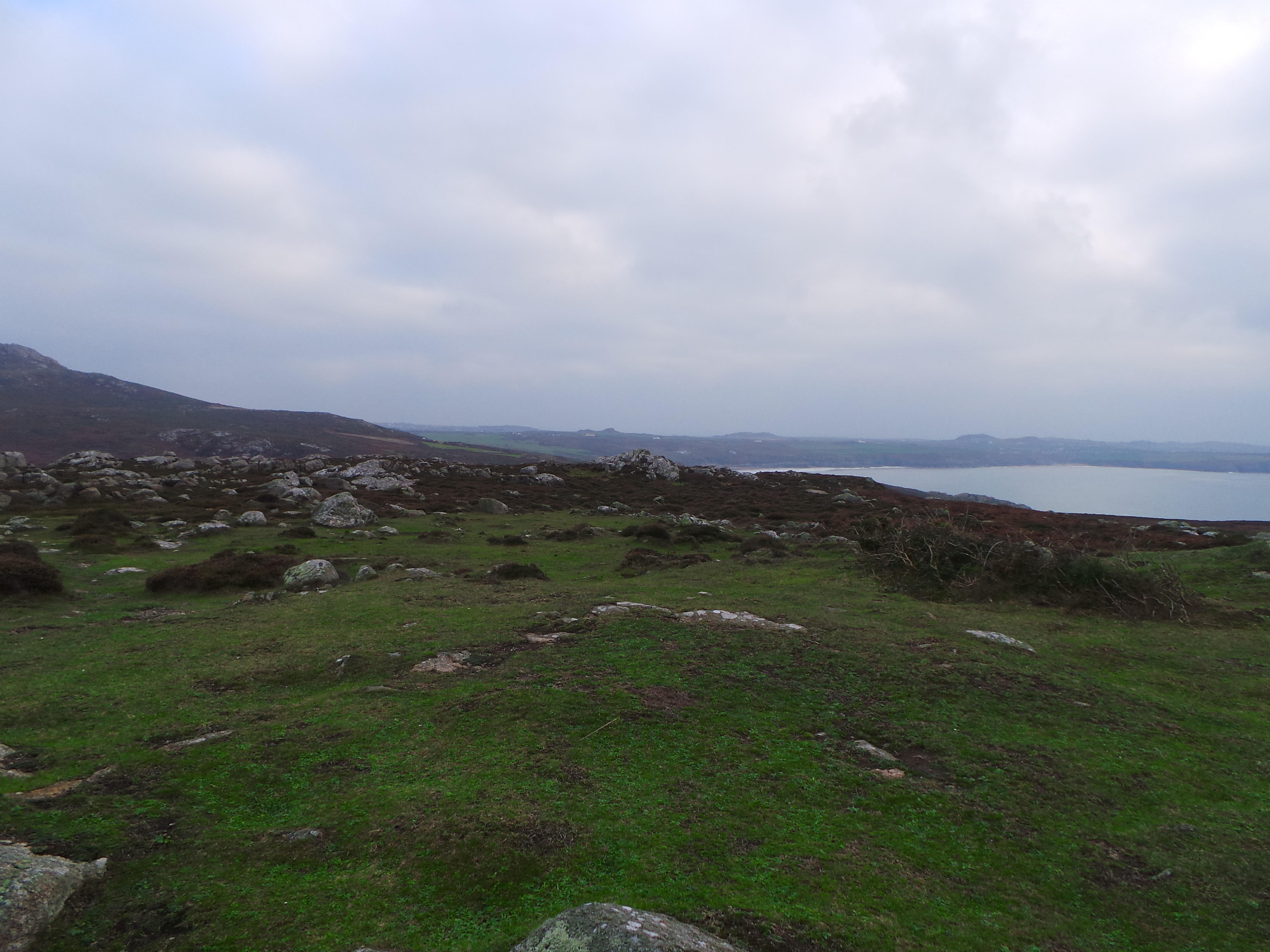
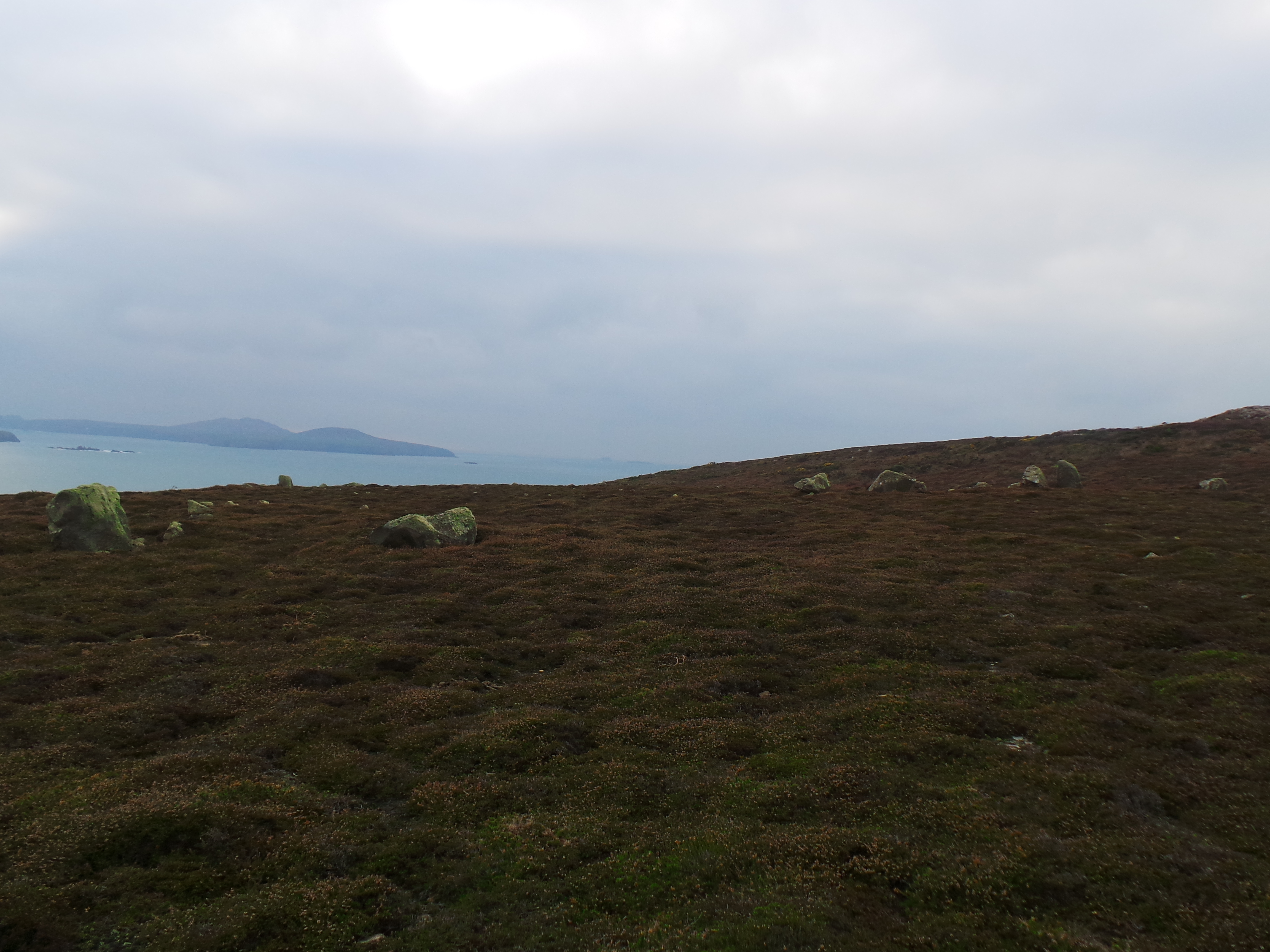
We followed a stream against the downhill direction of its journey, gradually climbing all the time. We were constantly stopped in our tracks by the beauty of the landscapes. Enjoy my photos!


2014 11 21_7666 2014 11 21_7667 2014 11 21_7668 2014 11 21_7669 2014 11 21_7670 2014 11 21_7671 2014 11 21_7672 2014 11 21_7673 2014 11 21_7674 2014 11 21_7675 2014 11 21_7676 2014 11 21_7677 2014 11 21_7678 2014 11 21_7679 2014 11 21_7680 2014 11 21_7681 2014 11 21_7682 2014 11 21_7683

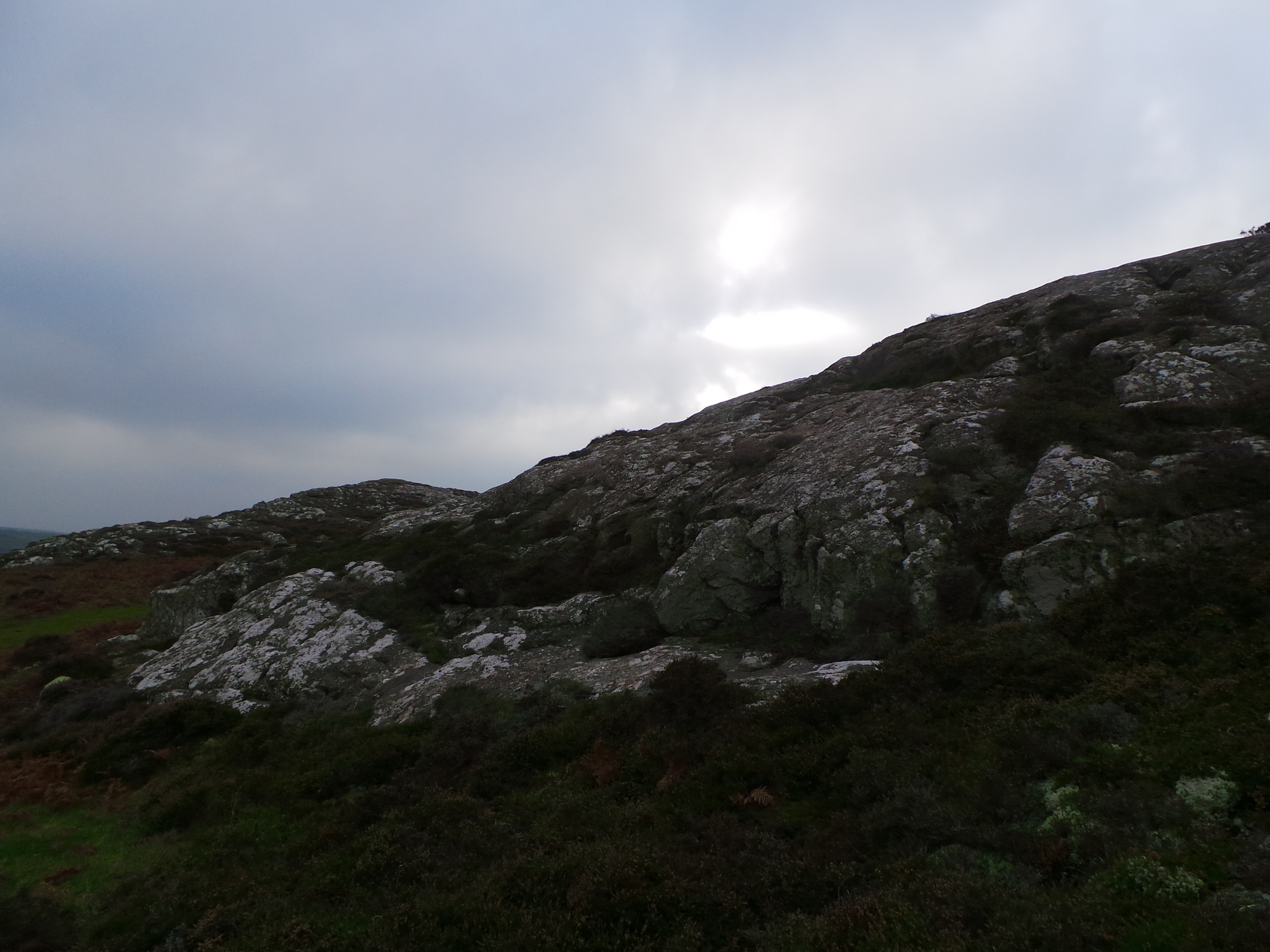
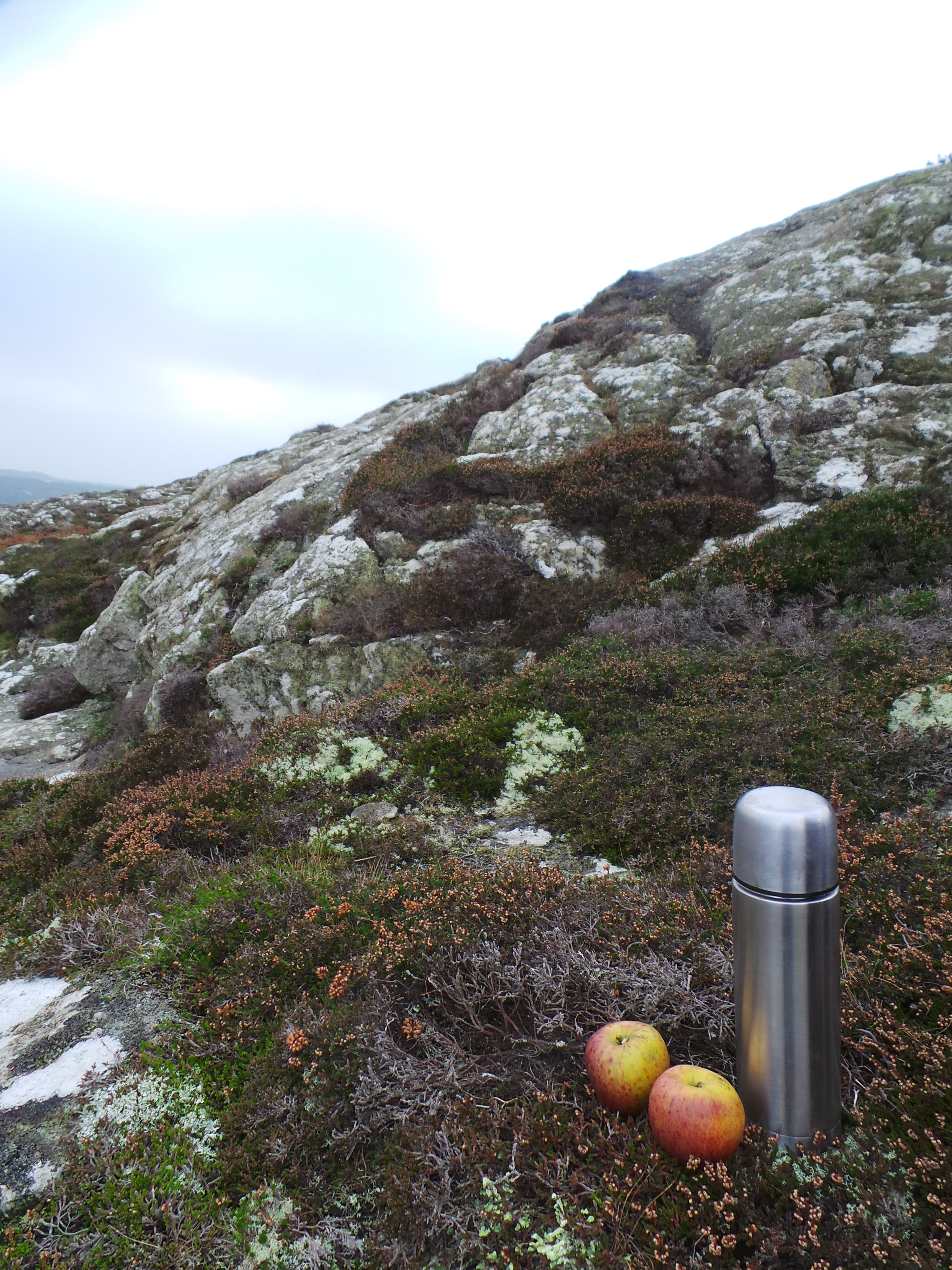
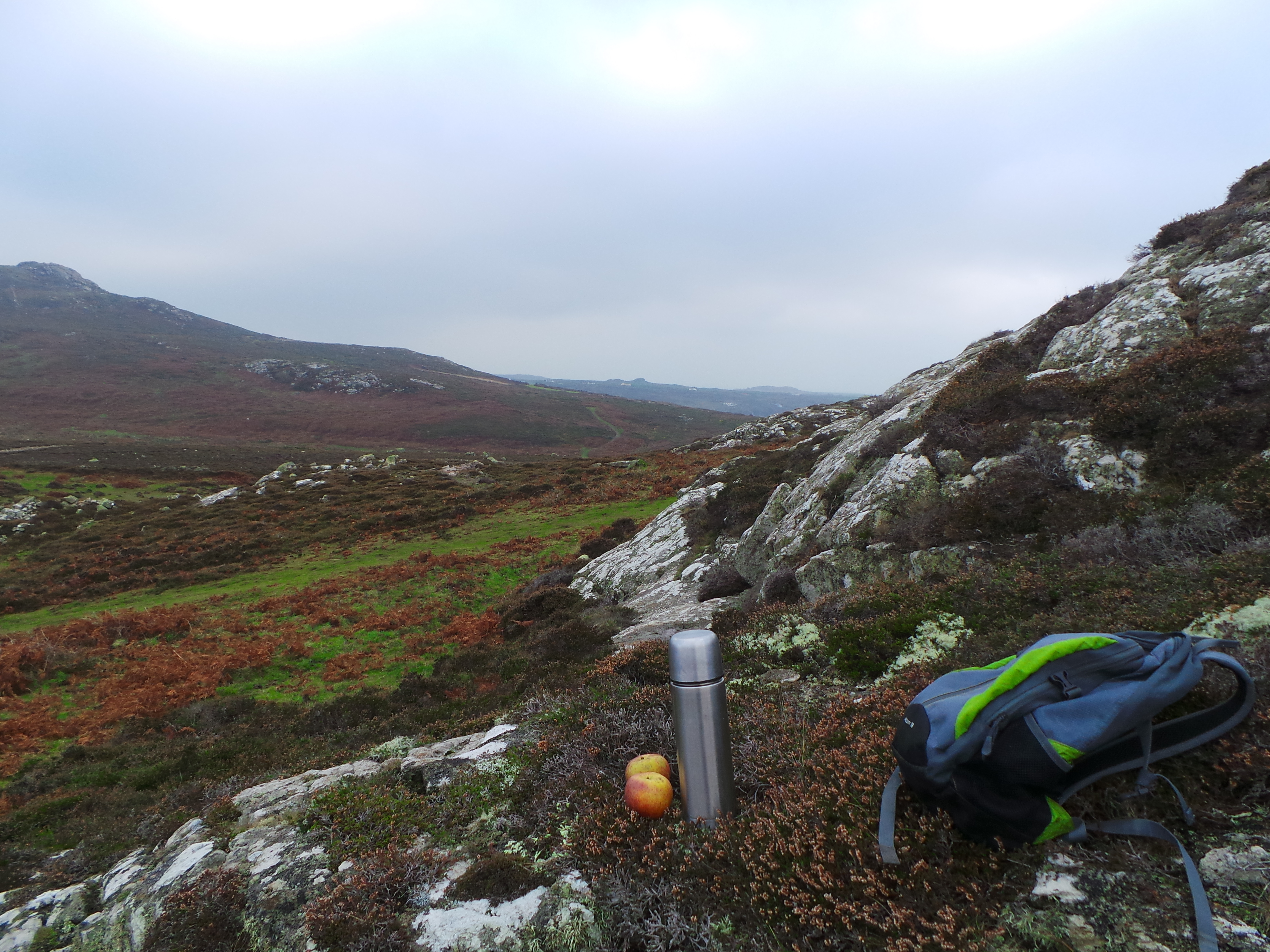
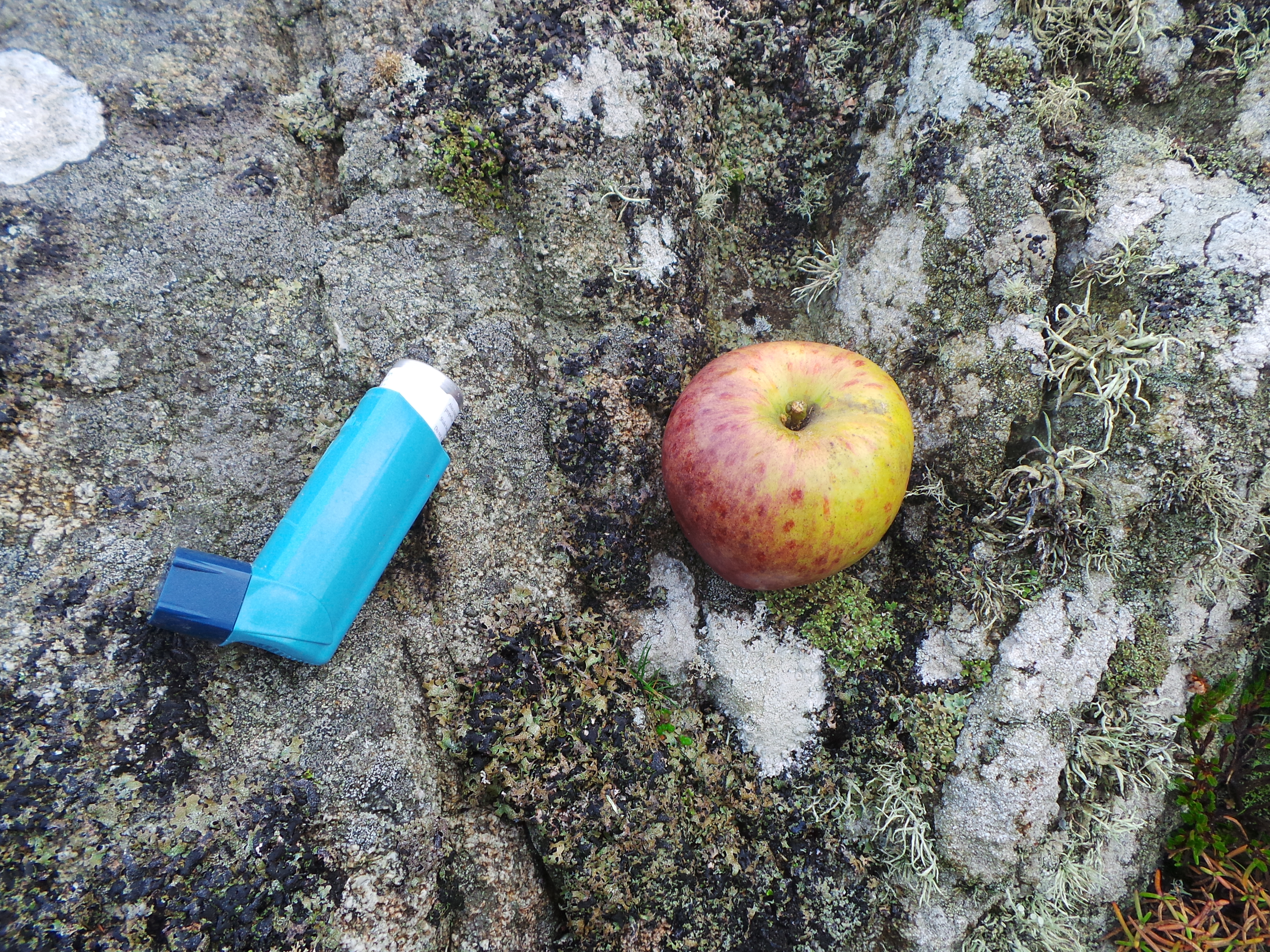
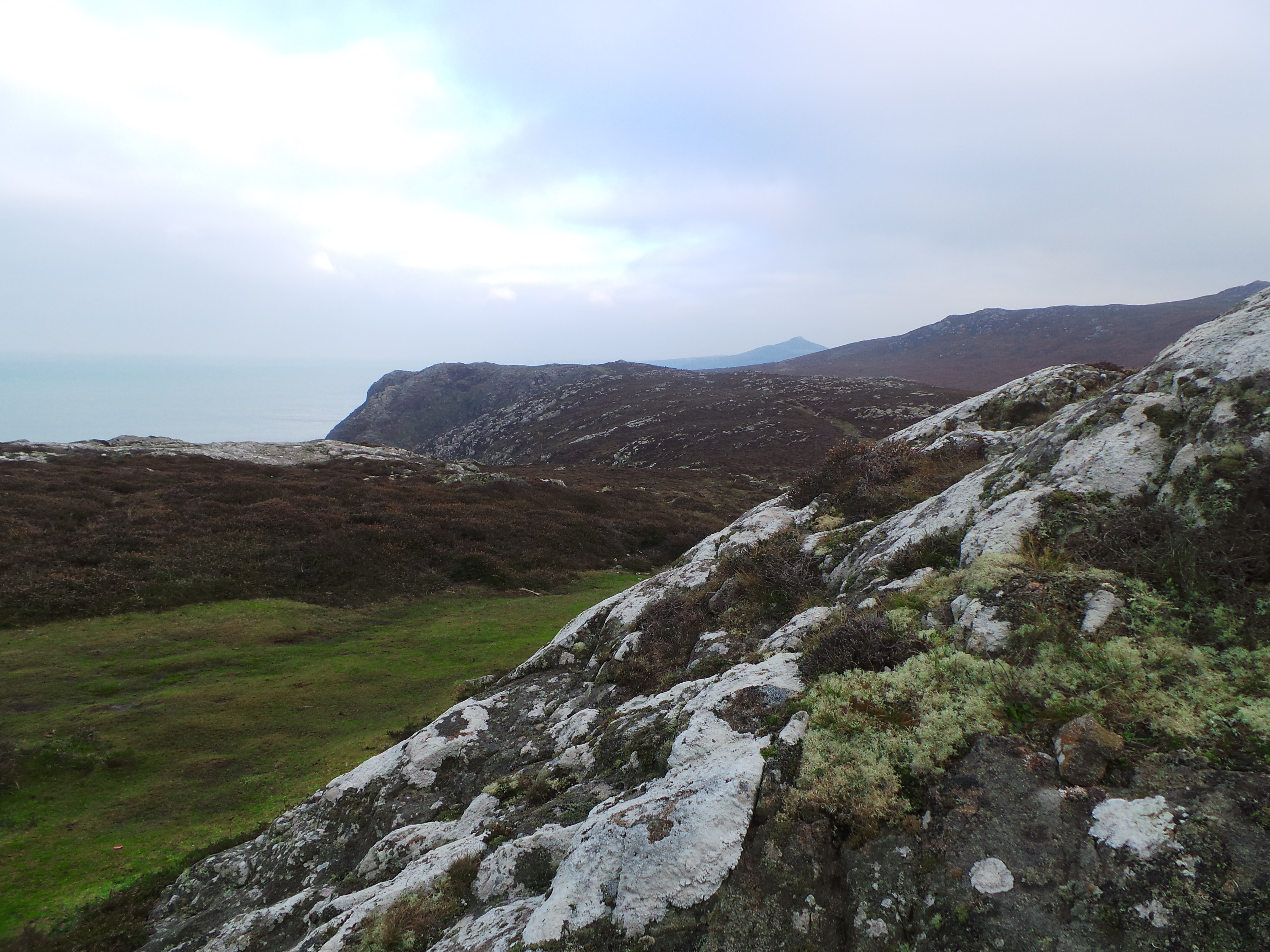
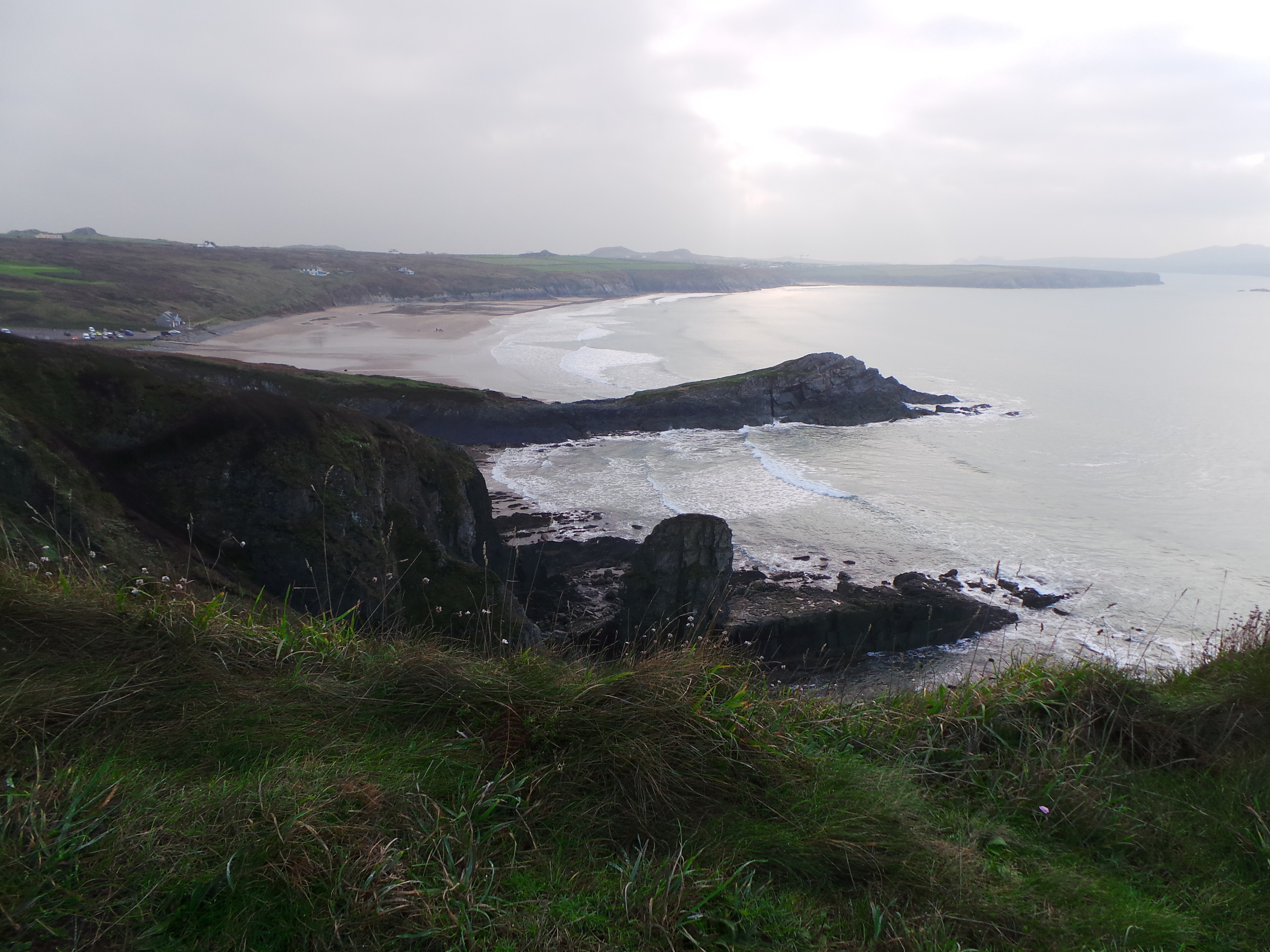
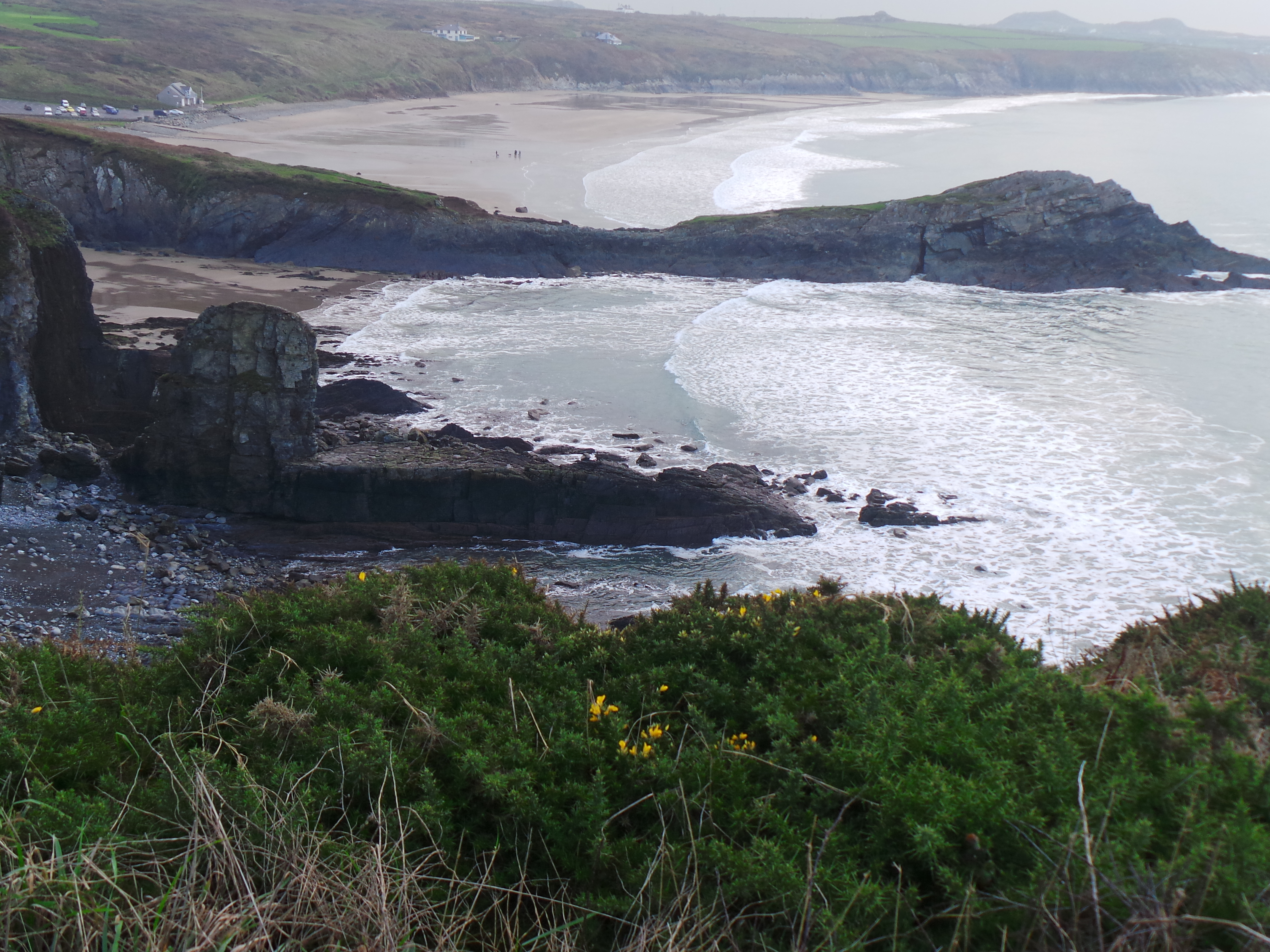
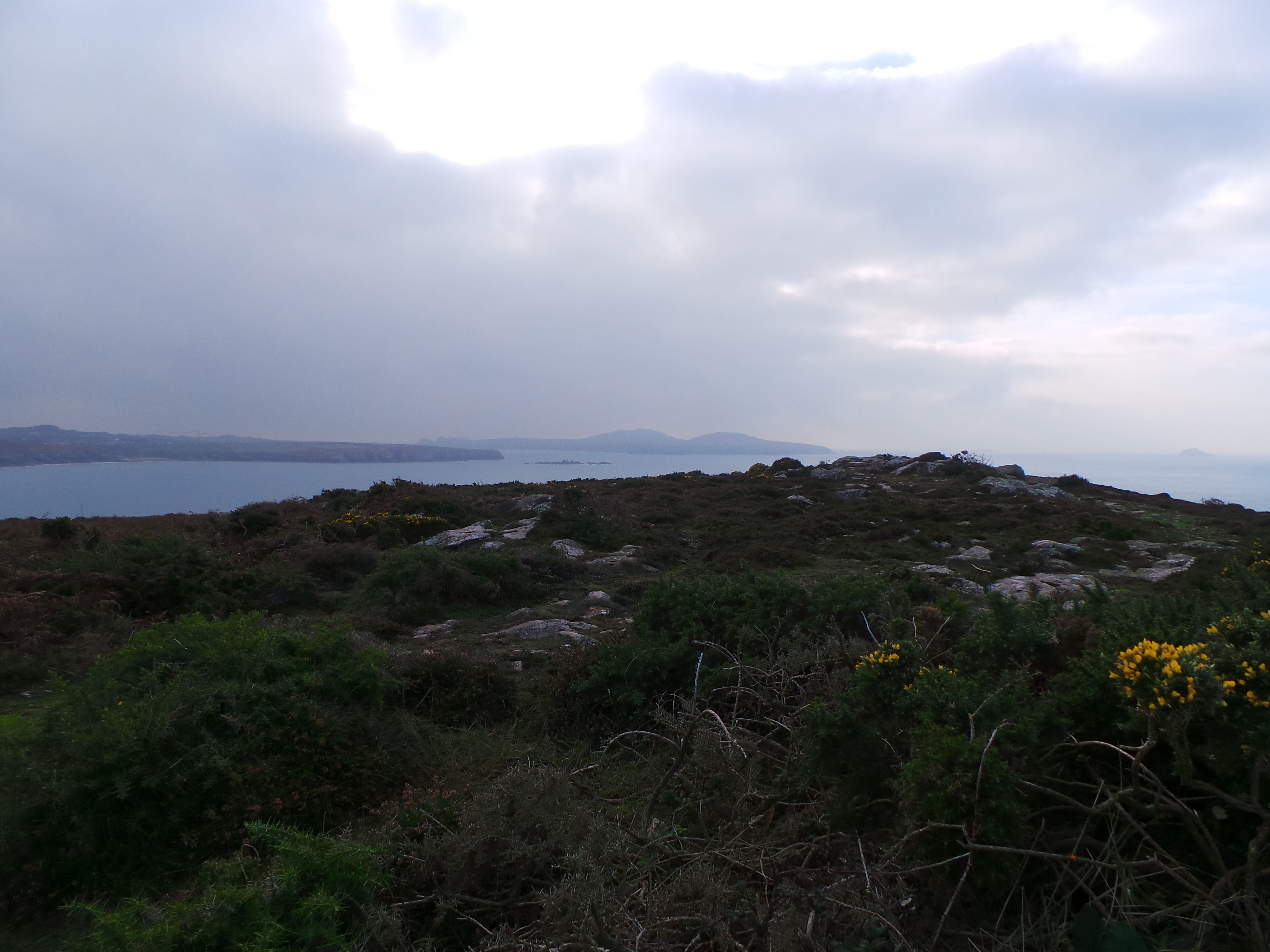
When we reached our destination we enjoyed a good rest, sitting on comfortable and convenient rock outcrops. Coffee, fruit and in my case a good dose of Ventolin helped refresh us. We felt so pleased, so satisfied. We enjoyed the views from this vantage point, where we could appreciate a vast panorama.

2014 11 21_7696

2014 11 21_7684 2014 11 21_76852014 11 21_7690 2014 11 21_7687


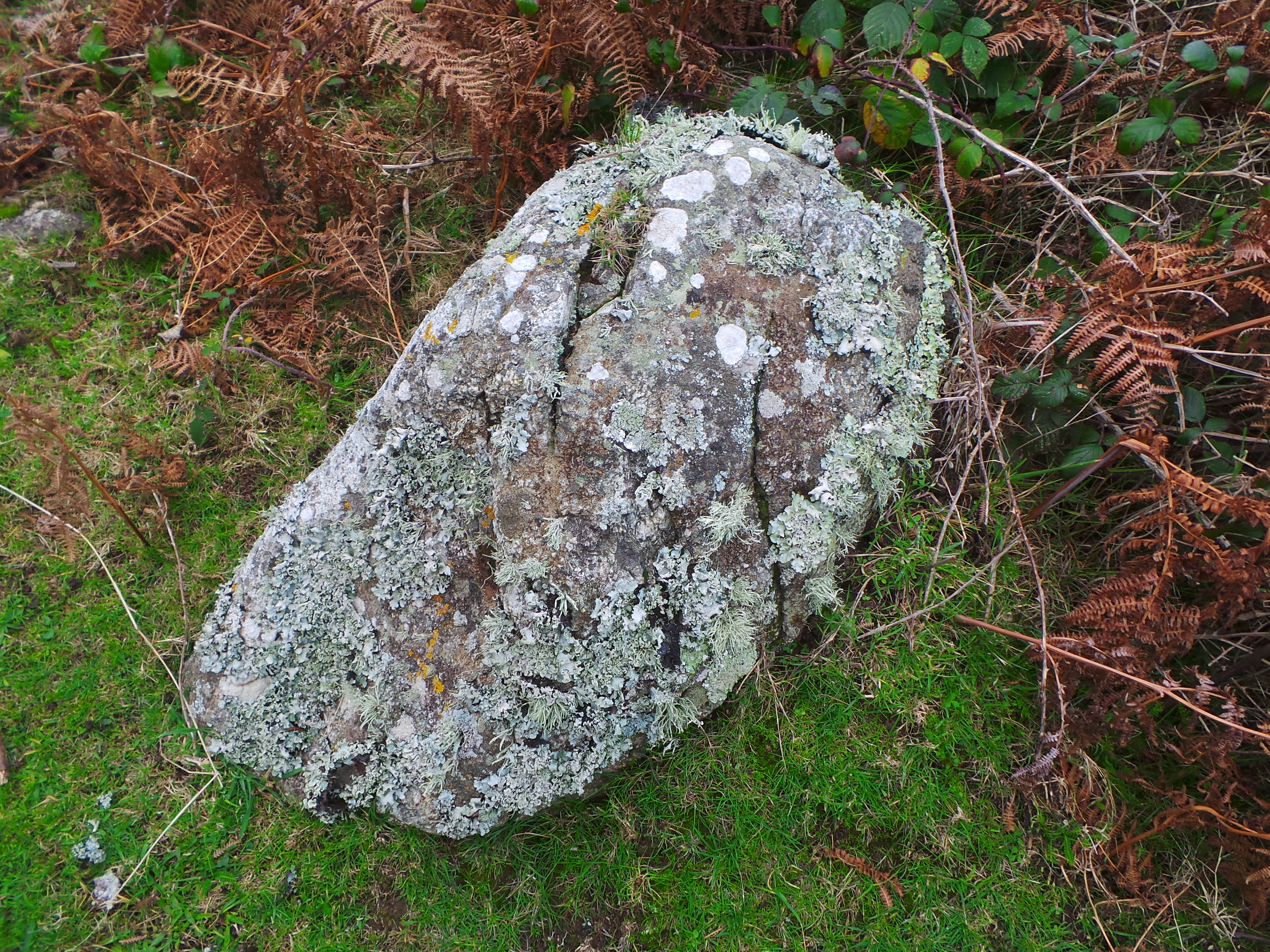
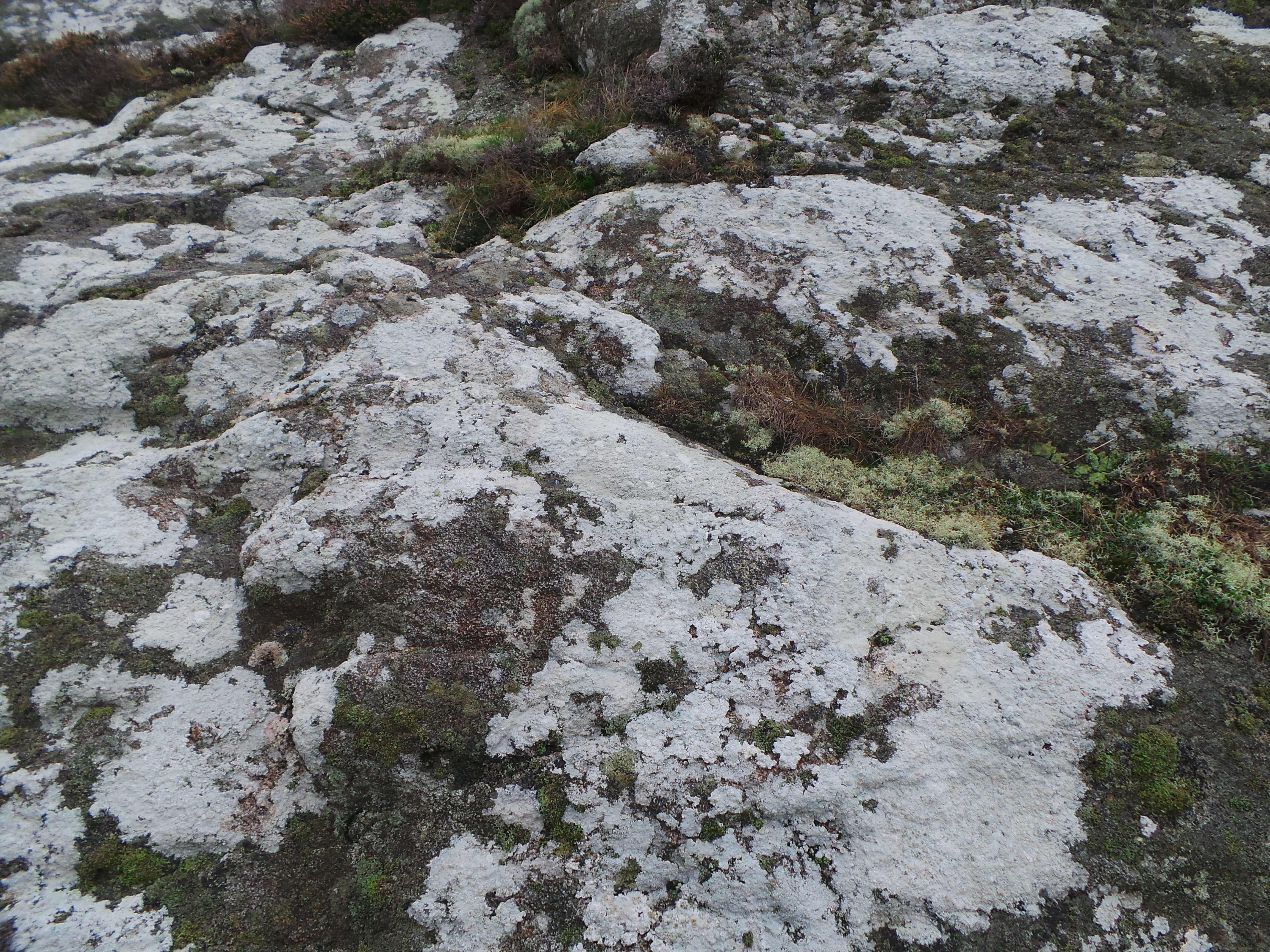
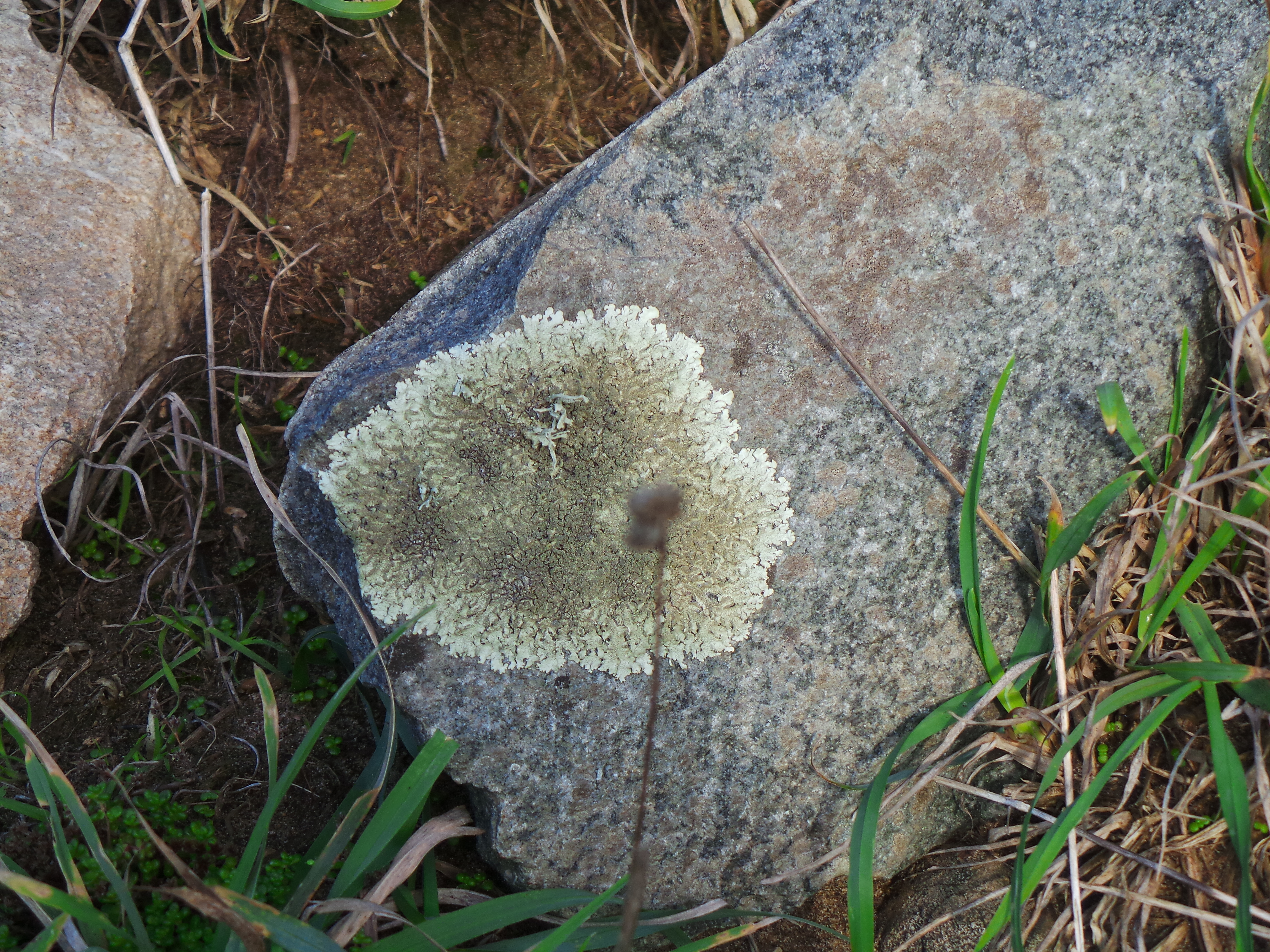
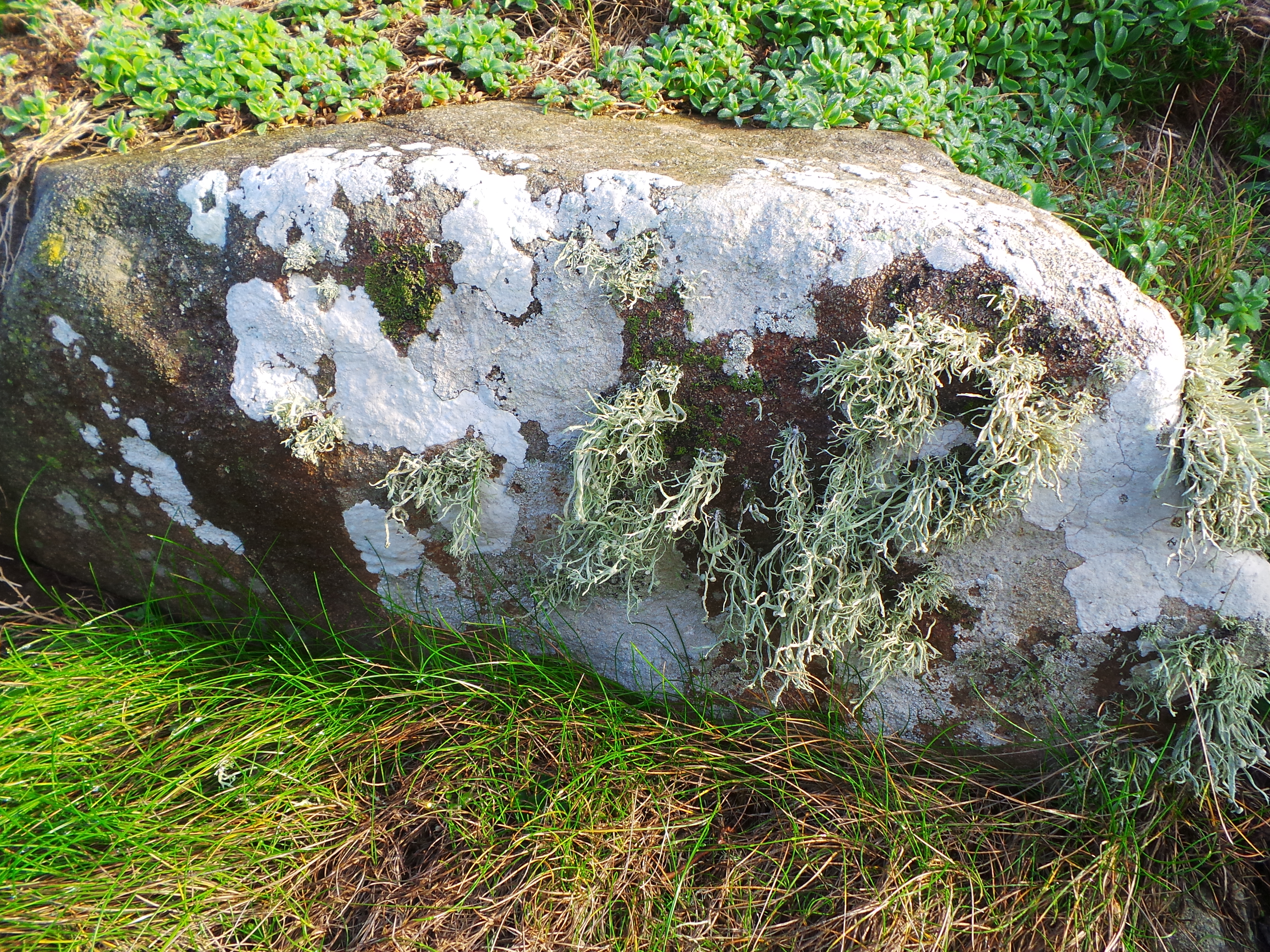
The rock faces were painted in lichen and the grass dotted with fungi even in this bleak place.


2014 11 21_7686  2014 11 21_7688 2014 11 21_7689 2014 11 21_7693  2014 11 21_7694 2014 11 21_76952014 11 21_7692

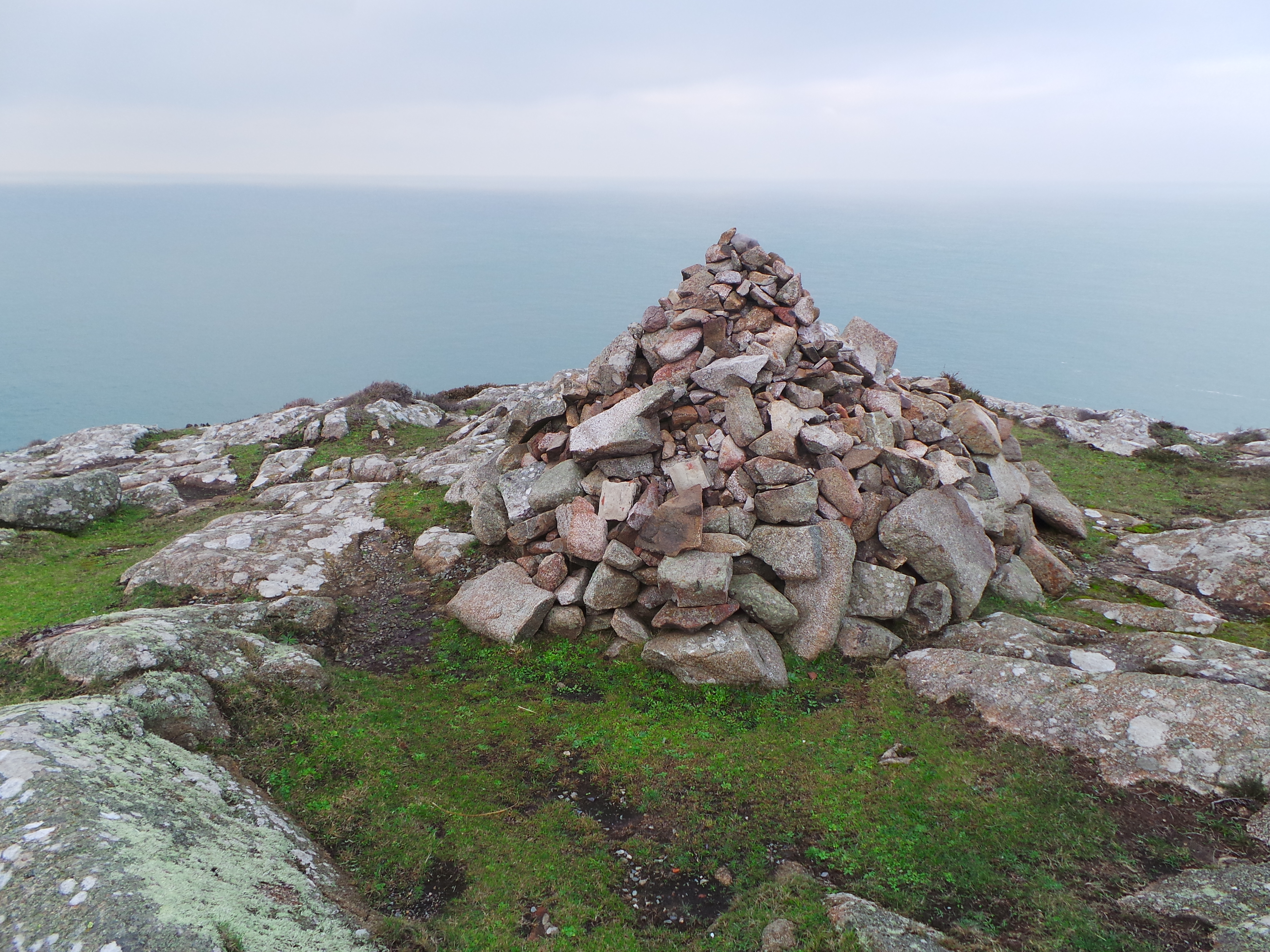
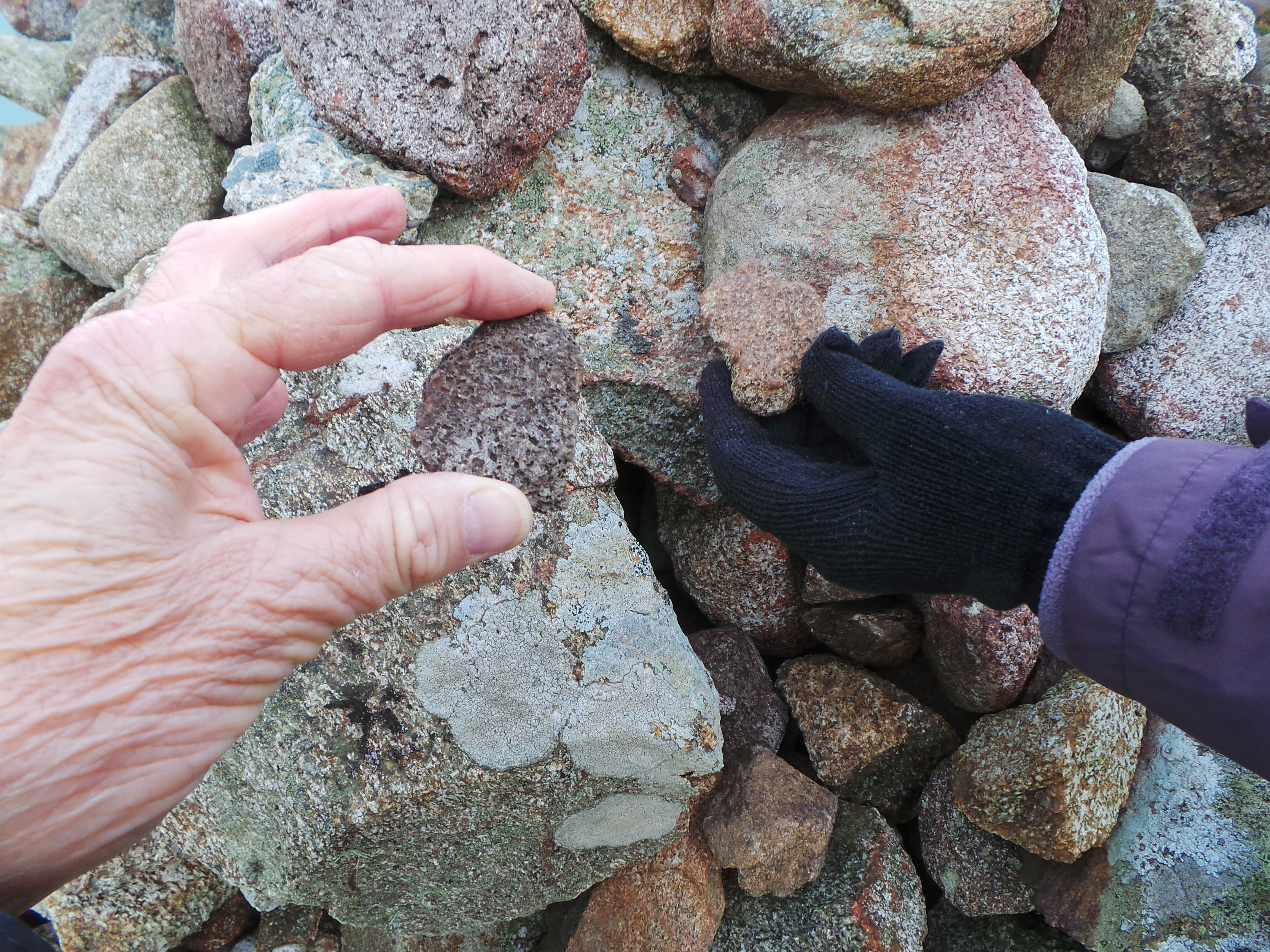
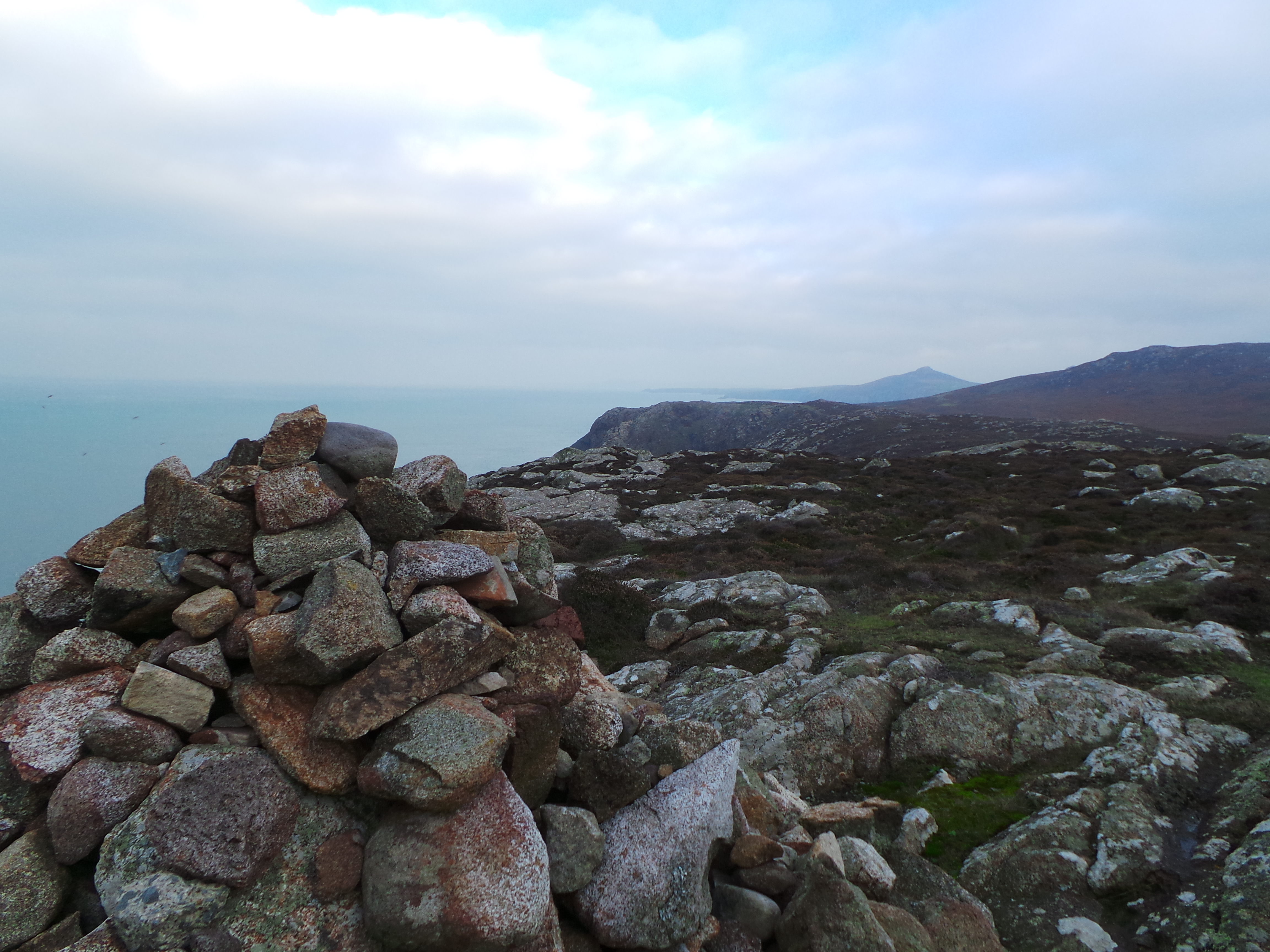
From where we sat we spotted a cairn marking the highest point on the headland. We just had to walk a few hundred yards more. Of course along the way we searched for a stone each to allow ourselves to follow our tradition of placing it on the cairn.

2014 11 21_7698 2014 11 21_7699 2014 11 21_7700 2014 11 21_7701 2014 11 21_7702 2014 11 21_7703


We found returning to our starting point a lot easier following a steady downhill track.

2014 11 21_7706 2014 11 21_7707 2014 11 21_7708 2014 11 21_7709 2014 11 21_7710 2014 11 21_7711

Stonechats followed alongside us as we neared the end of our walk. I managed this one poor photo of one of them.


2014 11 21_7712

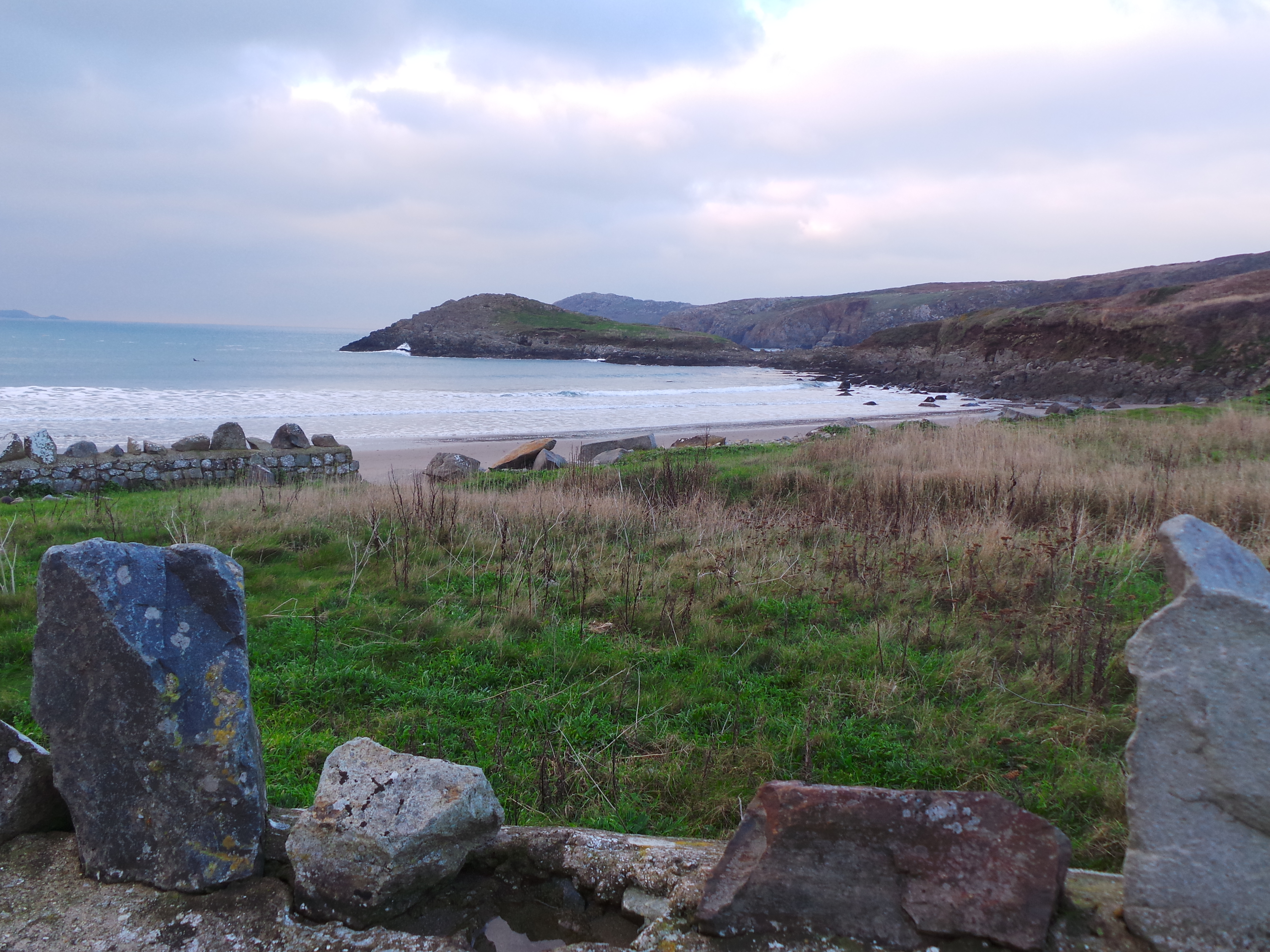
Back where we started off from we can look back over the same wall and appreciate just how far we have been. We could see the headland we had aimed for and reached in the misty distance. We felt exhausted but very satisfied.


2014 11 21_7713

Categories
countryside landscapes light light quality National Trust photography The National Trust the sea the seaside the shore Wales

A Stroll along the Pembrokeshire Coastal Path – Part One

Every year I set myself a challenge that defies my disability. Something totally silly if I take my health into consideration! Something I definitely should not be doing! But these challenges are great fun! I love them! Jude accepts my need to do them but worries when we are following these strange desires. Sometimes I have a need to go a bit further than my actual abilities!

For 2014 my challenge was to walk a mile along a stretch of the Pembrokeshire Coastal Path, probably the most beautiful of Britain’s long distance paths. For me a single mile is a long distance walk! I did it in late November and survived! Okay I suffered for a good few days after but boy did it feel good! I had such a feeling of elation when I finished the walk. Anyone else would have to climb Everest to get the same thrill! My consultant was proud of me. He likes my crazy ideas.
2014 11 21_7605 2014 11 21_7606

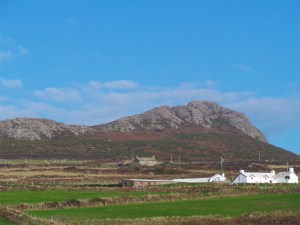
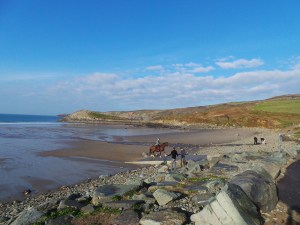
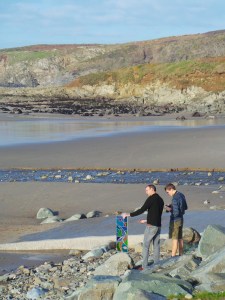
So come with us on our trek along the windswept coast near St Davids. As we dressed in suitable gear for a walk in the cold and most likely wet weather we noticed these two using the beautiful backdrop to take photos of their stained glass window. No doubt some great shots will appear in their promotional materials.
2014 11 21_7601 2014 11 21_76022014 11 21_7603 2014 11 21_7604


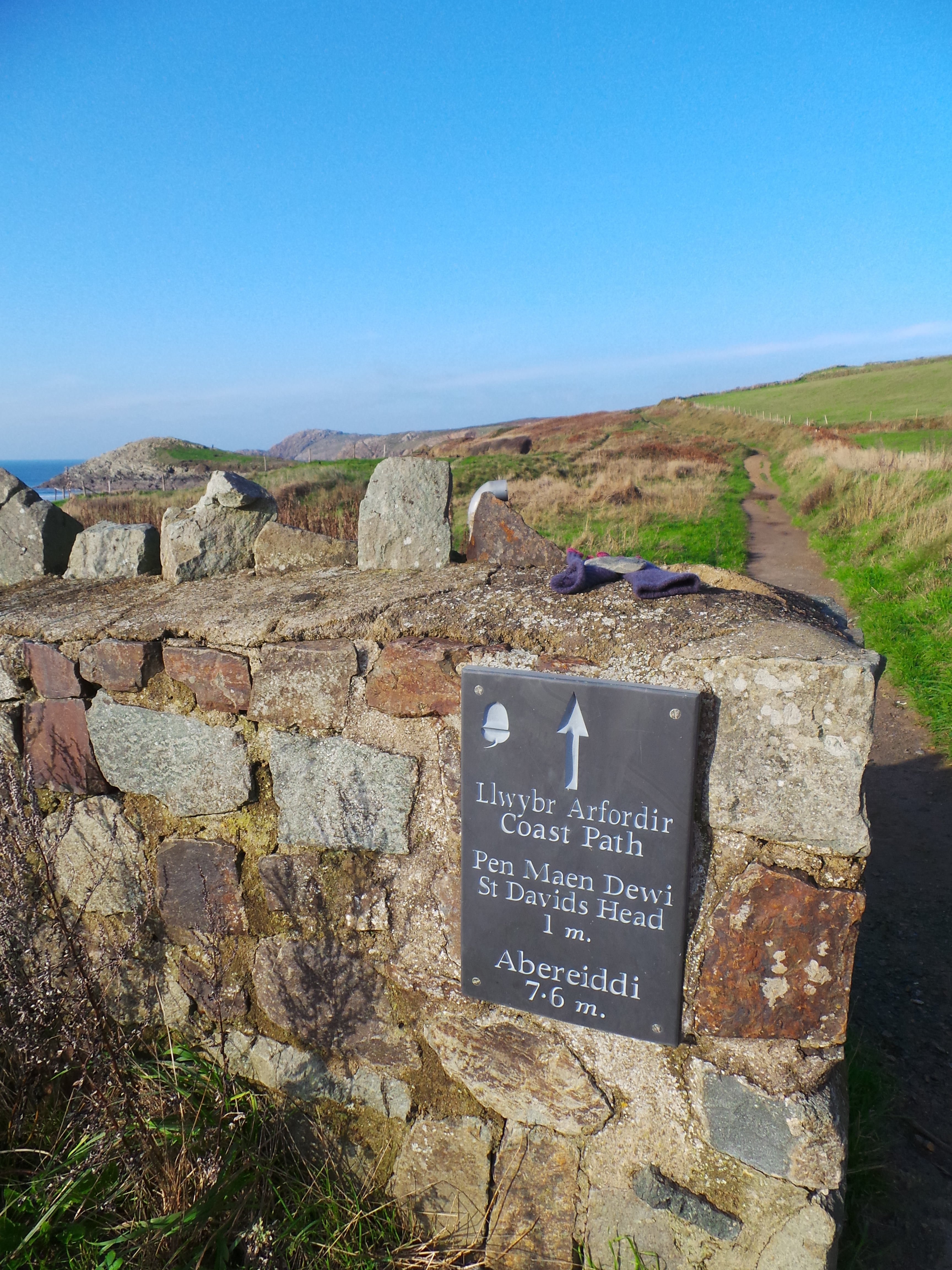
We made our way onto the path by passing through a beautiful stone wall. A sign with wording engraved on slate informed us that the walk to St David’s Head was 1 mile. I hoped to make half way to give us a round trip of 1 mile.

2014 11 21_7609 2014 11 21_7607


2014 11 21_7608


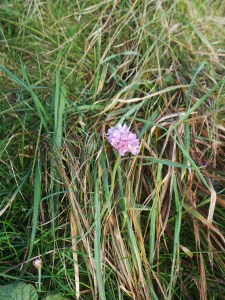
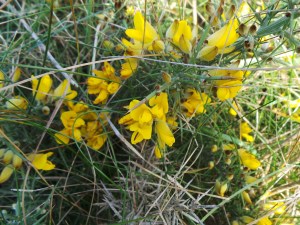
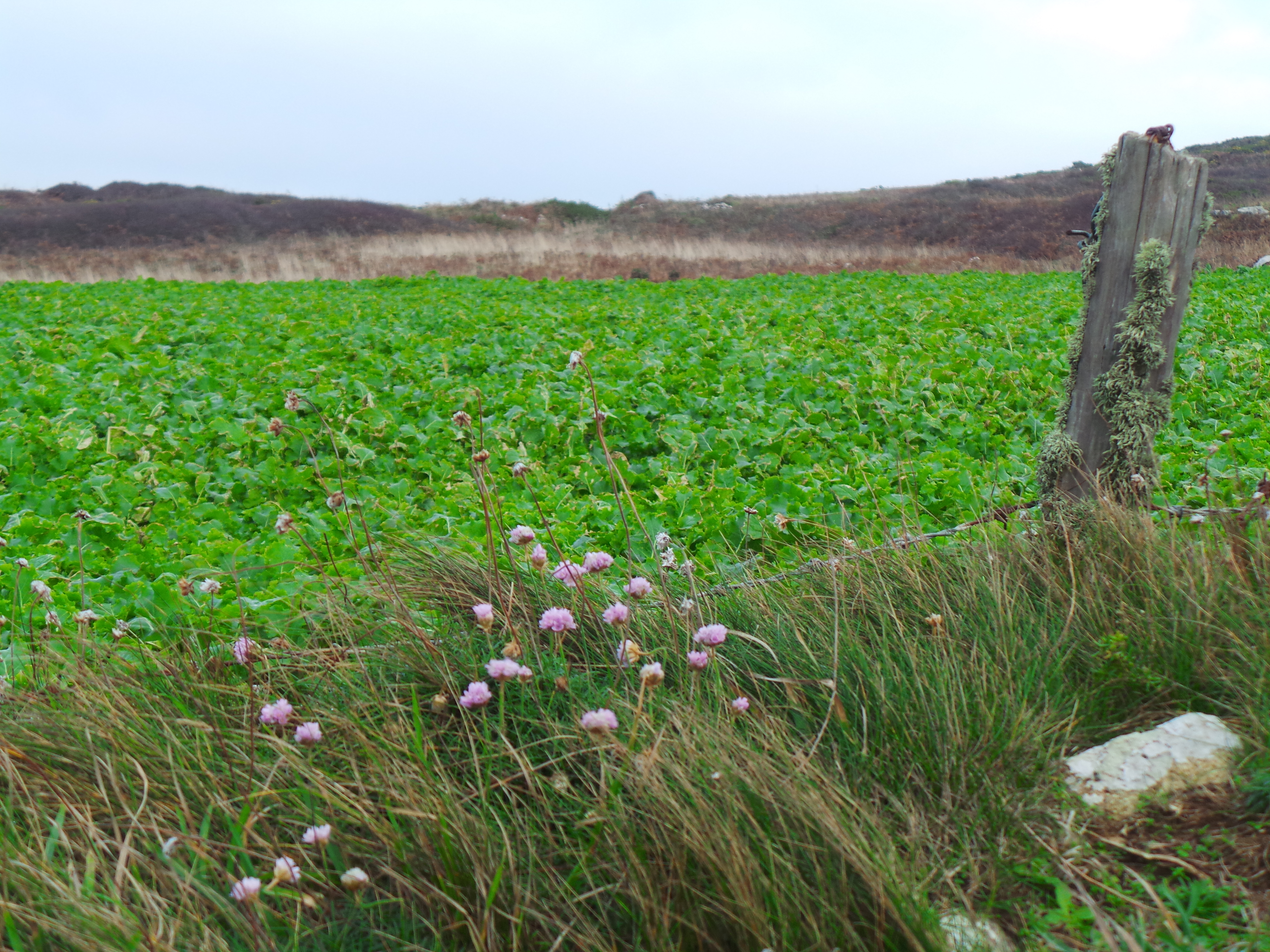
Jude looked ahead and could see just how far away the headland was that I was aiming to reach. She thought I was mad! We soon started finding colour in the tough grasses – wildflowers of coastal habitats. The first was this Armeria, the Sea Thrift. Close by the much brighter coloured Gorse added a bit of sunshine colour.

2014 11 21_7613 2014 11 21_7612  2014 11 21_7617 2014 11 21_7614

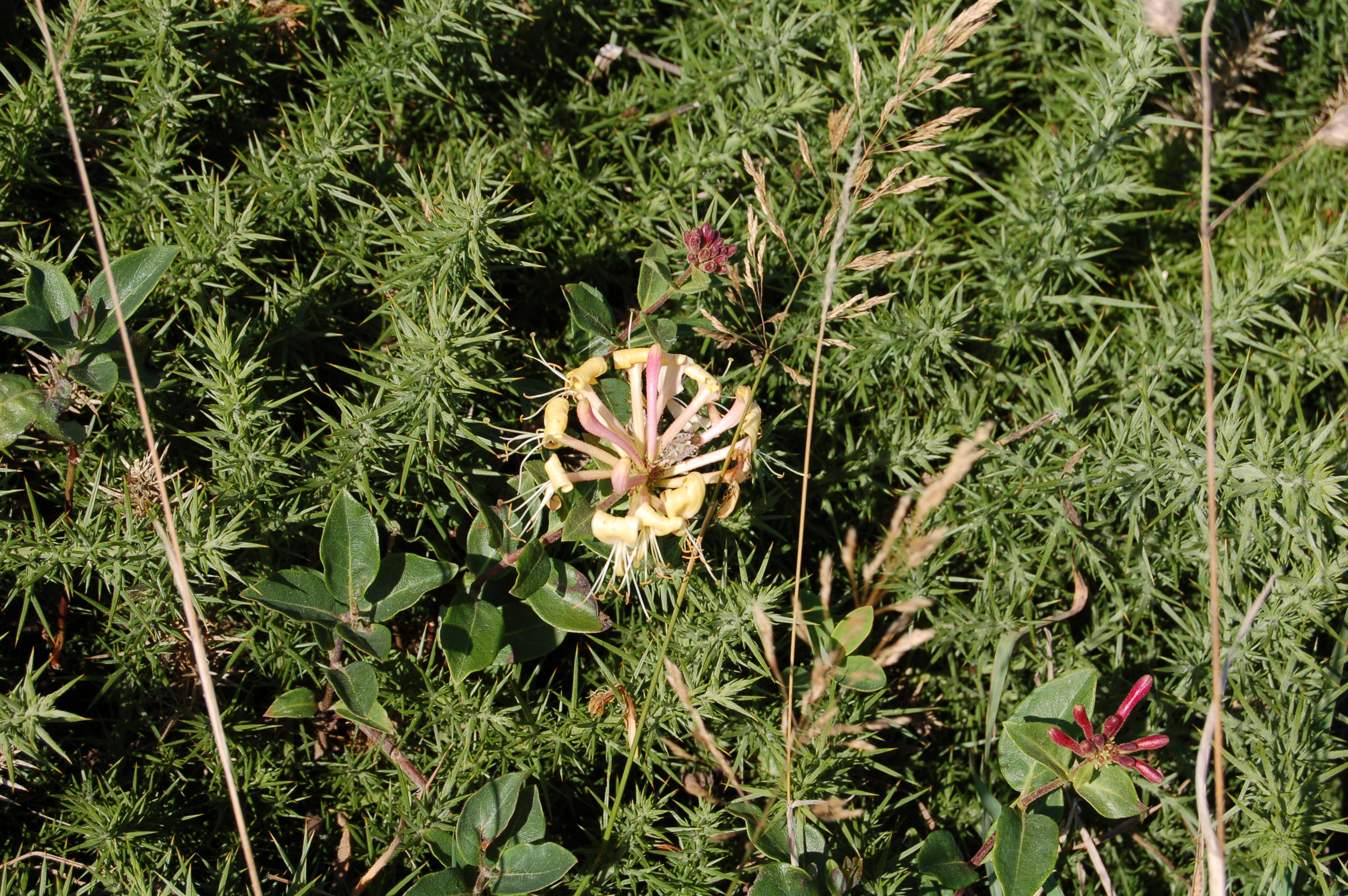
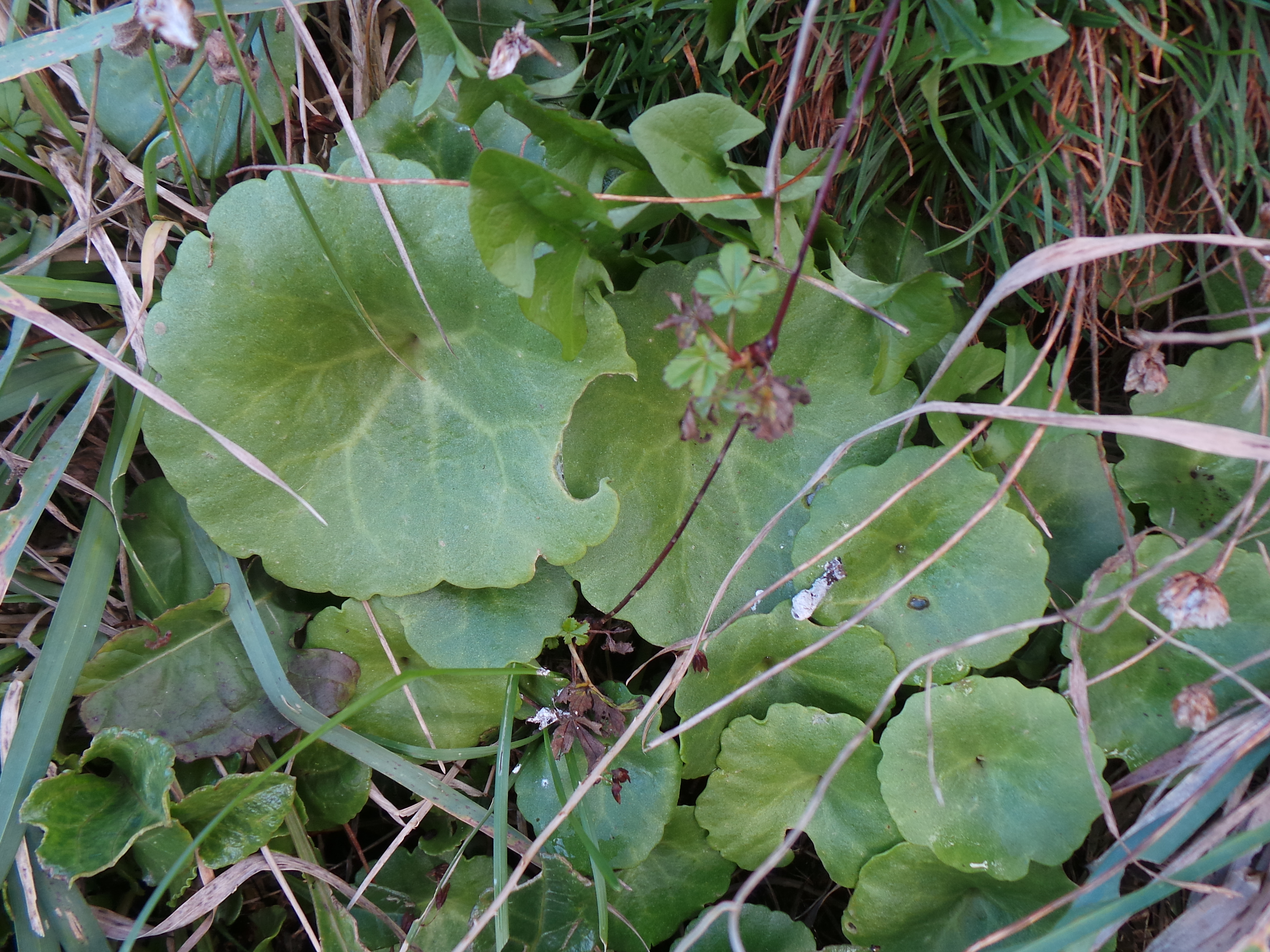
This little delicate plant foiled us completely – neither of us could remember what it was.

2014 11 21_7632 2014 11 21_7635

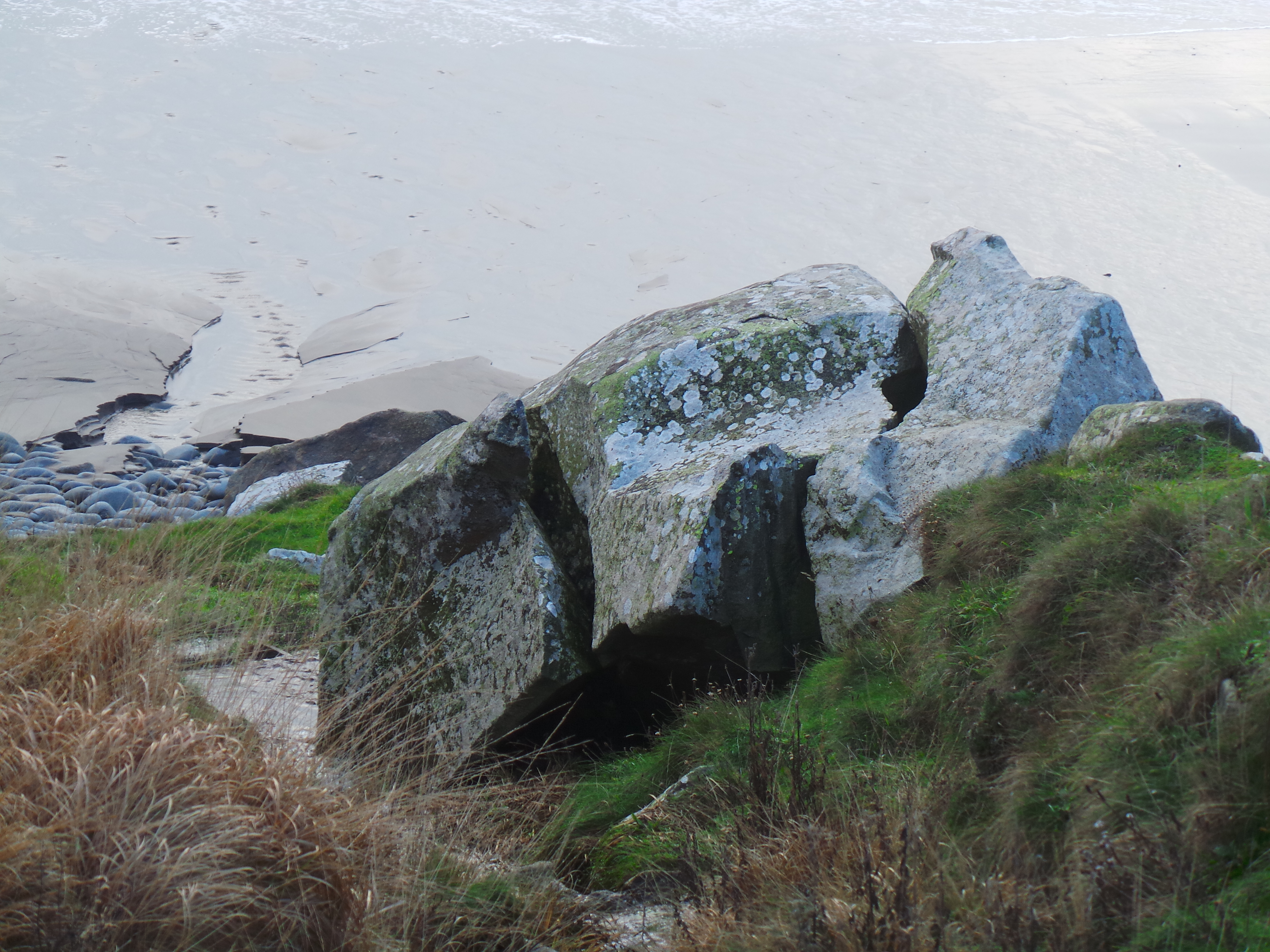
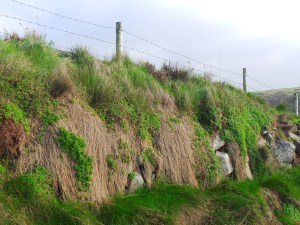
Every rock was painted with Lichen and Mosses. They look just like they have been daubed by an artist. These rocks had fallen from the field boundaries that are specific to this area – stones with soil in the gaps and on top. The soil provides homes for the local flora.
2014 11 21_7620 2014 11 21_7615

2014 11 21_7616 2014 11 21_7621

The light was changing by the minute. We could be in sunshine one minute and then under heavy storm clouds the next. Just see the extremes in the photos below taken within minutes of each other. The temperature varied in the same way – hats and gloves were on and off all the time.

2014 11 21_7618 2014 11 21_7619

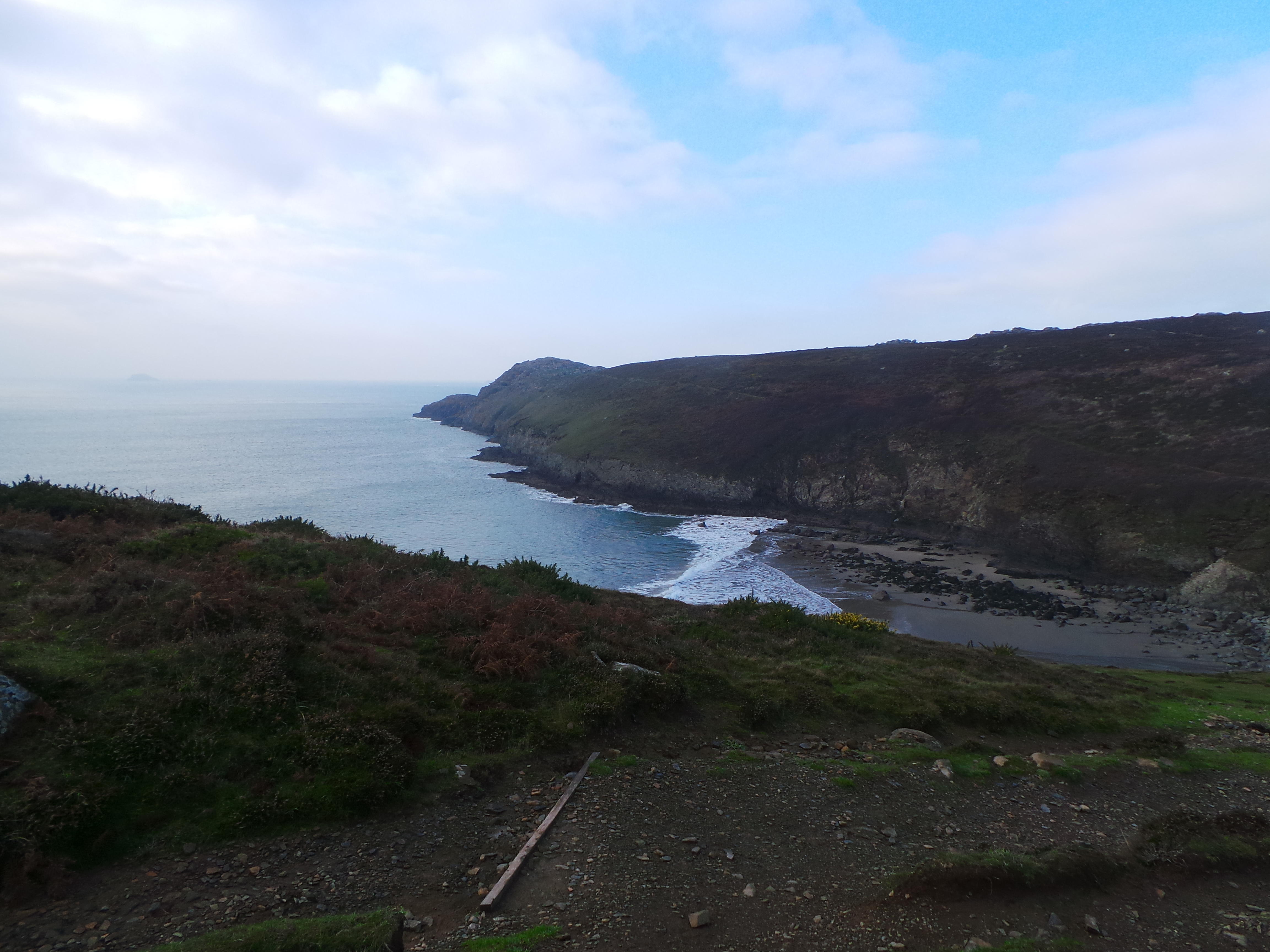
What made this walk extra special was that it gave double value. We had views over the inlets and headlands over one shoulder and views of the countryside inland over the other.
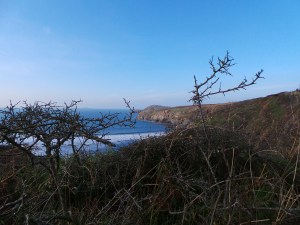
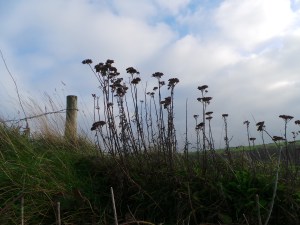
2014 11 21_7622 2014 11 21_7623 2014 11 21_7624 2014 11 21_7625 2014 11 21_7626 2014 11 21_7627  2014 11 21_7629 2014 11 21_7630

2014 11 21_7631 2014 11 21_7633 2014 11 21_7634 2014 11 21_7636 2014 11 21_7637 2014 11 21_7638

2014 11 21_7639 2014 11 21_7640

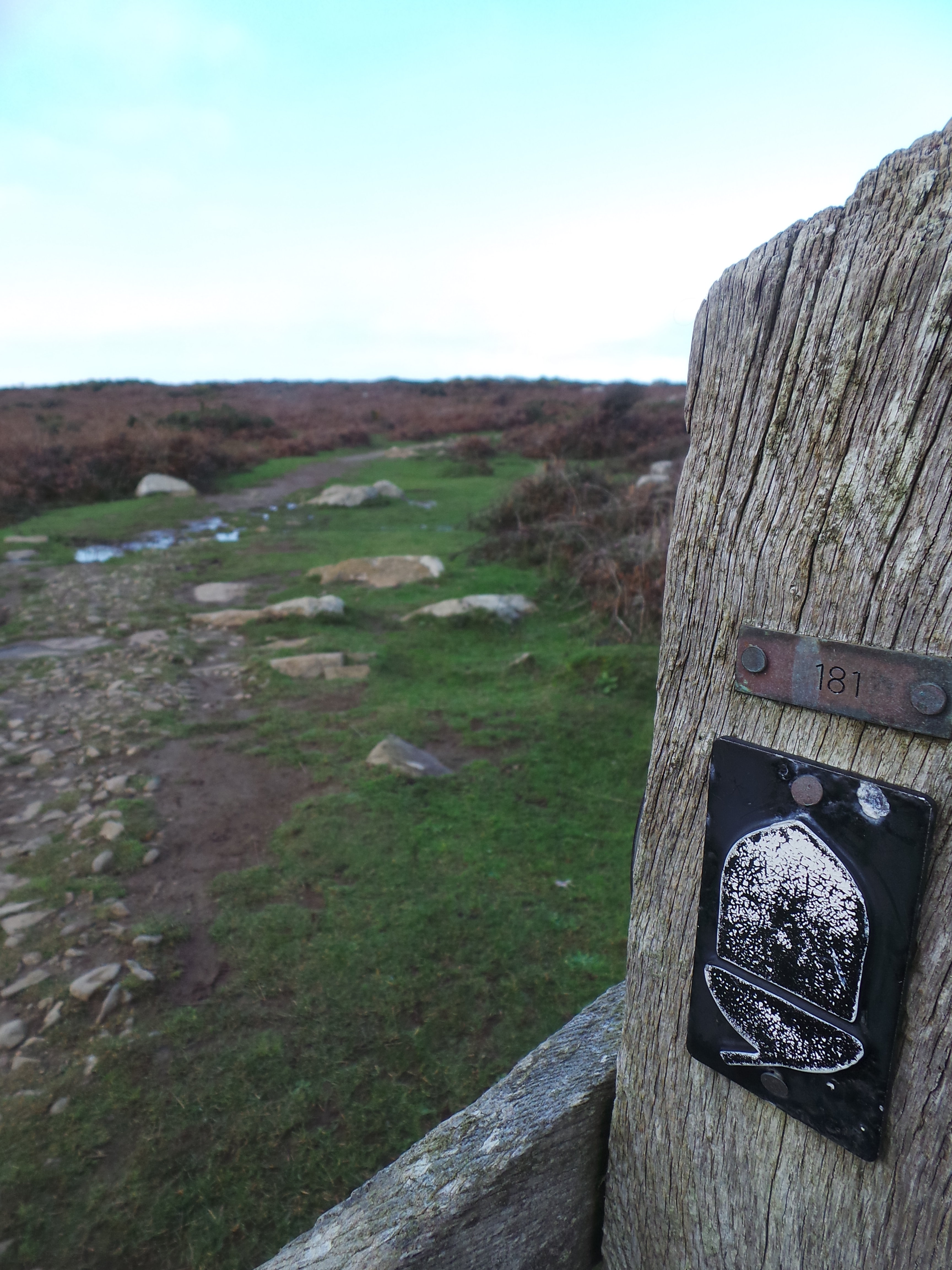
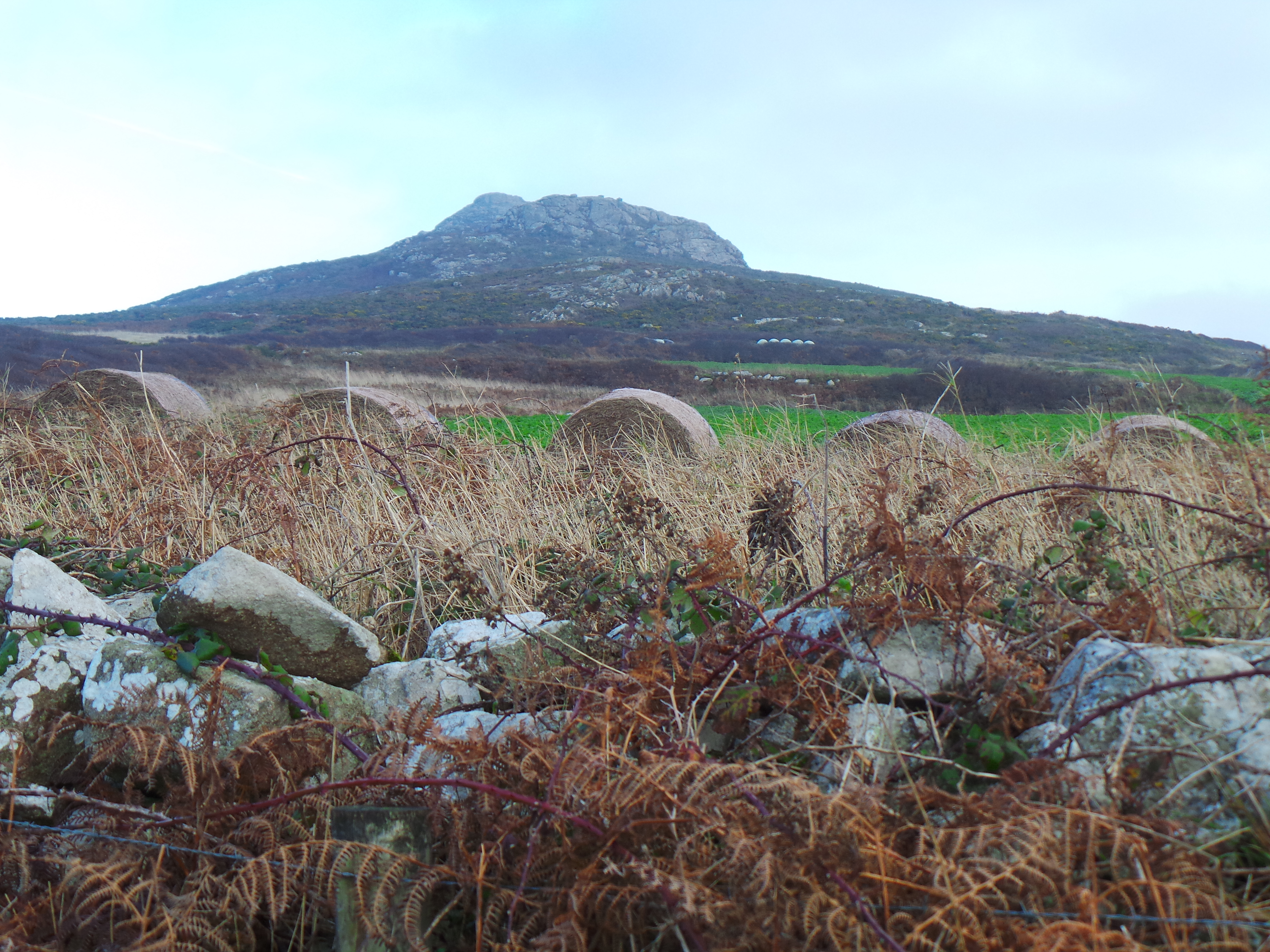
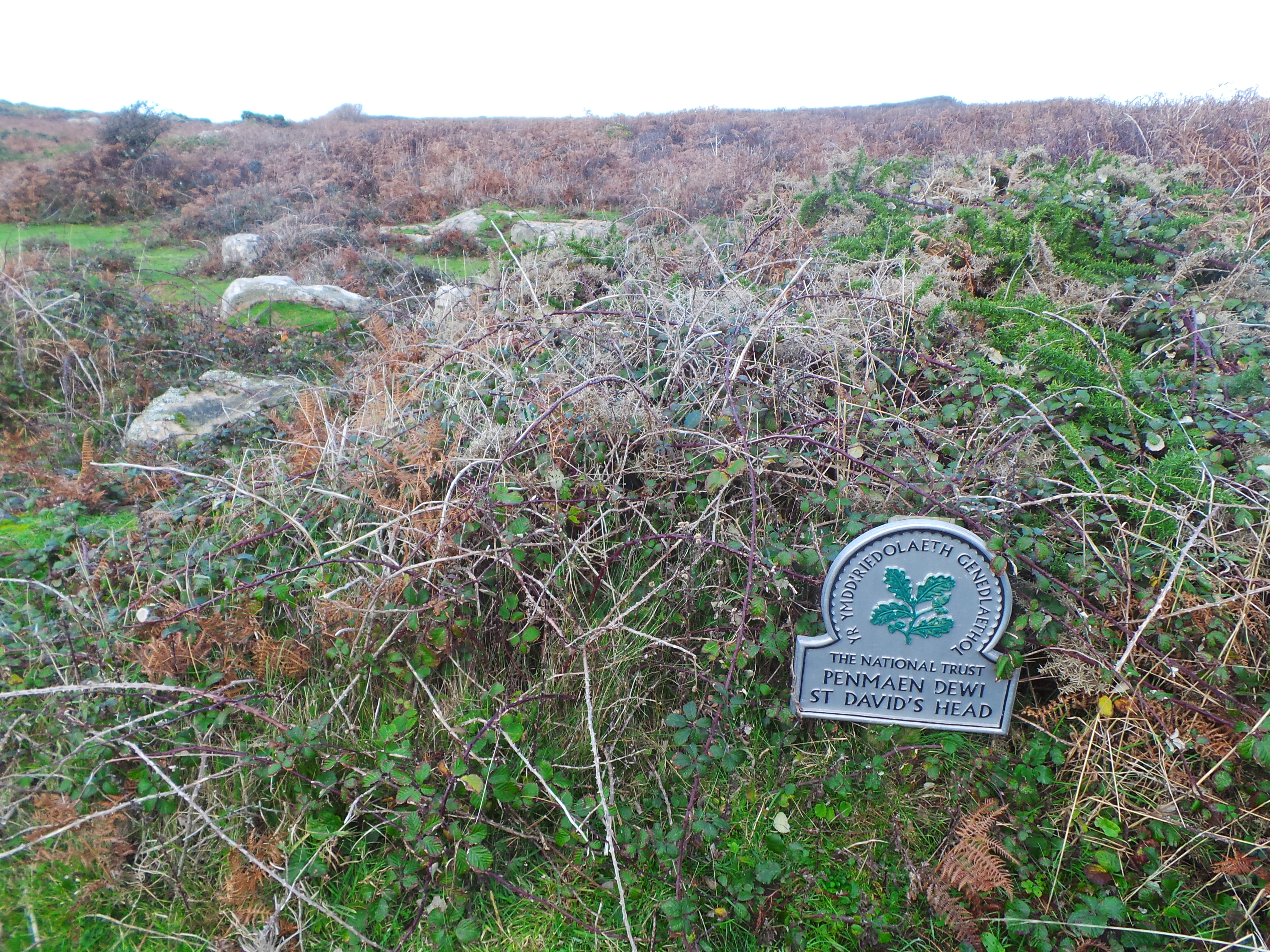
As we passed through a wooden gate the landscape changed and the views opened up. The signs on the gatepost invited us to carry on with our walk but be careful not to fall off the cliffs! We hadn’t been planning to! The National Trust sign informed us that we were on St David’s Head. We realised then that we had already walked further than we had intended. We should have turned back and made our way back but my stubborn nature won over and we decided to carry on perhaps making it to the headland in the far distance. This would give us a total walk of two miles. Far more than I should have been contemplating! We had rugged open moorland to cross to reach the headland itself.
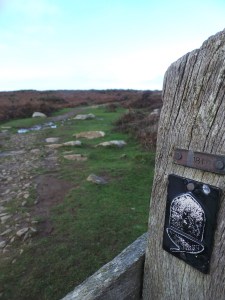
 

2014 11 21_7643 2014 11 21_7644 2014 11 21_7645 2014 11 21_7646 2014 11 21_7647 2014 11 21_7648


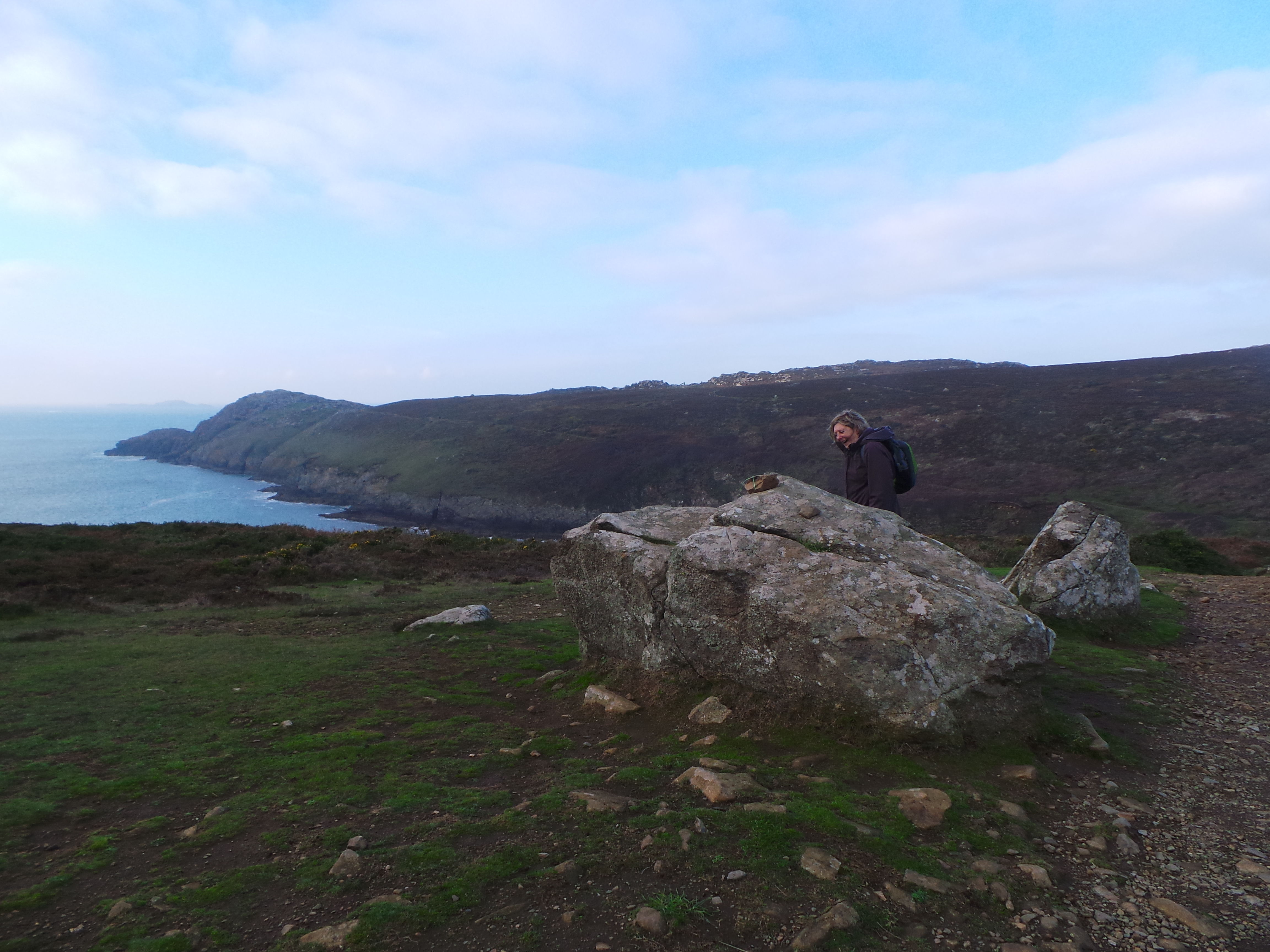
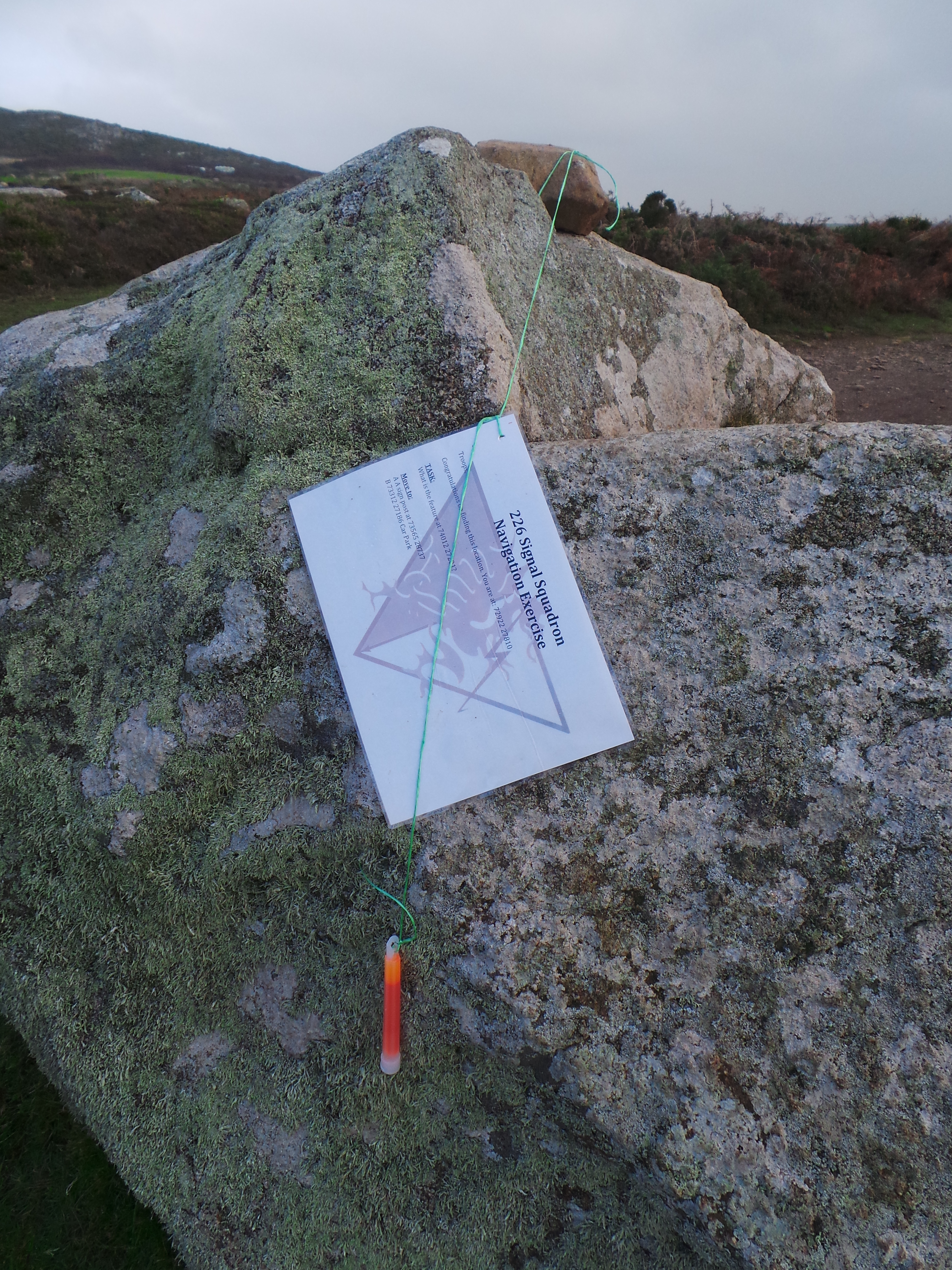
Jude was fascinated by a label hanging over a rock and just had to have a close look. We found it was a marker point on a trail laid out as part of an army training session. We were tempted – just for a moment – to pick it up and take it back to the local barracks to tell them we had found this label. Common sense prevailed however and we resisted the temptation.
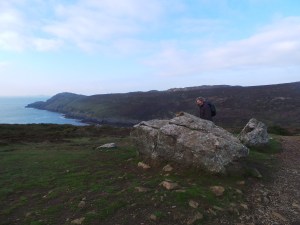
2014 11 21_7649 2014 11 21_7650

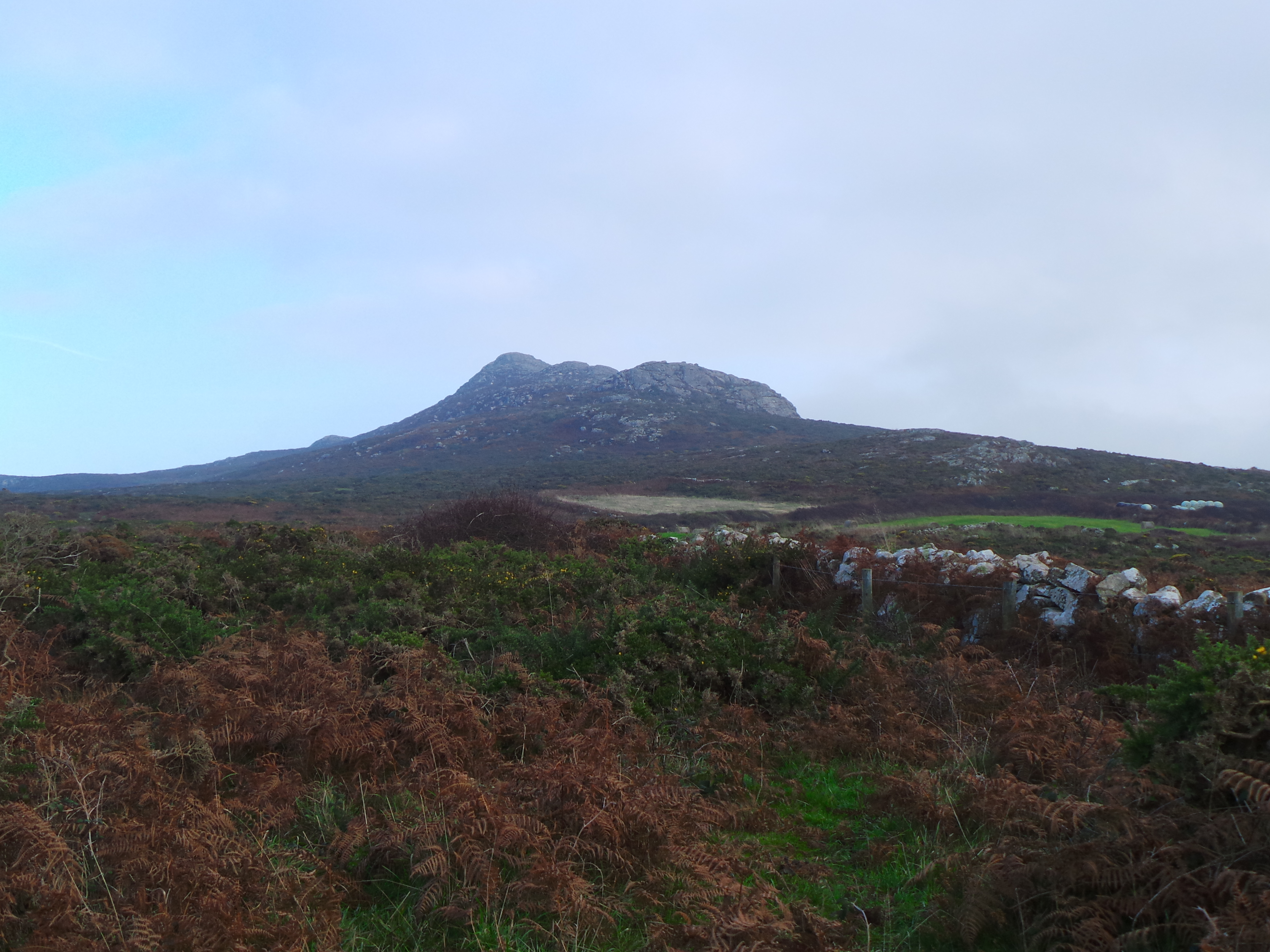
In the photo below we can see the headland for which we were aiming right on the horizon.
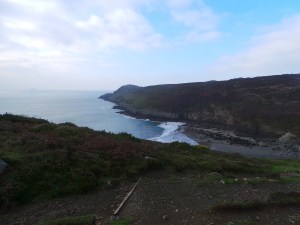
 

2014 11 21_7651

My legs are aching and pain is creeping up my spine just writing this post and loading the photos so we shall take a break for now and return in Part Two.



This Veggie Life

A Vegetarian | Nature Lifestyle Blog

Rambling in the Garden

.....and nurturing my soul

The Arch City Gardener

Journeys In St. Louis Gardening and Beyond

Garden Dreaming at Châtillon

Consult the genius of the place

Storyshucker

A blog full of humorous and poignant observations.
gardeninacity

Notes from a wildlife-friendly cottage garden

PlayGroundology

...an emerging social science

The Official Blog of British Wildlife

'The most important and informative publication on wildlife of our times' - The Independent. This blog is a member of The UK & Ireland Natural History Bloggers group: www.uknhb.blogspot.com

iGrowHort

Inspire - Cultivate - Grow Native Plants - Restore Landscapes

Bishops Meadow Trust

To create and protect a semi-natural wild space for the people of Farnham to enjoy and experience an array of British wildlife in our town

Gardening with Children

The www.gardeningwithchildren.co.uk Blog

UKbirdingtimeline

birding through the seasons, why birds matter and how to conserve them

NATURE WALKER

with a camera in hand

Jardin

Transform your outdoor space

Eva's space

My allotment, cooking and other interests

Old School Garden

my gardening life through the year

LEANNE COLE

Trying to live a creative life

fromacountrycottage

trying to live as lightly as possible on our beautiful planet

Good Life Gardening

Nature lovers from Leicester living the good life.

mybeautfulthings

Finding the beautiful in the everyday

mawsonmichelle

Michelle's Allotment

In and Out of My Garden

thoughts from and about my garden

Greenhousing

Big plans for a small garden

The Scottish Country Garden

A Walled Country Garden in South East Scotland

The Fruity Chicken

Life at the fruity chicken

willowarchway

Off grid living. Self sufficient. "PERMAGANICS RULE".

St Anns Allotments

Nottingham's Grade 2* Listed Allotments and Community Orchard

Manifest Joy Harvests

a journey in suburban vegetable gardening

Allotmental

The madness of growing your own

Penny's Garden: a harvest beyond my front door

A novel approach to vegetable gardening

arignagardener

Sustainable living in the Irish countryside.

NewEnglandGardenAndThread

Master Gardener, amateur photographer, quilter, NH native, and sometimes SC snowbird

dianajhale

Recent work and work in progress and anything else that interests me

planthoarder

a chaotic cottage gardener

Lens and Pens by Sally

a weekly blog that creates a personal philosophy through photographs and words

Dewdrops and Sunshine

Stories from a sassy and classy Southern farmbelle.

The Pyjama Gardener

Simple Organic Gardening & Seasonal Living

gettin' fresh!

turning dirt into dinner

JOY...

today the world is created anew

Garden Birds

Notes from a Devon garden

ShootAbout

Life Through The Lens

Adapting Pixels

A photography blog showcasing the best photography pictures and videos on the internet

Wildlifegardening's Blog

Just another WordPress.com site

naturestimeline

personal observations from the natural world as the search continues for a new approach to conservation.

LATEBLOOMERBUDS

The Wonders of Life through my Eyes, my Heart, my Soul