Categories
birds colours flowering bulbs garden photography garden wildlife gardening gardens grasses hardy perennials irises roses Shrewsbury Shropshire shrubs village gardens wildlife Winter Gardening winter gardens

My Garden Journal – December 2017

I decided to post my final Garden Journal 2017 post for my Christmas post this year. I hope you enjoy it. Have a great Christmas time!

Here is the final episode of my 2017 Garden Journal, my entries for December. I have already been to my art suppliers and purchased books to become my 2018 Garden Journal. As usual I have changed the size and gone for a larger landscape bound drawing book. But for now let me share my December pages.

I began by looking at the bird-life feeding in our garden in December and in particular the characterful Tawny Owl. I did a painting of these wonderful owls using fine fibretip pens and Japanese watercolour pens.


I wrote, “Birdlife in our garden in December is generally quiet. Squeaks of Dunnocks sneak out from the shrubbery and Robins share their watery liquid winter song. Winter migrant Thrushes soon fill the garden with chatter.

Most noisy of all are our Tawny Owls who call loudly when the light fails and darkness overpowers the garden. We open the patio doors to listen more intently and drink in  the atmosphere these owl calls create.”

Turn over the page and we find a double page spread looking at garden editing and seedheads and I include a great quote from one of my favourite garden designers, Dan Pearson.

“December for us is a key month in our garden editing period. It is when we move plants, take plants out that are past their best and completely re-design and re-plant some areas. I was so pleased to read in his book, “Natural Selection”, that Dan Pearson thinks the same.”

“Editing the garden is a gradual process of  elimination, and I like to let nature take its course and for foliage to find its way back into the ground in its own time….. I savour many perennials for their winter seedheads,  form and structure, and this is what I edit back to so that there is plenty for the winter sunshine for the winter sunshine to fall upon.

Removing the clutter lets you see the things in a new light, but you need to retrain your eye in winter to see things in a more economical way. It is good to understand the structure of a garden  and to aim for it to be as handsome as it can be.”

“Seed heads of perennials take centre stage in our garden this month. When snow arrives our seed heads completely change their character. They appear strong enough to withstand snow’s weight.

Snow in December has become a rare occurrence in recent years as our climate changes. In fact we have not seen any December snow since 2010 and 2011. This year saw this all change. A foot of snow fell in a two day period and the garden looked weighed down, slumped and bent low”.


“We love to see how the snow changes the characters of our pieces of sculpture by strengthening their shapes and sometimes creating silhouettes”.


Turning over the page we meet lots of colour, winter bedding plants and our plant of the month.

I wrote “We like to use winter bedding plants in pots to add extra colourful, bright patches to our winter borders. Violas and Cyclamen are two of our favourites often linked with the gentle colour and textures of grasses.”


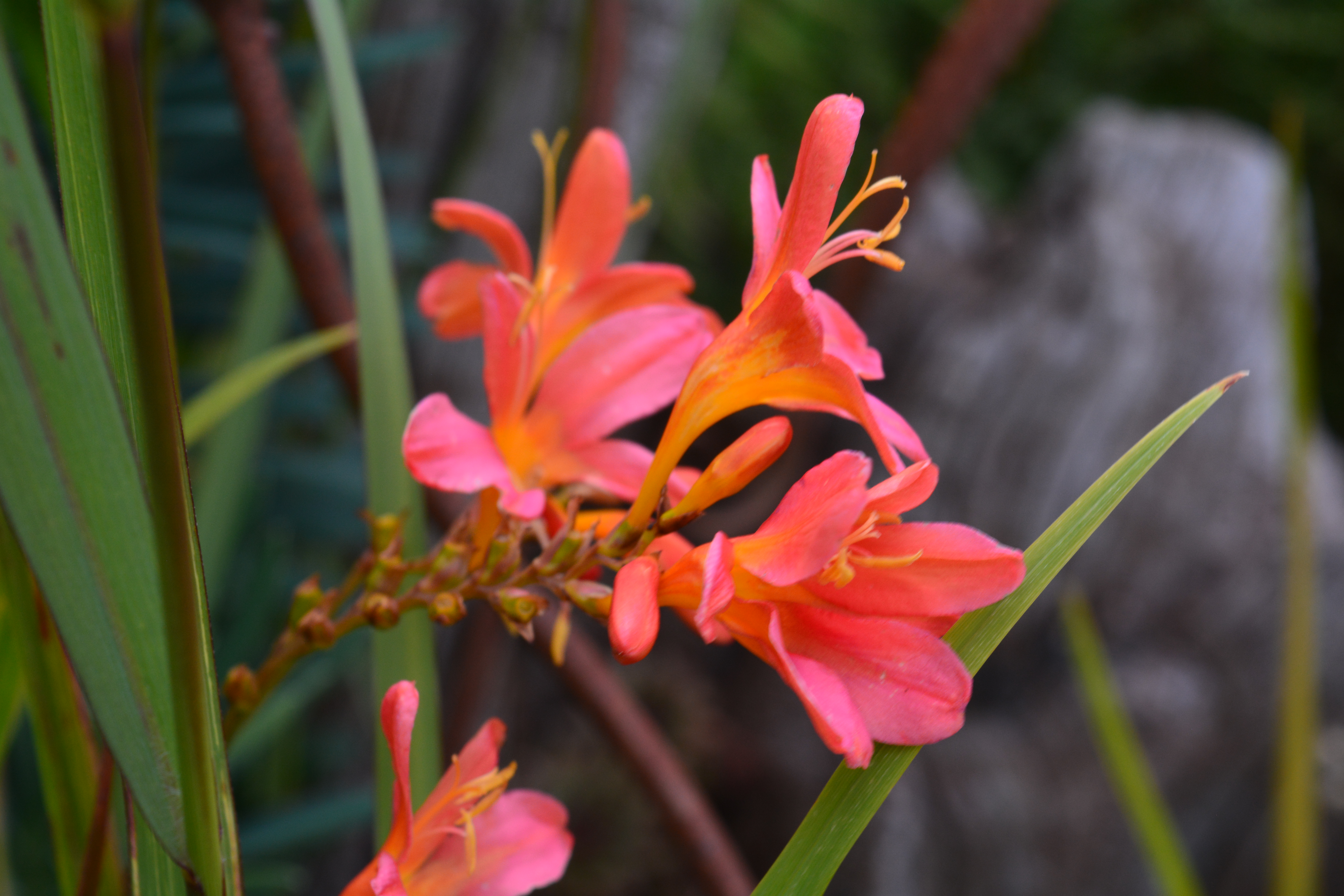
“Our plant of the month for December is Hesperantha which flower strongly at this time of year, glowing bright pinks and reds.”


My final page in my Garden Journal 2017 is all about the surprises that the garden treats us to in December, bright colours that lift the heart. You will notice that I have included more pictures in the post than were originally in the journal, but I simply ran out of space in my book. I hope you enjoy the extras!

“Red surprises in the winter garden can warm the heart and souls of the garden and the gardener alike. Joined by splashes of oranges these colours warm us up nicely.”

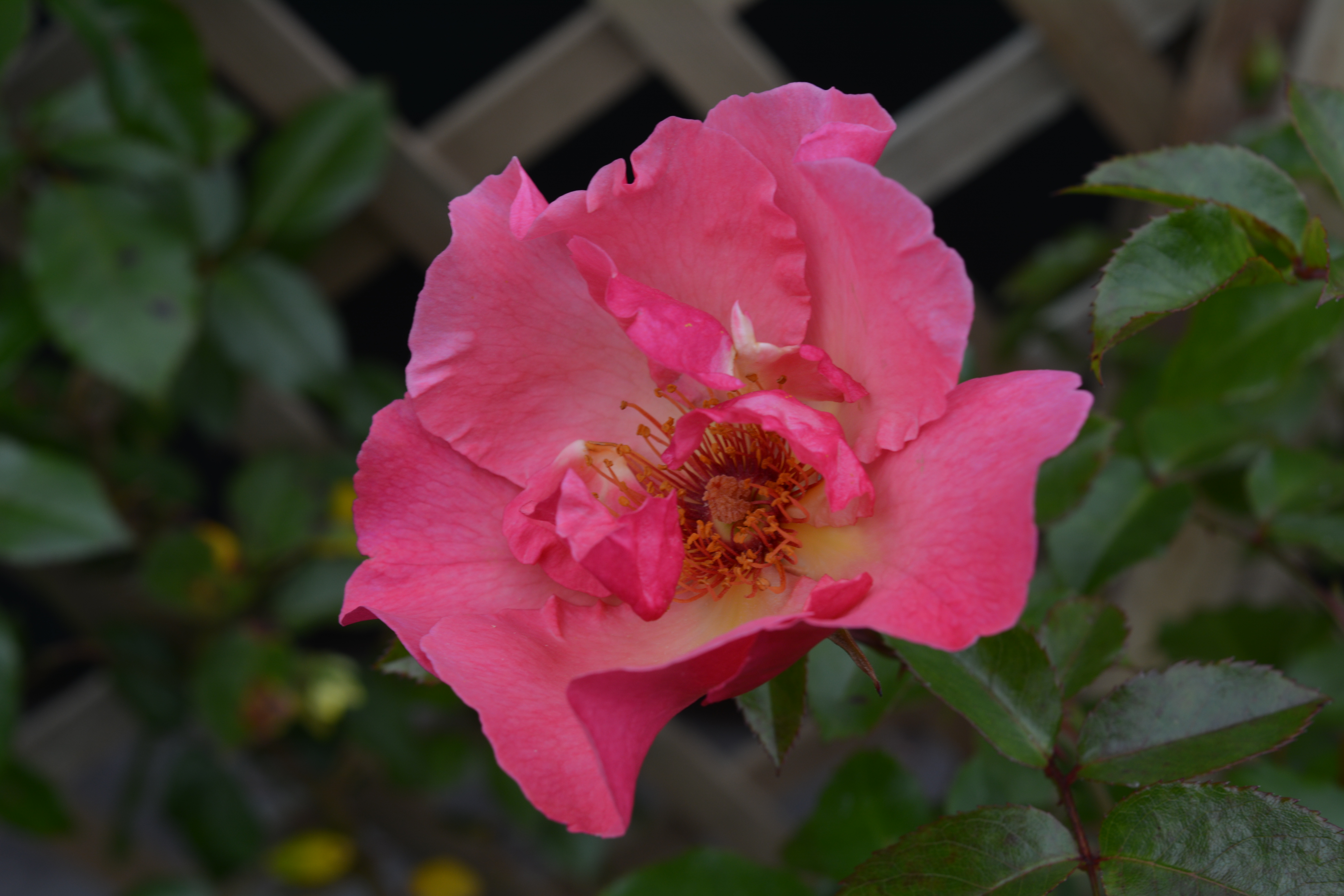
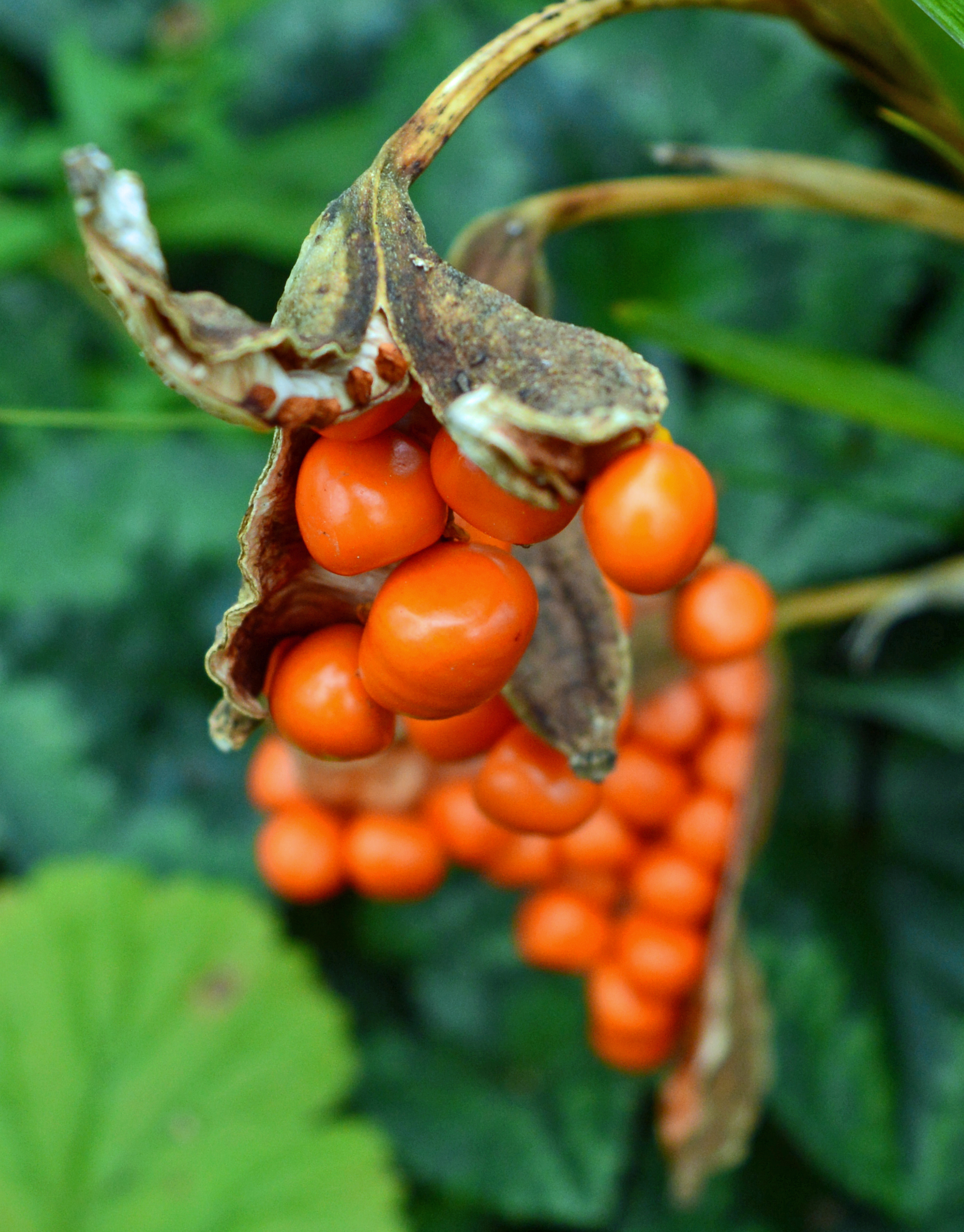
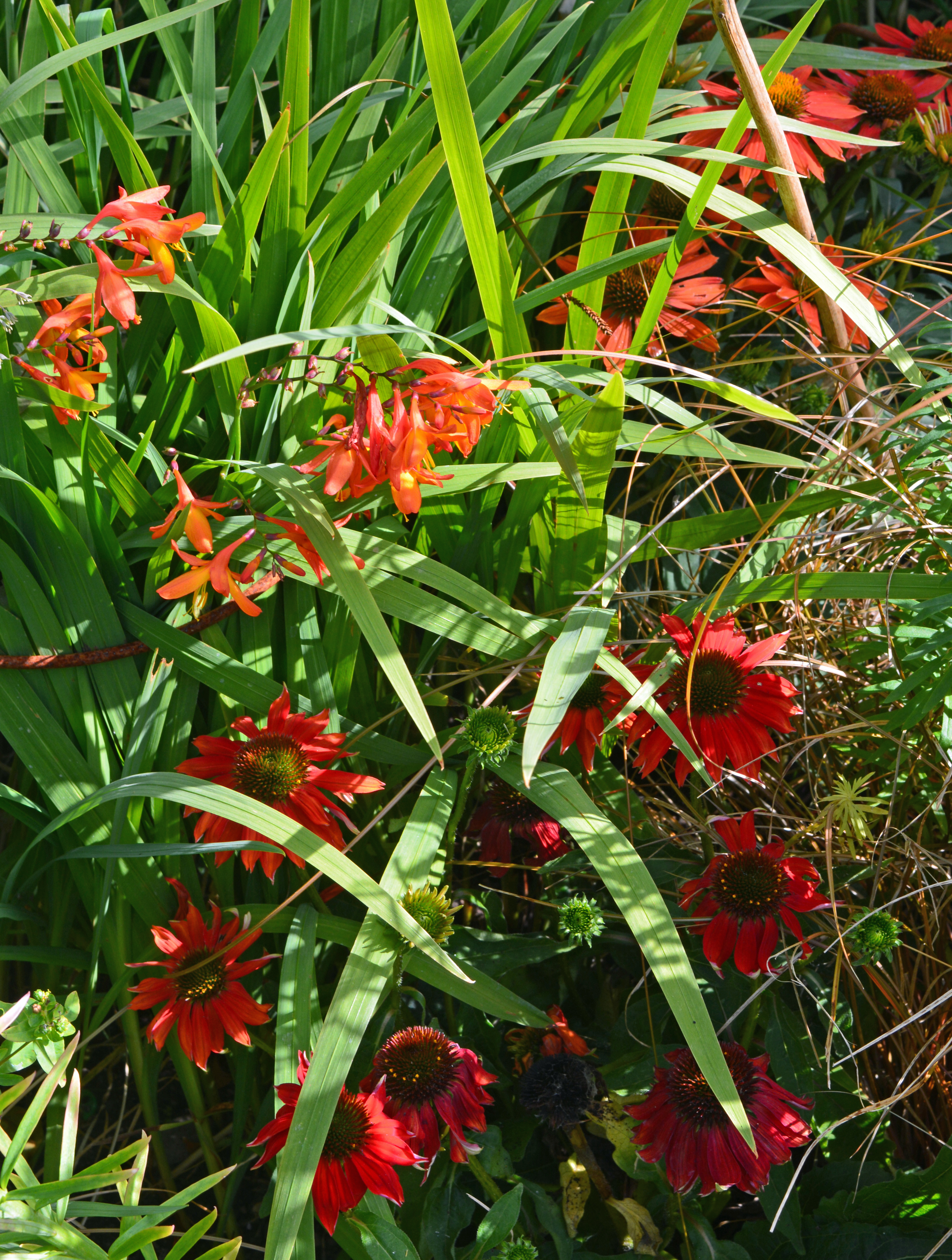
The reds and oranges are provided by coloured stems of shrubs, odd blooms on roses, the berries of Iris foetissima and the late colours in Acer leaves. So much colour to end the year.


It is good to finish my year of reports on such a positive colourful note. My Garden Journal will return next year!


Categories
autumn autumn colours colours flowering bulbs garden design gardening gardens gardens open to the public half-hardy perennials hardy perennials kitchen gardens light light quality National Trust pathways photography Shrewsbury Shropshire The National Trust woodland woodlands

A Walk in the Park – Attingham Park November

Number eleven in my series of posts where I report on our monthly visits for a wander around Attingham Park, our local National Trust property. Just as in October I was in a wheelchair pushed around the paths by Jude, the Undergardener so some of the photos will look taken from a low angle. Please enjoy sharing our visit with us!
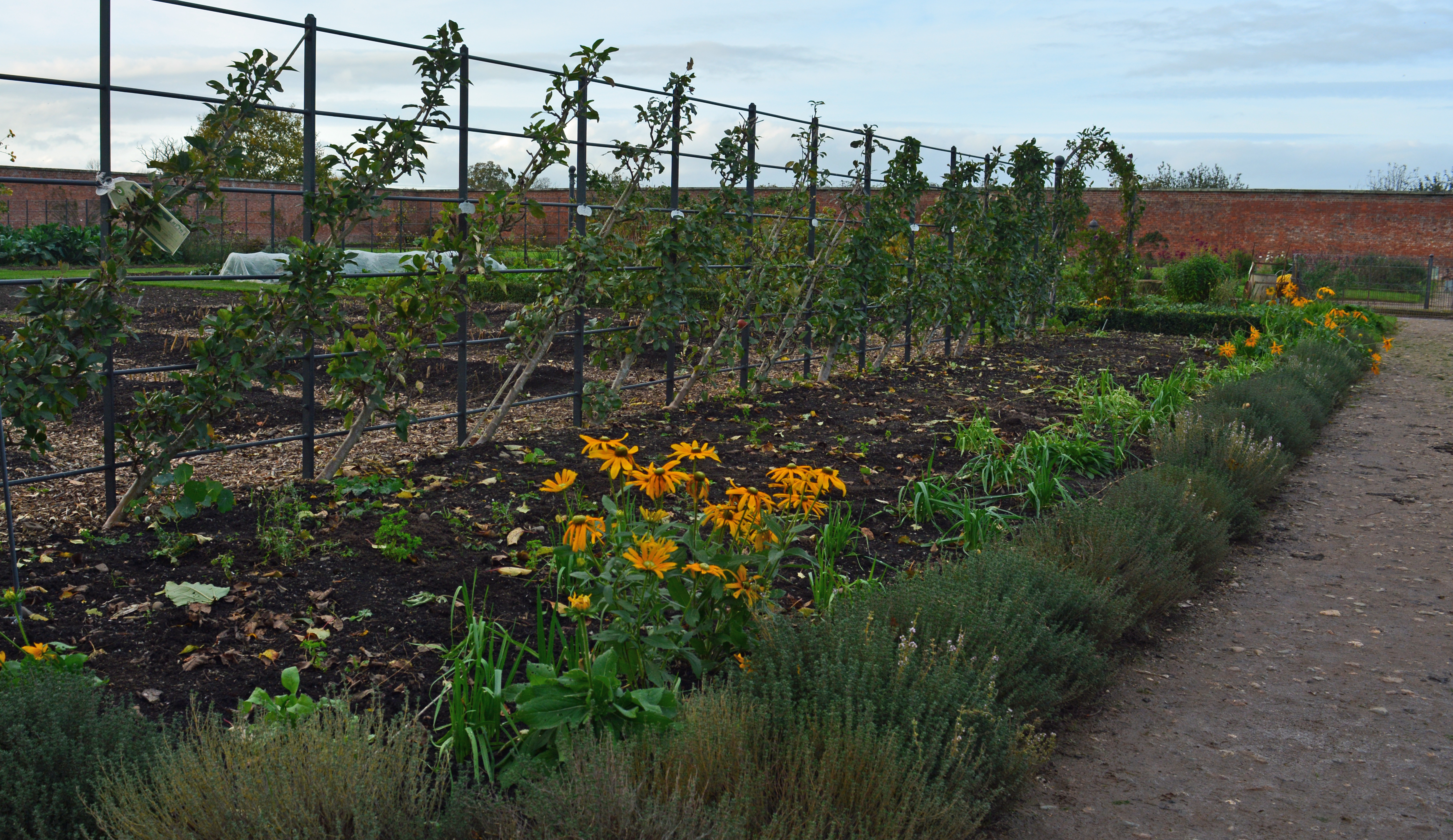
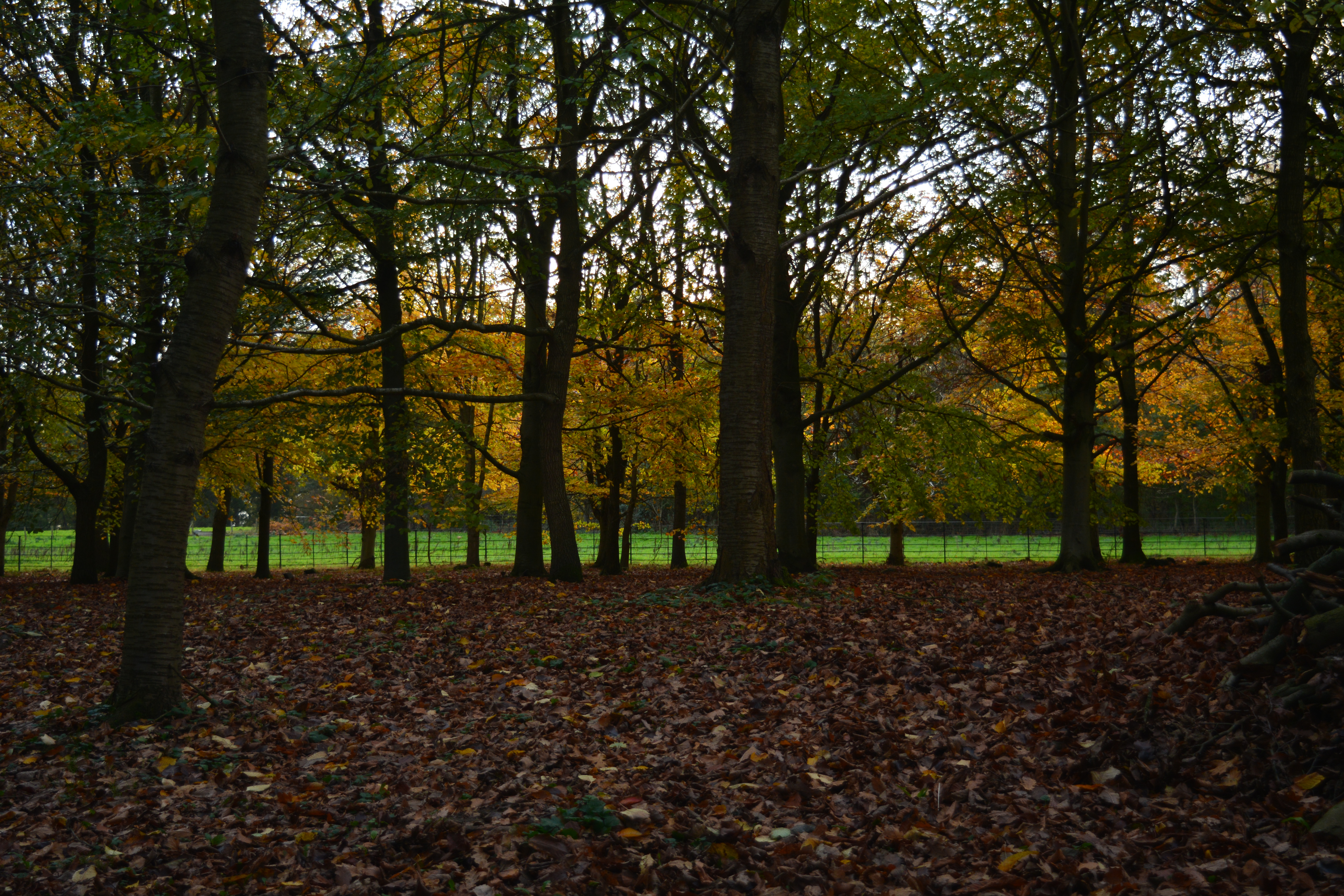
We decided to follow the One-Mile Walk and as usual made our way firstly towards the Walled Garden. Autumn had settled in although some varieties of tree still held onto a full complement of foliage, awaiting another few days of frosts to join into the feeling/essence  of the season. The colourful mixed herbaceous and annual flower borders which have been welcoming us into the walled garden have almost lost their colour with just a few yellow-flowered Rudbeckias extending the show.


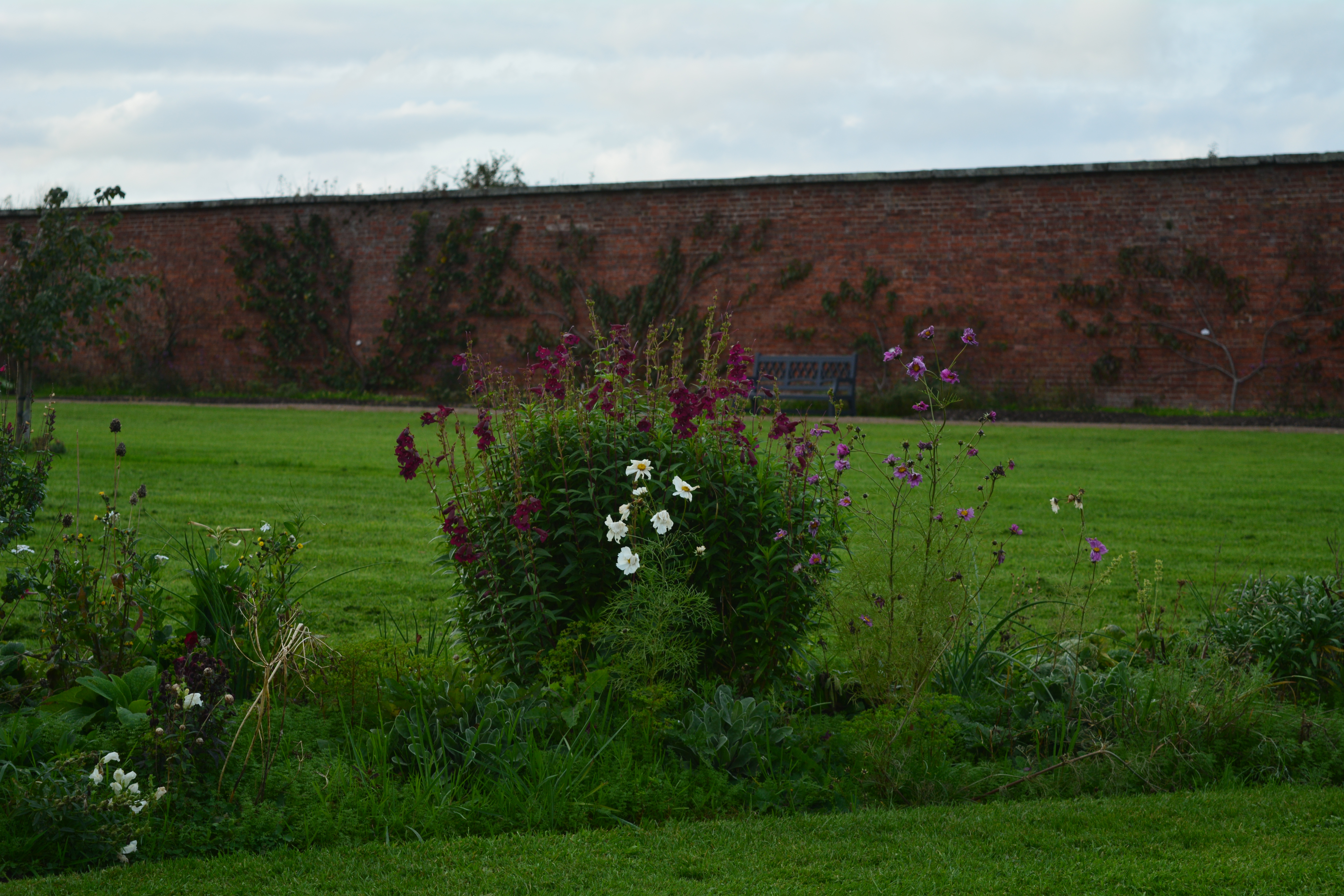
The borders around the central circular dipping well still showed colour from healthy-looking specimens of Penstemen “Garnet” and a few white flowers as companions.


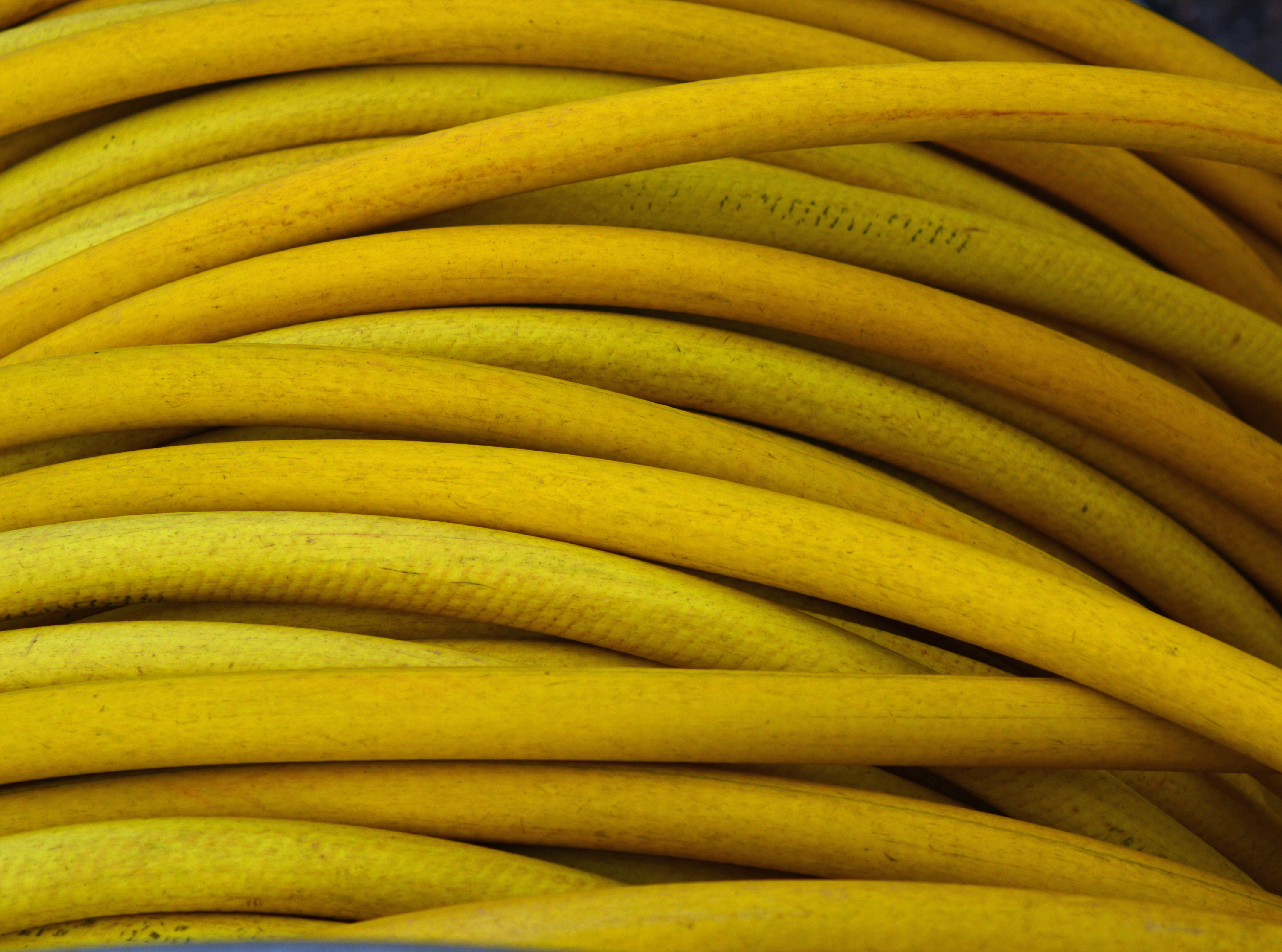
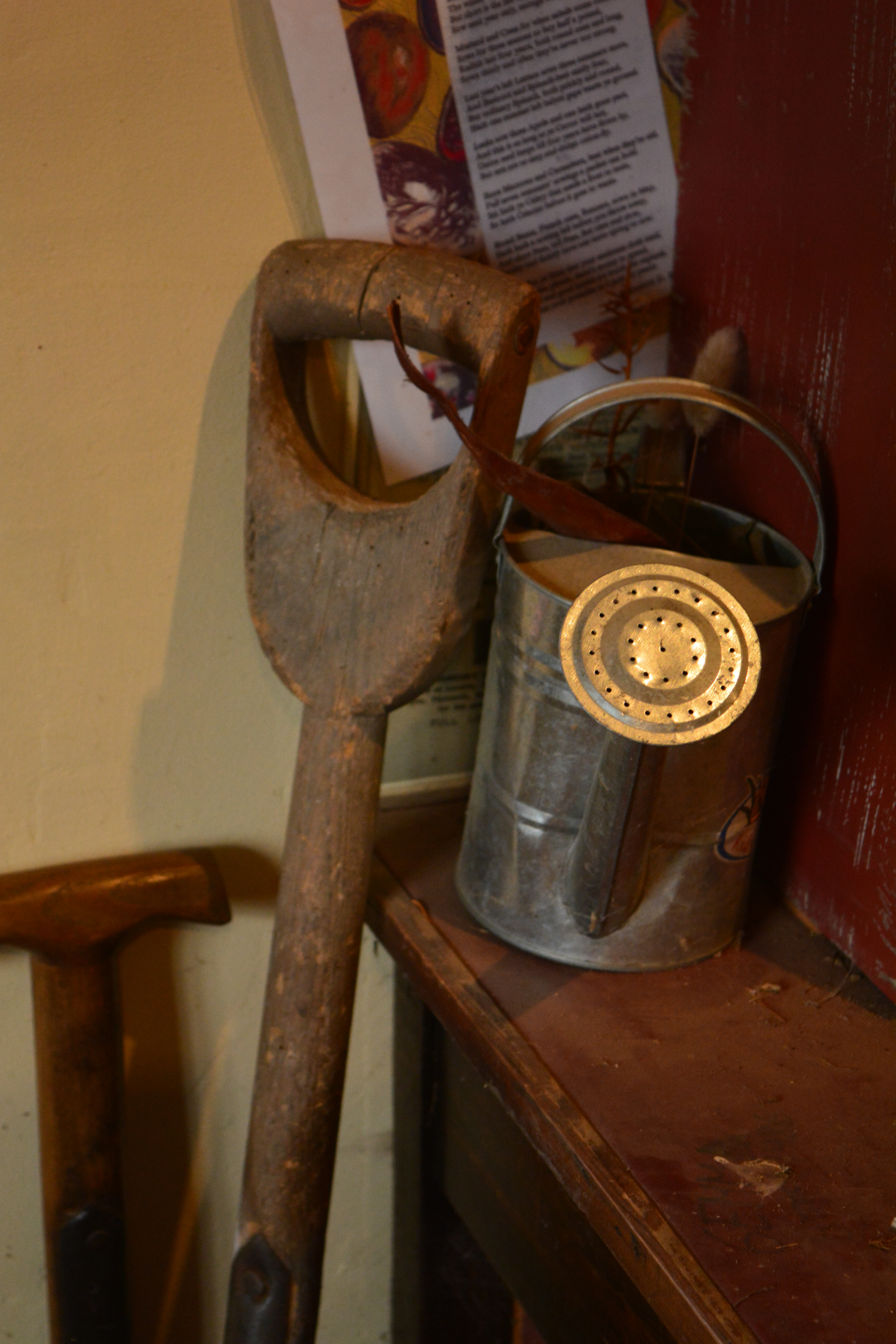
The vintage hose-reel held modern plastic hose in a bright yellow rolled up to form tight patterns.


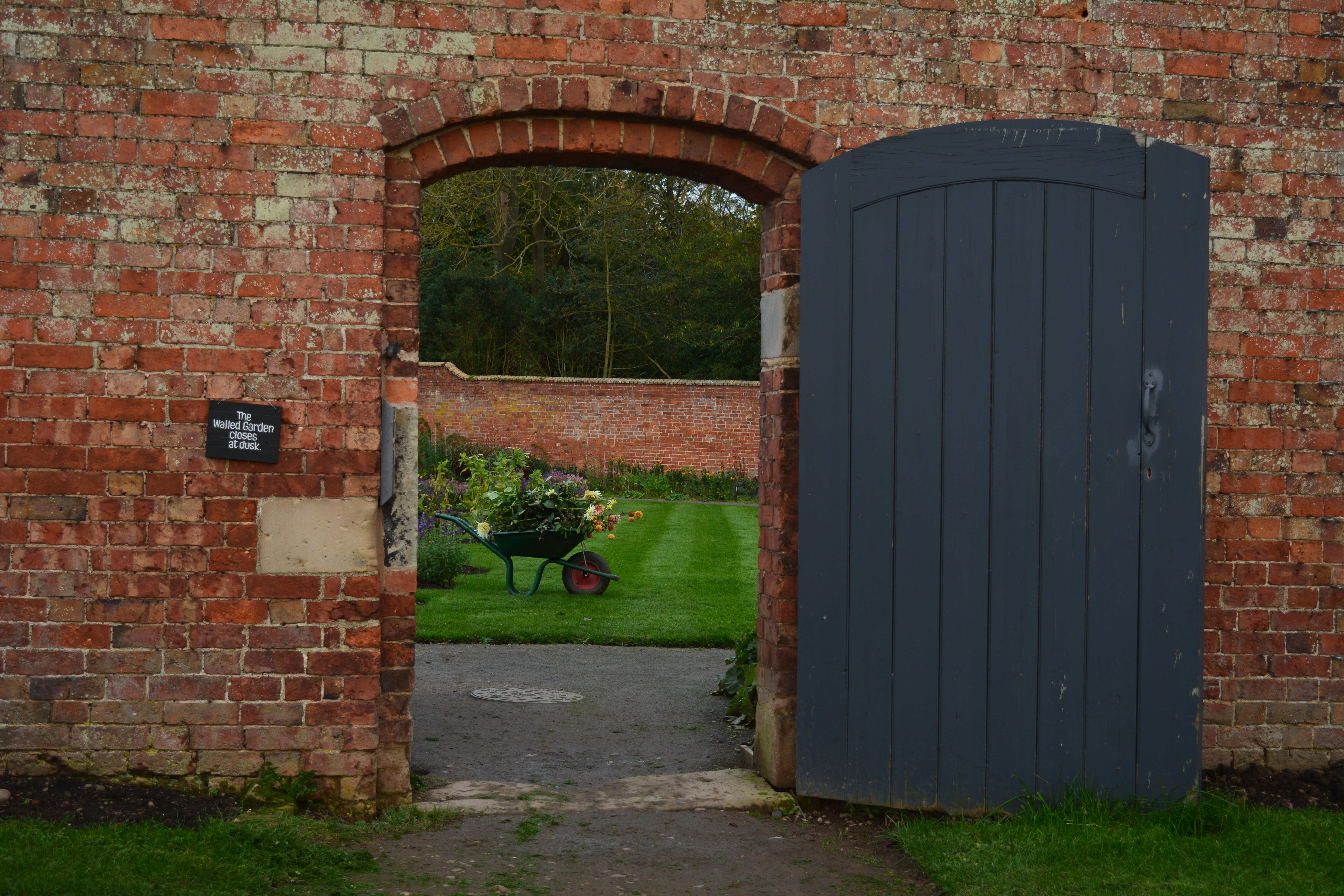
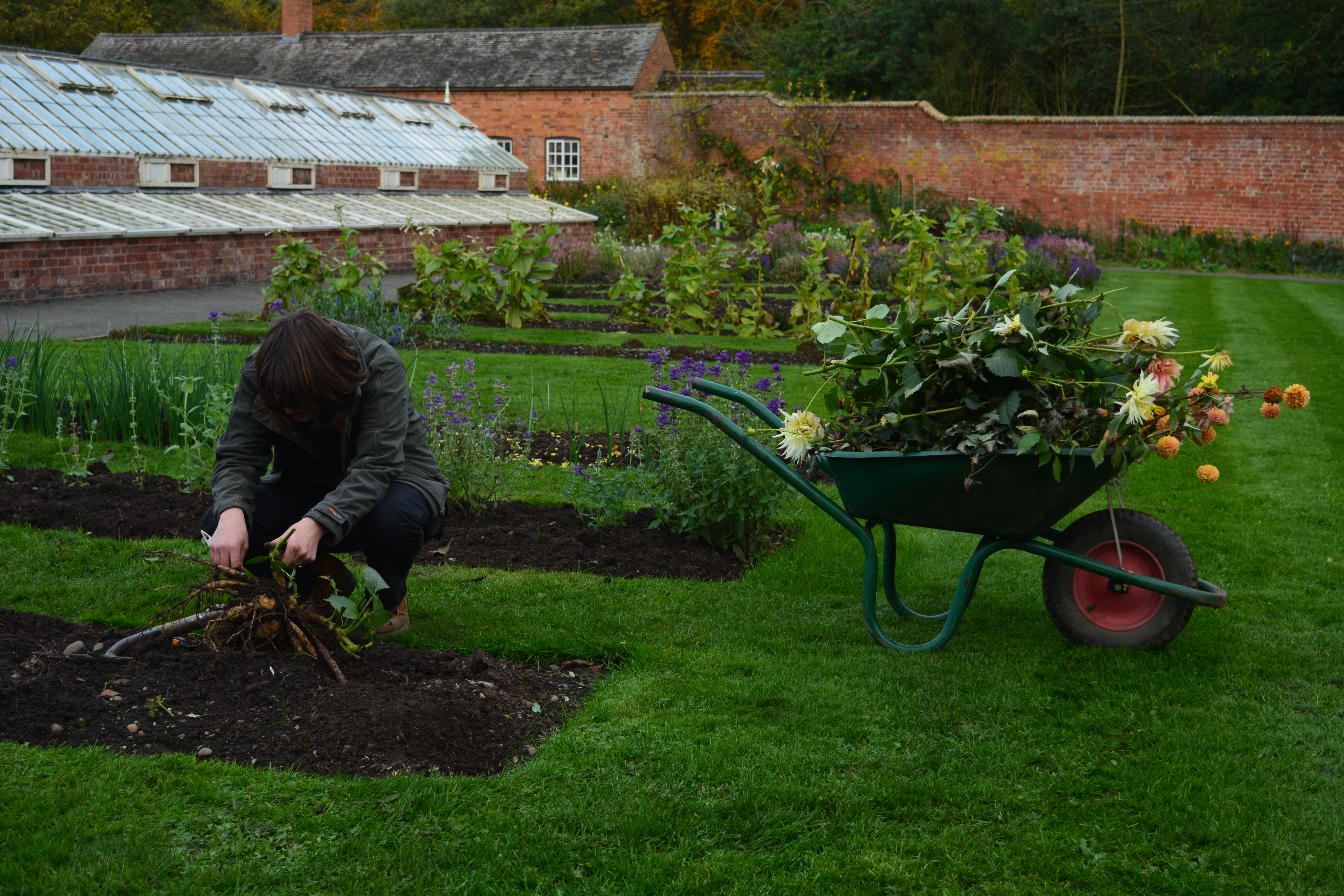
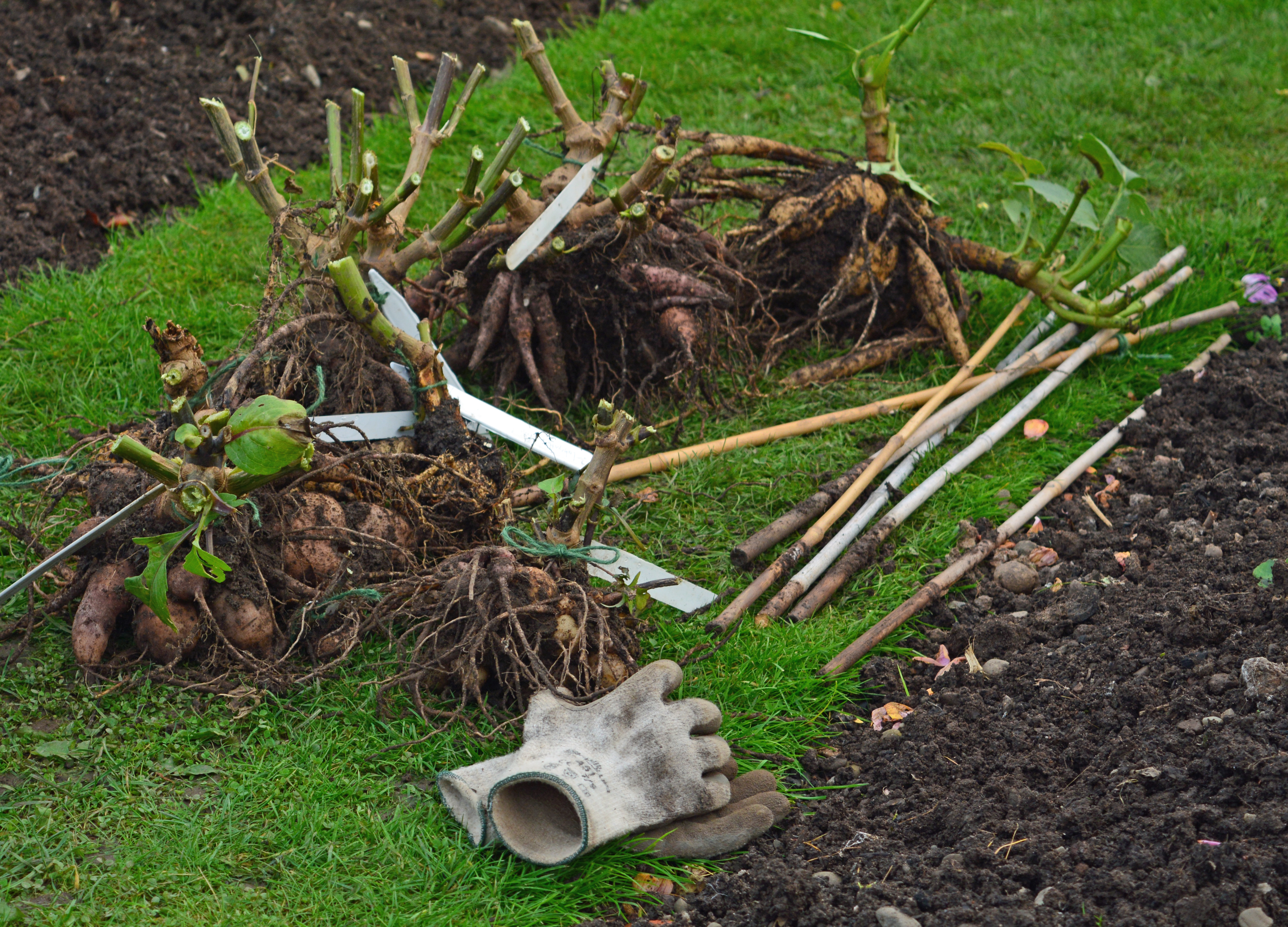
The wooden doorway from the main section of the walled garden which leads visitors into the glasshouse section opened wide to reveal a wheelbarrow full of Dahlias prunings. A gardener knelt nearby preparing the plants for their winter storage. She had lifted the plants, cut their top growth off with her Felco secateurs, thrown these prunings into her barrow and busily cleared soil from around the tubers. These she would take off into one of the cool brick stores to overwinter. Some of the hardier varieties were in flower closer to the gardeners’ bothy.


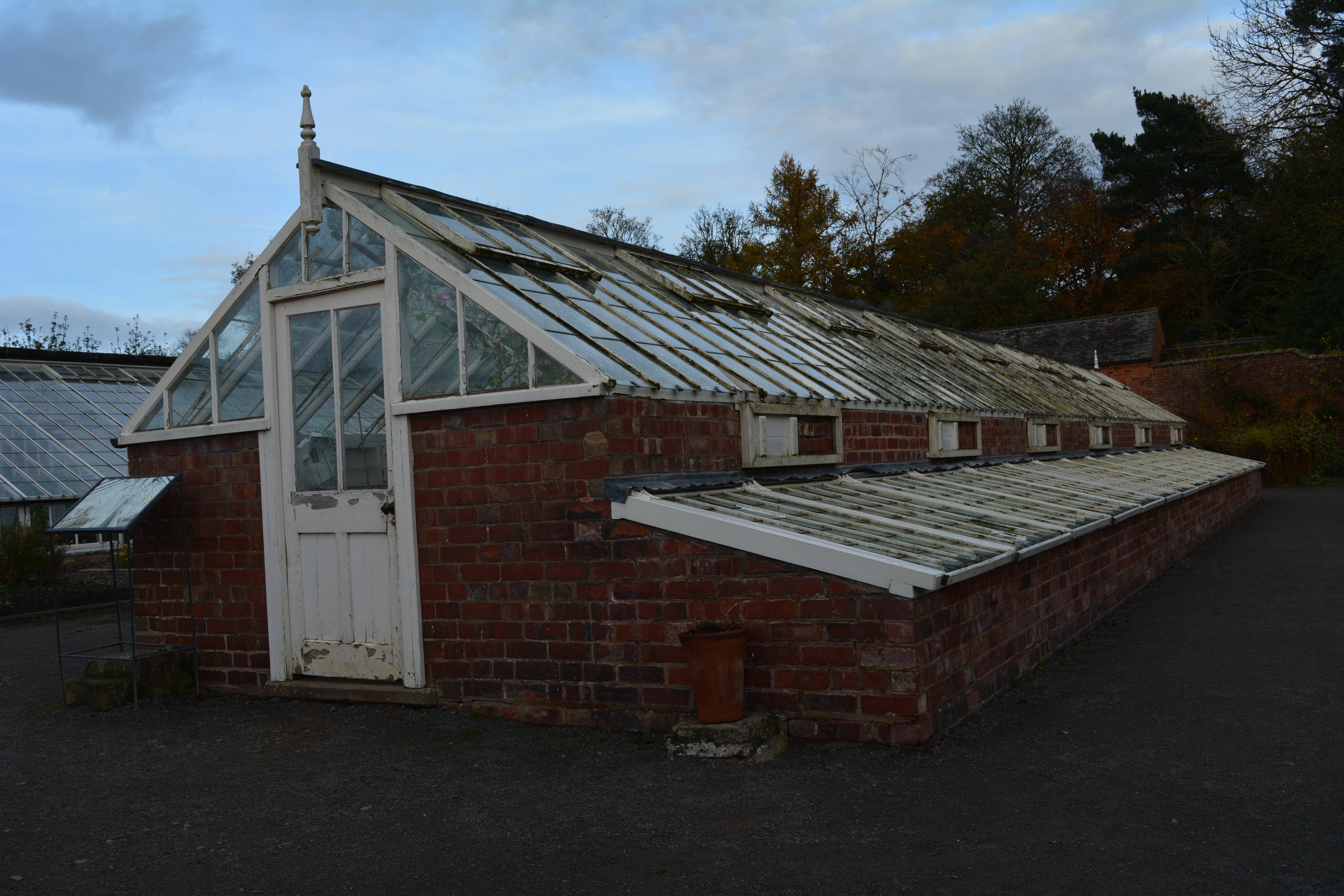
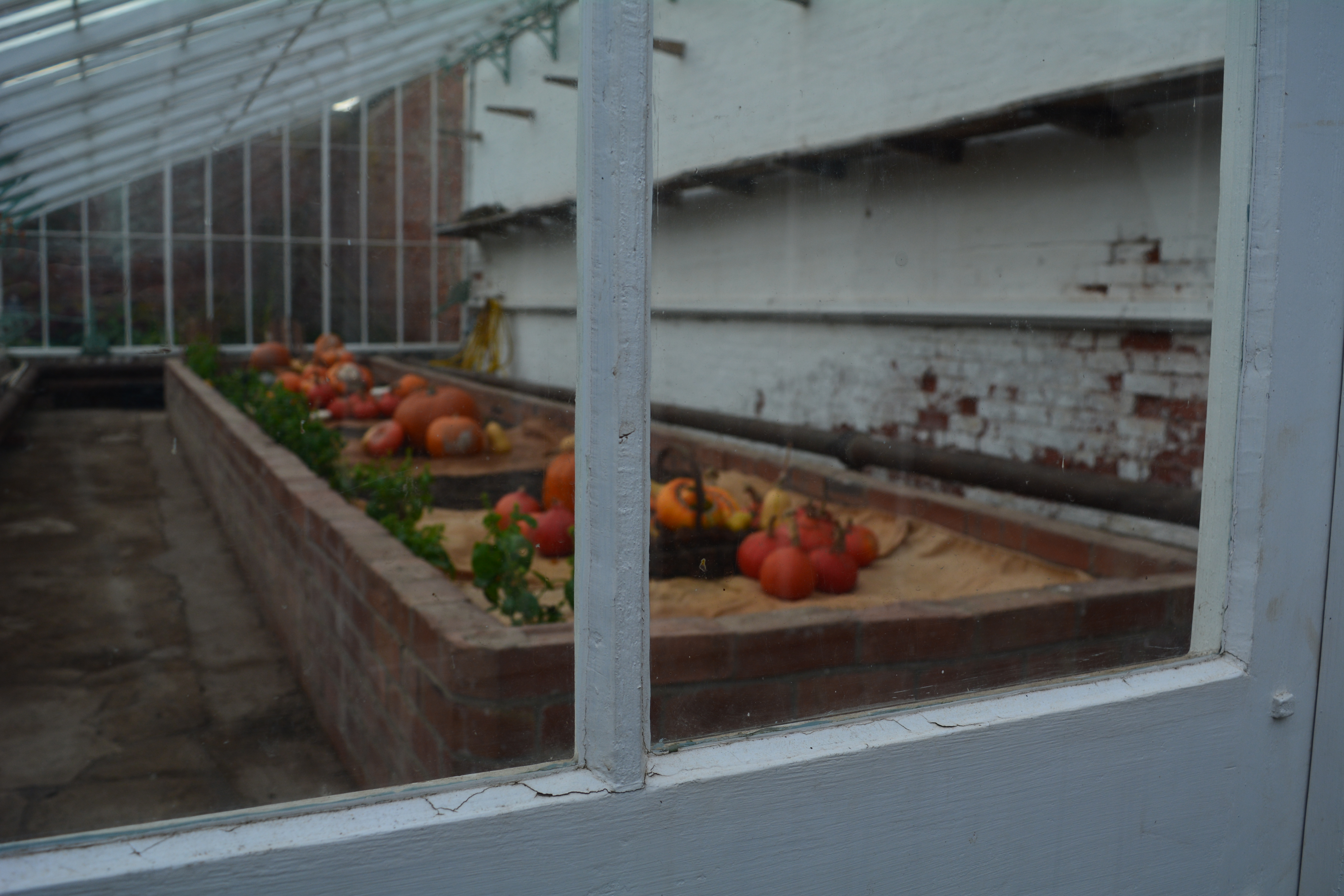
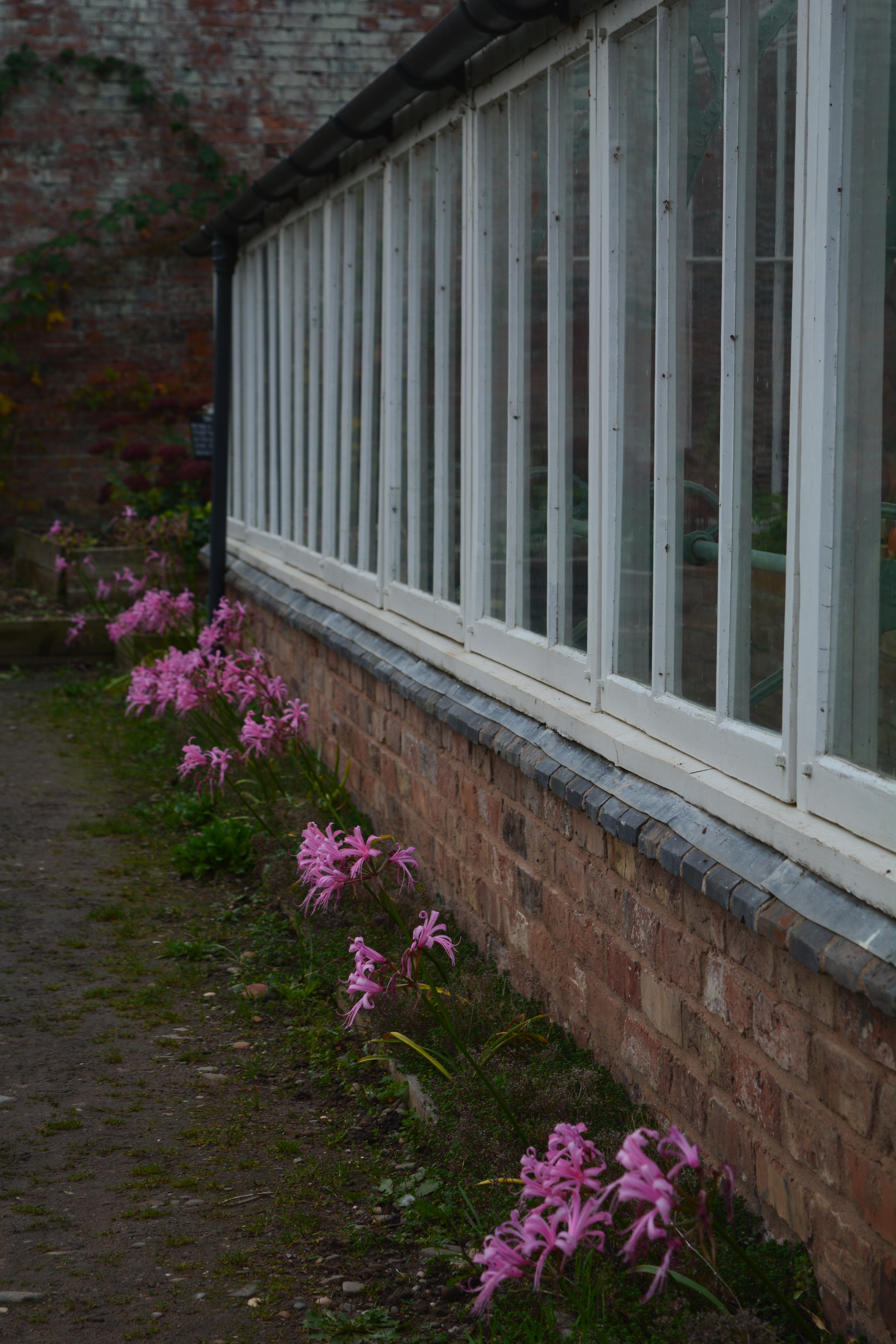
All of the glasshouses were closed up against the changing weather, but through their windows we spied pumpkins and chilies drying. Nerines added pink cheer to the outsides.


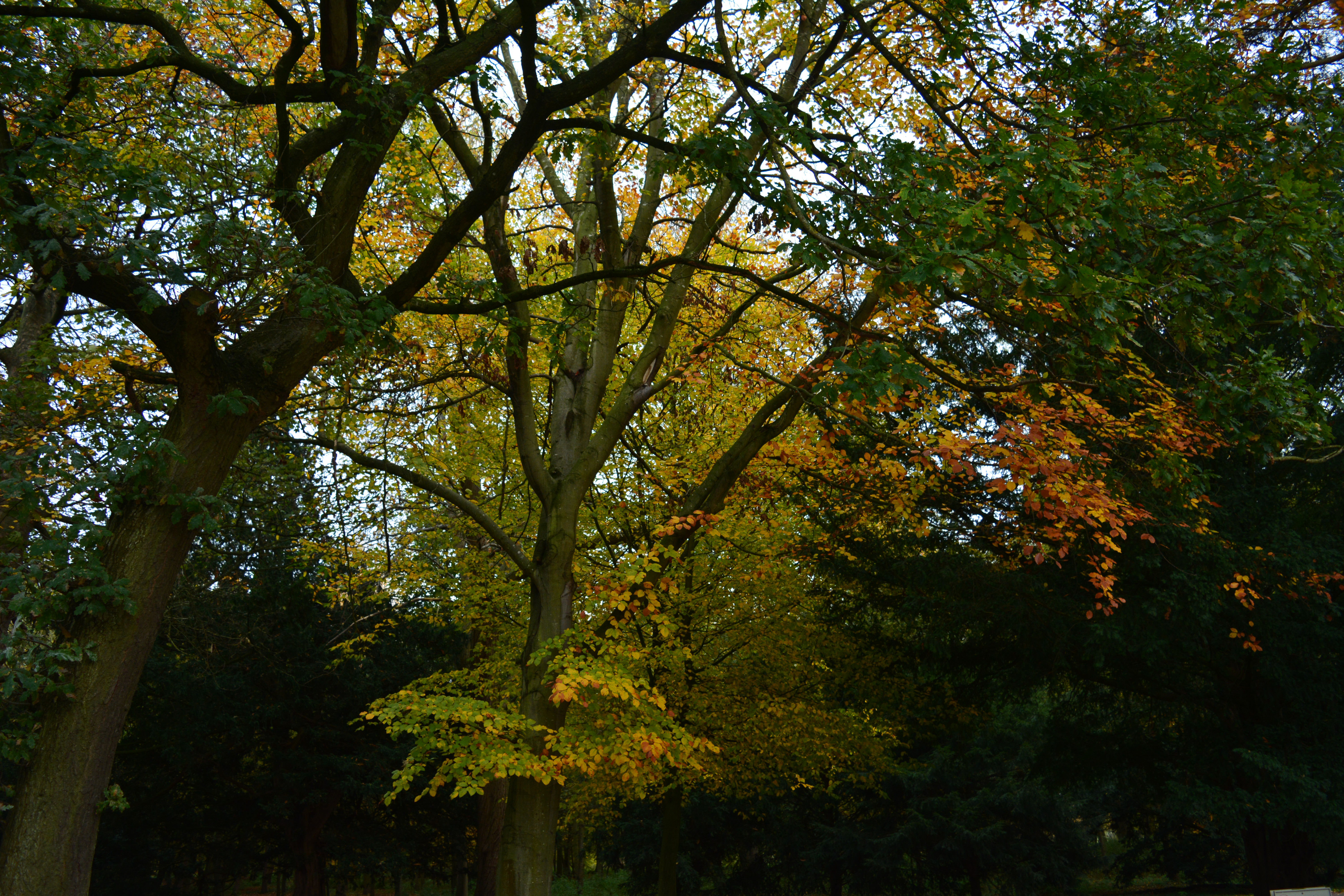
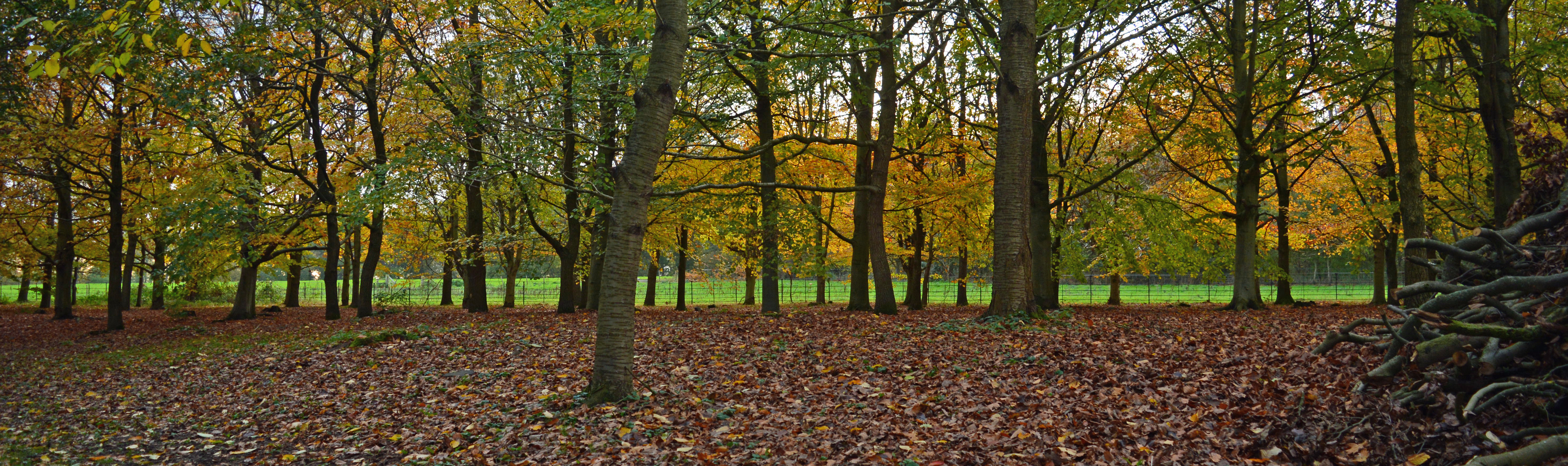
The autumn light shone through the trees at a low angle lighting up the colours of the changing foliage giving the effects of stained glass windows.


Next month’s visit will be the final one of our 12 monthly visits to Attingham Park to study the seasonal changes. We look forward to seeing how the move into the next season, winter, will show itself.


Categories
autumn colours climbing plants colours flowering bulbs garden design garden photography garden wildlife gardening gardens half-hardy perennials hardy perennials irises light light quality log piles logs natural pest control ornamental trees and shrubs roses Shrewsbury Shropshire shrubs South Shropshire spring bulbs succulents trees

My Garden Journal 2017 – November

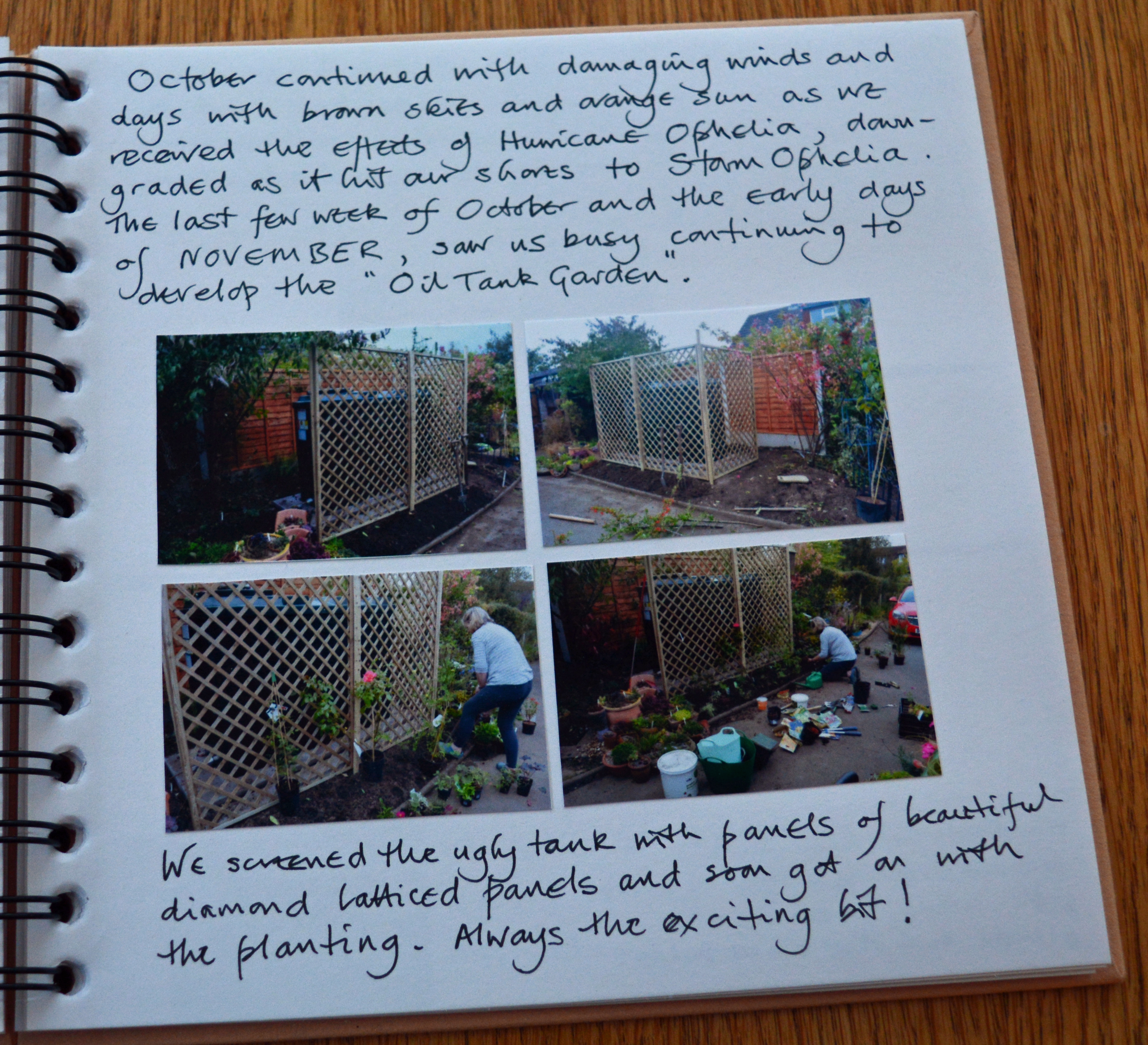
The penultimate visit to my garden journal for 2017 is here – hope you enjoy it. I began by referring back to a development we started in the garden back in September which we finished off in November. We are very pleased with how it has turned out and look forward to seeing the new plants flourish.

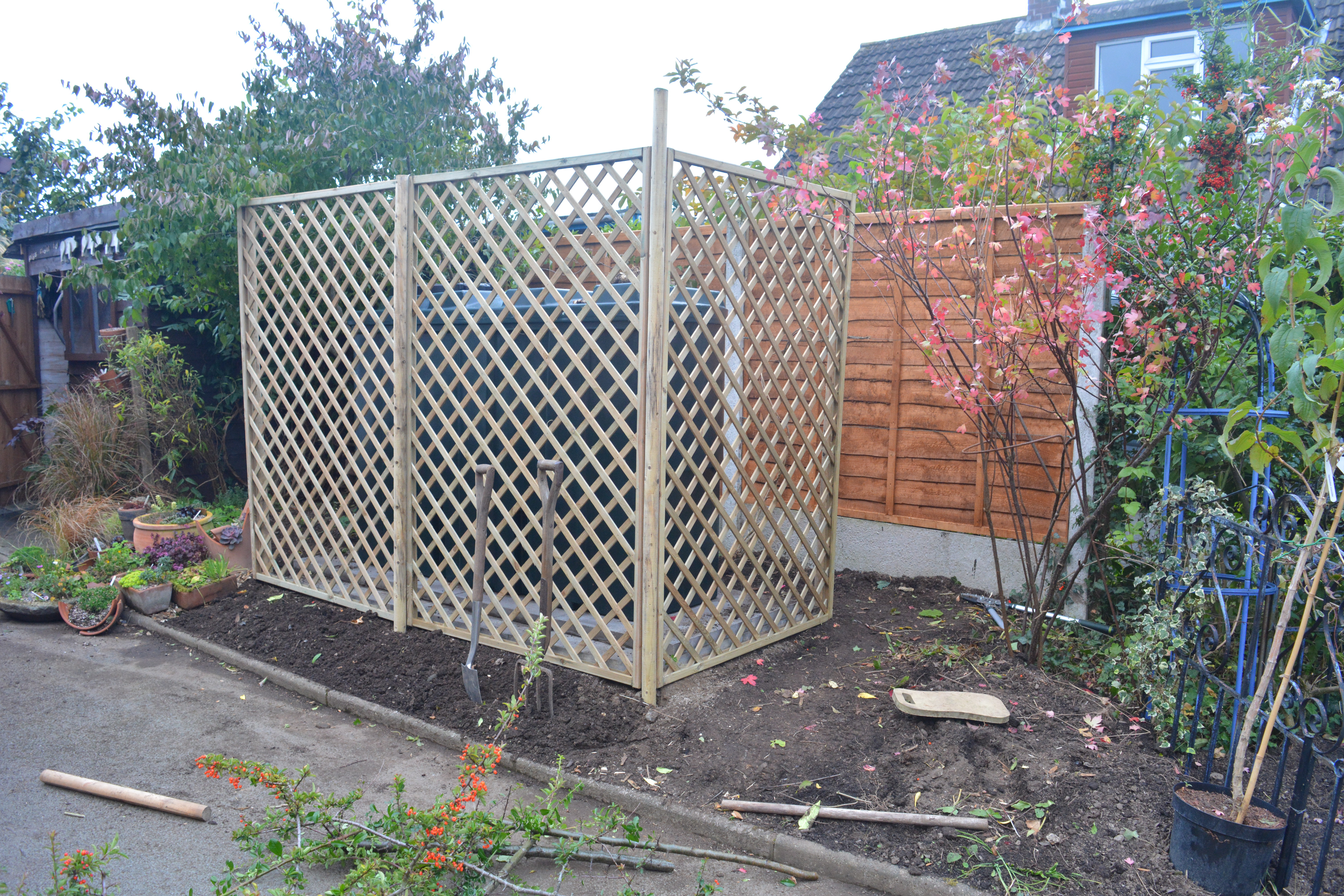
“October continued with damaging winds and days with brown skies and orange sun as we received the effects f Hurricane Ophelia, downgraded to Storm Ophelia as it hit our shores. The last few weeks of October and the early days of November, saw us busy continuing develop our “Oil Tank Garden”.


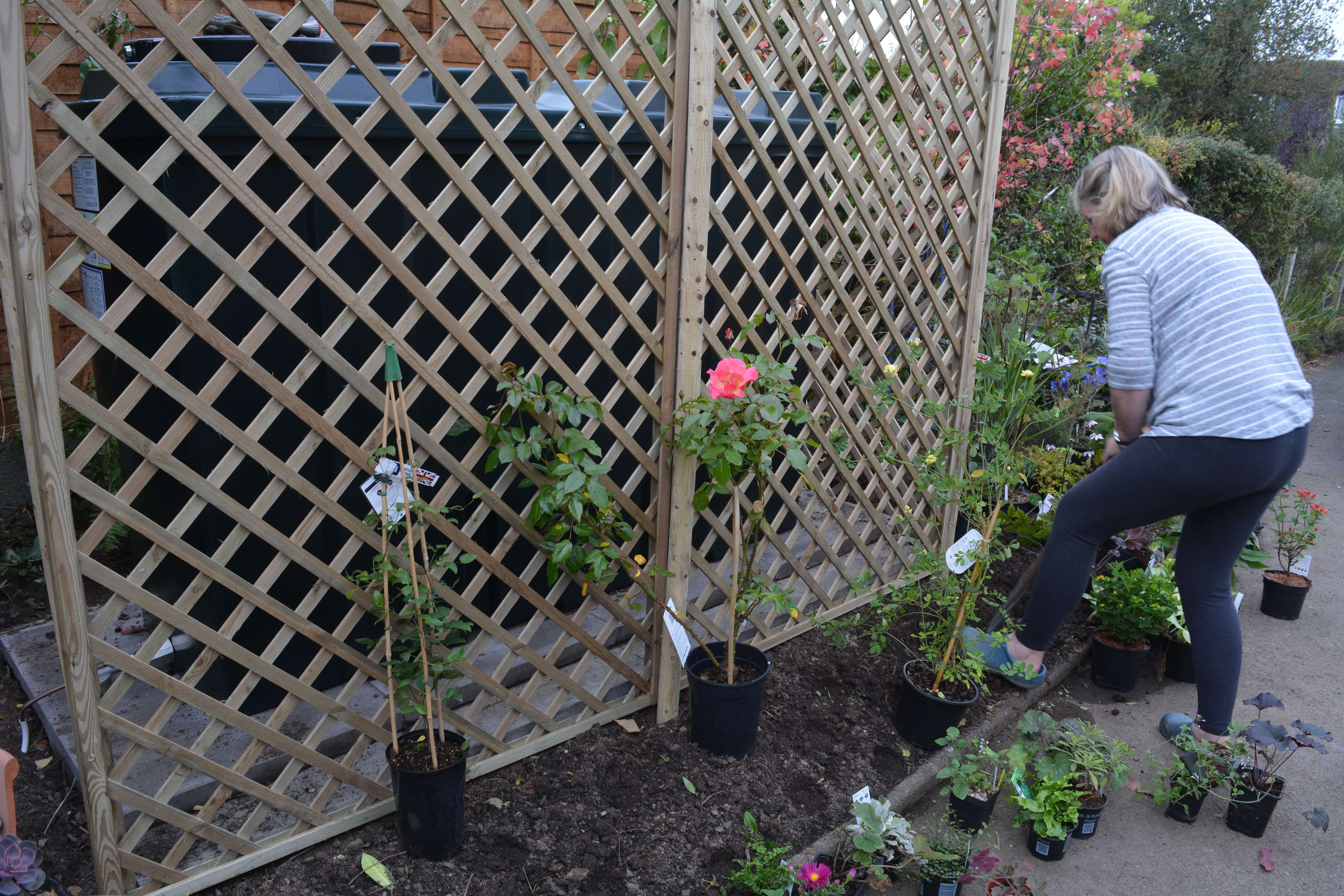
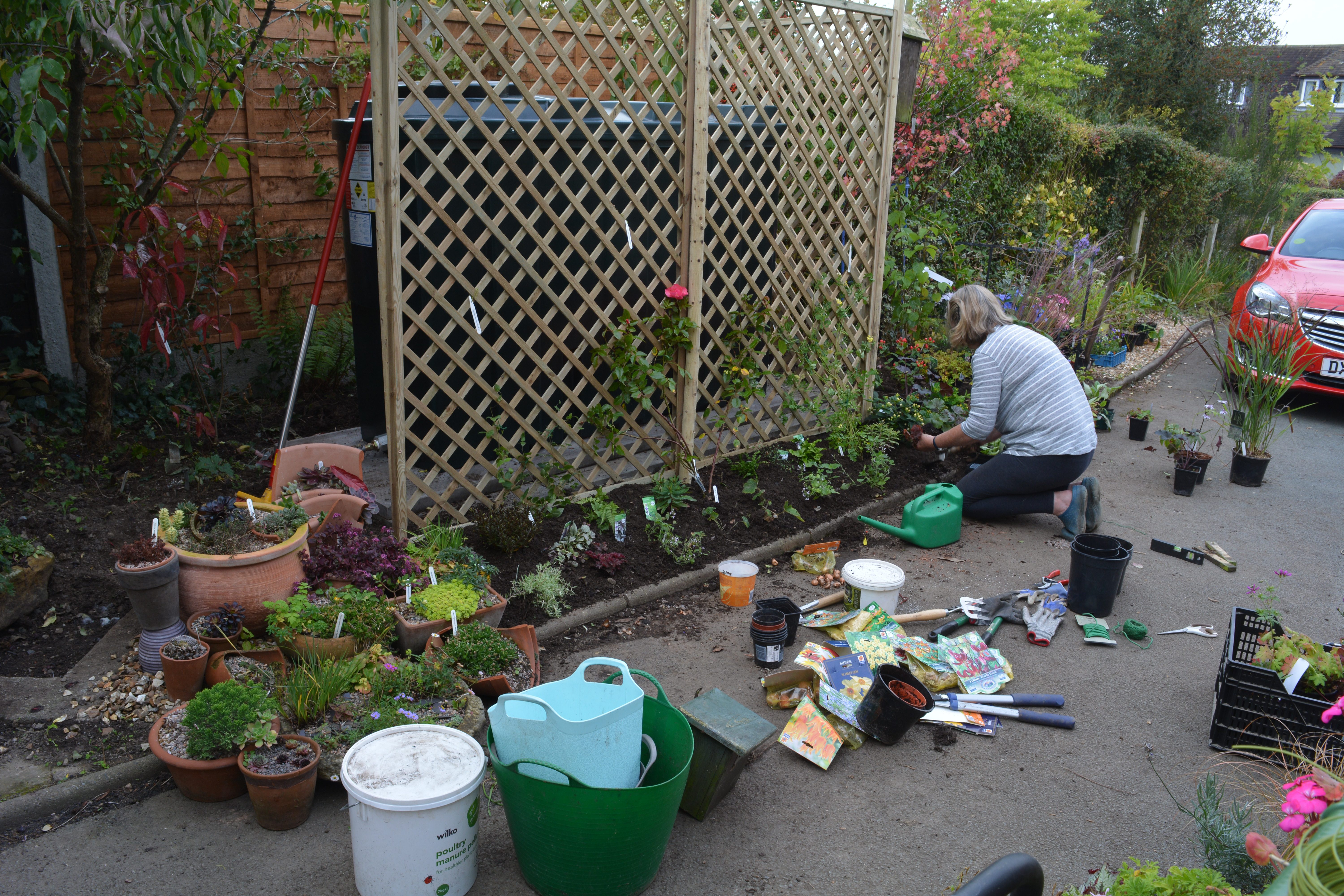
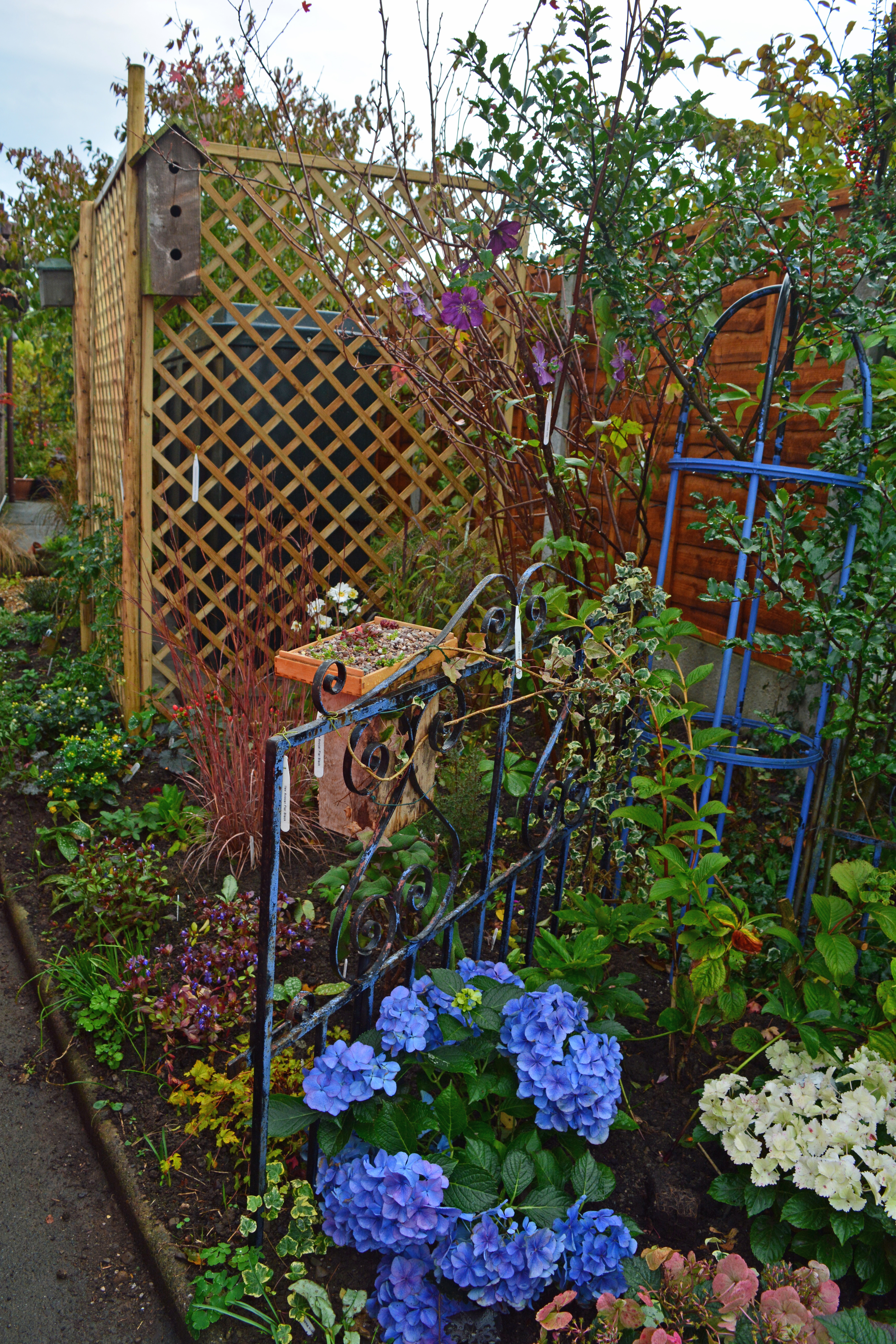
“We screened the ugly tank with panels of beautiful diamond latticed panels and soon got on with the planting. Always the exciting bit!”

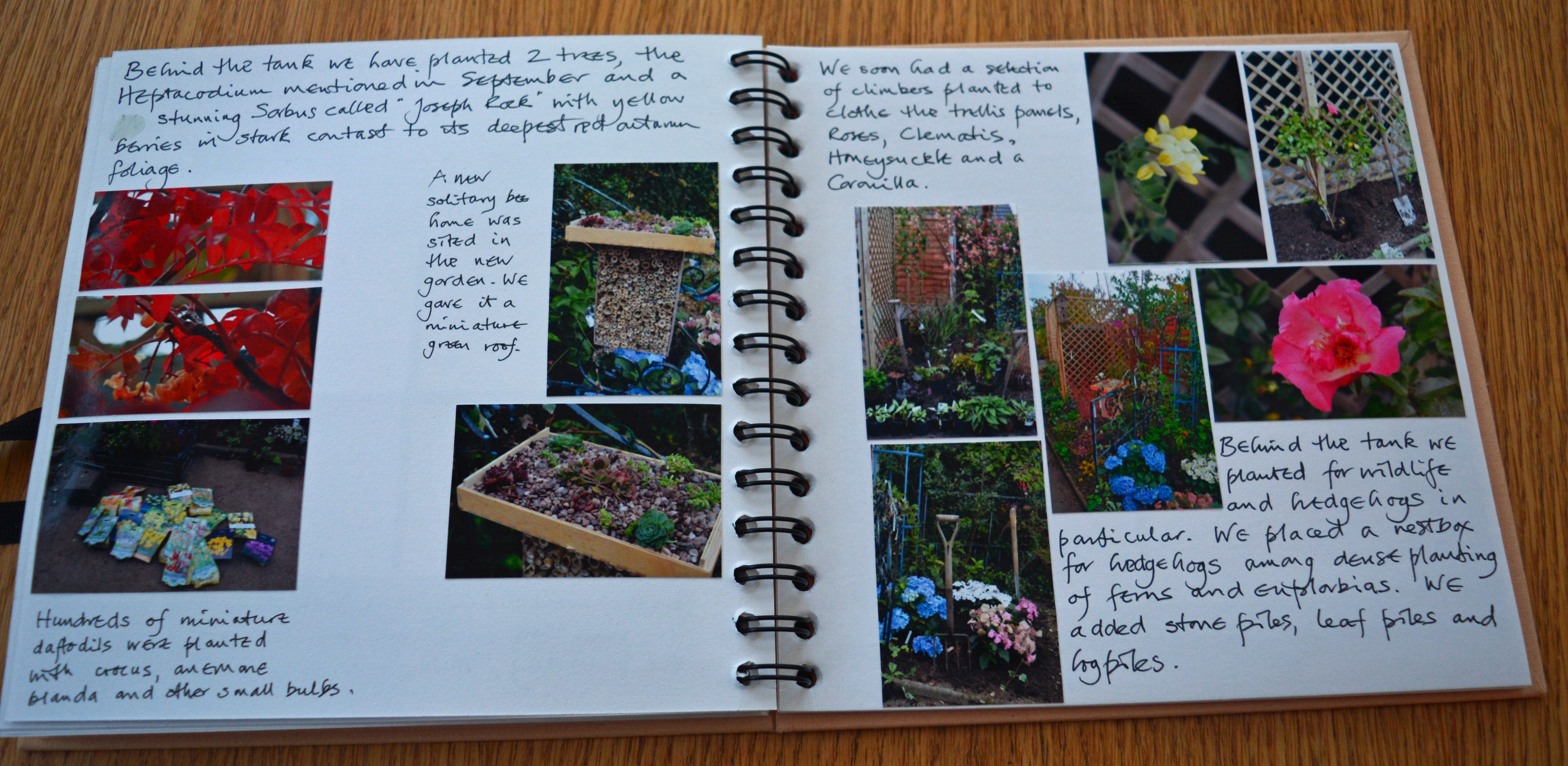
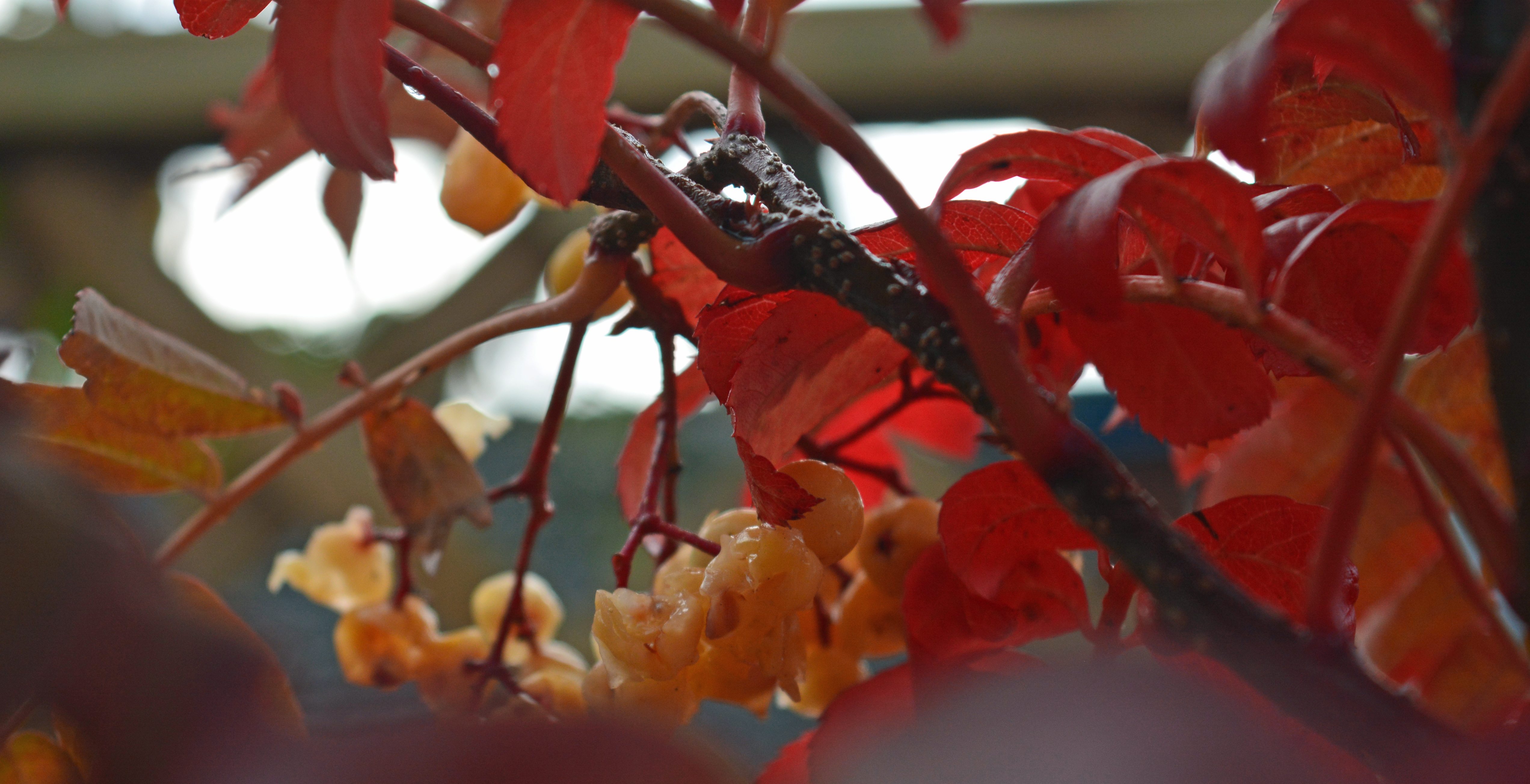
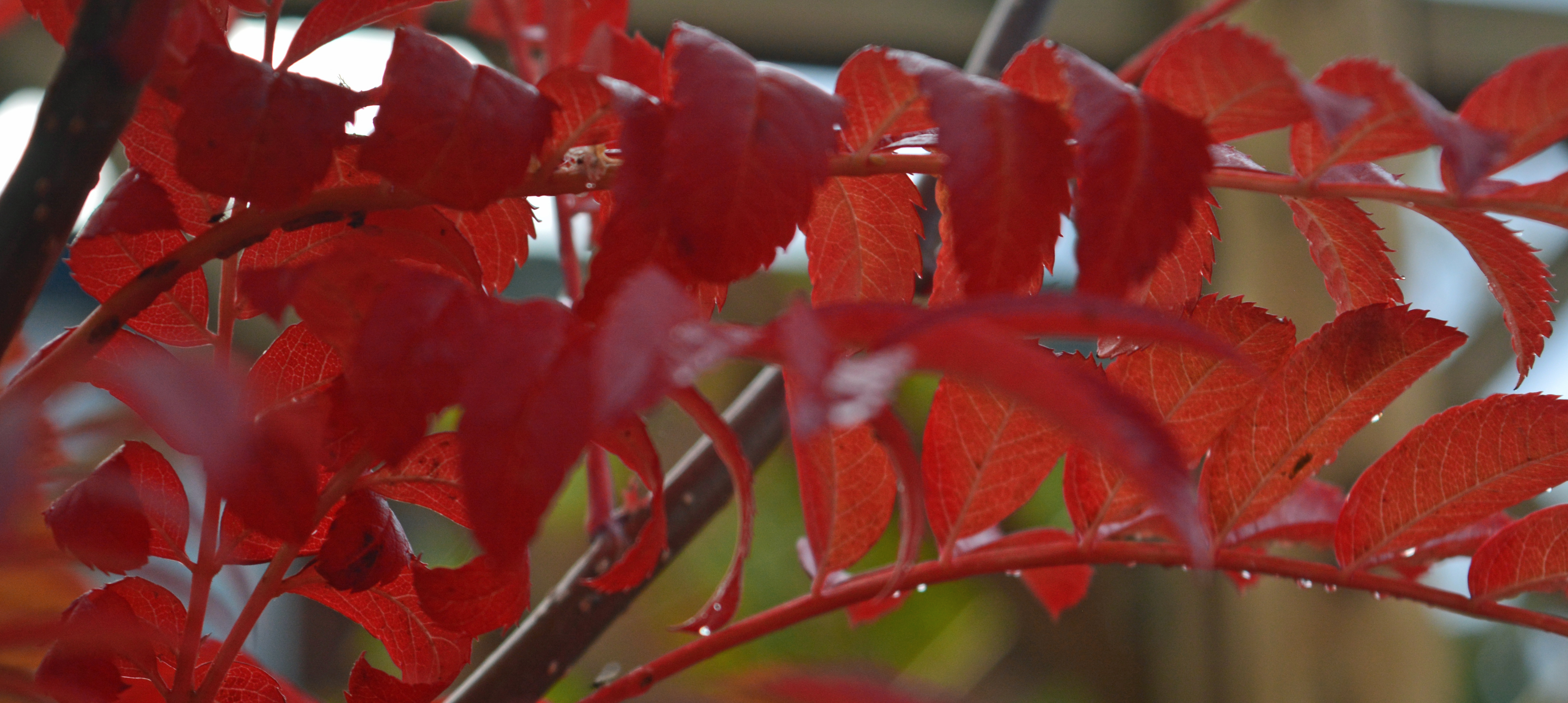
Over the page I continue to describe our development of this border and wrote “Behind the tank we have planted two trees, the Heptacodium mentioned in September and a stunning Sorbus called Joseph Rock with yellow berries in stark contrast to its deepest red autumn foliage.


“Hundreds of miniature daffodils were planted with crocus, Anemone blanda and other small bulbs.”

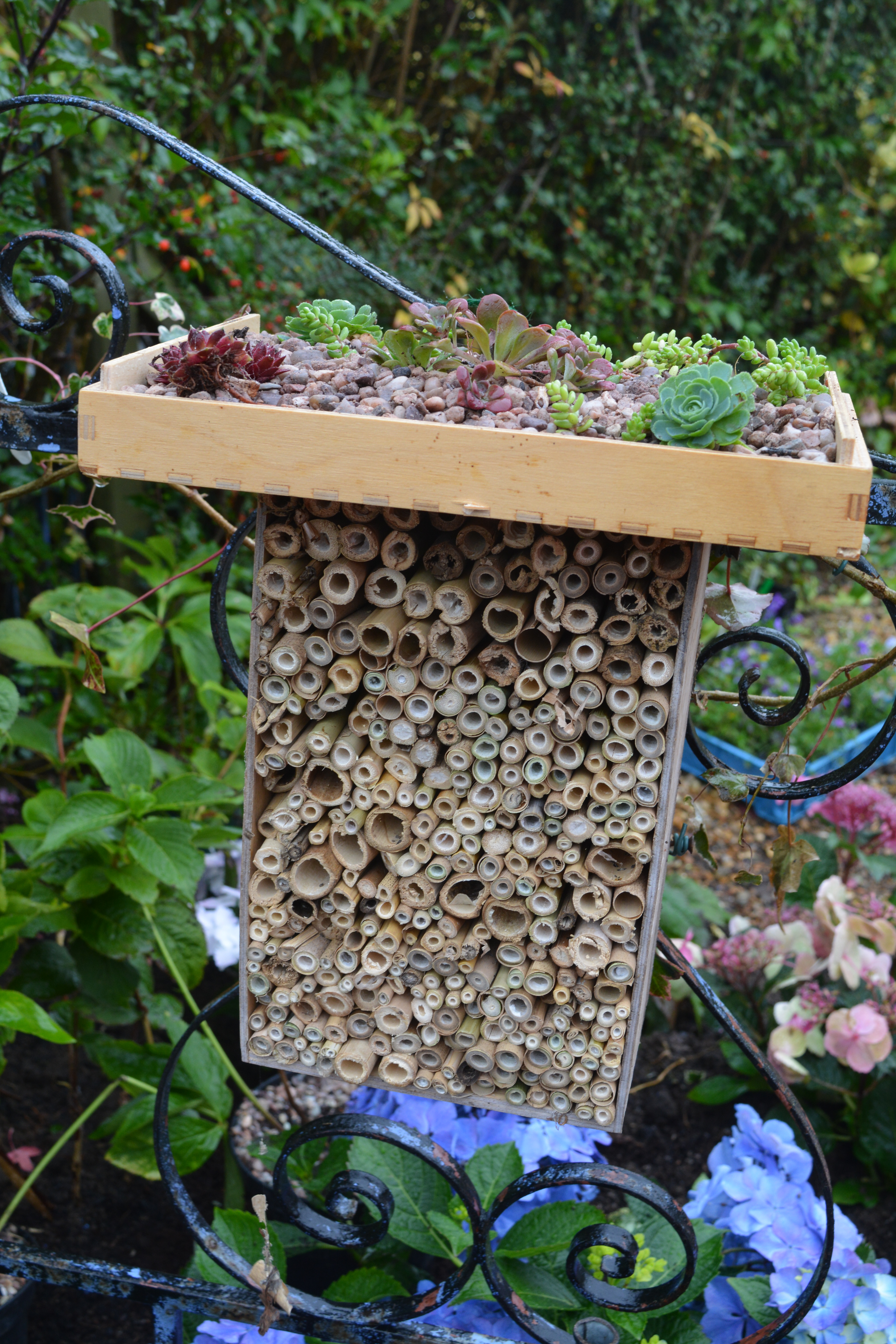
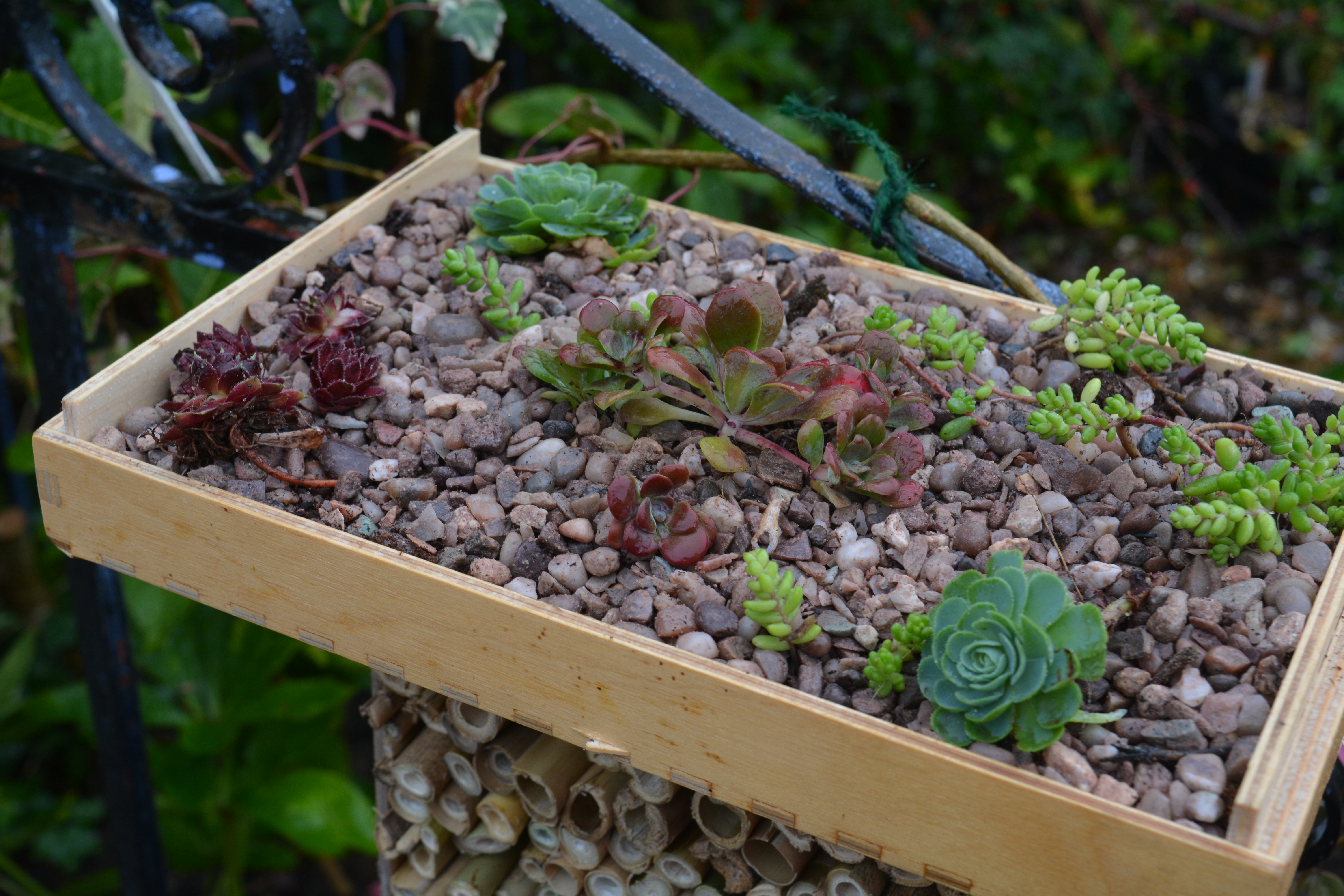
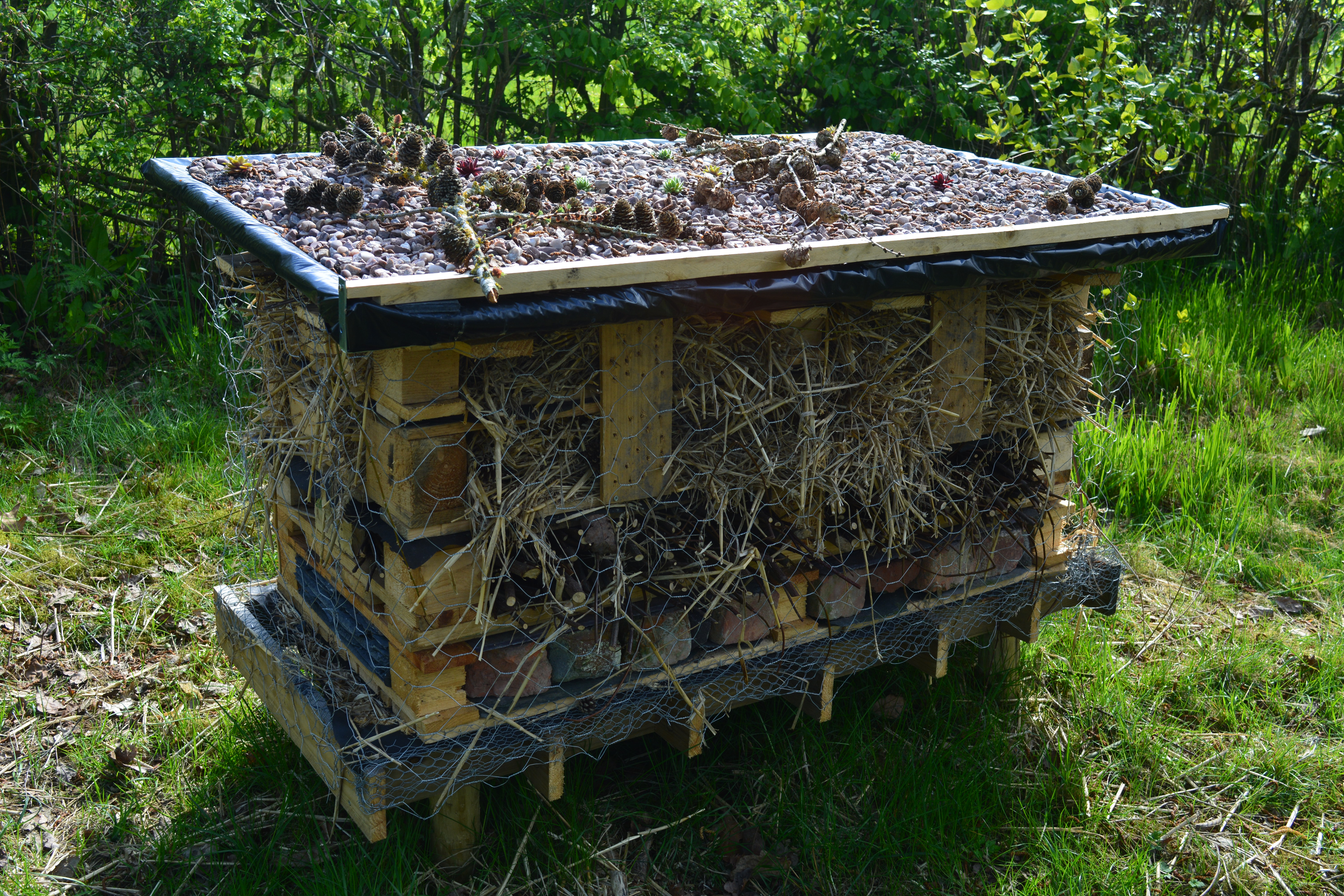
“A new solitary bee home was sited in the new garden. We gave it a miniature green roof!”

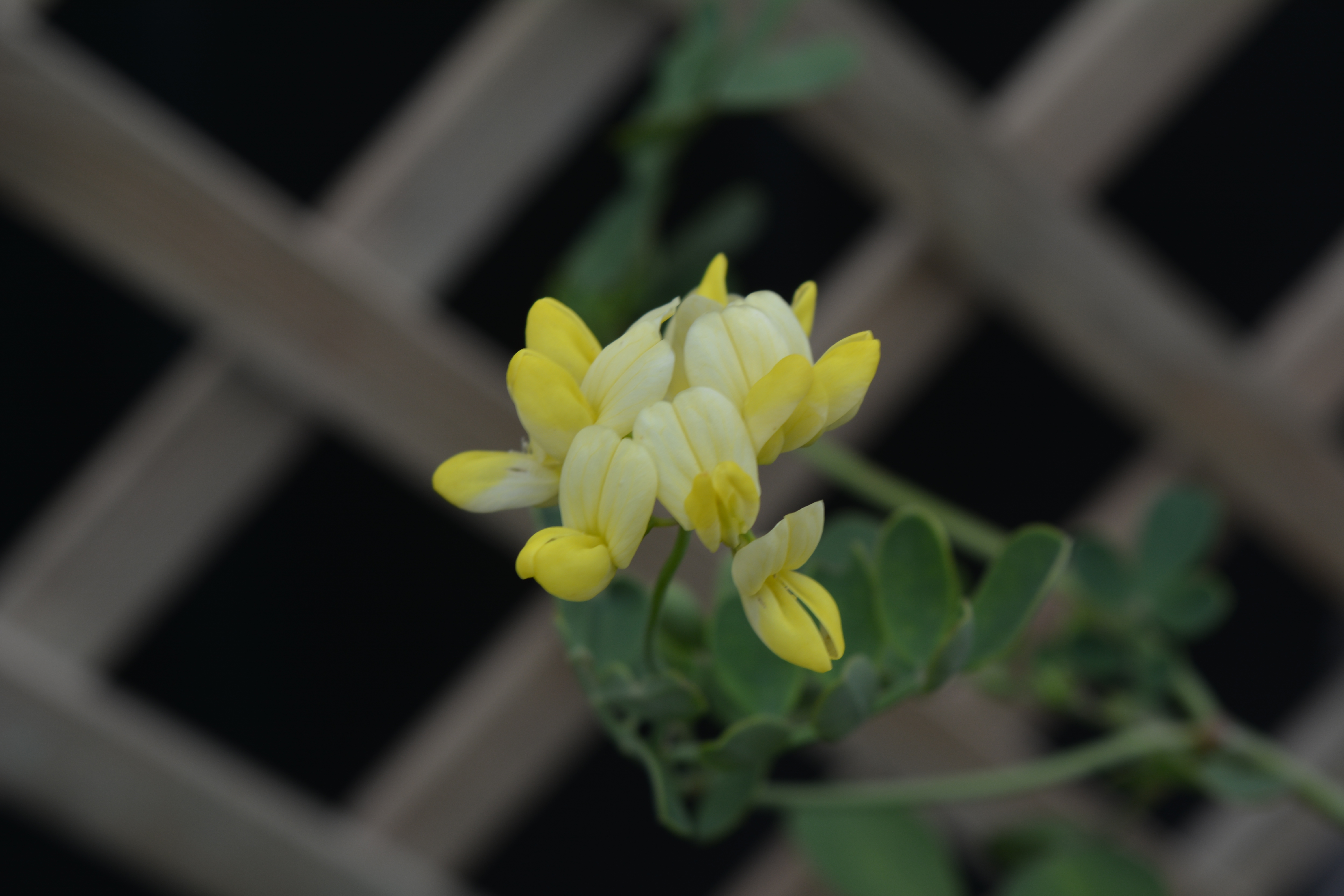
“We soon had a selection of climbers planted to clothe the trellis panels, Roses, Clematis, Honeysuckle and a Coronilla”.


“Behind the tank we planted for wildlife and hedgehogs in particular. We placed a nestbox for hedgehogs among dense planting of ferns and Euphorbias. We added stone piles, leaf piles and log piles.”

Turning over another page I featured some words by Dan Pearson and looked at some autumn flowering plants.

“Taking a look at Dan Pearson’s writings about Autumn in his “Natural Selections” book he wrote,

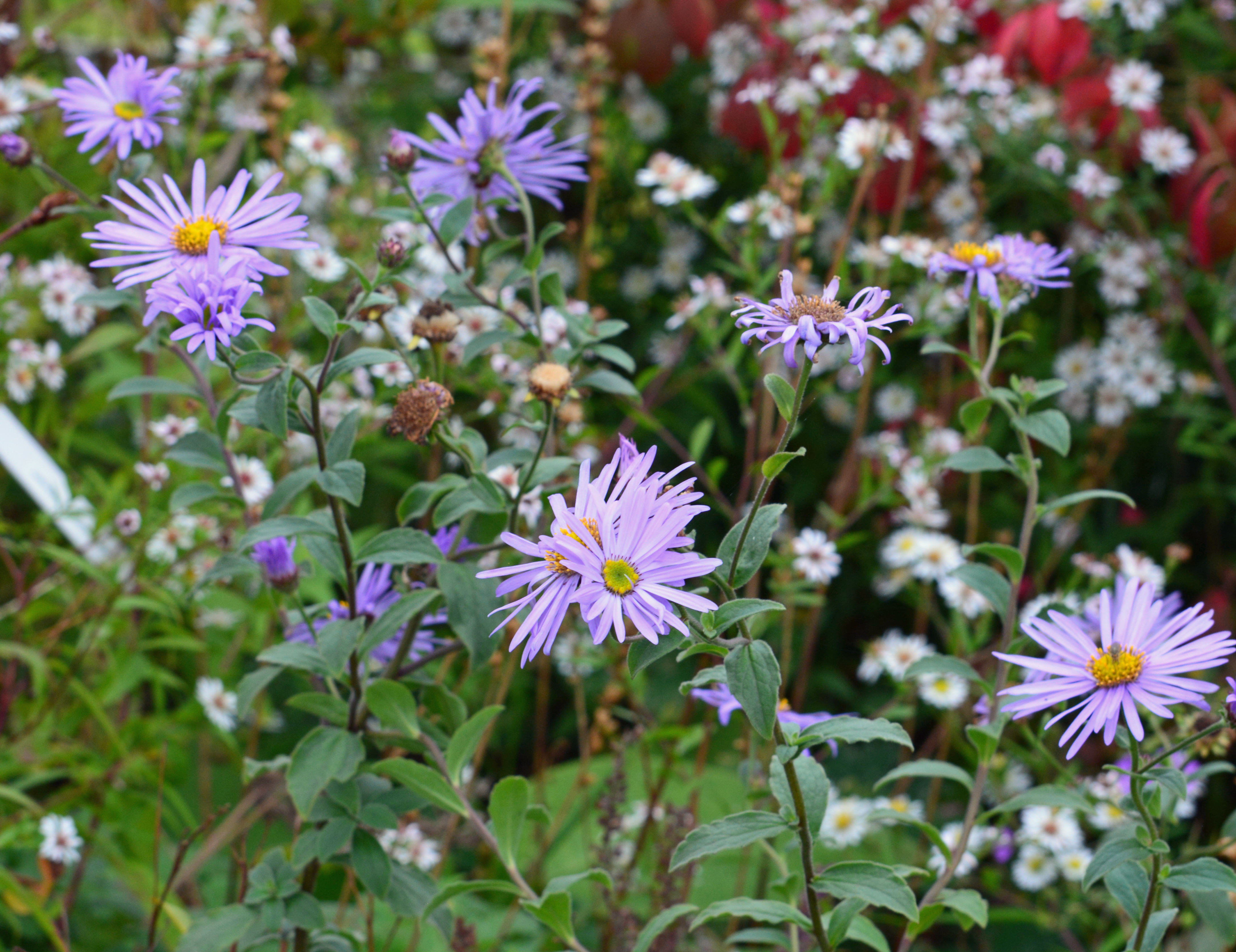
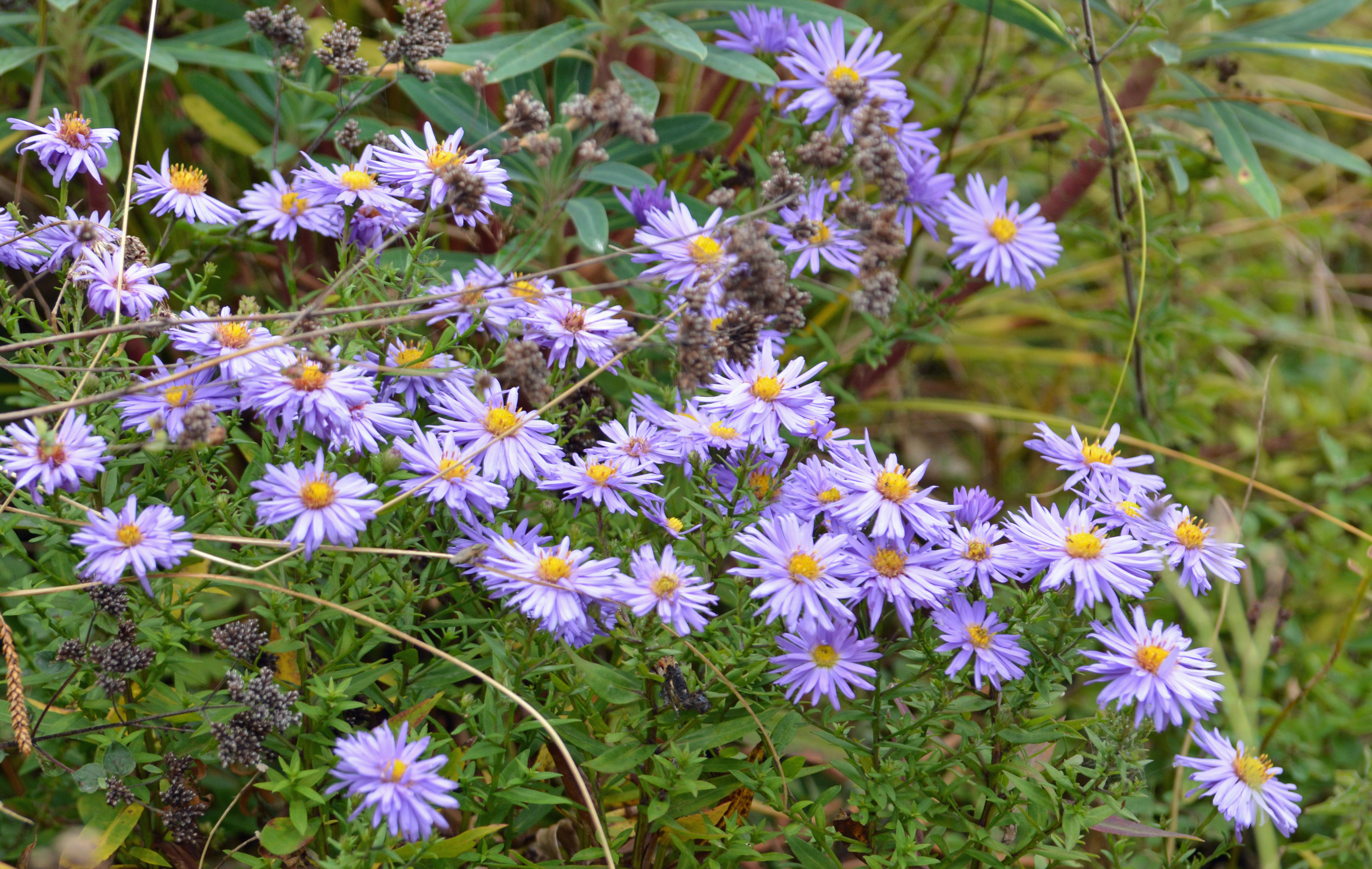
I want to invite the seasons into the garden, vividly and in layers. I use asters, autumn crocus and gentians at ground level, and shrubs that perform for this season to take the eye up and away, to straighten the back. I weave berrying trees and shrubs into the garden as much for their jewel-like fruit as for the birds which flock down to gorge when the fruit is ready for feasting upon.”

We aim to do exactly the same in our Avocet patch. Below are a few of our Asters which feature in our “Shrub Border”,  a border that brings Autumn in.”


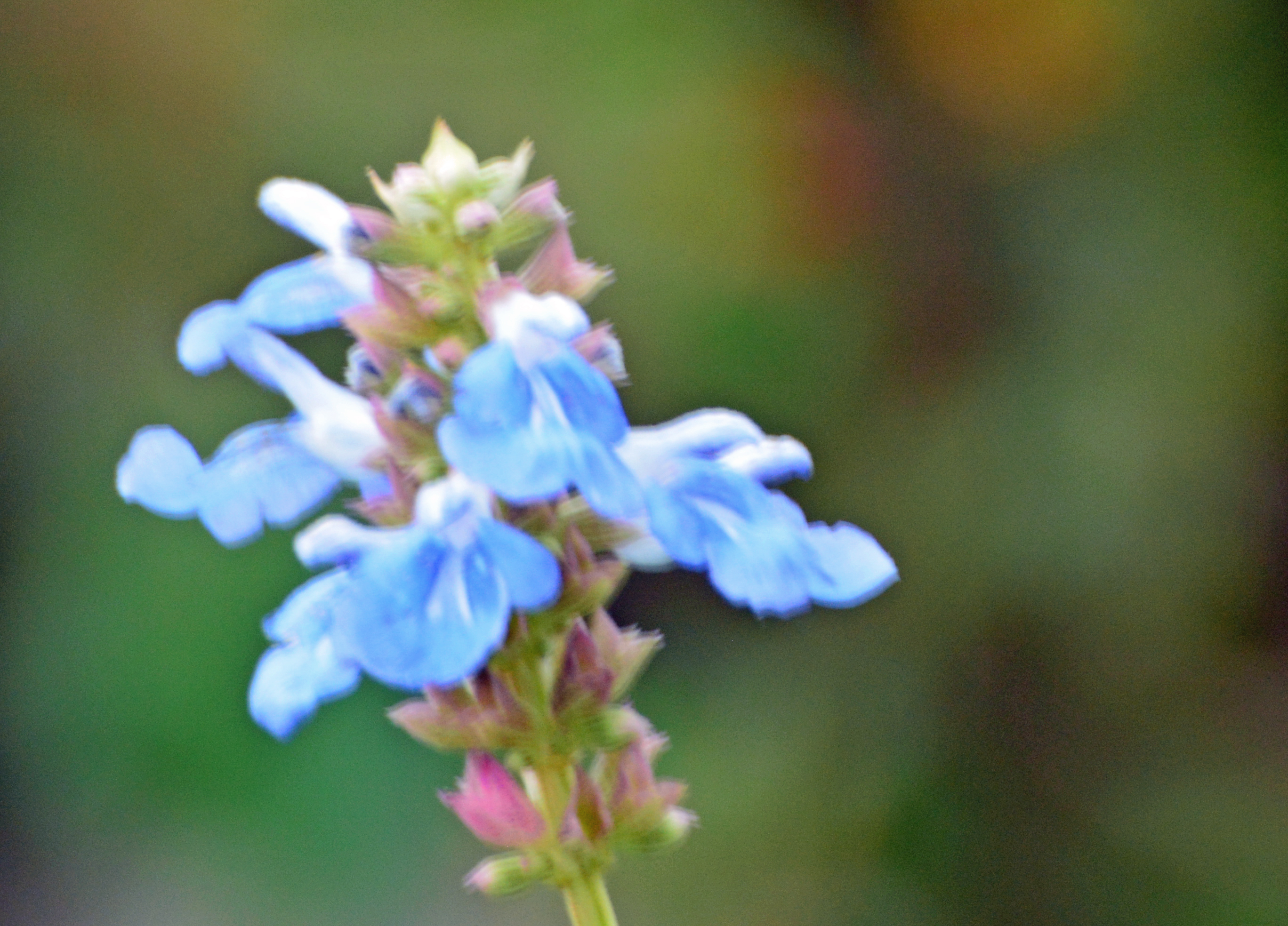
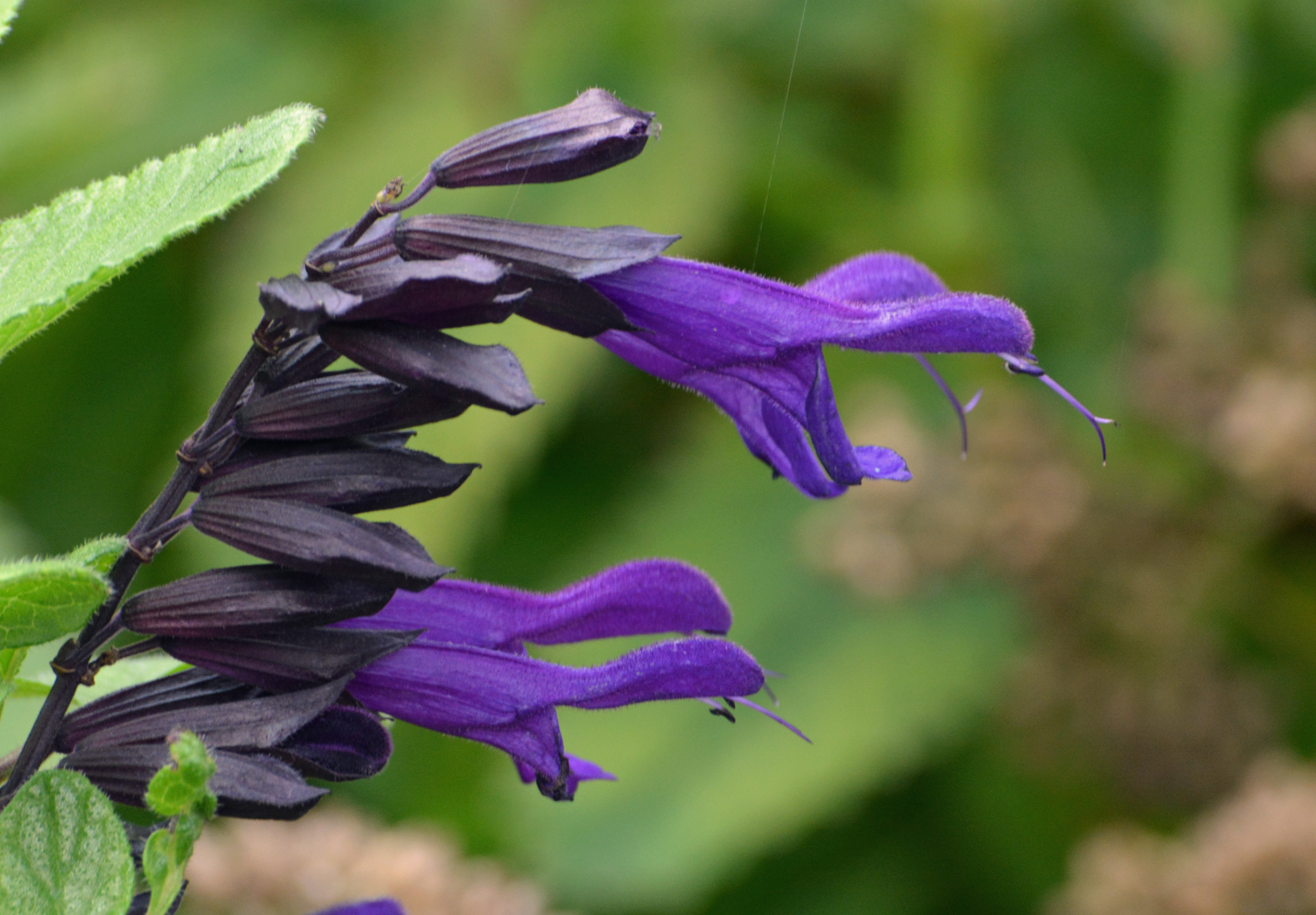
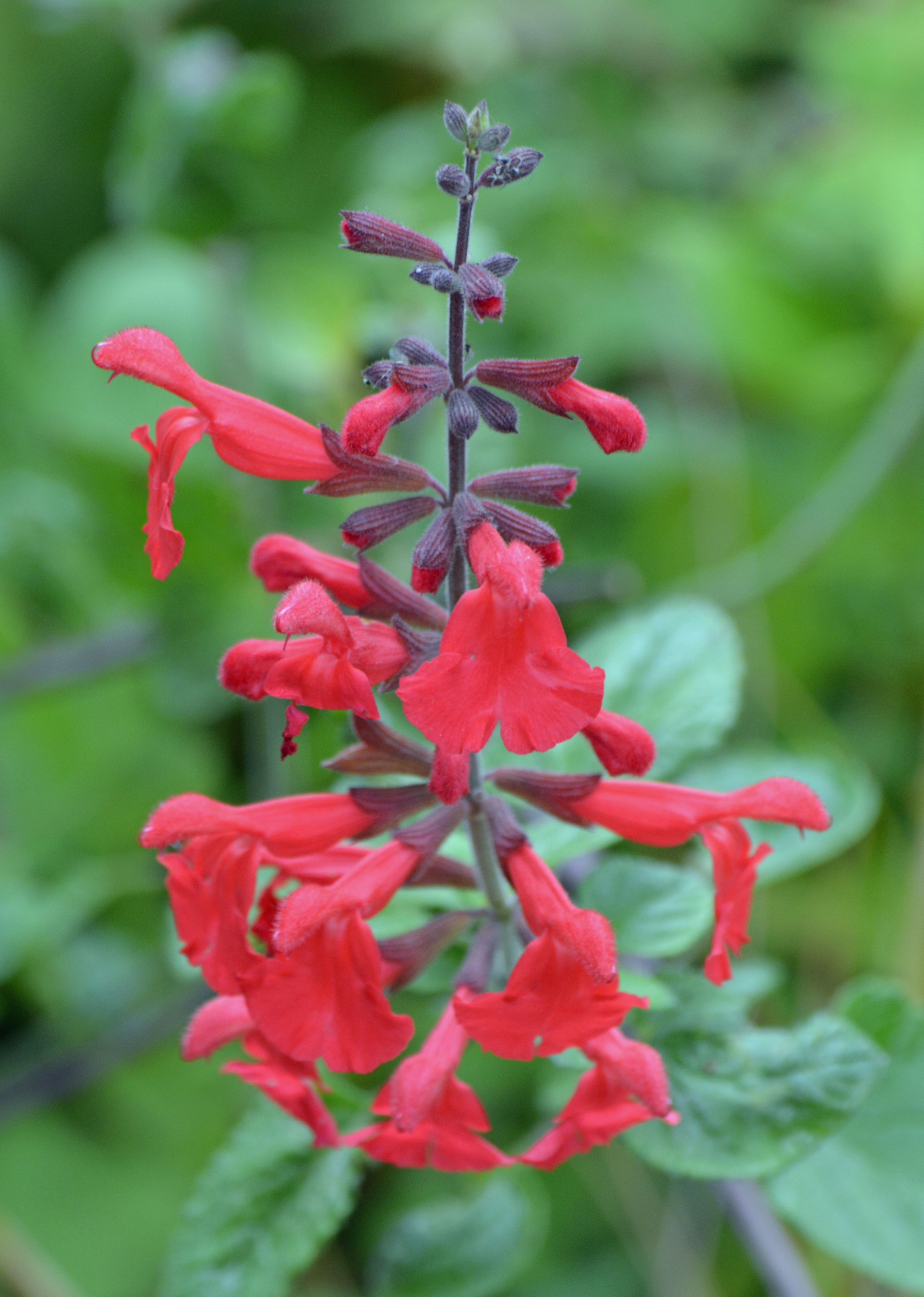
“Another herbaceous perennial that features strongly in our November garden are the Salvias. We leave a few to over-winter in the garden but most will be brought into the cool greenhouse.”


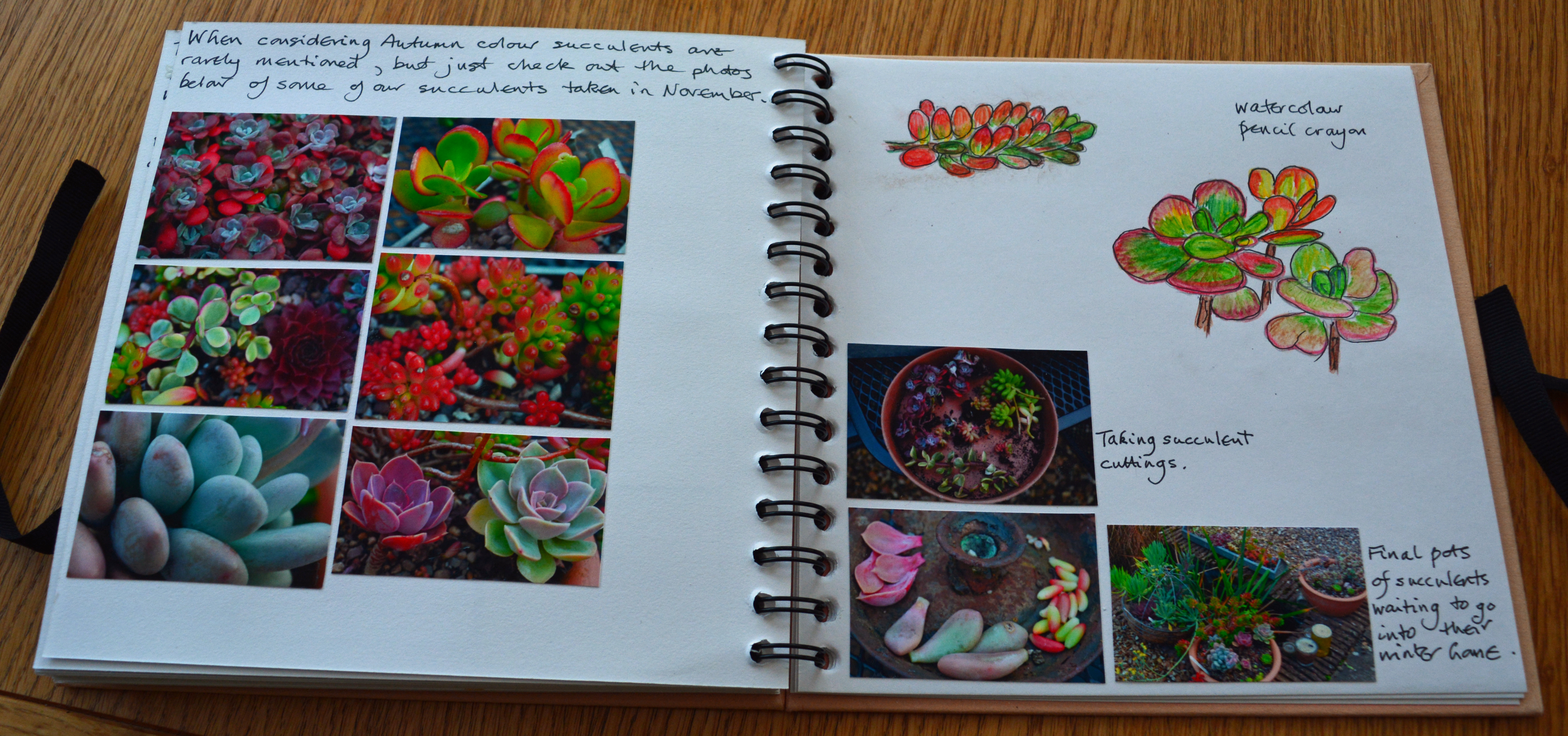
Turning over again I take a look at succulents, plants rarely mentioned in the context of the autumn garden.

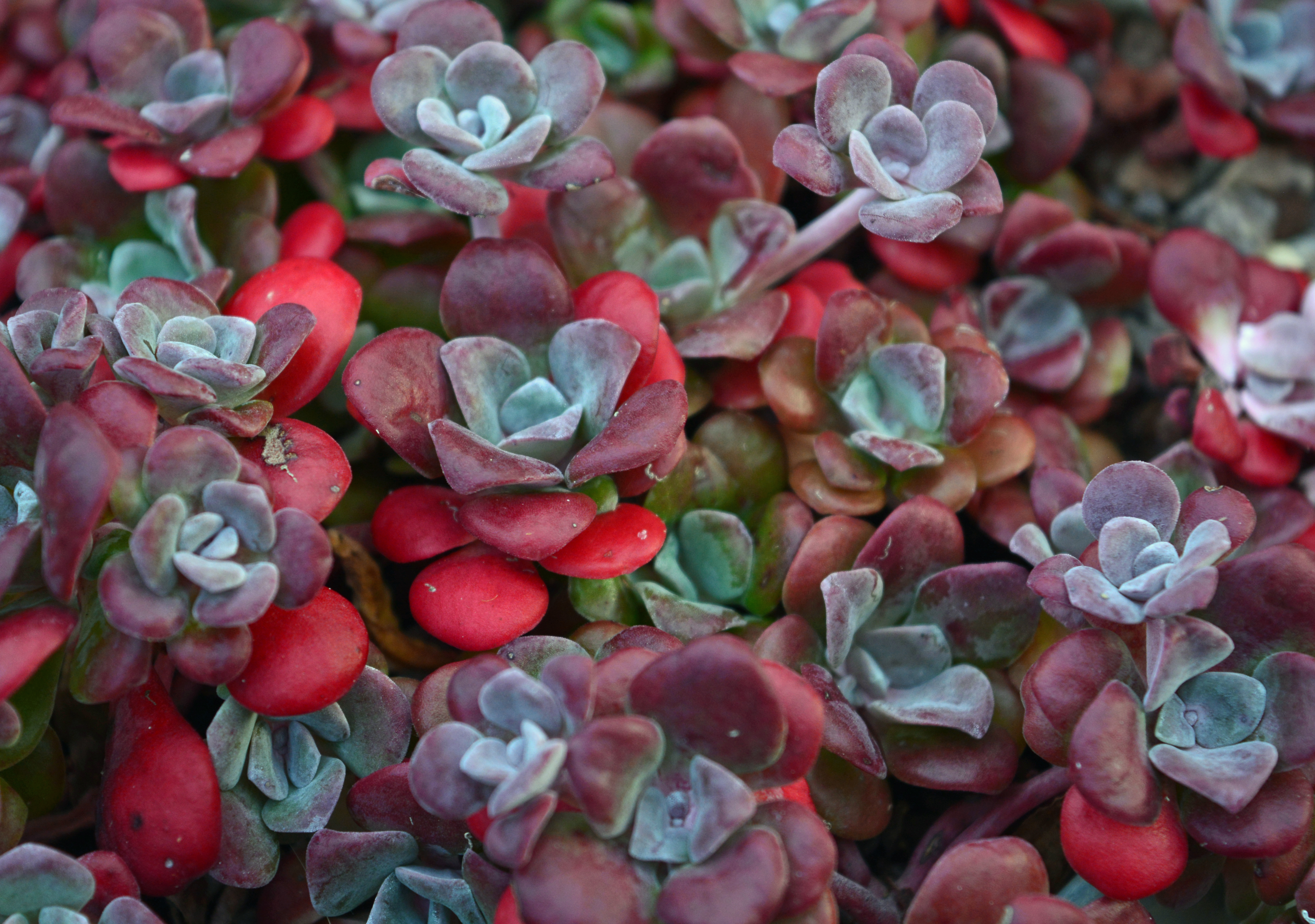
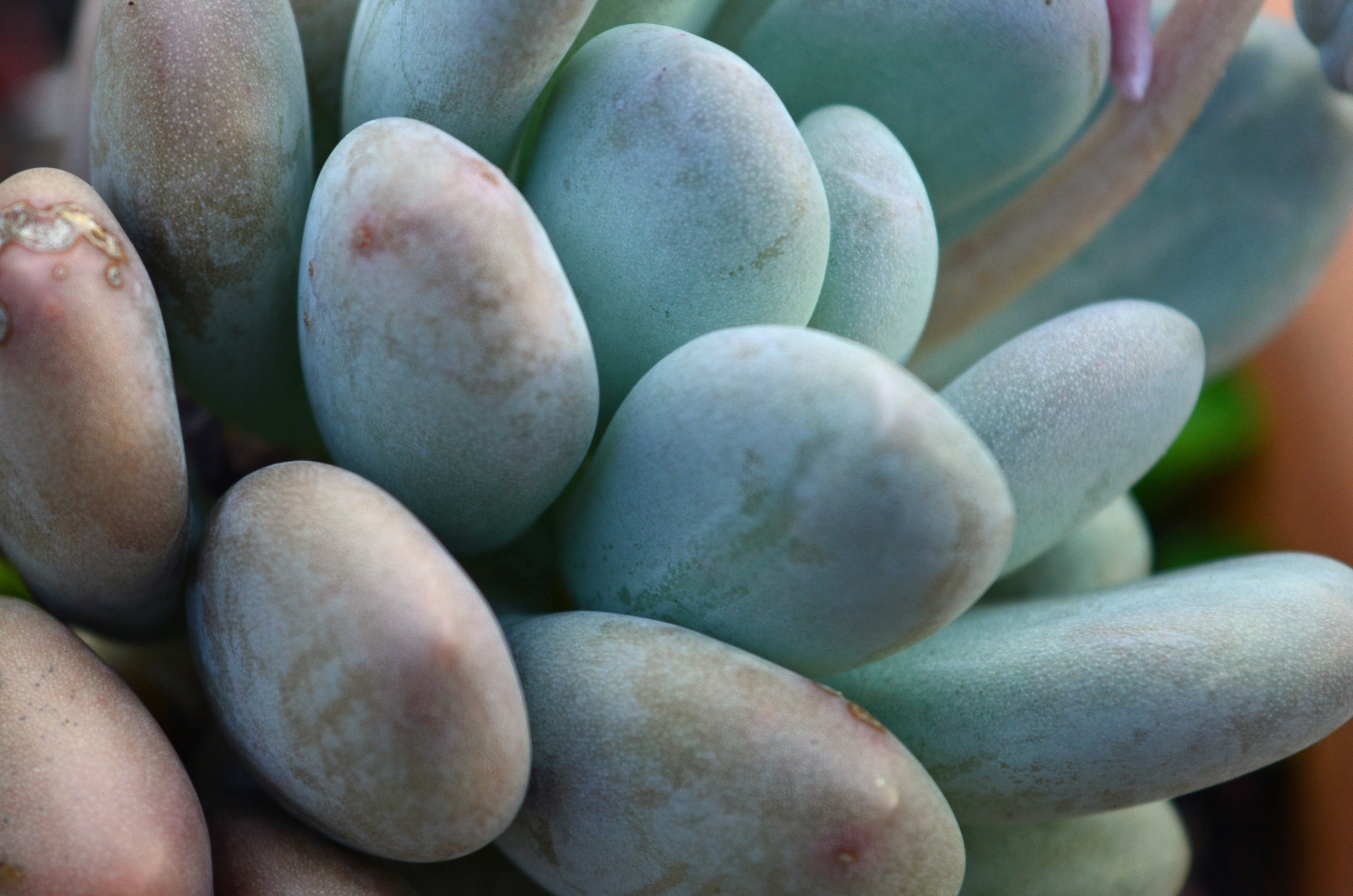
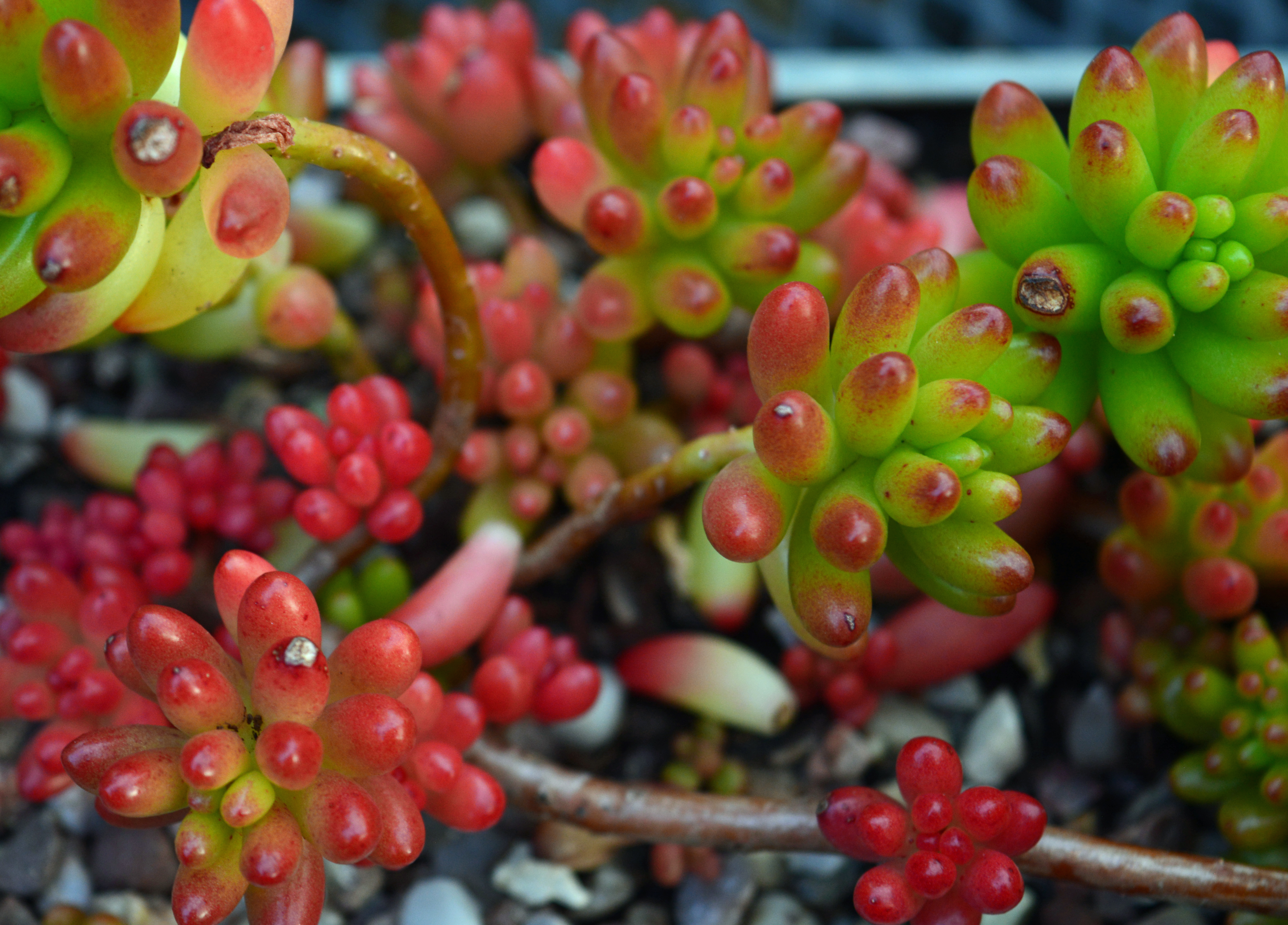
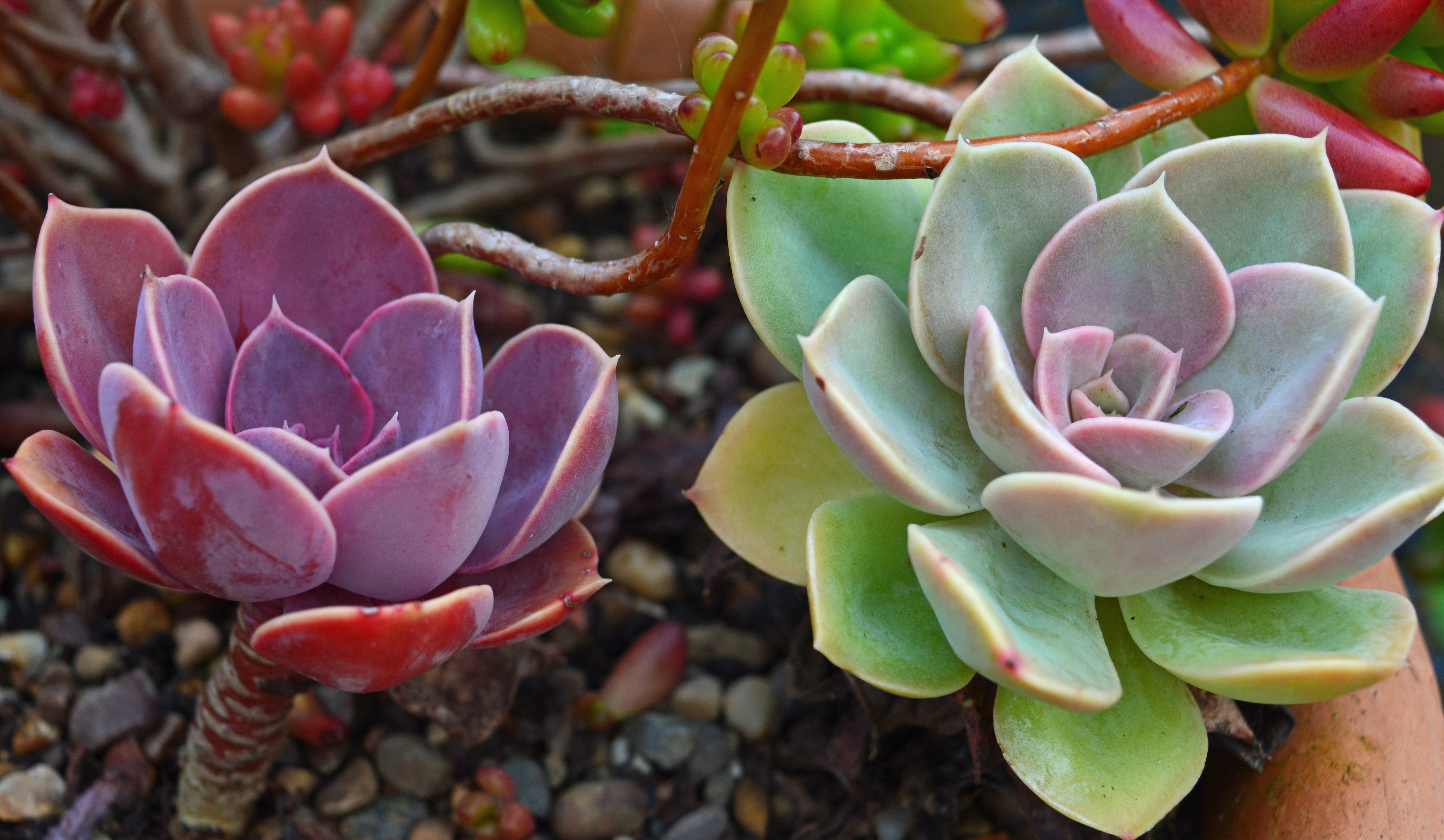
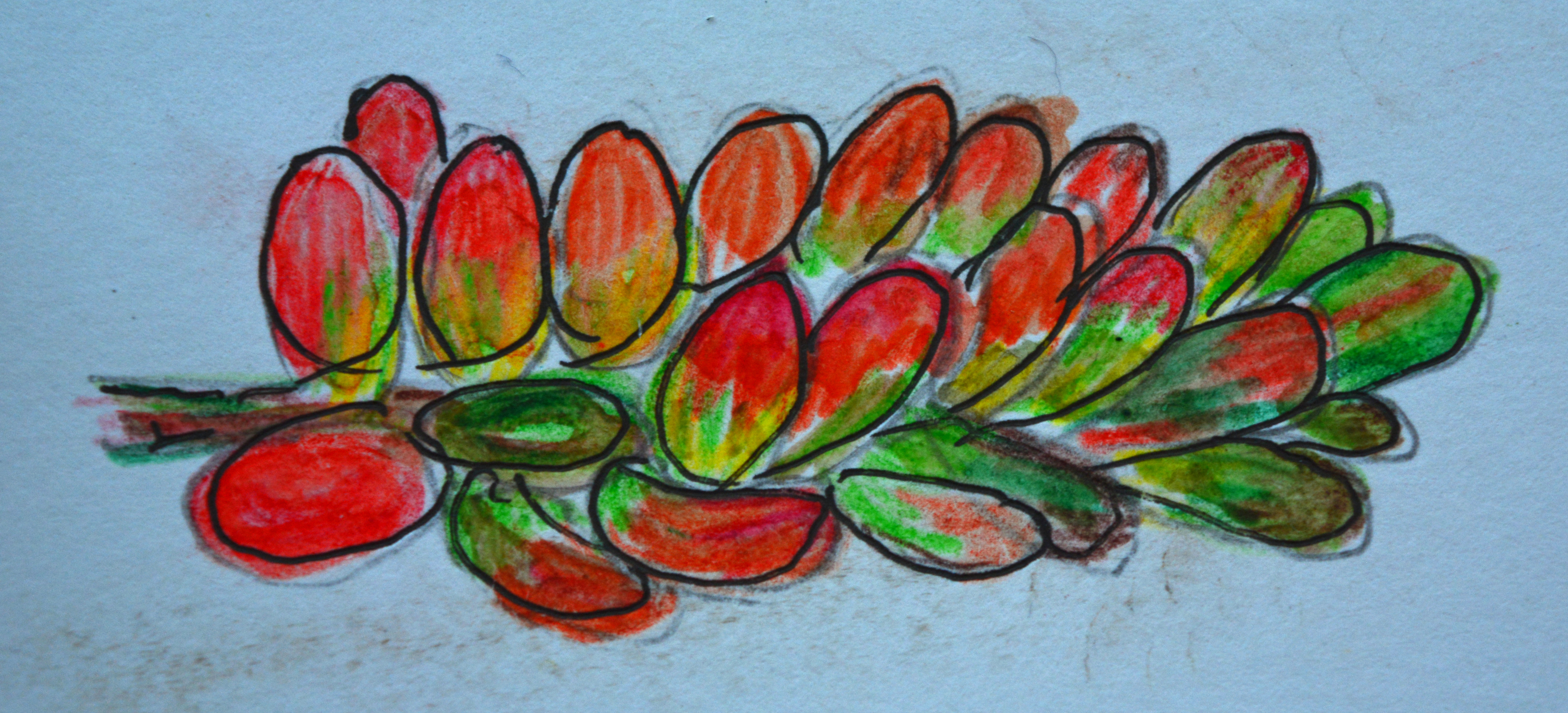
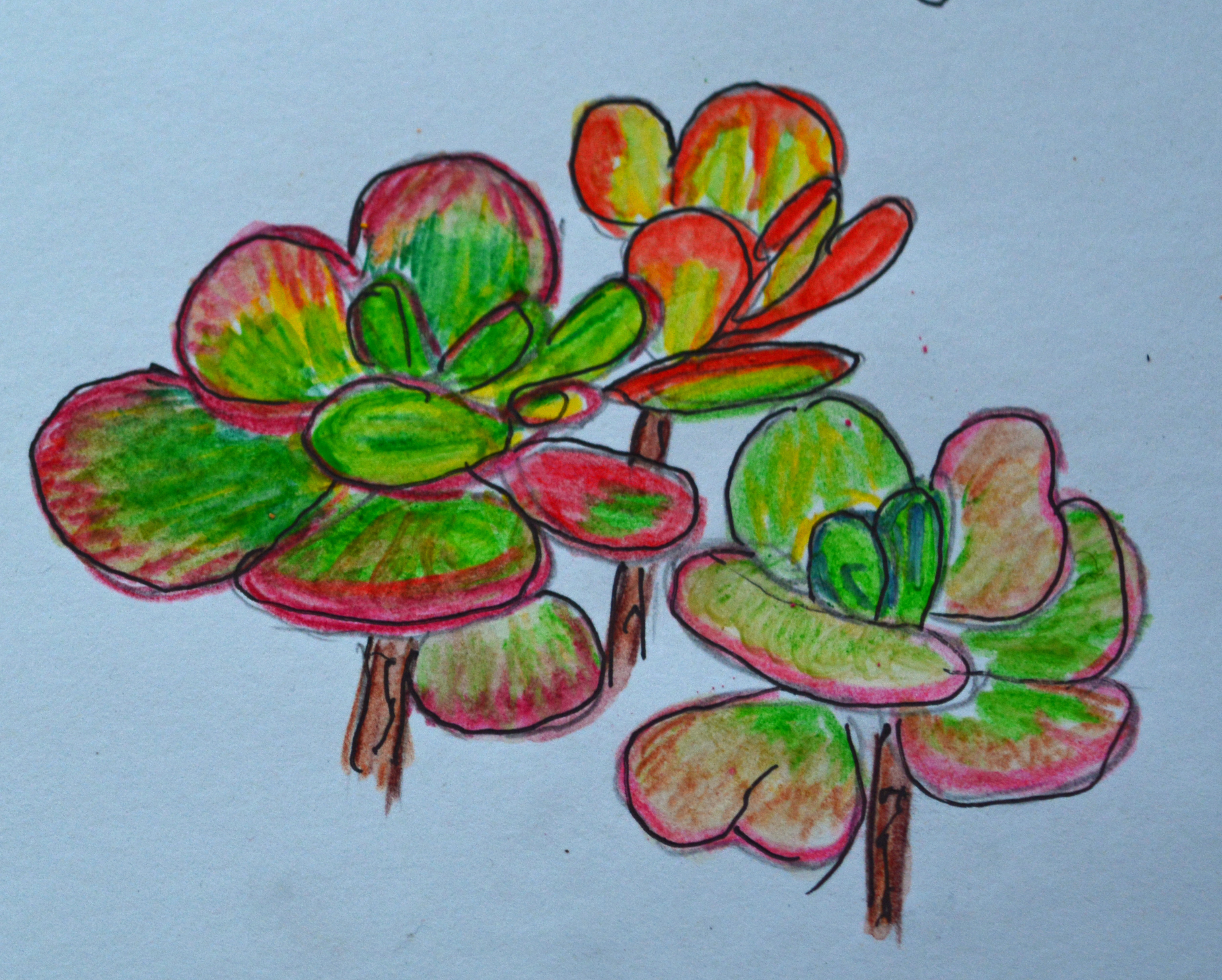
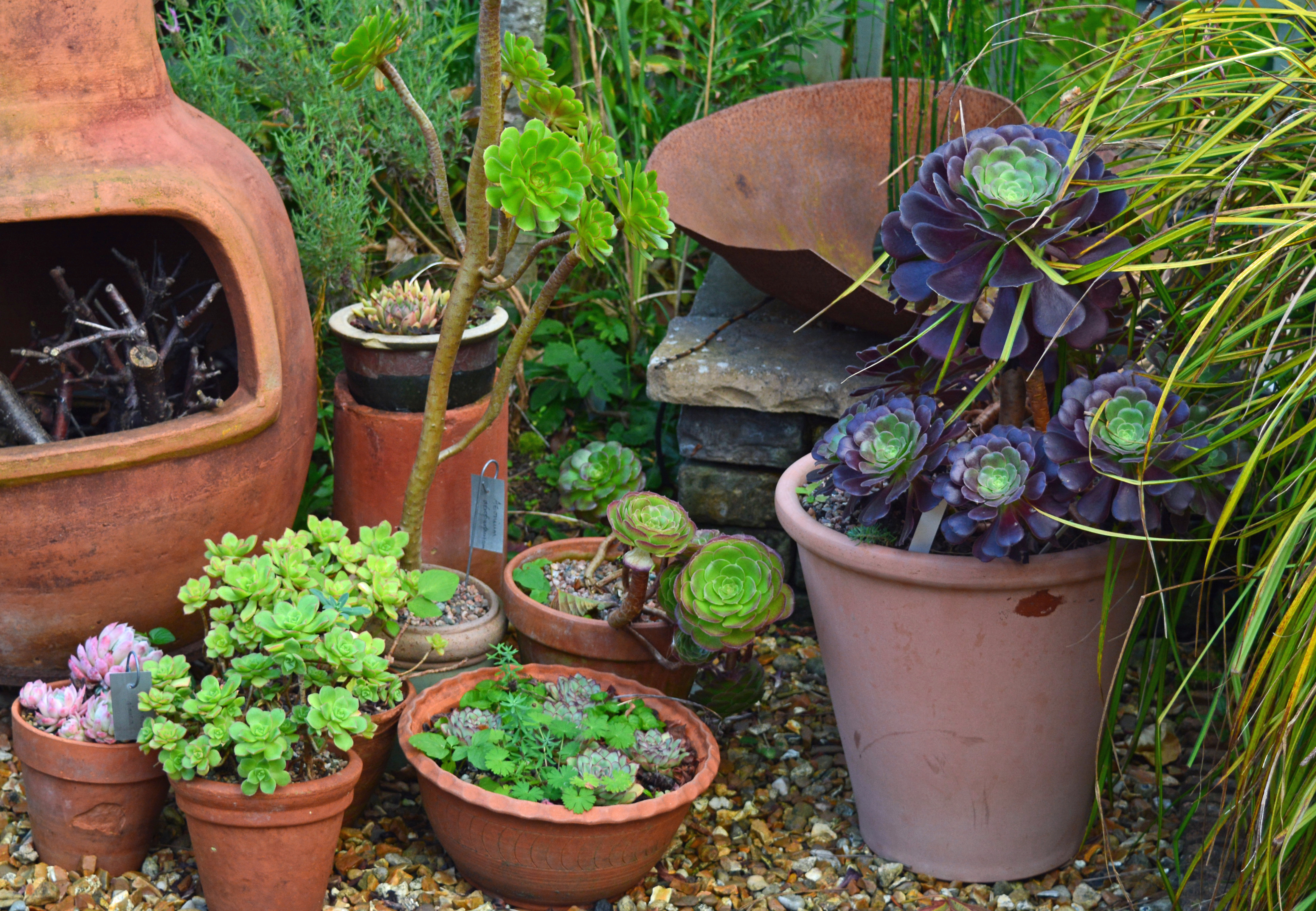
“When considering Autumn colour, succulents are rarely mentioned, but just check out the photos below of some of our succulents taken in November


Below are my paintings/drawings of two multi-coloured succulent stems which I created with water soluble pencil crayons.

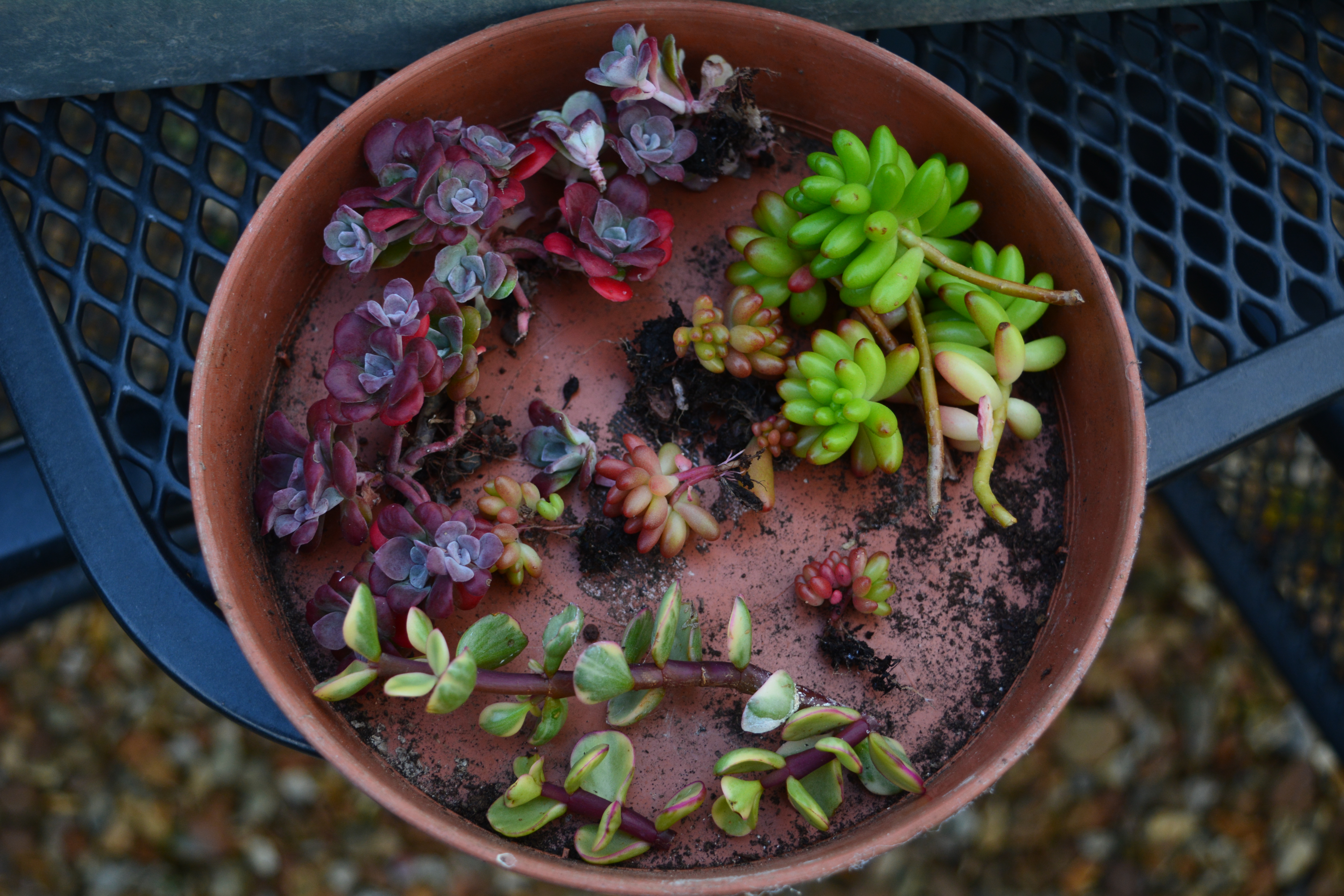
“Taking succulent cuttings.”


“Final pots of succulents waiting to go into their winter home.”


The final page of my November entries in the Garden Journal celebrates my “Plant of the Month”, which is one of only two Irises native to the UK, Iris foetidissima.


The next visit to look at my Garden Journal in 2017 will be the last one for the year, December.

Categories
colours flowering bulbs garden photography gardening hardy perennials

Simply Beautiful – 14

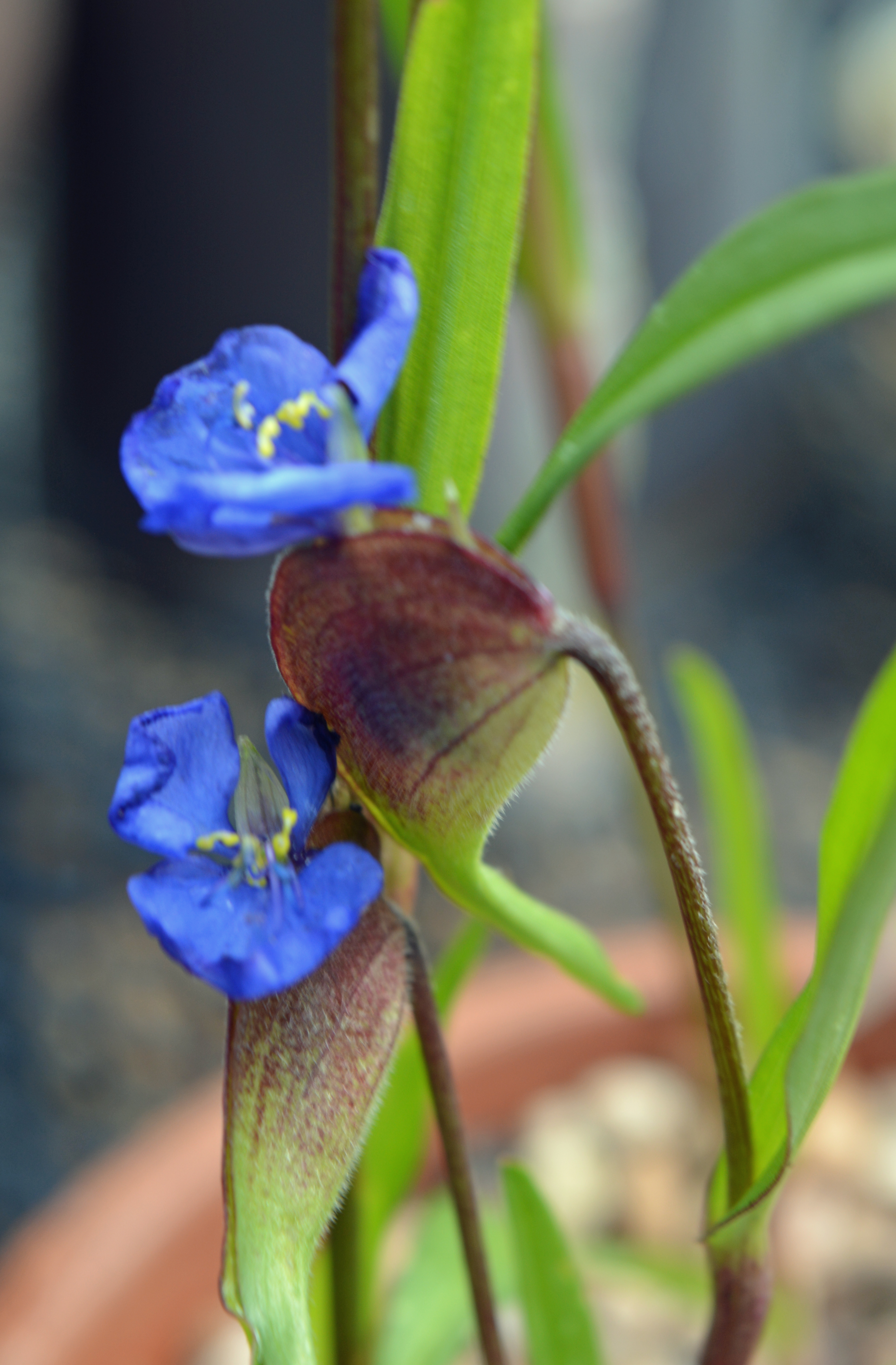
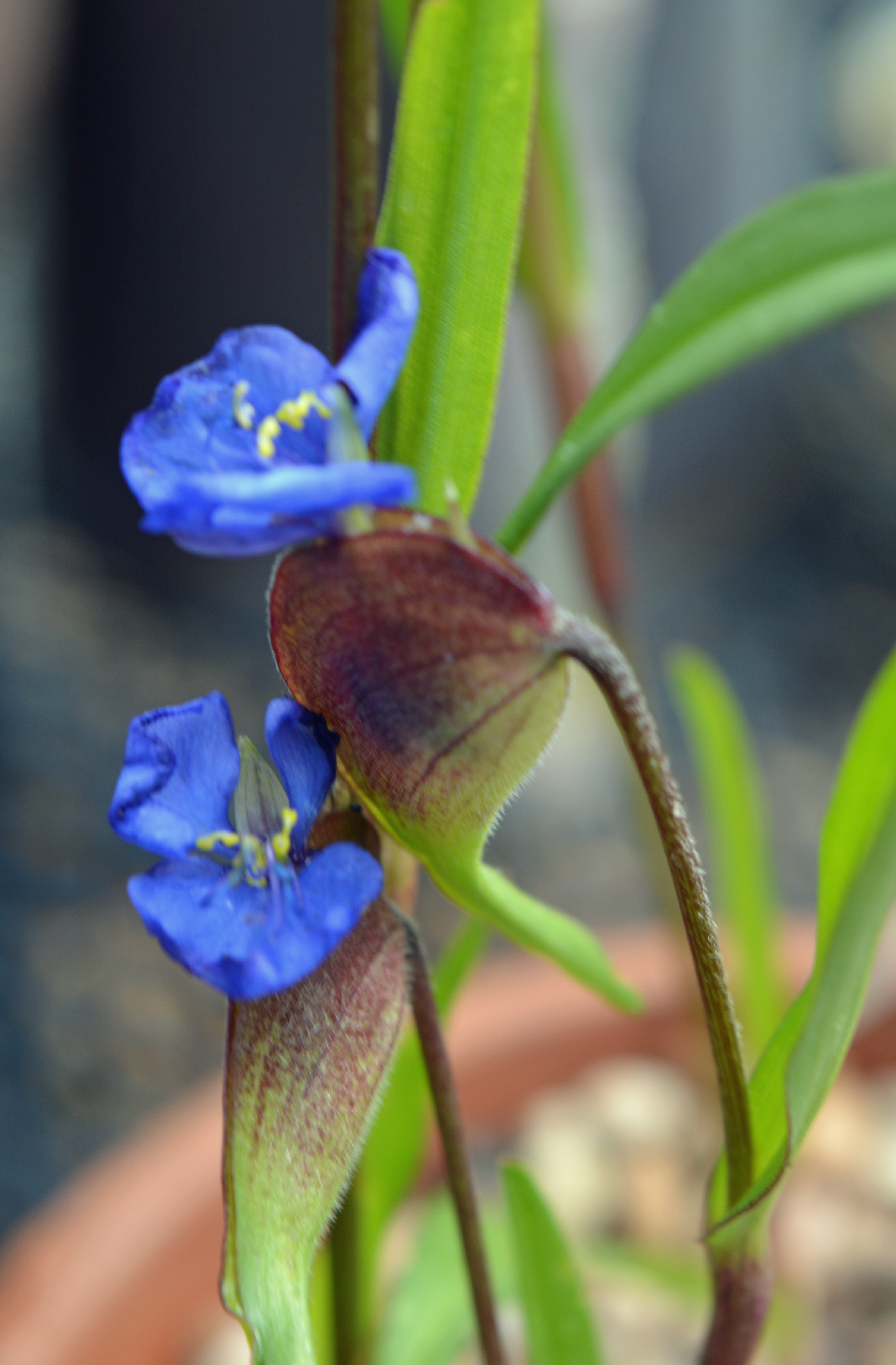
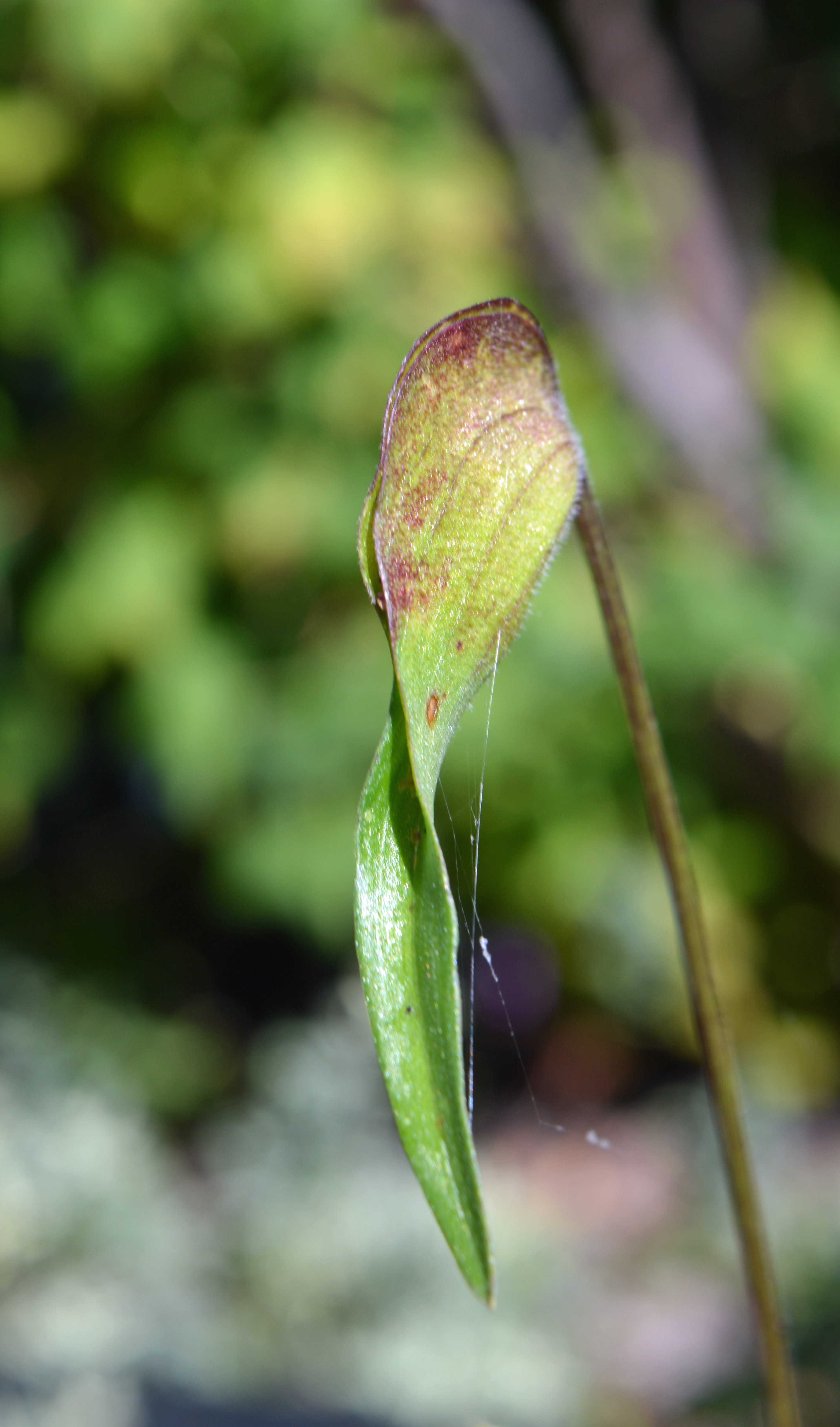
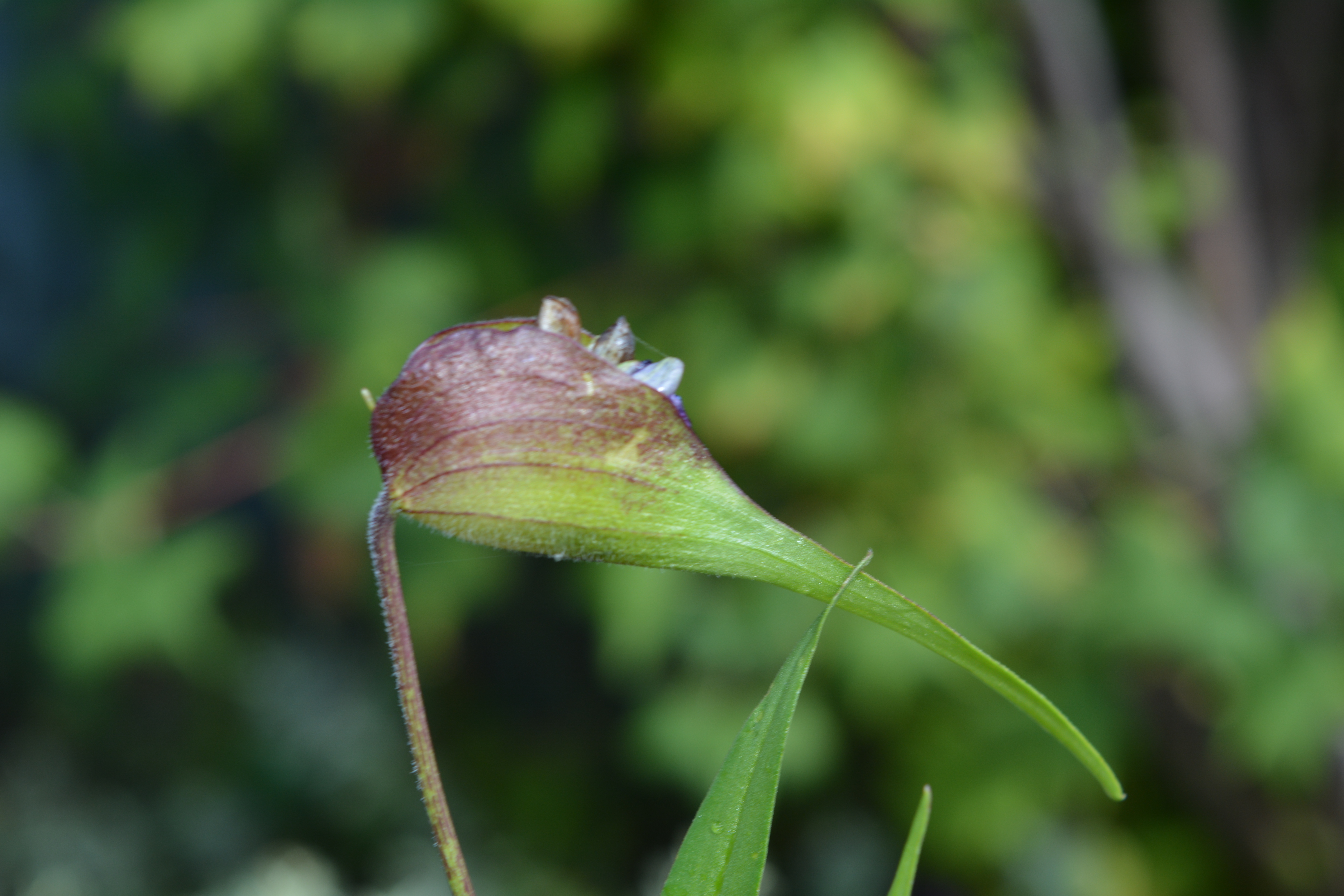
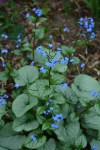
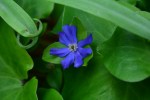
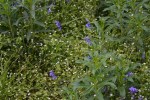
Number 14 in this occasional series of posts will feature a very special little plant with the bluest flowers you could imagine – Commelina dianthifolia. This little gem of a flower is commonly called the Bird-bill Day Flower as each flower lasts but a day and they emerge from bird bill shaped green sepals. We were given our plant by gardening friends Gordon and Mona and we treat it like a special friend itself.


Categories
autumn autumn colours colours flowering bulbs garden design garden photography gardening gardens hardy perennials light light quality Shrewsbury Shropshire shrubs

My Garden Journal – September

So, here we are back taking a look into my Garden Journal 2017 at the entries I made during September. Within the first double page spread I looked at a few hot coloured perennials and shared a favourite quotation from designer, Dan Pearson.

I started off by writing, “September is a favourite month of mine in our garden because it is the time when our grasses peak and hot colours of late perennials get blazing and burning against pale clear blue skies”.


Dan Pearson, probably the world’s leading garden designer, wrote in his book “Natural Selection, a Year in the Garden”, “The light is never more beautiful than it is now, sliding into the garden at an ever-increasing angle to tease out the detail………. Rosy-faced apples weigh down branches and lazy wasps have the remains of the plum harvest. Sunflowers will never be taller, berries are hanging heavy on the once-blooming roses, and the butterflies which have had a hard time of it this summer, are making the most of the asters and the last heat of the sun.”

As long as the weather remains mild and calm then our predatory insects and pollinators remain busy taking advantage of every possibility  as they sense the onset of autumn.

Over the page I continued by considering two very special small-flowered plants. I wrote,

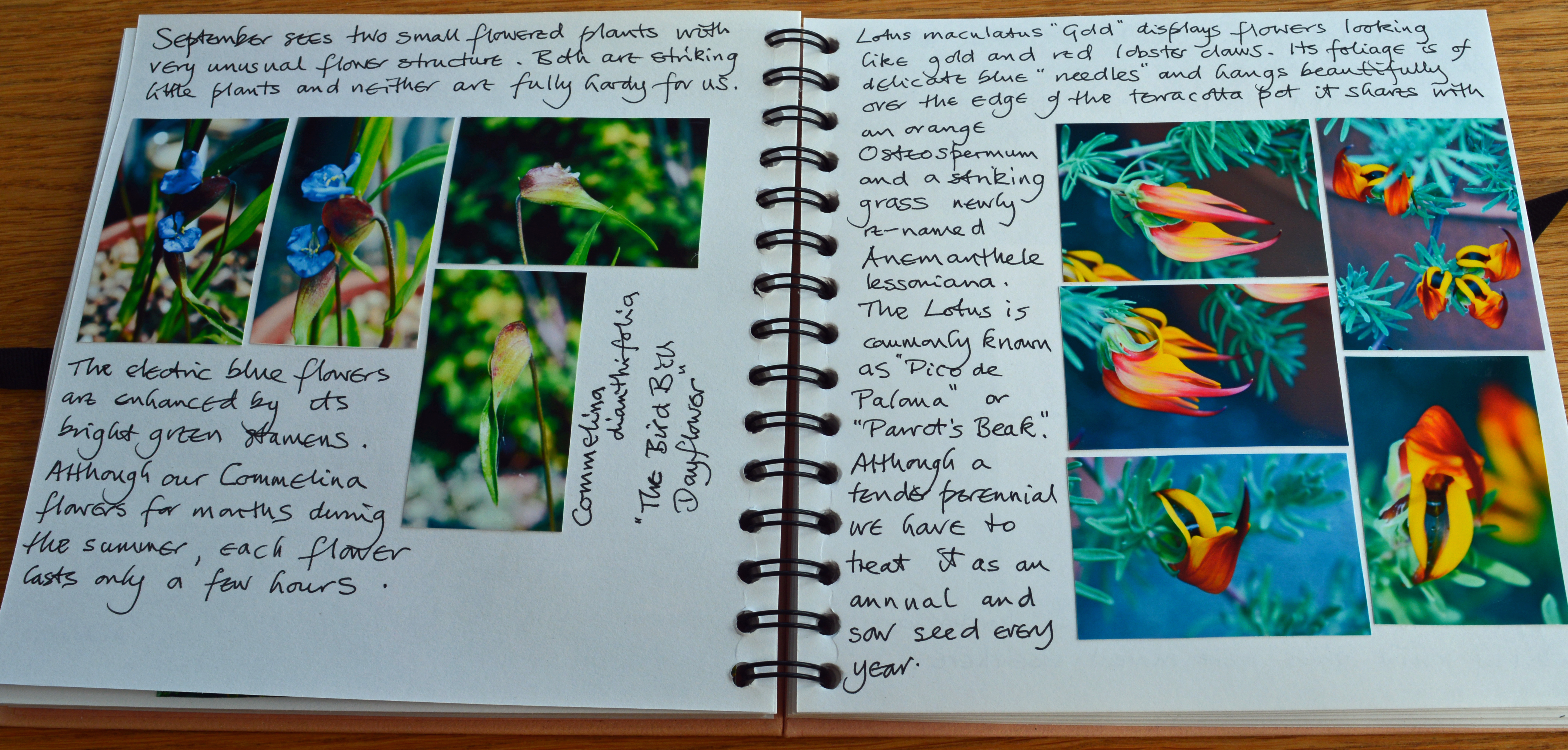
“September sees two small-flowered plants with very unusual flower structures. Both are striking little plants and neither are fully hardy for us.” I was referring to “Commelina dianthifolia” and “Lotus maculatus “Gold”.

“Commelina dianthifolia is commonly known as “The Bird Bill Dayflower”. The electric blue flowers are enhanced byits bright green stamens. Although our Commelina flowers for months during the summer, each flower lasts only a few hours.”


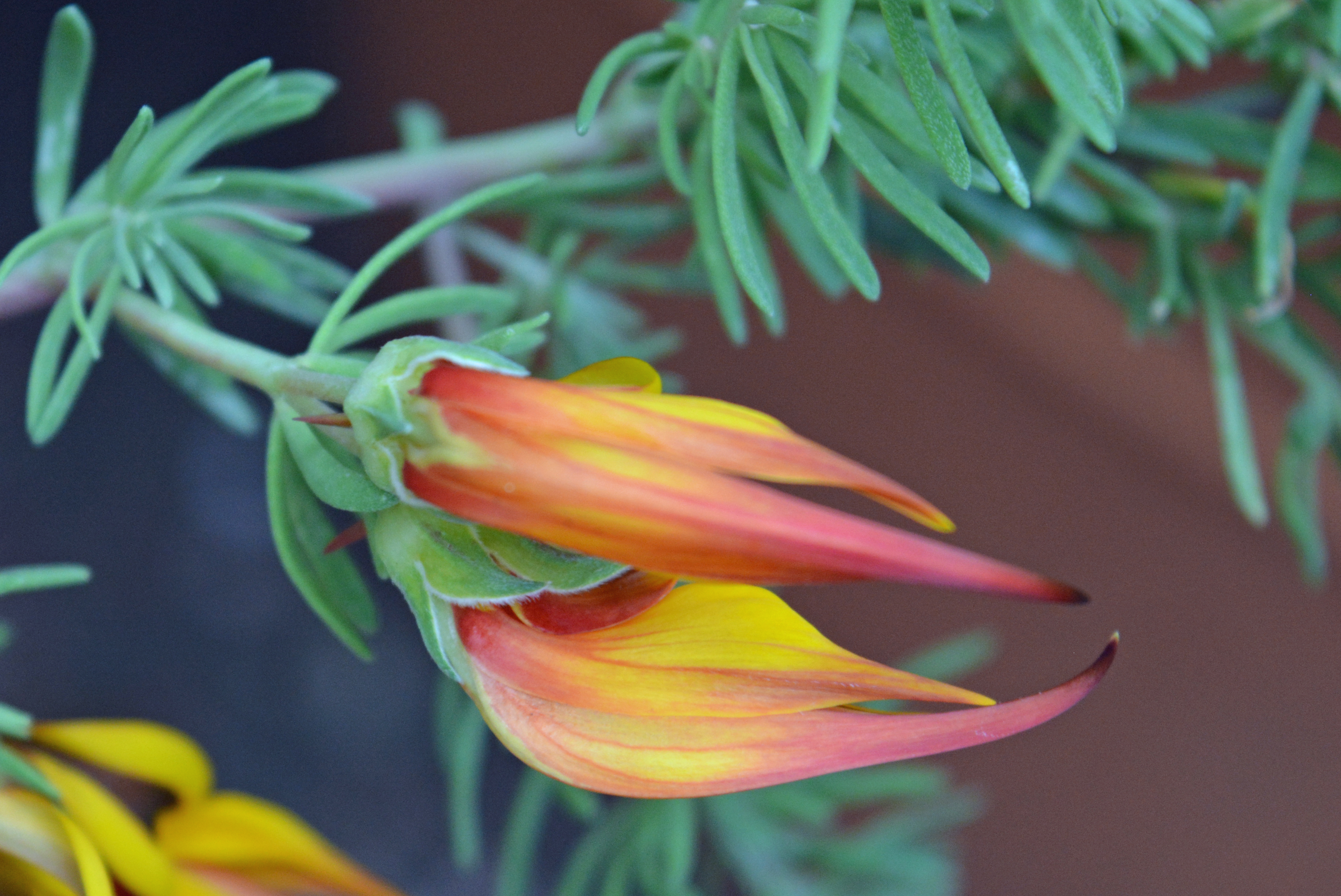
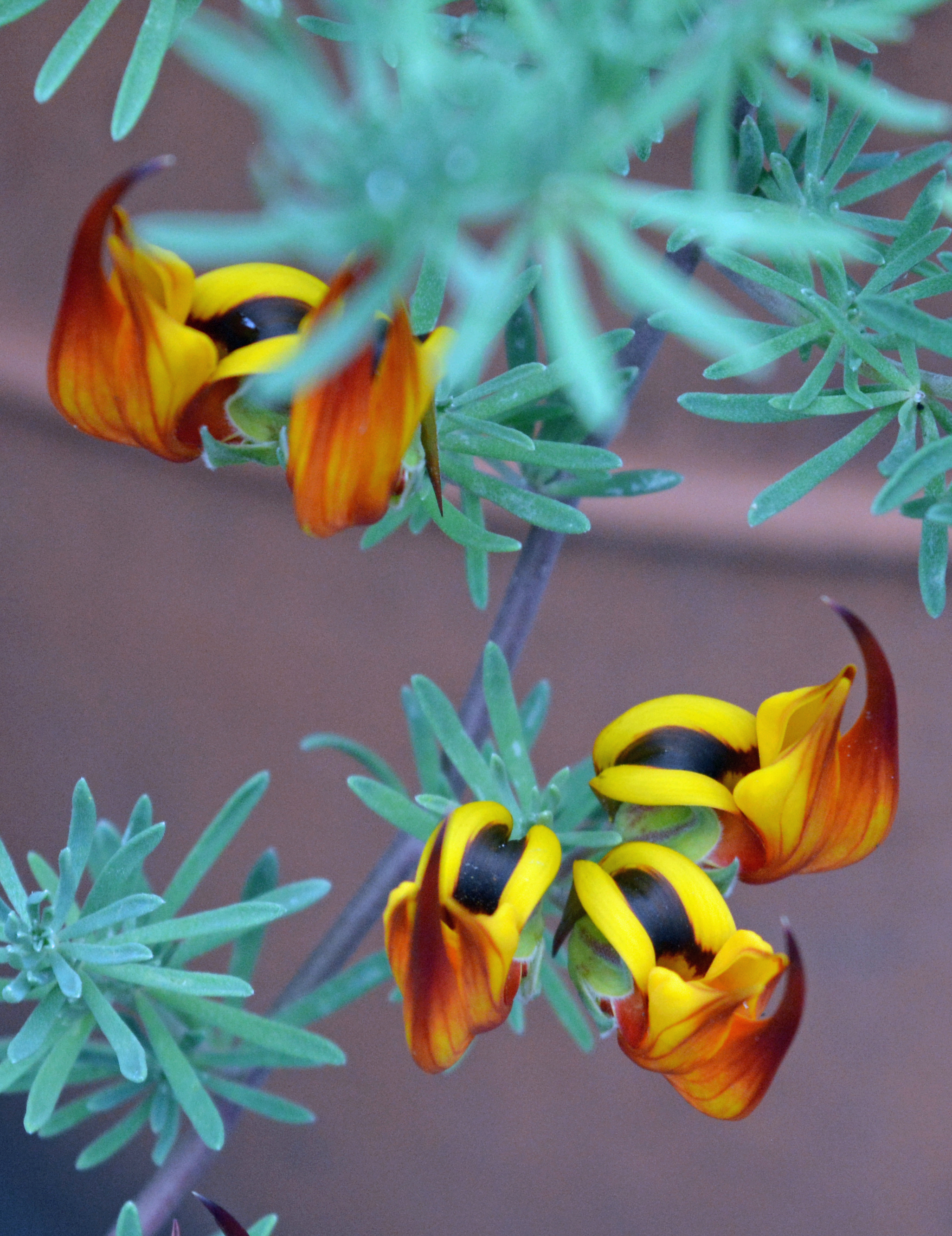
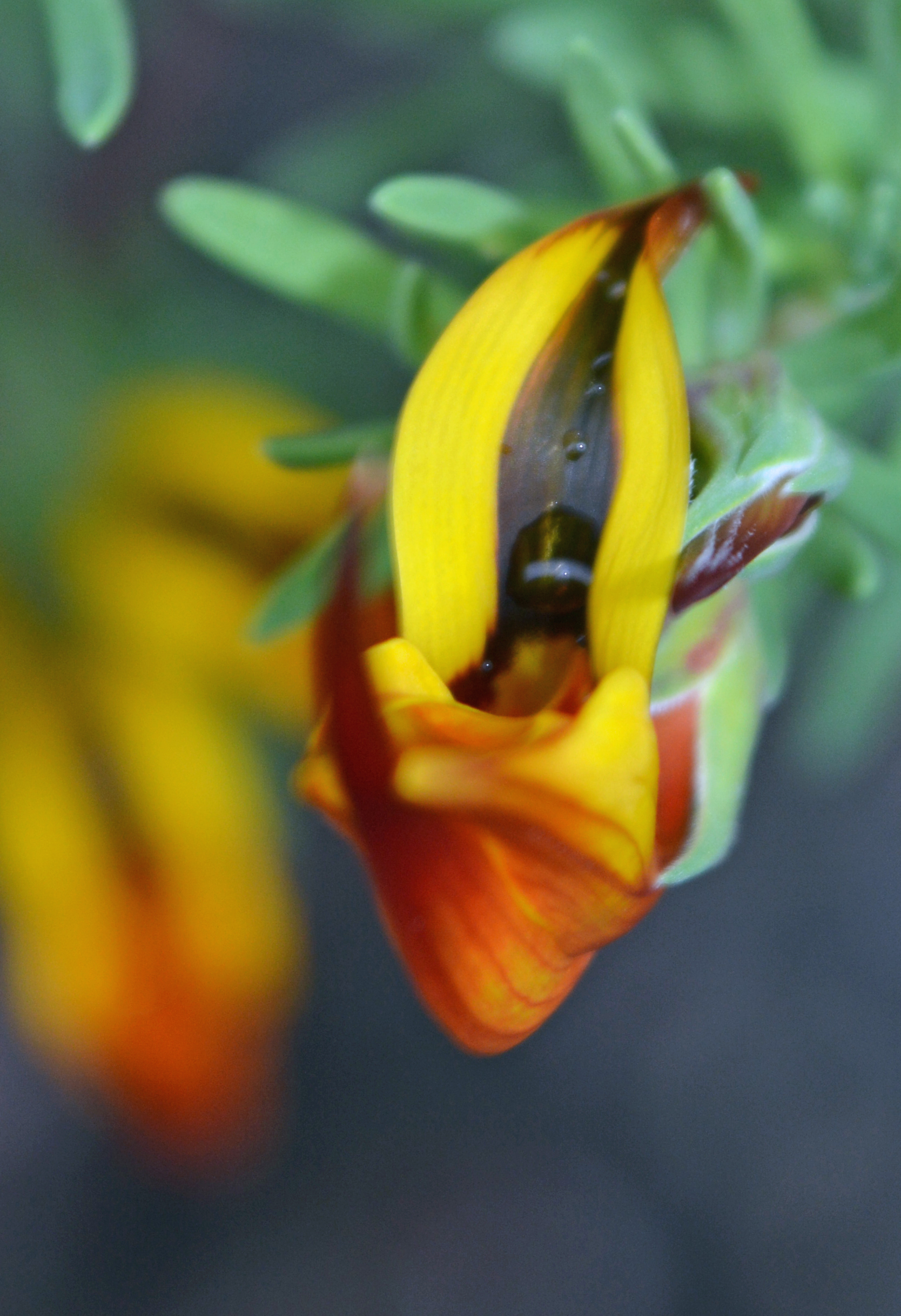
“Lotus maculatus “Gold” displays flowers looking like gold and red lobster claws. Its foliage is of delicate blue”needles” and hangs beautifully over the edge of the terra-cotta pot it shares with an orange Osteospermum and a striking grass, newly renamed Anemanthele lessioniana. The Lotus is commonly known as “Pico de Paloma” or “Parrot’s Beak”. Although a tender perennial we have to treat it as an annual and sow it every year.”


Over the next page I began to show how we are re-building a garden, not by choice but out of necessity.

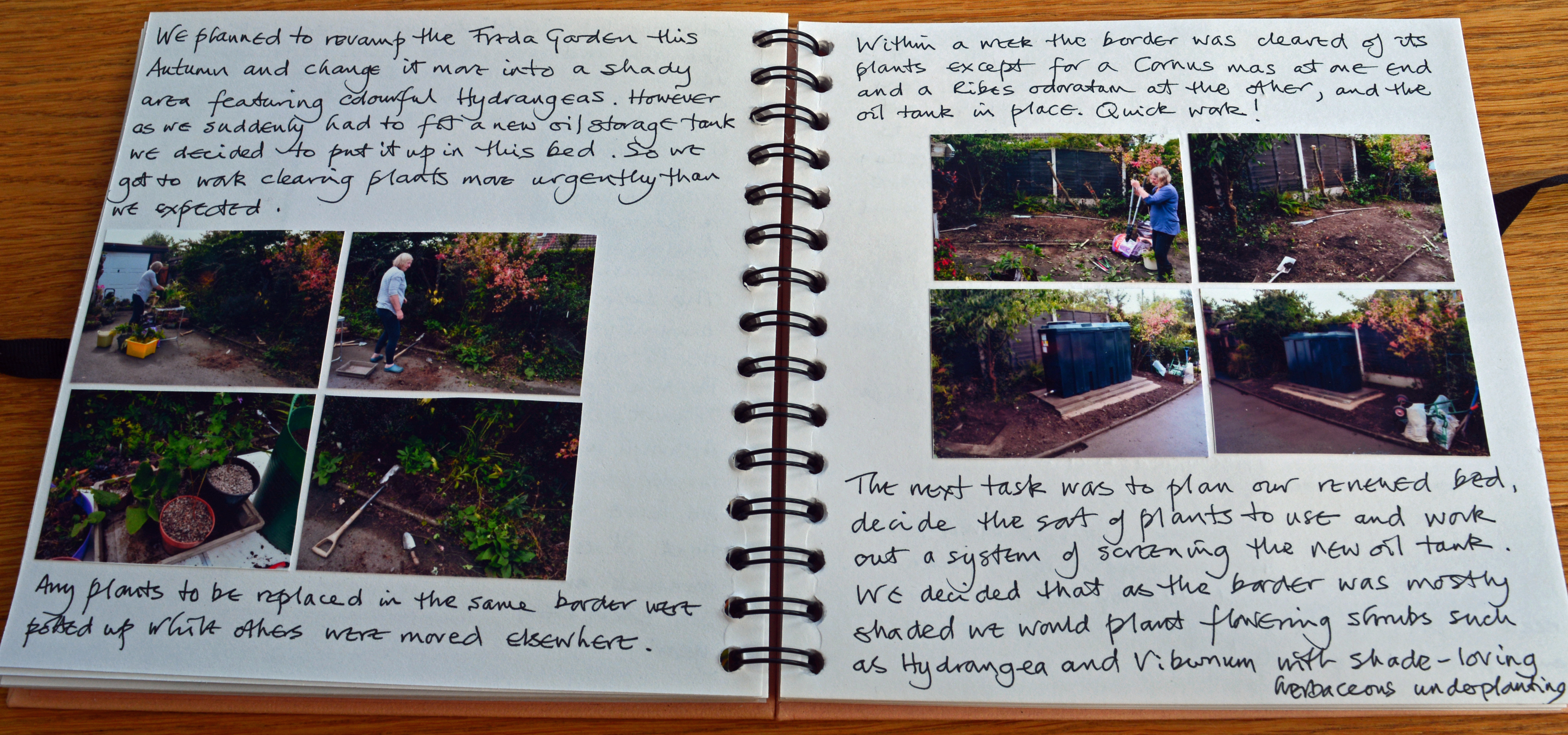
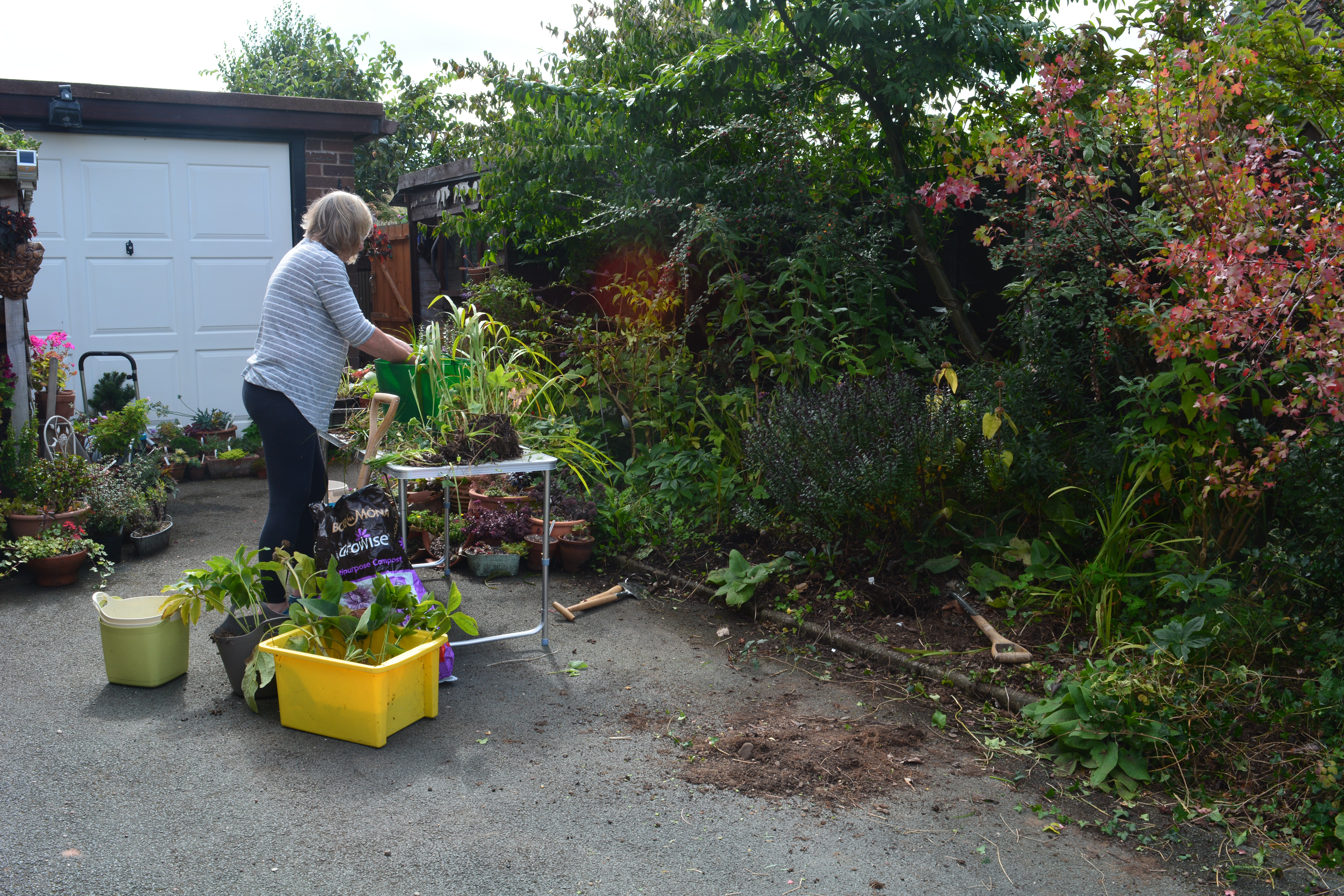
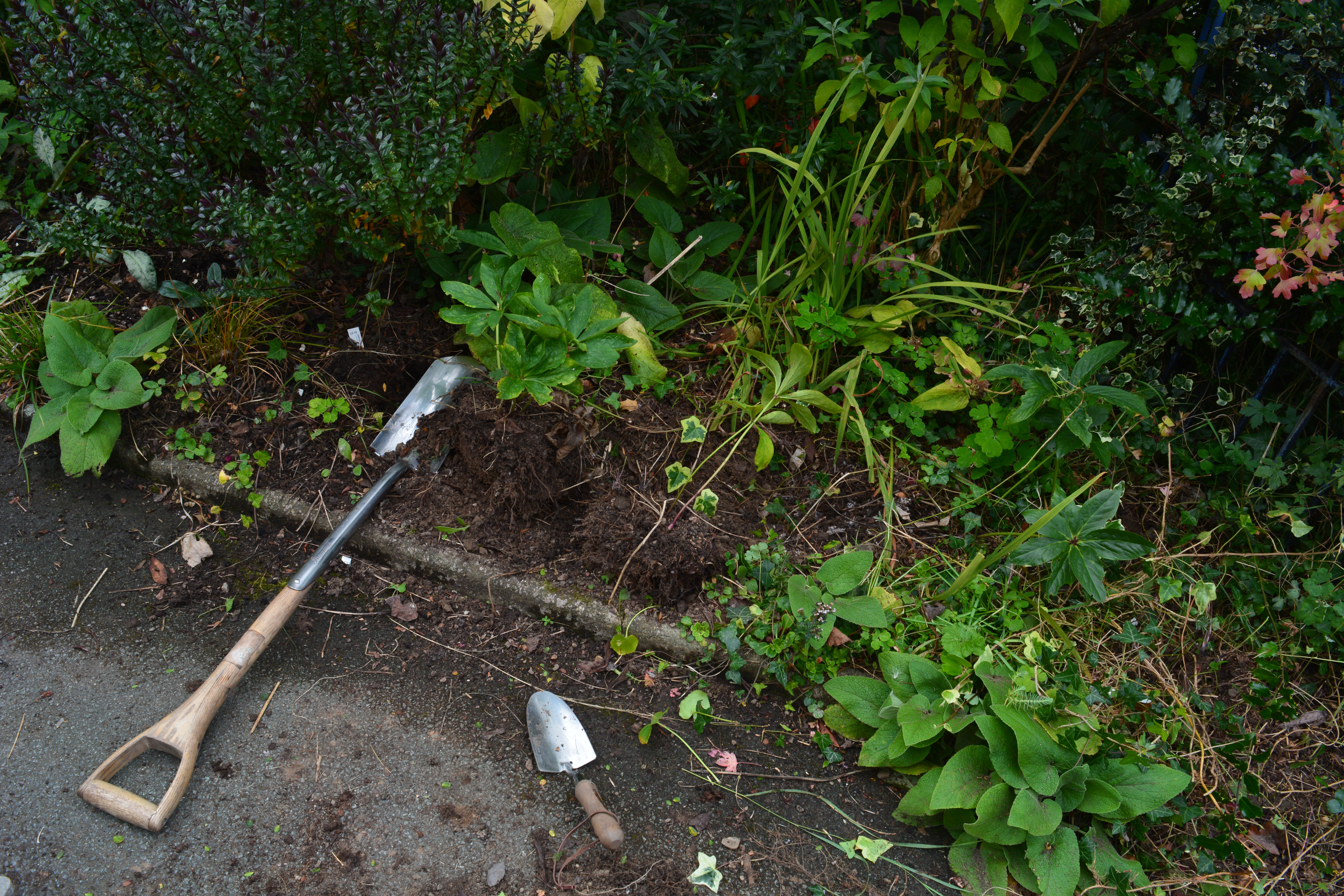
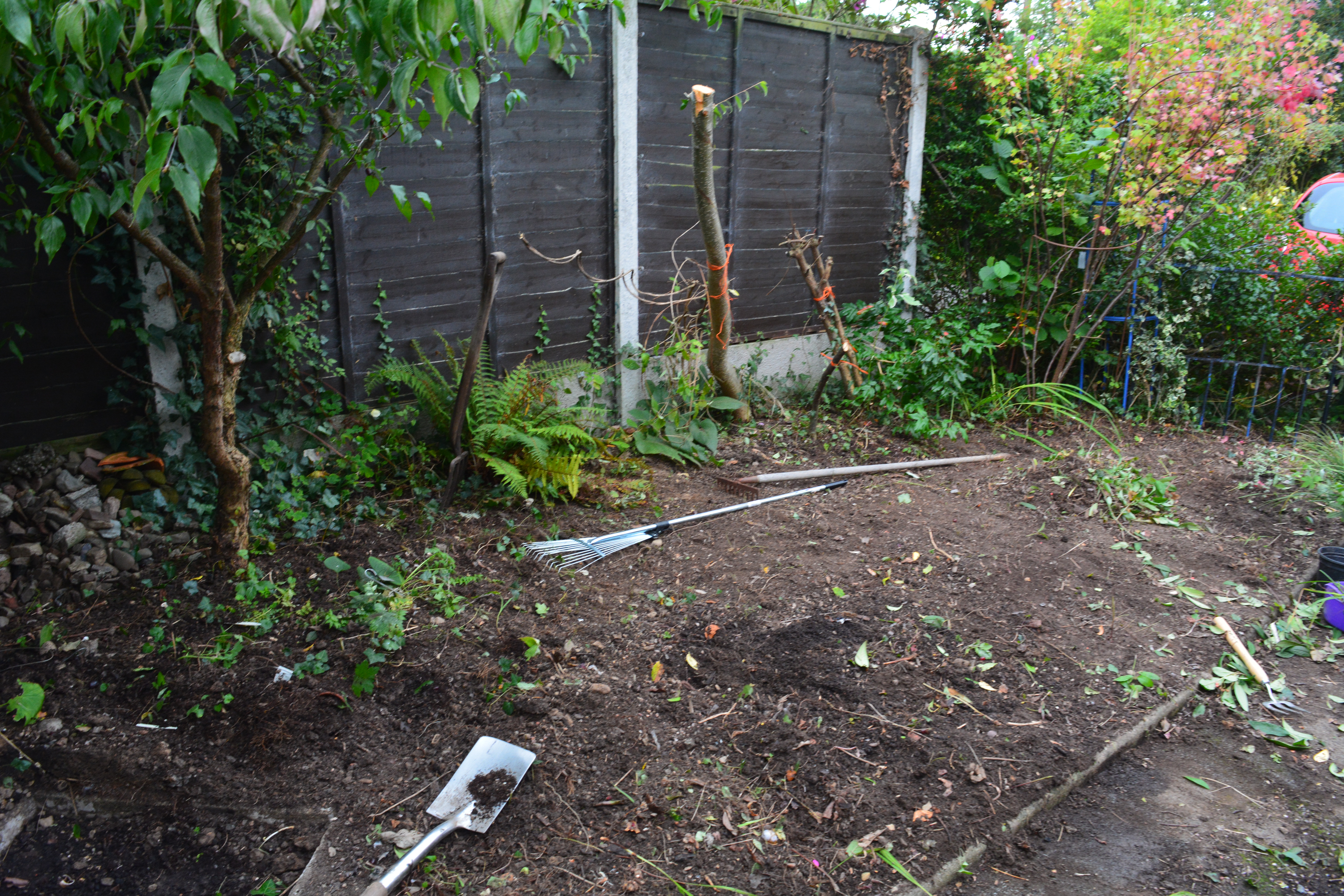
“We planned to revamp the Freda Garden this Autumn and change it more into a shady area featuring colourful Hydrangeas. However as we suddenly had to fit a new oil storage tank we decided to put it up in this bed. So we got to work clearing plants more urgently than we had expected.” 

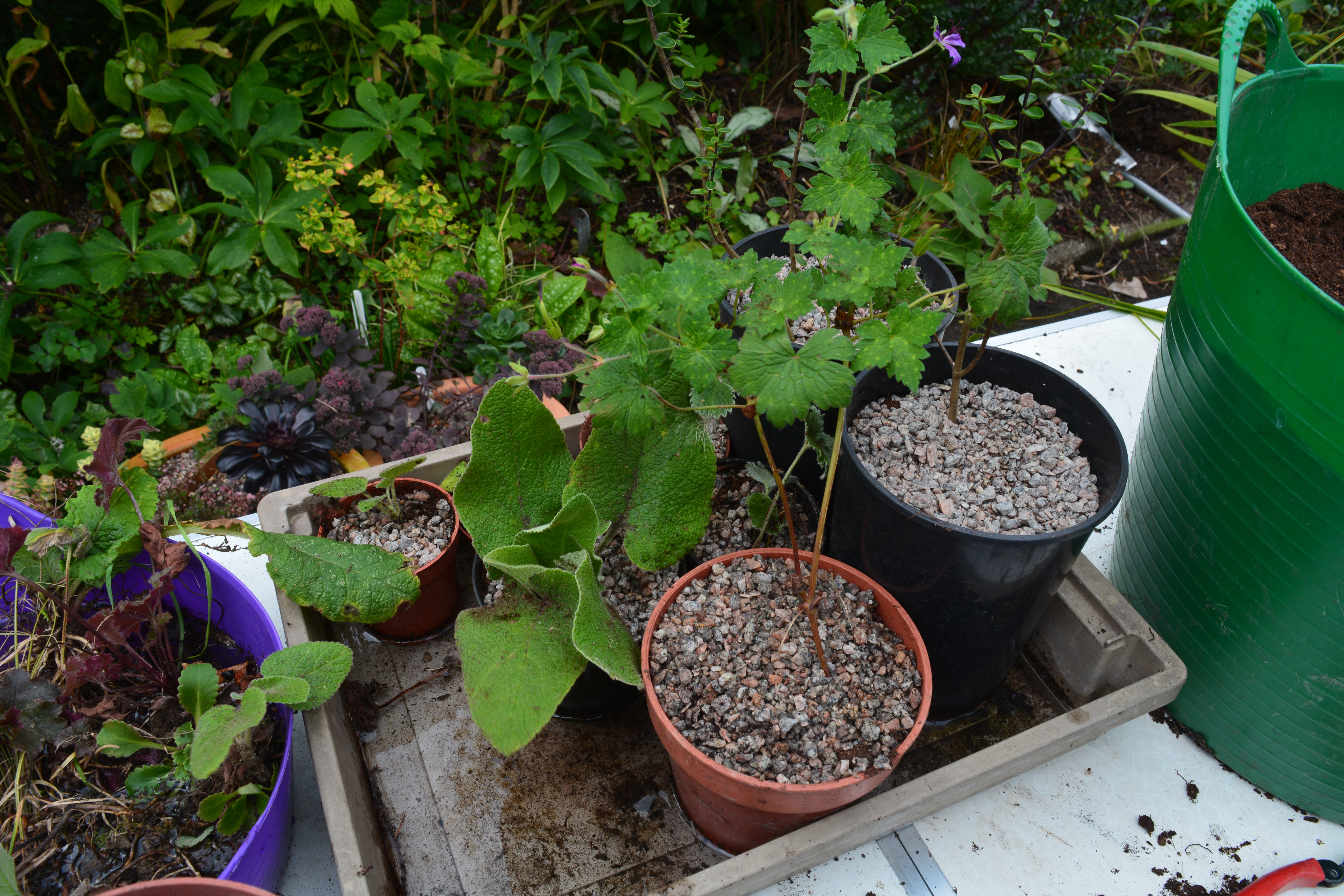
“Any plants to be replaced in the same border were potted up while others were moved elsewhere.”


“Within a week the border was cleared of its plants except for a Cornus mas at one end and a Ribes odoratum at the other, and the oil storage tank in place. Quick work!


“The next task was to plan our renewed bed, decide the sort of plants to use and work out a system of screening the new oil tank. We decided that as the border was mostly shaded or semi-shaded we would plant flowering shrubs such as Hydrangea and Viburnum with shade-loving herbaceous underplanting.”

As we move to the next double page, I will begin to share the plants we discovered as we searched for suitable candidates

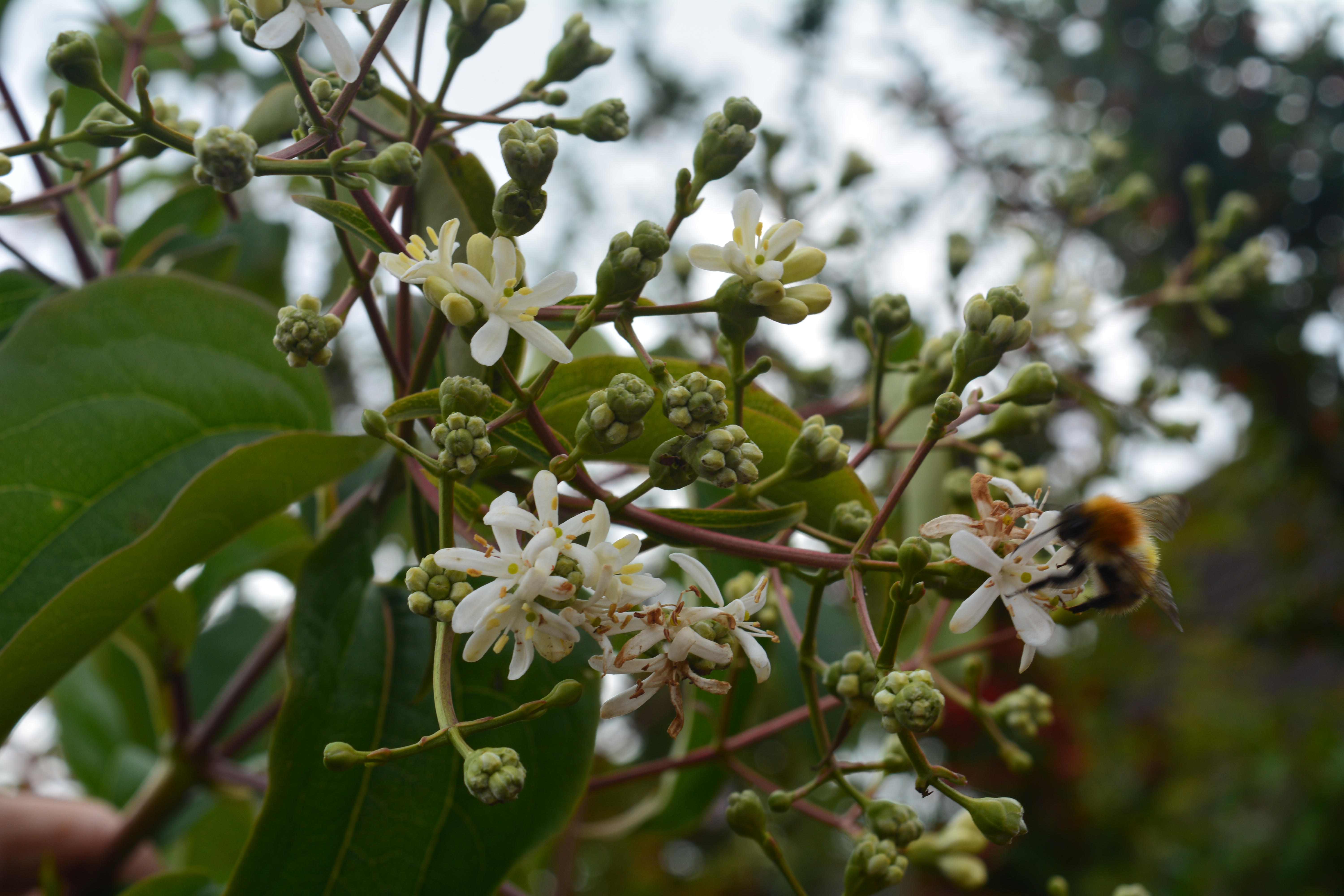
“We have room for a couple of trees at the back of the border – so far we have got one very special tree ready to plant. Heptacodium miconiodes is an elegant tree with peeling bark, fragrant white flowers that are attractive to useful wildlife and attractively curled leaves. It will be such a wonderful addition to our tree collection.

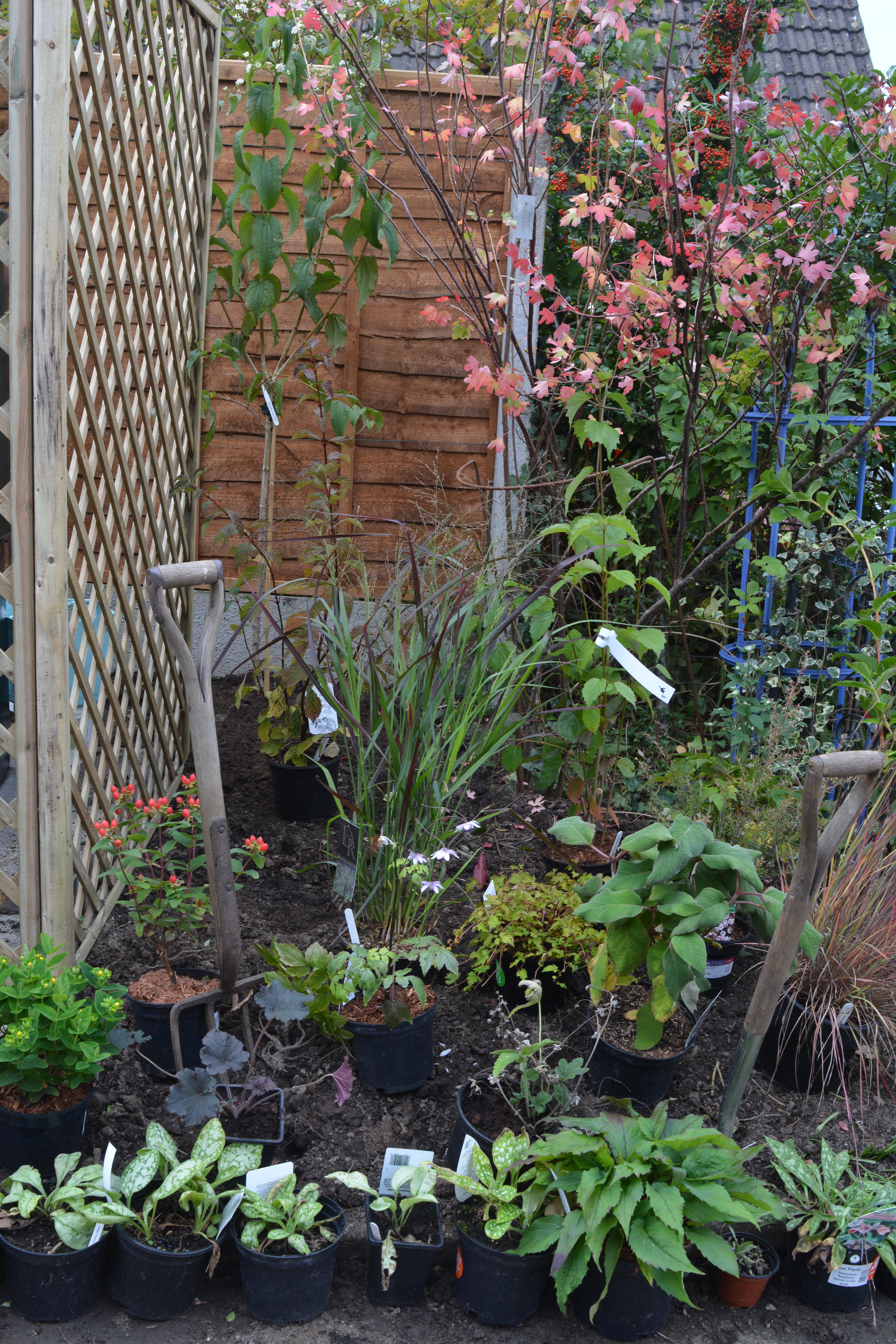
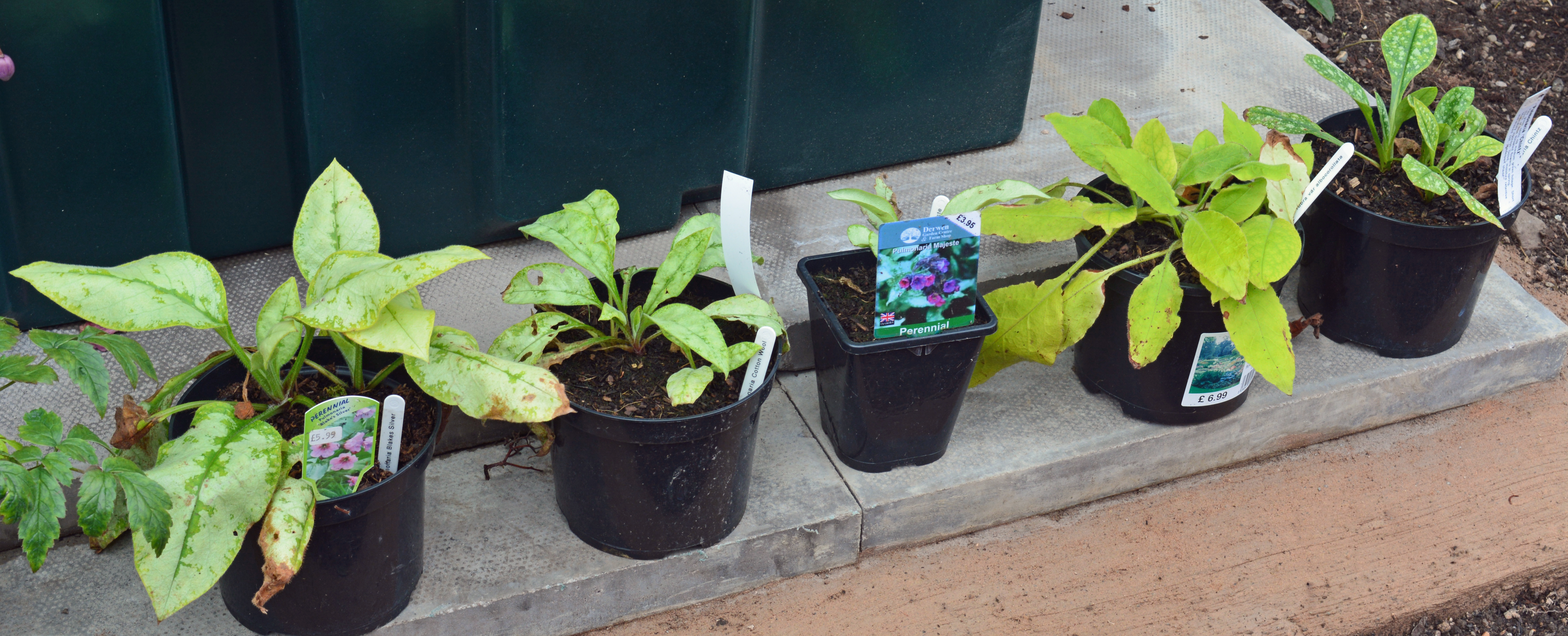
To grace the ground beneath our new tree we have a collection of Pulmonarias chosen for their early flowering and finely coloured and marked leaves. We will also plant an Anemone, grasses and ferns with a selection of Viburnum and Hydrangea. Now we need to prepare the soil for fresh planting and plant the plants.”


Three Hydrangeas, pink, white and blue.


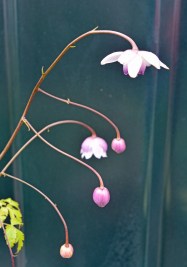
Viburnum nudum, Anemonopsis macrophylla and Panicum  virgatum “Squaw”.


Next I shall look at some wildlife visitors who share our Plealey garden, and get out my watercolours, brushes and fine felt pens.

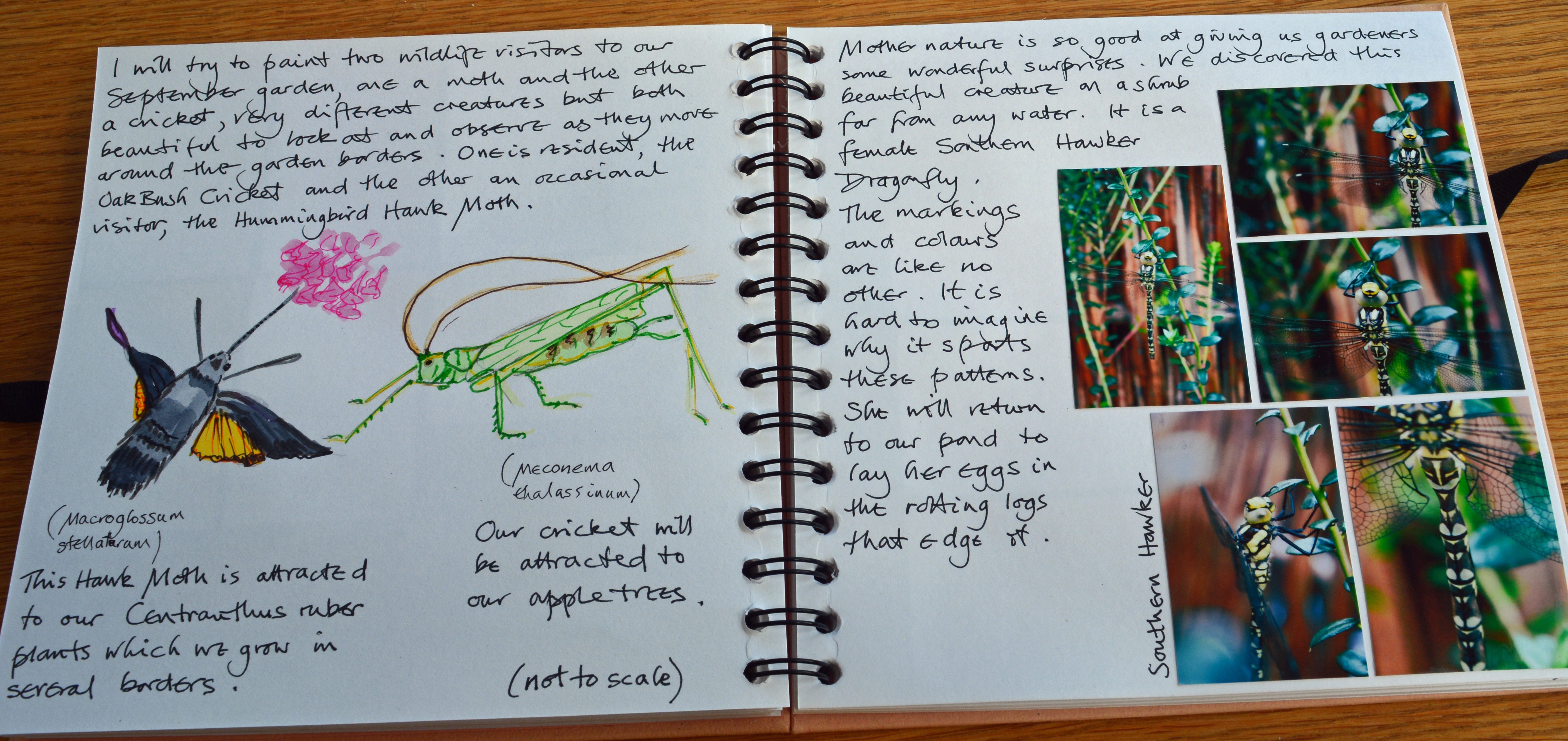
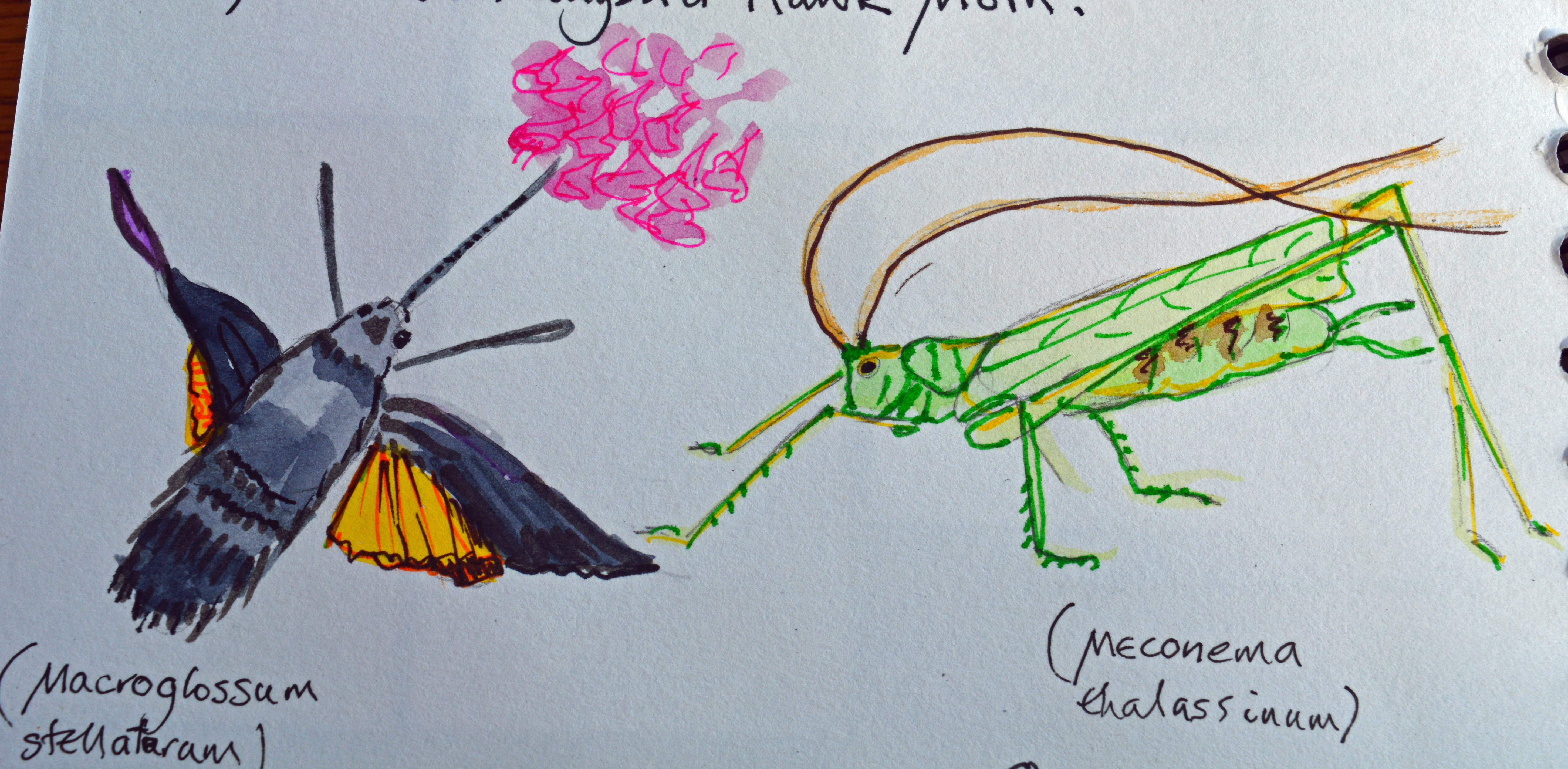
“I will try to paint two wildlife visitors to our September garden, one a moth and the other a cricket, very different creatures but both beautiful to look at and observe as they move around the garden borders. One is resident, the Oak Bush Cricket and the other an occasional visitor, the Hummingbird Hawk Moth.”

“The Hawk Moth is attracted to our Centranthus ruber plants which we grow in several borders, but our cricket will be attracted to our apple trees.”

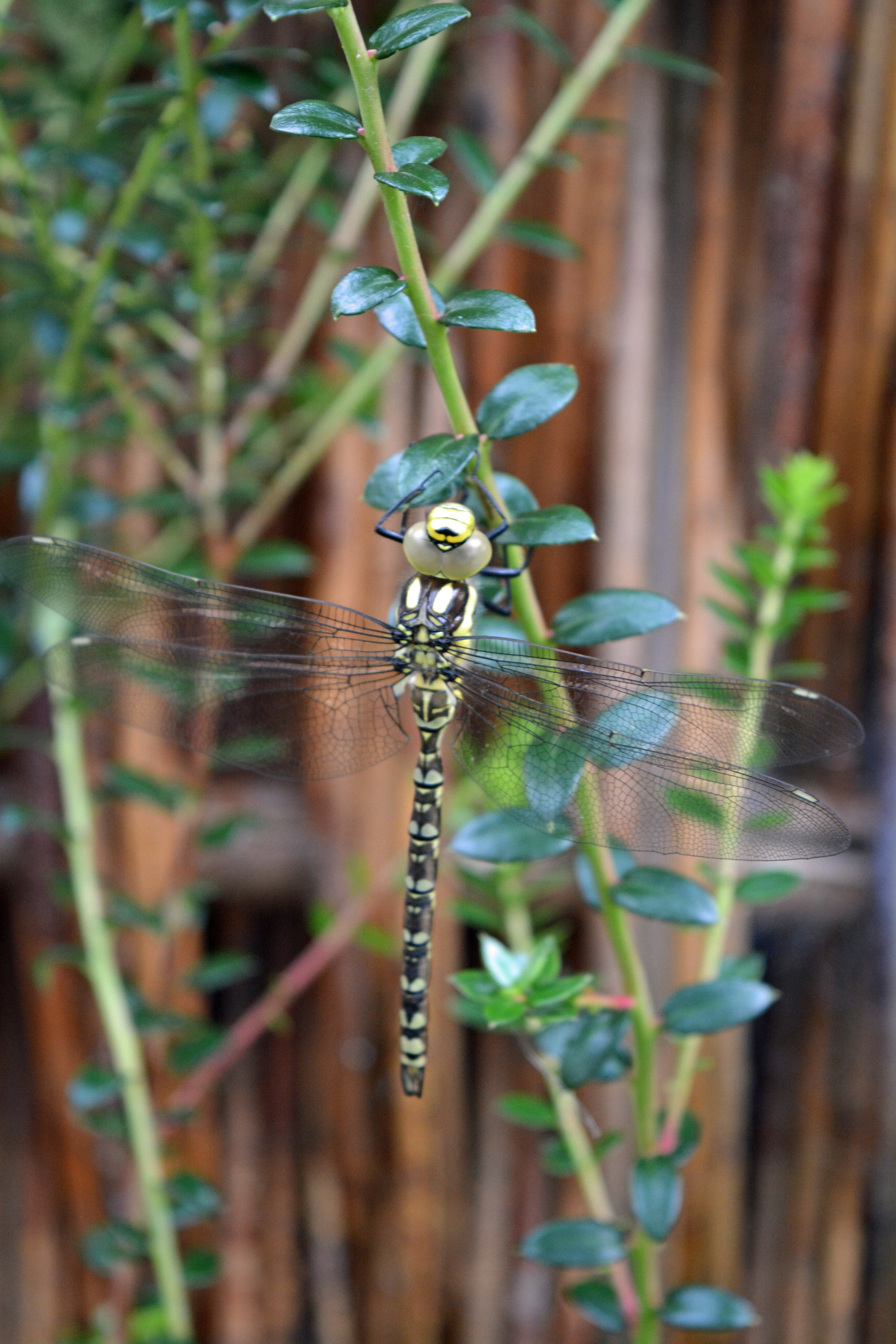
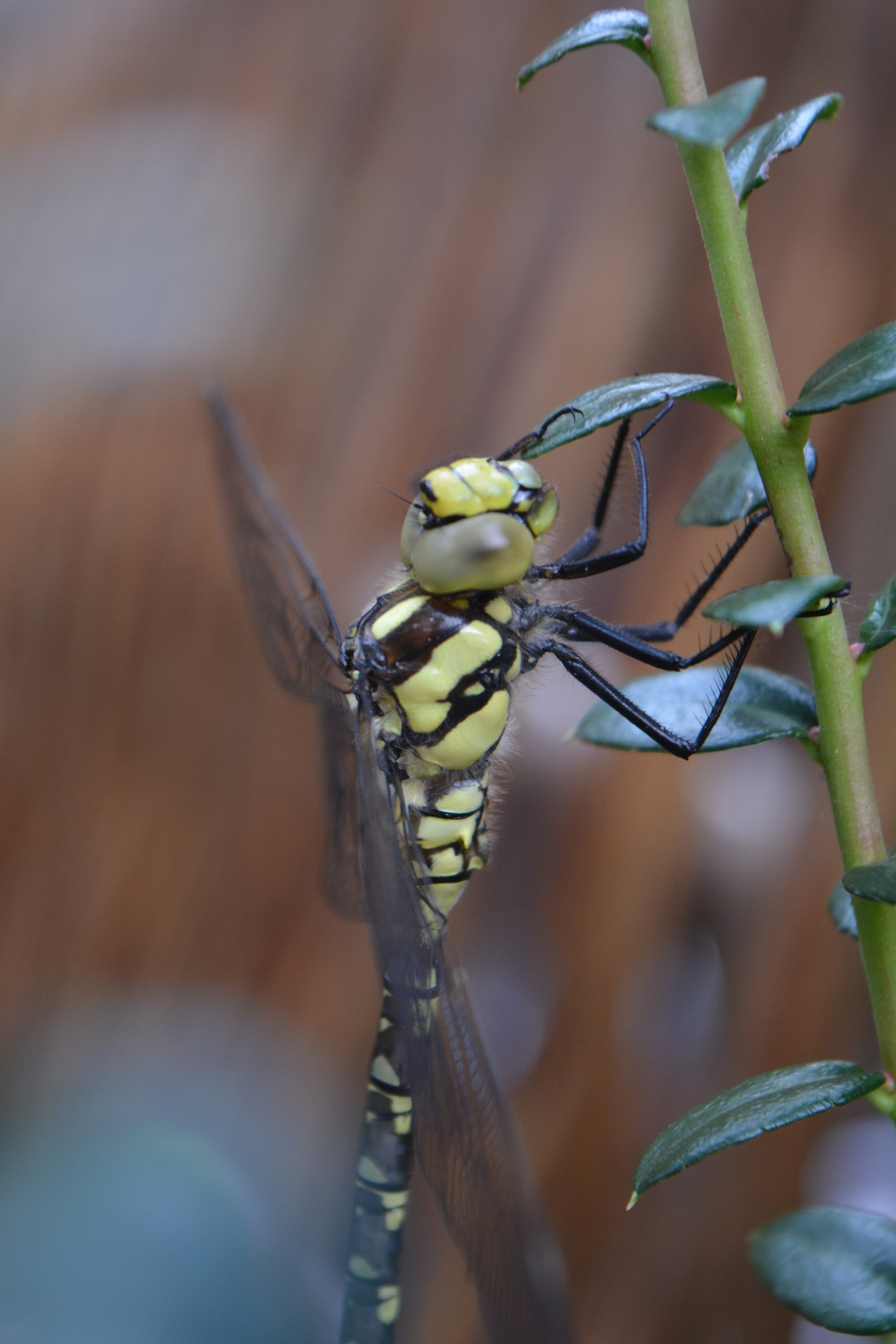
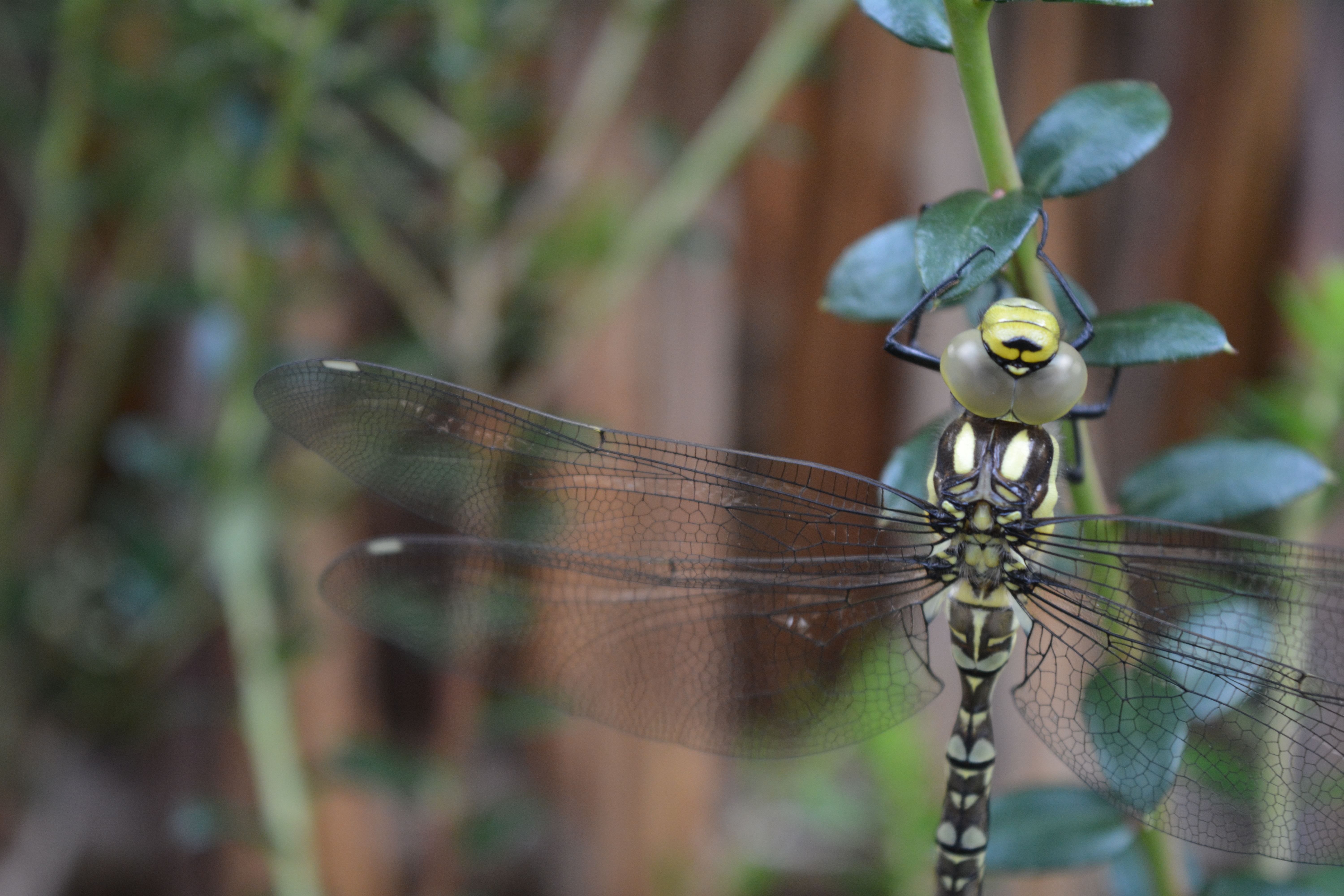
On the opposite page I record the visit of a beautiful dragonfly to our garden. Over the summer months on any sunny warm day there is a good chance of us spotting a dragonfly or damselfly hatching from our wildlife pond or resting almost anywhere in the garden. This particular dragonfly had alighted on a shrub close to the house itself and was enjoying a spot of sunbathing, absorbing the rays. “Mother Nature is so god at giving us gardeners some wonderful surprises. We discovered this beautiful creature on a shrub far from any water. It is a female Southern Hawker. The markings and colours are like no other. It is hard to imagine why it sports these patterns. She will return to our pond to lay her eggs in the rotting logs that edge it.”


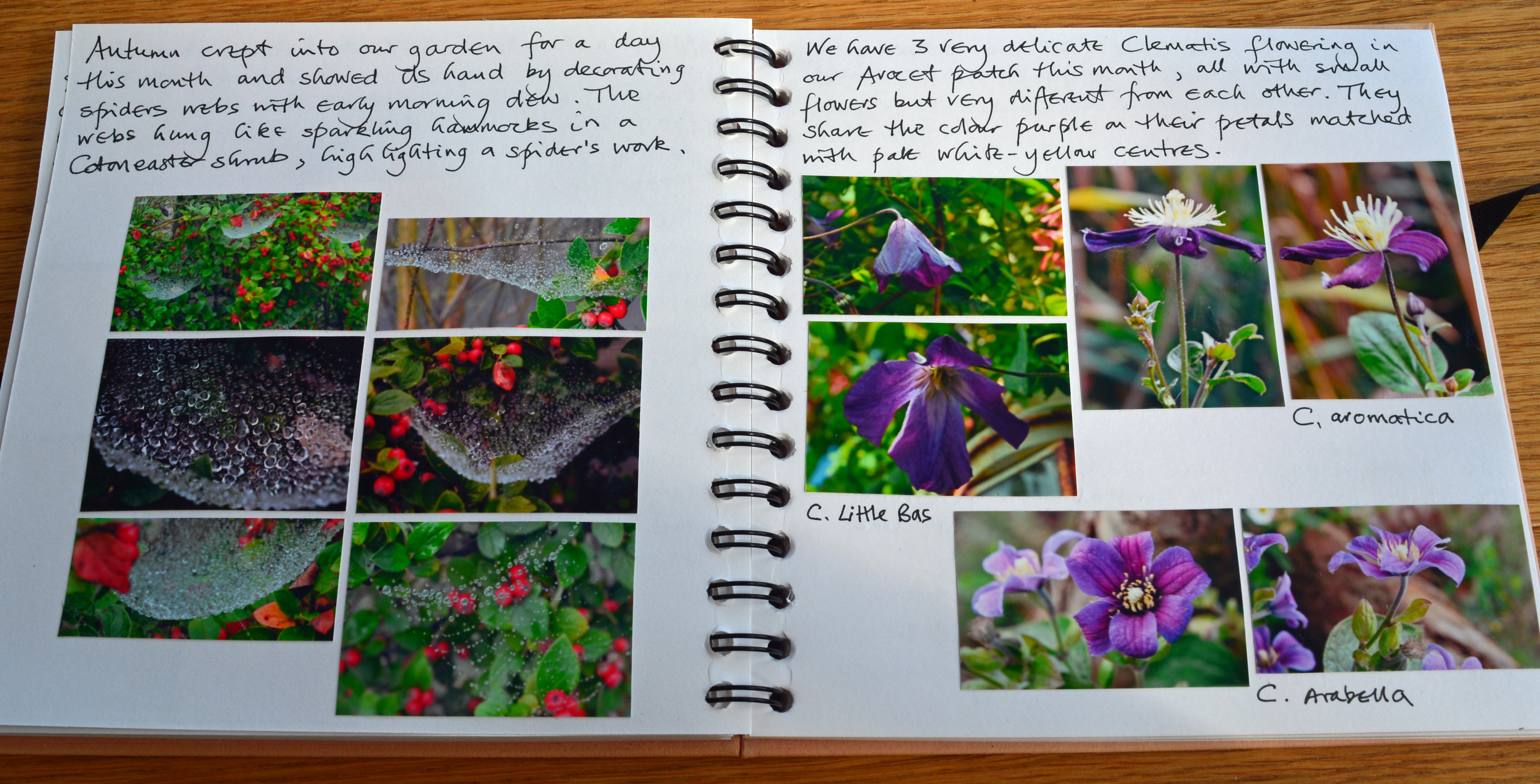
We can now turn over to another double page spread where dew highlights some natural creativity and three small flowered Clematis flower brightly.

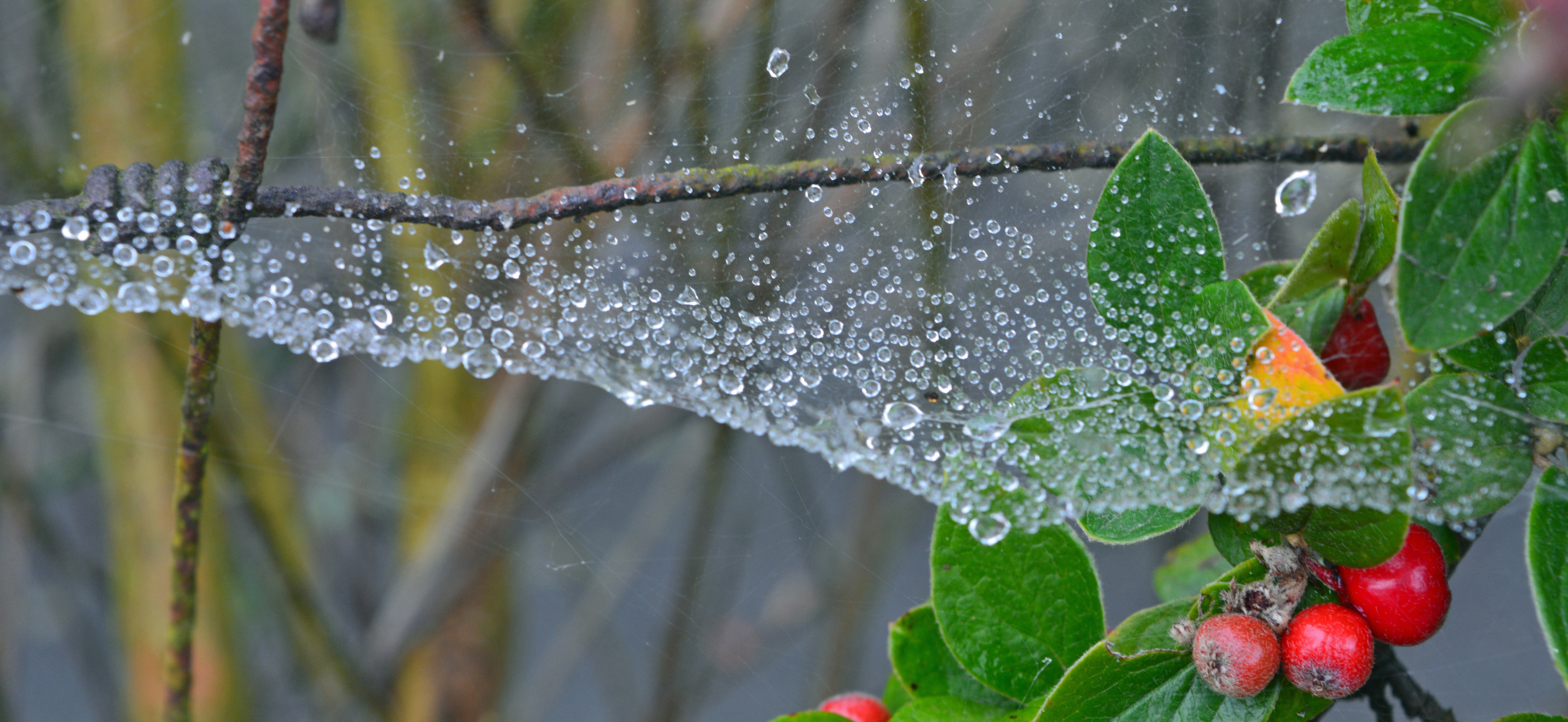
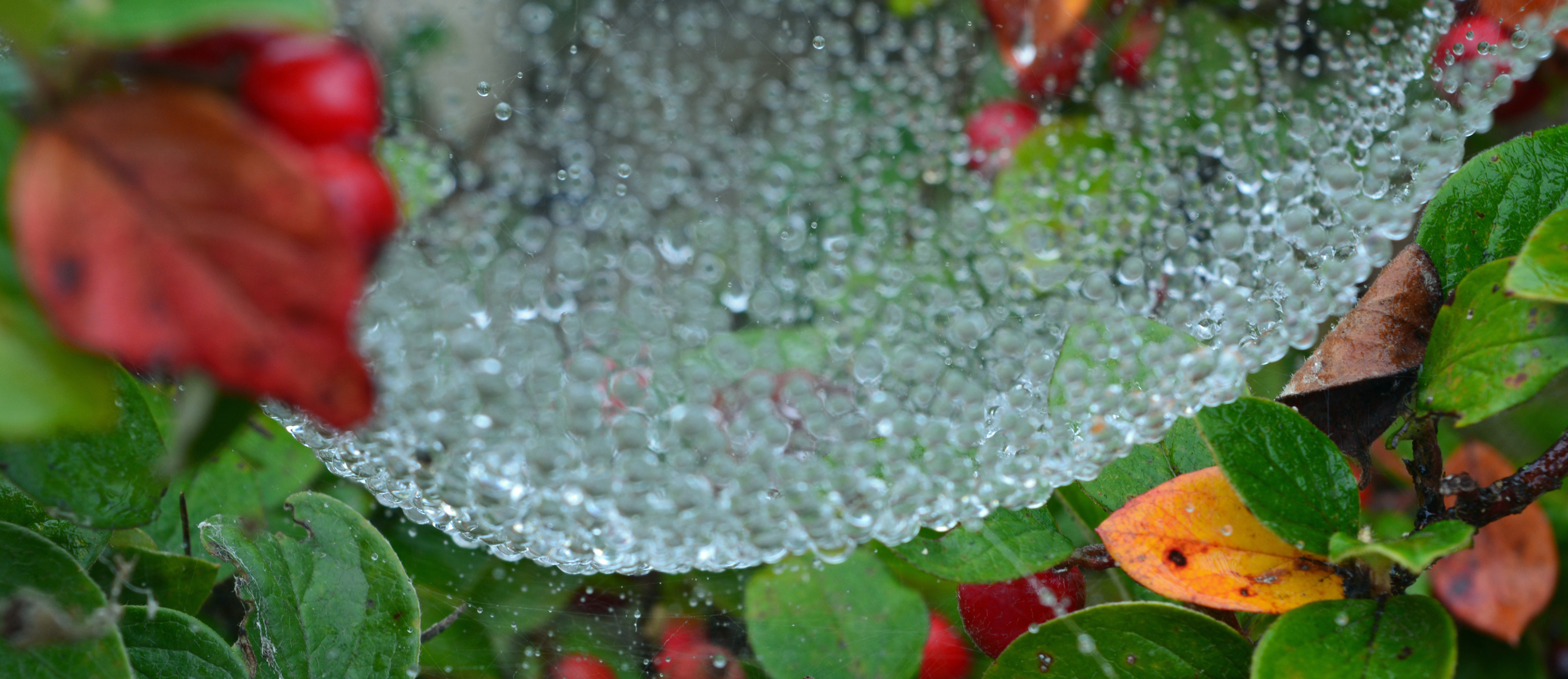
As September moved on we began to notice dew on the grass and plants in the borders several mornings each week. One special effect this has is the way it highlights the handiwork of our garden spiders. It is good to see so many webs as we like to have spiders working as predators in the garden for us. On one particular morning the dew was so heavy that it was weighing down the webs heavily.


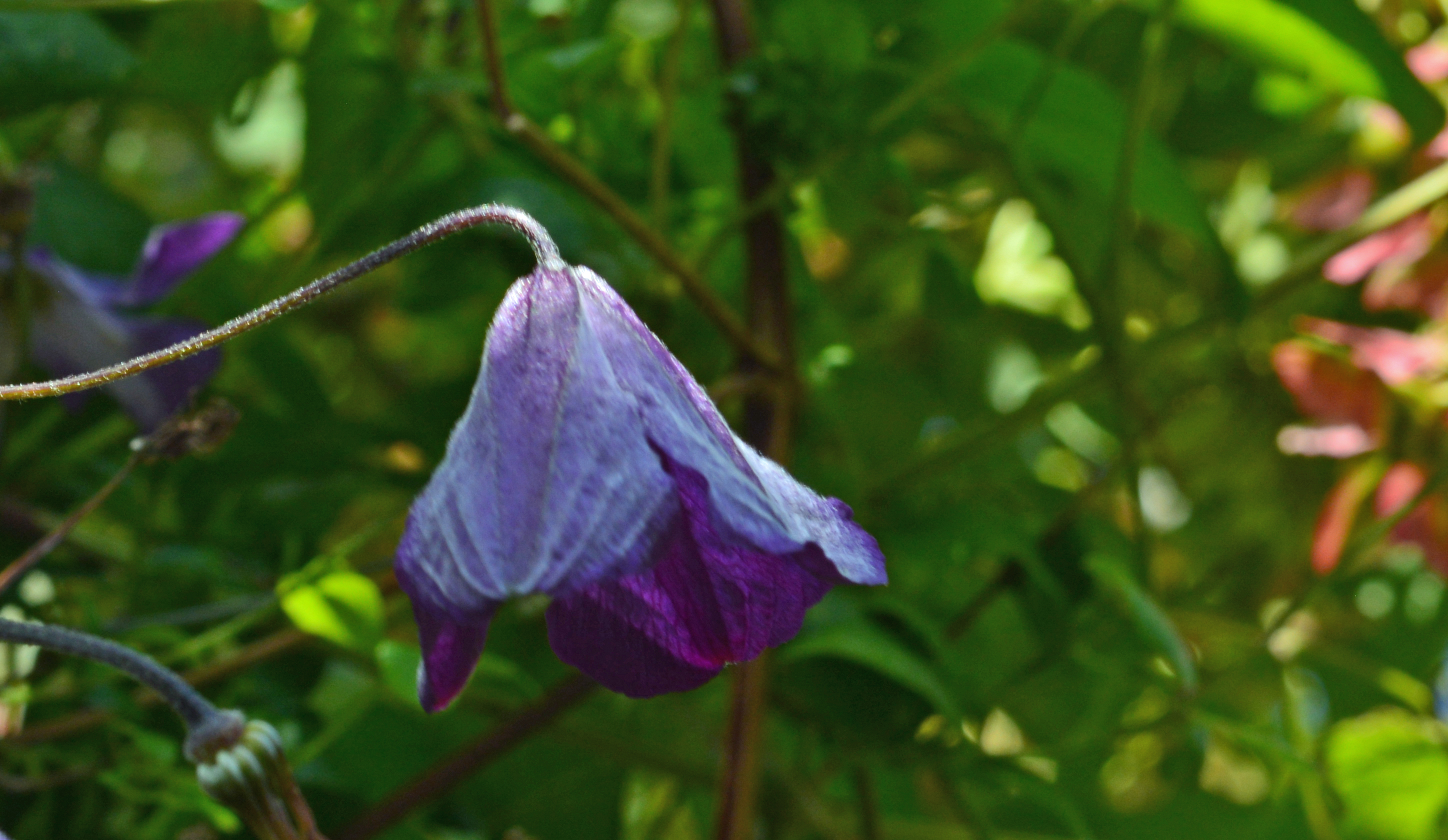
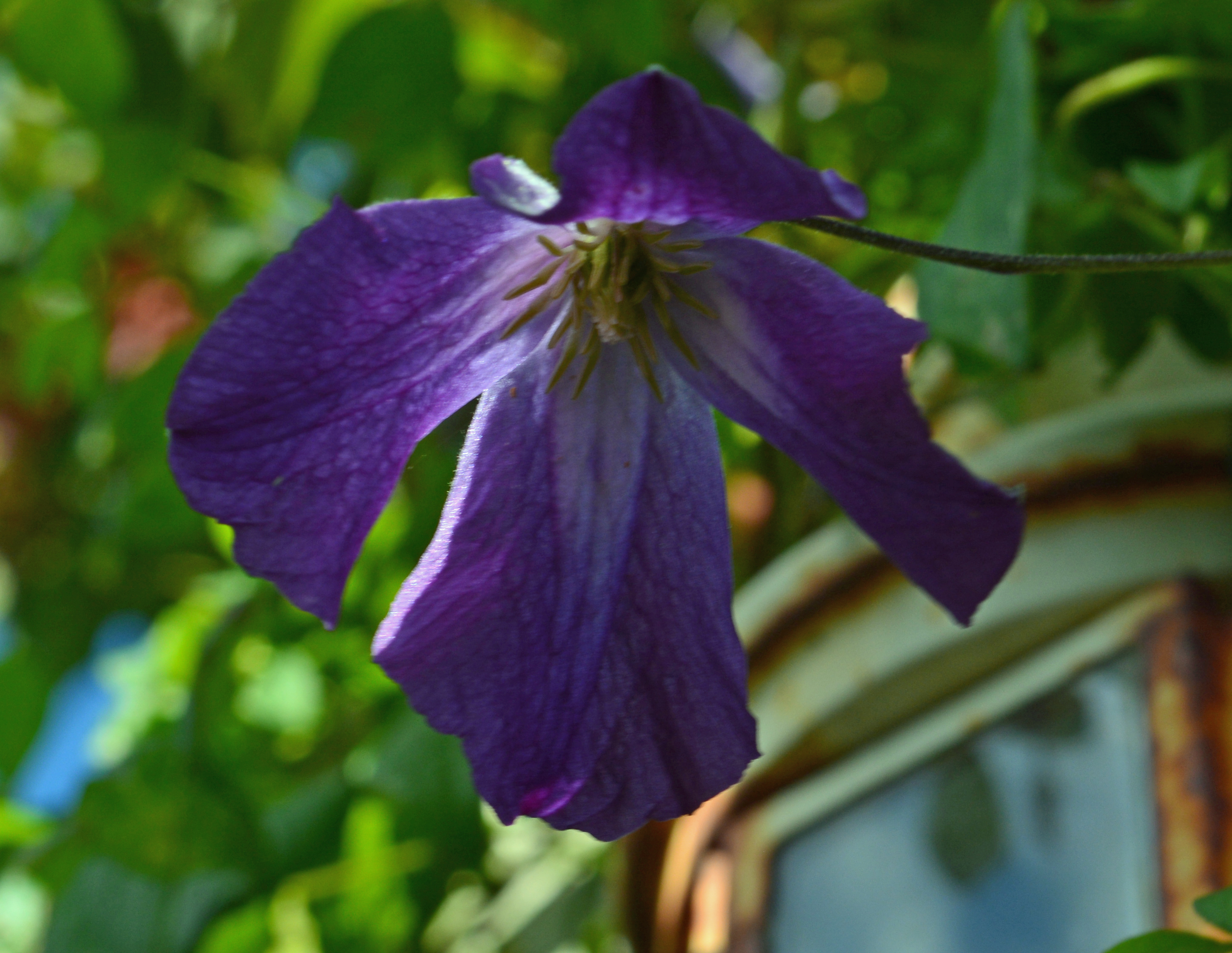
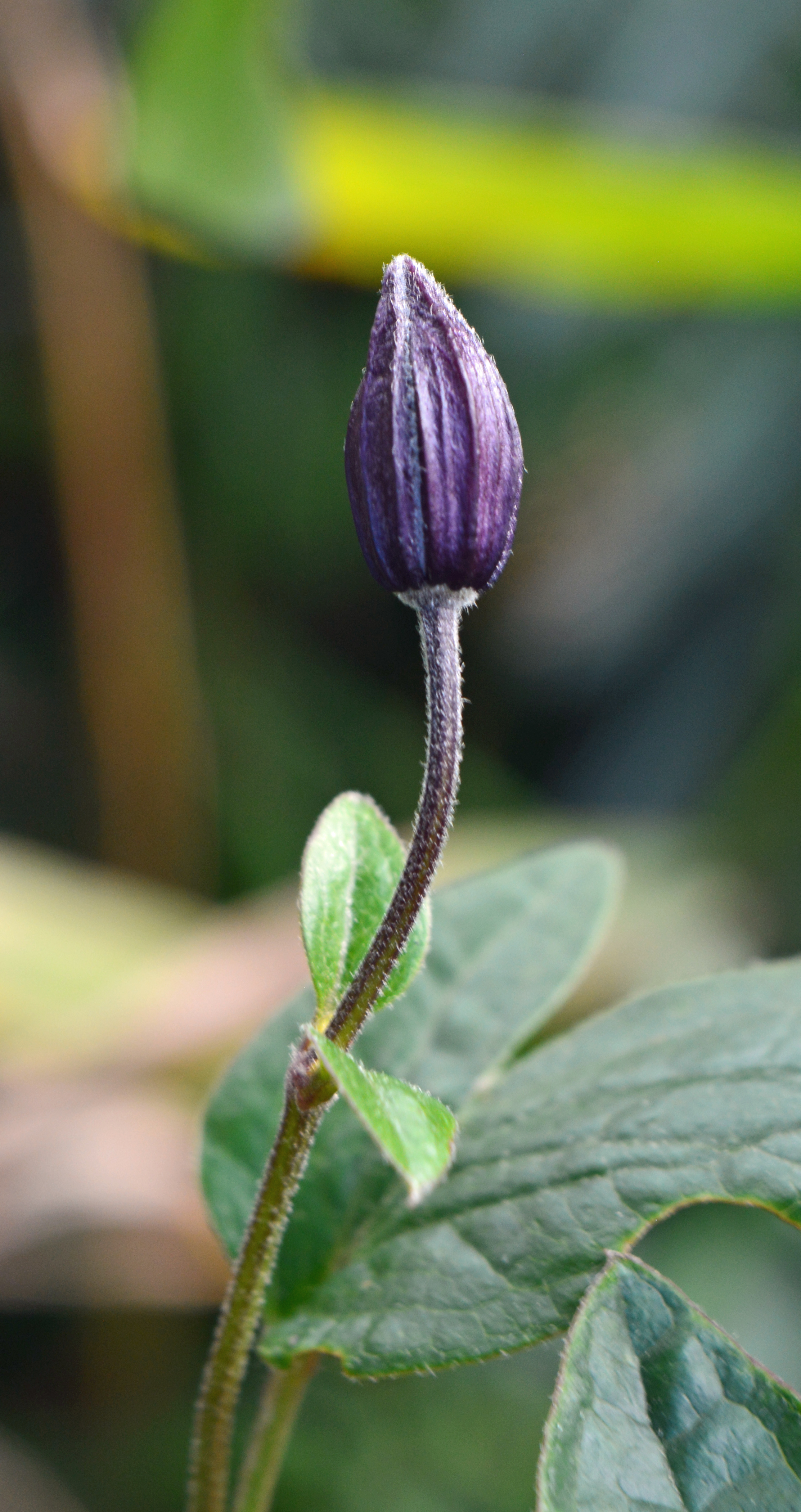
“We have three very delicate Clematis flowering in our Avocet patch this month, all with small  flowers but very different from each other. They share the same colour purple on their petals with white-yellow centres.”

“Clematis Little Bas”


“Clematis aromatica”


“Clematis Arabella”


Another Clematis features overleaf, this time a yellow flowered one matched with some pencil crayon sketches of some seed heads.

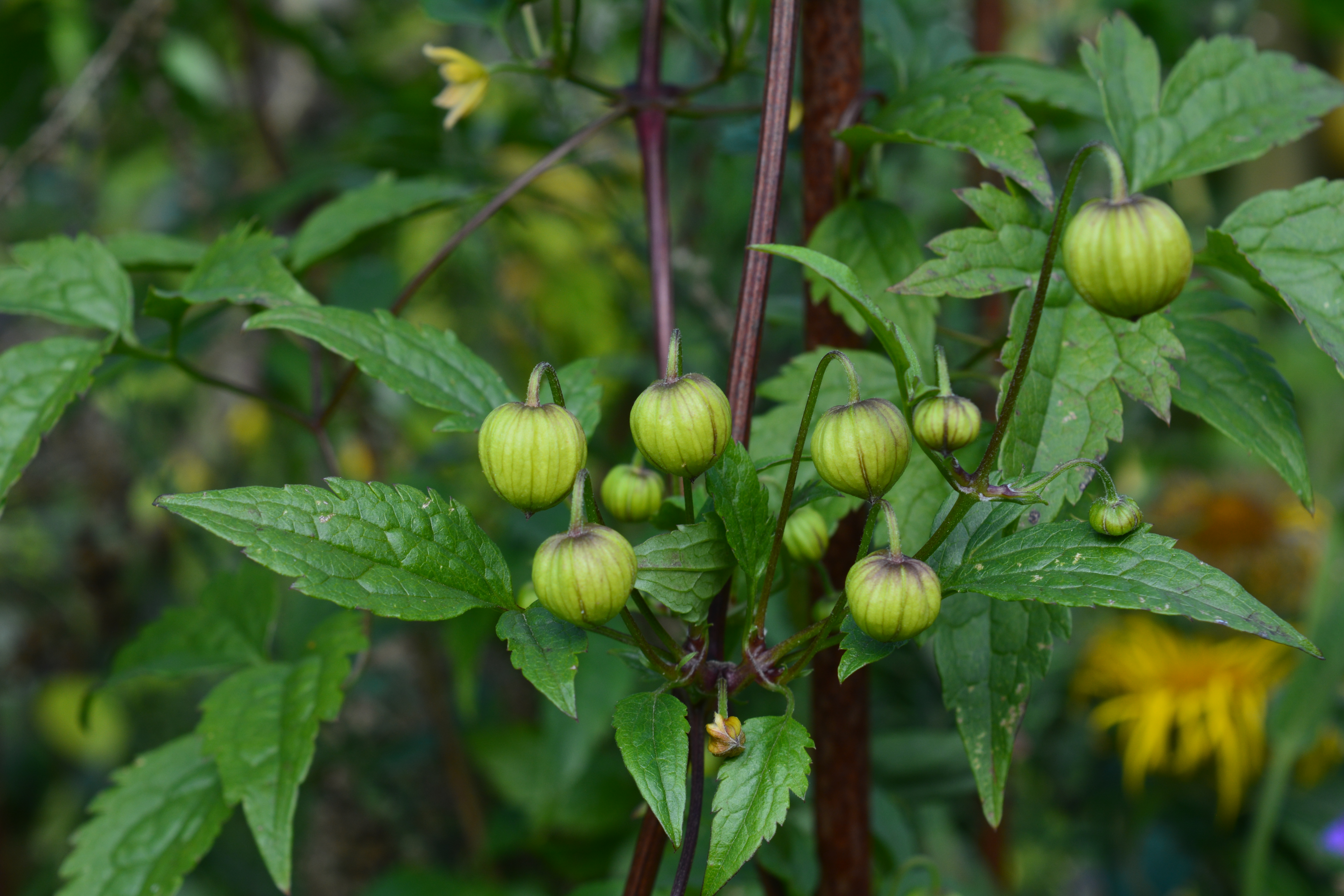
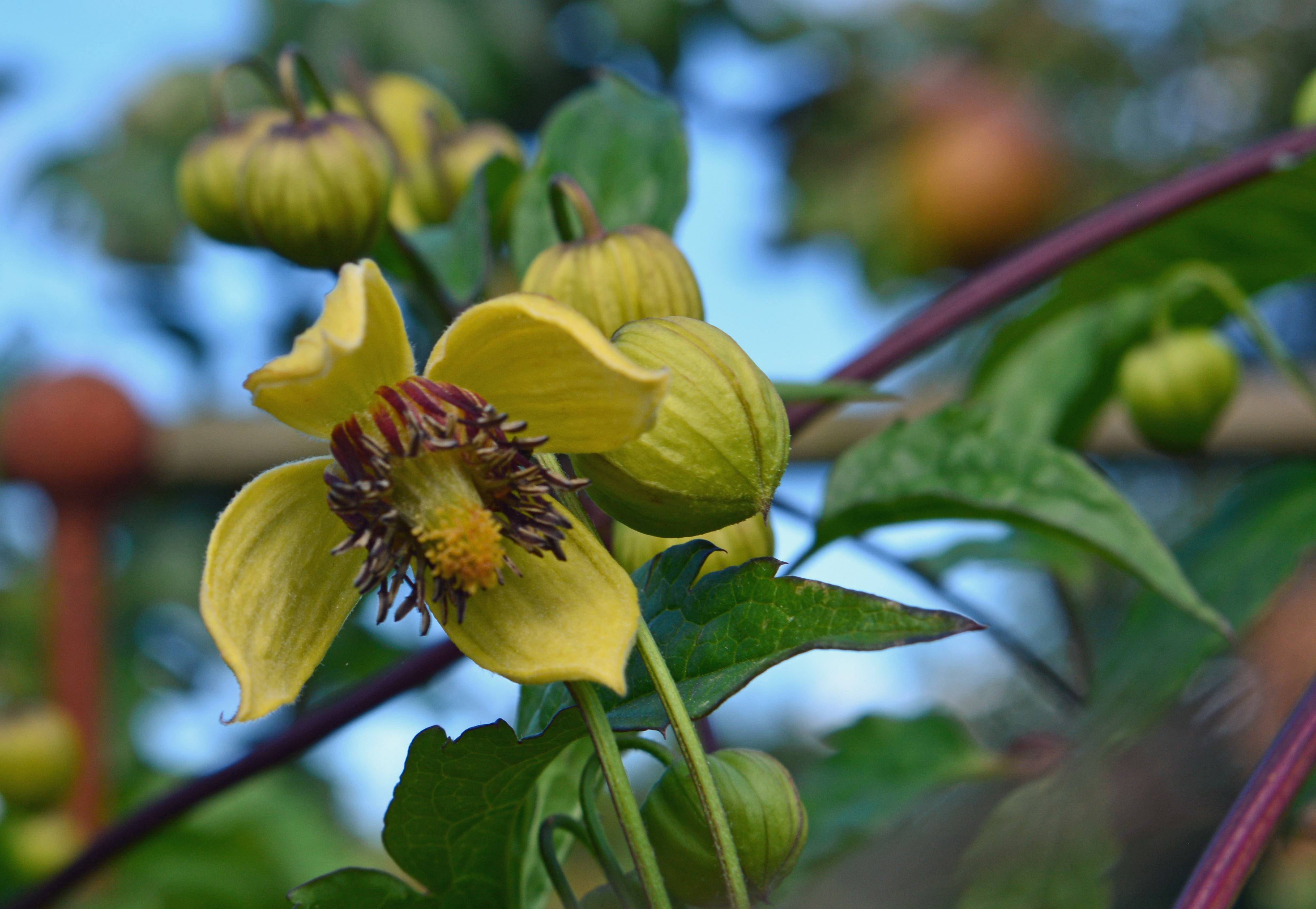
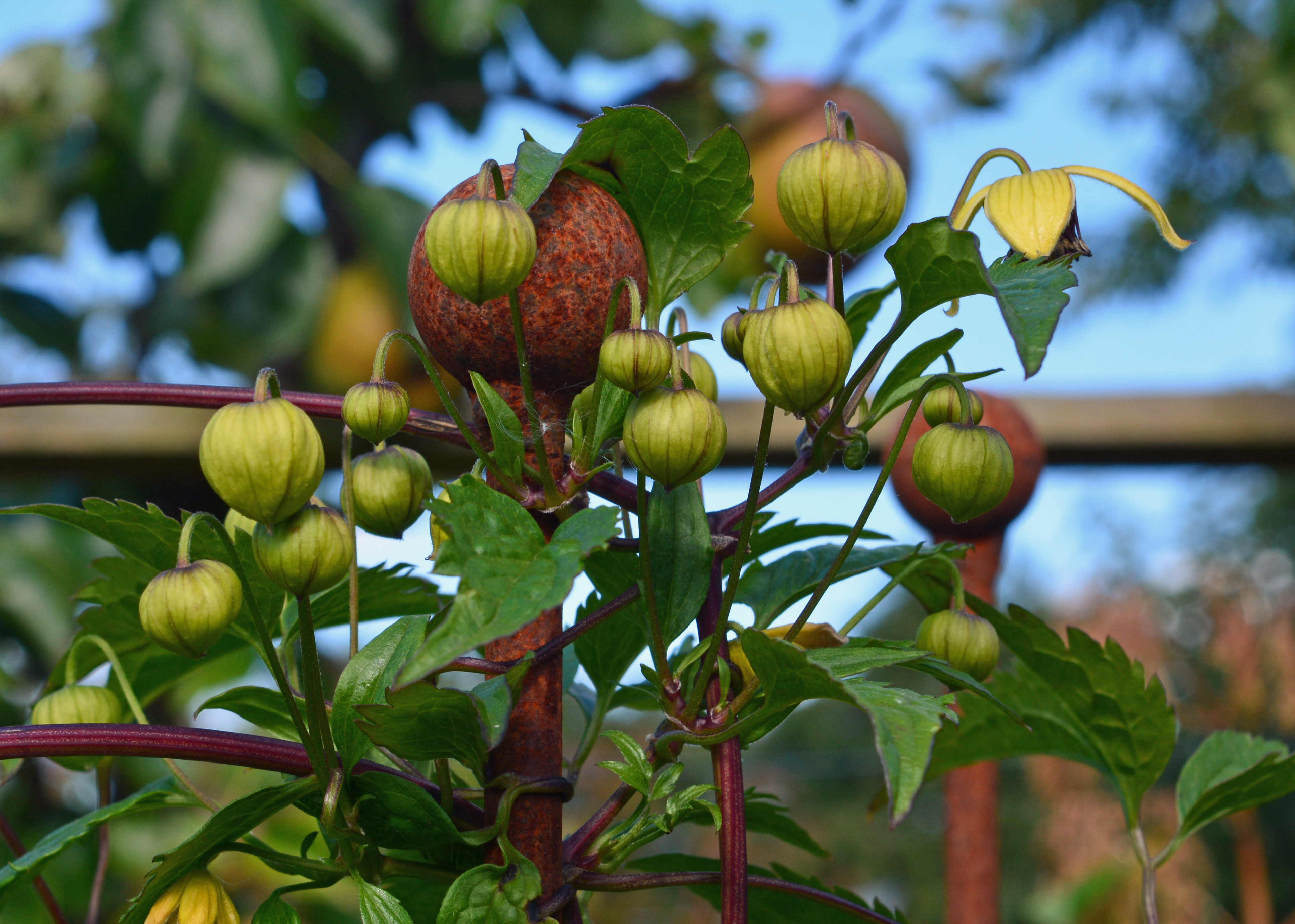
“Staying with Clematis I will now look at a very delicate and unusual yellow-flowered cultivar, Clematis serratifolia “Golden Harvest”. The centre of each flower contrasts strongly with the golden petals. The central area features deep yellow, a touch of orange but mostly a deep purple-maroon colour. “Golden Harvest” is often sold as a Golden Wedding Anniversary gift. That surely would be a gift to give years of pleasure to any gardeners.”

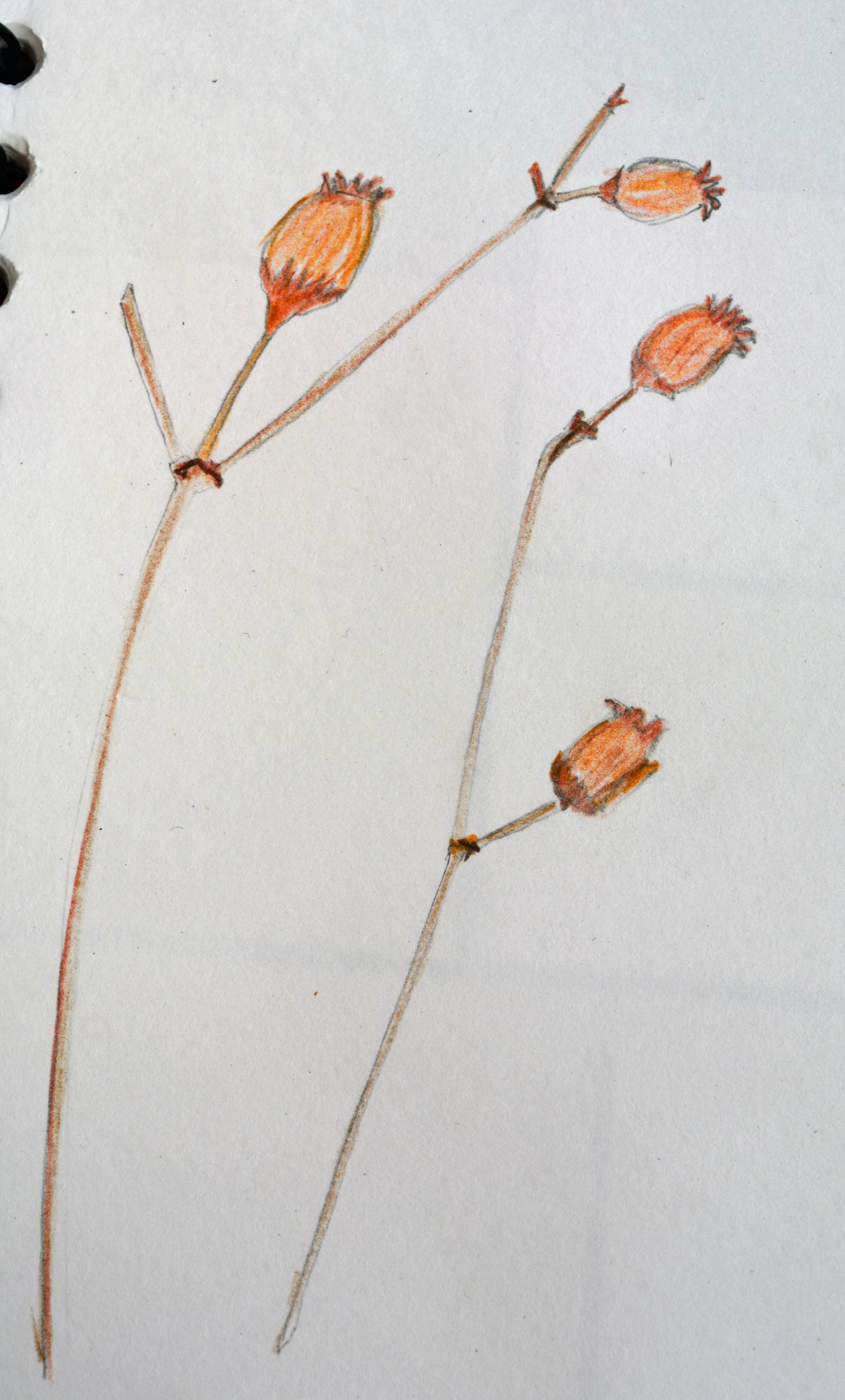
Now we move on to look at a couple of my coloured pencil sketches of seed heads found in our September garden. “Two more seed heads discovered in our borders, with slender stems and bell-shaped seed capsules coloured biscuit and rust.”

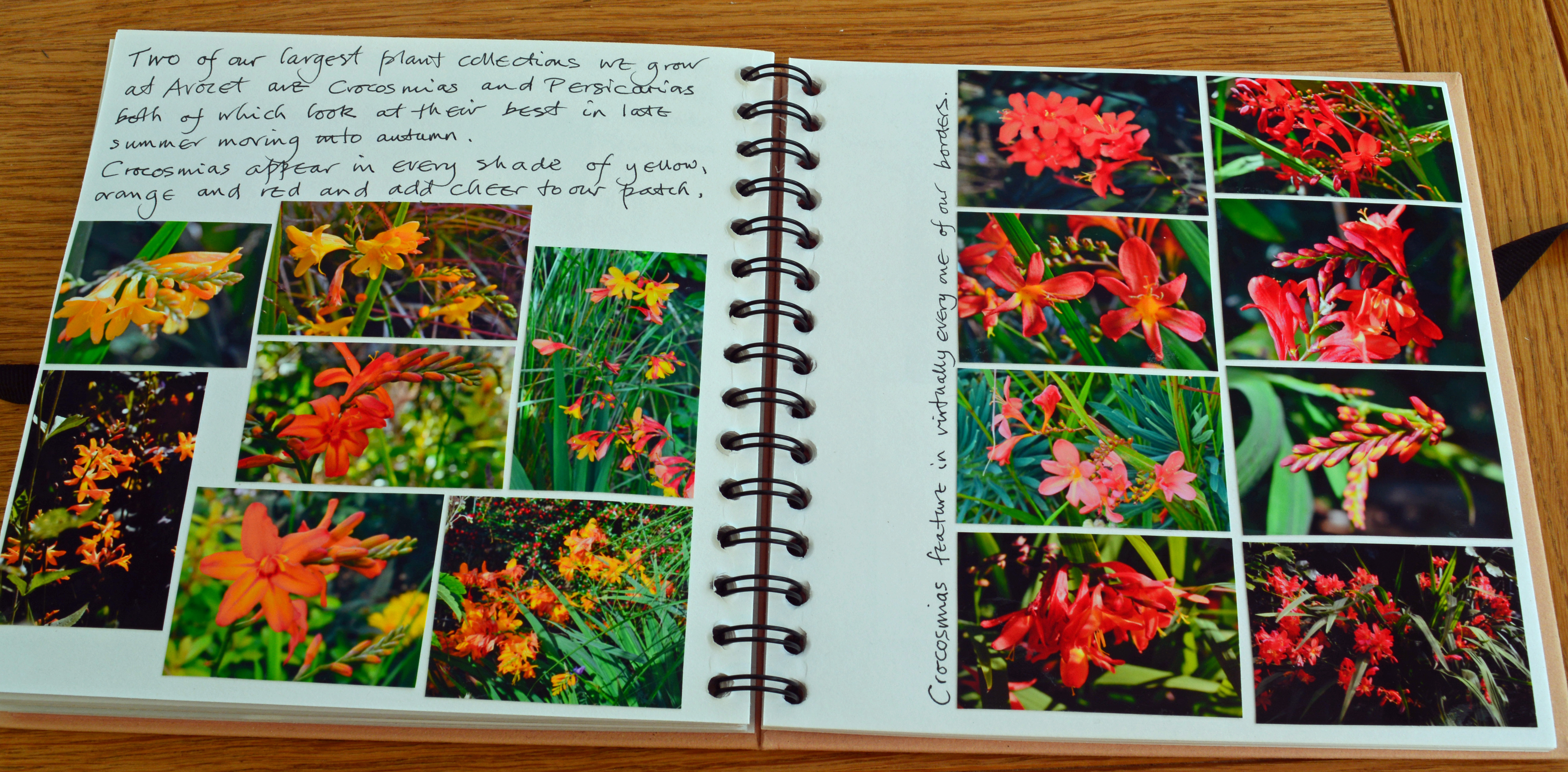
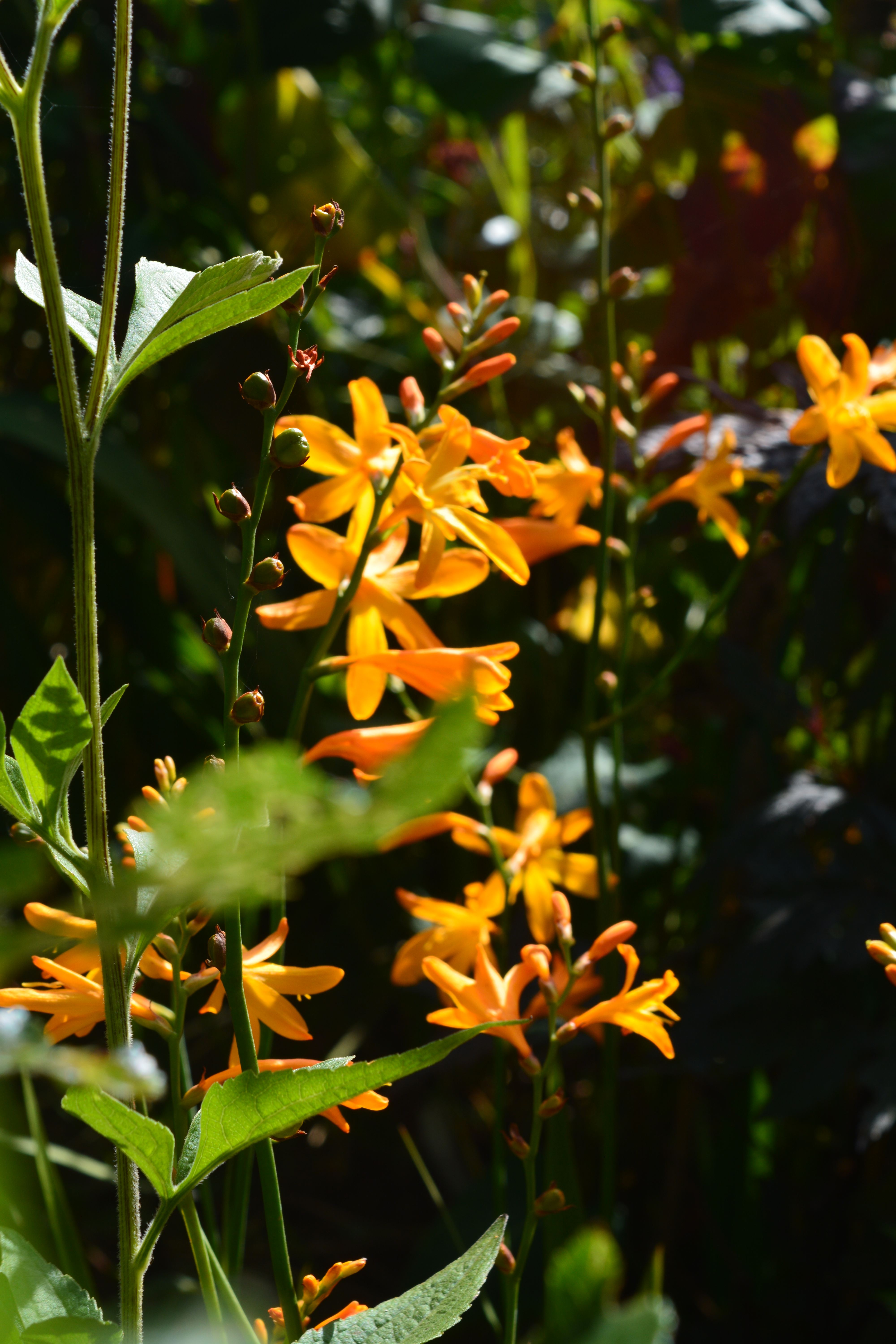
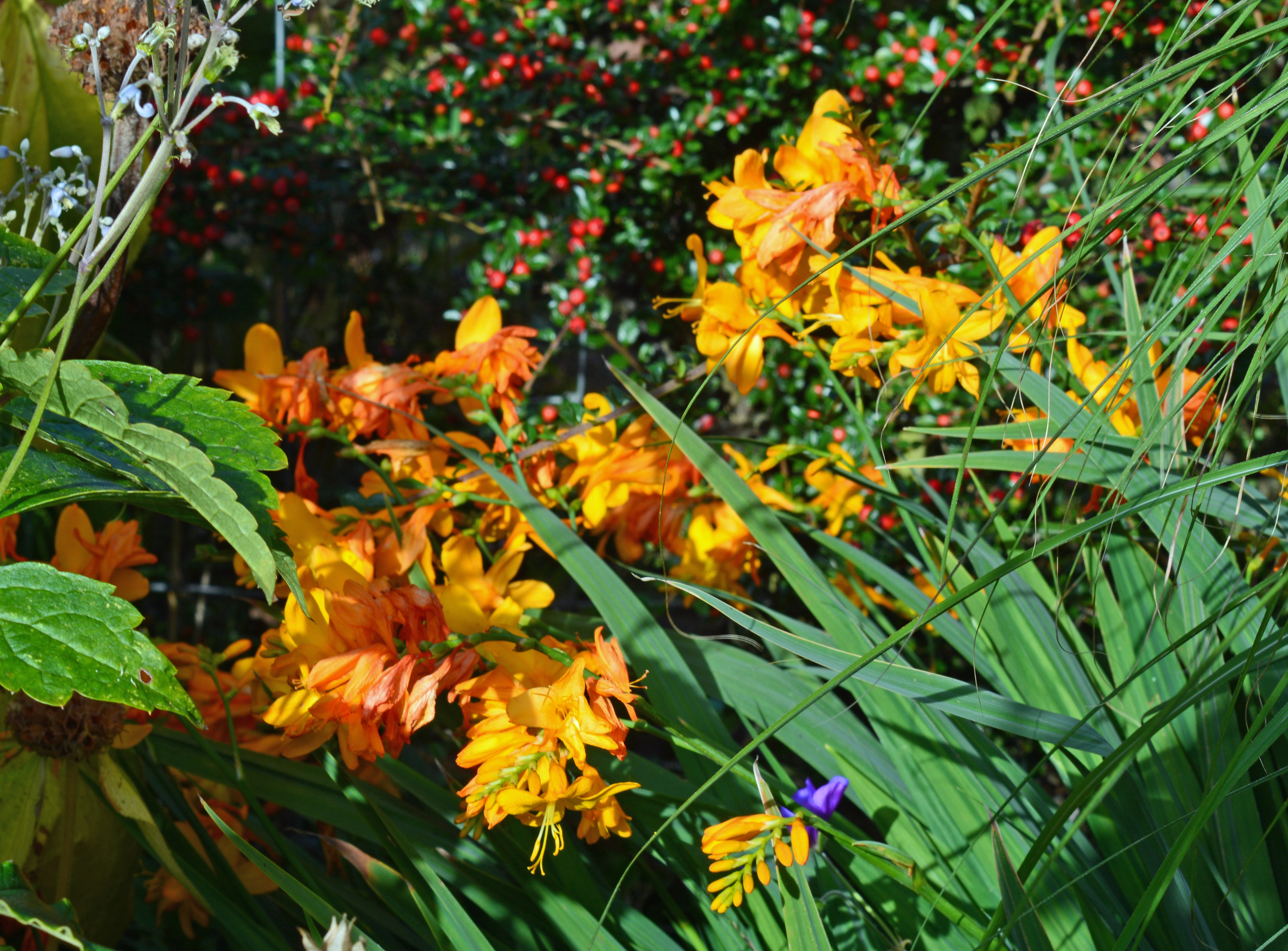
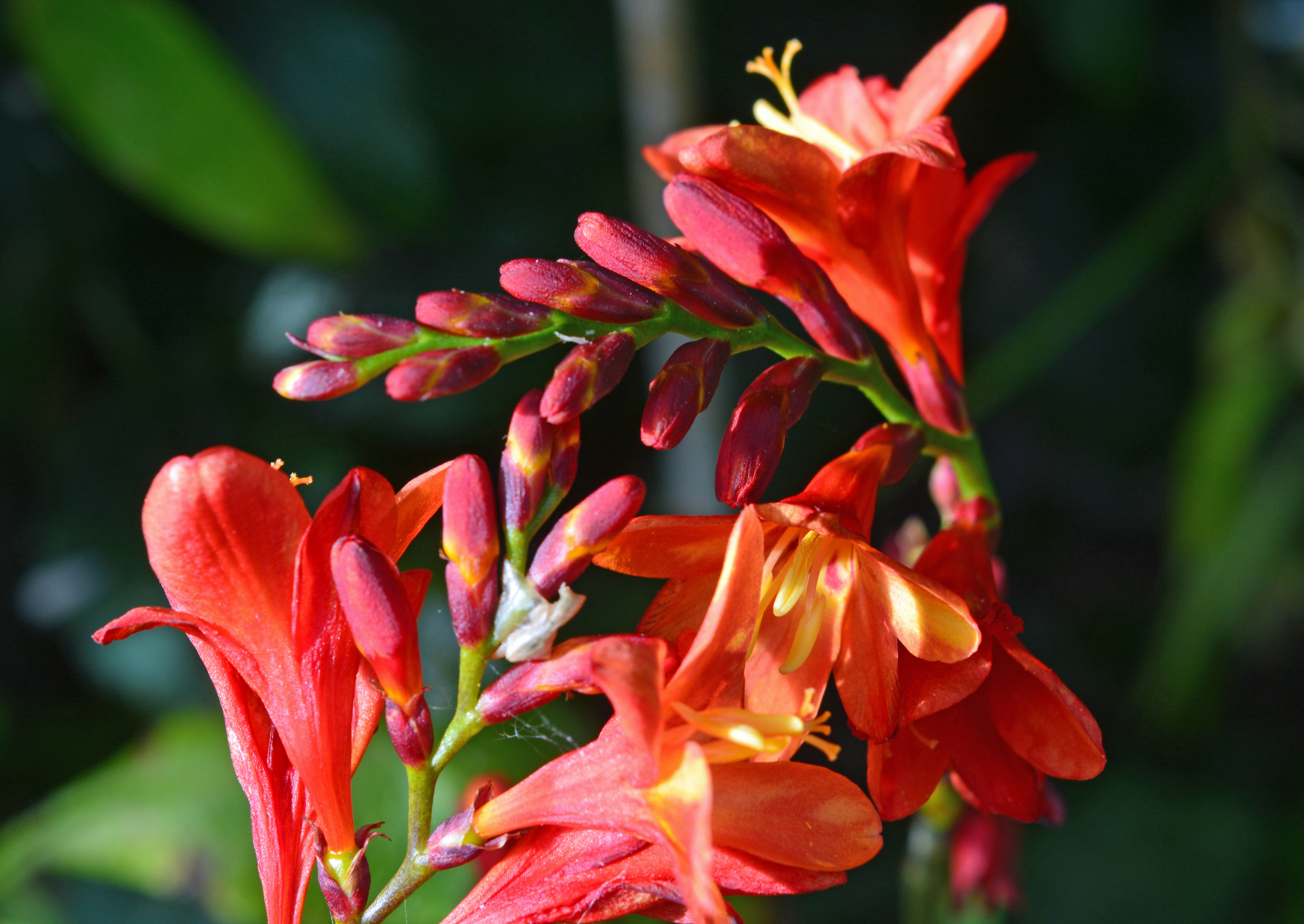
I moved on next to look at two of our larger plant collections which feature strongly in our September garden. “Two of our largest plant collections we grow at Avocet are Crocosmias and Persicarias, both of which look at their best in late summer moving into autumn. 

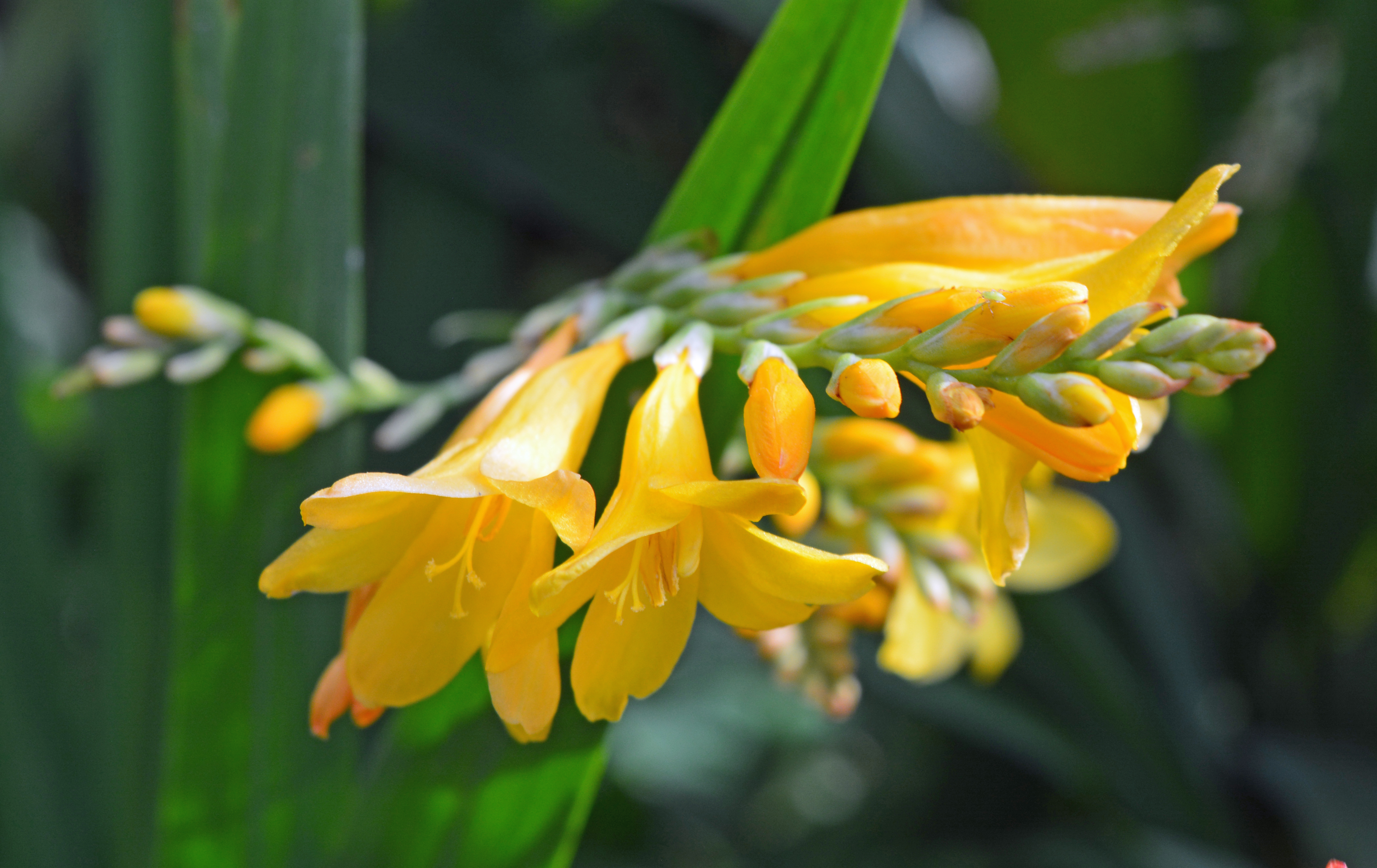
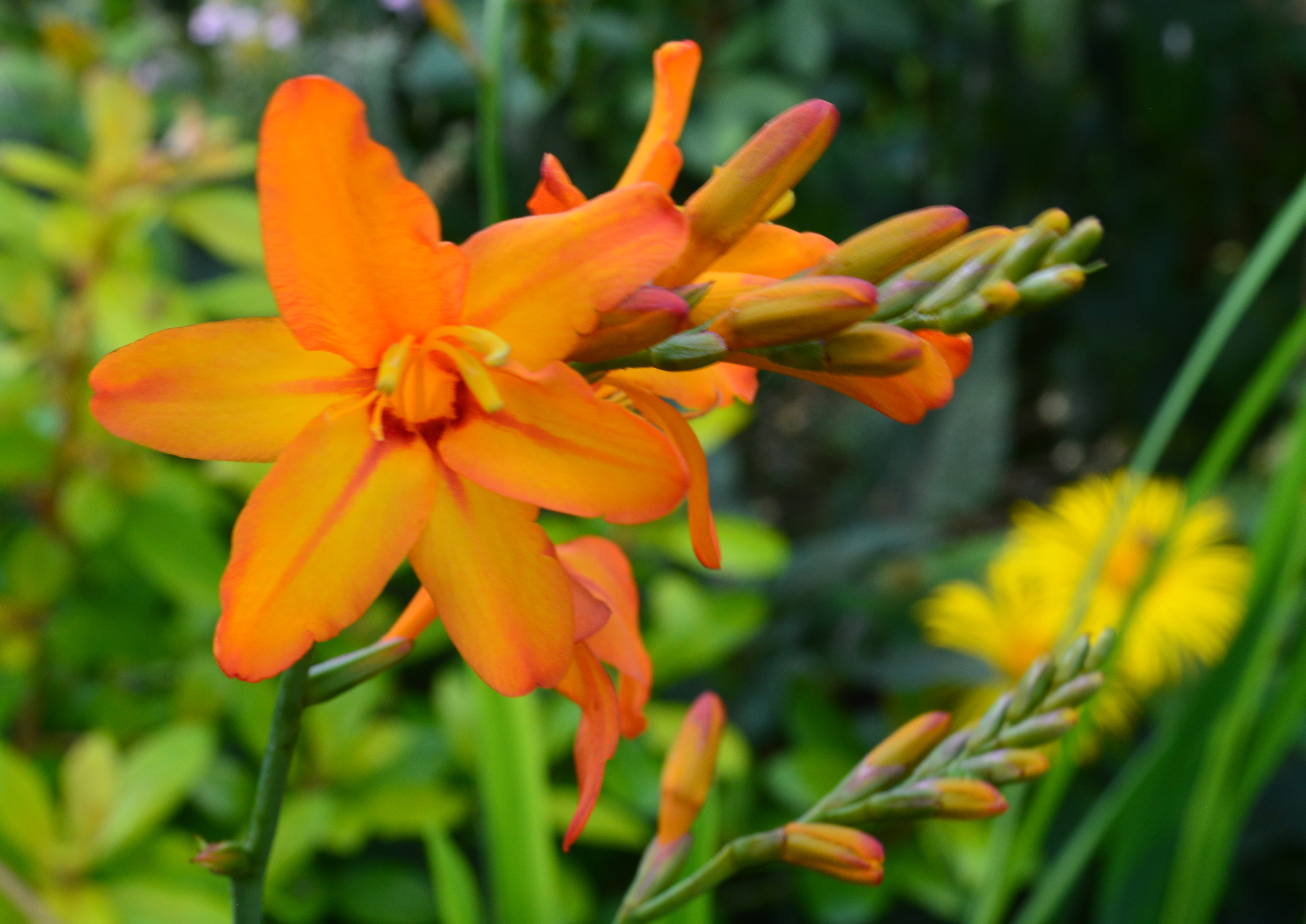
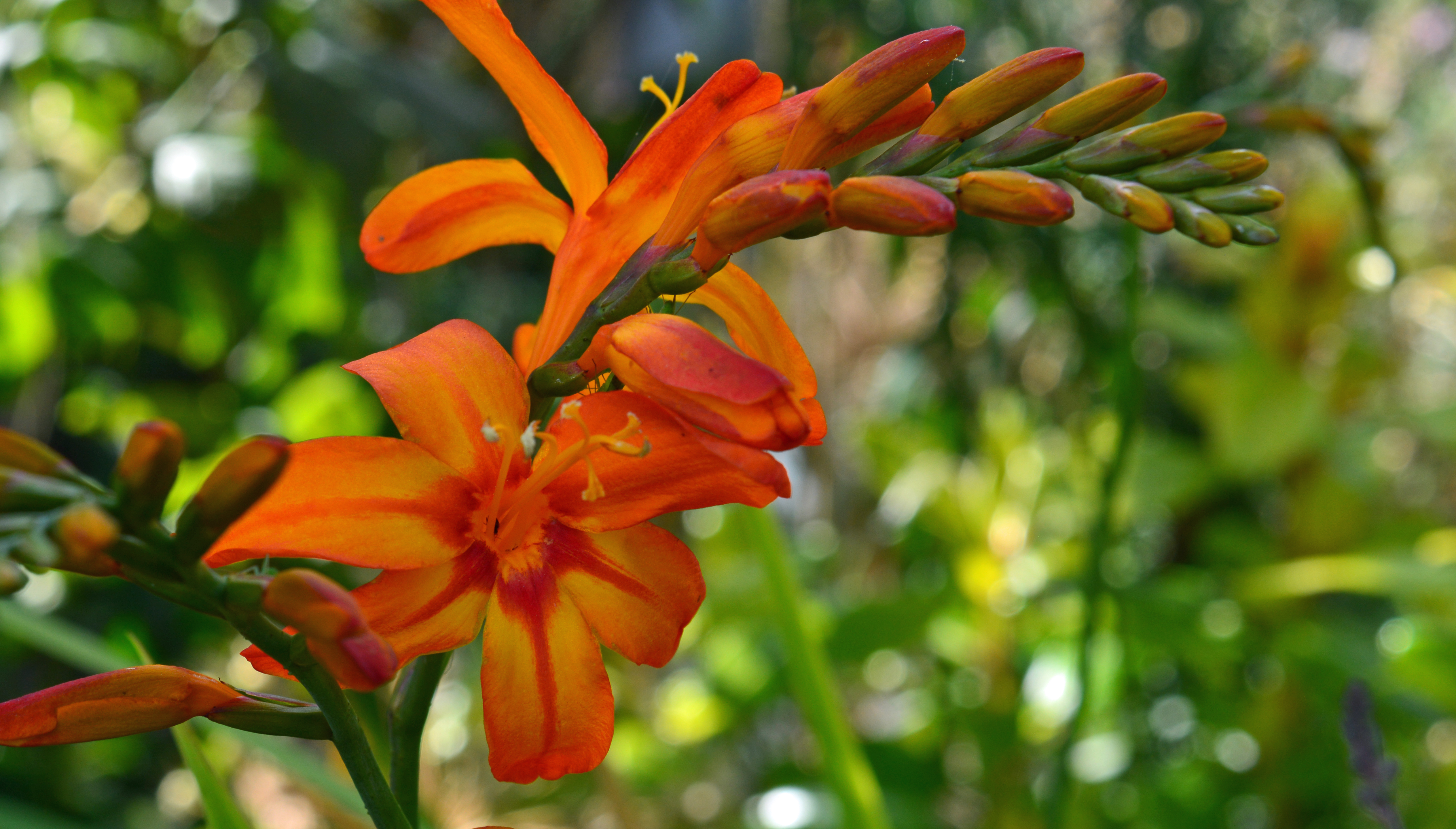
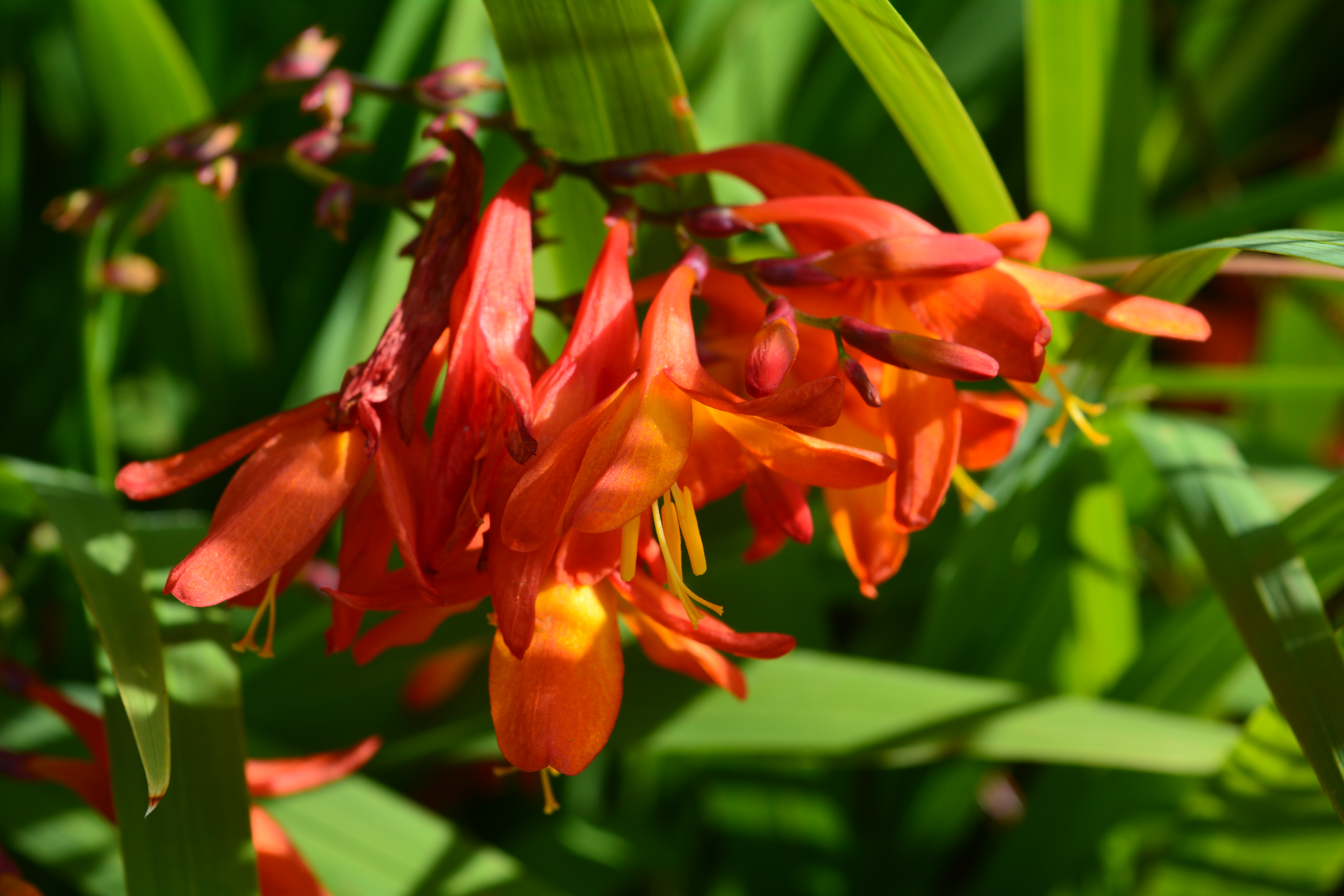
Crocosmias appear in every shade of yellow, orange and red and thus add cheer to our patch.”

“Crocosmias feature in virtually every one of our borders.”


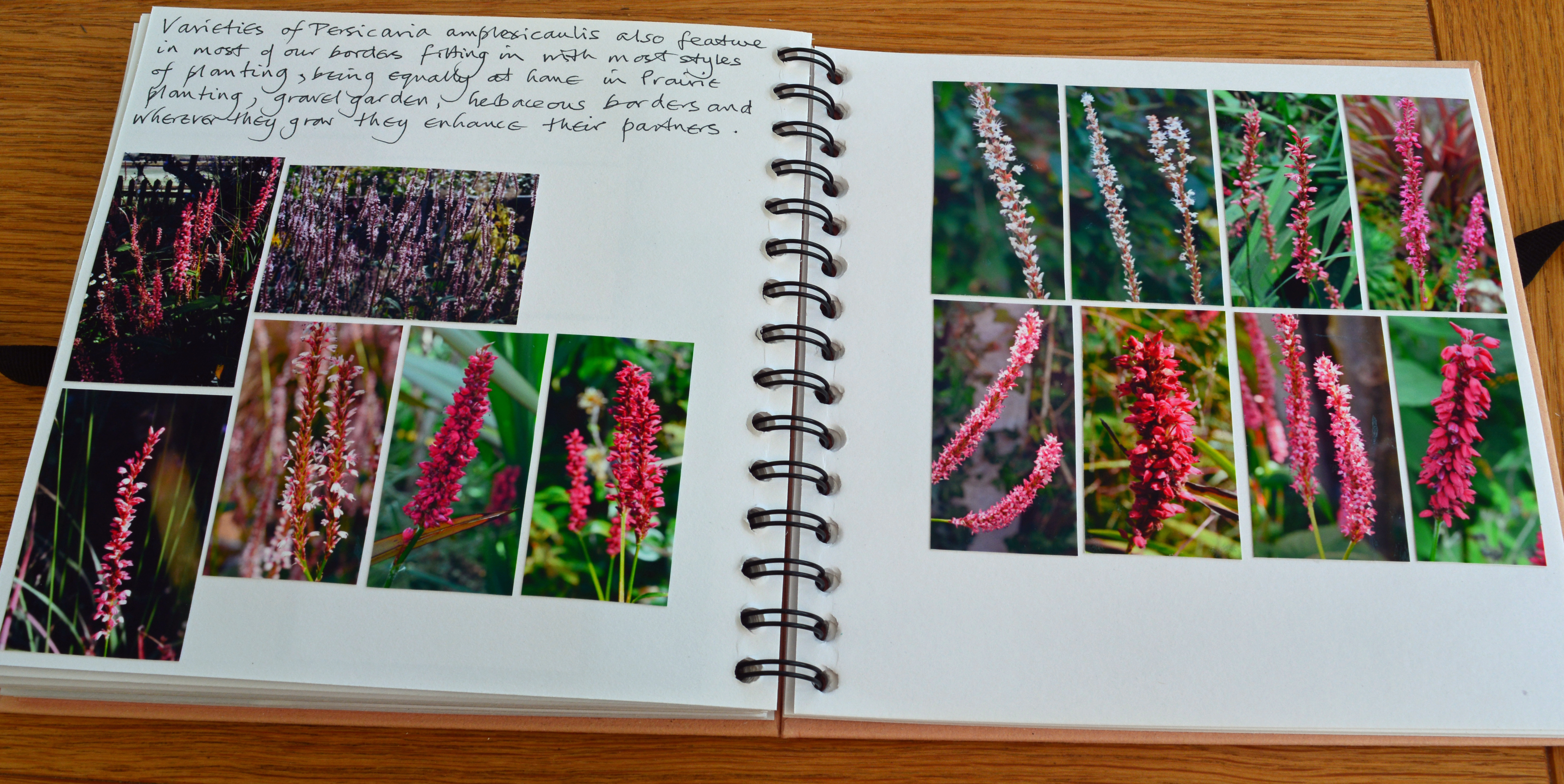
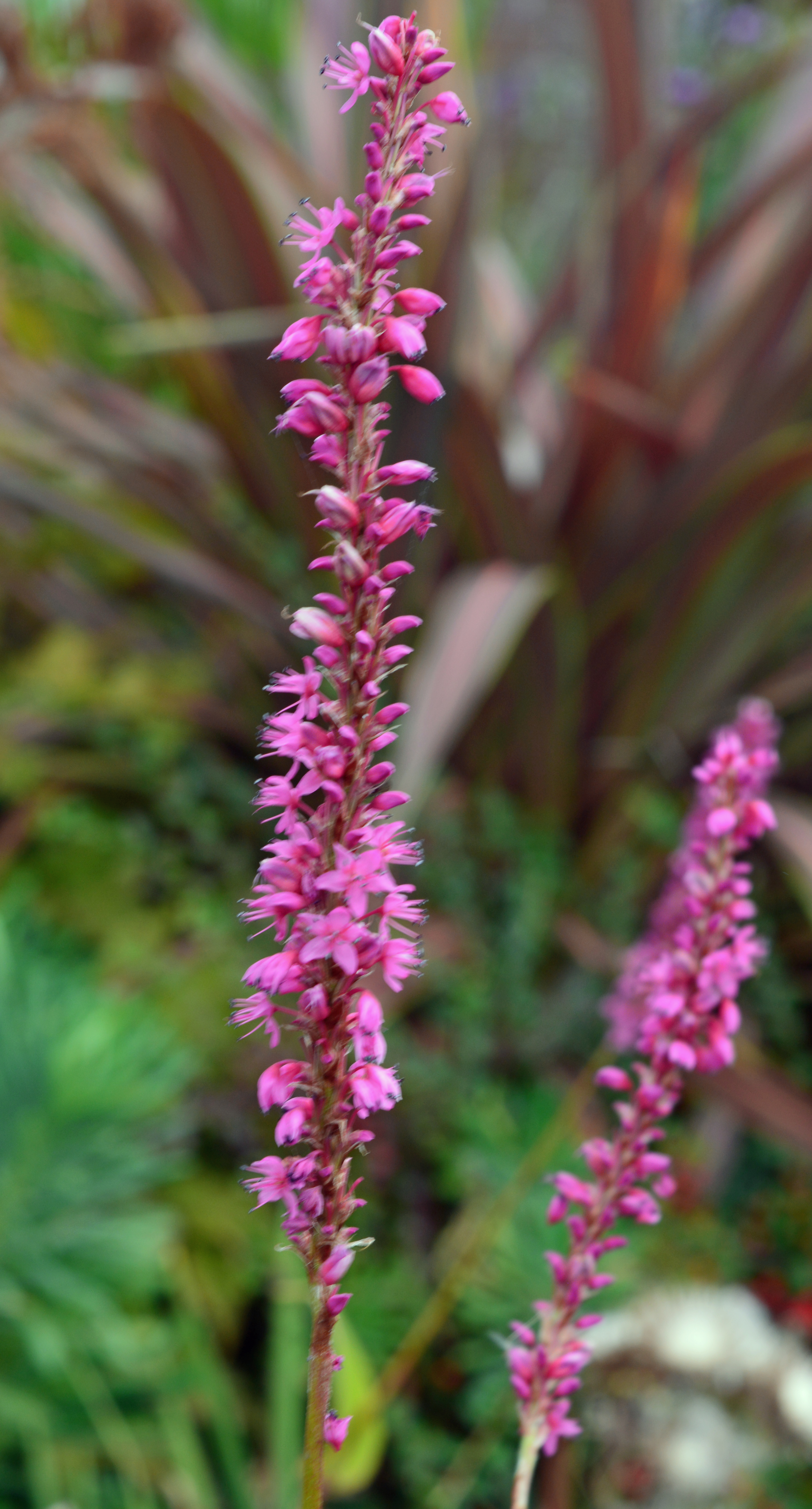
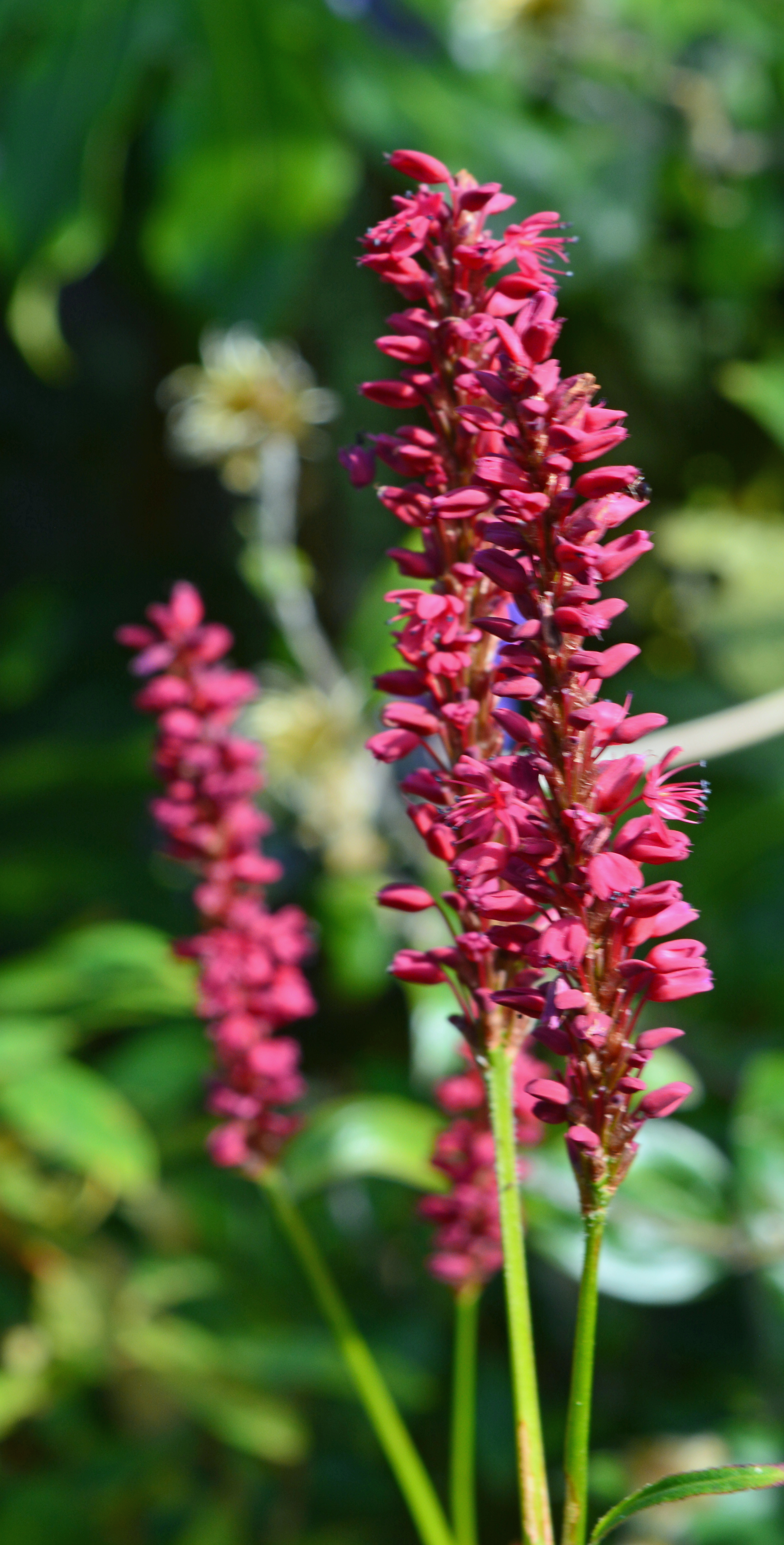
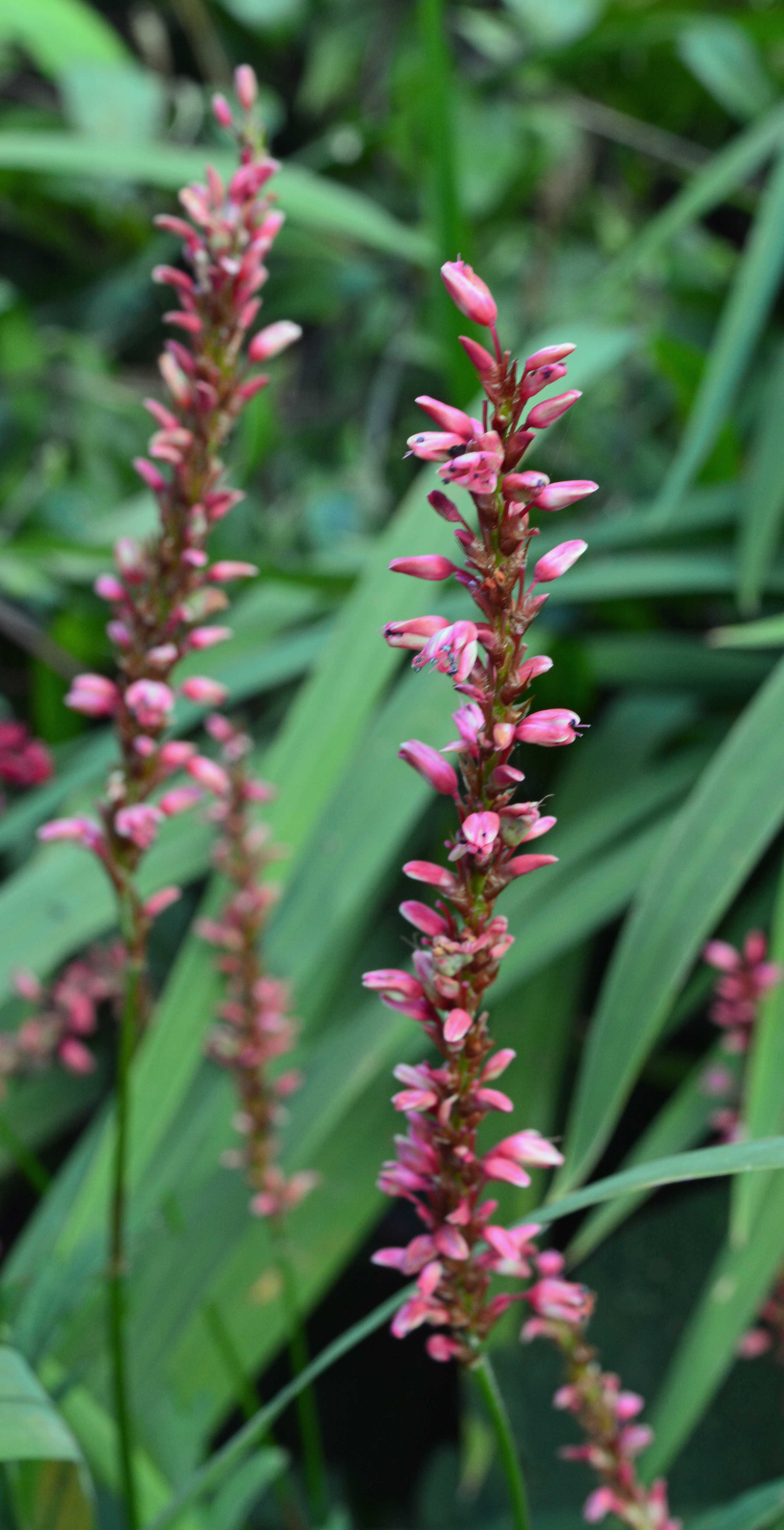
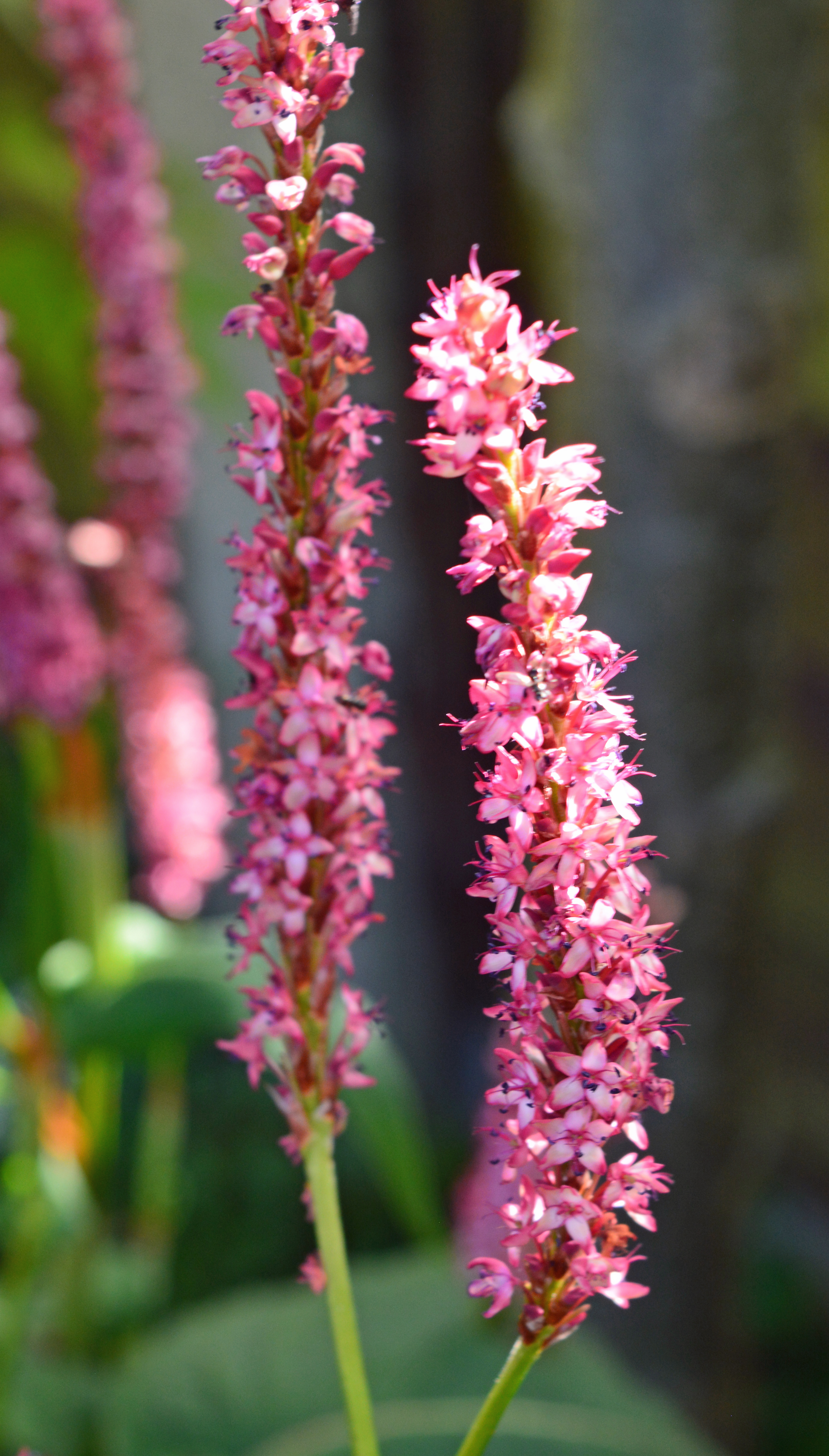
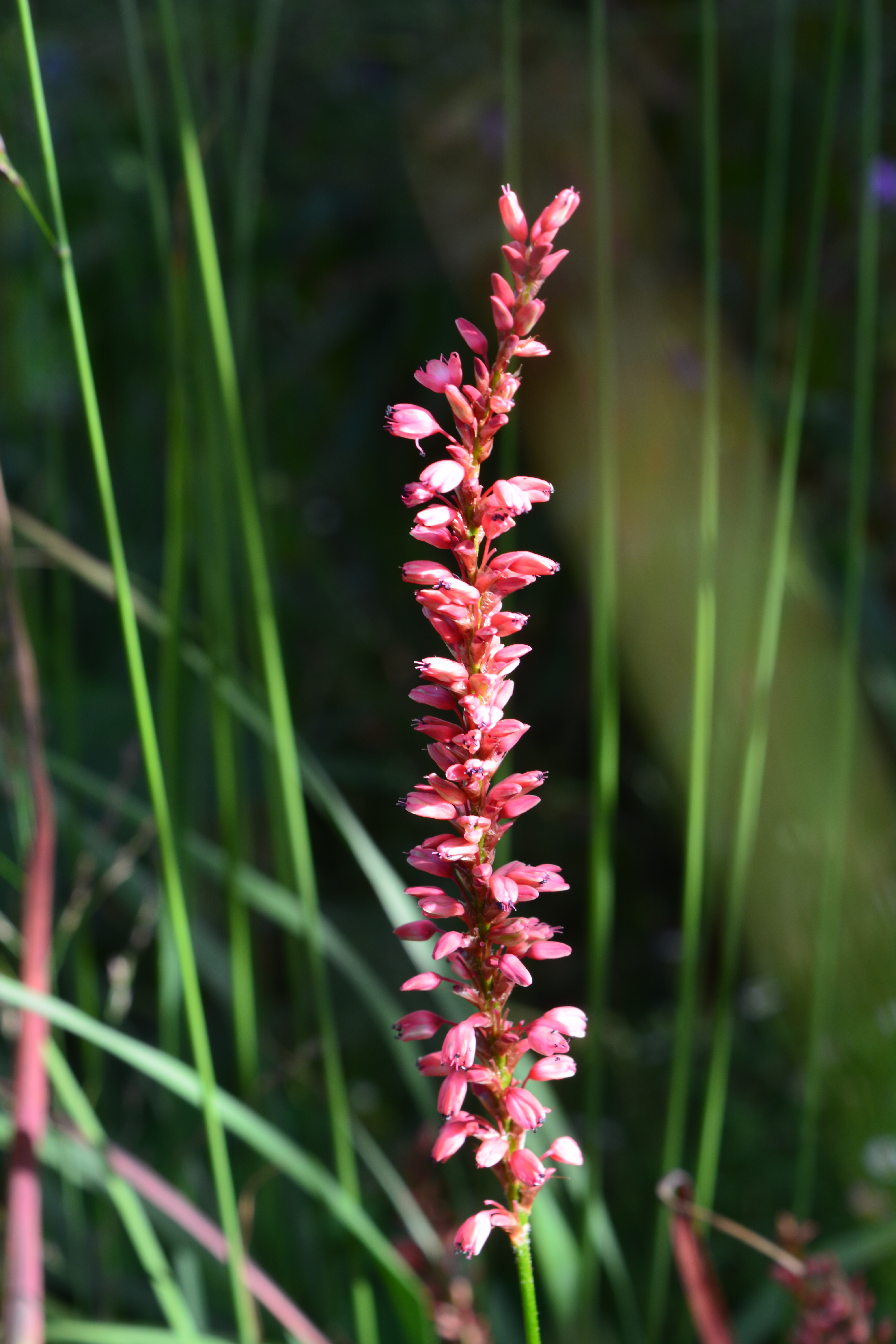
“Varieties of Persicaria amplexicaulis also feature on most of our borders fitting in with most styles of planting, being equally at home in Prairie planting, gravel garden, herbaceous borders and wherever they grow they enhance their border partners.”


These two collections of hardy herbaceous perennials brings the month of September to an end. The next visit to my garden journal will be in October

Categories
colours flowering bulbs garden design garden photography garden ponds garden pools garden wildlife gardening hardy perennials log piles logs National Garden Scheme natural pest control NGS ornamental trees and shrubs outdoor sculpture sculpture spring bulbs spring gardening village gardens water garden water in the garden wildlife woodland Yellow Book Gardens

Celebrating the Glory of Spring – the garden at a cottage called Cartref

I thought I would look back at a visit we made with friends, Pete and Sherlie in the spring to a garden called Cartref. It was a “pop up” NGS garden which is a garden that opens unplanned but that looks good so the owner wants to share it with other NGS, National Garden Scheme, visitors. It is a way of seeing gardens at their best. It is a new idea so we look forward to seeing if it continues to happen. We certainly hope so as we visited two this spring and loved them both.

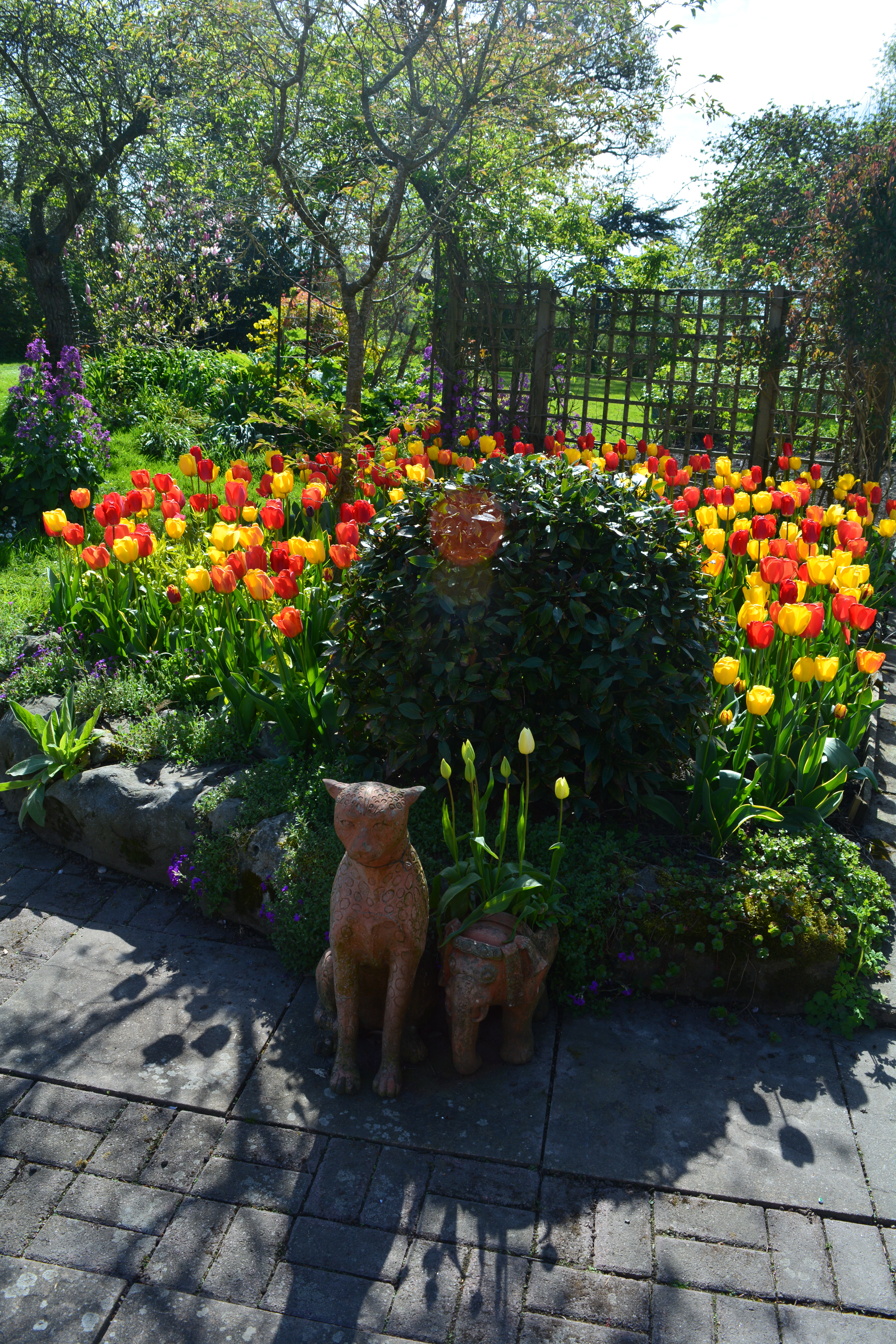
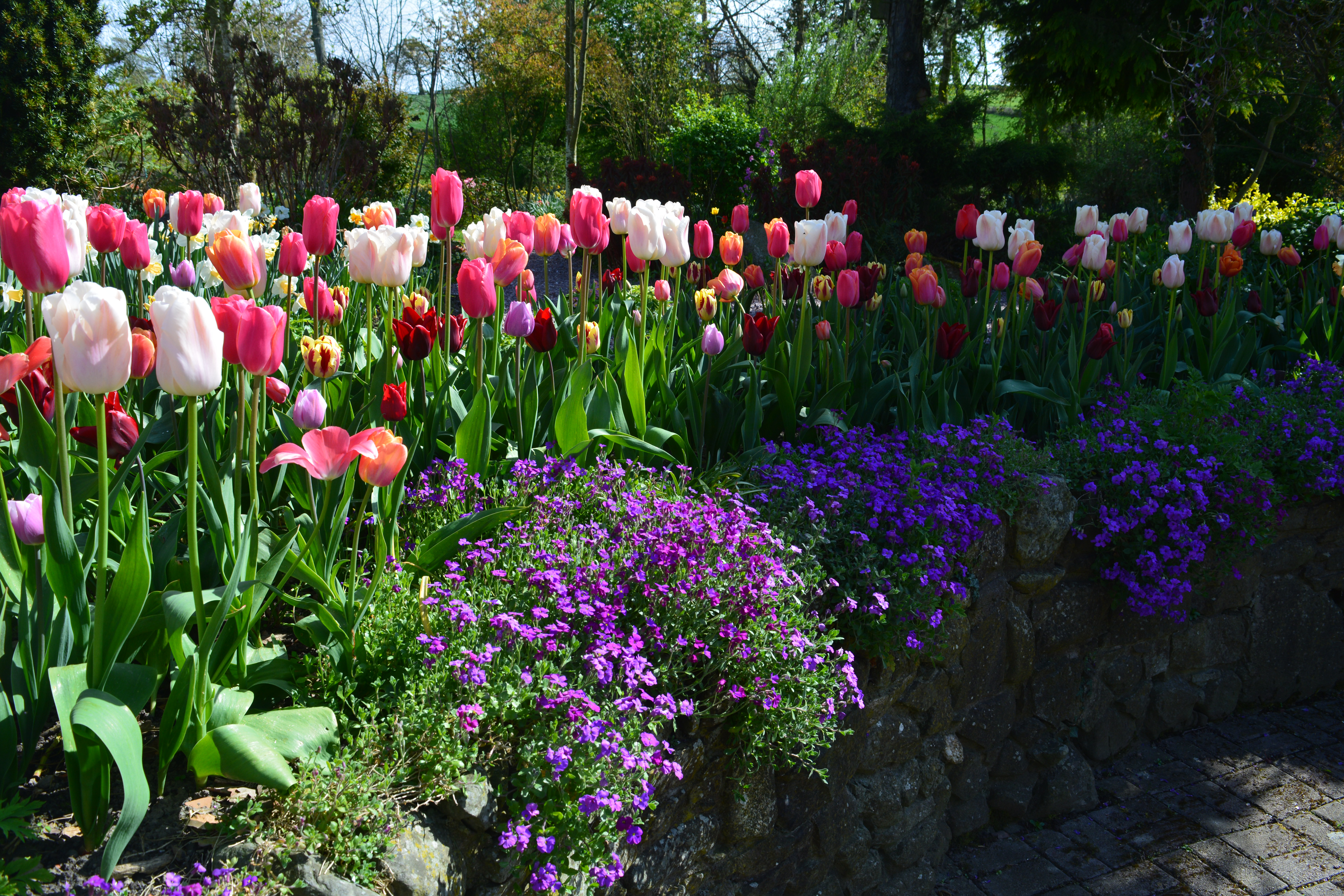
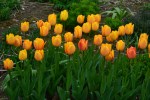
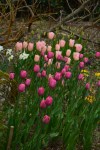
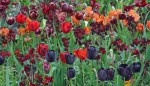
We decided to celebrate the glory of spring by visiting this NGS garden, a one acre modern cottage garden with borders, woodland and ponds. The main features of the garden were the lovely colourful collection of tulips which were at their best when we visited.

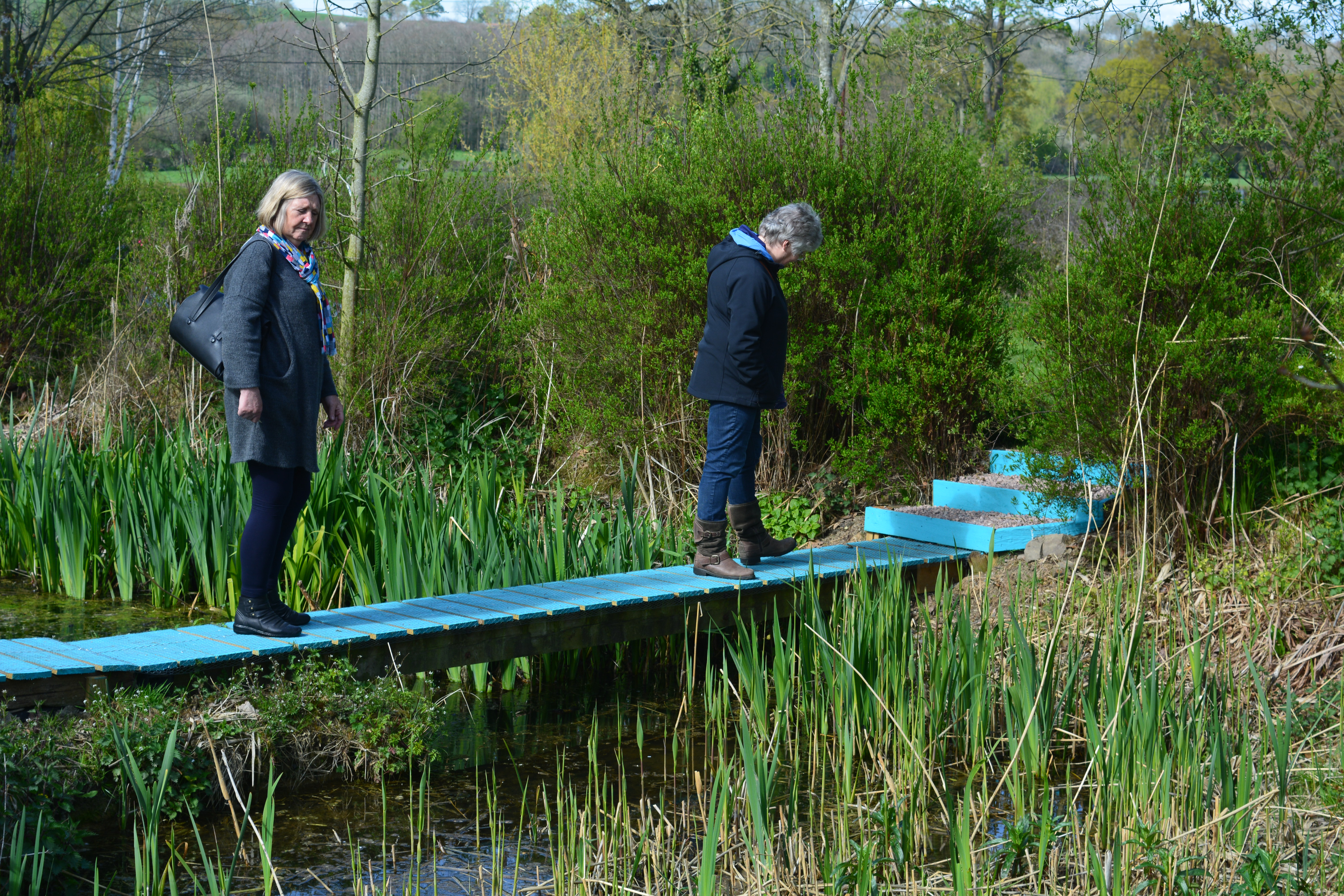
Throughout the rest of the garden we found relaxed styles of gardening and in places emphasis on enhancing habitats for wildlife and attracting wildlife into the garden. The wildlife pond had an island reached by a narrow wooden bridge.


After this visit to the cottage garden at Cartref we decided that “pop up” open gardens were definitely a good idea because we felt we had seen Cartref at its best.


Categories
flowering bulbs garden design garden furniture garden photography garden seating gardening gardens gardens open to the public hardy perennials irises National Garden Scheme NGS nurseries ornamental trees and shrubs shrubs spring bulbs spring gardening village gardens Yellow Book Gardens

Return to The Picton Garden

The Picton Garden situated close to the Malvern Hils in Worcestershire, is well known as a garden to visit in late summer through to early autumn, mainly because it holds a national collection of Asters. The vast number of asters grown there are featured among herbaceous plantings with some pretty special shrubs and trees too. We love it at that time of the year but knew after listening to Helen Picton talking that it should be a garden worth visiting throughout its open period.

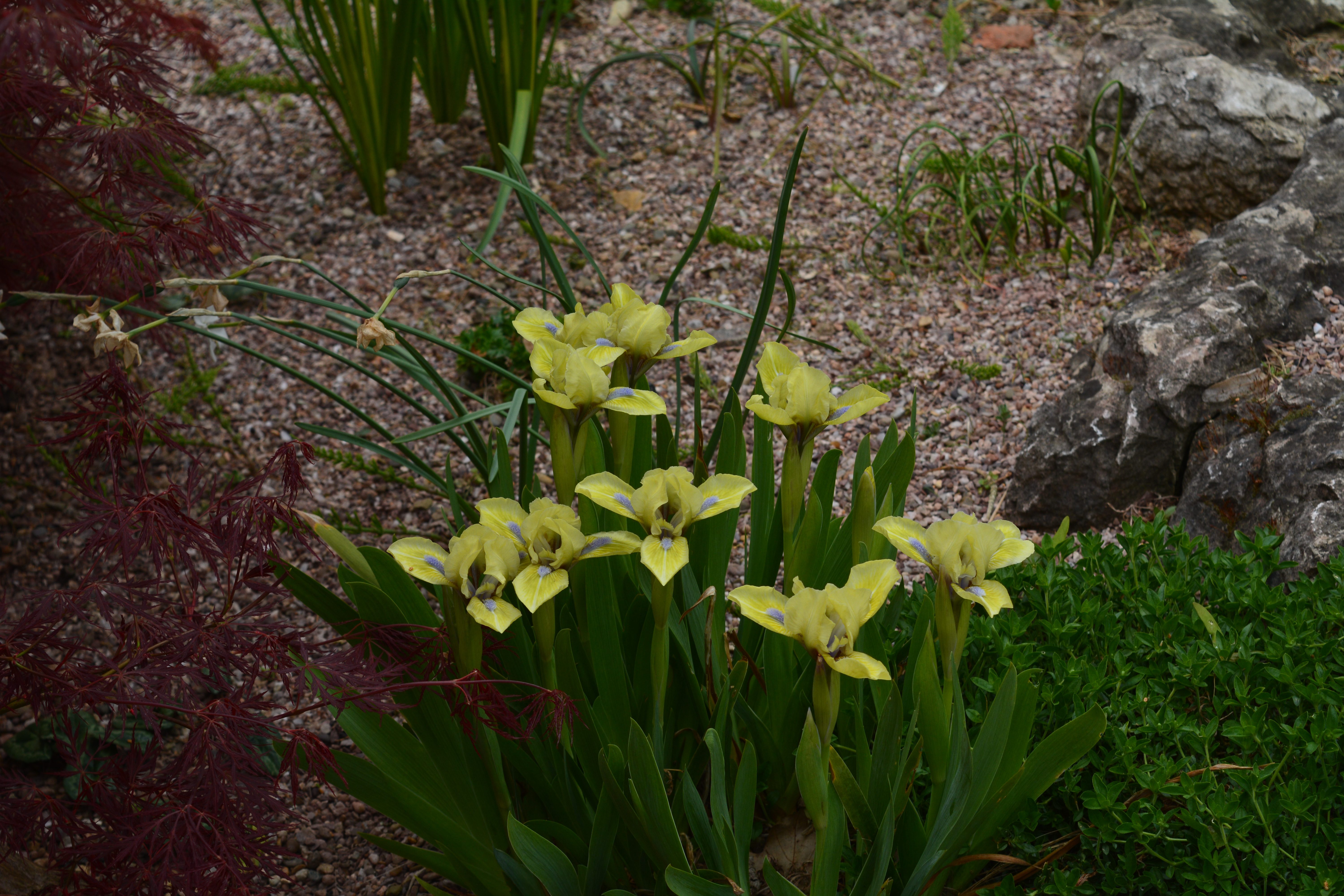
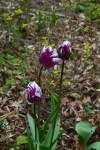
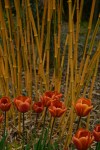
We decided to make a visit at the beginning of April to see what the garden had to offer at that time of year. We found so much of interest and enjoyed our visit immensely. To the one side of the carpark a small rock garden was in the middle of being developed and already showing plants of interest especially these unusual irises and species tulips.


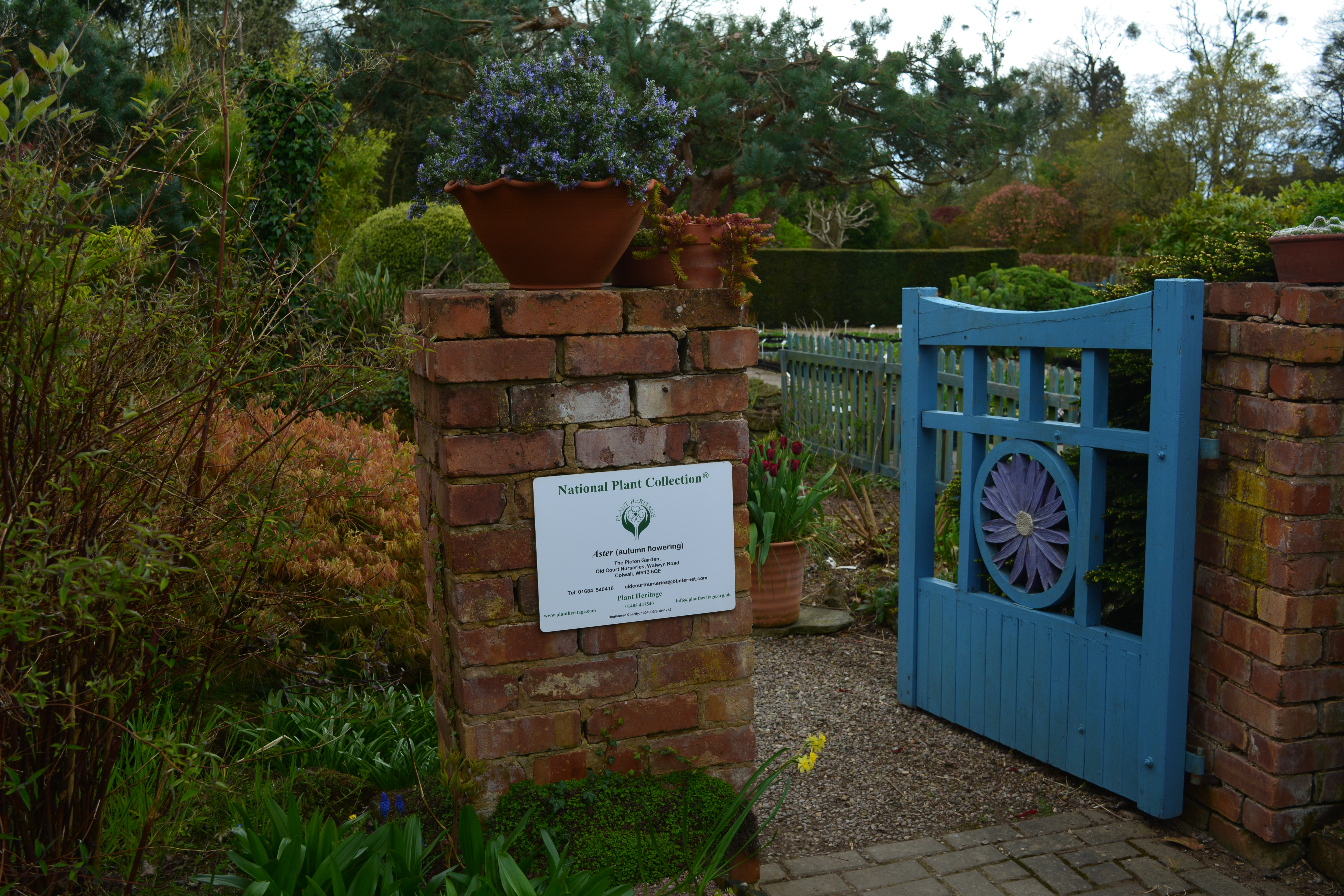
We loved the bright blue gate welcoming us into the garden – very inviting indeed, made even more so by this succulent planter on top of a brick pillar close by.


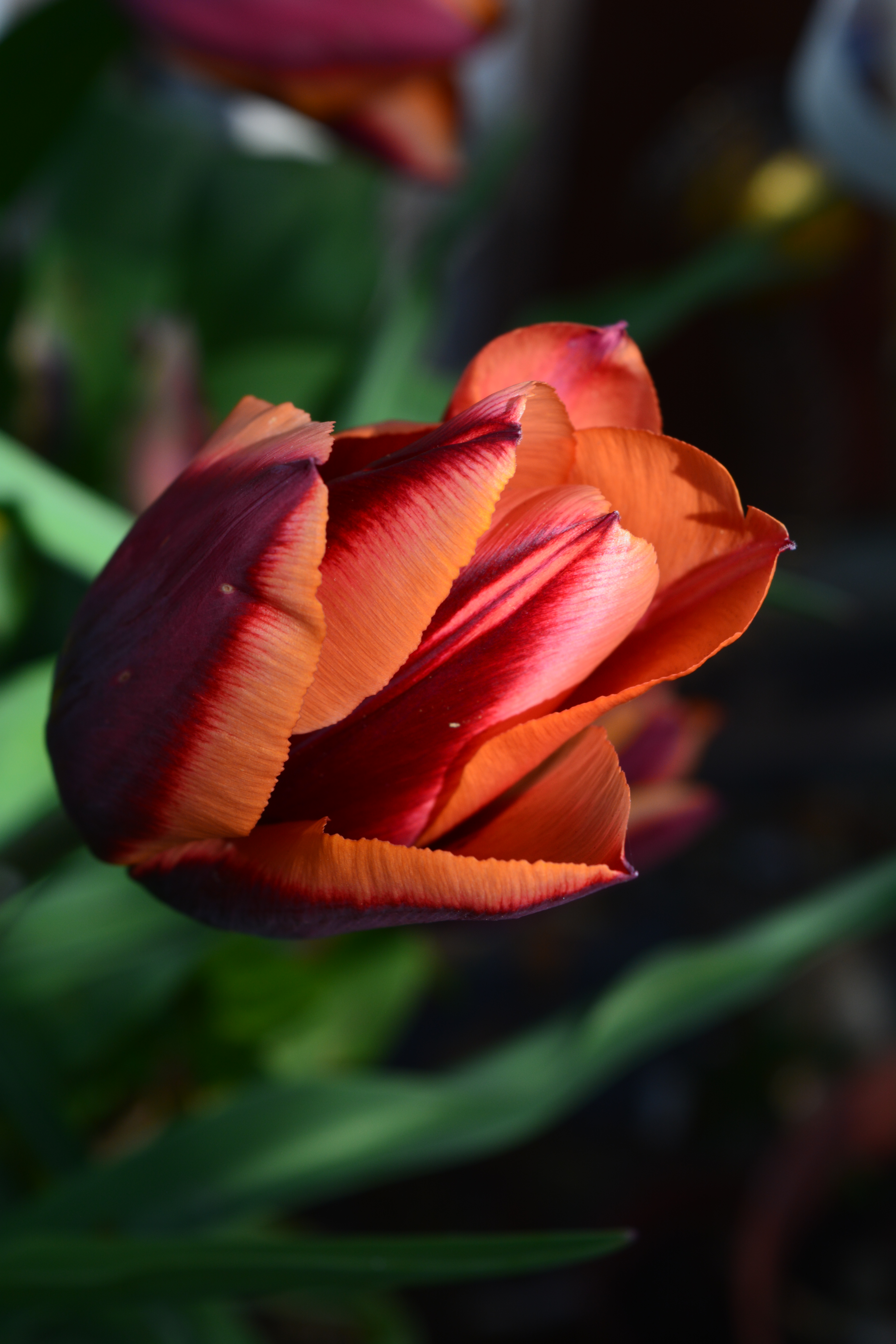
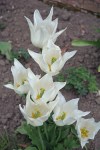
A large pot of very bright tulips set the scene for what was waiting to be discovered on our wanders around the meandering pathways. Here in the gallery below are some of the colourful tulips we found as we walked around. As usual click on first photo and navigate using the arrows.

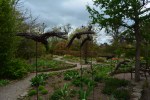
The beauty of looking around a garden in the spring months is being constantly on the look out for special specimens which can sometimes make us stop, bend over and get a close up look. Here at The Picton Garden there were special tiny plants to get close to as well as many perennials, shrubs and trees, making it a very special spring garden. The younger members of the Picton family are making their mark on these already special gardens and extending the seasons of interest. Take a wander with us along the winding gravel paths as we discover the Picton Garden in April.

Categories
birds climbing plants colours flowering bulbs garden design garden photography garden wildlife gardening half-hardy perennials hardy perennials irises ornamental trees and shrubs roses Shrewsbury Shropshire shrubs

My Garden Journal 2017 – May

So as spring moves towards its end and we look forward to summertime, it is time to look at my Garden Journal 2017 entries for May.

I began by writing, “May is the month when Spring turns to Summer and Roses are the stars of many gardens. Irises shine out alongside them and many early hardy perennials join in.”

“Rosa rugosa – deliciously scented purple rose flowers throughout the summer, followed by large, glossy, red hips.


“Bearded iris.”


“This is the month when all our patient hardening off of non-hardy “delicates” pays off and we can return them to the garden where they add another dimension.

Hayworthia cymbiformis with its rosettes of boat-shaped succulent translucent leaves, hails from South Africa.”

I did a watercolour and fibre-tip pen picture of this unusual little succulent, which proved quite a challenge.


Turning over to look at the next double page spread we see a sea of pinks and purples. I share our Cercis siliquastrum with you and some more May specials, all decked out in pinks.

“Plant of the month for the month of May is a small, flowering tree, Cercis siliquastrum , a favourite.” Our Cercis is also called the Judas Tree and the Mediterranean cercis.


I continued to look at May special plants, more pink ones!

“More May time specials – those little flowers so worthy of us seeking them out. Take a walk around our patch and I will look down to see what is looking special. Sugar pinks……..Shocking pinks….. Lipstick pinks…..”


Turn over once again and we see that the pages consider the very special little plants, the Dodecatheons, with Euphorbias alongside.

“Dodecatheon – secret gems of the shade garden – sit demurely in dappled shade. Their delicacy and the unique form of their flowers ask the gardener to stop, stoop and study them close up. They are members of the Primula family, the Primulaceae, but it is hard to spot any family features.

The flowers nod on slender stems rising from a basal clump of foliage. We grow the cerise D. cusickii and the white-flowered D. media White Shooting Star.

Close up we find yellow, brown and pink on the white flowers and yellow, orange, red and even blue on the pink flowers.

Dodecatheon are true shooting stars of any shaded border.”


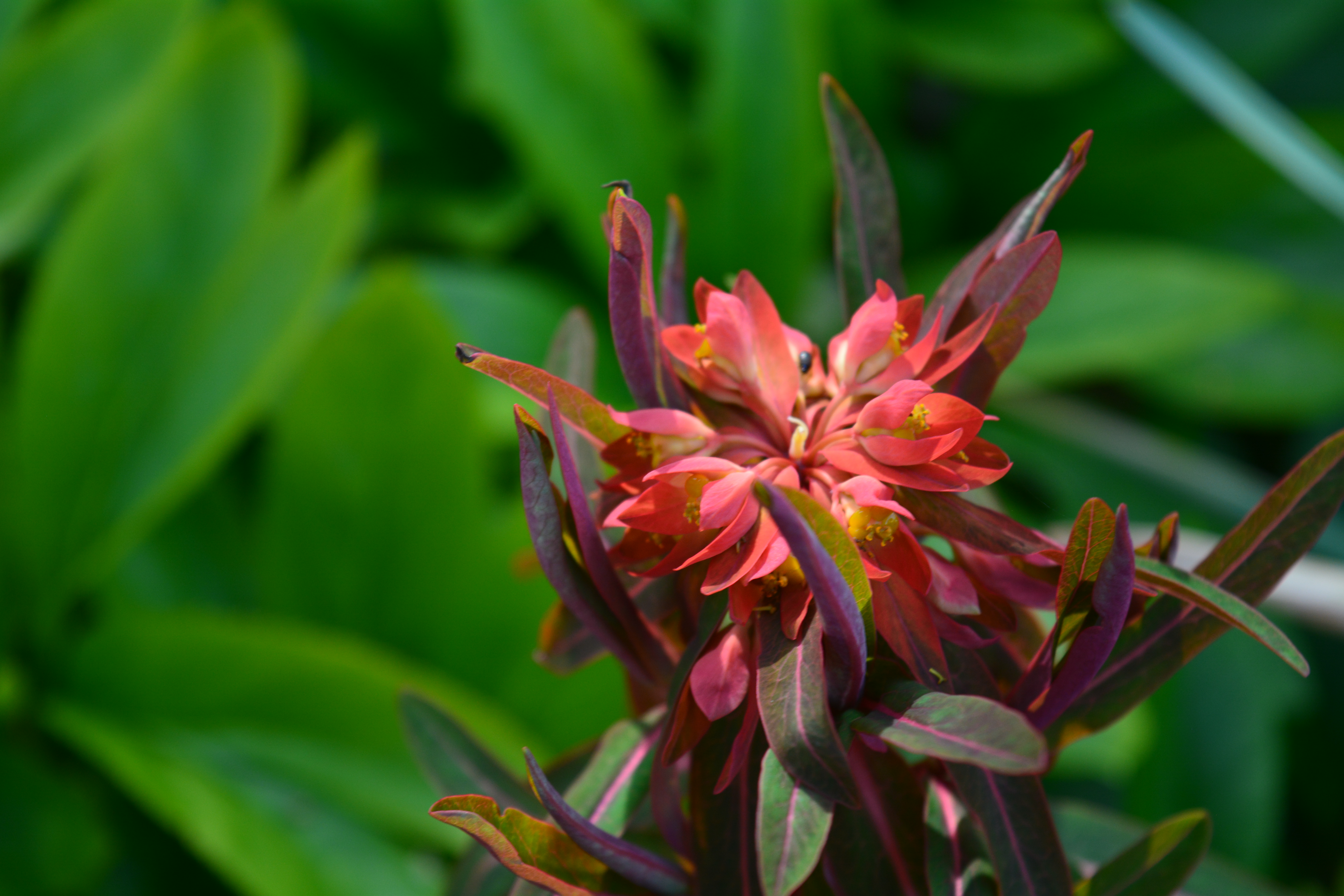
On the page opposite I feature “Bracts at their brightest and best” and go on to look at Euphorbias, featuring photographs of a few of our many varieties. “Euphorbias burst into the brightest possible shades of yellow, orange and red in May. A good month to do so as the bracts catch the rain drops from the frequent showers and as the sun follows on the colours of these bracts brighten further. Here is a small selection of our many much-loved Euphorbias, and more will follow later in May.”

My journal entries for May continues with a look at our garden after a shower, “After the rain……. Plants buck up, birds sing louder and bees return to search for flowers to rob of pollen and nectar. Leaves catch the last rain drops to fall and store them for later. Droplets sit on veins and in leaf centres and act as lenses. Even the birdbaths are topped up!”


Water, water everywhere ……………..


Over another page and we look at some of our little garden friends and allies and next to that a painting challenge for me as I try to paint two very delicate heads of flowers.

“May is the month when our wildlife friends live and work alongside us everyday, beneath our feet in the soil, in the plants surrounding us and in the sky above. From first light, if not slightly before, birds begin their chorus growing to a crescendo as more and more join in. Blackbirds, robins and wrens are first to open their hearts to us with loud song and this trio are also the last to go quiet after the light dims. Owls keep calling throughout the dark hours.

Above our heads swallows, house martins and swifts chatter and squeal as they put on balletic flying demonstrations, catching high-flying insects as they do so. Under stones, inside shrubs  and in our greenhouse spiders seem so busy, constantly rushing around.”

“Beautiful flower heads, a painting challenge for May.”


My jottings for May next turned to flowering shrubs and roses.

“Roses and other flowering shrubs.”

A selection of our May-flowering roses …………………..


………… and flowering shrubs.


Back to Euphorbias as we turn the page over and I feature more of our collection of the unusual plants with bracts as bright as any flower.

“More crazy Euphorbias!  They have a futuristic look to them, each whorl of bracts like a spaceship.”

“So varied! So bright!”


“Despite their acidic colours, Euphorbias partner well with other plants.”


“We often partner one Euphorbia with another.”


So turning over the page we find the final page for May in my 2017 Garden Journal where I share some of our flowering climbers with you.

“Climbing plants begin to place splashes of colour high up in the trees and on obelisks at eye height, adding another dimension to the Avocet patch. Akebia, Clematis, Lonicera and Coronilla.”


So, the first book in my 2017 Garden Journal comes to an end as the month of May does also. My notes, photos and paintings for the month of June will start off the second 2017 book. See you then.

Categories
flowering bulbs garden photography gardening gardens gardens open to the public National Trust Shrewsbury Shropshire spring bulbs

Camassias – subtle springtime beauties.

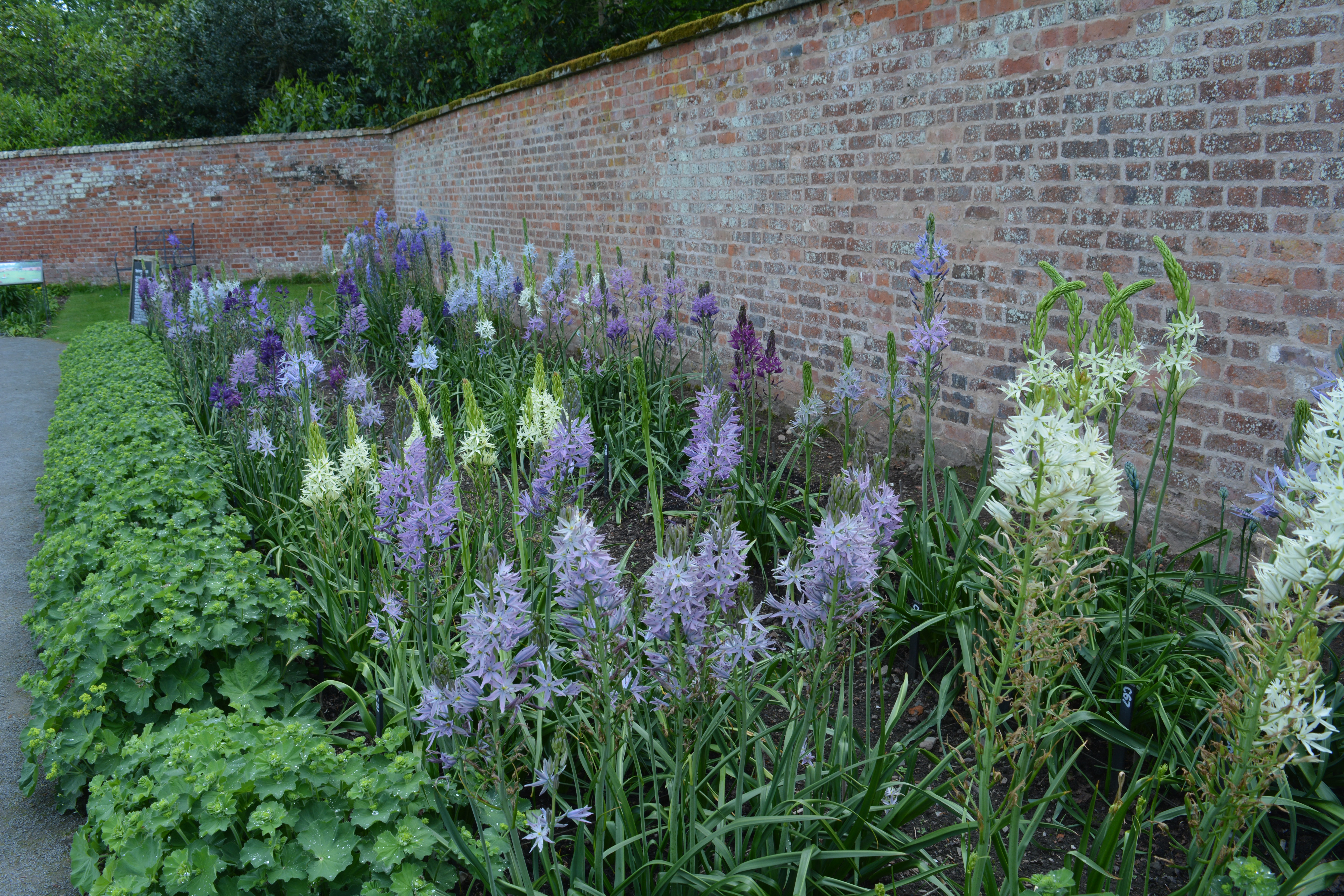
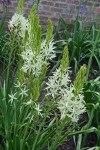
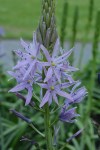
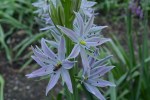
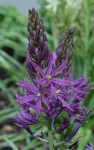
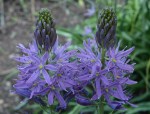
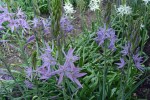
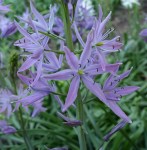
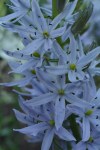
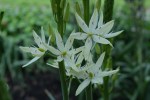
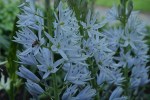
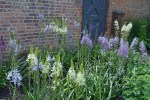
When we visit the walled garden at Attingham Park in early summer, we enjoy looking at their collection of the beautiful bulbs, Camassias. The ones usually seen are mid-blue and few varieties are made available via the garden centre trade. When we discovered the collection being built up at Attingham in part of the walled garden we were so pleased to see so much variety.

The Camassias were as popular with the bees, both wild and domesticated, as they were with us. We enjoyed spending time watching them moving from flower to flower in search of pollen and nectar.


Below is a gallery of the photos I took of this wonderful collection of these valuable early flowering garden bulbs at Attingham. Please enjoy by clicking on the first photograph and then navigating by clicking the right arrow.


Categories
colours flowering bulbs fruit and veg garden design garden photography garden wildlife gardening gardens gardens open to the public grow your own hardy perennials irises kitchen gardens National Trust ornamental trees and shrubs Shrewsbury Shropshire shrubs spring bulbs spring gardening The National Trust trees walled gardens walled kitchen gardens woodland woodlands

A Walk in the Park – Attingham Park April – Part 2

In this, the second part of April’s  report of our wanderings around Attingham Park, I want to feature the flowers of the park , the wildflowers living in the woodland and the cultivated flowers in the borders and walled garden. I will also share pics of the fresh growth of the bursting buds on the trees and shrubs.

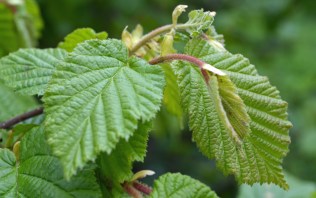
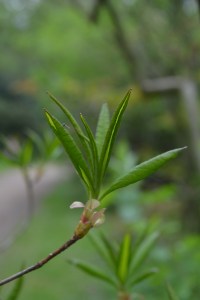
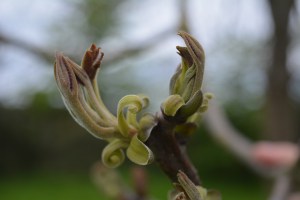
Most new leaves that had burst from buds on trees were the brightest of green imaginable.


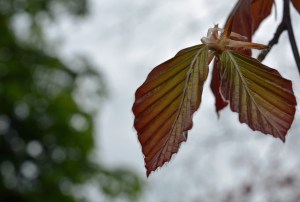
Some buds had opened to reveal more colours than simply green, they glowed with hints of bronze, browns and purples.


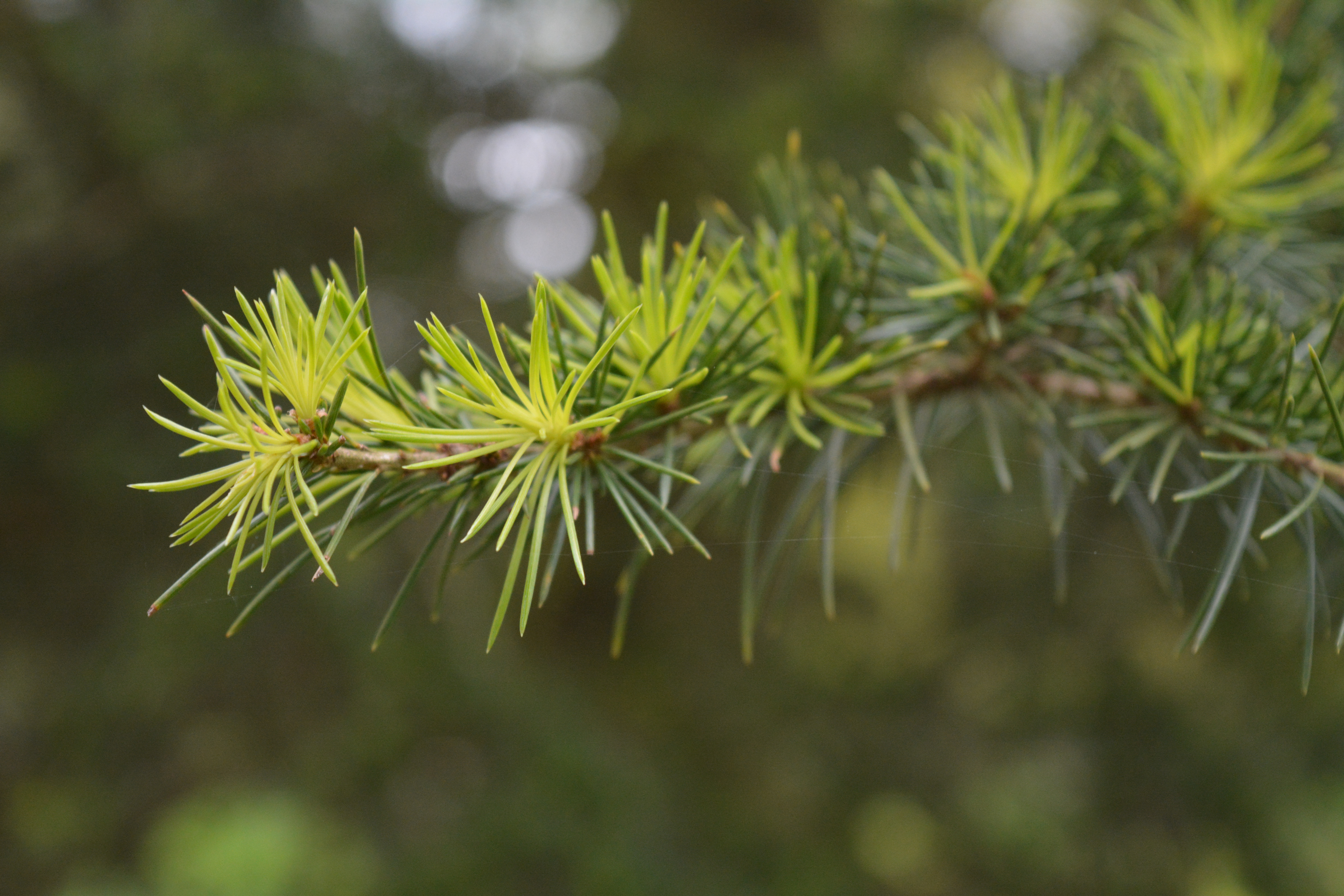
Fresh growth on evergreen trees and shrubs were also bright green, on both conifers and broadleaves.

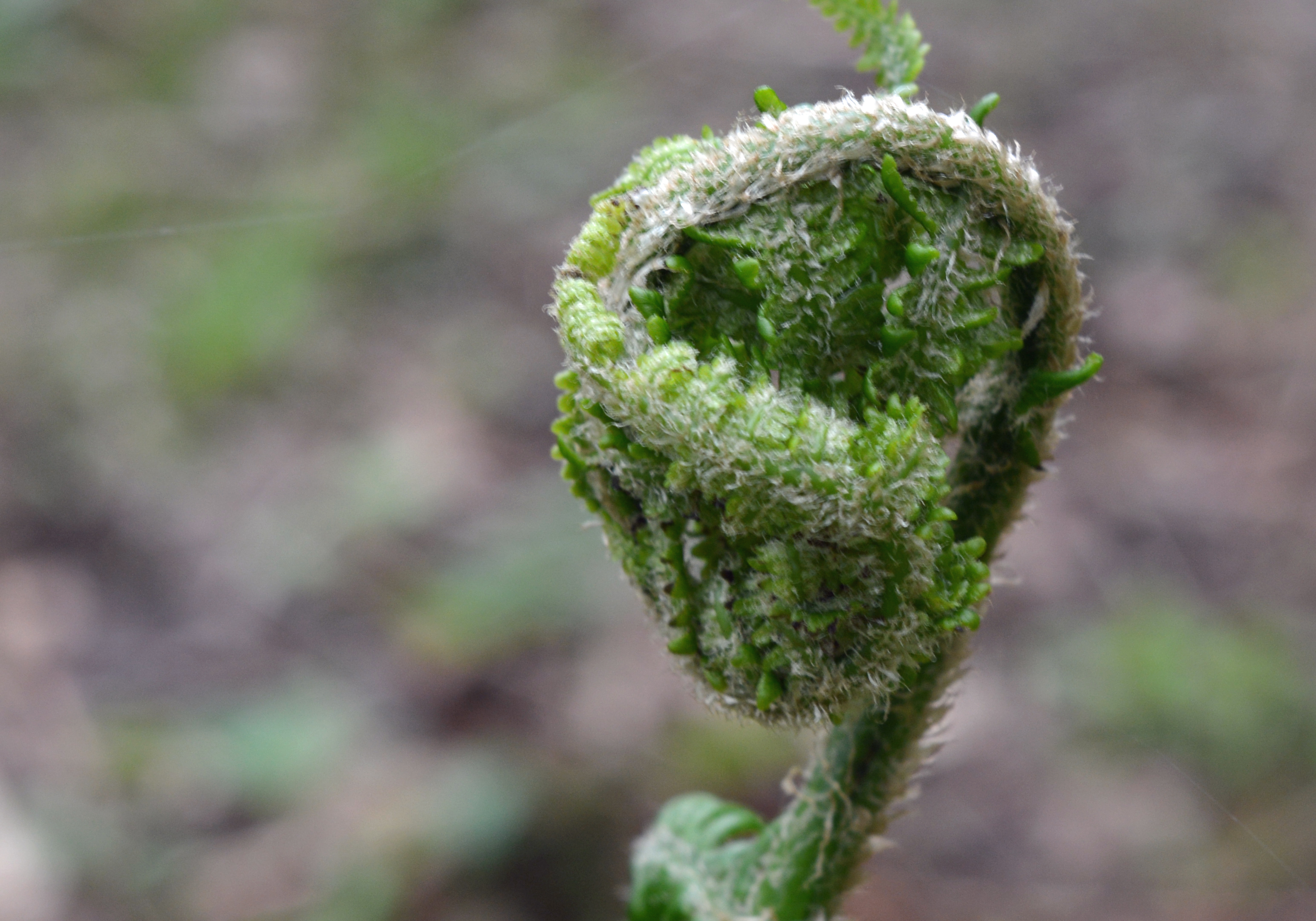
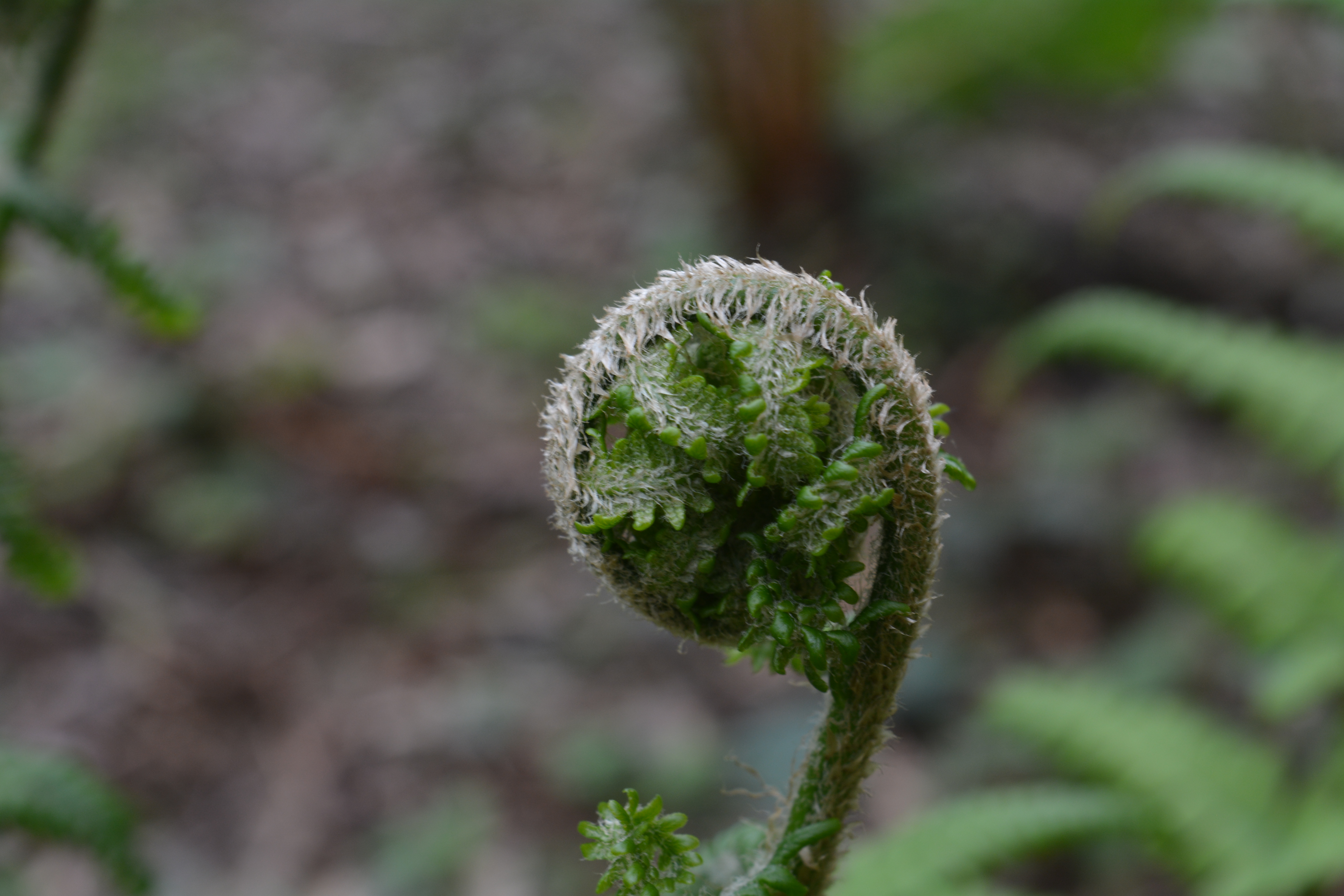
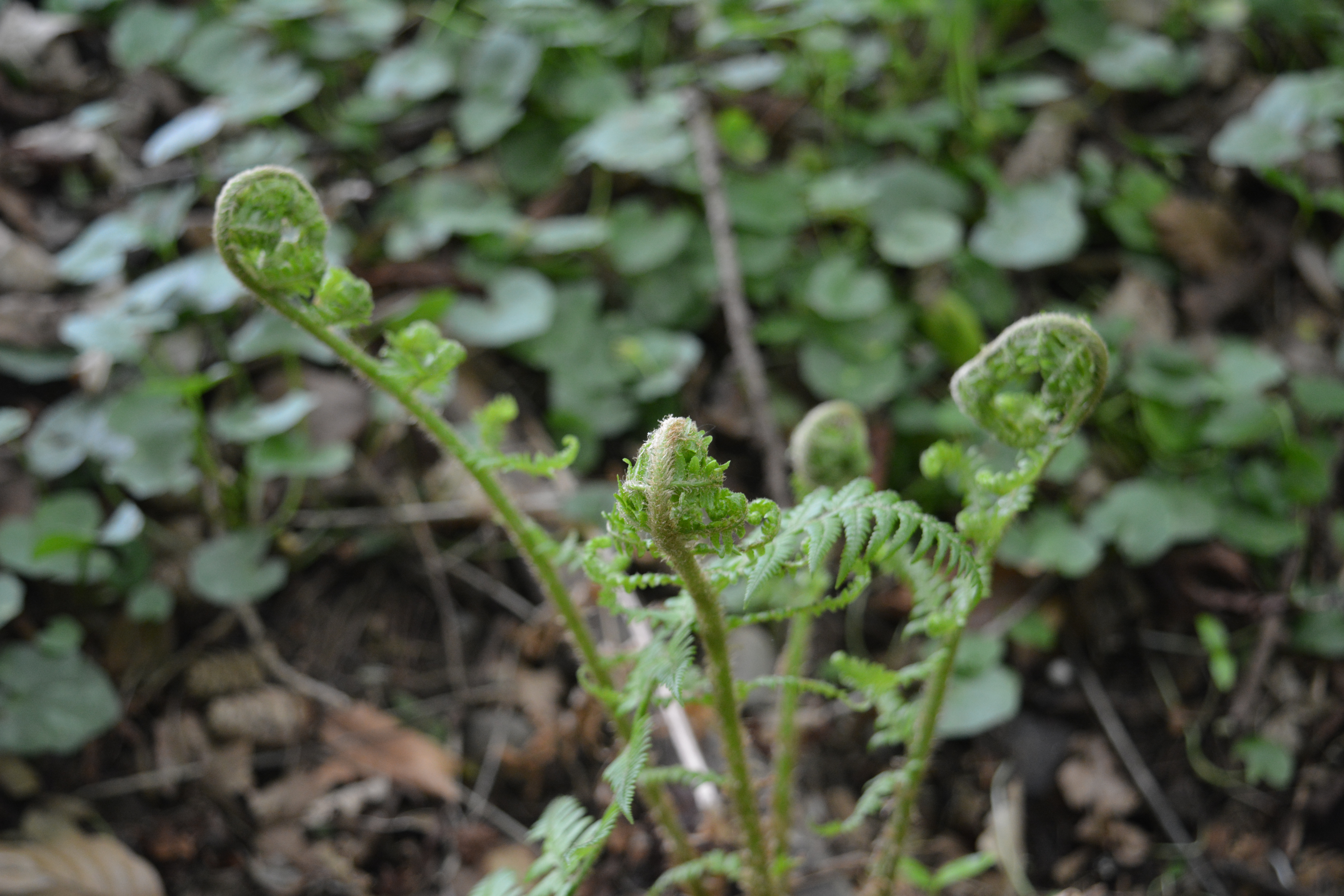
Beneath the trees and shrubs ferns revealed their leaves in such a beautiful way, unfurling from a tight spiral like slowly unwinding springs. As their shapes change so do the textures.


We found so many plants flowering on our April wanders that the best way to share them with you and illustrate the huge variety so early in the year is by presenting my photographs as a gallery. Please enjoy by clicking on the first photo then navigate by clicking the right arrow.

We will return in May when summer will be in full swing!


This Veggie Life

A Vegetarian | Nature Lifestyle Blog

Rambling in the Garden

.....and nurturing my soul

The Arch City Gardener

Journeys In St. Louis Gardening and Beyond

Garden Dreaming at Châtillon

Consult the genius of the place

Storyshucker

A blog full of humorous and poignant observations.

gardeninacity

Notes from a wildlife-friendly cottage garden

PlayGroundology

...an emerging social science

The Official Blog of British Wildlife

'The most important and informative publication on wildlife of our times' - The Independent. This blog is a member of The UK & Ireland Natural History Bloggers group: www.uknhb.blogspot.com

iGrowHort

Inspire - Cultivate - Grow Native Plants - Restore Landscapes

Bishops Meadow Trust

To create and protect a semi-natural wild space for the people of Farnham to enjoy and experience an array of British wildlife in our town

Gardening with Children

The www.gardeningwithchildren.co.uk Blog

UKbirdingtimeline

birding through the seasons, why birds matter and how to conserve them

NATURE WALKER

with a camera in hand

Jardin

Transform your outdoor space

Eva's space

My allotment, cooking and other interests

Old School Garden

my gardening life through the year

LEANNE COLE

Trying to live a creative life

fromacountrycottage

trying to live as lightly as possible on our beautiful planet

Good Life Gardening

Nature lovers from Leicester living the good life.

mybeautfulthings

Finding the beautiful in the everyday

mawsonmichelle

Michelle's Allotment

In and Out of My Garden

thoughts from and about my garden

Greenhousing

Big plans for a small garden

The Scottish Country Garden

A Walled Country Garden in South East Scotland

The Fruity Chicken

Life at the fruity chicken

willowarchway

Off grid living. Self sufficient. "PERMAGANICS RULE".

St Anns Allotments

Nottingham's Grade 2* Listed Allotments and Community Orchard

Manifest Joy Harvests

a journey in suburban vegetable gardening

Allotmental

The madness of growing your own

Penny's Garden: a harvest beyond my front door

A novel approach to vegetable gardening

arignagardener

Sustainable living in the Irish countryside.

NewEnglandGardenAndThread

Master Gardener, amateur photographer, quilter, NH native, and sometimes SC snowbird

dianajhale

Recent work and work in progress and anything else that interests me

planthoarder

a chaotic cottage gardener

Lens and Pens by Sally

a weekly blog that creates a personal philosophy through photographs and words

Dewdrops and Sunshine

Stories from a sassy and classy Southern farmbelle.

The Pyjama Gardener

Simple Organic Gardening & Seasonal Living

gettin' fresh!

turning dirt into dinner

JOY...

today the world is created anew

Garden Birds

Notes from a Devon garden

ShootAbout

Life Through The Lens

Adapting Pixels

A photography blog showcasing the best photography pictures and videos on the internet

Wildlifegardening's Blog

Just another WordPress.com site

naturestimeline

personal observations from the natural world as the search continues for a new approach to conservation.

LATEBLOOMERBUDS

The Wonders of Life through my Eyes, my Heart, my Soul