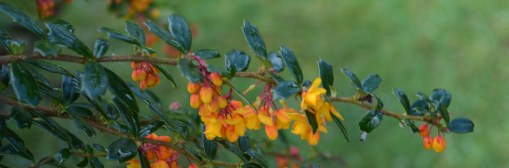
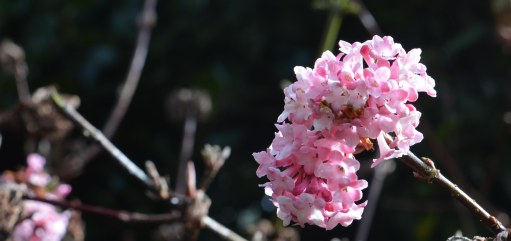
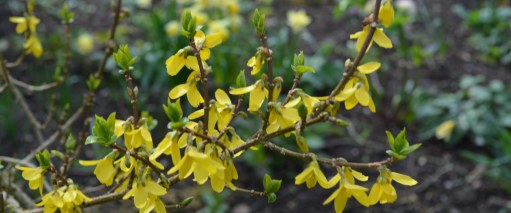
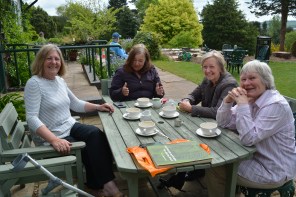
Categories
birds colours flowering bulbs garden photography garden wildlife gardening gardens hardy perennials ornamental trees and shrubs outdoor sculpture Shropshire shrubs spring bulbs trees Winter Gardening winter gardens

My 2017 Garden Journal – January

It feels good to be back sharing my Garden Journal with you once again. So here is the first for 2017, my report on what was going on in our Avocet garden in January.

For 2017 I will share the beauty, the happenings and the stars of our Avocet garden month by month. I will consider the wildlife that visits and shares our garden with us and see what it is up to. I aim to record the birds we spot, the creatures which live in our pond and the mini-beasts who appreciate our plants in our borders.

I hope to set up my moth live-trap and carry out a pond dip regularly. I will record using words, photographs, paintings and drawings.
jan-03

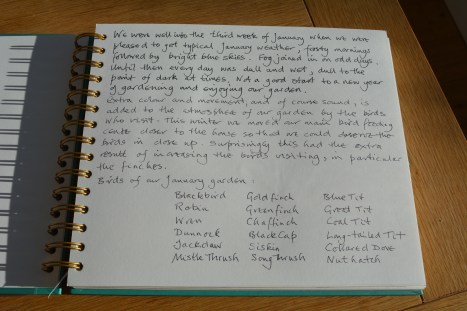
My 2017 Garden Journal opened with a comment about the weather, the favourite subject of the English and particularly English gardeners, “We were well into the third week of January when we were pleased to get typical January weather, frosty mornings followed by bright glue skies. Fog joined in on odd days. Until then every day was dull and wet, dull to the point of darkness at times. Not a good start to a new year of gardening and enjoying our garden.

Extra colour and movement, and of course sound, is added to the atmosphere of our garden by the birds who visit. This winter we moved our main bird feeding centre closer to the house so that we could observe the birds in close up. Surprisingly this had the extra bonus of increasing the birds visiting, in particular the finches.

Birds of our January garden: 

Blackbird                    Goldfinch                    Blue Tit

Robin                           Greenfinch                  Great Tit

Wren                            Chaffinch                    Coal Tit

Dunnock                      Blackcap                      Long-tailed Tit

Jackdaw                       Siskin                            Collared Dove

Mistle Thrush             Song Thrush                Nuthatch

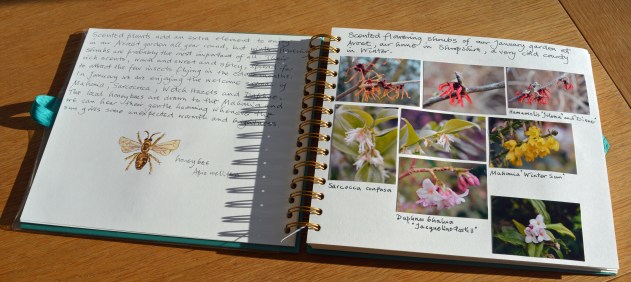
Turning the page finds me discussing scented shrubs starring in our January garden.

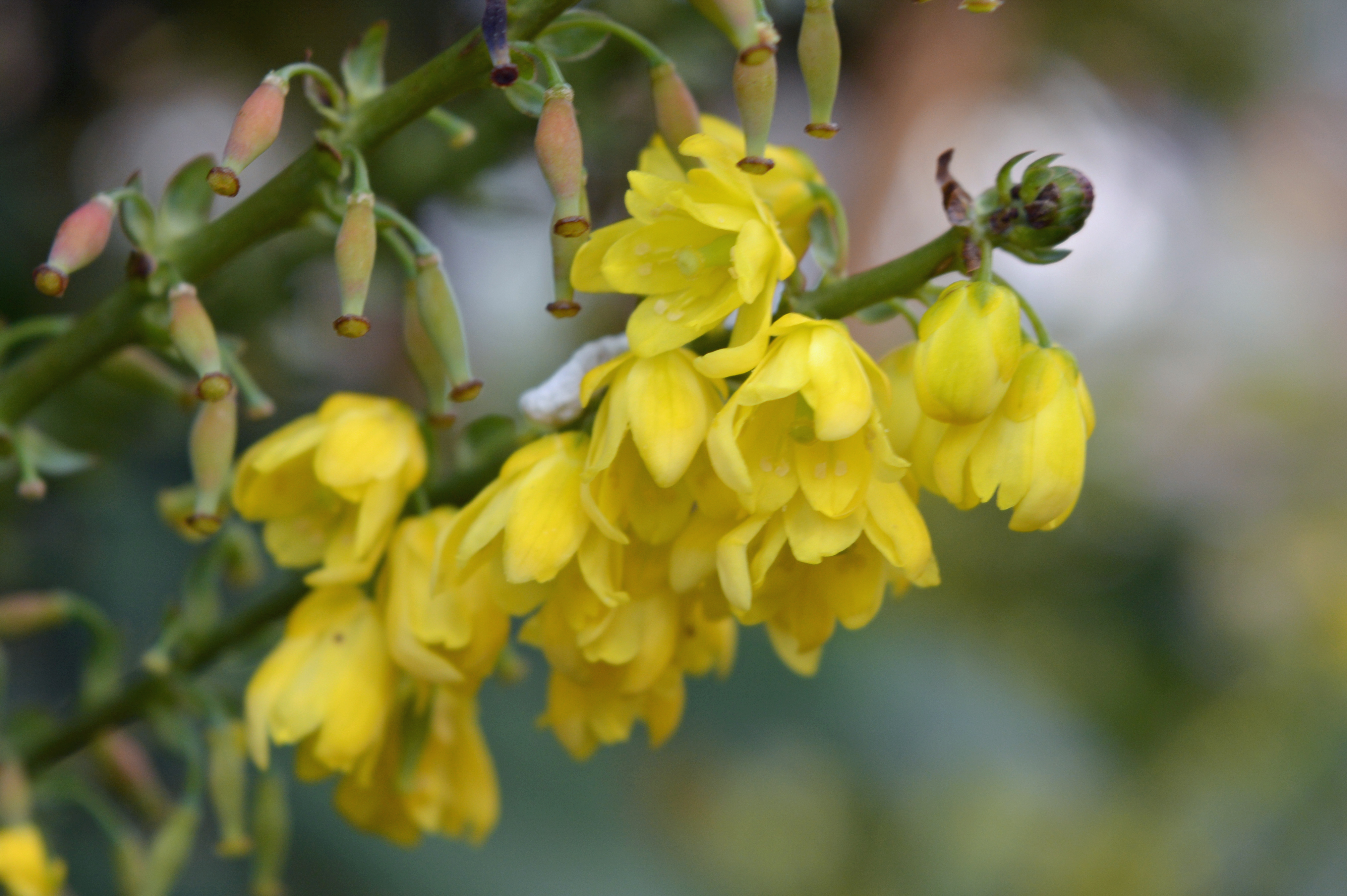
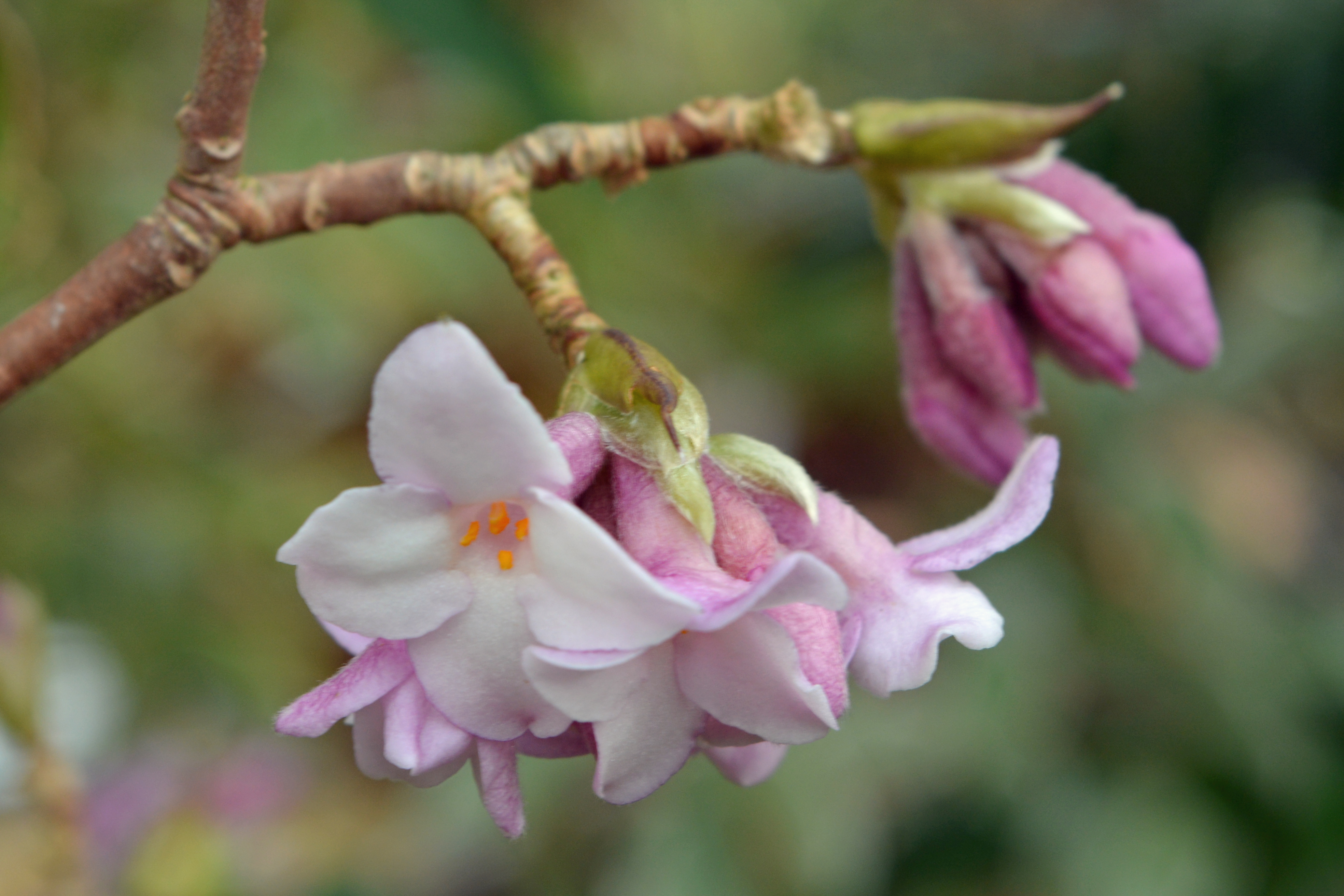
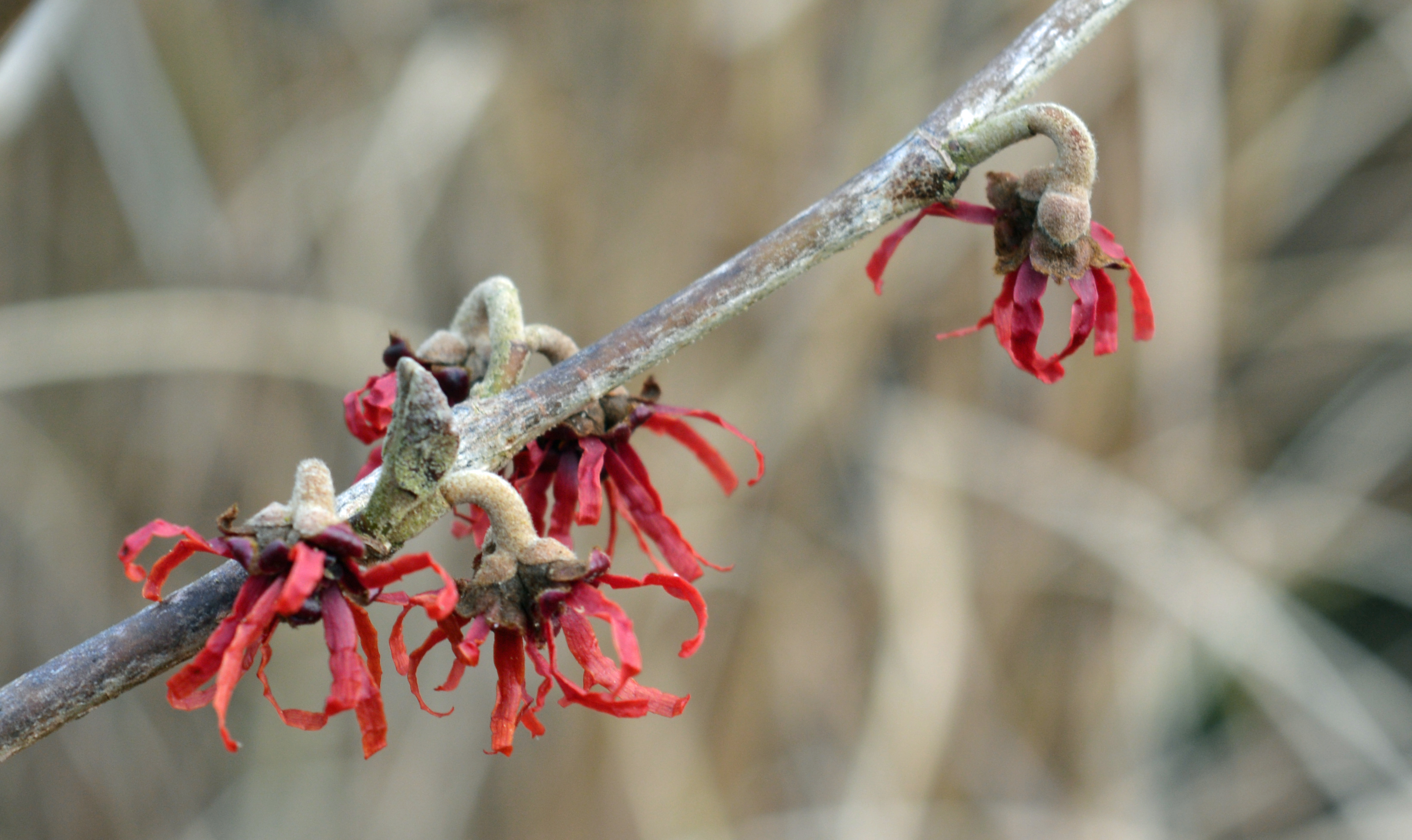
Scented shrubs add an extra element to enjoy in our Avocet garden all  year round, but winter-flowering shrubs are probably the most important of all. Their rich scents, warm and sweet and spicy, spread far to attract the few insects flying in the colder months. In January we are enjoying the welcome aromas of Mahonia, Sarcococca, Witch Hazels and Daphne. The local honey bees are drawn to the Mahonia and we can hear their gentle humming whenever the sun gives some unexpected warmth and brightness.

I used my watercolours to create a painting of a Honey Bee, Apis mellifera, and it was a very difficult painting to do.
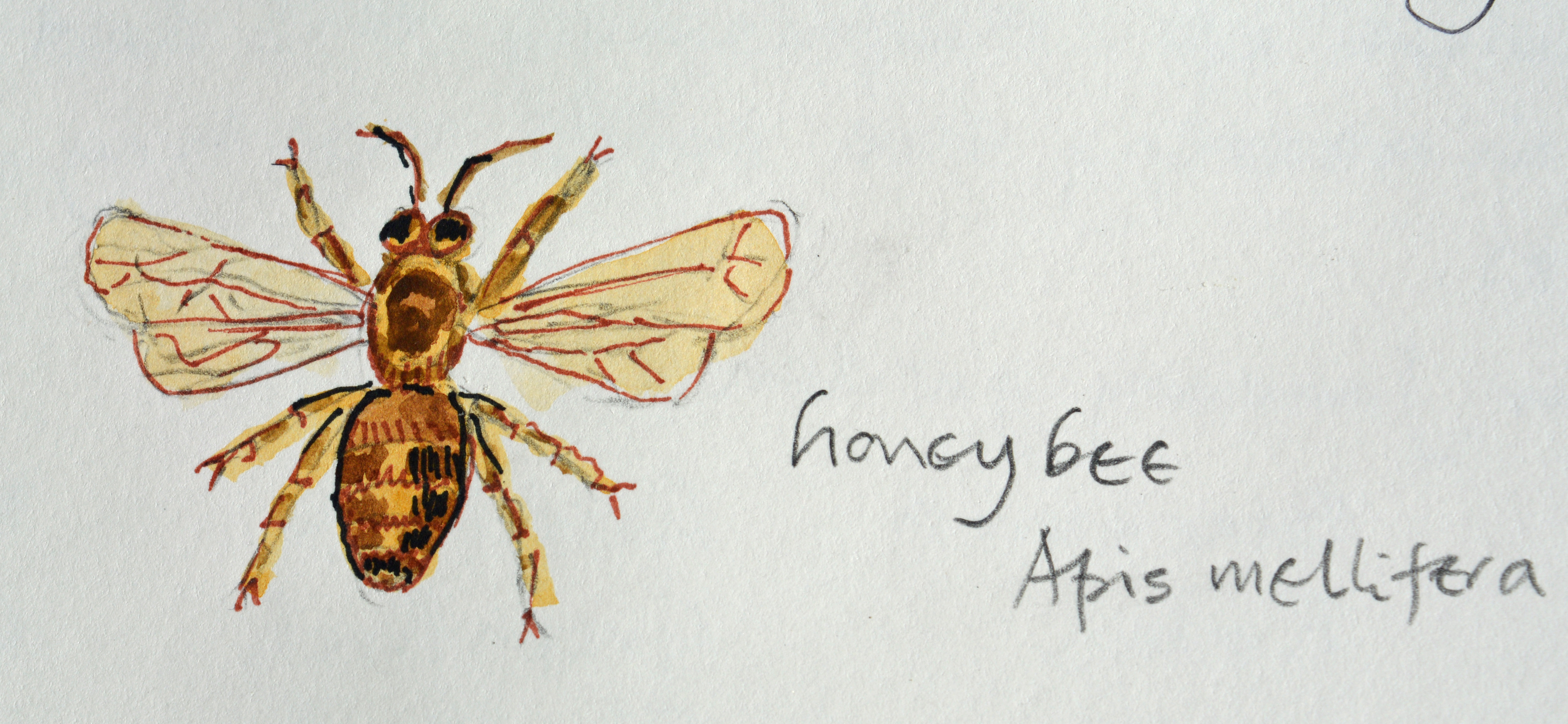
jan-04jan-05 jan-06

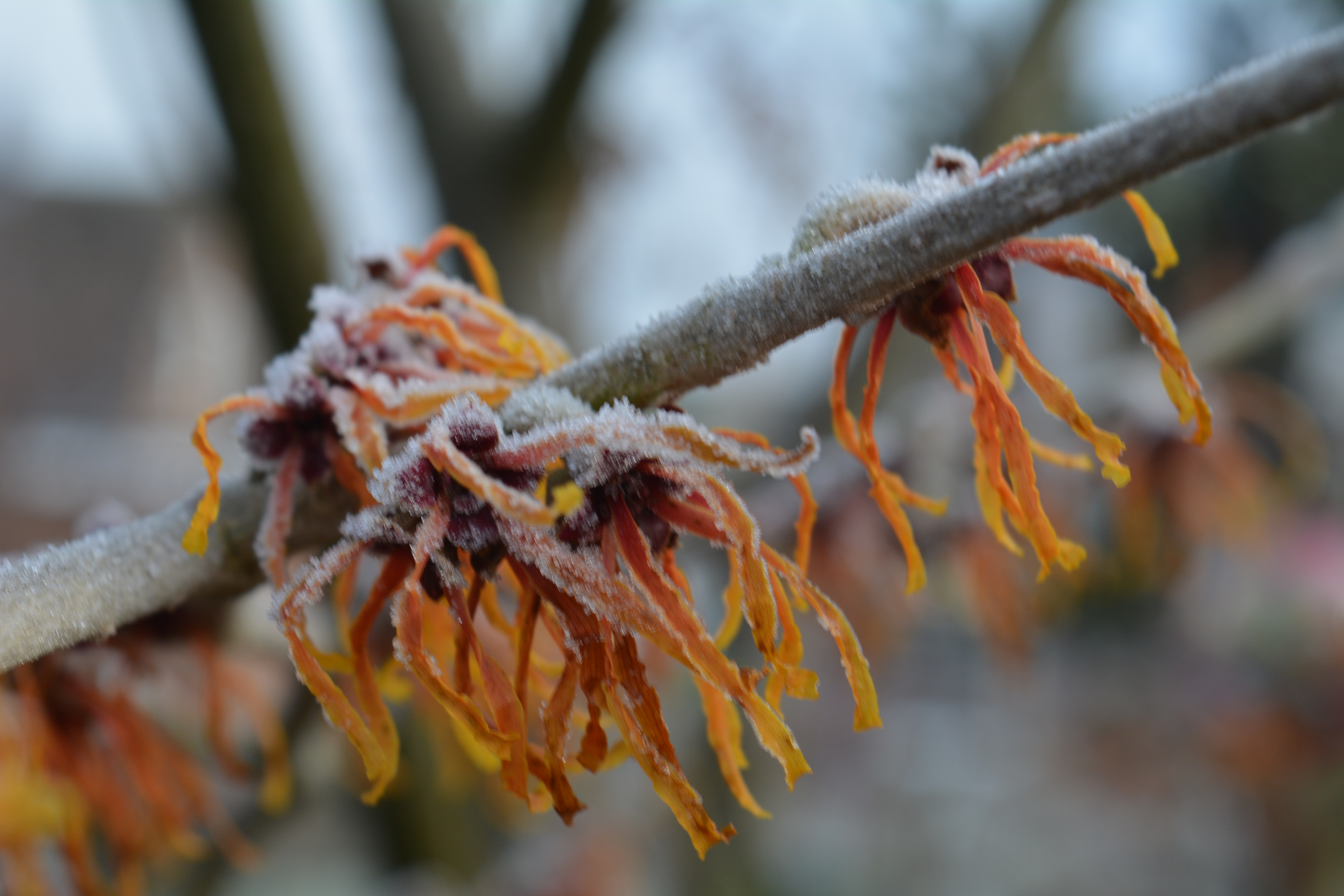
On the page opposite my bee painting, I included photos of the “Scented flowering shrubs of our January garden at Avocet, our home in Shropshire, a very cold county in winter.”, Sarcococca confusa, Daphne bholua “Jacqueline Postill”, Hamamelis Jelena and Diane and Mahonia “Winter Sun”.

j1-1 j1-2 j1-3 j1-4 j1-5 j1-6 j1-7 j1-8

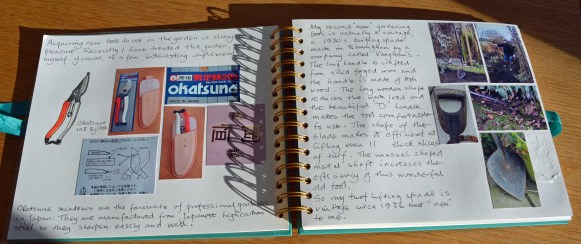
Over the page we look at “new” gardening tools, one brand new and one new to me which is a vintage tool.
jan-07

“Acquiring new tools to use in the garden is always a pleasure. Recently I have treated the garden, and myself of course, to a few interesting implements”. 

Firstly a pair of Japanese secateurs, with the unusual problem of instructions written in Japanese. As I had ordered them from Japan I should not have been surprised really!

I painted a picture of my new Japanese secateurs, which was a lot harder that it looks.

jan-01 j2-1 j2-4

“Okatsune secateurs are the favourite of  professional gardeners in Japan. They are manufactured from Japanese high carbon steel so they sharpen easily and well.”


j2-2 j2-3  j2-5 j2-6

“My second “new” gardening tool is actually a vintage piece, a 1930’s turfing spade made in Birmingham by a company called Vaughan’s. The long handle is crafted from solid forged iron and the handle is made from Ash wood. The long wooden shaft reduces the workload and the beautiful “D” handle makes the tool comfortable to use. The shape of the blade makes it efficient at even lifting an even 1 inch thick slices of turf. The unusual shaped metal shaft increases the efficiency of this wonderful old tool. So my turf lifting spade is vintage circa 1936 but “new” to me.

j3-07 j3-11

j3-01 j3-02 j3-09 j3-08

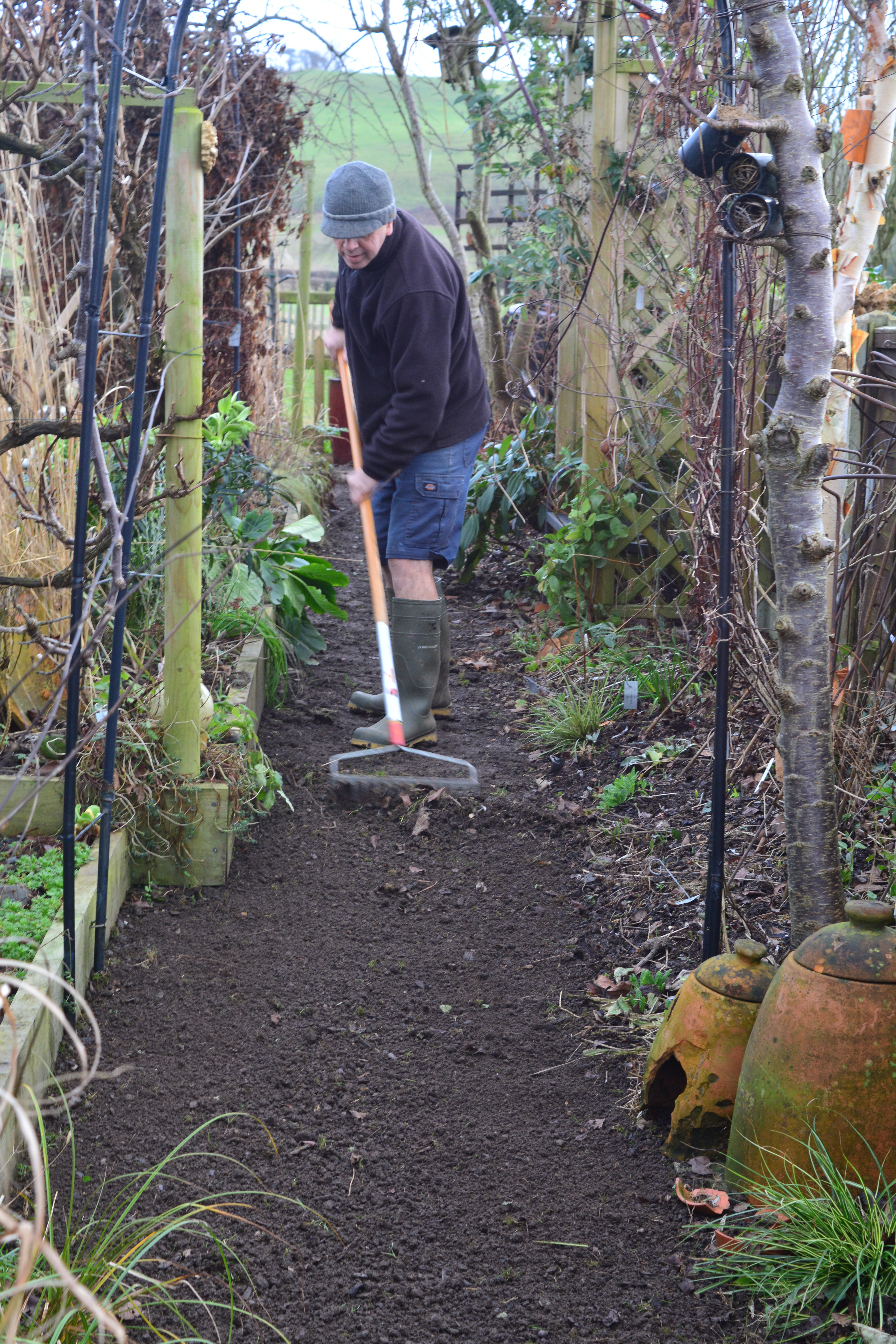
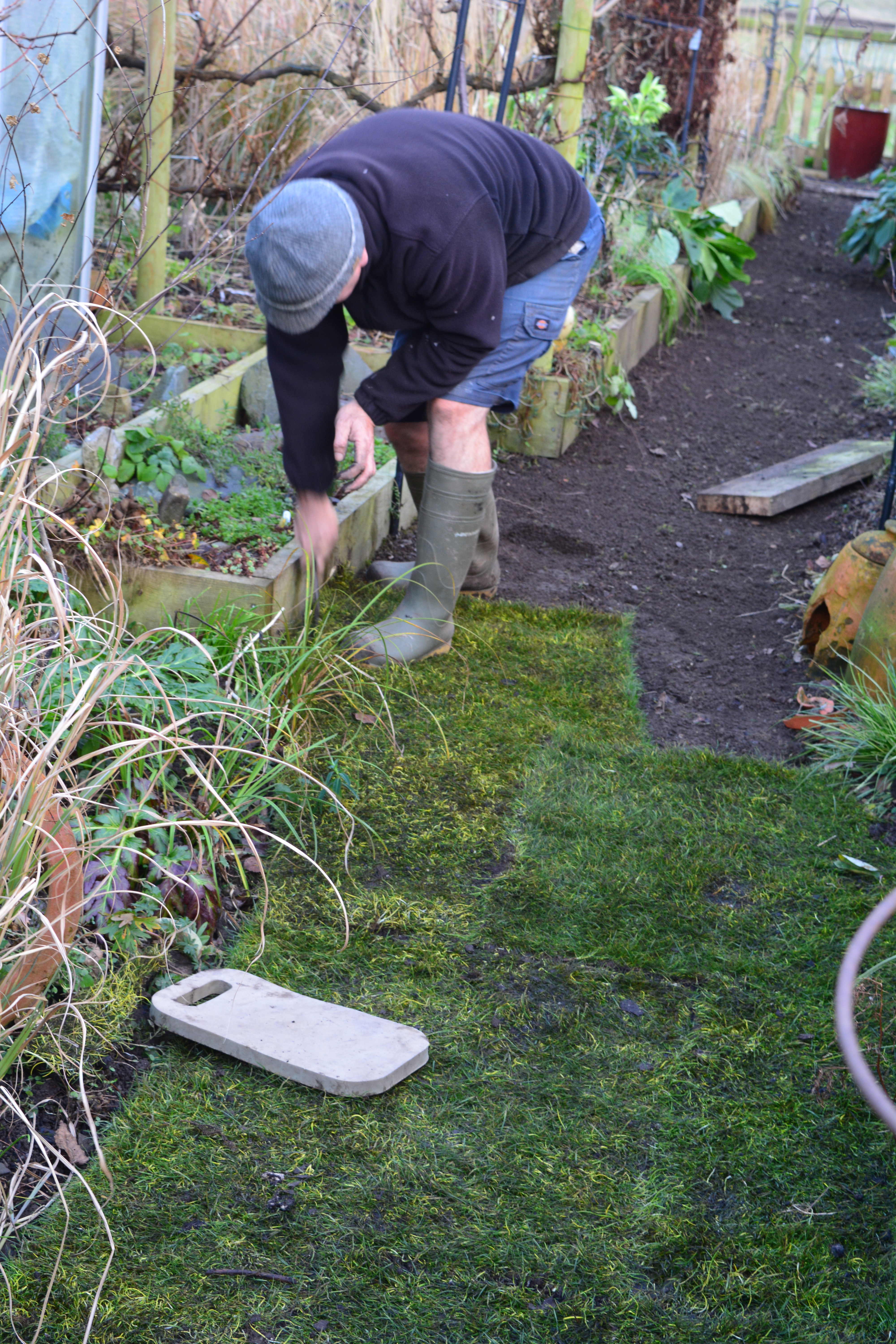
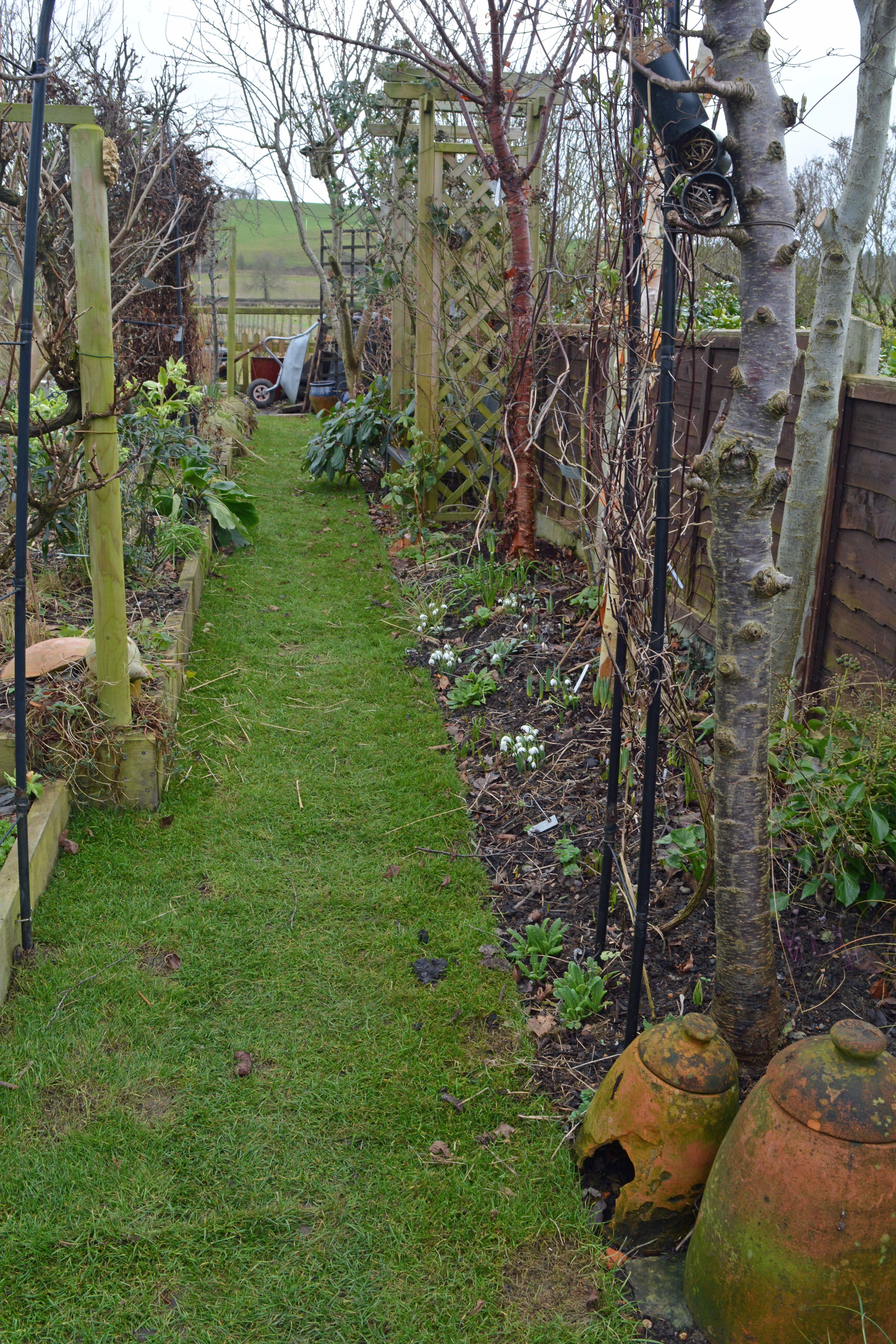
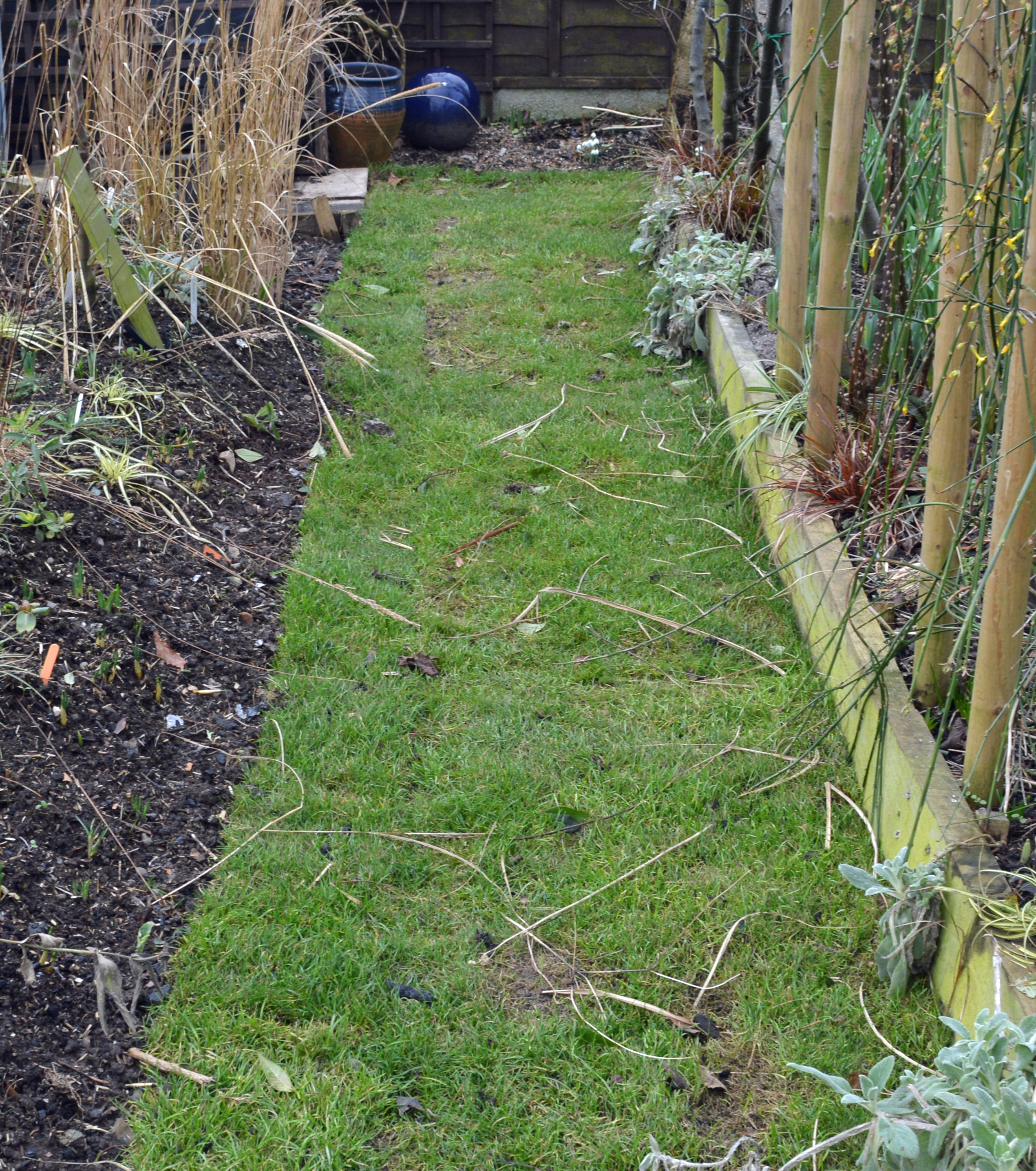
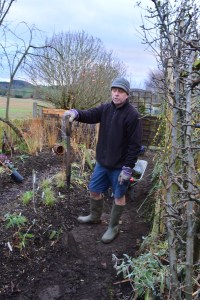
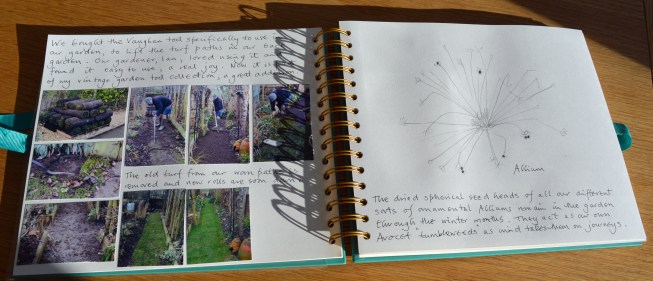
I moved on to show how Ian, our gardener, used the vintage turfing spade to replace the grass on some of our paths.
jan-08

“We bought the Vaughan tool specifically to use in our garden, to lift the turf paths in our back garden. Our gardener, Ian, loved using it and found it easy to use, a real joy. Now it is part of my vintage garden tool collection, a great addition.”
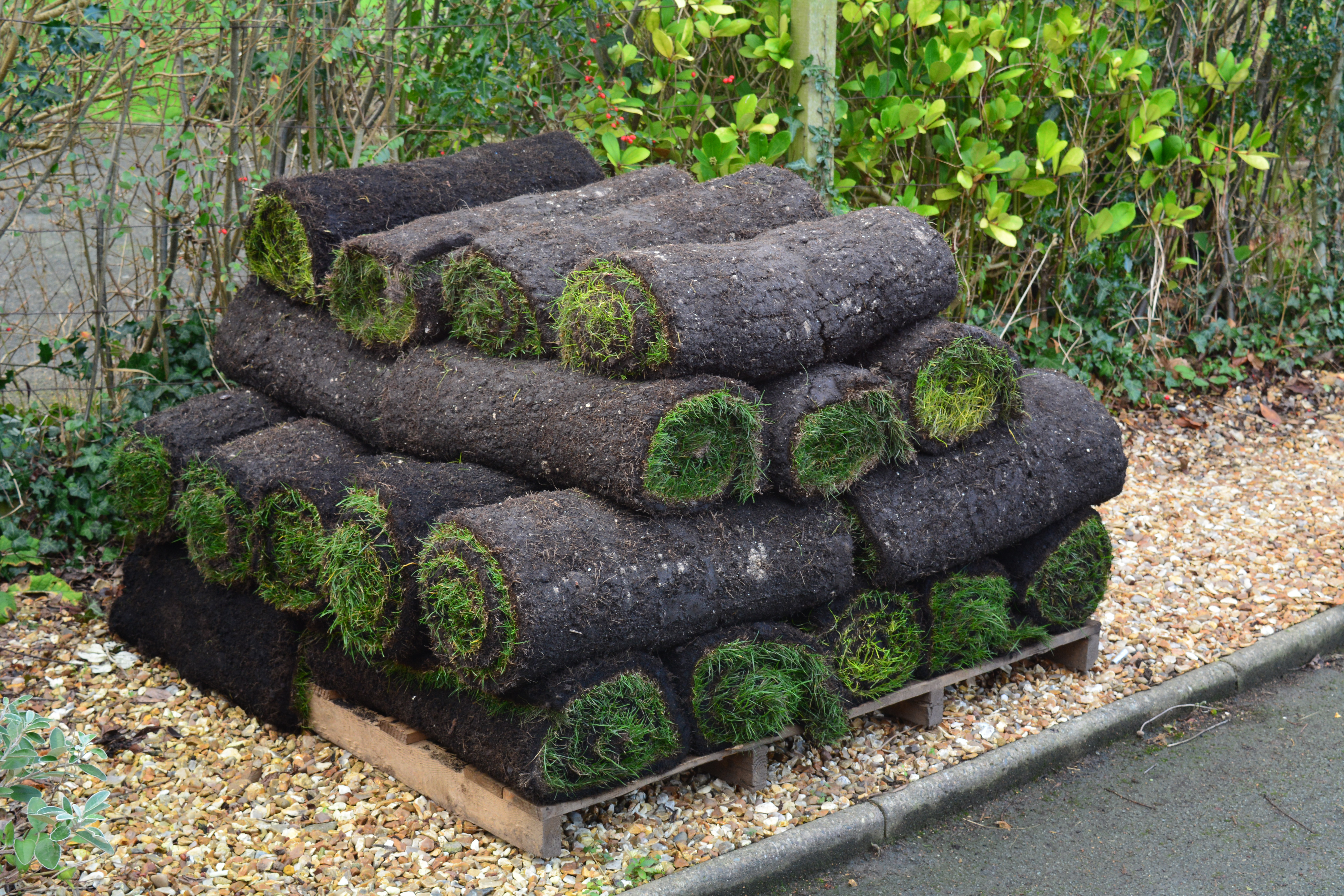
j3-03 j3-06

“The old turf from our worn paths is soon removed and new rolls are soon down.”

j3-10 j4-1j3-04 j3-05 j5-1  j5-2 j5-3

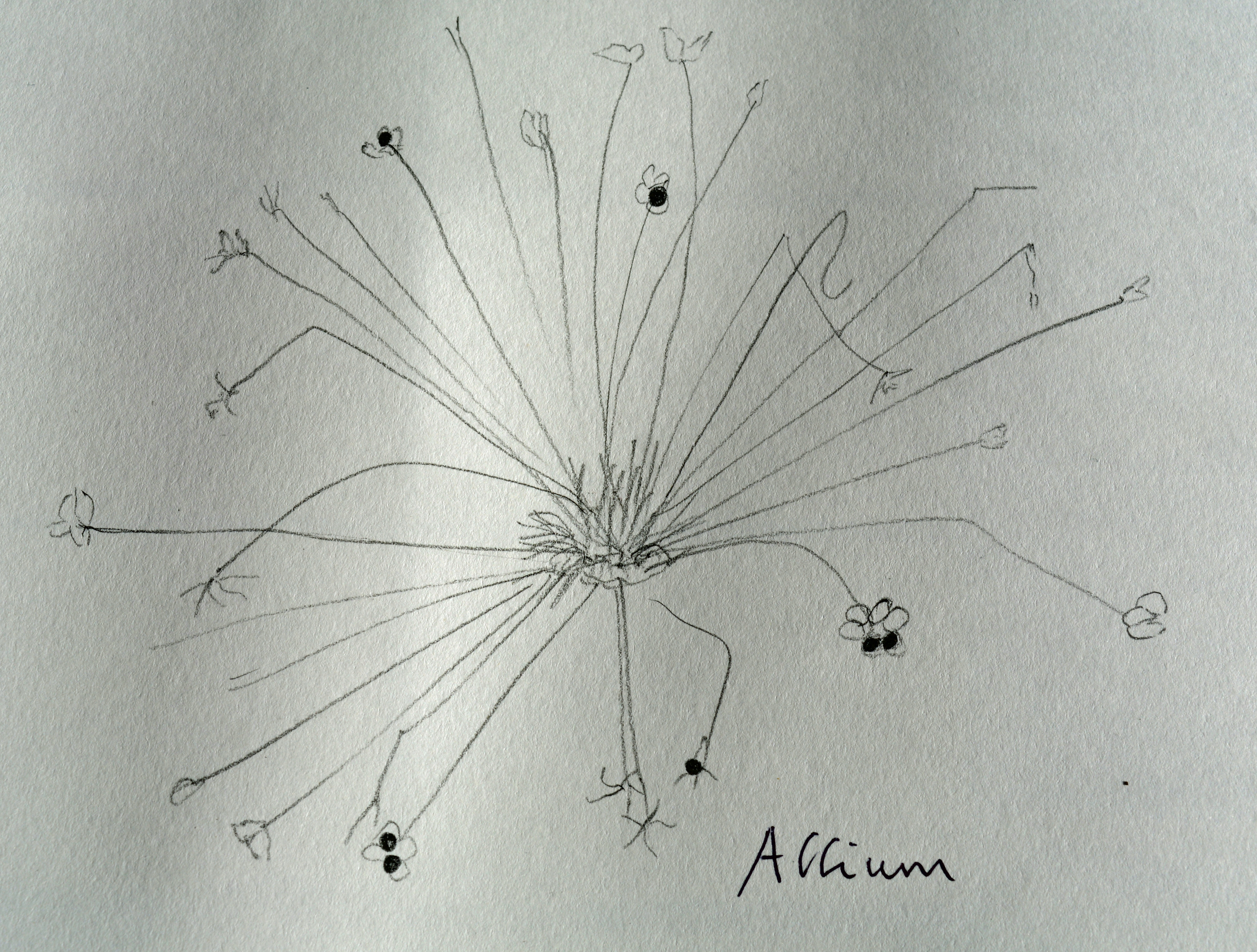
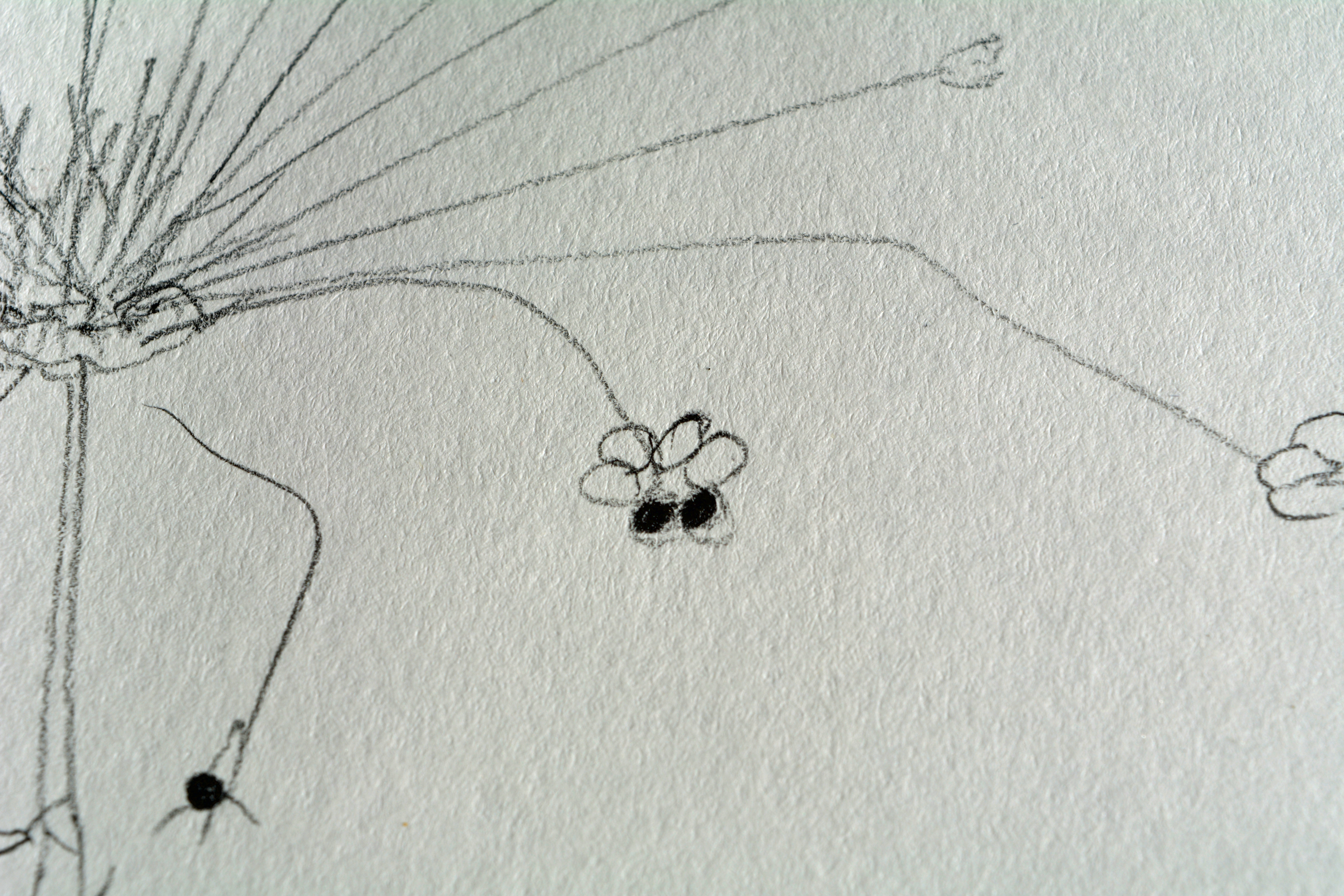
I next looked at a beautiful totally dried seed head of an Allium, which, with its spherical shape, tends to get blown around the garden with several others. We meet them at random times and places all overthe garden. We are always surprised by their simple beauty. I drew the Allium seed head using just a pencil. Looking and studying the Allium took much longer than the time spent with pencil moving on paper.
jan-09

“The dried spherical seed heads of all our different sorts of ornamental Alliums remain in the garden through the winter months. They act as our own Avocet “tumbleweeds” as wind takes them on journeys.”

I hope you enjoy the close ups of my drawing below.
jan-10 jan-11 jan-12

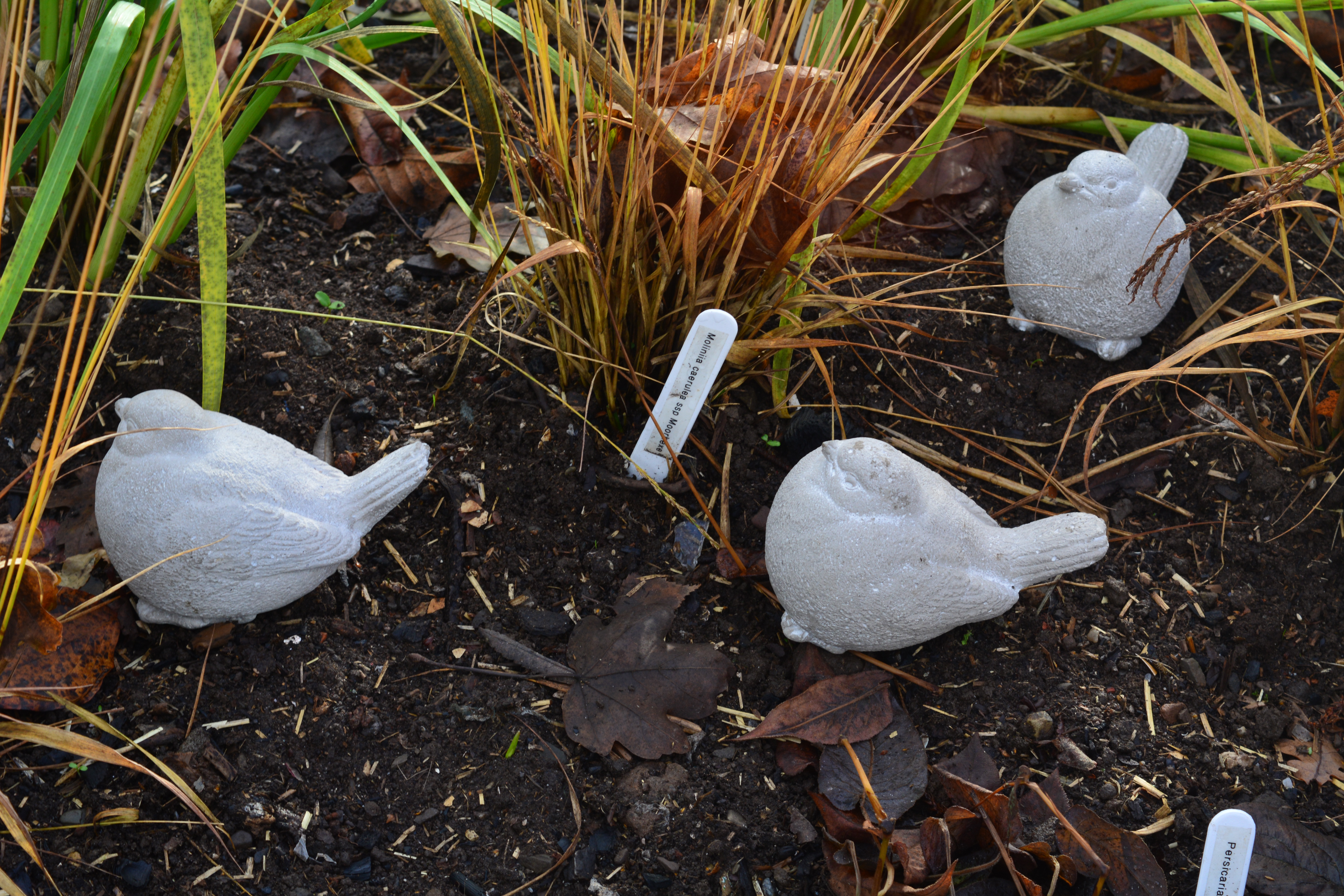
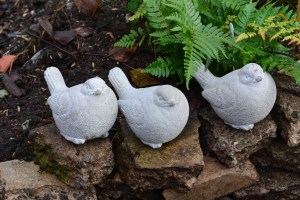
By turning the page we see little white birds and colourful bulb flowers. I wrote: “We bought three new stoneware sculptural pieces for our garden, three cheeky and chirpy Sparrows. We loved taking them around the garden seeing where they looked their best. We decided to keep moving them around as the mood took us. They, however, decided that their favourite place was our garden bench in “Arabella’s Garden”. Cheeky chappies indeed!

jan-13

j7-3 j7-4j7-2 j7-5j7-1 j7-7 j7-8

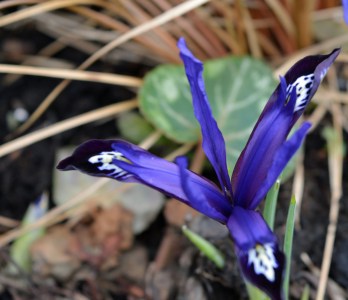
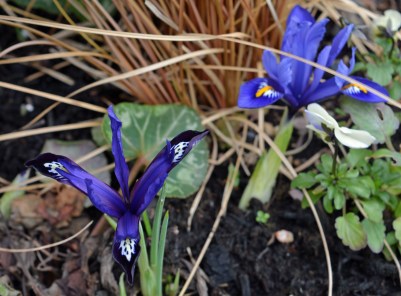
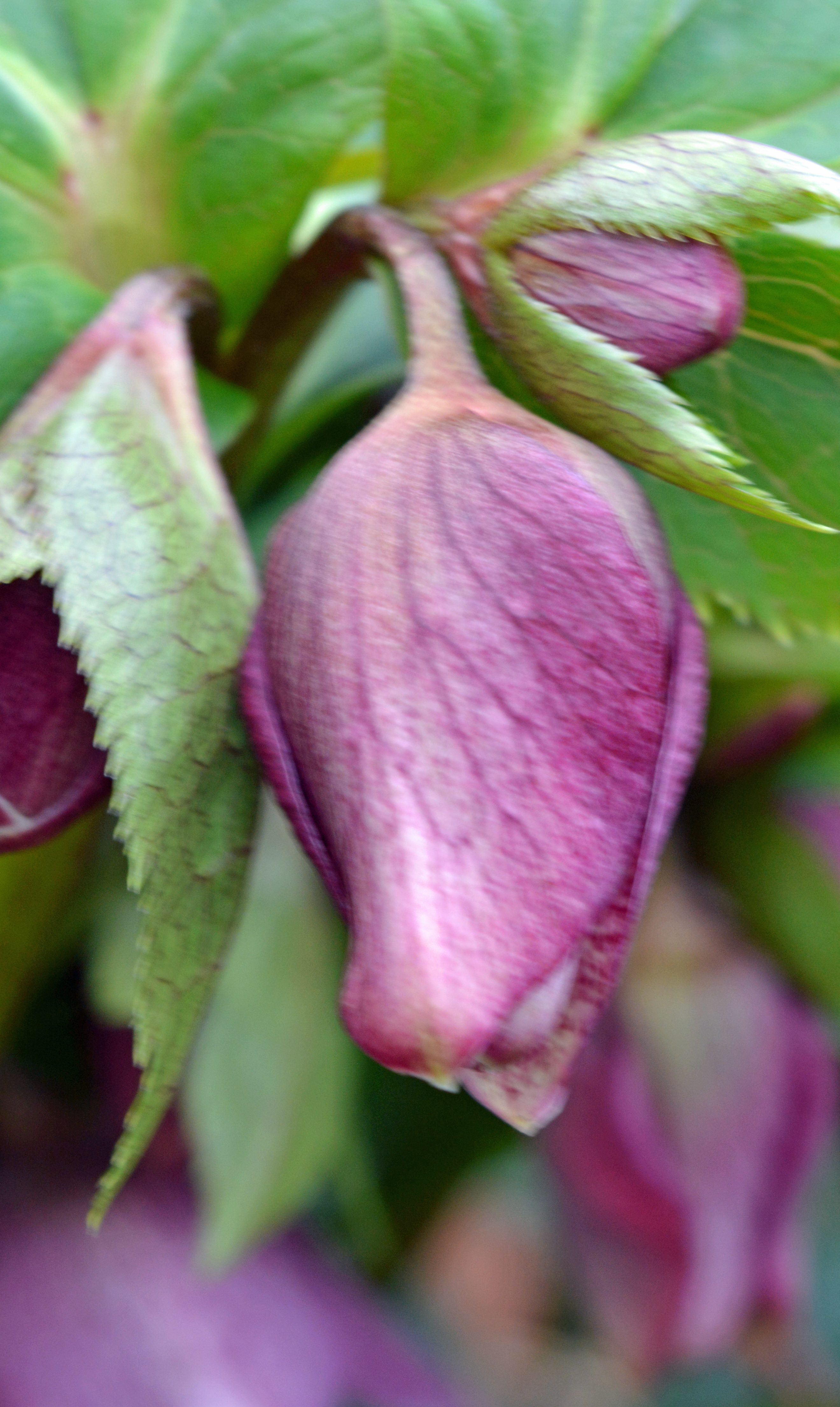
Opposite the photos of the sculpture birds are photos of early flowers, Irises and Hellebores.

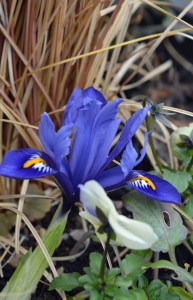
“Iris reticula, the first bulb to flower in 2017.”
j6-3 j6-4 j6-5

“Meanwhile Hellebores are budding up strongly, so we will have flowers in Feb.”
j6-2    j6-1j6-6 j6-7

January frosts feature on the next double page spread.

jan-14

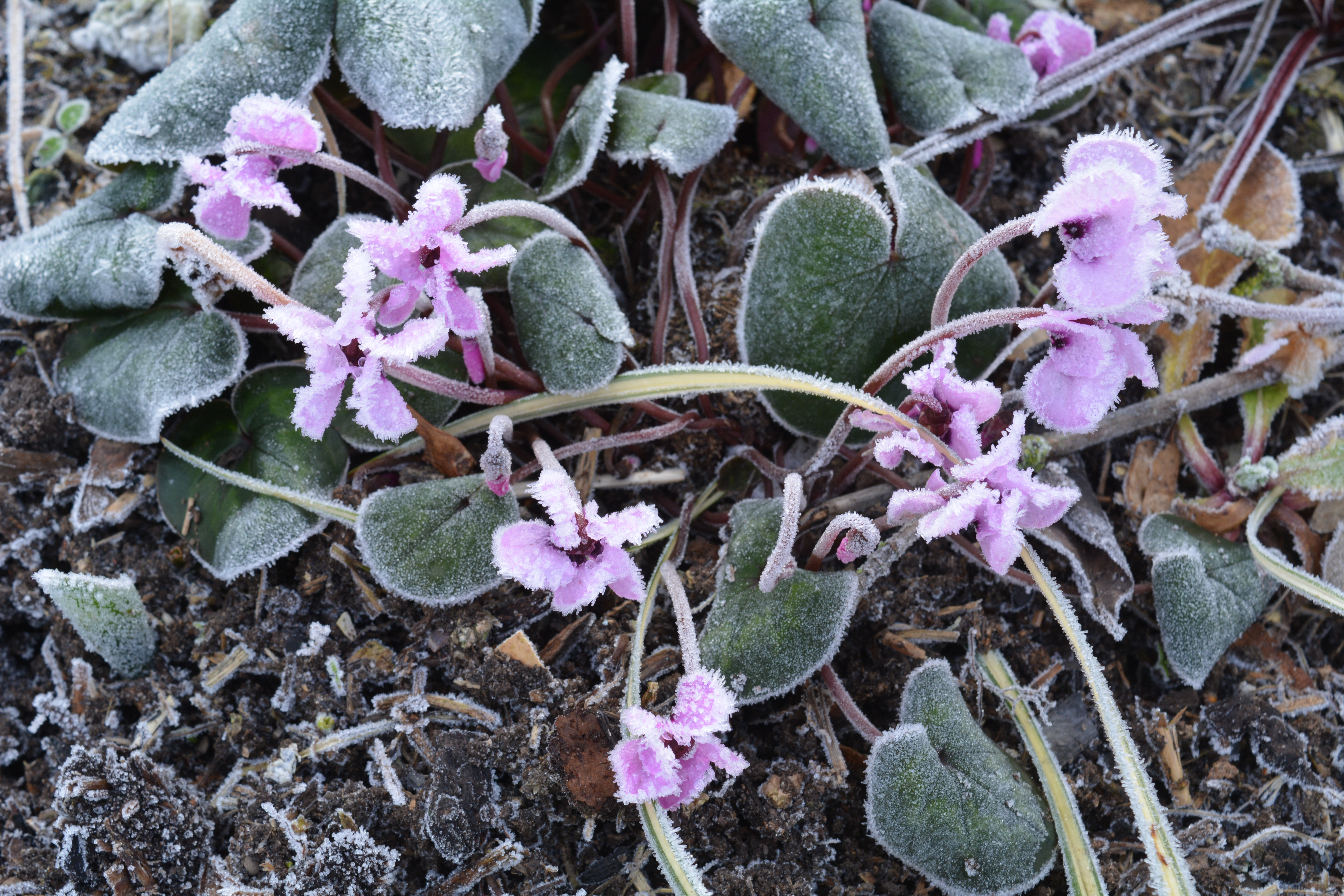
“On the early hours of the days following cold frosty nights, the flowers which give colour to our January garden, were topped off with cold, icy halos.”
j7-13 j7-03 j7-04 j7-07

“Cold nights also gave our sculpture pieces a thin layer of icing sugar.”

j7-16 j7-17

My next page was titled simply “January Frosts” and featured a series of photographs of foliage and seedheads covered in a thin covering of frost and icy crystals.

j7-12 j7-10j7-02 j7-06j7-08 j7-11j7-01 j7-14j7-18 j7-15j7-05 j7-09

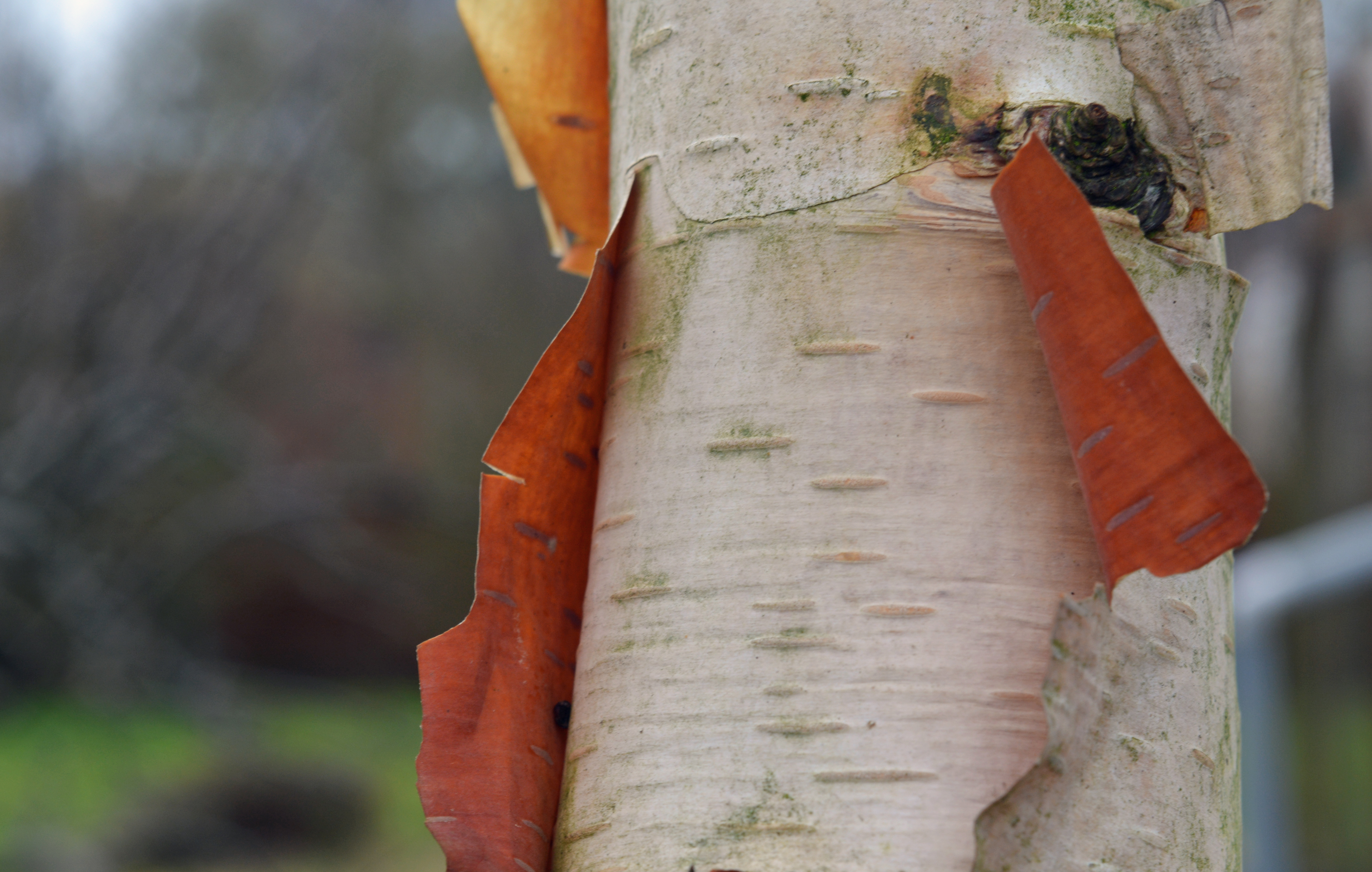
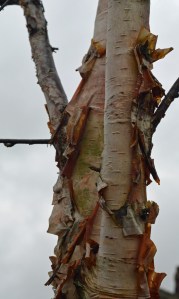
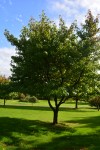
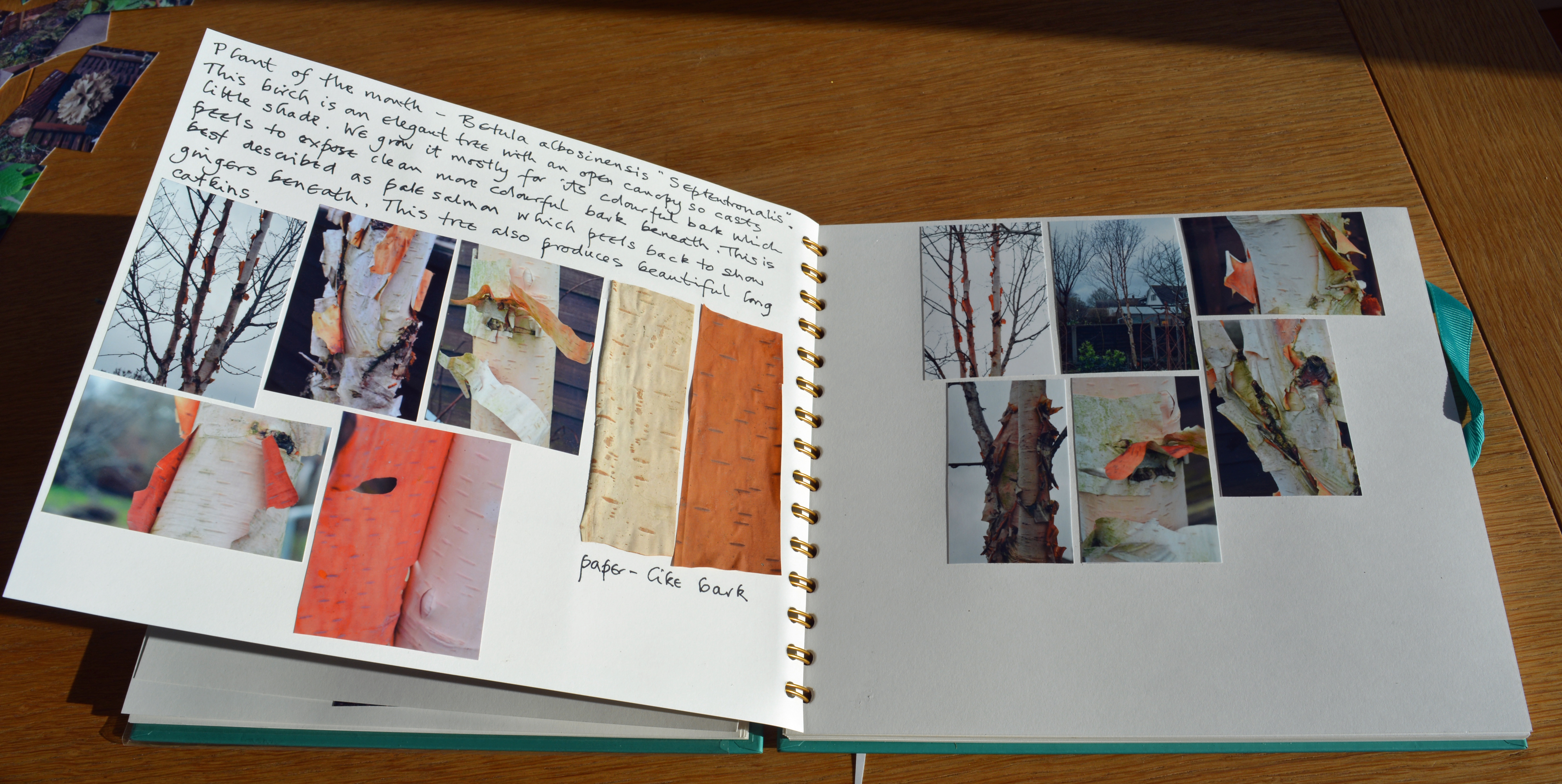
Turn over to the next page and we leave the frost behind and take a look at one of our Birches, Betula albosinensis “Septentronalis”, one of the best Betulas around.
jan-15

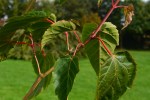
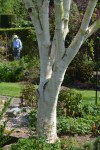
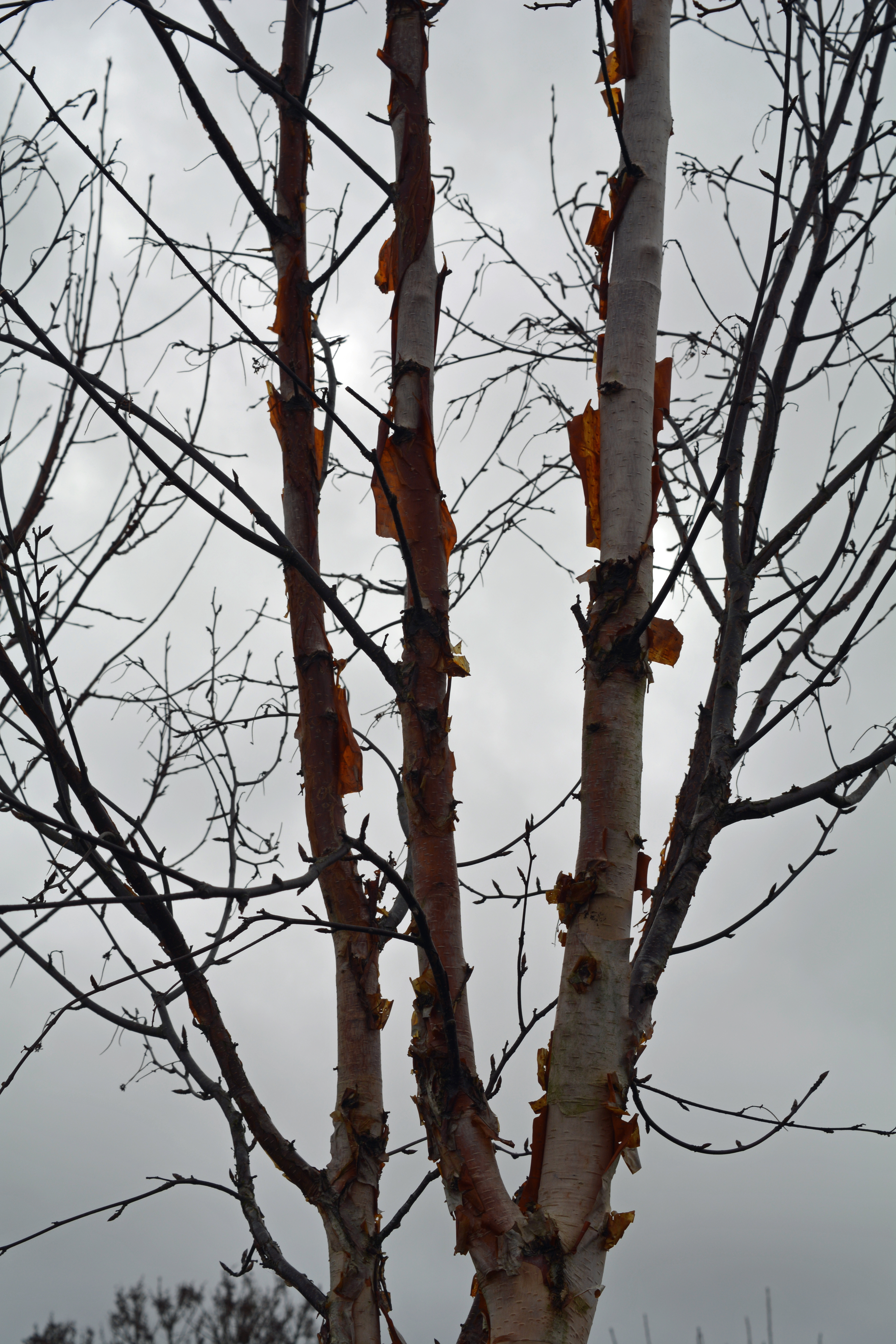
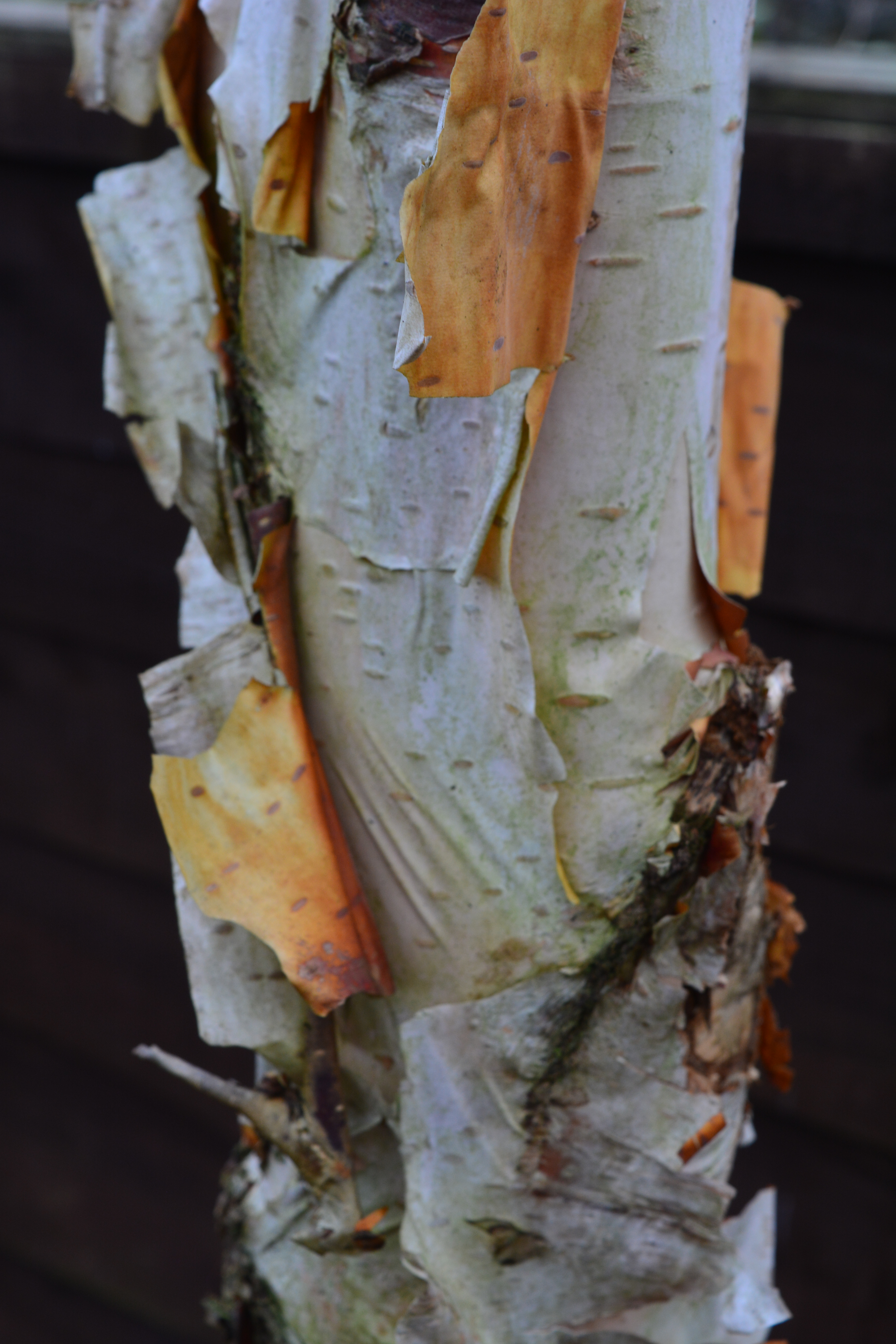
“Plant of the month – Betula albosinensis “Septentronalis”. This Birch is an elegant tree with an open canopy so casts little shade. We grow it mostly for its colourful bark which peels to expose clean, more colourful bark beneath. This is best described as pale salmon coloured which peels back to show gingers beneath. This tree also produces beautiful long catkins.”
j8-1 j9-2 j8-3  j8-5 j9-3

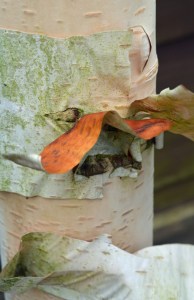
I collected up some peeled bark from the tree and glued two pieces side by side to illustrate how different the layers of bark can be.

jan-16

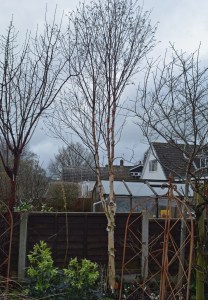
Betula albosinensis “Septentronalis” is probably one of the best trees for the small garden and no garden should be without one. Larger gardens can host a trio of them!

j8-2 j8-6 j8-8j8-9j8-7 j8-4

And that is it for my Garden Journal in January. Perhaps in February winter may be biting deeper or we may be experiencing one of our occasional February heatwaves when temperatures can reach 17 celsius.

Categories
autumn autumn colours colours flowering bulbs fruit and veg garden buildings garden photography gardening gardens gardens open to the public grow your own kitchen gardens memorials National Trust remembrance renovation Shrewsbury Shropshire The National Trust walled gardens walled kitchen gardens

A Walk in the Park – Part One – The Walled Garden

Near to us, a mere half hour drive away is situated the parkland of  a National Trust Property called Attingham Park, which is a place we often visit for an afternoon walk. The parkland affords us the opportunity of following different lengths of walk depending on the time we have and how fit we feel and of course on what the weather chooses to present us with. The parkland contains huge collections of trees and shrubs but few actual gardens, formal or naturalistic. It does however have the added element of a productive walled kitchen garden which the NT has lovingly and meticulously restored. So there is plenty to love about Attingham Park. We hope you will enjoy meeting the parkland and getting to understand its sense of place, or put more simply getting to know it like a new friend.

In 2017, rather than make monthly visits to a garden and reporting these visits in blog posts on a monthly basis we will visit Attingham Park each month of the year looking at both the Walled Garden and one of the walks. So there will be 2 posts featuring Attingham each month.

To help introduce you to Attingham Park we enjoyed a sunny day visit in November to take in an autumnal woodland walk and a quick exploration of the walled garden. Just a taster really for what we hope to share with you in 2017.

The Walled Garden

ap-07

After a half mile simple level walk along a woodchip track we found the Walled Garden. To reach it we walked beneath giant hardwoods and softwoods, deciduous trees and evergreens from many parts of the world discovered and brought here by some of the great plant hunters.

A first glance through the mature gnarled tree giants highlighted the gardeners’  bothy  framed in low boughs almost parallel to the leaf littered ground. What a setting!

ap-01 ap-02ap-05 ap-06ap-08 ap-09

The walled garden features restored glasshouses, bothy, gardeners’ stores and outbuildings as well as an orchard and the main productive vegetable borders.

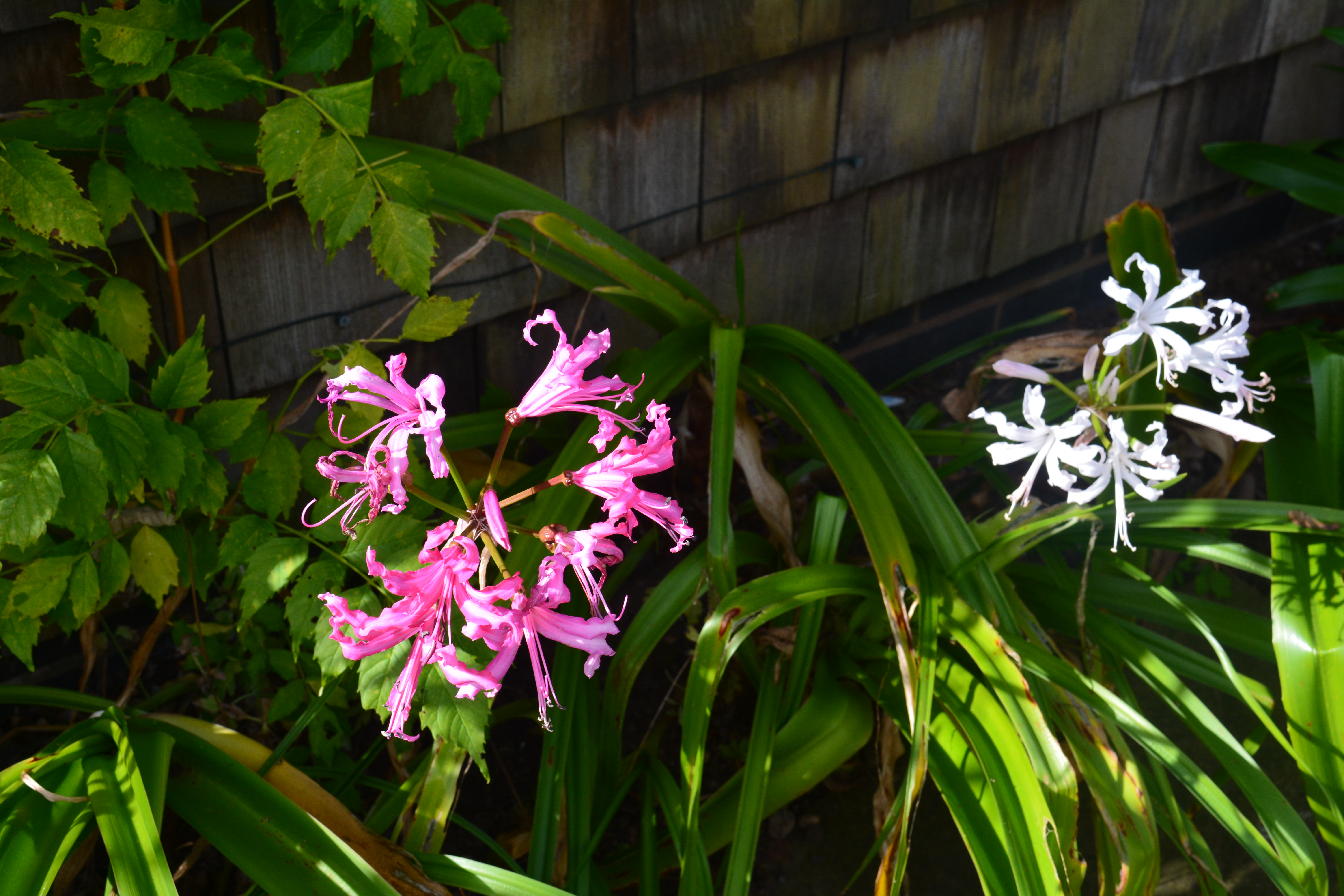
The glasshouses looked magnificent wrapped up in their thick coats of fresh white paint. The yards around them were clear but we will see great changes throughout next year’s visits. Sugar mouse pink Nerine blooms provided neon strip of colour along the bases of the glasshouses.

ap-10 ap-34 ap-32  ap-33

The orchard hosts rows of ancient fruit trees gnarled and their boughs leaning low to the ground. On this visit it was home to a “Remembrance Tree” and a collection of photographs of the staff “then and now”.

ap-13 ap-11 ap-18 ap-17

ap-19 ap-16ap-14 ap-15

Displays in the bothy showed the plants of the season, the pumpkins in all their orange glory and they also were used as parchment for messages written in them all about the garden in wartime.

ap-27 ap-30ap-25 ap-26ap-28 ap-29

The garden staff and volunteers had grown cordon tomato plants up against the inner brick wall of the productive garden, Tomato Andine Cornue. They were “forcing” chickory and endive to sweeten them and here we discovered even more pumpkins.

ap-22 ap-23         ap-35 ap-31

As we begin our Attingham monthly forays early in 2017 we will have a look at the main body of the productive walled garden.

Categories
flowering bulbs garden photography grasses ornamental grasses roses Winter Gardening winter gardens

12 Christmas Garden Delights

As a Christmas greeting to everyone I thought I would go out into the garden here at Avocet and take 12 photos that depict the delights of our patch on Christmas Day.

A dozen December delights!

xm-15 Out of season – Rosa Raspberry Royal.

xm-10 Cyclamen coum

xm-04 Sarcococca confusa

xm-03 Euphorbia wulfennii

xm-05 Hebe Great Orme

xm-09 Jasminum nudiflorum

xm-06 Cornus Midwinter Fire

xm-08 Carex elata aurea

xm-14 Winter Cyclamen

xm-12 Betula albosinensis Septentronalis.

xm-16 Physalis alkekengi (Chinese Lantern).

xm-17 One of our many ferns, Arachnoides aristata.

We have had a great year in our Avocet Garden with so much to enjoy, so many visitors to share our patch with and plenty of wildlife to share it too!

Categories
autumn autumn colours colours flowering bulbs gardening Shrewsbury Shropshire

Cyclamen for Autumn

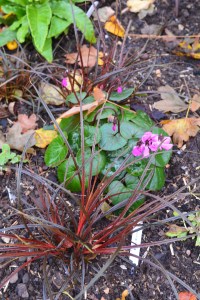
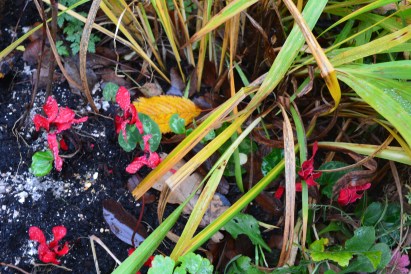
Jude, aka the Undergardener aka Mrs Greenbench, and I love special plants that give extra interest at their own specific times of the year. The Cyclamen we plant in pots each autumn fall into this category and they give exceptional interest with their flowers and their foliage despite their diminutive size. We also grow their relatives in our open garden. They are all tuberous plants and enjoy being grown in partly shaded patches of our garden. We have to make sure the soil is enriched in organic matter so we ensure the areas around them are well-mulched each spring.

cy-03

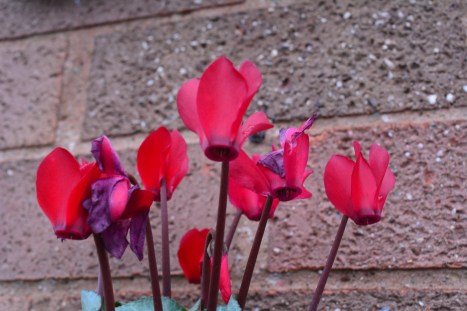
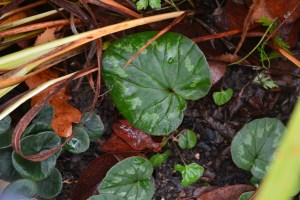
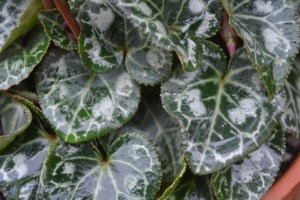
Flowers and foliage are both unusual to look at, with unique colours, shapes and patterns. There are no two leaves the same on any plant, as they vary in shape, size, texture, colour and variegation. Their flowers appear like those of no other plant with fly-back petals giving an inside out look to each flower head. Can-can dancers!

cy-02

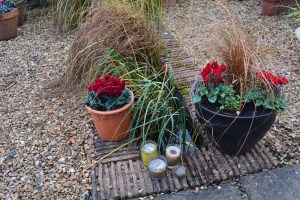
We plant them in all sorts of containers with various partners to give added interest and then position the containers where they can be seen from our windows or doors during the colder months. They are there to cheer the garden up and make us smile!

cyc-14  cyc-03 cyc-08cy-24

Visitors to our garden are greeted by seasonally changing plant boxes and cyclamen always find their way here in the autumn. They partner up with the smaller growing grasses particularly well increasing the beauty of both plants.

cyc-13 cy-22

Again they give warm welcomes to visitors as they arrive at the front door of Avocet.

cyc-10 cyc-09

Alongside the driveway we grow them in galvanised containers with bronze-leaved grasses and variegated leaved ivies.

cyc-11 cyc-12

Where more of our Cyclamen grow than anywhere else is in the Rill Garden where we get good views of them from the garden room double doors. Great big smiles on dull overcast winter days.

cyc-04 cy-07cyc-05 cyc-07 cyc-06

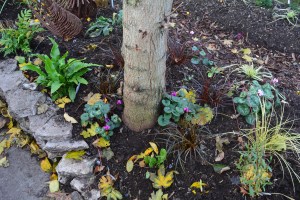
In the borders we grow both Cyclamen coum and Cyclamen hederifolium in lightly shaded areas to give bright patches of colour, with C.coum blooming in the spring and C. hederifolium in autumn. A few plants will suddenly stop you in your tracks when you realise you now have a spreading patch.

cyc-01 cyc-02cy-26 cy-27 cy-19

Garden Cyclamen have an unusual relationship with our garden ants too, which adds to their mystique. We notice seedlings appear in the strangest places often several feet from parent plants and it is hard to find any pattern to their distribution nor rhyme nor reason to their chosen new homes. Ants are the force behind our moving Cyclamen. The appearance of fresh plants in bizarre places show that some other force is at work as the plant itself could not possible have the power to send their heavy seeds so far. The Cyclamen coats its leaves in a sweet substance that is irresistible to ants who carry them off several metres resulting occasionally in their sudden appearance in hanging baskets, containers and odd corners of the garden. This relationship between ants and cyclamen is called “myrmecochory”, a suitably bizarre word for a bizarre phenomena. The photos below show four of the Cyclamen plants that have been seeded by our garden’s ants.

cy-20 cy-16cy-17 cy-18

Although it is primarily the crazy pinks and reds of the flowers that make us buy them, they are also great garden plants because of their unusual foliage. It is often quoted that no two leaves of these plants are ever the same! Below is an assortment of foliage belonging to our Cyclamen.

cy-10 cy-23cy-14 cy-13 cy-25 cy-11

Sadly the cyclamen growing in the wild are endangered following exploitation by ruthless bulb hunters who flooded the plant markets of Europe and America with them. They are now protected and this wild hunting is banned. New methods of propagation means that we now have so many beautiful variations available to us and the wild populations are increasing once again. So their future is bright – bright pink!

cy-01


Categories
arboreta autumn autumn colours colours flowering bulbs garden design garden photography gardening gardens gardens open to the public half-hardy perennials hardy perennials National Garden Scheme NGS ornamental trees and shrubs Shropshire shrubs trees Yellow Book Gardens

The Dorothy Clive Garden in September

Back again ready to enjoy another visit to the Dorothy Clive Gardens and see what has been happening since our August visit. We expected early signs of Autumn and hoped for some colourful displays of Dahlias and Salvias. We decided to take a walk around the young mini-arboretum area this month instead of following the winding paths of the Dingle which has less interest at this time of the year.

Dcoc-29 Dcoc-01

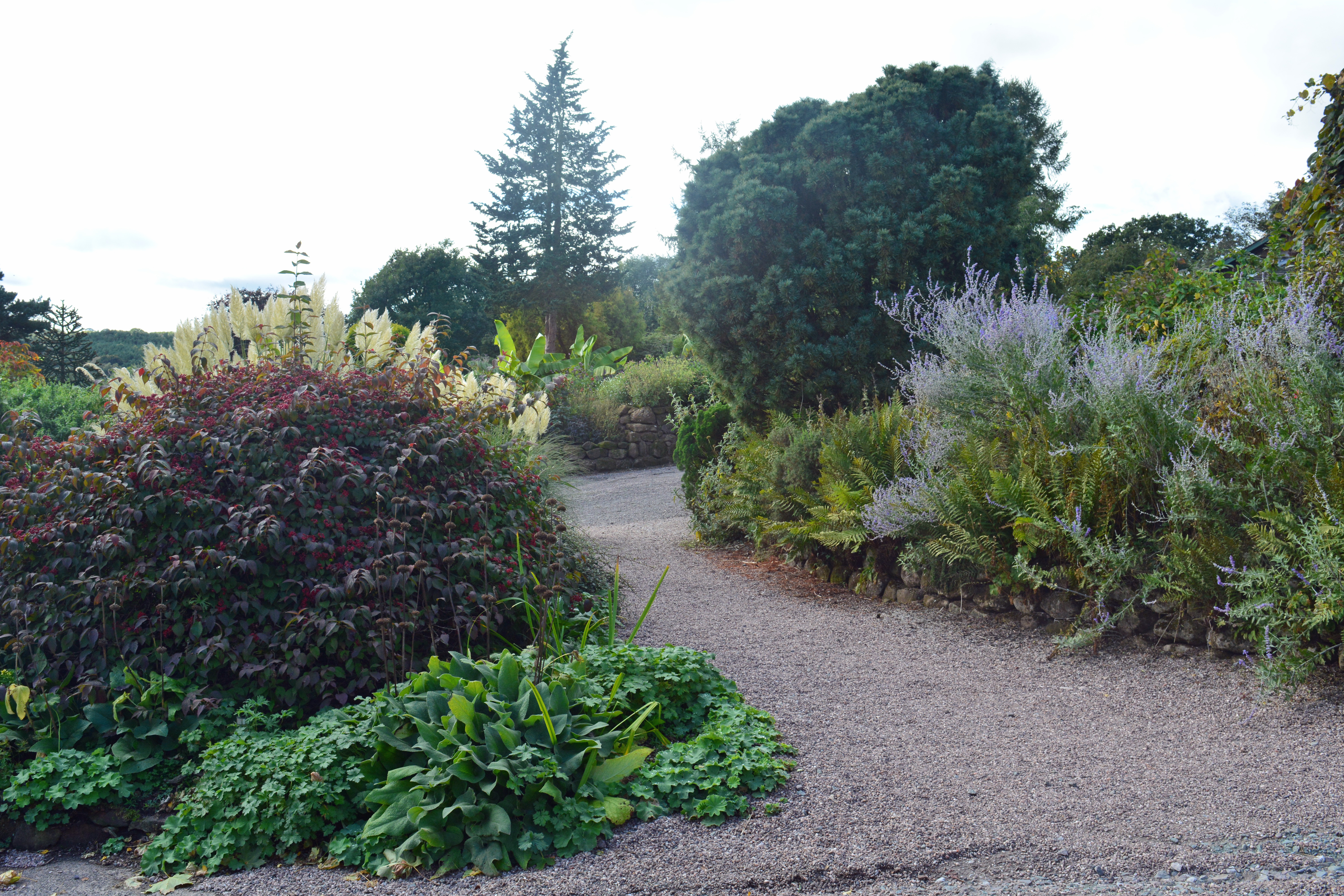
As we wandered over to the coffee shop we admired the views over the lower garden and the light which lit up the Pampus Grass behind the Viburnum caught my eye. This was a sign that we could be looking forward to interesting light for garden photography. fingers crossed!

Dcoc-02 Dcoc-36

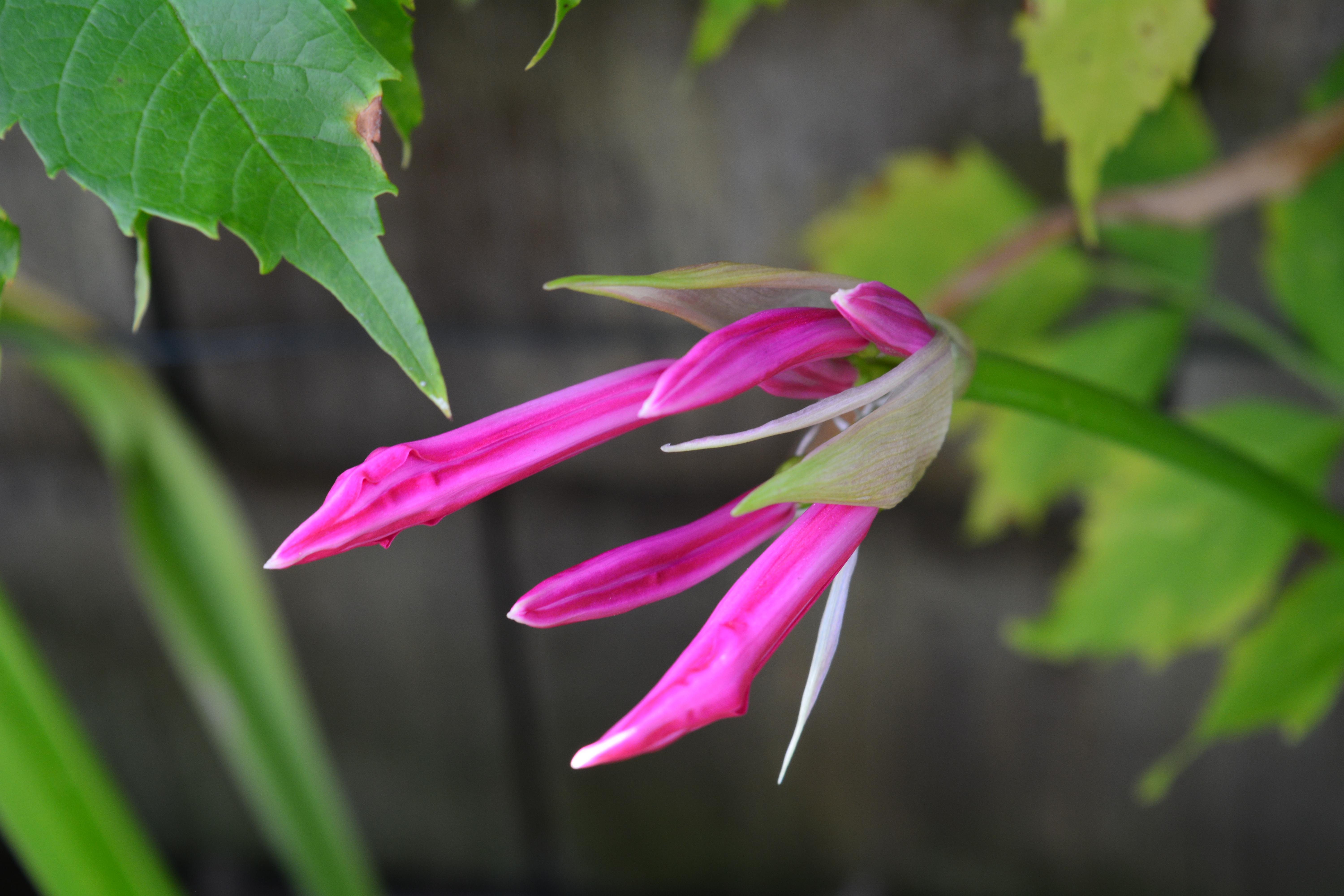
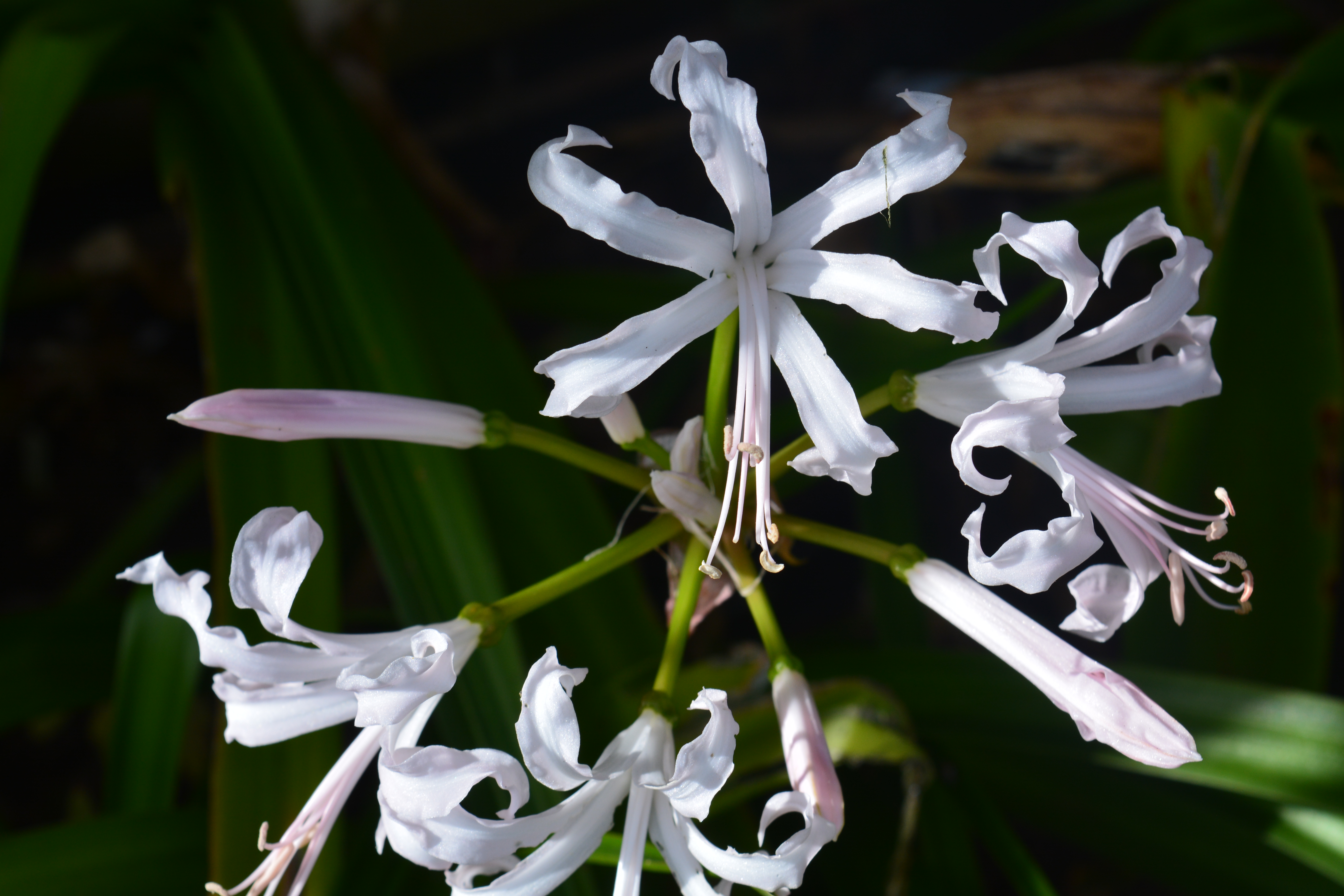
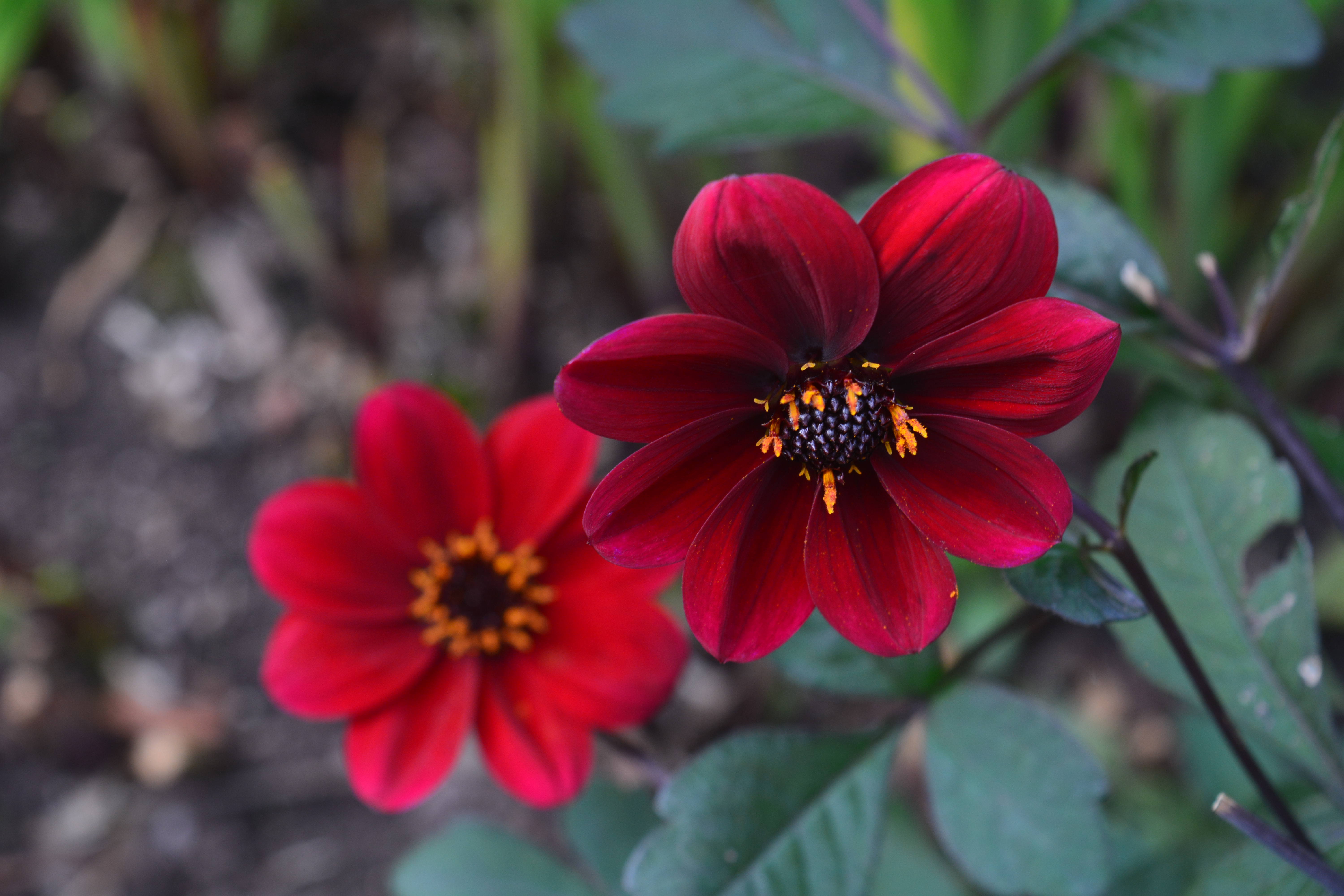
The border alongside the entrance to the coffee shop was at its most colourful so far this year, with Dahlias, Salvias, Nerine and Hesperantha sharing their colours.

Dcoc-52 Dcoc-10 Dcoc-09 Dcoc-08 Dcoc-07 Dcoc-11 Dcoc-12 Dcoc-06

These brightly coloured plants set the scene for much of our September visit.

Dcoc-42 Dcoc-58 Dcoc-50 Dcoc-27

I thought that a gallery of brightly cheerful flowering plants would be a good way of sharing the warm feeling prevailing over the Dorothy Clive Garden this September visit.

Please click on first pic and then navigate using arrows and of course enjoy!

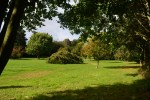
I promised to share our enjoyment of wandering around the soft grass paths that led us around the little arboretum and closely studying the young trees. One surprise was the total lack of autumnal tints to the foliage.

dca-01 dca-28 dca-02 dca-03 

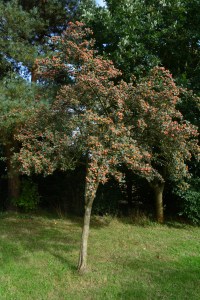
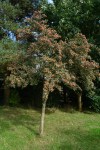
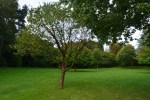
We were particularly taken by this unusual, in fact unknown to us, Hawthorn, Crataegus laciniata. We are now considering adding one to our garden.

The foliage presented a metallic appearance, almost pewter and the haws ranged from yellows through orange and to a dull brown – a most subtle but attractive combination.

dca-12 dca-13dca-14

I feel that another gallery is the best way to share our amble through the arboretum.


Our next visit to these lovely gardens will be for our October report so we should be getting into signs if autumn by then.

Categories
colours flowering bulbs garden design garden photography gardening hardy perennials light light quality National Garden Scheme NGS ornamental grasses ornamental trees and shrubs outdoor sculpture Shropshire South Shropshire succulents swallows village gardens Yellow Book Gardens

My Garden Journal in August

My August entries in my Garden Journal 2016 see me beginning Volume Two. On the first page I look back to my original garden journal’s August entries.

au-01

“I made my first ever entries for our new garden in August 2003. We moved to “Avocet” our Plealey home on 8th August. I wrote, “The garden needs our love and attention after 6 years of neglect. It is a garden of straight lines and loneliness, lacking in wildlife and its inherent vitality. It lacks colour.” Things are very different now 13 years later. The garden is now full of wildlife, full of calming atmosphere and peace. It is a garden that attracts many visitors each year and people enjoy hearing our talks about it.”

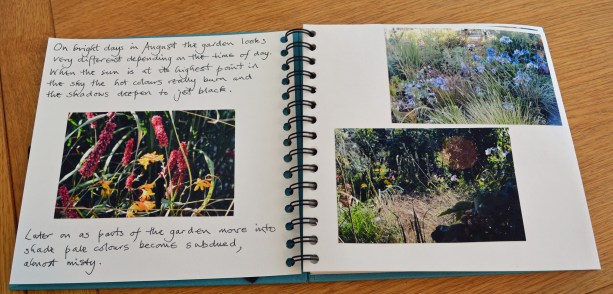
Over the page I considered the way light in August changes the look of the garden.

au-02

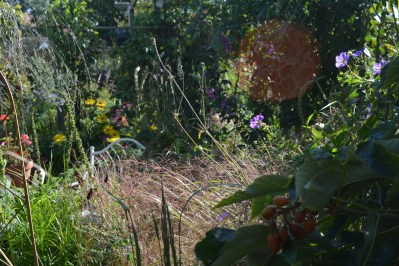
“On bright days in August the garden looks very different depending on the time of day. When the sun is at its highest point in the sky the hot colours really burn and shadows deepen to jet black.

au2-2 au2-1au2-3

I then looked at Salvias and share photographs of some of those we are growing in our patch.

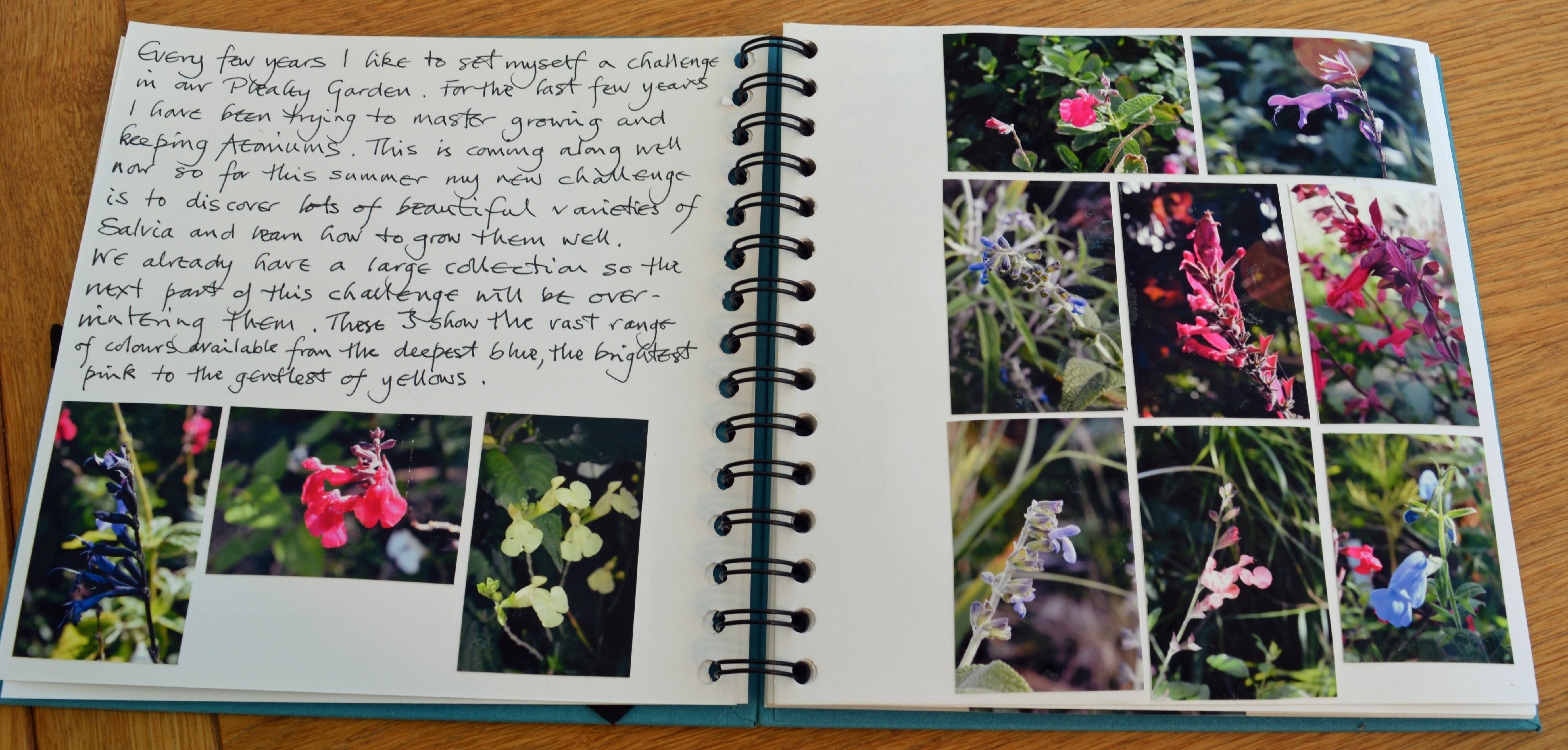
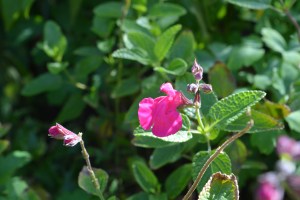
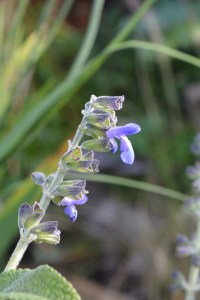
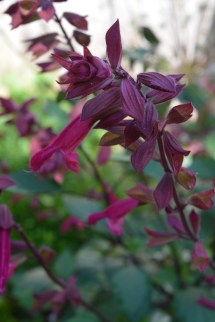
“Every few years I like to set myself a challenge in our Plealey garden. For the last few years I have been trying to master growing and keeping Aeoniums. This is coming along well now so for this summer my new challenge is to discover lots of beautiful varieties of Salvias and learn how to grow them well. We already have a large collection so the next part of this challenge will be over-wintering them. These three (in the photos below) show the vast range of colours available from the deepest blue, the brightest pink to the gentlest of yellows.”

au3-32 au3-33 au3-36

On the opposite page I featured a selection of eight of the Salvias in flower in our patch in August. I have included a couple more here too for you to enjoy and to help us appreciate the variety we have.

au-03

au3-53 au3-30au3-05 au3-31 au3-50au3-35 au3-37au3-54au3-51 au3-52

I move on in my journal then to look at very special and very unusual perennial plant, a Diascia. On the page opposite I share a few of our new sculptural pieces in the garden.

au-04

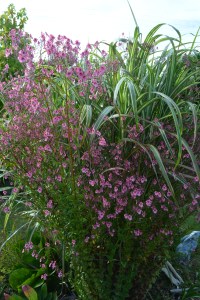
One plant that always attracts admiring glances is this pink gentle giant, an evergreen Diascia, which is called D. personata “Hopleys”. It is an exceptionally good garden performer, growing to a tall six feet and flowering from May to December in a good year.”

au1-03 au1-02au1-05 au1-04

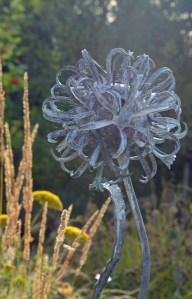
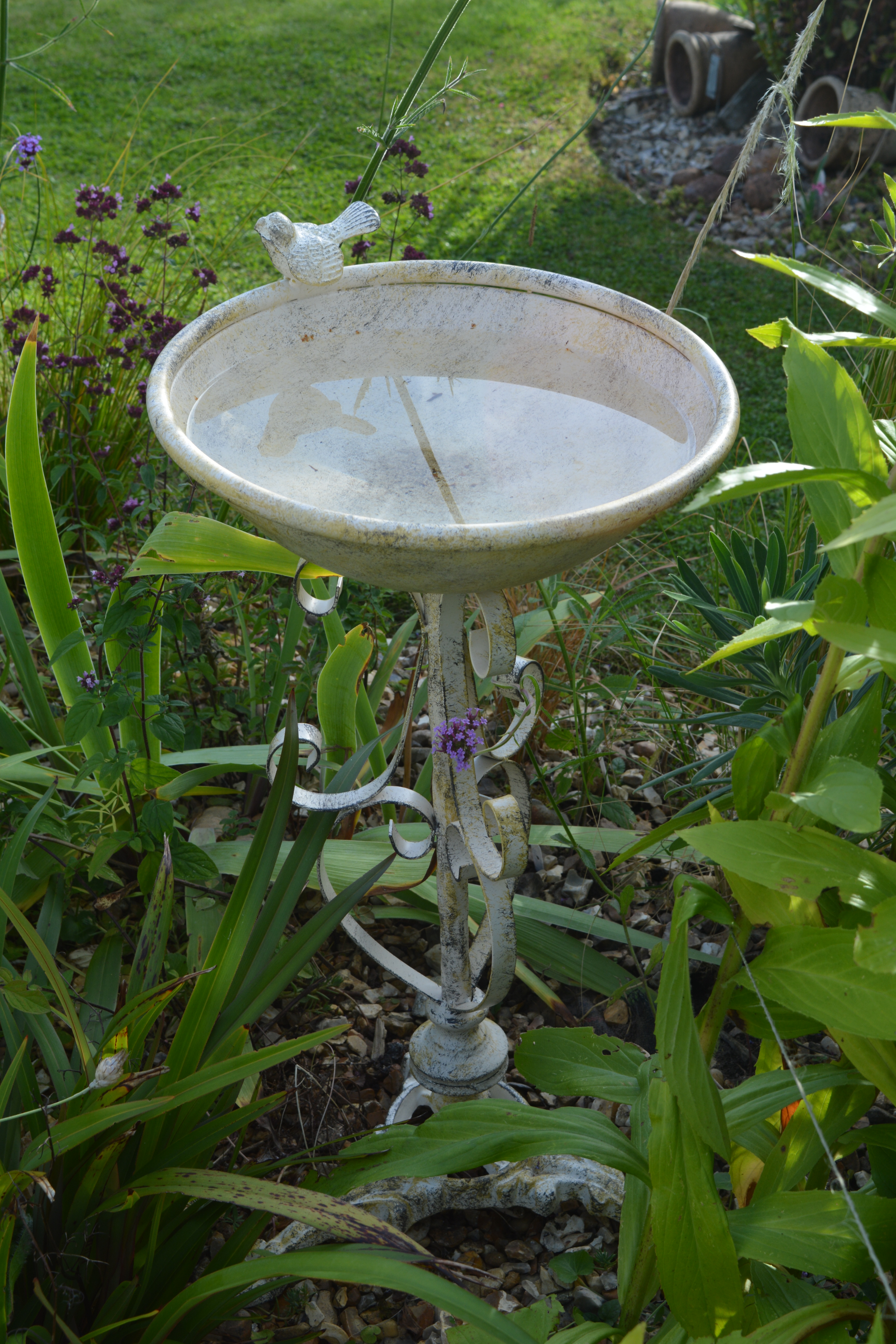
“We love sculpture in the garden and in our patch”Avocet” in Plealey we mostly choose metal or stoneware pieces as these enhance the planting rather that dominate. Recently we have added four new new iron work pieces, two based on seed heads – Clematis and Allium – plus a new bird bath.” 

Here are three of them, the fourth appears later.

au1-12 au1-08 au1-07

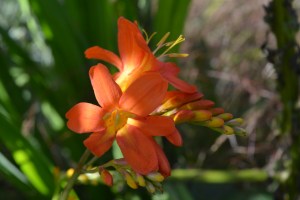
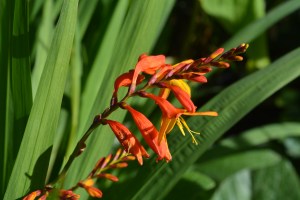
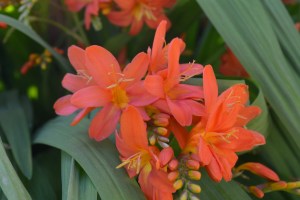
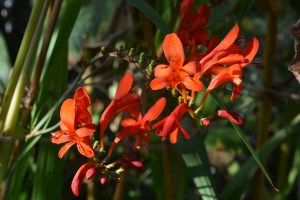
I then move on to one of the brightest of garden perennials to grace borders in the UK, the Crocosmias.

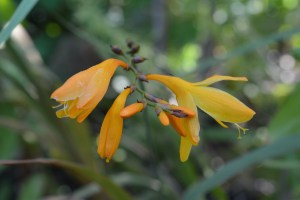
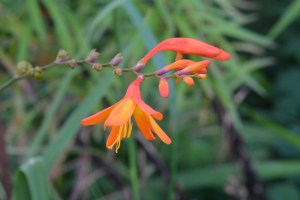
“Various Crocosmias feature throughout the patch and in August many come into their own, showing off their yellows, oranges and reds. We have dozens of different varieties. Here are a few ……….. “

au-05

Firstly the yellows ………….

au3-15 au3-10au3-45 au3-48au3-34 au3-46

…………………….. and then the oranges and reds.

au3-49 au3-41au3-26 au3-19au3-40 au3-43au3-21 au3-25

Returning to the sculptural pieces we have recently added to our garden collection, I introduced another 5 pieces.

au-06

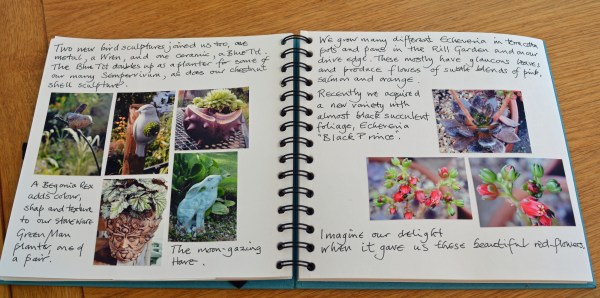
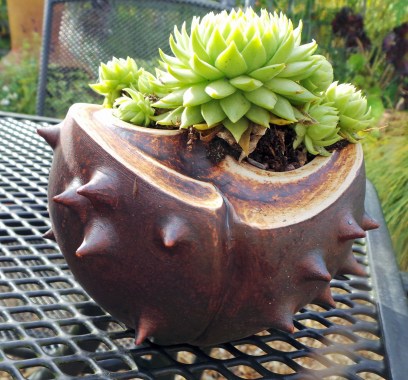
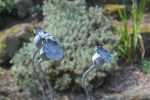
“Two new bird sculptures joined us too, one metal, a Wren, and one ceramic, a Blue Tit. The Blue Tit piece doubles up as a planter for some of our many Sempervivum, as does our chestnut shell sculpture.”

au1-09 au1-13 au1-01

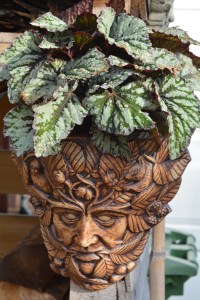
“A Begonia Rex adds colour, shape and texture to our stoneware Green Man planter, one of a pair.”

au1-10 au1-11

“The moon-gazing Hare.”

au1-06

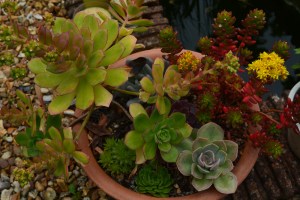
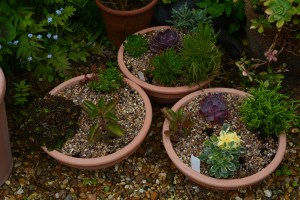
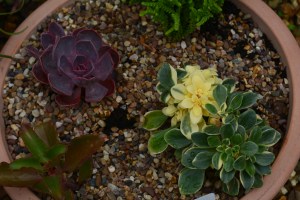
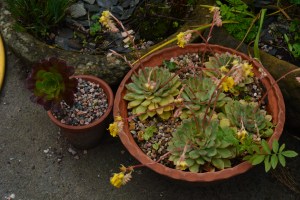
“We grow many different Echeveria in terra-cotta pots and pans in the Rill Garden and on our drive edge. These mostly have glaucous leaves and produce flowers of subtle blends of pink, salmon and orange. Recently we acquired a new variety with almost black succulent foliage, Echeveria “Black Prince”. Imagine our delight when it gave us these beautiful red flowers.”

au1-16 au1-14au1-15

“For this month I have decided to paint two delicately coloured flowers, a yellow Linaria dalmatica and the china blue climber and scrambler Clematis jouianiana.

au-07

au-08 au-10 au-09 au-11

On the opposite page I finish off my entries for August by looking at some of our newly acquired plants.

“We are always adding new plants to the garden at Avocet and indeed a few found their way in during August. Here is a selection ………. “

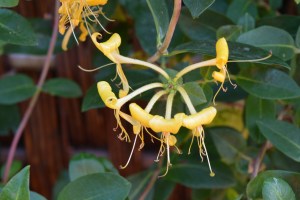
“New Honeysuckles to clamber up our new willow hurdles.”

au3-29 au3-28

“A white Physostegia to accompany our pink one.”

au3-17 au3-18

“Crocosmia “Okavango” and “Salvia leucantha “Eder”.

au3-02 au3-03

And there ends my journal entries for the month of August. Our next visit to look at it will be in September a month that the meteorological office places in autumn but us gardeners tag it onto summer – a much better and more accurate idea. We move into a much quieter period now as we have completed our NGS open days for this year and have received the last of our visiting groups.


Categories
birds climbing plants colours flowering bulbs garden design garden photography garden ponds garden pools garden wildlife gardening gardens grasses hardy perennials house martins light light quality ornamental grasses ornamental trees and shrubs roses Shropshire shrubs spring bulbs spring gardening succulents swallows water in the garden wildlife

My Garden Journal in May

Just as I completed my journal for June I realised that I had not yet posted “My Garden Journal for May”, so here it is now for you to enjoy! The June journal report won’t be far behind!

Summer creeping in can only mean that our May garden is changing by the day. Exuberance in every border with things growing before your eyes. A month of excitement! I began my May entry in my garden journal by writing,

“May means exuberance! It is the month when our garden shows us the ability it has to surprise. It shows off its strength and its artistic talents. Growth is so rapid and colour so exciting, that we are aware of what our garden means to us and also aware of its power that Mother Nature possesses and uses with pride and to excess!”

maygarden-14 maygarden-13maygarden-12 maygarden-39maygarden-57 maygarden-72

I then turn to looking back at my original garden journey recording the first few years that we have lived and gardened at Avocet.

“Looking back in my garden journal that recorded the early years at Avocet, I read a paragraph that shows just how similar May is now. 

“The garden is bursting with life – butterflies including Holly Blues, bees and so many birds. Suddenly the garden is alive with birds giving extra colour, sound and movement. There seems to be so many finches – Goldfinches, Chaffinches and Greenfinches. Swifts, Swallows and House Martins swoop overhead especially in the evening.”

Sadly though there are far fewer Swifts, Swallows and House Martins overhead. So many have not survived their long migrations. What does the future hold for these beautiful acrobats?”

Turning over the page of my journal and we see the next two pages feature Acers and Roses.

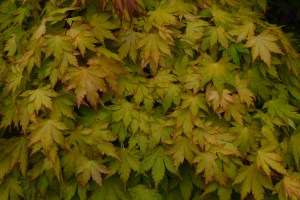
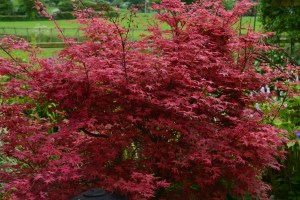
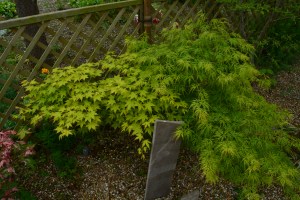
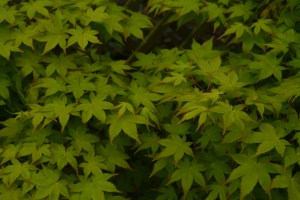
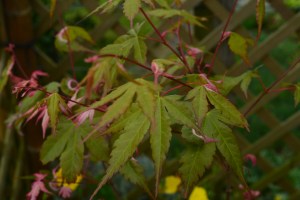
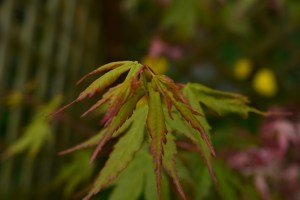
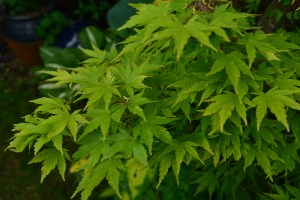
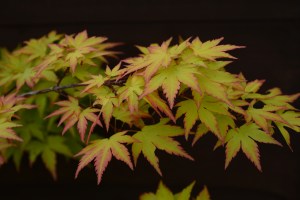
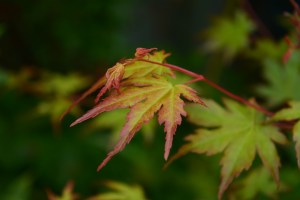
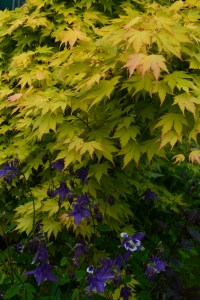
“Acers are one of the many stars of the May garden, a month when their foliage and stems are delicate and colourful.”

maygarden-24 maygarden-30maygarden-26 maygarden-27 maygarden-32 maygarden-35maygarden-33 maygarden-34maygarden-36 maygarden-37maygarden-38 maygarden-63 maygarden-69 maygarden-70 maygarden-71 maygarden-62

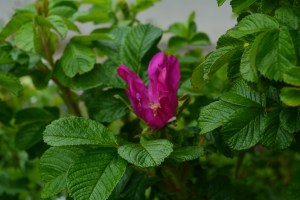
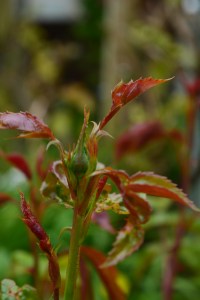
“May means Roses and by the middle of the month we have many buds and pioneer blooms. Reds and pinks dominate at the moment. Yellows and oranges are still to come.”

maygarden-03 maygarden-11 maygarden-22 maygarden-60 maygarden-23

I moved on to look at one of the climbers we enjoy in our garden and at the grasses that have now started to grow rapidly.

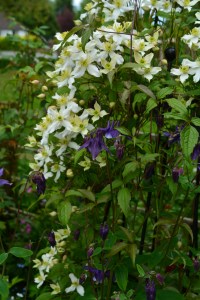
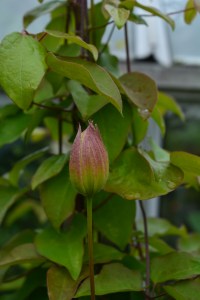
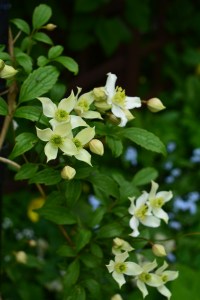
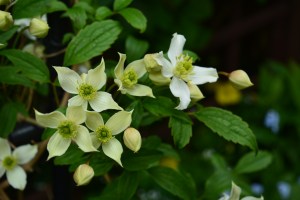
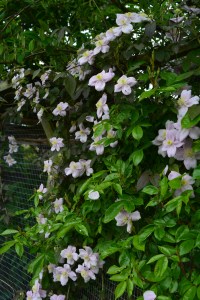
“Think of climbers early in the summer garden and Clematis is the first plant to spring to mind.”

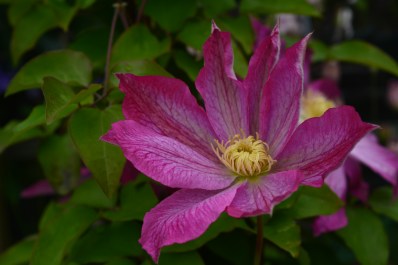
maygarden-04 maygarden-59 maygarden-05maygarden-06 maygarden-53maygarden-16 maygarden-15 maygarden-58 maygarden-52

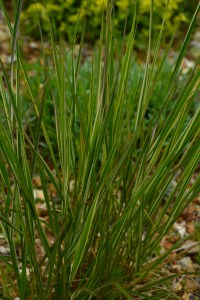
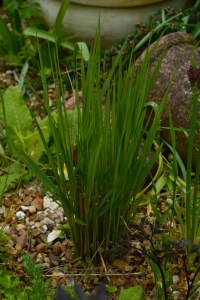
“Grasses are growing quickly now and the myriad shades of green move skyward in our borders.”

maygarden-07 maygarden-09 maygarden-07maygarden-08 maygarden-50 maygarden-49maygarden-51 maygarden-61 maygarden-68

Turning over again and succulents are discussed. These are a recent interest and I have only been growing them and propagating them for a few years.

Succulent plants are an interest that has grown over the last few years. Beginning with Aeoniums and Echeverias I soon branched out.”

maygarden-79 maygarden-80maygarden-19 maygarden-77 maygarden-78

“Troughs of succulents grace the Rill Garden in May and on into October when the risk of frost mean that they retreat to the warmth of our greenhouse.”

maygarden-17 maygarden-20maygarden-18 maygarden-21maygarden-76 maygarden-75

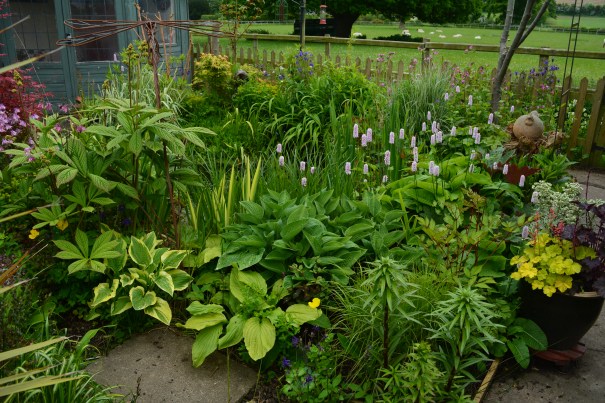
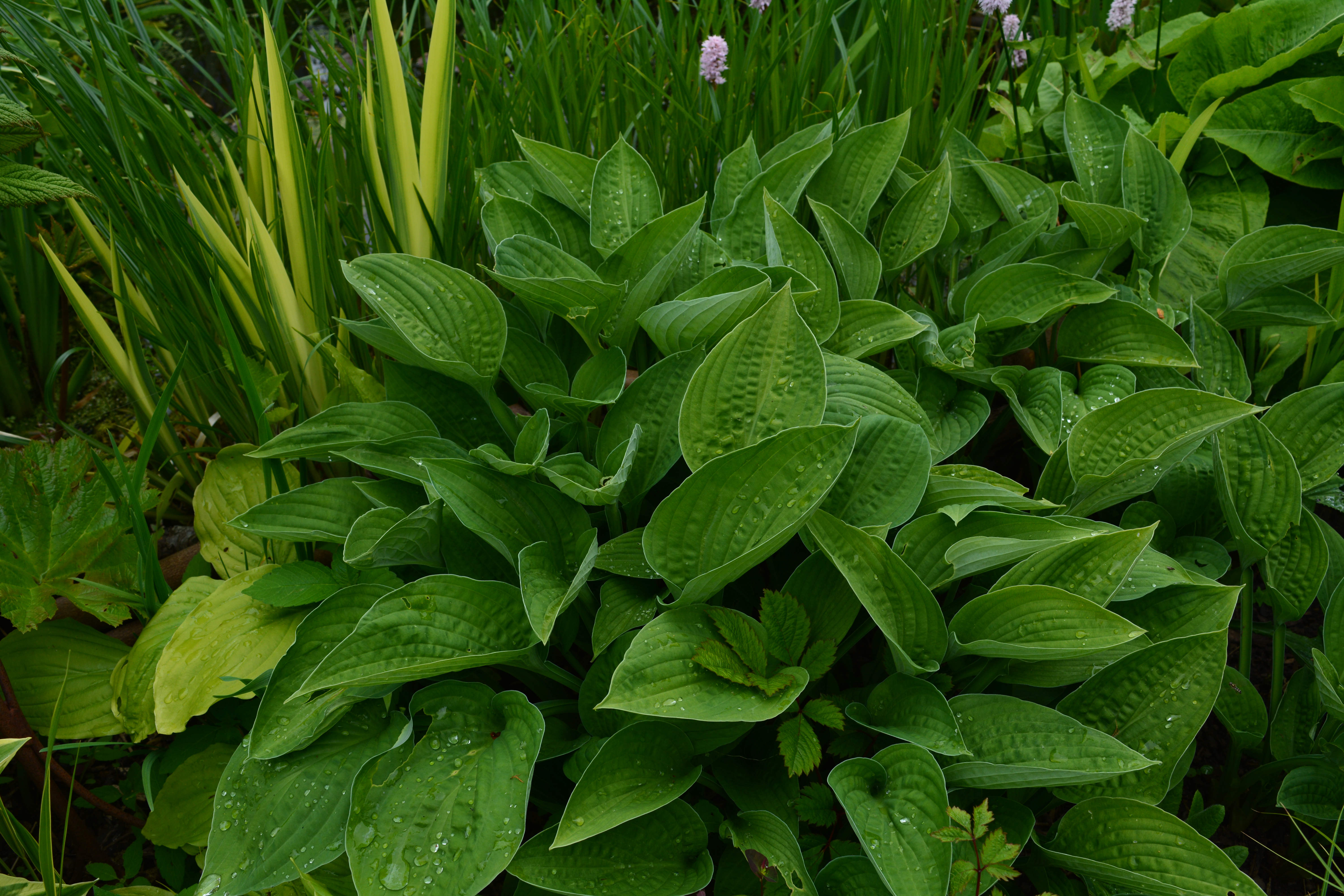
When we turn over next we see that I talk of Hostas and in particular those growing in our Bog Garden. The bog garden is so full of life at the moment with plants growing appreciably by the day.

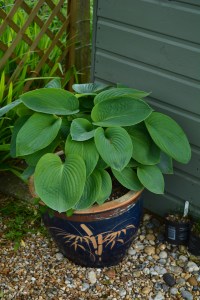
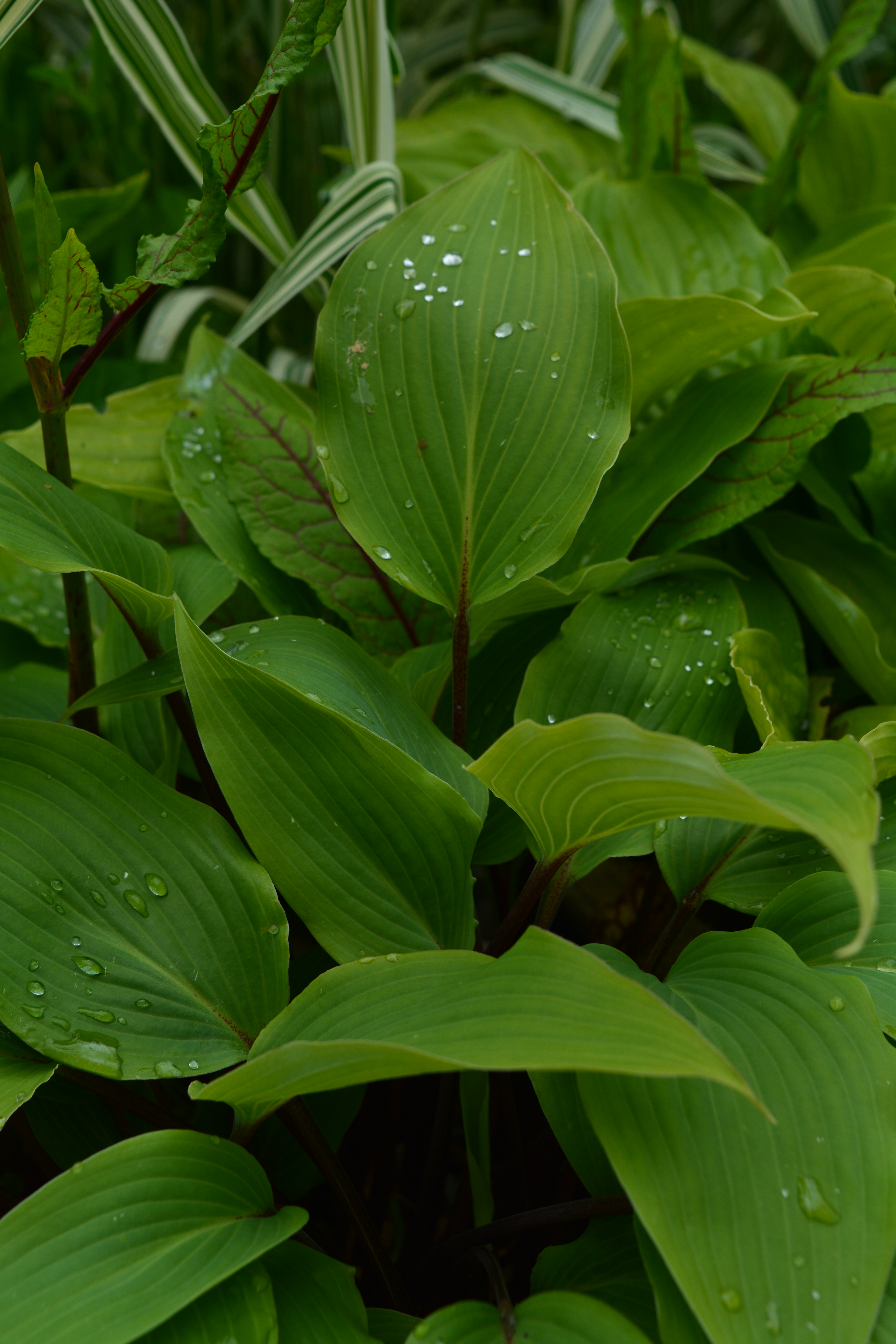
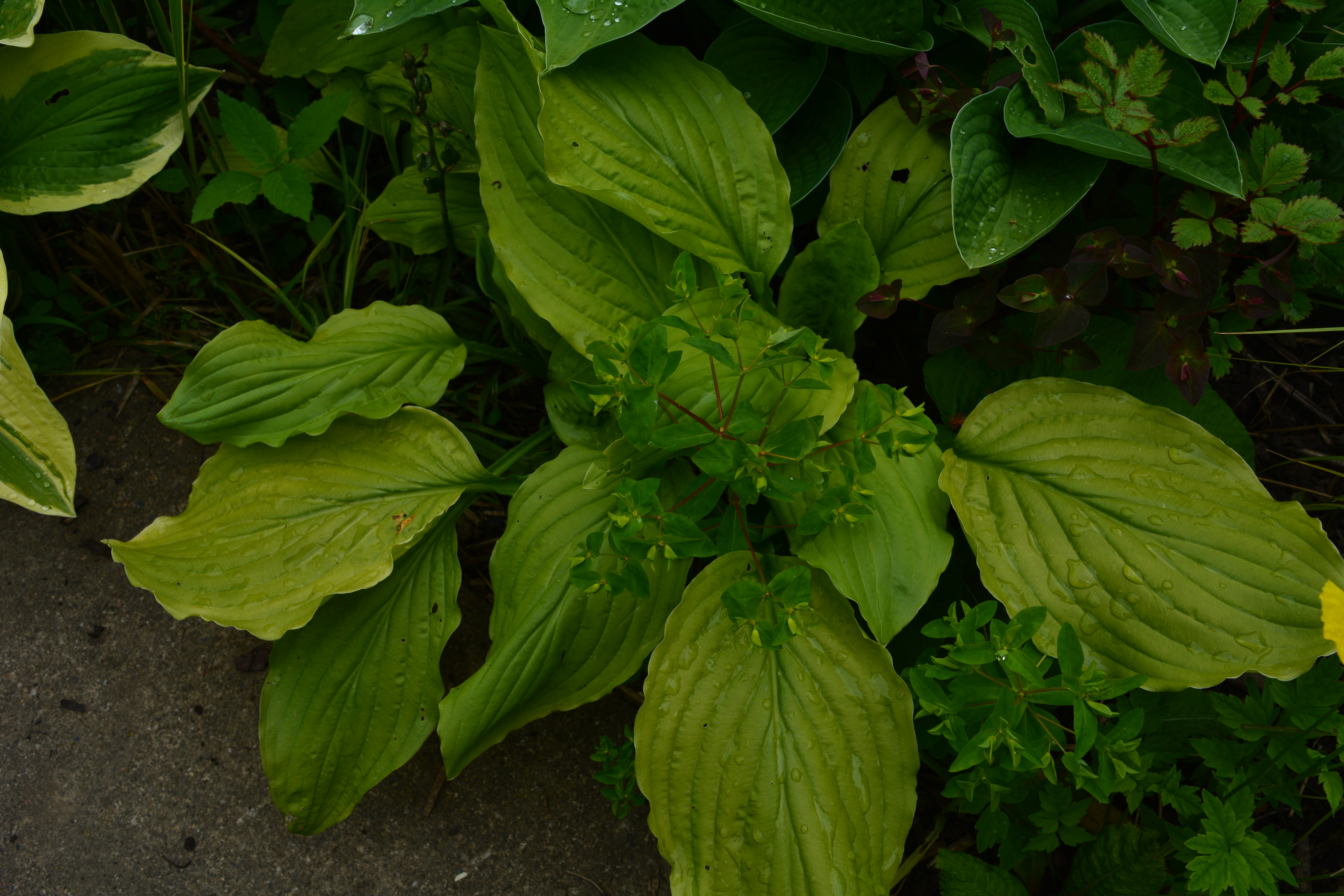
“Hostas are one of the more subtle of our garden favourites both their foliage and later in the year their flowers. The Bog Garden next to our Wildlife Pond and snuggled up to it is a place of rapid growth in May.”

maygarden-45maygarden-40 maygarden-41 maygarden-42 maygarden-43 maygarden-65maygarden-47 maygarden-48  maygarden-46 maygarden-64 maygarden-66 maygarden-67

White is not a colour I particularly appreciate in the garden and as a result I do not use it much.

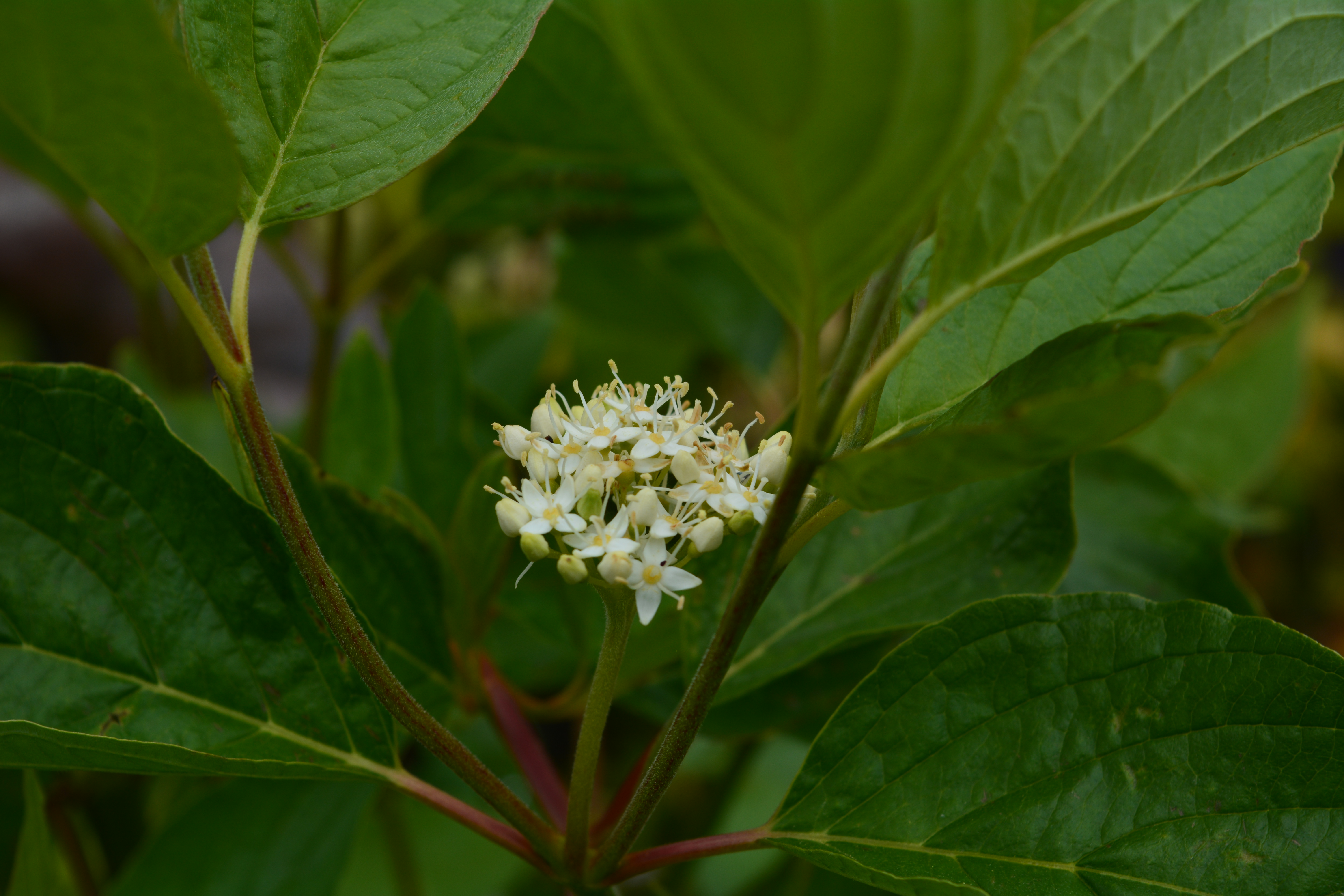
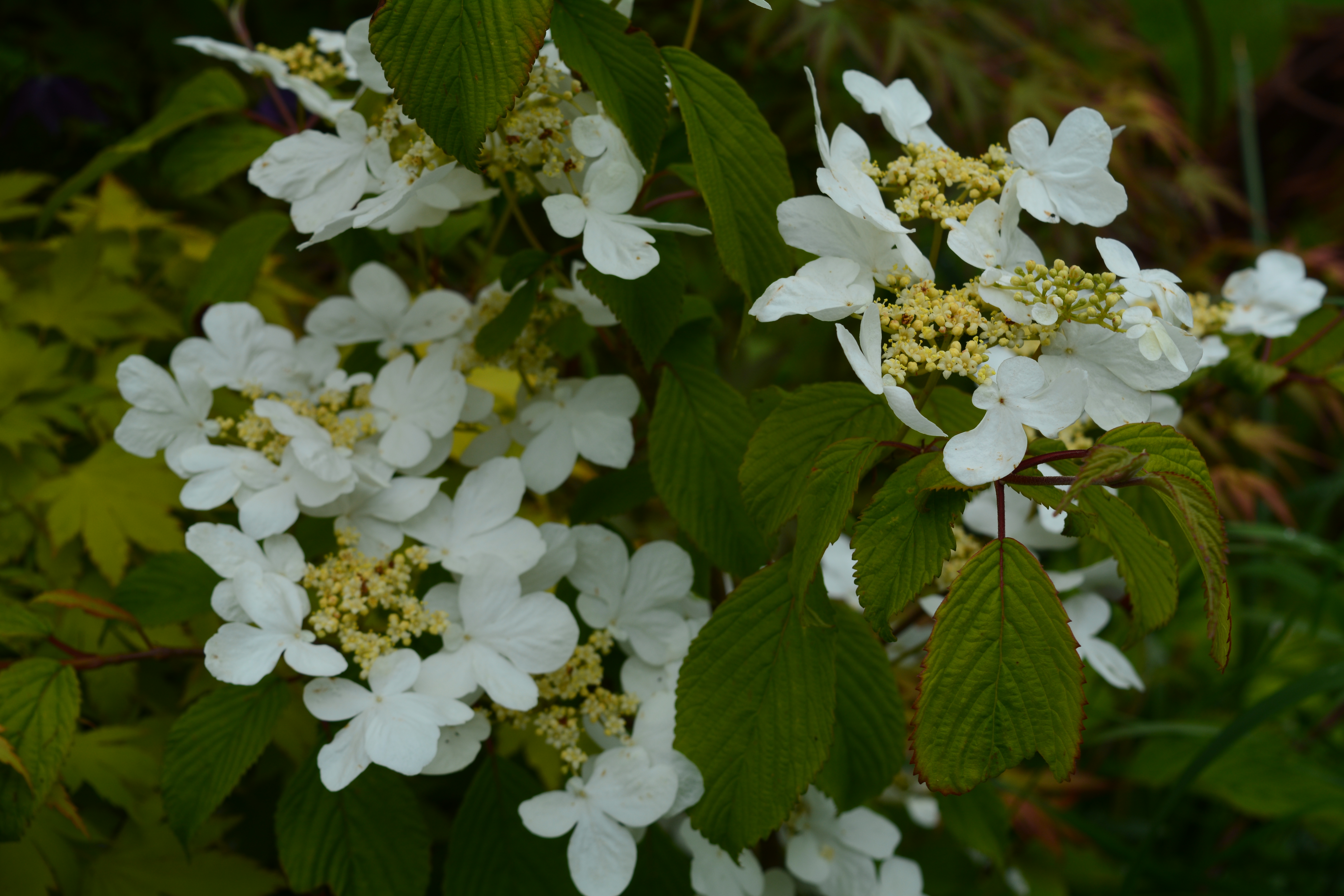
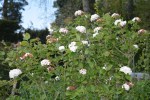
“White is not my favourite colour in the garden. I particularly do not like white painted garden furniture or white painted fences, trellises or walls. We tend to paint our seats in ivory or cream which are much softer colours particularly on bright sunny days. Our fences we paint in browns and trellis work in gentle shades of green which acts as a great foil for our plants. I think this dislike of white is to do with our weather as it can work so well in other countries. Where flowers are concerned I appreciate them most in May when white can look good with the brightness of fresh foliage. Below are photos of a few particularly good white flowers, Viburnums, Cornus, white Bluebells, Iberis and Camassias. Some of these are the purest of white where others have gentle hints of colour. The Camassia has a green tint to it and the Iberis the gentlest hint of pink.”

maygarden-54 maygarden-56maygarden-10 maygarden-73maygarden-25 maygarden-44 maygarden-74

As we leave May behind we can look forward to the longest day, the time when day and night share equal number of hours.

Categories
flower show flowering bulbs garden photography garden ponds gardening gardens gardens open to the public hardy perennials ornamental trees and shrubs roses Shropshire shrubs Staffordshire trees woodland

The Dorothy Clive Garden in May

Today we returned to the Dorothy Clive Gardens to see what was going on in May and to see what had changed since our last visit in March. We had to miss out on our planned April visit due to commitments of giving talks to garden groups and opening our own garden. It was worth waiting a little longer because we really enjoyed our visit discovering so many changes and new things to see.

dorothyclive-13dorothyclive-09-1dorothyclive-03-1dorothyclive-05-1

But an extra element for this visit was our arranged meeting with friends from college over 40 years ago. After meeting up again as a consequence of one of our college friends spotting me during my TV appearance in a gardening programme last year we now meet regularly at cafes and gardens.

dcmay-06 dcmay-04

The mystery patch being developed this year is now beginning to take shape and we think it may eventually become a scree bed or gravel garden. We shall see. Time will tell.

dcmay-01

The first views of the garden showed a much greener scene. Deciduous plants were beginning to show colour in their leaves and the last of the spring bulbs continued to flower.

dorothyclive-01 dorothyclive-02-1 dorothyclive-04-1 dorothyclive-18-1 dorothyclive-18

The area around the pond was gradually coming to life and the Camellia Walk shone pink.

dorothyclive-09 dorothyclive-10-1dorothyclive-13-1 dorothyclive-14-1

The first leaves were bursting from their buds in the Rose Garden and the productive areas showing promise.

dorothyclive-16 dorothyclive-22

However the real star of the Dorothy Clive Gardens at this time of the year has to be the area called The Dingle, a woodland garden full of azaleas, rhododendrons and ferns, an area of bright colours and rich fresh greens. Enjoy wandering through the narrow winding gravel paths of The dingle with me, the Undergardener, our friends and of course my camera!

dcmay-05 dcmay-07  dcmay-10 dcmay-11 dcmay-12 dcmay-13 dcmay-14 dcmay-15 dcmay-16 dcmay-09 dcmay-17 dcmay-18 dcmay-19 dcmay-20dcmay-21 dcmay-24 dcmay-27dcmay-22 dcmay-23  dcmay-25 dcmay-26  dcmay-28 dcmay-29 dcmay-30 dcmay-32 dcmay-33 dcmay-34 dcmay-35 dcmay-36 dcmay-37 dcmay-38

We will return in June for our next excursion to the Dorothy Clive Gardens.


Categories
flowering bulbs garden design garden ponds garden pools gardening gardens hardy perennials irises National Garden Scheme NGS ornamental trees and shrubs outdoor sculpture sculpture Shropshire spring bulbs Yellow Book Gardens

Another NGS Yellow Book Garden – visiting a friend’s garden.

Our friend Mary and her husband Bob open their garden for the National Garden Scheme just as we do, so we were determined to go and see her garden this year. A few weeks before her open garden she told us she hoped her tulips would still look good. She had no reason to worry – they were a treat for the eye and lifted the spirits!

marysgarden-08

It was a perfect day for garden visiting, bright, warm and so sunny.

marysgarden-39

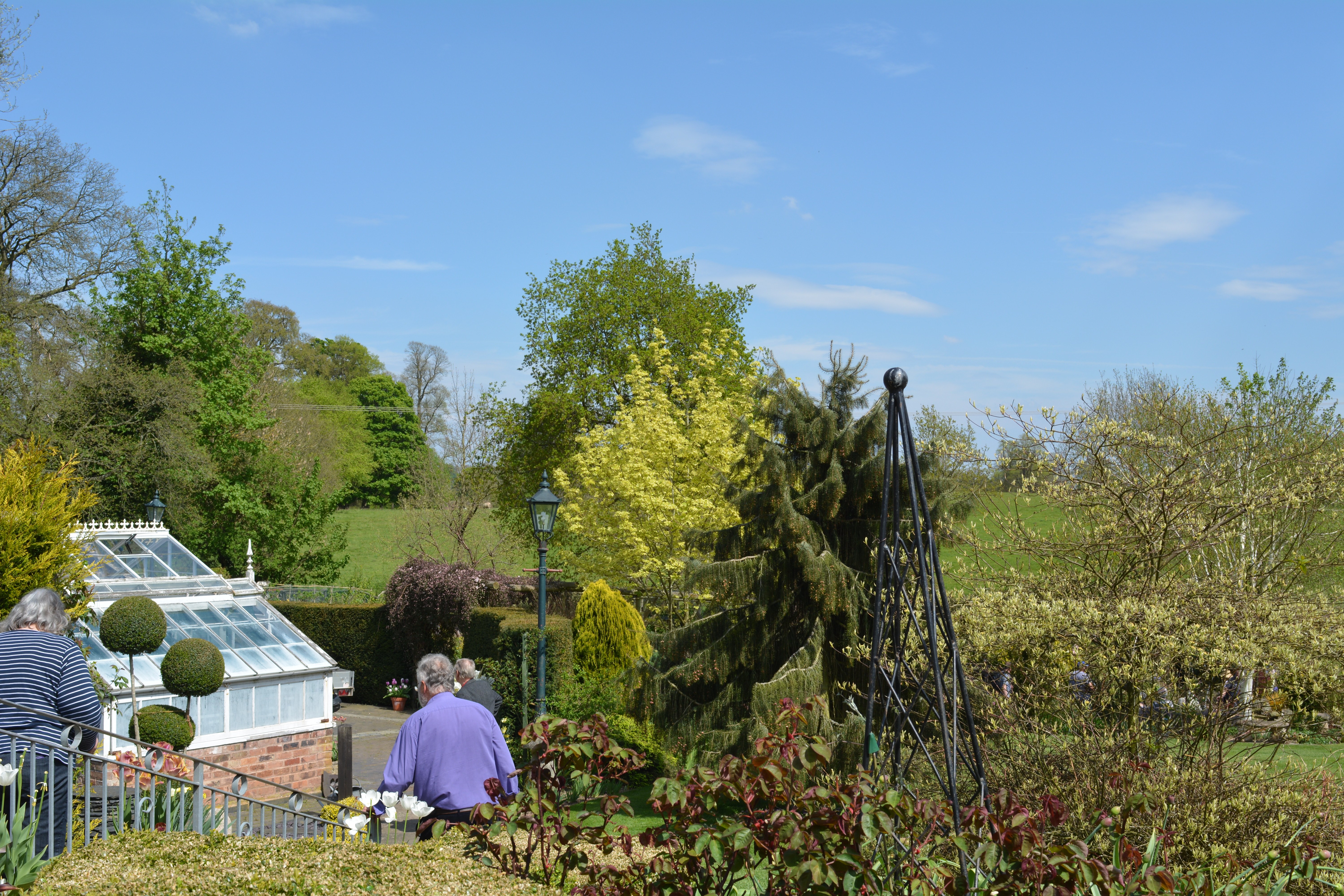
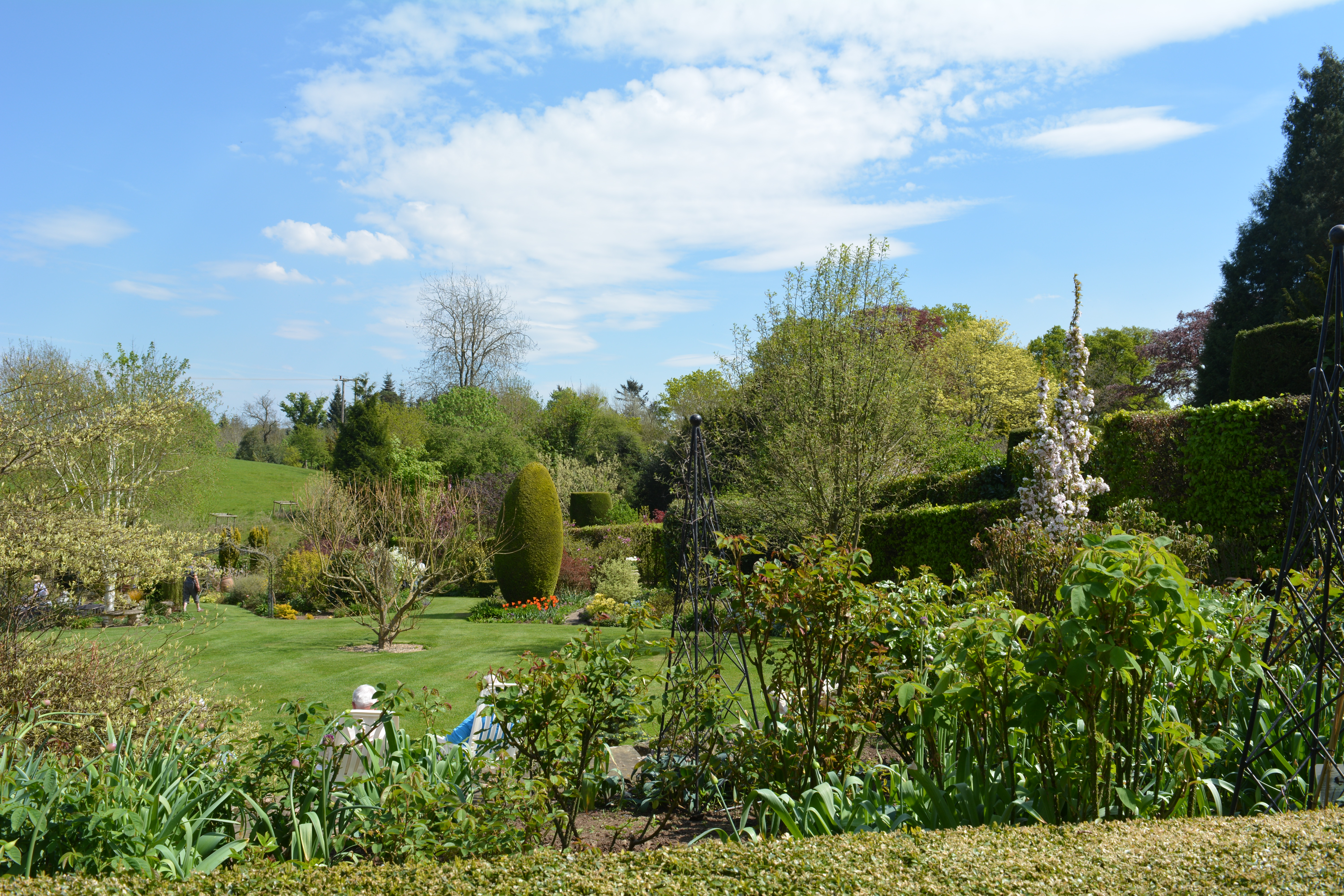
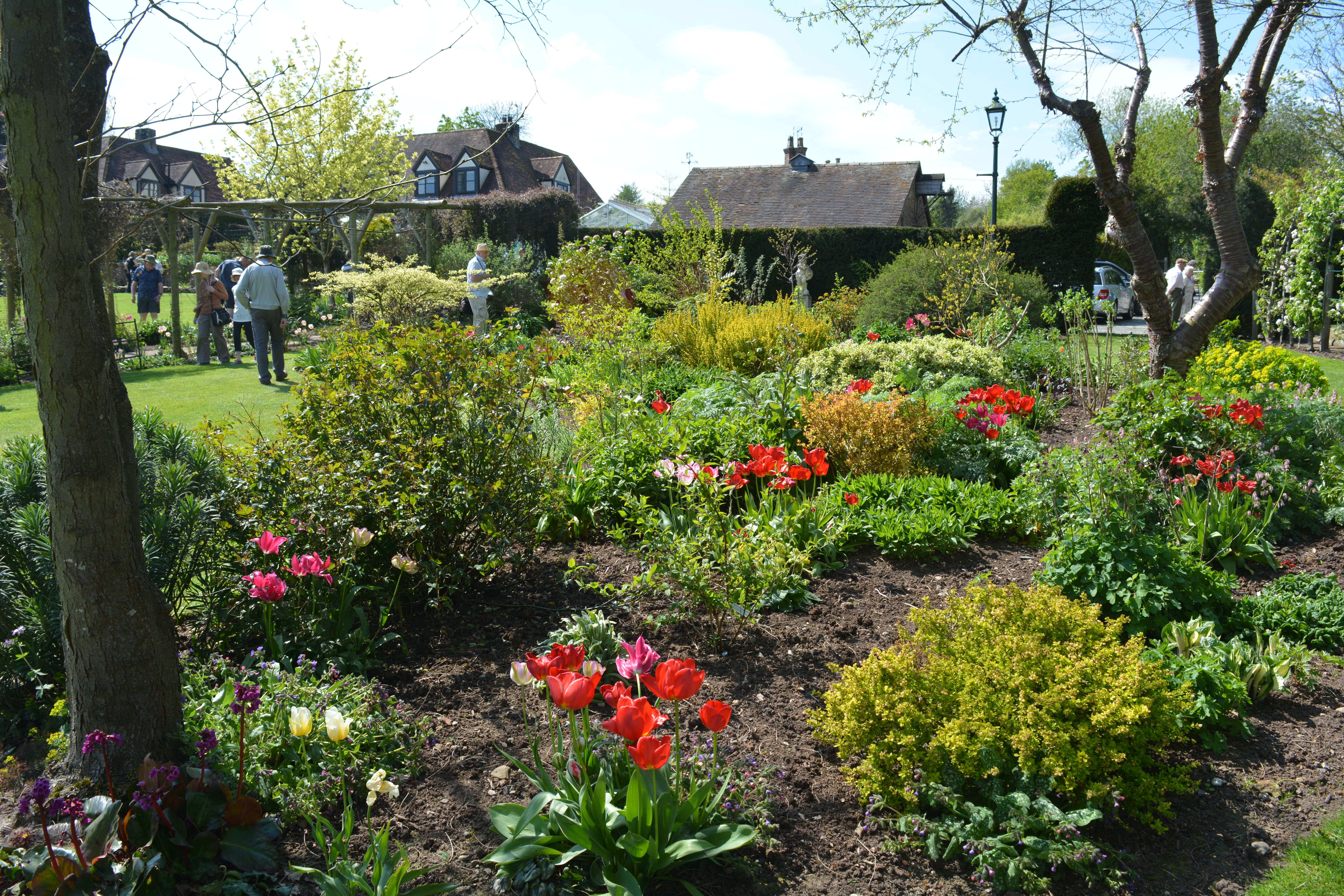
We began our visit with big hugs from Mary followed by our usual tea and cake and found a seat where we could enjoy views over Mary and Bob’s garden. From there we could see interesting plants that deserved a closer look and inviting winding paths and archways. We watched with interest the reactions of other visitors and which plants they made a beeline for. Once suitably refreshed we explored!

marysgarden-01  marysgarden-02 marysgarden-03 marysgarden-04

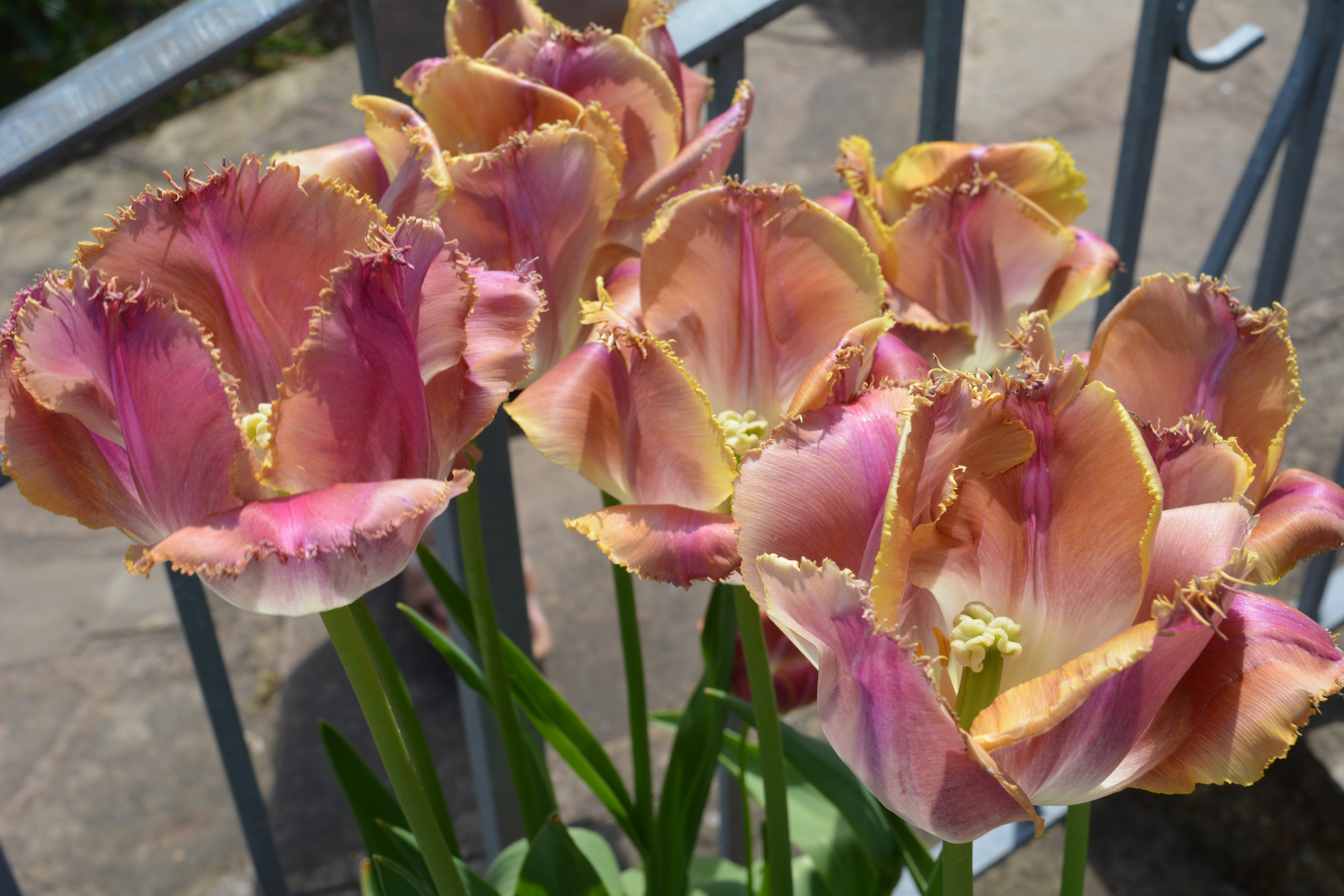
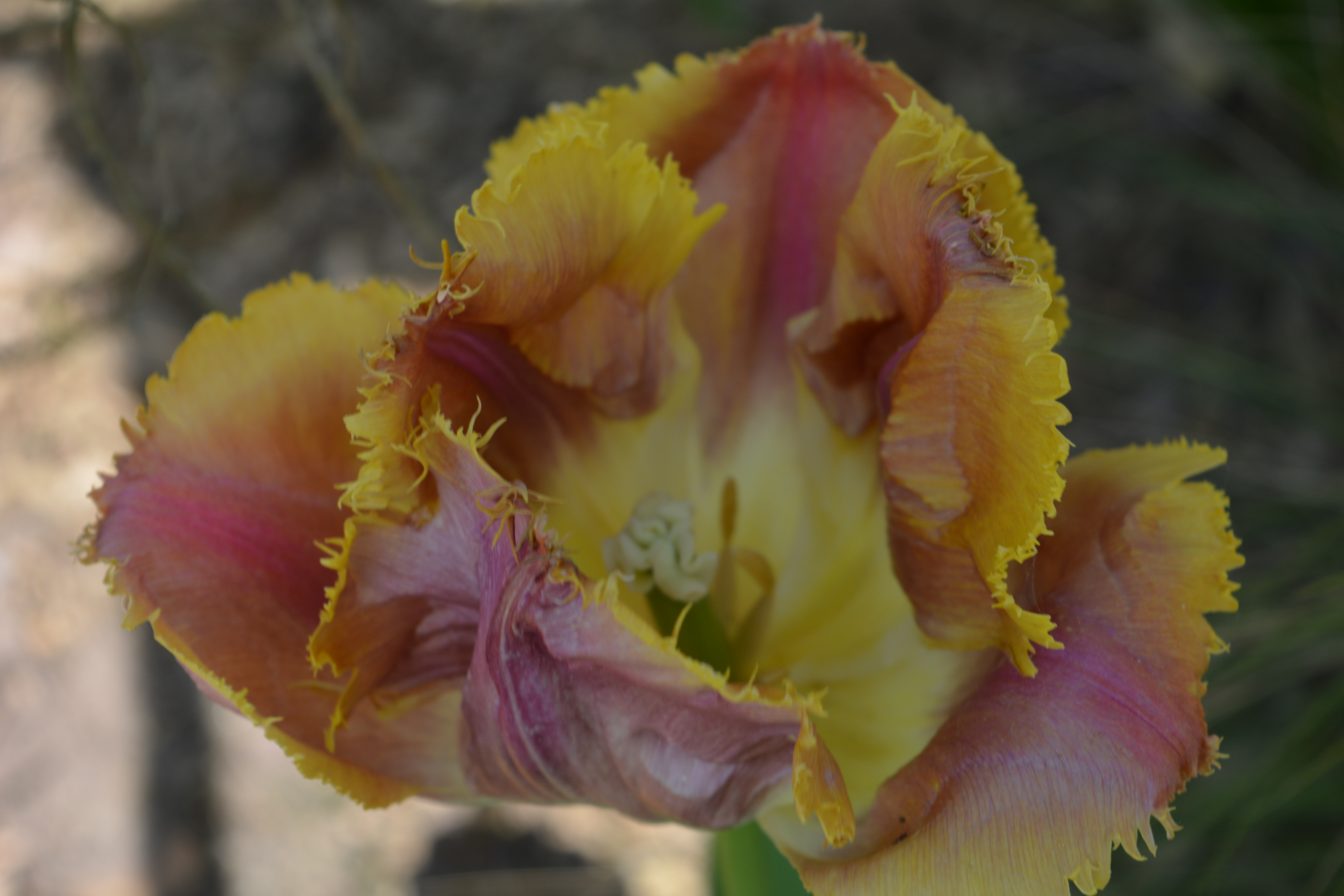
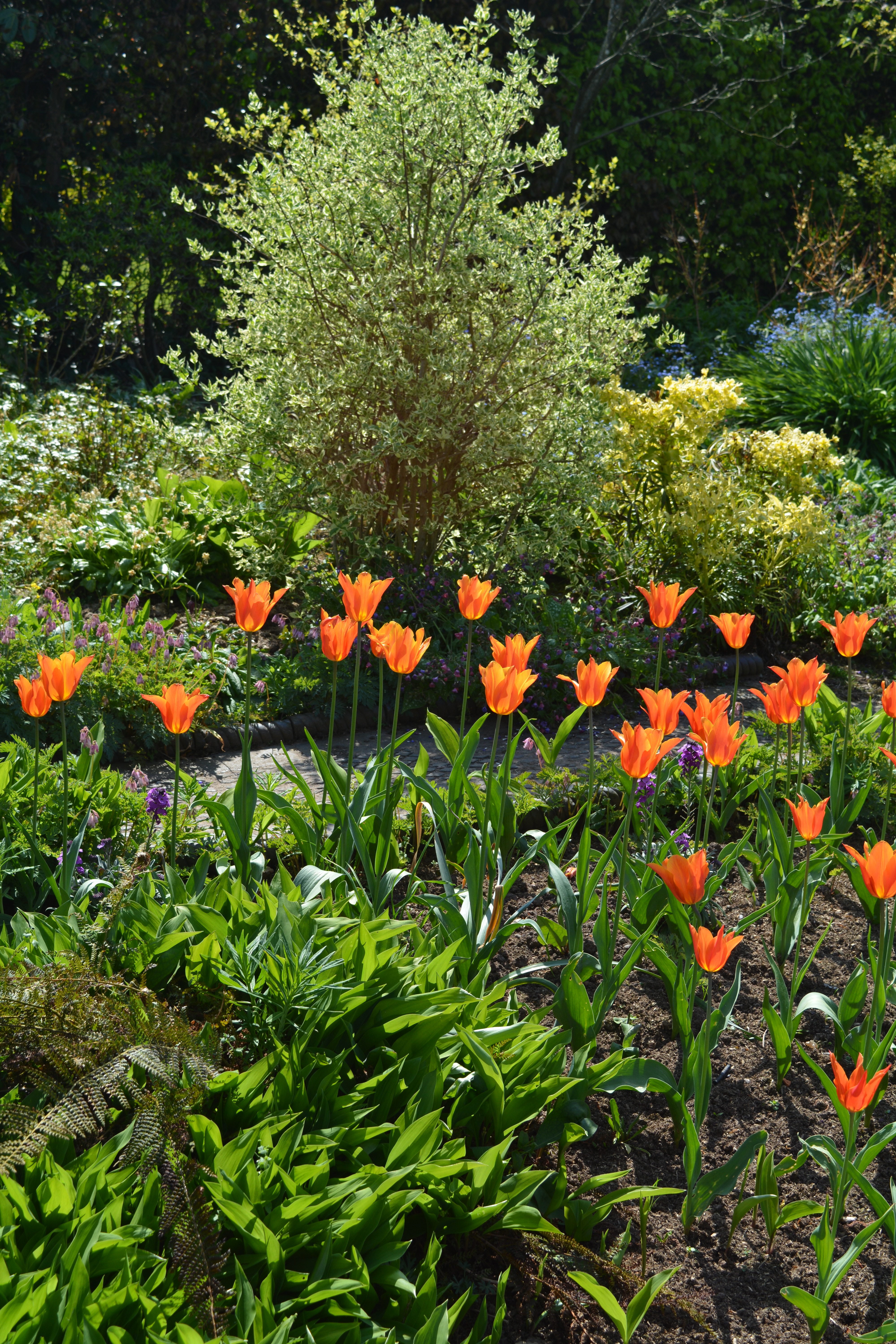
We found tulips throughout the borders some in exciting unusual colours. We enjoyed them all.

marysgarden-05 marysgarden-06   marysgarden-09 marysgarden-10 marysgarden-15 marysgarden-22 marysgarden-19 marysgarden-20marysgarden-12 marysgarden-13 marysgarden-14  marysgarden-16 marysgarden-18  marysgarden-21

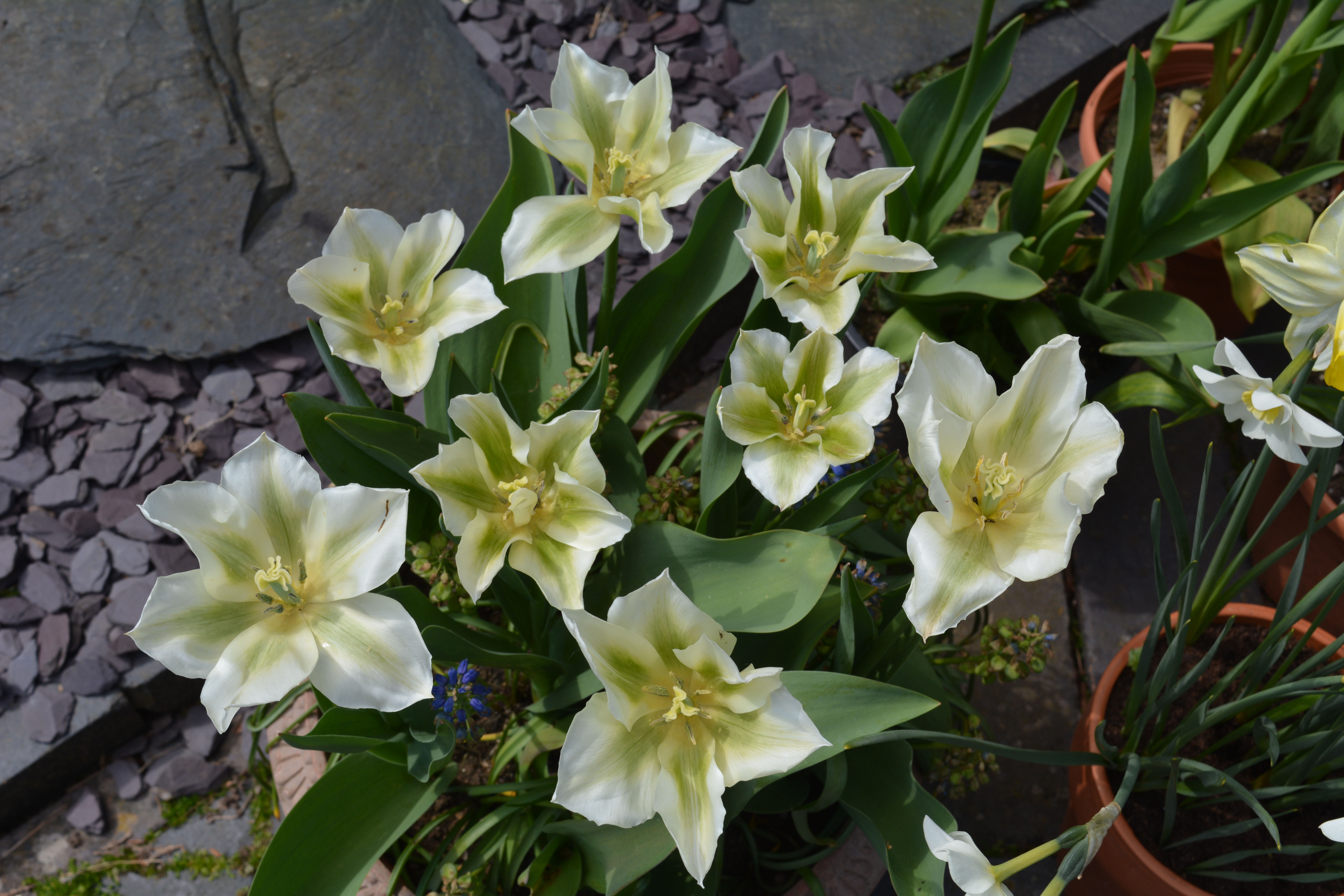
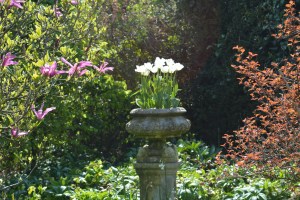
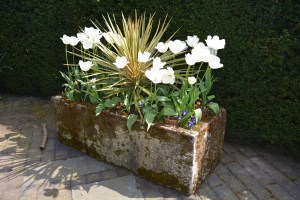
These purest of white tulips were beautifully displayed in their containers which raised them up and gave the afternoon sun the chance to light them up.

marysgarden-35 marysgarden-07

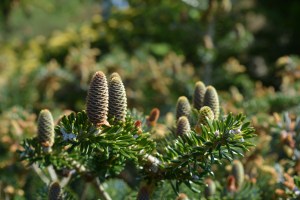
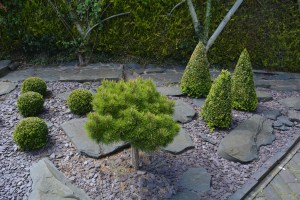
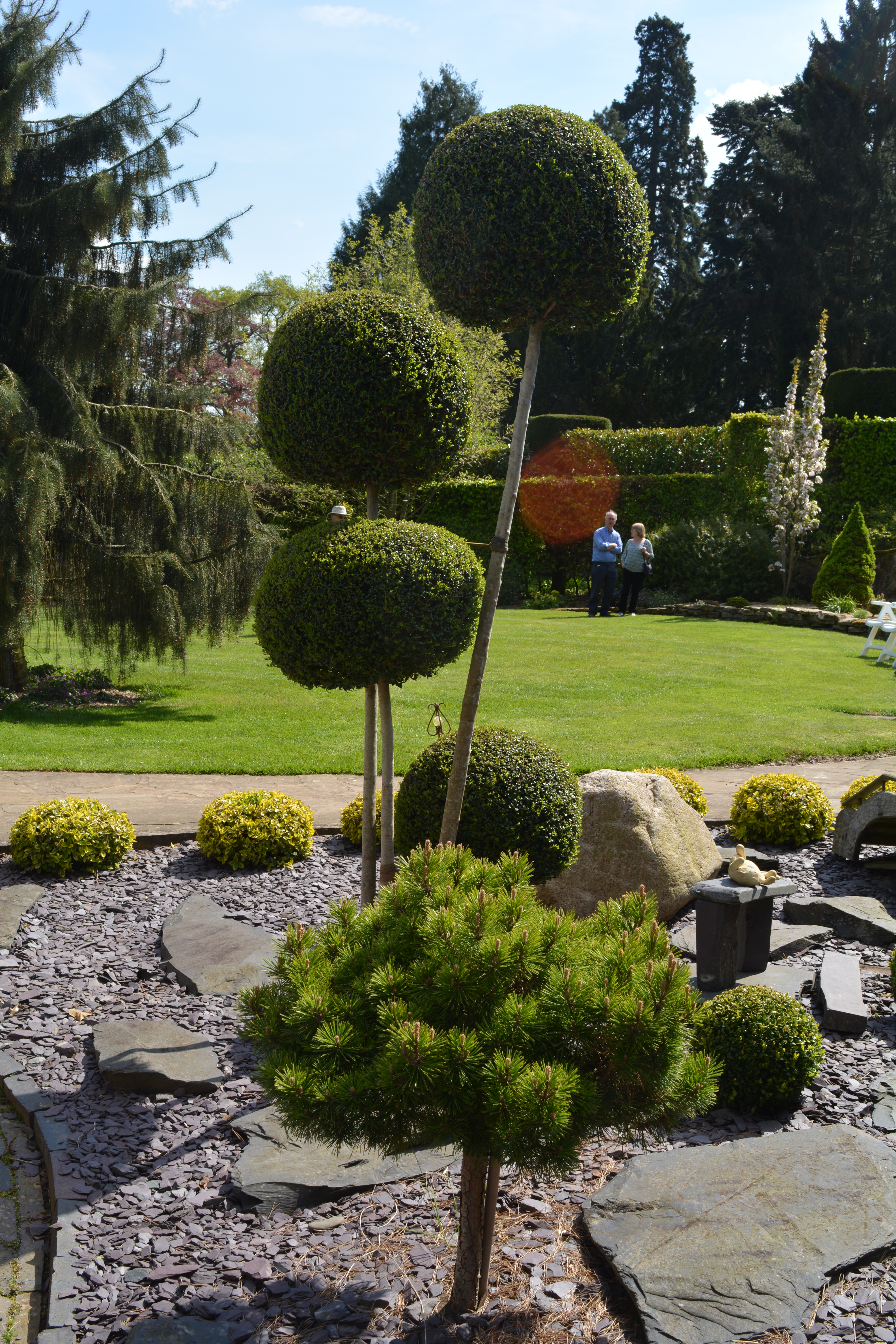
There was a lot more of interest here though than these beautiful tulips. Neither Jude the Undergardener or I are particular fans of evergreen coniferous plants and indeed have just a single alpine Pinus mugo “Mumpitz” in our patch, but the cones on Mary and Bob’s trees caught our attention.

marysgarden-24 marysgarden-05-1  marysgarden-07-2 marysgarden-49 marysgarden-34-1marysgarden-35-1  

I think the best way to see the rest of this lovely garden will be to enjoy the following gallery. As usual click on the first picture then navigate using the right hand arrow.


Categories
birds colours flowering bulbs garden design garden photography garden wildlife gardening gardens hardy perennials light light quality ornamental trees and shrubs Shropshire shrubs spring bulbs spring gardening trees

My Garden Journal 2016 – April

Here we are with my April look at my garden journal. I began as I often do with a look at the weather that was affecting our garden.

“April is known for its showery weather and we hope it is the first frost-free weeks of the year. This will allow us to begin hardening off our delicate plants that have hidden away in our greenhouse and summerhouse. Looking back at my first garden journal I notice that in early April birds were then showing signs of nest building. I wrote …Spring is here! Sometimes at least. Birds are collecting nesting materials, blackbirds, greenfinches and all the Titmice family.” This year birds are singing and calling well but we have seen no signs of nest building activities. The Titmice have given up their earlier explorations of our many birdboxes. We hope Spring will catch up and get wildlife stirring again.”

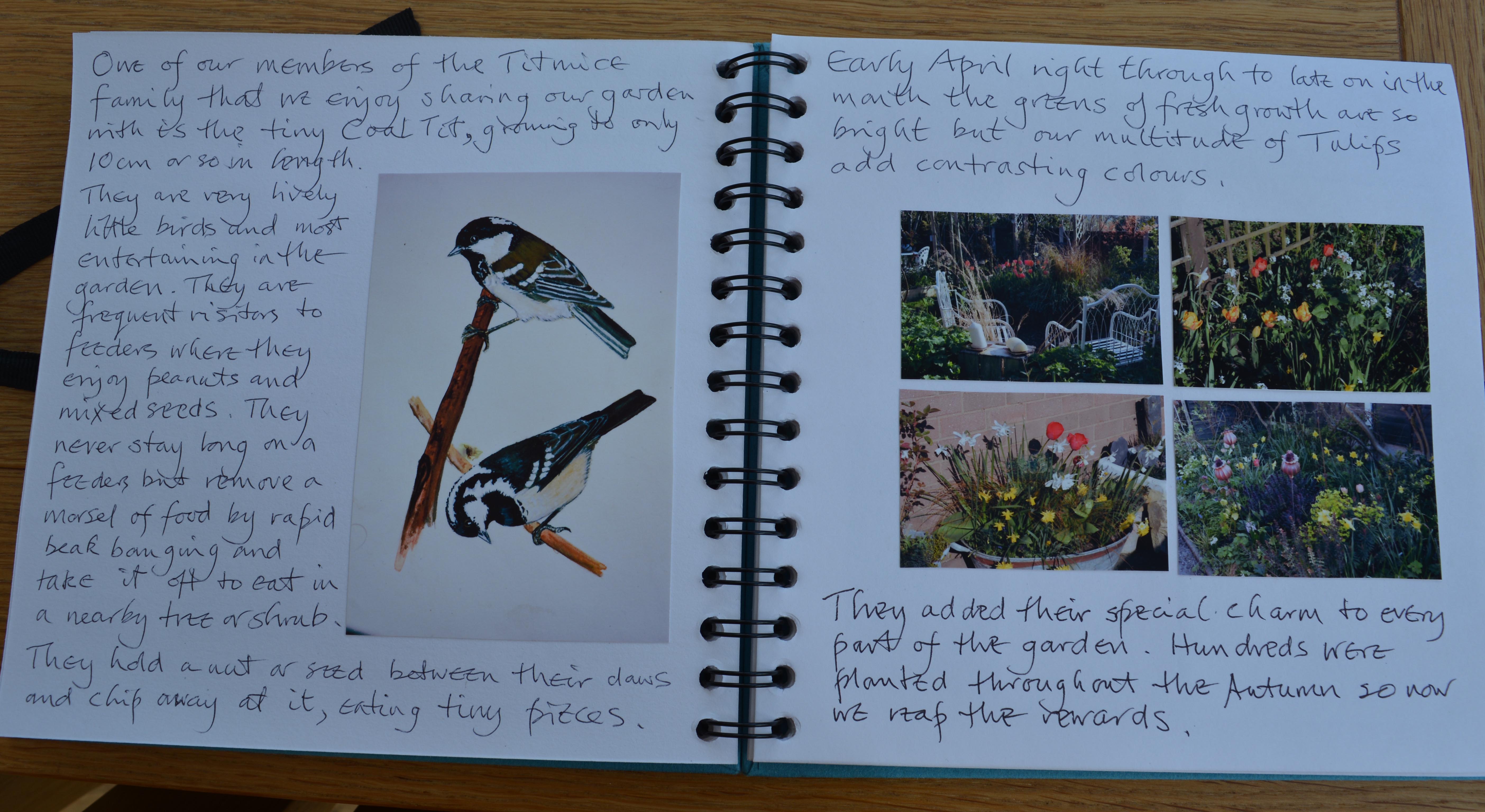
Over the page I continue by looking at one member of the Titmice family, the Coal Tit, and I included one of my gouache paintings of these active little birds.

apr-2

“One of our members of the Titmice family that we enjoy sharing our garden  with is the tiny Coal Tit, growing to only 10cm or so in length. They are very lively little birds and most entertaining in the garden. They are frequent visitors to feeders where they enjoy peanuts and mixed seeds. They never stay long on a feeder but remove a morsel of food by rapid beak banging and take it off to eat in a nearby tree or shrub. They hold a nut or seed between their claws and chip away at it, eating tiny pieces.”

coaltit-1

On the page opposite I take a look at the bright Tulips in our garden and what they add to it.

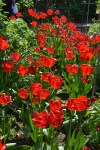
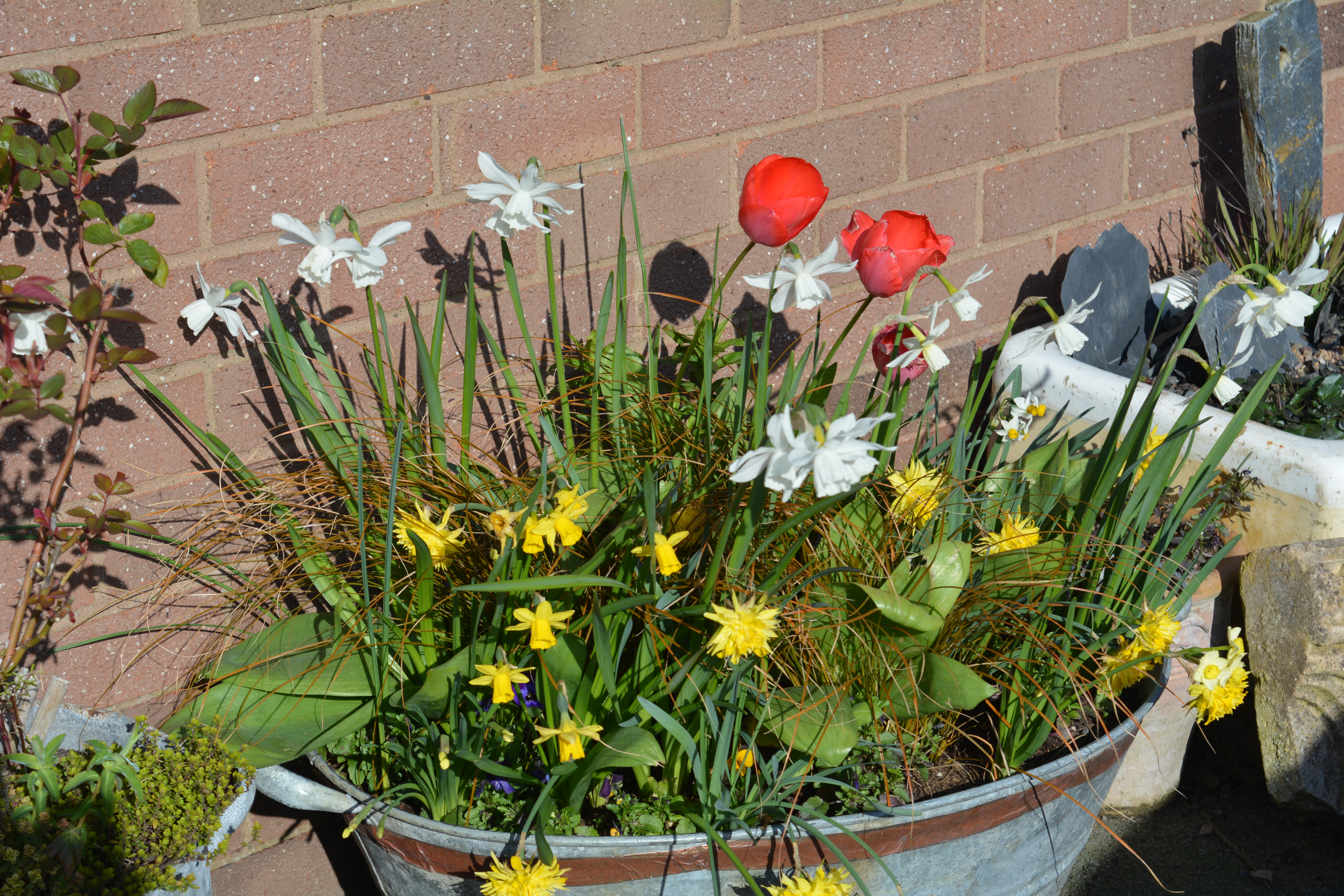
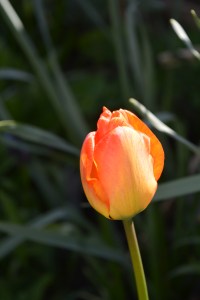
“Early April right through to late on in the month the greens of fresh growth are so bright but our multitude of Tulips add contrasting colours. They add their special charm to every part of the garden. Hundreds were planted throughout the Autumn so now we reap the rewards.”

aprilpics-22 aprilpics-17 aprilpics-29 aprilpics-30 aprilpics-14

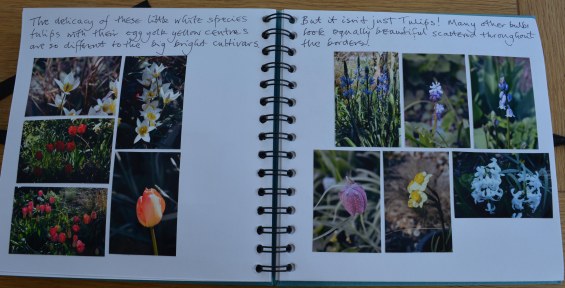
Tulips and other bulbs continue to be featured on my next couple of pages.

apr-1

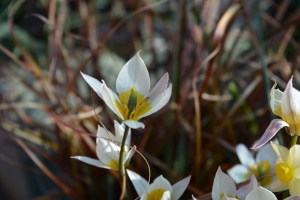
“The delicacy of these little white species Tulips with their egg yolk yellow centres are so different to the big bright cultivars.”

aprilpics-16 white tulip-1aprilpics-01 aprilpics-04aprilpics-10

“But it isn’t just Tulips! Many other bulbs look equally beautiful scattered throughout the borders.”

aprilpics-03 aprilpics-09 aprilpics-08aprilpics-15 aprilpics-27aprilpics-05 aprilpics-02

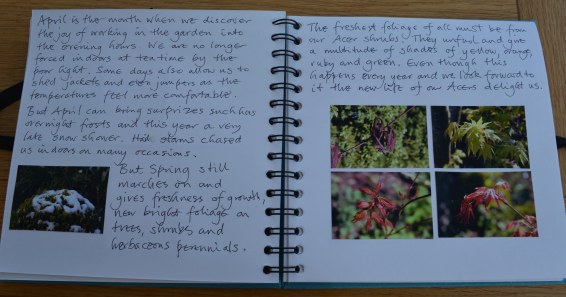
Turning the page we find a much wordier look with an odd photo to illustrate the words, followed by a look at some of our Acers.

apr-3

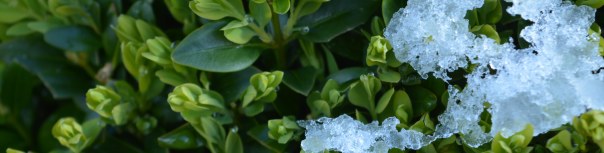
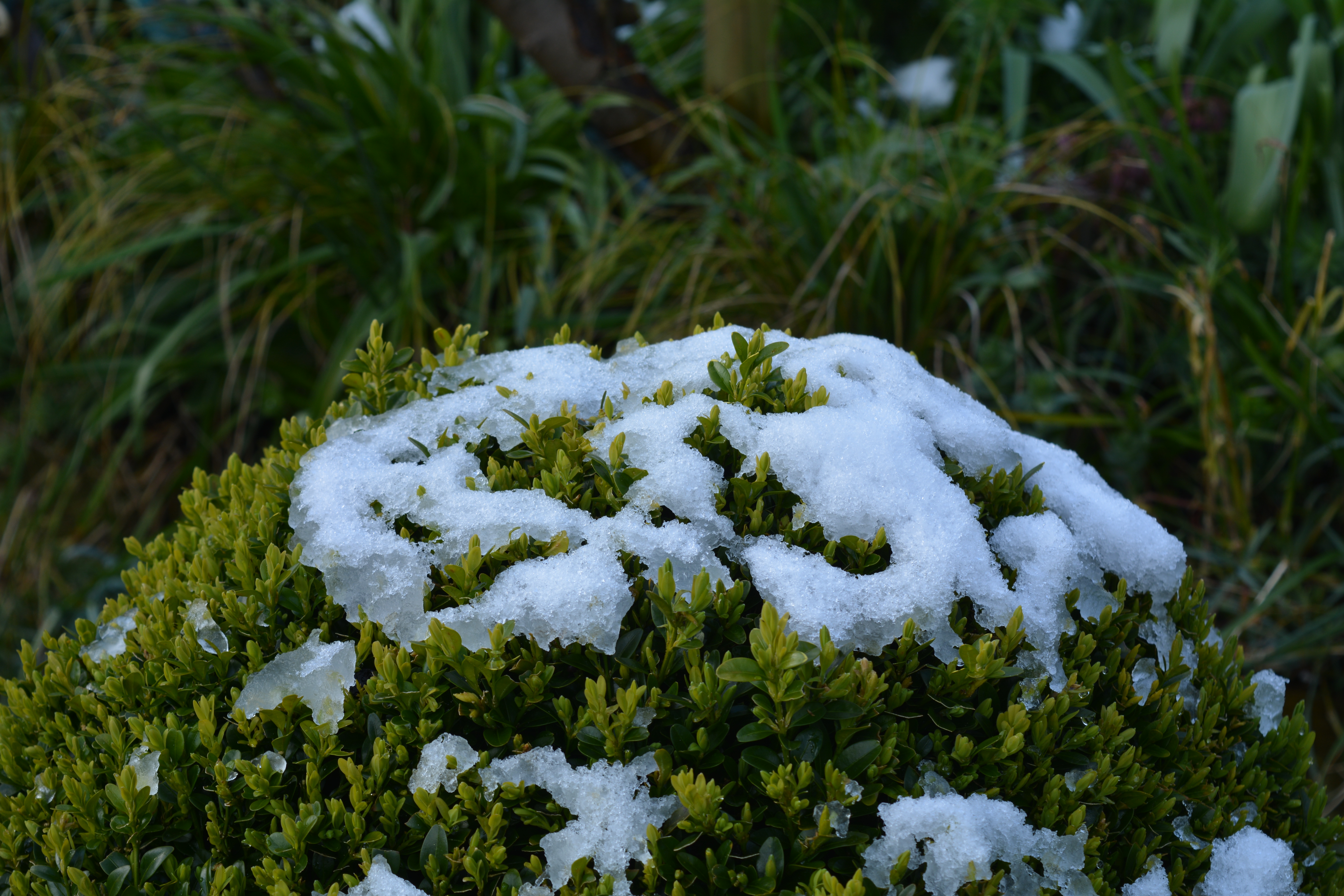
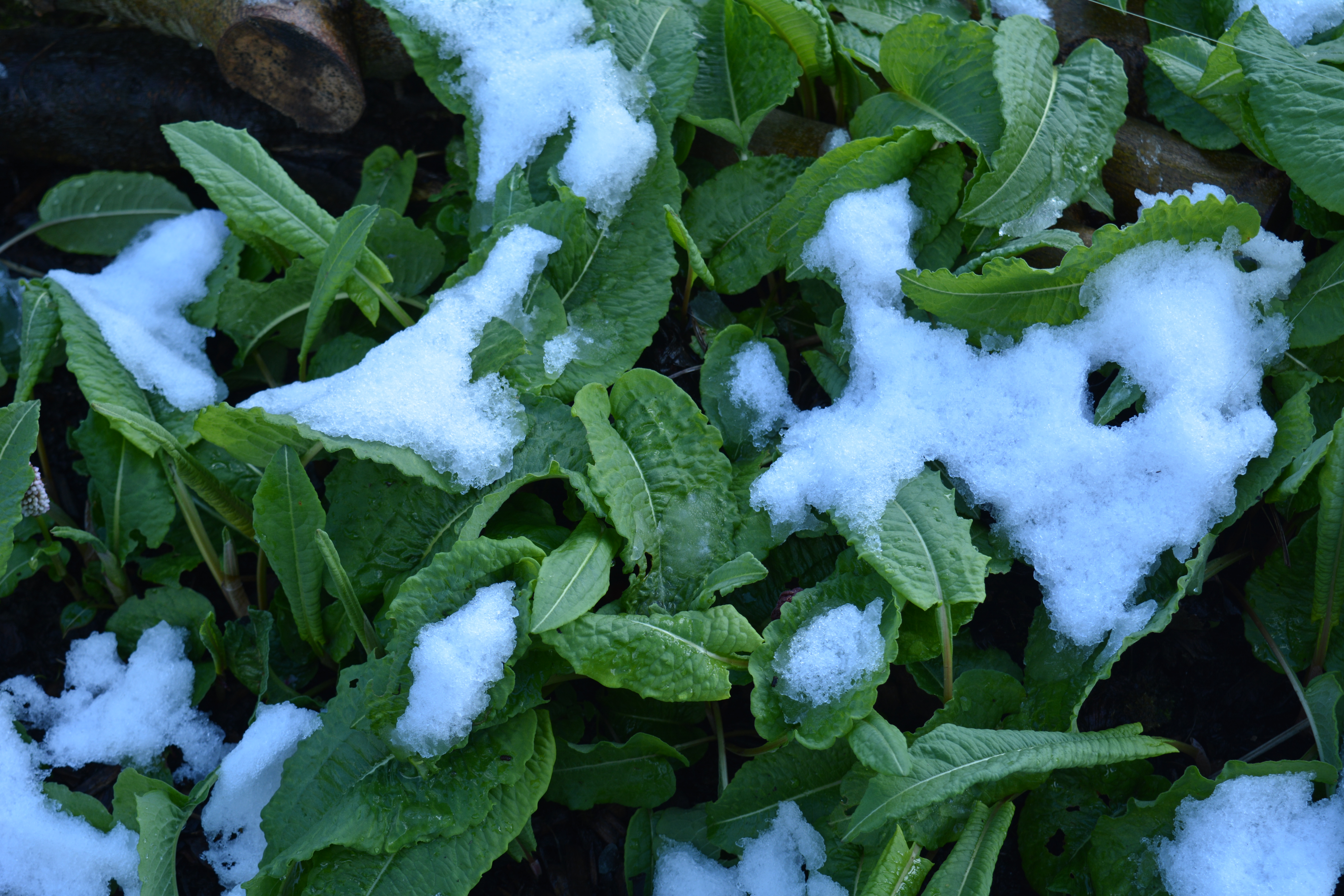
“April is the month  when we discover the joy of working in the garden into the evening hours. We are no longer forced indoors at teatime by the poor light. Some days also allow us to shed jackets and even jumpers as the temperatures feel more comfortable. But April can bring surprises such as overnight frosts and this year a very late snow shower. Hail storms chased us indoors on many occasions. But Spring still marches on and gives freshness of growth, new bright foliage on trees, shrubs and herbaceous perennials.”

snow box-8snow box-1 snow box-2 snow box-3 snow box-4

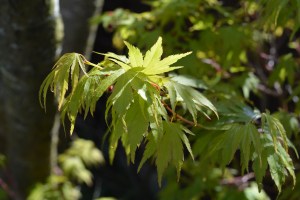
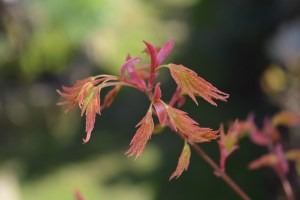
“The freshest foliage of all must be from our Acer shrubs. They unfurl their buds and give a multitude of shades of yellow, orange, ruby and green. Even though this happens every year and we look forward to it, the new life of our Acers delights us.”

aprilpics-13 aprilpics-07aprilpics-06 aprilpics-12

I then look at yellow in our garden.

april journal-4

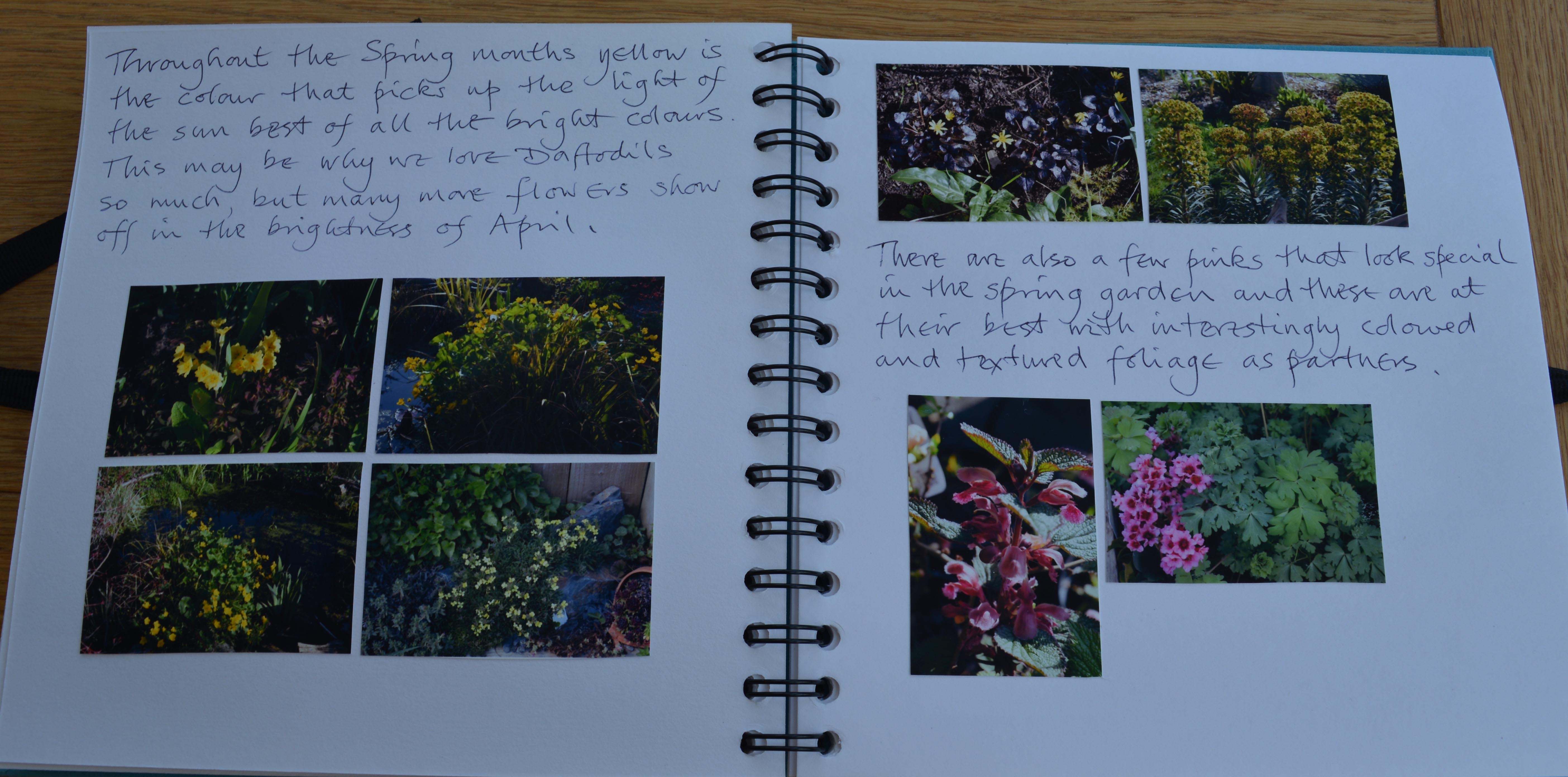
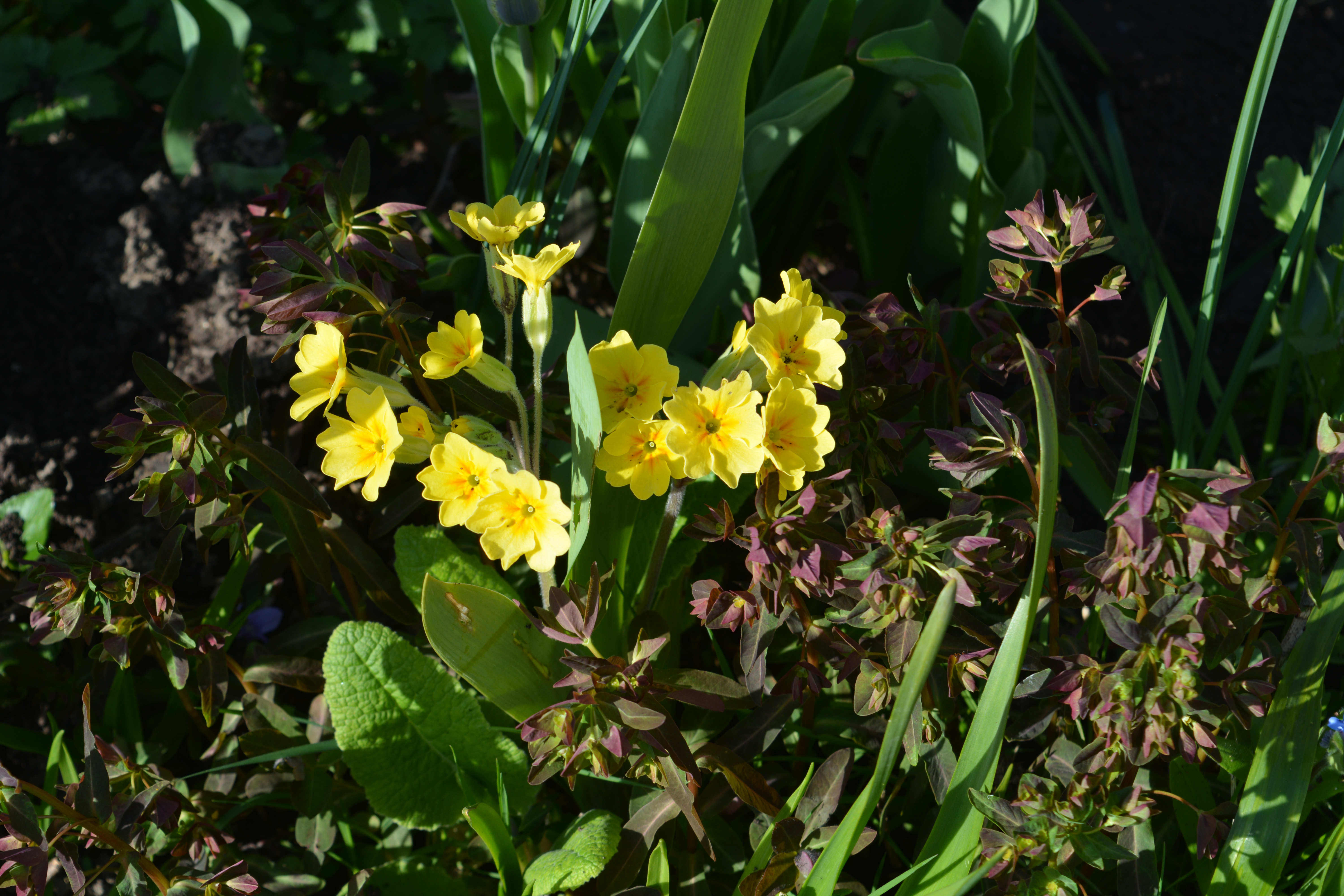
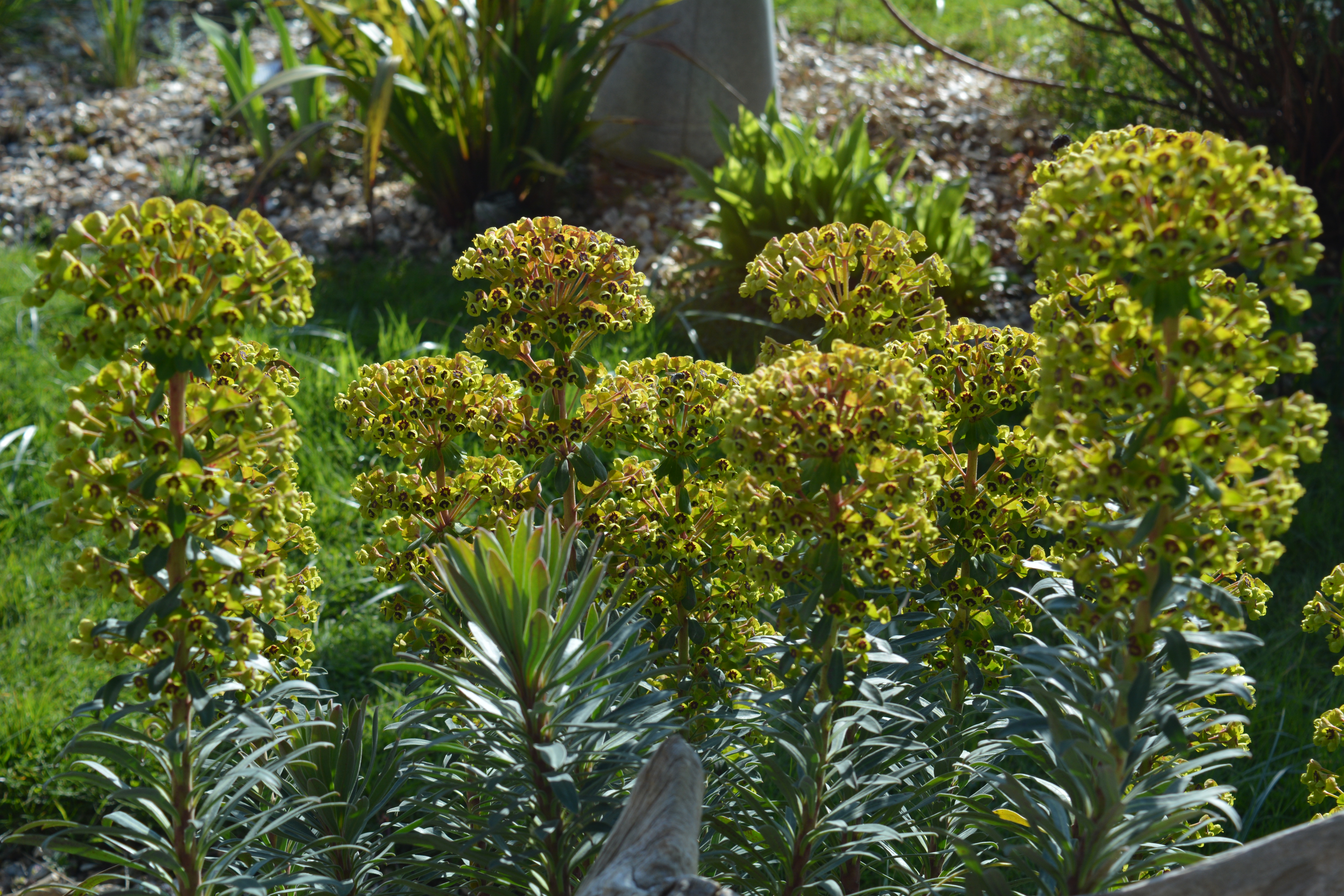
“Throughout the Spring months yellow is the colour that picks up the bright light of the sun best of all the bright colours. This may be why we love Daffodils so much, but many more flowers show off in the brightness of April.”    


aprilpics-20 yellow-4yellow-1 yellow-8aprilpics-18 yellow-9


“There are also a few pinks that look special in the Spring garden and these are at their best with interestingly coloured and textured foliage as partners.”

aprilpics-50 yellow-3

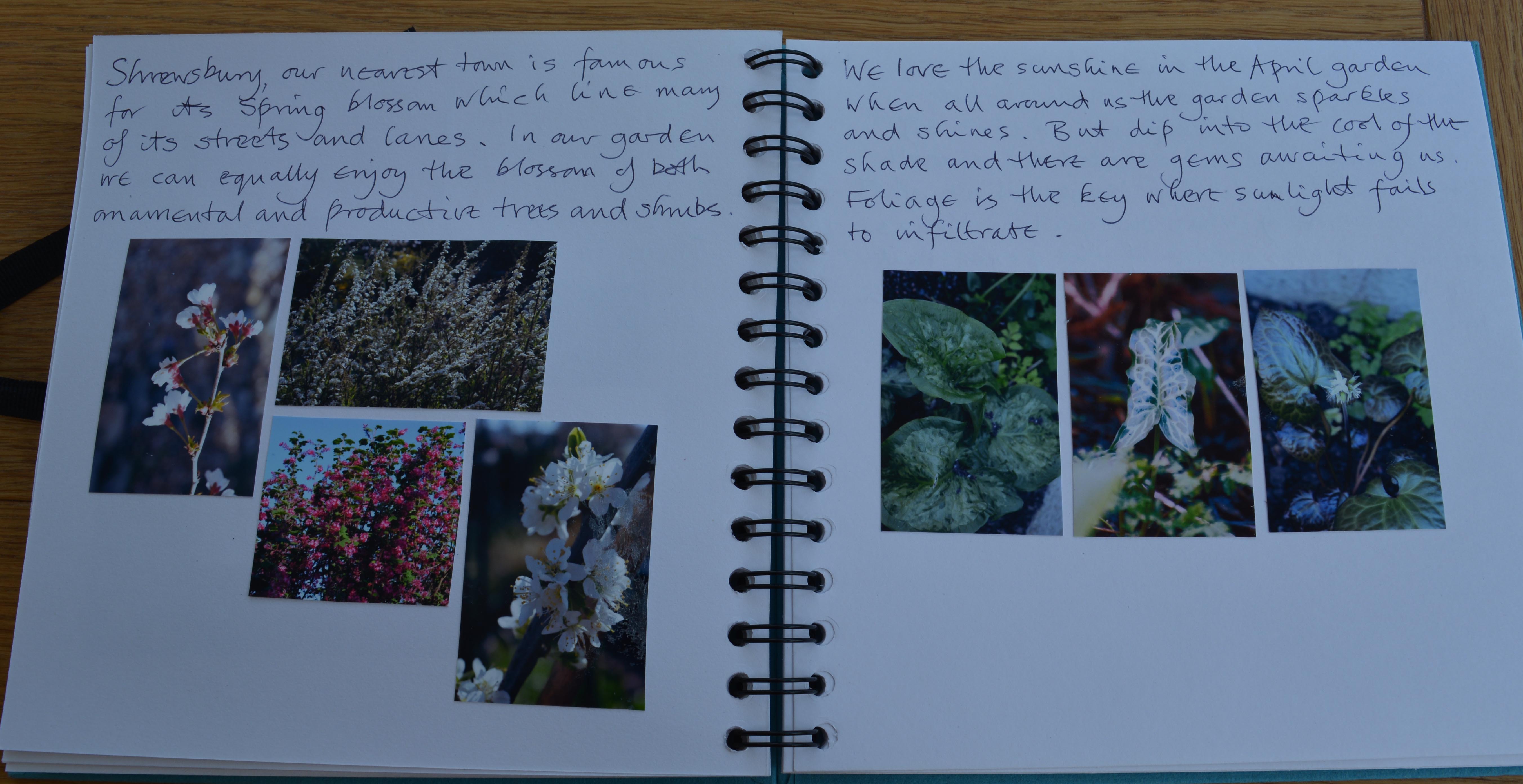
Blossom and the plants of cool shade appear on the final couple of my journal’s pages for April.

april journal-5

“Shrewsbury, our nearest town, is famous for its Spring blossom which lines many of its streets and lanes. In our garden we can equally enjoy the blossom of both ornamental and productive trees and shrubs.”

blossom-10aprilpics-19 ngs garden-104blossom-01 blossom-04 blossom-03 blossom-02 blossom-07


“We love the sunshine in the April garden when all around us the garden sparkles and shines. But dip into the cool of the shade and there are gems awaiting us. Foliage is the key where sunlight fails to infiltrate.”

ngs garden-102 blossom-11blossom-13 blossom-06

But any flowers that accompany this amazing foliage are tiny little star-like flowers.

ngs garden-100

ngs garden-103 ngs garden-101

So that is April in our garden. We now look forward to what May will bring!


This Veggie Life

A Vegetarian | Nature Lifestyle Blog

Rambling in the Garden

.....and nurturing my soul

The Arch City Gardener

Journeys In St. Louis Gardening and Beyond

Garden Dreaming at Châtillon

Consult the genius of the place

Storyshucker

A blog full of humorous and poignant observations.

gardeninacity

Notes from a wildlife-friendly cottage garden

PlayGroundology

...an emerging social science

The Official Blog of British Wildlife

'The most important and informative publication on wildlife of our times' - The Independent. This blog is a member of The UK & Ireland Natural History Bloggers group: www.uknhb.blogspot.com

iGrowHort

Inspire - Cultivate - Grow Native Plants - Restore Landscapes

Bishops Meadow Trust

To create and protect a semi-natural wild space for the people of Farnham to enjoy and experience an array of British wildlife in our town

Gardening with Children

The www.gardeningwithchildren.co.uk Blog

UKbirdingtimeline

birding through the seasons, why birds matter and how to conserve them

NATURE WALKER

with a camera in hand

Jardin

Transform your outdoor space

Eva's space

My allotment, cooking and other interests

Old School Garden

my gardening life through the year

LEANNE COLE

Trying to live a creative life

fromacountrycottage

trying to live as lightly as possible on our beautiful planet

Good Life Gardening

Nature lovers from Leicester living the good life.

mybeautfulthings

Finding the beautiful in the everyday

mawsonmichelle

Michelle's Allotment

In and Out of My Garden

thoughts from and about my garden

Greenhousing

Big plans for a small garden

The Scottish Country Garden

A Walled Country Garden in South East Scotland

The Fruity Chicken

Life at the fruity chicken

willowarchway

Off grid living. Self sufficient. "PERMAGANICS RULE".

St Anns Allotments

Nottingham's Grade 2* Listed Allotments and Community Orchard

Manifest Joy Harvests

a journey in suburban vegetable gardening

Allotmental

The madness of growing your own

Penny's Garden: a harvest beyond my front door

A novel approach to vegetable gardening

arignagardener

Sustainable living in the Irish countryside.

NewEnglandGardenAndThread

Master Gardener, amateur photographer, quilter, NH native, and sometimes SC snowbird

dianajhale

Recent work and work in progress and anything else that interests me

planthoarder

a chaotic cottage gardener

Lens and Pens by Sally

a weekly blog that creates a personal philosophy through photographs and words

Dewdrops and Sunshine

Stories from a sassy and classy Southern farmbelle.

The Pyjama Gardener

Simple Organic Gardening & Seasonal Living

gettin' fresh!

turning dirt into dinner

JOY...

today the world is created anew

Garden Birds

Notes from a Devon garden

ShootAbout

Life Through The Lens

Adapting Pixels

A photography blog showcasing the best photography pictures and videos on the internet

Wildlifegardening's Blog

Just another WordPress.com site

naturestimeline

personal observations from the natural world as the search continues for a new approach to conservation.

LATEBLOOMERBUDS

The Wonders of Life through my Eyes, my Heart, my Soul