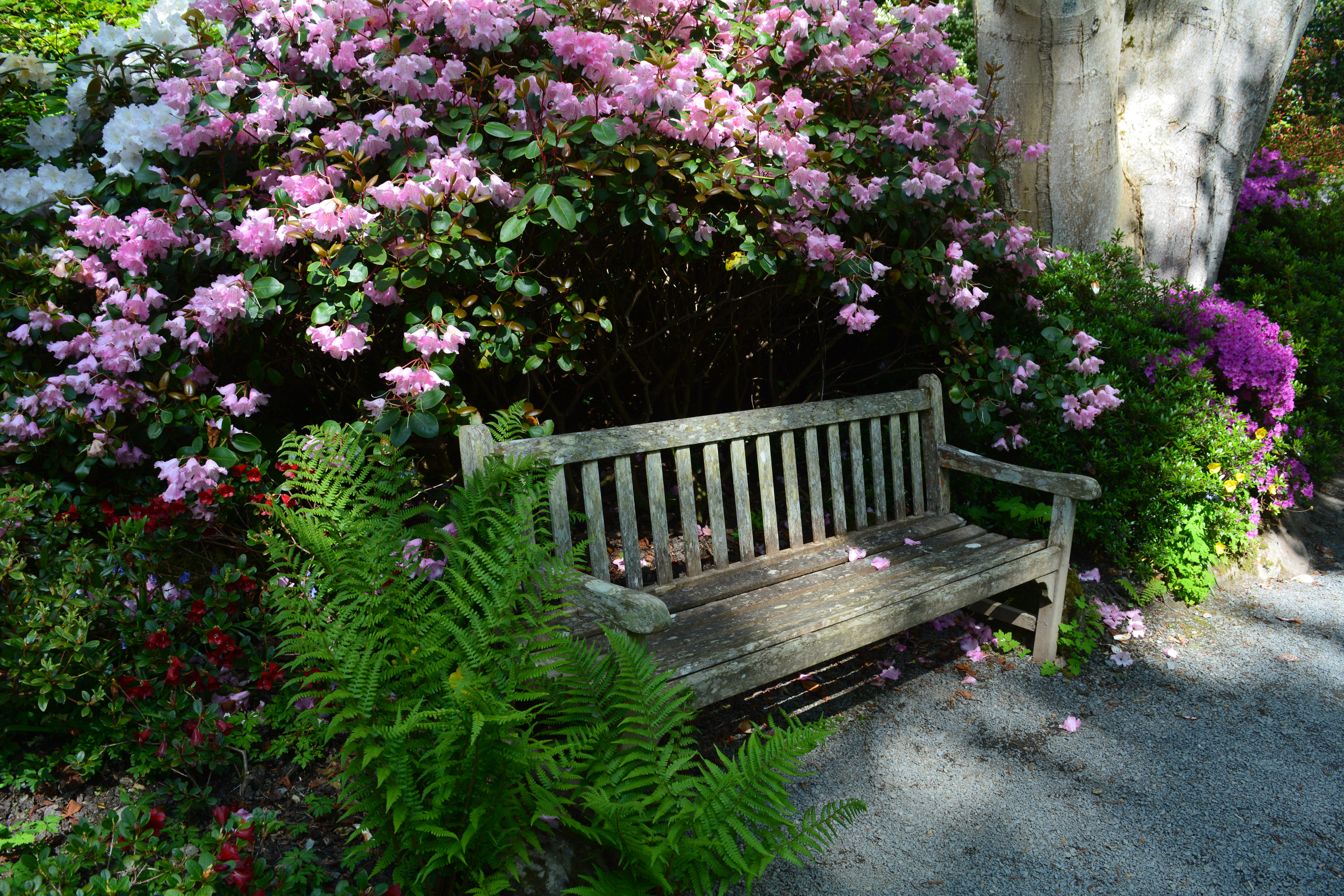
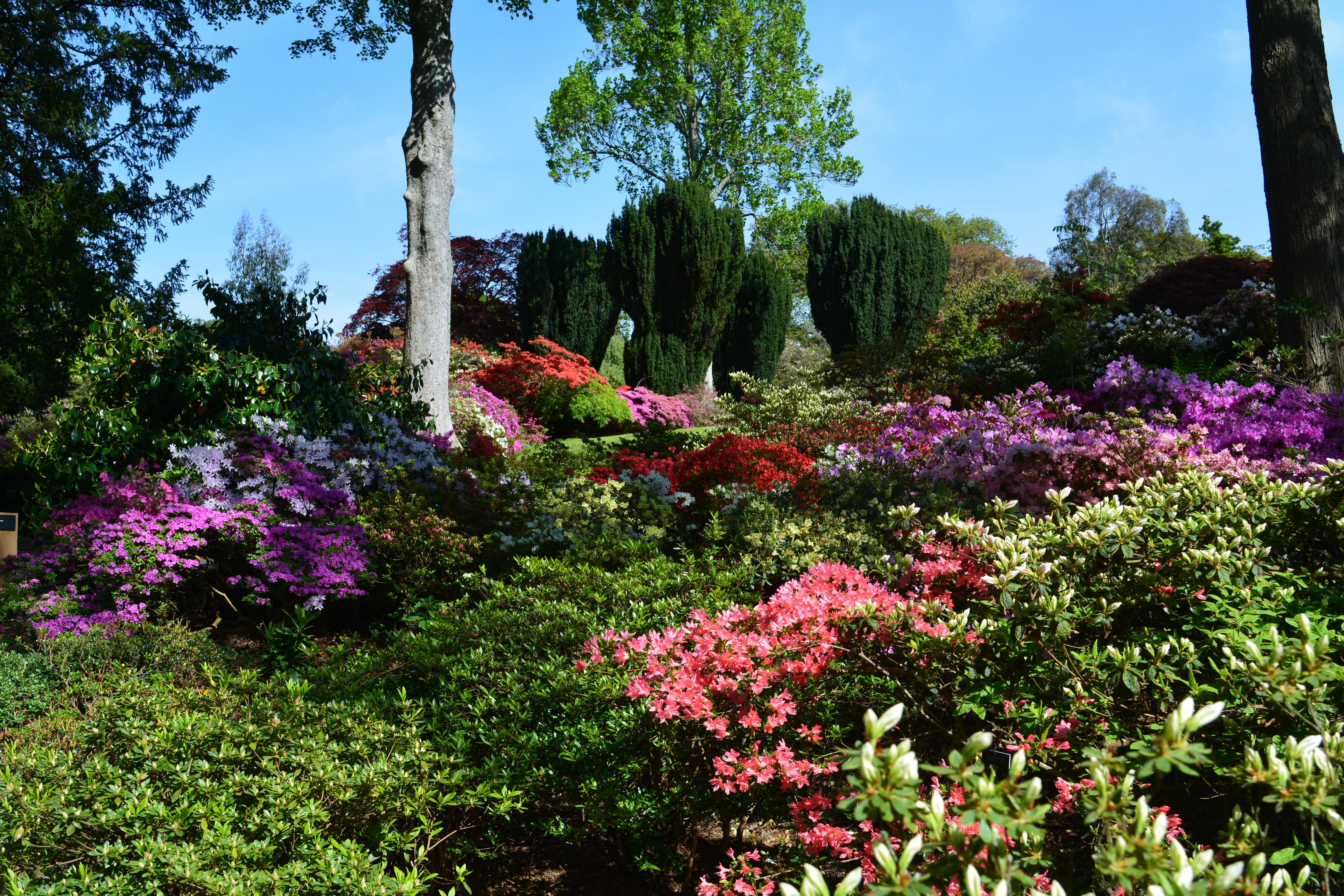
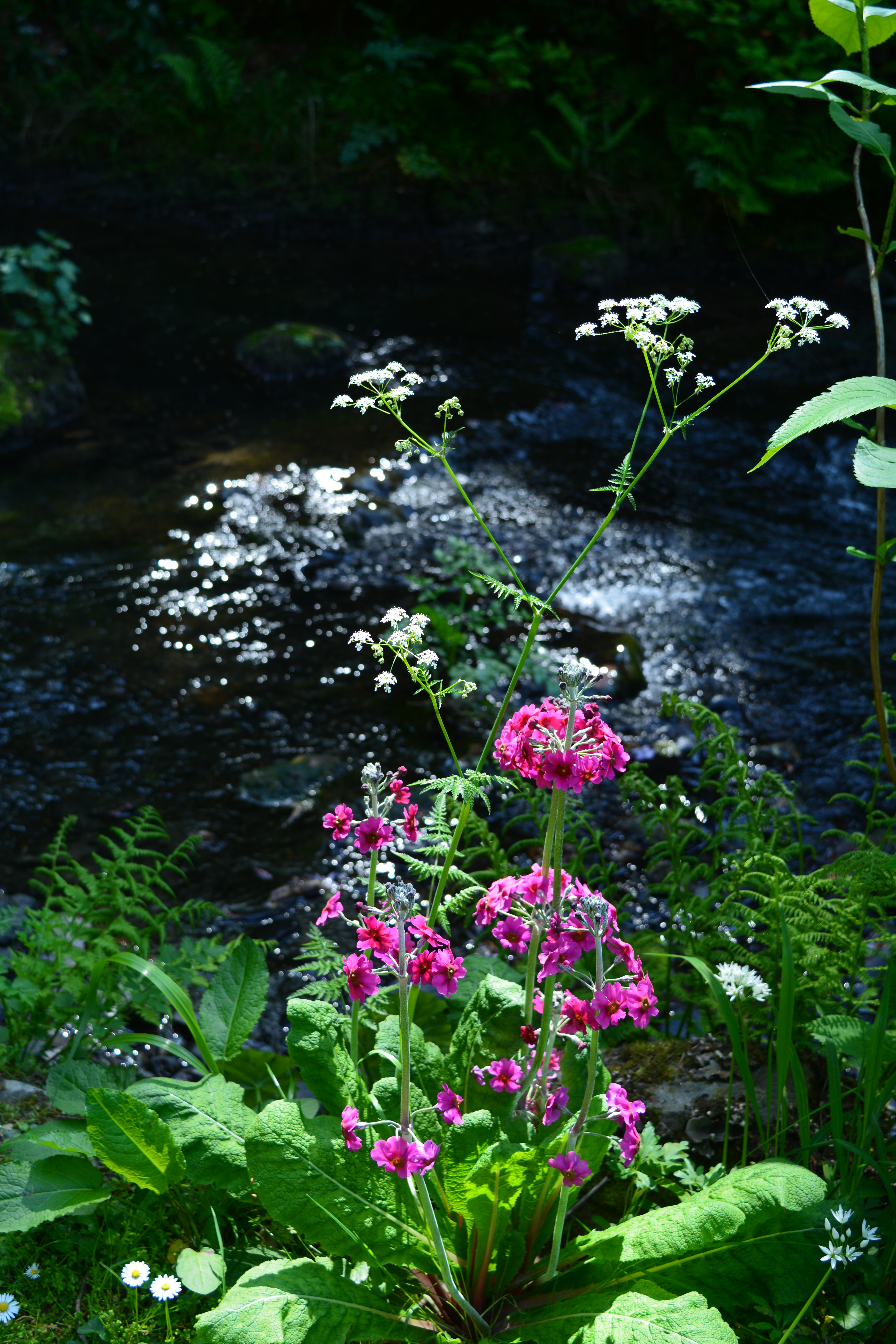
Categories
garden design garden paths garden photography garden pools garden seat garden seating gardening gardens gardens open to the public hardy perennials lakes National Garden Scheme NGS ornamental trees and shrubs outdoor sculpture pathways Shropshire shrubs spring gardening trees Yellow Book Gardens

The NGS get together at Hodnet

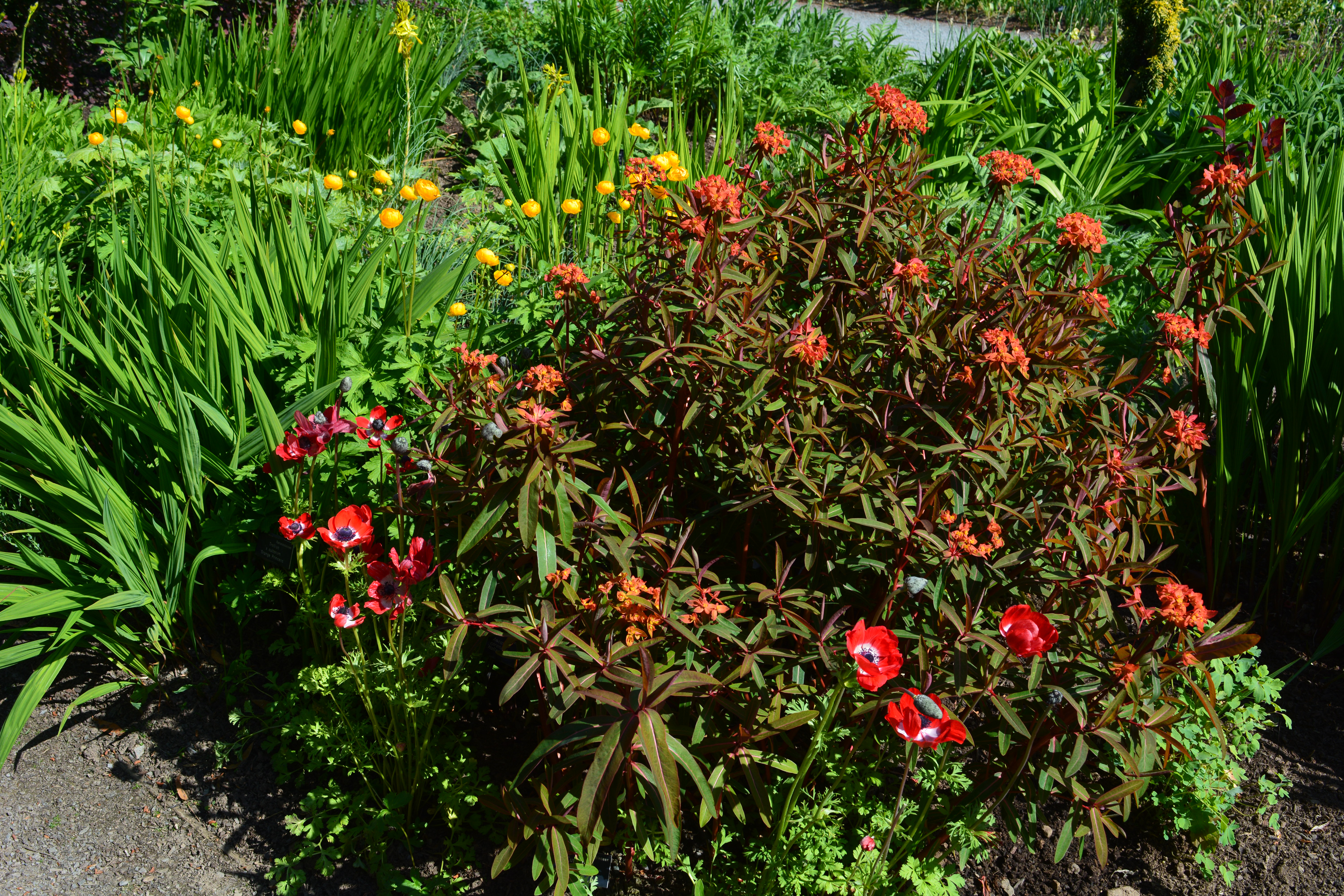
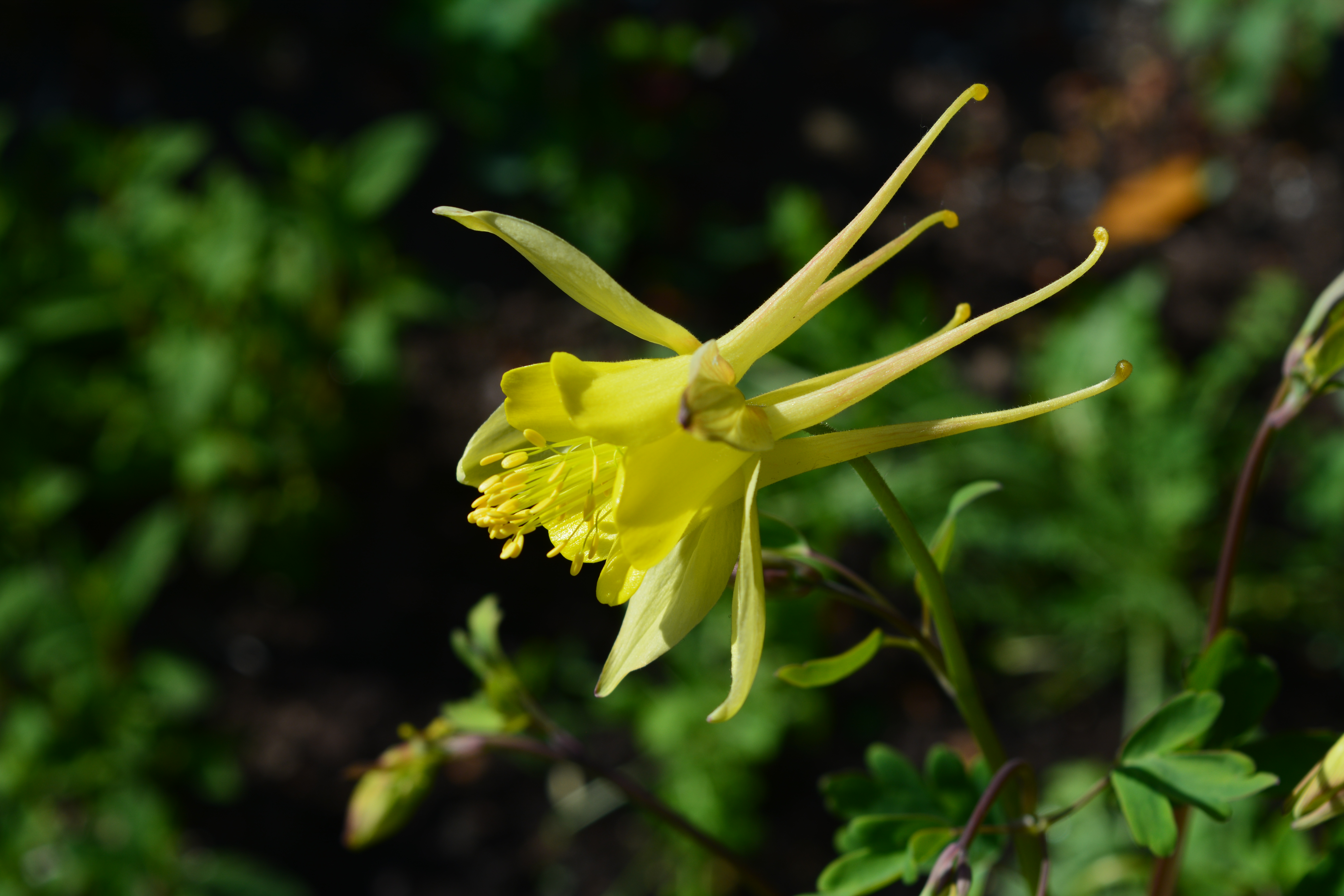
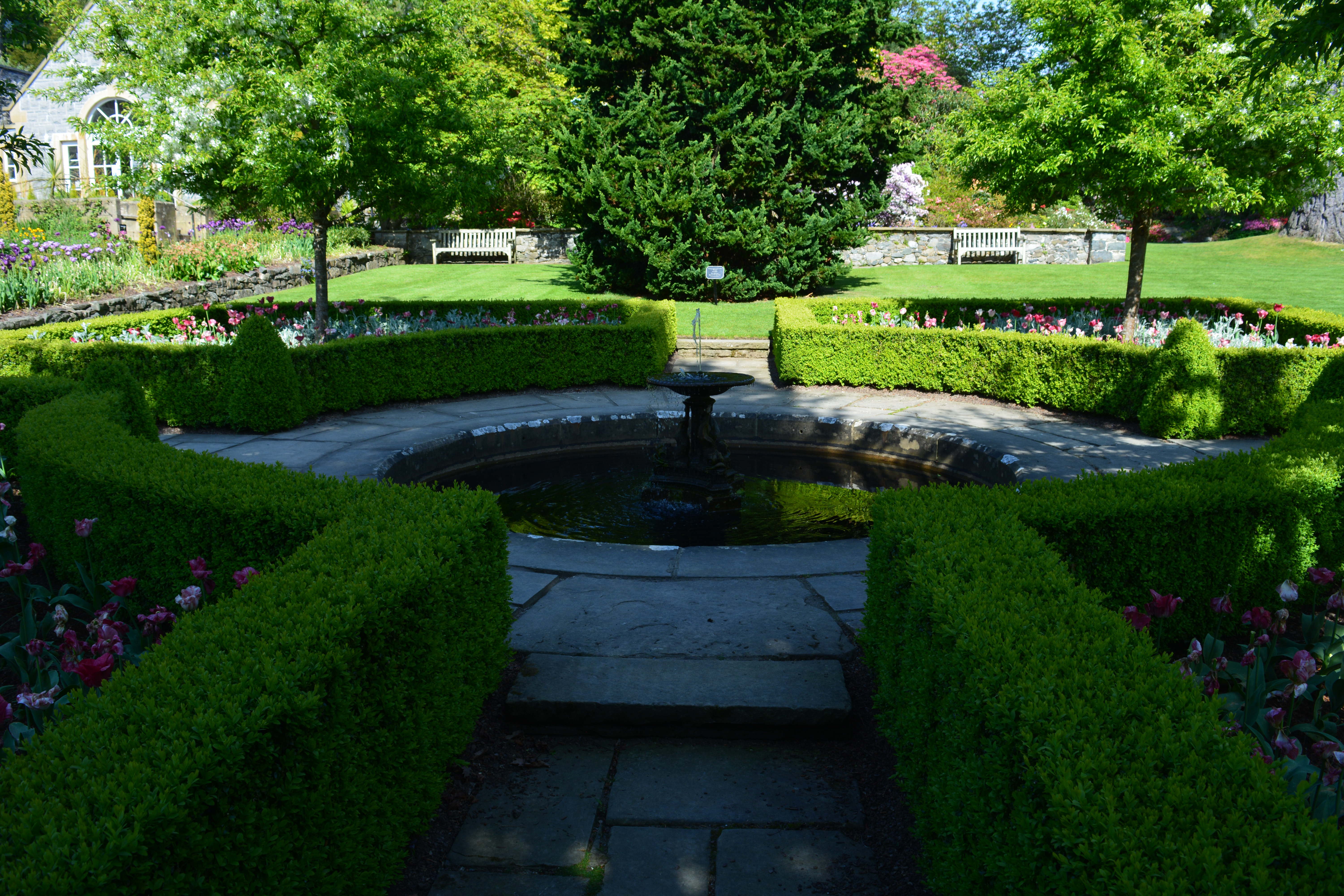
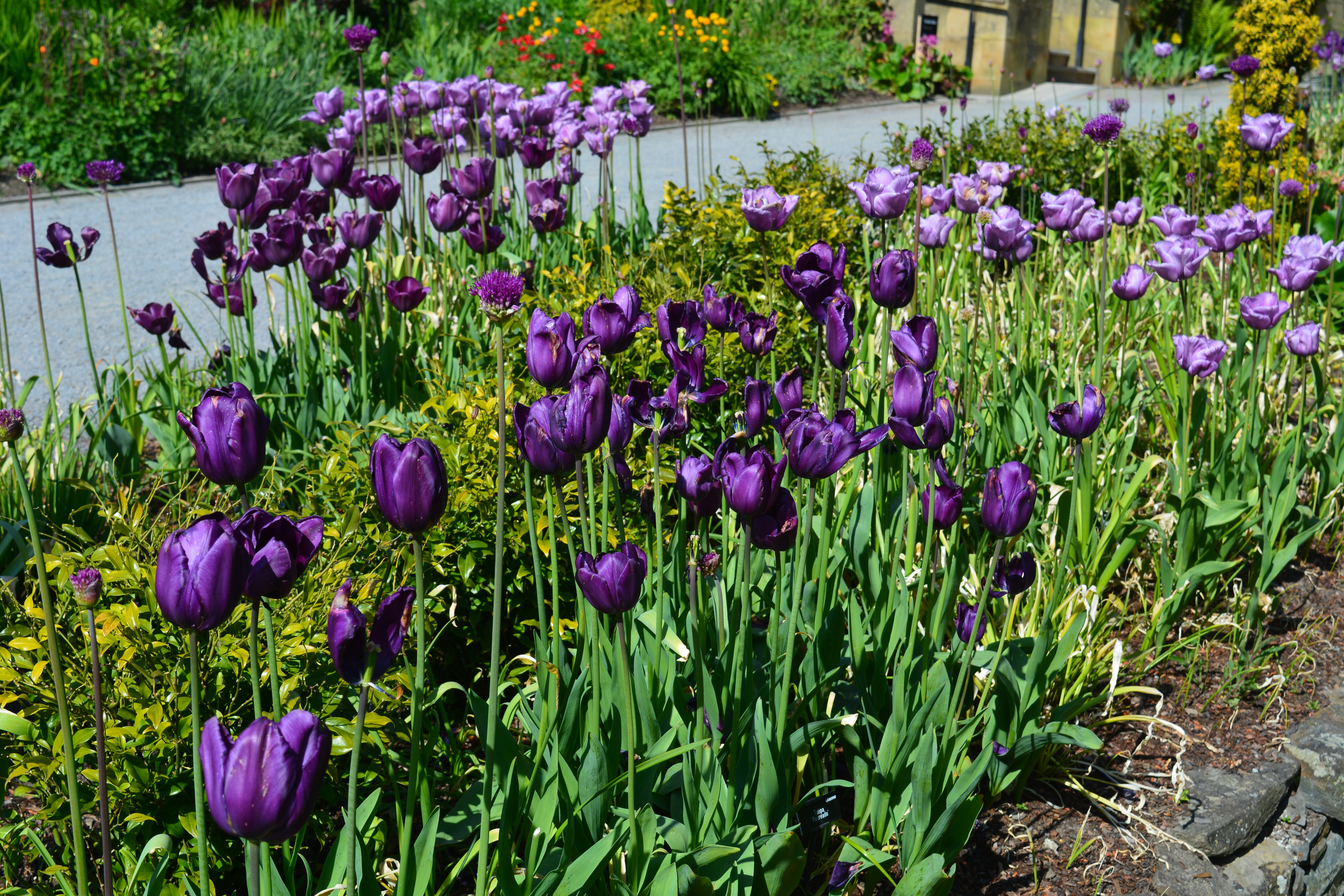
Every year in late March we attend a get together with the NGS county organiser and the garden openers. This year was our friend Allison’s first year as county organiser and as her garden is small she had to arrange an alternative venue. To everyone’s delight the owner of Hodnet Hall and Gardens offered the use of his restaurant and also allowed us free range of the gardens. We were in for a treat!

To start off with we were warmly greeted by the car park attendants, Martin and George, then after parking up as we reached the courtyard fronting the restaurant building, we received more warm welcomes from Allison, our County Organiser, and Sir Algernon Heber-Percy the owner of the hall and its garden. He formally welcomed us all with a humorous speech. After informative talks by representatives of MacMillan Nurses and Horatio’s Gardens we indulged in a sumptuous meal.

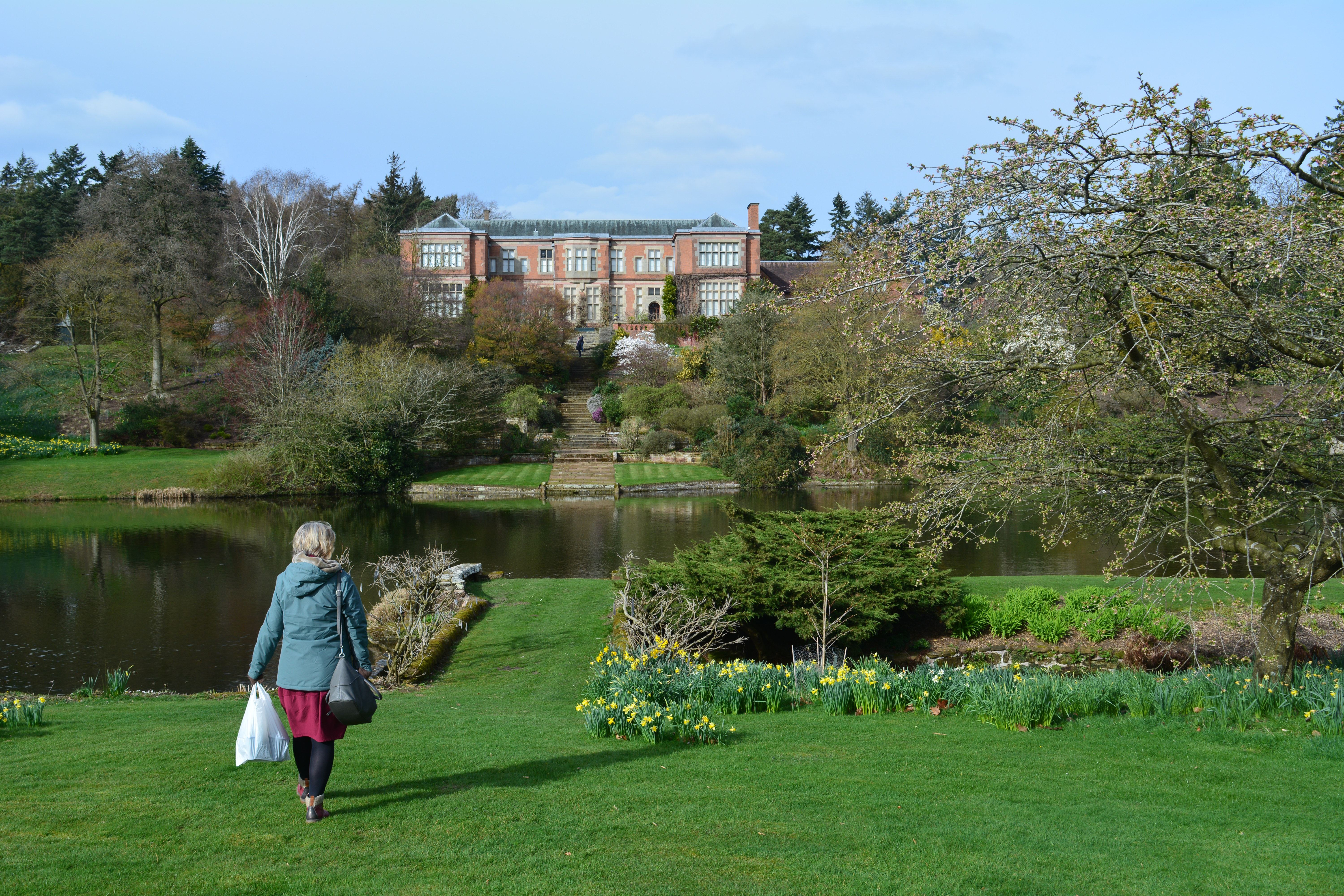
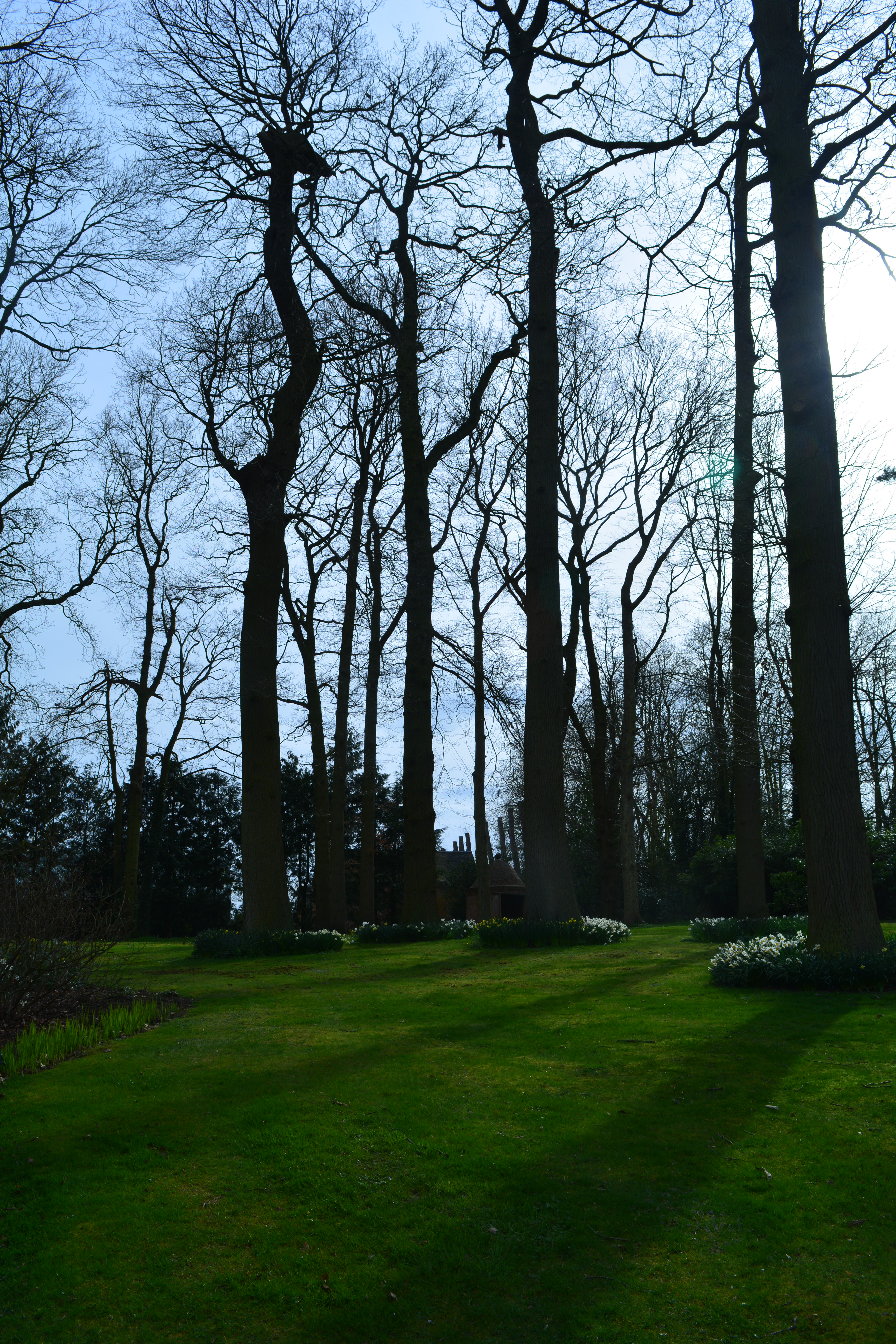
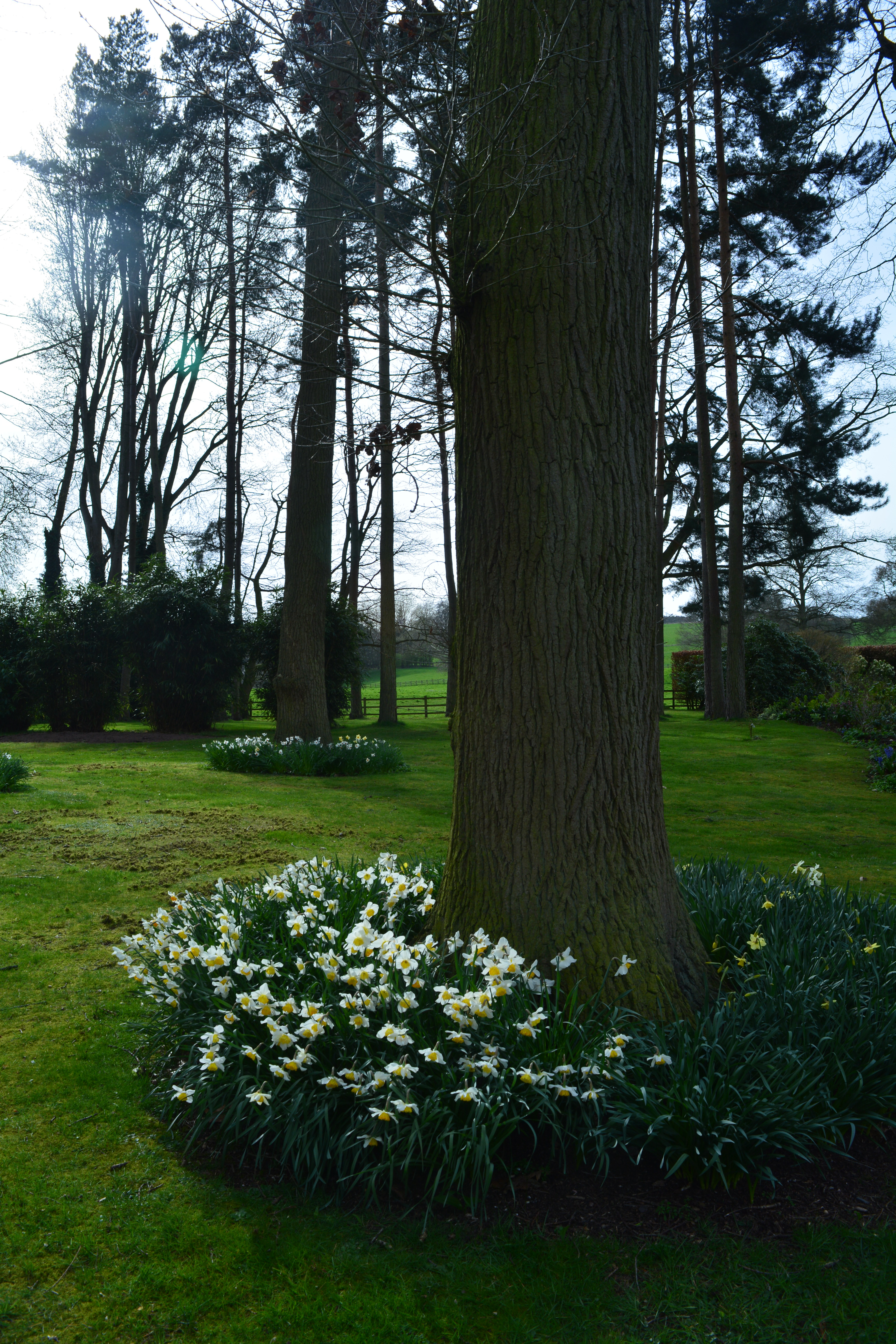
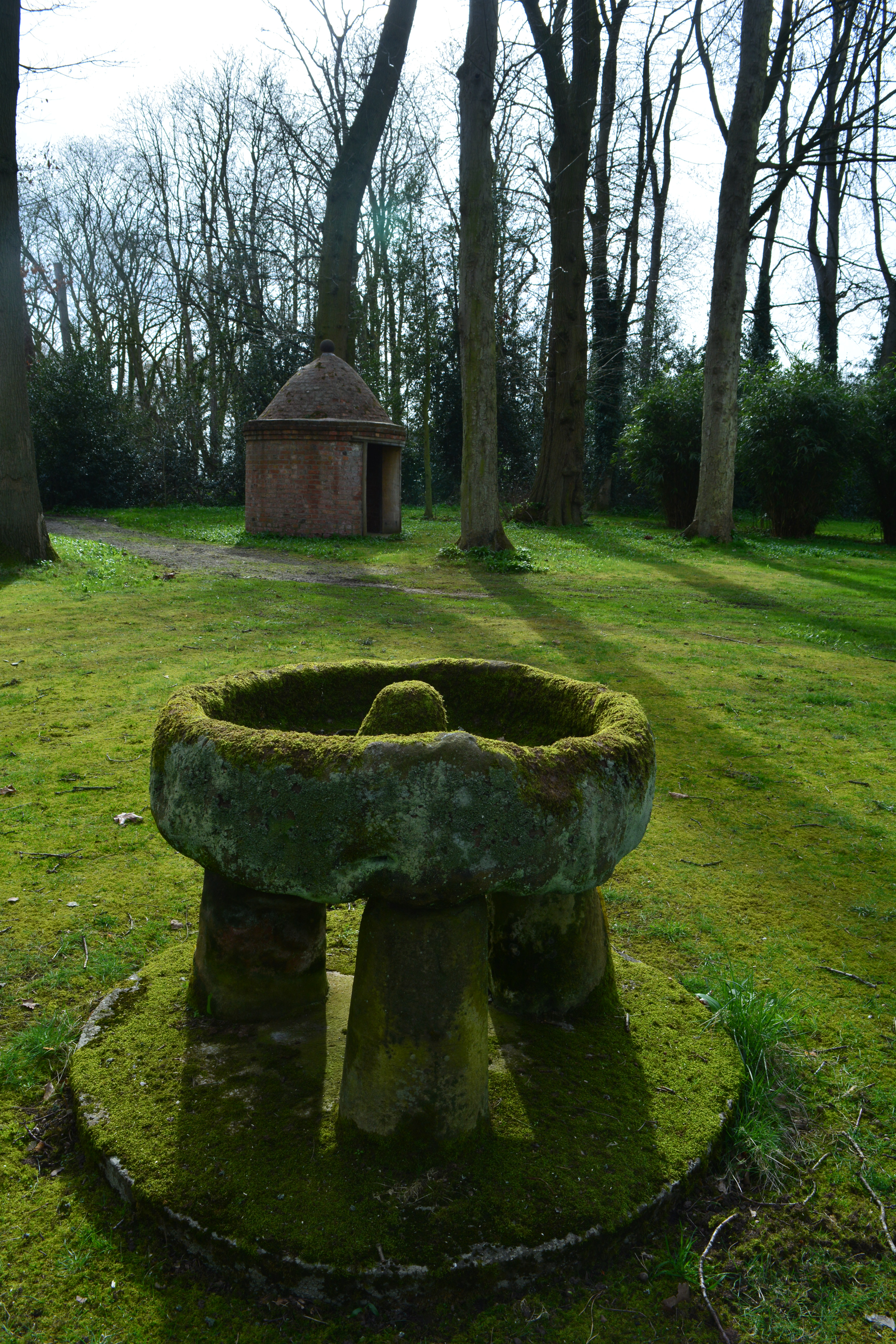
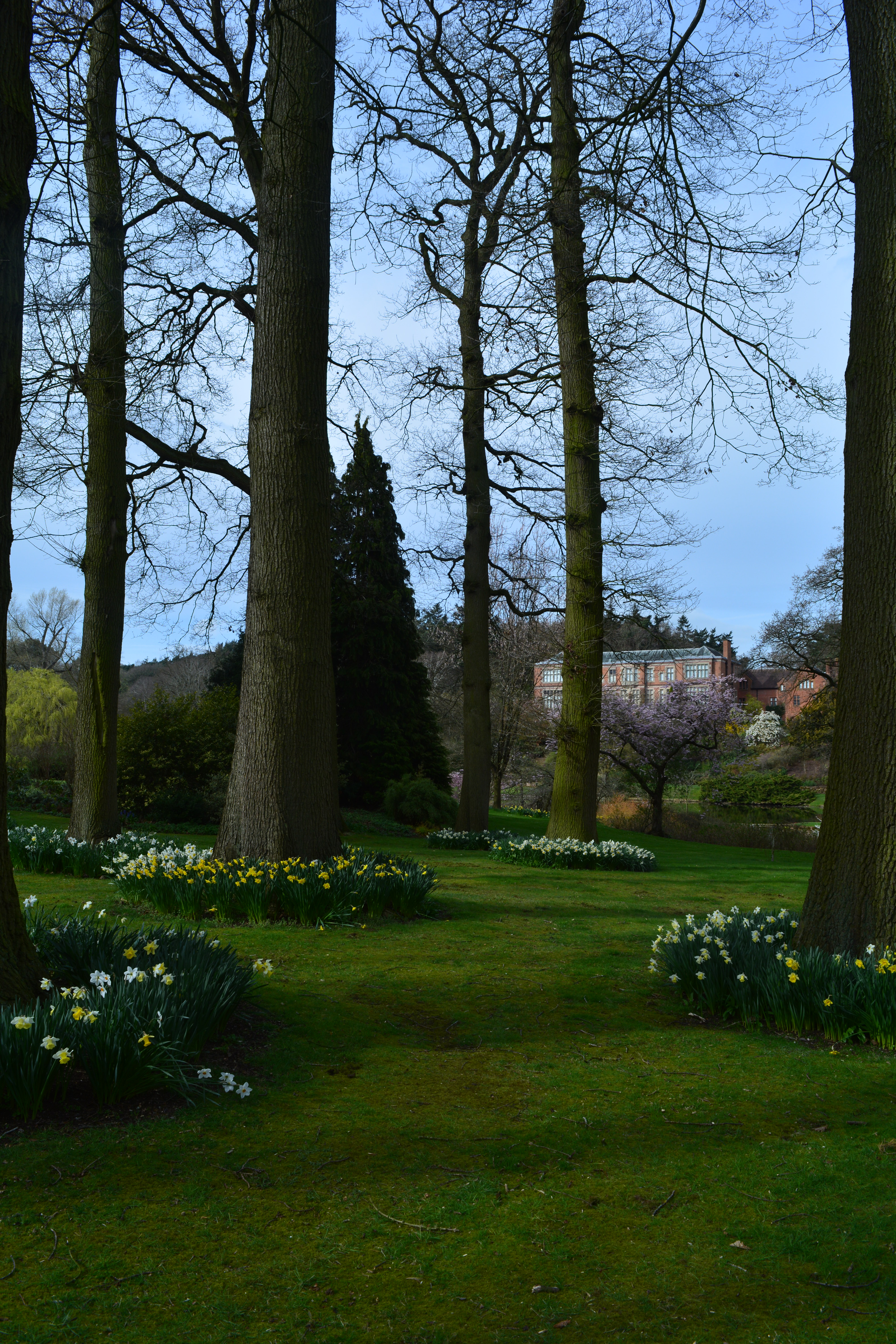
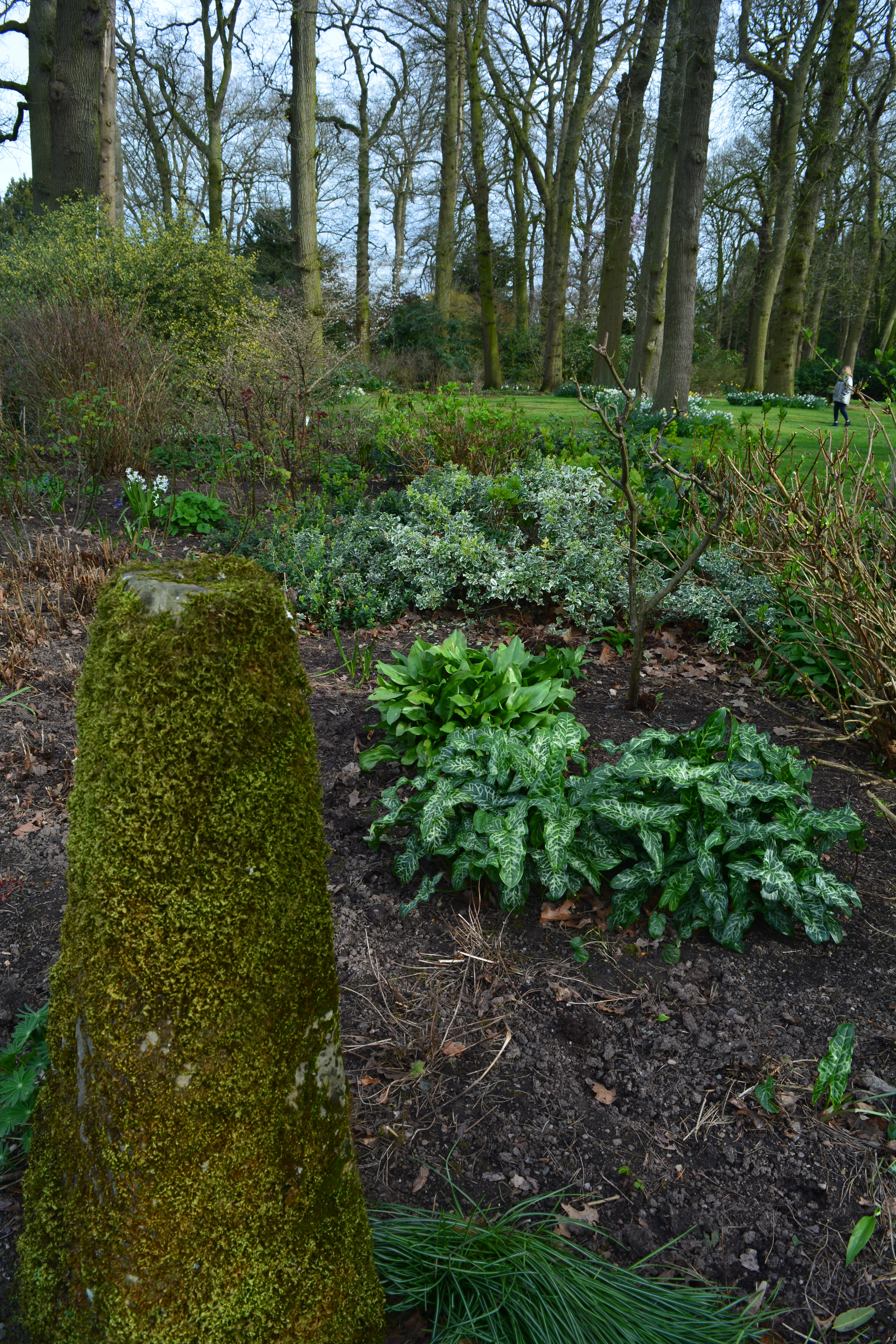
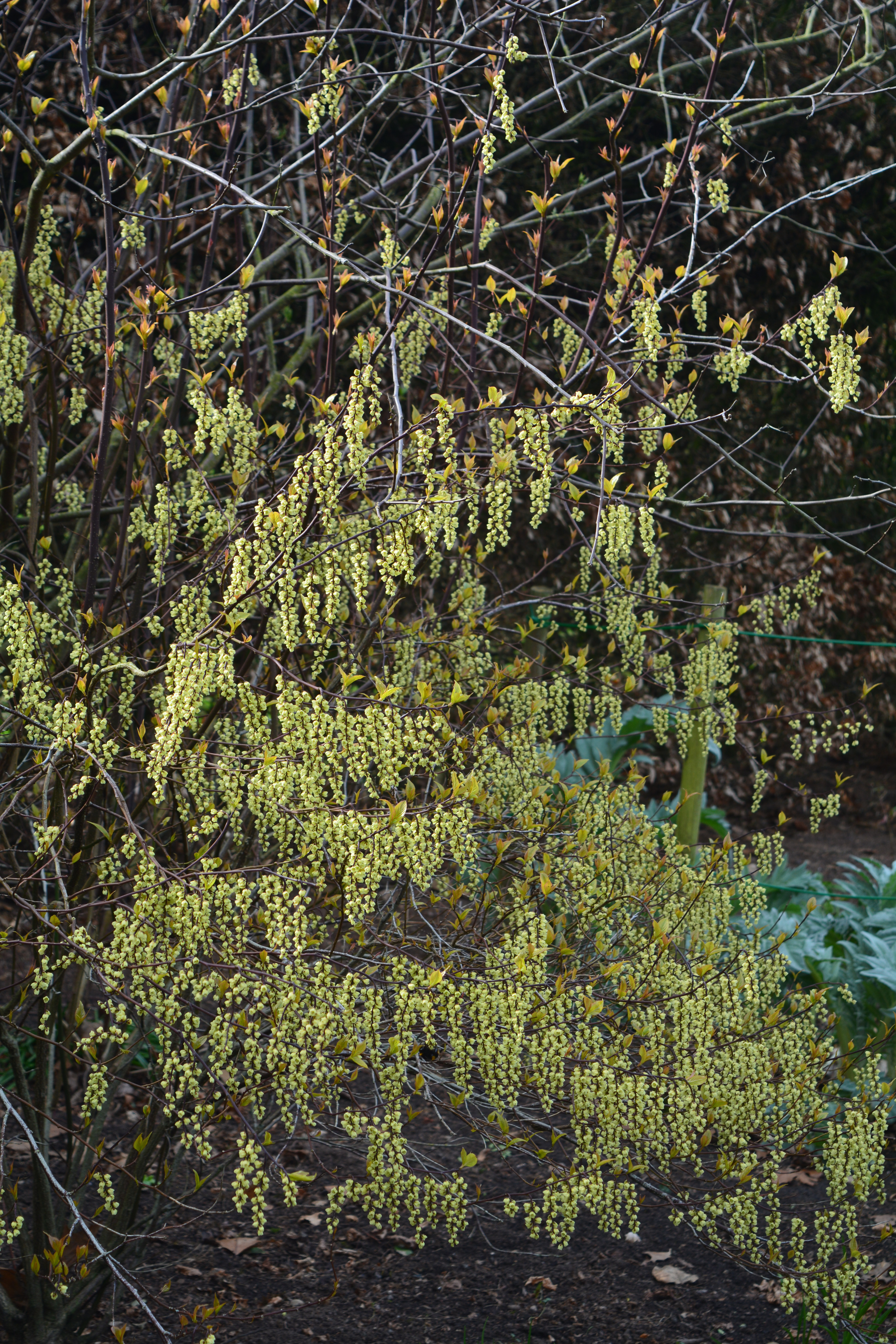
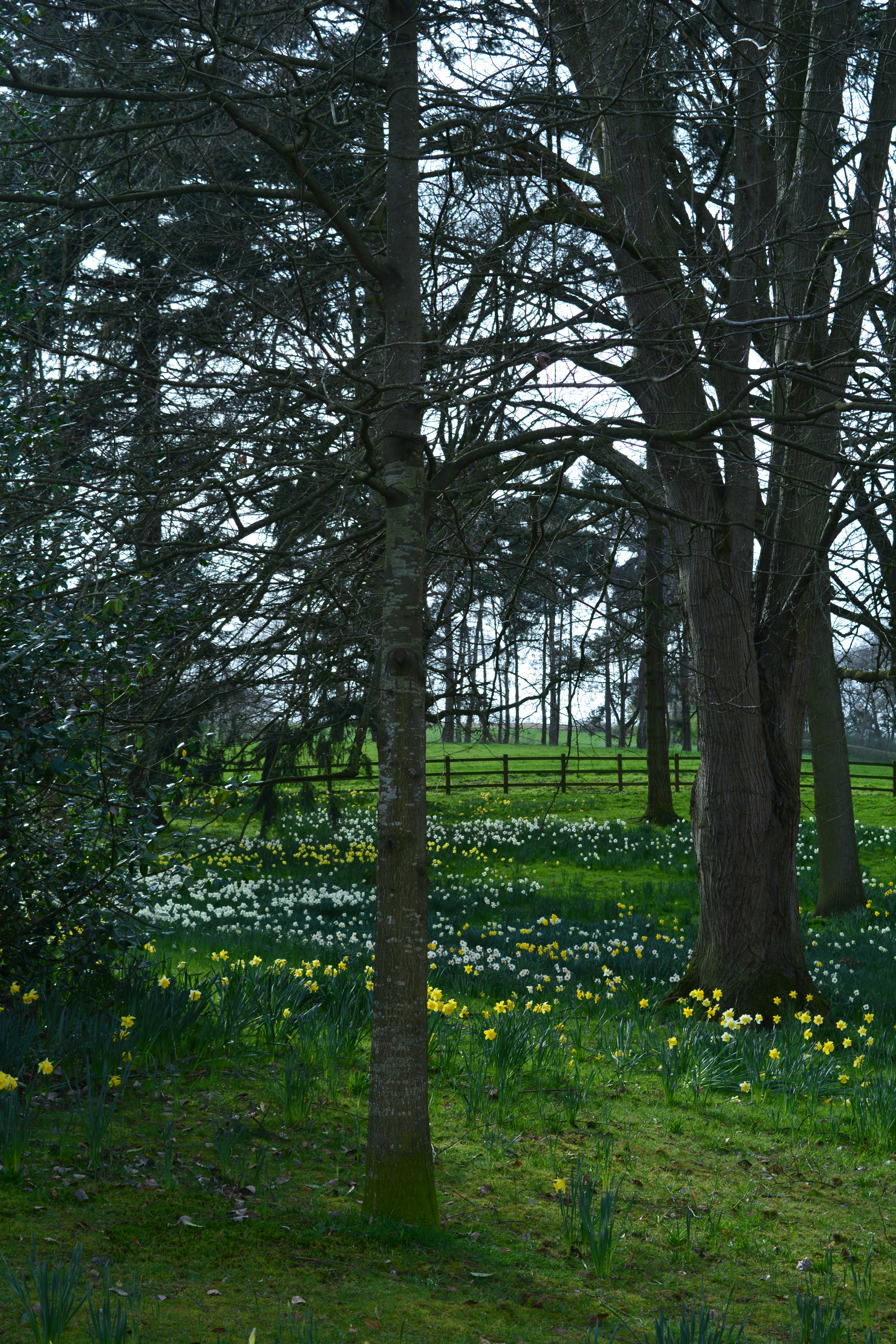
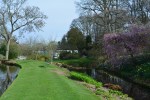
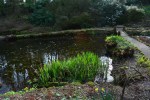
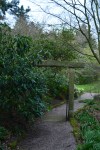
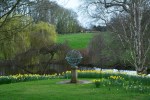
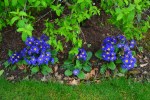
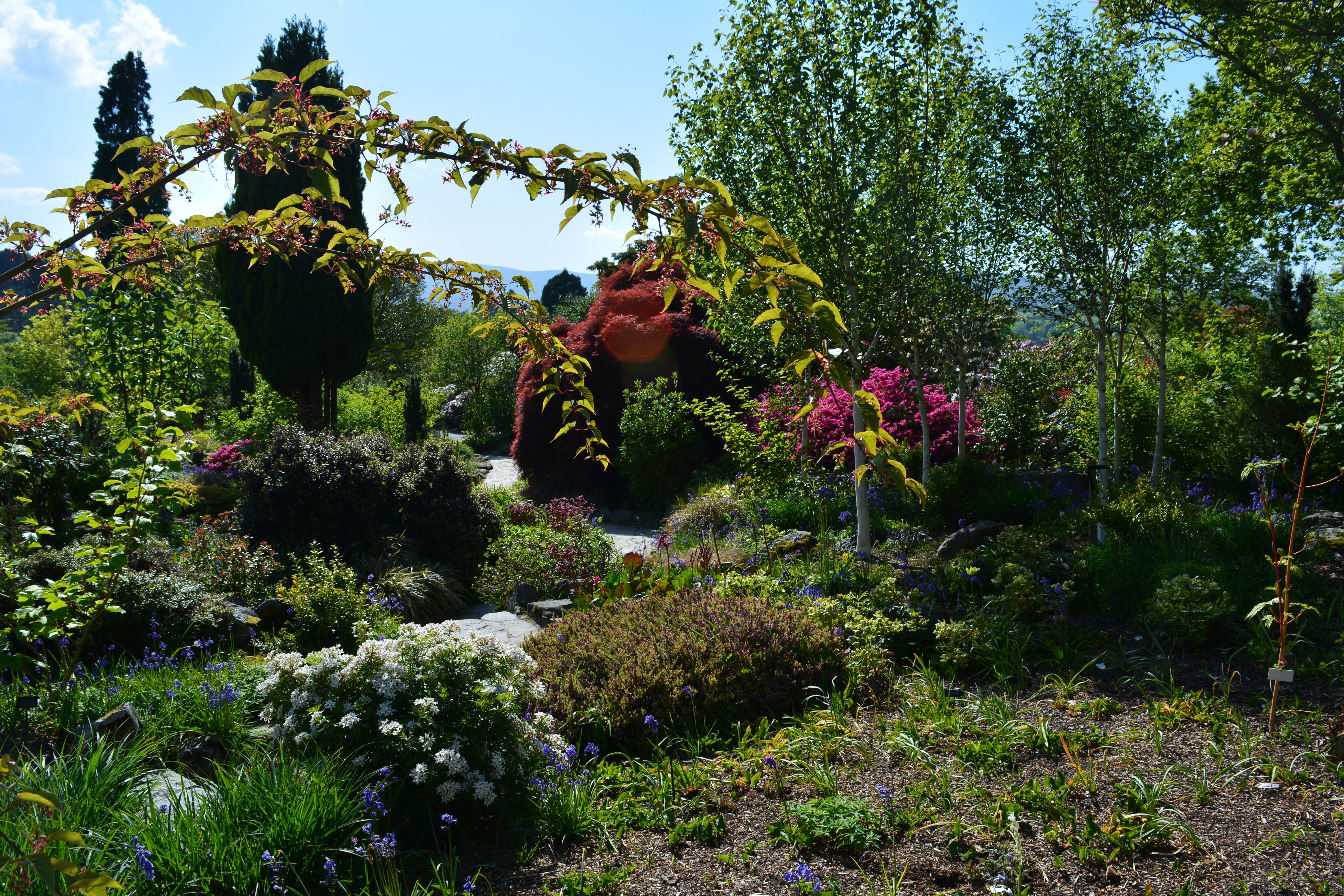
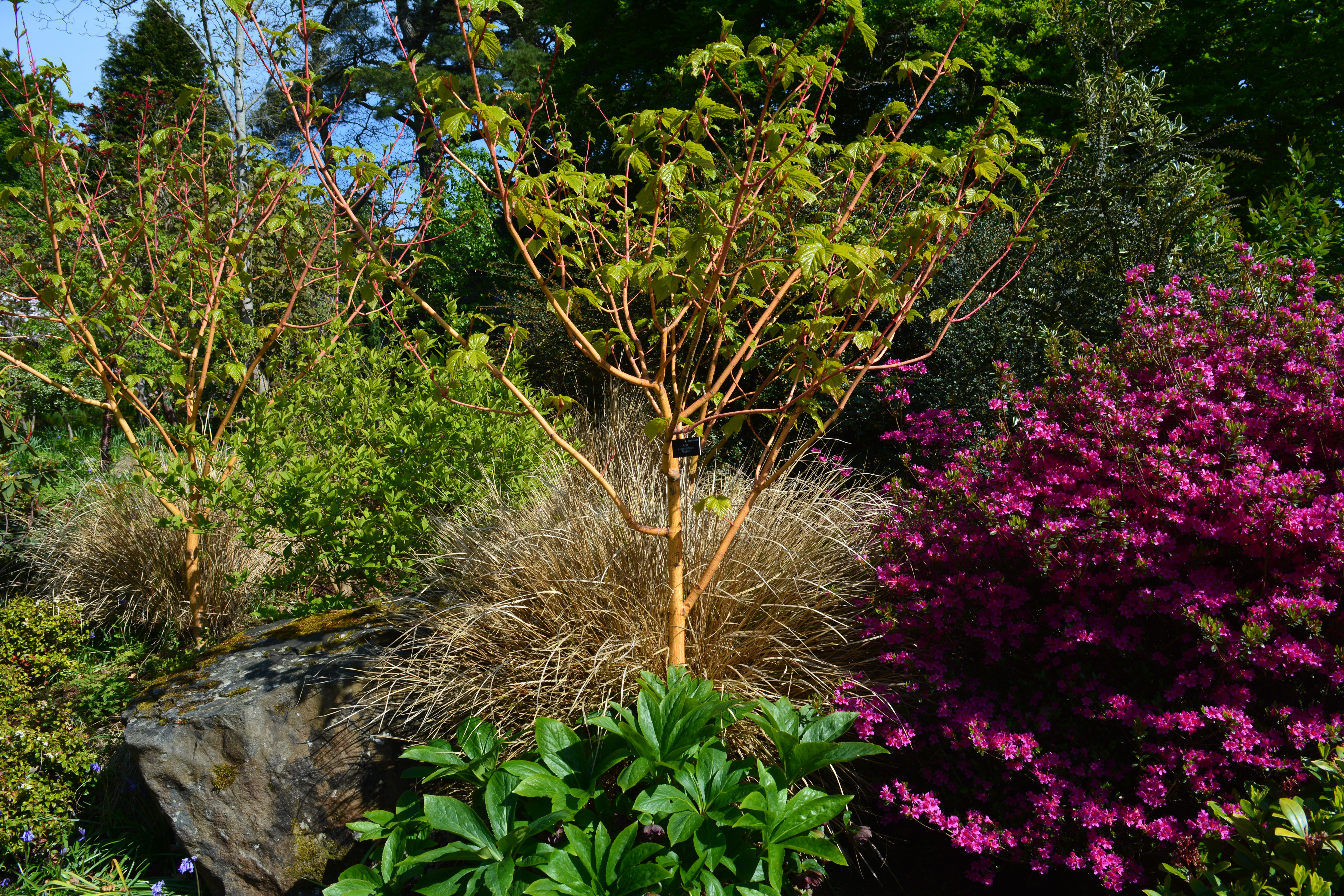
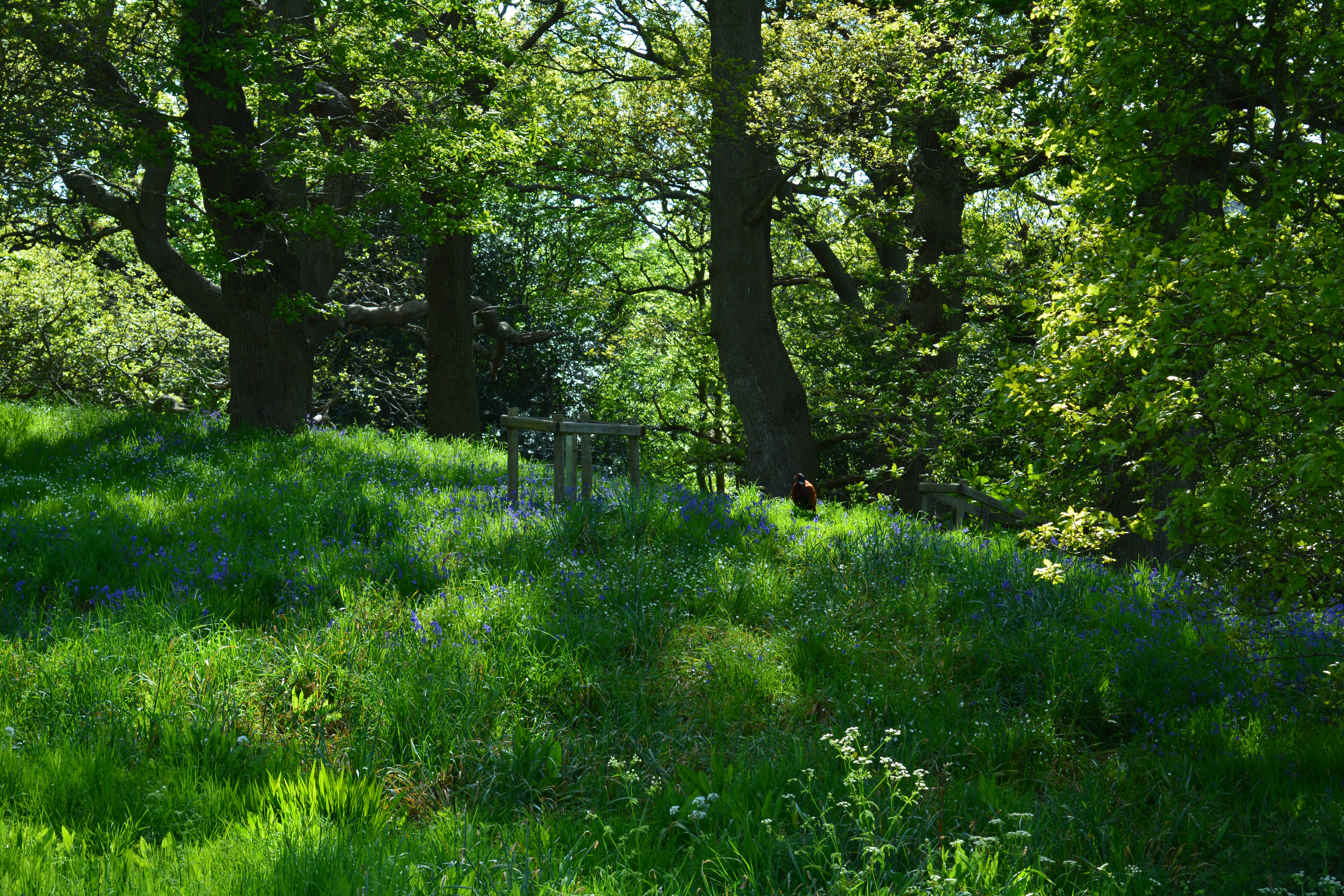
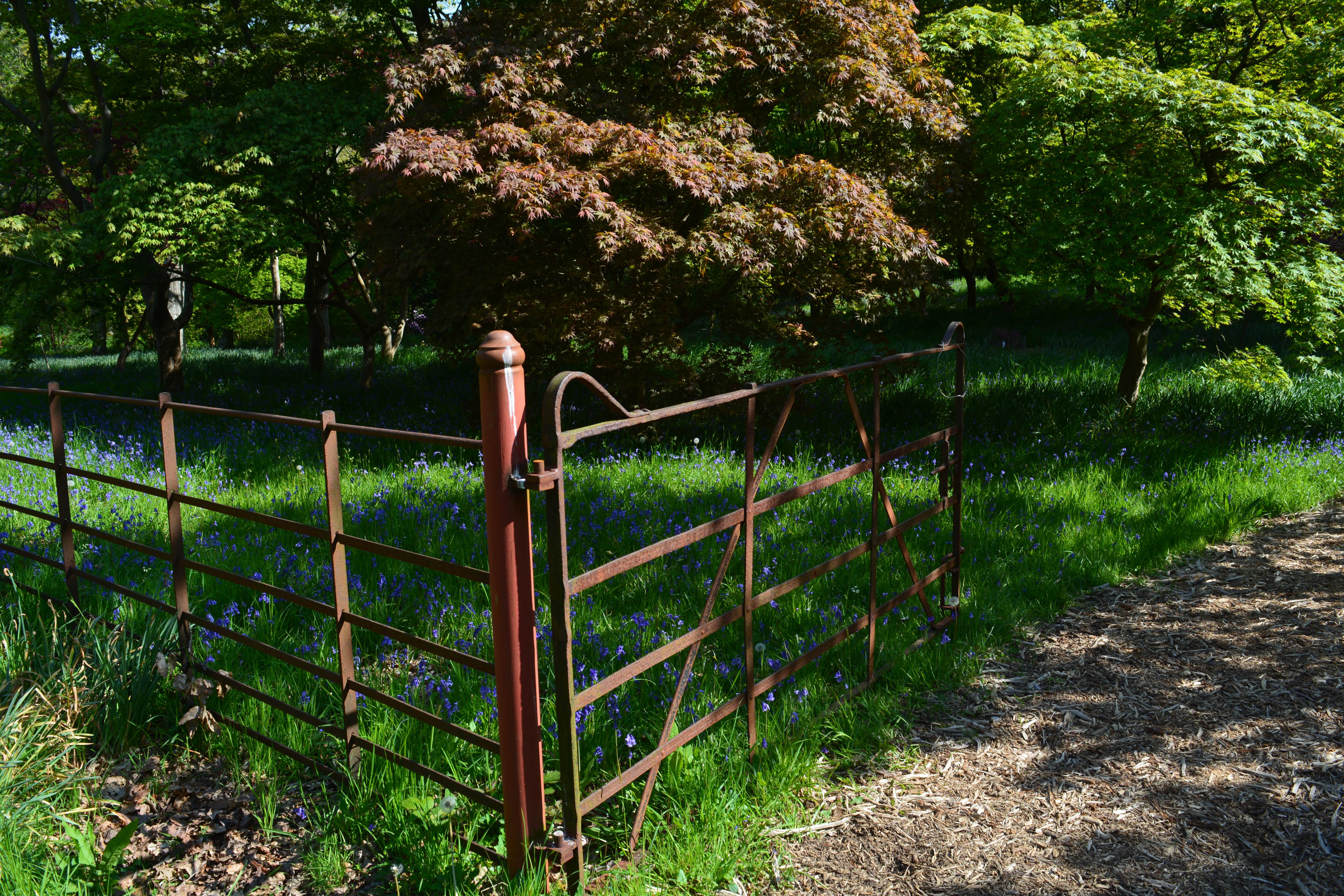
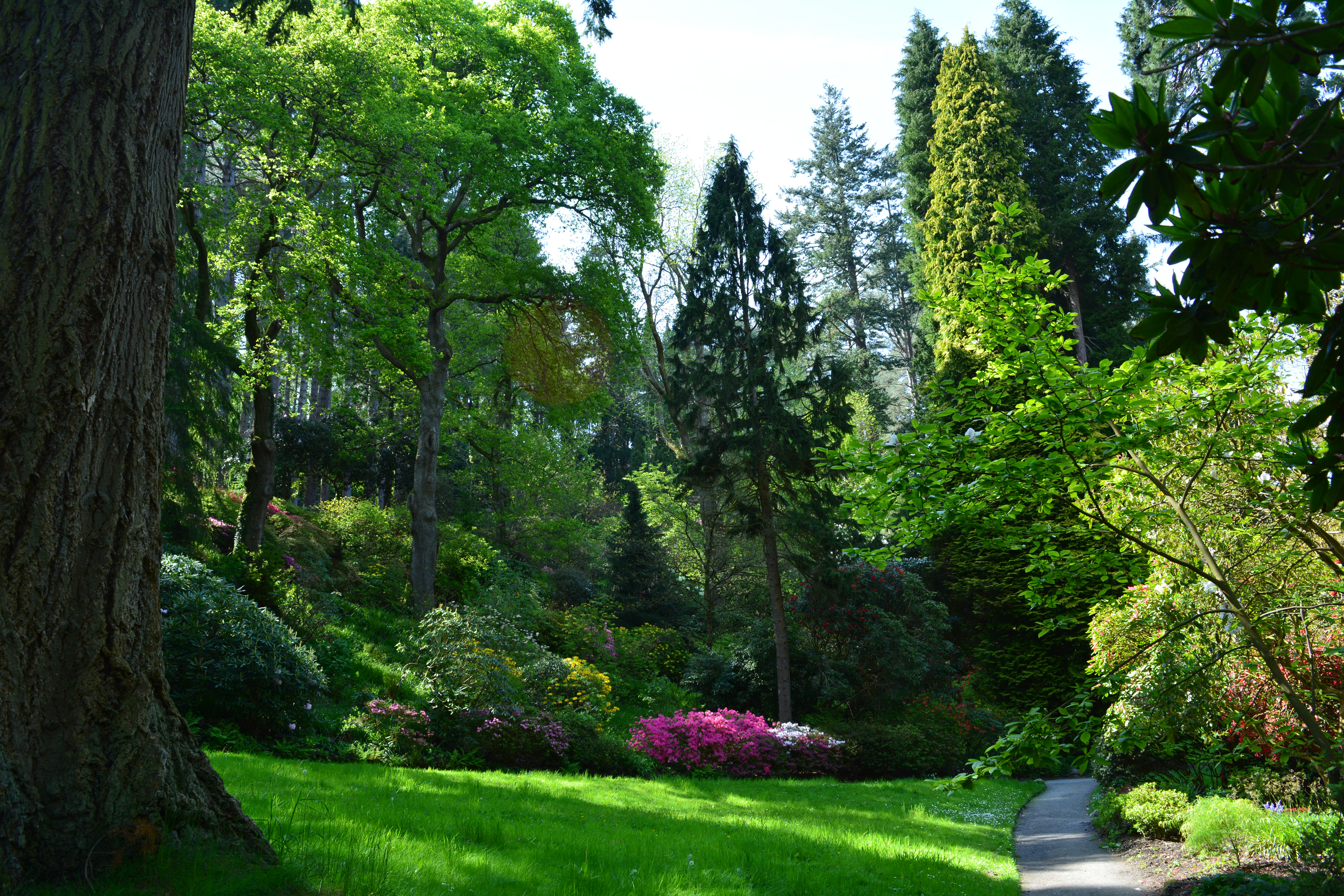
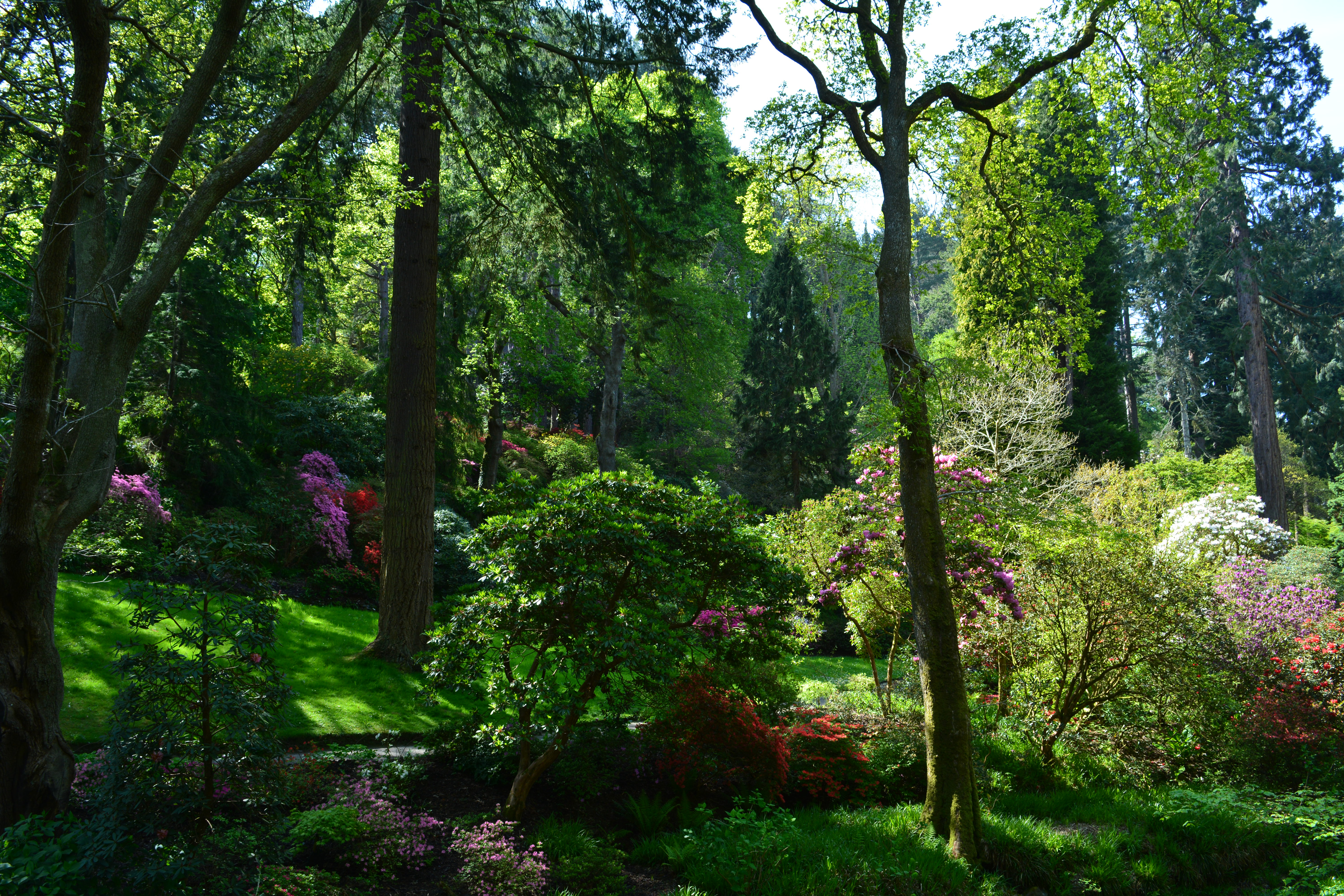
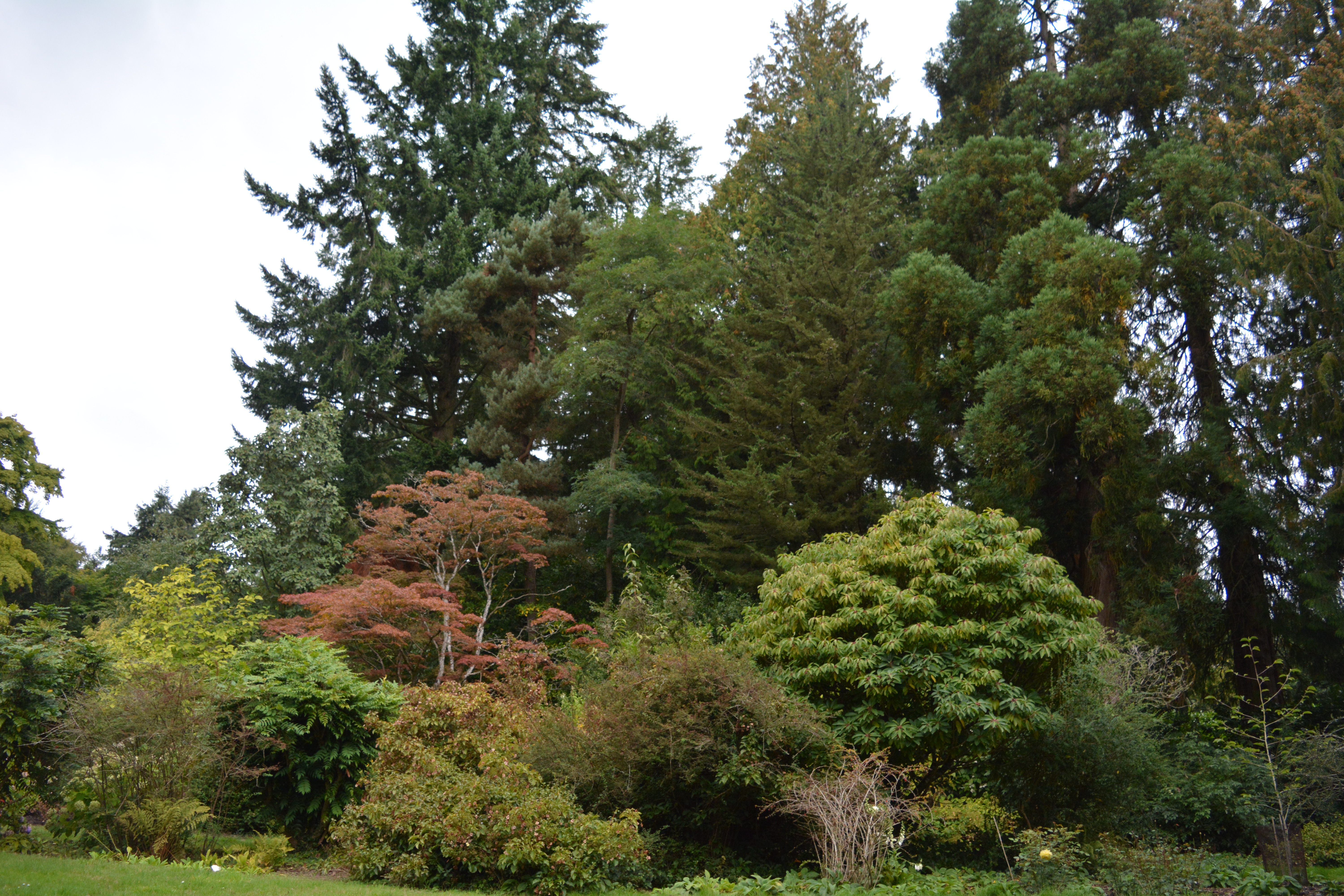
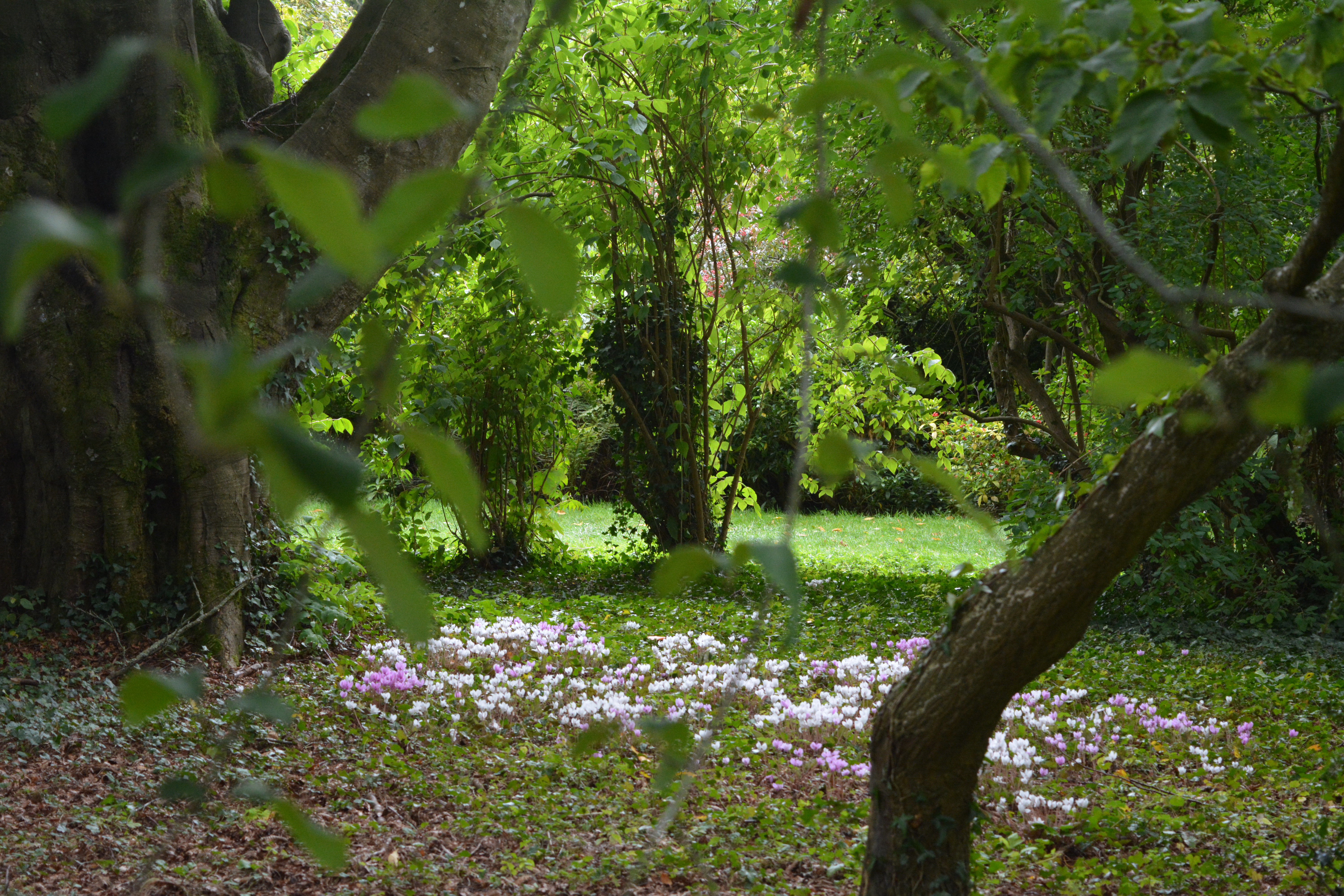
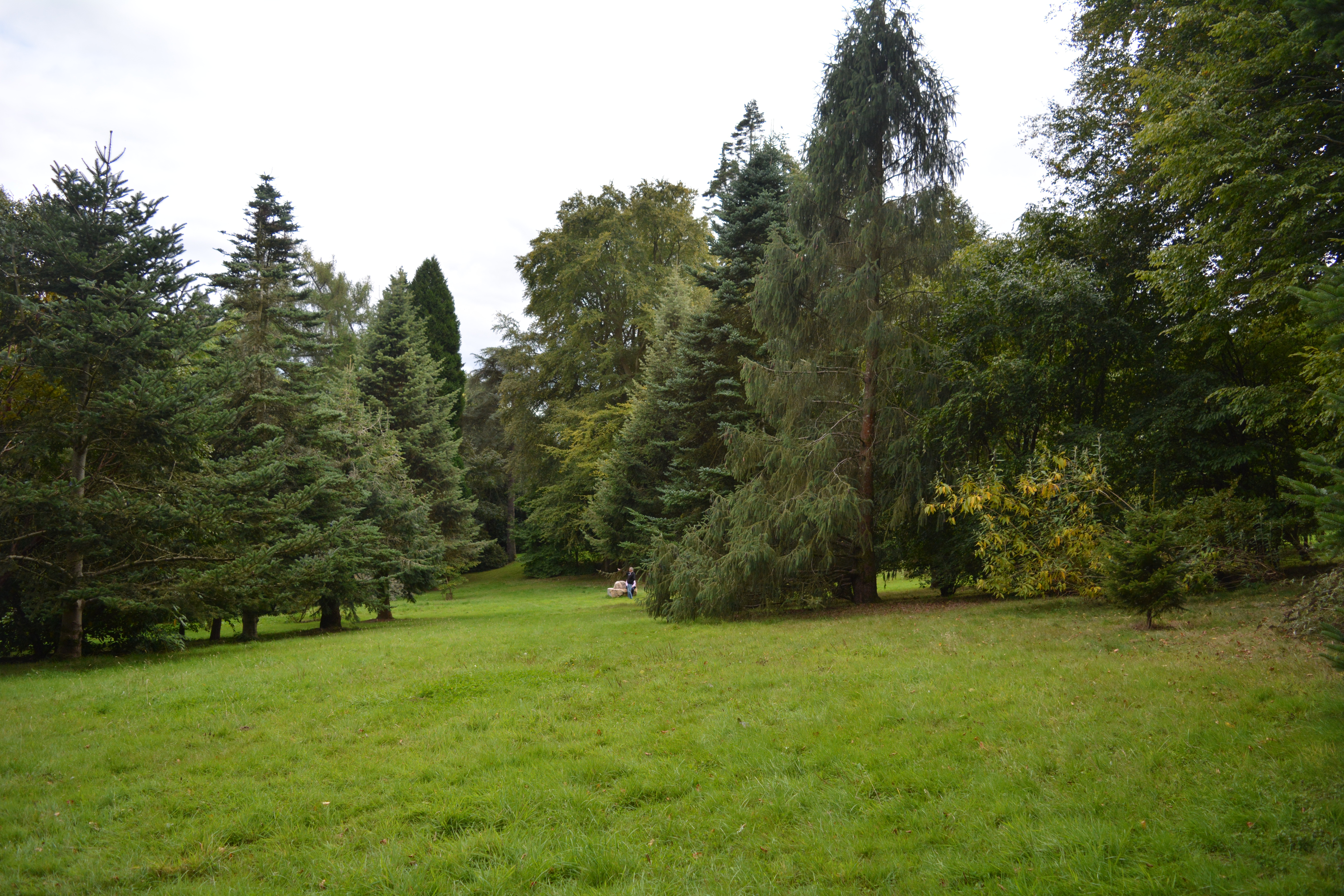
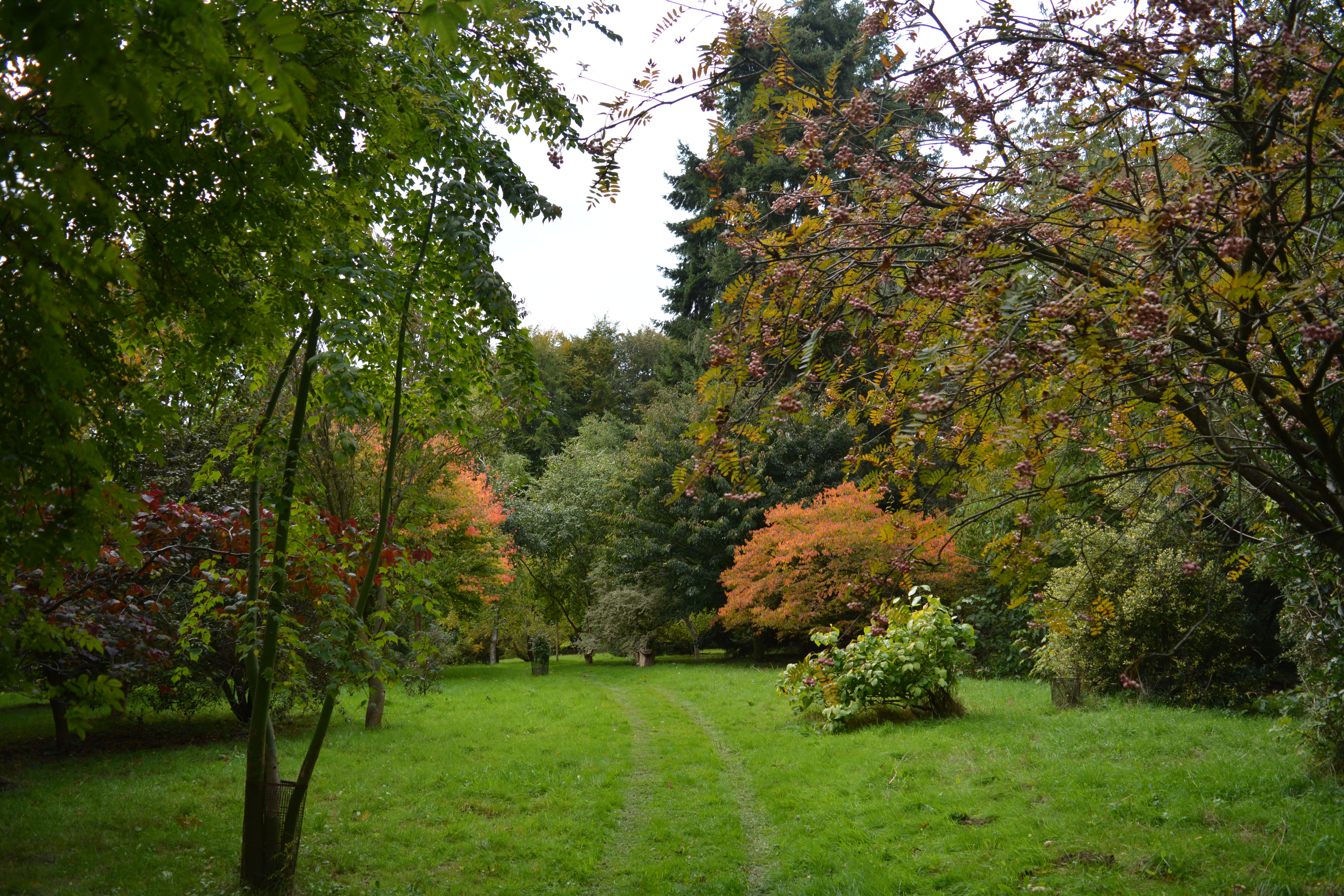
Then we were left to explore the gardens, all 60 acres of it! We began our exploration by following a small flight of stone steps into an area of tall mature trees and then moved on to take a slow wander around the string of lakes and back to the borders below the hall itself.

I will continue the tour by sharing a gallery of photographs with you. As usual click on the first pic and navigate using the arrows.

So that was our day out at Hodnet Hall – a great time was had by all! I wonder what next year’s NGS get together will entail!

For information Hodnet Hall is open for the NGS but does have other opening dates throughout the year so do check them out.

Categories
garden arches garden design garden photography gardening gardens gardens open to the public grasses ornamental grasses ornamental trees and shrubs outdoor sculpture RHS

Returning from Cornwall – Part 1 – RHS Rosemore

We like to enjoy a few extra visits on our way back from any holiday we go on to extend our enjoyment, so we tend to book hotels partway back. On our way back from our Cornwall holiday we stopped off at a hotel in Devon so that we could visit RHS Garden Rosemore.

We try to visit all the RHS gardens every year if we can, so we know them well and tend to enjoy them at different times of the year. An early autumn visit to Rosemore was going to be a real treat. It is a garden of two halves, the newer section developed from scratch by the RHS and the older original garden donated to them.

The beauty of this garden is its overall design which can be discovered by exploring its series of differently themed rooms joined with walks across grass areas, through woodland and even under a road via a tunnel.

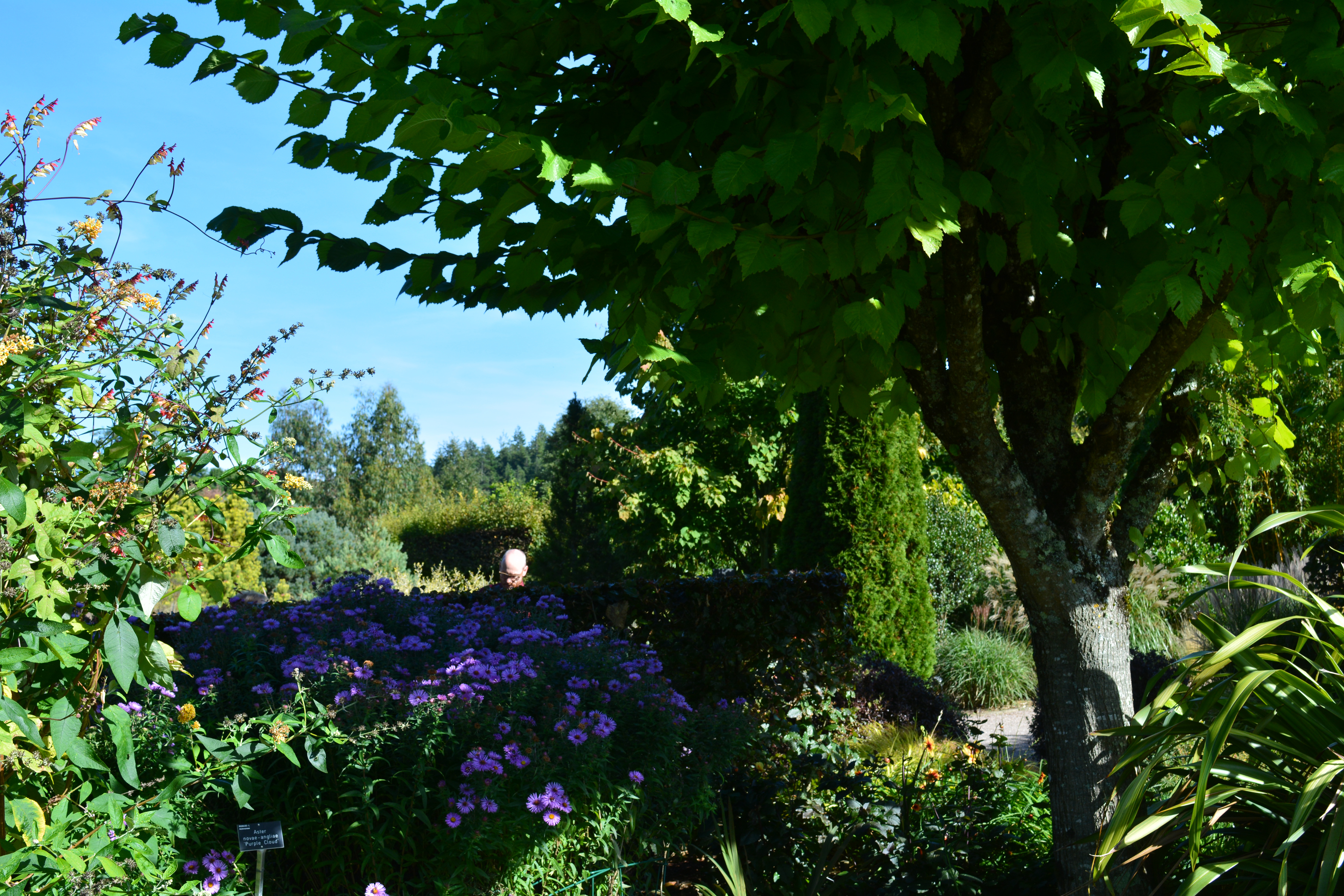
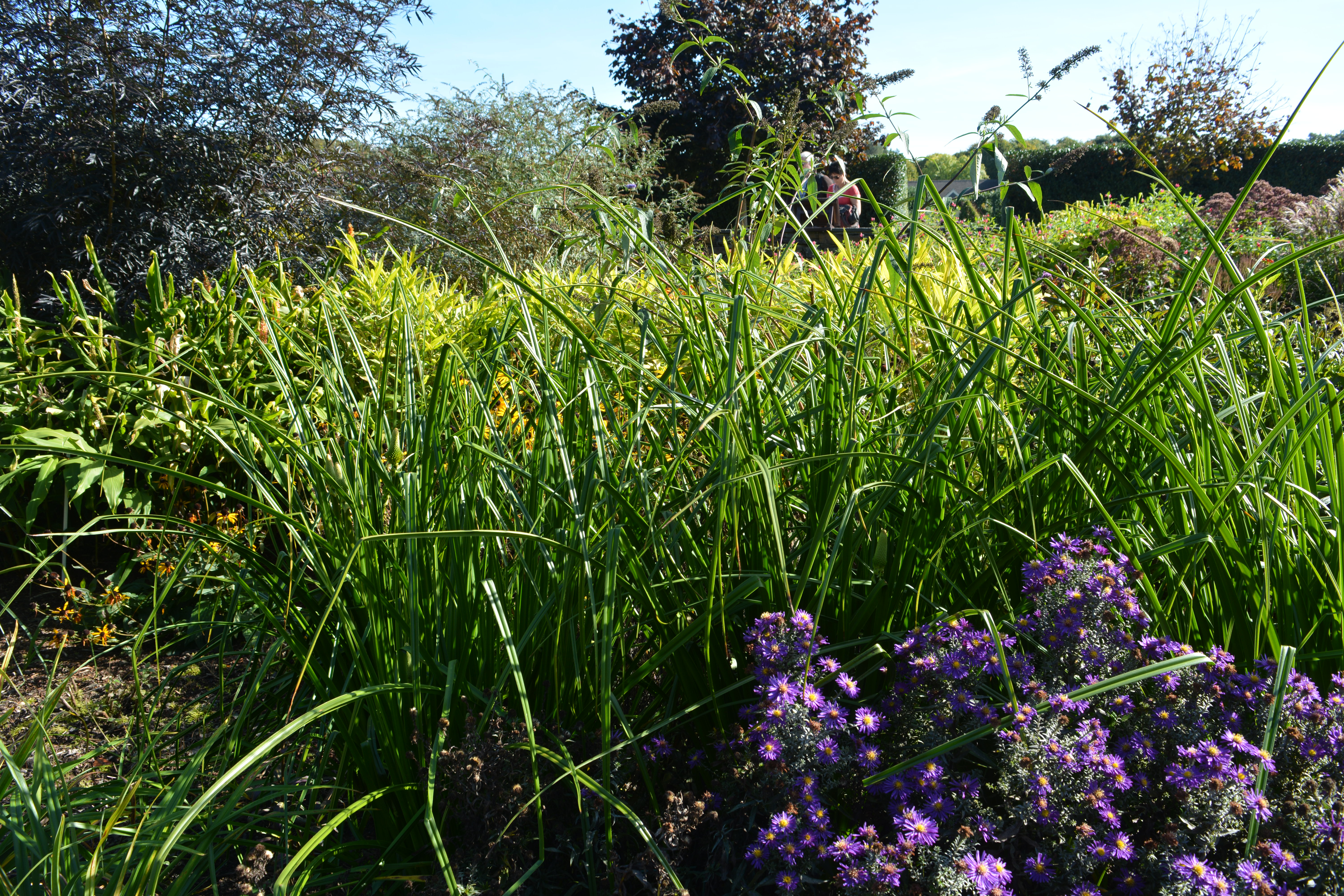
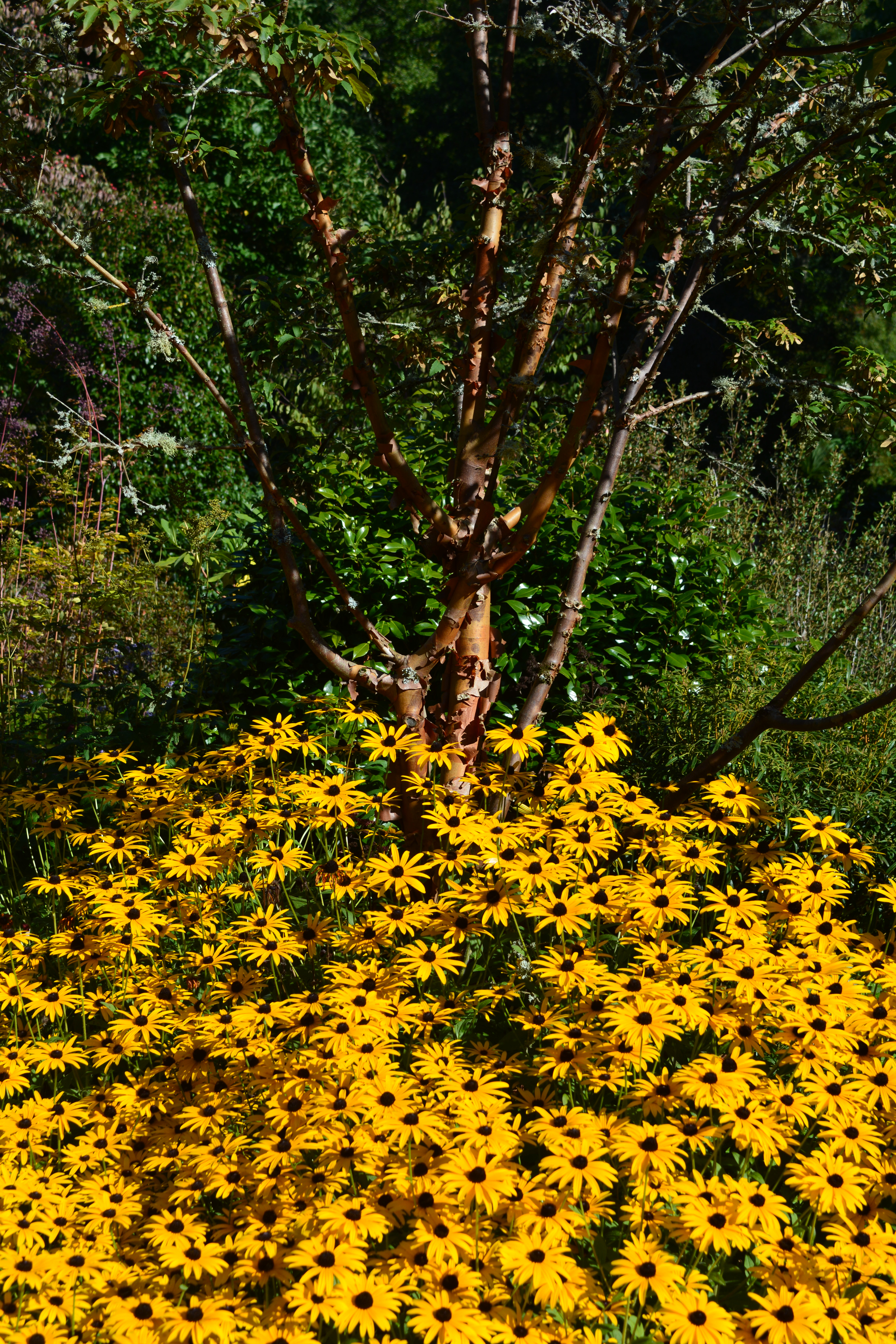
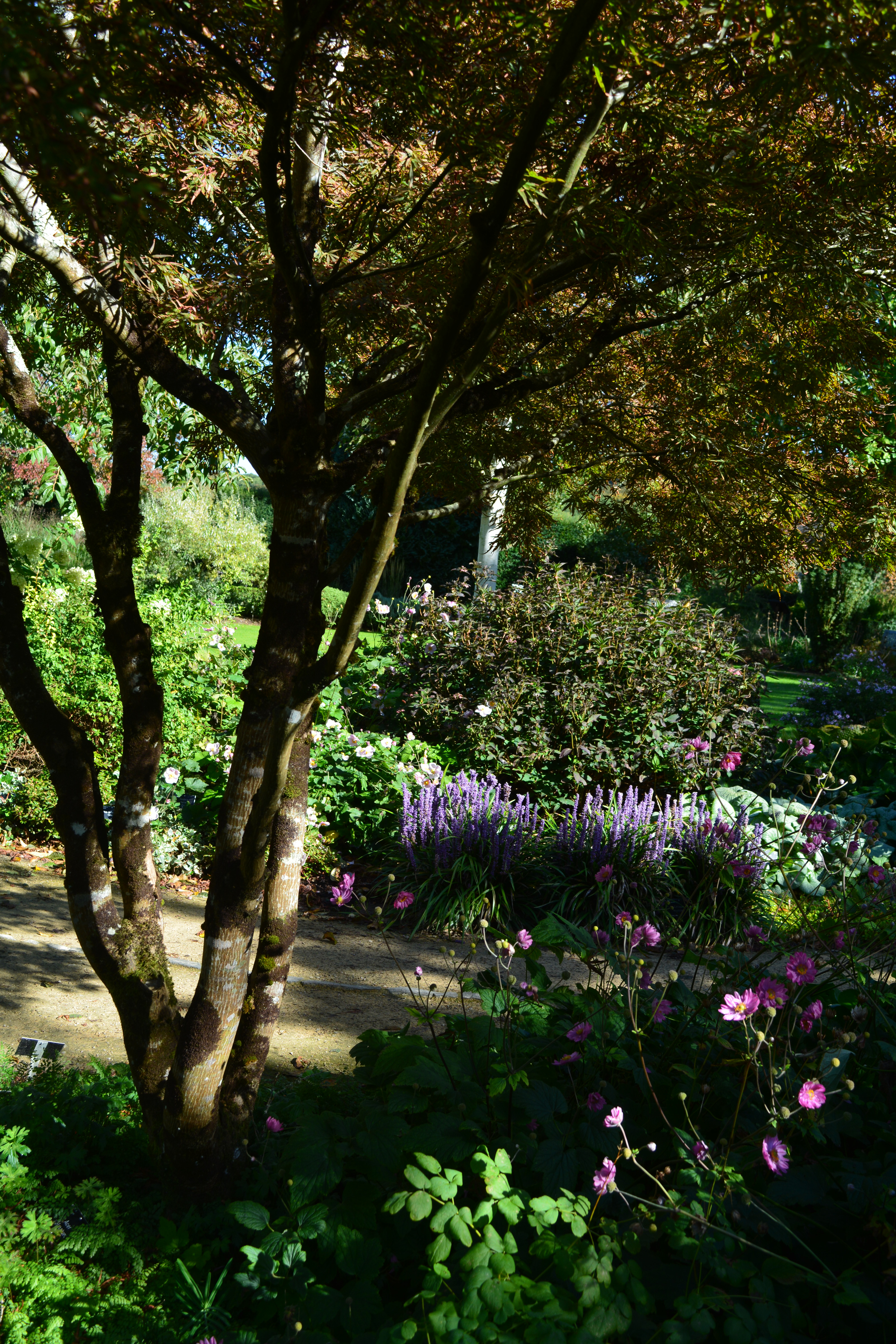
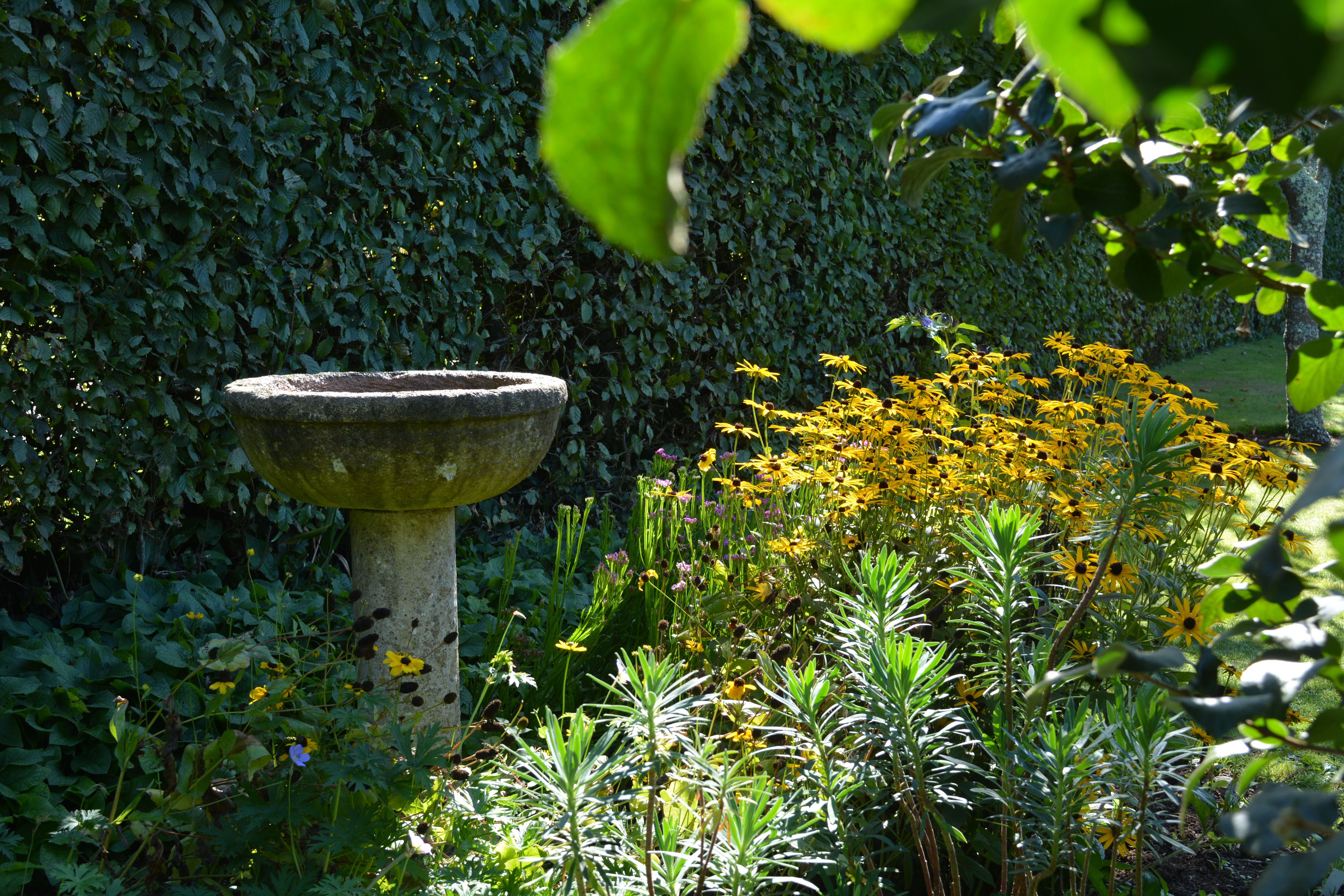
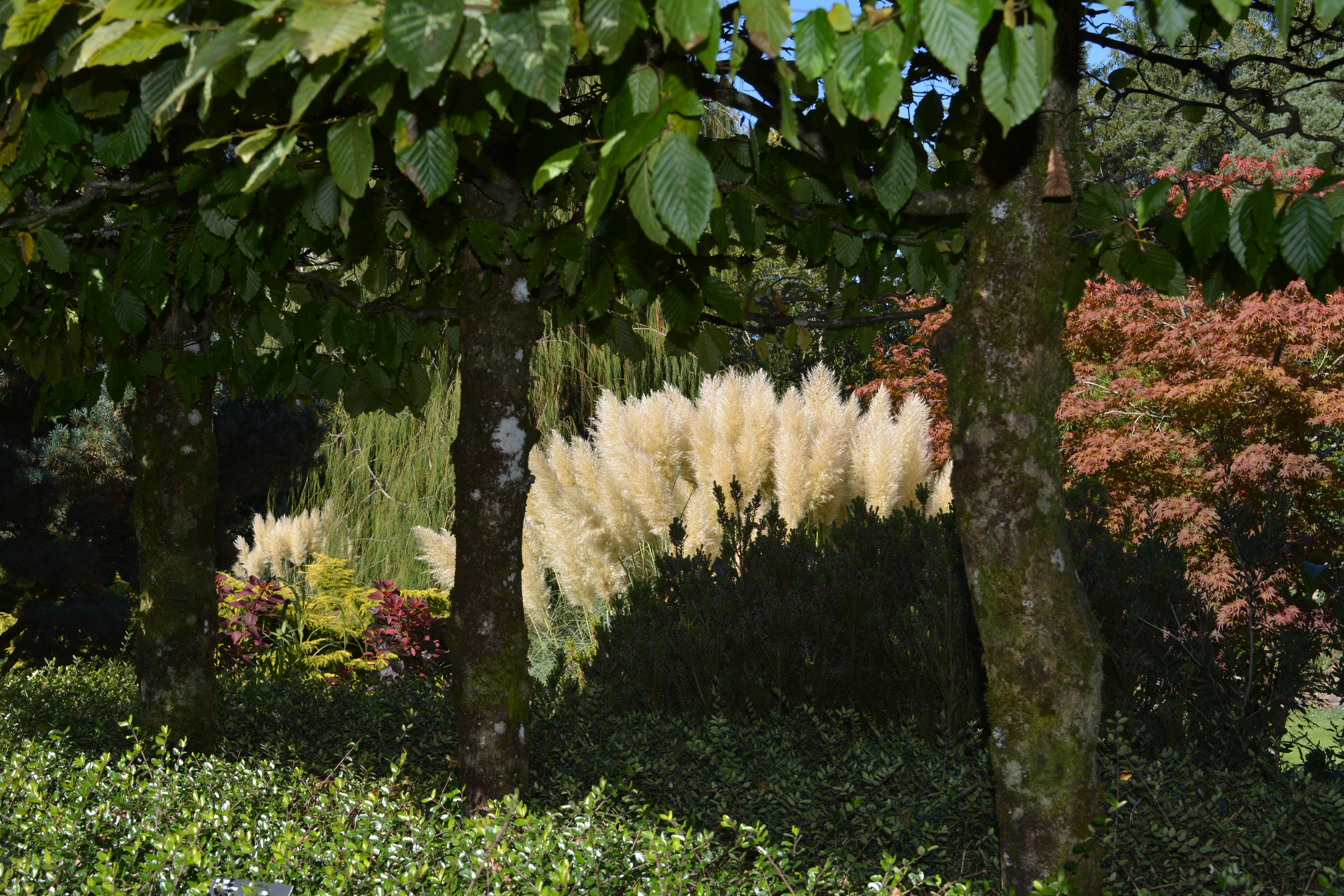
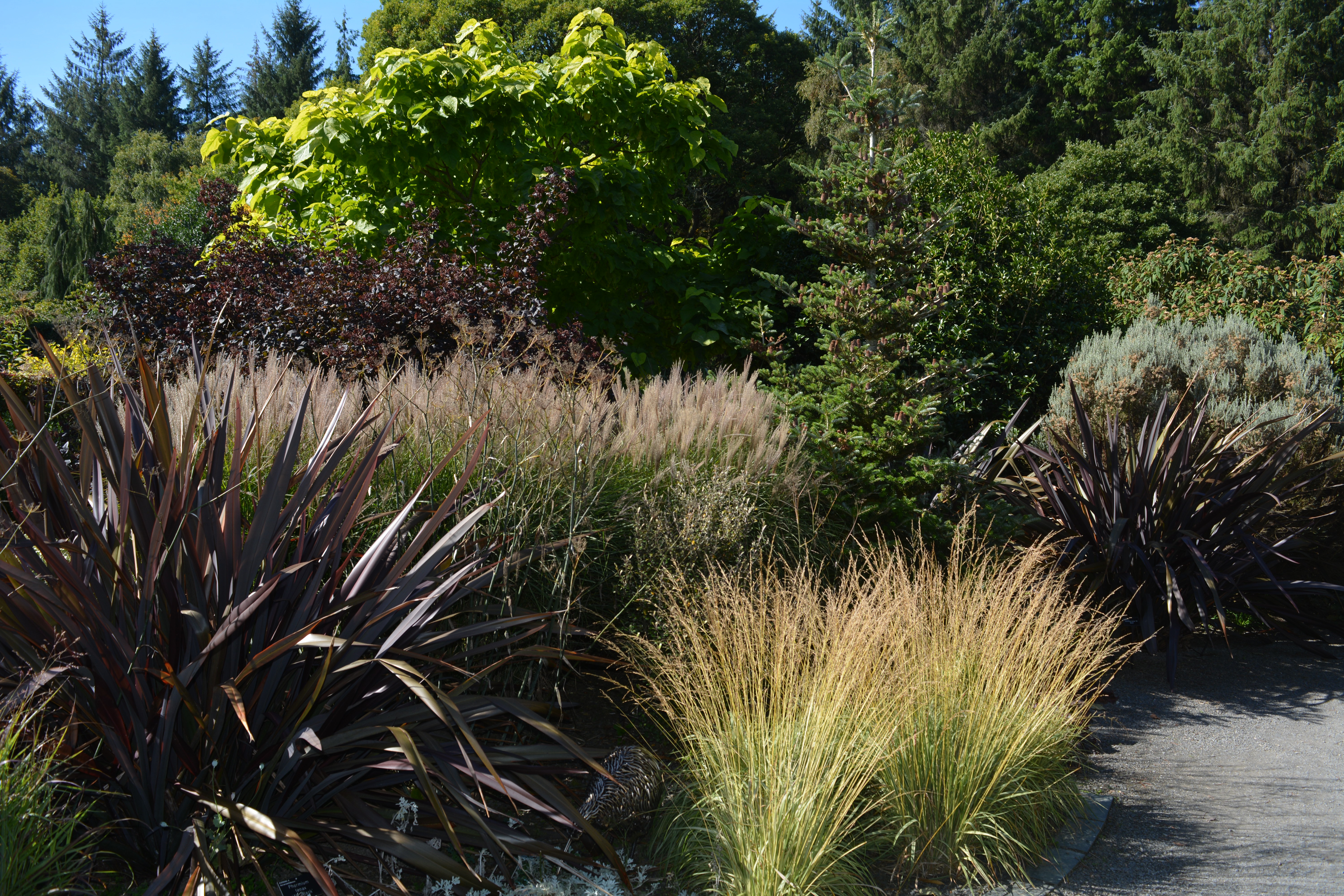
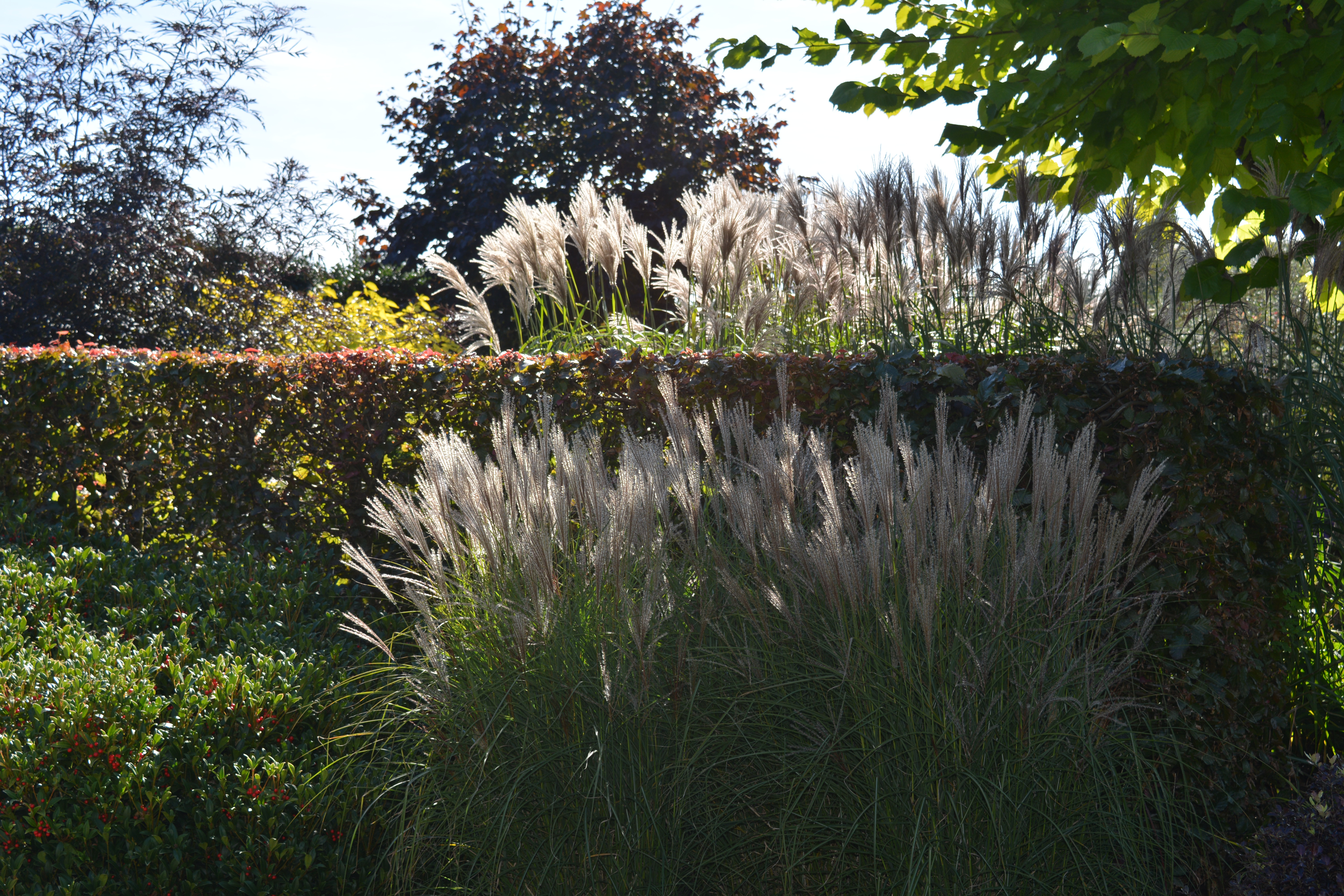
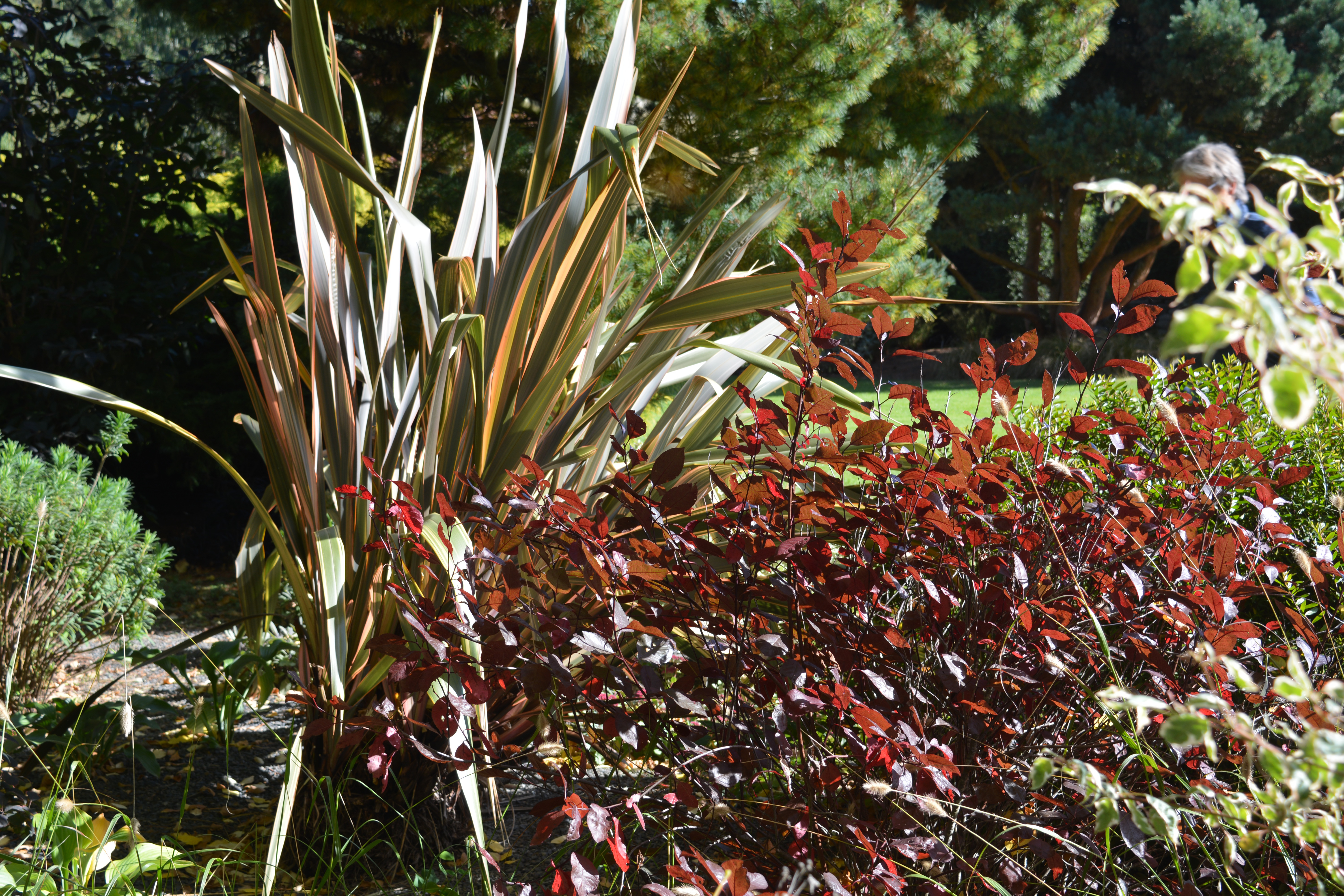
My photos show some of our favourite plant combinations.


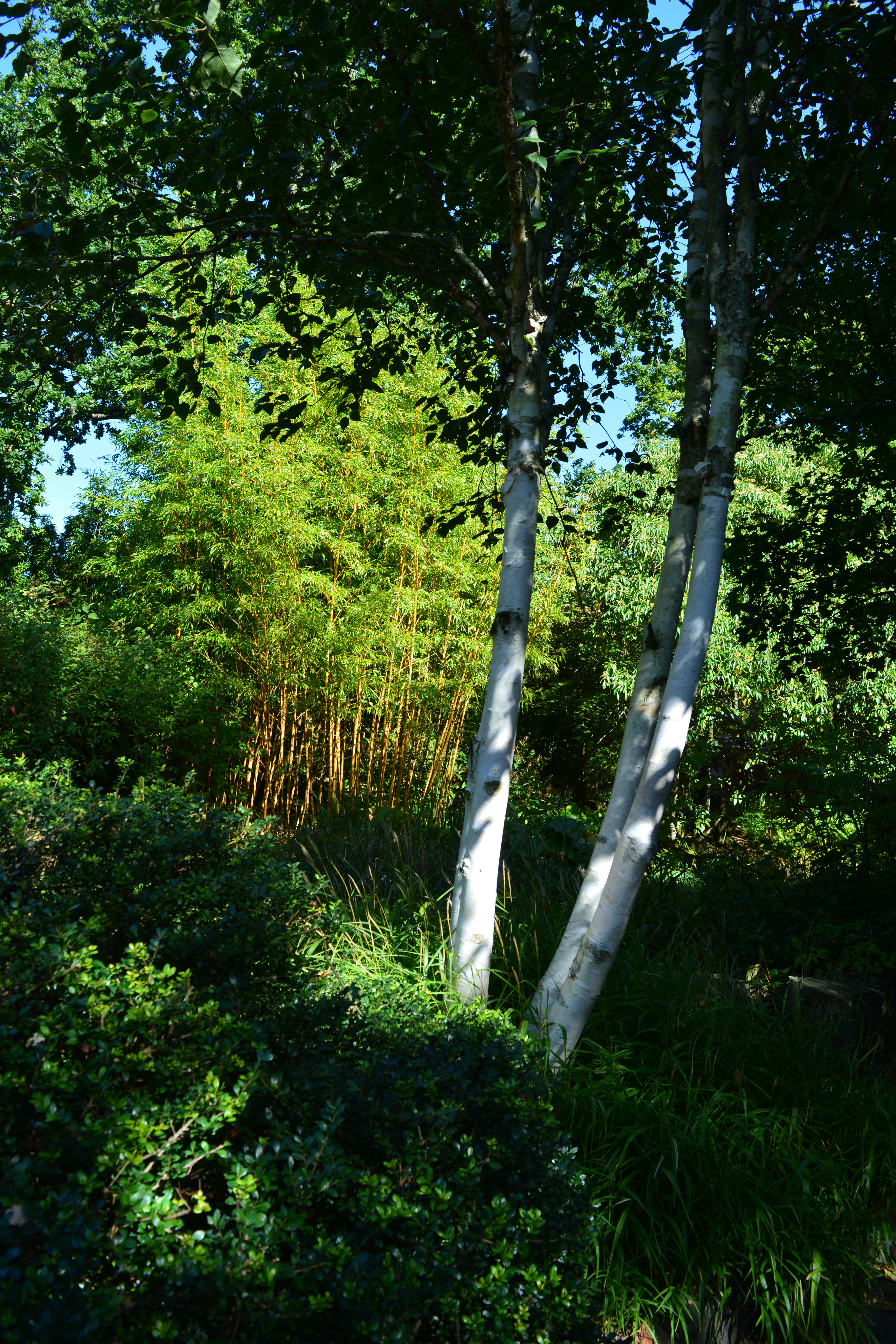
Trees feature in several favourite plant communities which really appealed to us. They add strength, texture and structure to any border. We use trees in many of our borders at home in our Avocet patch.


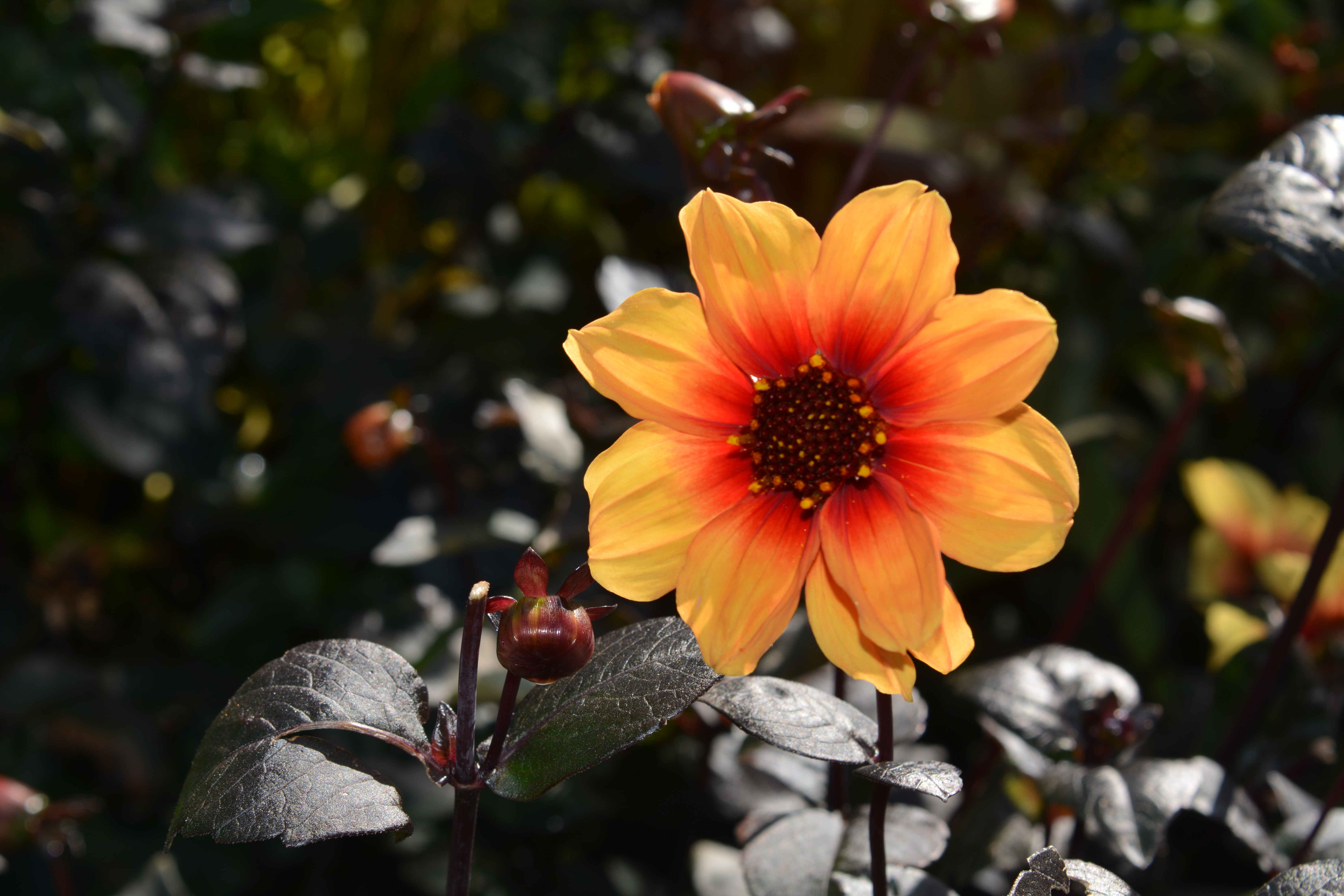
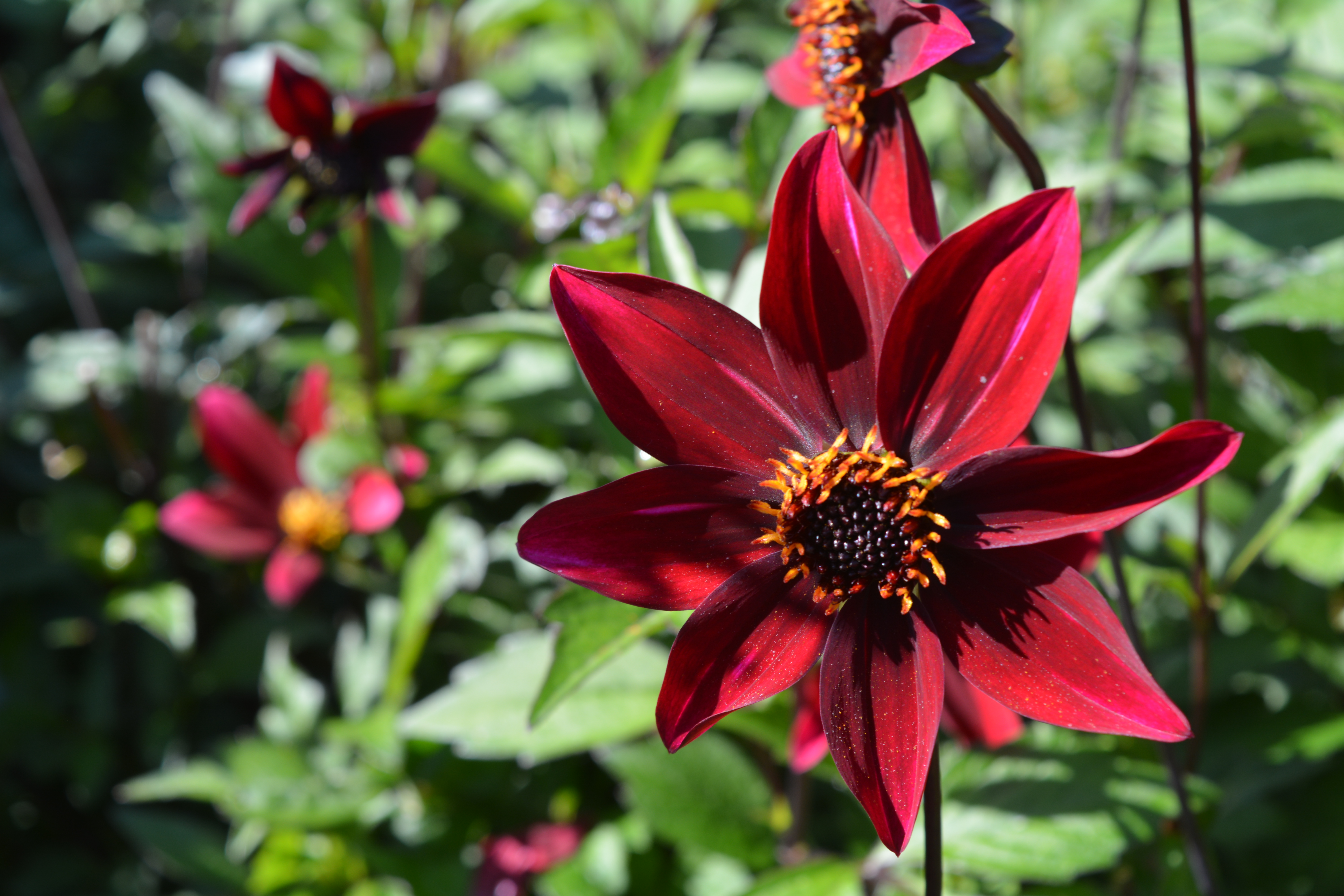
Dahlias and roses were particularly colourful when we visited


Sometimes added interest can be achieved by including cameos and views, pieces of sculpture, arches, pergolas, garden buildings of all sorts or other features.


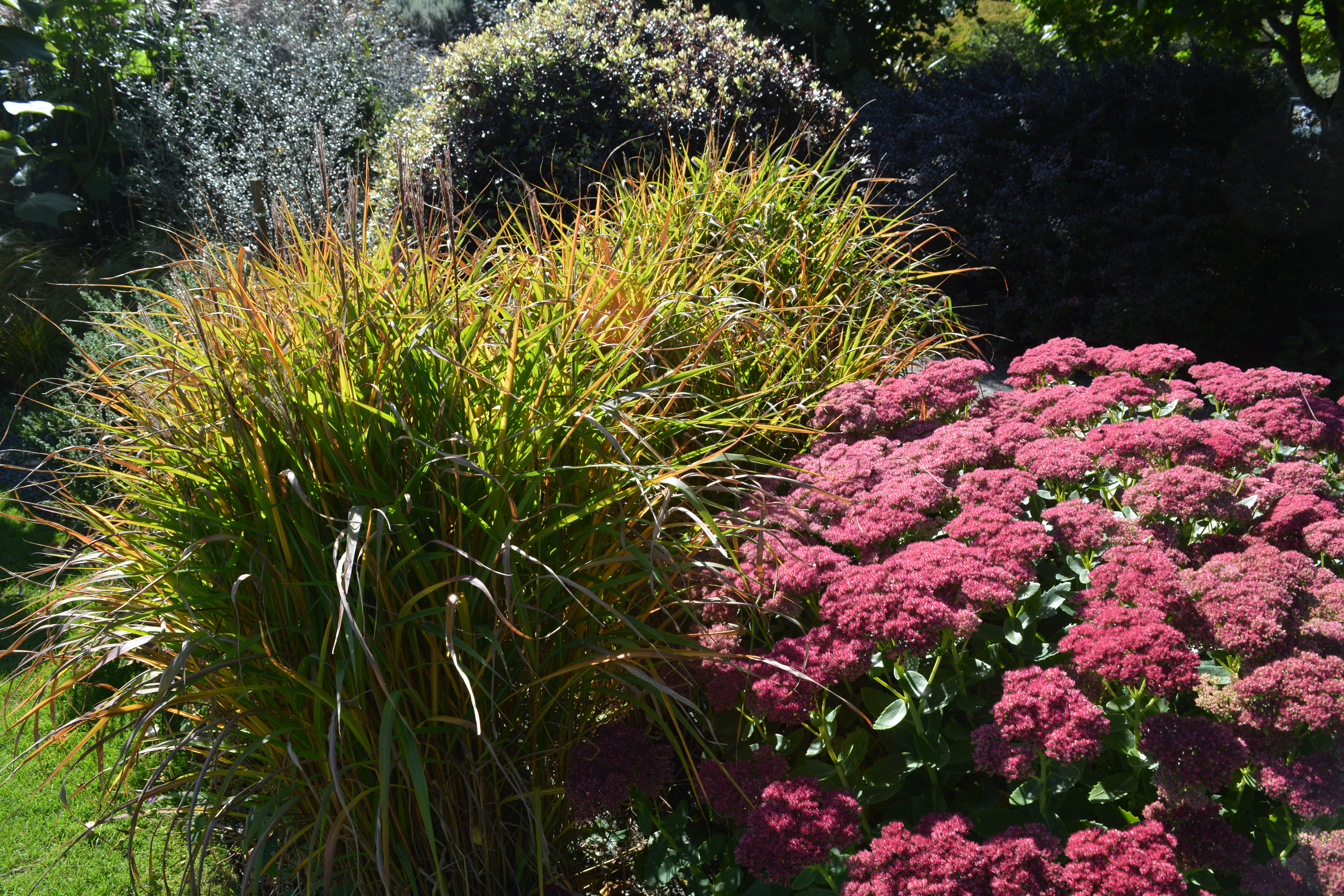
The involvement of ornamental grasses in garden borders can add so much if carefully matched to their partners. Light catches their seed heads, they wave about with just the slighest of winds and softness of their textures adds touch to the mix of border interest.


I shall finish with a set of three photos that illustrate the quality of planting and gardening work at RHS Rosemore, a truly great garden full of interest and ideas for us all to take home with us.


Categories
colours flowering bulbs garden design garden photography gardening gardens grasses hardy perennials ornamental grasses ornamental trees and shrubs Shrewsbury Shropshire shrubs spring bulbs

My Garden Journal 2019 – March

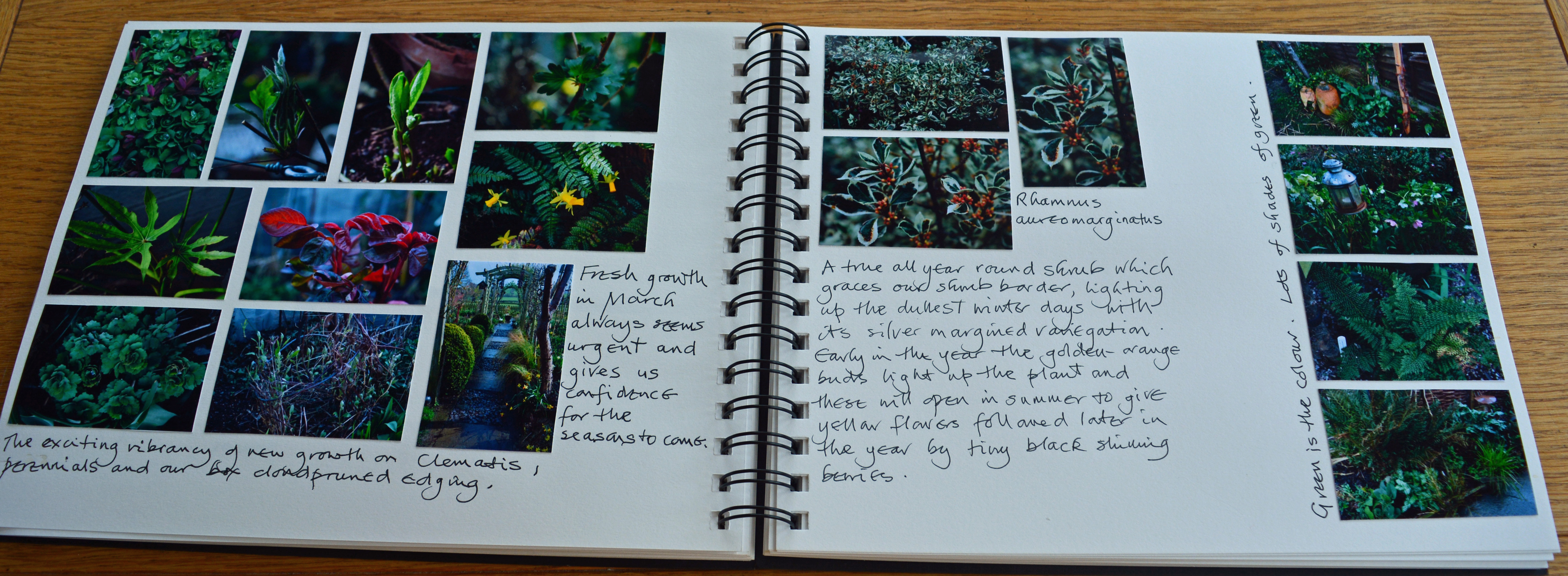
It is already time for sharing my third month’s entries in my garden journal. So here are the March pages for you to enjoy and for you to see what the garden has been up to and what we have been up to in the garden.

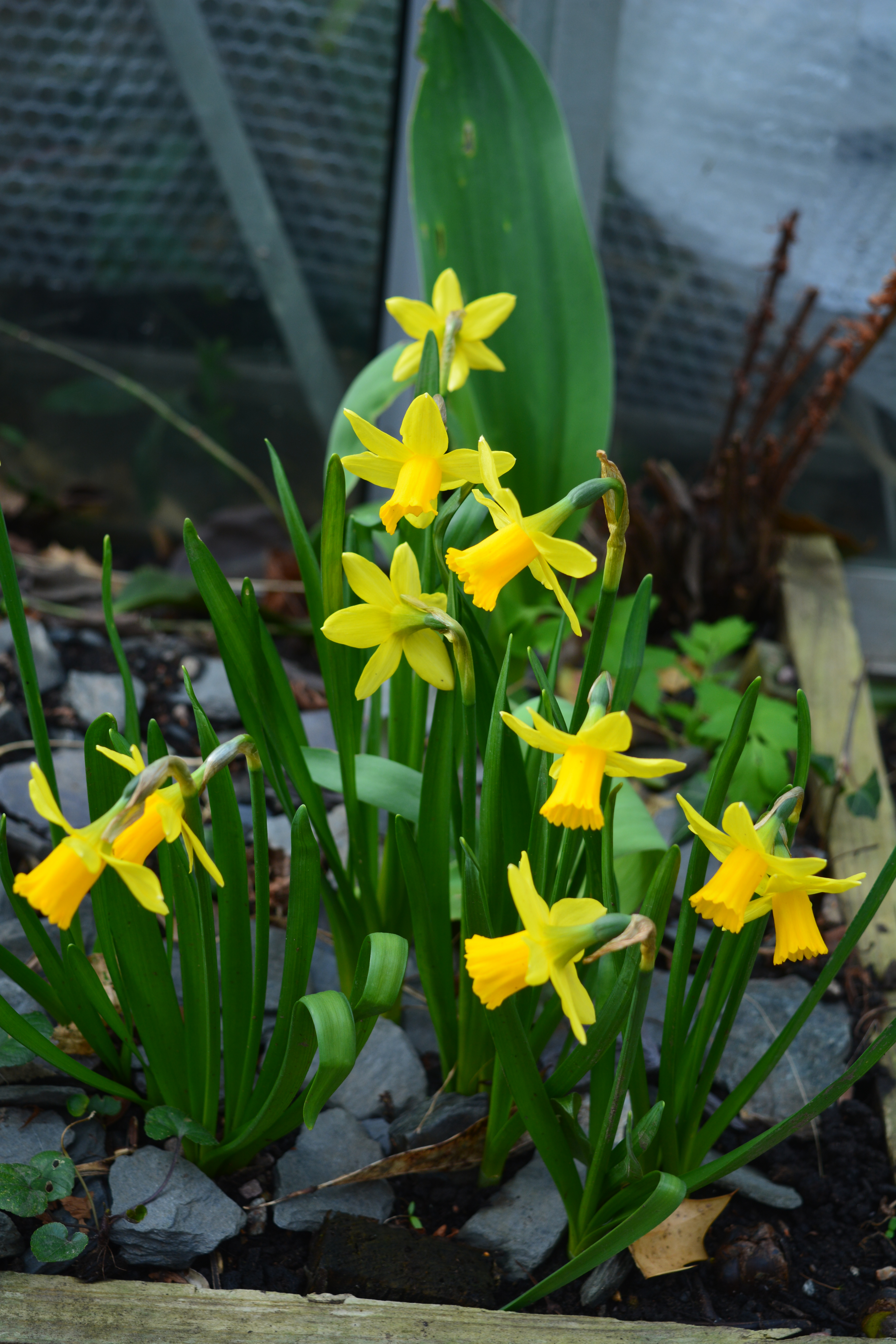
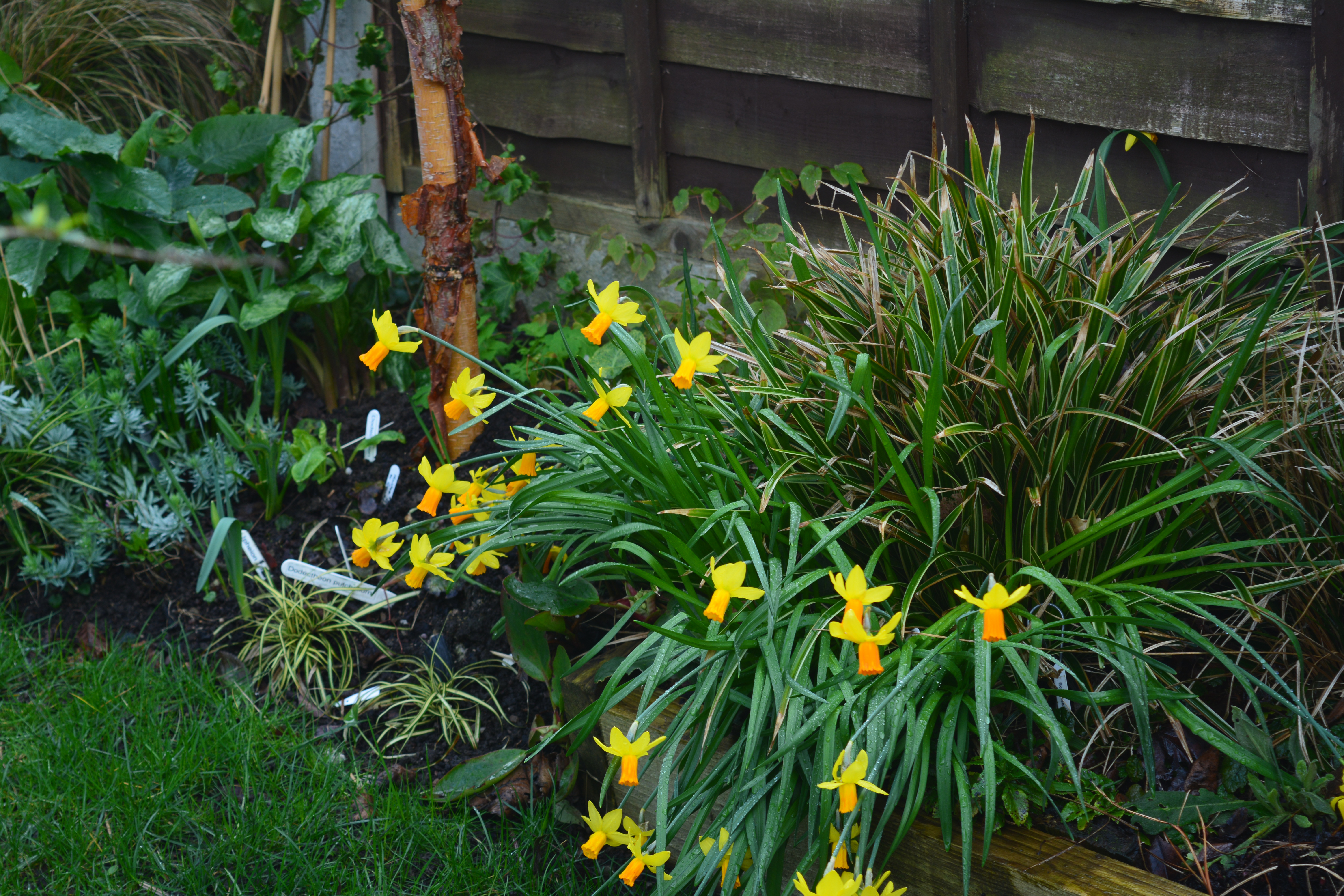
I began by writing, “March came on the scene dull, grey and lifeless looking. After the mild temperatures of the last few weeks with virtually no rain, the last day of February was very wet. Thank goodness for Daffodils, the spring bulbs that can cheer up the dullest of days.”

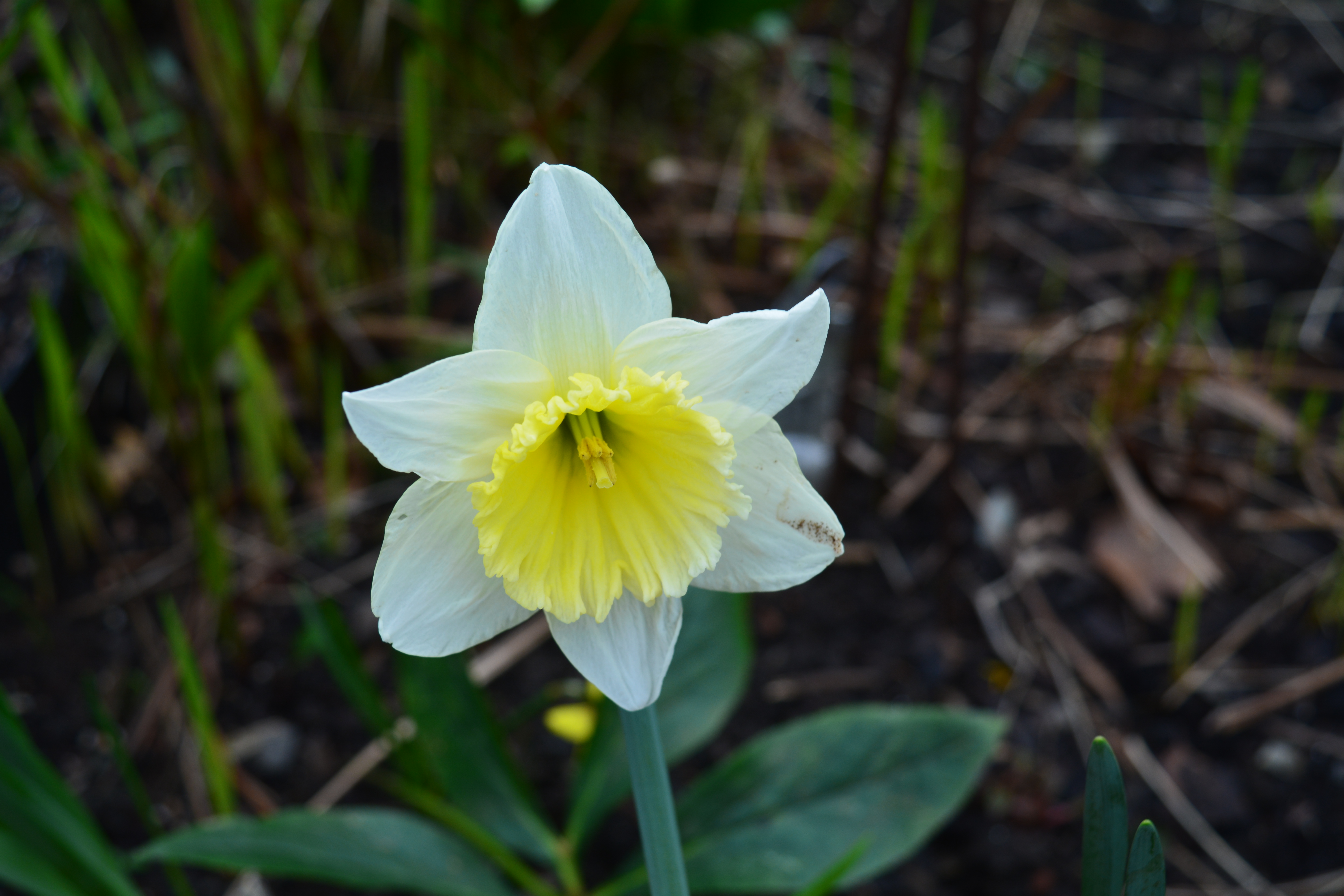
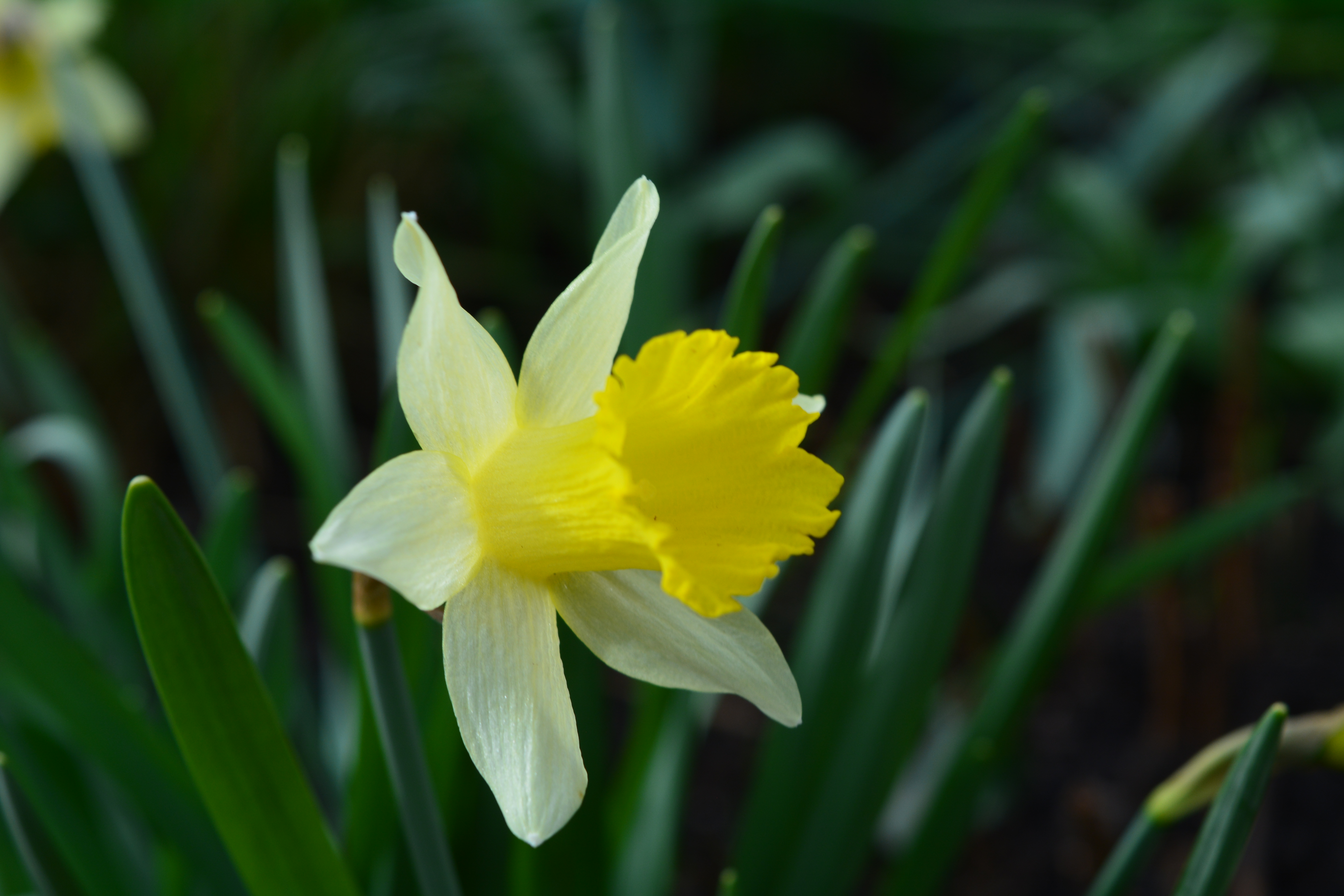
I then showed 9 photos of our wonderful early daffodils, mostly miniature narcissi.


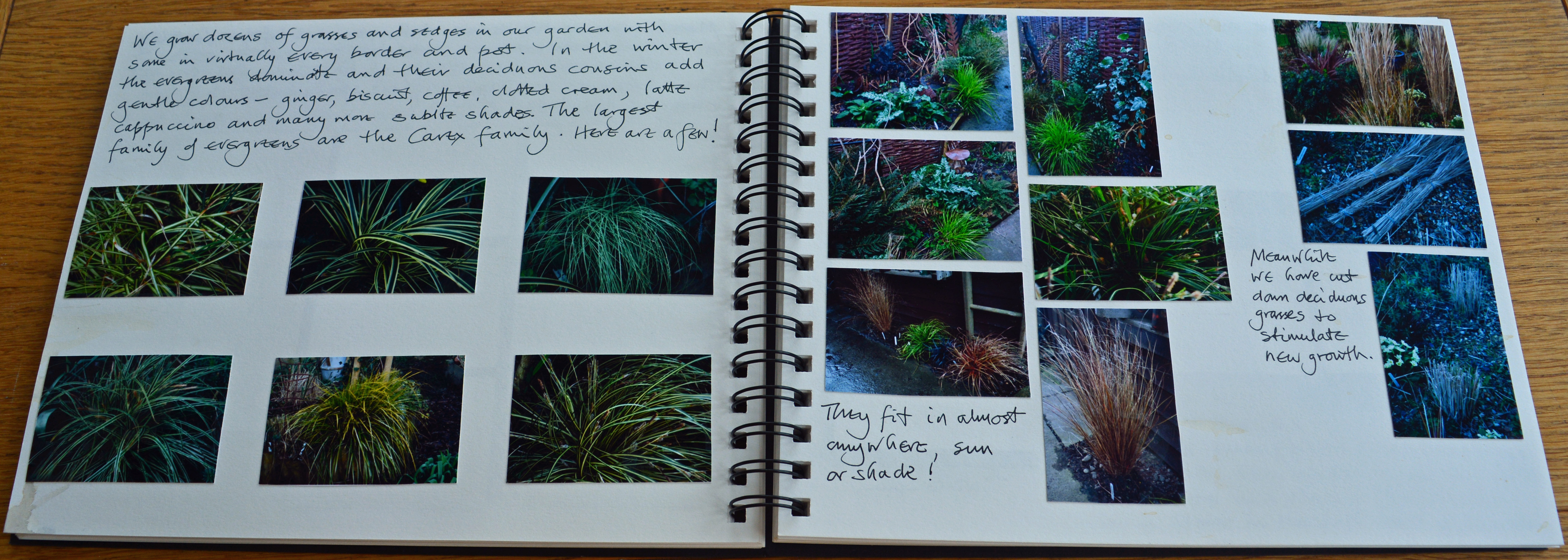
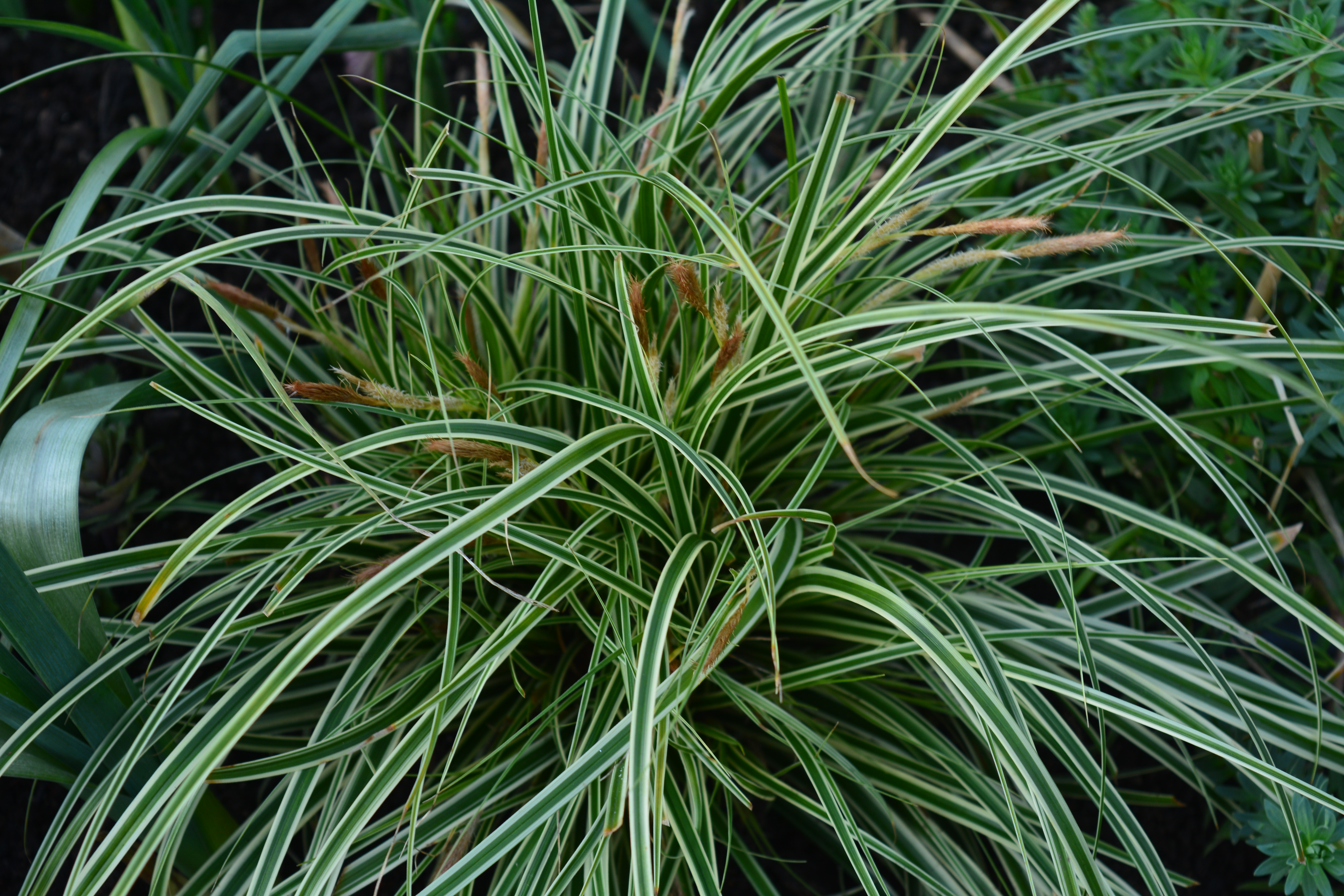
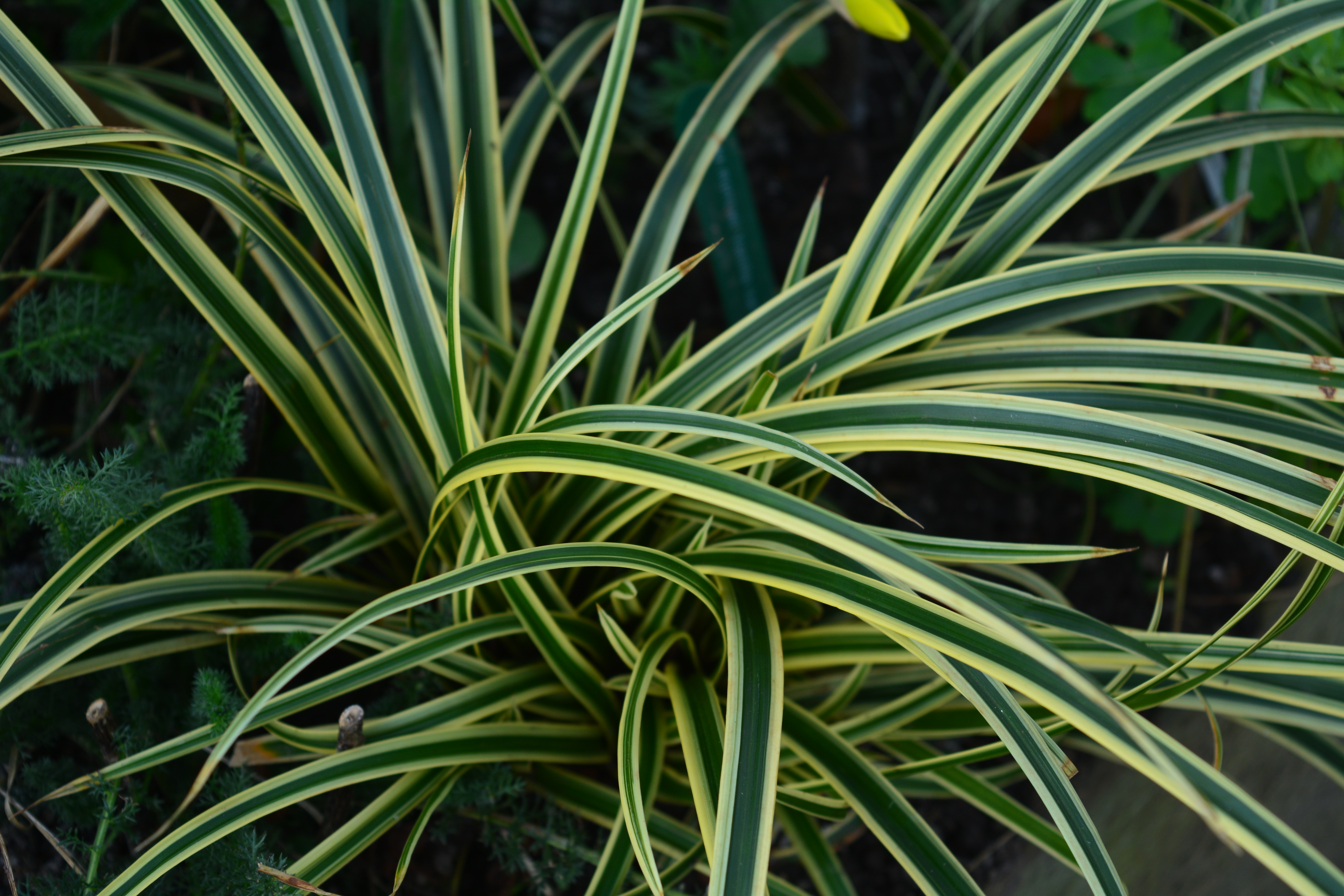
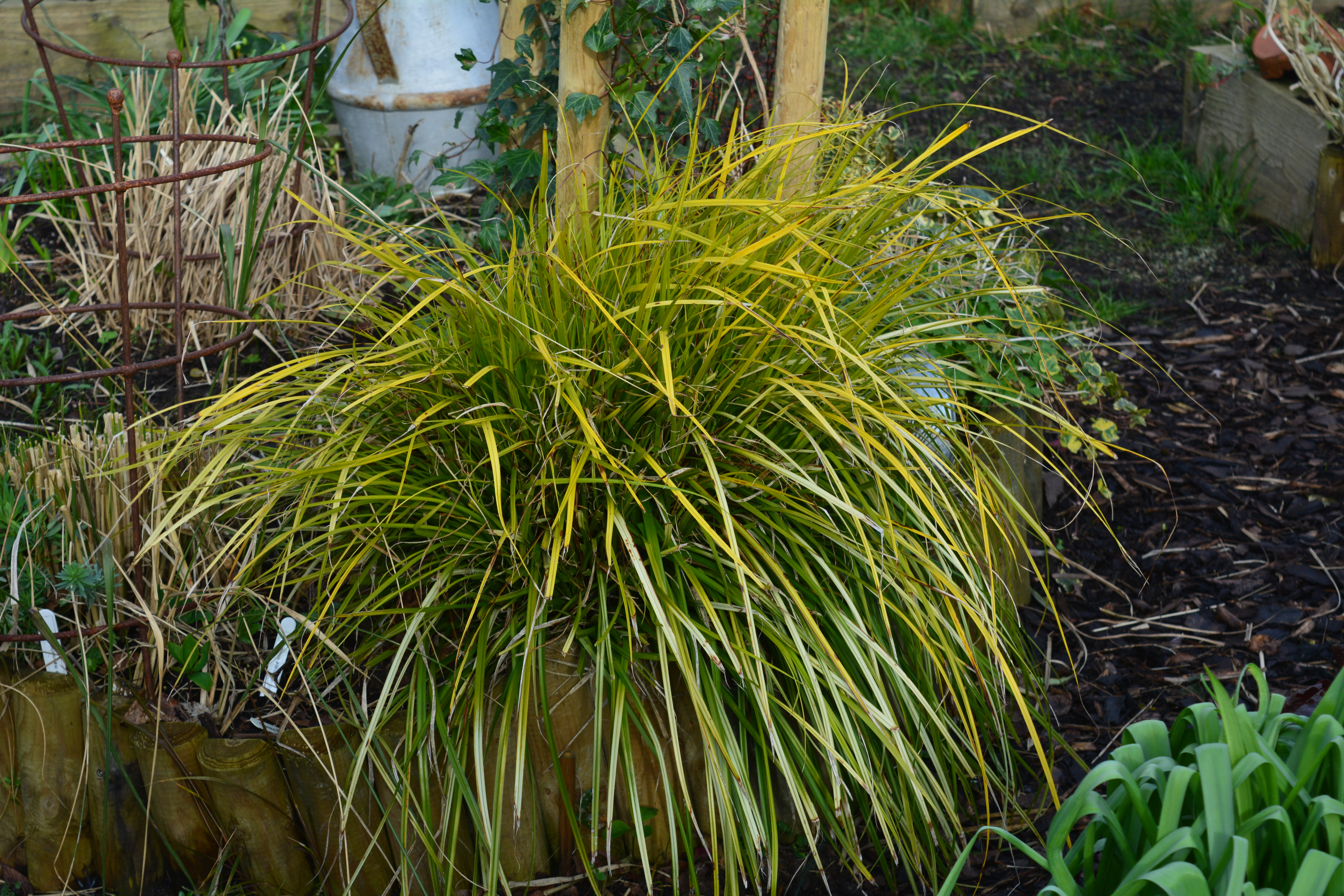
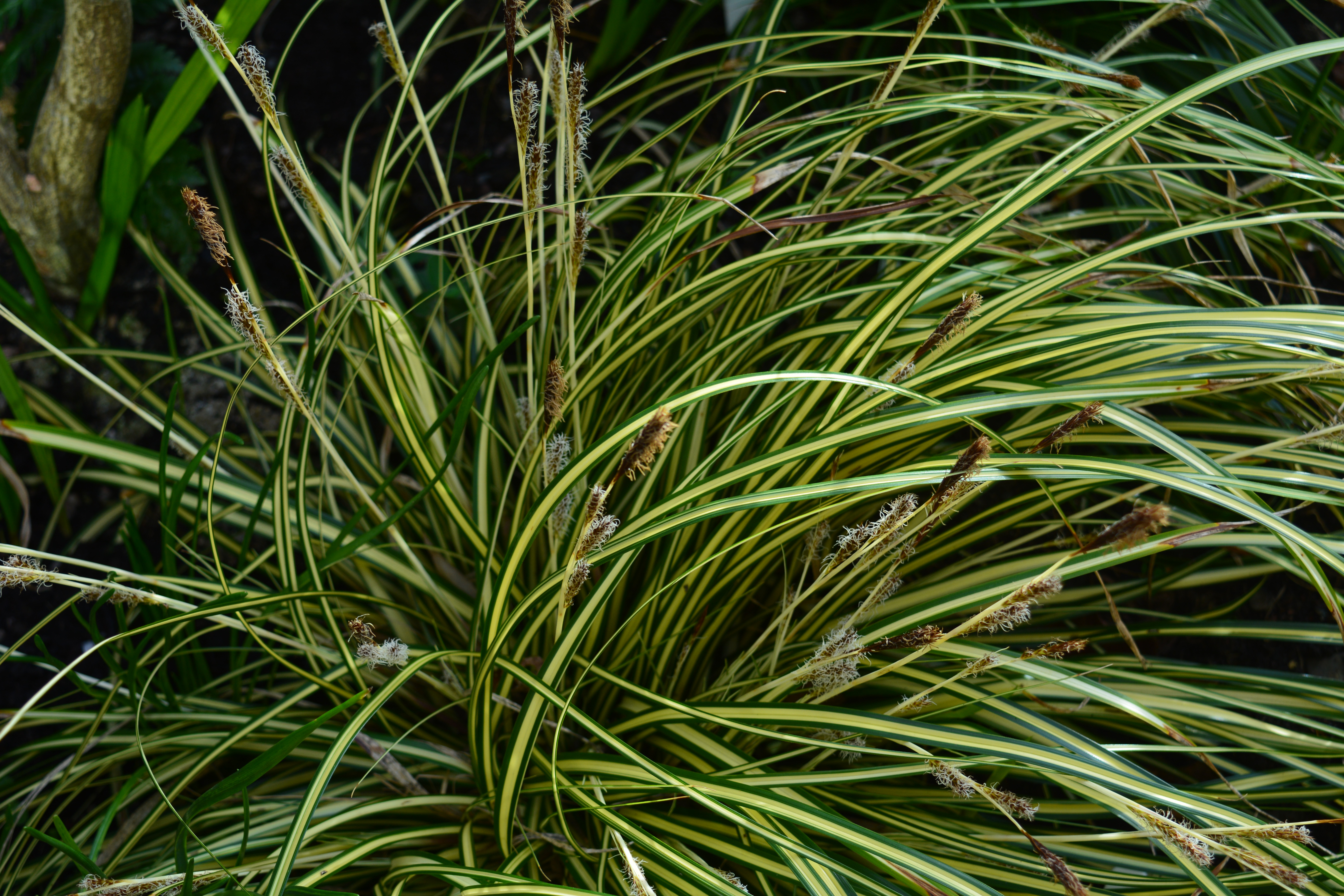
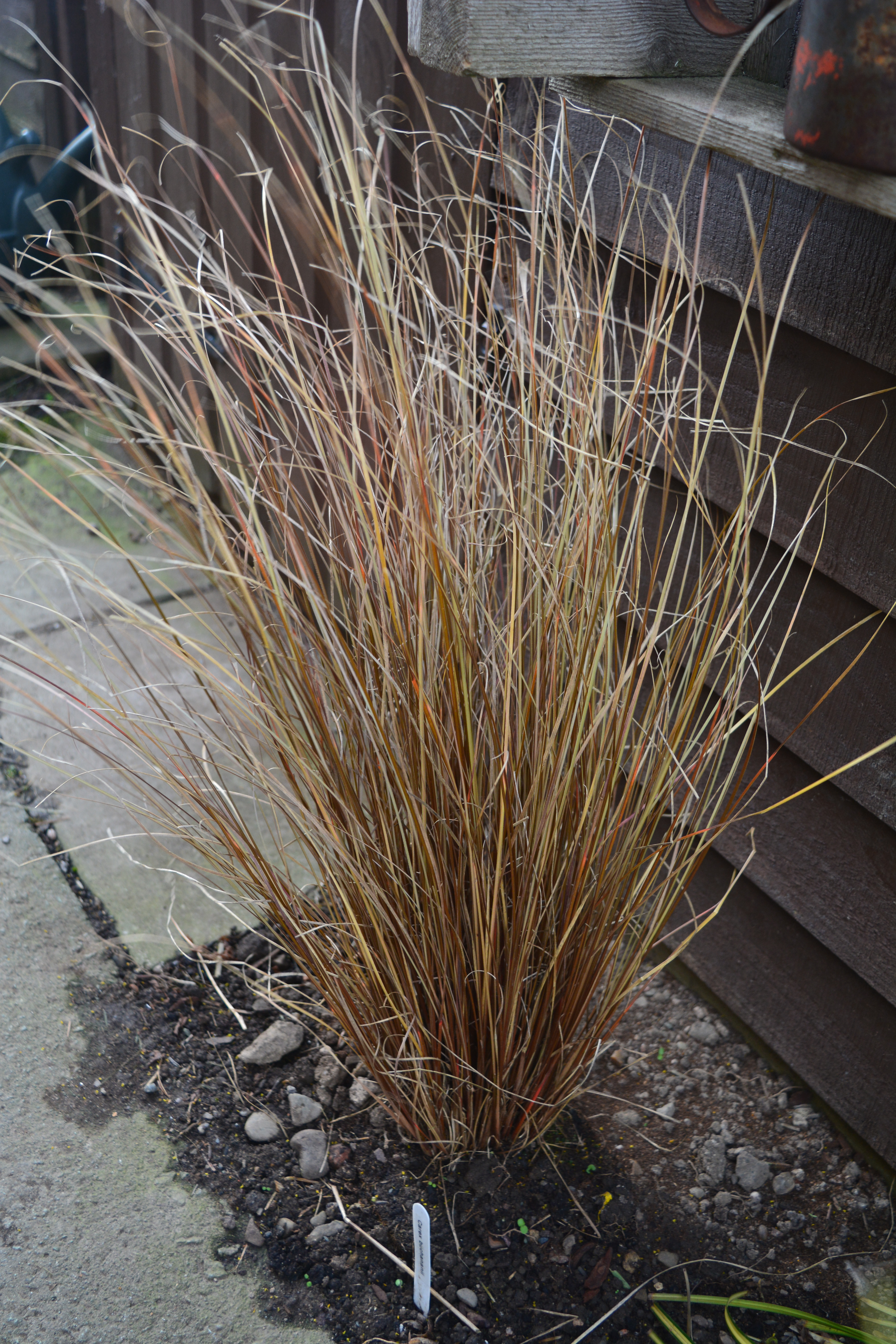
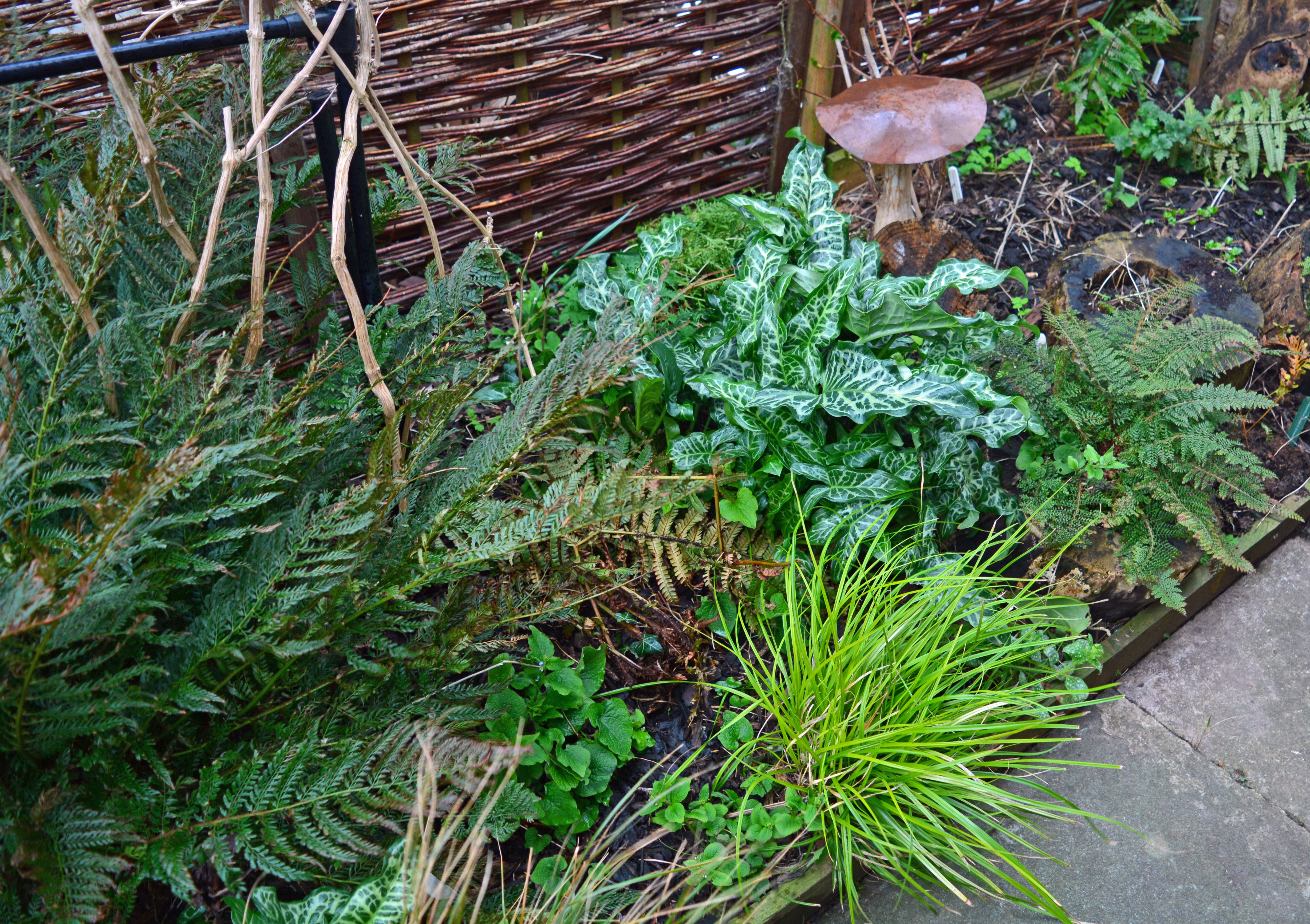
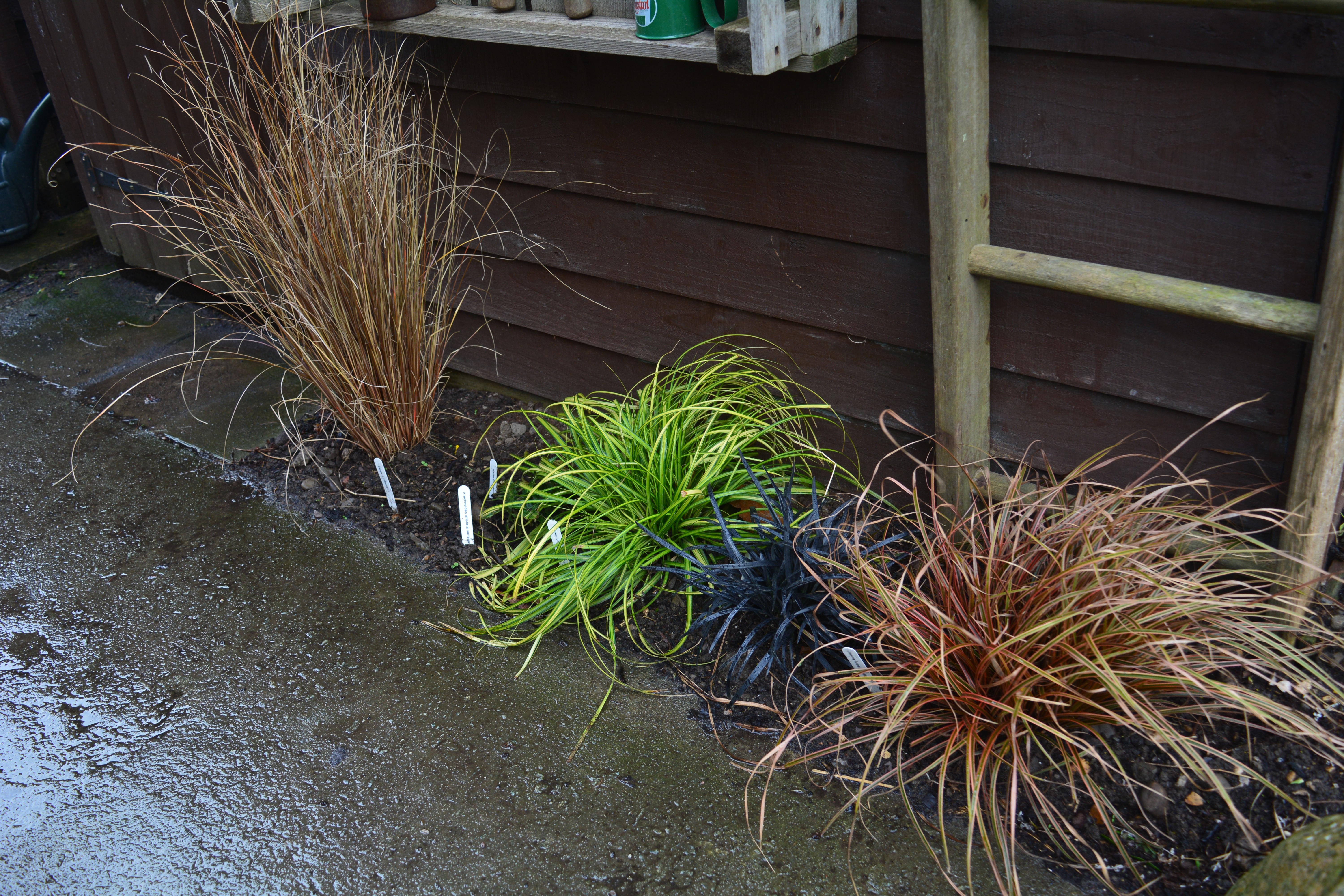
On the next page I looked at our selection of Carex.

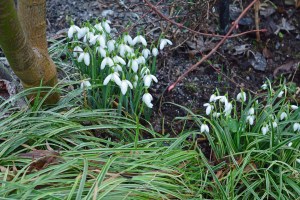
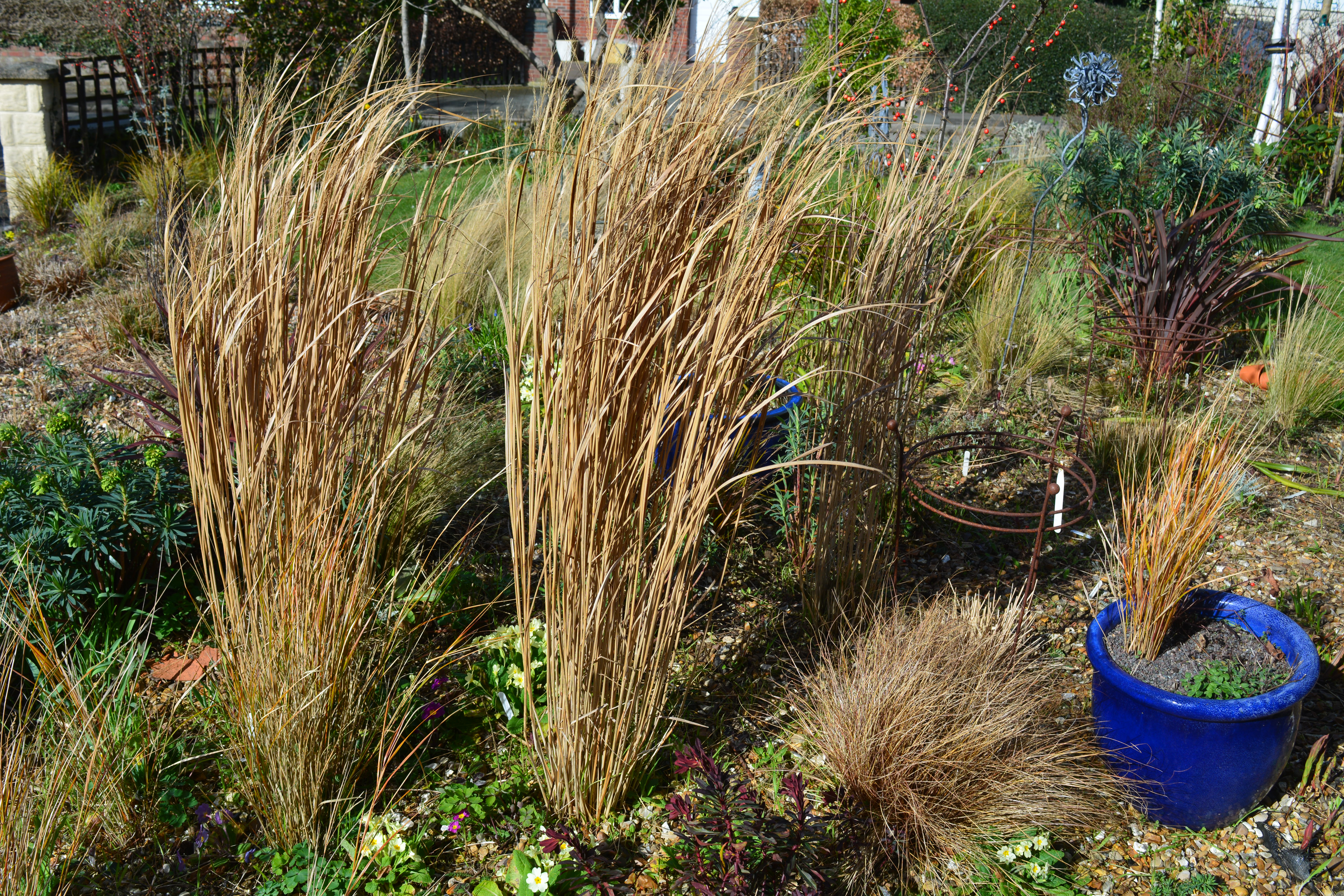
“We grow dozens of grasses and sedges in our garden with some in virtually every border and container. In the winter the evergreens dominate and their deciduous cousins add gentle colours – ginger, biscuit, coffee, clotted cream, latte, cappuccino and many more subtle shades. The largest family of evergreens are the Carex family. Here are just a few that we grow!”

Here is a selection of the many Carex we grow.

On the opposite page I consider how well the Carex family of grasses fit in with other plants and plant combinations. I wrote, “They fit in almost anywhere, sun or shade!”


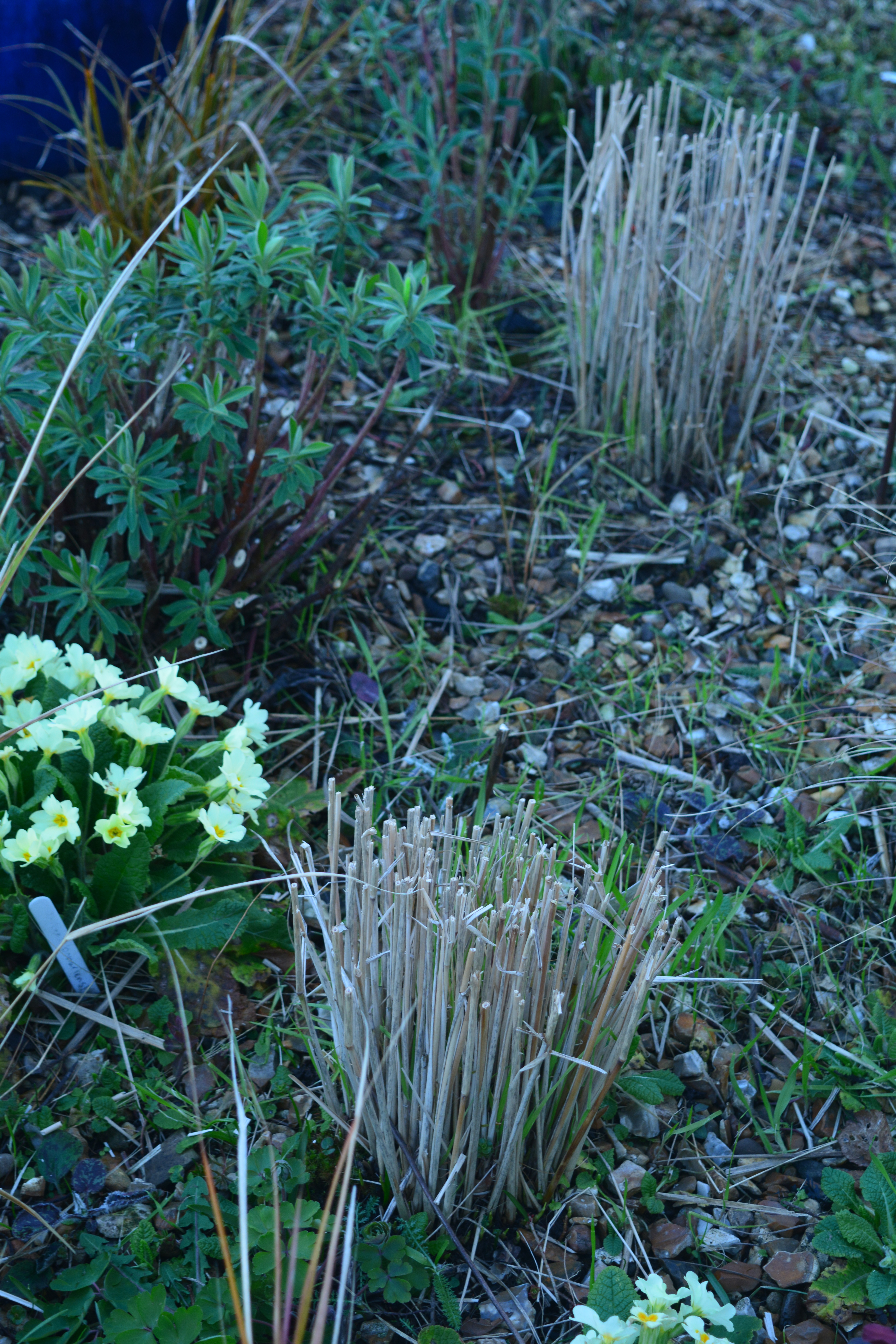
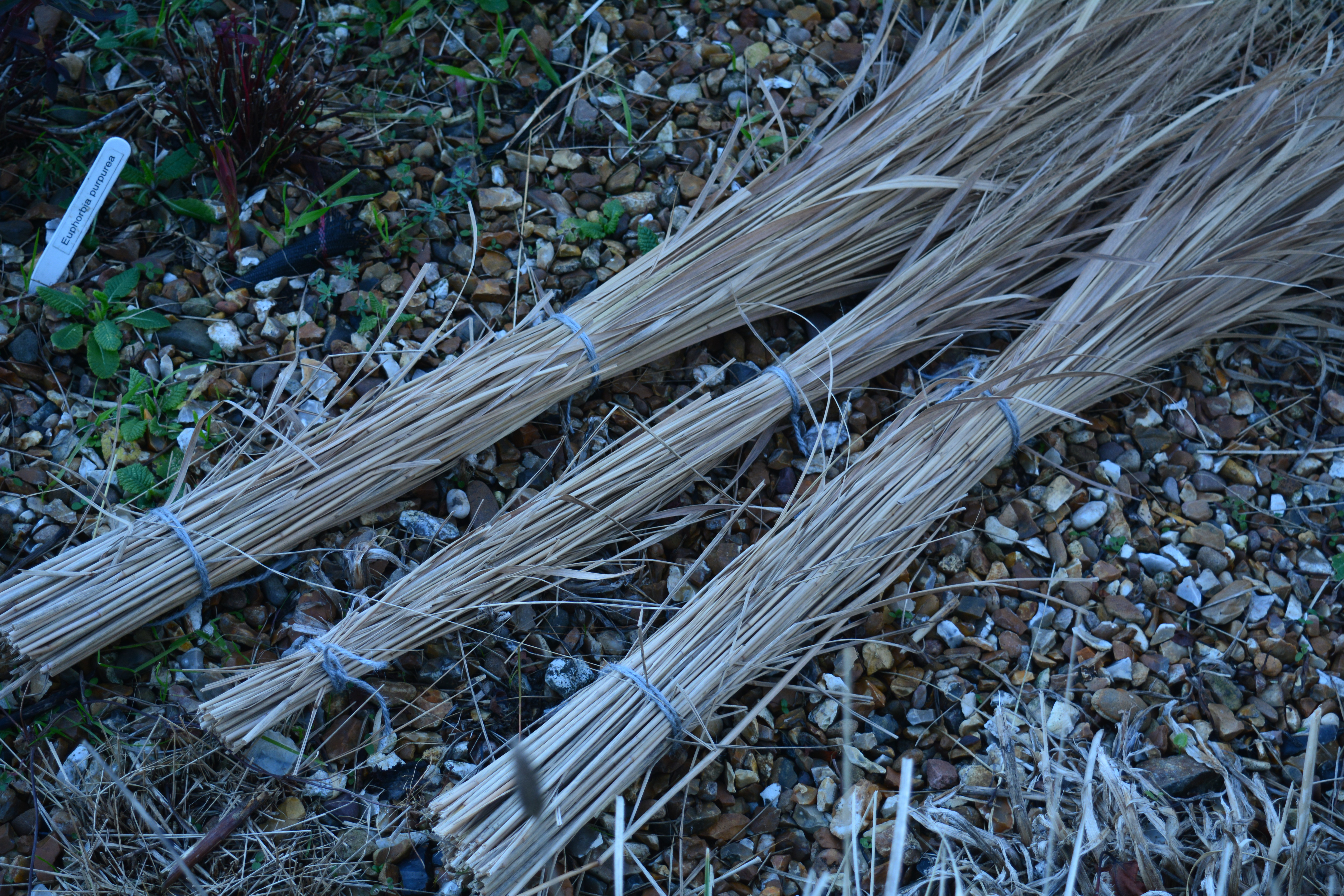
“Meanwhile we have cut down deciduous grasses to stimulate new growth.”

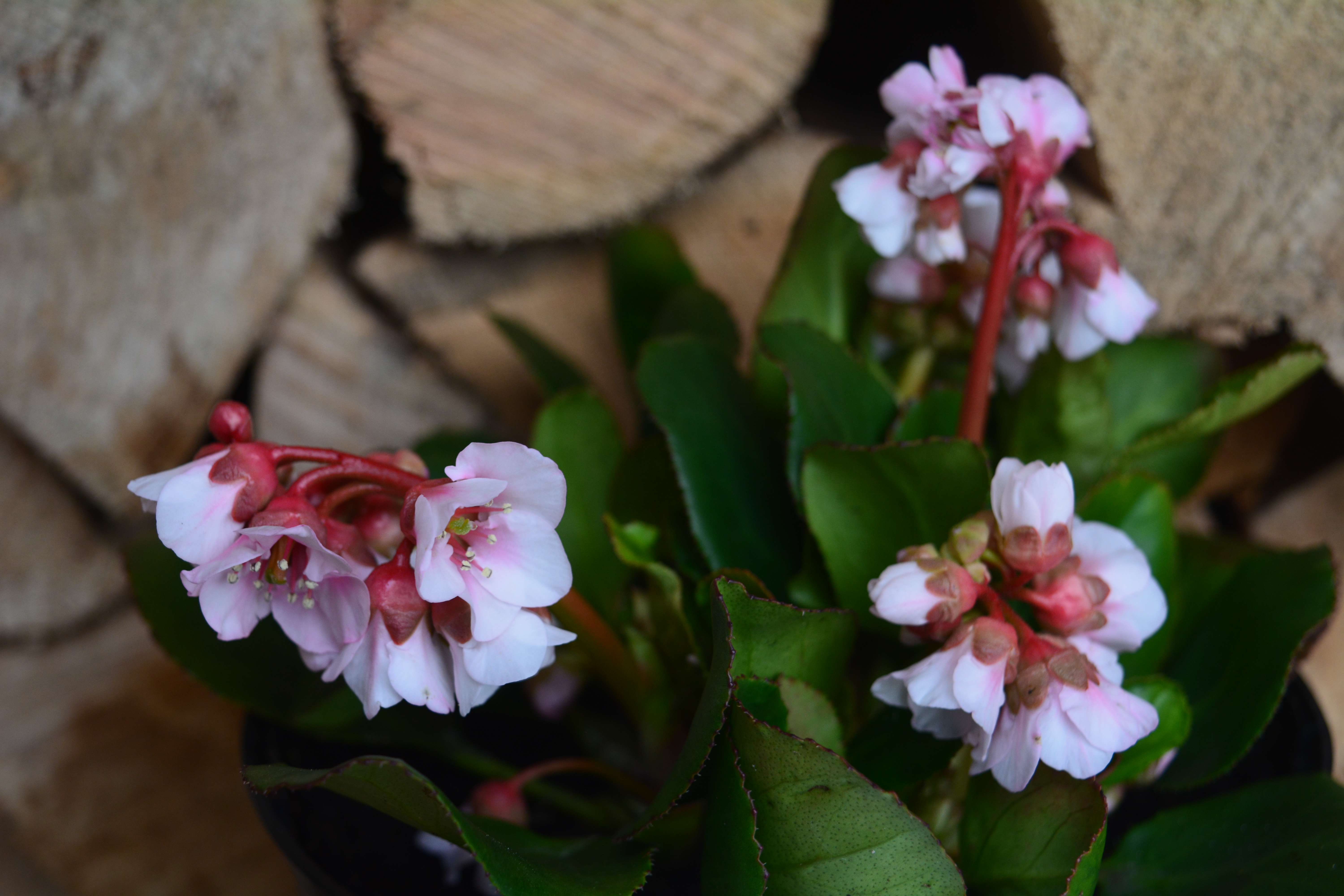
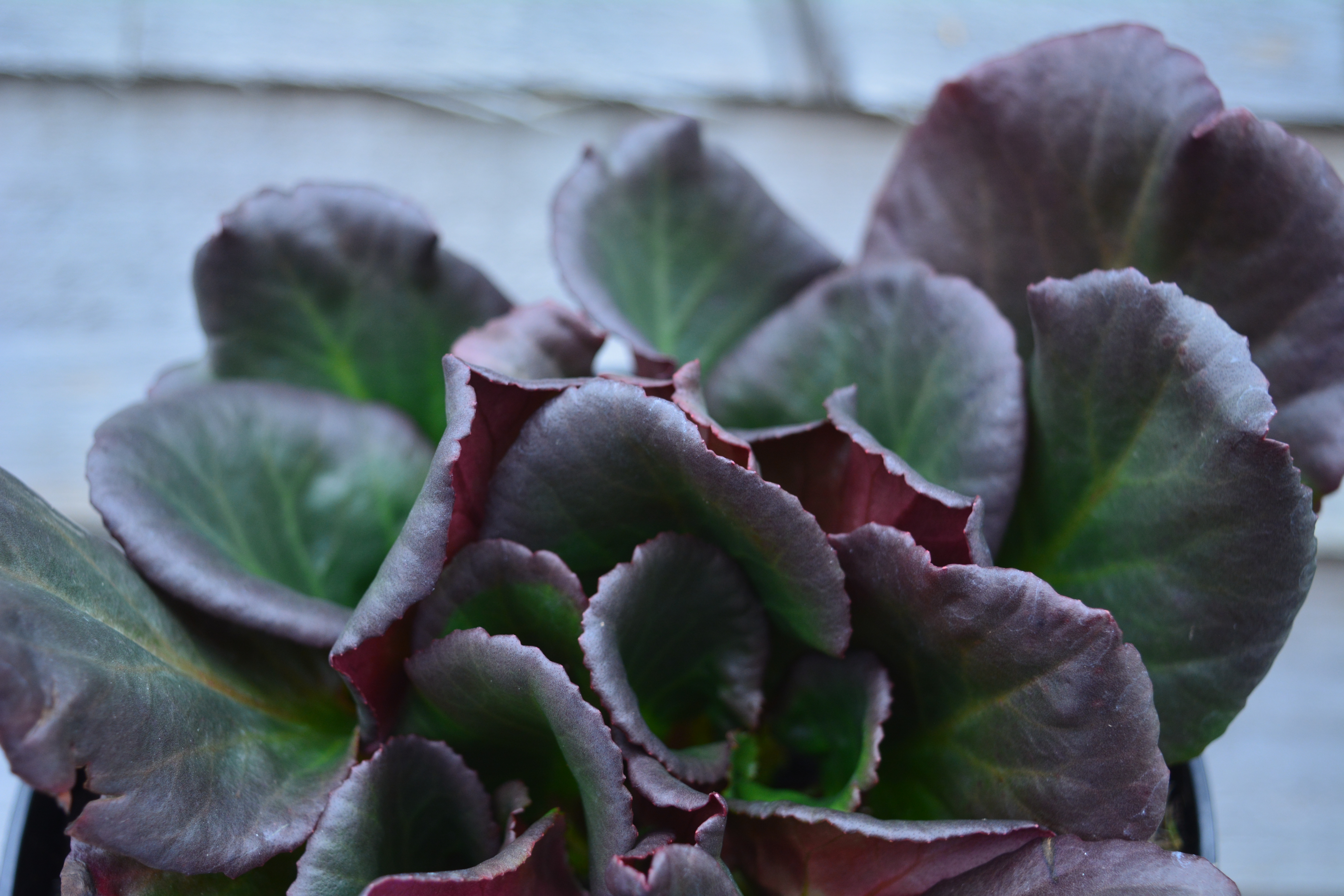
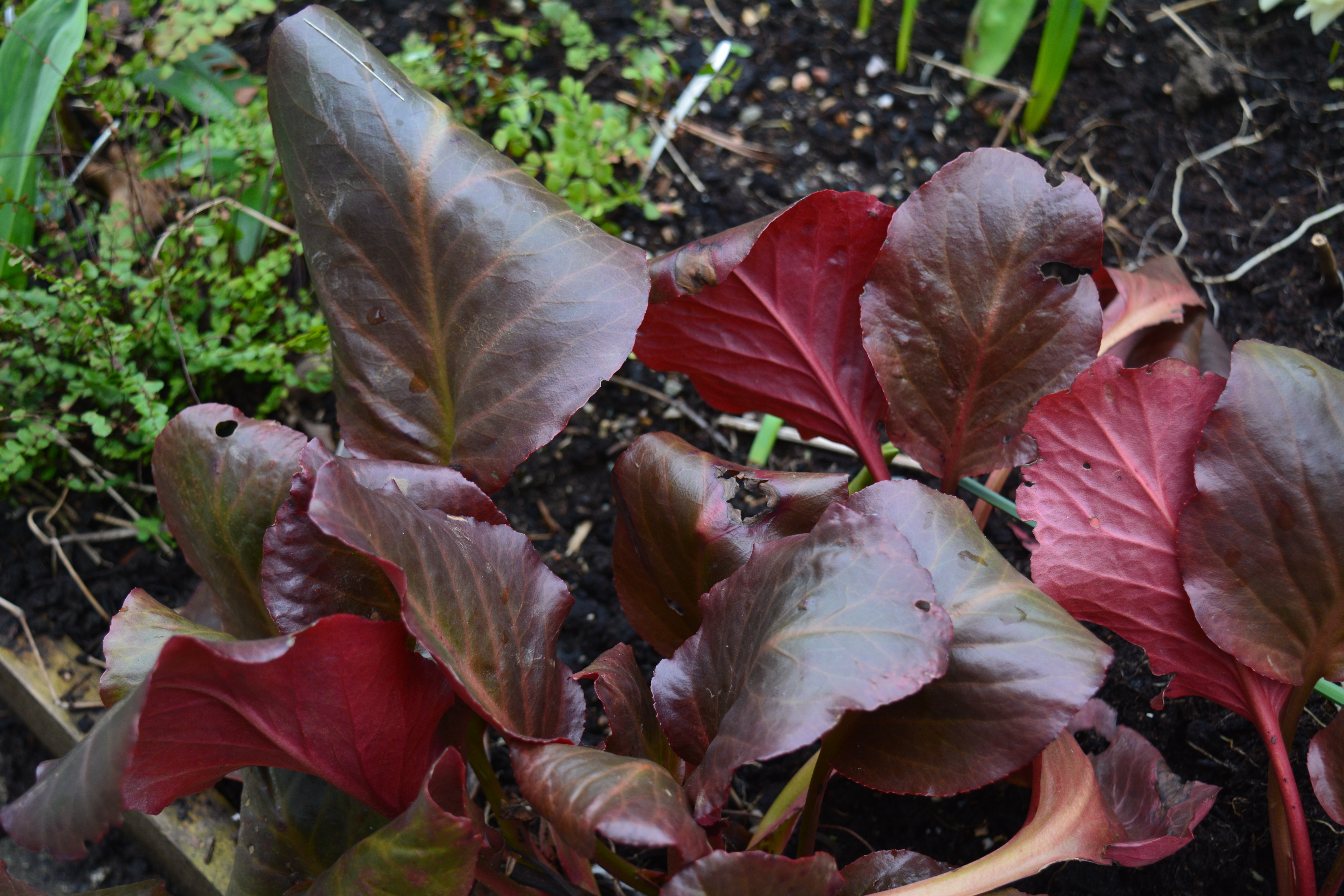
Turning over to the next double page spread I have a look at a couple of under-appreciated plants.

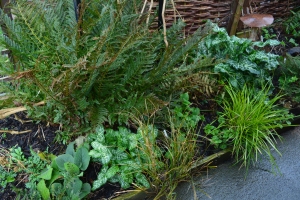
I wrote, “An unknown plant and an under appreciated plant, both stalwarts of the March garden, Bergenias and Drimys. I love them both!”

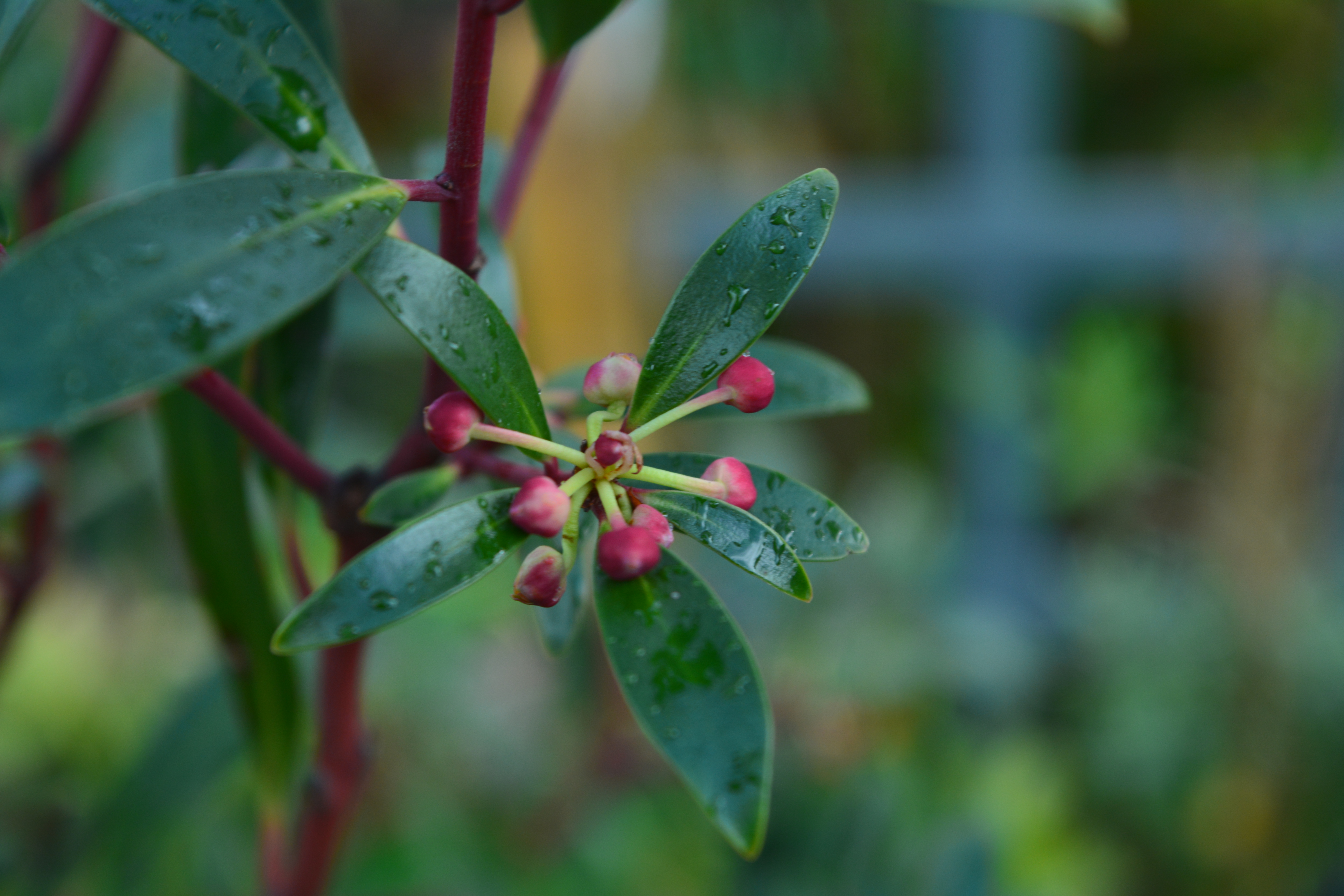
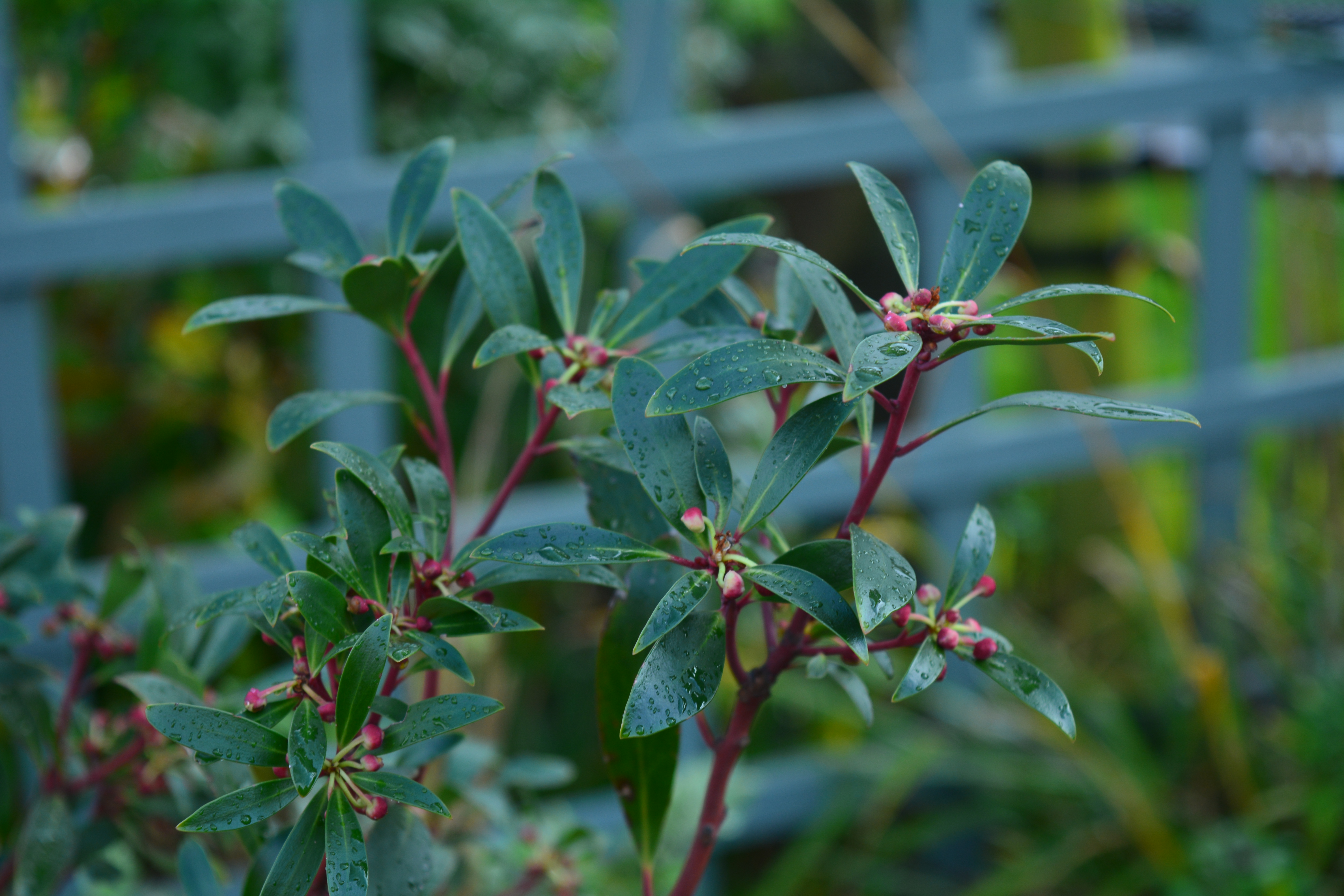
“Drimys lanceolata ‘Winter Spice’.

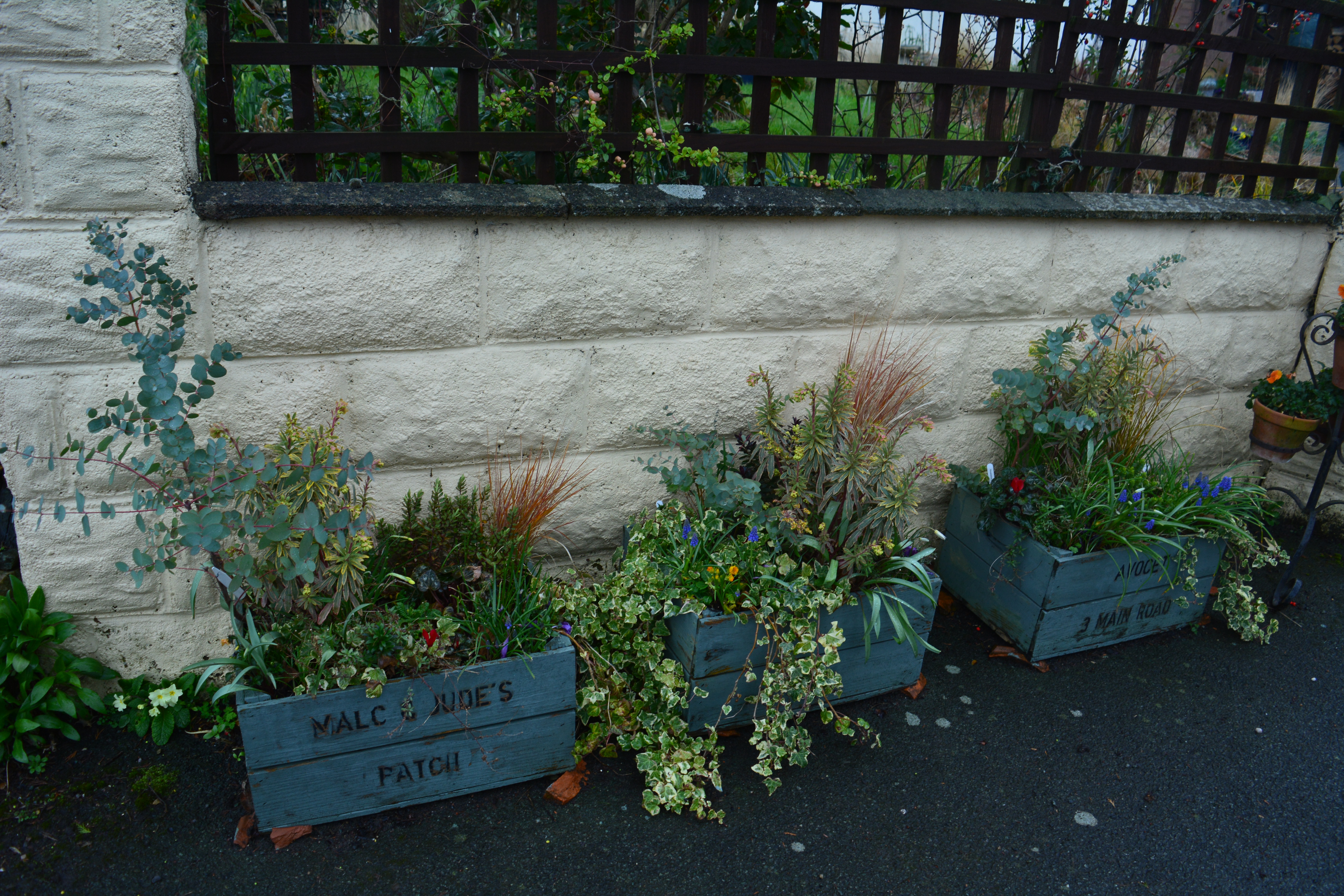
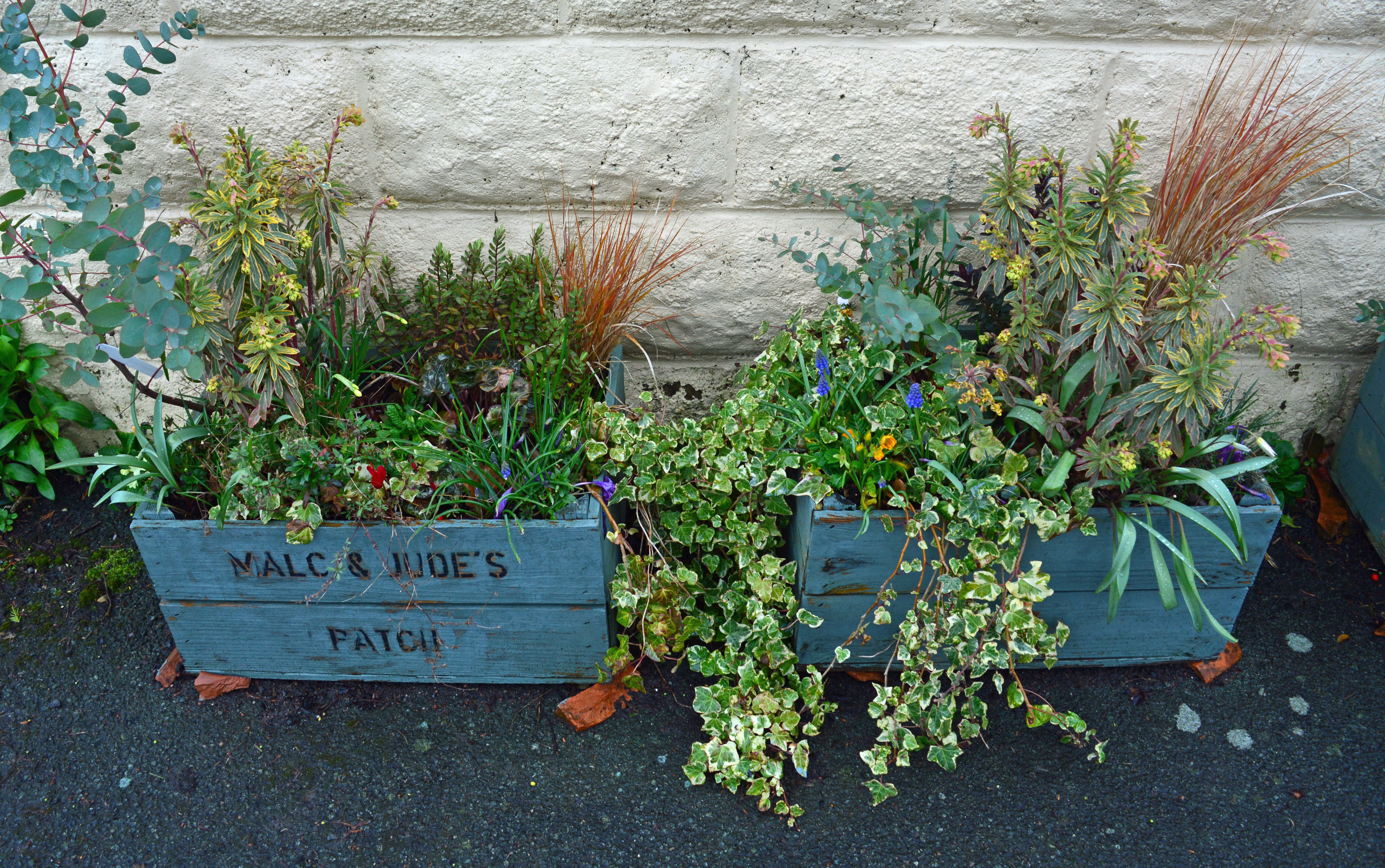
On the opposite page I looked at two places of warmth, a warm welcome and the warm greenhouse. Firstly I wrote, “A warm welcome to your garden is essential throughout the year. We welcome visitors to our Avocet patch using three fruit boxes planted up with interesting seasonal plants. Here they are in March.”

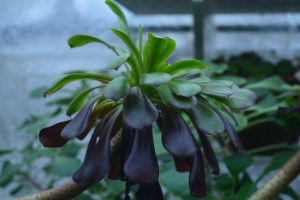
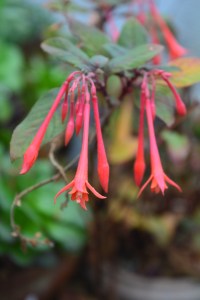
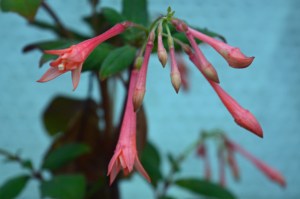
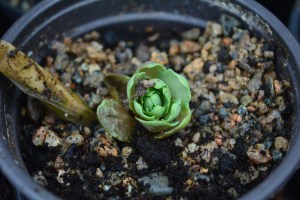
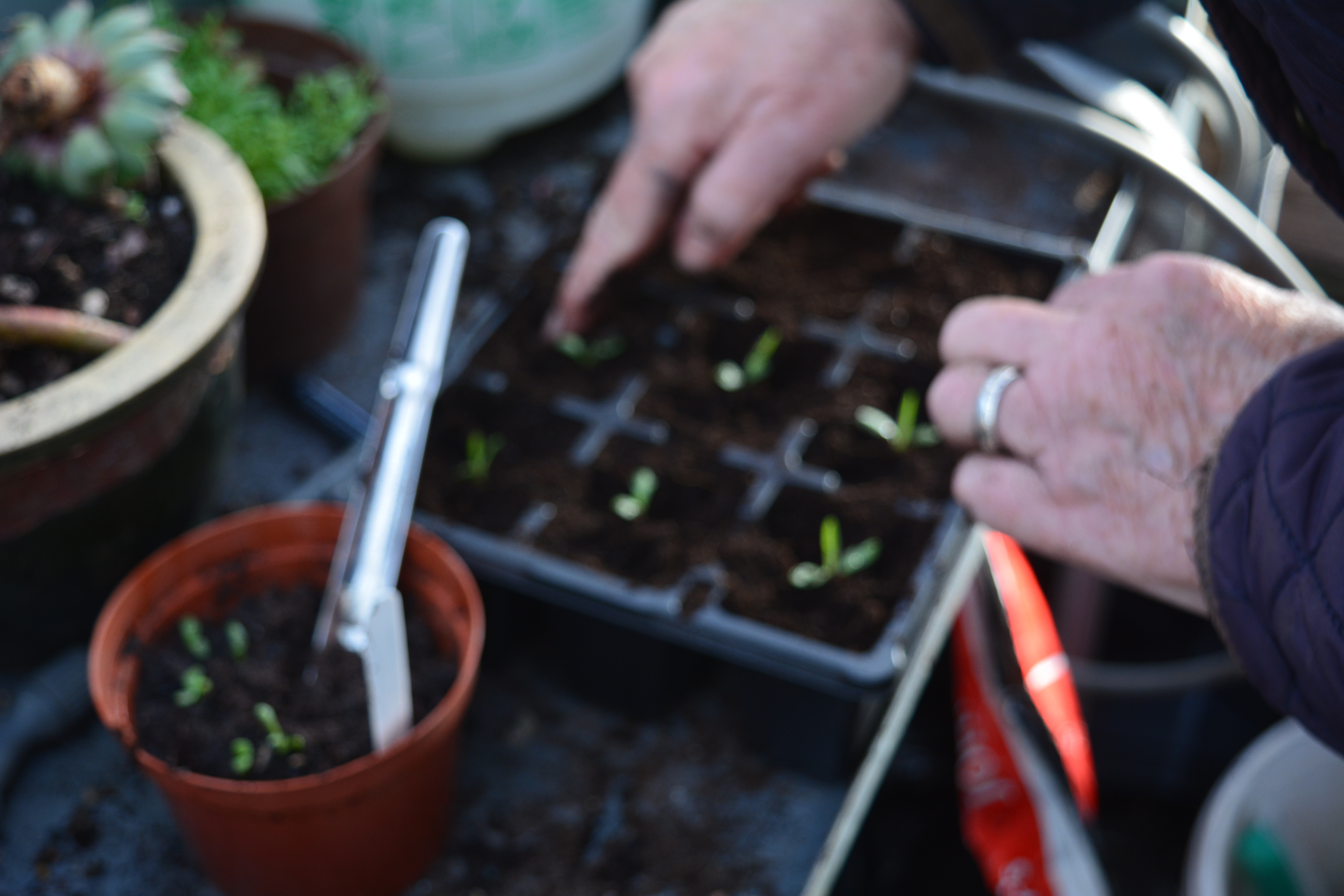
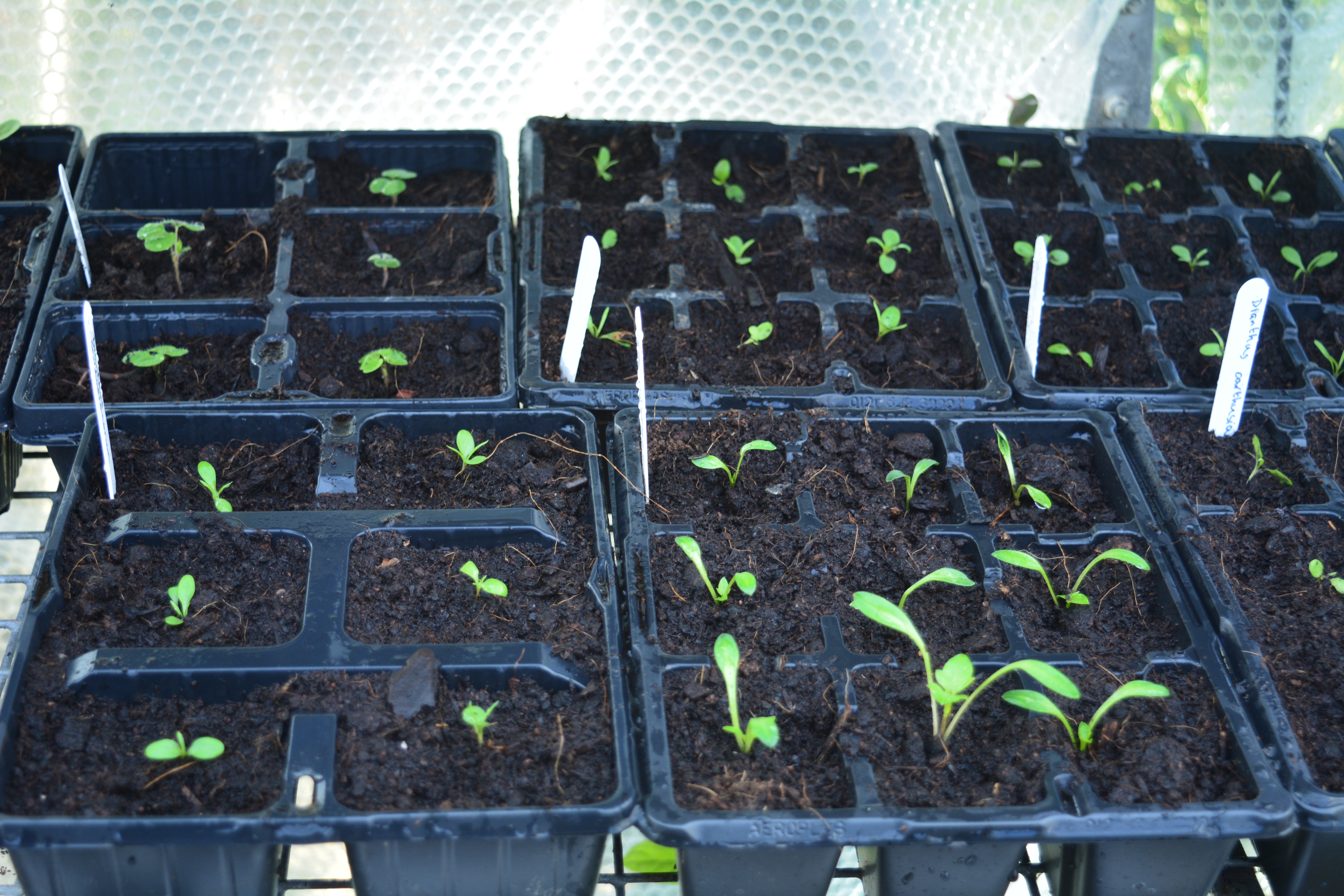
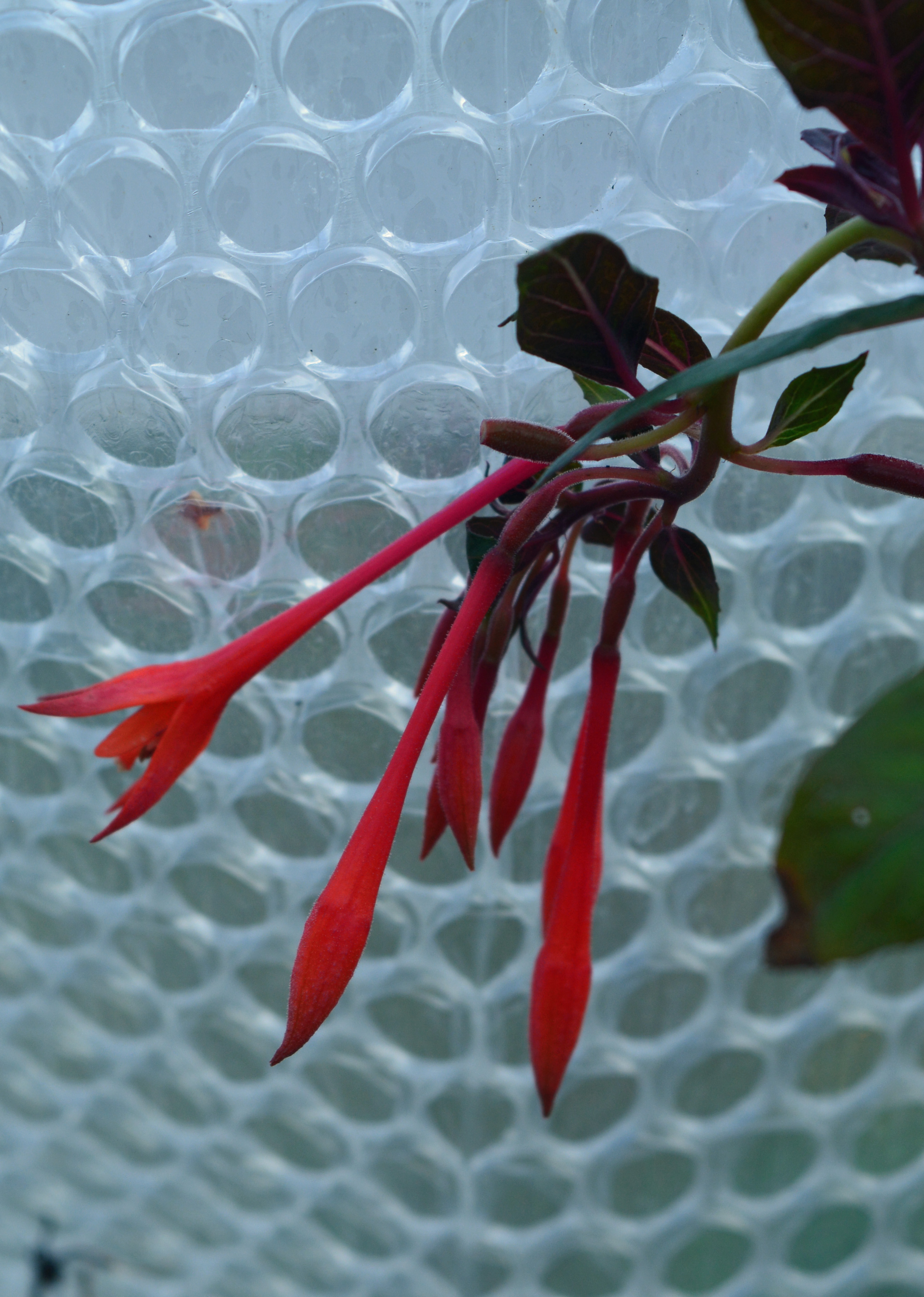
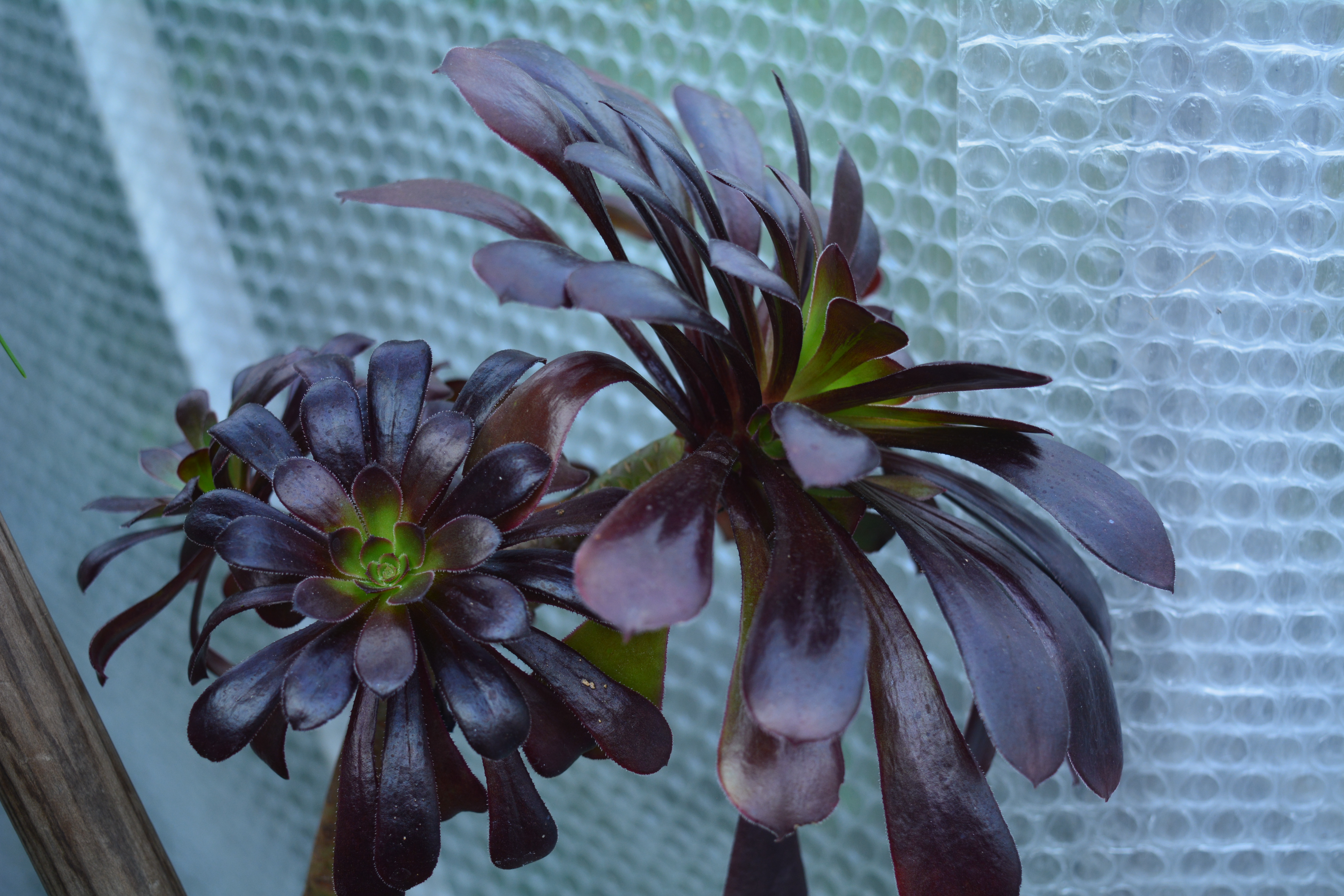
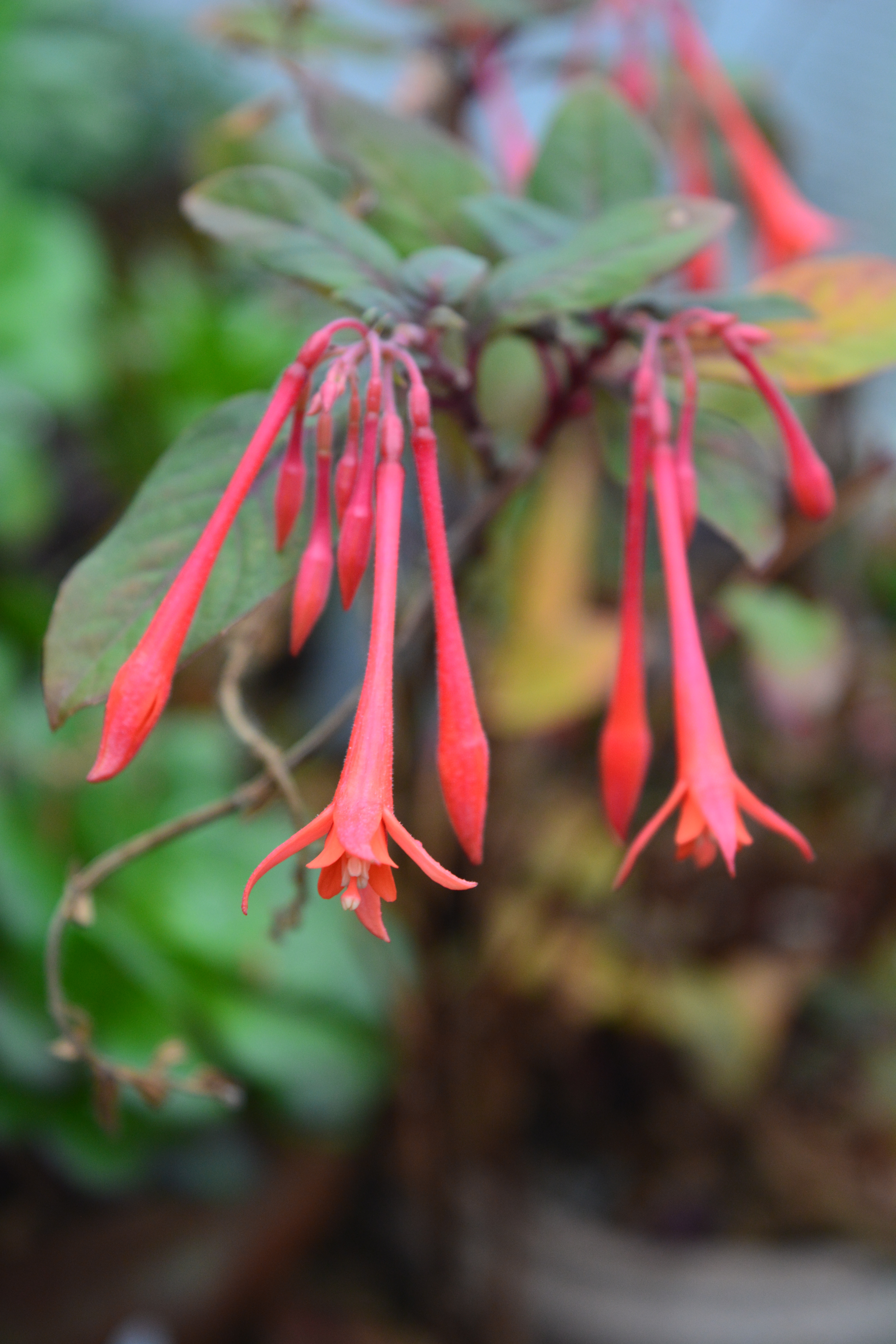
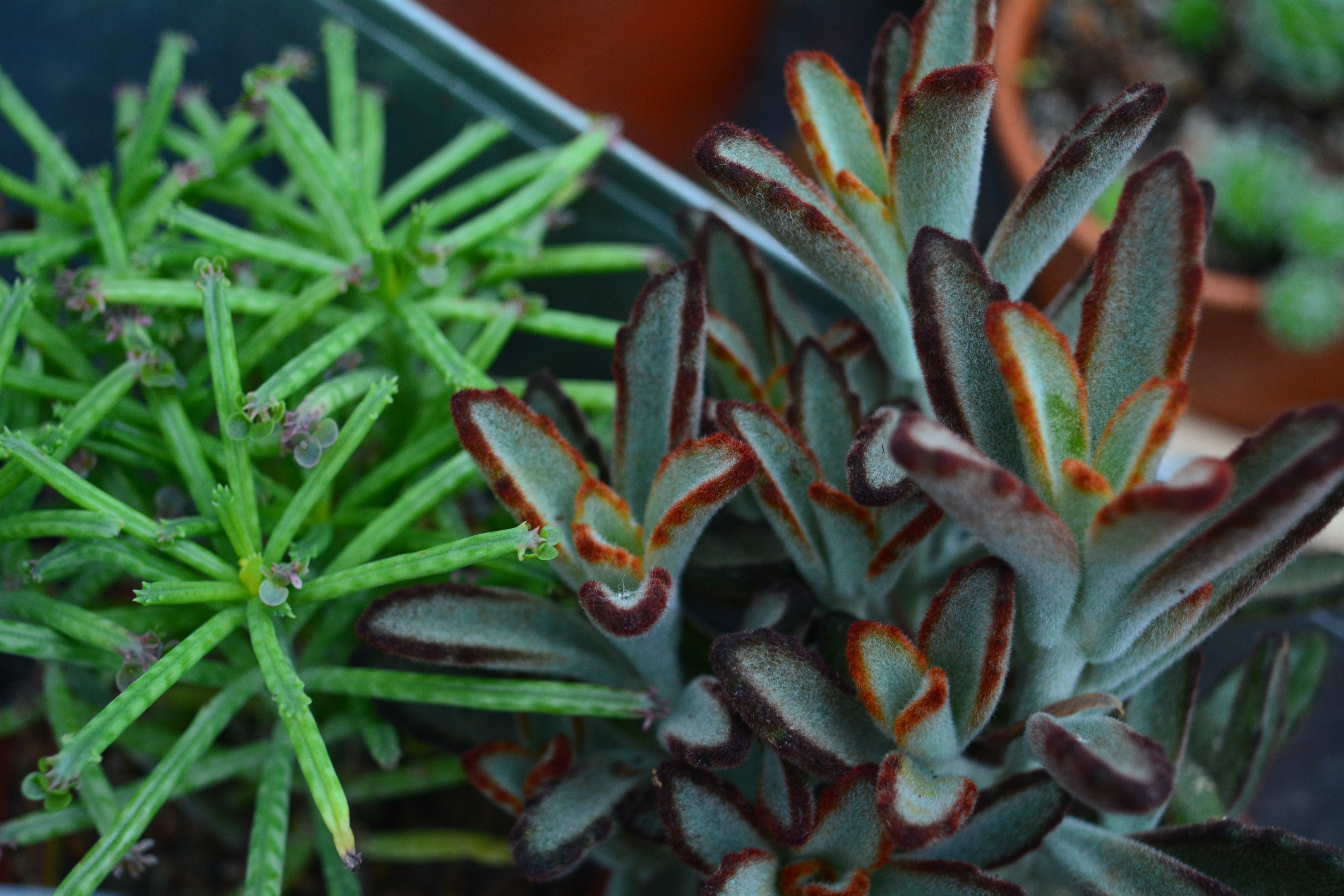
“When winter weather gets too much we retreat to the greenhouse where Jude has been pricking out seedlings and I have been nurturing my delicate succulents and Fuschia thalia which is in flower in the first week of March.”


On the next couple of pages I consider March pruning and some flowers we enjoyed in our March garden.

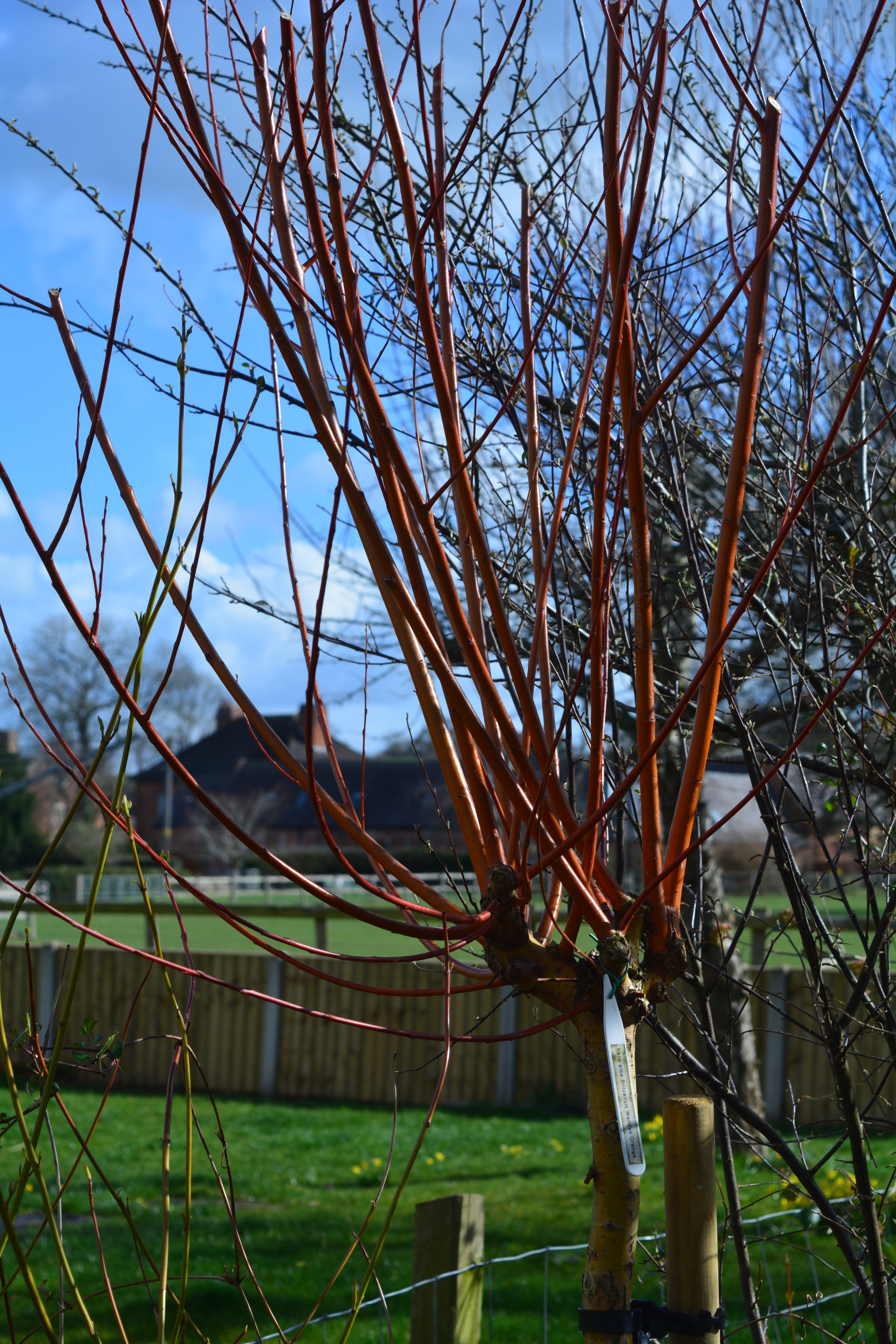
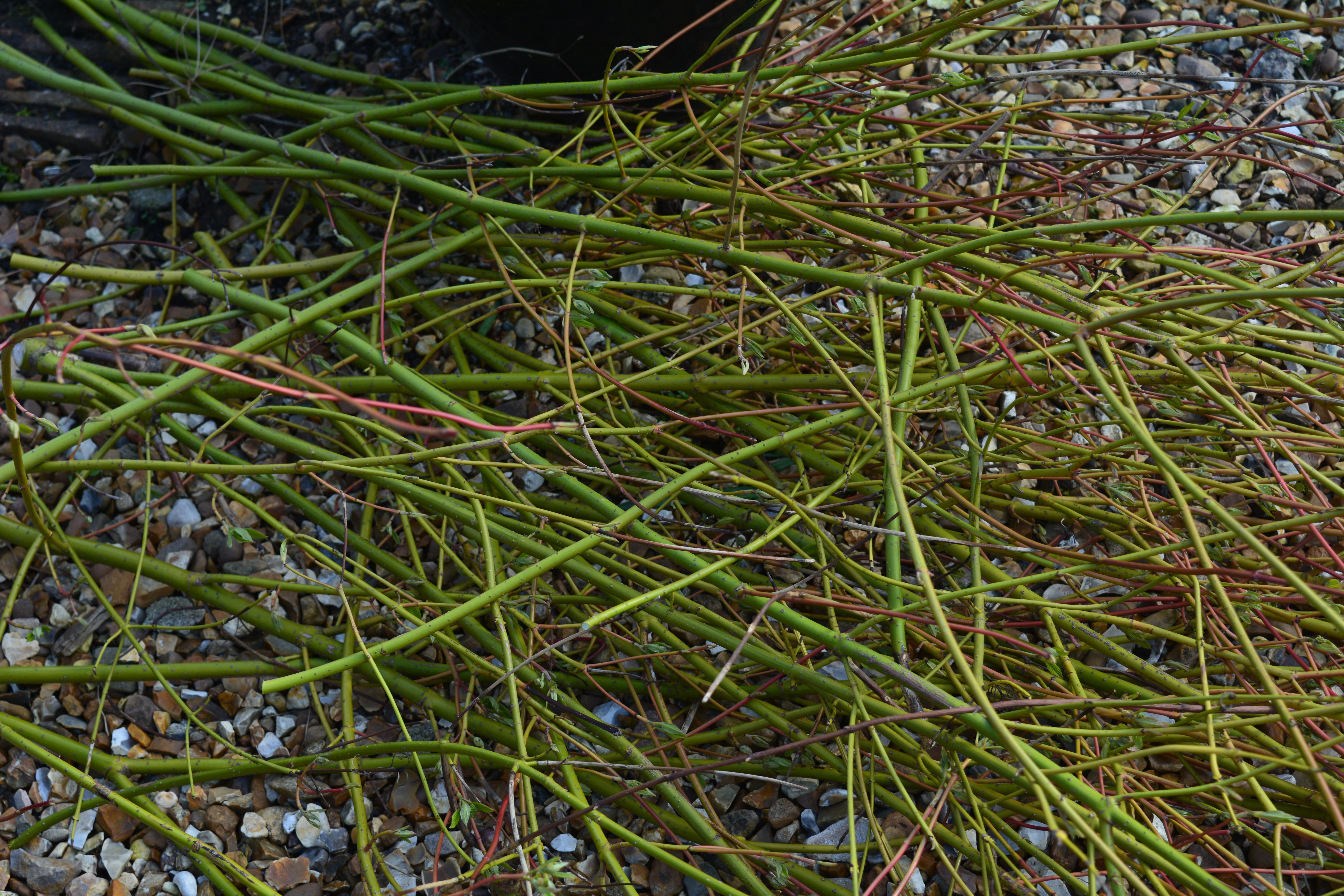
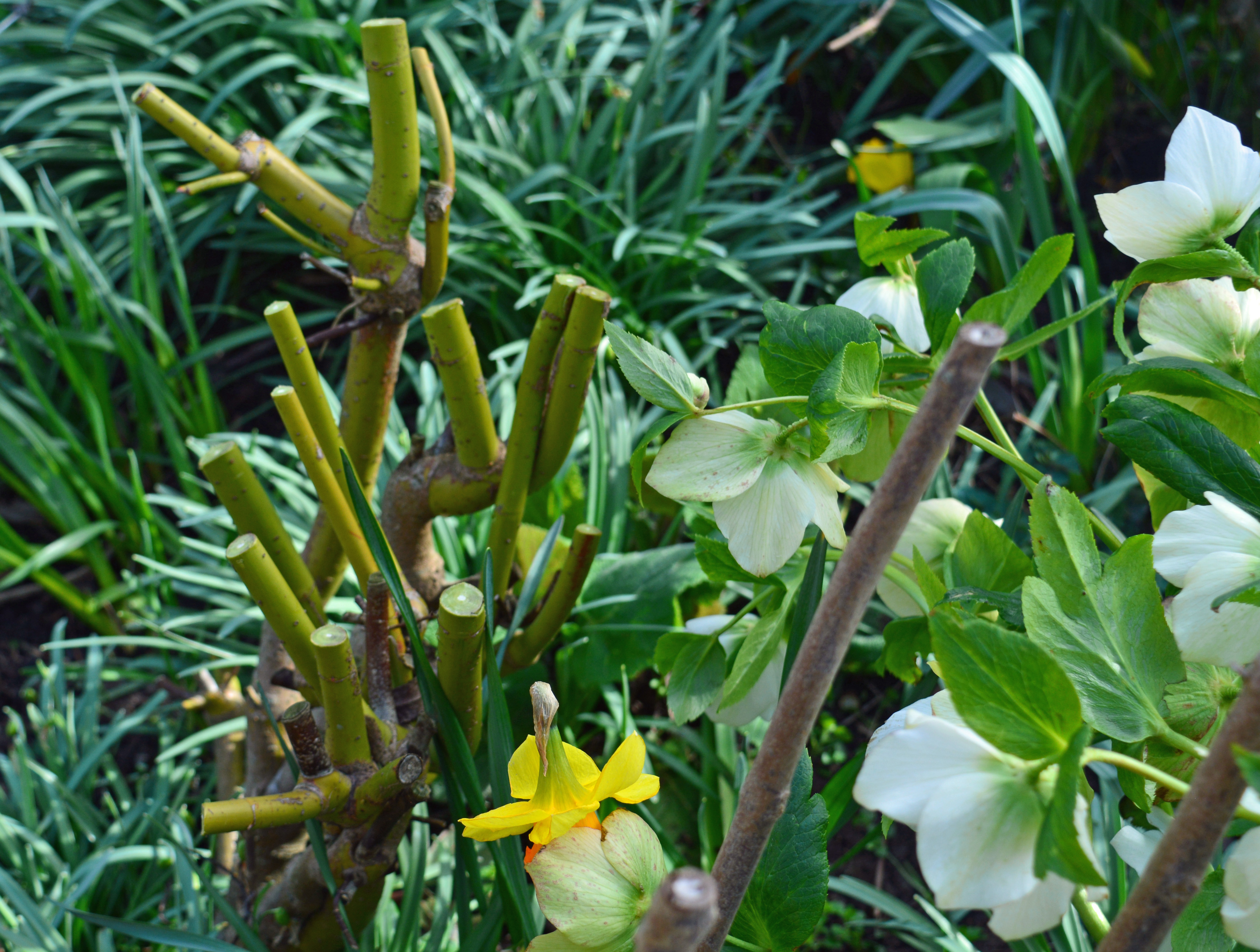
Of pruning I wrote, “March is a busy month in our garden. As well as cutting deciduous grasses rather drastically almost down to the ground we have to coppice or pollard Salix and Cornus to ensure we will enjoy their coloured stems next winter.”

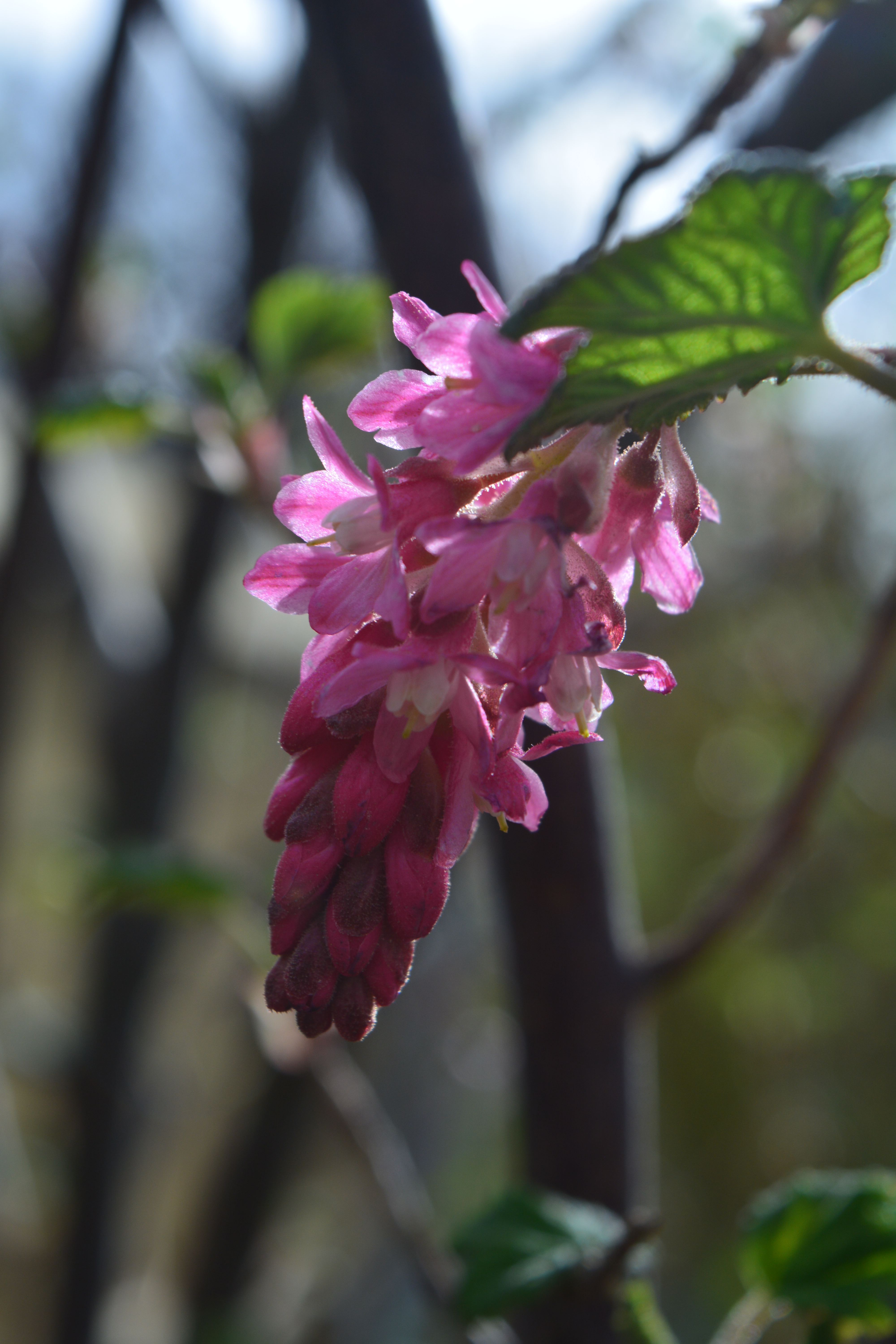
“Flowers are appearing, some expected but others well out of their season.”


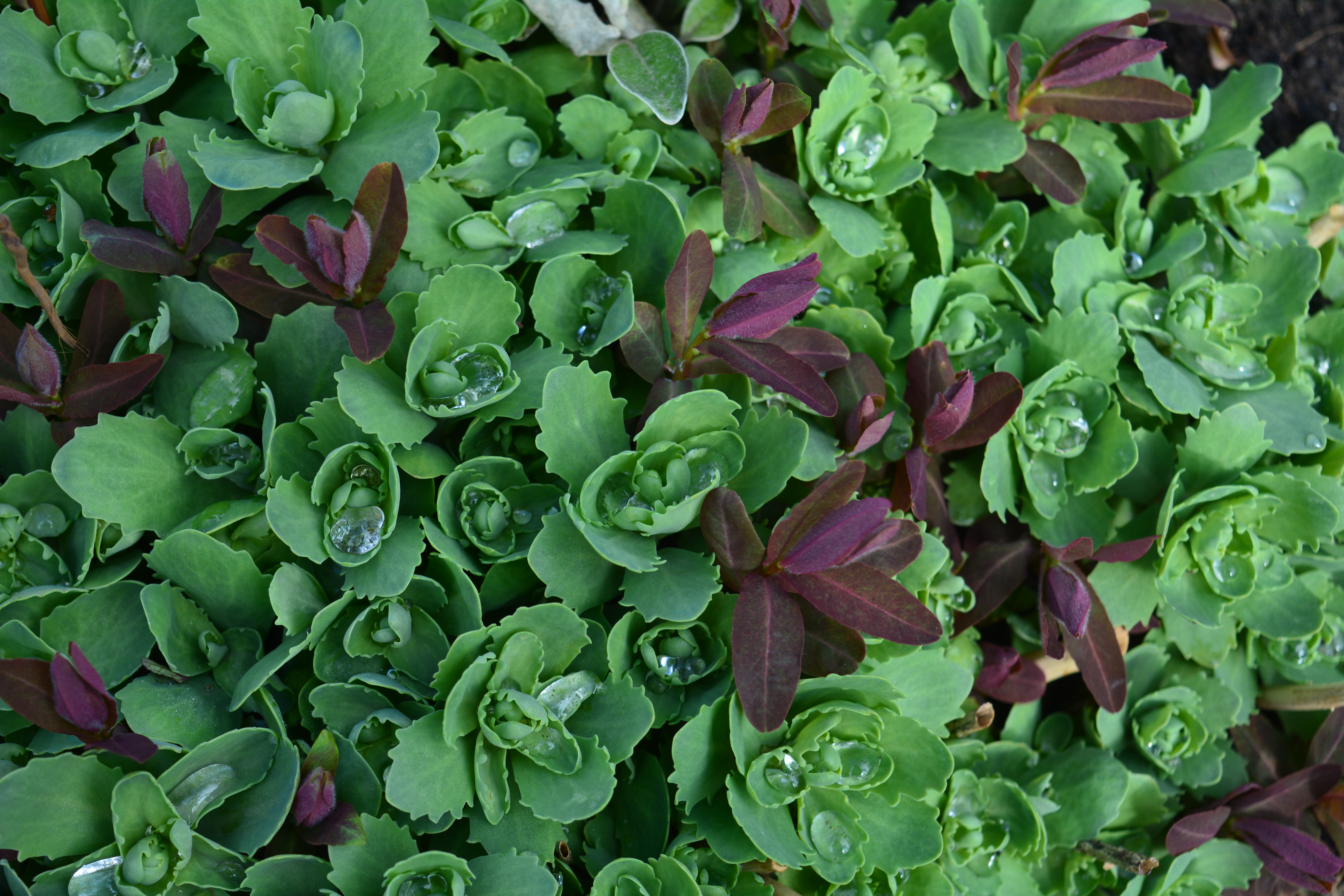
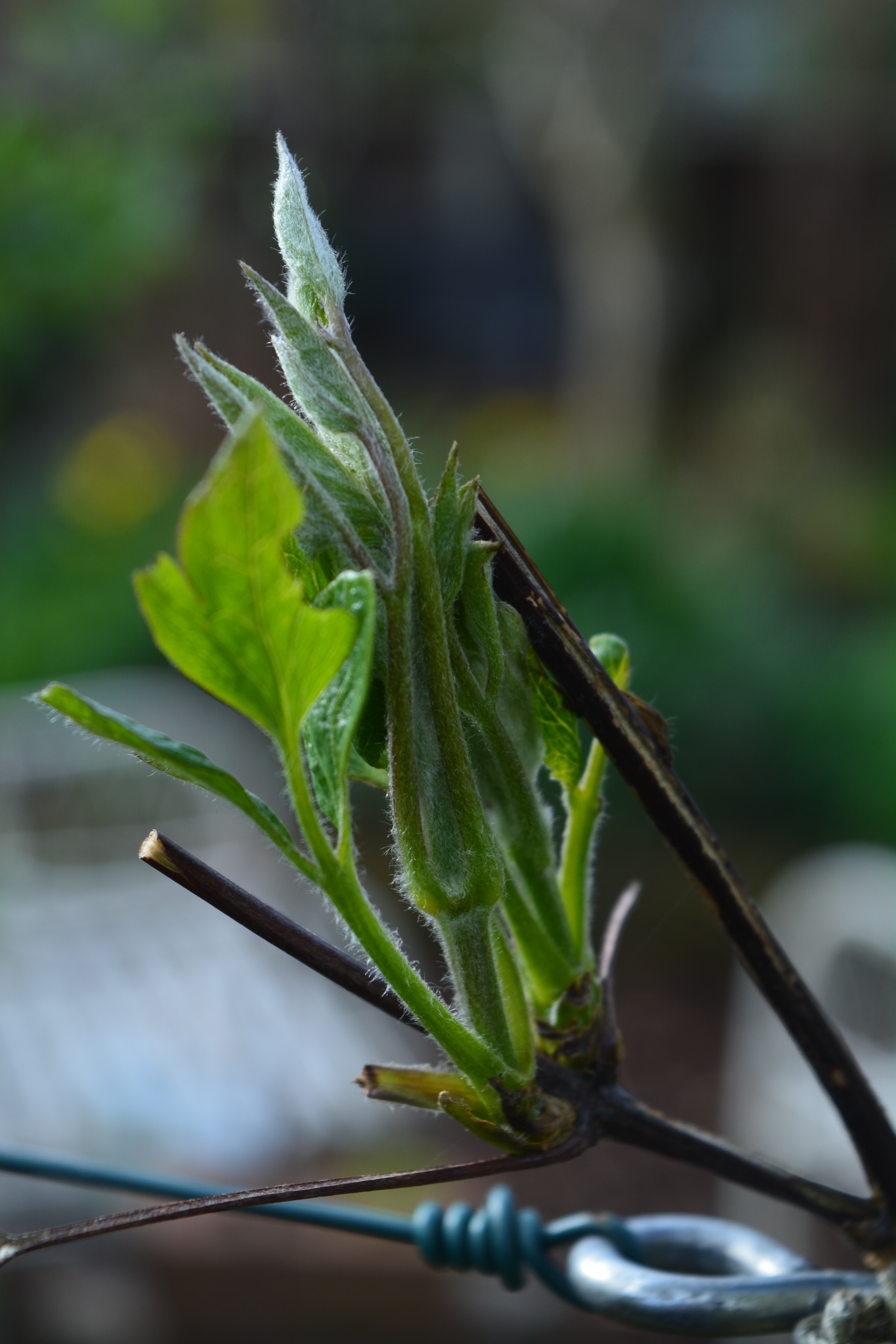
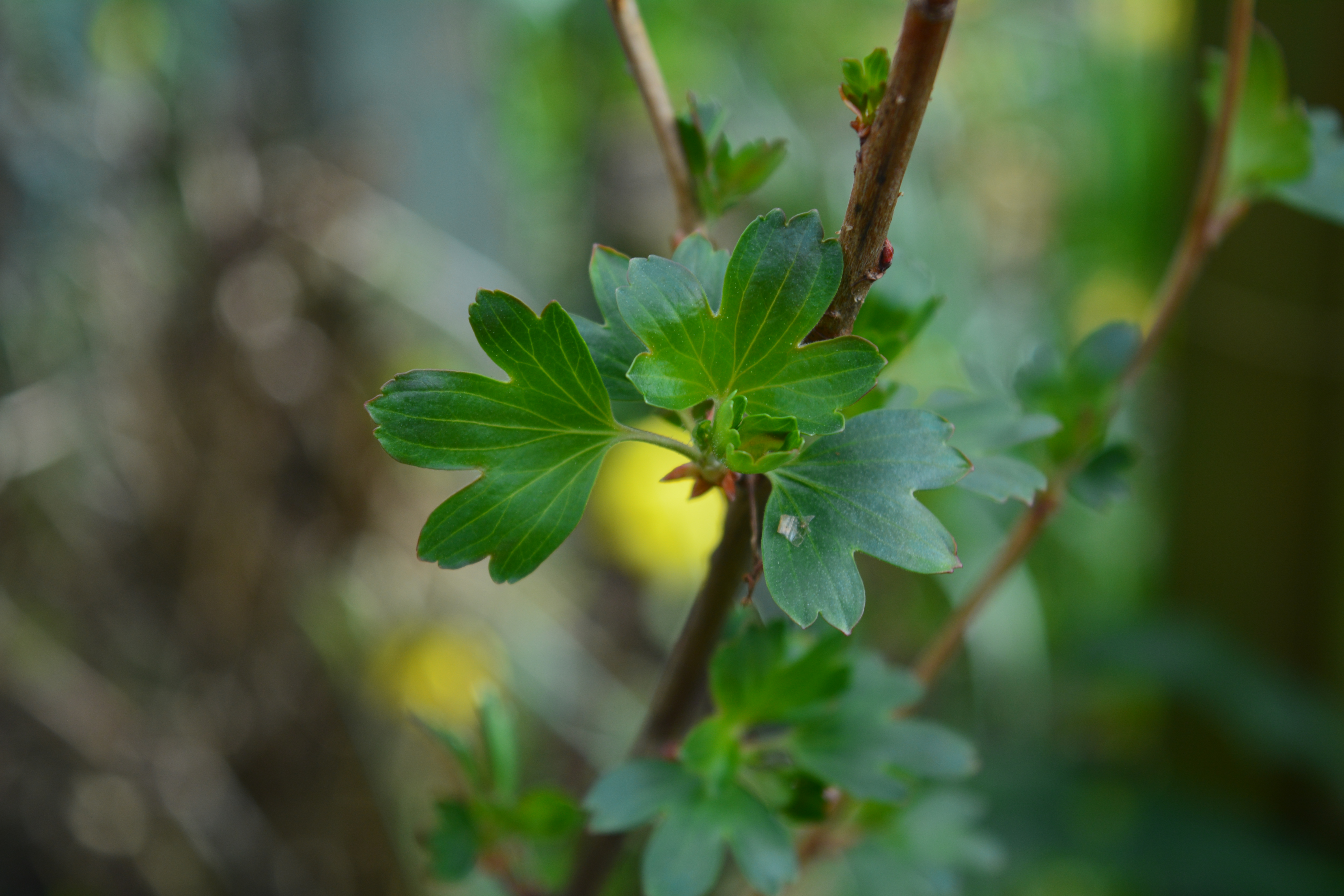
Over the page I moved on to consider the fresh growth appearing throughout the garden during March.

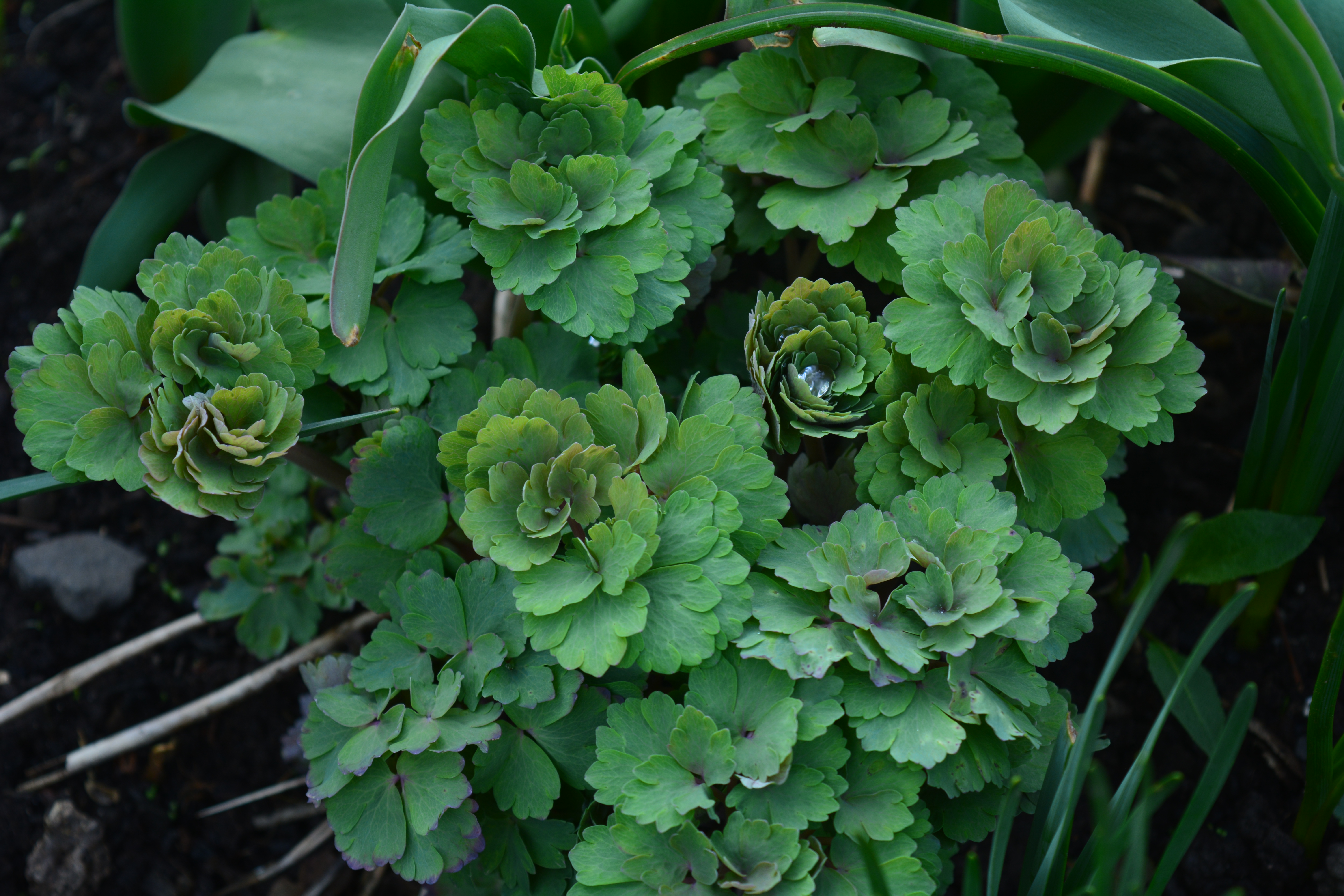
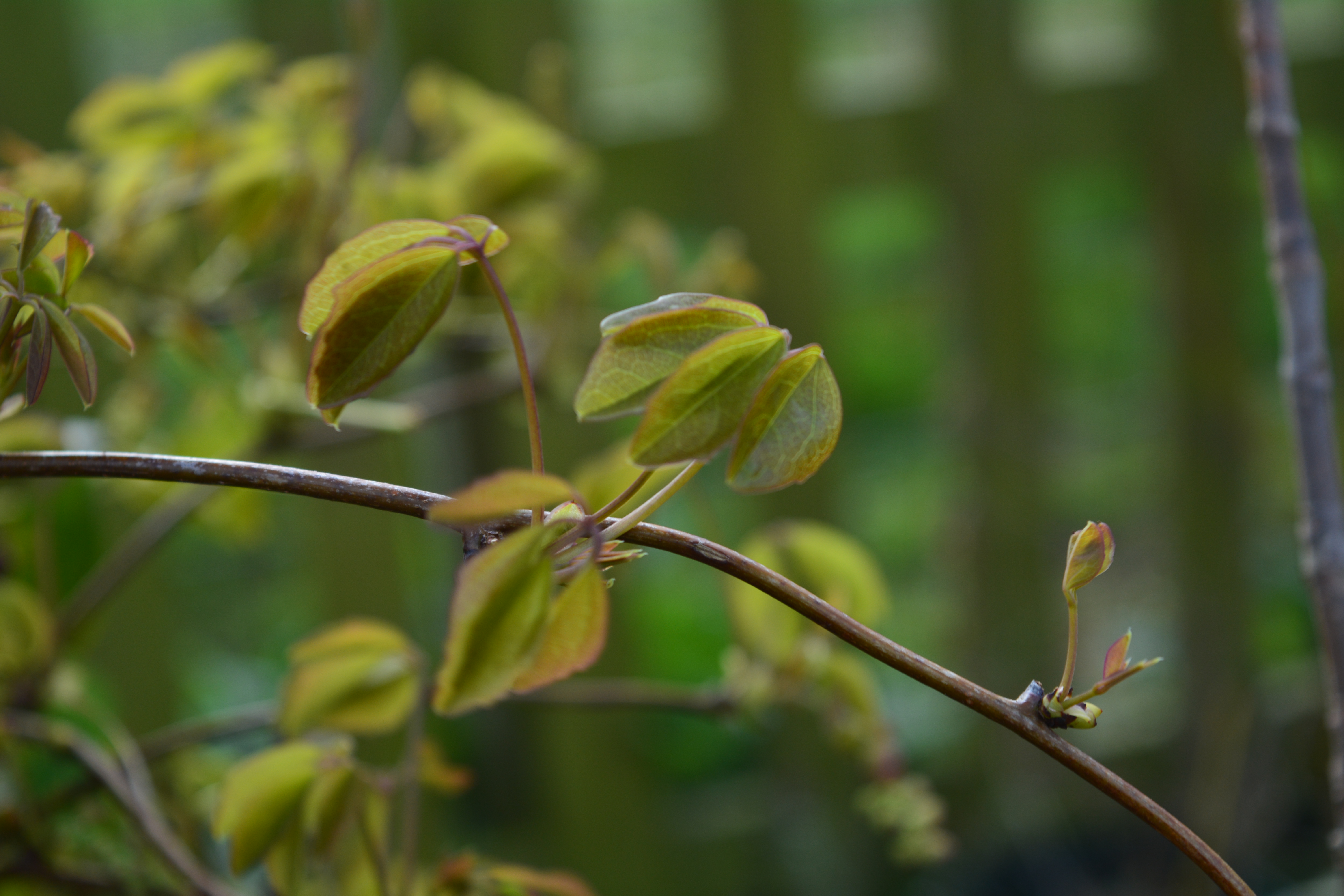
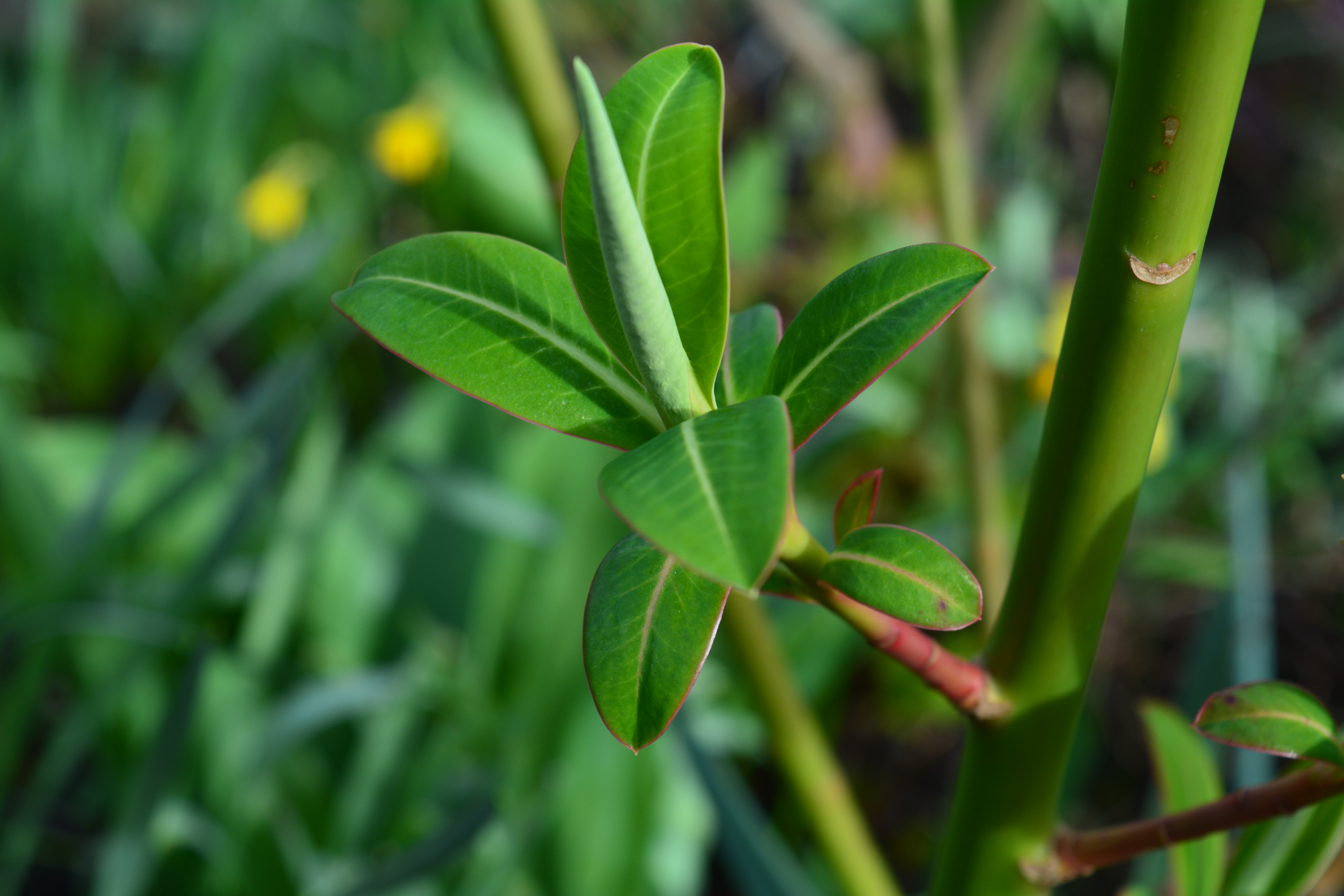
I wrote, “Fresh growth in March always seems urgent and gives us confidence for the seasons to come. The excitement and vibrancy of new growth on Clematis, perennials and our cloud-pruned box edging.”

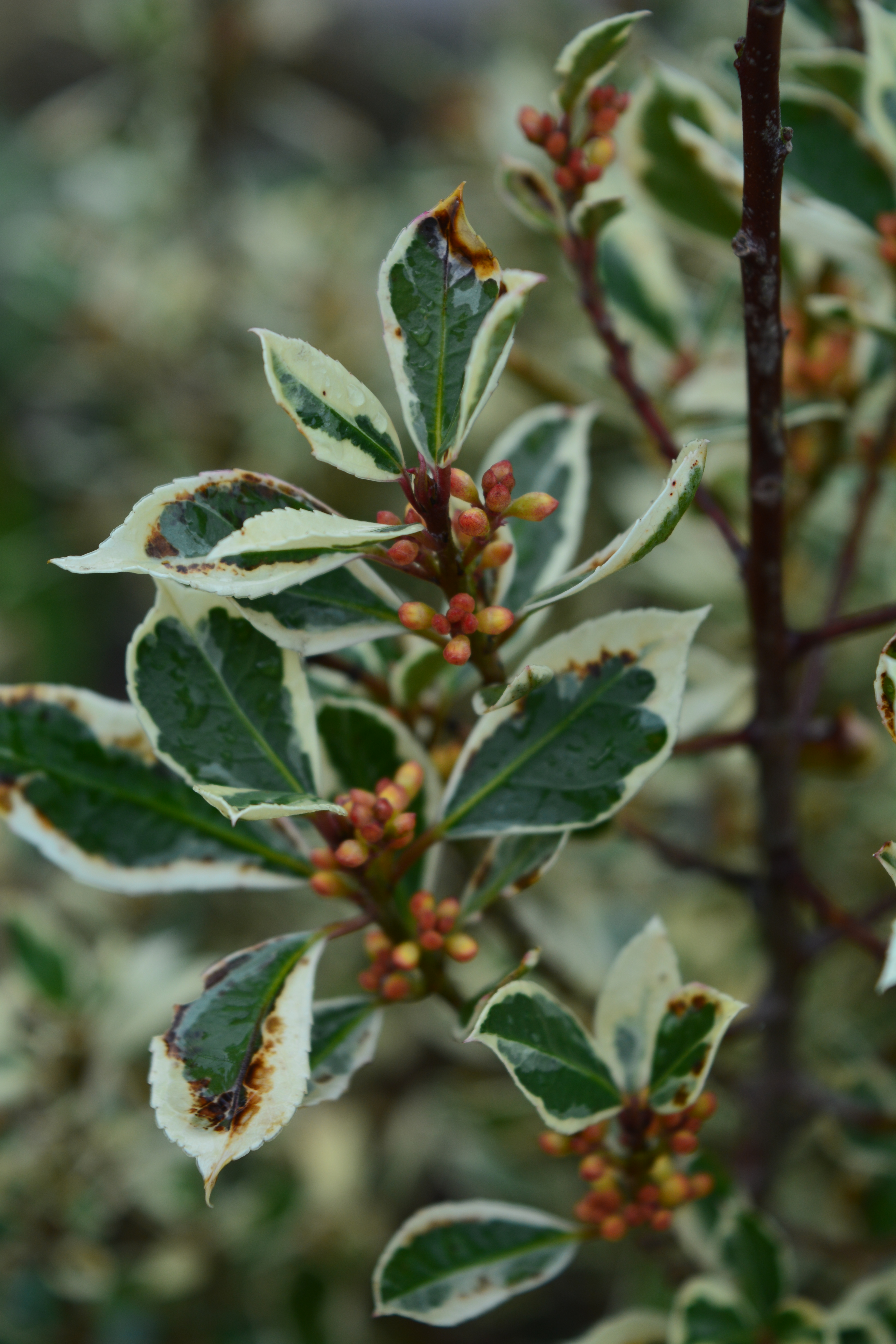
On the opposite page I considered a favourite shrub growing in our “Shrub Border”, Rhamnus aureomarginatus, and looked at the importance of all the greens in our March garden. About Rhamnus I wrote, A true all year round shrub which graces our shrub border, lighting up the dullest winter days with its silver margined variegation. Early in the year the golden-orange flower buds light up the plant and these will open in summer to give yellow flowers followed later in the year by tiny black shining berries.”


Opposite I wrote, “Green is the colour. Lots of shades of green.”


So that is it for my March gardening report so in a few days it will be time to start on April’s entries.


Categories
garden arches garden design garden designers garden garden arches garden paths garden photography gardening gardens gardens open to the public light light quality natural pest control ornamental trees and shrubs outdoor sculpture pathways trees

A Week in Cornwall – Part 5 – The Japanese Garden

As we left Cornwall after our week’s holiday we spent the morning at The Japanese Garden which was part way back to Devon where we were going to stay for a few days. We had visited this garden years ago but could not remember it at all, so it would all be a surprise.

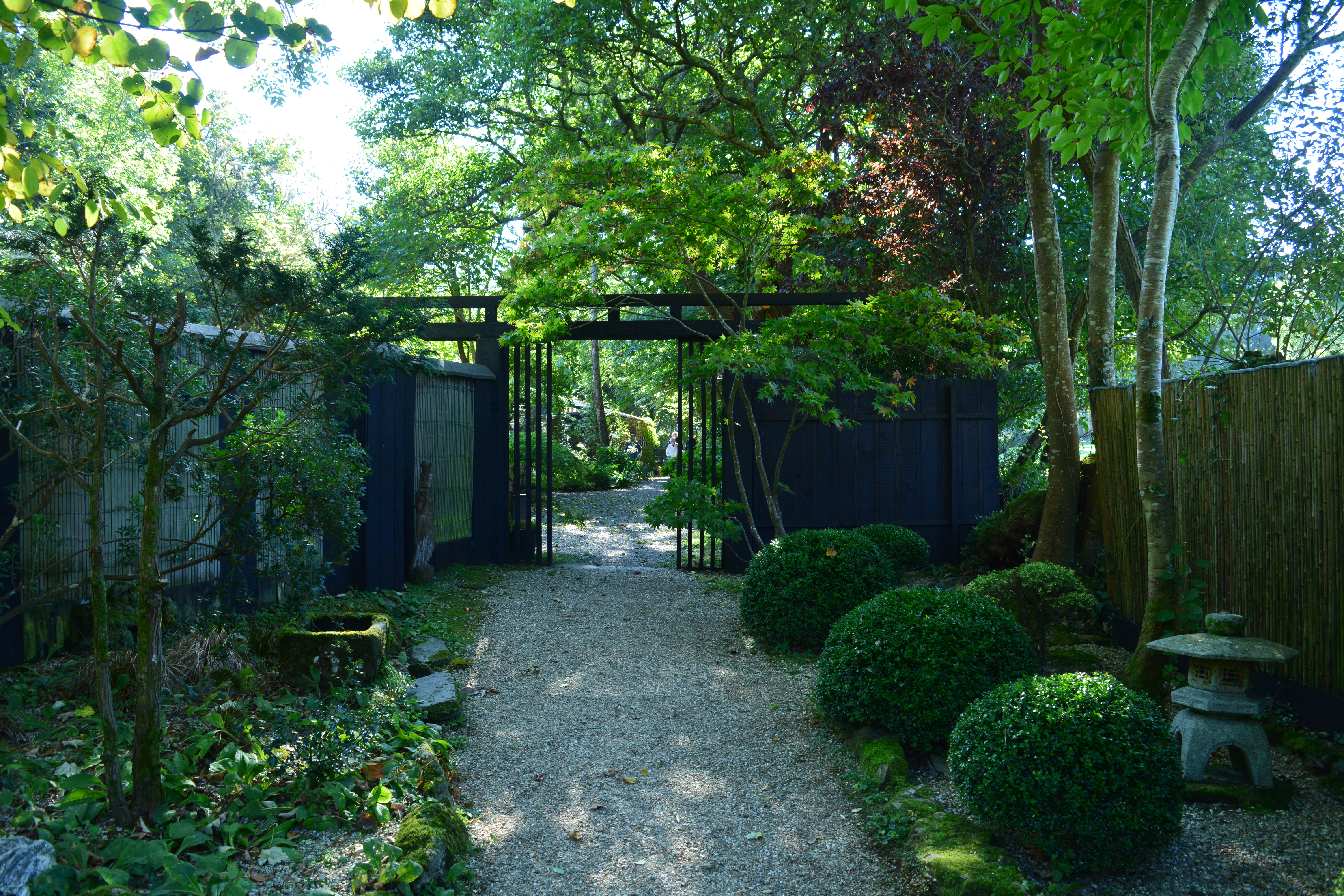
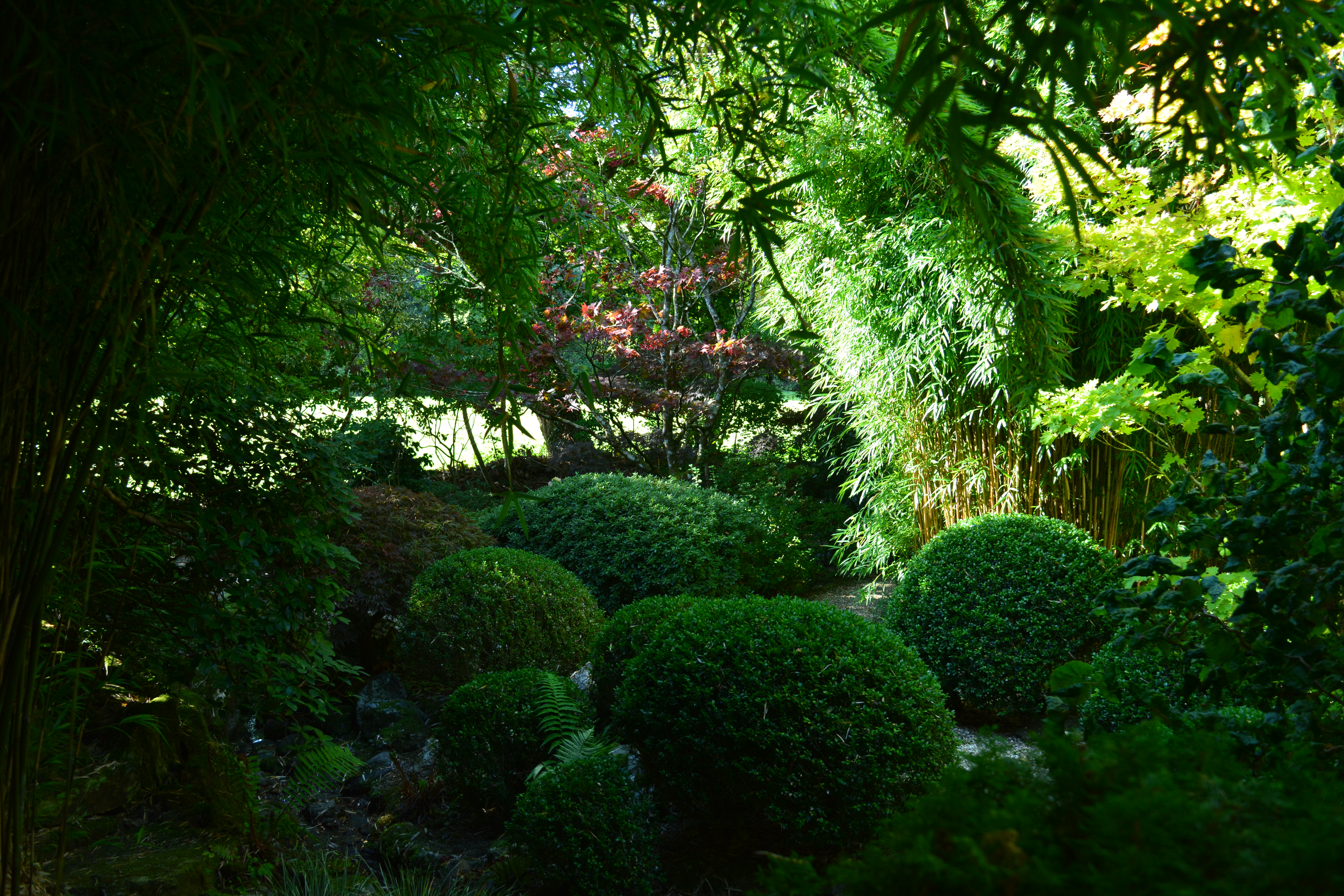
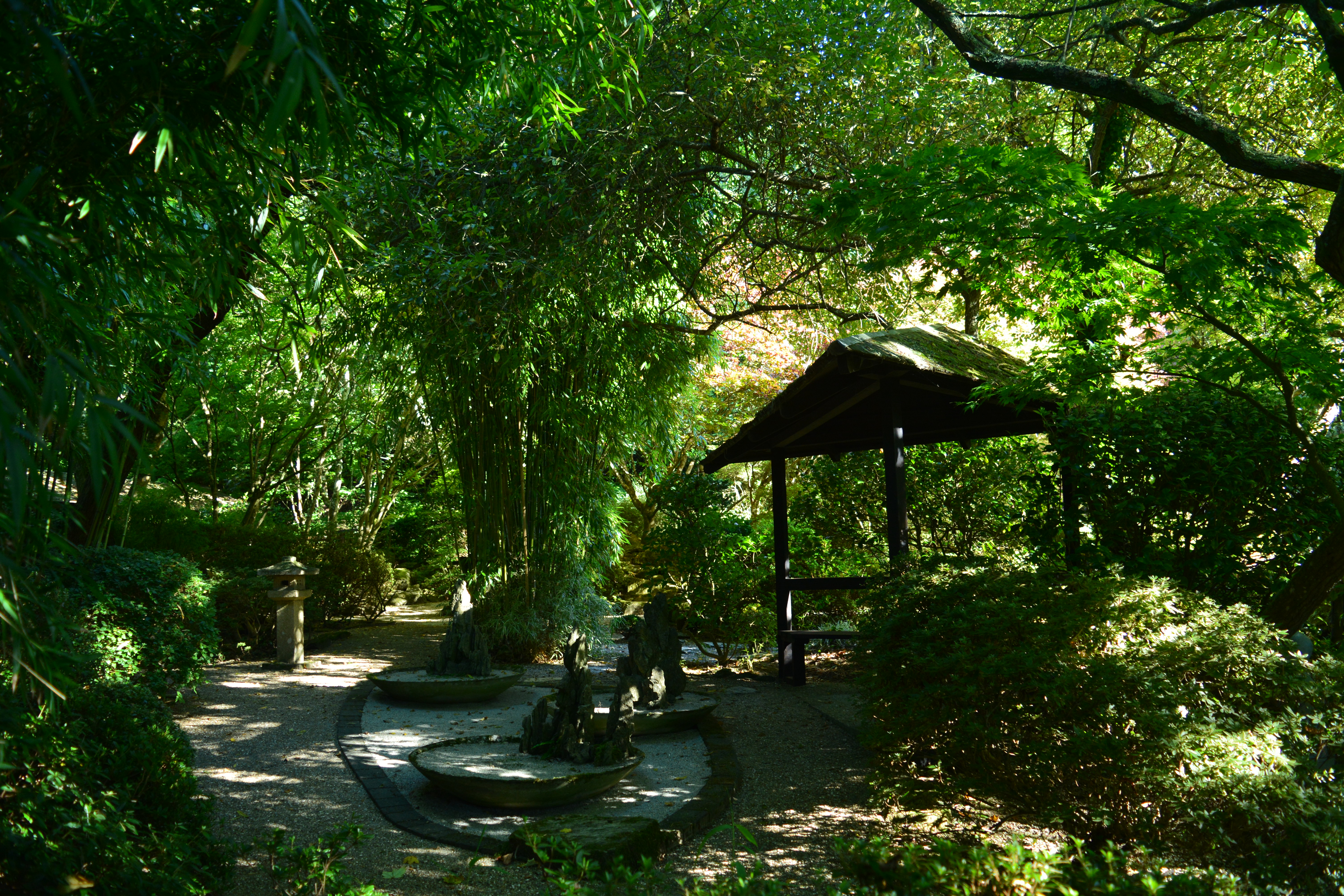
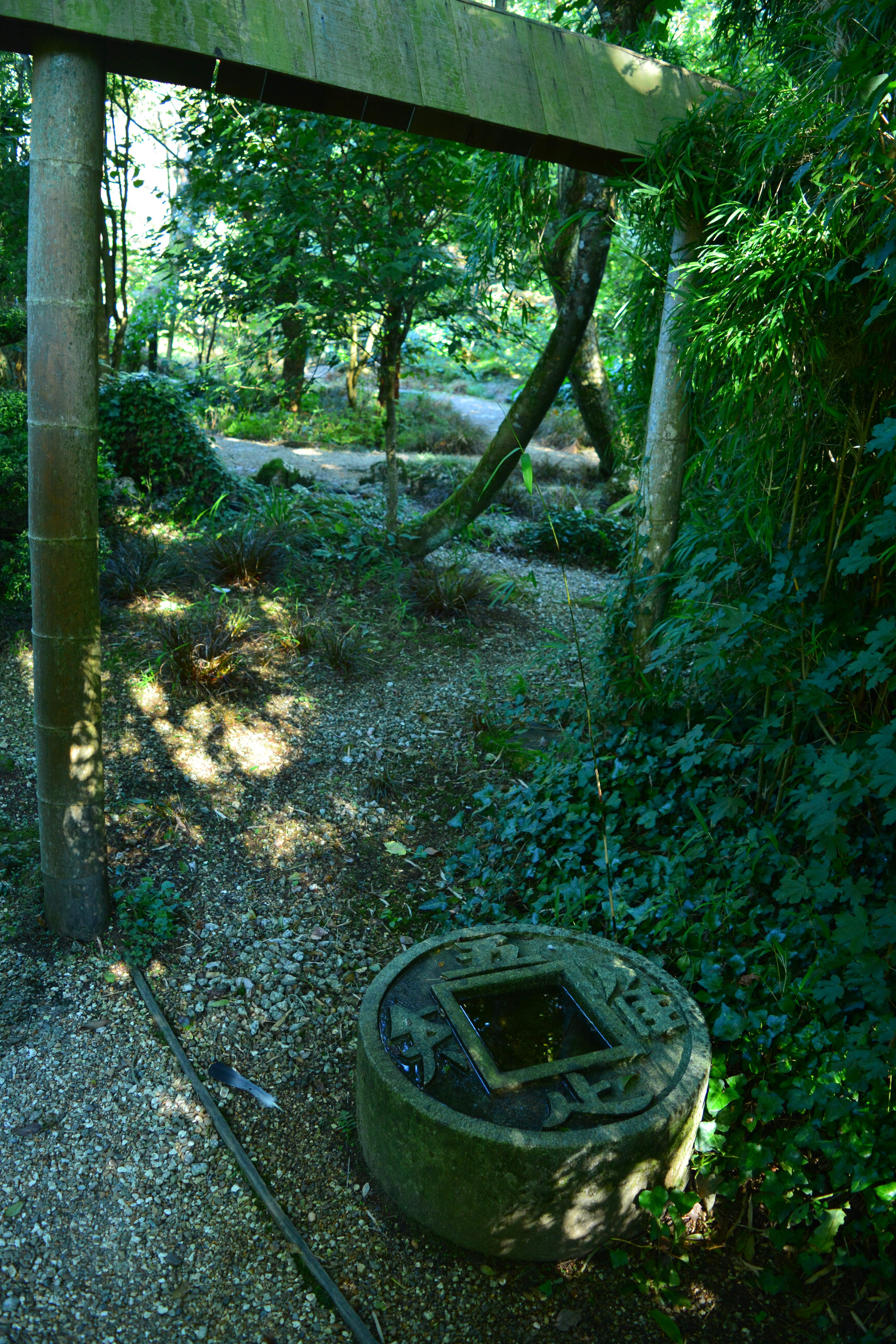
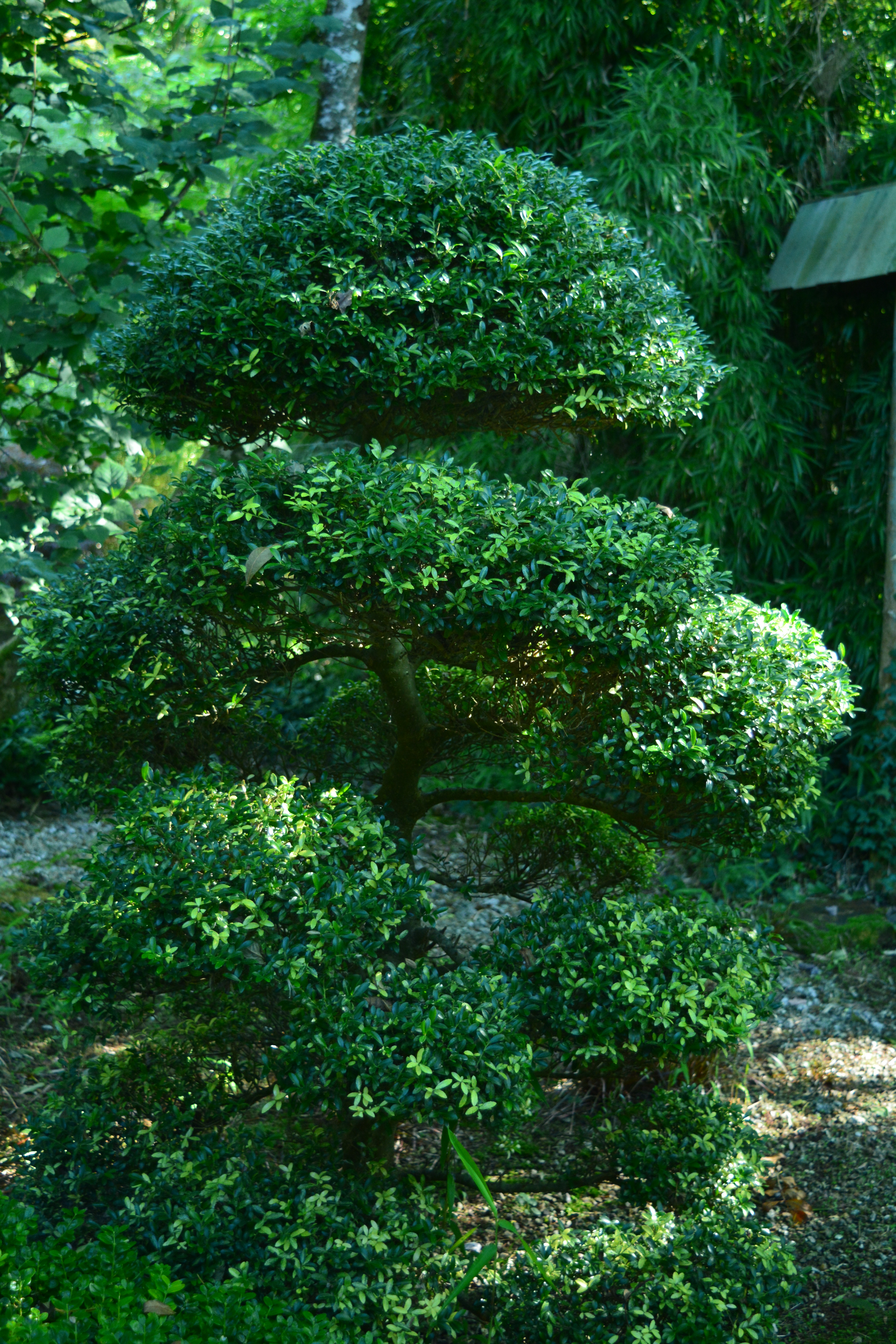
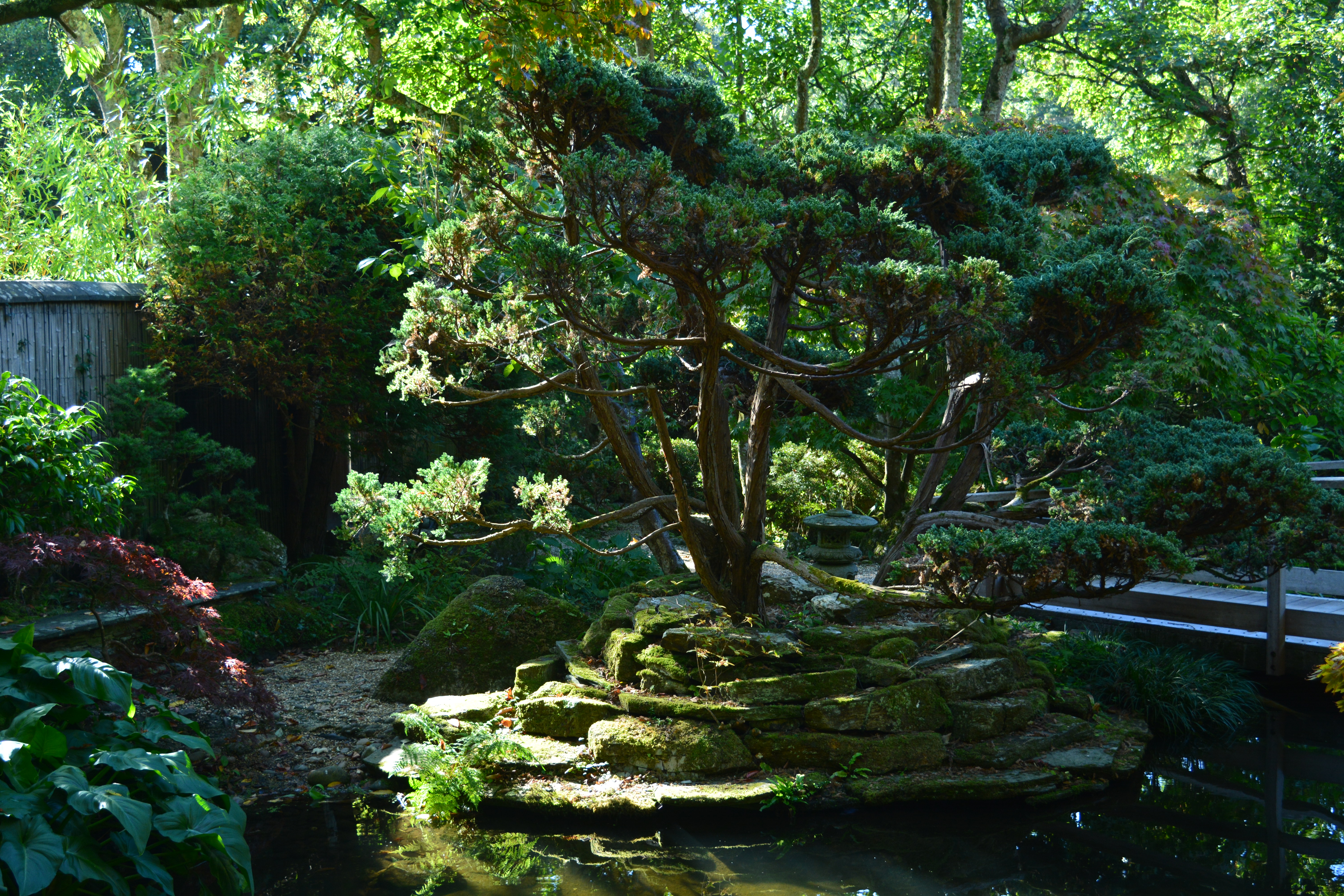
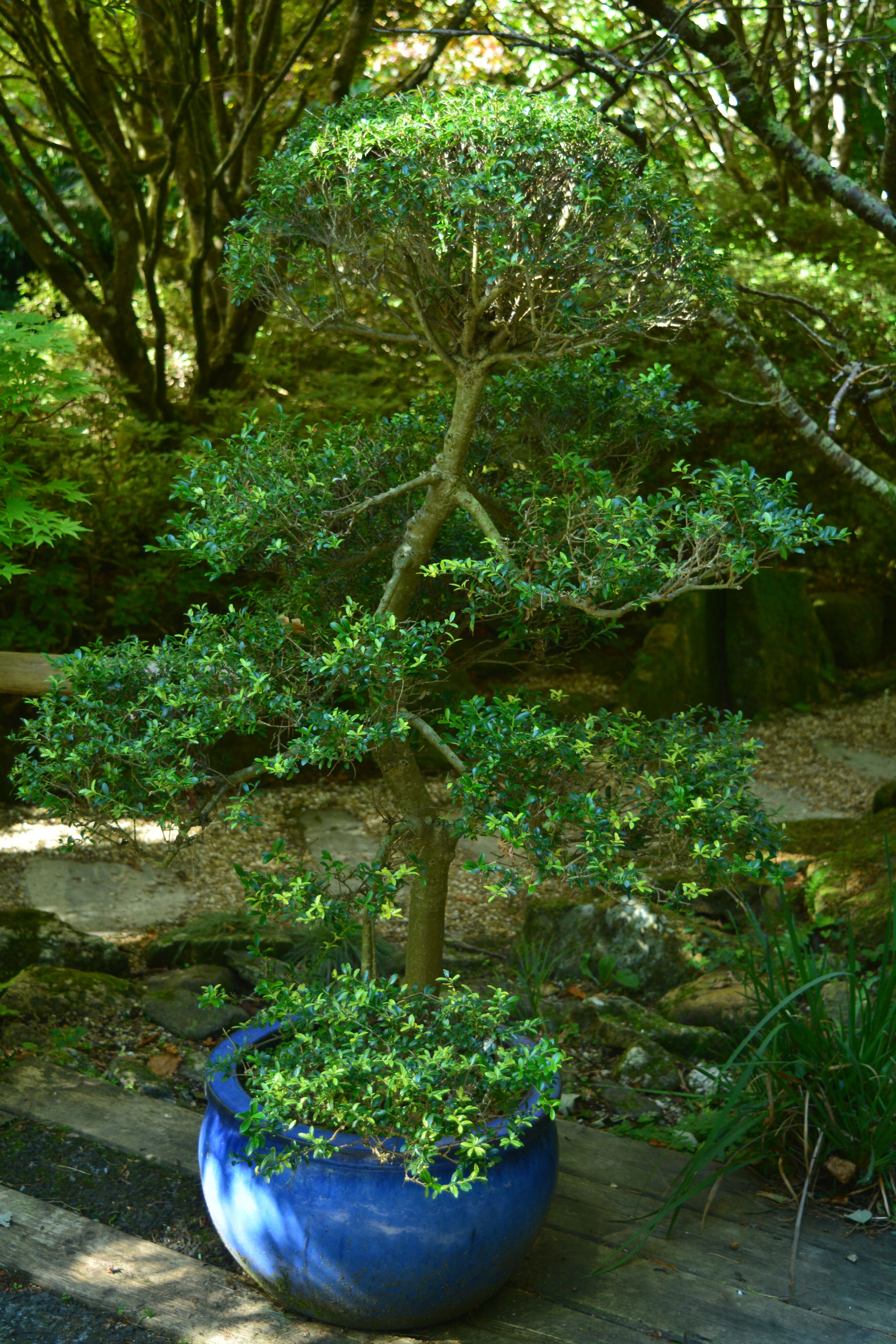
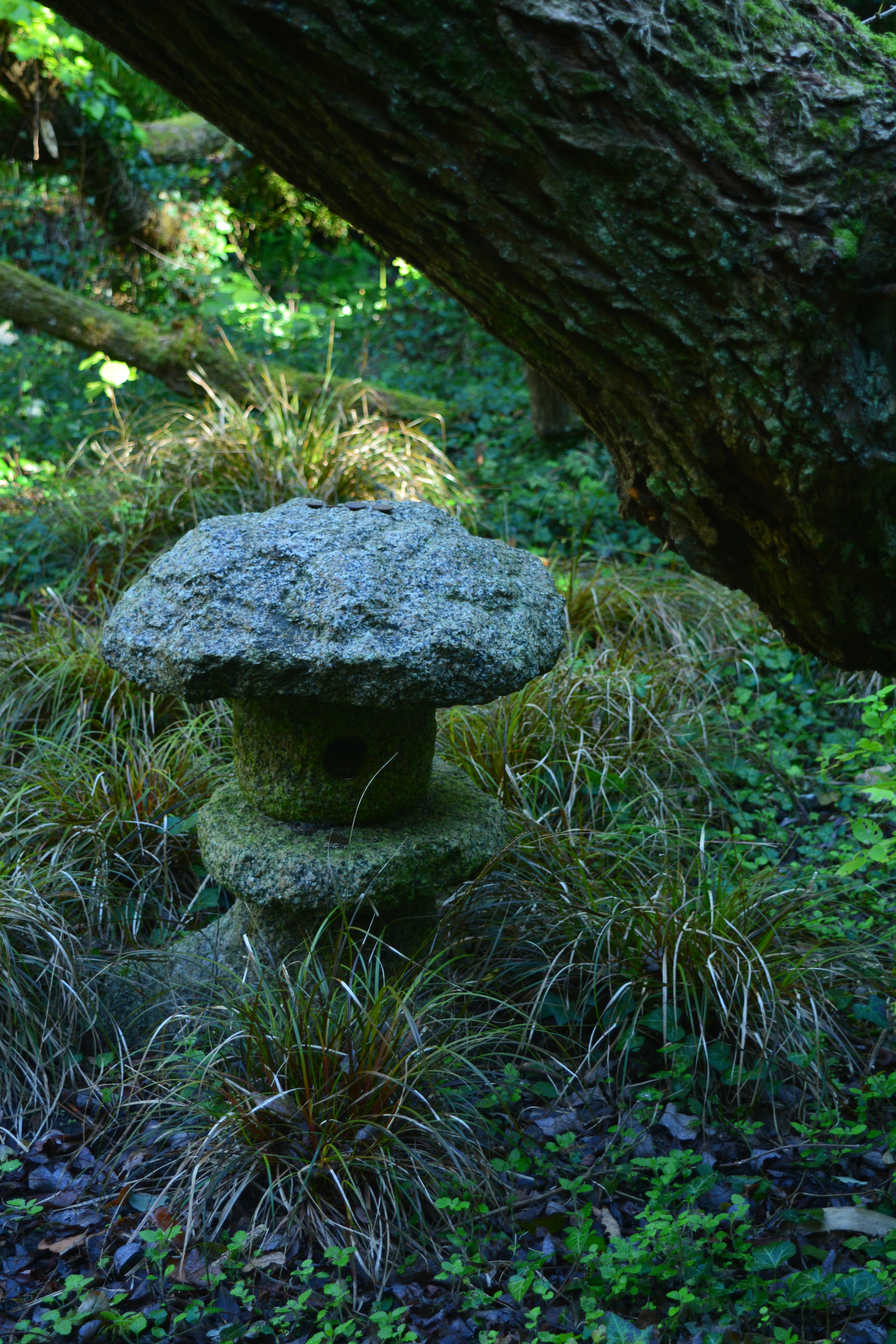
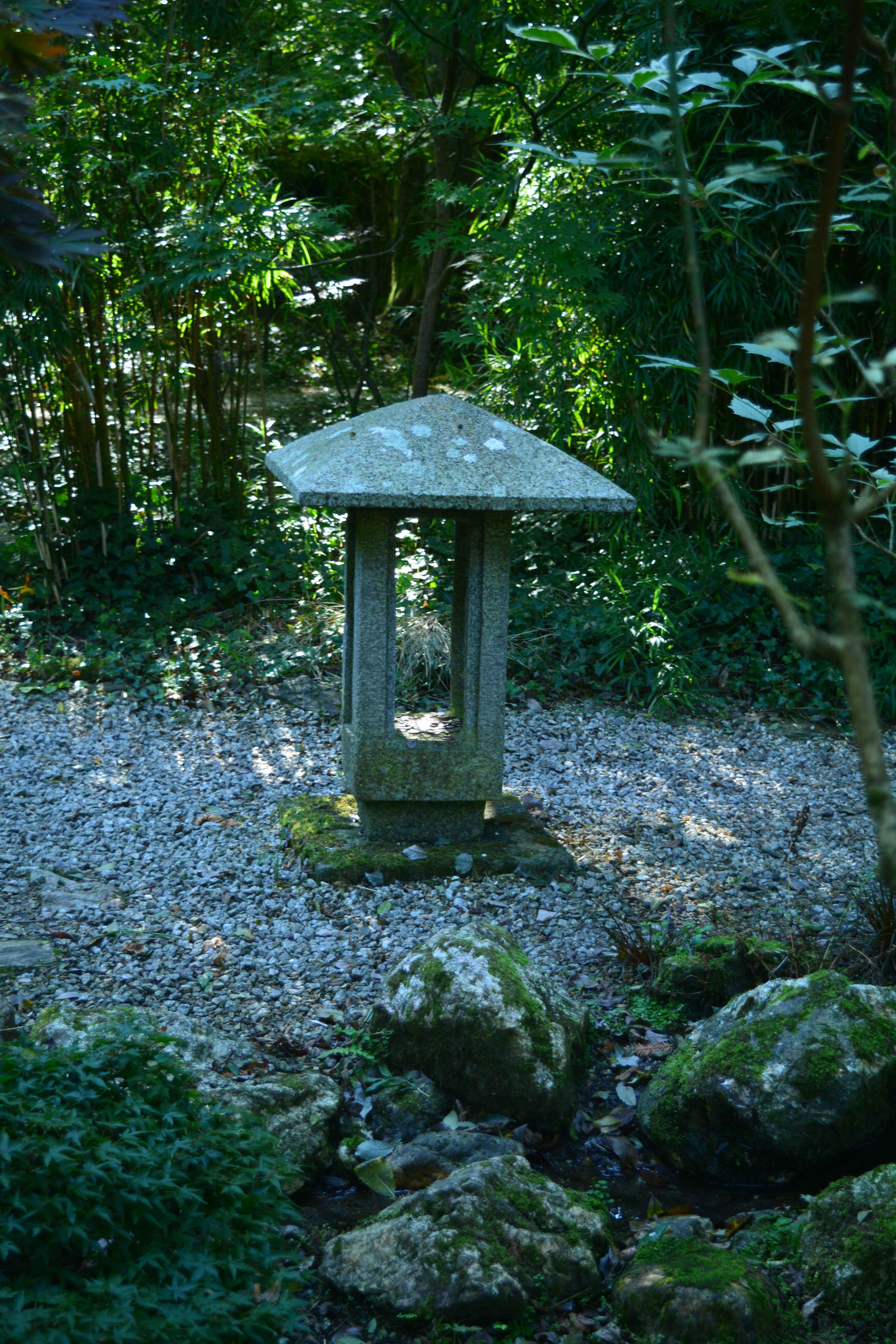
A Japanese gardens has certain elements that make it a Japanese garden, a feeling of welcome, topiarised trees and shrubs, stone sculptures often in the form of lanterns, beautiful calm vistas, paths to invite calm slow wandering and moss in abundance, plus of course that essential water.

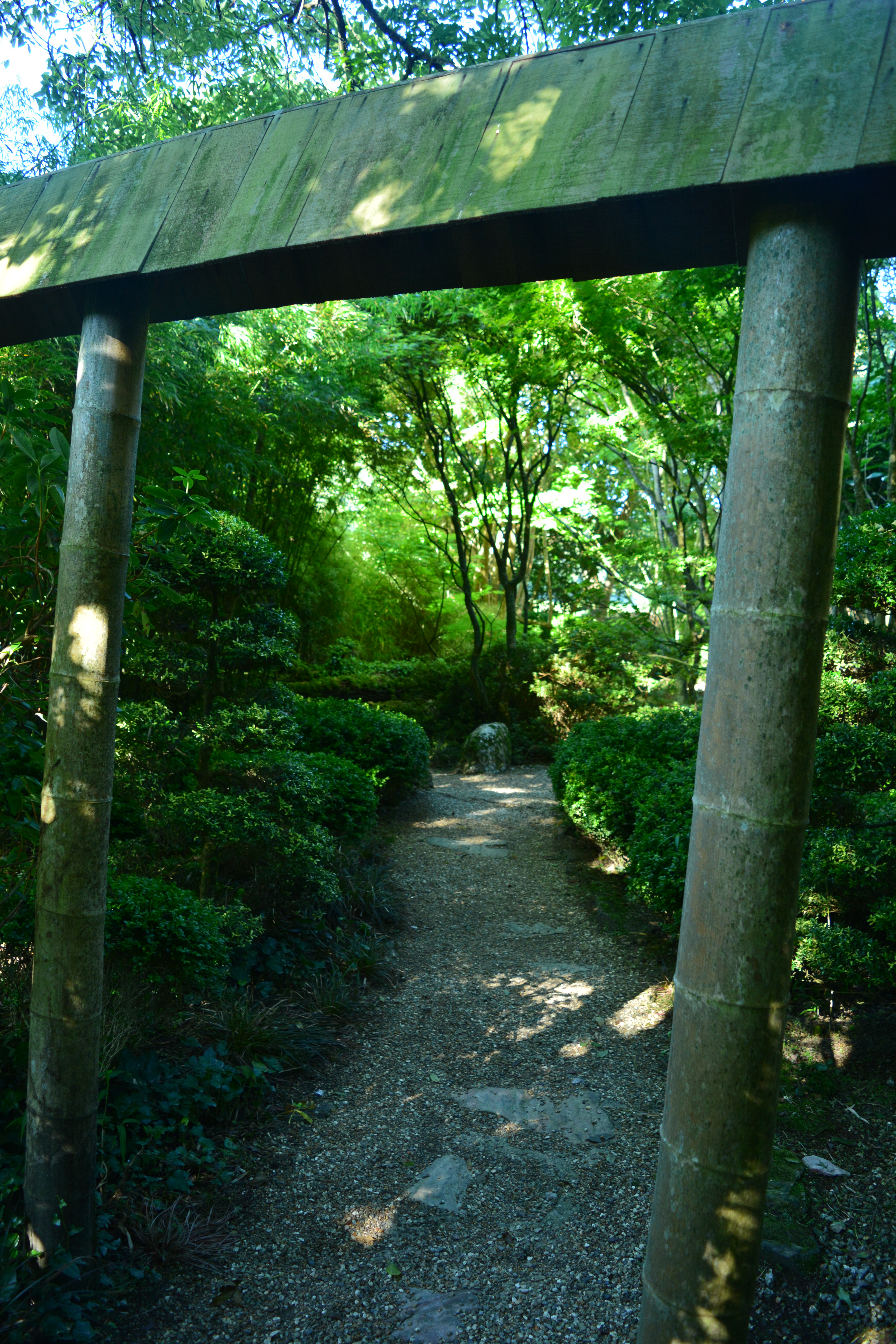
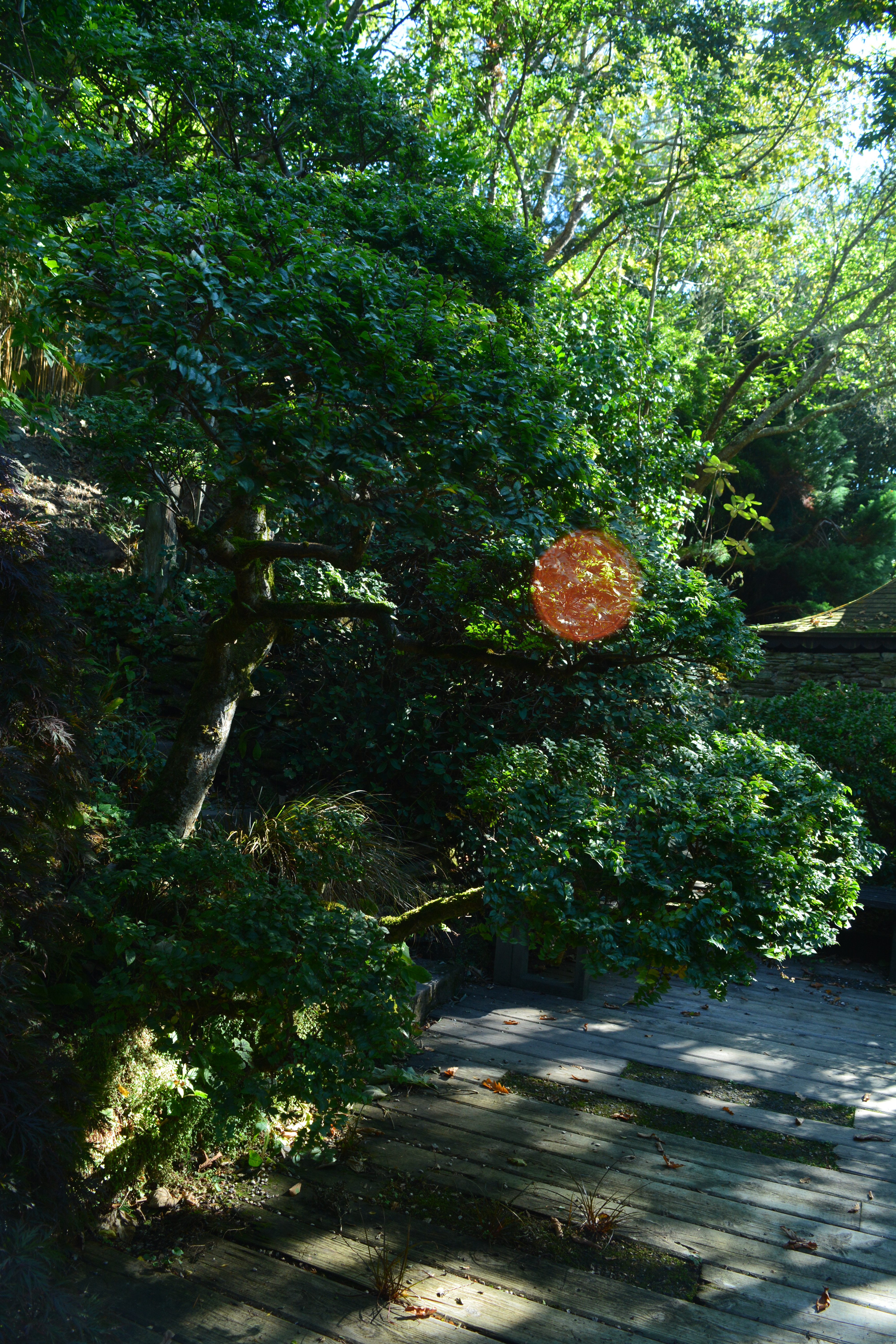
Let us begin at our Cornwall garden to see if it gave us a warm welcome, and see if there were areas that gave us the right feeling of calm and peace. Throughout this look at the Cornwall Japanese Garden you will notice how powerful the sense of light and shade can be in creating an atmospheric garden.


Peaceful areas appeared regularly at the end of winding paths or through archways.


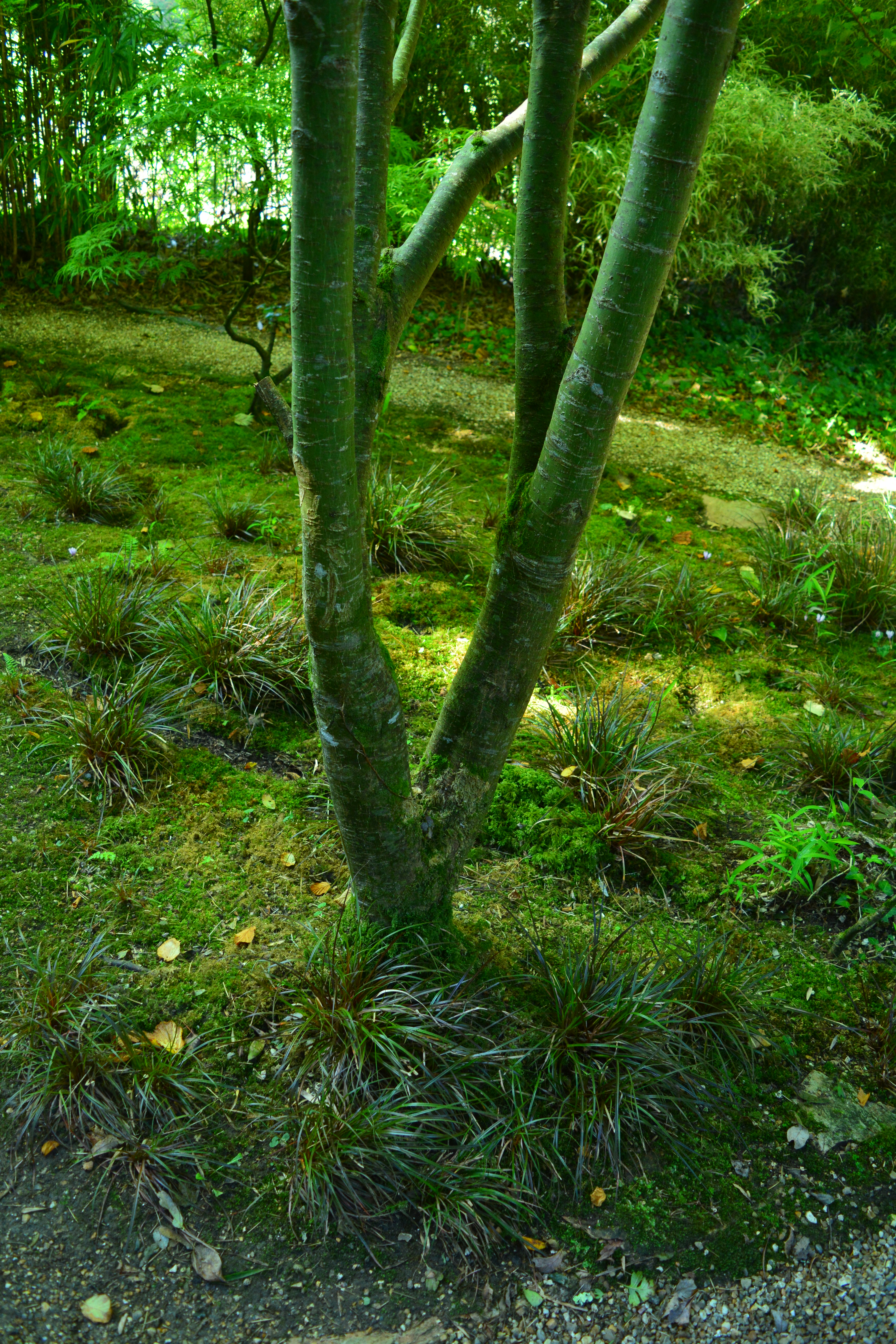
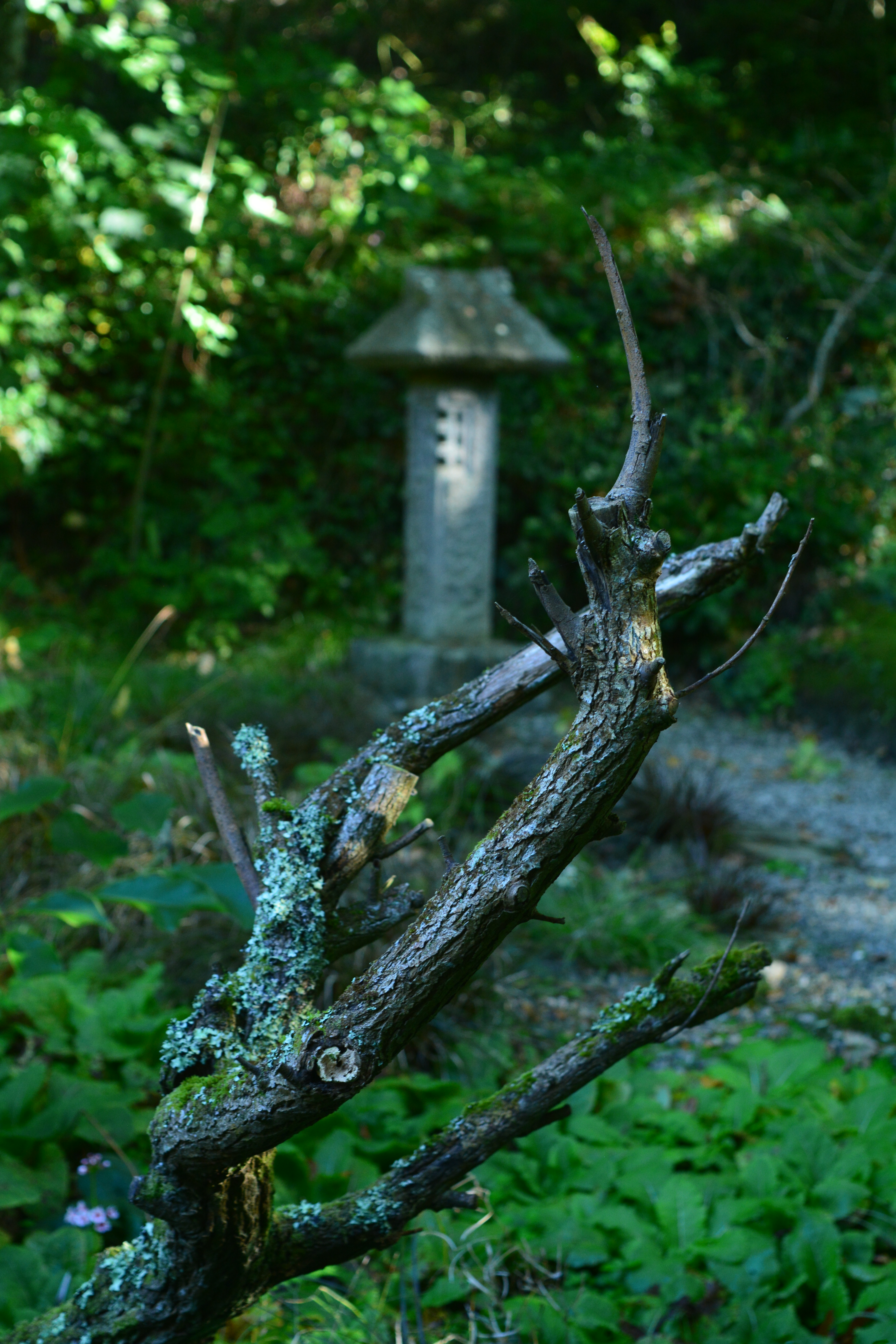
Moss featured here as groundcover or growing on branches and tree trunks in the damp atmosphere. These patches of moss either on the ground or aerial are great for wildlife especially as they are always moist. Overall wildlife feels happy in Japanese gardens in the UK, and effecively act as predatorial pest controllers.


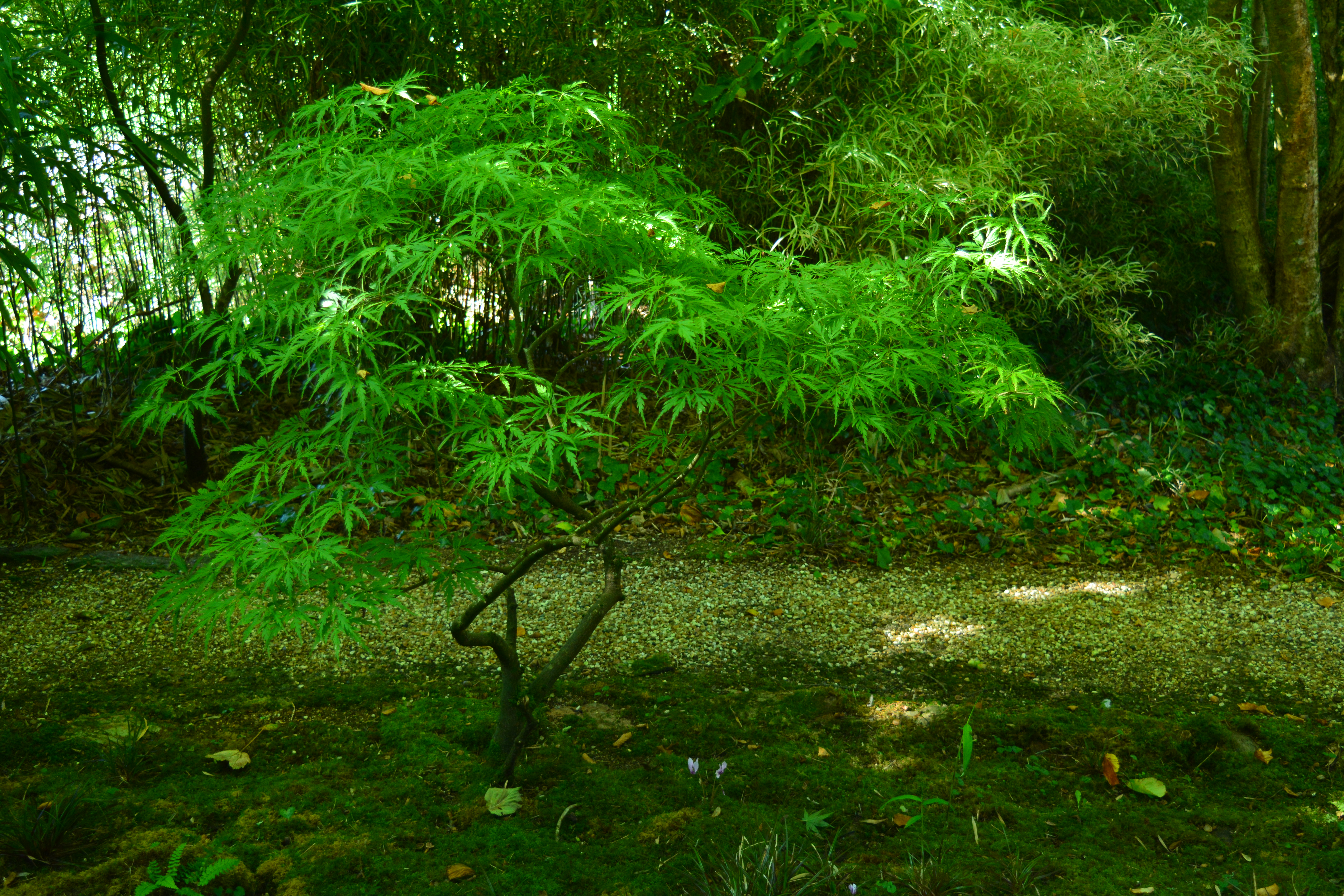
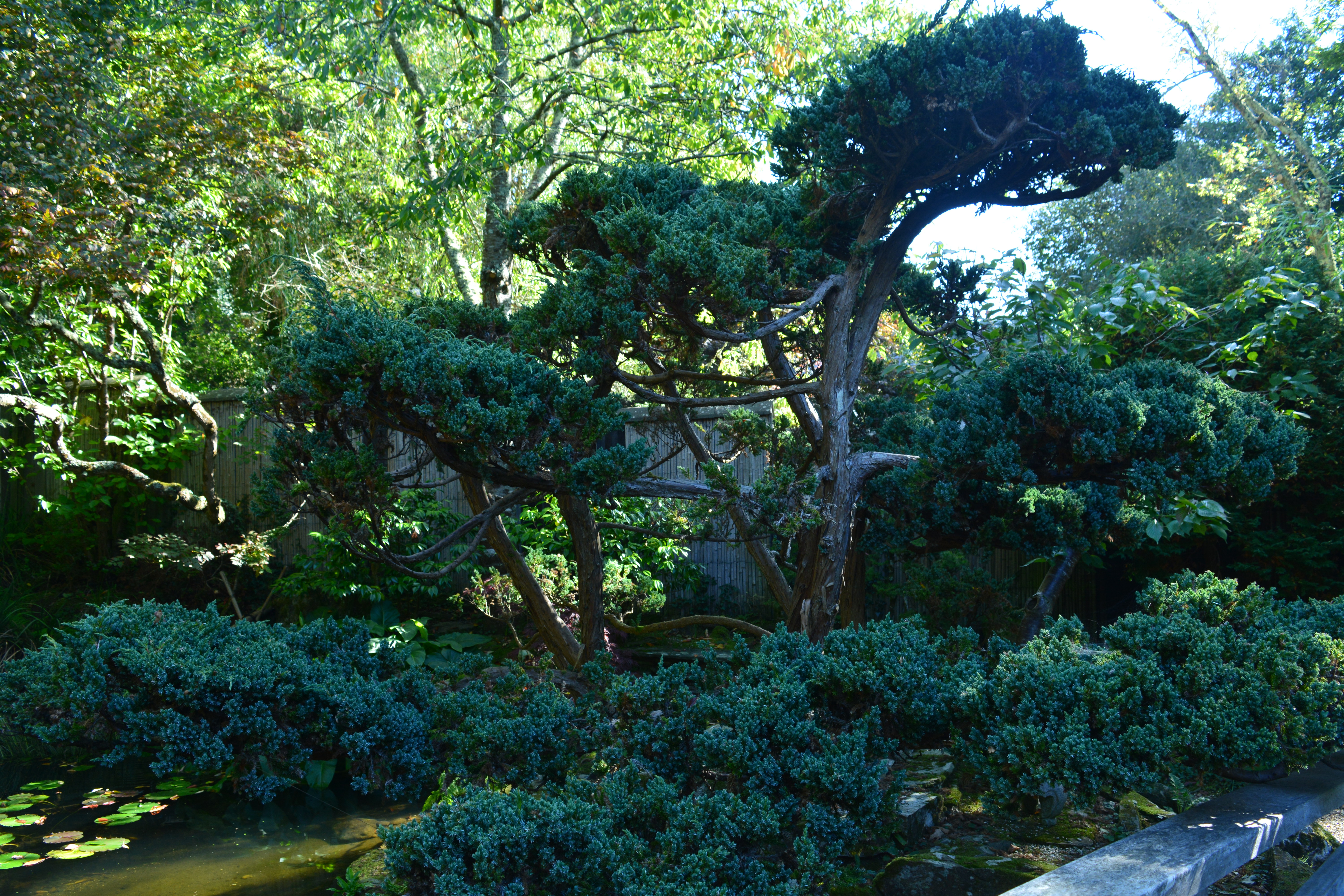
Training trees is an ancient Japanese art practised for centuries by Japanese gardeners following set rules using coniferous ans deciduous trees alike. It is a skill just coming into being in 21st century Britain. I love using it in the garden!


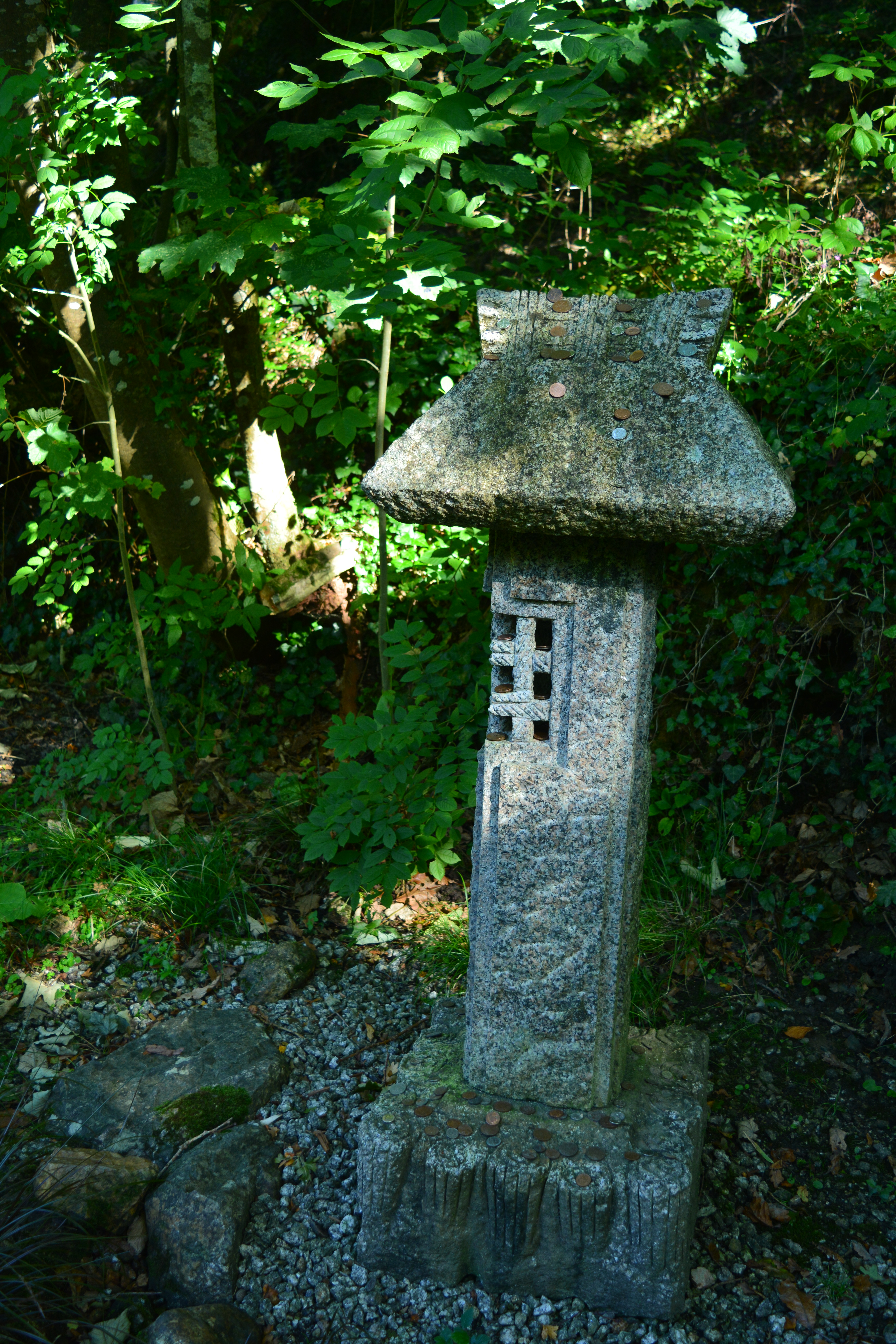
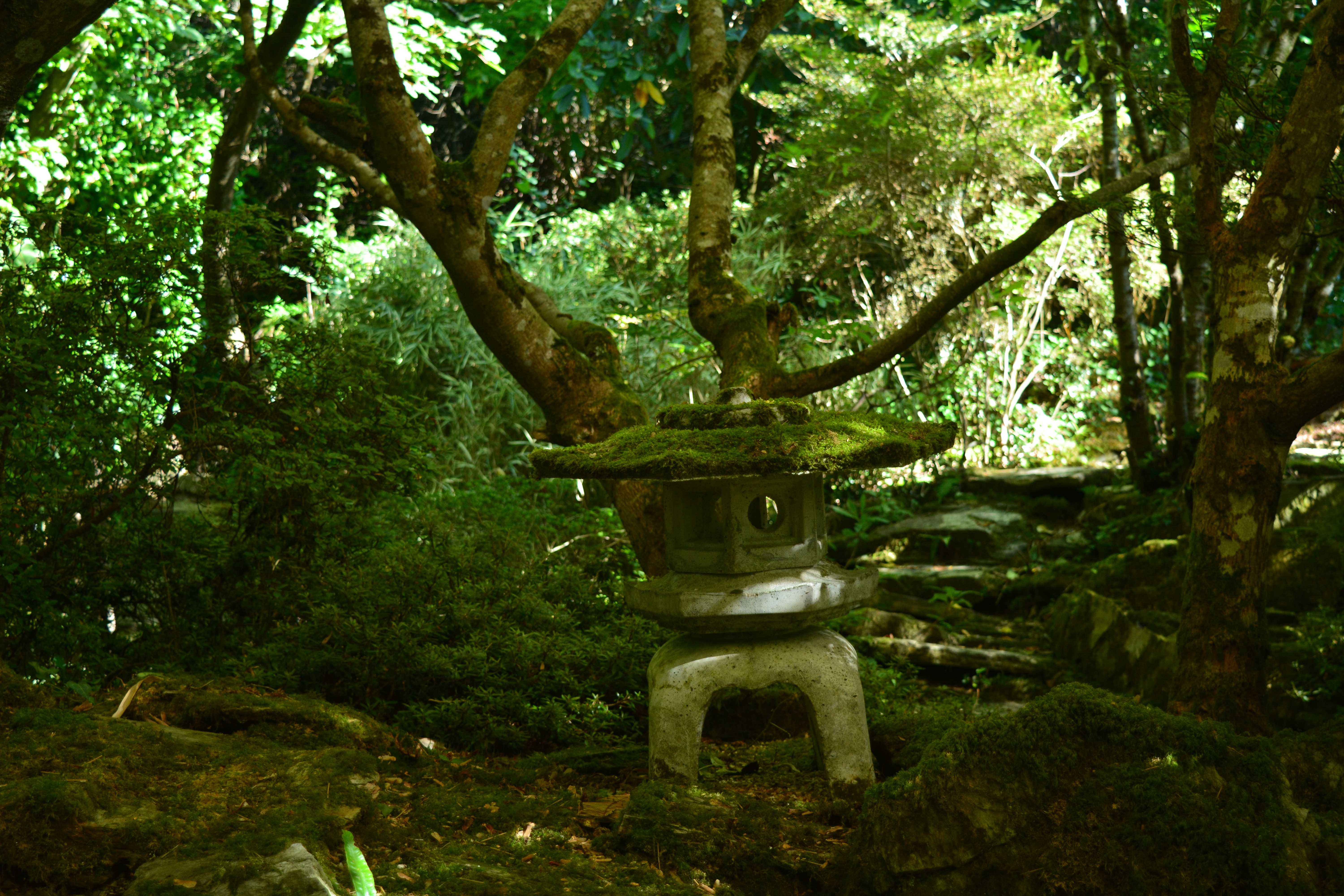
Stone sculptures were visible throughout including many forms of lantern. We use a few of these in our interpretation of a Japanese garden her at home in our Plealey patch.


Bamboo of course is another essential element of any Japanese garden, either growing in its many forms or used as a fencing or building material. It is beautiful and structural whichever way it is used.


I hope you have enjoyed this little tour of the Cornwall Japanese Garden as much as we did. There is so much Western gardeners can learn from Japanese garden design and from the skills of Japanese gardeners. They can teach us a lot about creating peace and harmony in our gardens.


Categories
architecture garden buildings garden design garden photography gardening gardens gardens open to the public outdoor sculpture sculpture

A Week in Cornwall – The Eden Project – Part 2

I promised to return with this post from the Eden Project in Cornwall continuing just as we were about to enter the Mediterannean Zone. I have to admit I prefer this dome to the Tropical Zone, but I can’t explain why. It simply feels more comfortable.

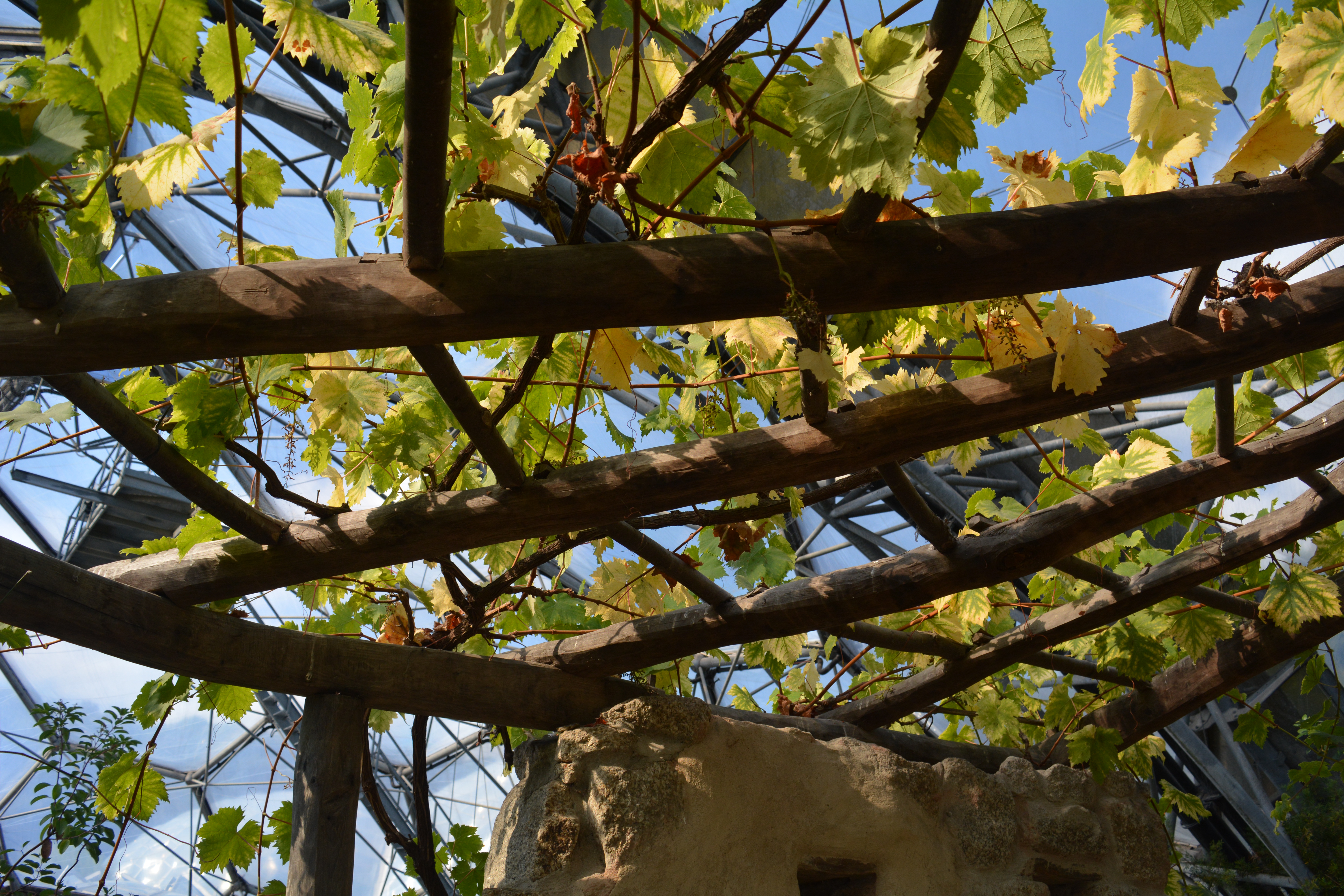
The structure of the dome reflects the framework supporting these vines.

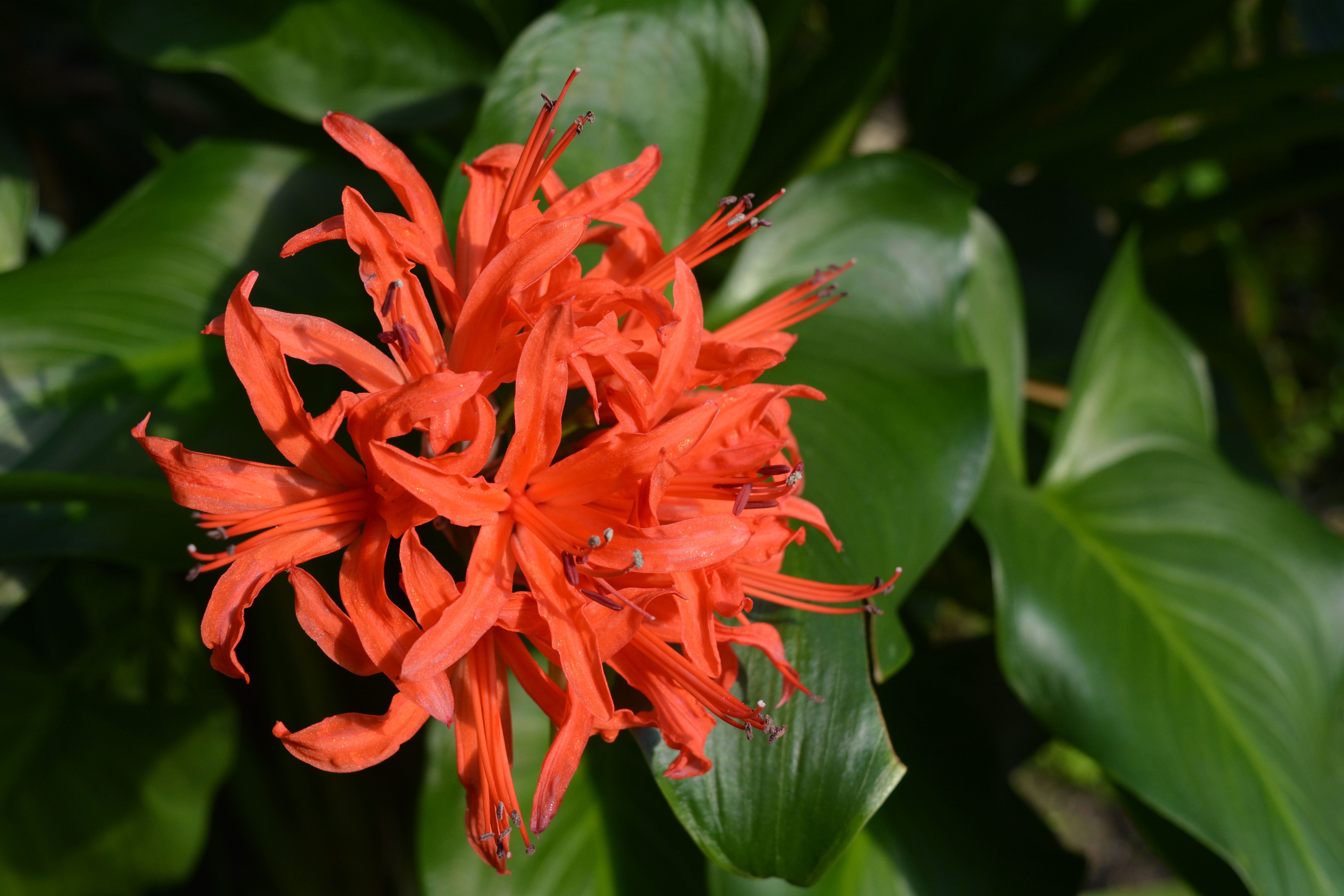
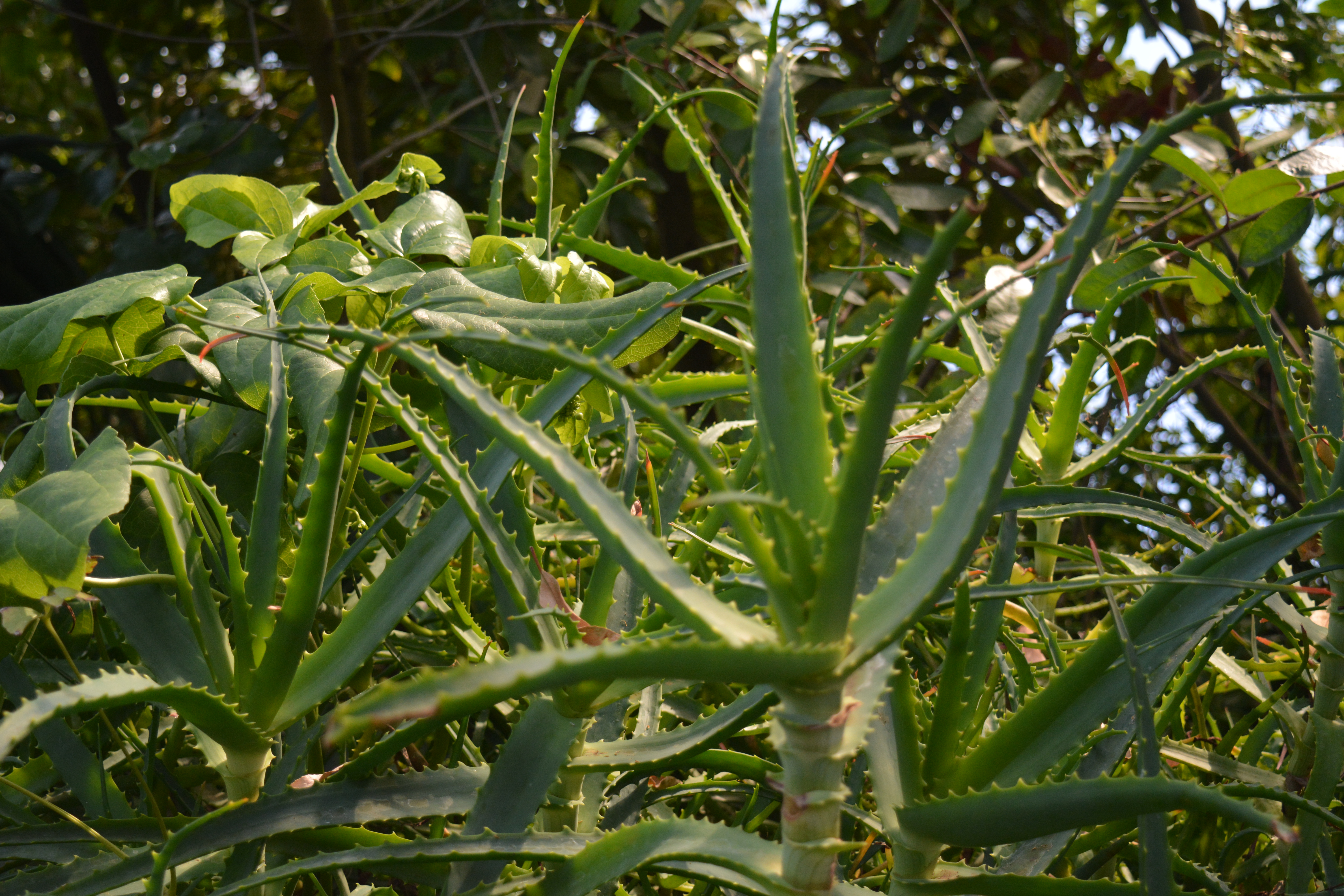
It was the plants that flowered so full of colour that made this dome so exciting.


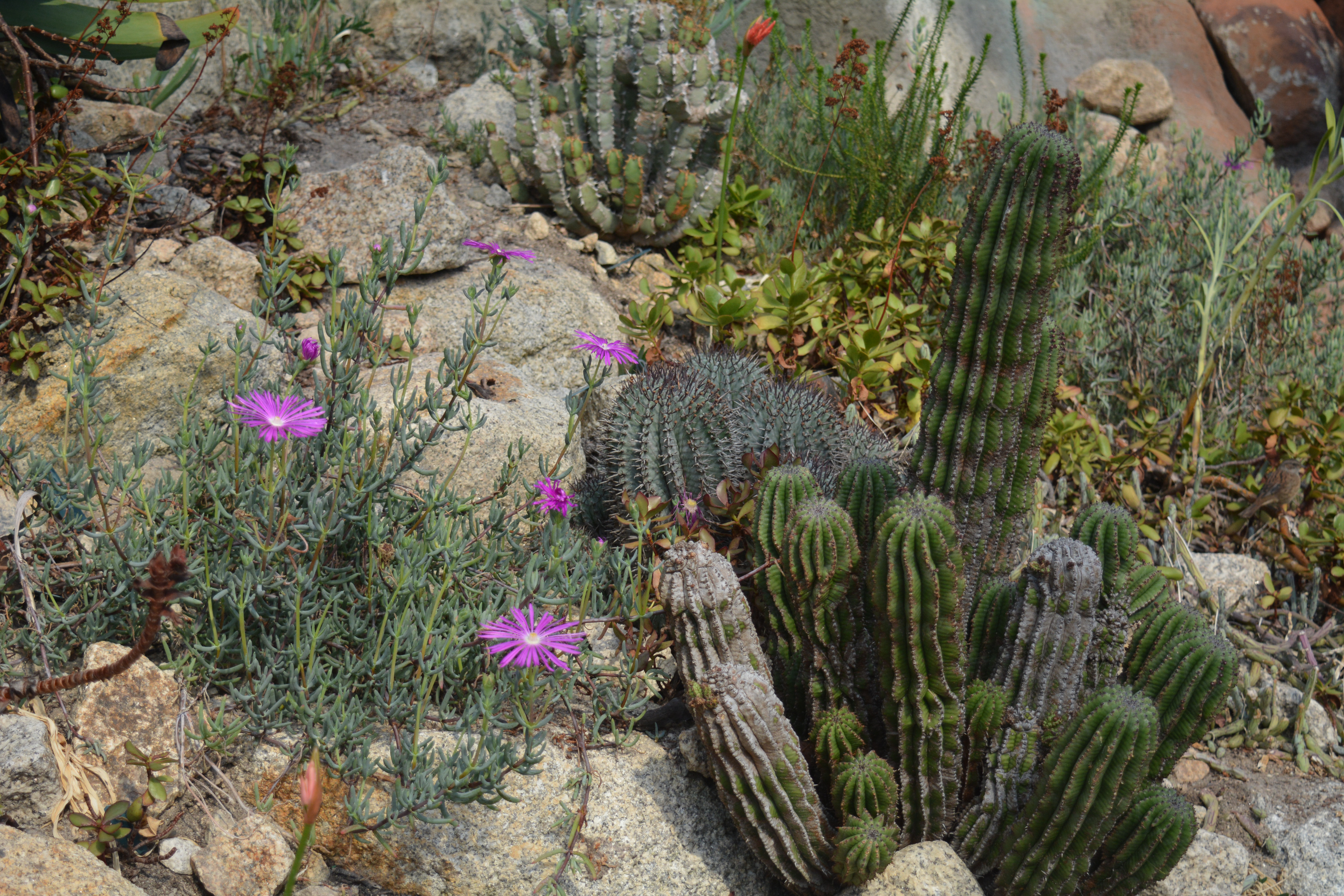
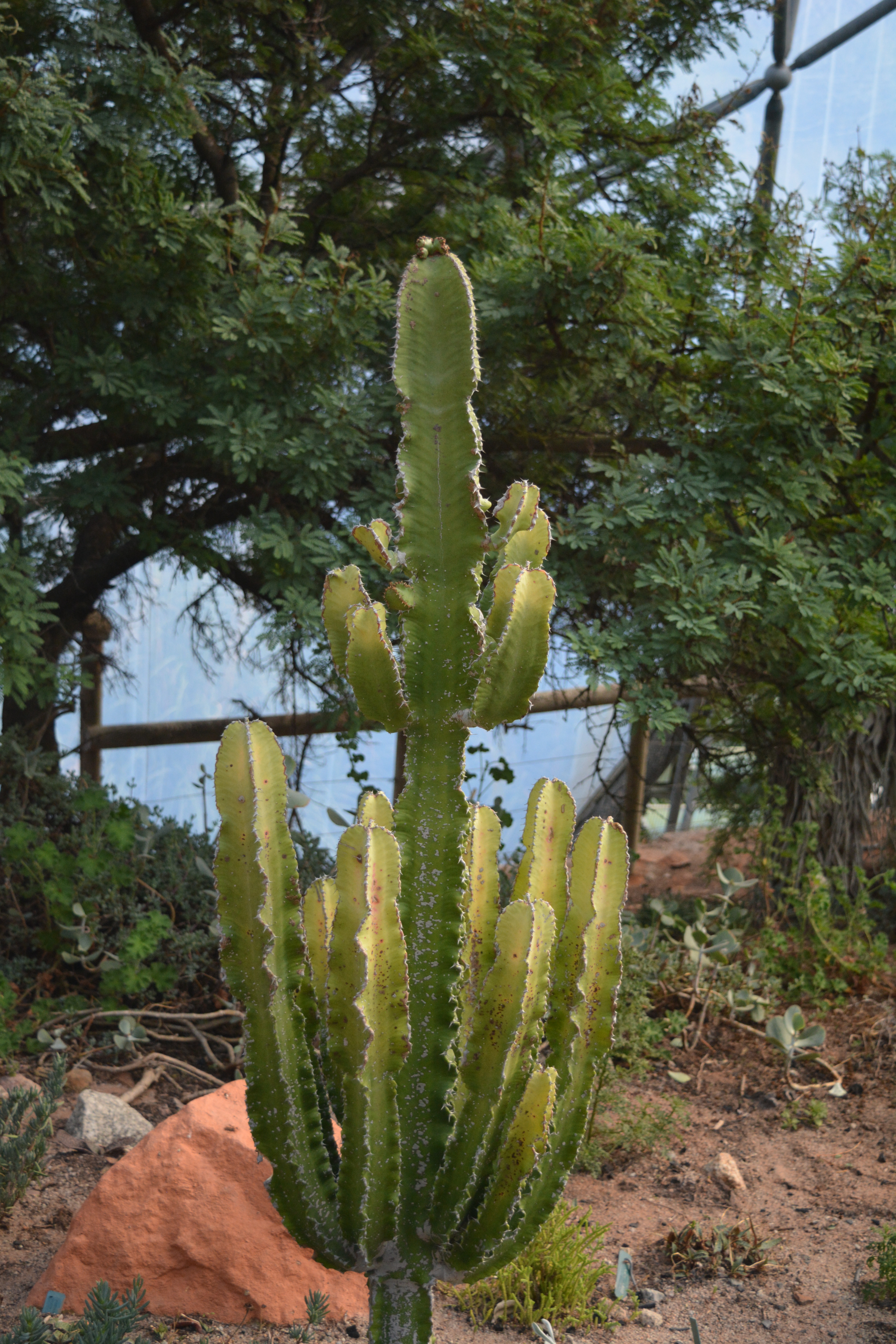
Arid plantings contrasted strongly with the brighter Med plantings, and it is the structure and texture of the arid plants that made them so attractive.


I will finish this look at the Eden Project biomes with a couple of photos of some lively sculpture.


In a future Cornwall holiday post I will share our visit to the other Tim Smitt project, The Lost Gardens of Heligan.

Categories
architecture buildings garden buildings garden design garden paths garden photography garden seat garden seating gardening gardens gardens open to the public ornamental trees and shrubs outdoor sculpture

A week in Cornwall – Part 2 – The Eden Project

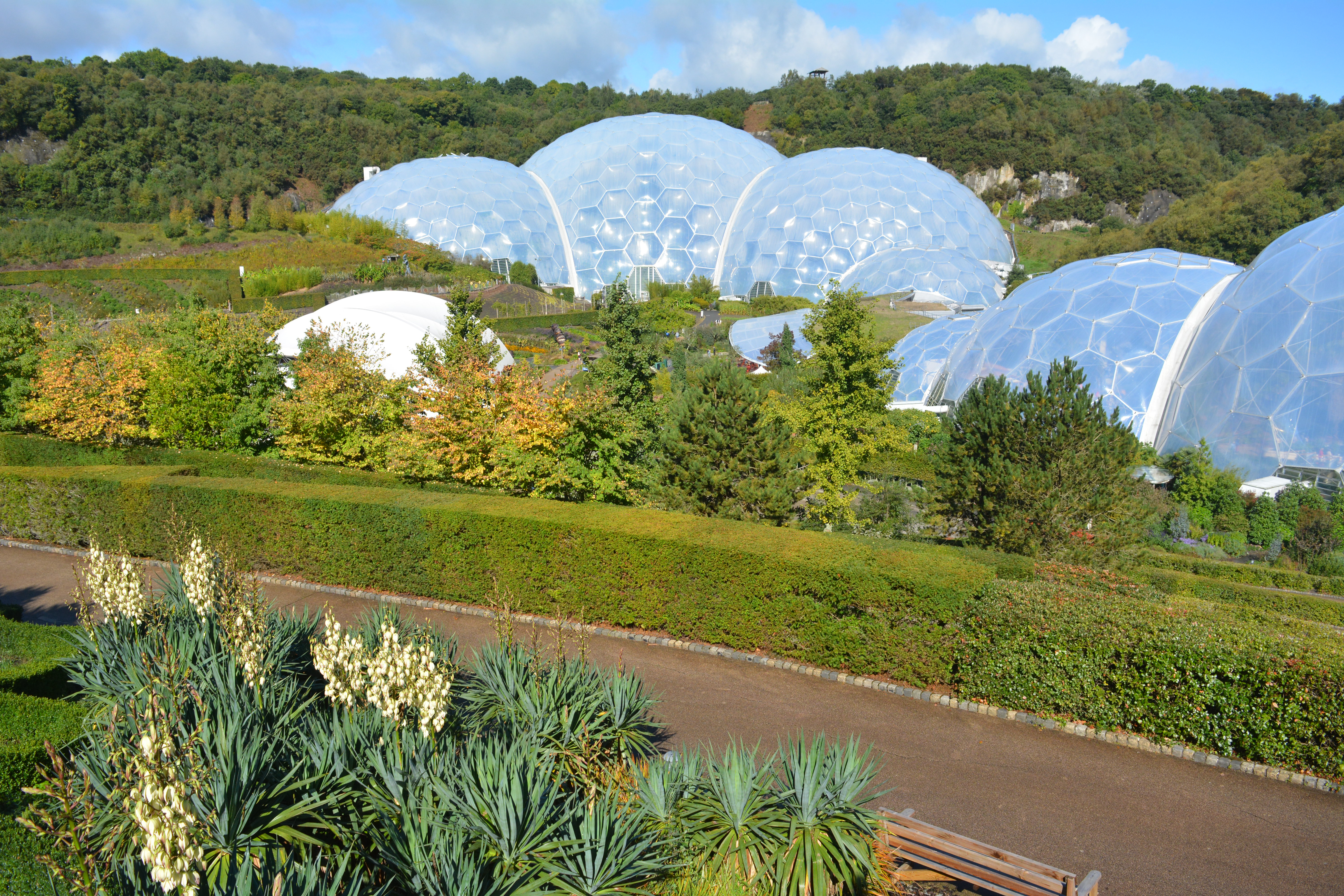
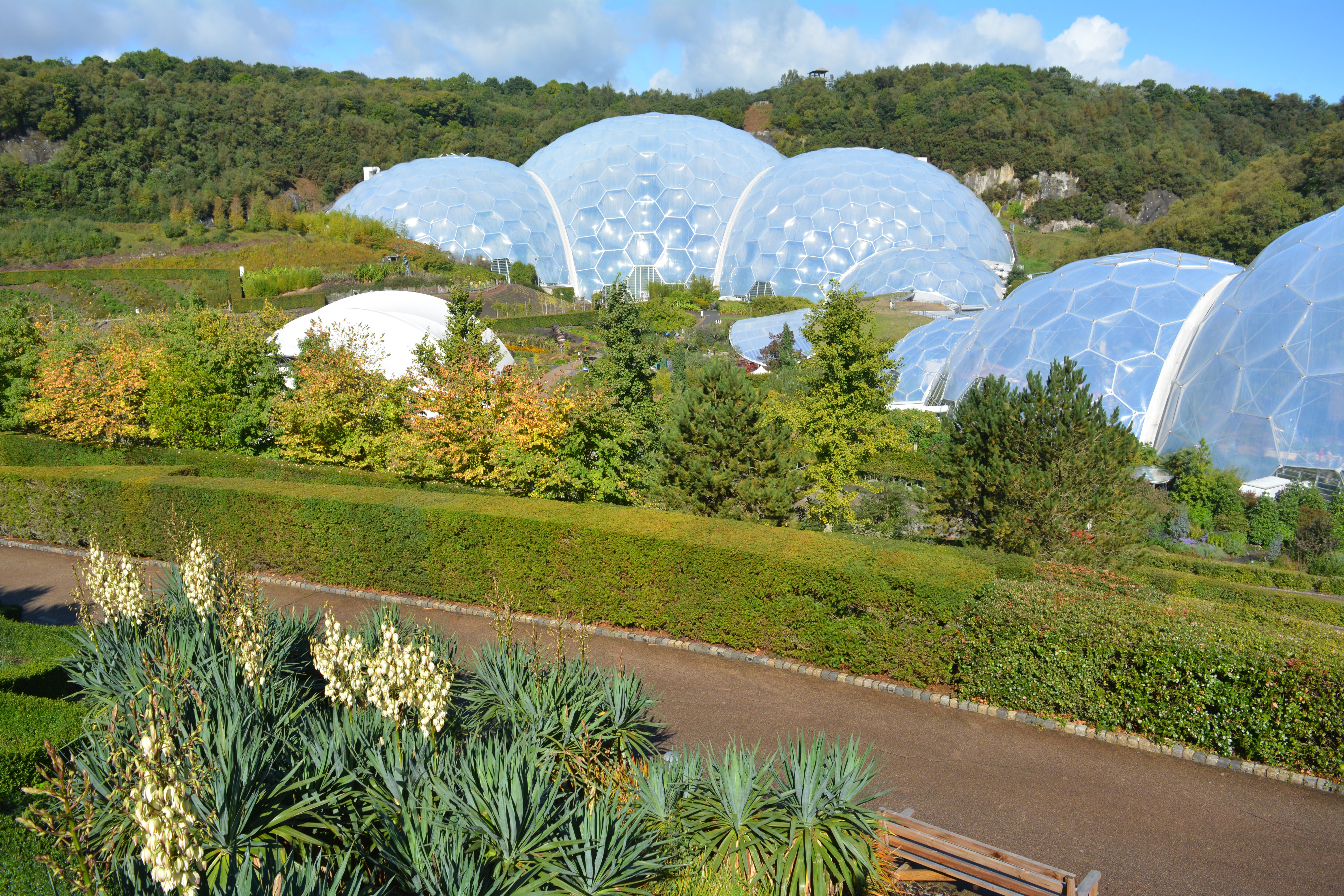
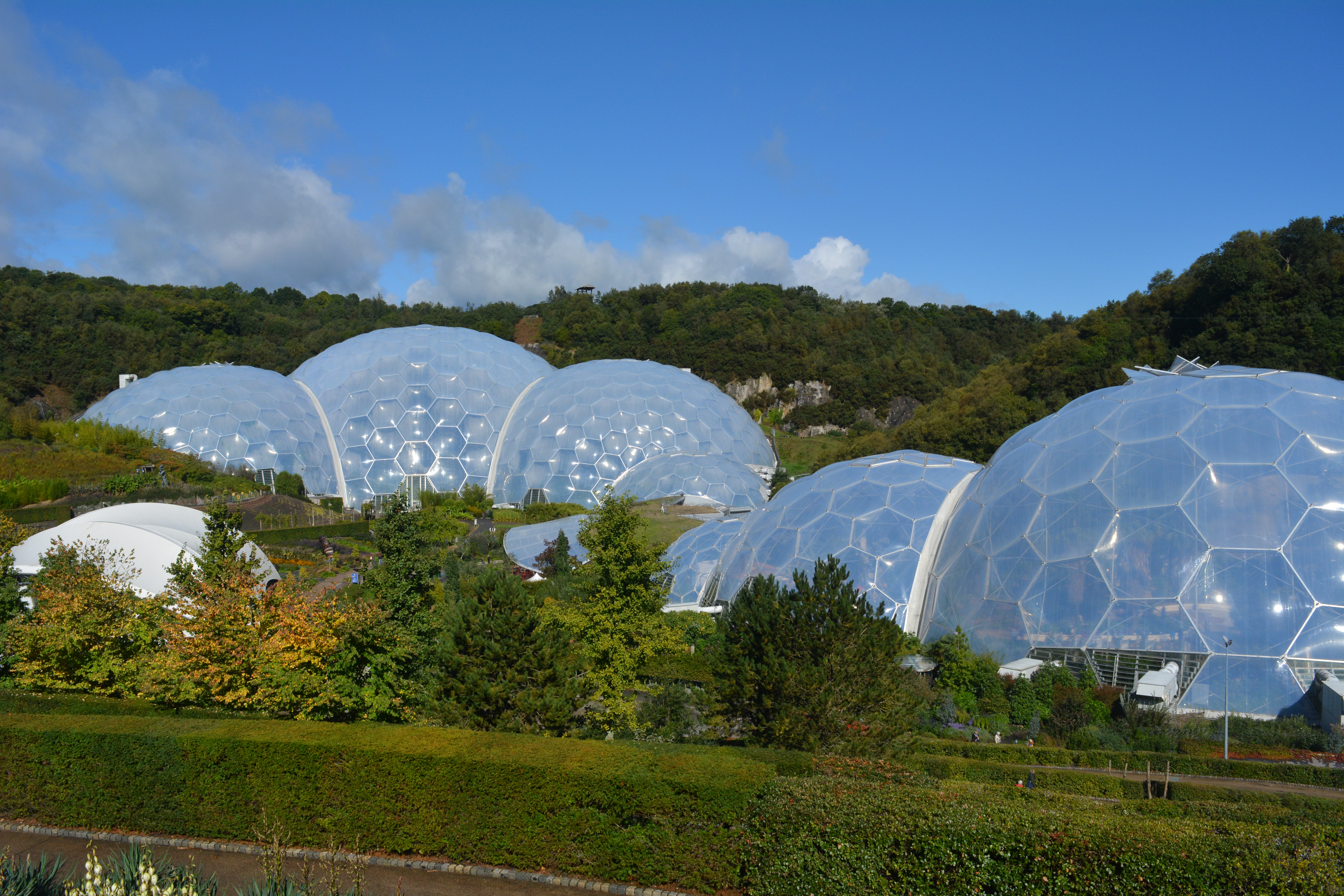
It had been years since we last visited the Eden Project, so we were excited to return when we holidayed in Cornwall in the Autumn of 2018. We knew that there would have been so much development in that time. When we did visit  again during our week’s holiday in Cornwall, the project had developed almost beyond belief. The first view of the domes from the top paths is always stunning and most inviting. The domes were the brainchild of founder Tim Smitt and designed by architect Nicholas Grimshaw.


The walkway down to the main feature, the project’s domes, was early in its development when we last visited so we were amazed at how interesting it was on our return visit. Here is a taster of what we saw as we descended down to the domes.


The first dome is the rain forest zone, where plants that we see more often as house plants grow healthy and tall, flowering and fruiting as in the wild. Exploring the dome takes you right up to the top of the building which affords great views. Wandering back down gives us as much interest to enjoy as on the climb up. Exploring this dome is quite an experience!

After exploring the tropical dome we had a break for refreshments, coffee and cakes as usual and then moved along the corridor leading to the Mediterranean Zone. That is the subject of the next post.


Categories
colours garden design garden paths garden photography gardening gardens gardens open to the public hardy perennials light light quality National Trust ornamental trees and shrubs shrubs The National Trust trees Wales water garden water in the garden woodland woodlands

A quick visit to Bodnant Gardens – mid-May

Instead of my usual series of posts where we visit the same garden every month of the year, we have decided to look at two gardens one large and one small. This is because it is impossible to find another good garden that is open all year and easy to get to.

For the big garden we have chosen the National Trust’s Bodnant Garden in North Wales which we shall look at over the seasons and for the small garden we have chosen Wildgoose Garden and Nursery closer to home here in Shropshire which we shall visit each month during its open season.

To start this series I am going to look back at a visit we made to Bodnant back in May 2018 to give an idea of its beauty.

A final day out on our Anglesey holiday was to visit the gardens at Bodnant just slightly inland from the North Wales coast. It is a garden we have visited and enjoyed many times before and at all times of the year. The one strength of the garden is that is has so many different faces to be discovered and enjoyed.

In recent years a rectangular border alongside a tall stone wall has changed completely becoming a hot border, full of flowers and foliage the colours of fire. On a sunny day they really light up.


Directly opposite and in complete contrast is a formal area of low trimmed hedges holding together borders of tulips.


The Winter Garden at Bodnant is one of the best in the UK, and although superb in its special season, the winter, it is still an interesting garden in the summer.


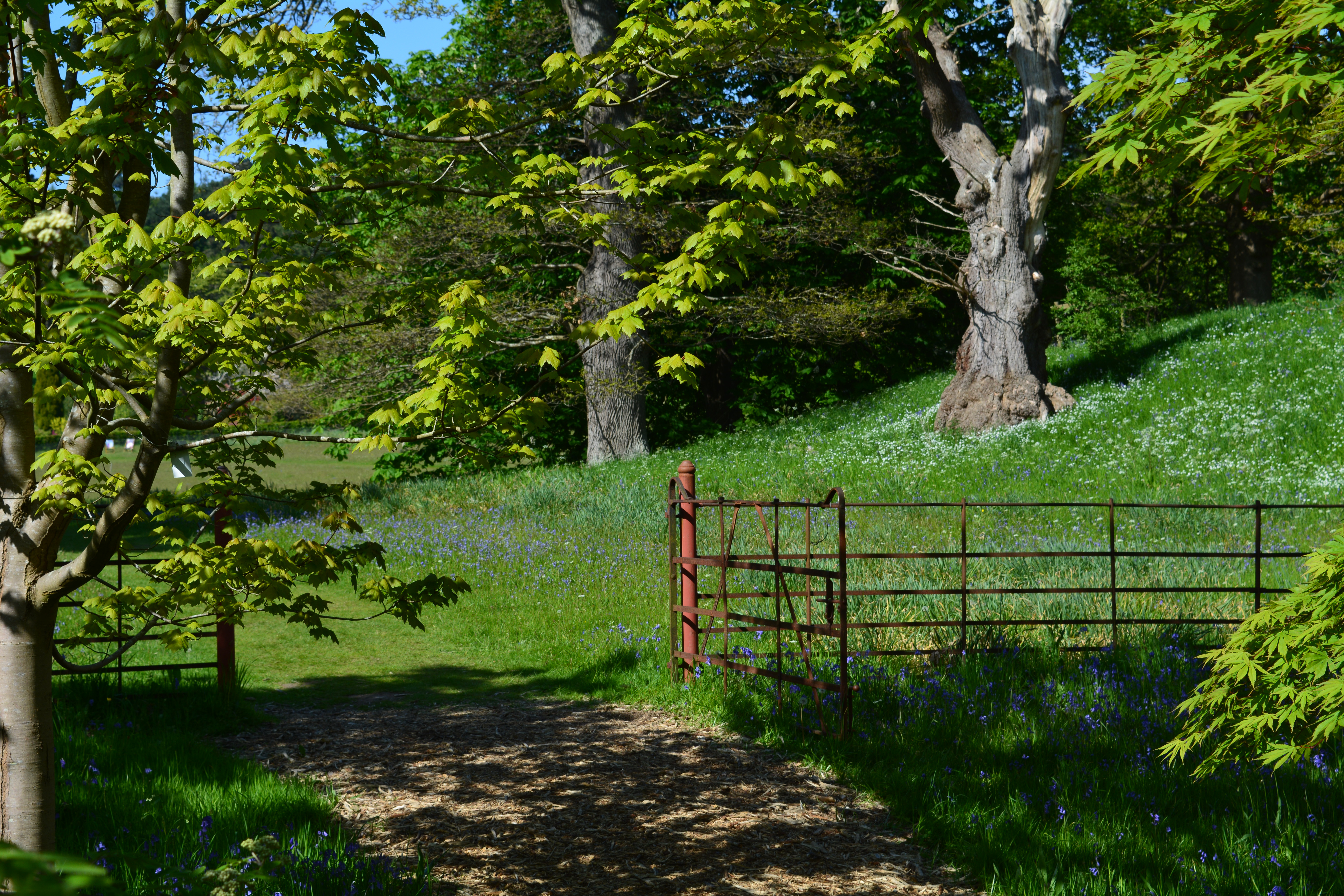
The narrow gravel paths take us into the shady areas beneath mature deciduous trees. Bluebells added a blue mist to the rich green grassed areas.

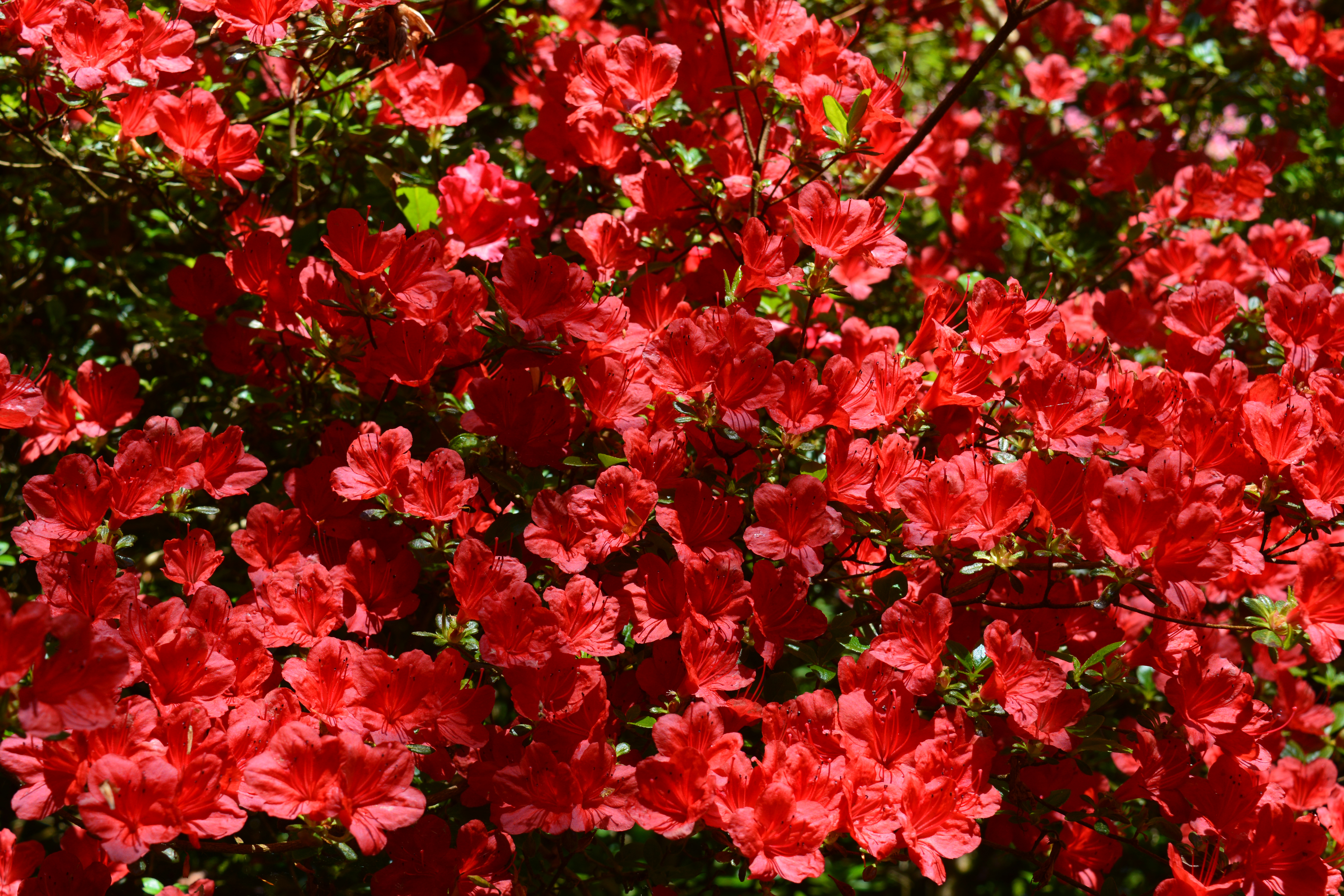
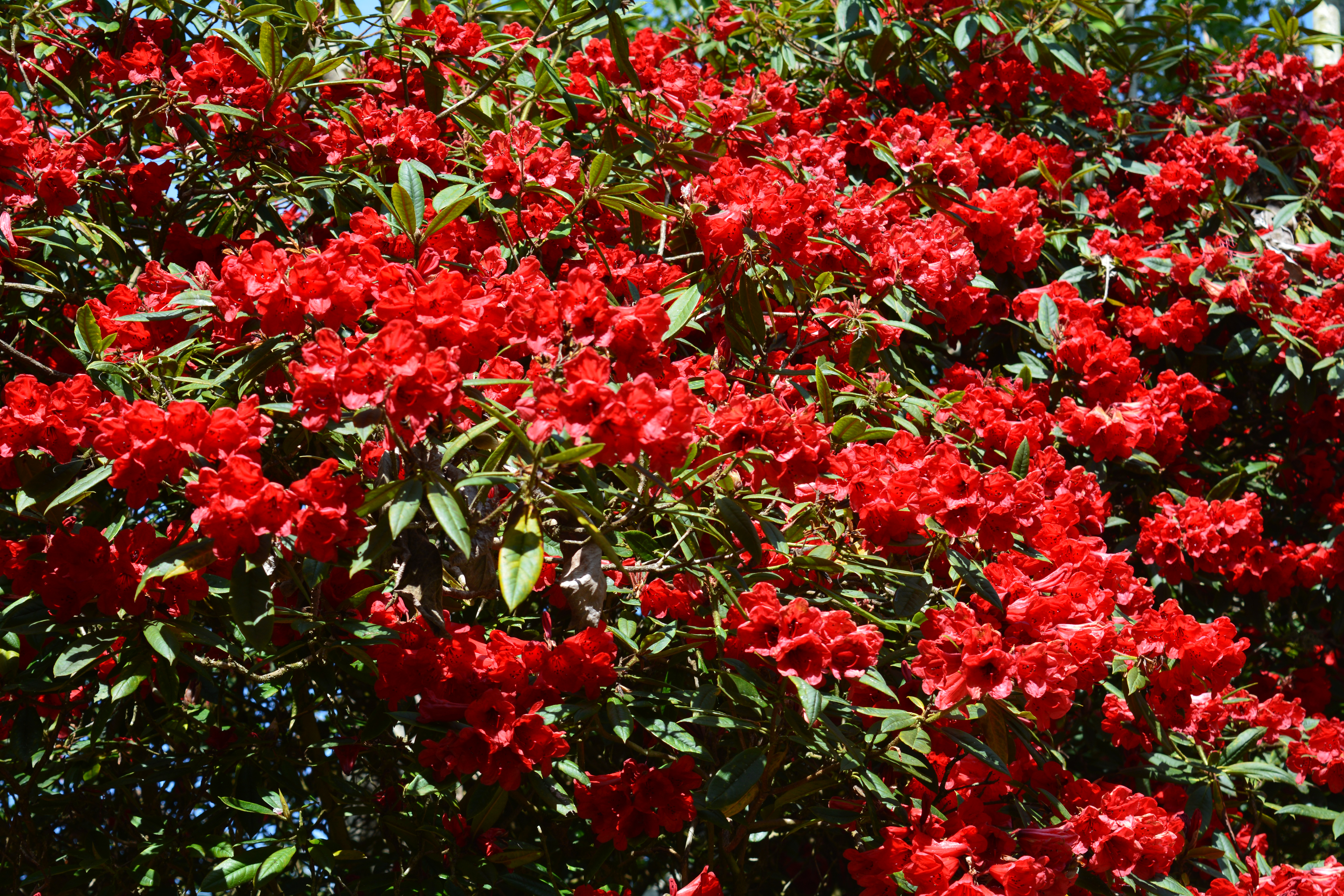
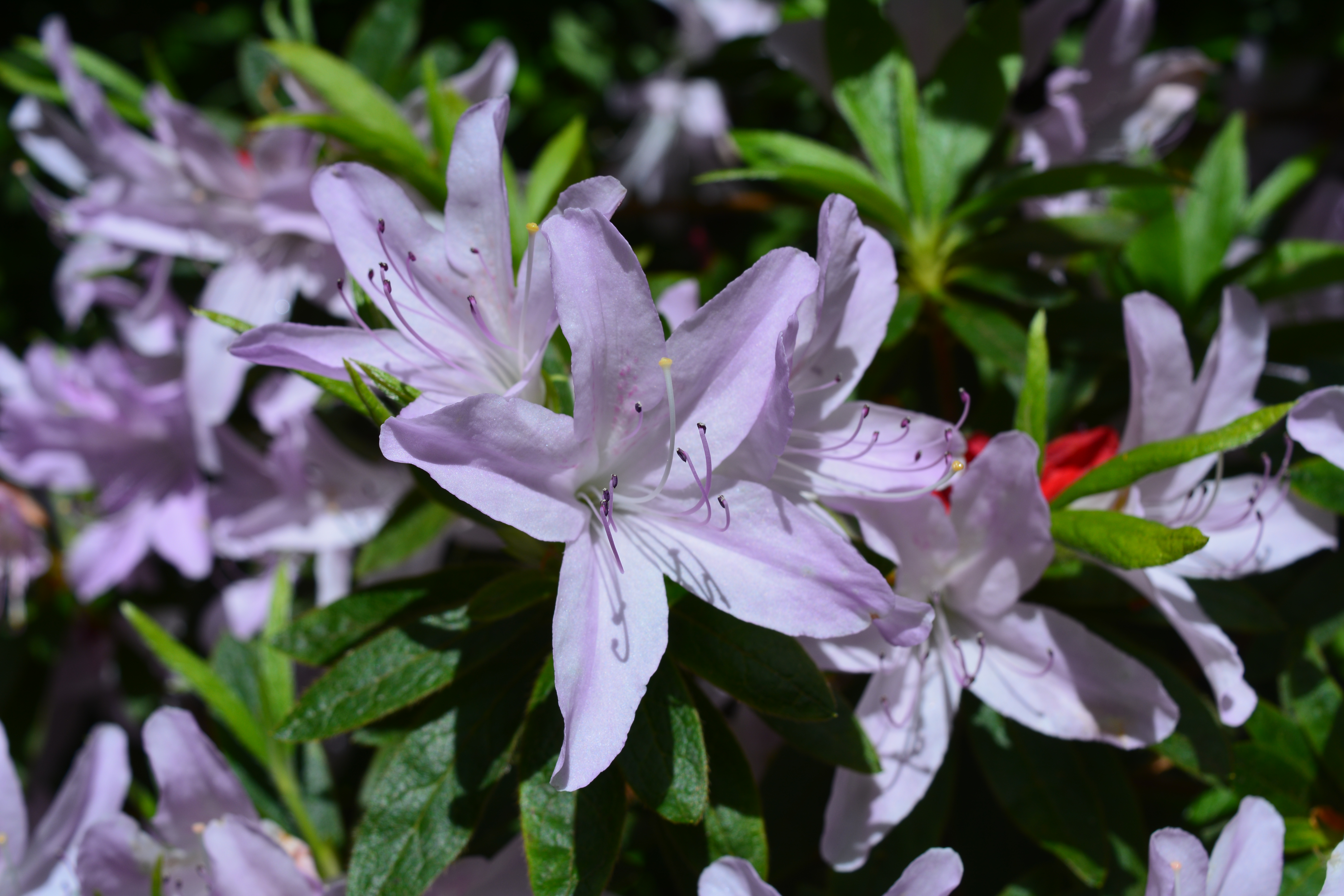
What many visits make the journey to Bodnant for are the bright clashing colours of rhododendrons, azaleas and camellias. We however are not great fans of these acid loving bloomers, but here are a few shots for those who do.

An area of Bodnant gardens we have rarely reached over the years because of my mobility problems is the deep steep-sided valley with tall trees towering over a beautiful sparkling stream which meanders along its length. After recent surgery I can now manage to get down to this magical dingle. The magical atmosphere is created by the huge trees that tower above visitors who wander the gravel paths along the valley running close to a clear mountain stream, and on the banks beautiful bog and water loving plants grow happily. Primulas, hostas, ferns and Skunk Cabbage add colour and texture to the scene.


No doubt it won’t be long before this great garden is featured in another of my greenbenchramblings posts as we usually wander around its Winter Garden early in the year.

Categories
garden arches garden design garden paths garden photography gardening gardens gardens open to the public pathways

Garden Entrances and Archways – No 6 in a very occasional series

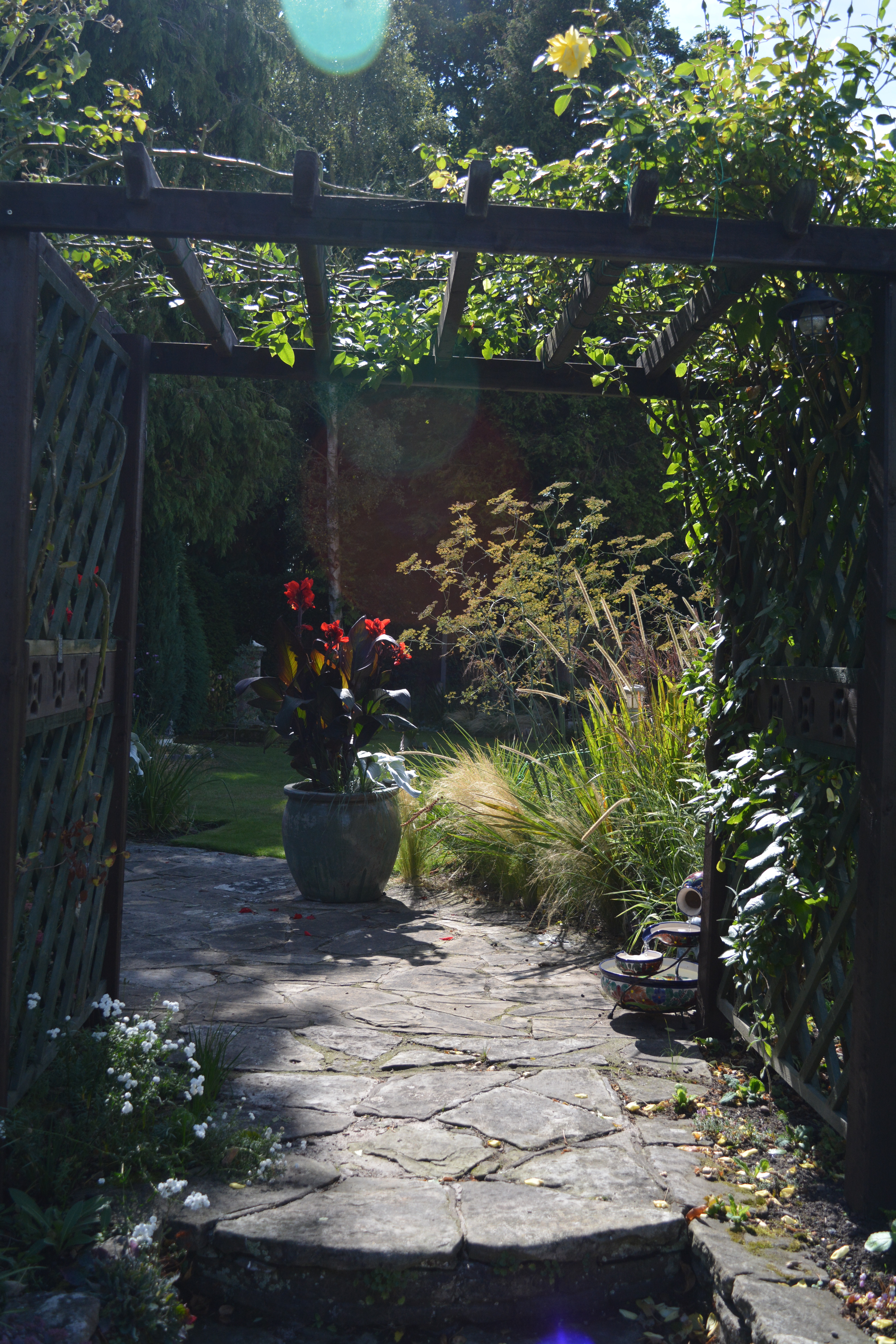
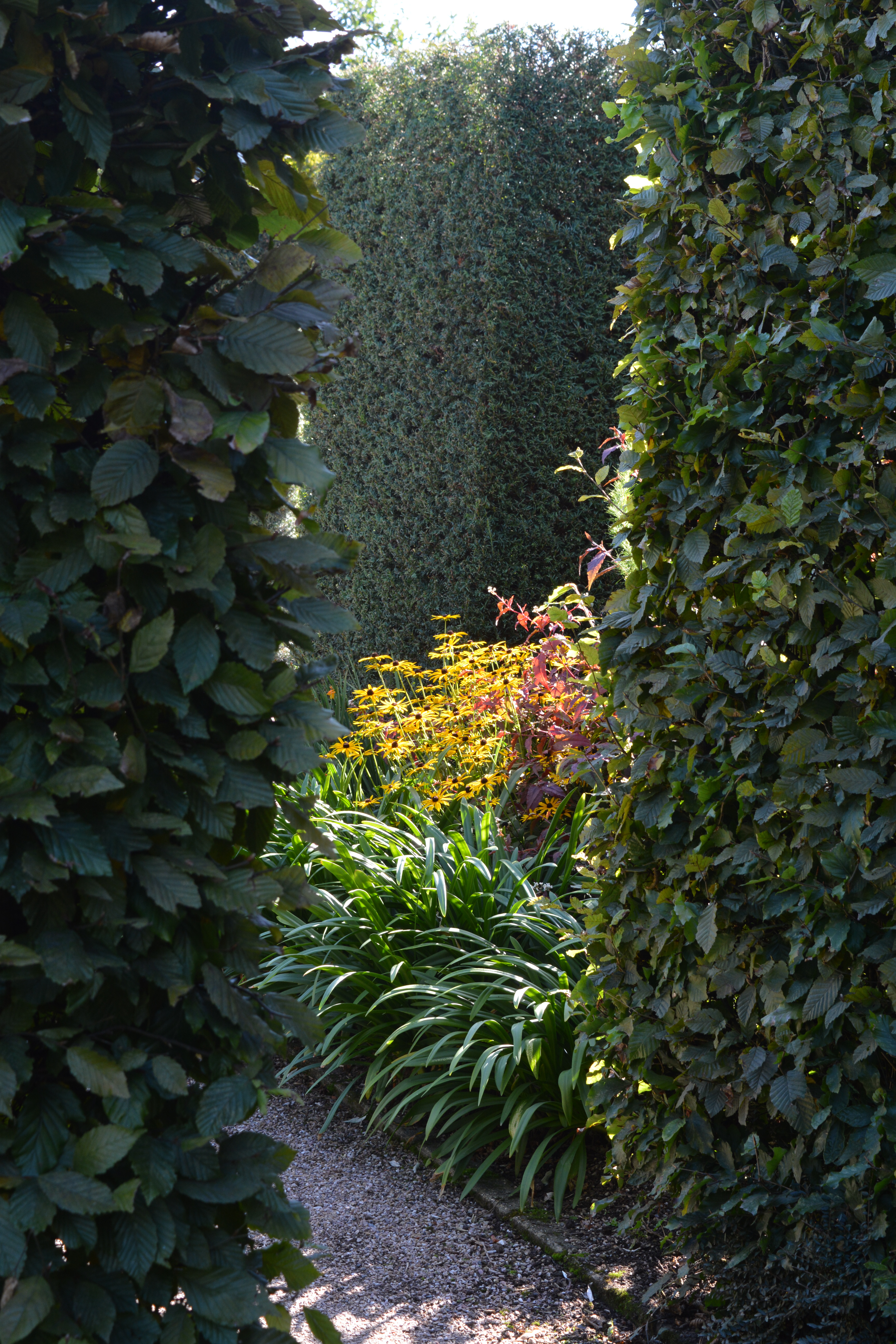
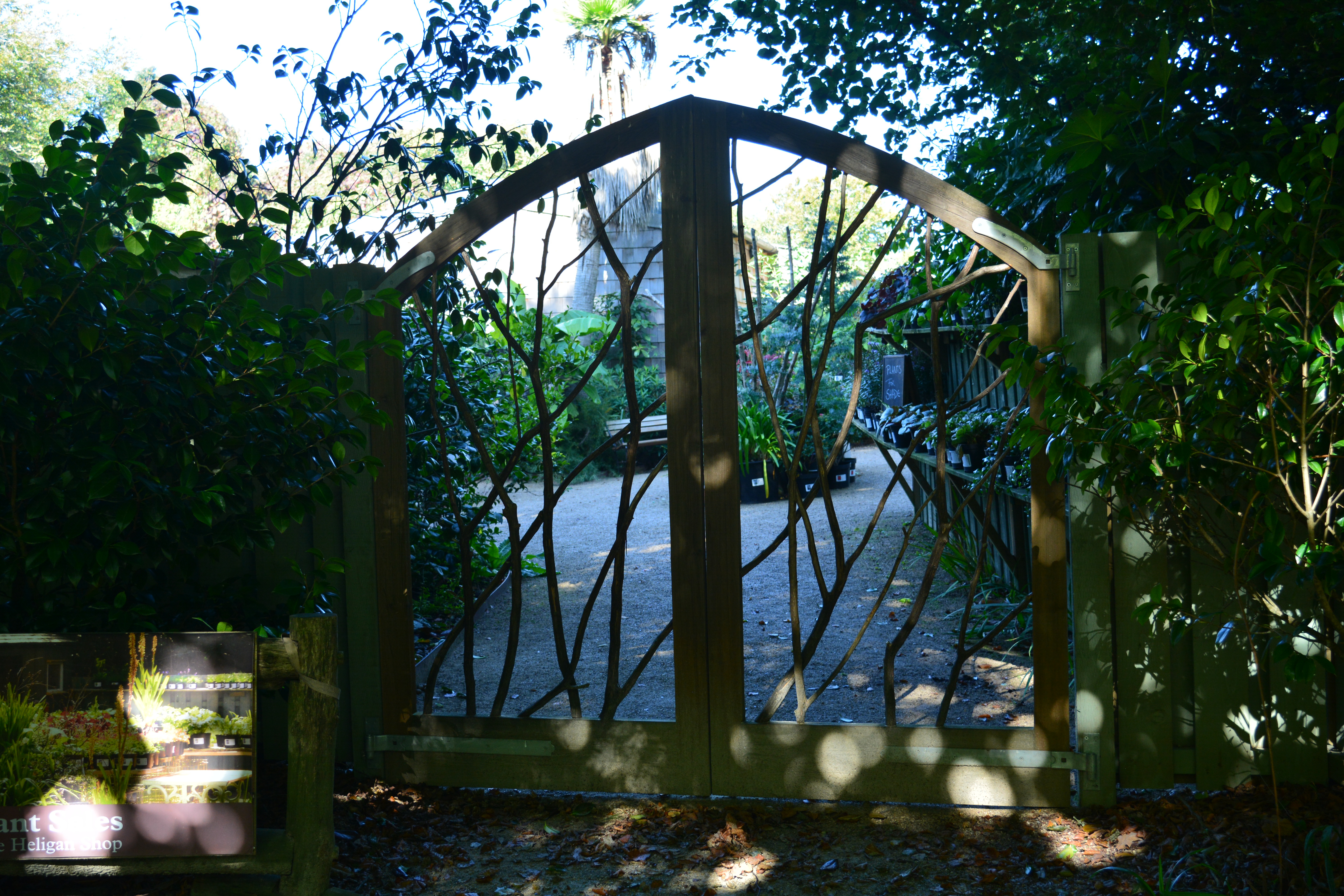
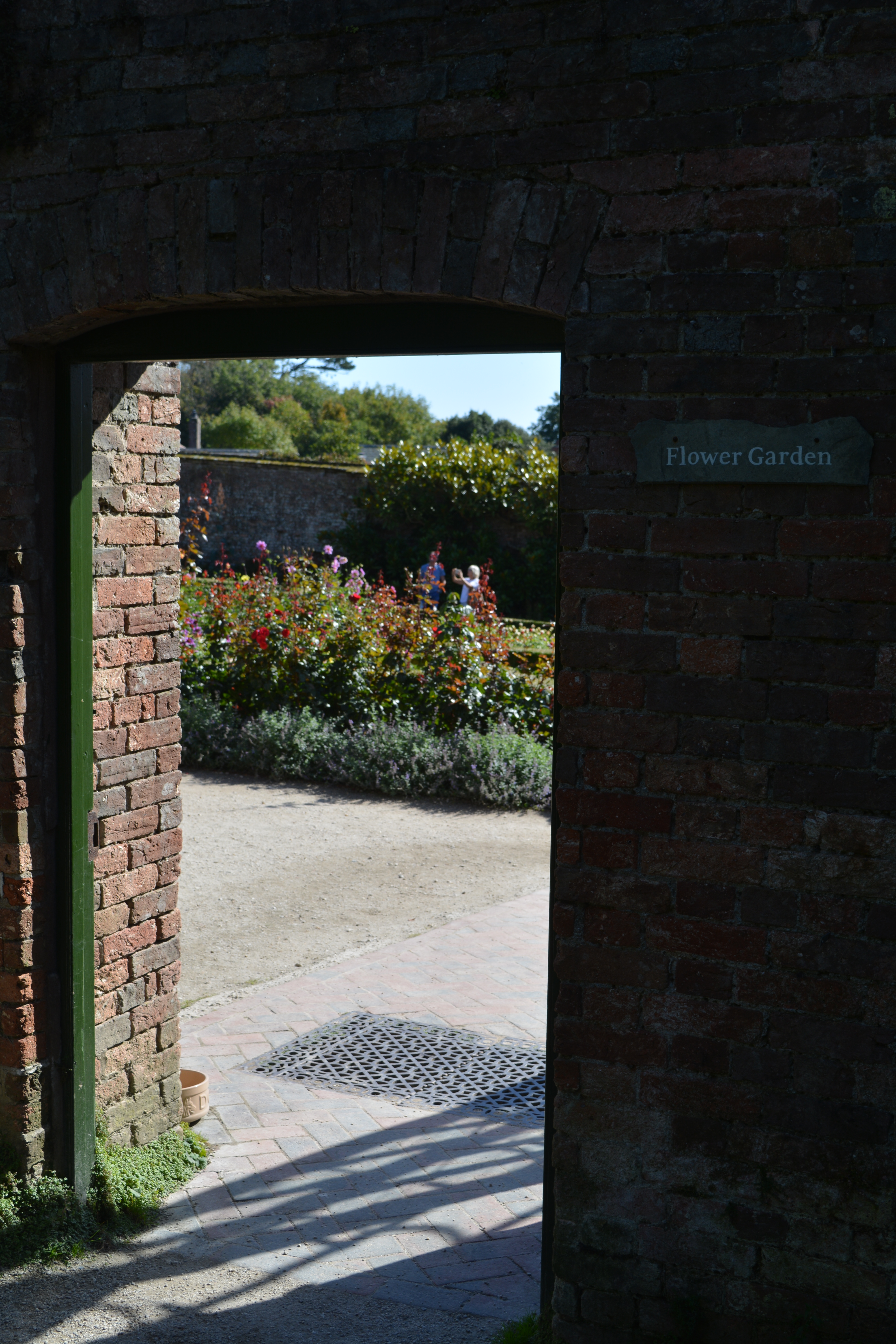
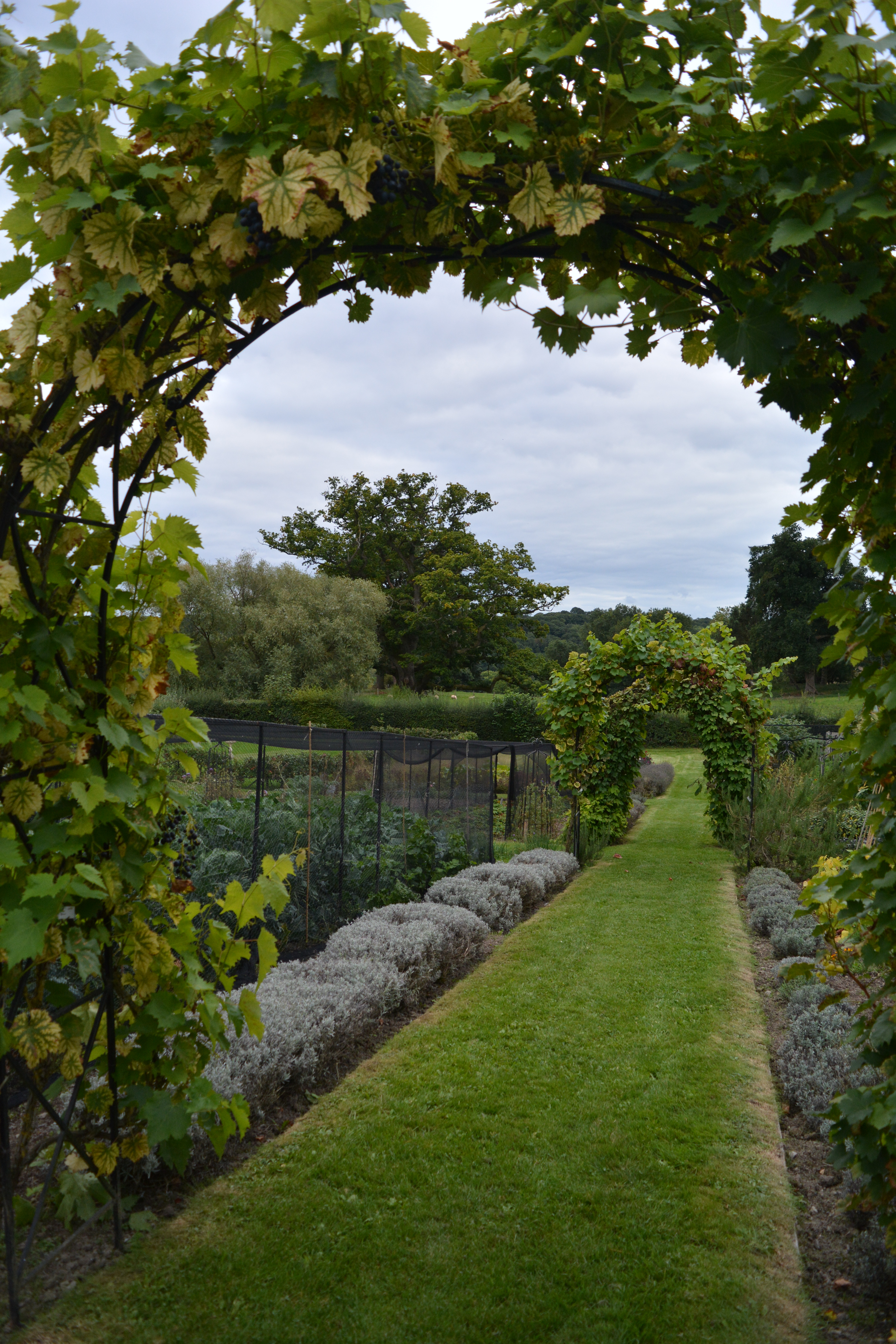
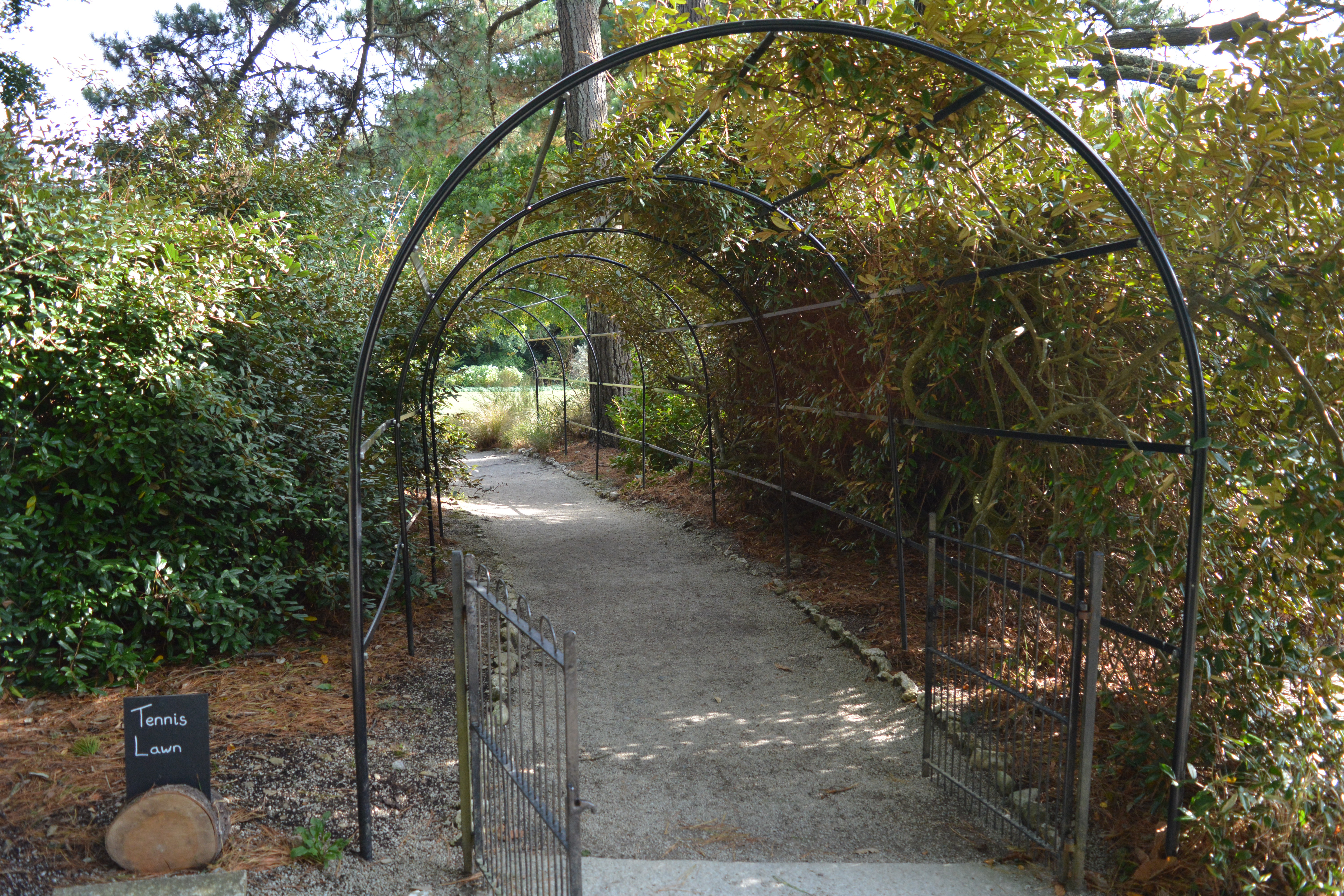
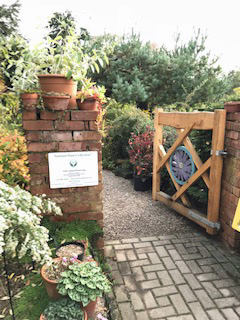
This is the sixth post in this very occasional series concerning gardens entrances and archways. So here are photos taken over the last few months of these important design elements of gardens large and small.

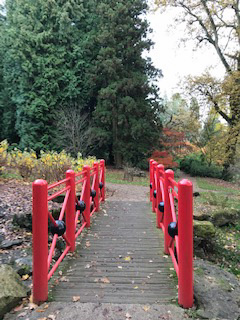
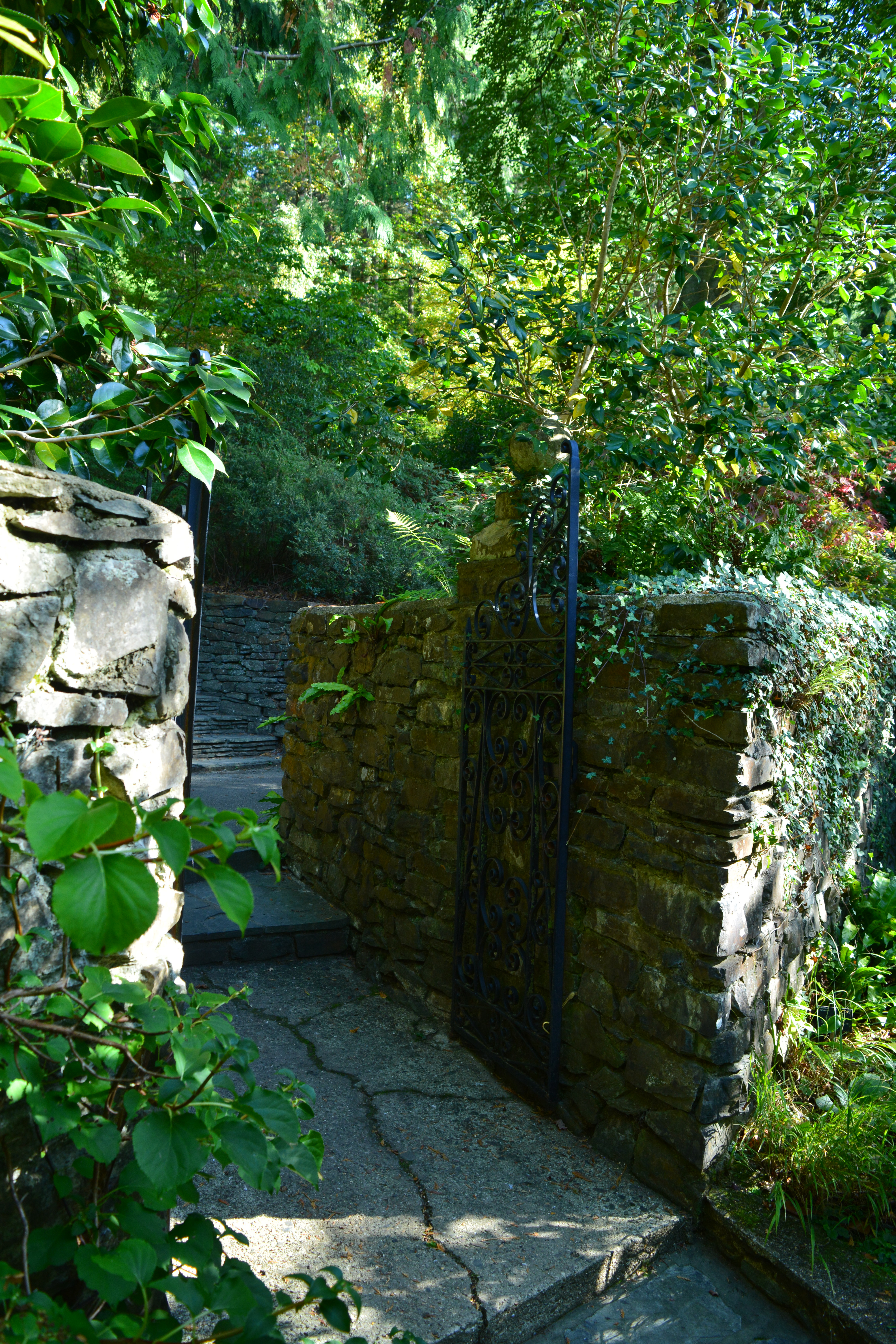
Firstly here are some entrances we discovered at Batsford Arboretum in the autumn, on a dull showery day. The red bridge certainly added a burst of colour and invited visitors to cross over its boards and discover planting on the fare side. The friendly black wrought iron gateway lead visitors into an orcharda area as an alternative to following the main driveway.

The three pics below show how steps can provide entrances to invite the visitor to wander and see what is at their tops. The first photo is in our own Avocet garden while the second is at Gregynog an NGS Yellow Book garden in Powys. The third flight of steps are wooden and lead the wanderer up through dense woodland shrub and tree plantings.

Sunningdale, an NGS Shropshire garden near Wem, a market town north of Shrewsbury was a garden designed to make you explore and the several entrances and archways there excouraged the visitor to make choices and discover different parts of the town garden.


More pictures now from Gregynog, another NGS garden, this time a woodland garden with several different facets as seen in the photos below.


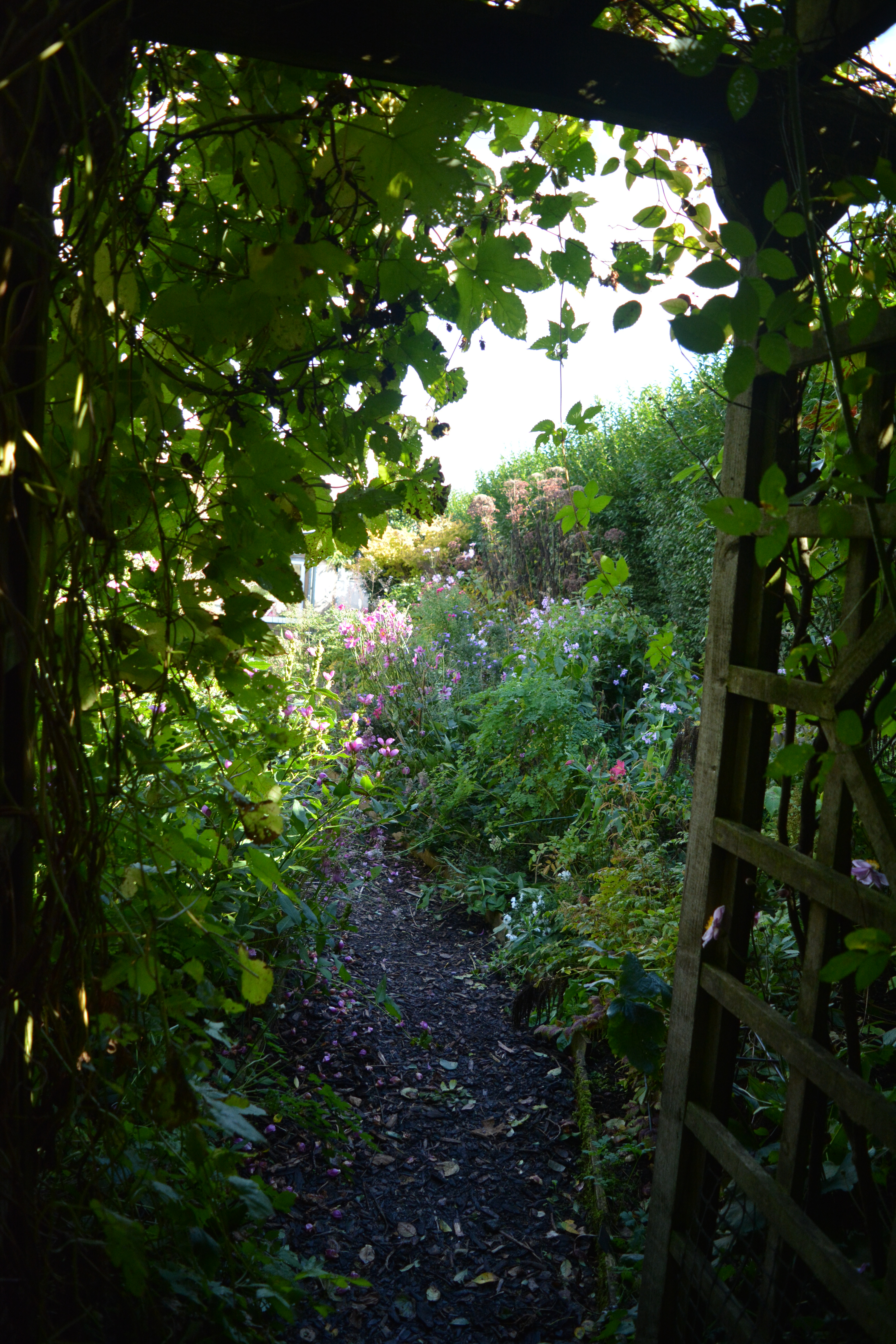
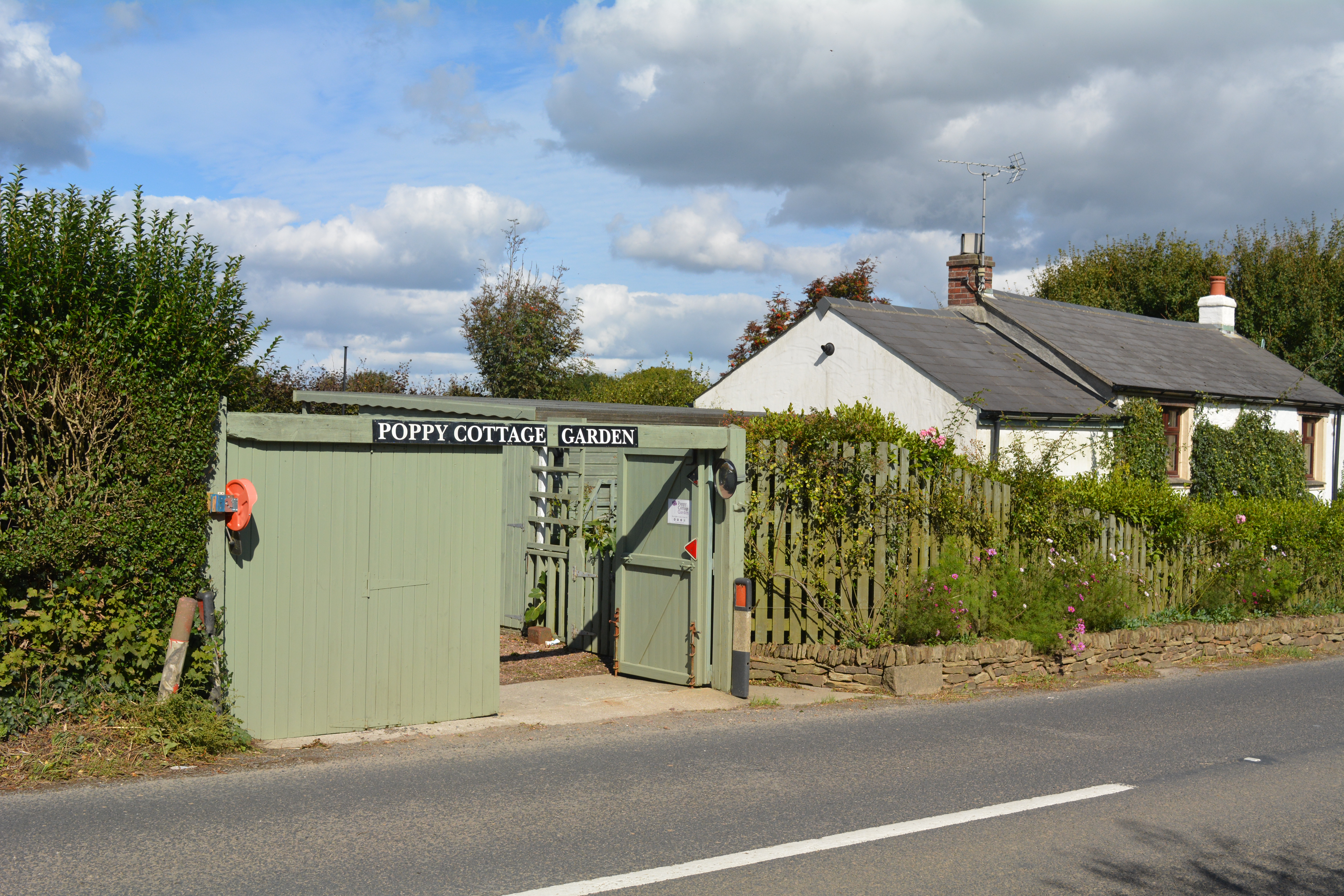
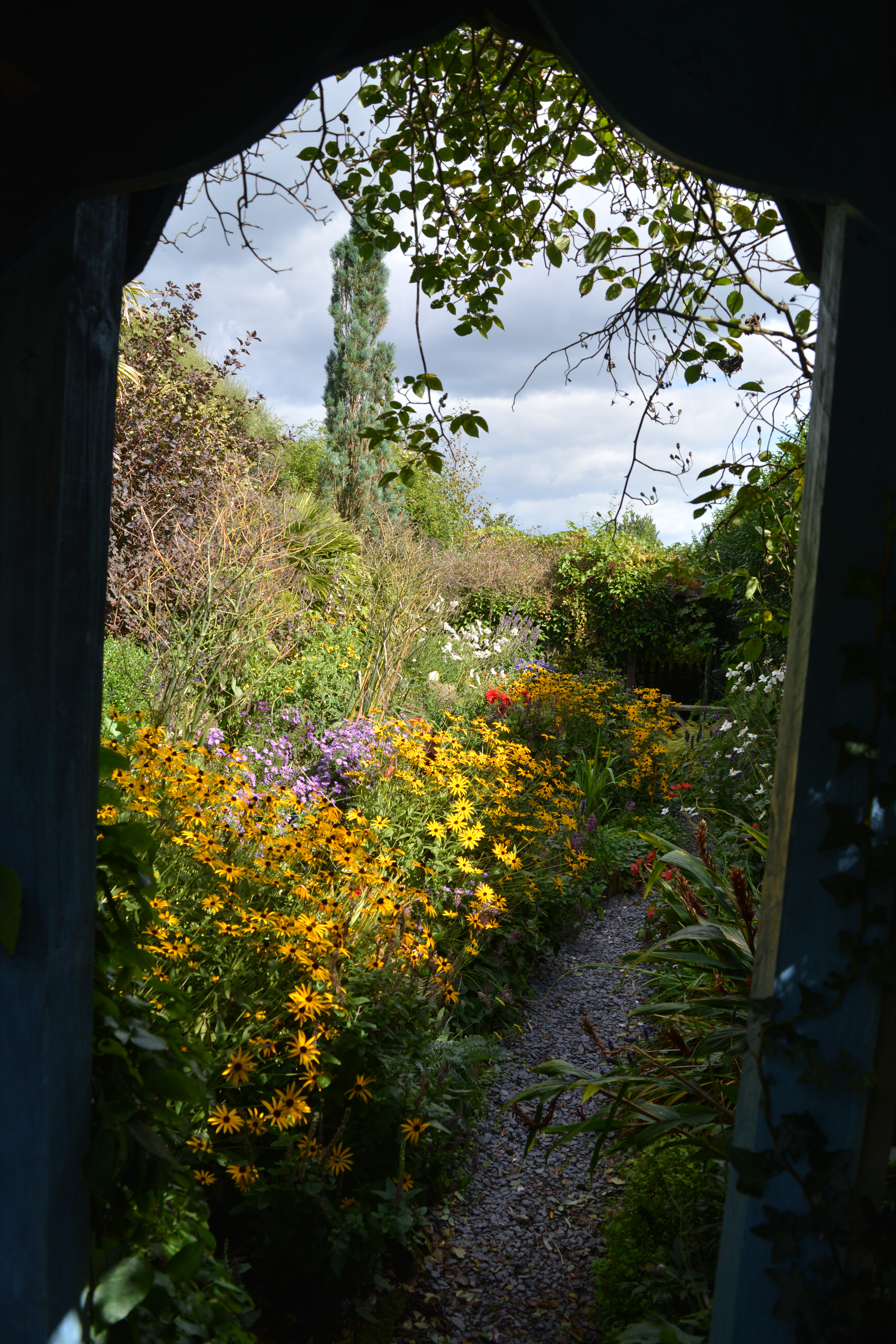
Down in Cornwall for a September holiday last year we found plenty of interesting entrances and archways in the varied gardens we visited. Firstly we visited Poppy’s Cottage Garden. The first picture below shows its rather odd entrance from the road.


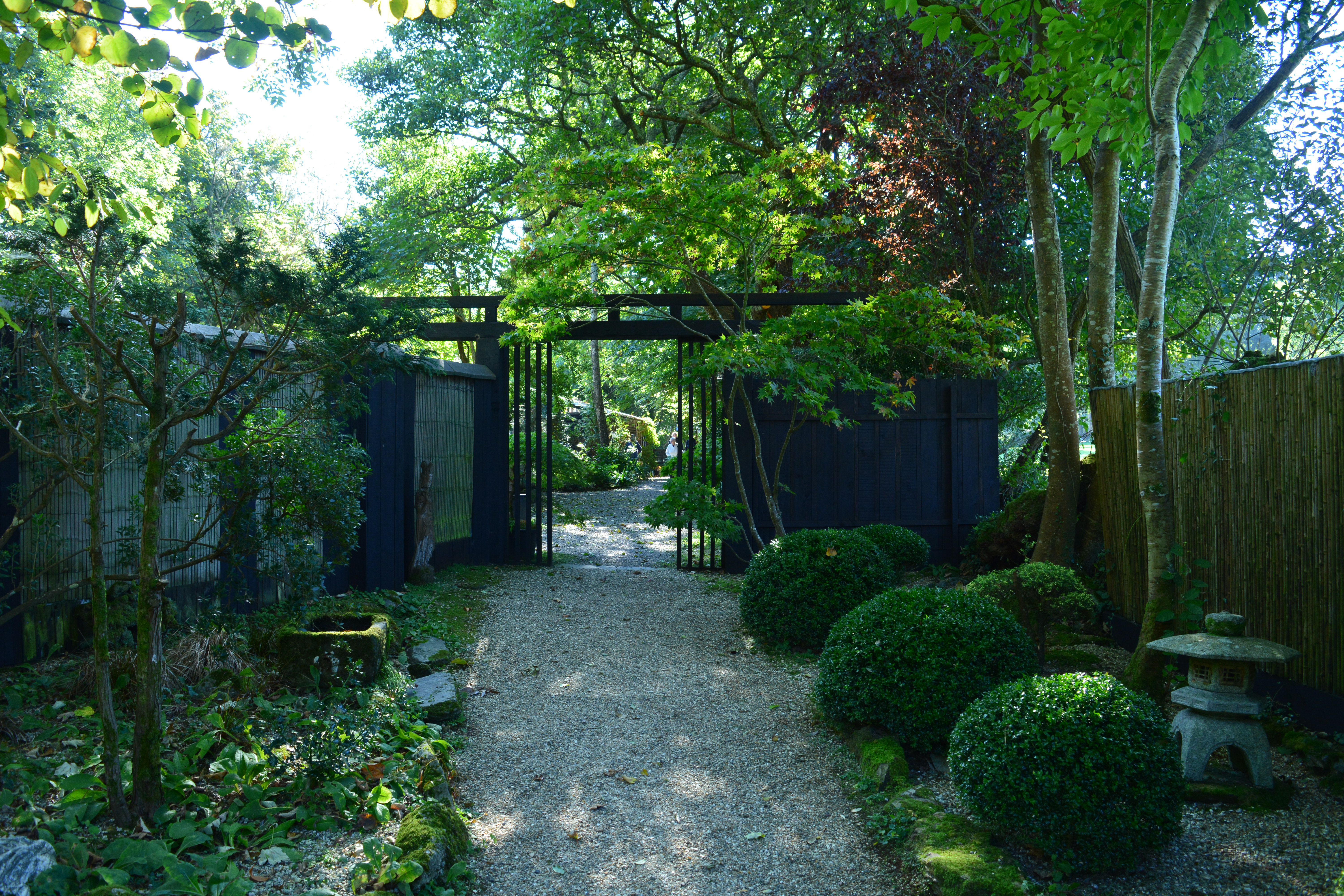
Then we explored a strange garden to find in Cornwall, The Cornish Japanese Garden.


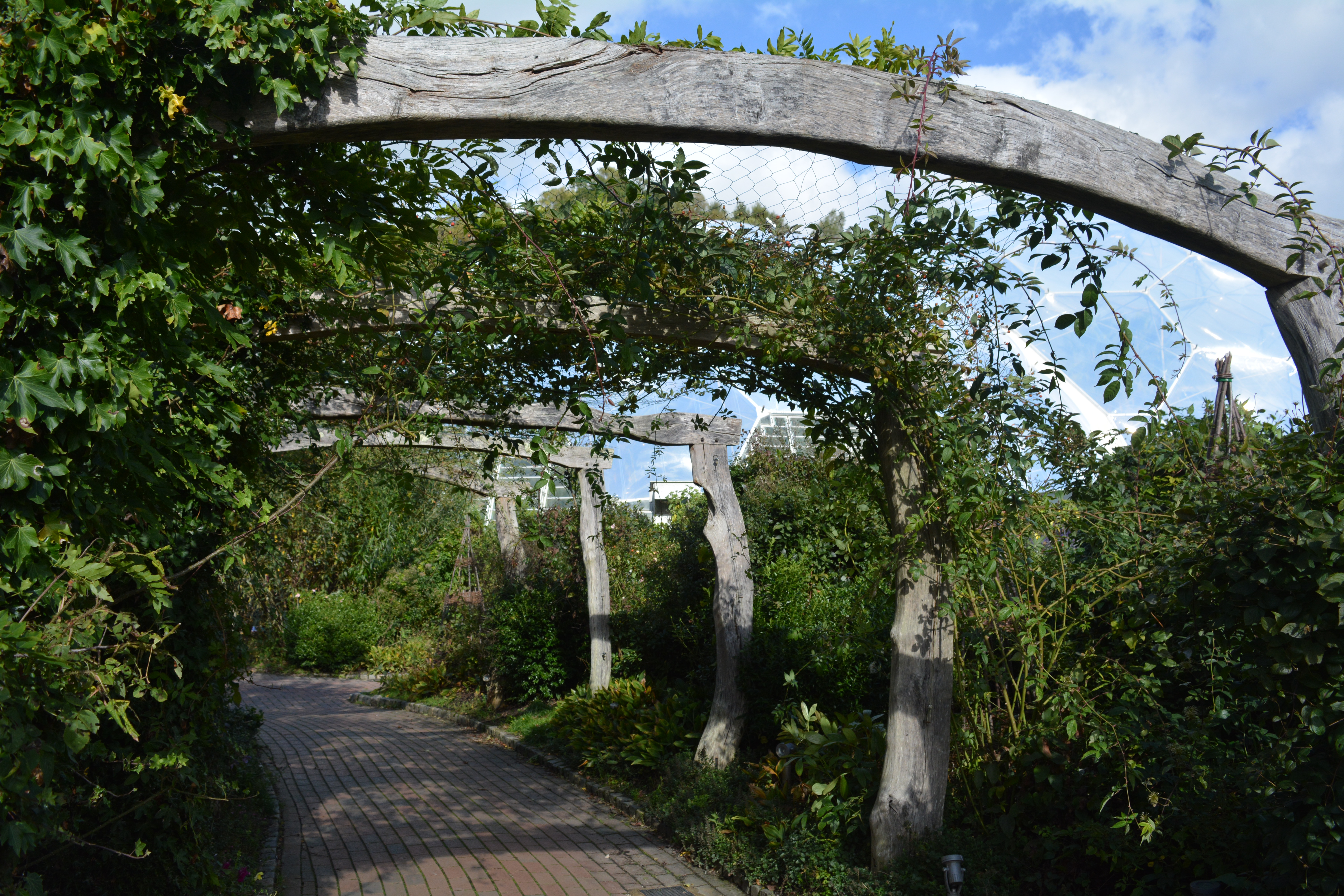
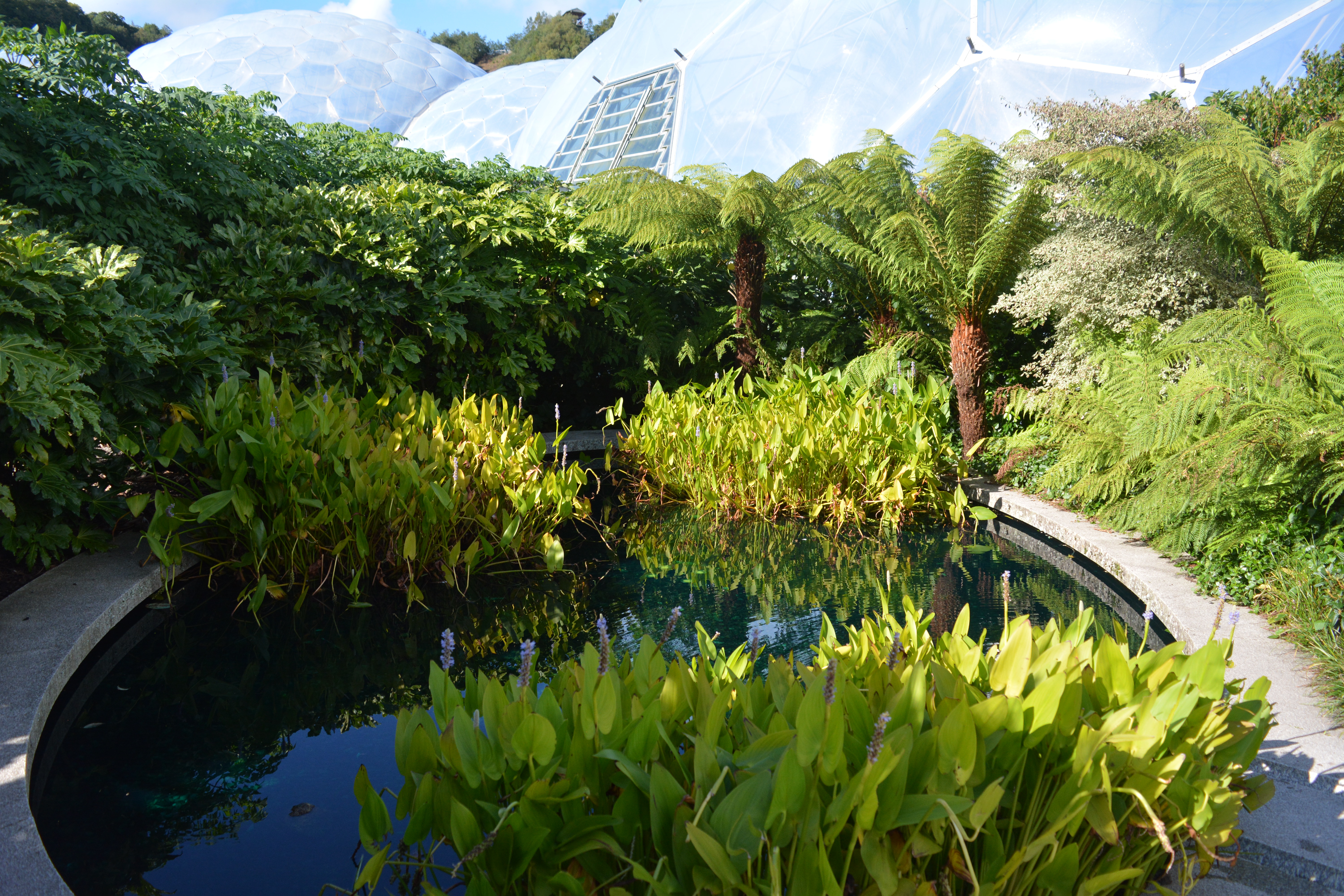
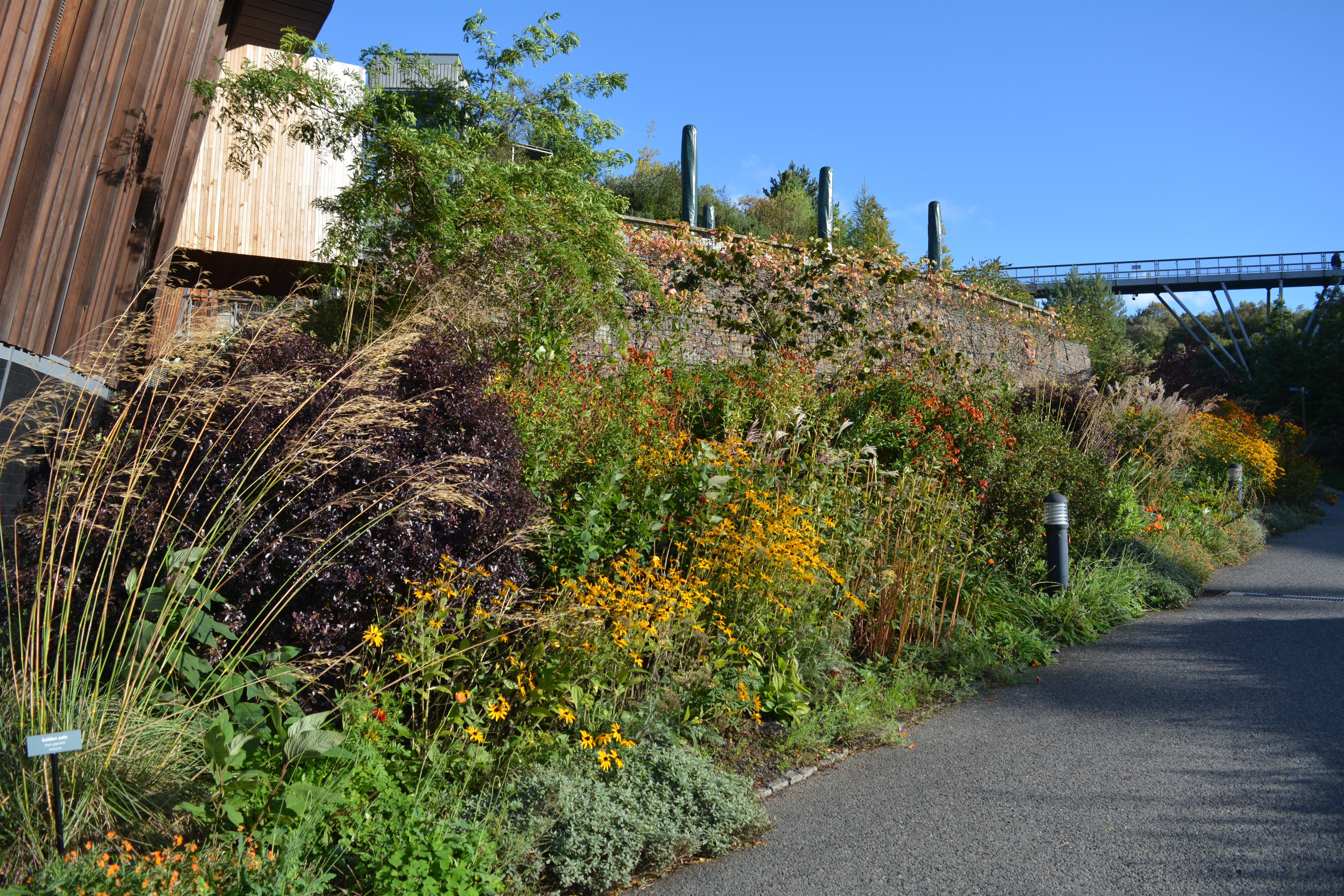
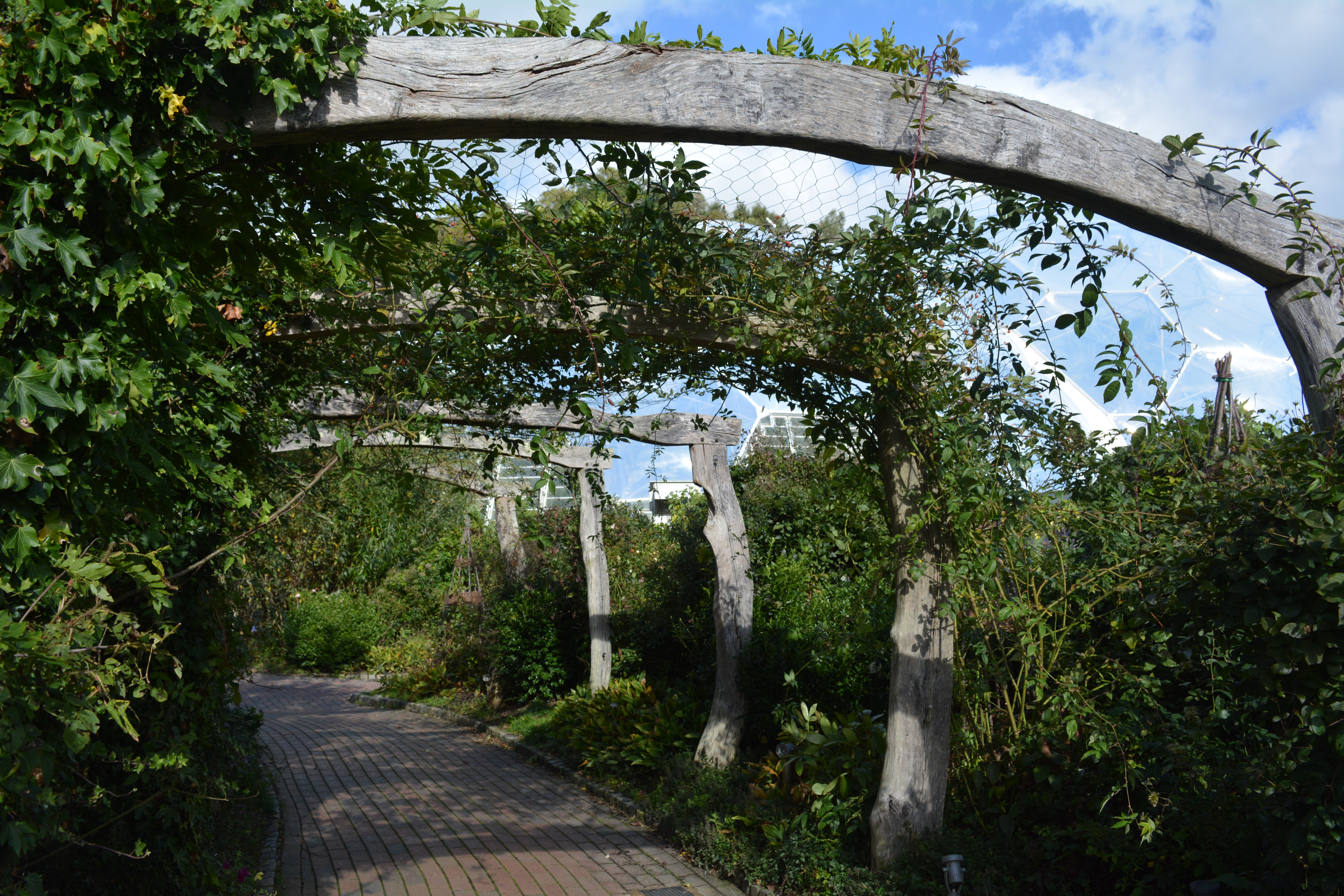
The gardens at The Eden Project gave plenty of varied places to enjoy.


Back closer in home here are a few photos from Hergest Croft Gardens


Here are three mystery photos for which my memory has let me down. I simply can’t remember where I took them!


The last pair of pics feature a beautiful gate at the Picton Garden near the Malverns, the garden that holds a National Collection of Asters. The gate leads you on a journey into beautiful mixed borders studded with masses of Asters. The secong pic features an archway from our very own Avocet patchwhich is designed to entice visitors to follow the central path and take the many inviting sideways paths.


Categories
garden design garden paths garden photography gardening gardens gardens open to the public hardy perennials Herefordshire indoor plants ornamental trees and shrubs pelargoniums trees

Return to the gardens at Hergest Croft

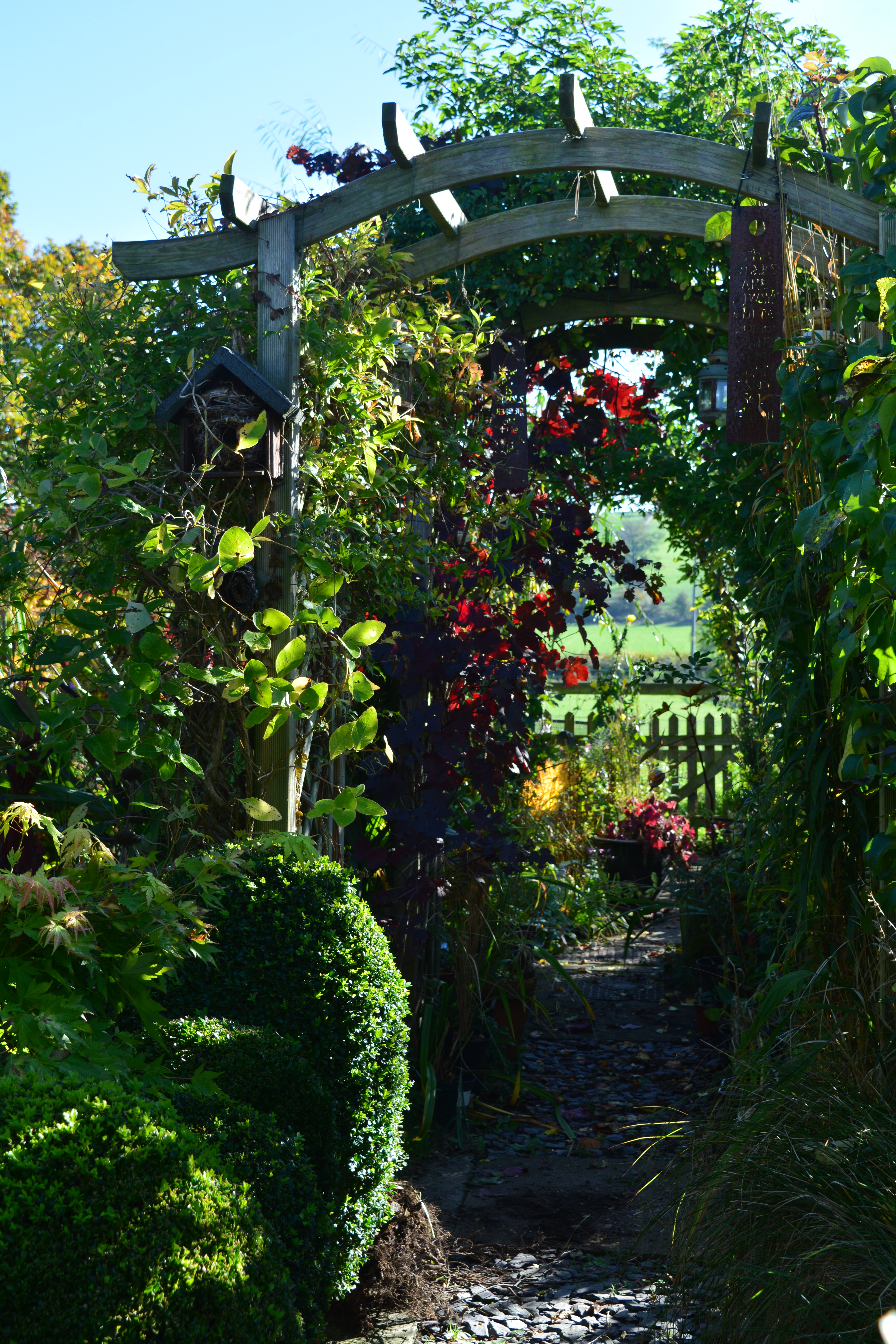
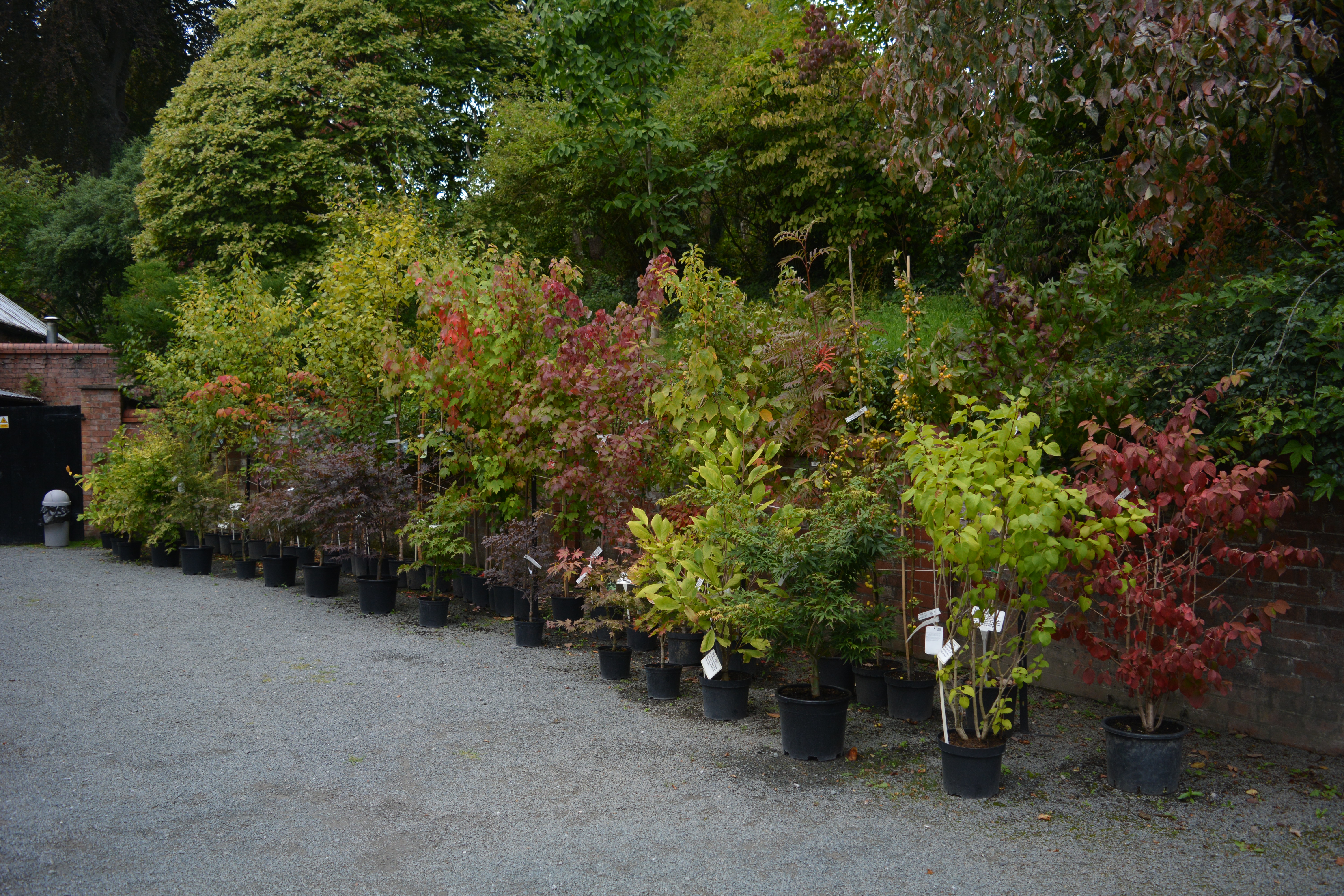
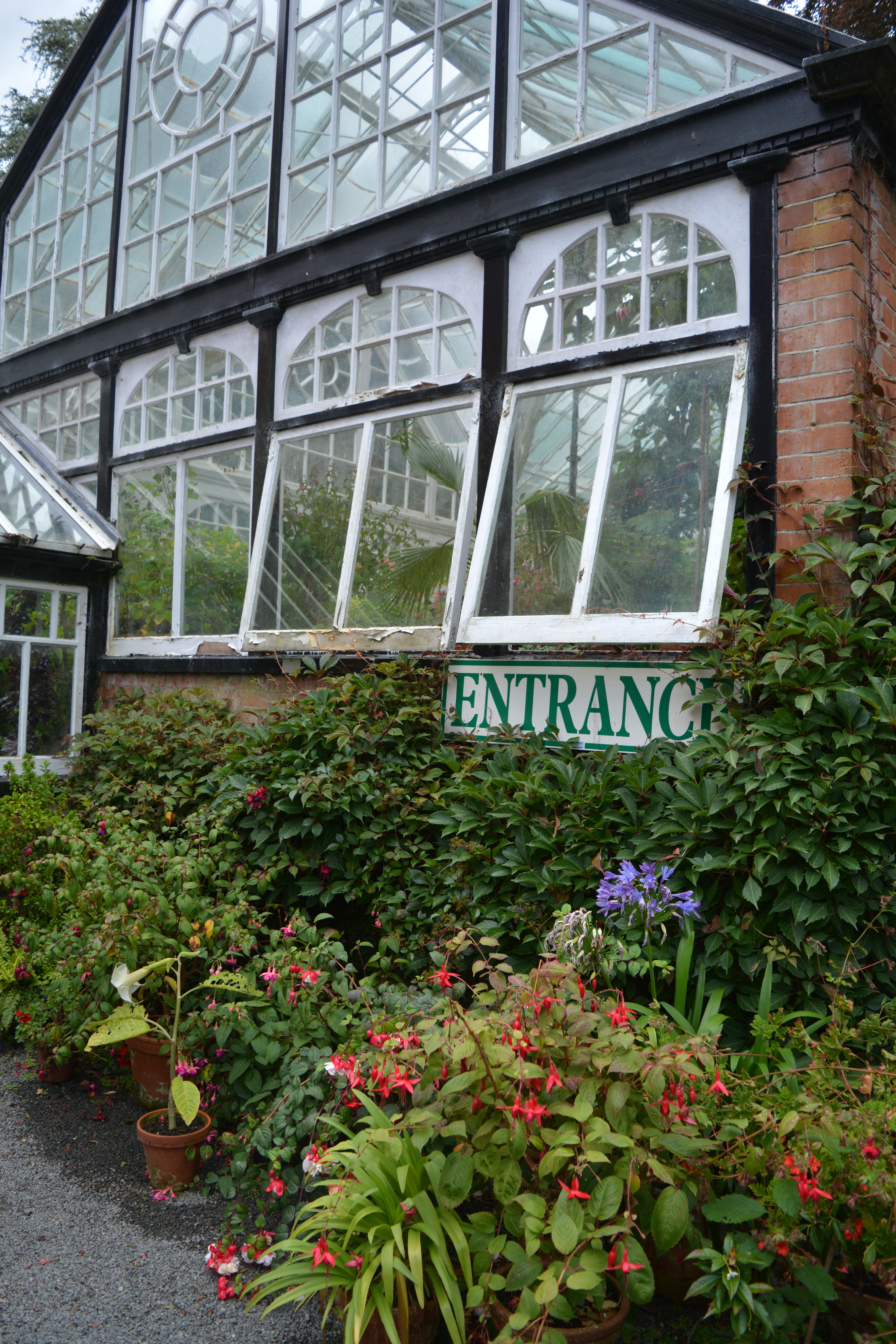
We always enjoy returning to visit and explore gardens we have loved discovering before. Hergest Croft gardens are one of our favourite places to visit and we have visited at several different times of year. In 2018 we made a journey down into Herefordshire in the middle of September for an early autumn/late summer visit.  The building itself is a beautiful “arts and crafts” style villa of brick with features and details to give it a special look. The driveside provides a good place to house plants for sale particularly trees and shubs propagated from the garden’s specimens and some interesting herbaceuos plants. Alongside the entrance is a stunning glasshouse that matches the main house wonderfully and it is here that we begin each visit, after of course coffee and cakes in the tea room. This tea room has a special extra, a lovely outdoor seating space, a covered veranda.


Beneath the veranda we enjoyed looking at a border of dahlias and over the top of the border to the borders surrounding the lawn. Here we spotted the first of a series of artworks created on slates, very delicate botanic drawings.


More plants for sale grace the walkway along the side of the house, again interesting plants propagated on site from their own plant material.

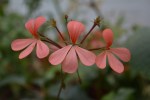
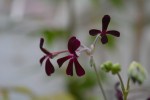
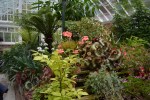
We next moved into the glasshouse where we always enjoy perusing the delicate plants flowering away happily. Let me share this little gallery with you. Please click on the first pic then use arrows to navigate.

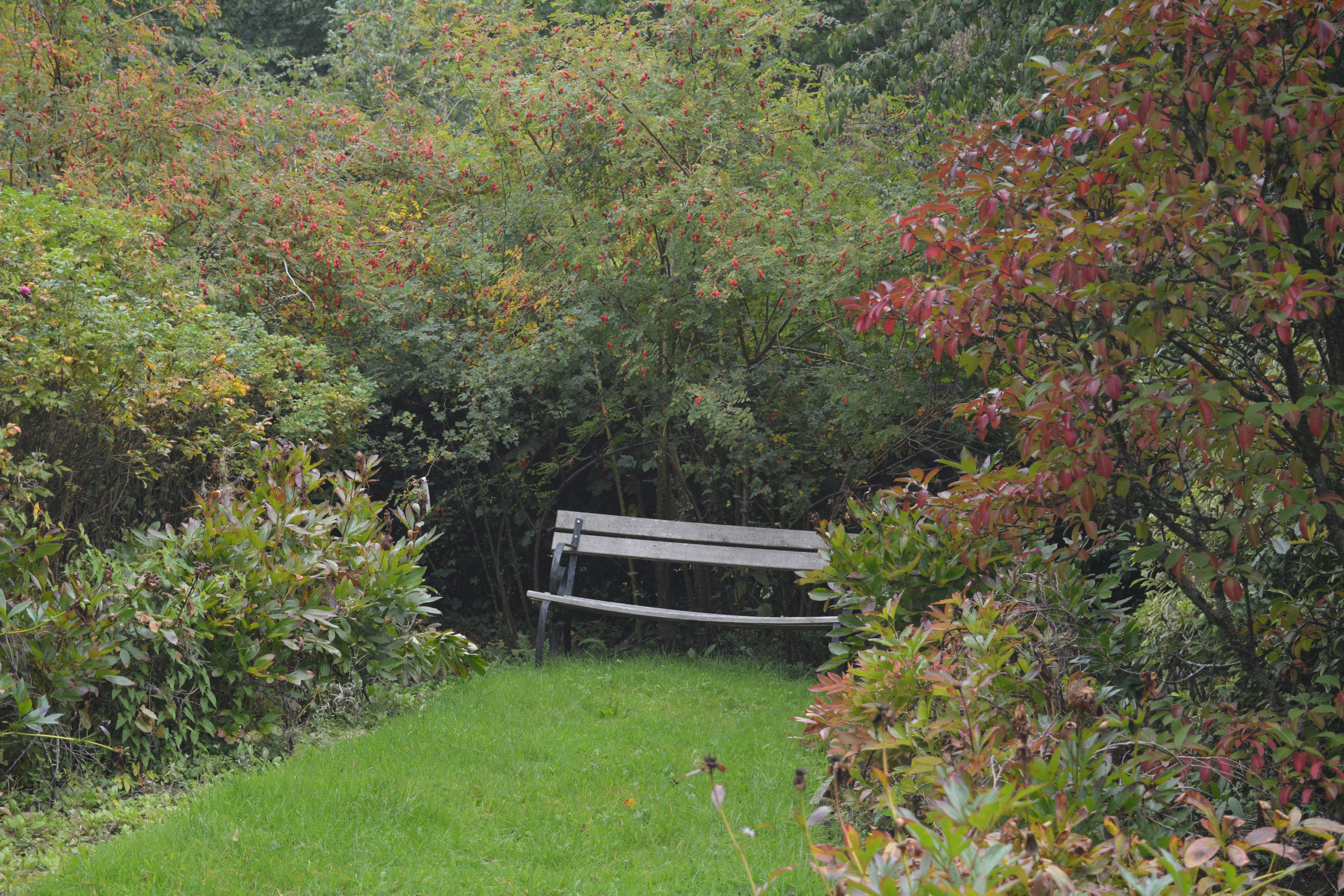
Here is a selection of the photos I snapped as we wandered around Hergest Croft gardens, which helps to illustrate how varied the garden is and what a wide selection of plants are grown there. There is a huge collection of rare and unusual trees here including several “Champion Trees” which guaranteed plenty of interest as we wandered the pathways.


There is just so much at Hergest Croft it is hard to do it justice, but I shall finish with a few selected photos of the many I took to help give a taste of this wonderful Herefordshire garden.

Categories
colours flowering bulbs garden design garden photography gardening gardens grasses hardy perennials ornamental grasses Shrewsbury Shropshire South Shropshire Winter Gardening winter gardens

My Garden Journal 2019 – January

Back with my new journal for a new year, my Garden Journal 2019. January is often described a s a quiet month in the garden and gardeners are often told to keep inside in the warm, order seeds from catalogues, clean their sheds and sharpen bladed tools and clean up all tools. But in reality a good garden is a good garden for 12 months of the year and a good gardener keeps his bladed tools sharp continously, all his tools are cared for througout the year and there is plenty to look at and enjoy in the garden and plenty of interest to be found in plants.

I begin my January journal entries with the words, “What is in flower in our Avocet patch early in January? A quick wander around on a calm, dry day with camera in hand provides the answer. I thought I wouls be out in the garden for 10 minutes or so but there was so much t lok at that it was three times longer.” 

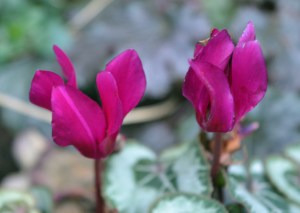
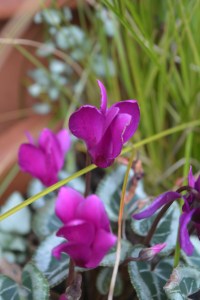
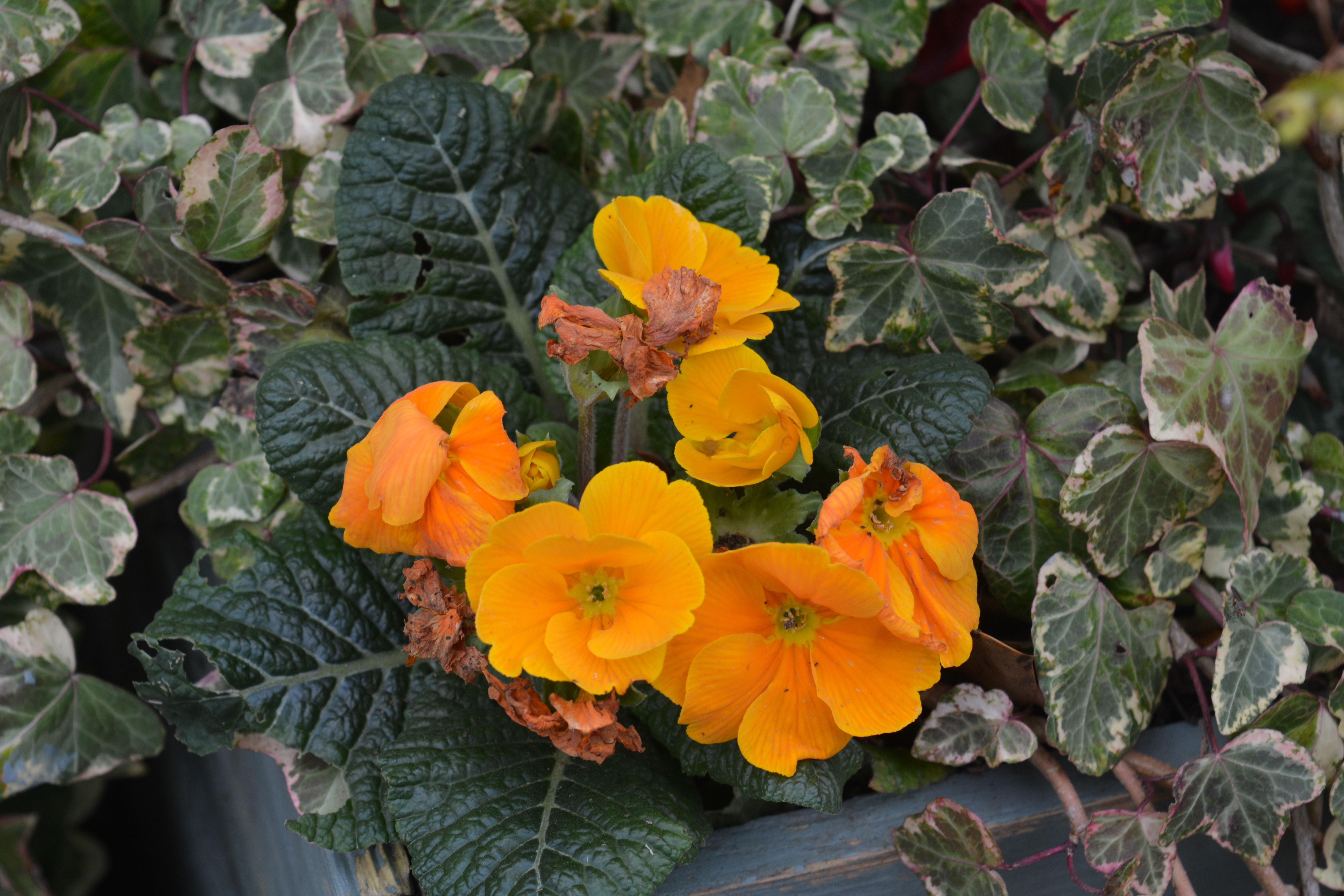
I shared a set of 8 photos showing “Violas, Cyclamen, members of the Primula family and even an adventurous Rose.”


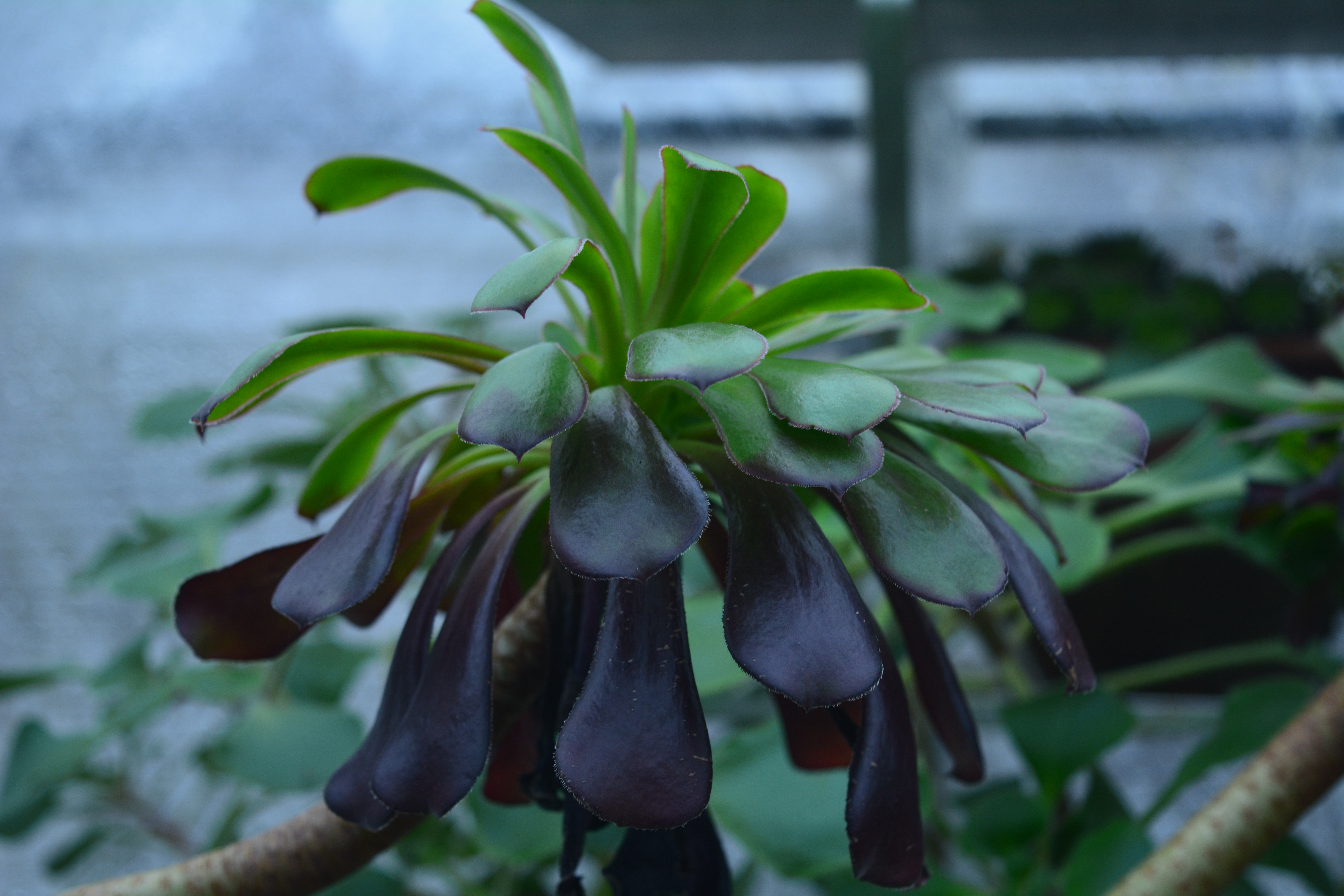
I then went onwards with my camera into the greenhouse which is not yet heated at all, so we are simply keeping things ticking over. Soon we will put heat on and the heated propagating bench in readiness for the exciting task of seed sowing. I wrote, “The greenhouse is a busy place in the winter full to overflowing with over-wintering sensitive plants, autumn seedlings ticking over and cuttingstaken late in the year.”

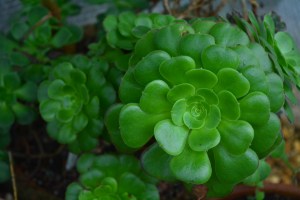
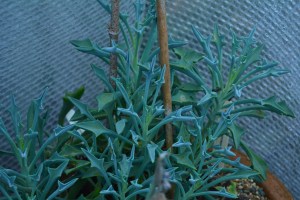
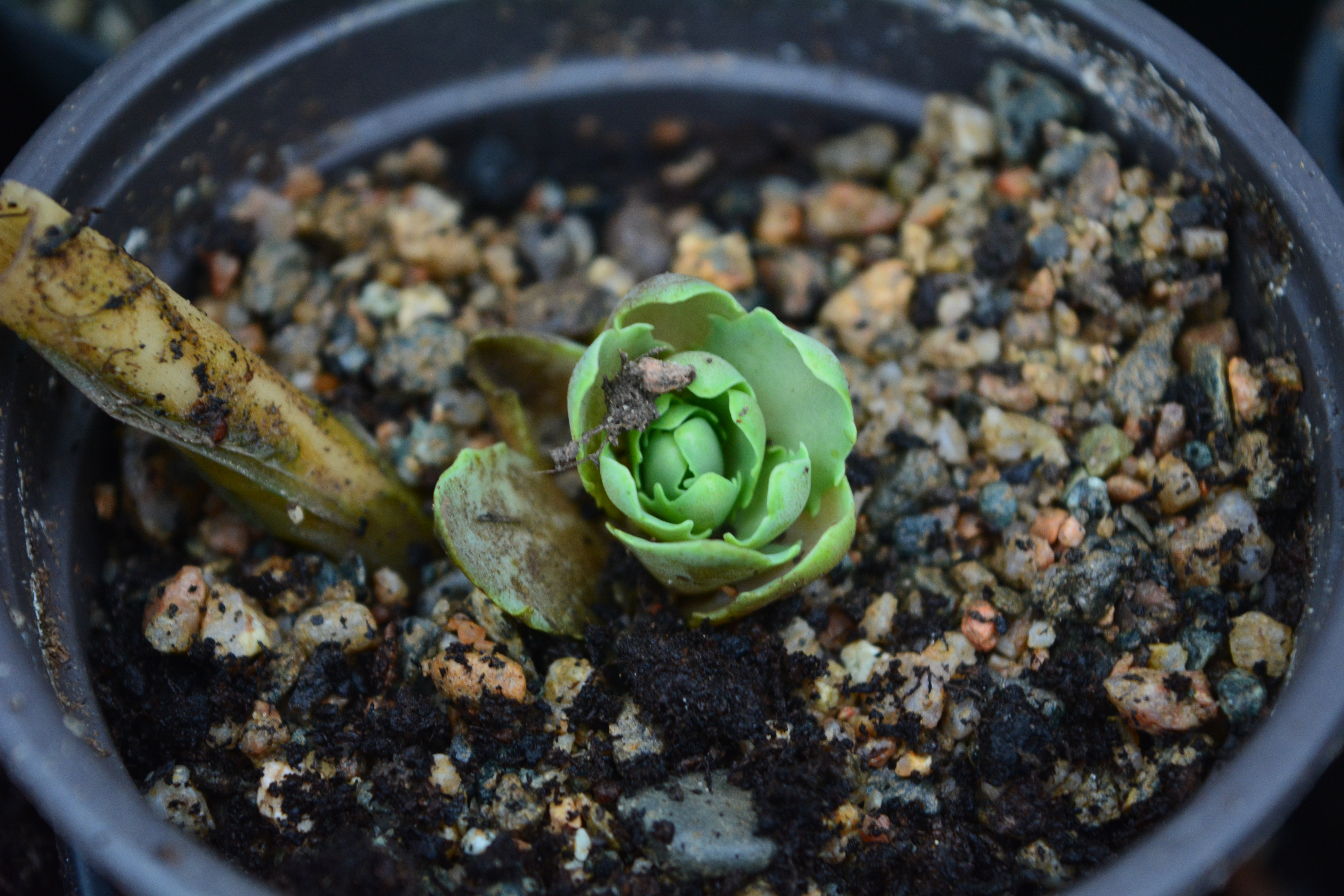
Examples of these sorts of plants are shown in the set of photos, including seedling Achilleas, Fuschia thalia and Sedum Matrona cuttings.
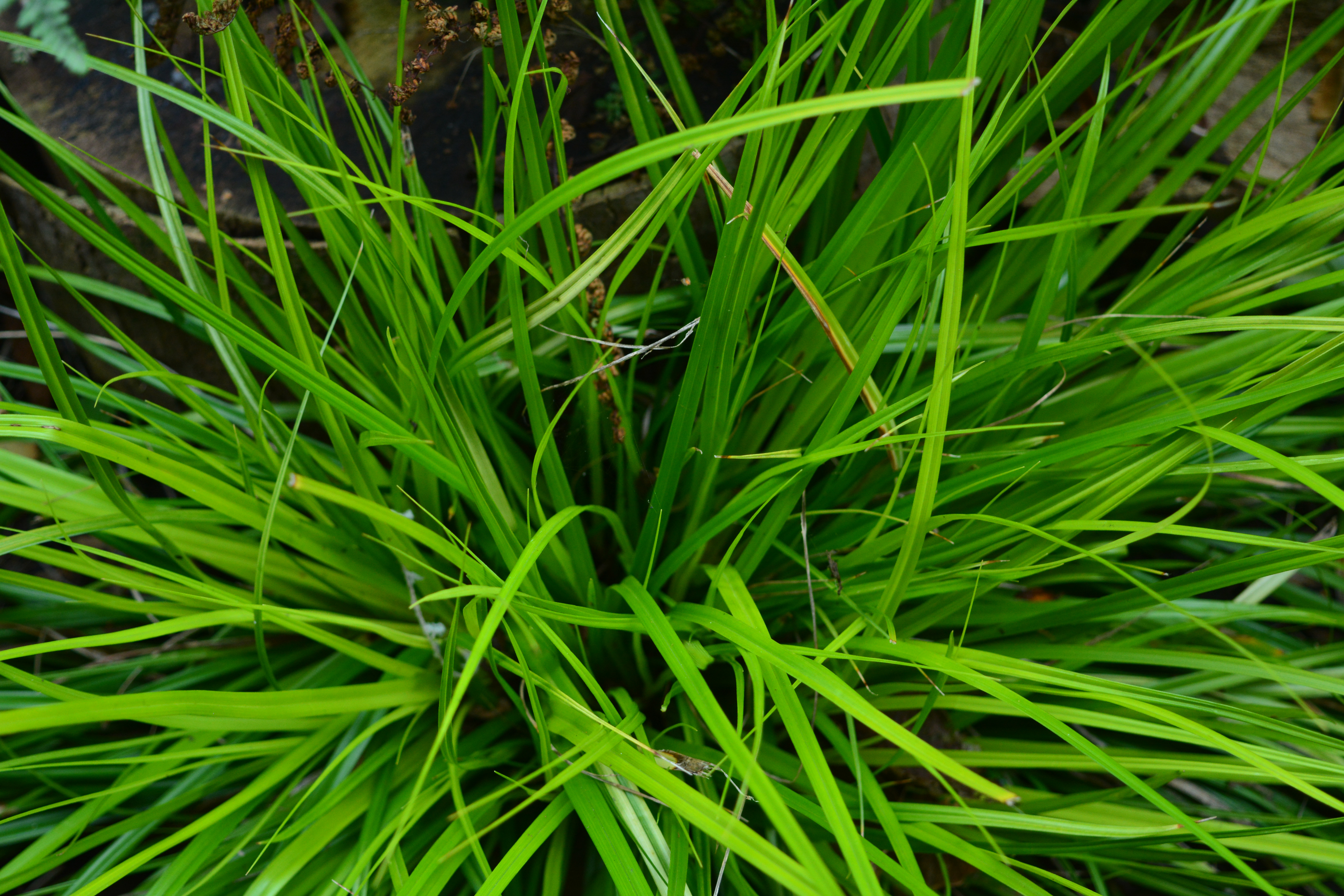
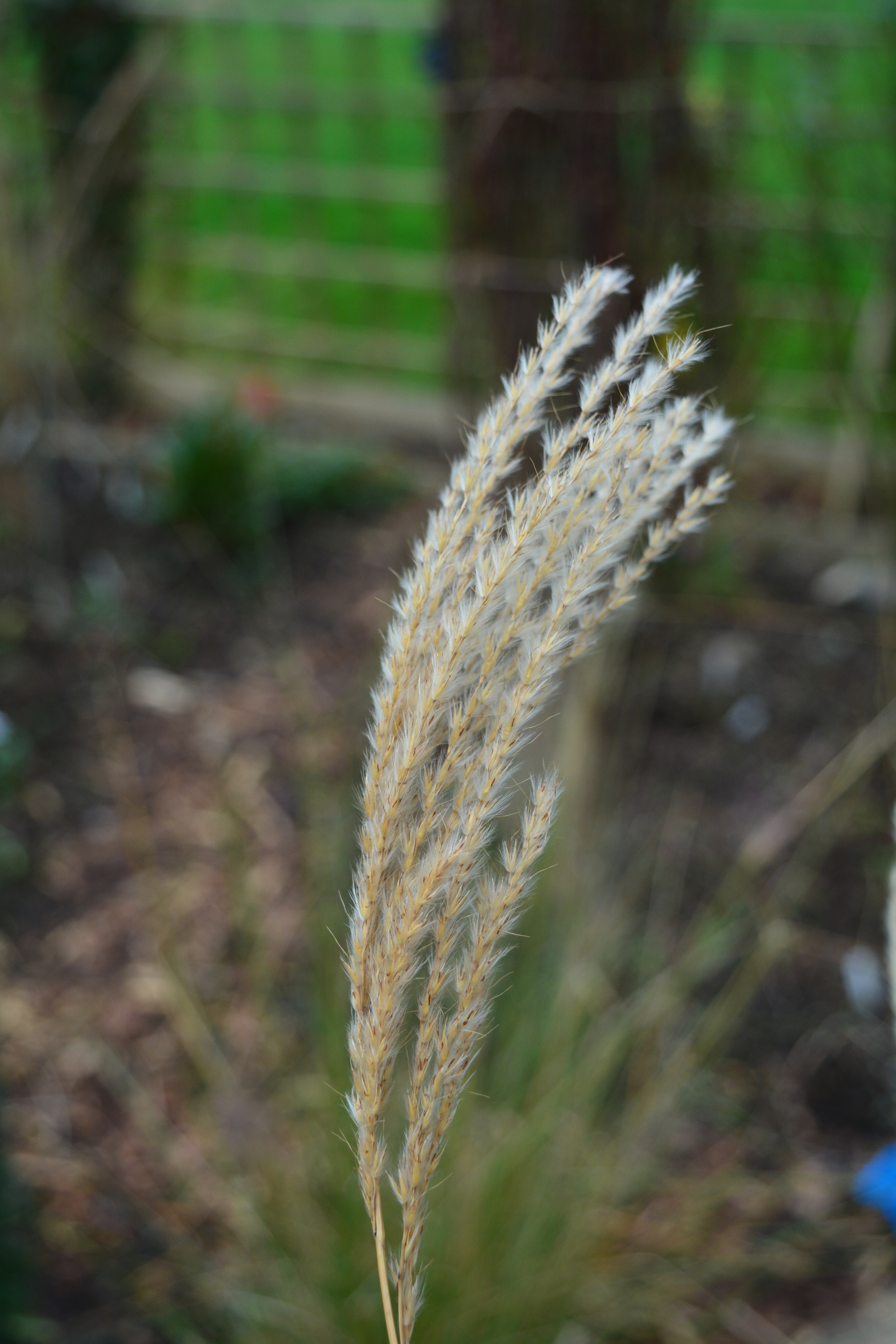
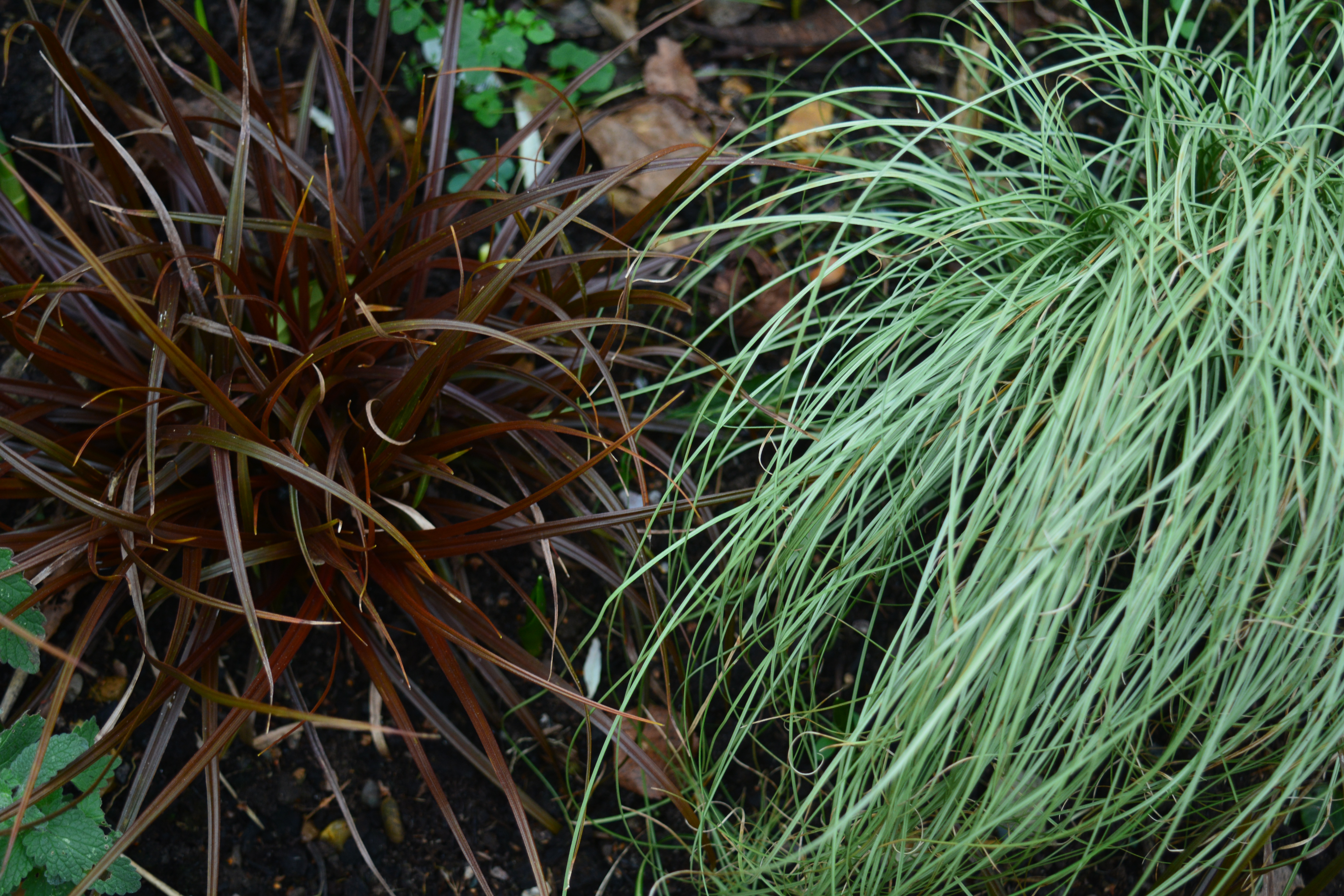
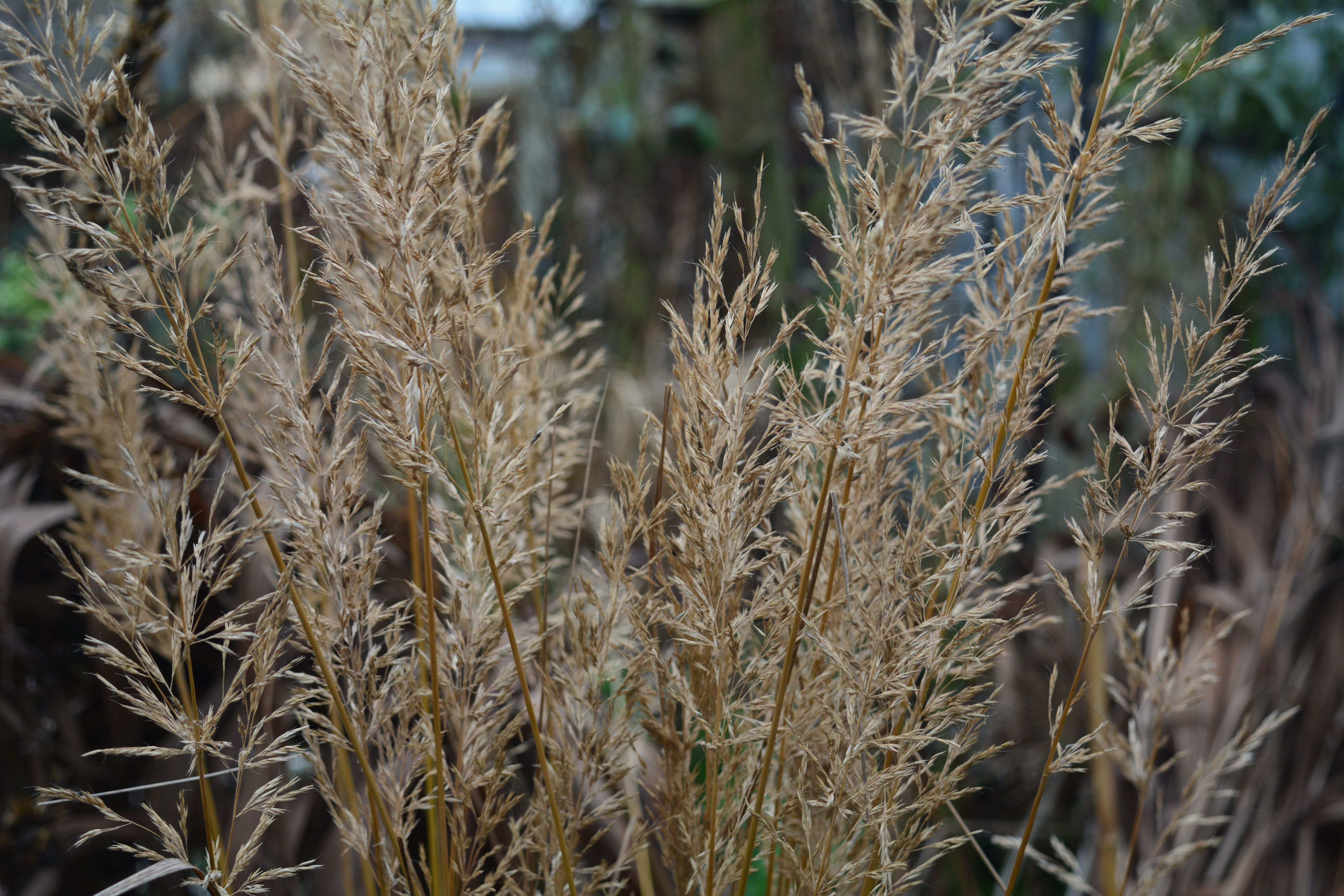
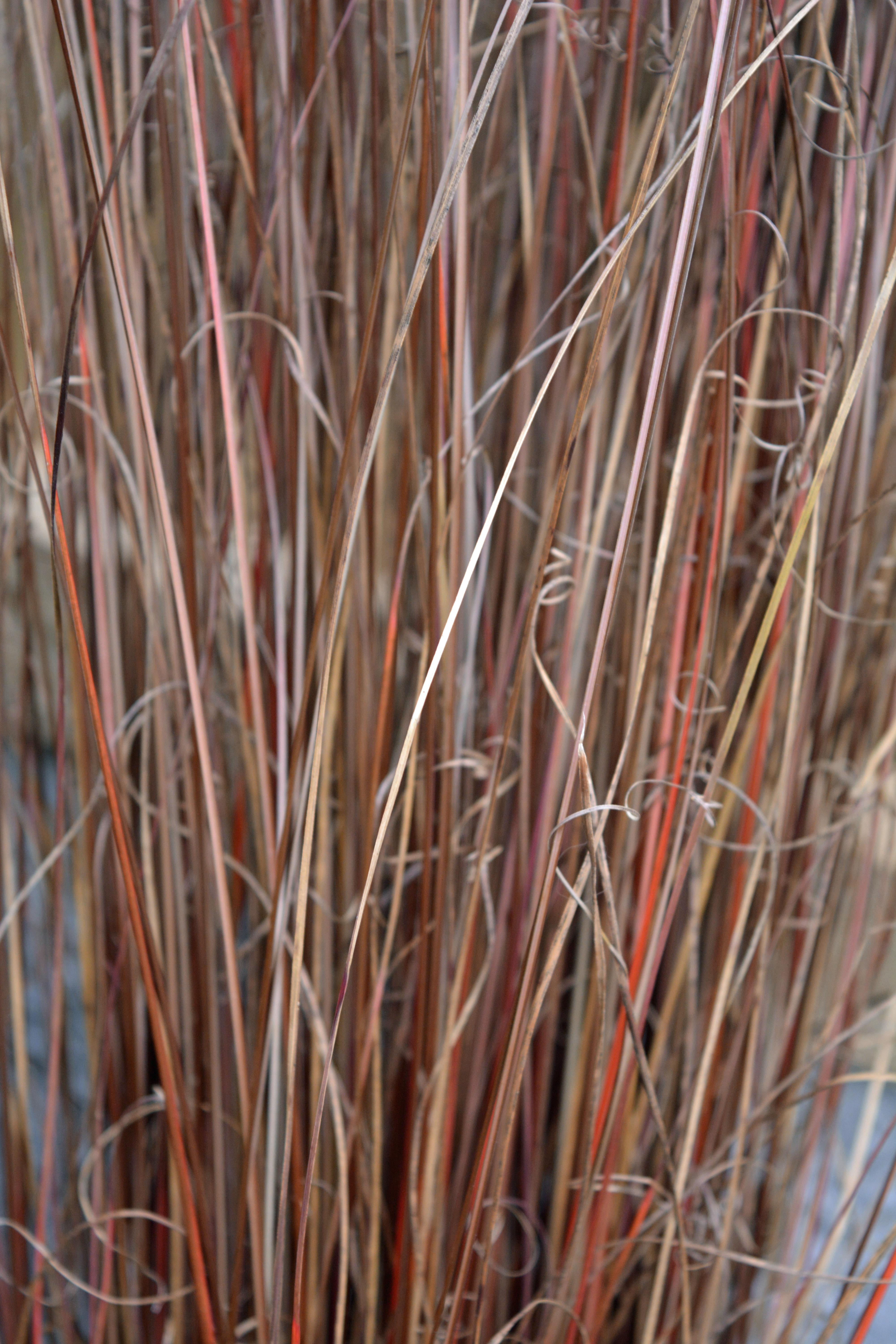
On the opposite page I looked at some of our many grasses that shine in January and shared a set of pics. “Grasses come into their own in January both deciduous and evergreen. Carex are exceptionally valuable winter grasses.”

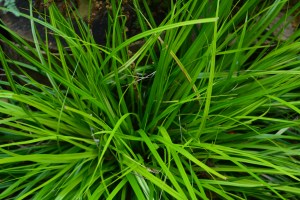
 

Carex elata aurea                                                Carex elata aurea

Calamagrostis “Northwood”    Miscanthus sinensis         Carex “Evergold”

Carex elata “Evergold”                             Uncinia rubra       Carex “Frosted Curls”
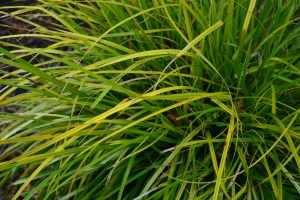
 

Carex elata “Bowles Gold”                                Anemalanthe lessoniana


Calamostris brachytricha                                                        Carex buchanii

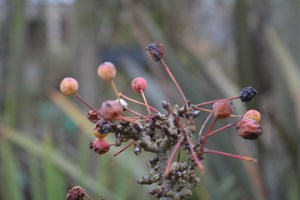
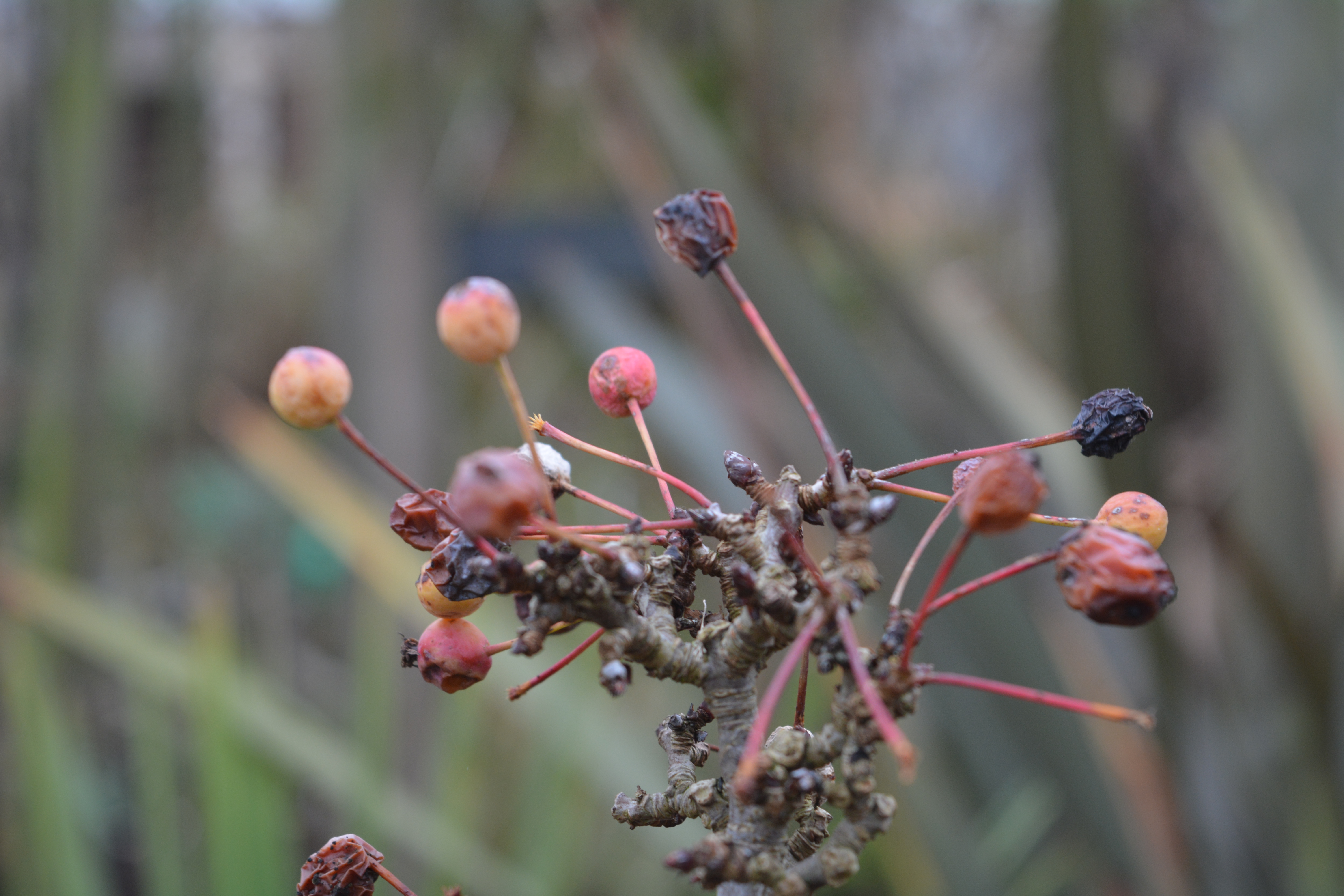
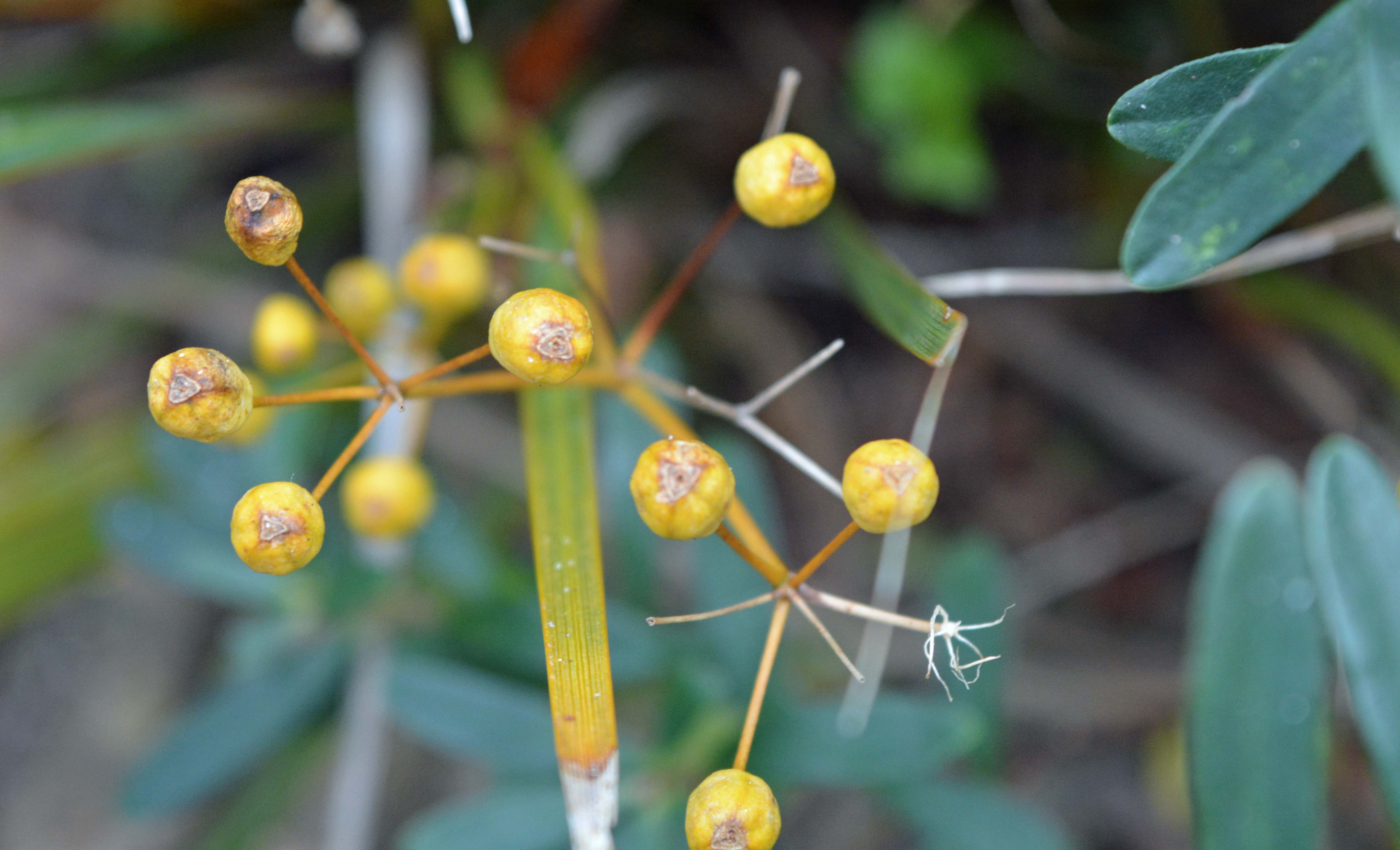
On the following double page spread I moved on to look at some of our berries and foliage plants giving interest in January. On the first page I wrote, “Throughout the winter birds especially members of the Thrush family enjoy gorging on the berries on our trees and shrubs. We grow berrying plants for the birds to eat as well as for our own visual feast. By January a few are still left over.”

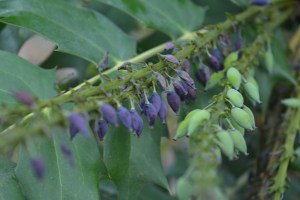
 

Guelder Rose                                                Mahonia “Winter Sun”

 

Honeysuckle berries                                  Malus “Admiration”

 

Native Holly                                                  Iris foetidissima

Cotoneaster                                                    Libertia

Sarcococa confusa

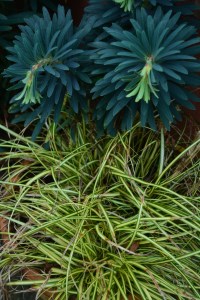
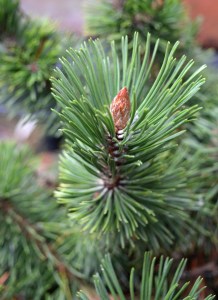
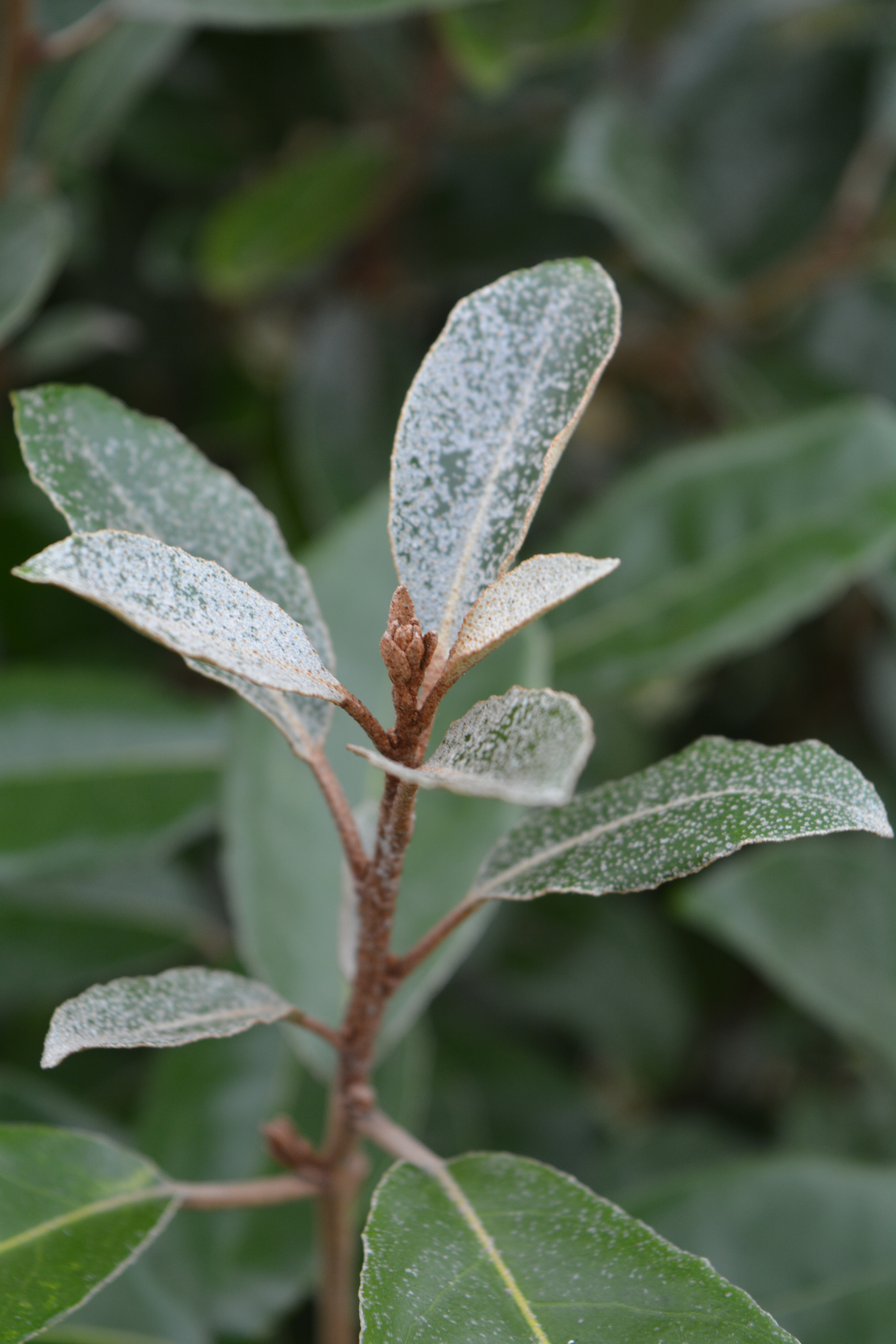
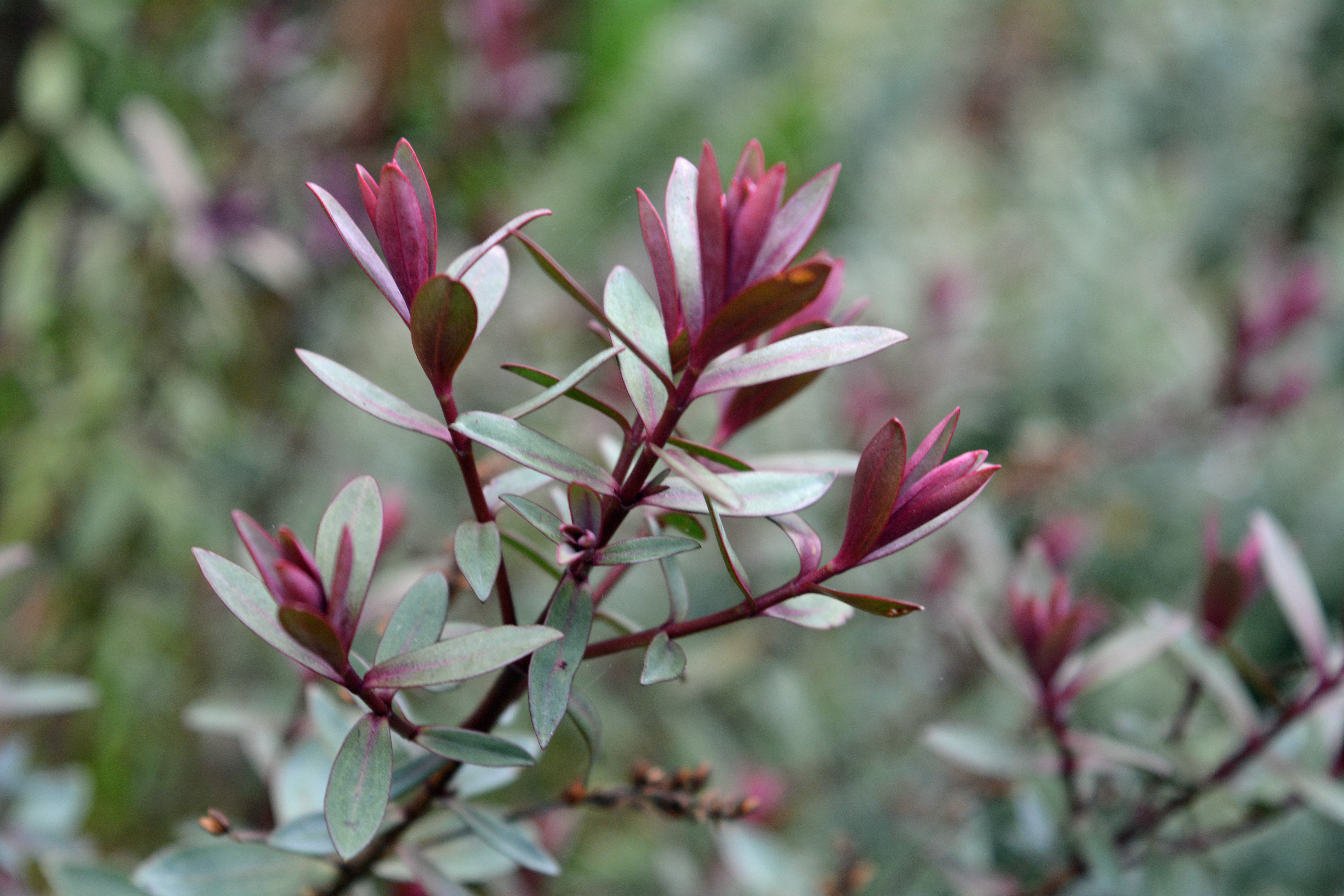
We can now look at the opposite page and consider some of our interesting foliage, where I wrote, “In January interesting foliage catches the eye, variegation, dusting with silver, glaucous or ruby coloured.”
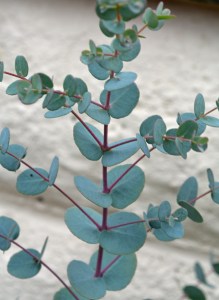
Eucalyptus parvula               Rhamnus aureomarginata         Eleagnus ebbingei

Coprosmia “Pacific Night”     Pinus mugo “Mumpitz”
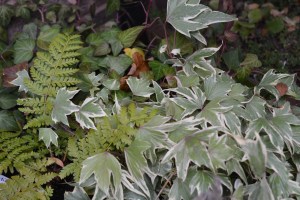
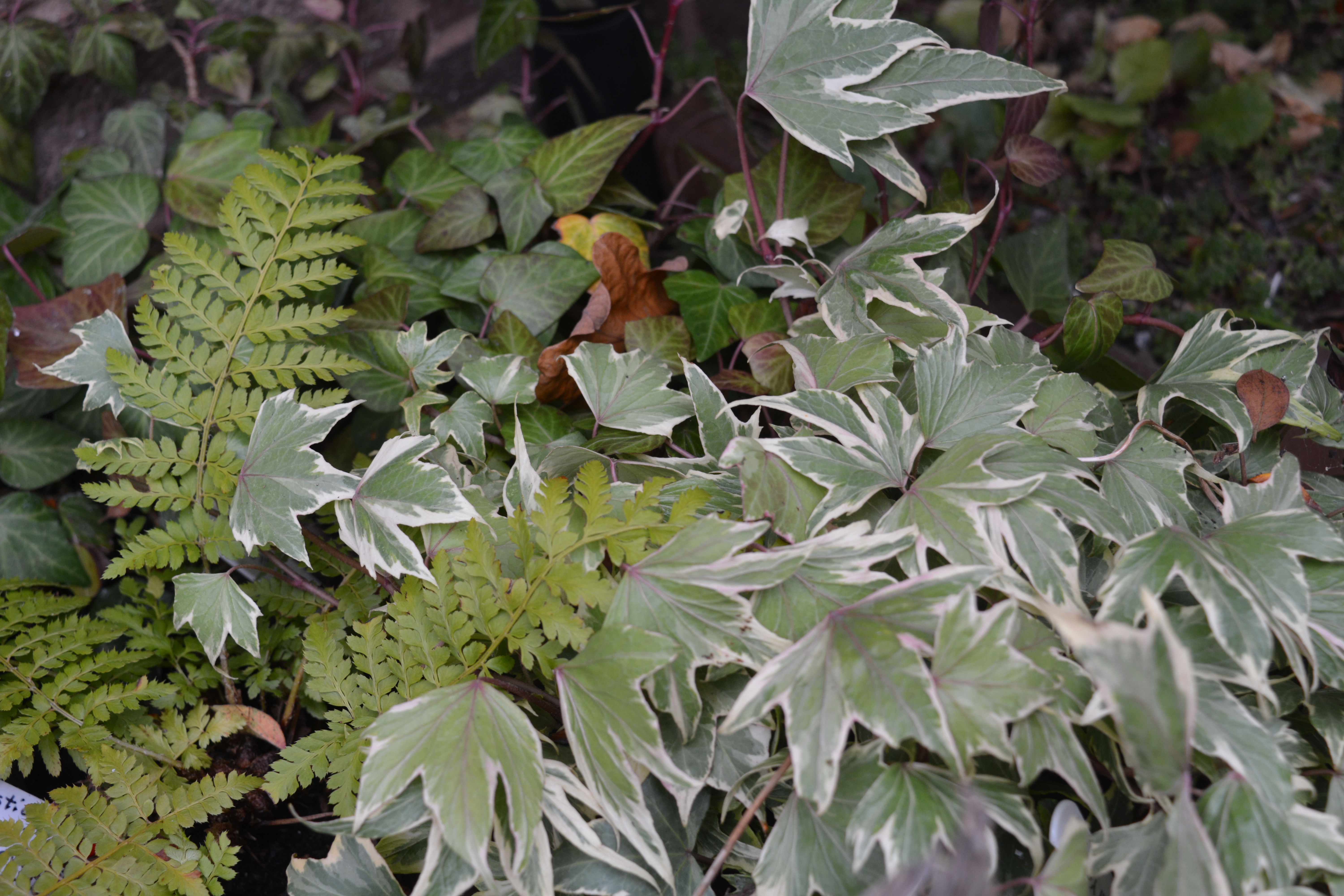
Hedera helix “Long Trail Yellow”         Hebe 

Budleja “Lochinch”                                    Euphorbia lathyris

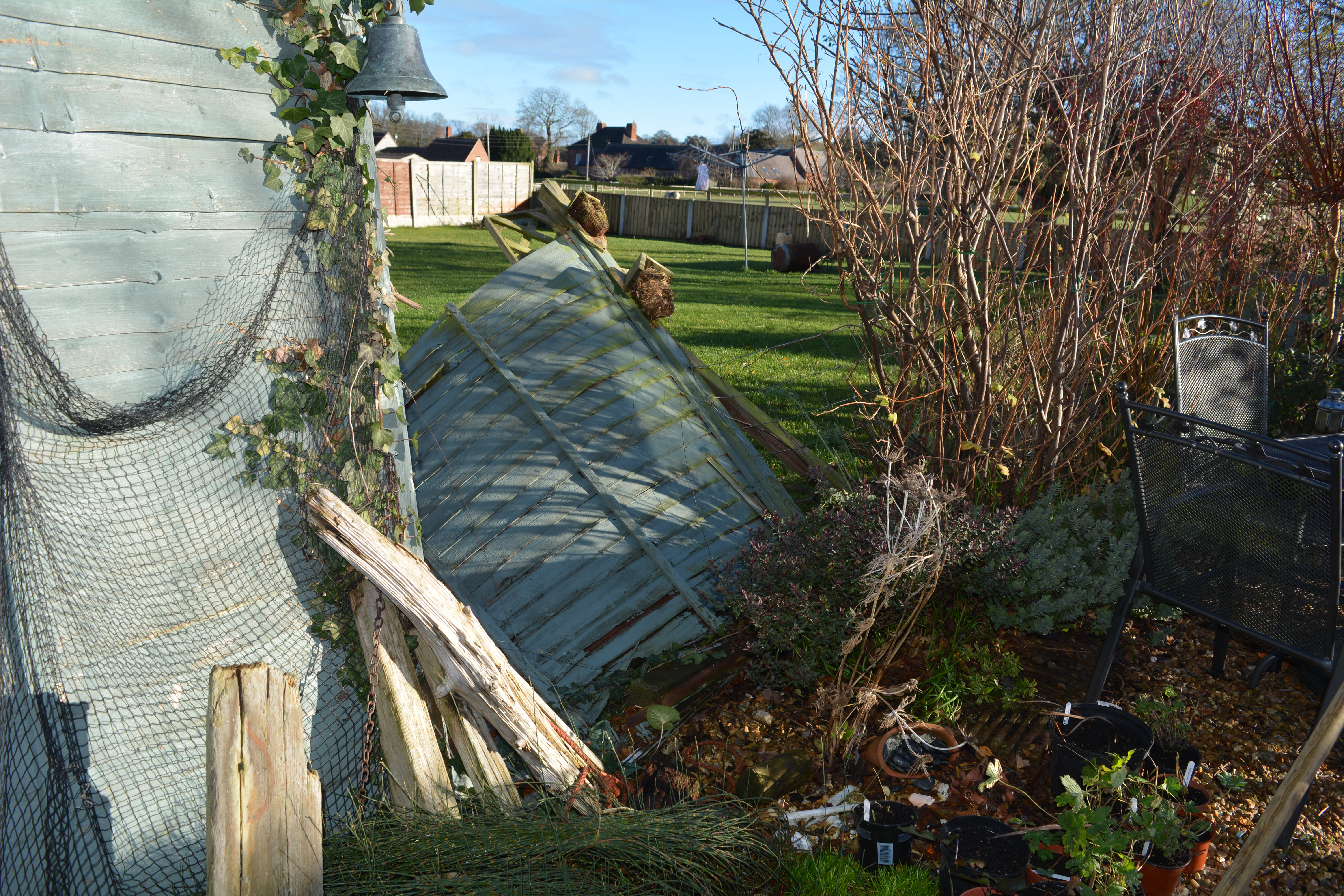
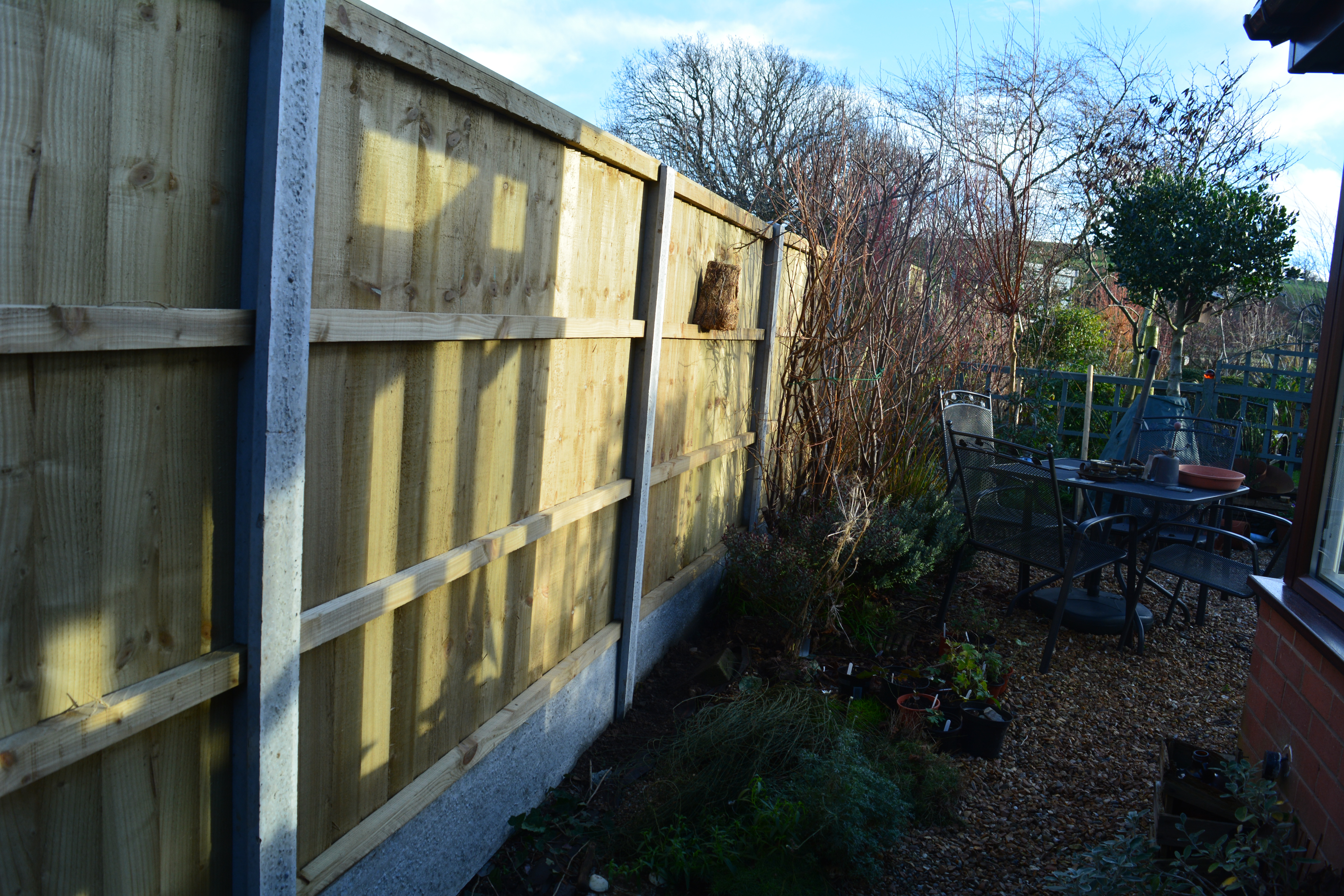
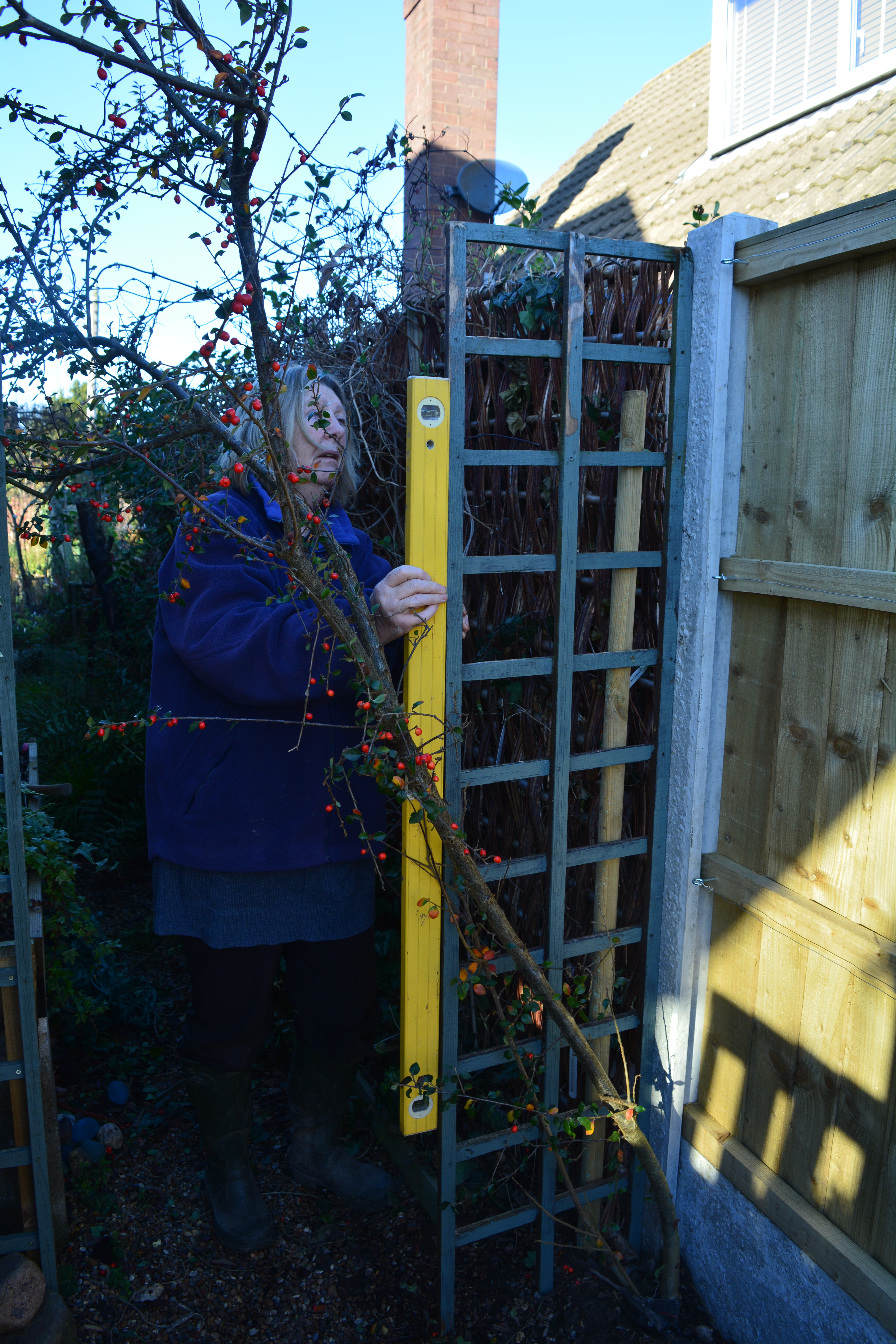
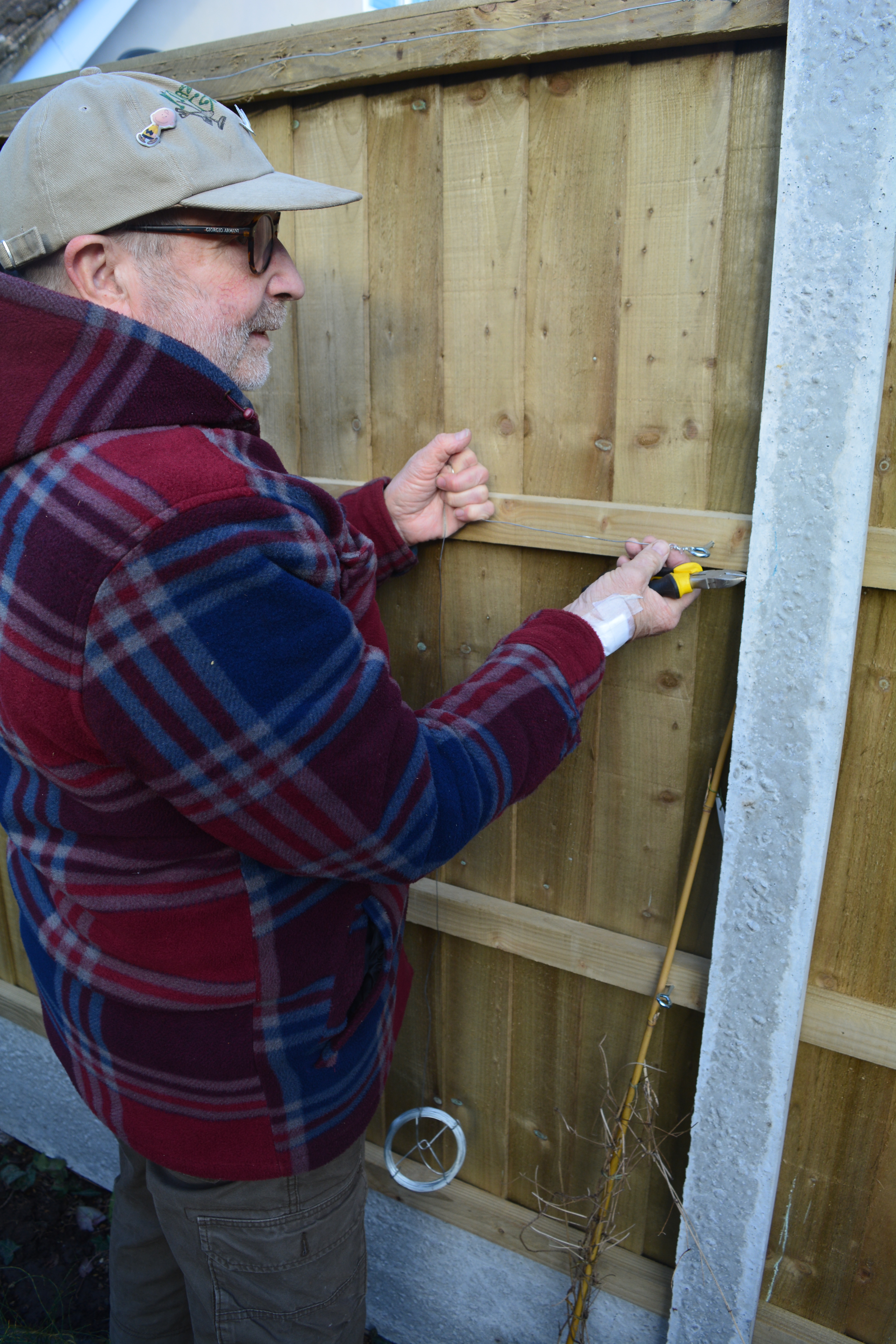
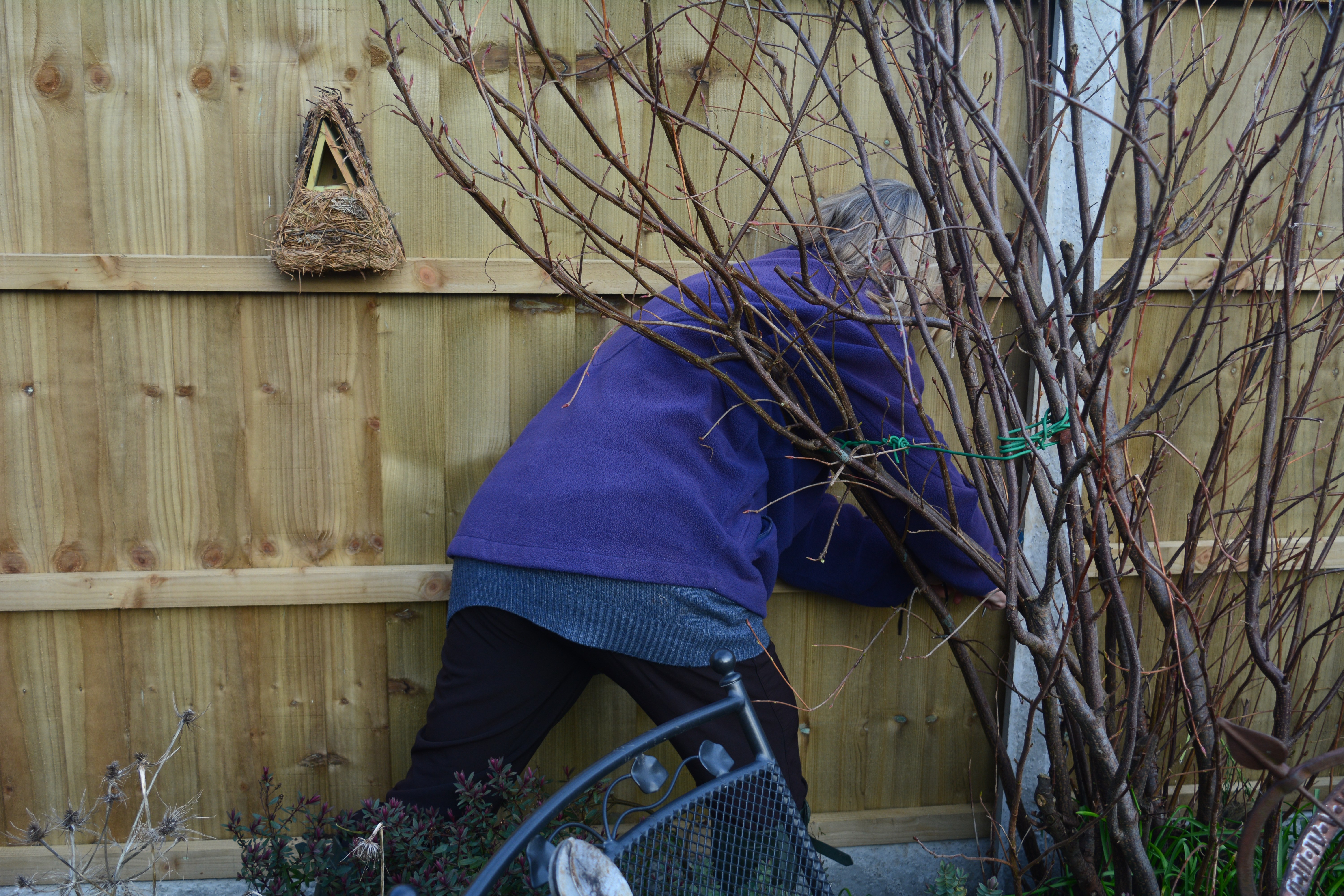
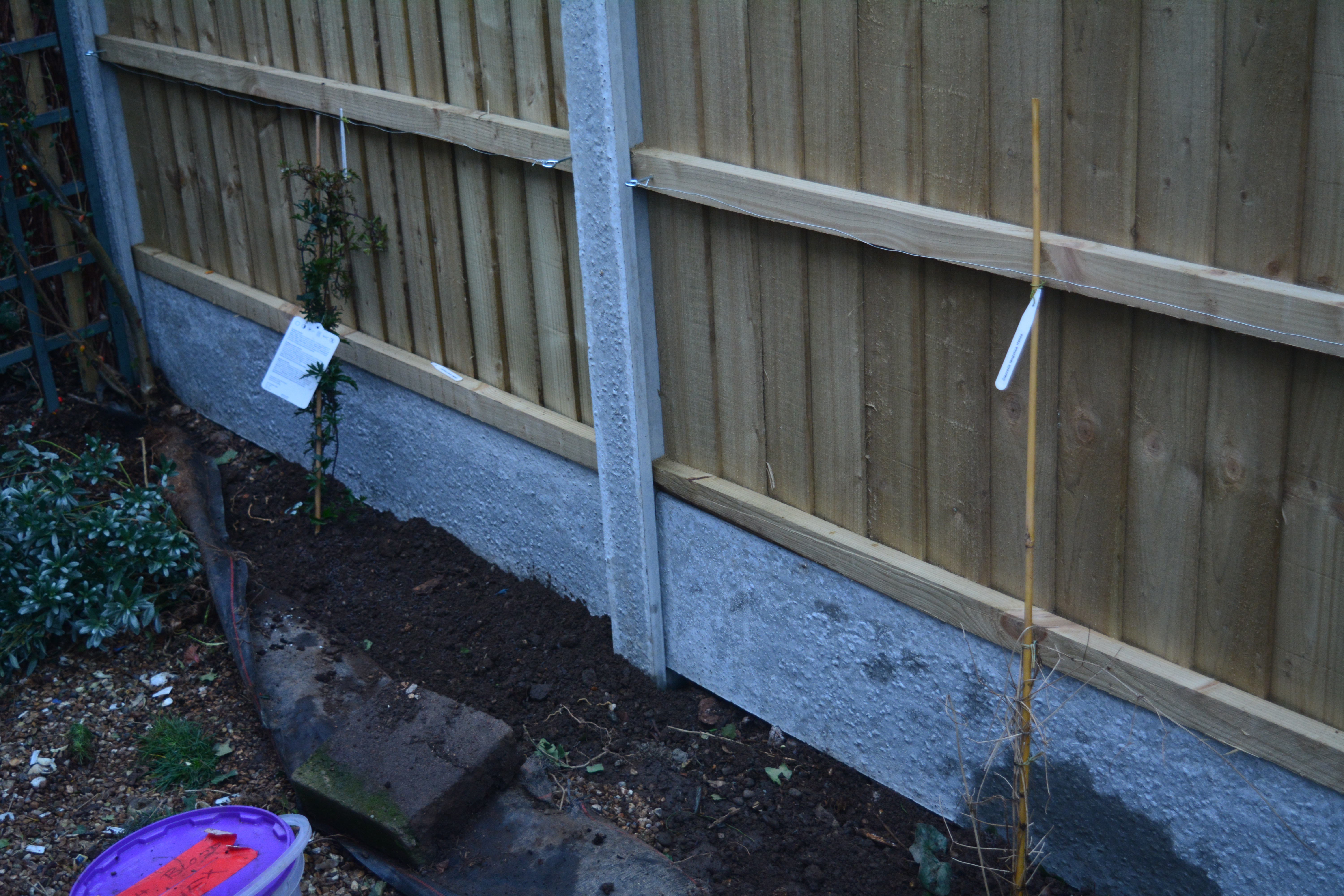
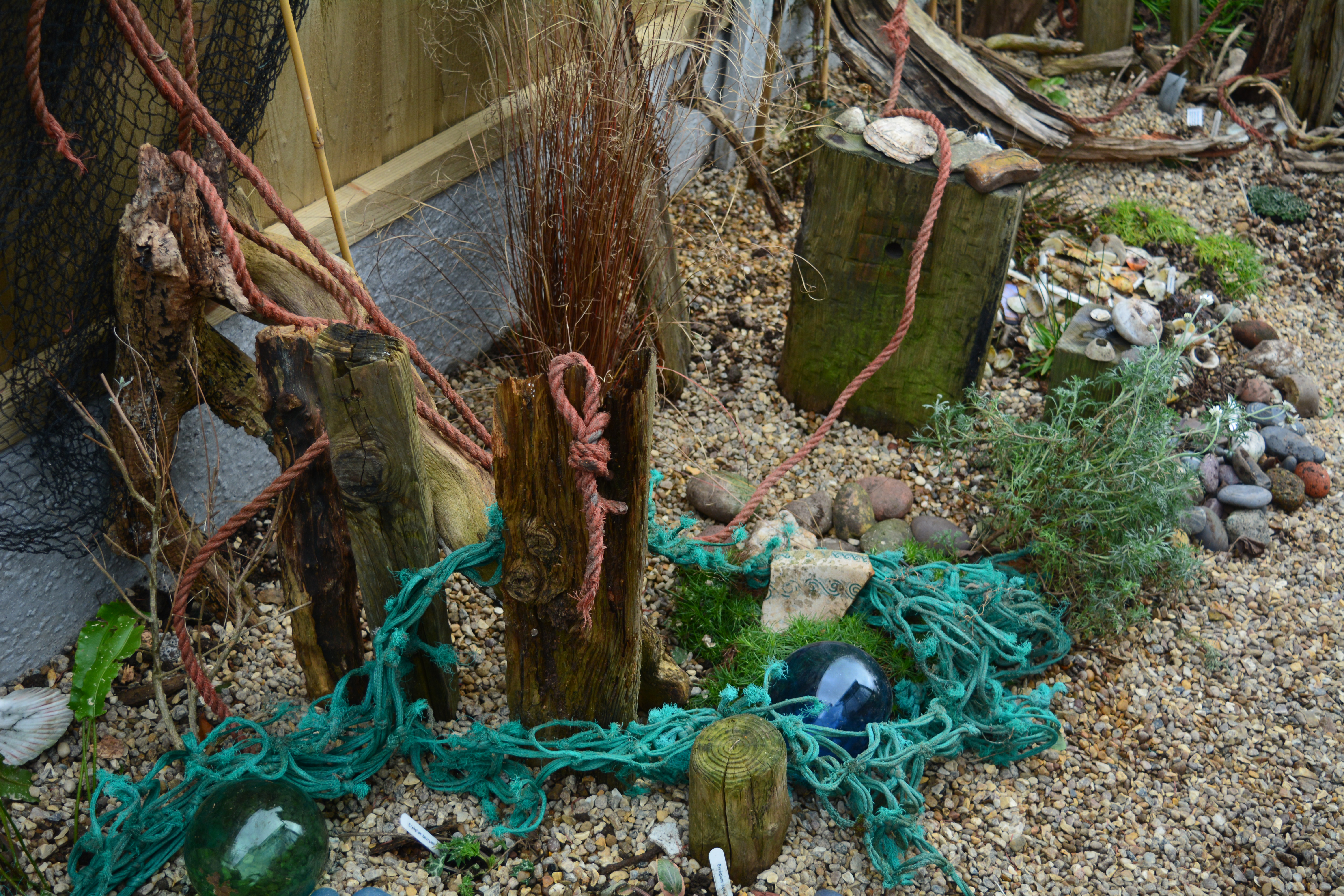
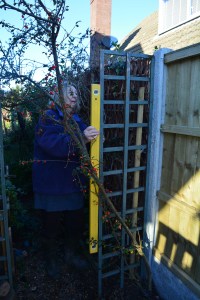
Over the page I wanted to share the disaster we had with our old fence that backed our Seaside Garden. I wrote, “I shall now report on the progress we have made with our winter projects and look at work in progress too. You will not be surprised that strong winds broke down the fence panels backing the Seaside Garden so this area neededa complete renovation. The old fence was soon replaced jointly with our neighbours and the new, better quality fence presented opportunities to put up vine eyes and wires. We planned to plant plenty of new climbers as well as renew and replenish the other plants and artefacts. We decided to include more plants this time.”


The new fence ………………….


The trellis goes back up and the vine eyes and wires are being fixed up.
 

The climbers are planted ……………. and grasses soon join them.

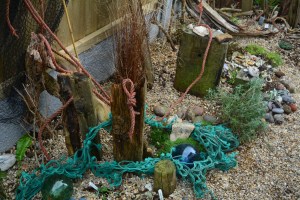
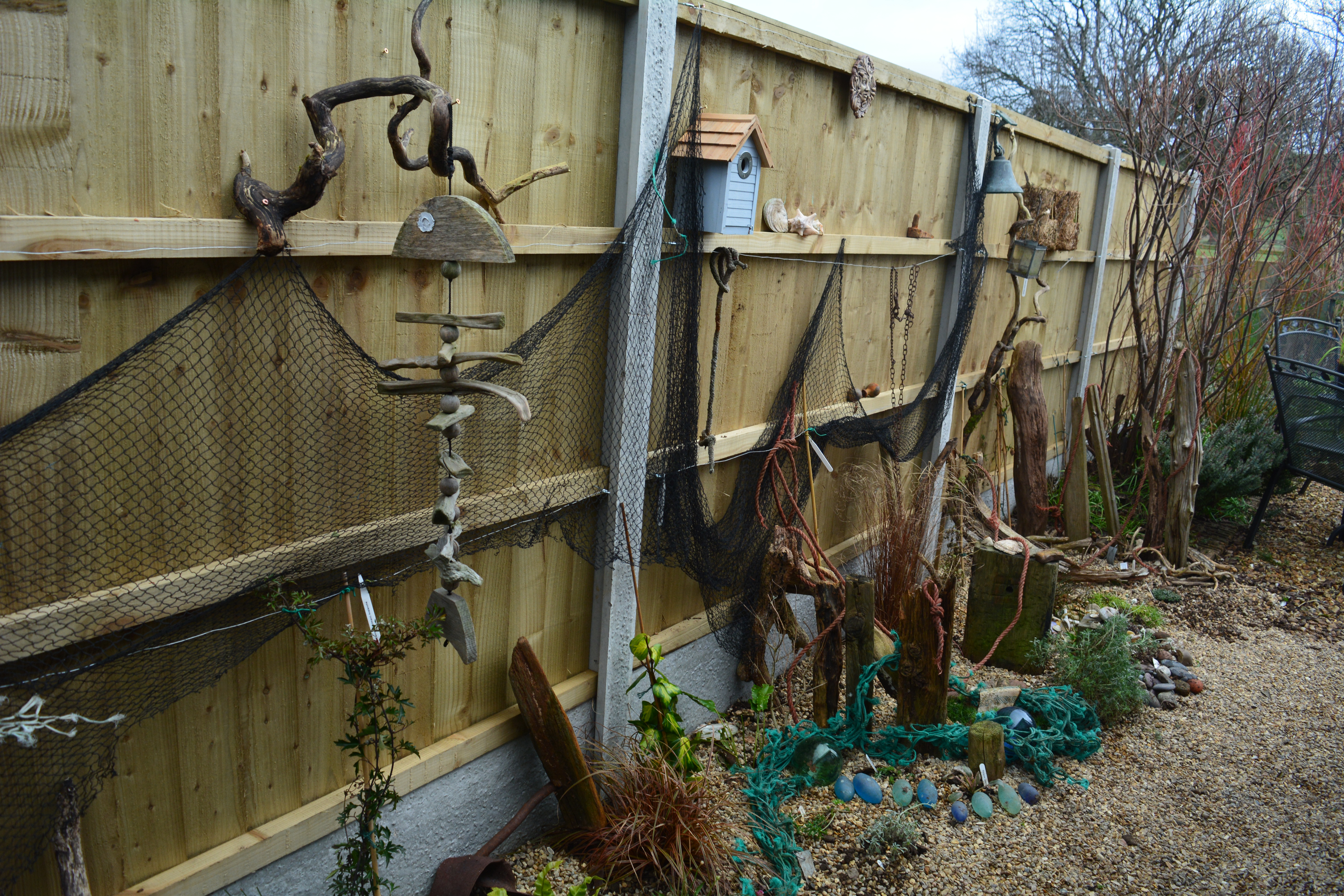
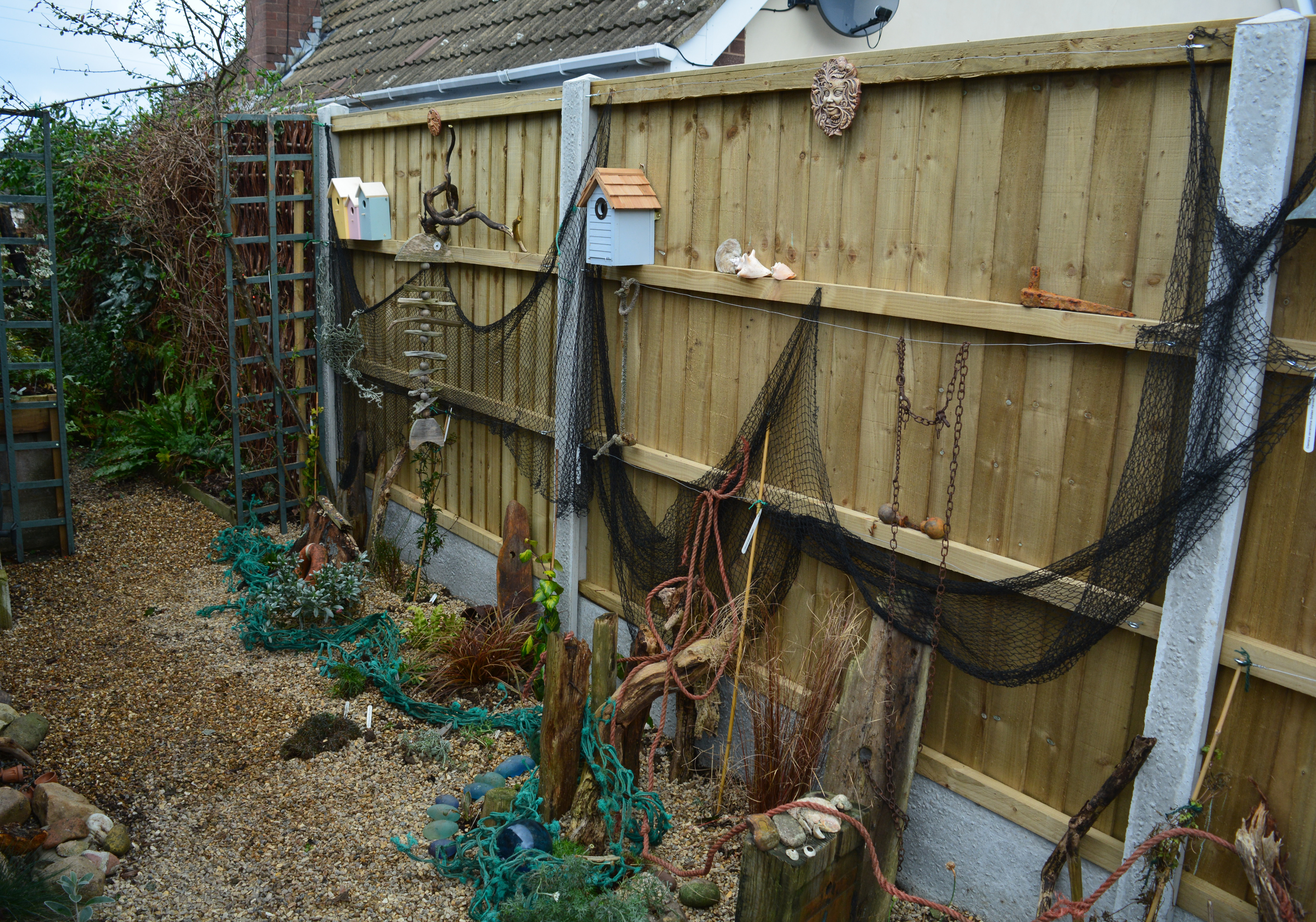
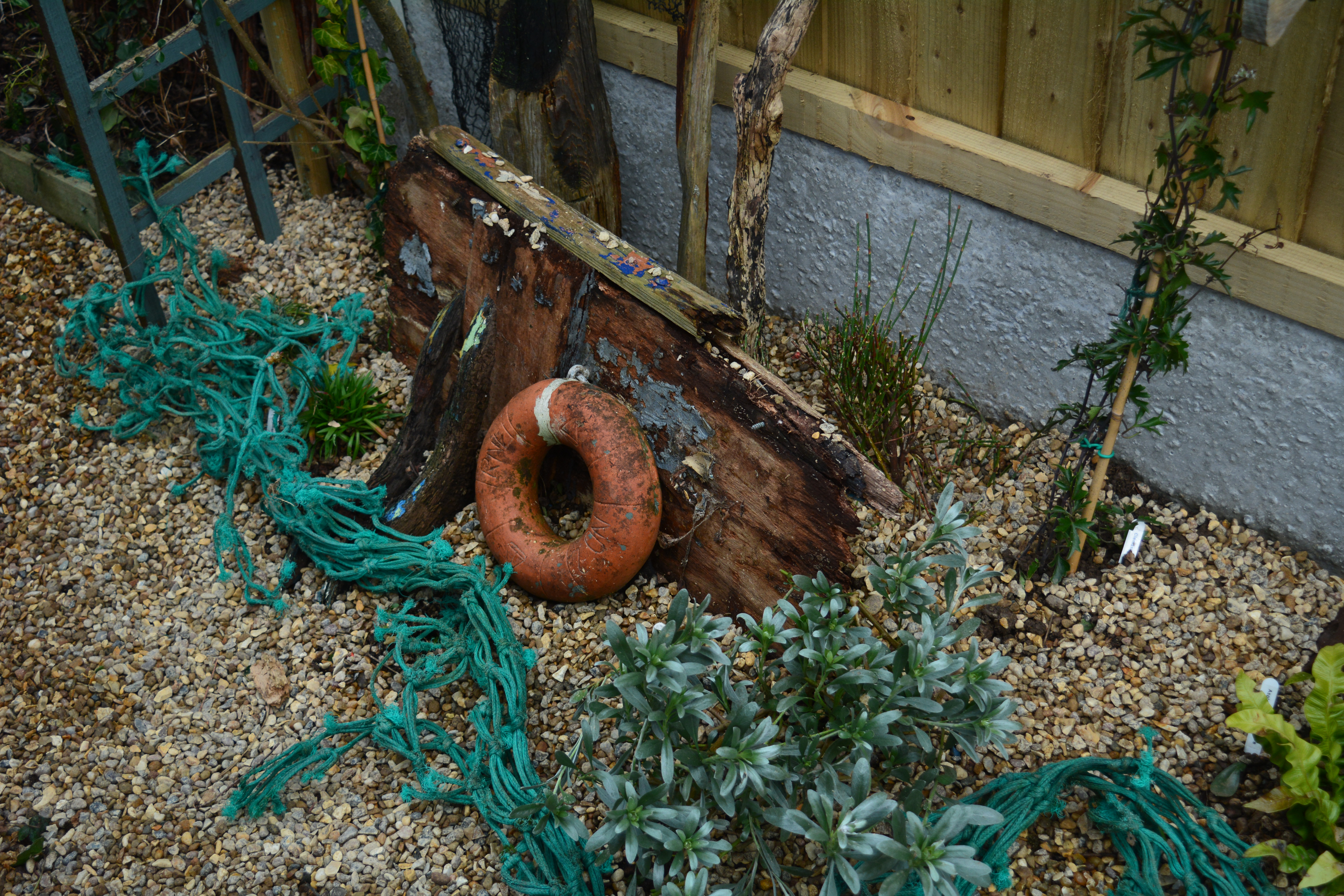
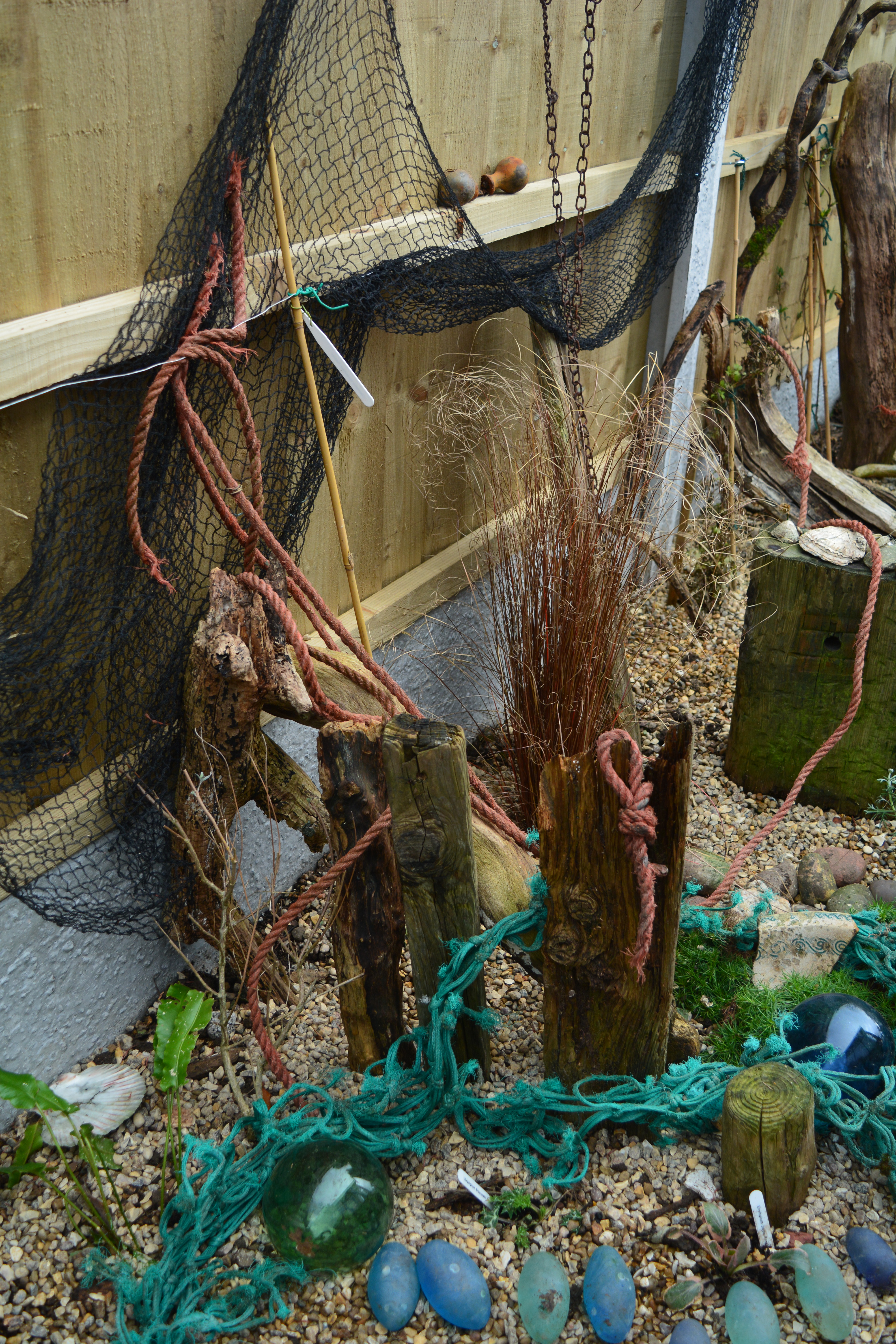
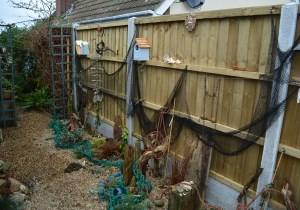
To finish the month of January off, we can have a quick look at what the finished revamped seaside garden ended looking like, ready for the growing season ahead.

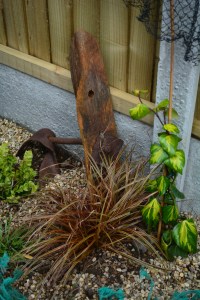
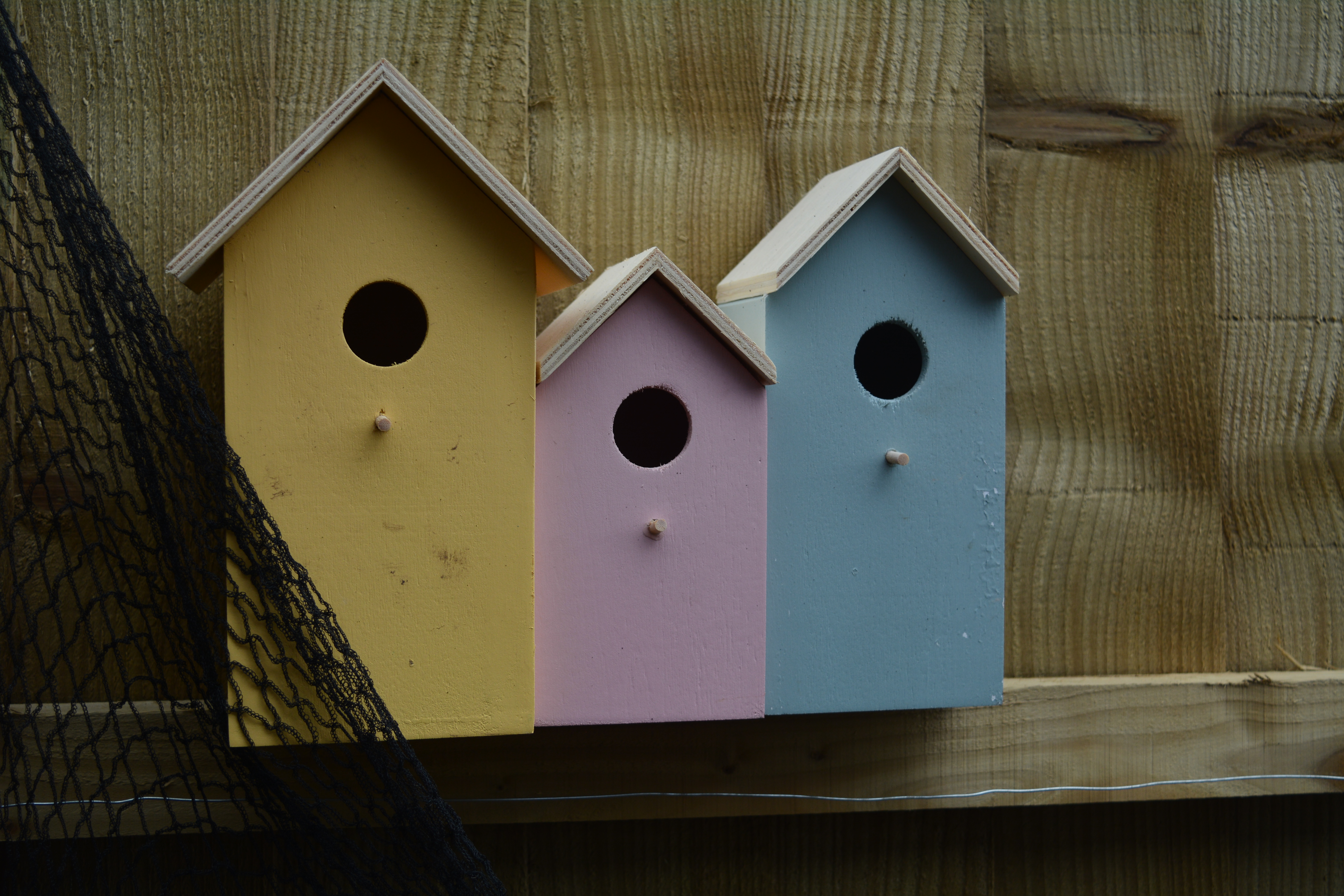
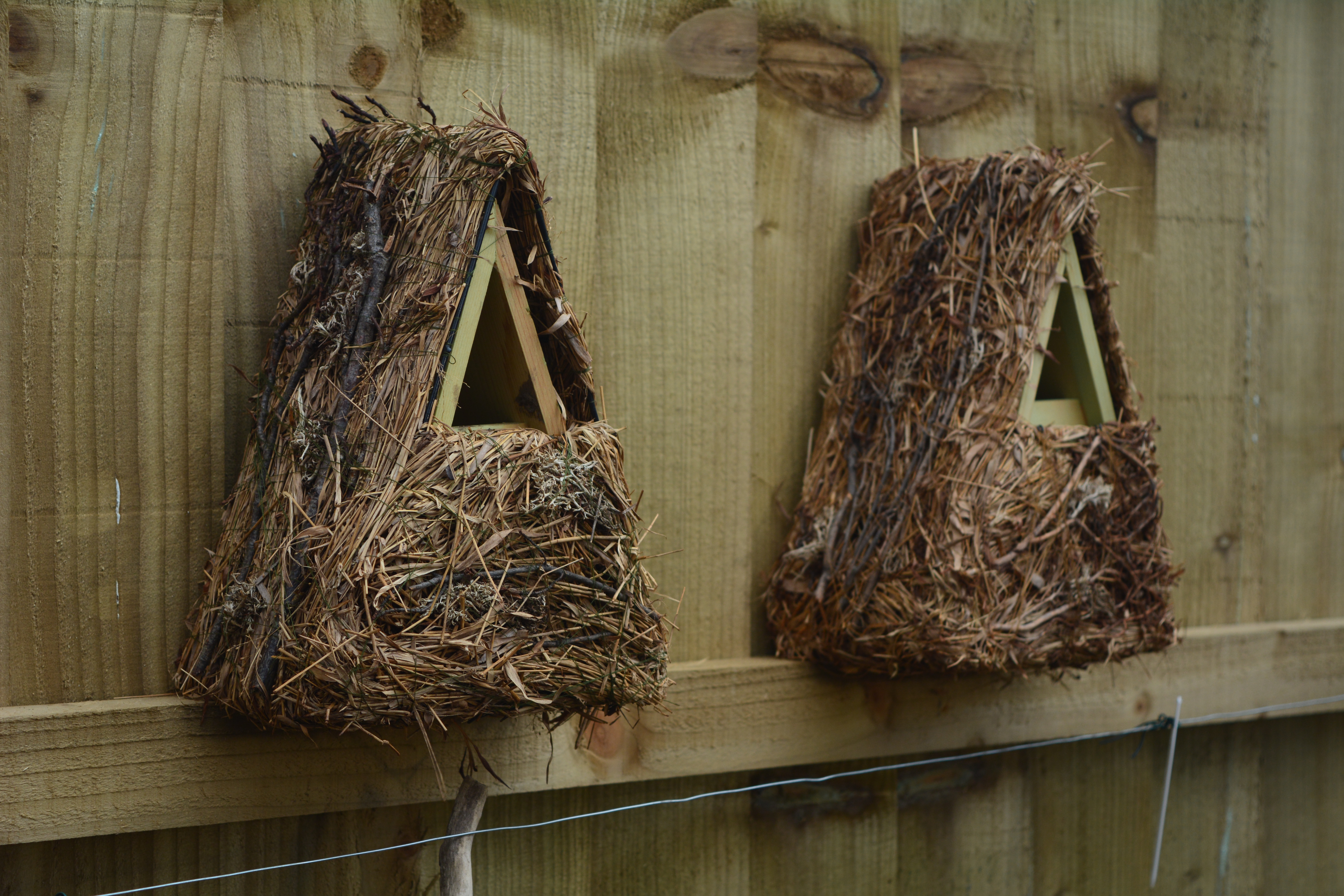
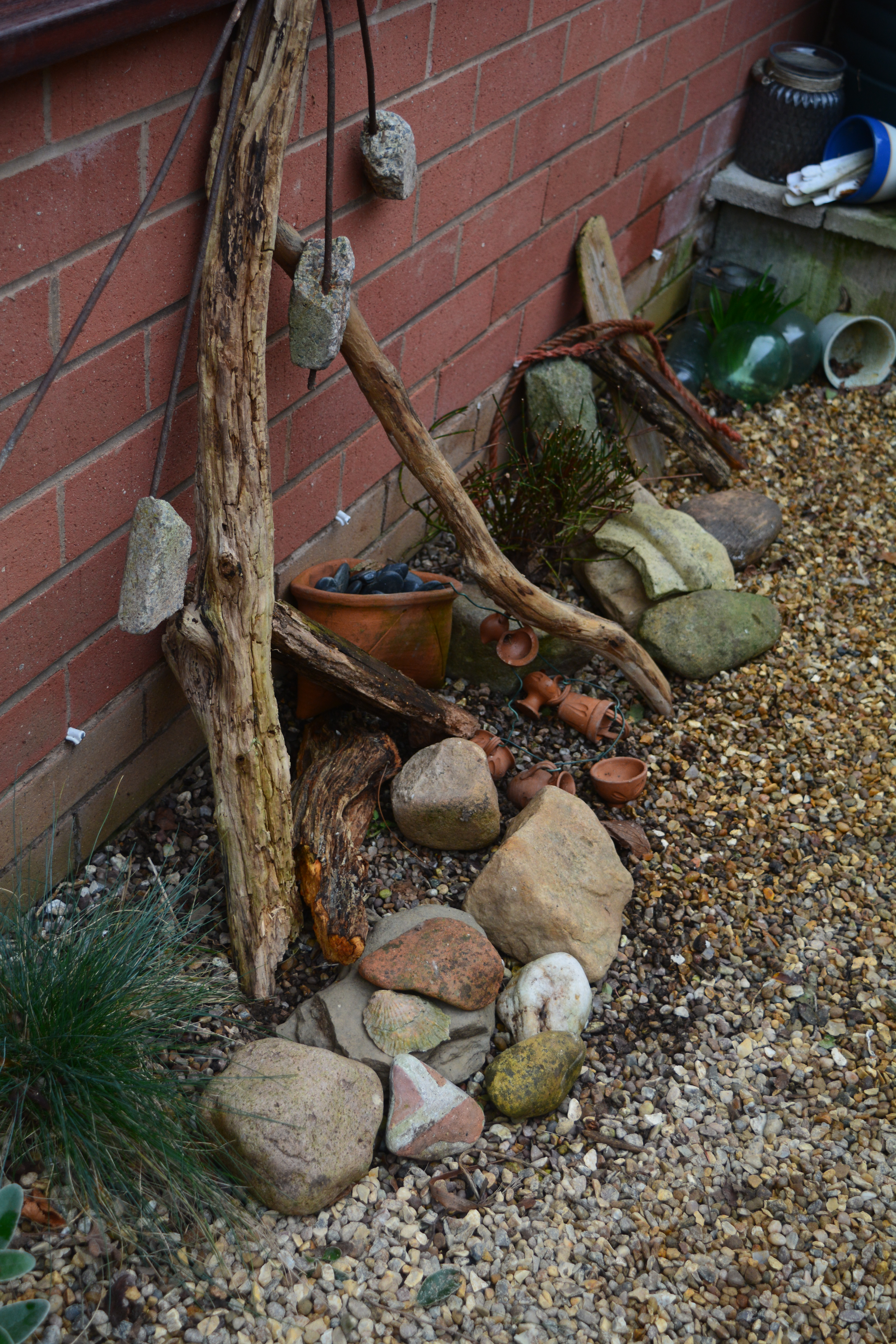
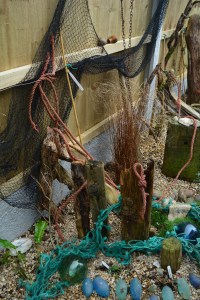
I wrote, “We had great fun rebuilding the Seaside Garden despite cold temperatures made more severe by the icy cold winds. So, wrapped up well against this typical January weather we put up old fishing nets from Scotland, sea-washed driftwood from Devon and Anglesey plus shells and pebbles.”

    

“Avian des res!”


“House Sparrows”

“Titmice”
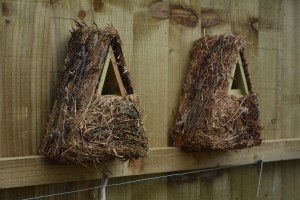
“Wrens”
 

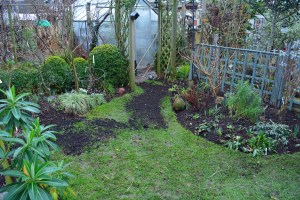
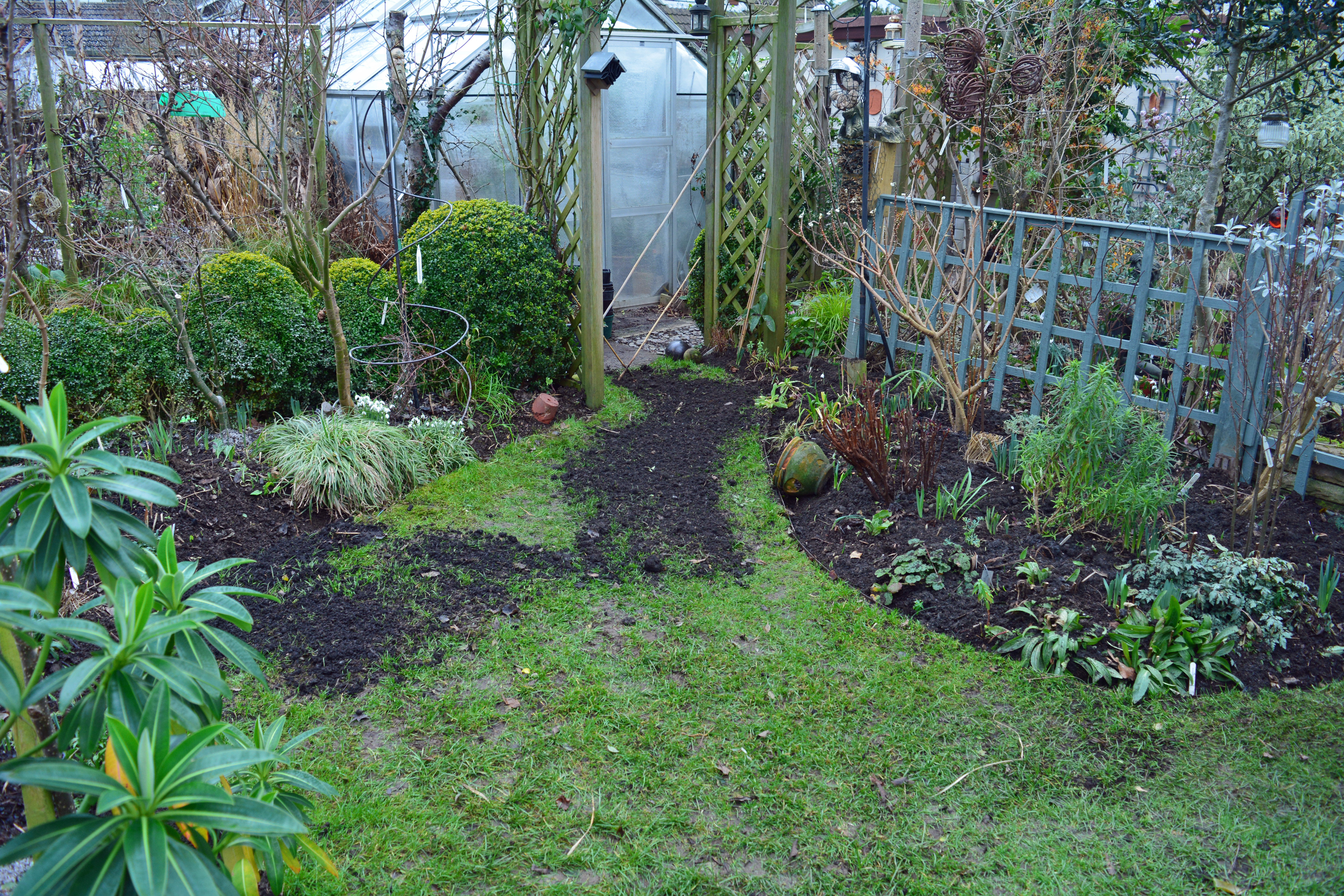
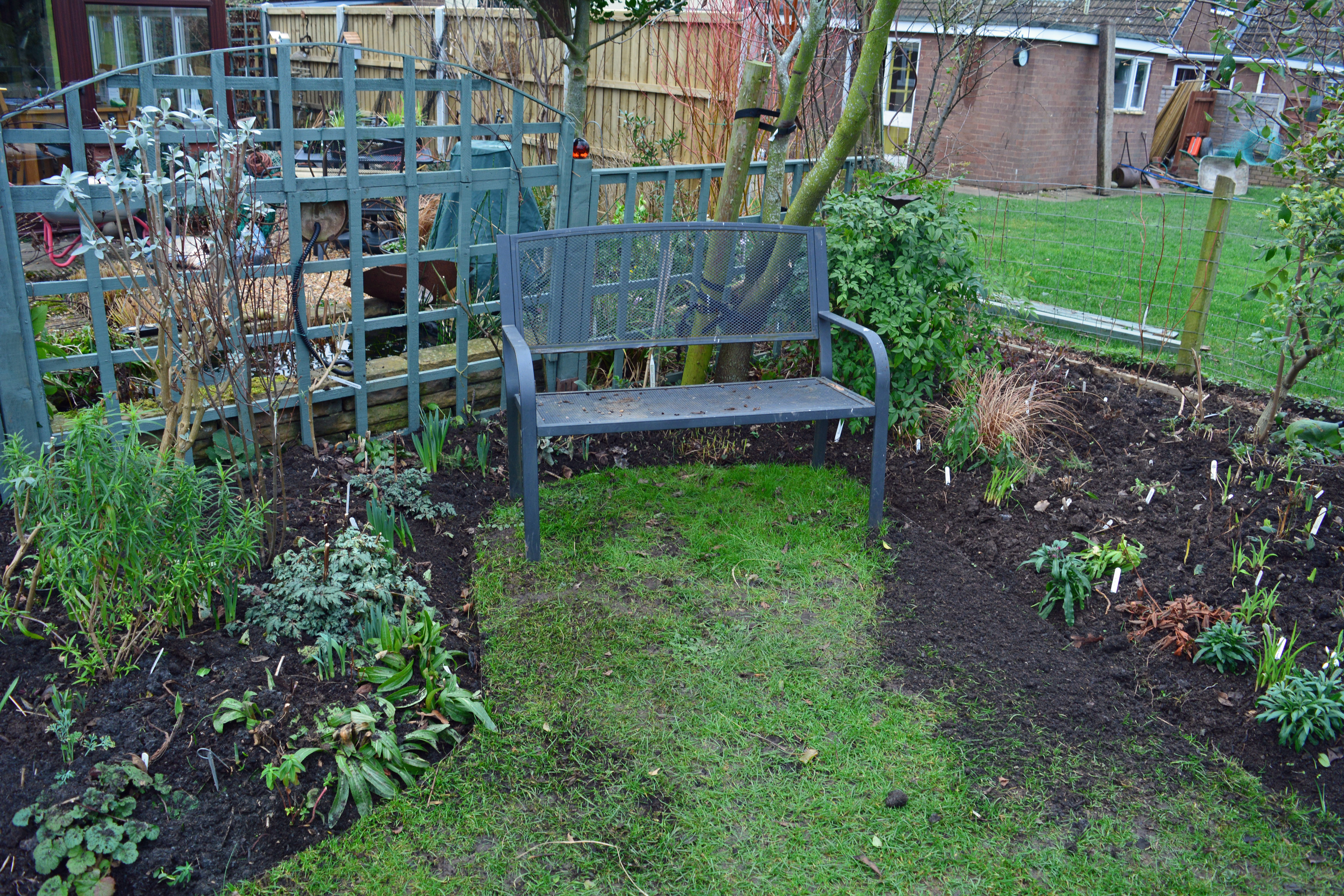
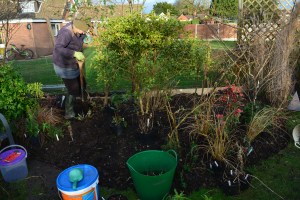
“Meanwhile we continued to change the 3 beds around the back grass into a new hot garden. Sadly we messed up the grass so had to also prepare this for repair. We have now finished planting the new plants and repaired the grass area ready for seeding in March.”
 

So there we have my entries for January in my 2019 garden journal.


This Veggie Life

A Vegetarian | Nature Lifestyle Blog

Rambling in the Garden

.....and nurturing my soul

The Arch City Gardener

Journeys In St. Louis Gardening and Beyond

Garden Dreaming at Châtillon

Consult the genius of the place

Storyshucker

A blog full of humorous and poignant observations.

gardeninacity

Notes from a wildlife-friendly cottage garden

PlayGroundology

...an emerging social science

The Official Blog of British Wildlife

'The most important and informative publication on wildlife of our times' - The Independent. This blog is a member of The UK & Ireland Natural History Bloggers group: www.uknhb.blogspot.com

iGrowHort

Inspire - Cultivate - Grow Native Plants - Restore Landscapes

Bishops Meadow Trust

To create and protect a semi-natural wild space for the people of Farnham to enjoy and experience an array of British wildlife in our town

Gardening with Children

The www.gardeningwithchildren.co.uk Blog

UKbirdingtimeline

birding through the seasons, why birds matter and how to conserve them

NATURE WALKER

with a camera in hand

Jardin

Transform your outdoor space

Eva's space

My allotment, cooking and other interests

Old School Garden

my gardening life through the year

LEANNE COLE

Trying to live a creative life

fromacountrycottage

trying to live as lightly as possible on our beautiful planet

Good Life Gardening

Nature lovers from Leicester living the good life.

mybeautfulthings

Finding the beautiful in the everyday

mawsonmichelle

Michelle's Allotment

In and Out of My Garden

thoughts from and about my garden

Greenhousing

Big plans for a small garden

The Scottish Country Garden

A Walled Country Garden in South East Scotland

The Fruity Chicken

Life at the fruity chicken

willowarchway

Off grid living. Self sufficient. "PERMAGANICS RULE".

St Anns Allotments

Nottingham's Grade 2* Listed Allotments and Community Orchard

Manifest Joy Harvests

a journey in suburban vegetable gardening

Allotmental

The madness of growing your own

Penny's Garden: a harvest beyond my front door

A novel approach to vegetable gardening

arignagardener

Sustainable living in the Irish countryside.

NewEnglandGardenAndThread

Master Gardener, amateur photographer, quilter, NH native, and sometimes SC snowbird

dianajhale

Recent work and work in progress and anything else that interests me

planthoarder

a chaotic cottage gardener

Lens and Pens by Sally

a weekly blog that creates a personal philosophy through photographs and words

Dewdrops and Sunshine

Stories from a sassy and classy Southern farmbelle.

The Pyjama Gardener

Simple Organic Gardening & Seasonal Living

gettin' fresh!

turning dirt into dinner

JOY...

today the world is created anew

Garden Birds

Notes from a Devon garden

ShootAbout

Life Through The Lens

Adapting Pixels

A photography blog showcasing the best photography pictures and videos on the internet

Wildlifegardening's Blog

Just another WordPress.com site

naturestimeline

personal observations from the natural world as the search continues for a new approach to conservation.

LATEBLOOMERBUDS

The Wonders of Life through my Eyes, my Heart, my Soul