Categories
Flintshire fruit and veg garden design garden photography gardening gardens gardens open to the public National Trust ornamental trees and shrubs The National Trust Wales Winter Gardening winter gardens

A Wonderful Welsh Winter Walk – Erddig Hall

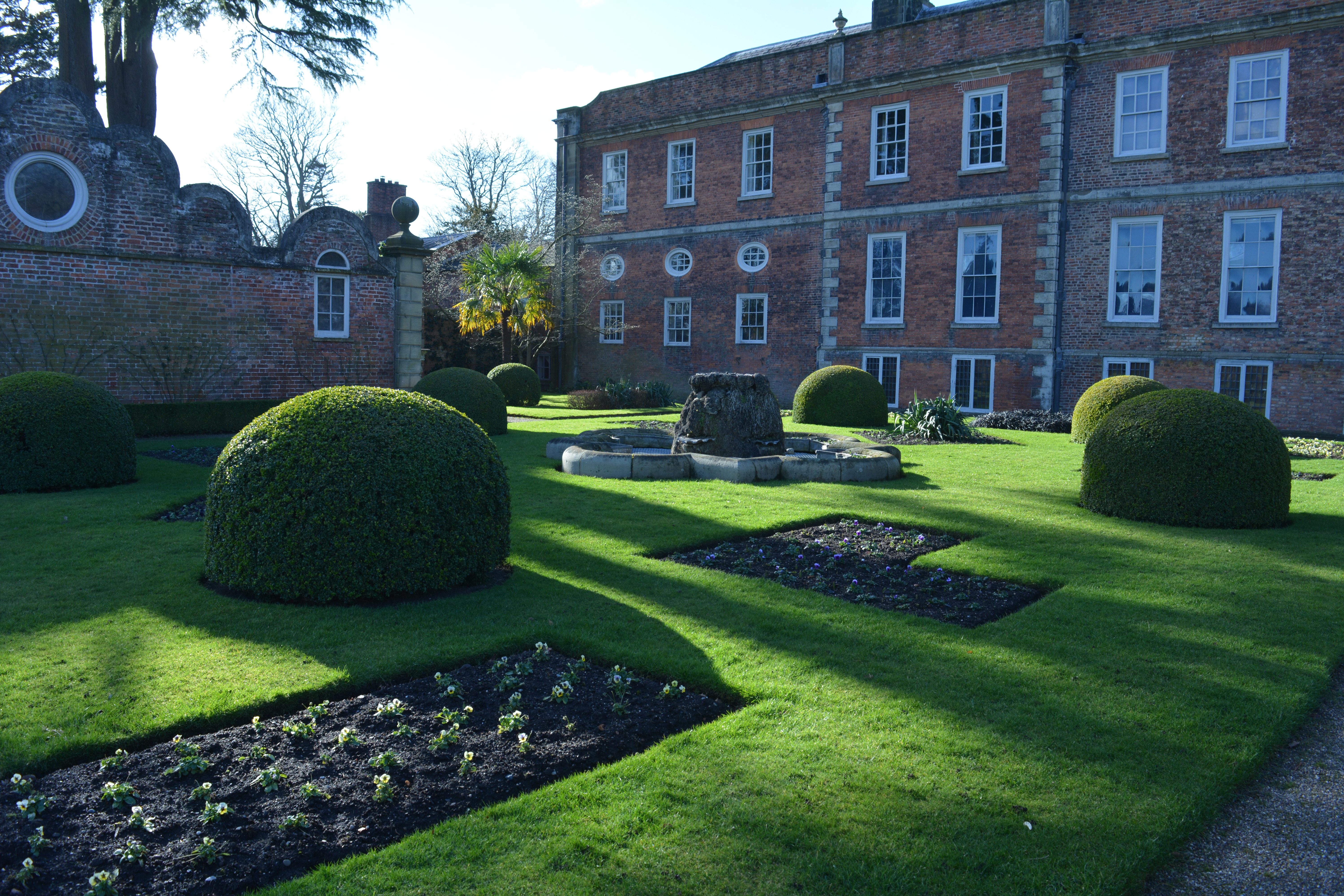
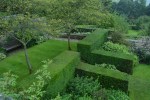
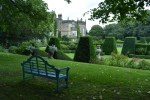
We took a short one hour drive out into Wales today to visit a National Trust property, Erddig which we hoped would afford us the opportunity of exploring a garden with winter interest, interest found in its formal structure, its topiary and imaginative pruning as well as planting. We knew that it holds the National Collection of Hedera (Ivies), so we had something specific and extra to look for too.

After too many wet weeks the day dawned bright and we were to be treated to a day of bright winter sunshine, which would play with shadows and light throughout our walk. We were surprised to discover that the whole place, buildings and gardens were in a state of disrepair bordering on dereliction in the 1960’s when a new owner decided to rescue it and awaken a real jewel of a property.

Two welcome signs greeted us as we entered, a rustic overhead design and another with a beautiful quote which read, “Where fragrance, peace and beauty reign ….”. We would soon see if this were true.

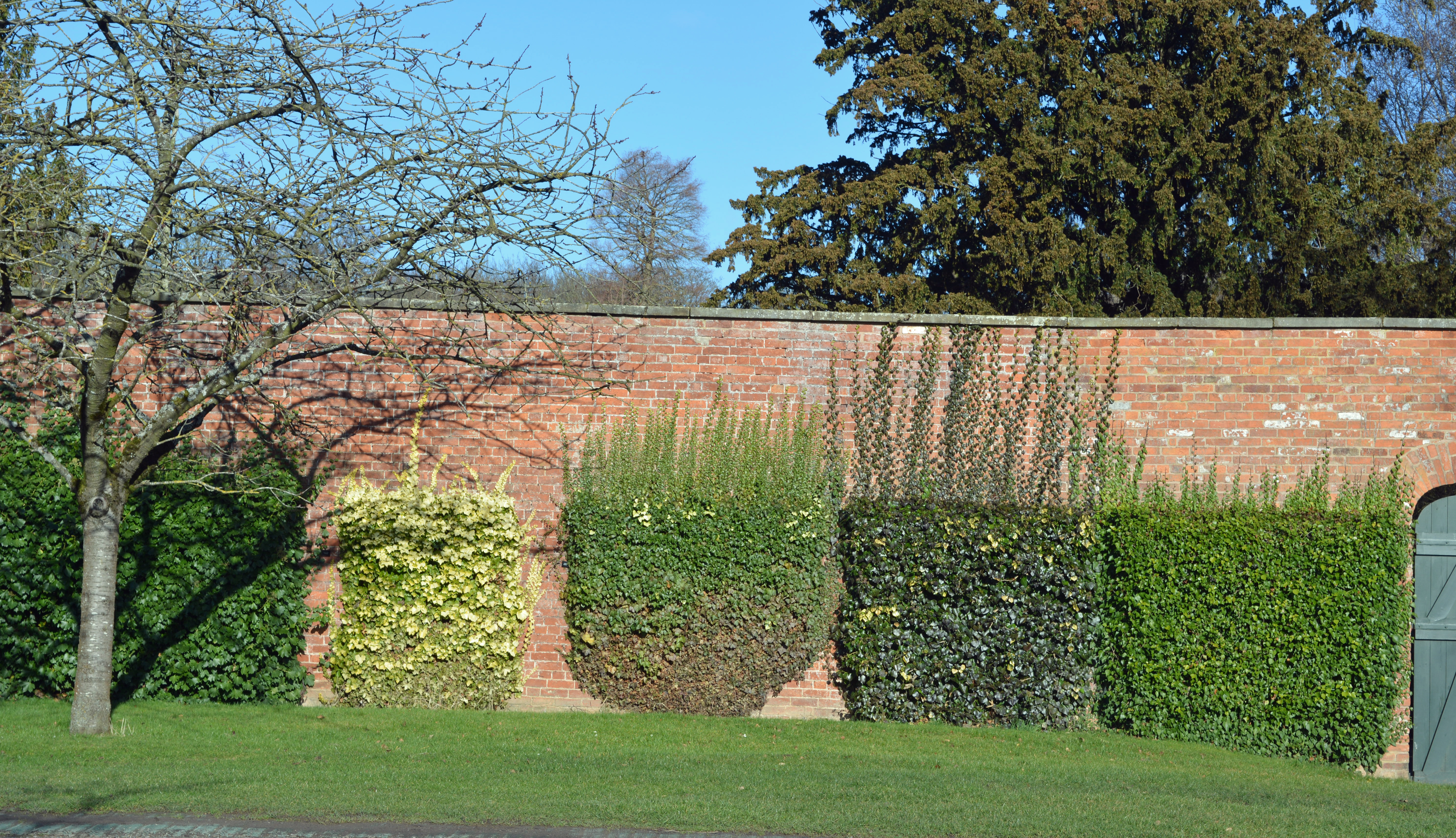
 

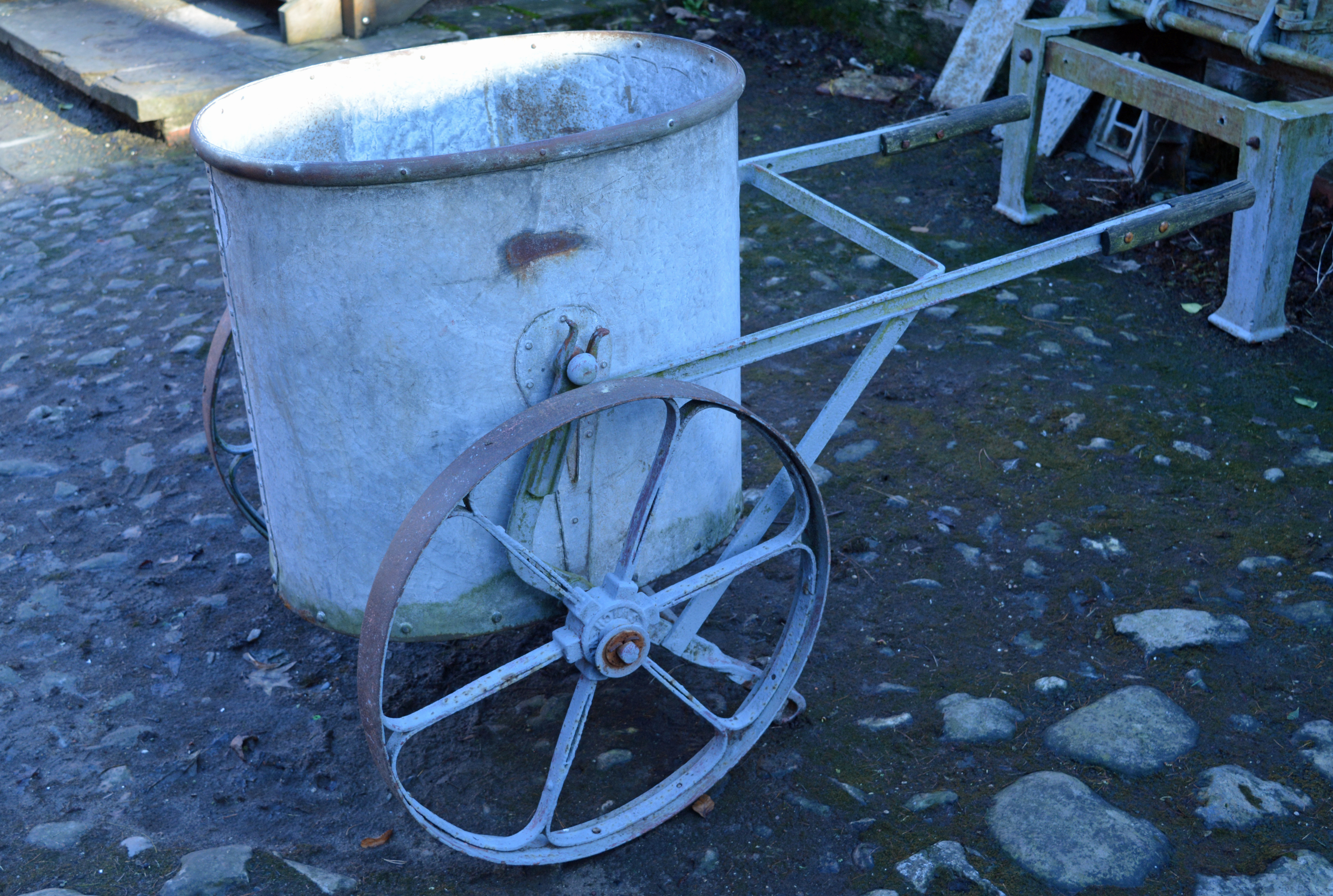
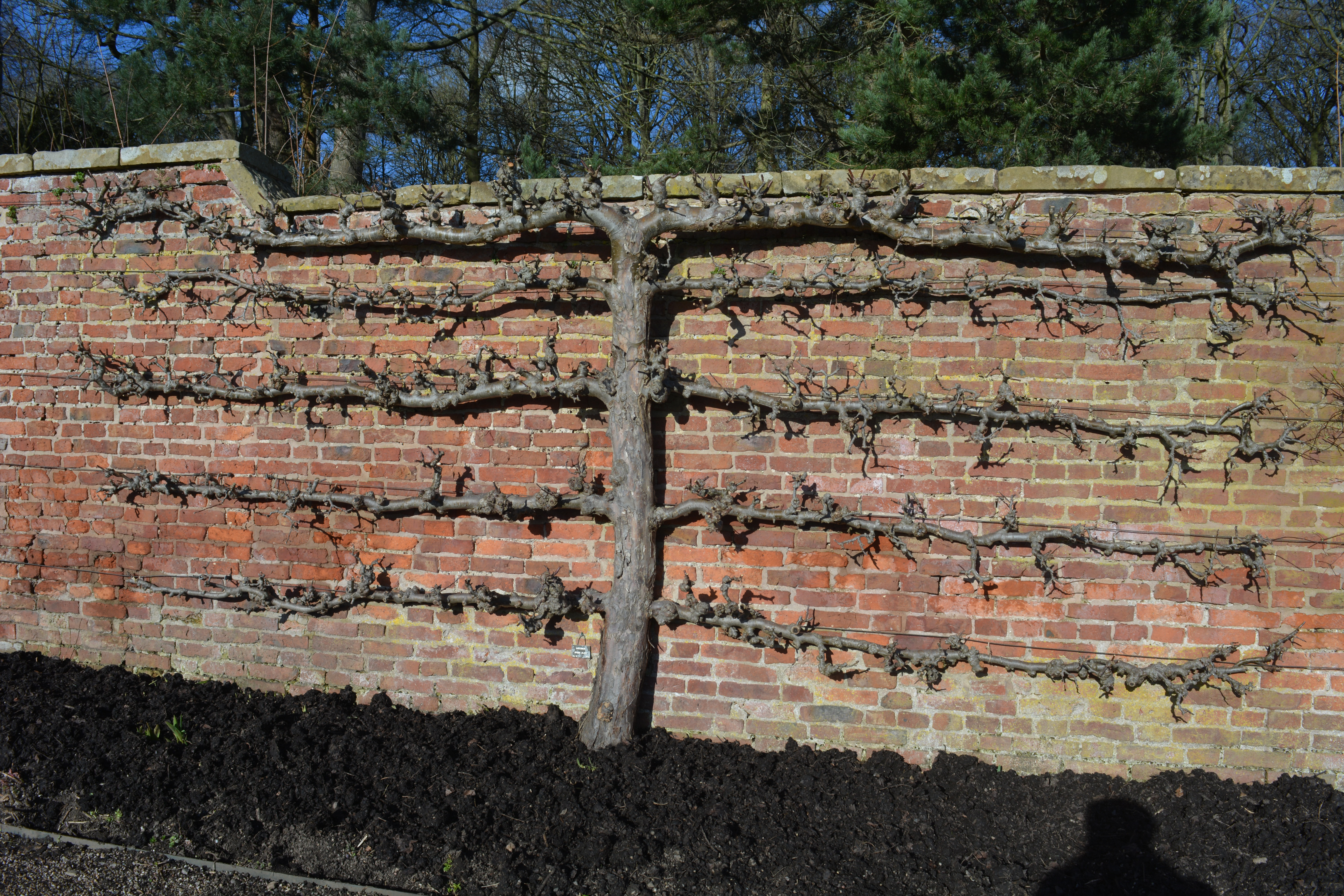
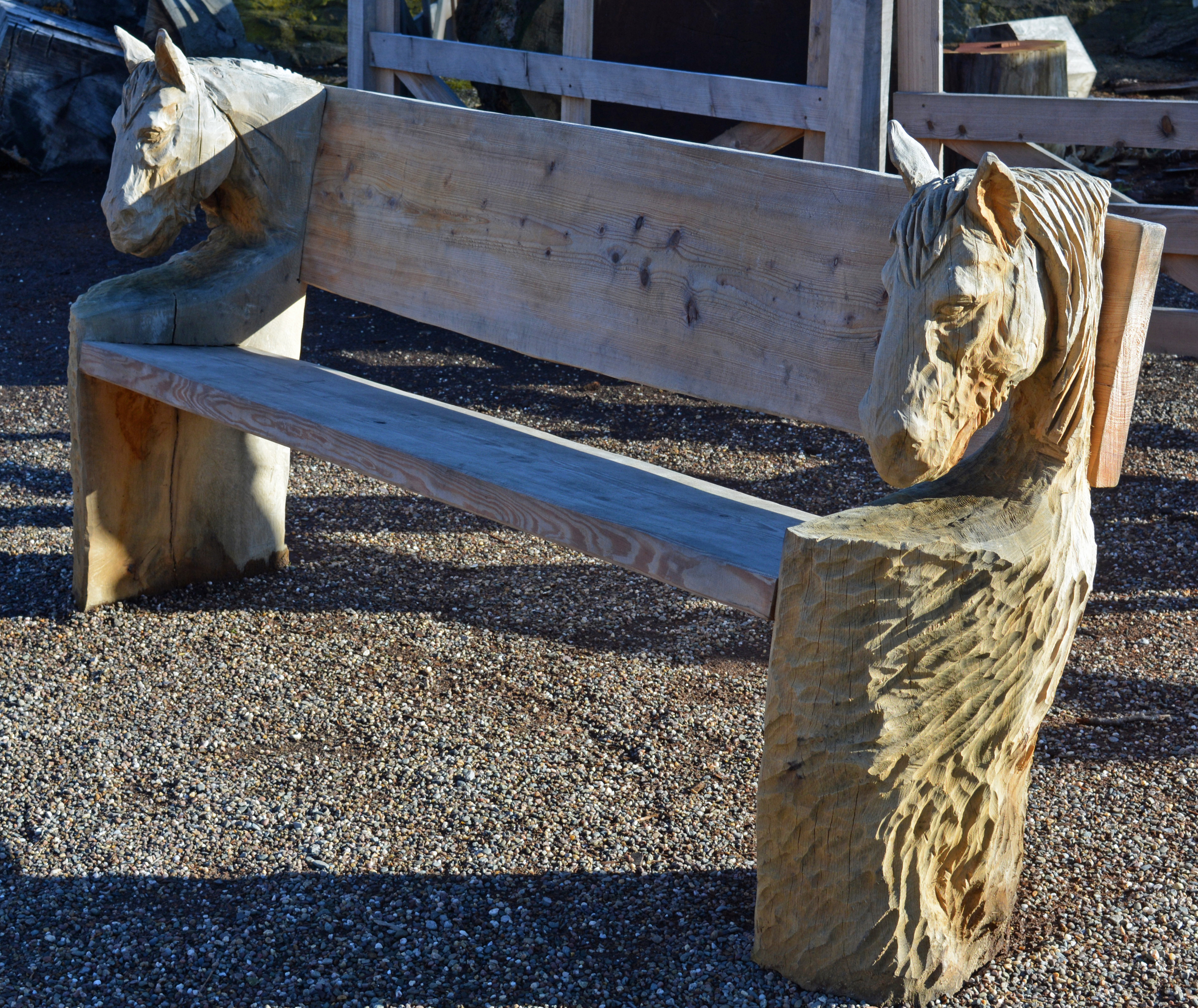
The garden is Grade 1 listed and is based around the 18th Century design. Amazingly it works well today! Even the car park and courtyards on the way in had points of interest to us gardeners, some of the Ivy cultivars, ancient wall-trained fruit, a beautifully carved wooden seat featuring carved horse heads and a vintage garden watering cart. We soon met our first Hederas (Ivy) in the collection, an unlabelled specimen which grew to frame a window, and one with beautiful foliage, Hedera hiburnicum variegata.
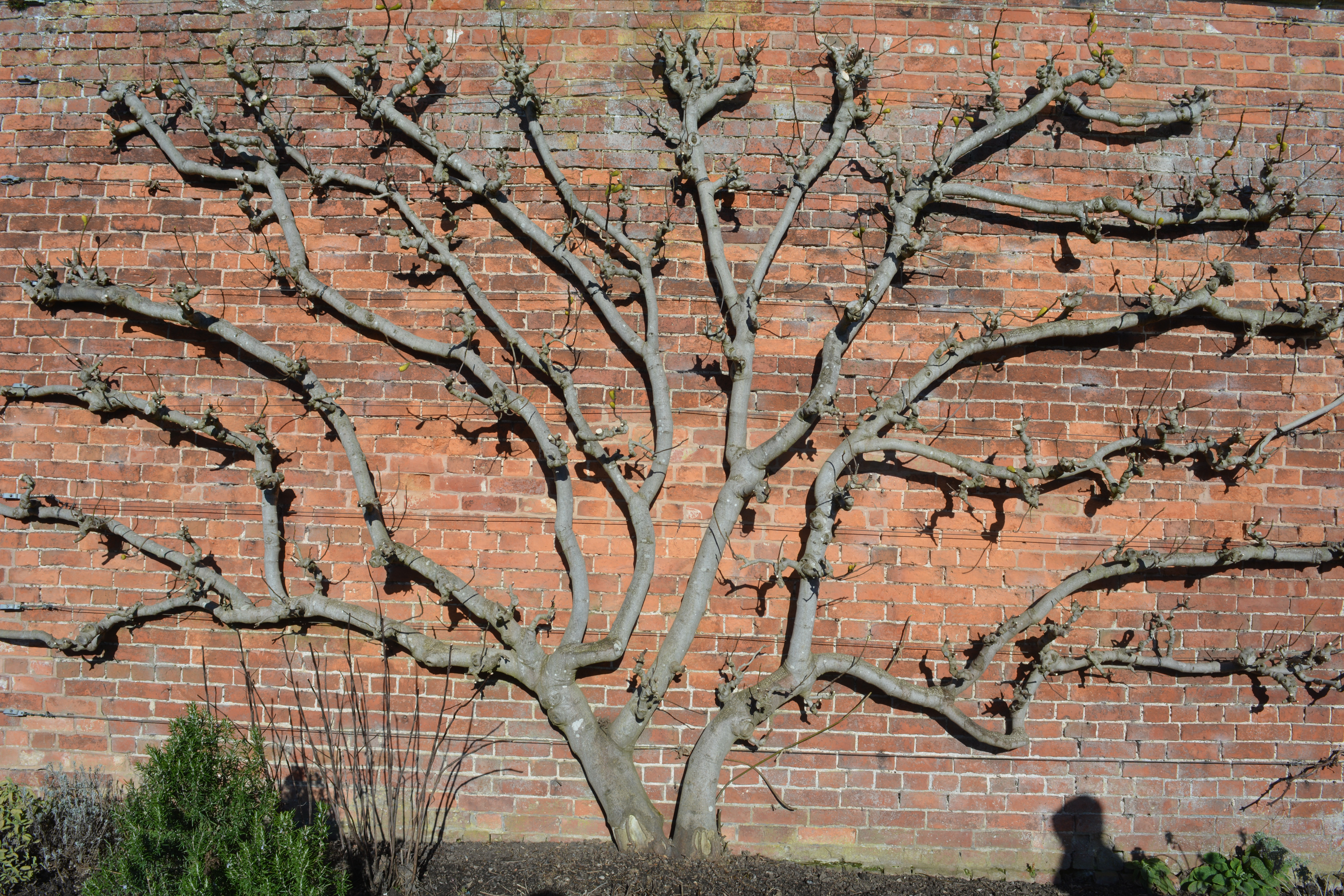
   

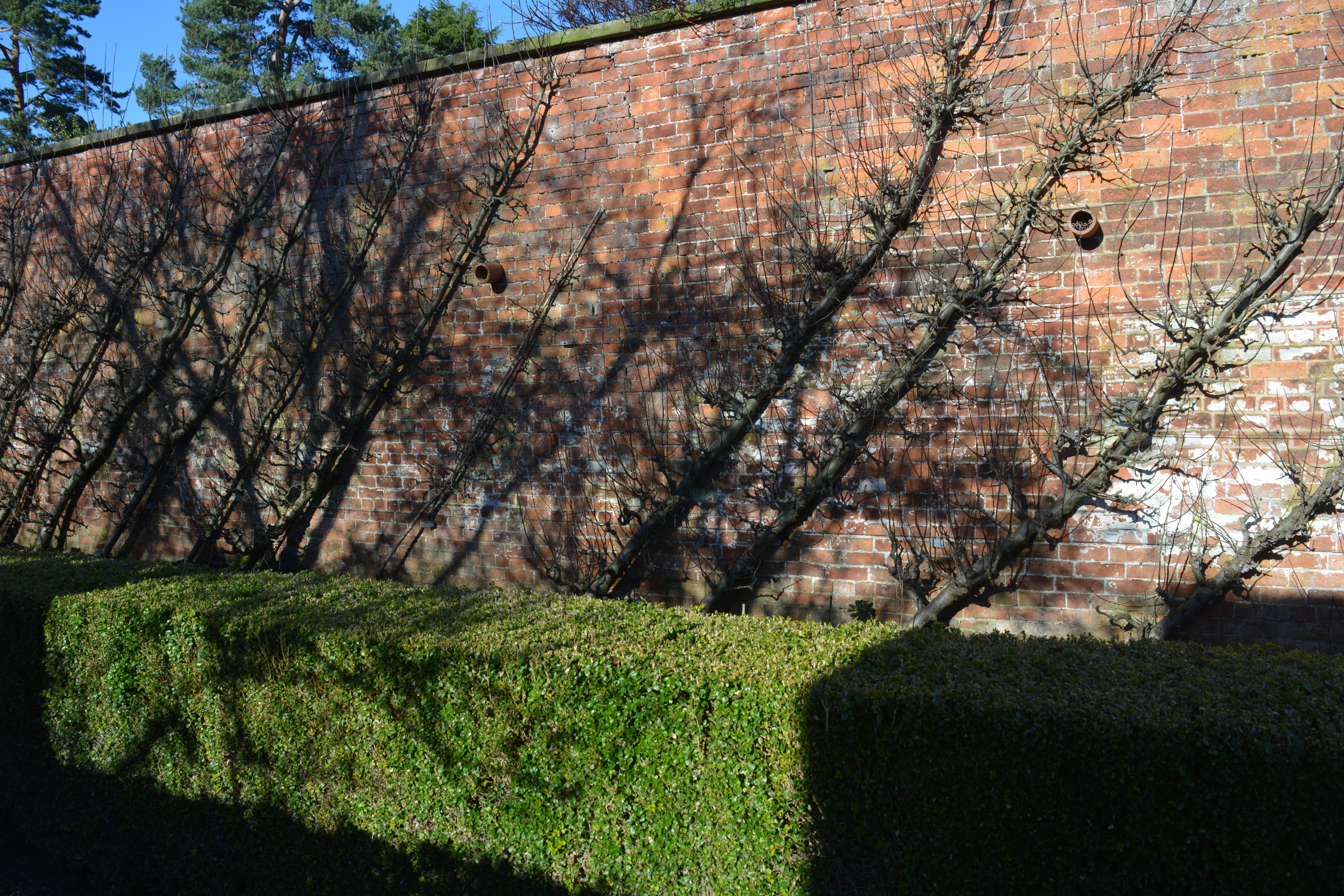
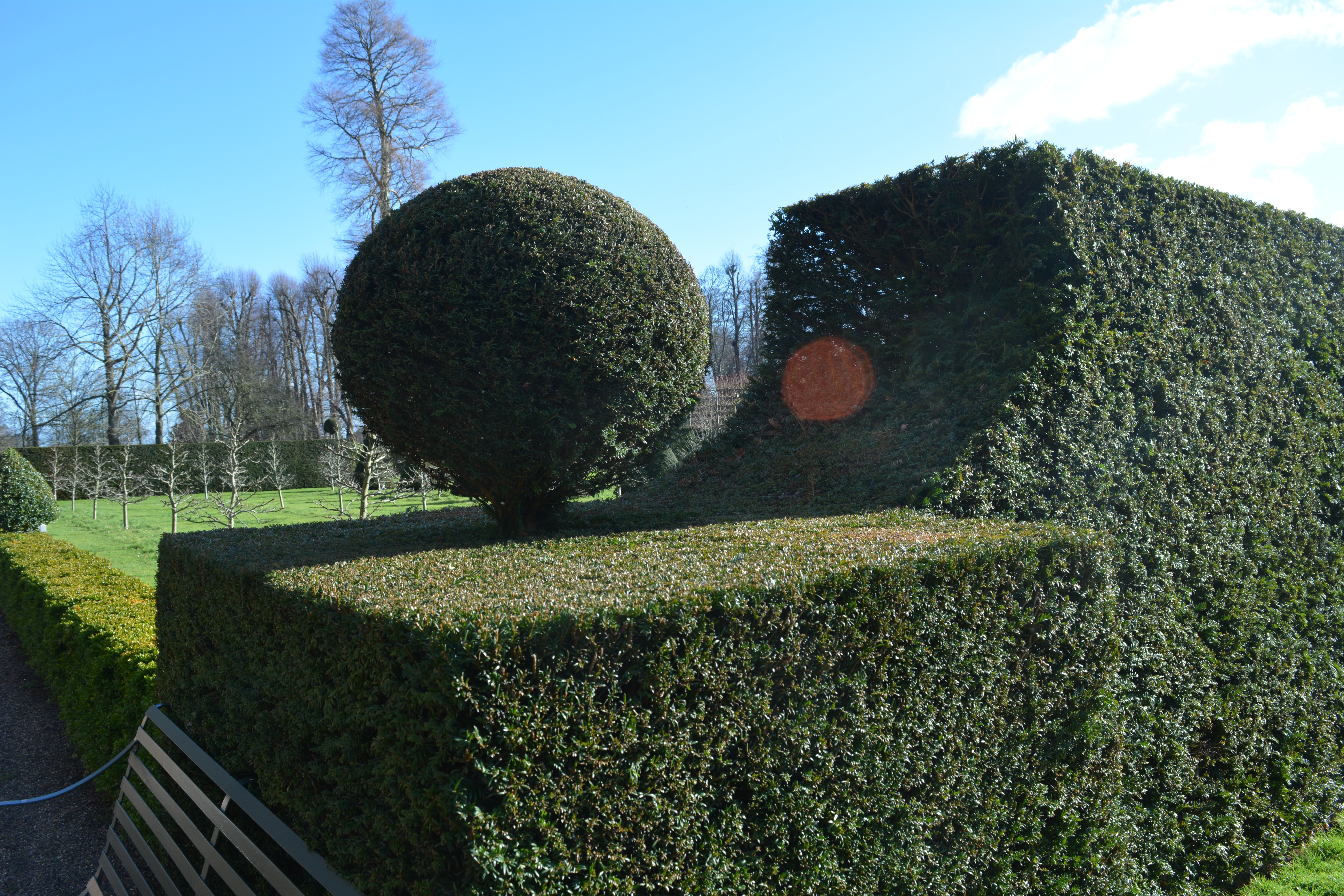
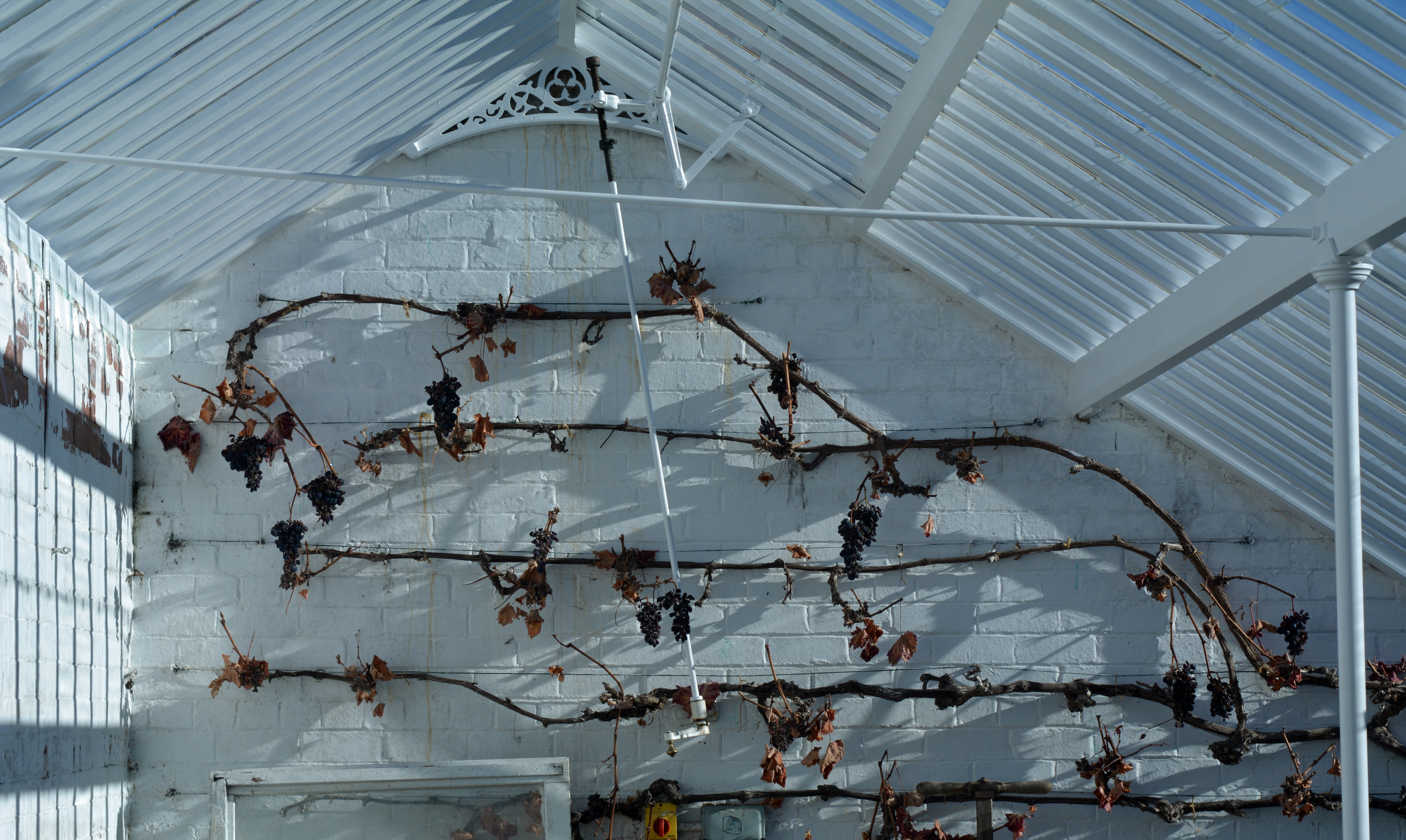
A feature we were looking forward to at Erddig was the huge variety of creatively pruned trees, both fruit trees and conifers. Some of these fruit trees must be decades old but are still skillfully pruned. Really well pruned and trained fruit trees are really beautiful. It felt good to see these age old gardening skills carrying on so professionally.

    

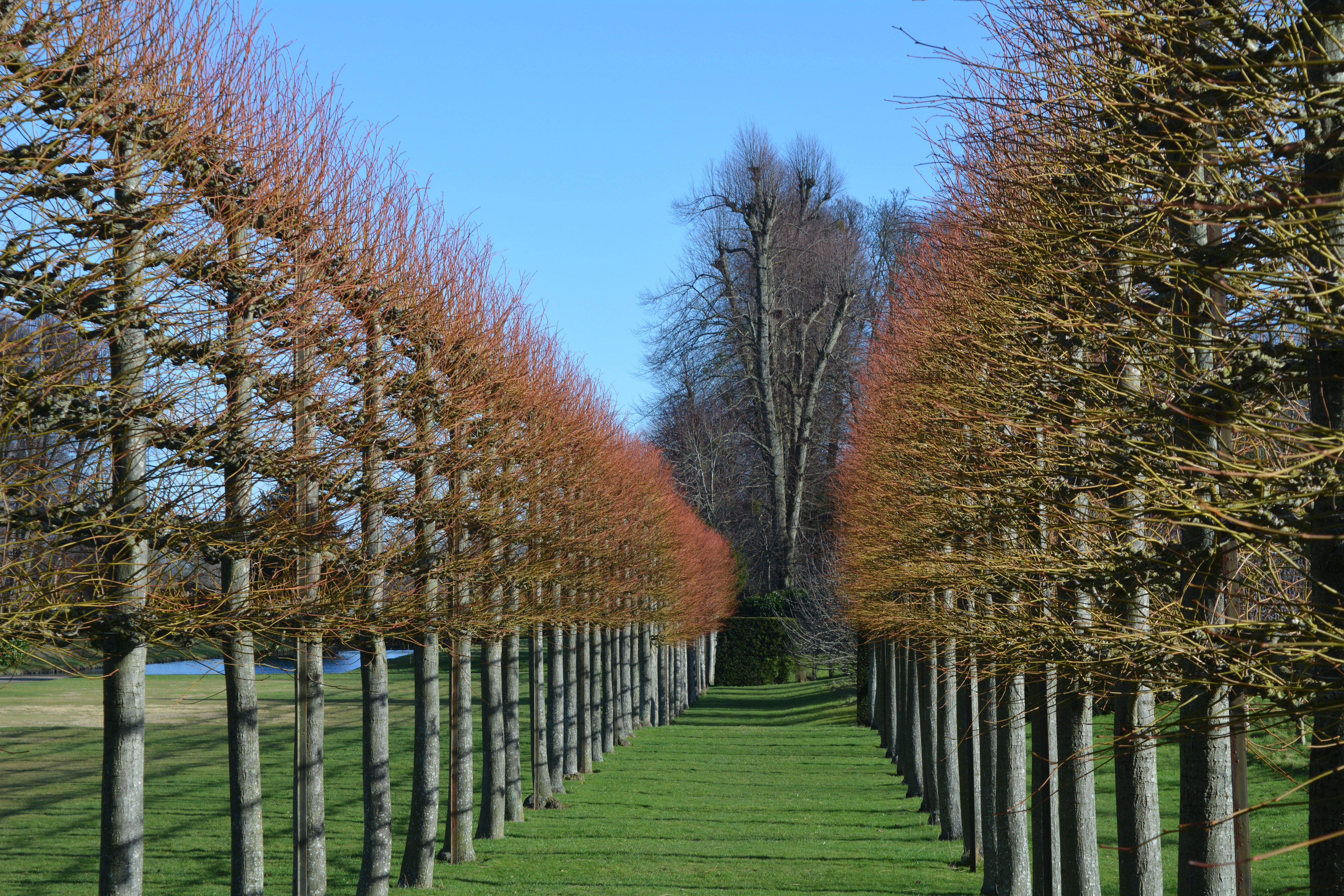
We discovered this double row of pleached limes after spotting an orange glow as the winter sun caught the new twigs and buds.
 

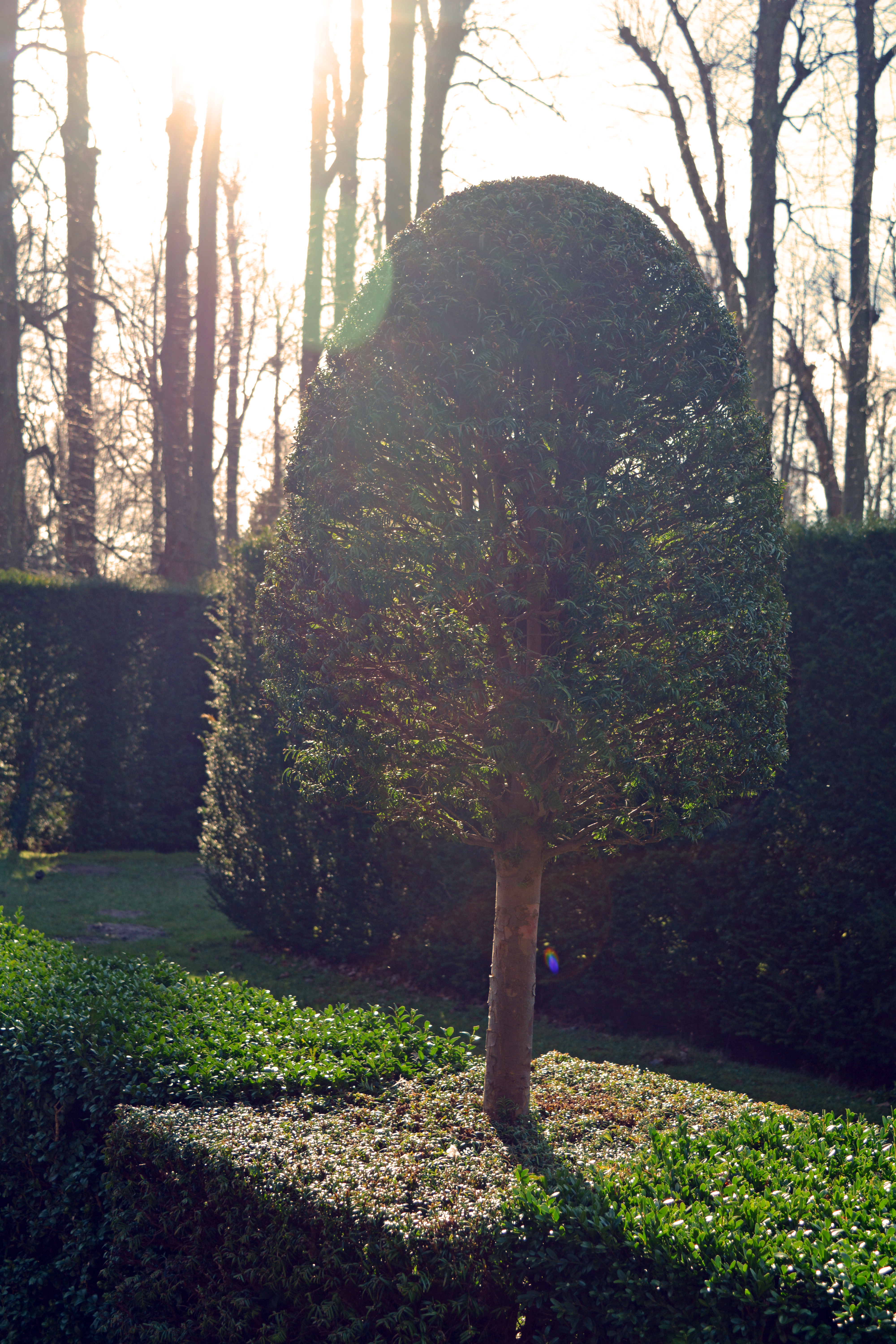
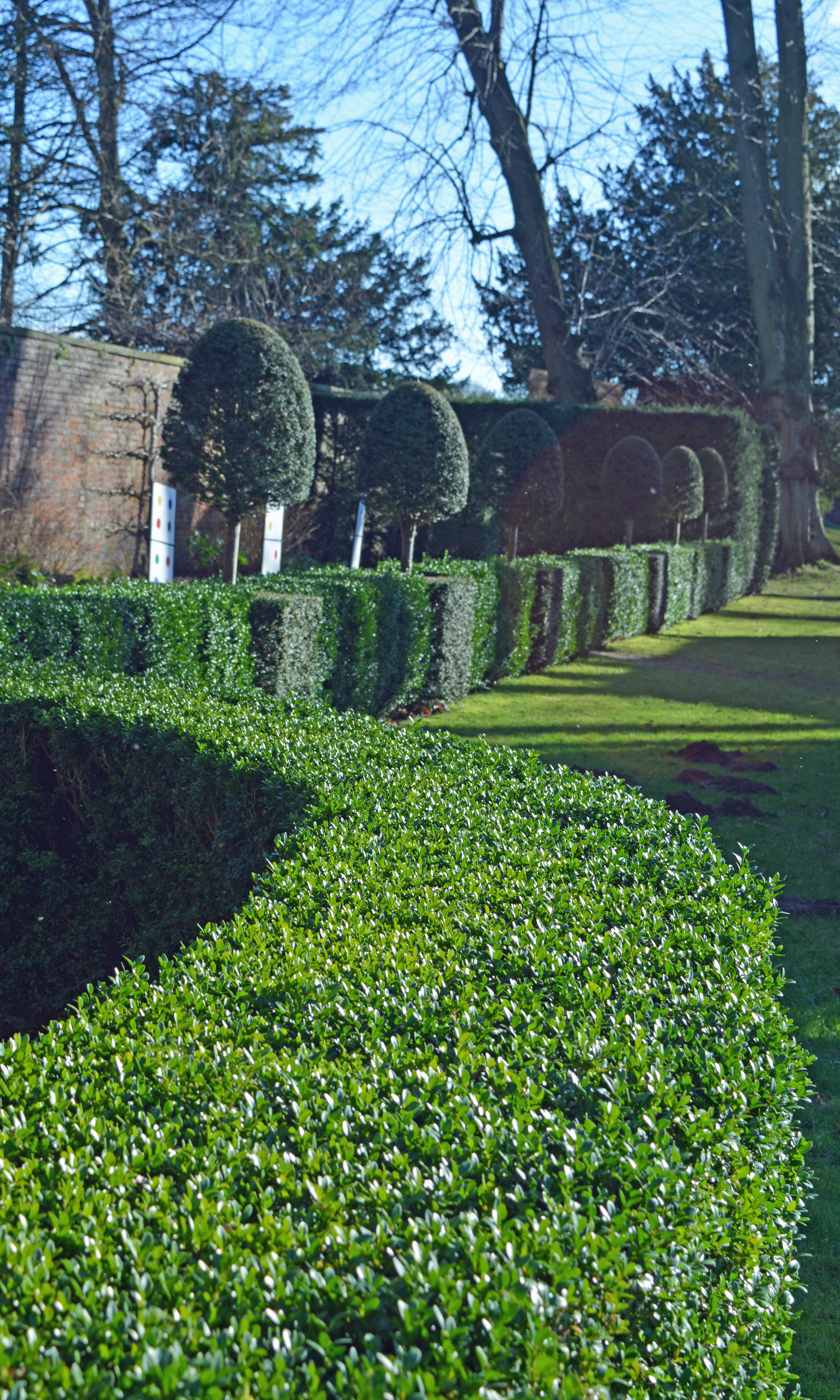
Beautifully topiarised conifers were presented in neat rows and as hedges throughout the formal garden area.

       

Not all the conifers were trimmed and controlled though, some were left to mature and become tall proud specimens.
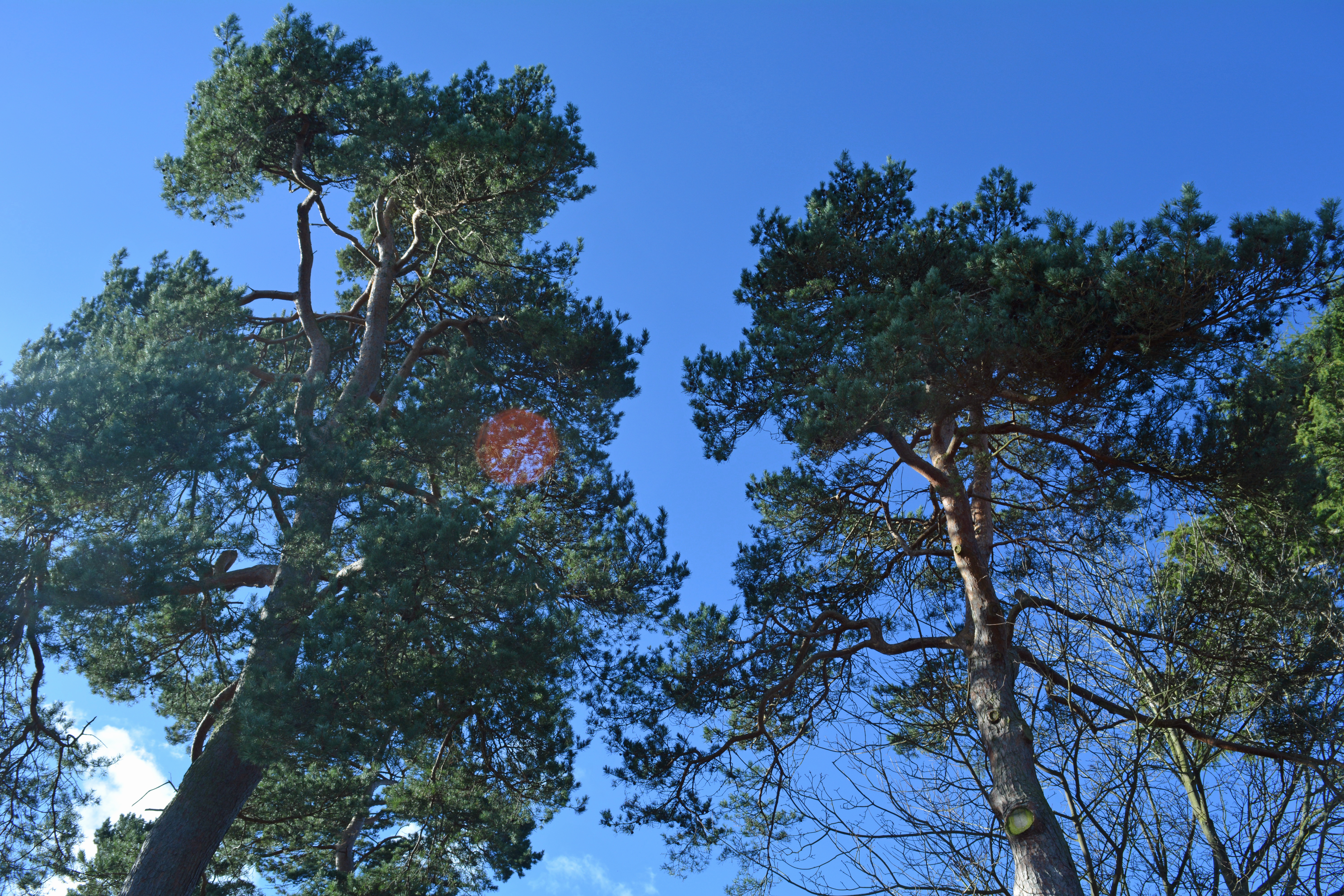
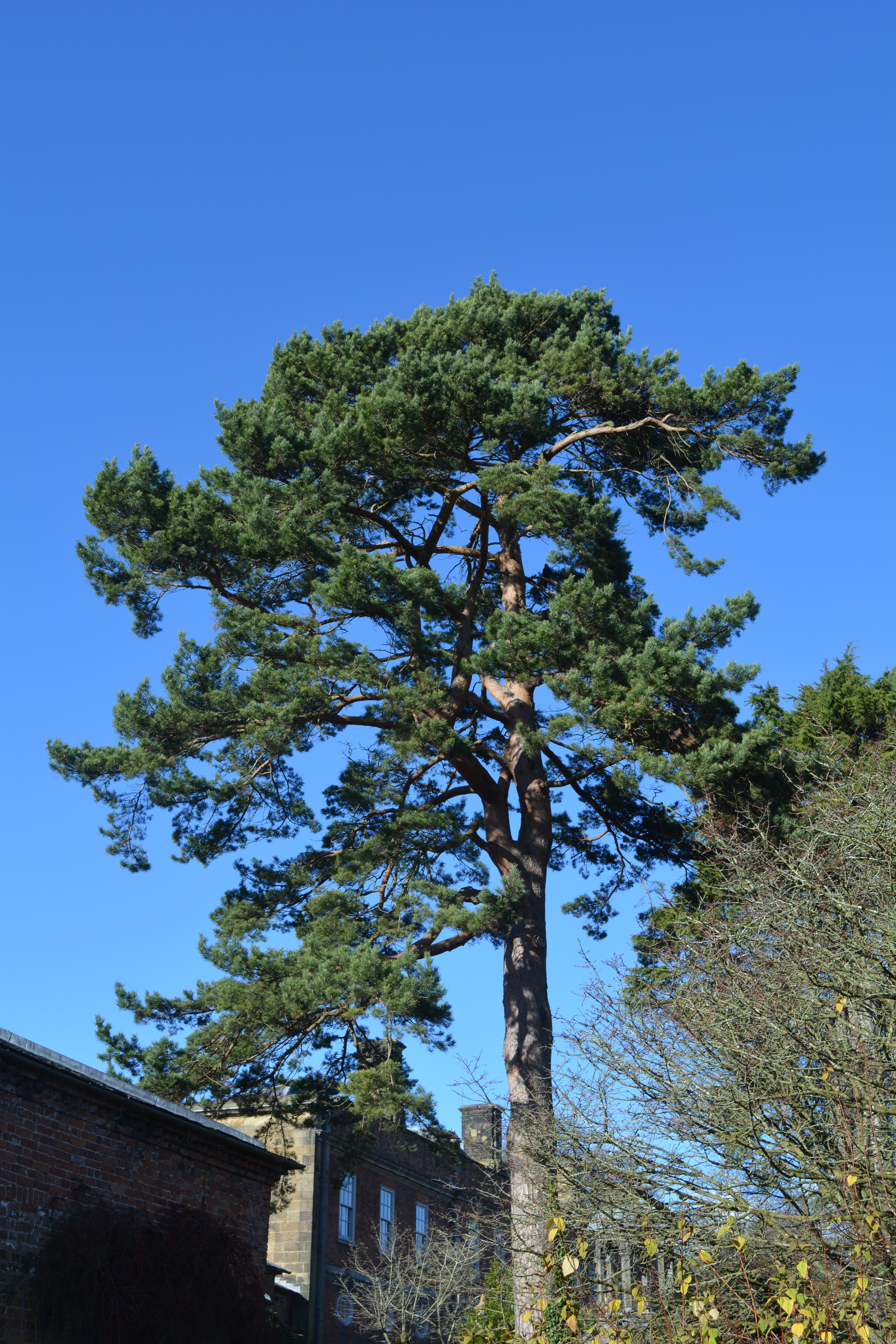
 

We loved this tall double row of pollarded Poplar trees towering above our path, their network of silhouettes highlighted against the blue sky. This added to the strong structure of the garden.


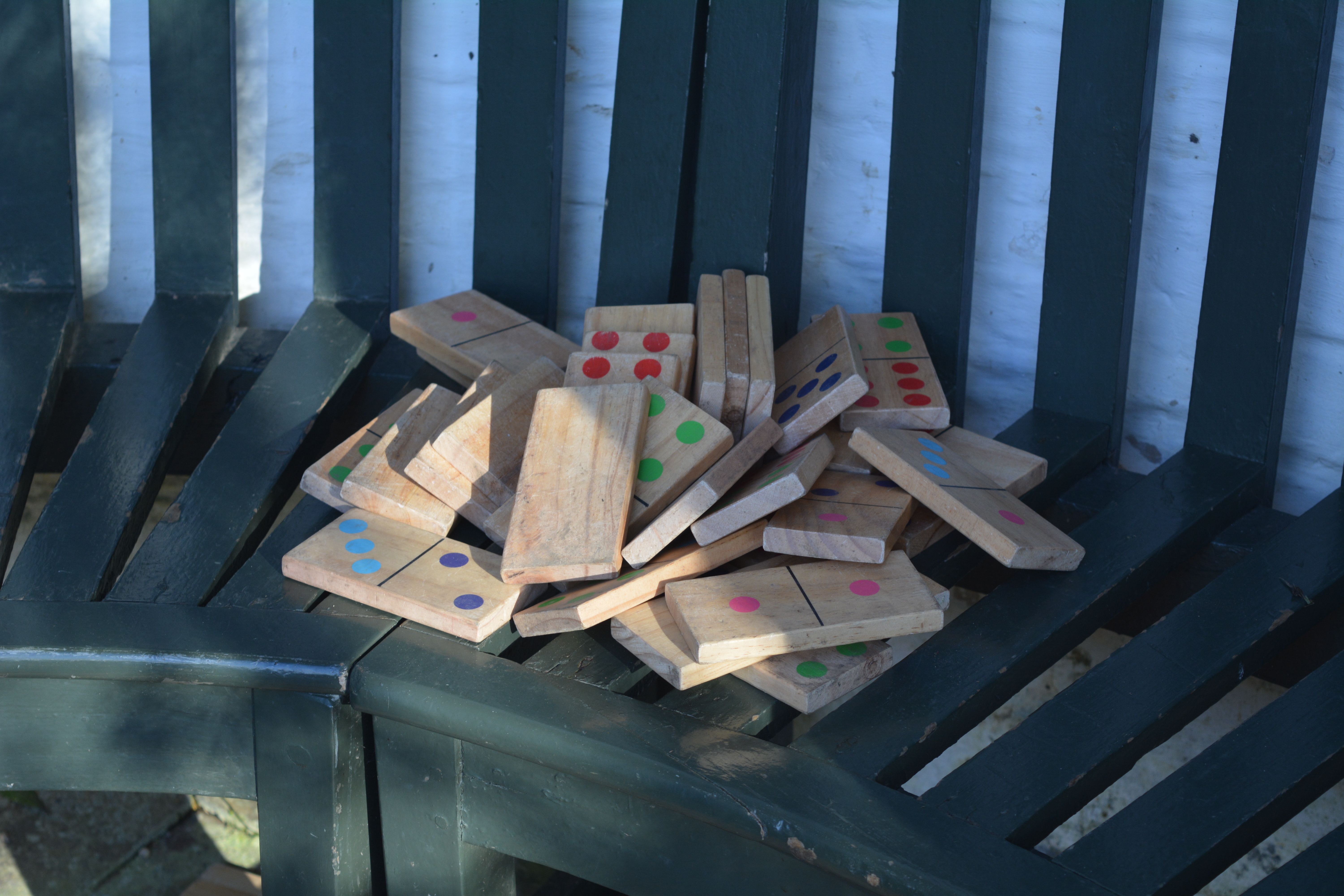
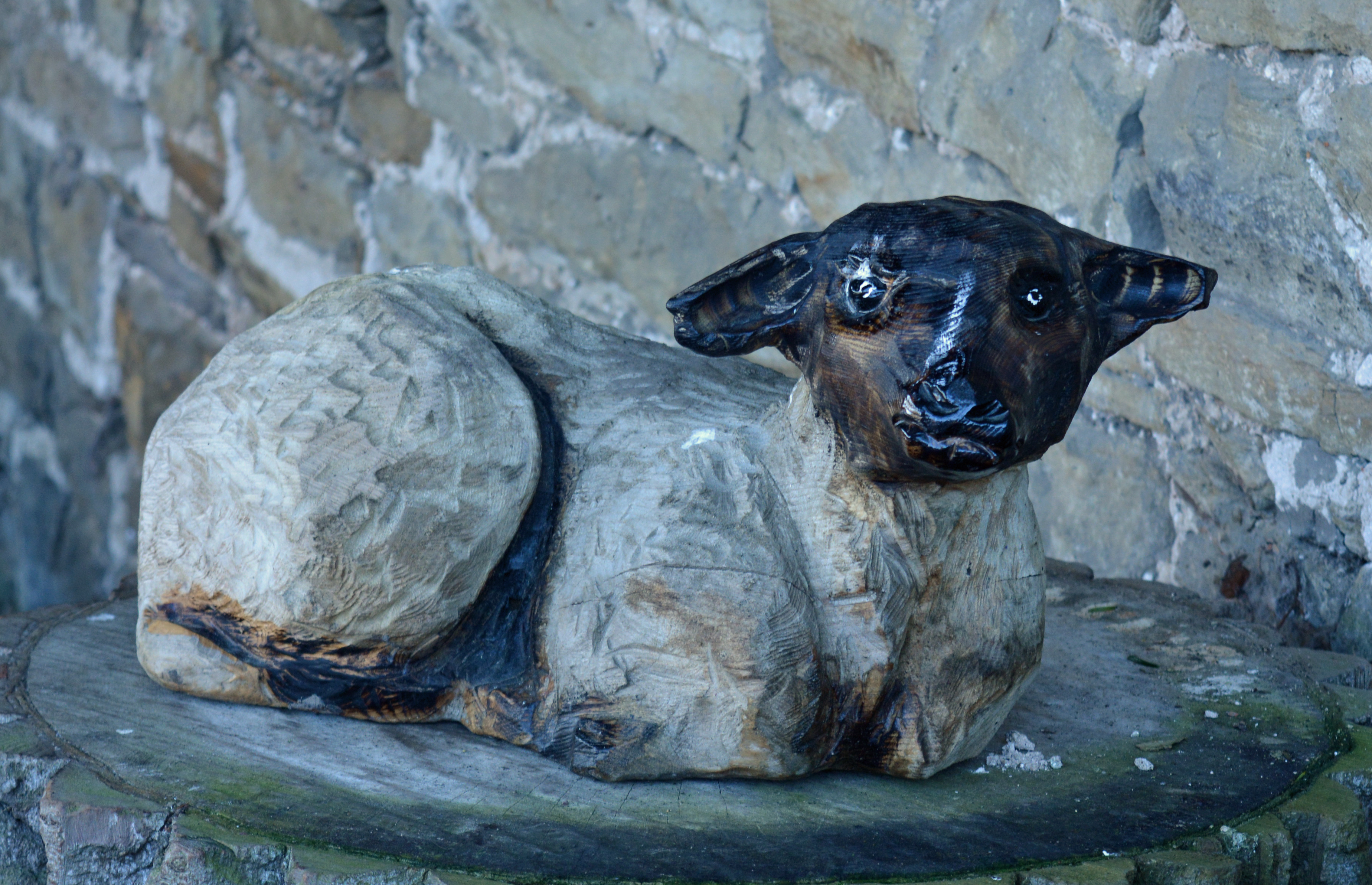
We love to see a touch of humour in gardens and points of interest for children and we enjoyed a few here as we wandered around Erddig.

 

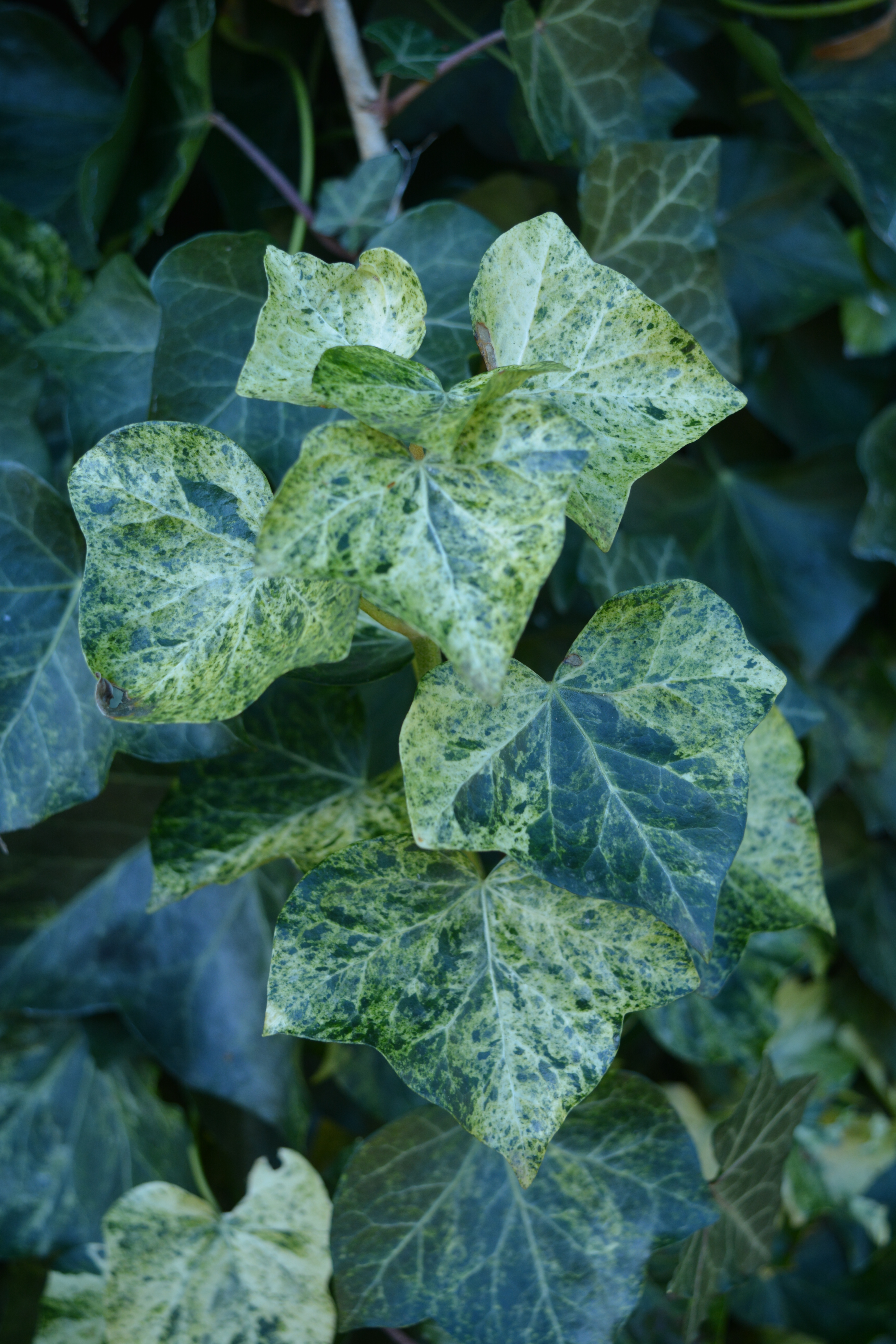
Erddig holds the National collection of Ivies, growing a huge selection of Hedera, but it took us along time to find the organised and well-labelled display of them growing along an old brick-built wall. We were amazed by the sheer variety, from plants with plain green typical leaves to those with the most beautiful and subtle variegation.

 

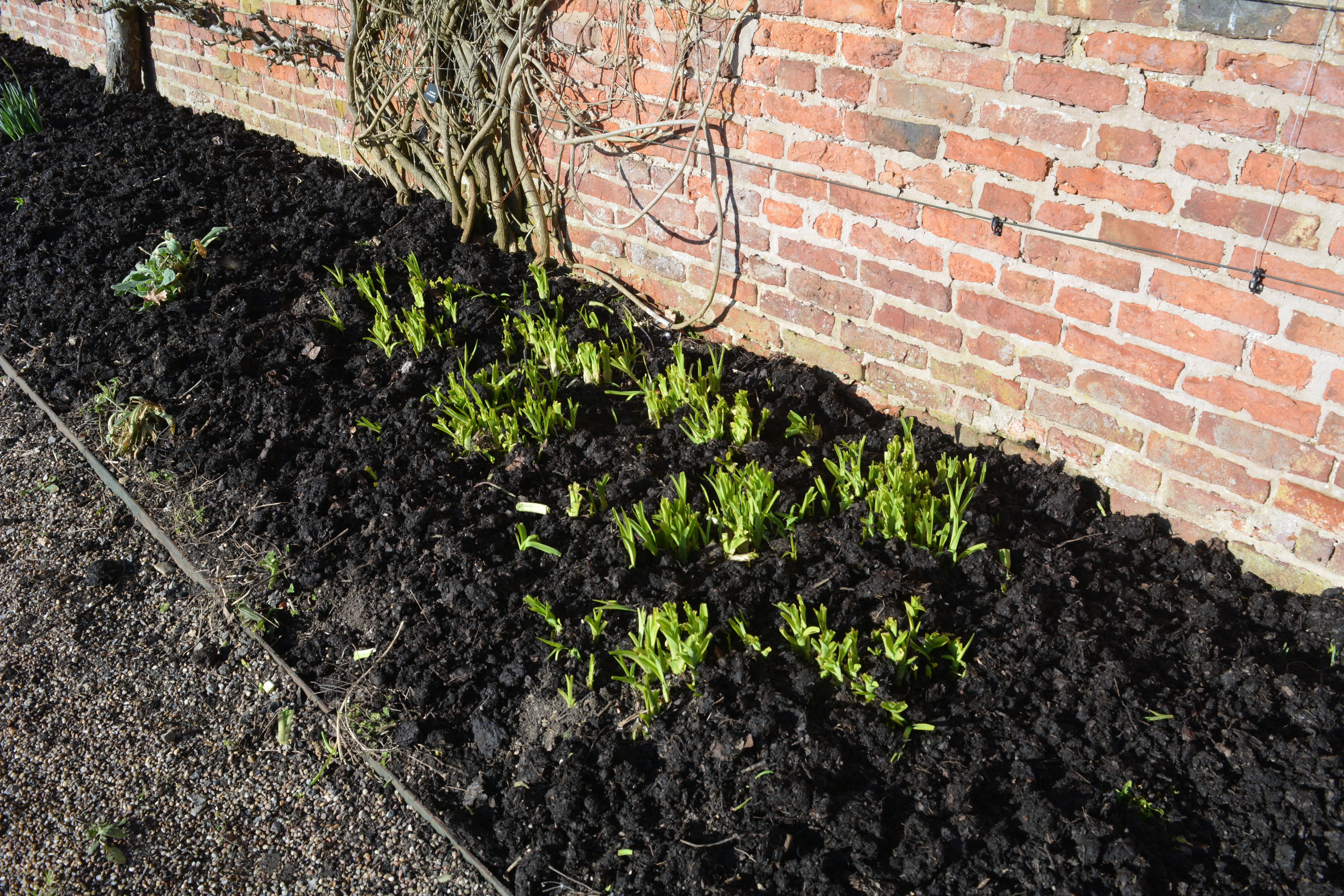
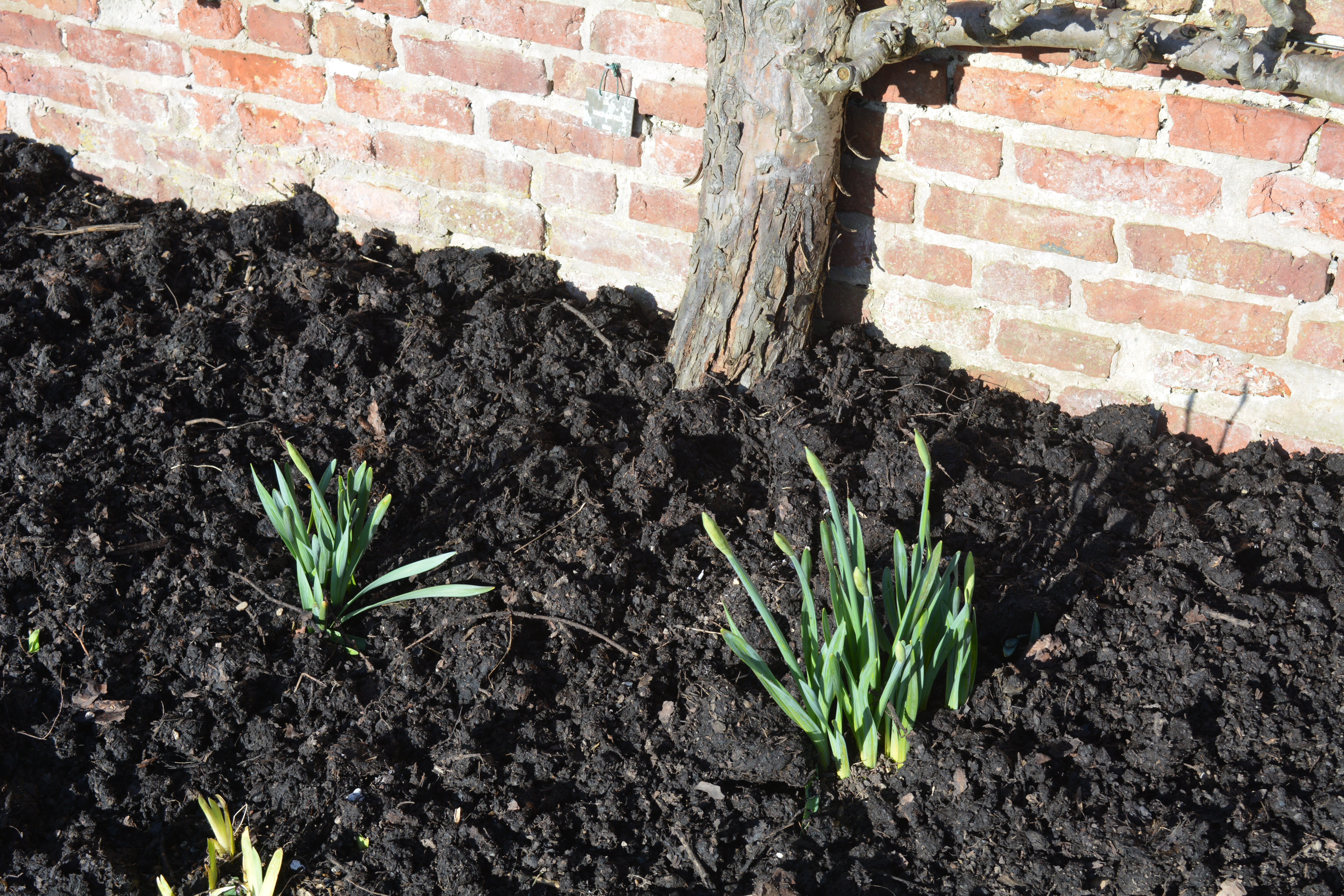
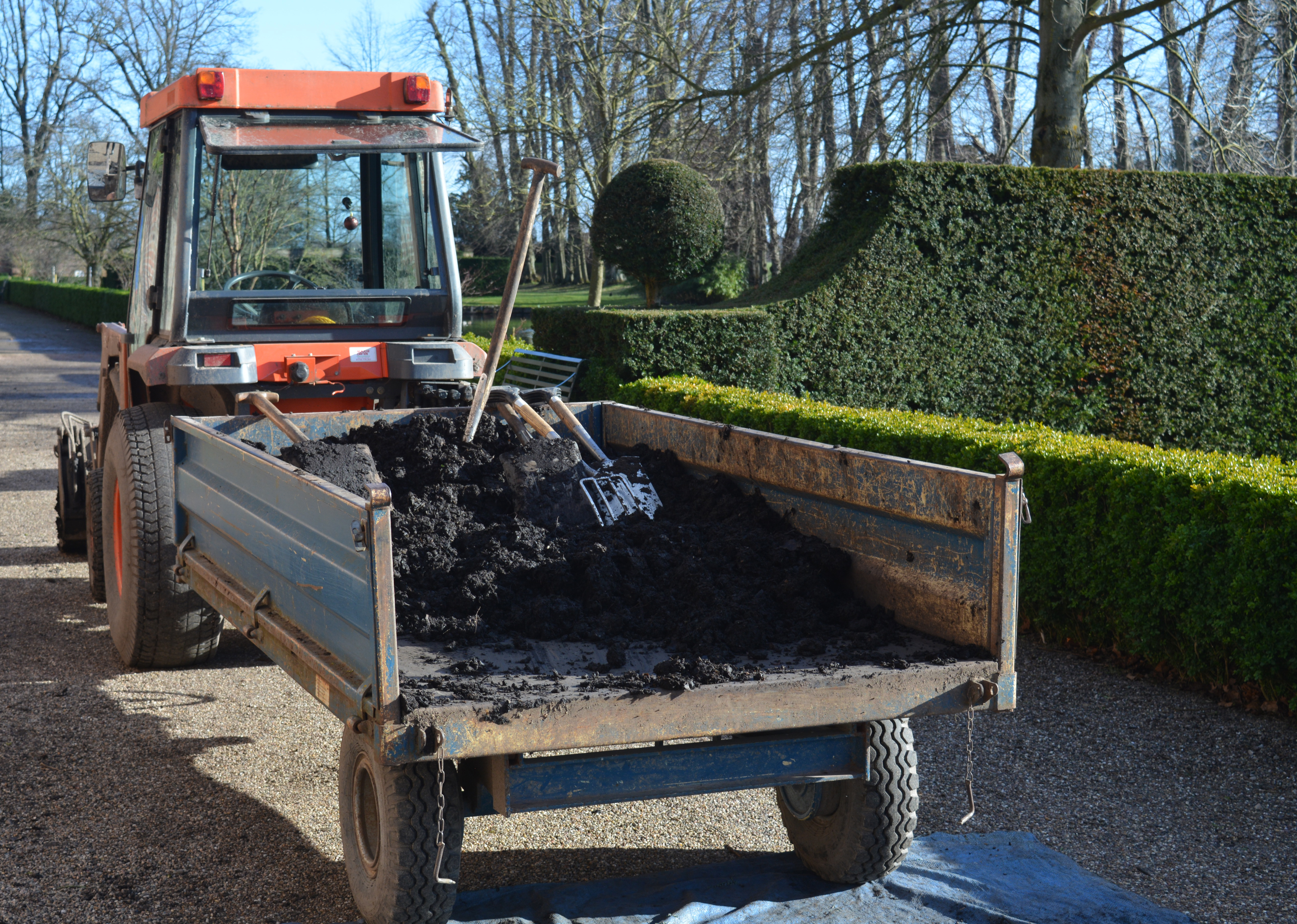
Don’t you just love to see what gardeners are up to when you visit a garden? Here hedge cutting and mulching borders with rich well-matured farmyard manure were keeping the gardeners on their toes. We were very impressed with the quality of their work and the evidence of a sense of pride in everything they did.
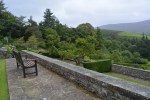
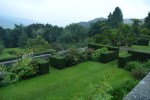
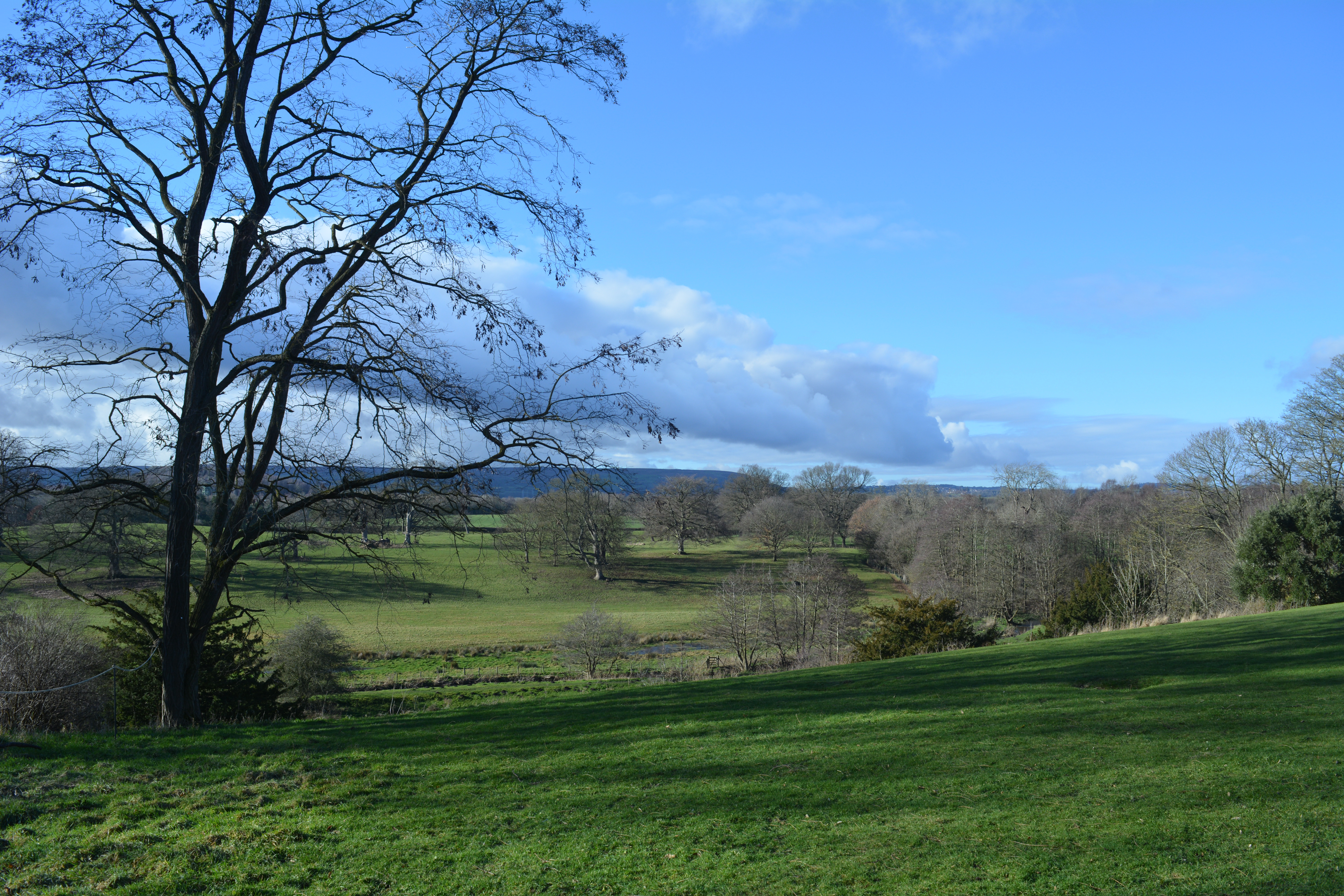
From the front of the house itself we found some wide views over the surrounding countryside.
 

I have only briefly mentioned the Ivy collection at Erddig so far but I will change all that by sharing a collection of my pics of the Ivies as a gallery. Please enjoy by clicking on the first photo and using the arrows to navigate.

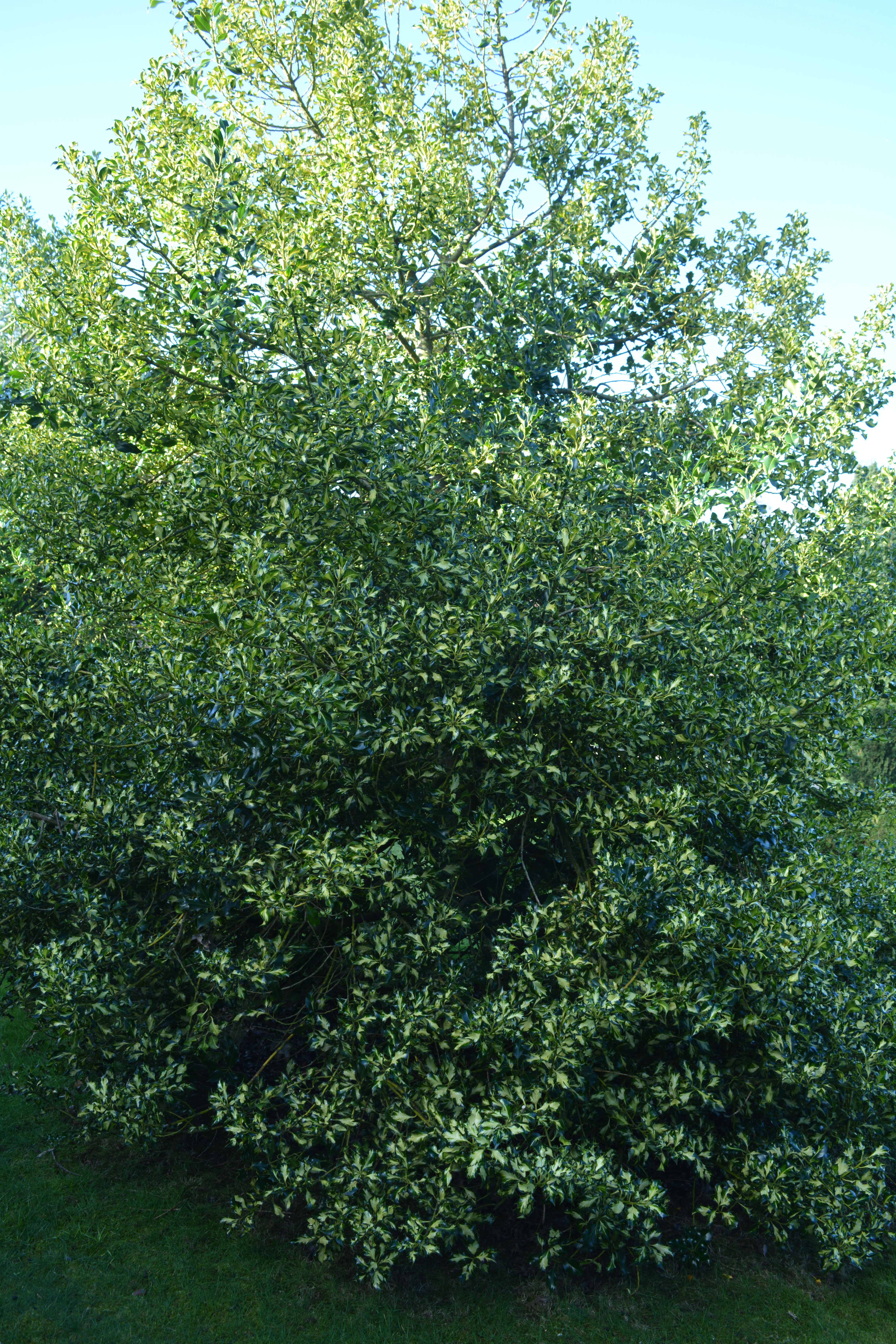
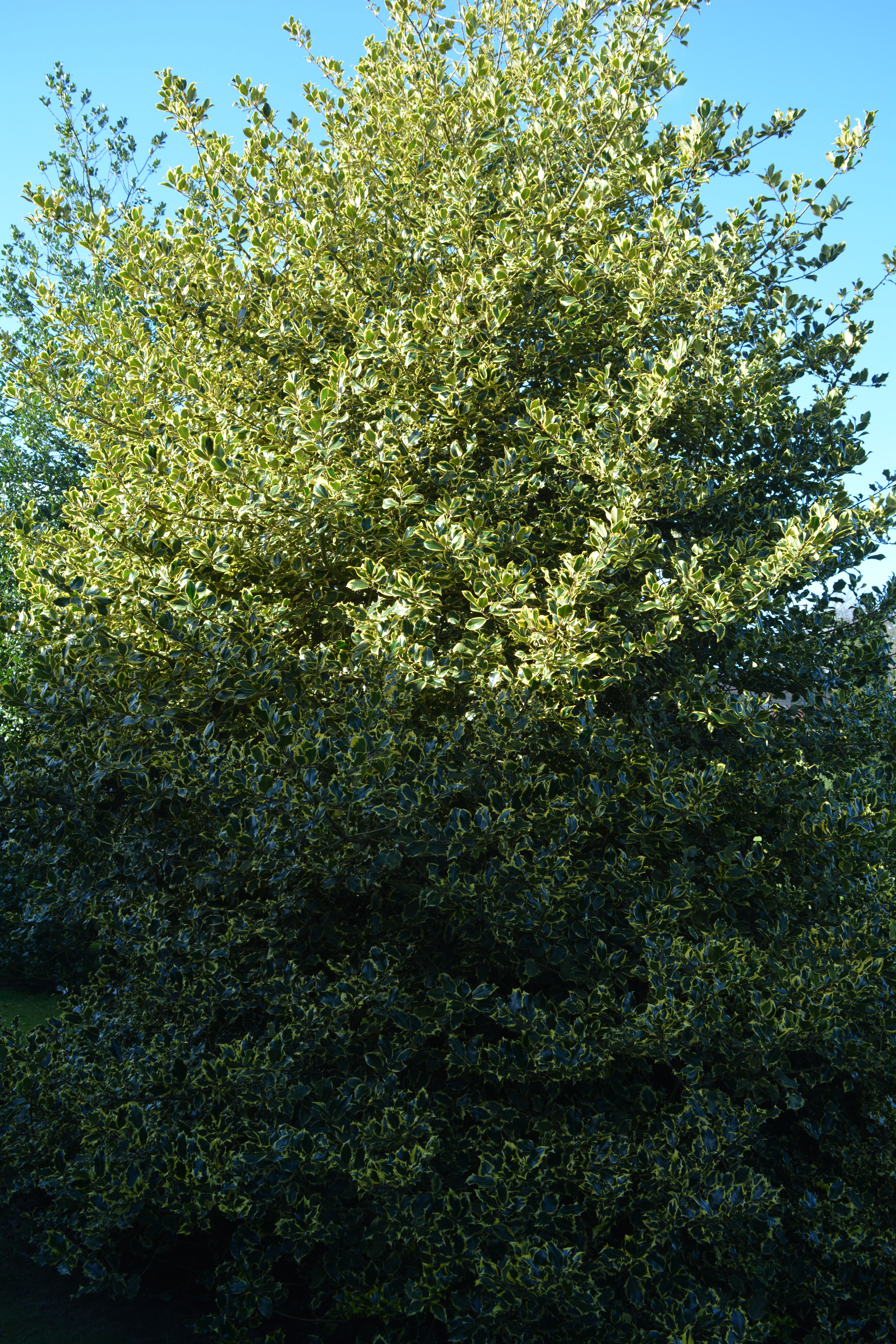
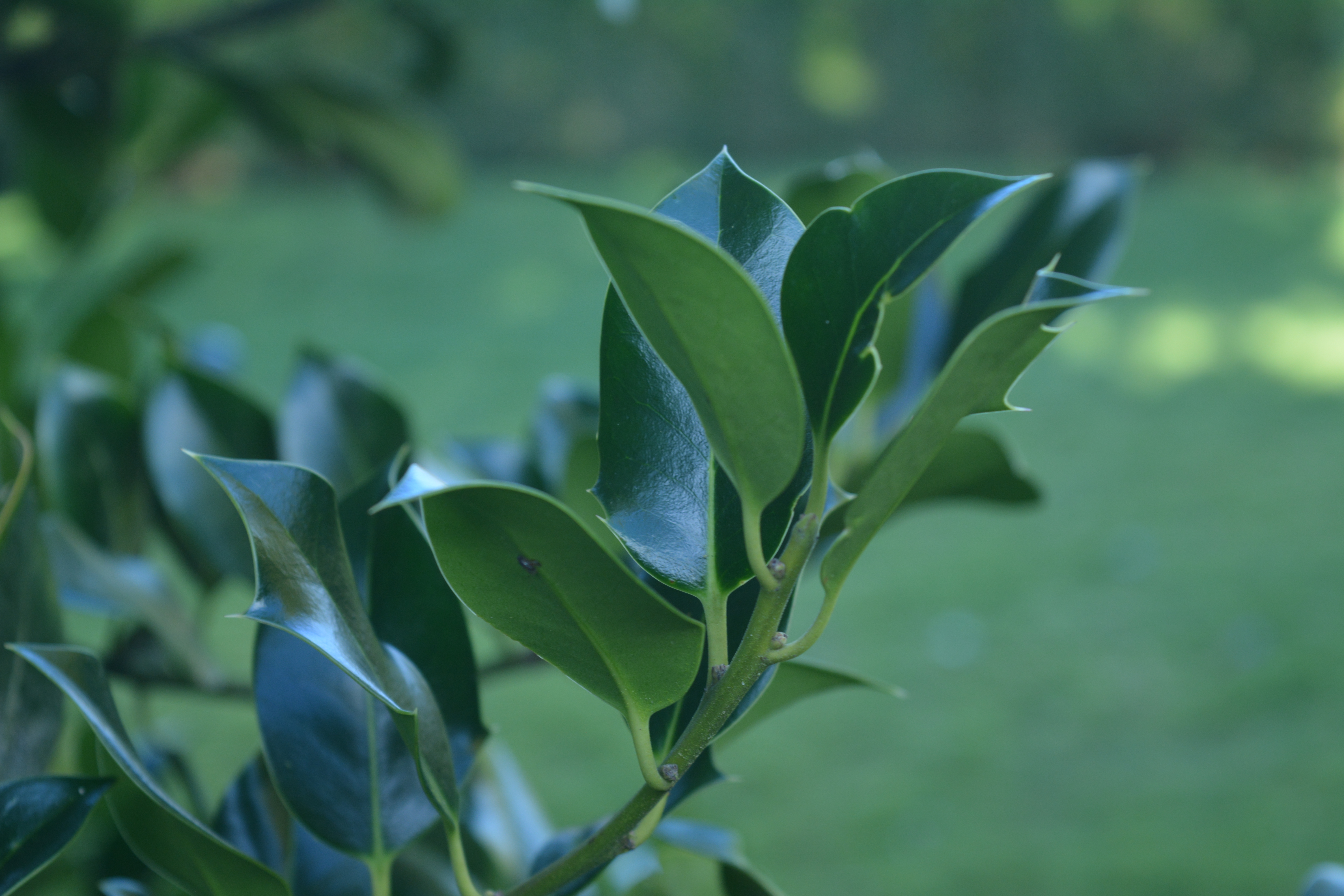
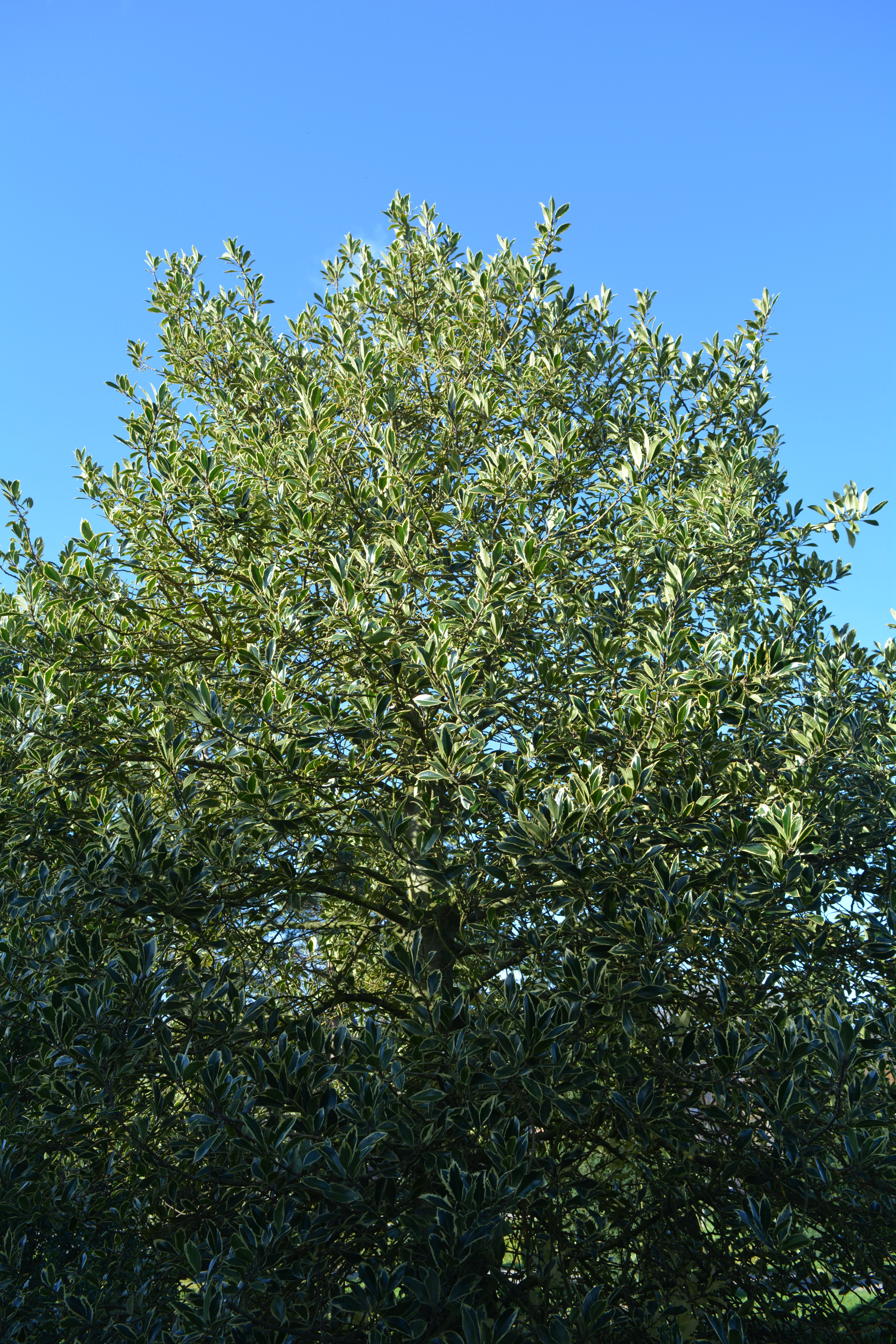
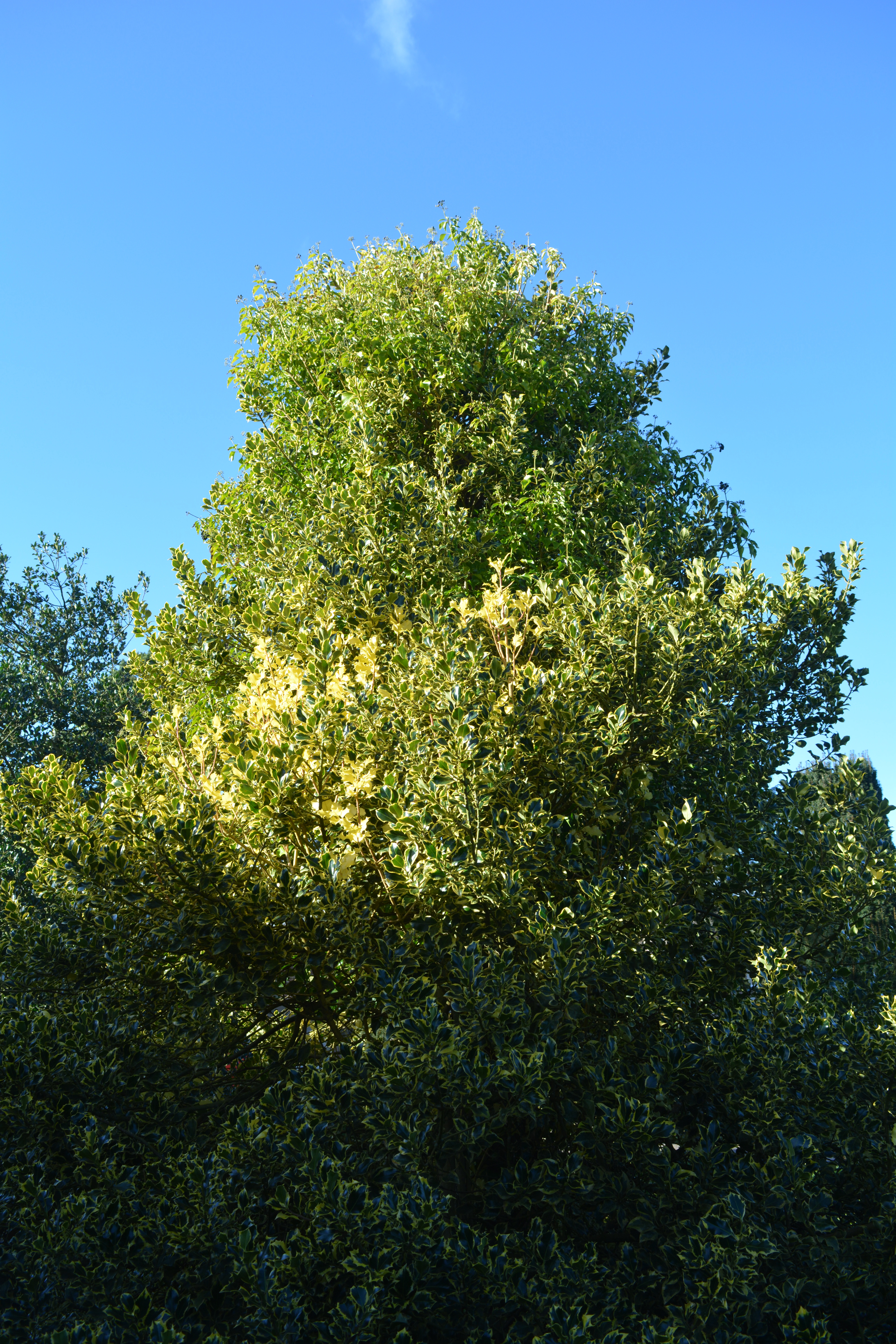
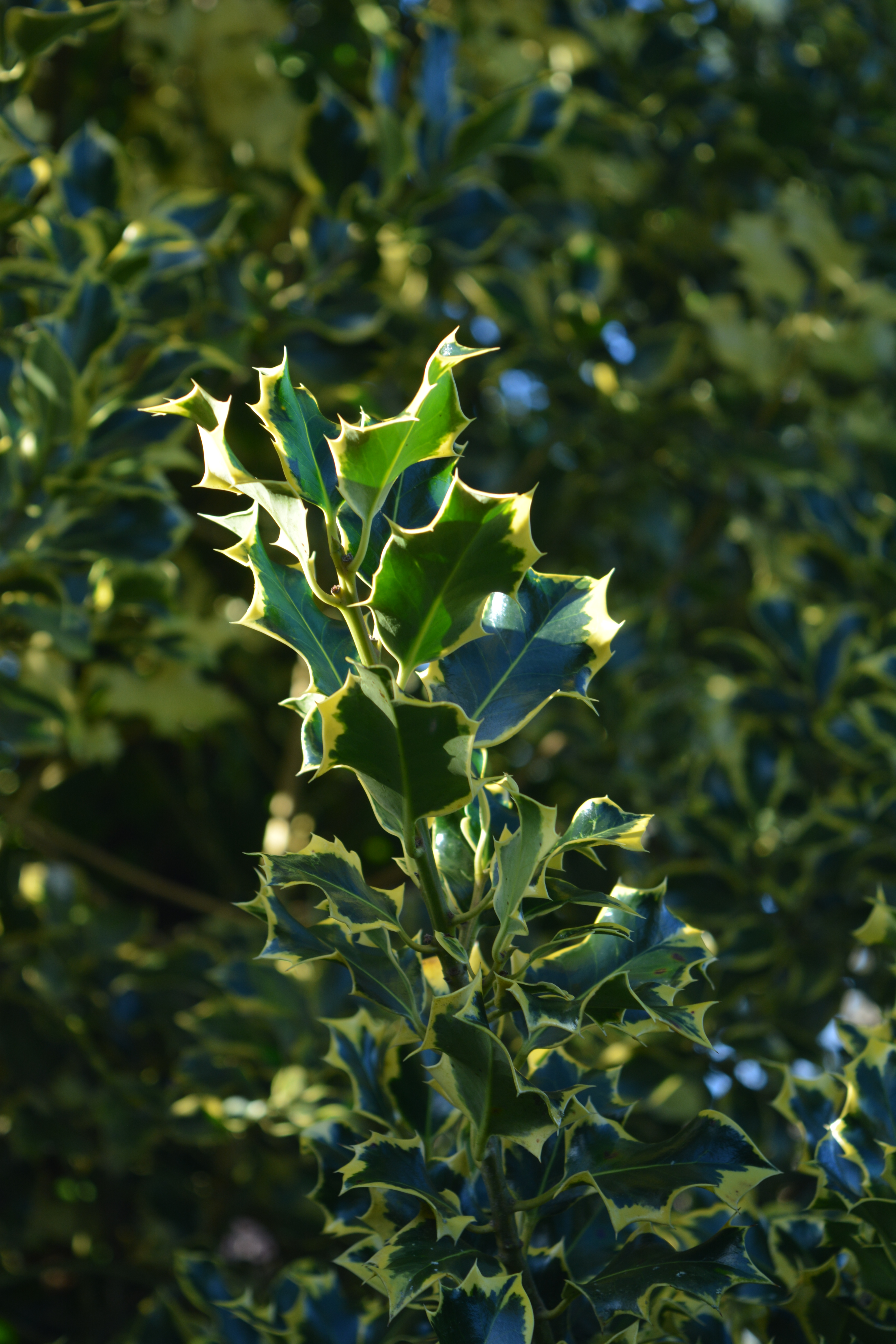
Hollies feature too with a lovely varied collection sadly with no labels but here are some to enjoy anyway.
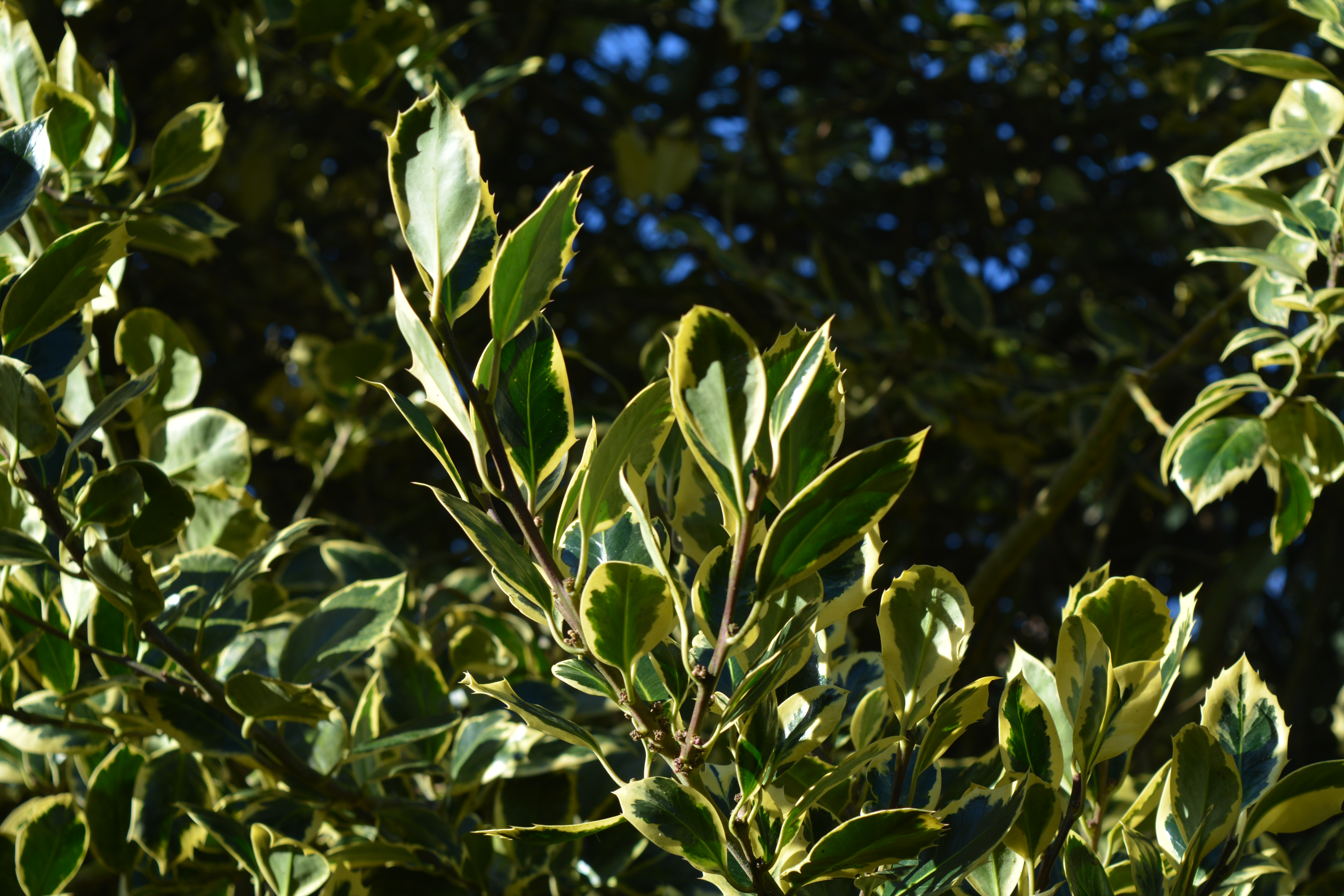
Each photo of an Ilex tree is matched with a close up of its foliage.
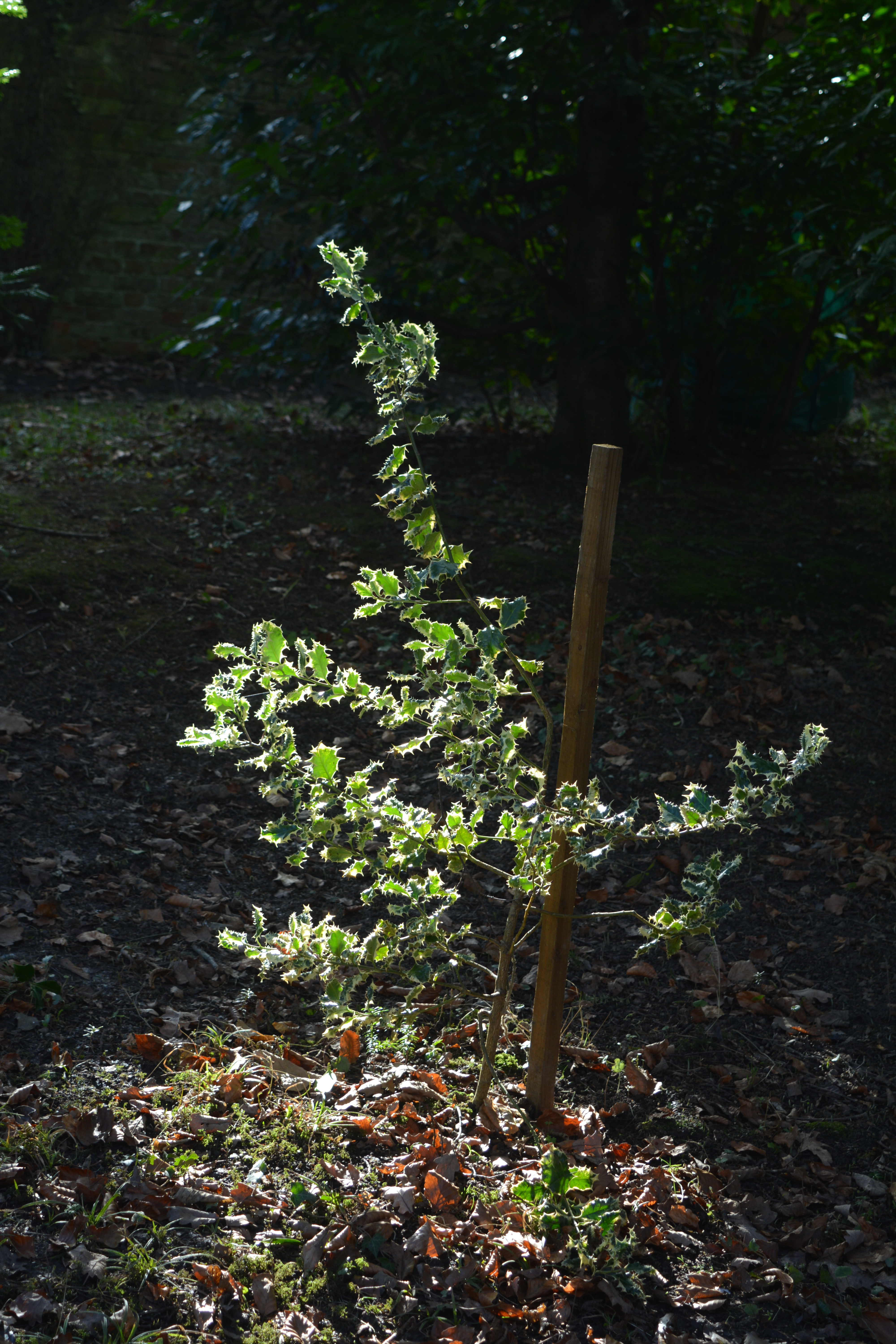
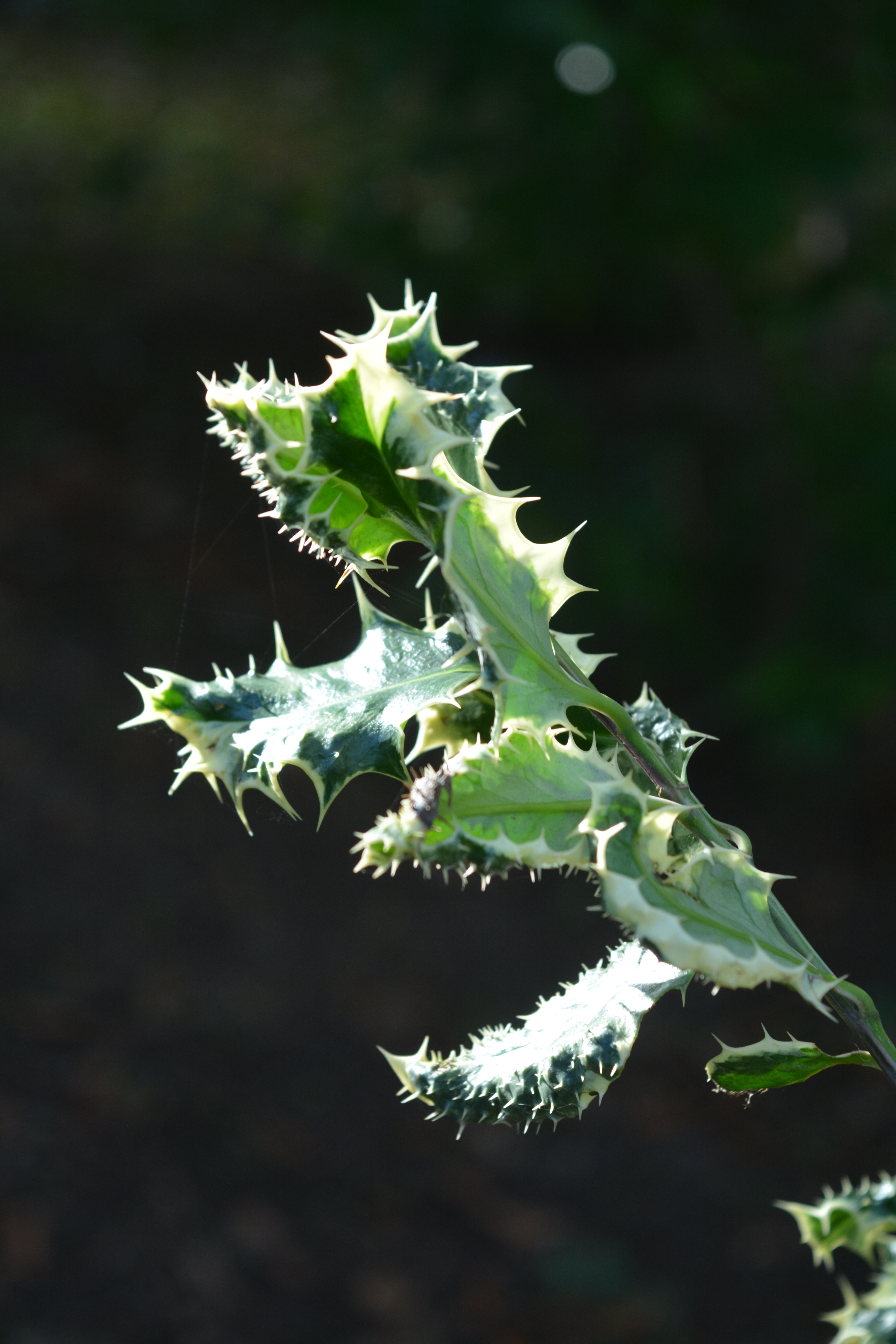
So you can appreciate just how impressed we were with the gardens at Erddig on our return visit after many years. We will be returning more often in the future!

Categories
garden design garden photography gardening gardens gardens open to the public grasses hardy perennials meadows ornamental grasses ornamental trees and shrubs RHS Yorkshire

Two RHS Gardens – Part 2 Harlow Carr

To visit the second of the RHS gardens we visited during 2017 we had to travel north up to Yorkshire and we stayed near Harrogate, a beautiful spa town. This is the RHS garden we probably visit the most as it is our favourite and we love the area it is situated in. We chose to go up in late summer. We particularly enjoy the Winter Garden and the new perennial gardens and as we had already visited to see the Winter Garden so we needed to see the perennials borders too.

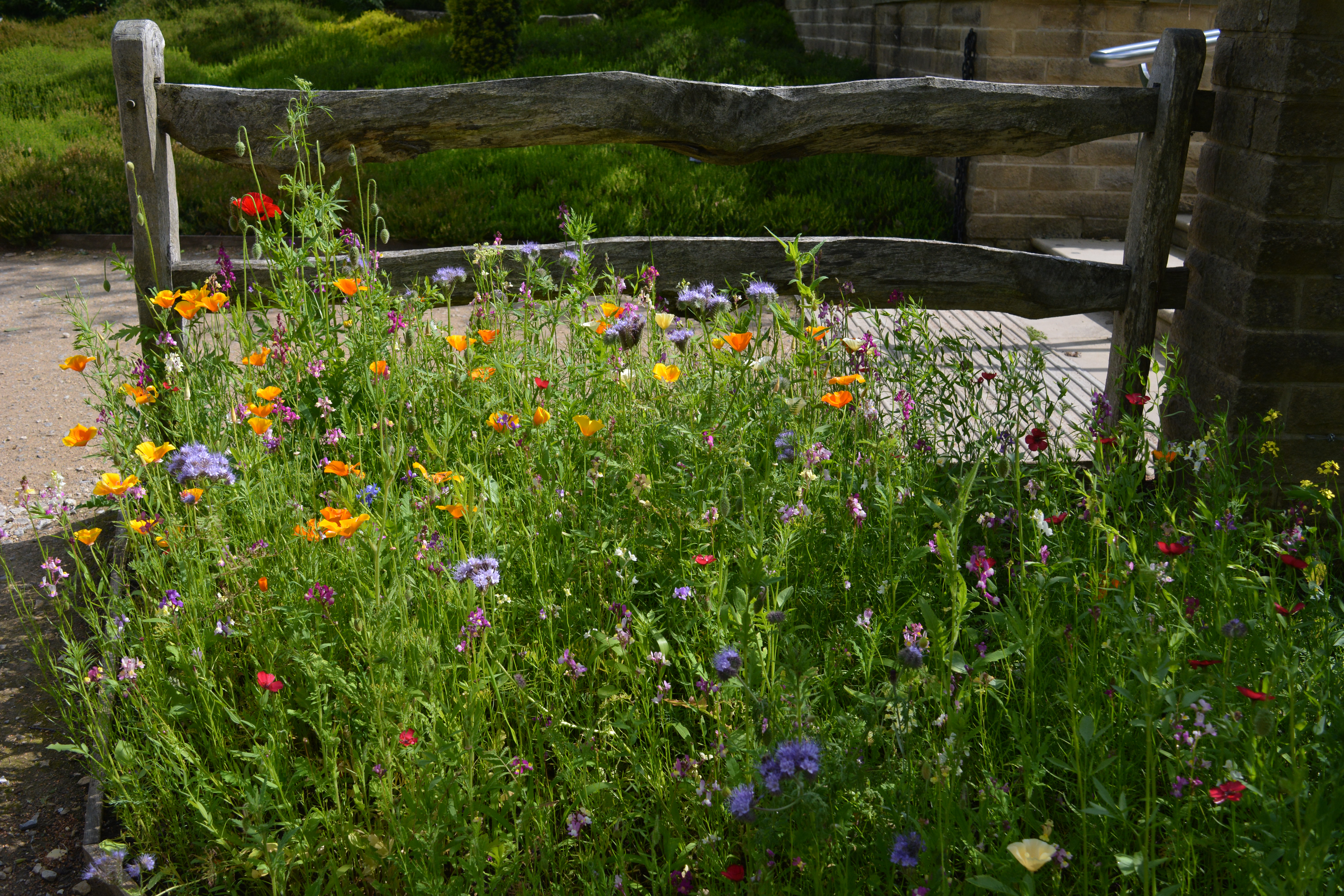
The RHS are excellent at giving a warm welcome to its visitors and we certainly felt that at their most northerly garden, beautiful planters, great breakfast at the famous “Betty’s Tearooms” and cheerful plants as we entered the main gardens, including bright, cheerful meadow planting.

A recent children’s competition involving creating miniature gardens in old boots provided some entertainment at the bottom of the main steps into the garden.

Next we will share moments we enjoyed as we made our way towards the educational centre with its new buildings, glasshouse and plantings.

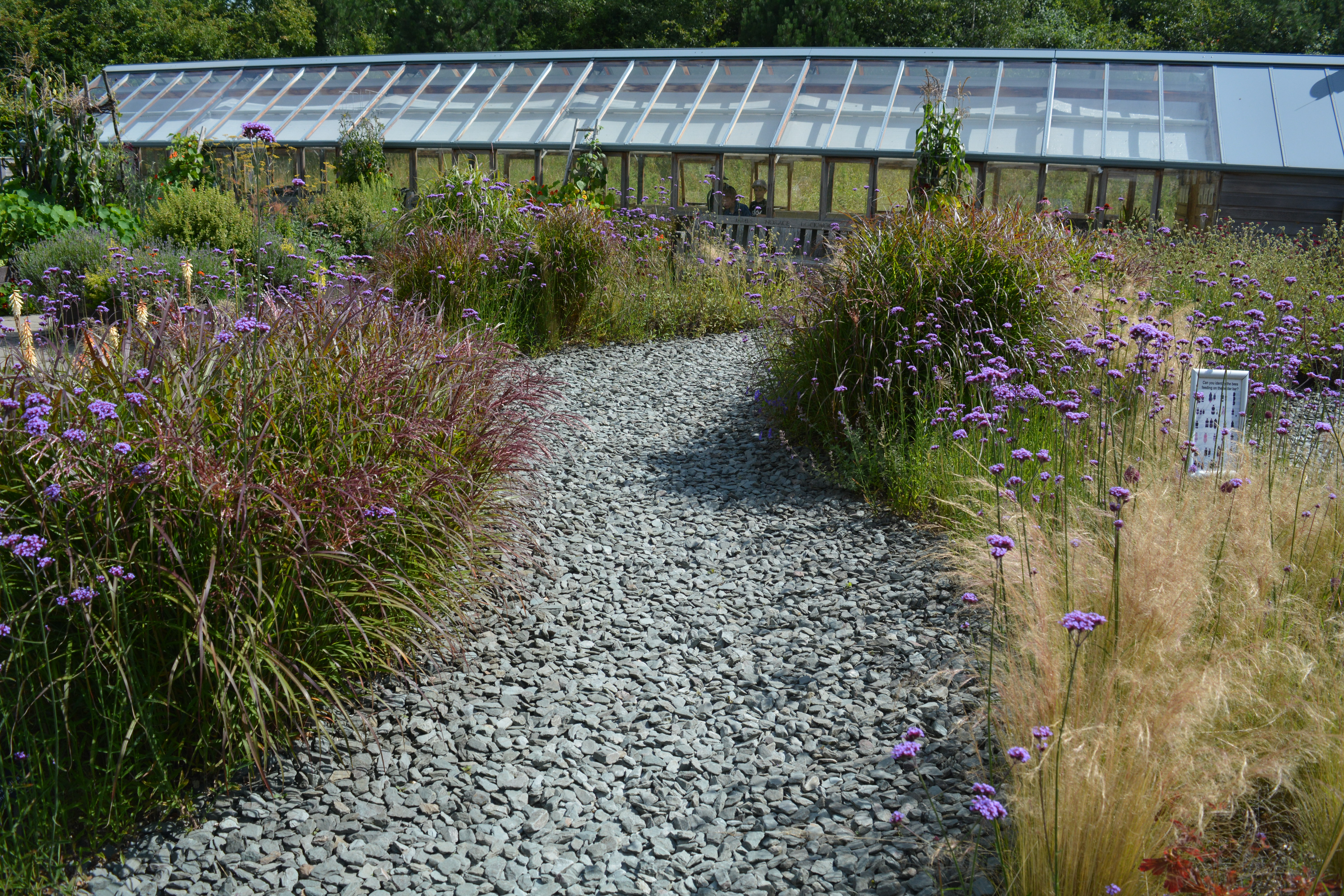
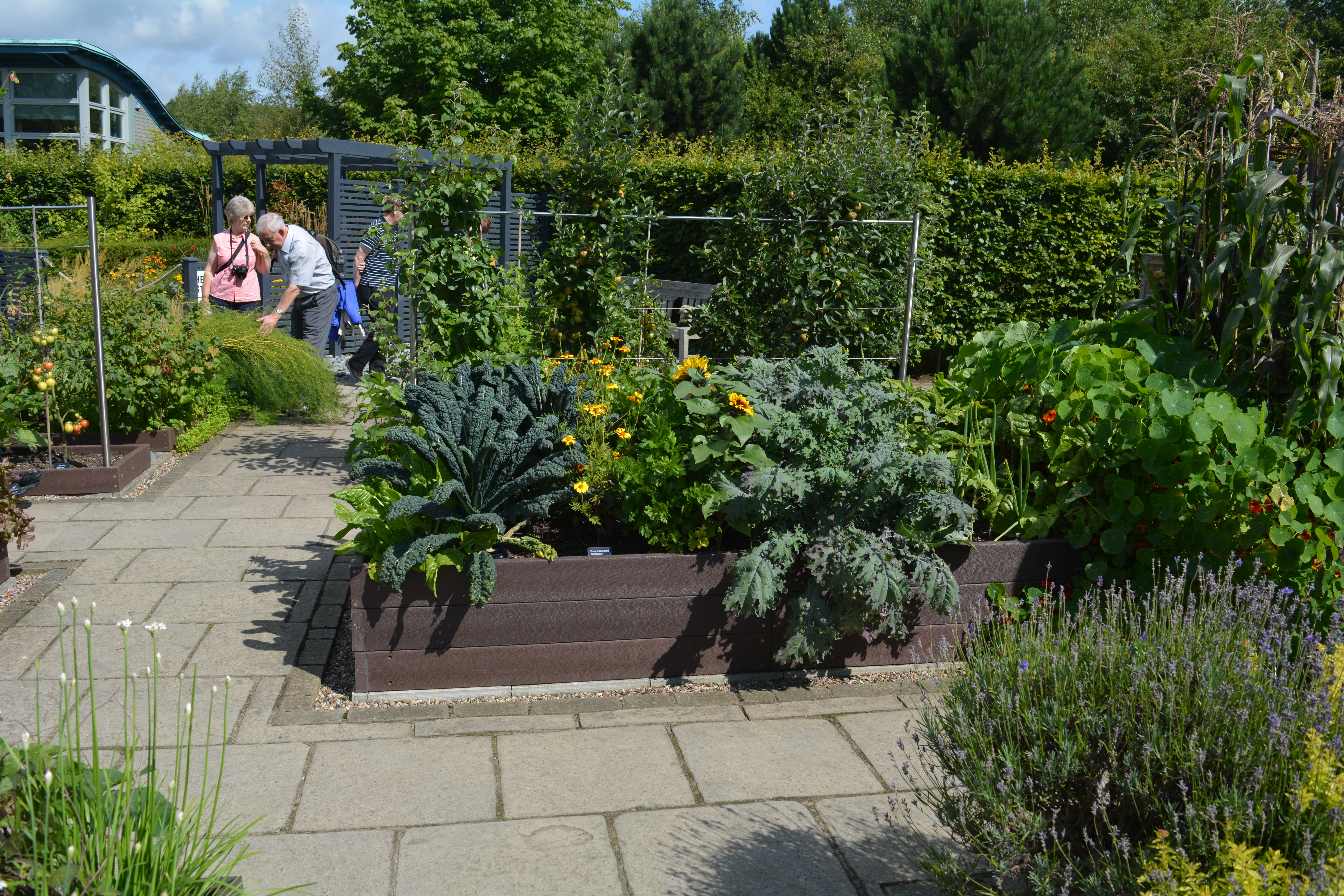
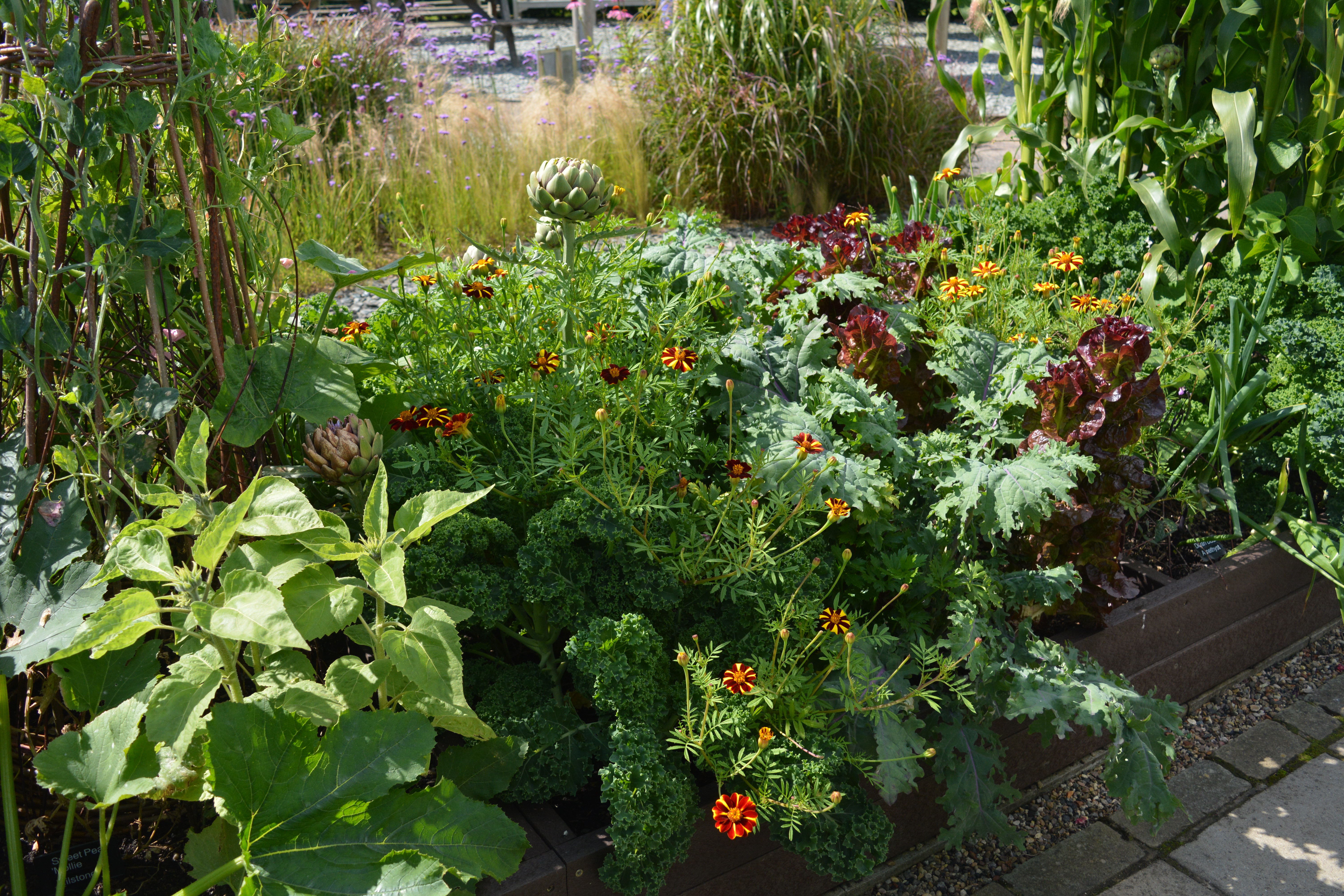
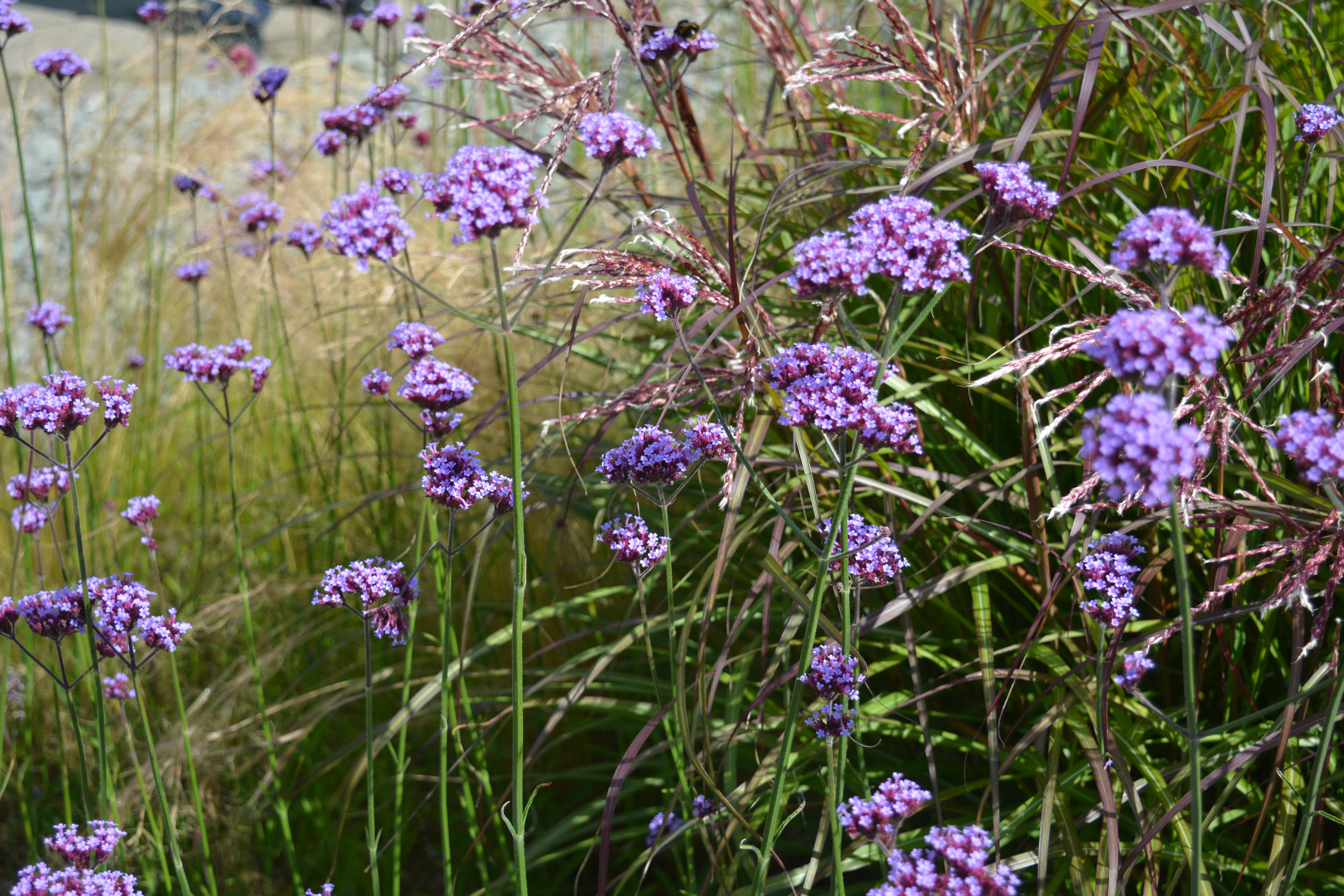
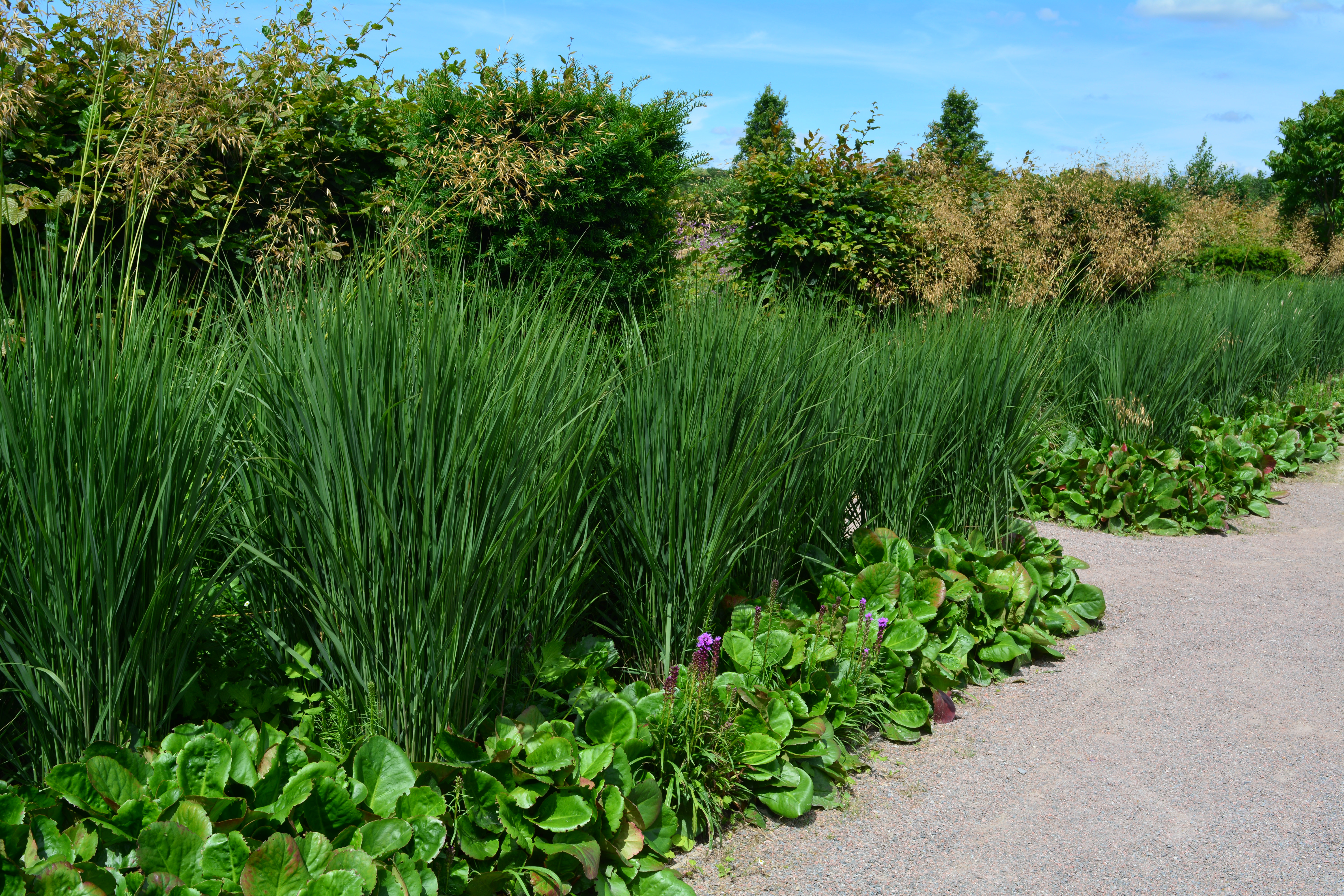
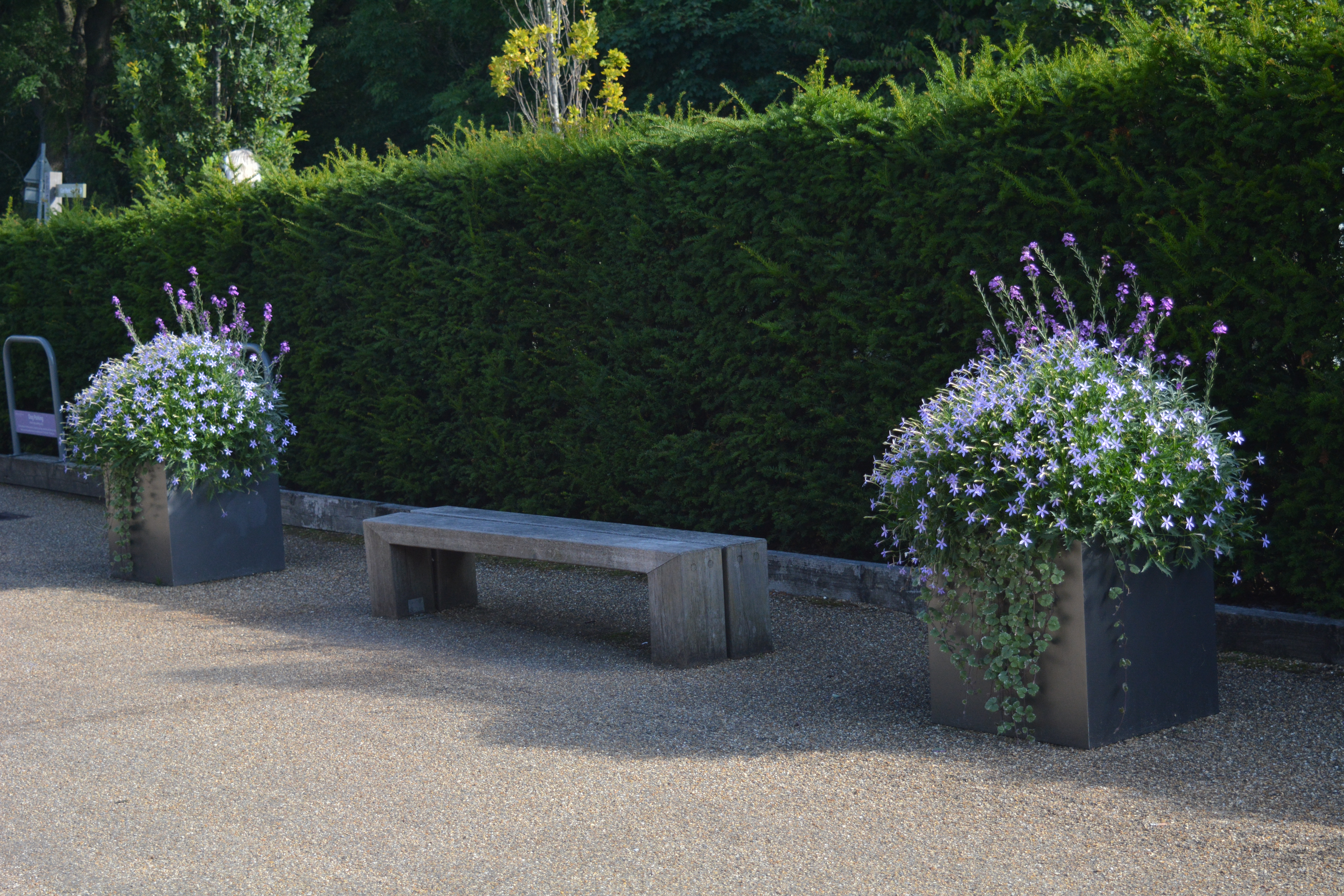
The gardens around the education centre provide a fine example of contemporary plant choice and plant combinations, starring grasses and tall airy perennials, growing beautifully among gravel, a wildlife pond and a contemporary styled vegetable garden alongside. Even the seating has been carefully chosen to look just right. Nothing has been left to chance!
       

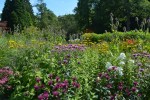
As mentioned at the beginning of this post we were looking forward in particular to wandering around the borders of “new perennial planting” especially as we were visiting when it should be its prime time. So please enjoy this wander with us by following the gallery. Click on the first picture then navigate with the arrows.


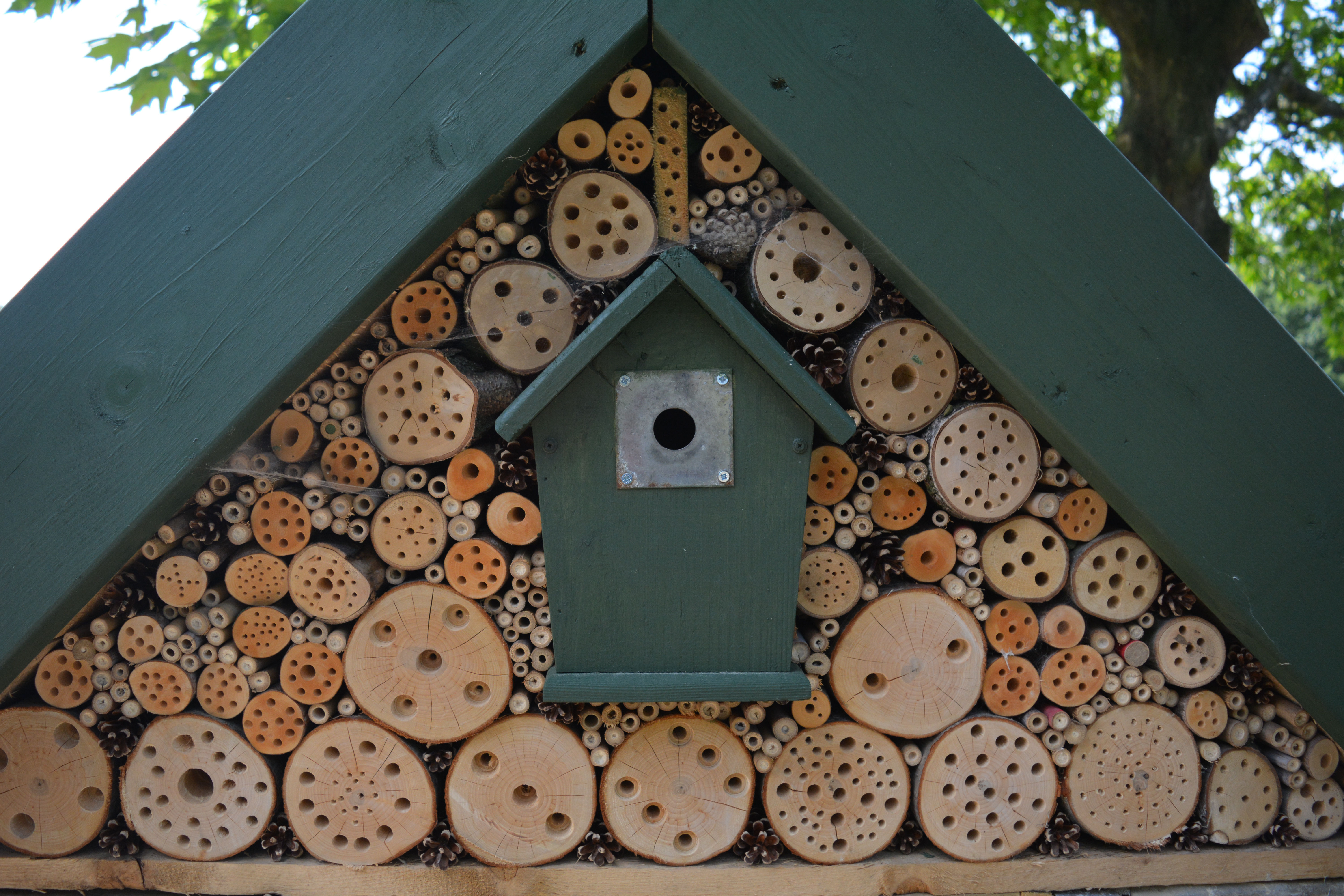
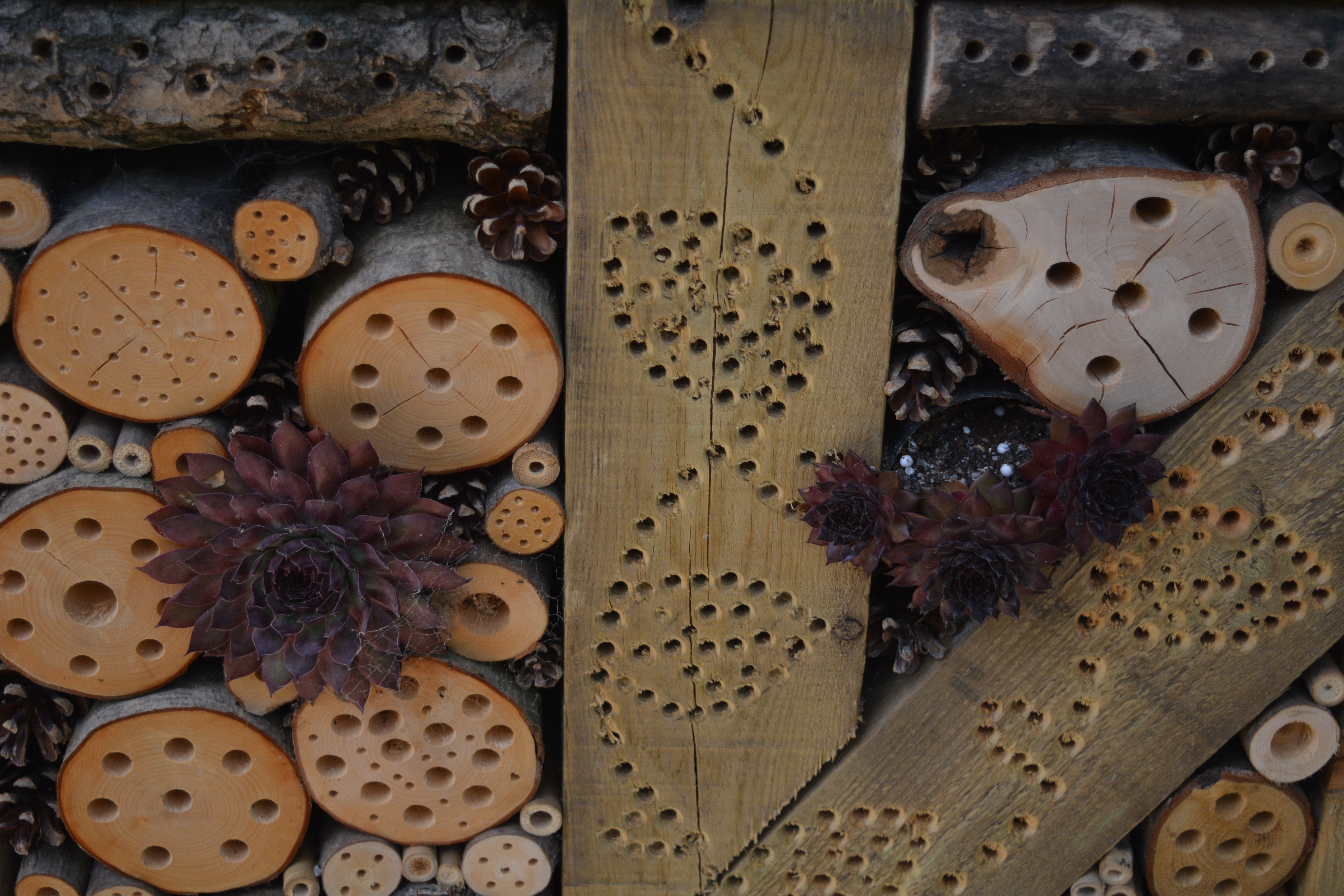
When we were finishing our visit to this wonderful RHS garden we made our way back for a final coffee before finding our car and returning to our hotel, and noticed a large and very beautiful insect hotel alongside the path. It was an heartening end to our exploration.

Categories
colours conservation garden design garden furniture garden photography garden seat garden seating gardening gardens gardens open to the public grasses hardy perennials light light quality ornamental grasses RHS

Hyde Hall and its Dry Garden

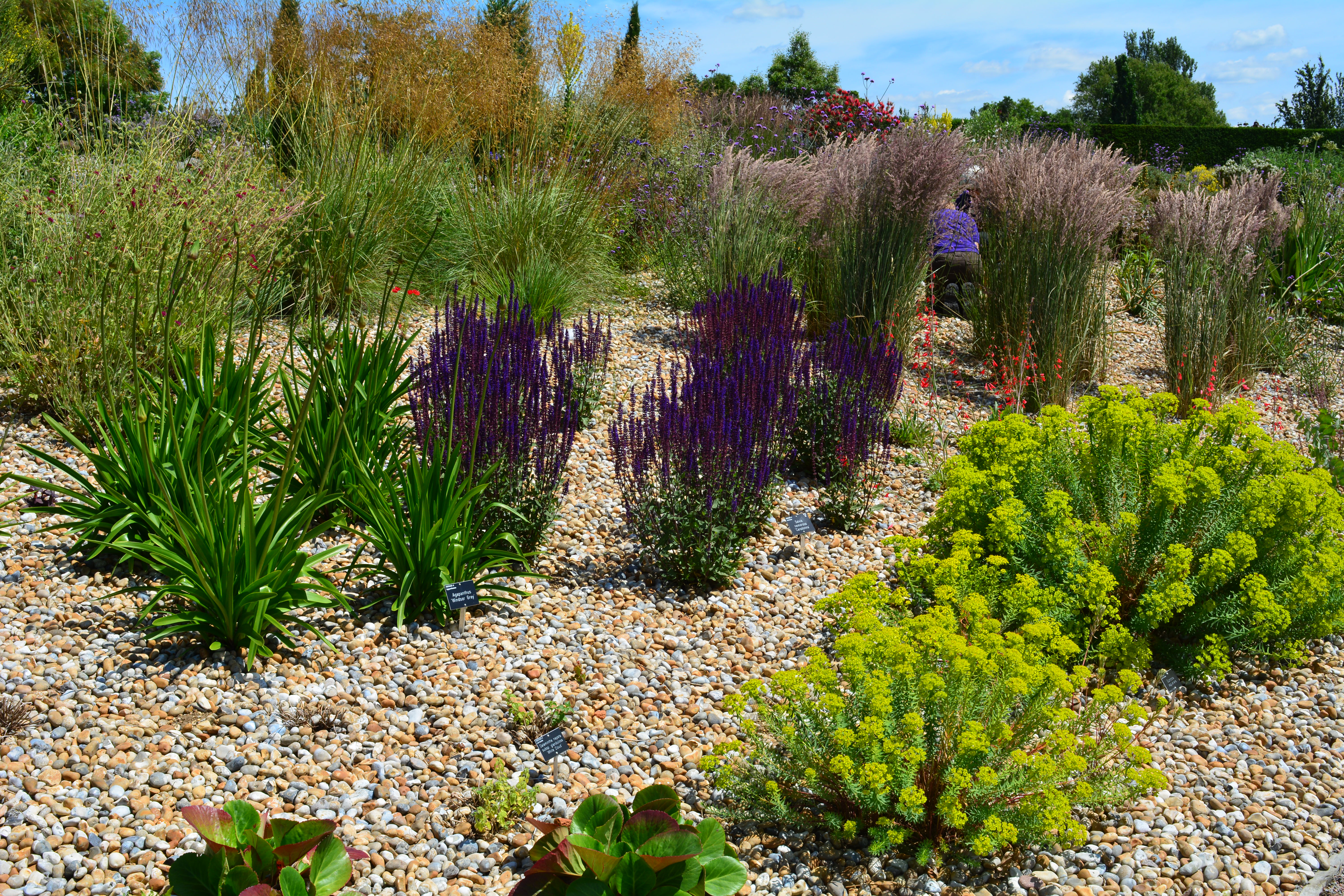
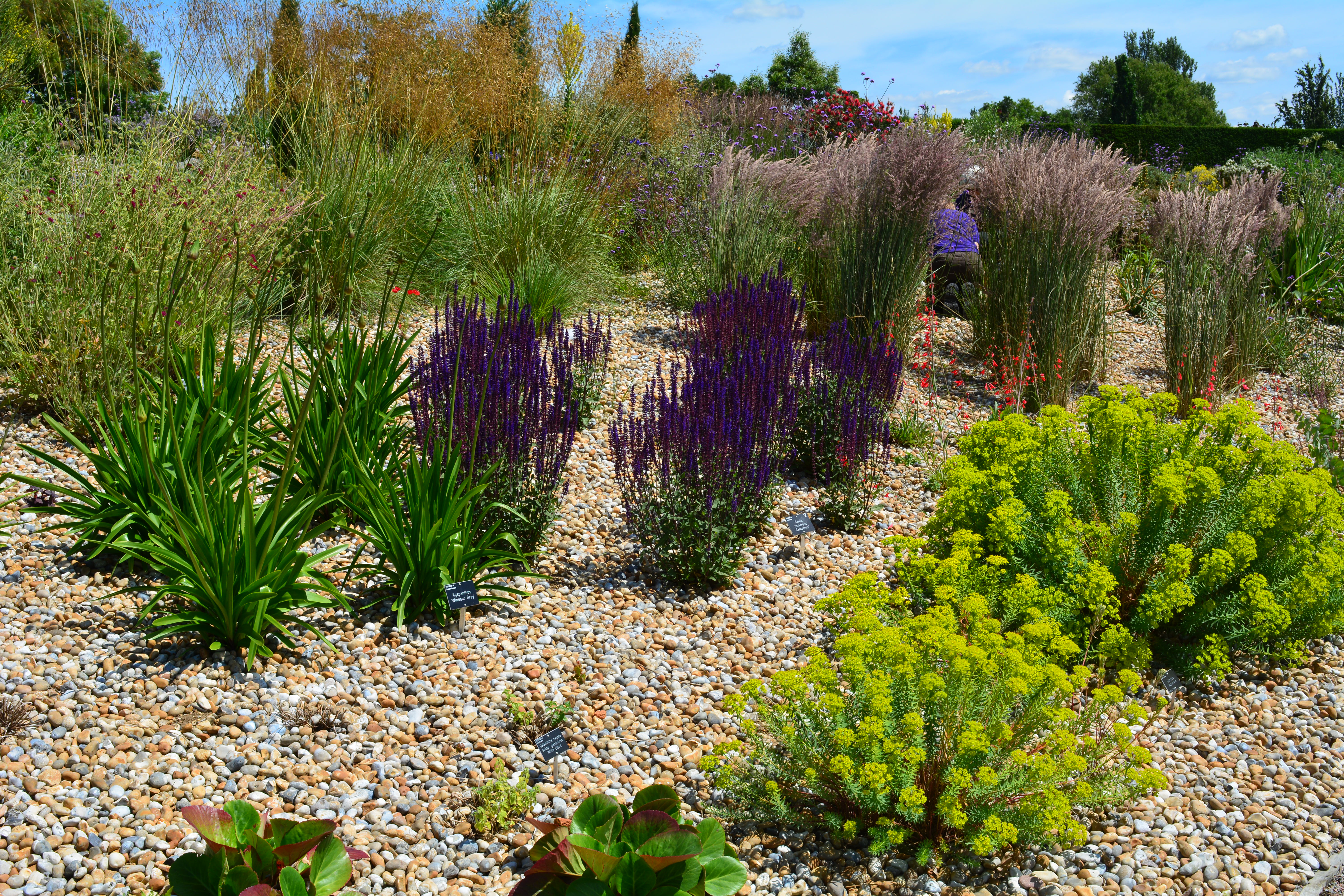
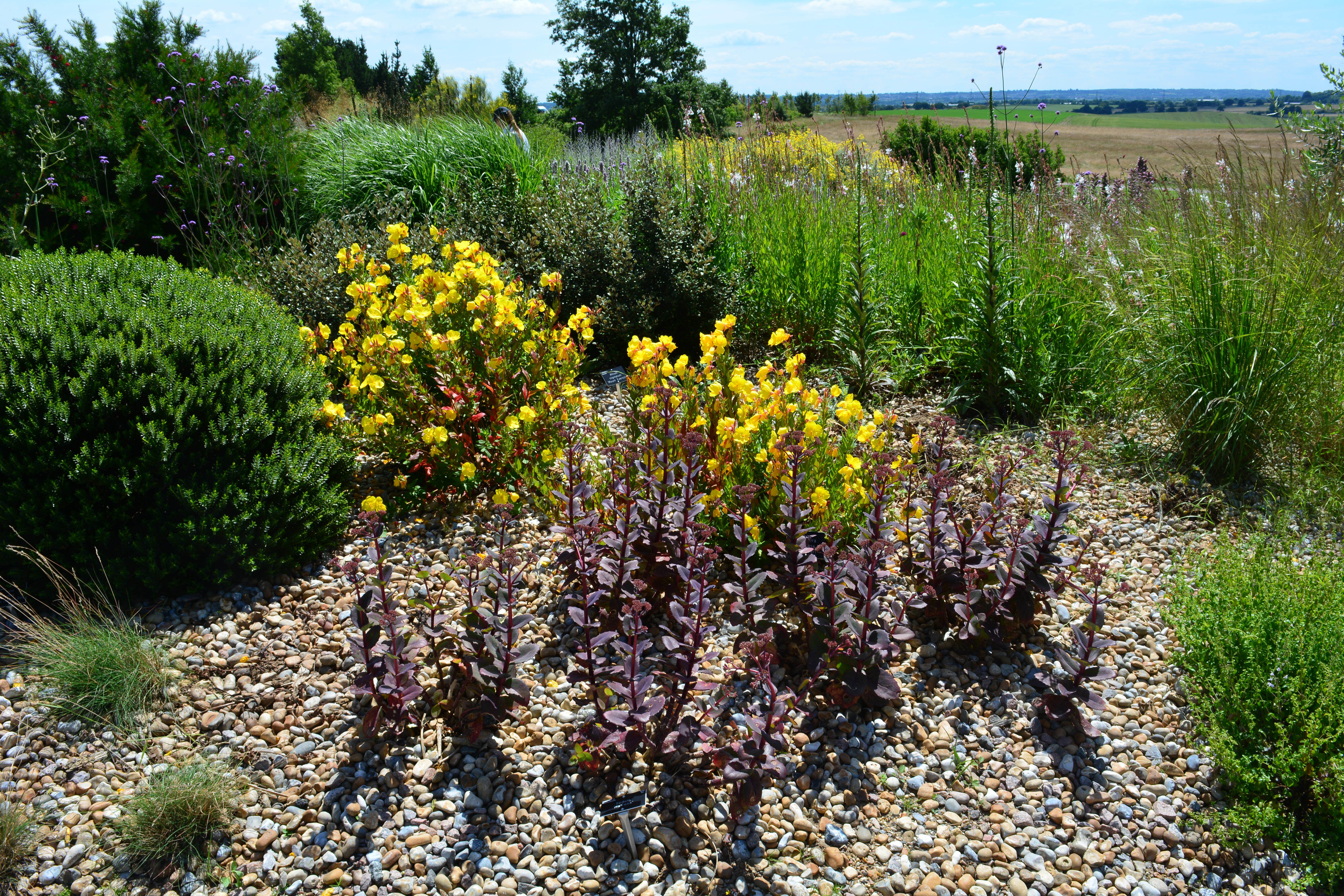
As promised we now return once again to share our experience and enjoyment of our visit to RHS garden Hyde Hall and in particular to celebrate the famous Dry Garden. This was a small patch when we first saw it but a recent revamp has seen it develop greatly in scale but more importantly the addition of new plants has enhanced the original scheme. This patch of planting is on a gentle knoll of land and the plants in it have never been fed or watered since they were first planted. We were interested in this as we treat areas of our Avocet patch in exactly the same way. To us it seems a very natural way to garden, being much as Mother Nature intended for some wild areas.

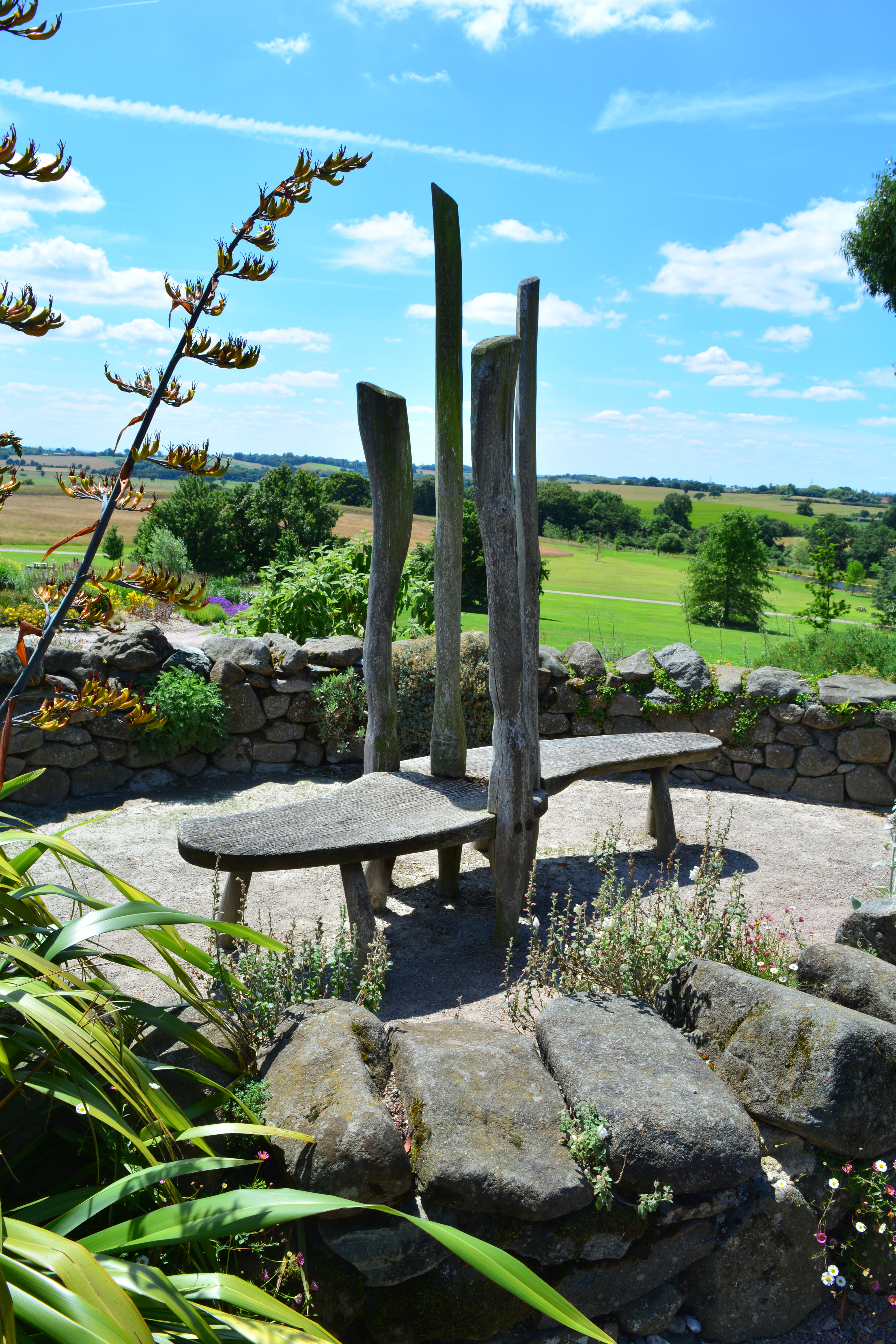
Gravel is the mulch surface through which plants are planted and clear gravel patches become paths and ways to explore the plantings. Right on the very top is a stunning wooden seat, which is a splendid place to sit and look all around every degree of the full 360 view!
  

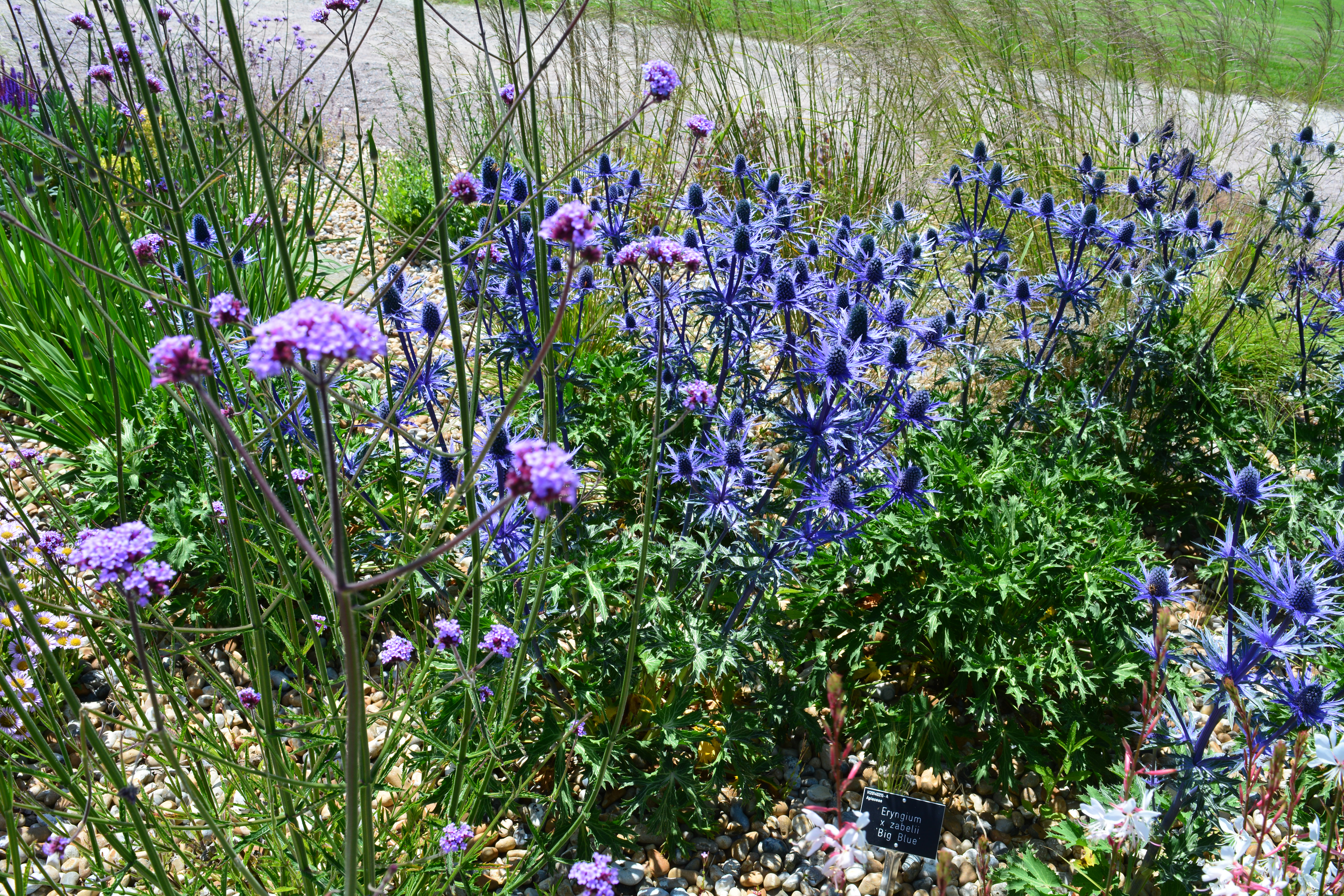
I shall now share a selection of photos I took of the dry garden to give you an impression of the style and character of the planting.

There is another phase of development underway at Hyde Hall so we need to visit again soon to see what is going on – can’t wait!

Categories
climbing plants flowering bulbs garden photography garden wildlife gardening hardy perennials shrubs spring bulbs Winter Gardening winter gardens

My Garden Journal 2018 – January

Welcome to another year of my garden journal. This first post is all about a very cold January, but we decided to defy the weather and garden anyway. So let’s see what is going on at Avocet and share with you our jobs successfully achieved.

On my first double page spread I share the new materials I will be using this year and mention that my journal this year will be created in a larger, landscape format a Daler-Rowney art book.

I will keep my notes in a beautiful blue notebook, a gift from a friend and will write my monthly musings with another fine gift, this time from daughter, Jo and son-in-law, Rob, an Art Pen by Rotring. My notes will be written using a bamboo mechanical pencil and pen a gift from Jude’ sister, Pauline and brother-in-law Steve.


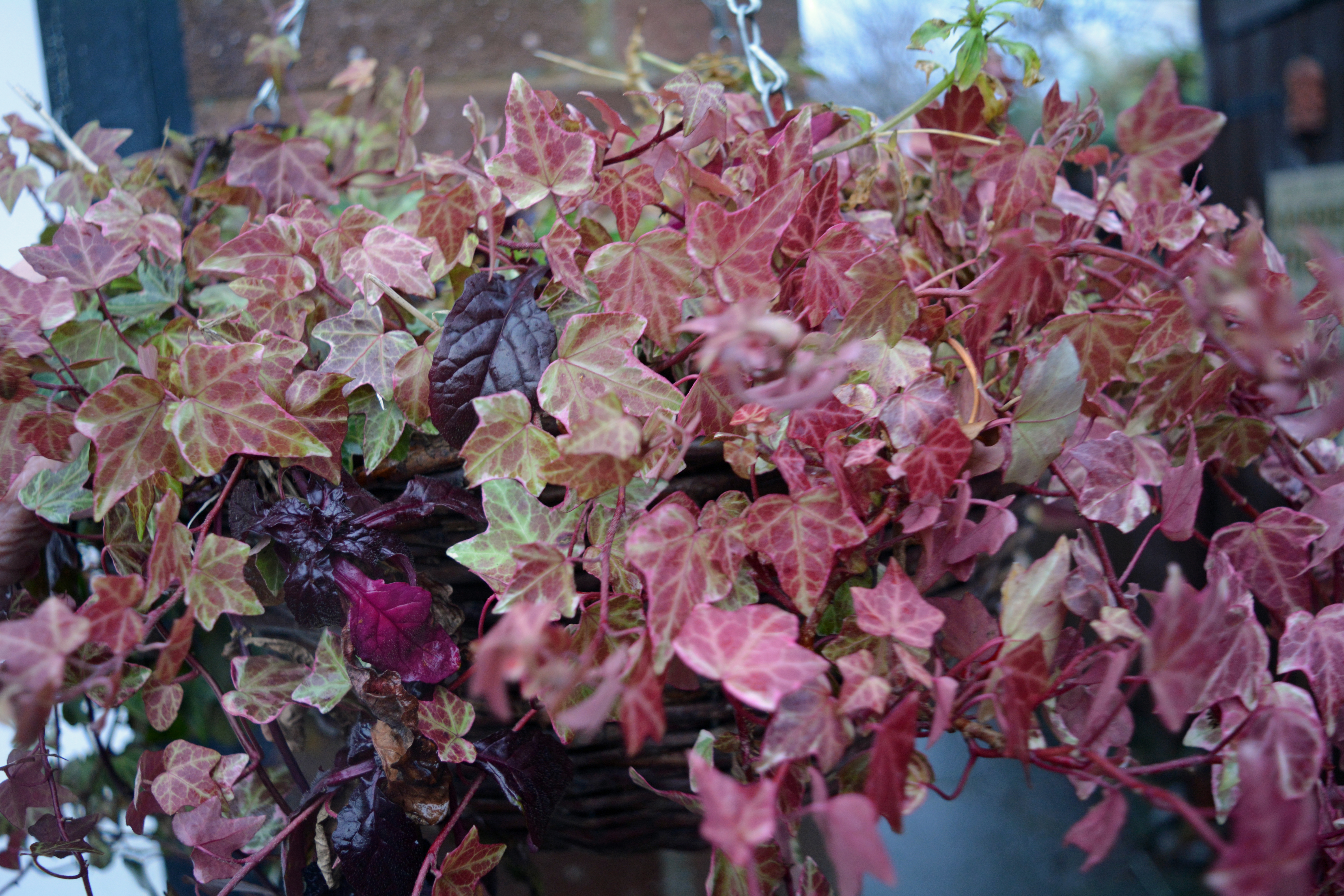
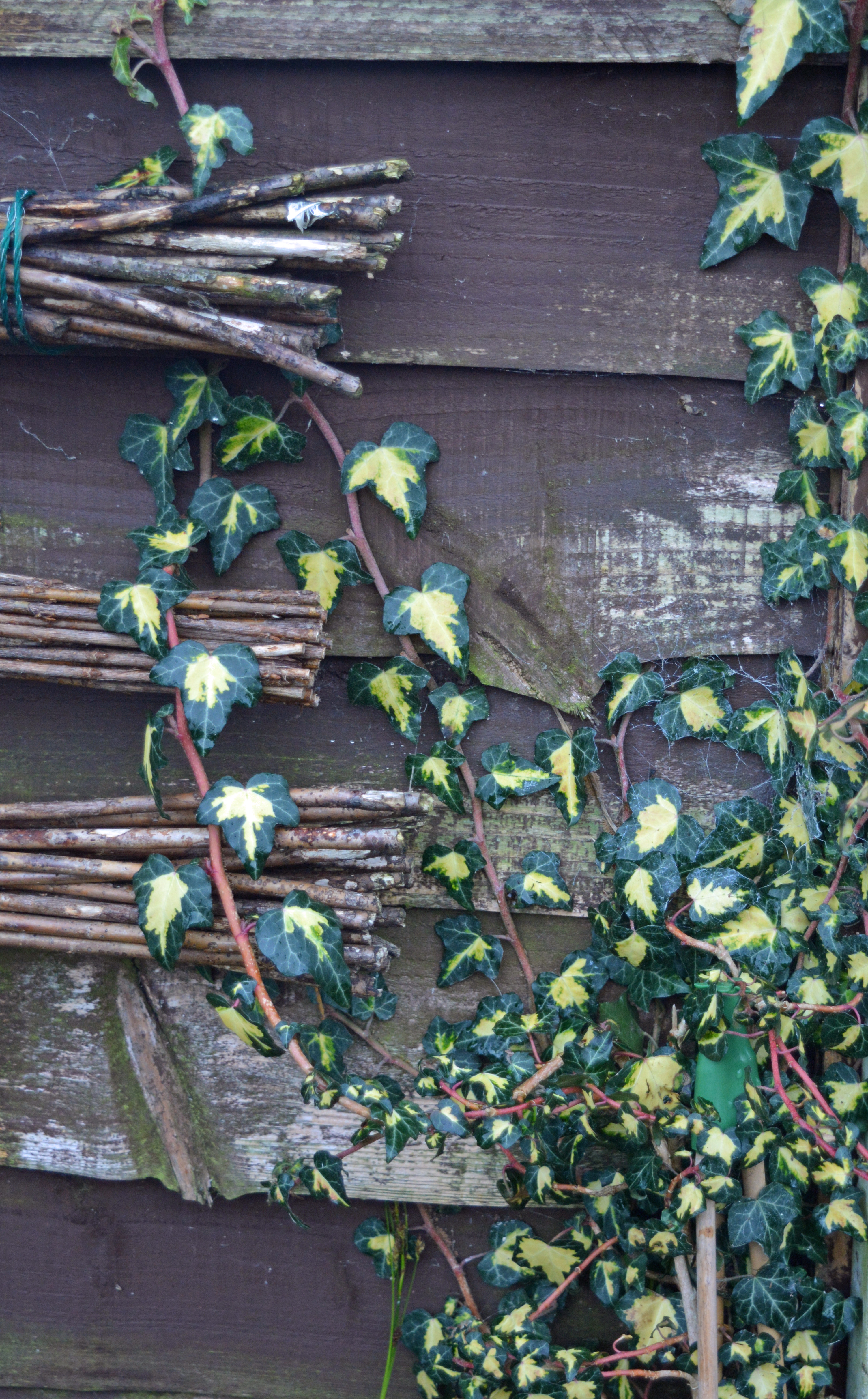
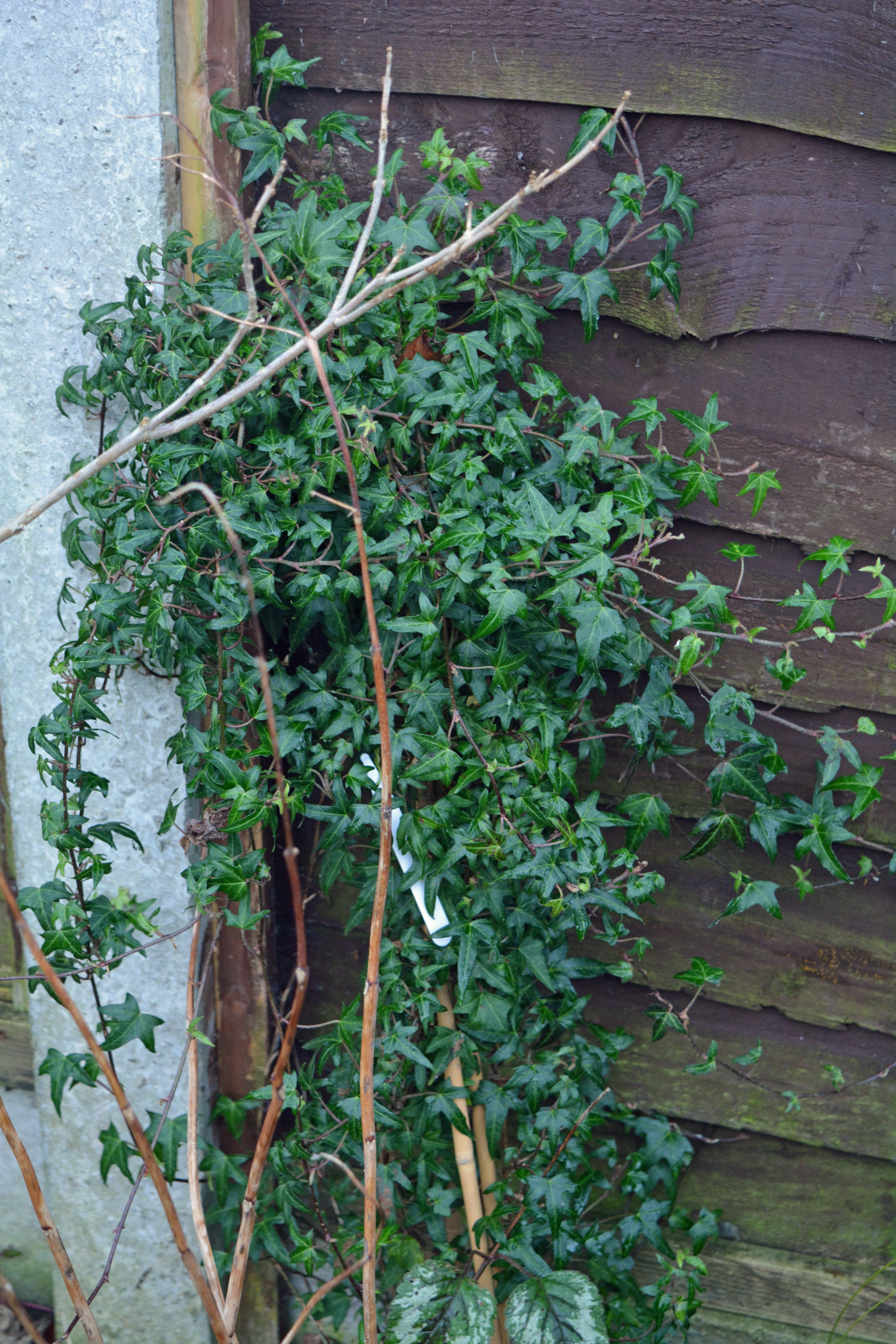
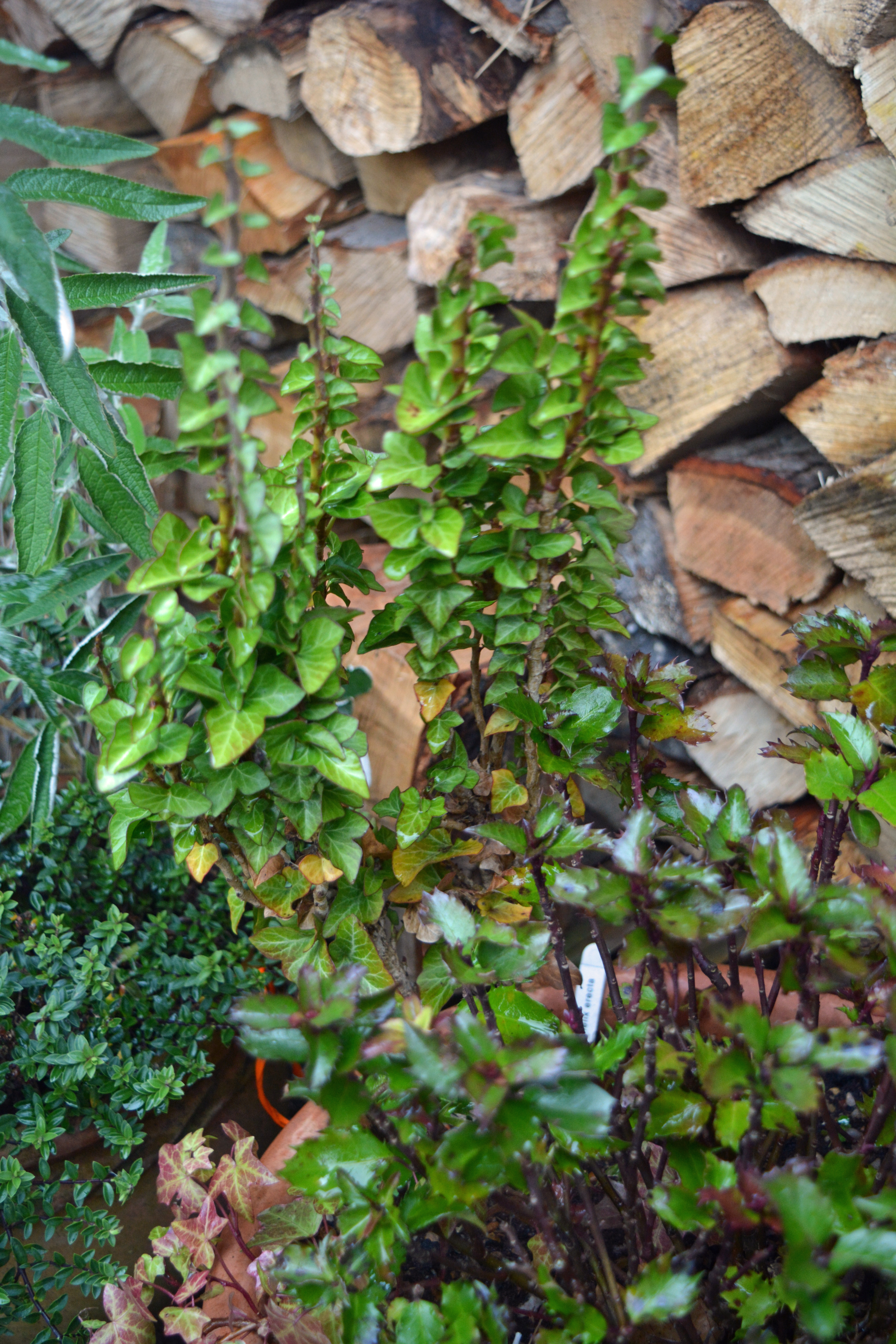
During 2018 I aim to try out different art media and techniques to help illustrate my written words, tubed watercolours, soft pastels and acrylics. I may also use two of these media together, and perhaps try some collage pieces. Over the page I shall get this 2018 journal started by looking at our many cultivars of Ivies.

“We always consider Ivy to be a stalwart of the Winter Garden, they cheer us up with their silver and gold variegations. They keep our wildlife happy too providing shelter, berries and their late flowers which appear when few plants are providing pollen.”


On the right hand page I painted foliage of some of the varieties we grow around our garden, using tubed watercolours.

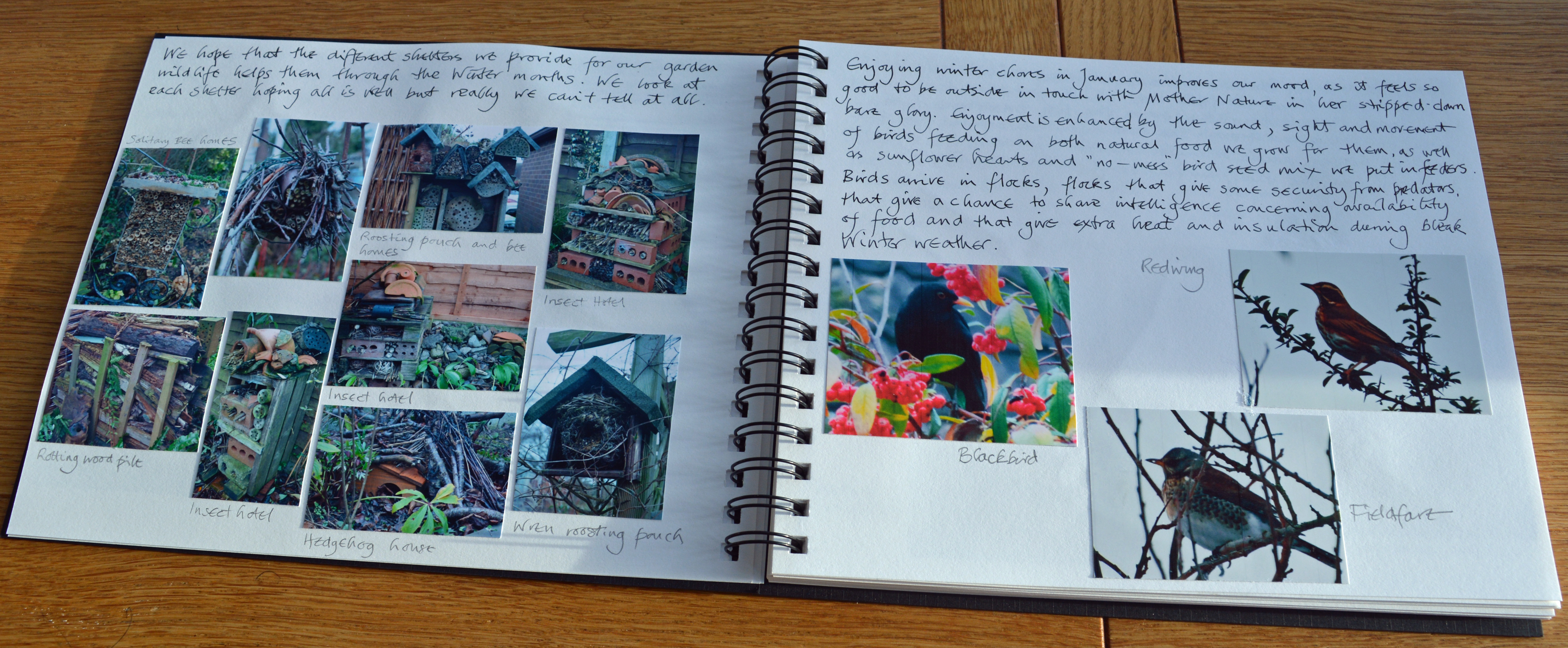
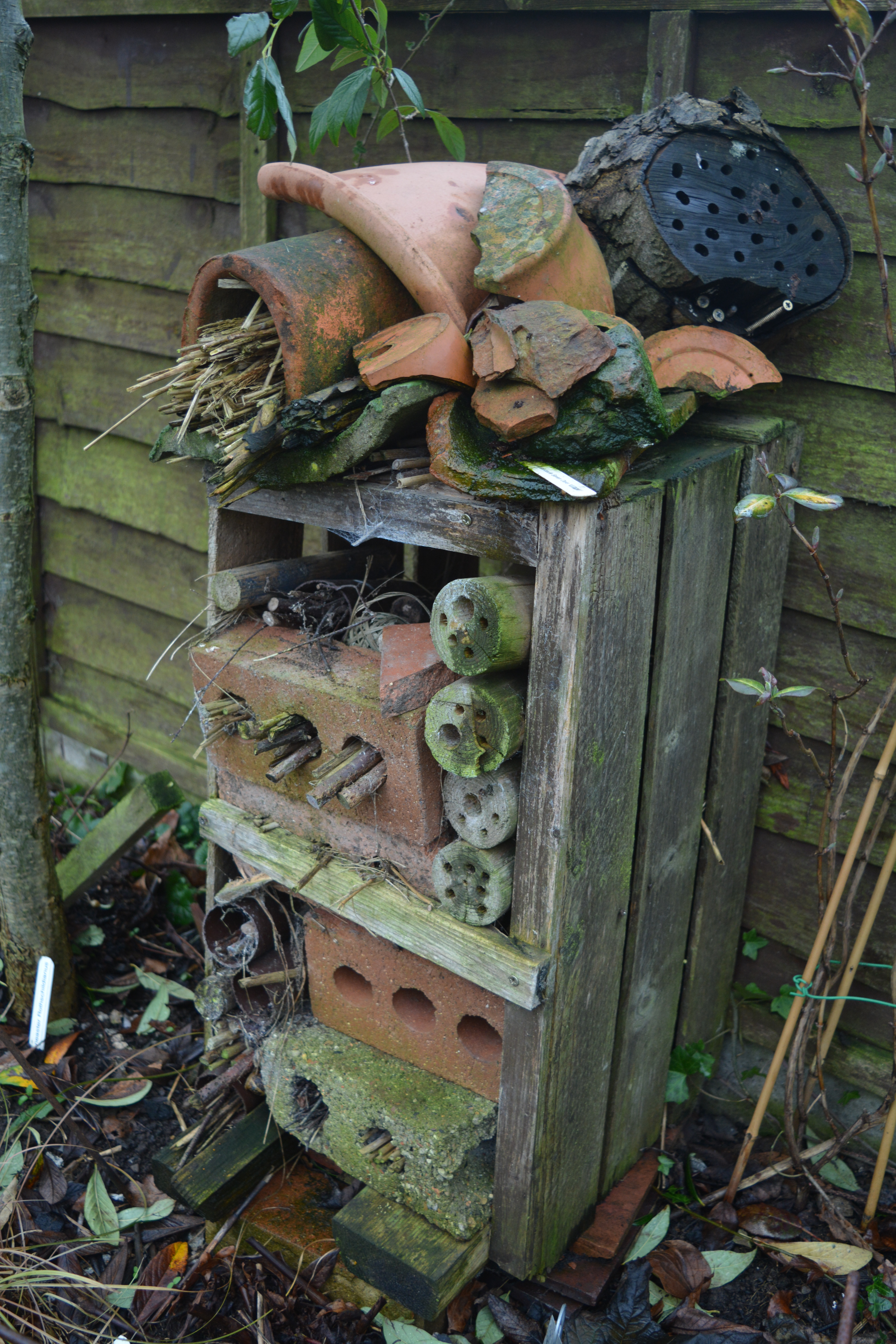
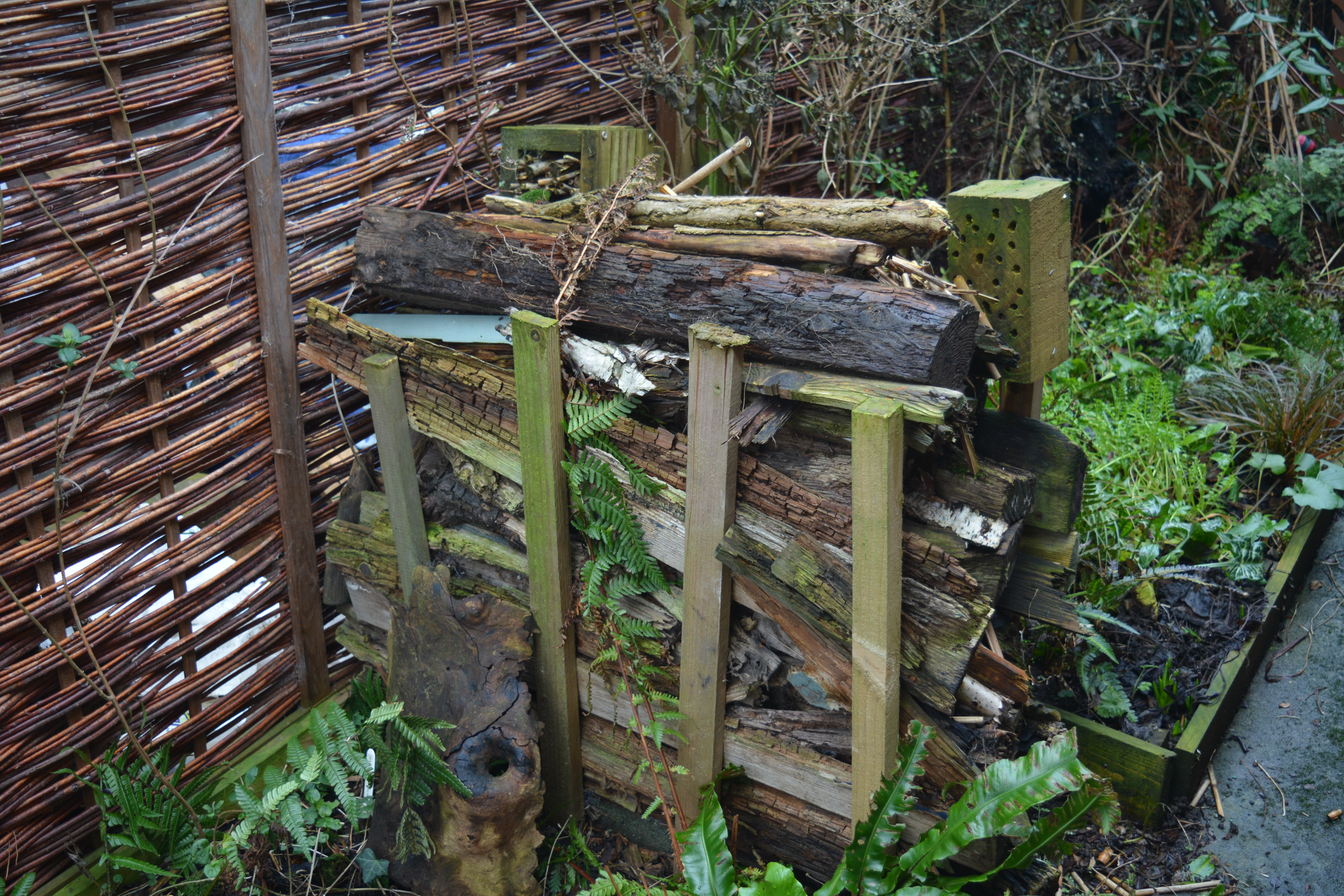
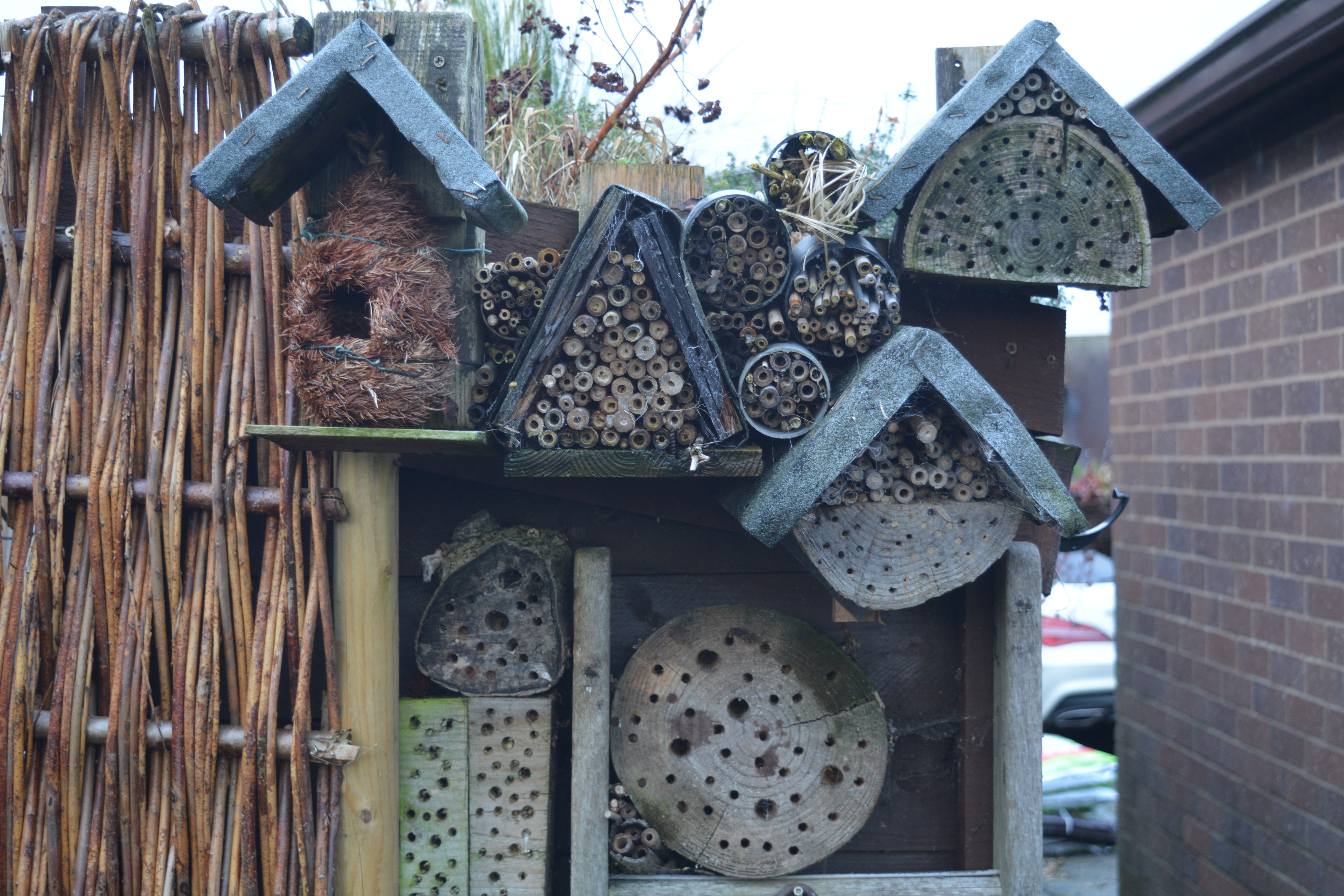
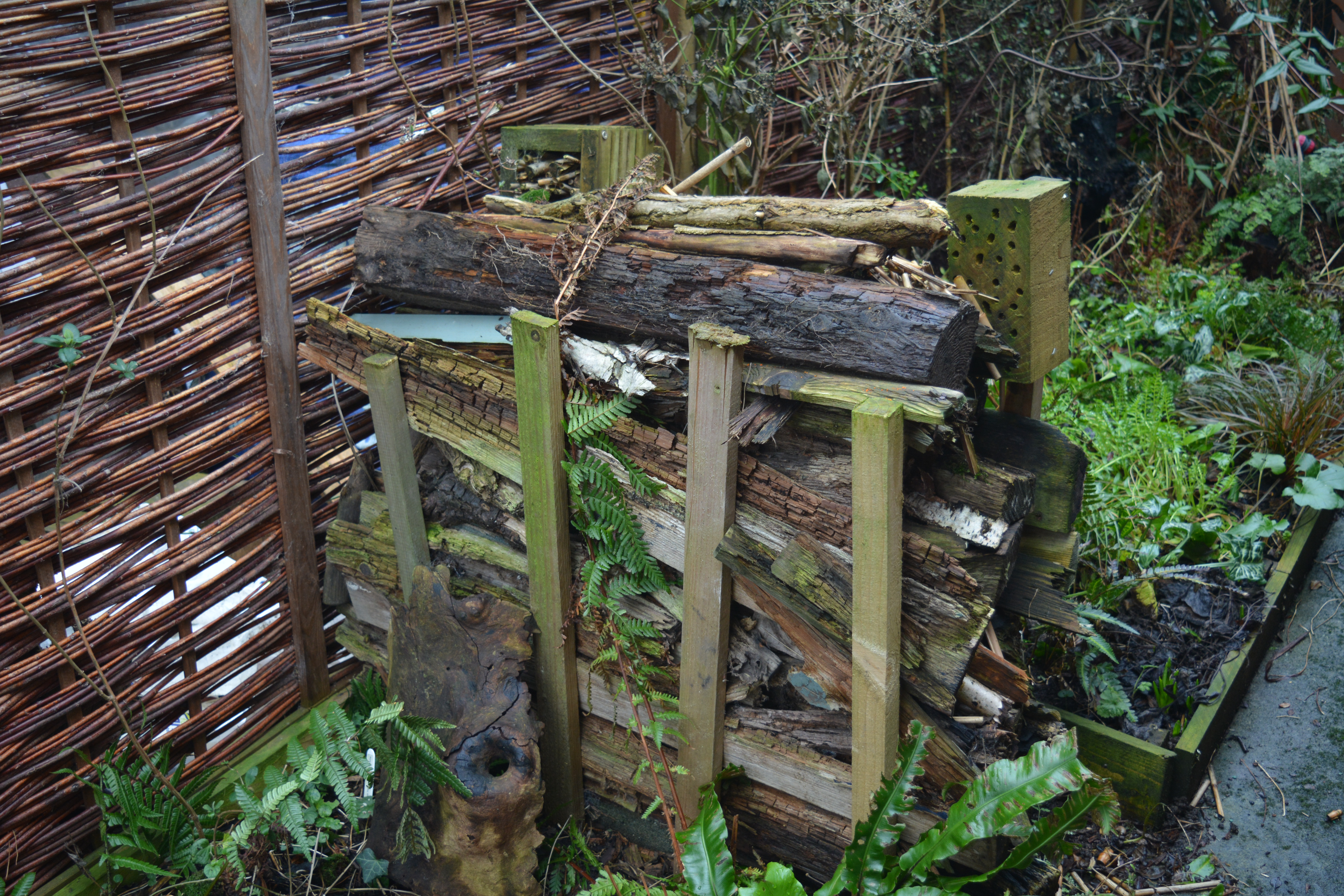
Over the page I take a look at some of our wildlife and the habitats and shelters we provide for them. I wrote, “We hope that the different shelters we provide for our garden wildlife helps them through the Winter months. We look at each shelter hoping all is well but really we can’t tell at all.”


“Enjoying winter chores in January improves our mood, as it feels so good to be outside in touch with Mother Nature in her stripped-down bare glory. Enjoyment is enhanced by the sound, sight and movement of birds feeding on both the food we grow for them, as well as sunflower hearts and “no-mess” bird seed mix we put out in feeders. Birds arrive in flocks, flocks that give some security from predators, that give a chance to share intelligence concerning availability of food and to give extra heat and insulation during bleak winter weather.”

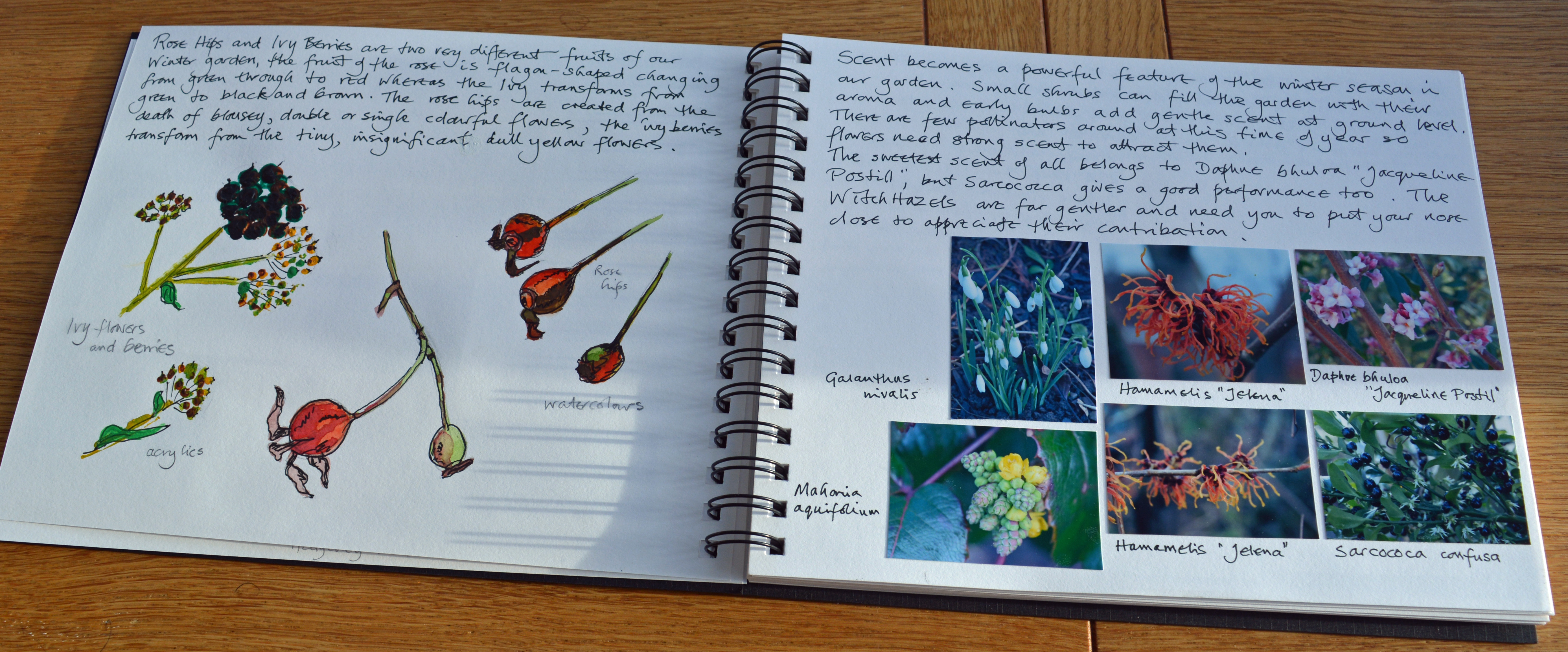
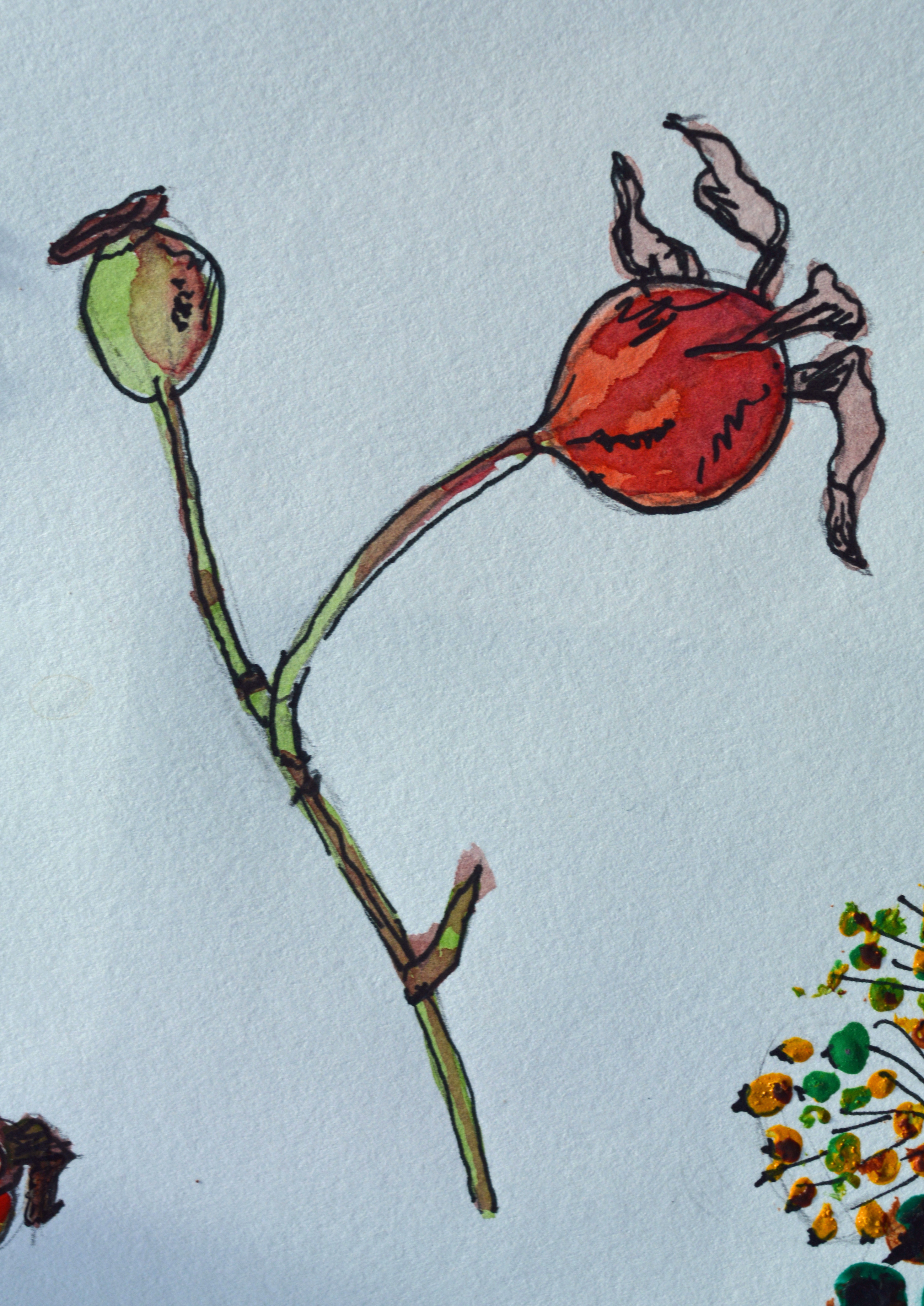
Turning over the page to the next double-page spread, on the left I looked at some fruits we grow and opposite a look at some scented plants.

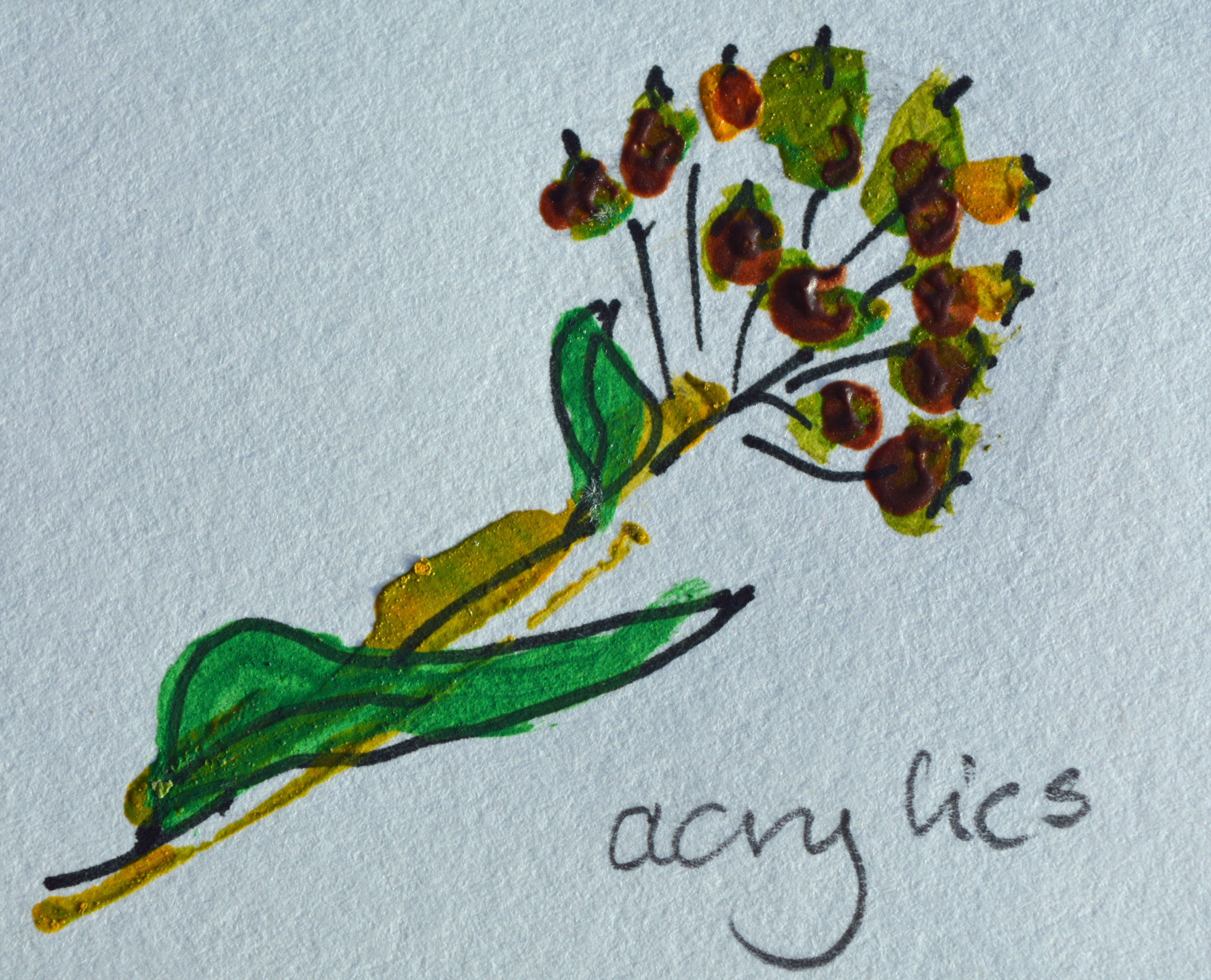
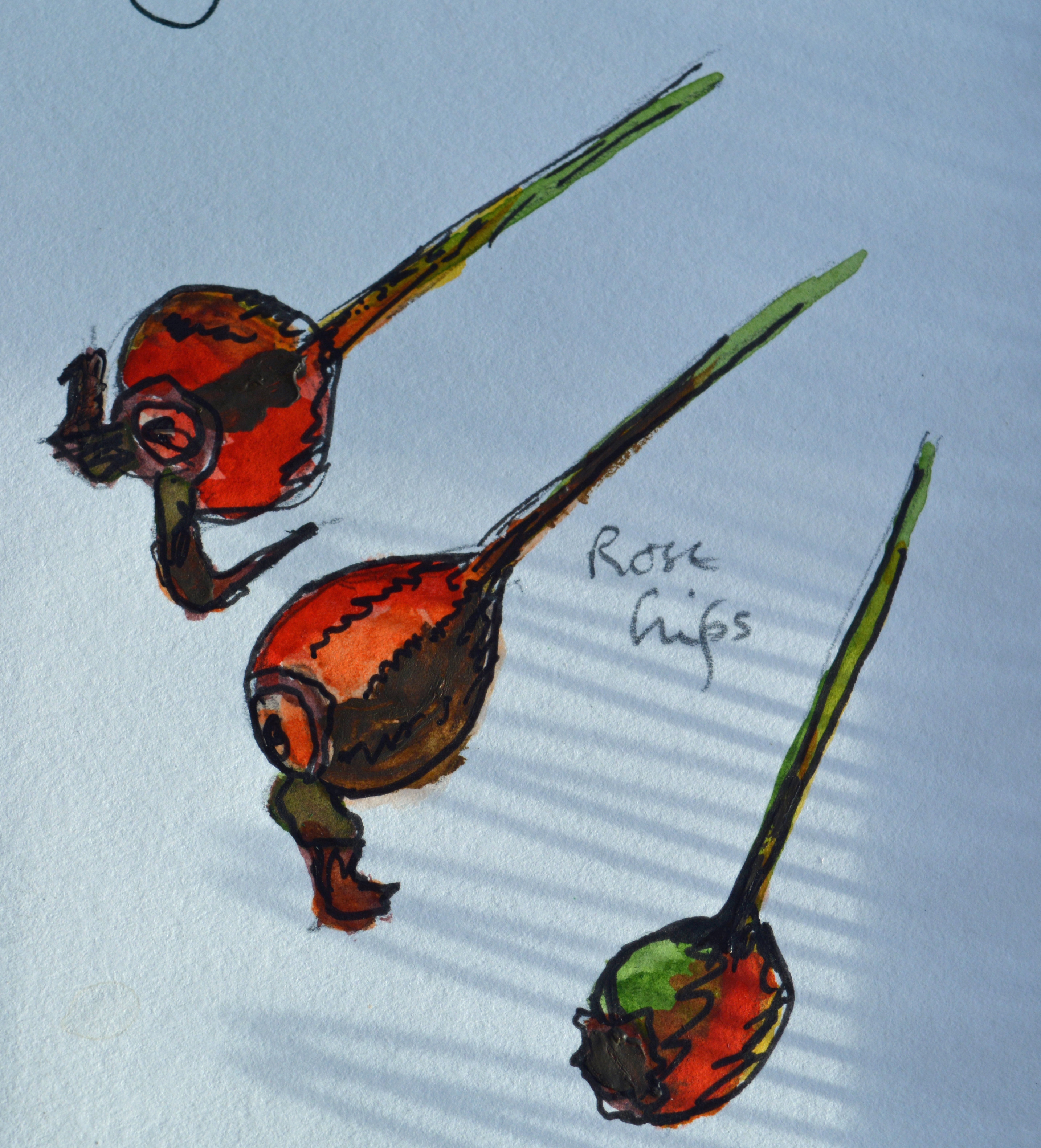
“Rose hips and Ivy berries are two very different fruits of our Winter garden, the fruit of the rose is flagon shaped changing from green through to red whereas the Ivy transforms from green to black and brown. The rose hips are created from the death of blousy, double or single colourful flowers, the Ivy berries transform from the tiny, insignificant dull yellow flowers.”


“Scent becomes a powerful feature of the winter garden season in our garden. Small shrubs can fill the garden with their aroma and early bulbs add gentle scent at ground level. There are few pollinators around at this time of year so the flowers need strong scent to attract them.

The sweetest scent of all belongs to Daphne bhuloa “Jacqueline Postill”, but Sarcococca gives a good performance too. The Witch Hazels are far gentler and need you to put your nose close to appreciate their contribution.”

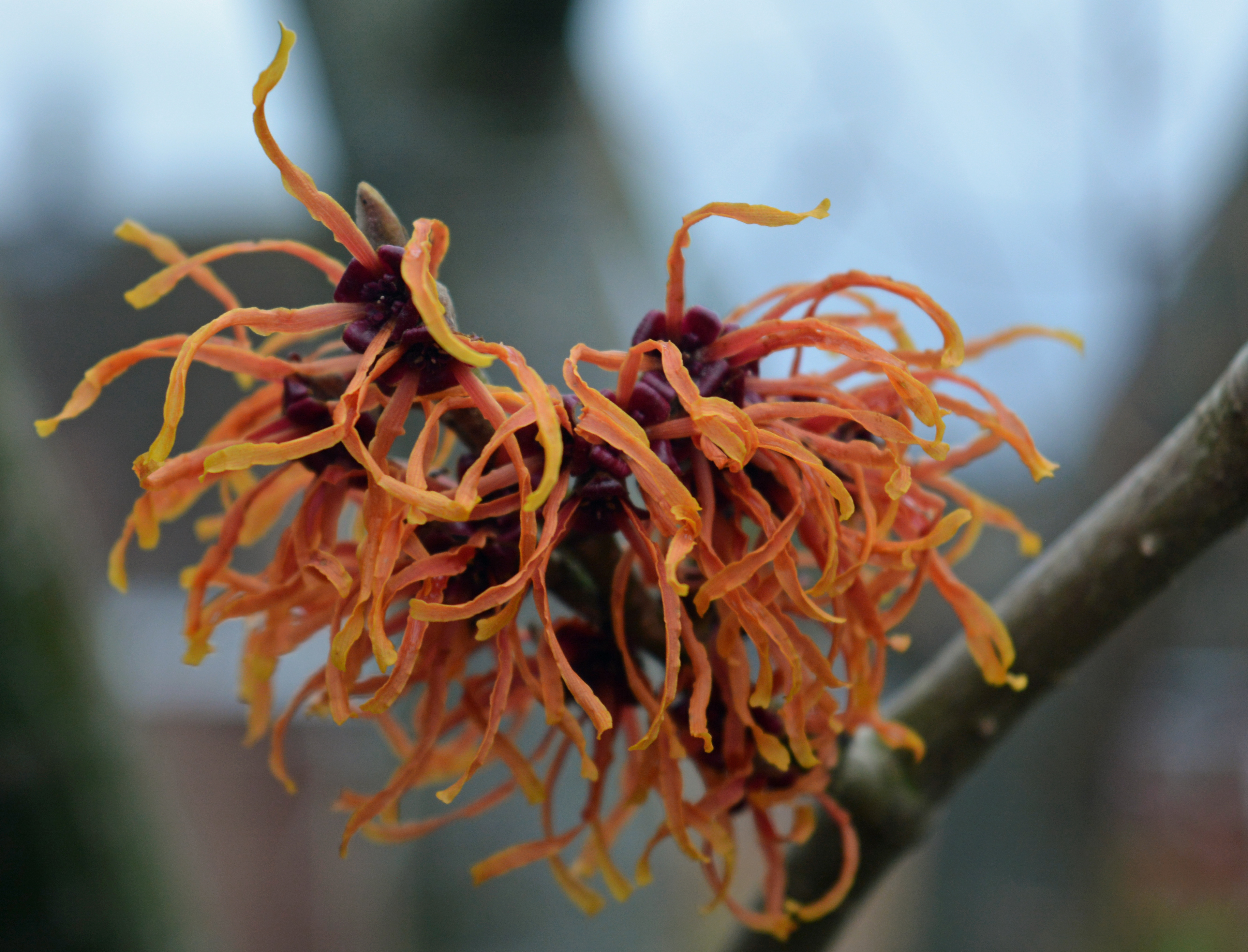
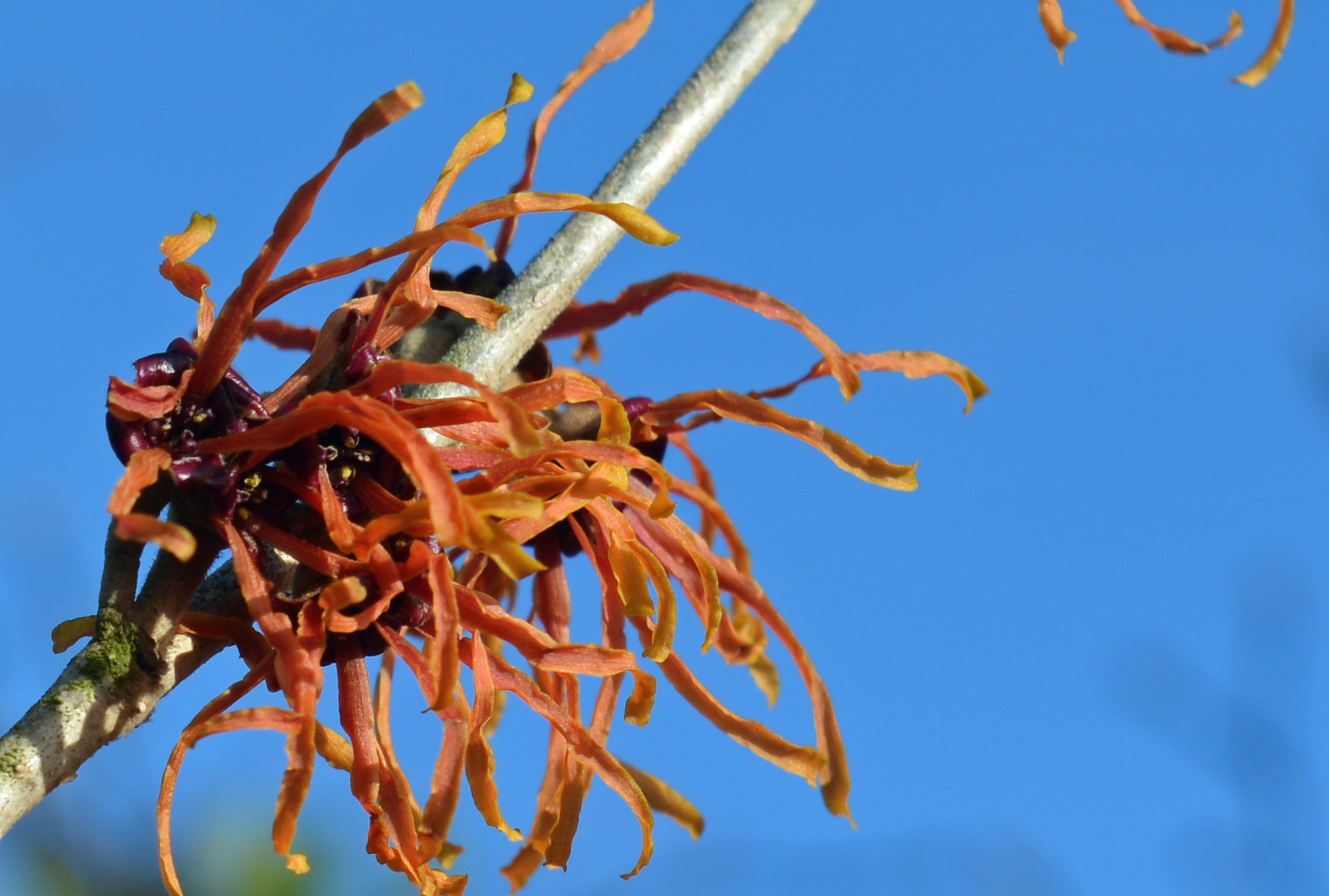
Hamamelis is the star of my next page and in particular Hamamelia intermedis “Jelena”

“Hamamelis, a winter flowering shrub we would never be without, with its brightly coloured and scented flowers in yellows, oranges and reds. Each flower is a burst of delicate ribbons bursting from a purple centre. We grow the deep orange flowered “Jelena” and the deep red flowered “Diane”, with Jelena  flowering early at the beginning of January and Diane coming into bloom weeks later.”


” There are still plenty of jobs to enjoy in the garden here in January. Nothing is more satisfying than wrapping up warm and defying the weather, going outside with a mug of warming coffee in gloved hands. It makes us true gardeners! We are helped by a Robin who accompanies us enjoying any grubs we unearth and his watery winter song is constantly in the background.

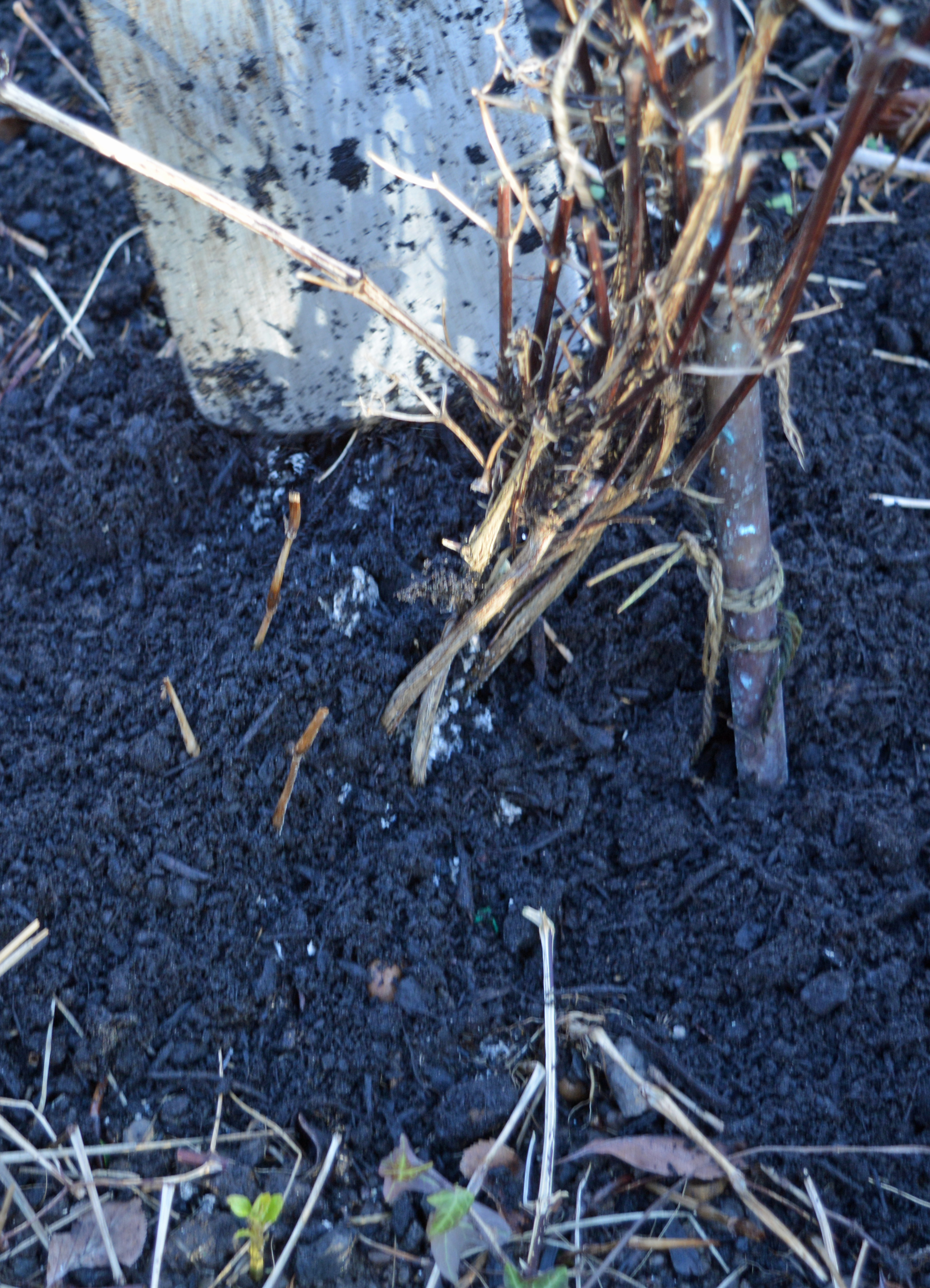
We prune climbing and rambling roses this month and tidy up Acers and Betulas. Perennials are left until early March but now we remove any that collapse or go slimy. As we do this we mulch the borders with a few inches of compost to slowly feed the soil and improve its texture. Wood ash from our wood-burning stove is scattered around all of our trees and shrubs. Group 3 clematis are pruned down to a foot just above strong, healthy buds which are already showing green colouring. The rich aromas from the winter-flowering shrubs lift our spirits and put smiles on our faces.”

I will be back soon reporting on my February ramblings from our garden.

Categories
colours garden design garden photography gardening gardens gardens open to the public grasses hardy perennials light light quality ornamental grasses ornamental trees and shrubs RHS

Two RHS Gardens – Part 1 – Hyde Hall

As members of the RHS we often visit their gardens and their partner gardens. Sadly it is a long journey to get to any of their main gardens so we do not visit as often as we would like. We make an effort to visit at least two each year.

In 2017 the two we selected were Hyde Hall in Essex and Harlow Carr in Yorkshire, two very different gardens, one in the south and one in the north. The first we visited was Hyde Hall which is the furthest away of all their gardens so we have only ever explored it once before. We made this journey in the middle of the summer and were looking forward in particular to seeing how the Dry Garden had developed as this was a new venture when we originally visited this garden. When we journey down to Essex we usually pay a visit to the garden of the great lady of British gardening, Beth Chatto, but this time we did not have time. But we will go to her garden soon when I will post about her incredible garden when we do. For now though we will concentrate on the gardens of Hyde Hall.

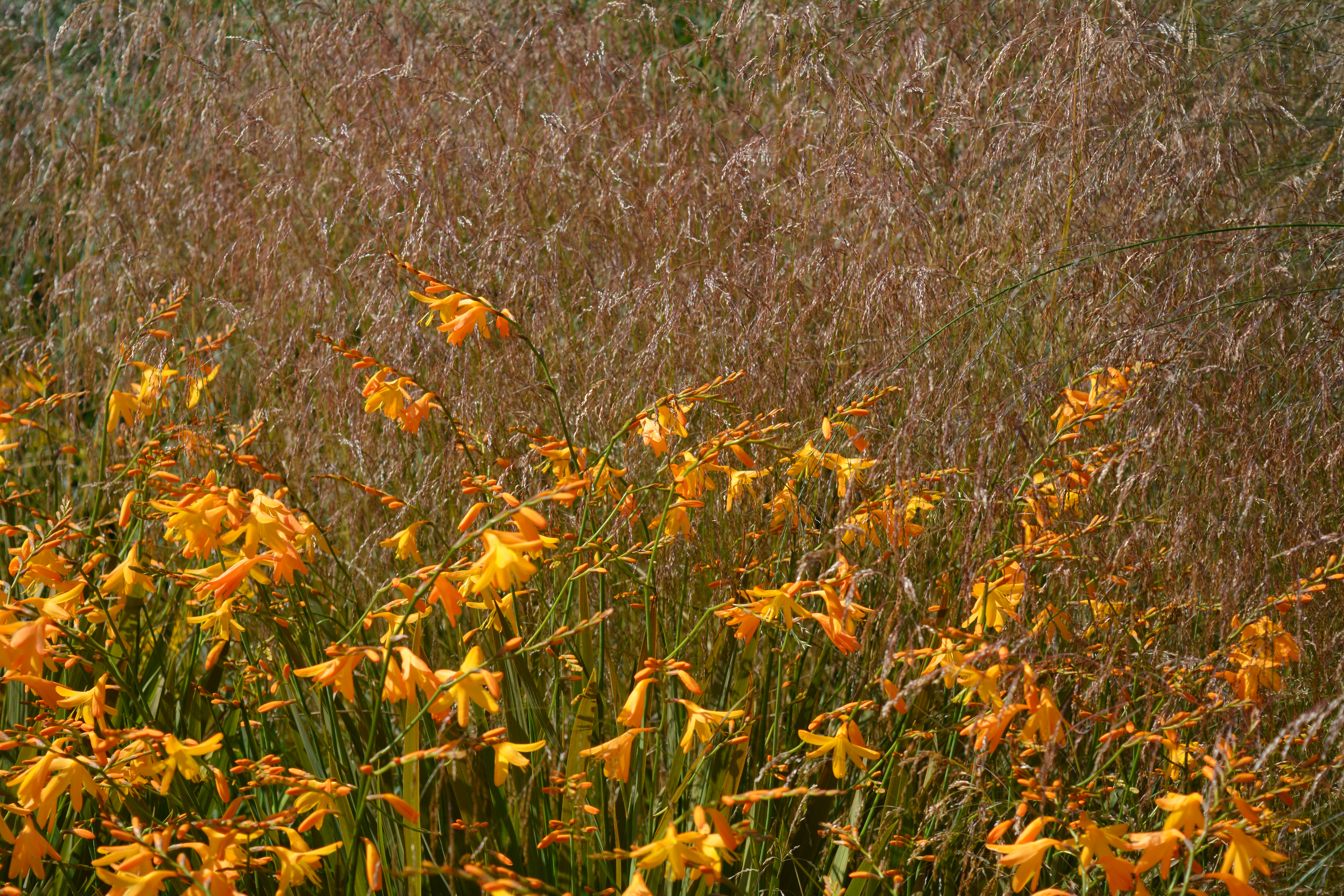
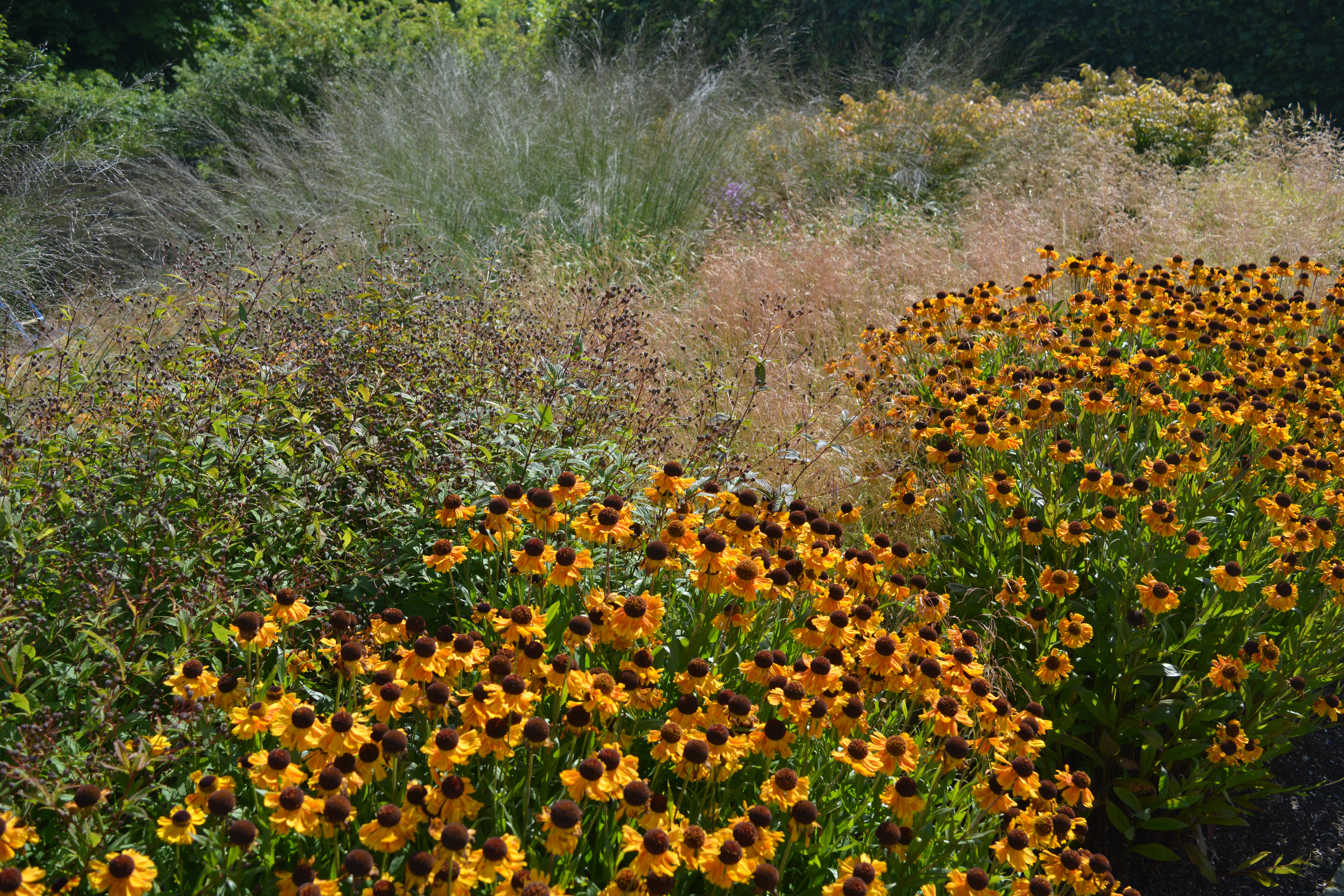
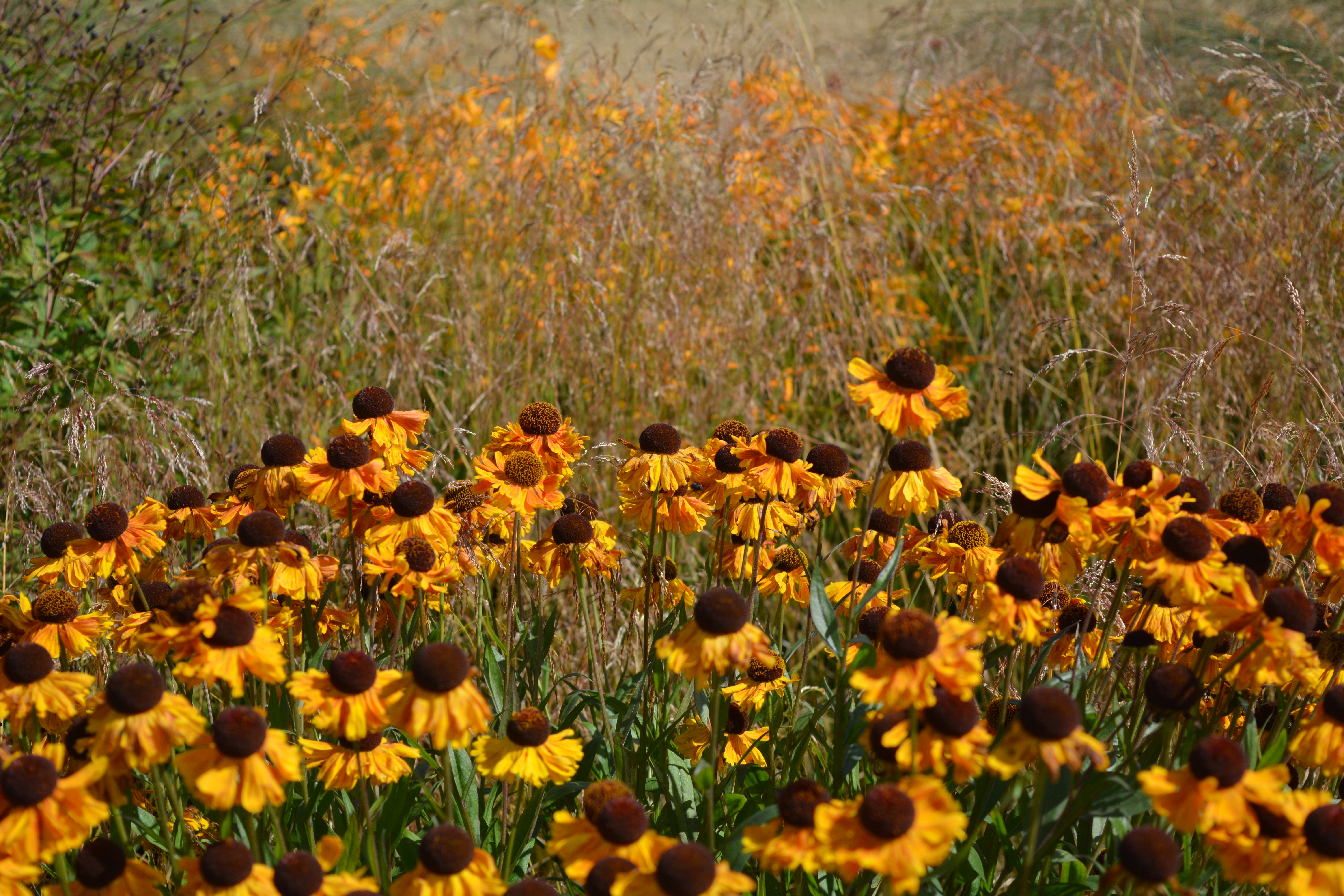
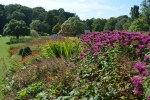
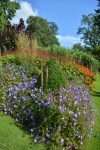
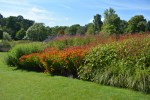
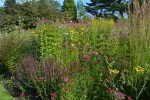
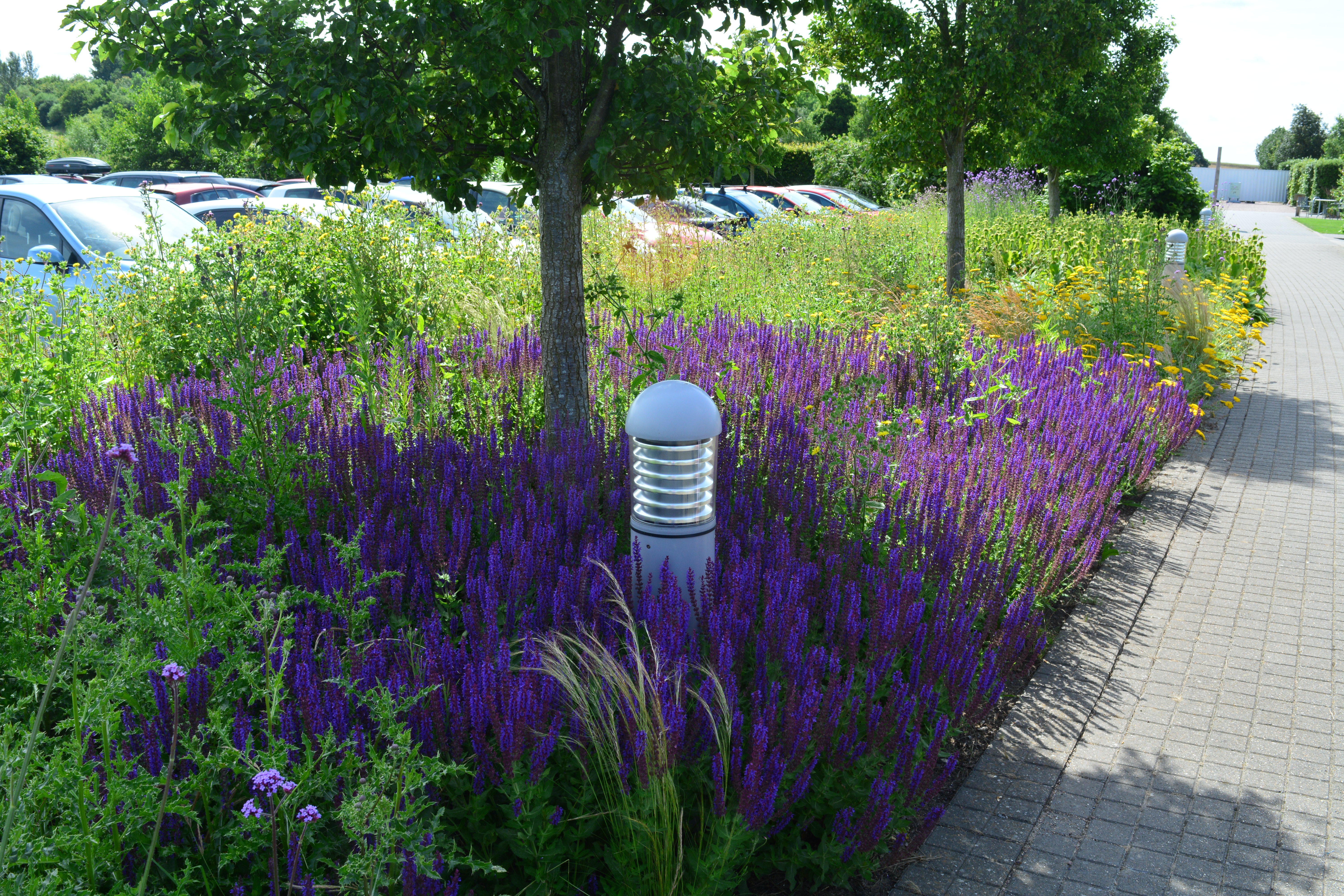
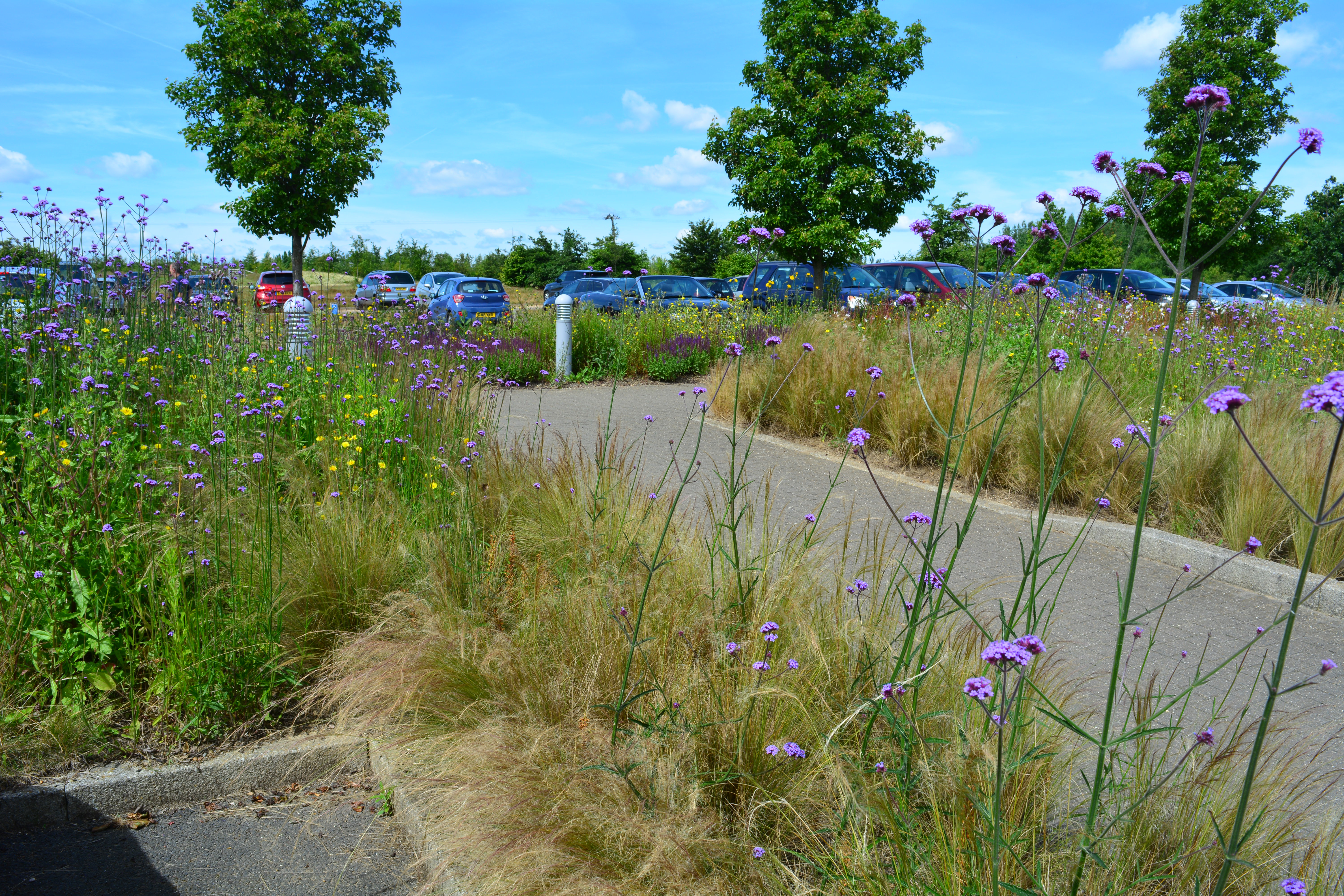
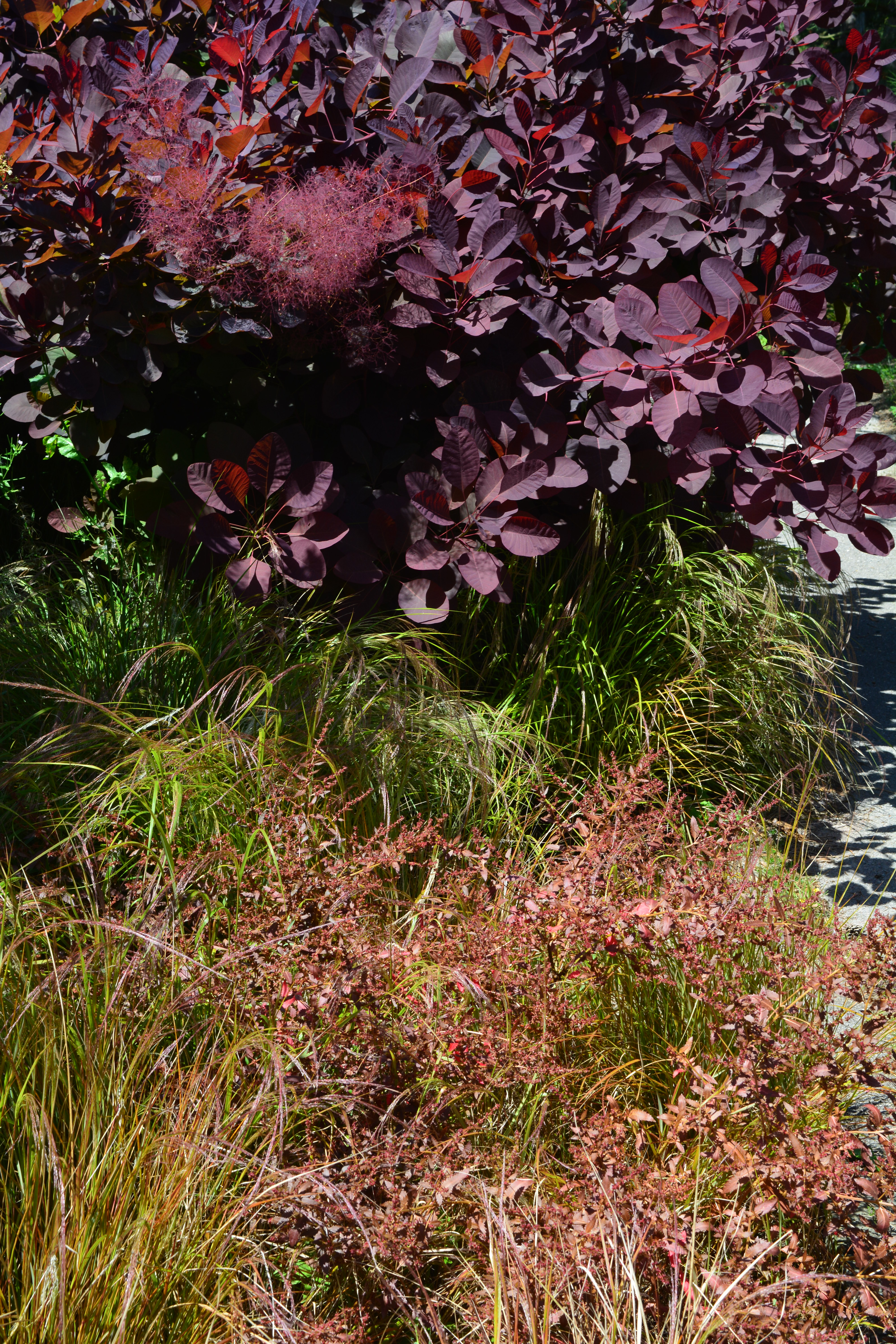
It is rarely possible to admire the planting within a car park, but at Hyde Hall the planting was worth looking at and photographing. It was based on new style perennial planting which had such a gentle calming effect on us as we walked from the car to the garden. Grasses and airy perennials were the mainstay of the plantings.


Once inside the gardens themselves, the quality of planting and the brilliant way in which plant partners were grouped were of the highest quality.


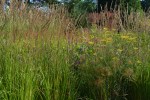
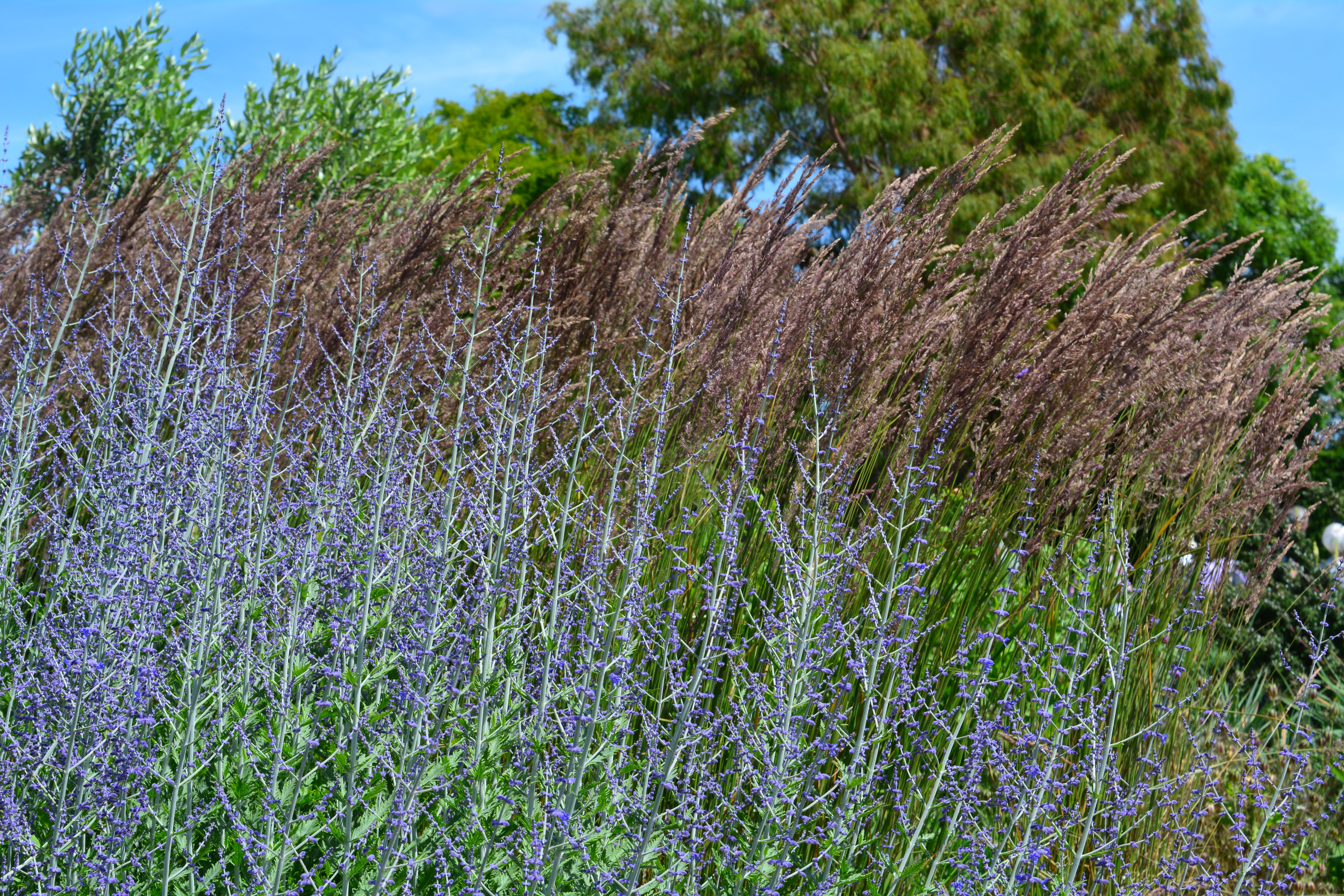
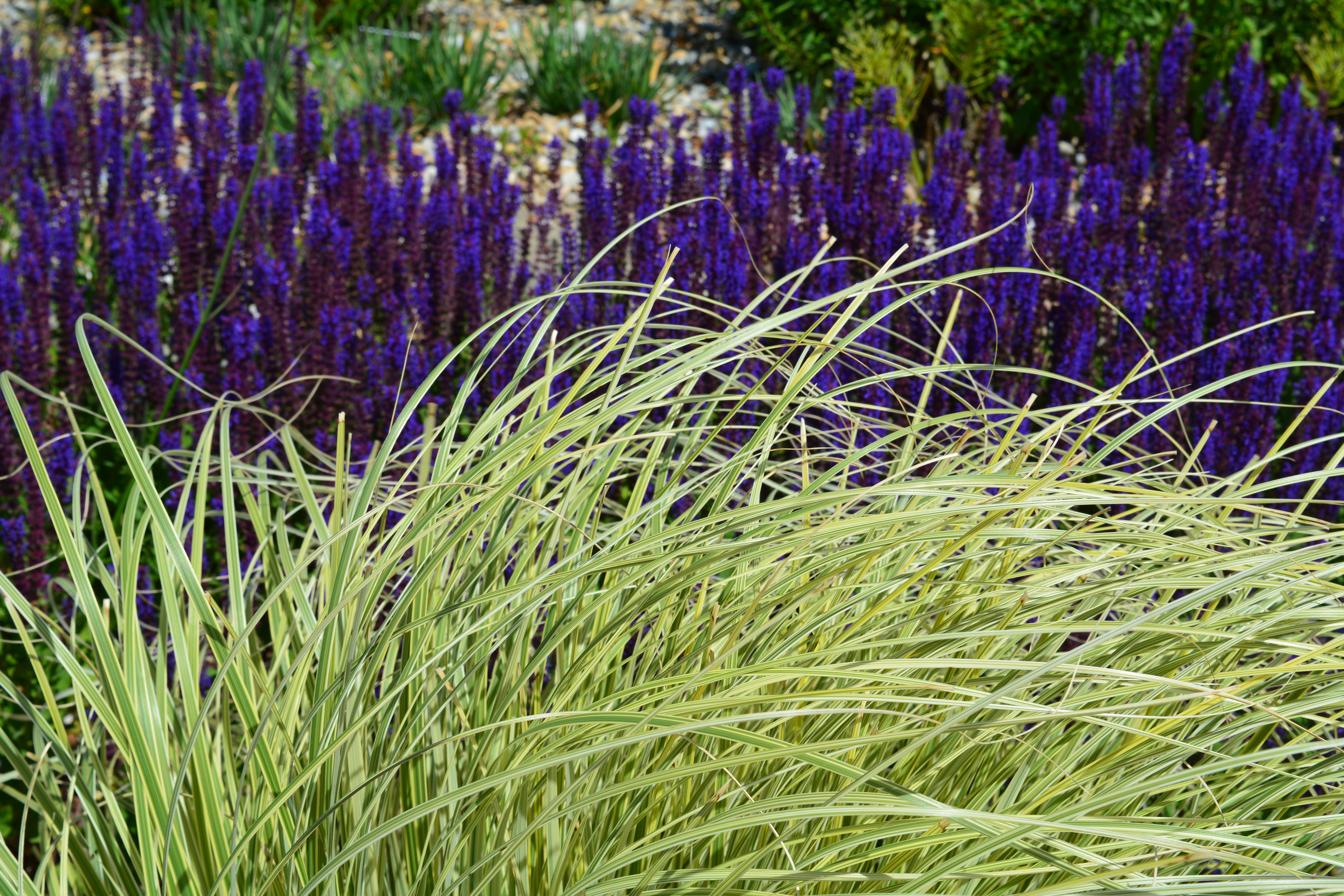
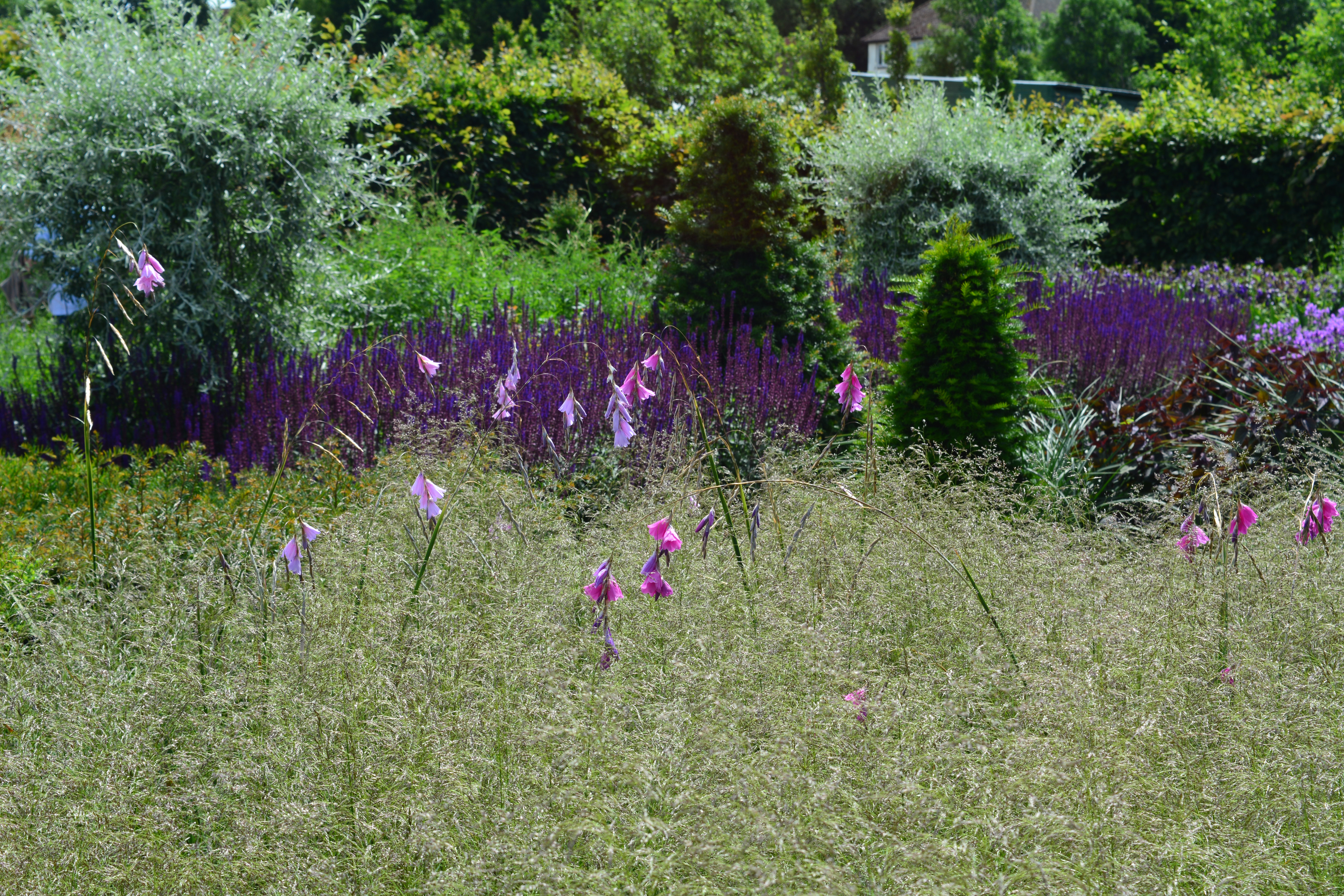
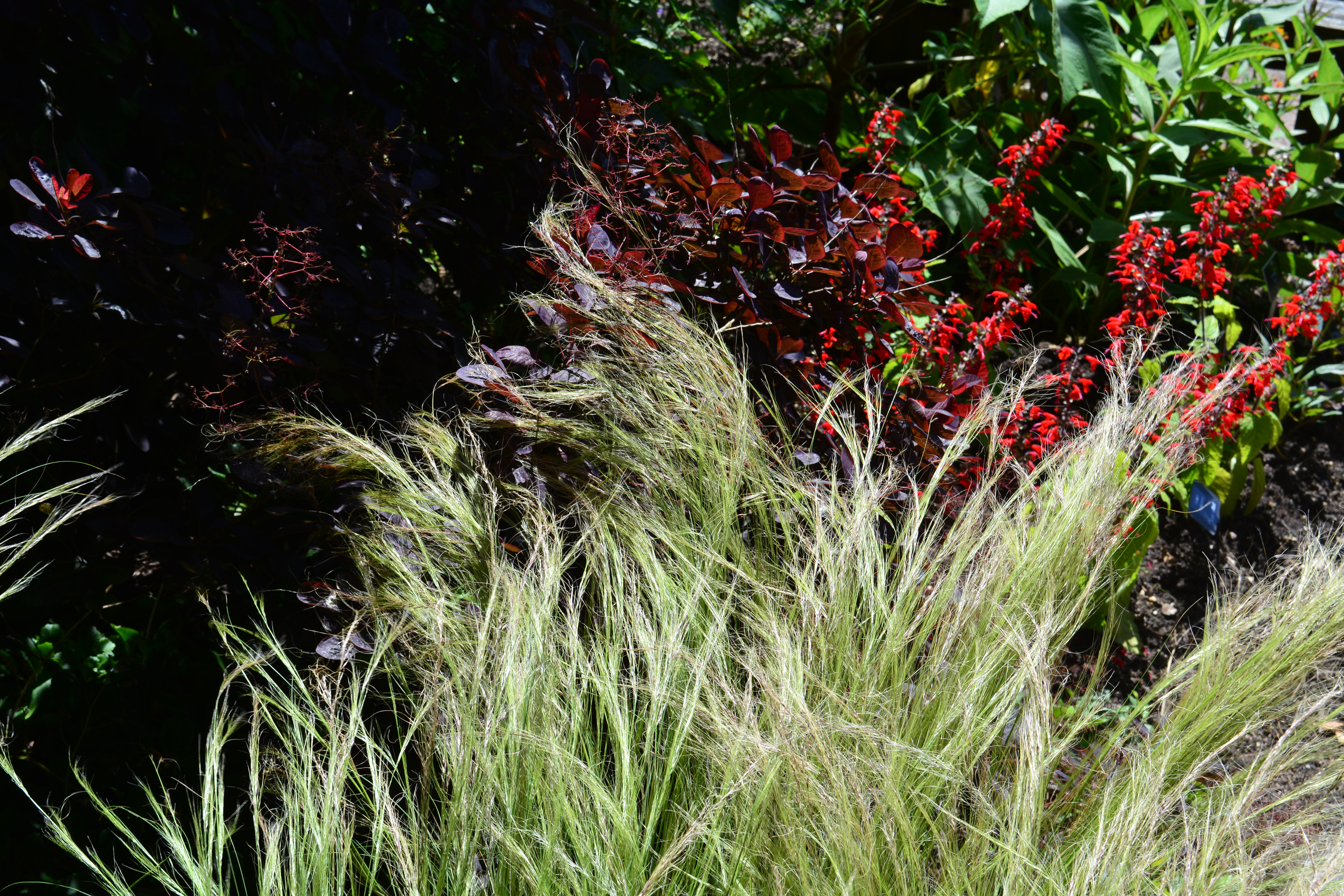
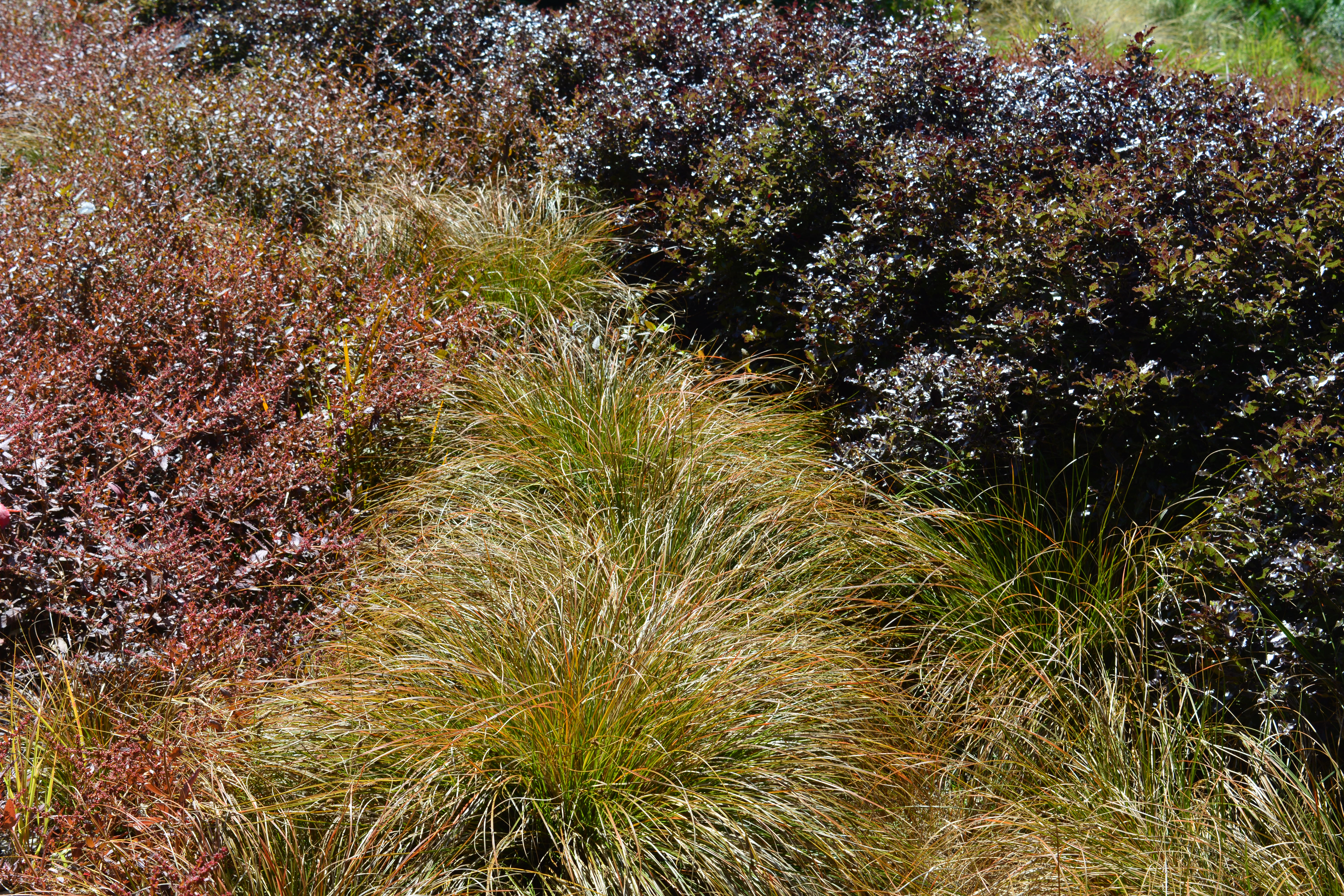
Grasses feature strongly at Hyde Hall adding texture to the landscape where grass is cut selectively, but different ornamental cultivars are used for structure and their architectural presence, and in mixed plantings for contrast, movement and for visitors to touch and stroke.


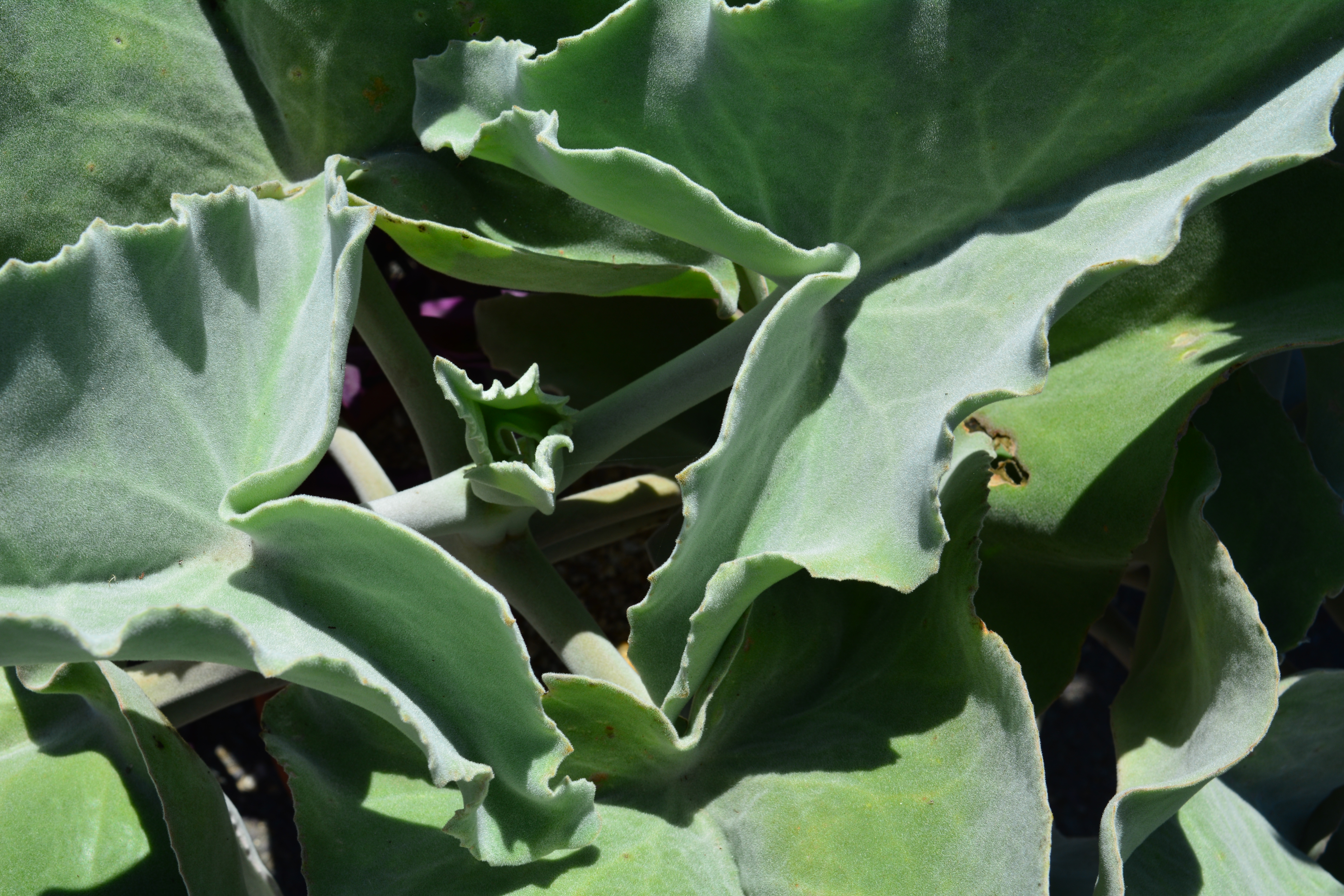
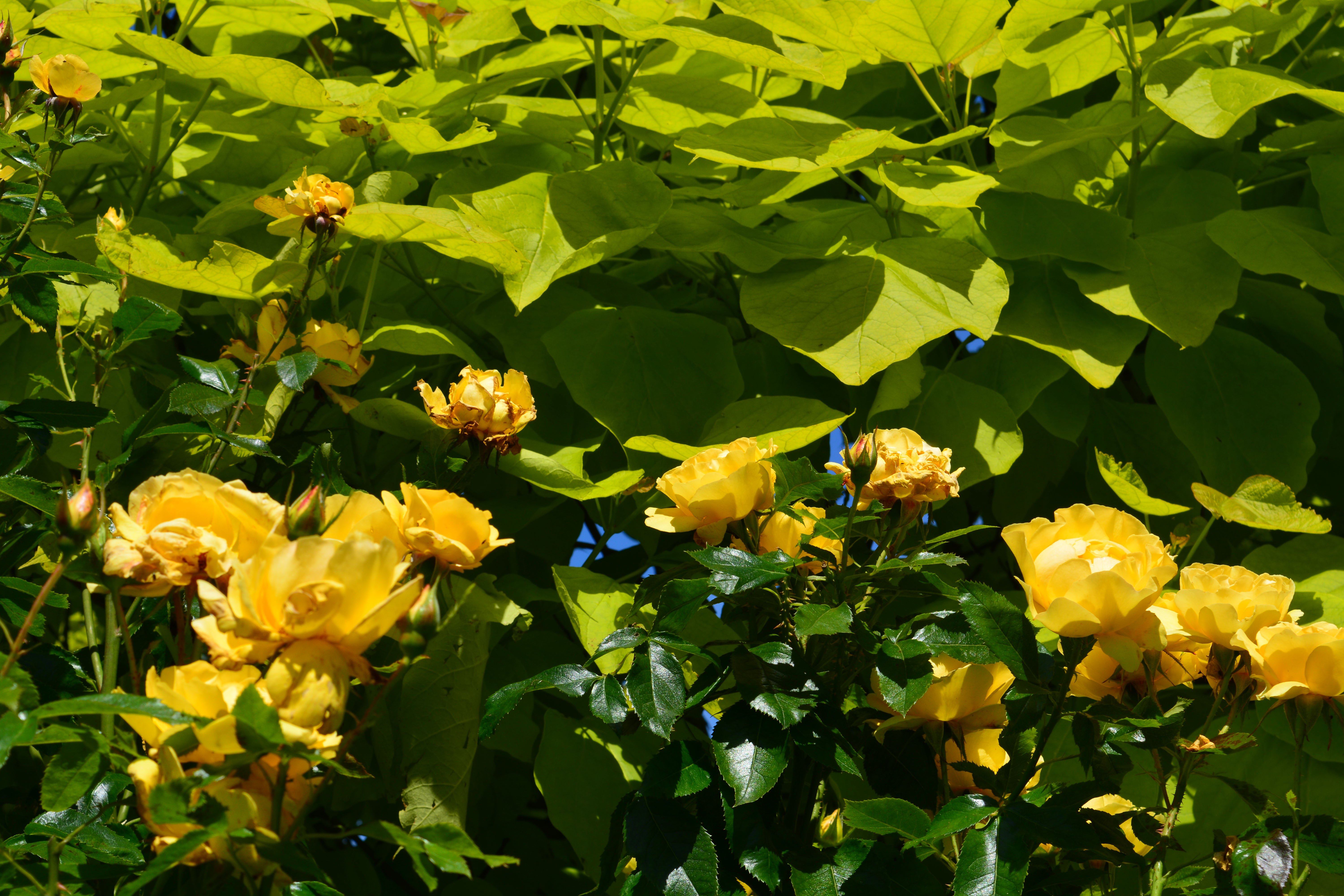
In places we could identify where plants had been chosen to take advantage of the light from the sun, using its brightness to encourage us to see reflection, shimmering light, glossy textures and contrasting patterns. Essex is dry and sunny particularly compared to our Shropshire climate. Using the brightness of the sun and the dryness of the climate to enhance gardens is so clever and not often done well. Hyde Hall is the star in this department.

In my second post about this wonderful RHS garden I shall focus on their famous Dry Garden, but for now I want to explore the way light is used so effectively in some areas. Light can emphasise glossiness of foliage, it can emphasise the interplay of light and shade and it can emphasise texture.


Categories
garden design garden photography gardening gardens gardens open to the public hardy perennials National Trust ornamental trees and shrubs outdoor sculpture sculpture The National Trust trees

Anglesey Abbey in mid-Summer

Anglesey Abbey gardens are best known for their brilliant Winter Gardens, which were the first well-known gardens designed to be at their best and visited at this season. But there is far more to these premises than this seasonal garden, such as beautiful gentle herbaceous borders and lots of plants that attract wildlife.


The famous Winter Garden is still worth wandering through though!


We set off beyond the Winter Garden to see what we could discover of interest in the rest of the garden. We felt sure we were in for a few surprises! Turning a corner and rounding  a hedge of glossy leaved Laurel we found a mystery. A piece of sculpture? A clock? We explored it for a while before we realised its true identity.

The oak structures are designed to support visitors as they lean back to enjoy the wide Fenland skyscapes.

To return to the entrance we followed a tow path alongside a very overgrown canal, its surface carpeted with our native yellow waterlily.

Looking upwards we noticed an open structured sculptural piece hanging from a bough of a mature tree. It presented a strong contrast to the stone griffin close by.


In the end though what makes a good garden great is the quality of its plants and how they are put together. The photos below prove just how great the gardens at Anglesey Abbey truly are whatever time of year you visit.

Categories
climbing plants garden photography trees woodland

Simply Beautiful – 16

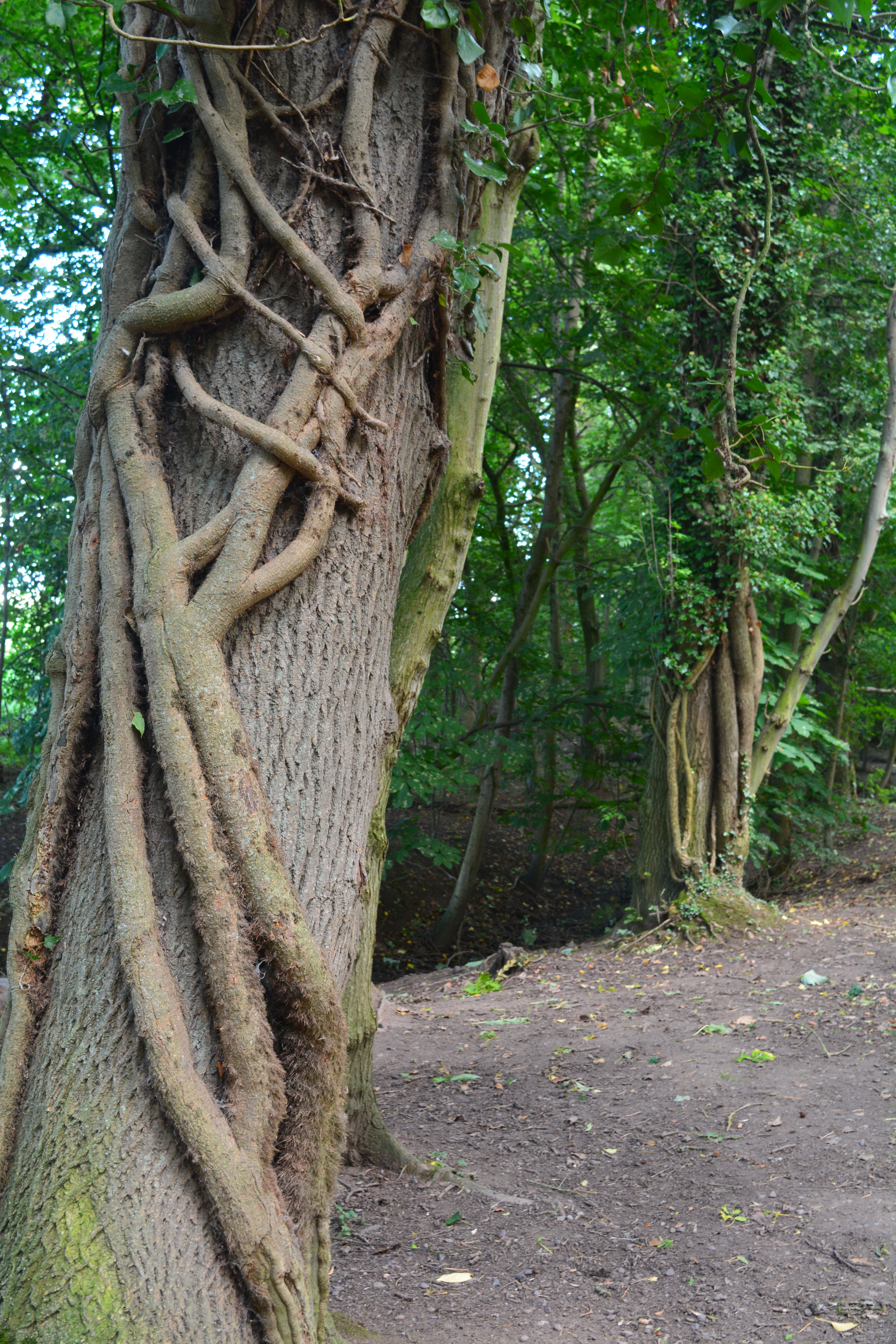
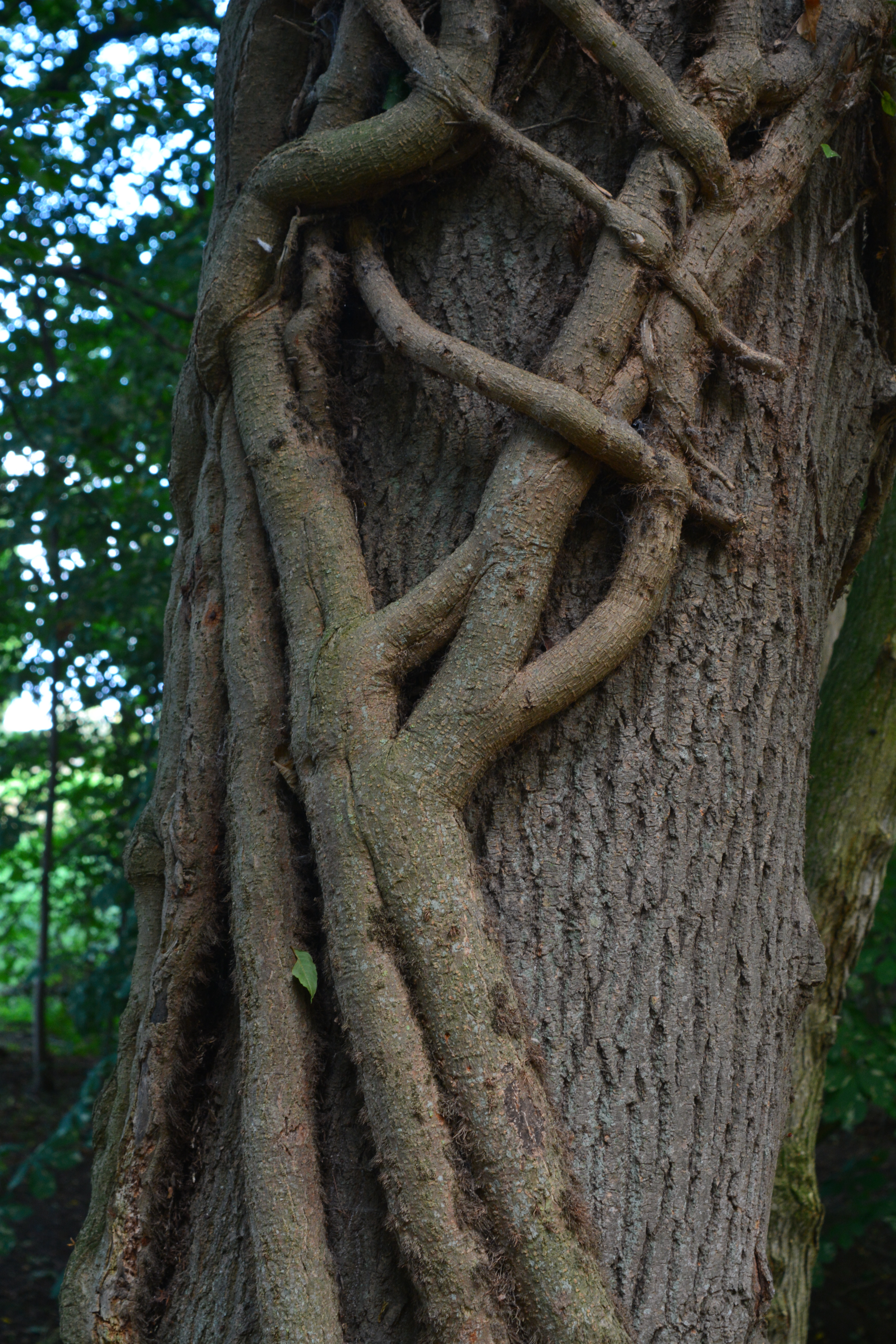
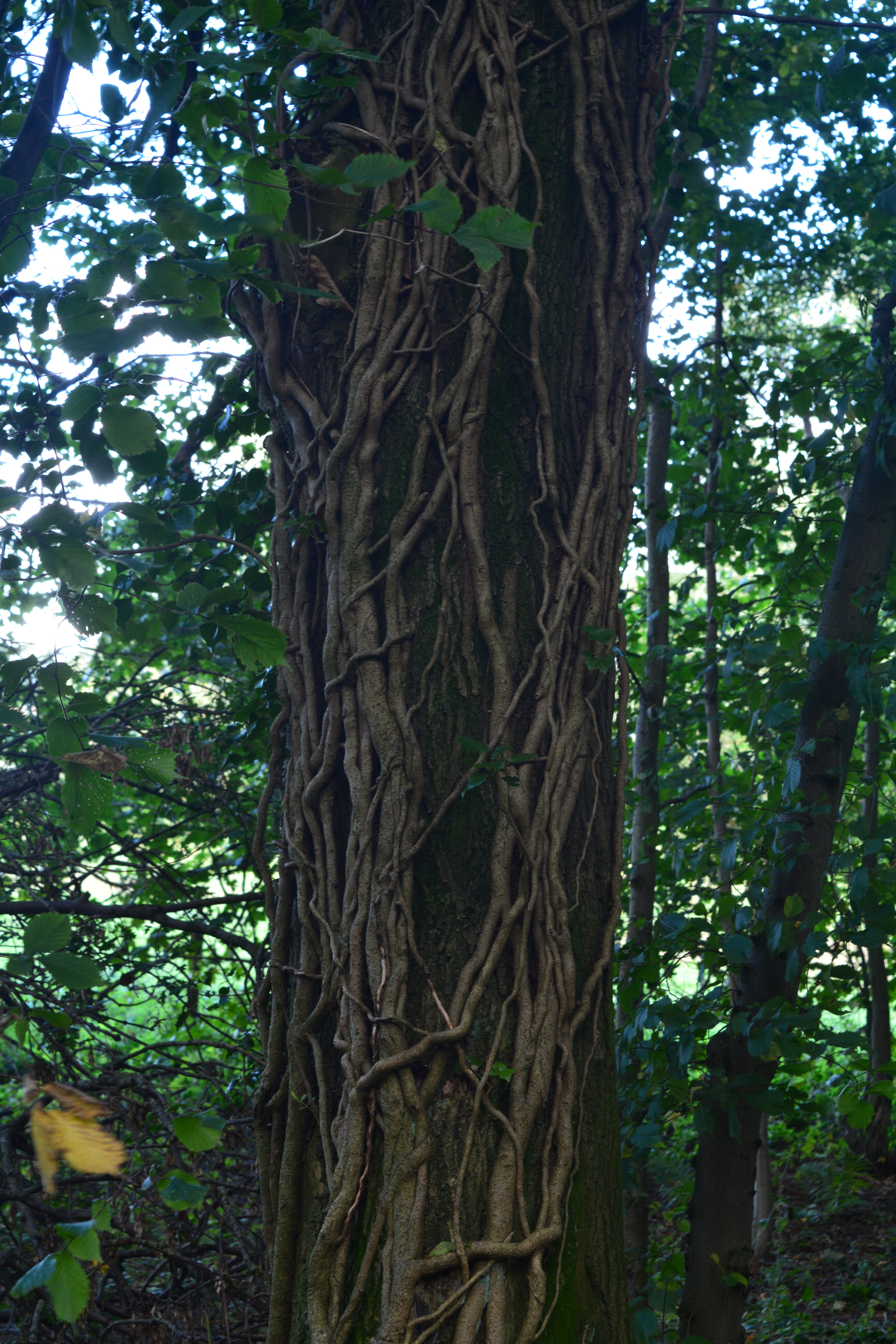
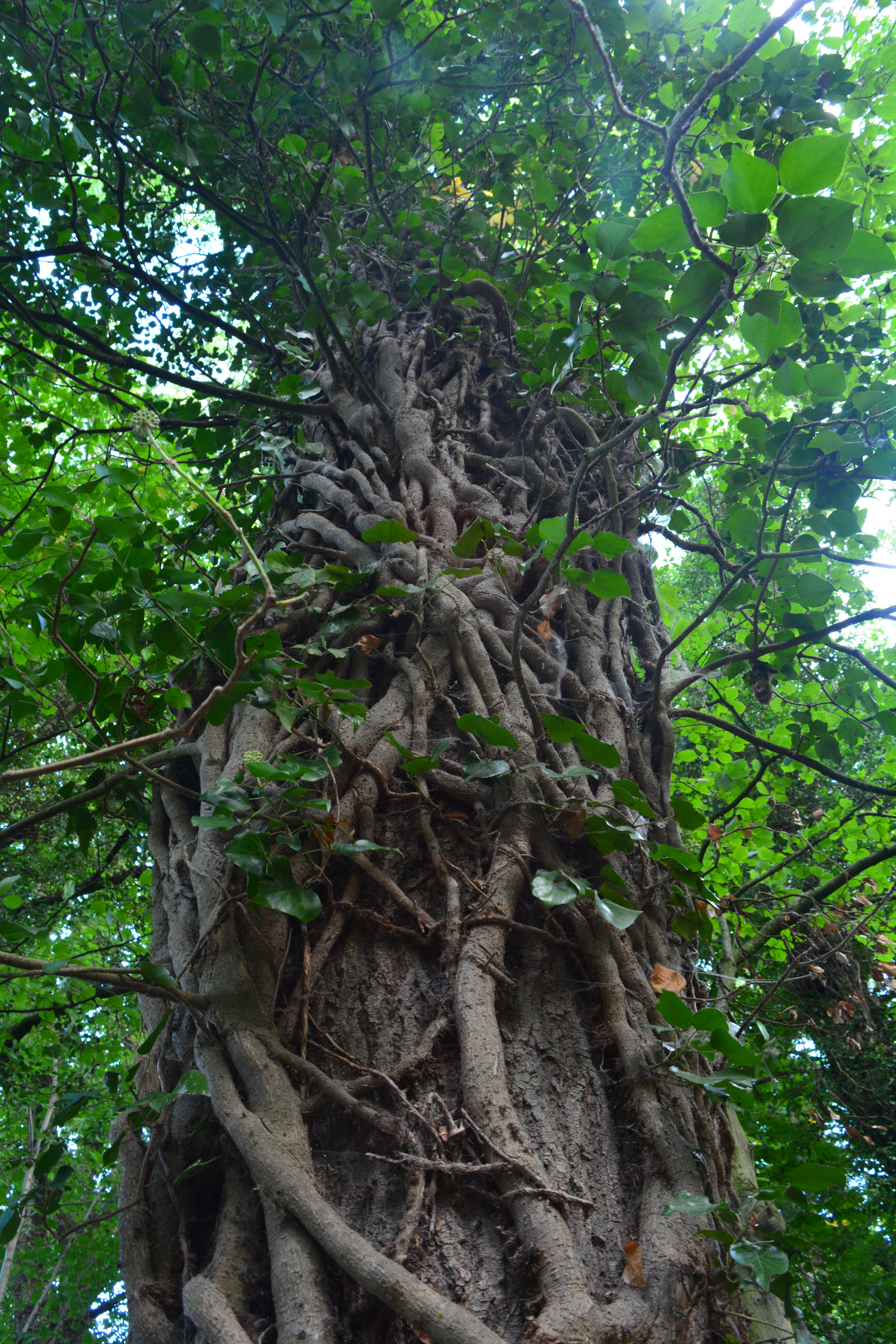
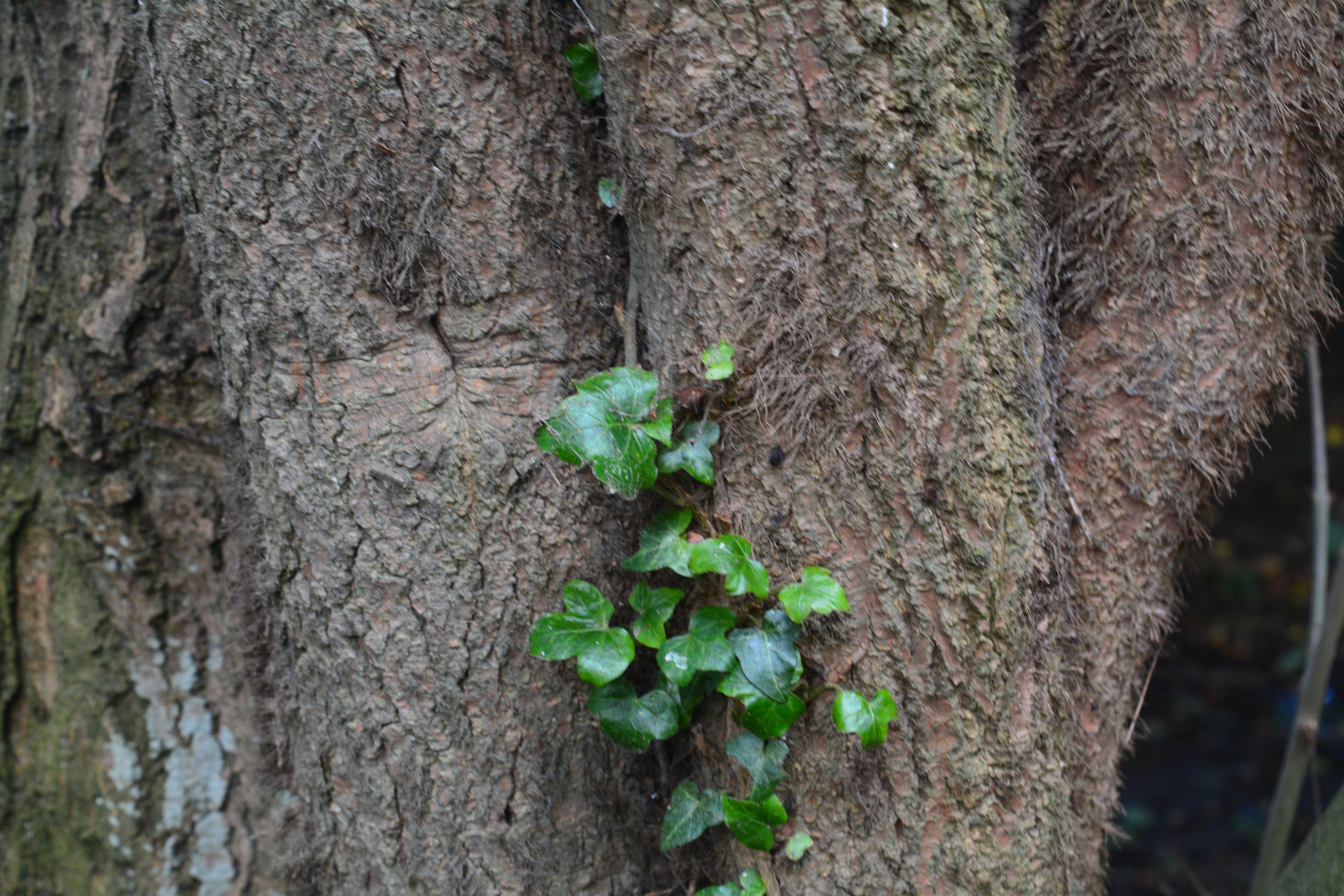
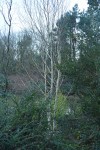
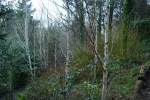
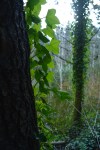
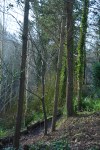
The 16th post in this occasional series featuring photos of simply beautiful natural things. In this post I will share with you some photos of a plant we found at Attingham which was growing on another plant producing beautiful patterns and textures. This old ivy had been climbing up a tree for so many years that they have become inseparable.


Categories
architecture garden arches garden design garden photography gardening gardens gardens open to the public hardy perennials ornamental trees and shrubs pergolas Uncategorized woodland woodlands Yorkshire

Parcevall Hall Gardens – Wharfedale

Situated in Wharfedale one of the most beautiful places in North Yorkshire, Parcevall Hall was really difficult to access via narrow roads, hairpin bends and narrow bridges, but it somehow suited the place that we enjoyed one day in September. The gardens were beautiful and typical of those created in the arts and crafts style, the house being redesigned and much developed at that time also.

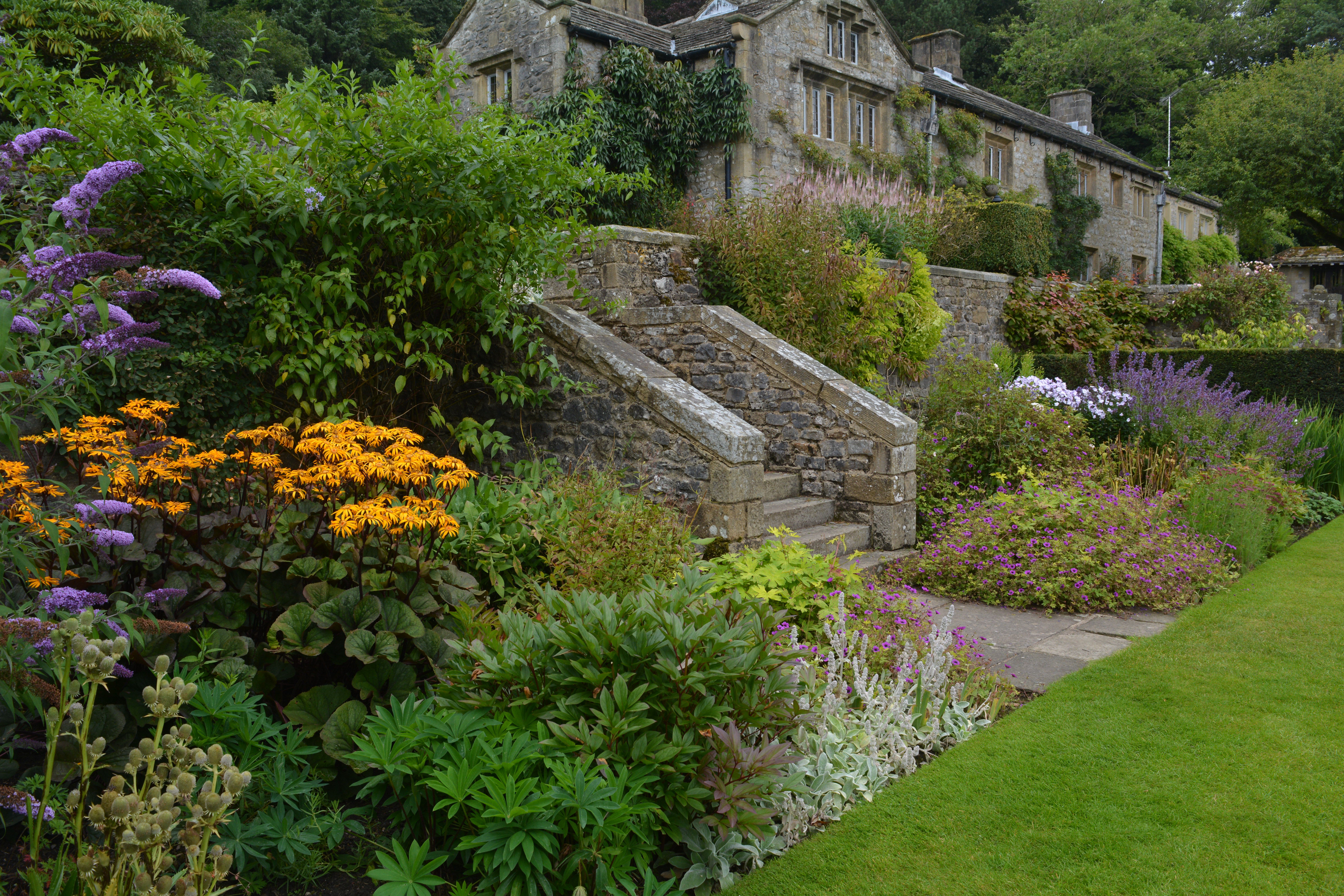
The house and gardens sit beautifully on a steep slope which certainly added interest for there was much for the garden team and designer to overcome in the making of the garden, slopes and steps abound. Some of the garden was above the hall, a Rose Garden and the area known as Silver Wood, which hid an unusual rock garden. Below the house terraces were dug into the slope and many different garden rooms created. There was strong design to appreciate and beautiful plants to admire.


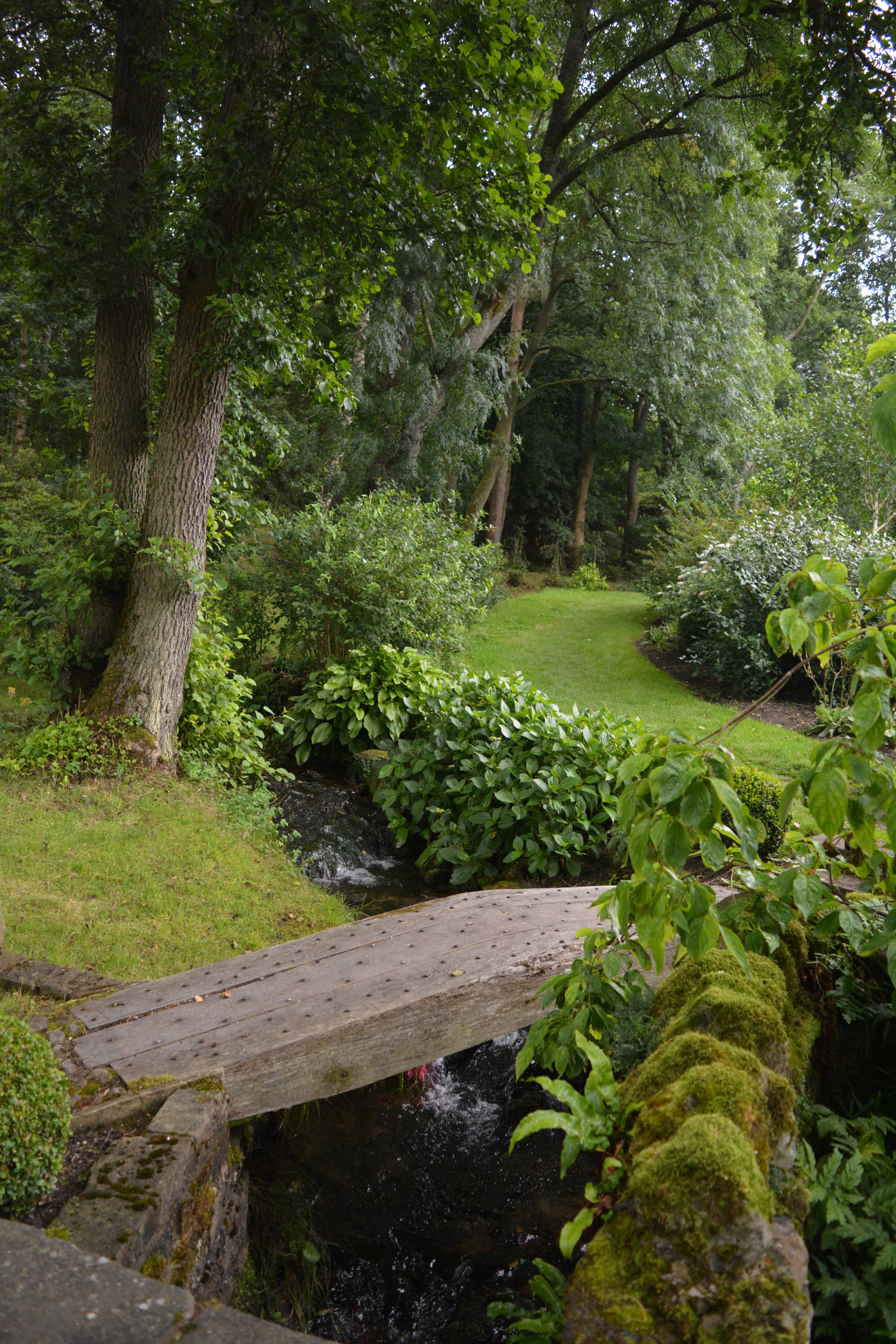
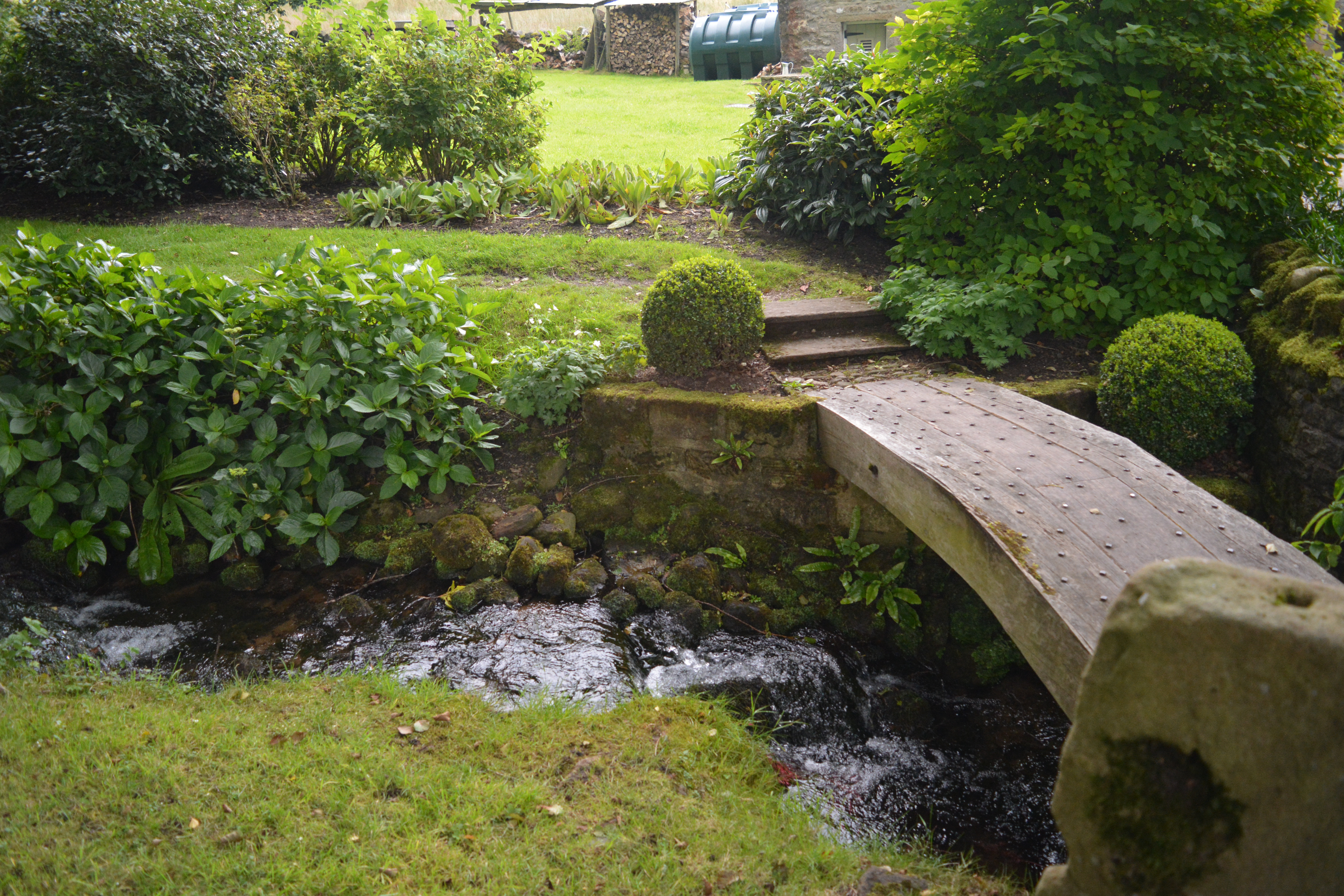
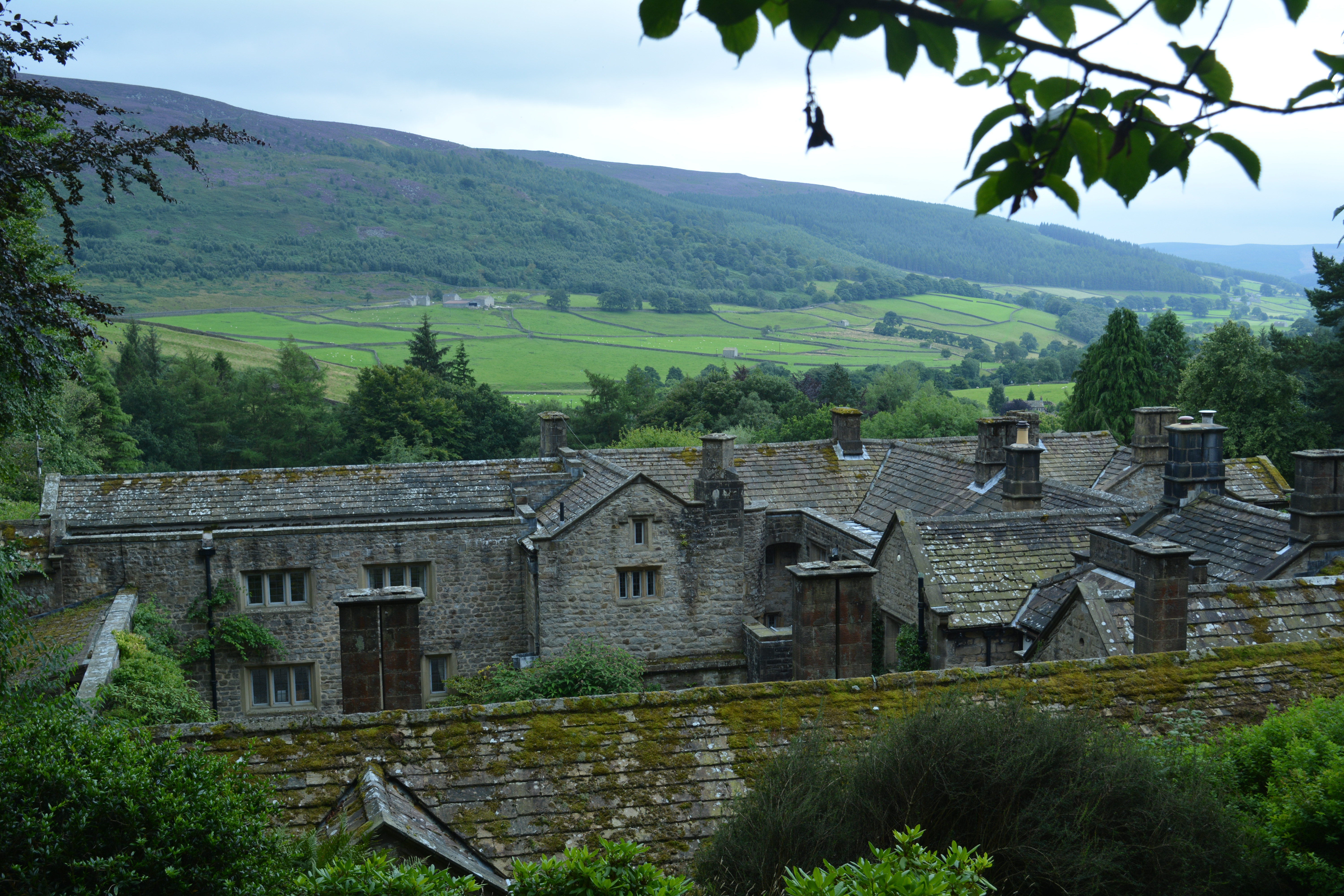
We walked up from the Garden Office and Tea Rooms after crossing over a tiny clear stream and wandering up through woodland. From a clearing in the woods we enjoyed a view over the rambling rooftops of the hall and all its outbuildings.


The woodland was dotted with berried and flowering shrubs many with signs that birds and rodents had been enjoying them.


Although the plan we were following meant we expected to find the Rock Garden hidden within Silver Wood it was still a wonderful surprising sight when we first came across it. It was a rock garden of huge proportions cut out from the natural slopes and featured a tiny meandering stream falling slowly down its slope. There were some interesting plants to be found among the rocks.


Please follow the gallery below to tour the rock garden with us. Click on first photo and navigate using the arrows.

After leaving the Rock Garden and Silver Wood we wandered around the hall to find the terraced gardens below it. Each terrace had an atmosphere of its own and different plantings. The best way to show you what we found is by using another gallery to help you enjoy these terraces with us.

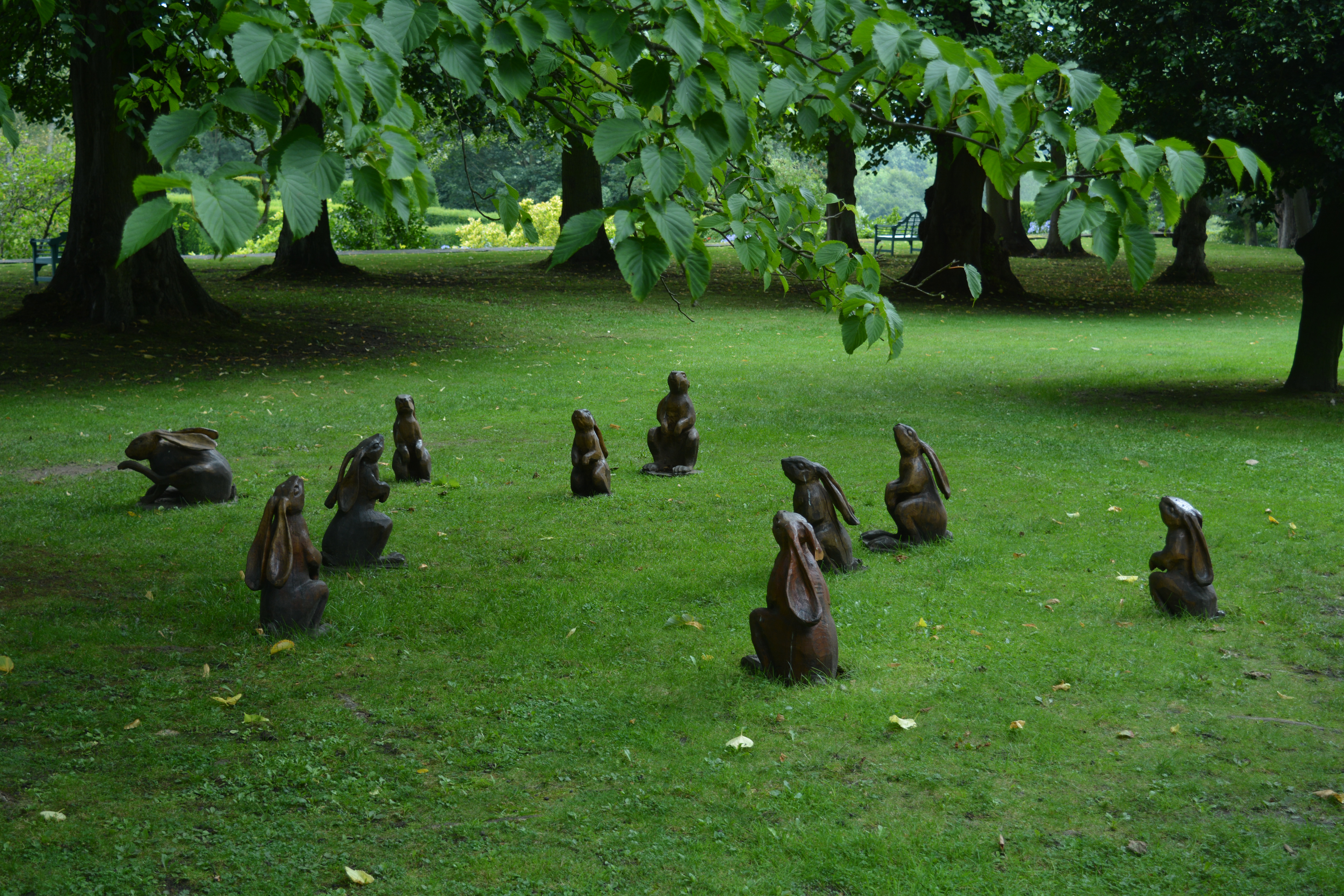
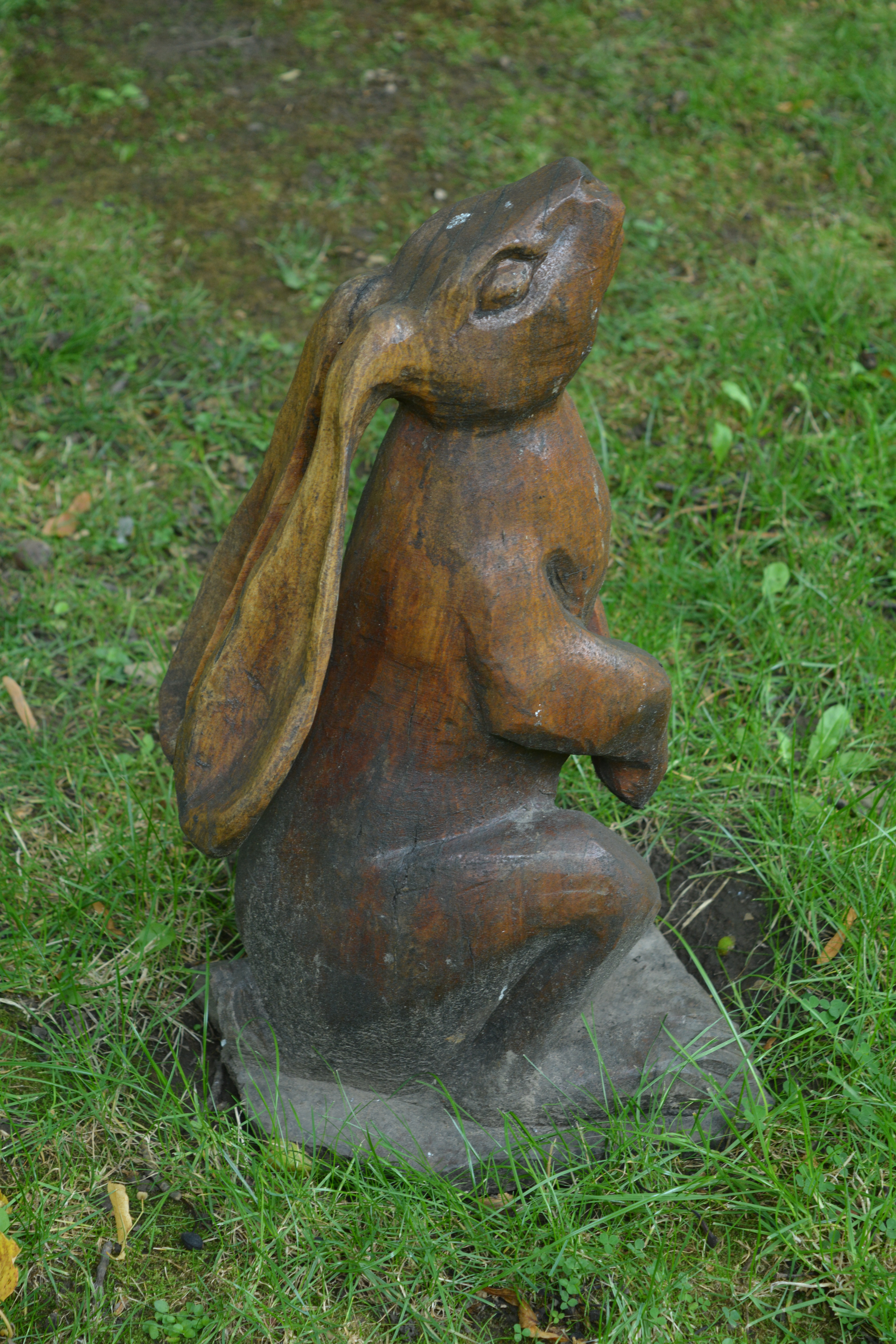
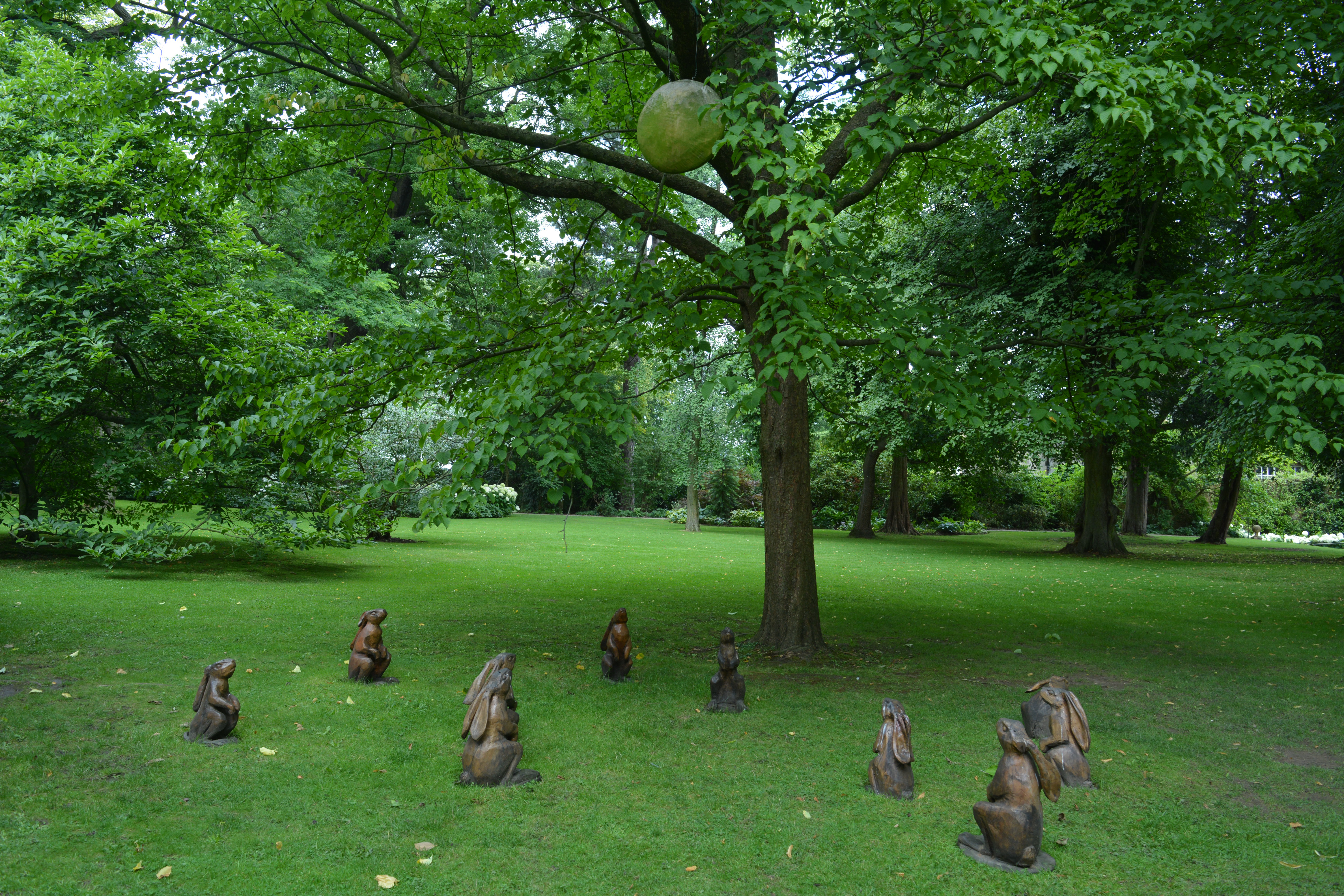
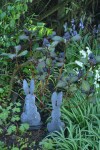
To finish off this journey around Parcevall Hall I want to show you this little group of bronze hares looking up at the moon. Moonstruck hares! Great little cameo!

One rogue has no interest in the moon at all and had even turned his back on it to preen himself.

Categories
colours garden design garden photography garden ponds gardening gardens gardens open to the public light log piles National Garden Scheme NGS nurseries ornamental trees and shrubs outdoor sculpture Powis Powys shrubs trees Wales Winter Gardening winter gardens Yellow Book Gardens

The Dingle Gardens Welshpool – January

Here we are back visiting our chosen garden each month, with our garden for 2018 being the attached garden at The Dingle Nurseries near Welshpool. This garden is of a totally different scale, atmosphere and style to Attingham Park, our garden for 2017. The garden is open every day of the year bar Christmas Day and on odd days the fees go to the National Garden Scheme.

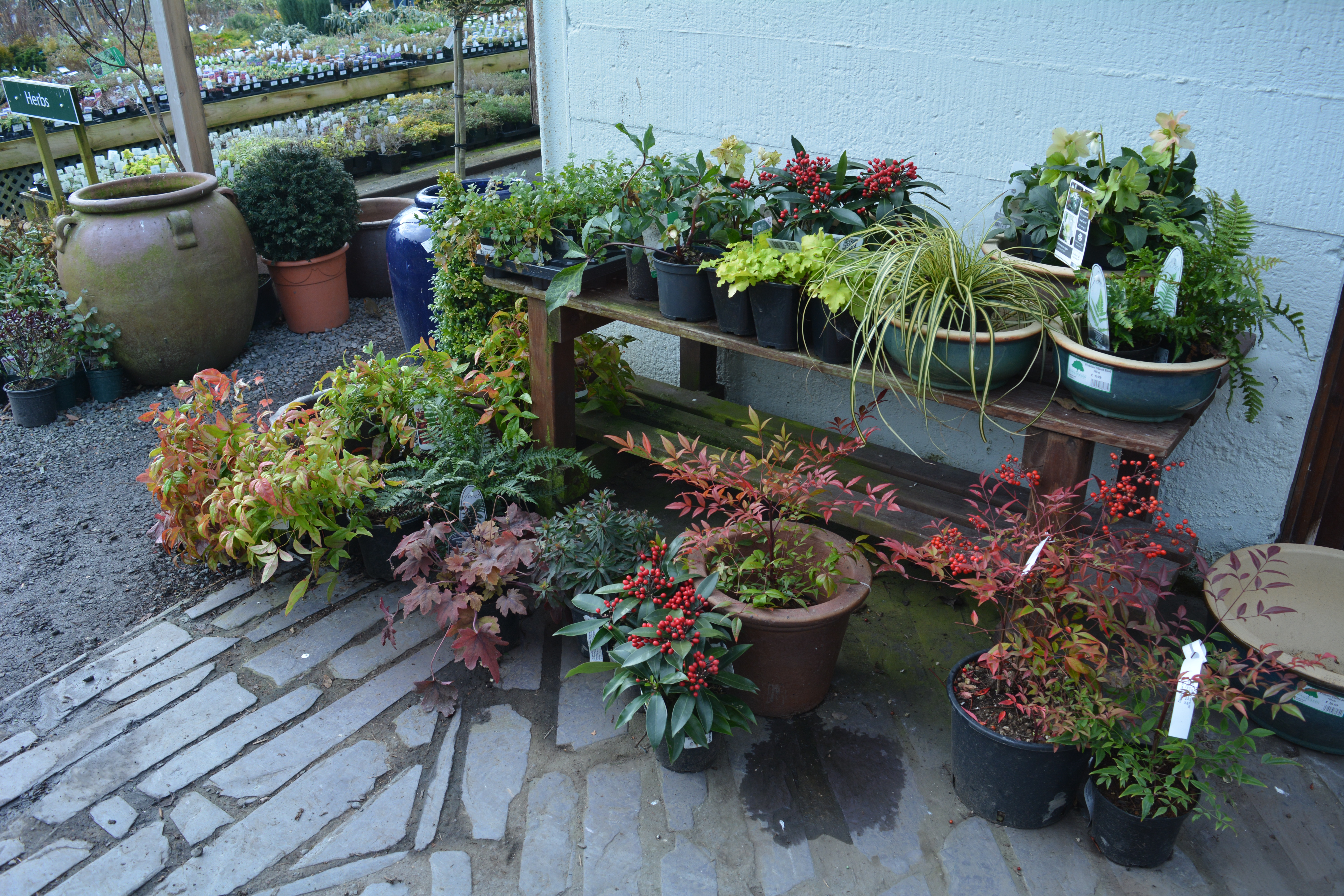
The nursery is stocked with perennials, shrubs and trees but specialises mostly in the last two, and it is from here that we tend to buy our trees and shrubs. This is a nursery we are delighted to have on our dooorstep. As we move through the entrance we always enjoy the displays of plants with current interest and similarly plants for winter interest and displayed in the first few rows of plants.


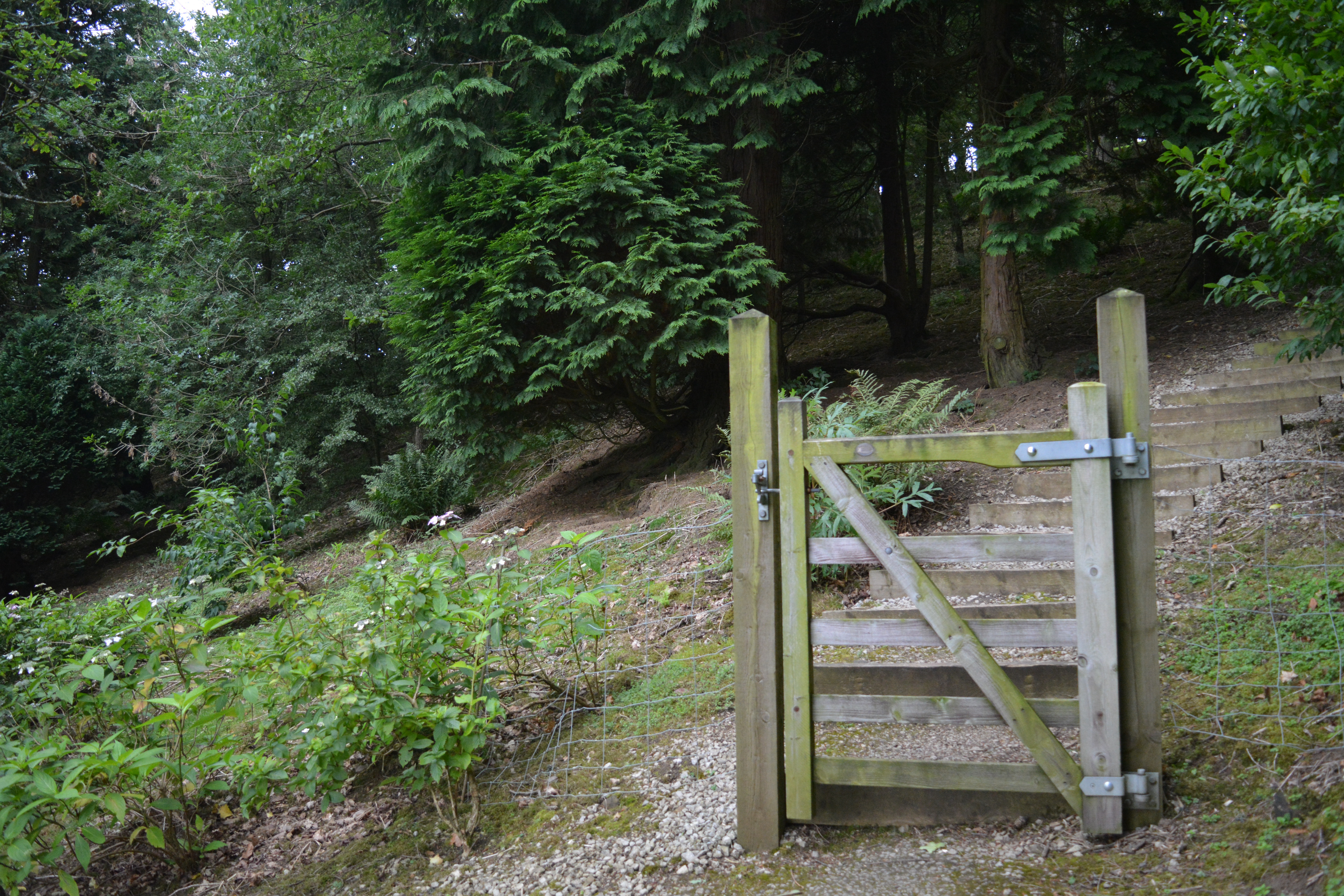
So, here we are on the 14th January with our first visit to our new garden, arriving on a dull lightly overcast day. Having never visited before this deep into winter, we entered through the wooden gate green with algae and followed the gravel paths into the garden, not quite knowing what to expect. We enjoy surprises in the gardens we visit!

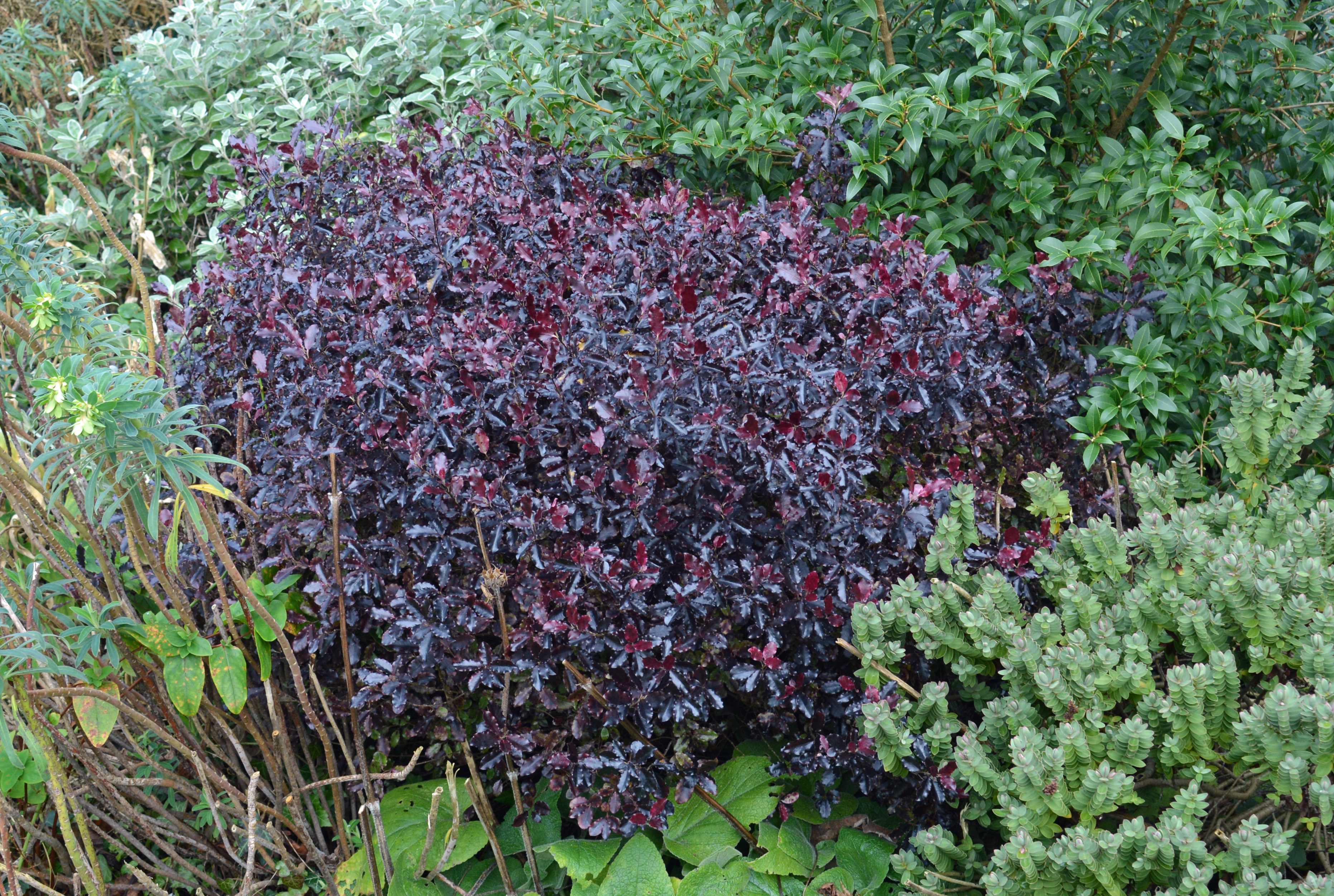
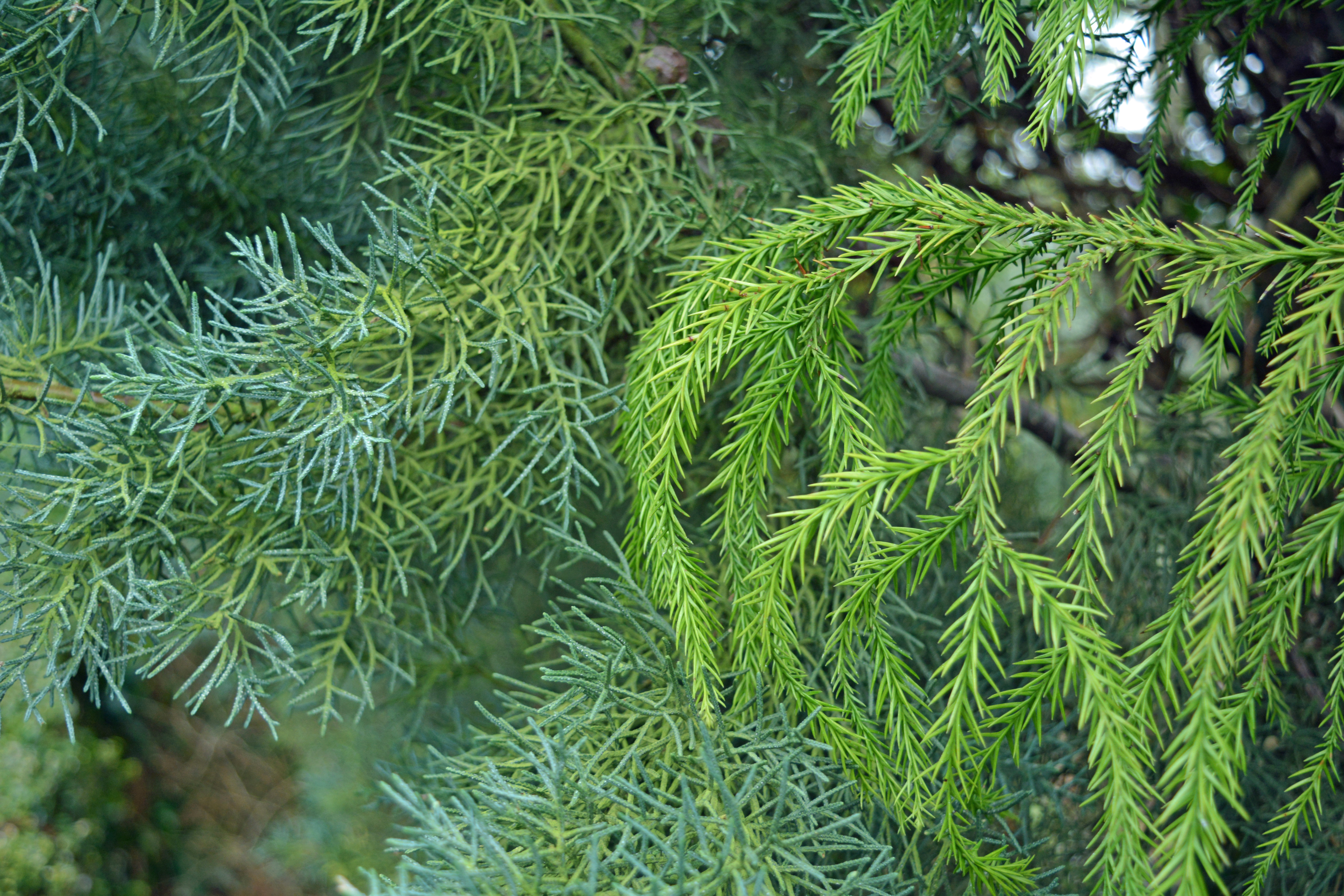
Evergreens both coniferous and broadleaves lined the paths and are planted in thoughtful groupings. In the first photo a dark, glossy leaved Pittosporum “Tom Thumb” sits comfortably with a Euphorbia, a Brachyglottis and a Hebe. In the second picture two conifers illustrate how different they can be in texture, colour and form.


Early in our wanderings we found this lovely rustic seat which is slowly being eroded away by the weather. Close by the seat glowed the pale green flowers of a Helleborus foetidus.


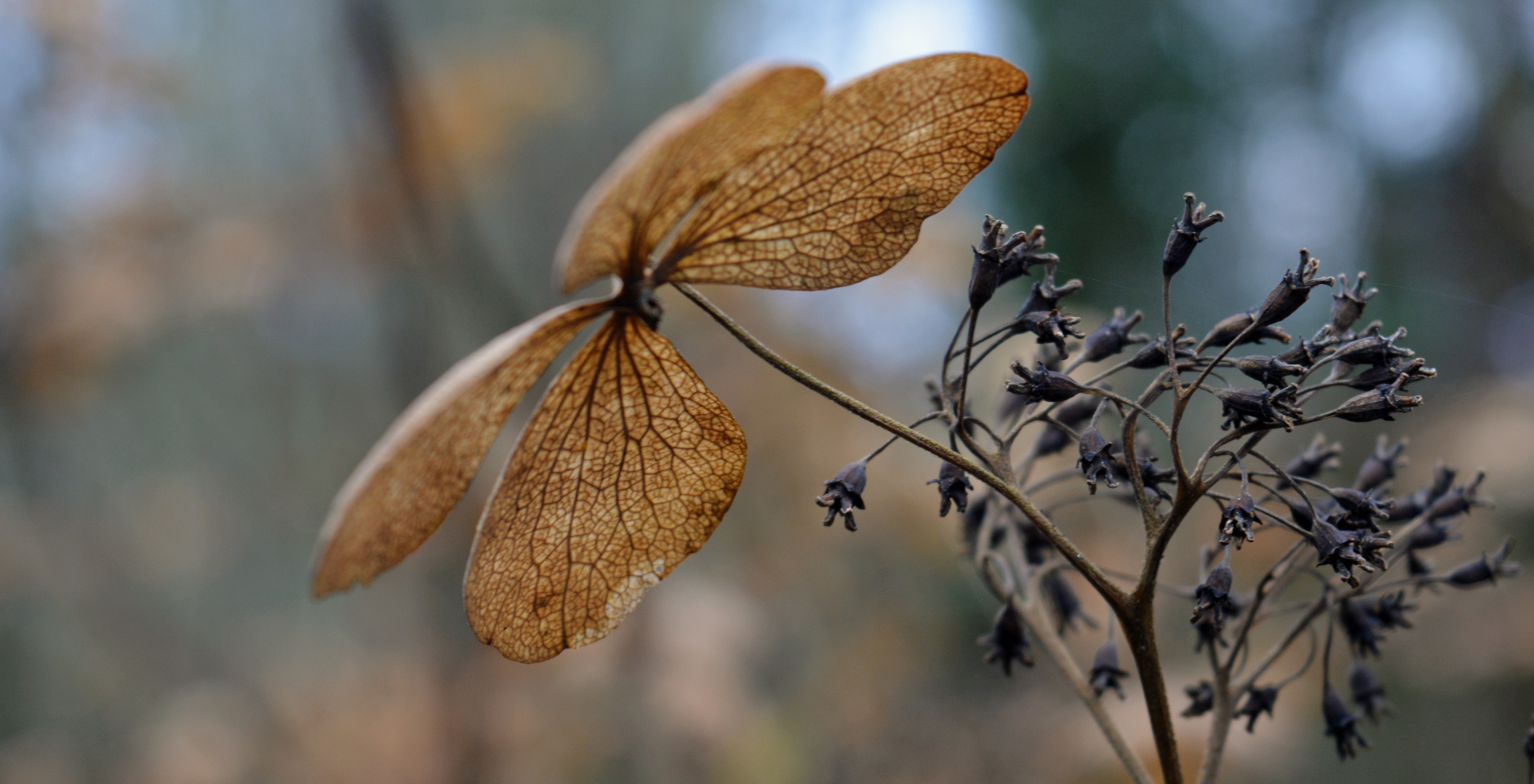
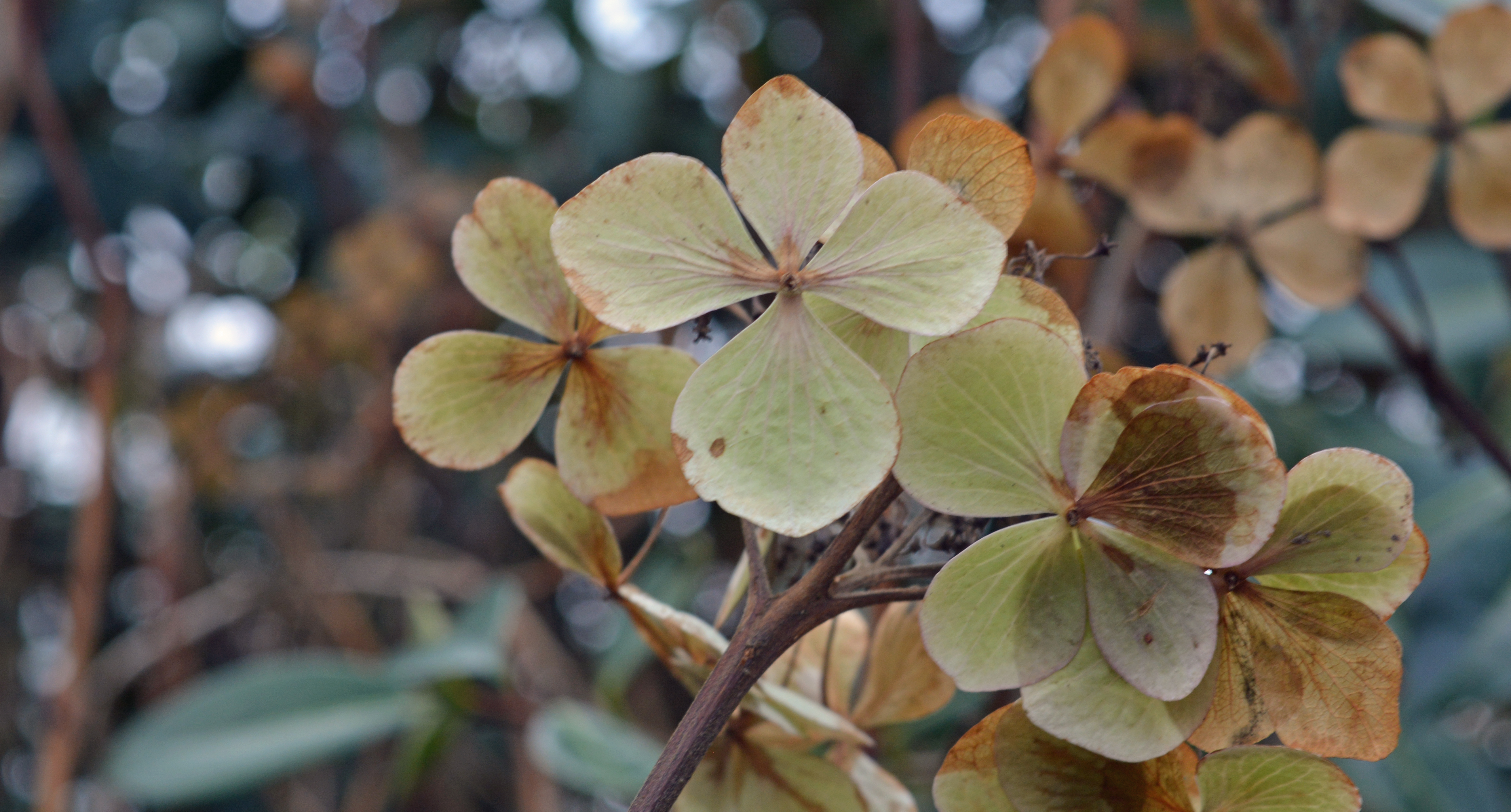
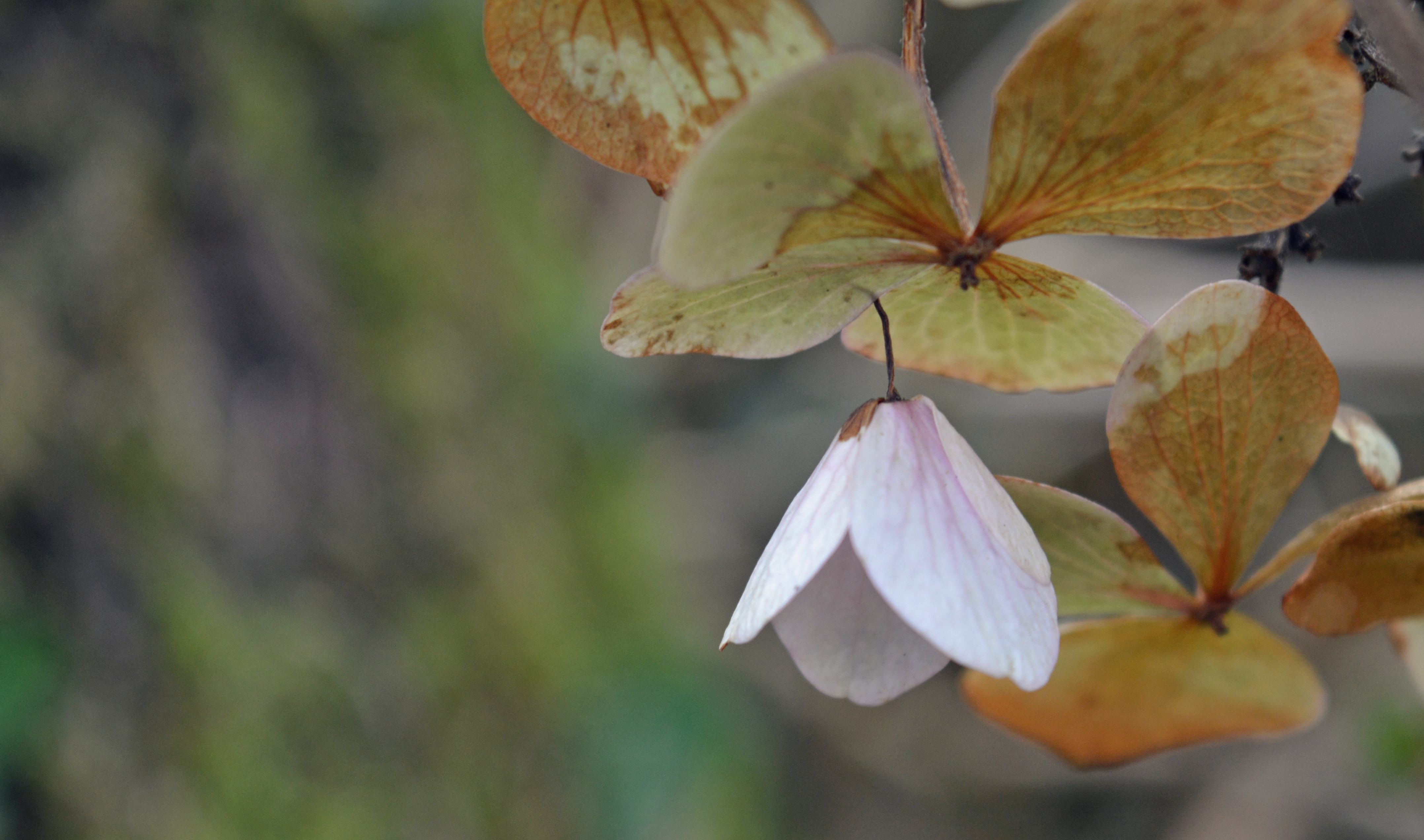
Hydrangeas appear throughout the garden in the autumn showing their colourful inflorescences in pinks, white and blues, while throughout the winter these colours fade to biscuits, gingers and ivory. In some flowers hints of blues and pinks remain.


Out of season flowers appear here and there on odd shrubs, on others leaf buds promise fresh growth in the spring while berries hang as remnants of their winter harvest.

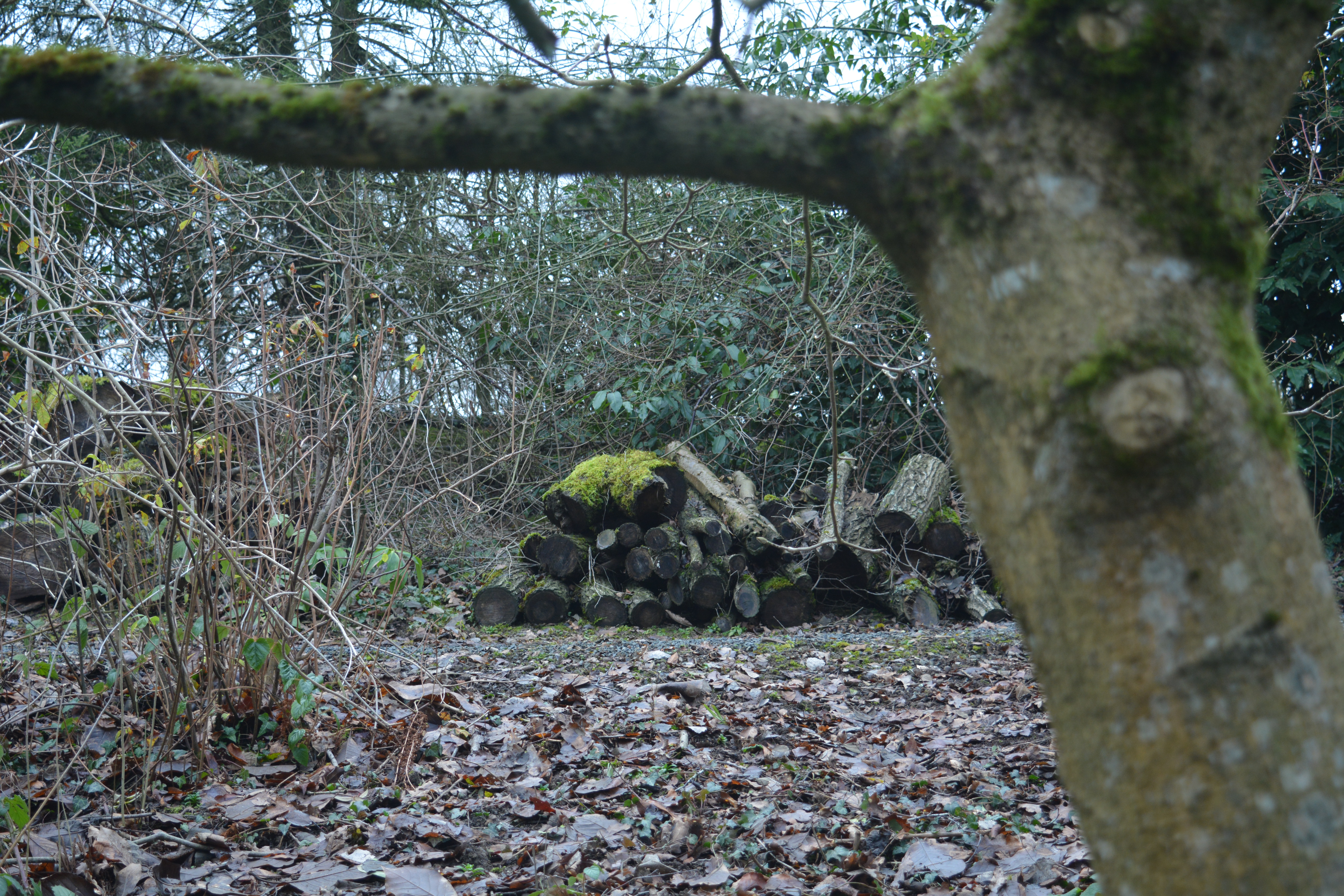
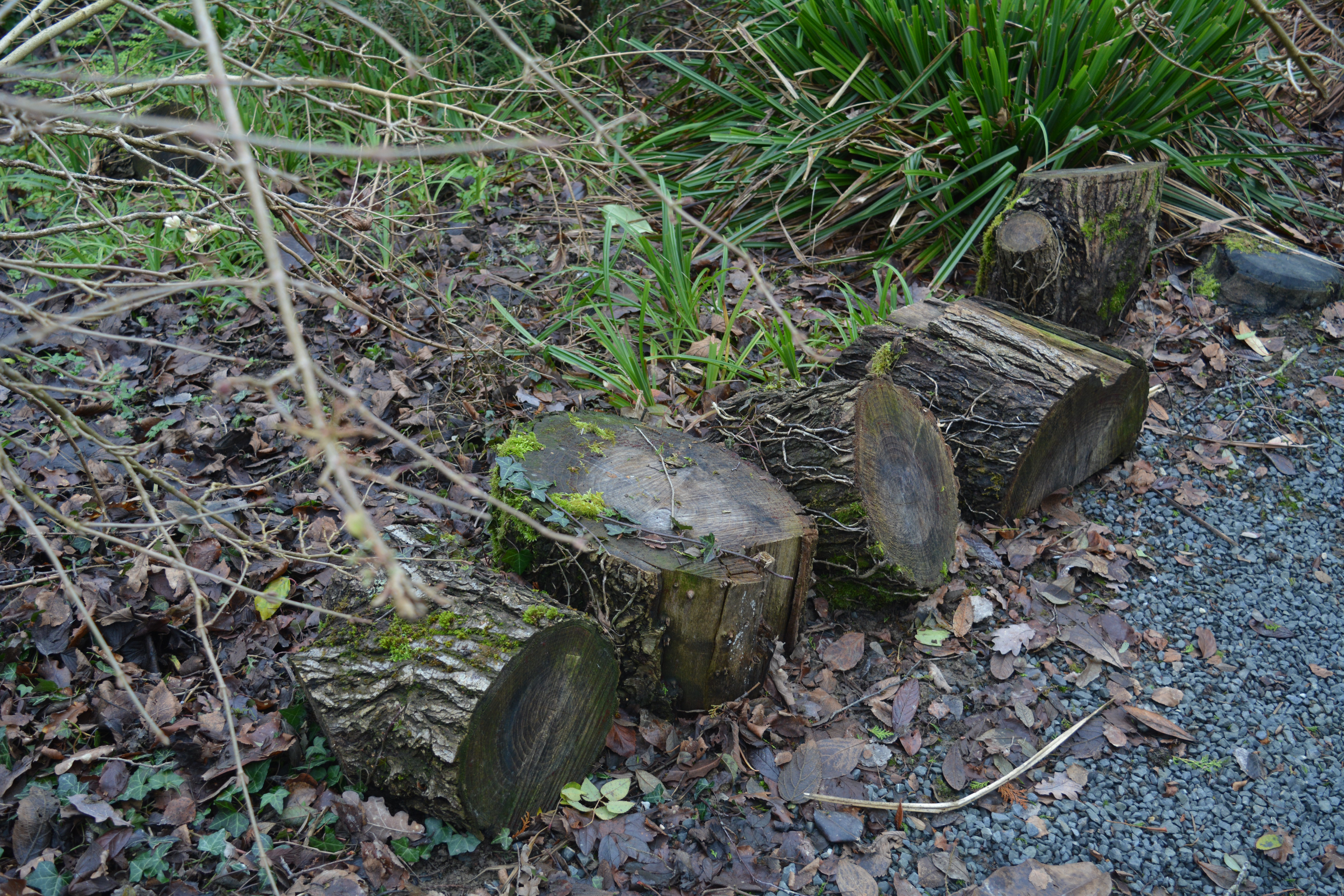
When tree surgery work is carried out in the Dingle Garden logs are left as habitats for the many forms of wildlife that maintain a healthy ecosystem in the garden.


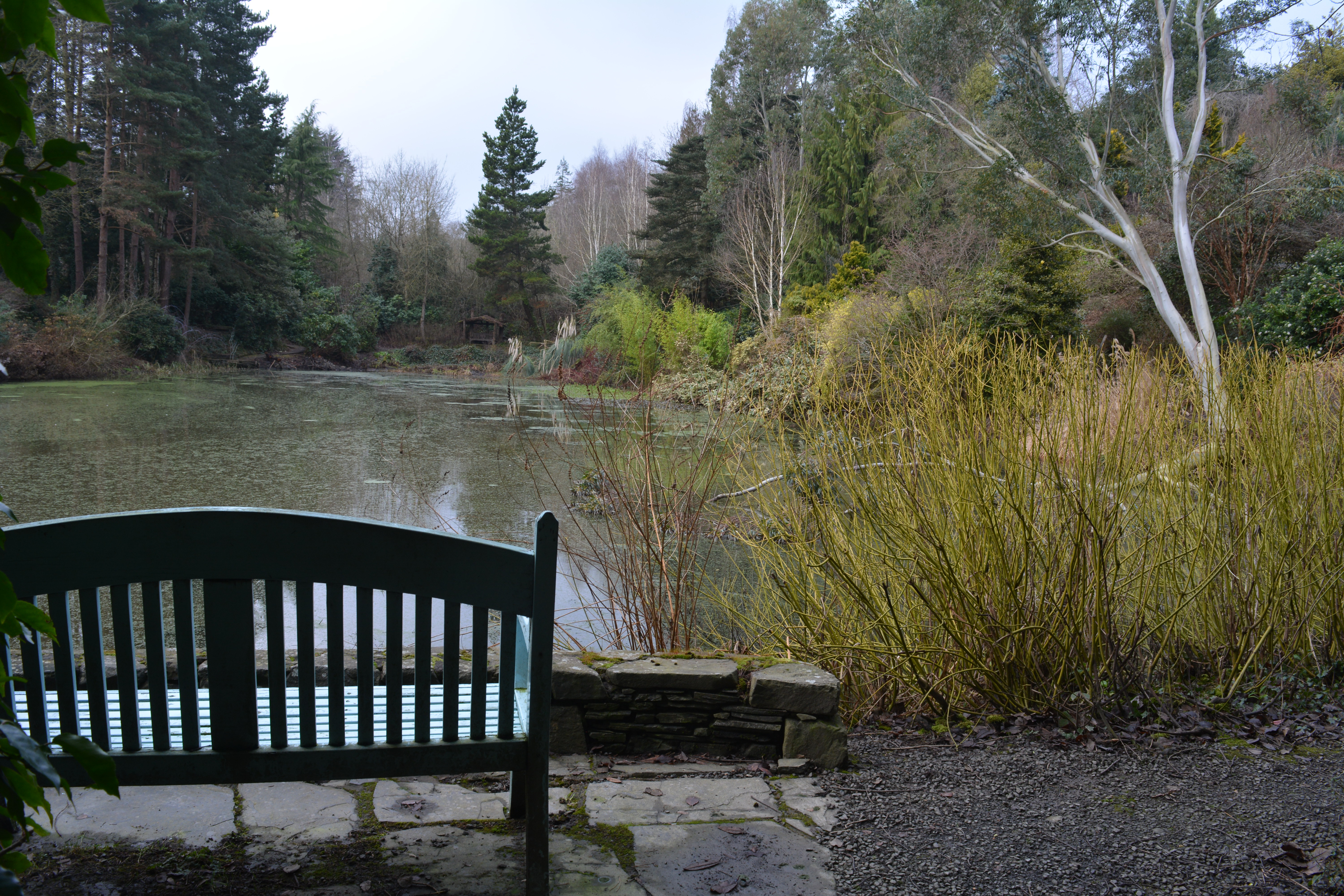
At the lowest point of the gardens a calm lake affords us a place to stop awhile to look around its banks. A bog garden at one end looks dull and dark at this time of year, with just the deep brown of dead leaves of Gunnera and Lysichiton americanus rising above the mud.

Recent heavy snowfall has caused damage to trees and shrubs, breaking branches of all sizes and crushing foliage. Strong winter winds have added to the damage.


To share more of my photos taken during our wandering and enjoyment of the gardens at the Dingle I have created the following gallery. Enjoy the pictures. The next visit to this garden will be in February.


Categories
garden arches garden design garden furniture garden garden arches garden paths garden photography garden ponds garden pools garden seat garden seating gardening gardens National Garden Scheme NGS ornamental trees and shrubs outdoor sculpture pathways sculpture trees village gardens water in the garden Yellow Book Gardens

Ruthall Manor – well worth the wait.

We go for years intending to visit a garden but sometimes circumstances dictate otherwise. This is what happened with Ruthall Manor, a Shropshire Yellow Book Garden. After years we finally visited earlier this year in June. The wait was so worth while!
First impressions count for a lot when you visit a garden, and a good garden can quickly reveal its qualities and general level of care. Atmosphere, special places and surprises will reveal themselves later and more slowly. A good garden will keep on giving.

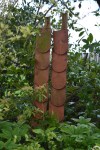
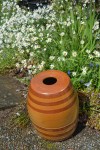
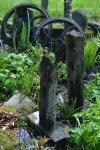
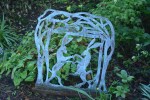
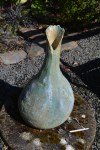
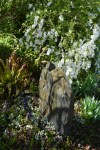
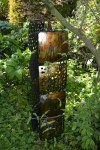
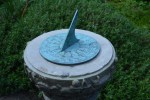
Ruthall Manor soon made us feel warmly welcomed and involved in the plantings and design. It had the added bonus of some original interesting sculptural pieces beautifully positioned within plantings or out on their own as centres of attention.


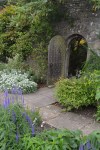
Pathways, arches and gateways encouraged us to explore further, around the next corner, through a hedge or border or into the next garden area.


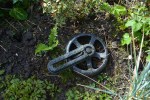
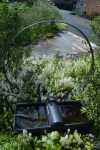
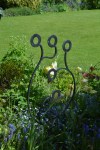
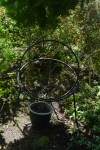
I thought that the best way to share as many pieces of sculpture and artifacts as possible I would create this gallery for you to enjoy.  The variety of pieces was so large that we just did not now what to expect around the next corner.

In the end of course good plants well chosen, cared for and partnered thoughtfully are what gives a garden its true quality.

So Ruthall Manor was certainly worth waiting so long to go and visit. What an enjoyable afternoon!
 

This Veggie Life

A Vegetarian | Nature Lifestyle Blog

Rambling in the Garden

.....and nurturing my soul

The Arch City Gardener

Journeys In St. Louis Gardening and Beyond

Garden Dreaming at Châtillon

Consult the genius of the place

Storyshucker

A blog full of humorous and poignant observations.

gardeninacity

Notes from a wildlife-friendly cottage garden

PlayGroundology

...an emerging social science

The Official Blog of British Wildlife

'The most important and informative publication on wildlife of our times' - The Independent. This blog is a member of The UK & Ireland Natural History Bloggers group: www.uknhb.blogspot.com

iGrowHort

Inspire - Cultivate - Grow Native Plants - Restore Landscapes

Bishops Meadow Trust

To create and protect a semi-natural wild space for the people of Farnham to enjoy and experience an array of British wildlife in our town

Gardening with Children

The www.gardeningwithchildren.co.uk Blog

UKbirdingtimeline

birding through the seasons, why birds matter and how to conserve them

NATURE WALKER

with a camera in hand

Jardin

Transform your outdoor space

Eva's space

My allotment, cooking and other interests

Old School Garden

my gardening life through the year

LEANNE COLE

Trying to live a creative life

fromacountrycottage

trying to live as lightly as possible on our beautiful planet

Good Life Gardening

Nature lovers from Leicester living the good life.

mybeautfulthings

Finding the beautiful in the everyday

mawsonmichelle

Michelle's Allotment

In and Out of My Garden

thoughts from and about my garden

Greenhousing

Big plans for a small garden

The Scottish Country Garden

A Walled Country Garden in South East Scotland

The Fruity Chicken

Life at the fruity chicken

willowarchway

Off grid living. Self sufficient. "PERMAGANICS RULE".

St Anns Allotments

Nottingham's Grade 2* Listed Allotments and Community Orchard

Manifest Joy Harvests

a journey in suburban vegetable gardening

Allotmental

The madness of growing your own

Penny's Garden: a harvest beyond my front door

A novel approach to vegetable gardening

arignagardener

Sustainable living in the Irish countryside.

NewEnglandGardenAndThread

Master Gardener, amateur photographer, quilter, NH native, and sometimes SC snowbird

dianajhale

Recent work and work in progress and anything else that interests me

planthoarder

a chaotic cottage gardener

Lens and Pens by Sally

a weekly blog that creates a personal philosophy through photographs and words

Dewdrops and Sunshine

Stories from a sassy and classy Southern farmbelle.

The Pyjama Gardener

Simple Organic Gardening & Seasonal Living

gettin' fresh!

turning dirt into dinner

JOY...

today the world is created anew

Garden Birds

Notes from a Devon garden

ShootAbout

Life Through The Lens

Adapting Pixels

A photography blog showcasing the best photography pictures and videos on the internet

Wildlifegardening's Blog

Just another WordPress.com site

naturestimeline

personal observations from the natural world as the search continues for a new approach to conservation.

LATEBLOOMERBUDS

The Wonders of Life through my Eyes, my Heart, my Soul