Let us continue around our garden in search of tulips and look at some very closely ………..

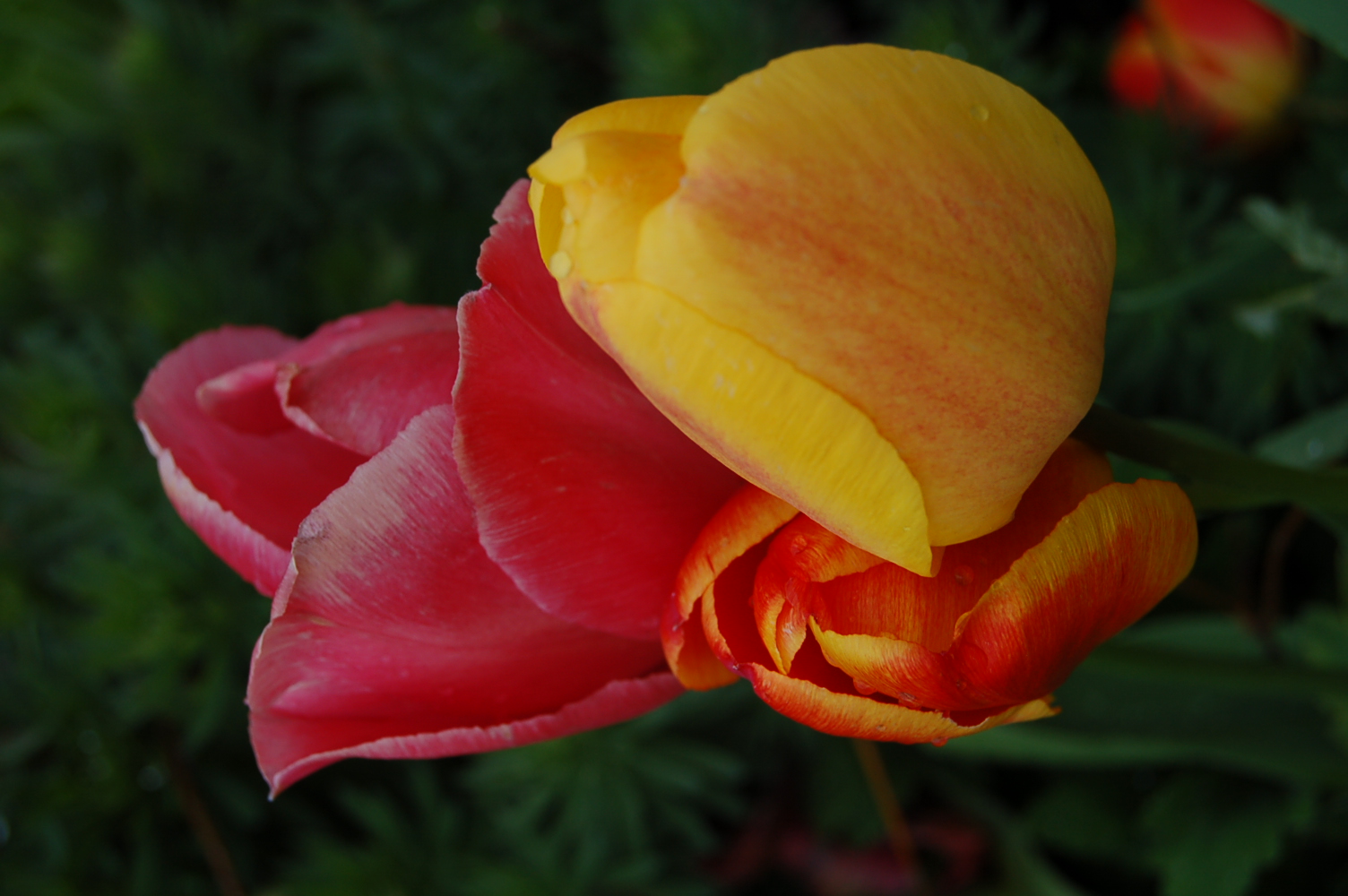

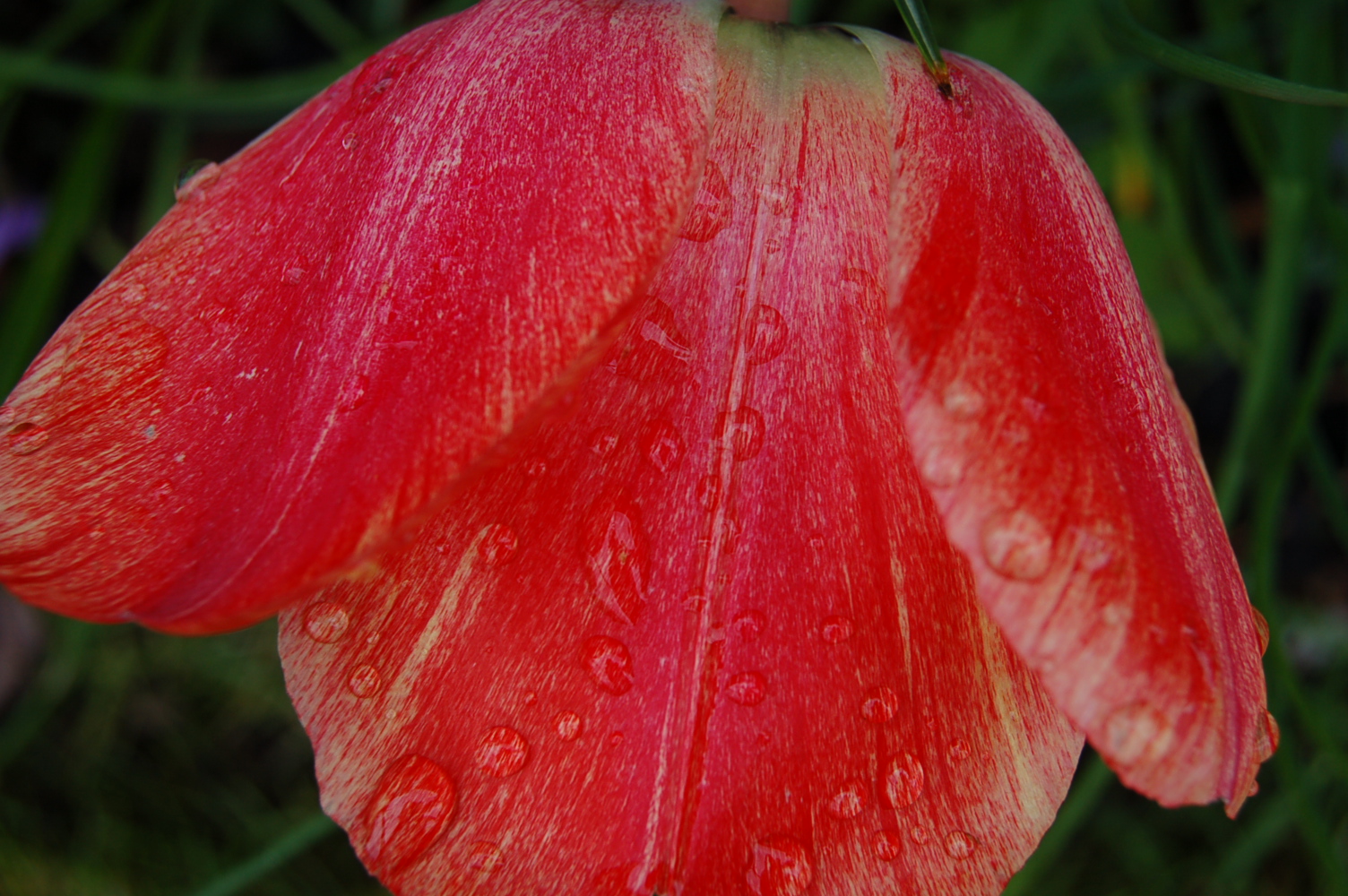


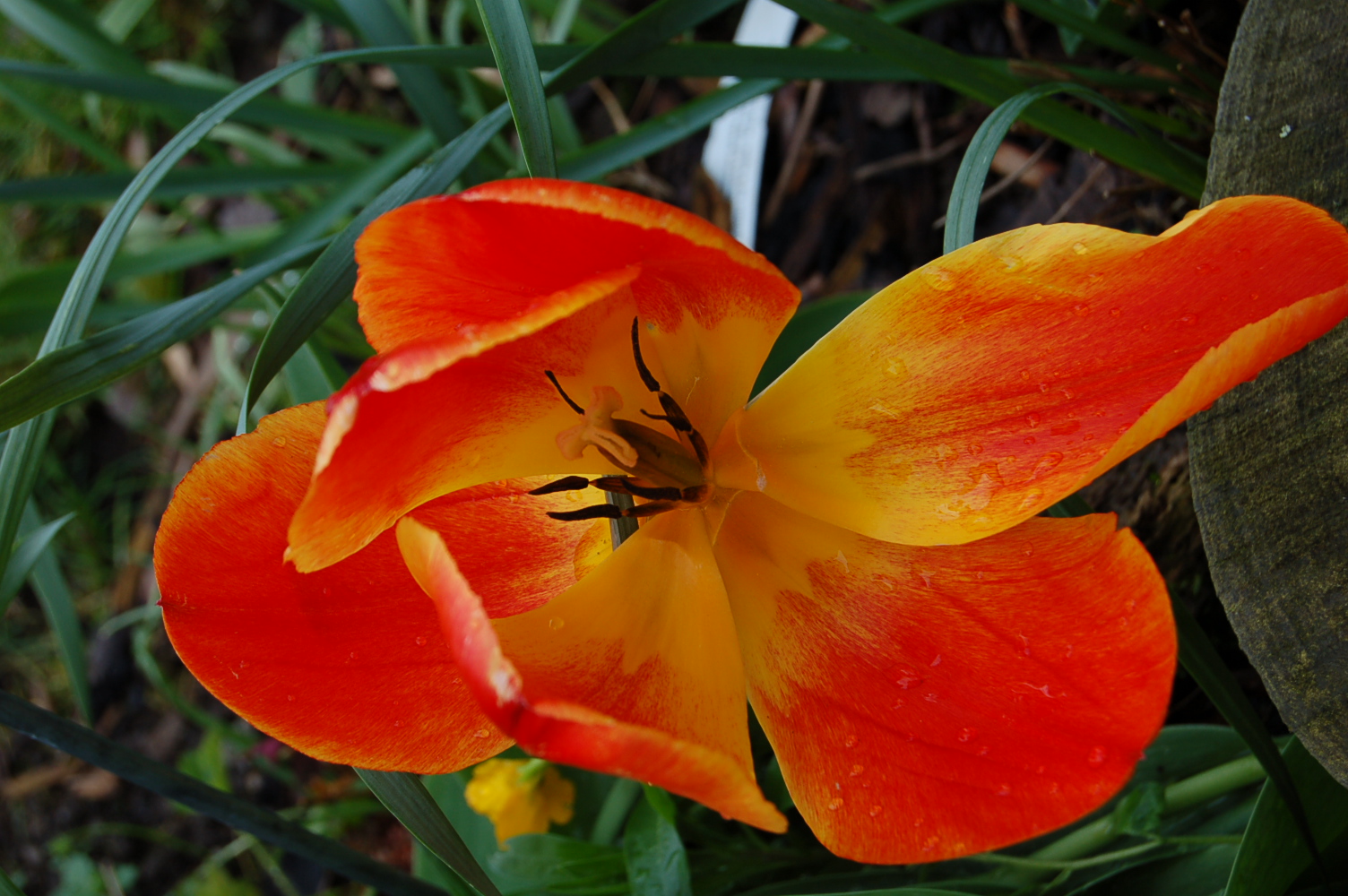
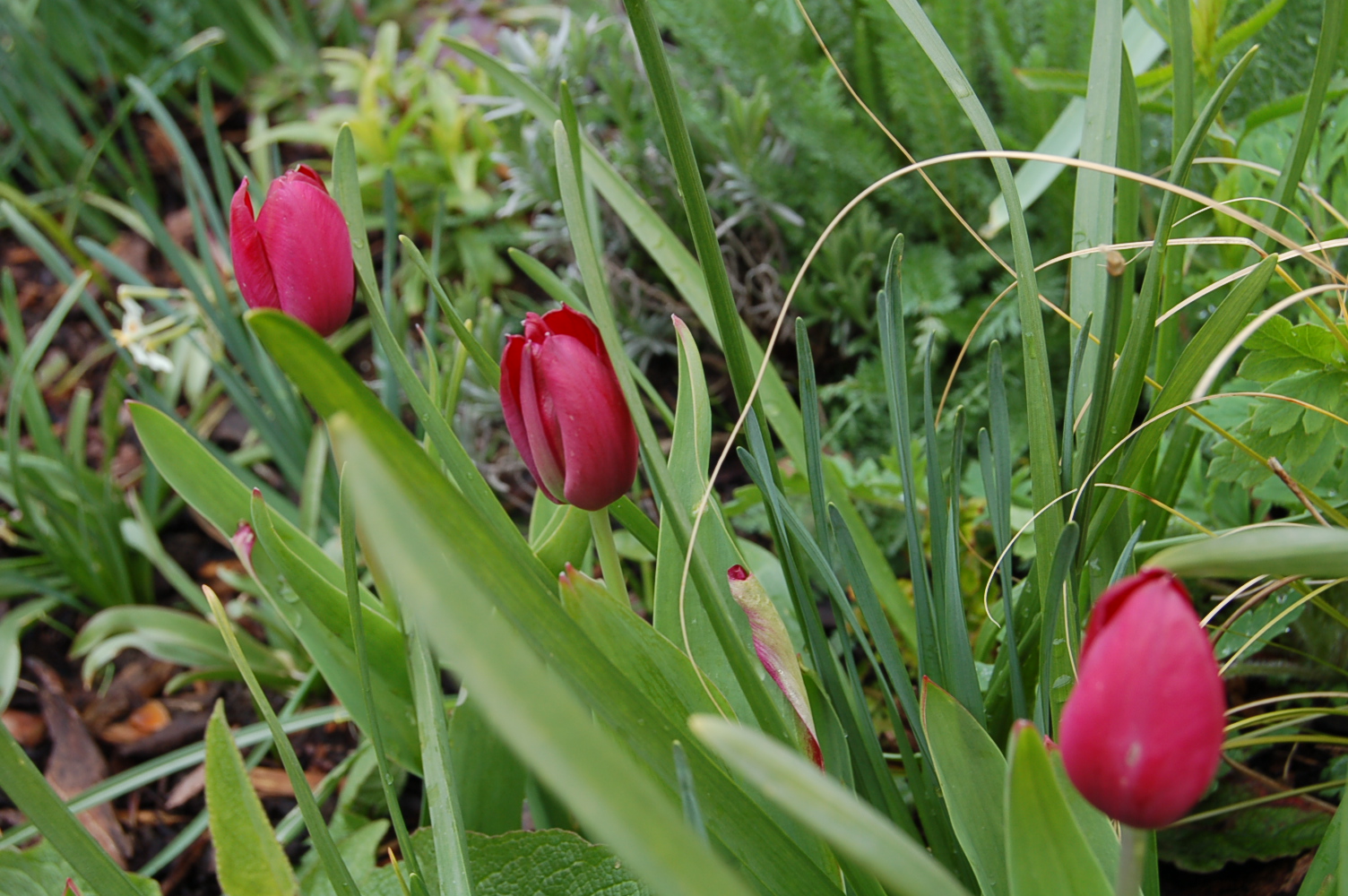
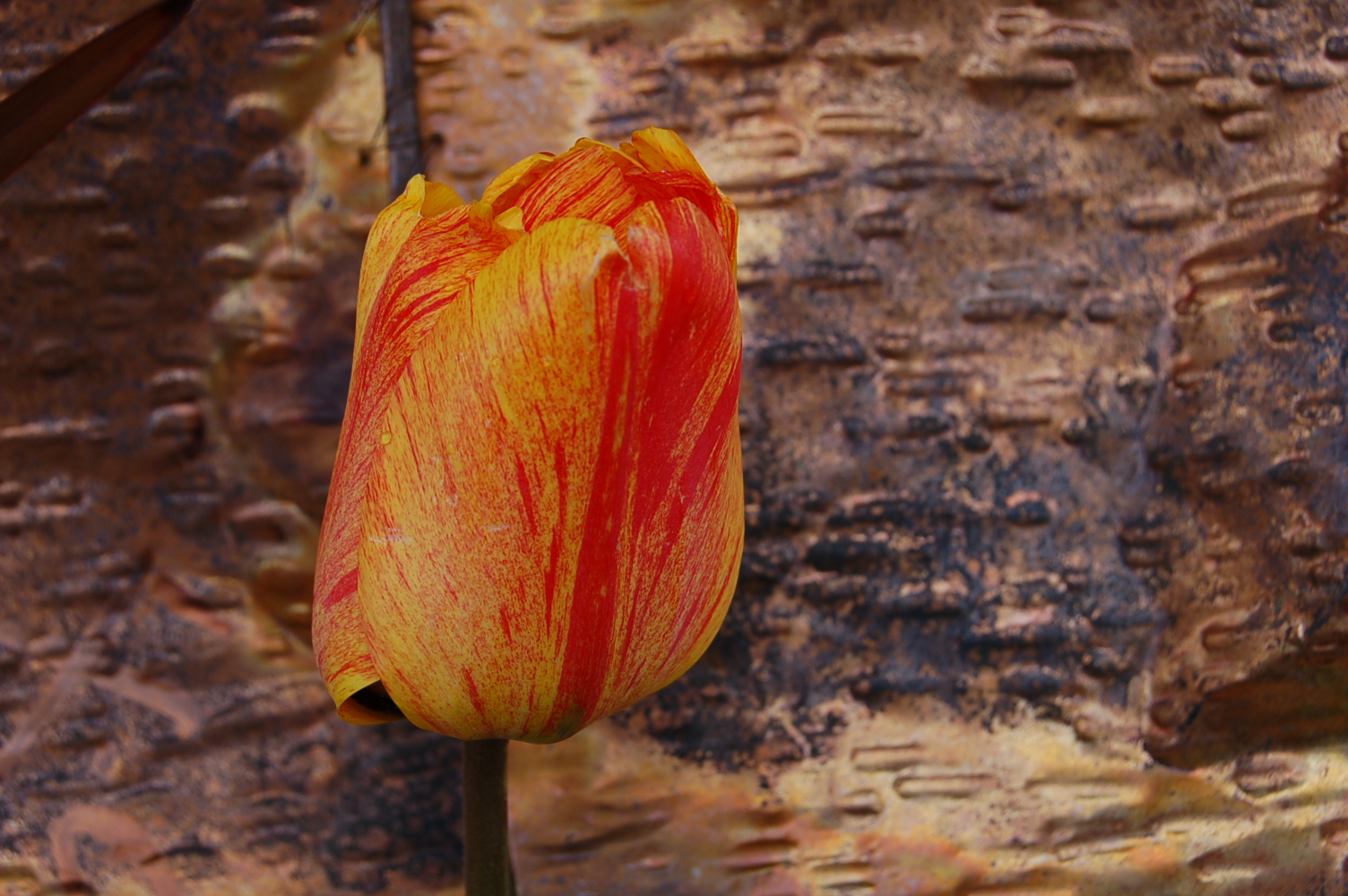


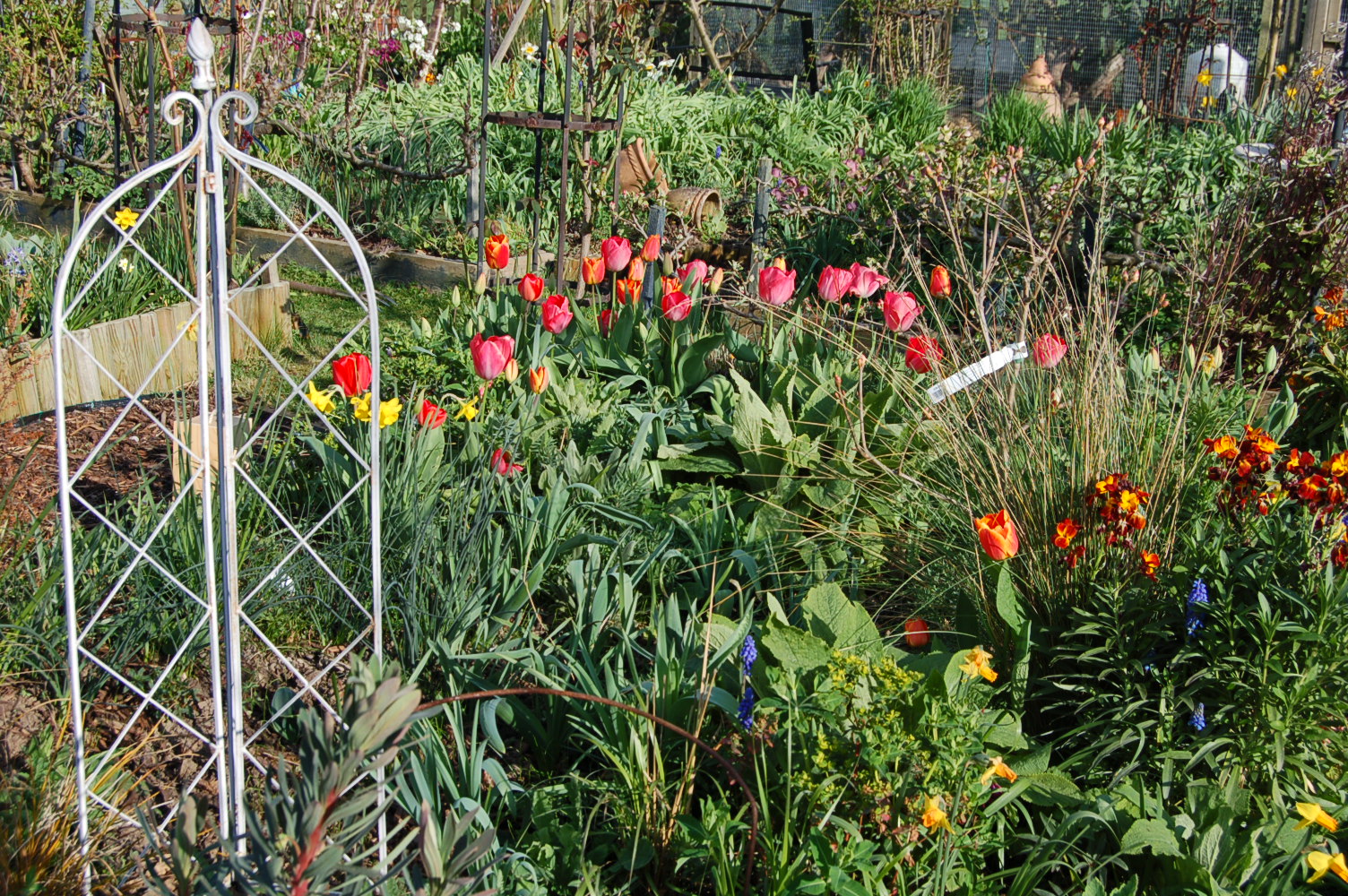
Let us continue around our garden in search of tulips and look at some very closely ………..
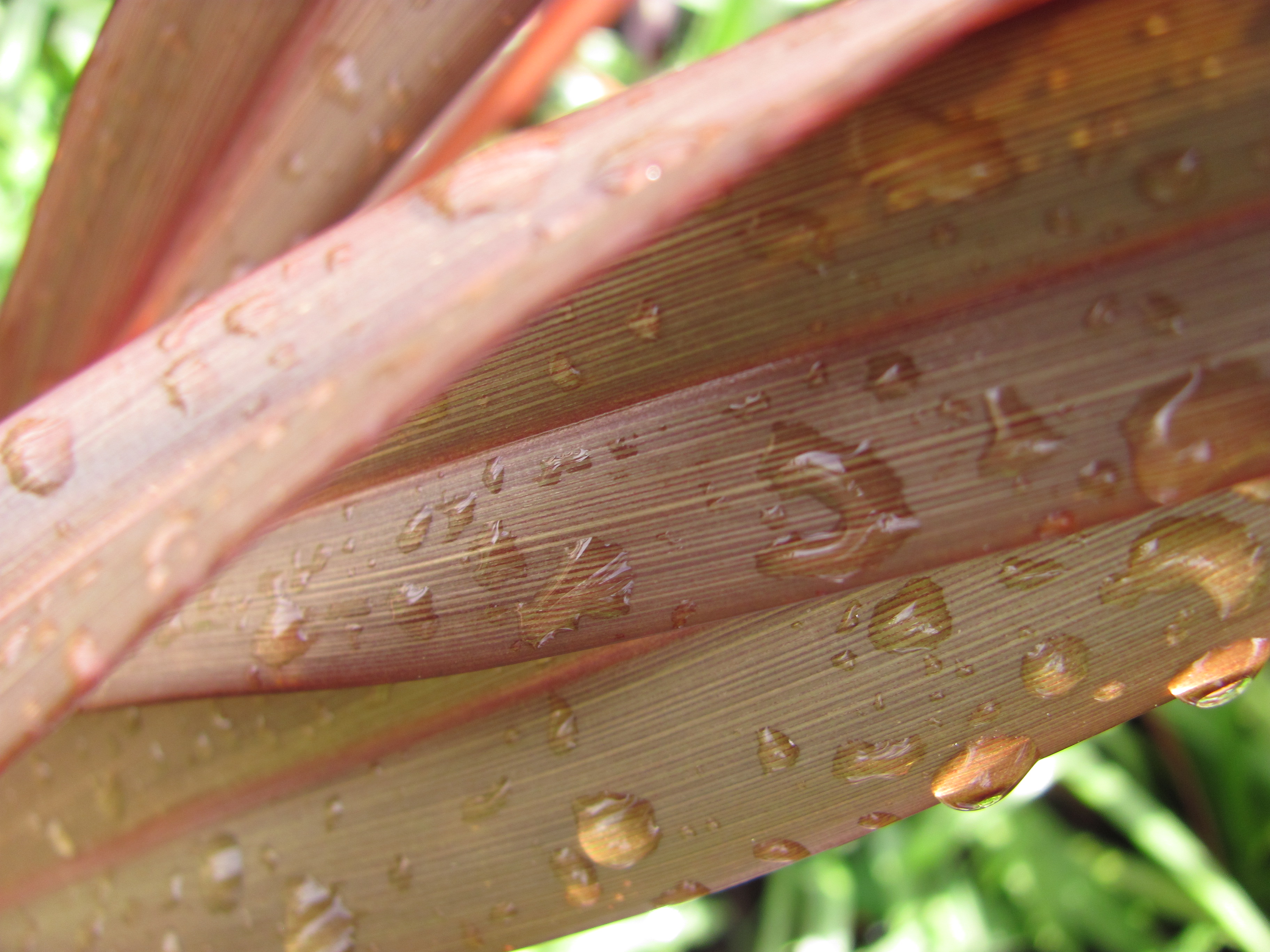
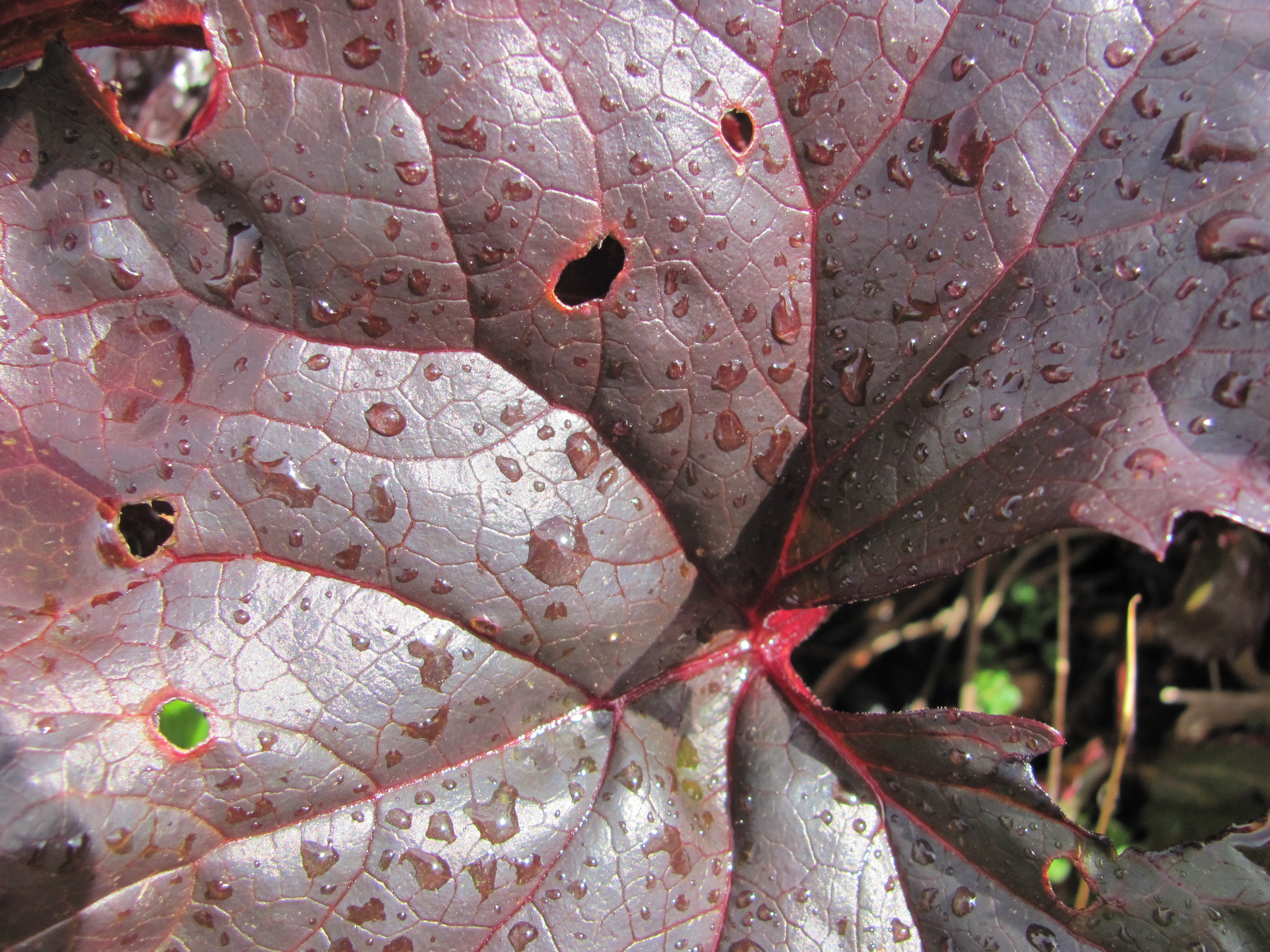
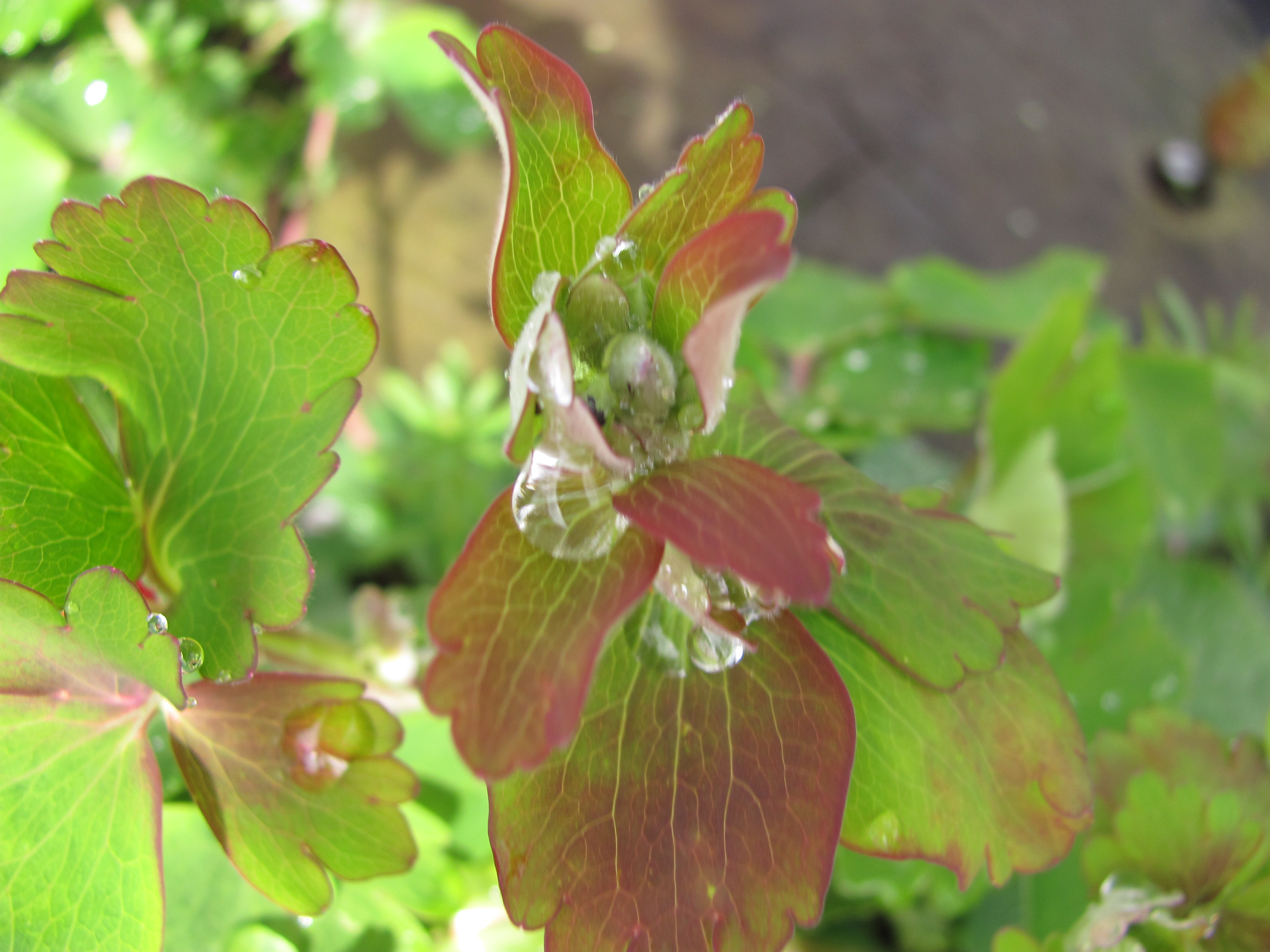
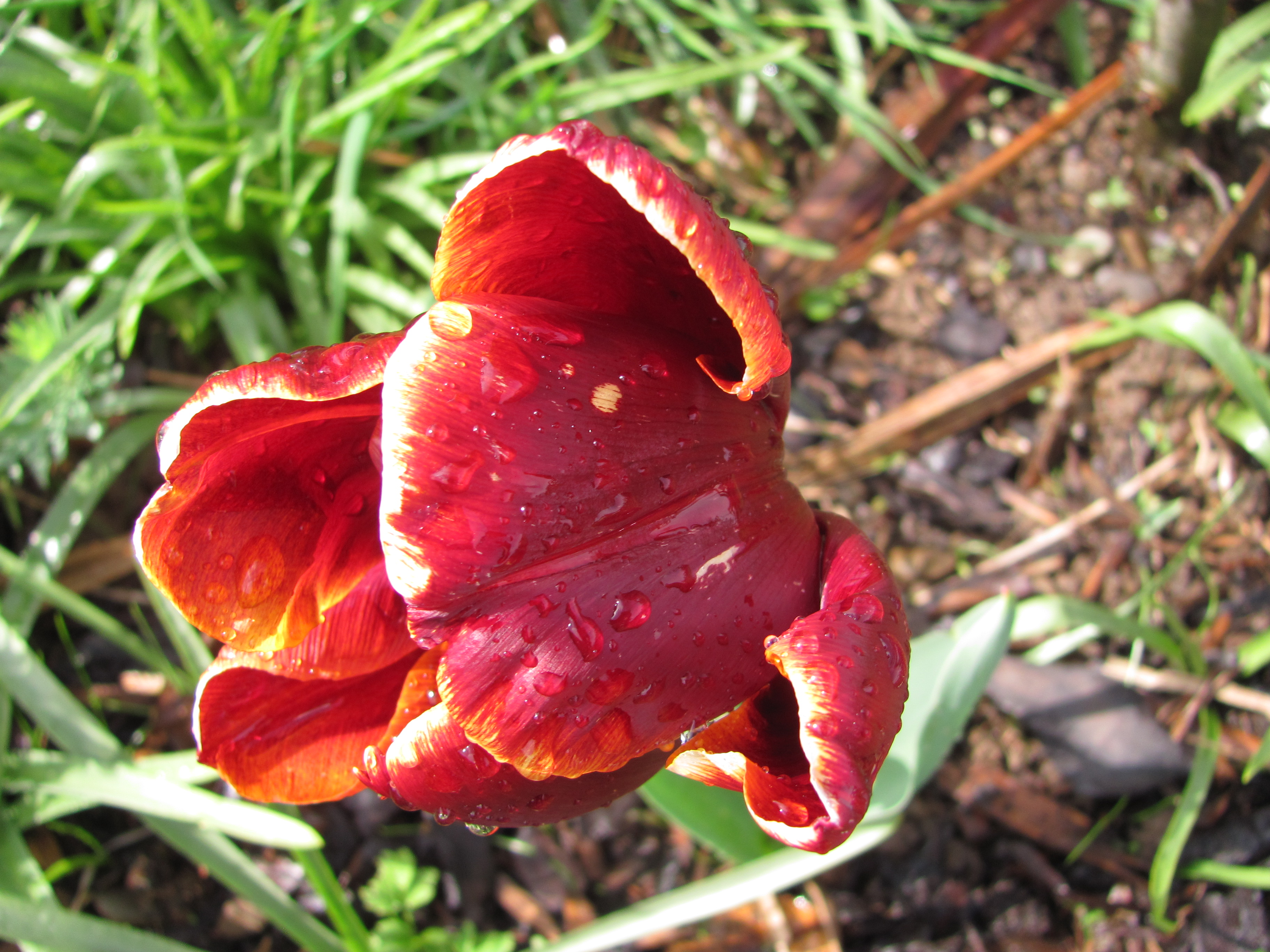
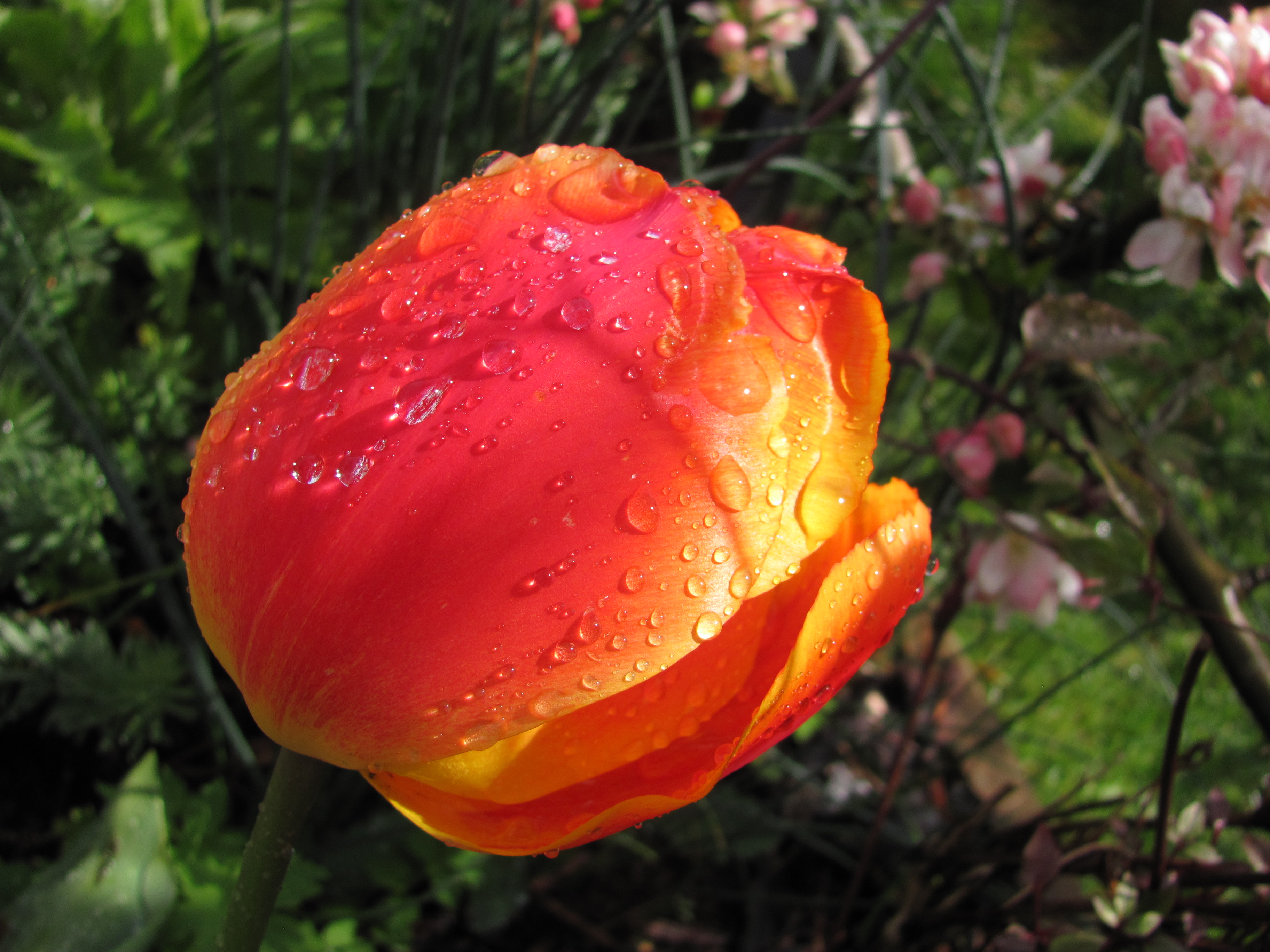
After days of heavy showers and longer periods of rain mixed with hail, the sun suddenly came out. The effect it had on the garden was magical – the plants looked healthier, the leaves greener and shinier and the colours of flowers intensified. Raindrops clung to foliage and blooms and reflected the light of the sun.

The constant splashing of rain and the noisy hail banging on the top of our conservatory suddenly stopped and were replaced with bird song. the clear flute-like song of Blackbirds and the repetitive notes of the Song Thrush sounded rich and clear.

Rain sits in shining droplets acting as tiny mirrors and prisms affecting the light. Each droplet sits like a bubble of liquid mercury.

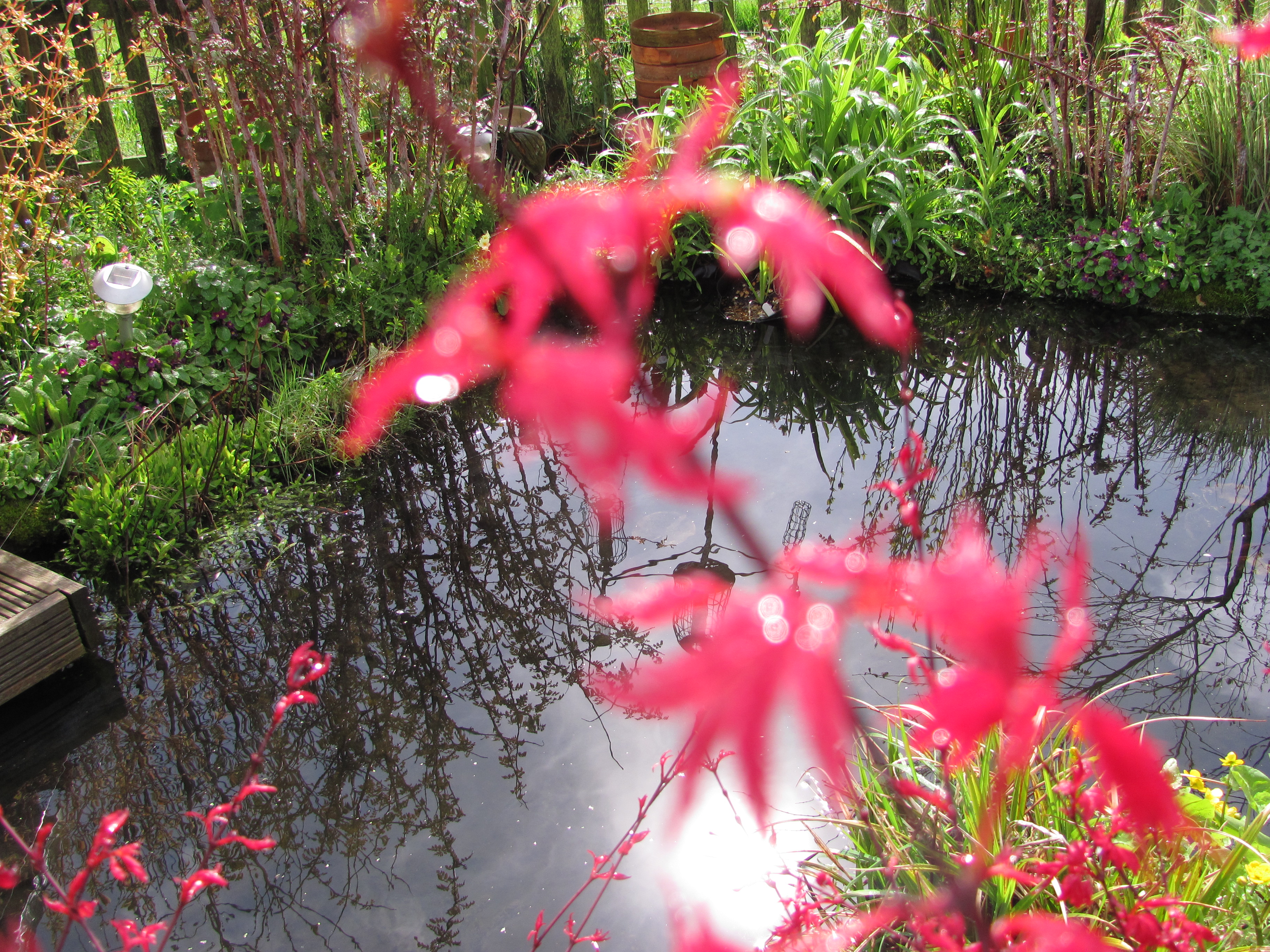
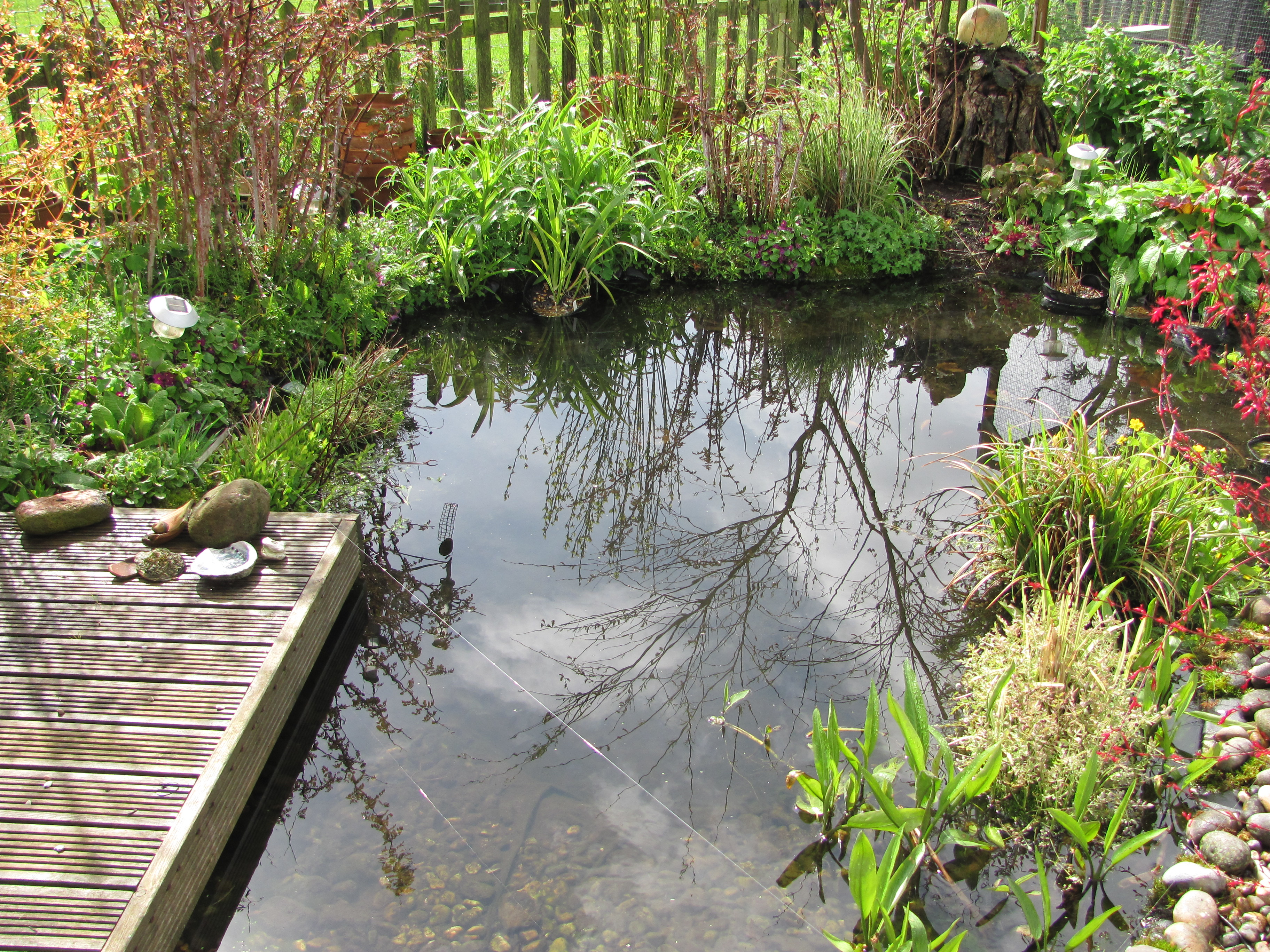
The pools are filled to the brim! The rill is overflowing into the surrounding gravel and the wildlife pool is overflowing adding much-needed water to the bog garden alongside.
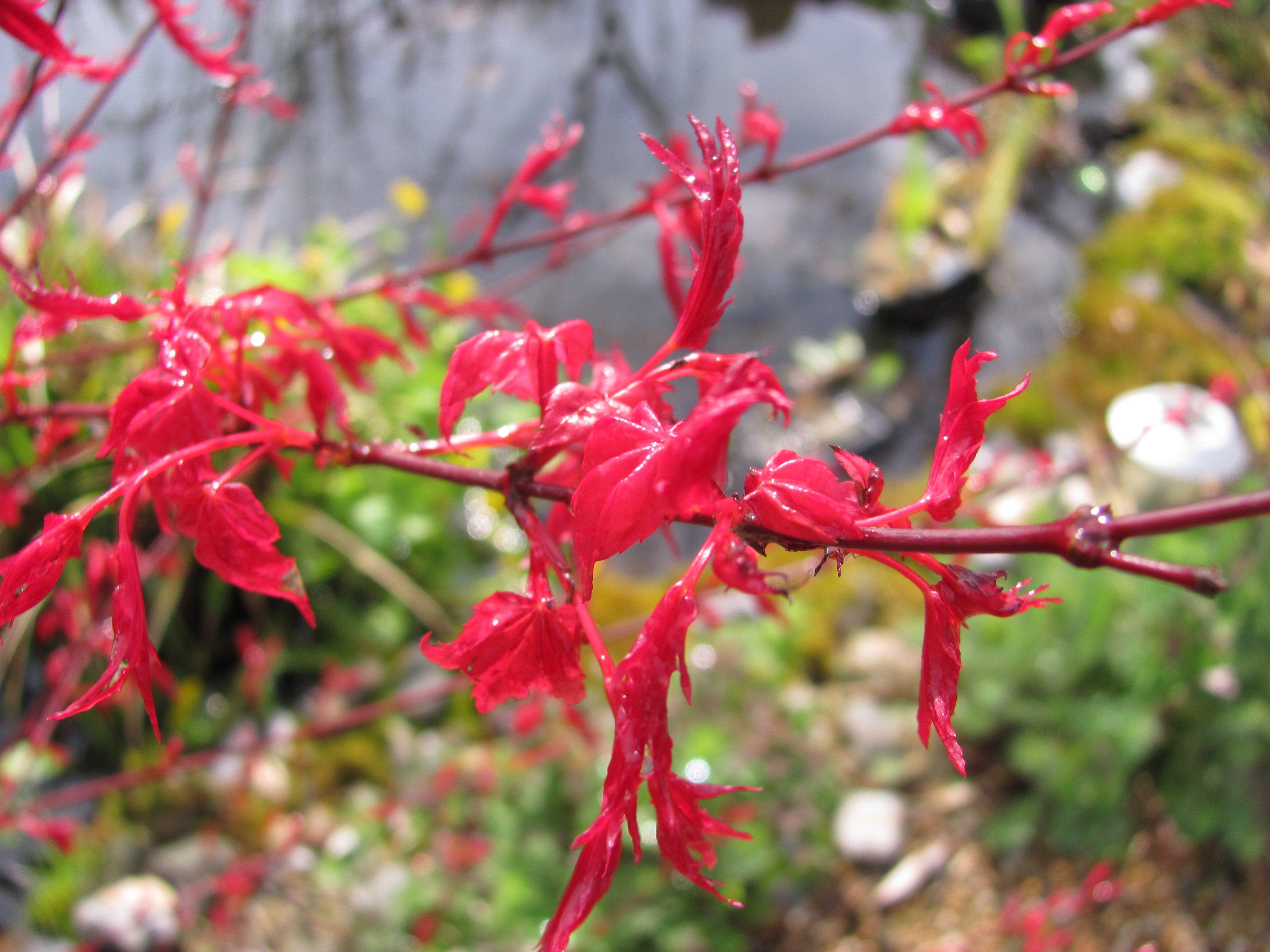
In the first photo we are looking through the fresh red leaves of a Japanese Acer at the wildlife pool.
The photo below is taken from the decking end of the pool and shows how the rain has raised the water level right up to the deck, while the following one is taken from the bog garden end.
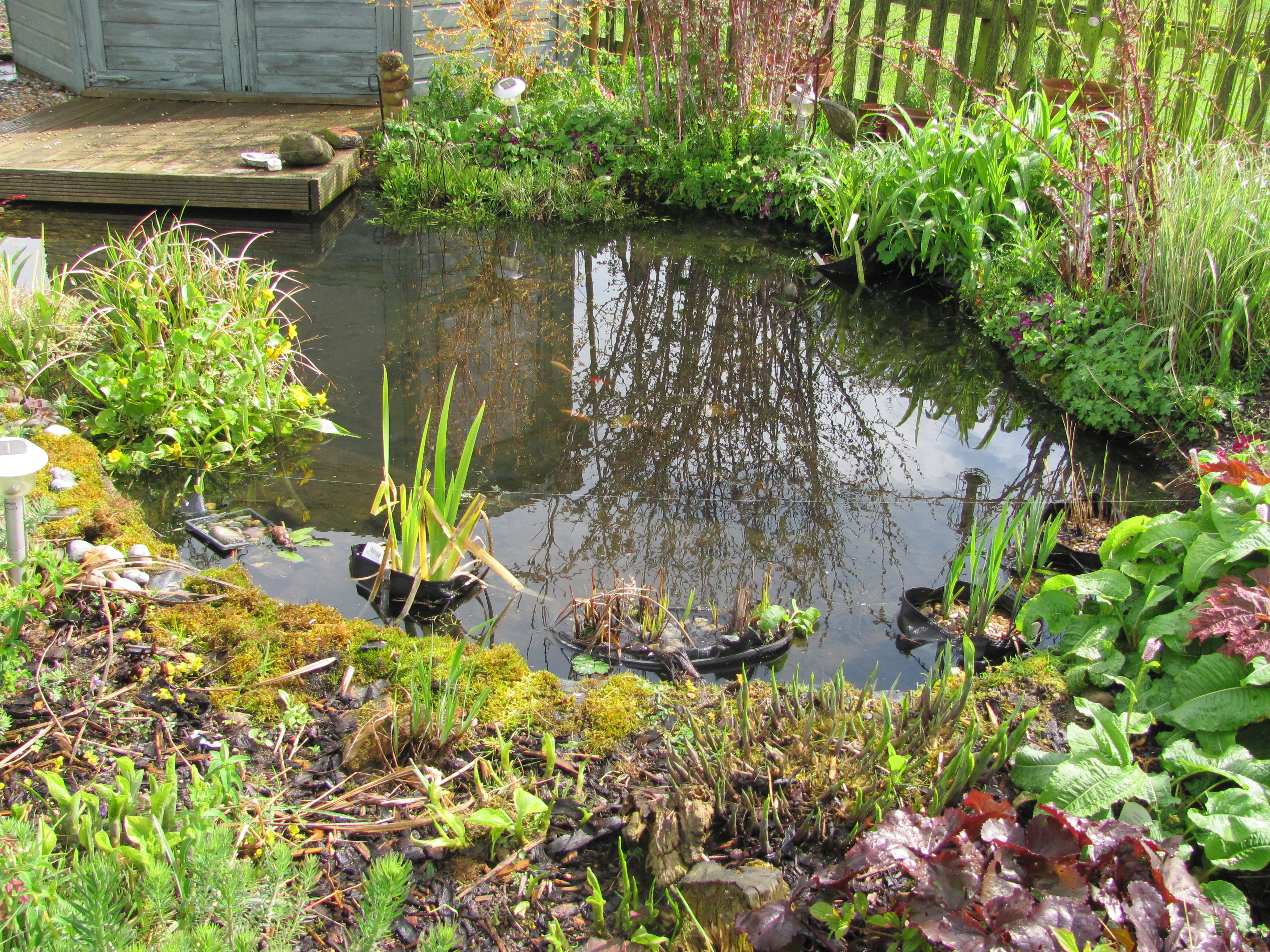
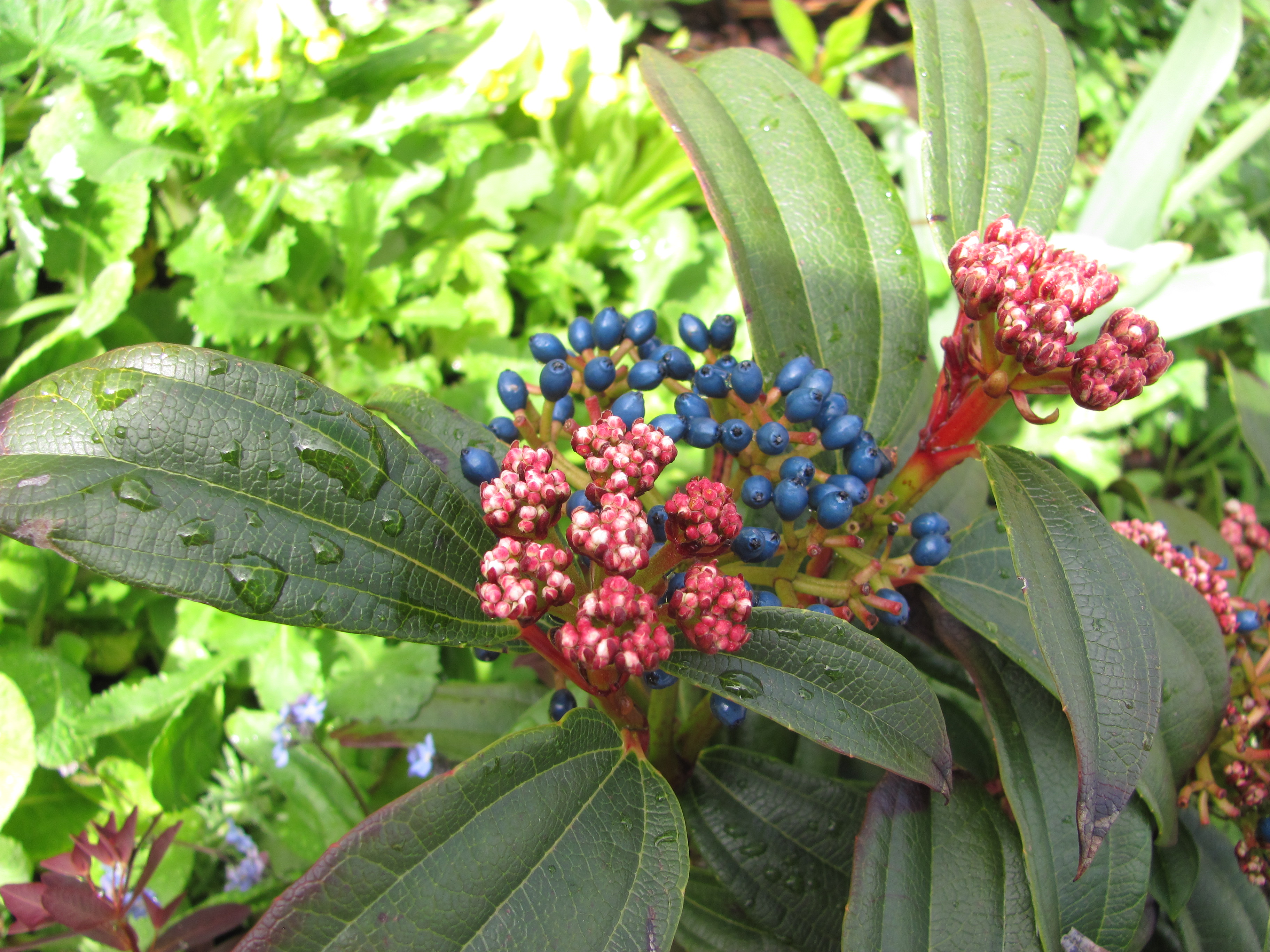
Colours of flowers and fresh spring leaves are enriched by the rain drops.

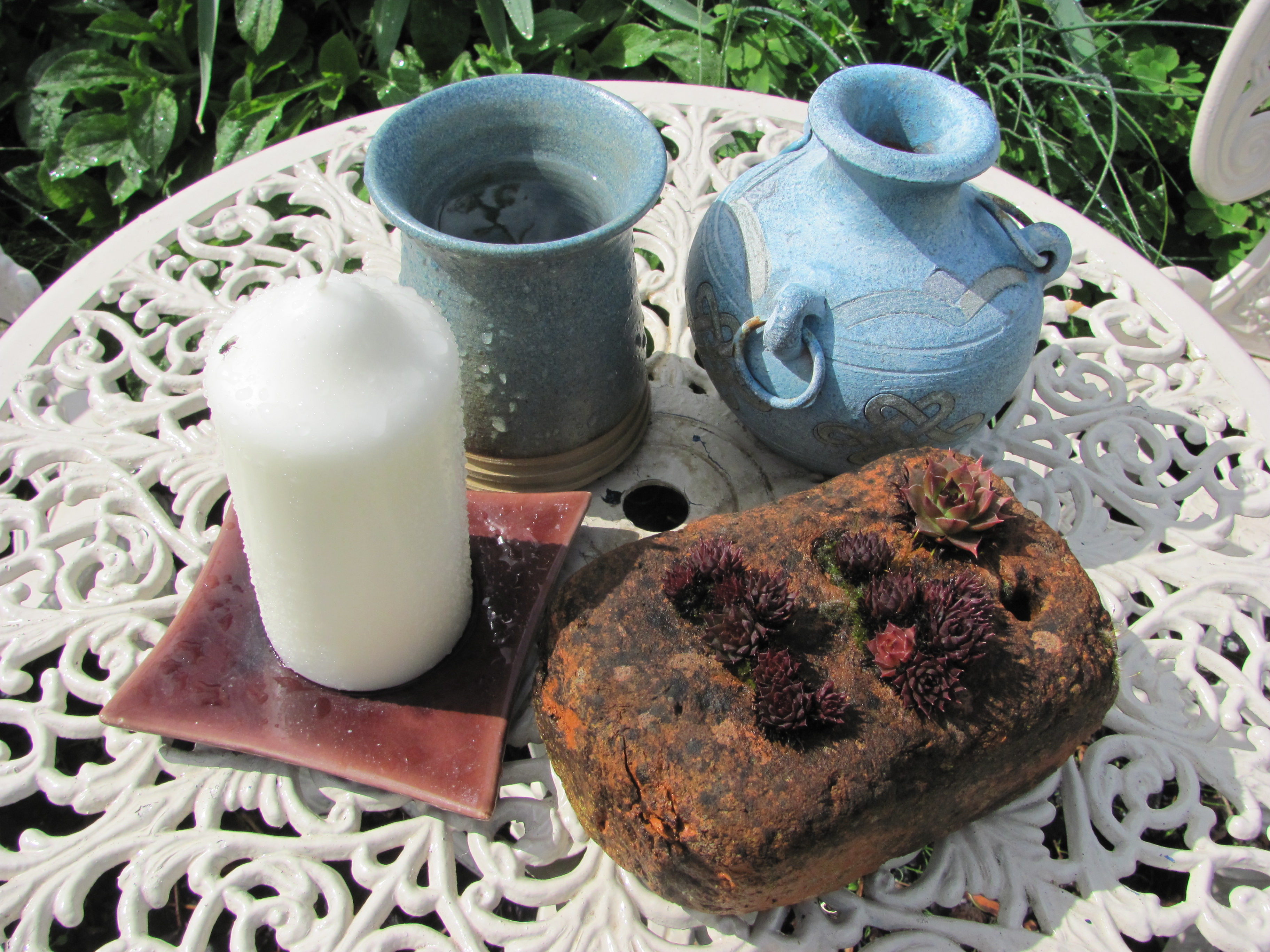
The rain even tried to fill up a pottery vase on the garden table in the Chicken Garden.
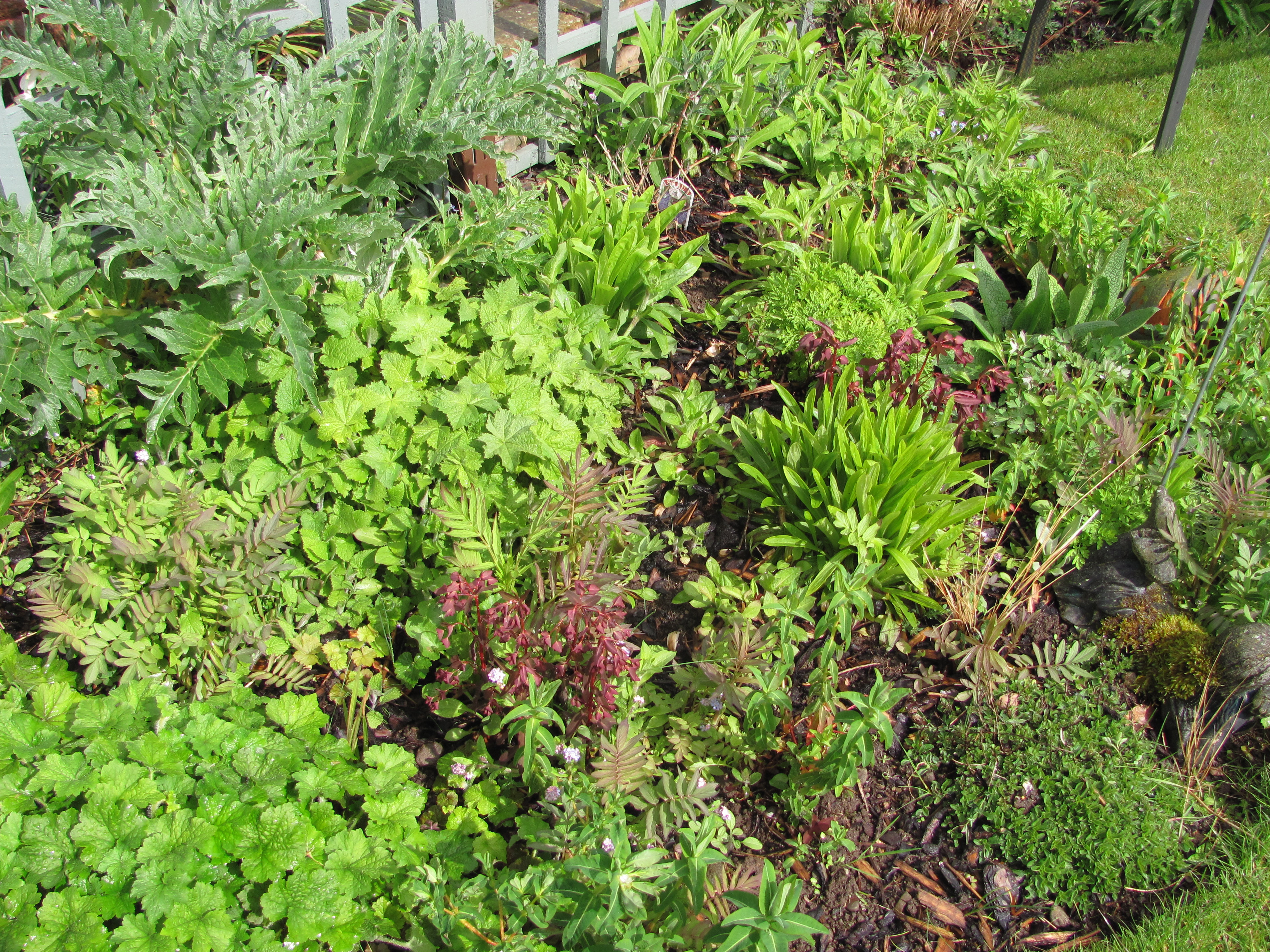
The benefit of all that rain after a year of drought in 2011 shows in the rapid growth of herbaceous plants in our borders. The greens look greener and the growth is lush and exuberant. The Trellis Bed looks so full after a few days of rain.
The key moment in April came when our allotments featured in a national gardening magazine, “Grow It”. A great article full of photos! And then towards the end of the month the lottie chairman, John and I were interviewed by Matt Biggs for an article in the “Edible Garden” magazine. (Please excuse the name dropping!)
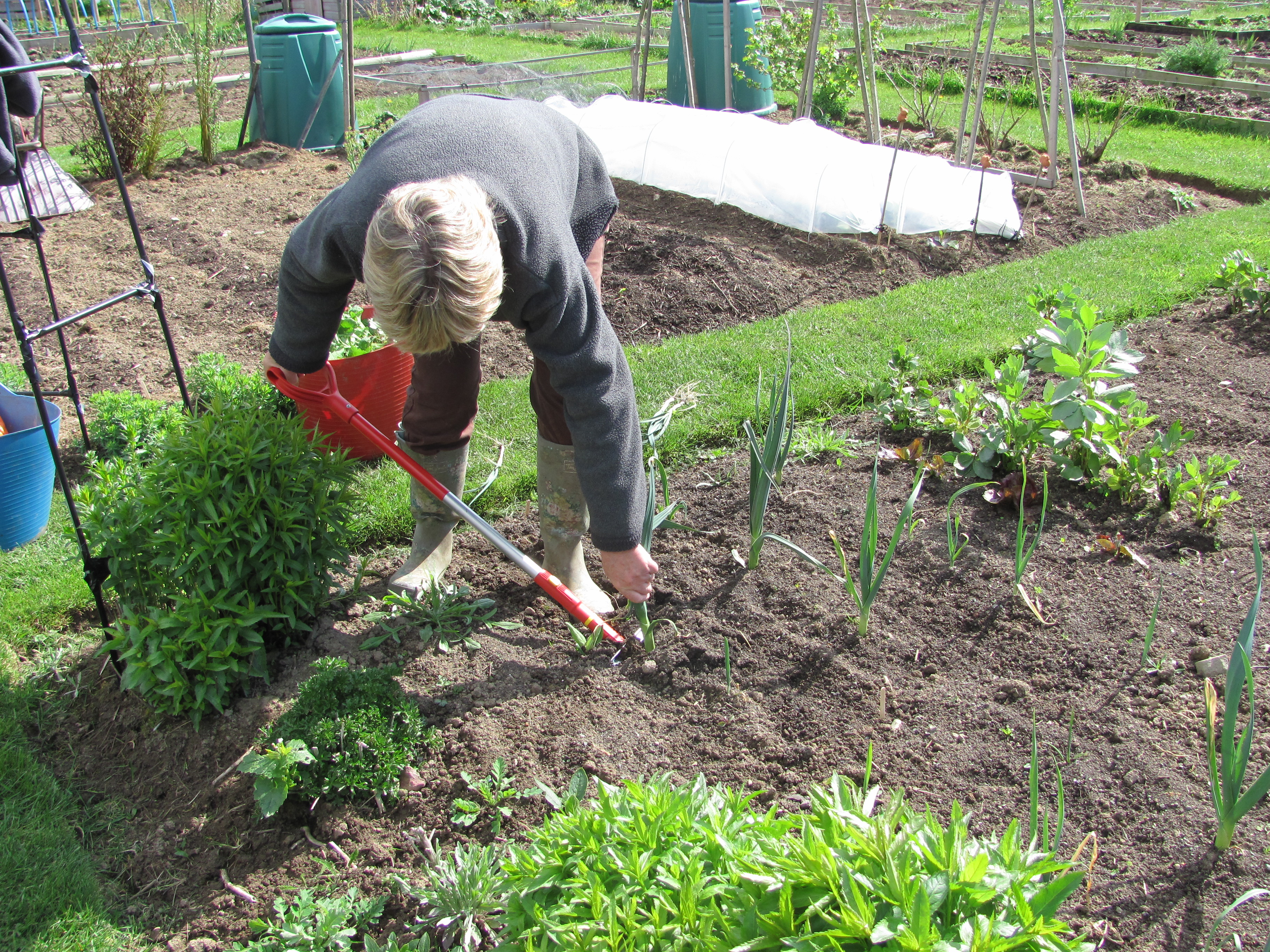
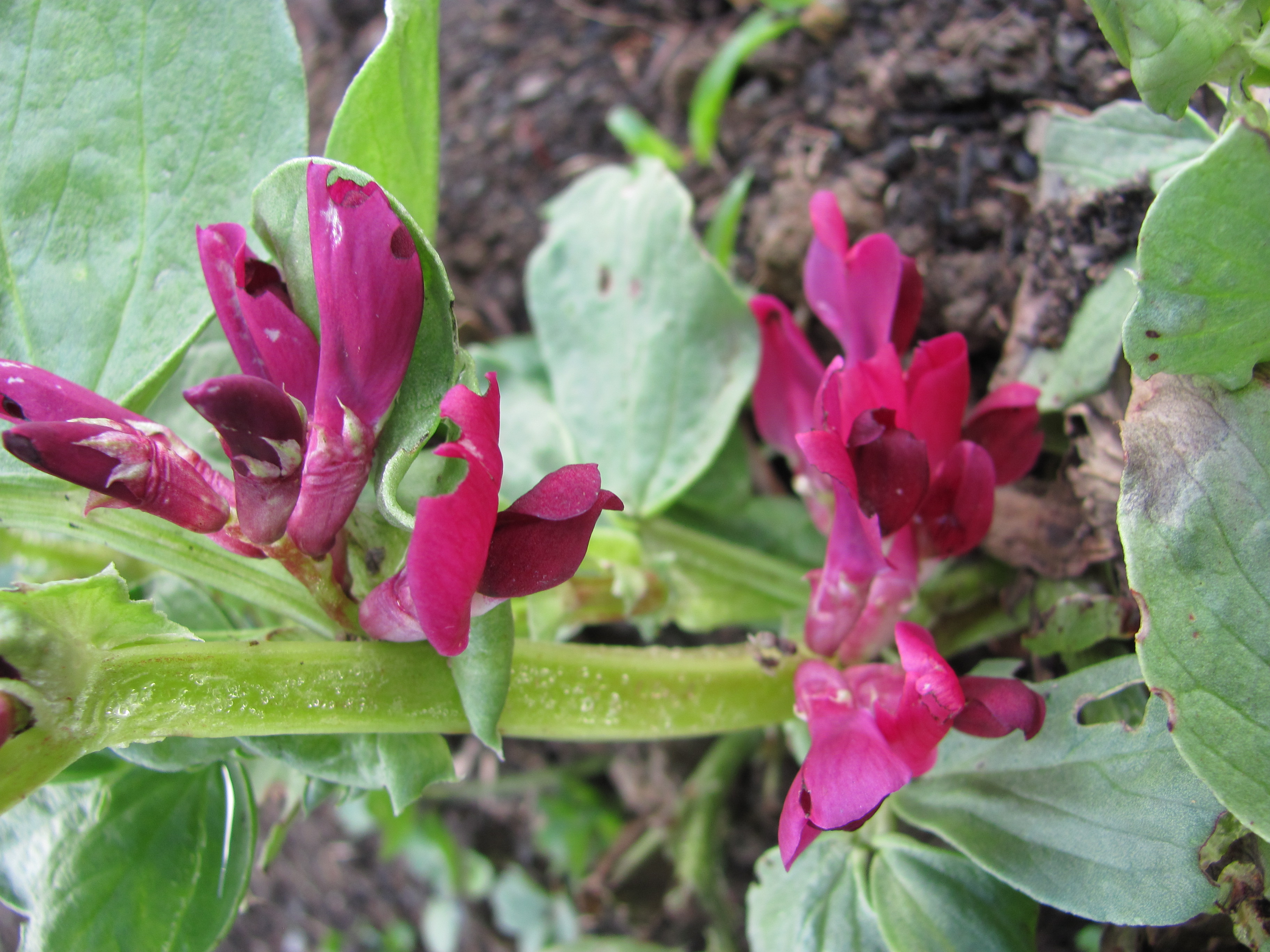
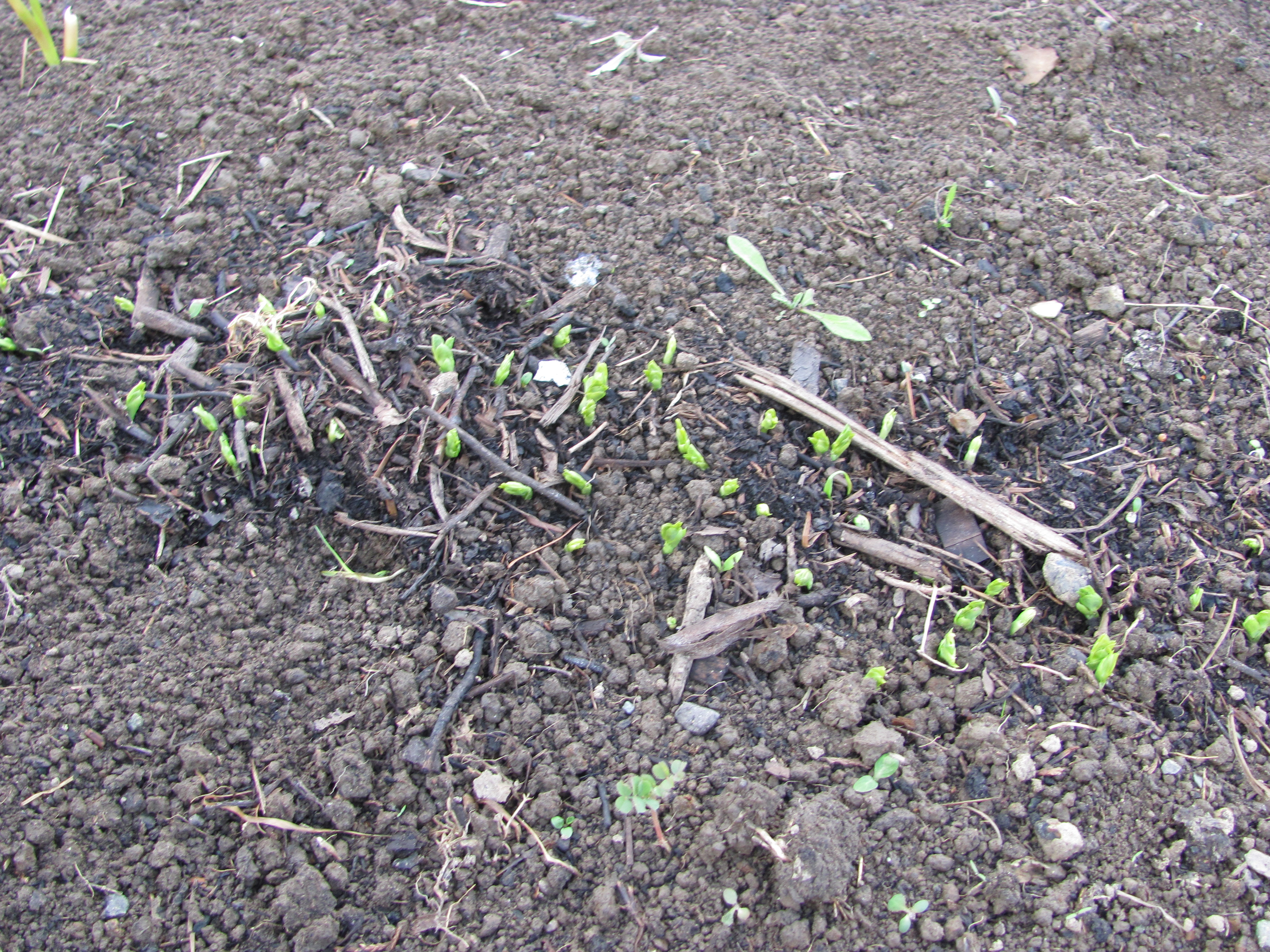
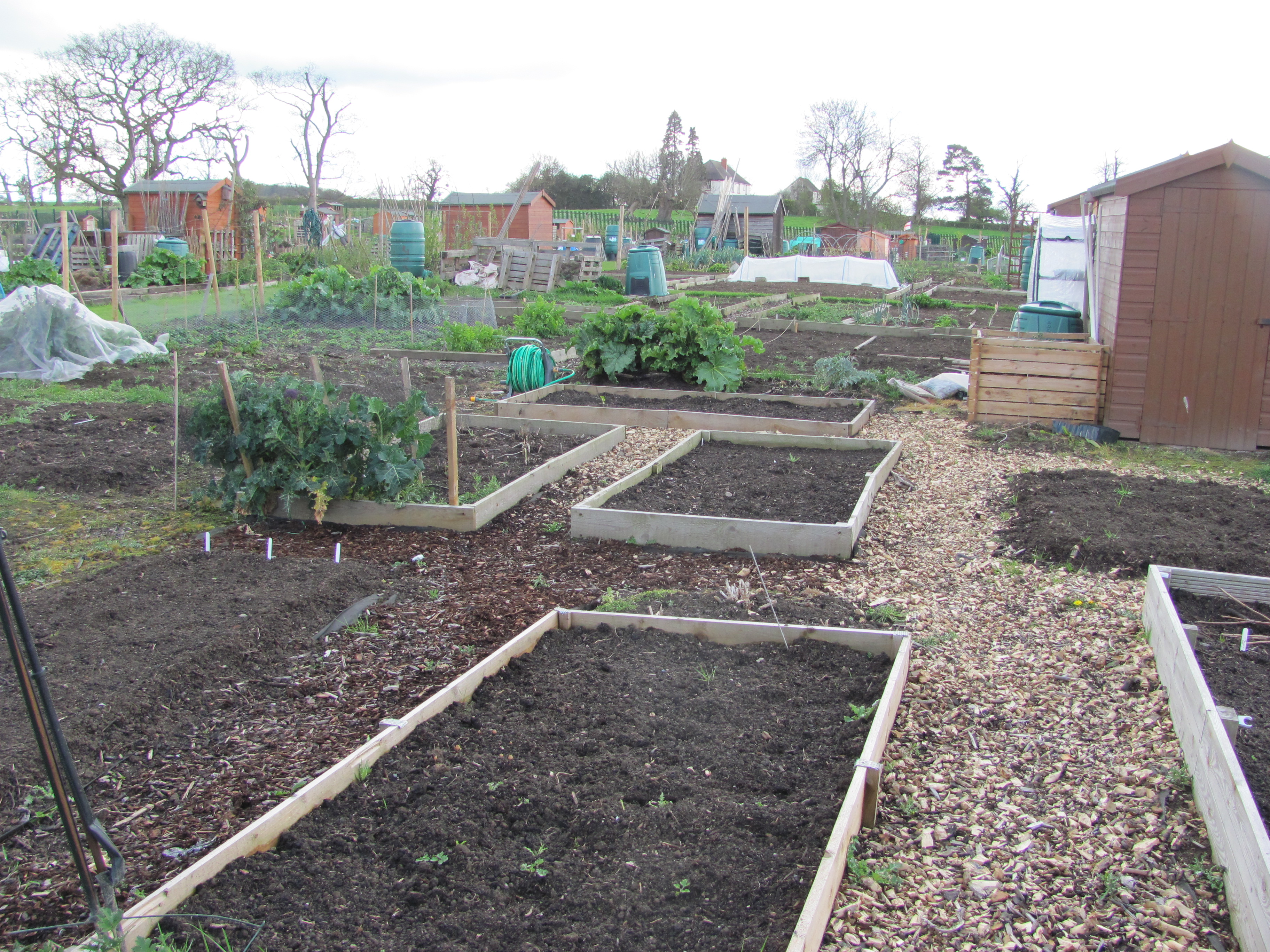
So let’s take a wander around the site starting at our own plot, number 37, where the last of the leeks are still in the ground but the kale is beginning to go to seed. Seeds we sowed a few weeks ago are now germinating and popping their heads above the soil. The autumn sown broad beans are flowering as are our currants and gooseberries. So it is all systems go.

As we began our wander we were pleased to see two families from the nearby estate wandering around our interest trail with their children. Later they were sat in the willow dome reading stories. This is what community allotments are all about! We shall start our wanderings at Hut 2, one of our communal huts and move on to the Autumn Garden, one of our “Gardens of the Seasons”.

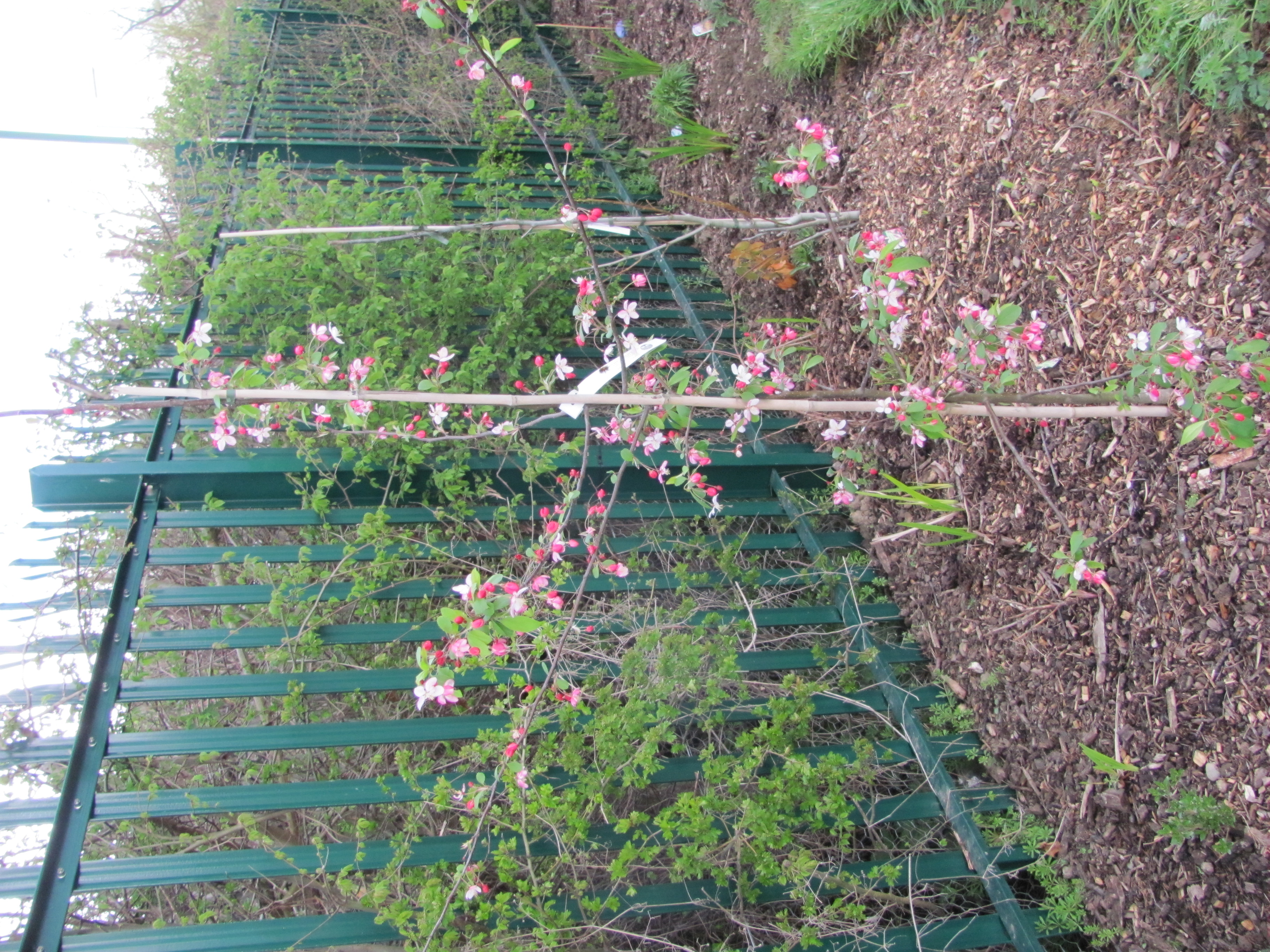

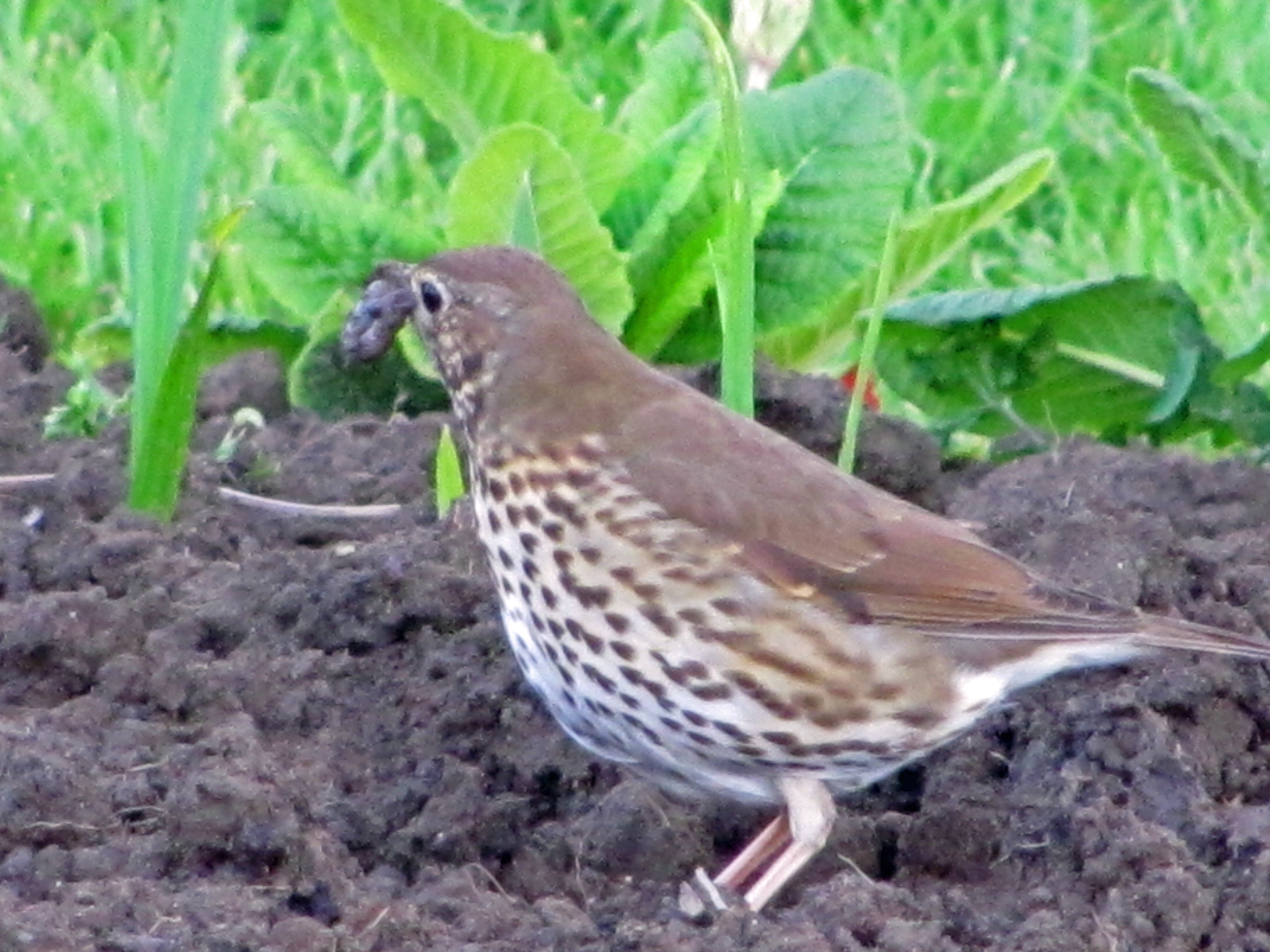
Moving on from the Autumn Garden towards the first communal orchard we follow a native hedge in which for the first time a Song Thrush has nested. the parents are busy feeding their young and collect worms and bugs from plots right under the noses of the gardeners.


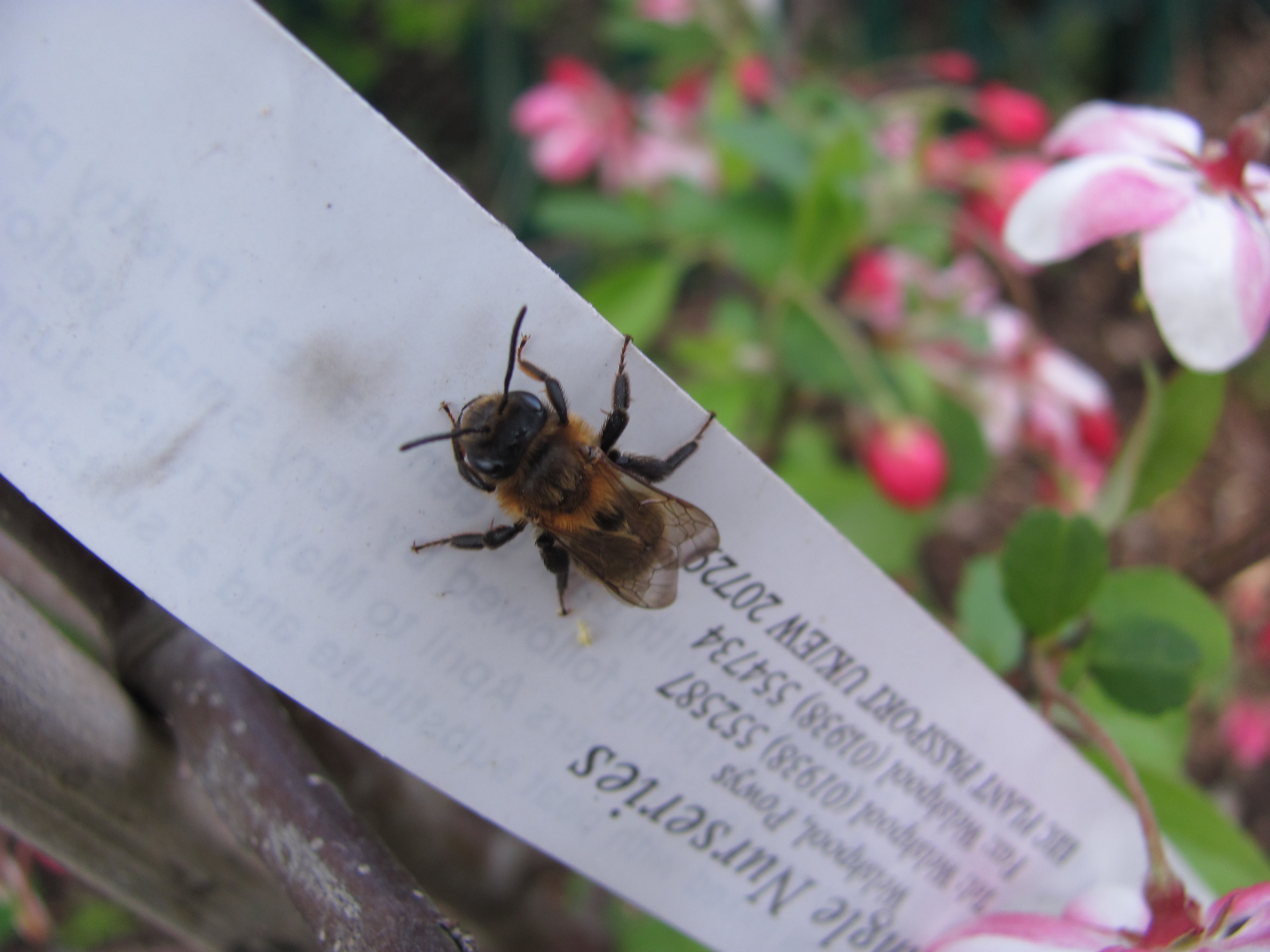
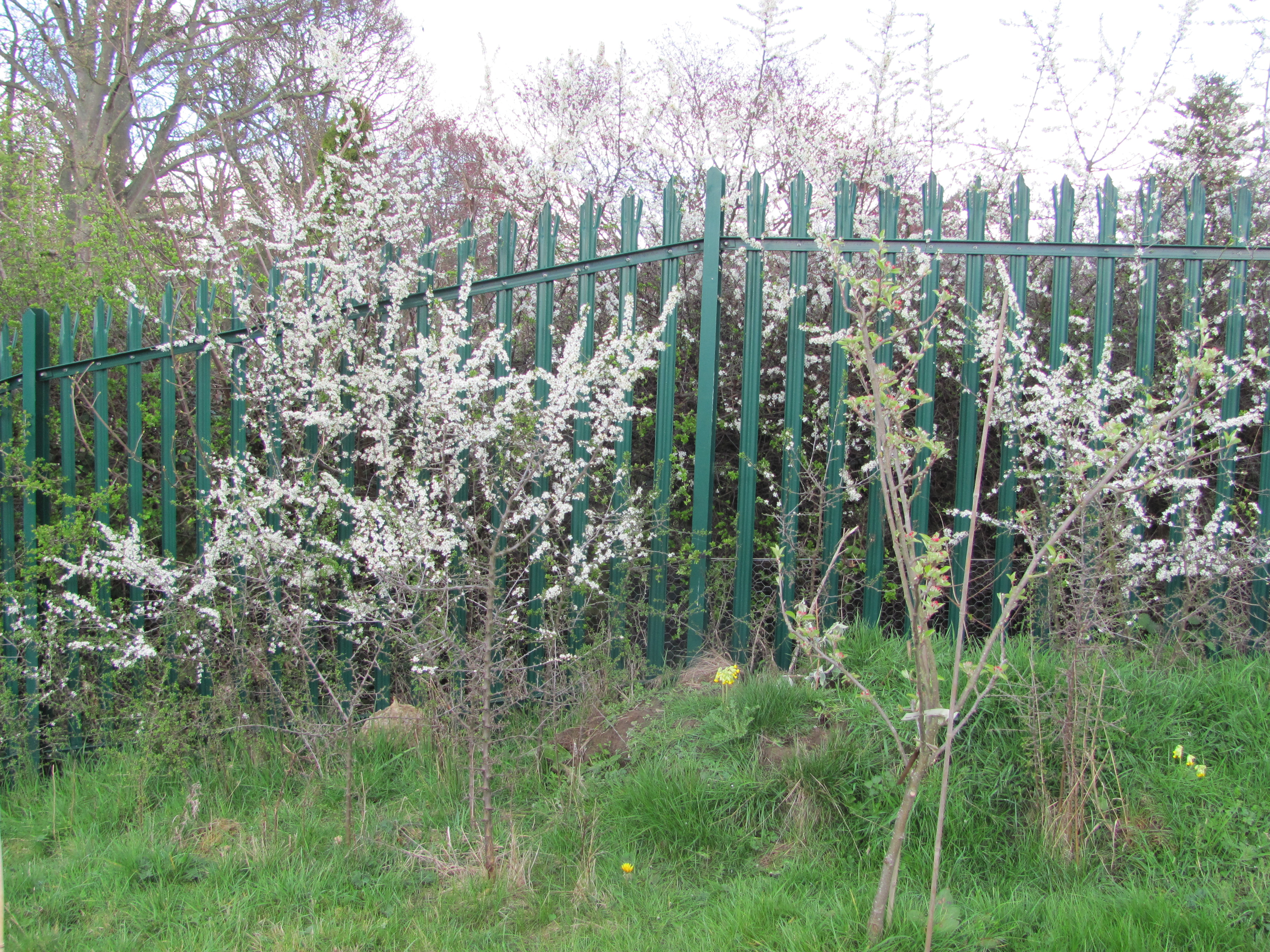
In Crowmeole Orchard flowering spring bulbs are coming to an end as Camassias and Allium push up their flowering buds. The apples, pears and plums are covered in pink or white blossom.


As we wandered through this orchard a flock of Long Tailed tits in their pink and brown livery flew off in the bouncing flight pattern, having fed on the peanuts in the feeders. Their long trailing tails followed on. We moved on following paths between plots towards the Spring Garden and Sensory Garden near the old oak tree. Plots are full of ridged rows of sown potatoes and white plastic plant labels marking newly sown rows.

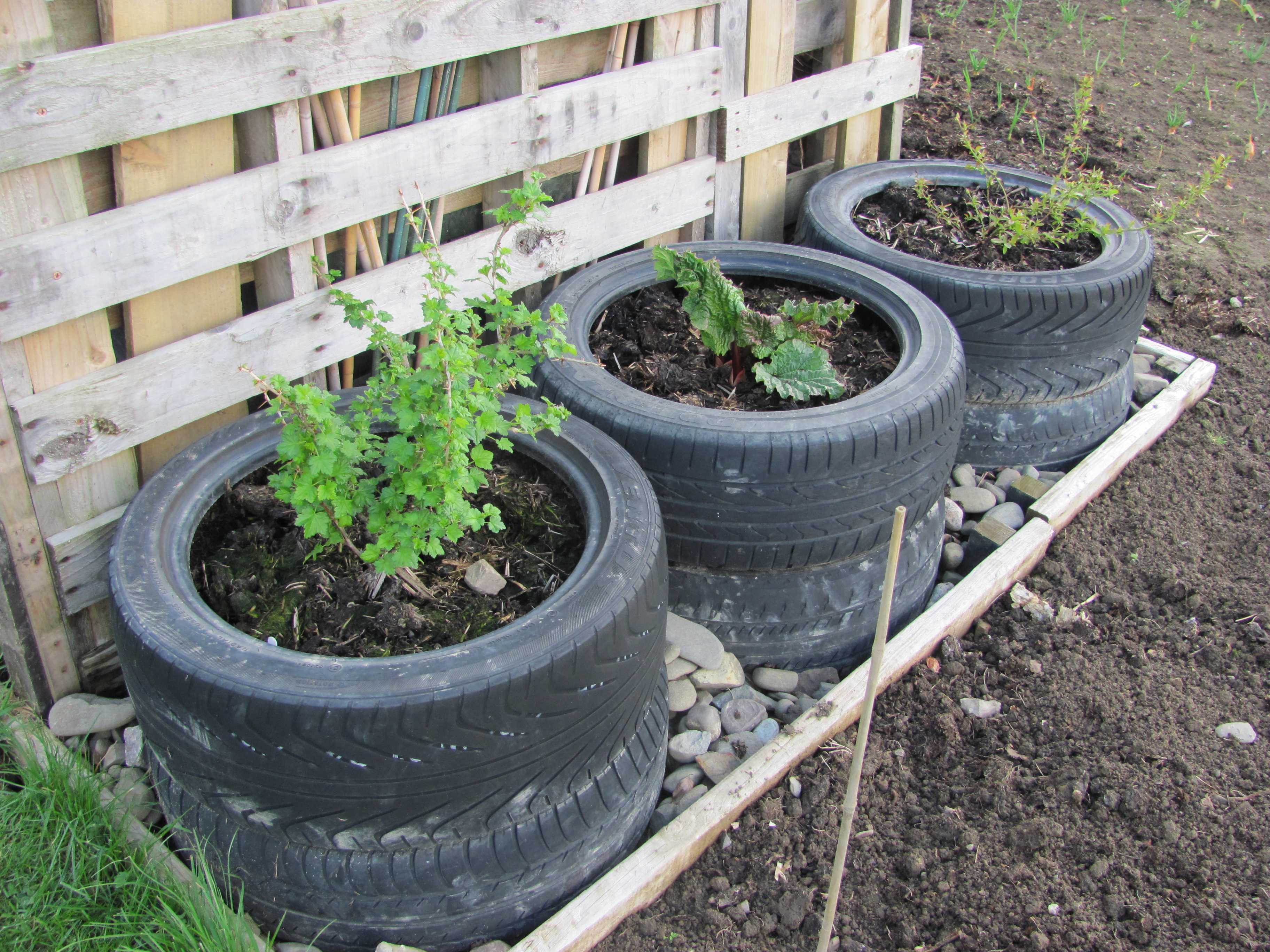
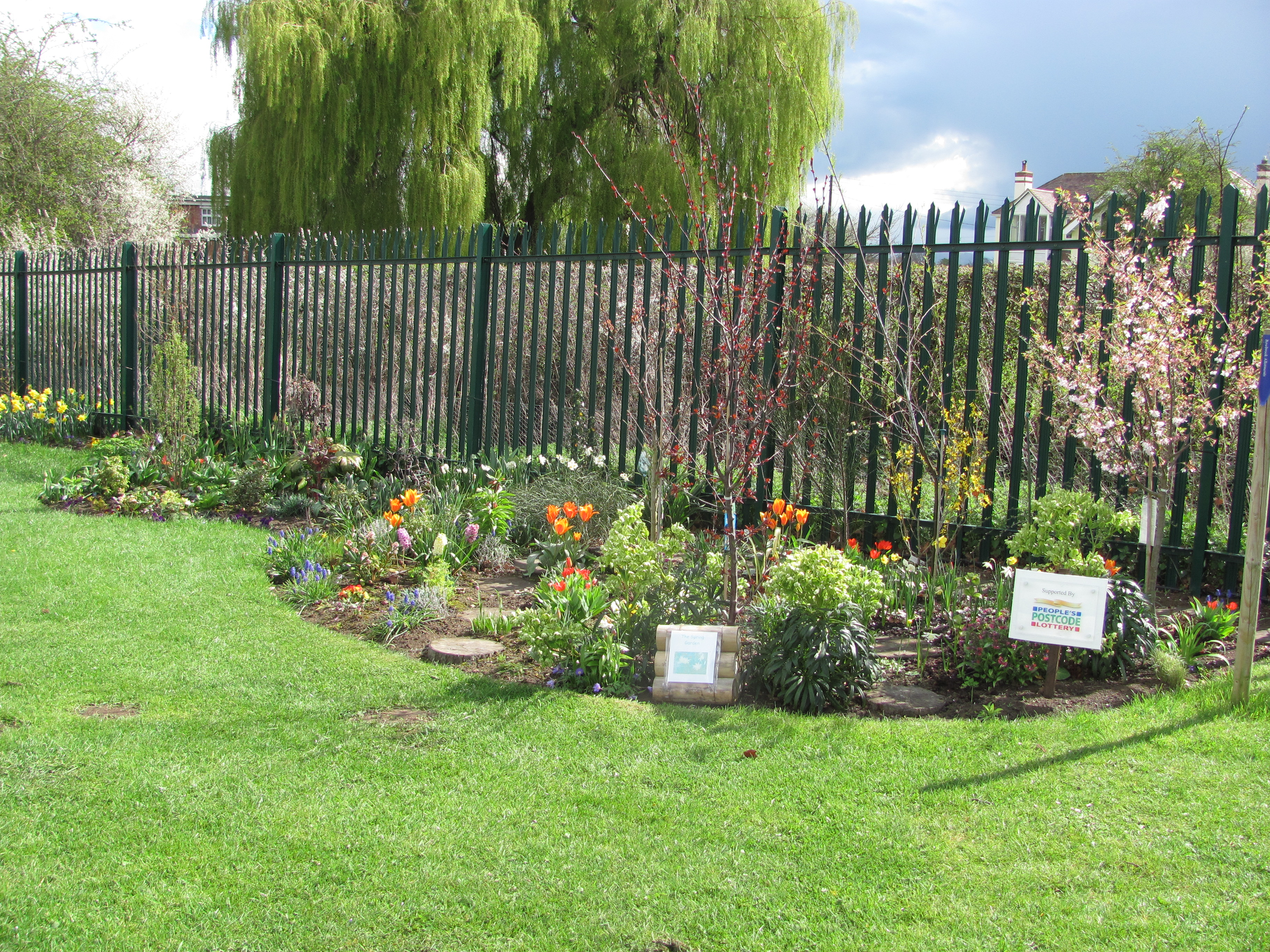
The Spring Garden in its second spring is looking so good and has become a popular place for allotment holders and visitors.
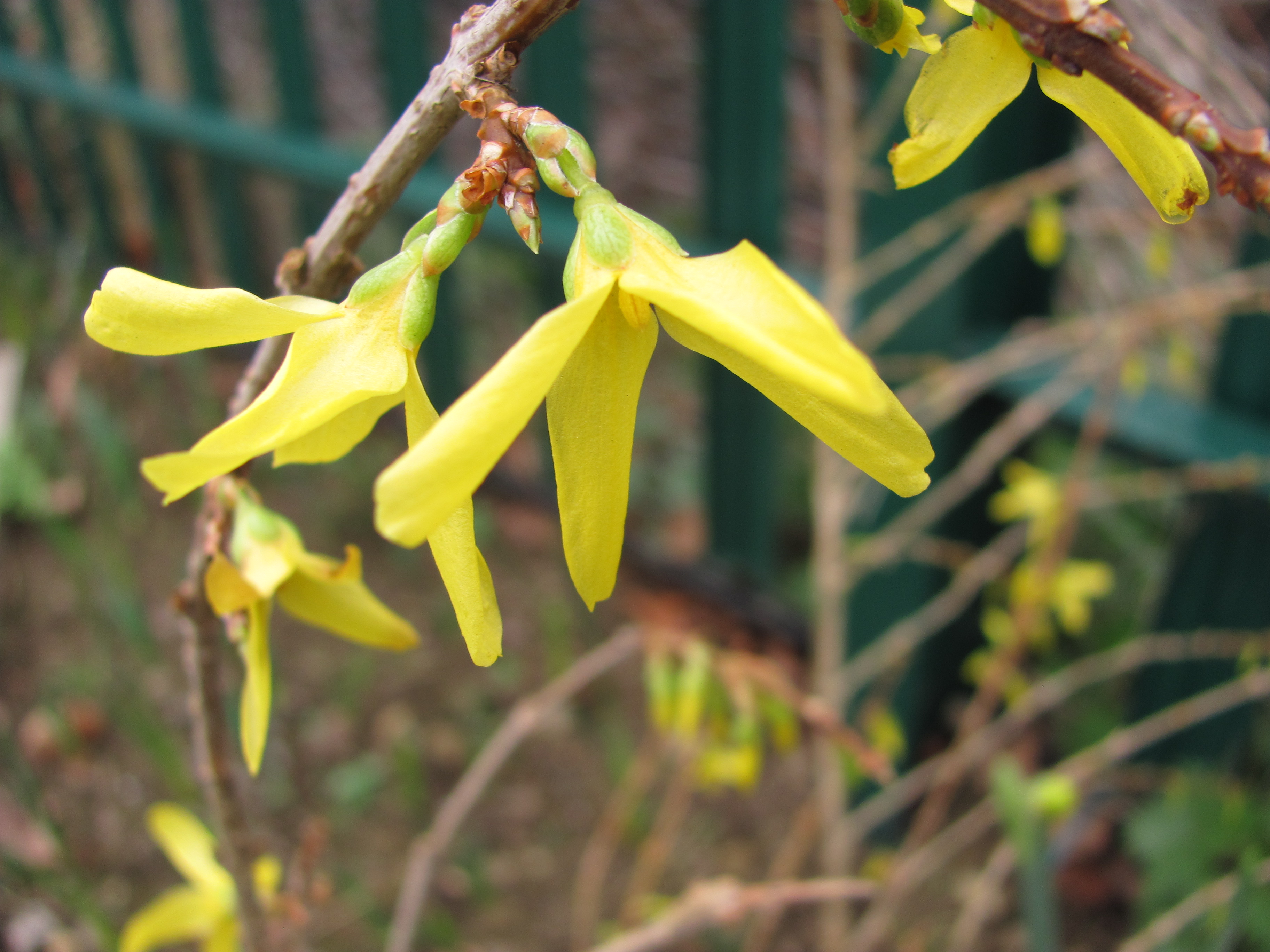

Through the Willow Tunnel is one of our many picnic benches where we stop for coffee on our April wanderings. As we enjoyed our brew curlews called in nearby fields with their mournful song and the Great Spotted Woodpeckers flew busily overhead.
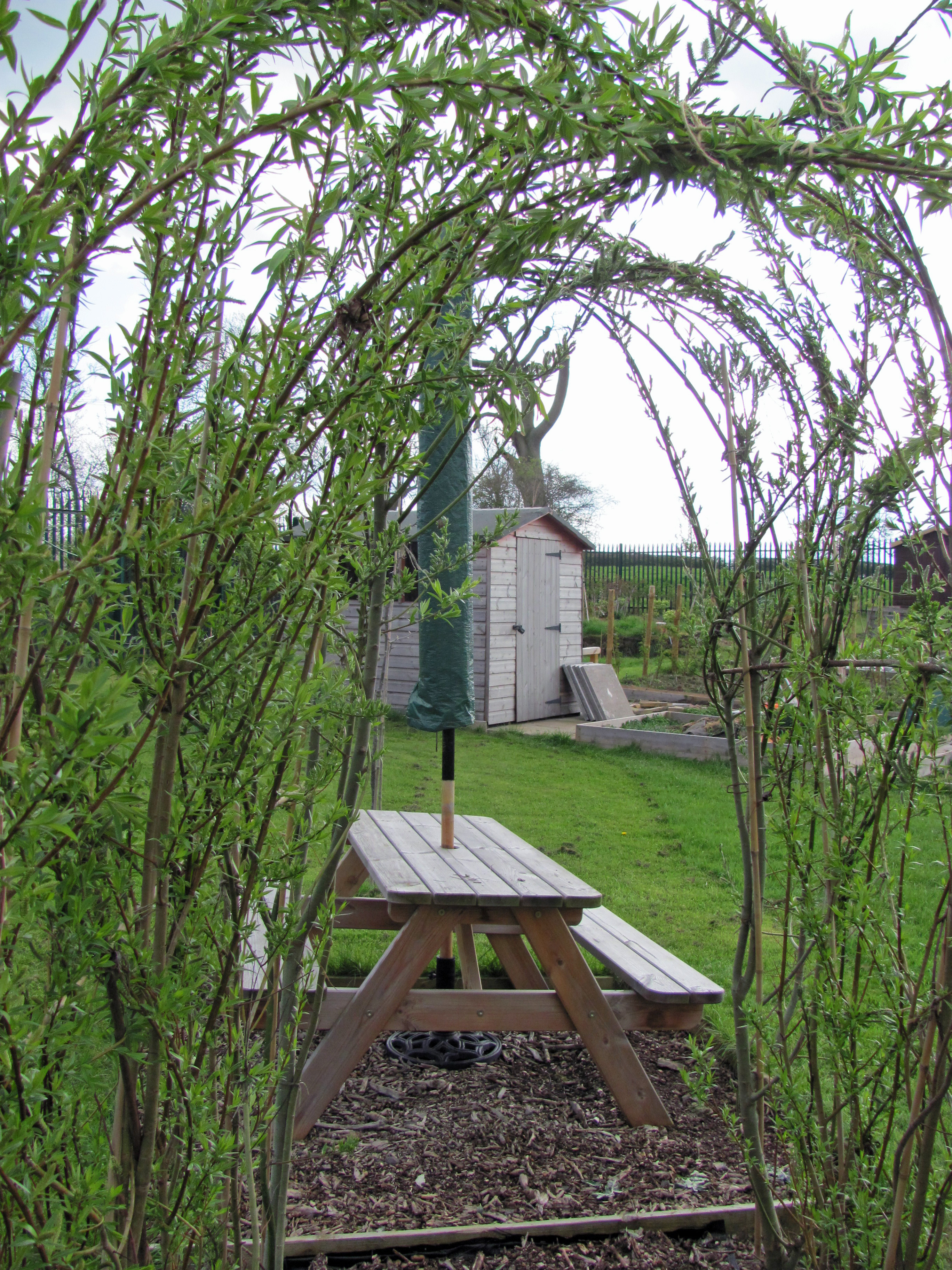
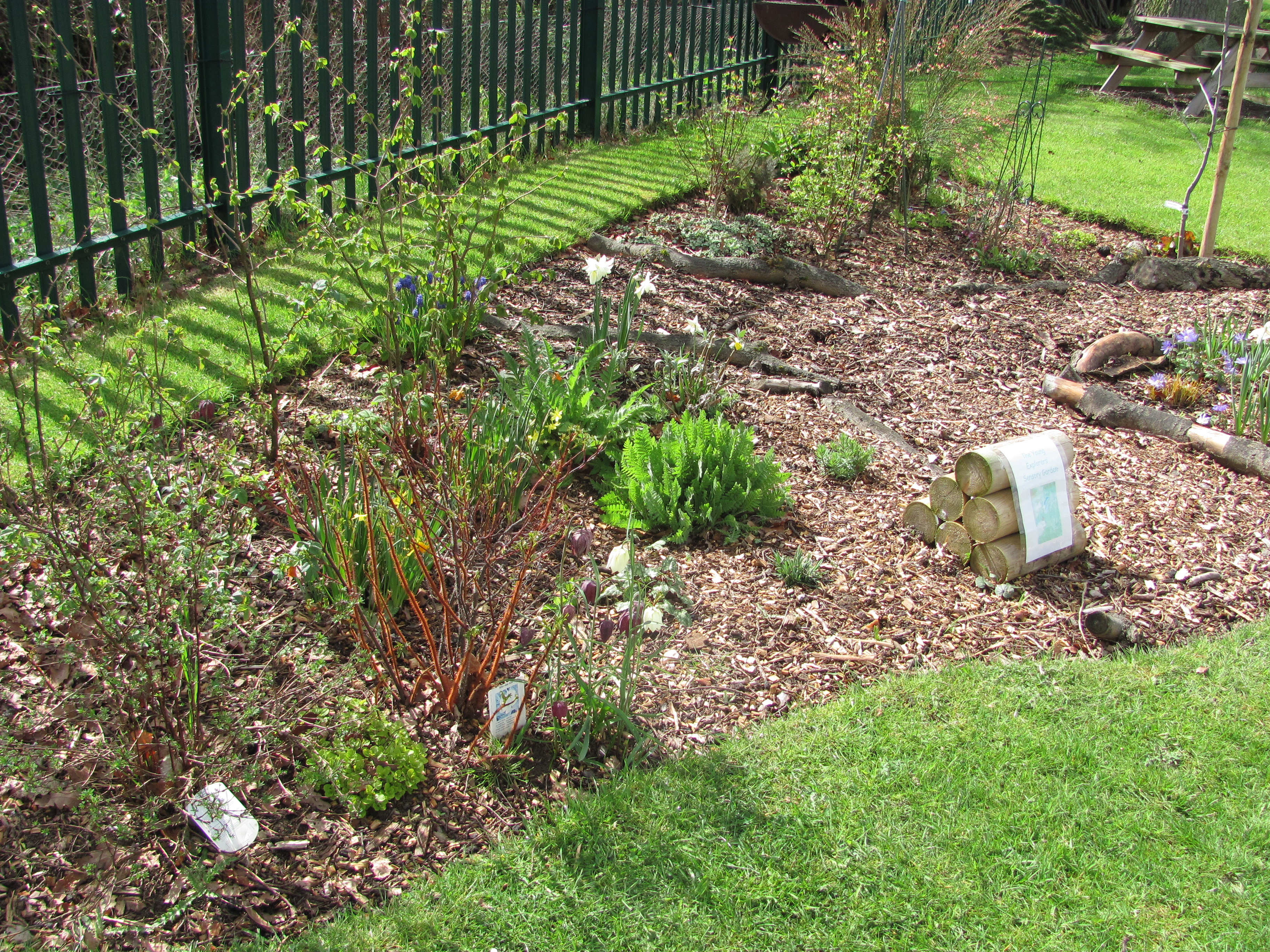
The Winter Garden has passed its peak after being so popular for months. We have been busy giving it a sort out.


We wandered next through the Woodcote Orchard where the paths are cut short and neatly through the long grass, and looked at the Turf Spiral, a favourite of the children.


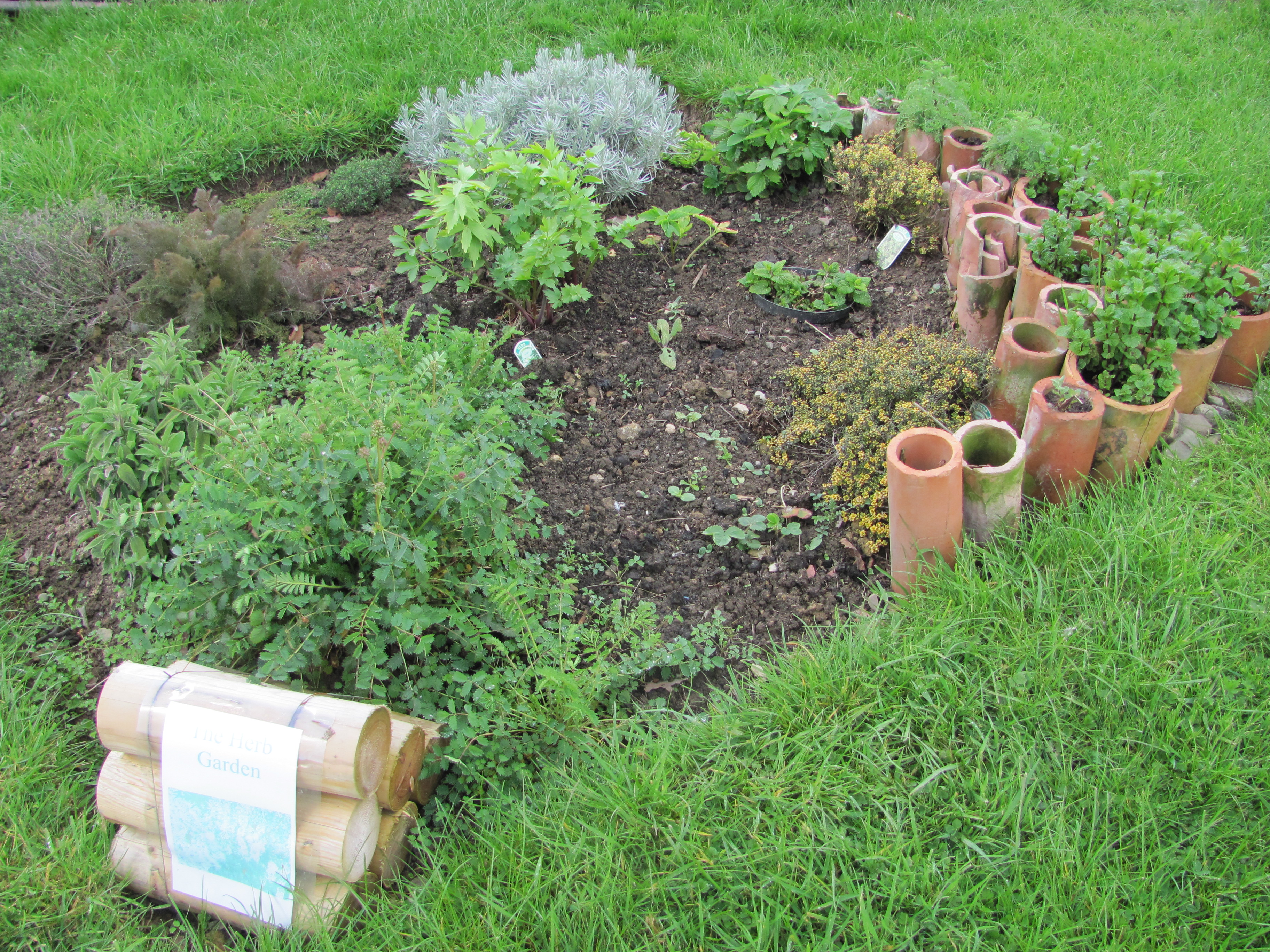
Our final stop on the way back to the car park was the Herb Garden where herbs are now well established. This last section of our lottie wander took a lot longer than the others as we enjoyed a good chat with Dave and Jean. We put the world to rights and shared details of how all our crops were getting on.

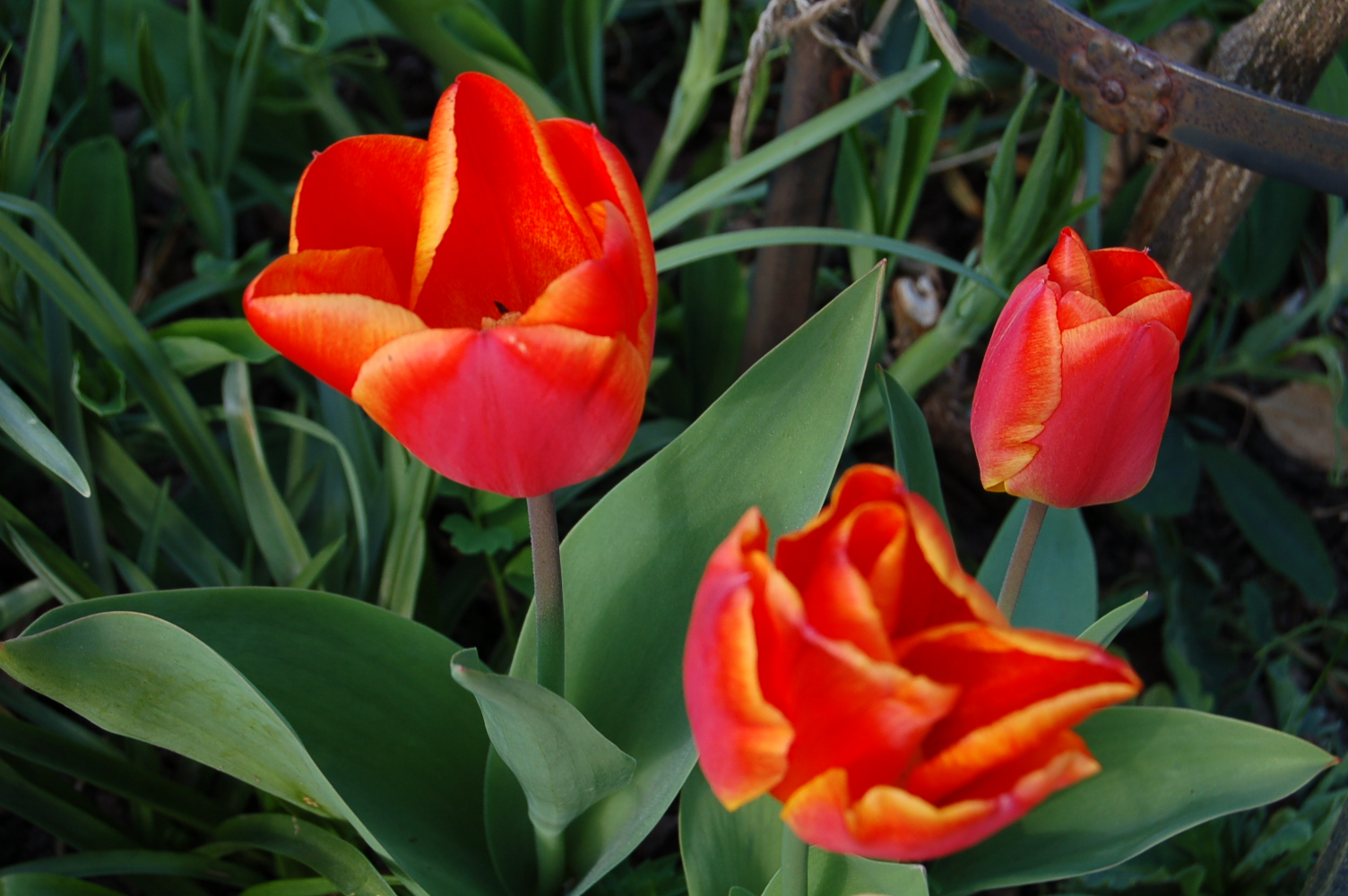
Every autumn we plant more tulip bulbs and inevitably by the spring we have forgotten what we planted and where we planted them. So when they start to flower we are always in for plenty of surprises.
The low light of a morning in early spring is a perfect time to photograph them. I am sure they grow just to be photographed, as they are such posers!
Let’s have a wander around and see what we have …………

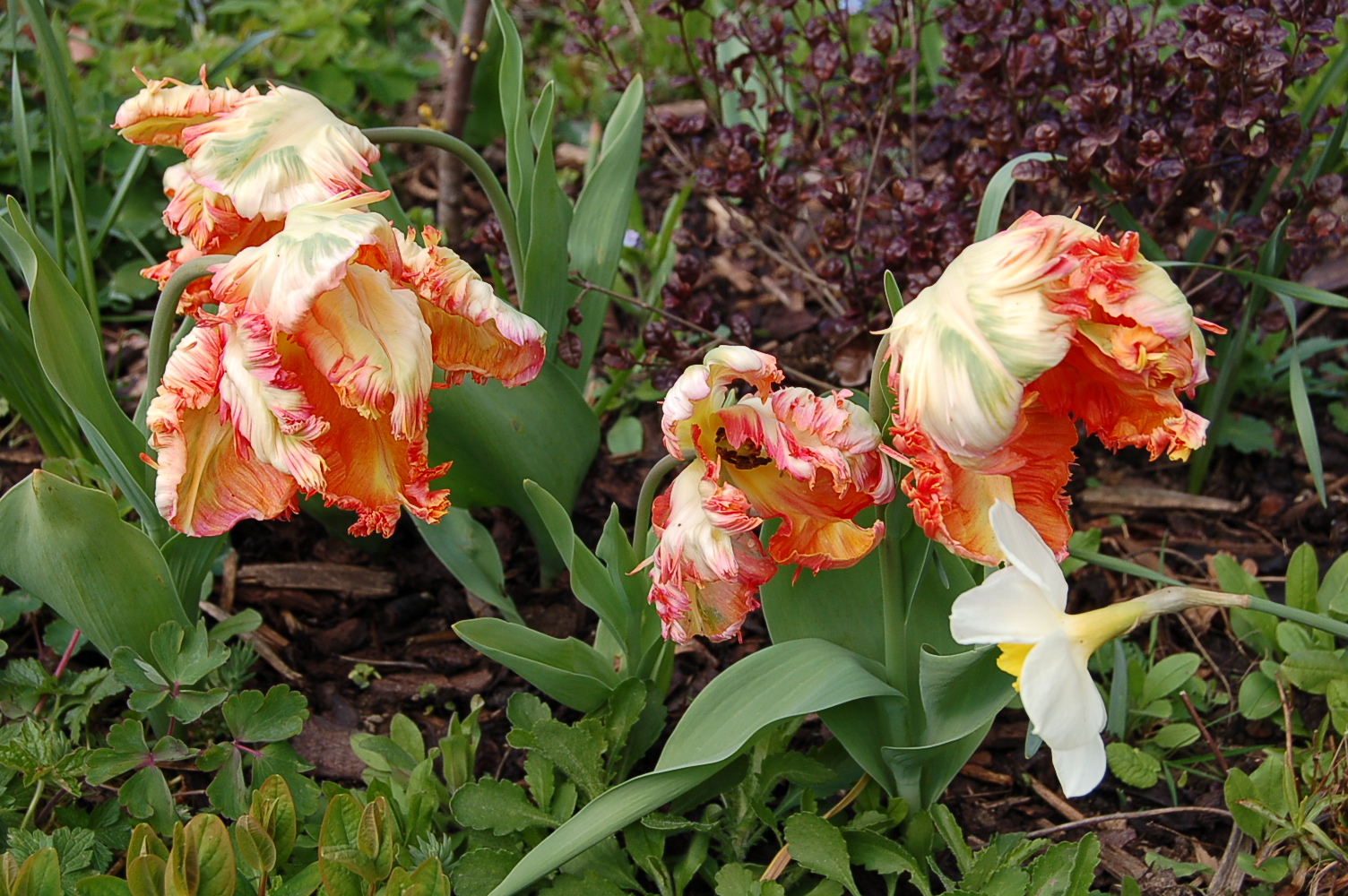

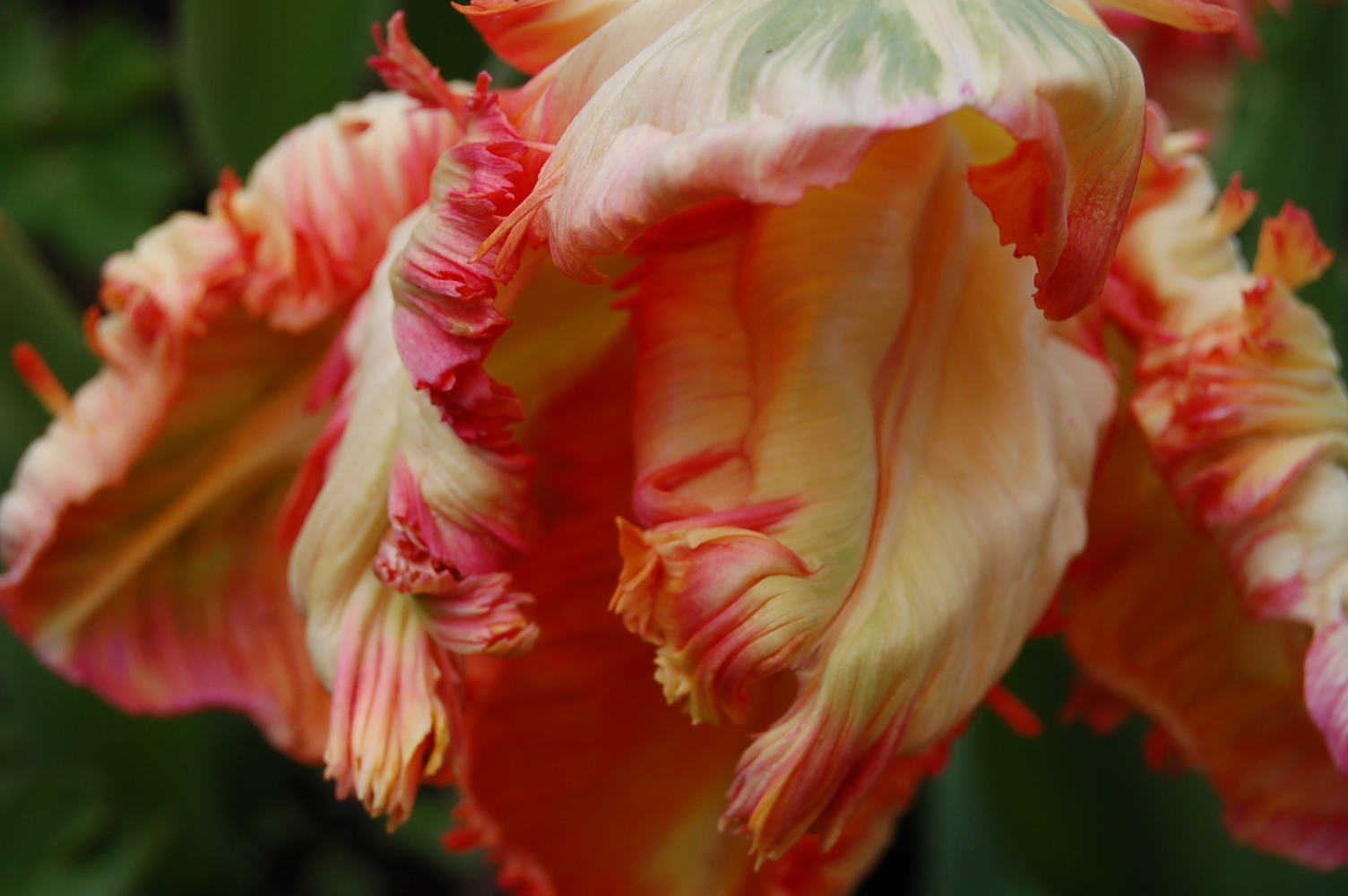
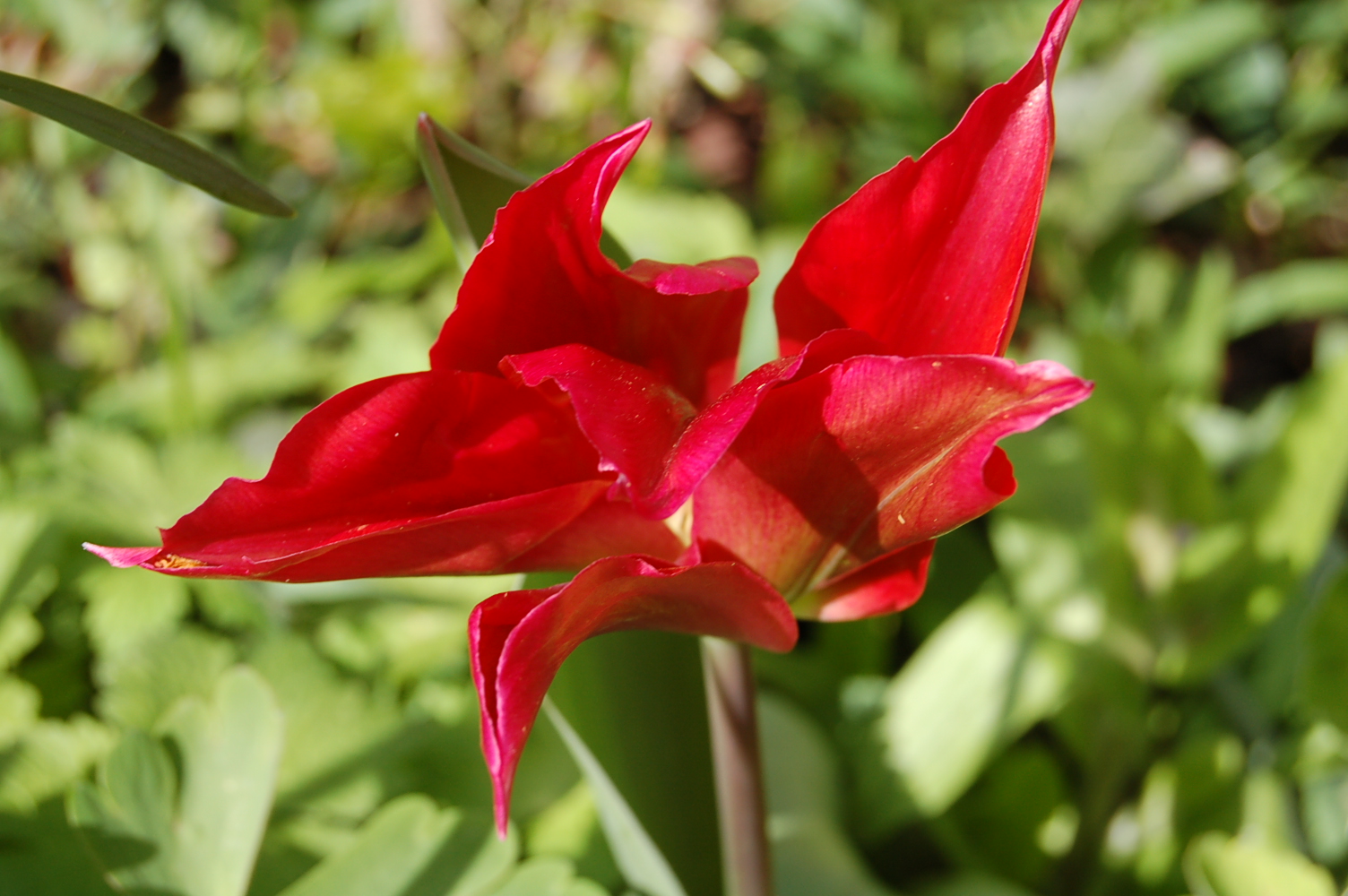
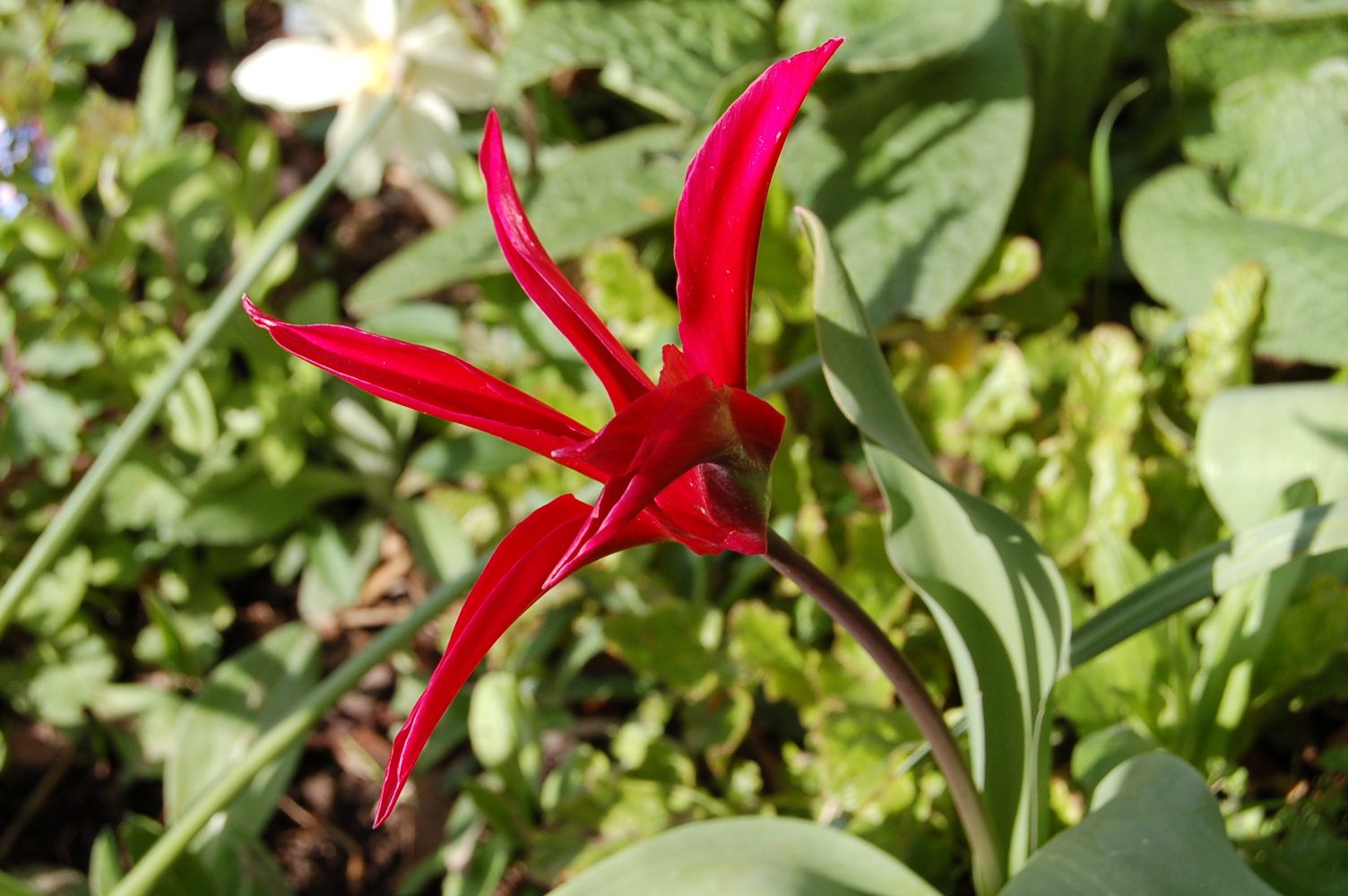
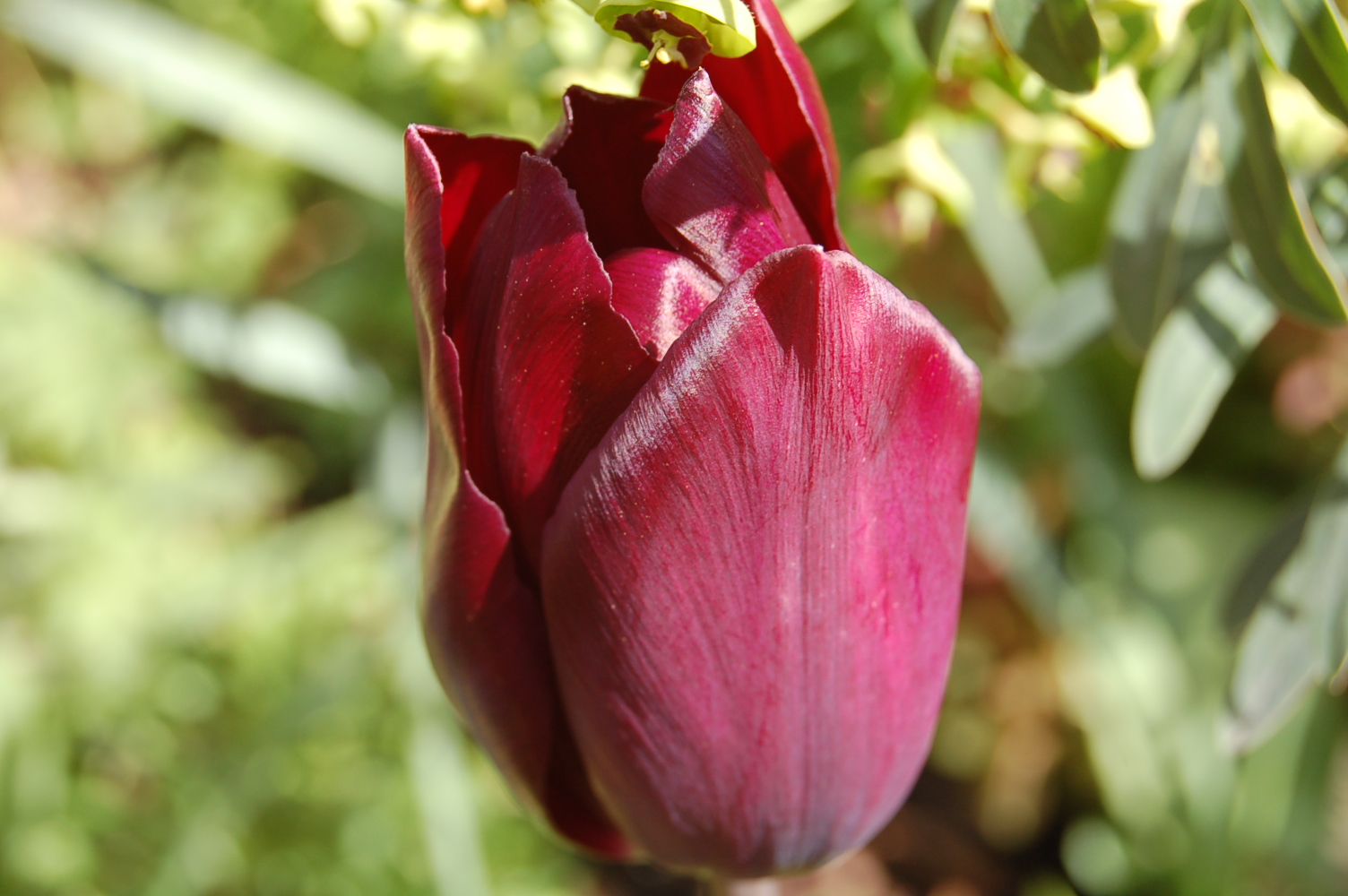


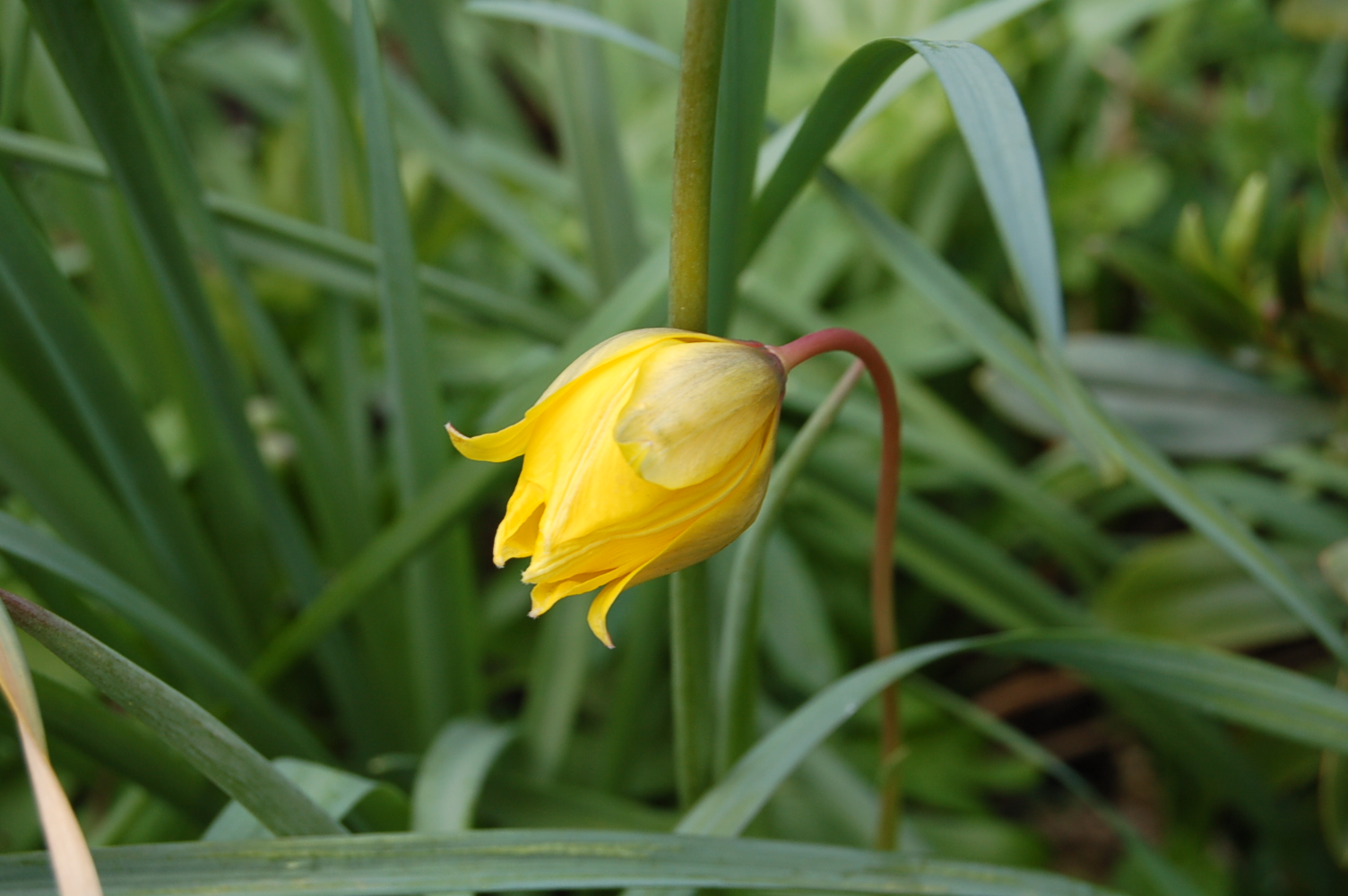
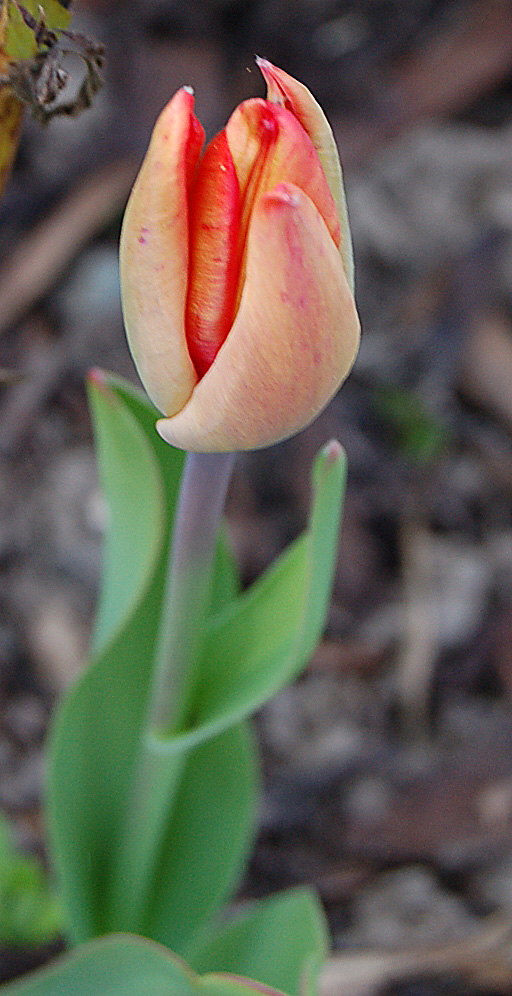

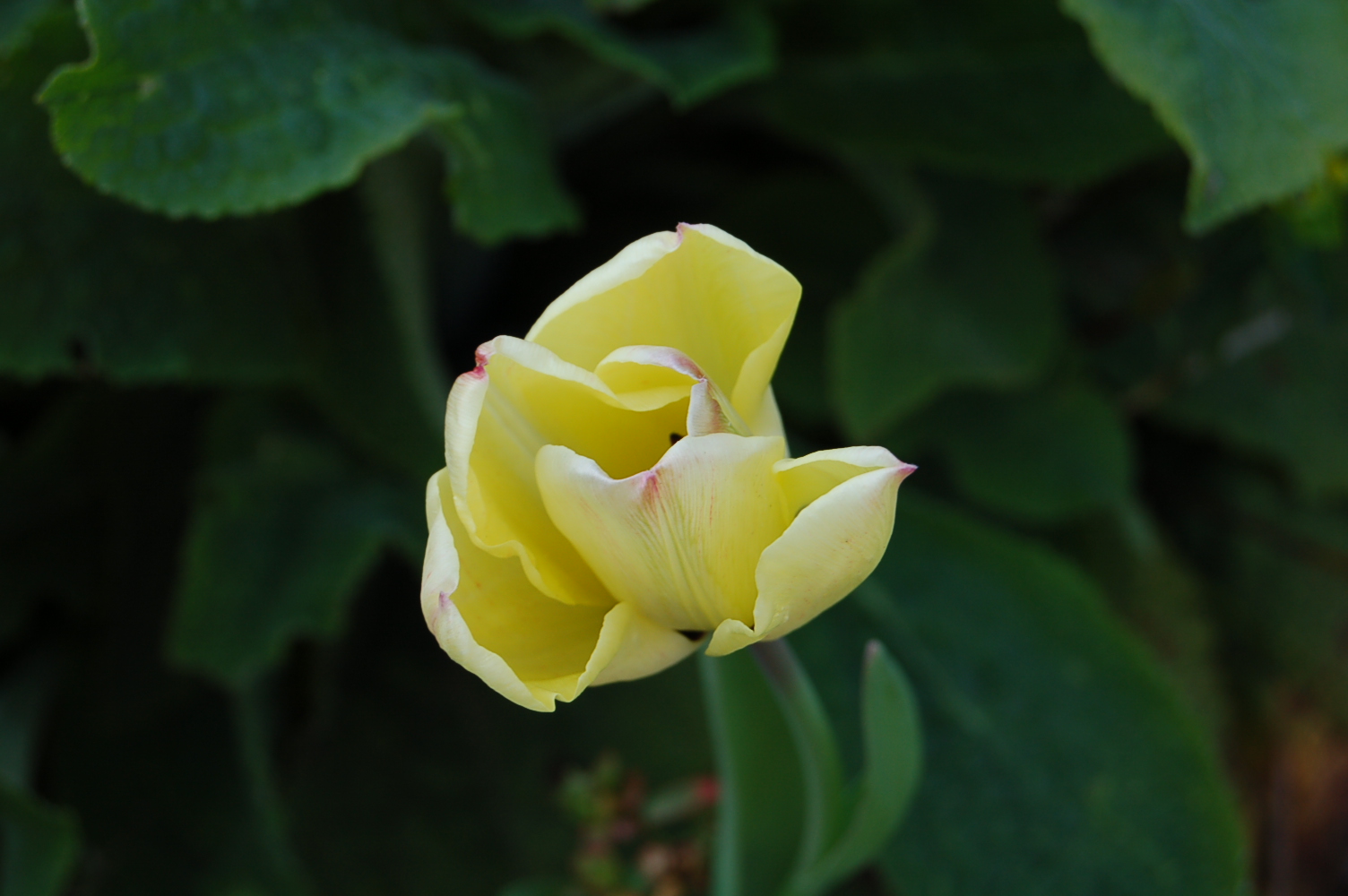
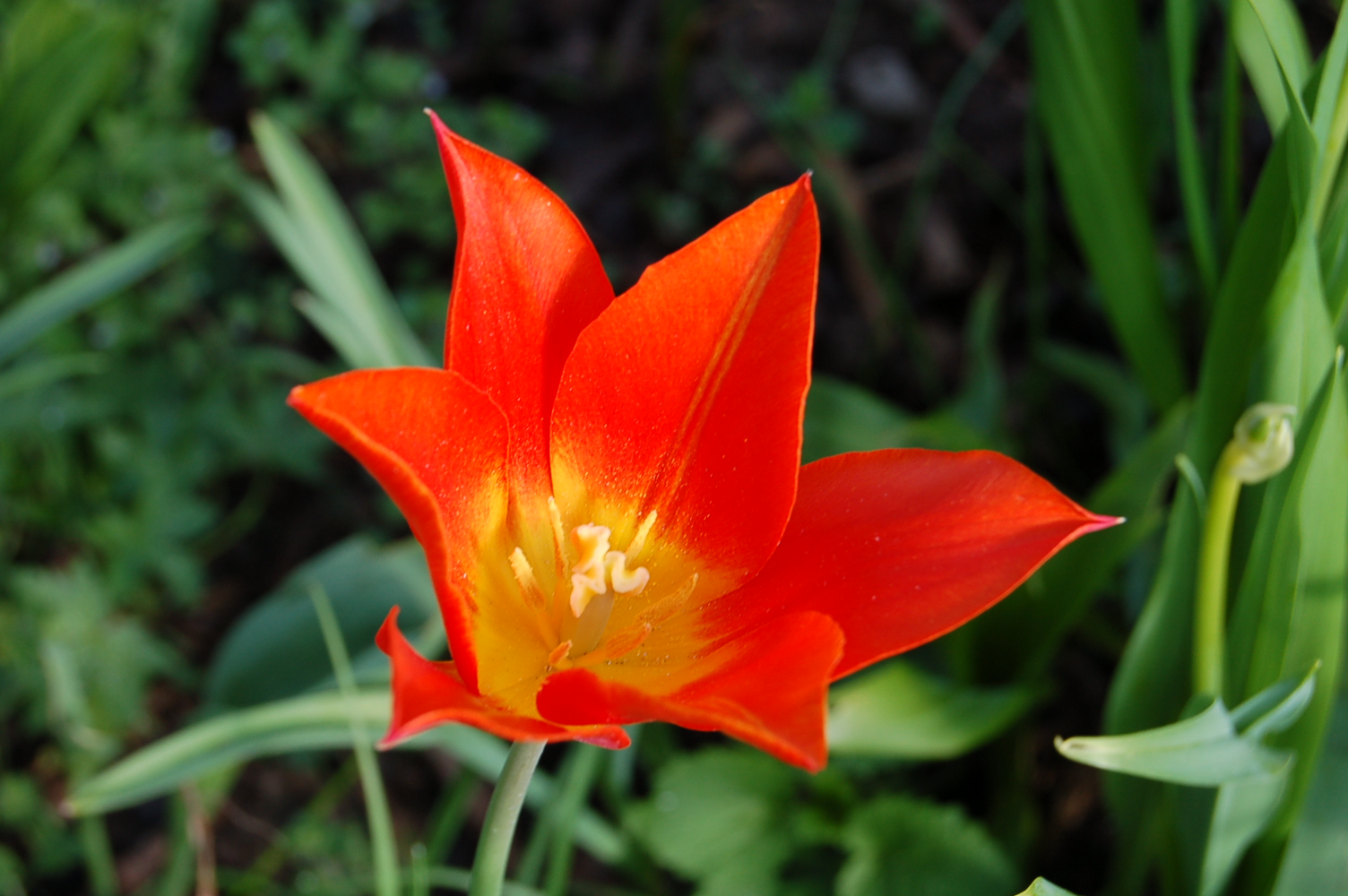

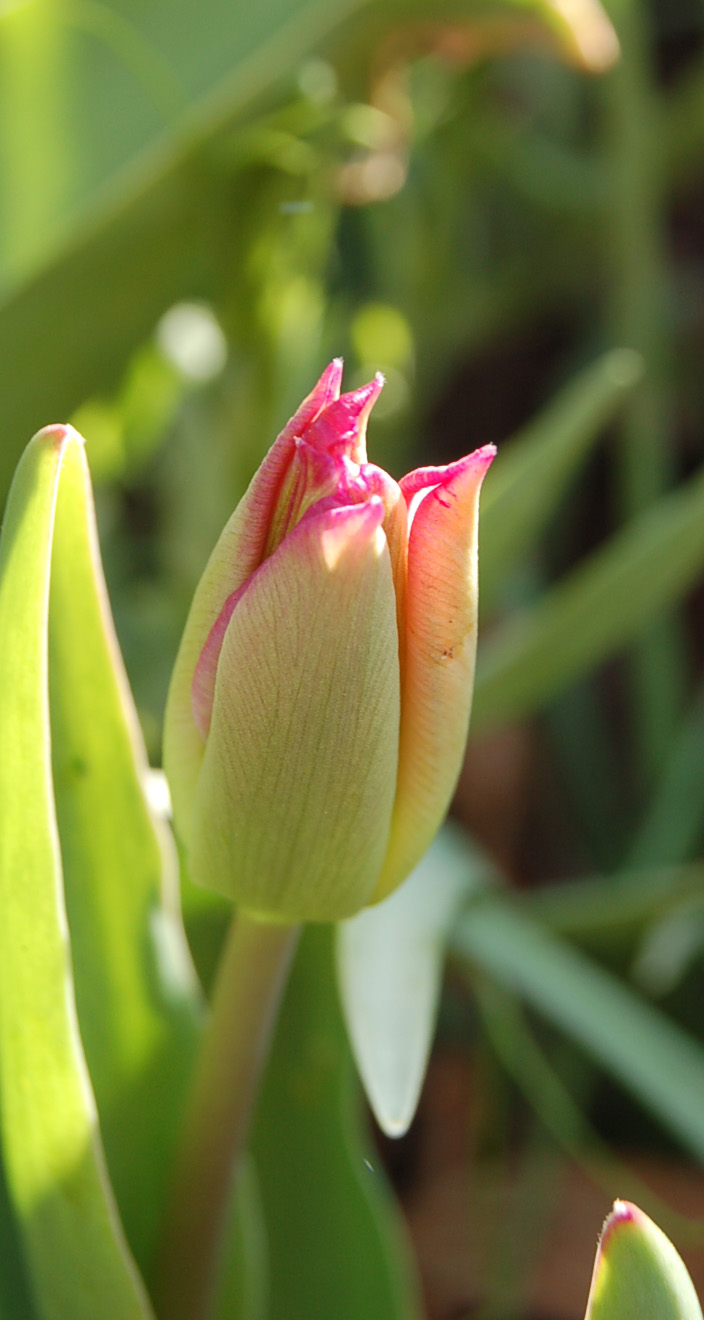
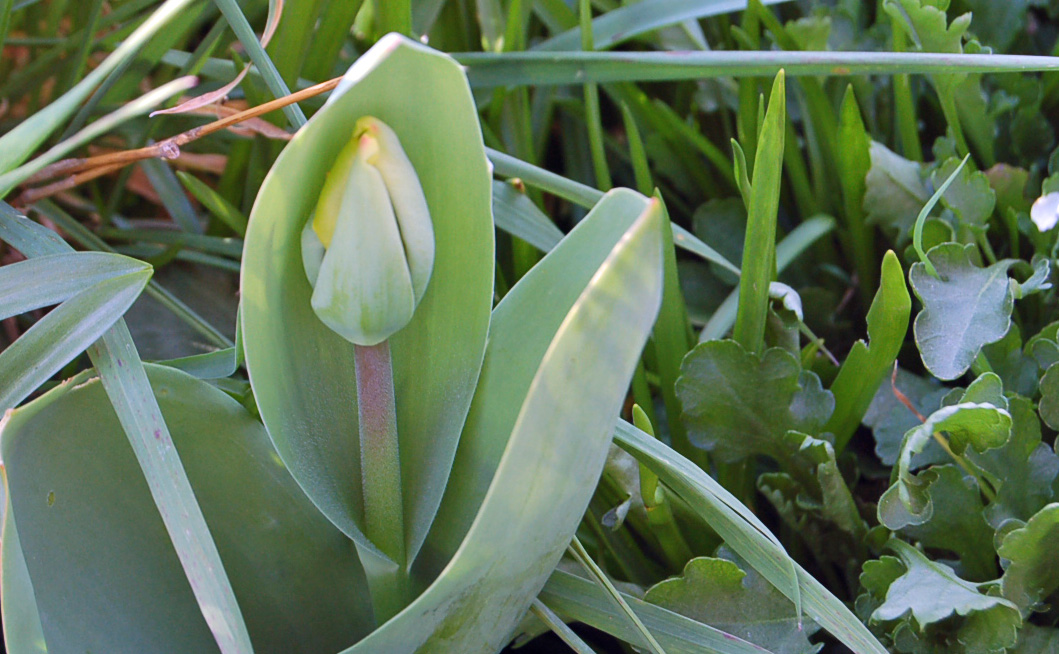


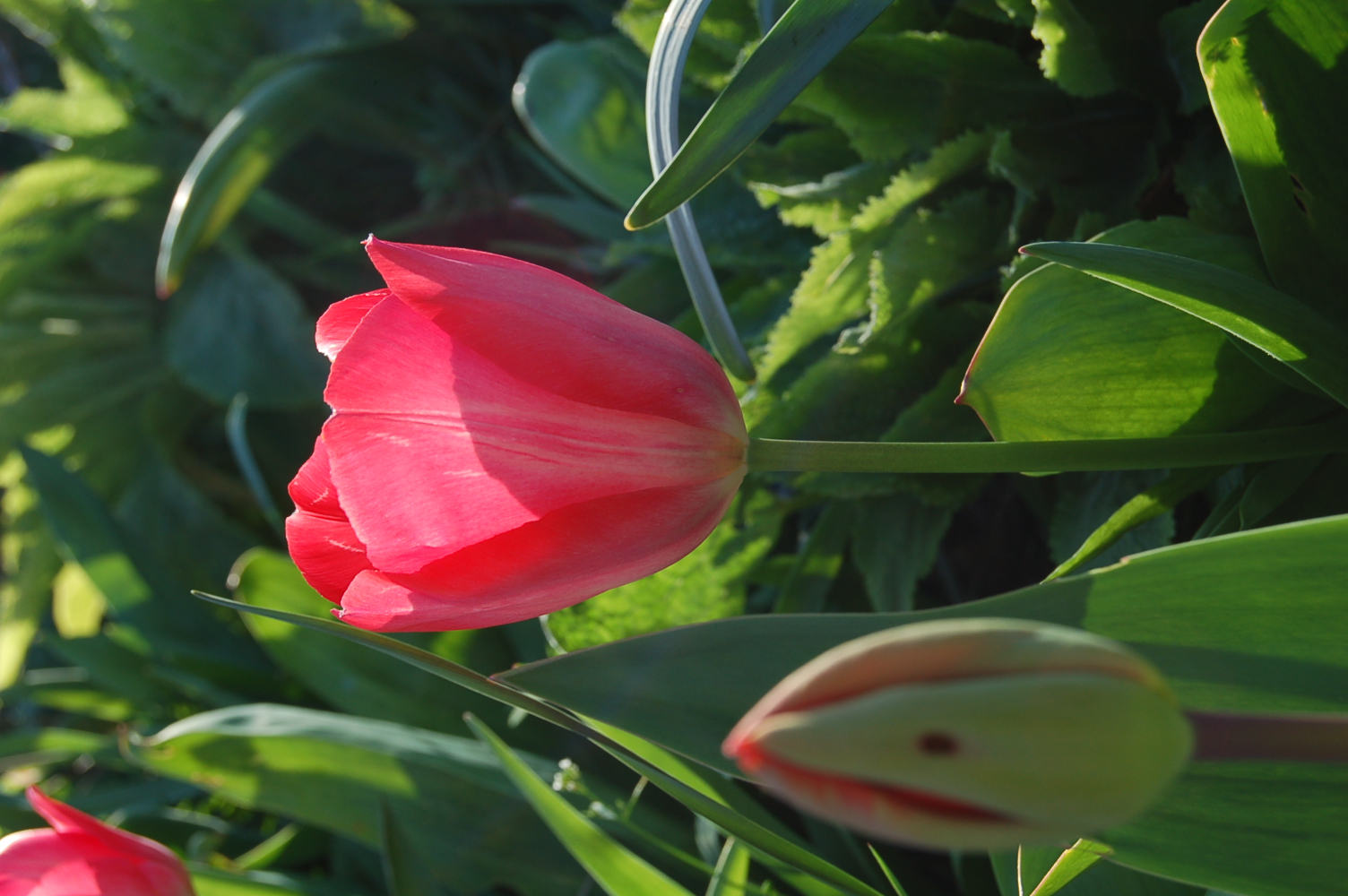

And there are more where these came from! (Tulip Time – Extra Time)

In mid-July each year we open our allotment community site for charity, which we do under the auspices of the National Garden Scheme. So we appear in the famous “Yellow Book” of gardens open throughout England and Wales. Our first opening was in July 2011.
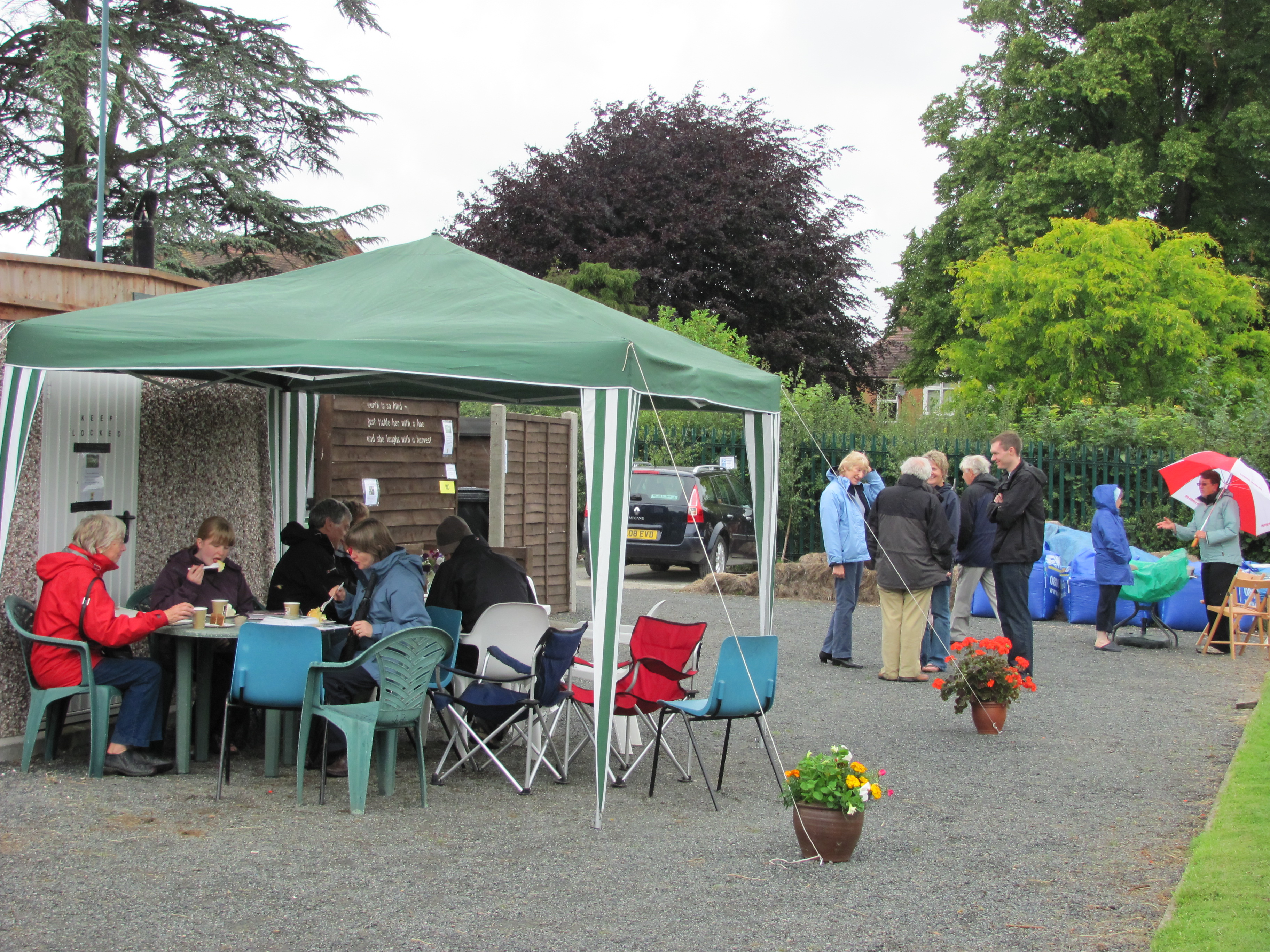
The weather was exactly what you would choose not to have on an open day particularly in mid-July. Strong winds and heavy rain! But we had to go ahead and lots of volunteers spent the morning preparing for the afternoon, creating a tea shop out of Hut 2, putting up gazebos and putting up direction signs, car park signs. toilet signs, tea shop signs – lots of signs! Throughout the previous week members had been tidying up their plots and cutting the communal grass areas. A working party the previous weekend made the green spaces look spick and span.
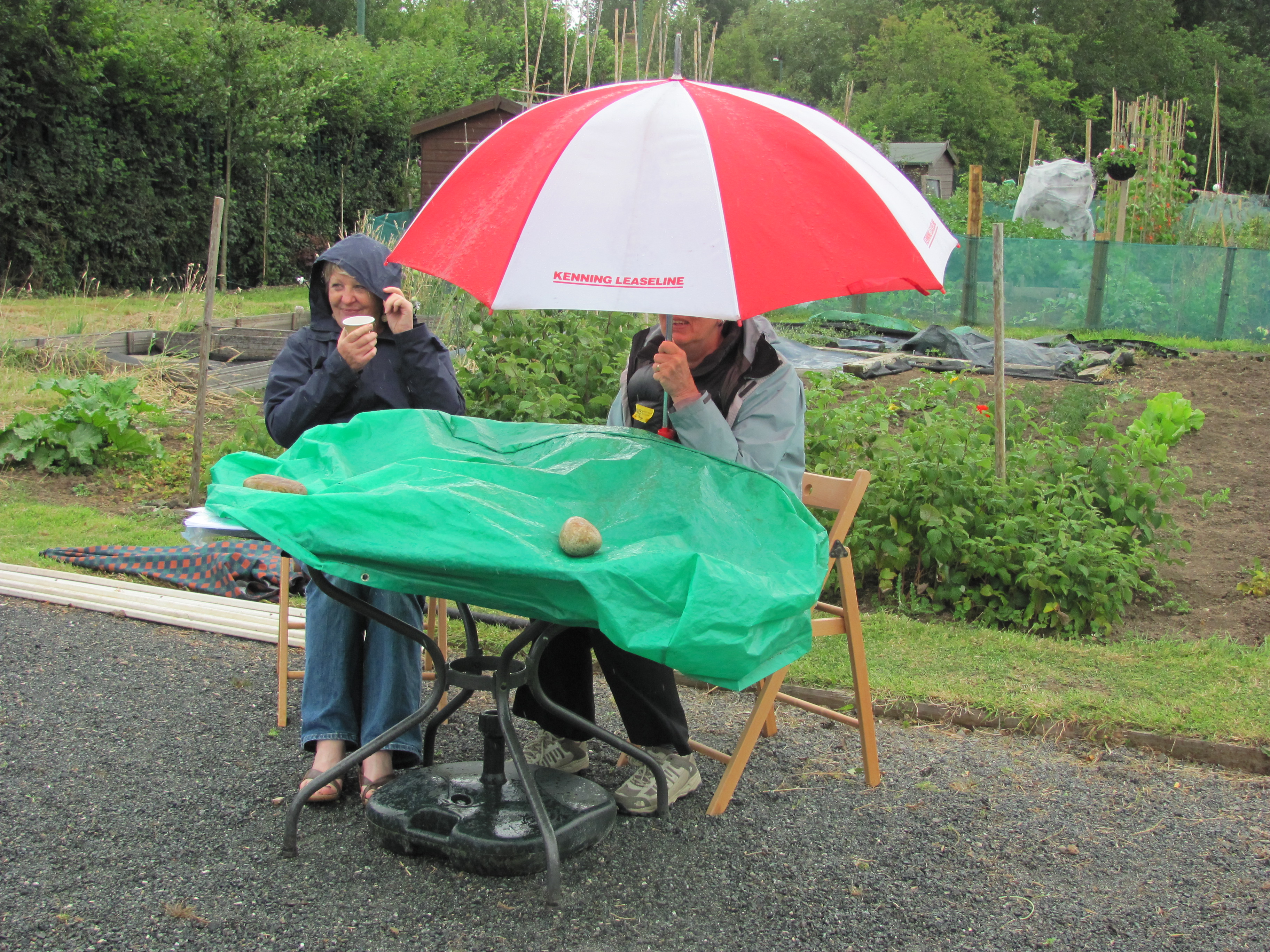
As the time drew near Jude the Undergardener and Di, a fellow plotter, set themselves up to sell the tickets.
We nervously awaited the time to open and the weather just kept getting worse so we were worried that no visitors would turn up. But at the time of opening our visitors started to arrive. It was too windy to use umbrellas so they wandered around braving the wind and rain, stopping for frequent cups of tea and home-made cakes.
We judge the site’s scarecrow competition on the day and the entries give extra interest for the visitors. The fine couple in the photo were modelled on one of the plot holder’s parents! For 2012 our scarecrows will be based on the Olympics and/or The Queens Jubilee.

In the end we sent about £460 to the National Garden Scheme treasurers, so we were quite pleased. We hope for better weather this year when we open on Sunday 15th July.
In the Spring each year all the gardeners who open their gardens meet to launch the new season of openings, and the Shropshire gardeners meet at the home of the County Organiser Chris Neil at Edge Villa, close to where we live. We all meet up again to chat, find out about how successful the county’s gardens were the previous year and have a glass of bubbly and nibbles (extremely tasty ones they are too!). This year Chris announced that 2011 had been a record year with over £60 000 being raised.
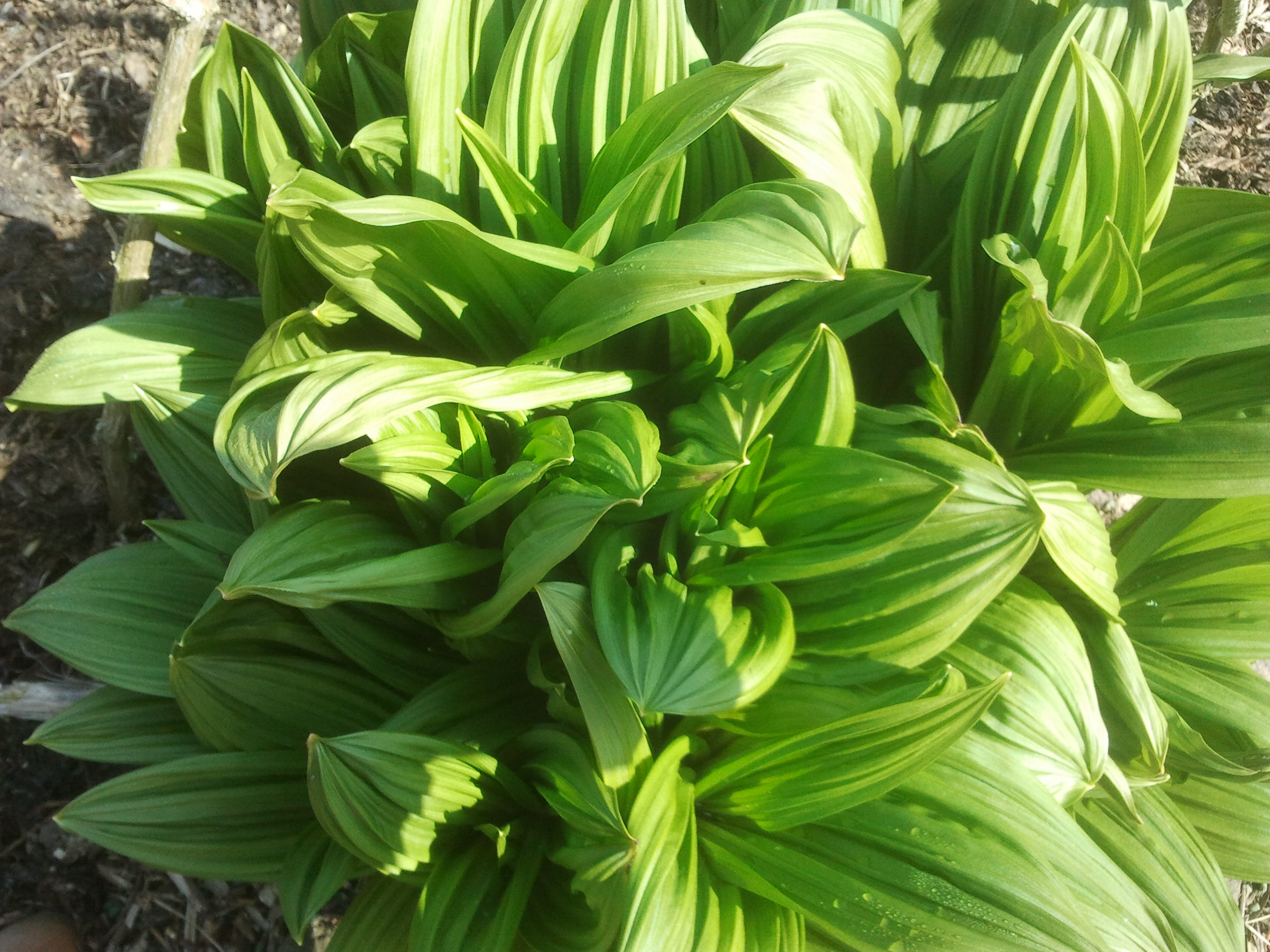
At the end of the formality Chris and her husband, Neil invite us to wander around their own garden. So come with me and share in some highlights.






To find out more about the famous Yellow Book and the National Garden Scheme look up http://www.ngs.org.uk. And to find our entry in it look up Bowbrook Allotment Community in the Shropshire section.

It is already into the fourth month of the year and so this is the fourth in this monthly series of garden wandering posts. So much happens in April, so many plants start into growth, so many seeds are sown and the weather changes so often. Frost, hail, sun, mild, cold, windy, calm – everything comes randomly and we gardeners get caught out inappropriately clothed. Wildlife is equally confused, with bees, hoverflies, butterflies and wasps appearing on warmer days and disappearing as soon as it cools down again.

Some spring bulbs are going over while others are in full swing, some tree blossoms are going over while others are just coming into flower. There is so much to do in the garden, productive or ornamental, and it feels good to be out there doing it.

As soon as April arrives we know the garden will look and feel differently every day. Come around our garden with me and my camera and see what is going on.
The front garden glows in the afternoon sunshine, with every shade of green in new herbaceous growth splattered with the many colours of bulbs.

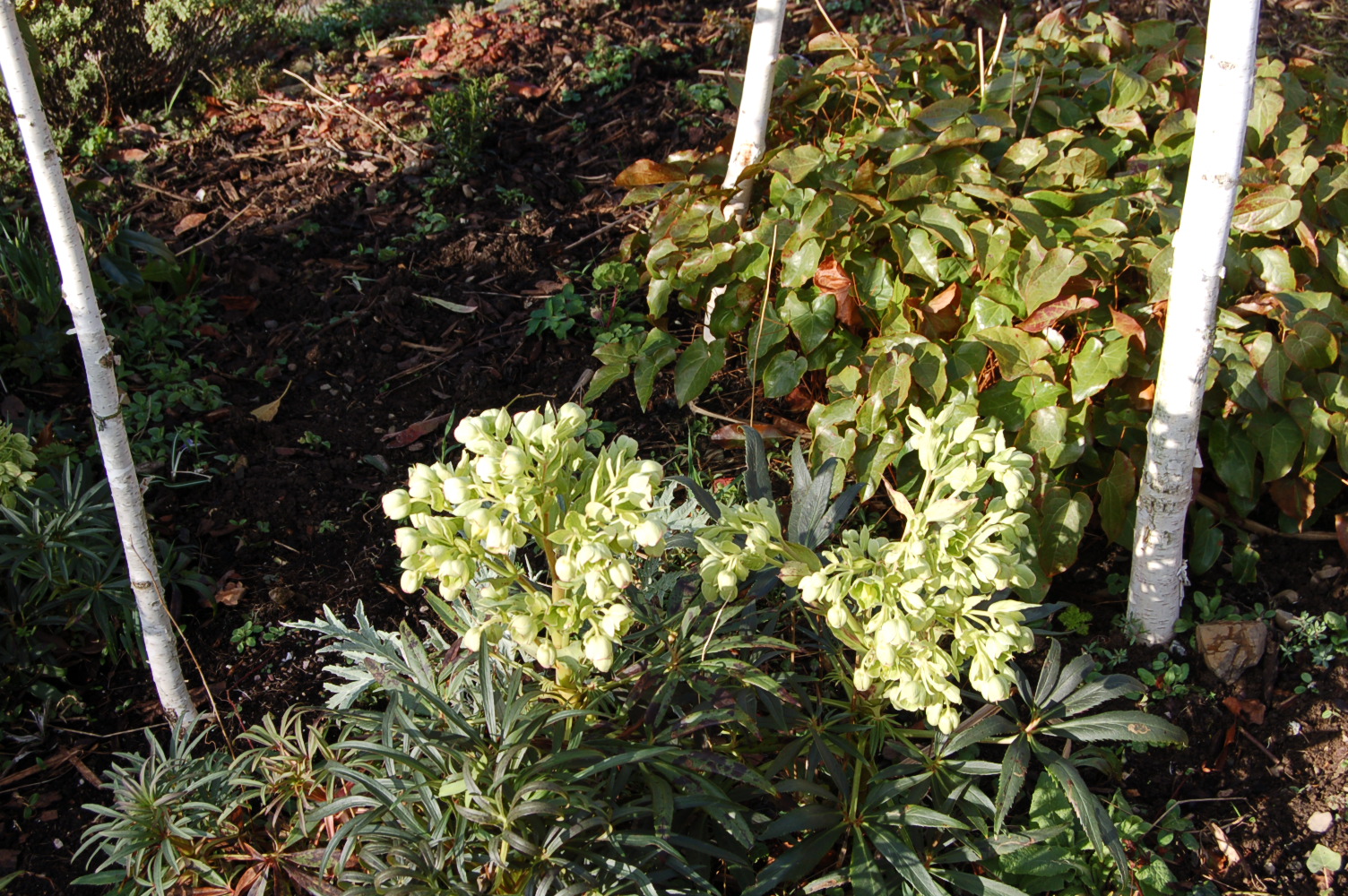
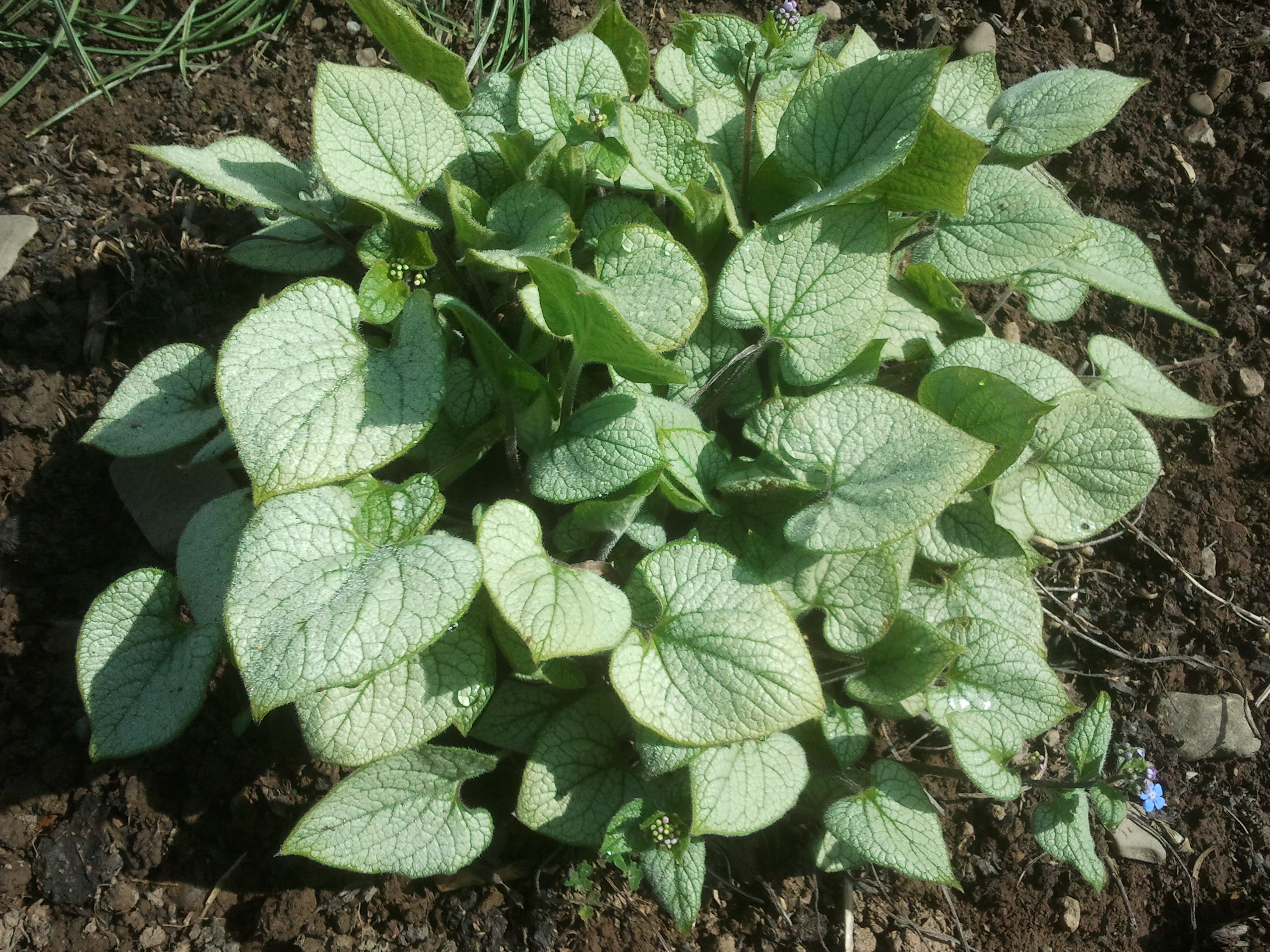
The Shade Garden is soon to reach its peak time, with its fresh leafy growth and the tiny, pale jewels of flowers. Pulmonarias, Dicentras, Anemones, Arums and Corydalis are all budding up and beginning to flower while the ferns are hardly showing any signs of awakening.


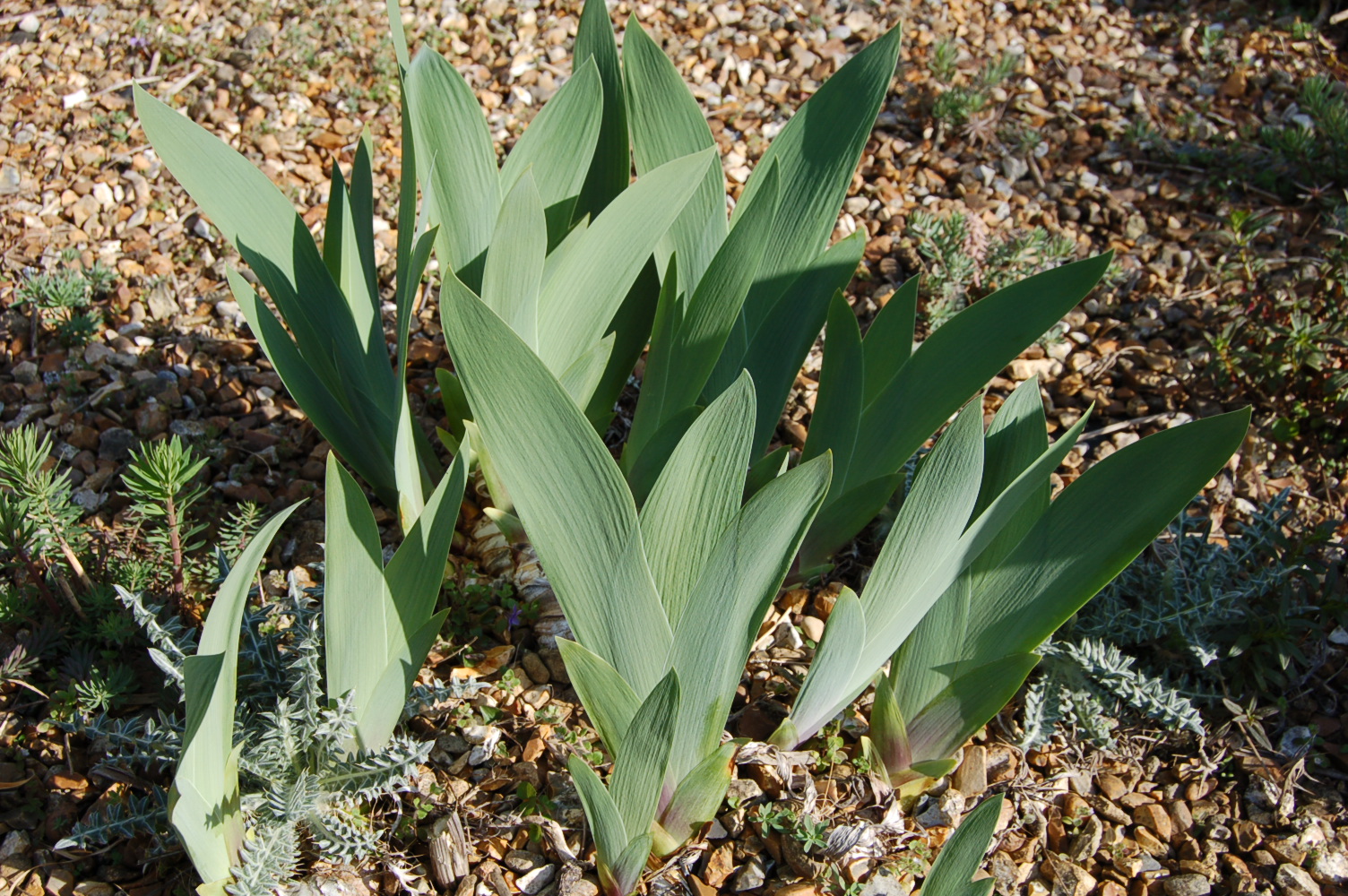
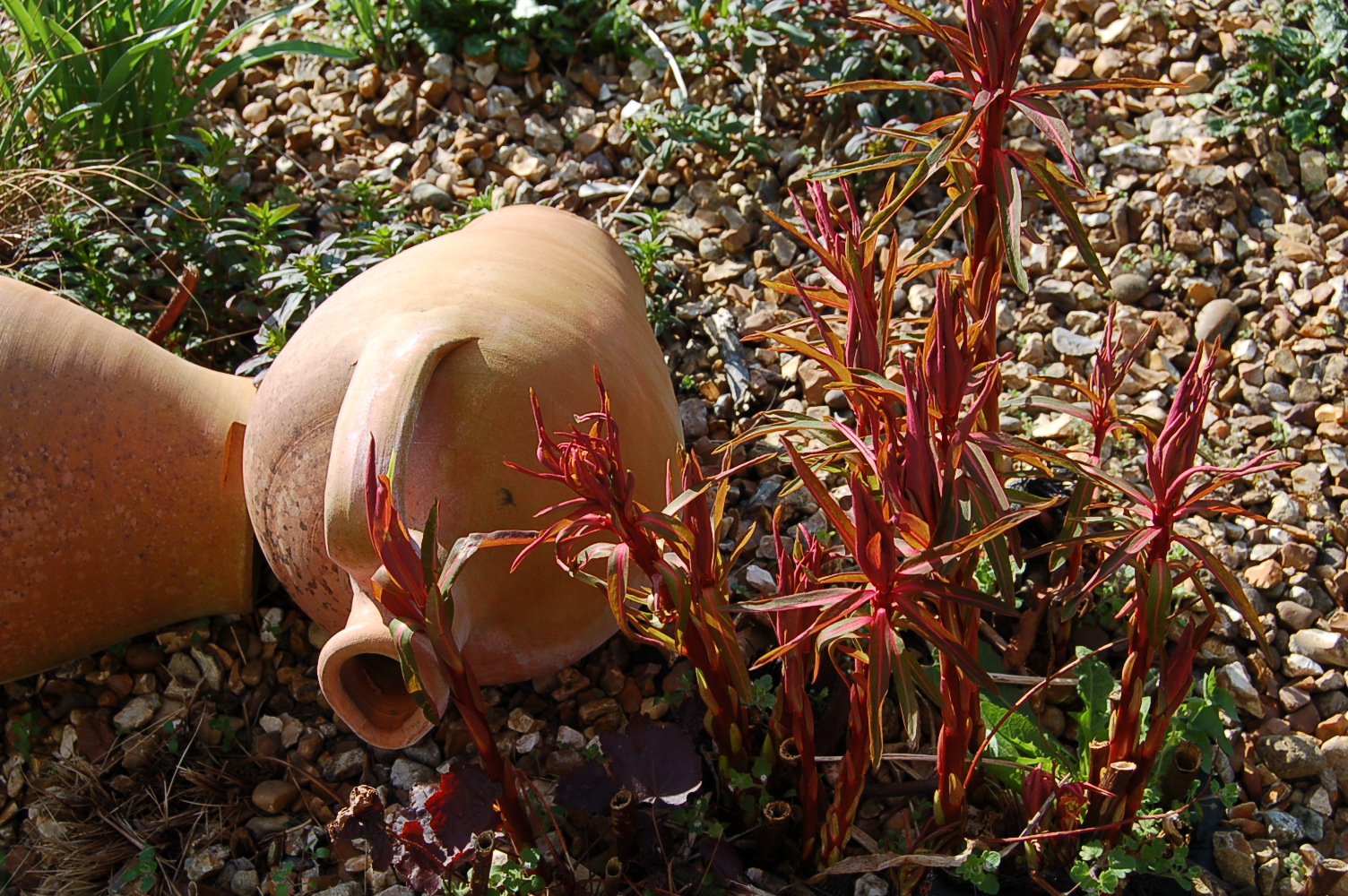
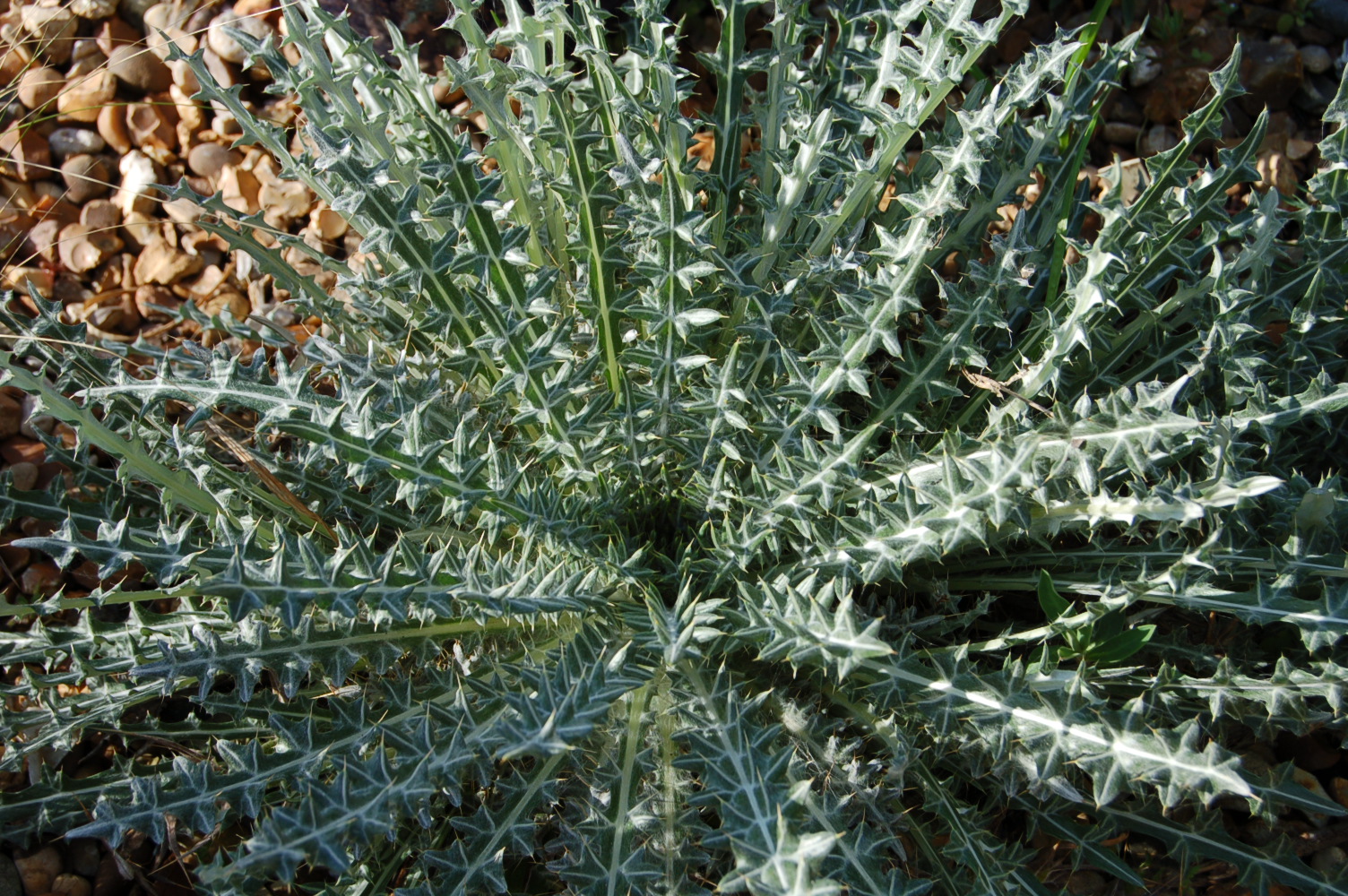
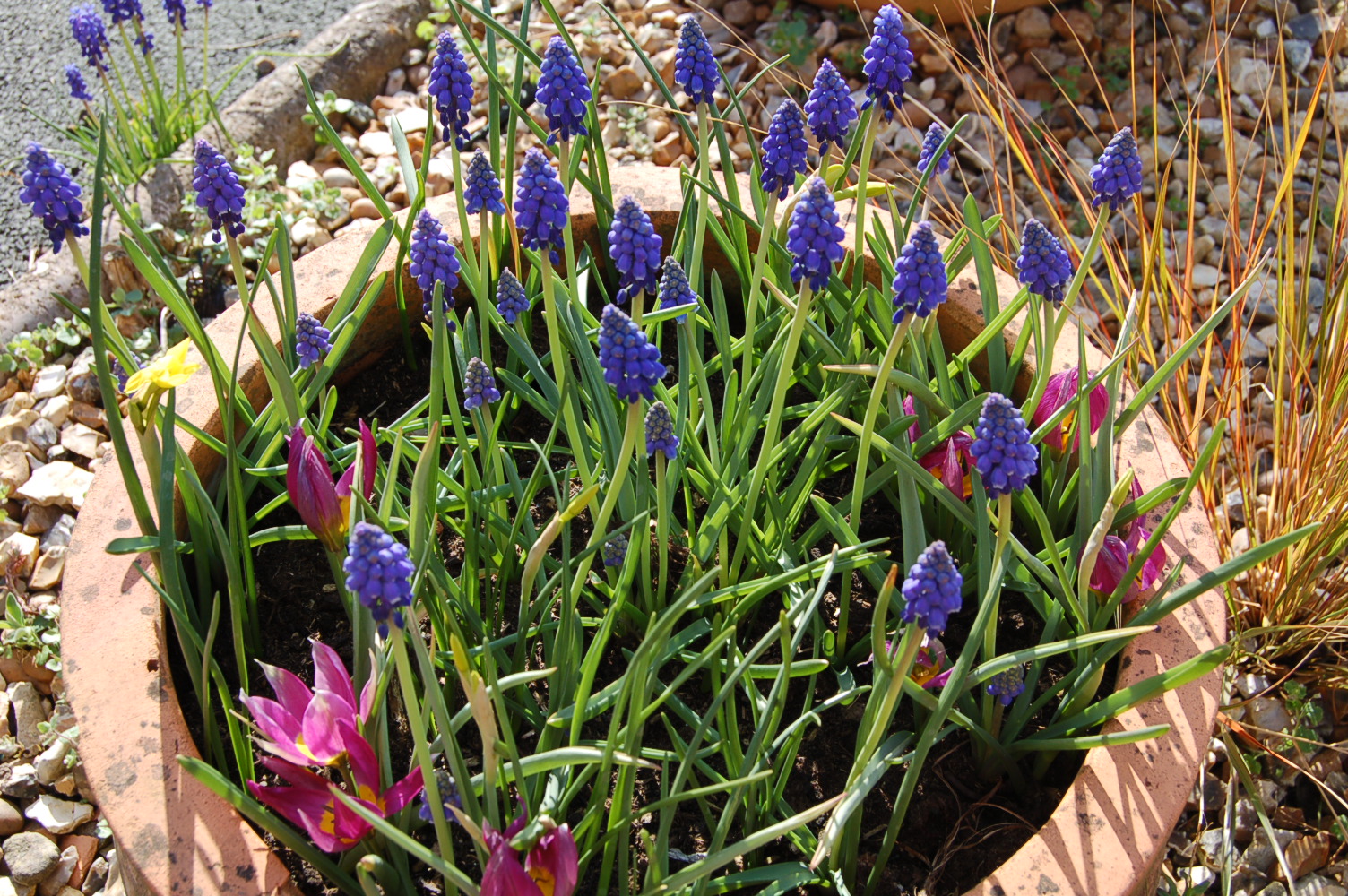
On the gravel patch, which we call our “Chatto Garden”, new foliage is bursting through. Irises, Euphorbias are starting into healthy growth. The large terra-cotta pot of bulbs is bubbling over with the blue of Muscari and a sprinkling of tiny mauve species Tulips.

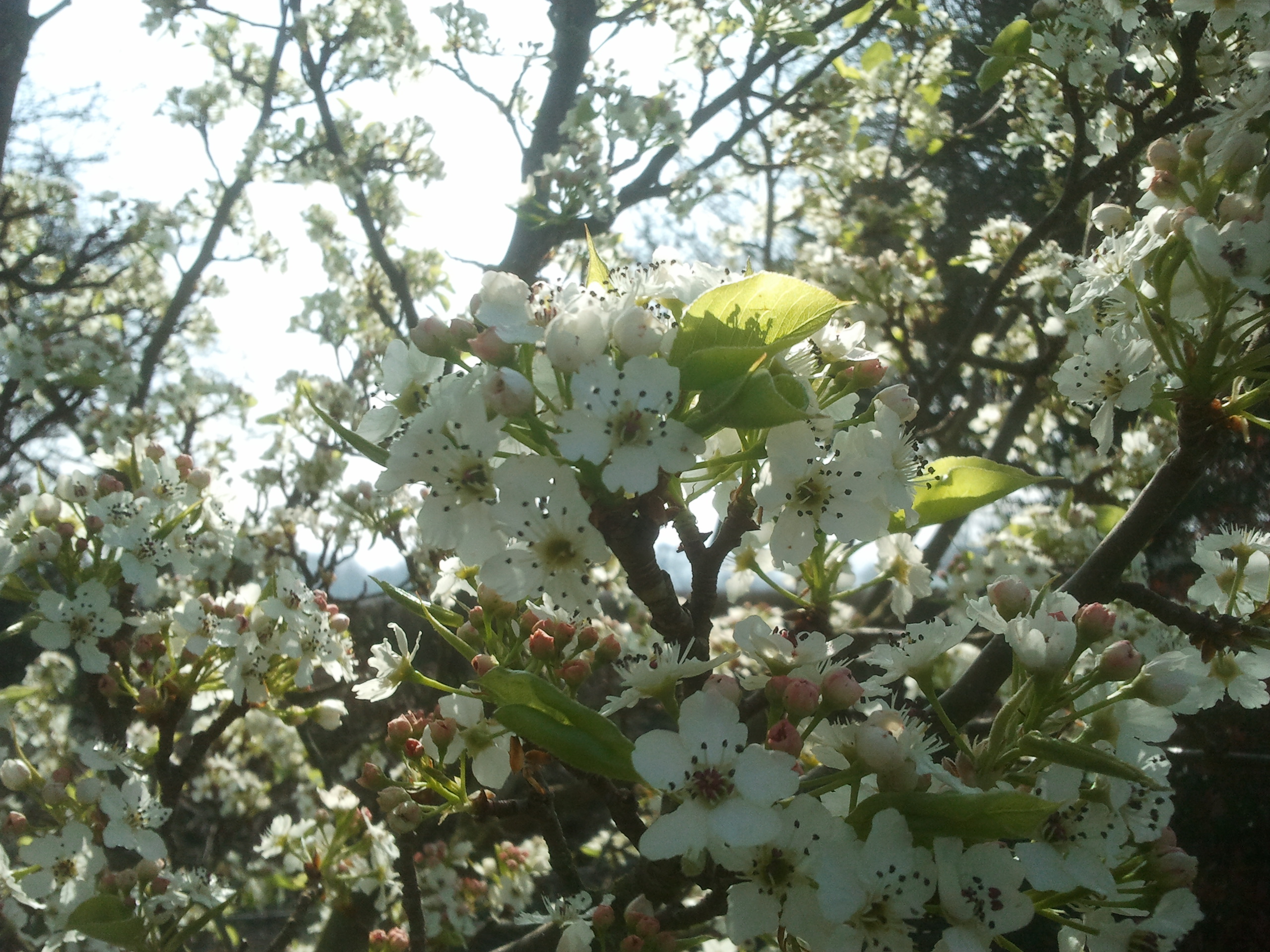
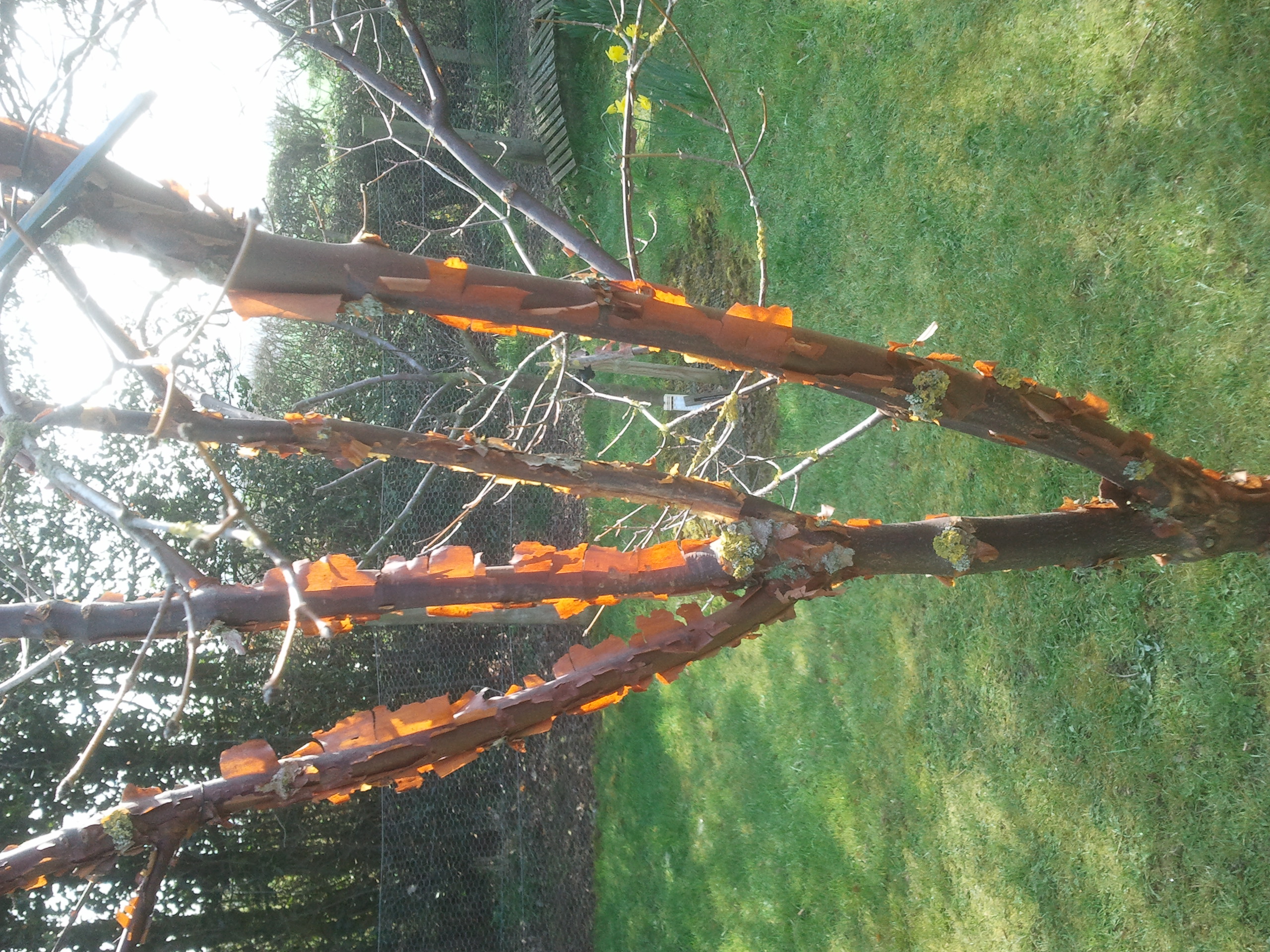
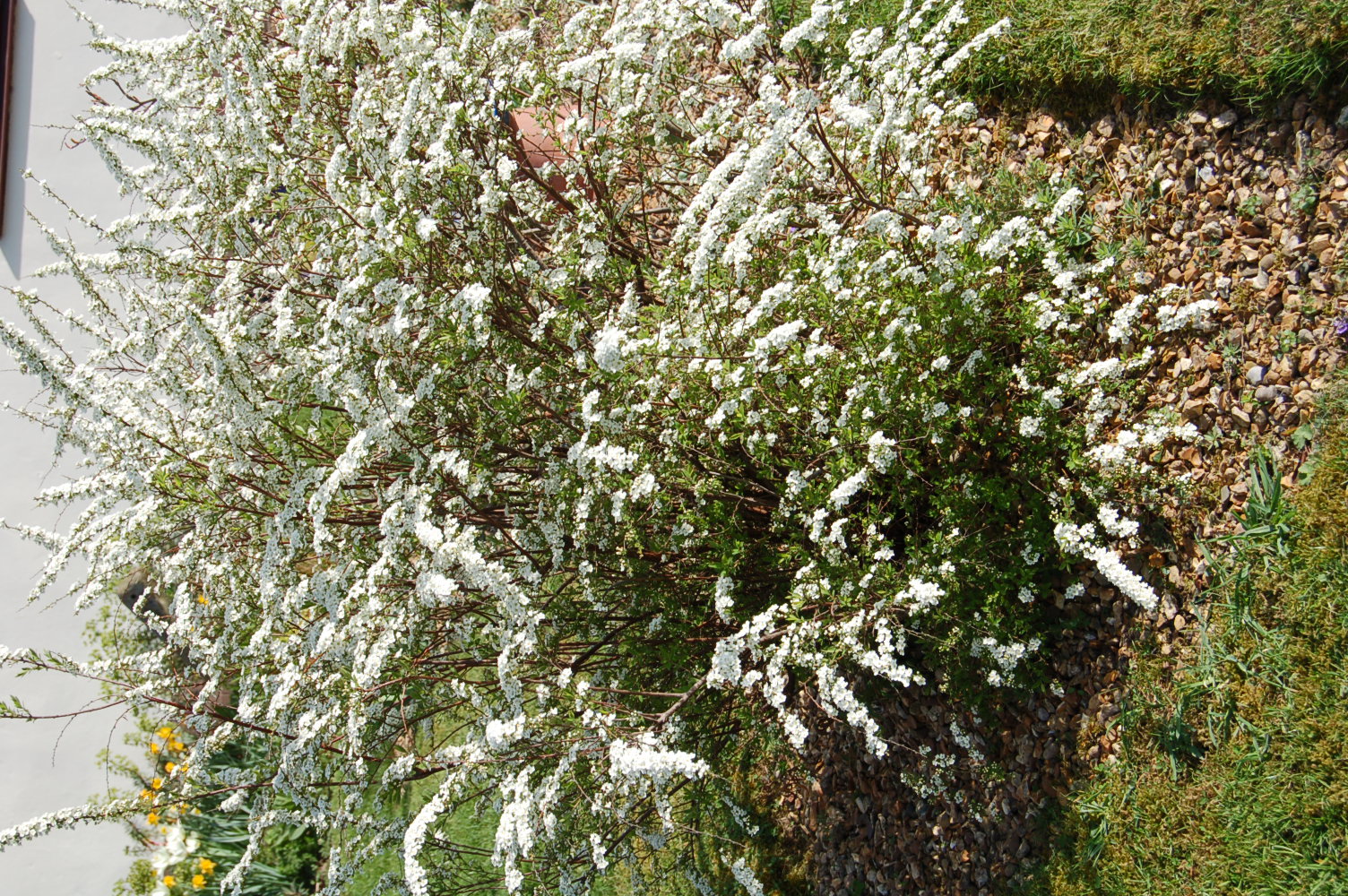
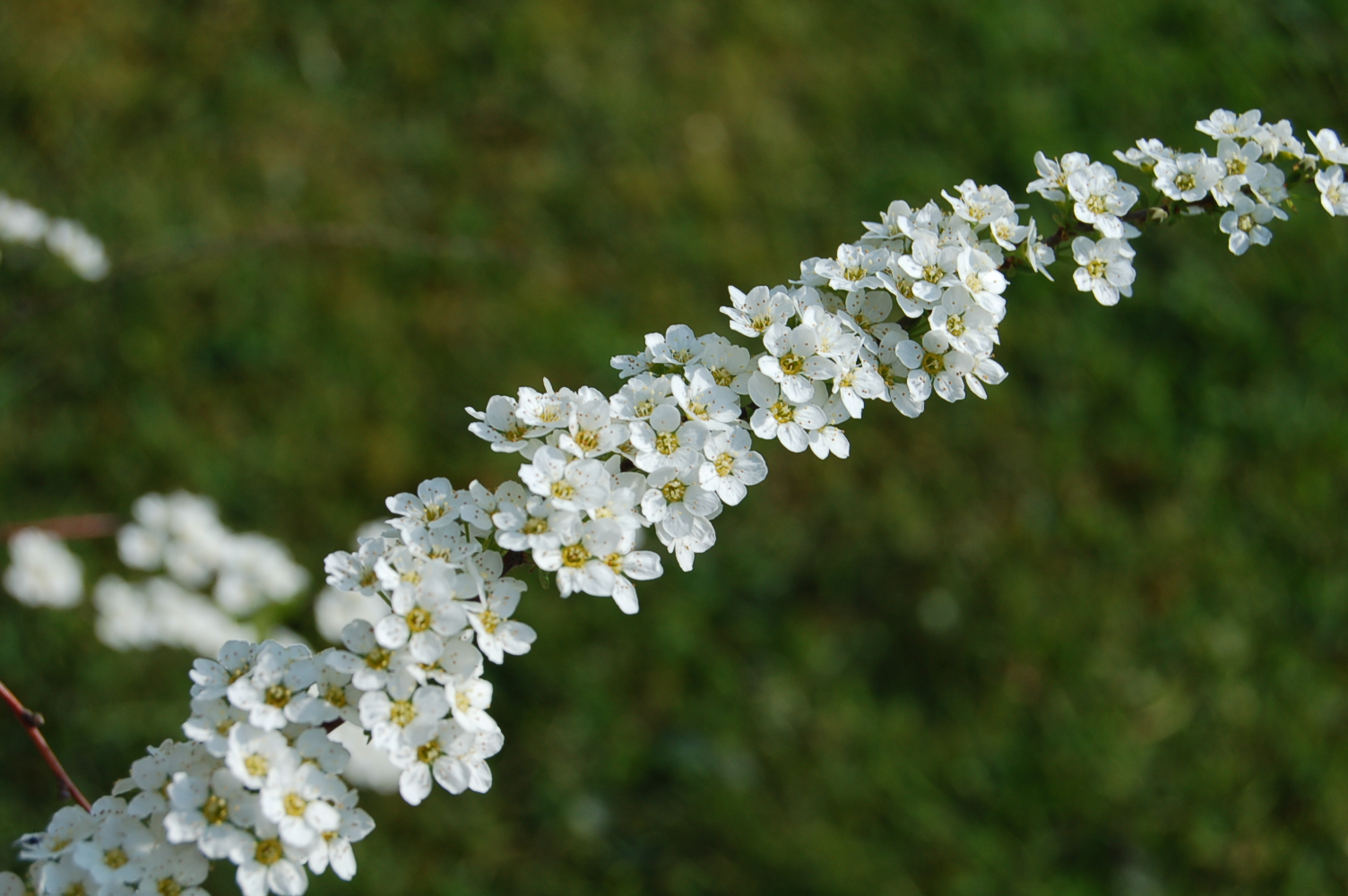
Trees and shrubs are a little later coming to life in the spring, the miniature Chestnut’ sticky buds are only just bursting while the Amelanchier lamarckii and Spiraea “The Bride” are in their full white ball gowns.


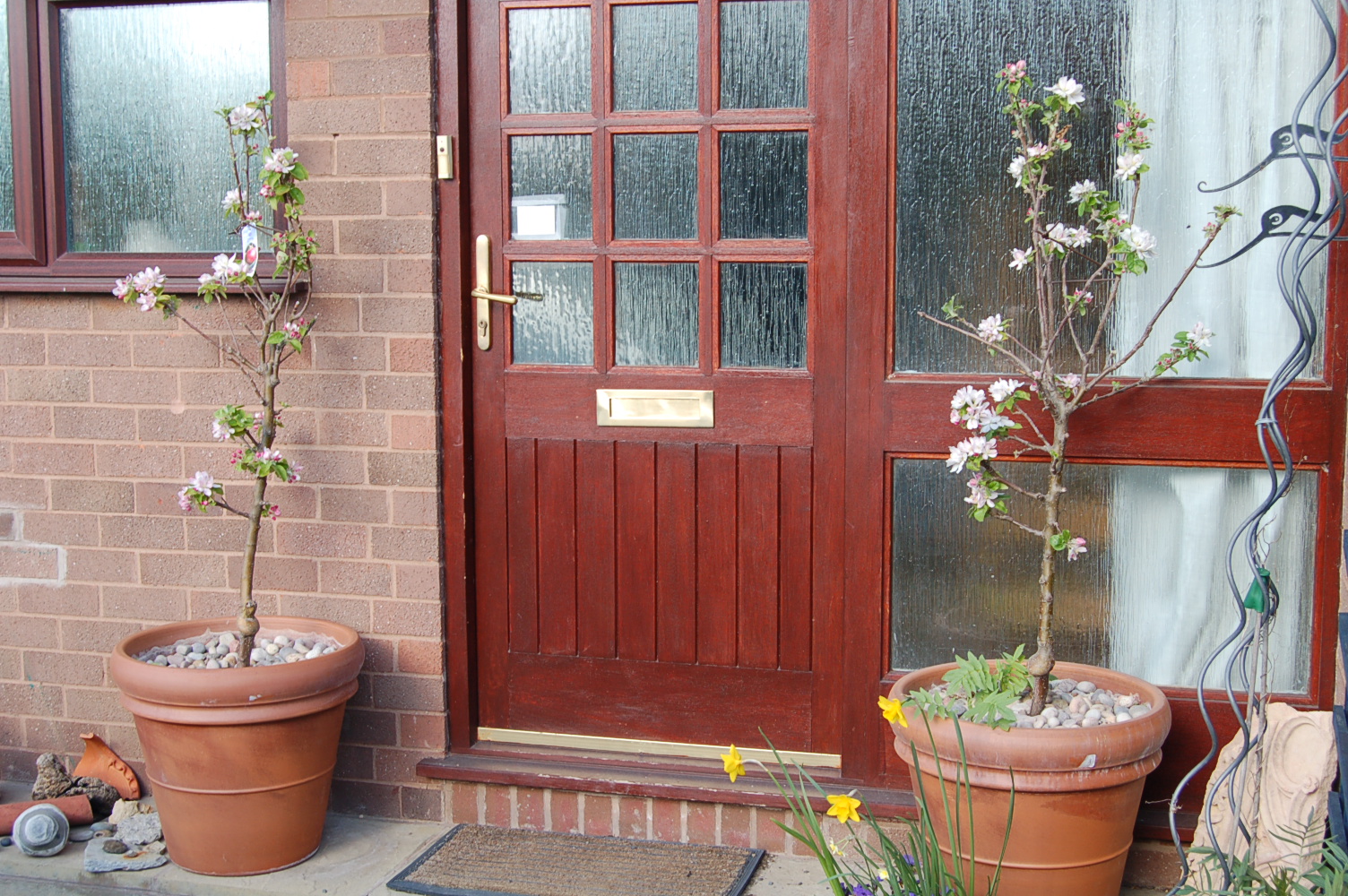
In the side garden by our main entrance the two potted apple trees are in full flower, with blossoms of many shades of pink, promising lots of juicy fruit to enjoy. We have added a second House Sparrow nesting box giving six nest holes altogether and hopefully a little less noisy bickering. The new box is apartment living as opposed to the terraced original. Right by our doorstep is a pot of violas in an unusual colour combination of blue and brown. In front of the garage door our replanted alpine troughs are beginning to come to life.
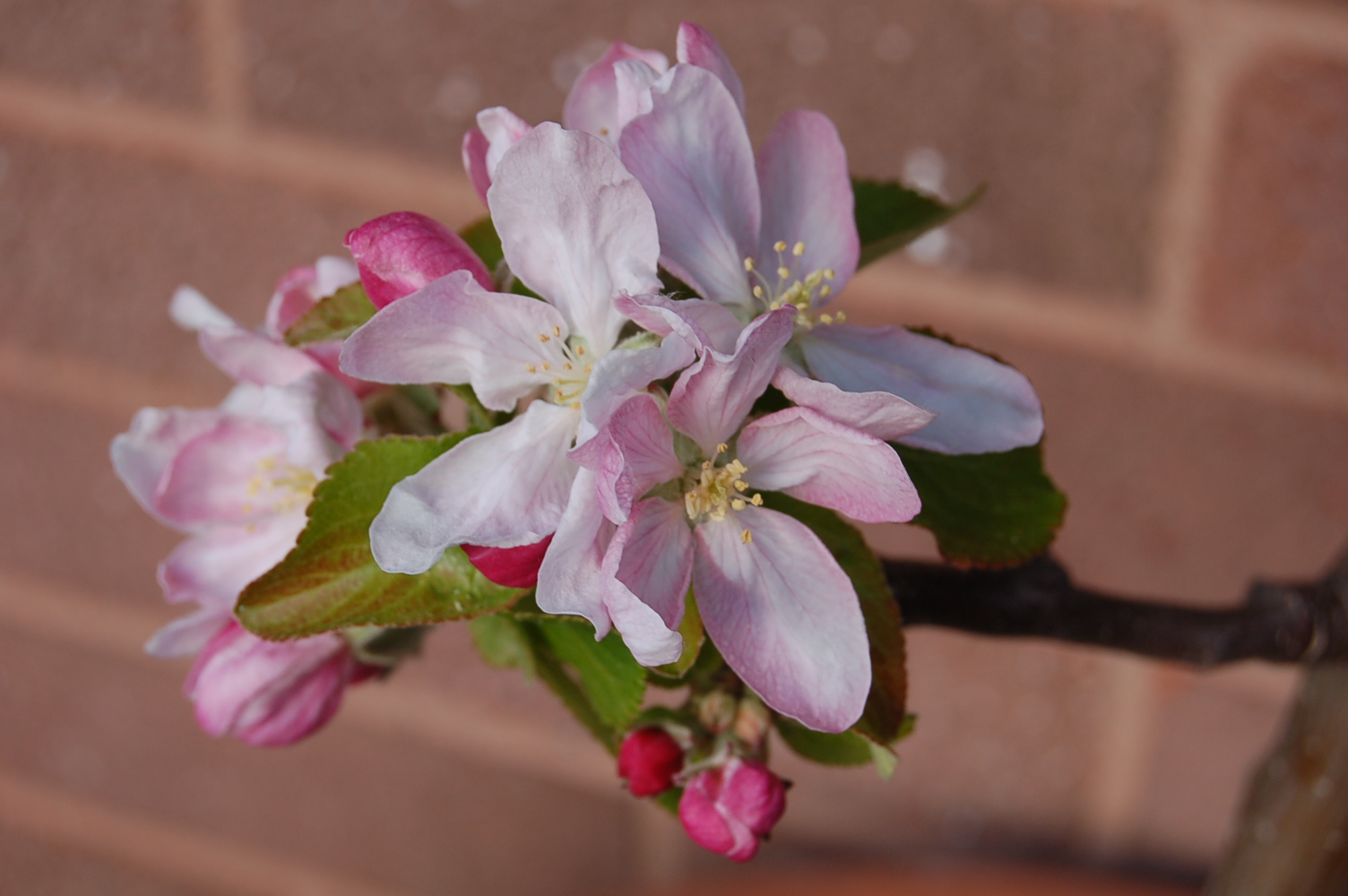


Wandering into the back garden it is hard to know where to point the lens first as so much is happening. The fruit trees are in blossom, tulips add their jewel colours in every border and new leaves are appearing on most shrubs and perennials.


The garden is full of sound, scents and movement. In the pools Pond Skaters perform their dances on the surface and tadpoles wriggle in black masses in the shallow pebble bay. Around each flowering shrub bees and hoverflies flit and buzz. In nearby fields Skylarks sing their “high in the sky” songs and the haunting call of Curlews reach us from the damp land alongside the nearby fishery. But the strangest sound of all is the regular sound of Tawny Owls calling to each other – have they lost their biological clocks? The calling starts mid-afternoon on most days.
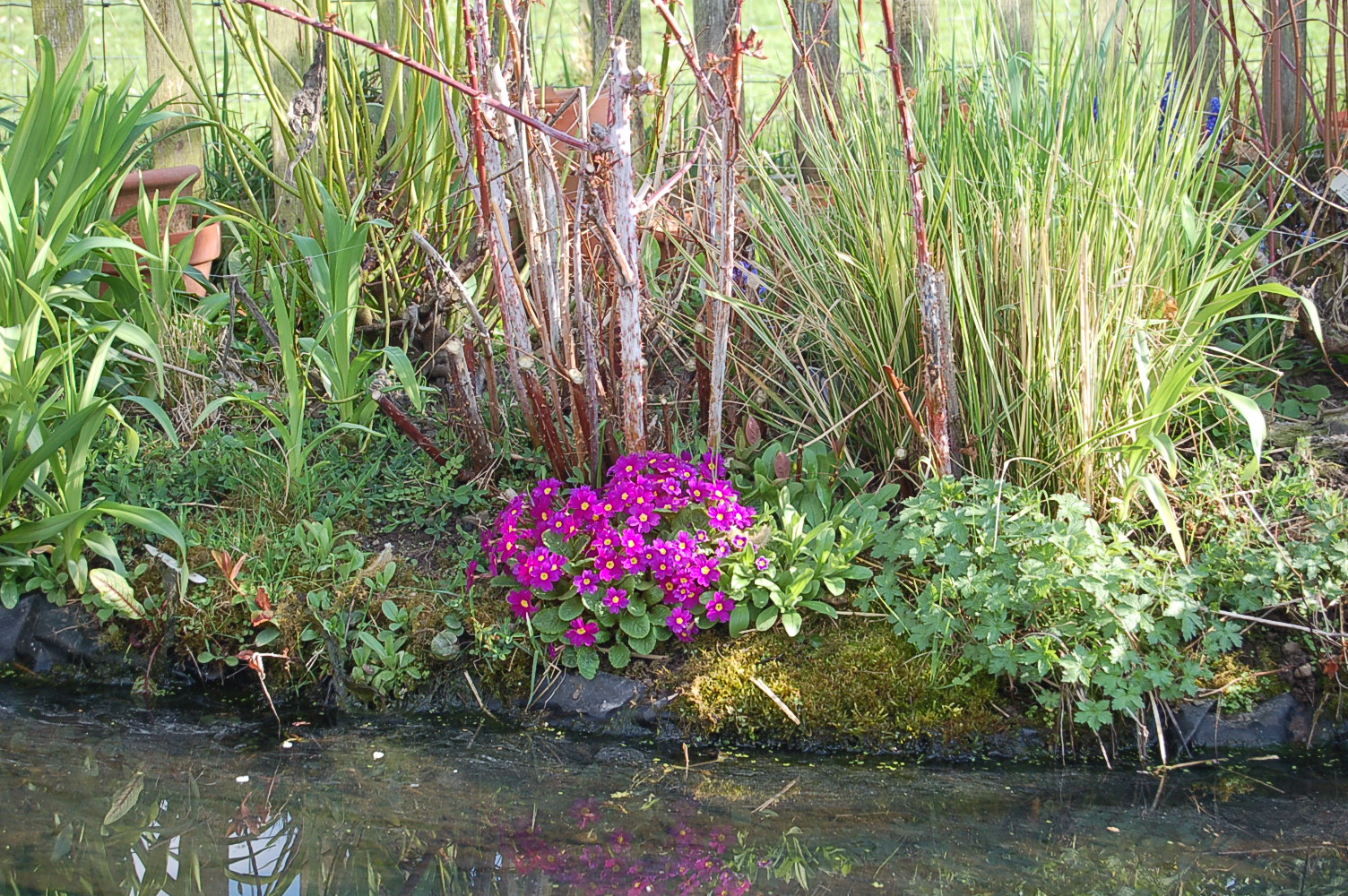
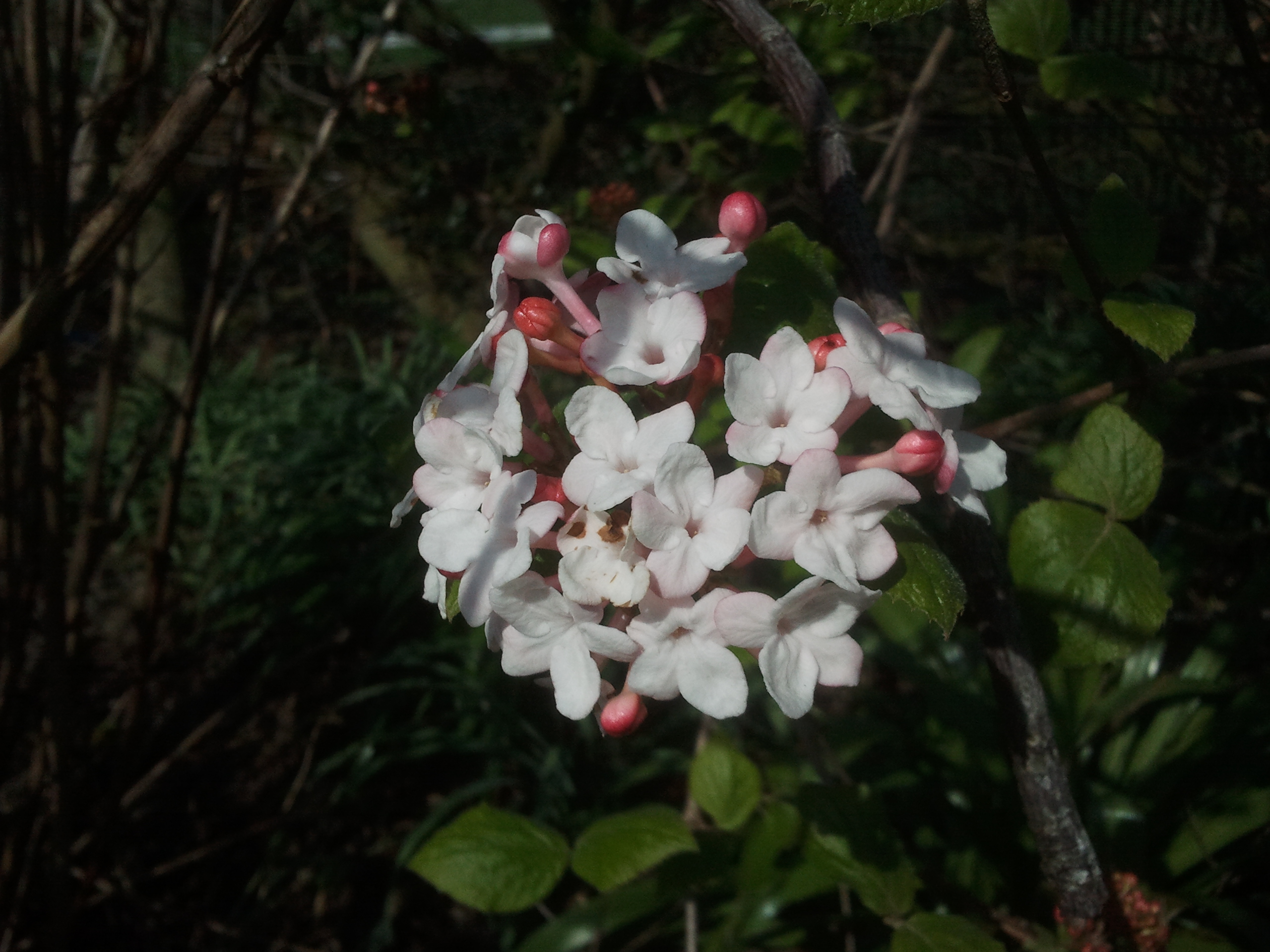
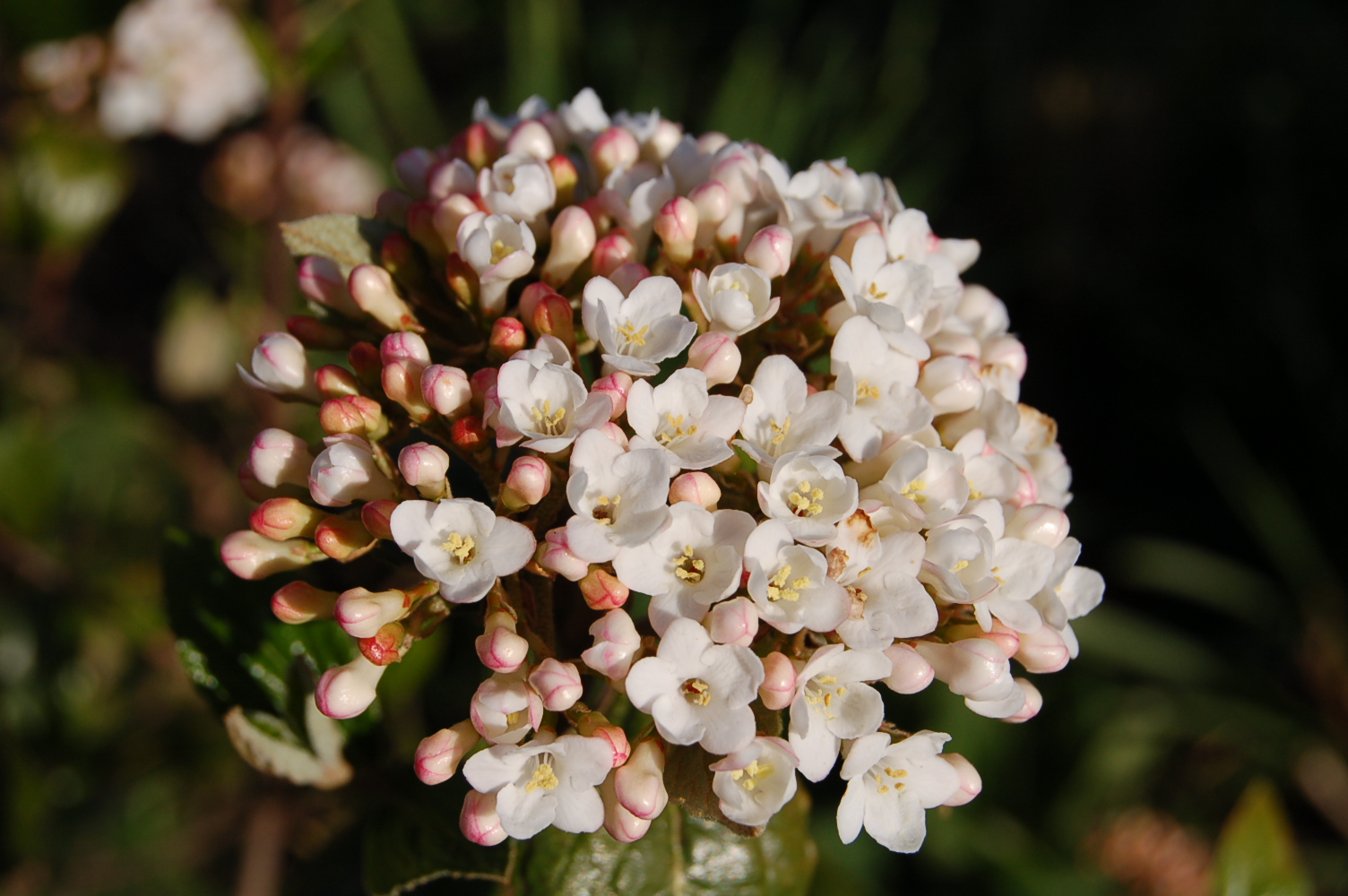
Scent is provided by Viburnum, Mahonias, Wallflowers, Flowering Currants, Hyancinths, Daffodils and the last of the flowers on the Daphnes. Herby scents come with the new fresh greens of the mints, thymes, marjorams and fennel.

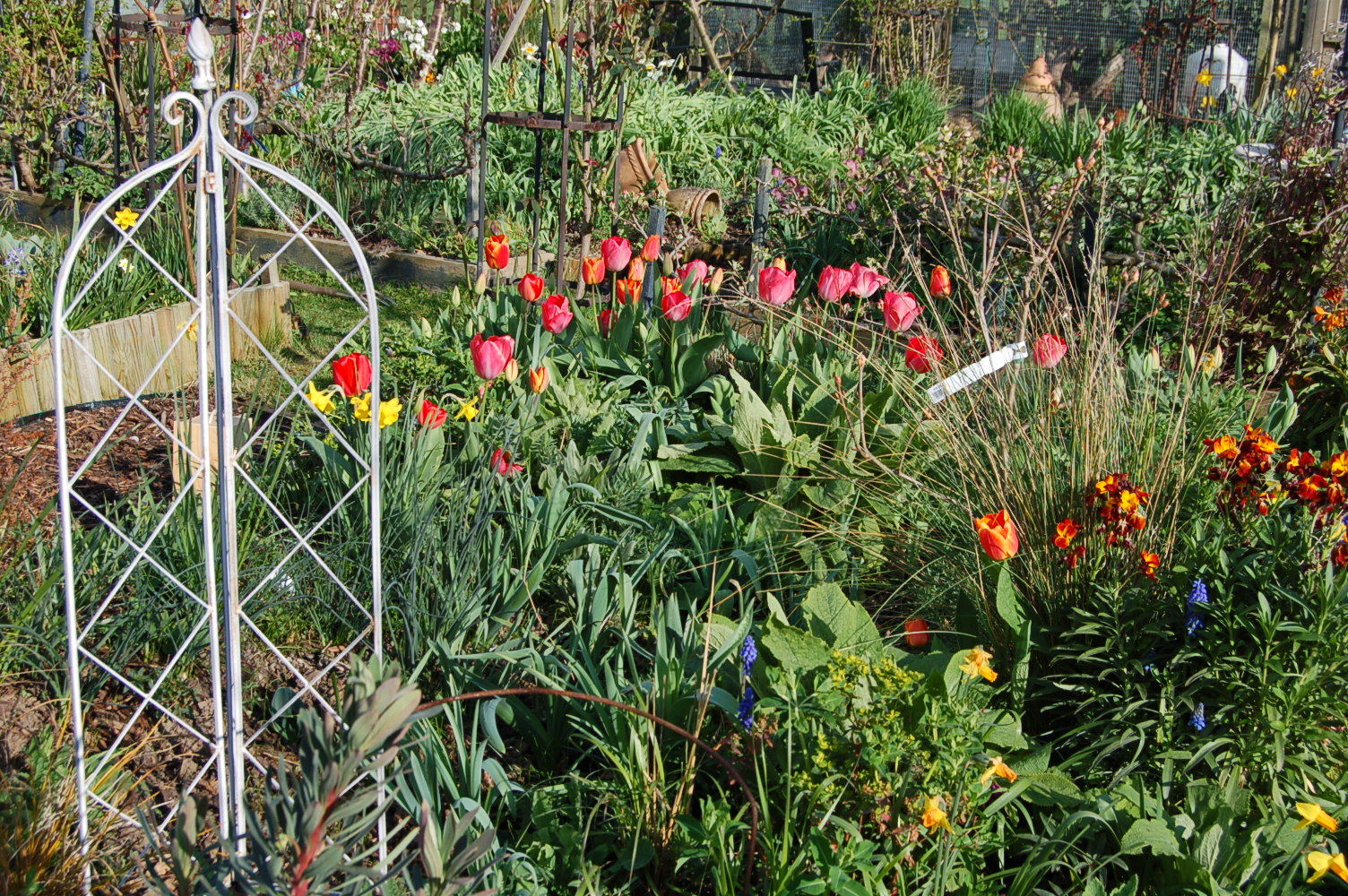
In the Secret Garden it is the tulips that take centre stage, in so many colours and shapes.
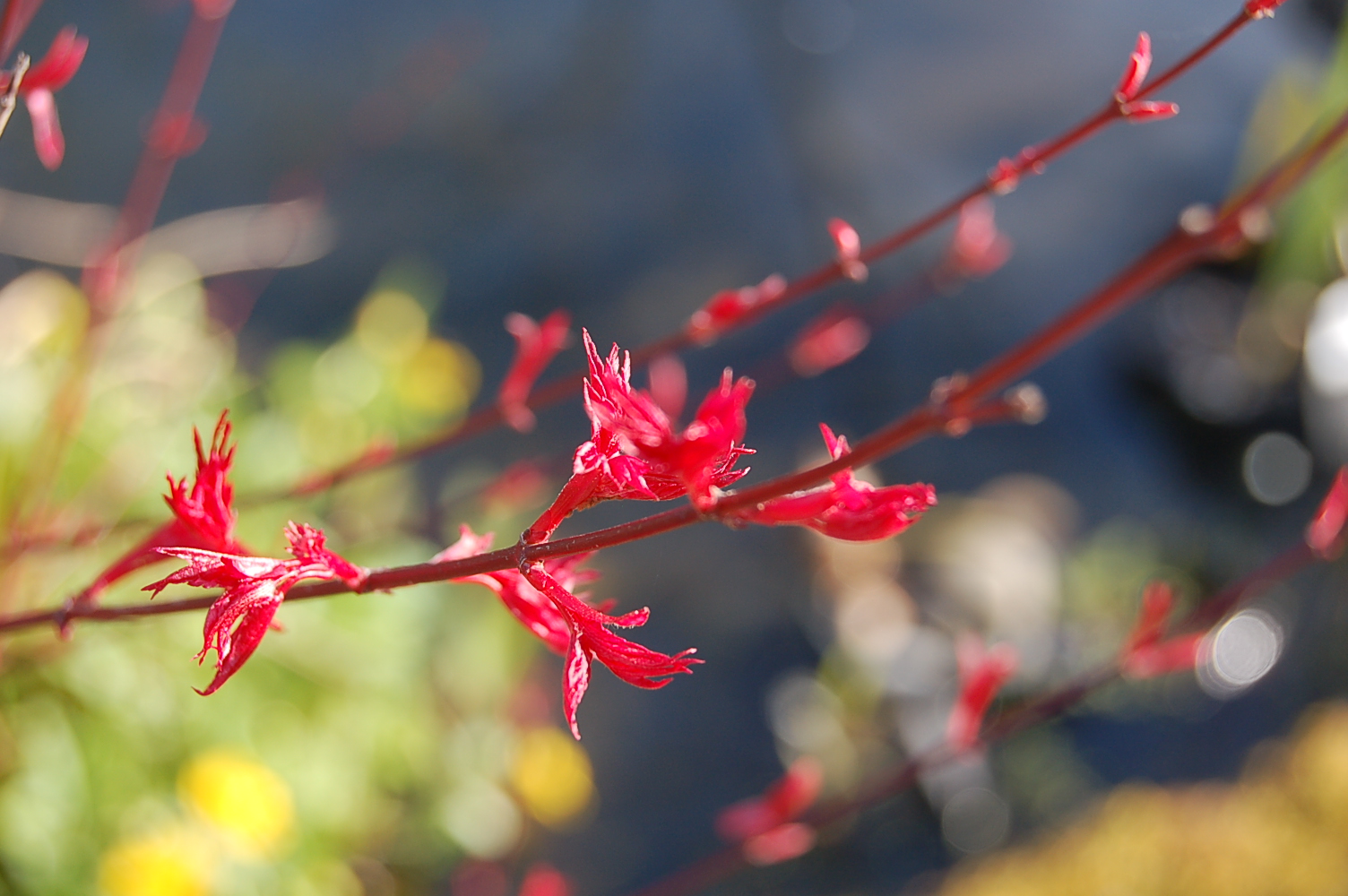
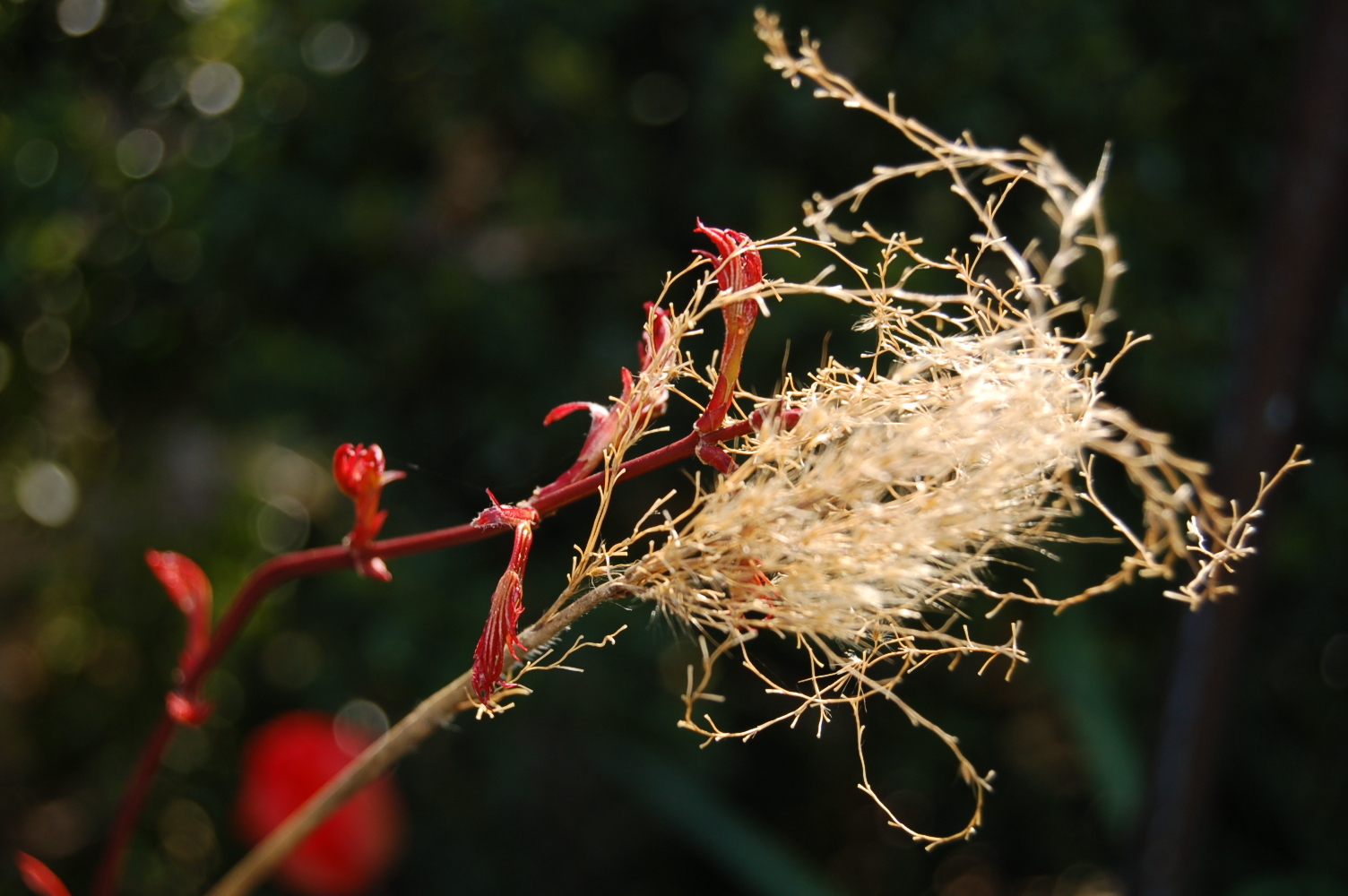
Some of the most impressive new foliage is to be found on our acers, growing under the trees we grow as a wind break, acid green, lemon yellow, flaming orange and salmon.

We have eventually relented and cut down the last of our many grasses. We leave them as late as possible and often leave some too late and end up cutting new growth coming up within the old. This Miscanthus napalensis was left until last, understandably.
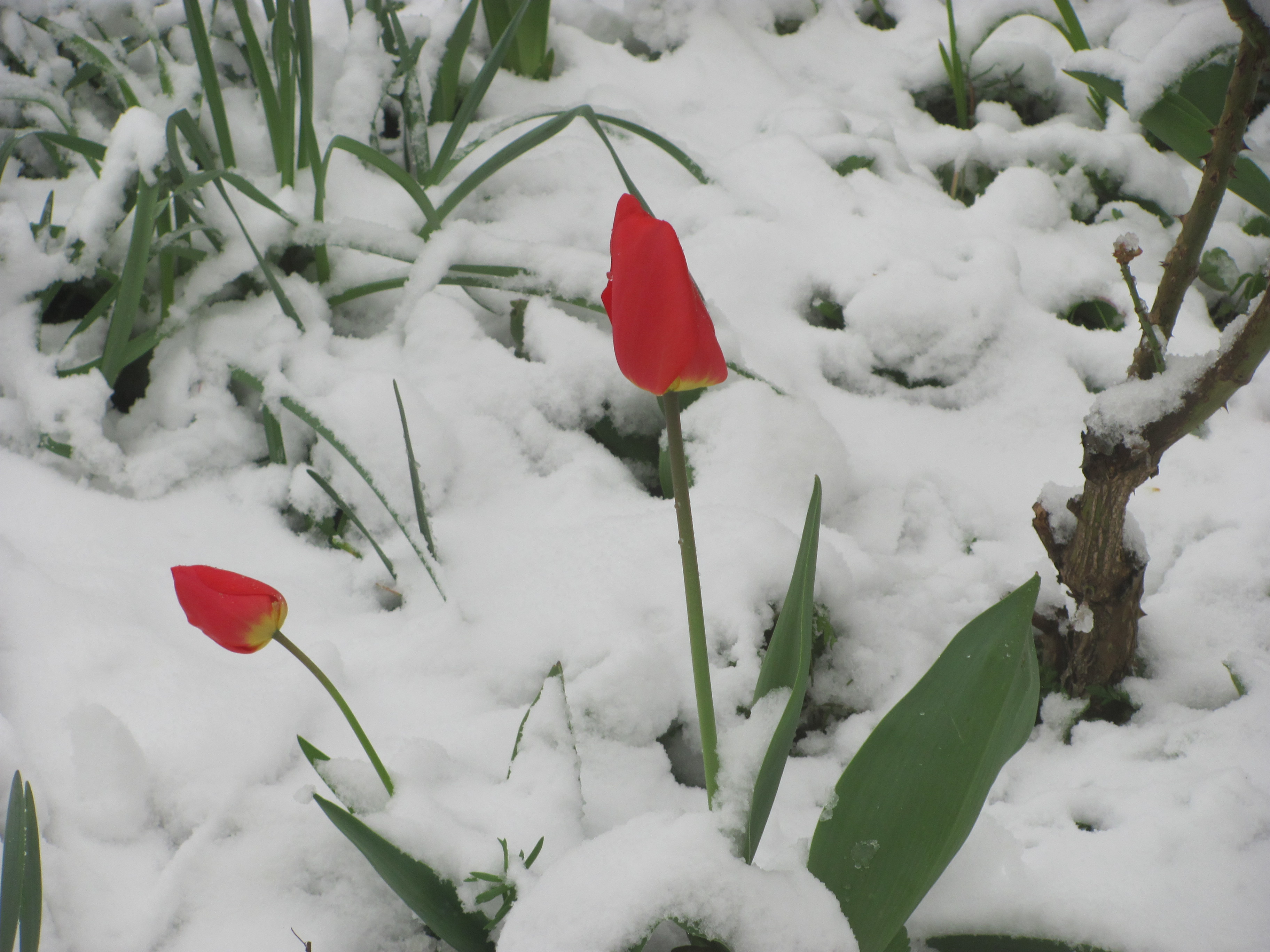
Just to show how fickle the month of April can be, the day after I took the photos for this blog we woke to three inches of snow and large flakes continued to fall all morning. Many tulips and daffodils were flattened and our clump of Black Bamboo was pinned to the ground by the sheer weight of snow.

I shall finish with two shots – one before the snow and one after. This lovely old oak tree root is our miniature stumpery – all we have room for!


Yesterday we spent the day up at our allotment, with the aim of sowing mini-meadows and planting out Brassica plants. But firstly the grass paths separating the plot into its four beds needed a good cut. That done we prepared two narrow borders along one edge of the plot, raking the soil finely but adding no fertilisers or organic matter, for this is where we were creating our mini-meadows.

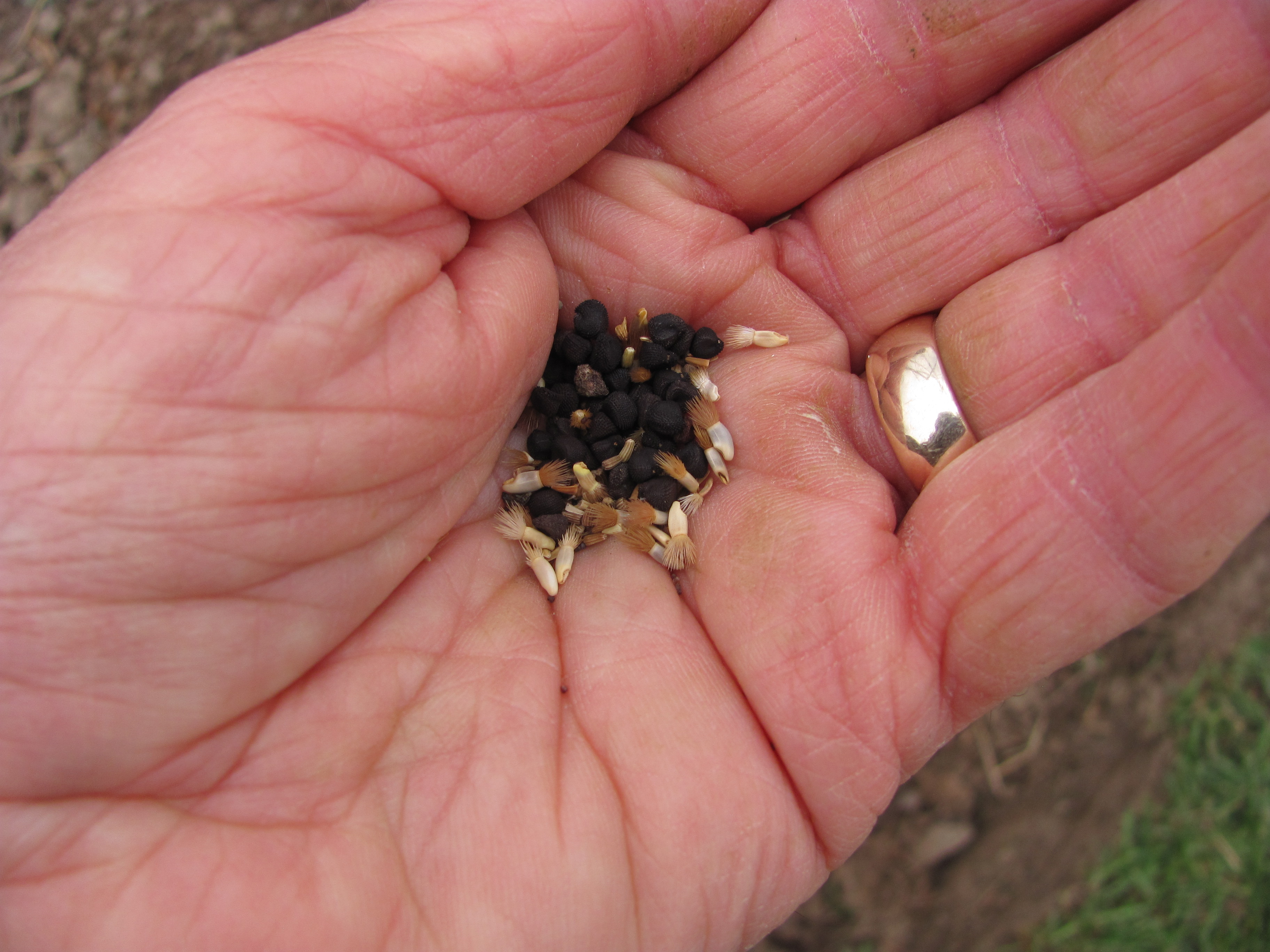
We sowed a mixture of 3 packets, a white cornflower called “Snowman” a native cornfield mixture and a Californian wildflower mixture. It seemed so strange to feel how light the seeds felt in my hand – a meadow in the palm of my hand.
We hope that our little strips of meadow will look good for us and fellow plotholders to enjoy, attract beneficial insects and bring in attractive butterflies. We particularly want bees to arrive to help with crop pollination. And of course they all entertain us while we are gardening.
After a quick coffee we scattered chicken muck pellets and fish, blood and bone fertiliser onto our brassica bed and raked them in well. I then trod over the area to firm the ground and raked again. Brassicas enjoy firm soil and they are less likely to bolt and help them fill out better.
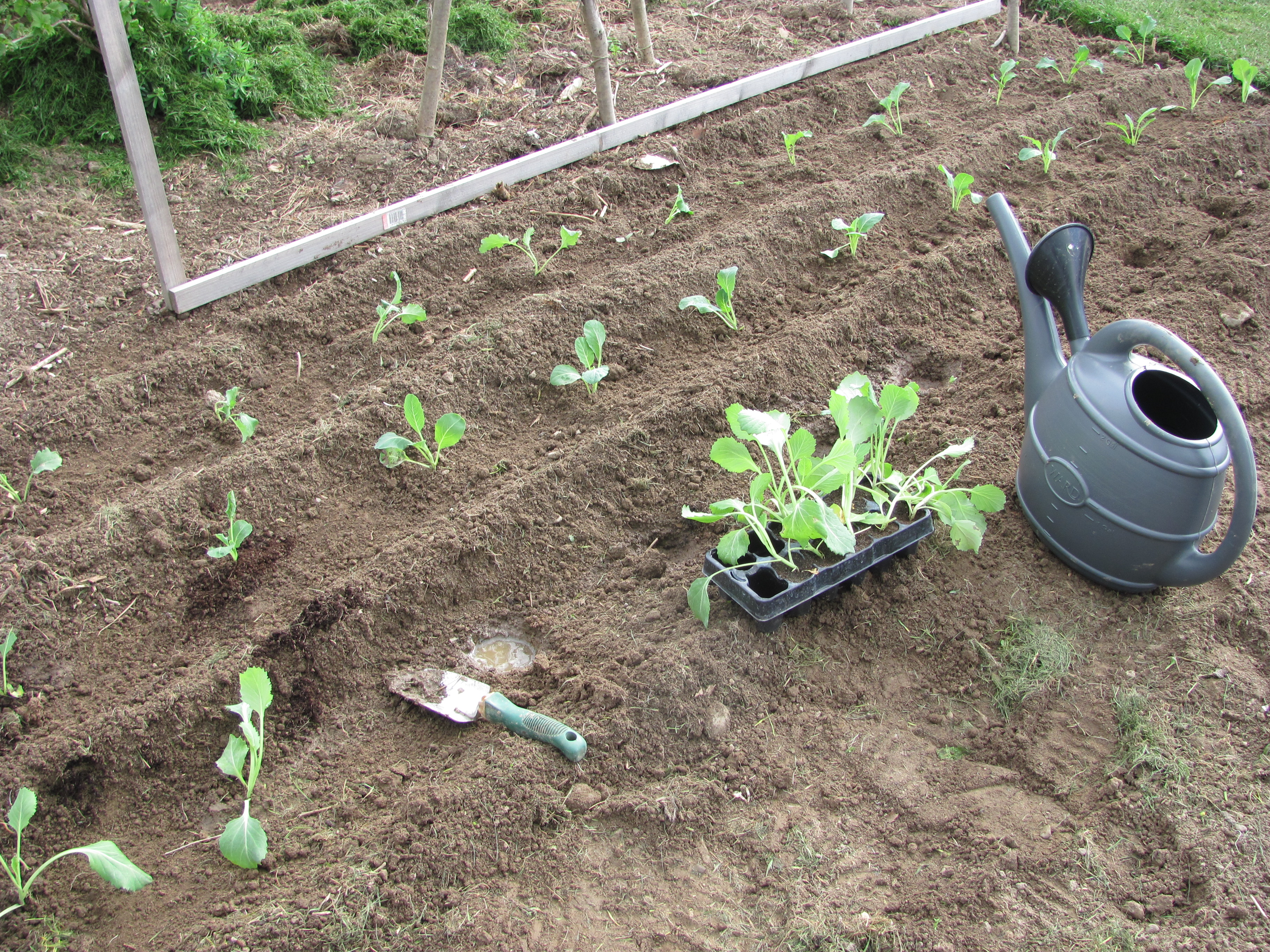
We decided to plant the Brassica plants in trenches with raised sides to act as min-dikes. With all the talk of drought and possible hose pipe bans we are trying out ways of watering wisely. These trenches should ensure that any rain is directed towards the plants.
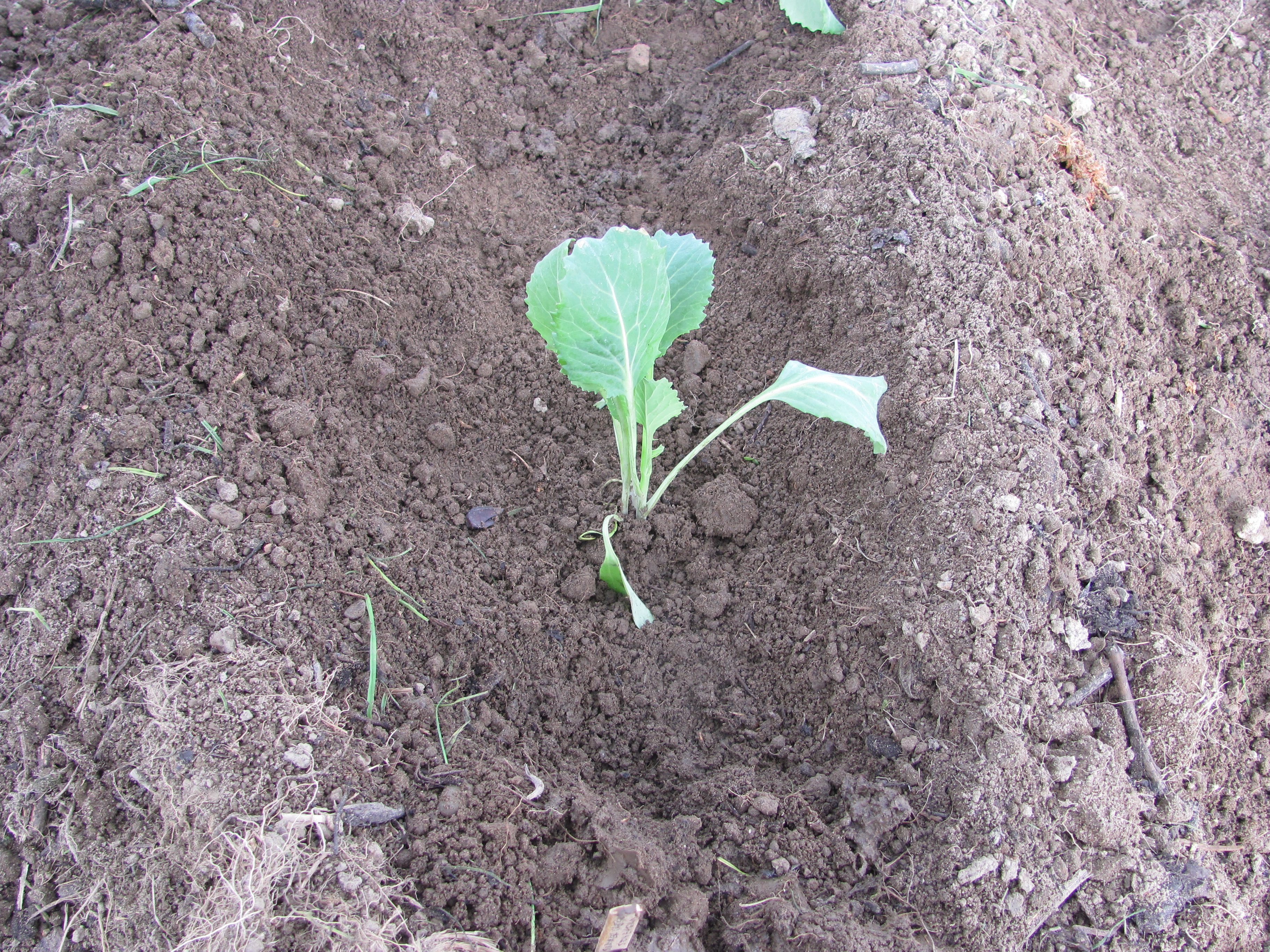
We packed away our tools and locked up the shed after a busy, productive couple of hours. Back to the community hut to collect one of the site mowers and the grass strimmer, and we were off to mow the grass around the community meadow area and the turf spiral. But we wandered around the site first and found three real little gems.
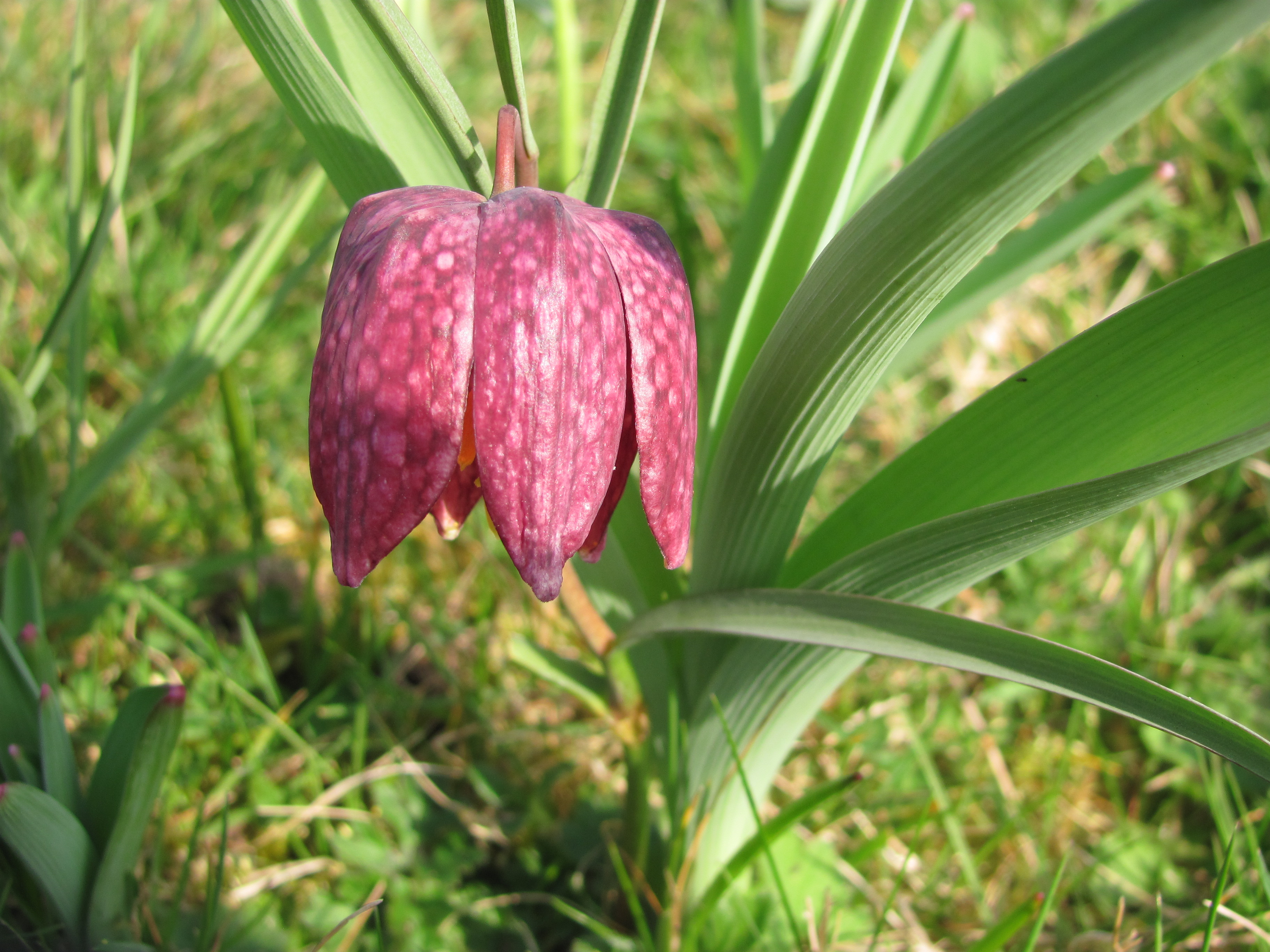
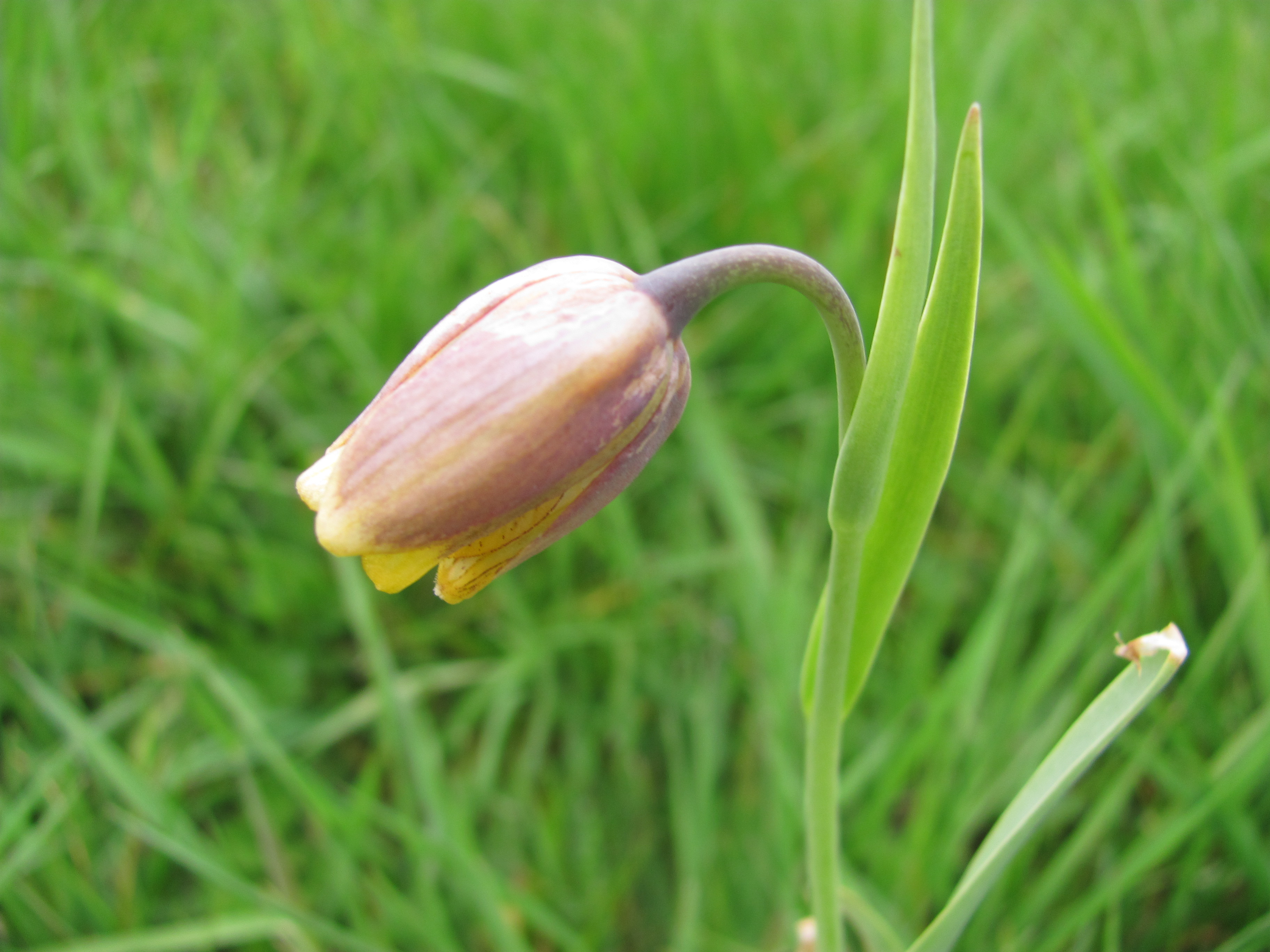
This first gem we found was a native fritillary growing in a batch in the first of the community orchards and the second, a more unusual fritillary, in a small patch in the Hazel Grove.
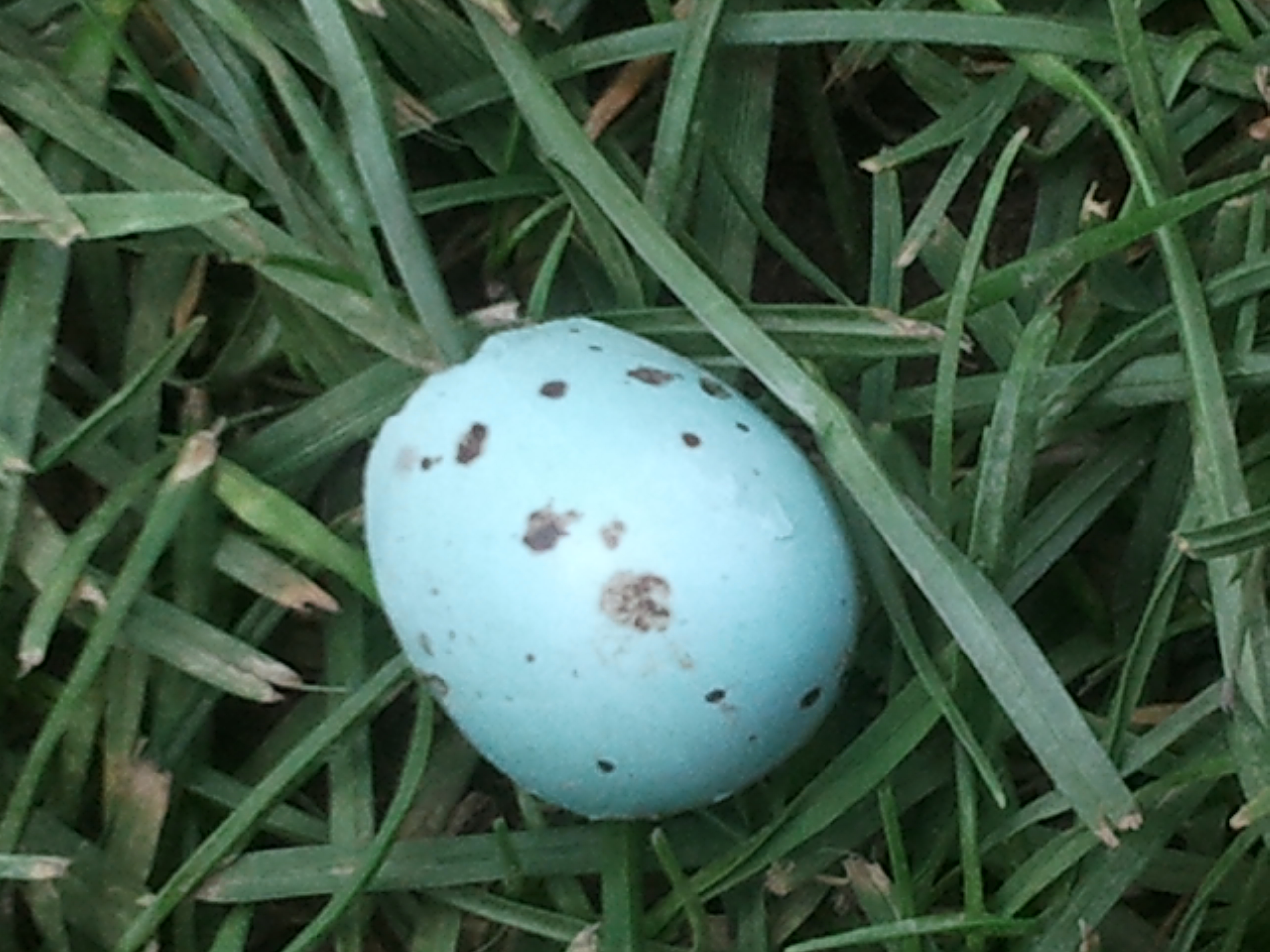
The third gem was a hatched shell near one of the native hedgerows. This little sky blue beauty is the egg of a Song Thrush, so we were delighted to find it. Thrushes are becoming more frequent on the site as our community wildlife areas are becoming more established. We often see them feeding under the feeding stations or rummaging in the leaf litter beneath the hedges.

We mowed and trimmed for a couple of hours before our backs shouted “Enough! Enough!”
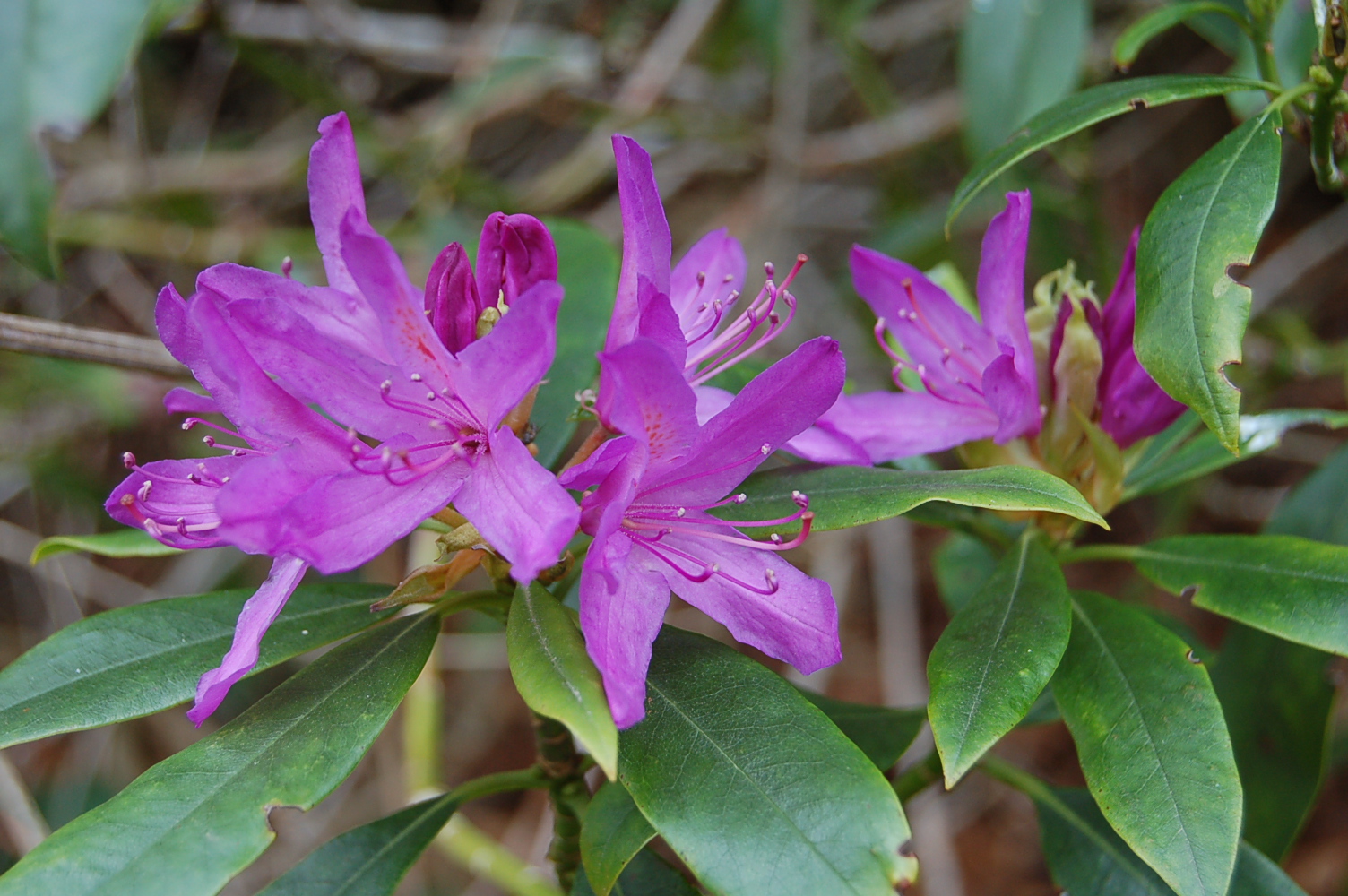
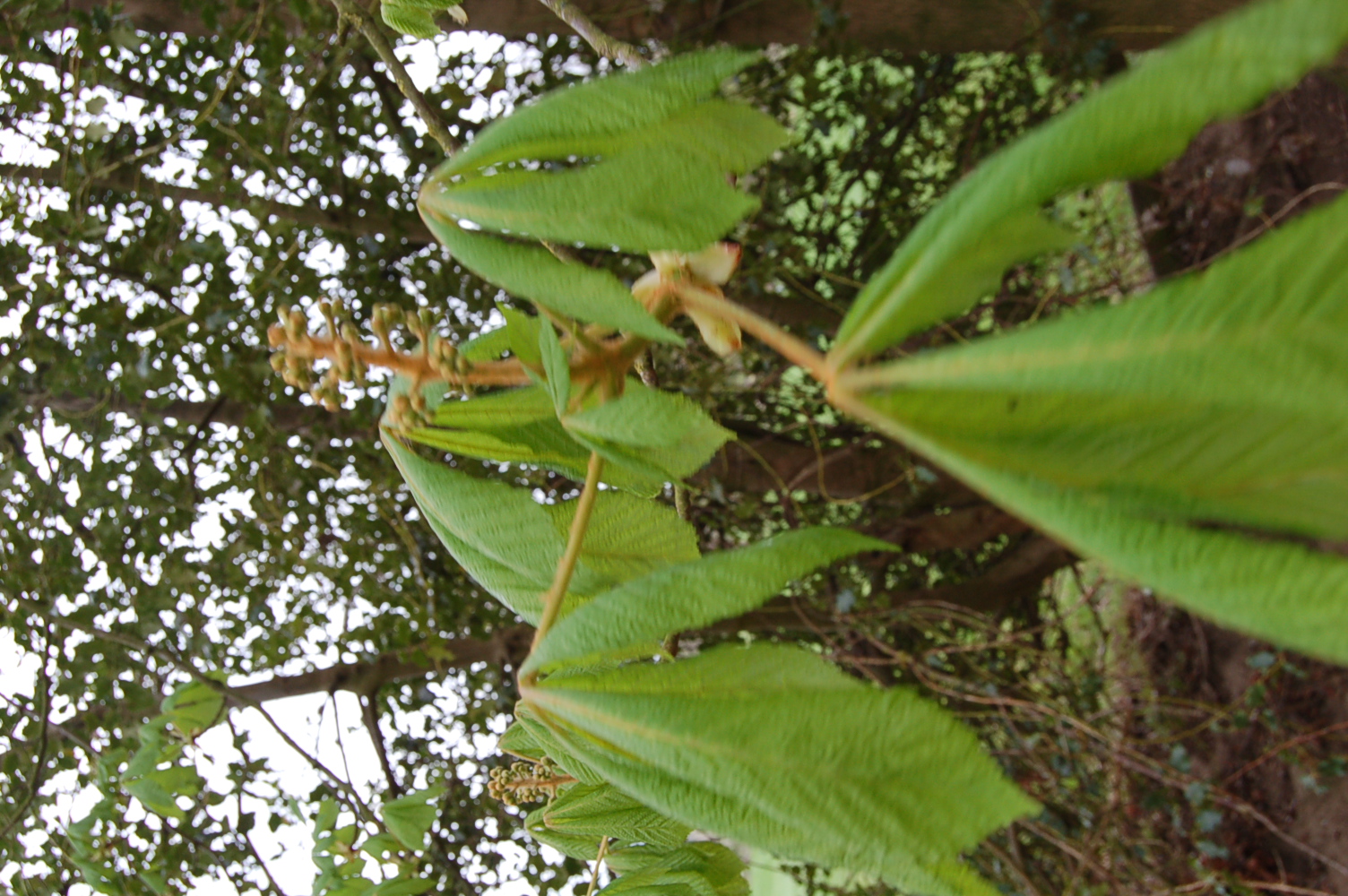
The weather turned colder today, back to more normal temperatures for the time of year. Last week on some days we enjoyed 20 degrees celsius but it has dropped back to 9, and it felt cold. But we had planned to take a walk at Attingham Park, the weather failed to stop us. Walking through the woods towards the walled garden we were delighted to see splashes of colour from Primroses, Celandines, Rhodendrons and the first leaves of Horse Chestnut trees.
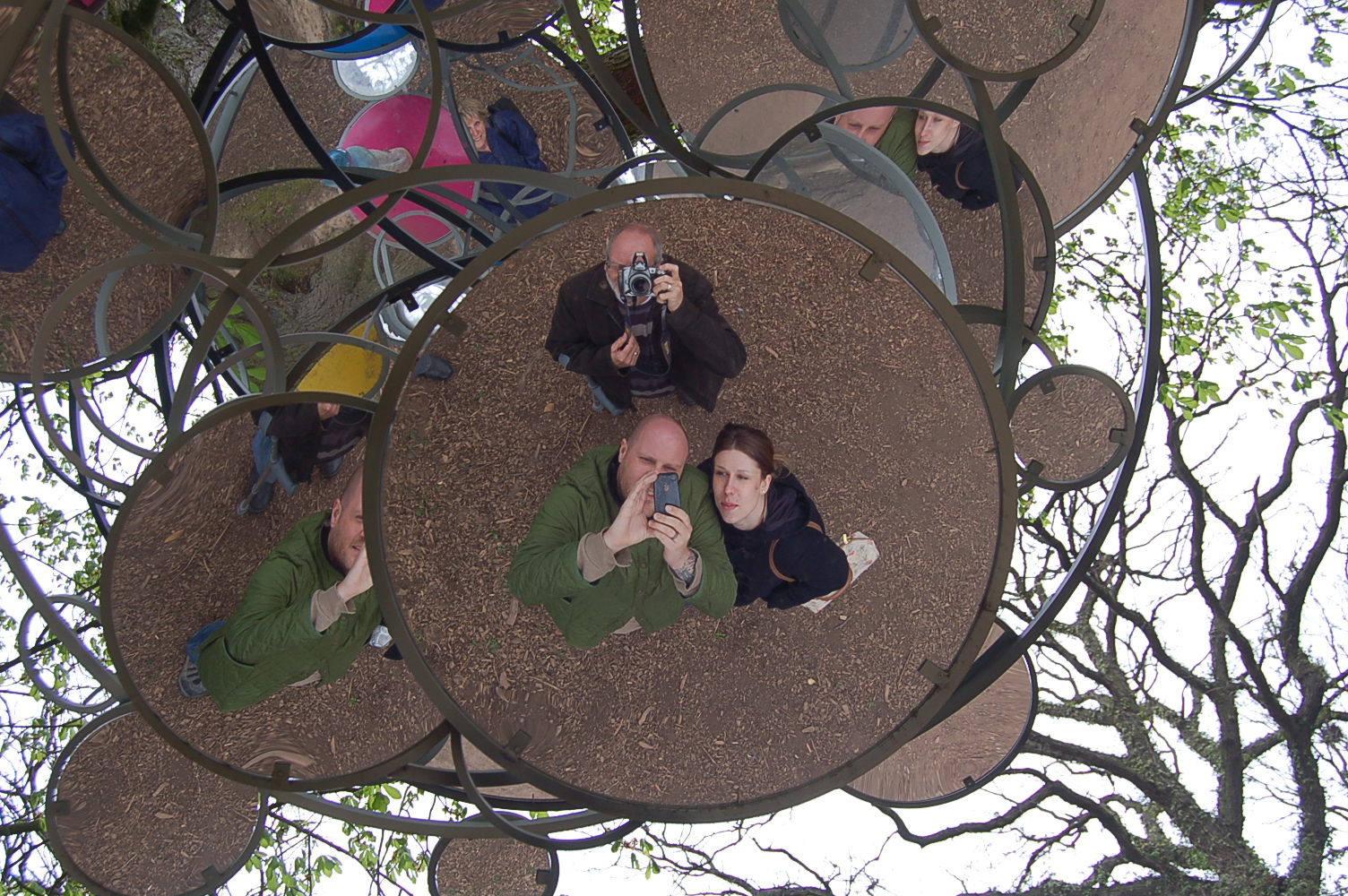
Occasionally a piece of sculpture surprised and entertained us. This piece hanging above us from the branches of a tree, enticed us to look up into its structure, where it captured our images in its circular mirrors. With me are son, Jamie and his girlfriend Sam.

The walled garden changes with the seasons but also as the gardeners and volunteers develop it. The big change which we were delighted to see as we passed through the gate into the protected growing area inside the walls – the pigs had returned.
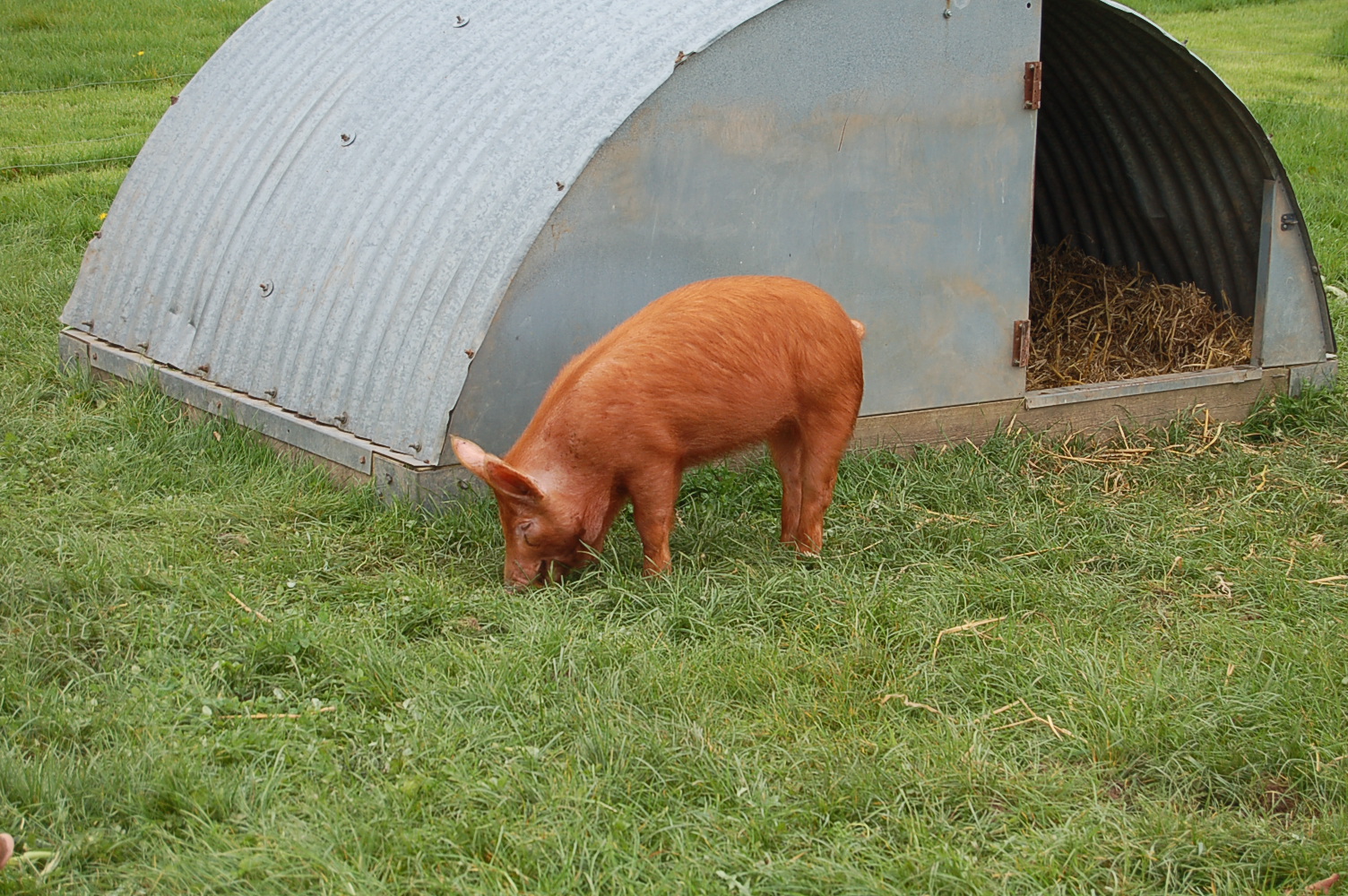
Each time a new area of the old walled garden is due for re-development, pigs move in to prepare the planting areas. They clear the weeds, turn over the soil and add manure to improve soil structure and add some plant nutrients. Today the pigs we were mesmerised by were young Tamworths with their red bristles.
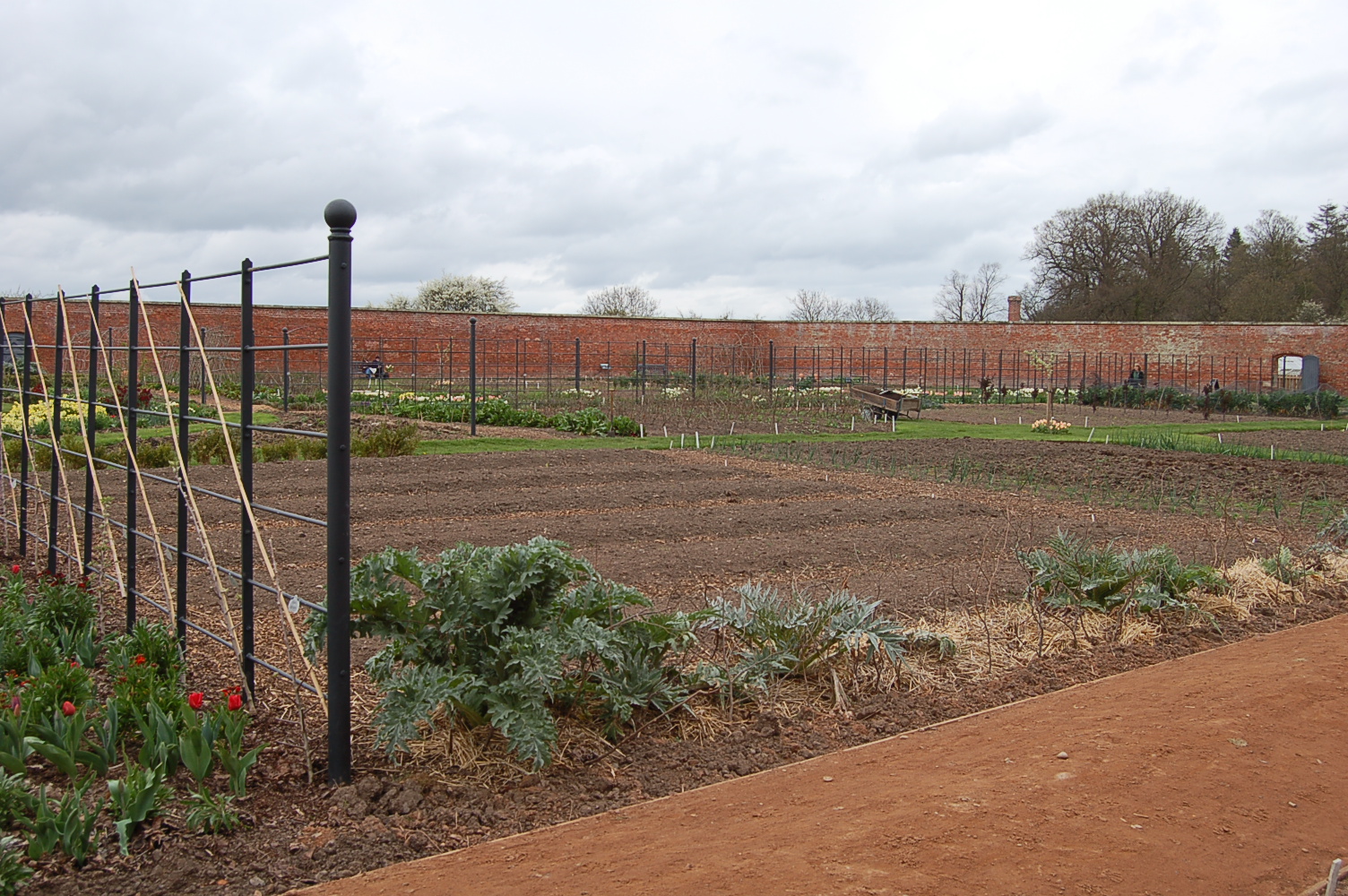
The veggie beds looked almost empty but the decorative borders were full of colour mostly from bulbs and wallflowers. A few veg had survived the winter and added their own colours. The stems of the chard contrast nicely with their leaves, making them most attractive plants.


In the very centre of the walled area is a large circular dipping pool, from where the old gardeners would collect water by dipping watering cans. Archaeologists have cleared it out and their explorations and excavations have left its beautiful brick interior for us to admire.

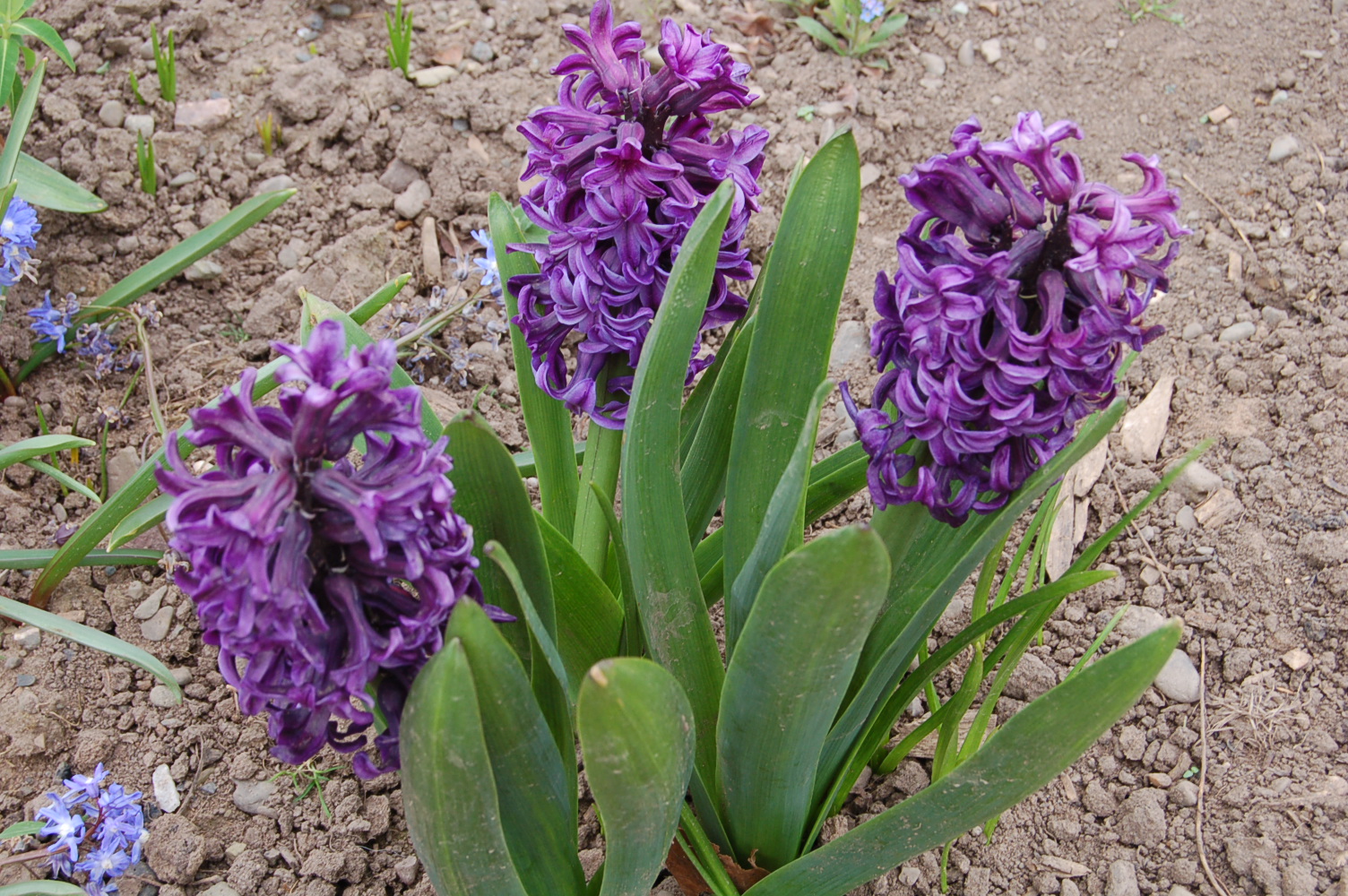
The beds lining the paths that lead from the dipping pool are lined with tulips, hyacinths and wallflowers to give colour and scent for visitors to enjoy.
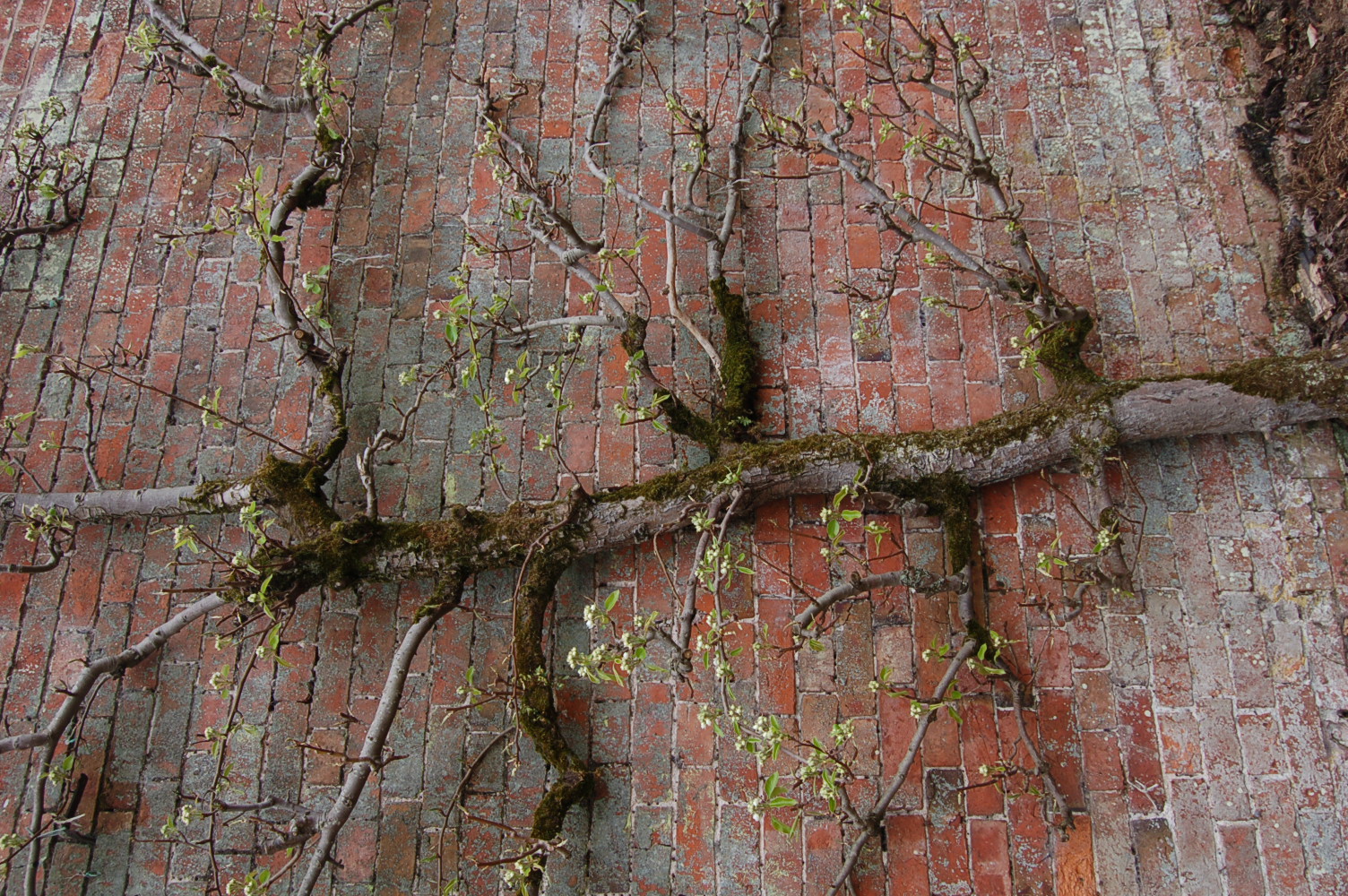
The warming red brick walls that gave protection to the fruit and veg growing within them are lined with beautiful trained fruit trees. The espalliers are wonderfully trained and later in the spring blossom will clothe their limbs and in late summer and early autumn with fruit.
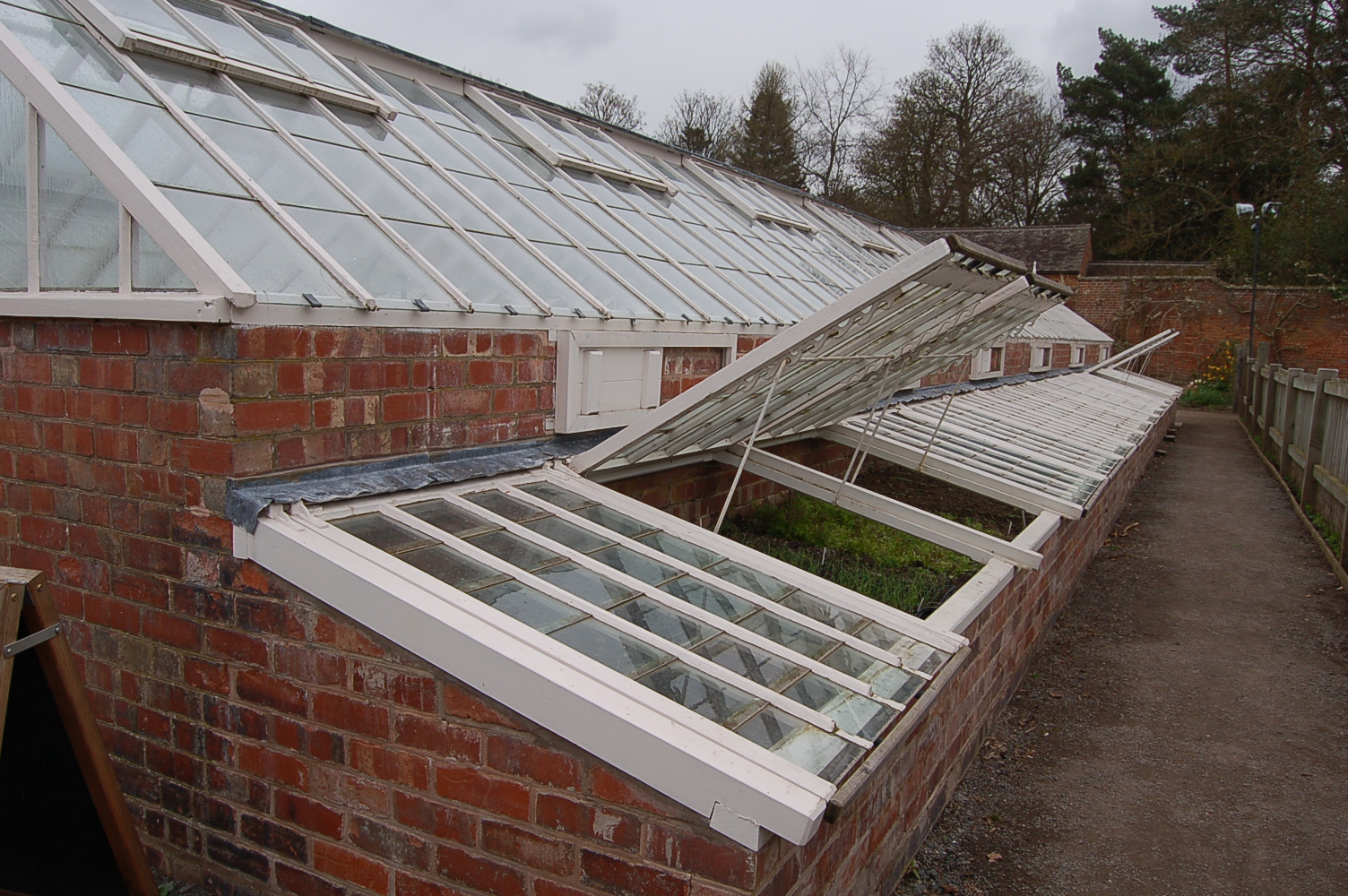
The garden enclosed in a wall inside the outer wall produces fruit and cut flowers and is home to renovated glasshouses and coldframes.

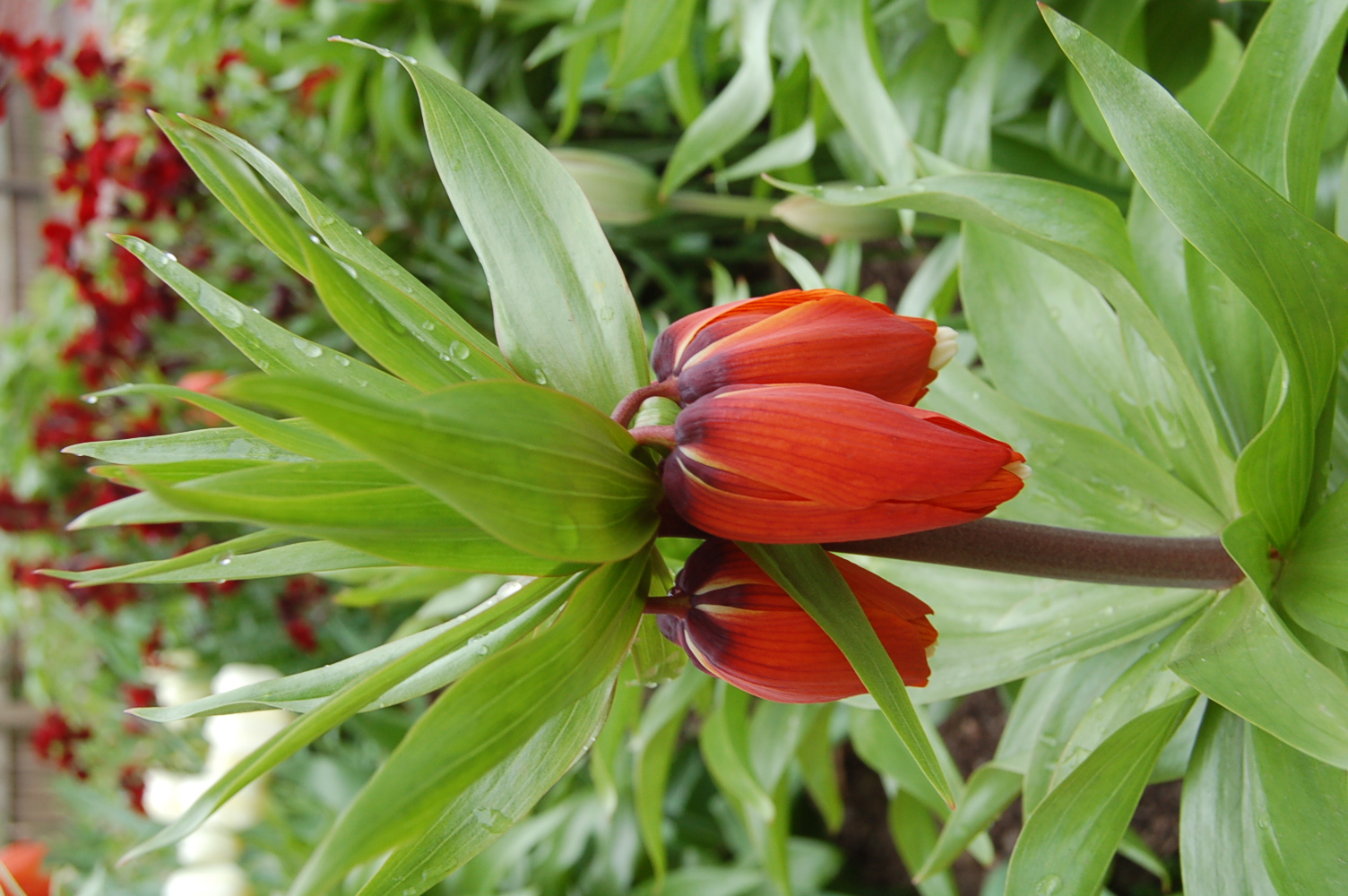
A border outside the gardeners’ bothy was bursting with hot colours. Polyanthas and Wallflowers in reds, oranges and reds shared the space with an impressive clump of Fritillary “Crown Imperials”.
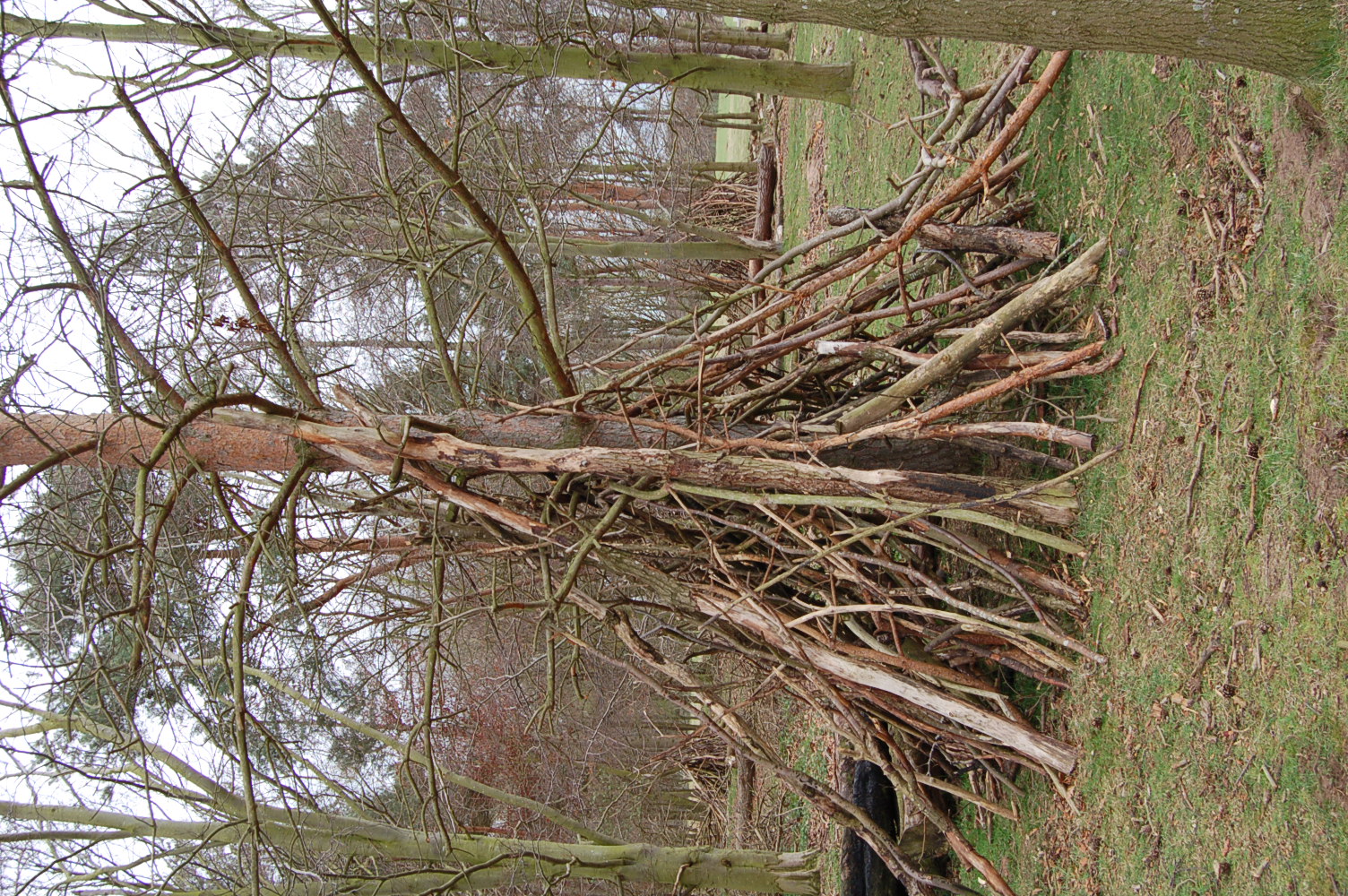
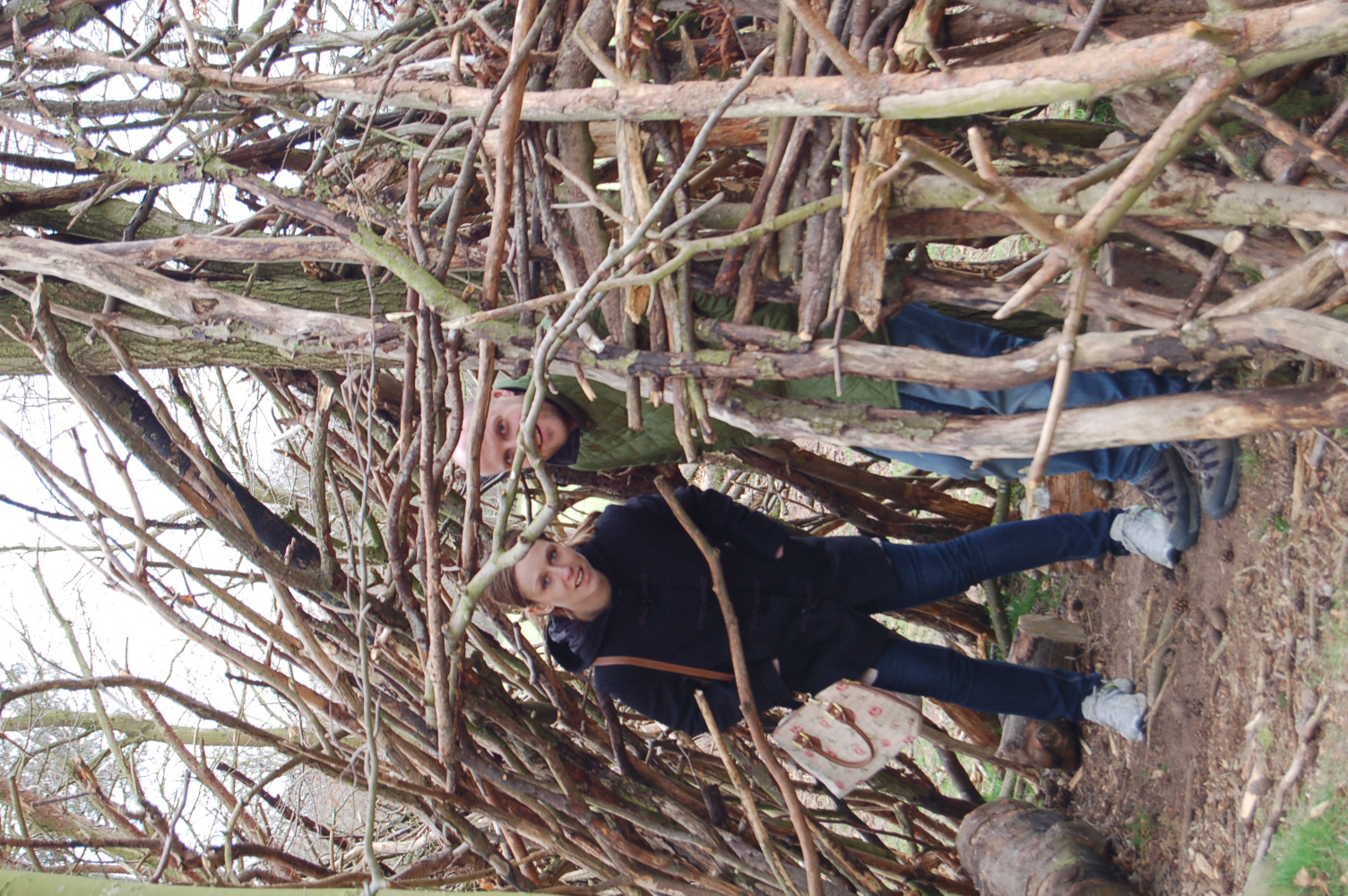
On the return walk we passed through an area of woodland where fallen limbs from the old trees had been used by children to make wonderful dens. Let’s have a wander around and enjoy a few. We enjoyed admiring the children’s handiwork and Jamie and Sam had to try one out for size. Knowing that I would blog about our day out they decided that if they sneaked into a photo they could get themselves into my next posting.


Our allotment plot is only about 150 square metres but we cultivate it with wildlife in mind and have several features to actively attract the wildlife that can support our gardening efforts. We endeavour to garden for wildlife and with wildlife. Some we attract some is here anyway.
Many beneficial insects are attracted onto our plot to help us fight pests and pollinate our fruit and veg. The most important insect predators are probably Ladybirds. Lacewings and Hoverflies. Their larvae are voracious pest eaters.
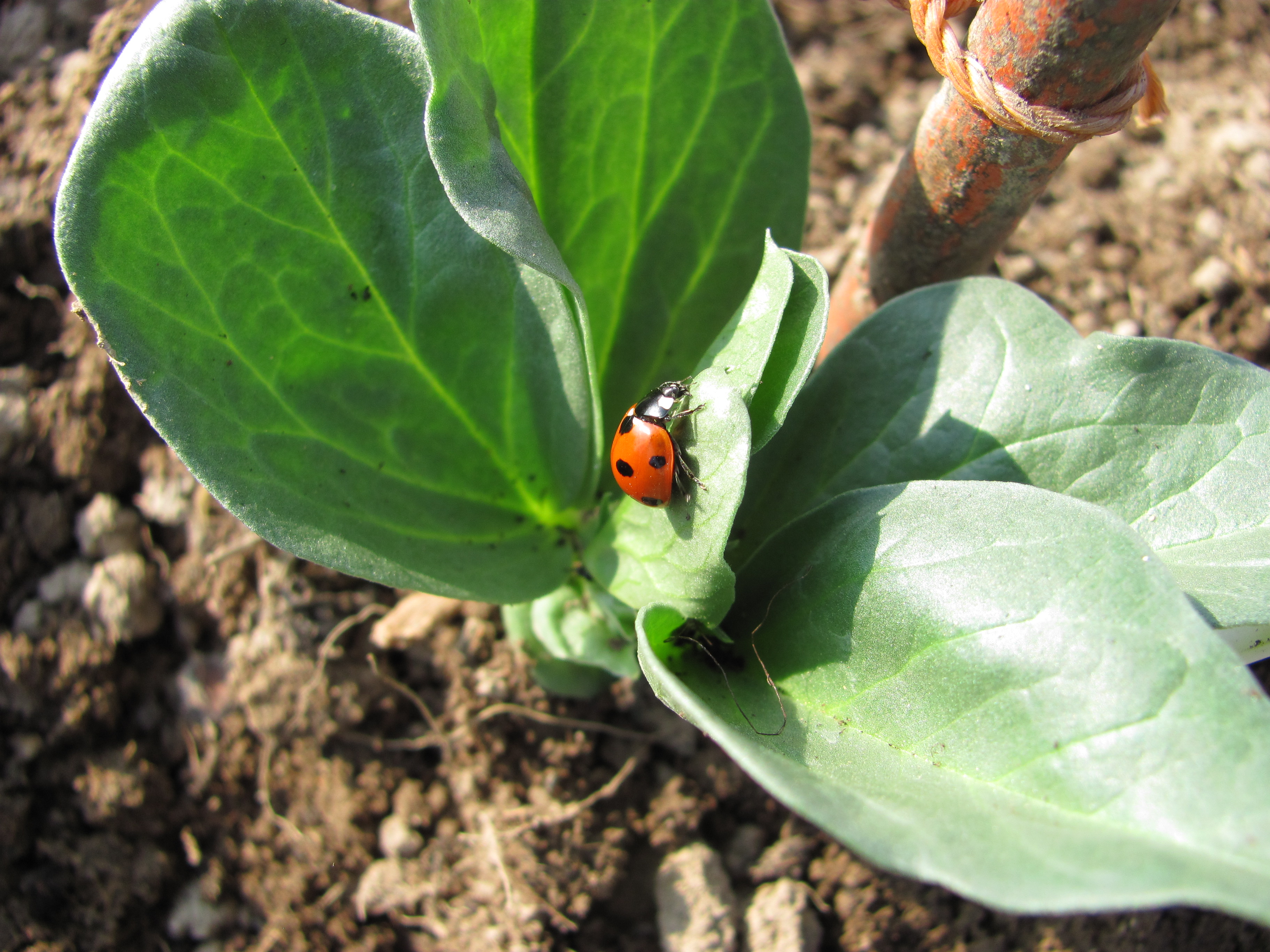

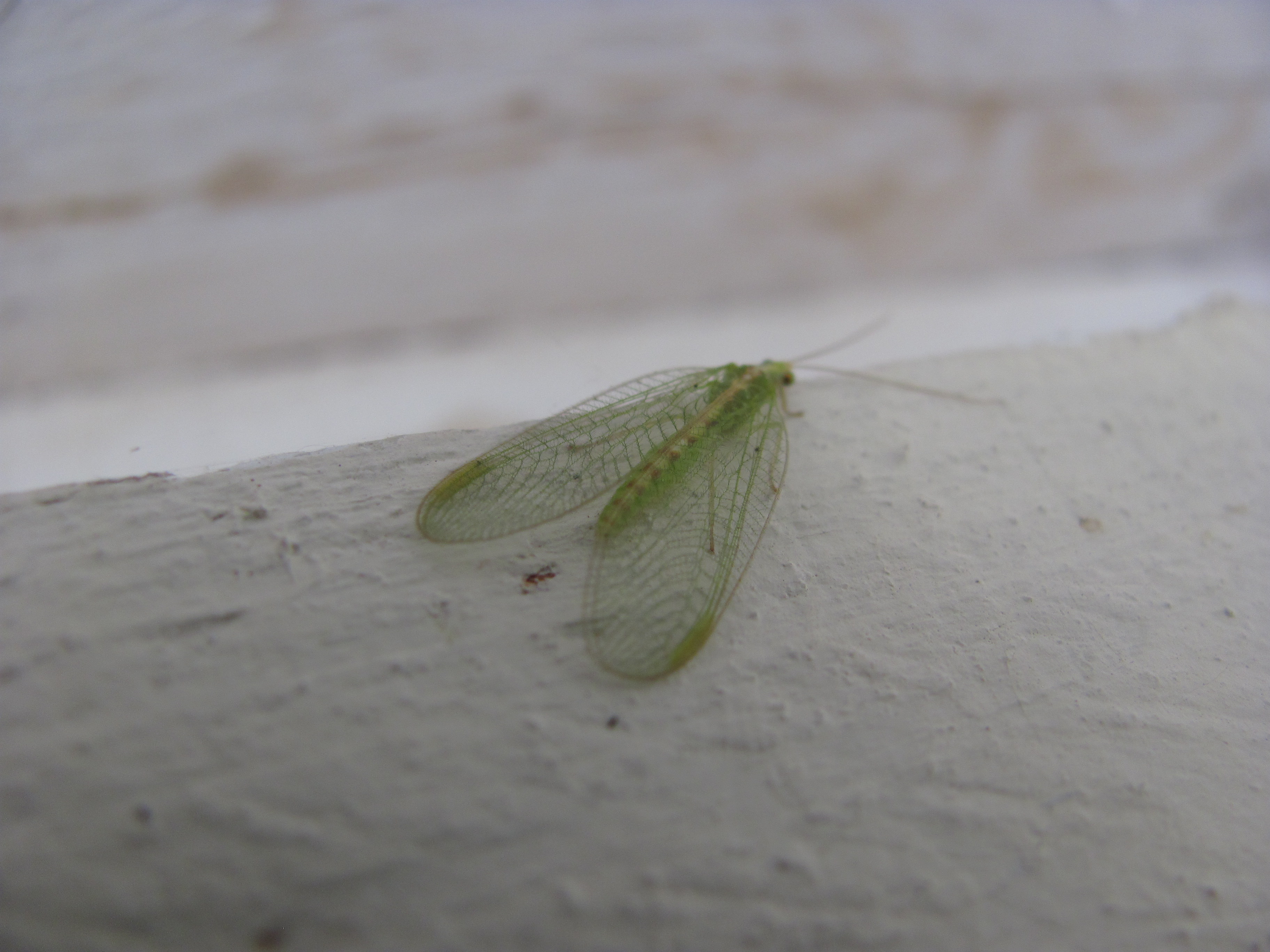
We have created an insect hotel on our plot to attract the beneficial predatory insects. Our “hotel” is made from bricks with holes of varying sizes, wooden posts drilled with holes and every available gap filled with twigs, canes, cones, dried grass, in fact anything that may be seen by insects as somewhere to shelter and to hibernate. On its roof we grow Sedum which will flower and attract more insects and we have added a log for insects to hide under. We know it works as in the spring on warm days Ladybirds pour out to sun themselves on the bricks which hold warmth.

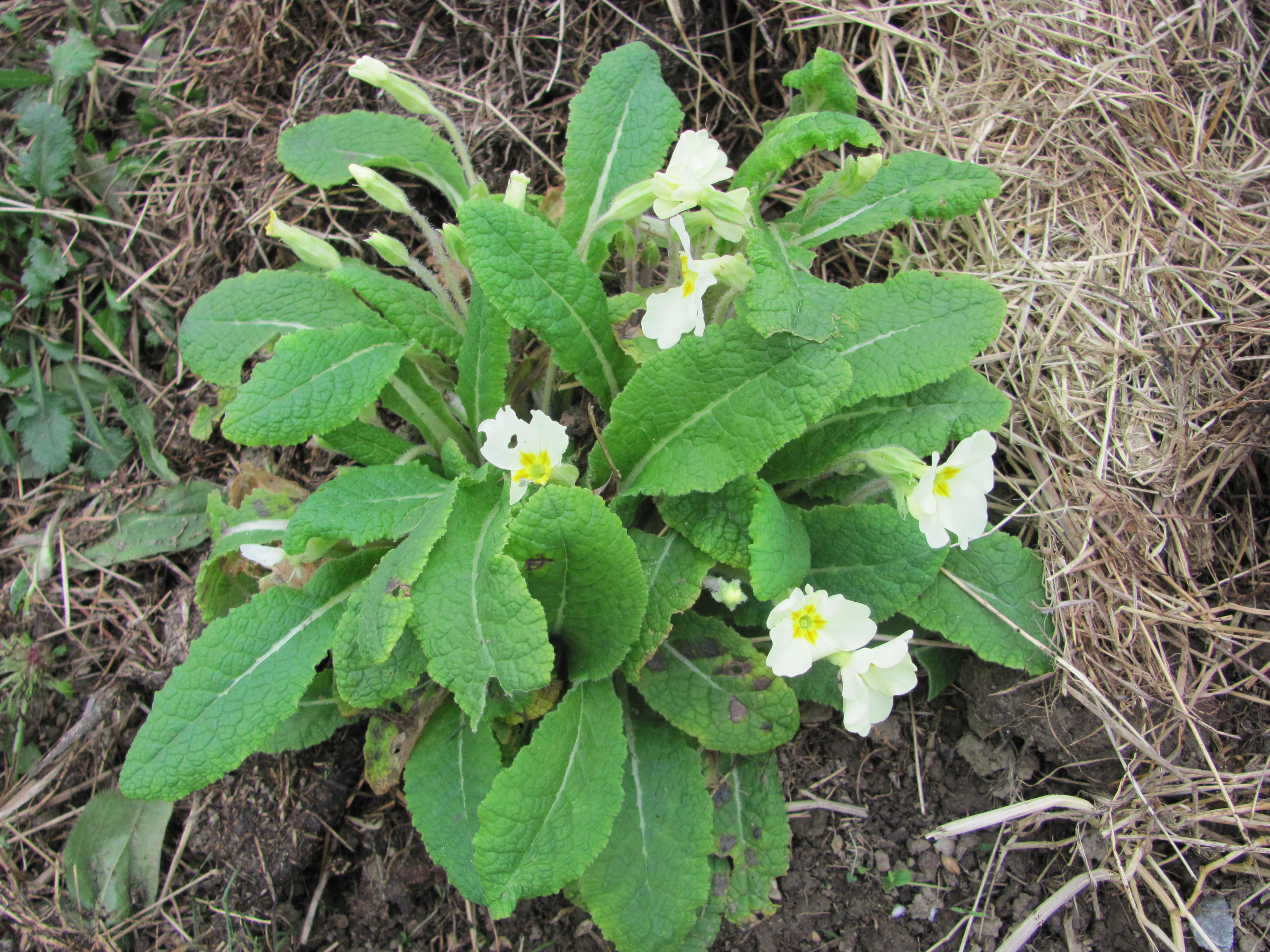
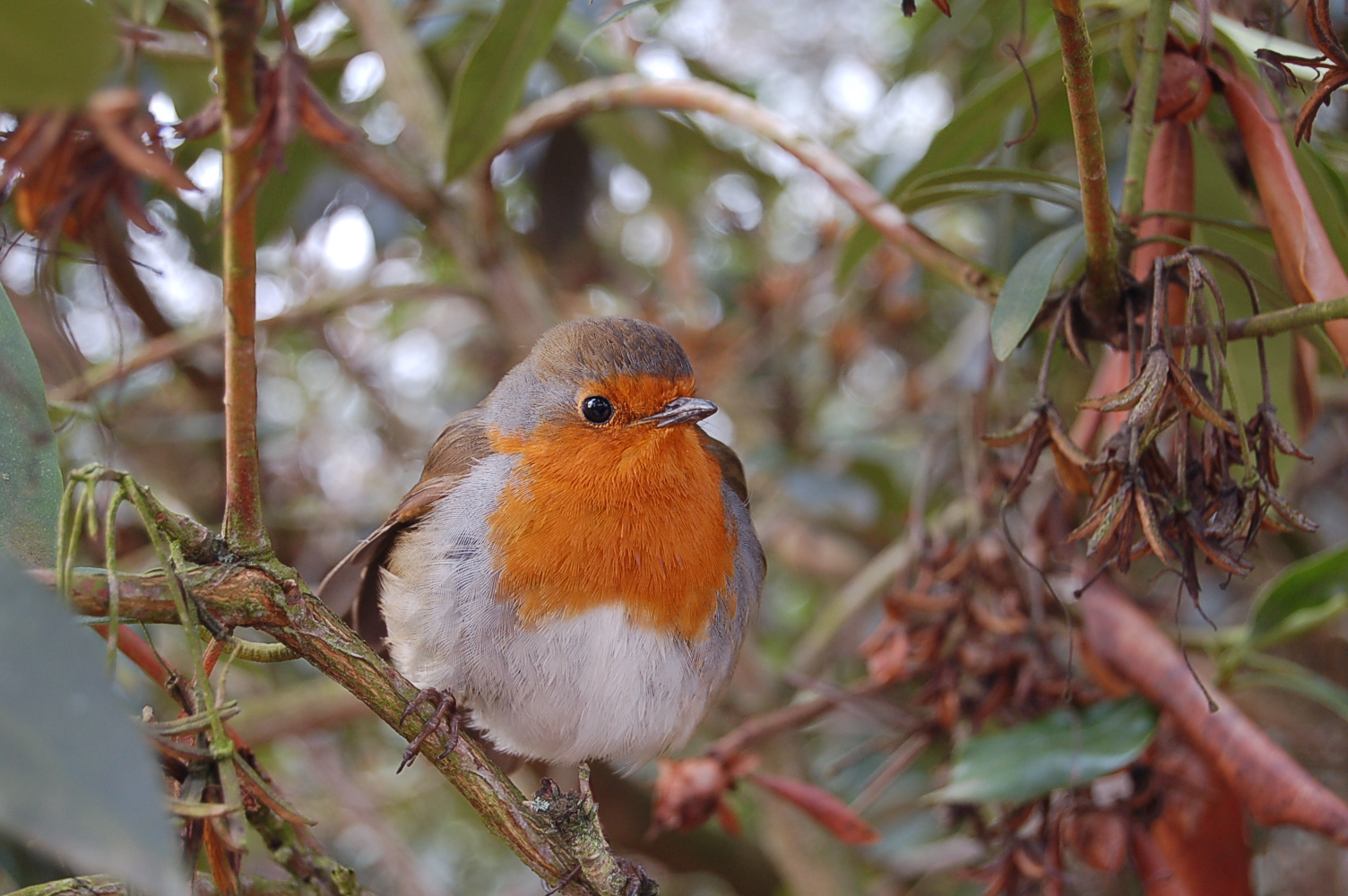
We encourage birds to visit our plot to feed off pests who want to eat the leaves of our crops. Our bird feeders attract Blue Tits, Coal Tits, Longtailed Tits and Great Tits who feed particularly greedily on aphids and caterpillars. We have also put bird boxes up to encourage birds to raise their young, both open-fronted boxes for Robins and holed boxes for members of the tit family, as well as roosting pouches for Wrens. the birds are so confident now that they use the feeders when we are gardening close by.
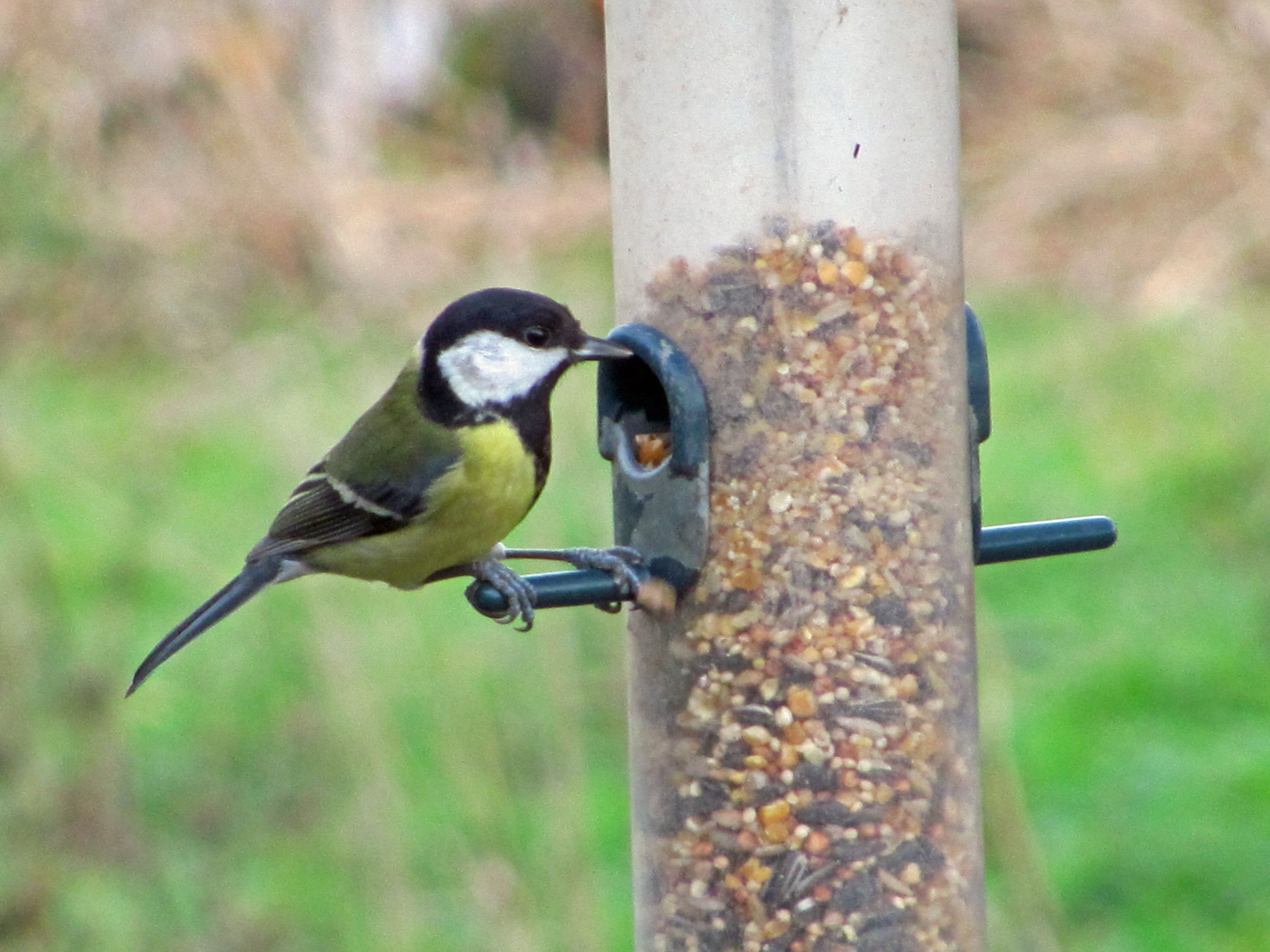

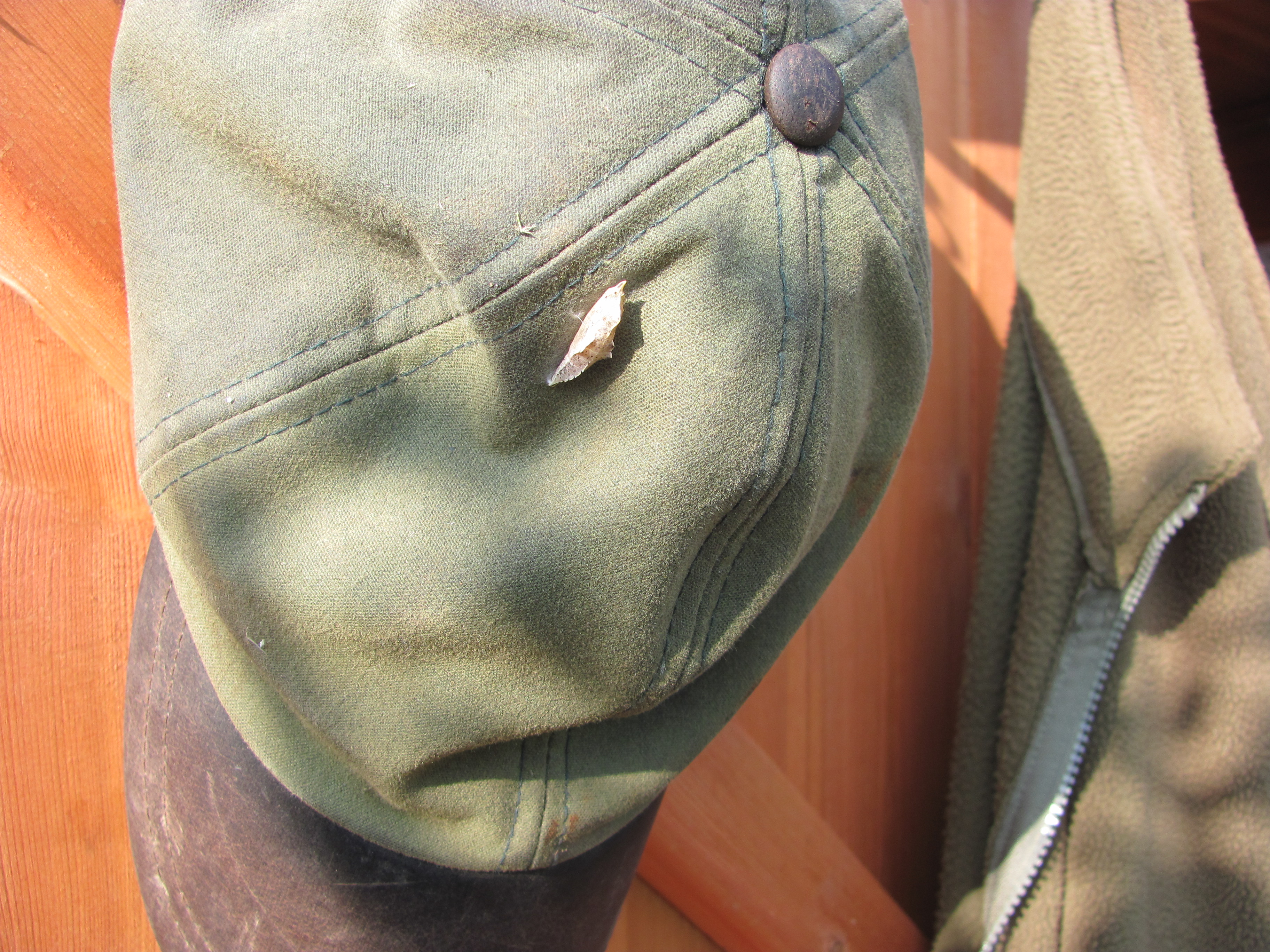
Flowers decorate the plot for our own enjoyment and the feel-good factor, but we only grow flowering plants that attract wildlife such as Sedum, Marjorams, Cowslips, Primroses and Evening Primroses that will attract butterflies, bees and hoverflies. Some species of butterfly overwinter by hibernating in our shed as adults or as larvae. The one in the photo took a fancy to my hat hanging on the shed door as his winter haunt.
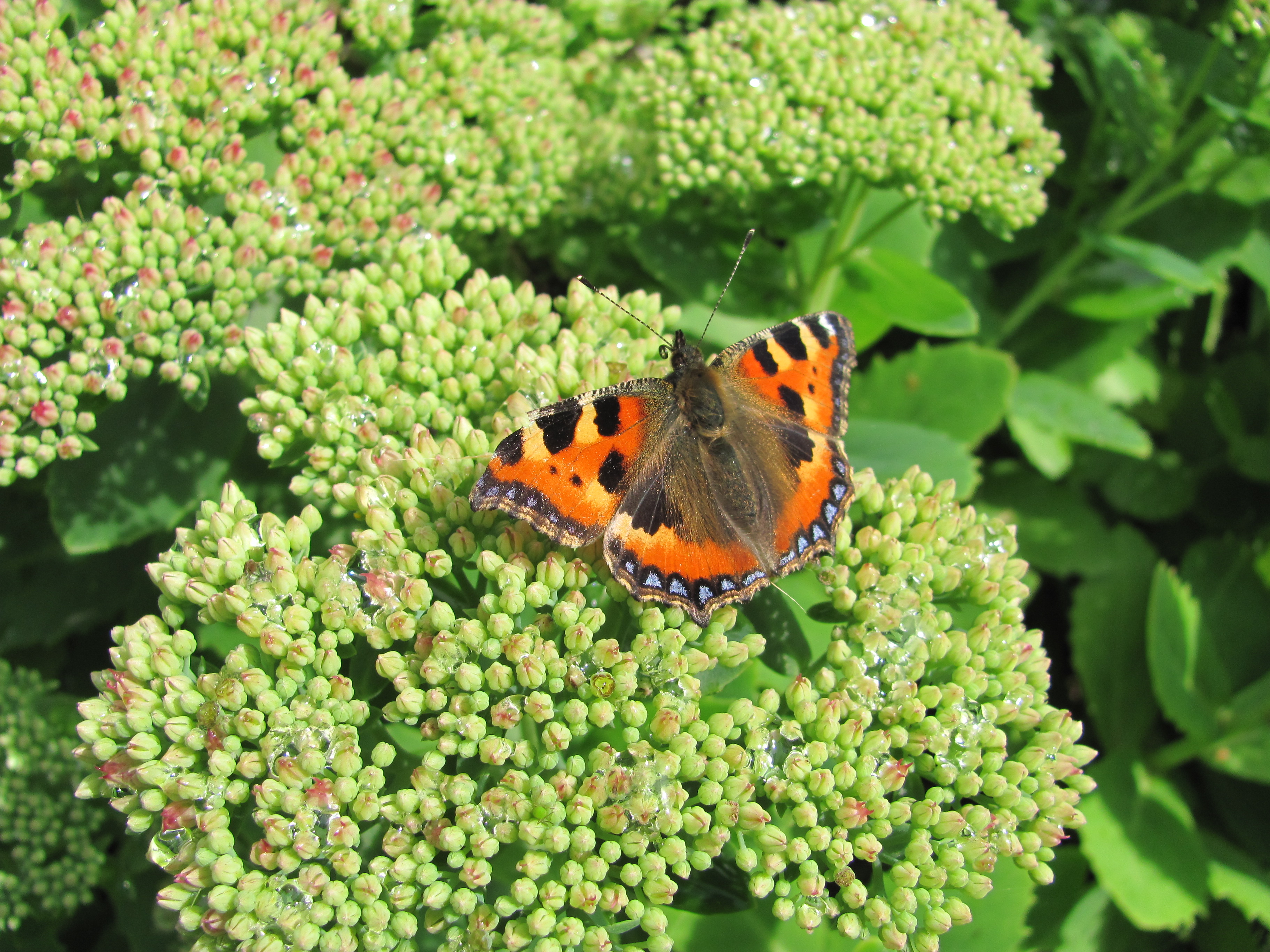
The Tortoiseshell Butterfly is exploring the flower buds of our Sedum, which once fully in flower is busy with insect life.
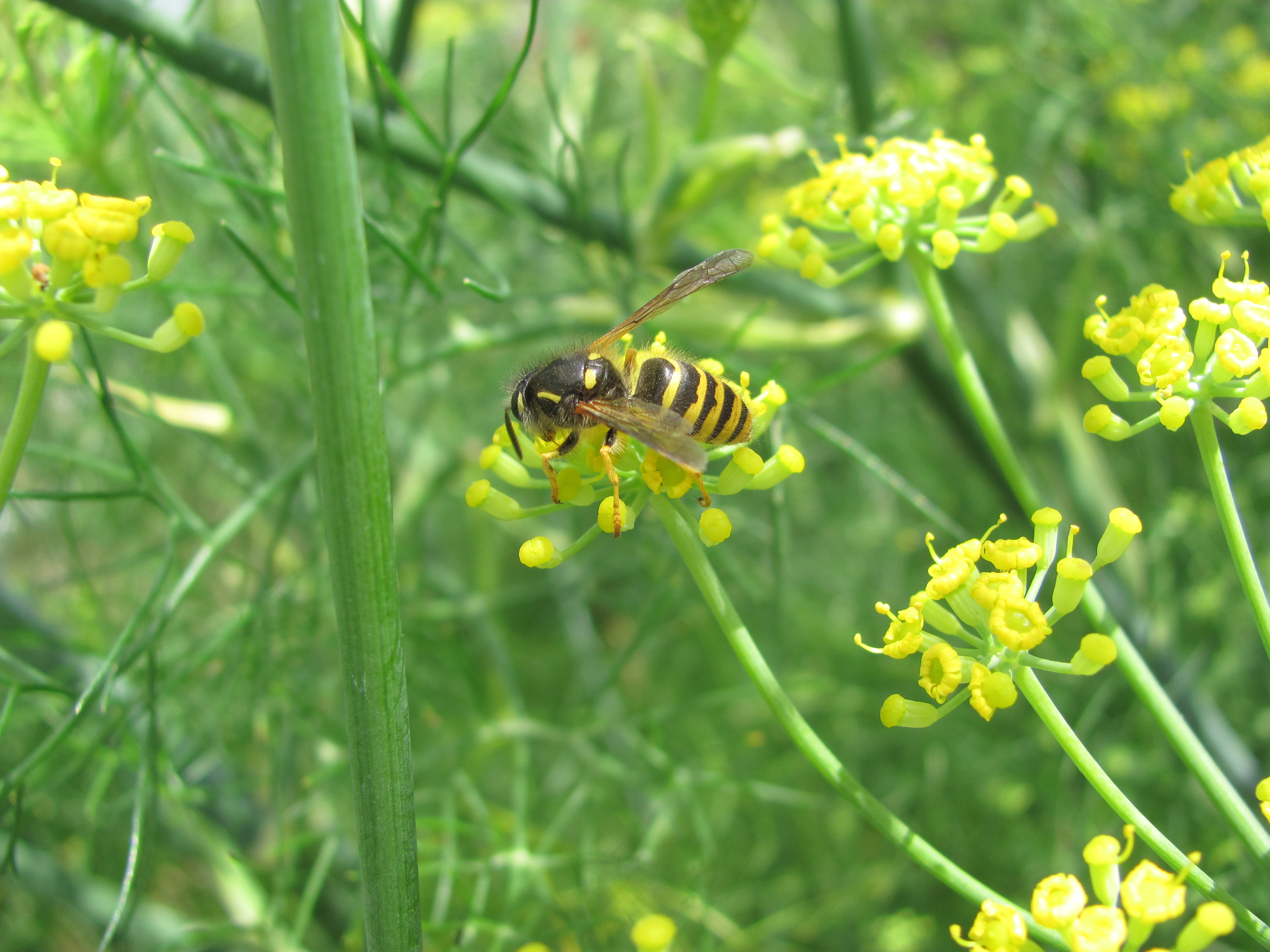
We leave some plants to go to seed each year for wildlife. The Fennel’s yellow umbrella’s of flowers attract wasps and hoverflies. Wasps are useful on a plot as they are the only insect that will consume the caterpillars of Cabbage White Butterflies.
The seed heads of Globe Artichoke are a magnet for finches especially Goldfinches, but when in flower they bring in the bees.


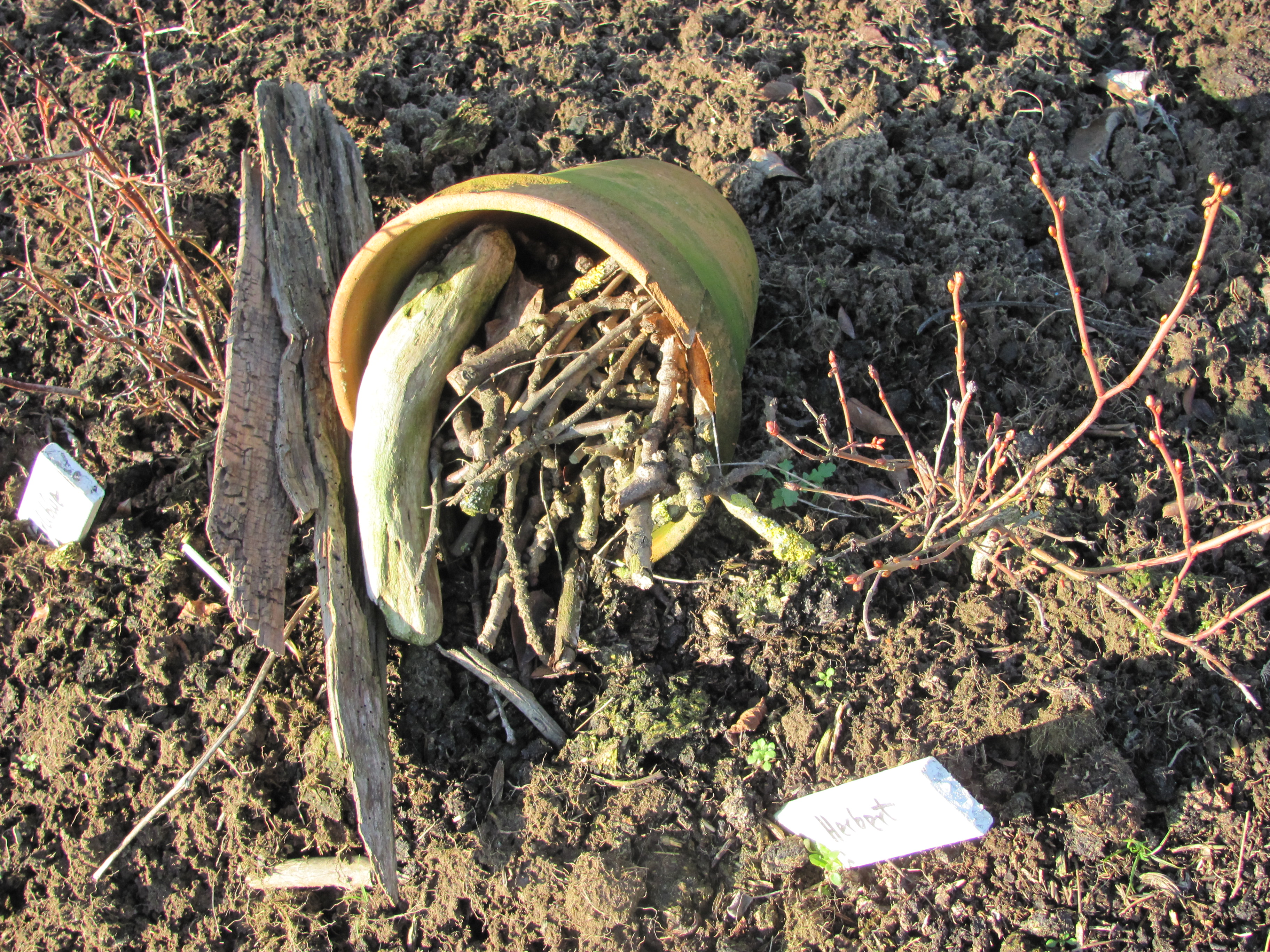
Our next plan is to develop a strip of wildflowers so that we have our very own mini-meadow. This will also act as a Beetle Bank attracting beetles into the shade of the plants, and we need beetles on our plot as they consume slugs and their eggs. We leave bundles of sticks around and these attract the best predatory beetle of all, the Violet Ground Beetle, which we see whenever we cultivate soil or do any weeding. the males are large with iridescent violet wingcases.
It goes without saying that we garden organically, we mulch a lot and grow green manures to protect the soil. The health and well-being of our soil is of paramount importance. We only feed it with natural materials to provide nutrients – manure, compost, green manures, seaweed feed and our own comfrey liquid feed. We maintain two compost bins on the plot.
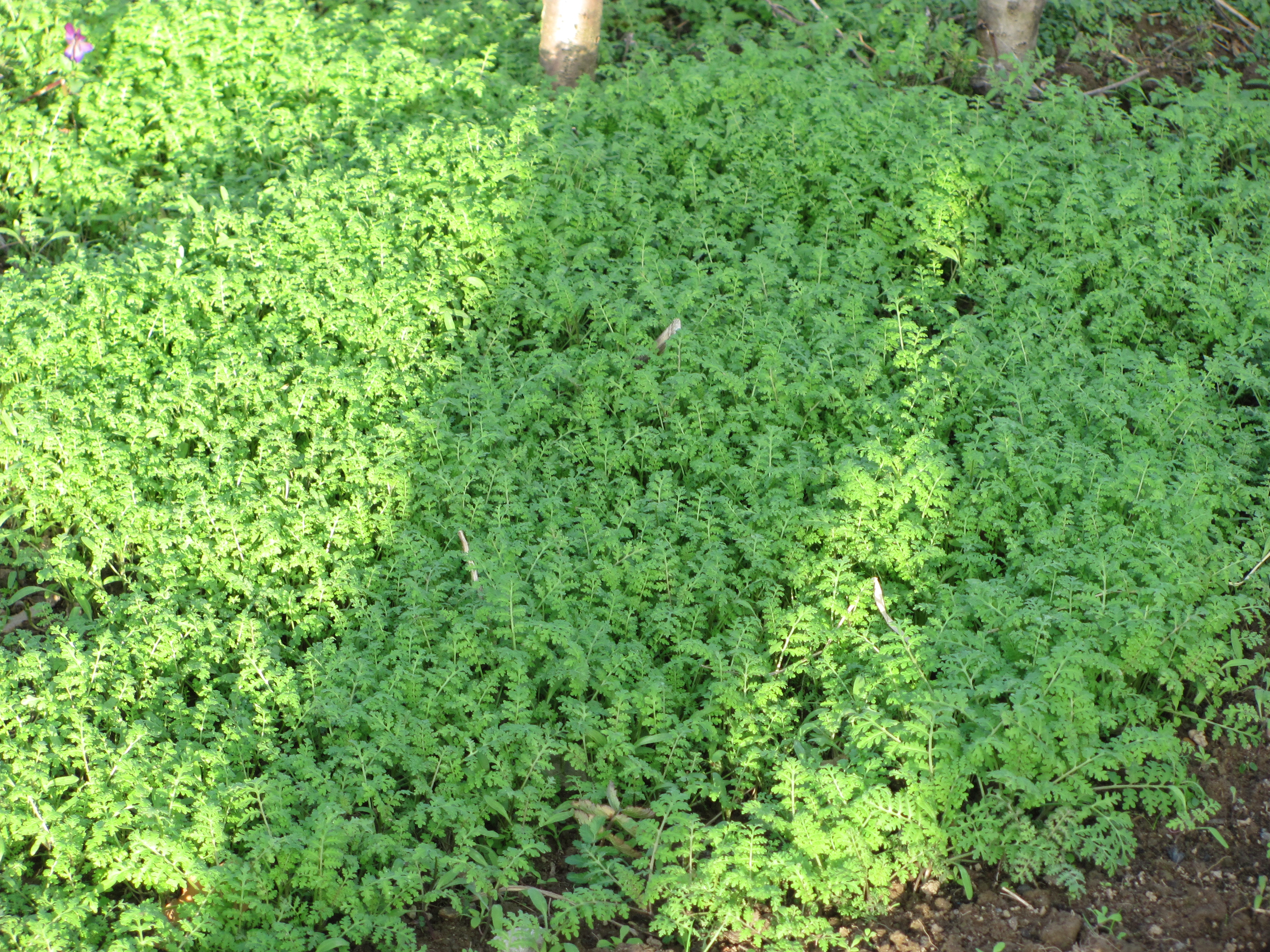
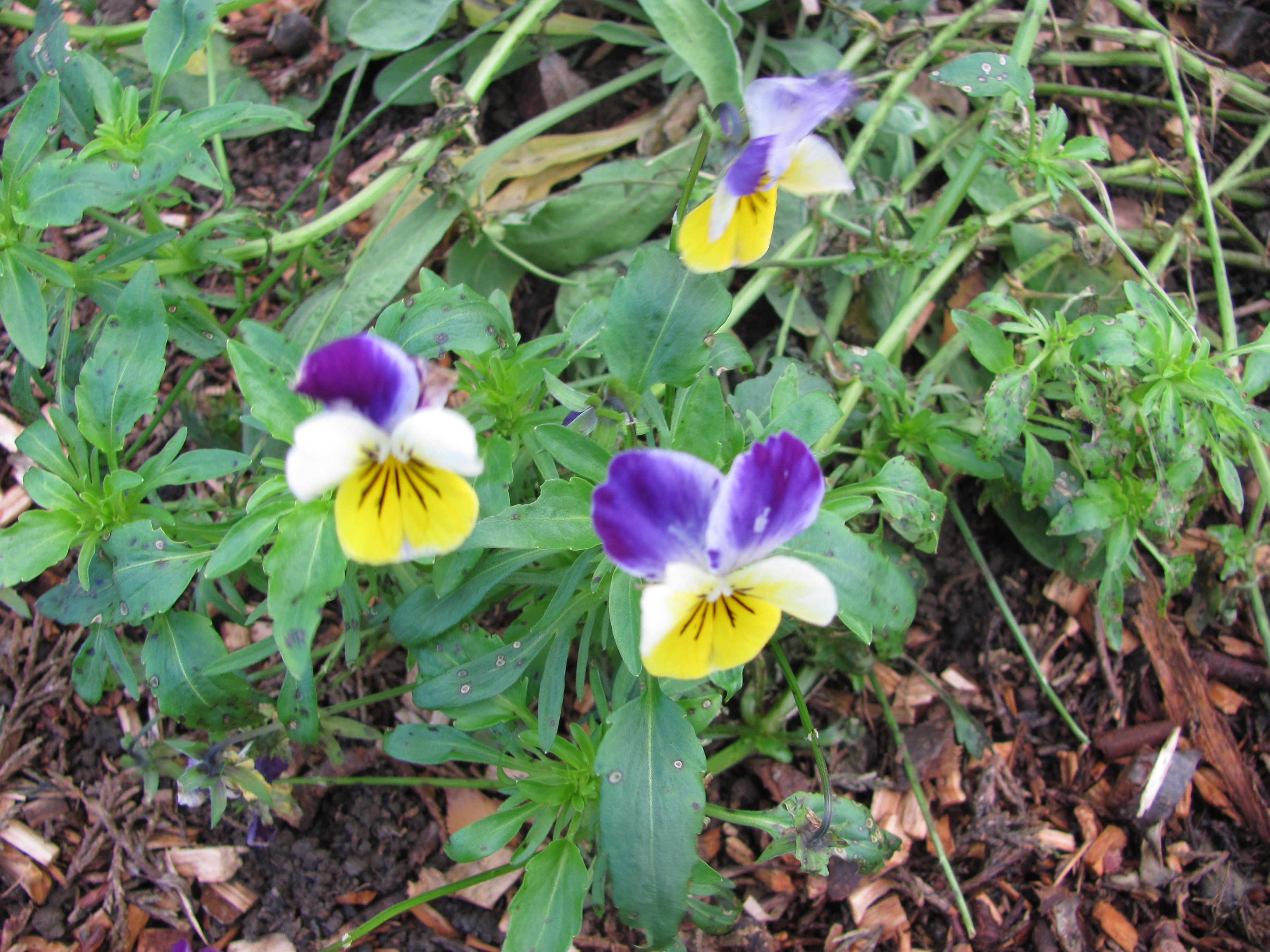
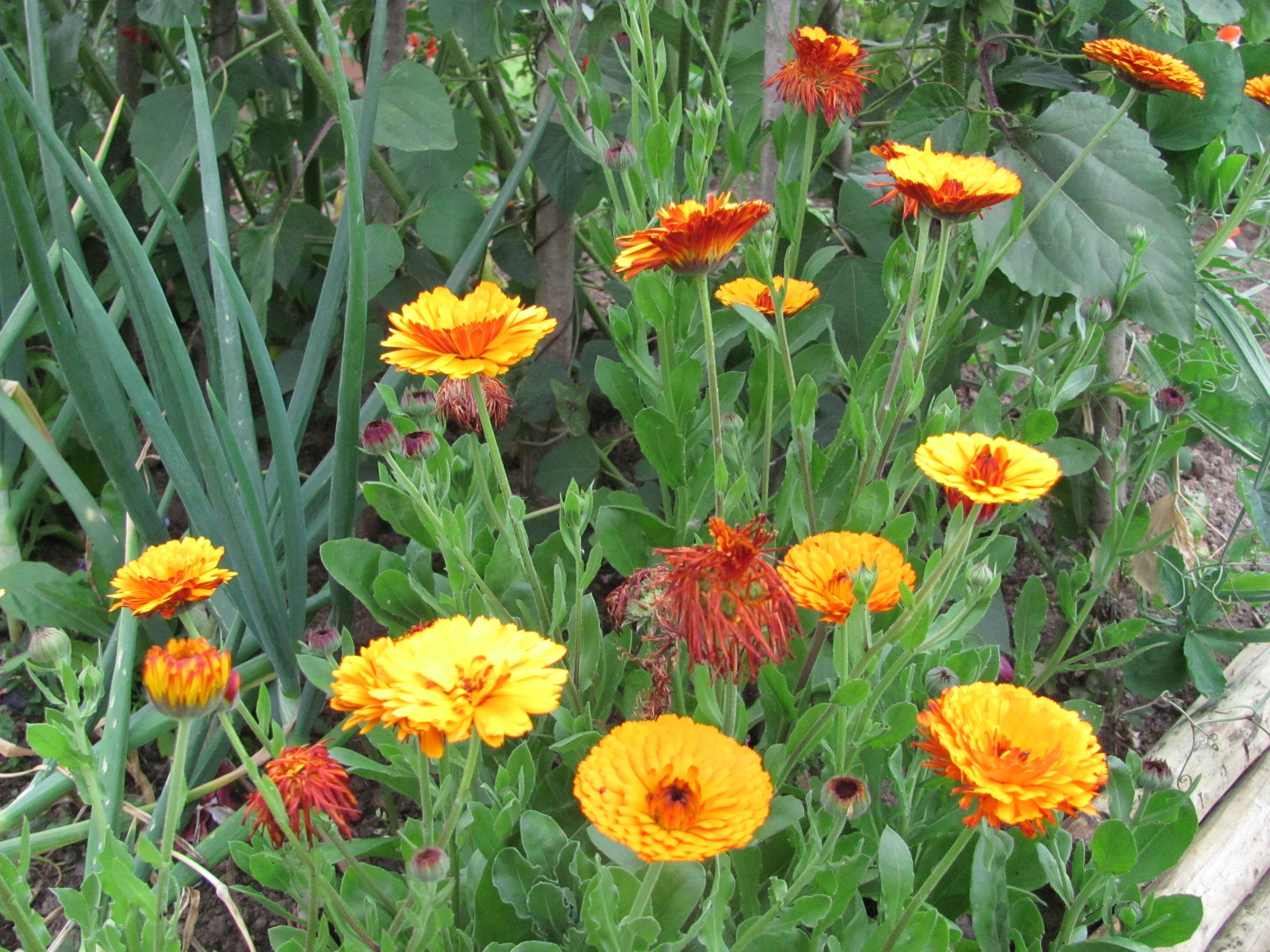
The front edge of the plot is planted with wildflowers as a narrow border in front of the first row of fruit bushes. They bring in insects and give a welcome to visitors. Calendula and Heartsease self seed there each year so never need to be re-sown. They make enough green growth to be useful addition to the compost bins.
The next gardening for wildlife blog will be about our garden at home and its wildlife.
More impulse buying! Plants again but not from our usual places of temptation, nurseries and garden centres. On recent visit to Ikea to buy curtains and cushions we discovered some succulents being sold as house plants. As we already have a selection of Aeoniums and Echeveria which we grow outside in pots in “The Rill Garden” in the warmer months and overwinter them in the cool end of the greenhouse, we imagined a couple of these would be useful and colourful additions. So we bought seven! Typical gardeners’ impulse buying!
They make a pretty colourful bunch!
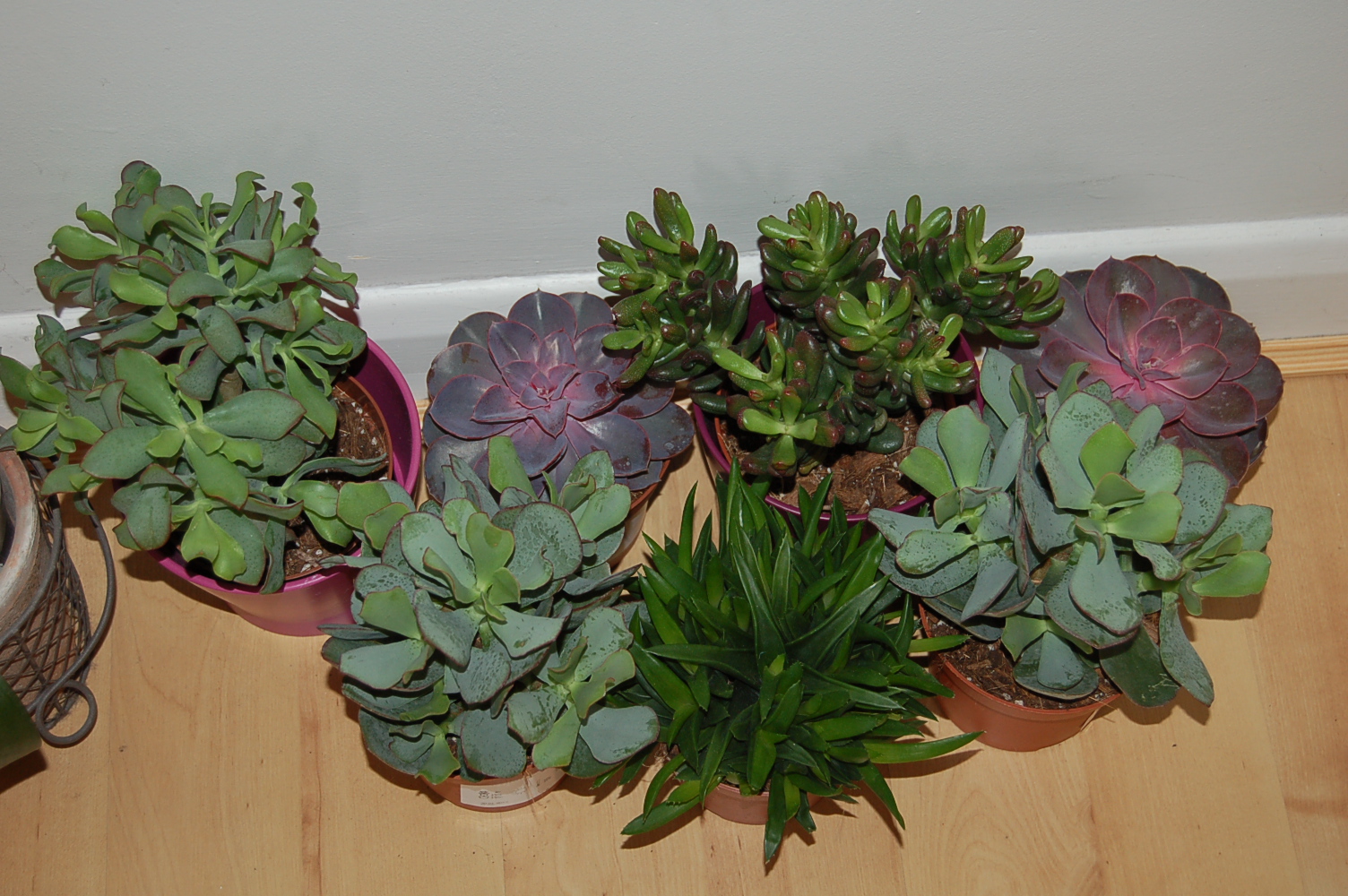
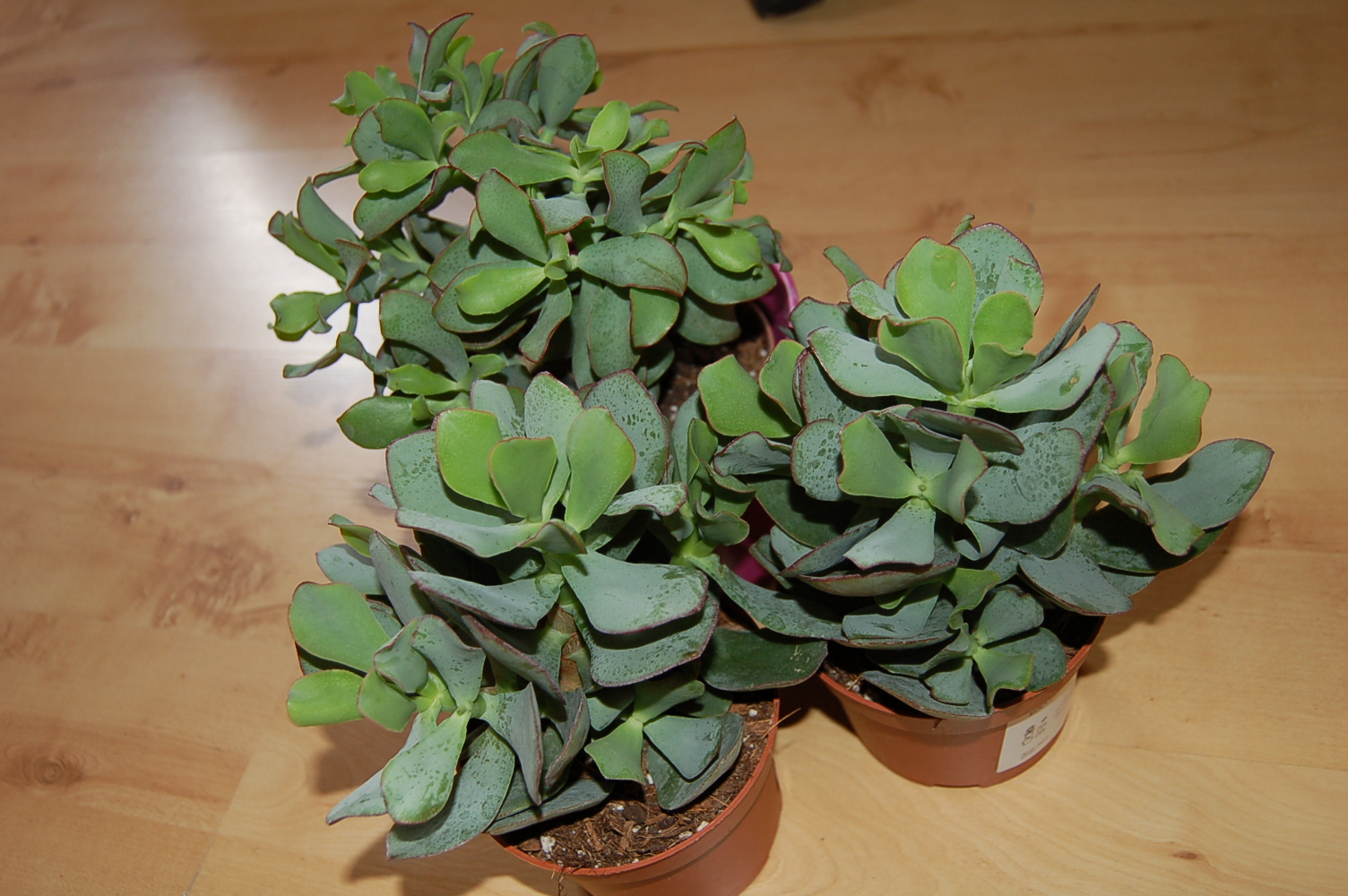
These are the three Crassula we bought, with their slightly curled, glaucous leaves subtly edged in red.
This Crassula sports mahogany tinted leaves which are shiny and rounded, in fact almost tubular.

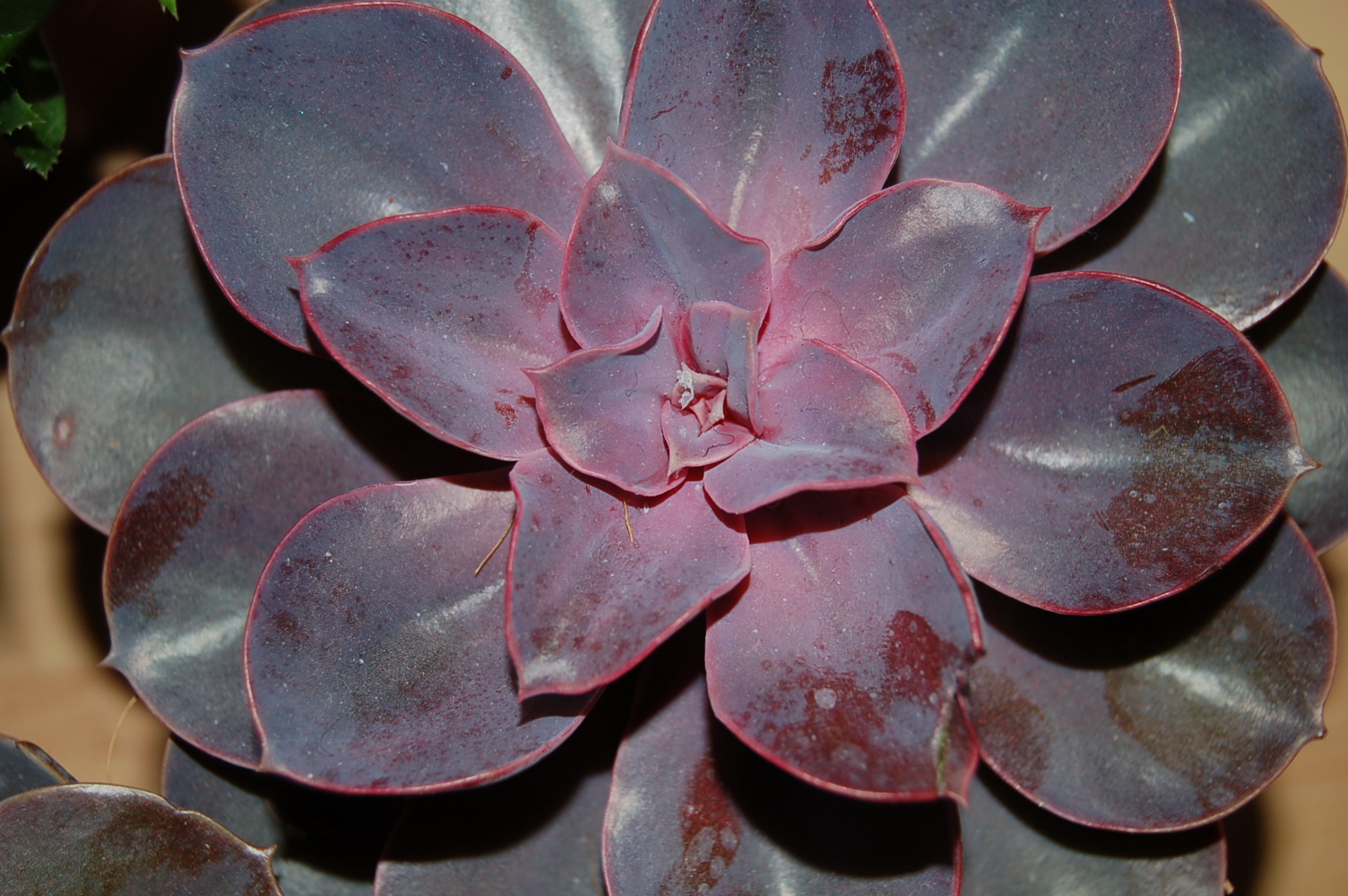
This close-up view of the Echeveria illustrates its metallic, pinky purple flattened succulent leaves.
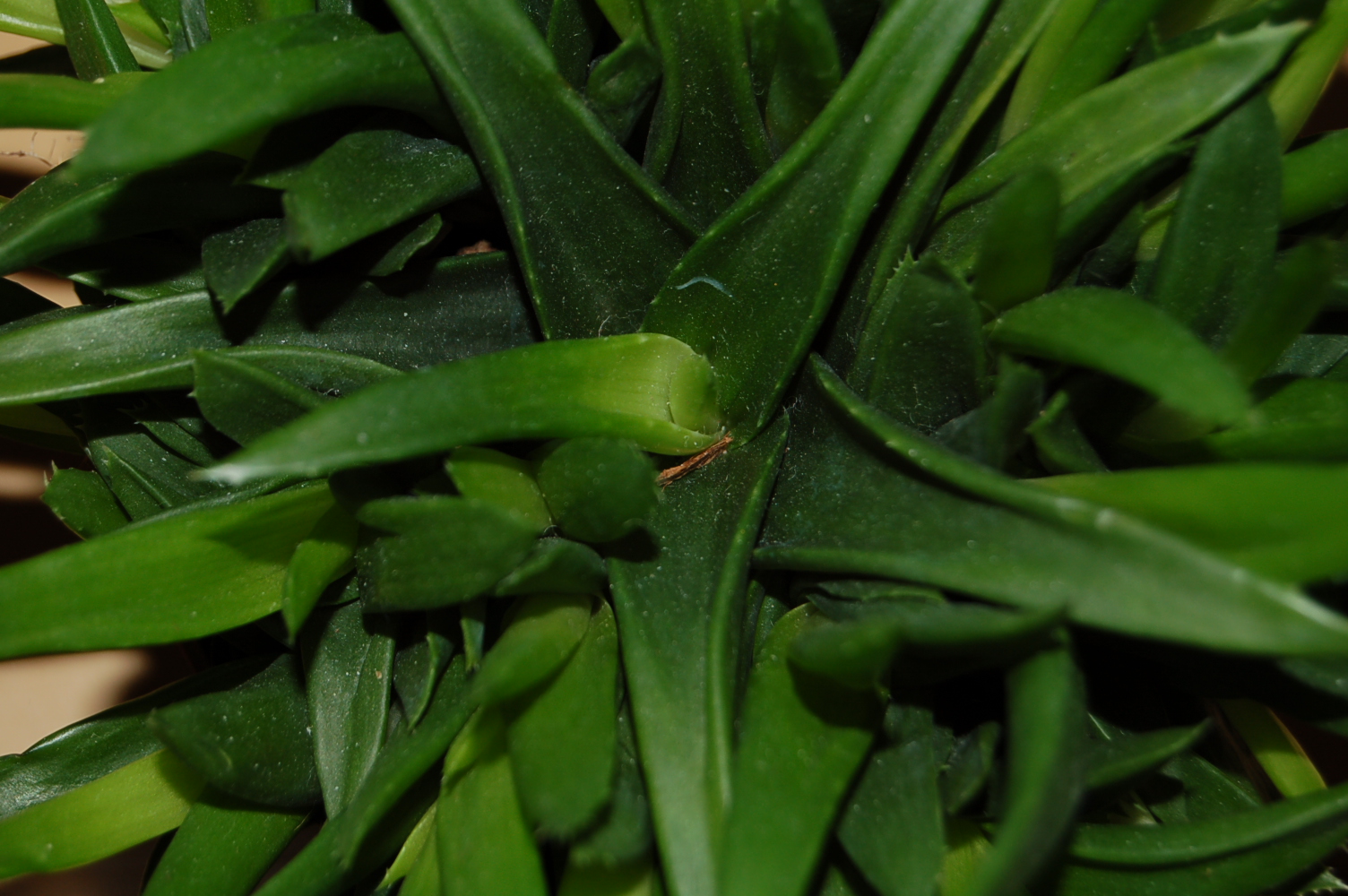
The Haworthia is almost like a clump of tiny Aloe, its grass-green leaves spiky with tiny saw-tooth ends.
So we now await warmer, sunnier days when we can plant our new succulents in pots outside and see how they fare.

A Vegetarian | Nature Lifestyle Blog
.....and nurturing my soul
Journeys In St. Louis Gardening and Beyond
Consult the genius of the place
A blog full of humorous and poignant observations.
Notes from a wildlife-friendly cottage garden
...an emerging social science
'The most important and informative publication on wildlife of our times' - The Independent. This blog is a member of The UK & Ireland Natural History Bloggers group: www.uknhb.blogspot.com
Inspire - Cultivate - Grow Native Plants - Restore Landscapes
To create and protect a semi-natural wild space for the people of Farnham to enjoy and experience an array of British wildlife in our town
The www.gardeningwithchildren.co.uk Blog
birding through the seasons, why birds matter and how to conserve them
with a camera in hand
Transform your outdoor space
My allotment, cooking and other interests
my gardening life through the year
Trying to live a creative life
trying to live as lightly as possible on our beautiful planet
Nature lovers from Leicester living the good life.
Finding the beautiful in the everyday
Michelle's Allotment
thoughts from and about my garden
Big plans for a small garden
A Walled Country Garden in South East Scotland
Life at the fruity chicken
Off grid living. Self sufficient. "PERMAGANICS RULE".
Nottingham's Grade 2* Listed Allotments and Community Orchard
a journey in suburban vegetable gardening
The madness of growing your own
A novel approach to vegetable gardening
Sustainable living in the Irish countryside.
Master Gardener, amateur photographer, quilter, NH native, and sometimes SC snowbird
Recent work and work in progress and anything else that interests me
a chaotic cottage gardener
a weekly blog that creates a personal philosophy through photographs and words
Stories from a sassy and classy Southern farmbelle.
Simple Organic Gardening & Seasonal Living
turning dirt into dinner
today the world is created anew
Notes from a Devon garden
Life Through The Lens
A photography blog showcasing the best photography pictures and videos on the internet
Just another WordPress.com site
personal observations from the natural world as the search continues for a new approach to conservation.
The Wonders of Life through my Eyes, my Heart, my Soul
 greenbenchramblings