Categories
flowering bulbs garden design garden ponds garden pools gardening gardens hardy perennials irises National Garden Scheme NGS ornamental trees and shrubs outdoor sculpture sculpture Shropshire spring bulbs Yellow Book Gardens

Another NGS Yellow Book Garden – visiting a friend’s garden.

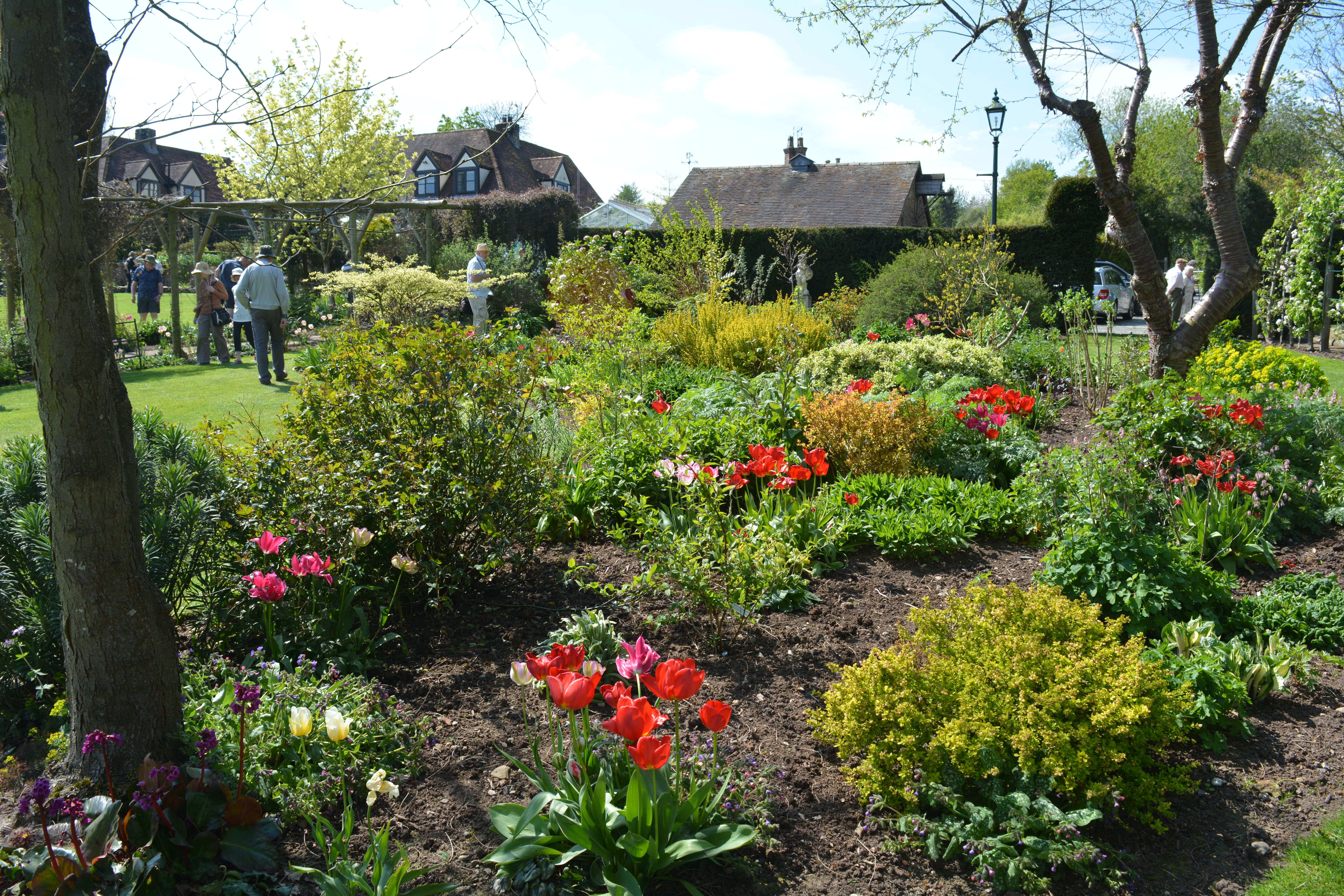
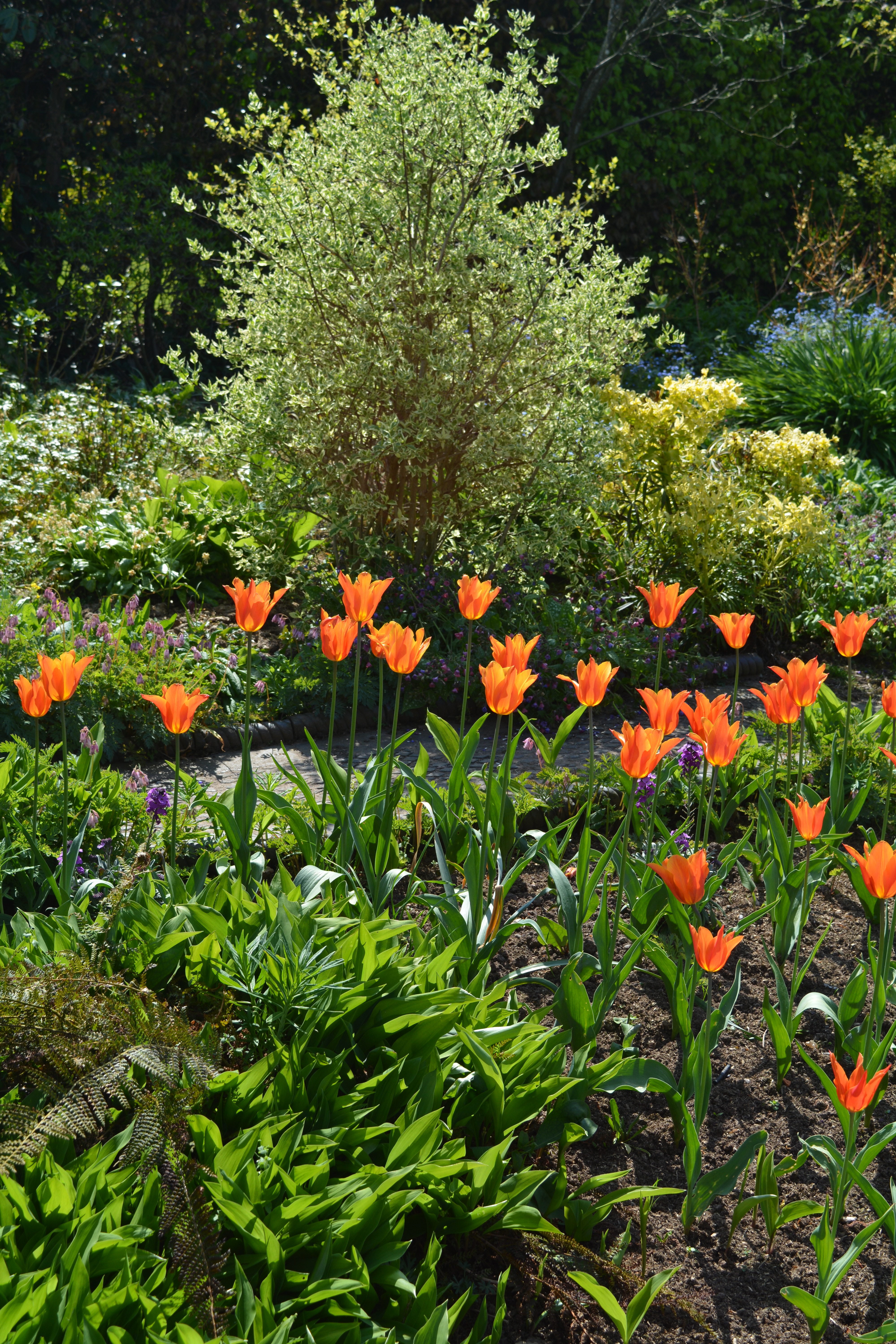
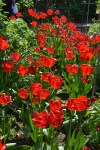
Our friend Mary and her husband Bob open their garden for the National Garden Scheme just as we do, so we were determined to go and see her garden this year. A few weeks before her open garden she told us she hoped her tulips would still look good. She had no reason to worry – they were a treat for the eye and lifted the spirits!

marysgarden-08

It was a perfect day for garden visiting, bright, warm and so sunny.

marysgarden-39

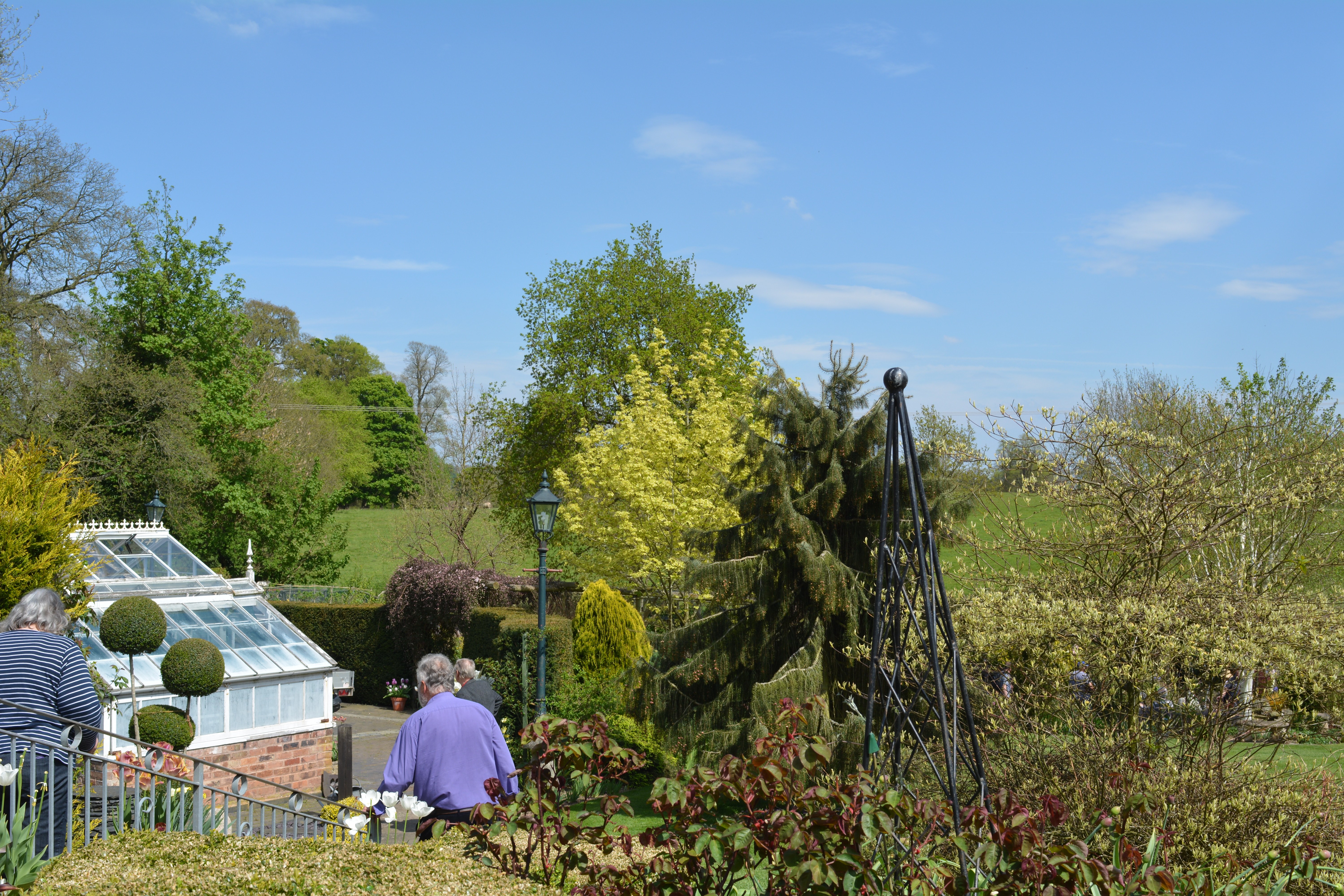
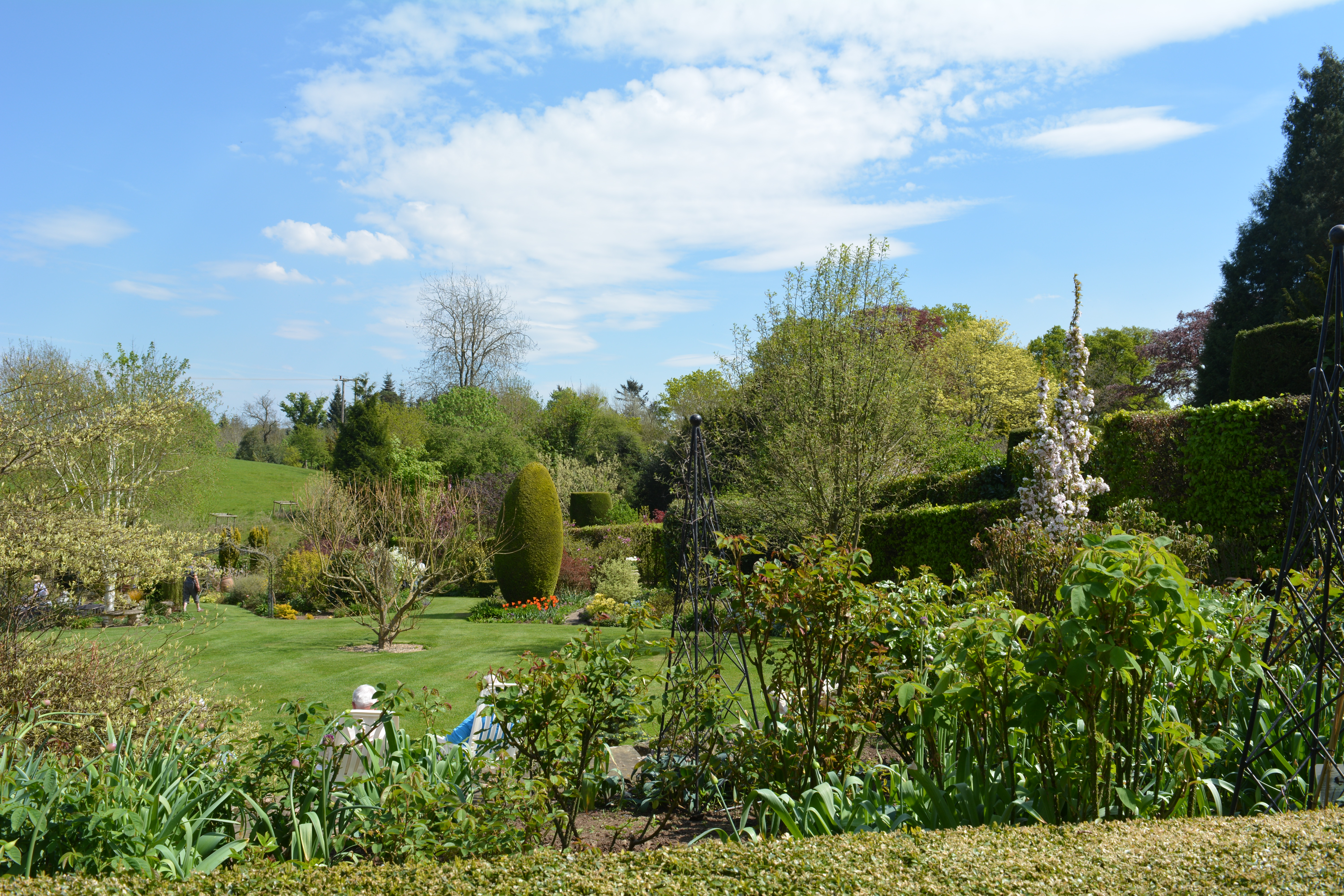
We began our visit with big hugs from Mary followed by our usual tea and cake and found a seat where we could enjoy views over Mary and Bob’s garden. From there we could see interesting plants that deserved a closer look and inviting winding paths and archways. We watched with interest the reactions of other visitors and which plants they made a beeline for. Once suitably refreshed we explored!

marysgarden-01  marysgarden-02 marysgarden-03 marysgarden-04

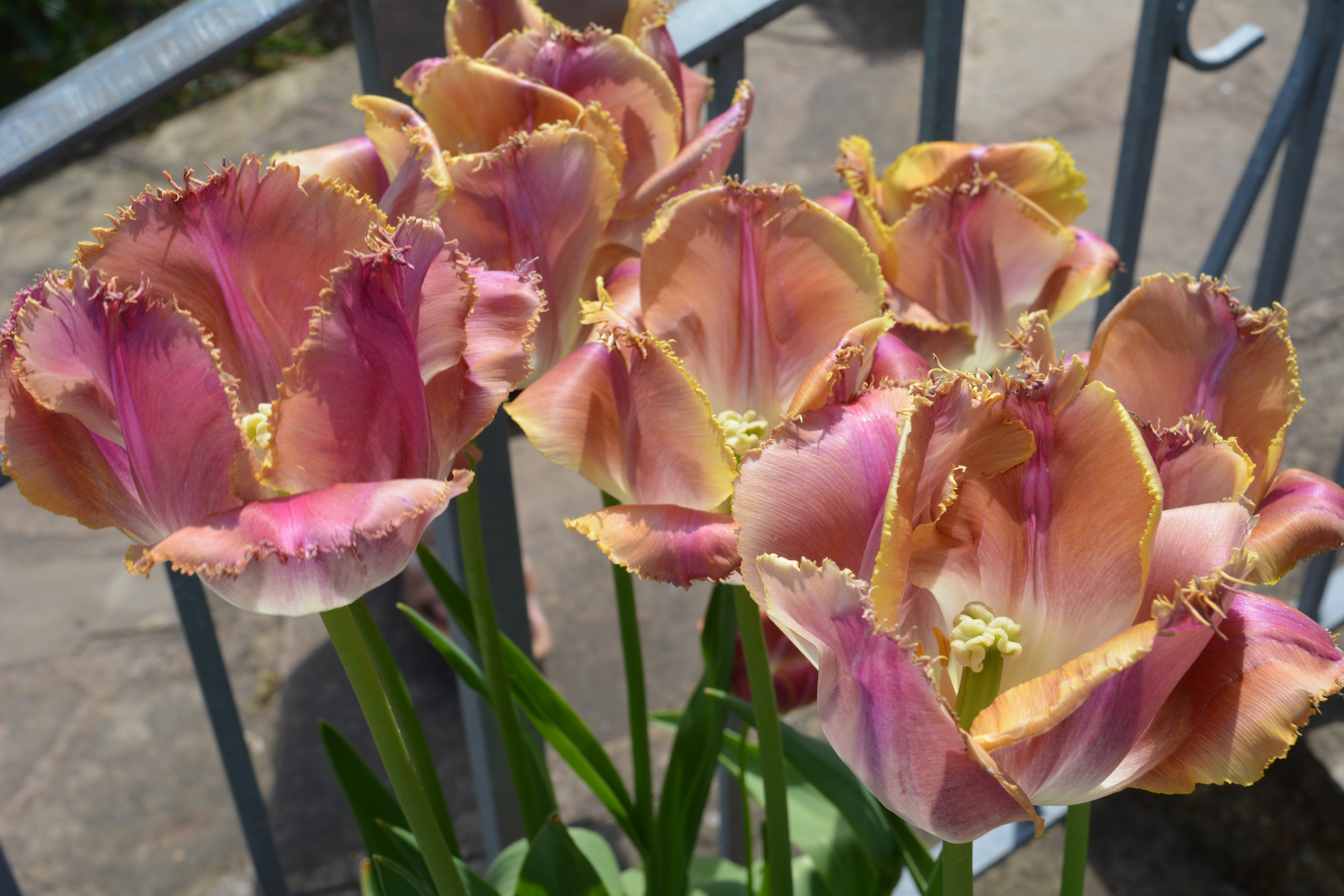
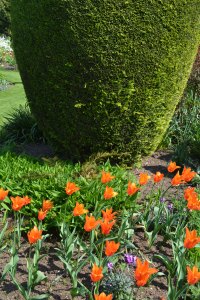
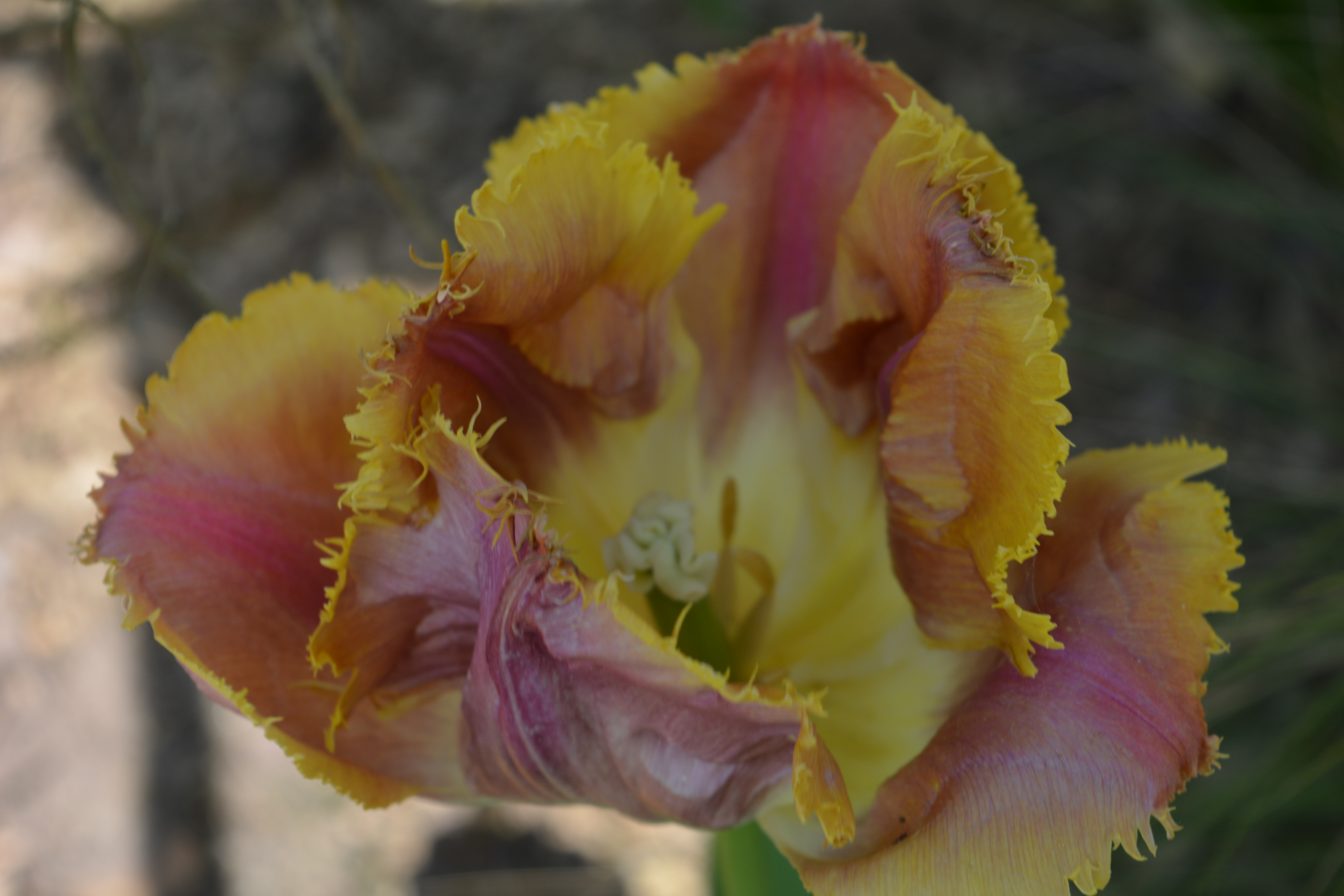
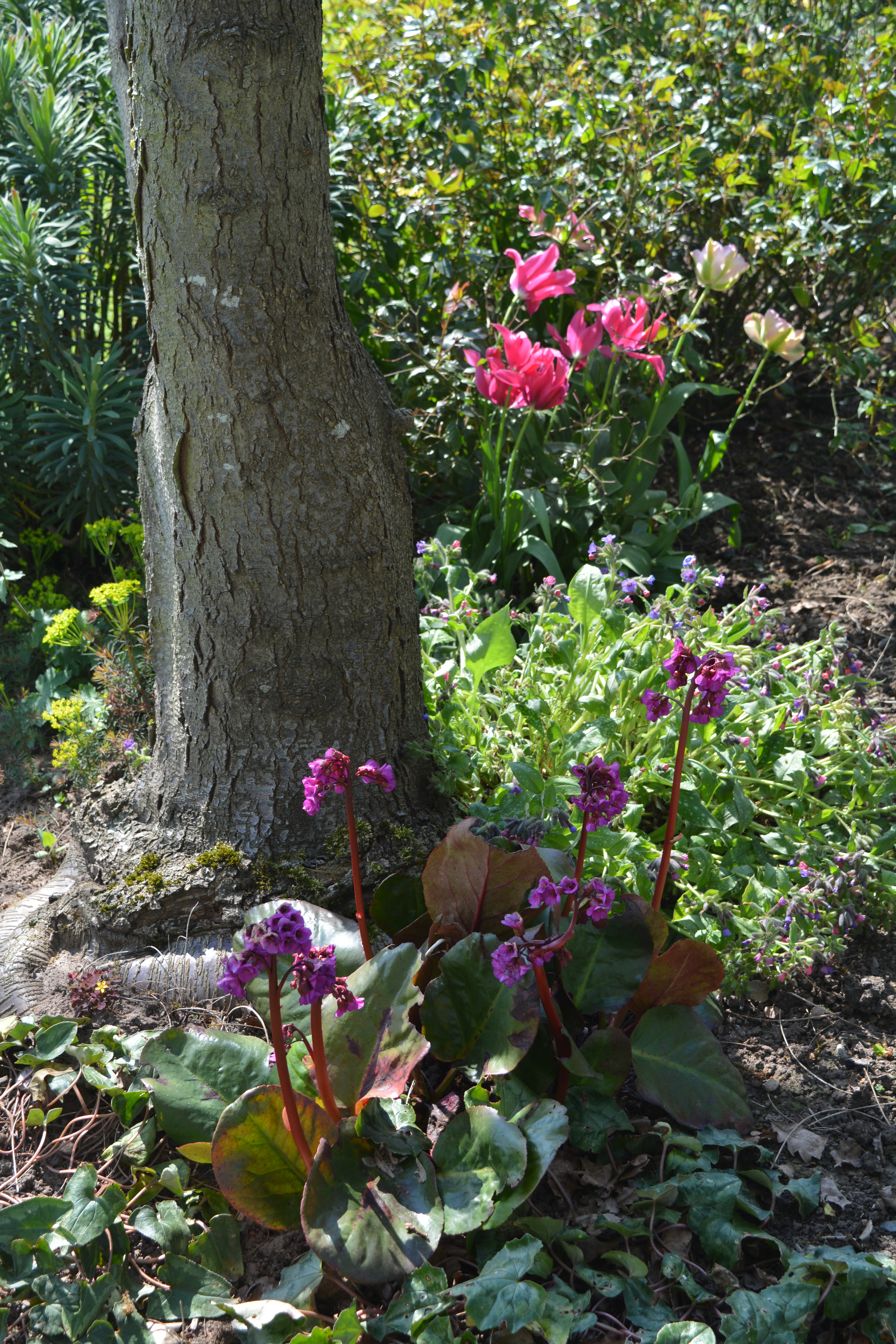
We found tulips throughout the borders some in exciting unusual colours. We enjoyed them all.

marysgarden-05 marysgarden-06   marysgarden-09 marysgarden-10 marysgarden-15 marysgarden-22 marysgarden-19 marysgarden-20marysgarden-12 marysgarden-13 marysgarden-14  marysgarden-16 marysgarden-18  marysgarden-21

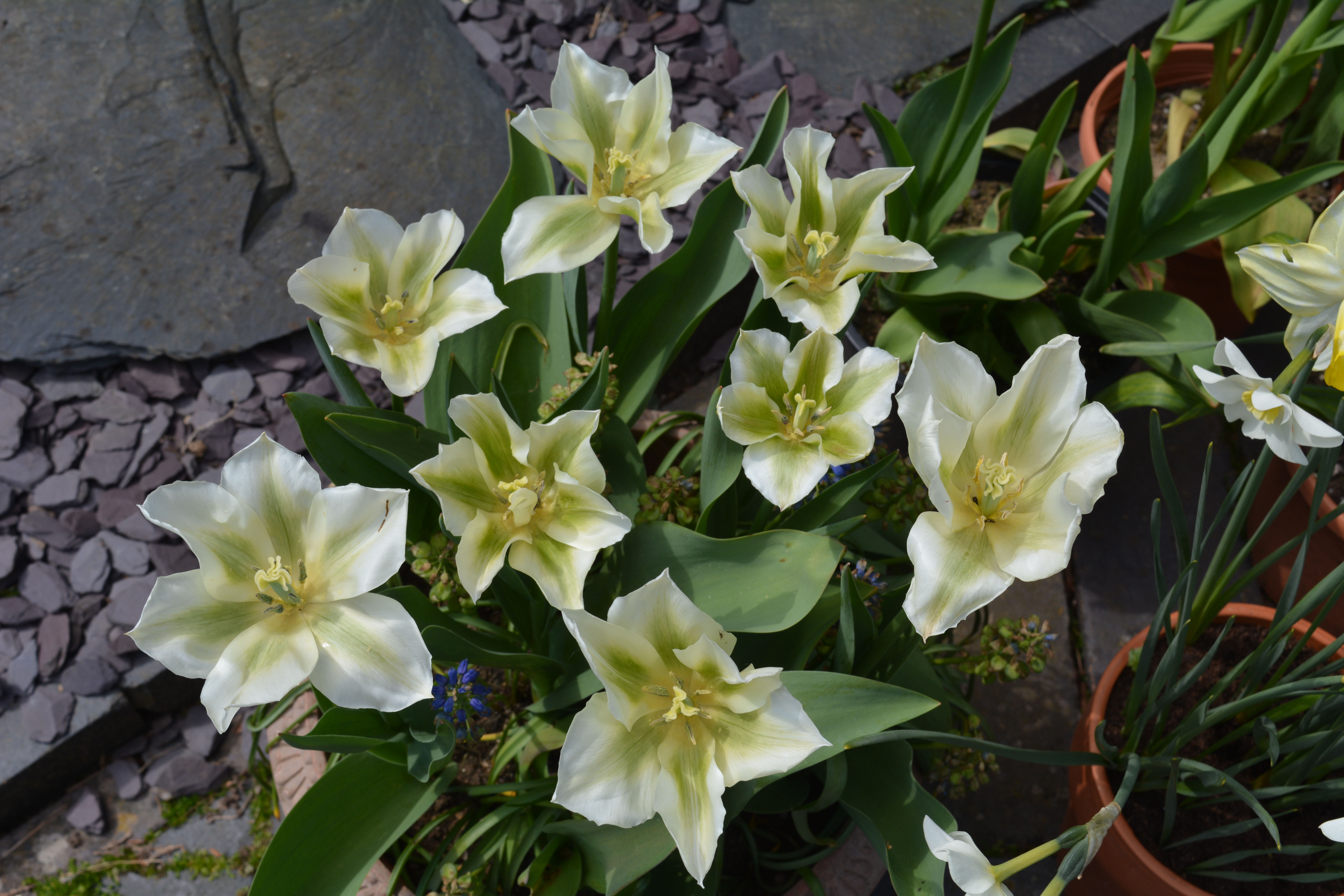
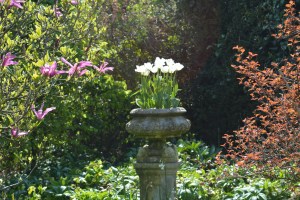
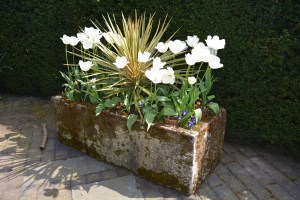
These purest of white tulips were beautifully displayed in their containers which raised them up and gave the afternoon sun the chance to light them up.

marysgarden-35 marysgarden-07

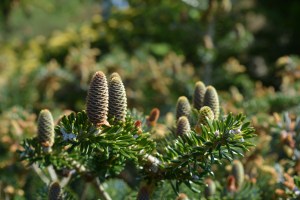
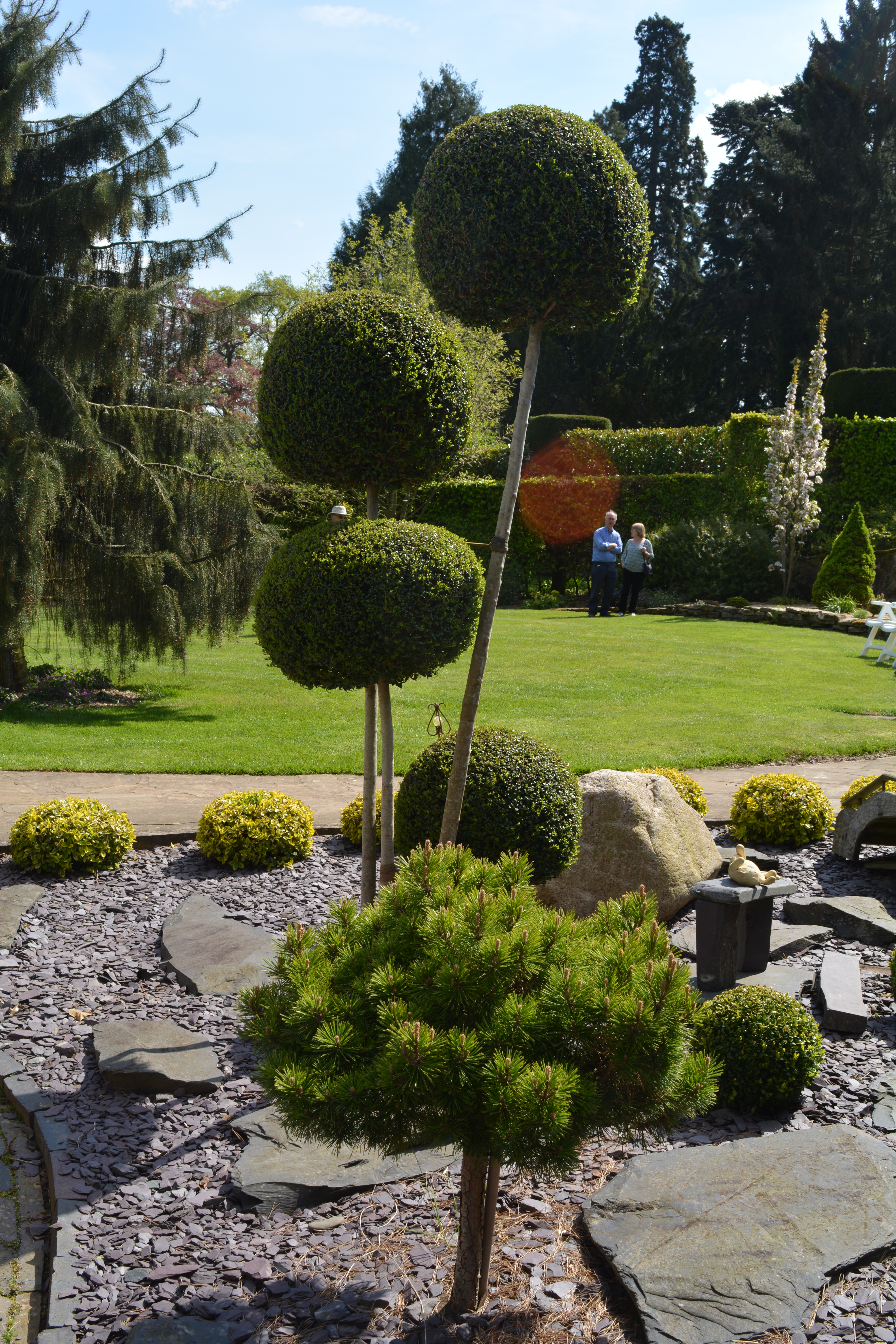
There was a lot more of interest here though than these beautiful tulips. Neither Jude the Undergardener or I are particular fans of evergreen coniferous plants and indeed have just a single alpine Pinus mugo “Mumpitz” in our patch, but the cones on Mary and Bob’s trees caught our attention.

marysgarden-24 marysgarden-05-1  marysgarden-07-2 marysgarden-49 marysgarden-34-1marysgarden-35-1  

I think the best way to see the rest of this lovely garden will be to enjoy the following gallery. As usual click on the first picture then navigate using the right hand arrow.


Categories
colours flowering bulbs garden photography garden ponds gardening gardens gardens open to the public hardy perennials ornamental trees and shrubs shrubs spring bulbs spring gardening

The Dorothy Clive Garden in March

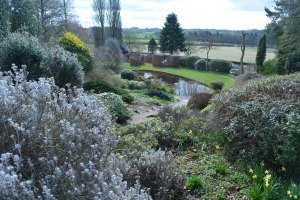
We returned to the Dorothy Clive Garden late in March to see what the early spring month presented to us. Our first view across the garden showed little change in fact so we hoped for more signs of seasonal progress elsewhere throughout the garden.

winchester-15-1winchester-16-1winchester-14-2

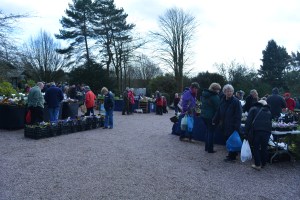
Last time we visited there was a wildlife activity going on and once again we had timed our visit to coincide with a special event, a Rare Plant Fair.

winchester-39-1 winchester-36-1

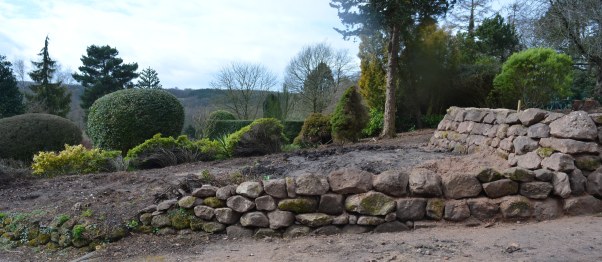
As we made our way in search of our usual coffee and cake we passed the developing area we found on our last visit. The area had been further cleared and a perimeter wall rebuilt. Perhaps on our next visit we may be able to work out what is being constructed.

winchester-37-1 winchester-38-1

As we walked along the woodland path skirting around the top edge of the Dingle Garden we followed sinuous grass tracks through naturalised golden daffodils.

winchester-35-1 winchester-33-1winchester-34-1 winchester-32-1

Dropping into the Dingle itself we discovered the blooms of Azaleas, Rhododendrons and Prunus in the shade beneath the tall evergreen trees.

winchester-31-1winchester-30-1winchester-28-1winchester-09-3 winchester-05-3winchester-08-3 winchester-08-1  winchester-10-3 winchester-07-3

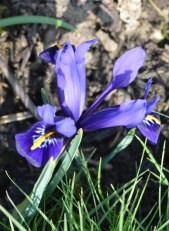
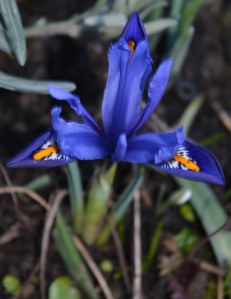
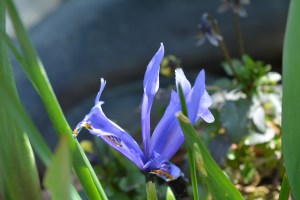
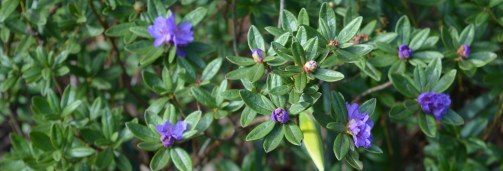
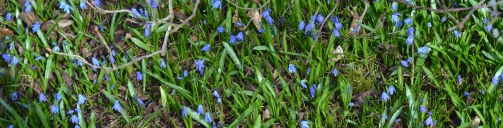
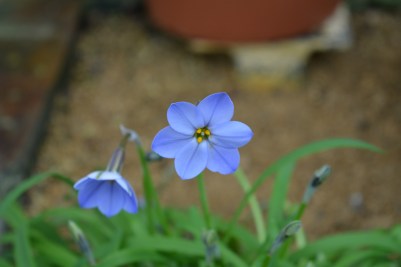
Beneath the Rhododendron shrubs small blue flowered bulbous plants shone jewel-like on the dingle floor.

winchester-27-1

We were looking forward seeing the new Winter Garden again as we were so impressed with it on our last visit. Our first views encouraged us to look closer.

winchester-18-1 winchester-19-1winchester-17-1

We enjoyed both the flowers and foliage of the new plantings. This area will be such a good winter garden in the years to come. We look forward to seeing it develop.

winchester-29-1 winchester-23-1winchester-25-1 winchester-24-1winchester-22-1 winchester-20-1winchester-12-3 winchester-02-3winchester-04-3 winchester-01-3  winchester-03-3

We emerged from the Winter Garden and wandered around the front of the tea shop to explore the sloping areas of the garden.

dorothyclive-01 dorothyclive-02-1

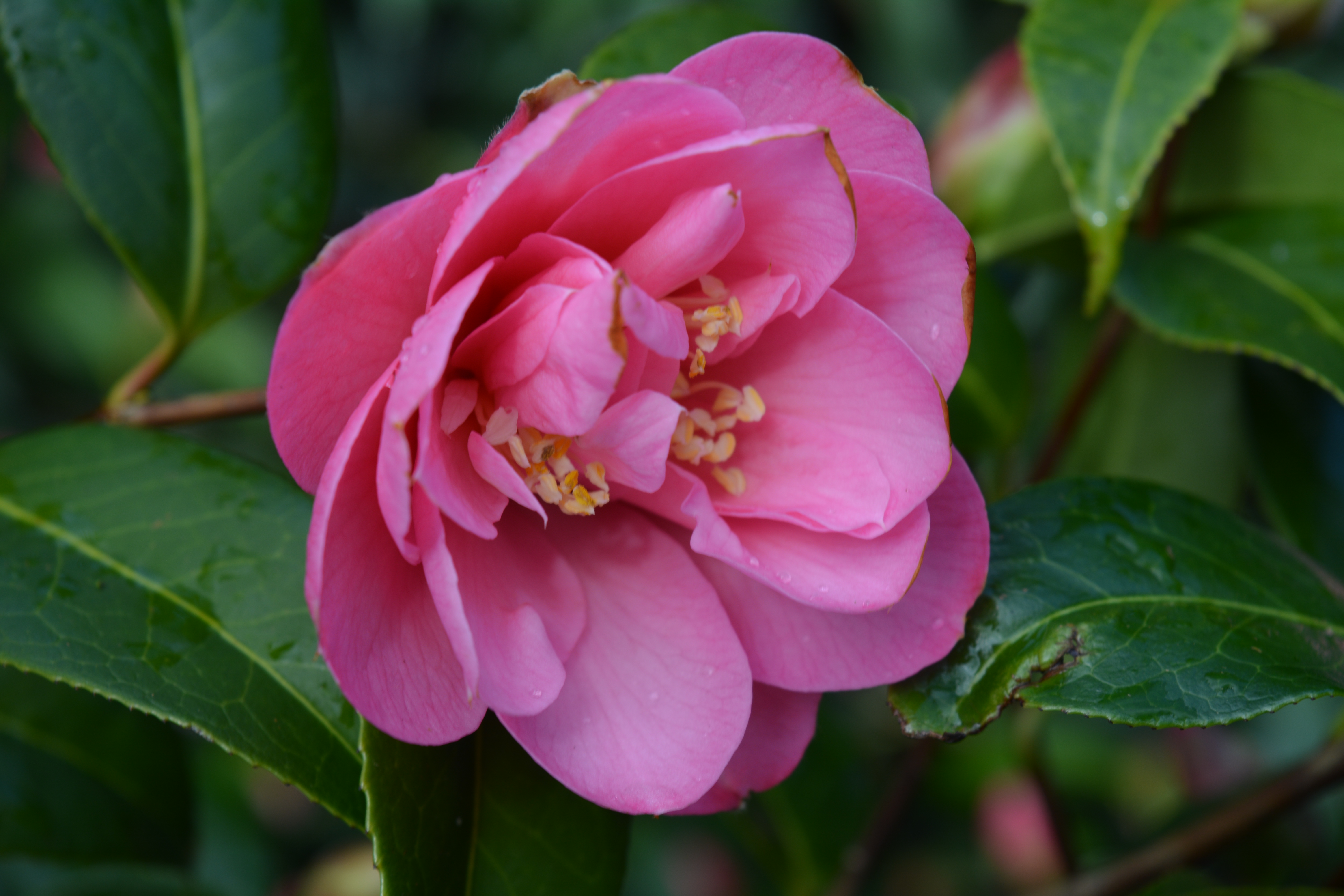
The Camellia Walk was at last showing lots more blooms but neither of us particularly like them. I include a couple of shots for those who do!

dorothyclive-14-1 dorothyclive-13-1

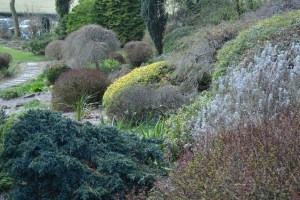
The views down to the pond through the scree area showed great variations in colour and texture but many of the shrubs still remained totally leafless. 

dorothyclive-08-1 dorothyclive-10-1

Within the borders in the sloping part of the gardens there were points of colour from shrubs and herbaceous plants.

dorothyclive-12-1

dorothyclive-09-1


dorothyclive-05-1

dorothyclive-03-1

Among these plants we discovered promises of more to come. Perhaps when we next return these buds will be fully open leaves and flowers. We can’t wait to return!

dorothyclive-04-1 dorothyclive-07-1


Categories
birds colours flowering bulbs garden photography garden ponds garden pools garden wildlife gardening gardens irises log piles natural pest control ornamental trees and shrubs Shropshire spring bulbs spring gardening village gardens water garden water in the garden wildlife

My Garden Journal in 2016 – March

We were expecting March to bring some signs of spring but really our seasons remained confused and muddled. March has brought us warm sunny days, days with cold biting winds, days with heavy persistent rain and many combinations of these.

winchester-04

My March report started with references to the weather as it controlled when we gardenened and days when it prevented us from getting out in the garden.

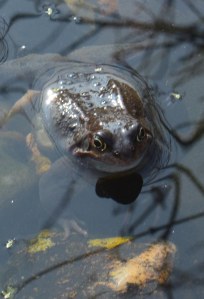
“During the first 2 days, March had delivered so many different types of weather, clear skies, sunshine, dark heavy cloud cover, rain and sleet. I wonder what else this month might have in store. This unseasonal weather delayed the arrival of our frogs until March whereas February is more usual a time. They soon added large clumps of spawn down one side of the wildlife pond.”

winchester-19 winchester-20winchester-21 winchester-22

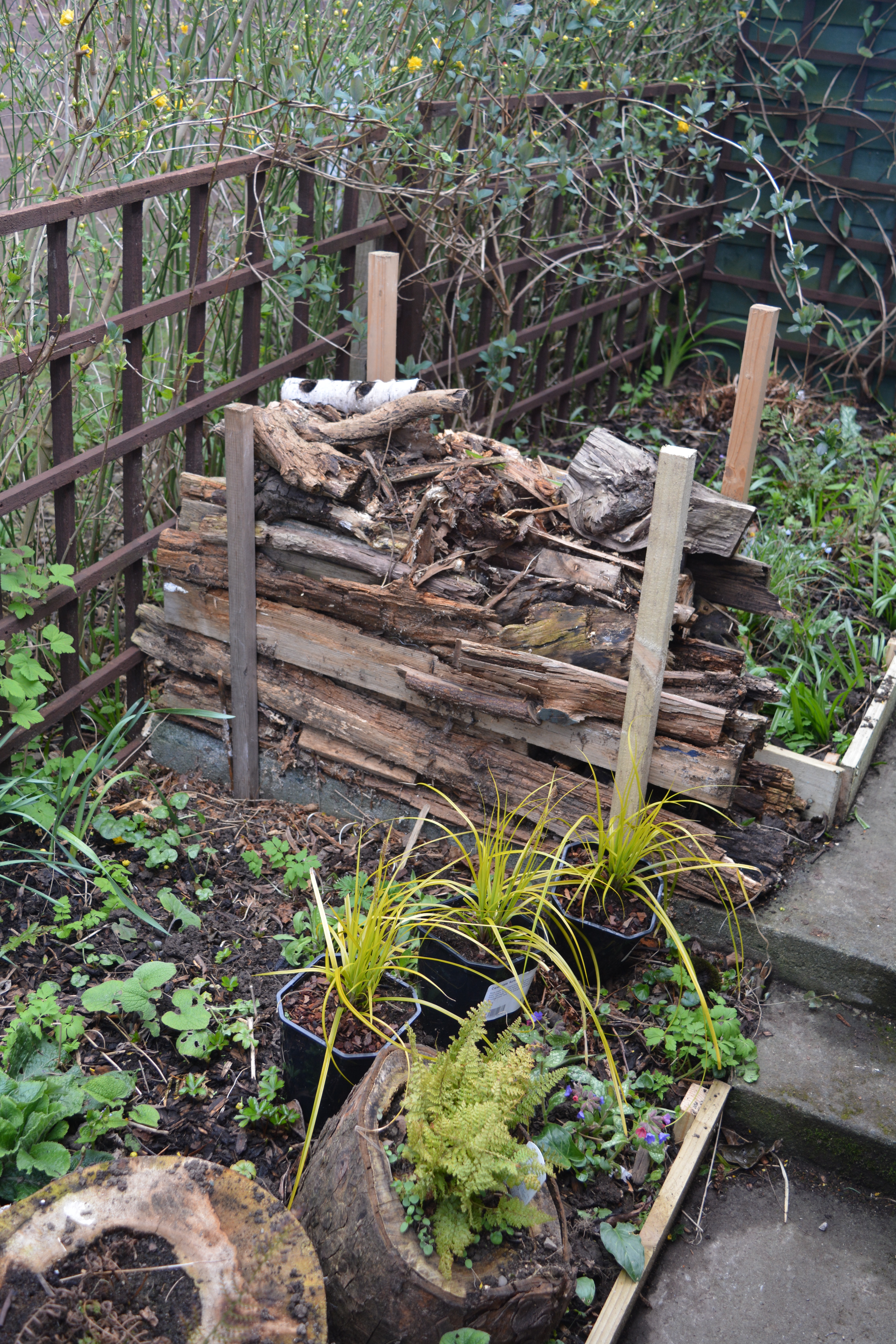
To help the smaller creatures that share our garden with us and help with pest control and pollination of our fruit we had great fun creating a new habitat for them, in the form of a log pile. The log pile is aimed specifically at beetles who are great pest controllers. We particularly appreciate their love of slug eggs!

winchester-01 winchester-02

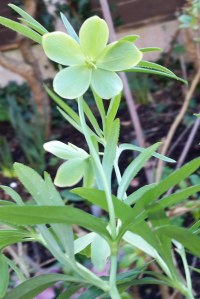
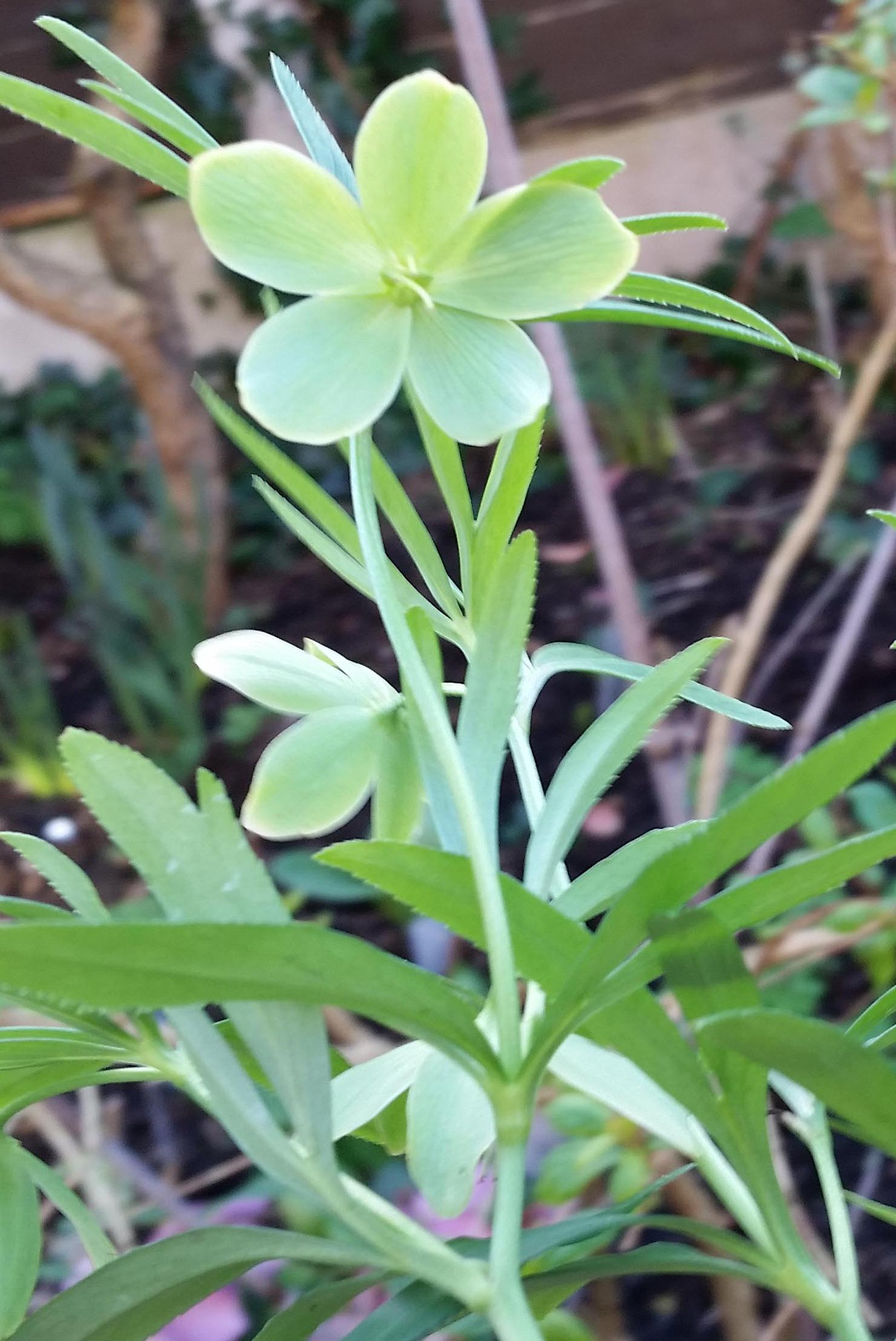
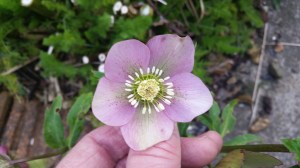
On the page opposite my frog photos I feature some of our large collection of Hellebore.

“Each year we add a few more Hellebores to our collection. This year is no exception! We are also getting a few interesting seedlings appearing, and some are worth keeping.”
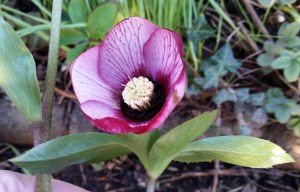
winchester-47 winchester-11-2 winchester-14-1 winchester-10-2winchester-12-2

Turning the page I moved on to looking at the bird life we enjoyed in March, where I featured a gouache painting of a pair of Chaffinches and wrote about them.
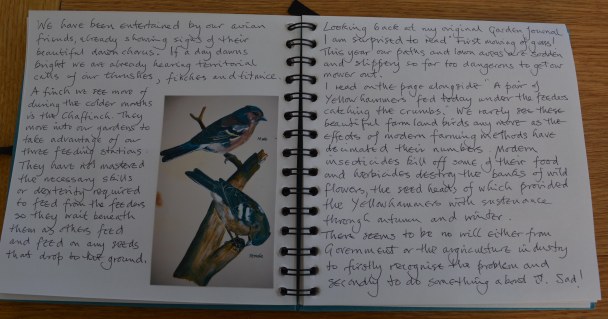
winchester-05

“We have been entertained by our avian friends, already showing signs of their beautiful dawn chorus. If a day dawns bright we are already hearing territorial calls of our thrushes, finches and titmice. A finch we see more of during the colder months is the Chaffinch. They move into our garden to take advantage of our three feeding stations. They have not mastered the necessary skills or dexterity required to feed from the feeders so they wait beneath them as others feed and feed on any seeds that drop to the ground.”

B0000195

I then moved on to look back at previous garden journals from a decade or so ago.

“Looking  back at my original Garden Journal I am surprised to read “First mowing of grass! This year our paths and lawn areas are sodden and slippery so far too dangerous to get our mower out.

I read a page alongside, “A pair of Yellowhammers fed today under the feeders catching the crumbs.” We rarely see these beautiful farmland birds any more as the effects of modern farming methods have decimated their numbers. Modern insecticides kill off some of their food and herbicides destroy the banks of wild flowers, the seed heads of which provided the Yellowhammers with sustenance through autumn and winter. There seems to be no will either from Government or the agriculture industry to firstly recognise the problem and secondly to do something about it. Sad!”

I then reported on progress we had made with our recently constructed propagation bench.

winchester-06

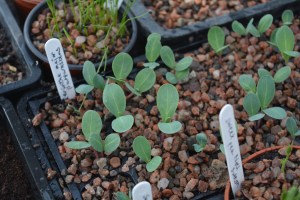
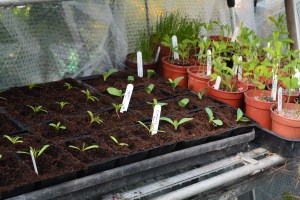
In my January entries to my journal I wrote about making a propagating bench in the greenhouse and then in February I looked at how we had prepared the greenhouse in readiness for seed sowing. Now in March we have seedlings showing well.”
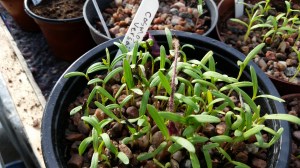
winchester-45 winchester-46 winchester-36 winchester-35

Flowering shrubs feature over the next few pages, looking at those that flower and provide scent, starting off with the shrubs in the Ribes family.

winchester-06

“The genus Ribes is a family of some 150 species of shrubs, mainly deciduous with just a few evergreens. We grow 3 species on our allotment to give us Redcurrants, Blackcurrants and Gooseberries. In the ornamental garden at home we grow 5 species and 4 of these are flowering in March, Ribes sanguineum “King Edward VII” and Ribes s. “Elkington White”.

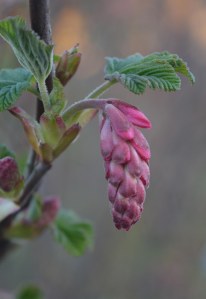
winchester-40 winchester-41winchester-31 winchester-33 winchester-32

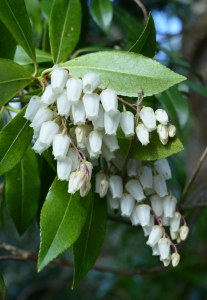
The other two March flowering Ribes are very different to the Ribes sanguineums. Ribes laurifolium has thick evergreen foliage, each leaf shaped and textured just like those oa a Laurel, hence its name. The flowers at first glance appear white but close up they are pale cream with a hint of green – absolutely beautiful! Beautiful and scented! The final Ribes to flower in March is Ribes speciosum with crimson flowers. To be fair though this Ribes species shows flowers on and off all year. It is generally evergreen for us as we planted it in a sheltered spot. Its flowers are like tiny Fuschias hanging along most of its branches. The downside? Every inch of every stem is covered in thin spines, so pruning can be difficult. On our open days so many visitors ask about Ribes speciosum.”

winchester-27 winchester-28winchester-02-2

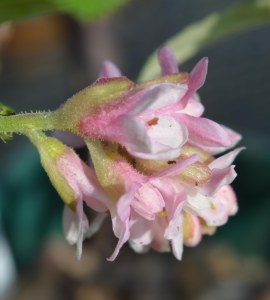
“In the autumn we took cuttings of Ribes s. King Edward VII. What a surprise we had when one of them produced these pale gentle pink flowers. One more shrub of the Ribes family still has not yet flowered, Ribes odorarum.”
winchester-09-1

My journal then tells of other unusual flowering shrubs we grow here at Avocet.

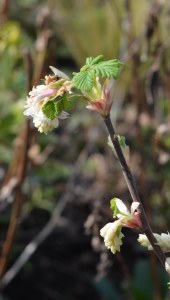
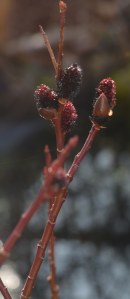
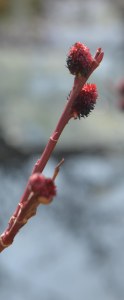
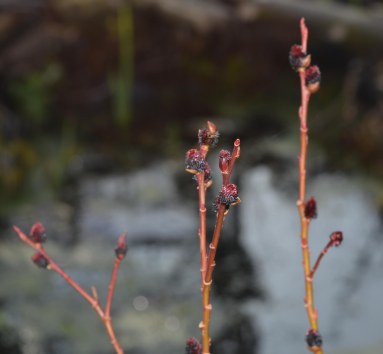
“Abnother unusual shrub we grow for March interest is a special willow. Salix gracilistyla melanostachyla has amazing flowers, red and black catkins. Early flying bees love them.”

winchester-08

winchester-23 winchester-24 winchester-25winchester-26

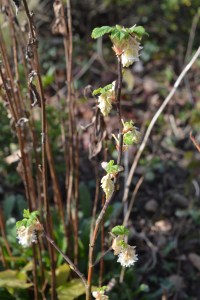
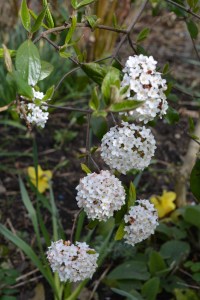
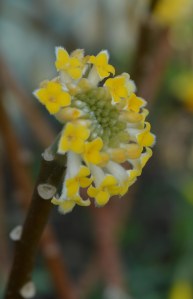
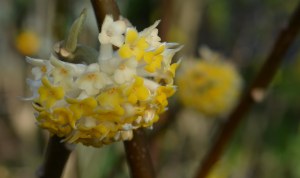
“Two other March flowering shrubs are grown for their large umbels of flowers but also their scent. The first, Edgeworthia chrysantha grandiflora, has unusual bright yellow flowers which add scent to the late winter and early spring garden. Their second is a Viburnum, Viburnum x burkwoodii, which does not open its flower buds until late March.”
winchester-11-1 winchester-10-1winchester-11 winchester-12

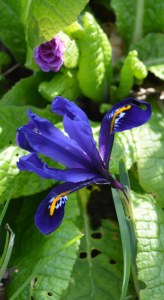
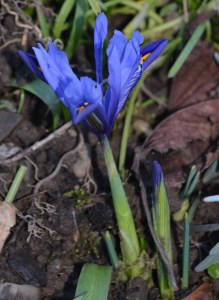
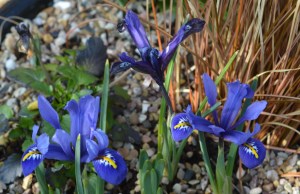
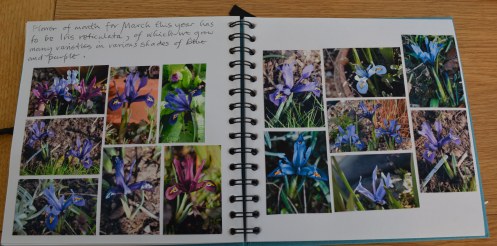
Turn over the page of my journal and you will be delighted by photos of Iris reticulata in all their glorious shades of blue and purple.
winchester-09

“Flower of the month for March has to be Iris reticulata, of which we grow many varieties in various shades of blue and purple.”
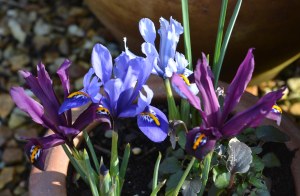
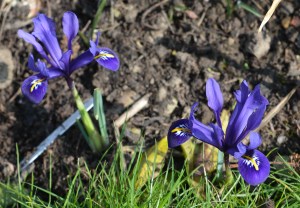
winchester-04-1 winchester-14winchester-29 winchester-12-1 winchester-39winchester-30 winchester-38 winchester-15winchester-03-1 winchester-05-1winchester-07-1 winchester-08-1winchester-13 winchester-17 winchester-16winchester-37 winchester-06-1

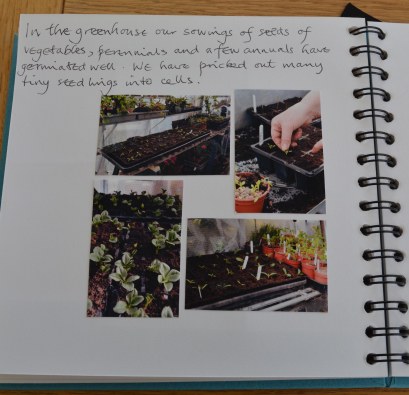
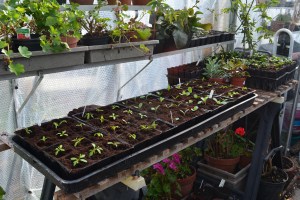
My final page for March takes another look at what is going on in the greenhouse as the month comes to an end.
winchester-10

“In our greenhouse our sowings of seeds of vegetables, perennials and a few annuals have continued to germinate well and grow strongly. We have pricked out many tiny seedlings into cells.”winchester-03-2 winchester-06-2
winchester-05-2 winchester-04-2

Our next visit to my garden journal will report on what will be happening in our garden at Avocet in April, the month traditionally associated with showers.

Categories
flowering bulbs garden photography garden ponds garden pools garden wildlife gardening grasses hardy perennials light light quality ornamental grasses ornamental trees and shrubs Shropshire shrubs spring bulbs water in the garden Winter Gardening winter gardens

My Garden Journal 2016 – February

Back with the second post sharing my 2016 Garden Journal, we will look at what it holds for February.

2016 02 13_8659_edited-1

On the first page for the month I mention the changing light values that occurs during February.

2016 02 24_9066_edited-1

“This is the month when light values really start to improve. We also get longer days when the weather allows. This change in light coupled with slowly rising temperatures encourages birds to change their songs and calls. The Great Tit is the master of calls with its huge repertoire. Luckily they are very frequent visitors to our garden. They are great entertainers! Their song in February is a “see-sawing ditty with mechanical overtones.” (Collins Bird Guide)

I added my gouache painting of a pair of Great Tits.

2014 12 21_8971_edited-1

On the opposite page I carried on talking about our continued development of our greenhouse.

Having completed the construction of our new heated propagation bench last month we then sorted out our pots, trays, pans and cells ready for the new sowing and growing season. We ensured we have plenty of labels as well as sowing compost and horticultural grit. Jude finished putting up insulation bubble wrap.”

2016 02 02_8119-1 2016 02 02_8120-12016 02 02_8121-1 2016 02 02_8131-1 2016 02 02_8122-1

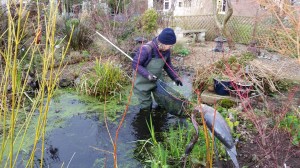
From greenhouse gardening to pond gardening, my next page features two photos of Jude the Undergardener in her waders playing in our wildlife pond.

2016 02 24_9069_edited-1

“Mid to late February is the time each year when our Common Frogs come to sing, mate and then leave balls of spawn in our wildlife pond. Thus early this month Jude donned her chest waders and cleaned up the pond. She removed Duckweed, Blanket Weed and fallen leaves, then thinned out the water plants.

2016 01 26_8057-1 2016 01 26_8056-1

We tidied up the narrow border that edges the pond, pulling a few hardy weeds and taking up seedlings of our Cornus “Midwinter Fire”. It was heartening to discover how workable our soil was, this being the result of a decade of improving it with the addition of our own garden compost and the regular mulching deeply with organic matter.”

I continued onto the next page discussing the welcome appearance of sunshine in the February.

“Sunshine is not often in evidence this February but when it does make an appearance its effects are magical. It highlights the peeling bark of our trees and directs a spotlight on blossom and glossy foliage.”

2016 01 22_8035_edited-1 2016 01 22_8034_edited-12016 02 02_81162016 01 22_8024 2016 01 22_8008 2016 01 22_8009-1 2016 01 22_8018

As I turn the page I see that I have written about cold temperatures and on the opposite page and on the following double page spread I share the amazing number of plants in flower on one day in February.

2016 02 24_9070_edited-12016 02 24_9073_edited-1

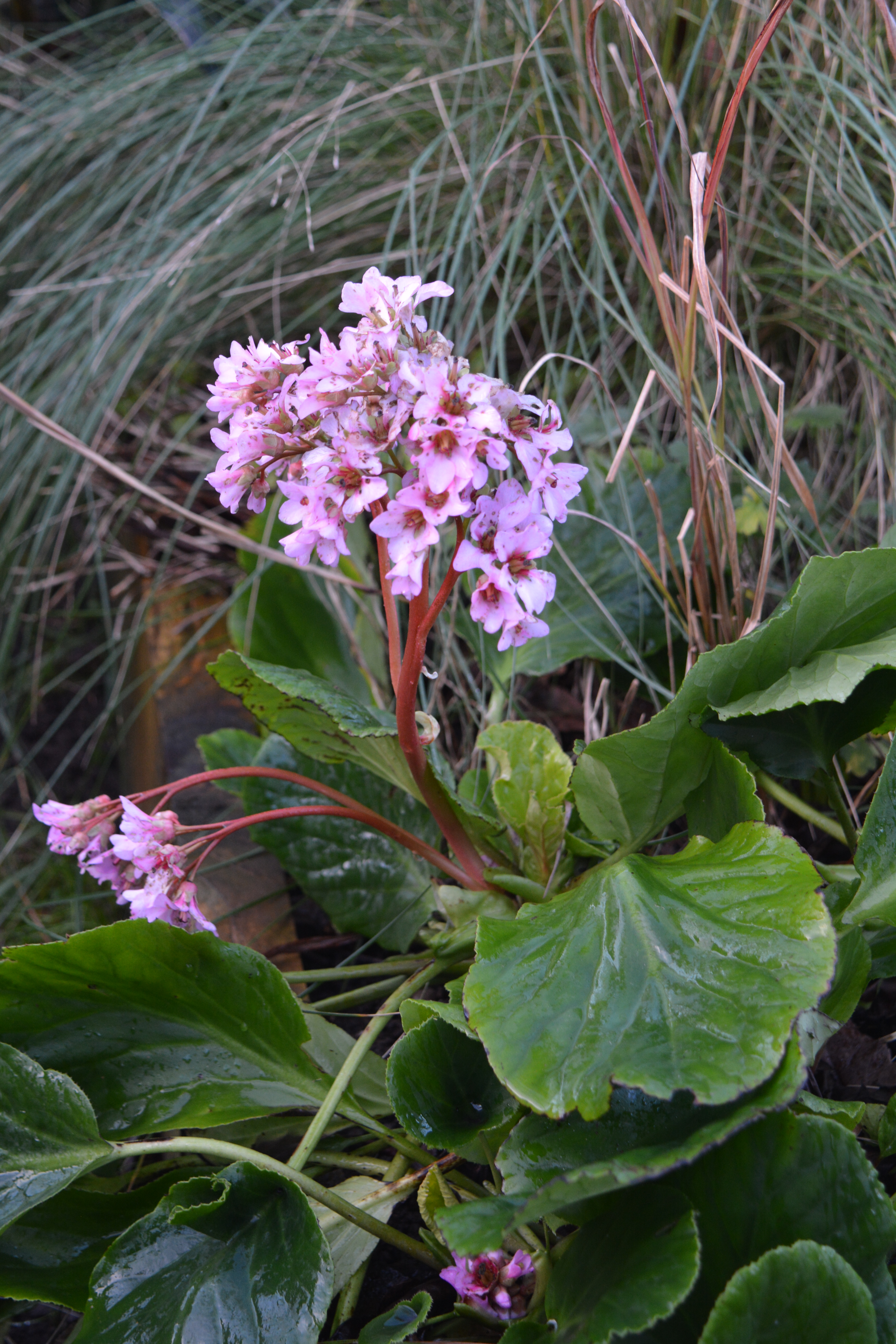
“A sudden overnight plunge in temperature can have drastic looking effects on our early flowering plants. The flowering stem of this Bergenia can be standing to attention during the day but cold at night can make it droop, with the flowers almost touching the cold soil”.

2016 01 17_7930-1 2016 01 08_7763

“The following day when the sun has driven away any frost and added a degree or two to the temperature, the Bergenia flower slowly rises again and returns to its former pink glory.”

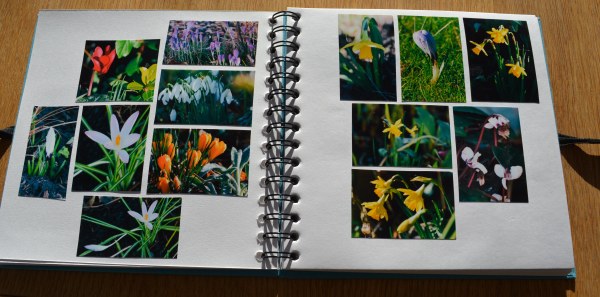
February flowers are celebrated over the next three pages. I hope you enjoy sharing this selection of plants that keep us cheerful and the garden colourful.

2016 02 18_8904_edited-1 2016 02 18_8901_edited-12016 02 18_8891_edited-1 2016 02 18_8878_edited-12016 02 18_8872_edited-1 2016 02 18_8879_edited-12016 02 18_8867_edited-1 2016 02 18_8847_edited-1 2016 02 18_8869_edited-1 2016 02 18_8863_edited-12016 02 18_8913_edited-1 2016 02 18_8871_edited-12016 02 18_8912_edited-1 2016 02 18_8866_edited-1 2016 02 18_8854_edited-1 2016 02 18_8853    2016 02 18_8887_edited-1 2016 02 18_8873_edited-1  2016 02 18_8902_edited-1 2016 02 18_8855_edited-1

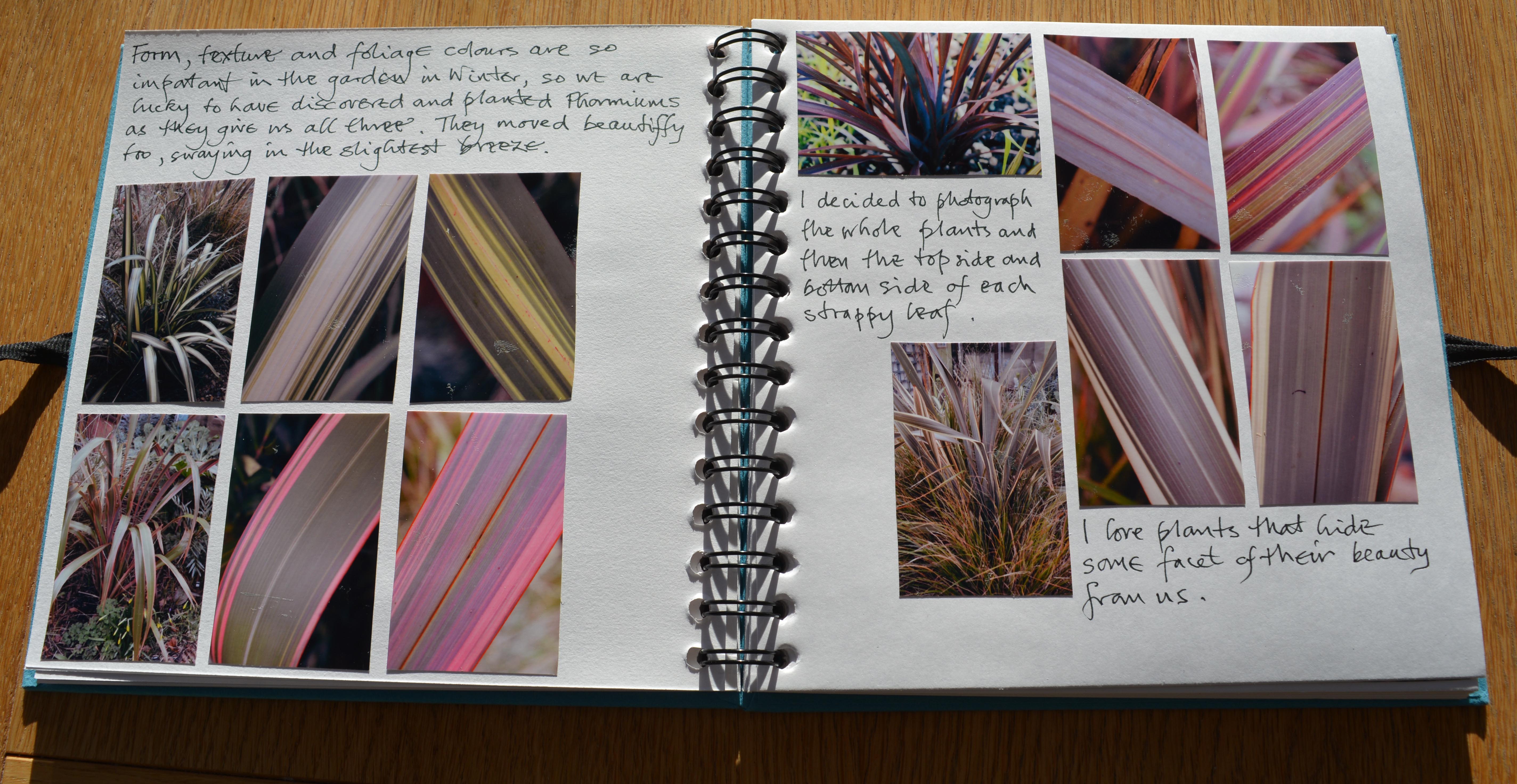
These pictures certainly illustrate how colourful and interesting the garden can still be in the depths of winter. From flowers I moved on to foliage, as on my next double page spread I celebrate Phormiums and how important they are to the winter garden.

2016 02 24_9074_edited-1

“Form, texture and foliage colours are so important in the garden in winter, so we are lucky to have discovered and planted Phormiums as they give us all three. They move beautifully too, swaying in the slightest breeze.”

2016 02 13_8632 2016 02 13_8640 2016 02 13_8651


For some of our Phormium I took a shot of the whole plant and then one of the top surface of their leaves and finally the final surface. Their two surfaces are usually very different.

“I love plants that hide some facet of their beauty from us”.

2016 02 13_8633 2016 02 13_8634 2016 02 13_86352016 02 13_8630 2016 02 13_8639 2016 02 13_8638

2016 02 13_8655 2016 02 13_86532016 02 13_8654

2016 02 13_8631 2016 02 13_8637 2016 02 13_8636

In the final pages of my February entries in my Garden Journal I wrote about coloured stems and look back at my first garden journal to see what I had put for my February entry.  I discovered that I was writing about grass and grasses.

2016 02 24_9077_edited-1

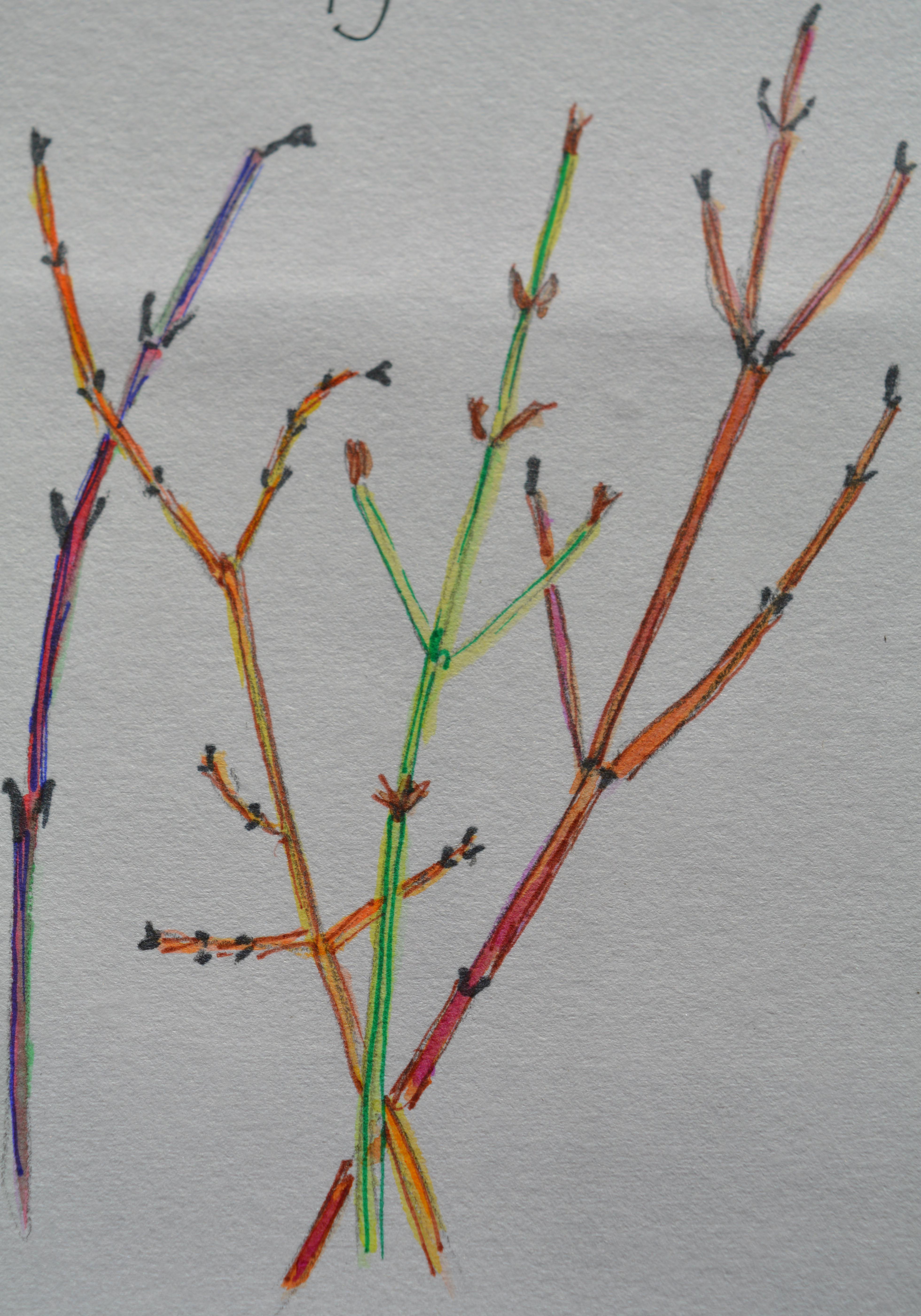
“It is in the dull times of February that we appreciate the brightly coloured stems of our Cornus, Salix and Acers. Once their leaves drop the colours, yellows, oranges and reds begin to intensify. I then shared a watercolour painting of a selection of these stems from our garden alongside a trio of photos.”

2016 02 24_9078_edited-1 2016 02 18_88972016 02 18_8874 2016 02 18_8898

Looking back at my original Garden Journal, I notice that I had commented “14th February and the grass gets its first cut. As the North wind died out the strength of the winter sun meant a good day could be had doing general maintenance work.” This year our grassed areas are wet and slimy and definitely too slippery to get a mower on. But the grass has continued to grow slowly so it is in need of its first cut. Meanwhile our ornamental grasses continue to delight.”

2016 01 22_8033 2016 01 22_8032     2016 01 22_7998-1 2016 01 22_7999-1

So that is it for another month. Next time we make a visit to my Garden Journal we will be in March and maybe we shall be seeing signs of spring.


Categories
flowering bulbs garden design garden photography garden ponds garden pools gardening gardens gardens open to the public hardy perennials ornamental trees and shrubs RHS spring bulbs trees water garden water in the garden Winter Gardening winter gardens woodland

A Garden in Winter – RHS Rosemoor – Part 1

We love to break up the winter months with mid-week breaks away around the UK. In February this year we took off down to Devon for a short holiday where we planned to visit a garden which holds two National Collections, Betulas (Birches) and Alnus (Alders) and the Royal Horticultural Society’s Rosemoor Garden.

My previous couple of posts shared with you our wanderings around Stone Lane Garden and Nursery with its wonderful national collection of Betulas and Alnus. In this post we will share with you the two days we spent exploring the Royal Horticultural Society’ Rosemoor Garden.

We had visited many times before but never in winter before, so we were keen to see if the RHS’s claim that Rosemoor provides “Great days out for every season” and  “Rosemoor continues to enchant visitors when the Winter and Foliage Gardens are filled with a surprisingly intoxicating combination of colour, fragrance and texture.”

After a quick coffee in the restaurant we braved the rain and began our walk around.

2016 02 04_8397 2016 02 04_8507 2016 02 04_8430

We made our way towards the Winter Garden which we knew had been redeveloped since we last visited so we longed to see what it looked and felt like now.

2016 02 04_8404 2016 02 04_8401

As expected foliage took a leading role.

2016 02 04_8406 2016 02 04_84082016 02 04_8418 2016 02 04_84282016 02 04_8429

Coloured stems and bark of shrubs and trees add strong structure to a good winter garden.

2016 02 04_8412 2016 02 04_84132016 02 04_8422 2016 02 04_84142016 02 04_8424 2016 02 04_8425 2016 02 04_84262016 02 04_8453 2016 02 04_8474

After enjoying and being highly impressed with the renovated Winter Garden, we took a gravel path which led us to the Foliage Garden. We were looking forward to seeing the role that foliage could play in the February garden. We were not to be disappointed with what we saw. Perennials and grasses played key roles with the richness of texture and the delicacy of colour. Richly coloured foliage on many shrubs joined the party.

2016 02 04_8454 2016 02 04_84552016 02 04_8456 2016 02 04_8457 2016 02 04_84662016 02 04_8459 2016 02 04_84602016 02 04_8461 2016 02 04_8478

Wherever we went we noticed evidence of the RHS gardeners and the volunteers who worked alongside them. In the Rose Garden these roses had been pruned so precisely just like illustrations in a gardening book . The soil between them had been neatly forked over to give a very professional look to the gardeners’ work.

2016 02 04_8438

When we returned to the restaurant for a warming coffee we noticed in the terrace outside a little wooden framed alpine greenhouse. Here we found an impressive array of flowering bulbs.

2016 02 04_8393 2016 02 04_8395  2016 02 04_8394

Leaving the alpine house we took meandering paths through the gardens where we noticed many early blooms that added cheer to a day of dull damp weather.

2016 02 04_8403 2016 02 04_84192016 02 04_8420 2016 02 04_8417 2016 02 04_8434 2016 02 04_84642016 02 04_8410 2016 02 04_8488

These paths took us down a gentle slope towards the lake and along the way we passed through open grassed areas where Daffodils and Narcissi had been naturalised. In neighbouring borders swathes of Snowdrops looked like frozen rivers running through shrubs and trees.

2016 02 04_8490 2016 02 04_84922016 02 04_8497 2016 02 04_8498

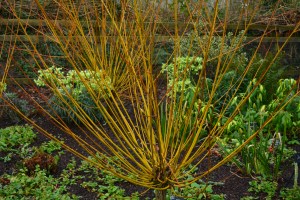
We reached the lake which looked very cold and uninviting but on its banks Cornus and Salix varieties known for their coloured stems added ribbons of very welcome brightness.

A stream fed the lake and we left the lakeside by following a path rising gently through the stream’s valley.

2016 02 04_8496 2016 02 04_8493

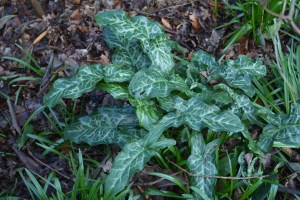
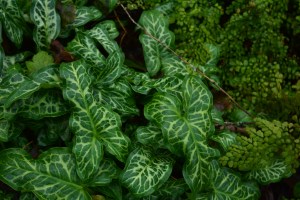
This valley with its clear stream ran rapidly through areas of planting. We followed the stream along a gravel path which took us to an underpass through which we wandered to find the original garden at Rosemoor, Lady Anne’s Garden. The little valley dropped down towards the underpass and we saw King Cups flowering profusely providing splashes of golden yellow and clumps of Arum italicum marmoratum gave us splashes of silver in their variegated foliage.

2016 02 04_8528 2016 02 04_85052016 02 04_8405 2016 02 04_8433

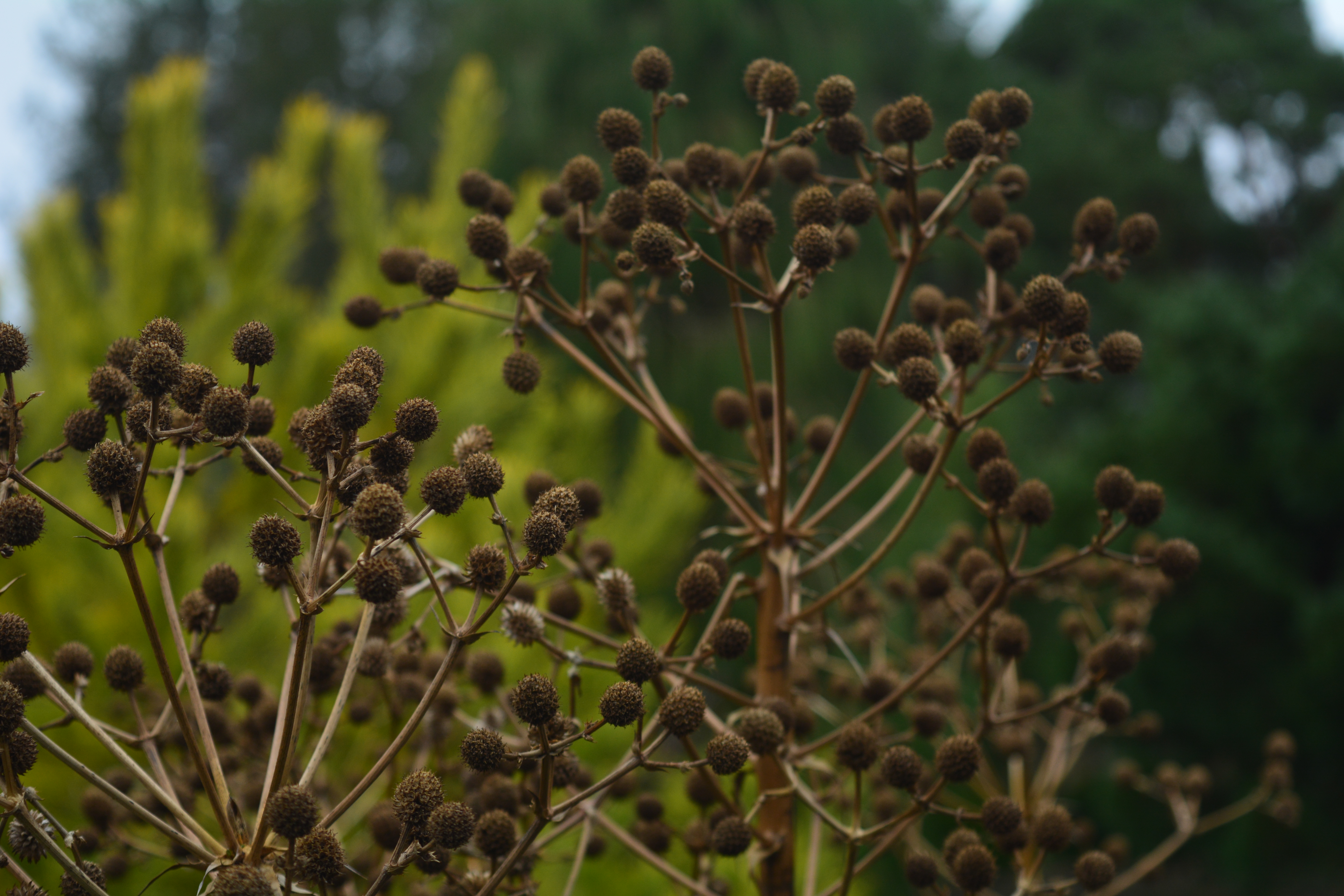
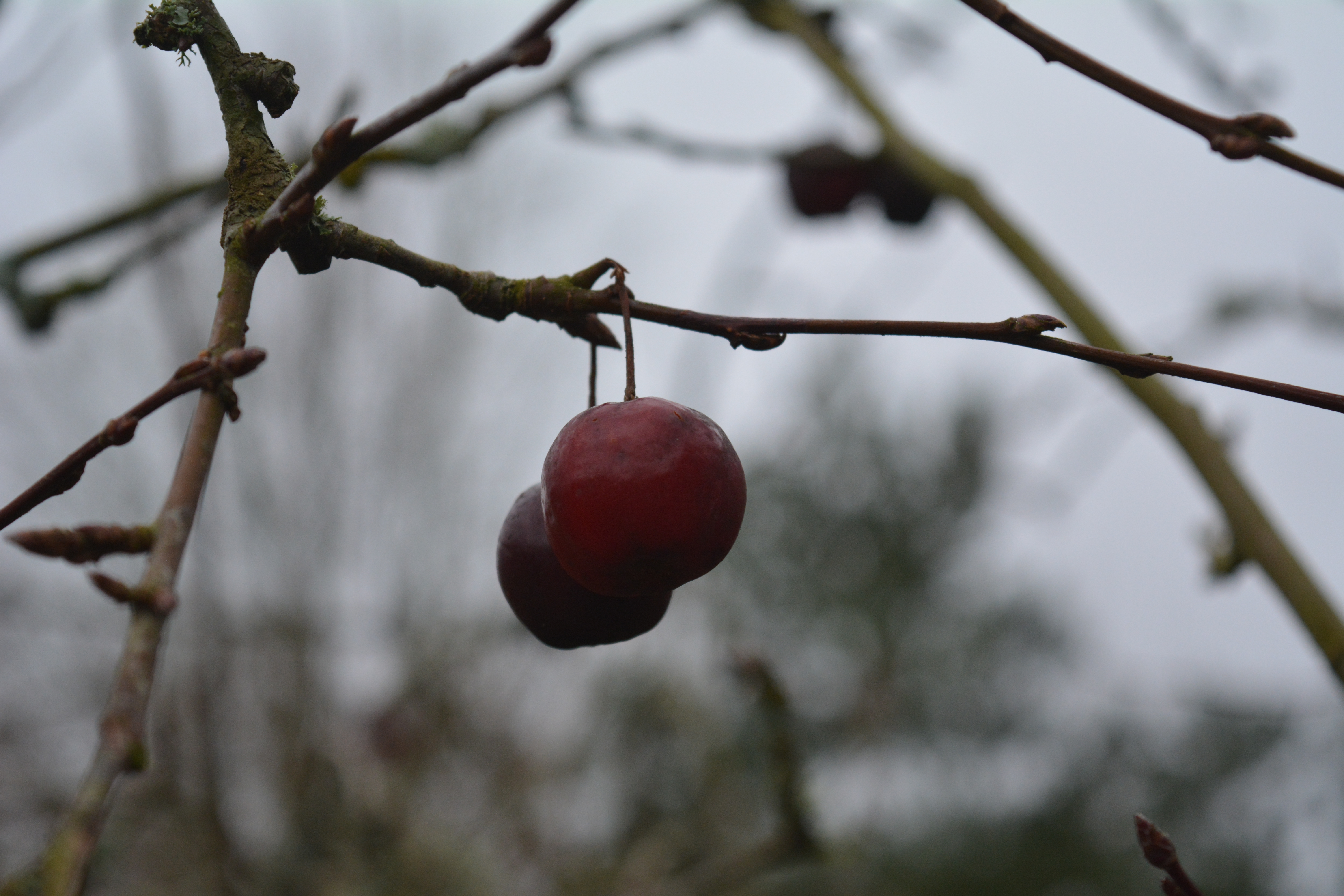
Seed heads and fruit from the autumn were still very much in evidence extending the season of interest.

2016 02 04_8469 2016 02 04_84702016 02 04_8510 2016 02 04_8511

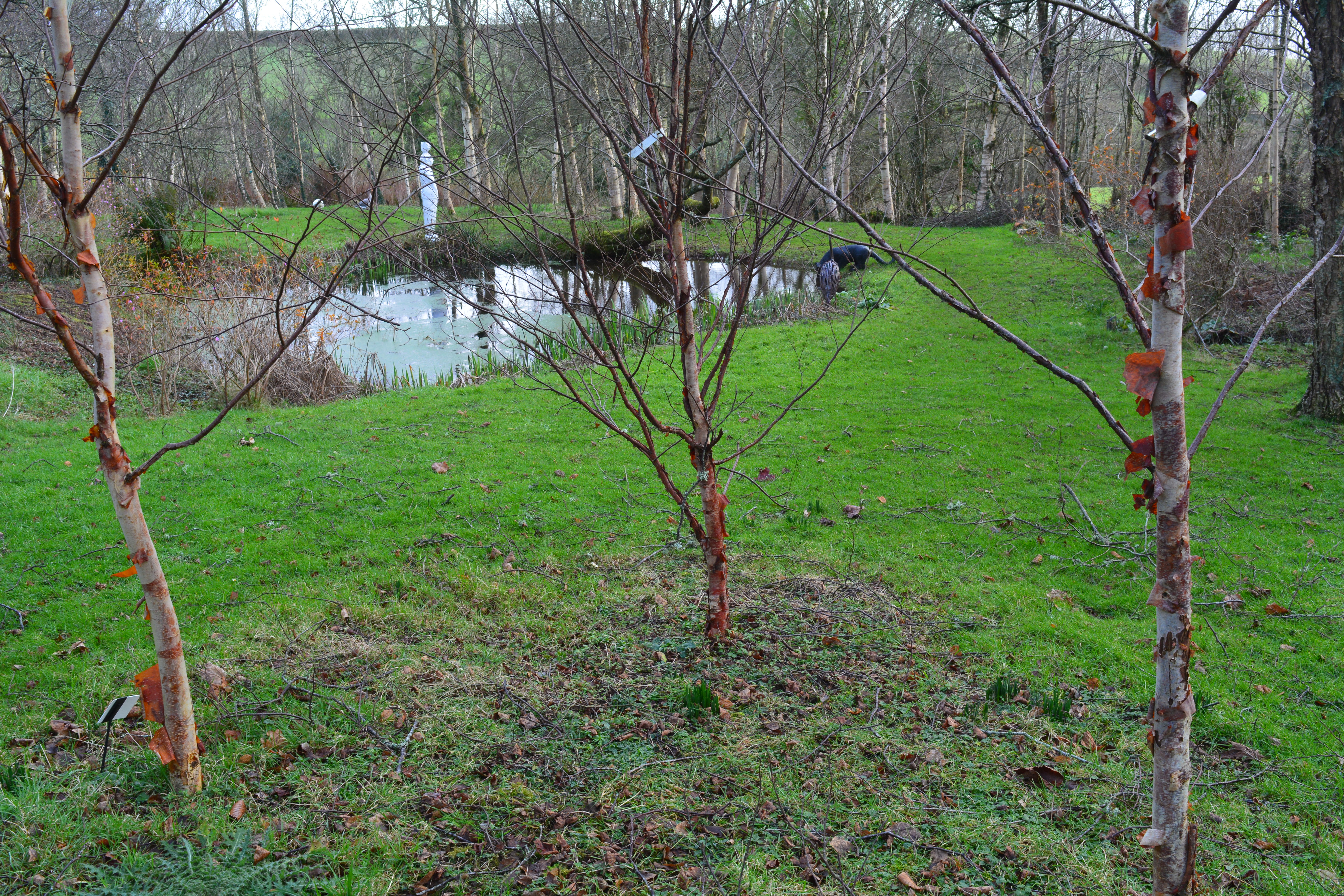
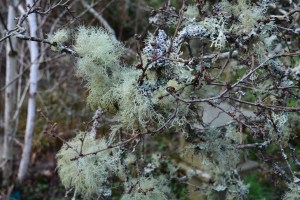
As the valley sides rose higher the atmosphere became damper and we felt the temperature drop slightly as we got closer to the underpass. Lichen grew on trees and on fences. The white bark of Birches and the snow white blooms of Snowdrops shone through in the duller light.

2016 02 04_8512 2016 02 04_8524 2016 02 04_8526 2016 02 04_8527 2016 02 04_8523

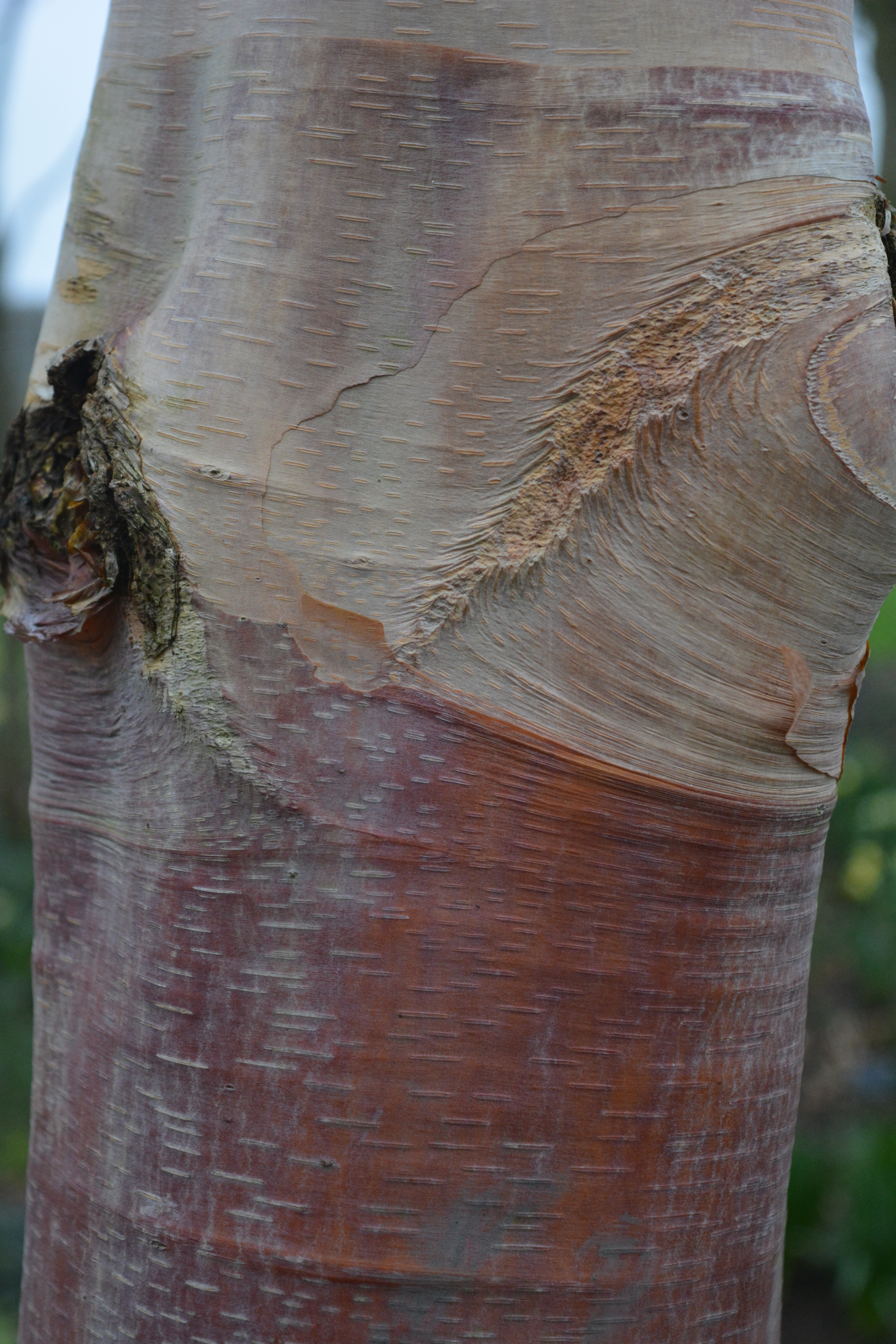
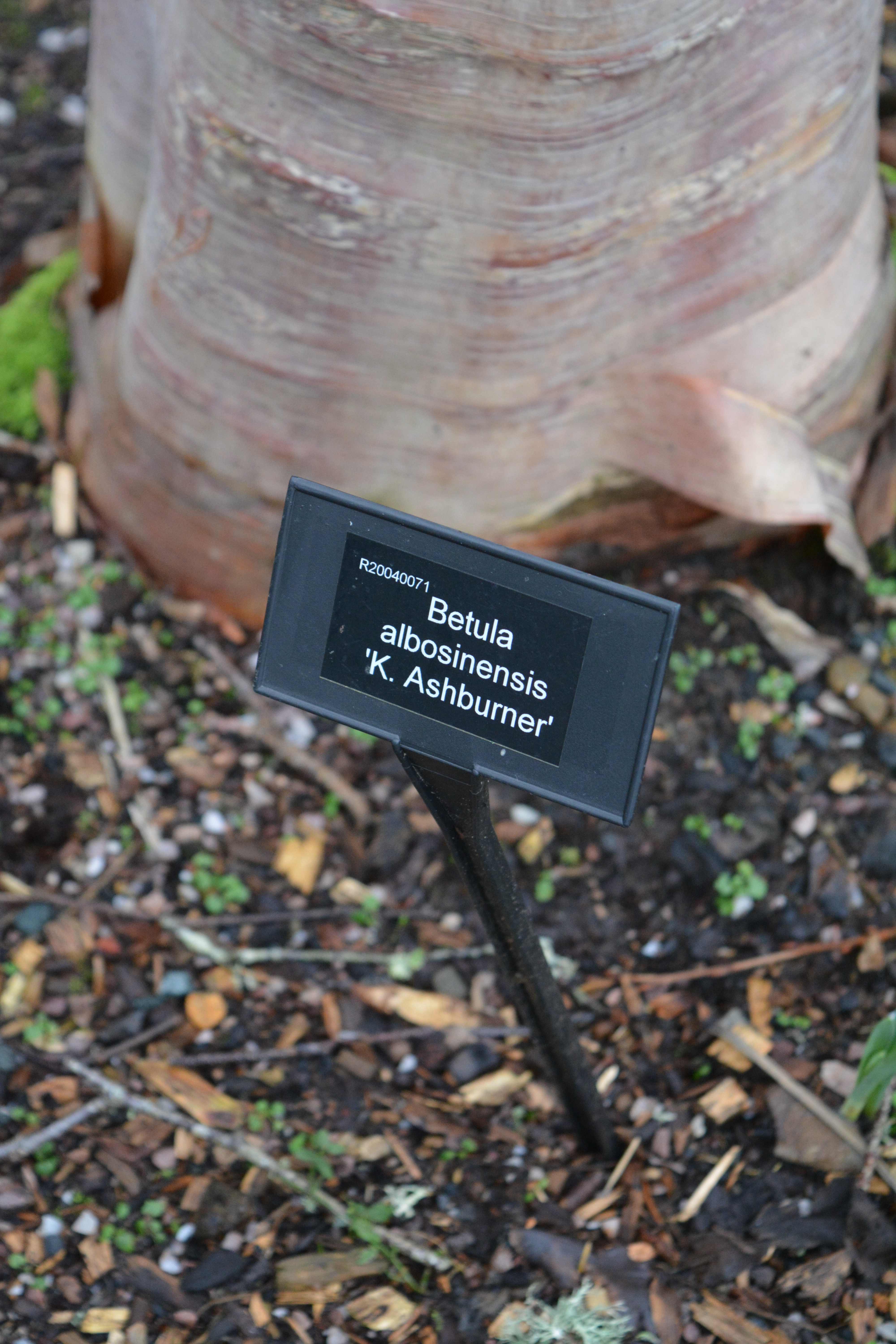
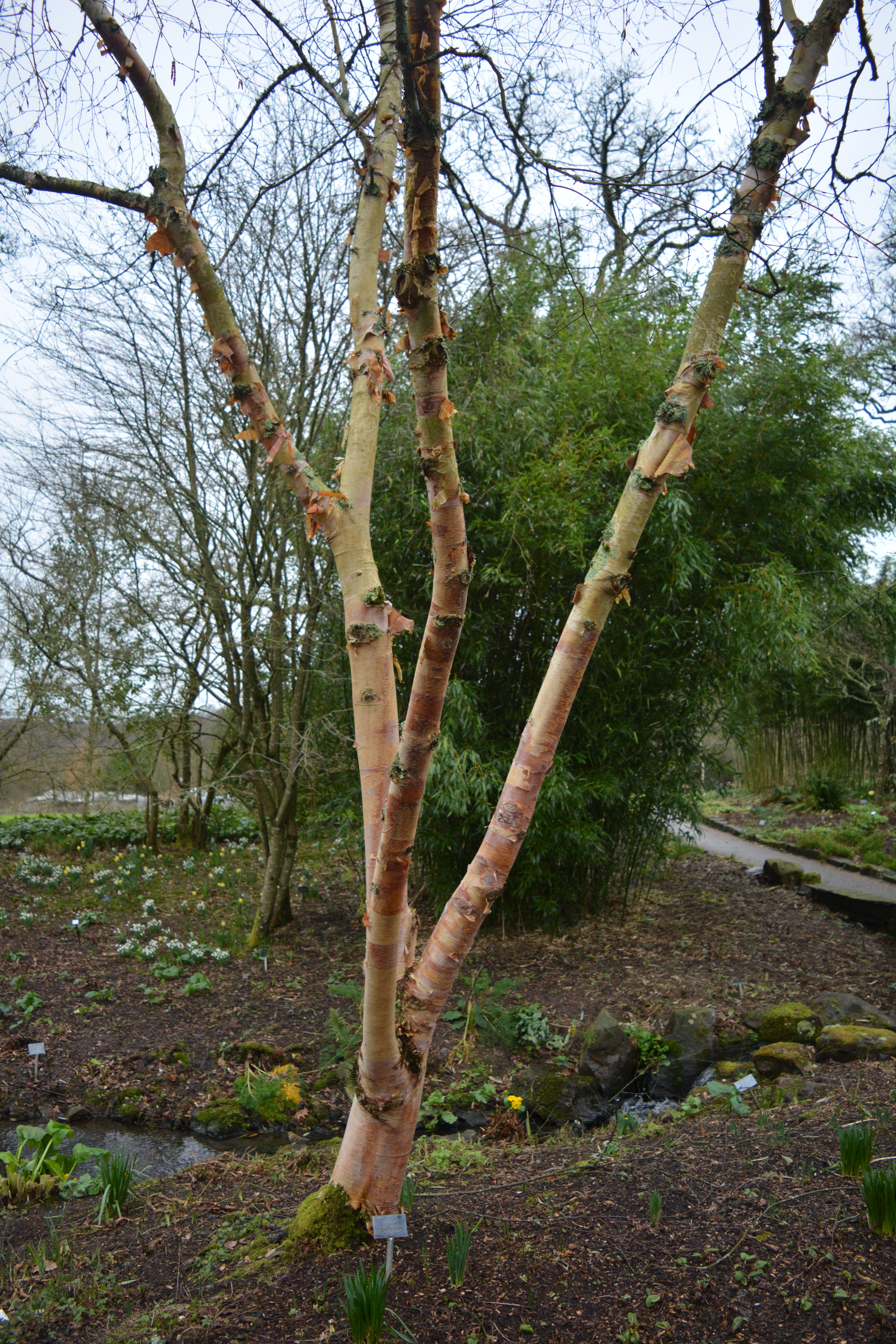
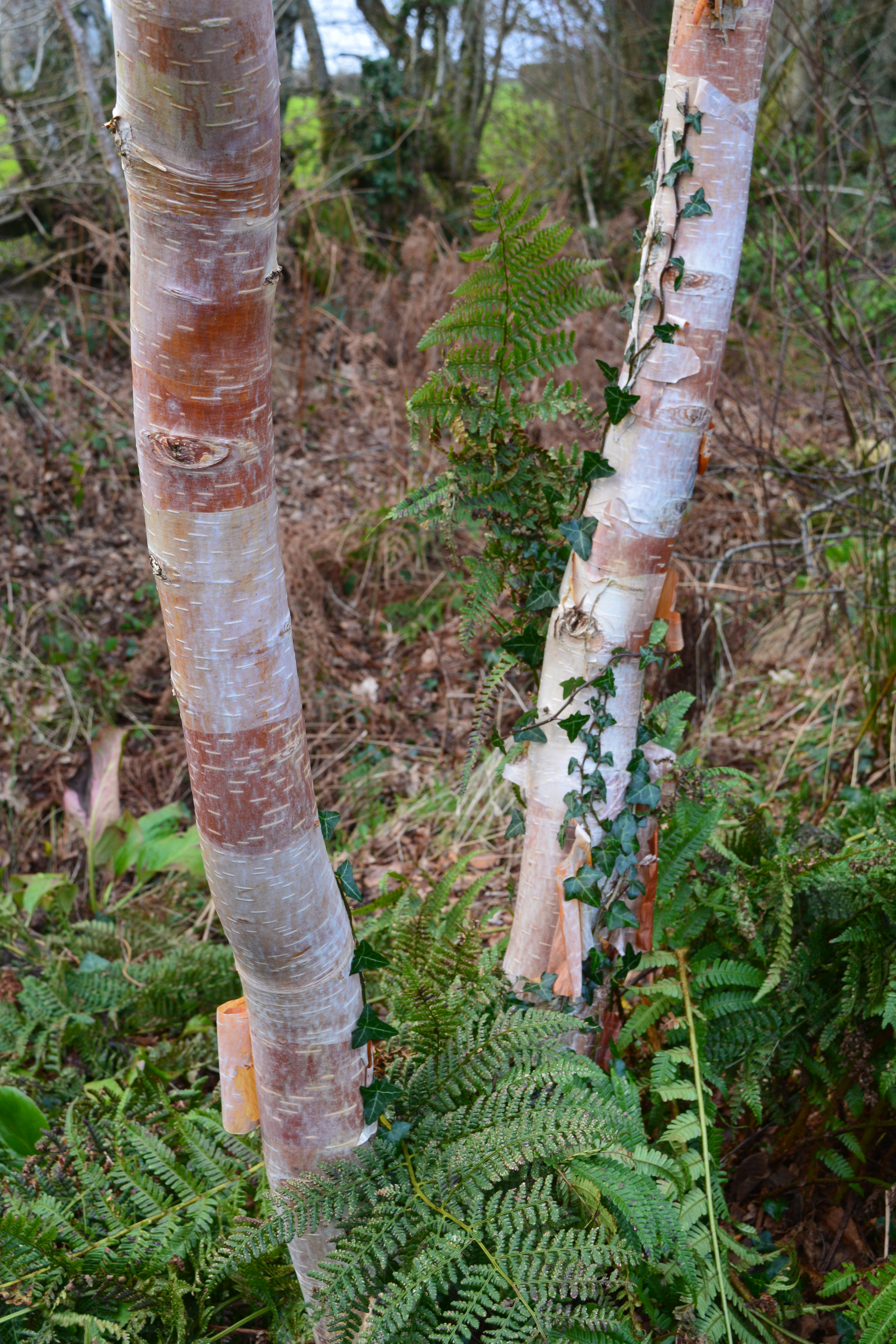
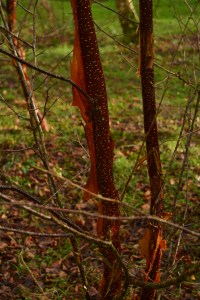
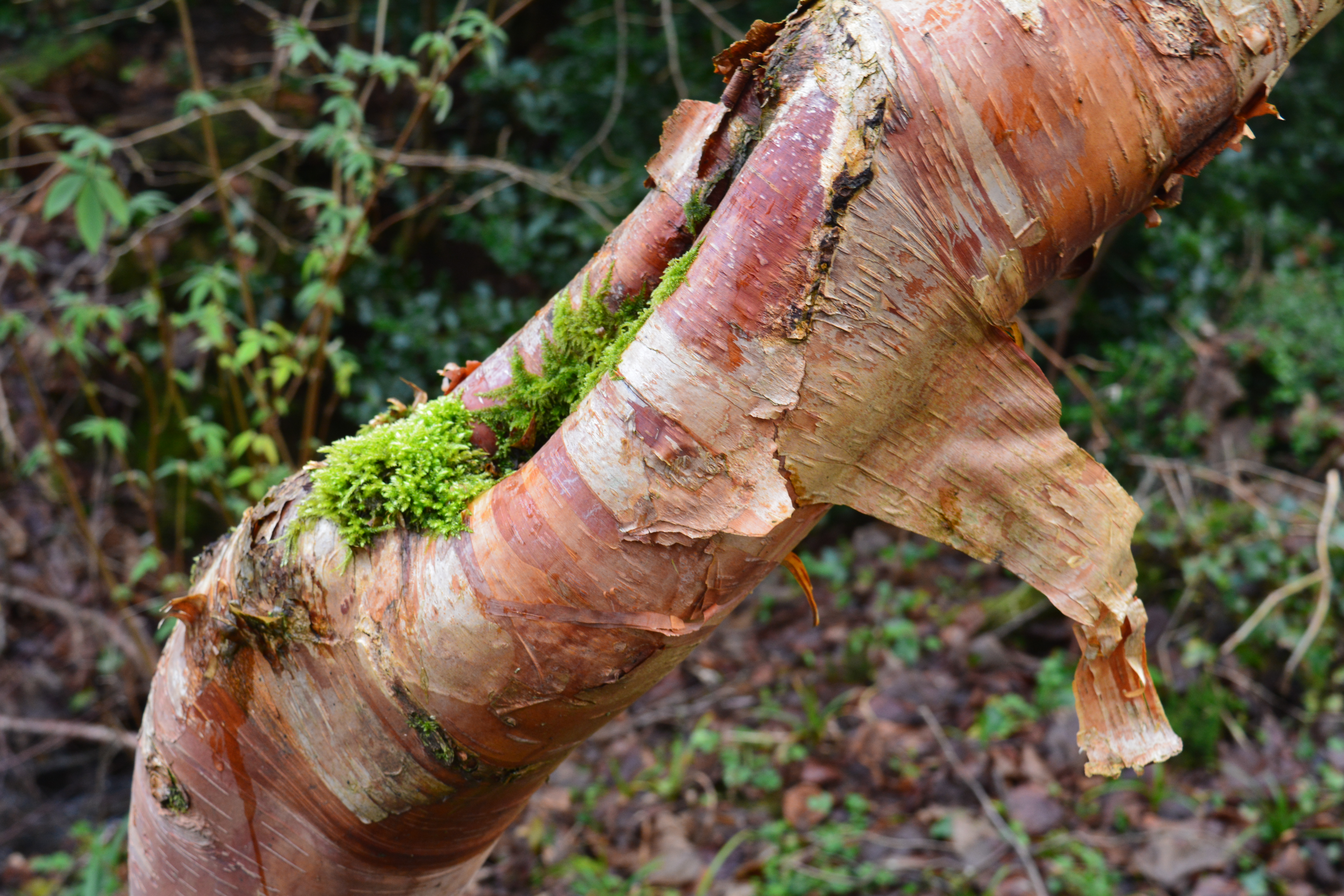
We were drawn to a Betula with unusually coloured bark and were very pleased to find that it was called Betula albosinsensis “K Ashburner”, named after the owner of Stone Lane Gardens and Nursery.

2016 02 04_8517 2016 02 04_8518 2016 02 04_8522

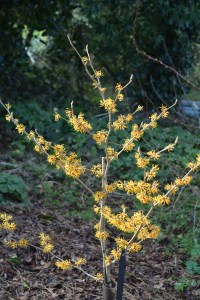
Scent was held in the valley so we were constantly experiencing the rich aromas of Lonicera, Sarcoccoca and Ribes. Sweetness in the air!

2016 02 04_8531 2016 02 04_8533

We entered the underpass which would take us under the road we drove along hours before and gained access to the original garden here at Rosemoor, Lady Anne’s Garden. We will be in that part of the garden in Part 2.


Categories
arboreta colours garden photography garden ponds garden pools gardening gardens gardens open to the public grasses ornamental trees and shrubs outdoor sculpture sculpture trees water in the garden Winter Gardening winter gardens woodland woodlands

A Devon Garden with Betulas – Part 2

Back at Stone Lane we continued wandering along the grass paths which were so soft underfoot. We enjoyed discovering more and more Birches with beautifully coloured and textured bark and fine winter silhouettes plus the odd Alder and pieces of sculpture.

2016 02 03_8304 2016 02 03_83172016 02 03_8290 2016 02 03_82912016 02 03_8337 2016 02 03_8354

Alnus barbata diplayed bark as rough and fissured as the skin on the legs of an old elephant.

2016 02 03_8244 2016 02 03_8249

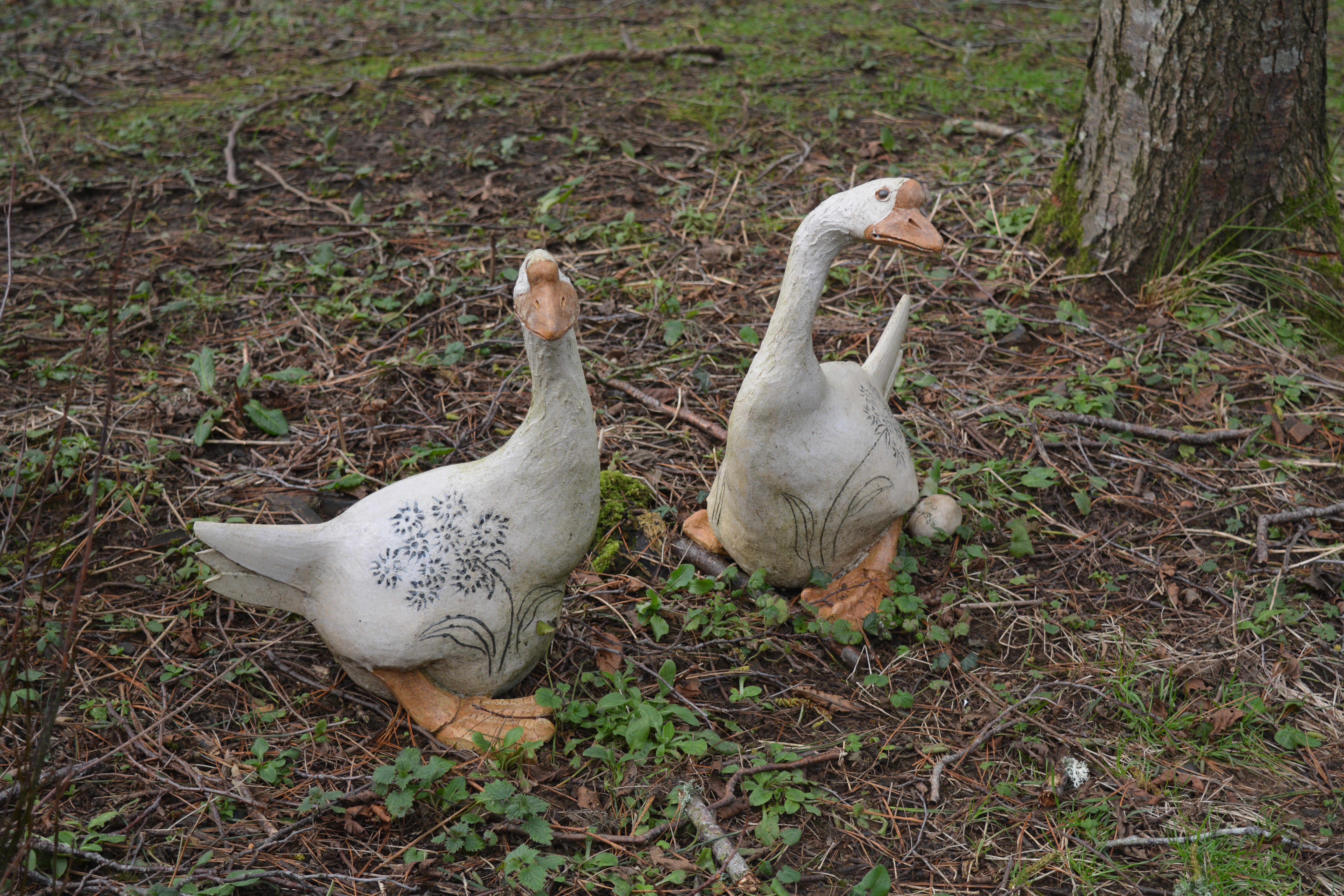
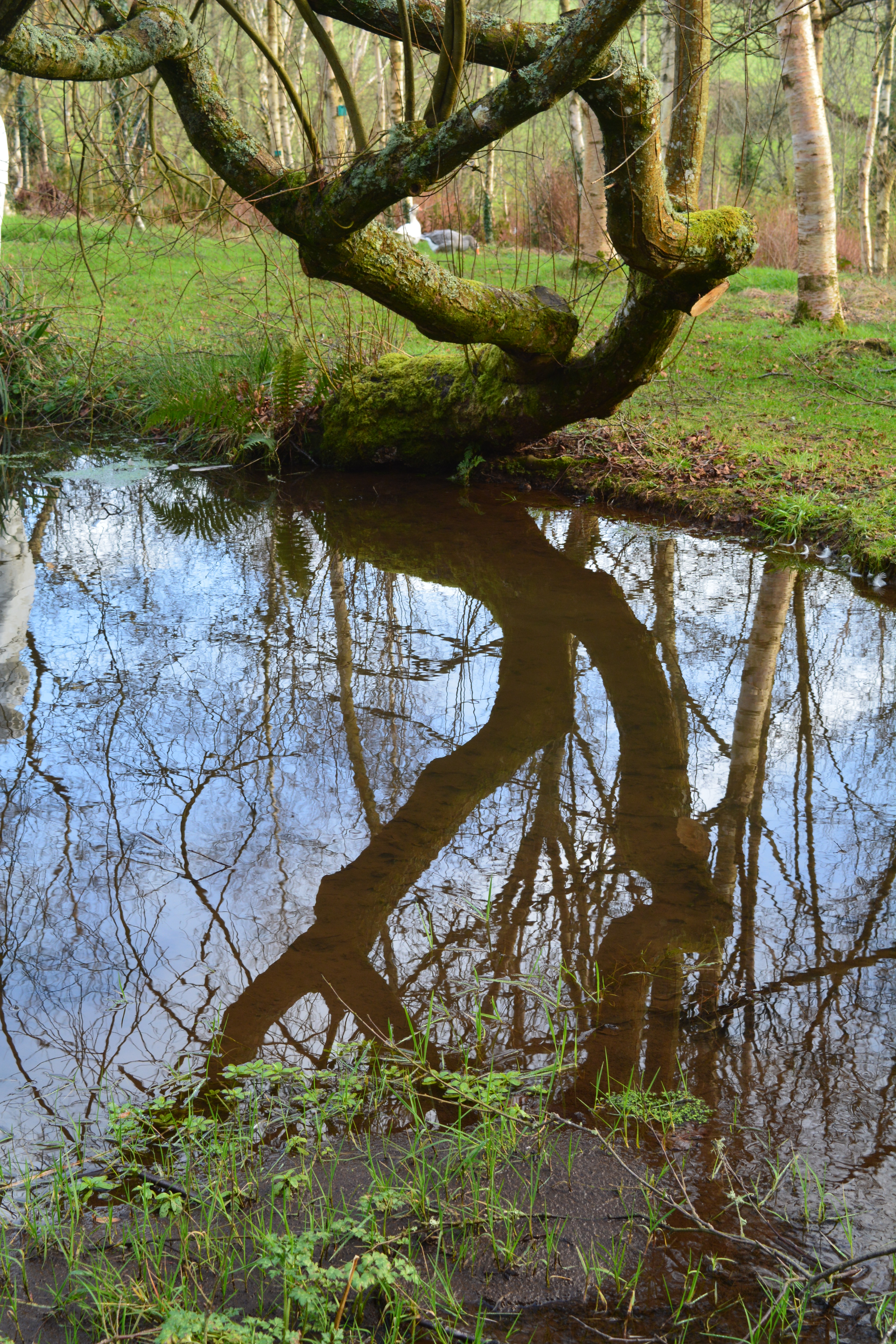
At the furthest end of the woodland garden we found wildlife ponds and two interesting shelters. On the far bank of one of these ponds we spotted two geese and it was only as we approached closely did we realise they were in fact sculptures. Their wings were decorated with simple line drawings of flowers.

2016 02 03_8248-1 2016 02 03_8247-1 2016 02 03_8246 2016 02 03_8251

The second shelter proved to be a total mystery. We couldn’t work out what it had been used for in the past or in present times. It looked as if it had wheels at one time. We thought it may have been a poultry house but today it seemed to be a bird hide.

2016 02 03_8252 2016 02 03_8253-1 2016 02 03_8263

It sat beneath a stand of Alnus glutinosa, which were already showing young catkins bursting from buds.

2016 02 03_8255 2016 02 03_8254

Alnus hirsuta was showing new fresh foliage rather than catkins.

2016 02 03_8261 2016 02 03_8260 2016 02 03_8259 2016 02 03_8257

Back to a Betula – Betula maximowicziana, a real tongue twister of a name, had striated bark in delicate shades of pink and ginger. Fine strips of its bark peeled back in almost vertical lines.

2016 02 03_8266 2016 02 03_8264 2016 02 03_8267

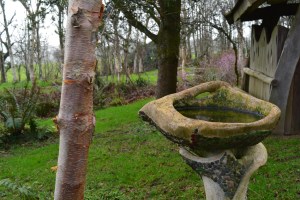
We found a beautiful place for a rest and coffee break, a wooden rustic shelter surrounded by Birches. A stone and mosaic birdbath stood close by and a pink flowered Azalea provided restful colour. Looking straight ahead from where we sipped our coffee we enjoyed a view of more Betulas, of which we cannot get too many.

2016 02 03_8341-1 2016 02 03_8344-12016 02 03_8348 2016 02 03_8310

2016 02 03_8342 2016 02 03_8343 2016 02 03_8346

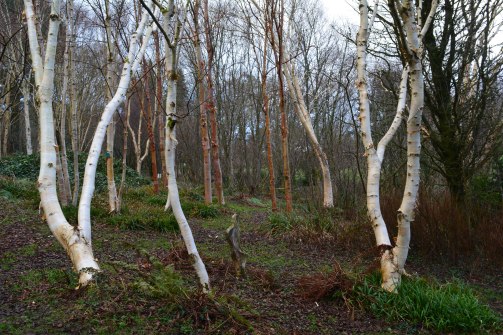
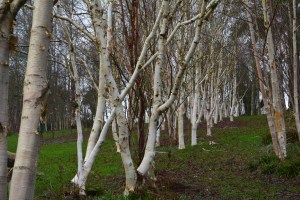
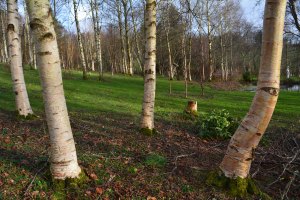
Now just enjoy coming with us as we wander along grass tracks and gravel pathways discovering the huge varieties of Birches in Ken Ashburner’s amazing collection.

2016 02 03_8347 2016 02 03_8311 2016 02 03_83312016 02 03_8338 2016 02 03_8270 2016 02 03_82882016 02 03_8340 2016 02 03_8271 2016 02 03_8280 2016 02 03_8275 2016 02 03_8272 2016 02 03_8276 2016 02 03_8299 2016 02 03_82812016 02 03_8274 2016 02 03_8277 2016 02 03_8282 2016 02 03_82982016 02 03_8320 2016 02 03_8285 2016 02 03_83212016 02 03_8289 2016 02 03_8293 2016 02 03_8292   2016 02 03_8295 2016 02 03_8303 2016 02 03_8301

Naturally there were many other plants of interest as well as the Birches and Alders we came to see.

2016 02 03_8308 2016 02 03_83062016 02 03_8269 2016 02 03_83122016 02 03_8307 2016 02 03_8305

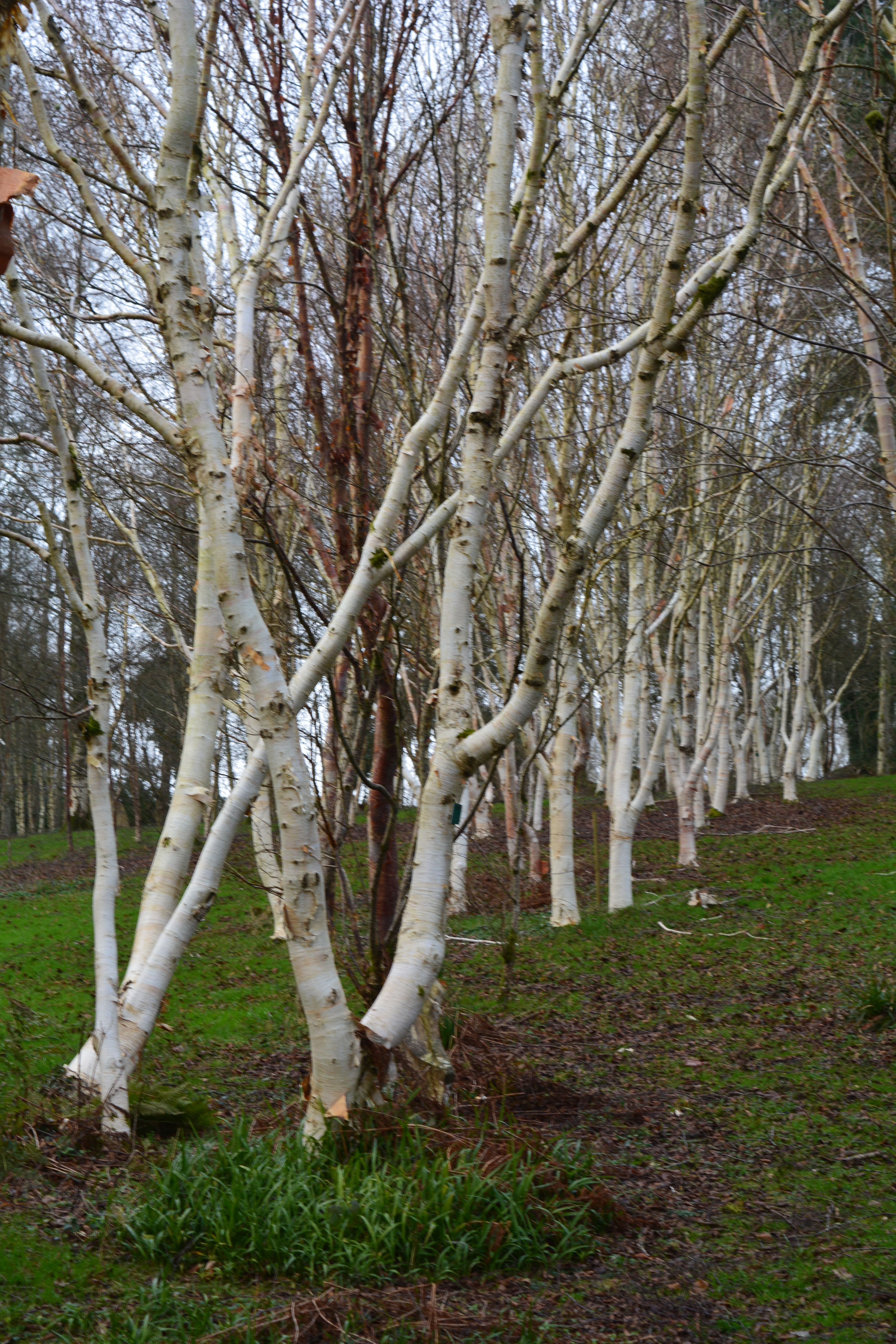
We were delighted to find a stand of Betula utilis ssp. jacquemontii “Snowqueen”, as we have a beautiful trio of these pure silvery-white barked trees. They have an ethereal quality about them. We open our blinds each morning and our silver trio delight us every day whatever the weather and whatever the light is shining on them.

2016 02 03_8315 2016 02 03_8314

2016 02 03_8313 2016 02 03_8327

To finish part two of our posts about Stone Lane please enjoy another set of pics to illustrate the vast variations in our favourite trees, the Betulas.

2016 02 03_8325 2016 02 03_83332016 02 03_8318 2016 02 03_8328 2016 02 03_83532016 02 03_8336 2016 02 03_8335 2016 02 03_8334 2016 02 03_8339 2016 02 03_8349


Categories
autumn autumn colours community gardening garden buildings garden design garden furniture garden photography garden ponds garden pools garden seating gardening gardens gardens open to the public light light quality memorials ornamental trees and shrubs trees

Furzey Gardens – a wonderful gardening community – Part One

Jude, The Undergardener, and I always love visiting community gardens to see what is going on. As we are Chairman and Secretary of a community garden, Bowbrook Allotment Community, we always appreciate everything our fellow community gardeners are achieving.

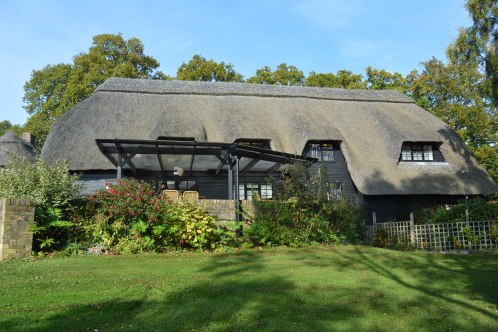
When in Hampshire we discovered that we were close to Furzey Gardens, run as a charitable trust and a very special community garden indeed, described as “A haven of peace and tranquility in the heart of the New Forest.”

We discovered this 10 acre garden created within woodland around a 16th Century forest cottage. It is a partnership between Furzey Gardens and the Minstead Training Trust. To find out more check out their respective websites, http://www.furzey-gardens.org and http://www.minsteadtt.org .

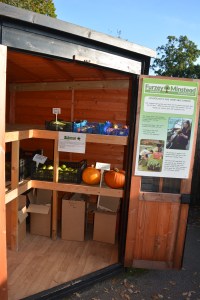
We arrived at their car park where our progress into the car park was hindered by wandering pigs belonging to local commoners taking advantage of their “rights of pannage”. The signage looked promising. We soon came across a photograph of some of the garden’s volunteers and a shed where produce was sold.

2015 10 20_6311 2015 10 20_63132015 10 20_6318 2015 10 20_6317

And once inside we discovered a lovely cafe and gallery run by some of the trust’s volunteers. This was to set the scene for the whole visit.

2015 10 20_6326

The views from the table at which we enjoyed our coffee and cakes were certainly very encouraging. We set off with high expectations!

2015 10 20_6314 2015 10 20_6315 2015 10 20_6316 2015 10 20_6319

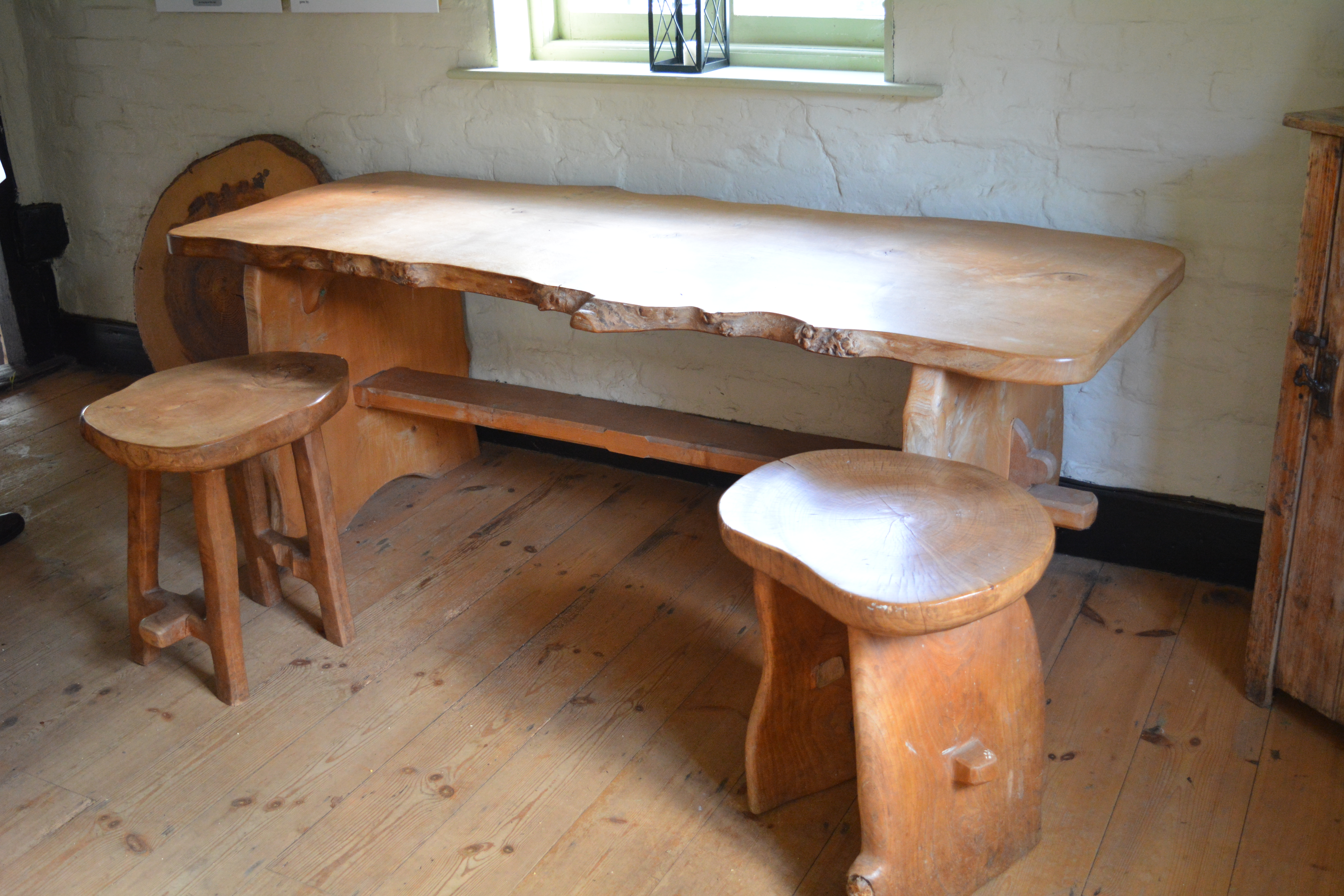
We noticed within the outside seating area this huge table carved by a local wood sculptor from the trunk of a tree. It was hard to see how this was possible. But possible it was! In the picnic area we found another!

2015 10 20_6320 2015 10 20_6430

We found more beautiful hand made furniture throughout the gardens.

2015 10 20_6438 2015 10 20_6353

We soon discovered that this was a garden sporting some beautiful specimen trees and shrubs which in early autumn were performing a colourful show. The volunteers maintained the gardens and individual specimens to a very high standard. Above all a sense of peace pervaded every space and the volunteers we saw working looked full of contentment and displayed a great pride in their work.

2015 10 20_6323 2015 10 20_6324 2015 10 20_63302015 10 20_6325   2015 10 20_6328  2015 10 20_6331 2015 10 20_6332

2015 10 20_6333 2015 10 20_6334 2015 10 20_6335 2015 10 20_6336 2015 10 20_6337 2015 10 20_6340 2015 10 20_6339 2015 10 20_6341 2015 10 20_6342

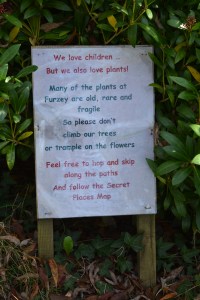
We loved this sign which faced us as we followed our pathway through the garden.

We love children but we also love plants!

Many of the plants at Furzey are old, rare and fragile.

So please don’t climb our trees or trample on the flowers.

Feel free to hop and skip along the paths

And follow the secret places map.”

2015 10 20_6327

We moved on and the low autumn sunshine lit up the foliage all around like a massive stained glass window.

2015 10 20_6344 2015 10 20_6345 2015 10 20_63462015 10 20_6367 2015 10 20_6343

We enjoyed having so much choice when it came to sitting resting and taking in the beauty of Furzey. Many benches were memorials of volunteers, clients and visitors who simply enjoyed the special nature of this place.


2015 10 20_6348 2015 10 20_6363 2015 10 20_6349 2015 10 20_6350

After a break for tea and yet more cake we set off through the shrubs and trees to find the lake, a lake whose surface was cluttered with water lily leaves and its moist margins decorated by big-leaved plants and umbel seed heads.

2015 10 20_6351 2015 10 20_63522015 10 20_6354 2015 10 20_6355 2015 10 20_6356 2015 10 20_6357 2015 10 20_6358 2015 10 20_6359

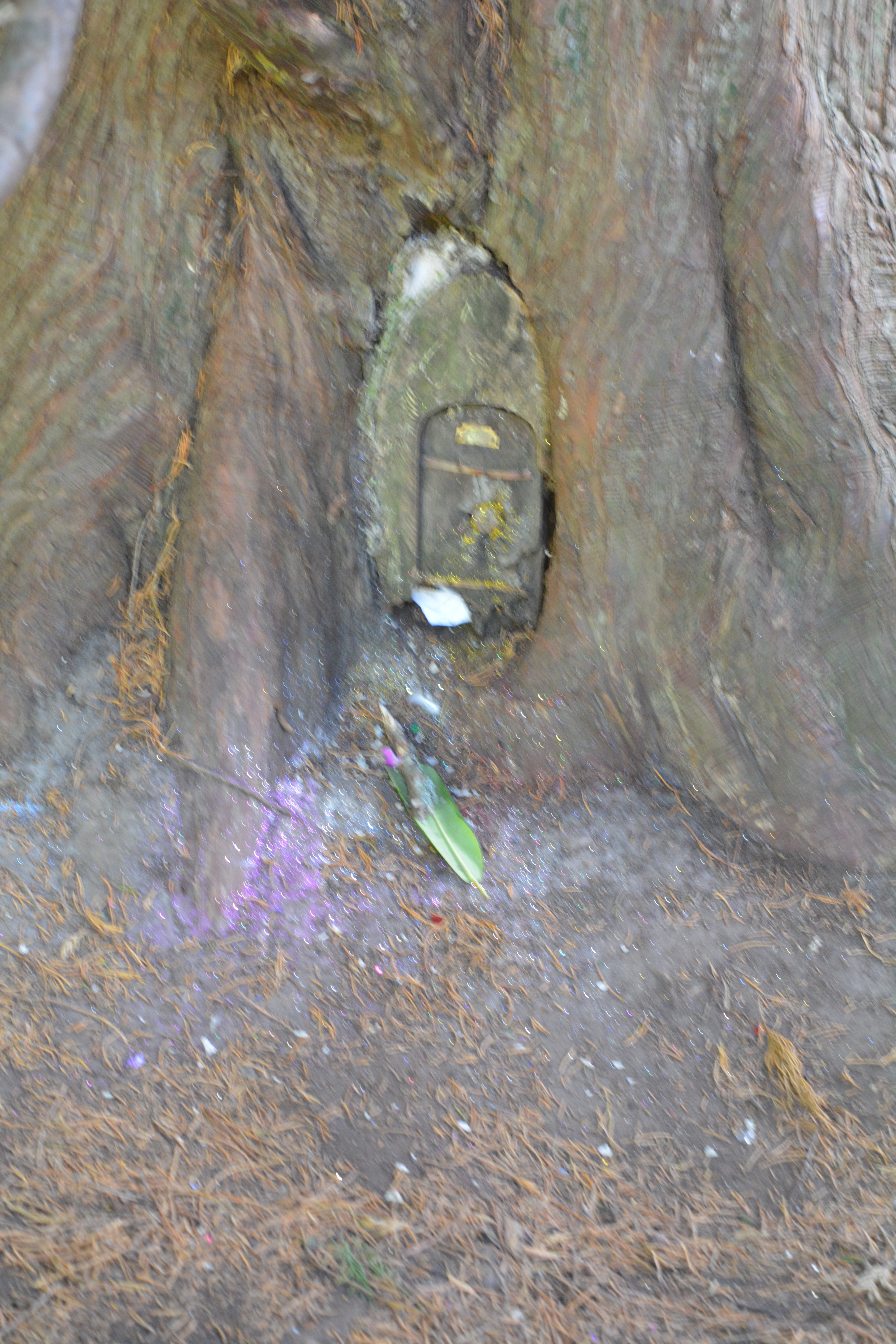
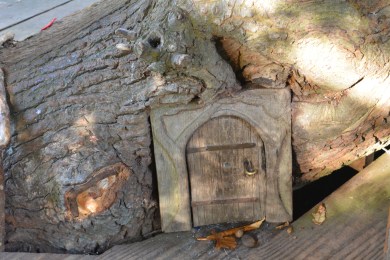
Throughout the walkways there were secret places for children to discover, “Fairy Houses” hidden low down and camouflaged.

2015 10 20_6361 2015 10 20_6362 2015 10 20_6369

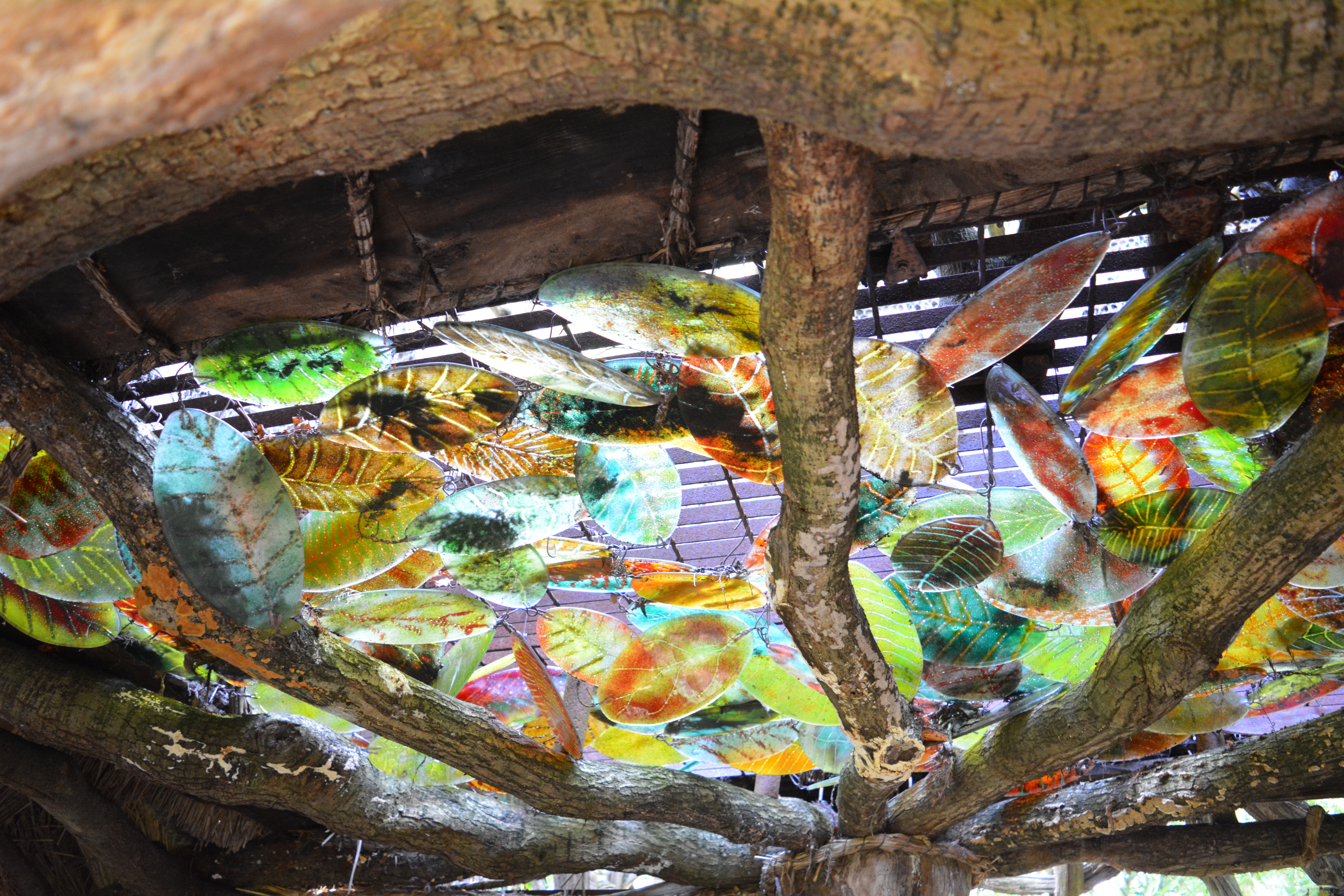
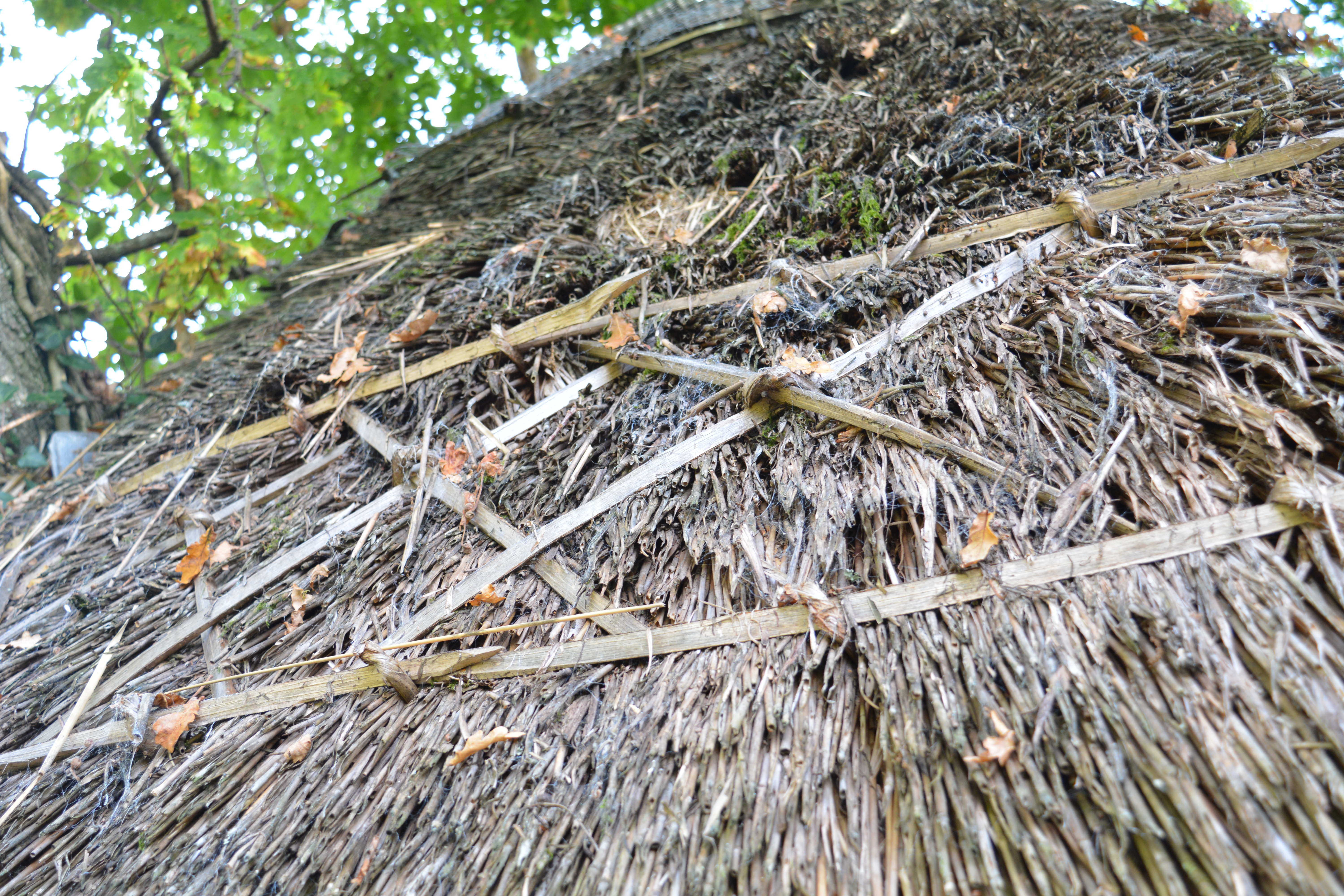
We shall find more of these little magic places in part two of our visit to Furzey, but I shall finish this first part by sharing with you one of the many thatched rustic garden buildings scattered throughout the gardens. The use of coloured glass leaves added magical light effects.

2015 10 20_6364 2015 10 20_6365   2015 10 20_6368  2015 10 20_6370 2015 10 20_6366

Categories
birds climbing plants flowering bulbs garden photography garden ponds garden pools garden wildlife gardening hardy perennials ornamental trees and shrubs trees water in the garden wildlife

My Garden Journal – August

Here we are with part 8 of my monthly series looking at what I have put into my garden journal. August has been a disappointing month weatherwise, with winds, rain and dull skies, and the plants have responded with short flowering periods and even our roses have failed to repeat flower.

I began my August entries, “The month of school holidays when families make their way to the seaside, is not a holiday in the garden. We have to keep dead-heading and tidying to make sure it looks its best.” and continued with my monthly quote from Jenny Joseph“August is a time of vegetables and smells of leaves and roots as we clear: dusty, musty smell of old growth. What flowers we have in August depends on how diligent you’ve been at dead-heading earlier.”

I continued, “We dead-head our Roses most days in an attempt to keep them in bloom, and cut back dying perennials to encourage both fresh blooms and fresh growth from below.” 

2015 09 03_5007_edited-1

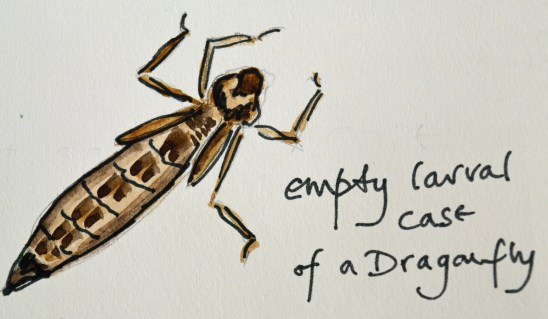
I next referred to our fun activity which takes us back to our childhoods, pond dipping, “An early dip in the pond with our net revealed that young Newts are still very much in evidence. We discovered the shell of a Dragonfly larva and a strangely bodied surface dwelling insect, its shape like an elongated diamond.” I wonder what a pond dipping session will reveal in September as autumn will then be creeping in.

2015 09 03_5014_edited-1 2015 09 03_5015_edited-1

Our Cercis siliquastrum tree featured again as we turn the page of my journal just as it has done in my May entries.

2015 09 03_5008_edited-1

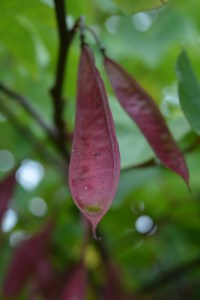
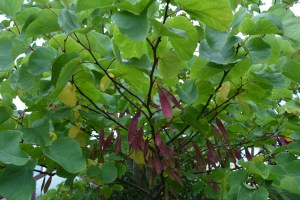
“Discovering new points of interest in the garden is always refreshing. We have always loved our Cercis siliquastrum for its mass of pink flowers in May, but this year we have rows of seed pods hanging from branches like celebratory bunting or prayer flags from Tibet.”

2015 08 10_4637 2015 08 10_4636 2015 08 10_4639 2015 08 10_4638

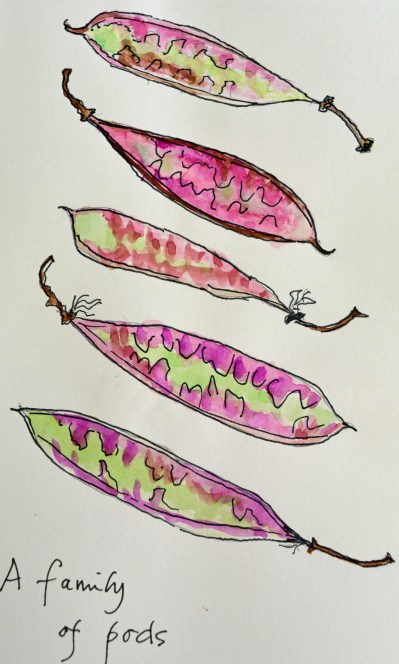
I attempted to paint a watercolour of a selection of pods and this proved to be a real challenge with the subtle variations of green and pink from pod to pod.

2015 09 03_5016_edited-1

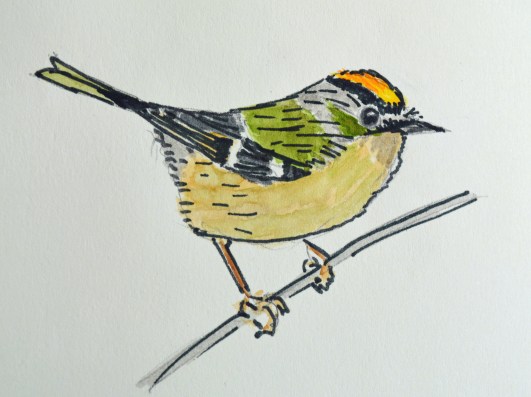
Further notes about the wildlife in our August garden followed on at the turn of the next page, where I noted, “Gardening in August is done with the sounds of Swallows and House Martins wheeling over our heads. Two very contrasting wildlife sounds add to the soundtrack, the deepest croaking grunt of our Toads and the highest pitched song of all our garden birds, the diminutive Goldcrest.” In my painting I tried to capture the character of the Goldcrest, cheerful, jittery and sparkling with life.

2015 09 03_5009_edited-12015 09 03_5018_edited-1

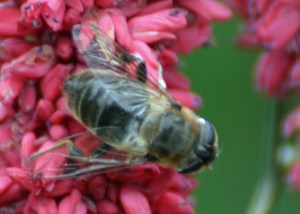
More sounds featured on the facing page, “Gentle, almost inaudible sounds emit from every border, the sounds of Hoverflies. Gentle humming from above flowers, rapid beats make wings almost invisible, the Hoverfly moves in sudden sharp changes of direction. They can be wasp-like, bee-like or fly-like, masters of mimicry and disguise”. I love taking photos of the wildlife that shares our garden and insects and have hundreds in my Photoshop storage space. I have found a few featuring a few of the many different species of Hoverfly to share with you.

2015 08 27_4717-1 2015 08 27_4718_edited-1-12015 08 27_4719_edited-1-1 2015 08 27_4720_edited-1-12015 08 27_4714_edited-1-1

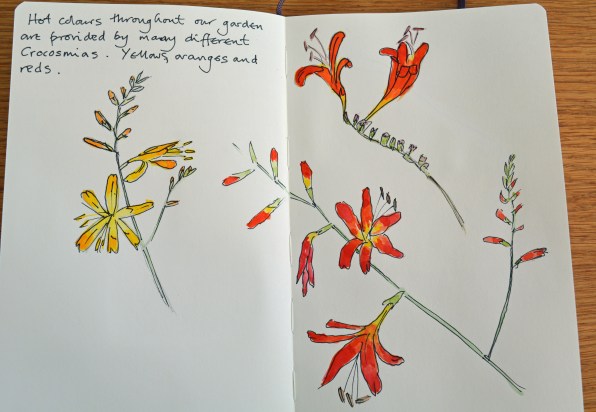
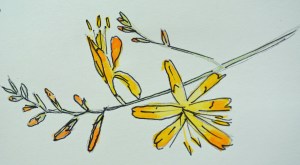
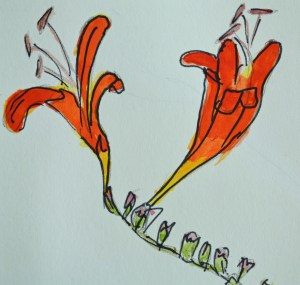
It is one of my favourite families of plants that I featured on the next double page spread, the Crocosmias. “Hot colours throughout our garden are provided by many different Crocosmias. Yellows, Oranges and Reds.” I enjoyed the challenge of creating watercolour paintings of three of our cultivars.

2015 09 03_5019_edited-12015 09 03_5020_edited-1 2015 09 03_5021_edited-1

From one bulbous rooted plant to another, from Crocosmias to Agapanthus. “Remember those Aganpanthus buds of July? Well, just look at them now!”

2015 09 03_5011_edited-1

I hope you enjoy this little gallery of photos of our Agapanthus. Just click on the first photo and use the arrows to move on through.

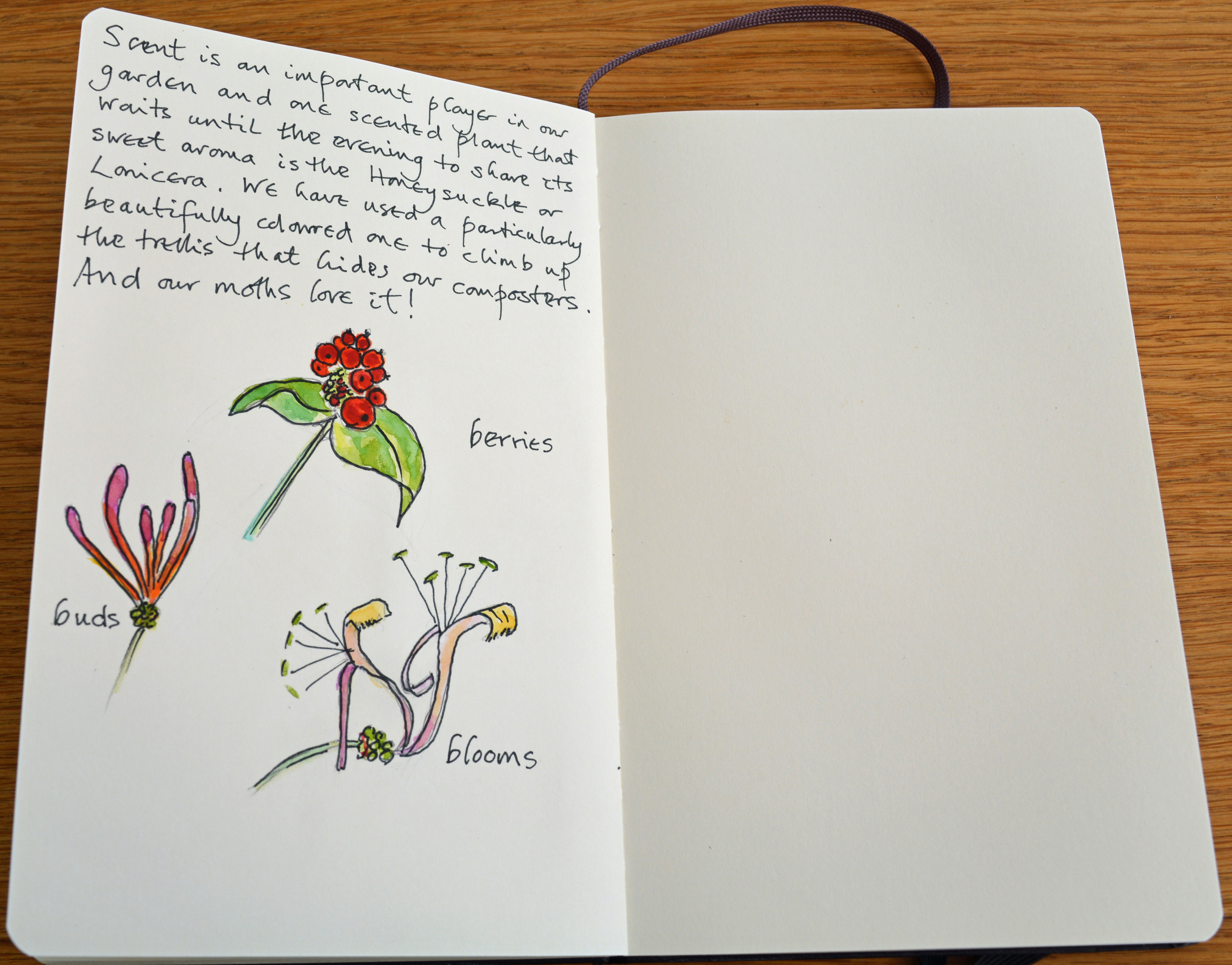
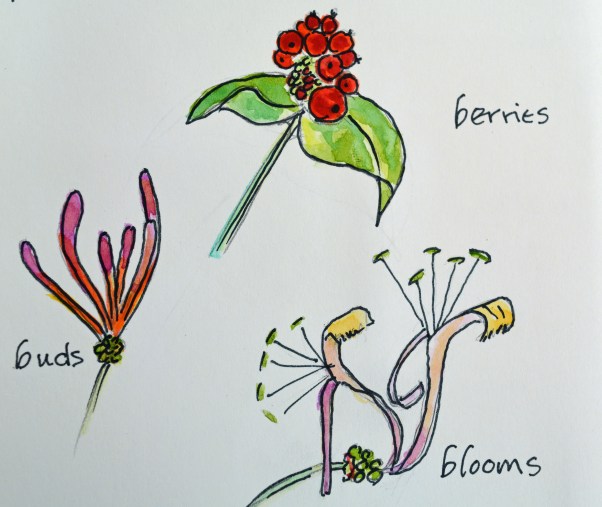
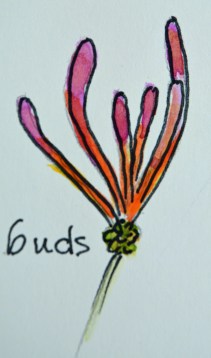
My final page for August featured another garden favourite, this time a climber, the Honeysuckle. I wrote “Scent is an important player in our garden and one scented plant that waits until the evening to share its sweet aromas is the Honeysuckle or Lonicera. We have used a particularly beautifully coloured one to climb up the trellis that hides our composters. And our moths love it!” I turned once again to my beautiful wooden box of watercolour paints to create a little series of pictures of the buds, blooms and berries of the Honeysuckle.
2015 09 03_5012_edited-1   2015 09 03_5025_edited-12015 09 03_5024_edited-1 2015 09 03_5022_edited-1 2015 09 03_5023_edited-1

The next look at my garden journal will be in September when we may be seeing the early signs of Autumn.

Categories
bird watching birds garden photography garden ponds garden pools garden wildlife gardening gardens hardy perennials meadows poppies

My Garden Journal – July

I can’t believe we are in the second half of the year but as this is the post about my garden journal in July then we most certainly are!

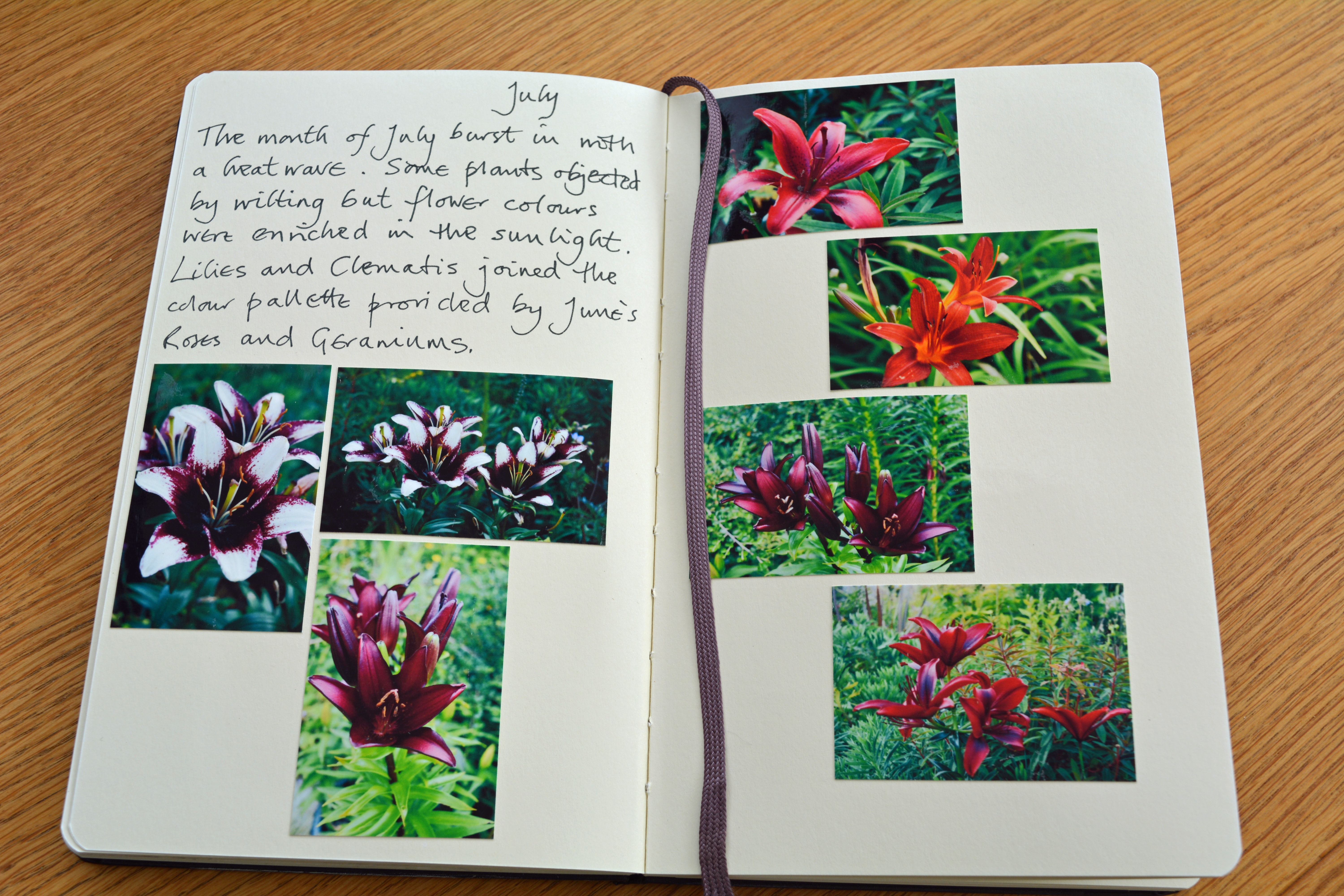
I began my July journal entry with a reference to the weather, the obsession of the British especially gardeners. “The month of July burst in with a heatwave. Some plants objected by wilting but flower colours were enriched in the sunlight. Lilies and Clematis joined the colour pallette provided by June’s Roses and Geraniums.”

2015 08 04_4461_edited-1

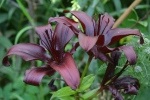
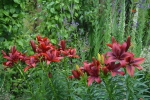
Our Oriental Lilies were the best we have ever had this July and we have been growing them for many years. We grow them in big pots so that we can simply drop them in where and when they are needed to add splashes of dramatic colour. Enjoy my little gallery of Lily photos. Just click on the first photo and then use the arrows.
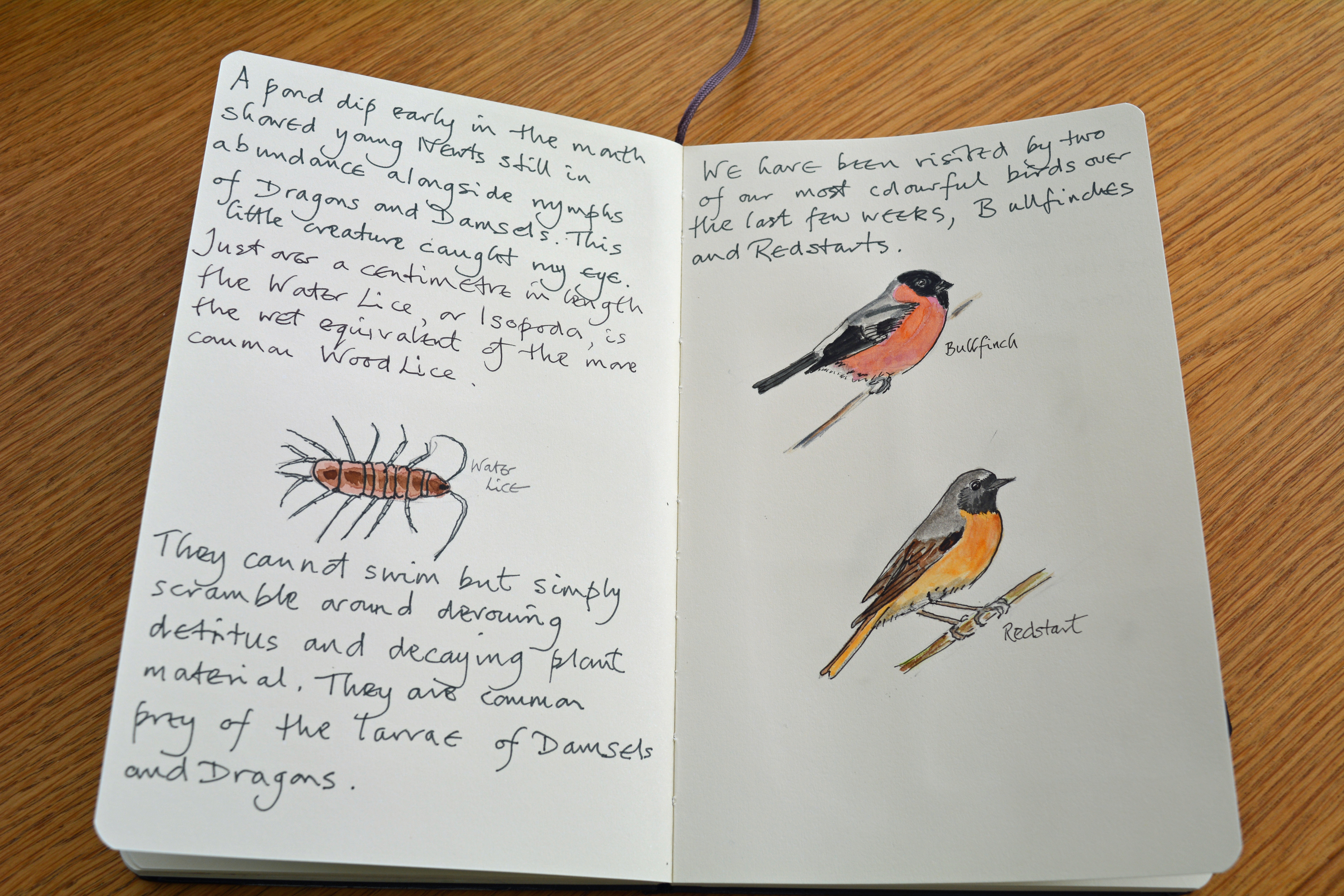
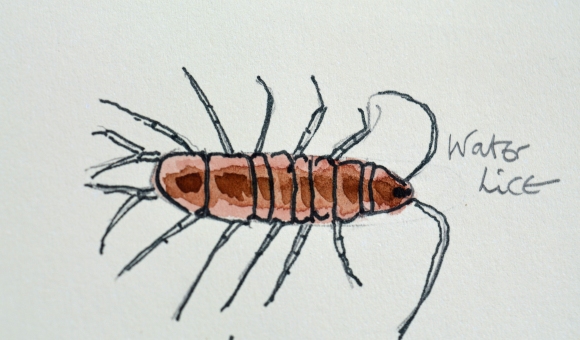
I then wrote about our July pond dipping adventure, “A pond dip early in the month showed young newts still present in abundance alongside nymphs of Dragons and Damsels. This little creature (painting below) caught my eye. At just over a centimetre in length the Water Lice, or Isopoda, is the wet equivalent of the more common Wood Lice. They cannot swim but simply scramble around devouring detritus and decaying plant material. They are common prey of the larvae of Damsels and Dragons.”

2015 08 04_4462_edited-12015 08 04_4466_edited-1

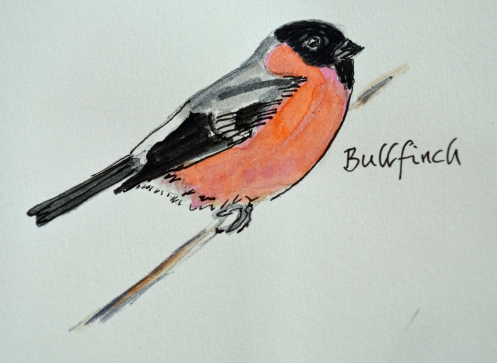
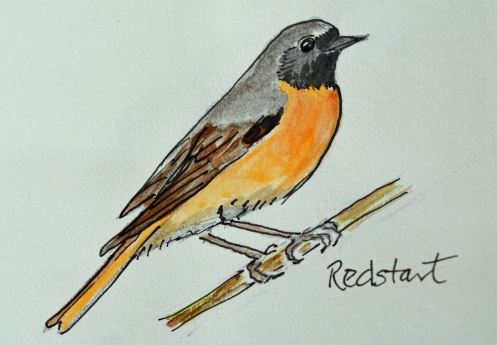
I moved on then from pondlife to birdlife and looked at two of the most beautiful birds that visit our garden. “We have been visited by two of our most colourful birds over the last few weeks, Bullfinches and Redstarts.” The Redstart made a fleeting visit on our last open day at our garden when it was full of visitors, which seemed a bit brazen for a normally shy woodland bird.


2015 08 04_4468_edited-12015 08 04_4469_edited-1

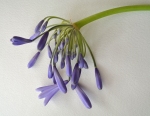
Agapanthus featured next in my July garden journal as our collection in our Beth Chatto garden were budding up nicely promising a beautiful display before too long. We have been building up our collection of favourite Agapanthus for a few years now and it is now coming along well. “Our collection of Agapanthus in our Beth Chatto Garden is slowly getting more colourful as flower buds burst. Surely these are the slowest of buds to become flowers!”

2015 08 04_4463_edited-1


To see some of our Agapanthus up close, some still in tight buds some opening up, please enjoy the little Agapanthus gallery below. As usual click on the first picture and use the arrows to move through. Next month promises to be a month of Agapanthus flowers rather then buds. Can’t wait!

My next double page is about the weather and our min-meadows.

2015 08 04_4464_edited-1

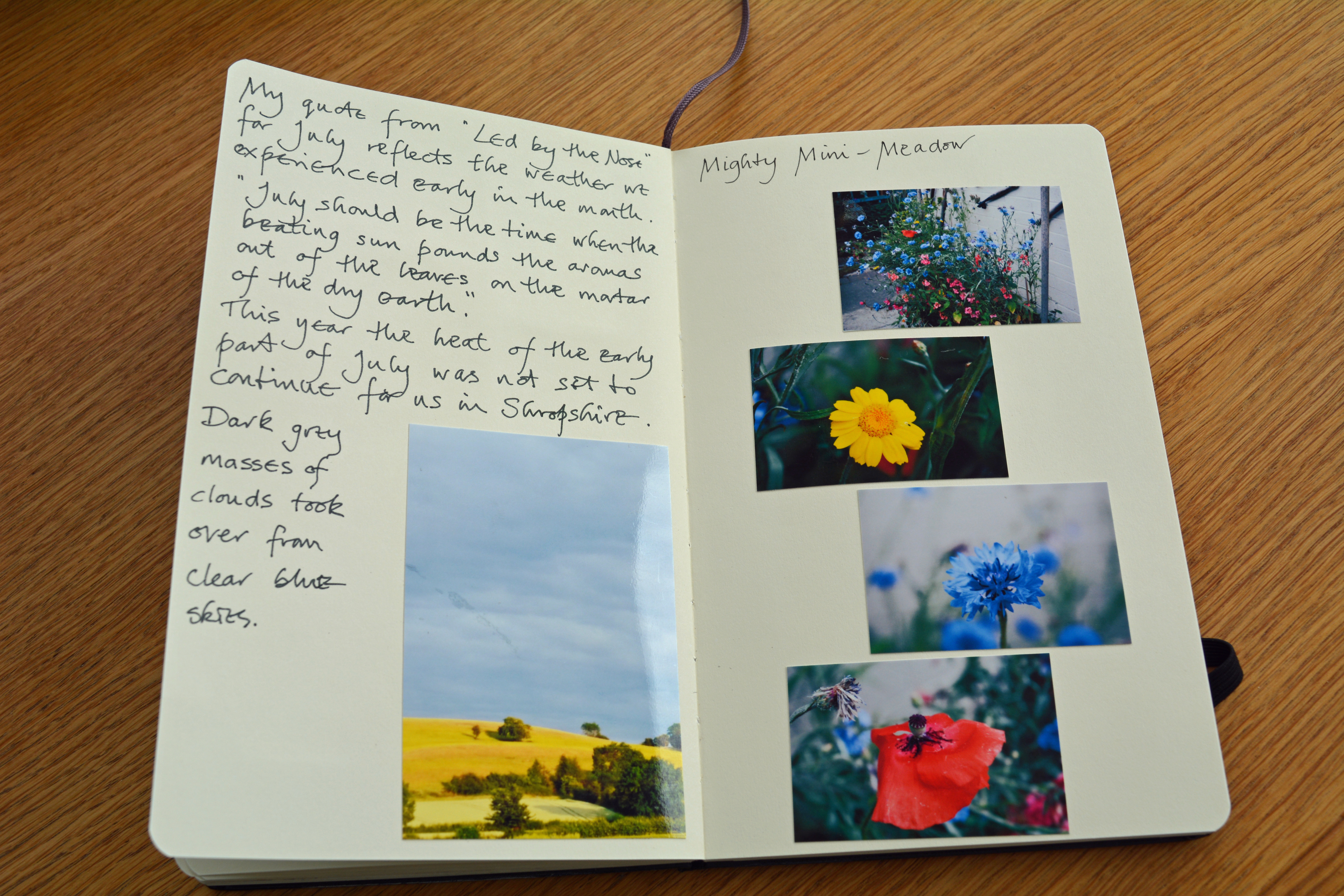
My journal continues, “This year the heat of the early part of July was not set to continue for us in Shropshire. Dark grey masses of clouds took over from clear blue skies.”

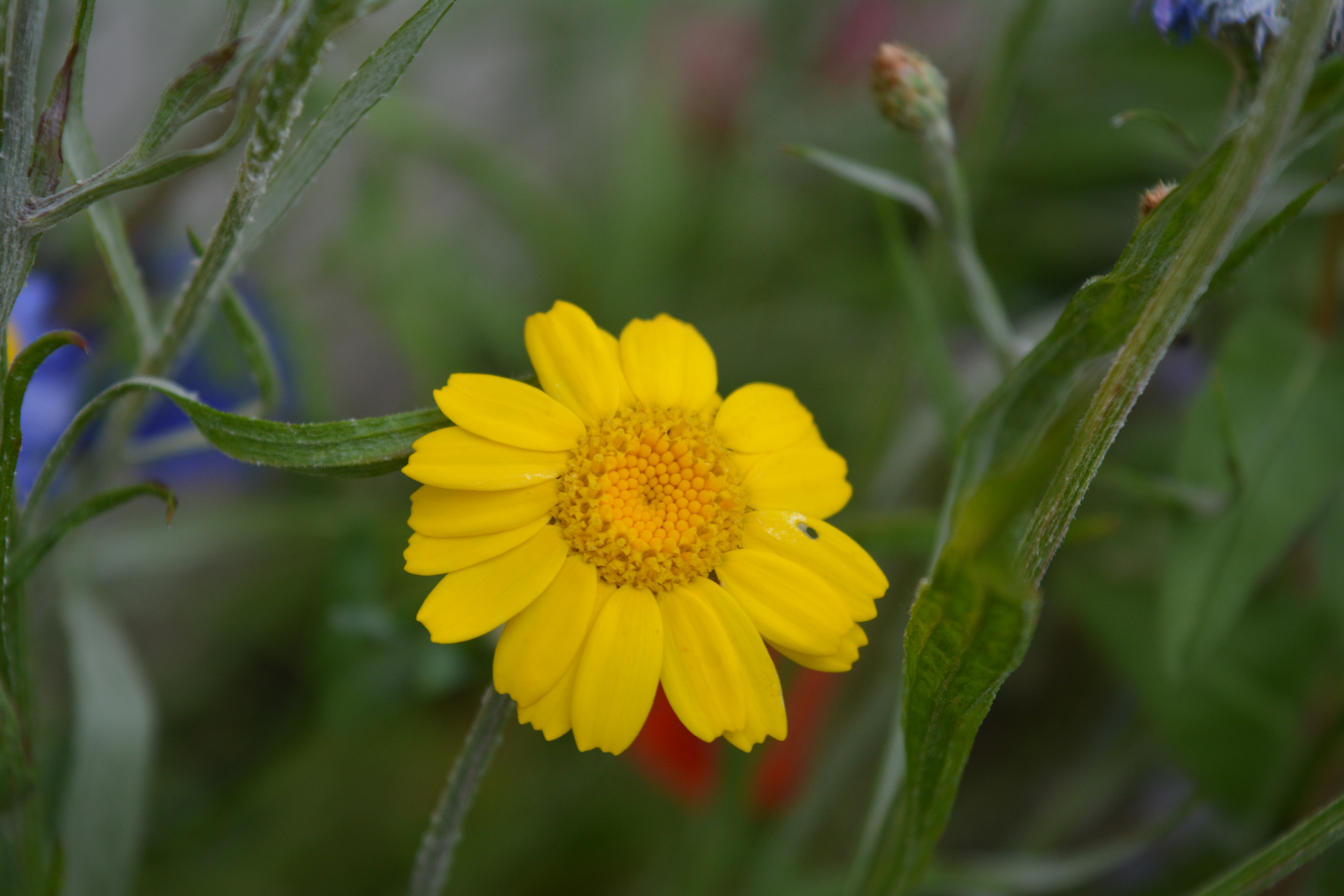
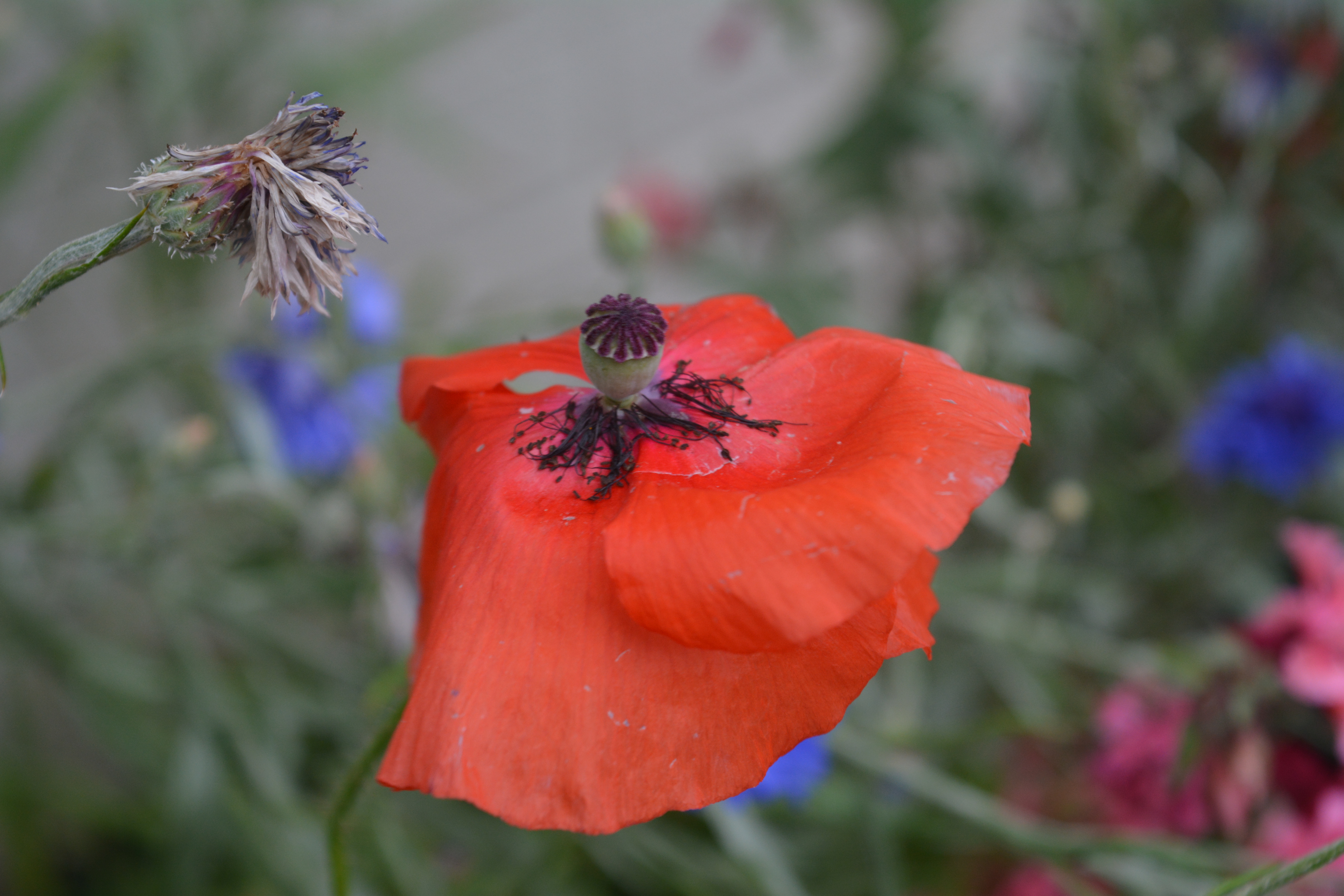
Mighty Mini-Meadow is the title of the next page of my journal which features photos of the little but very floriferous meadow we sowed in early May in vegetable bags. The seeds germinated so well that we have been treated to a mass of blooms reminiscent of a summer meadow from the days before intensive agriculture changed our countryside into huge barren fields of monoculture. It sits beneath my collection of antique garden tools. These native wildlflowers attract insects as if drawn in by distant memories, bees, hoverflies and butterflies.

2015 07 20_3783 2015 07 20_3788 2015 07 20_3784  2015 07 20_3786 2015 07 20_3785

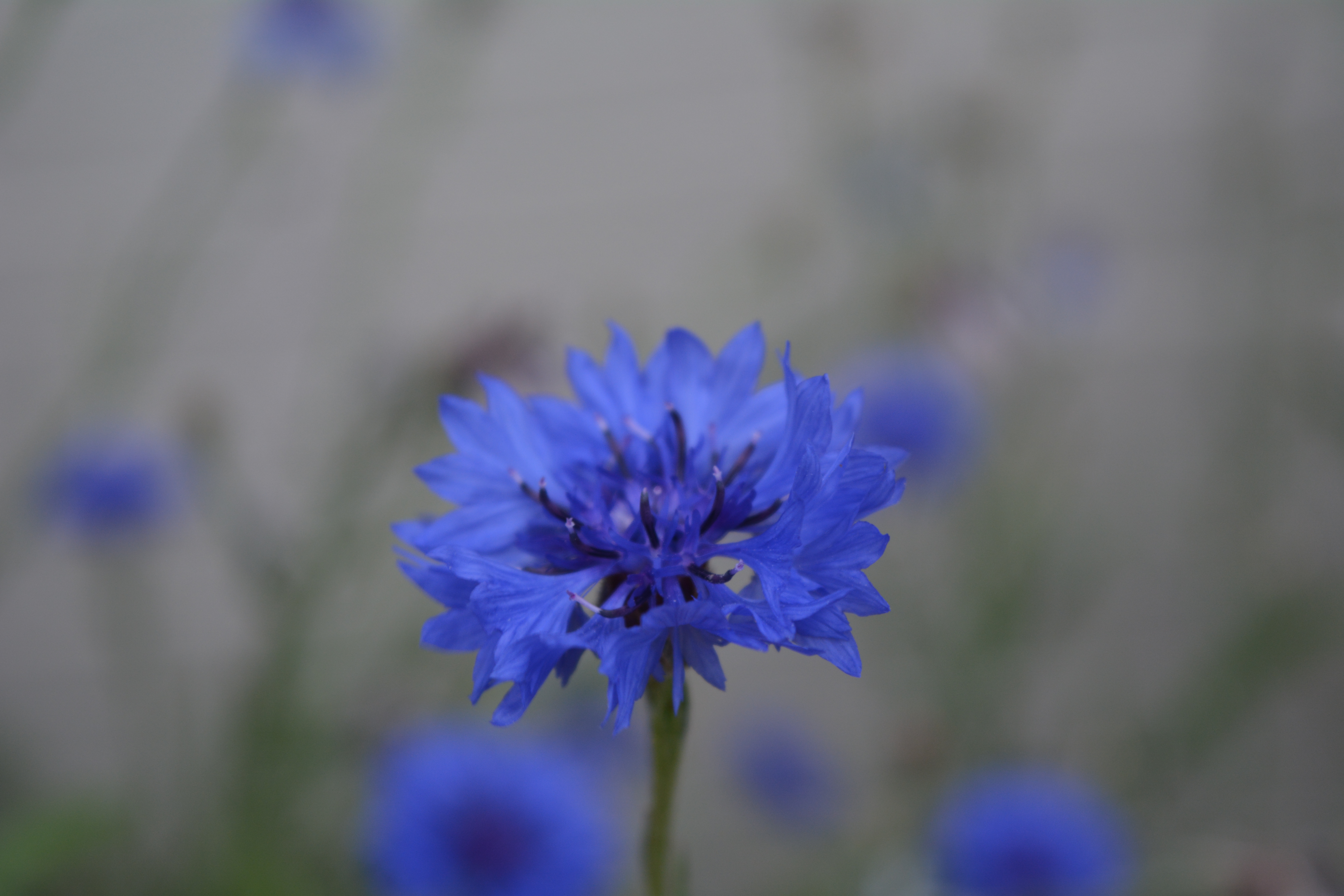
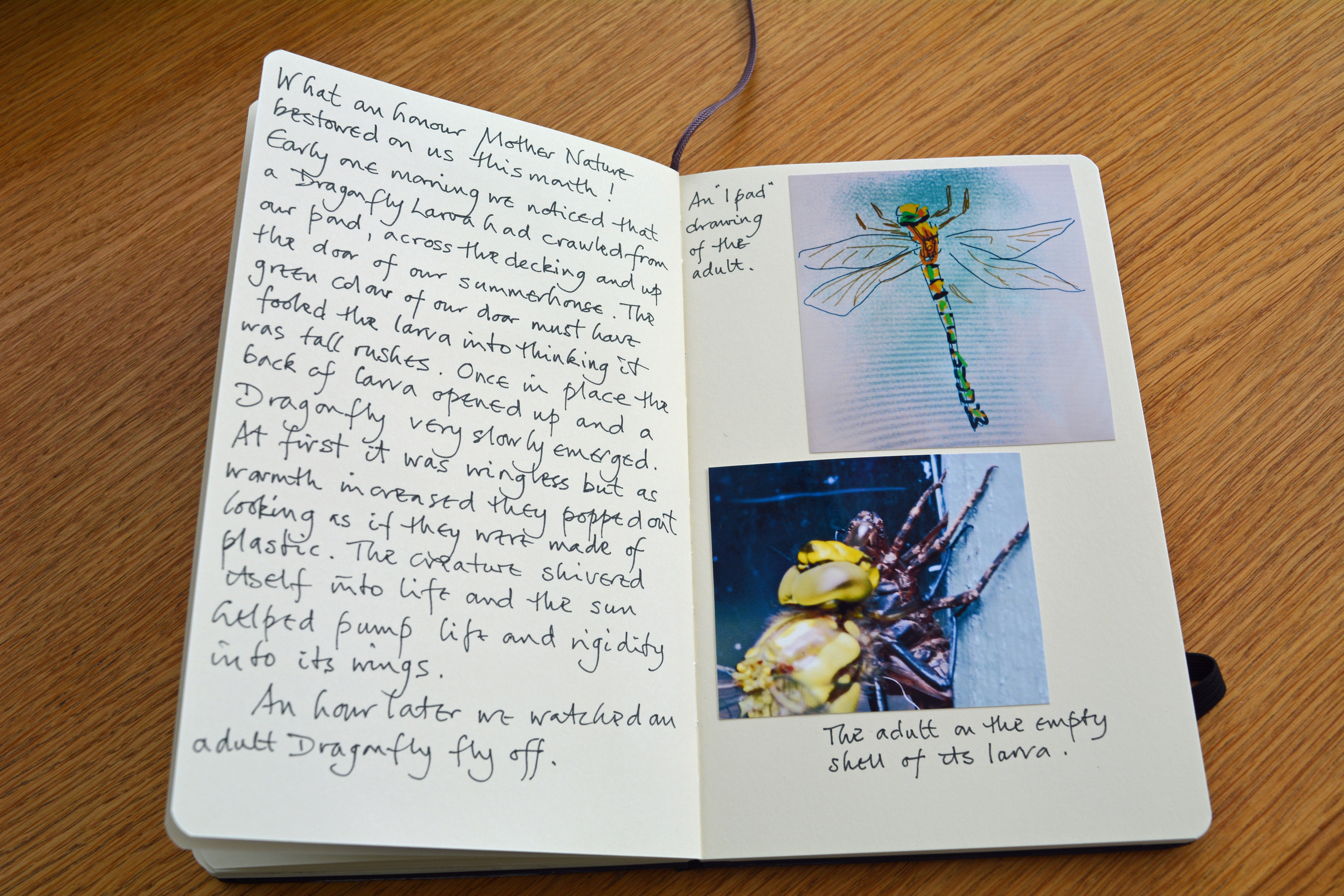
What an honour Mother Nature bestowed on us this month! This is how the next page of my journal begins. It is all about a special time in our garden, a moment we will never forget.

2015 08 04_4465_edited-1


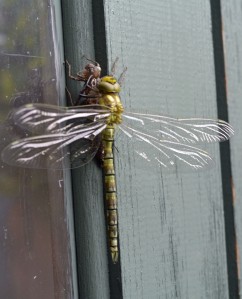
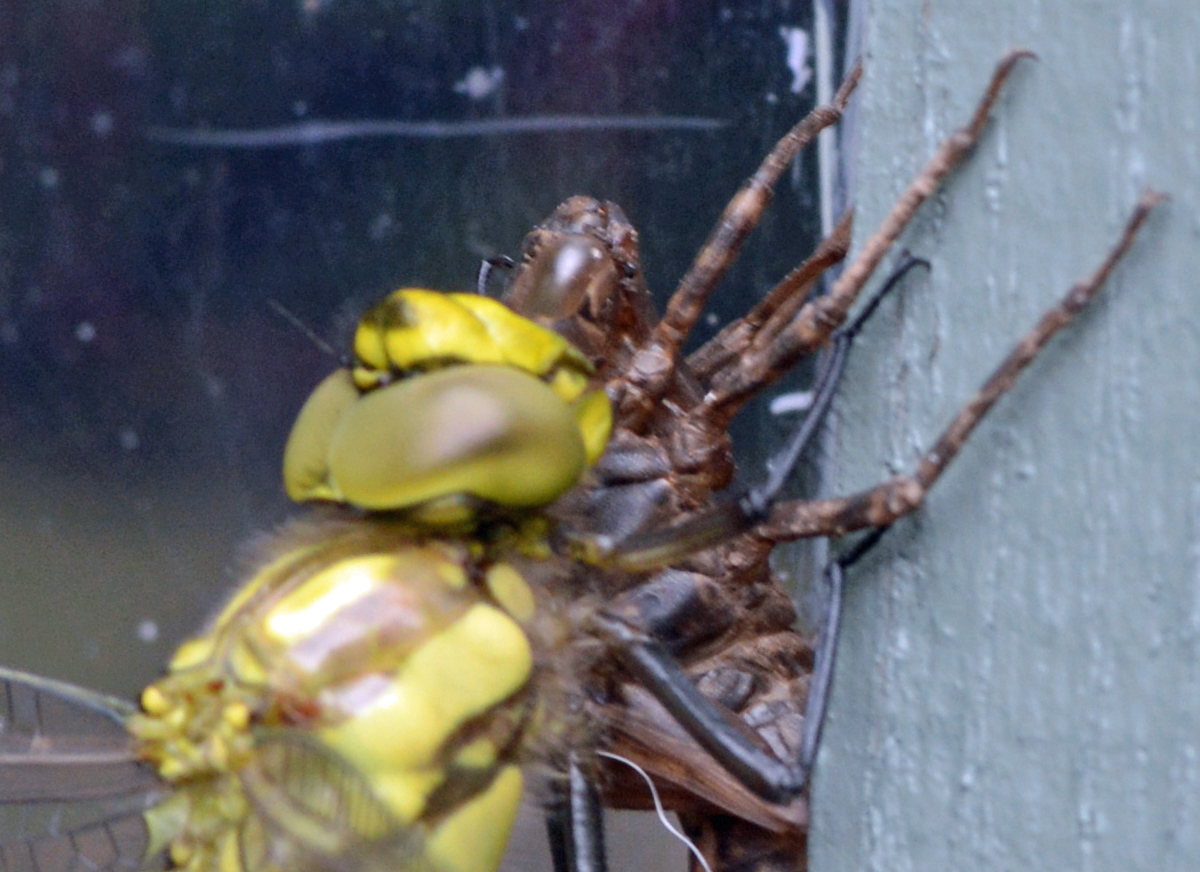
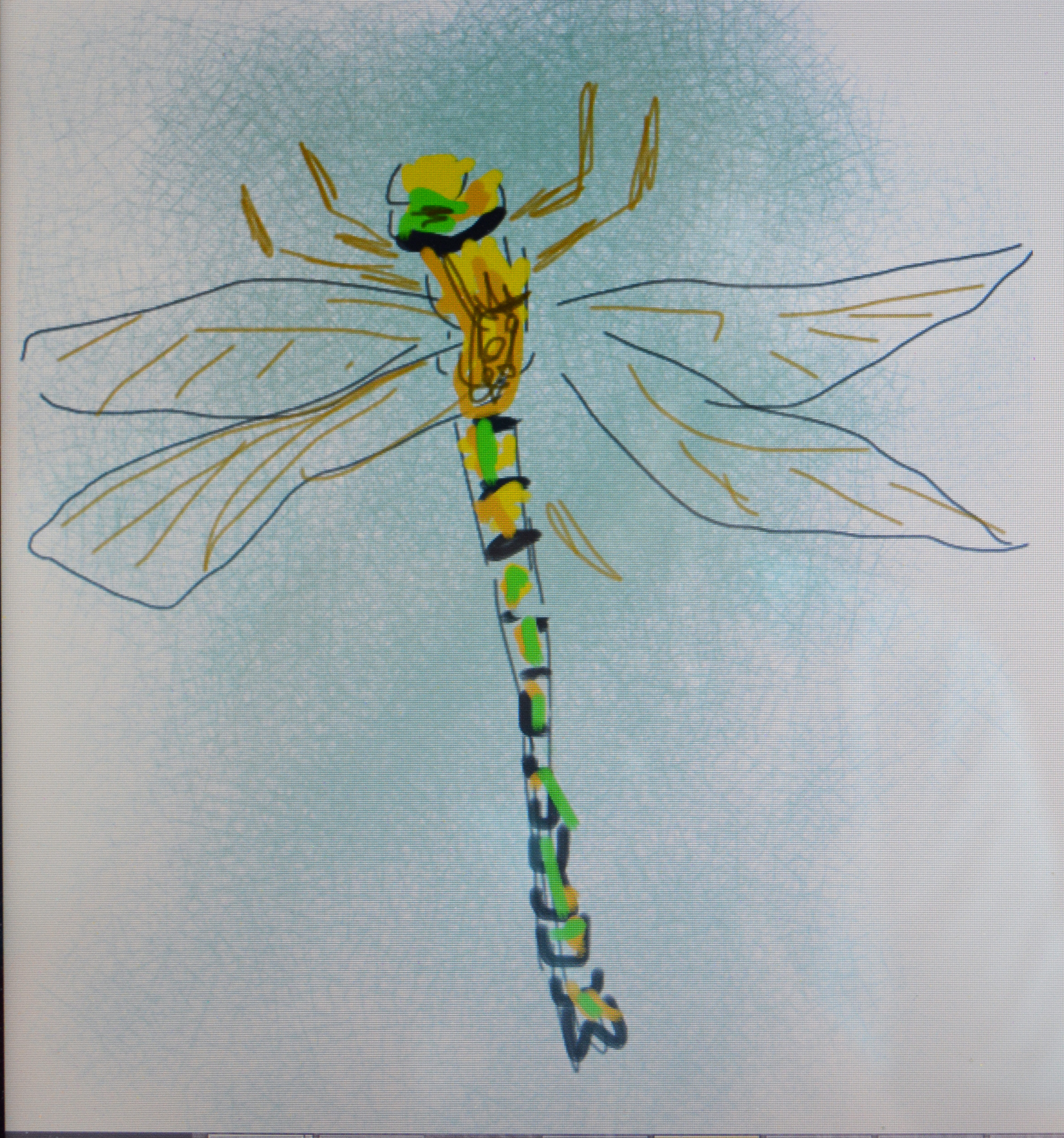
“Early one morning we noticed that a Dragon Fly larva had crawled from our pond, across the decking and up the door of our summerhouse. The green colour of the door must have fooled it into thinking it was tall rushes. Once in place the back of the larva opened up and a Dragonfly very slowly emerged. At first it was wingless but as warmth increased they popped out looking as if they were made of plastic. The creature shivered itself into life and the sun helped pump life and rigidity into its wings. An hour later we watched an adult Dragonfly off.”

2015 07 18_3717_edited-1

I illustrated this amazing spectacle with a simple i-pad drawing and a photo of the head of the Dragonfly gripping the empty shell of its former self.


2015 07 18_3719_edited-12015 08 03_4460_edited-1-1


So with this amazing experience my journal closed up for July and will soon re-open for August.


Categories
arboreta garden design garden photography garden ponds garden pools gardens gardens open to the public Italian style gardens meadows ornamental trees and shrubs shrubs trees water garden water in the garden

A Week in the Lake District – Part 7 – Holker Hall

I had recently read a book on the original creation and the more recent re-design of the gardens at Holker Hall so I was really looking forward to visiting it to see it for real. The book made mention of many rare and interesting trees being planted which made me extra keen to visit.

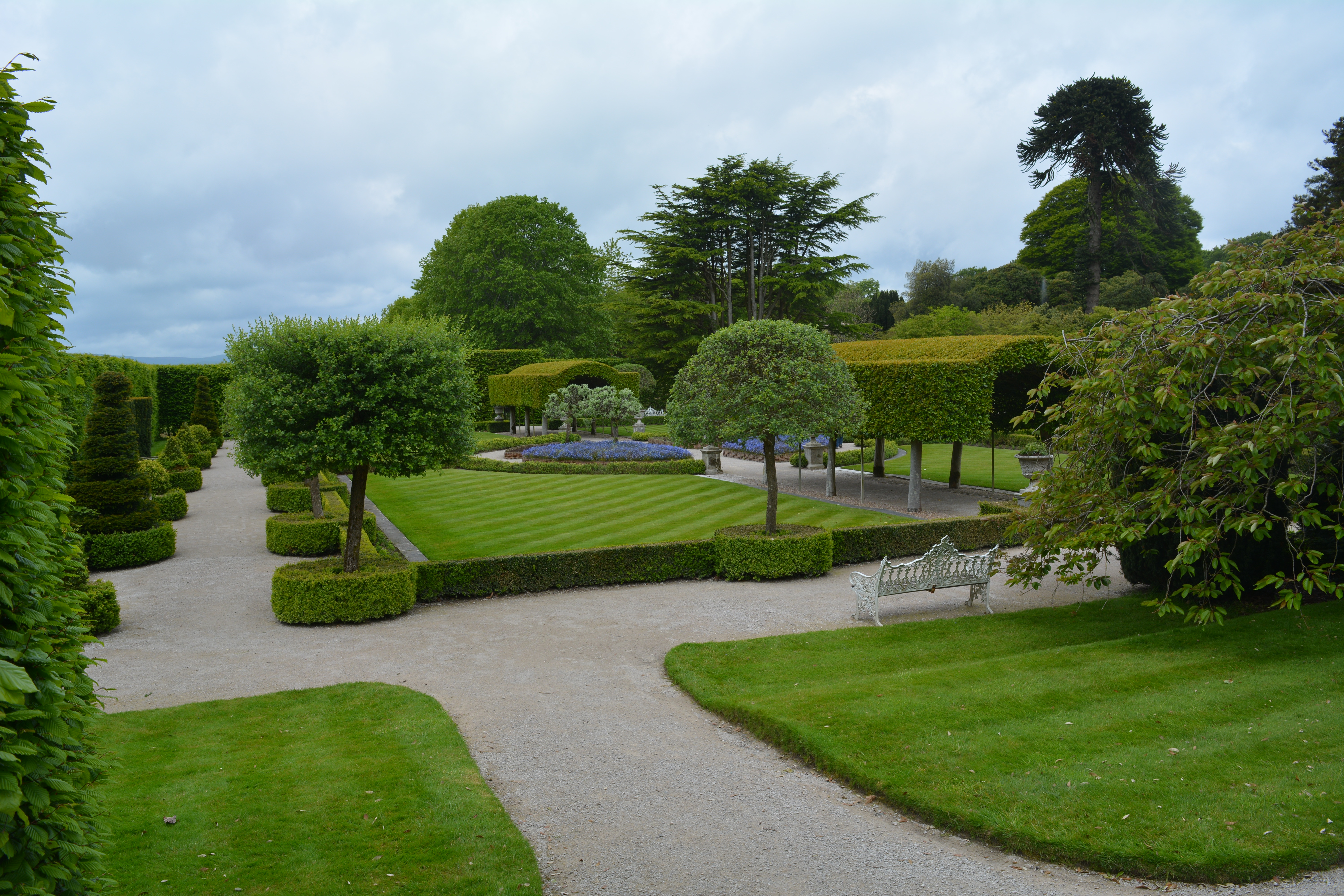
We hoped it would reach our expectations as it was the last day of our week in the Lake District. We looked forward to a gentle stroll around a peaceful, atmospheric garden. We were not disappointed in any way! Holker’s gardens were full of variety and surprises, with a careful balance of the formal and informal.

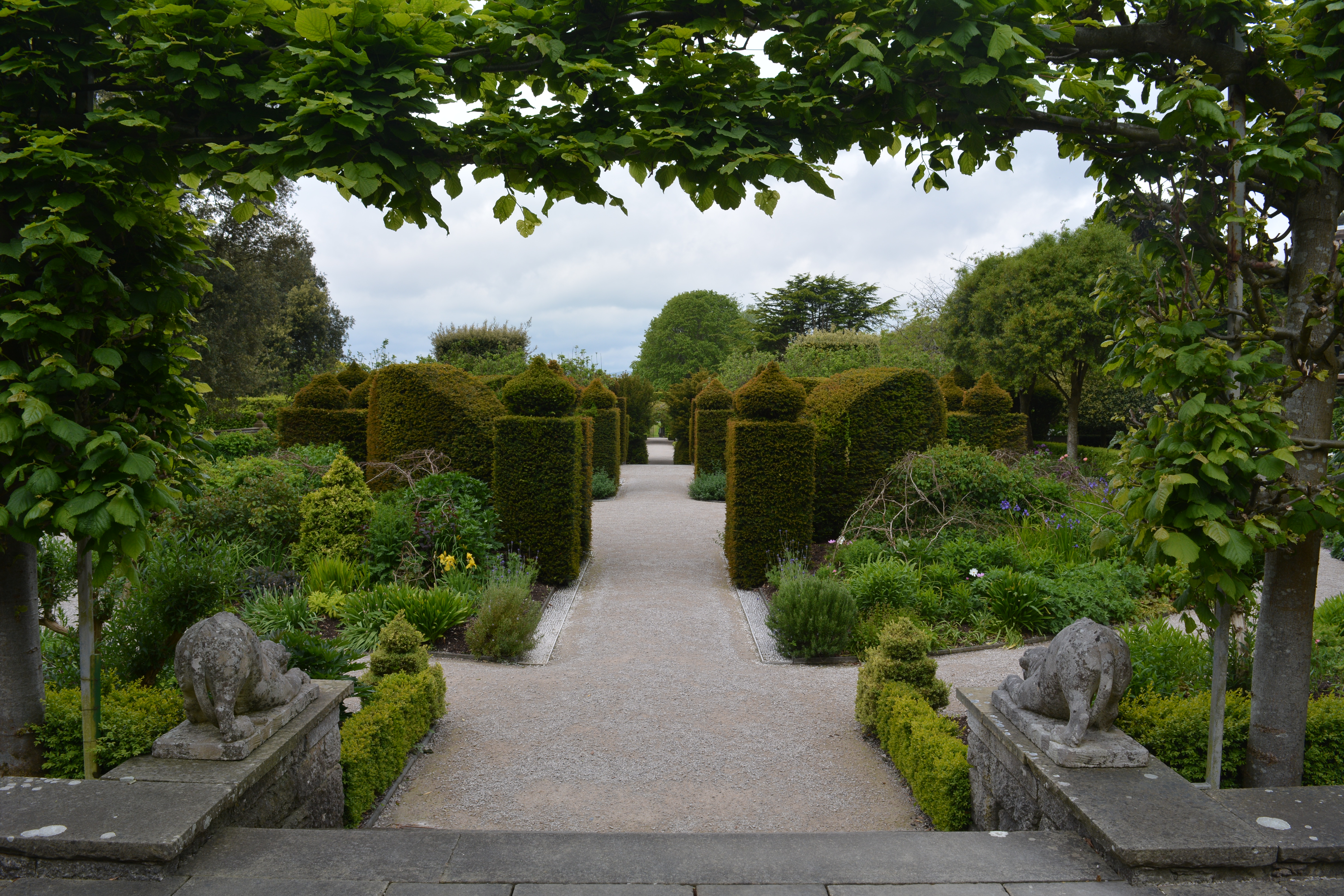
As we entered the garden we were presented with this vista, a vista full of promises to come.

2015 06 05_2629

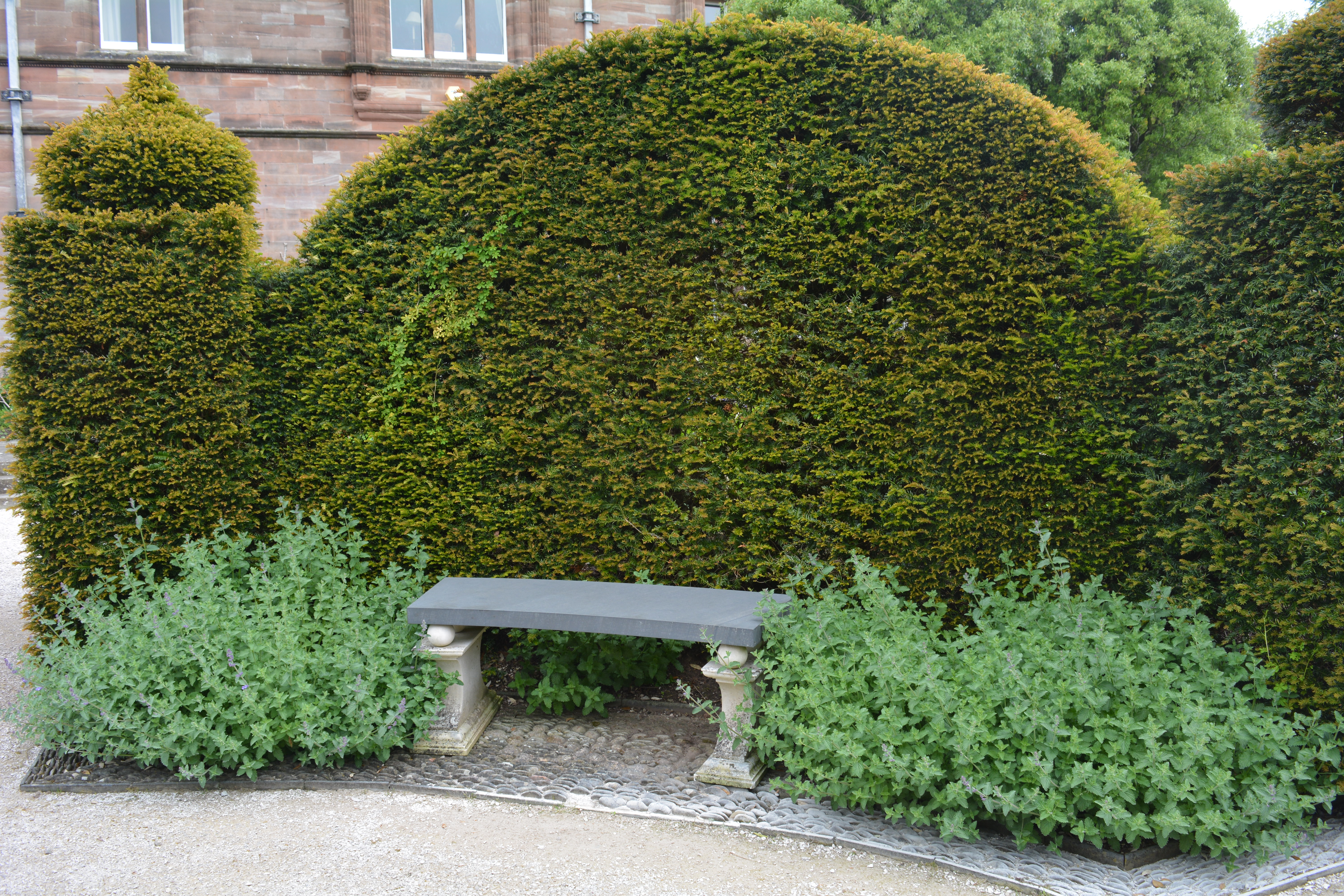
Taking each pathway off from the central path we discovered beautiful examples of formality, neatly cut grass, hedges carefully clipped and seats neatly tucked into niches.

2015 06 05_2632 2015 06 05_2633  2015 06 05_2635 2015 06 05_2636 2015 06 05_2637 2015 06 05_26382015 06 05_2669 2015 06 05_2670

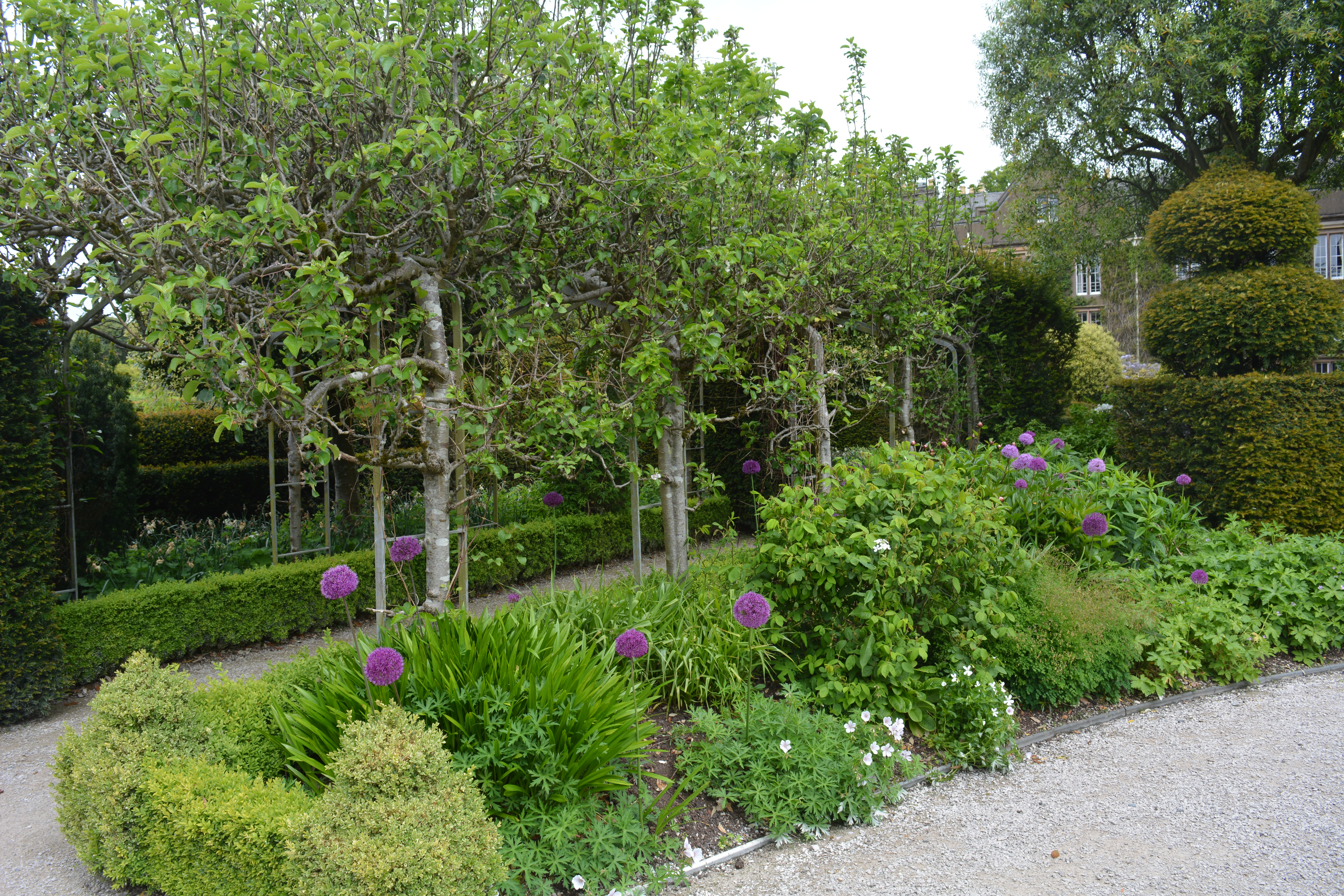
But formality cannot work without carefully chosen and well-grown plants.

2015 06 05_2631 2015 06 05_2634

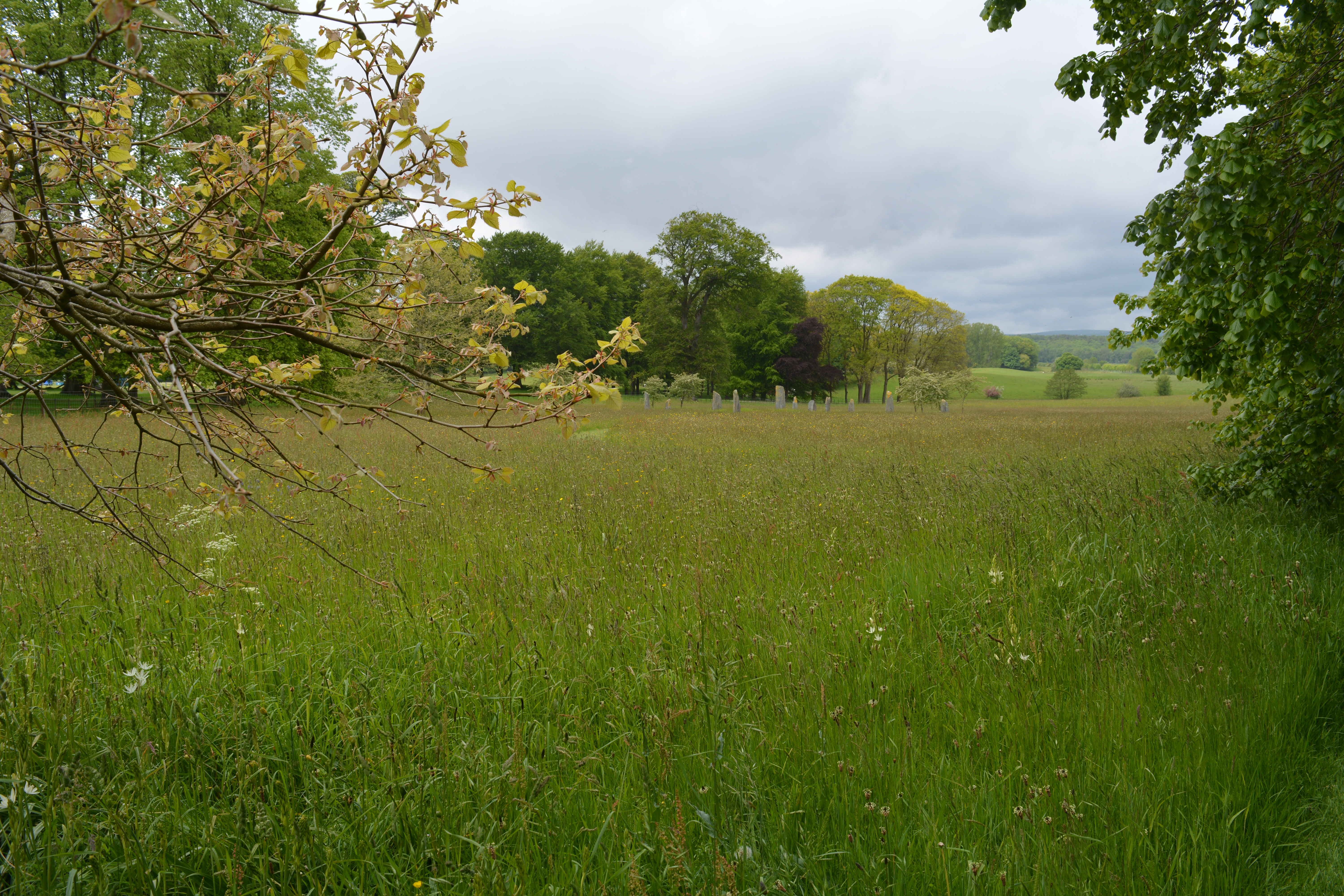
As we moved away from the formality of the first section of the garden we found gentle meadows which presented a complete contrast.

2015 06 05_2639 2015 06 05_26452015 06 05_2649

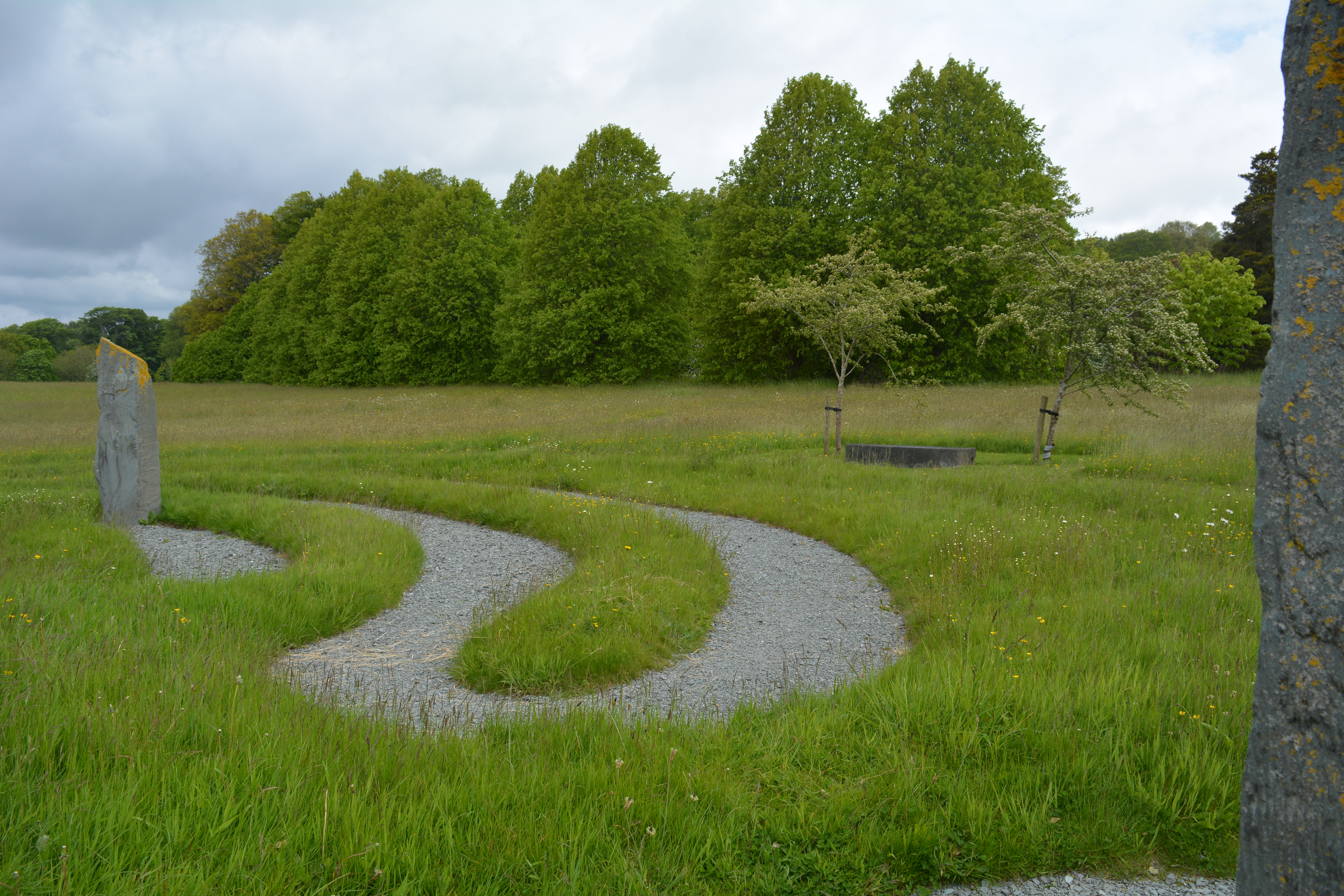
The meadows contained surprises, a stone circle, a maze, seats of single blocks of slate and the most beautiful sundial.


2015 06 05_2642 2015 06 05_2643 2015 06 05_2644 2015 06 05_2646 2015 06 05_2647 2015 06 05_2648

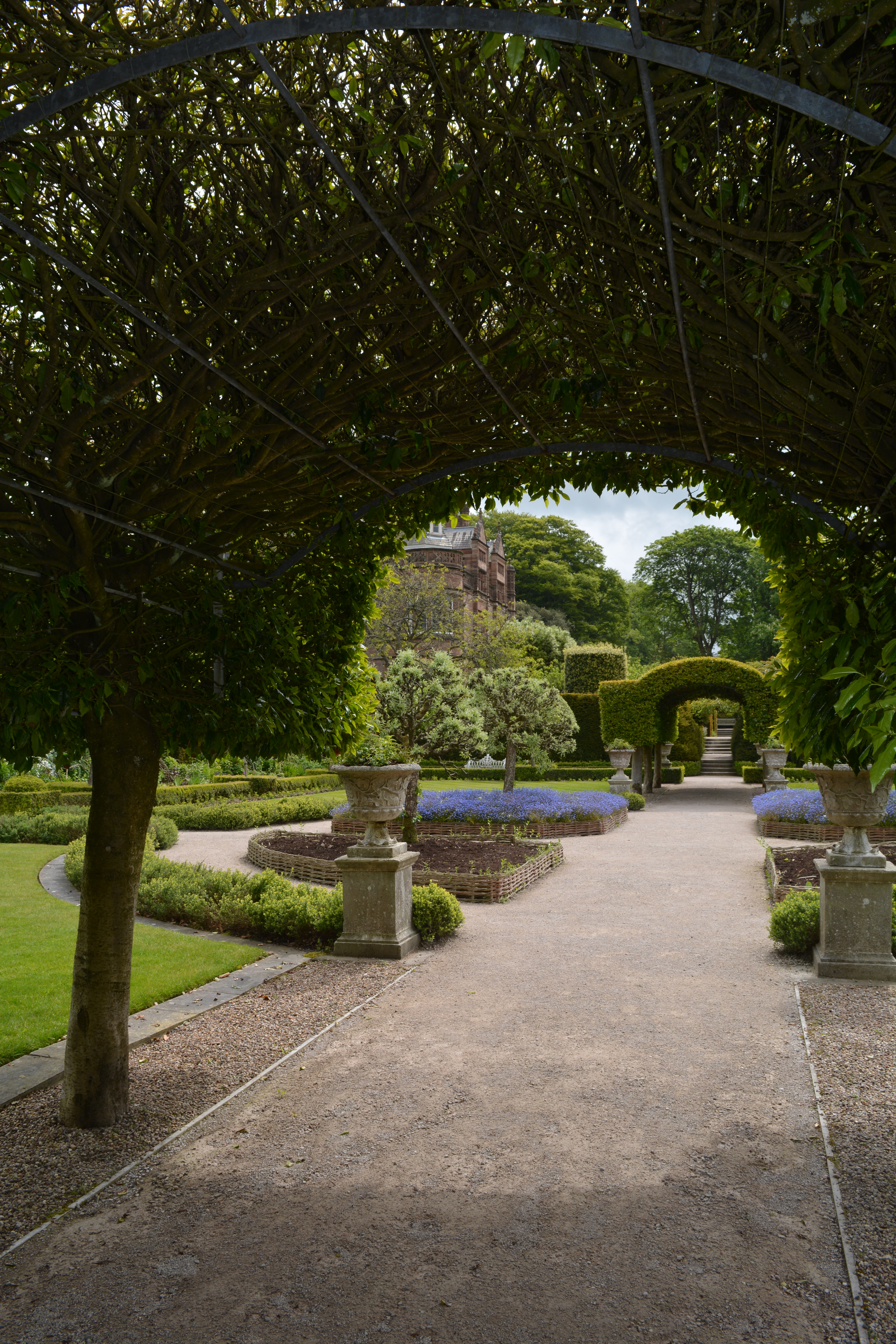
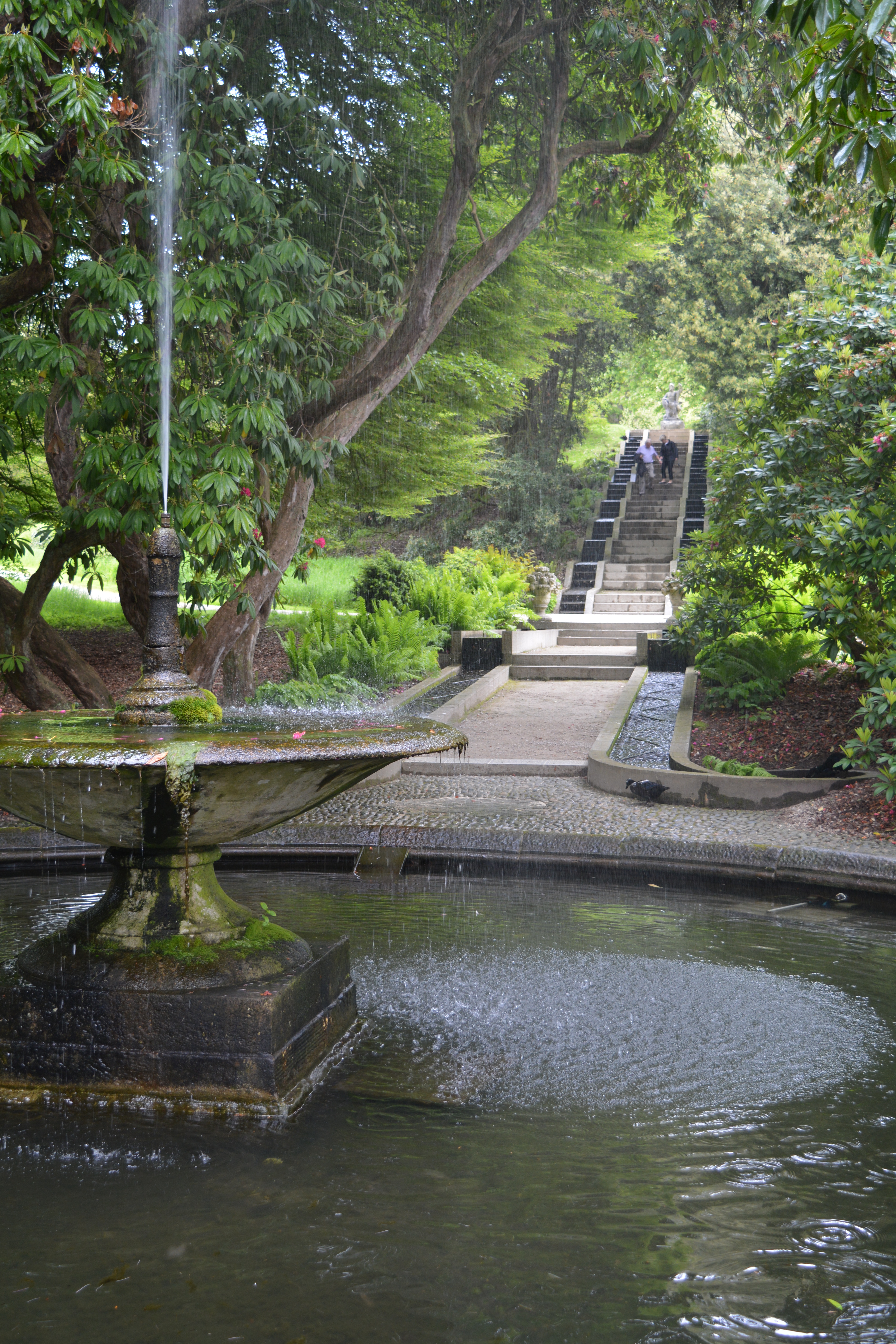
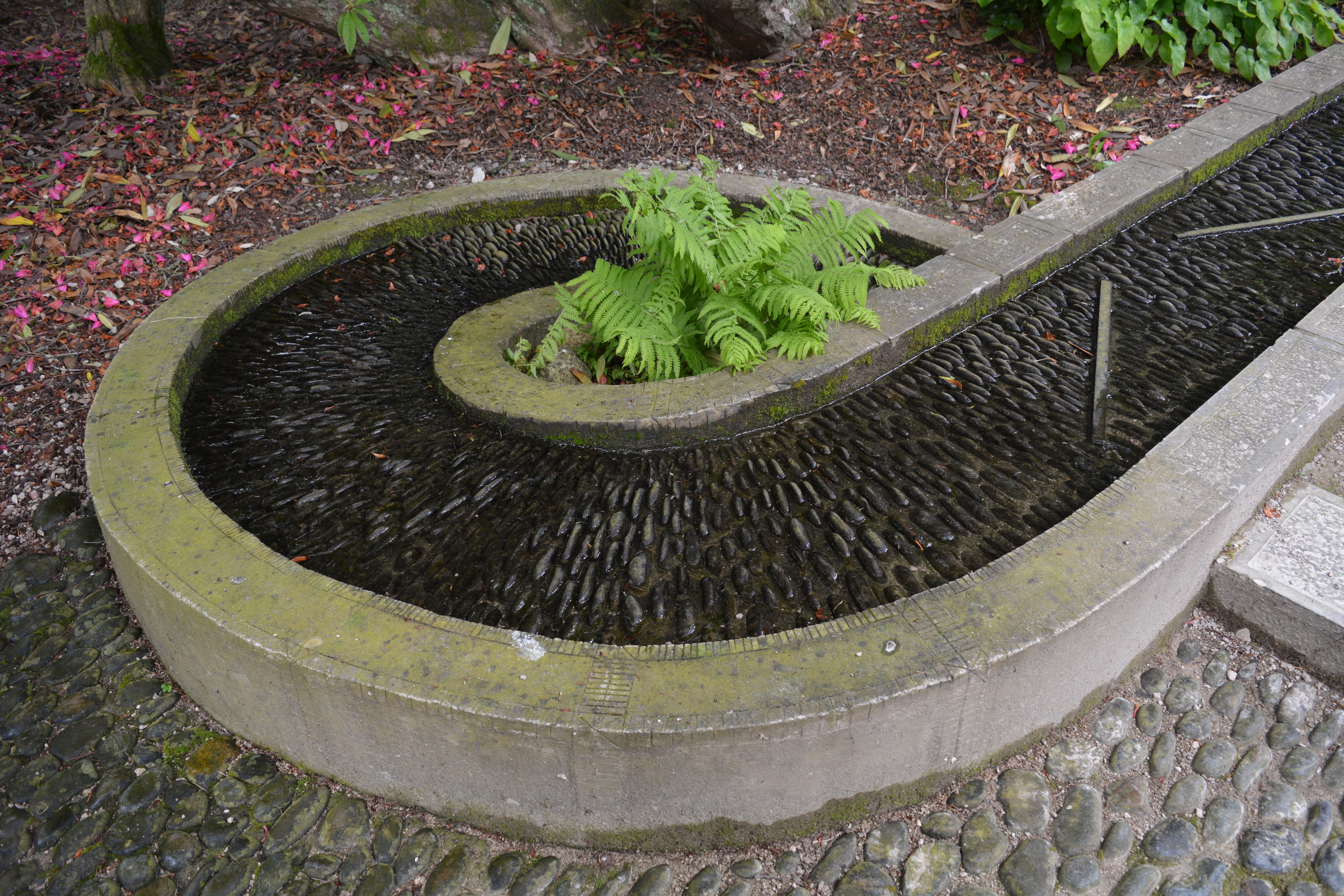
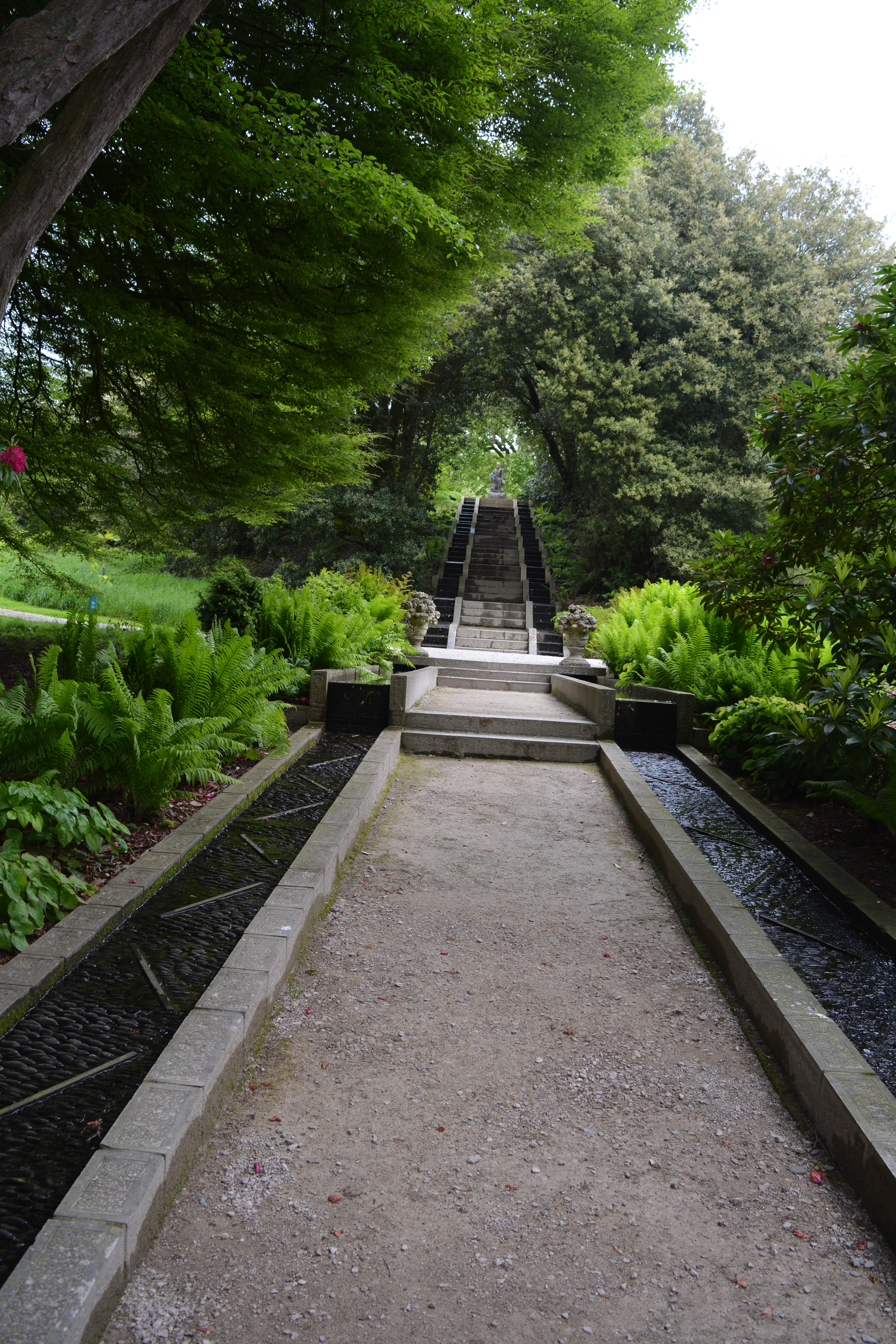
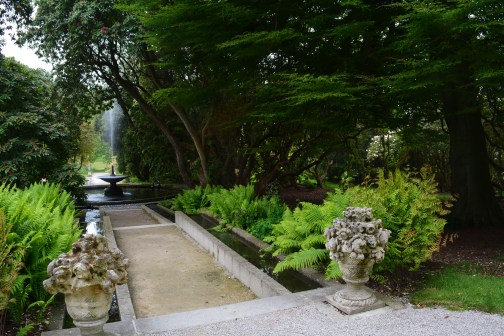
It was hot wandering out in the open space of the meadows so it felt good to wander around shaded areas and an Italianate water garden.

2015 06 05_2651 2015 06 05_2652 2015 06 05_2653 2015 06 05_26542015 06 05_2683

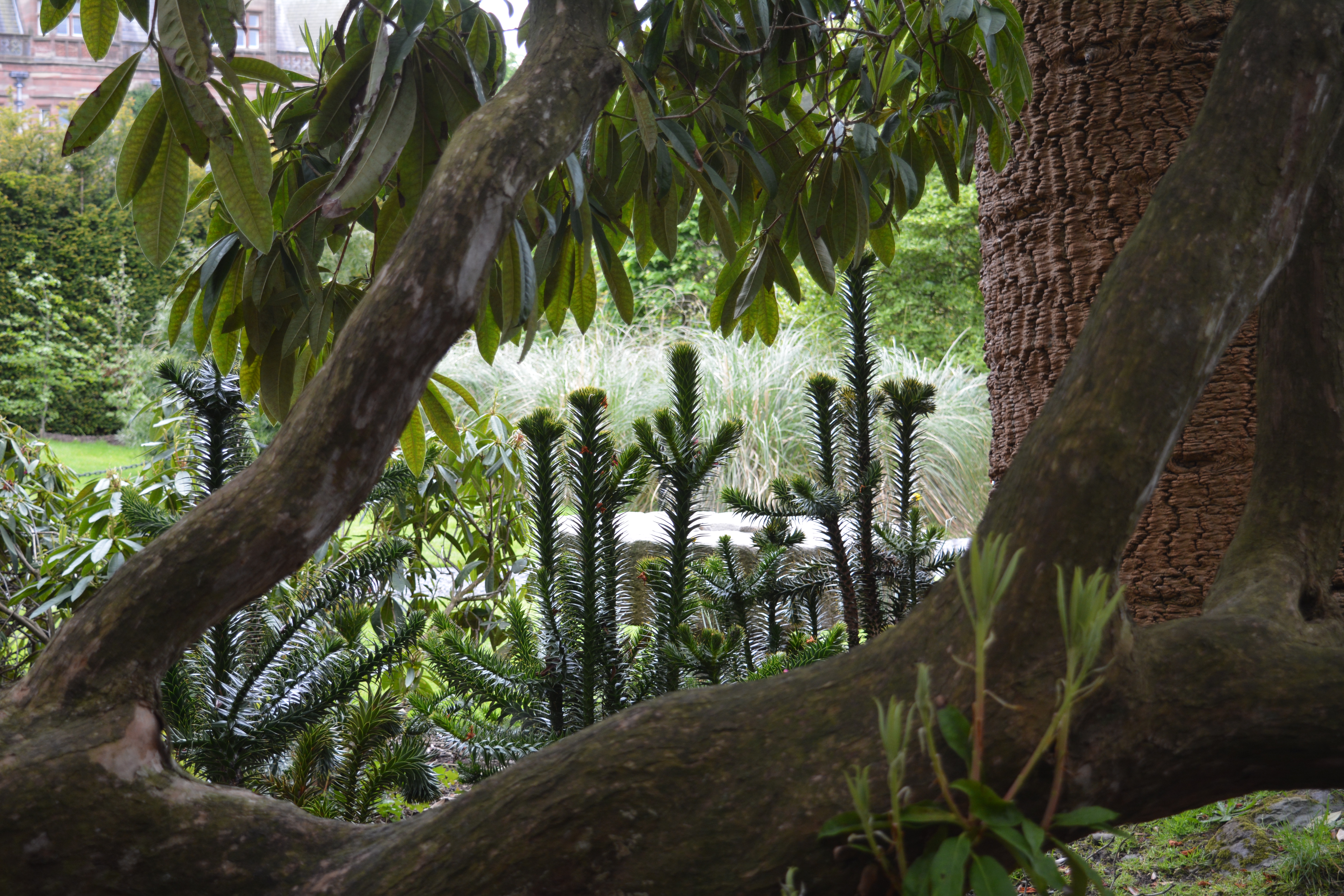
One of the reasons to visit Holker Hall is the collection of rare and unusual trees. They were underplanted with meadows of grasses and wildflowers which gave the wooded area the character of a real William Robinson styled wild garden

2015 06 05_2656  2015 06 05_2674 2015 06 05_26662015 06 05_2673 2015 06 05_2678 2015 06 05_2680 2015 06 05_2681 2015 06 05_2682 2015 06 05_2671 2015 06 05_2684

We were amazed by the number of interesting trees at Holker and enjoyed discovering several champion trees. There were so many special places throughout the gardens where shrubs and trees were sensitively grouped to set them off in the best light.

2015 06 05_2675

This Veggie Life

A Vegetarian | Nature Lifestyle Blog

Rambling in the Garden

.....and nurturing my soul

The Arch City Gardener

Journeys In St. Louis Gardening and Beyond

Garden Dreaming at Châtillon

Consult the genius of the place

Storyshucker

A blog full of humorous and poignant observations.

gardeninacity

Notes from a wildlife-friendly cottage garden

PlayGroundology

...an emerging social science

The Official Blog of British Wildlife

'The most important and informative publication on wildlife of our times' - The Independent. This blog is a member of The UK & Ireland Natural History Bloggers group: www.uknhb.blogspot.com

iGrowHort

Inspire - Cultivate - Grow Native Plants - Restore Landscapes

Bishops Meadow Trust

To create and protect a semi-natural wild space for the people of Farnham to enjoy and experience an array of British wildlife in our town

Gardening with Children

The www.gardeningwithchildren.co.uk Blog

UKbirdingtimeline

birding through the seasons, why birds matter and how to conserve them

NATURE WALKER

with a camera in hand

Jardin

Transform your outdoor space

Eva's space

My allotment, cooking and other interests

Old School Garden

my gardening life through the year

LEANNE COLE

Trying to live a creative life

fromacountrycottage

trying to live as lightly as possible on our beautiful planet

Good Life Gardening

Nature lovers from Leicester living the good life.

mybeautfulthings

Finding the beautiful in the everyday

mawsonmichelle

Michelle's Allotment

In and Out of My Garden

thoughts from and about my garden

Greenhousing

Big plans for a small garden

The Scottish Country Garden

A Walled Country Garden in South East Scotland

The Fruity Chicken

Life at the fruity chicken

willowarchway

Off grid living. Self sufficient. "PERMAGANICS RULE".

St Anns Allotments

Nottingham's Grade 2* Listed Allotments and Community Orchard

Manifest Joy Harvests

a journey in suburban vegetable gardening

Allotmental

The madness of growing your own

Penny's Garden: a harvest beyond my front door

A novel approach to vegetable gardening

arignagardener

Sustainable living in the Irish countryside.

NewEnglandGardenAndThread

Master Gardener, amateur photographer, quilter, NH native, and sometimes SC snowbird

dianajhale

Recent work and work in progress and anything else that interests me

planthoarder

a chaotic cottage gardener

Lens and Pens by Sally

a weekly blog that creates a personal philosophy through photographs and words

Dewdrops and Sunshine

Stories from a sassy and classy Southern farmbelle.

The Pyjama Gardener

Simple Organic Gardening & Seasonal Living

gettin' fresh!

turning dirt into dinner

JOY...

today the world is created anew

Garden Birds

Notes from a Devon garden

ShootAbout

Life Through The Lens

Adapting Pixels

A photography blog showcasing the best photography pictures and videos on the internet

Wildlifegardening's Blog

Just another WordPress.com site

naturestimeline

personal observations from the natural world as the search continues for a new approach to conservation.

LATEBLOOMERBUDS

The Wonders of Life through my Eyes, my Heart, my Soul