Categories
awards climbing plants colours garden design garden photography garden ponds garden pools garden seating gardening gardens gardens open to the public hardy perennials National Garden Scheme NGS ornamental grasses ornamental trees and shrubs outdoor sculpture sculpture Shropshire shrubs trees Uncategorized village gardens water in the garden Yellow Book Gardens

Windy Ridge – another Yellow Book Garden

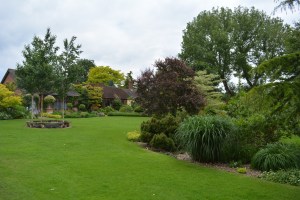
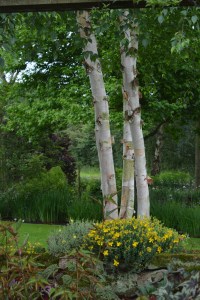
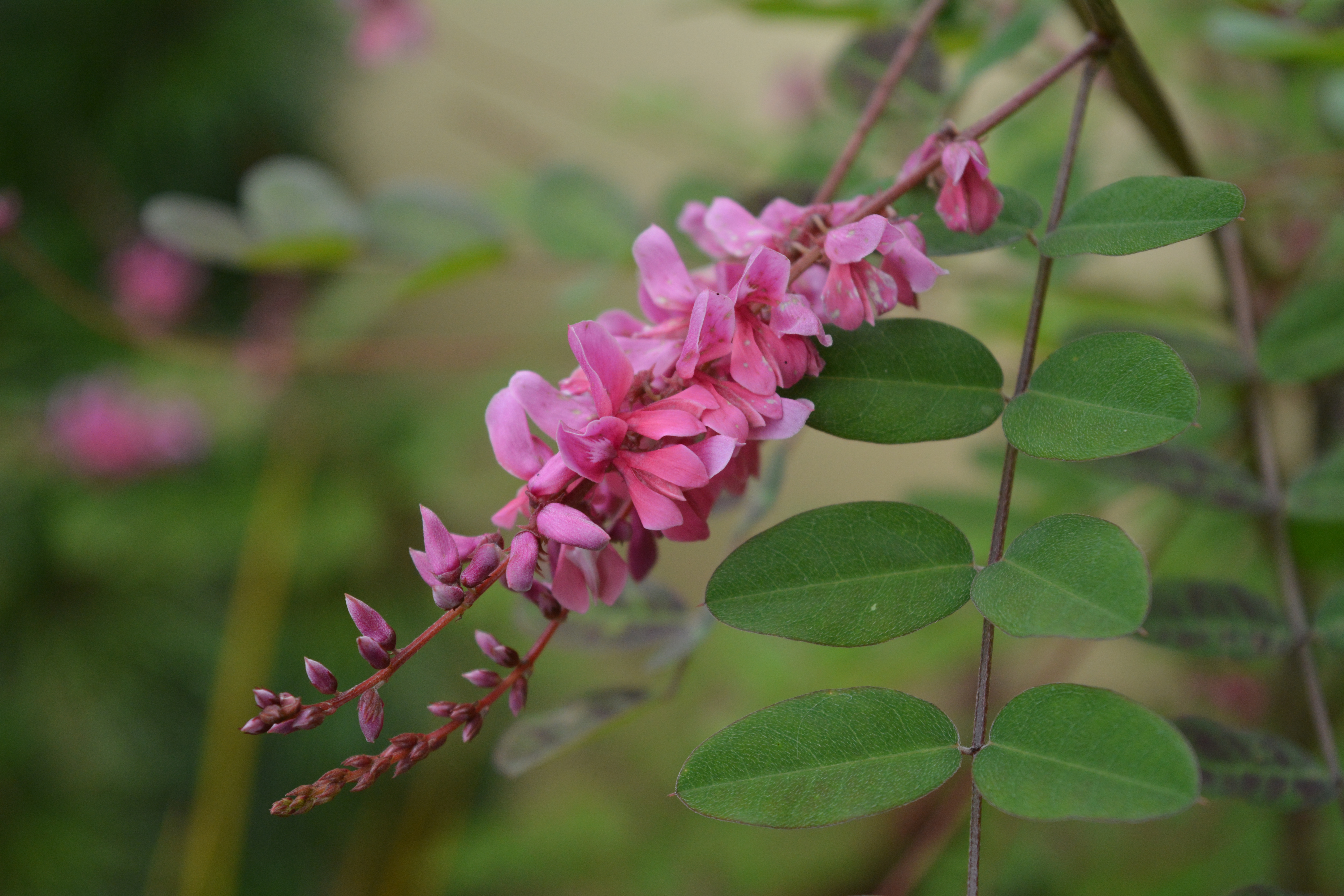
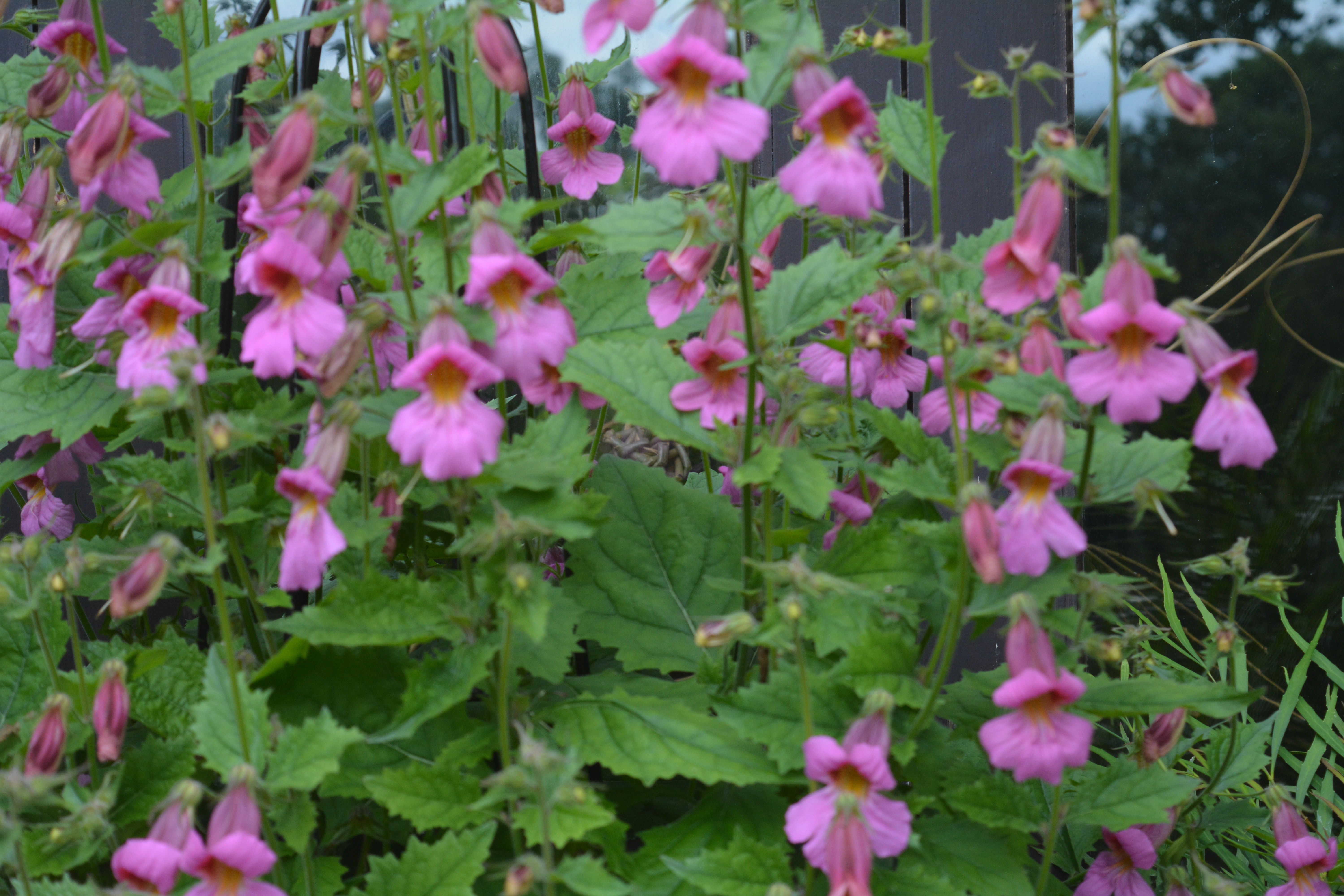
Windy Ridge is a fellow “Yellow Book Garden” in Shropshire and thus like us opens for charity under the auspices of the National Garden Scheme. The gardener owners have been opening their garden for many years more than we have and we have visited several times before. We decided the time was right for a return visit to discover how it has developed over the years. The owners/gardeners are real plantspersons with plenty of knowledge to share and impart related to both plants, garden management and design.

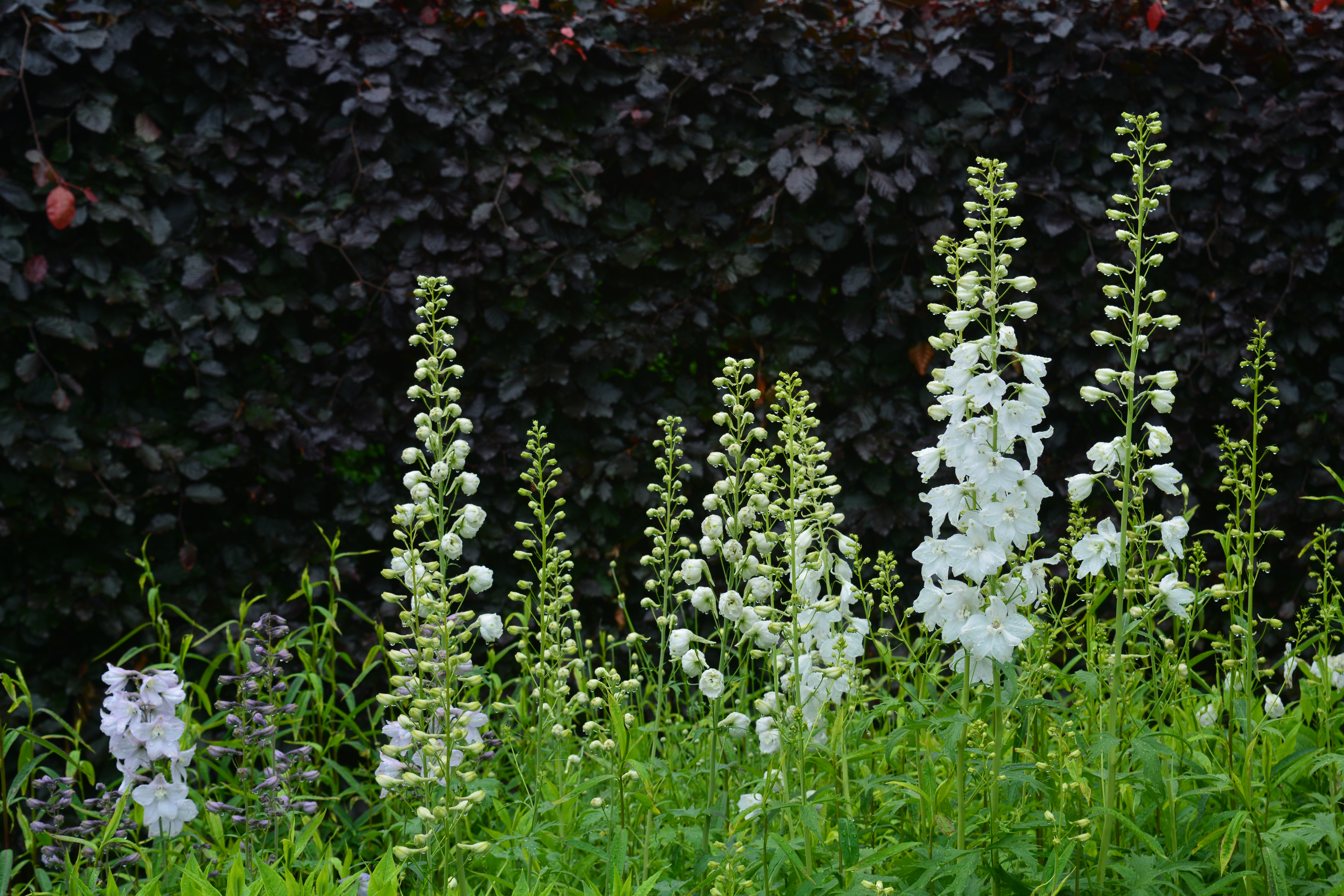
win-27 win-02

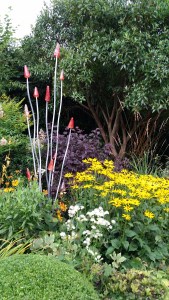
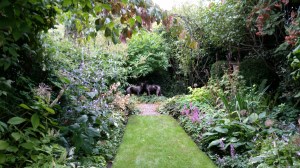
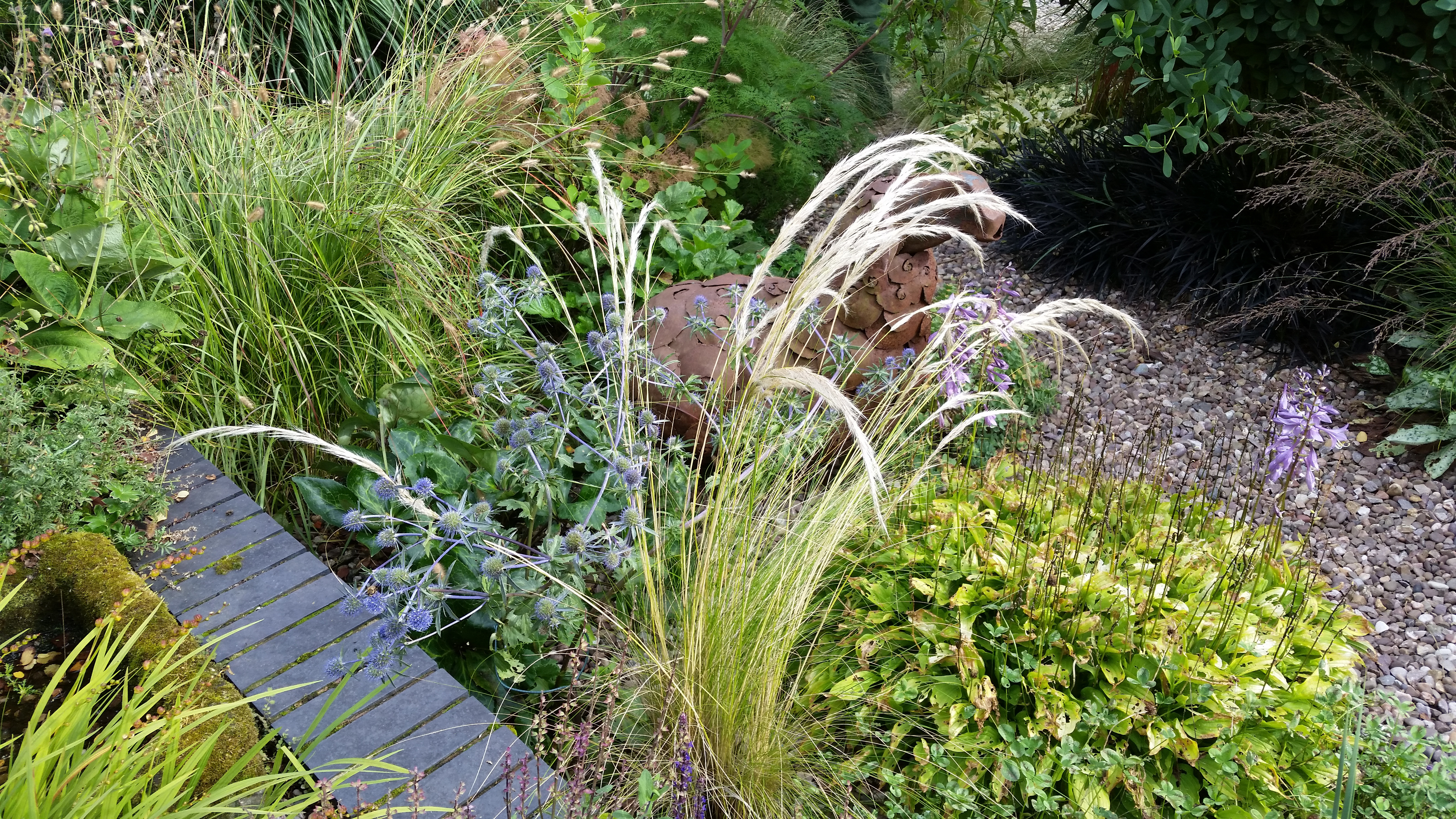
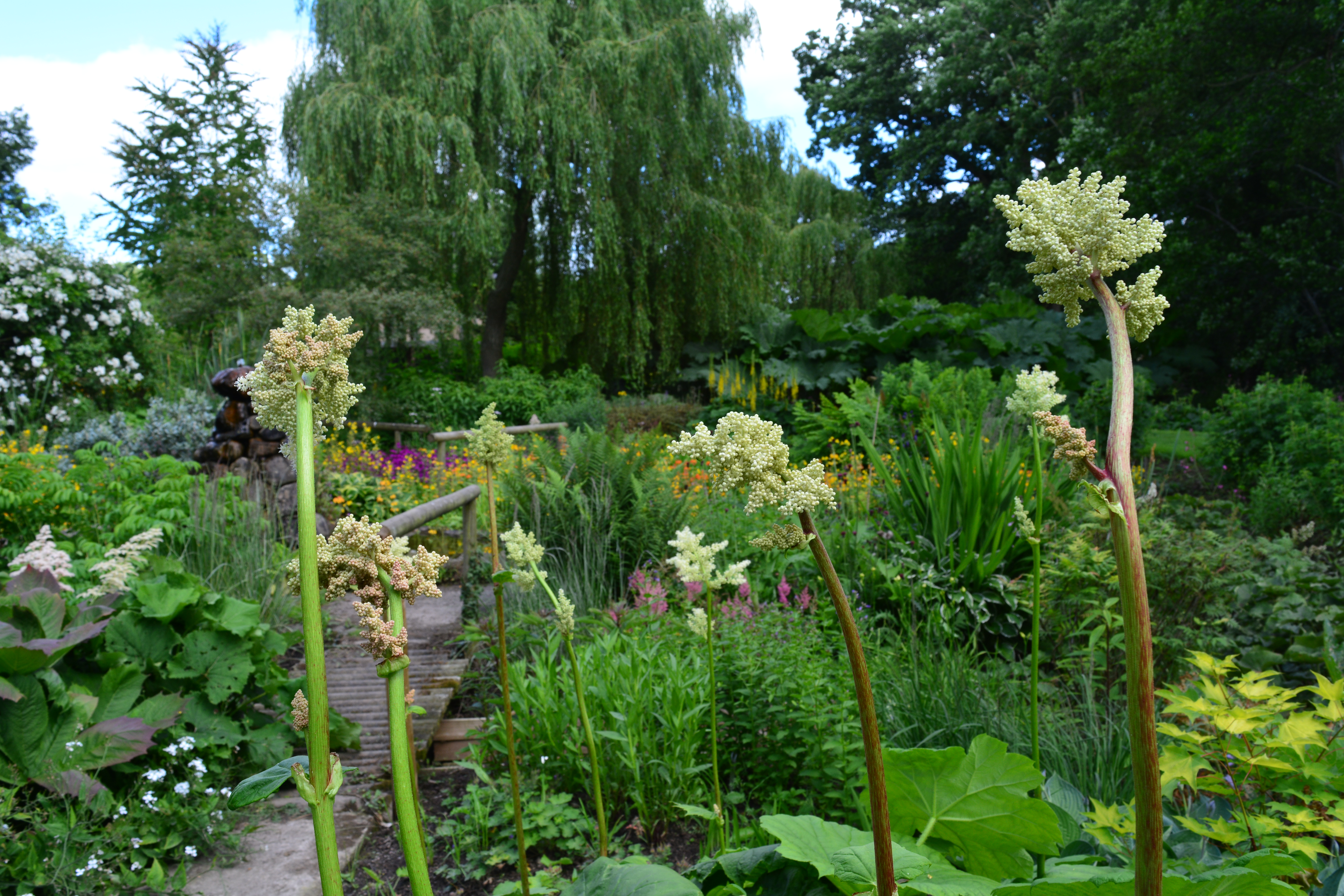
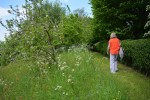
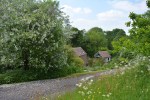
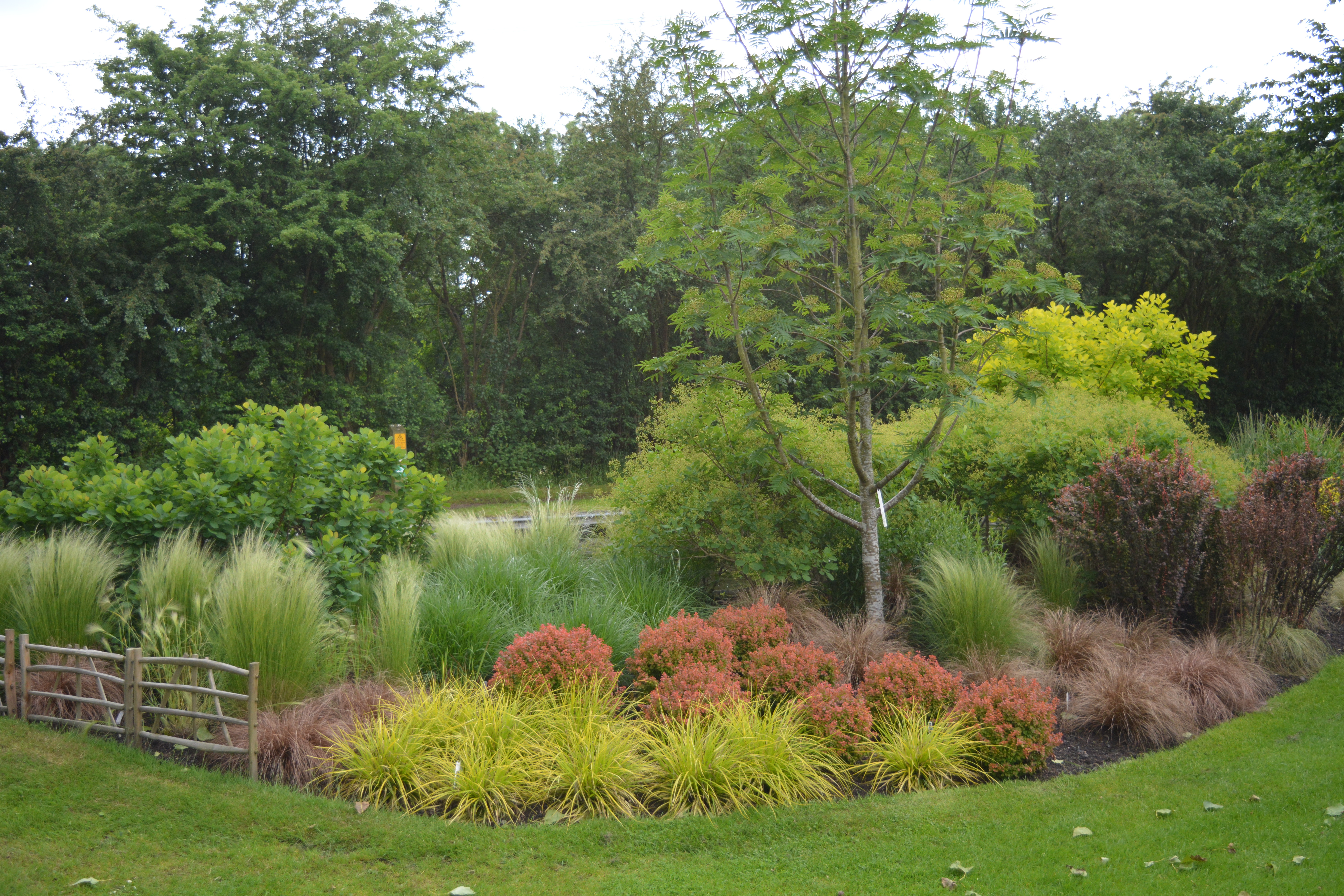
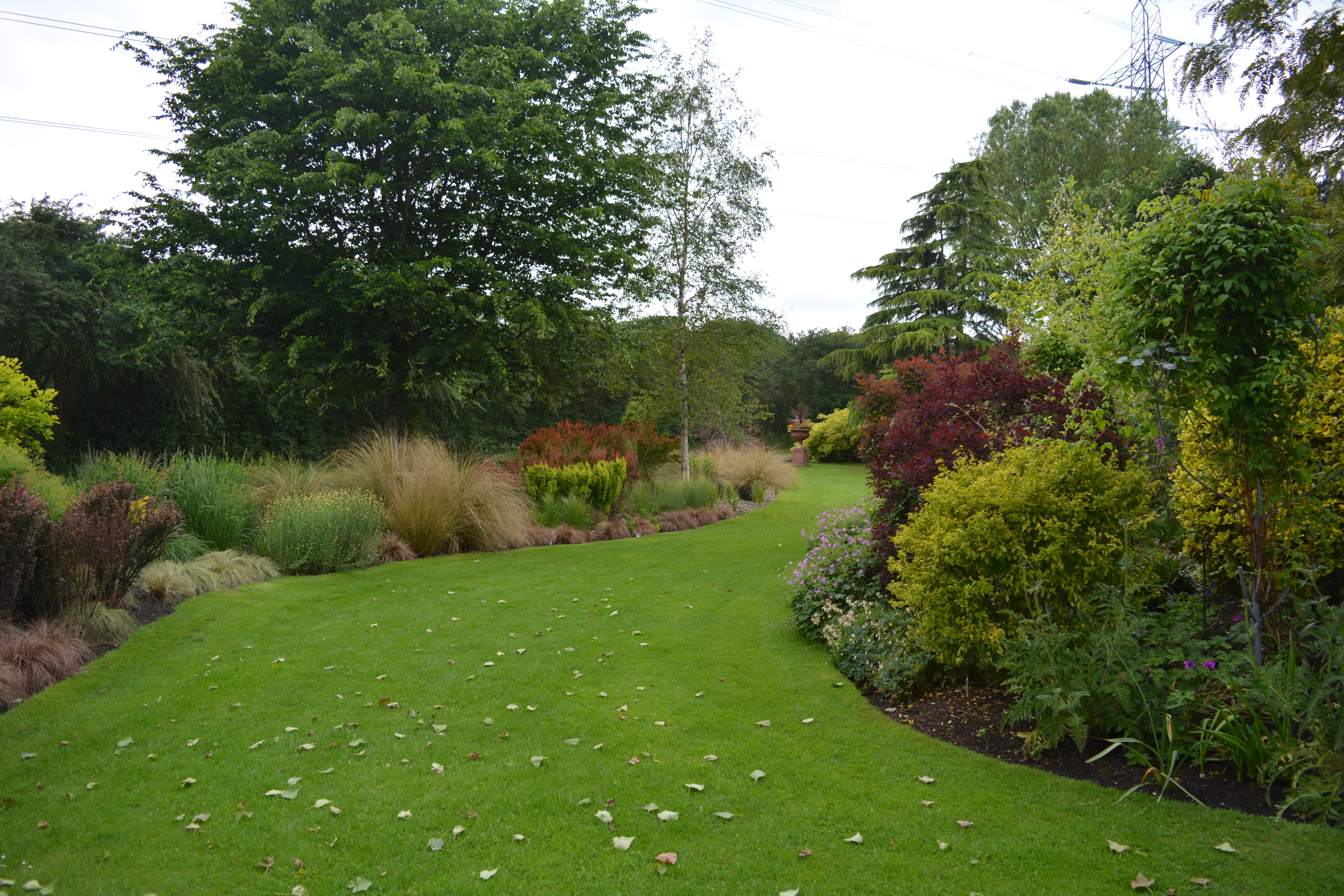
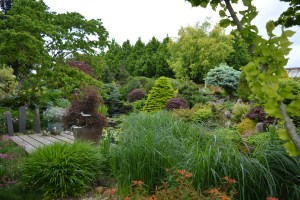
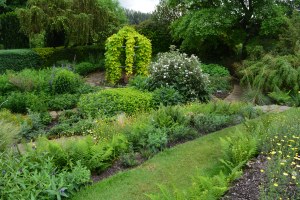
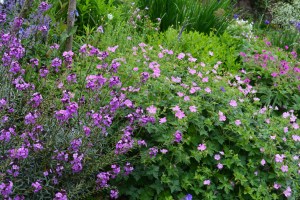
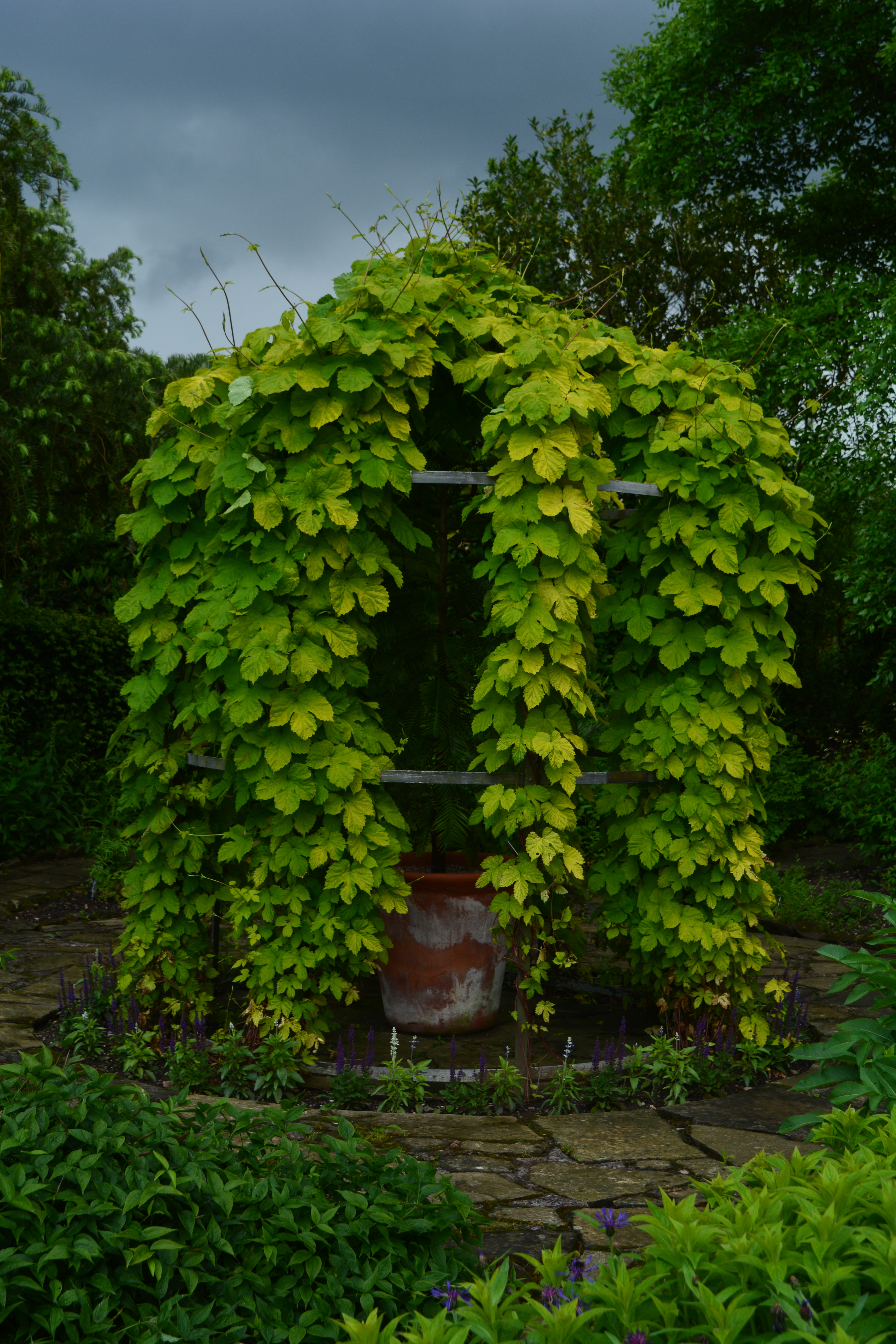
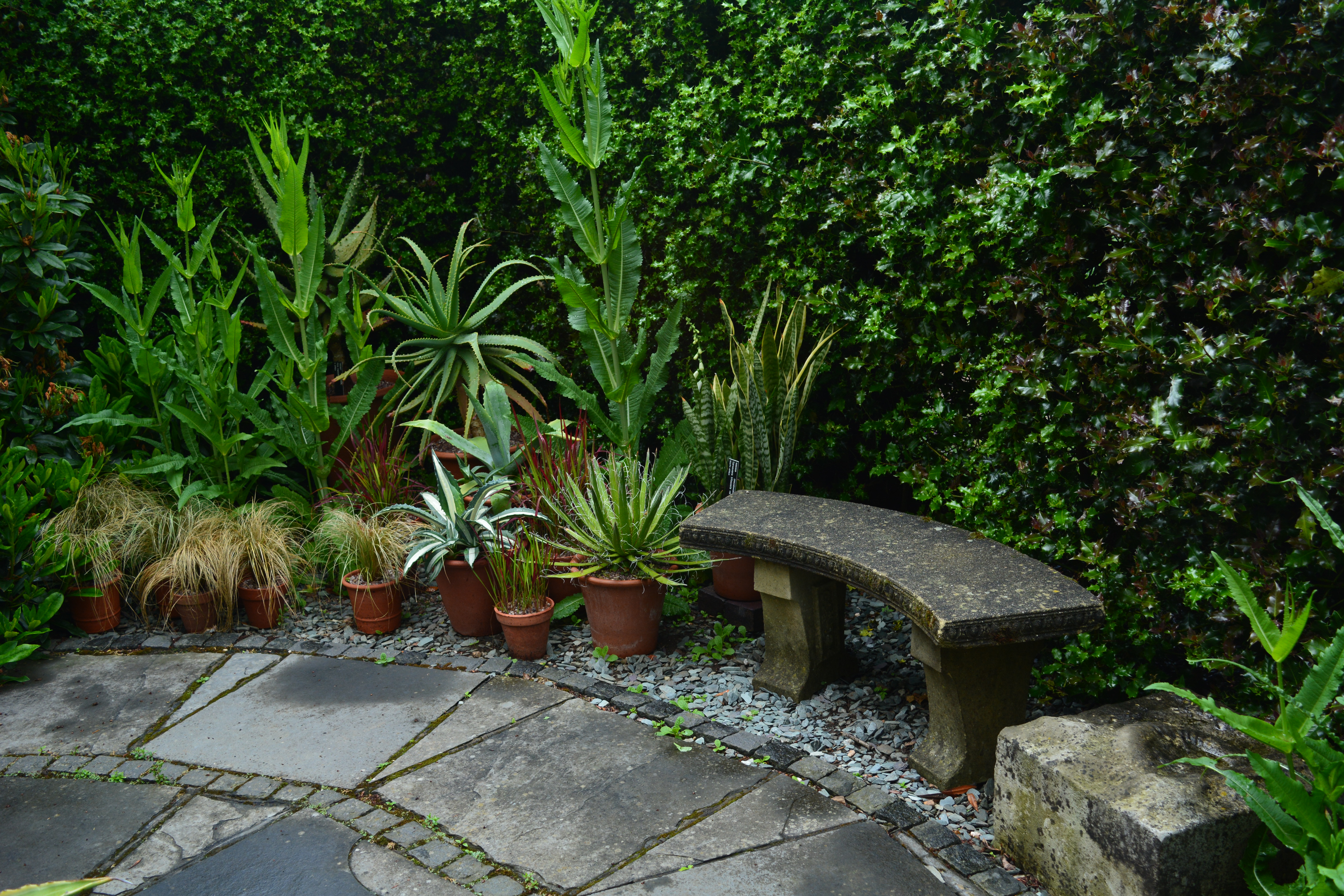
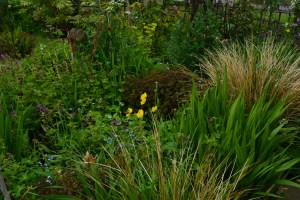
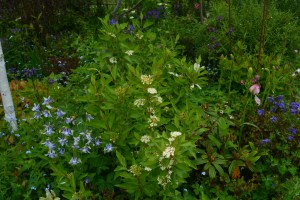
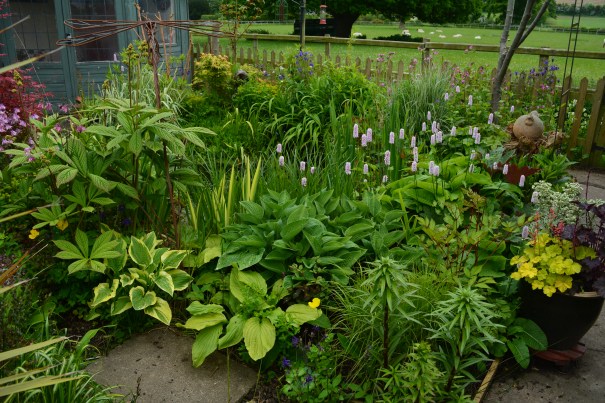
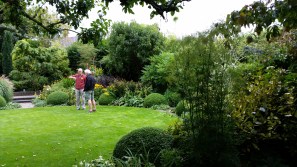
Windy Ridge is a garden of wandering paths, secret places, surprises around every corner but above all a garden full of plants to stop you in your tracks either because they are so well grown or very unusual.

win-05 win-75win-12 win-06

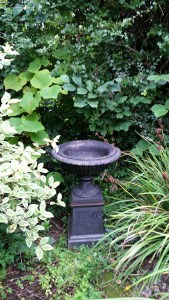
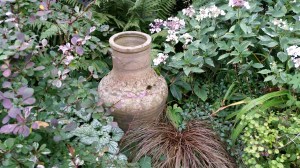
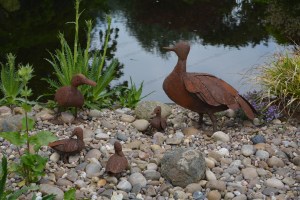
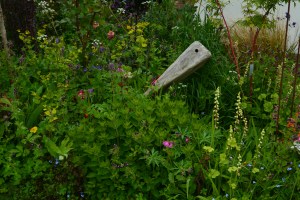
There are quality sculptural pieces among the plants for visitors to enjoy beginning with a huge carved tree trunk at the garden entrance.

win-74 win-18 win-49win-28 win-35win-44 win-38

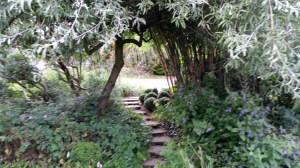
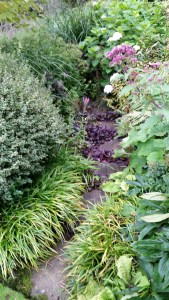
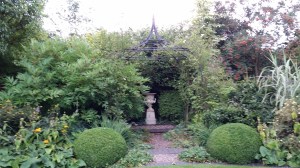
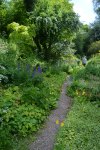
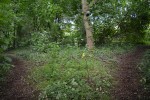
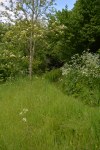
Secret pathways which lead the visitor onward and present choices are an important element of a quality garden.

win-09 win-13win-22 win-48

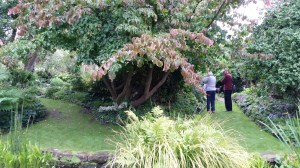
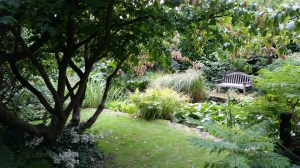
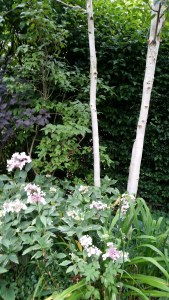
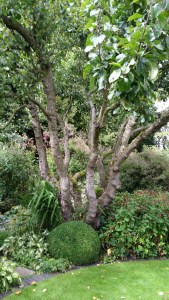
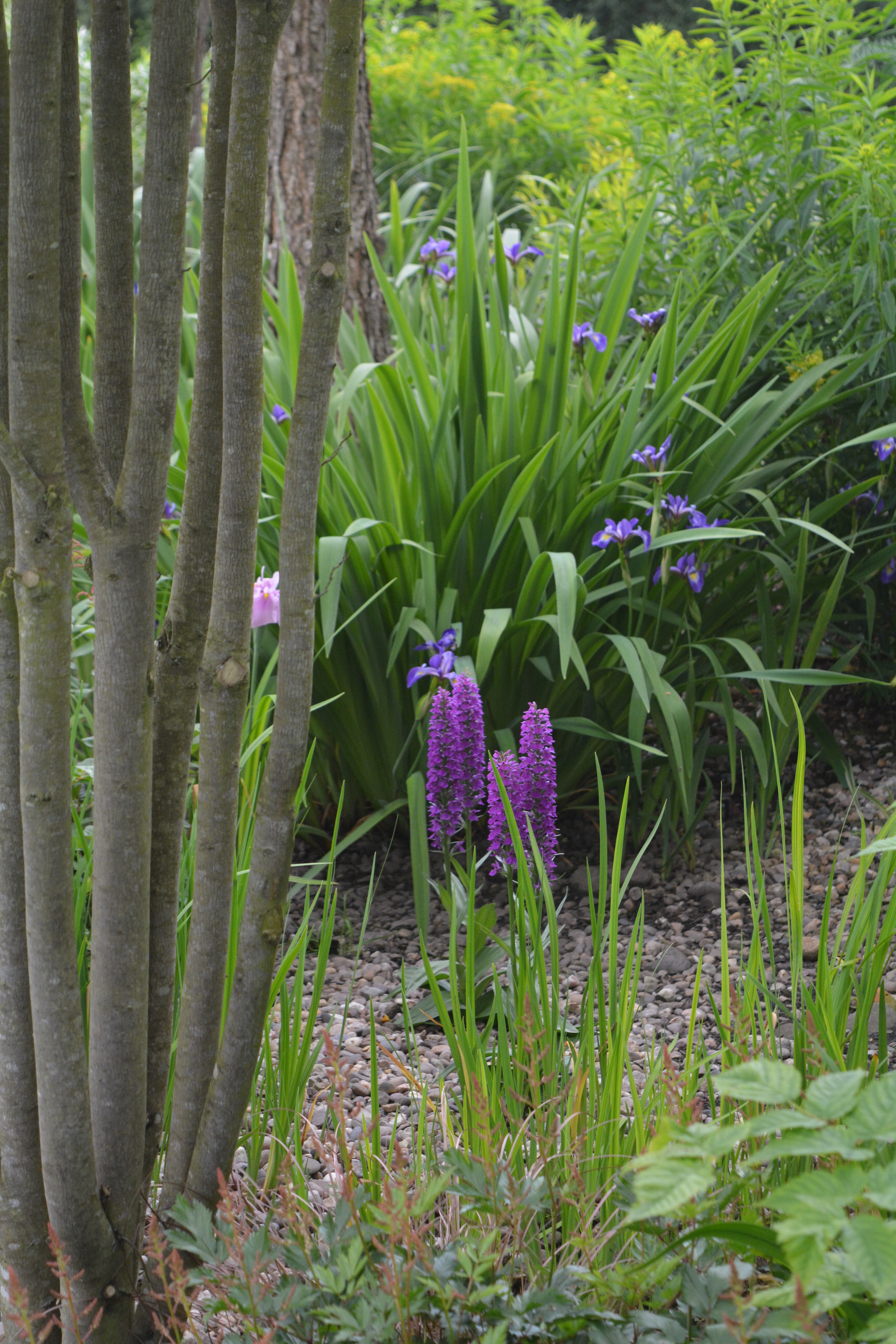
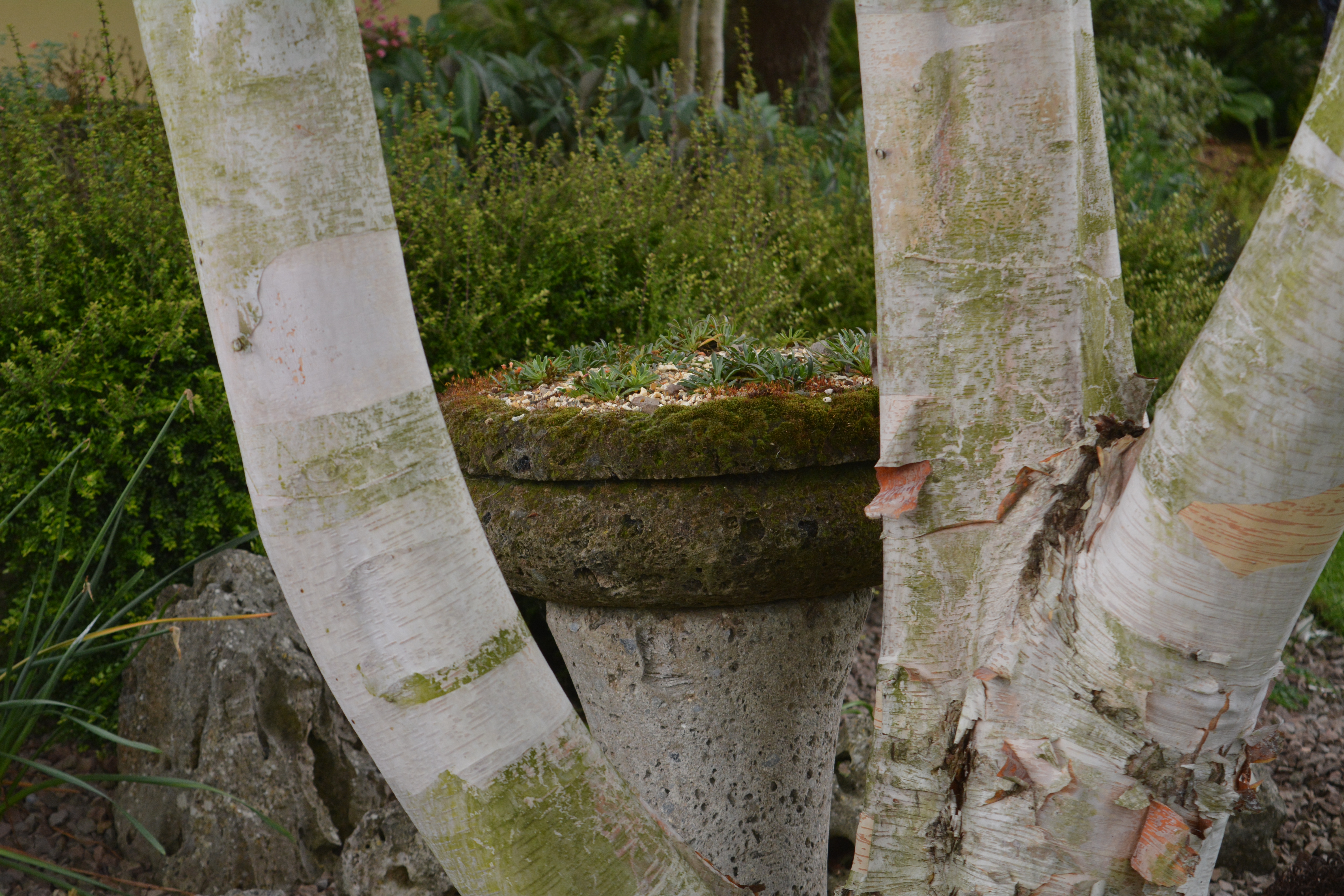
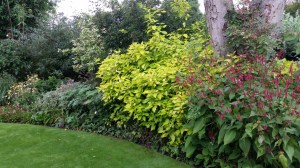
In our own “Avocet” garden we enjoy raising the canopy of our trees and shrubs to expose interesting bark and trunk shapes and to let in light to allow planting beneath. At Windy Ridge this is performed to perfection and helps give the garden its character. The first photo below shows how this technique even helps Laurel, my most disliked plant! To make it work the gardener must look closely at and listen to the plant before attempting the first cut. If the gardener does this he is more likely to react to the character of each tree and shrub and give it the shaping it deserves and wants.

win-14 win-25win-45 win-10 win-24

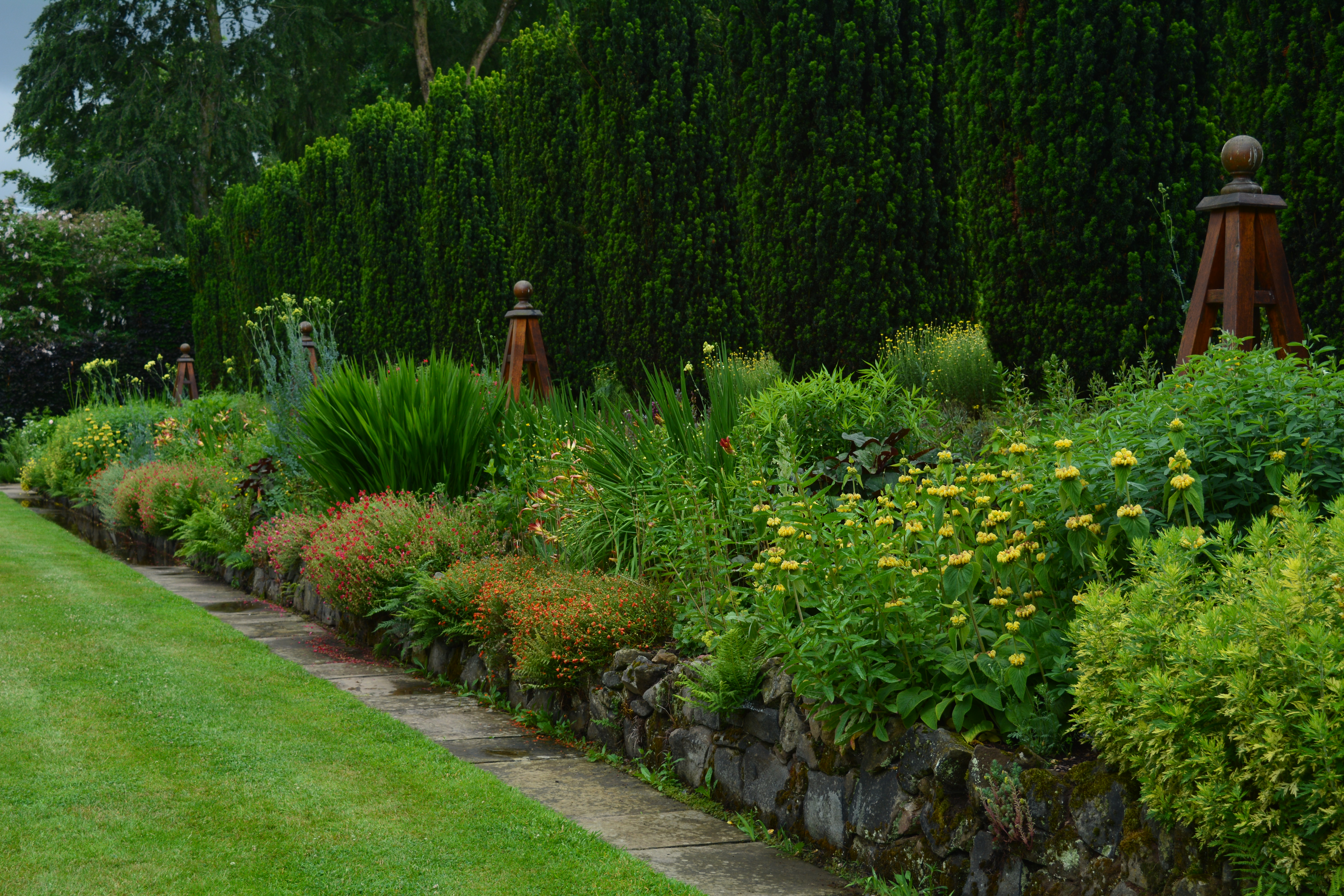
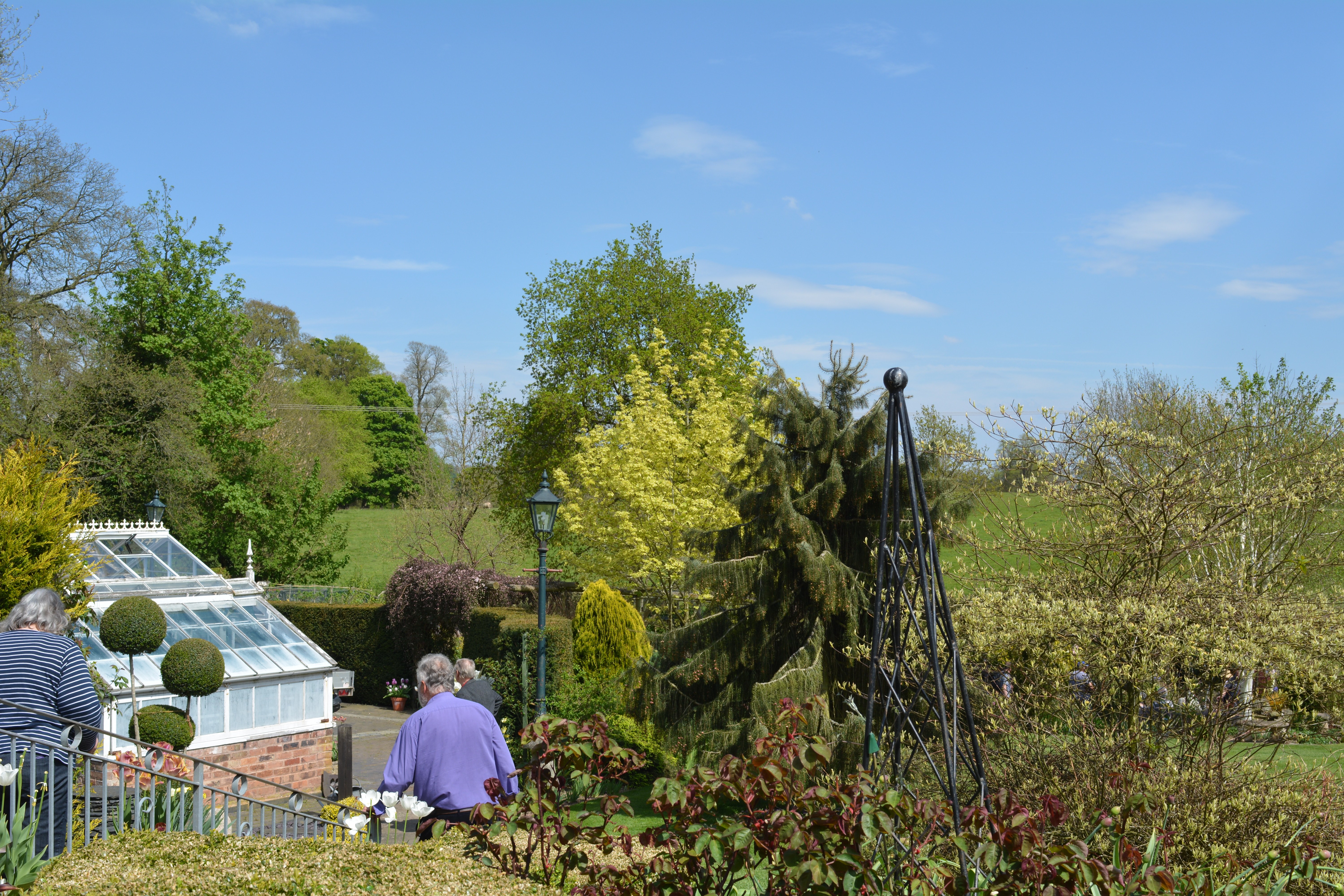
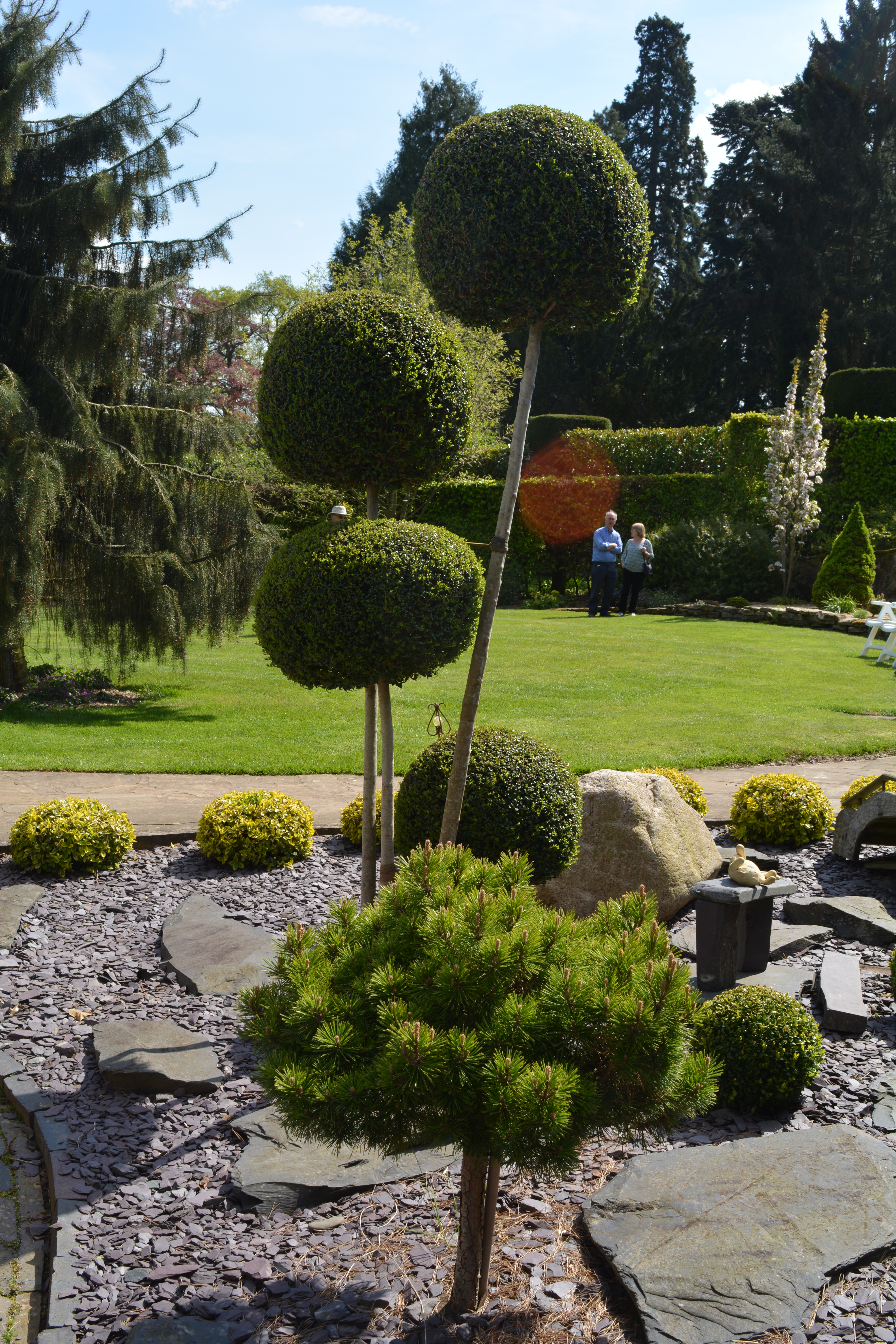
We enjoyed and admired the way that the formality of clipped box integrates so well into the softness of the planting.

win-23 win-21win-20 win-19

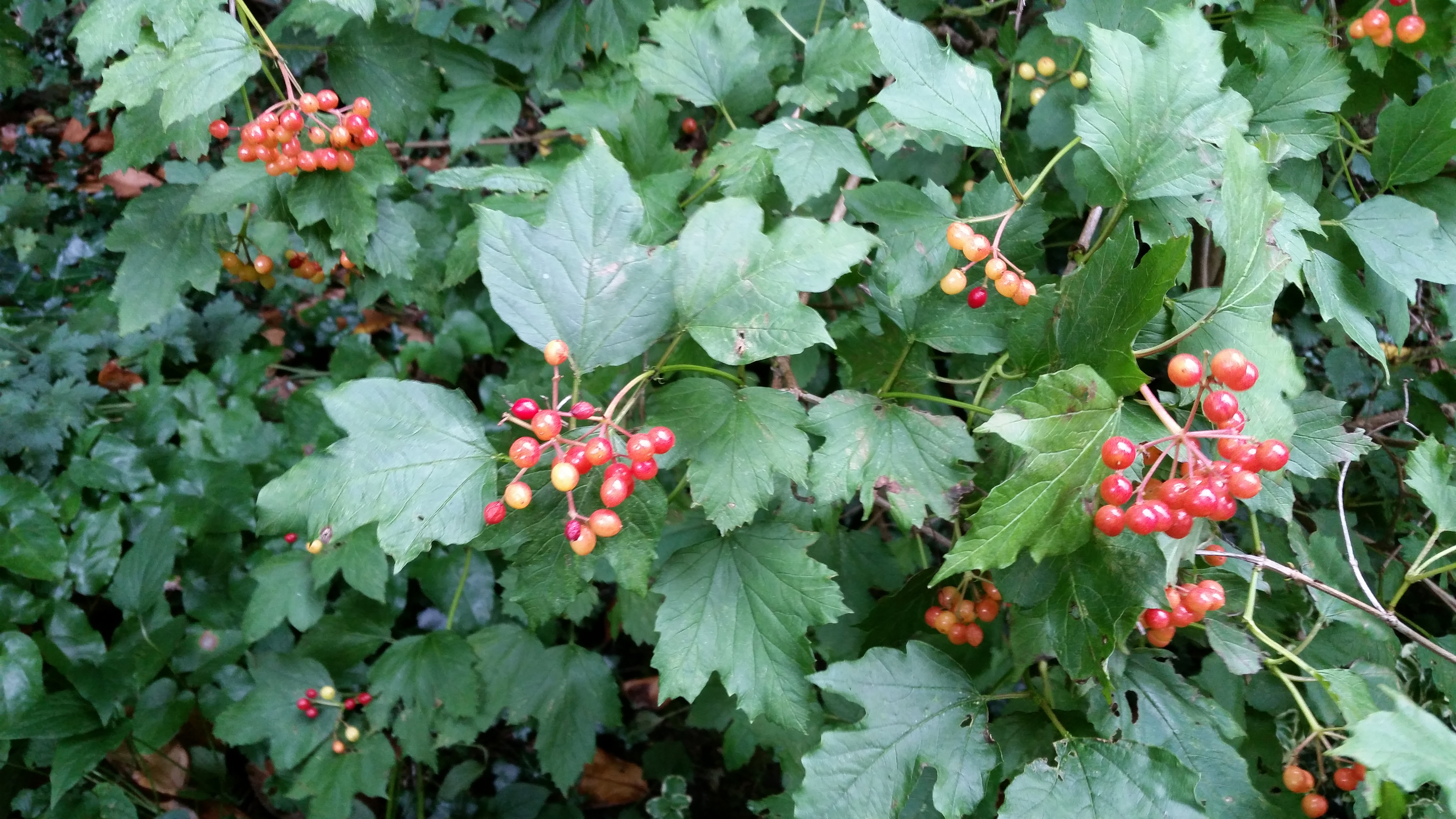
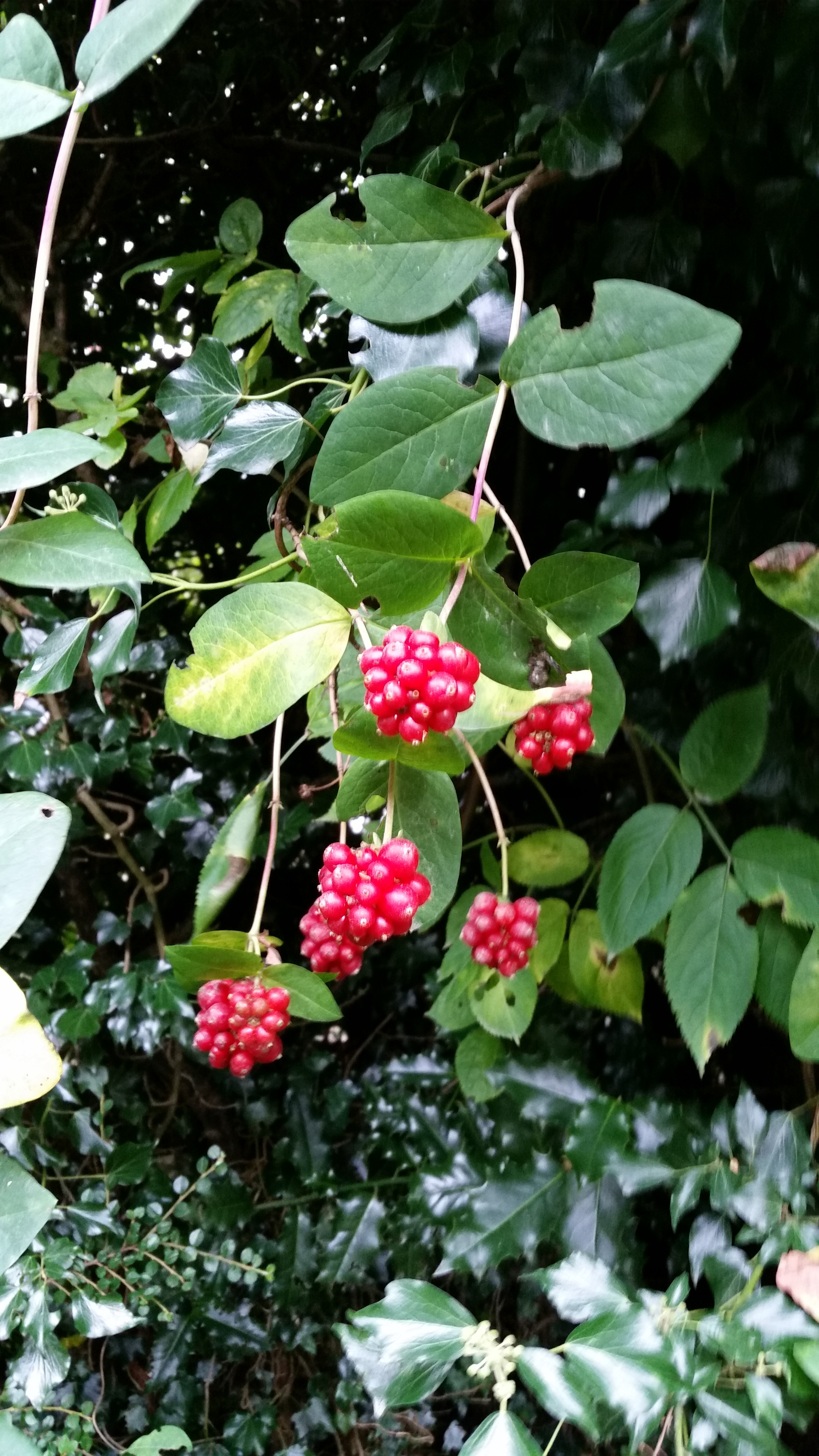
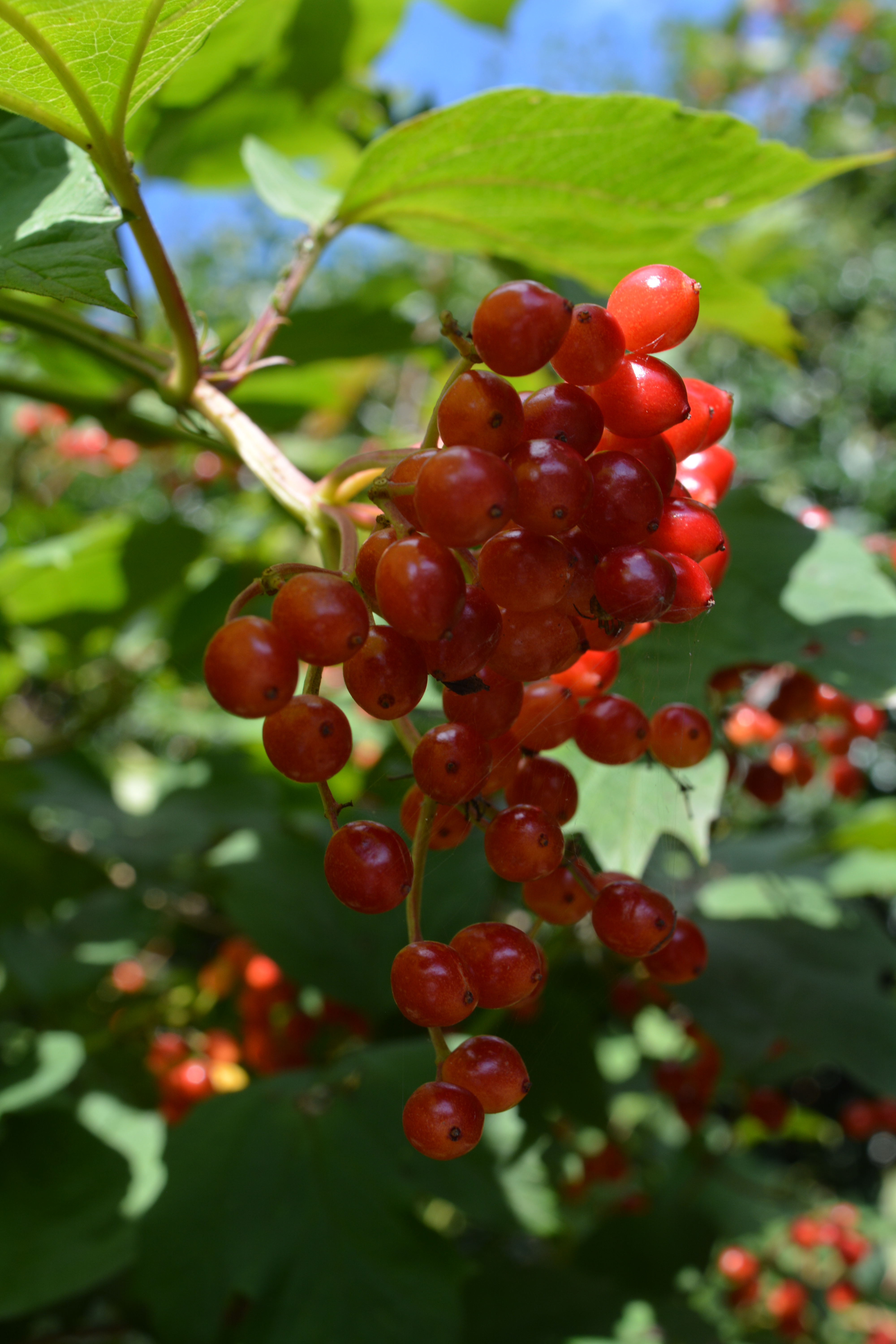
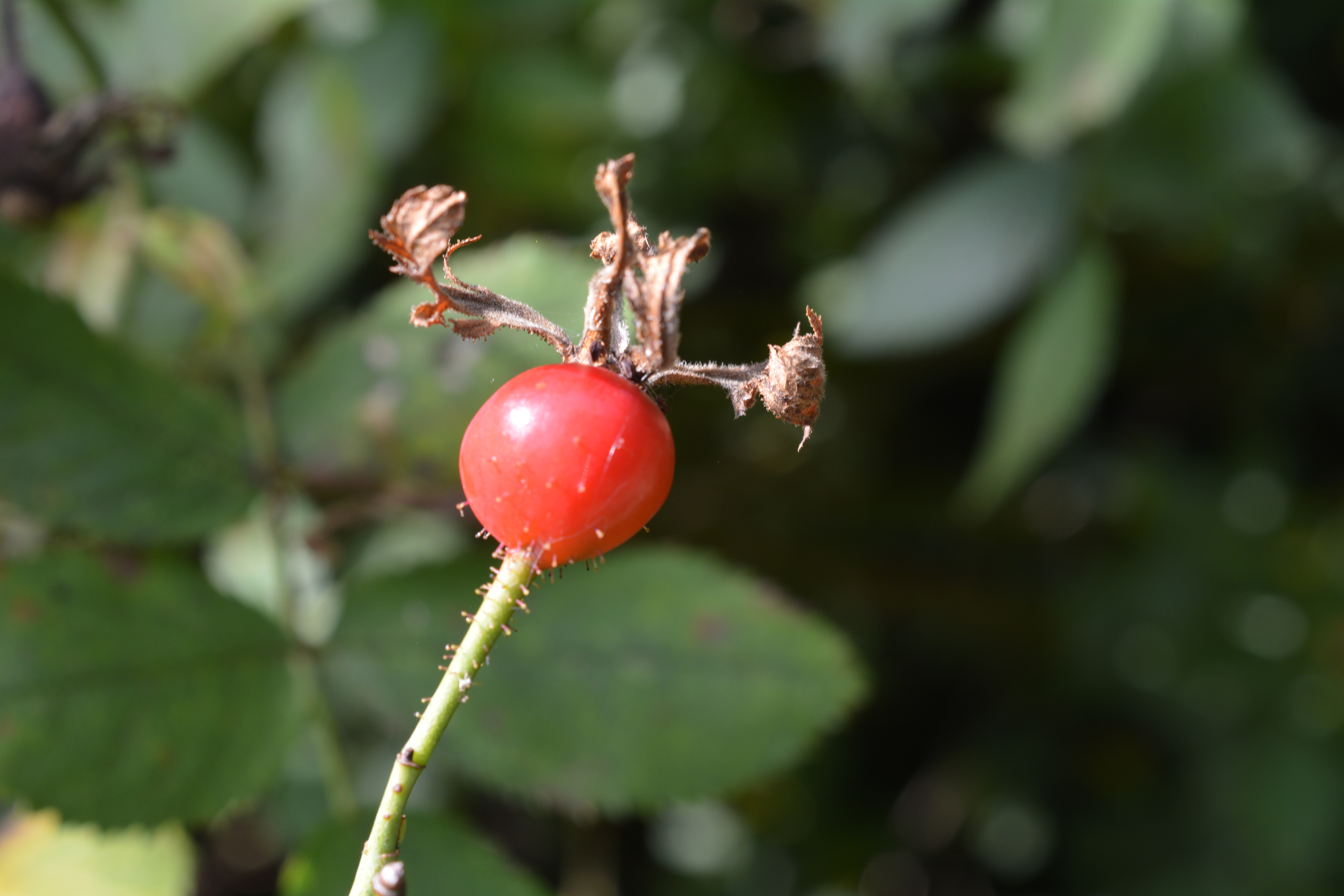
Berries enhance the September garden and add even more colour to that provided by flowers. Windy Ridge had colour aplenty!

win-08 win-15win-34 win-31win-16 win-17 win-32 win-39 win-36


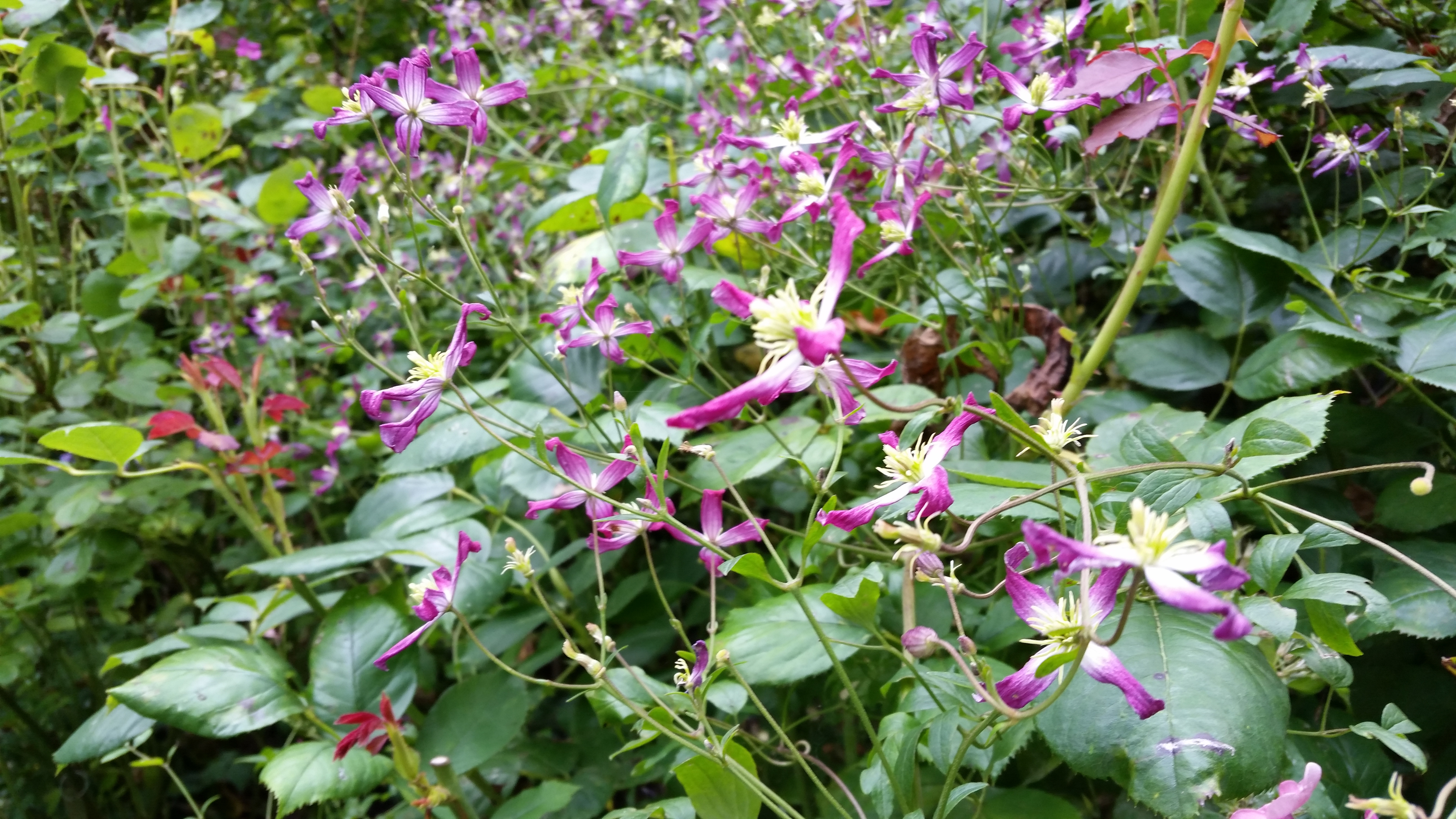
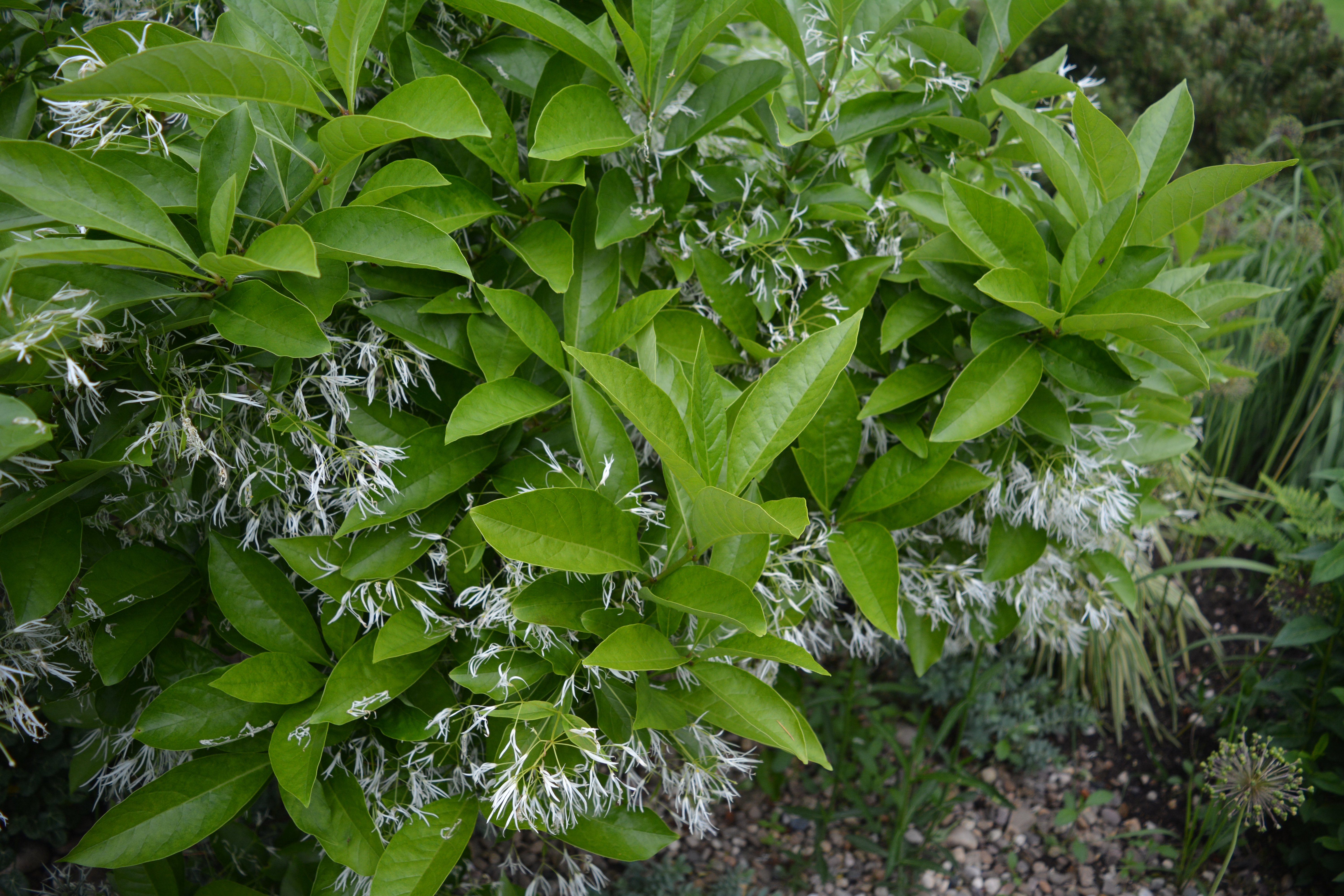
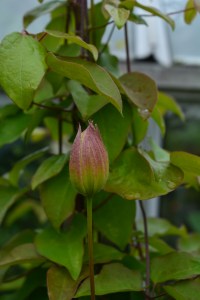
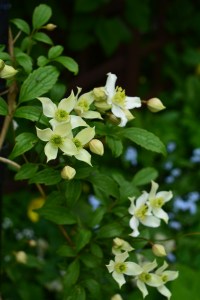
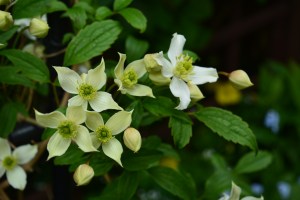
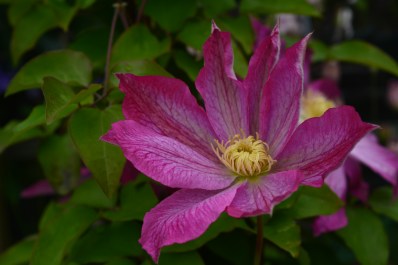
If I had to pick out one plant as my favourite at Windy Ridge it would have to be beautiful coloured and scented Clematis, C. odorata, a plant left to ramble unpruned to great effect. It is a Clematis we have been seeking for our own patch for many years so seeing and smelling it here has renewed our determination to add it to our huge clematis collection already climbing and clambering in our Avocet garden.

win-30

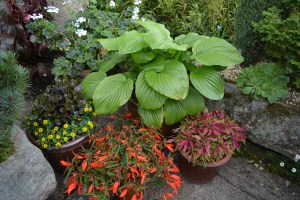
Hydrangeas were well in bloom when we visited and the sheer variety of colours was to be admired.

win-41 win-42win-46

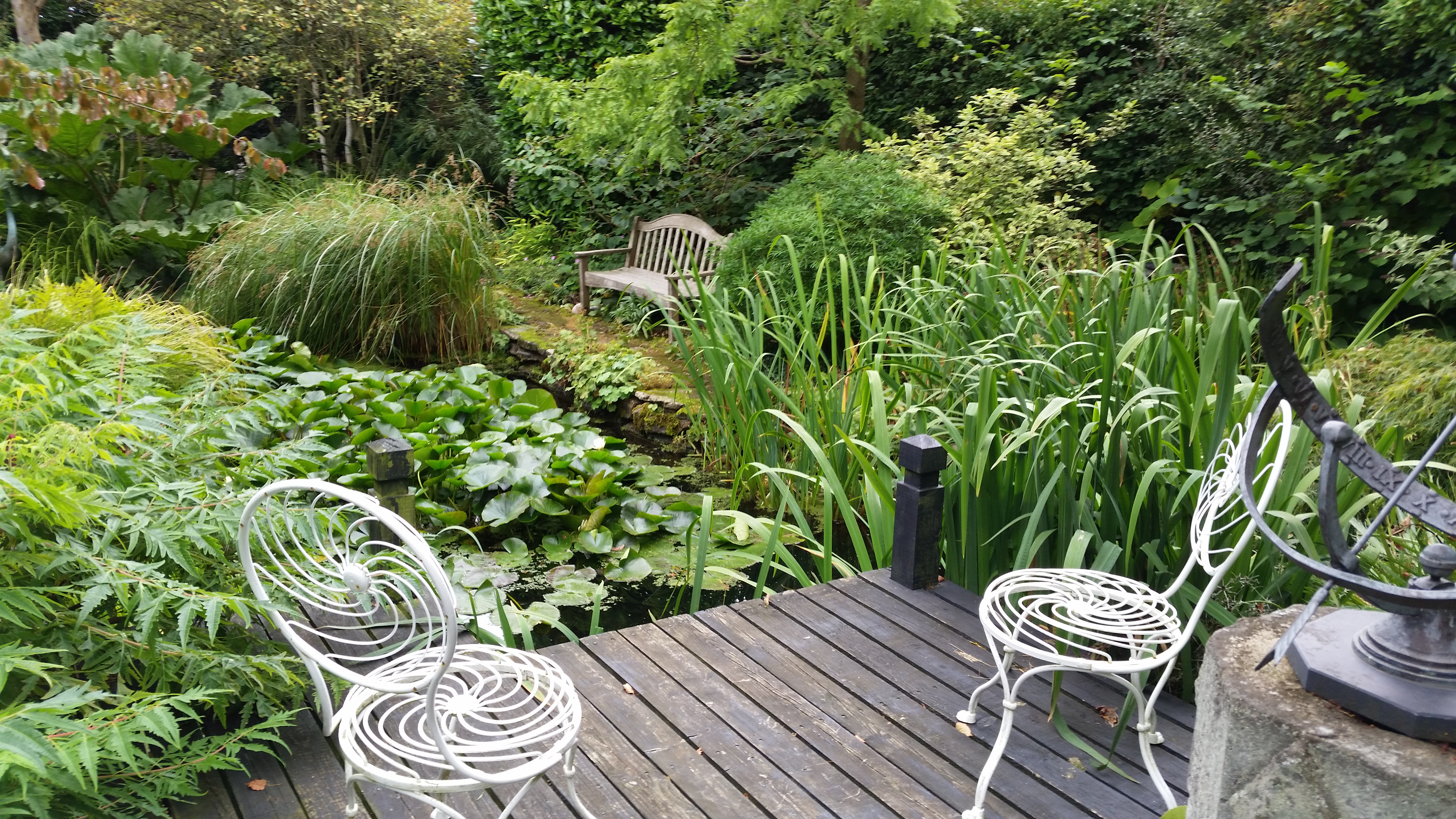
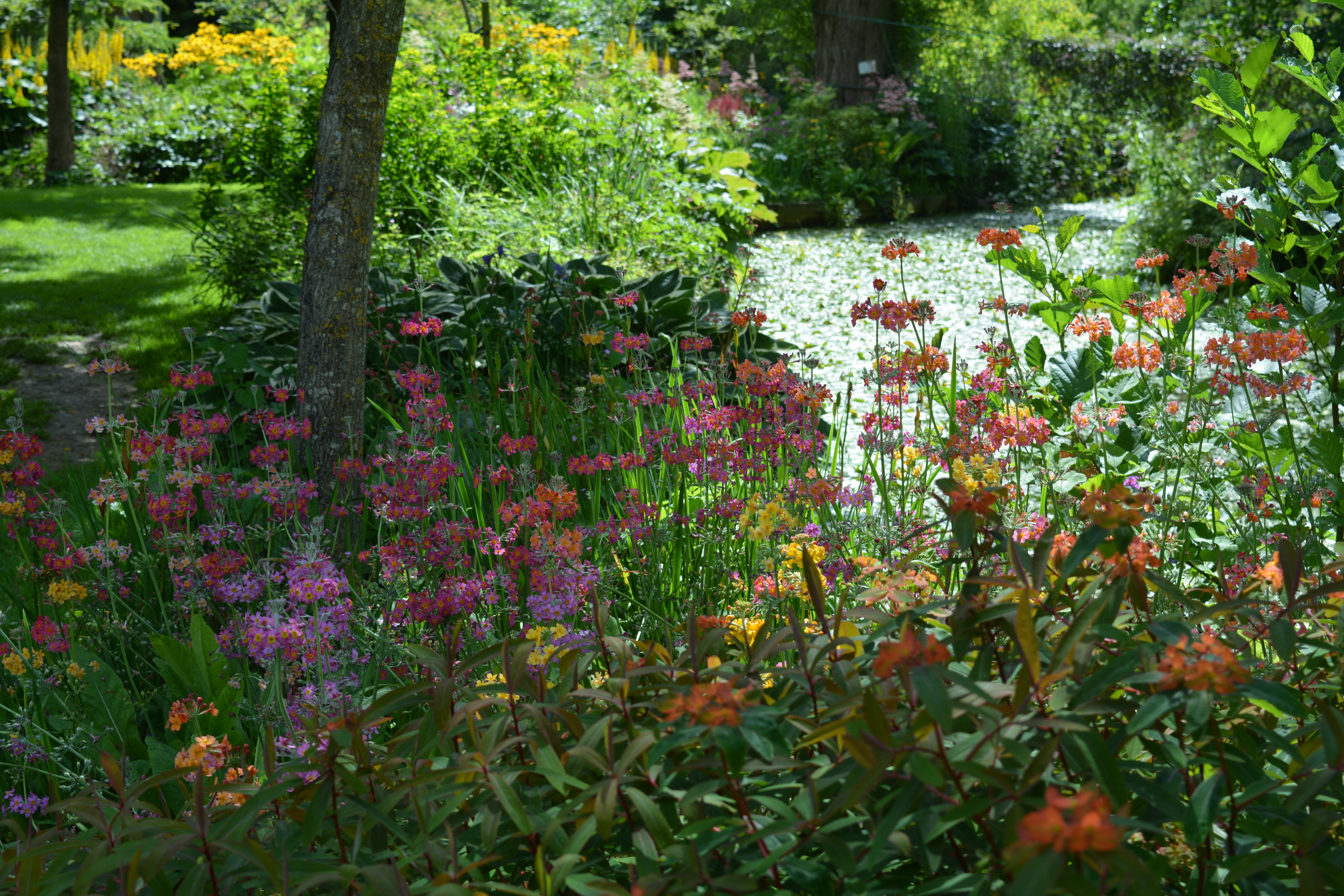
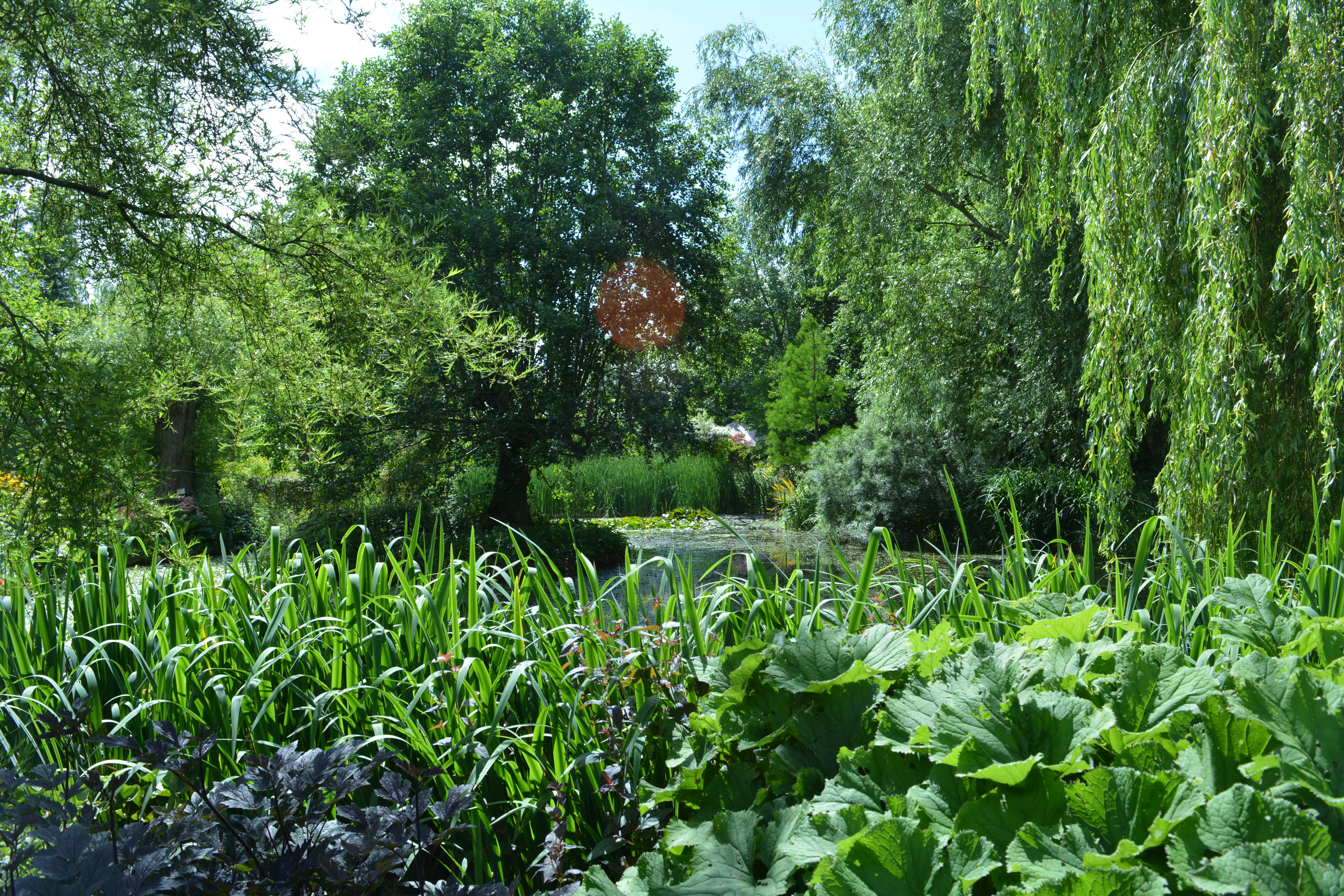
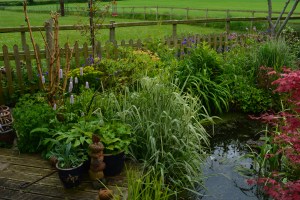
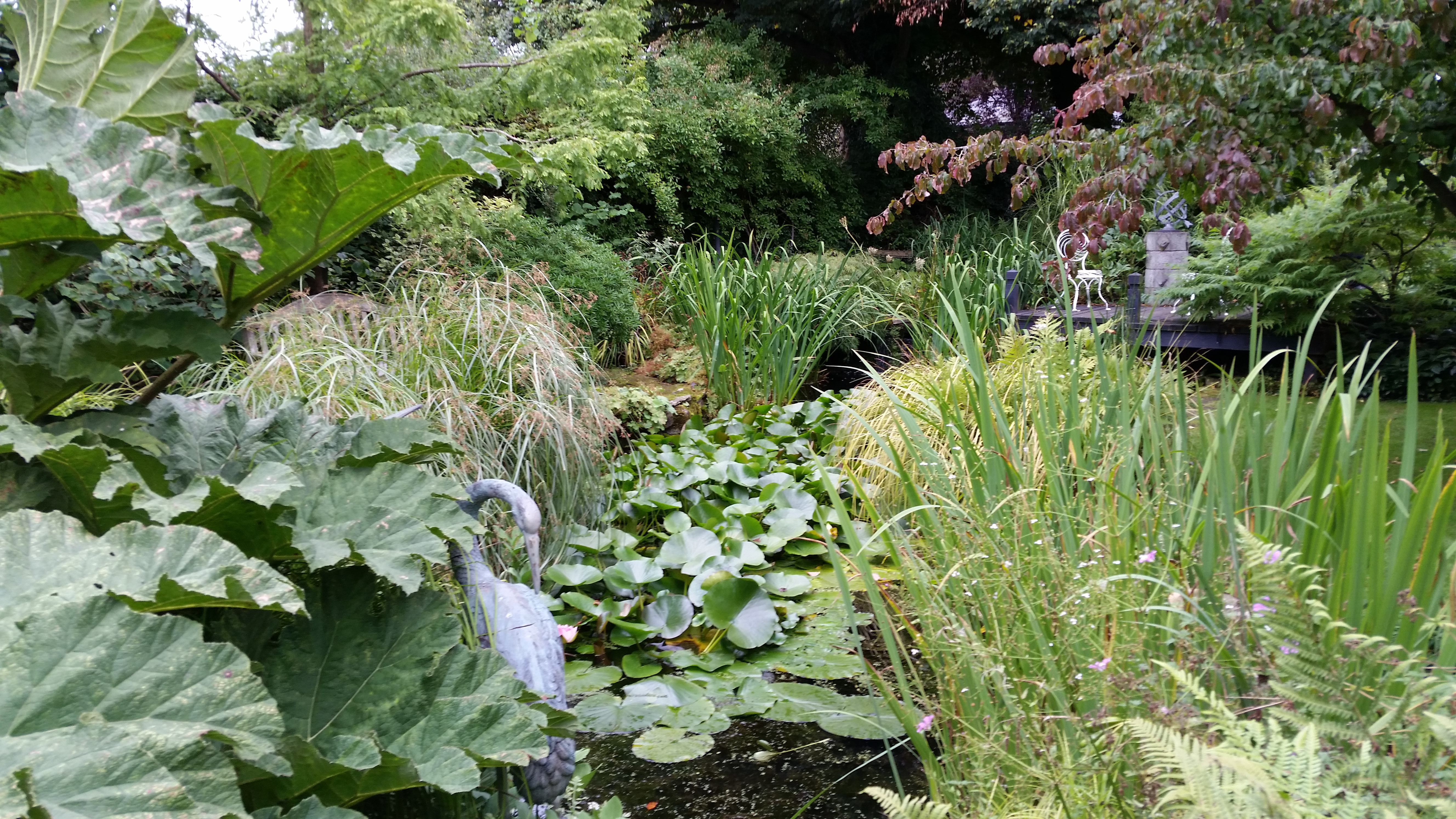
The highlight for many visitors is the large garden pond with wonderful marginal planting, a decked area with white ironwork seats and a narrow pathway behind it for the visitor to explore. We had a great afternoon returning to the garden at Windy Ridge and found it as inspiring as always. We were pleased to note that it had received an award in a national garden competition.

win-43 win-37 win-61 win-56


Categories
colours garden design garden photography garden ponds garden pools gardening gardens gardens open to the public hardy perennials light light quality ornamental trees and shrubs roses Shropshire shrubs trees water in the garden

The Dorothy Clive Garden in August

In late August we made one of our regular visits to the Dorothy Clive Gardens on the Shropshire and Staffordshire border to see how the garden was progressing. We chose a warm sunny day for our visit which gave strong contrasts and deep shadow for the trusty Nikon to deal with.

We expected to see lots of colour and much of it bright hot colours provided by flowering perennials as well as perhaps the first signs of late summer presenting a glimpse ahead to autumn, with seeds and berries beginning to show and some leaf colour on trees and shrubs.

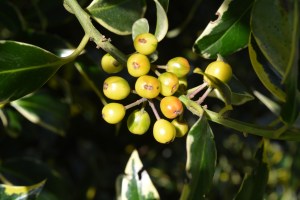
There was most certainly no shortage of berries to discover shining brightly like jewels under a bright summer sun.

dcaug-029 dcaug-014 dcaug-028 dcaug-026 dcaug-018 dcaug-027 dcaug-025 dcaug-009 dcaug-006 dcaug-005 dcaug-040 dcaug-042 dcaug-043

A few very unusual berries in both colour and shape, were displayed by deciduous Euonymous and Magnolia.

dcaug-030 dcaug-033

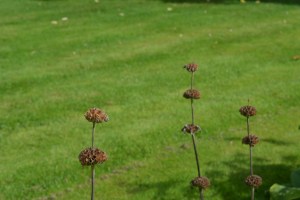
Seedheads were beginning to form on herbaceous perennial plants just as we thought we might find.

dcaug-050 dcaug-048dcaug-049 dcaug-054dcaug-057 dcaug-059dcaug-056 dcaug-060

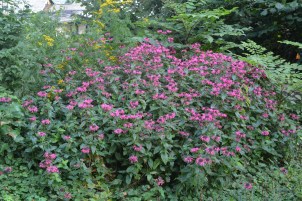
We enjoyed the range of colours that flowers provided in the borders and these were highlighted by the August sun riding high in the afternoon sky.

dcaug-004 dcaug-007dcaug-051 dcaug-058

We were pleased to see that this garden’s Tetrapanax Rex was thriving having lost our specimen early in the year. One here was particularly beautiful with clean unmarked foliage.

dcaug-021 dcaug-022 dcaug-023

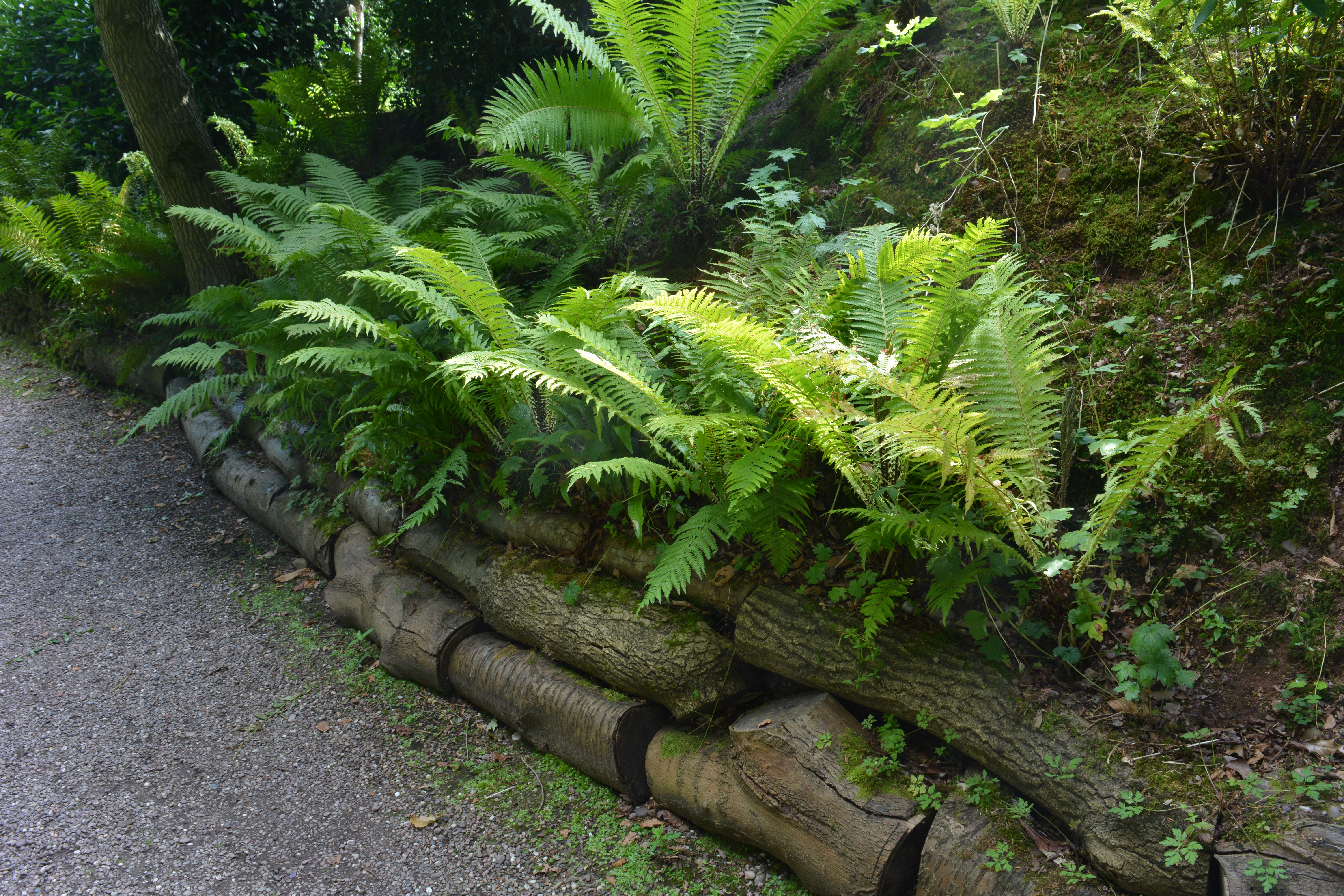
Ferns also provided brilliant green foliage throughout the Dingle Garden, looking fresh beneath the tall mature trees and evergreen shrubs.

dcaug-012 dcaug-013

In the new Winter Woodland Garden we were fascinated by the way the gardeners were training the coloured stemmed willows. We will have to wait and see what the end result will look like.

dcaug-019

We enjoy watching the changes to be seen in the many unusual specimen trees at Dorothy Clive and have always liked the look of this yellow barked Prunus, P. maackii “Amber Beauty”. We are really wondering at the moment whether this would be the ideal tree for a space we have at home which awaits a tree for autumn planting. Apart from its unusual bark colouring it has a graceful growth habit and a wonderful winter silhouette. For a Prunus it also has large leaves.

dcaug-036 dcaug-038

The light during this visit was so interesting whenever the sun beamed through the tree canopy. We particularly loved the way it put this Hydrangea in the spotlight.

dcaug-046 dcaug-045 dcaug-047

It is always good to see promises of things that will be happening in the future and spotting them is an important part of any garden visit. Also it provides a most positive way of finishing my report on our august visit to this wonderful garden, a true favourite of ours. And as we have not featured the giant stag sculpture standing proudly at the top of the stream in the Dingle Garden here he is surrounded by lush greenery completely different to when we saw him in the starkness of the winter months.

dcaug-044 dcaug-016

The pool at the bottom edge of the garden at the lowest point in the garden reflected the blue sky and we enjoyed spotting the small shoals of young Rudd enjoying racing around below the white flowers of the Water Lily.

dcaug-061 dcaug-063

We really appreciated on this August day the scents and colours of the blooms in the Rose Garden.

dcaug-067 dcaug-070

Our next visit to our monthly garden for this year will be in September. We hope to see some hot colours in the herbaceous borders and perhaps a little colouring up of foliage on the many trees at Dorothy Clive.

Categories
buildings colours garden buildings garden design garden photography garden ponds garden pools gardening gardens gardens open to the public hardy perennials Herefordshire irises nurseries ornamental trees and shrubs water garden water in the garden

A Water Garden around an Old Mill

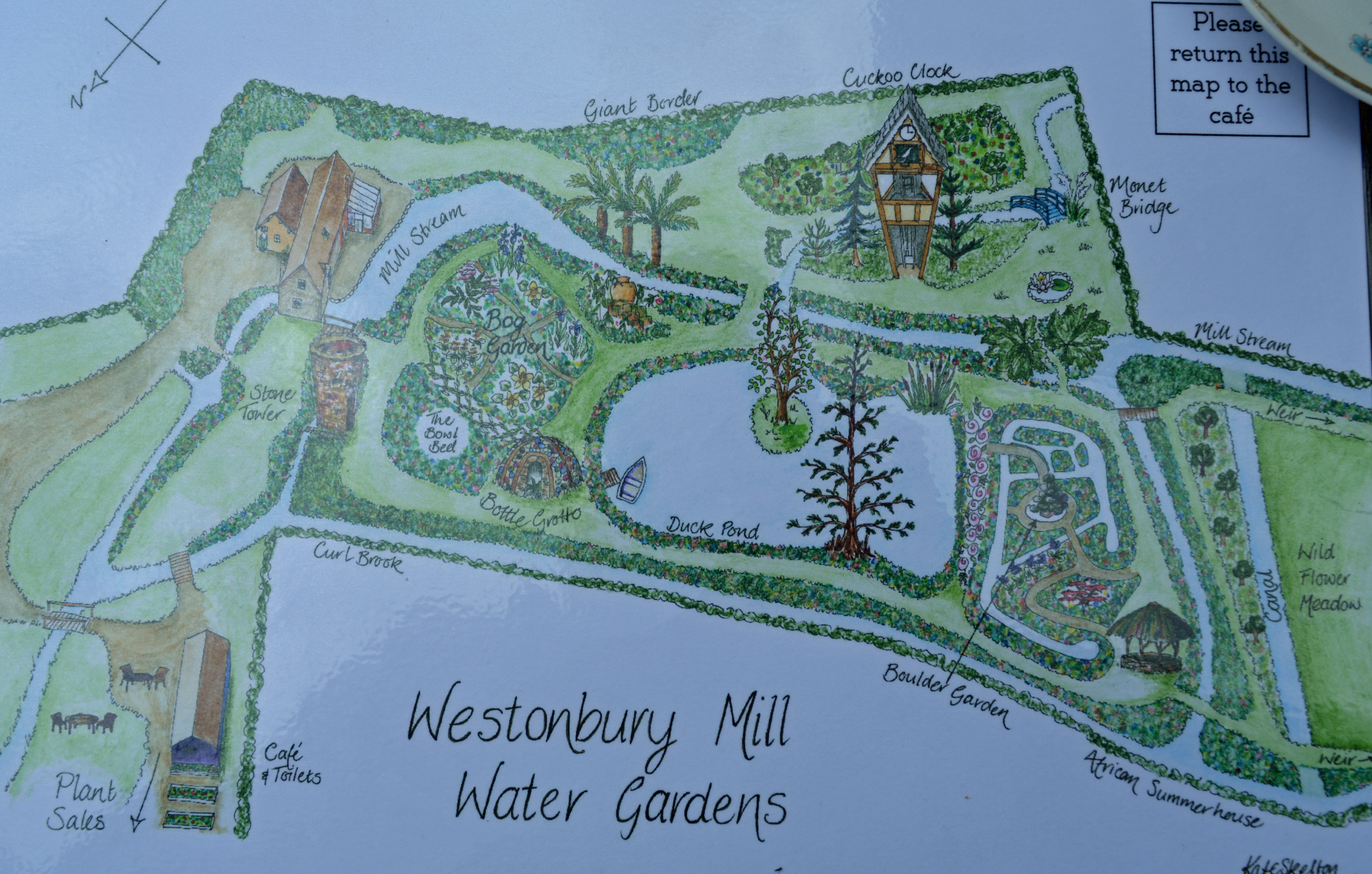
A while ago now we visited this wonderful water garden created around an old water mill on the outskirts of the beautiful Herefordshire village of Pembridge. We decided it was about time for a return visit and also time to peruse the Old Chapel Galleries in the same village. After spending some time and too much money on new sculptures for the garden we drove a few miles on and parked up in the garden car park under lovely mature trees. We collected our hand drawn plan of the garden and set off to explore the Westonbury Mill Water Gardens. Immediately we were impressed by how fresh everything looked and were drawn to bright patches of colourful planting among the greenery.

mill-1

mill-5 mill-4   mill-8 mill-5

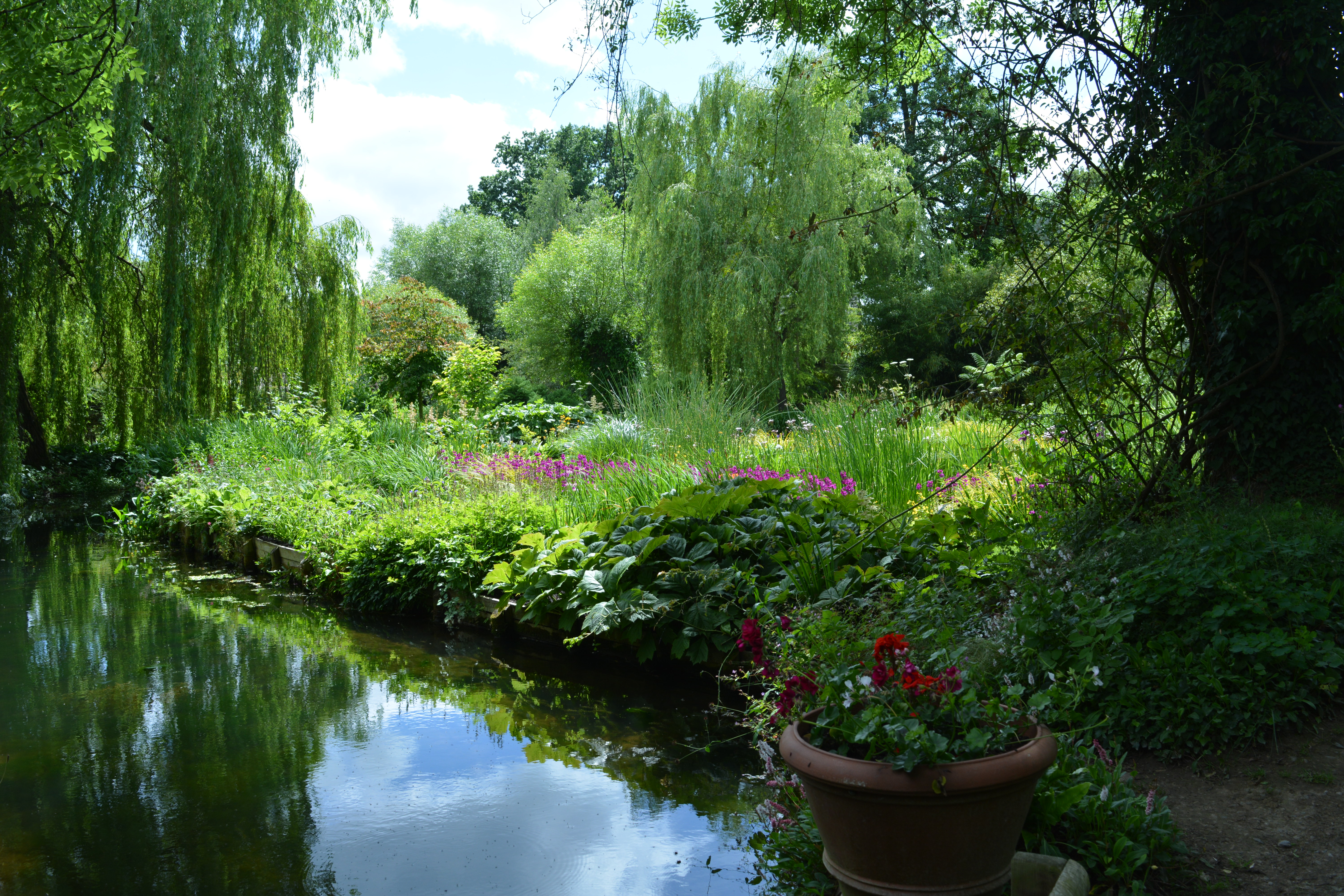
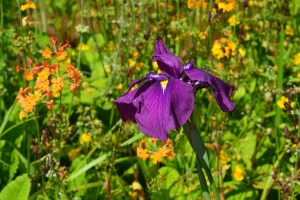
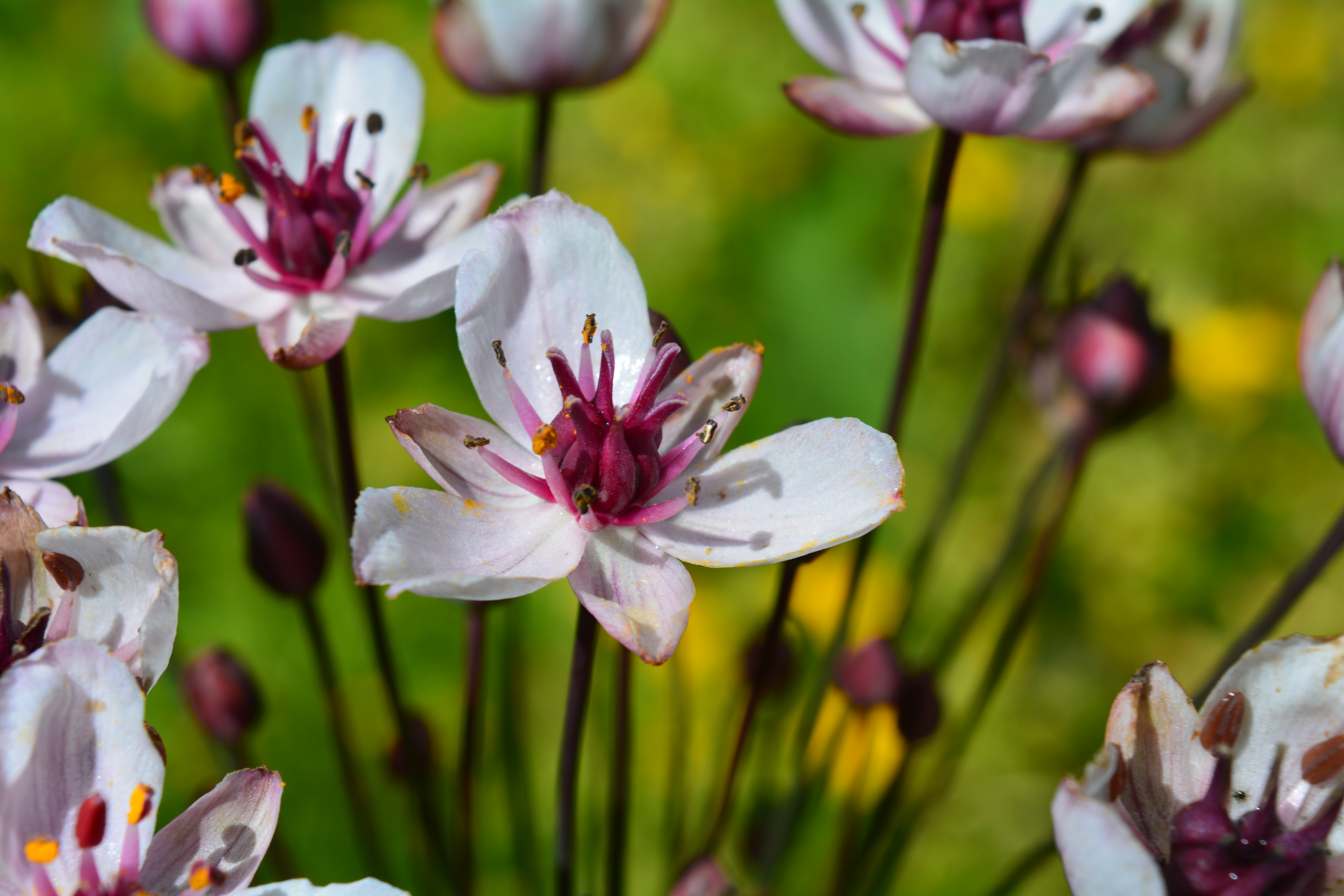
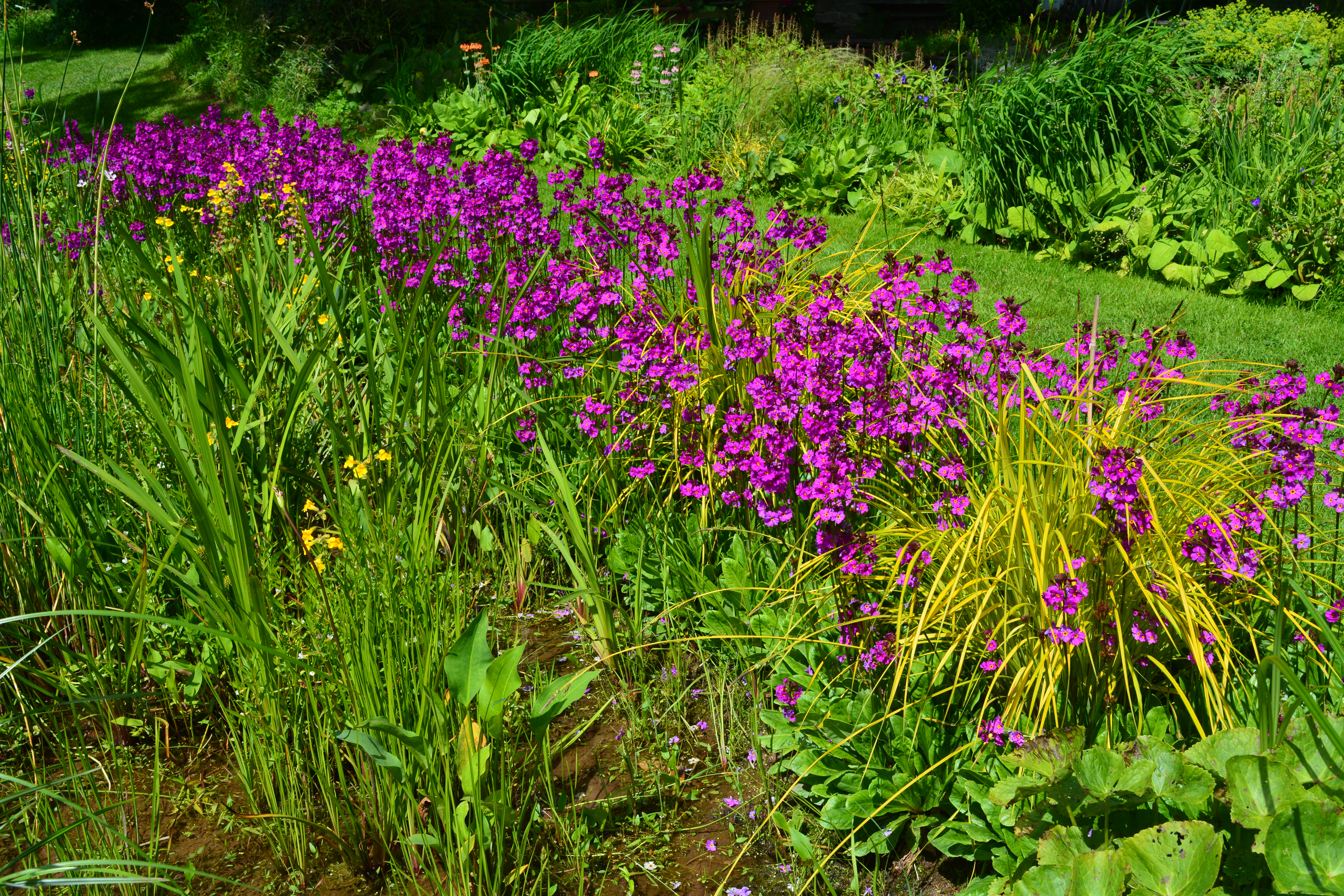
As in any good garden the quality and choice of individual plants is a key factor in making it an enjoyable place to visit. Take a look at these beauties at Westonbury Mill. Being a water garden designed around a series of streams and pools we searched out the water and marsh loving plants first and found many in flower including the following specimens. Irises including varieties of I.ensata, the wild flowerheads of Butomis, the flowering rush and various Primulas including P. florindae and Rodgersias.

mill1-08 mill1-09mill1-02 mill1-24mill1-04 mill1-05mill1-03 mill1-13 mill1-14mill1-11 mill1-18mill1-06 mill1-07         mill1-16 mill1-17  mill1-21 mill1-25

Even though this was a water garden there were plenty more perennials flowering well and catching the attention of visitors.

mill1-19 mill1-20   mill1-23 mill1-01 mill1-26 mill1-27

Westonbury is well-known for its collection of follies, built by the garden owner for the sheer fun of it and to amuse the visitors, although they can also have a secondary purpose.

We discovered the first just as we approached the garden itself and so we could enjoy it from outside the garden and within. Water rose up a water ladder from the stream beneath to be released into the hands of gravity thus sending water spewing from the mouth of a stone gargoyle.

mill-2 mill-3

mill-6 mill-7

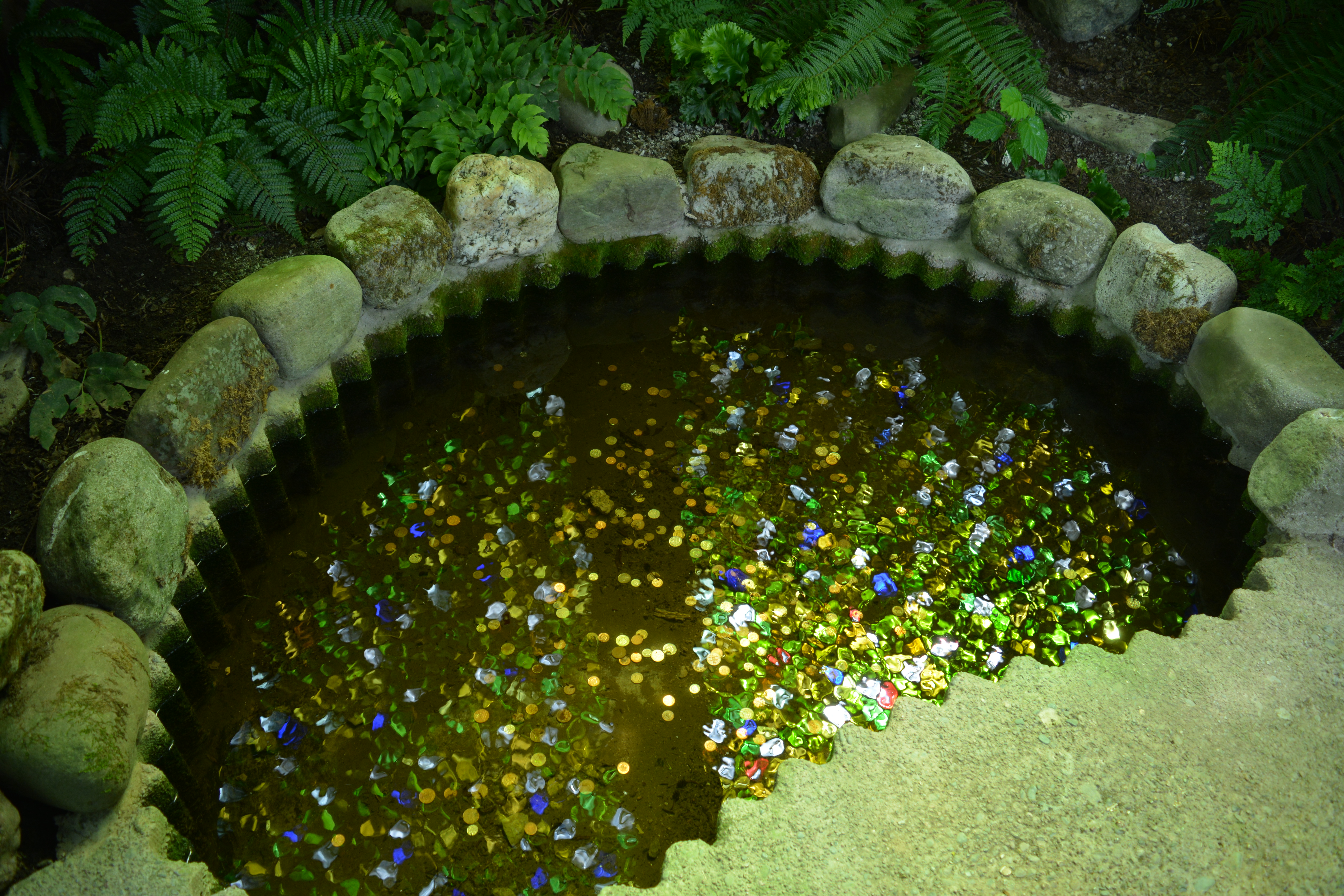
Through a structure of willow rather than stone we moved on to discover further eccentric buildings including a glass bottle igloo, towers and shelters.

mill2-01 mill2-02 mill2-05 mill2-06mill2-04 mill2-07 mill2-11mill3-13 mill2-10 mill2-09 mill2-10

To give you an idea of the feel of the garden and the quality of the planting and structure I thought I would finish this post about Westonbury Mill Water Gardens with a selection of broad shots taken as we wandered its many winding paths.

mill3-16 mill3-15 mill3-14  mill3-12 mill3-10 mill3-09 mill3-08 mill3-07 mill3-05 mill3-06 mill3-04 mill3-03 mill3-02 mill3-01

What a lovely atmospheric garden this is! Full of interest and full of interesting plants and features.


Categories
conservation garden design garden photography garden ponds garden pools garden wildlife gardening hardy perennials Herefordshire National Garden Scheme NGS ornamental trees and shrubs outdoor sculpture sculpture water in the garden wildlife Yellow Book Gardens

A beautiful wildlife garden in Herefordshire

Today we travelled further than we usually do for our regular visits to NGS gardens and made our way southwards through South Shropshire and down through Herefordshire to a tiny village near Ross-on-Wye. Even the approach to this garden was special as we left the temporary car park in a farmyard and followed a narrow track through a narrow band of woodland down towards the cottage and its garden. The description in the NGS Yellow Book promised a great afternoon out in a quirky cottage garden created for wildlife and managed organically. We were not to be disappointed in any way!

cornmill-01 cornmill-02 cornmill-03cornmill-04

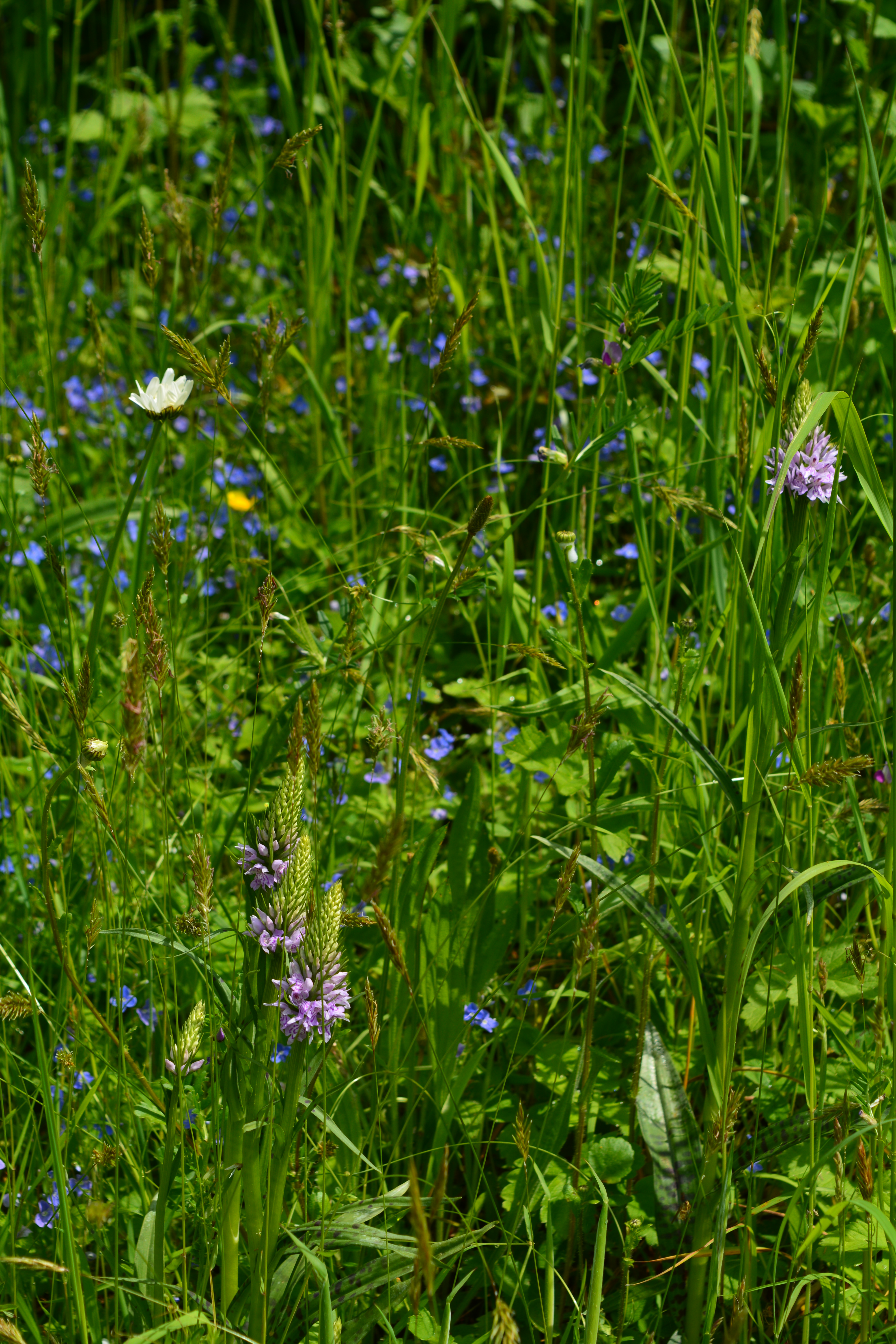
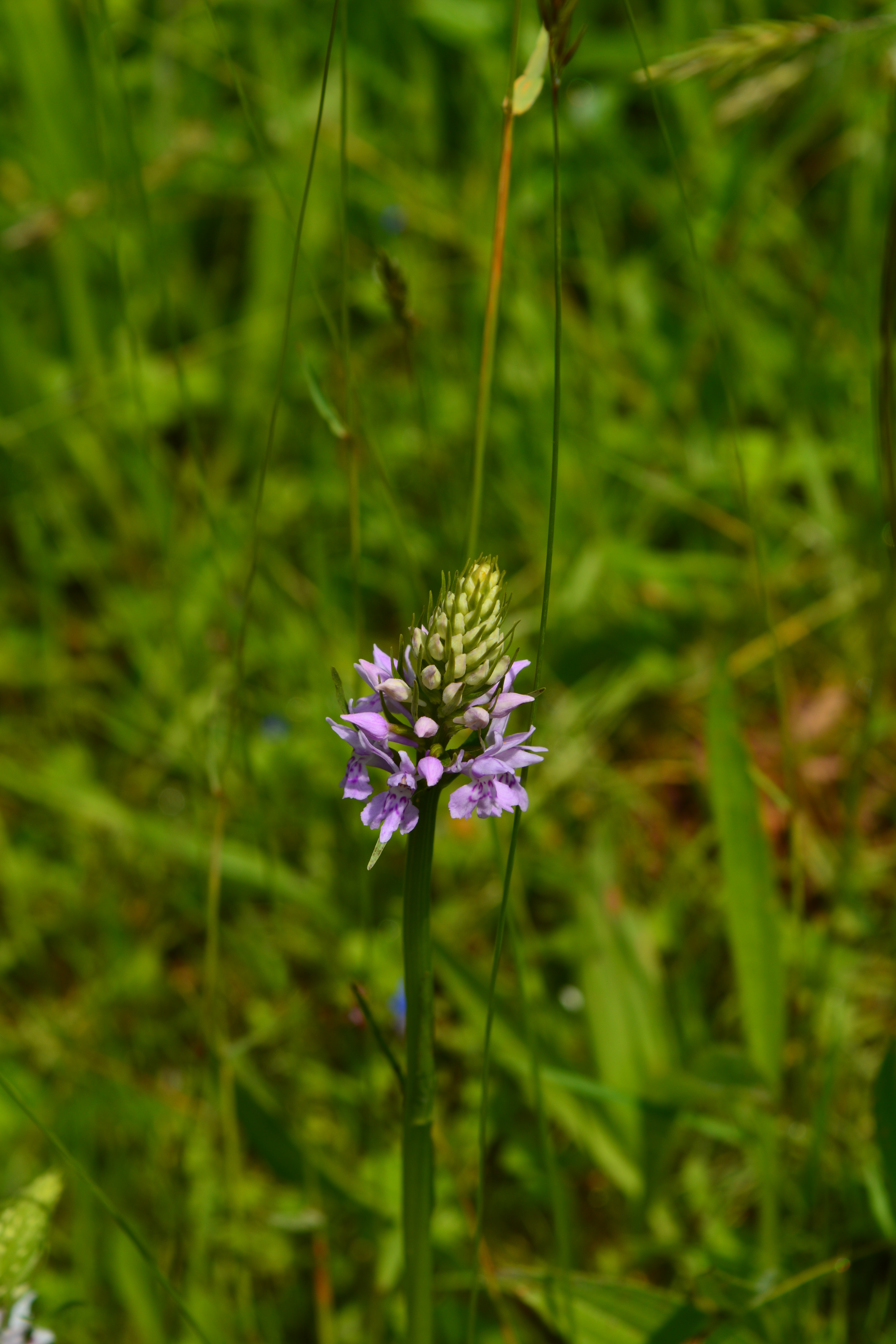
We found a steep driveway as we left the woodland shade and slowly made our way down it to the cottage below passing floriferous meadows all the way. We were delighted to see orchids in with more common meadow flowers.

cornmill-05 cornmill-06 cornmill-07 cornmill-09

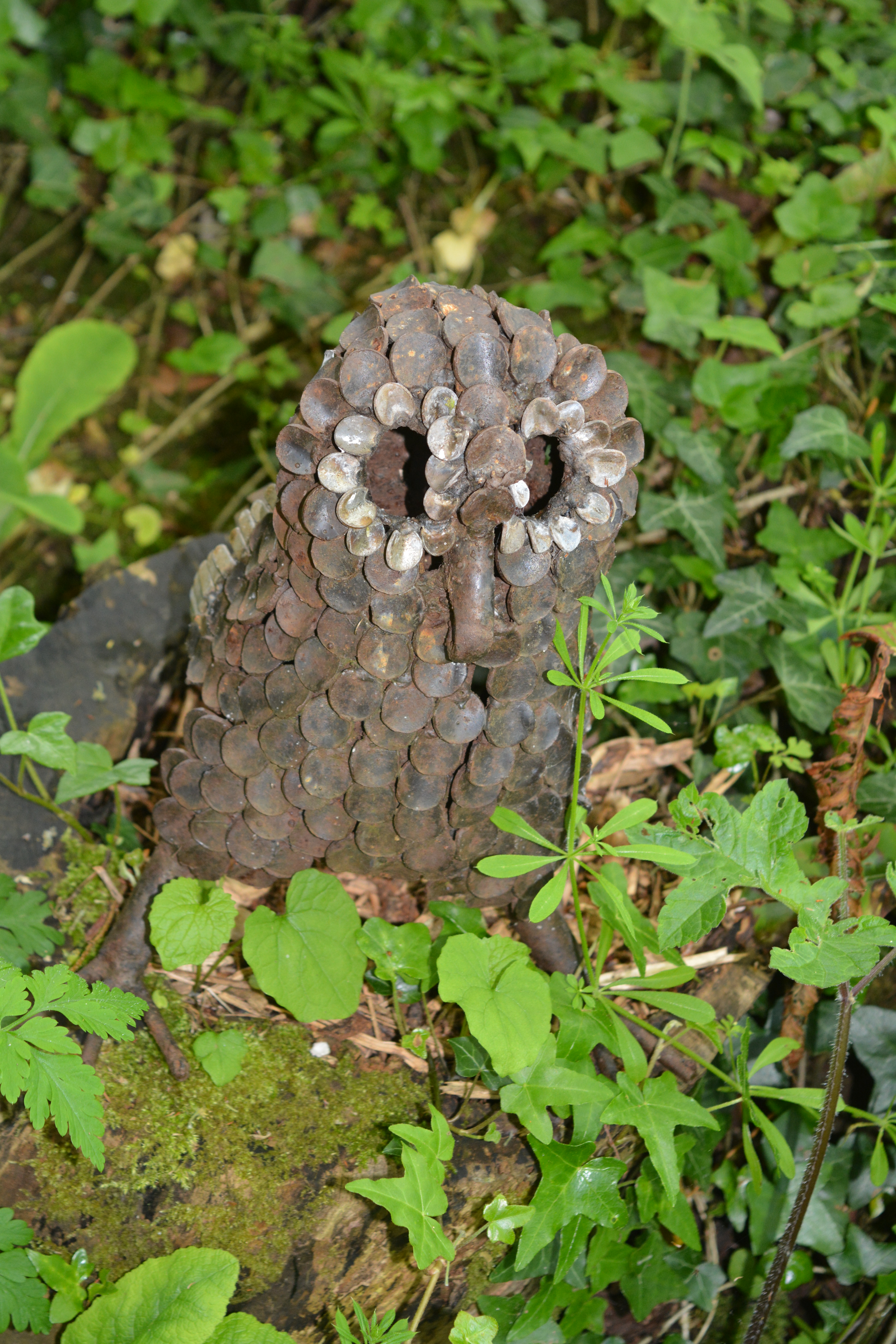
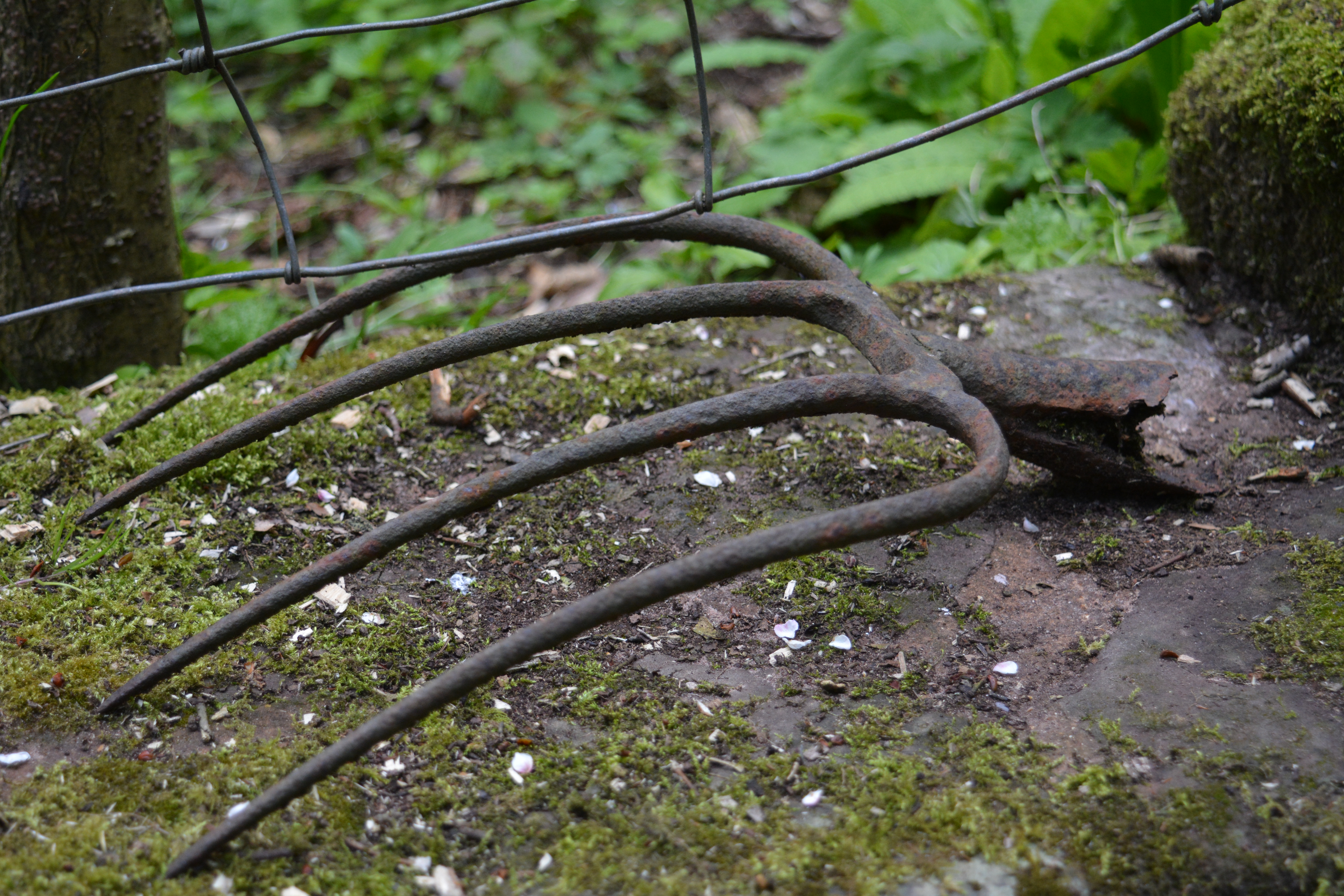
We paid our entry fees and met the gardener who like us loved peaceful gardens full of wildlife especially. As we spoke I noticed this little selection of artifacts found in the garden. It was to set the tone for the day.

cornmill-10 cornmill-11

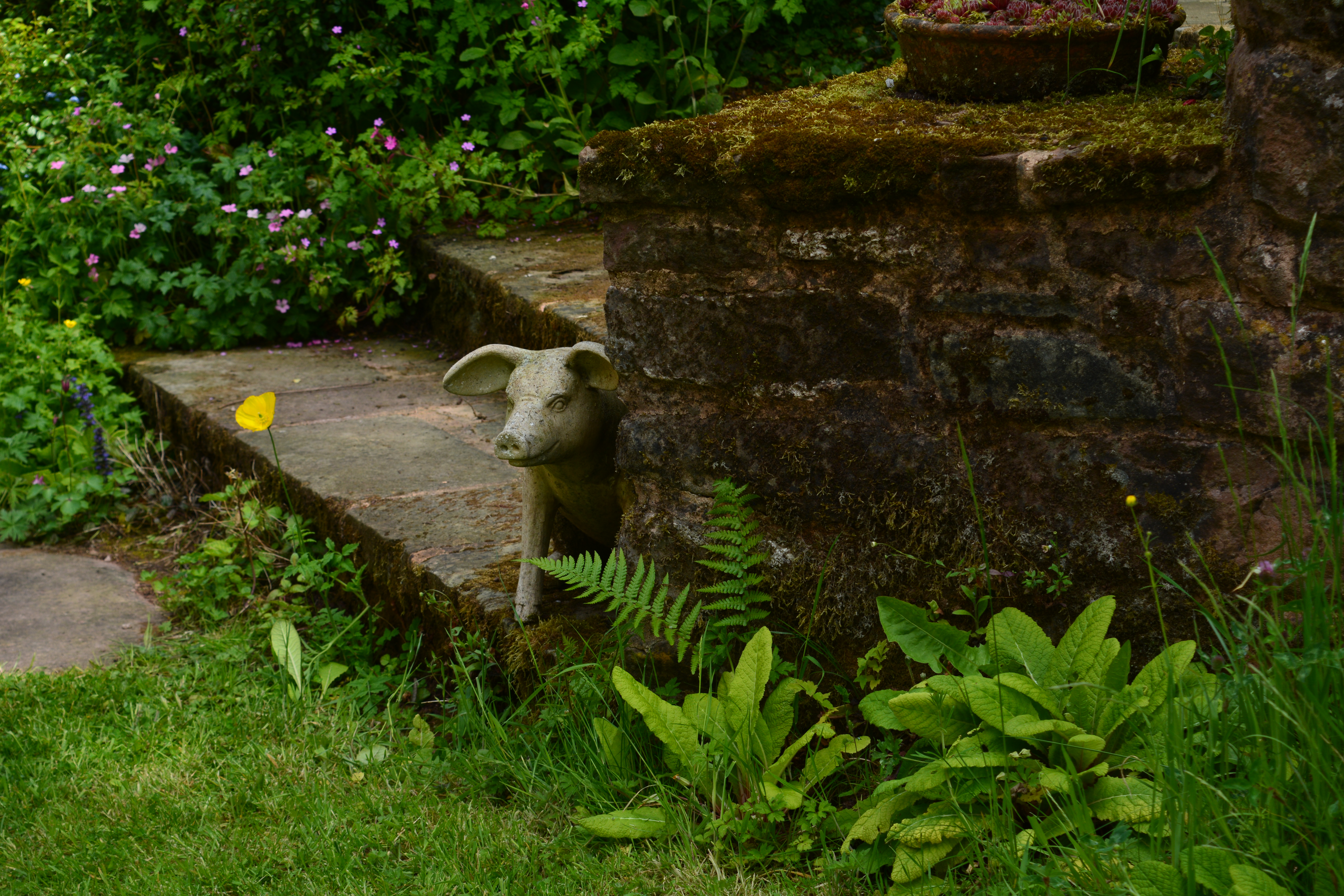
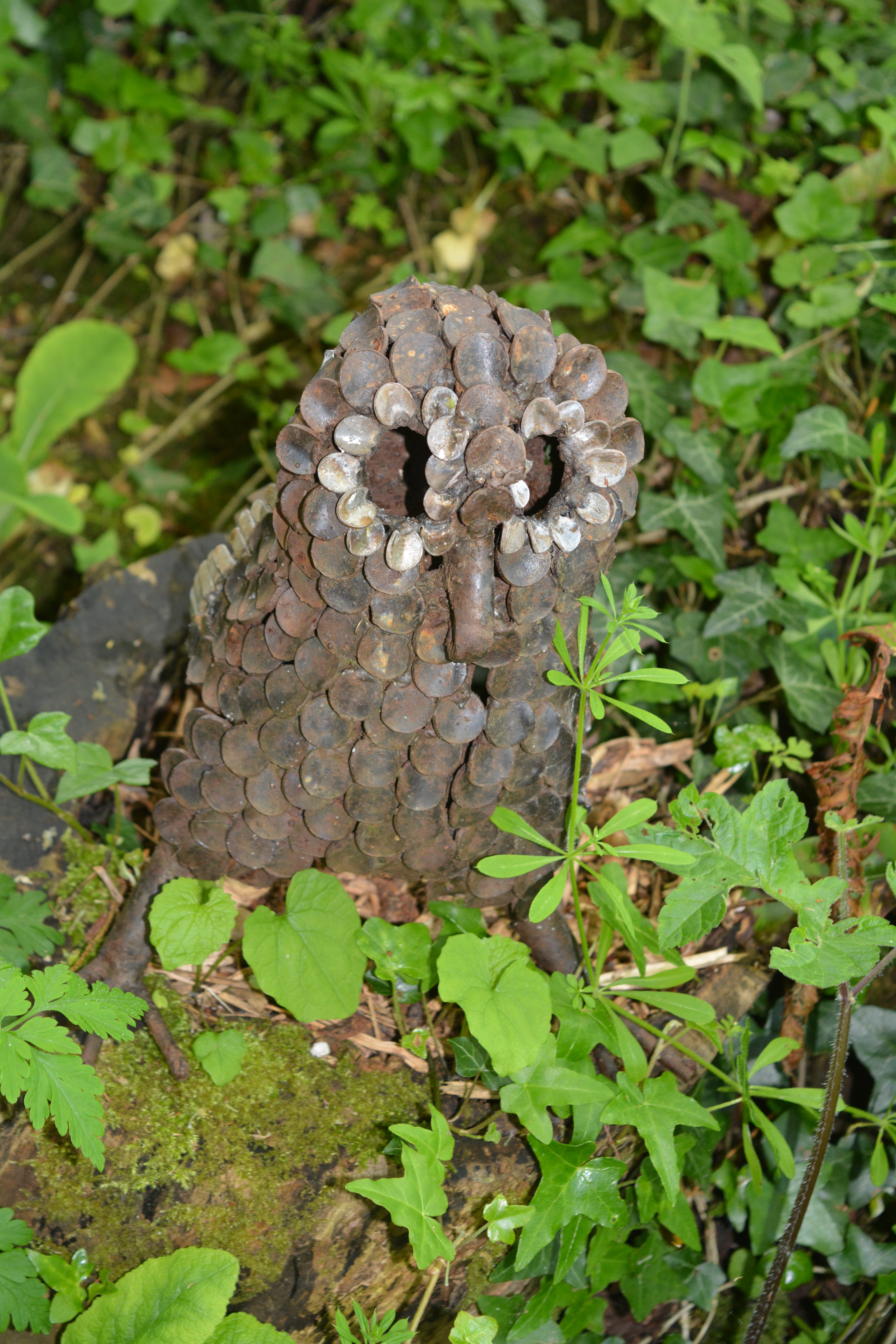
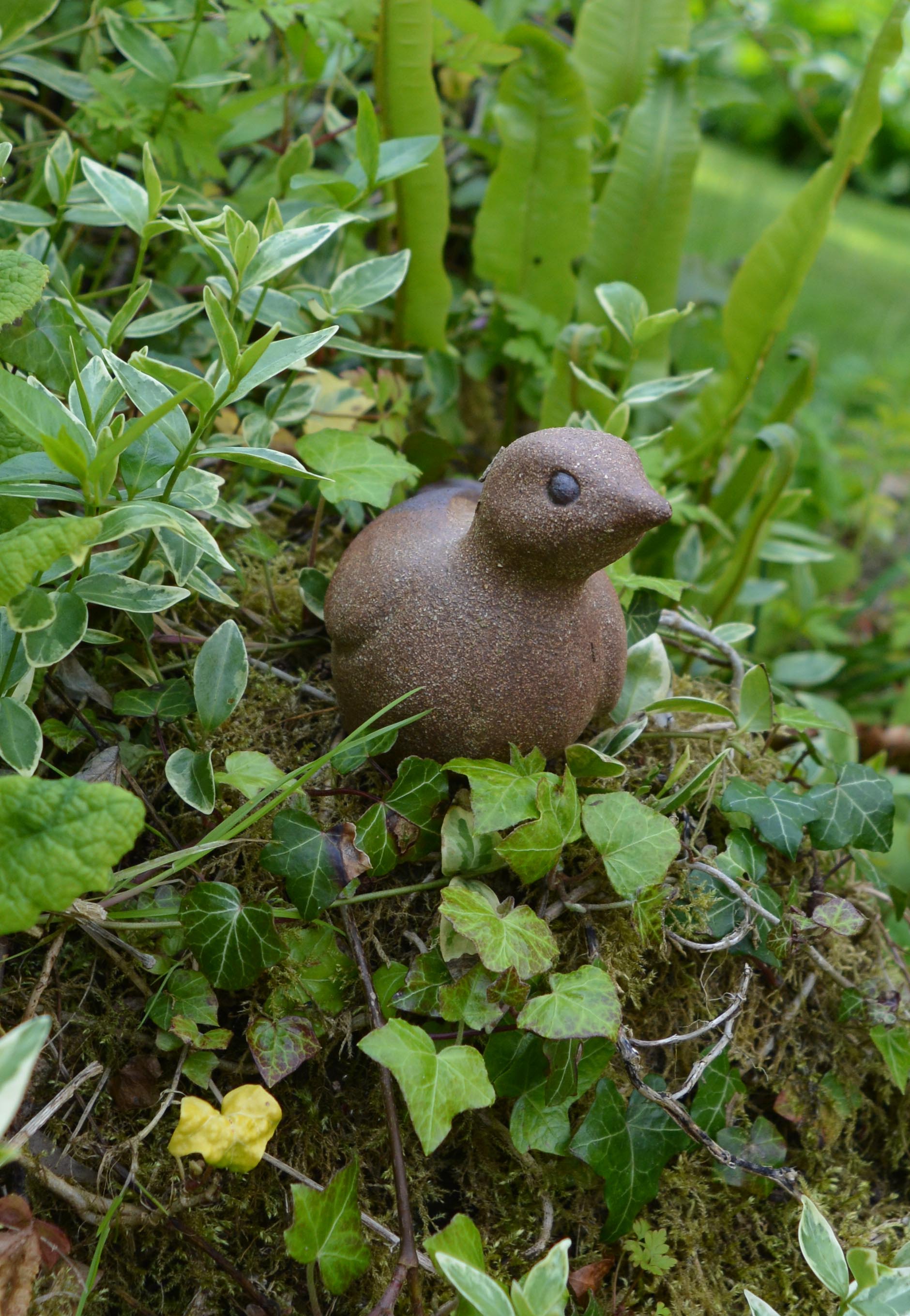
As we slowly ambled along the many meandering softly surfaced paths we kept one eye on the plants and another on the look out for more artifacts and sculptural pieces. We first found this perky looking pig! We found many more varied pieces to amuse, appeal and amaze.

millpig-1orchardcottage-12 orchardcottage-11orchardcottage-02 orchardcottage-04 orchardcottage-10 orchardcottage-13  orchardcottage-06 orchardcottage-01 orchardcottage-05millartifacts-09 millartifacts-10 millartifacts-2

This was a garden that invited us to wander and explore its many paths, to discover its calm and restful character. It succeeded in doing what we hope our garden does, to make you feel calm and contented. The planting was gentle and brought to mind the writings of William Robinson, especially how he expressed his philosophy of gardening in his book, The Wild Garden.

We shall now take a wander around this lovely gentle garden by following the pics in this gallery. As usual just click on the first picture and use the navigation arrows.

This was such a beautiful garden which welcomed other gardeners and wildlife alike, and was so full of atmosphere. We hope we are able to return one day in the future.


Categories
canals garden design garden furniture garden photography garden ponds garden pools garden wildlife gardening gardens gardens open to the public hardy perennials Hardy Plant Society HPS nurseries ornamental trees and shrubs outdoor sculpture sculpture trees water garden water in the garden wildlife

John’s Garden – Ashwood Nurseries.

We have wanted to visit John’s Garden for a long time but have never been able to attend on any of his open days, so when we noticed that a private visit was planned for the Shropshire Group of the Hardy Plant Society we were determined to go along. It is always worth going on these garden visits which give the chance to share the experience with your friends and also share their joint expertise and interest.

John Massey is well known for breeding his own strains of Hellebores and more recently Hepaticas too. He is also an excellent speaker and he has spoken to our Shropshire HPS group several times.

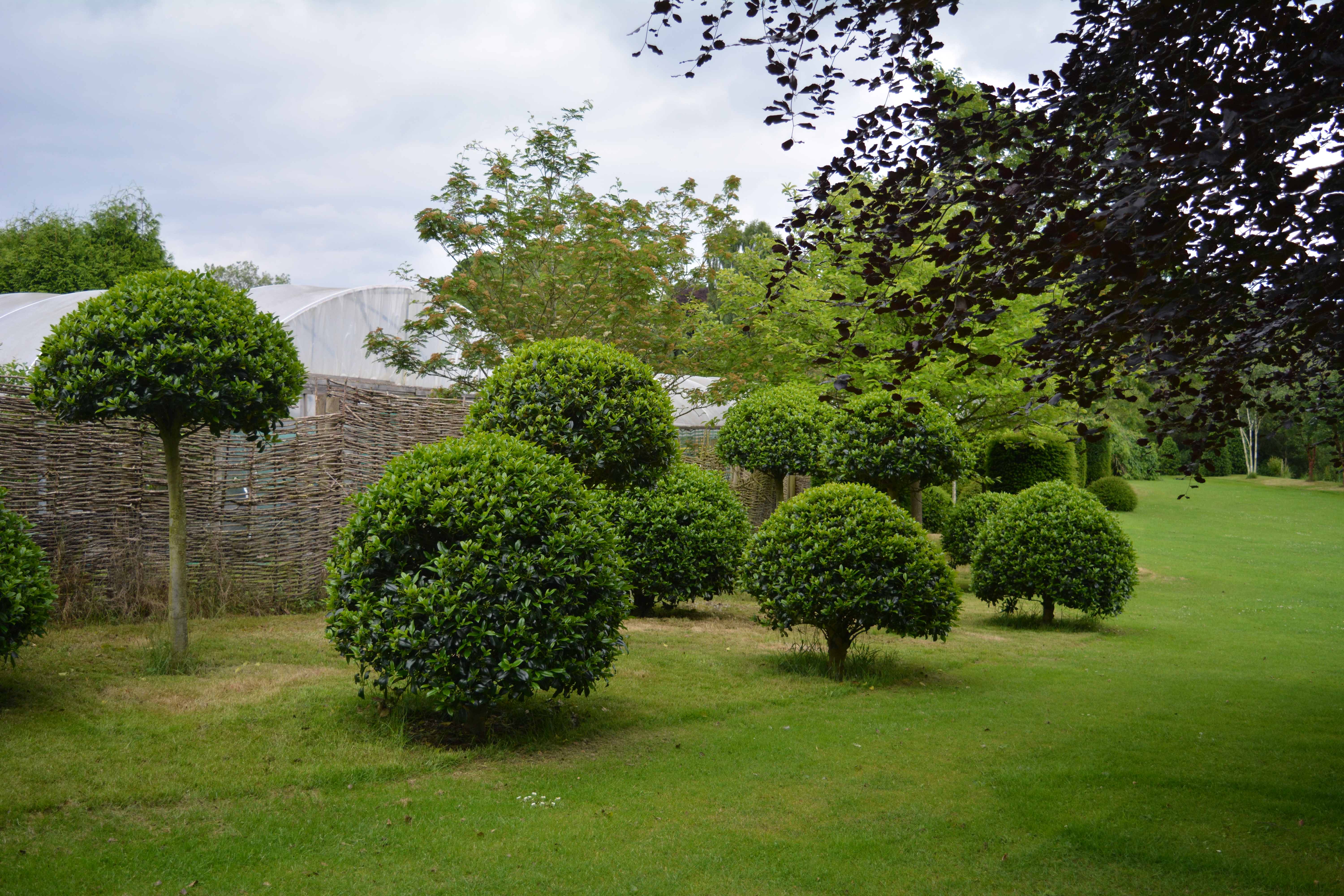
As we wandered down the drive to his bungalow we stopped to admire this imaginatively clipped hedge like billowing clouds. Opposite this was a lawned area with a small collection of interesting trees and some crazy sheep sculptures grazing the grass.

john-01 john2-22john2-20 john2-21

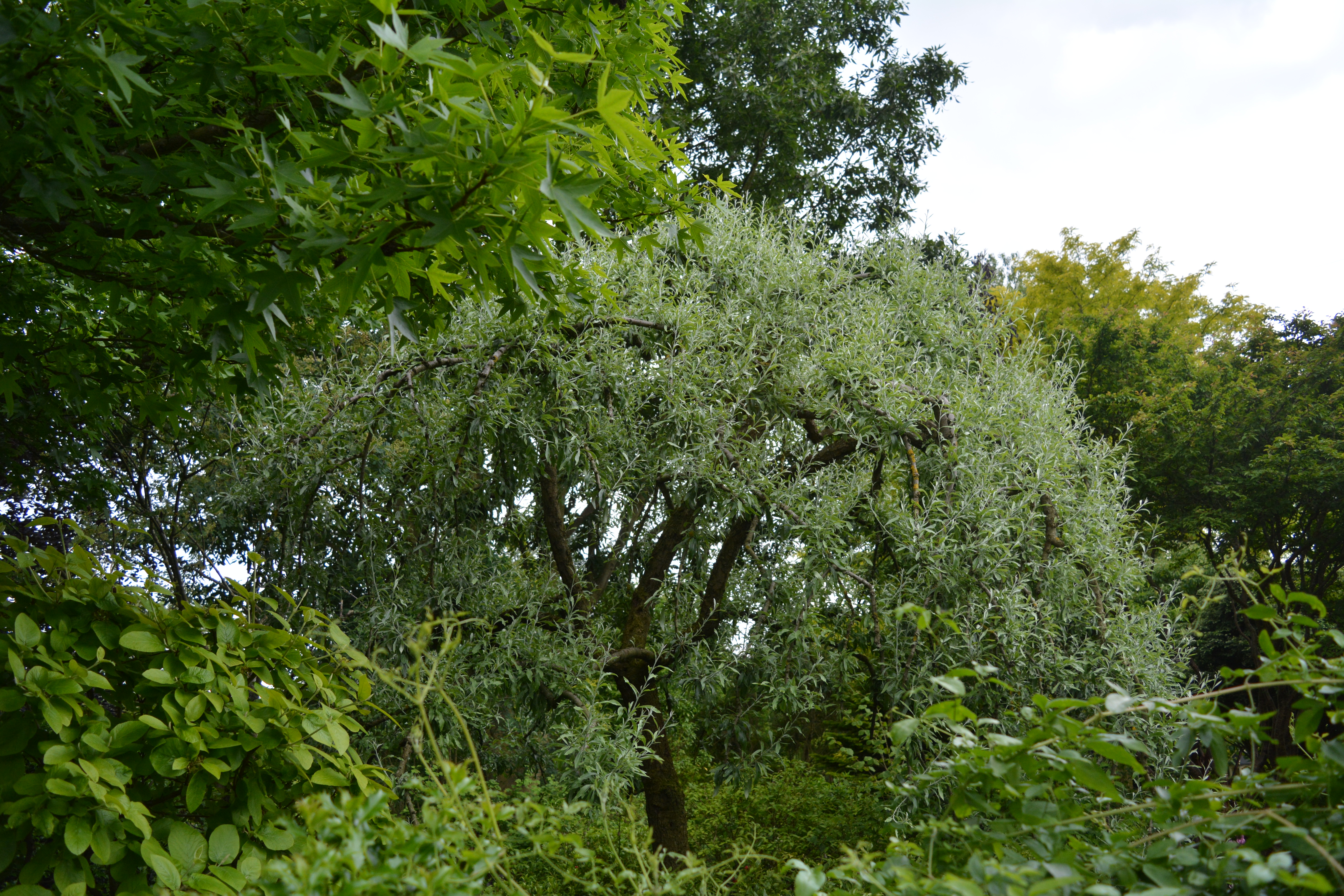
As we entered the main garden there was more smart pruning deserving a closer look, including this Pyrus salicifolia shaped into an umbrella.

john-03 john2-01 john-04 john-06

Let us take a quick look at a few photos of garden vistas, views which tempted us onwards.

john-07 john-08 john-09  john-11 john-13john-12 john-14 john-15  john-18 john-19 john-20

Sculpture featured strongly in John’s garden and here is a selection for you to enjoy.

john-10 john1-01john1-09 john2-07john2-09 john2-15john2-17 john2-16 john2-19 john2-18 john2-10

Some well-chosen and carefully placed sculptures adorned the area around a beautiful pool. The planting was intriguing too and called out for closer examination.

john1-15 john1-21john1-19 john1-23   john1-25 john1-26

A second much smaller water feature was surrounded by a collection of beautiful plants. The little fountain raised the water just a few inches before it dropped back creating gentle ripples and a relaxing sound.

john1-05

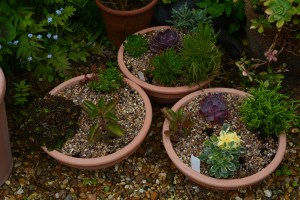
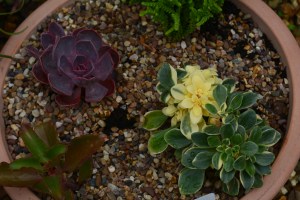
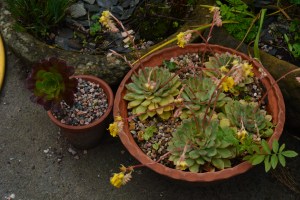
The area of garden around the back of the house was partly covered with a large pergola over paved areas. Imaginatively planted containers and plenty of seats made this a restful area inviting the visitor to sit and relax to enjoy the succulents and alpines. From the paved area a lawned areas sloped gently down to the canal, a lovely feature acting as the boundary to a garden.

john1-11 john1-08john1-06 john-18john-17 john1-12

John and his garden team seem very good at putting plants together especially using foliage as the link pulling the design together.

john1-13 john1-14 john2-04 john1-02john1-20 john1-04

As in any good garden however good plant combinations and plant communities are, there are always individual specimens that draw the visiting gardener in for a closer look.

john1-03 john1-07   john1-10 john2-14john2-05 john2-02john1-16 john1-17

We really enjoyed our leisurely walk around John’s Garden particularly  as we were accompanied by John himself, who was such a generous, knowledgeable and humorous guide. We were lucky to share this garden with the owner and chief gardener.

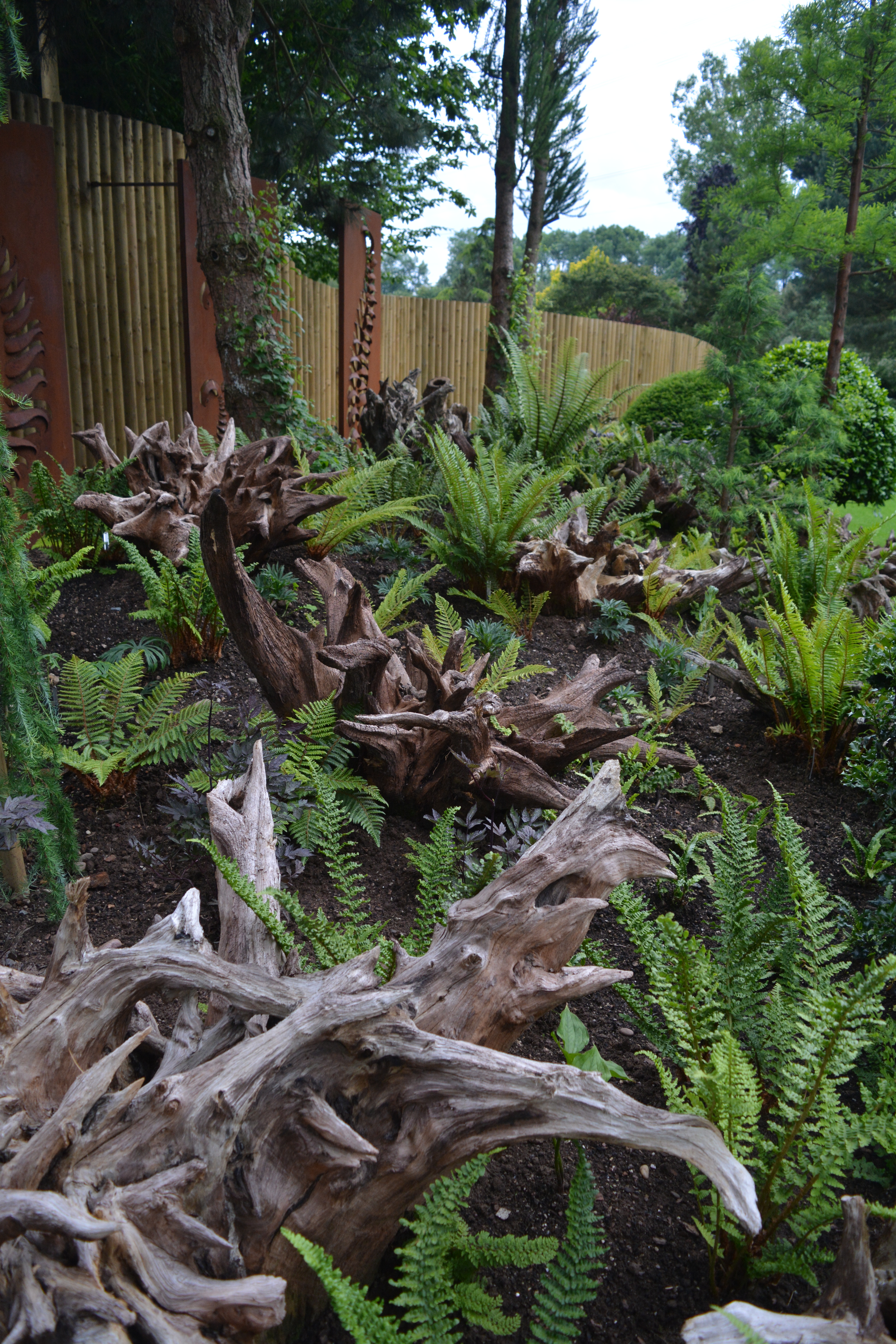
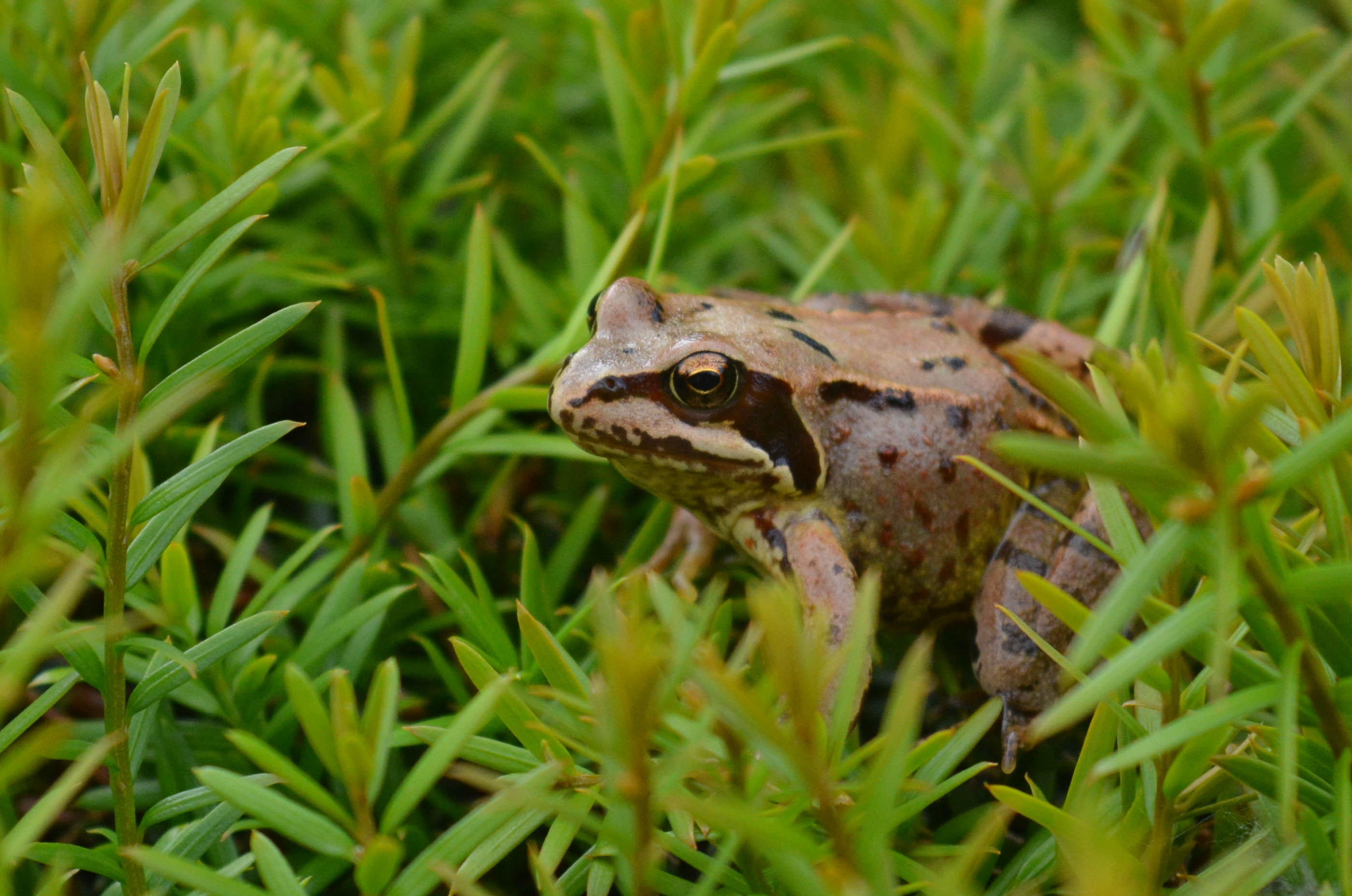
But I shall leave you with two surprises we had during our journey, a totally unexpected border, a newly built stumpery and a lovely close-up view of a frog on top of a topiary sphere!

john2-11 john2-12 john2-13

Categories
colours garden design garden furniture garden photography garden ponds garden pools garden wildlife gardening gardens gardens open to the public hardy perennials lakes light light quality ornamental trees and shrubs outdoor sculpture sculpture shrubs town gardens water garden water in the garden wildlife woodland

Winterbourne House Gardens – a city garden

You don’t very often find yourself travelling into the centre of a major city to find a beautiful garden but that is exactly what we had to do to find a garden that had been on our bucket list for years, Winterbourne House Gardens. We travelled along three motorways, the M54, the M6 and finally the A38M into Birmingham until we found the street we were looking for and just 600 yards down there we found the entrance to the garden. Putting up with the motorway journey and the city traffic was soon lost from our minds as the entrance was so welcoming and we knew we were in for a wonderful day.

wint-03 wint-08 wint-05wint-06 wint-04

Obviously we started our visit by obeying the sign above! The only downside of a visit to this garden is the tearoom being much too small for a wet and cold day. But the garden itself was a beauty with views, pathways and archways to invite us to explore further.

wint1-04 wint1-20wint3-08 wint1-21 wint2-09 wint3-06

A botanical garden though is all about special plants and the way they are grown together. There were plenty for us to study at Winterbourne and to help take our minds off the dull skies and increasing threat of heavy showers.

wint2-08 wint1-01wint2-10 wint2-07wint1-19 wint1-05 wint1-06 wint1-08wint1-13 wint1-14wint3-03 wint3-07wint3-11 wint3-12

Little features that draw the eye added extra points of interest to our wanderings.

wint1-07  wint-09 wint1-12 wint1-15 wint1-16 wint1-17 wint1-18

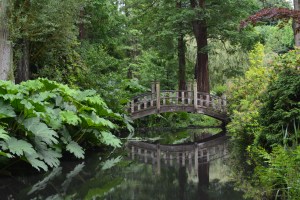
An unexpected treat was found as we took a path through woodland, a shaded walk alongside a large lake. The light was very special there. Looking out over the lake we could see the skyscrapers of the city. This was the only time we were aware of our city centre location during our wanderings.

wint2-02 wint2-01 wint2-03 wint2-06wint2-04

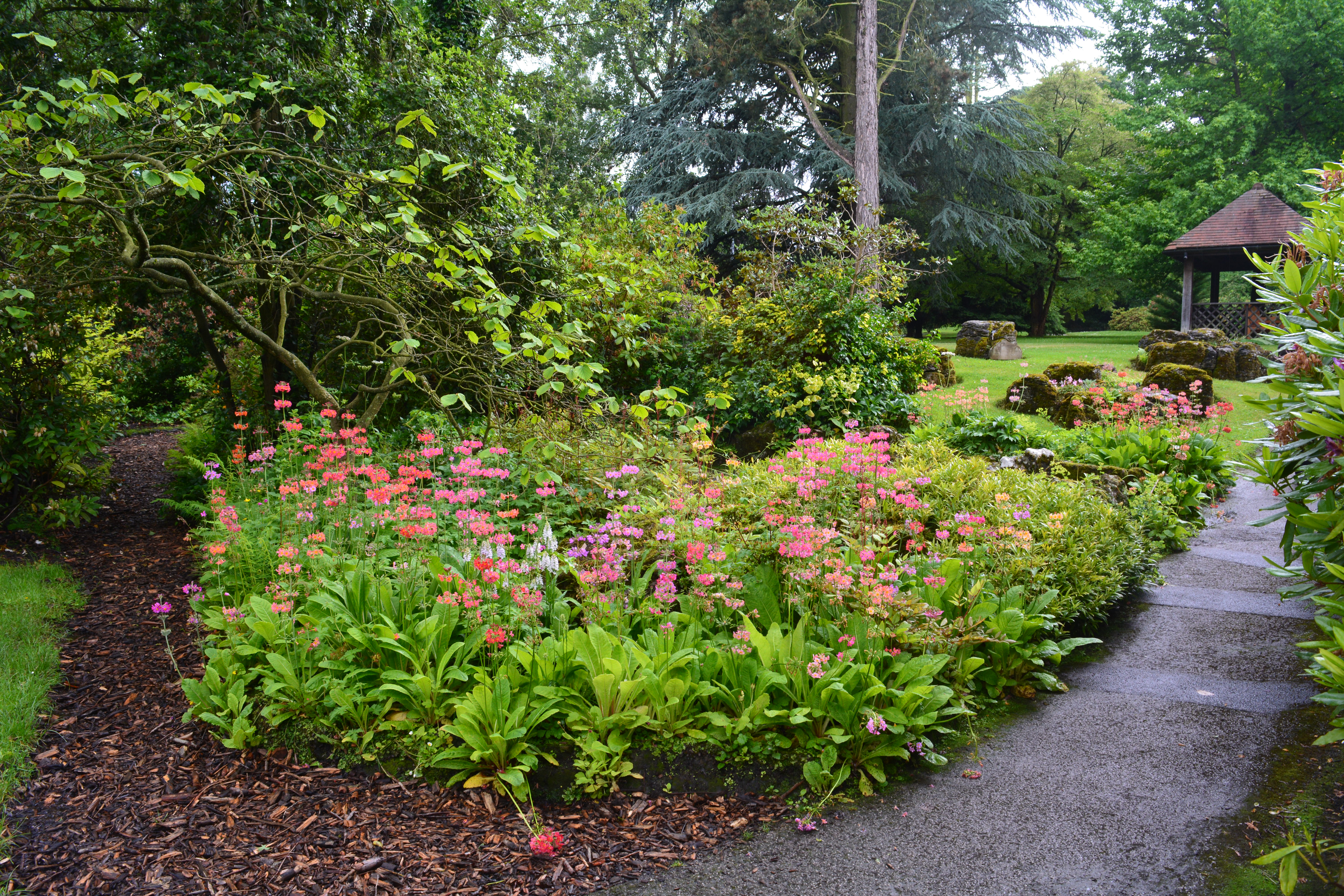
After enjoying our lakeside promenade we followed the winding path through the water gardens where the giant leaves of Gunneras and Dalmeras dominated and the wide ranging colours of Primulas added interest to the greens.

wint2-17 wint2-16   wint2-18 wint2-23

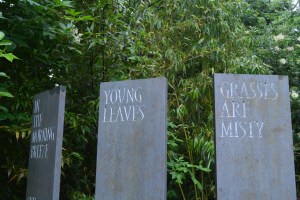
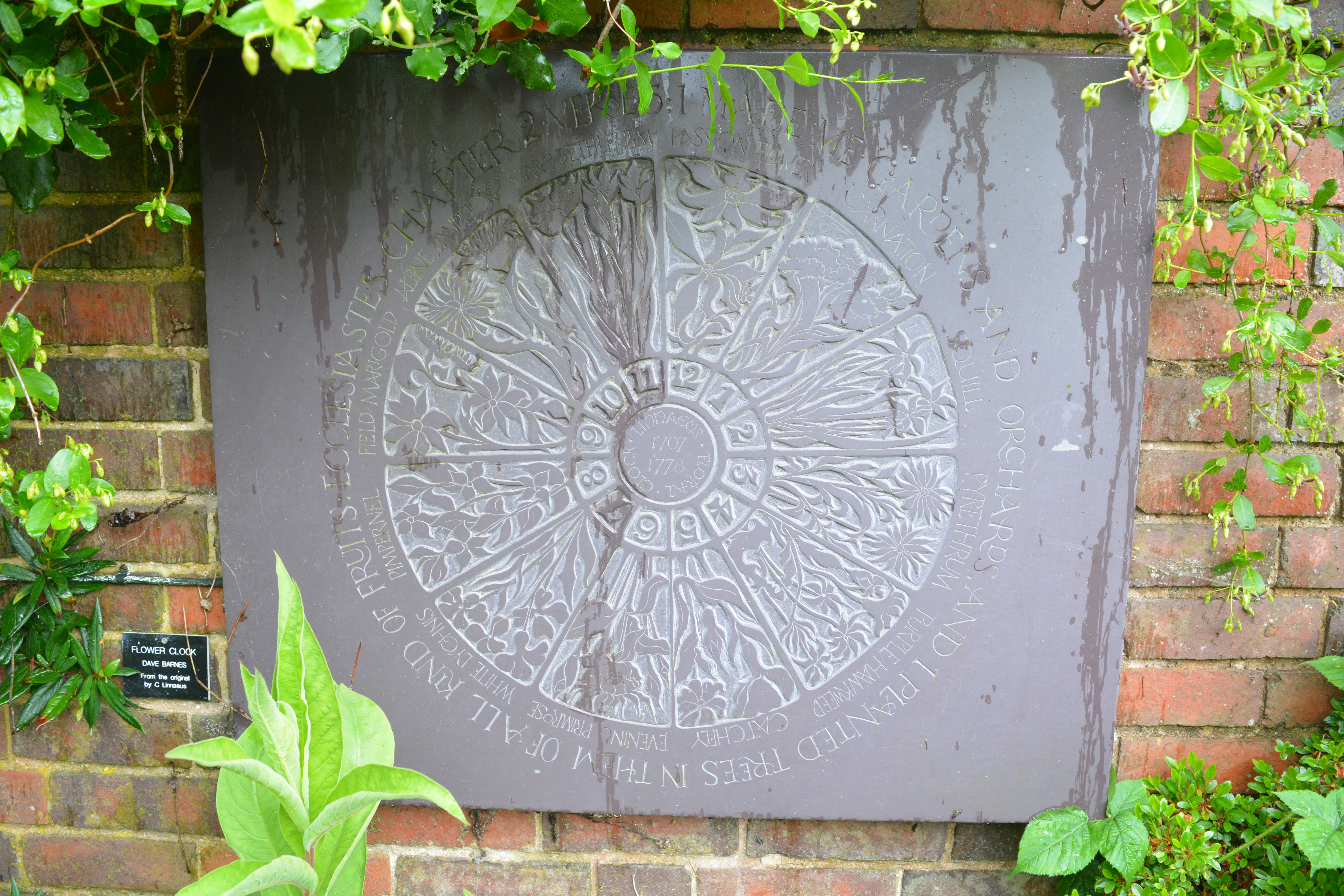
We love to see sculpture in gardens so were delighted to spot these beautiful slate pieces  inviting us to read their words. We were amazed to discover that one piece was based on a clock – beautiful!

wint2-24 wint2-27 wint2-29wint2-25 wint2-28wint3-01 wint3-02      wint3-09 wint3-10

So we discovered another garden that we enjoyed so much that we have added it to our favourite list. A great garden in a great city.

Categories
birds climbing plants colours flowering bulbs garden design garden photography garden ponds garden pools garden wildlife gardening gardens grasses hardy perennials house martins light light quality ornamental grasses ornamental trees and shrubs roses Shropshire shrubs spring bulbs spring gardening succulents swallows water in the garden wildlife

My Garden Journal in May

Just as I completed my journal for June I realised that I had not yet posted “My Garden Journal for May”, so here it is now for you to enjoy! The June journal report won’t be far behind!

Summer creeping in can only mean that our May garden is changing by the day. Exuberance in every border with things growing before your eyes. A month of excitement! I began my May entry in my garden journal by writing,

“May means exuberance! It is the month when our garden shows us the ability it has to surprise. It shows off its strength and its artistic talents. Growth is so rapid and colour so exciting, that we are aware of what our garden means to us and also aware of its power that Mother Nature possesses and uses with pride and to excess!”

maygarden-14 maygarden-13maygarden-12 maygarden-39maygarden-57 maygarden-72

I then turn to looking back at my original garden journey recording the first few years that we have lived and gardened at Avocet.

“Looking back in my garden journal that recorded the early years at Avocet, I read a paragraph that shows just how similar May is now. 

“The garden is bursting with life – butterflies including Holly Blues, bees and so many birds. Suddenly the garden is alive with birds giving extra colour, sound and movement. There seems to be so many finches – Goldfinches, Chaffinches and Greenfinches. Swifts, Swallows and House Martins swoop overhead especially in the evening.”

Sadly though there are far fewer Swifts, Swallows and House Martins overhead. So many have not survived their long migrations. What does the future hold for these beautiful acrobats?”

Turning over the page of my journal and we see the next two pages feature Acers and Roses.

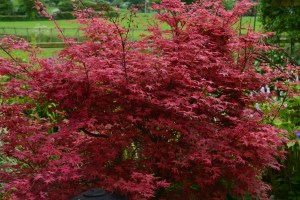
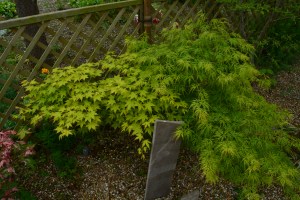
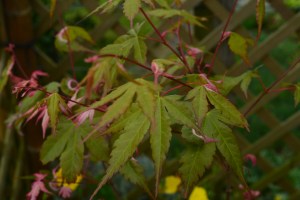
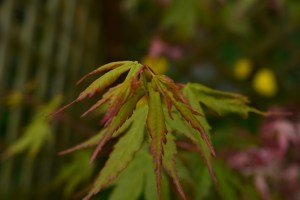
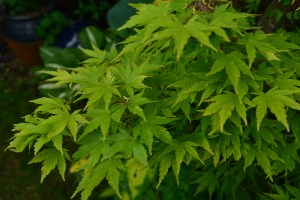
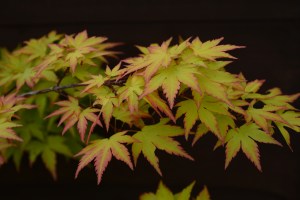
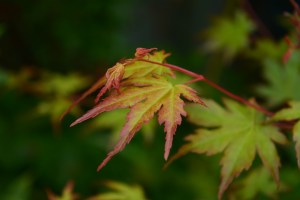
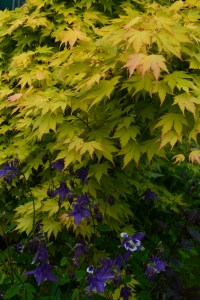
“Acers are one of the many stars of the May garden, a month when their foliage and stems are delicate and colourful.”

maygarden-24 maygarden-30maygarden-26 maygarden-27 maygarden-32 maygarden-35maygarden-33 maygarden-34maygarden-36 maygarden-37maygarden-38 maygarden-63 maygarden-69 maygarden-70 maygarden-71 maygarden-62

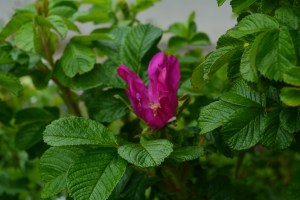
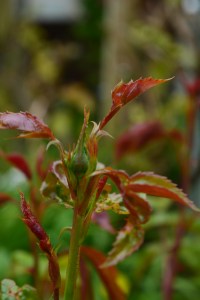
“May means Roses and by the middle of the month we have many buds and pioneer blooms. Reds and pinks dominate at the moment. Yellows and oranges are still to come.”

maygarden-03 maygarden-11 maygarden-22 maygarden-60 maygarden-23

I moved on to look at one of the climbers we enjoy in our garden and at the grasses that have now started to grow rapidly.

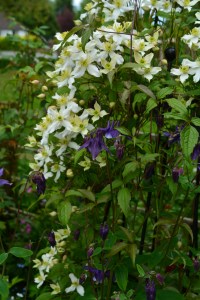
“Think of climbers early in the summer garden and Clematis is the first plant to spring to mind.”

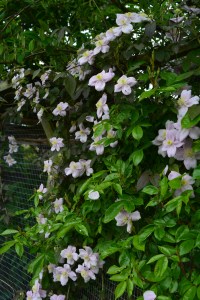
maygarden-04 maygarden-59 maygarden-05maygarden-06 maygarden-53maygarden-16 maygarden-15 maygarden-58 maygarden-52

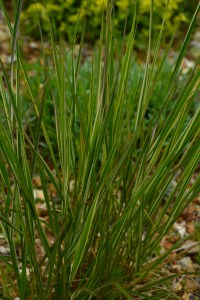
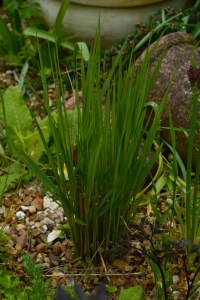
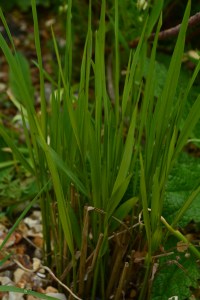
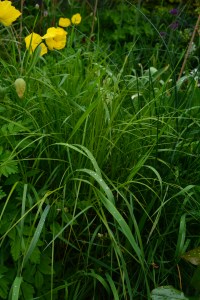
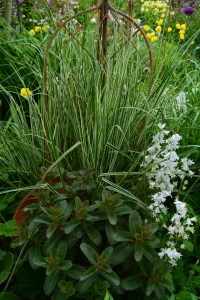
“Grasses are growing quickly now and the myriad shades of green move skyward in our borders.”

maygarden-07 maygarden-09 maygarden-07maygarden-08 maygarden-50 maygarden-49maygarden-51 maygarden-61 maygarden-68

Turning over again and succulents are discussed. These are a recent interest and I have only been growing them and propagating them for a few years.

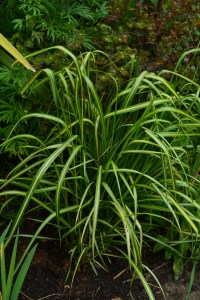
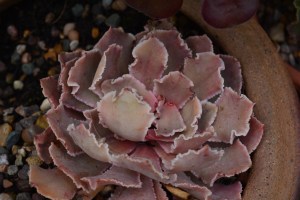
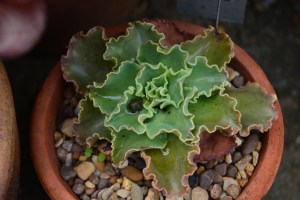
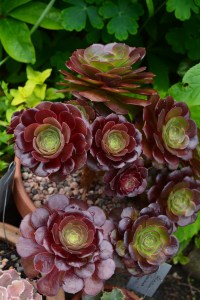
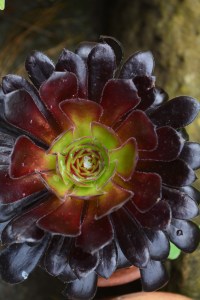
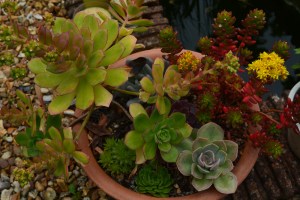
Succulent plants are an interest that has grown over the last few years. Beginning with Aeoniums and Echeverias I soon branched out.”

maygarden-79 maygarden-80maygarden-19 maygarden-77 maygarden-78

“Troughs of succulents grace the Rill Garden in May and on into October when the risk of frost mean that they retreat to the warmth of our greenhouse.”

maygarden-17 maygarden-20maygarden-18 maygarden-21maygarden-76 maygarden-75

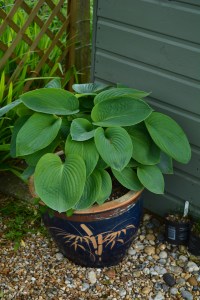
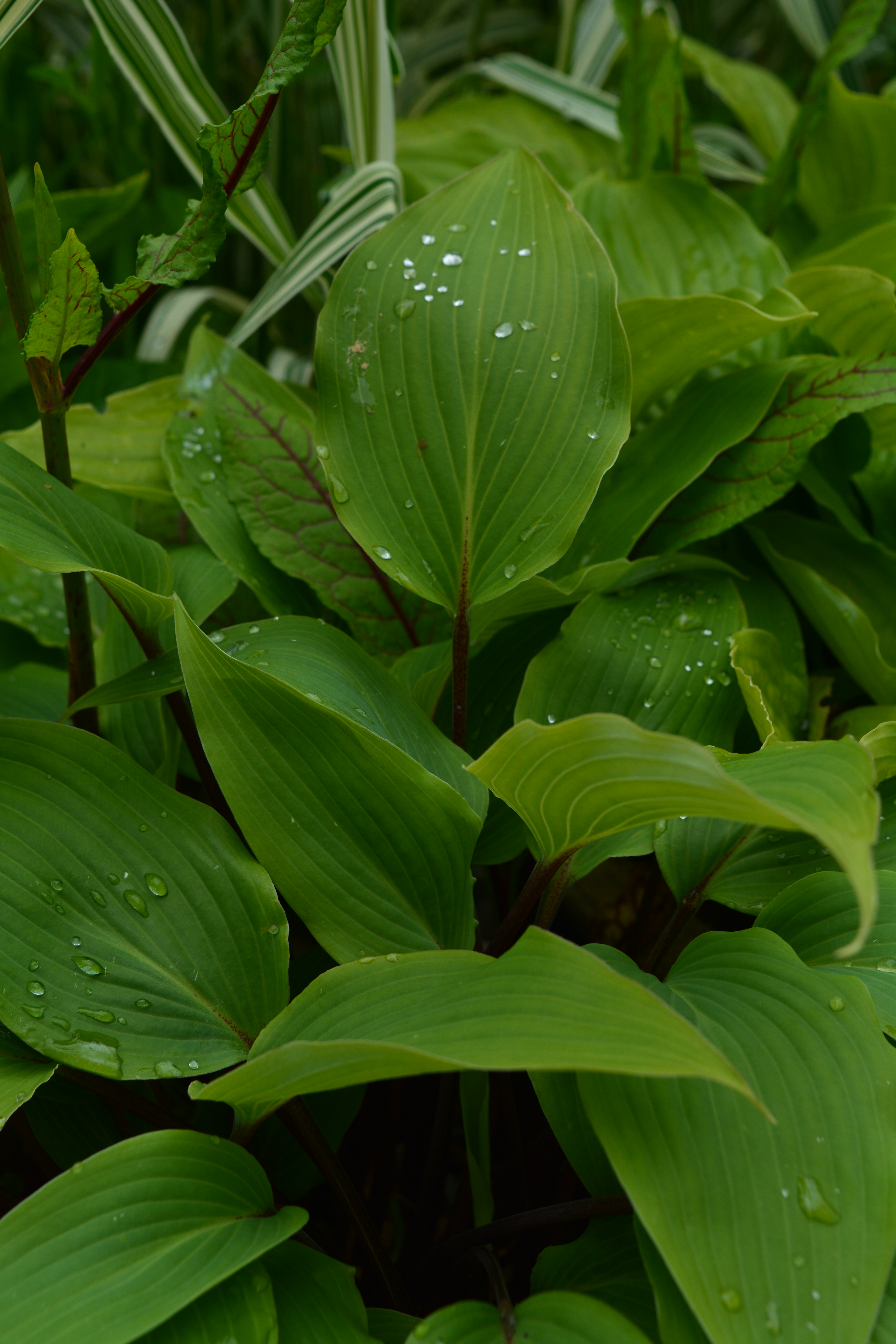
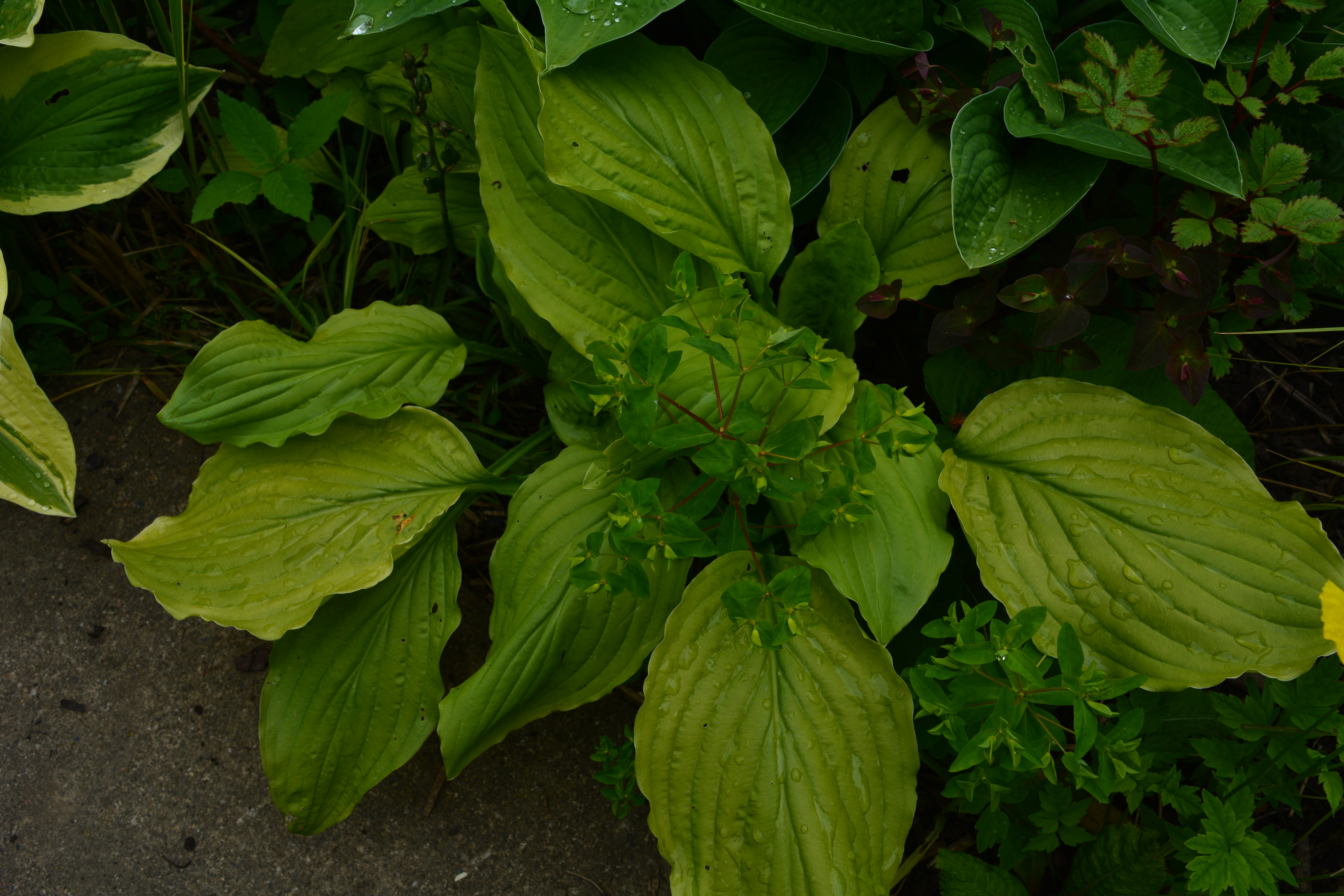
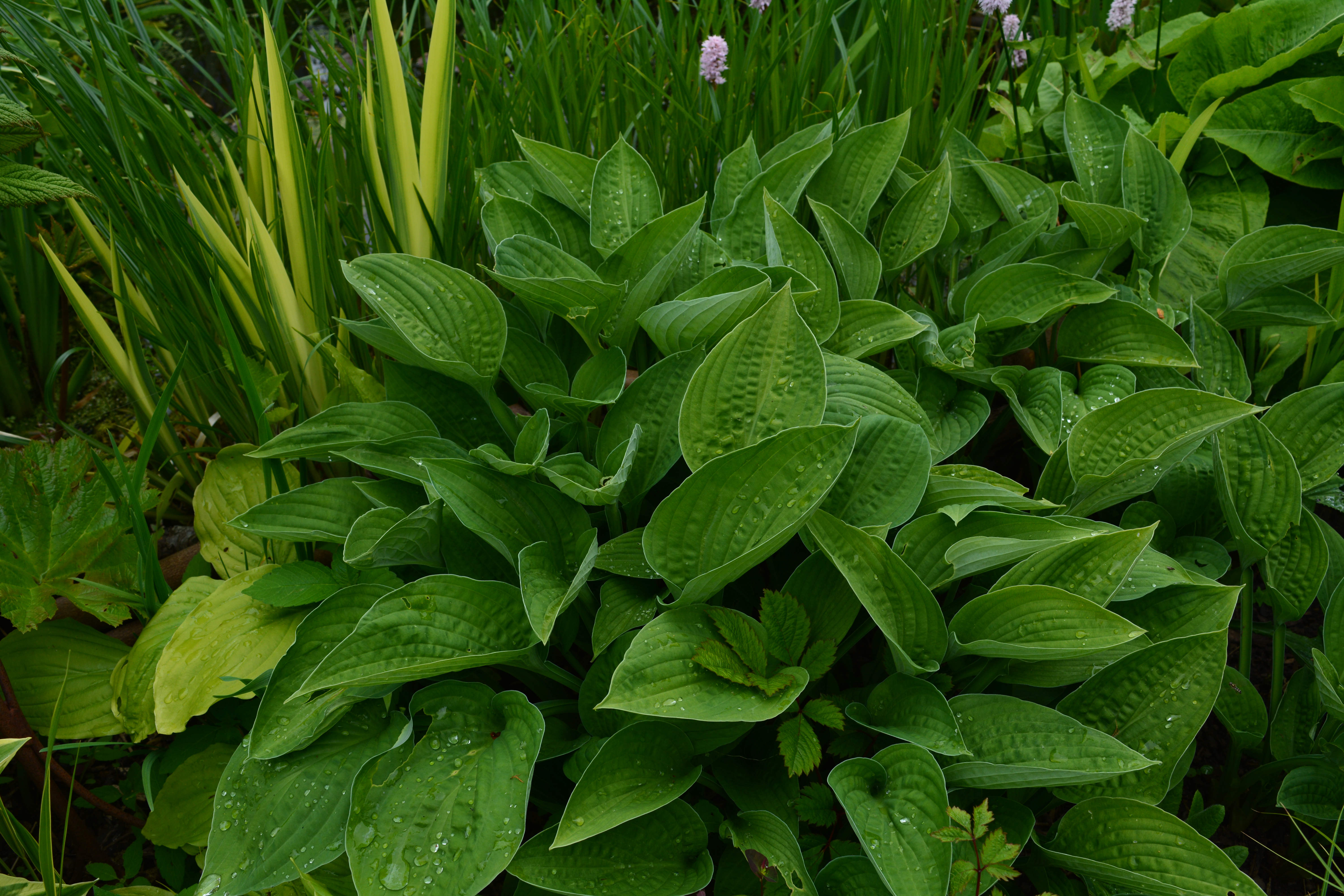
When we turn over next we see that I talk of Hostas and in particular those growing in our Bog Garden. The bog garden is so full of life at the moment with plants growing appreciably by the day.

“Hostas are one of the more subtle of our garden favourites both their foliage and later in the year their flowers. The Bog Garden next to our Wildlife Pond and snuggled up to it is a place of rapid growth in May.”

maygarden-45maygarden-40 maygarden-41 maygarden-42 maygarden-43 maygarden-65maygarden-47 maygarden-48  maygarden-46 maygarden-64 maygarden-66 maygarden-67

White is not a colour I particularly appreciate in the garden and as a result I do not use it much.

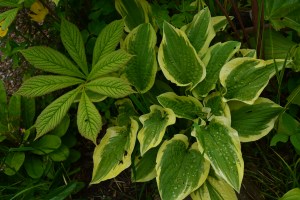
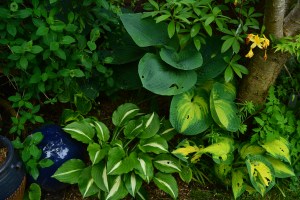
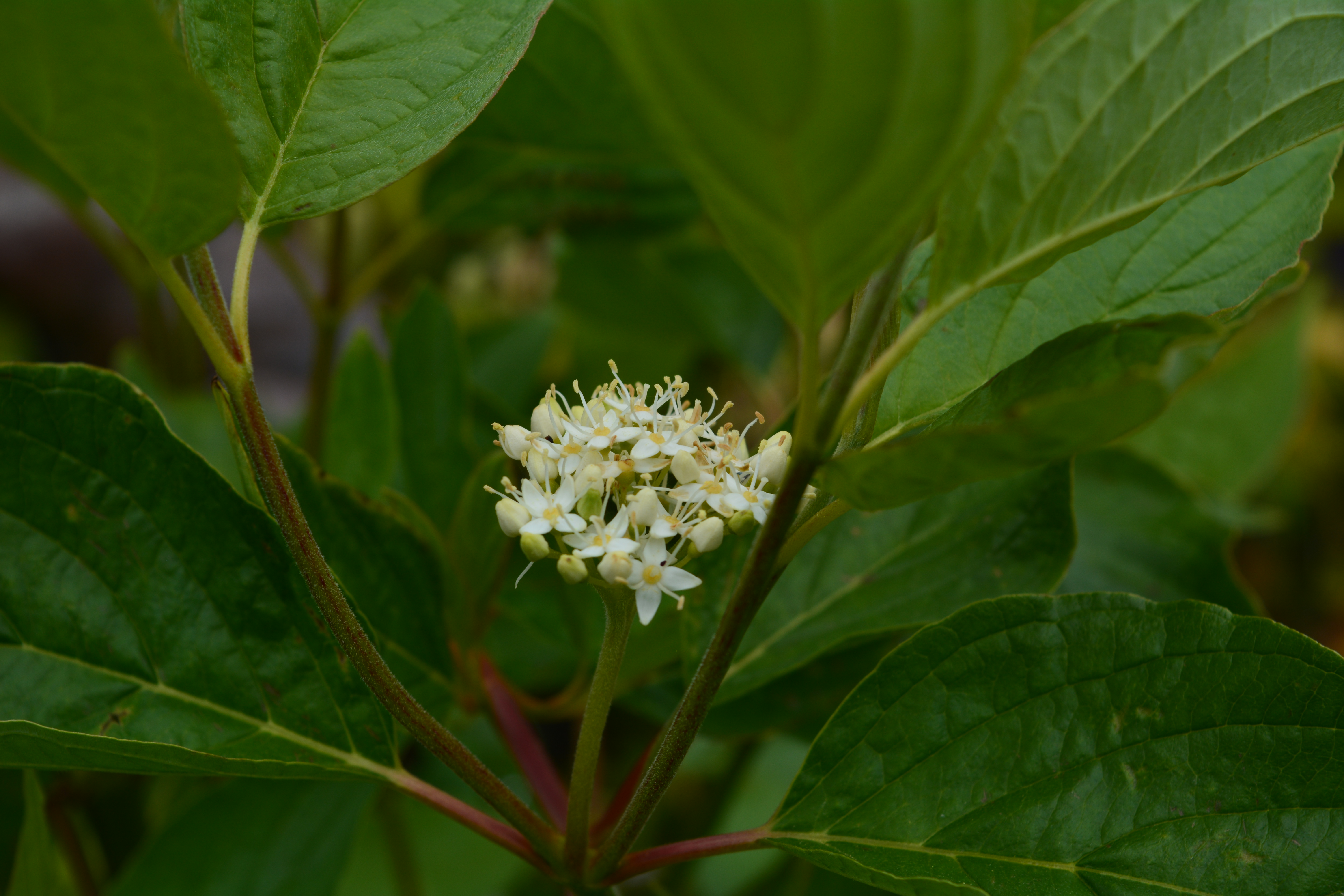
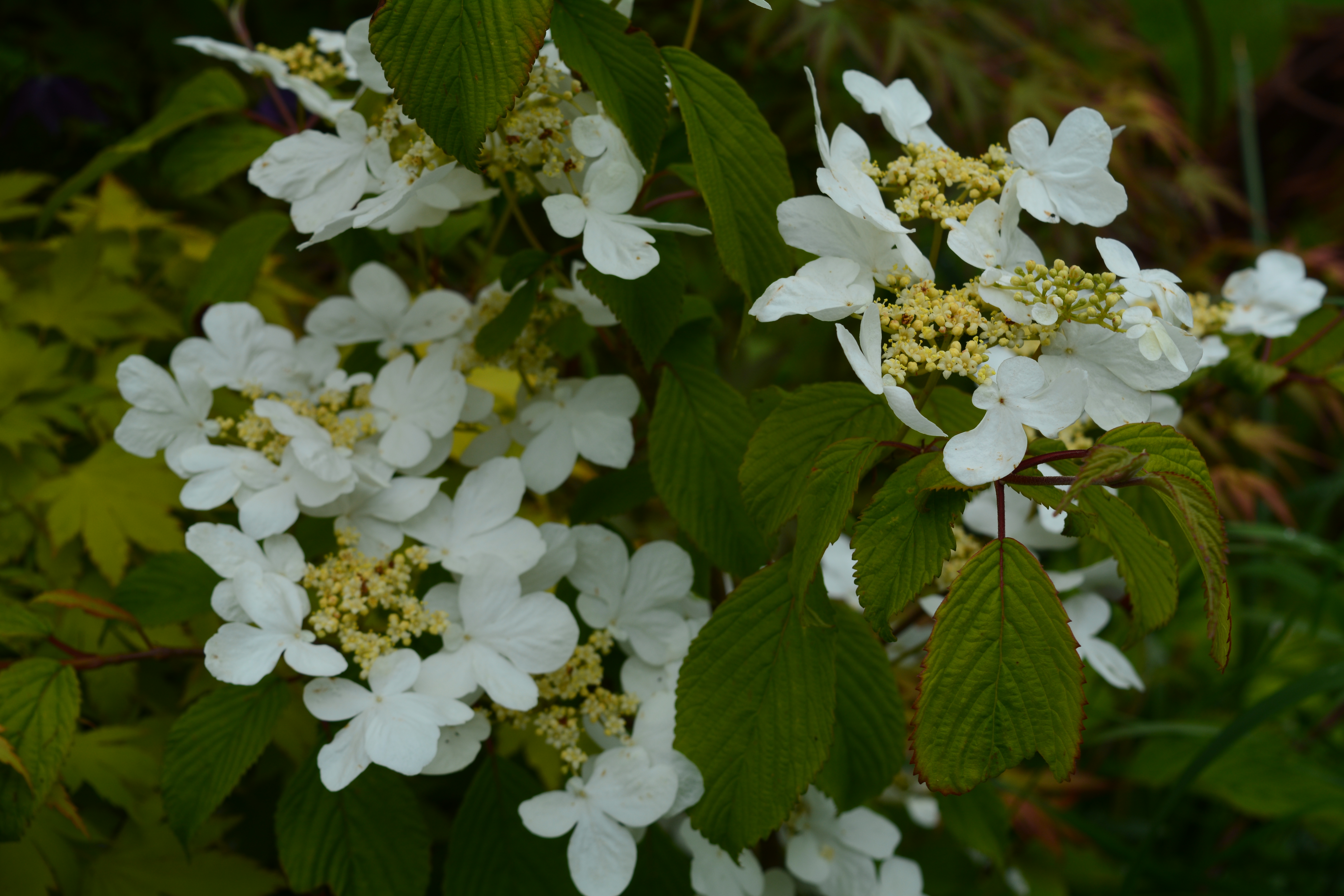
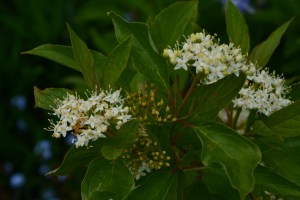
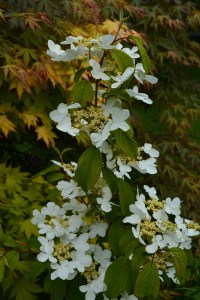
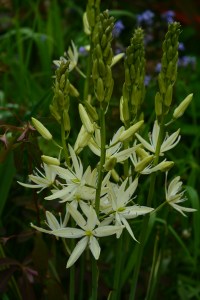
“White is not my favourite colour in the garden. I particularly do not like white painted garden furniture or white painted fences, trellises or walls. We tend to paint our seats in ivory or cream which are much softer colours particularly on bright sunny days. Our fences we paint in browns and trellis work in gentle shades of green which acts as a great foil for our plants. I think this dislike of white is to do with our weather as it can work so well in other countries. Where flowers are concerned I appreciate them most in May when white can look good with the brightness of fresh foliage. Below are photos of a few particularly good white flowers, Viburnums, Cornus, white Bluebells, Iberis and Camassias. Some of these are the purest of white where others have gentle hints of colour. The Camassia has a green tint to it and the Iberis the gentlest hint of pink.”

maygarden-54 maygarden-56maygarden-10 maygarden-73maygarden-25 maygarden-44 maygarden-74

As we leave May behind we can look forward to the longest day, the time when day and night share equal number of hours.

Categories
flowering bulbs garden design garden ponds garden pools gardening gardens hardy perennials irises National Garden Scheme NGS ornamental trees and shrubs outdoor sculpture sculpture Shropshire spring bulbs Yellow Book Gardens

Another NGS Yellow Book Garden – visiting a friend’s garden.

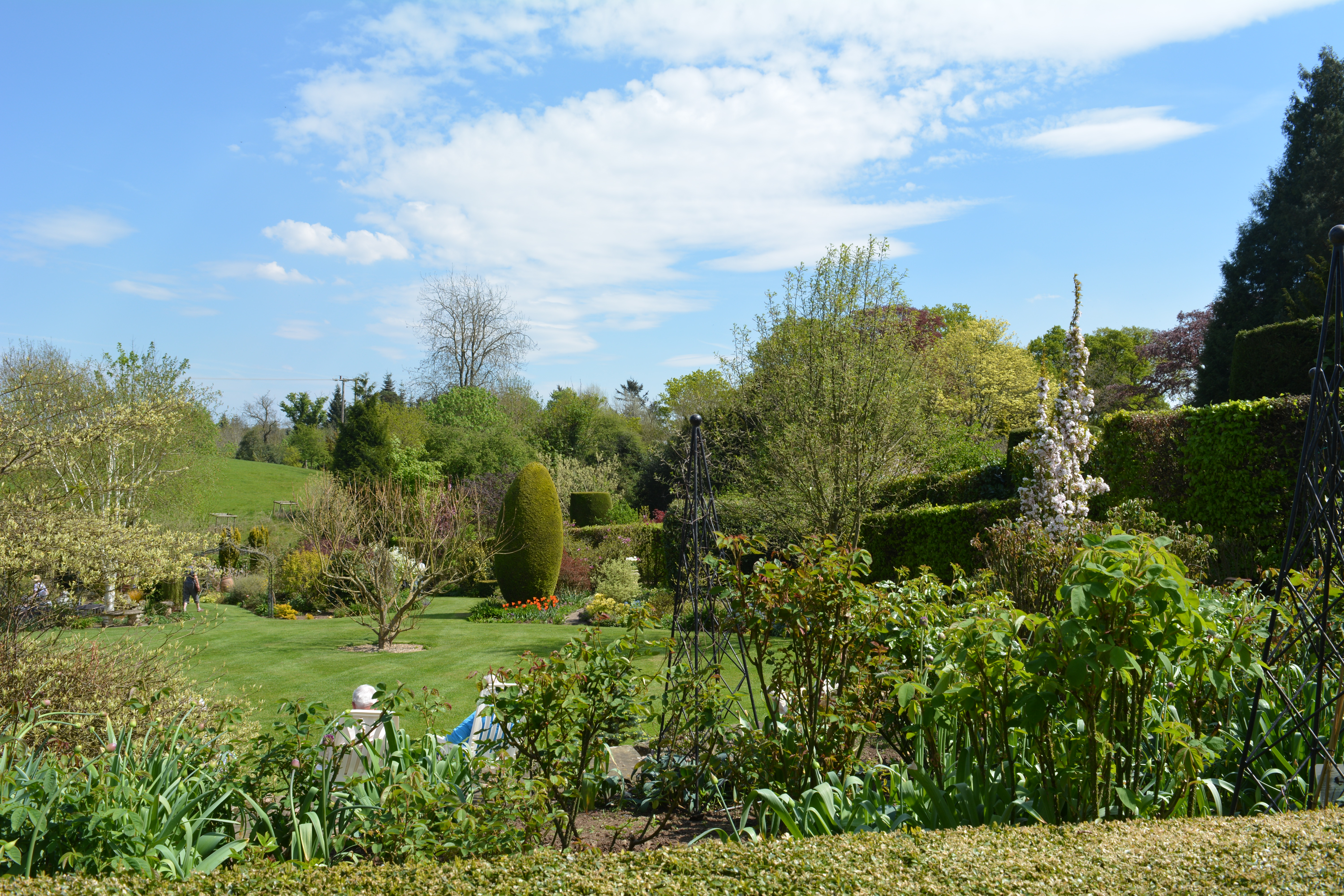
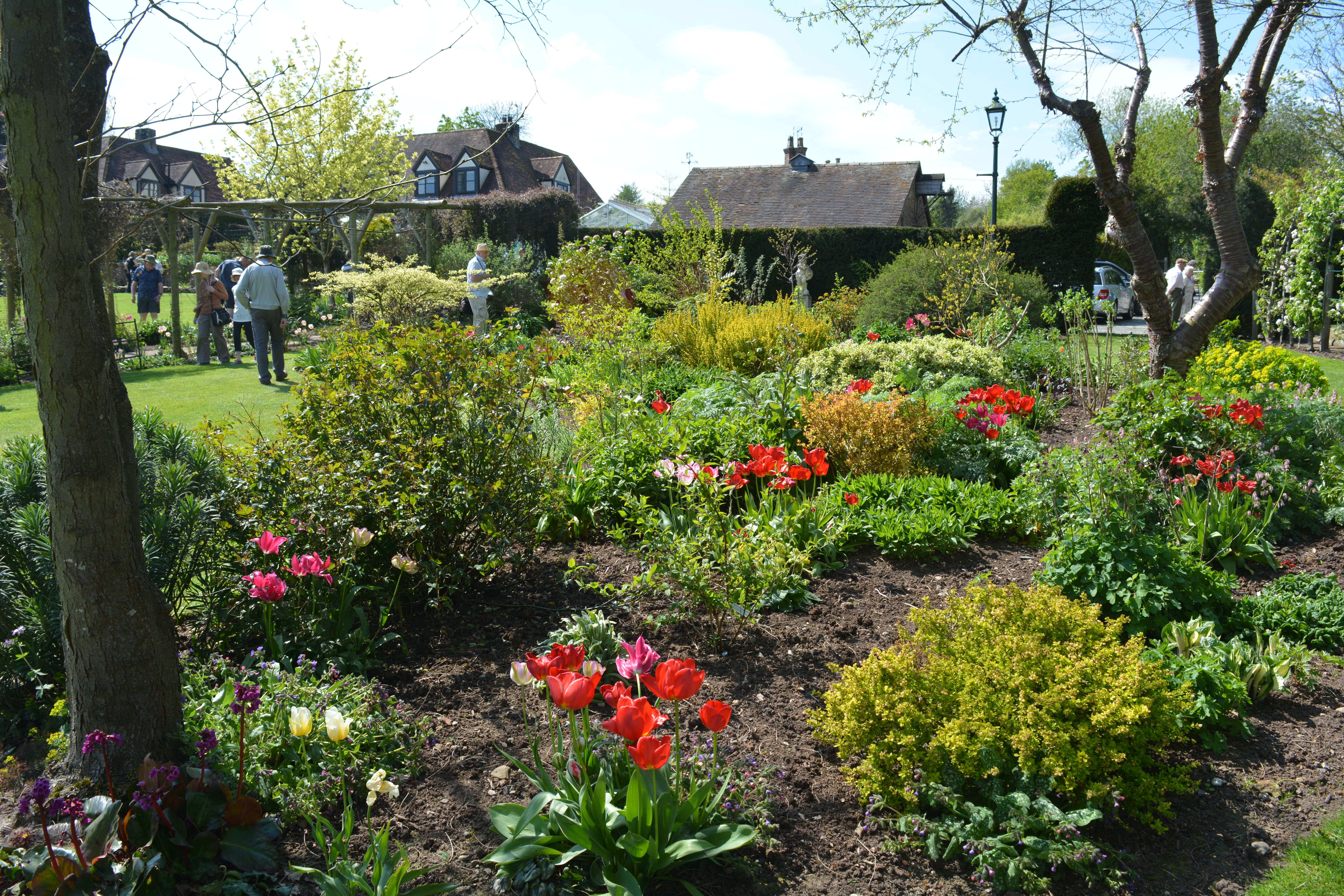
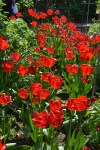
Our friend Mary and her husband Bob open their garden for the National Garden Scheme just as we do, so we were determined to go and see her garden this year. A few weeks before her open garden she told us she hoped her tulips would still look good. She had no reason to worry – they were a treat for the eye and lifted the spirits!

marysgarden-08

It was a perfect day for garden visiting, bright, warm and so sunny.

marysgarden-39

We began our visit with big hugs from Mary followed by our usual tea and cake and found a seat where we could enjoy views over Mary and Bob’s garden. From there we could see interesting plants that deserved a closer look and inviting winding paths and archways. We watched with interest the reactions of other visitors and which plants they made a beeline for. Once suitably refreshed we explored!

marysgarden-01  marysgarden-02 marysgarden-03 marysgarden-04

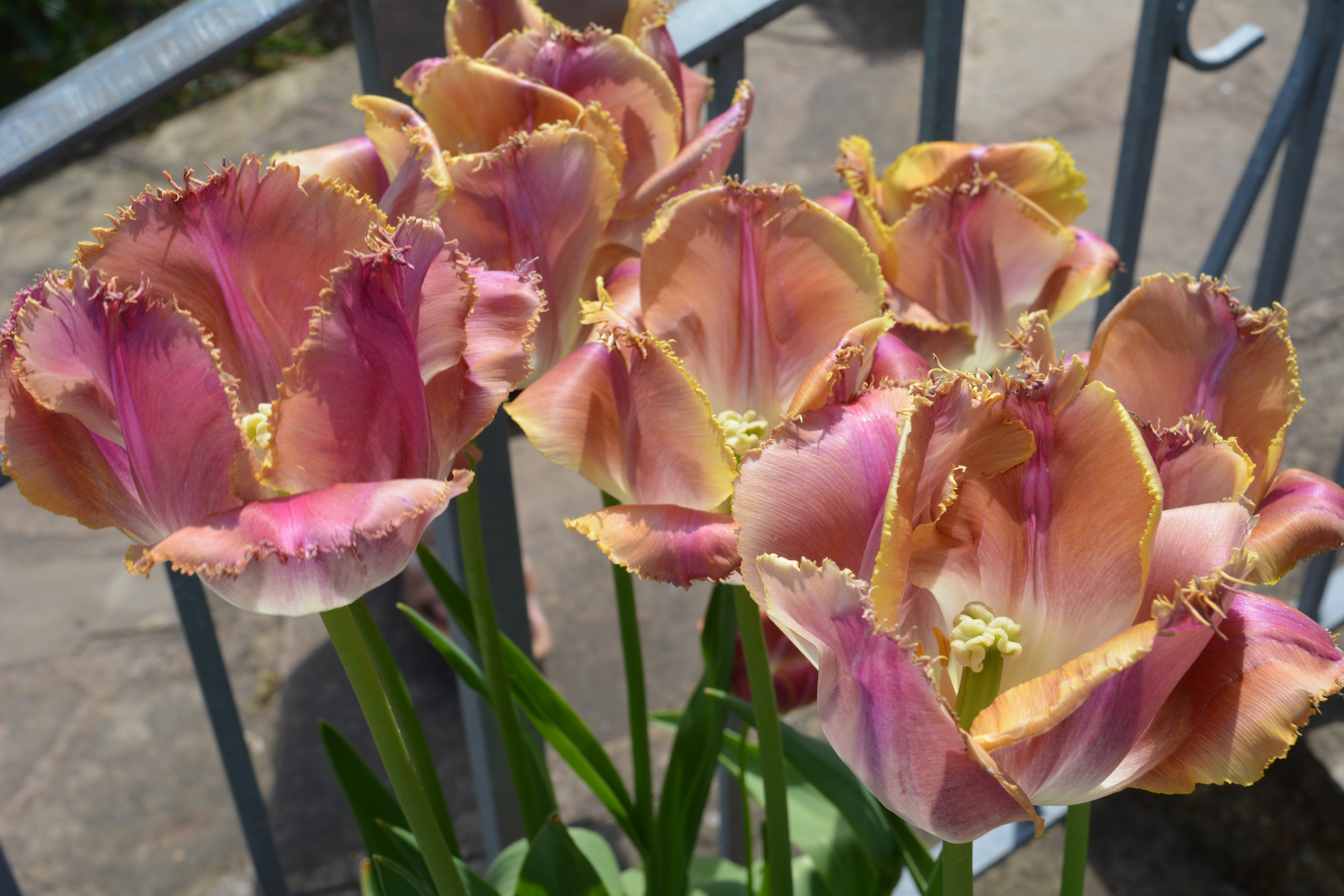
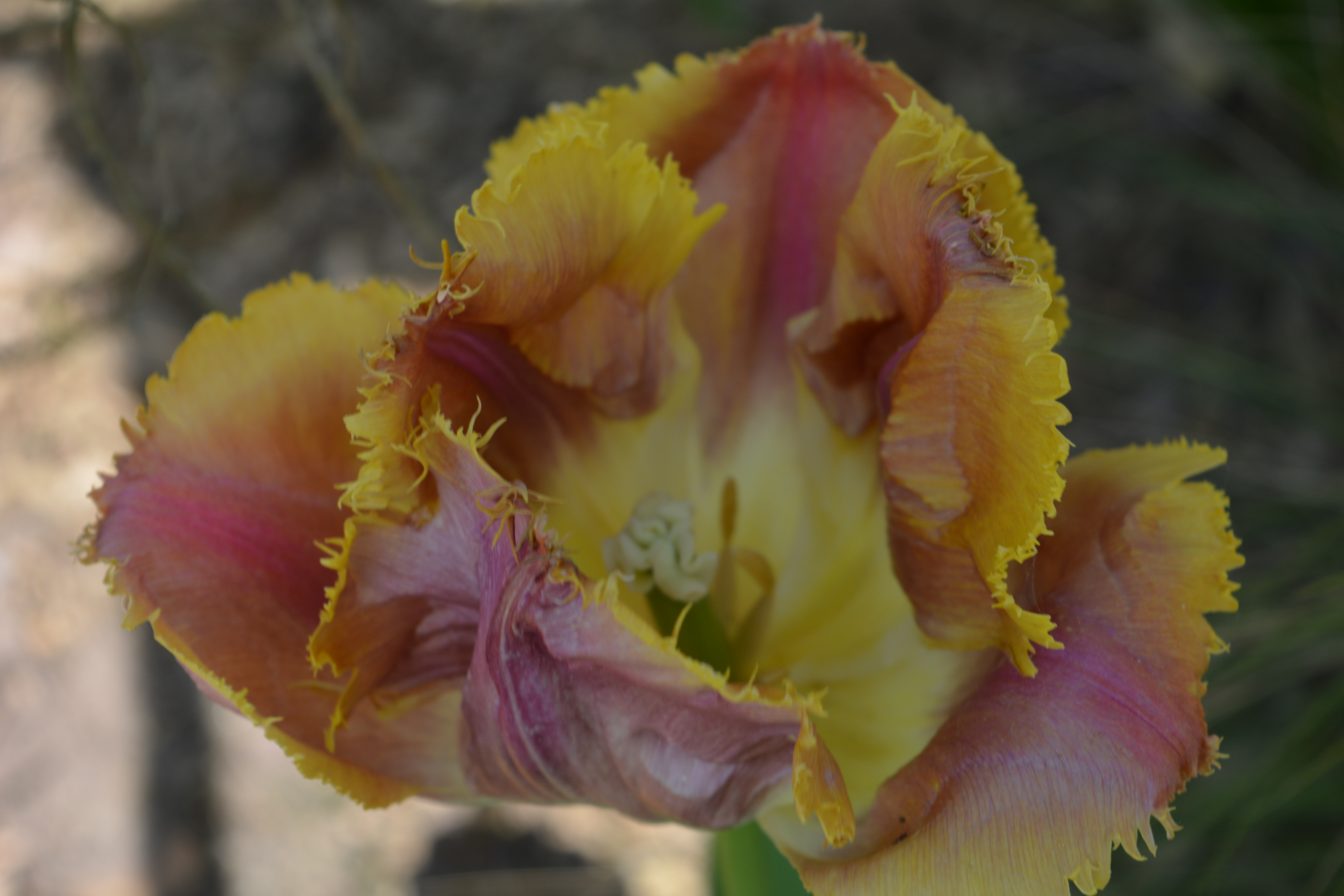
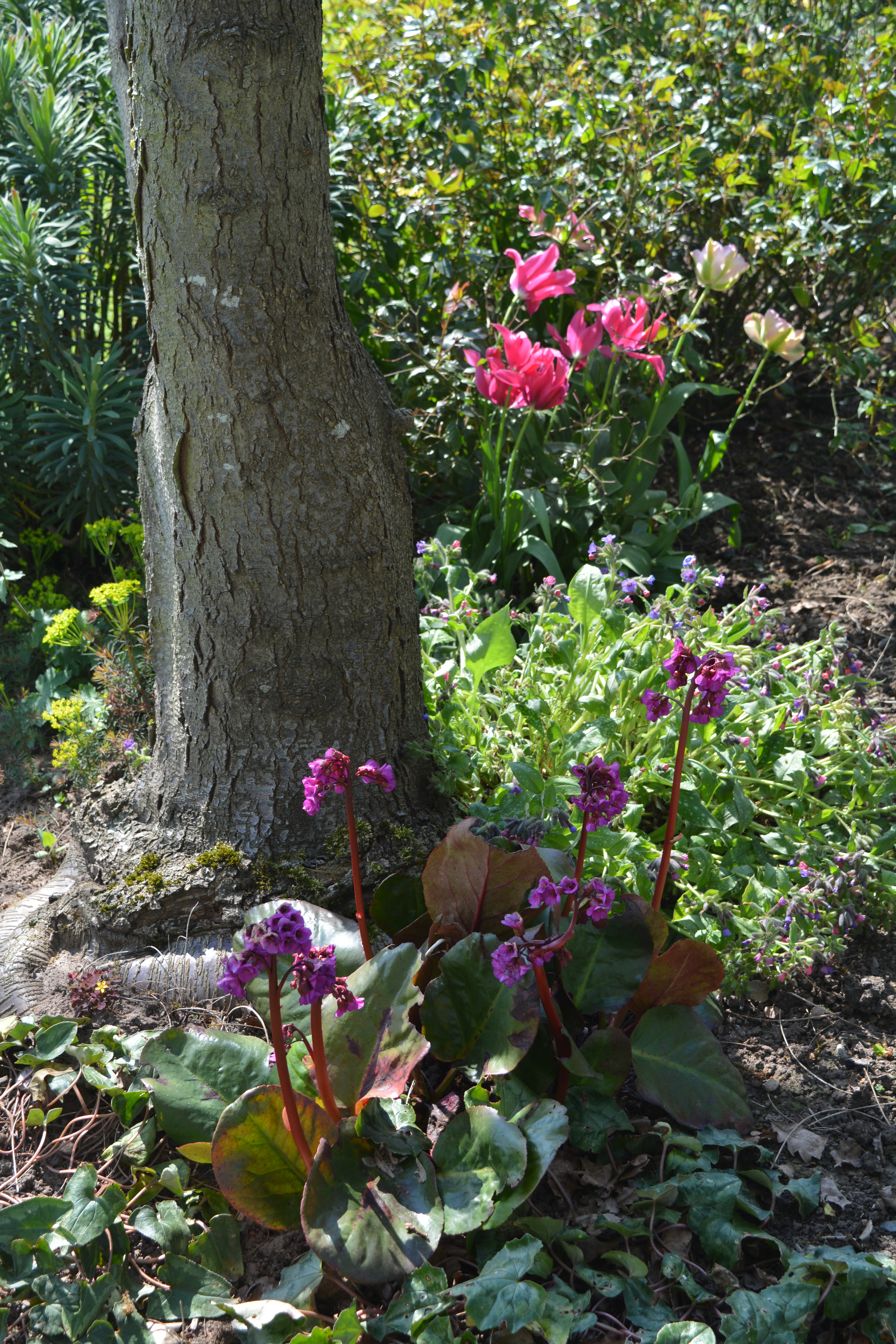
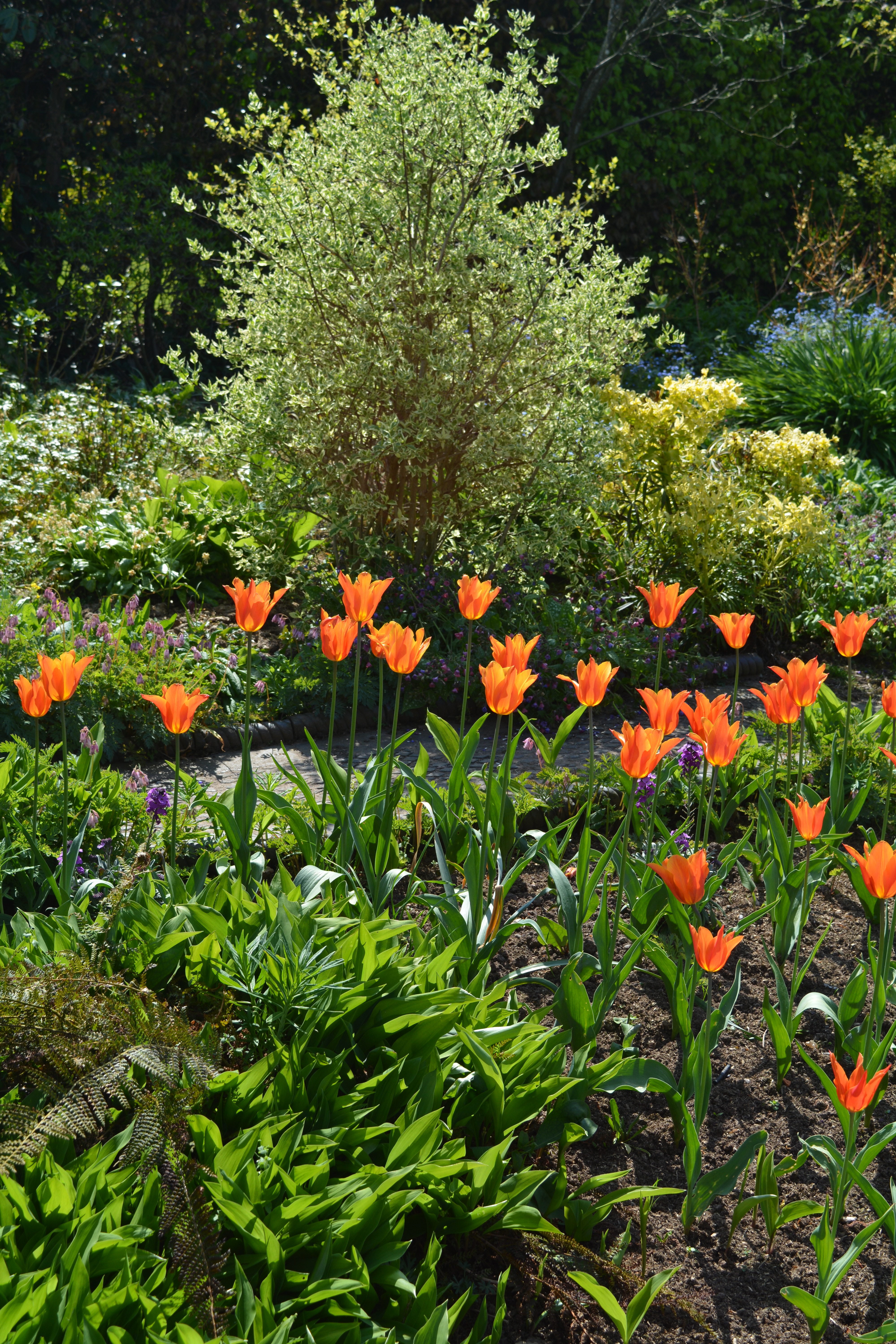
We found tulips throughout the borders some in exciting unusual colours. We enjoyed them all.

marysgarden-05 marysgarden-06   marysgarden-09 marysgarden-10 marysgarden-15 marysgarden-22 marysgarden-19 marysgarden-20marysgarden-12 marysgarden-13 marysgarden-14  marysgarden-16 marysgarden-18  marysgarden-21

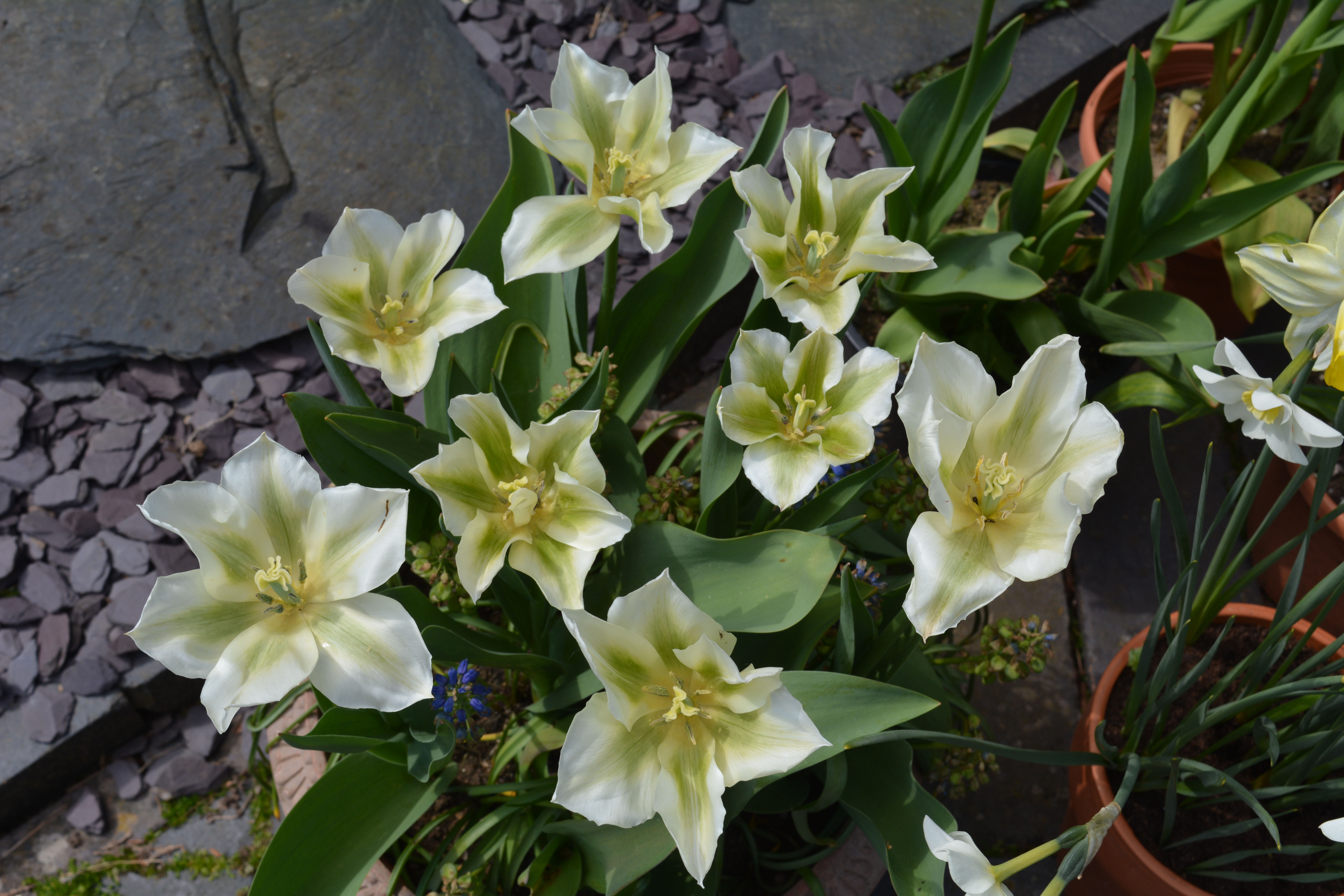
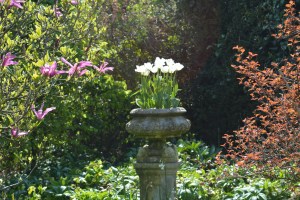
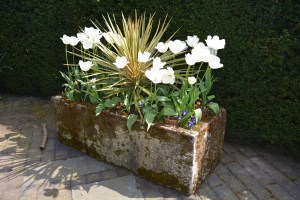
These purest of white tulips were beautifully displayed in their containers which raised them up and gave the afternoon sun the chance to light them up.

marysgarden-35 marysgarden-07

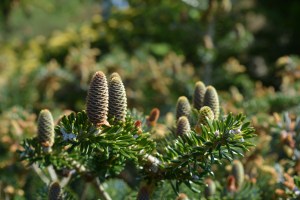
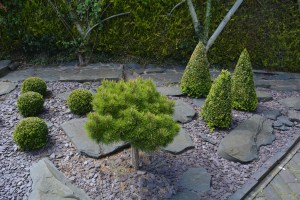
There was a lot more of interest here though than these beautiful tulips. Neither Jude the Undergardener or I are particular fans of evergreen coniferous plants and indeed have just a single alpine Pinus mugo “Mumpitz” in our patch, but the cones on Mary and Bob’s trees caught our attention.

marysgarden-24 marysgarden-05-1  marysgarden-07-2 marysgarden-49 marysgarden-34-1marysgarden-35-1  

I think the best way to see the rest of this lovely garden will be to enjoy the following gallery. As usual click on the first picture then navigate using the right hand arrow.


Categories
birds colours flowering bulbs garden photography garden ponds garden pools garden wildlife gardening gardens irises log piles natural pest control ornamental trees and shrubs Shropshire spring bulbs spring gardening village gardens water garden water in the garden wildlife

My Garden Journal in 2016 – March

We were expecting March to bring some signs of spring but really our seasons remained confused and muddled. March has brought us warm sunny days, days with cold biting winds, days with heavy persistent rain and many combinations of these.

winchester-04

My March report started with references to the weather as it controlled when we gardenened and days when it prevented us from getting out in the garden.

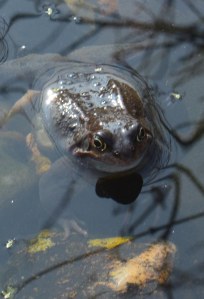
“During the first 2 days, March had delivered so many different types of weather, clear skies, sunshine, dark heavy cloud cover, rain and sleet. I wonder what else this month might have in store. This unseasonal weather delayed the arrival of our frogs until March whereas February is more usual a time. They soon added large clumps of spawn down one side of the wildlife pond.”

winchester-19 winchester-20winchester-21 winchester-22

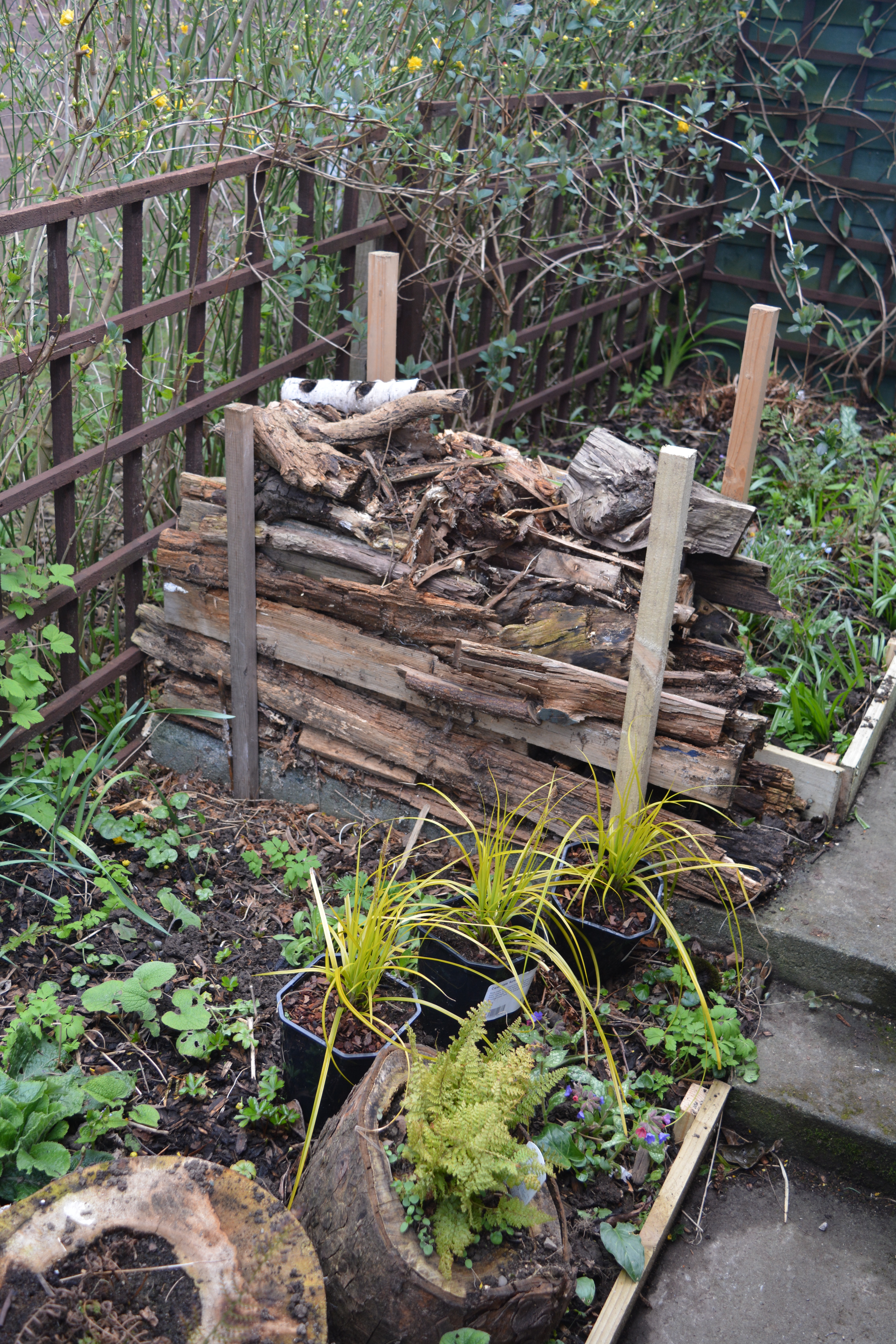
To help the smaller creatures that share our garden with us and help with pest control and pollination of our fruit we had great fun creating a new habitat for them, in the form of a log pile. The log pile is aimed specifically at beetles who are great pest controllers. We particularly appreciate their love of slug eggs!

winchester-01 winchester-02

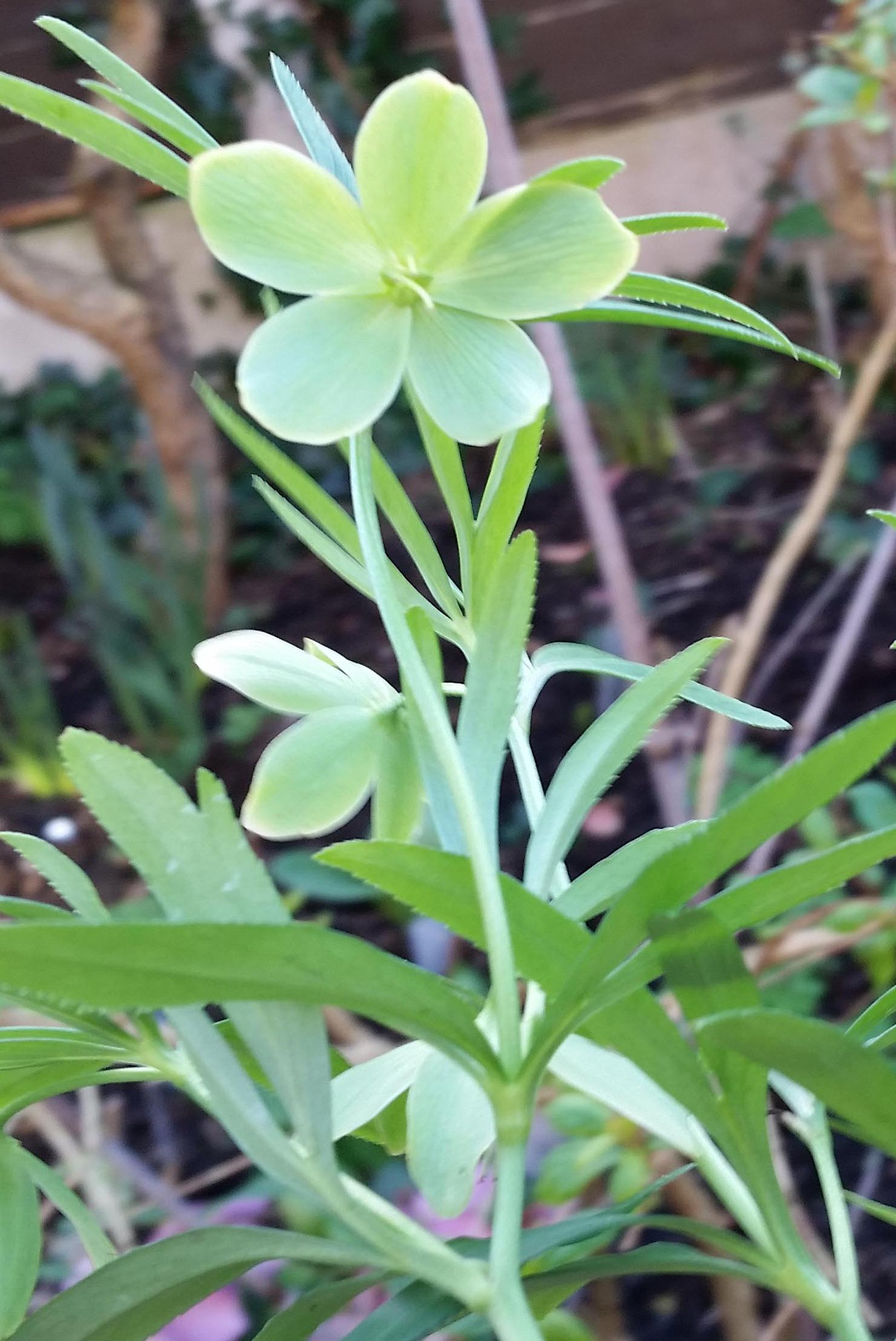
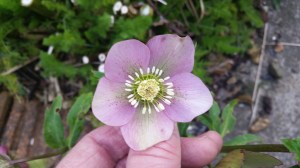
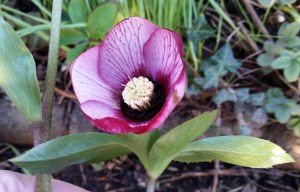
On the page opposite my frog photos I feature some of our large collection of Hellebore.

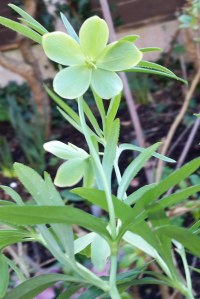
“Each year we add a few more Hellebores to our collection. This year is no exception! We are also getting a few interesting seedlings appearing, and some are worth keeping.”
winchester-47 winchester-11-2 winchester-14-1 winchester-10-2winchester-12-2

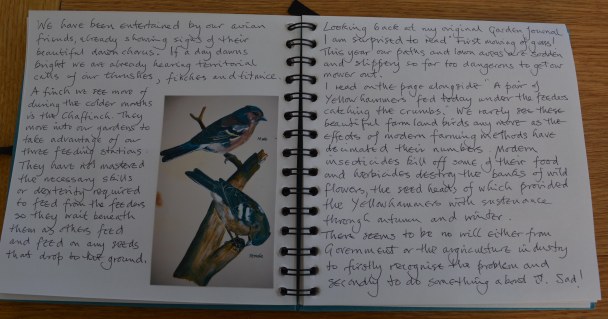
Turning the page I moved on to looking at the bird life we enjoyed in March, where I featured a gouache painting of a pair of Chaffinches and wrote about them.
winchester-05

“We have been entertained by our avian friends, already showing signs of their beautiful dawn chorus. If a day dawns bright we are already hearing territorial calls of our thrushes, finches and titmice. A finch we see more of during the colder months is the Chaffinch. They move into our garden to take advantage of our three feeding stations. They have not mastered the necessary skills or dexterity required to feed from the feeders so they wait beneath them as others feed and feed on any seeds that drop to the ground.”

B0000195

I then moved on to look back at previous garden journals from a decade or so ago.

“Looking  back at my original Garden Journal I am surprised to read “First mowing of grass! This year our paths and lawn areas are sodden and slippery so far too dangerous to get our mower out.

I read a page alongside, “A pair of Yellowhammers fed today under the feeders catching the crumbs.” We rarely see these beautiful farmland birds any more as the effects of modern farming methods have decimated their numbers. Modern insecticides kill off some of their food and herbicides destroy the banks of wild flowers, the seed heads of which provided the Yellowhammers with sustenance through autumn and winter. There seems to be no will either from Government or the agriculture industry to firstly recognise the problem and secondly to do something about it. Sad!”

I then reported on progress we had made with our recently constructed propagation bench.

winchester-06

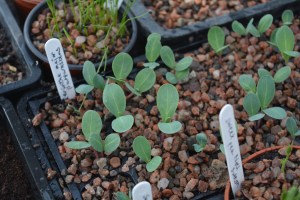
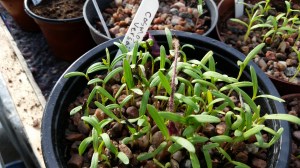
In my January entries to my journal I wrote about making a propagating bench in the greenhouse and then in February I looked at how we had prepared the greenhouse in readiness for seed sowing. Now in March we have seedlings showing well.”
winchester-45 winchester-46 winchester-36 winchester-35

Flowering shrubs feature over the next few pages, looking at those that flower and provide scent, starting off with the shrubs in the Ribes family.

winchester-06

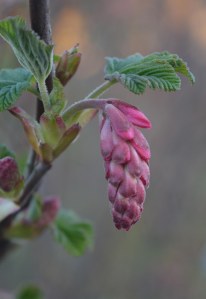
“The genus Ribes is a family of some 150 species of shrubs, mainly deciduous with just a few evergreens. We grow 3 species on our allotment to give us Redcurrants, Blackcurrants and Gooseberries. In the ornamental garden at home we grow 5 species and 4 of these are flowering in March, Ribes sanguineum “King Edward VII” and Ribes s. “Elkington White”.

winchester-40 winchester-41winchester-31 winchester-33 winchester-32

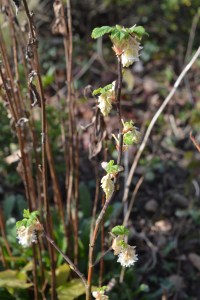
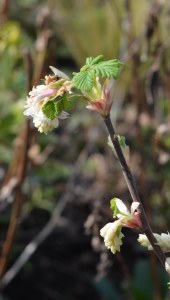
The other two March flowering Ribes are very different to the Ribes sanguineums. Ribes laurifolium has thick evergreen foliage, each leaf shaped and textured just like those oa a Laurel, hence its name. The flowers at first glance appear white but close up they are pale cream with a hint of green – absolutely beautiful! Beautiful and scented! The final Ribes to flower in March is Ribes speciosum with crimson flowers. To be fair though this Ribes species shows flowers on and off all year. It is generally evergreen for us as we planted it in a sheltered spot. Its flowers are like tiny Fuschias hanging along most of its branches. The downside? Every inch of every stem is covered in thin spines, so pruning can be difficult. On our open days so many visitors ask about Ribes speciosum.”

winchester-27 winchester-28winchester-02-2

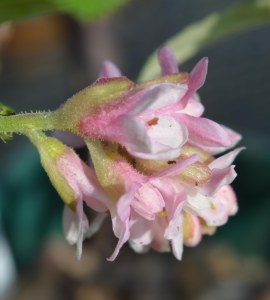
“In the autumn we took cuttings of Ribes s. King Edward VII. What a surprise we had when one of them produced these pale gentle pink flowers. One more shrub of the Ribes family still has not yet flowered, Ribes odorarum.”
winchester-09-1

My journal then tells of other unusual flowering shrubs we grow here at Avocet.

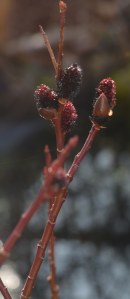
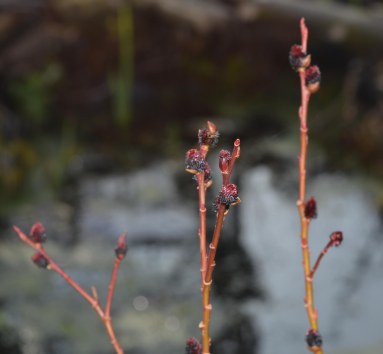
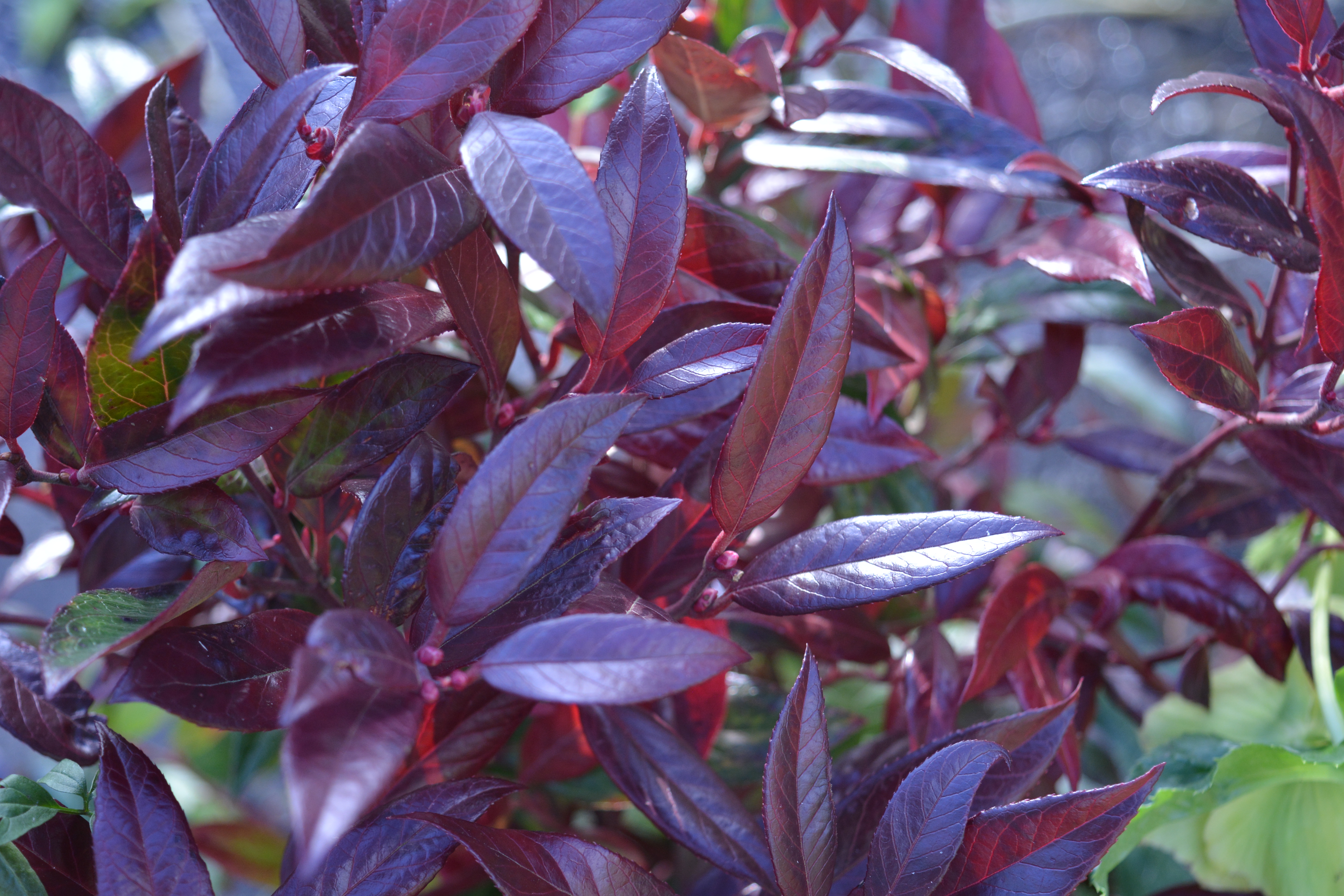
“Abnother unusual shrub we grow for March interest is a special willow. Salix gracilistyla melanostachyla has amazing flowers, red and black catkins. Early flying bees love them.”

winchester-08

winchester-23 winchester-24 winchester-25winchester-26

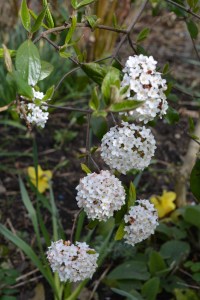
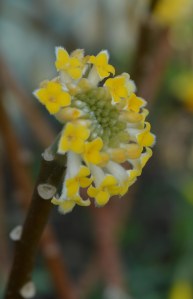
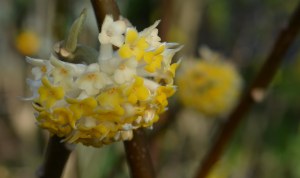
“Two other March flowering shrubs are grown for their large umbels of flowers but also their scent. The first, Edgeworthia chrysantha grandiflora, has unusual bright yellow flowers which add scent to the late winter and early spring garden. Their second is a Viburnum, Viburnum x burkwoodii, which does not open its flower buds until late March.”
winchester-11-1 winchester-10-1winchester-11 winchester-12

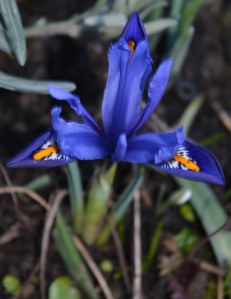
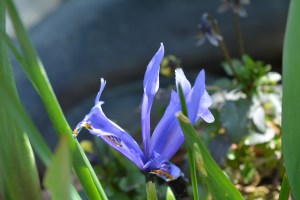
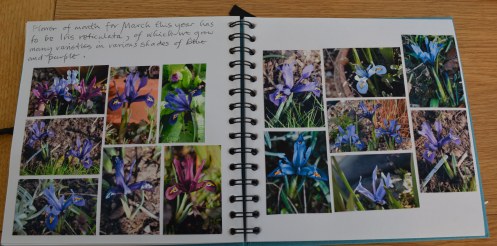
Turn over the page of my journal and you will be delighted by photos of Iris reticulata in all their glorious shades of blue and purple.
winchester-09

“Flower of the month for March has to be Iris reticulata, of which we grow many varieties in various shades of blue and purple.”
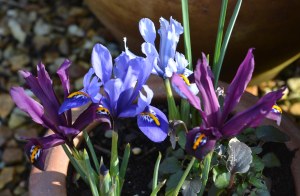
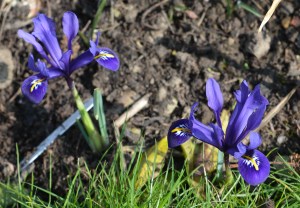
winchester-04-1 winchester-14winchester-29 winchester-12-1 winchester-39winchester-30 winchester-38 winchester-15winchester-03-1 winchester-05-1winchester-07-1 winchester-08-1winchester-13 winchester-17 winchester-16winchester-37 winchester-06-1

My final page for March takes another look at what is going on in the greenhouse as the month comes to an end.
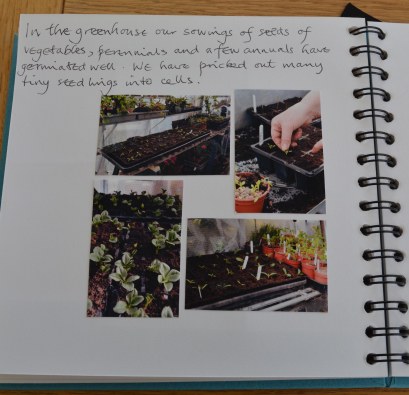
winchester-10

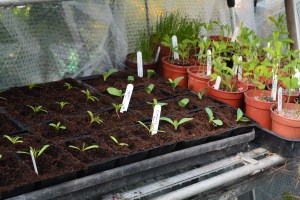
“In our greenhouse our sowings of seeds of vegetables, perennials and a few annuals have continued to germinate well and grow strongly. We have pricked out many tiny seedlings into cells.”winchester-03-2 winchester-06-2
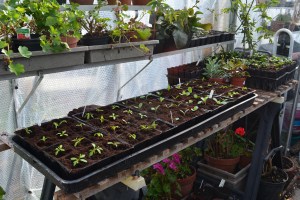
winchester-05-2 winchester-04-2

Our next visit to my garden journal will report on what will be happening in our garden at Avocet in April, the month traditionally associated with showers.
Categories
flowering bulbs garden photography garden ponds garden pools garden wildlife gardening grasses hardy perennials light light quality ornamental grasses ornamental trees and shrubs Shropshire shrubs spring bulbs water in the garden Winter Gardening winter gardens

My Garden Journal 2016 – February

Back with the second post sharing my 2016 Garden Journal, we will look at what it holds for February.

2016 02 13_8659_edited-1

On the first page for the month I mention the changing light values that occurs during February.

2016 02 24_9066_edited-1

“This is the month when light values really start to improve. We also get longer days when the weather allows. This change in light coupled with slowly rising temperatures encourages birds to change their songs and calls. The Great Tit is the master of calls with its huge repertoire. Luckily they are very frequent visitors to our garden. They are great entertainers! Their song in February is a “see-sawing ditty with mechanical overtones.” (Collins Bird Guide)

I added my gouache painting of a pair of Great Tits.

2014 12 21_8971_edited-1

On the opposite page I carried on talking about our continued development of our greenhouse.

Having completed the construction of our new heated propagation bench last month we then sorted out our pots, trays, pans and cells ready for the new sowing and growing season. We ensured we have plenty of labels as well as sowing compost and horticultural grit. Jude finished putting up insulation bubble wrap.”

2016 02 02_8119-1 2016 02 02_8120-12016 02 02_8121-1 2016 02 02_8131-1 2016 02 02_8122-1

From greenhouse gardening to pond gardening, my next page features two photos of Jude the Undergardener in her waders playing in our wildlife pond.

2016 02 24_9069_edited-1

“Mid to late February is the time each year when our Common Frogs come to sing, mate and then leave balls of spawn in our wildlife pond. Thus early this month Jude donned her chest waders and cleaned up the pond. She removed Duckweed, Blanket Weed and fallen leaves, then thinned out the water plants.

2016 01 26_8057-1 2016 01 26_8056-1

We tidied up the narrow border that edges the pond, pulling a few hardy weeds and taking up seedlings of our Cornus “Midwinter Fire”. It was heartening to discover how workable our soil was, this being the result of a decade of improving it with the addition of our own garden compost and the regular mulching deeply with organic matter.”

I continued onto the next page discussing the welcome appearance of sunshine in the February.

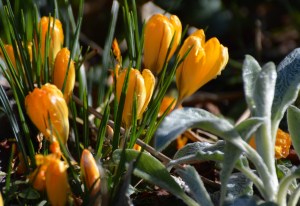
“Sunshine is not often in evidence this February but when it does make an appearance its effects are magical. It highlights the peeling bark of our trees and directs a spotlight on blossom and glossy foliage.”

2016 01 22_8035_edited-1 2016 01 22_8034_edited-12016 02 02_81162016 01 22_8024 2016 01 22_8008 2016 01 22_8009-1 2016 01 22_8018

As I turn the page I see that I have written about cold temperatures and on the opposite page and on the following double page spread I share the amazing number of plants in flower on one day in February.

2016 02 24_9070_edited-12016 02 24_9073_edited-1

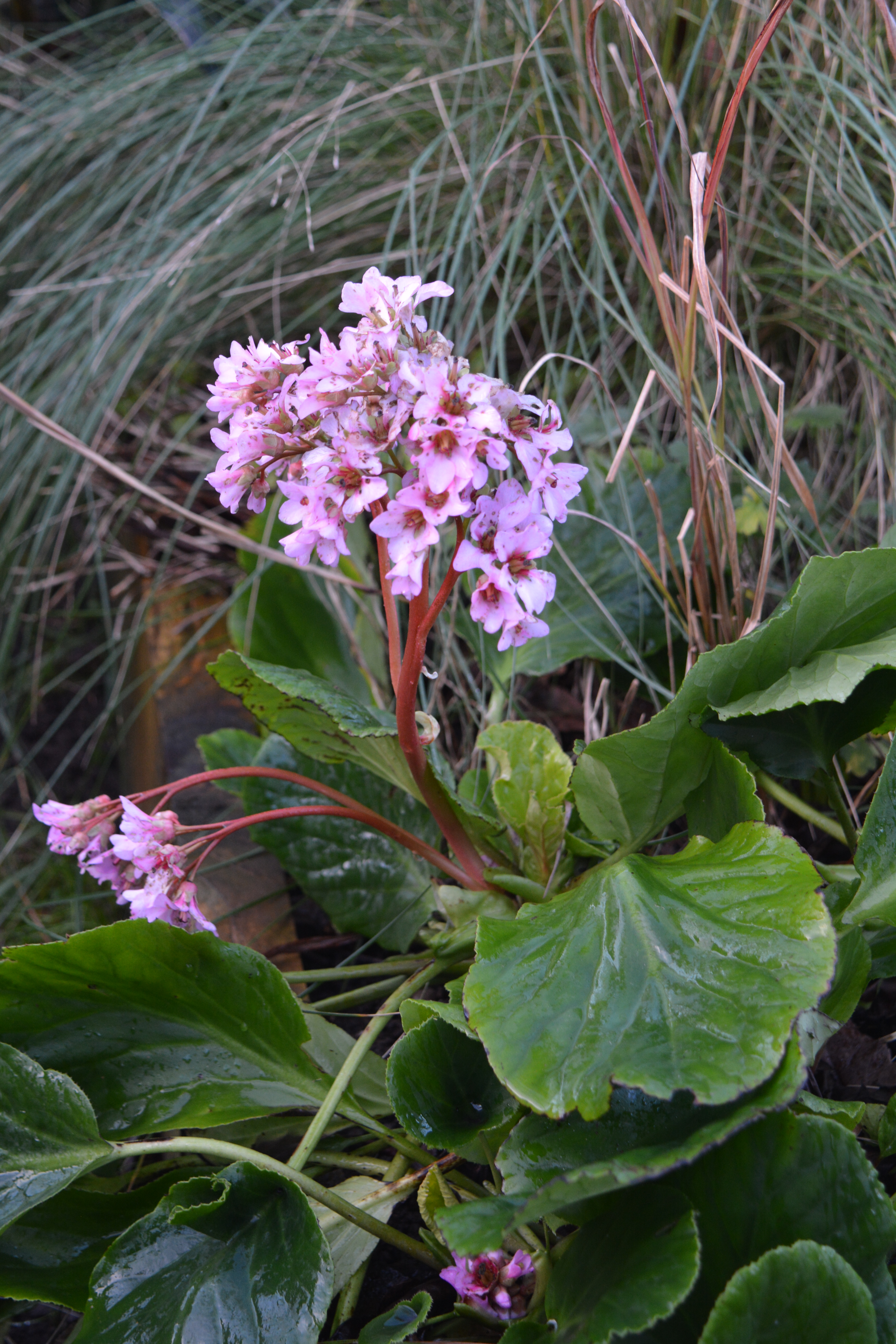
“A sudden overnight plunge in temperature can have drastic looking effects on our early flowering plants. The flowering stem of this Bergenia can be standing to attention during the day but cold at night can make it droop, with the flowers almost touching the cold soil”.

2016 01 17_7930-1 2016 01 08_7763

“The following day when the sun has driven away any frost and added a degree or two to the temperature, the Bergenia flower slowly rises again and returns to its former pink glory.”

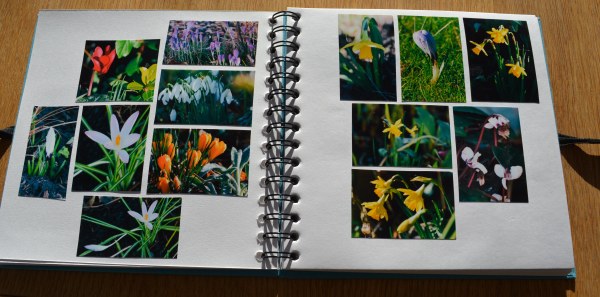
February flowers are celebrated over the next three pages. I hope you enjoy sharing this selection of plants that keep us cheerful and the garden colourful.

2016 02 18_8904_edited-1 2016 02 18_8901_edited-12016 02 18_8891_edited-1 2016 02 18_8878_edited-12016 02 18_8872_edited-1 2016 02 18_8879_edited-12016 02 18_8867_edited-1 2016 02 18_8847_edited-1 2016 02 18_8869_edited-1 2016 02 18_8863_edited-12016 02 18_8913_edited-1 2016 02 18_8871_edited-12016 02 18_8912_edited-1 2016 02 18_8866_edited-1 2016 02 18_8854_edited-1 2016 02 18_8853    2016 02 18_8887_edited-1 2016 02 18_8873_edited-1  2016 02 18_8902_edited-1 2016 02 18_8855_edited-1

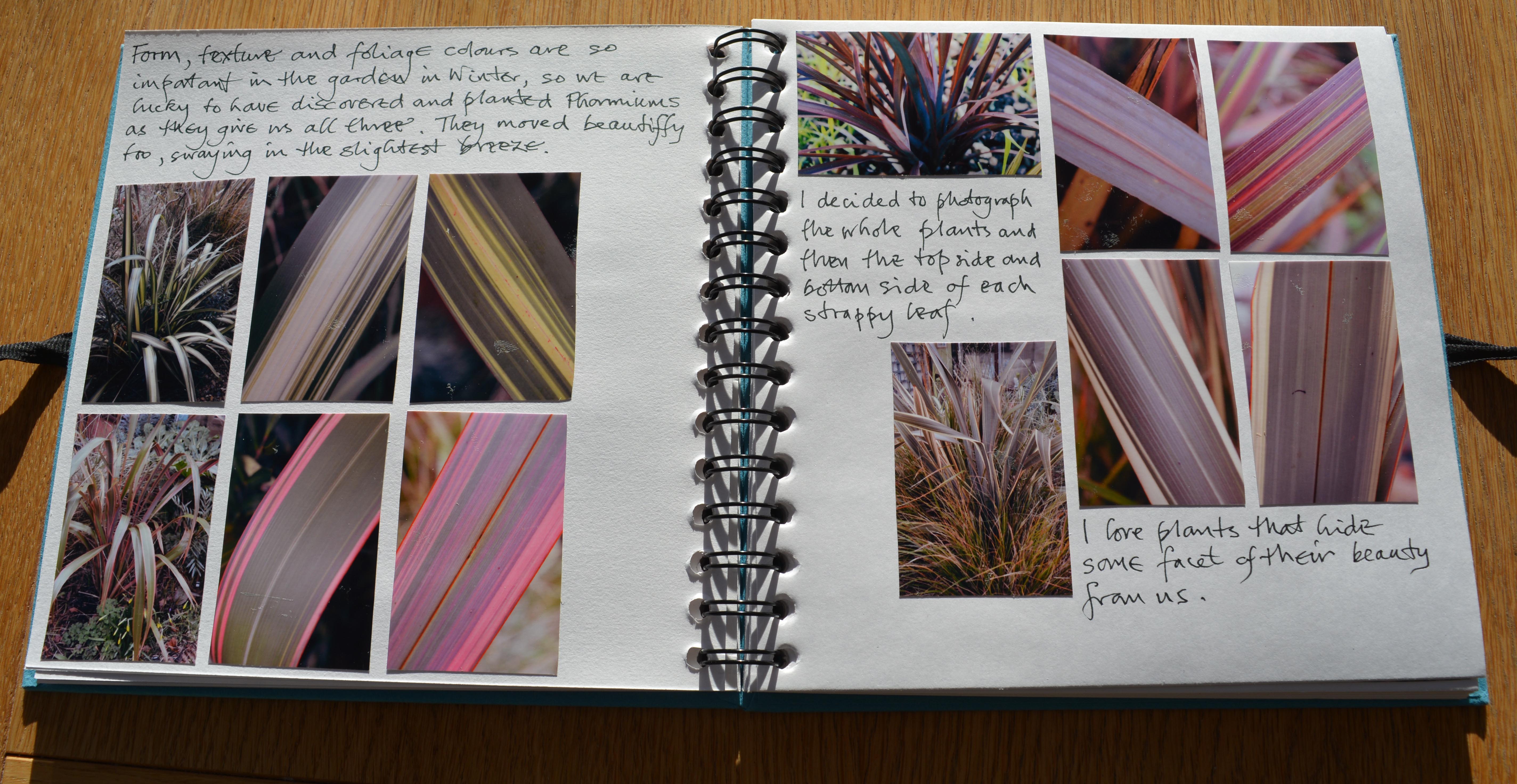
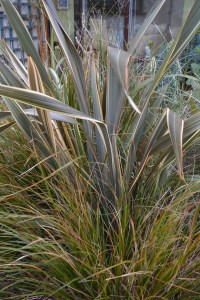
These pictures certainly illustrate how colourful and interesting the garden can still be in the depths of winter. From flowers I moved on to foliage, as on my next double page spread I celebrate Phormiums and how important they are to the winter garden.

2016 02 24_9074_edited-1

“Form, texture and foliage colours are so important in the garden in winter, so we are lucky to have discovered and planted Phormiums as they give us all three. They move beautifully too, swaying in the slightest breeze.”

2016 02 13_8632 2016 02 13_8640 2016 02 13_8651


For some of our Phormium I took a shot of the whole plant and then one of the top surface of their leaves and finally the final surface. Their two surfaces are usually very different.

“I love plants that hide some facet of their beauty from us”.

2016 02 13_8633 2016 02 13_8634 2016 02 13_86352016 02 13_8630 2016 02 13_8639 2016 02 13_8638

2016 02 13_8655 2016 02 13_86532016 02 13_8654

2016 02 13_8631 2016 02 13_8637 2016 02 13_8636

In the final pages of my February entries in my Garden Journal I wrote about coloured stems and look back at my first garden journal to see what I had put for my February entry.  I discovered that I was writing about grass and grasses.

2016 02 24_9077_edited-1

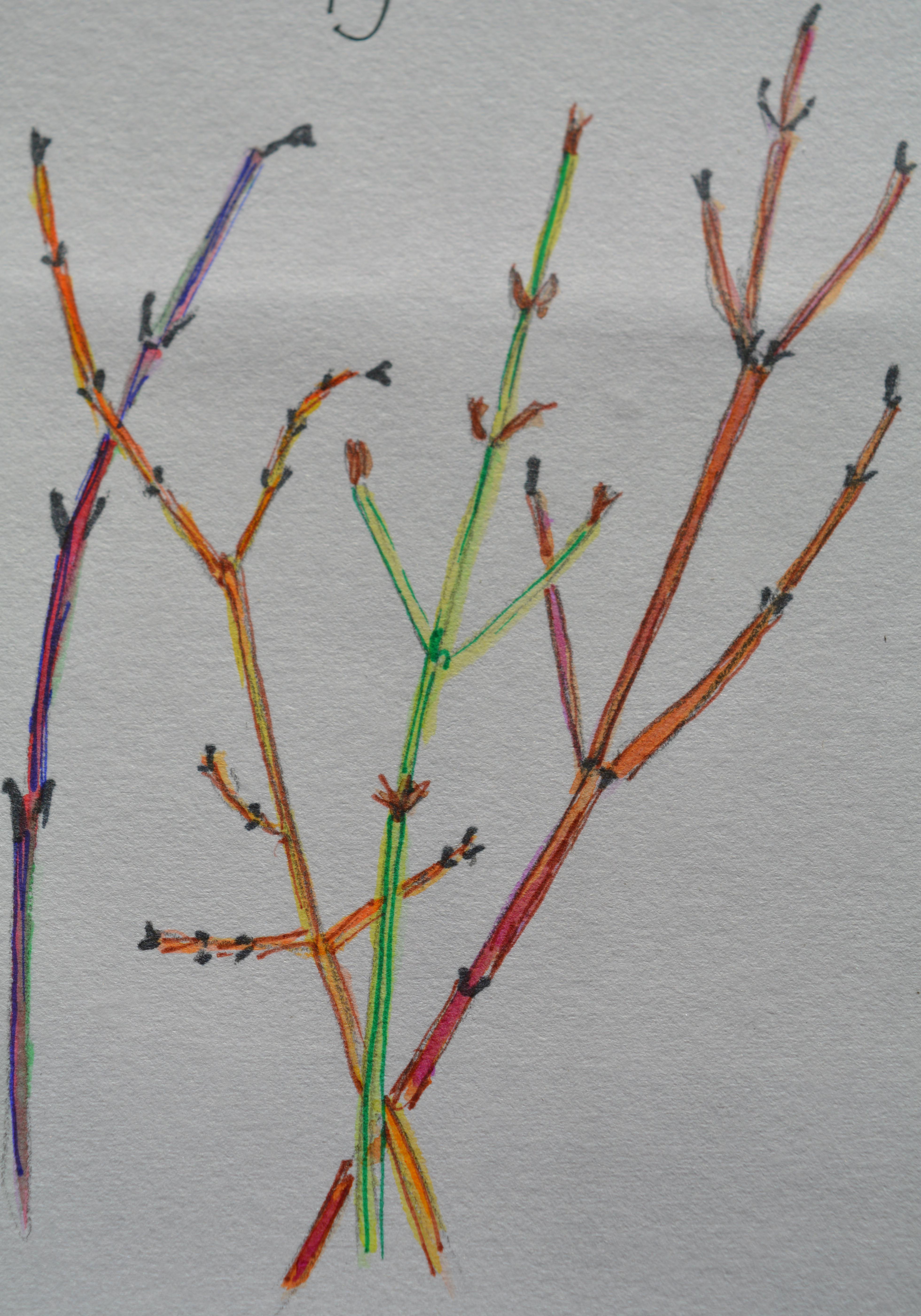
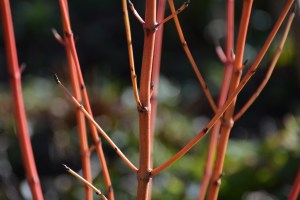
“It is in the dull times of February that we appreciate the brightly coloured stems of our Cornus, Salix and Acers. Once their leaves drop the colours, yellows, oranges and reds begin to intensify. I then shared a watercolour painting of a selection of these stems from our garden alongside a trio of photos.”

2016 02 24_9078_edited-1 2016 02 18_88972016 02 18_8874 2016 02 18_8898

Looking back at my original Garden Journal, I notice that I had commented “14th February and the grass gets its first cut. As the North wind died out the strength of the winter sun meant a good day could be had doing general maintenance work.” This year our grassed areas are wet and slimy and definitely too slippery to get a mower on. But the grass has continued to grow slowly so it is in need of its first cut. Meanwhile our ornamental grasses continue to delight.”

2016 01 22_8033 2016 01 22_8032     2016 01 22_7998-1 2016 01 22_7999-1

So that is it for another month. Next time we make a visit to my Garden Journal we will be in March and maybe we shall be seeing signs of spring.


This Veggie Life

A Vegetarian | Nature Lifestyle Blog

Rambling in the Garden

.....and nurturing my soul

The Arch City Gardener

Journeys In St. Louis Gardening and Beyond

Garden Dreaming at Châtillon

Consult the genius of the place

Storyshucker

A blog full of humorous and poignant observations.

gardeninacity

Notes from a wildlife-friendly cottage garden

PlayGroundology

...an emerging social science

The Official Blog of British Wildlife

'The most important and informative publication on wildlife of our times' - The Independent. This blog is a member of The UK & Ireland Natural History Bloggers group: www.uknhb.blogspot.com
iGrowHort

Inspire - Cultivate - Grow Native Plants - Restore Landscapes

Bishops Meadow Trust

To create and protect a semi-natural wild space for the people of Farnham to enjoy and experience an array of British wildlife in our town

Gardening with Children

The www.gardeningwithchildren.co.uk Blog

UKbirdingtimeline

birding through the seasons, why birds matter and how to conserve them

NATURE WALKER

with a camera in hand

Jardin

Transform your outdoor space

Eva's space

My allotment, cooking and other interests

Old School Garden

my gardening life through the year

LEANNE COLE

Trying to live a creative life

fromacountrycottage

trying to live as lightly as possible on our beautiful planet

Good Life Gardening

Nature lovers from Leicester living the good life.

mybeautfulthings

Finding the beautiful in the everyday

mawsonmichelle

Michelle's Allotment

In and Out of My Garden

thoughts from and about my garden

Greenhousing

Big plans for a small garden

The Scottish Country Garden

A Walled Country Garden in South East Scotland

The Fruity Chicken

Life at the fruity chicken

willowarchway

Off grid living. Self sufficient. "PERMAGANICS RULE".

St Anns Allotments

Nottingham's Grade 2* Listed Allotments and Community Orchard

Manifest Joy Harvests

a journey in suburban vegetable gardening

Allotmental

The madness of growing your own

Penny's Garden: a harvest beyond my front door

A novel approach to vegetable gardening

arignagardener

Sustainable living in the Irish countryside.

NewEnglandGardenAndThread

Master Gardener, amateur photographer, quilter, NH native, and sometimes SC snowbird

dianajhale

Recent work and work in progress and anything else that interests me

planthoarder

a chaotic cottage gardener

Lens and Pens by Sally

a weekly blog that creates a personal philosophy through photographs and words

Dewdrops and Sunshine

Stories from a sassy and classy Southern farmbelle.

The Pyjama Gardener

Simple Organic Gardening & Seasonal Living

gettin' fresh!

turning dirt into dinner

JOY...

today the world is created anew

Garden Birds

Notes from a Devon garden

ShootAbout

Life Through The Lens

Adapting Pixels

A photography blog showcasing the best photography pictures and videos on the internet

Wildlifegardening's Blog

Just another WordPress.com site

naturestimeline

personal observations from the natural world as the search continues for a new approach to conservation.

LATEBLOOMERBUDS

The Wonders of Life through my Eyes, my Heart, my Soul