Categories
allotments community gardening garden wildlife natural pest control

Wildlife Banks on the Lottie

On our allotment site at Bowbrook Allotment Community we try to keep all green waste on site, either by composting or re-using it in new situations. In earlier blogs I showed how we have made an array of insect shelters but the idea of creating wildlife banks to re-use turf is on a much larger scale.

When new beds are created in our Green Spaces around the lotties we have piles of turf left over. Some of this we stacked to make  loam piles but we came up with the idea of making raised areas full of wildlife habitats and shelters. The photo above shows Jude, Geoff and Pete part way through the construction.  Turves have already been layered alterating  grass side up and grass side down, in our chosen shark’s fin shape, a design decided upon to reflect the shape of some of our mini-meadows. The first habitat is in place, the dry-stone wall.

The final layer of turf was laid grass side upwards and we planted insect-attracting plants in it, such as oxe-eye daisies and geranium phaeum. In the following autumn we planted small tulips and muscari and in spring we augmented this with bulbs “in the green”, snowdrops, wild daffodils, crocus and scillas. Some of these flowering bulbs provide a life line for early flying bees.
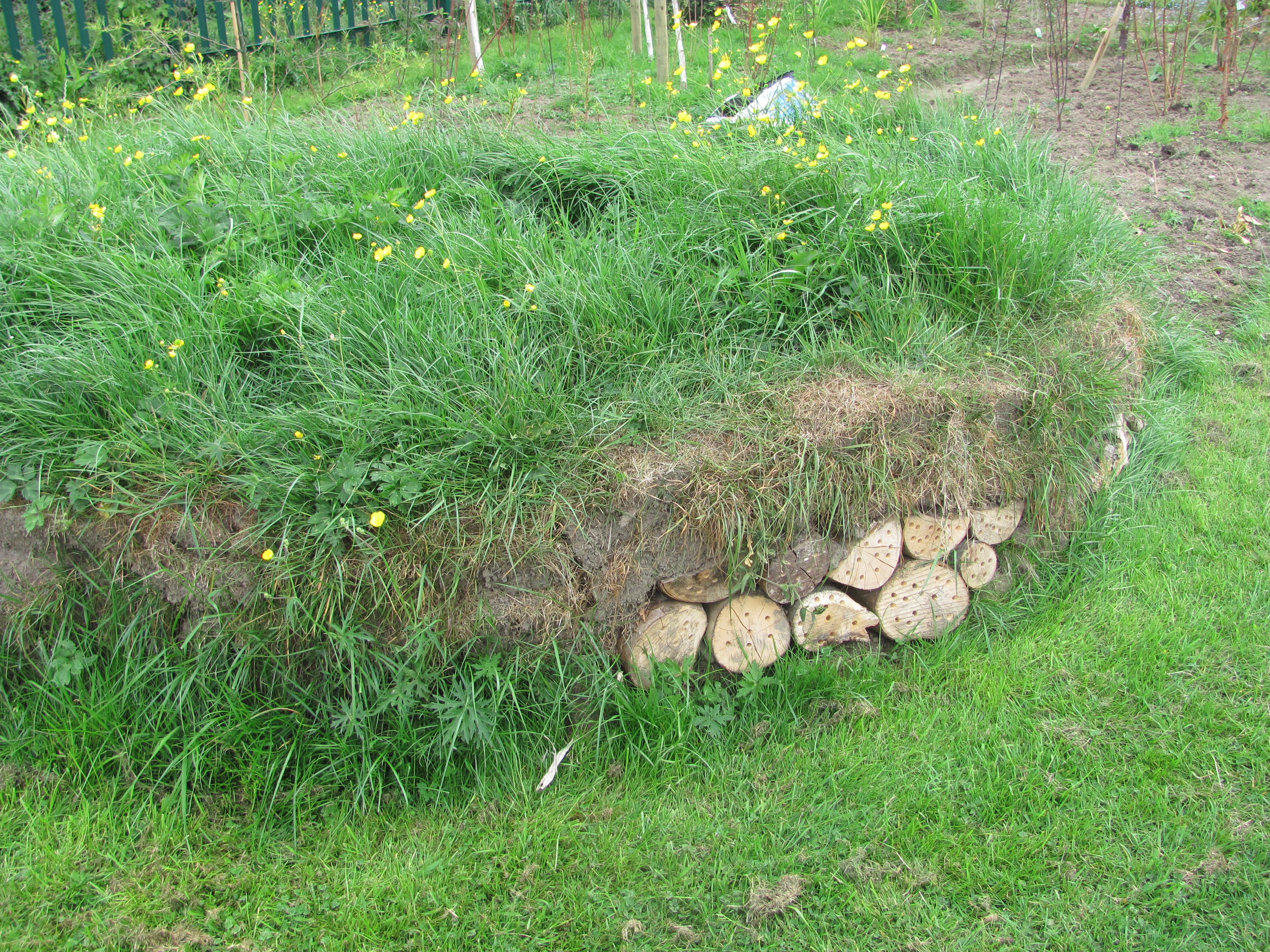
The buttercups soon burst out of the turf and added their yellow cheerfulness. The photo above shows another wildlife habitat – logs with holes of various sizes drilled in them – which we hope will attract solitary bees and provide shelter over winter for their eggs and larvae.

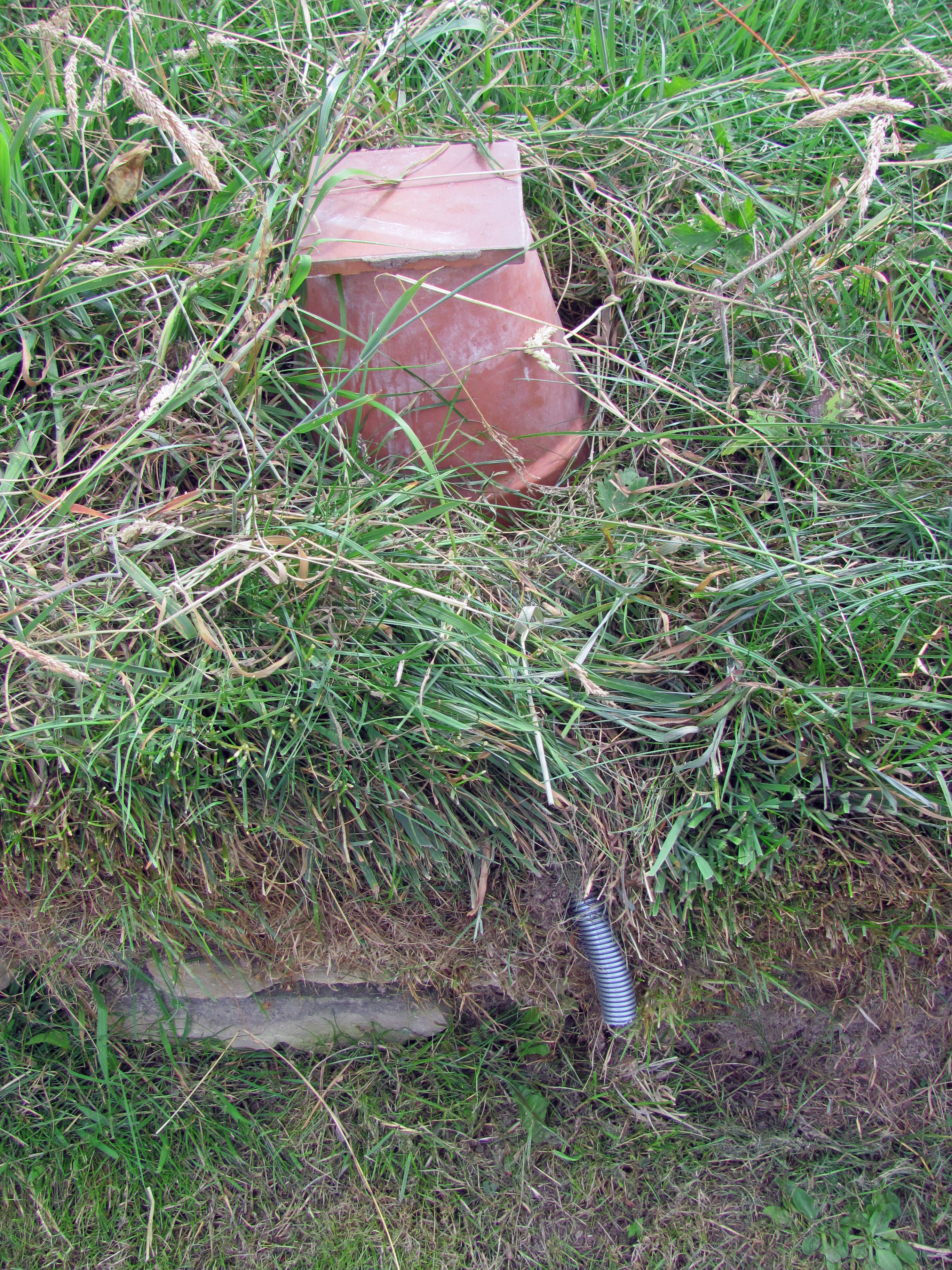
We have now constructed two such wildlife banks within our Green Spaces and keep adding odd plants as they are donated by members. Yesterday we planted some geraniums for example. The photo below shows one of the bumble bee nesting sites we have added. During the summer one of these was nested in by Field Mice and as bumble bees love nesting in old mouse holes we see this as a positive thing, giving us hope of bee residents moving in next year.
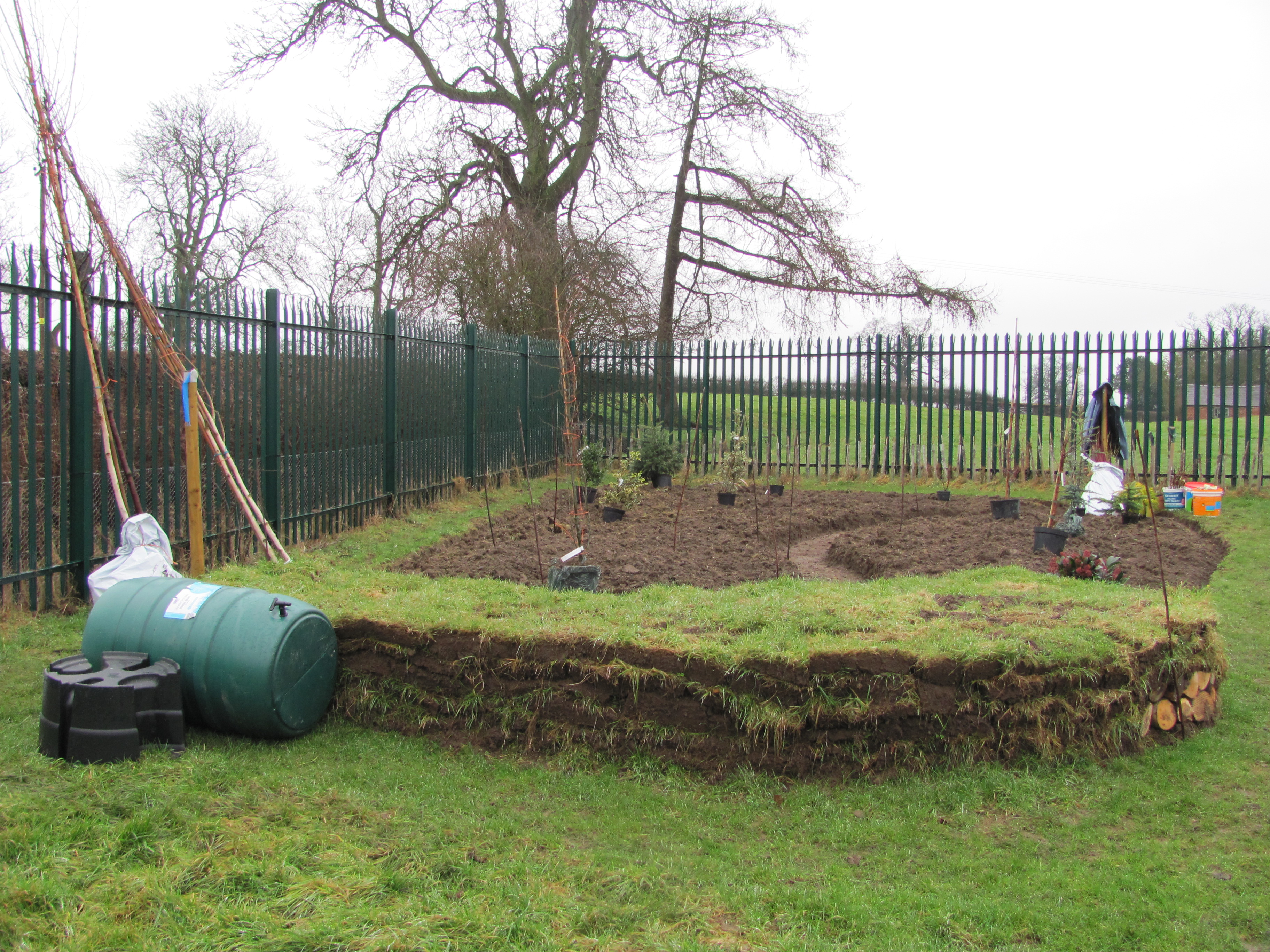
The final photo shows our second wildlife bank just after completion.
 

Categories
garden wildlife natural pest control

Summerhouse Winter Lodgers

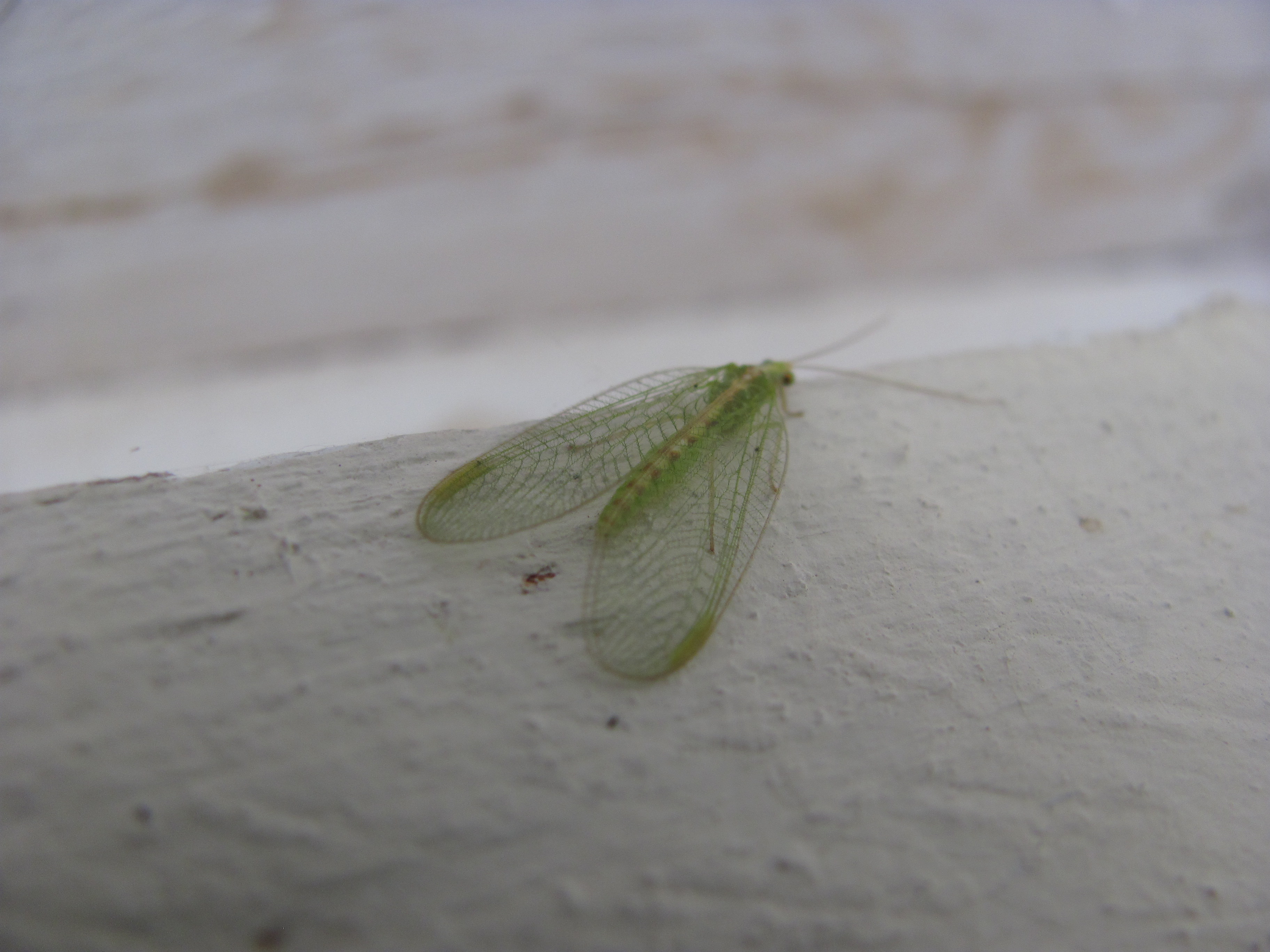
As we spent the day clearing out the pond we opened up the summerhouse alongside it so that we could periodically collapse into its comfy seats and enjoy our tea breaks. While sat there our eyes were drawn to the lacewings already hibernating on the wooden framework. They were almost invisible with their delicate green bodies and translucent wings set against the cream painted woodwork. It is good to see them as they are central to our natural pest control, their larvae being voracious aphid eaters.

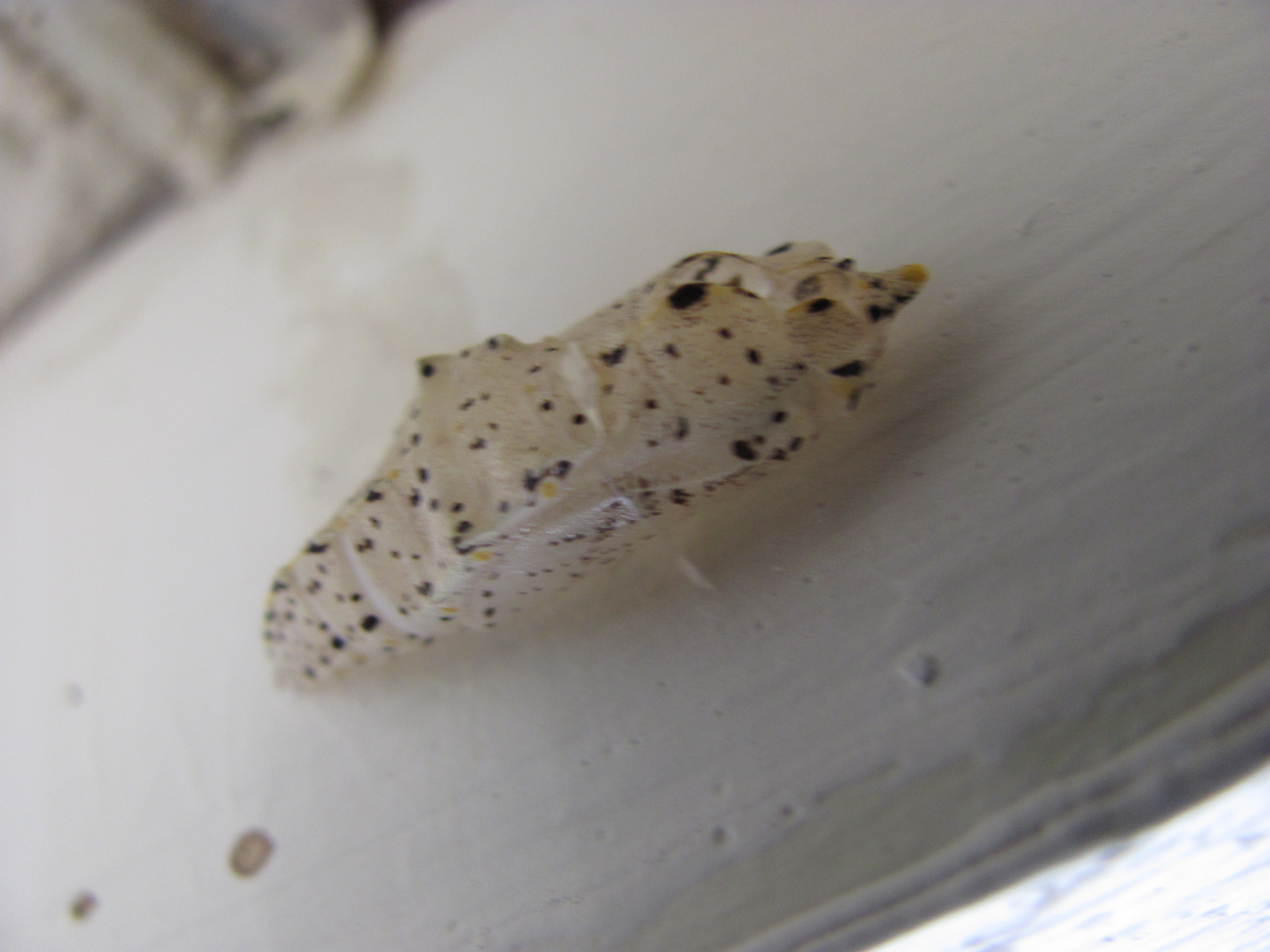
Similarly camouflaged against the cream woodwork a pupa of a butterfly hung vertically – gentle yellow but almost white with small black dots. I don’t know what butterfly it will turn into in the spring but it is usually Small Tortoiseshells that emerge from our garden buildings. I just hope I am not looking forwards to a Cabbage White!!

On the roof the third of our hibernating shed lodgers hang stuck fast to the ceiling. A clump of spider’s eggs has been stuck to the woodwork with a sticky version of webbing. Spiders of course we like in the garden as predators and as master builders of webs. As we await the first frosts of this autumn we anticipate the beauty of the spiders’ spinnings when they are highlighted by frost under the spotlights of the early morning sunlight.

Categories
garden wildlife gardening grow your own

Greenhouse Pest Control

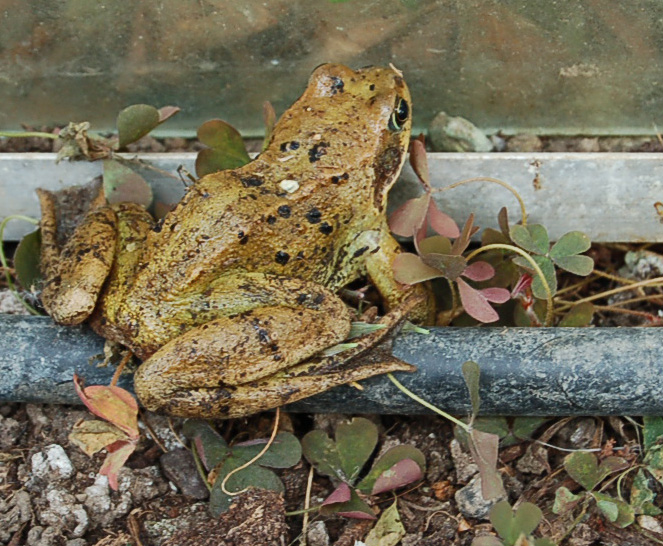
This has to be the greenest method of pest control any gardener can have in the greenhouse. He is one big frog! We are so lucky to have not just frogs but also toads and newts to help rid the greenhouse of slugs and bugs.

Categories
allotments community gardening fruit and veg garden wildlife gardening grow your own meadows natural pest control

October Working Party

Today we held our October working party at Bowbrook Allotment Community. We took advantage of a bonus day of sunshine and warmth. Lots of hard work and lots of laughter – a typical lottie working party day.

Soon the smell of cut hay permeated the lotties as we cut the meadow under the orchard trees. It was a warm herby smell as well as nostalgic. A true sense of the feel good factor.

Above, Dee and Wendy rake up the mown hay in the orchard and below Pete and Jude tidy the long grass from around the logpile. The logpile is there to attract beneficial insects as part of our organic, natural approach to pest control. We welcome ladybirds and their larvae, beetles and lacewing larvae as pest controllers and bees as pollinators.

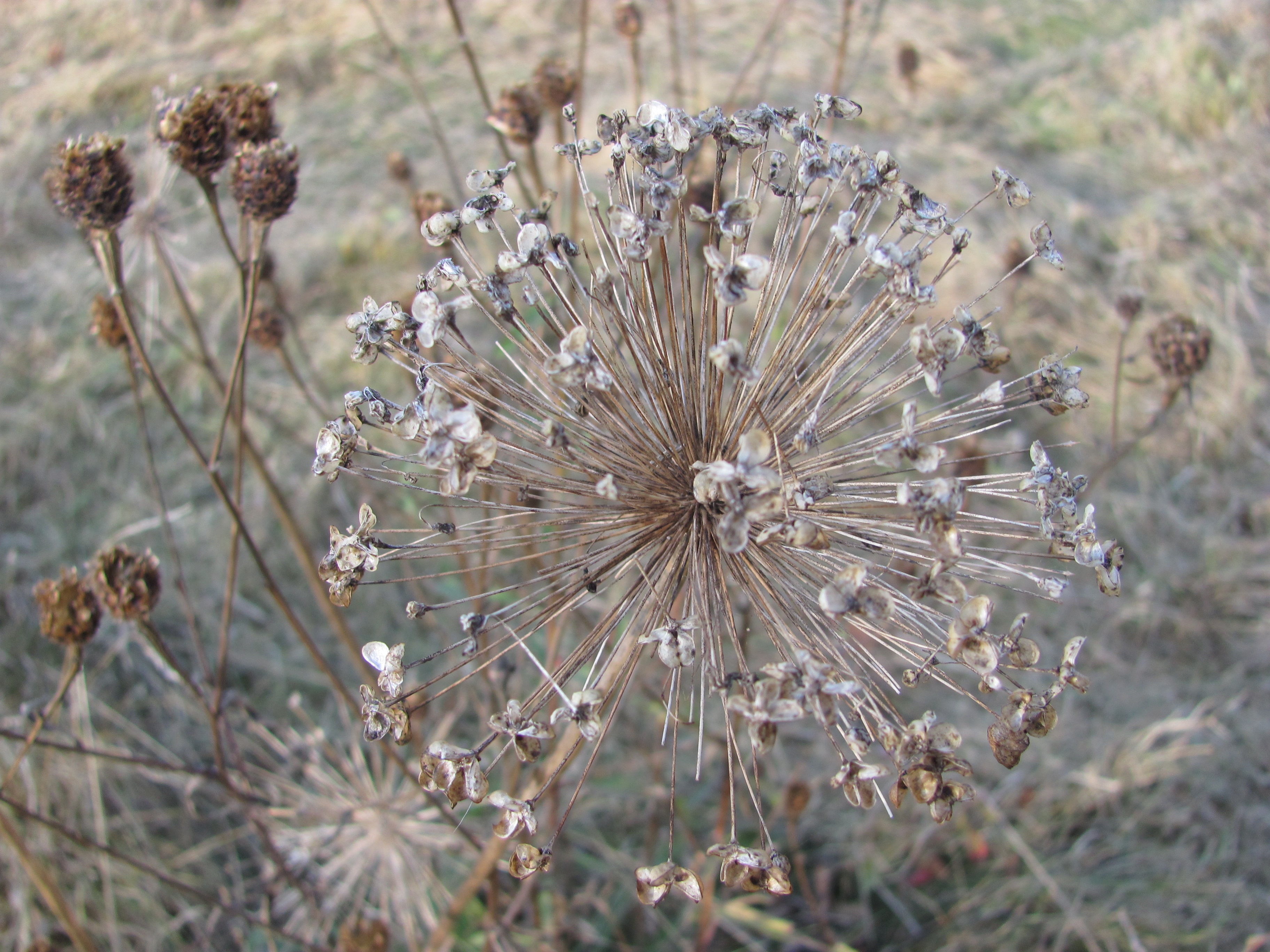
Before cutting the grass I spotted this group of seedheads – alliums and knapweed. They had shed their seeds ready for next year but I felt I had to record this particularly beautiful and delicate clump in a photo before we cut them down.

Bulbs donated by plotholders were planted around the entrance and the car park, with daffodils going in the car park border and muscari in the gateway borders. The Spring Garden was extended and the Winter Garden path was topped up with chipped wood donated by a local tree surgeon. The final task was to trim the long grass and wildflower stems growing on the wildlife banks.

Categories
allotments community gardening garden wildlife meadows

Lottie Meadows

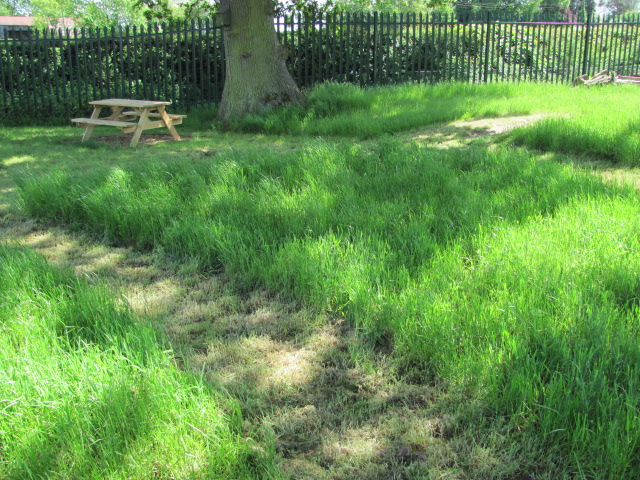
One of the most popular features of our green spaces at Bowbrook allotments is the meadow development. We have simply left some grass to grow long and cut paths through them to give the opportunity to wander, appreciating the sounds of grasshoppers, bees, hoverflies and the multitude of other insects, enjoying the sight of butterflies hovering over the grasses and the birds feeding on the insects and seeds and on occasion our resident kestrels hovering overhead and hunting the voles. Before the allotments were established the site was pastureland so the wildflowers that have appeared within our long grass areas are few in number, but we aim to improve this over the next few years by planting plugs of wildflowers.

Other areas have been planted up with wildflower seed mixes with varying degrees of success and this will be the subject of my next blog from my green bench.

Categories
garden wildlife

Garden Birds of Prey

This week has been a busy one for birds of prey in or close to our garden here in Plealey. While working in the borders in the back garden yesterday we delighted in the site, and it has to be said sounds, of a dog fight between a Red Kite and two Jackdaws. This all went on right above our heads as the Jackies forced the kite low over the garden and then the kite fought back gaining a few metres of height. It gave us the chance to watch the kite’s long wing and tail feathers twisting and turning which gave it extra manoevrability which the jackies matched with their persistence and stubborness.

In the lane near our garden we watched a hobby flying almost at ground level looking like an oversized swift. It was a beautiful grey-backed male. He maintained a constant, and very rapid, flying height of only about 12 inches or so above the tarmac.

This morning we watched our local male merlin hunting through the garden and later found the feathers of a greenfinch – his breakfast – on the lawn. More gruesome was the remains of a peregrine kill – just the wings and tail of a wood pigeon – scattered on the grass path down to the chickens. Why do peregrines always leave the tail and wings but consume every other bit of flesh and bone?


Categories
garden wildlife

Feeding Frenzies

We have had the pleasure of watching avian feeding frenzies in our Avocet back garden in the last few days. Firstly we watched flocks of noisy crows wildly feeding on flying ants on the hillside behind us. Through our scope we could see their wildness and greed as the ants in the big patch of sloping dry ground took to the air. It seems little gain for such large birds, but perhaps ants provide some essential nourishment. Or some drug!

The ants nesting alongside our garage wall took flight the following day and were instantly gorged upon by robins and blackbirds. How do birds know this is about to happen?

The food source of the third instance was a complete mystery. Early one sunny evening the garden was invaded by dozens of swallows swooping low through the trees and borders, occasionally landing on the roofs of the conservatory and garage. This continued for a good hour with the garden seeming at times absolutely full of swallows performing amazing aerial acrobatics. What entertainment! They put the Red Arrows to shame.

Categories
garden wildlife

Striped Intruder

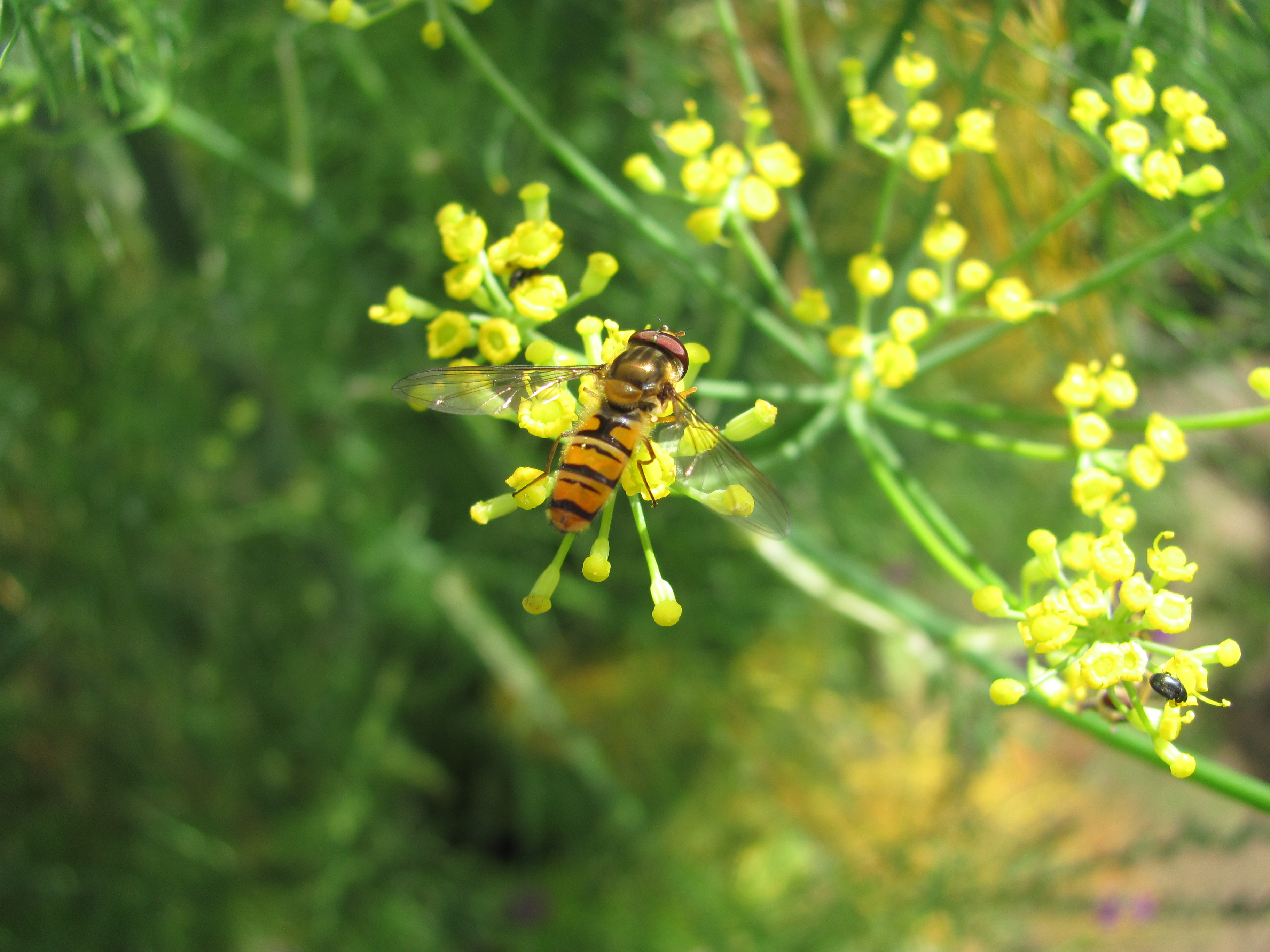
Hoverfly on Fennel flowers
This must be the year of the hoverfly, with the garden alive with them every hour of daylight every day, their intensity increasing as the sun comes out. They seem particularly attracted to fennel, echinops and alliums.

There are so many different hoverflies around us, with Britain alone host to 276 species, and many so cleverly copying other insects that we are not aware that we are looking at hoverflies at all. The most obvious one is the yellow striped one, the Marmalade Hoverfly, seen in the photo which mimics a wasp. This is a clever move as wasps are rarely preyed upon by larger creatures, their yellow and black striped colour scheme acting as a warning.

The hoverfly sadly however did not reckon on human beings who kill them falling for their deceit and believing them to be wasps. They do however possess and deploy a “pretend” sting which gives a slight prick but no chemical to sting us.
The hoverflies we see most of in our gardens, the Marmalade Hoverfly, are attracted to plants that can give them both pollen and nectar as they are one of the few insects that are equipped to digest pollen. Apart from copying wasps some take the form of look-a-like bees, flies and some tiny ones have developed to look like gnats.
The Real Thing - the Common Wasp
For organic gardeners hoverflies are true friends as their larvae eat aphids with as much relish as the larvae of Ladybirds, so we should be planting for them and providing shelter for them. On our lottie we plant Phaecelia and Sedums specially for them. We never see aphids on our plot. and similarly at home we select plants for insects in general but keep hoverflies, ladybirds and bees especially in mind.
Two contributions that hovers gift to the garden that are rarely attributed to them are that of champion pollinator and a brilliant indicator of biodiversity. Their presence is a sign of a garden with biodiversity in a healthy state. We should be pleased to have them in so many ways.
Categories
conservation garden wildlife

Cheeky Sparrows

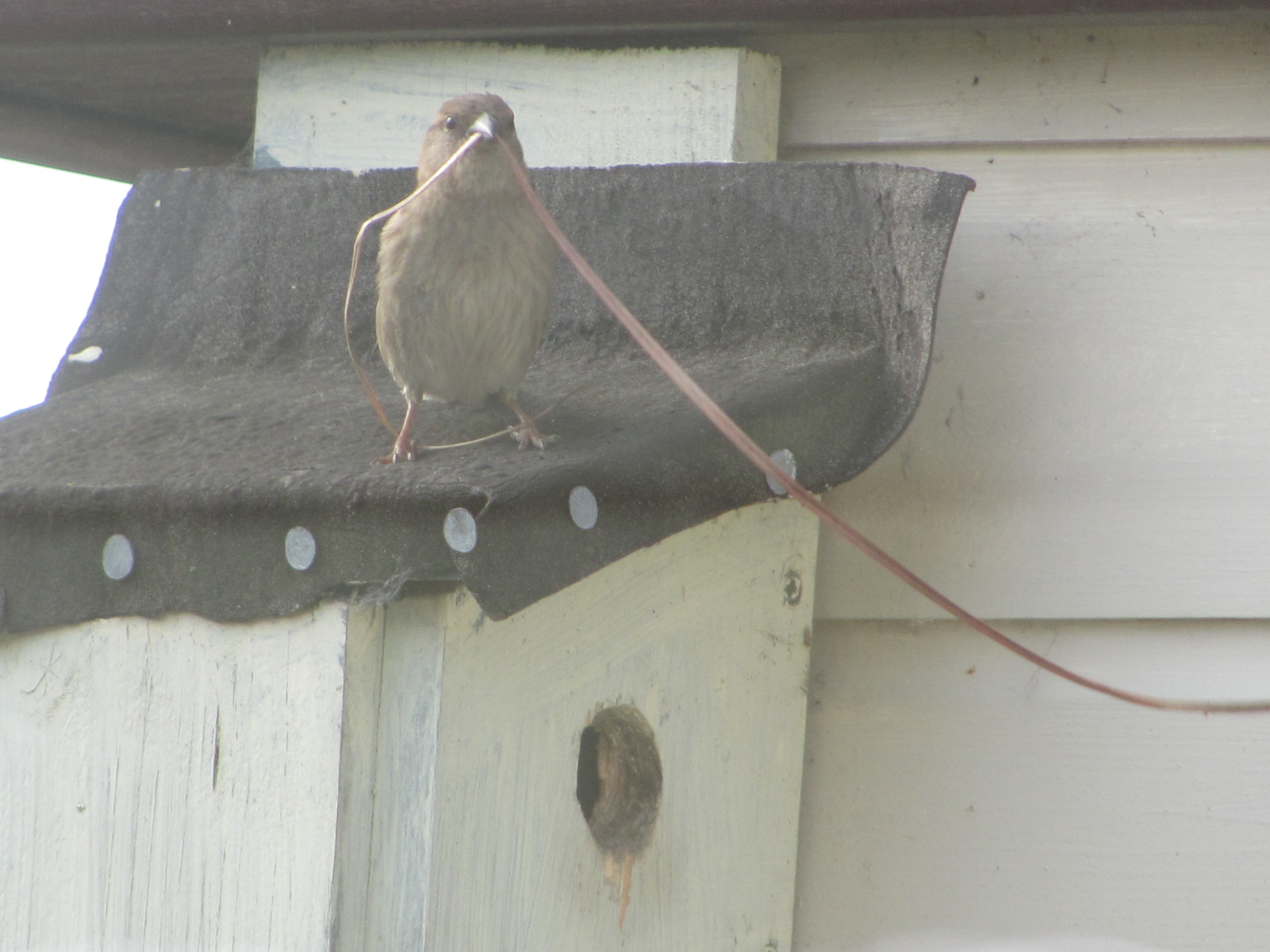
What is it with House Sparrows? We all know now of the terrible plight of this “cheeky chappy”, the “cockney sparrer”, or as we called them as kids in Gloucestershire, “spaggies”. Their population has dropped drastically, in town and country. A year ago we were missing their constant chirpy chatter here in our Avocet garden as in the six years we had lived here they all but disappeared. We decided that we might reverse the trend a little by putting up a box for them – the real thing, a sparrow terrace with 3 nesting spaces. They had occasionally in the past pushed a pair of great tits out of one of their boxes so we put one of those metal plates with a small hole over the original hole and nearby nailed up the new “for sparrows only” box. The box was on the fence in the side garden opposite our kitchen window so we could watch for developments.

The old box with its new metal hole was grabbed early in the year by a pair of blue tits who took up residence in January and fought off all other prospective squatters. The house sparrows completely ignored their new box except occasionally using it as a perch or toilet. However we soon discovered a pair evicting great tits from a tit box in the back garden. The fight continued for weeks with nesting material being added in turn by the sparrows and the tits. The sparrows won in the end and have now raised a healthy and noisy brood. They are now sitting on the second batch of eggs.

But no sign of activity in the specially provided sparrow terrace – unless of course you count the blue tit family in residence in the end terrace!

The wrong box!
Categories
conservation garden wildlife gardening natural pest control wildlife

Upmarket Insects

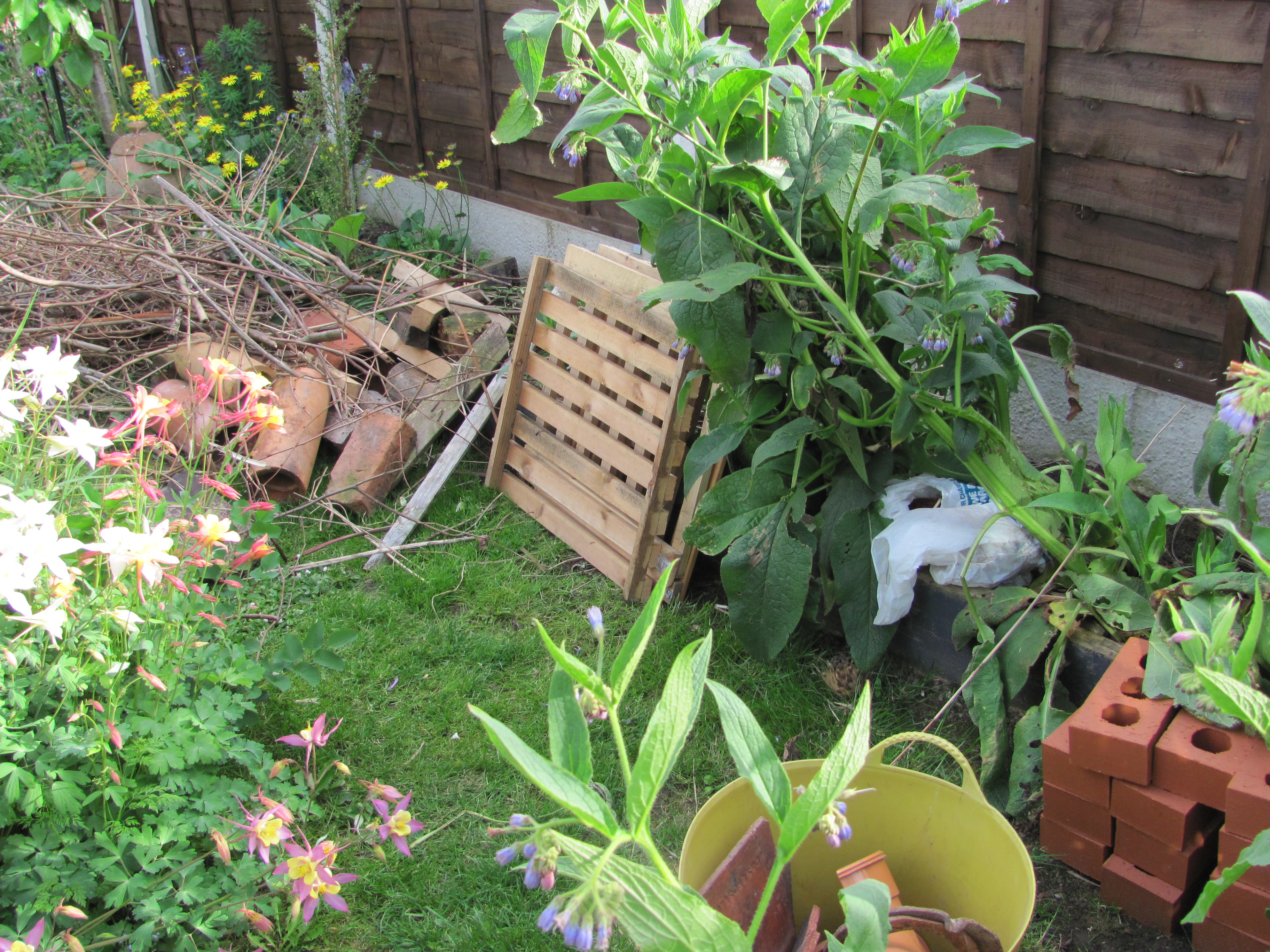
The essential ingredients for rustling up an insect hotel.

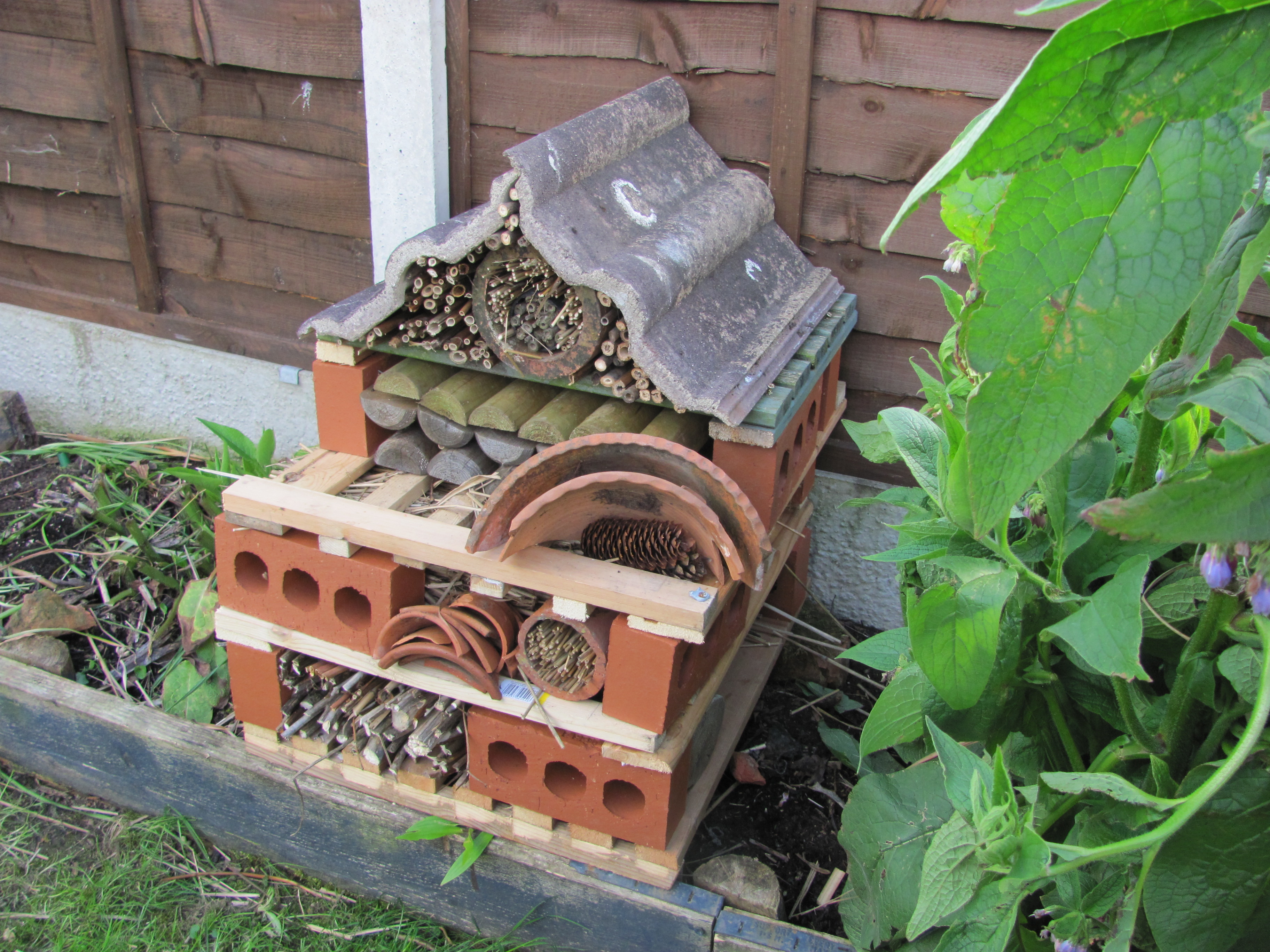
We have built a new insect stack, or insect hotel as they are often called, in our back garden here in Plealey. It is a real upmarket affair – if it were a hotel for humans it would definitely deserve to be called a “boutique hotel”. We hope it becomes a home for beneficial insects – ladybirds, lacewings, beetles and bees, plus maybe the occasional amphibian – one of our resident newts, toads or frogs perhaps. A much friendlier way of dealing with garden pests.

Finished and ready for occupancy.
This Veggie Life

A Vegetarian | Nature Lifestyle Blog

Rambling in the Garden

.....and nurturing my soul

The Arch City Gardener

Journeys In St. Louis Gardening and Beyond

Garden Dreaming at Châtillon

Consult the genius of the place

Storyshucker

A blog full of humorous and poignant observations.

gardeninacity

Notes from a wildlife-friendly cottage garden

PlayGroundology

...an emerging social science

The Official Blog of British Wildlife

'The most important and informative publication on wildlife of our times' - The Independent. This blog is a member of The UK & Ireland Natural History Bloggers group: www.uknhb.blogspot.com

iGrowHort

Inspire - Cultivate - Grow Native Plants - Restore Landscapes

Bishops Meadow Trust

To create and protect a semi-natural wild space for the people of Farnham to enjoy and experience an array of British wildlife in our town

Gardening with Children

The www.gardeningwithchildren.co.uk Blog

UKbirdingtimeline

birding through the seasons, why birds matter and how to conserve them

NATURE WALKER

with a camera in hand

Jardin

Transform your outdoor space

Eva's space

My allotment, cooking and other interests

Old School Garden

my gardening life through the year

LEANNE COLE

Trying to live a creative life

fromacountrycottage

trying to live as lightly as possible on our beautiful planet

Good Life Gardening

Nature lovers from Leicester living the good life.

mybeautfulthings

Finding the beautiful in the everyday

mawsonmichelle

Michelle's Allotment

In and Out of My Garden

thoughts from and about my garden

Greenhousing

Big plans for a small garden

The Scottish Country Garden

A Walled Country Garden in South East Scotland

The Fruity Chicken

Life at the fruity chicken

willowarchway

Off grid living. Self sufficient. "PERMAGANICS RULE".

St Anns Allotments

Nottingham's Grade 2* Listed Allotments and Community Orchard

Manifest Joy Harvests

a journey in suburban vegetable gardening

Allotmental

The madness of growing your own

Penny's Garden: a harvest beyond my front door

A novel approach to vegetable gardening

arignagardener

Sustainable living in the Irish countryside.

NewEnglandGardenAndThread

Master Gardener, amateur photographer, quilter, NH native, and sometimes SC snowbird

dianajhale

Recent work and work in progress and anything else that interests me

planthoarder

a chaotic cottage gardener

Lens and Pens by Sally

a weekly blog that creates a personal philosophy through photographs and words

Dewdrops and Sunshine

Stories from a sassy and classy Southern farmbelle.

The Pyjama Gardener

Simple Organic Gardening & Seasonal Living

gettin' fresh!

turning dirt into dinner

JOY...

today the world is created anew

Garden Birds

Notes from a Devon garden

ShootAbout

Life Through The Lens

Adapting Pixels

A photography blog showcasing the best photography pictures and videos on the internet

Wildlifegardening's Blog

Just another WordPress.com site

naturestimeline

personal observations from the natural world as the search continues for a new approach to conservation.

LATEBLOOMERBUDS

The Wonders of Life through my Eyes, my Heart, my Soul