Categories
birds fruit and veg garden design garden photography garden wildlife gardening gardens grow your own hardy perennials ornamental grasses ornamental trees and shrubs roses Shrewsbury Shropshire shrubs trees village gardens

My Garden Journal 2018 – May

Here we are with the fifth visit to my garden journal for 2018, where I report on what is happening in our Avocet garden in Shropshire. Does it show that spring may eventually have arrived?

On my first page for May I wrote, “May began wet with continued patches of cold winds from the East. We continued to garden whenever the rain was not torrential but through it all the garden burgeoned. Fresh greens of every shade brightened our patch and contrasted beautifully with the colours of flowers.”
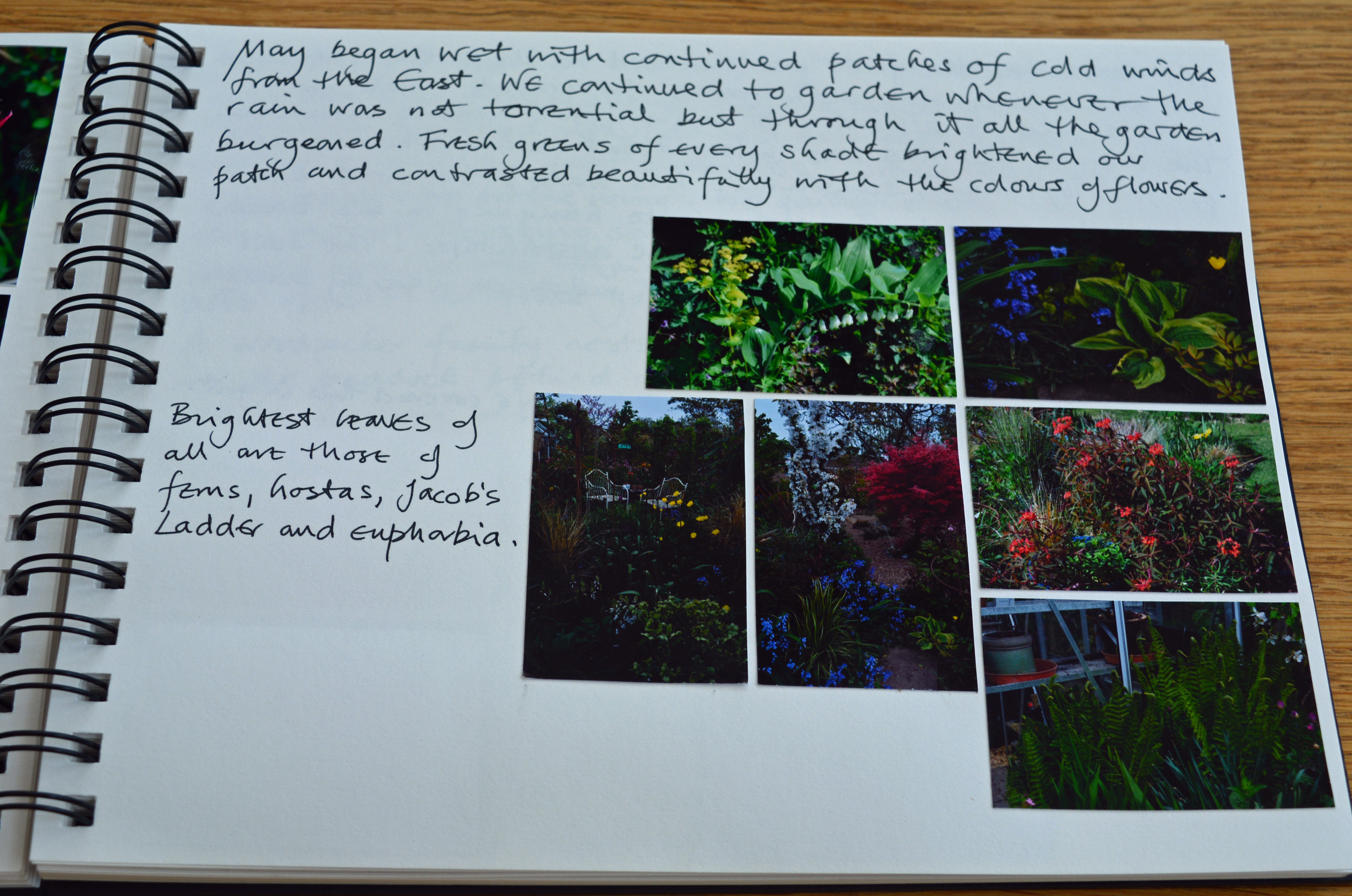
“The brightest leaves of all are those of ferns, hostas, Jacob’s Ladder and Euphorbia.”


Turning over the page I looked at a job that Ian our gardener completed in May, plus a look at our wildlife in the garden.
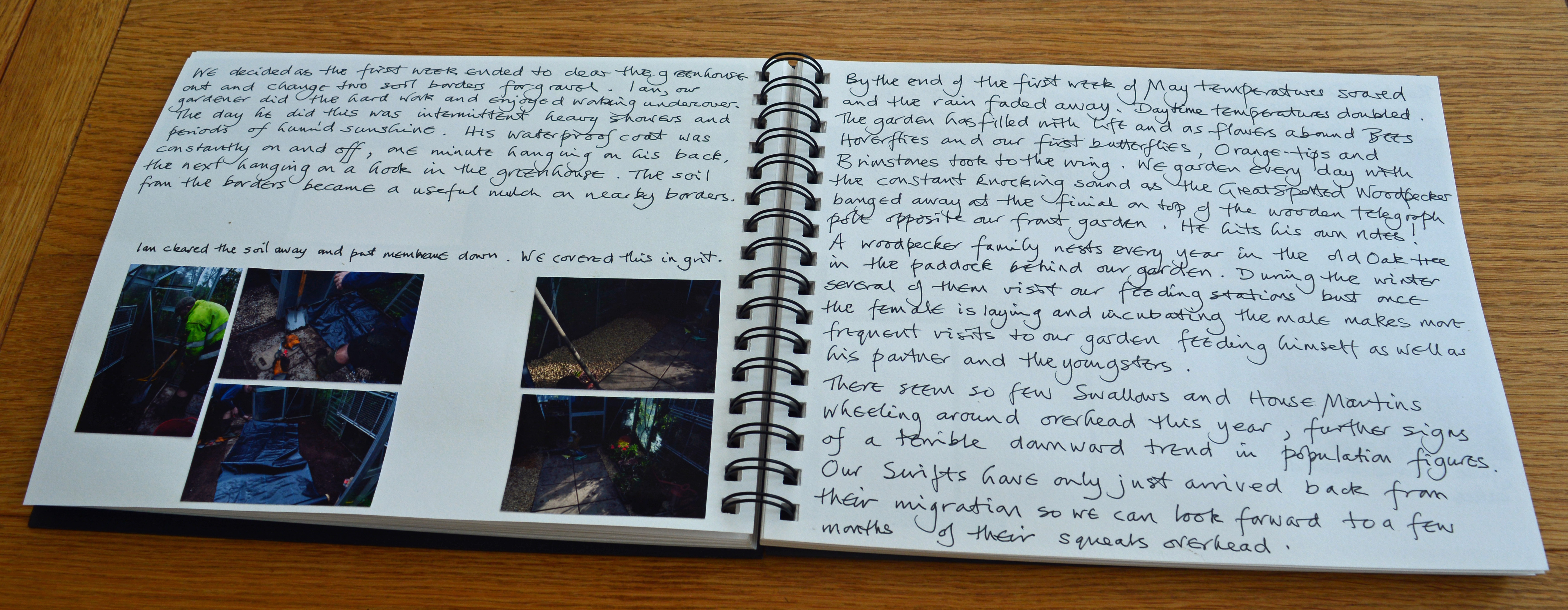
“We decided as the first week ended, to clear the greenhouse out and change two soil borders for gravel. Ian, our gardener did the hard work and enjoyed working under cover. The day he did there were intermittent heavy showers and periods of humid sunshine. His waterproof coat was constantly on and off, one minute hanging on his back, the next hanging on a hook in the greenhouse. The soil from the borders became a useful mulch material for nearby borders.”
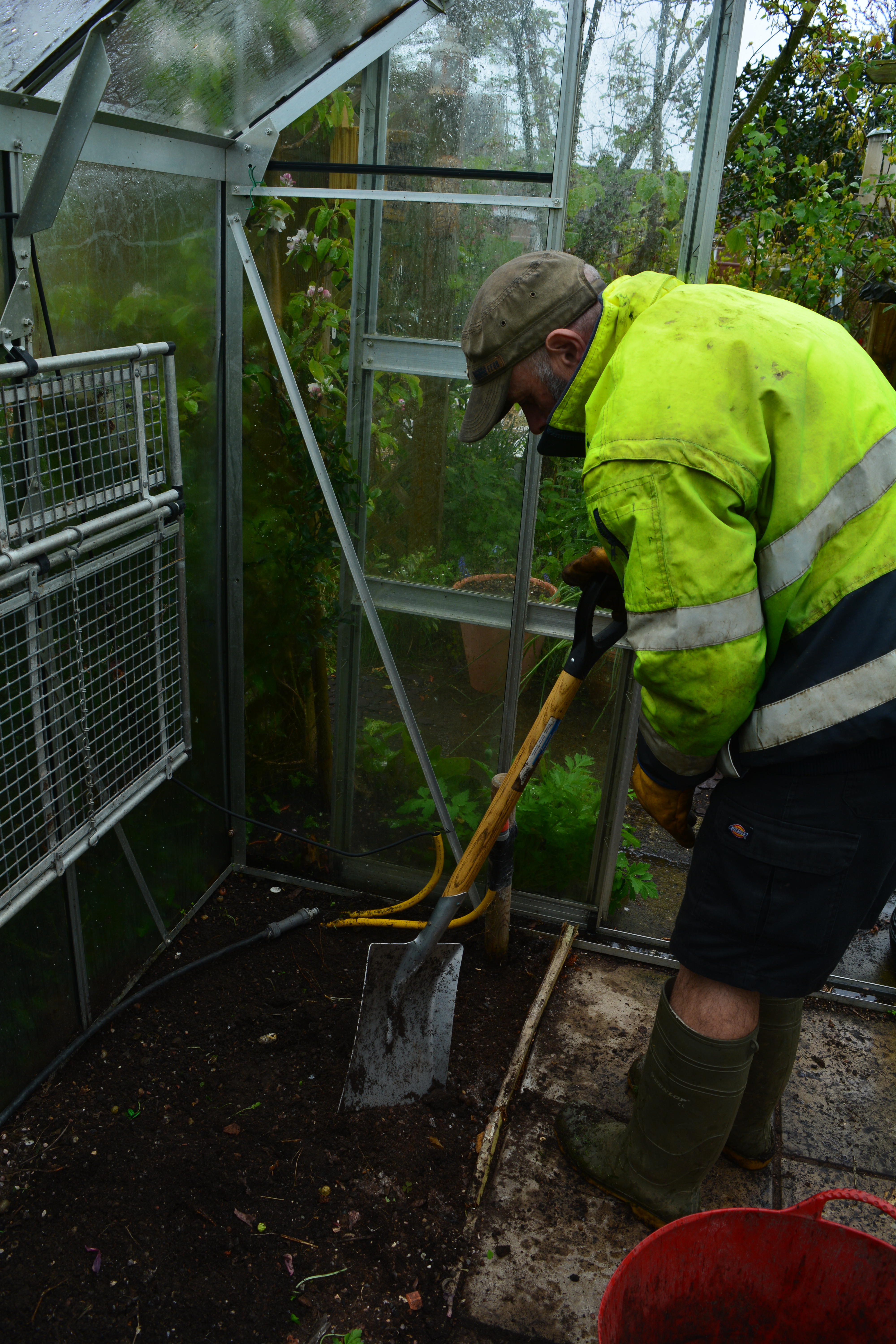
 

“Ian cleared the soil away and put membrane down. We covered this in grit.”

“By the end of the first week of May temperatures soared and the rain faded away. Daytime temperatures doubled. The garden has filled with life and as flowers abound, bees, hoverflies and our first butterflies, Orange Tips and Brimstones take to the wing. We garden every day with the constant knocking sound as a Great Spotted Woodpecker bangs away at the finial on top of the wooden telegraph pole opposite our front garden. He hits his own notes!

A woodpecker family nests every year in the old Oak tree in the paddock behind our garden. During the winter several of them visit the feeding stations but once the female is laying and incubating the male makes more frequent visits to our garden feeding himself as well as his partner and the youngsters. 

There seem so few Swallows and House Martins wheeling around overhead this year, further signs of a terrible downward trend in population figures. Our Swifts have only just arrived back from their migration so we can look forward to a few months of their squeals overhead.”

Over the page I moved on to look at Dan Pearson’s thoughts on the sudden growth seen in May.


I wrote, “Reading Dan Pearson’s “Natural Selections”, I enjoyed his reference to the noticeably rapid growth in gardens in May.

“The growth is a remarkable thing during these weeks between spring and summer. If you could hear it there would be a tangible hum, made from a million buds breaking and stems flexing. The tide of green sweeps up and over bare earth, cloaking it as fast as the leaves fill out above us.”

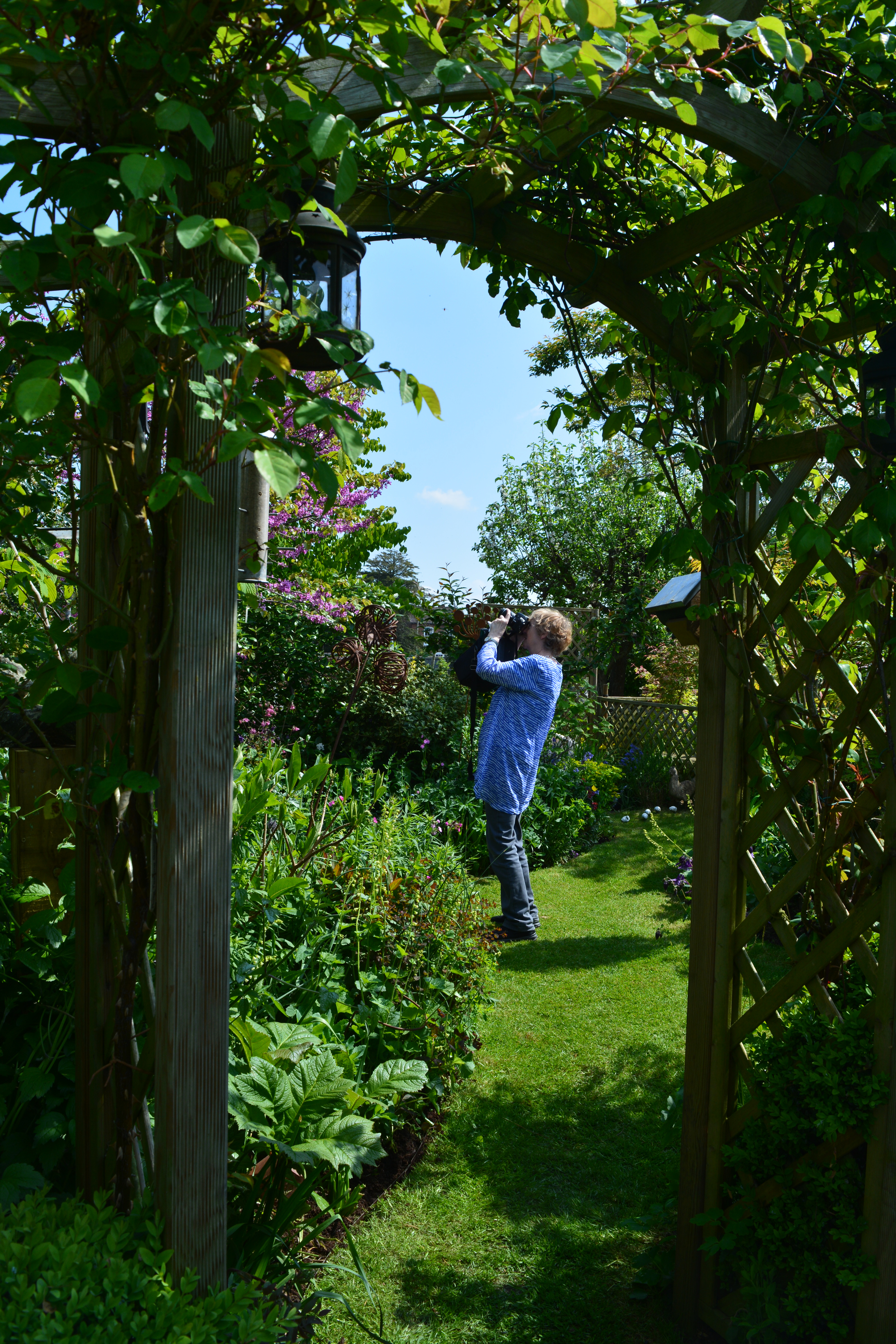
For us May is also the month when the first of our visiting garden groups come to share our patch with us. They enjoy wandering around our many paths, taking photographs, asking questions and finishing with tea, coffee and Jude’s home baked cakes.”
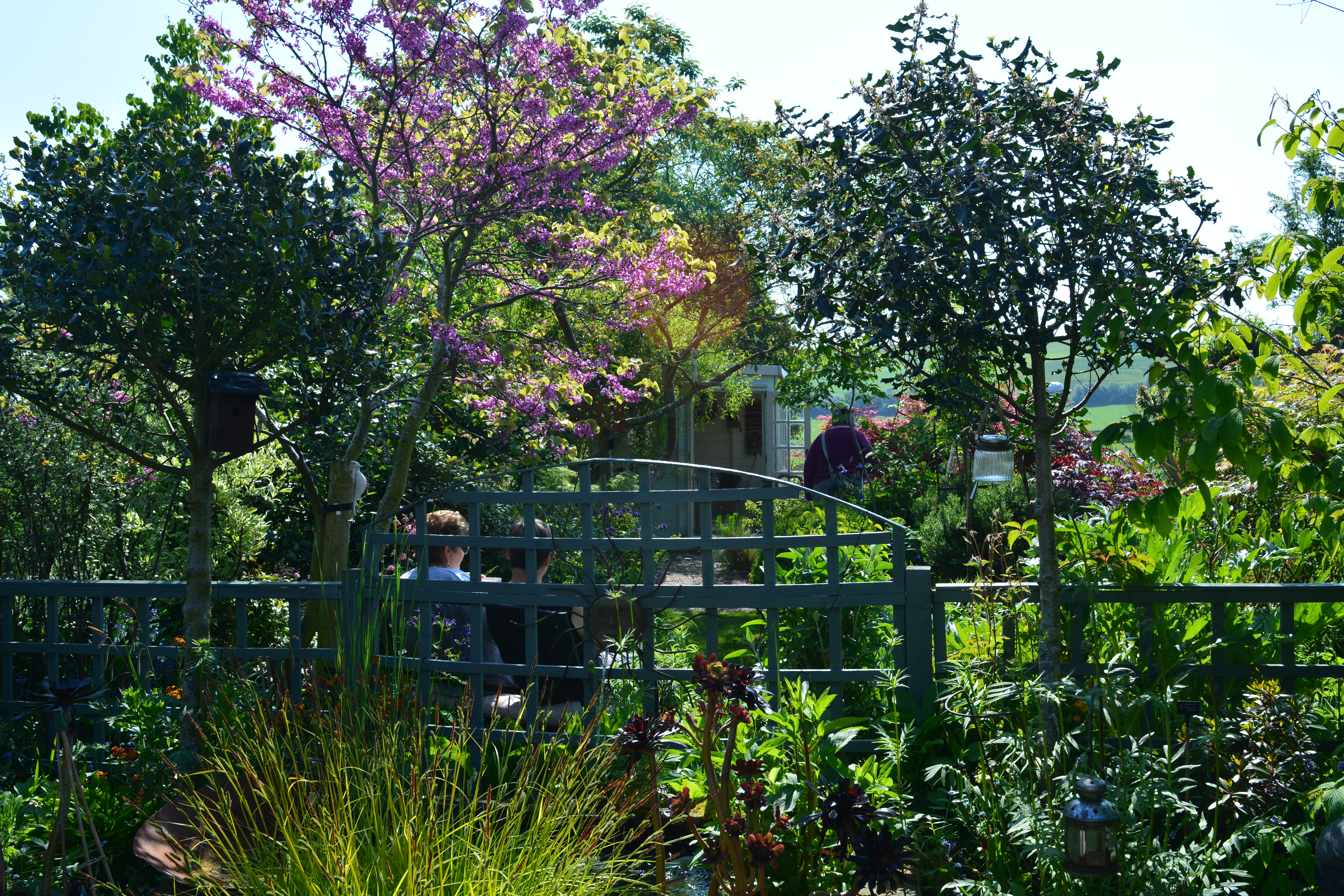
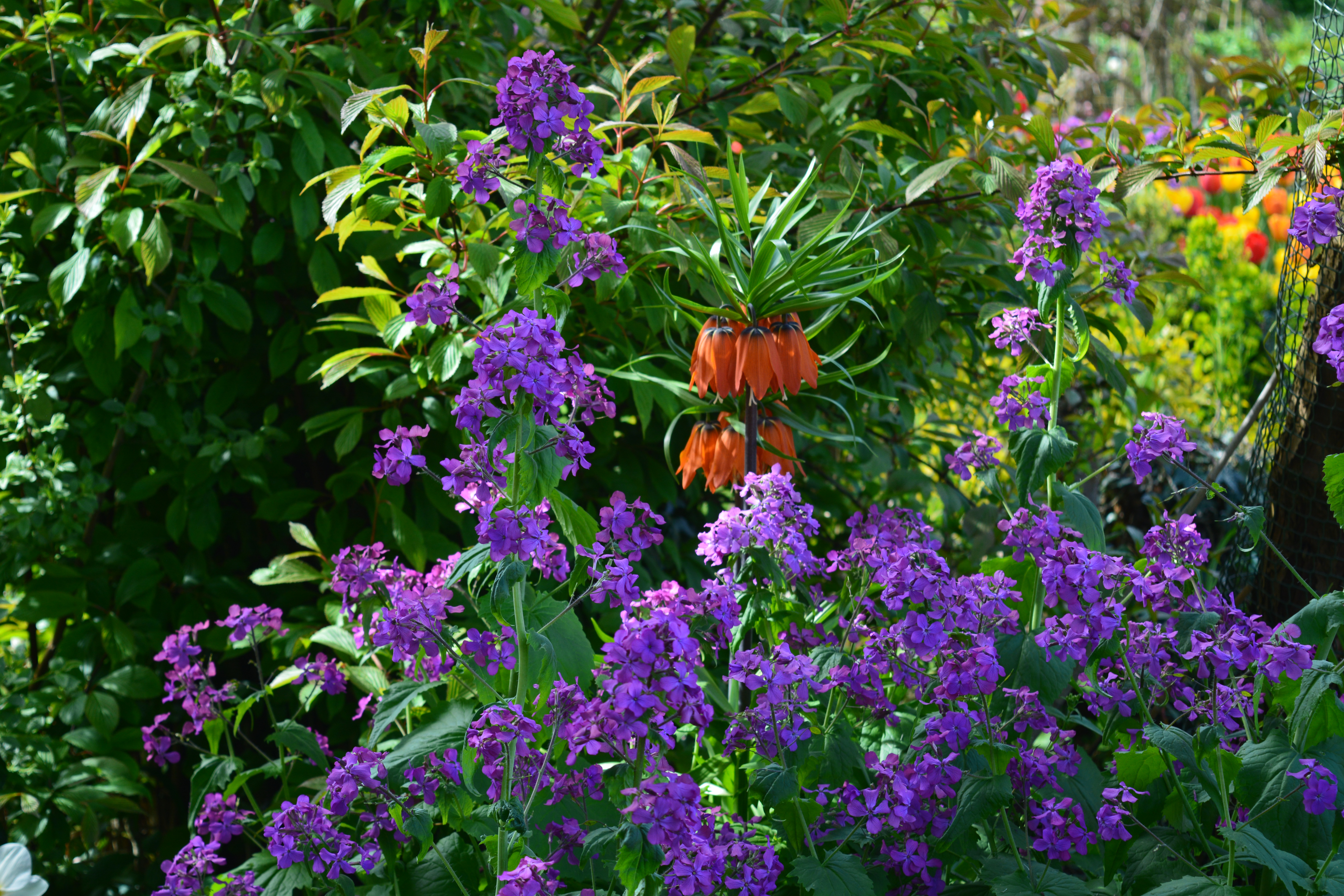
I then move on to look at some of our flowering trees and shrubs that are features of our May garden, about which I wrote, “Flowering trees and shrubs add colour and often scent at a higher level than the spring bulbs and early perennials.”
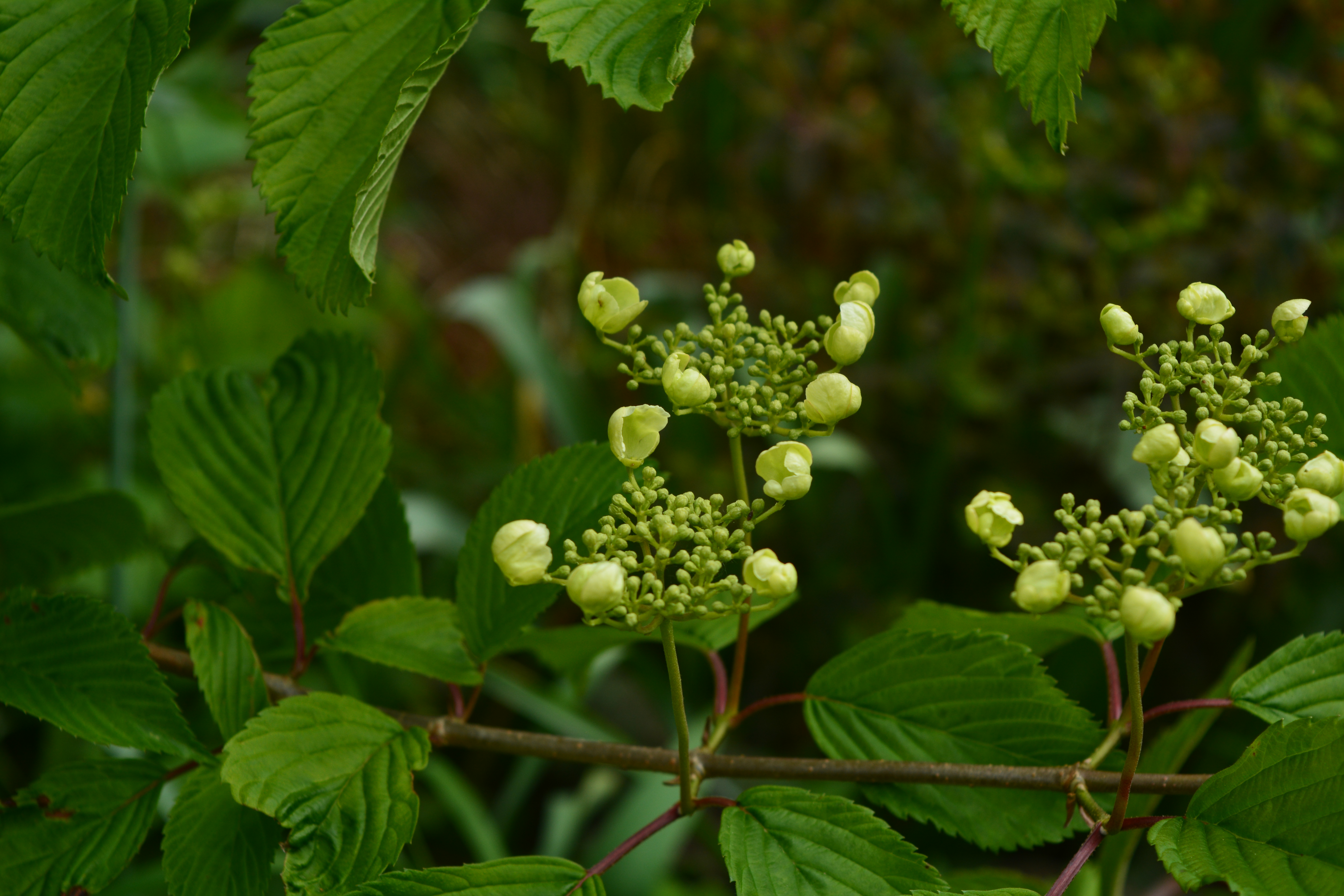
Viburnum farreri

Weigela middendorfiana

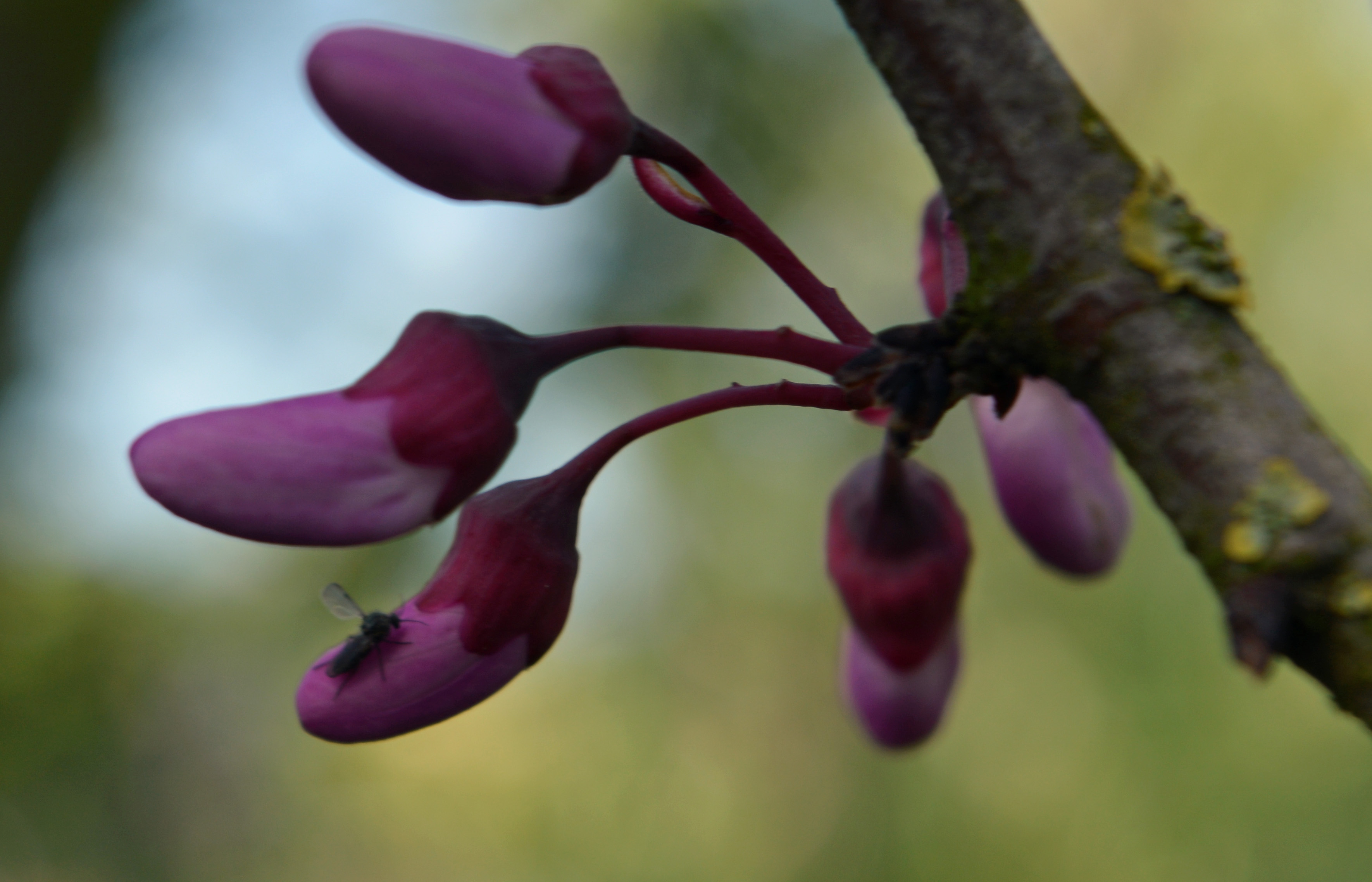
  Cercis siliquastrum 

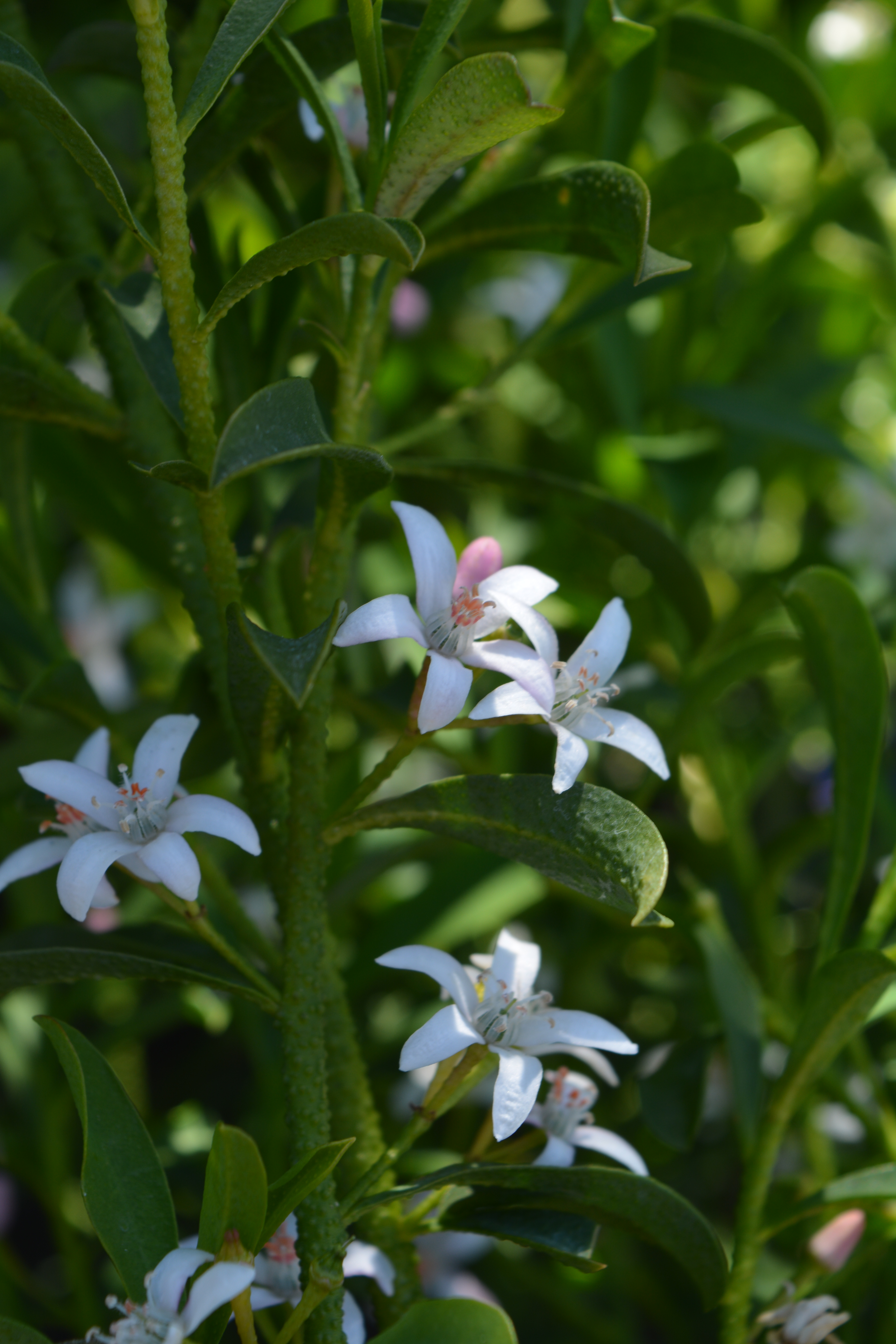
Eriostemon Flower Girl White

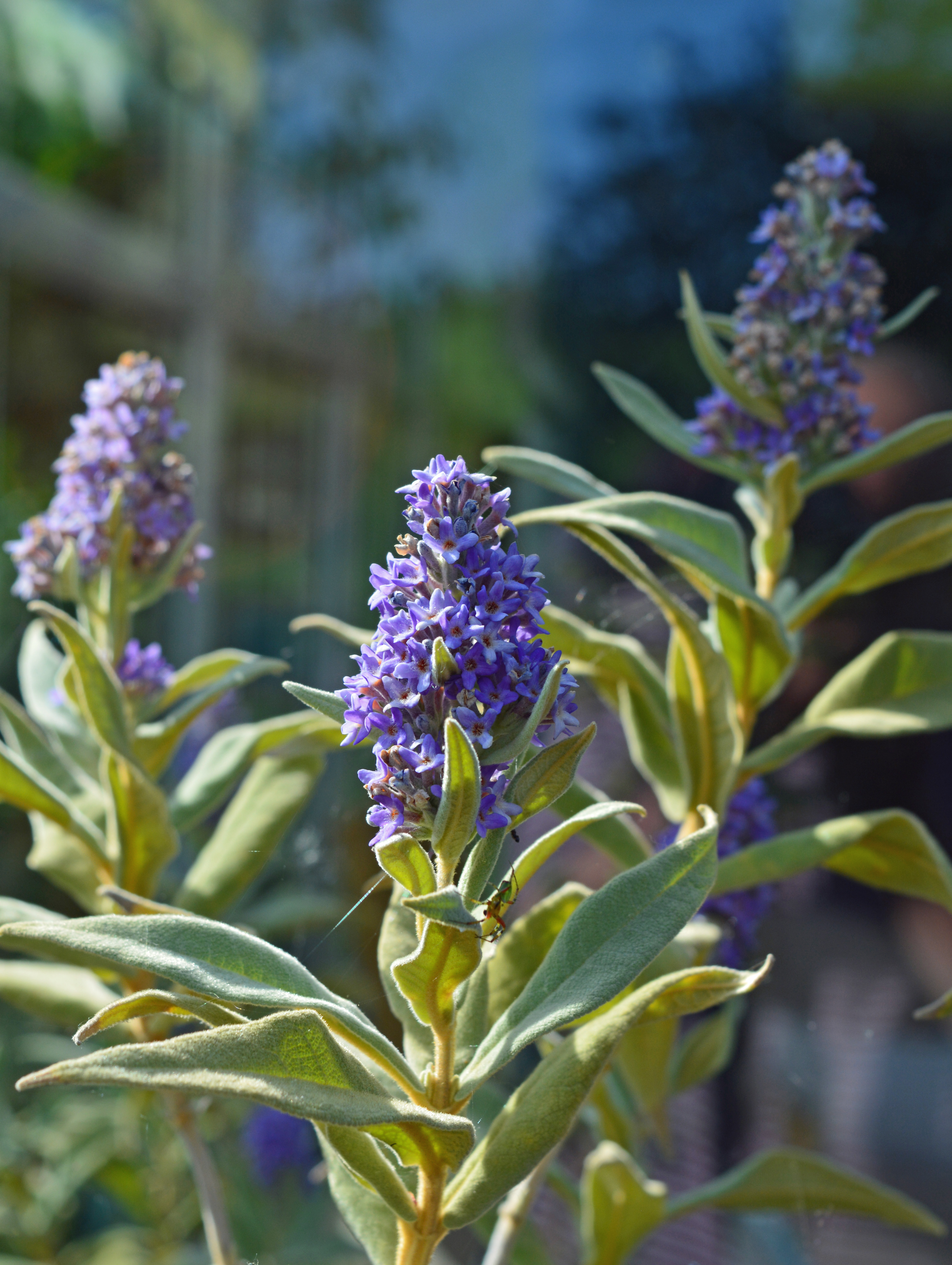
  Calycanthus floridus        Buddleia salvifolia

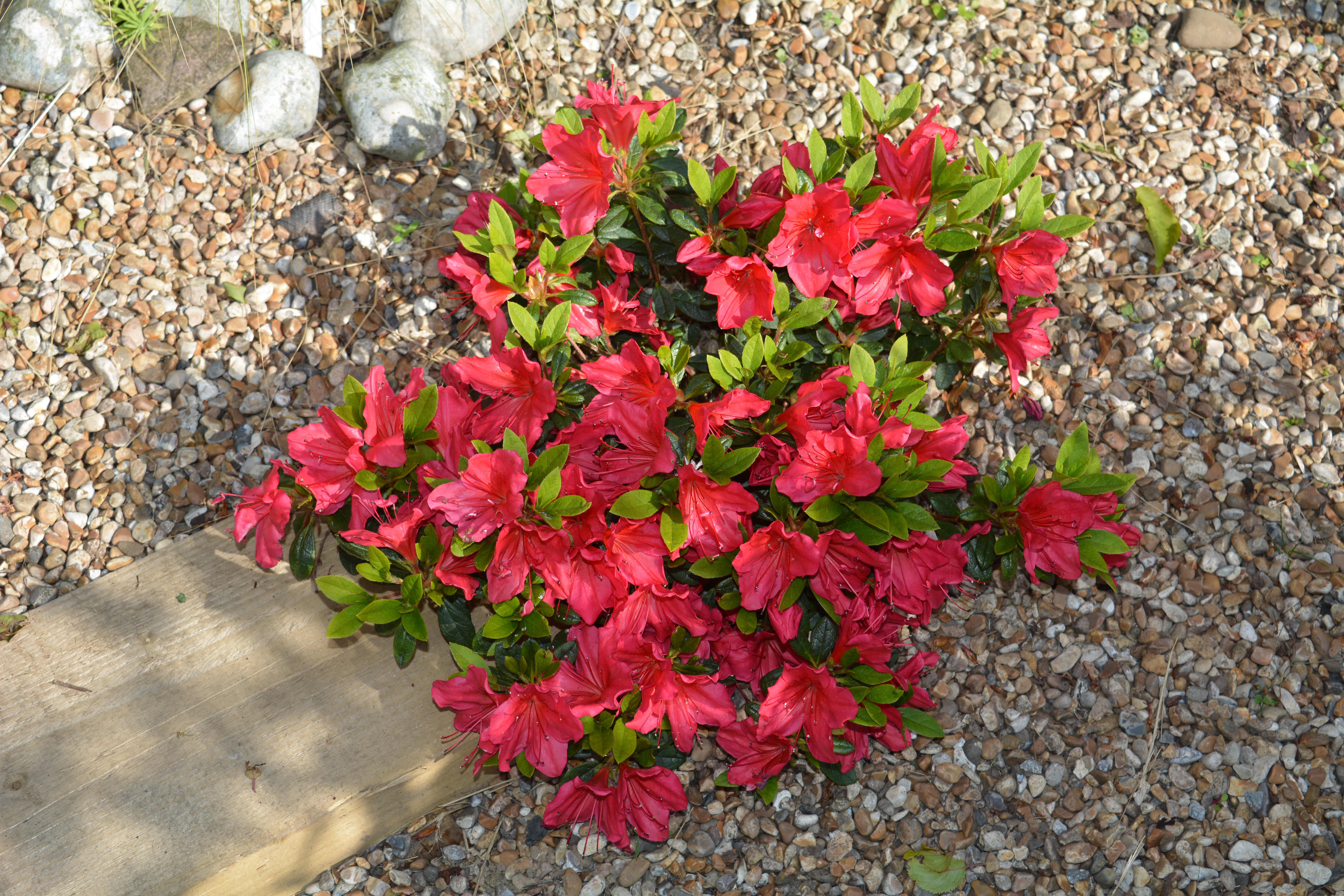
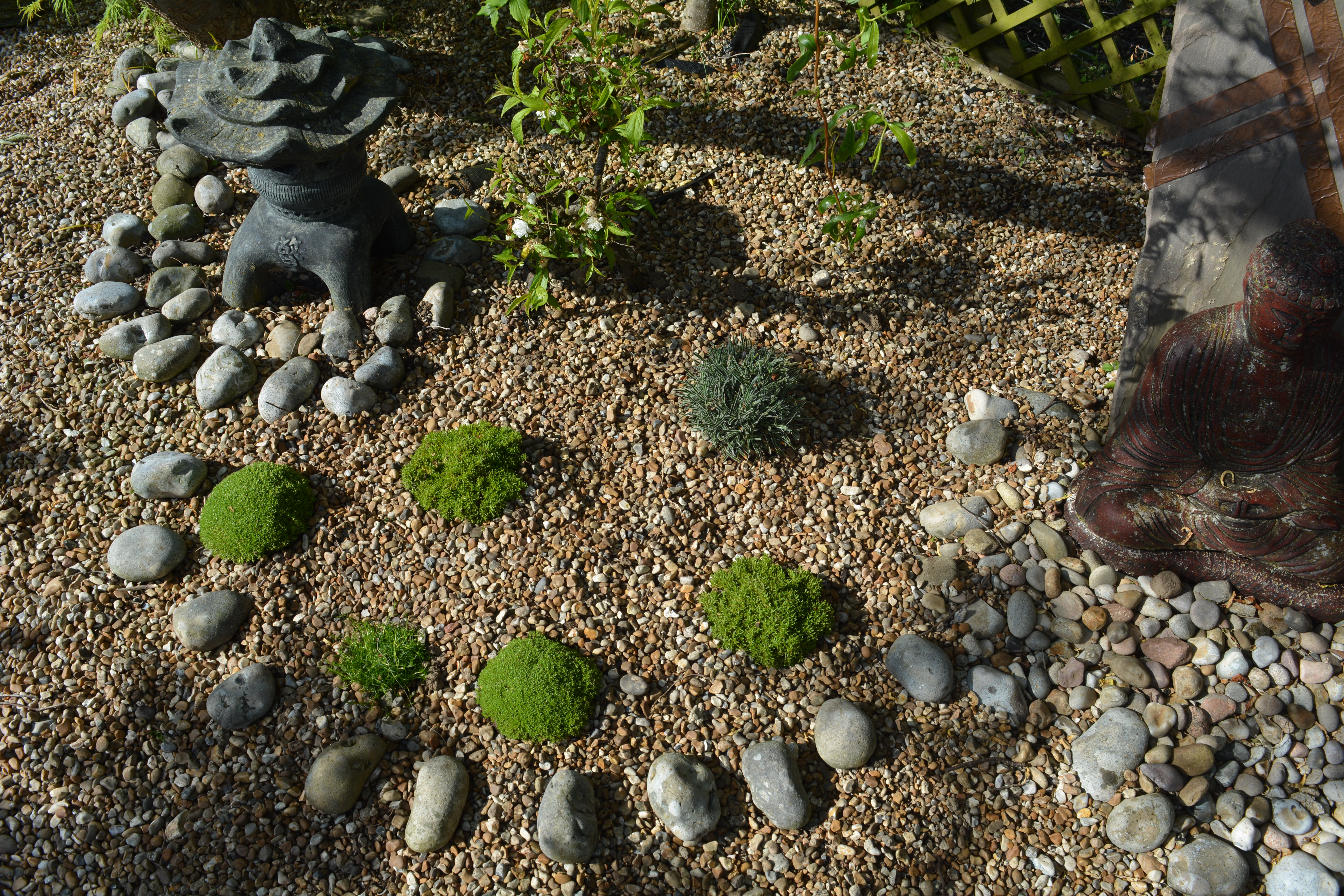
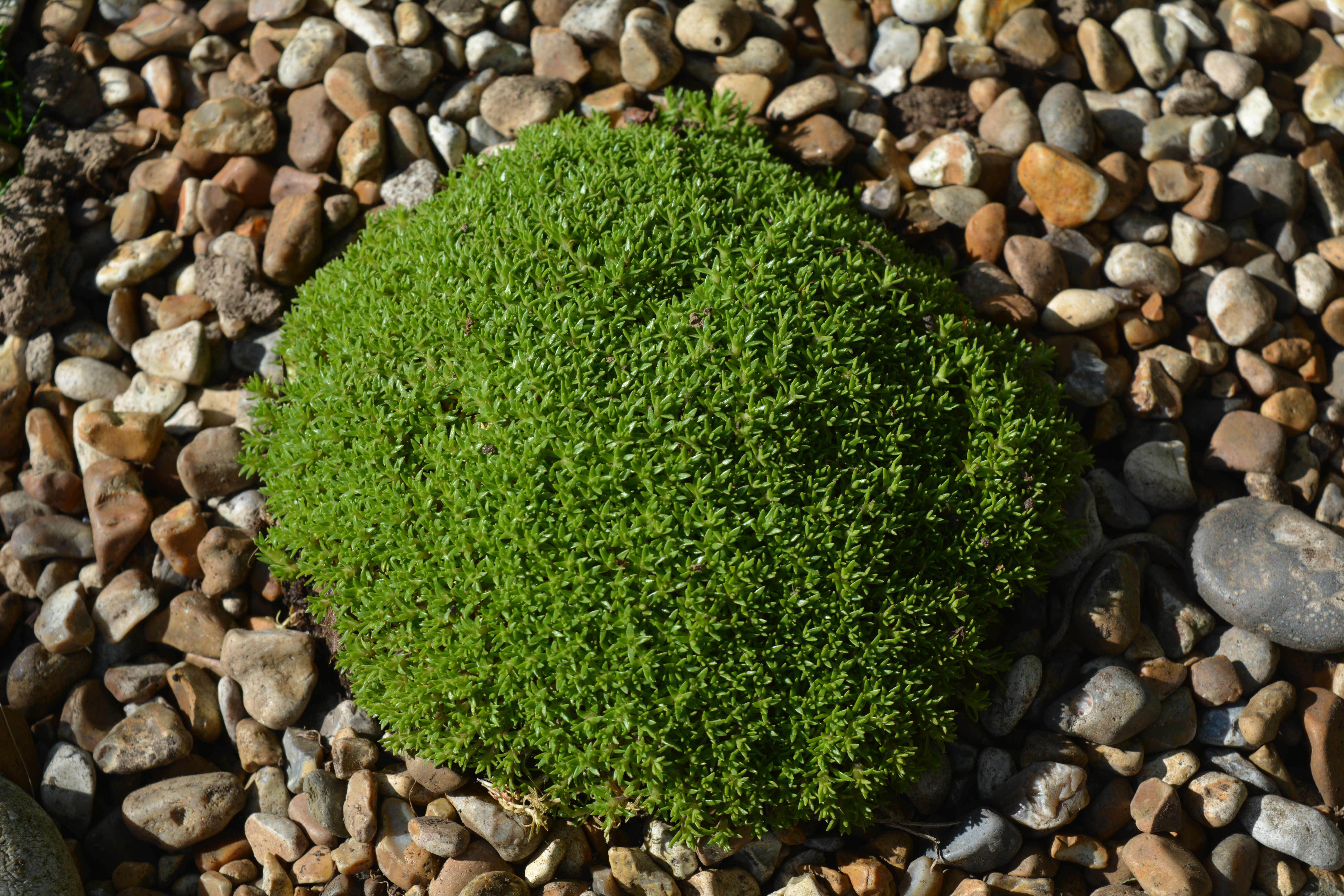
Over the page we look at our Japanese Garden and alpine plants. “We spent more time in mid-May working in the Japanese Garden, where a month ago we added a new step into the lower slope. We planted a miniature Rhododendron at each end of the step. These are now in full flower. Beneath our Prunus subhirtella autumnalis which we have pruned in a Japanese style, we have planted a group of “moss plants”. 


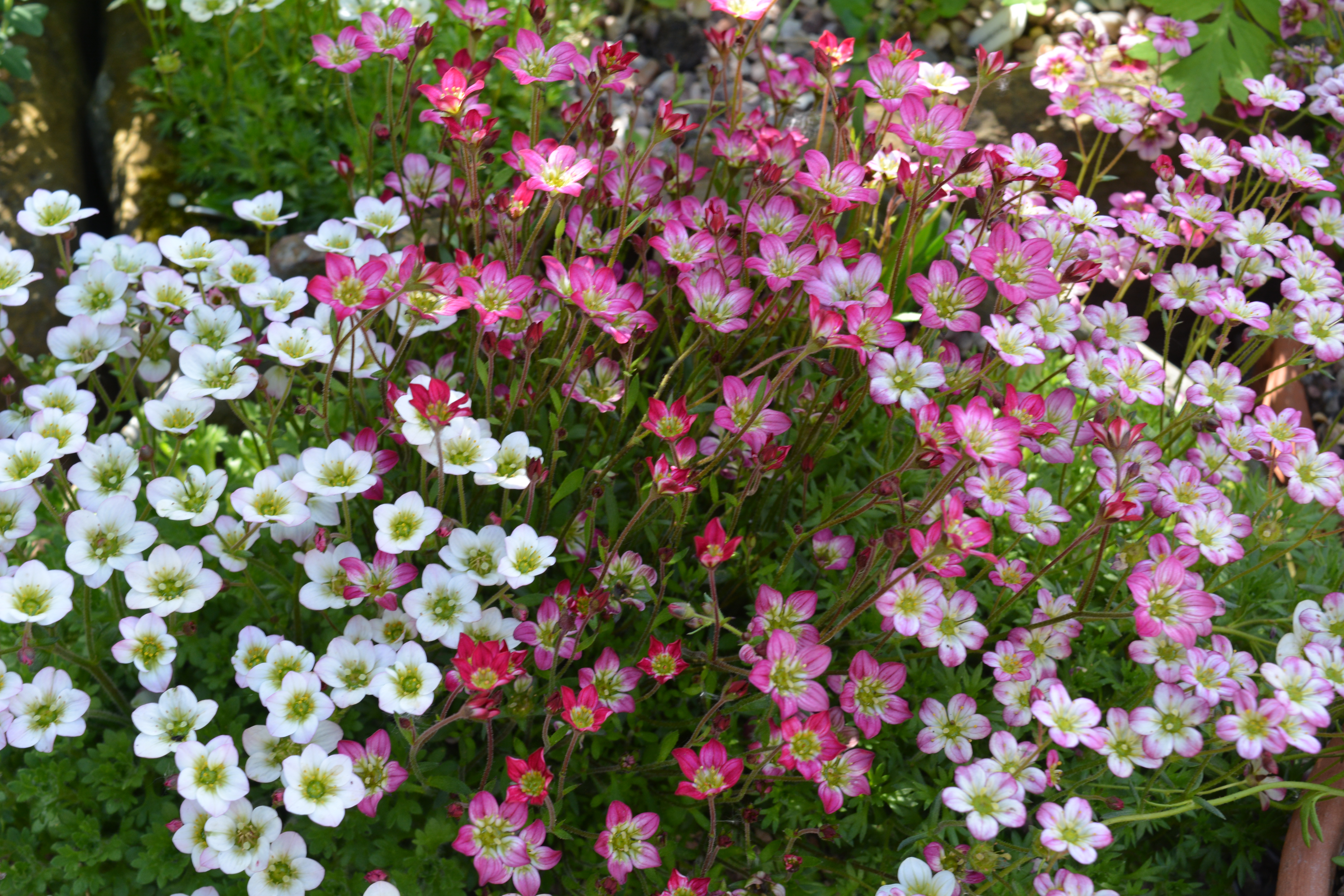
On the page opposite are photos of some of our alpines and I wrote, “May is the month when alpine Saxifrages peak.”
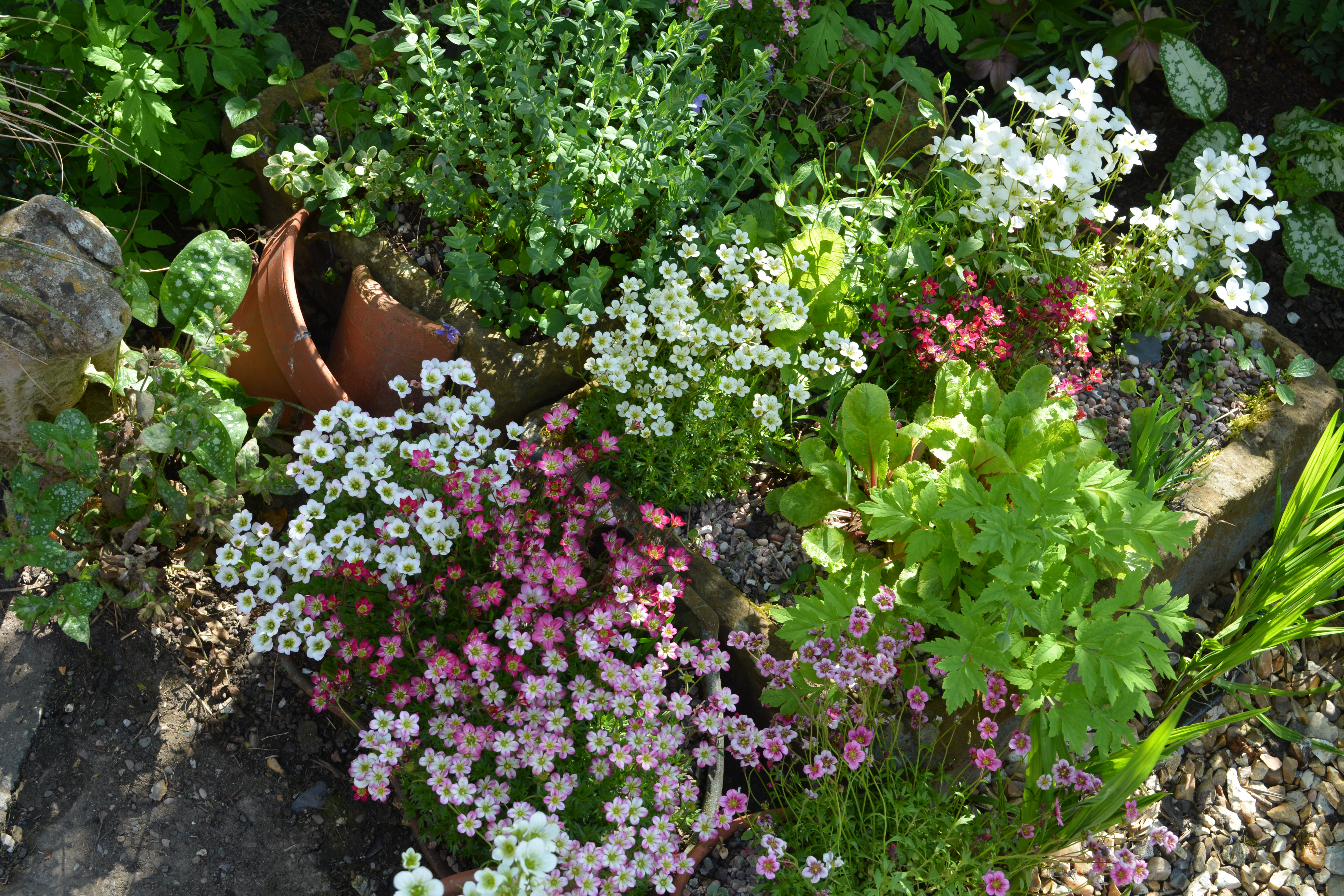
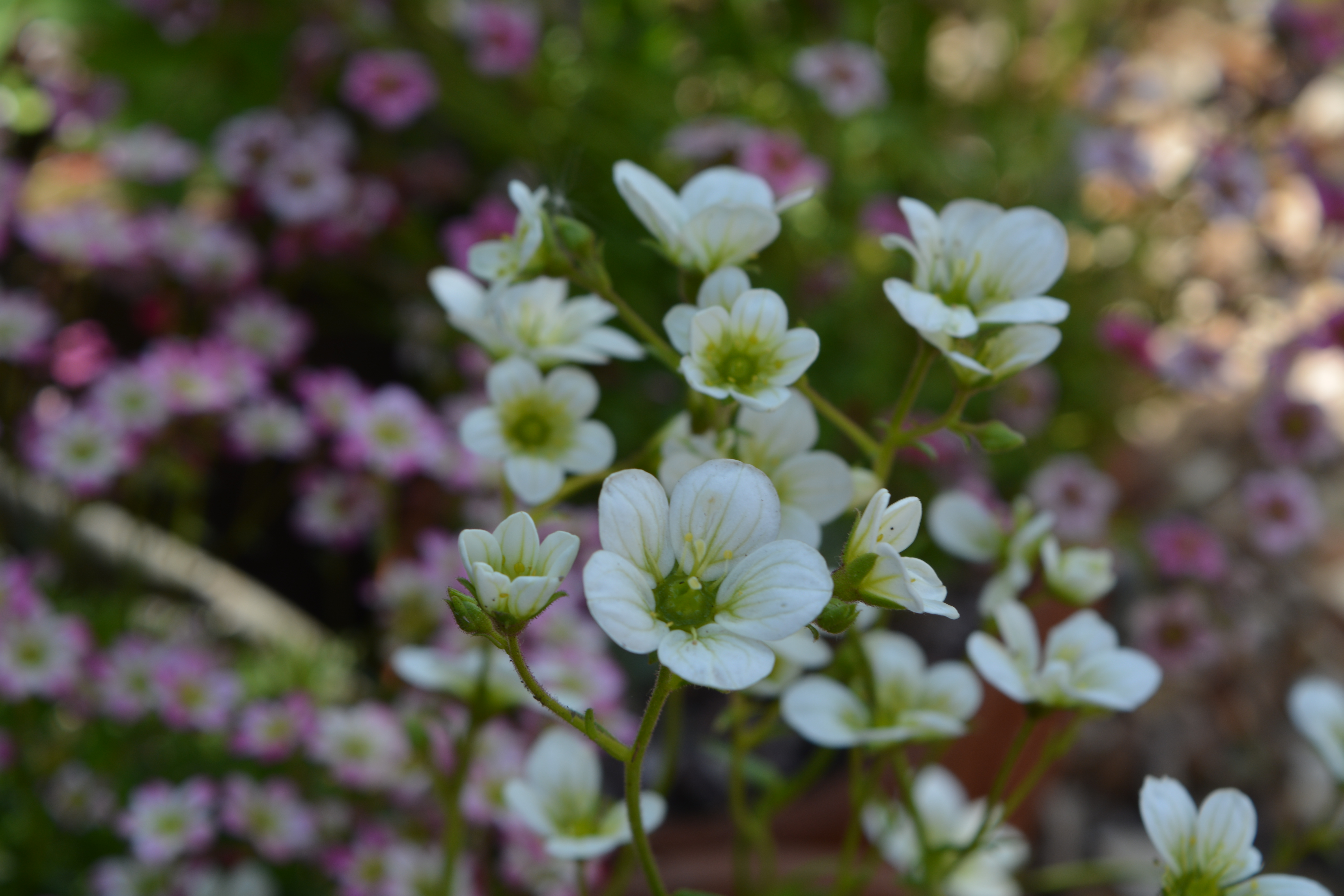
   

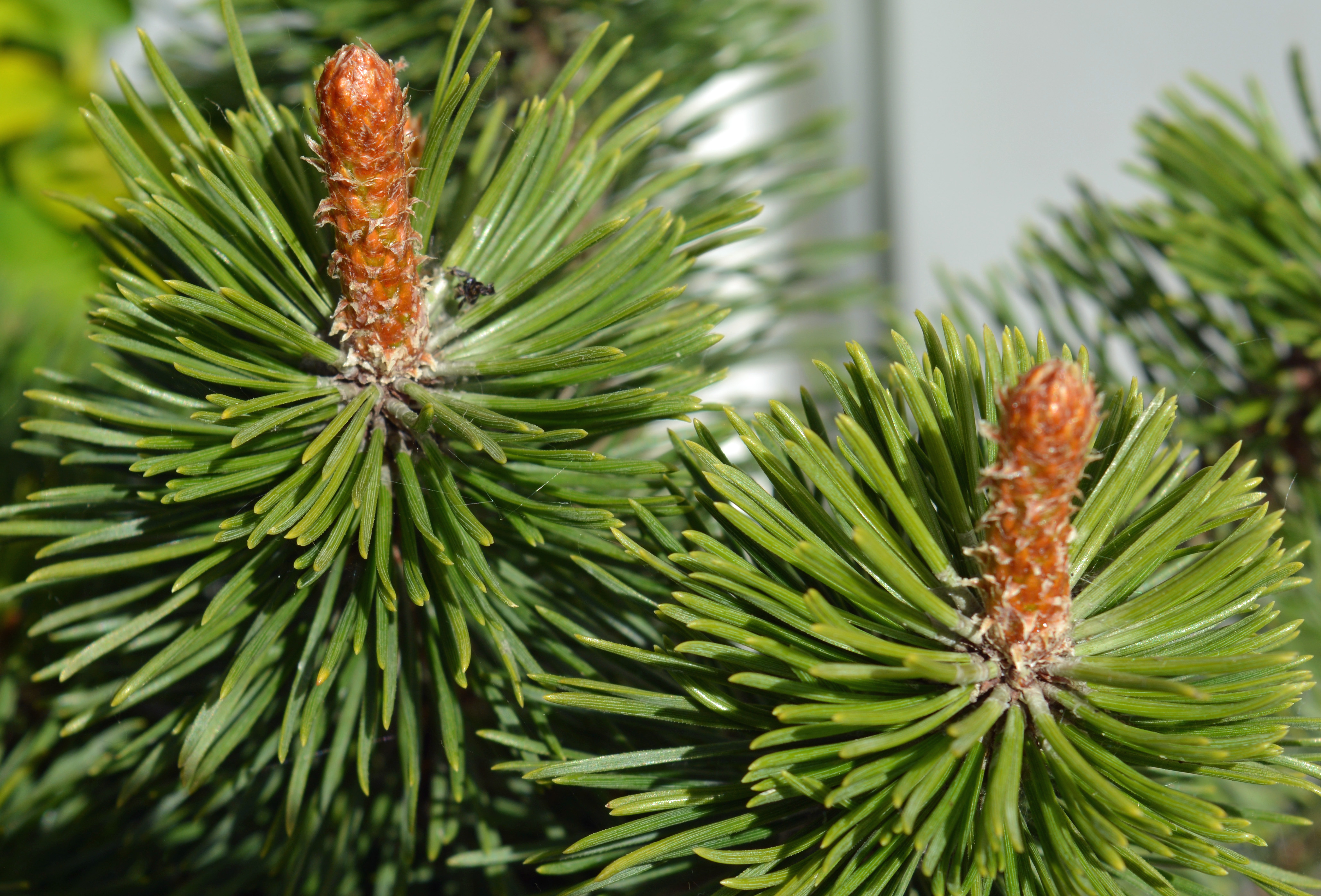
“Miniature alpine shrubs, Pinus mugo “Mumpitz” and an alpine Daphne.”
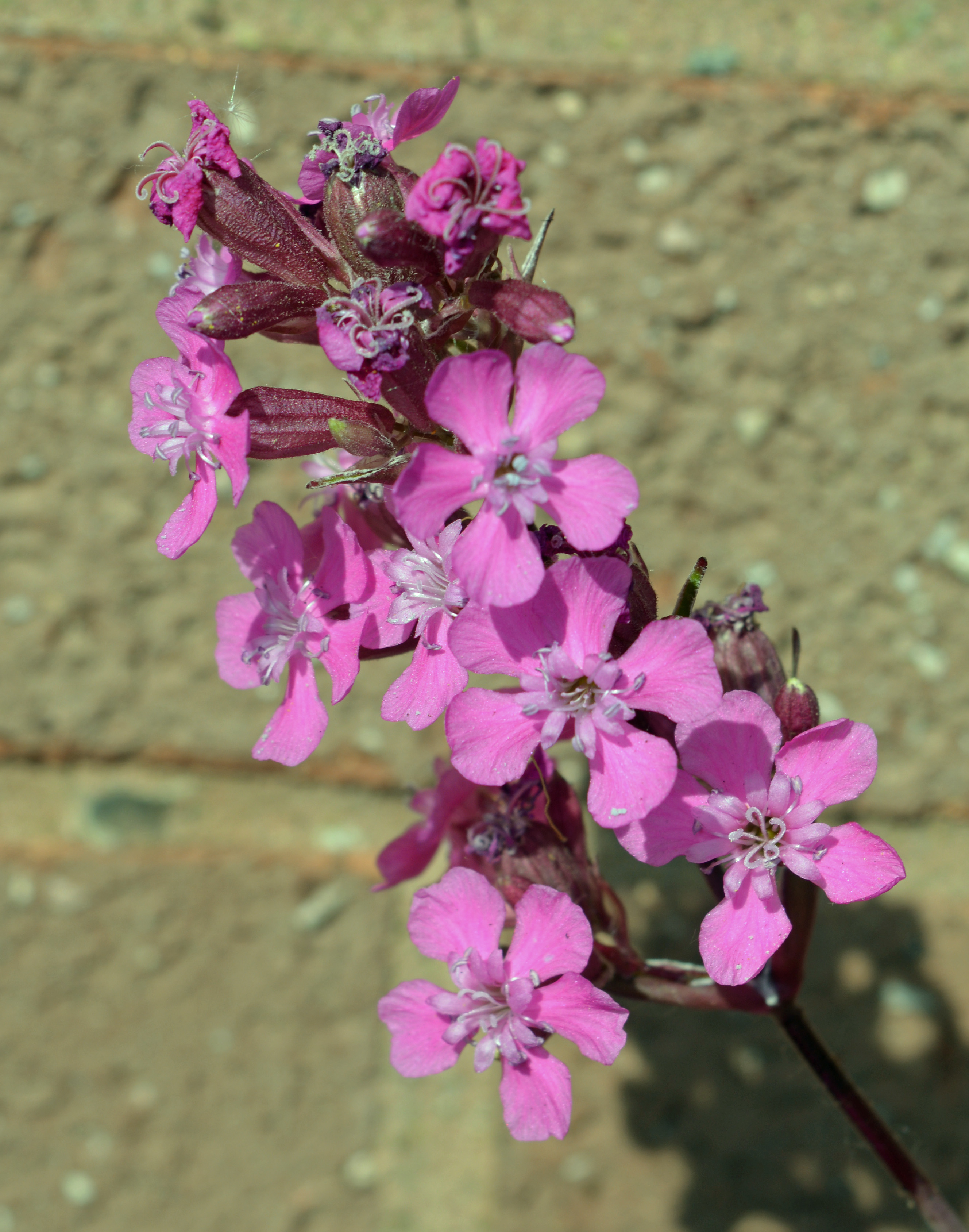
 “Alpine Silene”

Turning over the page we find the final double page spread, which featured the first Hemerocallis and the first of our roses to flower. On the opposite page blossom was the star.
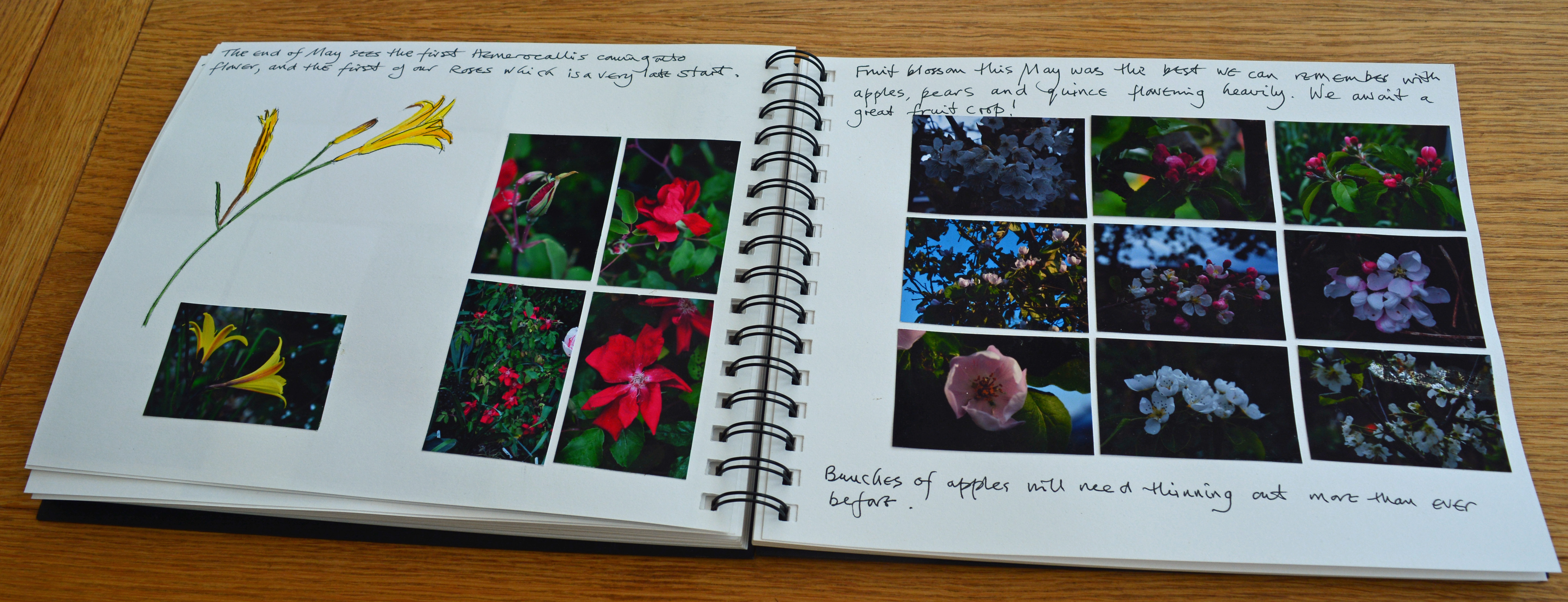
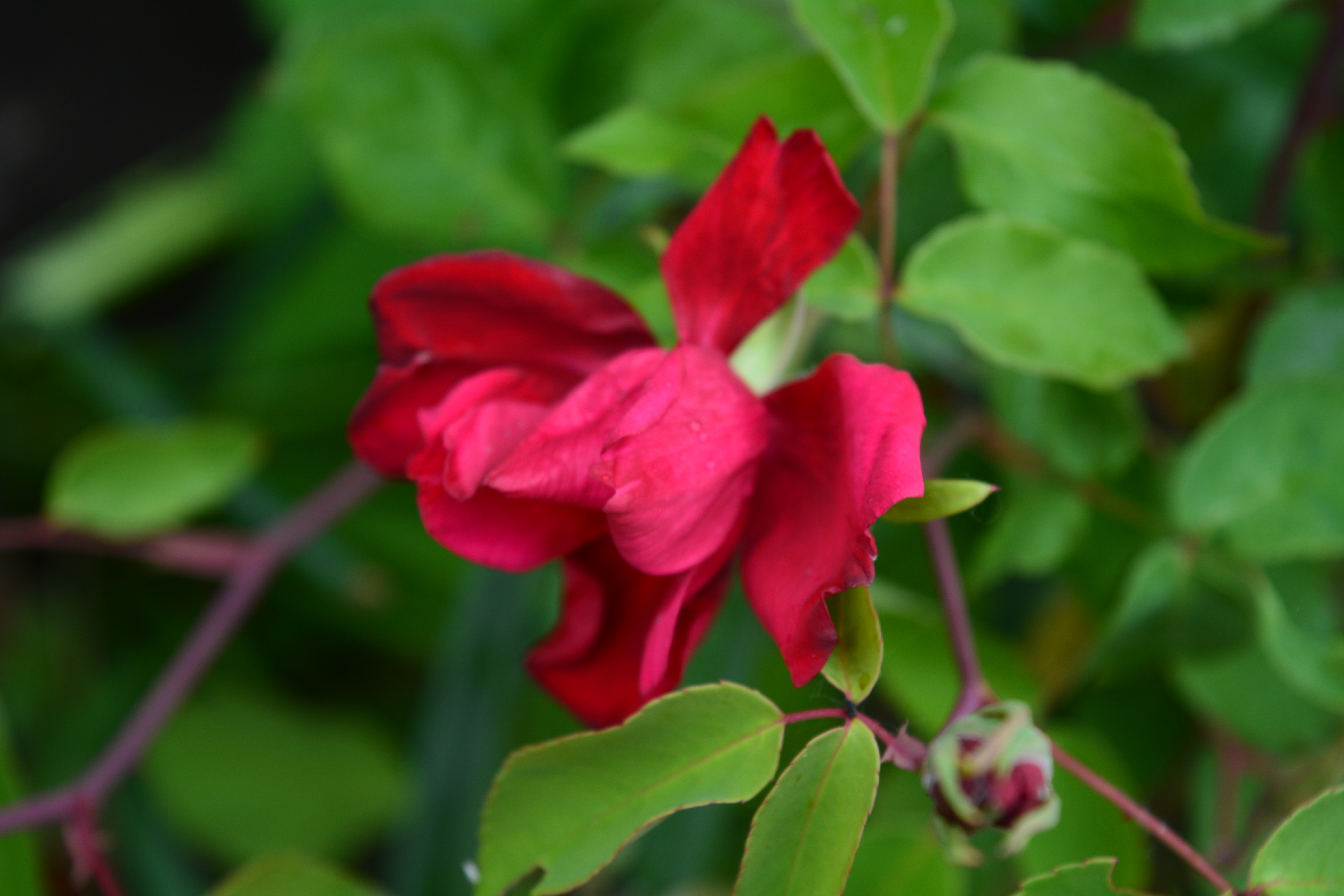
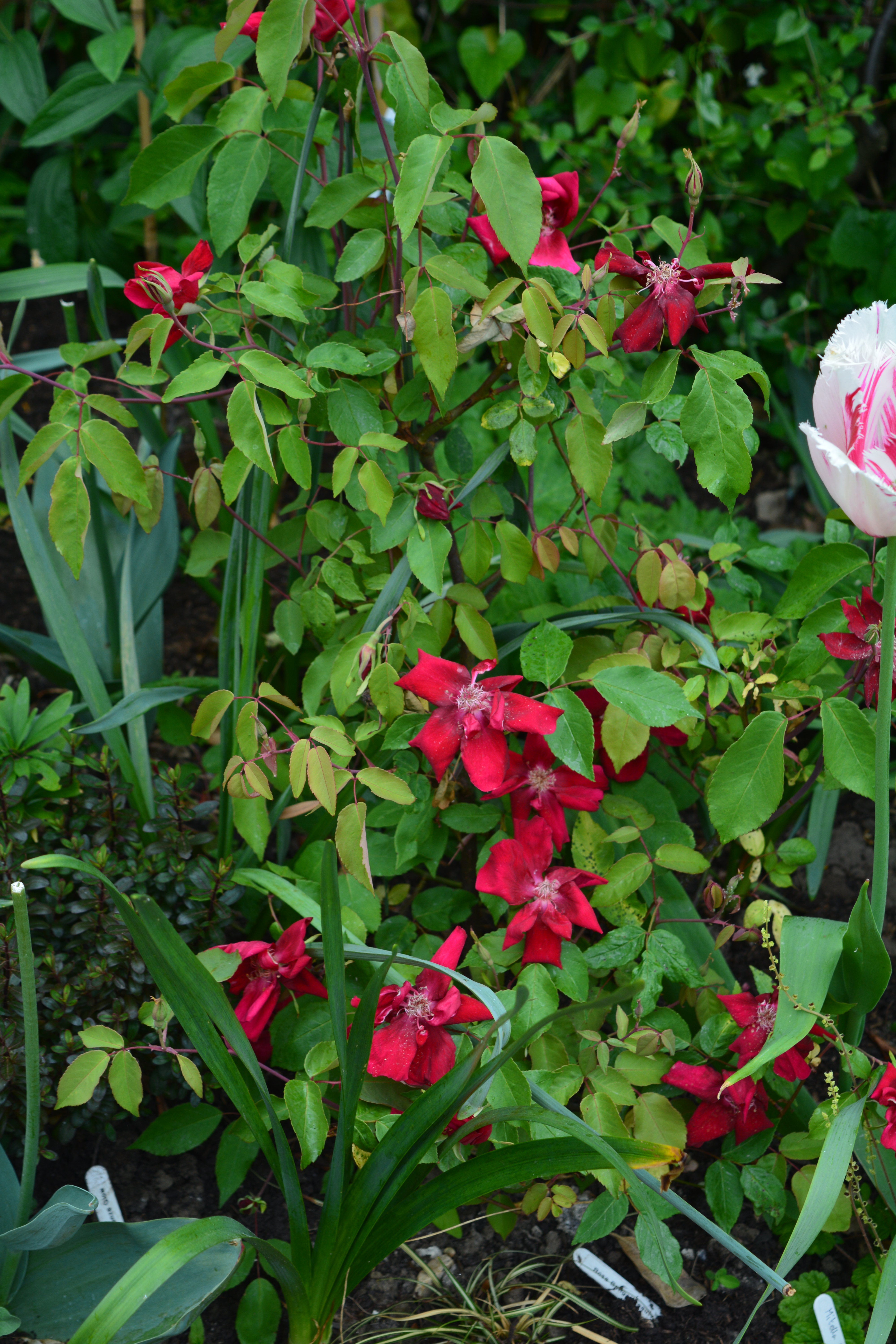
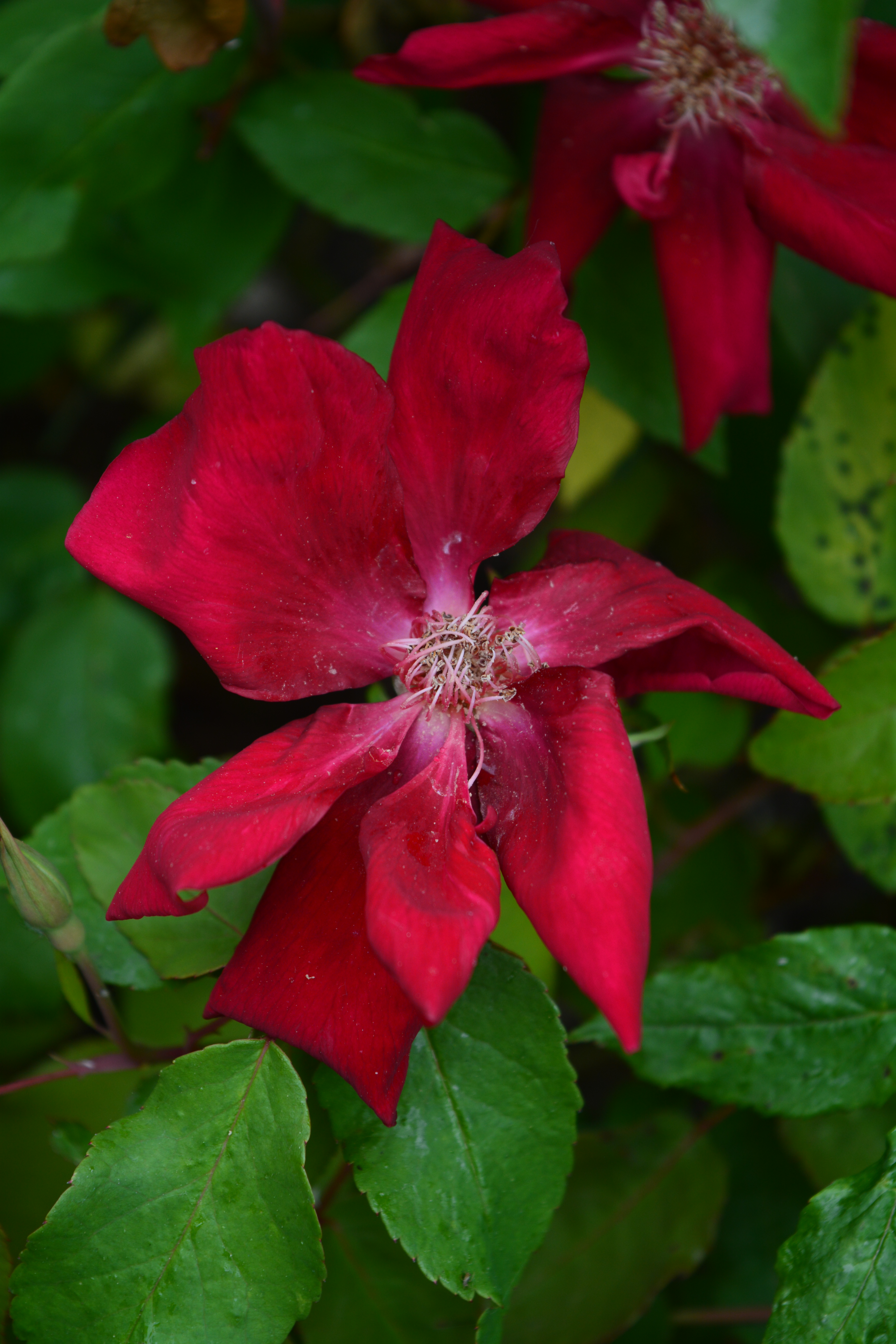
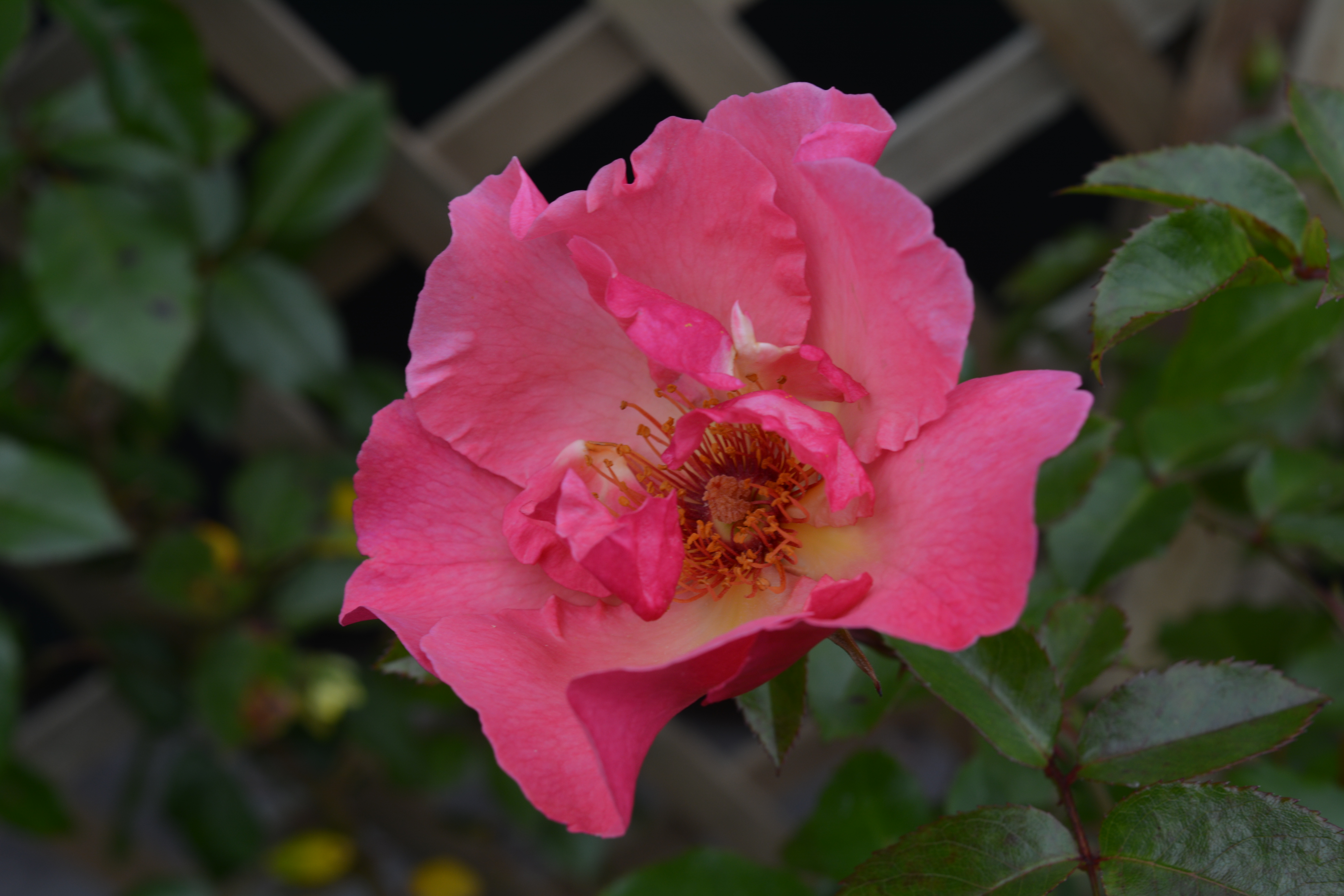
“The end of May sees the first Hemerocallis coming into flower, and the first of our roses which is a very late start.”
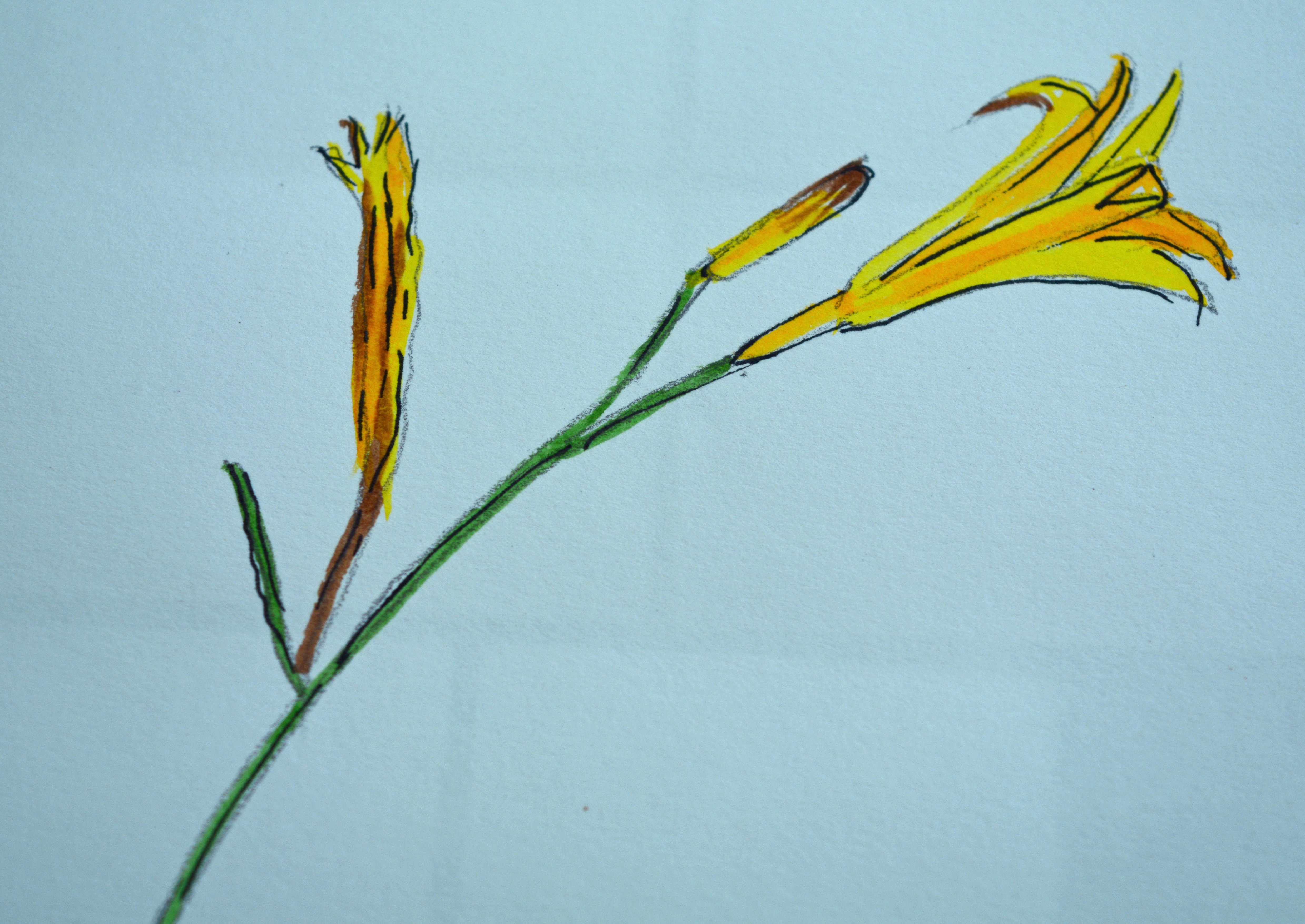
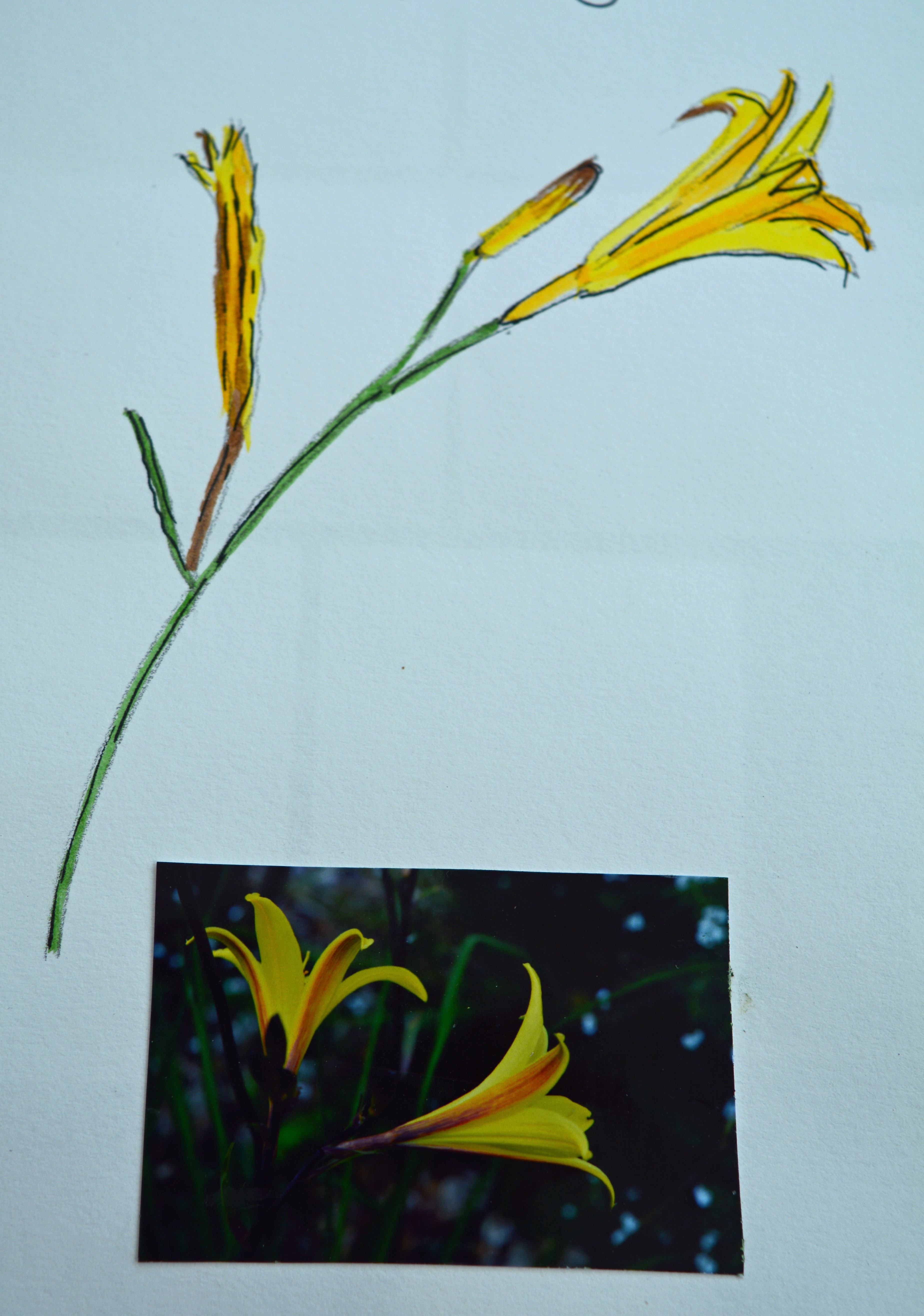
  

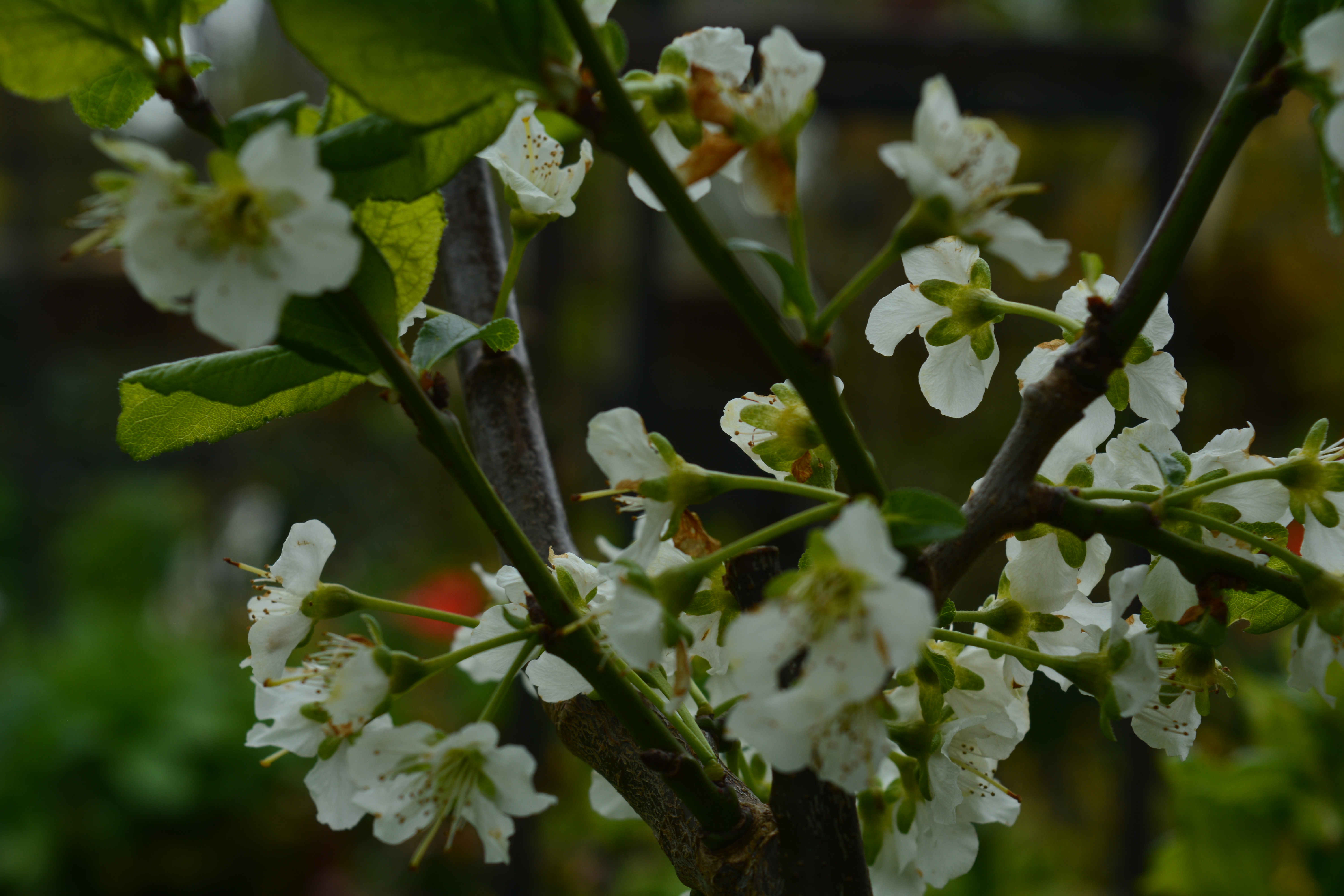
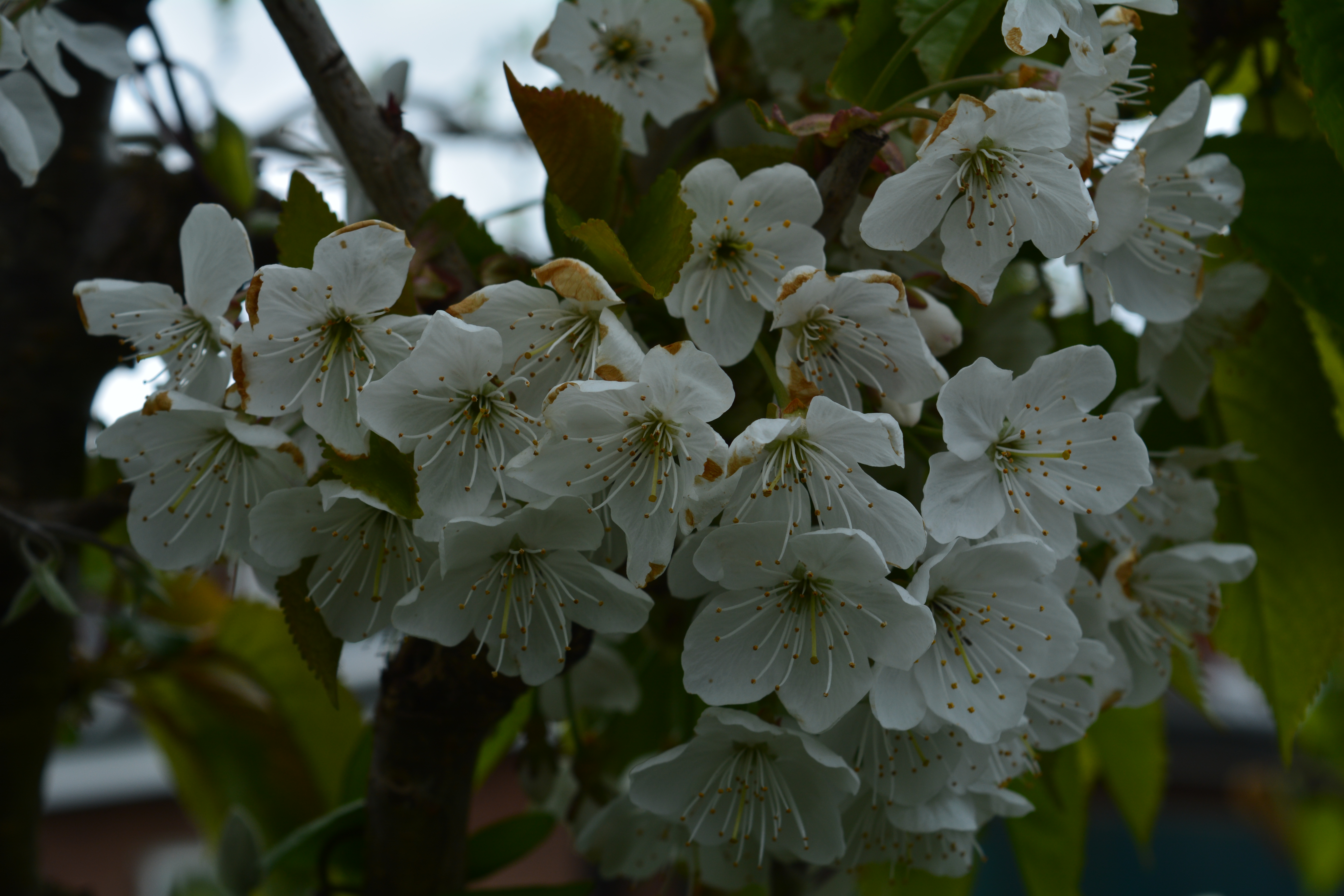
On the final page of my journal for May I featured photos of the fruit blossom which was looking so good and promising a healthy harvest later in the year.

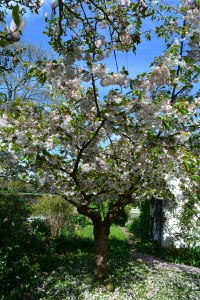
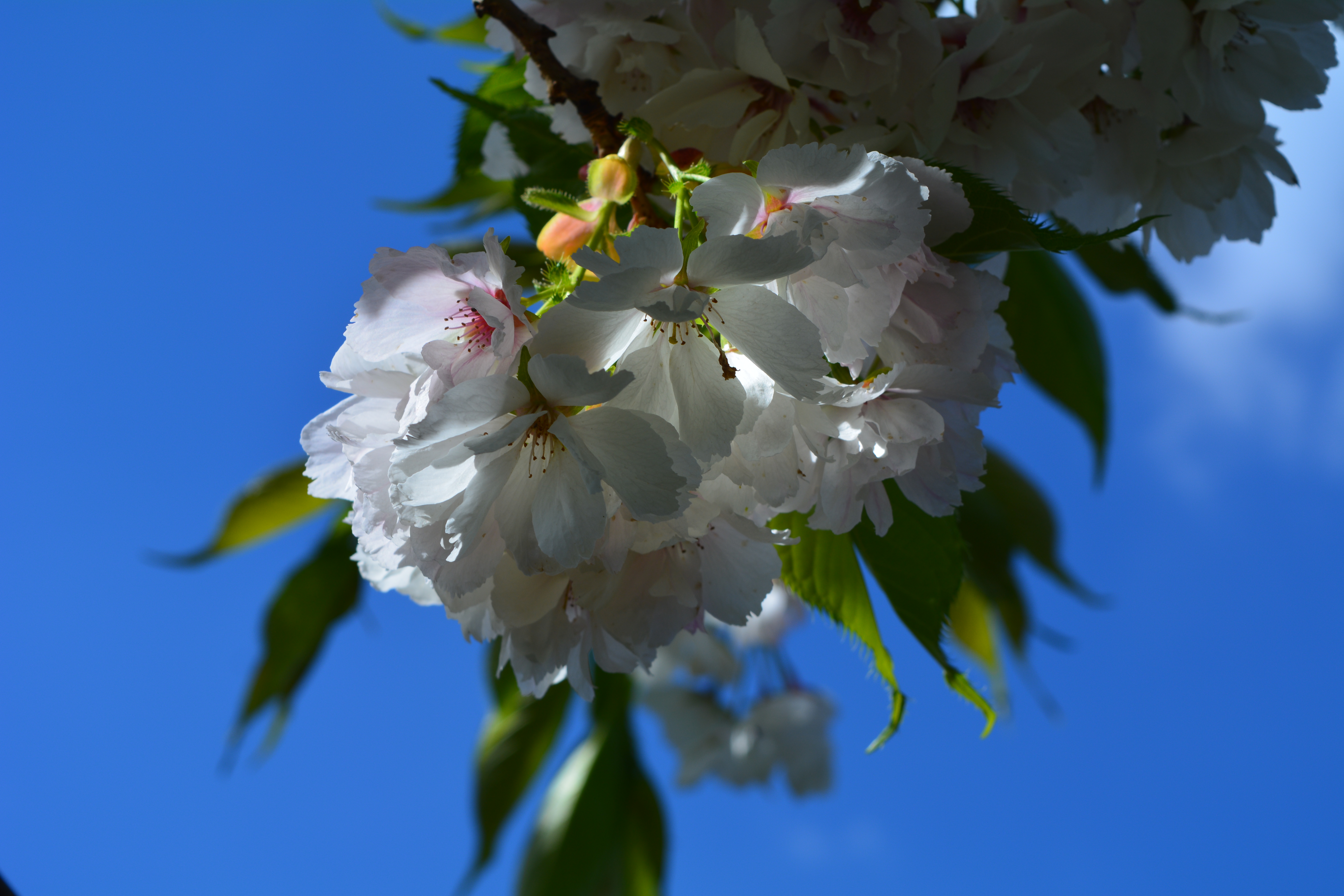
“Fruit blossom this May was the best we can ever remember with apples, pears and quince flowering heavily. We await a great fruit crop!

“Bunches of apples will need thinning out more than ever before!”

So that is the end of my May journal, finishing off on a positive note as the garden feels so full of life.


Categories
birds flowering bulbs garden photography garden wildlife gardening gardens hardy perennials spring bulbs spring gardening

My Garden Journal 2018 – April

I began my April entries in my Garden Journal 2018 with the words, “April this year is a month to play “catch up” as the poor weather in the first quarter of the year has held us up so!” But as will be revealed during my entries this month things didn’t play into our hands as far as the weather was concerns. It rather dashed our hopes!

I continued, We had two weeks at home to garden before we went away for a Spring holiday. There was very little sign of the new season, a few daffodils and other Spring bulbs flowered but little fresh growth on perennials. Strangely, our Witch Hazels had a quick second flush of flowers.


Coppicing and pollarding feature strongly when we turn over to the next page, two of my favourite garden activities.

We usually aim to coppice and pollard our shrubs grown for their colourful stems, Cornus and Salix, before the end of March. The weather prevented us doing so this year so we tackled the job in early April. It is a job I love because I like to picture the results of my actions.

Some pruned stems are selected as cuttings to produce new plants to sell or as replacements.


Hazel rods become bean poles and the brash become pea sticks to be used on our allotment. We tidied up around the hazel stools and gave the footpath a mow over.


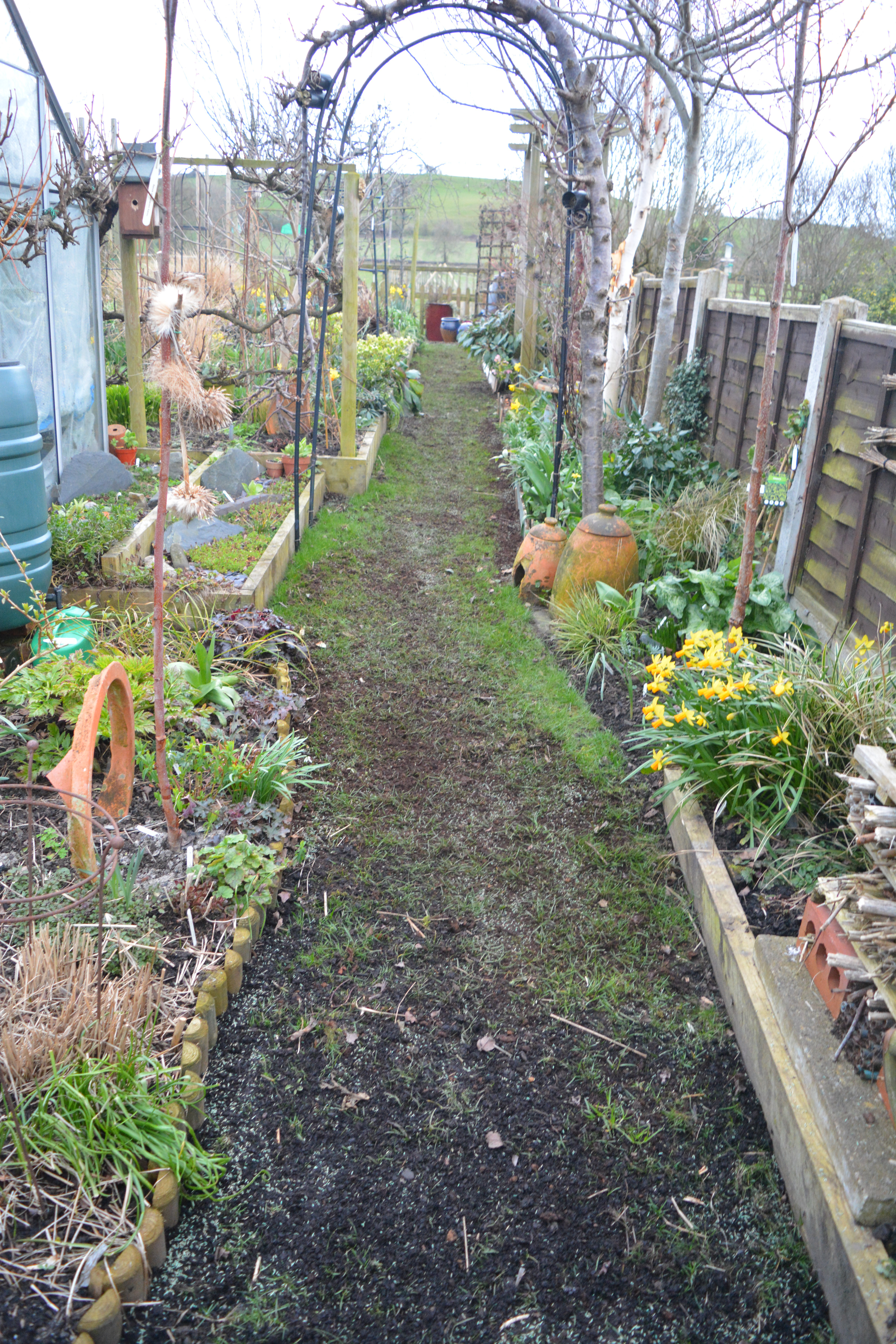
On the page opposite to the notes about coppicing and pollarding, I moved on to look at re-instating some of our grass paths, writing, A major job for this April was to repair and re-seed our grass paths. This is a result of having so many visitors when we open our garden for the National Garden Scheme.


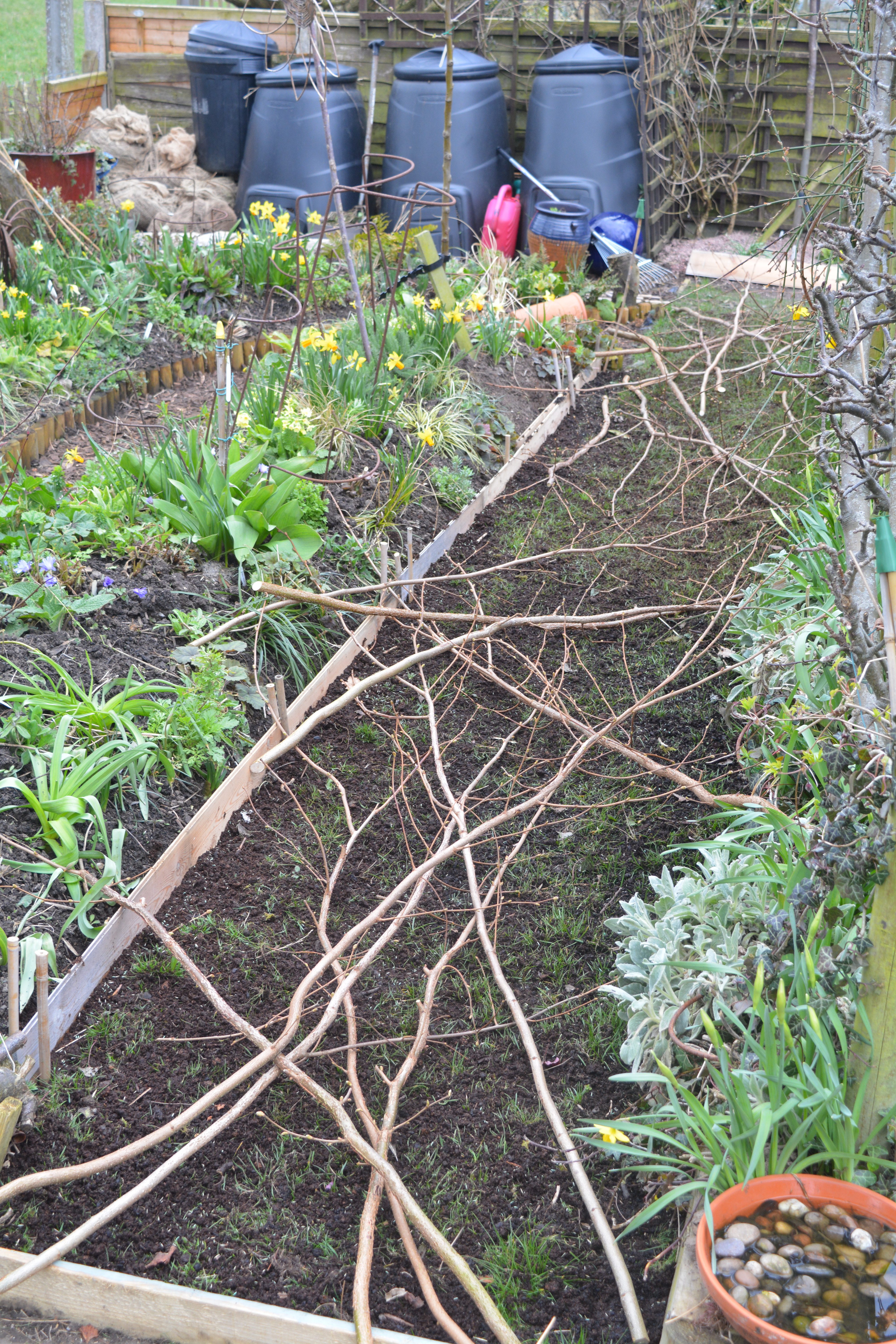
We used my big vintage Bulldog fork to spike deeply into the lawn surface and top dressed the lawn with compost. We brushed this in and added fresh grass seed into bare patches. To stop our garden birds eating too many seeds we spread prunings over the surface. 


Over onto the next page we can see that I shared a quote from Dan Pearson’s Natural Selection, then looked at more of this month’s jobs.

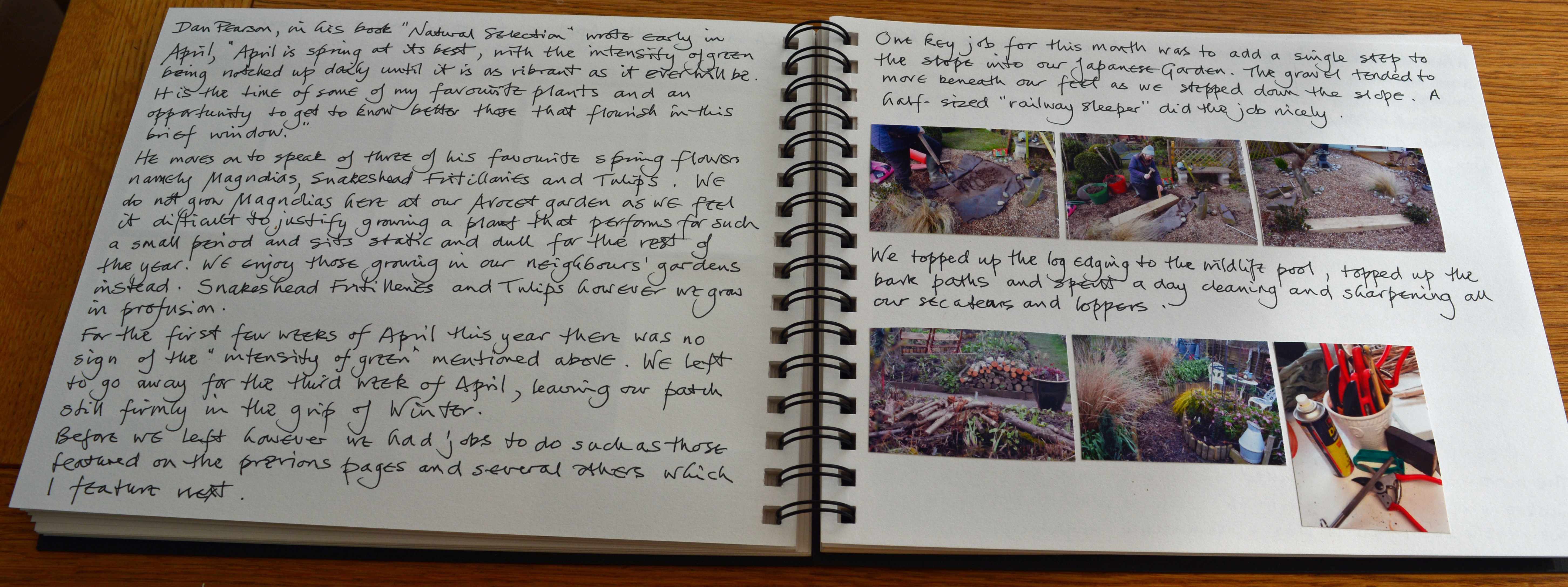
Dan Pearson in his book Natural Selection wrote early in April, April is spring at its best, with the intensity of green being notched up daily until it is as vibrant as it ever will be. It is the time of some of my favourite plants and an opportunity to get to know better those that flourish in this brief window.

He moves on to speak of three of his favourite spring flowers namely Magnolias, Snakeshead Fritillaries and Tulips. We do not grow Magnolias here at our Avocet garden as we feel it difficult to justify growing a plant that performs for such a small period and sits static and dull for the rest of the year. We enjoy those growing in our neighbours’ gardens instead. Snakeshead Fritillaries and Tulips however we grow in profusion.

For the first few weeks of April this year there was no sign of the “intensity of green” mentioned above. We left to go away for the third of April, leaving our patch still firmly in the grip of Winter.

Before we left however we had jobs to do such as featured in the previous pages and several others which I feature next.

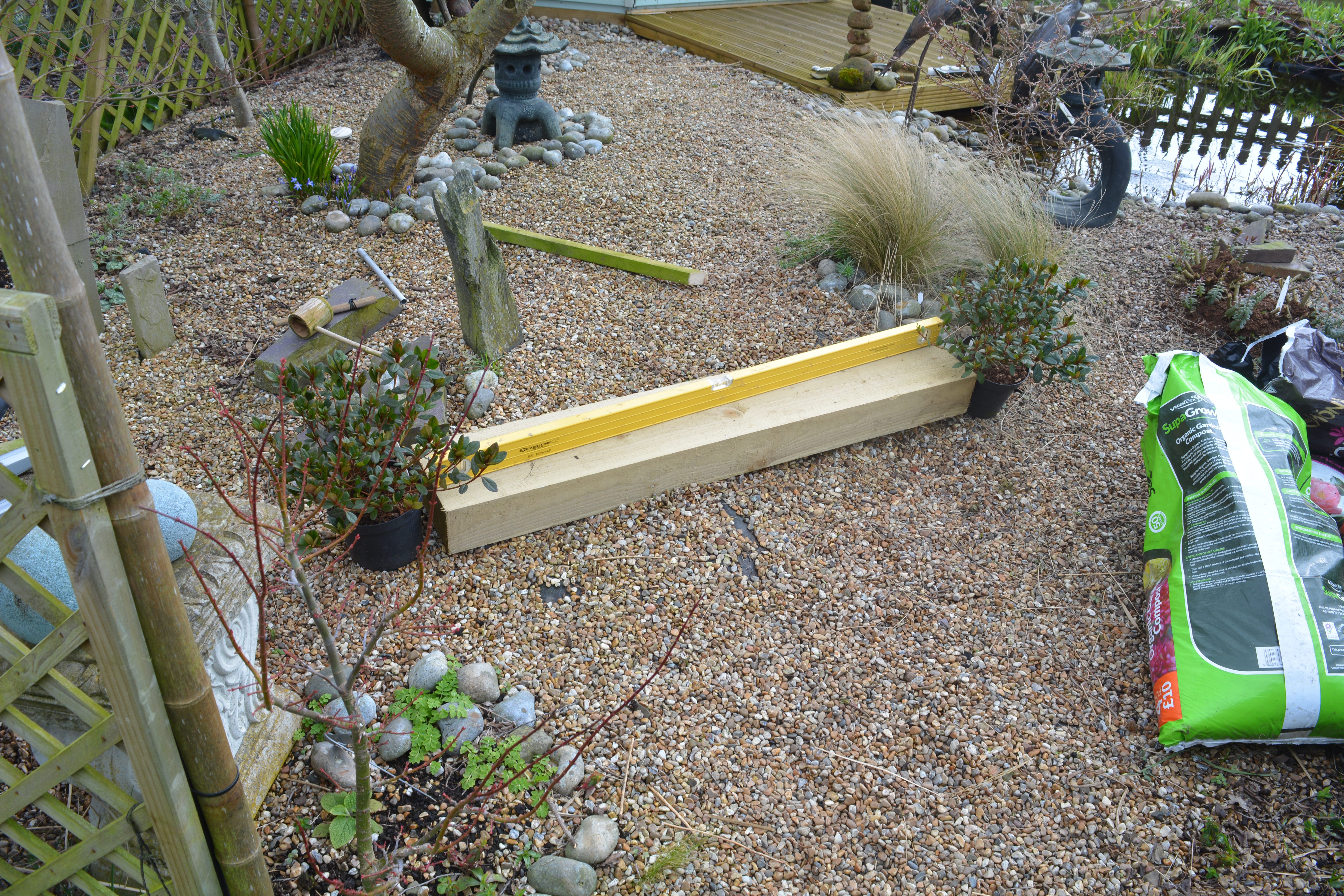
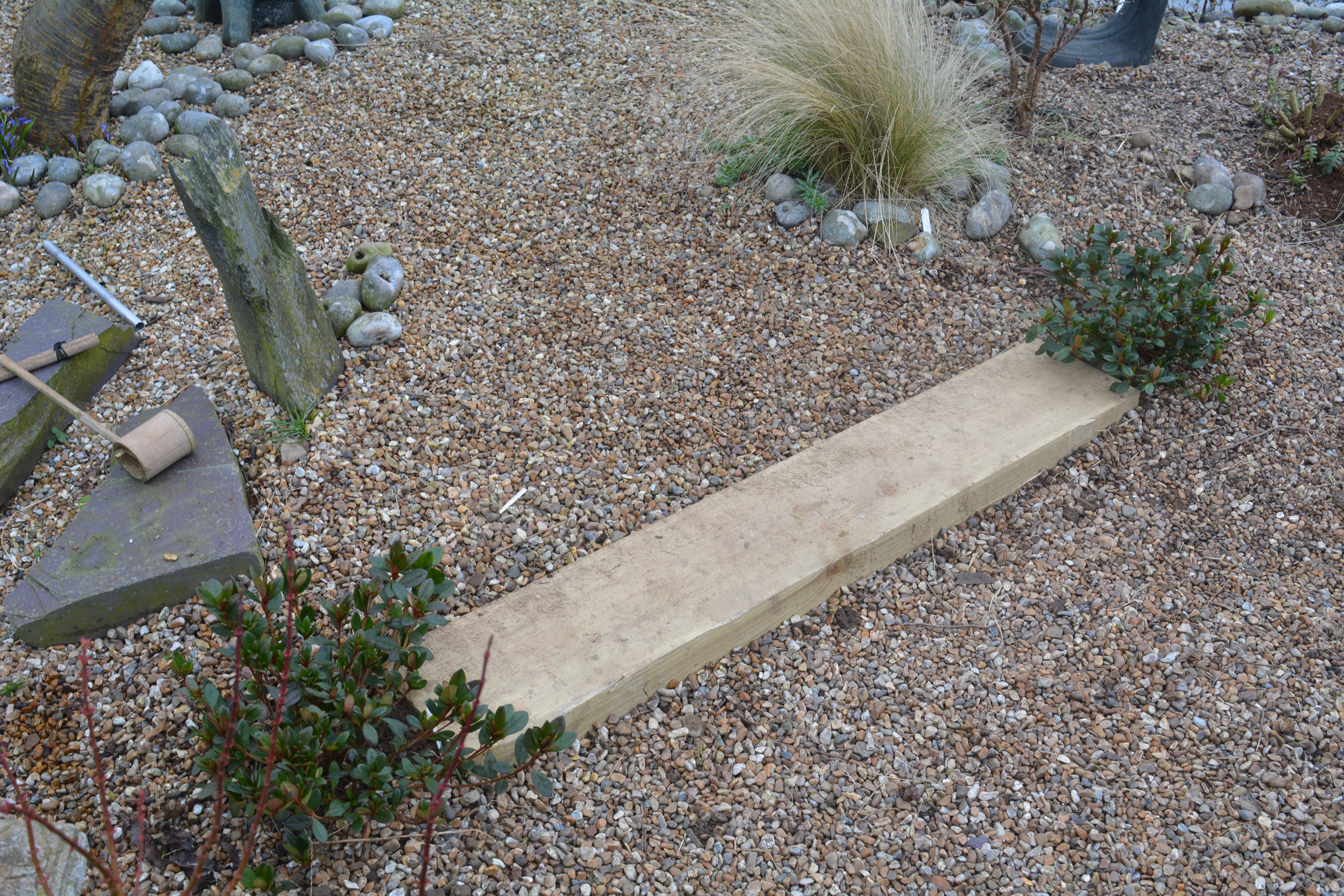
Our key job of this month was to add a single step to the slope into our Japanese Garden. The gravel tended to move beneath our feet as we stepped down the slope. A half-sized “railway sleeper” did the job nicely.


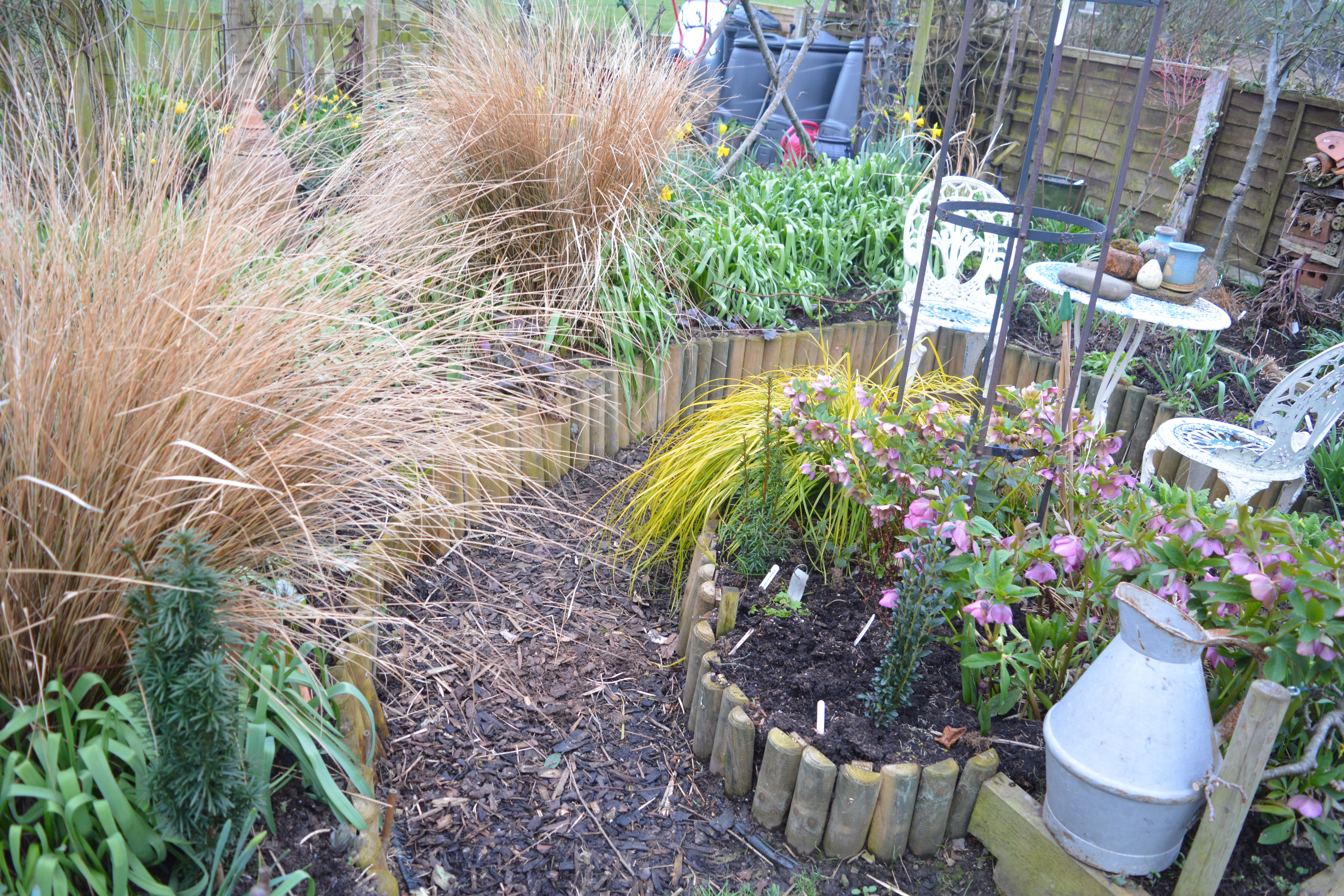
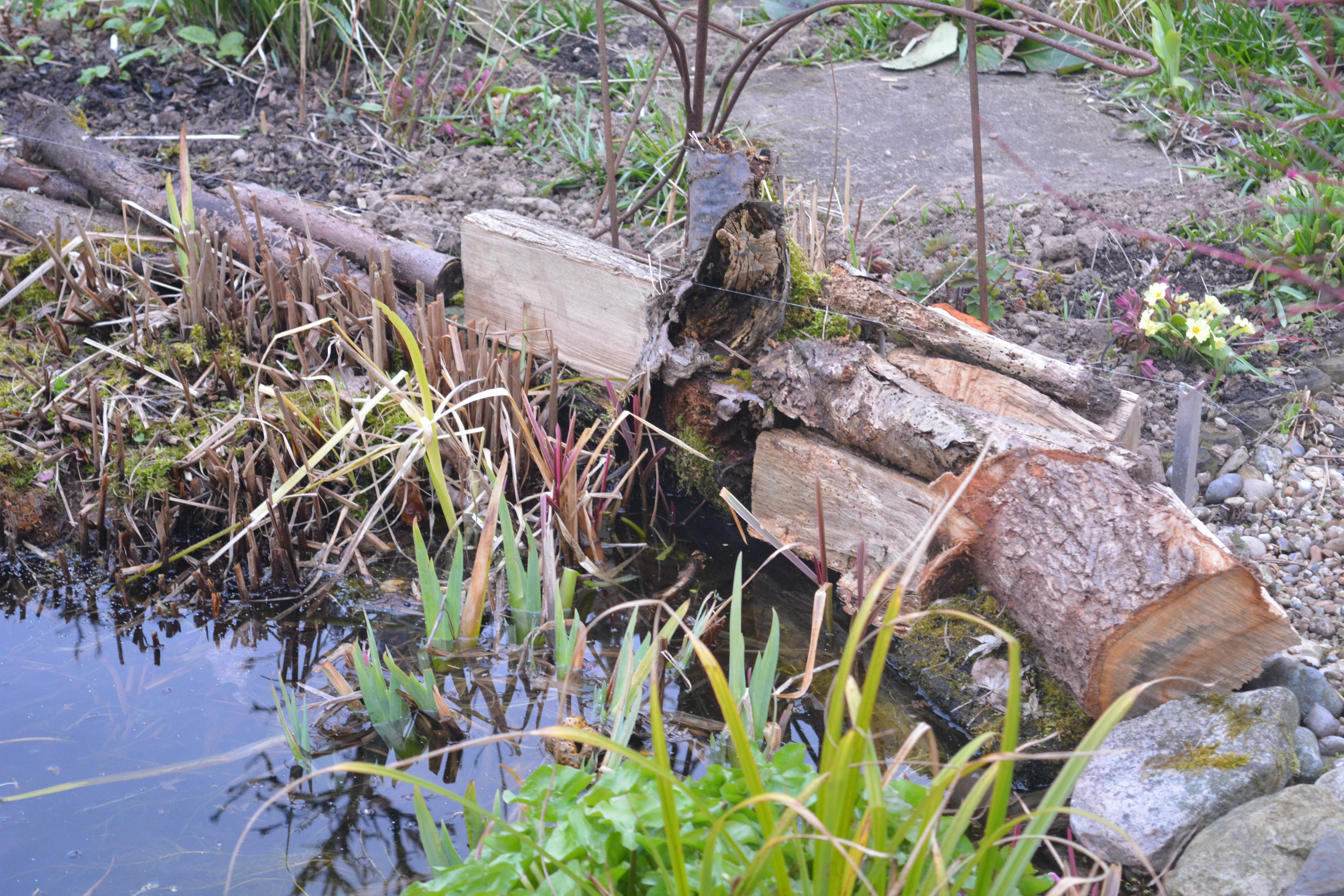
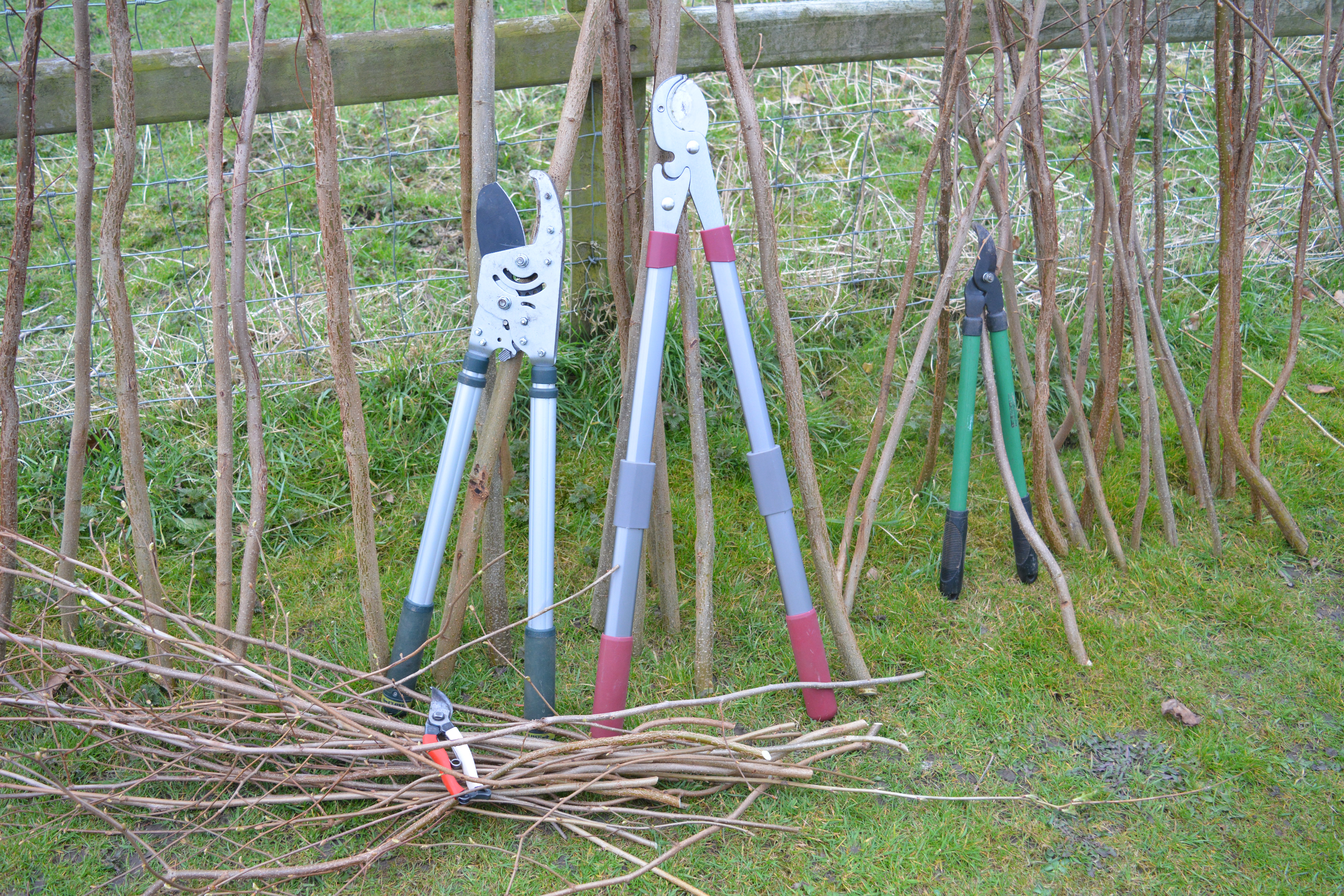
We topped up the log edging to the wildlife pool, topped up the bark paths and spent a day cleaning and sharpening all our secateurs and loppers.


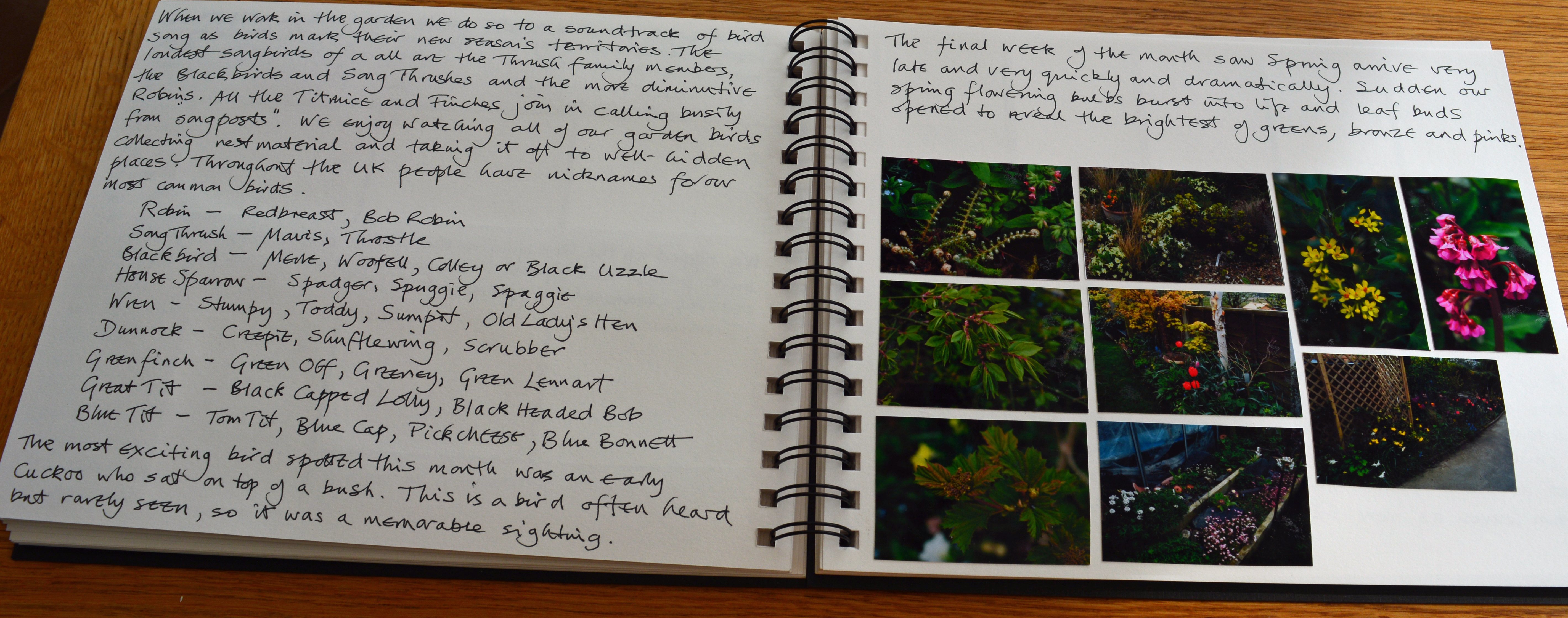
Turning over to the next double page spread I wrote about the birds in our garden and then mentioned a sudden sign of spring.

I wrote, When we work in the garden we do so to a soundtrack of bird song as birds mark their new season’s territories. The loudest songbirds of all are members of the Thrush family, the Blackbirds and Song Thrushes and the more diminutive Robins. All the Titmice and Finches join in calling busily from songposts.

We enjoy watching all of our garden birds collecting nest materials and taking it off to well-hidden places. Throughout the UK people have nicknames for our most common birds. I did some research and came up with these.

Robin  –  Redbreast, Bob Robin

Song Thrush  –  Mavis, Throstle

Blackbird  –  Merle, Woofell, Colley, or Black Uzzle

House Sparrow  –  Spadger, Spuggie, Spaggie

Wren  –  Stumpy, Toddy, Sumpit, Old Lady’s Hen

Dunnock  –  Creepie, Shufflewing, Scrubber

Greenfinch  –  Green Olf, Greeney, Green Lennart

Great Tit  –  Black Capped Lolly, Black Headed Bob

Blue Tit  –  Tom Tit, Blue Cap, Pickcheese, Blue Bonnett

The most exciting bird spotted this month was an early Cuckoo who sat on top of a bush. This is a bird often heard but rarely seen, so it was a memorable sighting. 


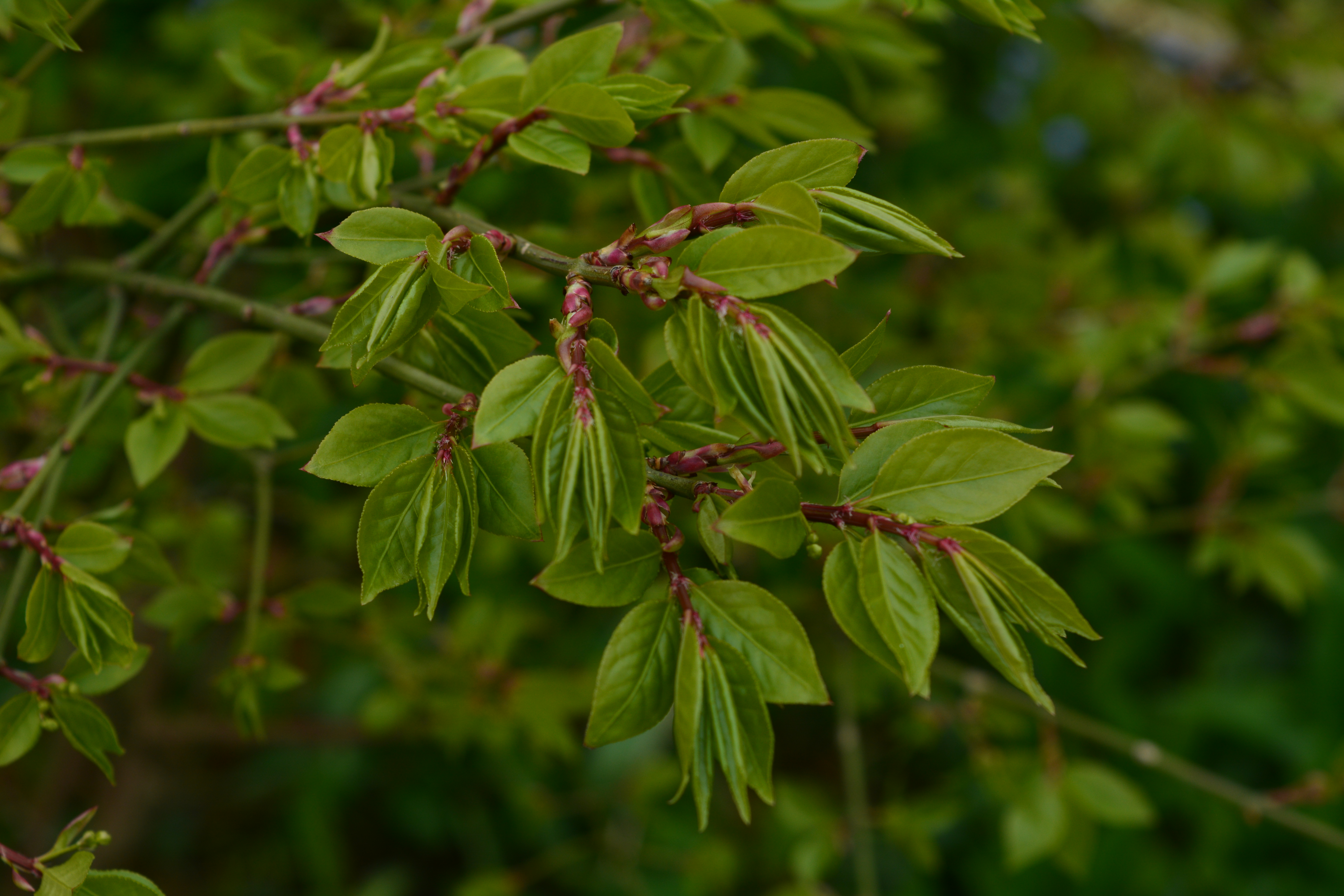
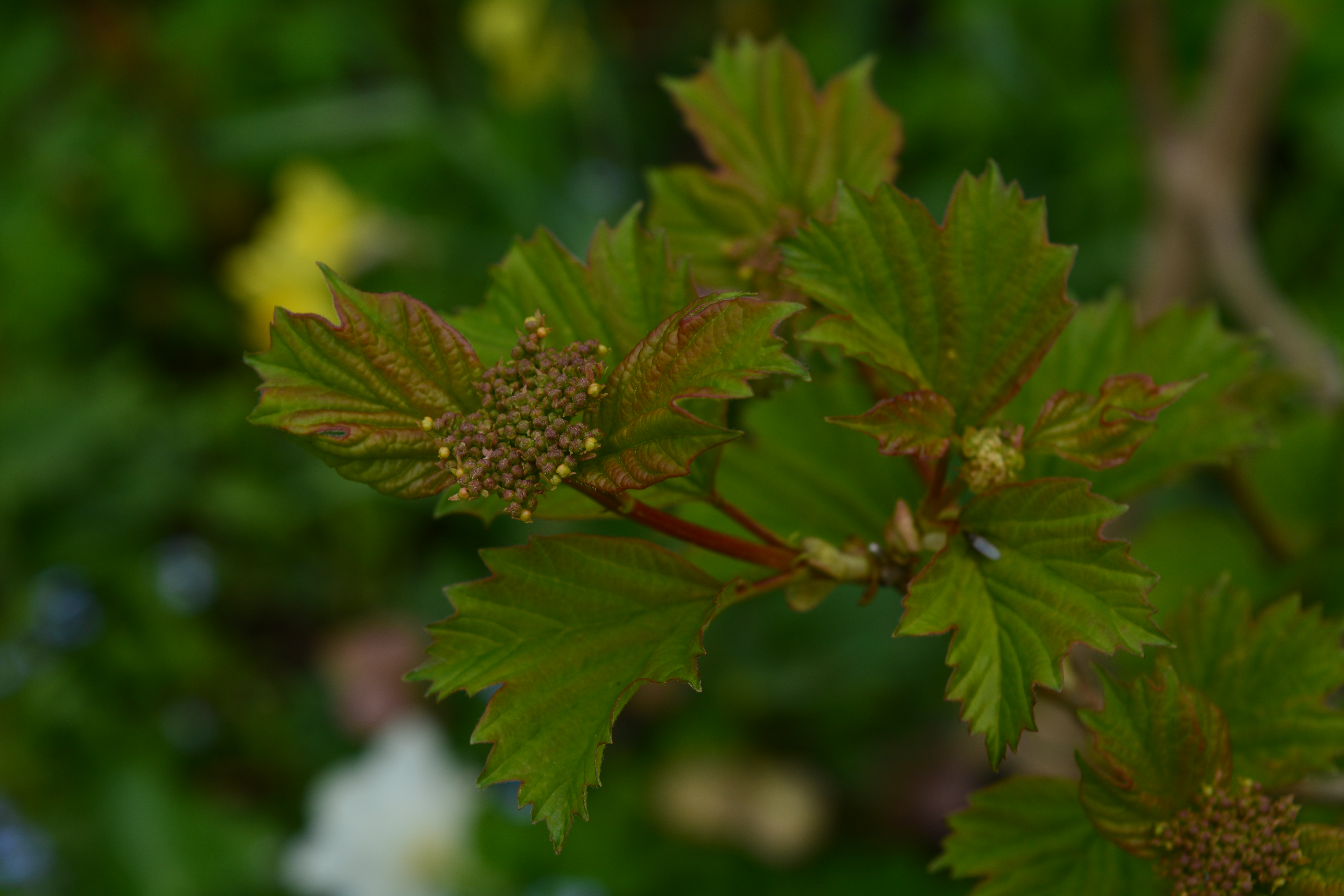
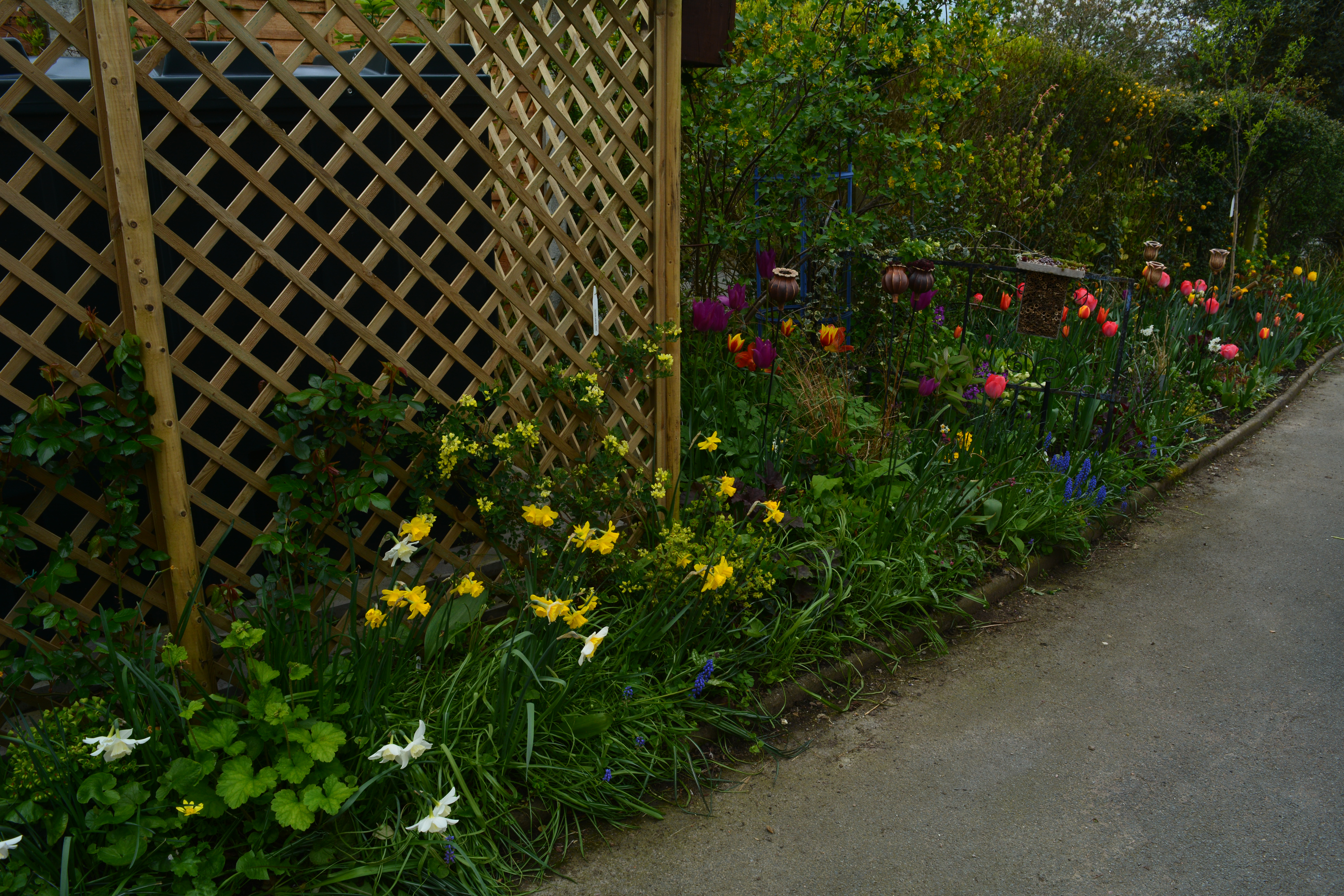
The third week of the month saw Spring arrive very late and very quickly and dramatically after a few days of record setting high temperatures. Suddenly our spring flowering bulbs burst into life and leaf buds opened to reveal the brightest of greens, bronzes and pinks.


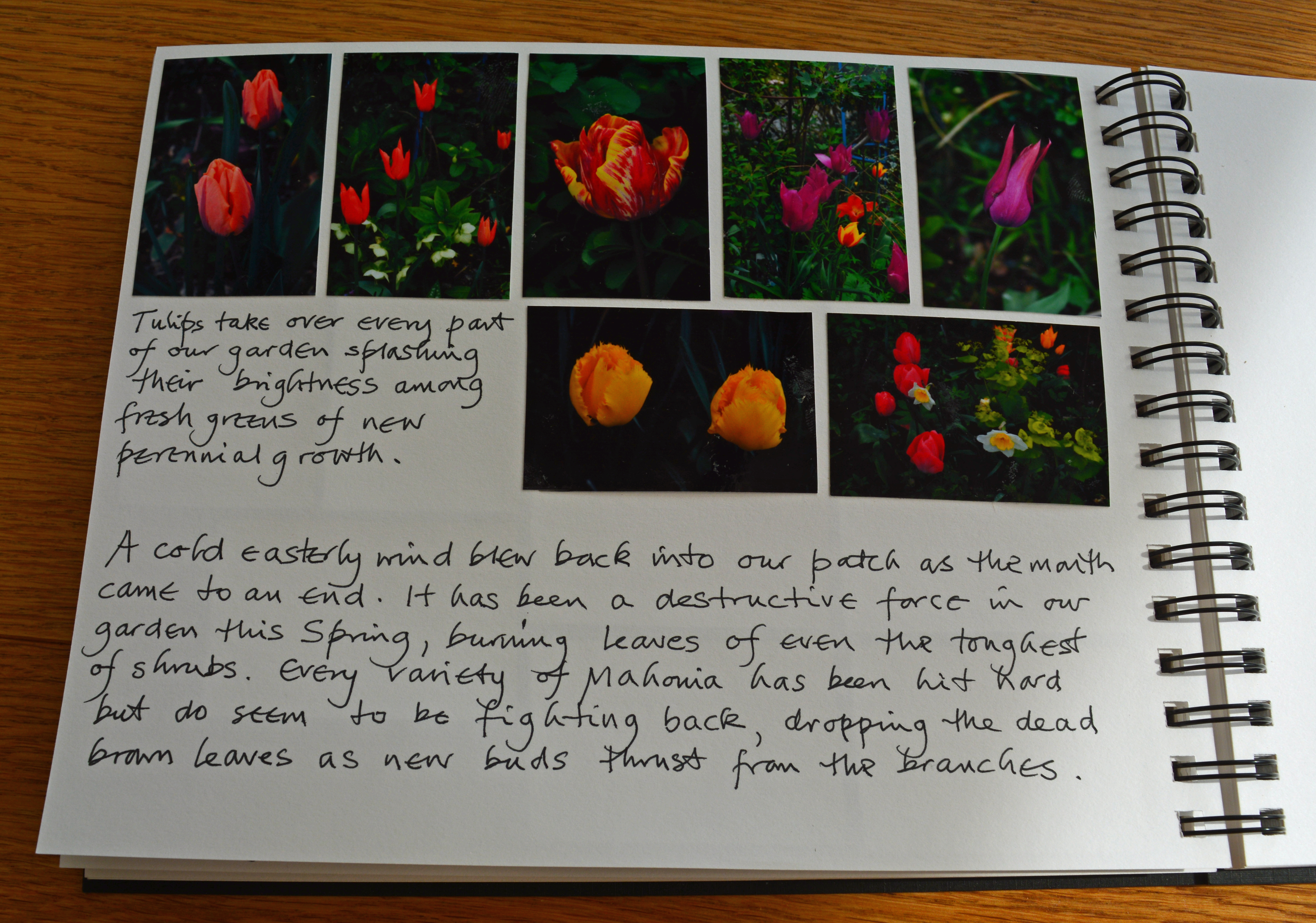
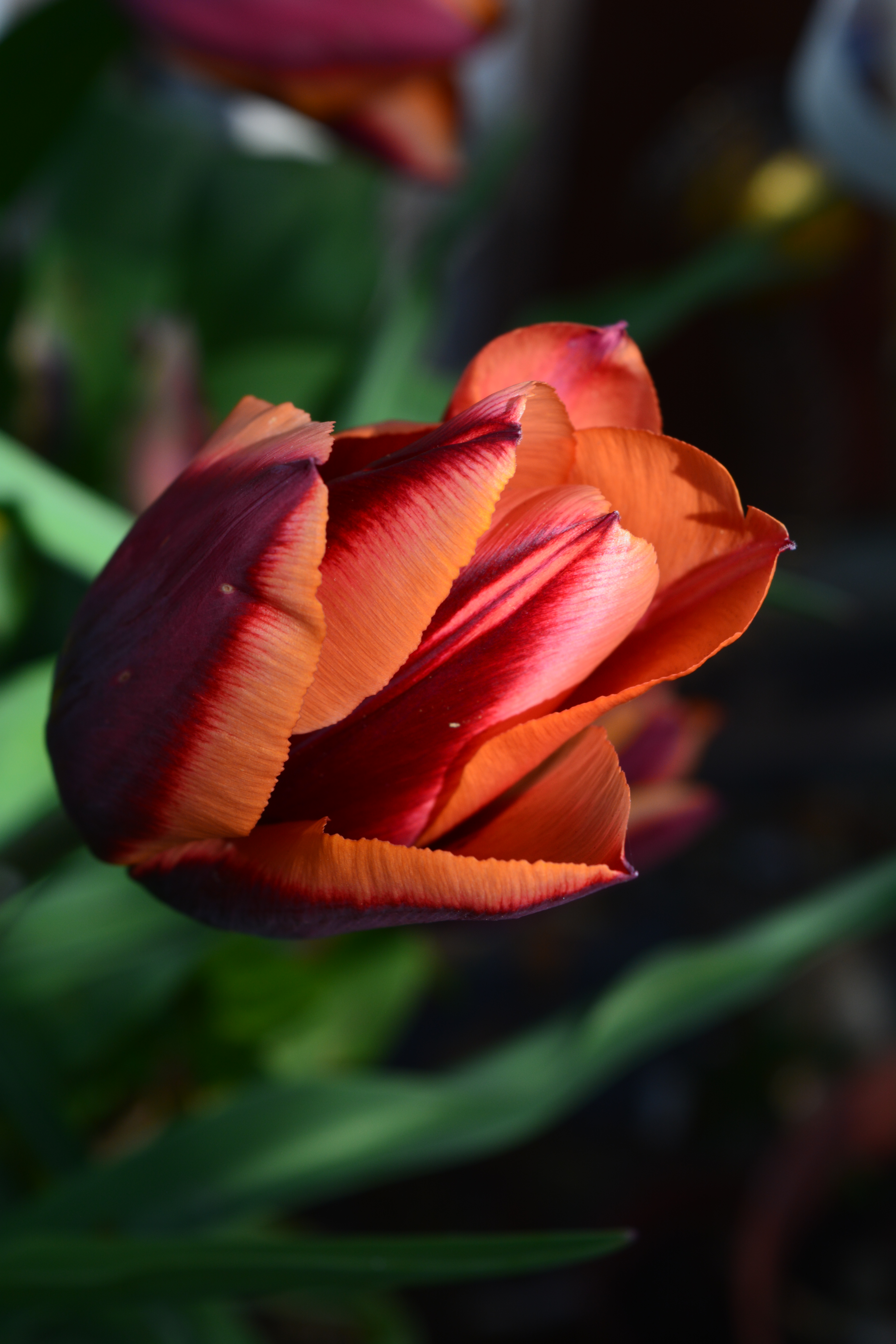
Tulips take over every part of our garden splashing their brightness among fresh greens of perennials growth.


A cold easterly wind blew back into our patch as the month came to an end. It has been a destructive force in our garden this Spring, burning leaves of even the toughest of shrubs. Every variety of Mahonia has been hit hard but do seem to be fighting back, dropping the dead browned leaves as new buds thrust from the branches.

So here I finish my report on my April pages in my garden journal. I will return in May when the weather may be more kind to us.


Categories
birds flowering bulbs garden wildlife gardening gardens irises natural pest control spring bulbs spring gardening trees

My Garden Journal 2018 – March

Into the third month of the year and we should now be seeing the cheerful signs of early spring. Spring should start the birds singing afresh. We should expect to see green returning to the garden as freshly-burst buds bring life to our patch. Let us see what my Garden Journal for March actually shows.

I began by recording, “March begins as February leaves off, freezing temperatures day and night often dipping into minus figures. The soil is solid, frozen and unworkable. Snow, sleet and frozen rain showers are frequent visitors. The Met Office count March as the first month of Spring but us gardeners know that it is the last of Winter. Dan Pearson in “Natural Selection” writes, “A cold start t the month always feels more appropriate to me, because it is better to go slow when there is so much to do and so much to take in. I prefer the feeling of caution that is generated when there is a beast waiting in the wings – it takes away the assumption that this might be the start of Spring.”

Nevertheless we carry on doing garden wildlife jobs, repairing and repainting nest boxes.”


Opposite I looked at one of my favourite spring bulbs, Iris reticulata and shared my Japanese brush paintings I enjoyed doing so much. I noted, “Iris reticulata bulbs are one of our first to come into flower following on from Snowdrops and Winter Aconites. Their rich blues and purples look good with Carex.

These Irises are native to Russia, the Caucasus and Northern Iran, but we grow them in our temperate gardens where they thrive if planted deeply. Our favourites are Iris r. George and “Harmony” but neither of us are keen on the “washed out” look of “Katherine Hodgkin”.


After looking at my Iris paintings we can turn over to a double page spread concerning firstly snow and then the wildlife in our Avocet garden.

“As we pass the mid-point of March we awake to the third appreciable snow fall of the winter. Luckily this fall has not been sculpted into drifts so we hope that when it melts we are left unscathed. It will however prevent us from getting out there and enjoying our early year jobs.”


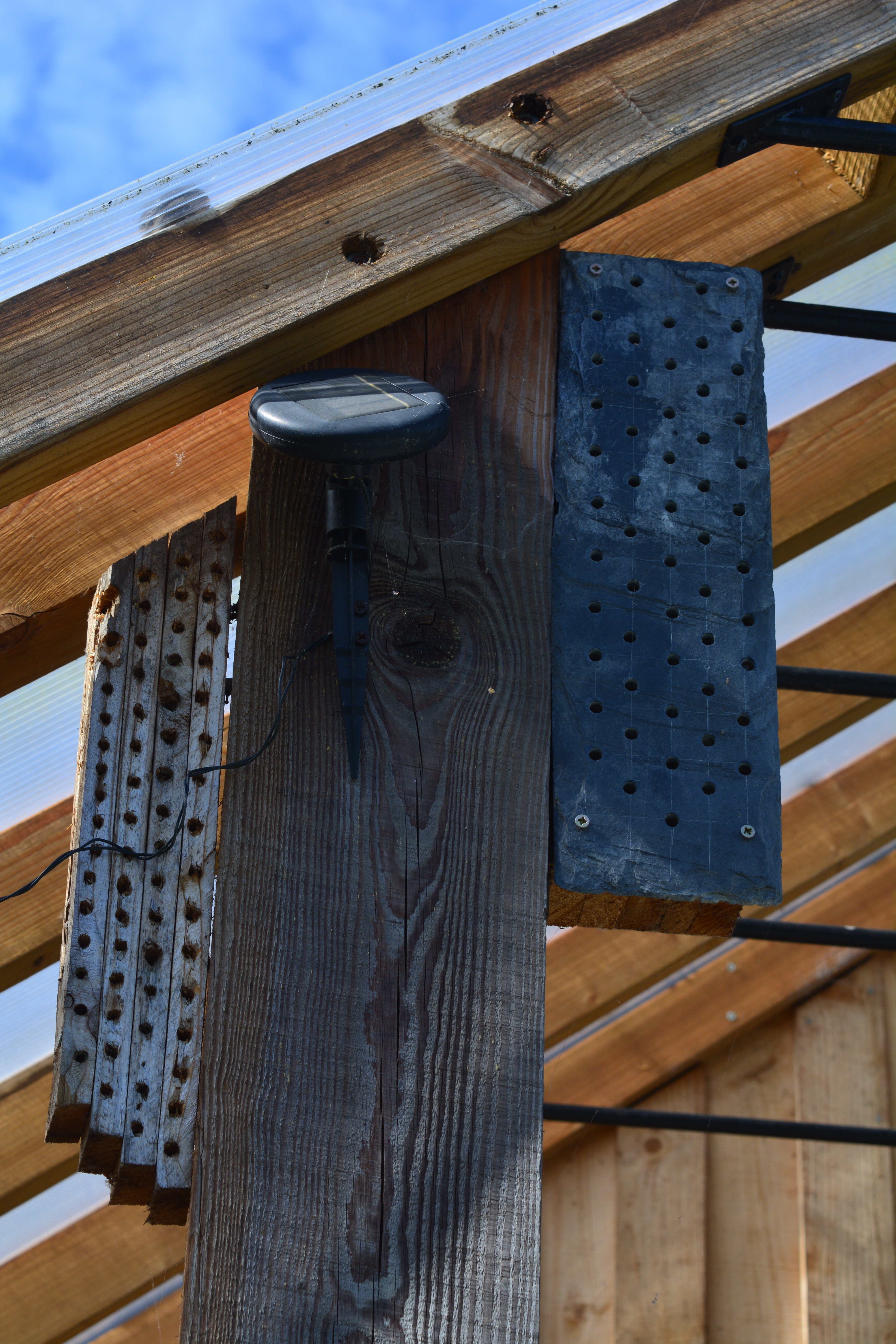
“Wildlife is busy in March with frogs cavorting in our wildlife pond and leaving large clumps of spawn among the plants that sit in the water close to the edge. Birds are pairing up, displaying, singing and carrying nesting materials to their nests under construction. We have a pair of  Robins nesting in our woodstore and House Sparrows have taken up residence in the nest boxes we recently re-furbished for them. We watched them pulling grass stems out of the snow and taking them into the boxes. We have created lots more bee homes and repaired any damaged older ones.”

We discovered our brightest coloured frog we have ever seen – a lime green bellied frog.”

Over the next page we look at some of the important jobs we have been busy carrying out during the month of March.


“March is a busy month for us gardeners and because of this it is a month we really look forward to. Each week we create a “to do” job list and get busy preparing for the year to come and of course ensuring our patch is up to scratch for our visitors this year.”

“We cut comfrey leaves for liquid feed, pruned leaves off the Epimedium to help us see their fresh flowers and topped up the log edging around our wildlife pond.”


“We fed our trees with wood ash from our woodburner and checked tree stakes and tree ties.”


“A big project is developing our new fern garden, a raised bed to fill the gap left by the removal of our oil tank. We came up with this crazy idea and hope it works! Planks of wood became a raised fern garden.”


Turning over to the next double page spread I wrote about buying new plants and I shared my paintings of a surprise find below the snow. I wrote, “We have been in plant buying mode often this March, some Hebes to replace some that have gone too woody and untidy, Ferns to add to our collection and stock our new “raised fernery” and more Ivies to cover concrete fence posts.”

“Hebes “Purple Shamrock”, Bronze Glow” and “Mrs Winder” and Ferns, “Polystichum setiferum “Plumosum Densum”, Dryopteris affinis “Polydactyla Dadds”, “Dryopteris austriaca “Crispa Whiteside” and Cyrtomium falcatum.”

“We have also been busy dividing perennials such as Sedums.”

“Secret beneath the snow! When the snow drifts melted and once again our golden flint gravel could shine in our Beth Chatto Garden, we found a sad looking perennial stem and its seedheads. It usually stands firmly upright as a statuesque reminder of its summer and autumn beauty. Eryngium pandanifolium can grow to 7ft tall, its spiny flower stem rising from a grass-like batch of equally spiky foliage. The flowers are coloured a strange dusky maroon colour.”

I painted this secret with water-colour pencils and artist pens in greys and blacks.

My final page in my entries for March features a quotation from a nature writer, John Lewis-Stempel and considered how it relates to our own patch.

“The nature writer, John Lewis-Sempel, in his new book titled “The Wood” wrote of March, “Robin sings with gusto, trying different refrains, experimenting. He is the philosophical songbird. 

Hedgehogs now out of hibernation from their watertight nests of grass and moss. As I’m sitting in my chair one shuffles absentmindedly over my wellingtoned feet.

The wood is “filling out”. There are no longer clear views through the trees. Gone is the sense of space, and light. The trees are crowding in.

The blackbird has finished her nest in the Elm. The nest is a perfect bowl, of grass, straw and twigs and plastered inside with mud. Years will pass, but the mud cup will last.”

                                                                                                                                   (March 2017)

Here at our Avocet garden we have virtually no fresh leaves open yet just bursting buds on just a few shrubs and trees. House Sparrows are nesting vigorously now collecting nest materials and at the end of the month we observed a Robin busy building a nest in a Robin nesting box we had made and put up in the Shade Garden.

In every other way Spring is slow to show any enthusiasm.

Our next visit to my garden journal will be in April when we hope Spring may have made some effort to get underway.


Categories
climbing plants flowering bulbs garden photography garden wildlife gardening hardy perennials shrubs spring bulbs Winter Gardening winter gardens

My Garden Journal 2018 – January

Welcome to another year of my garden journal. This first post is all about a very cold January, but we decided to defy the weather and garden anyway. So let’s see what is going on at Avocet and share with you our jobs successfully achieved.

On my first double page spread I share the new materials I will be using this year and mention that my journal this year will be created in a larger, landscape format a Daler-Rowney art book.

I will keep my notes in a beautiful blue notebook, a gift from a friend and will write my monthly musings with another fine gift, this time from daughter, Jo and son-in-law, Rob, an Art Pen by Rotring. My notes will be written using a bamboo mechanical pencil and pen a gift from Jude’ sister, Pauline and brother-in-law Steve.


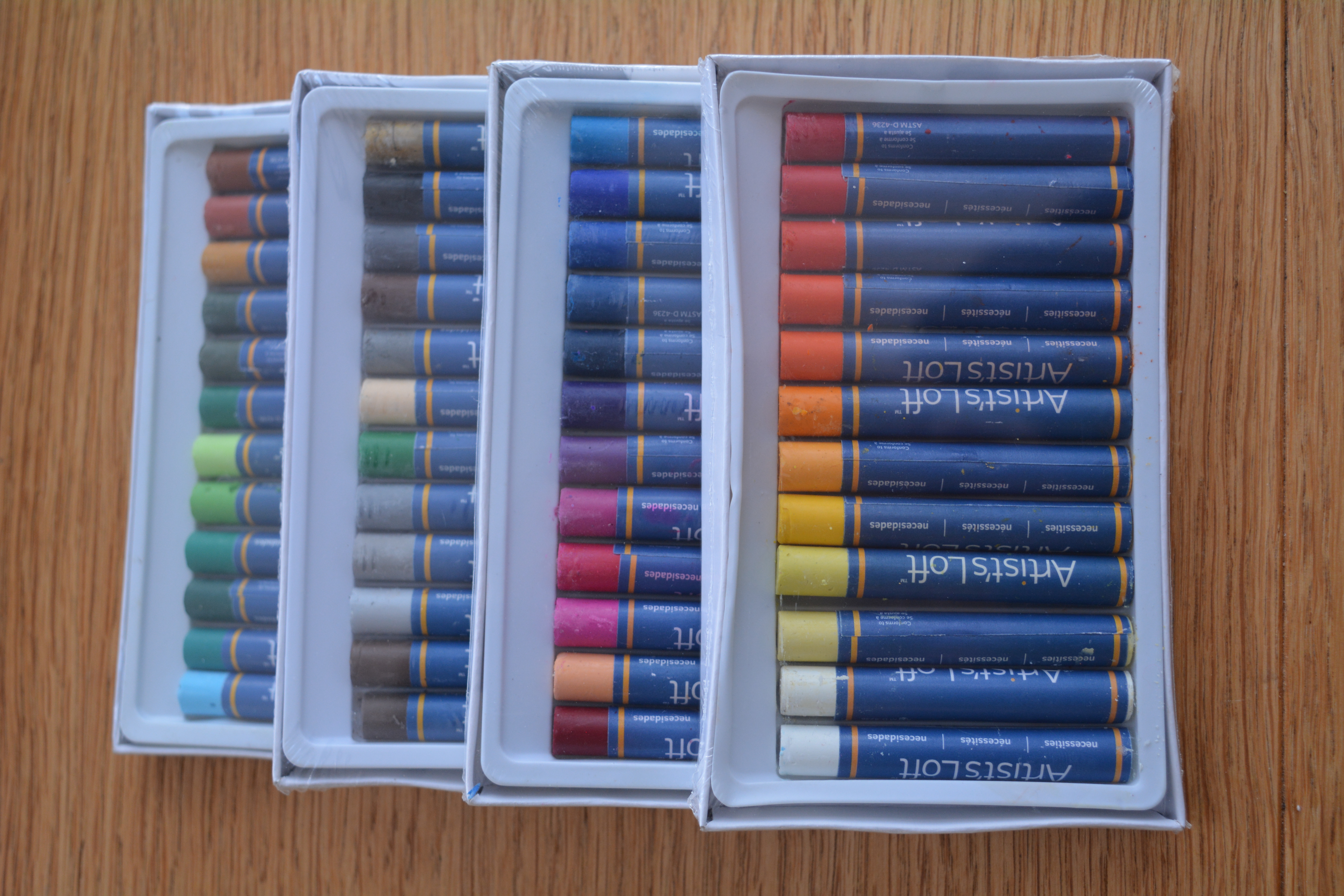
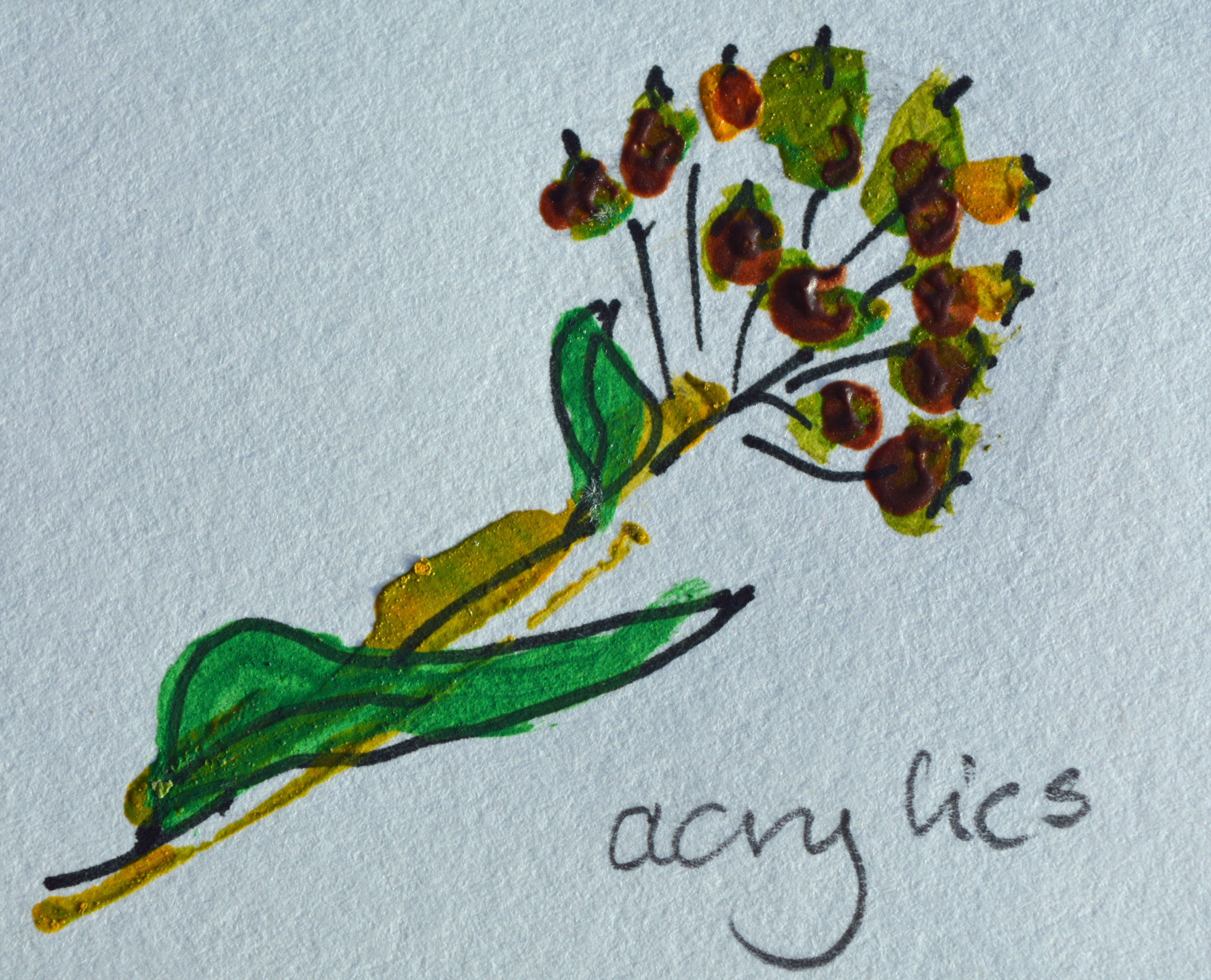
During 2018 I aim to try out different art media and techniques to help illustrate my written words, tubed watercolours, soft pastels and acrylics. I may also use two of these media together, and perhaps try some collage pieces. Over the page I shall get this 2018 journal started by looking at our many cultivars of Ivies.

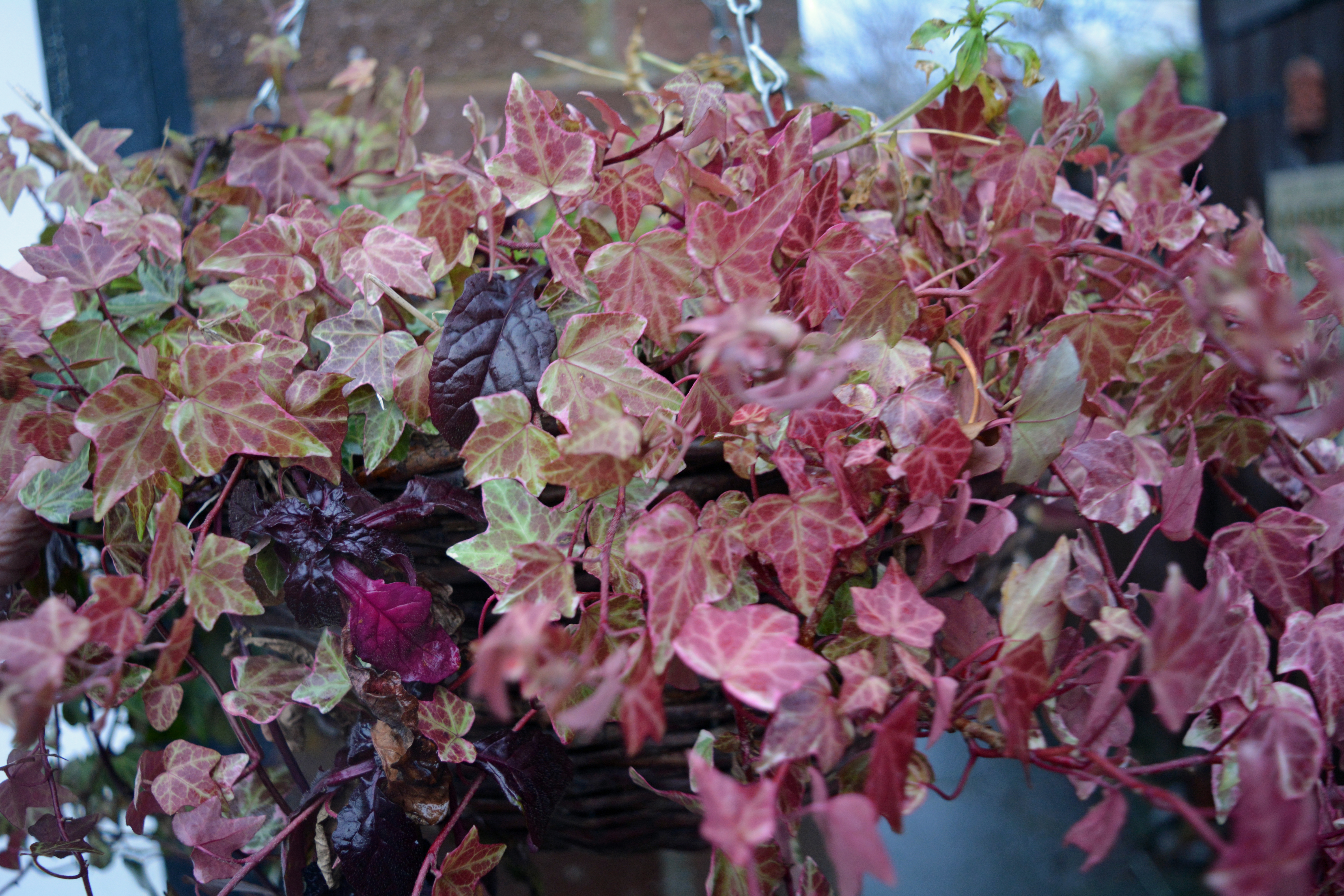
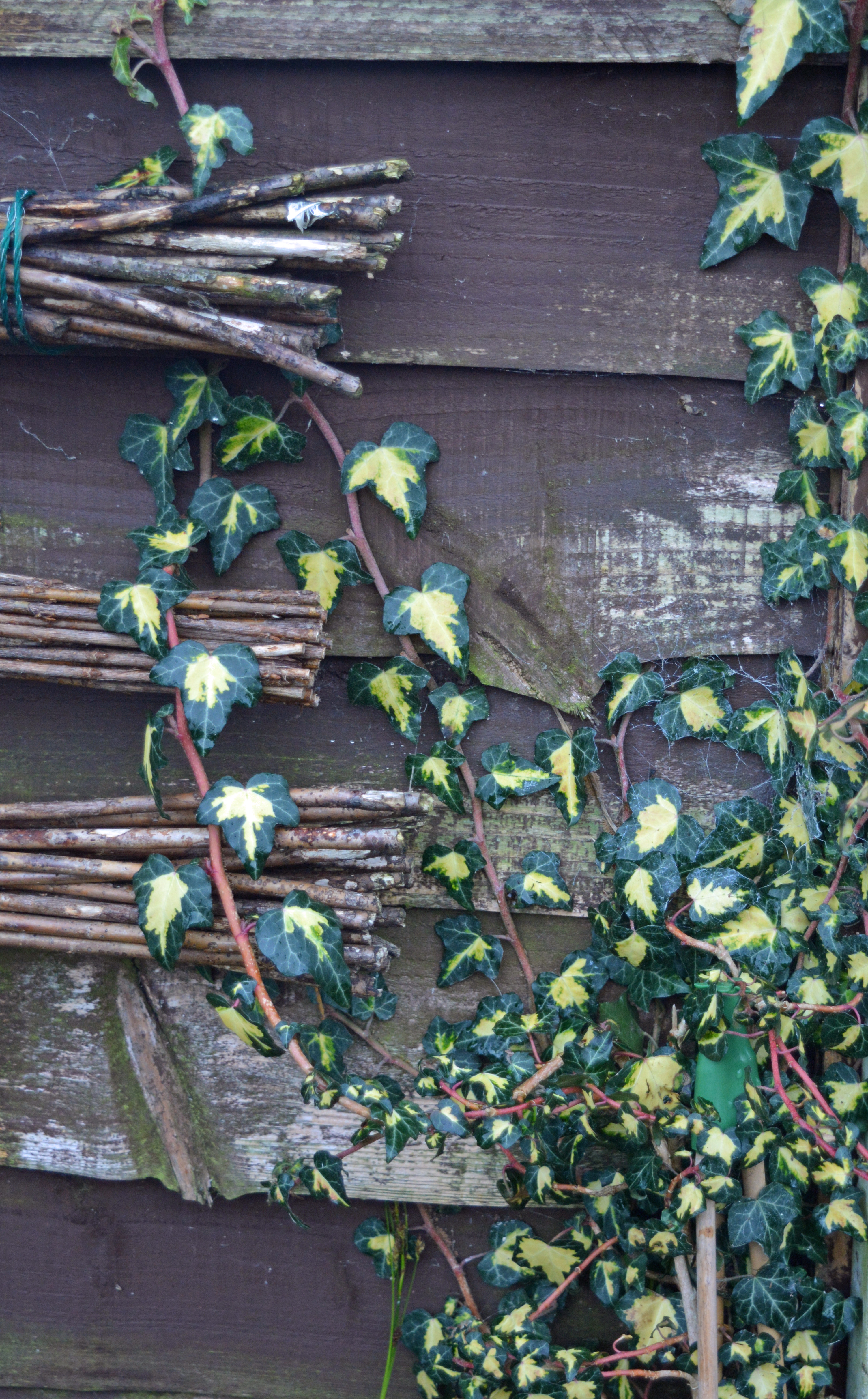
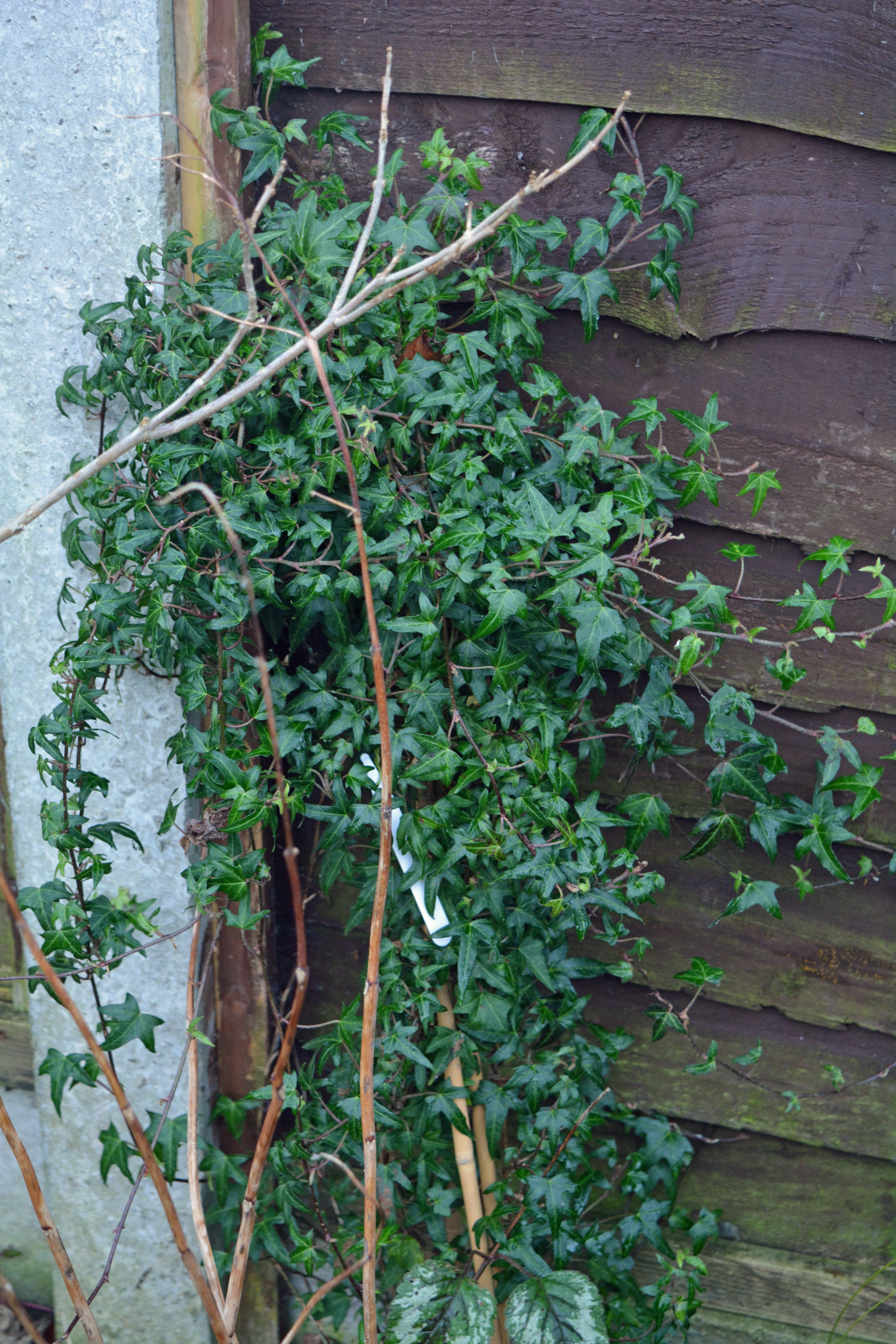
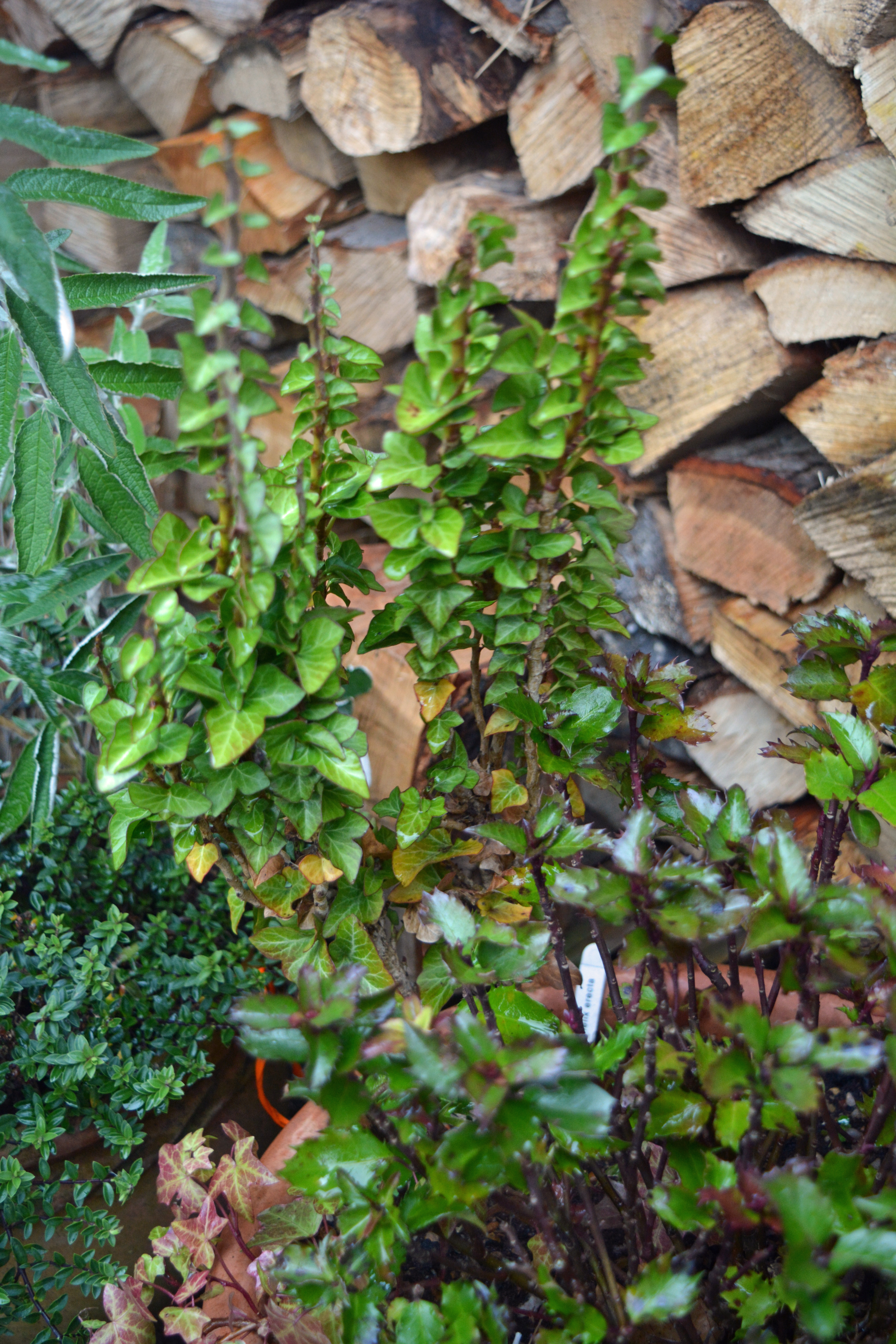
“We always consider Ivy to be a stalwart of the Winter Garden, they cheer us up with their silver and gold variegations. They keep our wildlife happy too providing shelter, berries and their late flowers which appear when few plants are providing pollen.”


On the right hand page I painted foliage of some of the varieties we grow around our garden, using tubed watercolours.

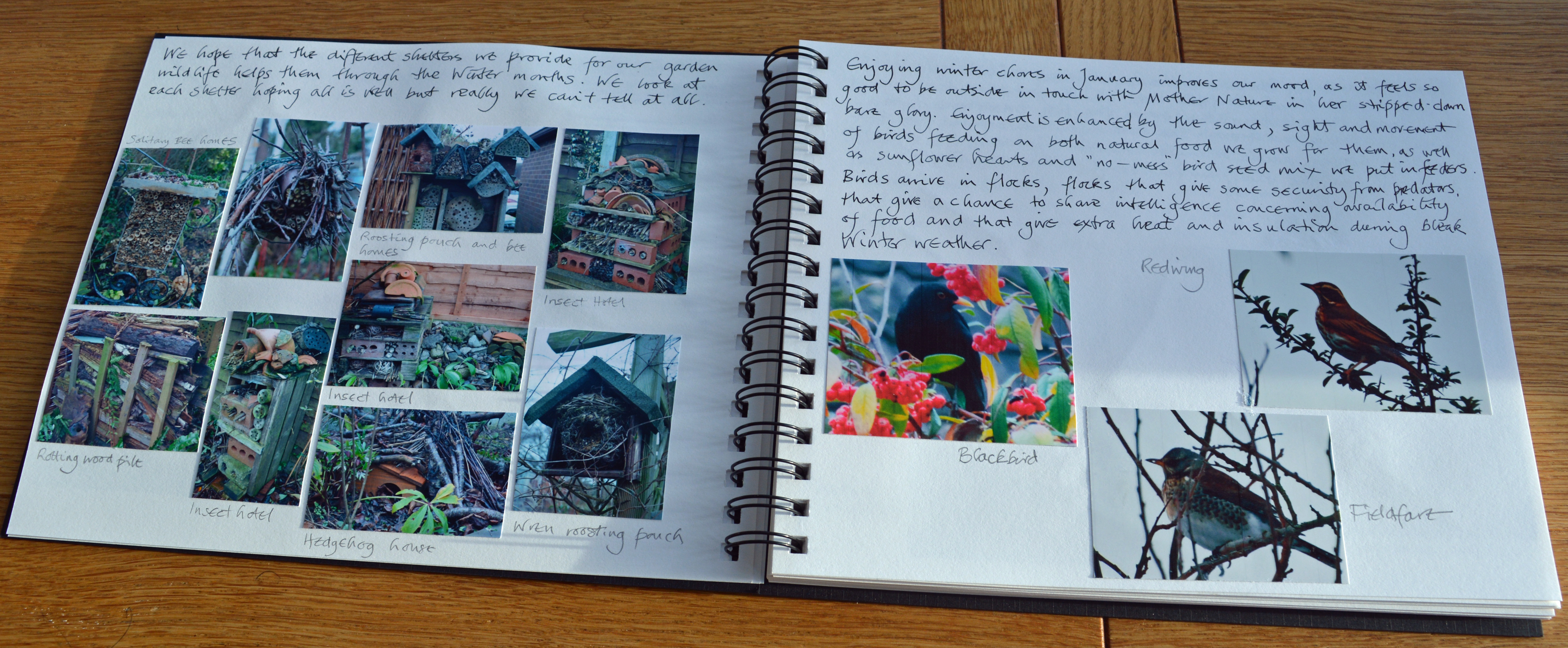
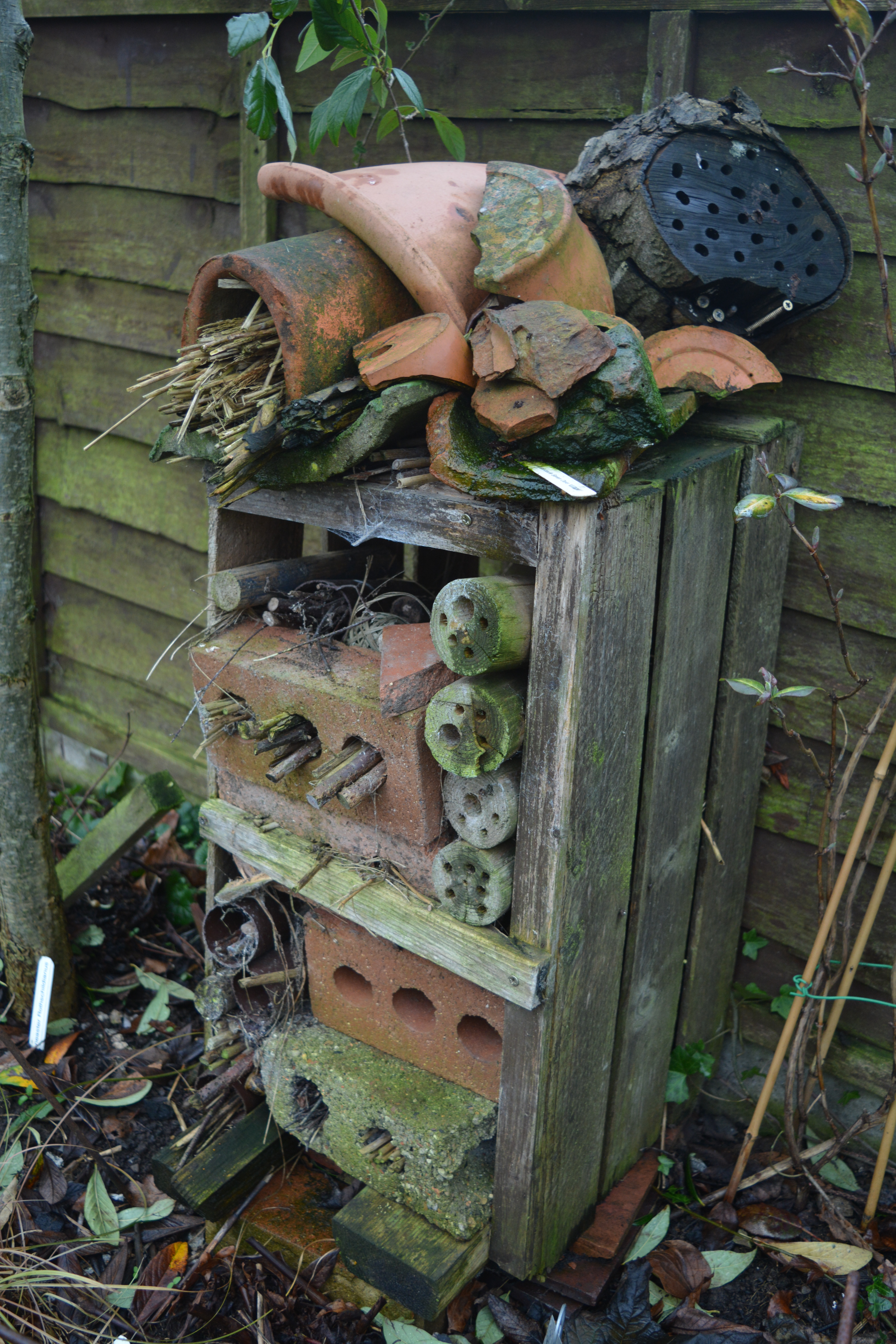
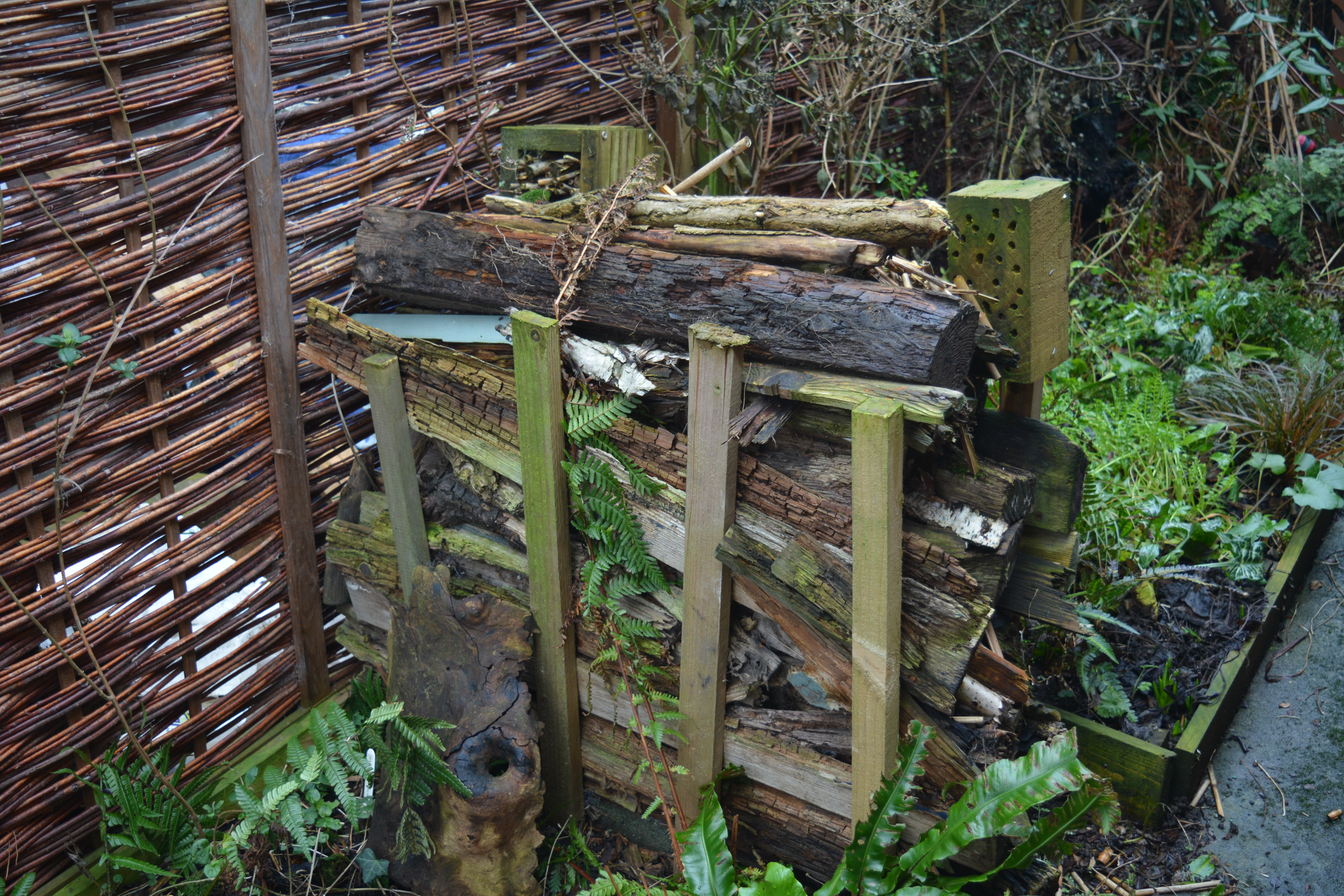
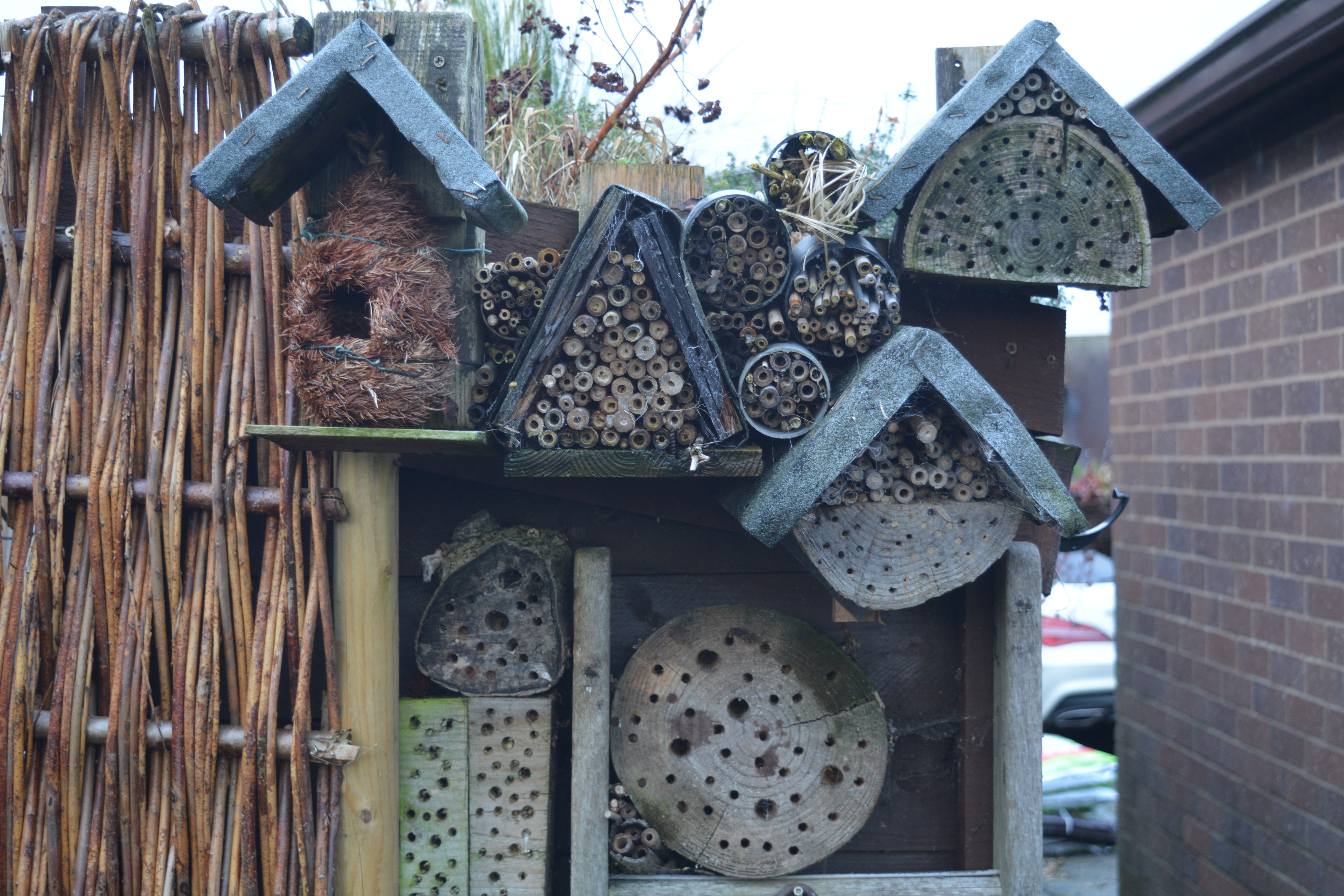
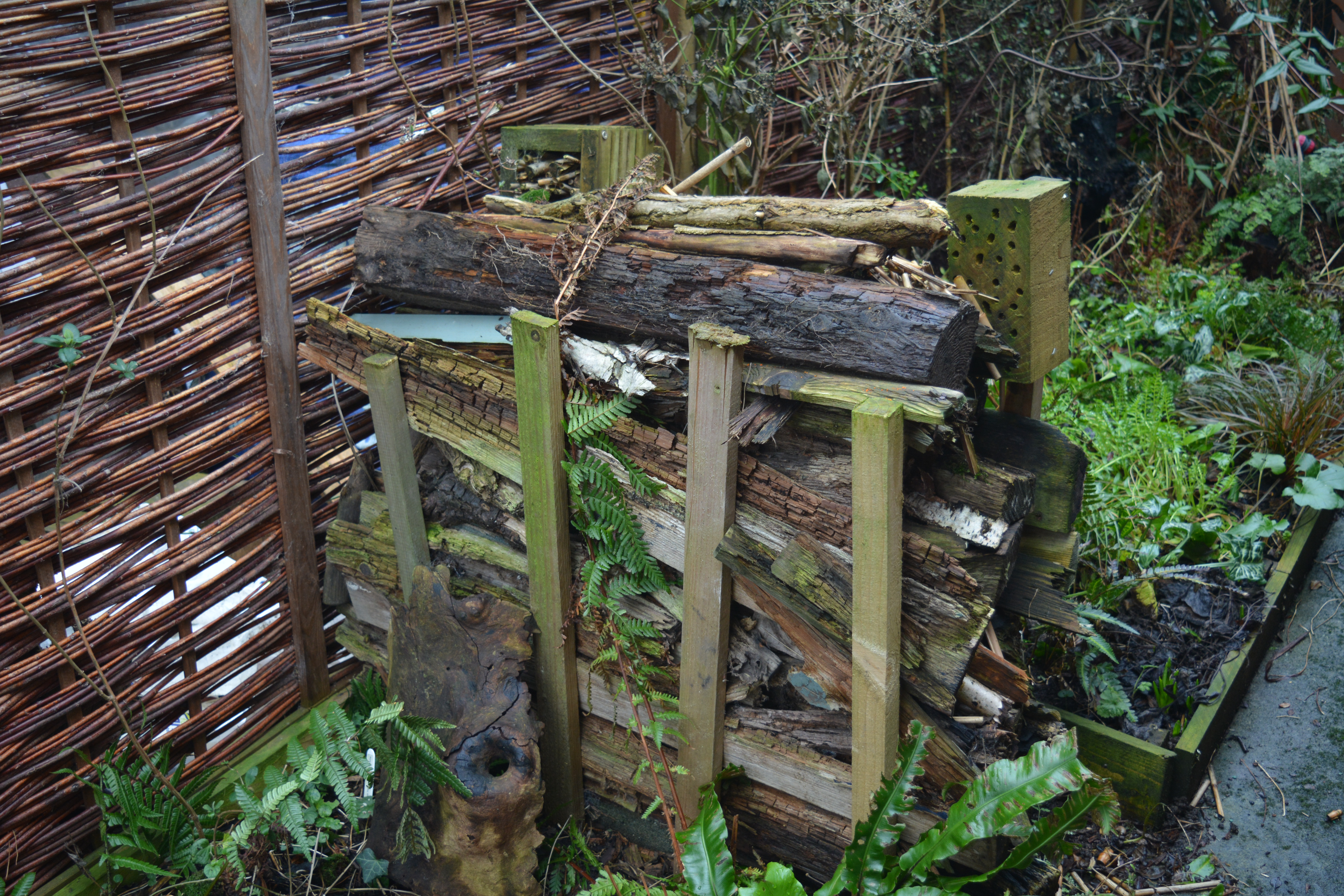
Over the page I take a look at some of our wildlife and the habitats and shelters we provide for them. I wrote, “We hope that the different shelters we provide for our garden wildlife helps them through the Winter months. We look at each shelter hoping all is well but really we can’t tell at all.”


“Enjoying winter chores in January improves our mood, as it feels so good to be outside in touch with Mother Nature in her stripped-down bare glory. Enjoyment is enhanced by the sound, sight and movement of birds feeding on both the food we grow for them, as well as sunflower hearts and “no-mess” bird seed mix we put out in feeders. Birds arrive in flocks, flocks that give some security from predators, that give a chance to share intelligence concerning availability of food and to give extra heat and insulation during bleak winter weather.”

Turning over the page to the next double-page spread, on the left I looked at some fruits we grow and opposite a look at some scented plants.

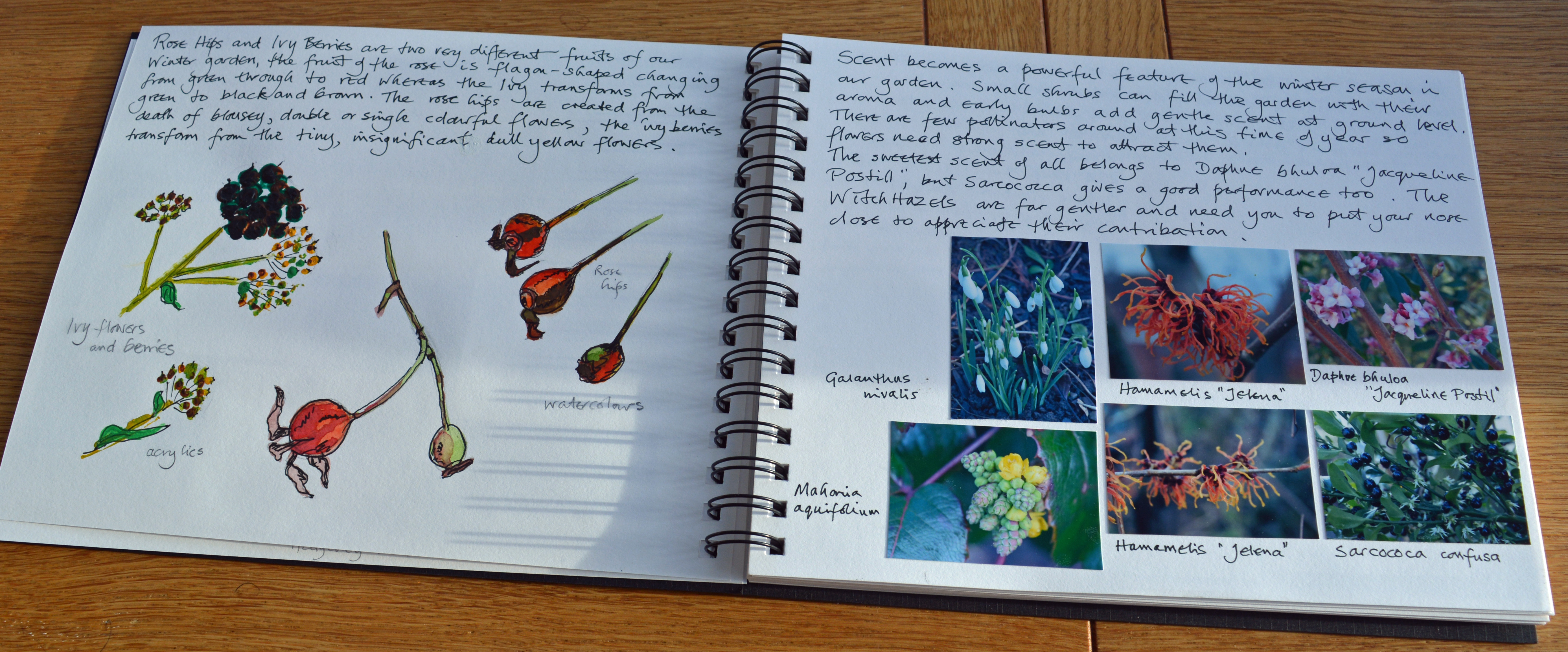
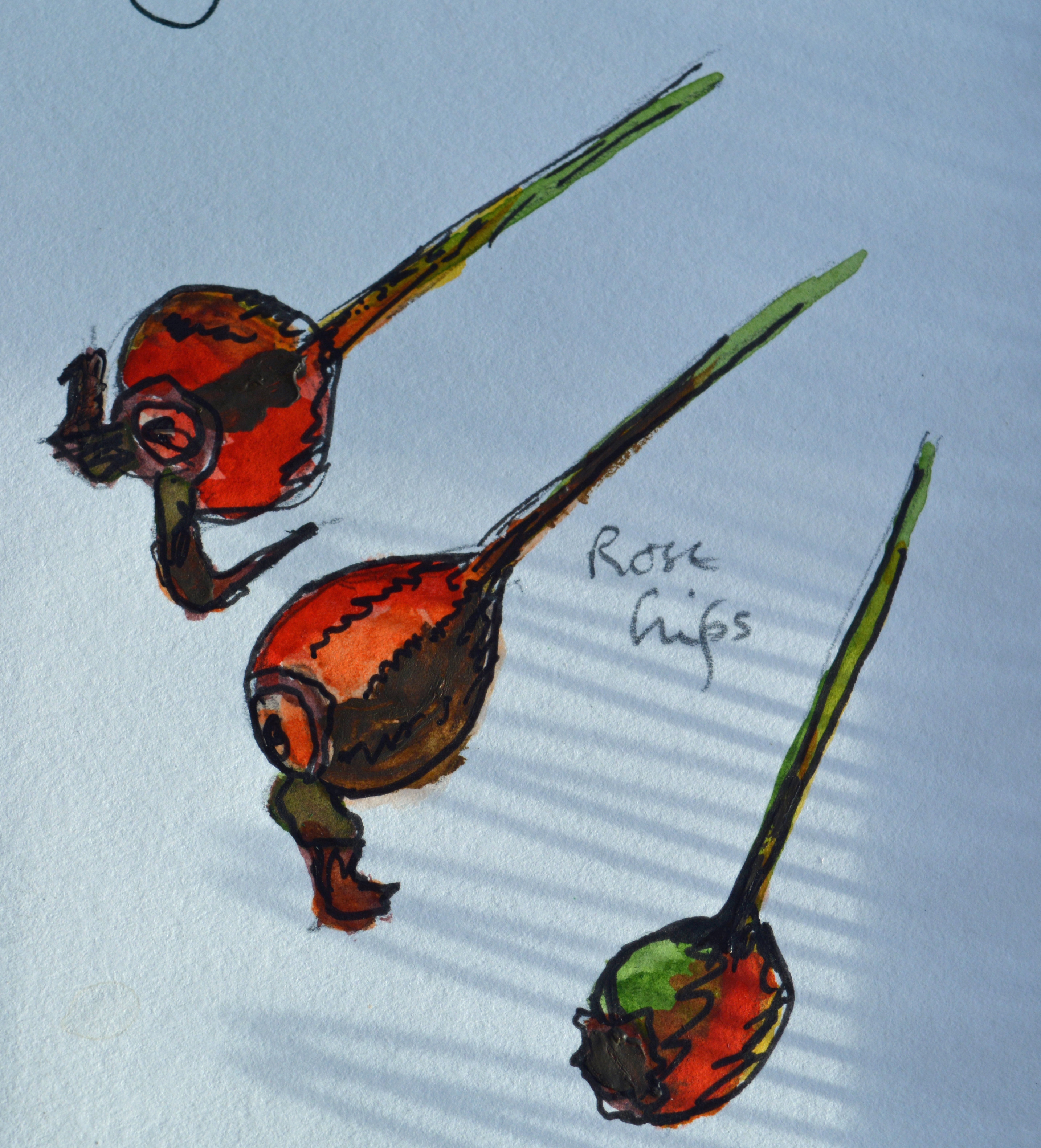
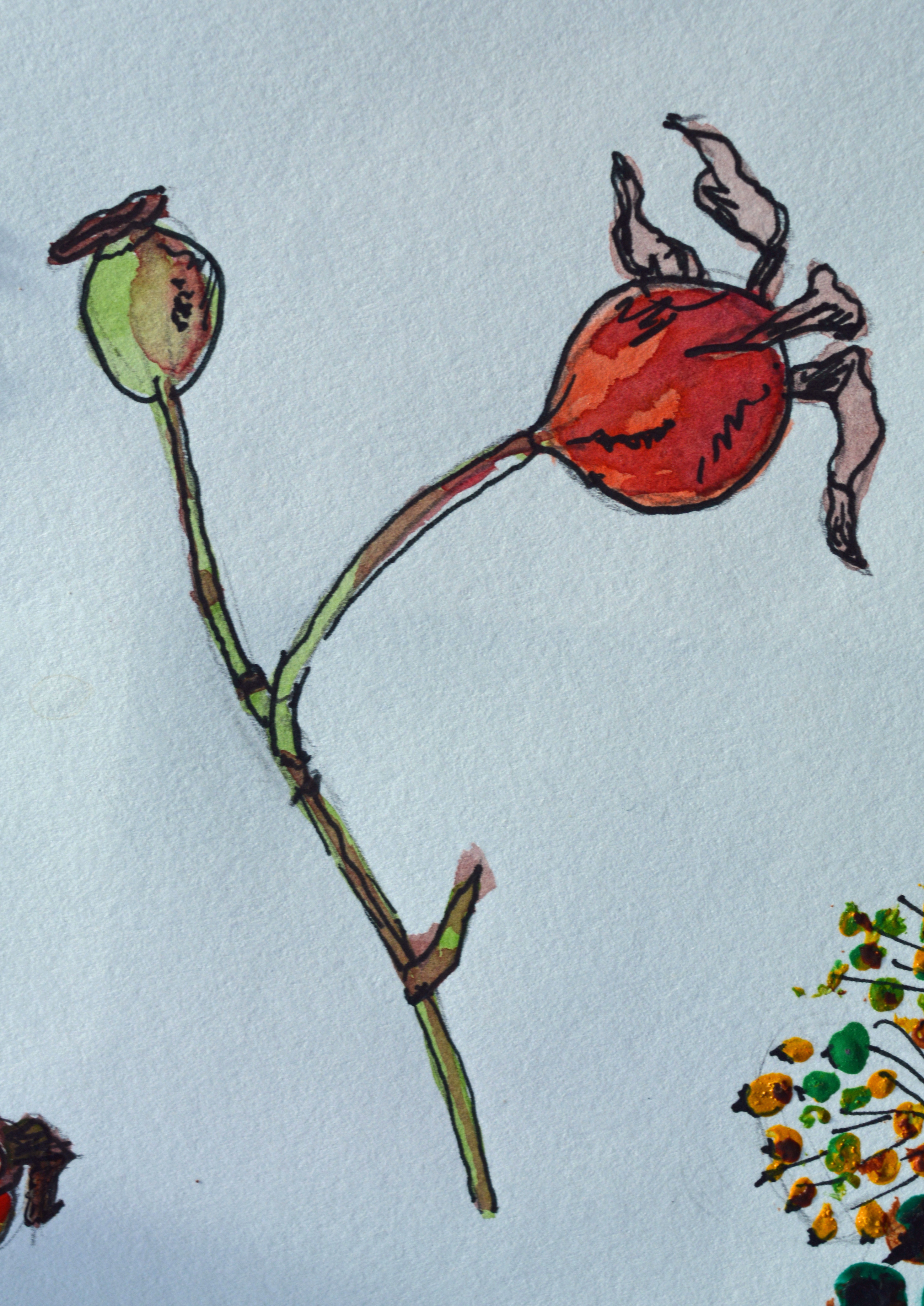
“Rose hips and Ivy berries are two very different fruits of our Winter garden, the fruit of the rose is flagon shaped changing from green through to red whereas the Ivy transforms from green to black and brown. The rose hips are created from the death of blousy, double or single colourful flowers, the Ivy berries transform from the tiny, insignificant dull yellow flowers.”


“Scent becomes a powerful feature of the winter garden season in our garden. Small shrubs can fill the garden with their aroma and early bulbs add gentle scent at ground level. There are few pollinators around at this time of year so the flowers need strong scent to attract them.

The sweetest scent of all belongs to Daphne bhuloa “Jacqueline Postill”, but Sarcococca gives a good performance too. The Witch Hazels are far gentler and need you to put your nose close to appreciate their contribution.”

Hamamelis is the star of my next page and in particular Hamamelia intermedis “Jelena”

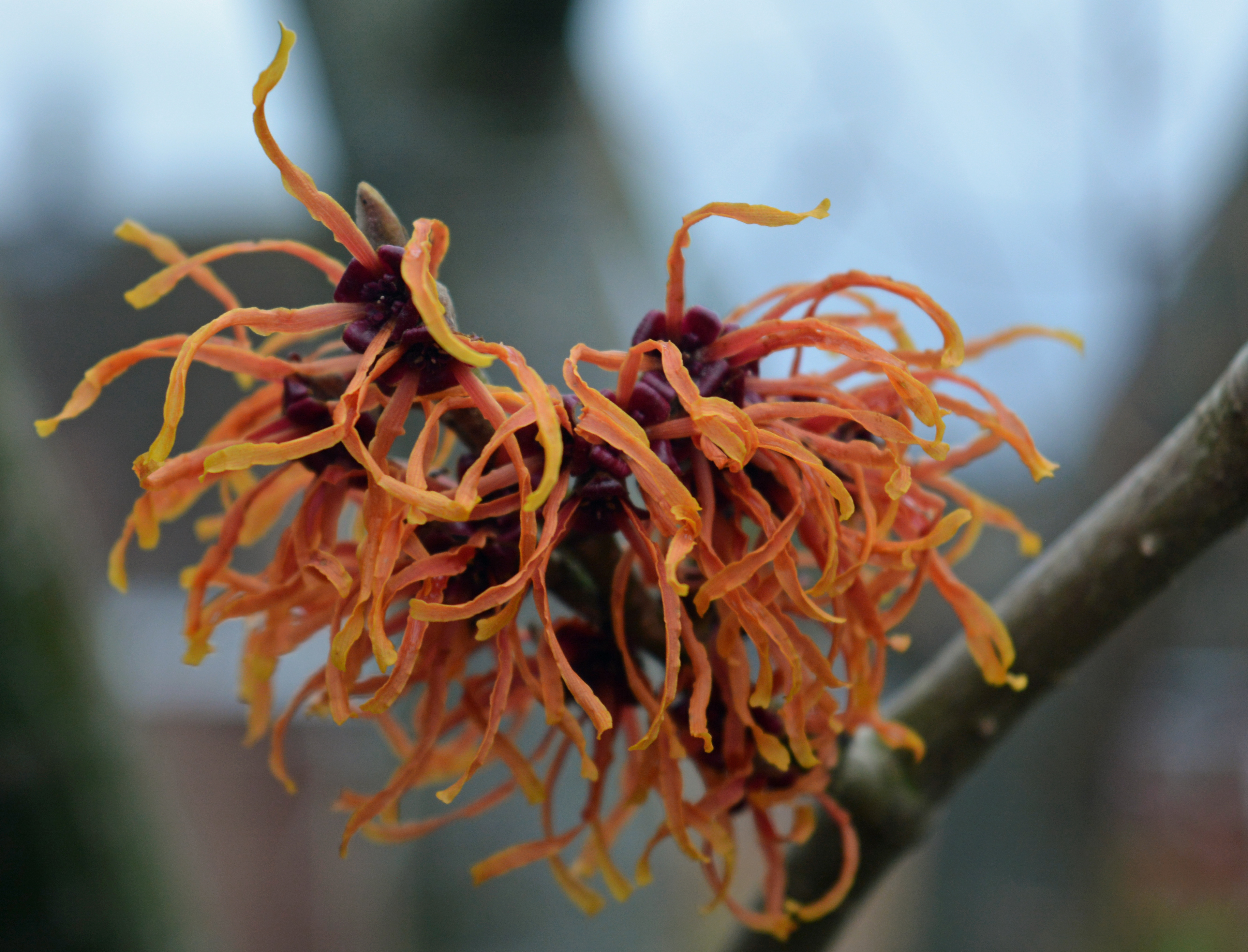
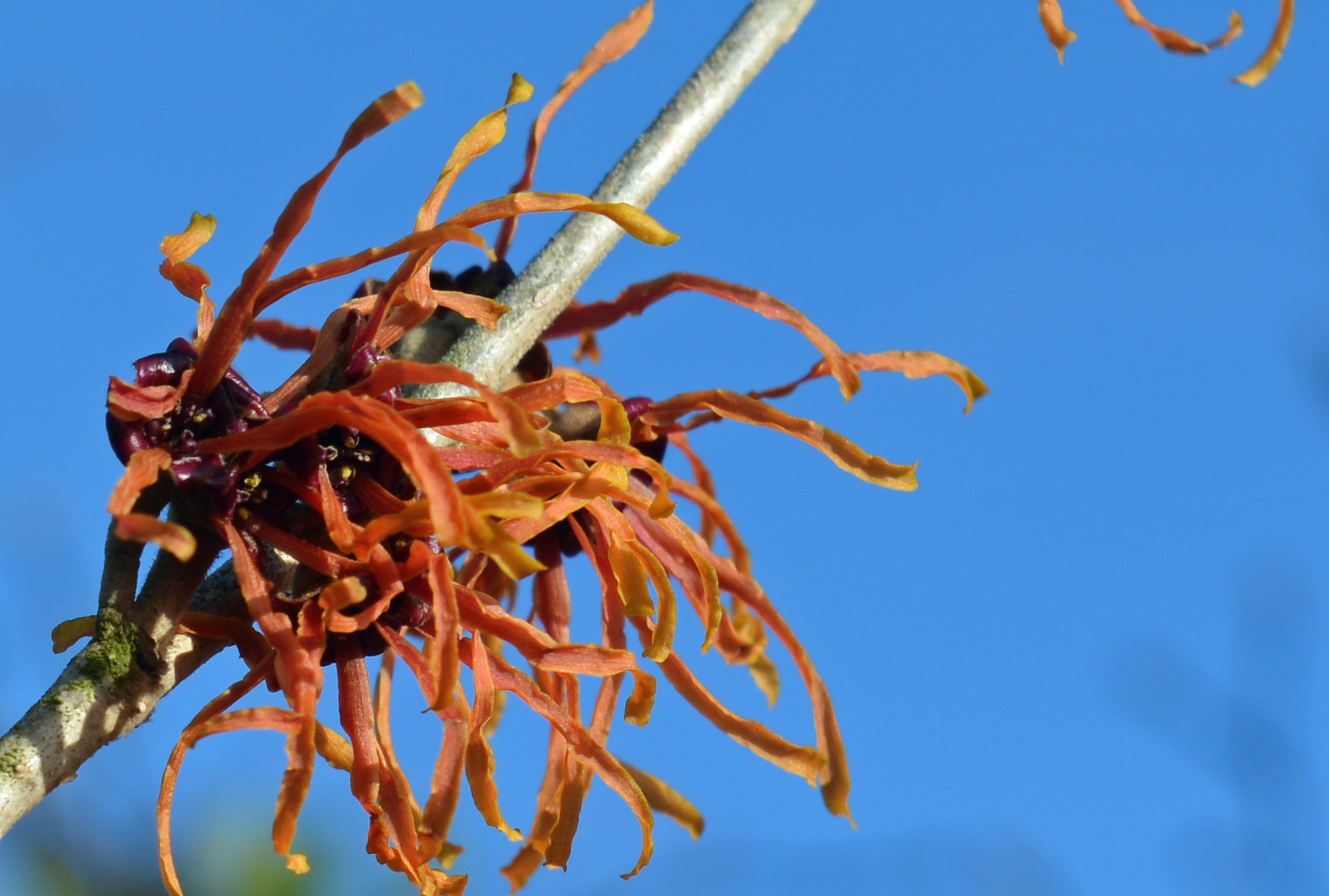
“Hamamelis, a winter flowering shrub we would never be without, with its brightly coloured and scented flowers in yellows, oranges and reds. Each flower is a burst of delicate ribbons bursting from a purple centre. We grow the deep orange flowered “Jelena” and the deep red flowered “Diane”, with Jelena  flowering early at the beginning of January and Diane coming into bloom weeks later.”


” There are still plenty of jobs to enjoy in the garden here in January. Nothing is more satisfying than wrapping up warm and defying the weather, going outside with a mug of warming coffee in gloved hands. It makes us true gardeners! We are helped by a Robin who accompanies us enjoying any grubs we unearth and his watery winter song is constantly in the background.

We prune climbing and rambling roses this month and tidy up Acers and Betulas. Perennials are left until early March but now we remove any that collapse or go slimy. As we do this we mulch the borders with a few inches of compost to slowly feed the soil and improve its texture. Wood ash from our wood-burning stove is scattered around all of our trees and shrubs. Group 3 clematis are pruned down to a foot just above strong, healthy buds which are already showing green colouring. The rich aromas from the winter-flowering shrubs lift our spirits and put smiles on our faces.”

I will be back soon reporting on my February ramblings from our garden.

Categories
birds colours flowering bulbs garden photography garden wildlife gardening gardens grasses hardy perennials irises roses Shrewsbury Shropshire shrubs village gardens wildlife Winter Gardening winter gardens

My Garden Journal – December 2017

I decided to post my final Garden Journal 2017 post for my Christmas post this year. I hope you enjoy it. Have a great Christmas time!

Here is the final episode of my 2017 Garden Journal, my entries for December. I have already been to my art suppliers and purchased books to become my 2018 Garden Journal. As usual I have changed the size and gone for a larger landscape bound drawing book. But for now let me share my December pages.

I began by looking at the bird-life feeding in our garden in December and in particular the characterful Tawny Owl. I did a painting of these wonderful owls using fine fibretip pens and Japanese watercolour pens.


I wrote, “Birdlife in our garden in December is generally quiet. Squeaks of Dunnocks sneak out from the shrubbery and Robins share their watery liquid winter song. Winter migrant Thrushes soon fill the garden with chatter.

Most noisy of all are our Tawny Owls who call loudly when the light fails and darkness overpowers the garden. We open the patio doors to listen more intently and drink in  the atmosphere these owl calls create.”

Turn over the page and we find a double page spread looking at garden editing and seedheads and I include a great quote from one of my favourite garden designers, Dan Pearson.

“December for us is a key month in our garden editing period. It is when we move plants, take plants out that are past their best and completely re-design and re-plant some areas. I was so pleased to read in his book, “Natural Selection”, that Dan Pearson thinks the same.”

“Editing the garden is a gradual process of  elimination, and I like to let nature take its course and for foliage to find its way back into the ground in its own time….. I savour many perennials for their winter seedheads,  form and structure, and this is what I edit back to so that there is plenty for the winter sunshine for the winter sunshine to fall upon.

Removing the clutter lets you see the things in a new light, but you need to retrain your eye in winter to see things in a more economical way. It is good to understand the structure of a garden  and to aim for it to be as handsome as it can be.”

“Seed heads of perennials take centre stage in our garden this month. When snow arrives our seed heads completely change their character. They appear strong enough to withstand snow’s weight.

Snow in December has become a rare occurrence in recent years as our climate changes. In fact we have not seen any December snow since 2010 and 2011. This year saw this all change. A foot of snow fell in a two day period and the garden looked weighed down, slumped and bent low”.


“We love to see how the snow changes the characters of our pieces of sculpture by strengthening their shapes and sometimes creating silhouettes”.


Turning over the page we meet lots of colour, winter bedding plants and our plant of the month.

I wrote “We like to use winter bedding plants in pots to add extra colourful, bright patches to our winter borders. Violas and Cyclamen are two of our favourites often linked with the gentle colour and textures of grasses.”


“Our plant of the month for December is Hesperantha which flower strongly at this time of year, glowing bright pinks and reds.”


My final page in my Garden Journal 2017 is all about the surprises that the garden treats us to in December, bright colours that lift the heart. You will notice that I have included more pictures in the post than were originally in the journal, but I simply ran out of space in my book. I hope you enjoy the extras!

“Red surprises in the winter garden can warm the heart and souls of the garden and the gardener alike. Joined by splashes of oranges these colours warm us up nicely.”

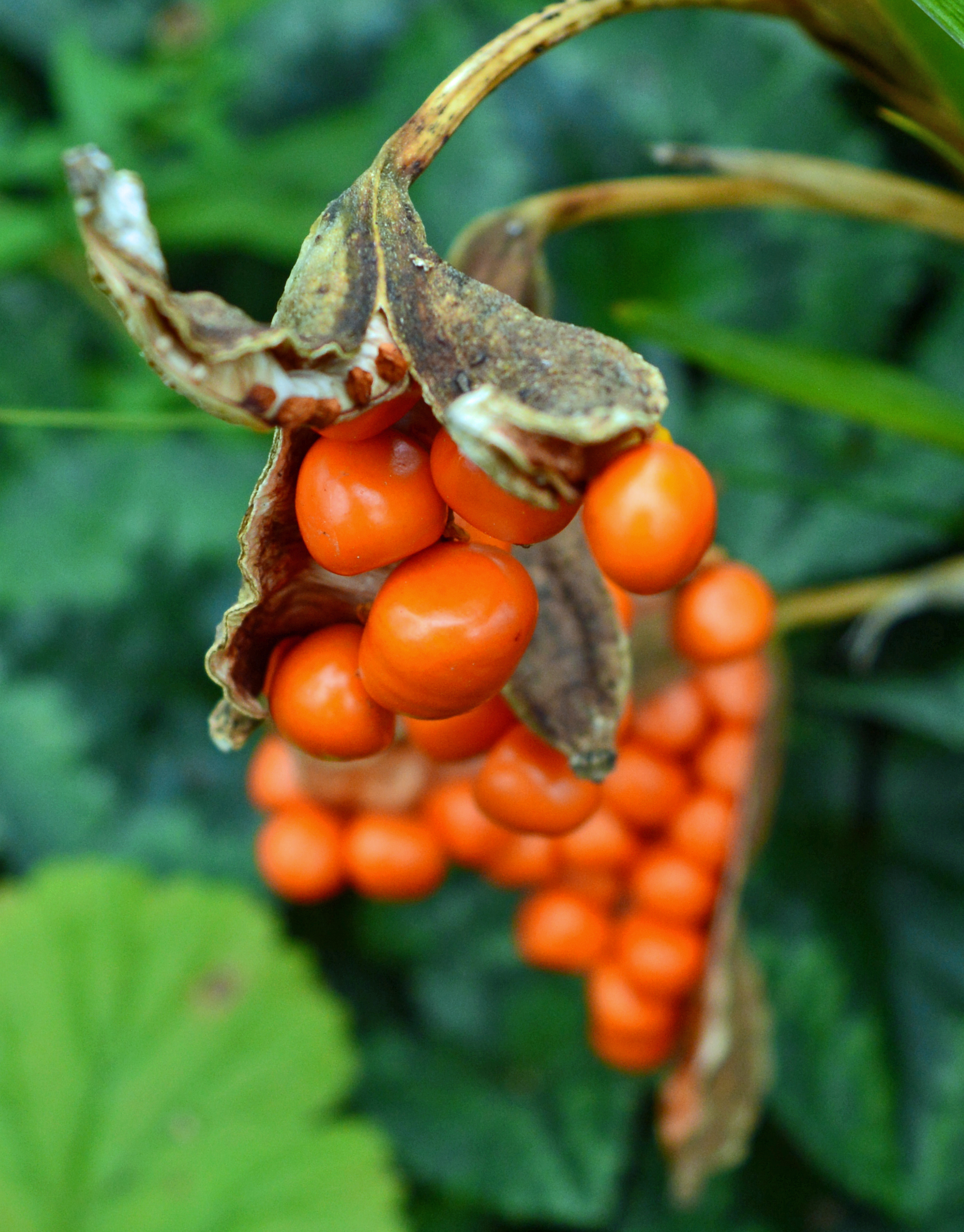
The reds and oranges are provided by coloured stems of shrubs, odd blooms on roses, the berries of Iris foetissima and the late colours in Acer leaves. So much colour to end the year.


It is good to finish my year of reports on such a positive colourful note. My Garden Journal will return next year!


Categories
autumn colours climbing plants colours flowering bulbs garden design garden photography garden wildlife gardening gardens half-hardy perennials hardy perennials irises light light quality log piles logs natural pest control ornamental trees and shrubs roses Shrewsbury Shropshire shrubs South Shropshire spring bulbs succulents trees

My Garden Journal 2017 – November

The penultimate visit to my garden journal for 2017 is here – hope you enjoy it. I began by referring back to a development we started in the garden back in September which we finished off in November. We are very pleased with how it has turned out and look forward to seeing the new plants flourish.

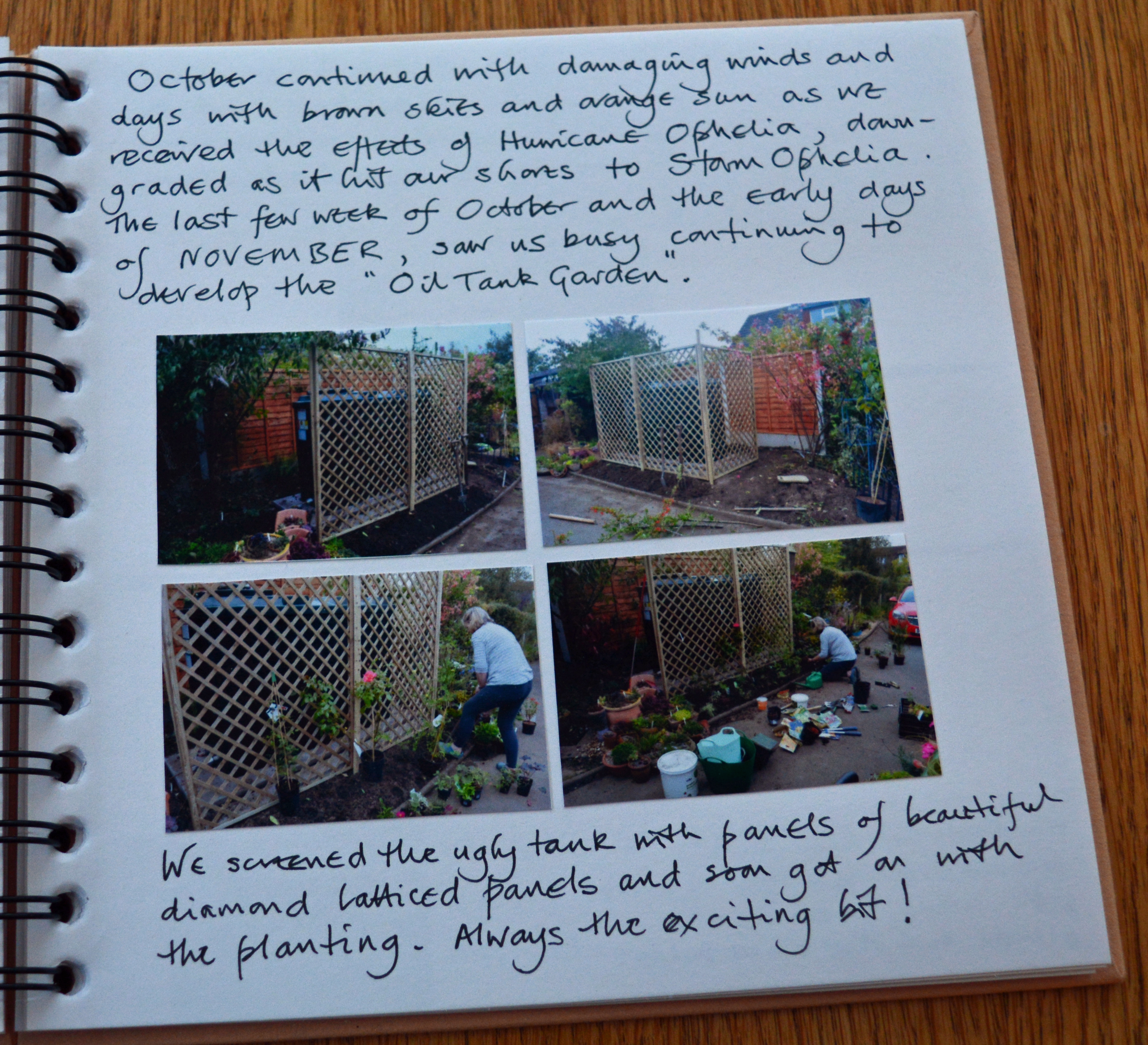
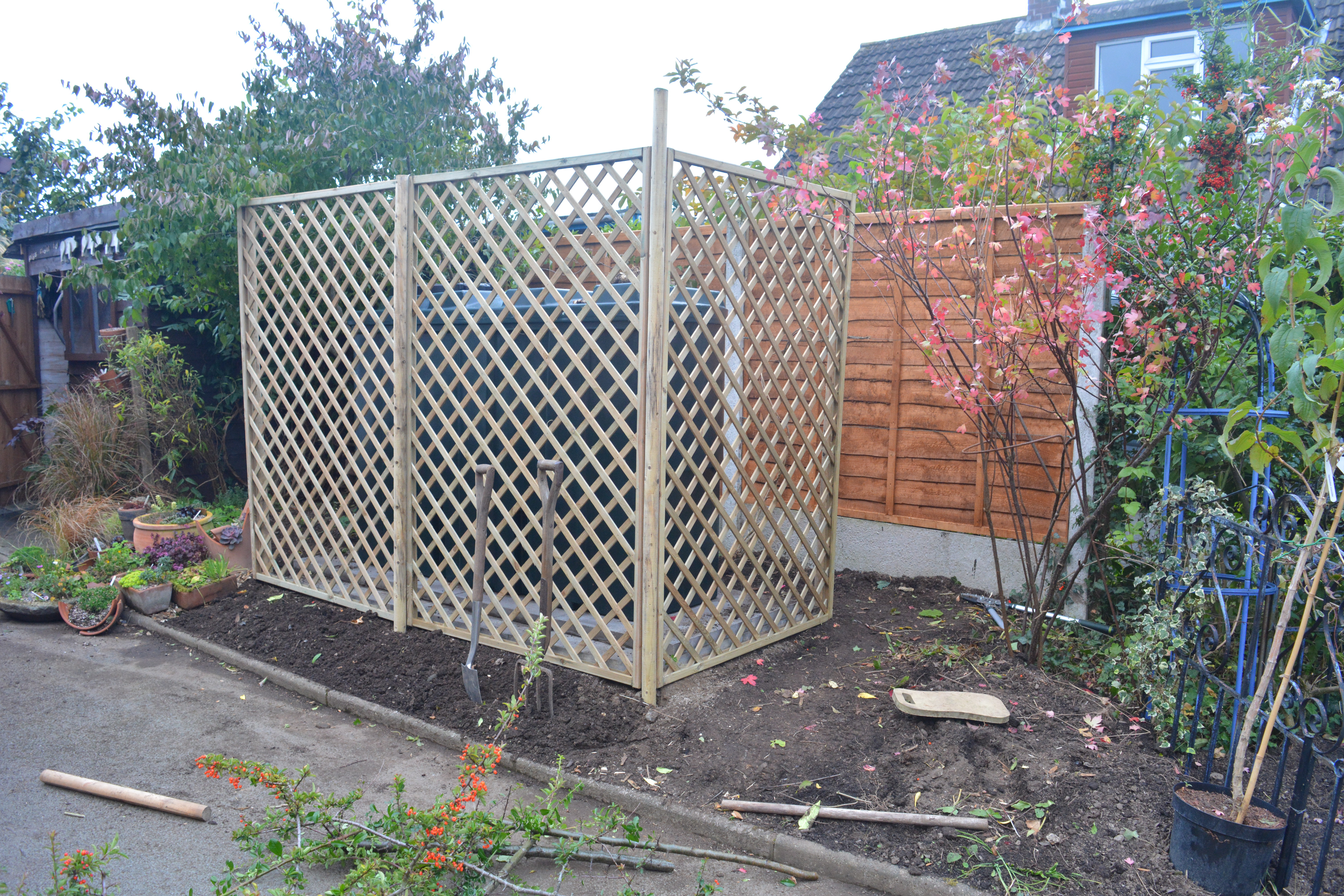
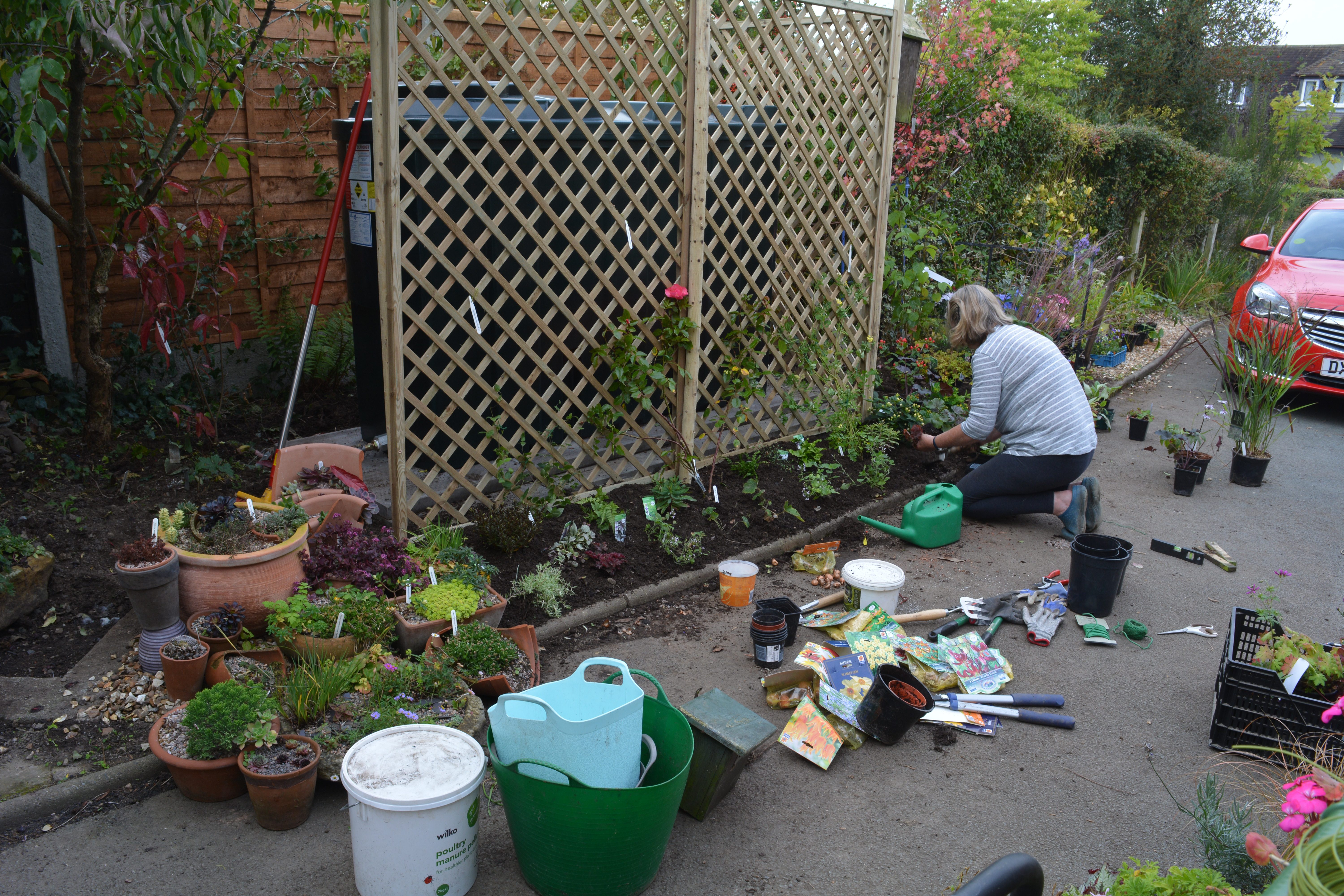
“October continued with damaging winds and days with brown skies and orange sun as we received the effects f Hurricane Ophelia, downgraded to Storm Ophelia as it hit our shores. The last few weeks of October and the early days of November, saw us busy continuing develop our “Oil Tank Garden”.


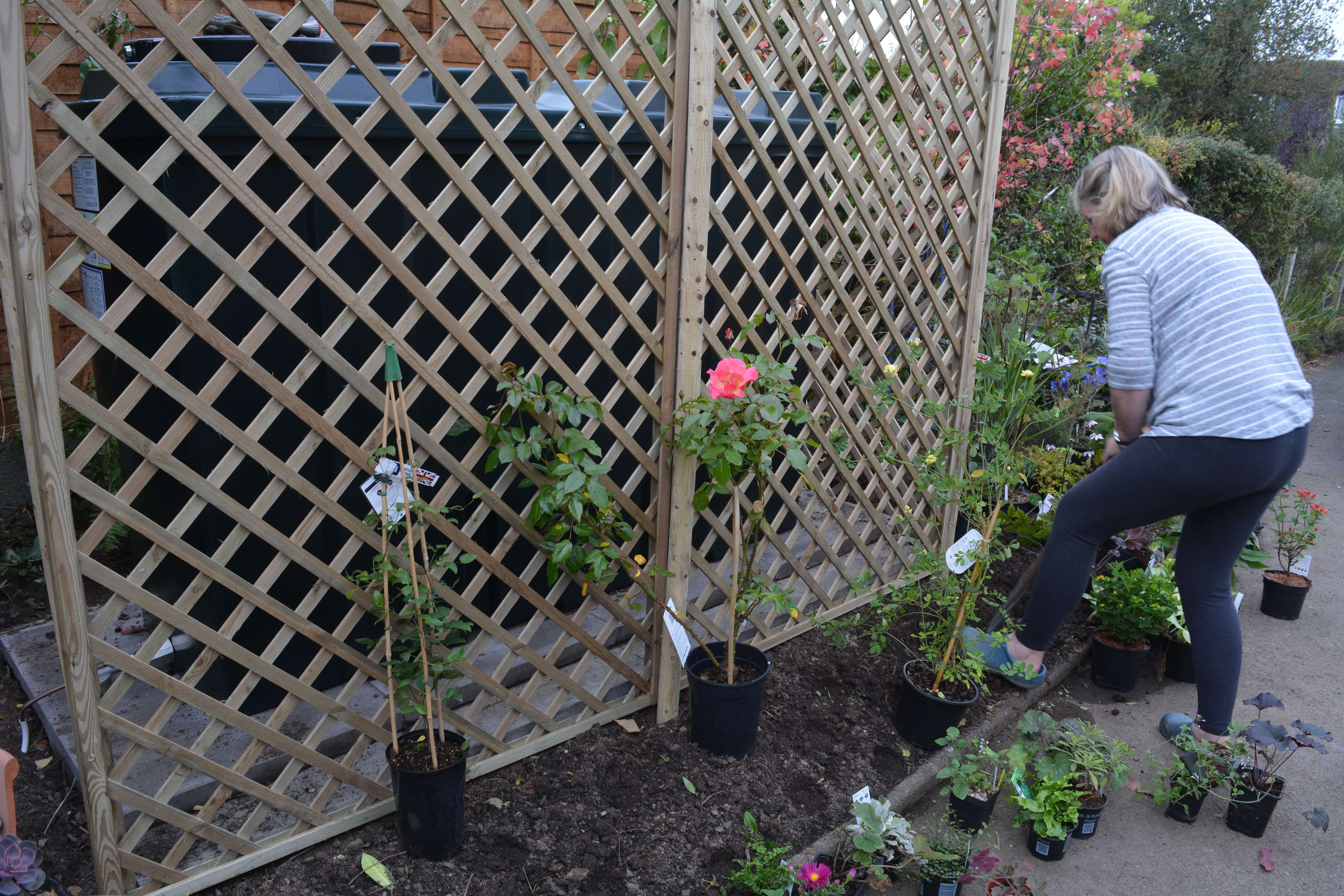
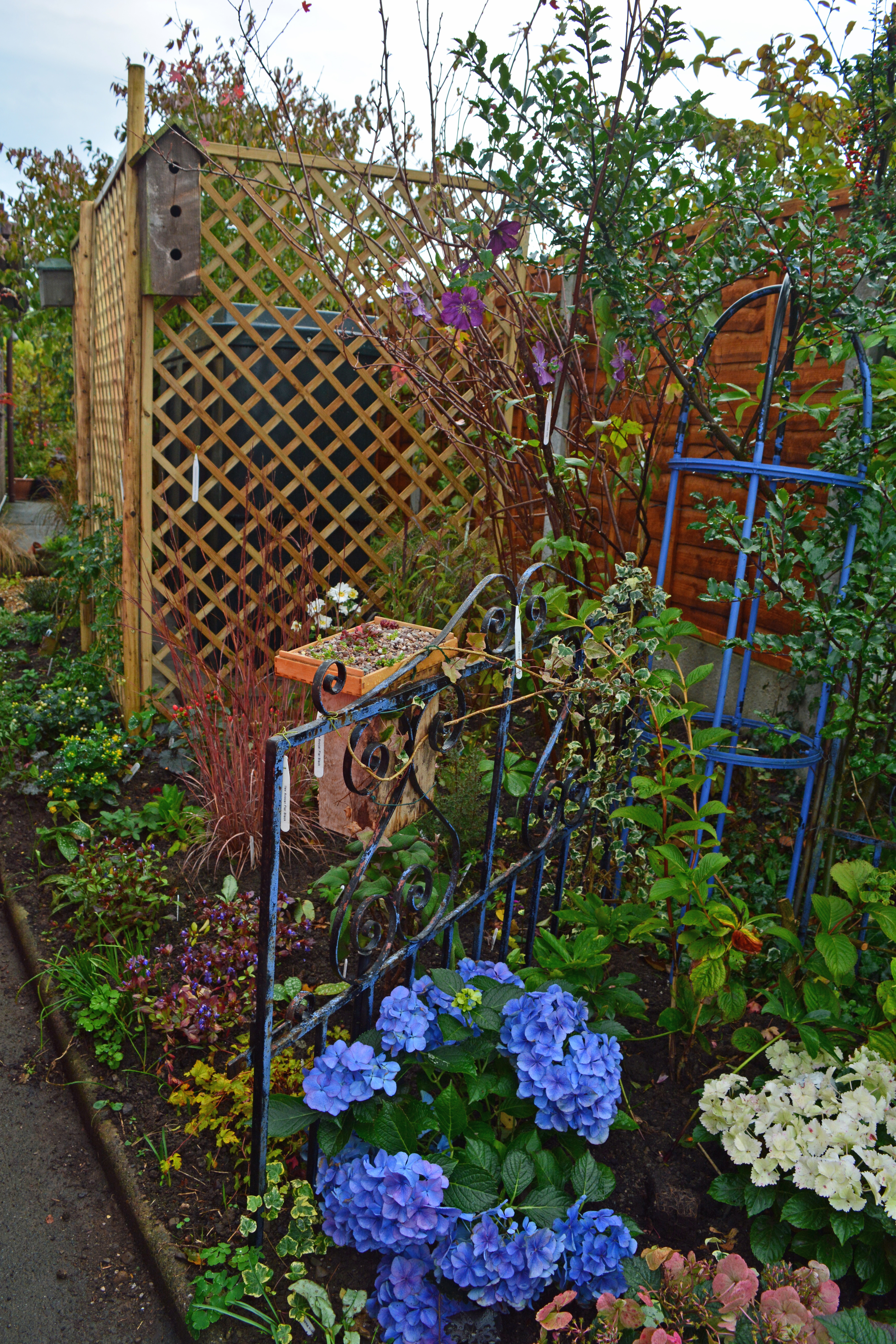
“We screened the ugly tank with panels of beautiful diamond latticed panels and soon got on with the planting. Always the exciting bit!”

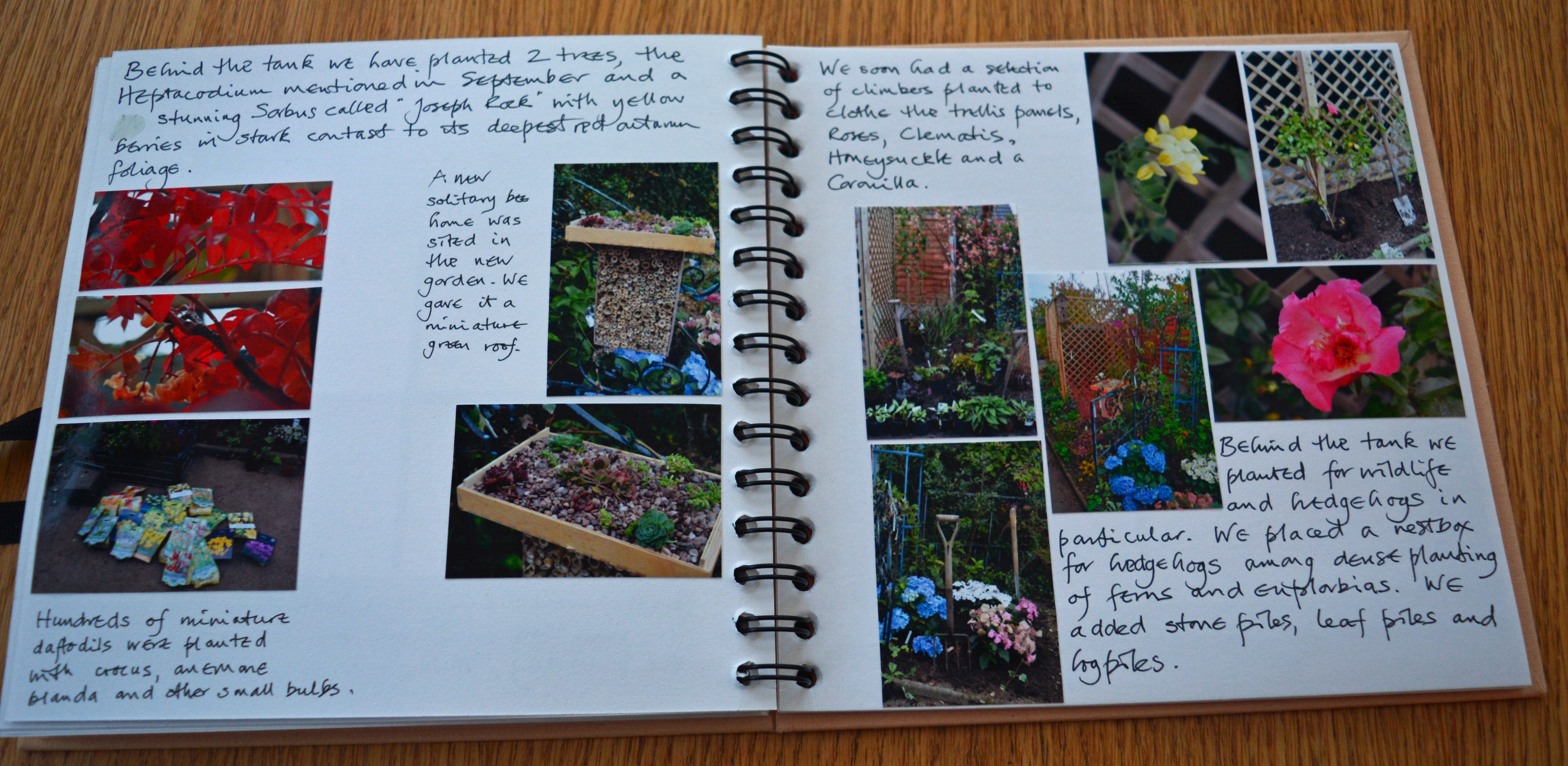
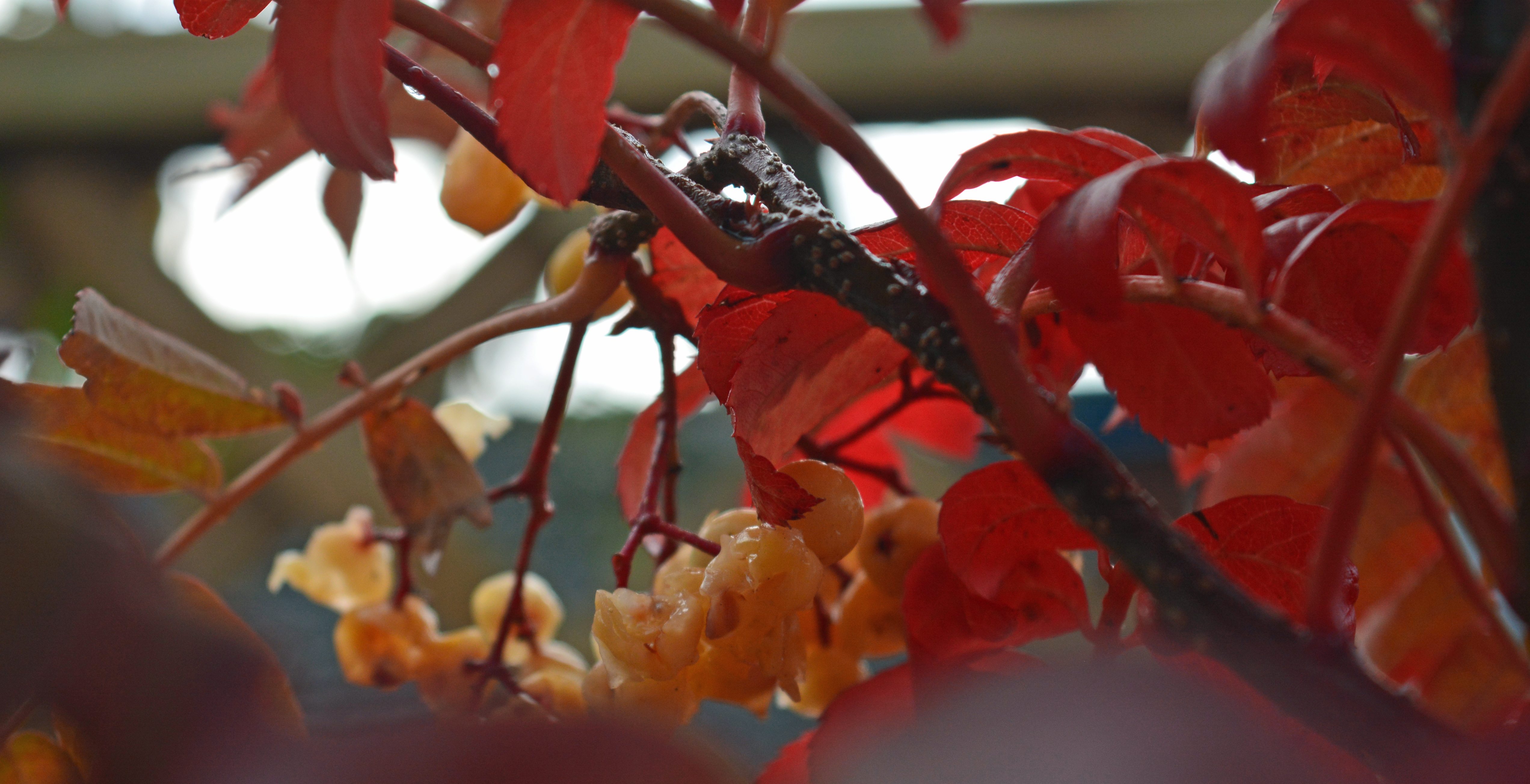
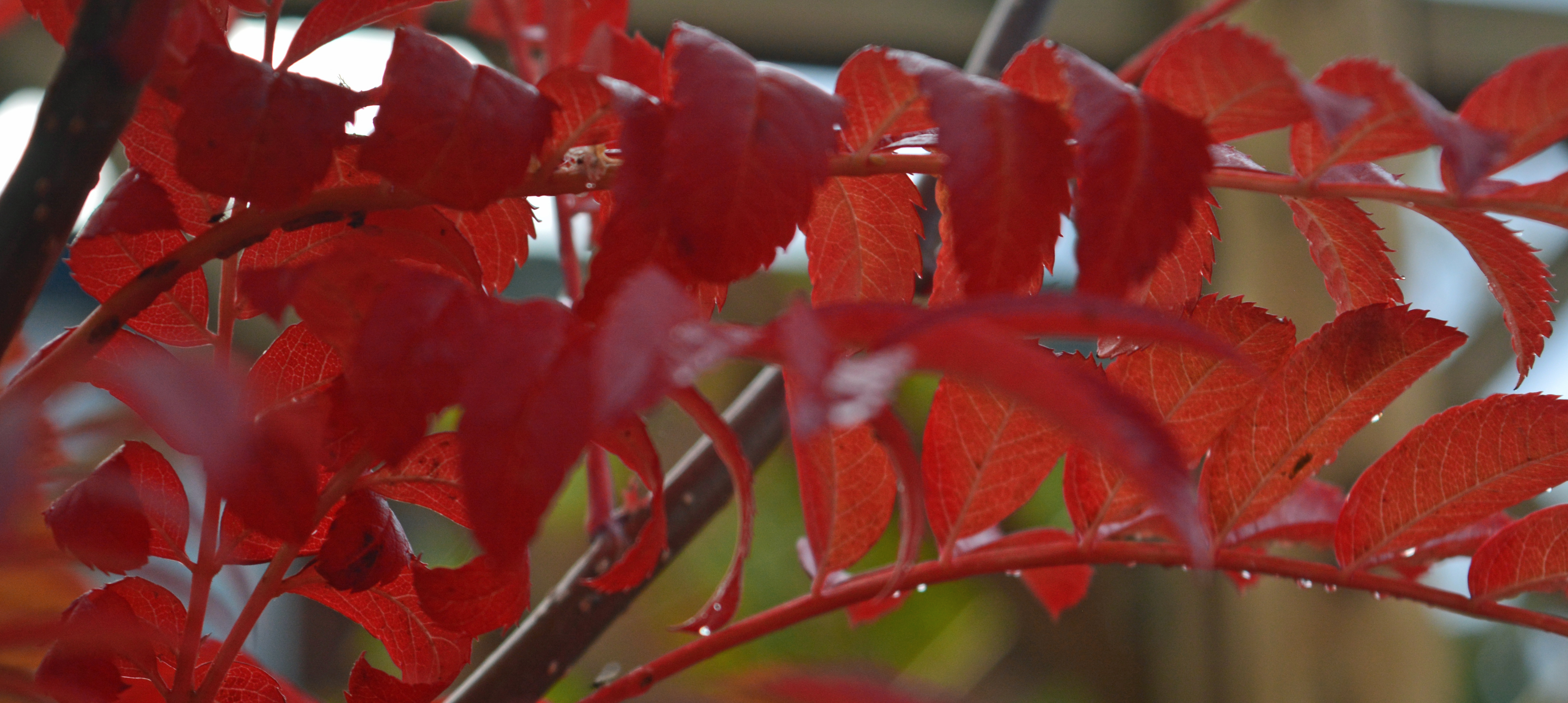
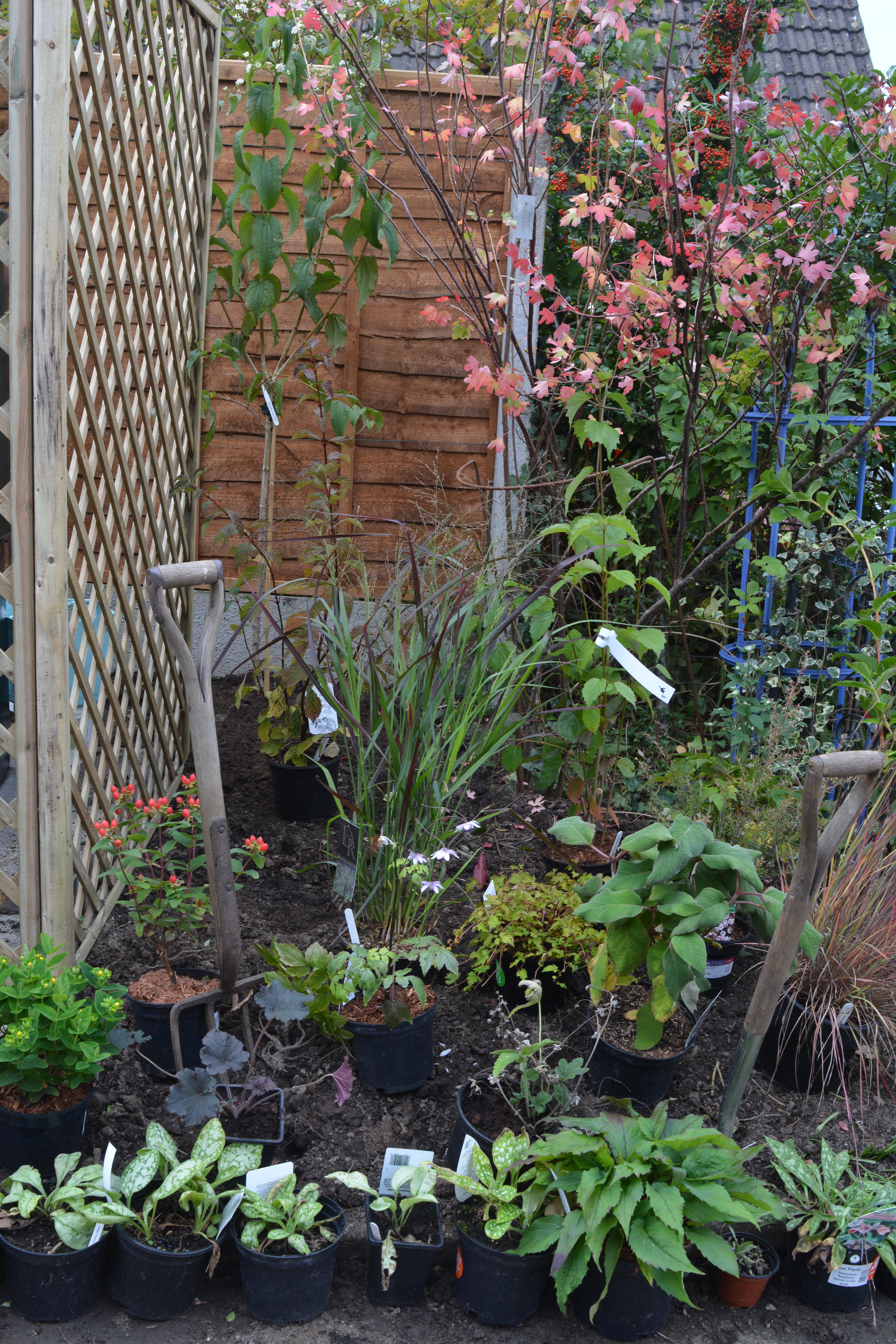
Over the page I continue to describe our development of this border and wrote “Behind the tank we have planted two trees, the Heptacodium mentioned in September and a stunning Sorbus called Joseph Rock with yellow berries in stark contrast to its deepest red autumn foliage.


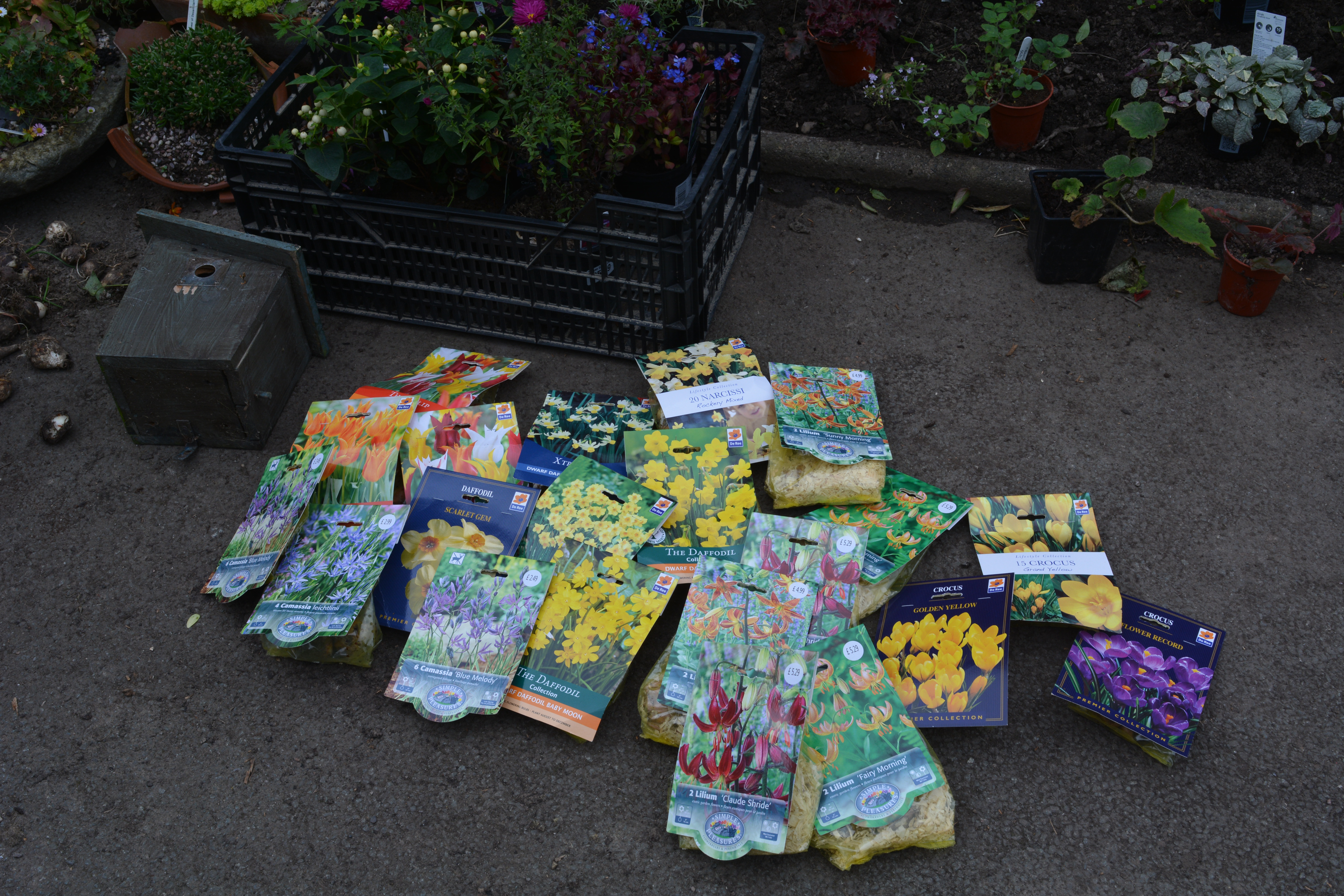
“Hundreds of miniature daffodils were planted with crocus, Anemone blanda and other small bulbs.”

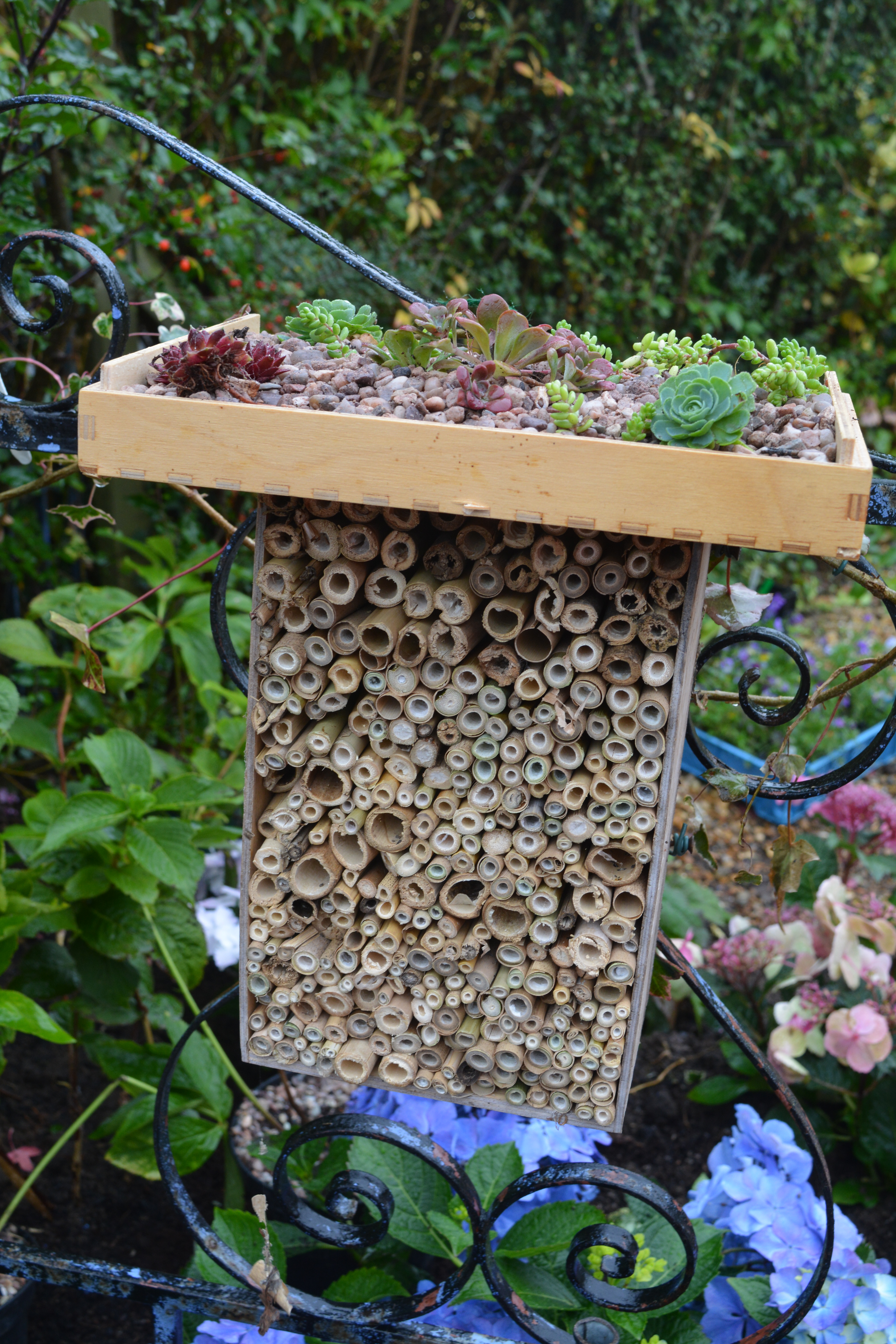
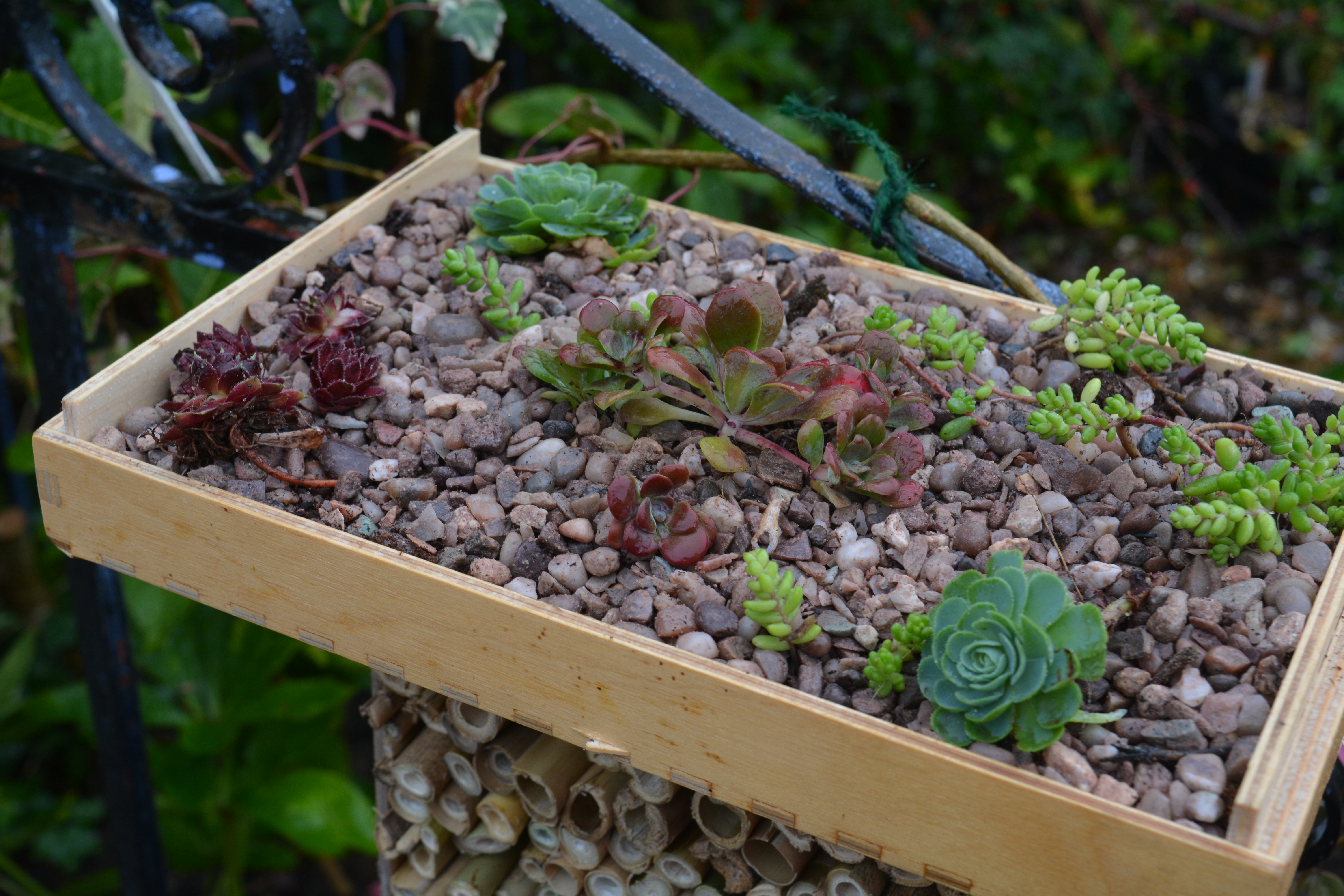
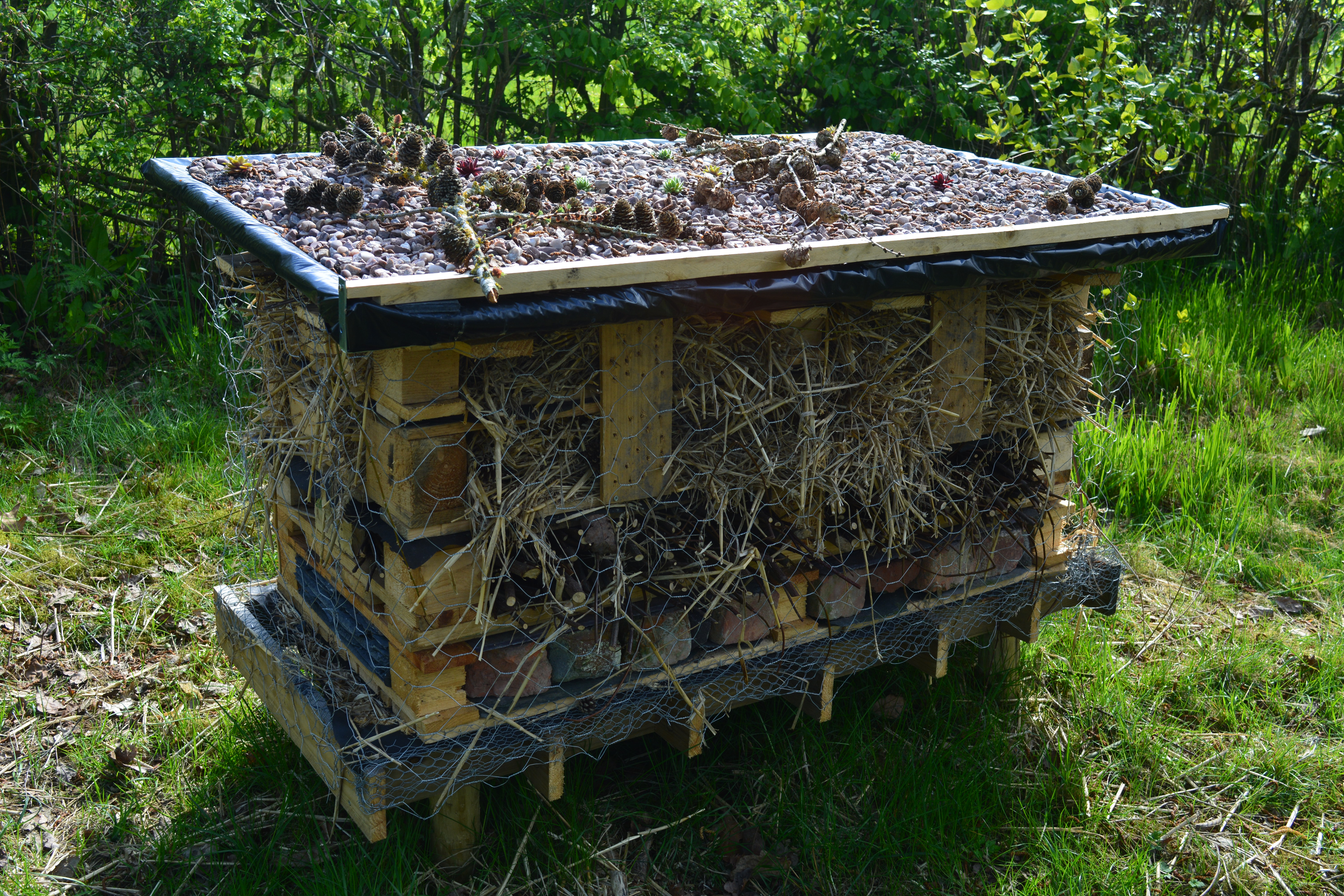
“A new solitary bee home was sited in the new garden. We gave it a miniature green roof!”

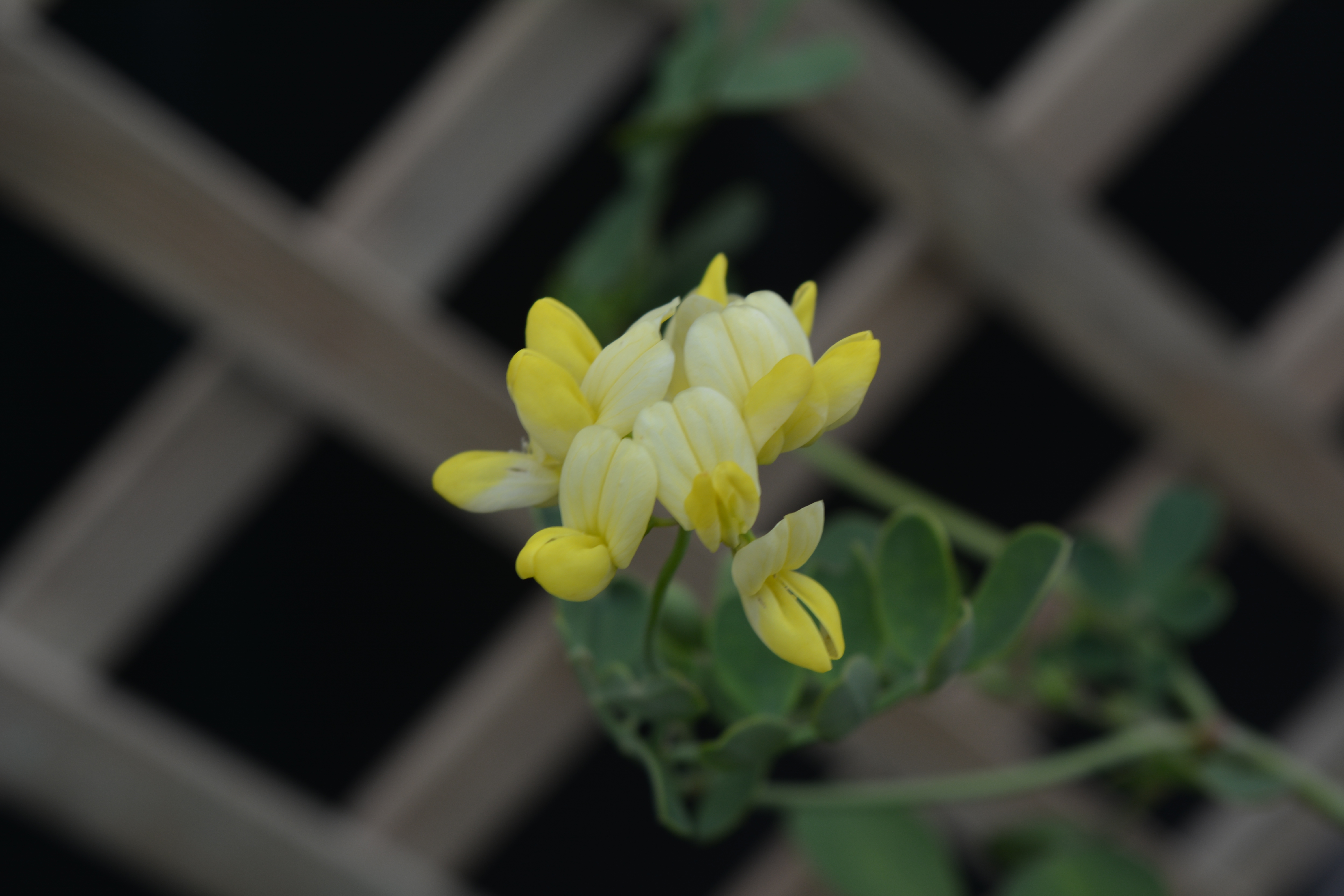
“We soon had a selection of climbers planted to clothe the trellis panels, Roses, Clematis, Honeysuckle and a Coronilla”.


“Behind the tank we planted for wildlife and hedgehogs in particular. We placed a nestbox for hedgehogs among dense planting of ferns and Euphorbias. We added stone piles, leaf piles and log piles.”

Turning over another page I featured some words by Dan Pearson and looked at some autumn flowering plants.

“Taking a look at Dan Pearson’s writings about Autumn in his “Natural Selections” book he wrote,

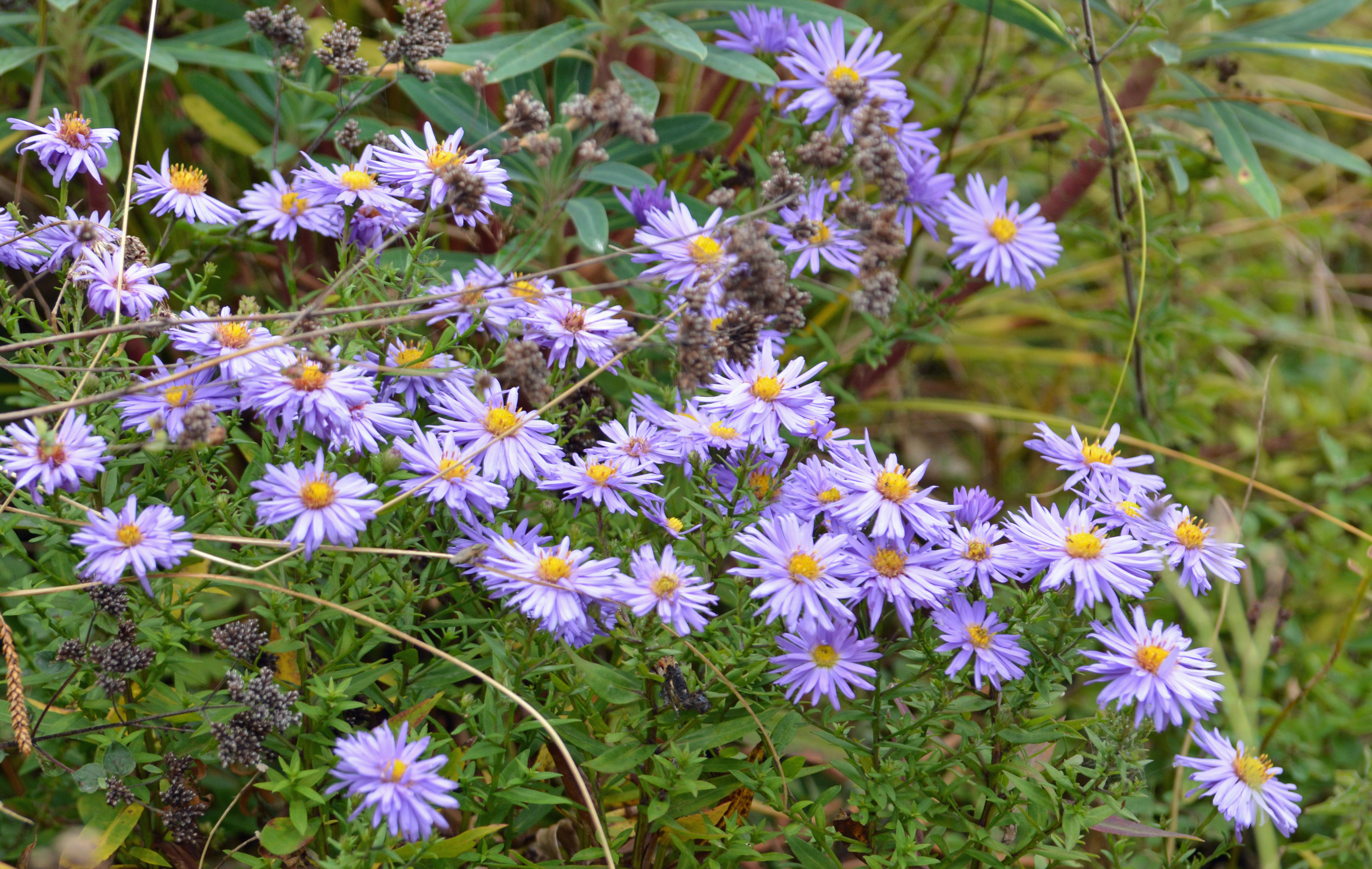
I want to invite the seasons into the garden, vividly and in layers. I use asters, autumn crocus and gentians at ground level, and shrubs that perform for this season to take the eye up and away, to straighten the back. I weave berrying trees and shrubs into the garden as much for their jewel-like fruit as for the birds which flock down to gorge when the fruit is ready for feasting upon.”

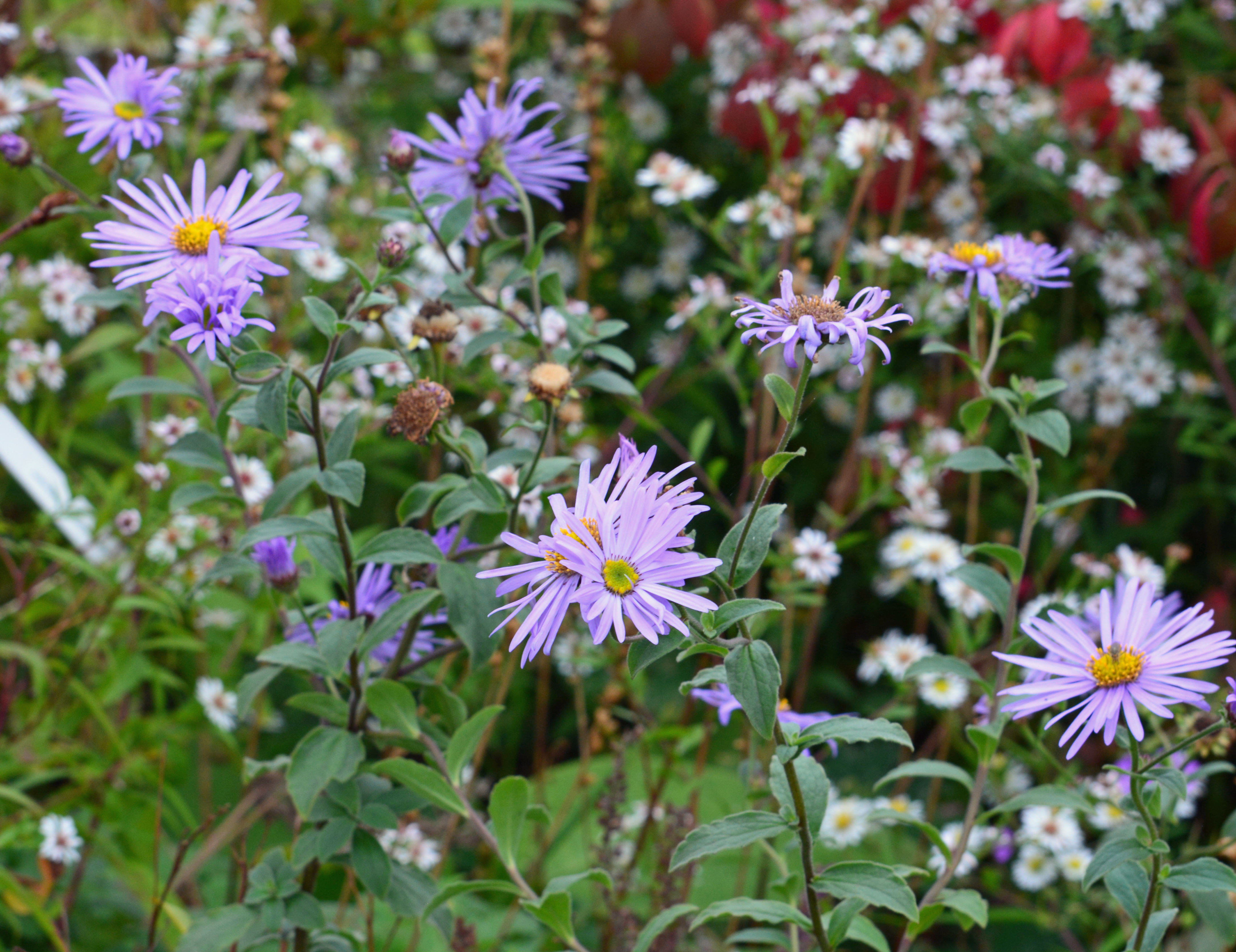
We aim to do exactly the same in our Avocet patch. Below are a few of our Asters which feature in our “Shrub Border”,  a border that brings Autumn in.”


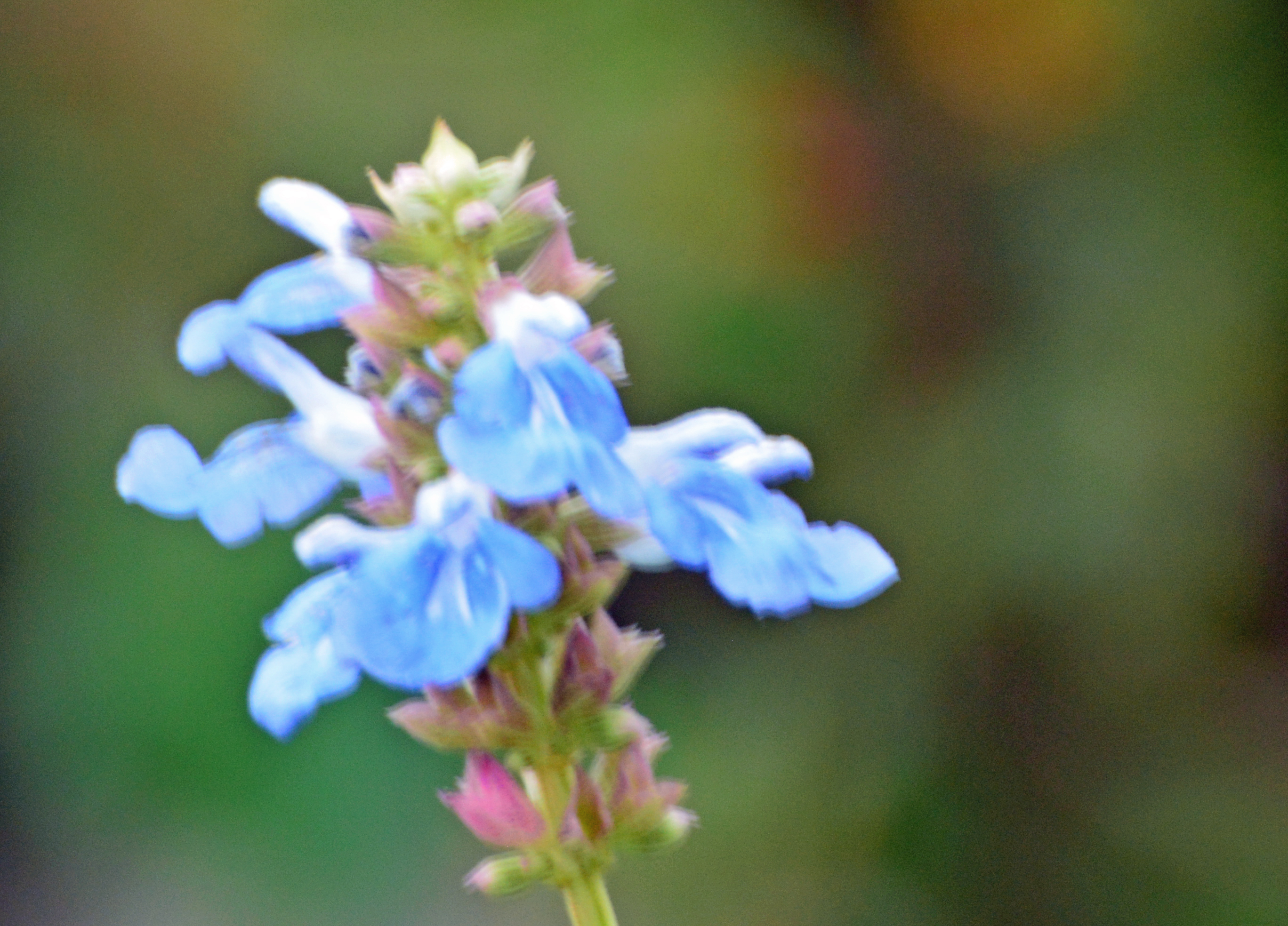
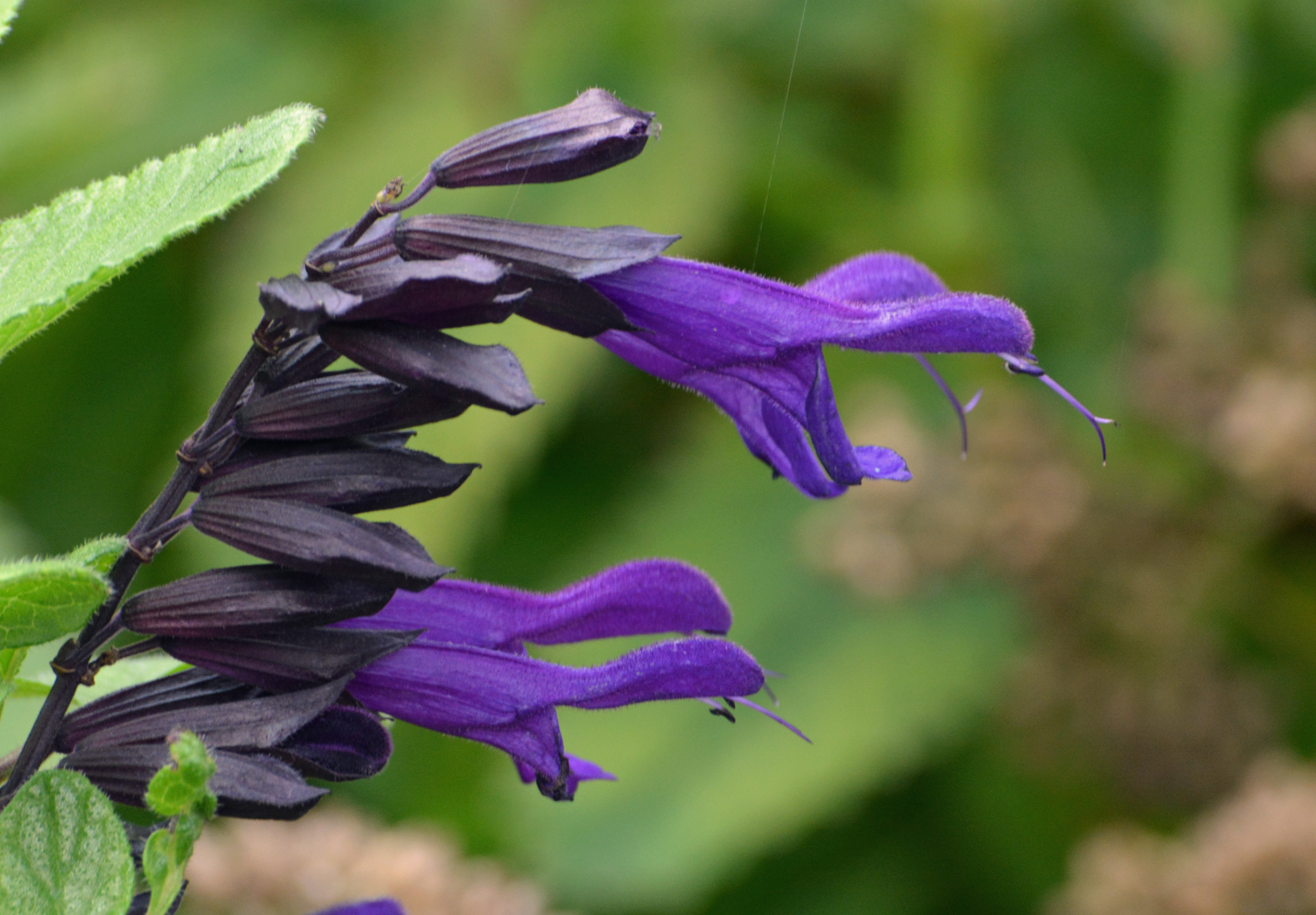
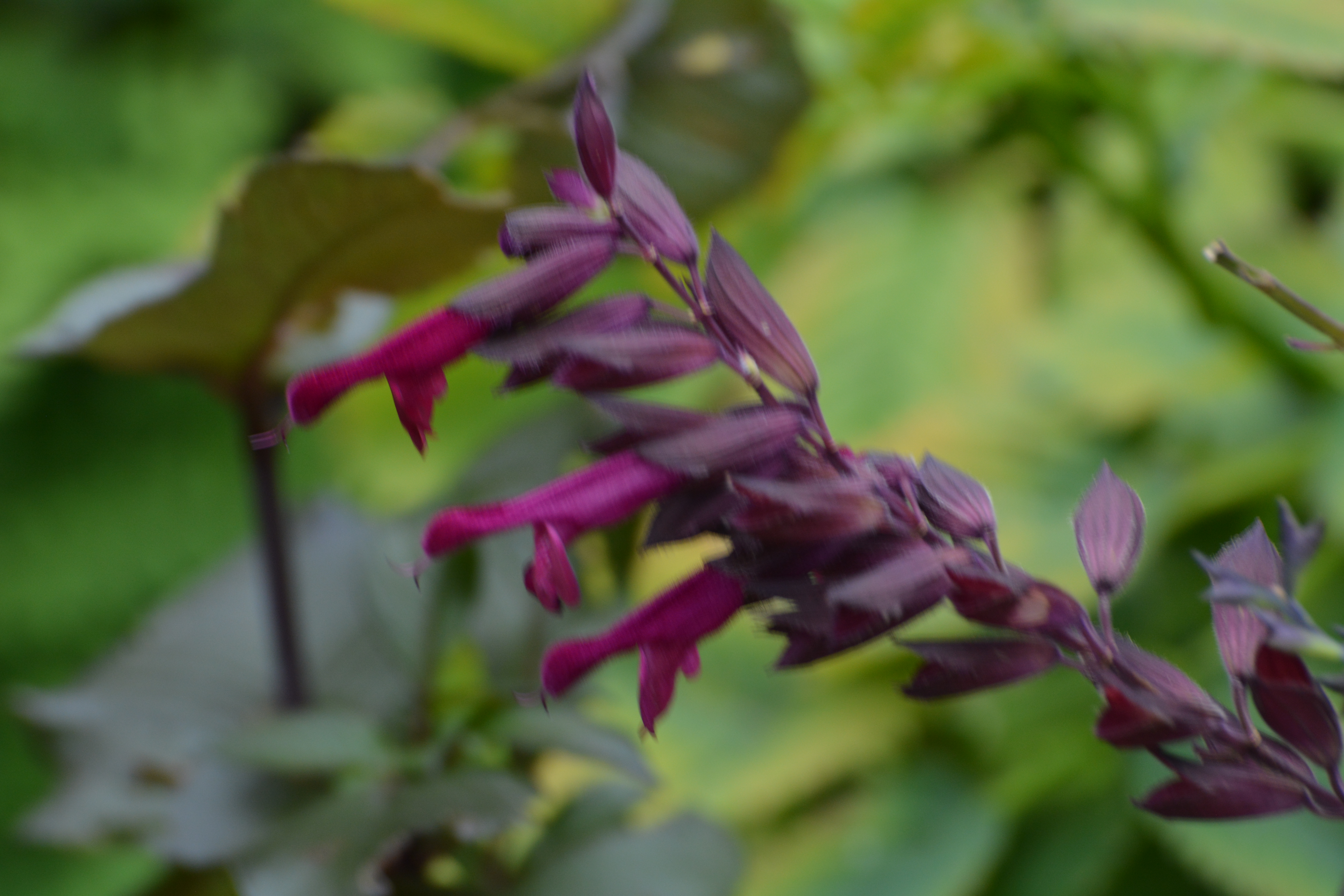
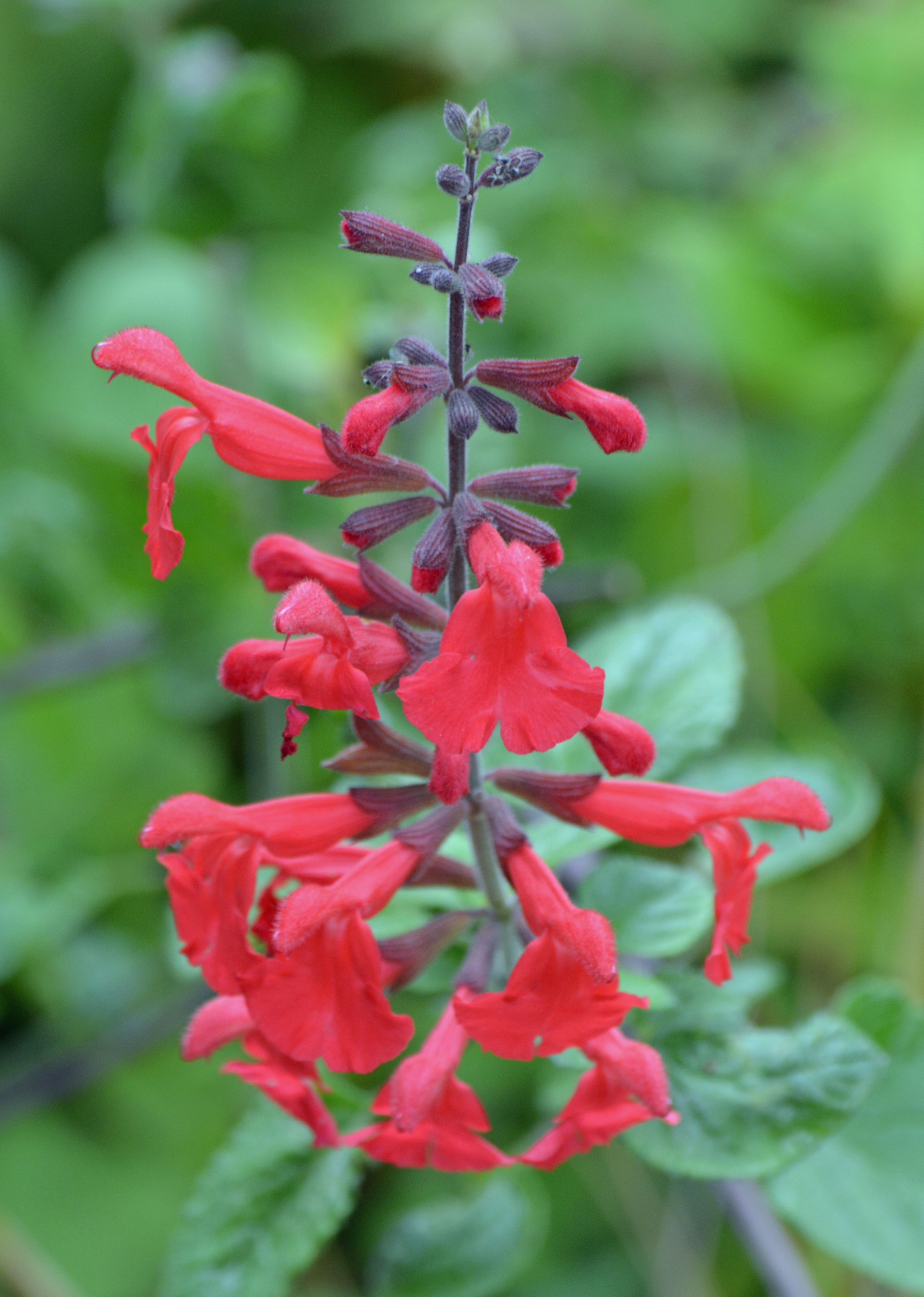
“Another herbaceous perennial that features strongly in our November garden are the Salvias. We leave a few to over-winter in the garden but most will be brought into the cool greenhouse.”


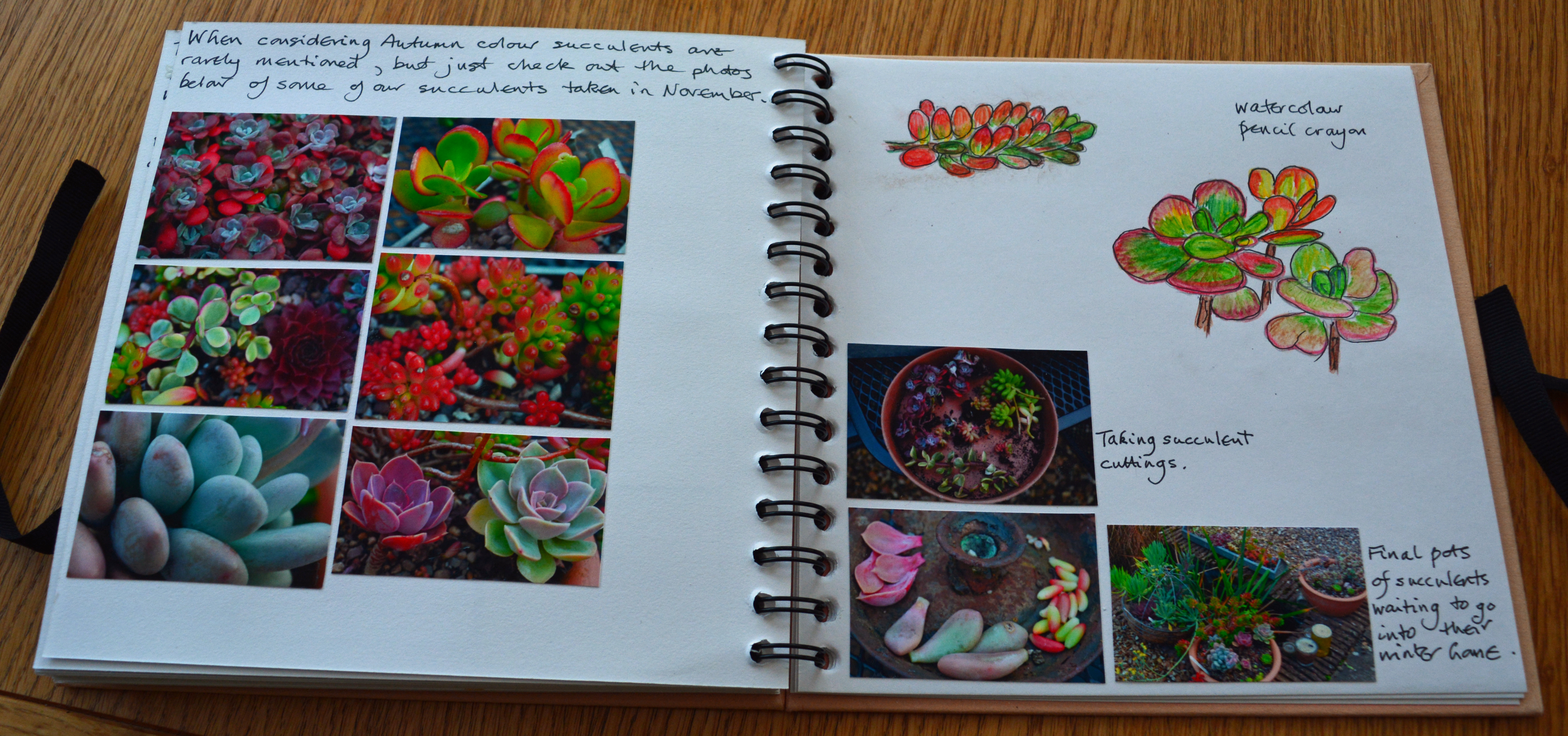
Turning over again I take a look at succulents, plants rarely mentioned in the context of the autumn garden.

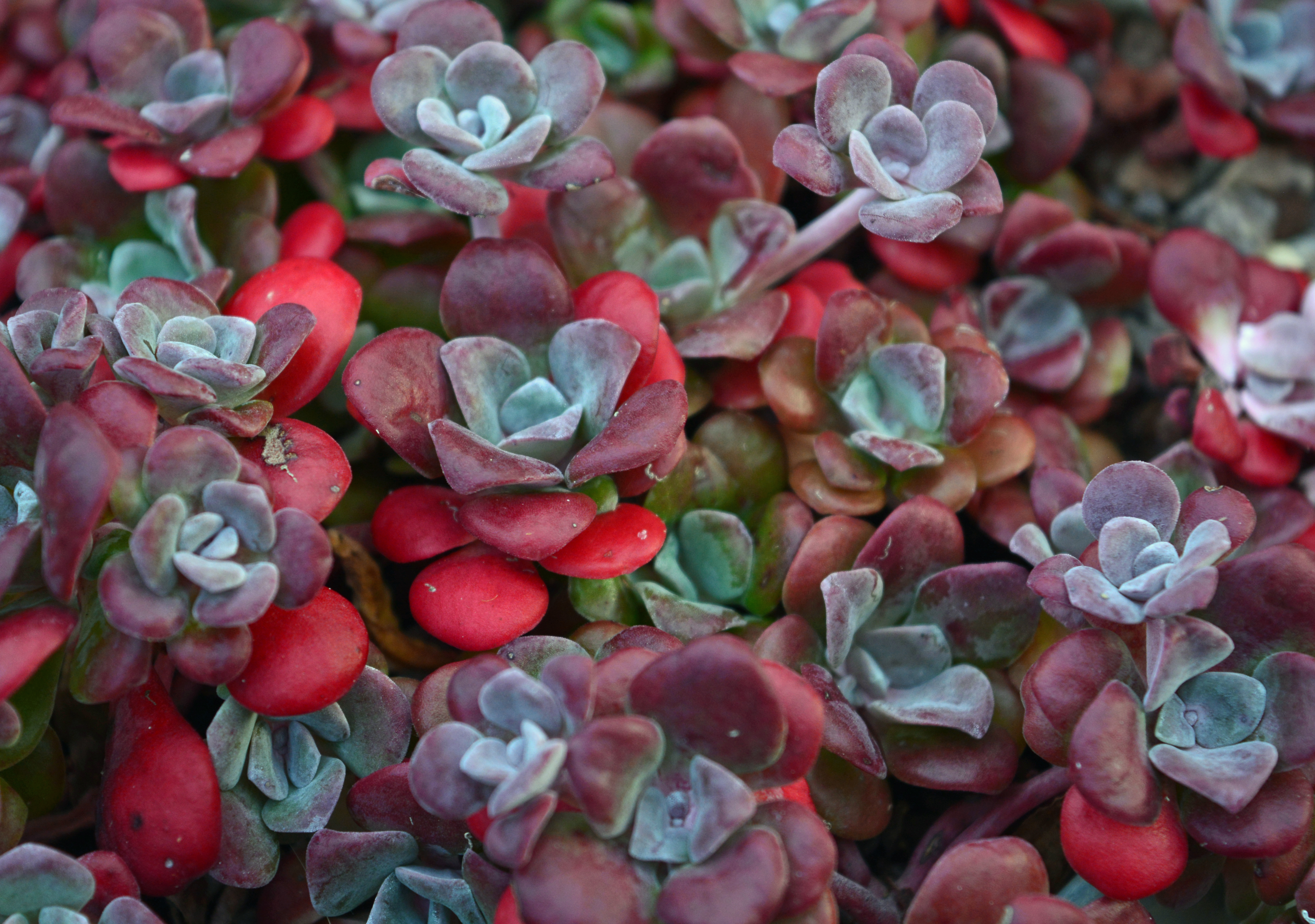
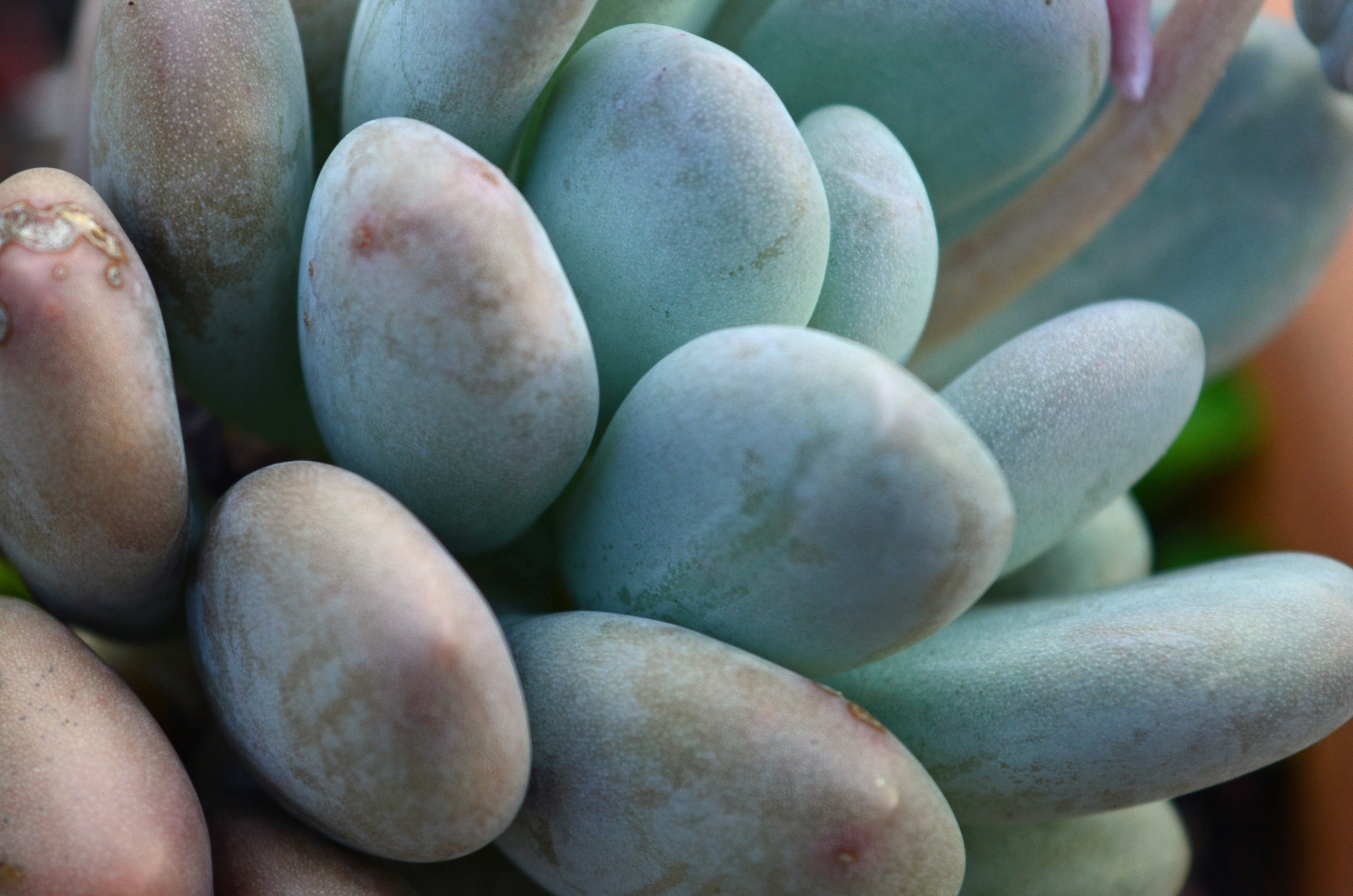
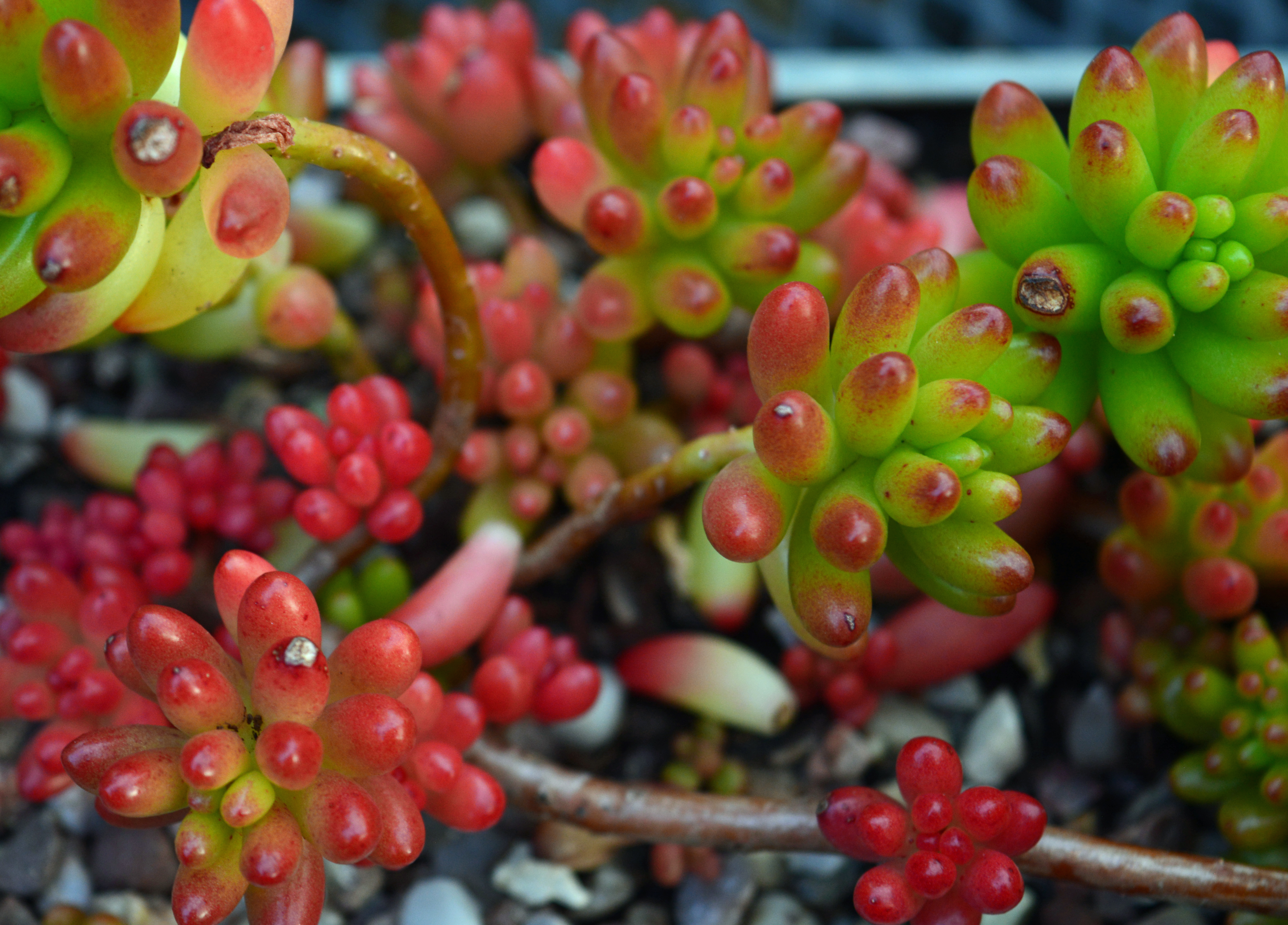
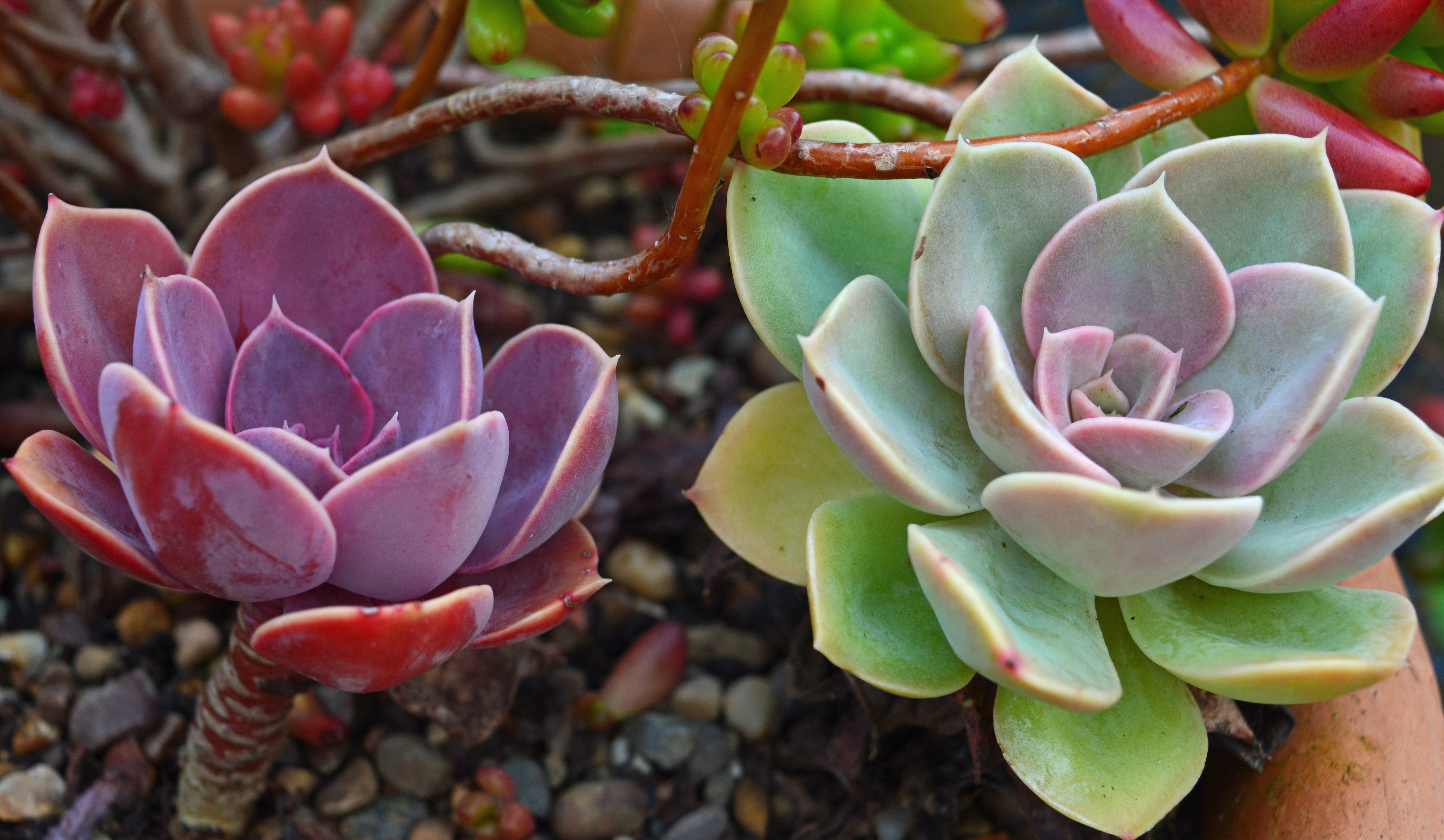
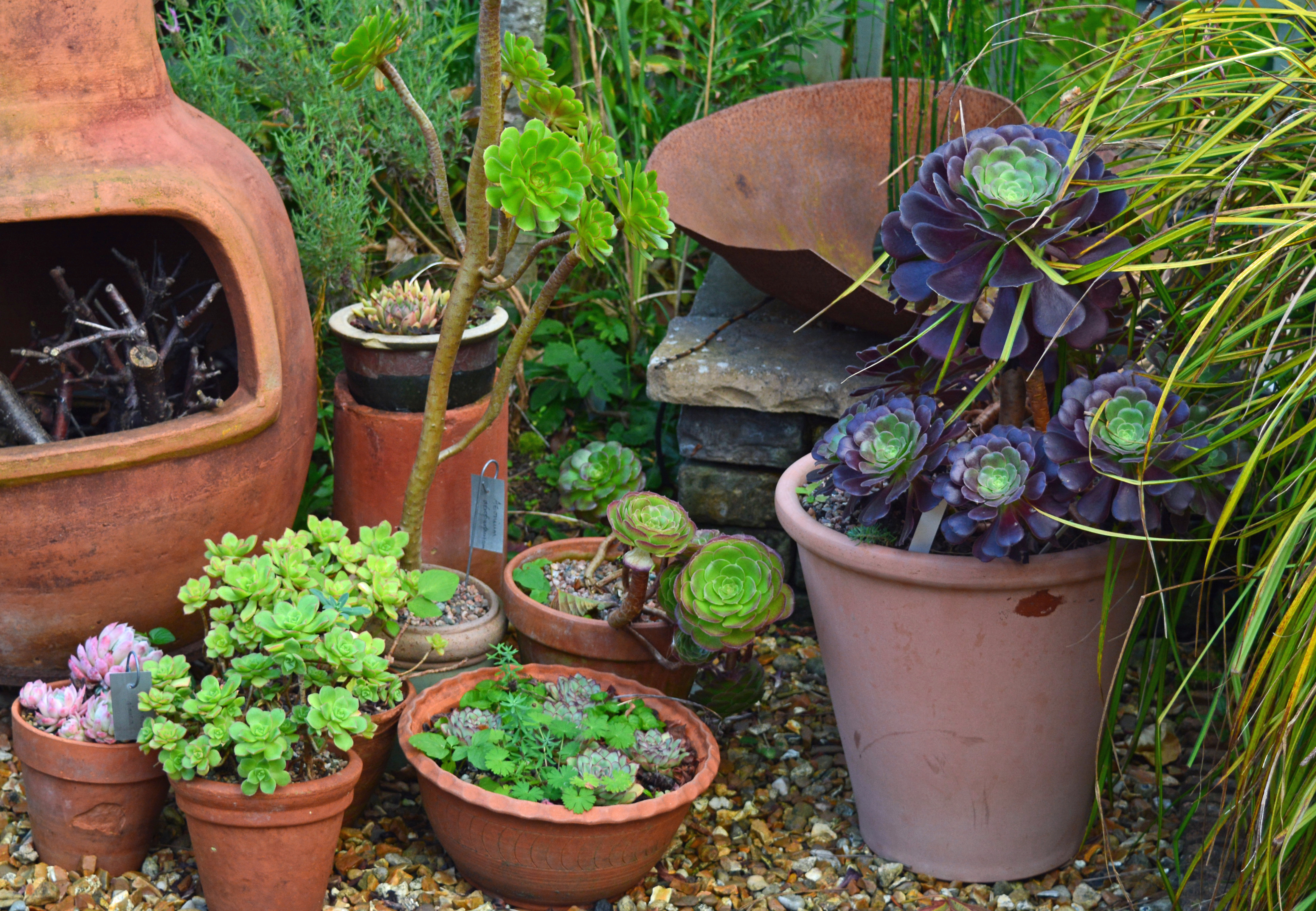
“When considering Autumn colour, succulents are rarely mentioned, but just check out the photos below of some of our succulents taken in November


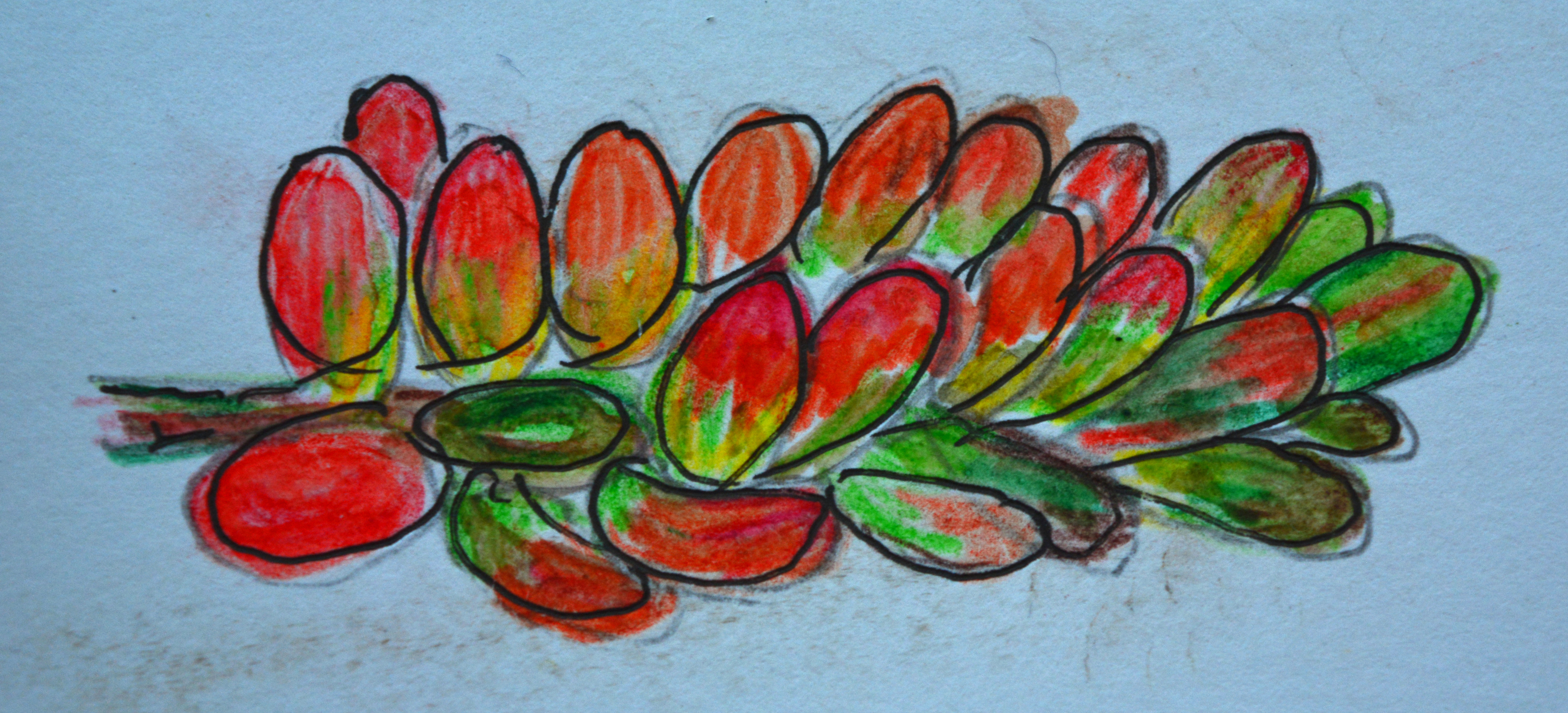
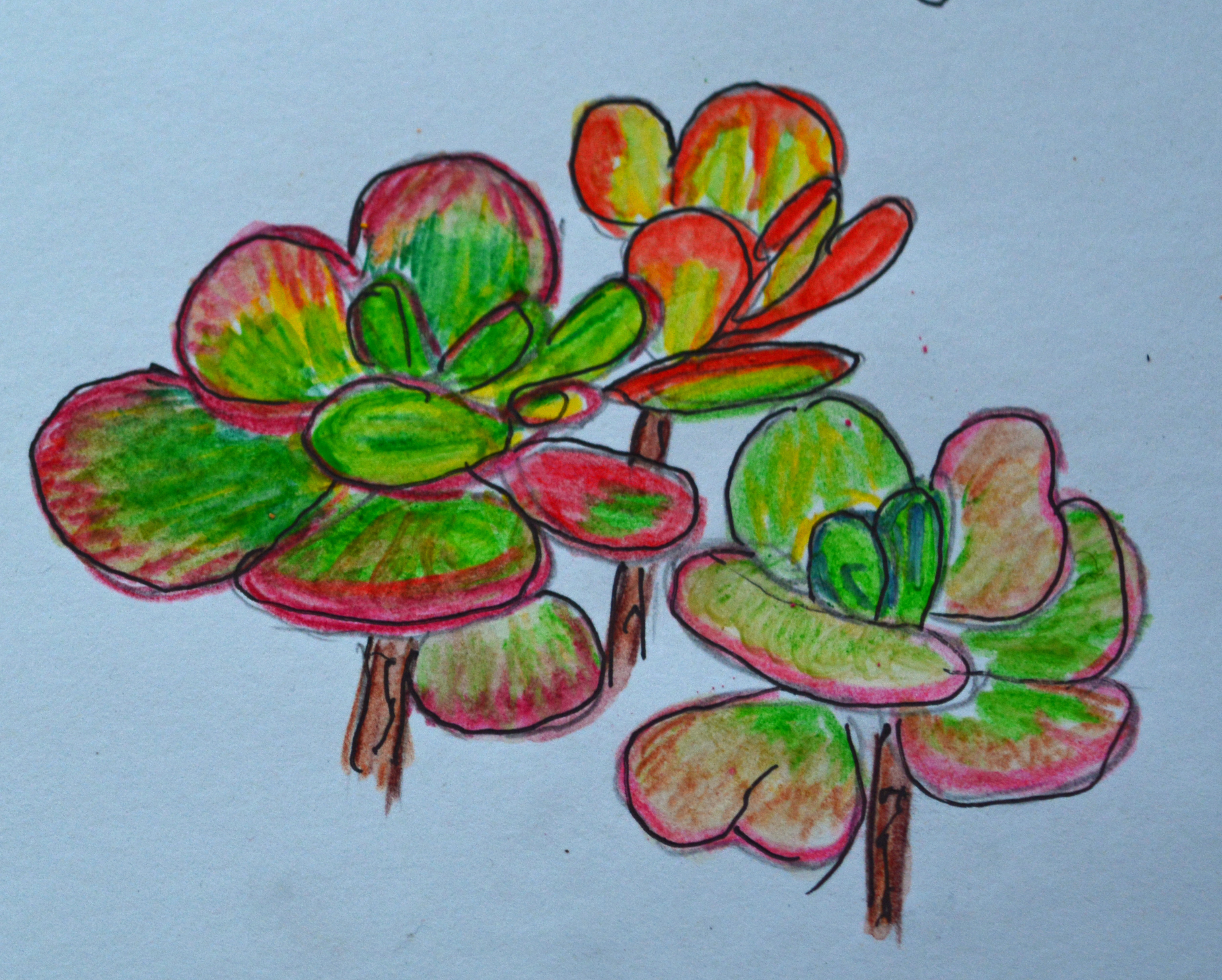
Below are my paintings/drawings of two multi-coloured succulent stems which I created with water soluble pencil crayons.

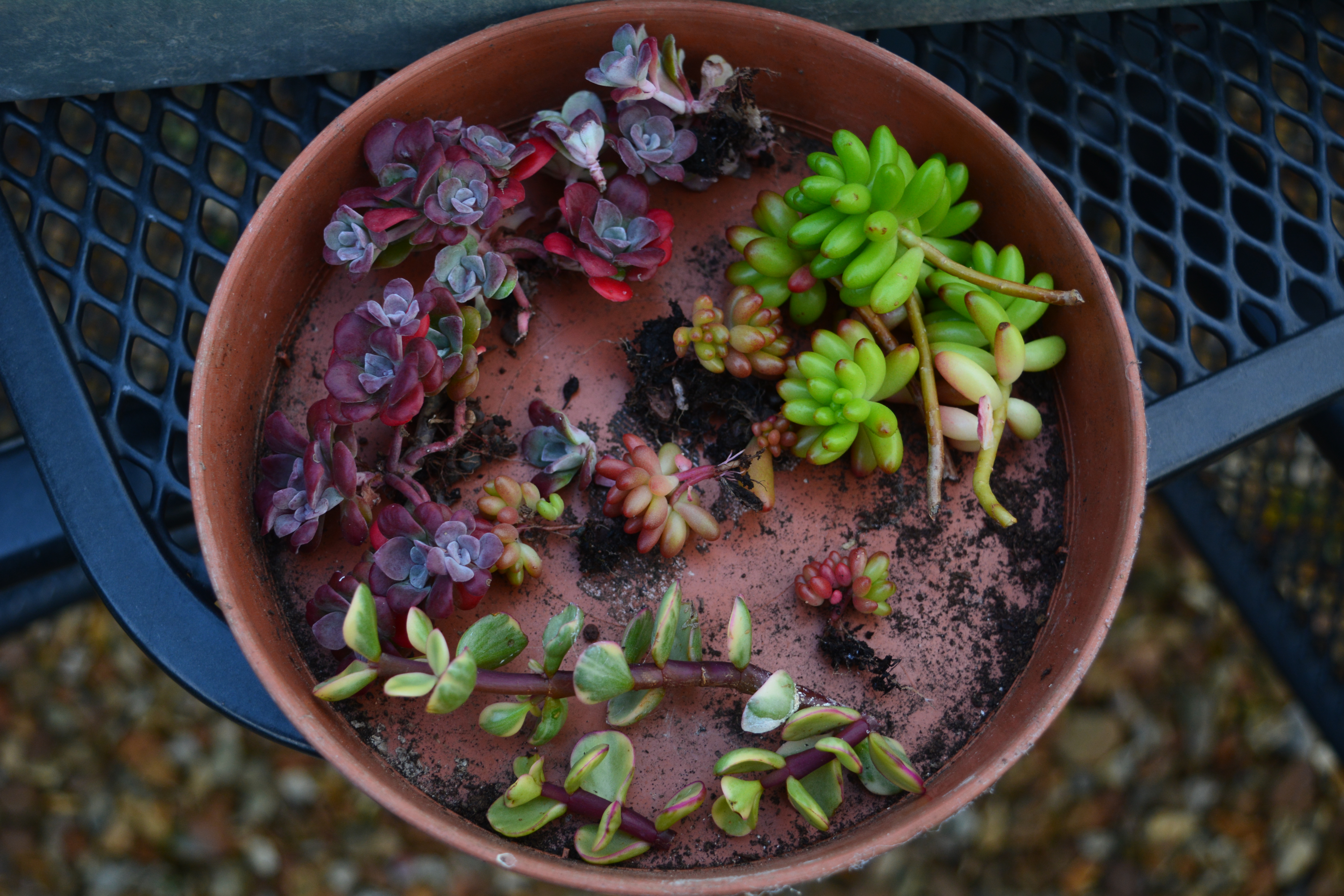
“Taking succulent cuttings.”


“Final pots of succulents waiting to go into their winter home.”


The final page of my November entries in the Garden Journal celebrates my “Plant of the Month”, which is one of only two Irises native to the UK, Iris foetidissima.


The next visit to look at my Garden Journal in 2017 will be the last one for the year, December.

Categories
birds colours garden photography garden wildlife grasses meadows trees wildlife

Painting in a Meadow in Norfolk

Sometimes when you choose a holiday location and select accommodation you hit the right spot. When we spent a week in Norfolk in 2017 we did just this. We booked a barn conversion with its own little nature reserve in the middle of open farmland miles from any village or town.

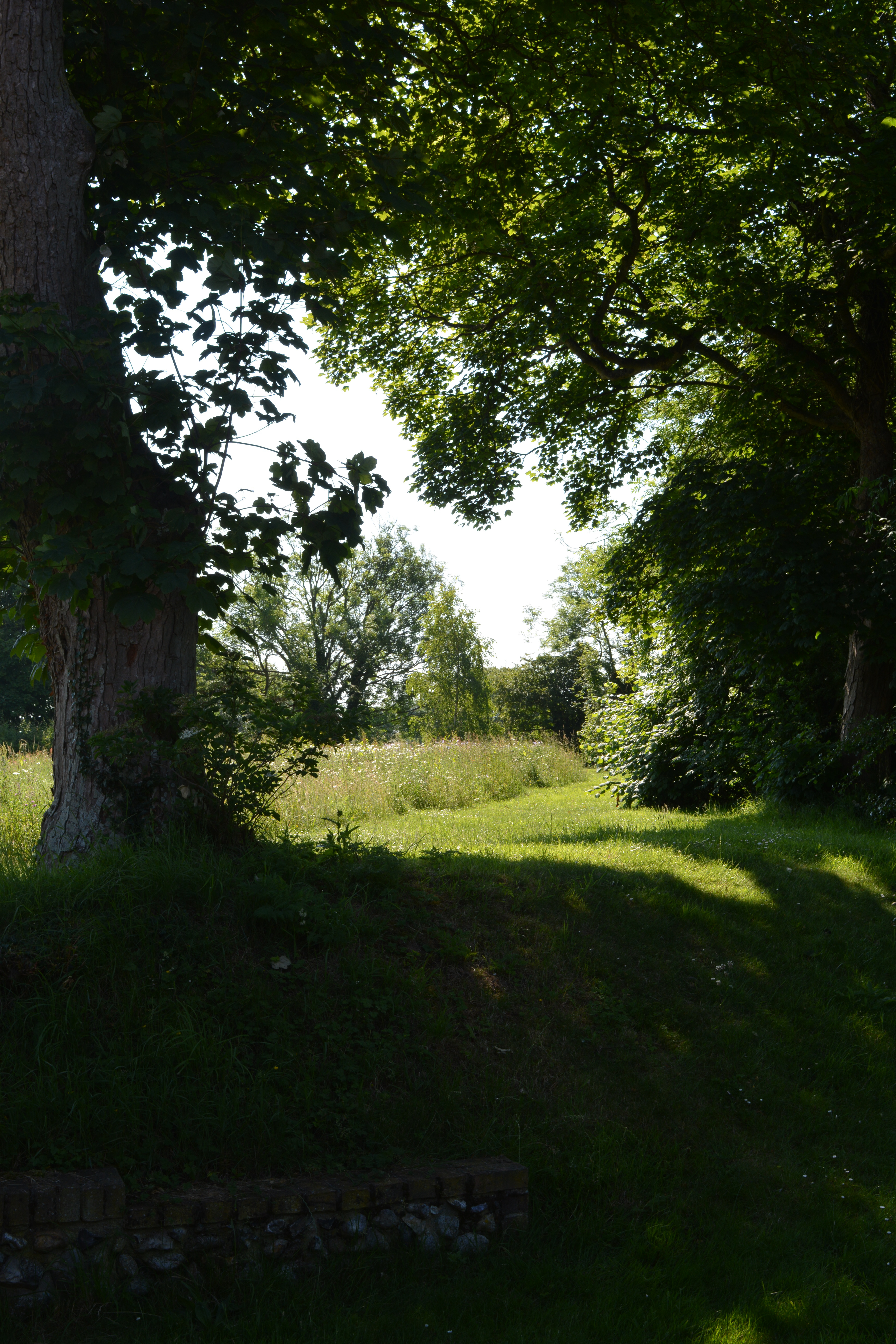
Each morning as we got up we started the day by wandering around the meadow with a coffee mug in hand and camera over the shoulder. Each evening we repeated the exercise after our evening meal. Pure luxury! It brought back so many childhood memories for me.

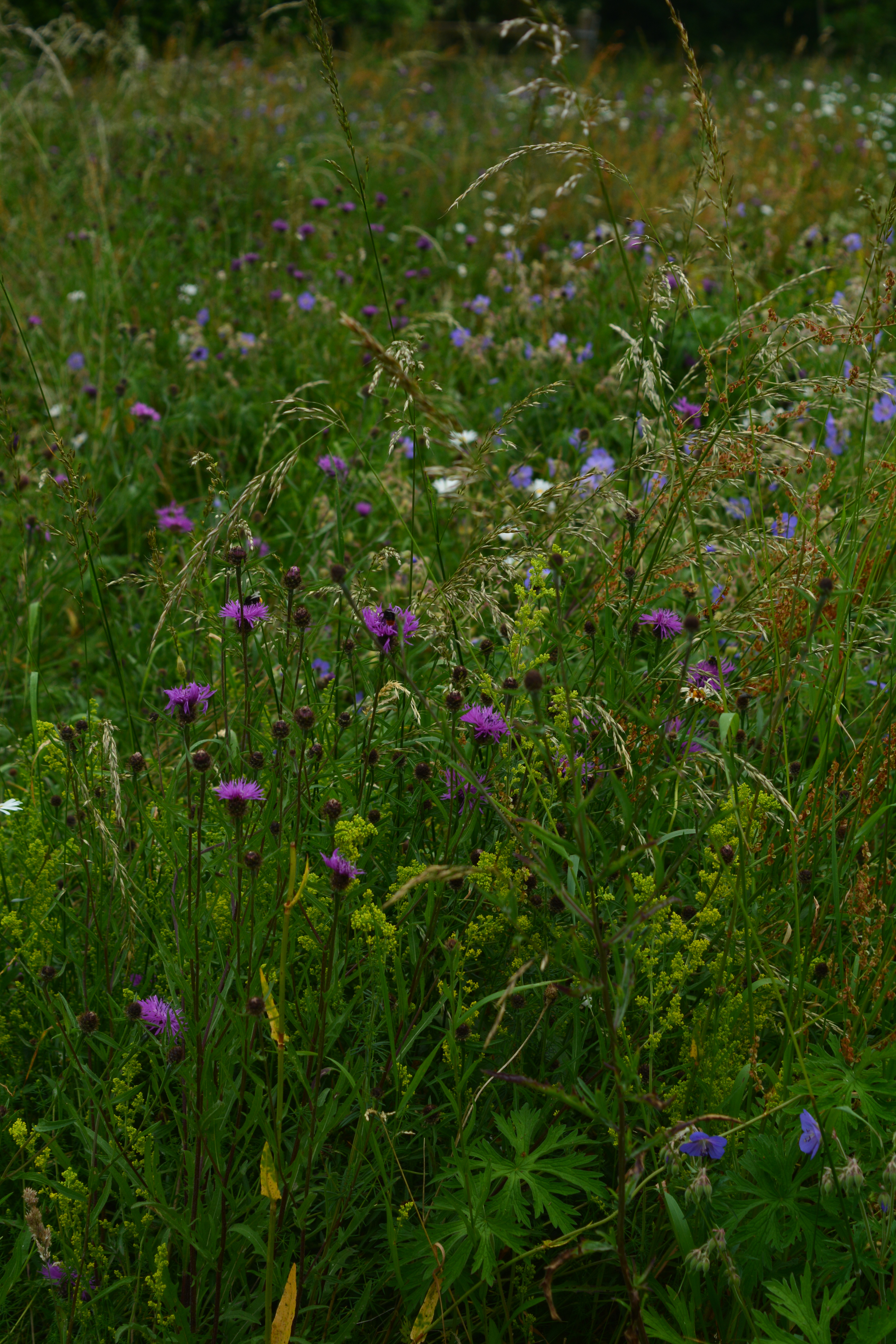
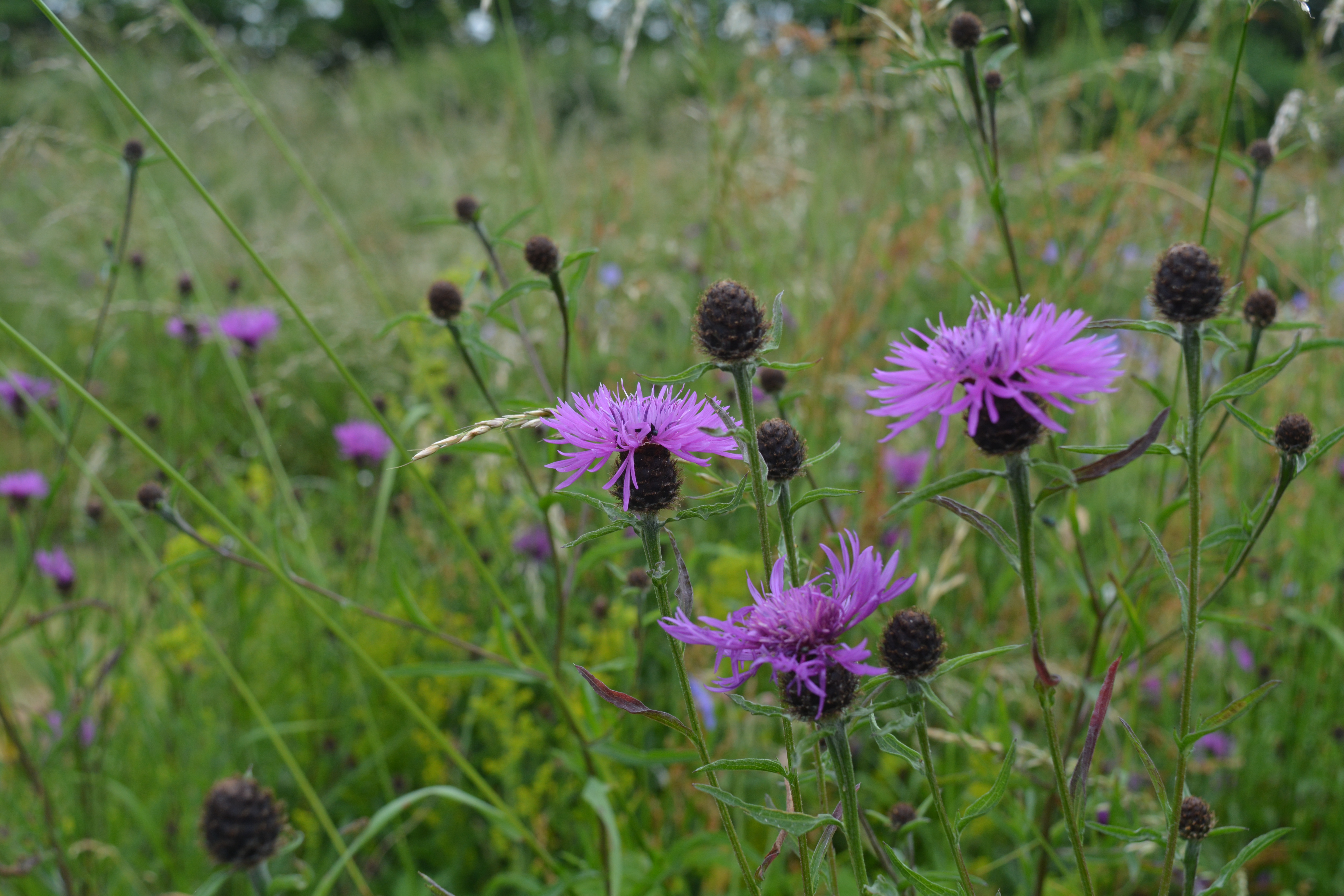
The highlight was probably its wildflower meadow sat within the grounds. The meadow was full of such a wide variety of flowering plants and grasses, and hence full of wildlife, birds, bees, beetles, hoverflies, butterflies and moths. At night the birds were replaced by bats who hawked the surface of the meadow feeding on moths and night flying insects.

The meadow was a place of natural sights, sounds, movement and scent.

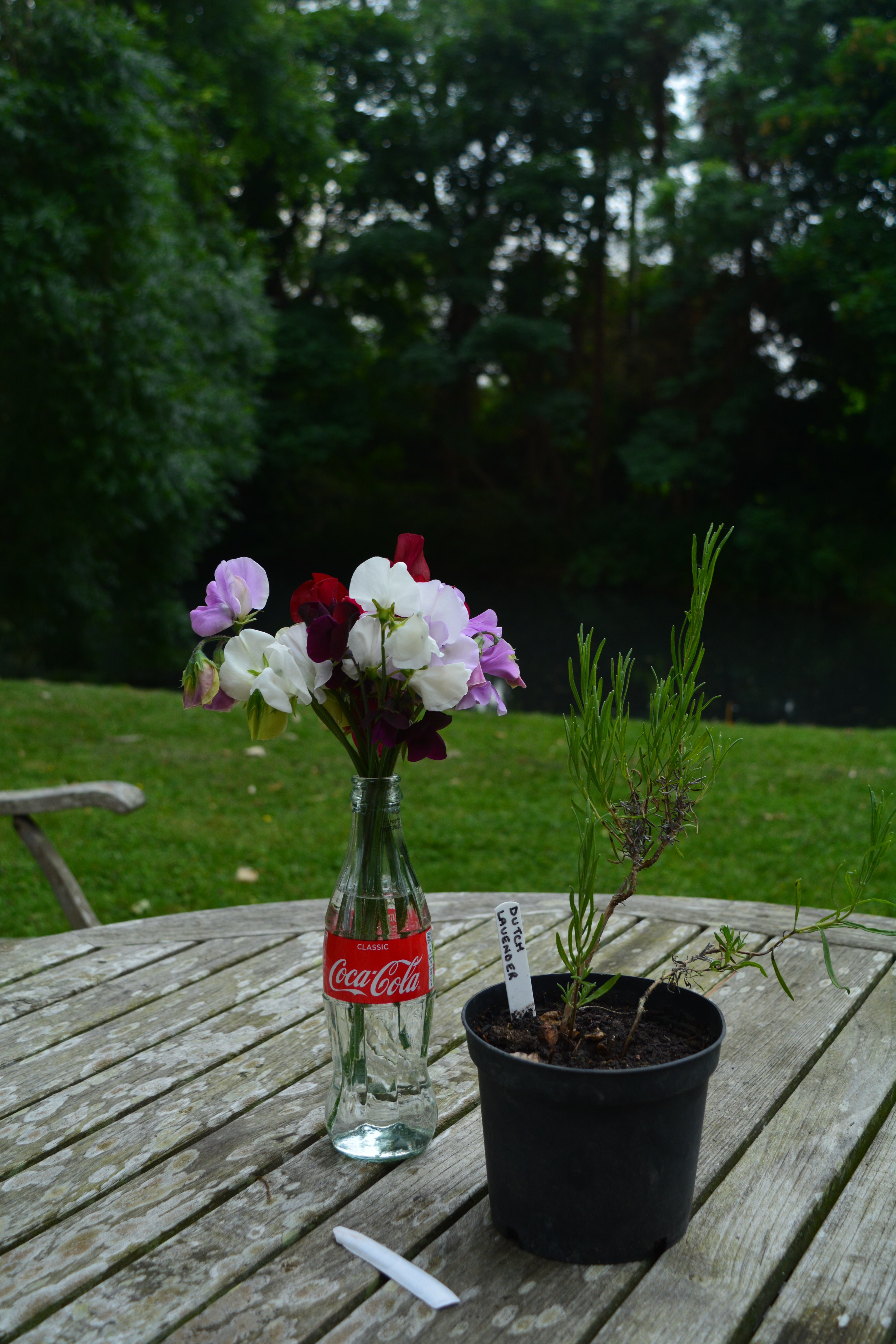
We ate outside as often as possible on a terrace overlooking a small lake surrounded by mature, native trees, Alder, Ash and Oak. These trees were favourite haunts of owls who entertained us with their calls as light faded each evening. We brought the sweetpeas back from Houghton Hall, where they grow in the walled garden and visitor are invited to use the scissors and string provided to pick and tie a bunch. The Lavender, a Dutch Lavender, in the pot we had bought from another garden we visited. It is now planted at home.


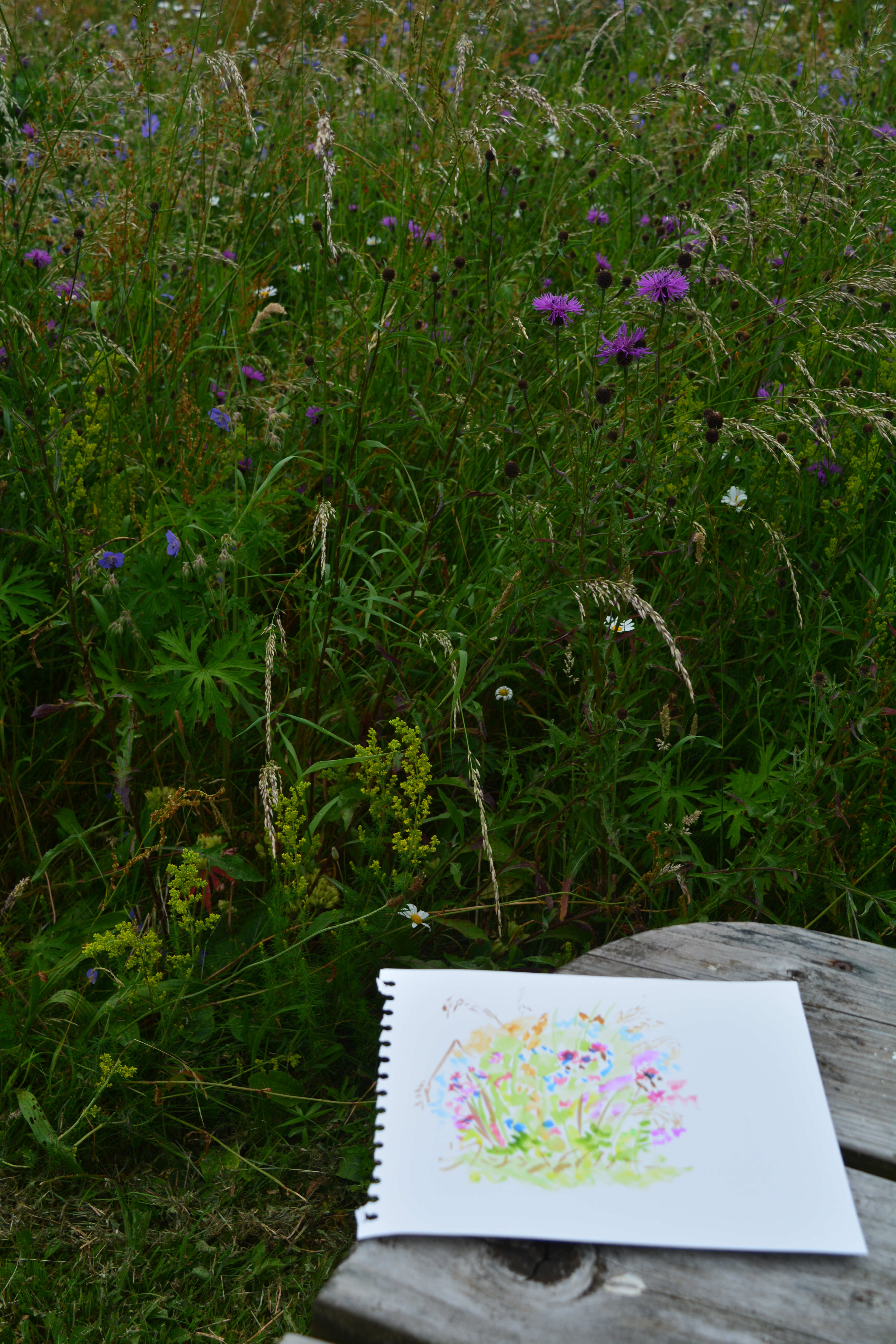
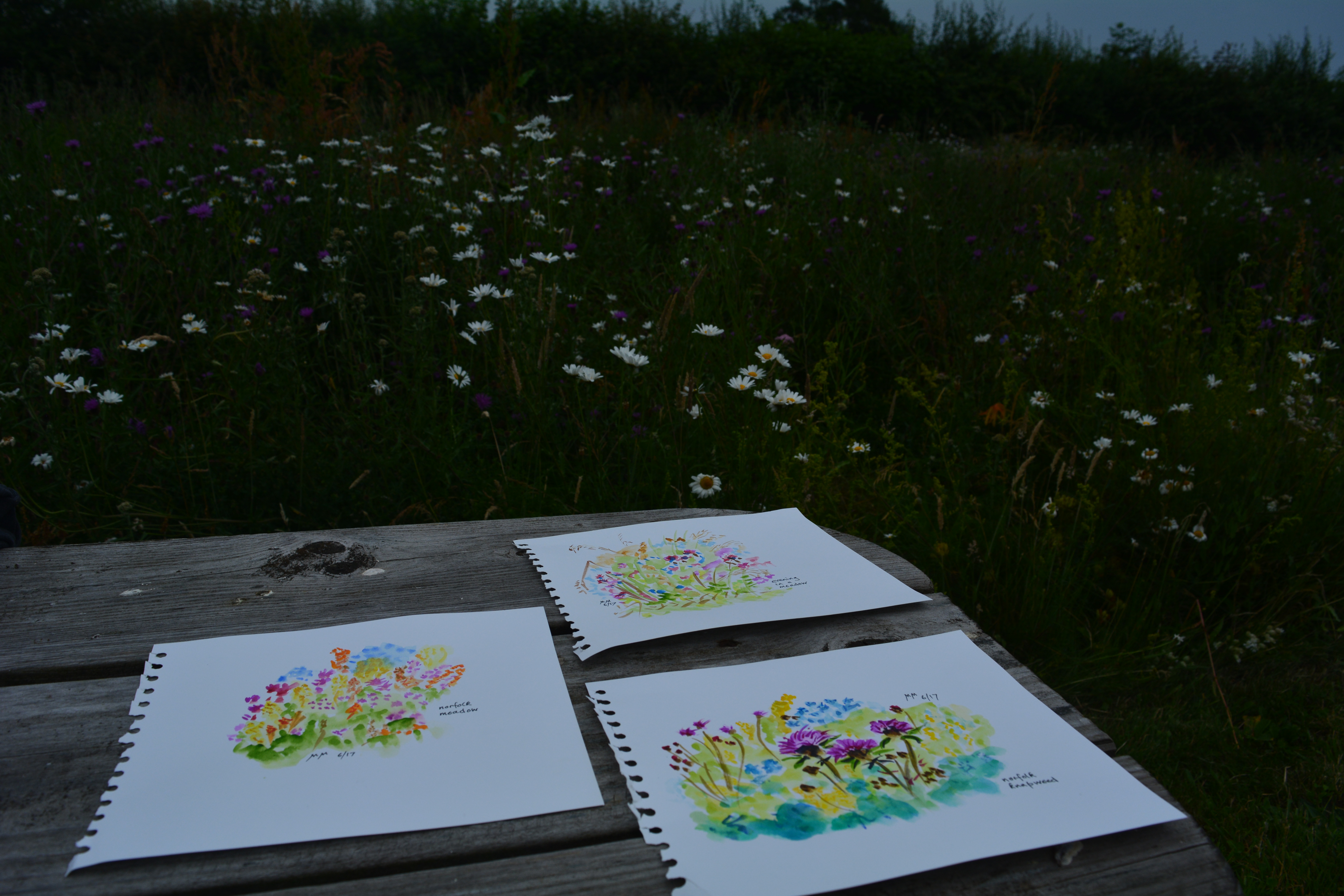
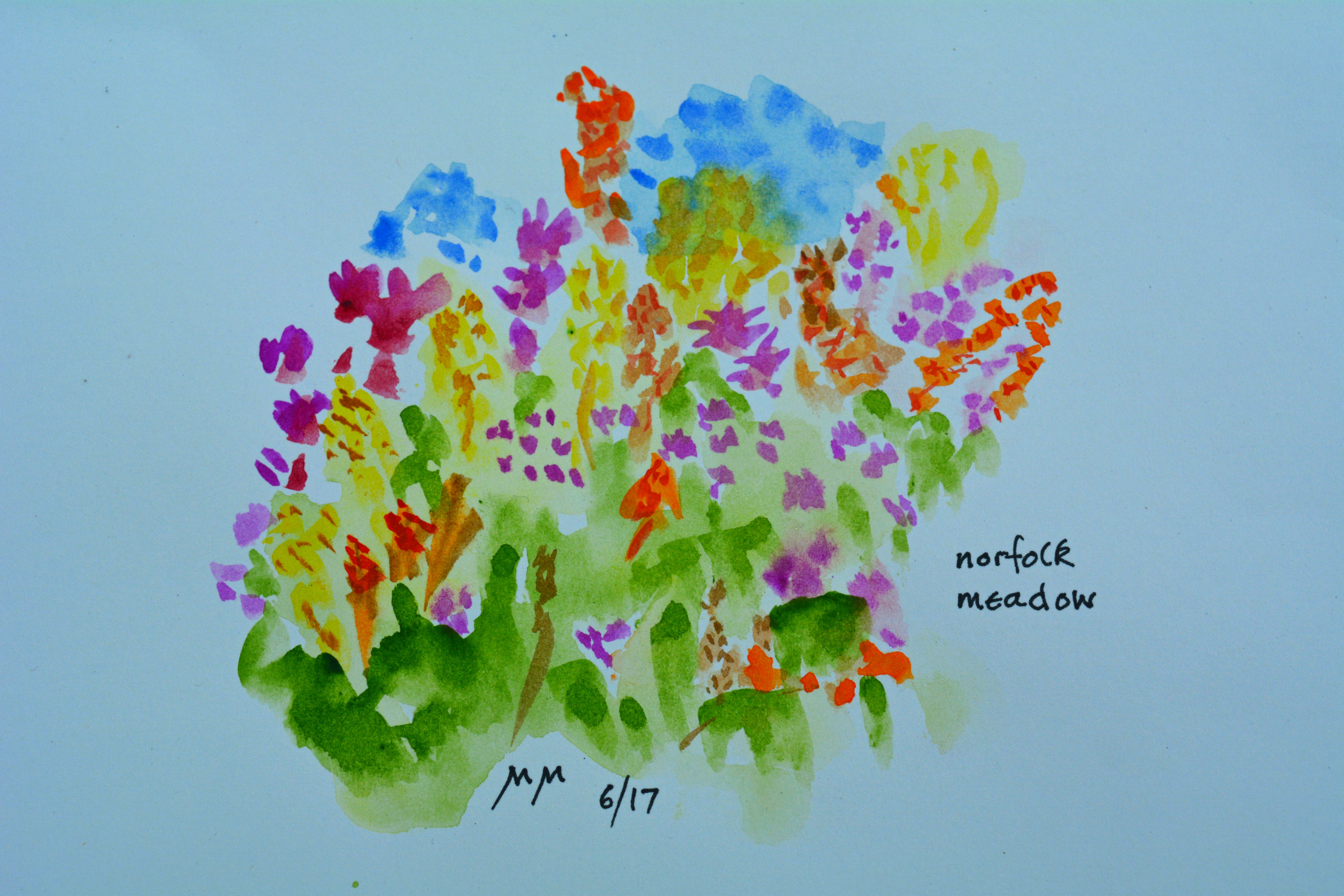
I decided it would be a challenge to paint the flowering meadow sat in the picnic bench in the very centre. So I set up my gear and had a go.


A beautiful calming time! The sounds of nature as a background makes painting so much easier, more flowing.


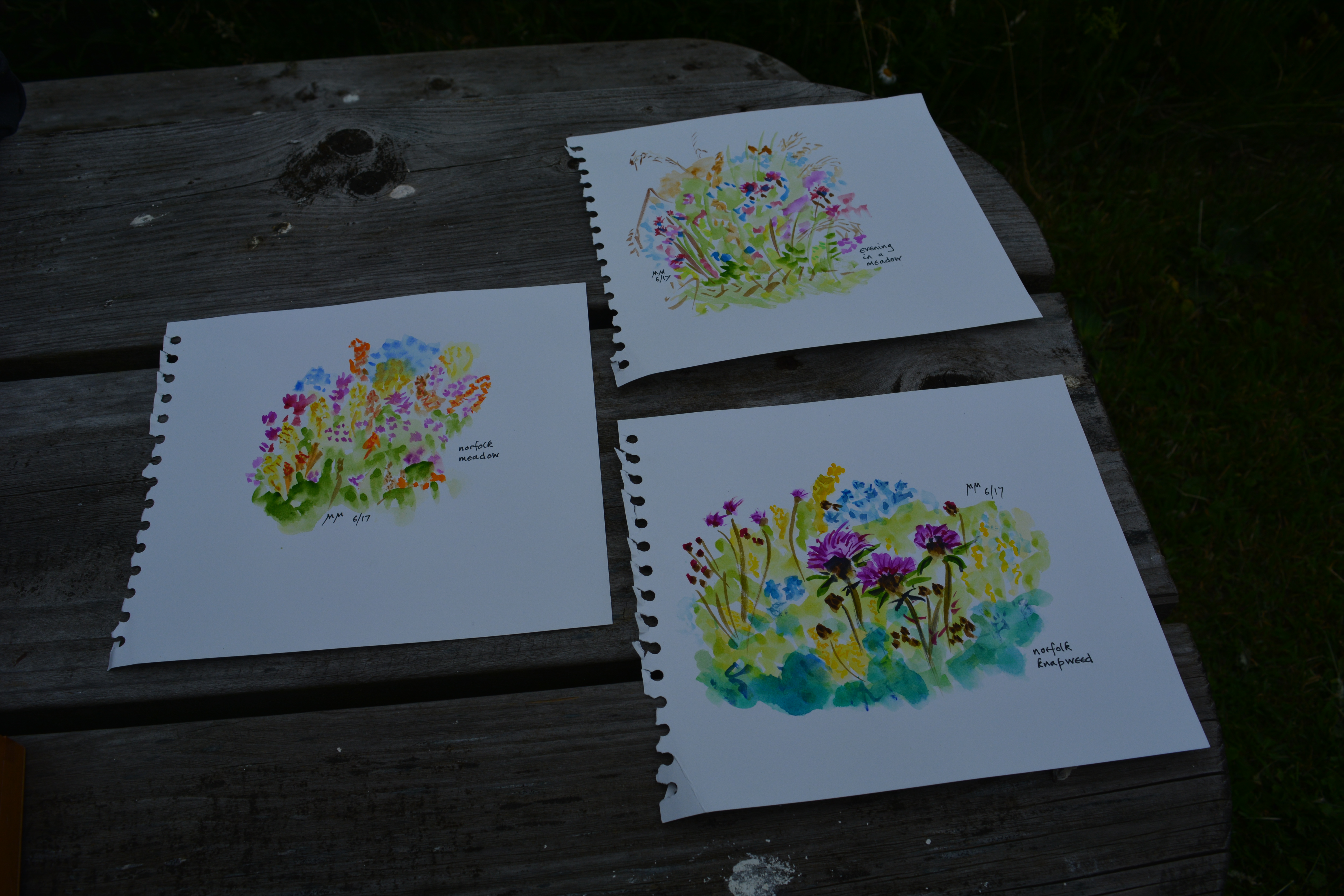
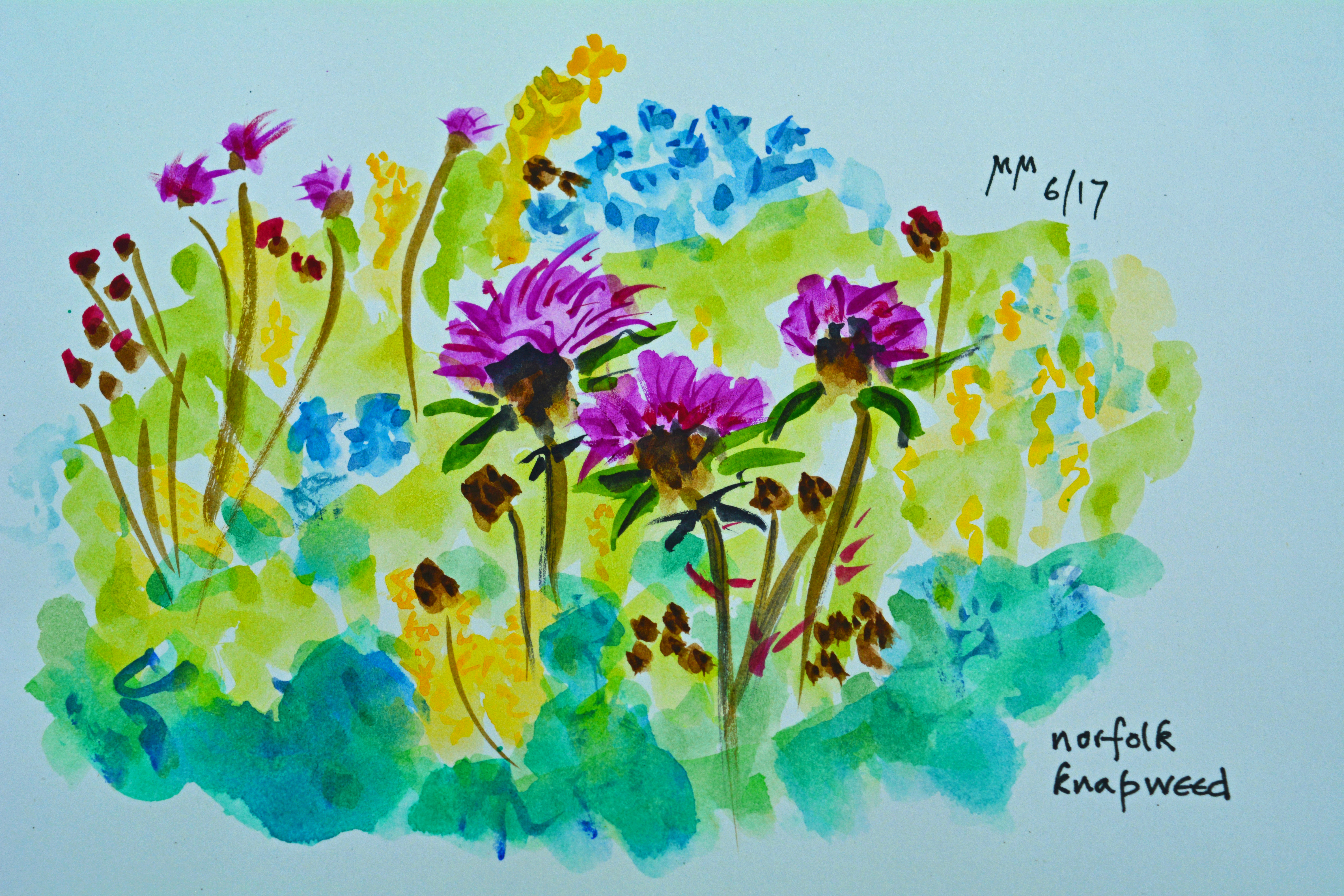
Here are my finished pieces.

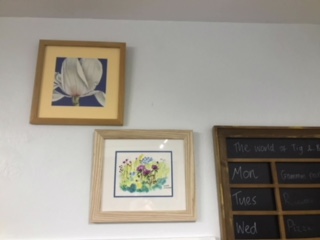
And here it is framed and on daughter and son-in-law, Jo and Rob’s wall. The left hand pic shows it alongside my brother, Derrick’s pastel drawing of a magnolia.


Categories
garden wildlife light natural pest control wildlife

Simply Beautiful – 13

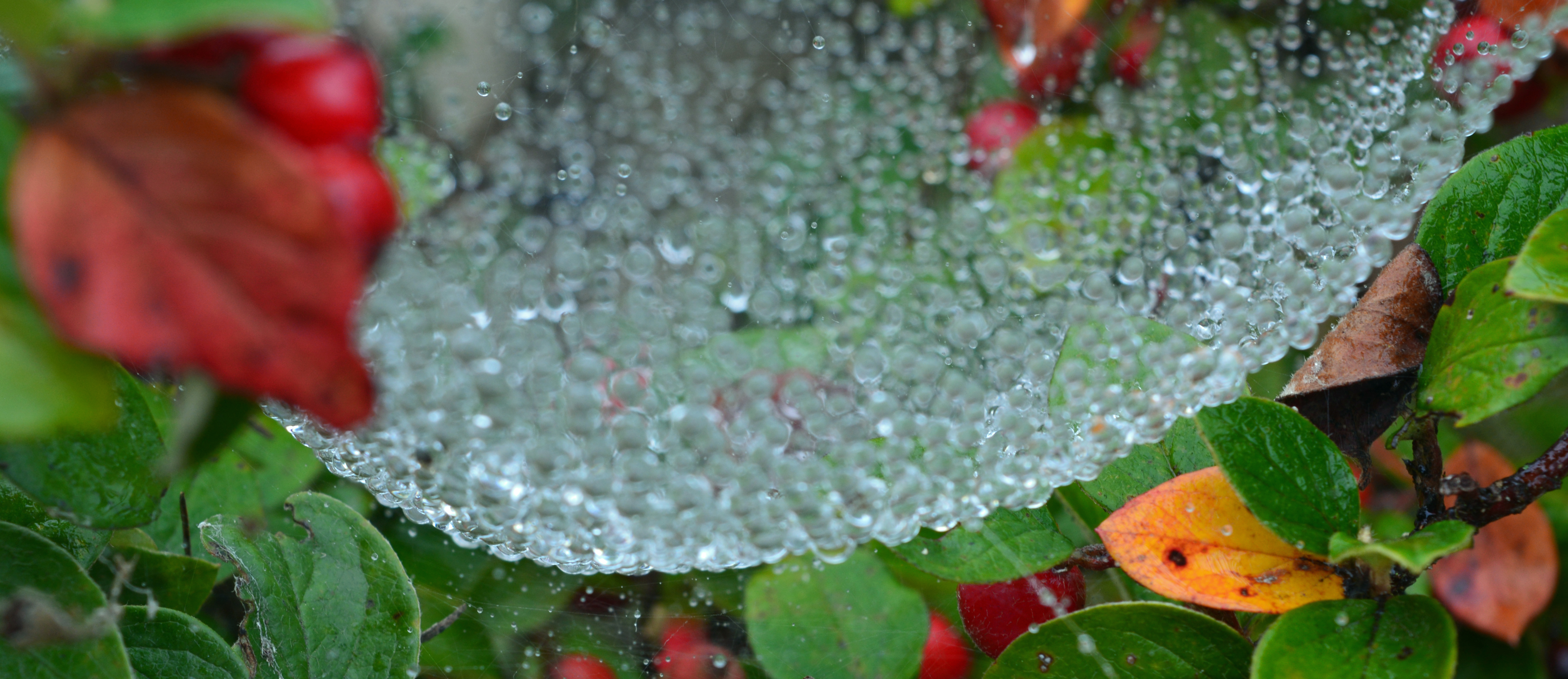
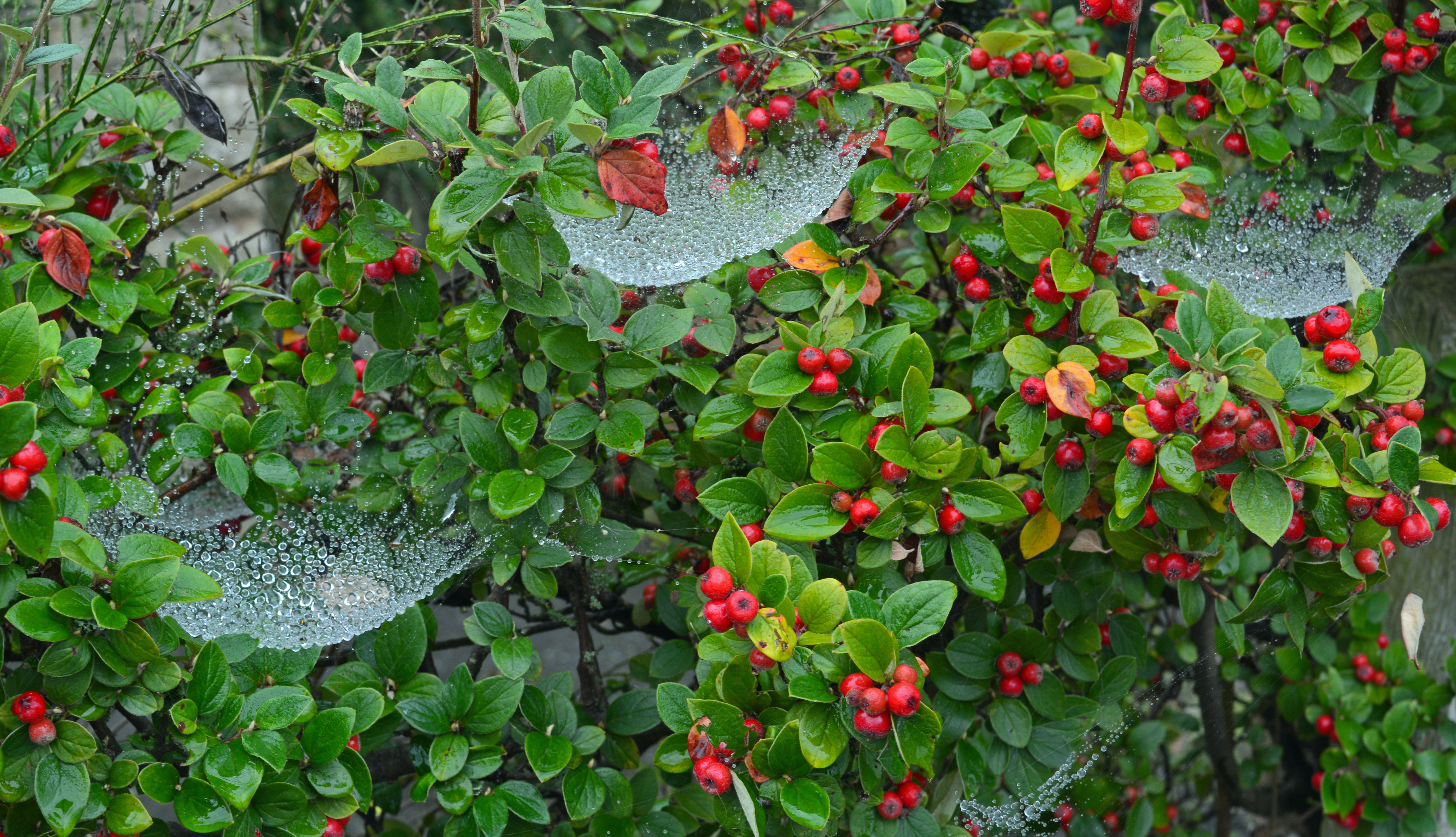
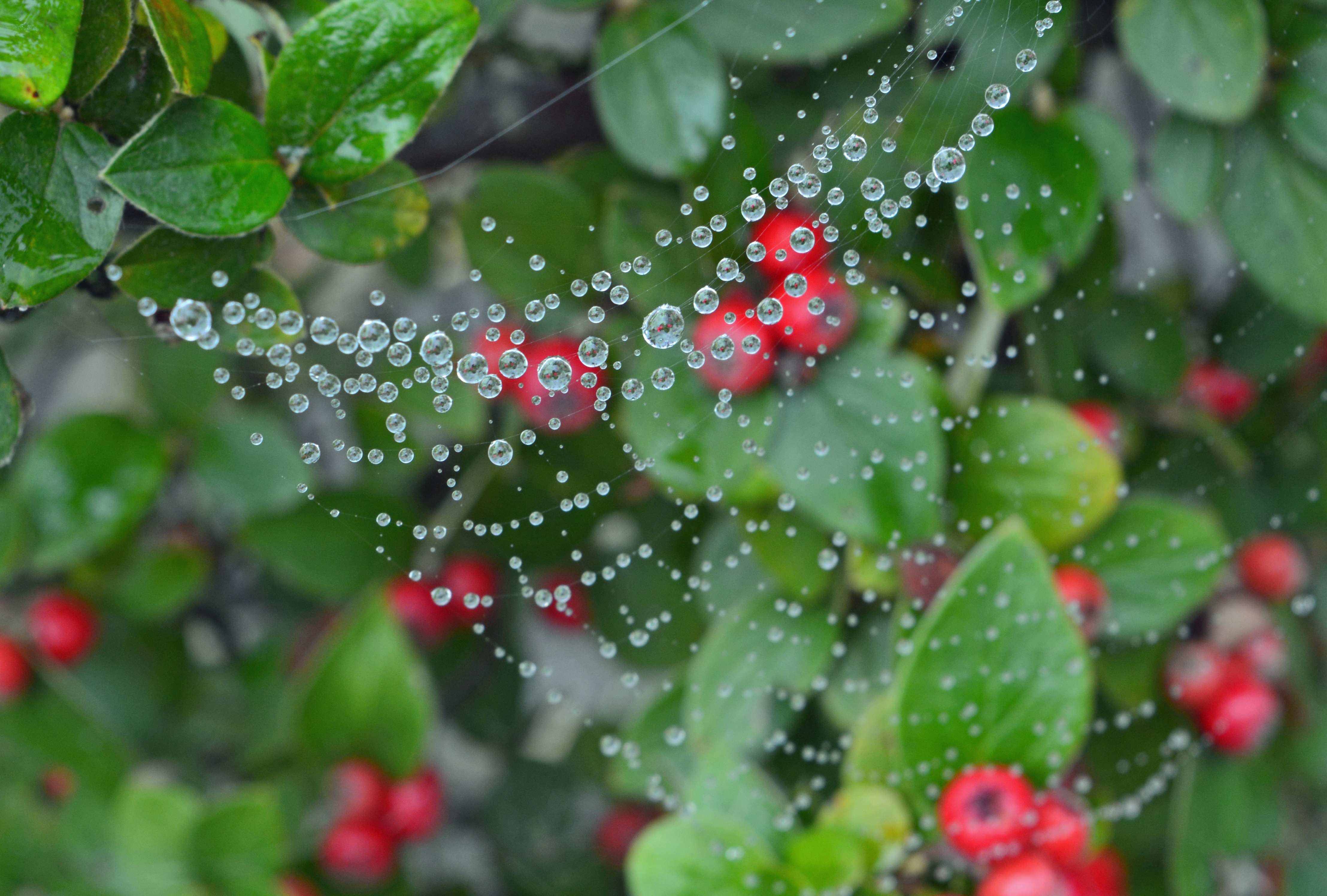
Her we are back with another short post in my very occasional “Simply Beautiful” series where I share a few photos of something that catches my eye, something simply beautiful! For number 13 I want to show you pics of some beautiful early morning spiders’webs, covered in dew, which I found on a cotoneaster shrub.

The webs hung like hammocks with the weight of the drops of dew pulling the structure downwards.

The web below was constructed differently and spun by a different sort of spider, being slumped almost like a open weave fan.

Categories
garden photography garden wildlife

After the Rain

There is a special time just after rain has stopped. It is a moment of silence when Blackbirds and Robins are preparing to burst into excited song after a period when song is stilled by rain. Light has a special quality – it catches any droplet of moisture hanging from foliage or flower. Recently I managed to capture just such a moment with camera in hand and snapped away joyfully. I even shared the unique time with our garden when bird song descended over it engulfing its atmosphere.

You can share this time by following the gallery. click on the first pic, navigate with the arrows and simply enjoy.

Categories
colours flowering bulbs garden design garden photography garden ponds garden pools garden wildlife gardening hardy perennials log piles logs National Garden Scheme natural pest control NGS ornamental trees and shrubs outdoor sculpture sculpture spring bulbs spring gardening village gardens water garden water in the garden wildlife woodland Yellow Book Gardens

Celebrating the Glory of Spring – the garden at a cottage called Cartref

I thought I would look back at a visit we made with friends, Pete and Sherlie in the spring to a garden called Cartref. It was a “pop up” NGS garden which is a garden that opens unplanned but that looks good so the owner wants to share it with other NGS, National Garden Scheme, visitors. It is a way of seeing gardens at their best. It is a new idea so we look forward to seeing if it continues to happen. We certainly hope so as we visited two this spring and loved them both.

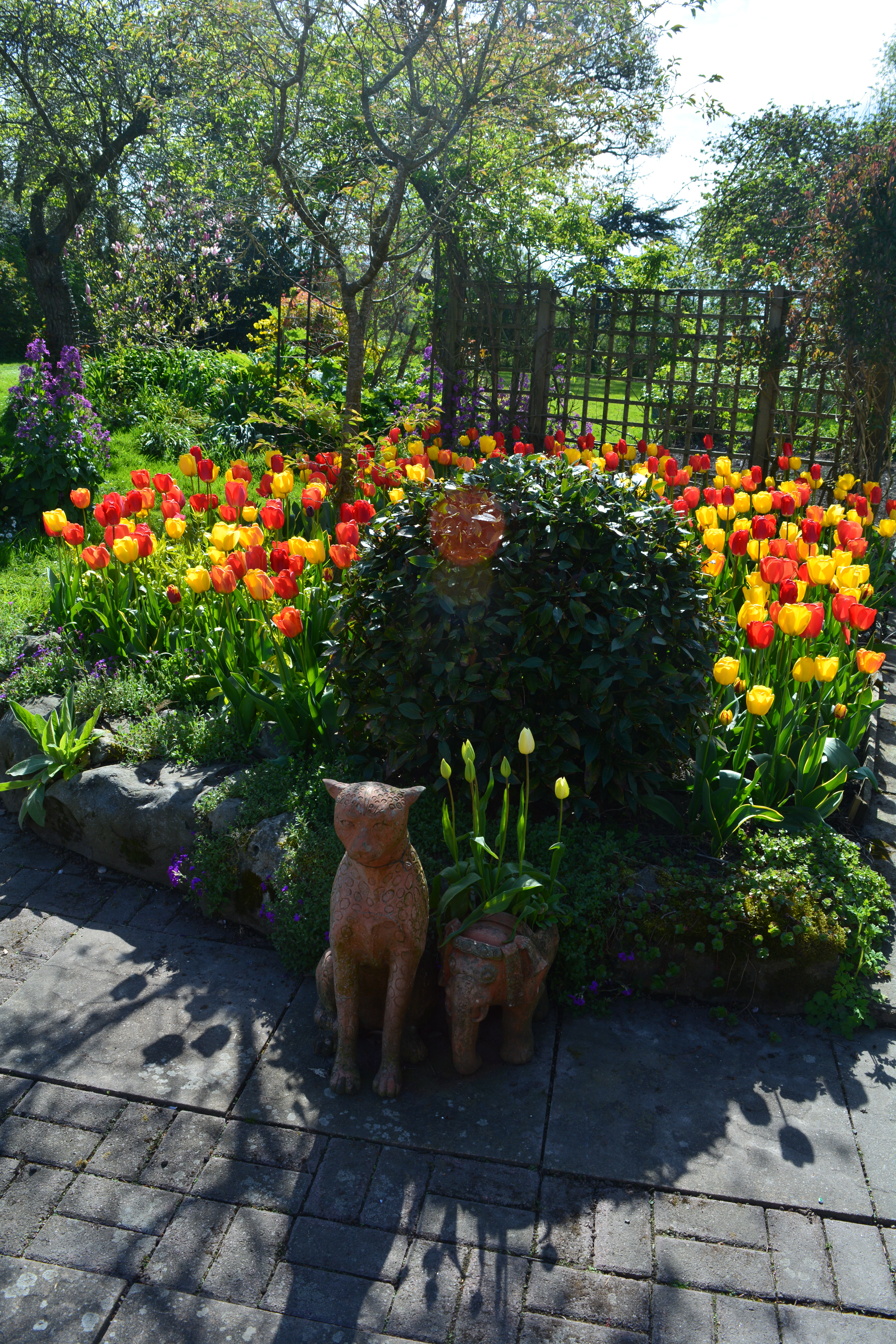
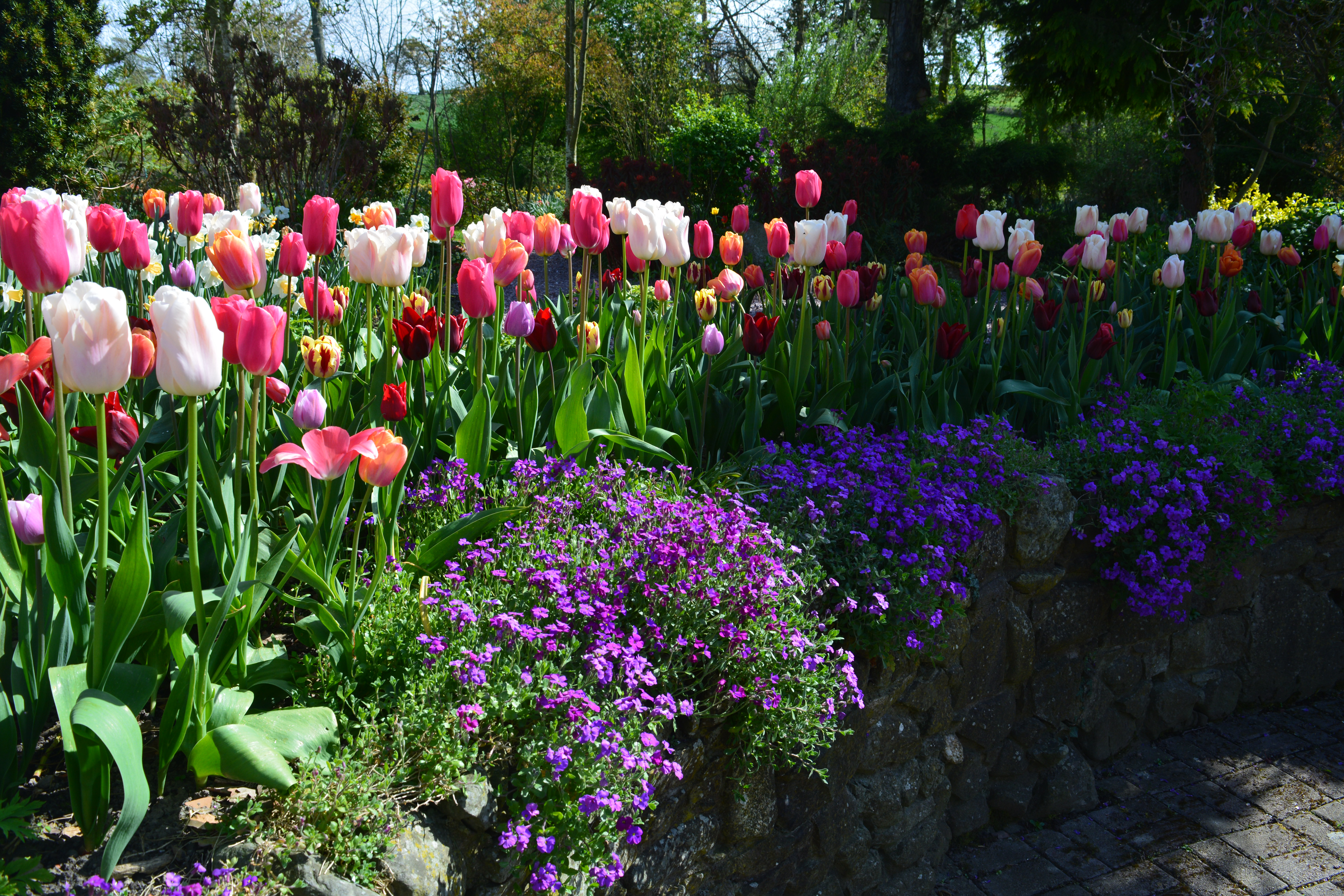
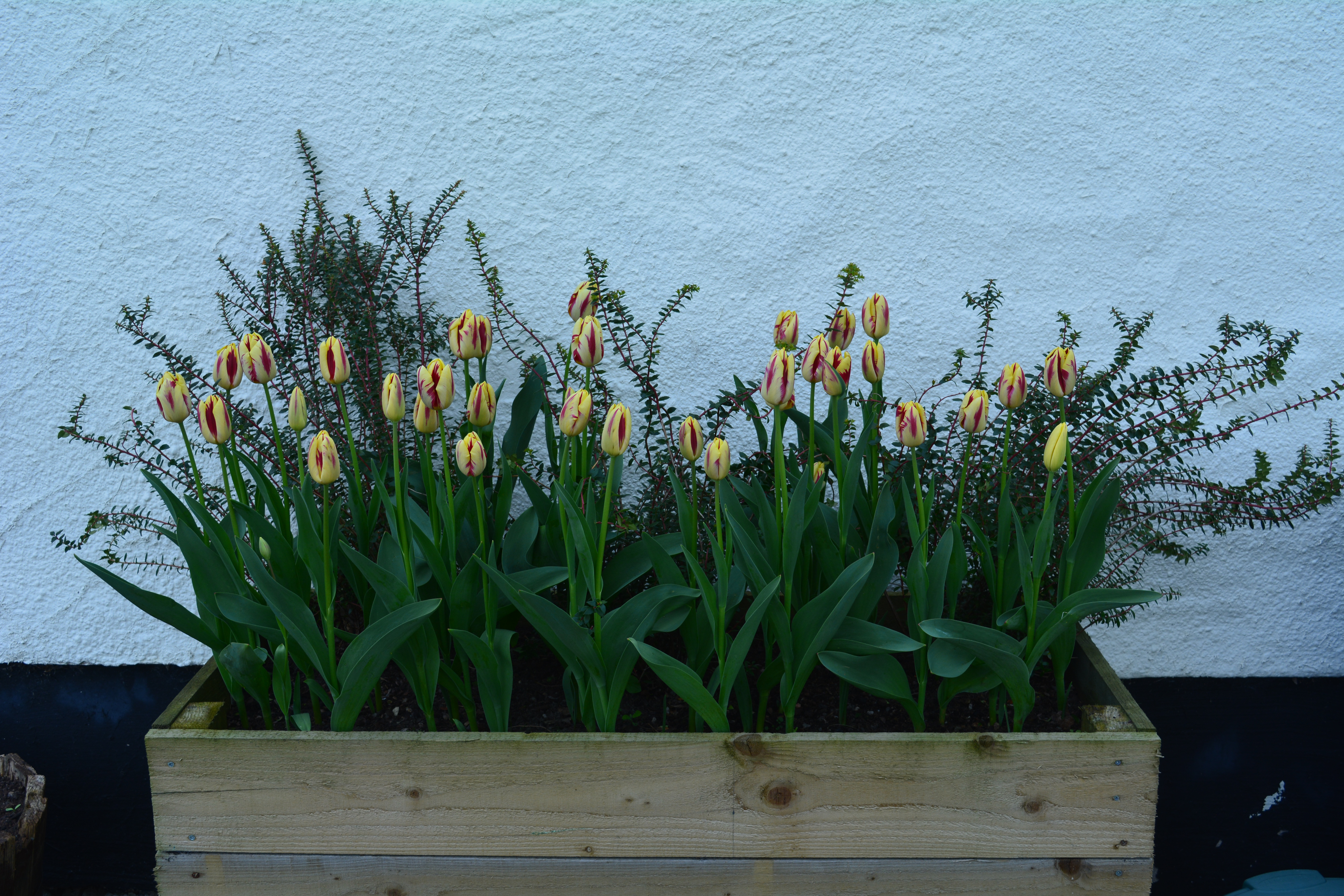
We decided to celebrate the glory of spring by visiting this NGS garden, a one acre modern cottage garden with borders, woodland and ponds. The main features of the garden were the lovely colourful collection of tulips which were at their best when we visited.

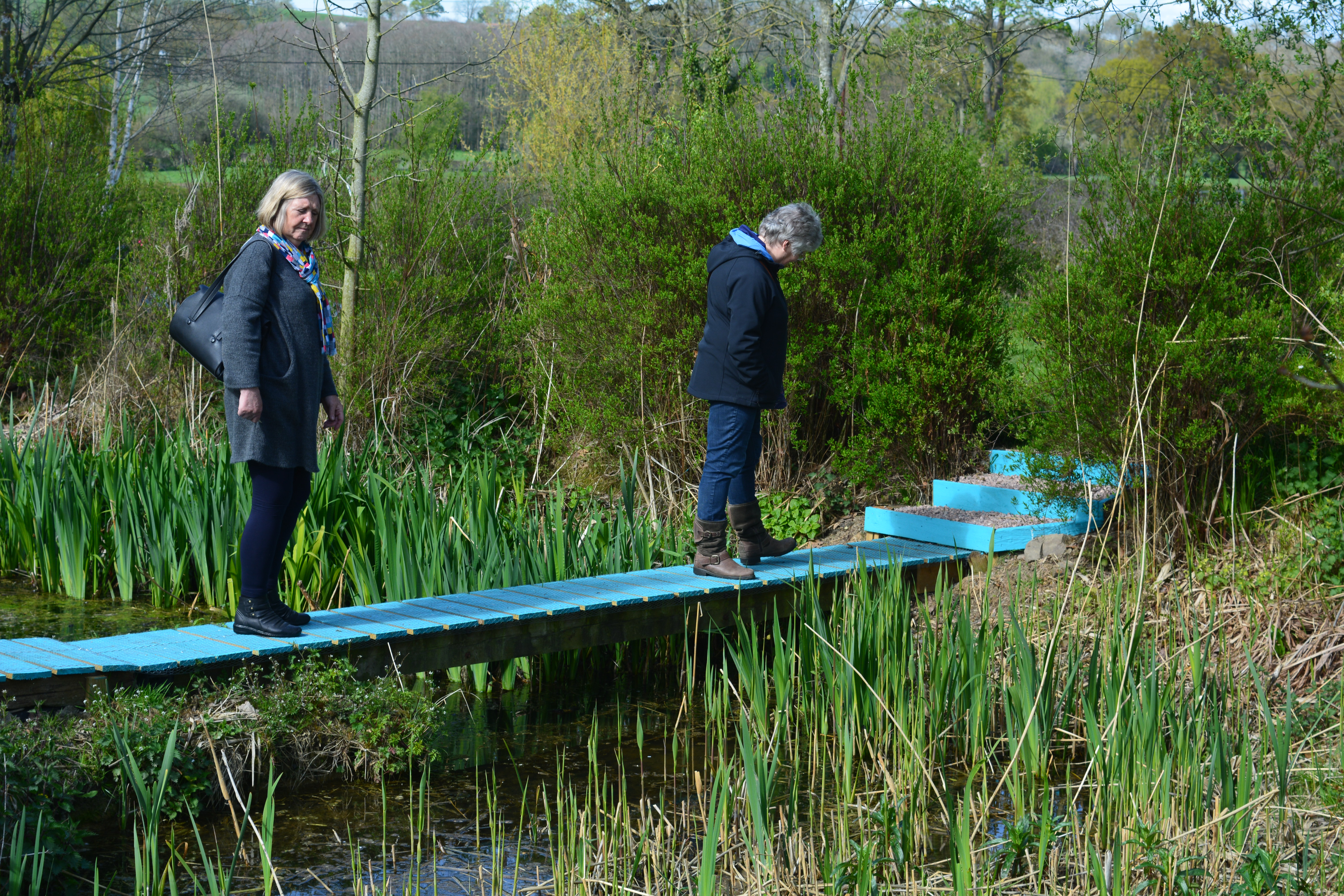
Throughout the rest of the garden we found relaxed styles of gardening and in places emphasis on enhancing habitats for wildlife and attracting wildlife into the garden. The wildlife pond had an island reached by a narrow wooden bridge.


After this visit to the cottage garden at Cartref we decided that “pop up” open gardens were definitely a good idea because we felt we had seen Cartref at its best.


This Veggie Life

A Vegetarian | Nature Lifestyle Blog

Rambling in the Garden

.....and nurturing my soul

The Arch City Gardener

Journeys In St. Louis Gardening and Beyond

Garden Dreaming at Châtillon

Consult the genius of the place

Storyshucker

A blog full of humorous and poignant observations.

gardeninacity

Notes from a wildlife-friendly cottage garden

PlayGroundology

...an emerging social science

The Official Blog of British Wildlife

'The most important and informative publication on wildlife of our times' - The Independent. This blog is a member of The UK & Ireland Natural History Bloggers group: www.uknhb.blogspot.com

iGrowHort

Inspire - Cultivate - Grow Native Plants - Restore Landscapes

Bishops Meadow Trust

To create and protect a semi-natural wild space for the people of Farnham to enjoy and experience an array of British wildlife in our town

Gardening with Children

The www.gardeningwithchildren.co.uk Blog

UKbirdingtimeline

birding through the seasons, why birds matter and how to conserve them

NATURE WALKER

with a camera in hand

Jardin

Transform your outdoor space

Eva's space

My allotment, cooking and other interests

Old School Garden

my gardening life through the year

LEANNE COLE

Trying to live a creative life

fromacountrycottage

trying to live as lightly as possible on our beautiful planet

Good Life Gardening

Nature lovers from Leicester living the good life.

mybeautfulthings

Finding the beautiful in the everyday

mawsonmichelle

Michelle's Allotment

In and Out of My Garden

thoughts from and about my garden

Greenhousing

Big plans for a small garden

The Scottish Country Garden

A Walled Country Garden in South East Scotland

The Fruity Chicken

Life at the fruity chicken

willowarchway

Off grid living. Self sufficient. "PERMAGANICS RULE".

St Anns Allotments

Nottingham's Grade 2* Listed Allotments and Community Orchard

Manifest Joy Harvests

a journey in suburban vegetable gardening

Allotmental

The madness of growing your own

Penny's Garden: a harvest beyond my front door

A novel approach to vegetable gardening

arignagardener

Sustainable living in the Irish countryside.
NewEnglandGardenAndThread

Master Gardener, amateur photographer, quilter, NH native, and sometimes SC snowbird

dianajhale

Recent work and work in progress and anything else that interests me

planthoarder

a chaotic cottage gardener

Lens and Pens by Sally

a weekly blog that creates a personal philosophy through photographs and words

Dewdrops and Sunshine

Stories from a sassy and classy Southern farmbelle.
The Pyjama Gardener

Simple Organic Gardening & Seasonal Living

gettin' fresh!

turning dirt into dinner

JOY...

today the world is created anew

Garden Birds

Notes from a Devon garden

ShootAbout

Life Through The Lens

Adapting Pixels

A photography blog showcasing the best photography pictures and videos on the internet

Wildlifegardening's Blog

Just another WordPress.com site

naturestimeline

personal observations from the natural world as the search continues for a new approach to conservation.

LATEBLOOMERBUDS

The Wonders of Life through my Eyes, my Heart, my Soul