Categories
climbing plants colours flowering bulbs garden design garden photography garden wildlife gardening gardens grasses hardy perennials ornamental grasses ornamental trees and shrubs Shropshire spring bulbs trees Uncategorized Winter Gardening winter gardens

Aiming for a year round garden. Part One – The Winter

Over the last few years we have worked hard planning to make our garden look and feel good all year round. So today I took a wander with camera in hand to see how well we had done so far. See what you think. Are we getting there?

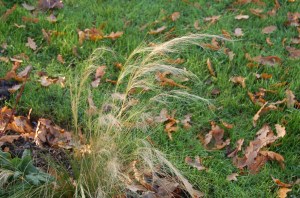
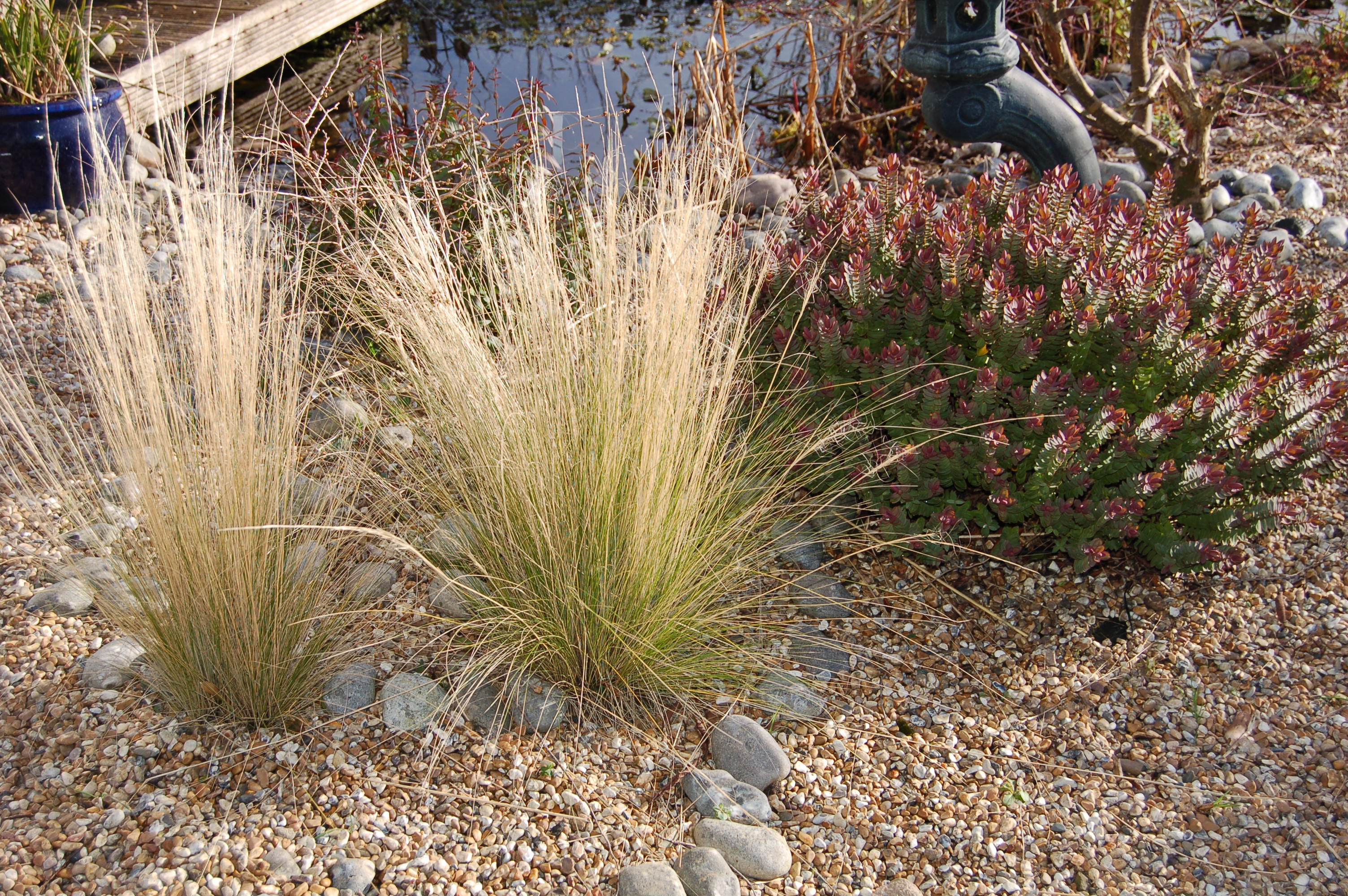
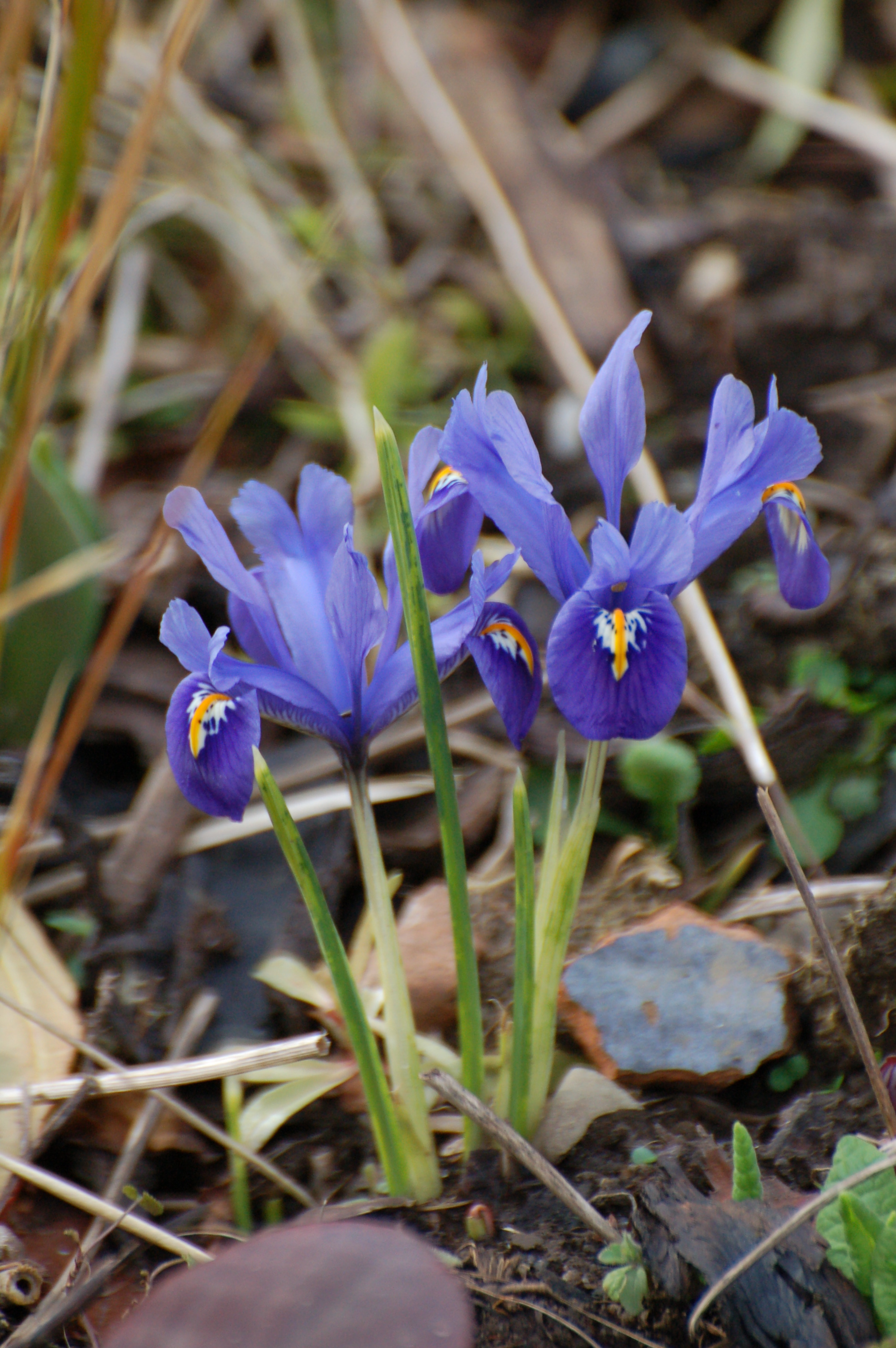
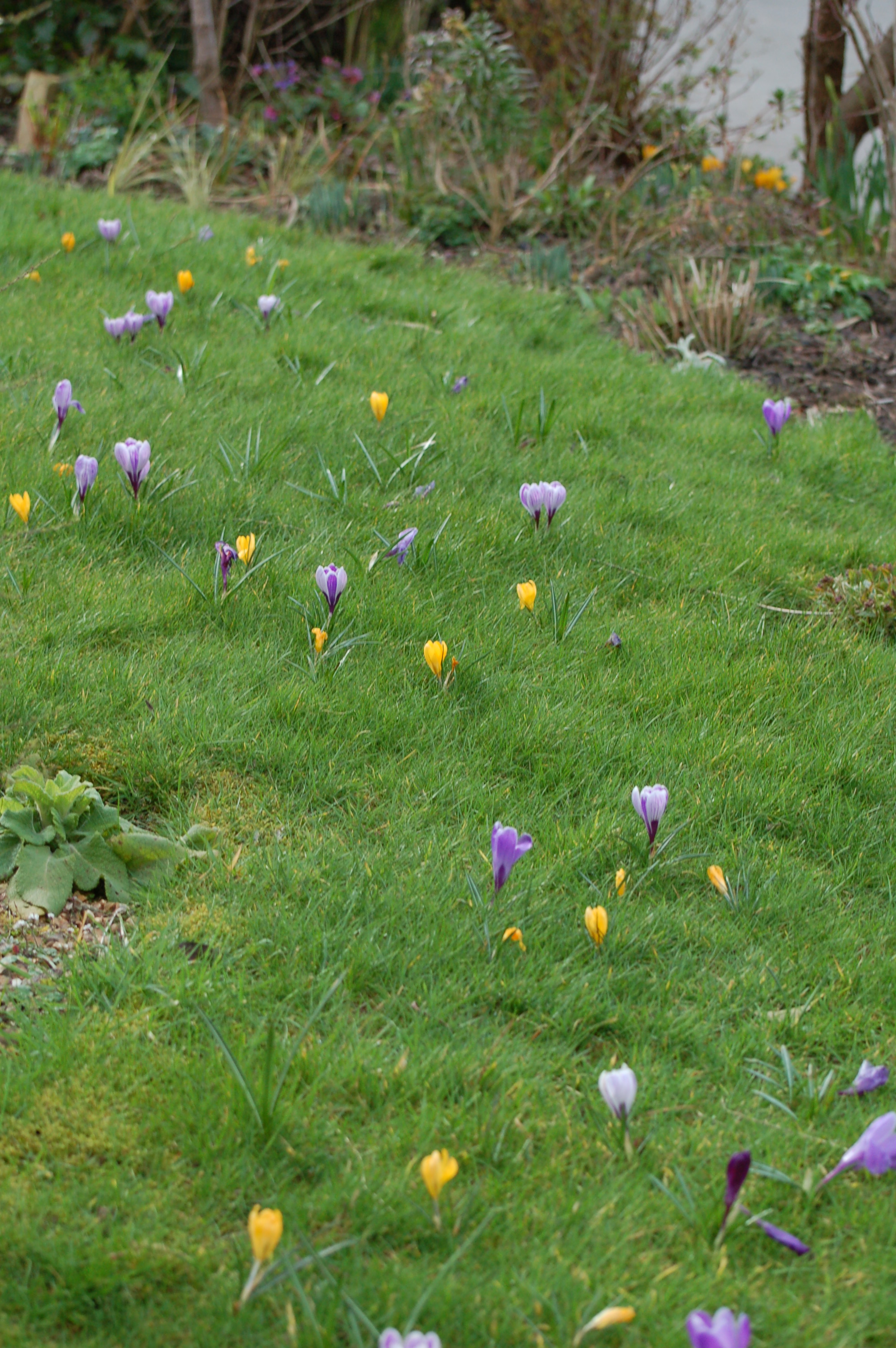
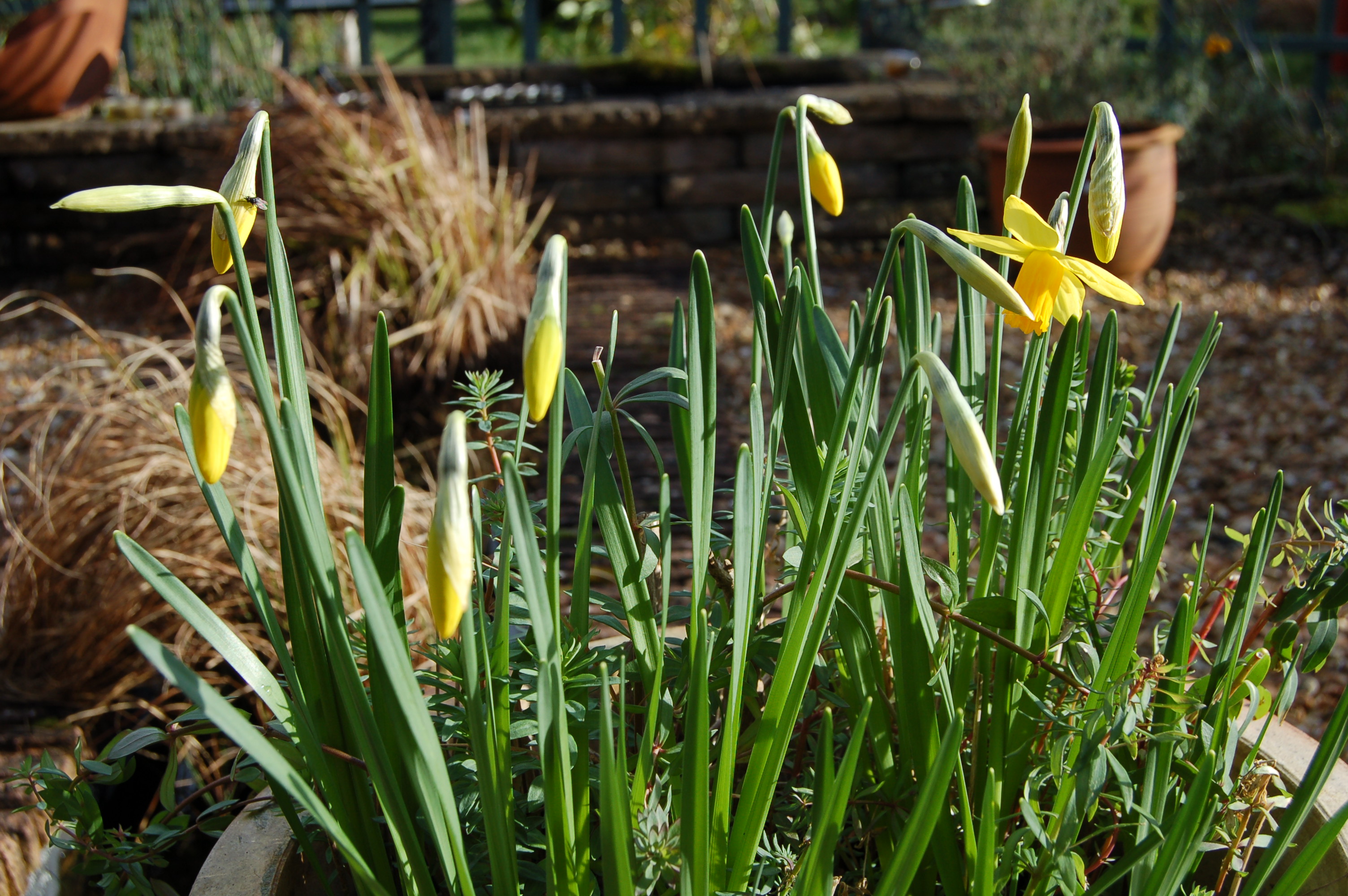
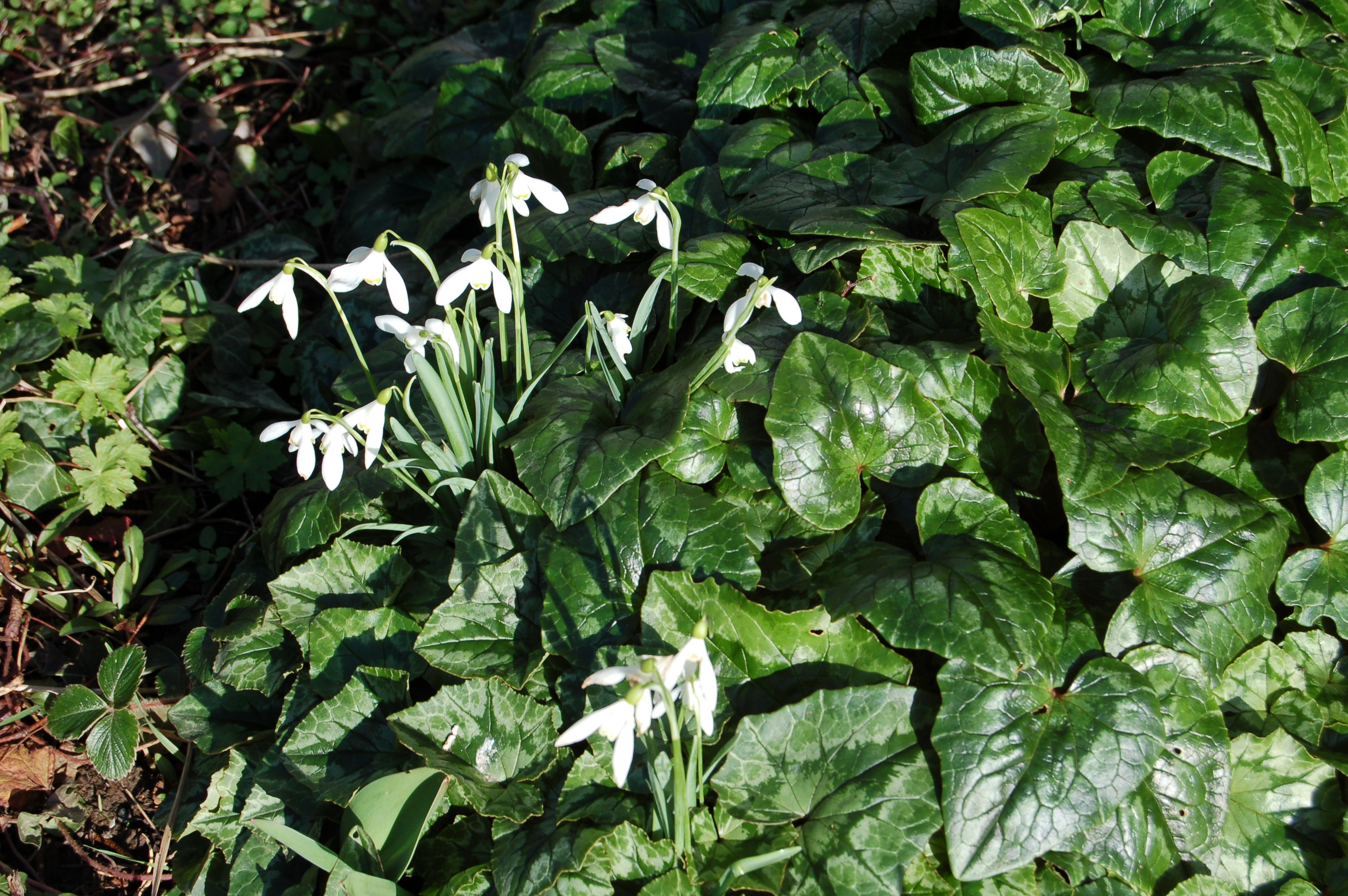
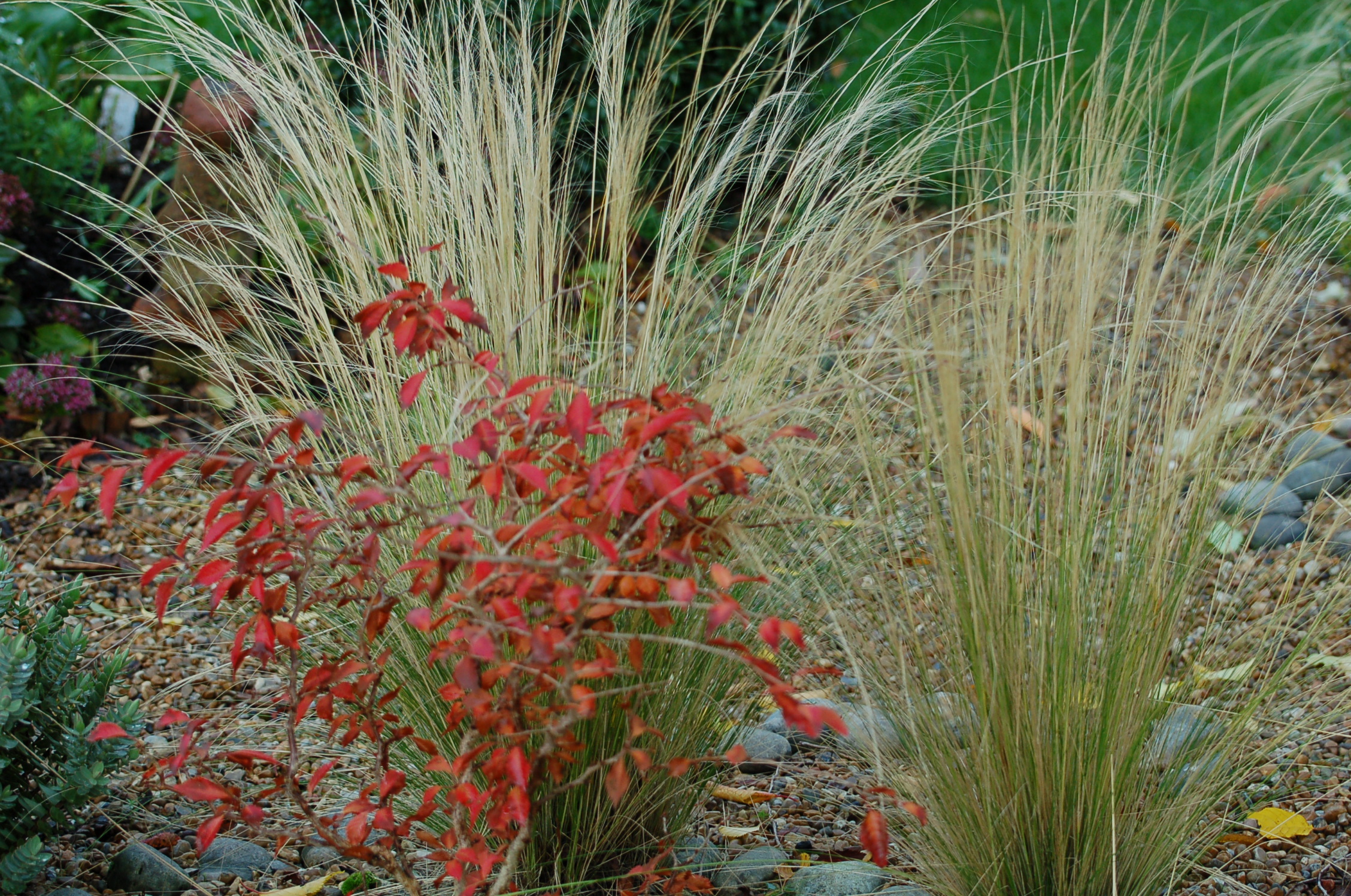
Of course flowering bulbs come into their own at this time of year and we now have a wide selection of crocus, muscari, miniature narcissi and Iris reticulata throughout the garden. Grasses are of equal importance but only recently have they been accepted as an essential element of the winter garden. The first photo shows how well our Pony Tails Grasses contrast with the foliage of Hebes. In the second crocus team up with grasses to create a great combination of colours and textures.

2014 03 03_6817 2014 03 03_6792

2014 03 06_6878 2014 03 06_6876 2014 03 06_6875 2014 03 06_6874

2014 03 03_6829 2014 03 03_6805

A have a soft spot for celandines, enjoying the glossy yellow native plant that lights up our hedgerow bases as well as the cultivated bronze leaved Brazen Hussey and the “Giant Celandine” in the photograph below.

2014 03 06_6868 2014 03 06_6867 2014 03 06_6866 2014 03 06_6865

2014 03 03_6788 2014 03 03_6789

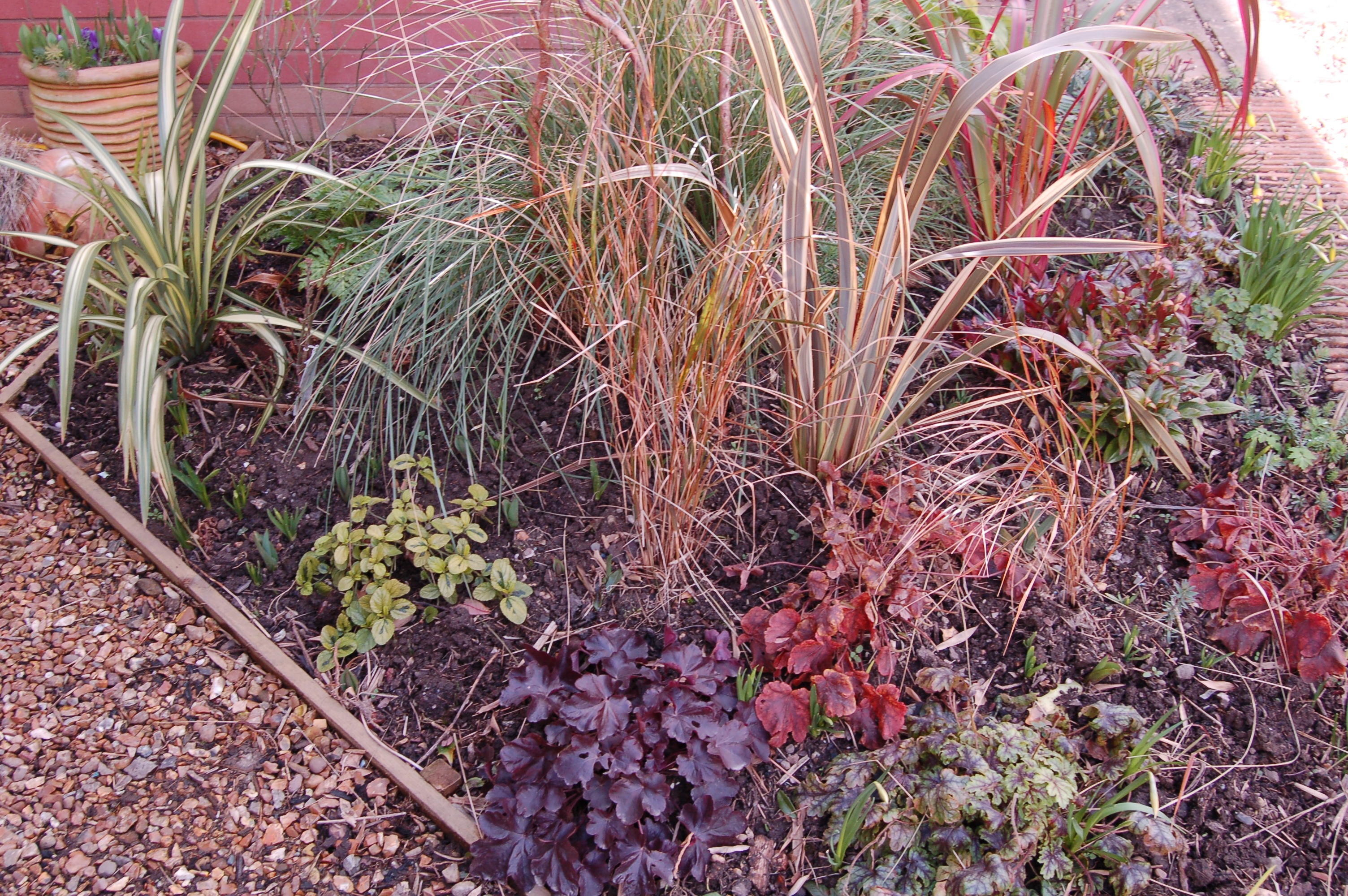
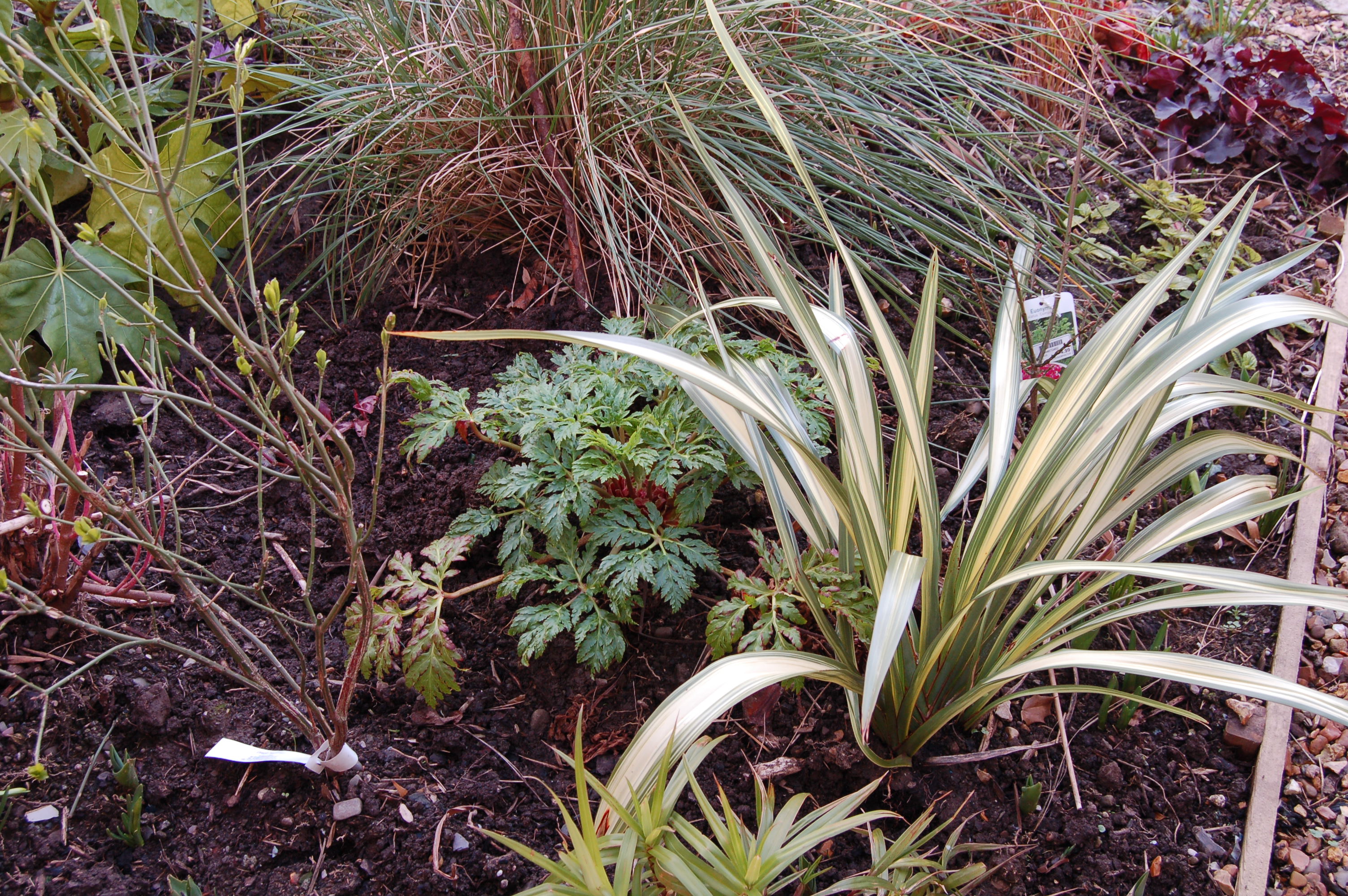
Euphorbias are another of those families of plants that are all year round essentials in our gardens but at this time of year their new bracts glow on overcast days. Foliage is perhaps more important than flowers in the winter garden as it provides variations of colour, pattern and texture. Phormiums, Heucheras and grasses are most effective.

2014 03 03_6832 2014 03 03_6806

2014 03 03_6831 2014 03 03_6830  2014 03 03_6828 2014 03 03_6827 2014 03 03_6811

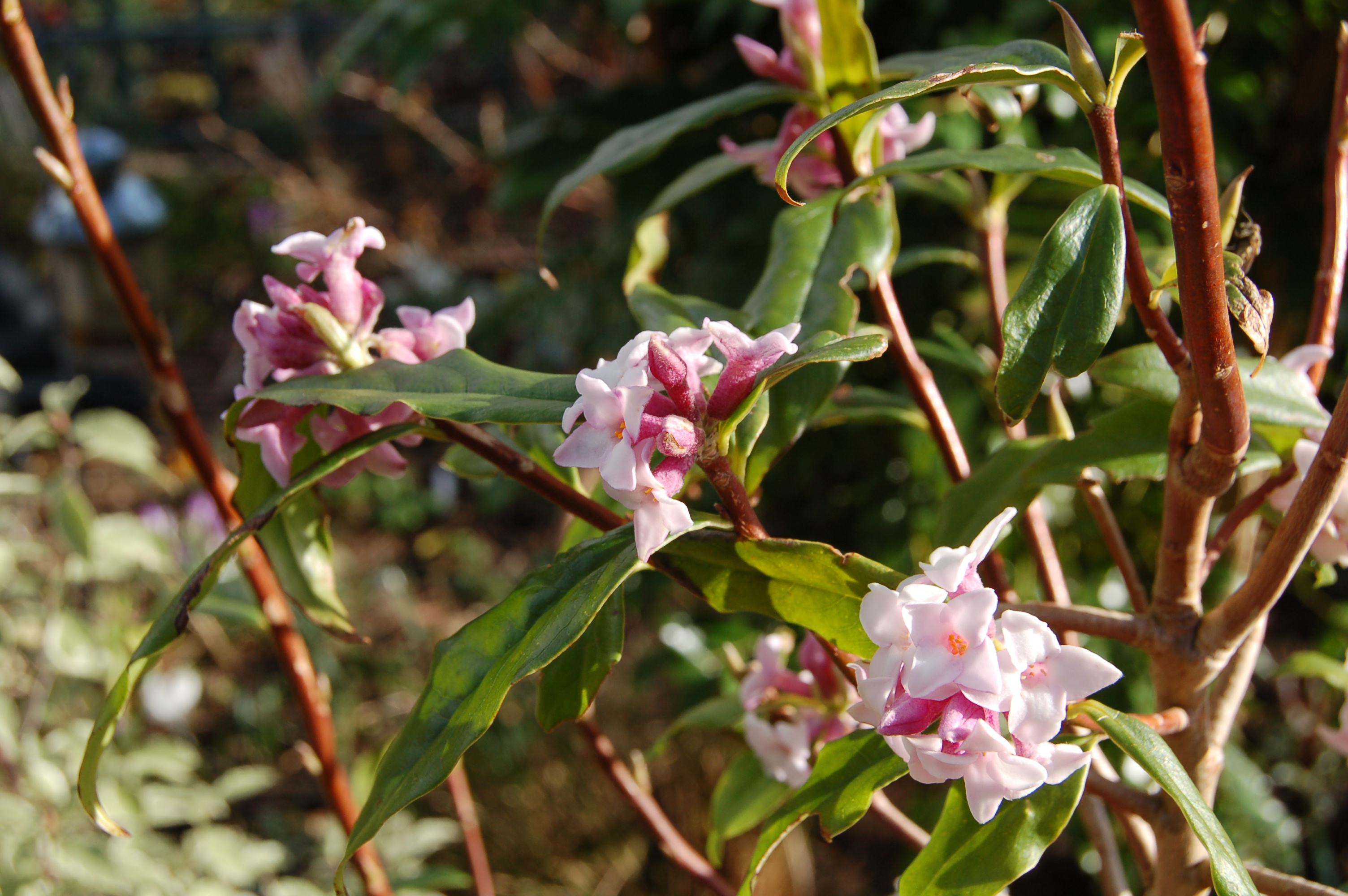
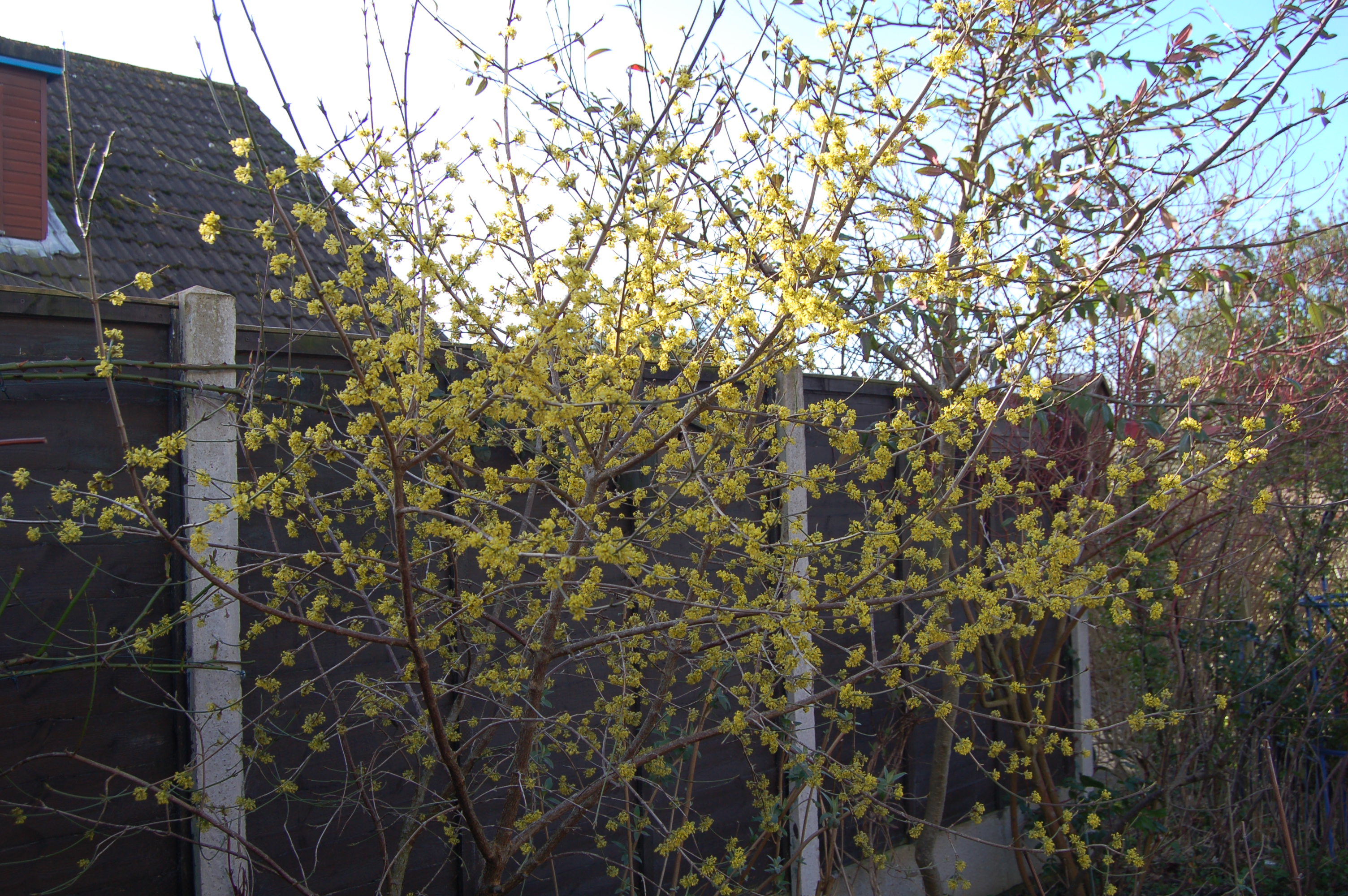
Scent can play its part as it pervades the calm air and delights us as we wander with the thought of brighter warmer days. Daphnes, Sarcoccocas, Cornus, Mahonias and Viburnums all perform well in our garden.

2014 03 03_6825 2014 03 03_6824 2014 03 03_6823 2014 03 03_6786

2014 03 03_6808 2014 03 03_6796

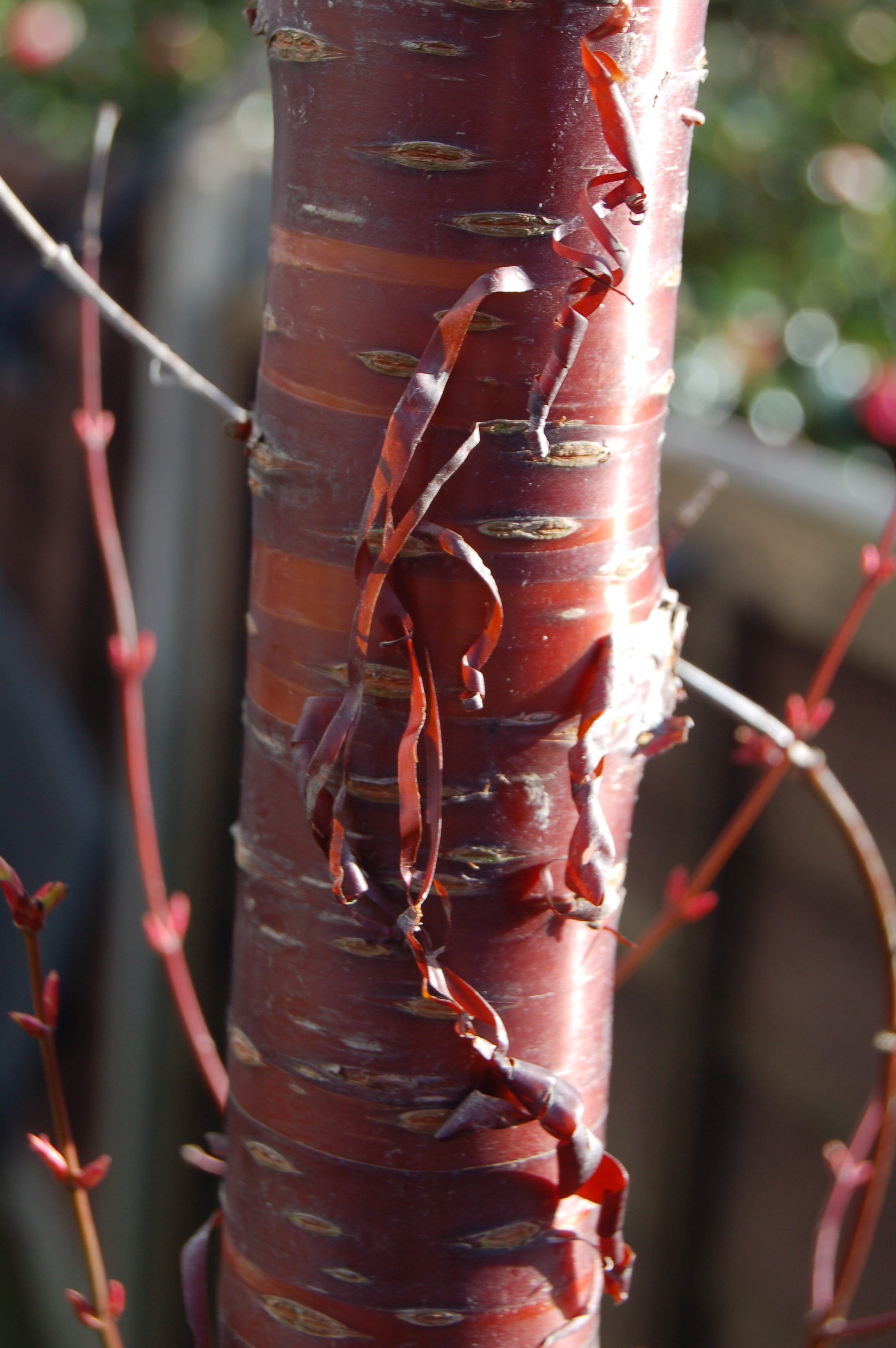
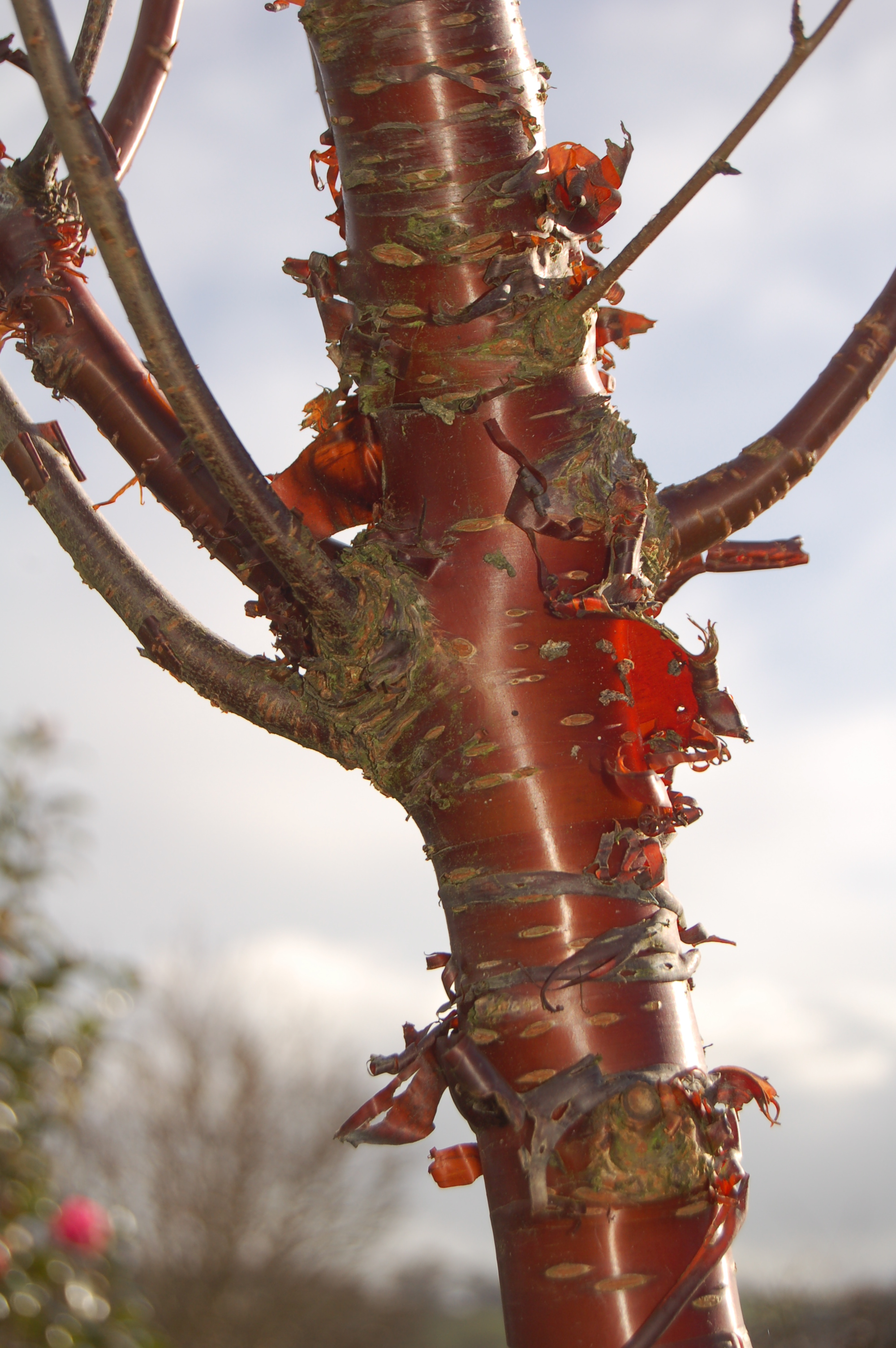
Textured bark on our trees in our Spring Border looks especially good in winter light. The peeling orange bark of the Prunus serrula and the birch is like slithers of brittle toffee.

2014 03 03_6821 2014 03 03_6820 2014 03 03_6819

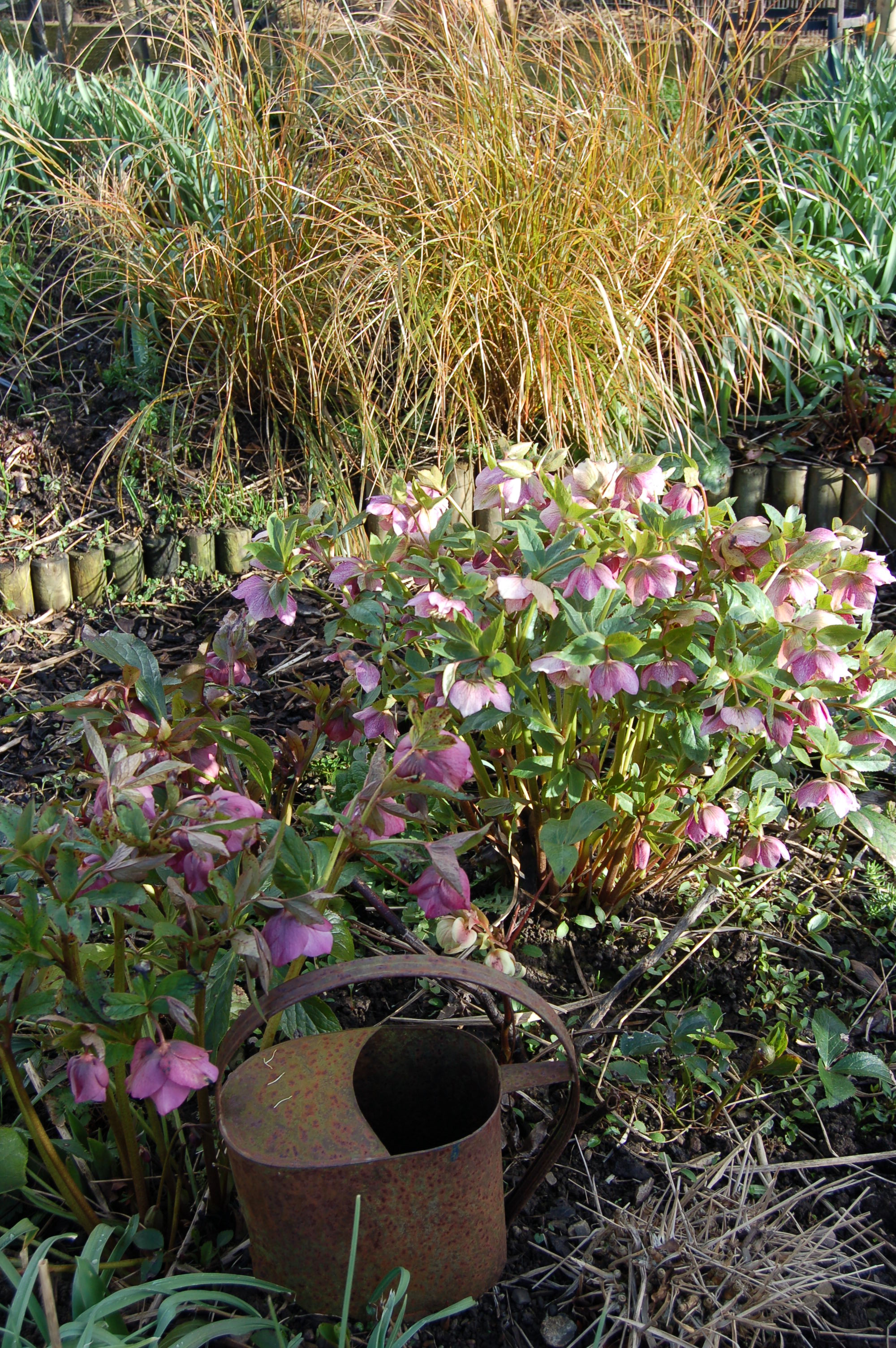
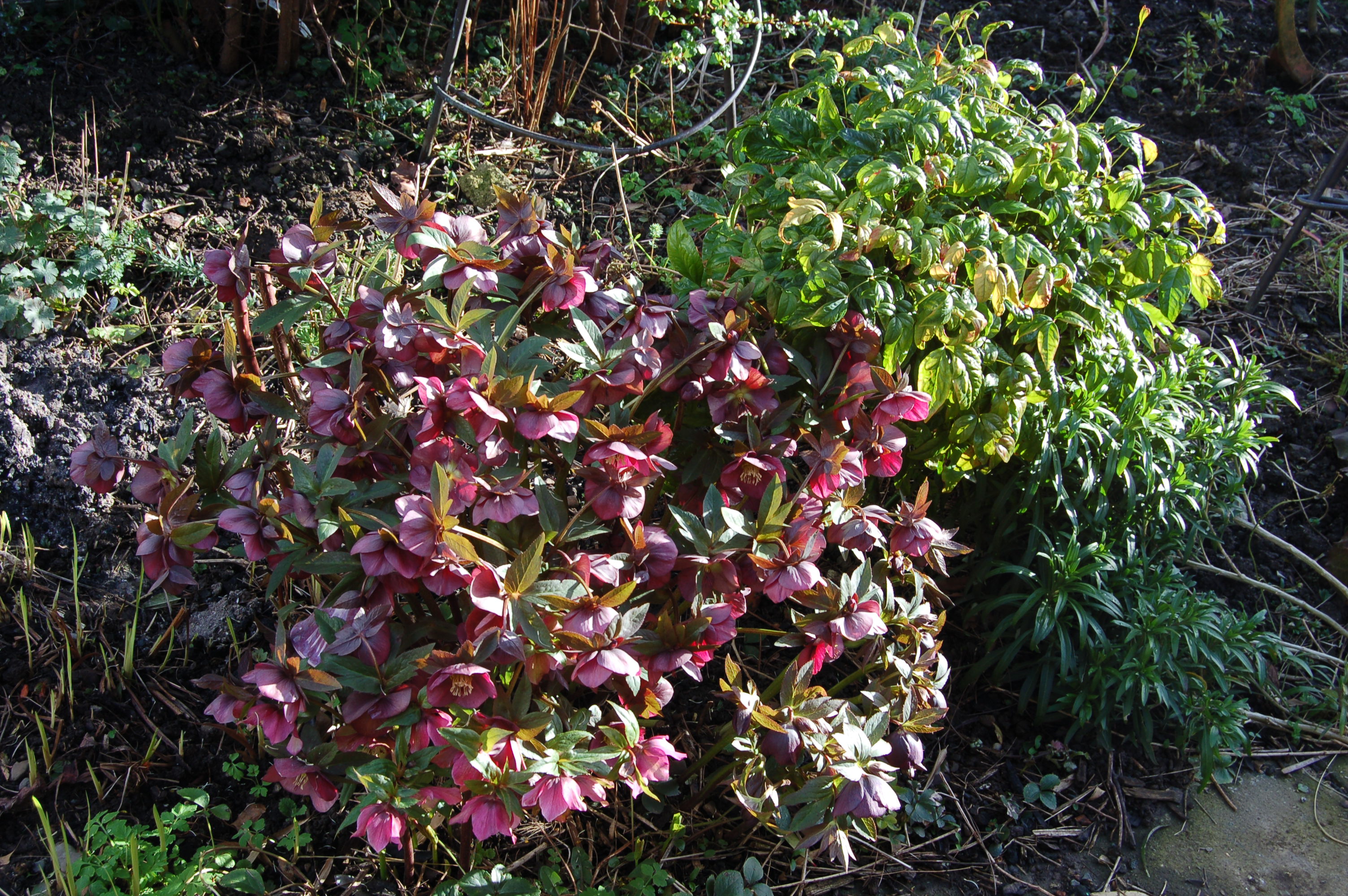
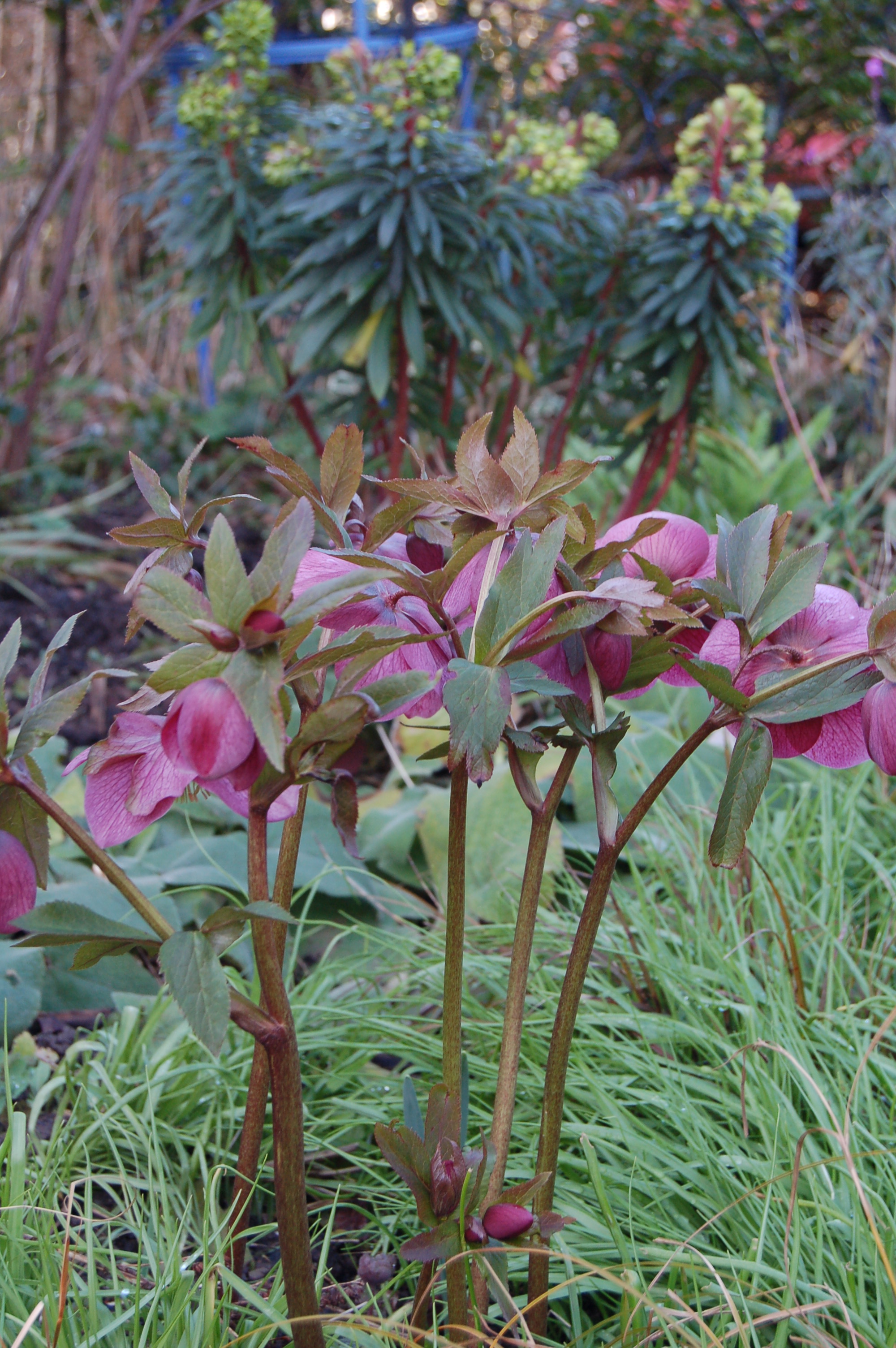
Hellebores star in most gardens in winters since so many wonderful easily grown specimens have become available in most garden centres and nurseries.

2014 03 03_6818 2014 03 03_6813

2014 03 03_6812 2014 03 03_6790

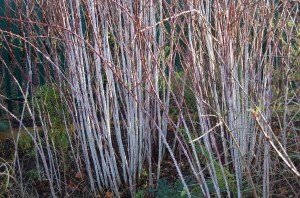
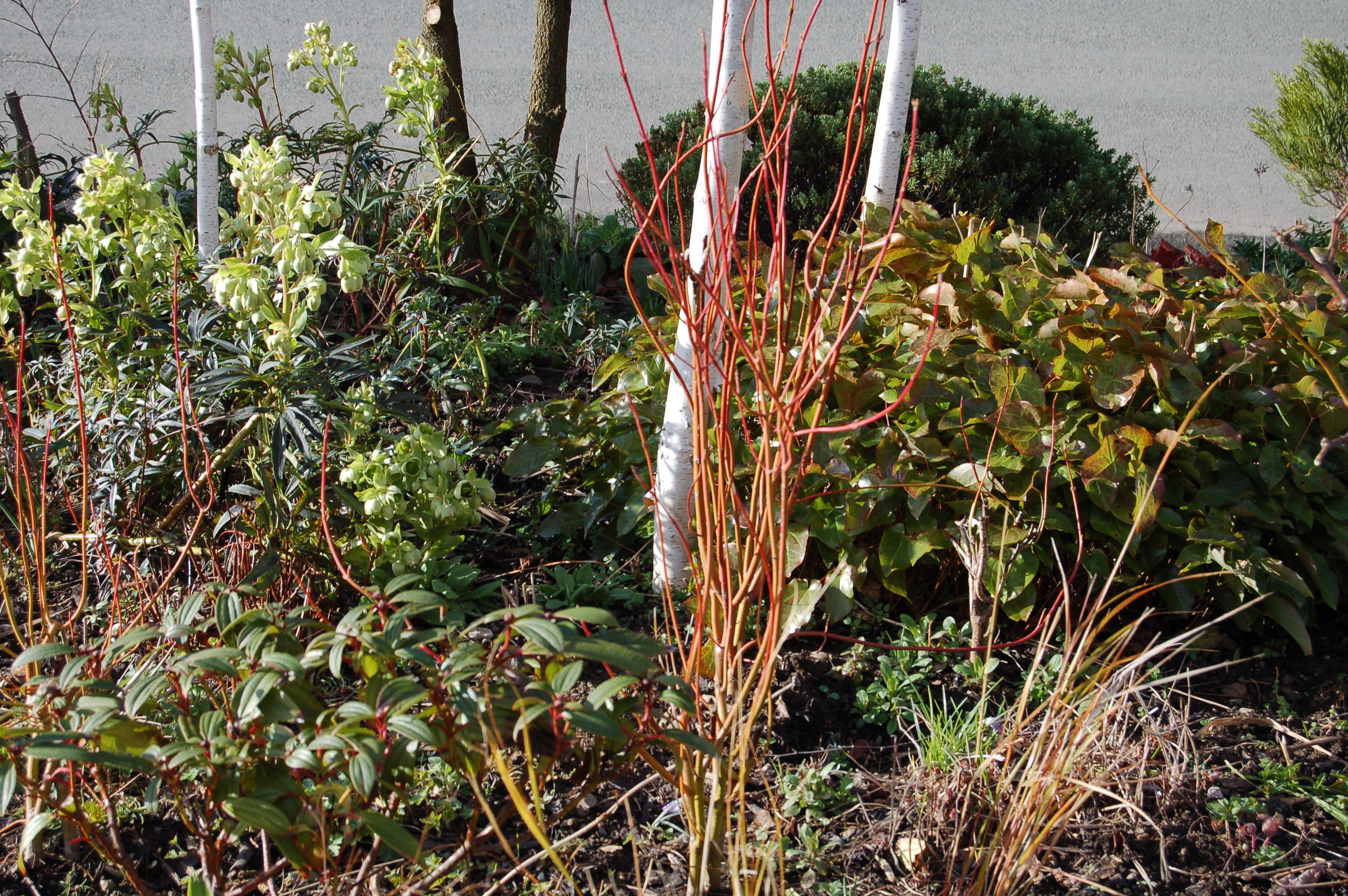
Here some of our many hellebores  are twinned with coloured stemmed cornus and salix.

2014 03 03_6809

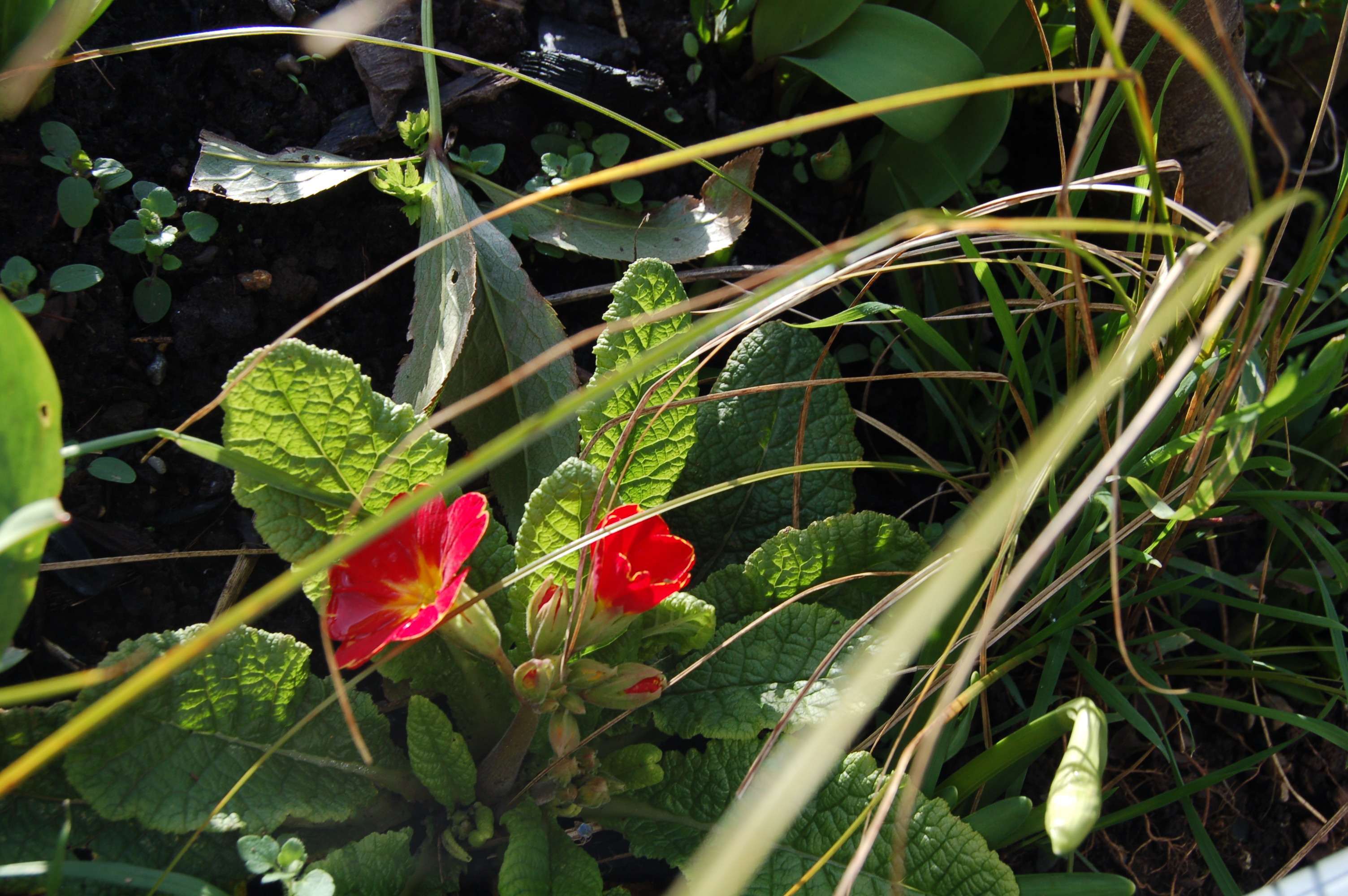
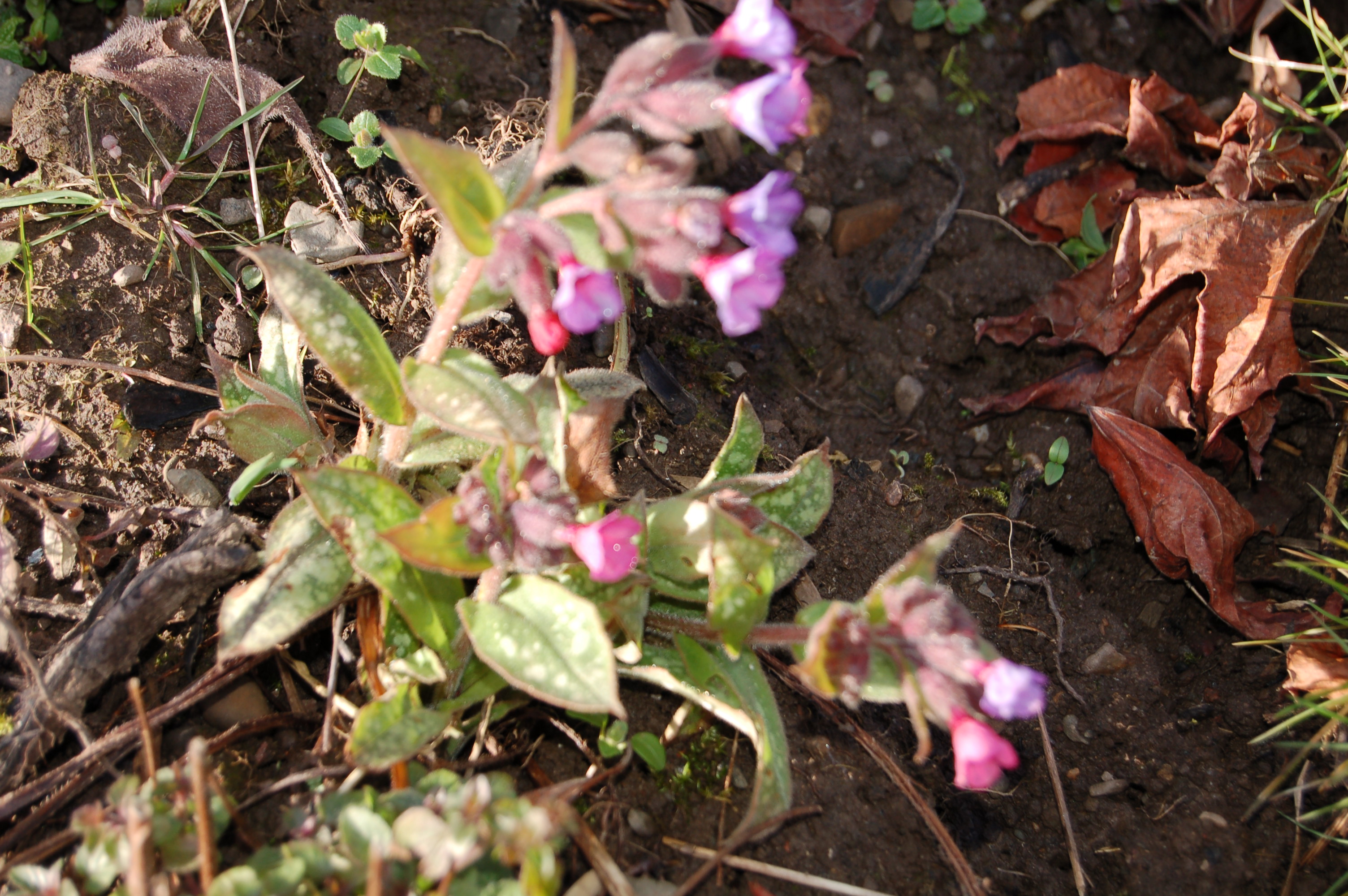
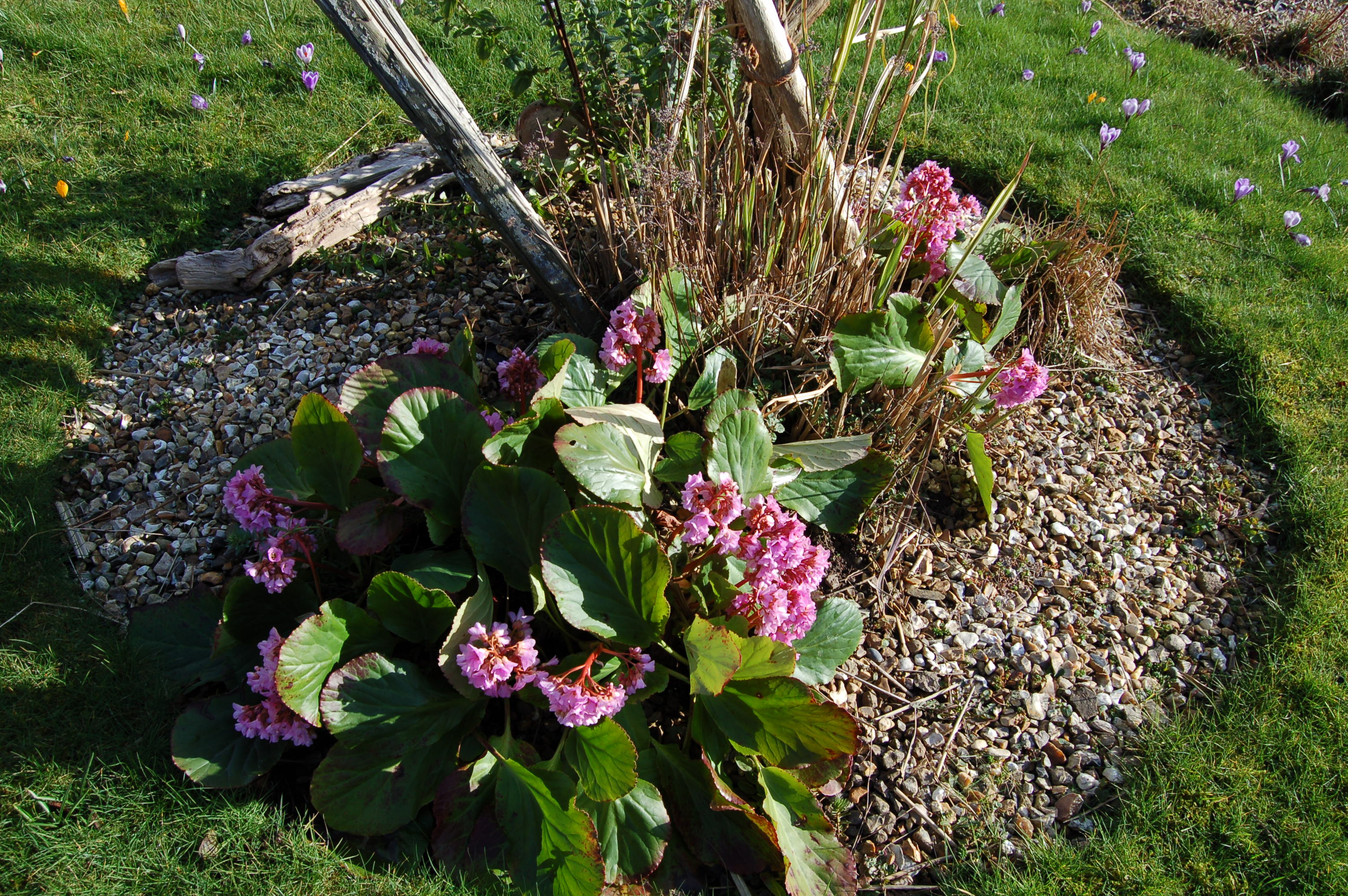
Any flower brave enough to appear in the winter is worthy of mention be they primulas, witch hazels, pulmonarias or bergenia. They would perhaps seem quite ordinary if they flowered among the stars of the summer garden but in the winter they are extraordinarily good garden plants.

2014 03 03_6816 2014 03 03_6815     2014 03 03_6810   2014 03 03_6807

2014 03 03_6797 2014 03 03_6799

2014 03 03_6798 2014 03 03_6791

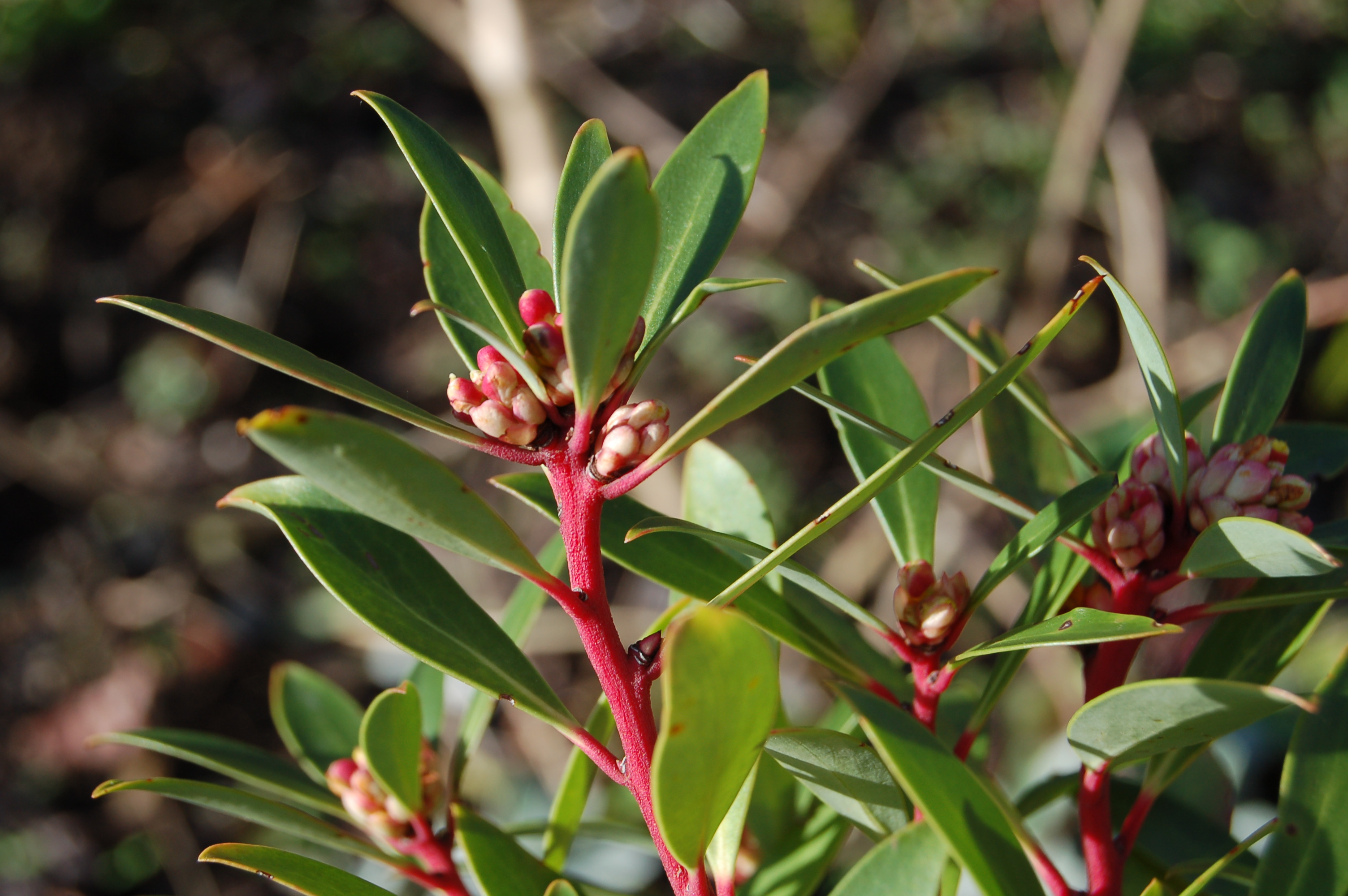
A recent discovery is the shrub Drimys with its red stems, glossy green foliage and buds looking fit to burst into life.

2014 03 03_6804  2014 03 03_6803

2014 03 03_6802     2014 03 03_6795 2014 03 03_6794 2014 03 03_6793

Structures such as our cloud pruned box hedge that lines our central path become much more important and noticeable in the emptier garden of winter. But we hope our garden is now richer in this the coldest and darkest of our seasons.

2014 03 03_6814

We must not forget the role our feathered friends play in adding colour, sound and movement to our garden in winter.

2014 03 03_6842

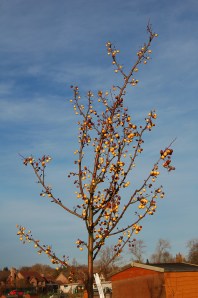
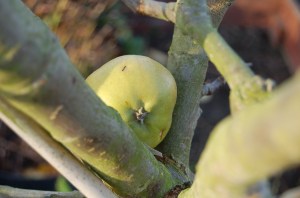
Part Two of our search for the all year round garden will consider our garden in Spring. Signs of that season are already giving hints of what is to come such as in the buds of the quince fruit tree.

2014 03 03_6822

Categories
garden wildlife gardening gardens log piles natural pest control recycling wise watering

A bit of work on our shade border.

Today we spent a few hours improving the moisture content in the soil in our “Shade Border”. This is the only fully shaded part of our garden so it where we can grow plants that would not appreciate the brightness or warmth of the other sunnier borders. Here we have several Meconopsis Poppies in blue, white and cream, several varieties of Corydalis, some ferns and anemones. The first flowers appear on our  Pulmonarias in blue, pink, red and white soon followed by the tiny blue flowers of Brunnera and the whites and pinks of the uniquely shaped Dicentras. The beautifully cut lace like foliage of various Corydalis provide a perfect foil for their nodding little flowers. These all flower when the deciduous shrubs along the fence are still skeletal. Once the leaves give extra shade overhead the Ferns, Anemones and my favourite nettle the Giant Red Deadnettle, Lamium orvala.

Our worry is that in periods of dry weather the bed gets too dry for these plants and they begin to suffer. We decided the only answer was to use seep hose. It took just an hour to perform this important task which we hope will make these shade-loving plants much happier in the warmer summer months.

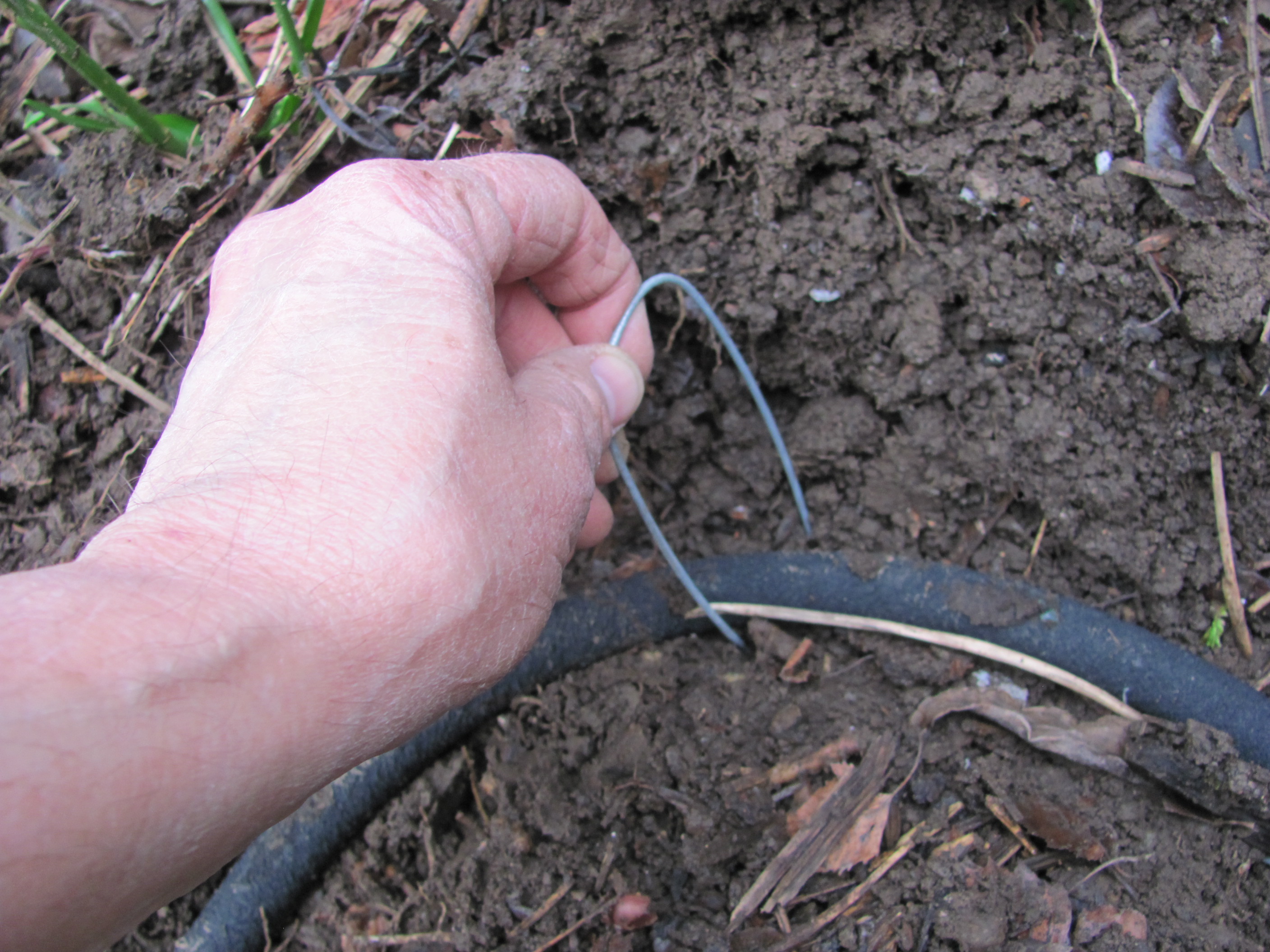
Firstly we cut some tough galvanised wire into 12 inch lengths and bent them into pegs like giant staples. We laid the pipe across the surface of the border in a serpentine pattern, leaving one end exposed where a hose can be attached when needed.

2014 02 20_6614 2014 02 20_6615

We dug out a 3 inch deep trench alongside the hose, placed the hose into the trench and then pegged the hose down with the wire.

2014 02 20_6616 2014 02 20_6617

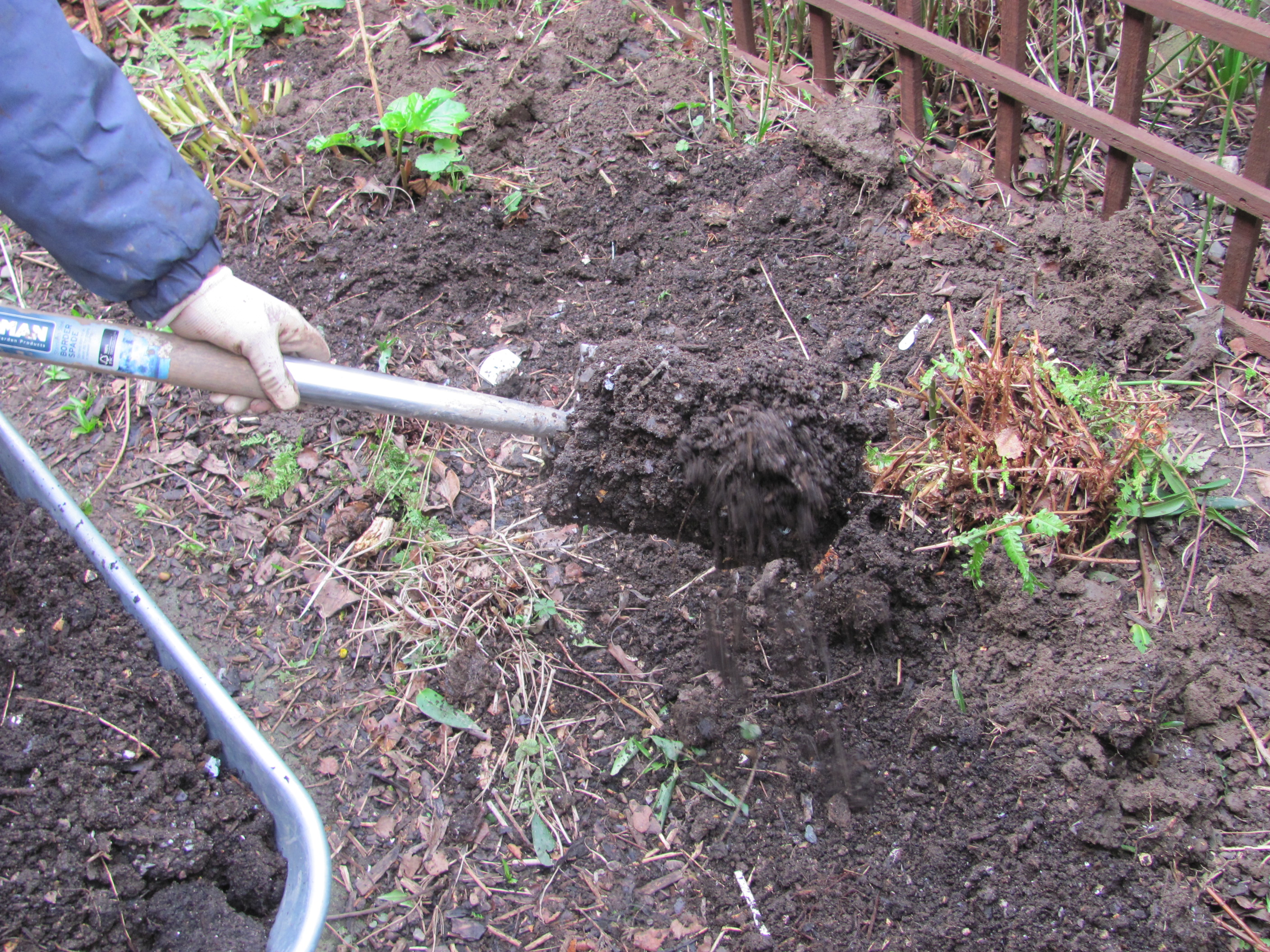
We added a good dose of our “black gold”, rich home made garden compost over the hose and then over the whole area. The compost in the trench will act as a wick for the water from the seep hose which we hope will slowly creep into the compost around the plants.

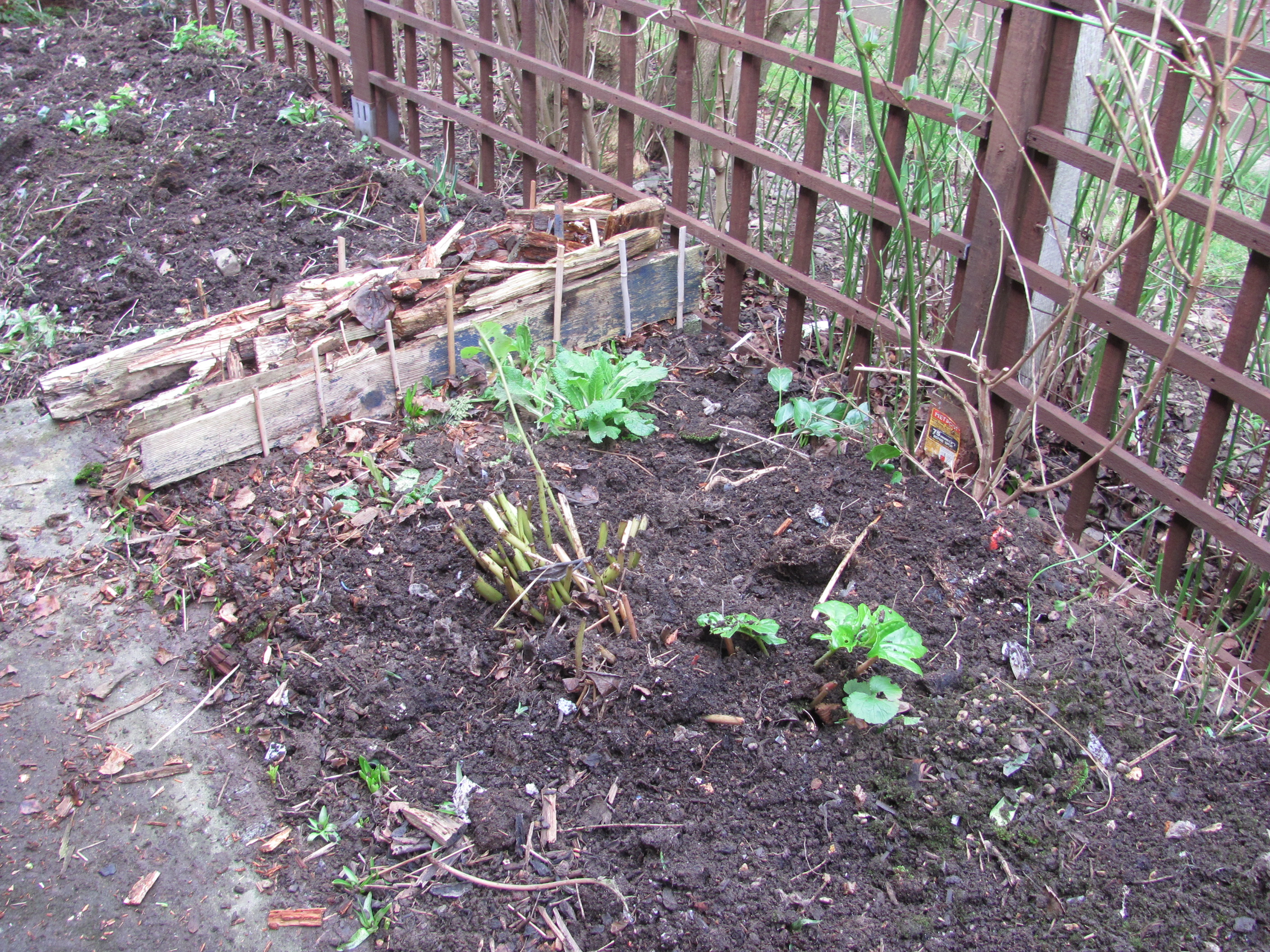
The final touch was to build a log pile out of rotting wood to attract beetles which are useful predators. They will help look after the plants for us.

2014 02 20_6618 2014 02 20_6619

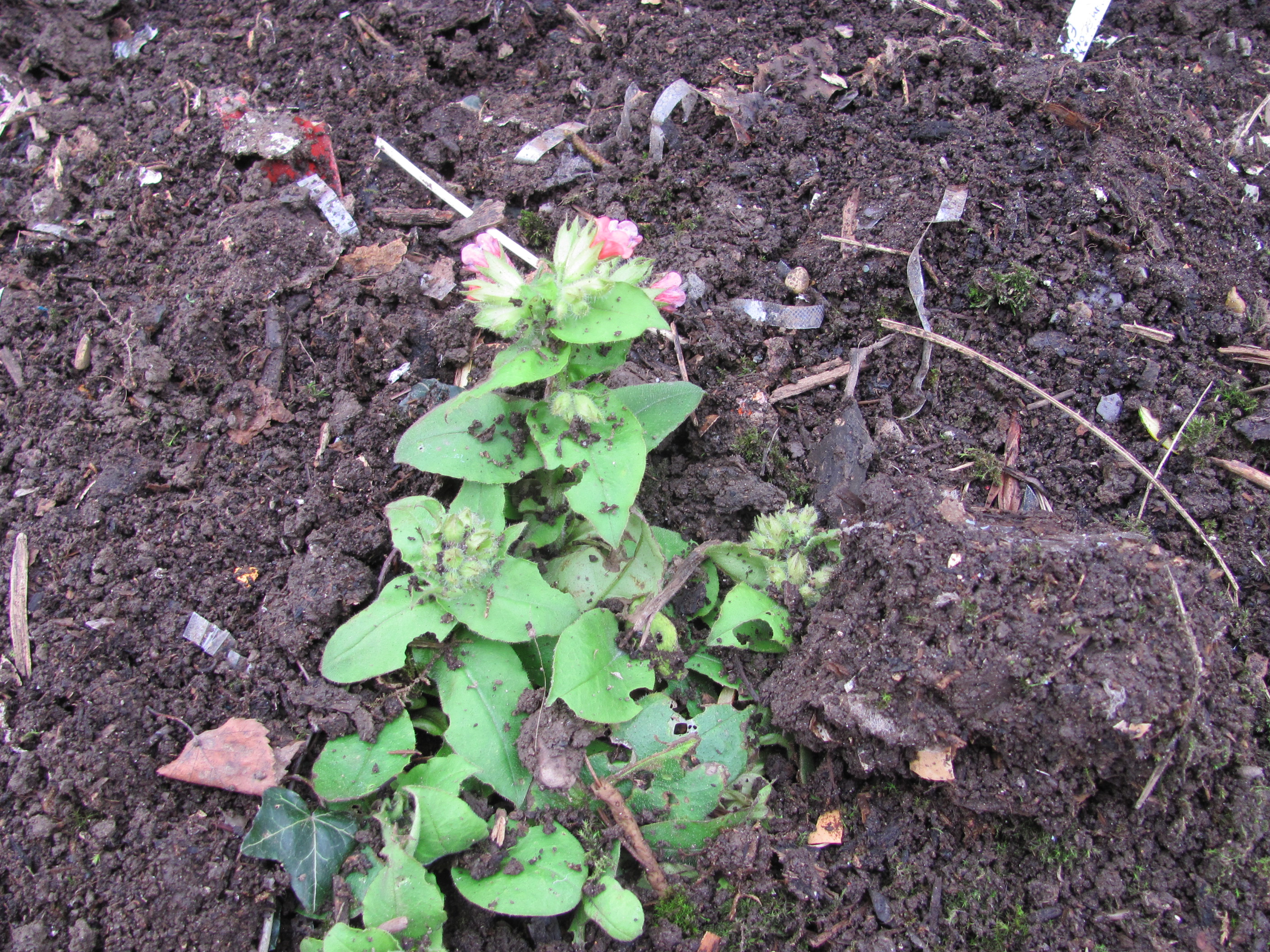
We had to carry this out very carefully as the first sign of flowers had already begun. This red Pulmonaria is the first flower in the shade garden this year.

2014 02 20_6620

Categories
allotments bird watching birds community gardening garden wildlife wildlife

A Morning at the Allotments – Checking the Bird Boxes

We usually check out the bird boxes around the allotment site in late autumn but as the autumn and early winter were so wet and windy we didn’t fancy using the ladder on the soft, waterlogged ground. Eventually in mid-January we got it done.

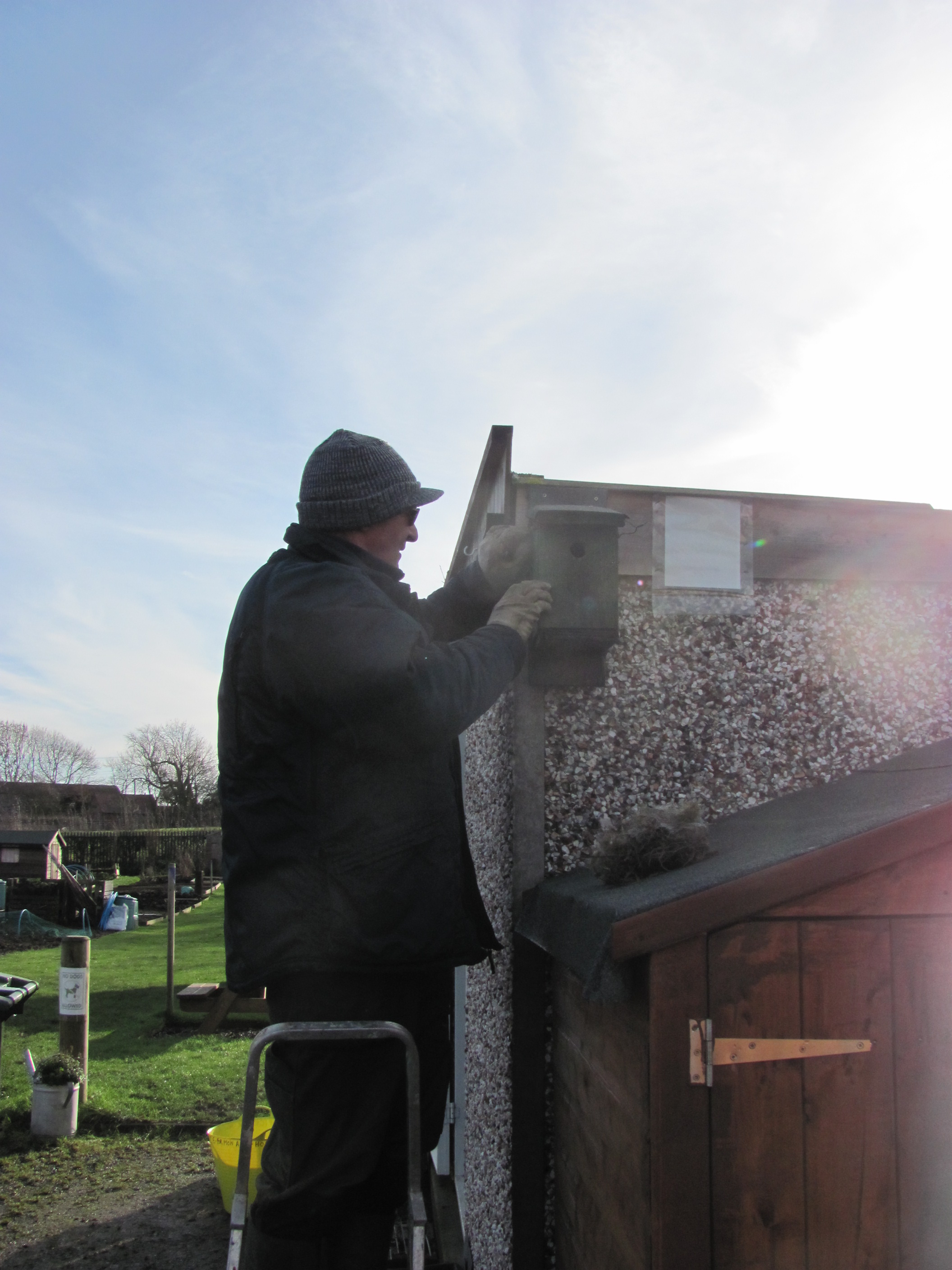
Pete and I wandered around the site with step ladders and trug and of course both wearing a good pair of gloves to avoid any little nips from the nest mites that may still be in residence. They would normally have been killed off by now if we had had cold spells but with the milder than usual temperatures we were taking no chances.

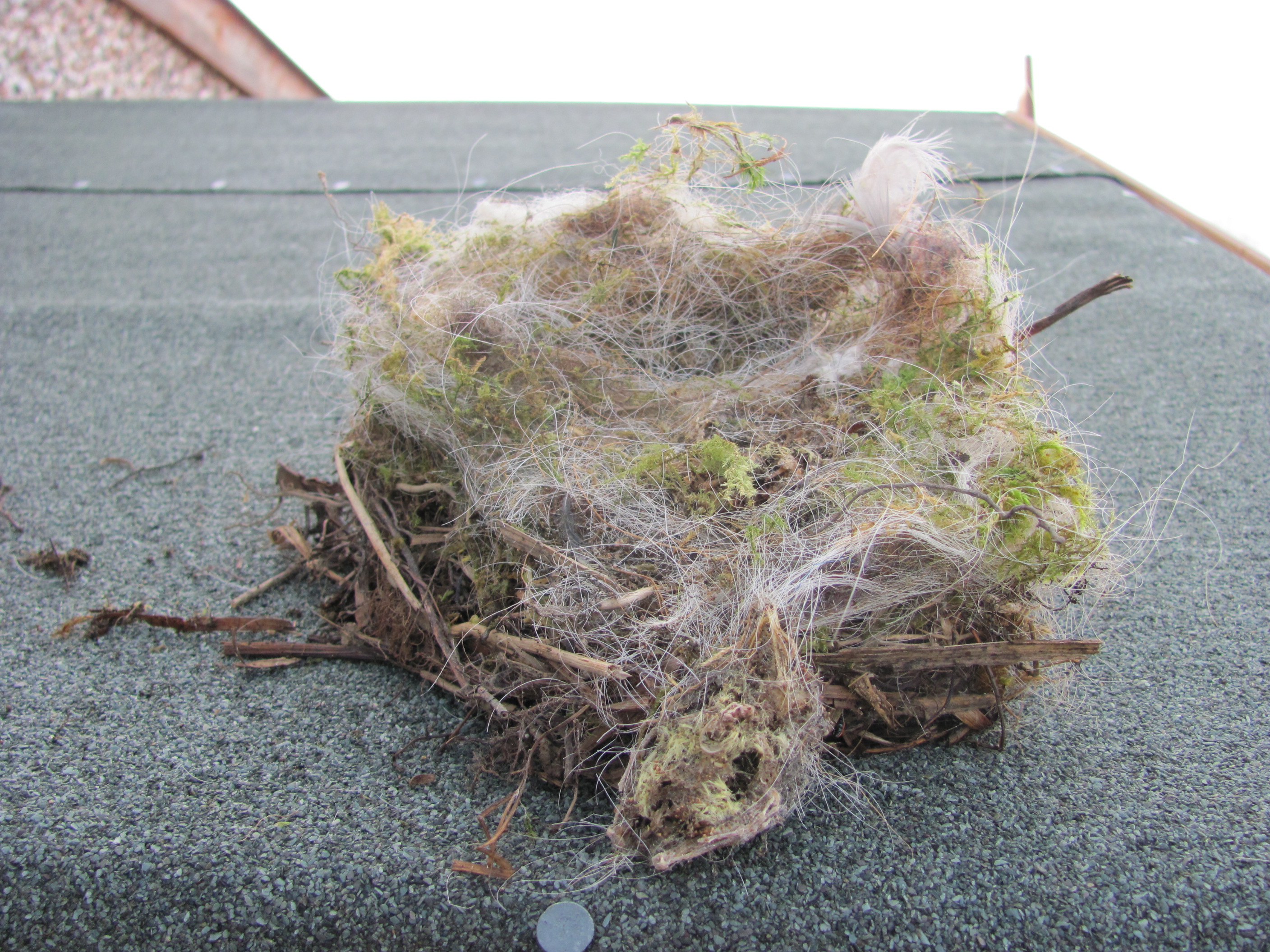
As usual all the holed boxes had been nested in by Blue Tits and Great Tits so we removed the old nest materials of fine grasses, horse hair mosses etc. and put them on the communal compost heaps to rot down.

2014 01 16_5910 2014 01 16_5909

2014 01 16_5912 2014 01 16_5911

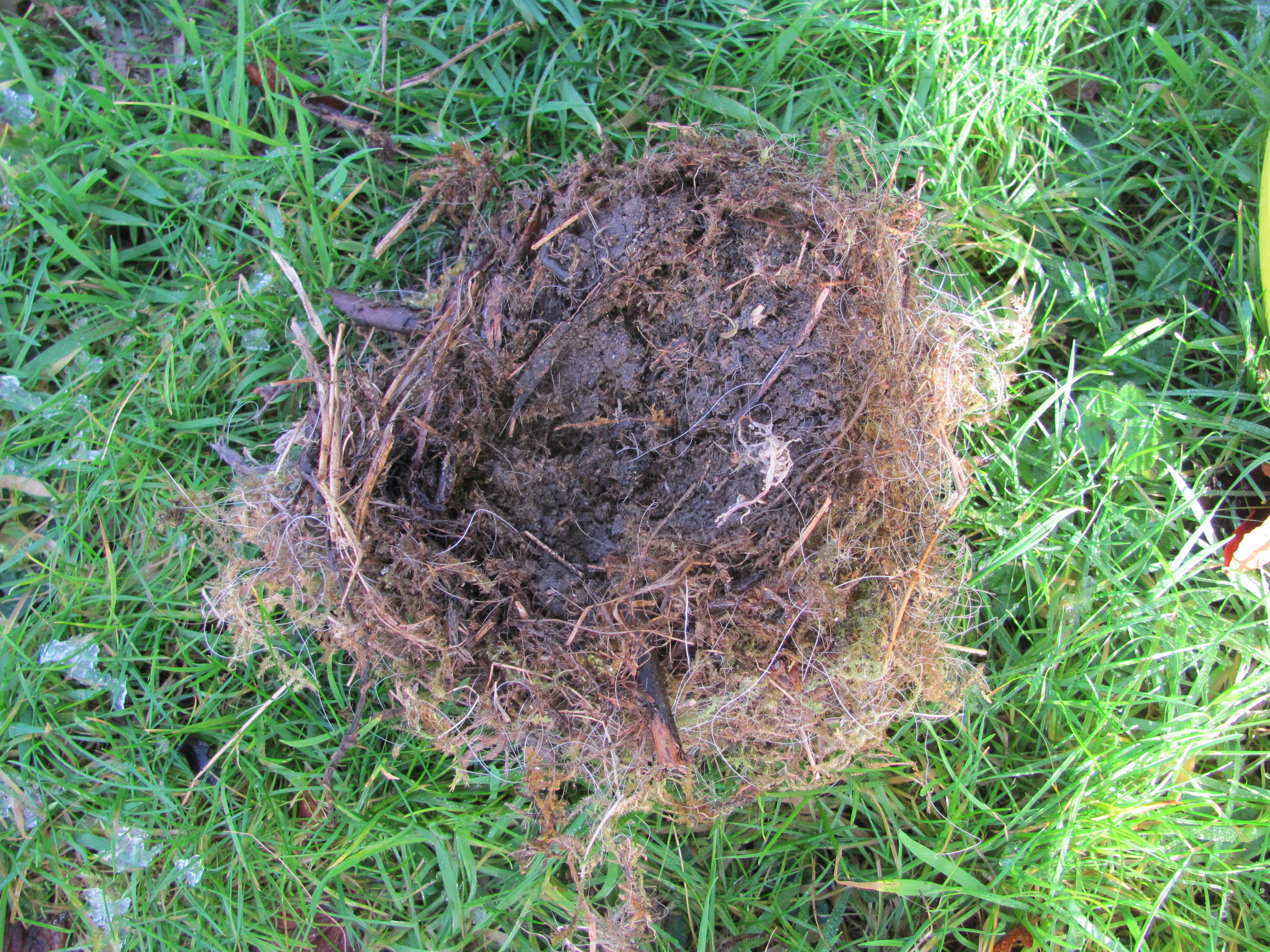
A bonus find was a Dunnock nest at the bottom of a cotoneaster shrub in the Autumn Garden, built just 9 inches from the ground. These secretive little songsters are normally very shy, spending much of their time skulking in hedge bottoms searching for insects and invertebrates. This pair were confident enough to build their nest right alongside a pathway, just a couple of feet from where people regularly pass following our “Interest Trail”.  The nest is hard to see but try to spot it in these photos.

2014 01 16_5906 2014 01 16_5907 2014 01 16_5908

Completely different in character to the Dunnocks Great Tits are far more brazen. A pair had nested in this nest box fixed to the Communal Hut 2, one of the busiest places on the site. They gave hours of entertainment for members who could watch them taking nesting materials in, then the male bird feeding the female as she incubated the eggs and then the busiest time of all when both parents fed their hungry youngsters. Free entertainment when we enjoyed our tea breaks.

The nest boxes and bird feeding stations around the site afford members, their families, friends and our many visitors with plenty of entertainment and of course for the children they have an important educational role to play.

Of course being an all organic site we rely on our feathered friends to help us with our pest control. When feeding their nestlings the adult birds catch thousands of aphids and caterpillars.

2014 01 16_5913 2014 01 16_5925

None of the open fronted boxes were used last nesting season so we are hoping for success this year. We have tried moving a few to more secluded places where the birds may feel more confident to try them out. As our extension opened in the spring this year we have more nest boxes to go up – a job for the next week or two.

Categories
allotments birds community gardening countryside garden wildlife gardens wildlife

New Wildlife Pictures for the Allotments

We have an interest trail on our allotment site with accompanying trail guide and also several quizzes for different ages of children. For one quiz we challenge the children to follow our trail keeping an eye out for the pictures of several creatures who live in the wildlife friendly green spaces. The pictures are found in the sort of habitat where each creature would live. The pics are just photocopies of pictures which are laminated so have a short life span. We seem forever to be having to replace them so decided to try a more permanent solution.

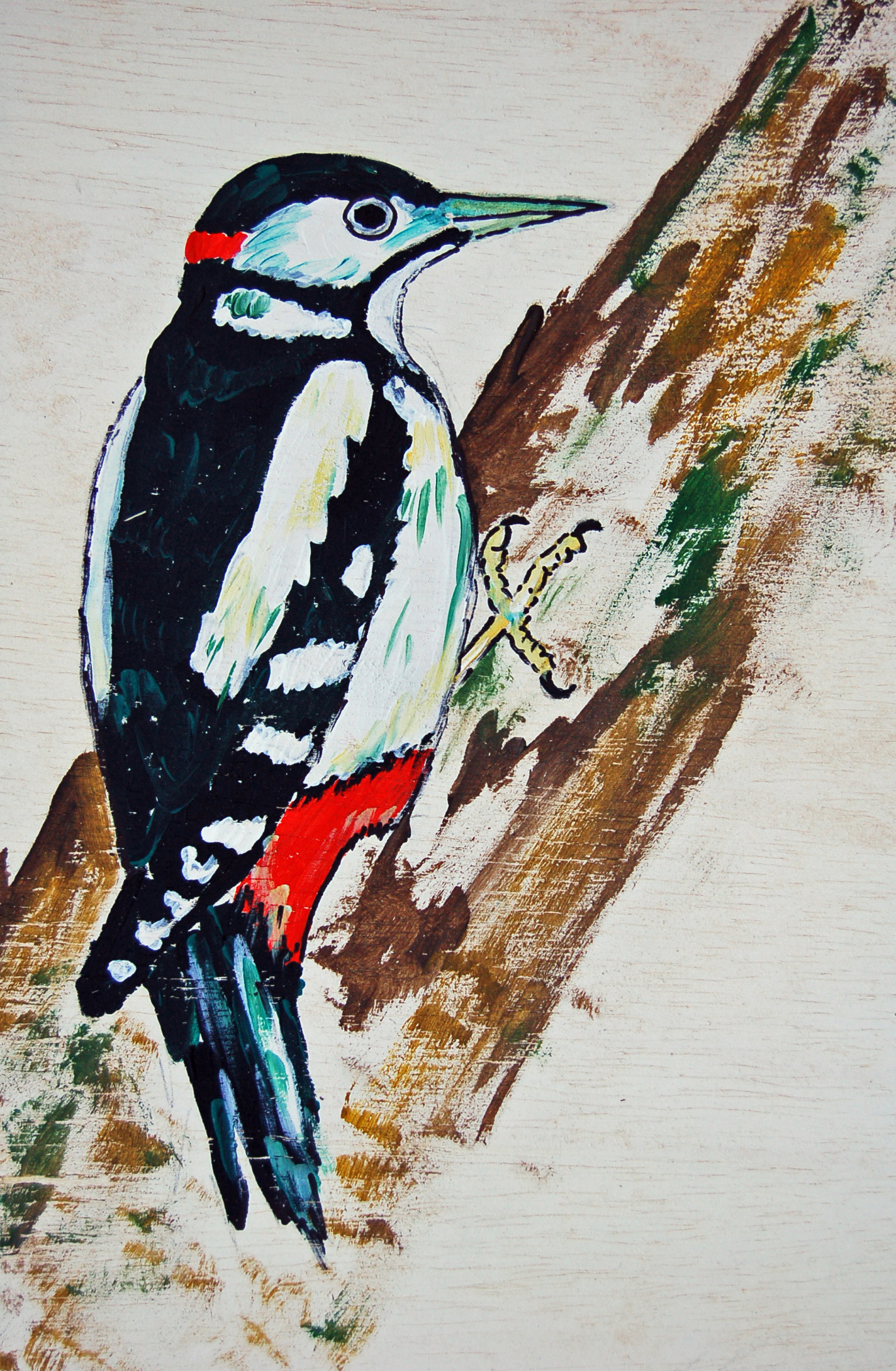
I have just finished creating paintings of the creatures onto marine plywood and varnished them so that they will last a long time. So here they are for you to look at. It seems a while since I included any of my paintings on a post so I shall have to try to include more this year. Being destined for the outdoors the signs needed to be waterproof and able to stand up to our open site. I decided my usual watercolours would bot suffice so I retuned to a medium that I had not used for decades, Acrylics. Once I started using them though the skills all came back – just like riding a bike!

The Greater Spotted Woodpecker and the Peacock Butterfly. I start with these two as they were the cause of strange happenings as I was painting them. As I finished the picture of the Woodpecker I held it up to show Jude and a real one flew across the garden and landed on a feeder where he proceeded to devour peanuts for a long while. This seemed a little coincidental but the Butterfly picture caused a similar happening. As I finished the painting again I held it up and as I did so a real Peacock Butterfly flew down and fluttered around me. Amazing! We can only presume it was hibernating in the roof of the conservatory where I was painting and for some reason woke up. I caught it gently and placed it carefully in the garage where we hope it has found another snug winter hibernation home.

2013 12 31_5648_edited-1 2013 12 31_5649_edited-1

The Grasshopper and the Bumble Bee.

2013 12 31_5647_edited-1 2013 12 31_5646_edited-1

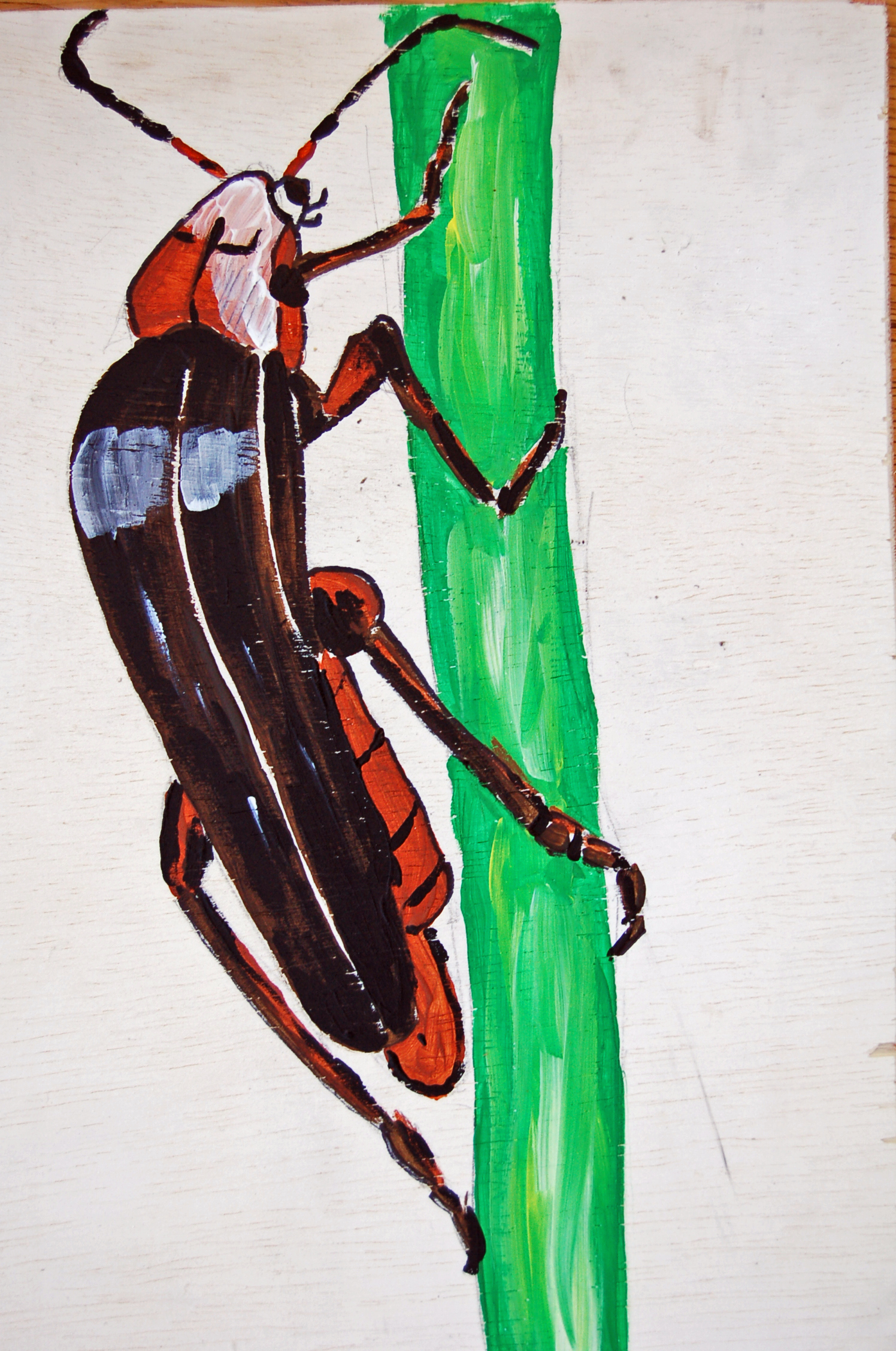
The Grass Snake and the Soldier Beetle.

2013 12 31_5645_edited-1 2013 12 31_5644_edited-1

The Bat and the Seven Spot Ladybird.

2013 12 31_5643_edited-1 2013 12 31_5650

For my next batch I will try to depict a Damsel Fly, Dragonfly, Field Vole, some moths, more butterflies and some more birds especially birds of prey which have become a bit of a hallmark for our site.

Categories
allotments birds community gardening fruit and veg garden photography garden wildlife gardening gardens grasses grow your own hardy perennials kitchen gardens light light quality meadows natural pest control ornamental grasses ornamental trees and shrubs photography roses spring bulbs wildlife Winter Gardening

What’s on the Plots? An end of year wander around the allotments.

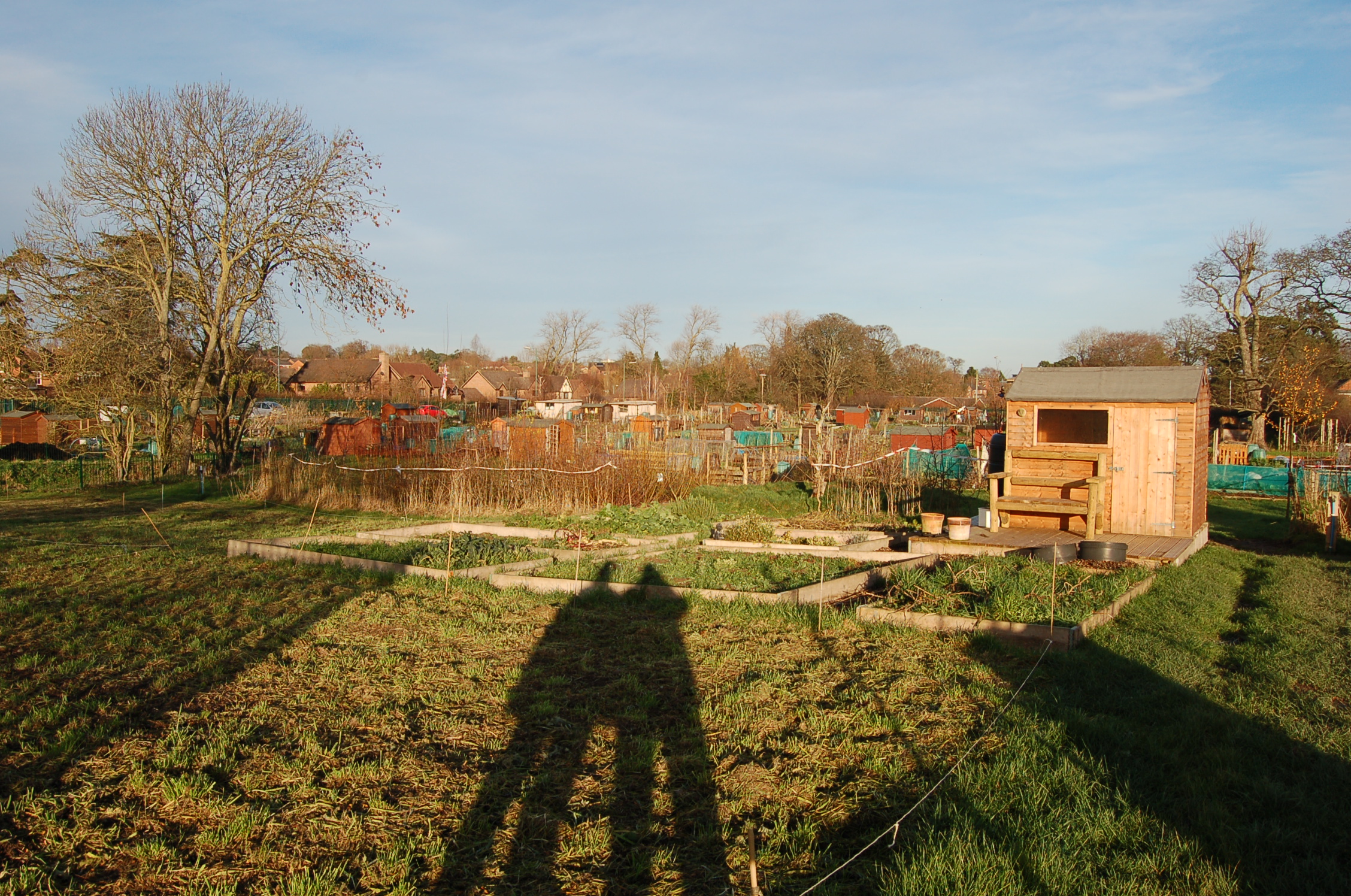
Mid-December often sees the allotment site under snow or at least coated in frost, but not this year. We wandered around today with camera in hand and we were appreciative of the bright clear blue sky overhead. The midday sun cast long sharp shadows and it had enough strength in it for us to feel its warmth.

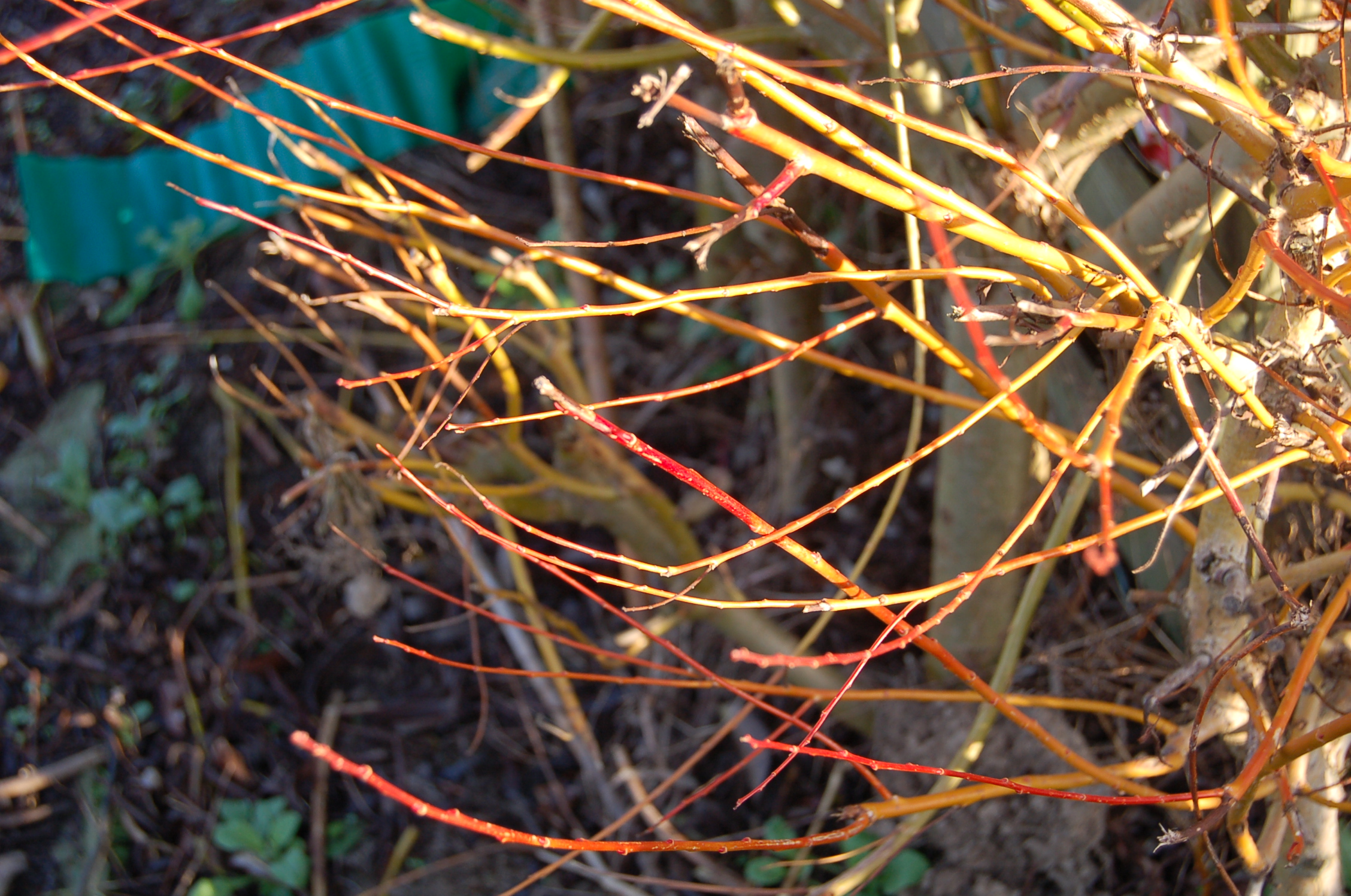
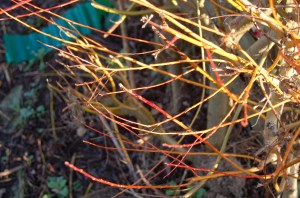
Having checked the post box for messages, and left a few magazines in the communal hut for others to enjoy, we started our tour at Wendy’s lovely plot. There is always something of interest to see and new things going on. We were not to be disappointed today. The sun caught the bright fiery colours of the willow hedge surrounding her compost heap.
2013 12 17_5480 2013 12 17_5481

On an obelisk where the soft bark paths cross the striped flag glowed alongside a sparkling glitterball, while this character decorated her shed door. A cranky old monk? Brother Cadfael perhaps when he was dropped by the BBC.


2013 12 17_5482 2013 12 17_5483

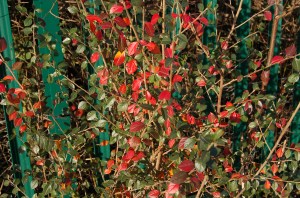
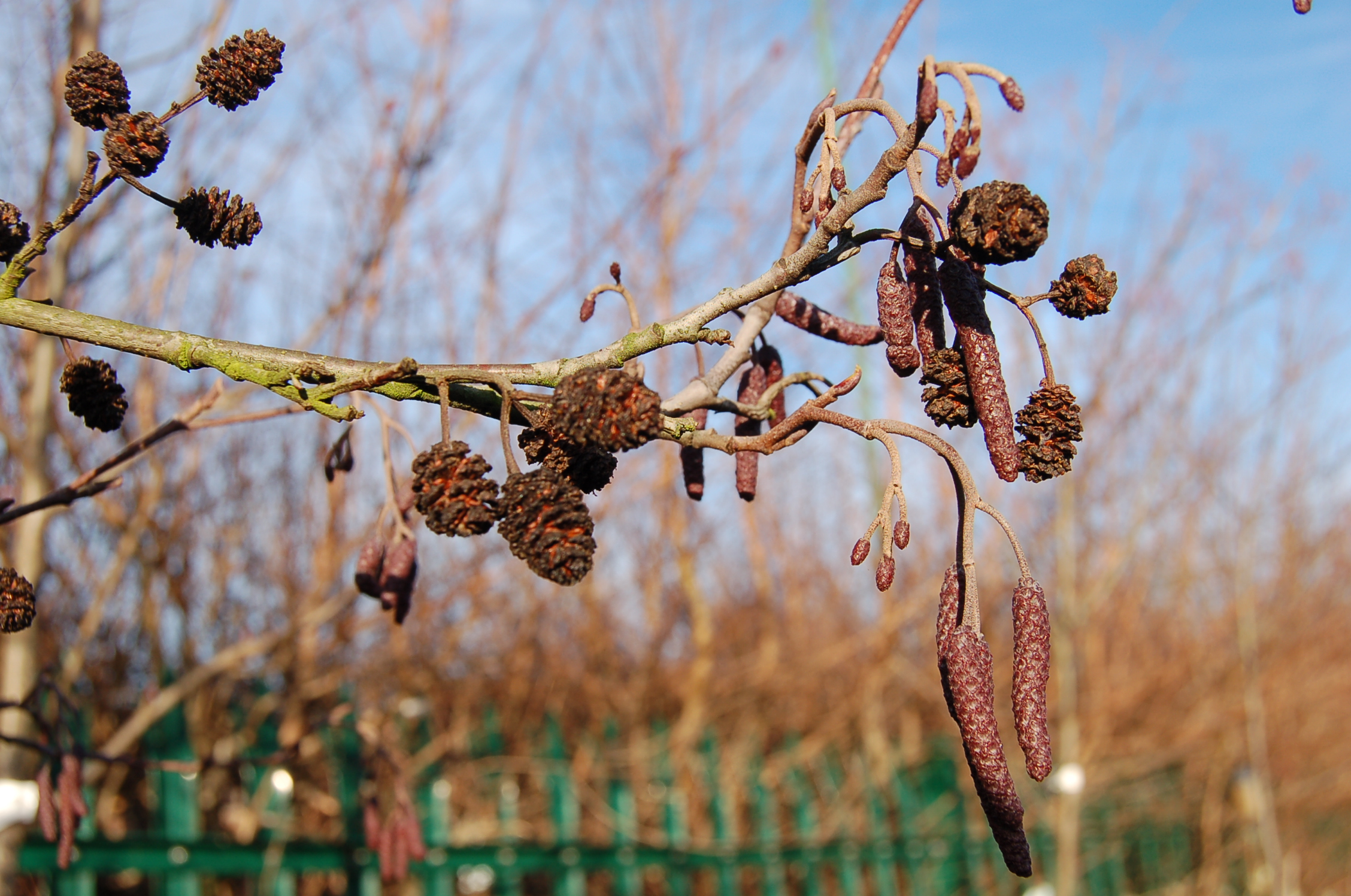
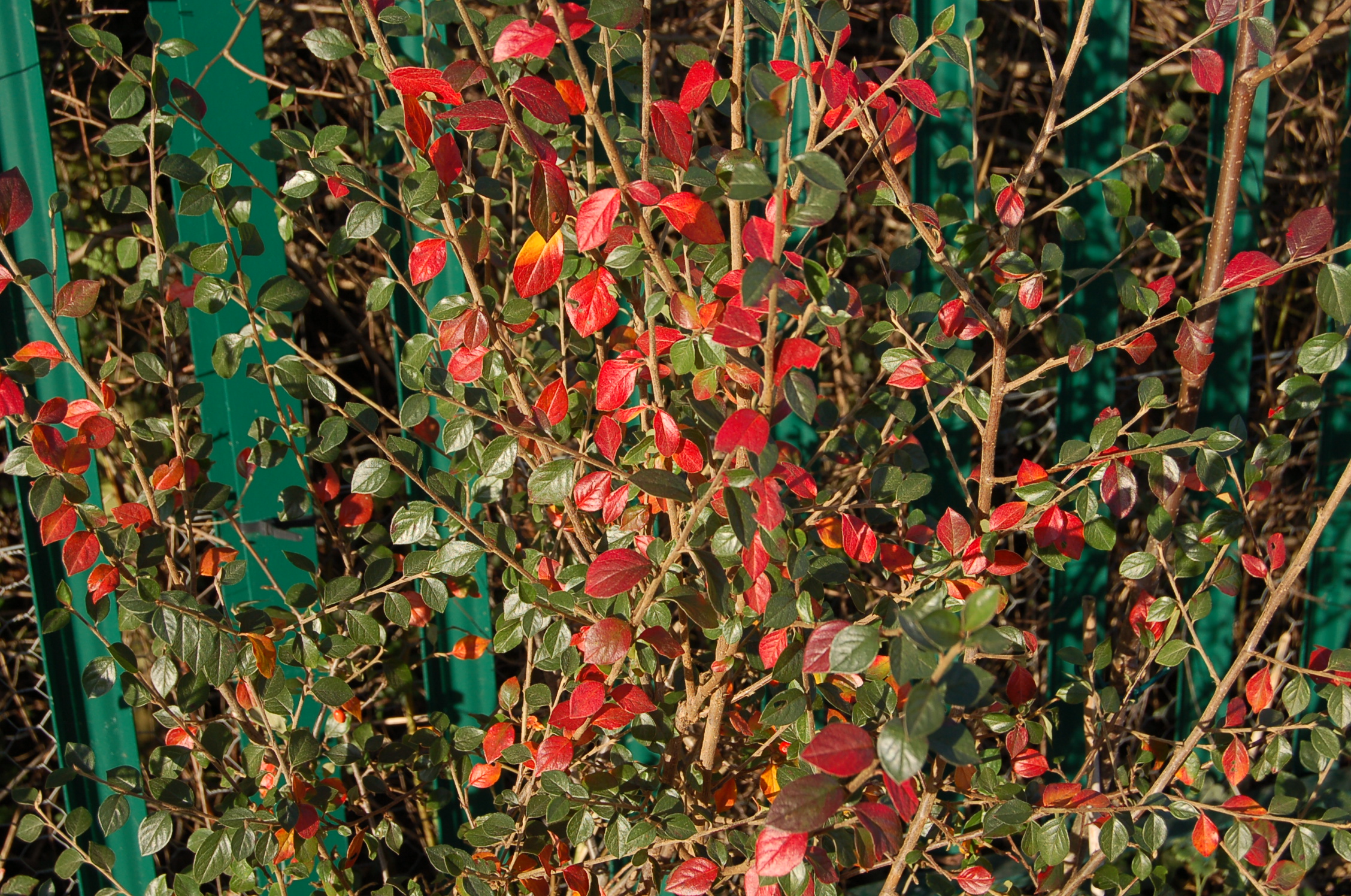
We next moved to the Autumn Garden and our newly planted section alongside our young fedge. The tree here is a Crataegus prunifolia which gives rich red autumn colour and deep red berries which is underplanted with bulbs. The border is planted up with sedum, asters, ferns, some perennial native flora and small shrubs. The cones and catkins of alders are beginning to get their purple hue. Cotoneaster leaves are as red as their berries.

2013 12 17_5486 2013 12 17_5487

2013 12 17_5489

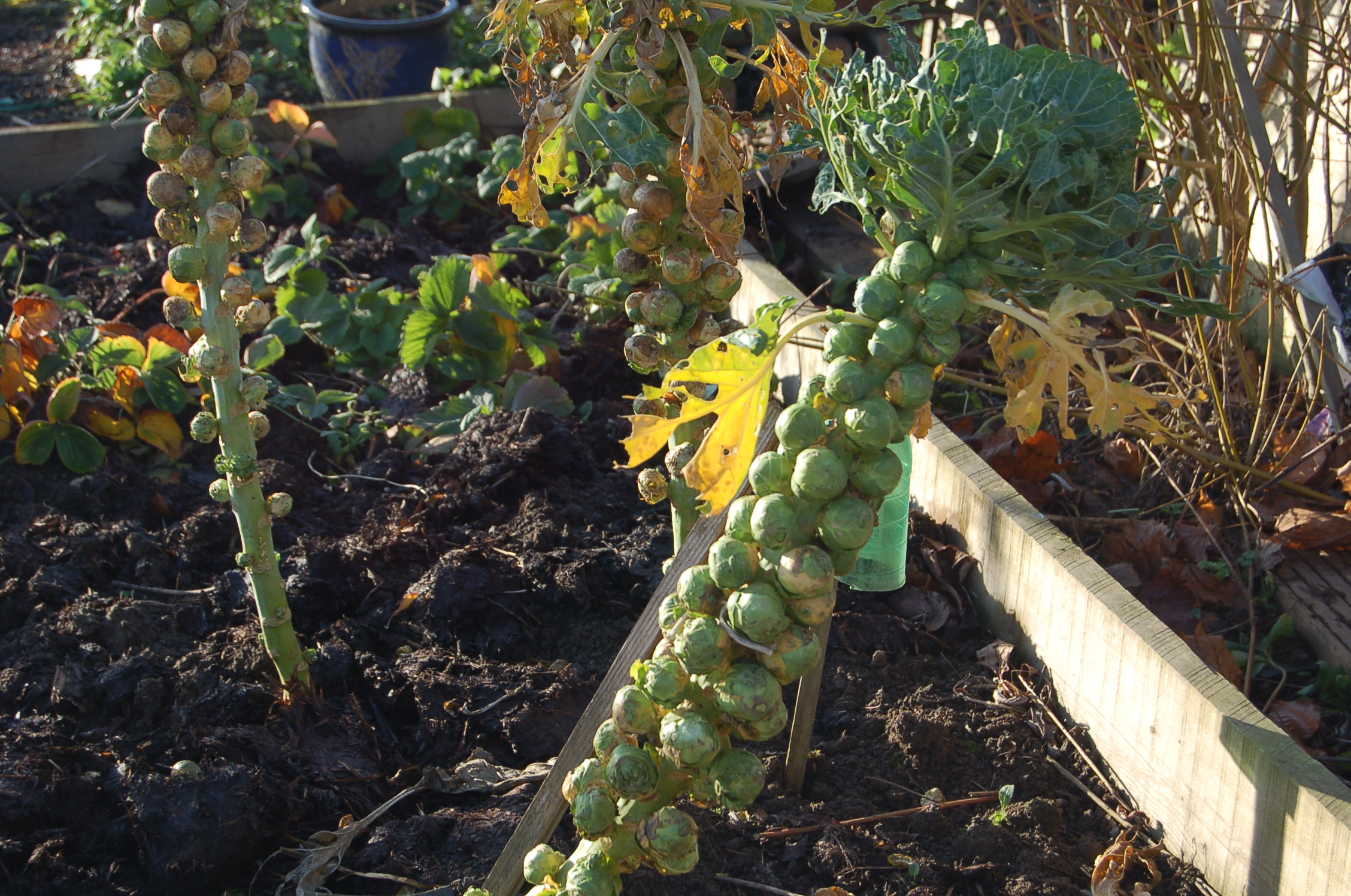
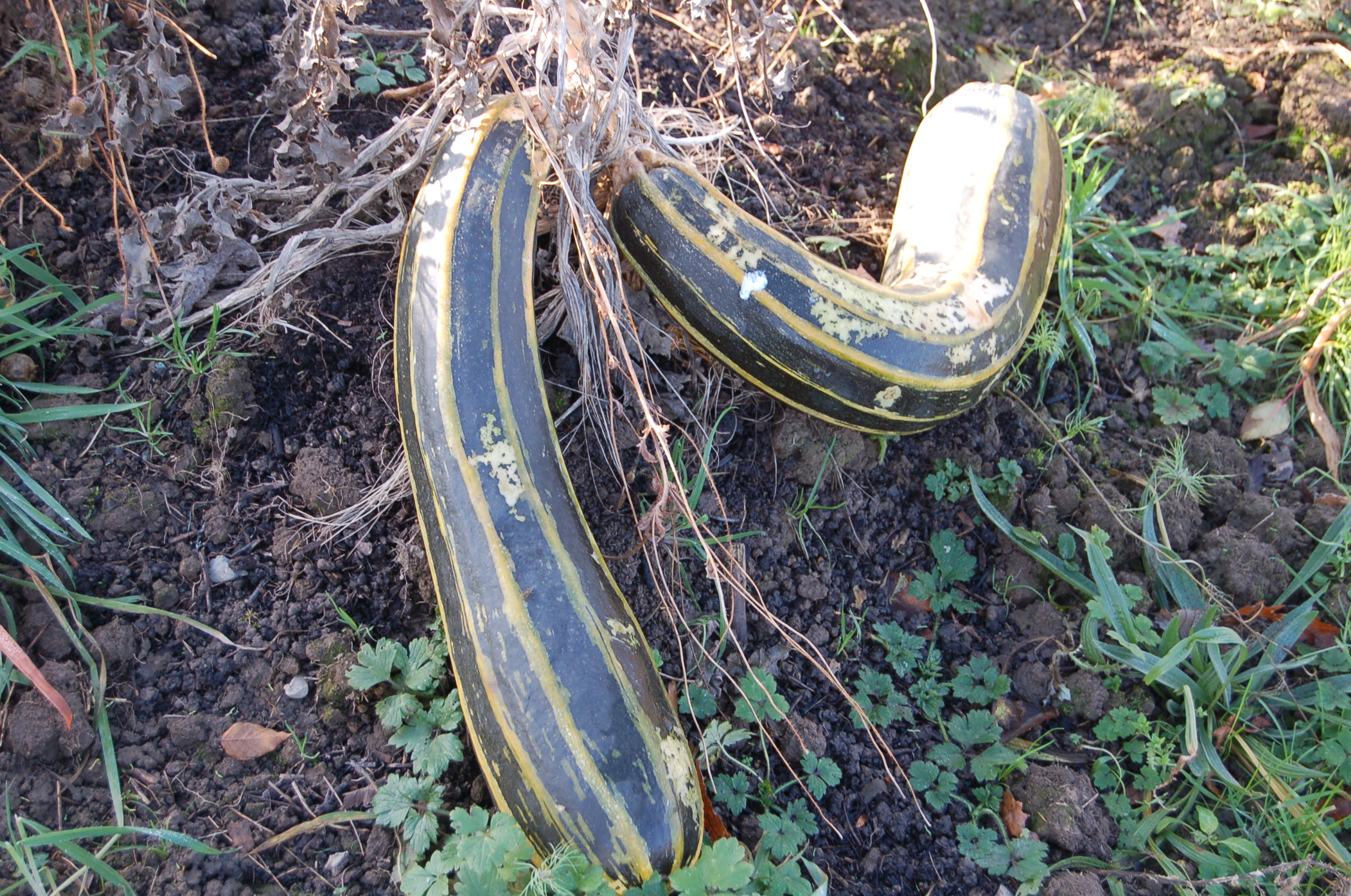
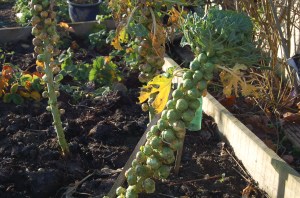
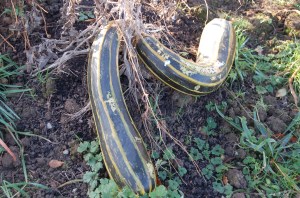
On many plots old crops sit forgotten in places whilst others await being picked throughout the winter. The sprouts will grace a plot holder’s Christmas dinner spread.
2013 12 17_5484 2013 12 17_5485

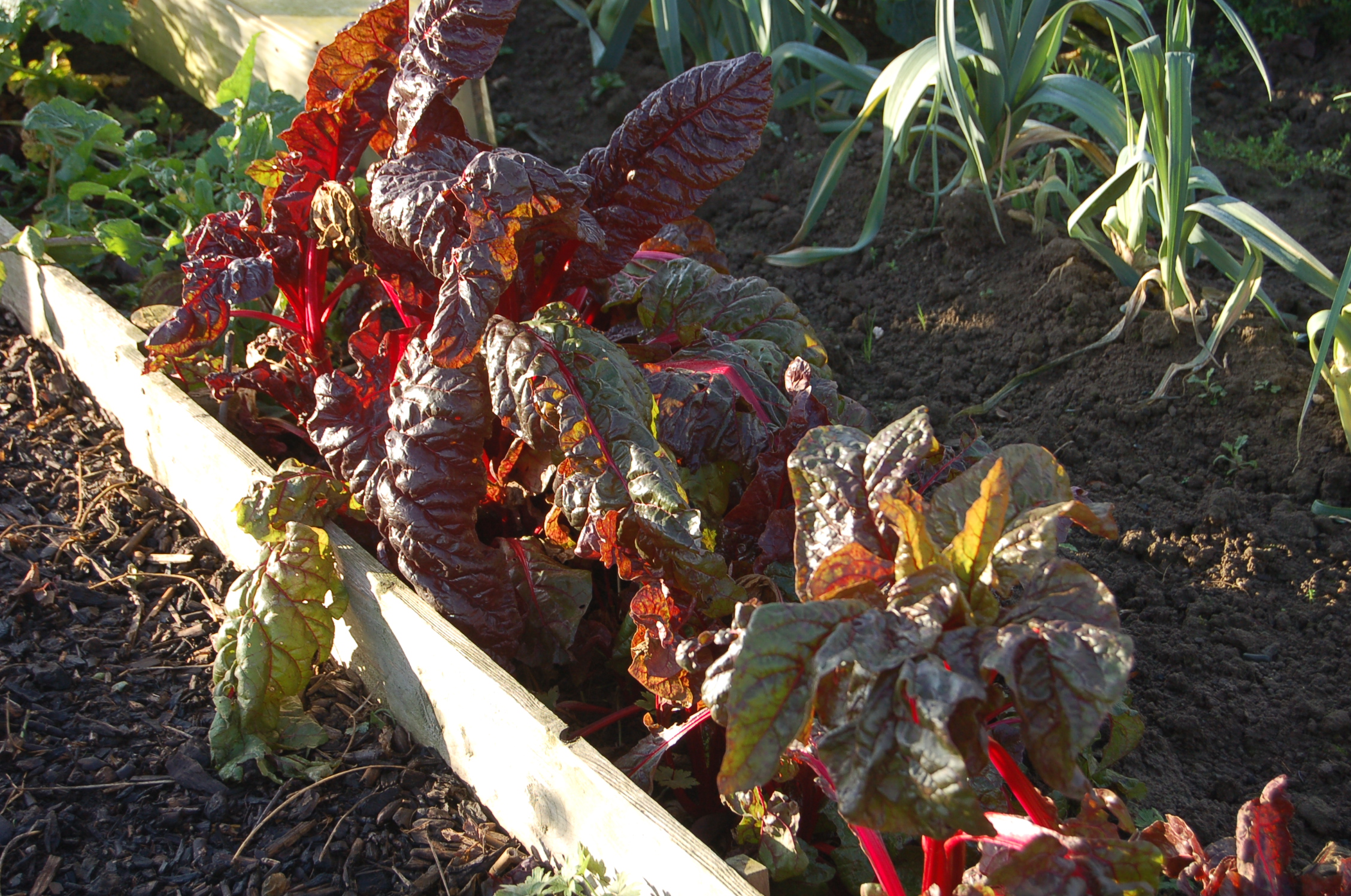
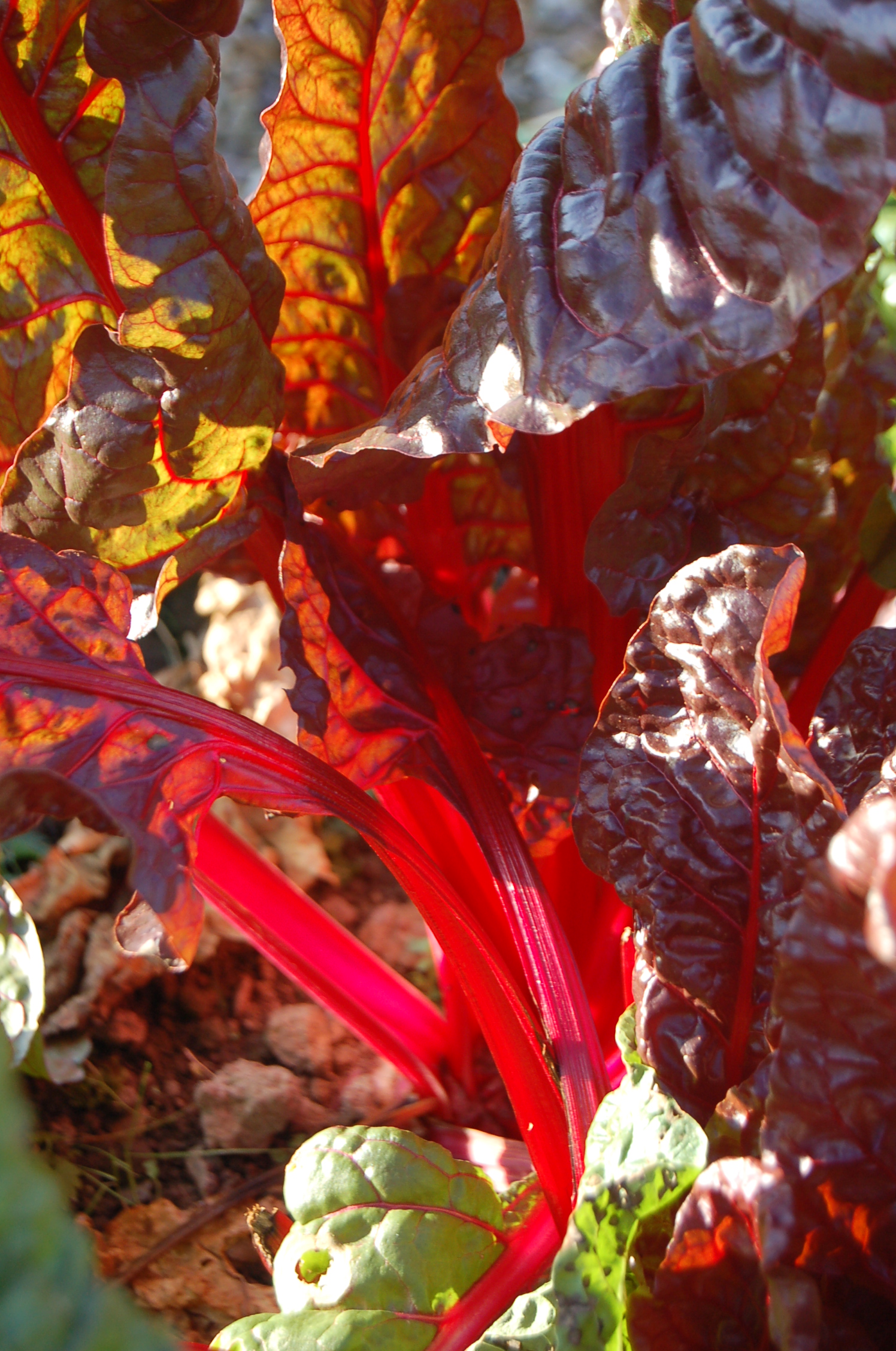
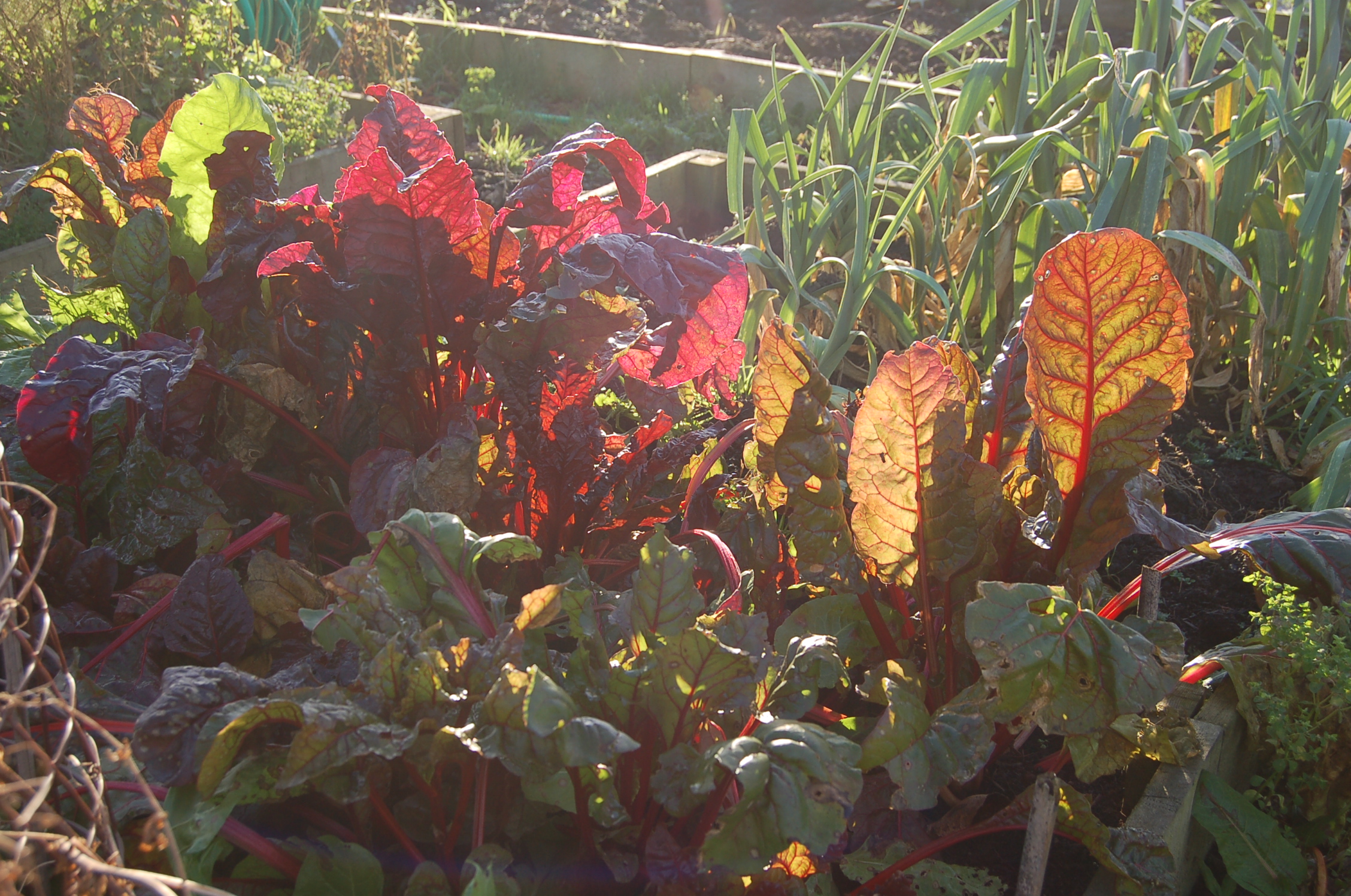
Chard leaves on a sunny day are delightful. The reds, yellows and purples of their leaves and stems glow with the sun behind them.
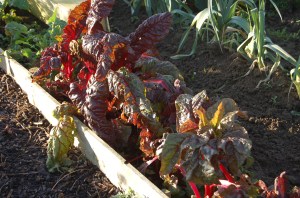
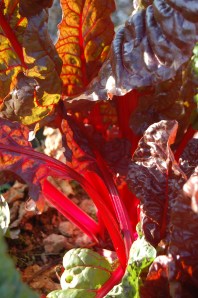
2013 12 17_5488  2013 12 17_5502

2013 12 17_5495 2013 12 17_5535

Further along the borders of the Autumn Garden we passed Trevor’s plot where there is always an interesting development to find. Today we discovered his new shed number. He must have problems remembering his plot number or needs to arrange to visit an optician.

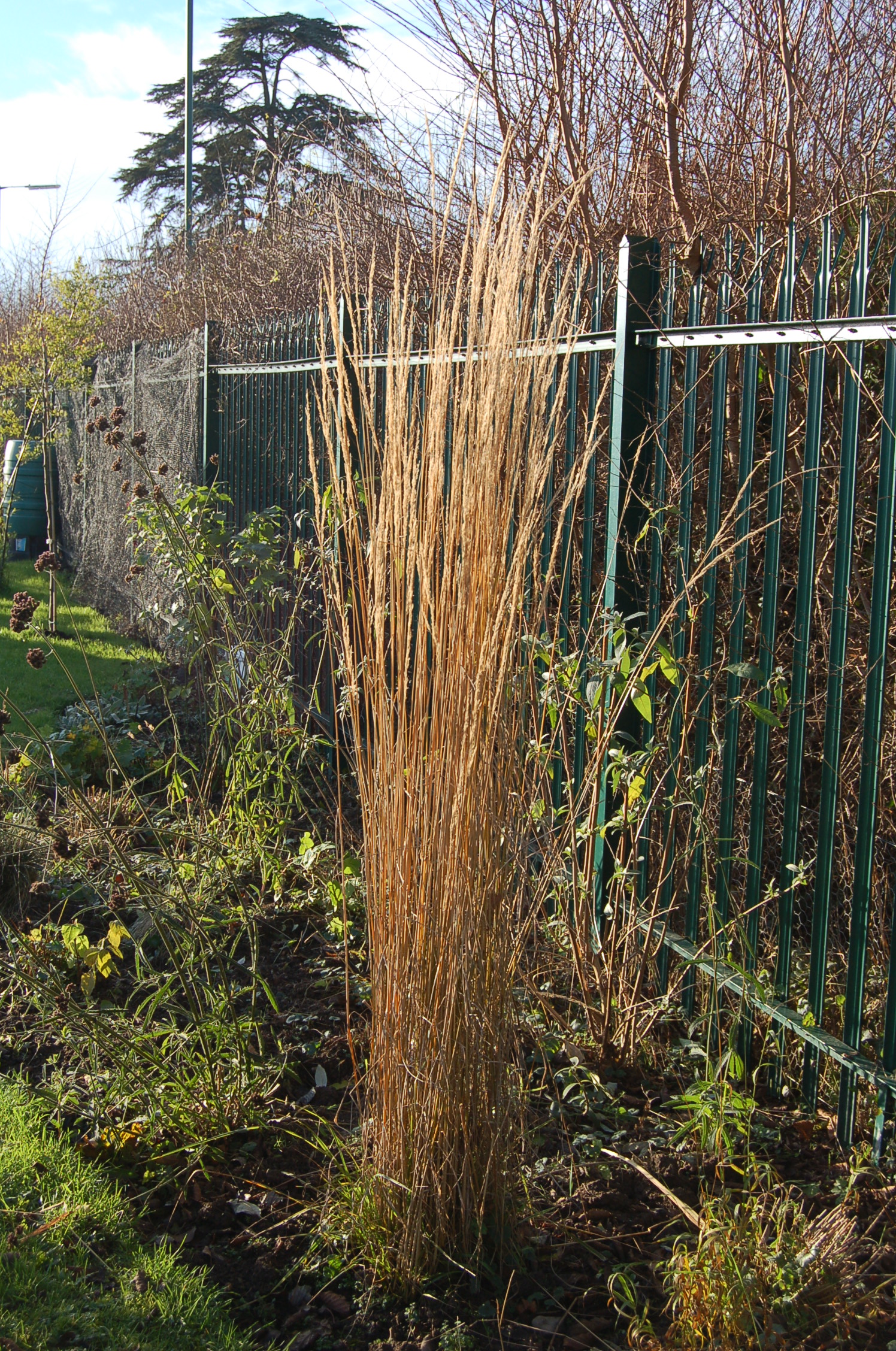
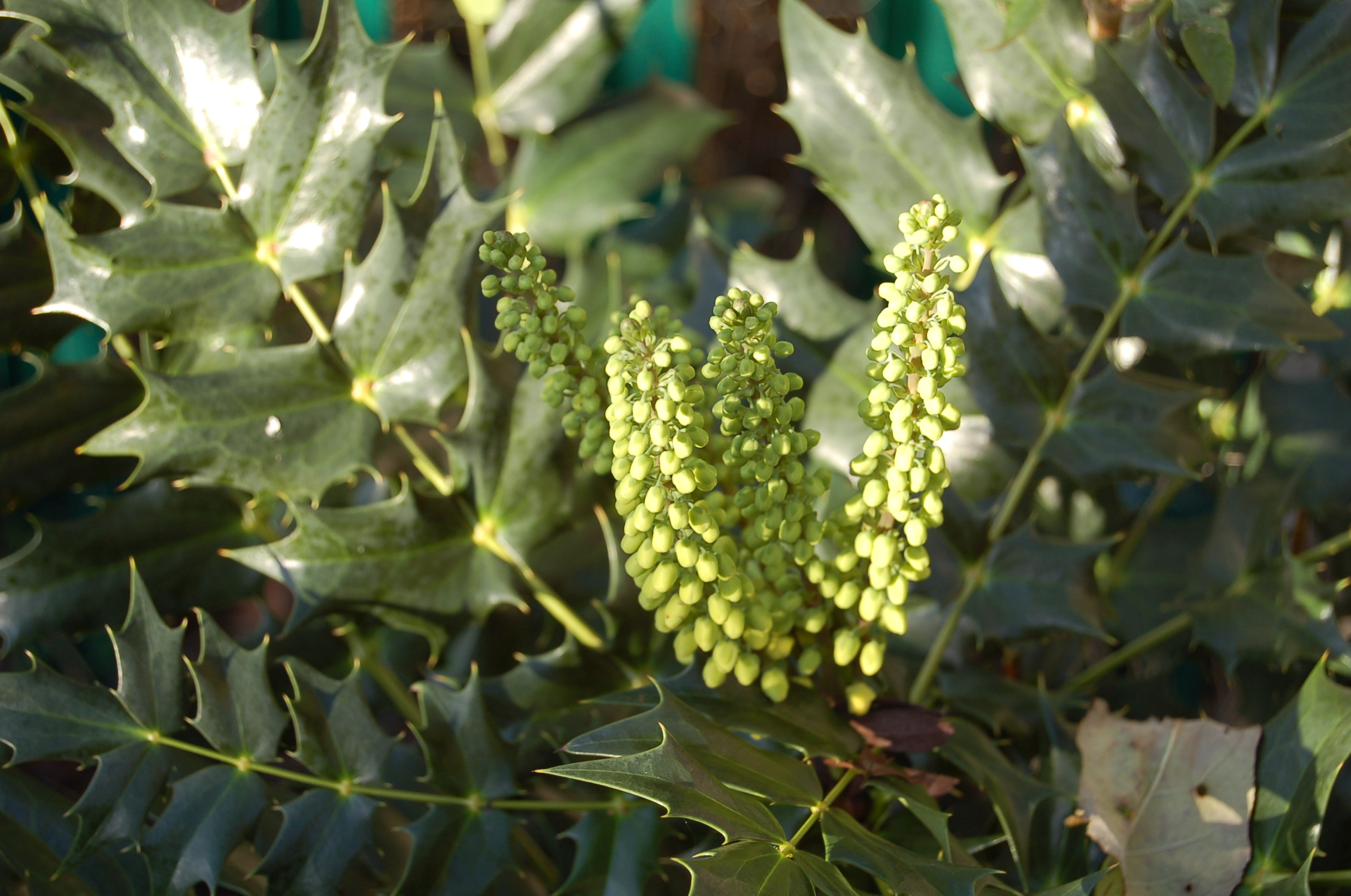
In the final section of the Autumn Garden the grass Calamagrostis acutifolia “Overdam” stand tall and to attention and gentle honey scents flow from the lemon flowered Mahonia.

2013 12 17_5490 2013 12 17_5491 2013 12 17_5492

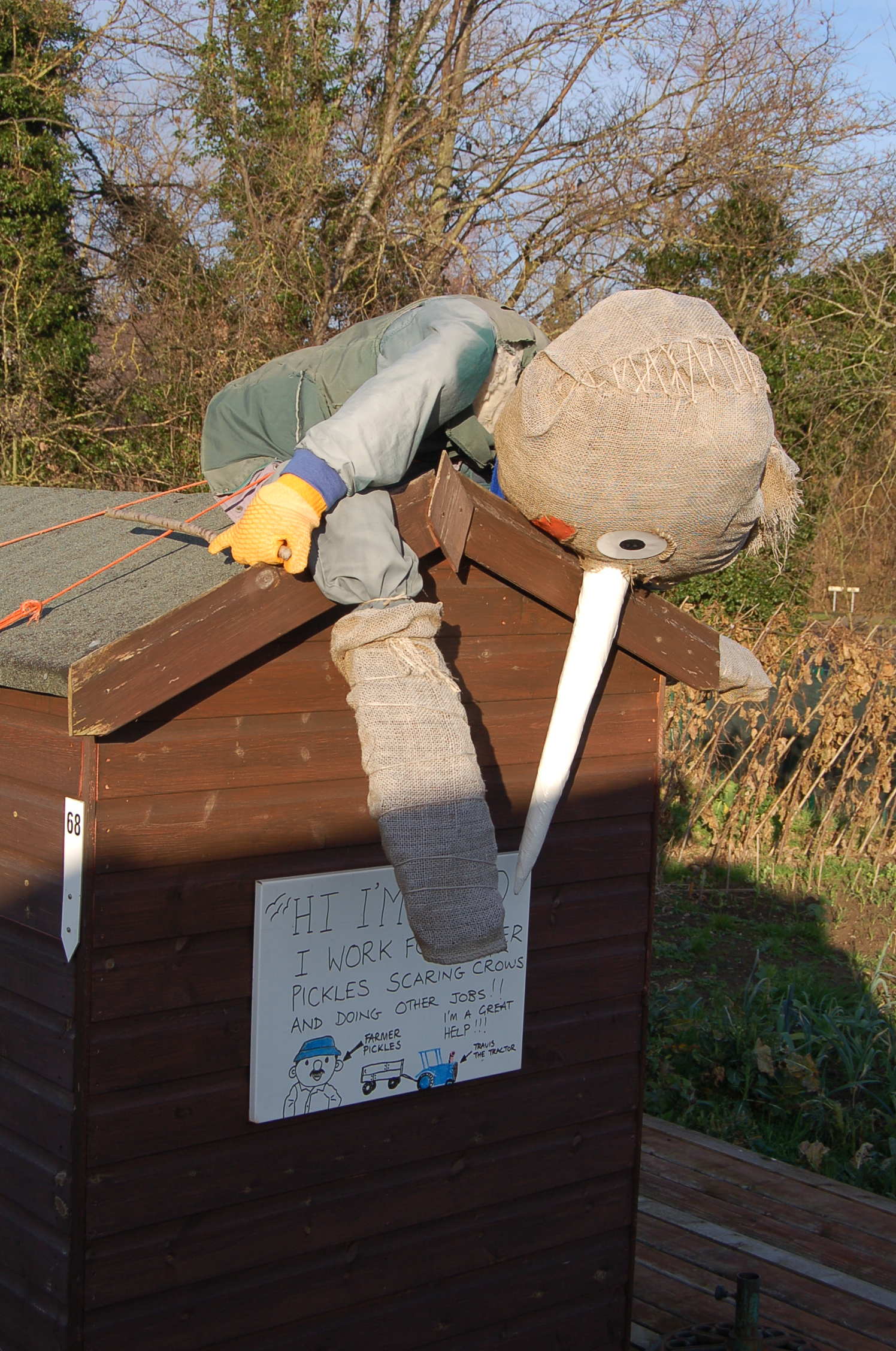
On the shed roof of Plot 68 the massive scarecrow is looking worse for wear after our recent weather featuring heavy rains and strong winds. In the summer he won our annual scarecrow competition. It is hard to believe how he wowed our visitors on our Open Day.

2013 12 17_5493

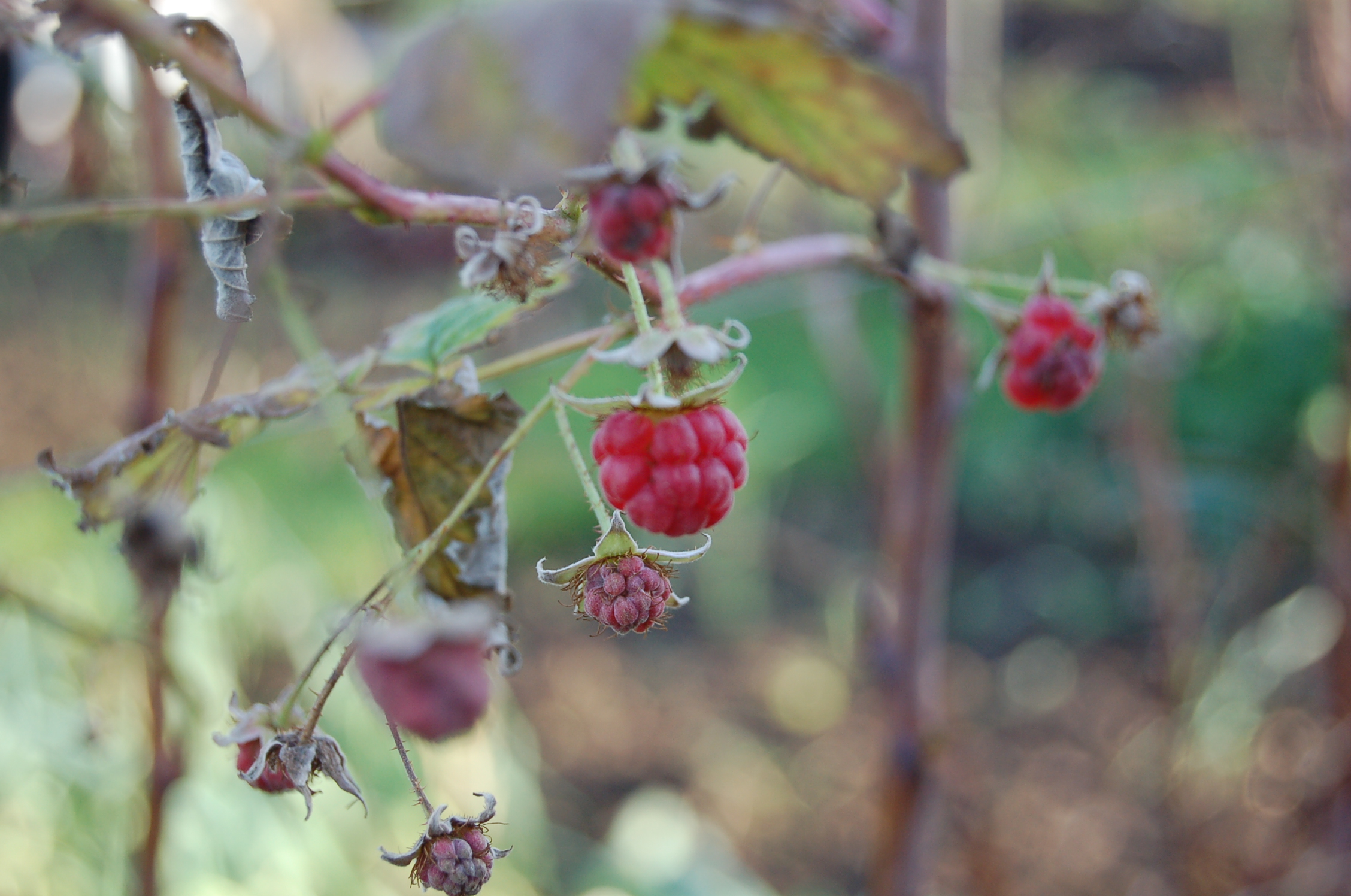
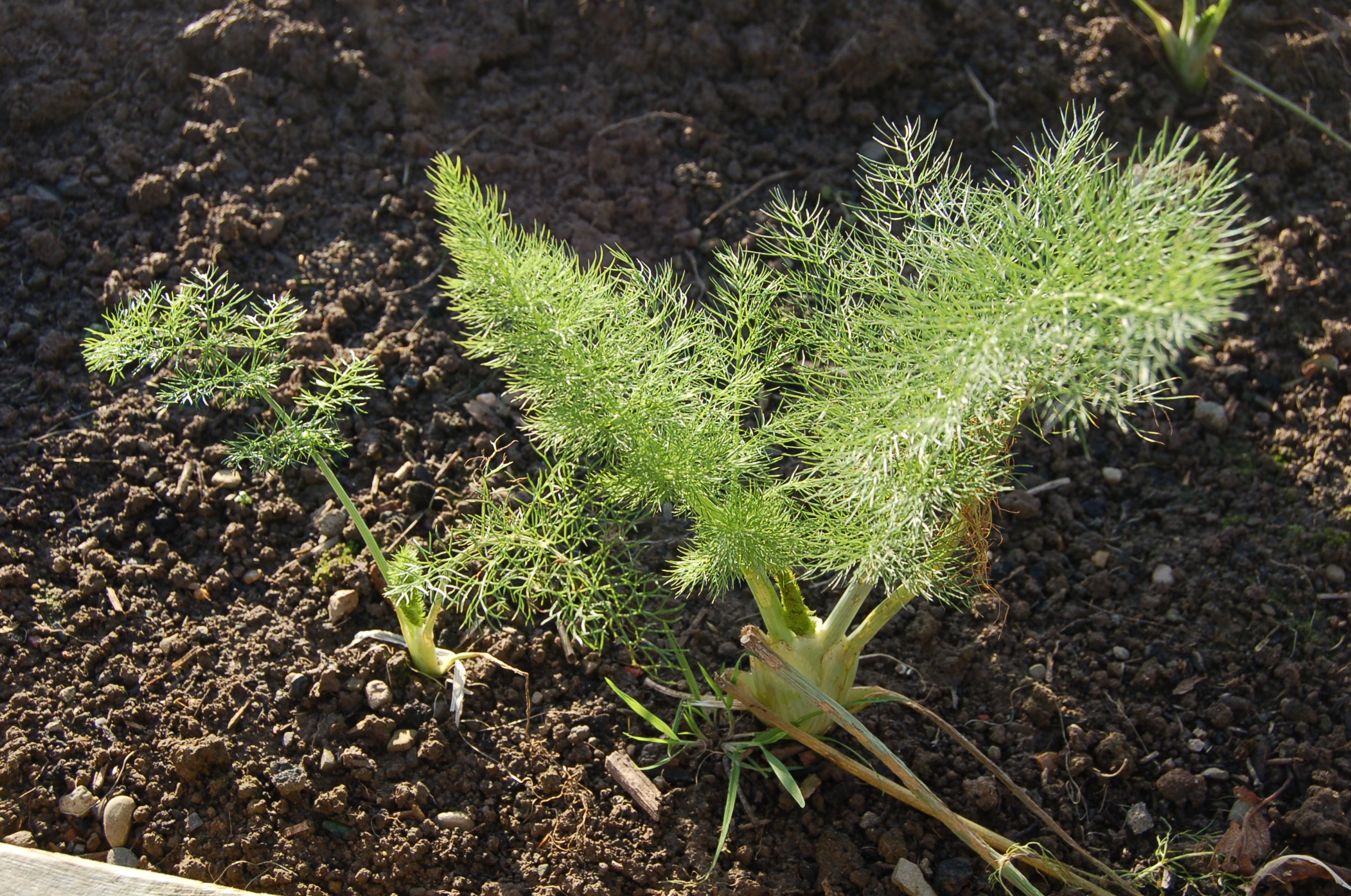
In the first orchard the last fruit hangs on, a golden crab apple. Fennel is already sporting new foliage on Alan’s plot and the last of the Raspberry fruits sit awaiting a hungry Blackbird. Close by in the first Buddleja Border a Shistsotylus bravely blooms on with an early Primula.

2013 12 17_5494  2013 12 17_5497

2013 12 17_5501

2013 12 17_5498 2013 12 17_5499

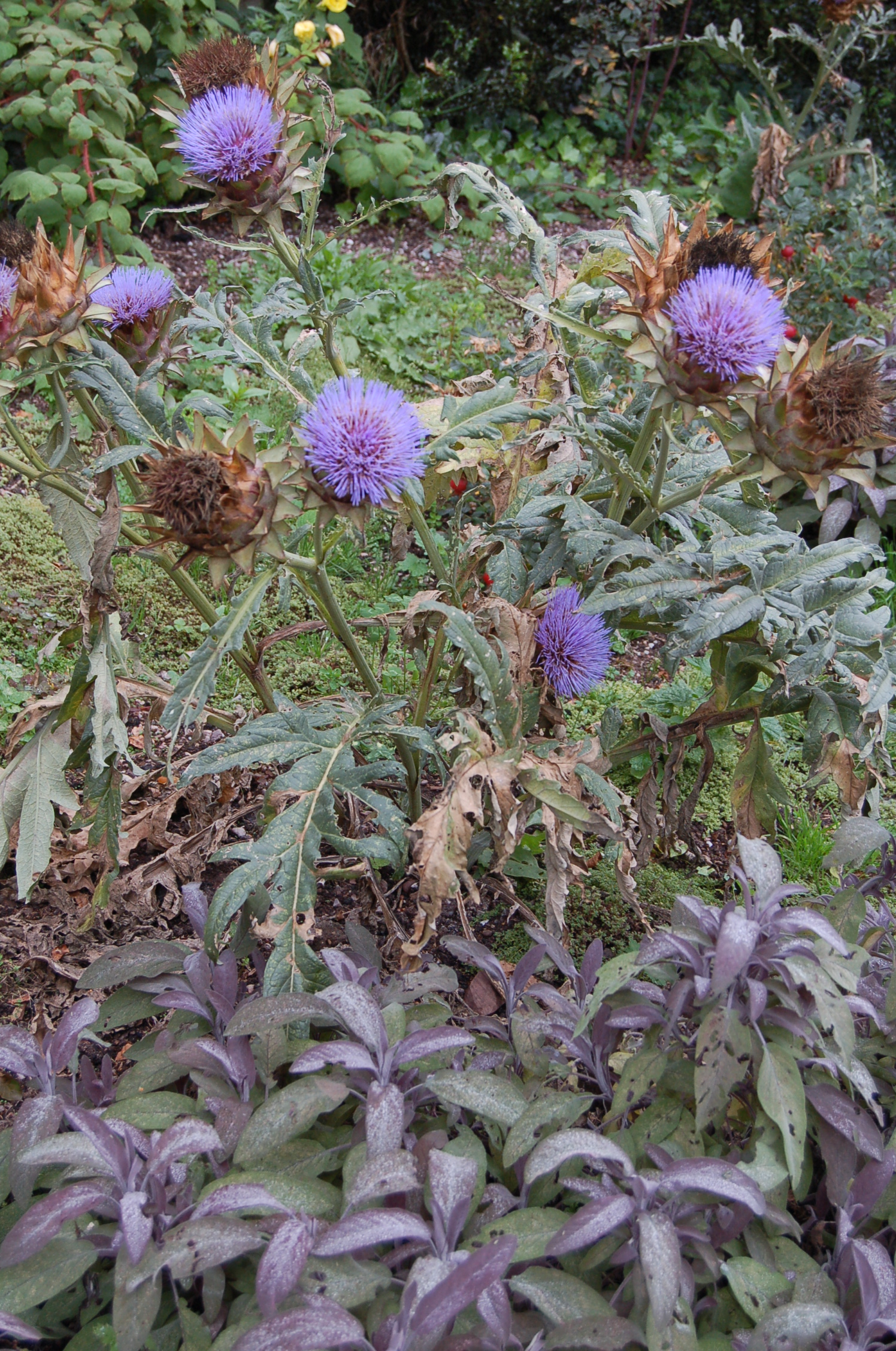
The Globe Artichoke in the second Buddleja Border will soon burst and finches will flock in to feed off them, especially Goldfinches and Linnets.

2013 12 17_5500

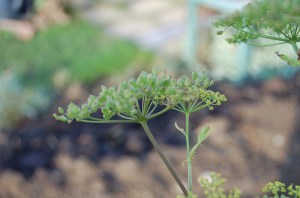
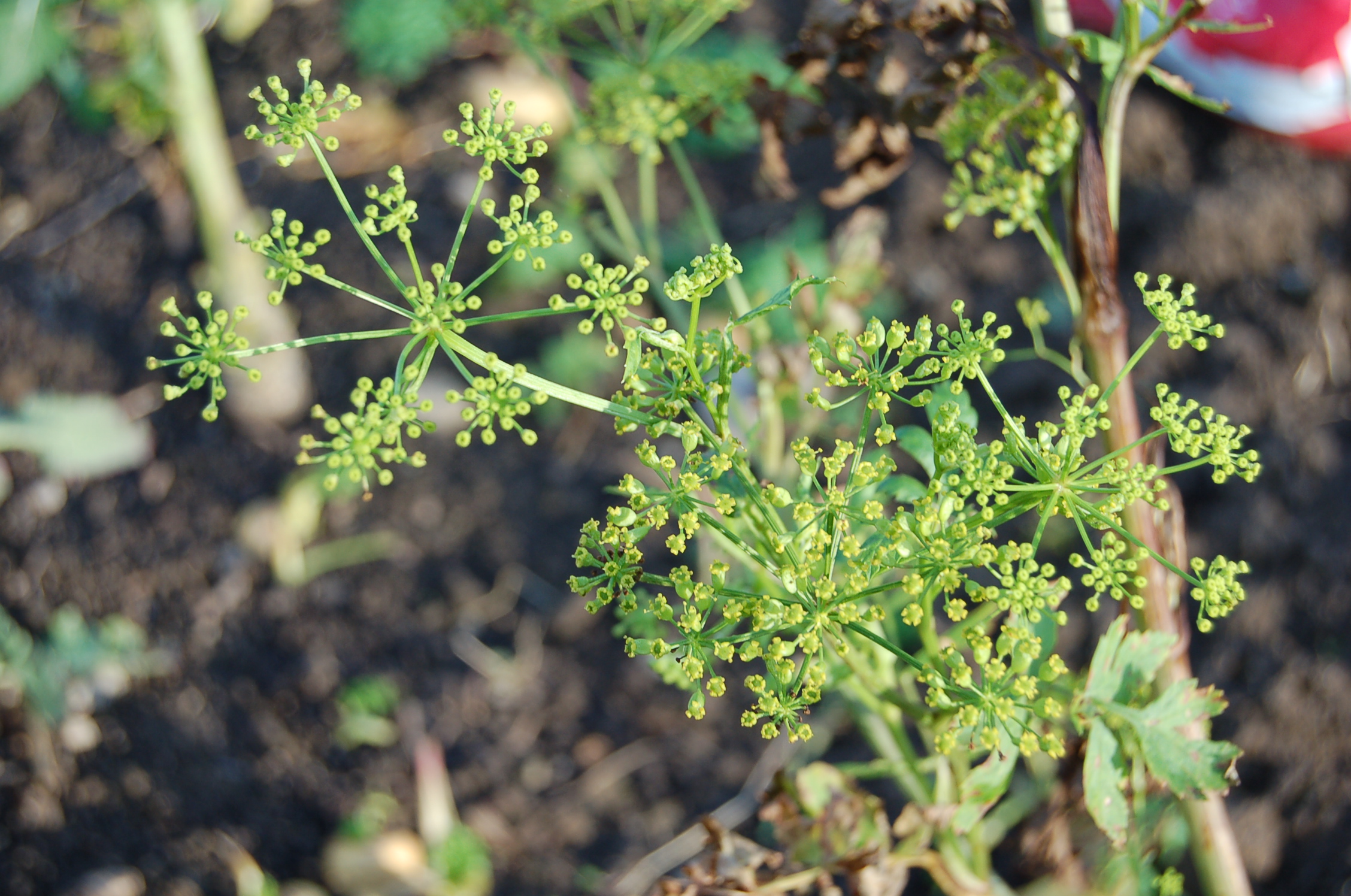
We then took a detour to see what is happening on our own plot, Number 37. The last of the flowers in our wildflower mini-meadow are bravely hanging on and a few of our parsnips have gone to flower producing chartreuse umbrella heads. A few autumn raspberries provide welcome food for Blackbirds.

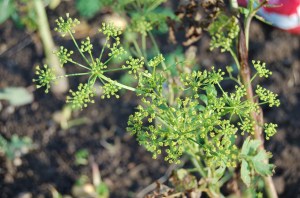
2013 12 17_5503 2013 12 17_5504 2013 12 17_5505 2013 12 17_5506 2013 12 17_5507 2013 12 17_5508

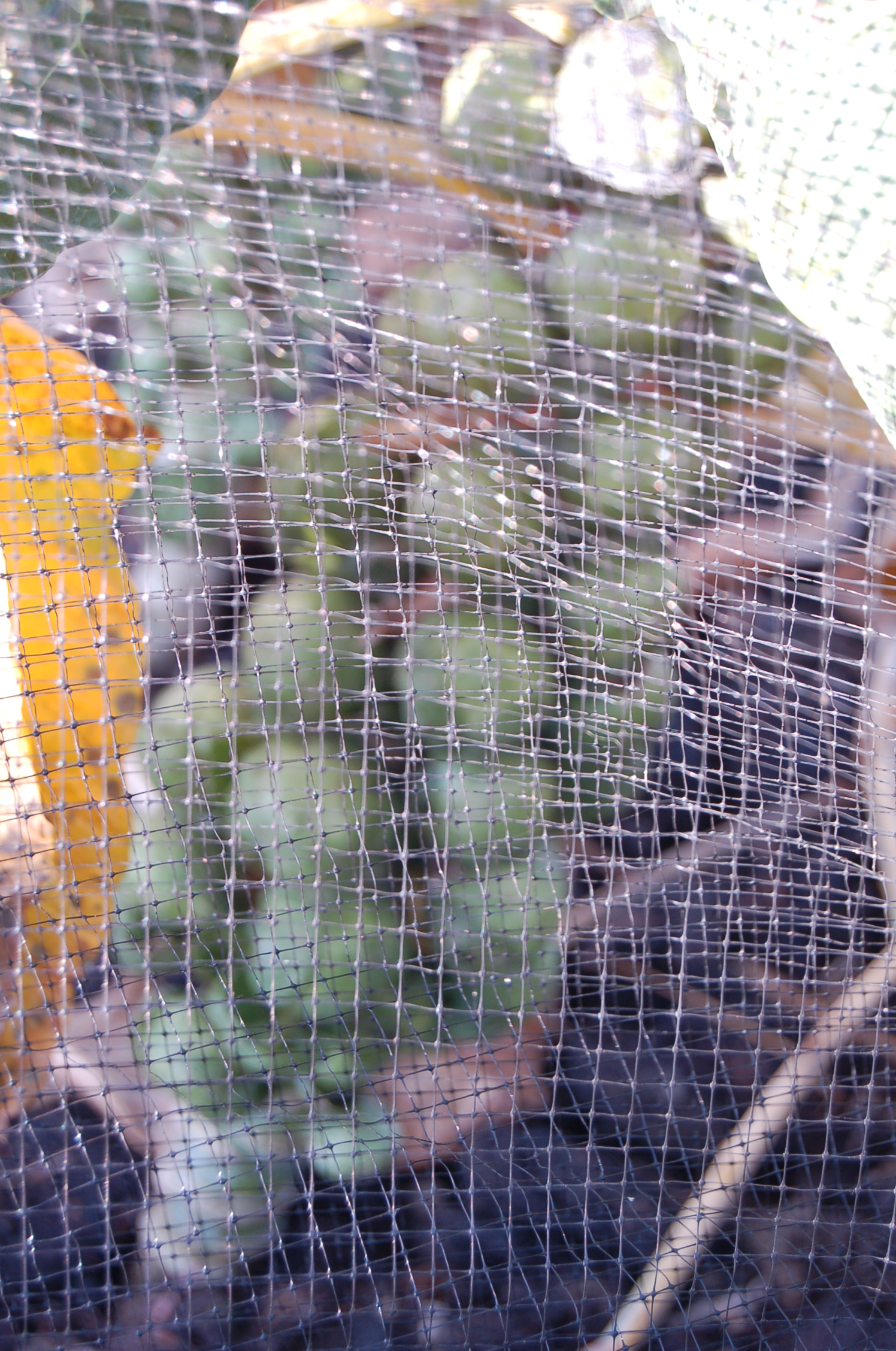
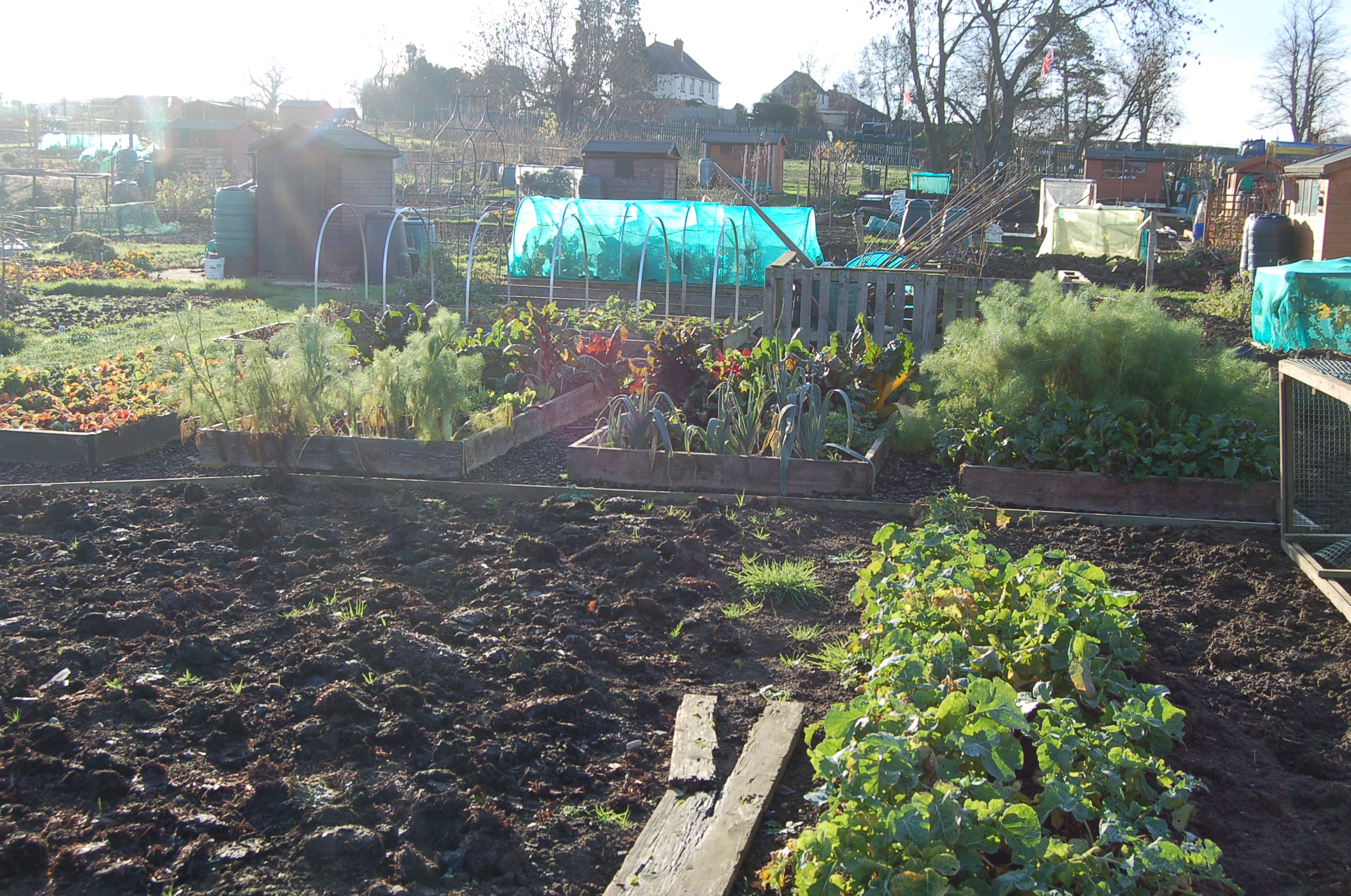
We moved on towards our old oak tree past plots where winter grown crops await Christmas dinners in members homes, leeks with their glaucous strappy leaves and sprouts behind netting protected against marauding Wood Pigeons.

2013 12 17_5509  2013 12 17_5552

2013 12 17_5511

2013 12 17_5510  2013 12 17_5512

This little scarecrow bravely guards overwintering alliums.
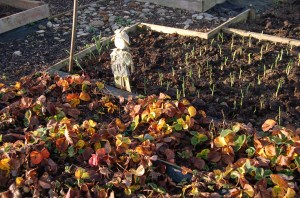
2013 12 17_5513

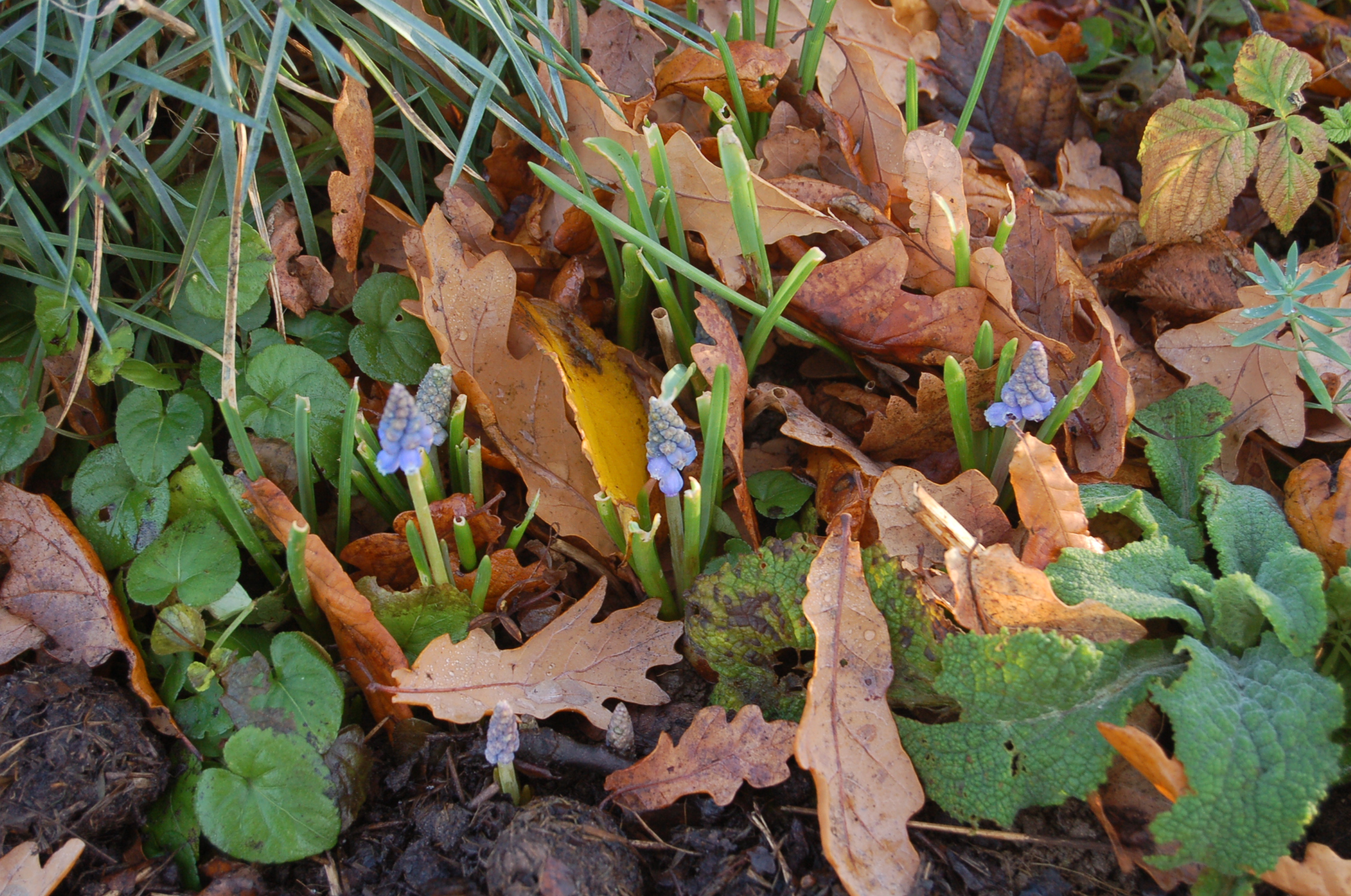
The Oak invariably looks wonderfully majestic but on a winter’s afternoon it excels with its long sharp shadows and silhouette of bare branches. In the spring Garden nearby the first bulbs are coming into flower, a pale Muscari, pushing their way through fallen oak leaves.

2013 12 17_5514 2013 12 17_5515 2013 12 17_5516 2013 12 17_5517 2013 12 17_5518

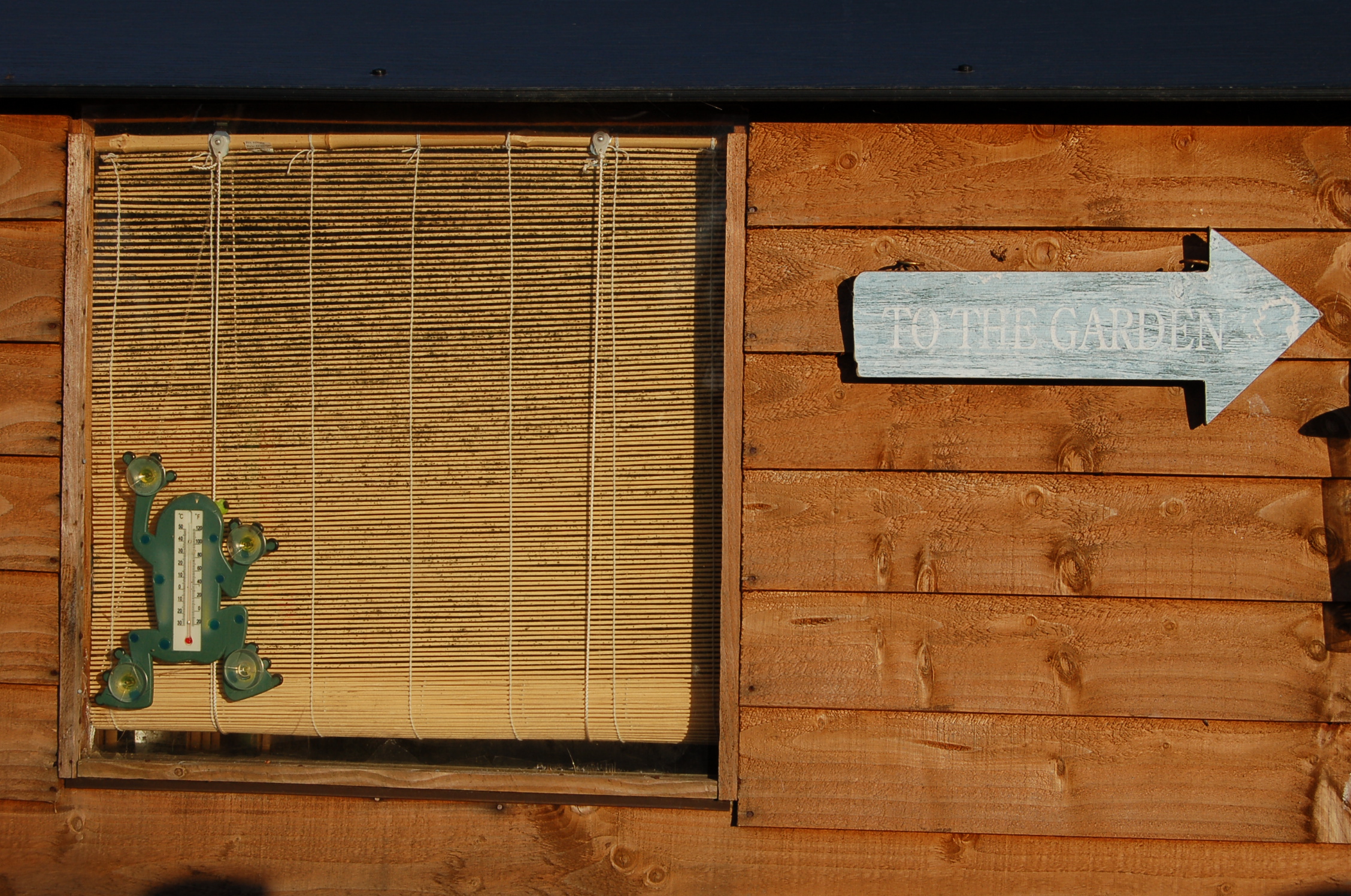
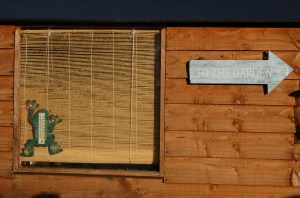
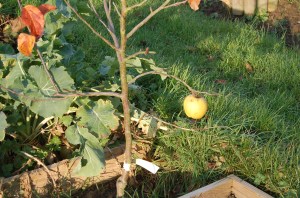
On Sharon’s plot her frog thermometer shows it is mild for December and near by a lone apple hangs waiting to give sustenance to the Blackbirds.
2013 12 17_5519 2013 12 17_5520

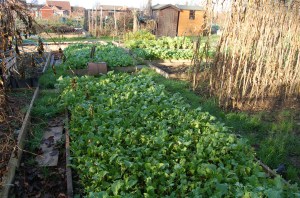
Glyn’s plot is well covered in a mat of green manures, so no heavy rain is going to leach away the goodness from the soil. Now that is good gardening!
2013 12 17_5521

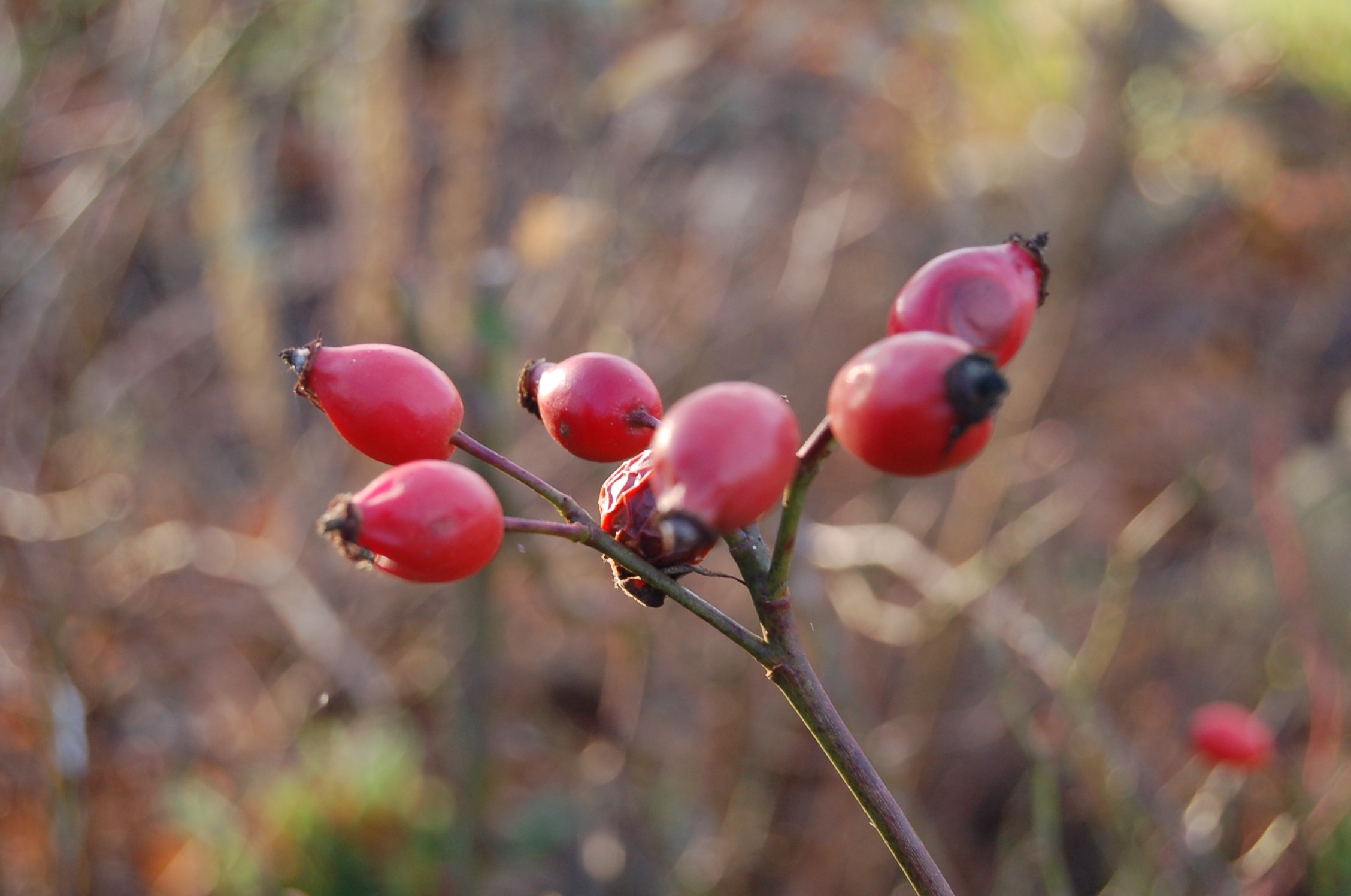
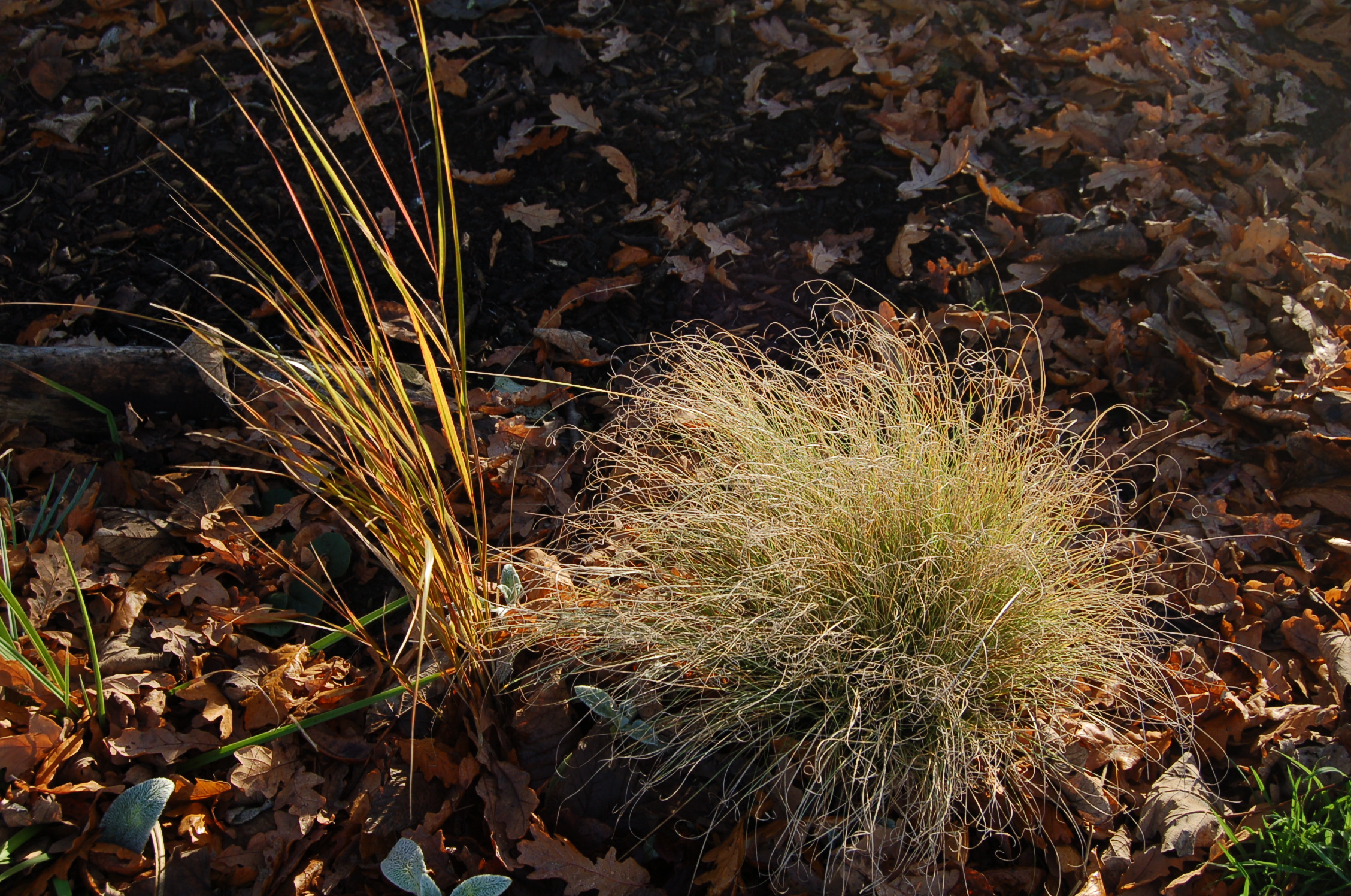
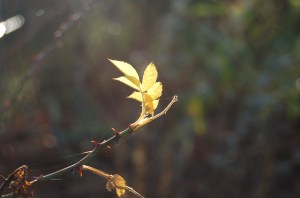
In the Sensory Garden the rose hips sparkle away in the winter sun which glows through the last of the rose bush’s foliage. Grasses here always look good but add extra movement in the gentlest of breezes.

2013 12 17_5522 2013 12 17_5523 2013 12 17_5524

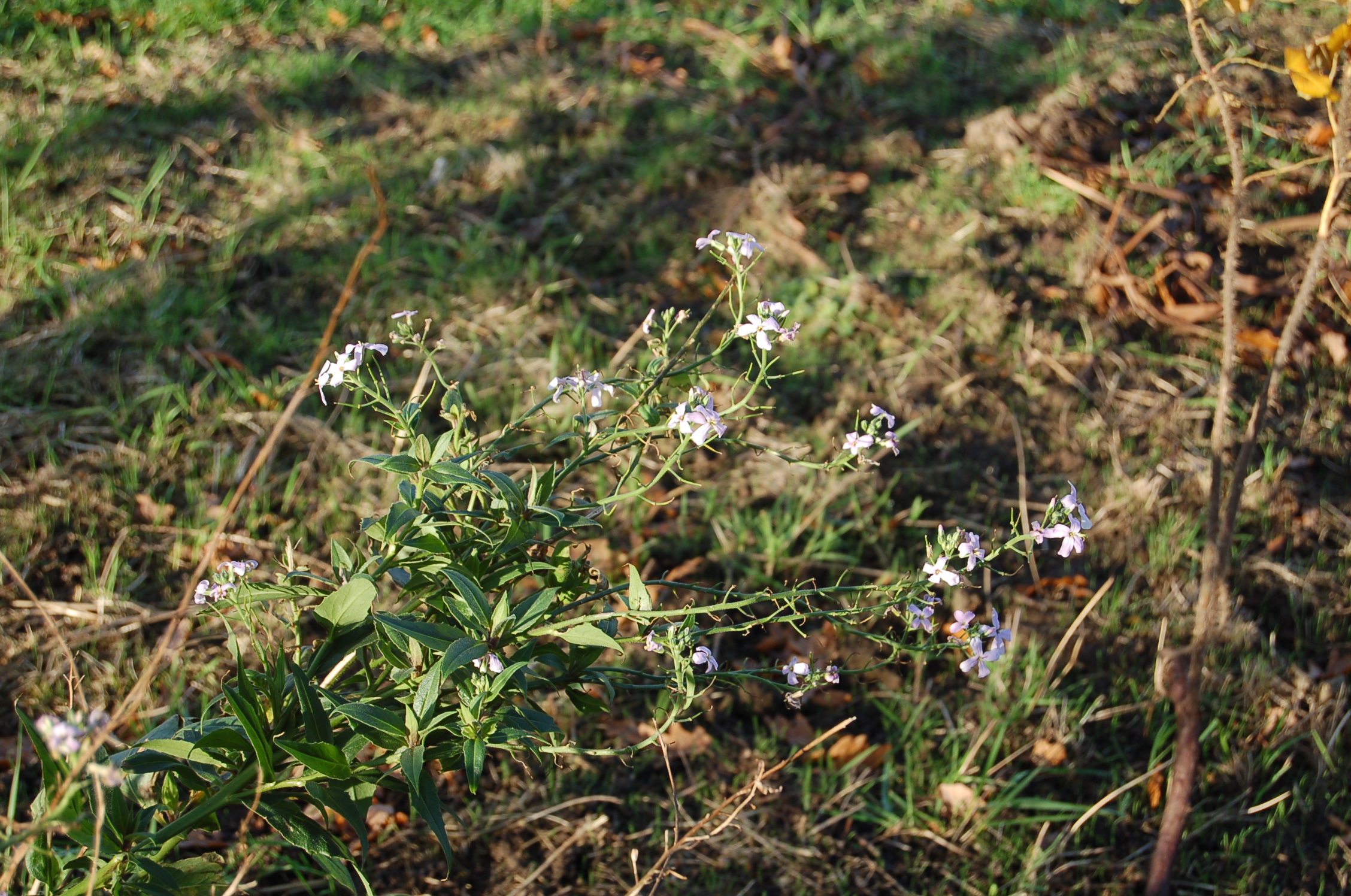
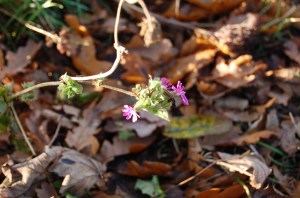
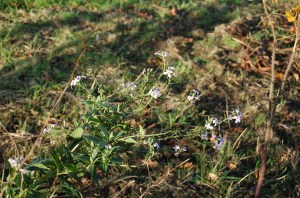
In the big meadow the last of the Red Campion and the Honesty are gamely flowering still. A lone bloom of Rosa Shropshire Lad casts a beautiful fruity scent across the picnic area.
2013 12 17_5526 2013 12 17_5527 2013 12 17_5528

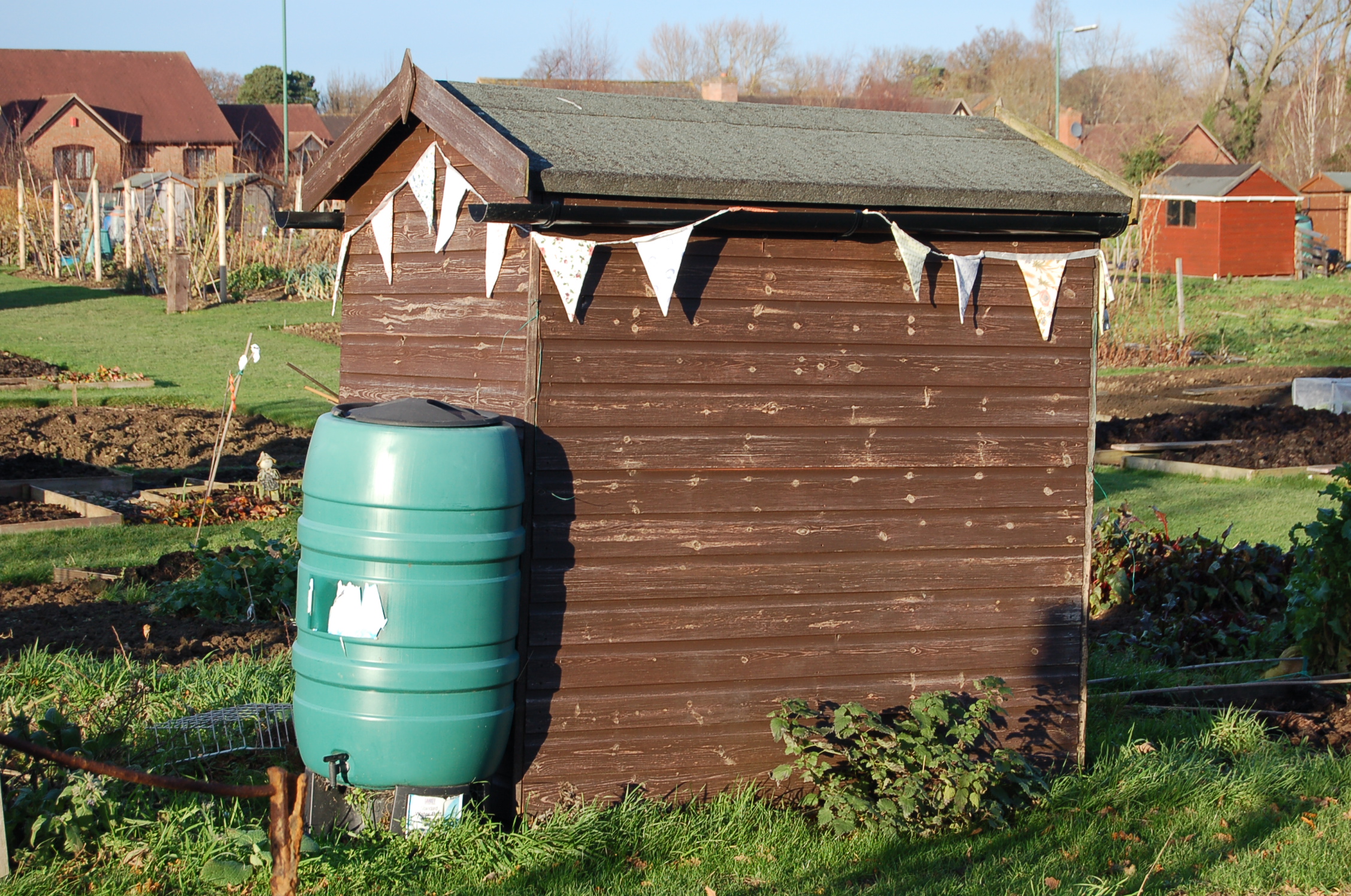
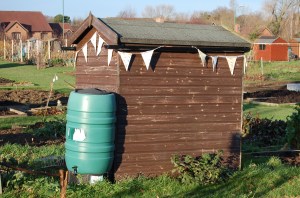
The bunting on Brian’s shed looks faded now but still adds cheer. The sunlight beams through the Dedge and intensifies the flat plate flower heads of the late Achillea.
2013 12 17_5529 2013 12 17_5530 2013 12 17_5531

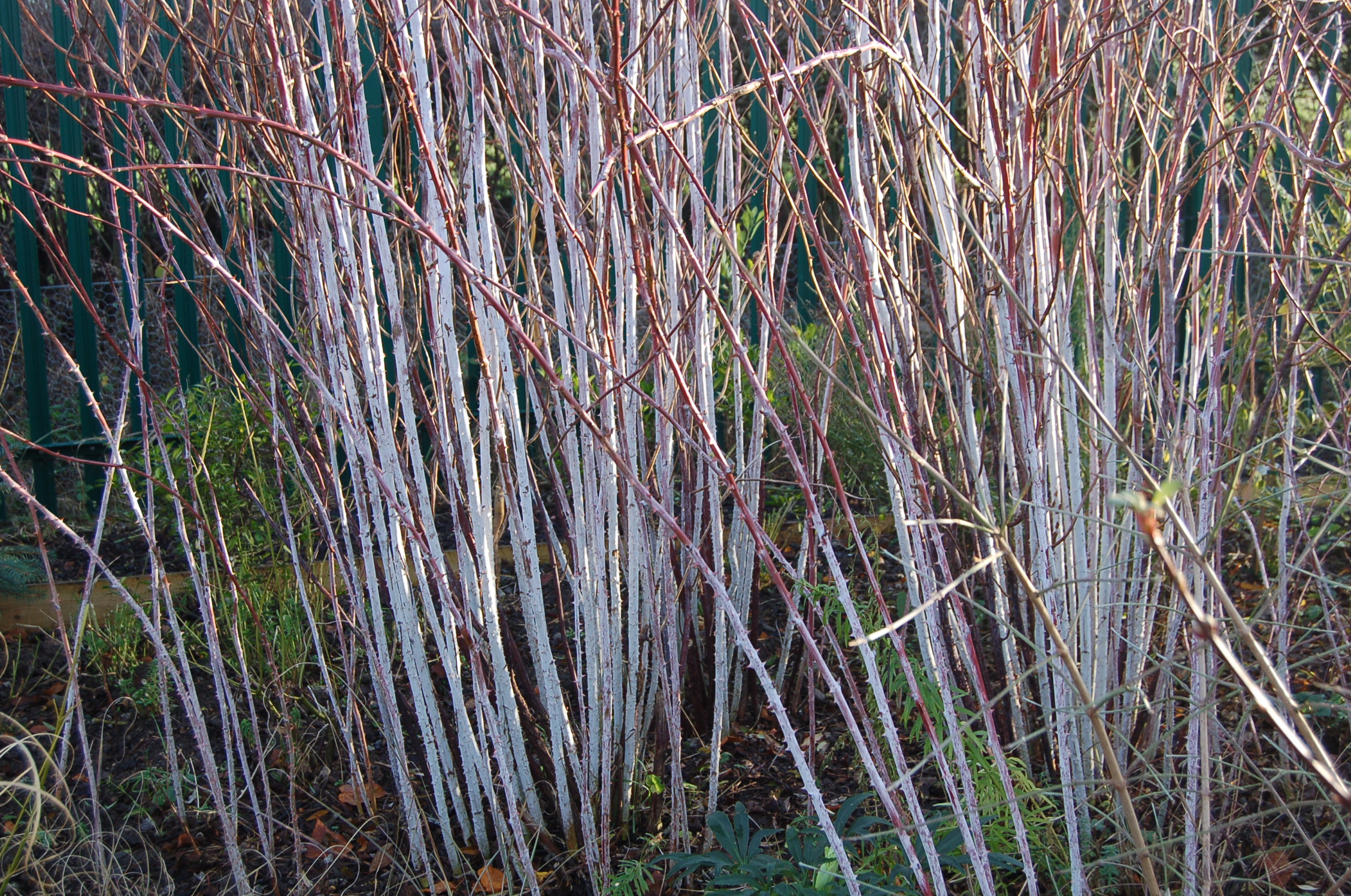
The Winter Garden is beginning to come into its own with peeling bark, powdery white stems and fluffy grass seed heads.

2013 12 17_5532 2013 12 17_5533 2013 12 17_5534

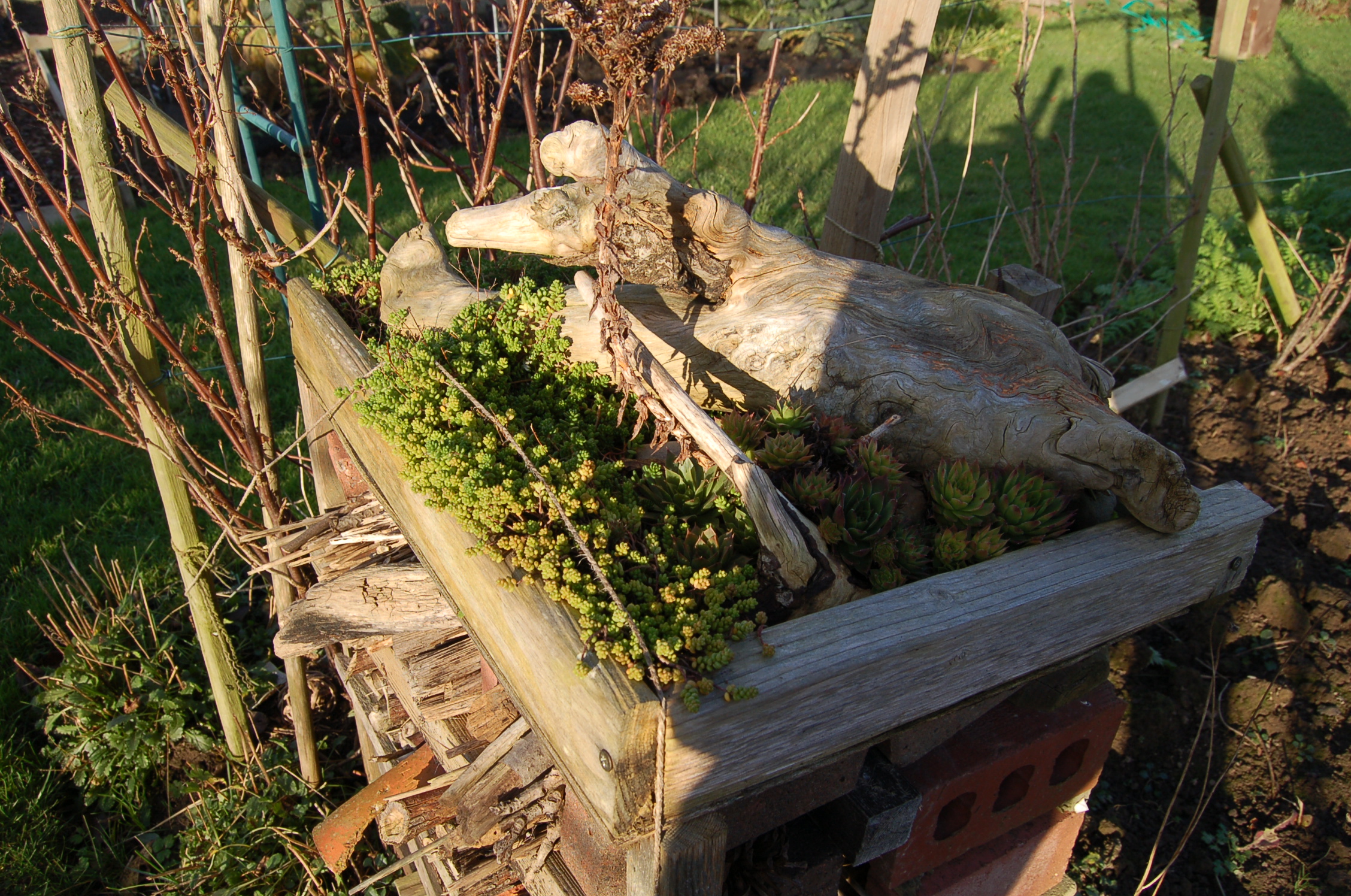
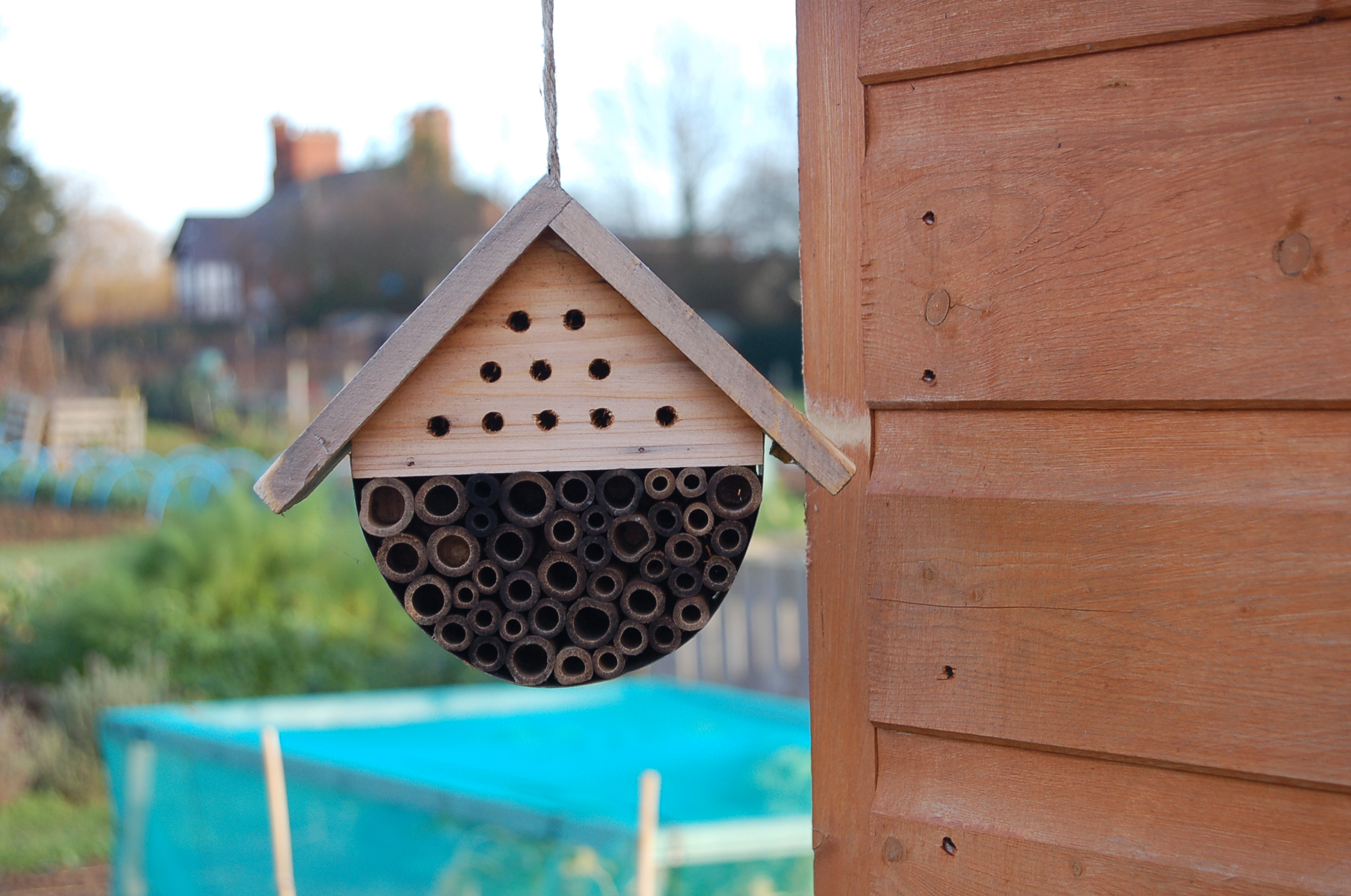
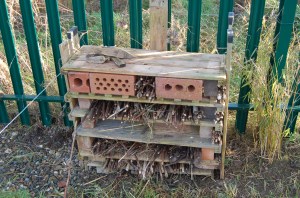
Moving on into the site extension we find our newest insect hotel still standing after recent strong winds. As usual I have string and my Opinel garden knife in my pocket so tie it back to the fence. The bamboo looks settled in its new home at the end of the proposed Garden of Contemplation. From here we can see the mass of “keys” adorning every branch of our ancient Ash tree.
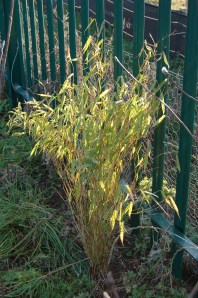
2013 12 17_5536 2013 12 17_5537 2013 12 17_5538

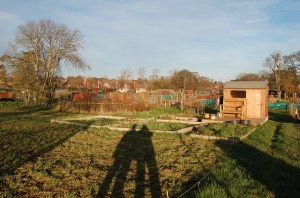
Our long shadows look out across the site.
2013 12 17_5539

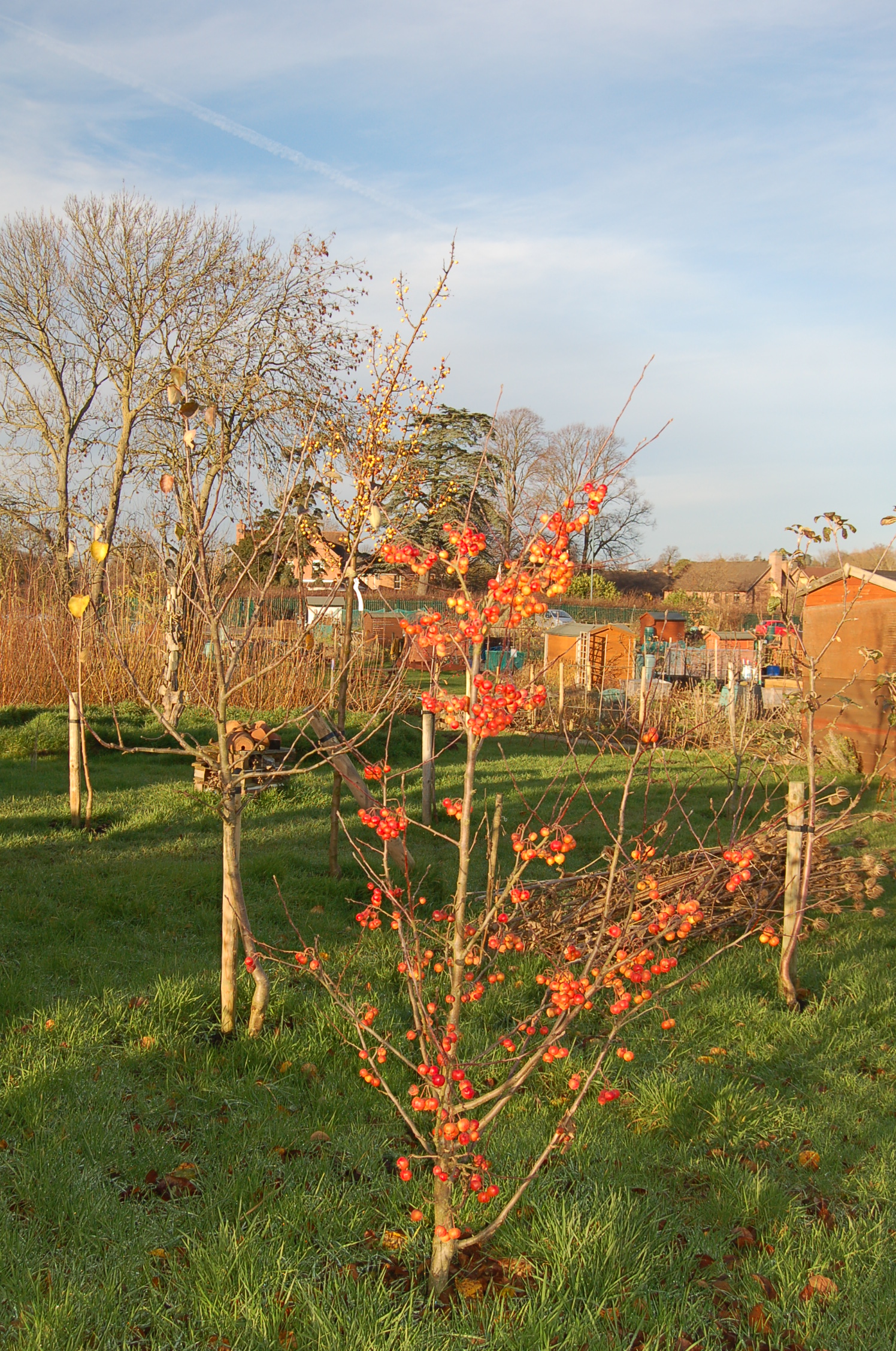
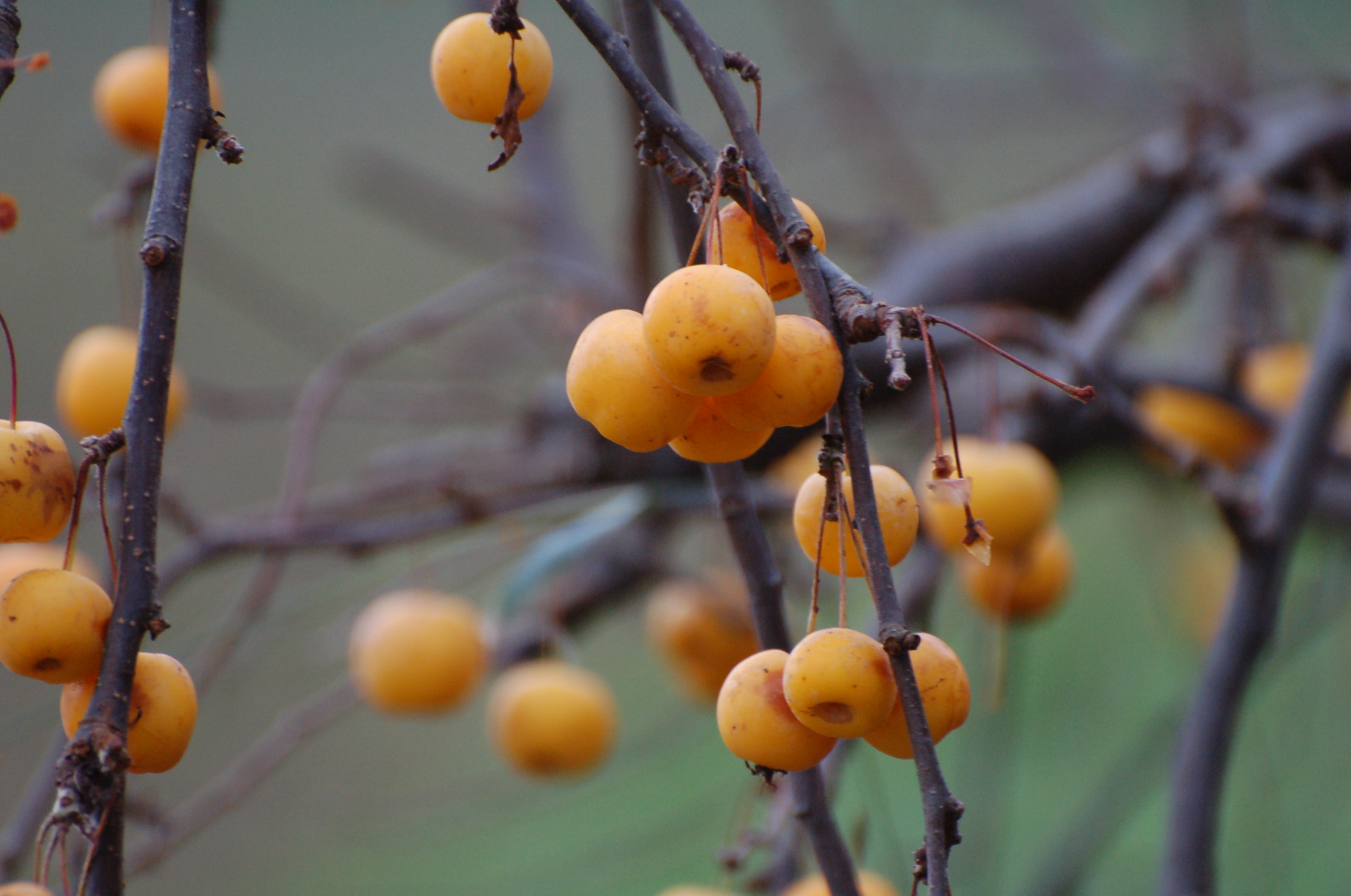
In the second orchard the crab apples still have much fruit left on and these give bright patches of colour visible from all over the site.

2013 12 17_5540 2013 12 17_5541 2013 12 17_5542

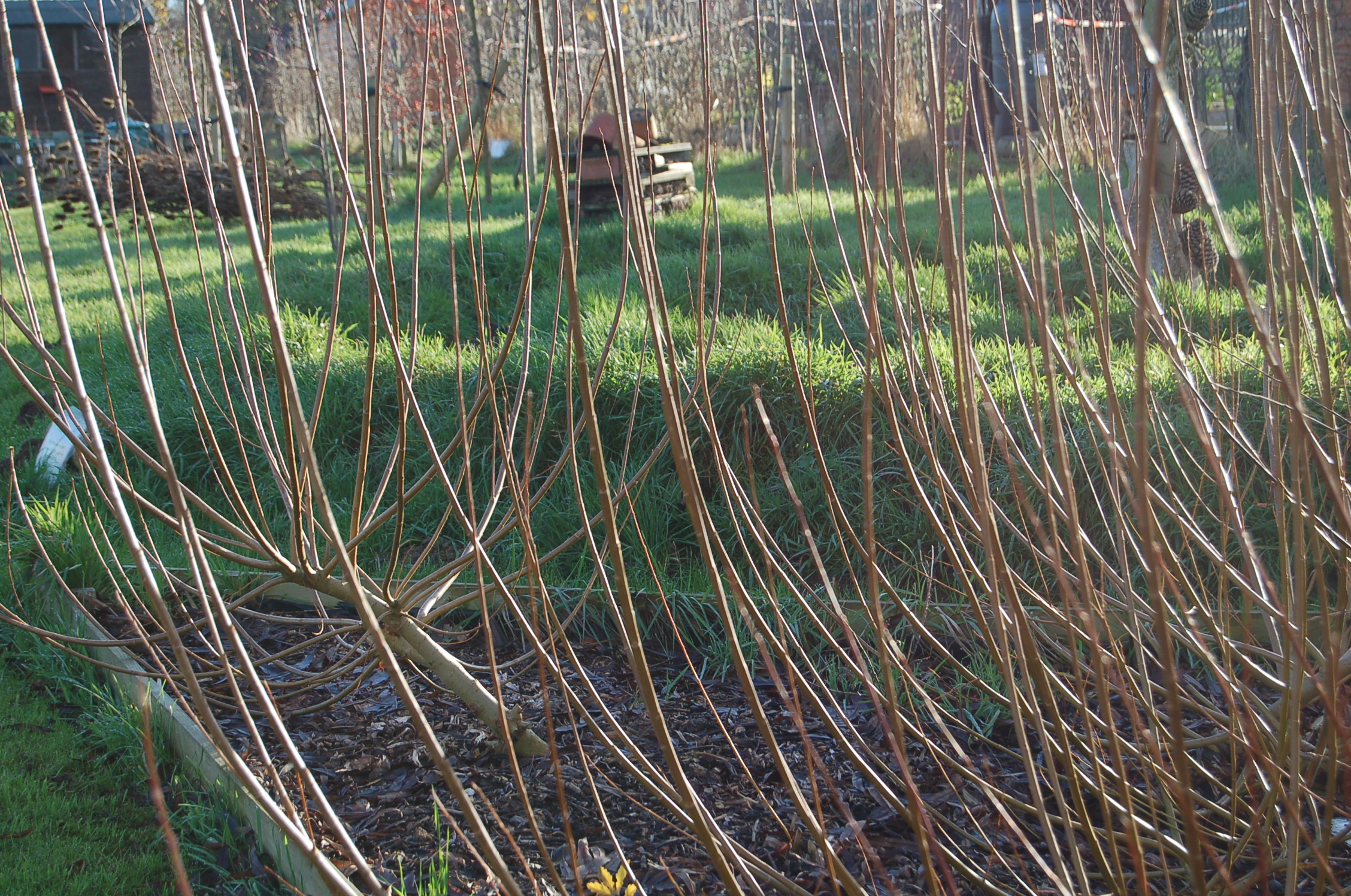
The stems of the coppiced willows in the Withy Bed shine as they start to show their late winter colour. This is something we are looking forward to. We have 17 different willow here in every colour possible.
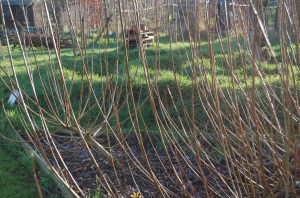
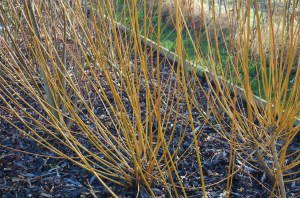
2013 12 17_5543 2013 12 17_5544

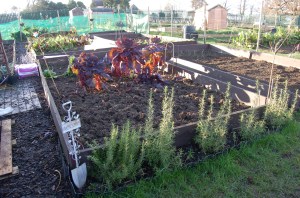
We are just beginning to prepare the ground for our new Prairie Garden which we shall make in the new year. This big patch of bare ground promises to become a riot of year round colour. We can’t wait to get started. On nearby plots we spot a patch of another green manure, Grazing Ryegrass and another lone apple on a tree.

2013 12 17_5545 2013 12 17_5546 2013 12 17_5547

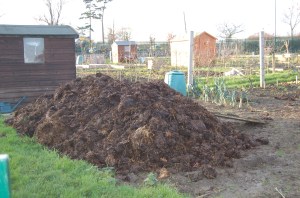
On Ian’s plot a big pile of farmyard manure waits the time when he digs it into the soil to add nutrients, humus and structure. It won’t take him long – he is a strong chap.
2013 12 17_5548

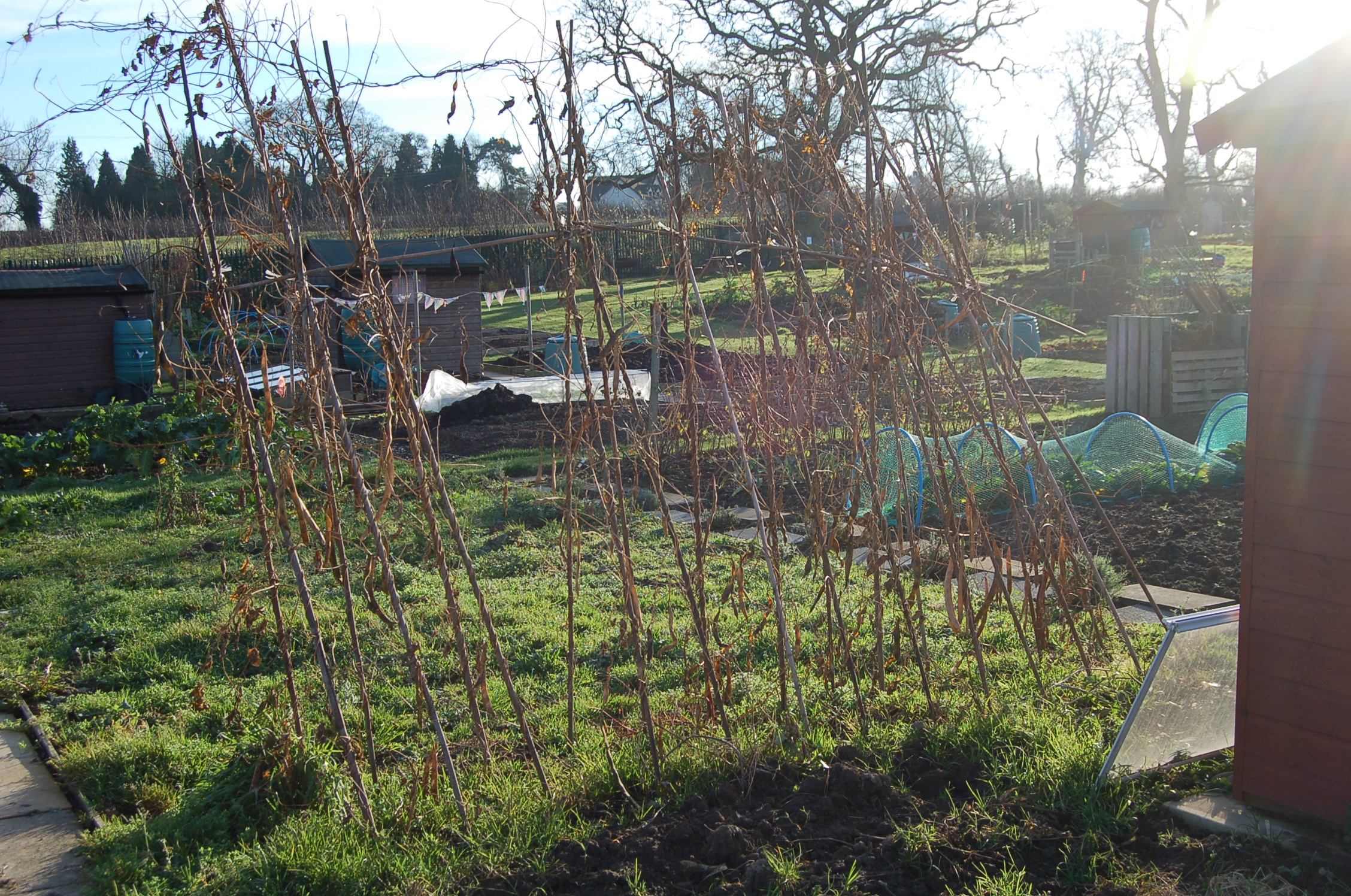
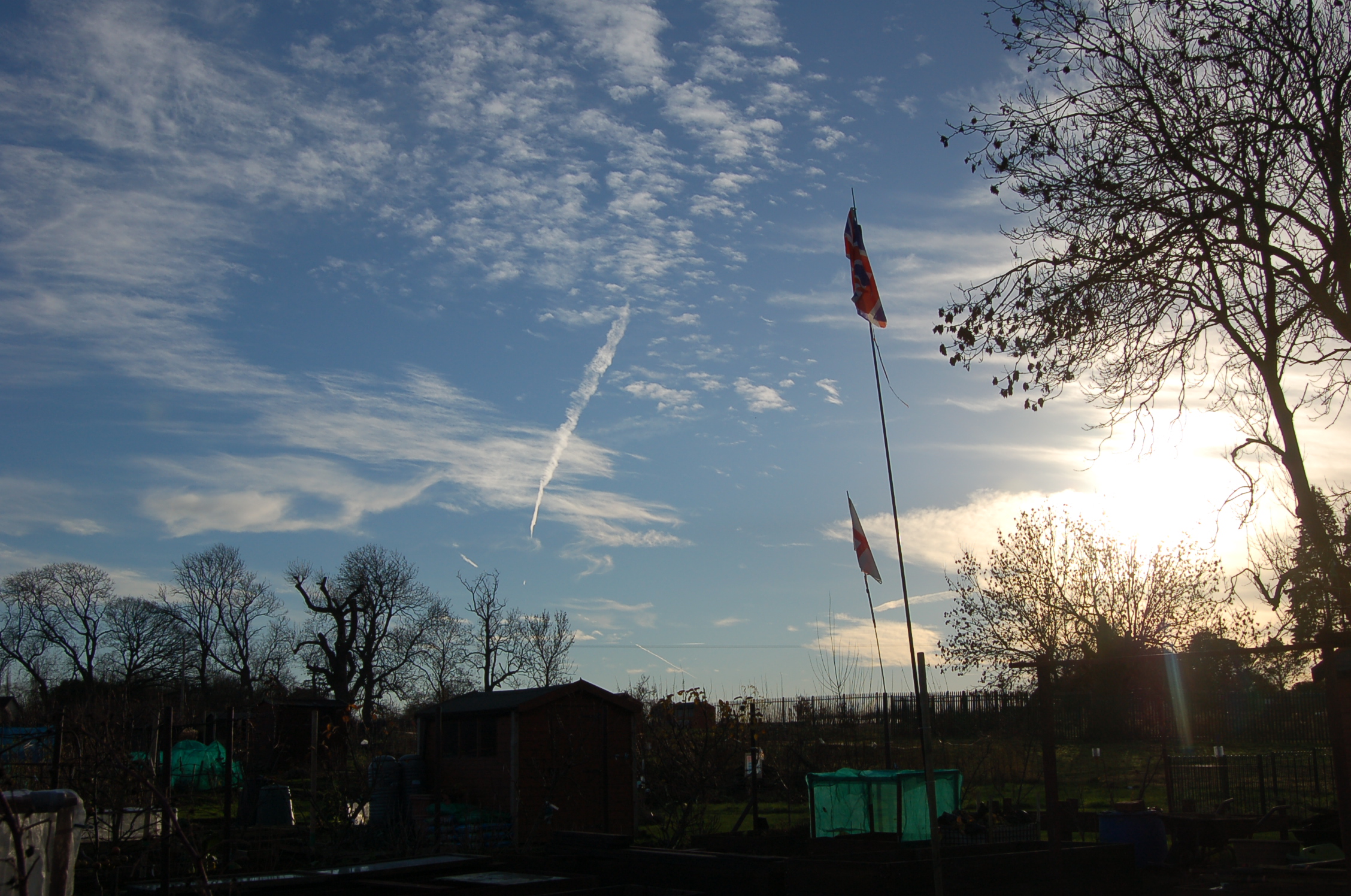
Returning to the communal hut along the wide path we spot this old beer can acting as a cane top rattling away by the old sweetcorn stalks. On Mandy’s plot this little insect home will be looking after hibernating friendly critters who will emerge in the spring to eat pests such as aphids. Dave’s flags hang sadly atop their poles.

2013 12 17_5549 2013 12 17_5550 2013 12 17_5551

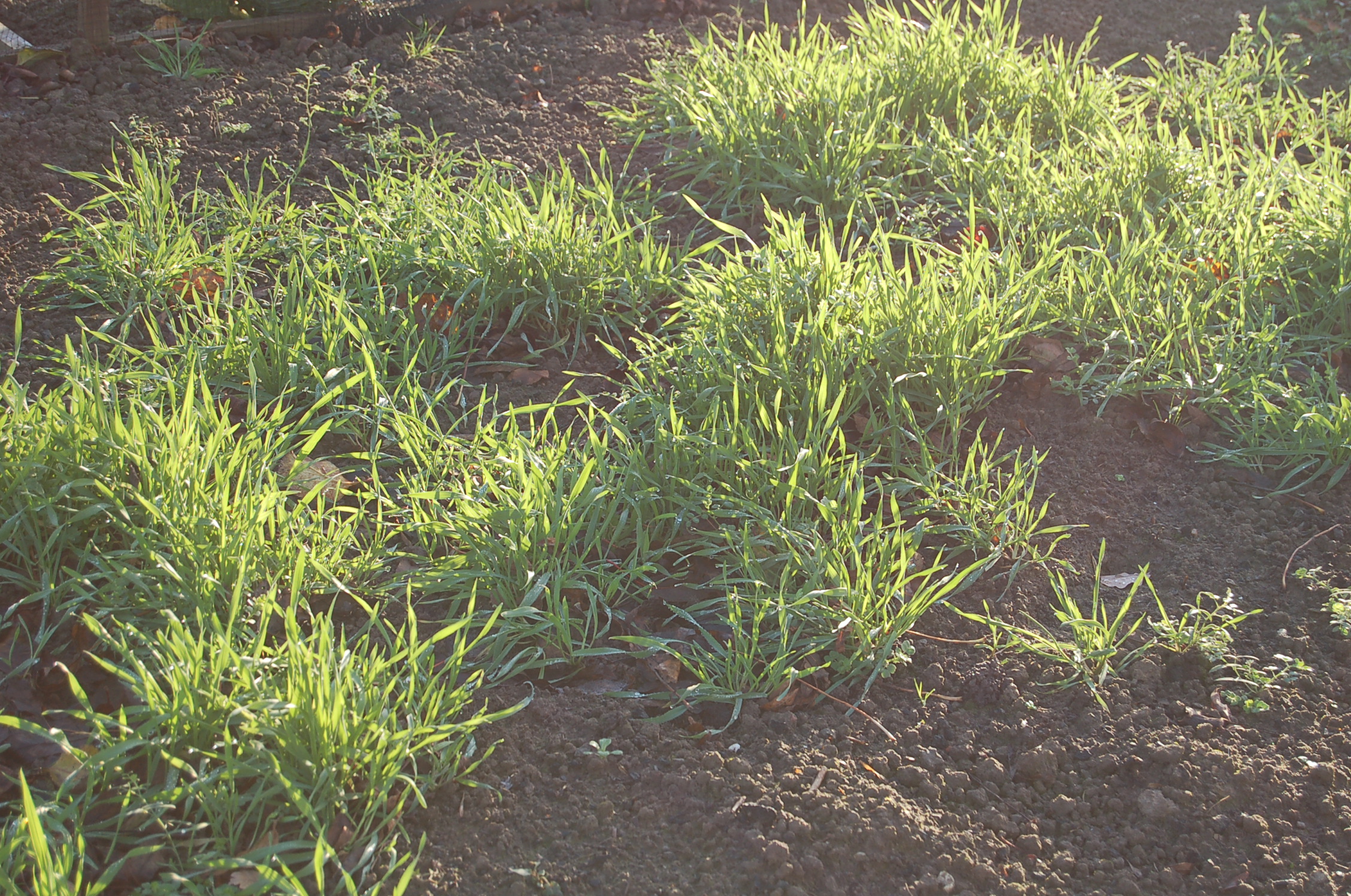
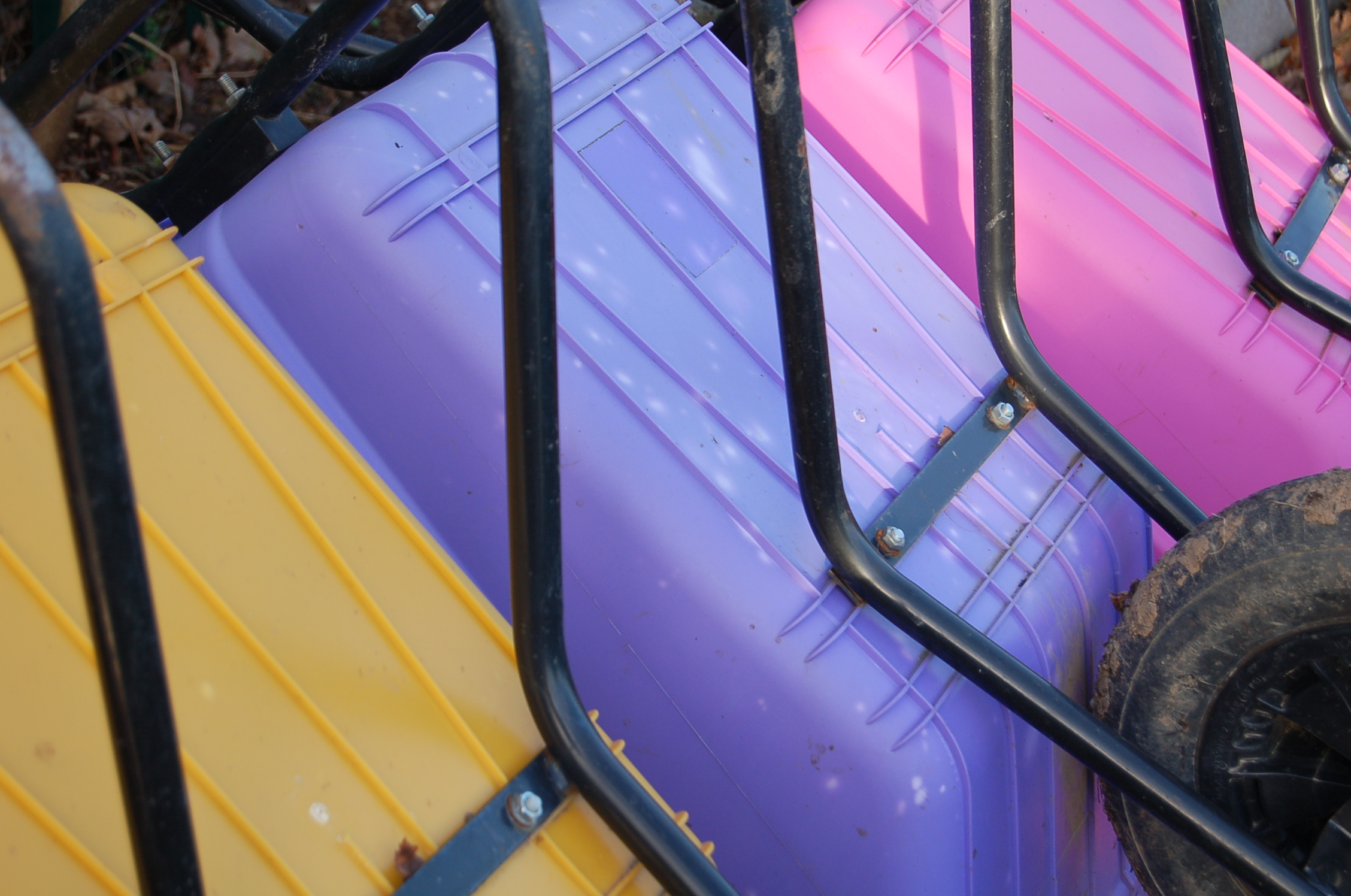
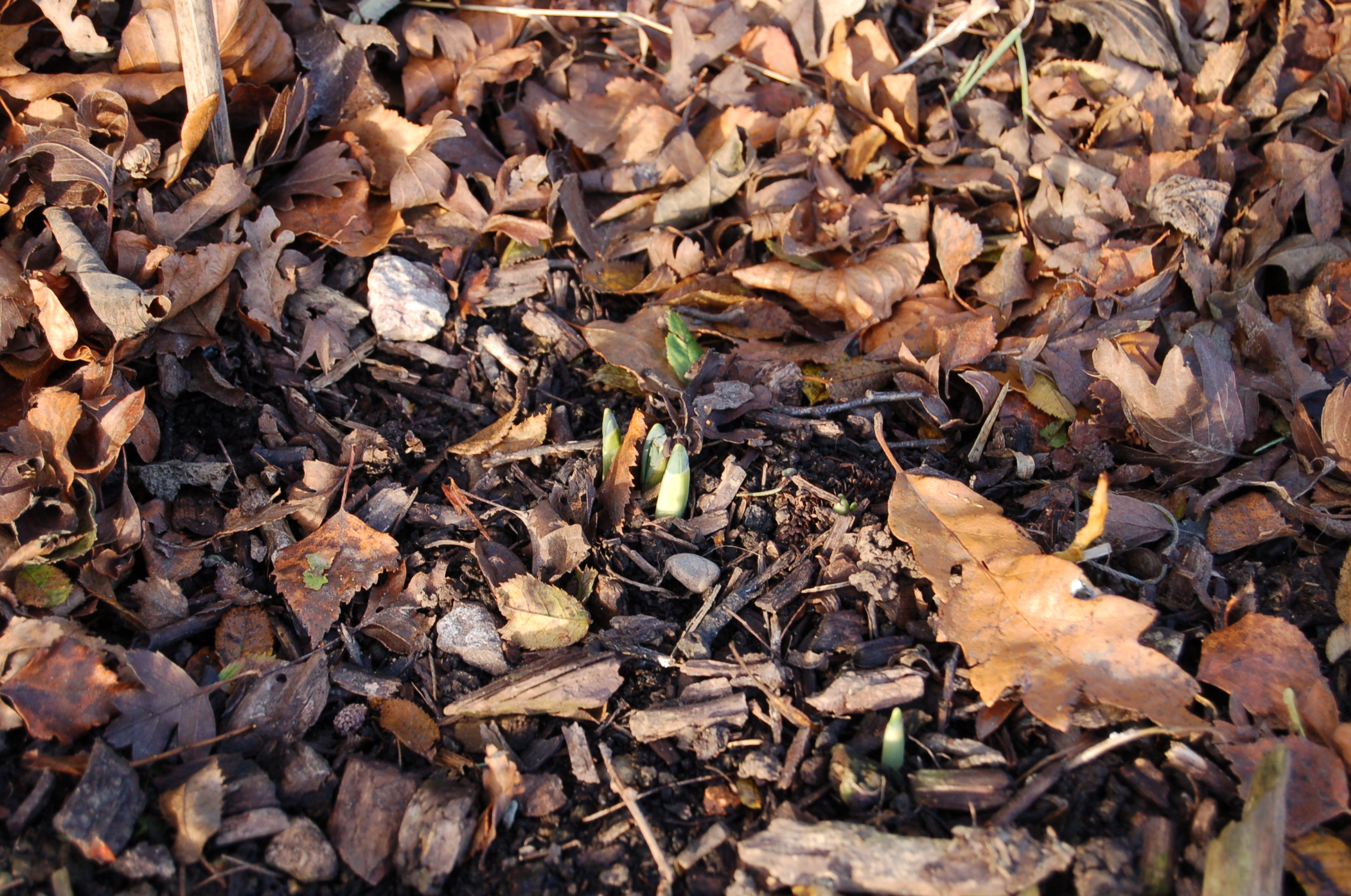
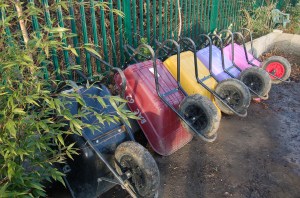
As we returned to the car we noticed the first signs of growth on our spring bulbs. The first leaves of the daffodils have just made their way through the bark mulch. A promise of golden flowers to come. Our wheelbarrows give a big splash of colour in low sunlight.

2013 12 17_5554 2013 12 17_5553

2013 12 17_5555

Categories
fruit and veg garden design garden photography garden wildlife gardening gardens gardens open to the public grasses hardy perennials natural pest control ornamental trees and shrubs

Dorothy’s Delights – The Dorothy Clive Garden

Whenever we have friends and family staying with us we take them to our favourite places, usually gardens, arboreta or special patches of countryside and of course to our favourite coffee shop with the biggest most luscious cakes. If it is late summer or early autumn then we often share with them the delights of the Dorothy Clive Garden. So in September we took my brother, Graham and sister-in-law Vicky to share in the box of delights.

The garden began as a woodland garden set in a deep dell, but as the years went on it spread outwards so now much of the garden is on a gentle slope down from the dell. The dell features huge mature trees and below them plants typical of shaded places rhododendrons, azaleas and ferns.

2013 09 25_3606 2013 09 25_3605

2013 09 25_3583 2013 09 25_3582

2013 09 25_3610 2013 09 25_3612

2013 09 25_3613 2013 09 25_3614

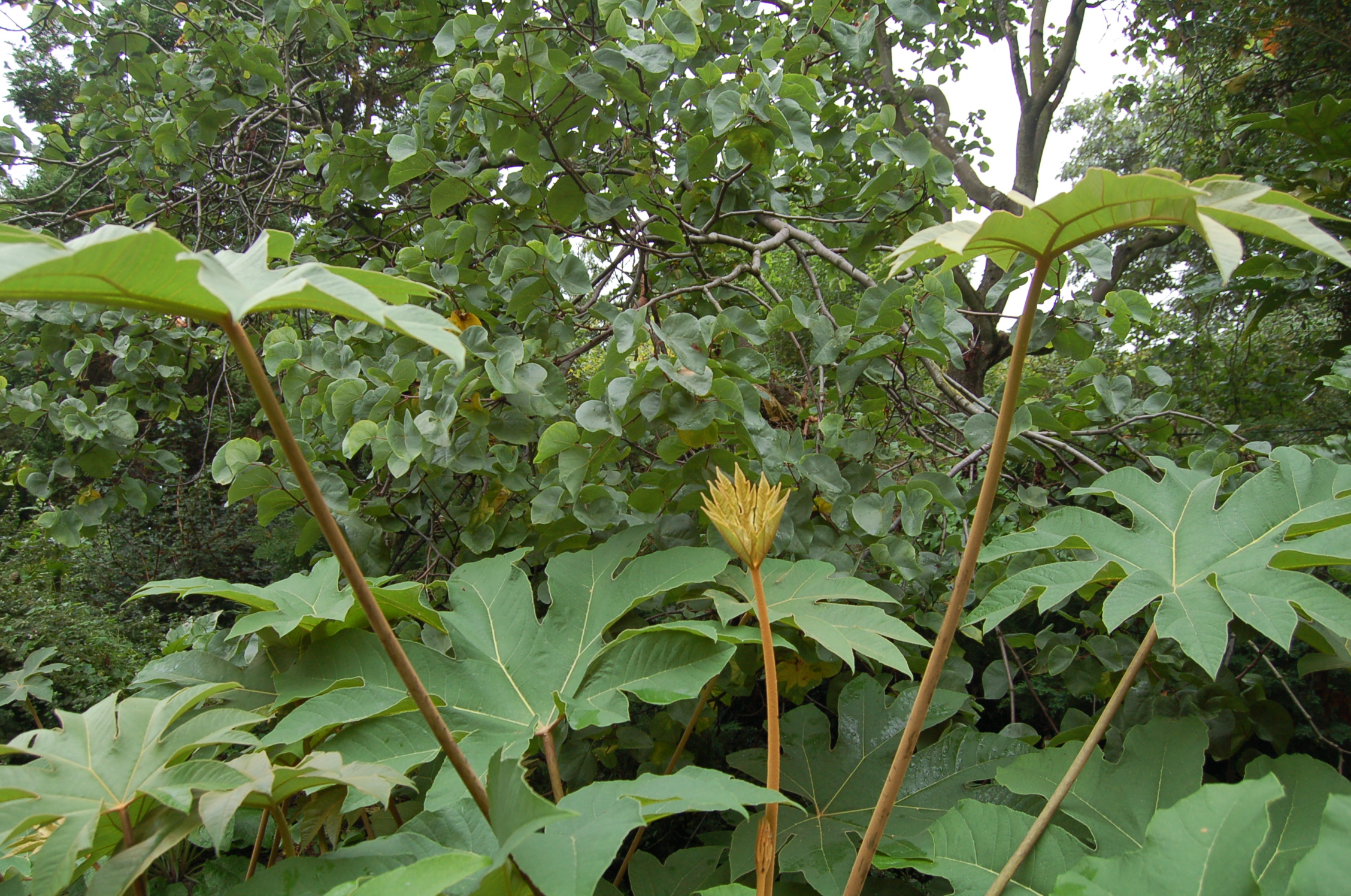
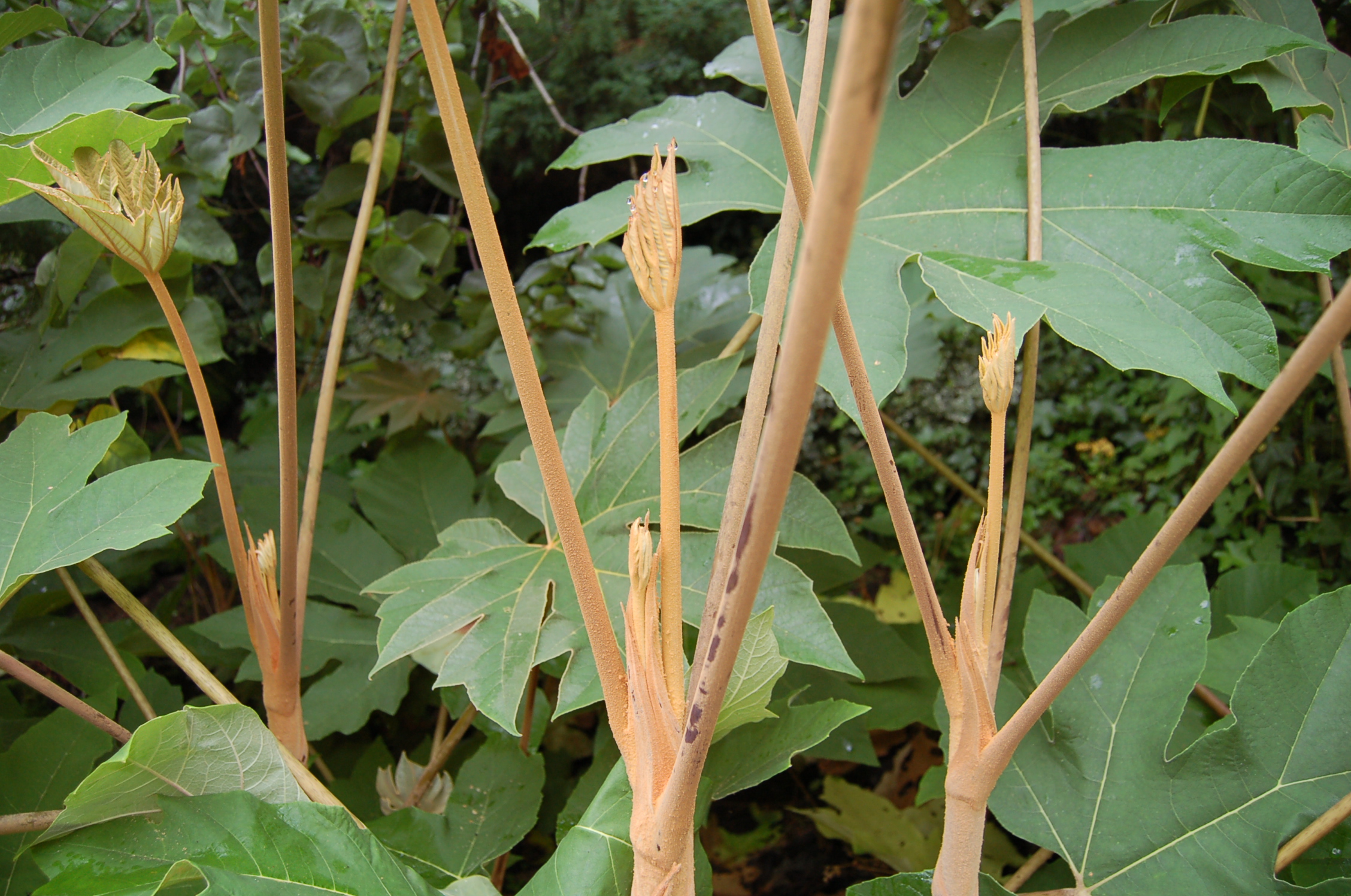
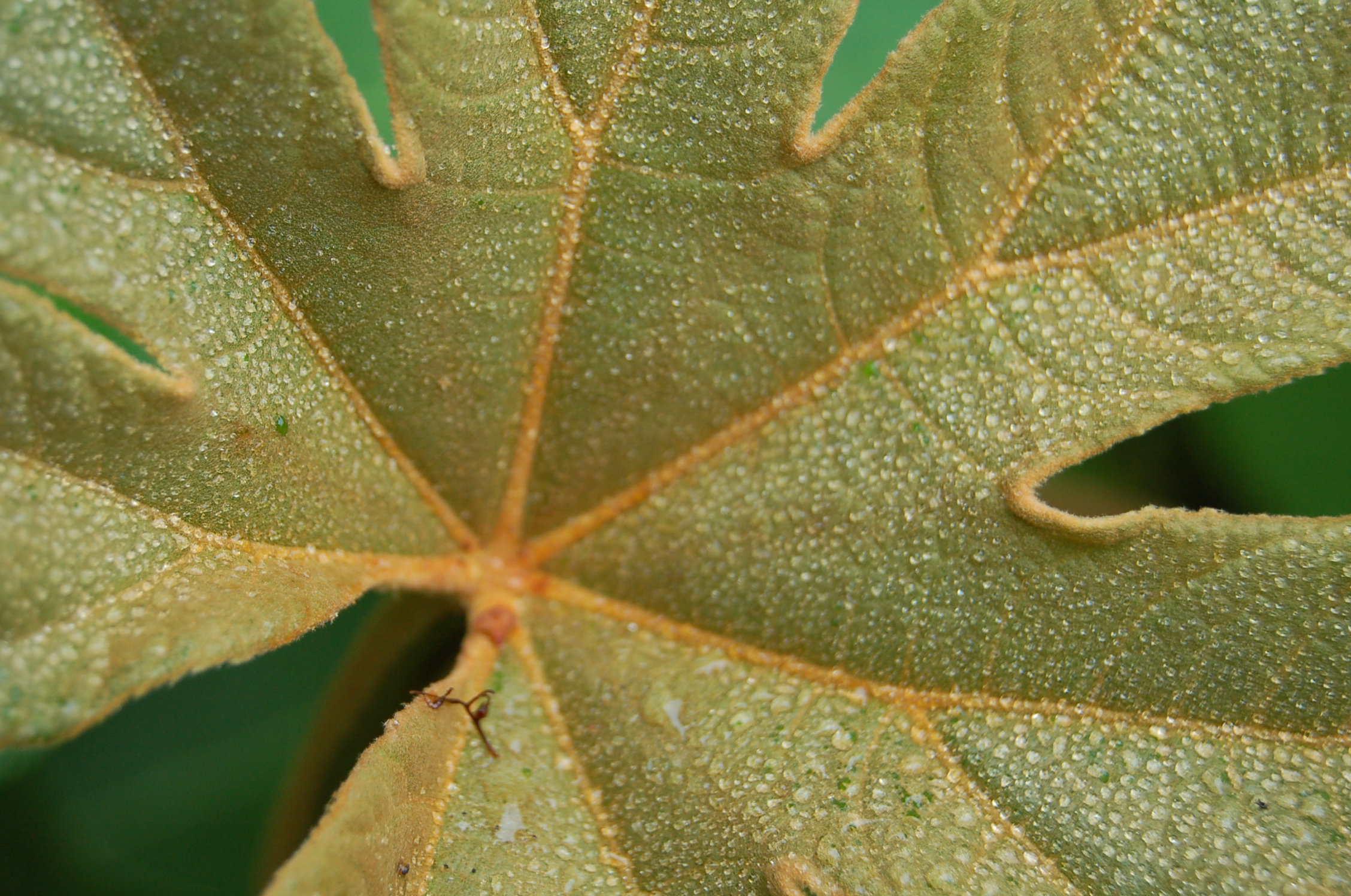
After half an hour in the tea shop our first port of call was the sheltered area close by, sheltered enough to allow the gardeners to take brave decisions and grow Tetrapanax, amongst other plants grown for their interesting foliage. The gardeners at this garden are masters at the art of “right plant right place”. The enclosed space here was so sheltered that tender plants thrived, including one of my favourite plants Tetrapanax. We can’t risk it in our garden with its cold wet winters. I love the texture and colour of the stems – softly furry and gingery orange – and the shape and texture of the huge palmate rough leaves.

2013 09 25_3584 2013 09 25_3585 2013 09 25_3586 2013 09 25_3587 2013 09 25_3588 2013 09 25_3589

2013 09 25_3594 2013 09 25_3595

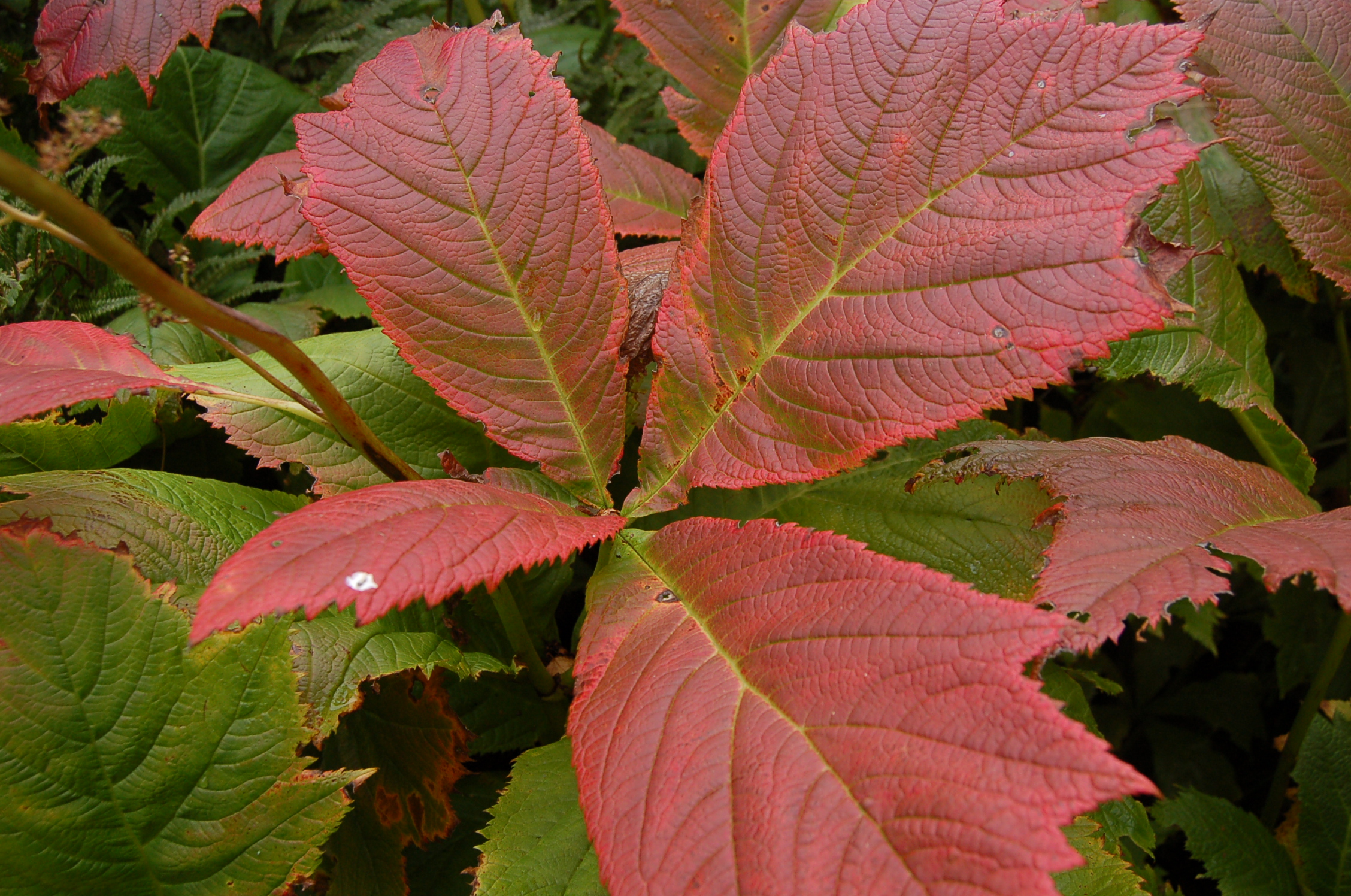
Another of the big leaved plants growing here in the damper areas are the Rogersias, with several different varieties thriving in the shade.

2013 09 25_3590 2013 09 25_3591 2013 09 25_3592 2013 09 25_3593

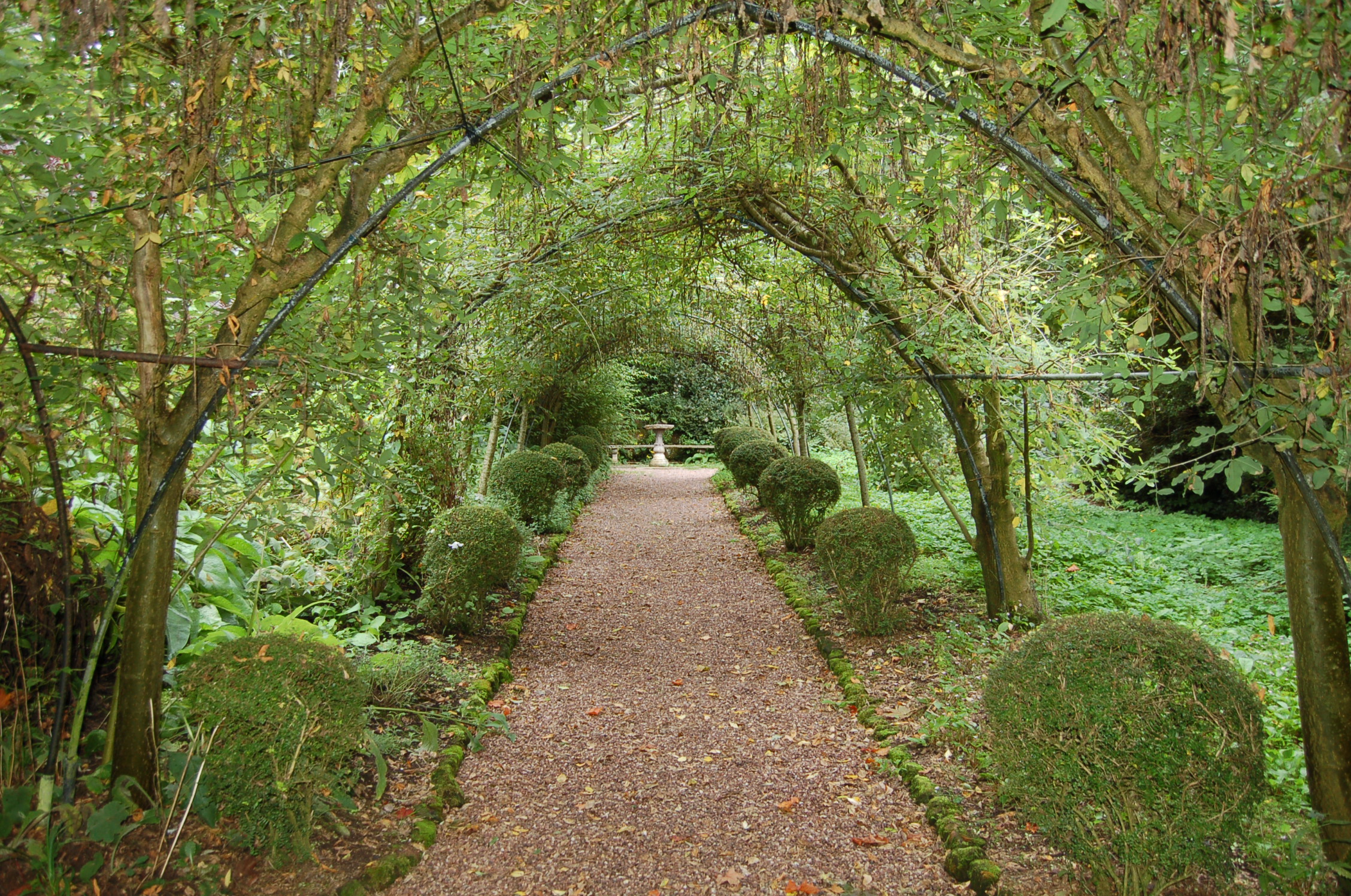
We left the sheltered garden taking a path beneath a tunnel featuring some delicate sculpture and neatly trimmed box balls.

2013 09 25_3596 2013 09 25_3597

2013 09 25_3598

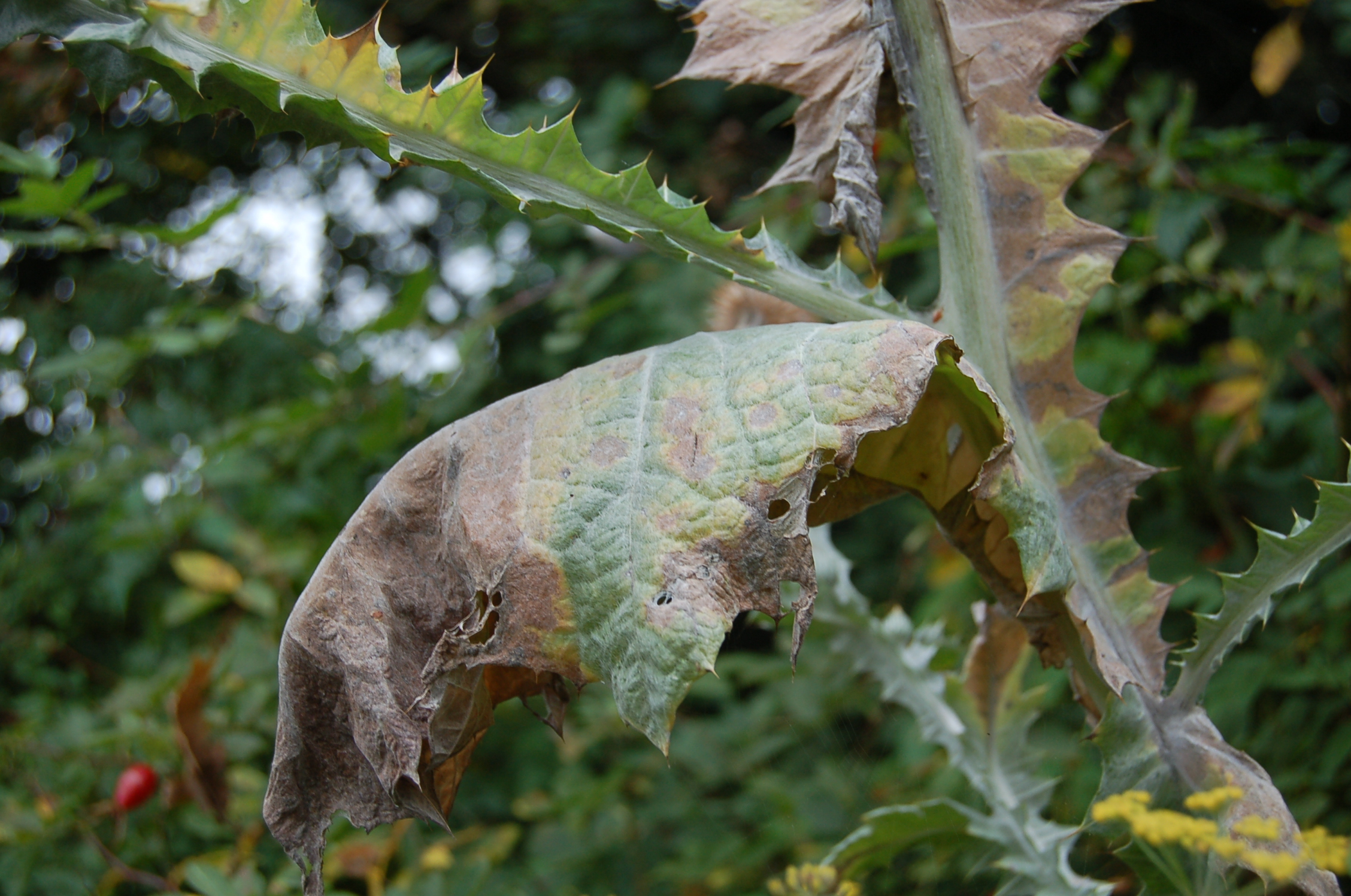
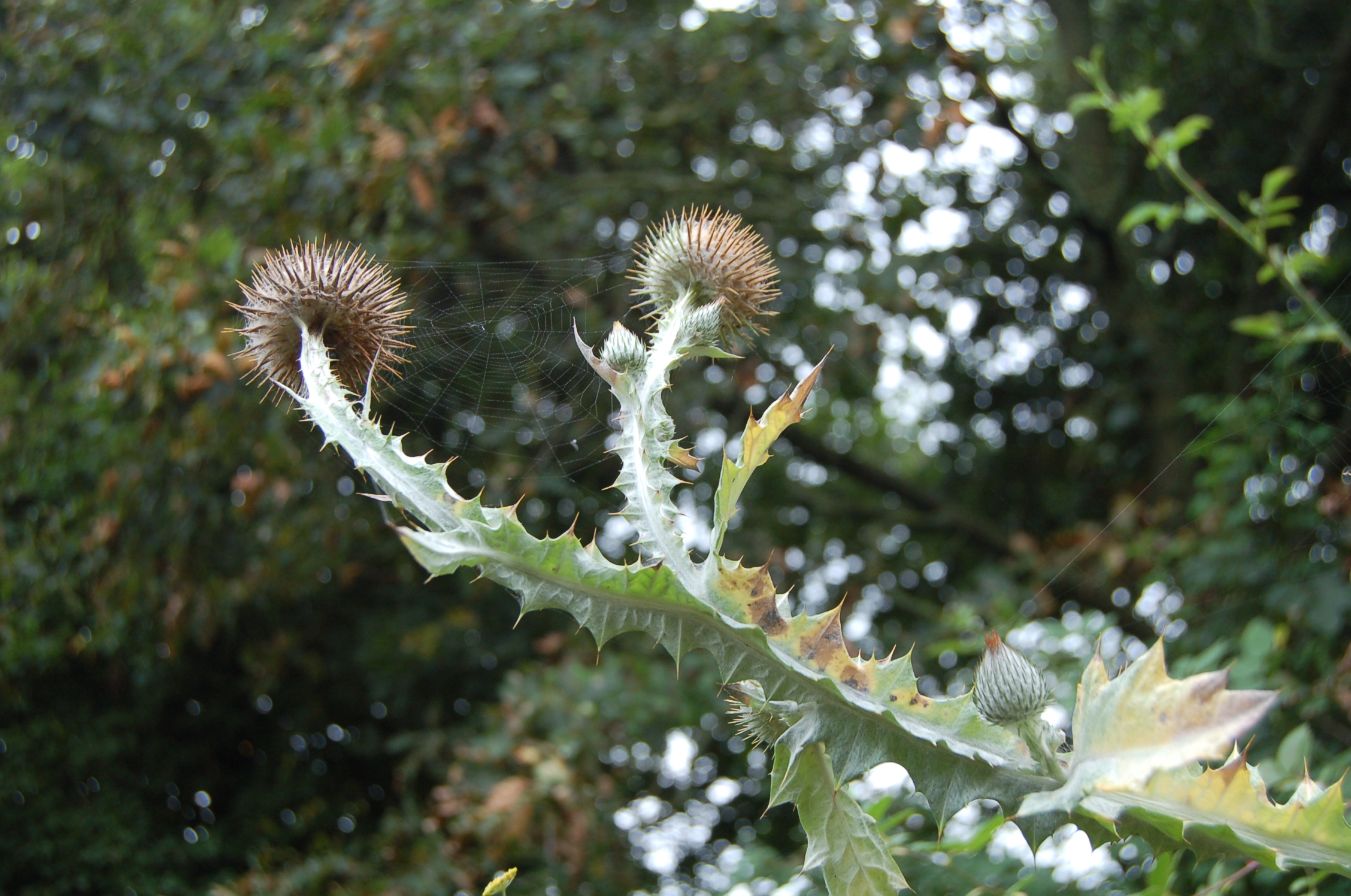
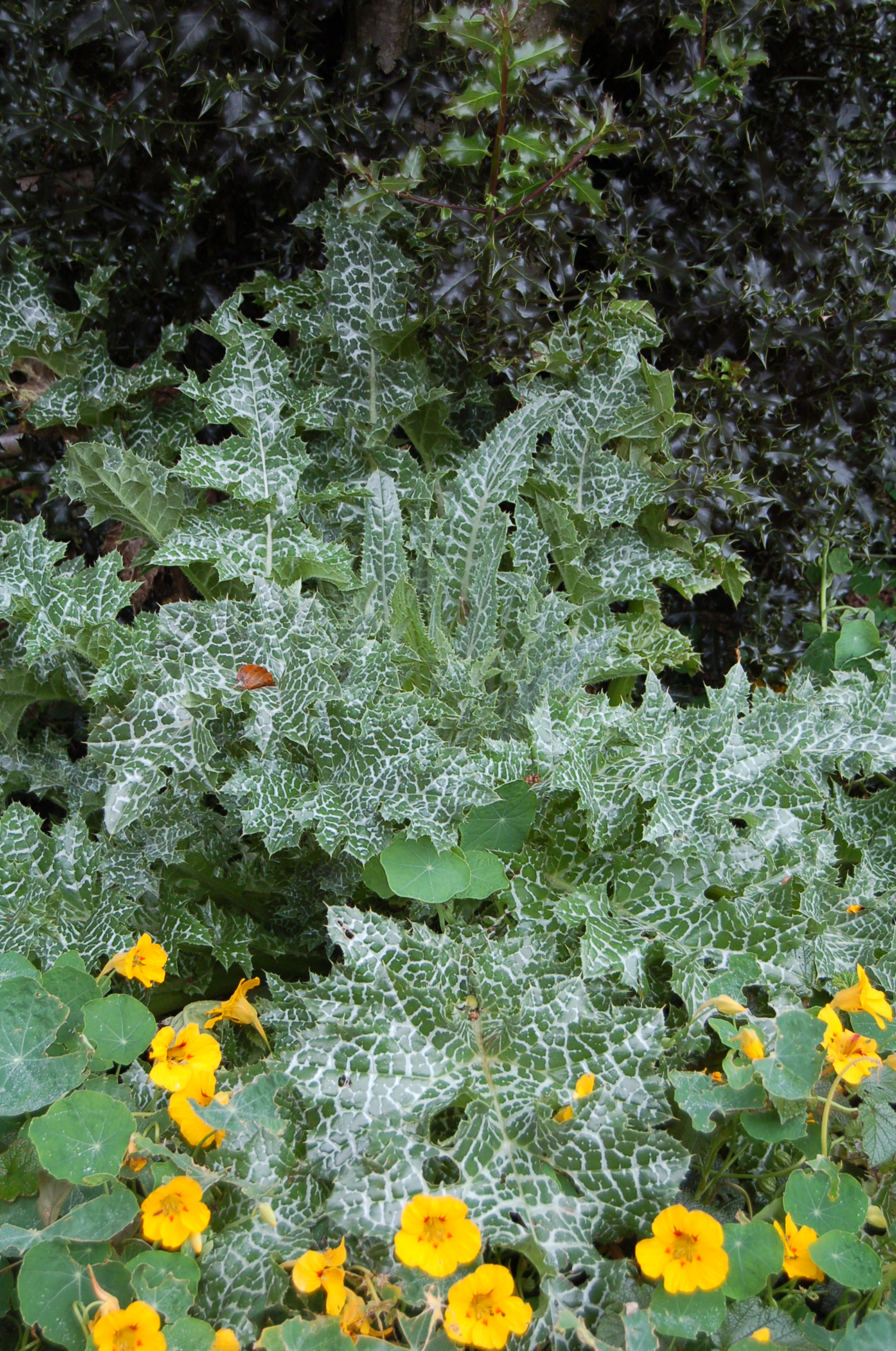
As we left the covered walkway we discovered another large-leaved architectural plant, the Onopordum, with silvery jagged leaves and stems with spikes all along their edges adorned atop by similarly spiky flowers. The Goldfinches will love them when they burst!

2013 09 25_3599 2013 09 25_3600

A new feature in this old favourite garden was an edible woodland garden. We were excited about seeing it and our anticipation was rewarded. This little shaded area under mature trees was full of atmosphere and interesting features.

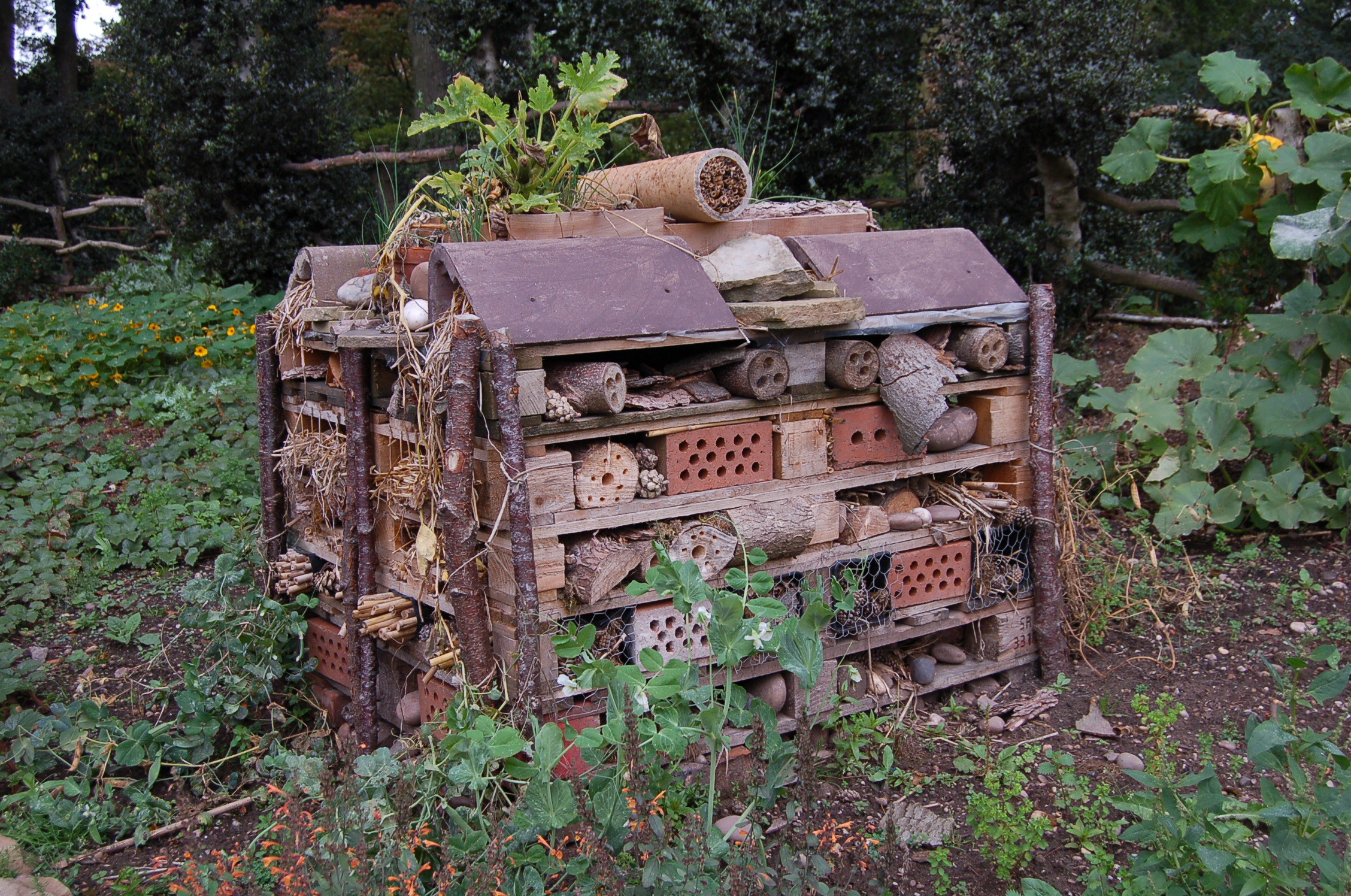
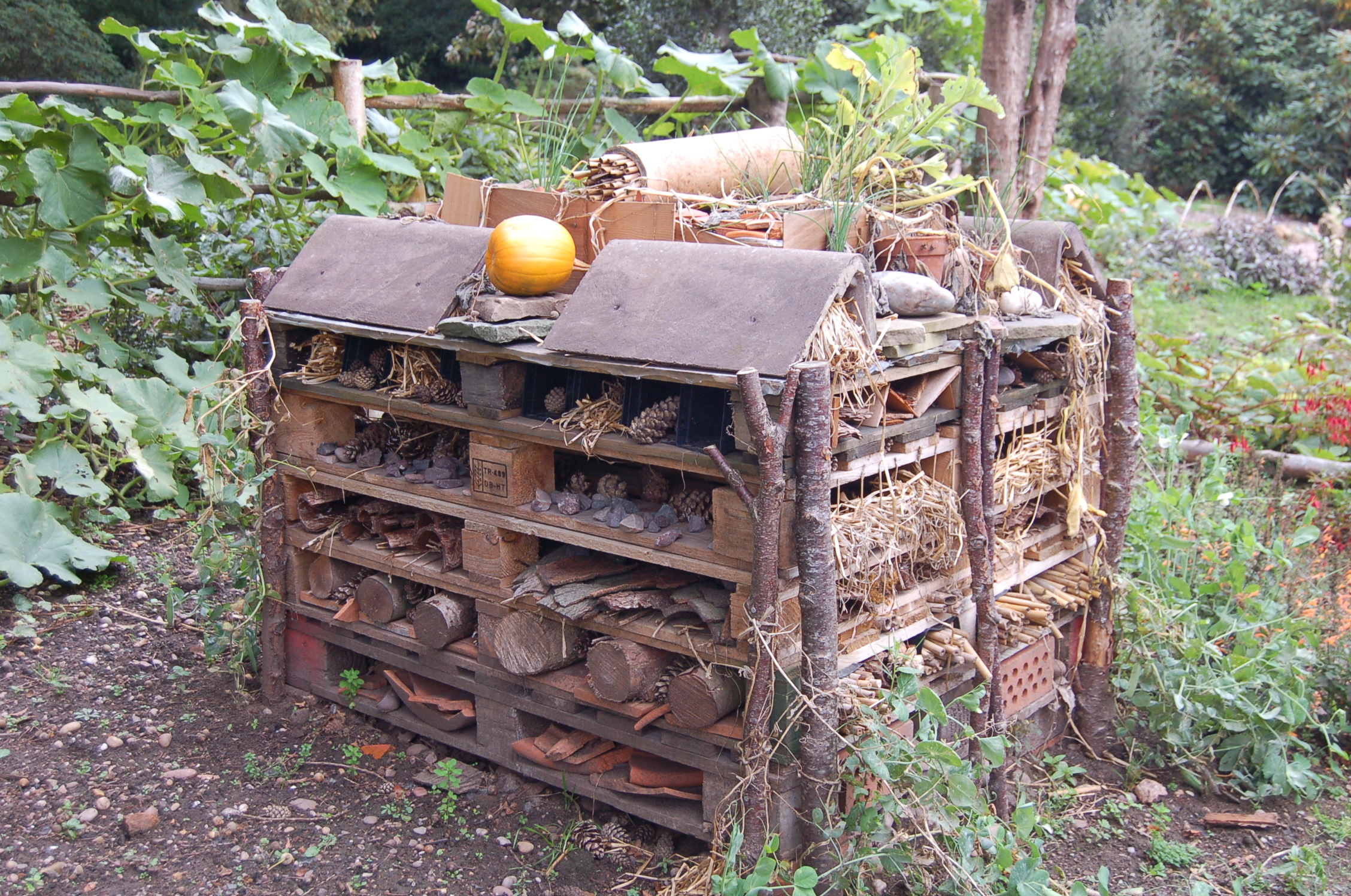
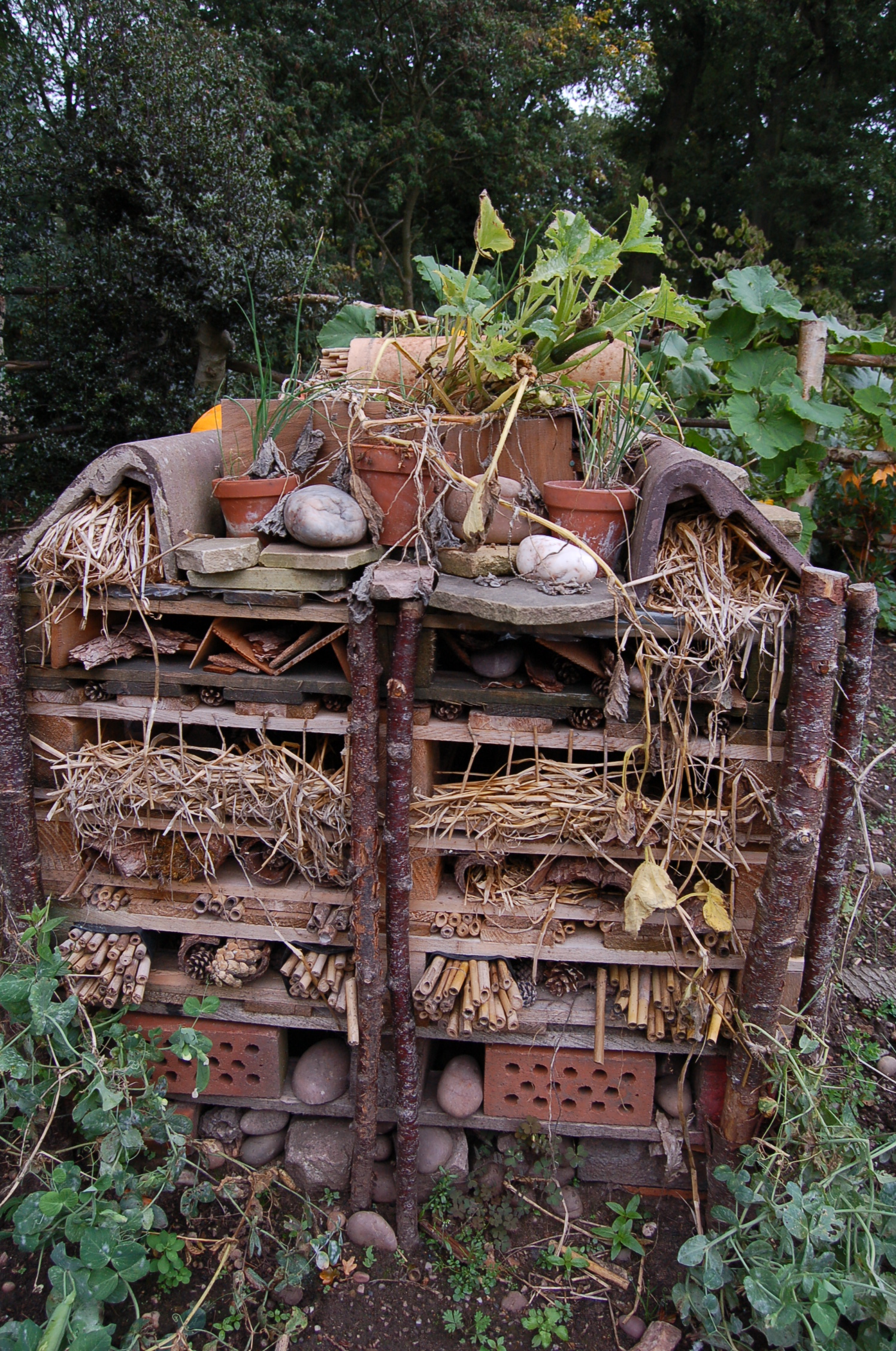
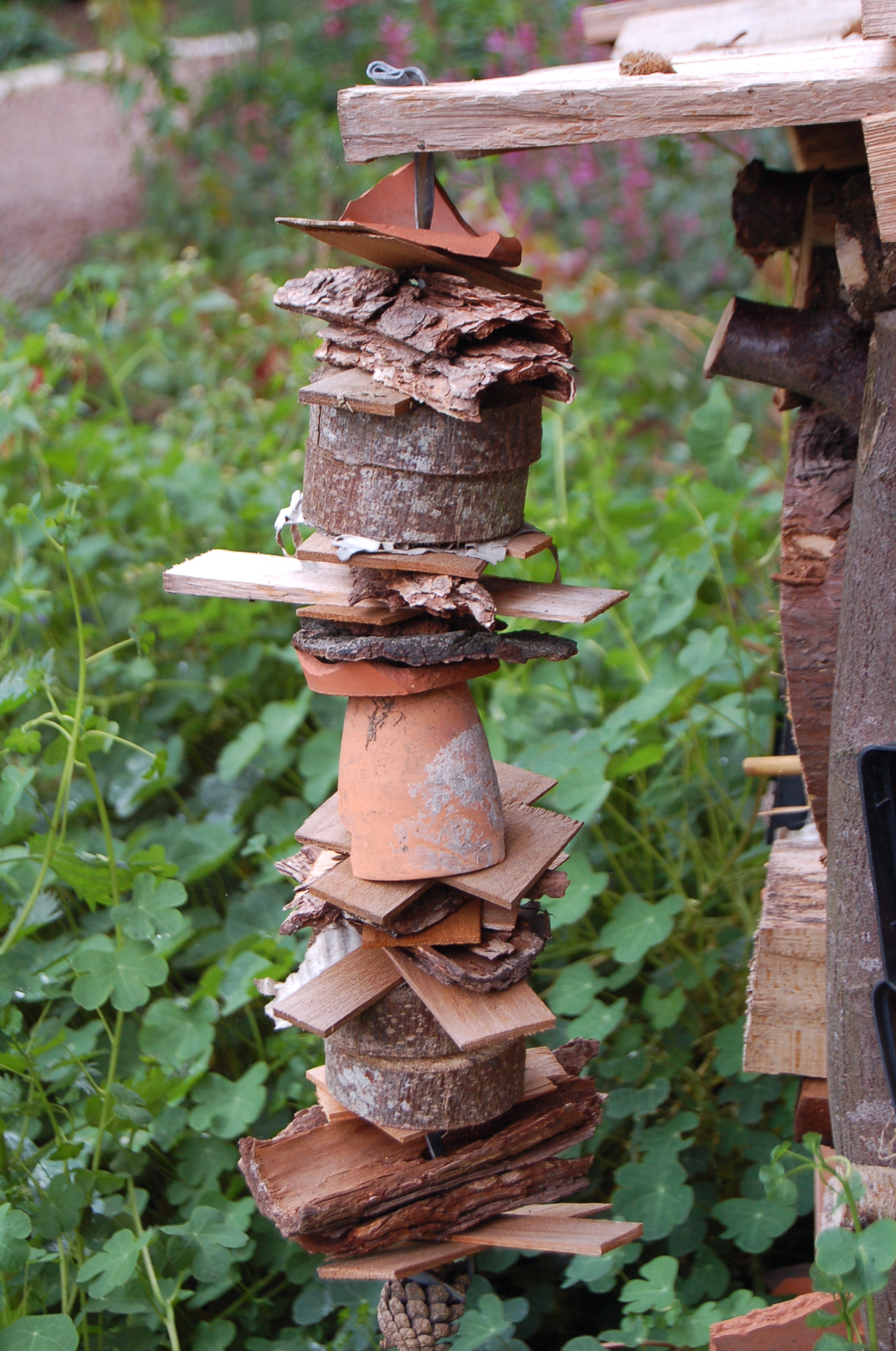
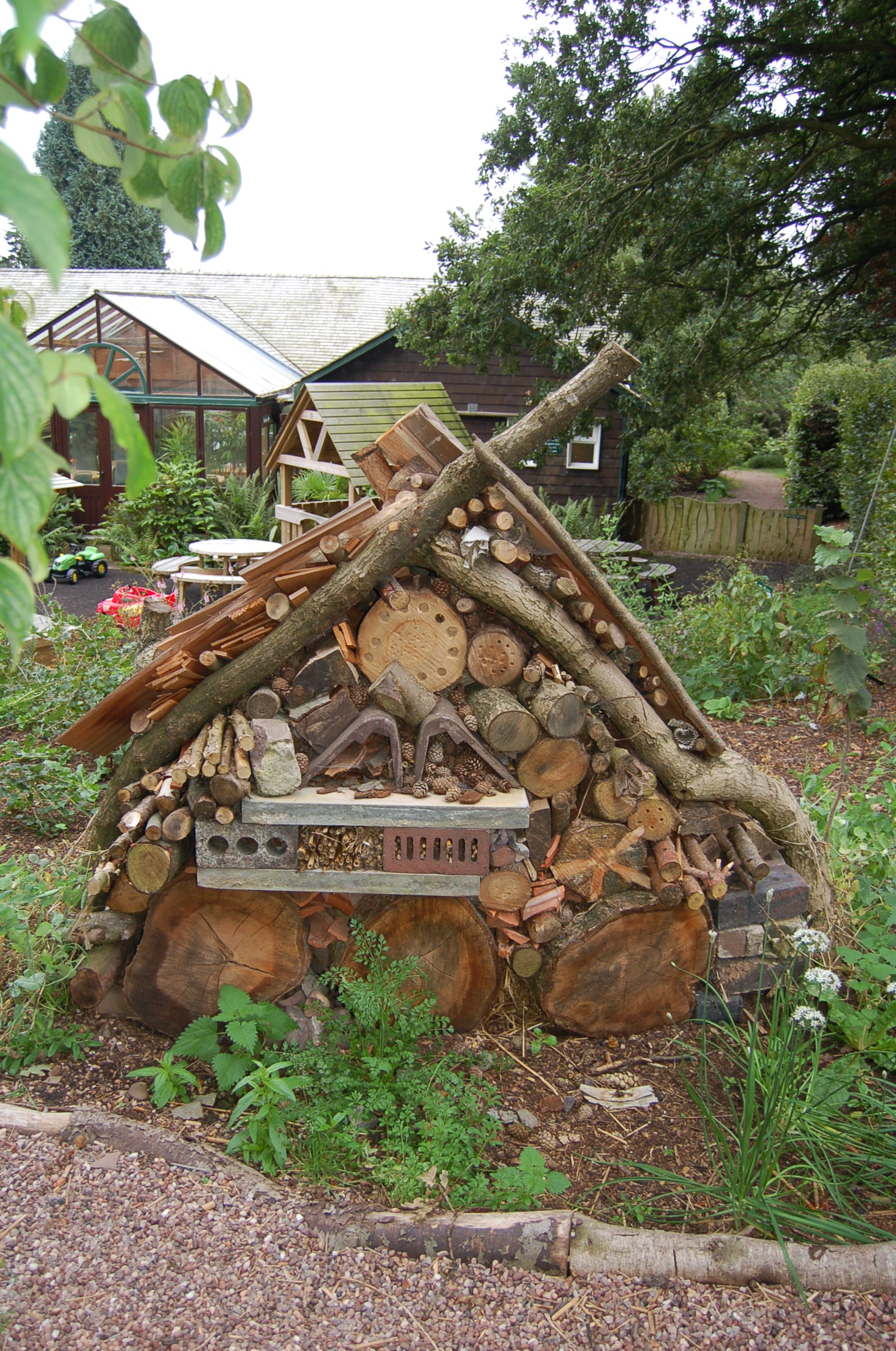
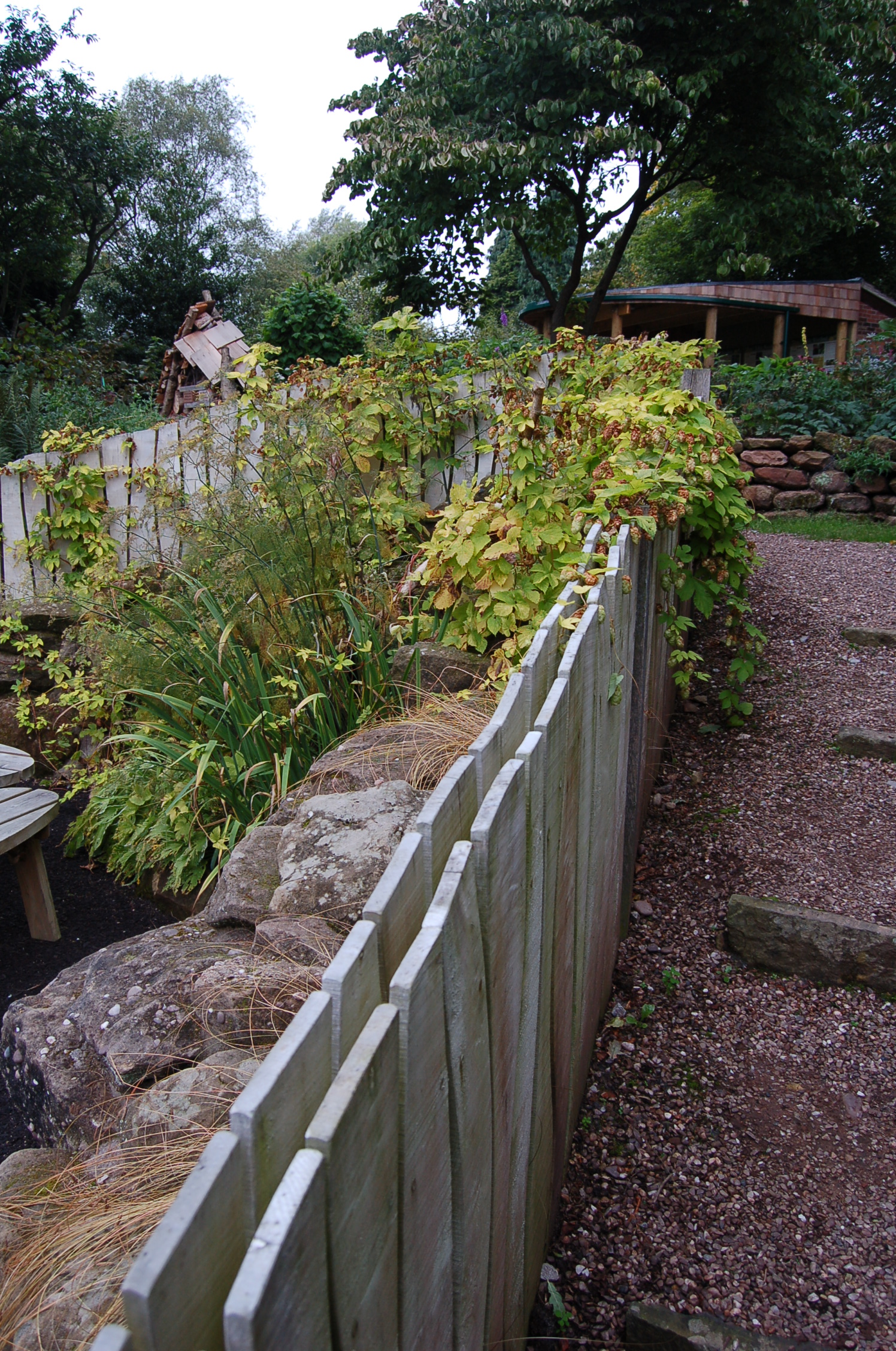
We were impressed by the great insect hotels and the amazing wooden fencing found within the plants of the edible garden.

2013 09 25_3579

2013 09 25_3567 2013 09 25_3573

2013 09 25_3575 2013 09 25_3576

2013 09 25_3574 2013 09 25_3577 2013 09 25_3580

2013 09 25_3568 2013 09 25_3569 2013 09 25_3570 2013 09 25_3571 2013 09 25_3572      2013 09 25_3578  2013 09 25_3581

2013 09 25_3608 2013 09 25_3609

After this we wandered off along the meandering soft grass paths around the mixed borders. Enjoy them with us.

2013 09 25_3615 2013 09 25_3616 2013 09 25_3617 2013 09 25_3618 2013 09 25_3619 2013 09 25_3620 2013 09 25_3622 2013 09 25_3623 2013 09 25_3624 2013 09 25_3625 2013 09 25_3627 2013 09 25_3628 2013 09 25_3629

2013 09 25_3630 2013 09 25_3631 2013 09 25_3632 2013 09 25_3633 2013 09 25_3634 2013 09 25_3635 2013 09 25_3636 2013 09 25_3637 2013 09 25_3639

Part of the way round our border wanderings I spotted these lovely old chestnut gates and fences at the entrance to the kitchen garden.

2013 09 25_3640 2013 09 25_3641 2013 09 25_3642 2013 09 25_3643 2013 09 25_3644

2013 09 25_3646 2013 09 25_3647 2013 09 25_3648 2013 09 25_3650 2013 09 25_3651 2013 09 25_3652 2013 09 25_3653

Categories
autumn autumn colours birds climbing plants colours garden photography garden wildlife gardening gardens grasses hardy perennials migration ornamental trees and shrubs poppies roses trees wildlife Winter Gardening

A Garden Bouquet for December

Already we are almost at the end of the year so here is my December bouquet from our garden,the final chapter in 2013.

2013 12 12_5469_edited-1

It is only mid-December and while in the garden we are treated to the beautiful repetitive piping call of a Song Thrush, already making his territorial proclamation. He must have found a mighty fine territory which he is making sure no-one else can take possession of.

The skies seem full of passing flocks of Redwing and their larger noisier cousins the Fieldfare on migration, escaping their cold food-less summer homes in central Europe. Below them exploring the trees and shrubs of our garden mixed foraging flocks of finches seek out the last of the seeds and berries while amongst them groups of Titmice, Great, Blue, Long-tailed and Coal arrive in hurried flight to explore every nook and cranny of dried stems, tree bark and shrub branches for insects especially spiders.

A few delicate looking soft coloured flowers still hang on determined to be the final blooms of the year. It seems amazing but the odd big bumbling Queen Bumble Bee appears to feed on them.

2013 12 12_5438 2013 12 12_5440

2013 12 12_5444 2013 12 12_5452

2013 12 12_5462 2013 12 12_5463

2013 12 12_5468 2013 12 12_5471

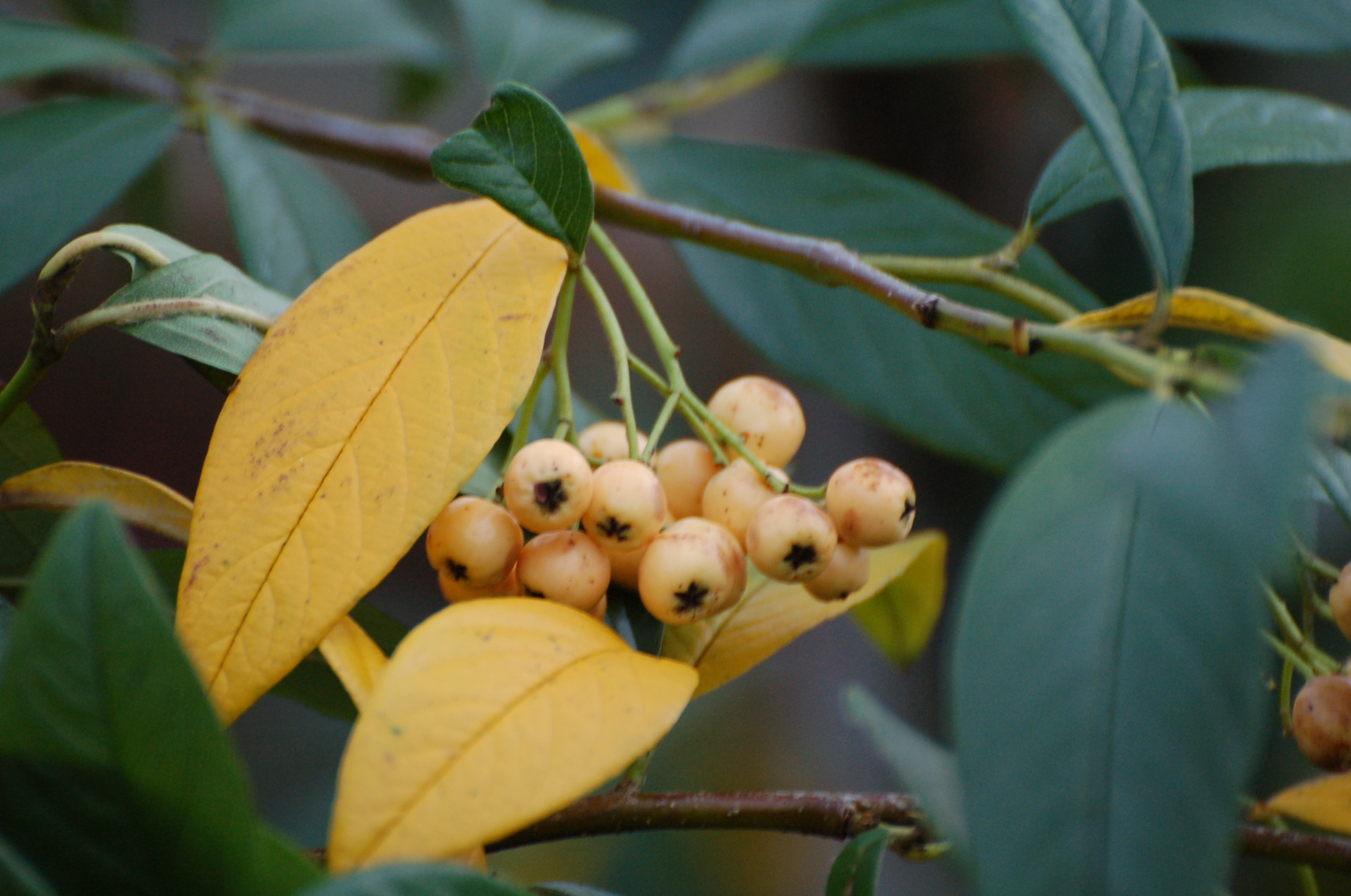
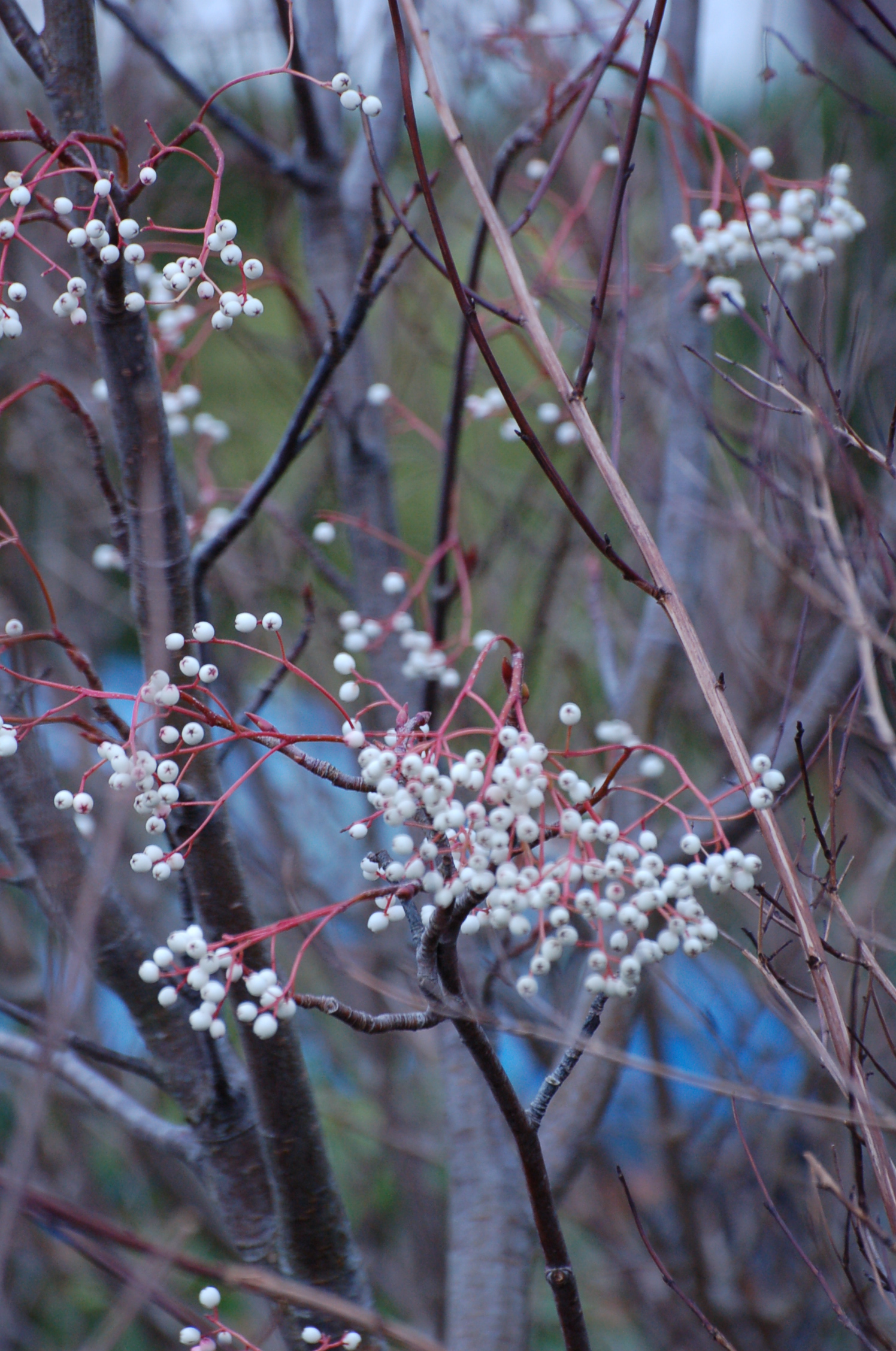
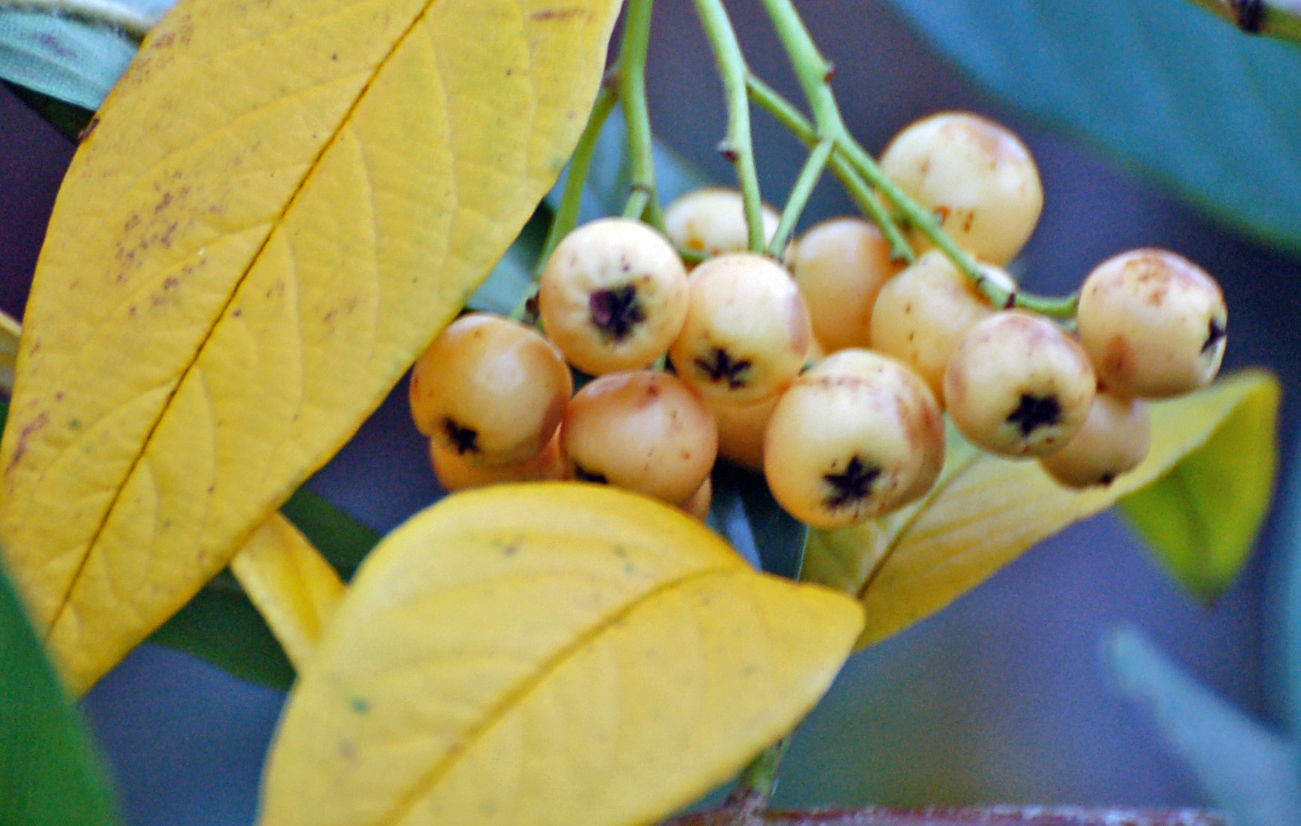
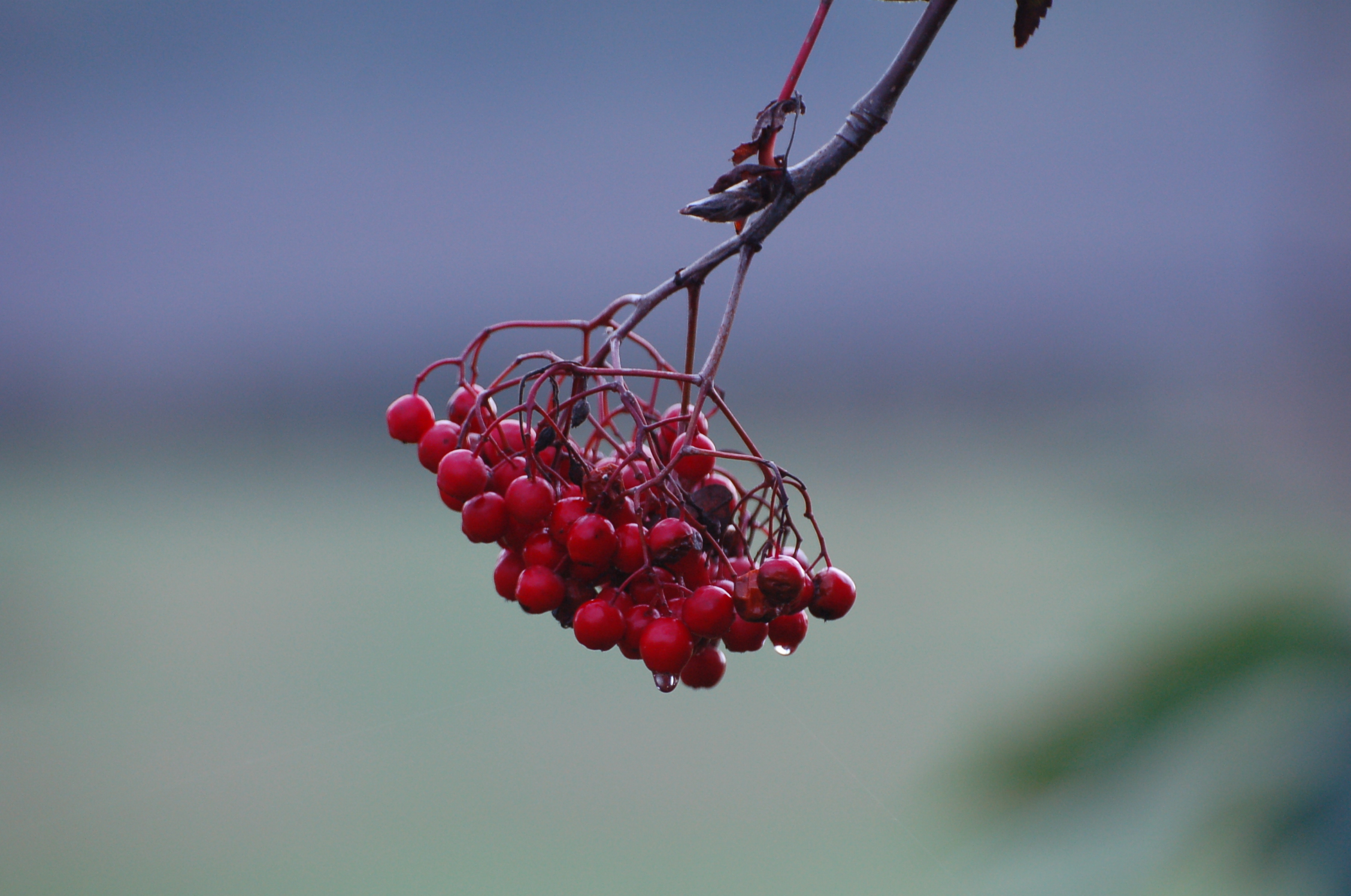
Berries on shrubs and small trees add extra sparkles of colour but the resident Mistle Thrushes guard them from the migrant thrushes. They are the larder for the colder days to come. The red fruit of the Cotoneasters, Hollies and Rowans will be eaten first and most will have been devoured by the thrushes and Blackbirds before the month is out. The creamy-yellow berries of the Cotoneaster rothschildiana will stay longer being mere second choices. The last to go without fail will be the white berries of the Sorbus, so we can get to enjoy them against dark winter storm clouds before the birds eat them.

2013 12 12_5445 2013 12 12_5446

2013 12 12_5454 2013 12 12_5472

2013 12 12_5479 2013 12 12_5445_edited-1

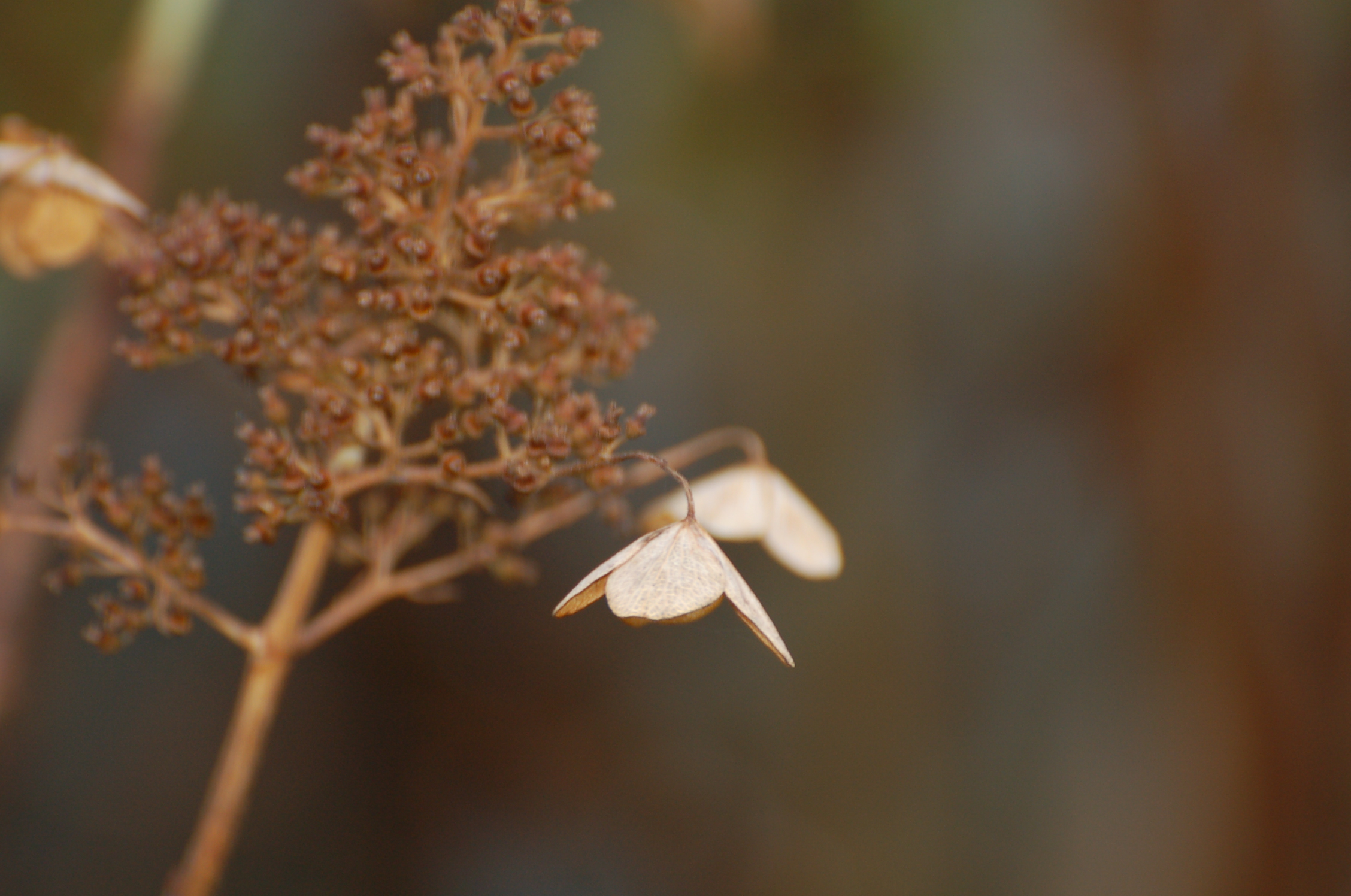
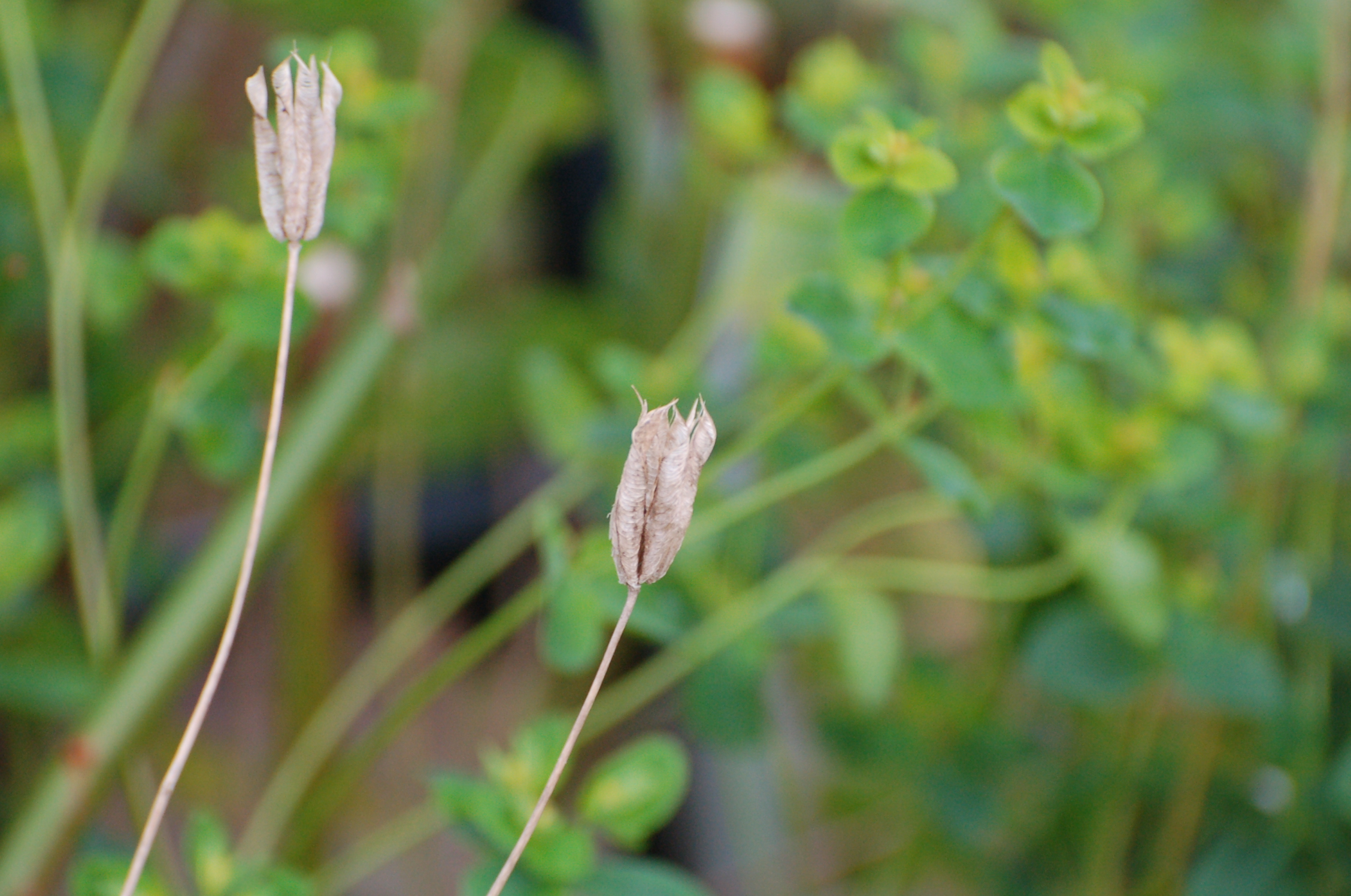
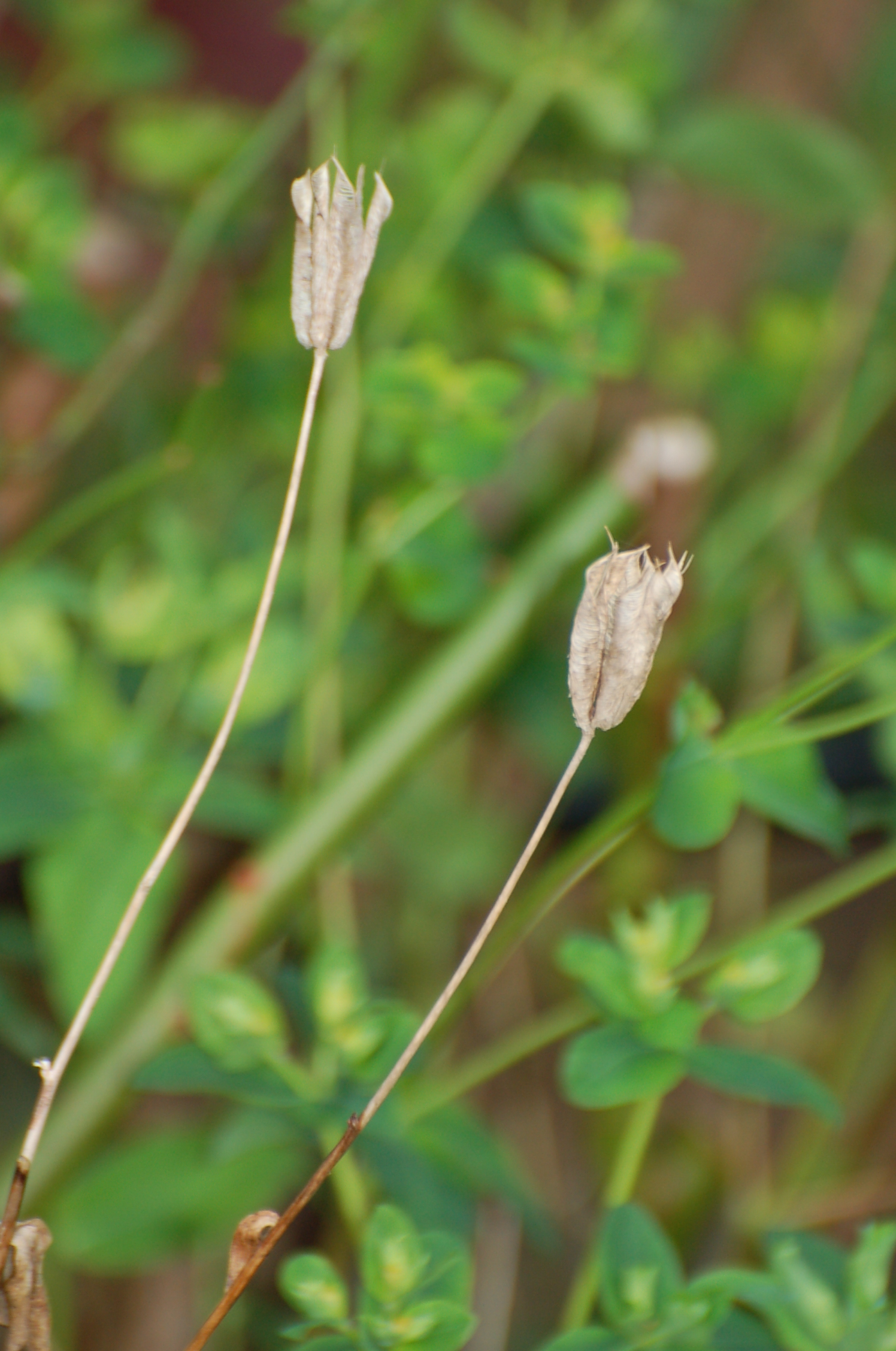
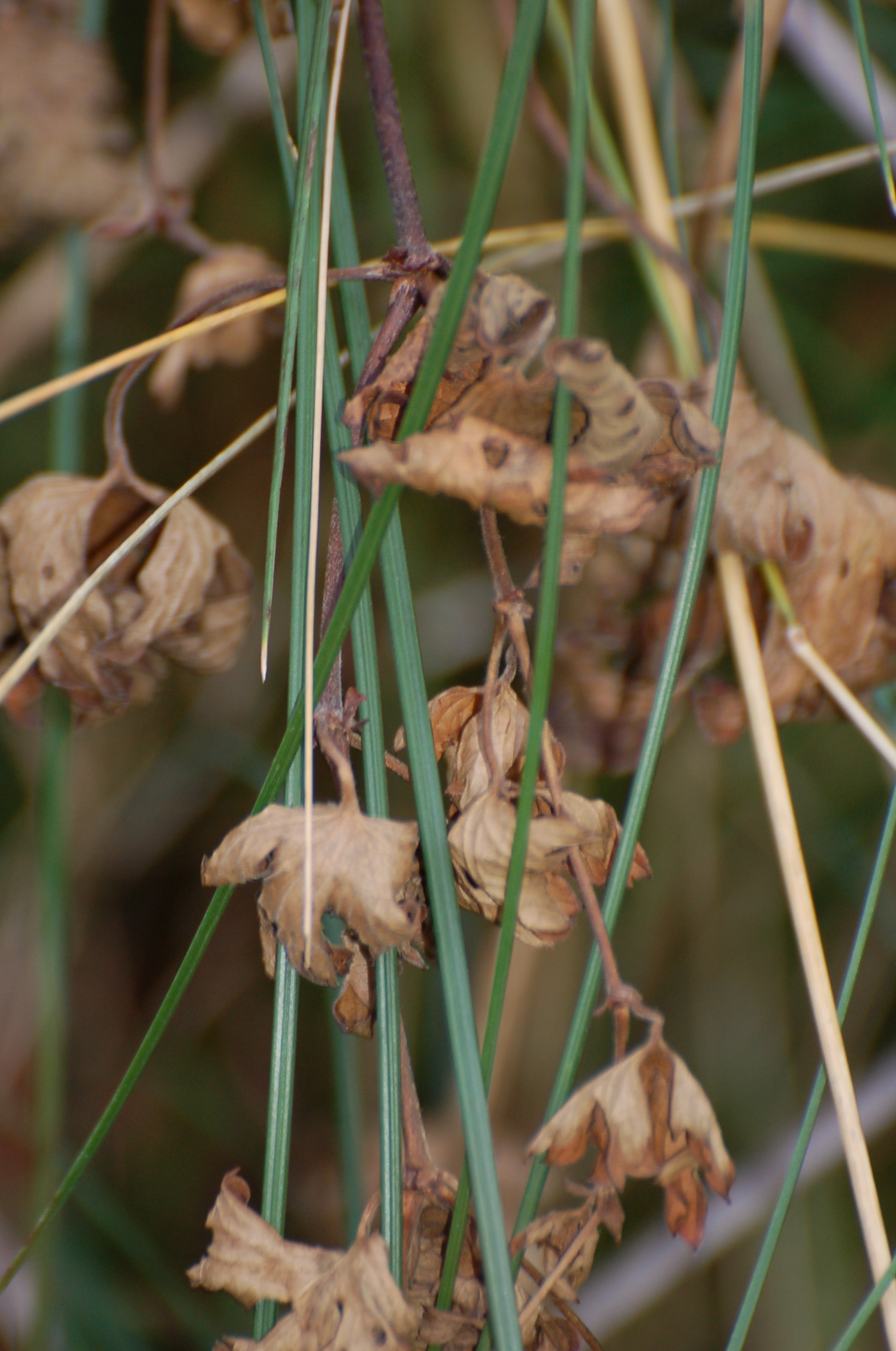
At this time of year we can enjoy the dessicated seed heads and old flower heads that have managed to survive the wet times that autumn invariably brings. This year has been so wet that we seem to have fewer still standing than ever before. But a few are putting on a display for us and when covered in a frosty layer or when donning a hat made of snow will look even better. Within them are the remnant autumn leaves as yet to be blown from their branches by blasts of wind.

2013 12 12_5439   2013 12 12_5442    2013 12 12_5447 2013 12 12_5448 2013 12 12_5449 2013 12 12_5450 2013 12 12_5451

2013 12 12_5453 2013 12 12_5457 2013 12 12_5459 2013 12 12_5460  2013 12 12_5465 2013 12 12_5466 2013 12 12_5467

2013 12 12_5469 2013 12 12_5470 2013 12 12_5475 2013 12 12_5474 2013 12 12_5473   2013 12 12_5477 2013 12 12_5478   2013 12 12_5448_edited-1

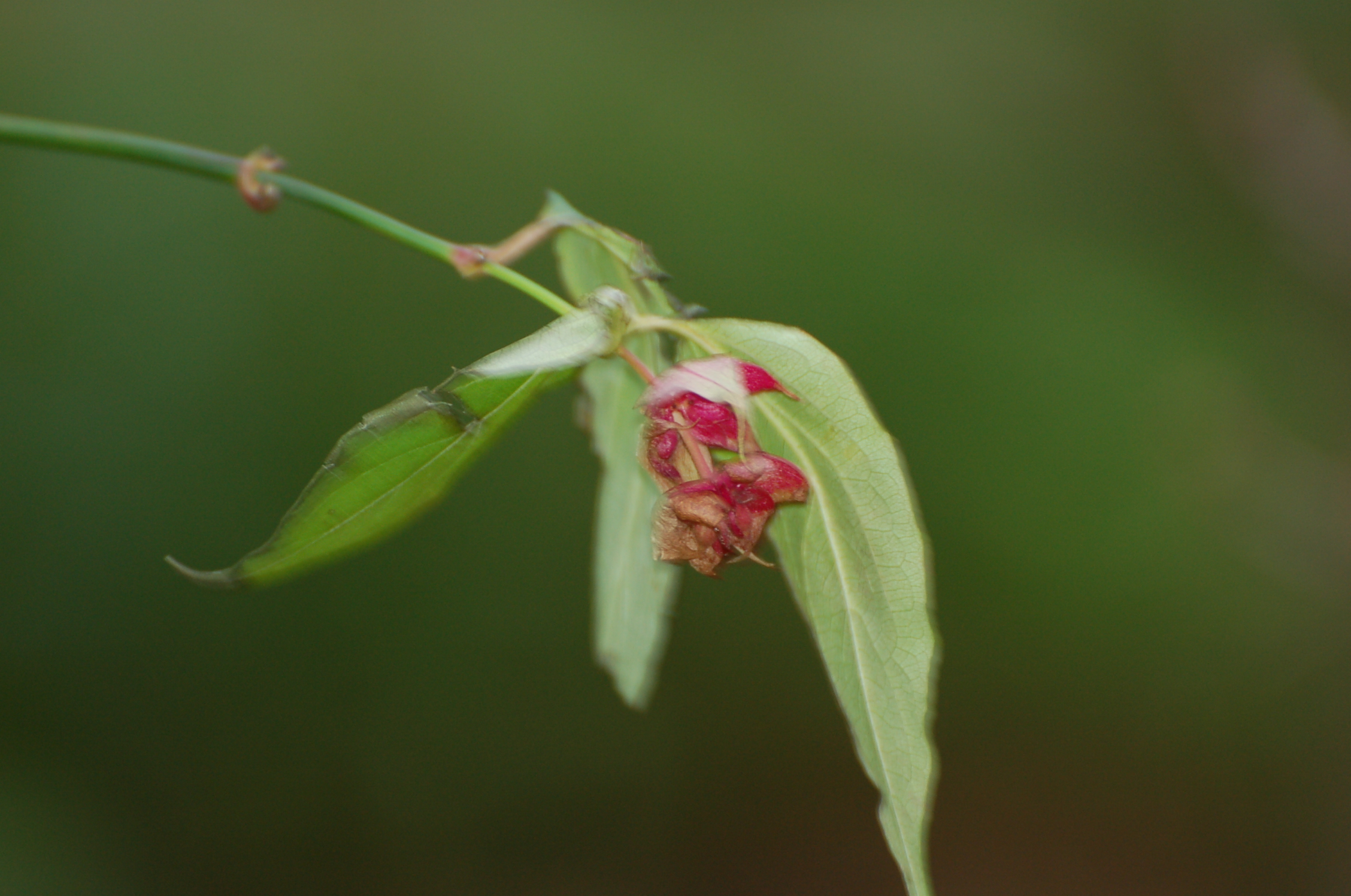
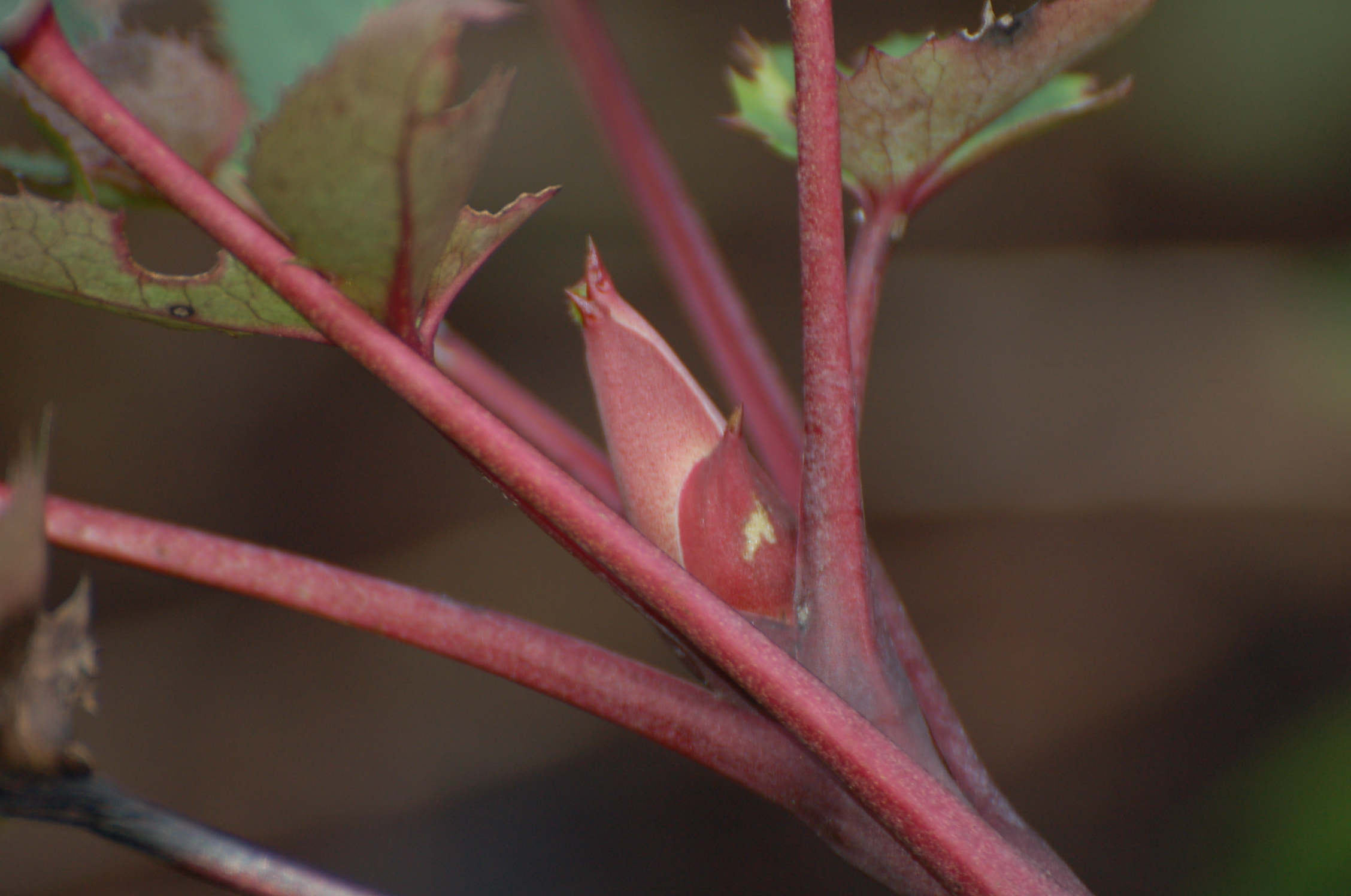
Signs of next year’s growth are already in evidence like this adventurous bud found on a clematis snuggled between stem and petioles.

2013 12 12_5441

Patterns become important in winter as they emerge from seasons hidden away behind plants. So that is the end of my year of garden bouquets for 2013. Perhaps they will return for 2014.

2013 12 12_5460_edited-1 2013 12 12_5459_edited-1 2013 12 12_5464_edited-1

Categories
garden design garden photography garden wildlife gardening grasses hardy perennials spring bulbs

A new border for Avocet.

We decided it was about time to give one of our borders here at Avocet a totally new look. Originally we had planted a tropical border in this patch as it is south facing and sits snuggly between the conservatory, the kitchen wall and the wall of the utility room. So we were confident that we could get some of the hardier palms, gingers and other exotic looking large leaved plants growing happily. However we soon learned that our garden was at the bottom of a slope where the frosty air settled after rolling down from the hill behind us. Thus our tropical plants were turned to mush in the first harsh winter.

Hence the rethink. We decided to strip the area bare, add copious amounts of our garden compost and replant with plants that hinted at the tropical look.

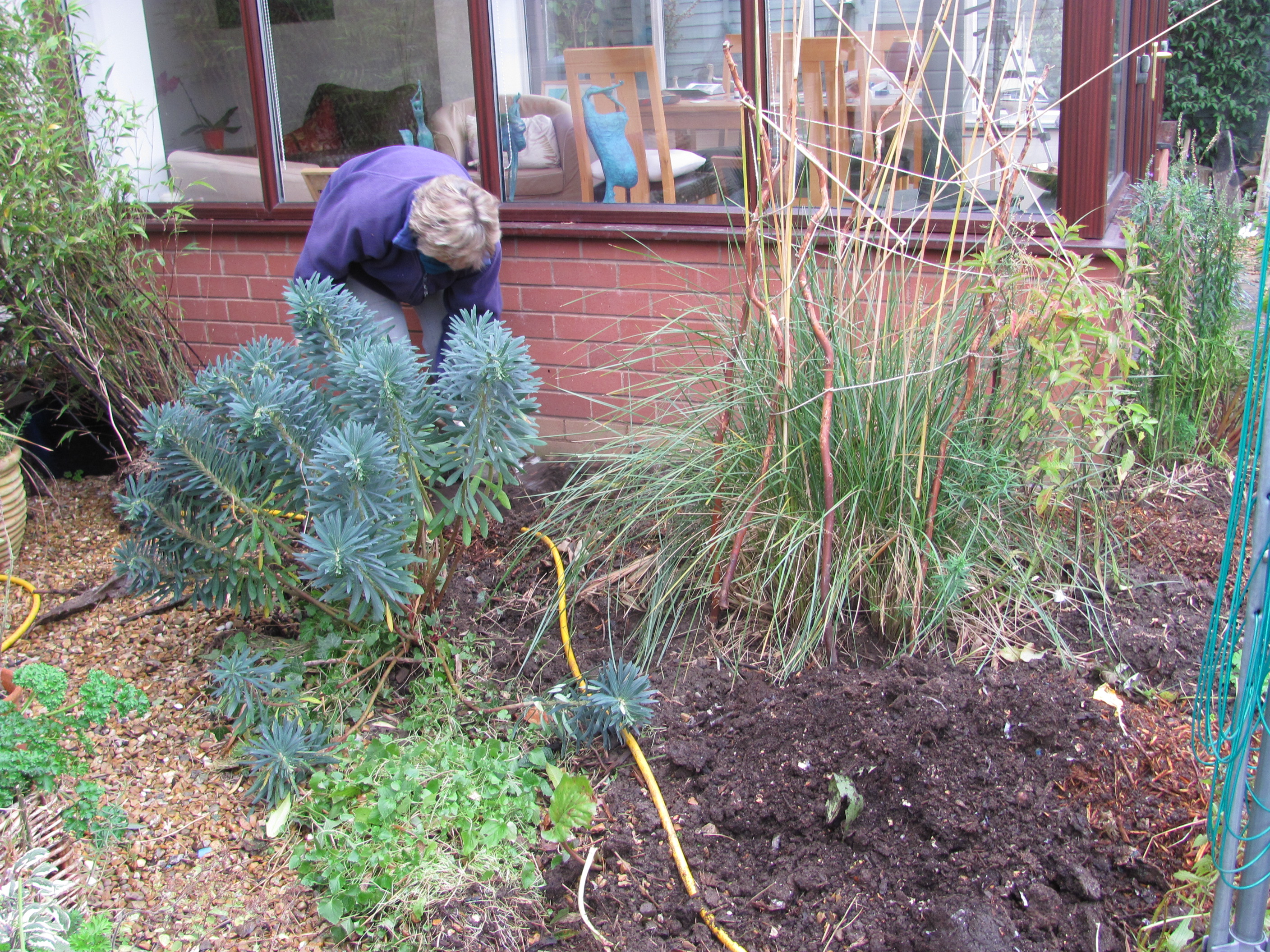
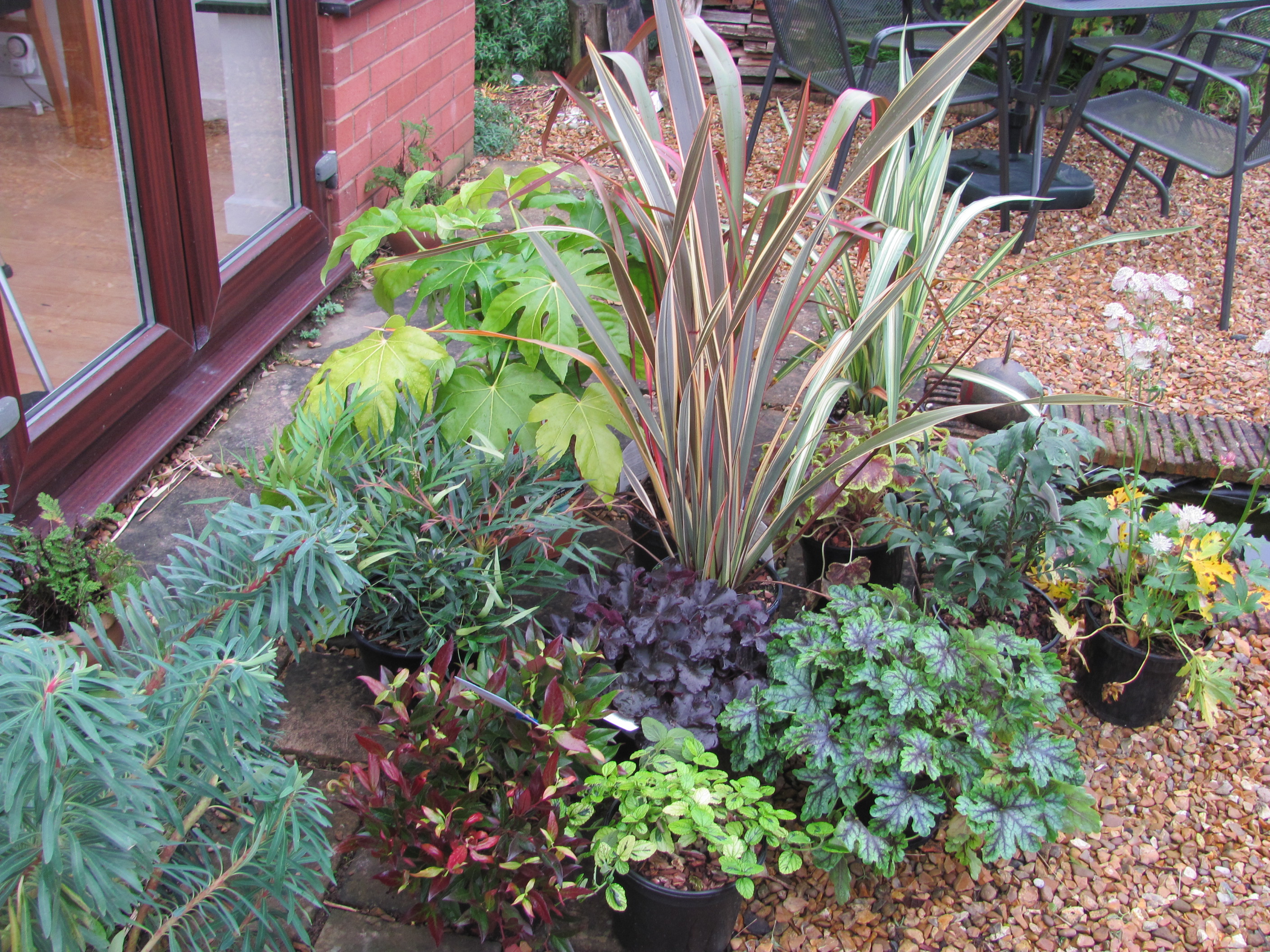
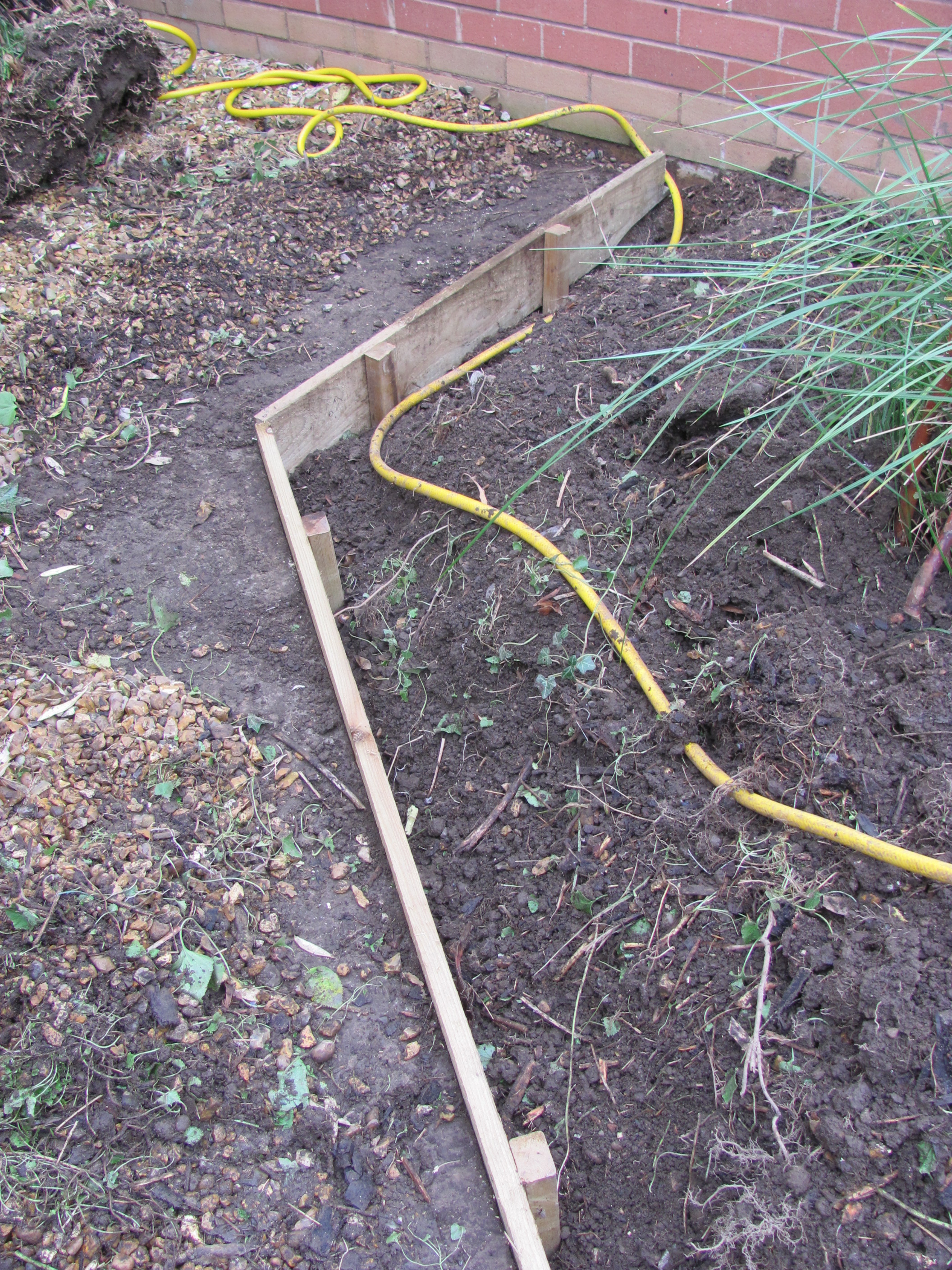
So the first task was to remove those plants that had survived including a large Black Bamboo. Hard work!! Next we had to replace the wooden edging board to hold back the gravel on the seating area alongside. Otherwise the gravel and soil slowly manage to get totally mixed together. Our selection of plants waiting to be planted can be seen in the picture below right.

2013 11 10_5006 2013 11 10_5008

2013 11 10_5009 2013 11 10_5010

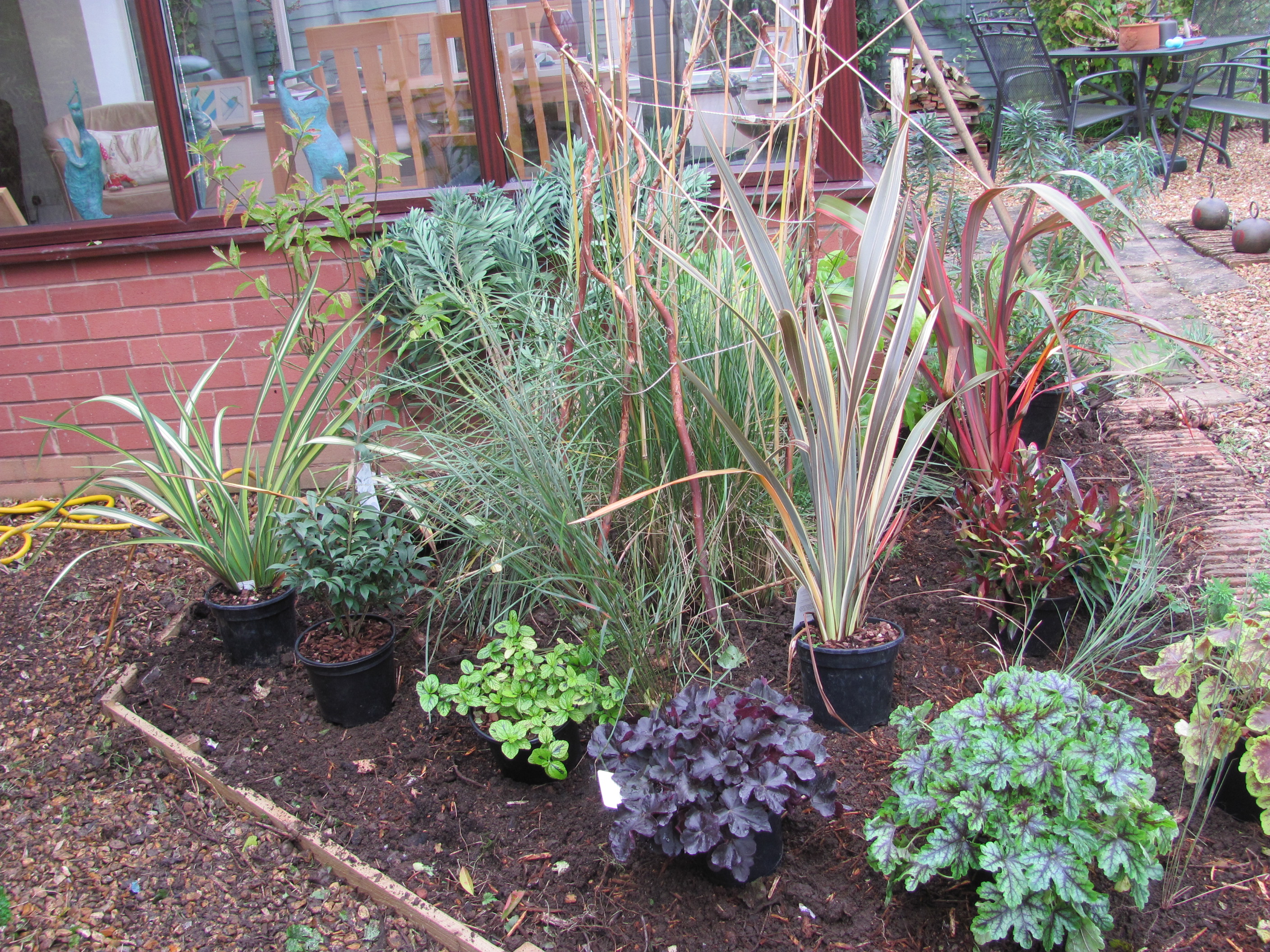
We then laid out the plants and played around with positioning them until we were satisfied with our new look. When we finished planting up our new friends we added hundreds of miniature daffodils and brightly coloured tulips in orange, red, yellow and purple. Purple Tulipa “Havran”, Ruby flowered Tulipa “Pallada”, and aptly named Tulips “Orange Brilliant” were planted in clumps between other clumps of Narcissus “Hawera”.

2013 11 10_5011     2013 11 10_5014

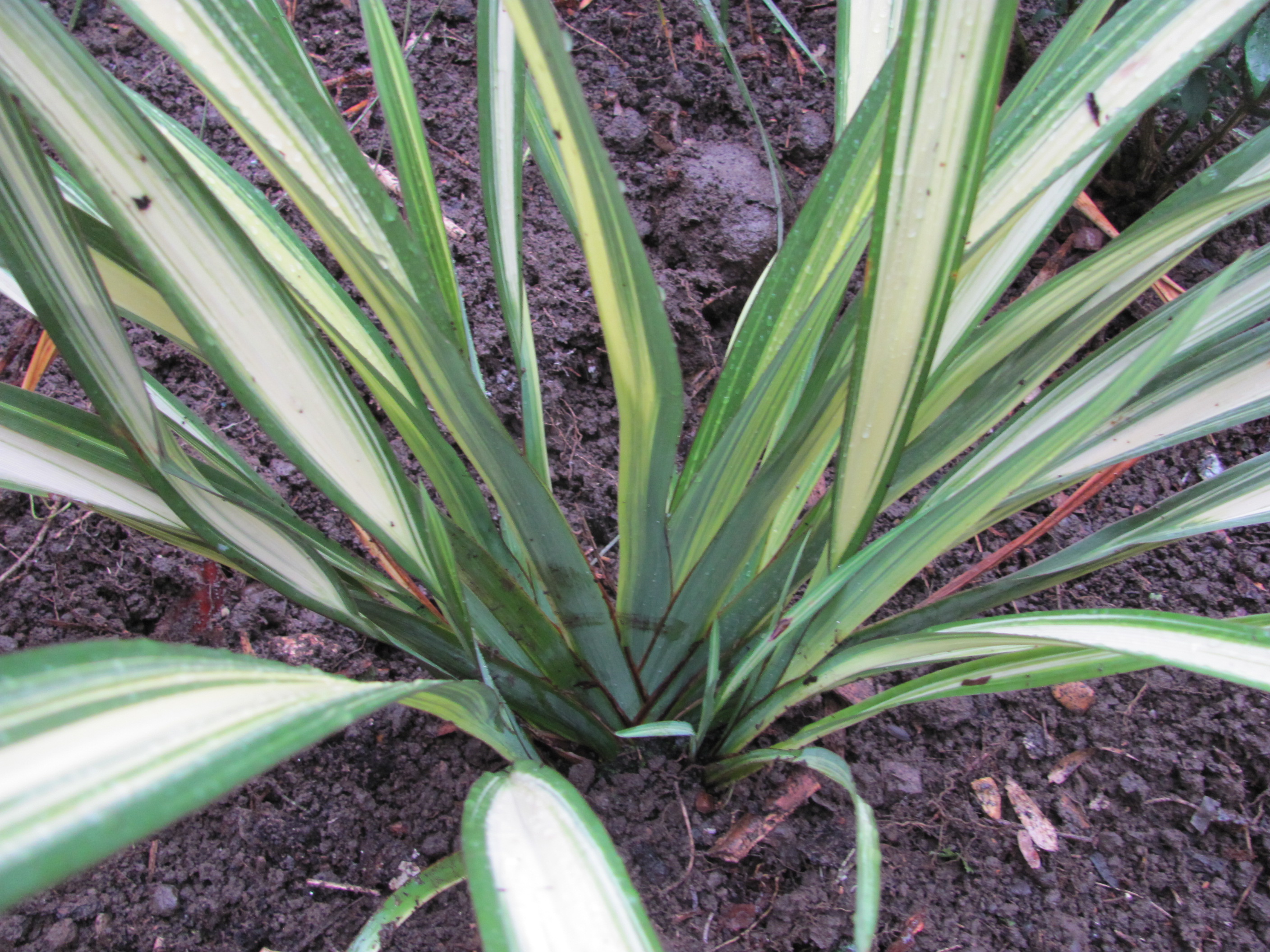
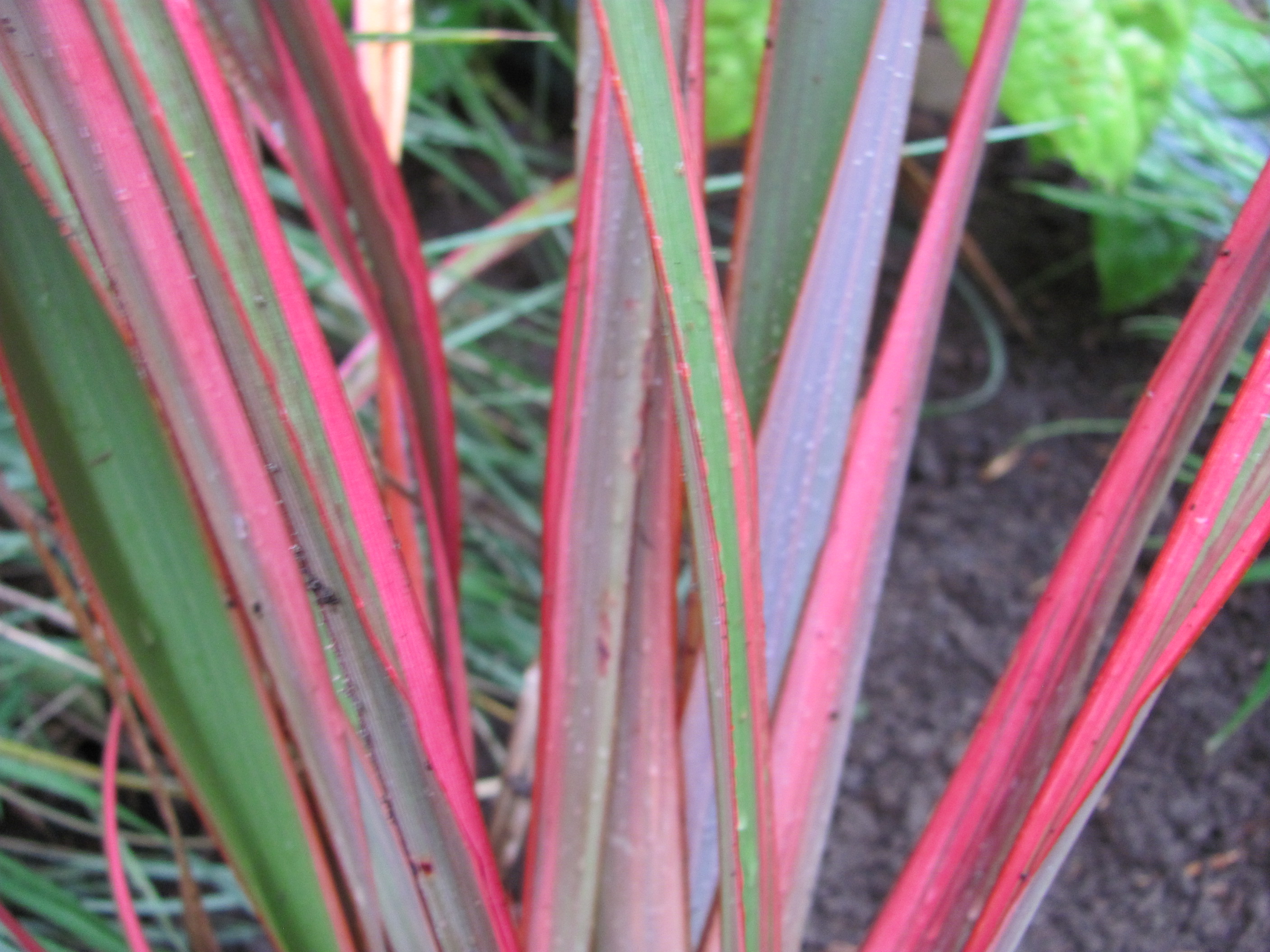
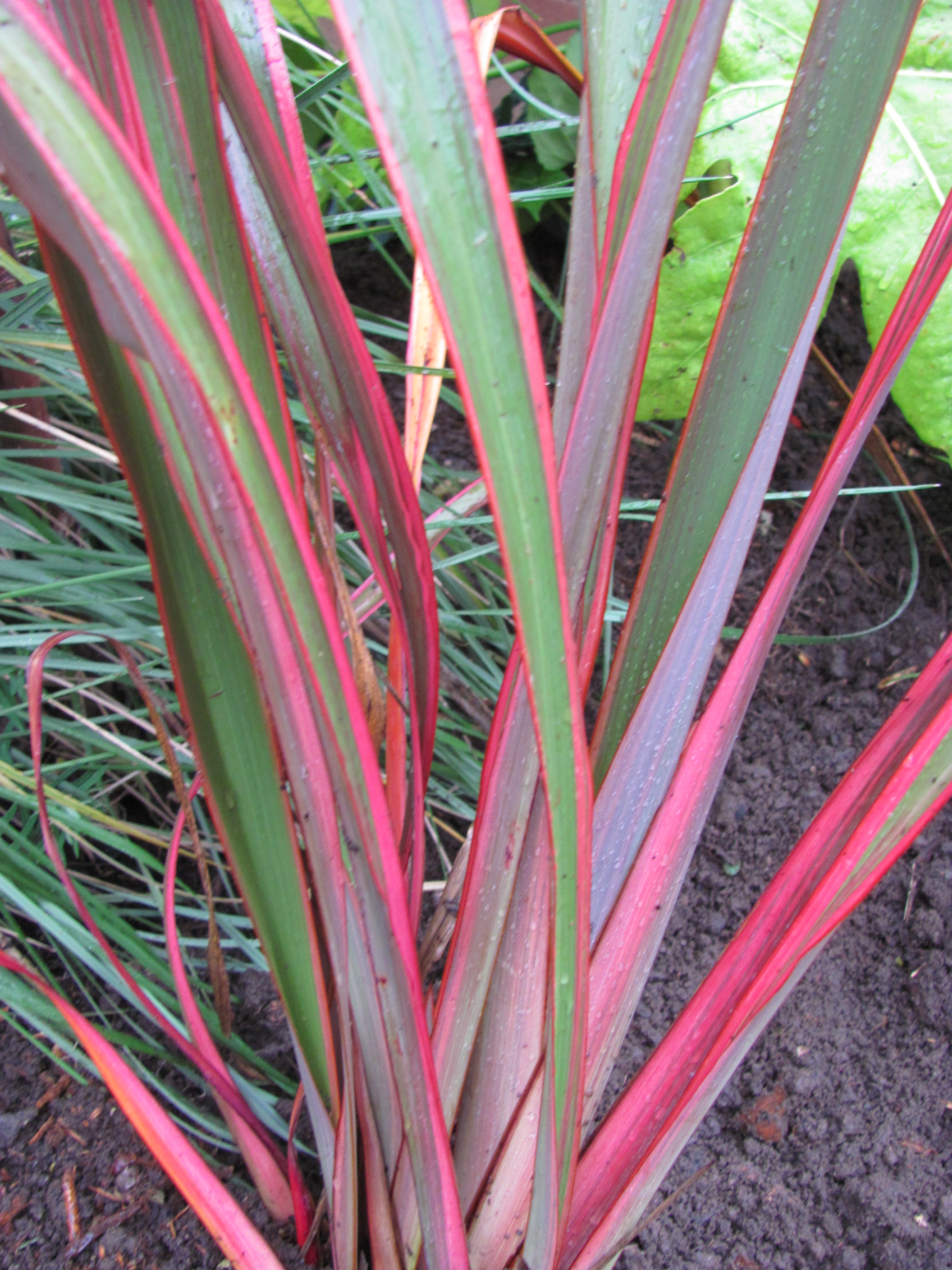
We chose three varieties of different coloured Phormium with their tall sword shaped leaves. These are shown in the photos below – Phormium tenax Joker, Moonraker and Alison Blackman.

2013 11 10_5016 2013 11 10_5015 2013 11 10_5017 2013 11 10_5018 2013 11 10_5019 2013 11 10_5020

The final look! Yes, we are quite pleased with that. We can’t wait to watch it develop from next spring onwards.

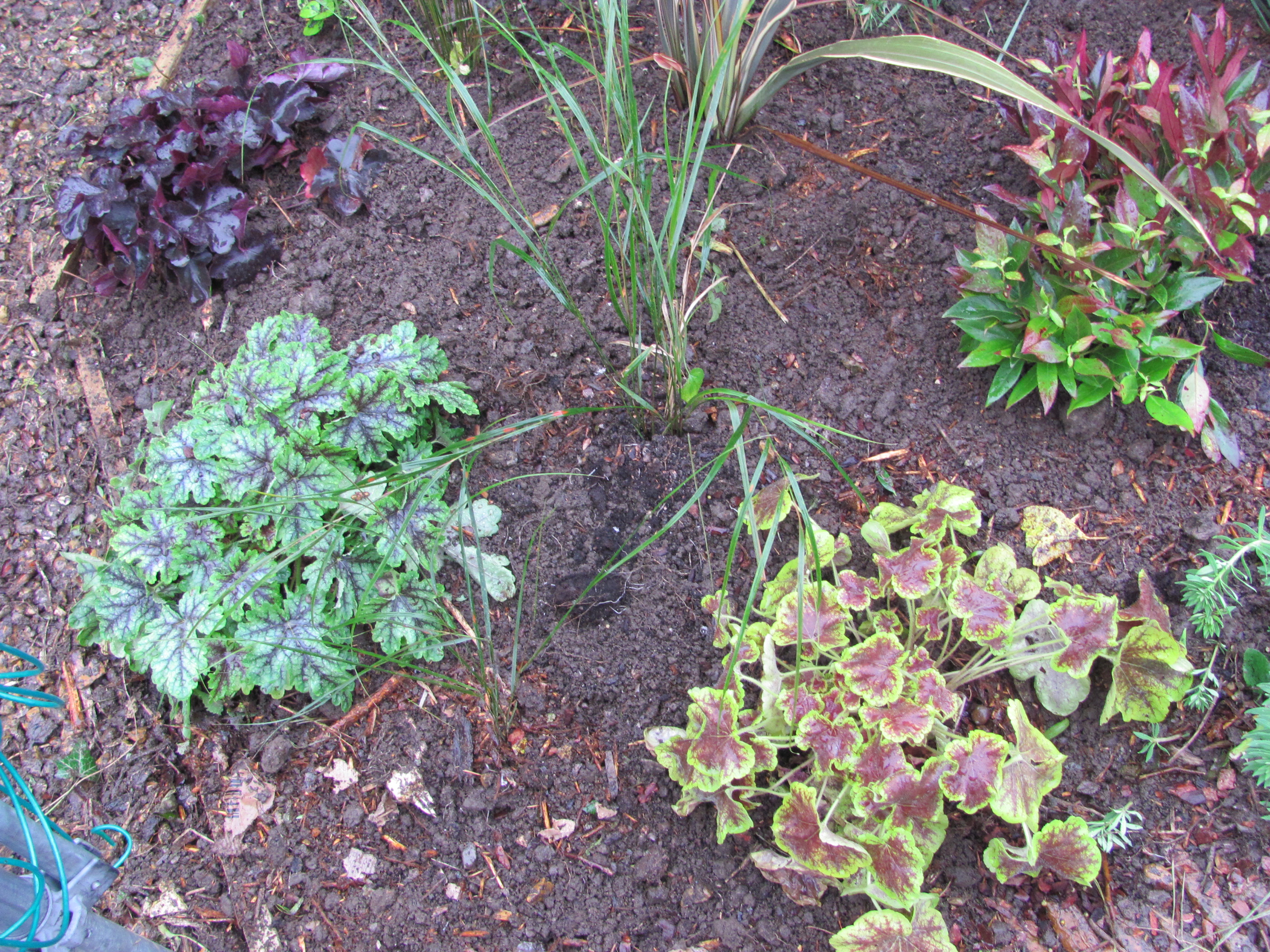
In between the Phormium you can see Fatsia japonica, Leucothe walteri “Zeblid”, Geranium palmatum, Heuchera “Obsidium” and Heucherella “Solar Eclipse”.

2013 11 10_5012 2013 11 10_5013

Categories
autumn autumn colours birds garden design garden photography garden wildlife gardening grasses hardy perennials migration ornamental grasses ornamental trees and shrubs photography trees

A Garden Bouquet for November

I began writing this post in mid-november when we should have been surrounded by the blaze of autumn colour, the hedges and trees should be on fire with the reds and oranges and the autumn migrant thrushes should be gorging on the berries in the hedgerows and gardens. At that time there was little sign of these things  happening.

As we move towards the end of November things have changed greatly. We now garden to the sounds of migrant thrushes passing high over head, Redwings, Fieldfares and Mistle Thrushes and a few small flocks are settling in our berried trees. They see us as a stopping off point where they can gorge on the berries and fruits of our Crab Apples, Sorbus and Cotoneasters.

But what will they see when they drop in? Come with me and my camera for a wander.

2013 11 12_5078 2013 11 12_5077 2013 11 12_5076 2013 11 12_5074 2013 11 12_5073 2013 11 12_5072 2013 11 12_5071 2013 11 12_5069 2013 11 12_5068 2013 11 12_5067 2013 11 12_5066 2013 11 12_5065 2013 11 12_5064 2013 11 12_5063 2013 11 12_5062 2013 11 12_5061 2013 11 12_5060 2013 11 12_5059

2013 11 16_5156

2013 11 12_5066 2013 11 12_5065 2013 11 12_5064 2013 11 12_5063 2013 11 12_5062 2013 11 12_5061 2013 11 12_5060 2013 11 12_5059 2013 11 12_5058 2013 11 12_5057 2013 11 12_5054 2013 11 12_5053 2013 11 12_5052 2013 11 12_5051 2013 11 12_5050 2013 11 12_5049 2013 11 12_5046 2013 11 12_5045 2013 11 12_5044

Categories
allotments autumn community gardening conservation fruit and veg garden wildlife gardening grow your own hedgerows natural pest control spring bulbs trees wildlife

The Big Planting – a new hedge and more bulbs for the allotments.

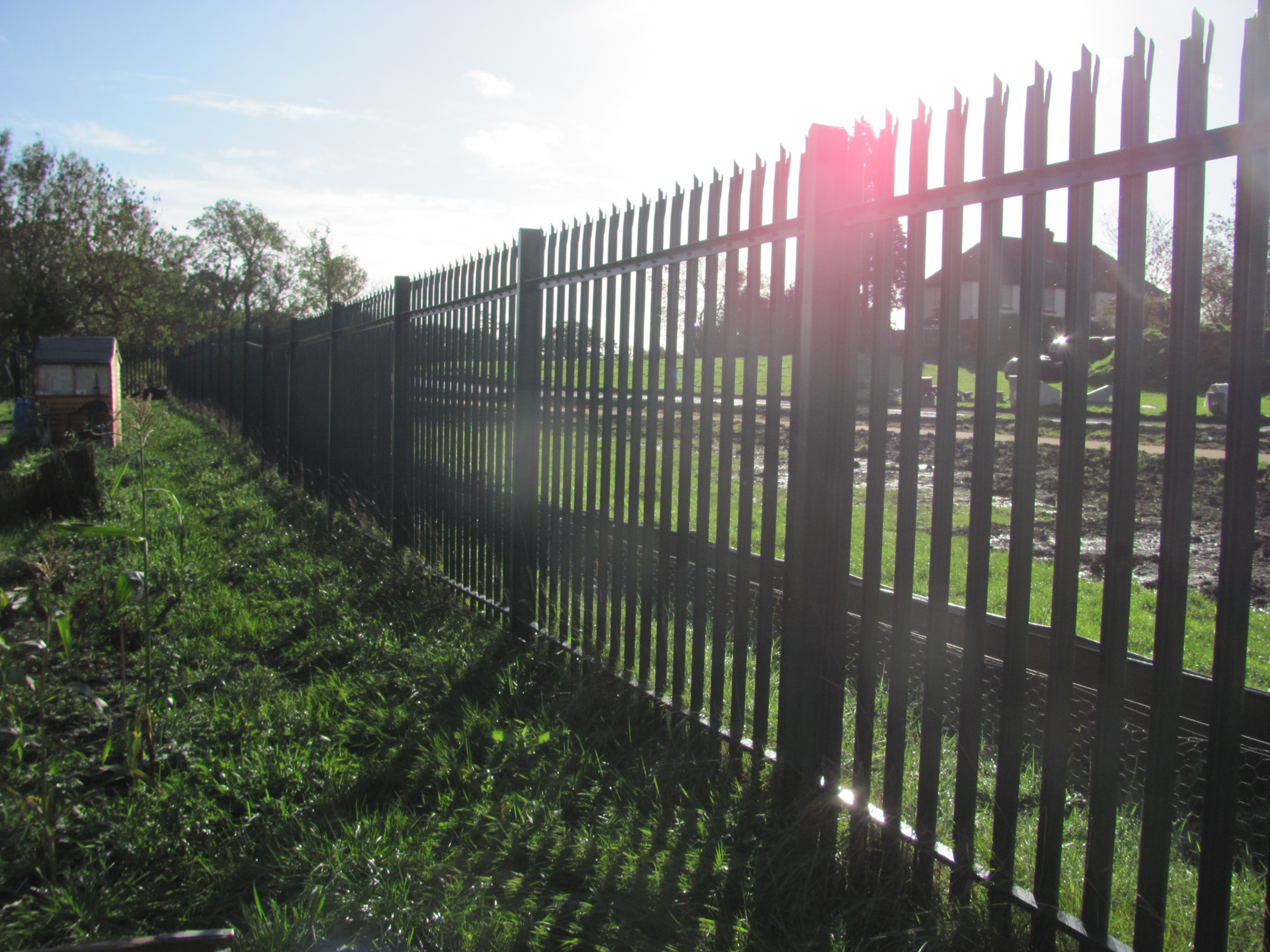
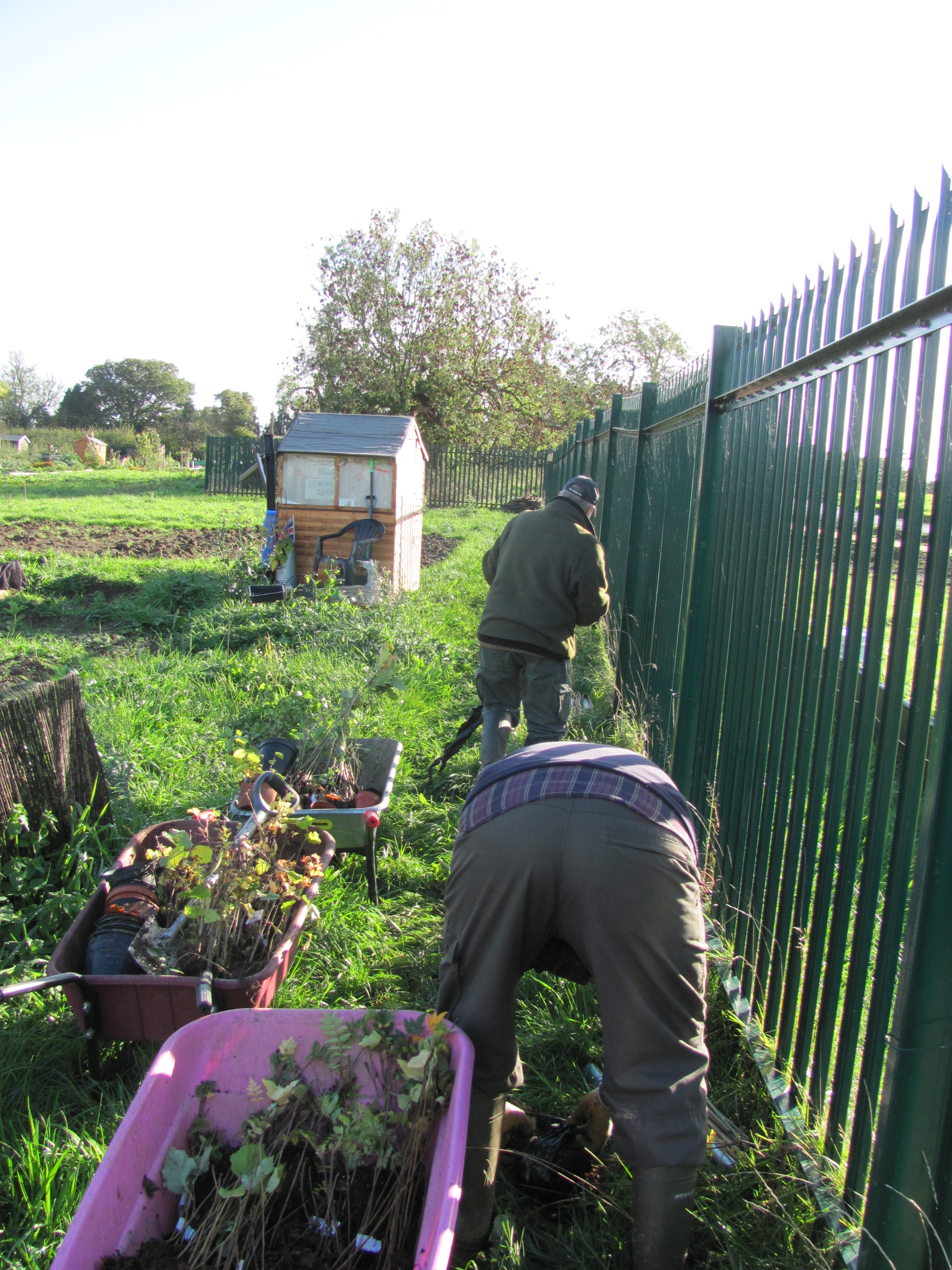
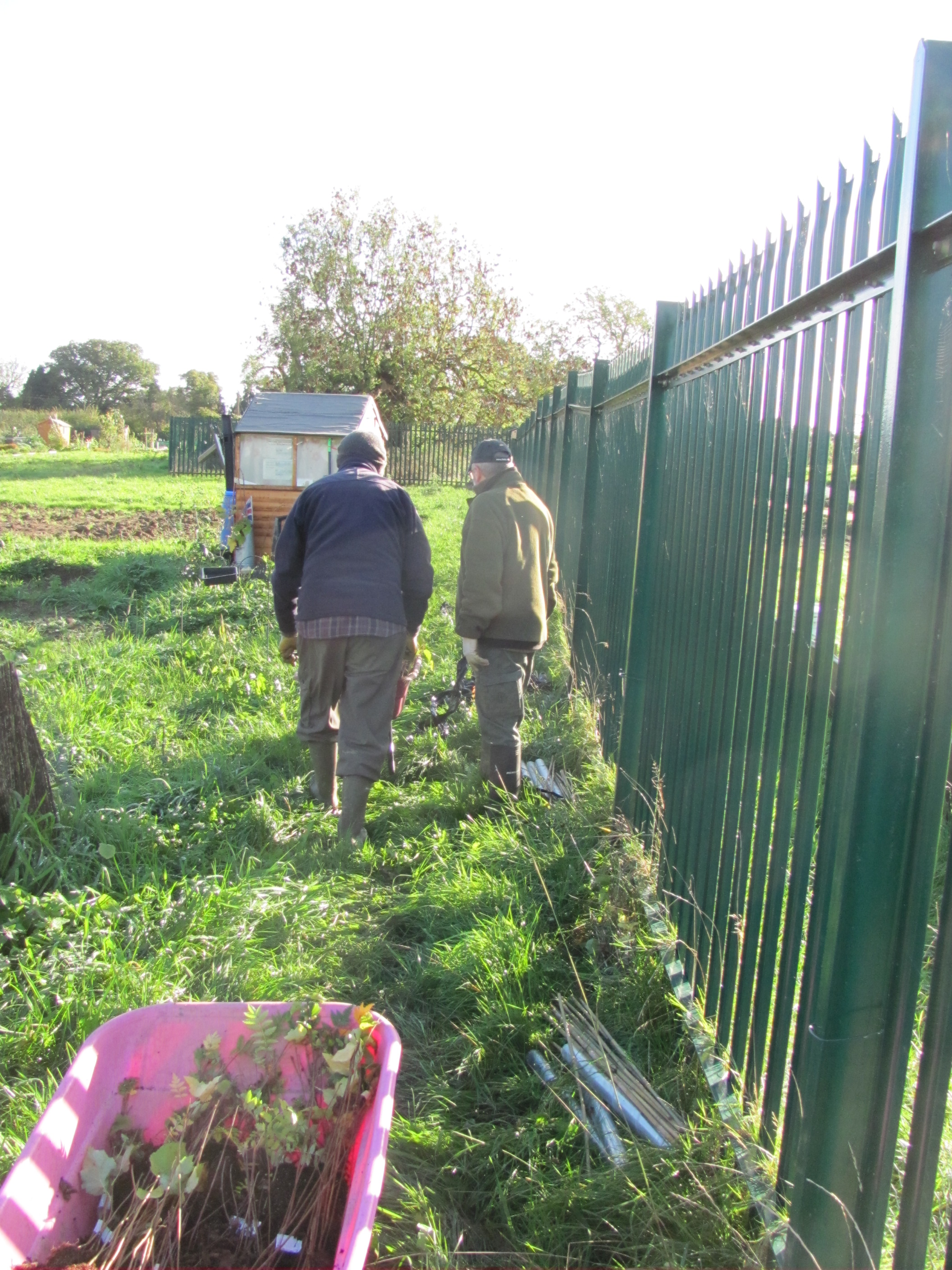
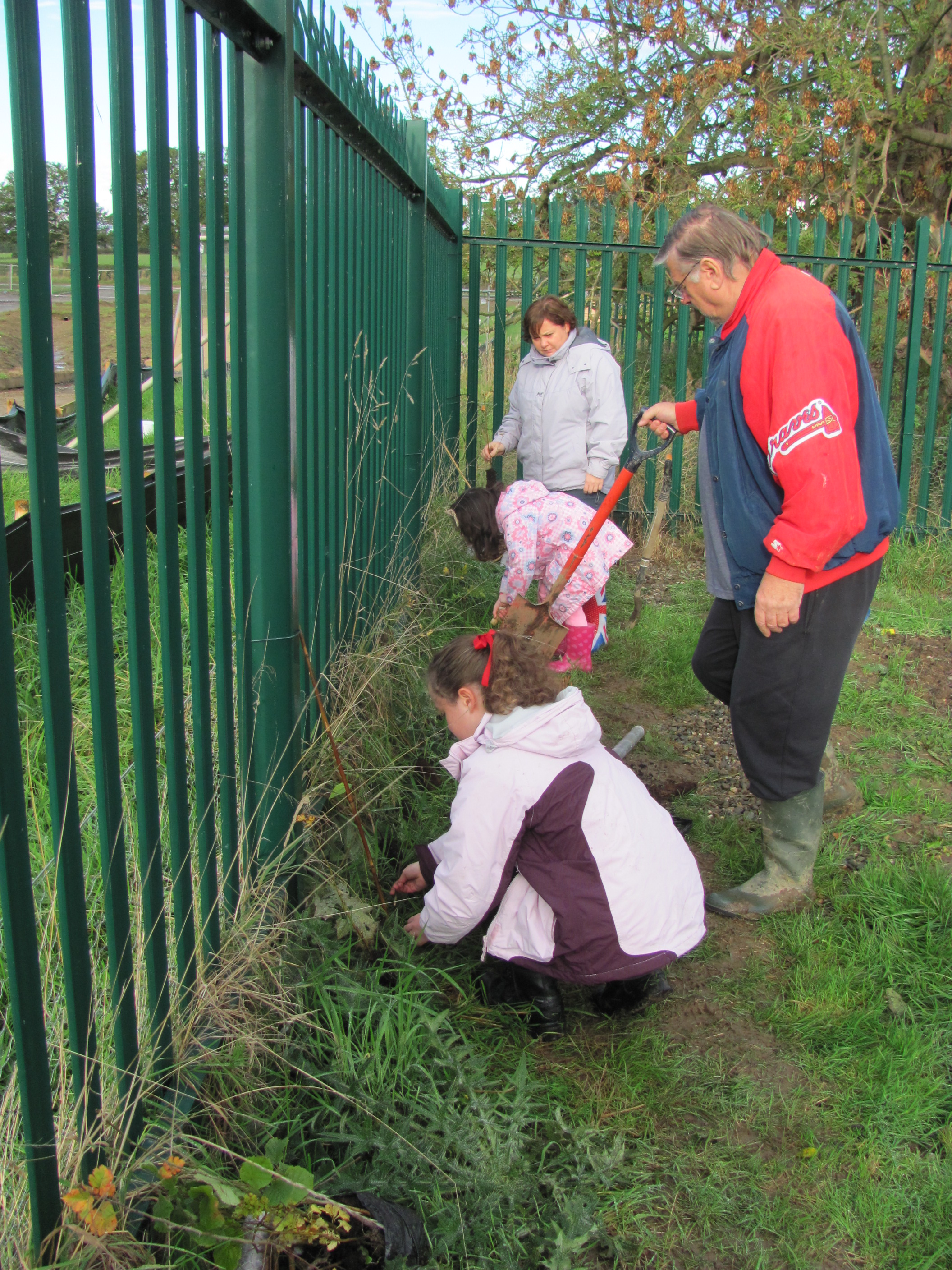
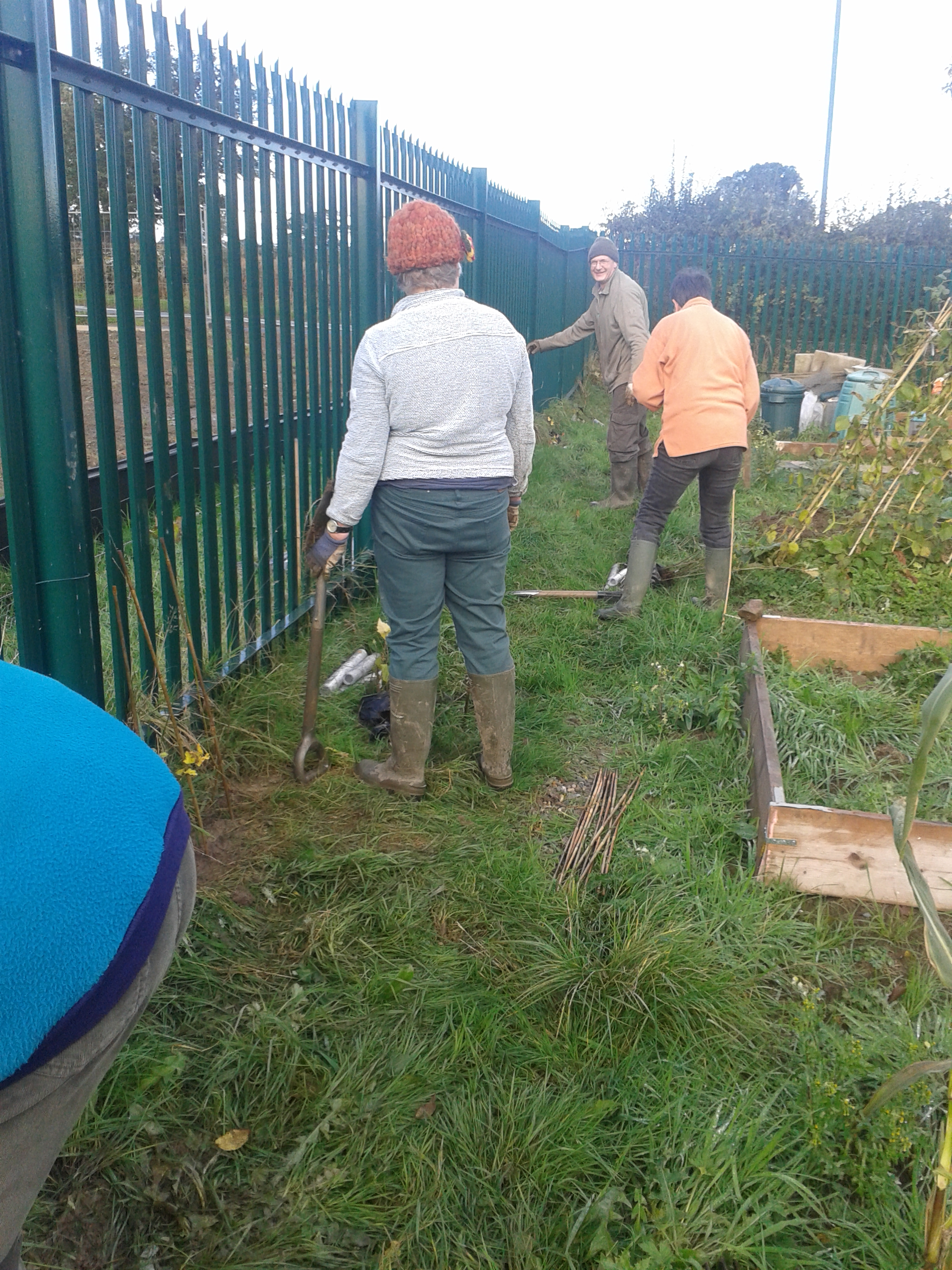
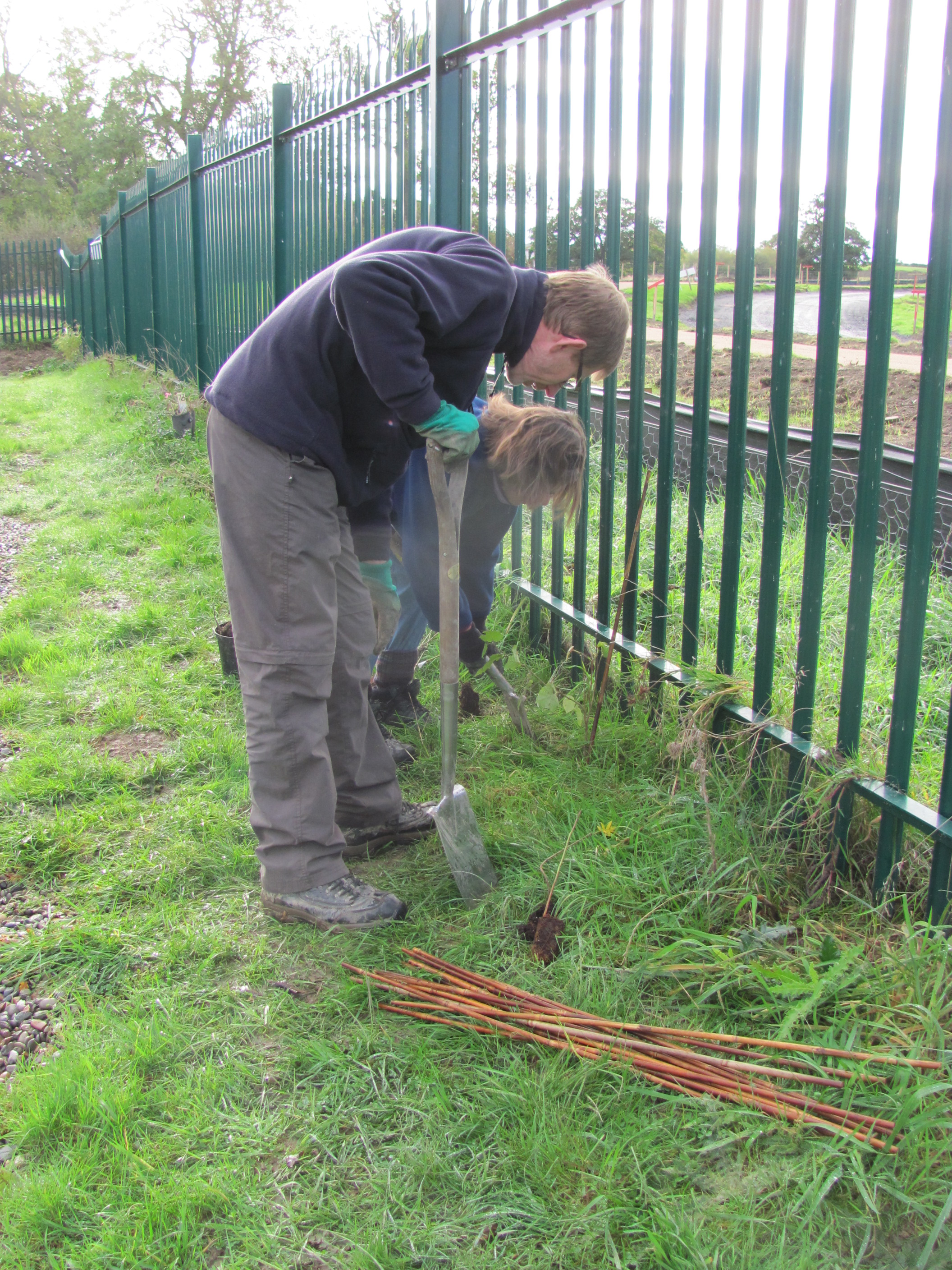
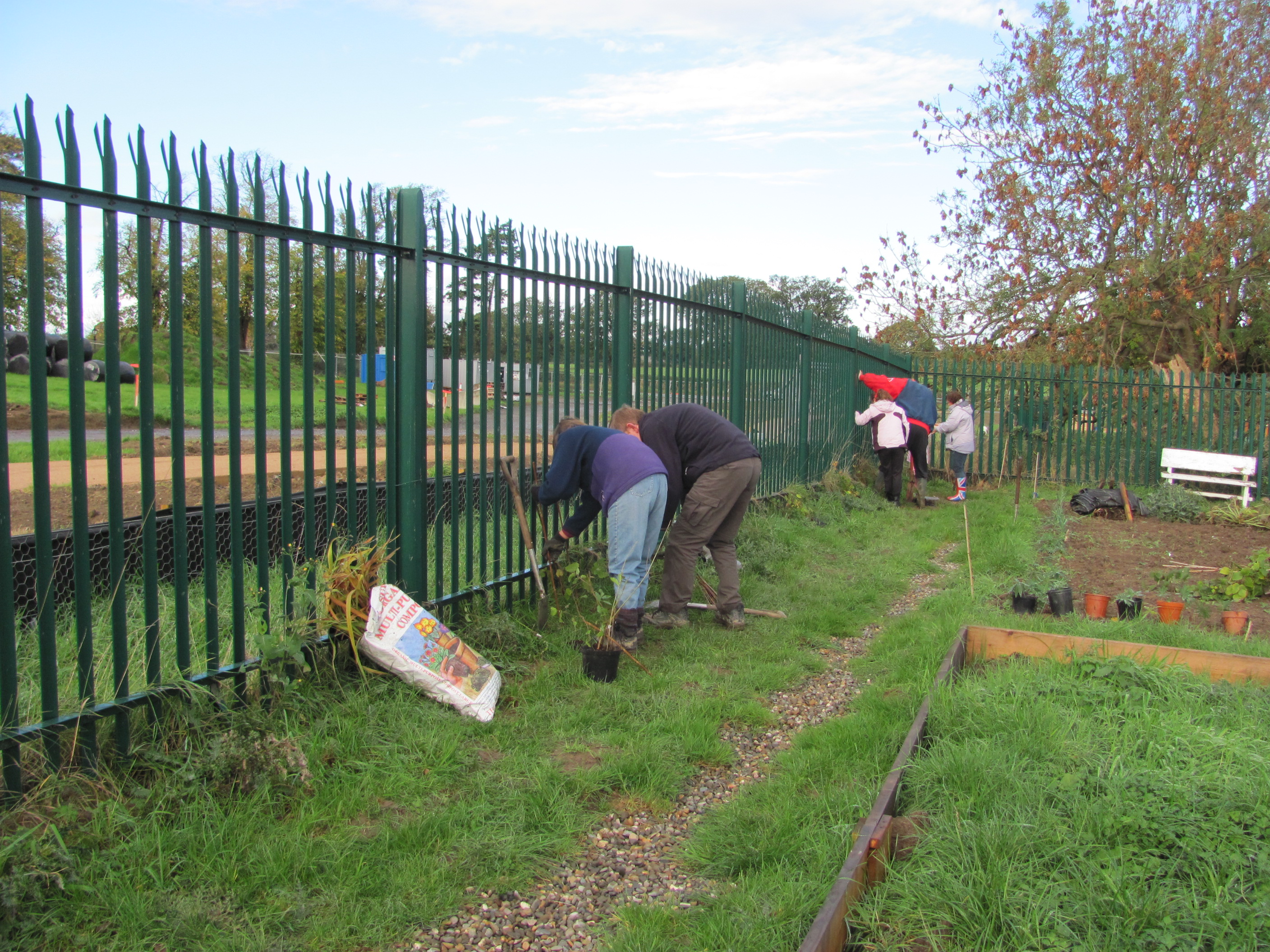
In mid-November we held another working party on our allotment site, Bowbrook Allotment Community. This will be the last one this year and our aim was to plant a new hedge along the bare green fence that serves as the boundary to our site extension. We hoped also to plant the thousands of bulbs donated by our members. The green security fencing looks so bare at the moment so we can’t wait for our new hedge to hide it.
2013 11 10_5030

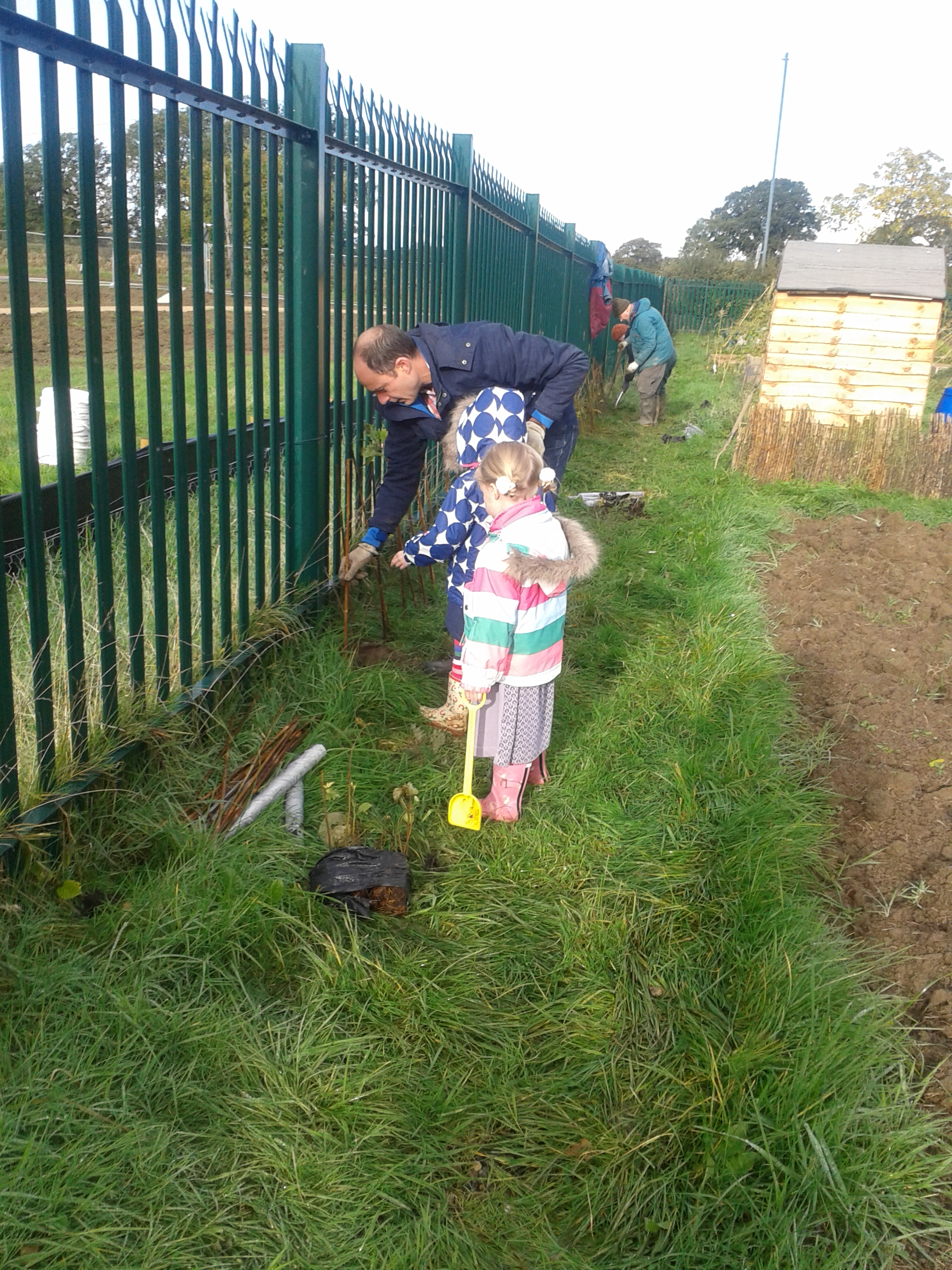
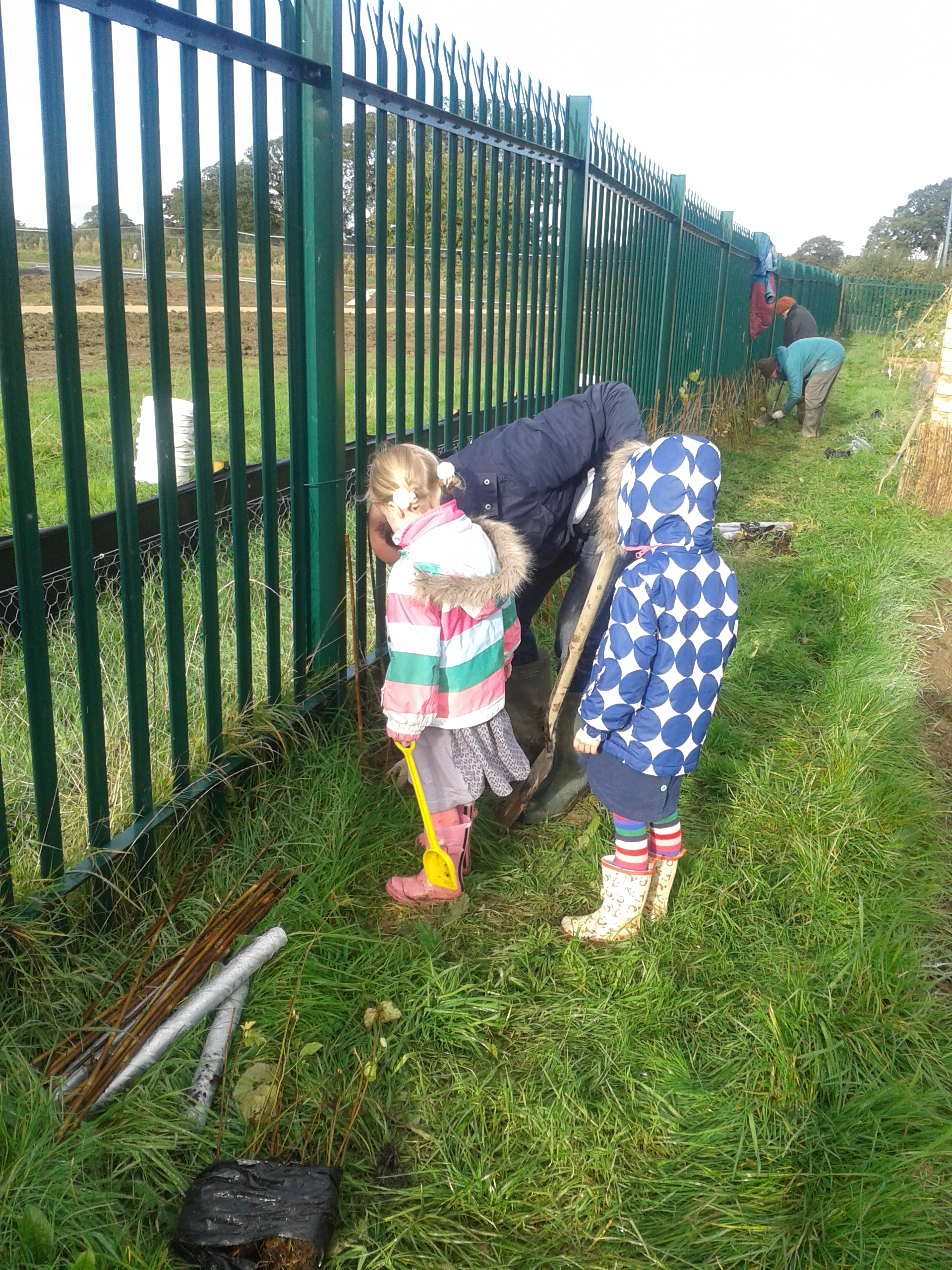
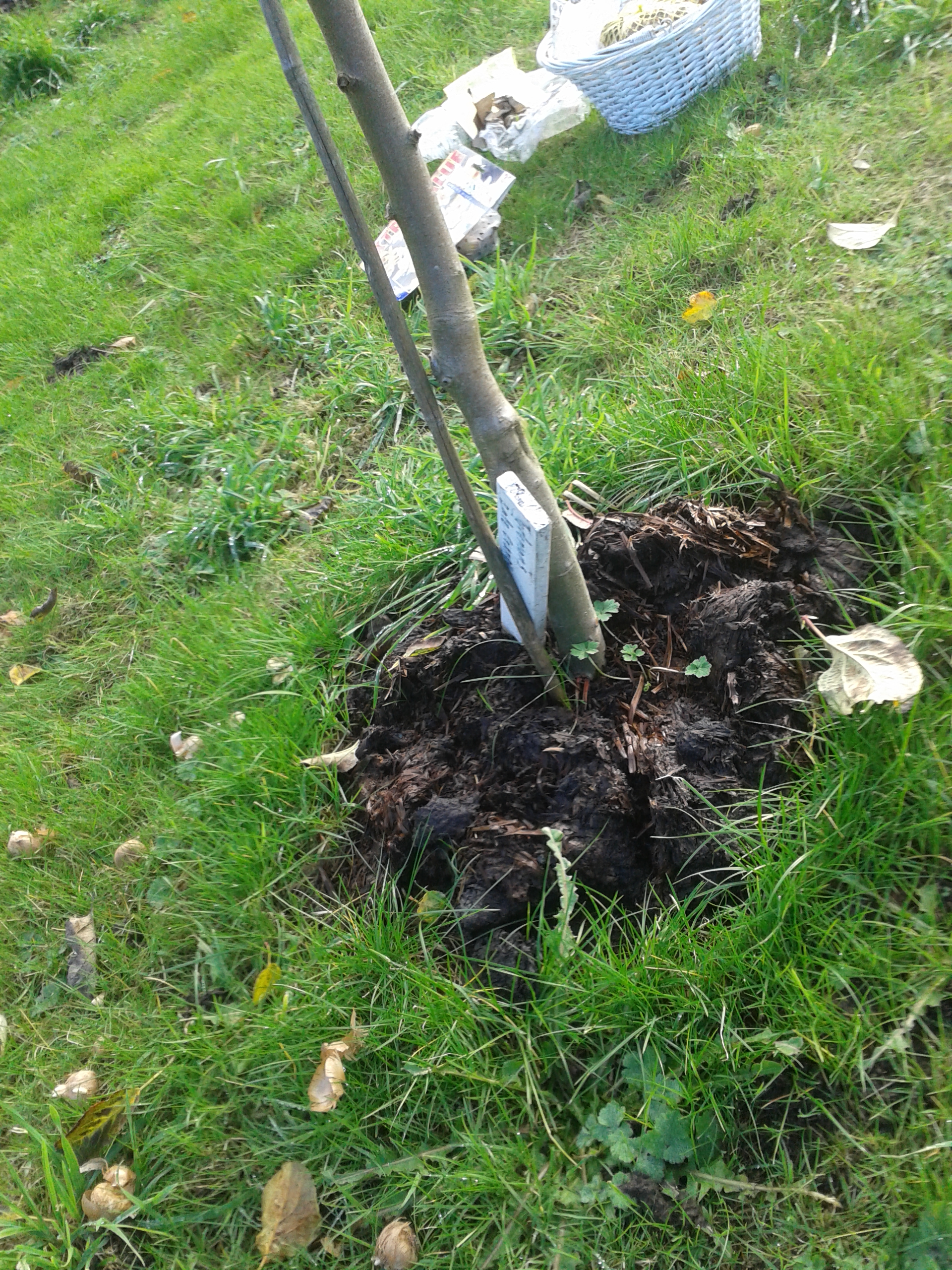
Recently we have been trying to involve whole families in our working parties and we hoped some youngsters would turn up to our hedge planting day as it was a rare opportunity for them. These days few children get the chance to plant a native tree.

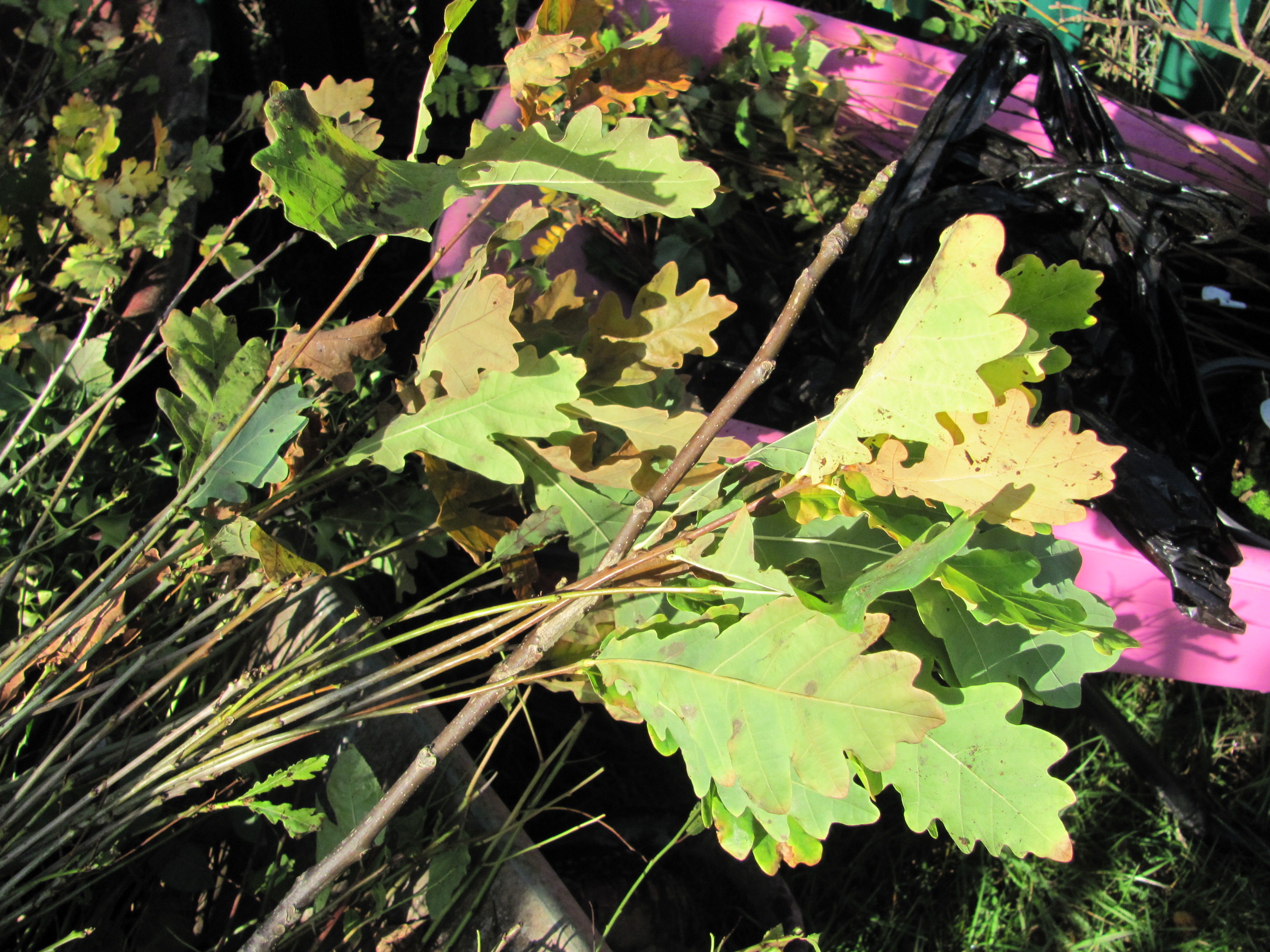
We were awarded a pack of 460 native trees to plant by the Woodland Trust and had been given others by members and locals so we had well over 500 to plant. They were seedlings of hawthorn, blackthorn, hazel, rowan, birch, oak and all about 18 inches tall. We had guelder rose, dogwood and dogroses to add from elsewhere on the site. The Woodland Trust were able to give many sites like ours packs of trees because of the generosity of Biffa, Ikea and Nicky’s.

The trees, canes and tubes arrived at our house a few days before and the boxes were mighty heavy to deliver up to the lotties.

2013 11 10_5028 2013 11 10_5029

The day before the working party we mixed the plants up to make sure the planting looked random and natural. We placed a selection of little trees, canes and protection tubing alongside each section of hedge ready for a quick start in the morning.

2013 11 10_5031 2013 11 10_5032

2013 11 10_5035 2013 11 10_5033

2013 11 10_5034

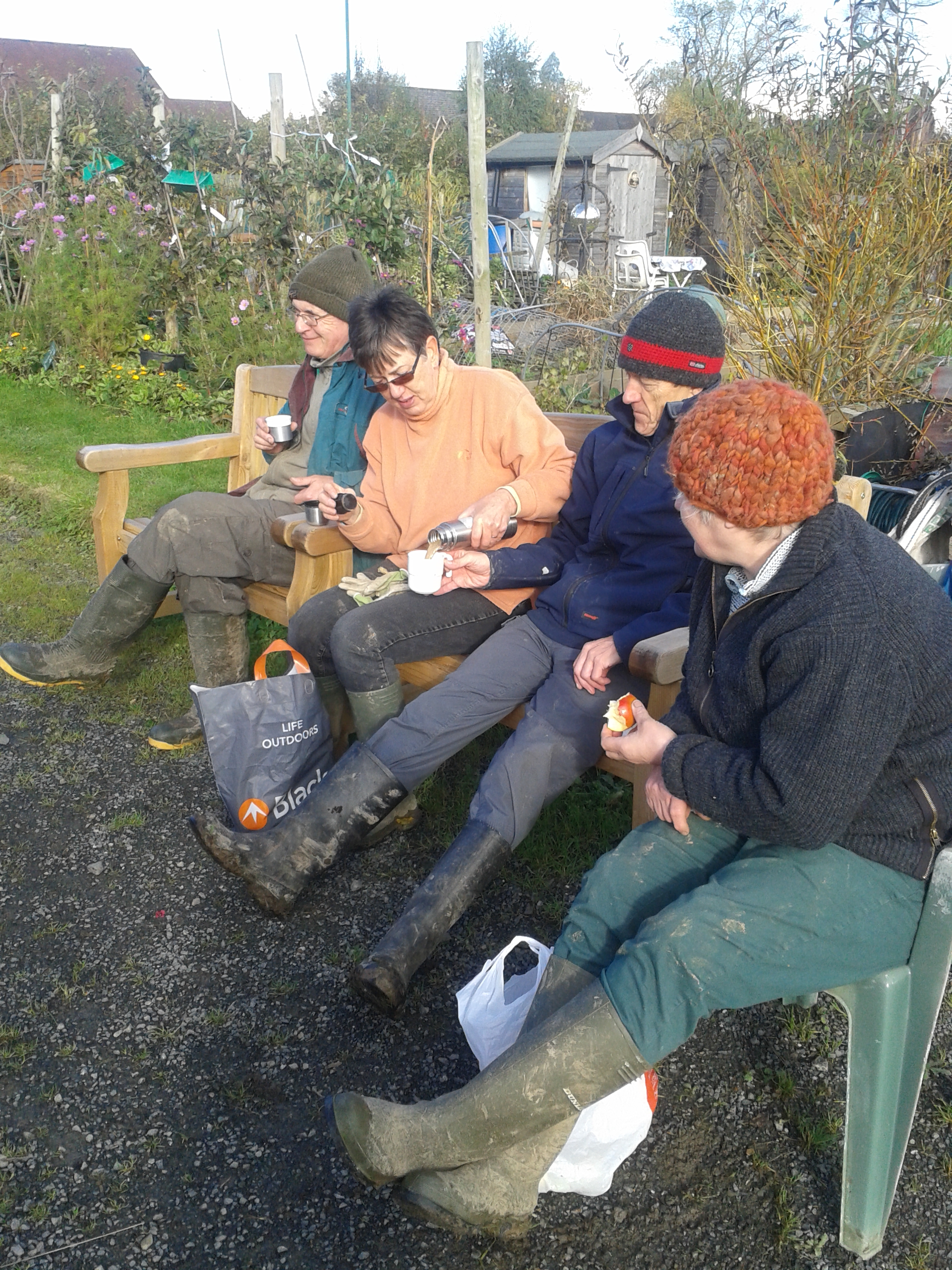
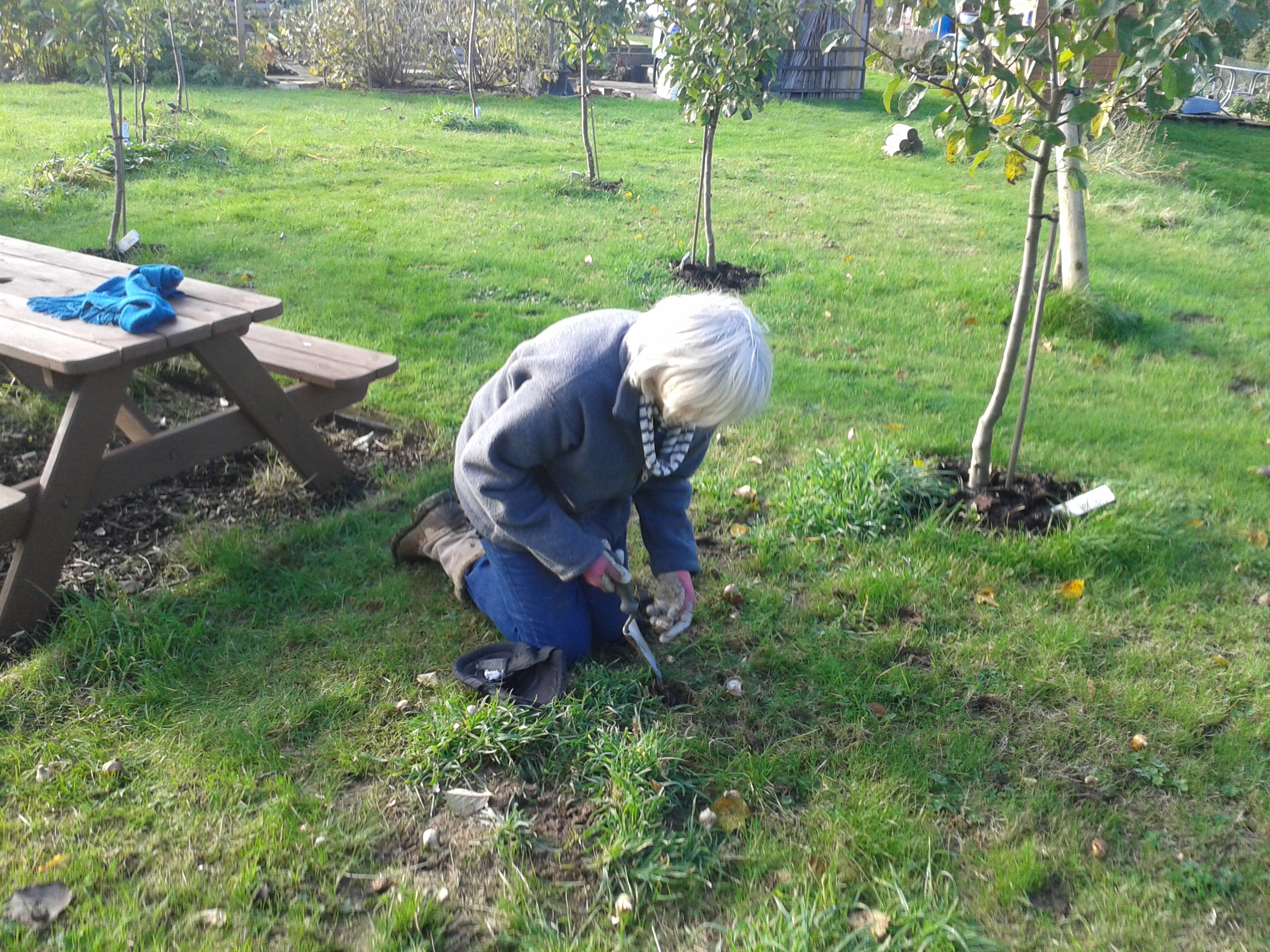
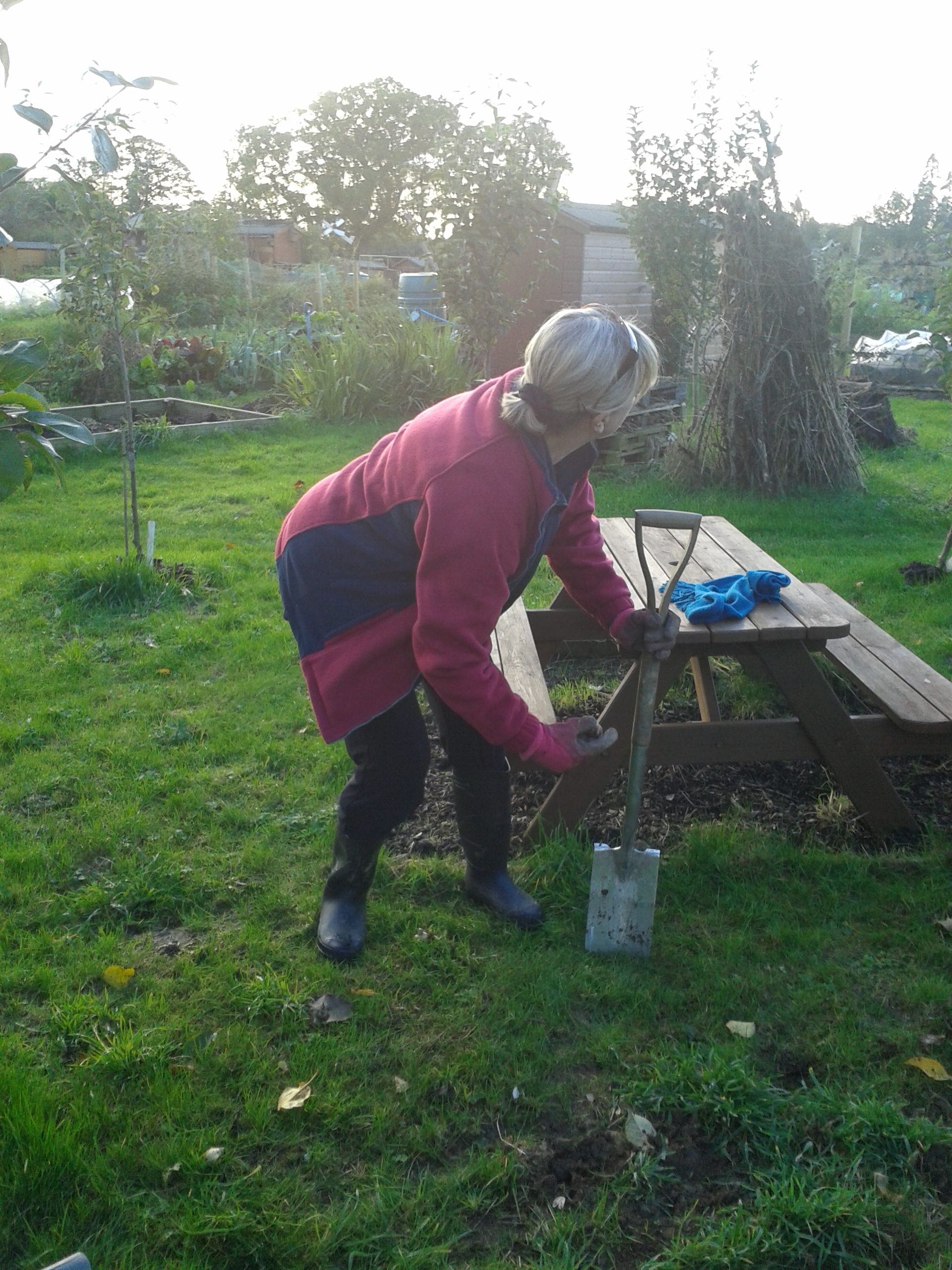
With heads down and bottoms up Pete and I busily made our way along the stretch of fencing – we did need some time out around noon to straighten out, rest our backs and refresh ourselves with coffee and biscuits.

2013 11 10_5036 2013 11 10_5038

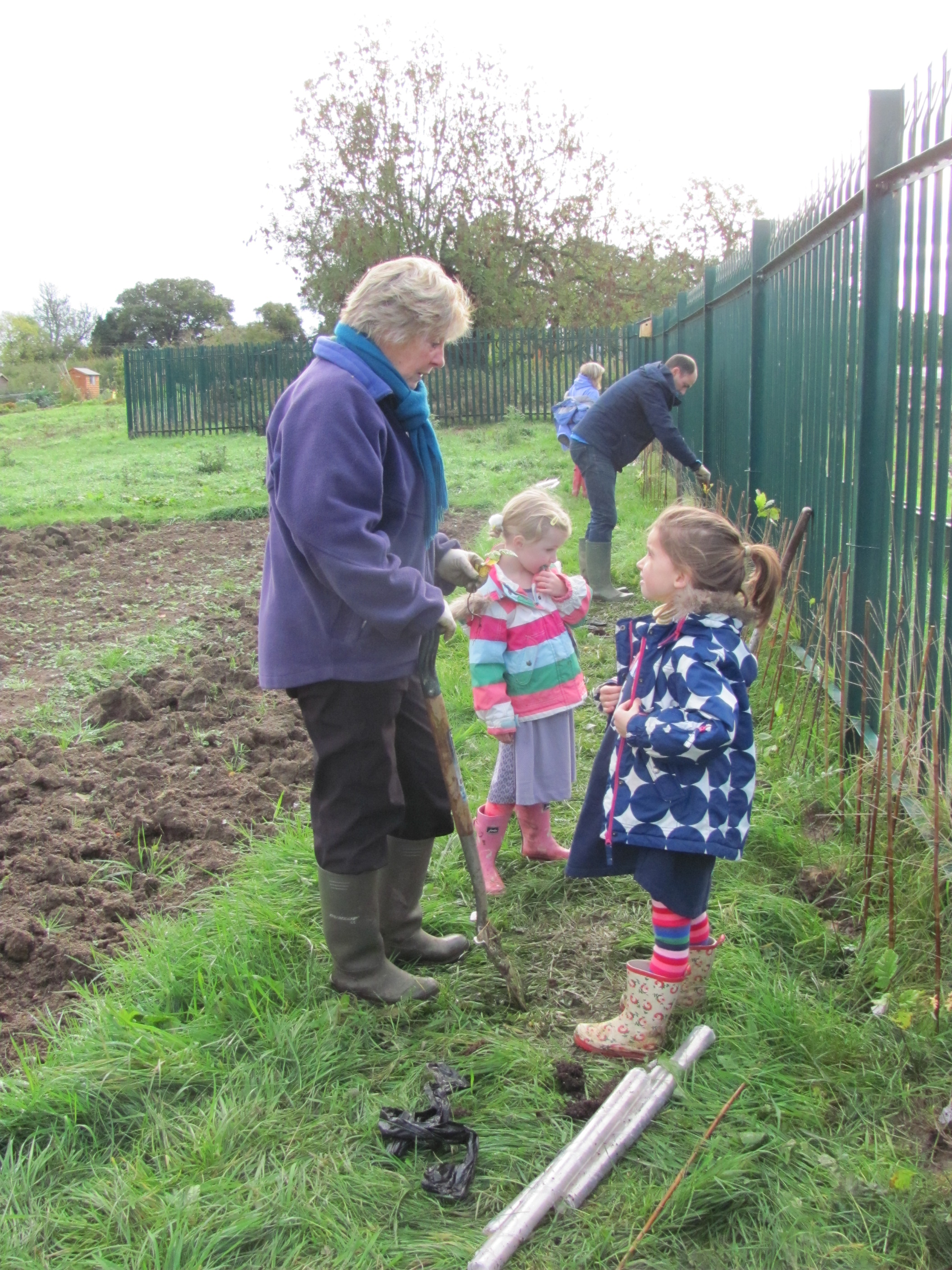
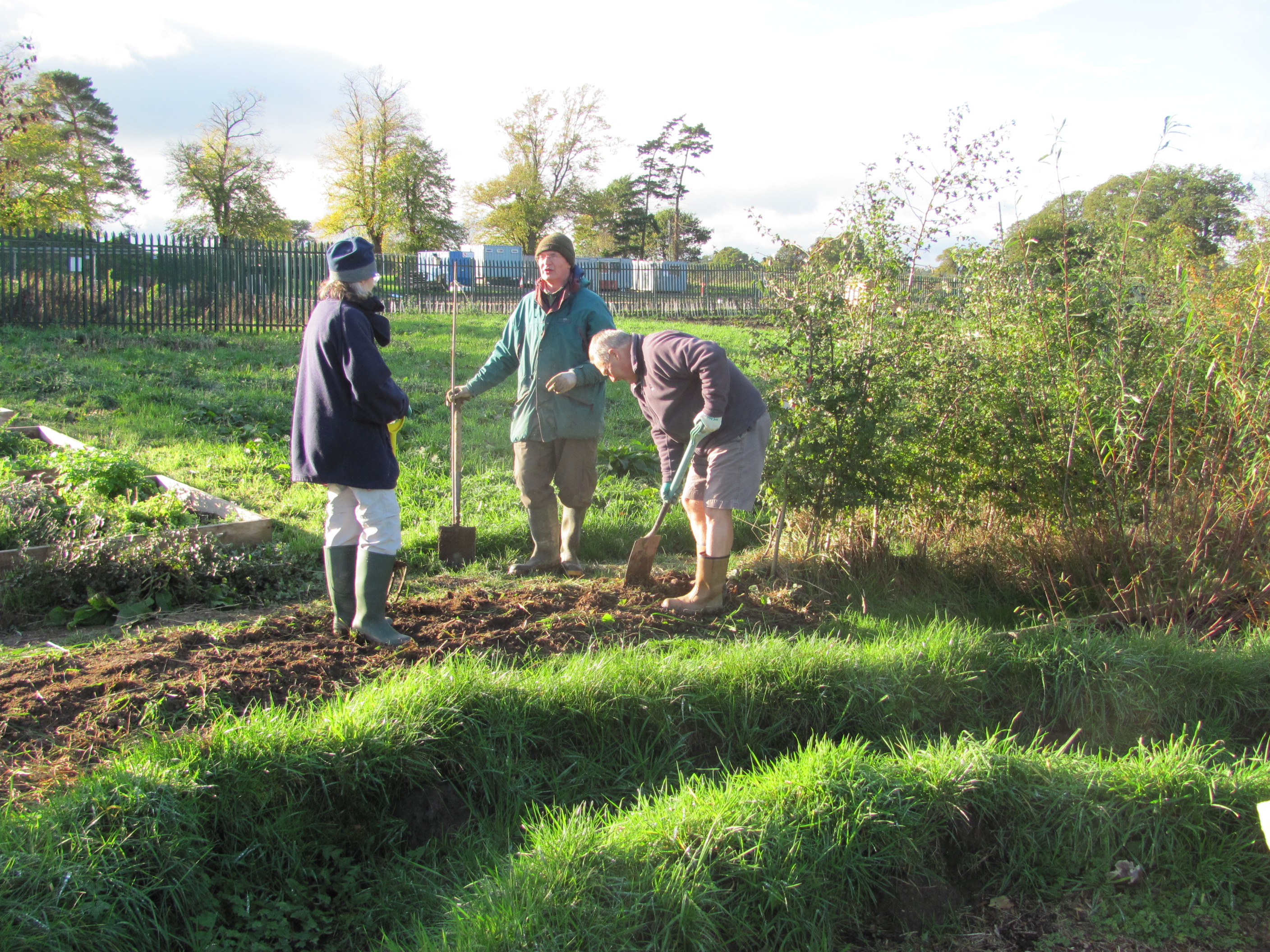
Twenty five members of all ages turned up to help us plant our new hedge including children, their parents and grandparents. Several were started way before our planned starting time. It was heartening to see them all sharing the experience together. We were amazed how the children all managed to find little creatures as they busily planted away, such as worms, beetles, slugs and spiders. Little hands carefully held them like precious jewels as they were all studied in great detail.

20131109_101429 20131109_101439

Jude, our community secretary and my “better half”, caught up on all the children’s news since we last met with the two little girls from our neighbouring plot. She heard all about the birthday party they held on the allotments using the picnic benches under the old oak tree and enjoyed following the trail and doing the quizzes with their friends.

2013 11 10_4998

Three generations, Syd, his daughter and granddaughters, helped each other to plant the little plants, but progress was slowed every time a mini-beast was discovered as granddad had to move them to safety, even a big slug!

2013 11 10_4991 2013 11 10_4992

Within half an hour of our ten o’clock start members were heads down hard at work along the whole length of fence.

20131109_101459 20131109_104747

Below Margaret is enjoying her first ever Bowbrook Allotment Community working party having started on her plot in the spring, while close by Anne and Charlie work in top gear to get as much done as possible before they have to go elsewhere for a family gathering in the afternoon.

20131109_104757 2013 11 10_4993

2013 11 10_5003 2013 11 10_4994

2013 11 10_4995

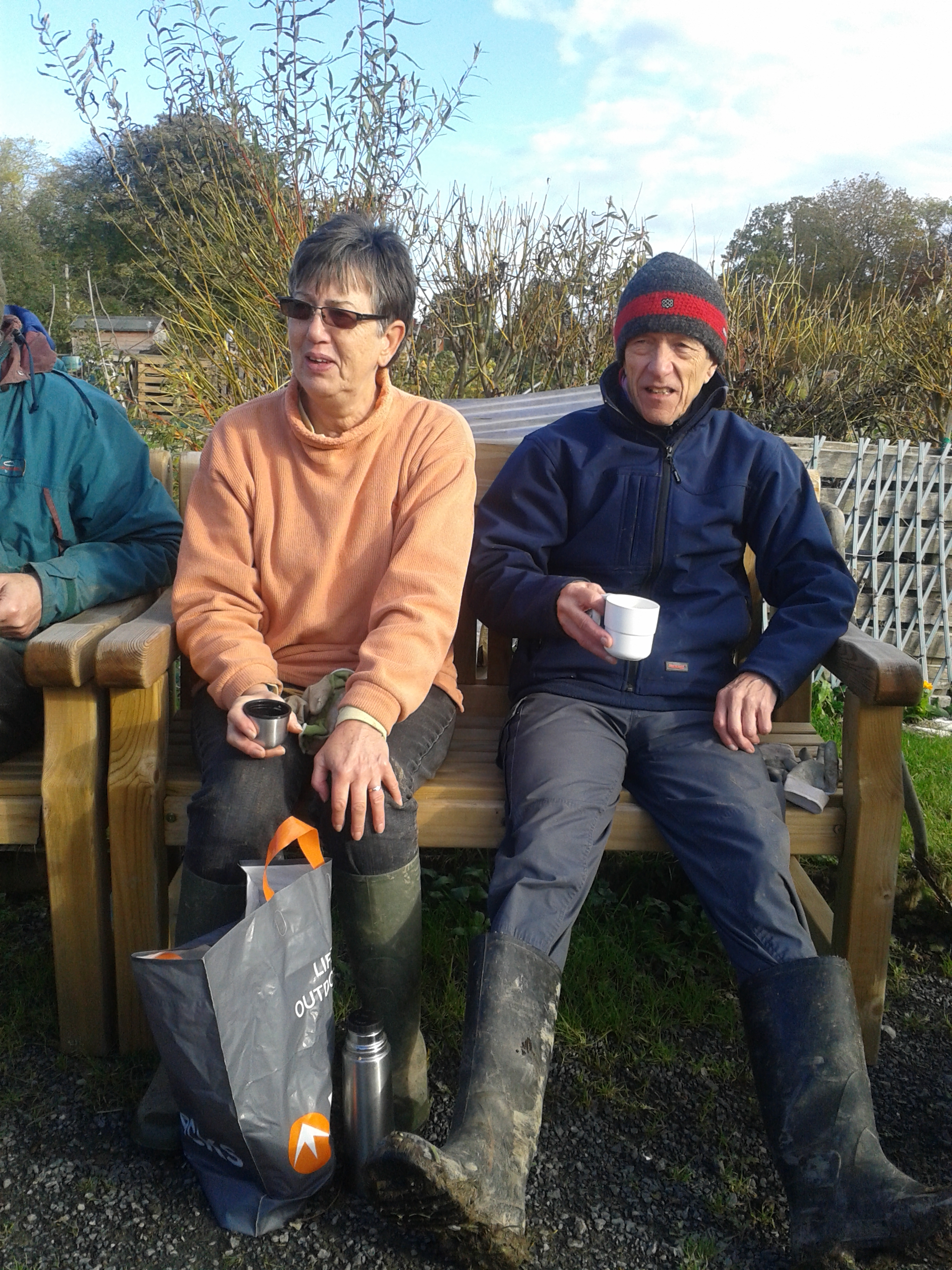
The day started off chilly but before the end of the morning jackets were discarded and hung up on the fence. Sherlie and Pete in the photo below had been hard at work since 8:30 so straightening up afterwards was a bit of a struggle.

2013 11 10_4997

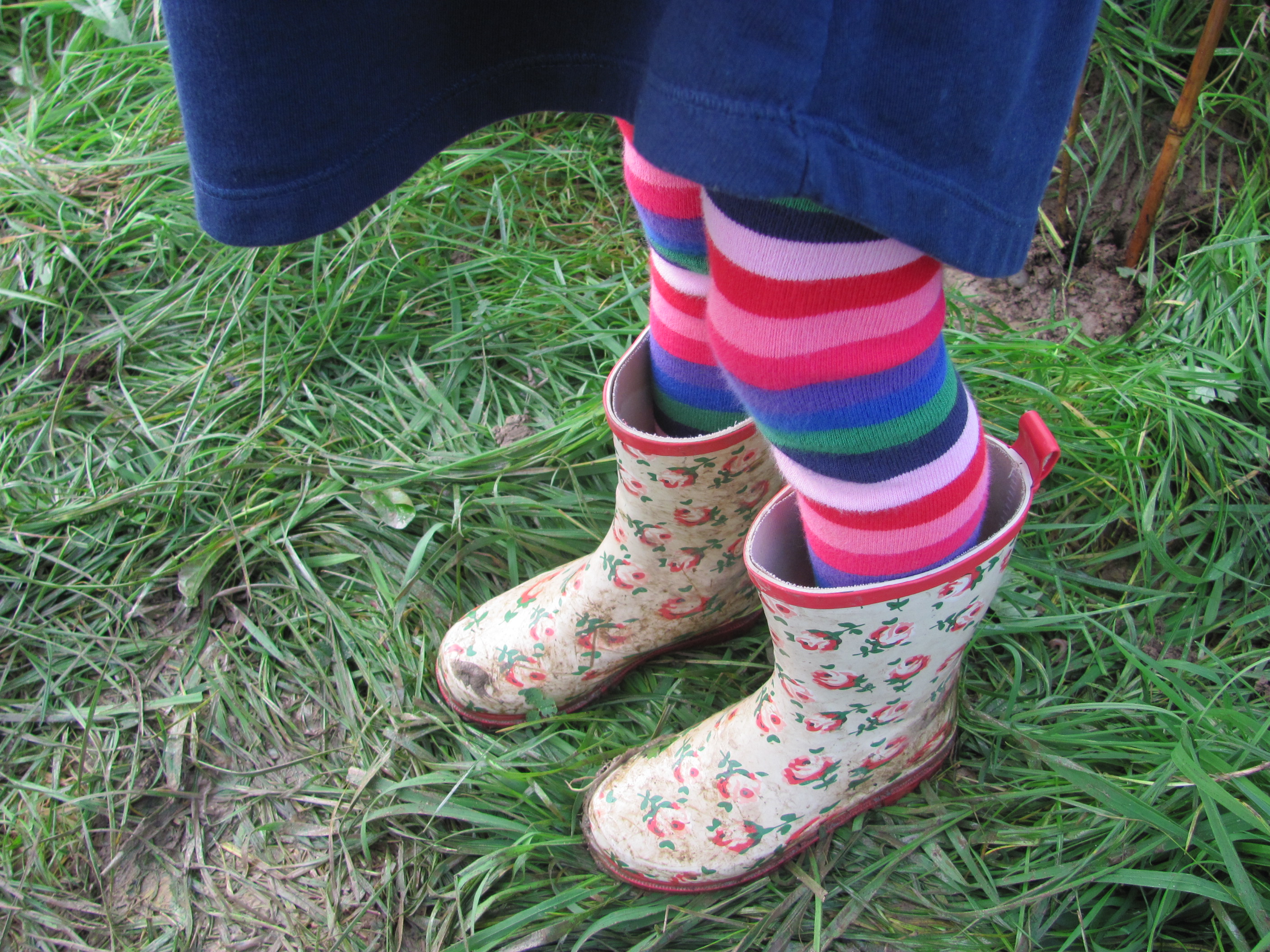
There were some stunning wellies on display.

2013 11 10_5001 2013 11 10_5000

Amazingly all the plants were snug in their new homes within an hour and a half. It goes without saying that we had earned our lunch break. The children went off at lunchtime as they all had other activities to attend in the afternoon such as dance lessons. We hoped they were not too tired to enjoy their afternoon activities. Those who stayed for the afternoon creaked more than a little when they returned to new tasks.

20131109_115705 20131109_115723

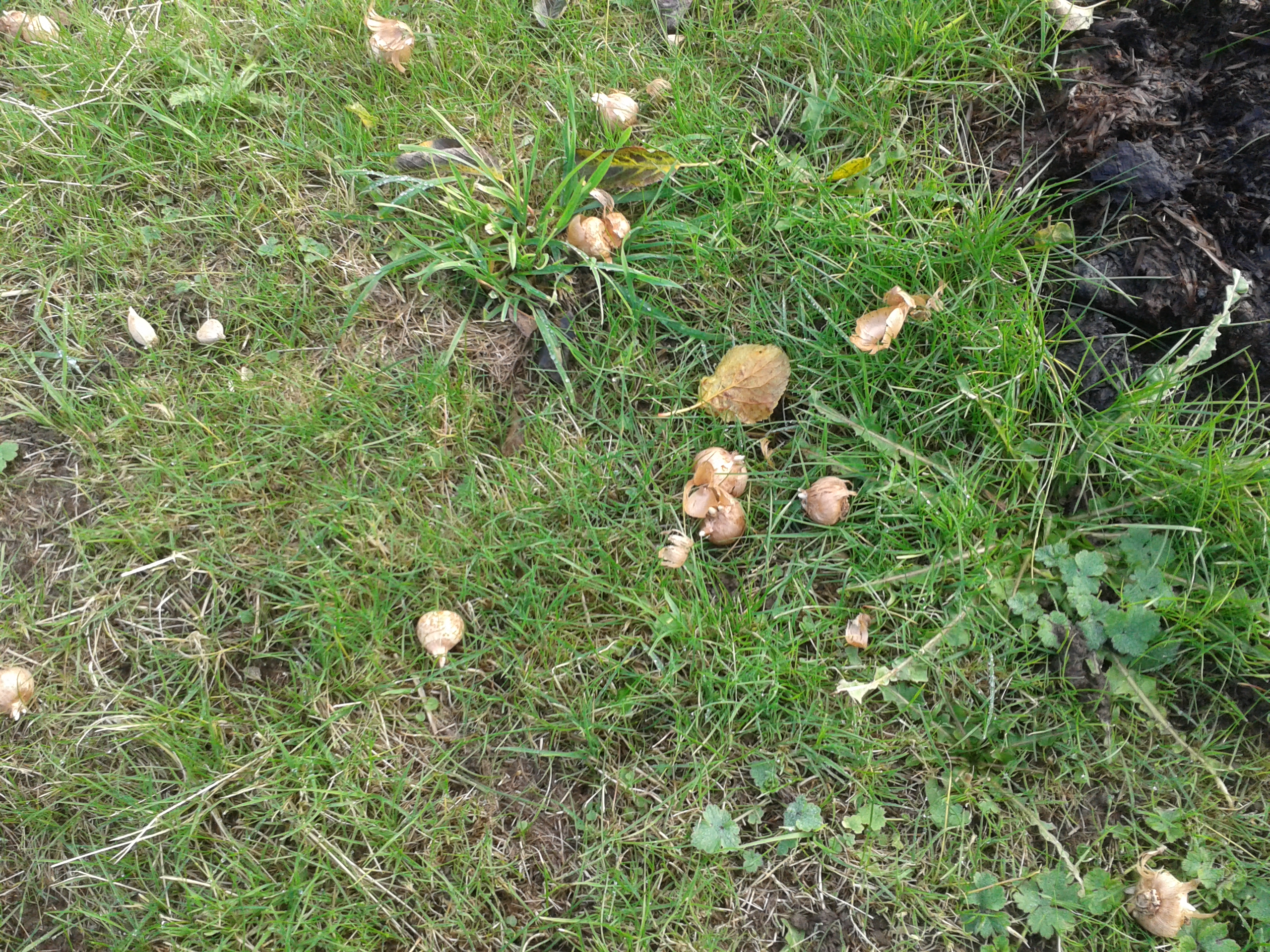
After a good rest with chatter and laughter we moved on to plant thousands of bulbs. Tulips, Daffodils, Muscari, Alliums, Camassias, Crocus, Iris and Fritillaries. We already have planted thousands of flowering bulbs, both spring and summer flowering over the four autumns we have been in existence. This year we intended to add to those already in the two orchards, the car park borders and under the mature oak and sycamore trees. In late winter and early spring these flowering bulbs will appear to brighten us up and provide our pollinator friends and our natural pest controllers with some vital nutrition.

20131109_120820 20131109_121514 20131109_122004 20131109_124125

20131109_125513 20131109_125519

To finish the day off a few of us stayed to move some hedging plants from elsewhere on the site.

2013 11 10_5005 2013 11 10_5004

A busy, successful and most fruitful day, which displayed just what a true community of gardeners can achieve by working together. We hope these activity days help to ensure we encourage and nurture interest in our naturalists and gardeners of the future.

This Veggie Life

A Vegetarian | Nature Lifestyle Blog

Rambling in the Garden

.....and nurturing my soul

The Arch City Gardener

Journeys In St. Louis Gardening and Beyond

Garden Dreaming at Châtillon

Consult the genius of the place

Storyshucker

A blog full of humorous and poignant observations.

gardeninacity

Notes from a wildlife-friendly cottage garden

PlayGroundology

...an emerging social science

The Official Blog of British Wildlife

'The most important and informative publication on wildlife of our times' - The Independent. This blog is a member of The UK & Ireland Natural History Bloggers group: www.uknhb.blogspot.com

iGrowHort

Inspire - Cultivate - Grow Native Plants - Restore Landscapes

Bishops Meadow Trust

To create and protect a semi-natural wild space for the people of Farnham to enjoy and experience an array of British wildlife in our town

Gardening with Children

The www.gardeningwithchildren.co.uk Blog

UKbirdingtimeline

birding through the seasons, why birds matter and how to conserve them

NATURE WALKER

with a camera in hand

Jardin

Transform your outdoor space

Eva's space

My allotment, cooking and other interests

Old School Garden

my gardening life through the year

LEANNE COLE

Trying to live a creative life

fromacountrycottage

trying to live as lightly as possible on our beautiful planet

Good Life Gardening

Nature lovers from Leicester living the good life.

mybeautfulthings

Finding the beautiful in the everyday

mawsonmichelle

Michelle's Allotment

In and Out of My Garden

thoughts from and about my garden

Greenhousing

Big plans for a small garden

The Scottish Country Garden

A Walled Country Garden in South East Scotland

The Fruity Chicken

Life at the fruity chicken

willowarchway

Off grid living. Self sufficient. "PERMAGANICS RULE".

St Anns Allotments

Nottingham's Grade 2* Listed Allotments and Community Orchard

Manifest Joy Harvests

a journey in suburban vegetable gardening

Allotmental

The madness of growing your own

Penny's Garden: a harvest beyond my front door

A novel approach to vegetable gardening

arignagardener

Sustainable living in the Irish countryside.

NewEnglandGardenAndThread

Master Gardener, amateur photographer, quilter, NH native, and sometimes SC snowbird

dianajhale

Recent work and work in progress and anything else that interests me

planthoarder

a chaotic cottage gardener

Lens and Pens by Sally

a weekly blog that creates a personal philosophy through photographs and words

Dewdrops and Sunshine

Stories from a sassy and classy Southern farmbelle.

The Pyjama Gardener

Simple Organic Gardening & Seasonal Living

gettin' fresh!

turning dirt into dinner

JOY...

today the world is created anew

Garden Birds

Notes from a Devon garden

ShootAbout

Life Through The Lens

Adapting Pixels

A photography blog showcasing the best photography pictures and videos on the internet

Wildlifegardening's Blog

Just another WordPress.com site

naturestimeline

personal observations from the natural world as the search continues for a new approach to conservation.

LATEBLOOMERBUDS

The Wonders of Life through my Eyes, my Heart, my Soul