Categories
autumn autumn colours birds colours flowering bulbs garden photography garden wildlife gardening grasses half-hardy perennials hardy perennials house martins light light quality migration ornamental grasses ornamental trees and shrubs Shropshire swallows trees

My Garden Journal – September

The September pages of my garden journal sees the first signs of autumn creeping in, colours changing, light creeping in at a lower level and our summer migrant birdlife disappearing. The skies are empty and quiet now that the Swallows and Martins have left us for warmer climes. We are missing the sight and sounds of Warblers flitting among the trees and shrubs but hopefully some Garden Warblers and Chiffchaffs will decide to stay with us. Climate change seems to be encouraging more migrants to remain in the UK all year through.
2015 10 22_6619_edited-1

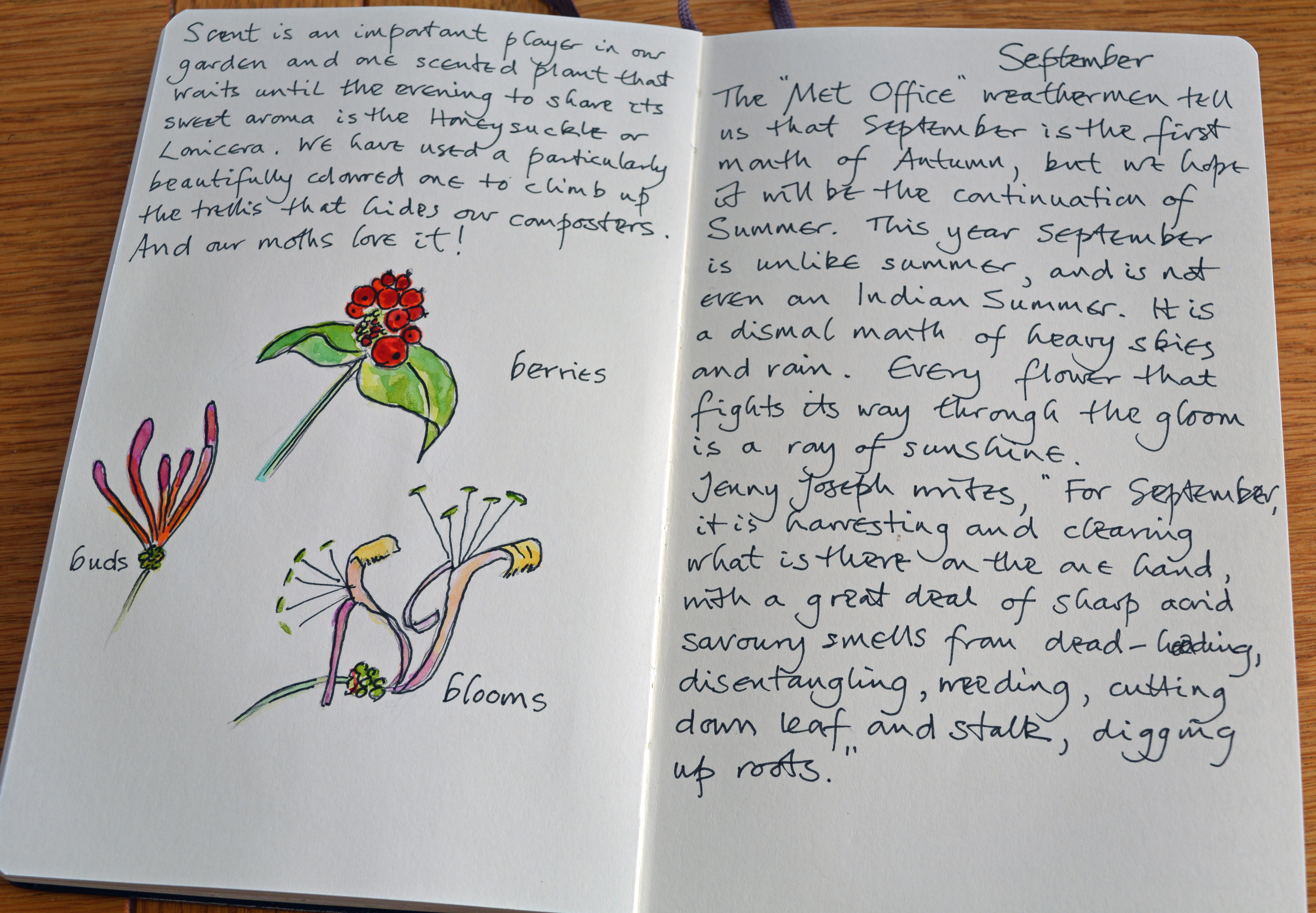
Being a British gardener I start by talking about the weather! “The “Met Office” weathermen tell us that September is the first month of Autumn, but we hope it will be the continuation of Summer. This year September is unlike Summer, and is not even an Indian Summer. It is a dismal month of heavy skies and rain. Every flower that fights its way through the gloom is a ray of sunshine.”

Next comes my usual piece of writing from Jenny Joseph’s little book, “Lead by the Nose”.

For September, it is harvesting and clearing what is there on the one hand, with a great deal of sharp acrid savoury smells from dead-heading, disentangling, weeding, cutting down leaf and stalk, digging up roots.”
2015 10 22_6620_edited-1

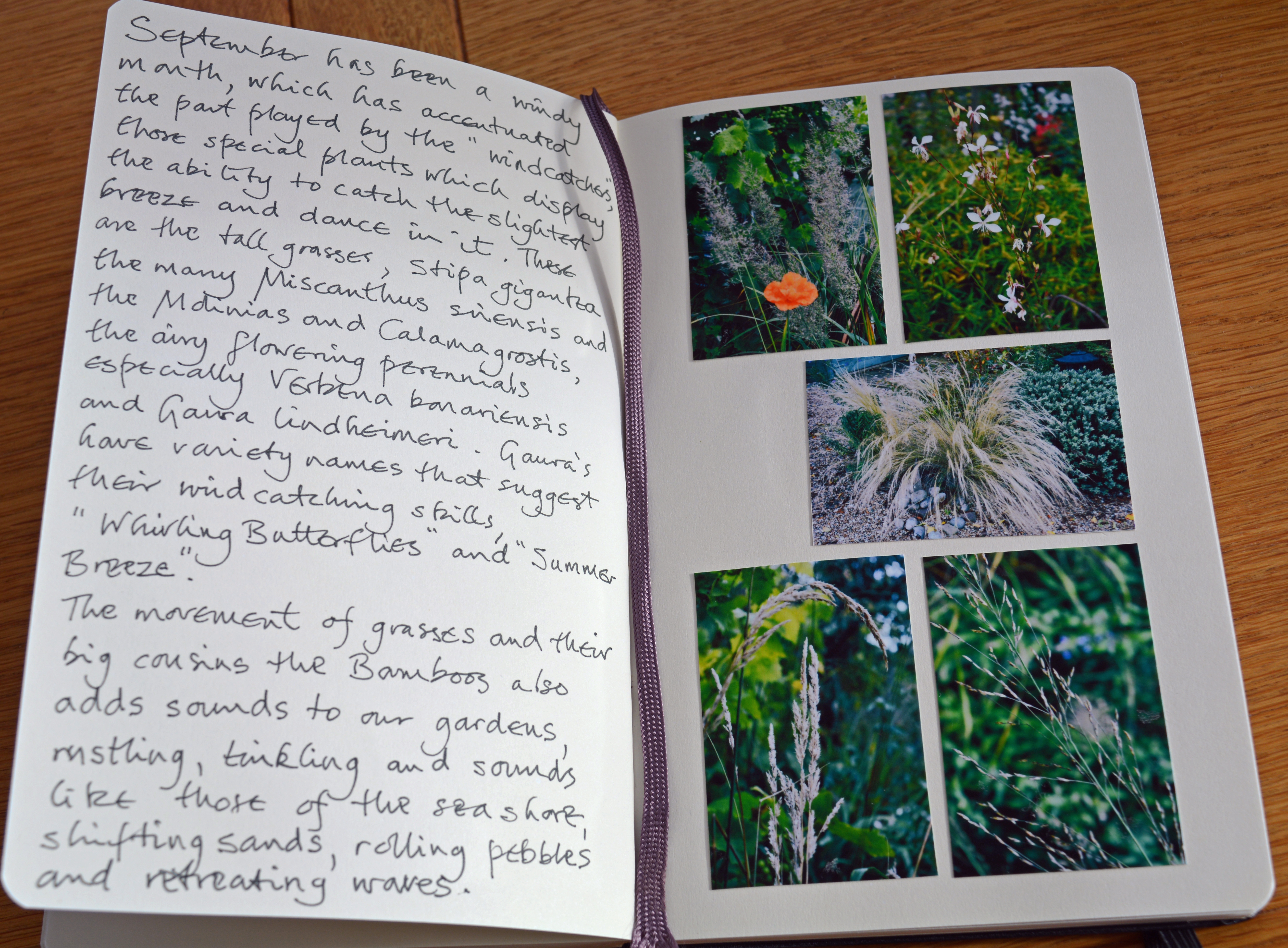
I move on to consider a special group of plants which Jude and I love in our garden, the airy, whispy plants that can’t help but move in the gentlest of breezes, the “Windcatchers”.

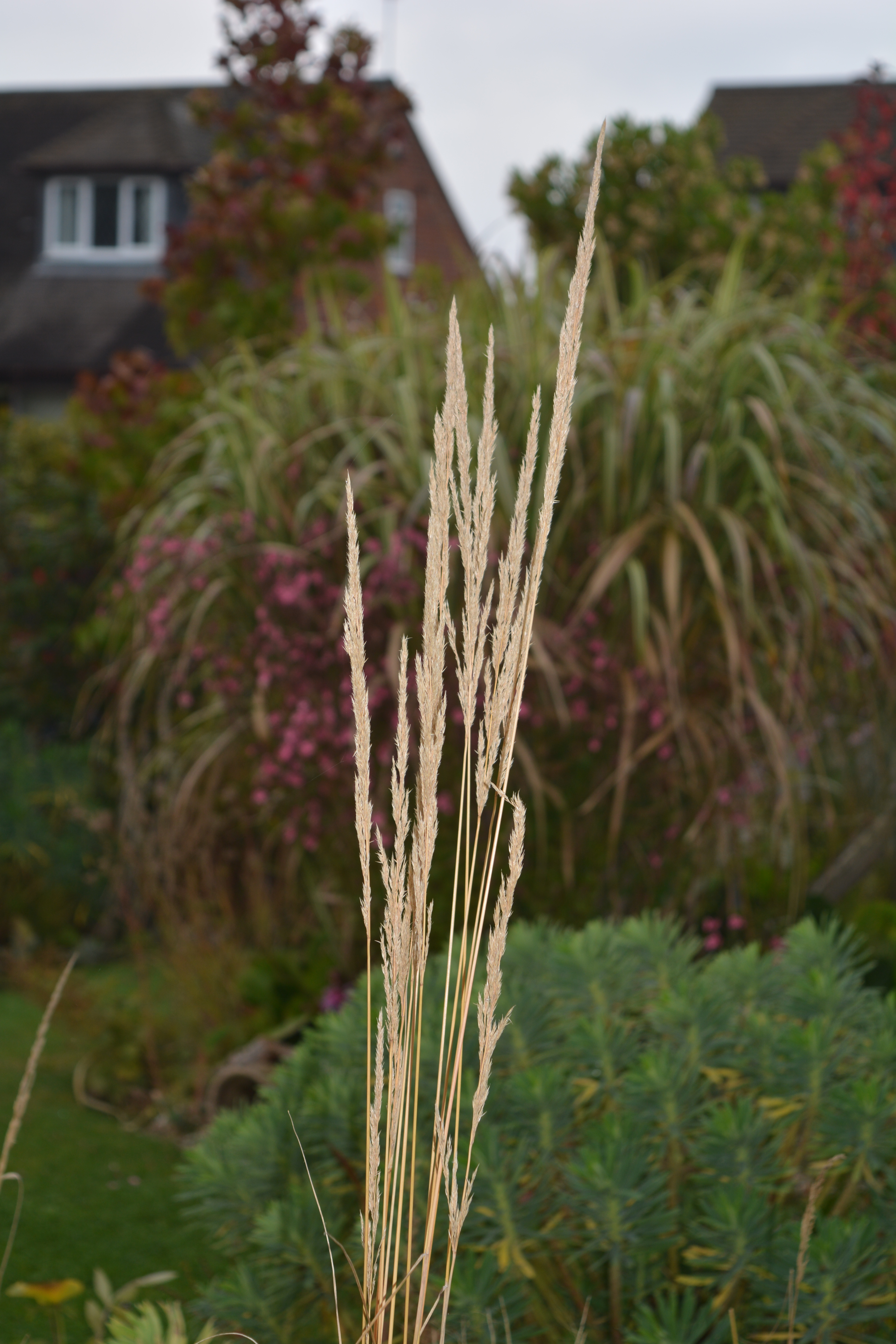
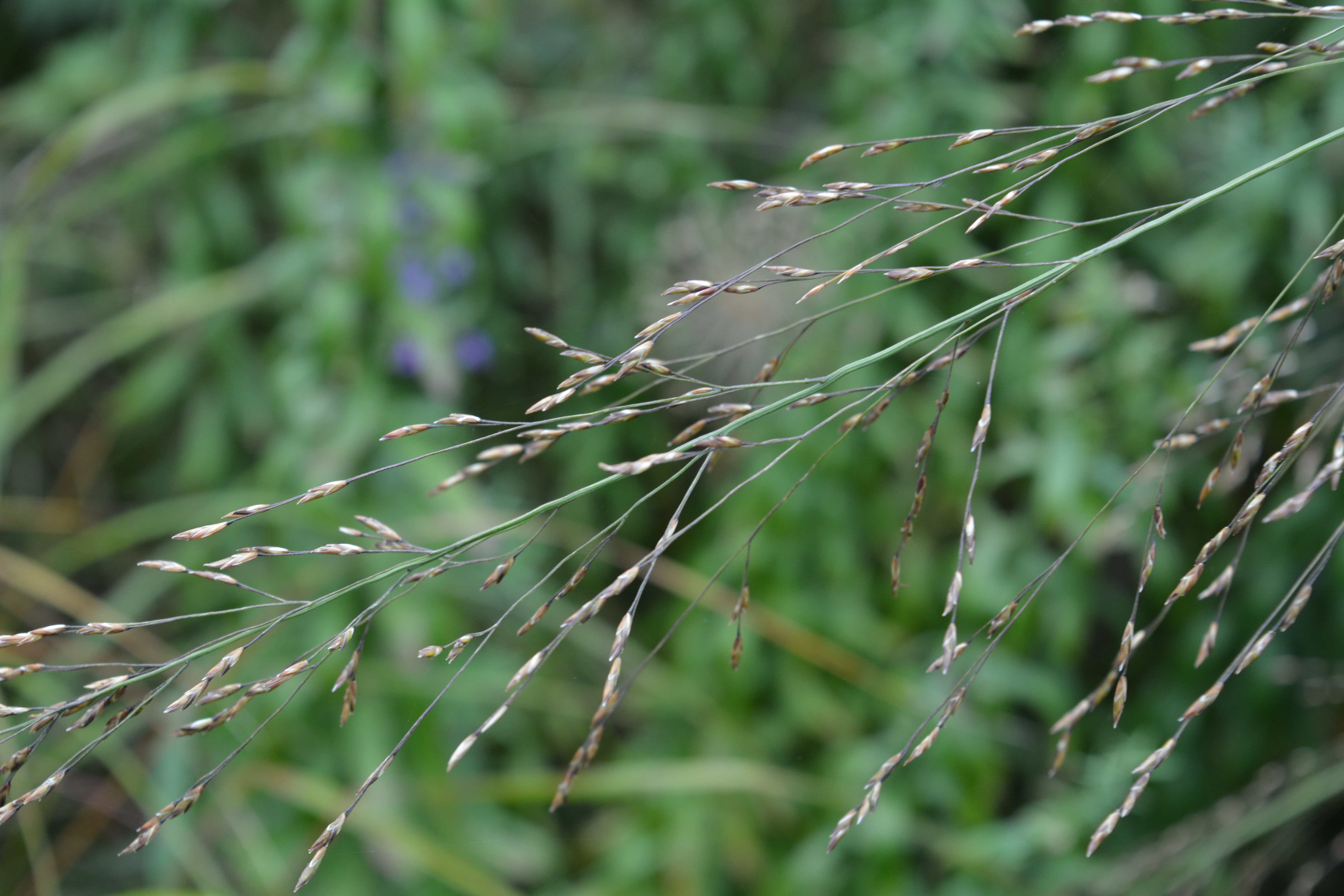
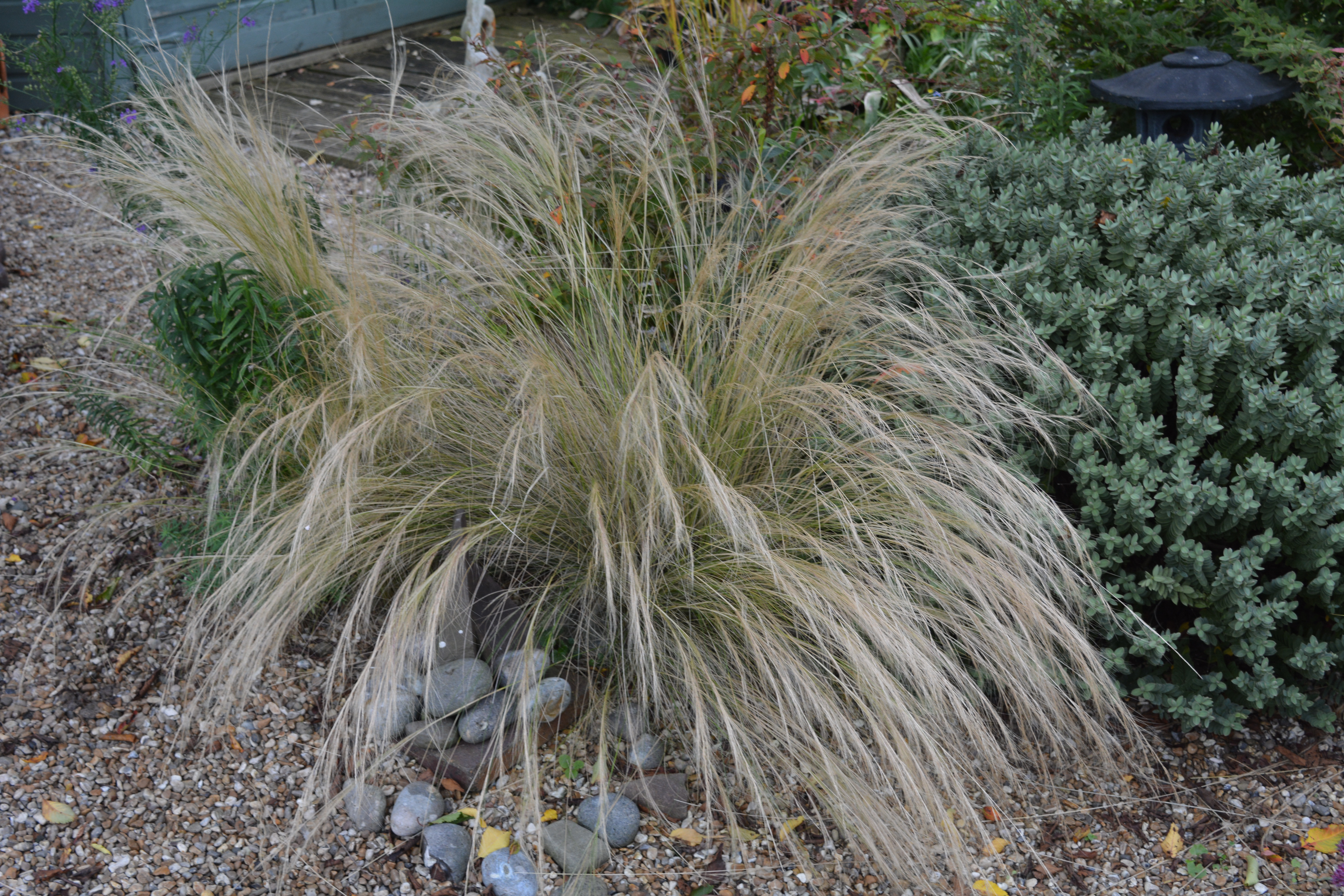
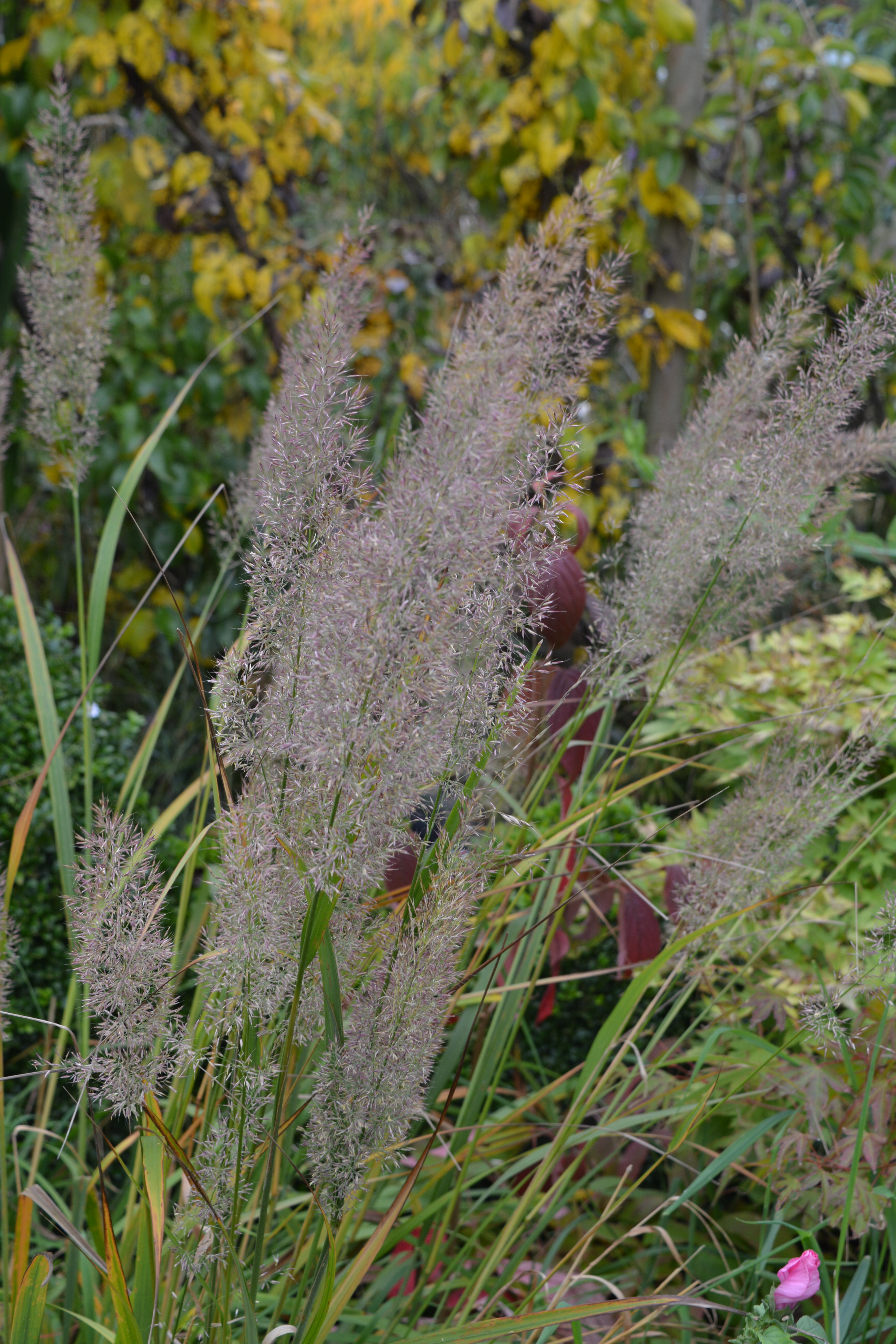
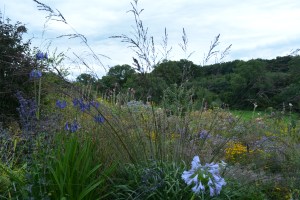
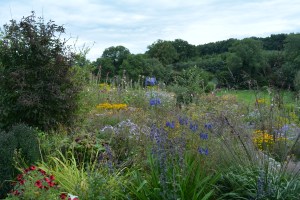
“September has been a windy month, which has accentuated the part played by the “Windcatchers”, those special plants which display the ability to catch the slightest breeze and dance in it. These are the tall grasses, Stipa gigantea, Miscanthus sinensis and the Molinias and Calamagrostis, the airy flowering perennials especially Verbena bonariensis and Gaura lindheimeri. Gauras have variety names that suggest their windcatching skills, “Whirling Butterflies” and “Summer Breeze”. 

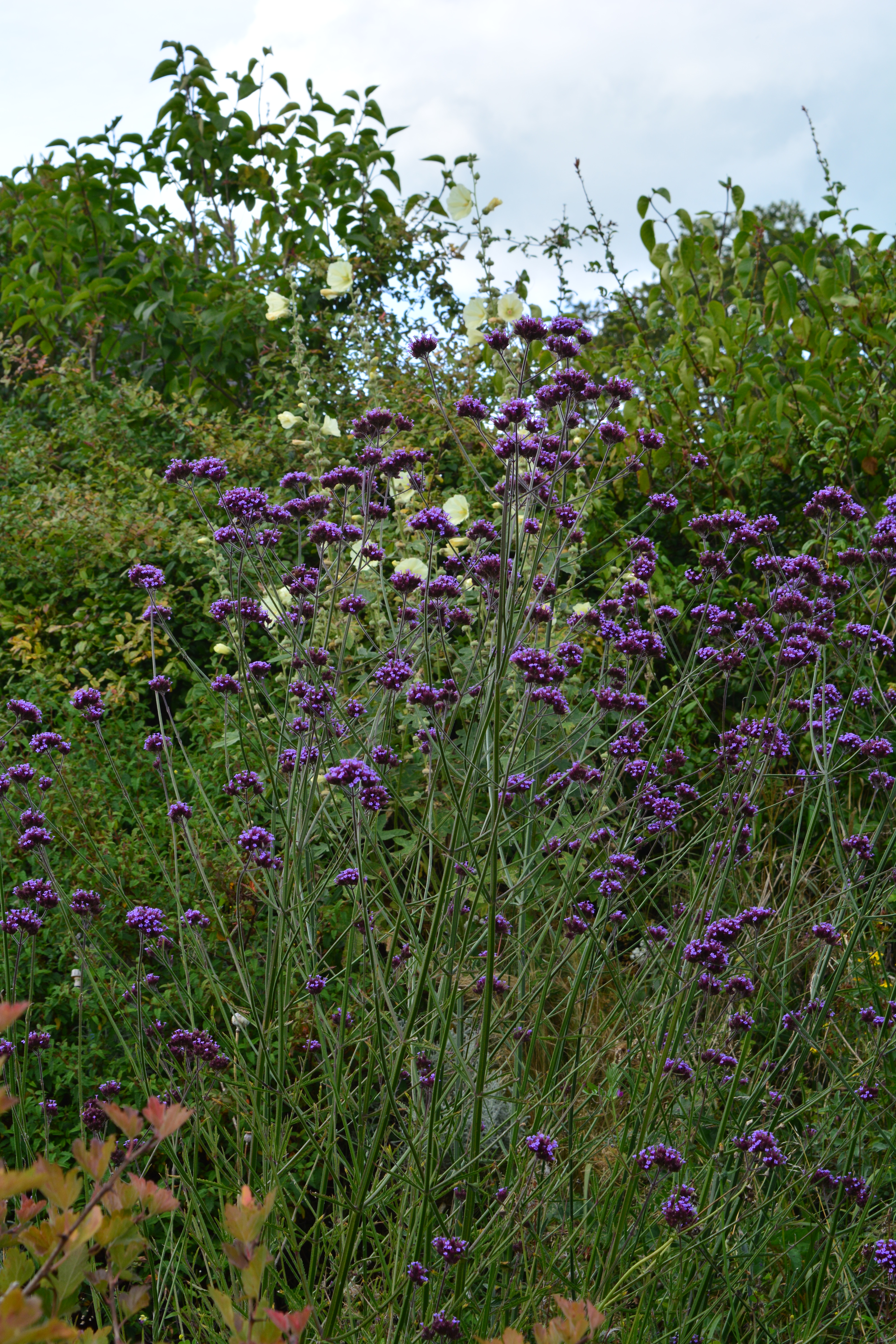
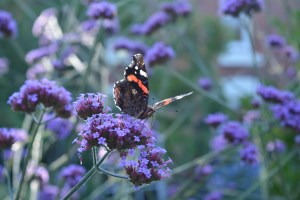
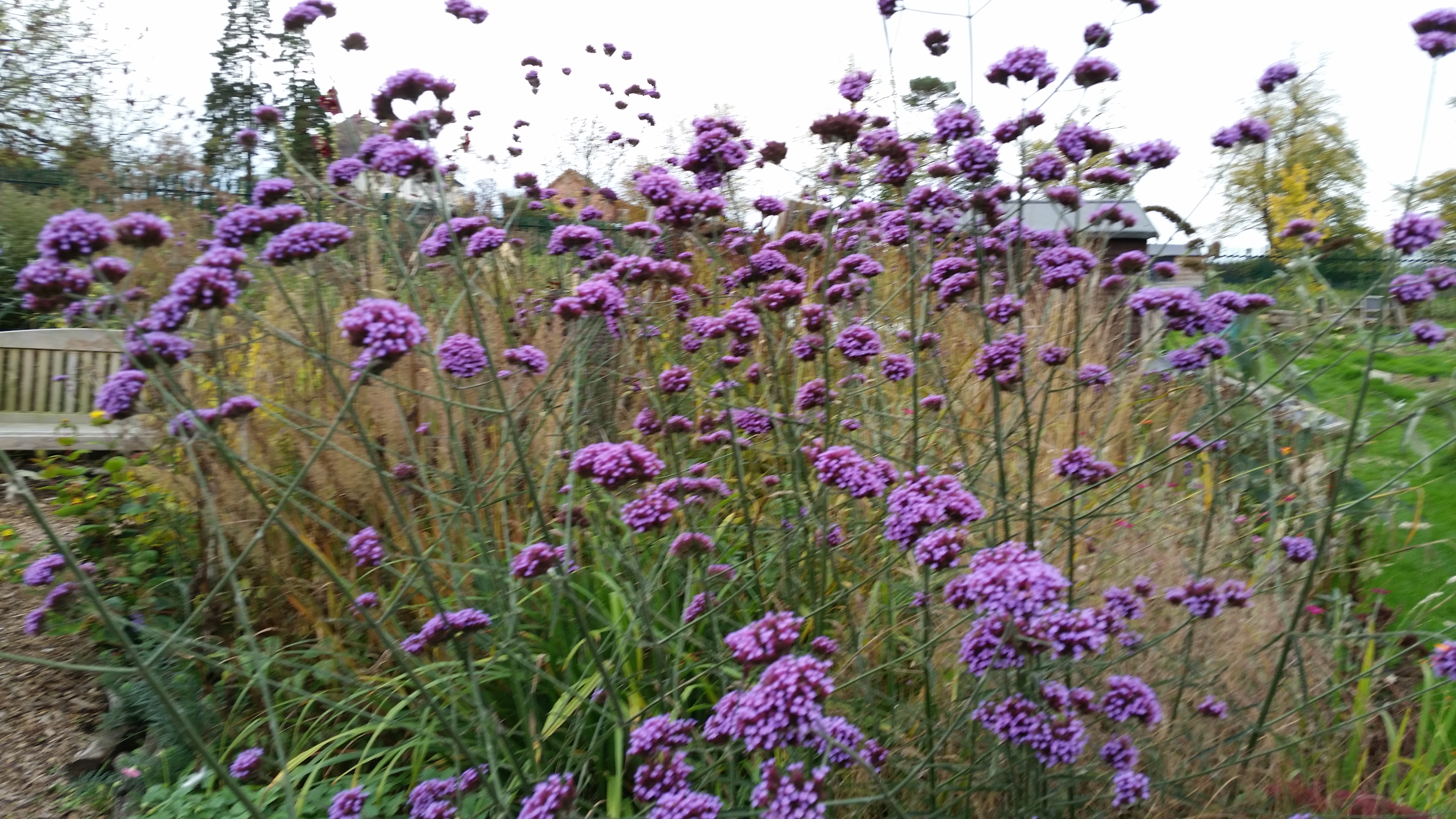
The photos below show what a beautiful plant Verbena bonariensis is with its bright purple flower heads nodding in the breeze atop its stiff thin stems. It is a true wildlife magnet too attracting Butterflies and Moths, Bees and Hoverflies and many other flying insects. As the light fades in the evening the flowers glow and their scent intensifies to attract night flying insects and a miriad of Moths.

2015 10 24_6629 2015 10 24_6628

The movement of grasses and their big cousins the Bamboos also adds sounds to our garden, rustling, tinkling and sounds like those of the seashore, shifting sands, rolling pebbles and retreating waves.”

Grasses are such an important element in our garden and help create an all year round garden. From their fresh green leaves emerging in the spring right through to their flowers and on to their seedheads which stand right through the winter.

2015 10 10_5937 2015 10 10_5938 2015 10 10_5943  2015 10 10_5935 2015 10 10_5929 2015 10 10_5930 2015 10 10_5928

Surprises are the subject of my next page.

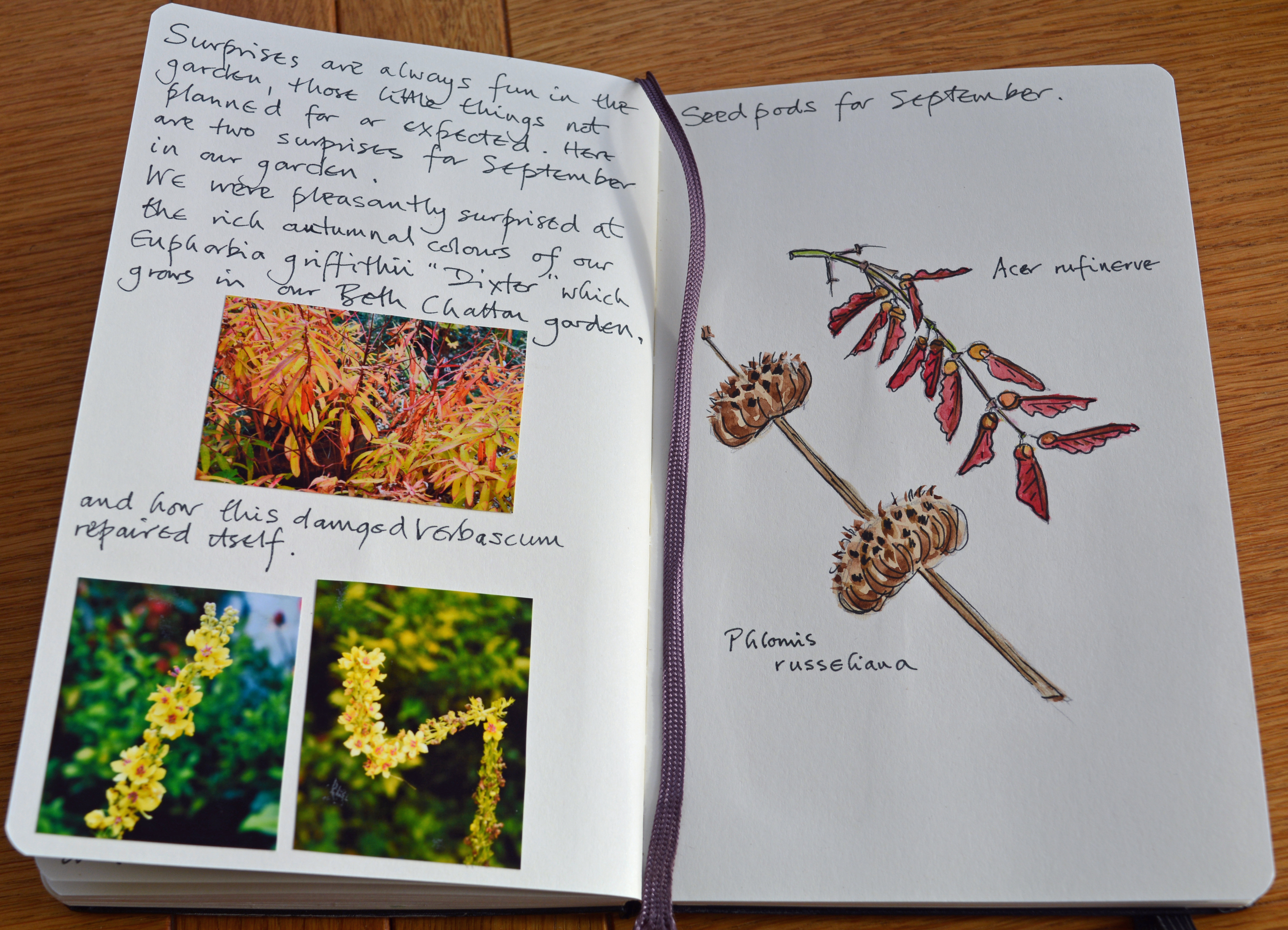
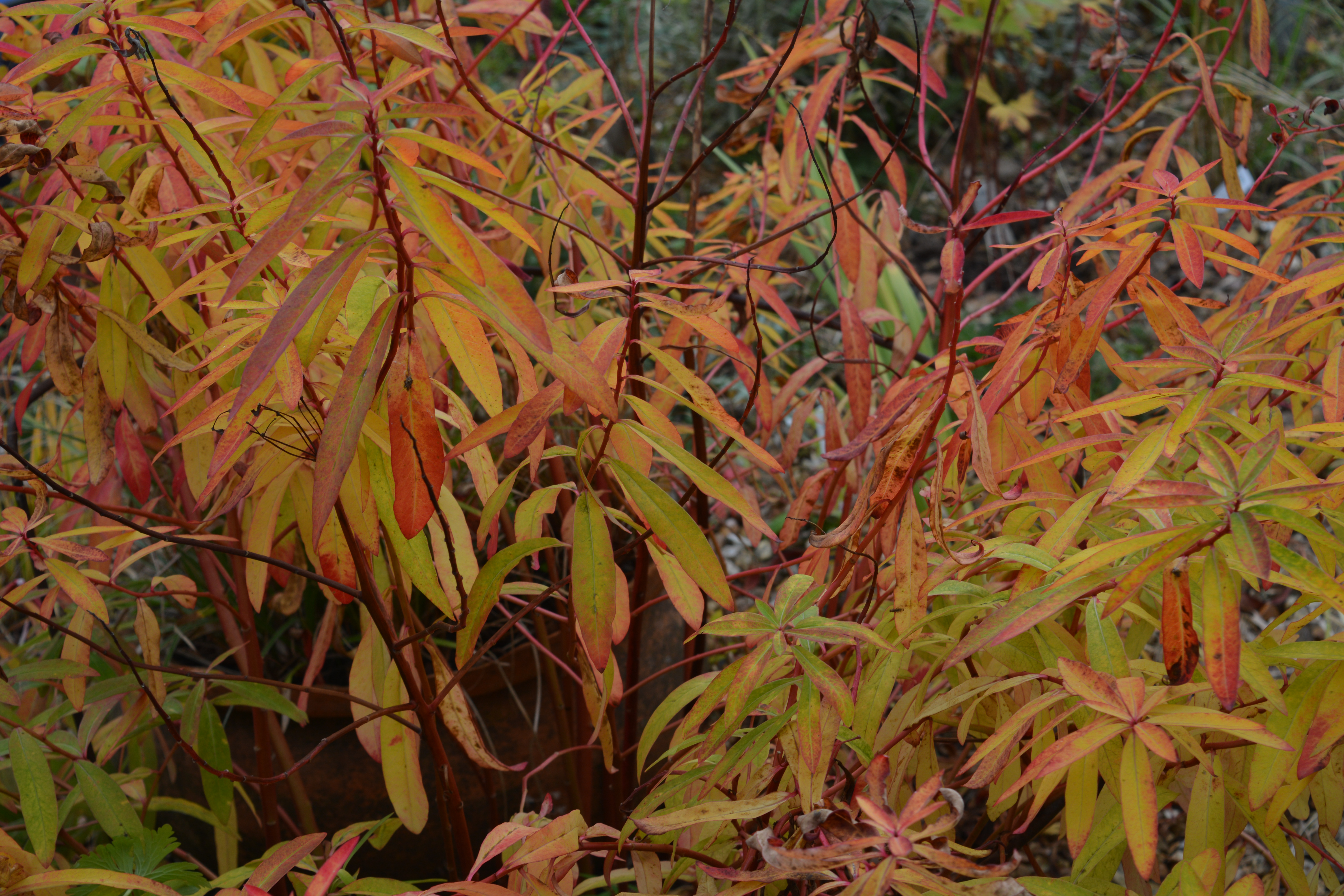
Surprises are always fun in the garden, those little things not planned for or expected. Here are two surprises for September in our garden.

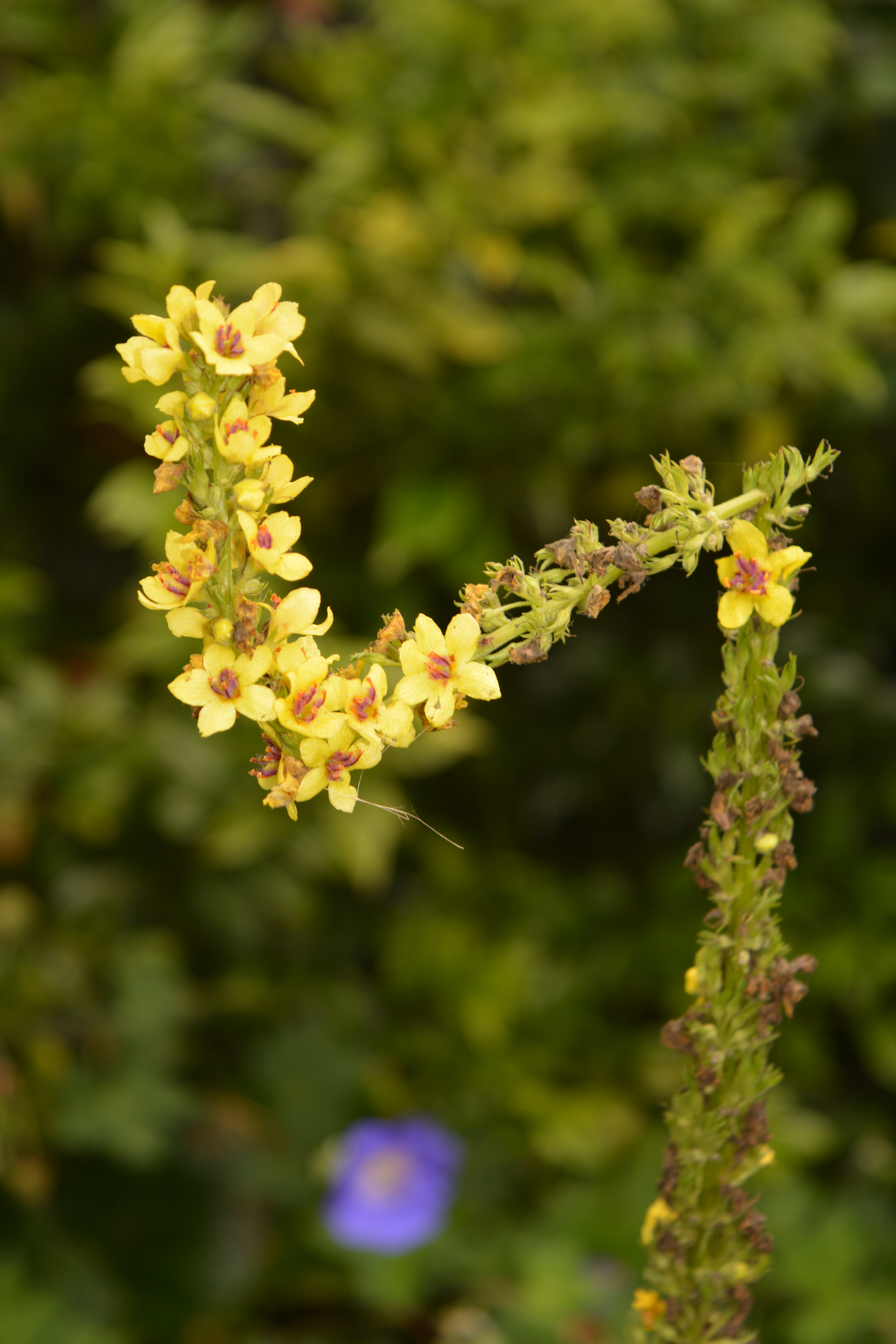
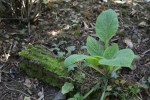
We were pleasantly surprised at the rich autumnal colours of our Euphorbia griffithii “Dixter” which grows in our Beth Chatto garden, and how this damaged Verbascum repaired itself.”
2015 10 22_6621_edited-1

2015 10 10_5942 2015 10 10_5919 2015 10 10_5920

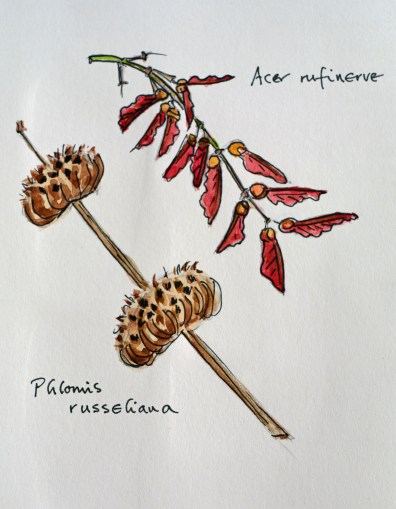
My watercolour paintings of Acer rufinerve and Phlomis russeliana feature on the next page titled “Seedpods for September”. These seeds are capsules of promise, time capsules. The wing-like Acer seeds are shaped and moulded to allow a gentle descent in the wind, each maple key parachuting down to find a place to germinate. The pompom seedheads of the Phlomis are tightly packed balls of rough textured seeds designed to stick to any passing creature who will wander off and drop it away from the parent plant where it can find space to become a herbaceous plant with hairy heart shaped leaves and yellow-orange balls of flowers. 
2015 10 22_6623_edited-1

We now move on to the end of the month when the weather surprised us as it changed for the better, change to good gardening weather and good weather for appreciating gardens.
2015 10 22_6624_edited-1

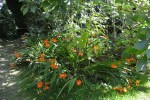
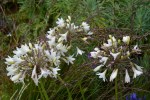
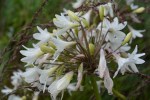
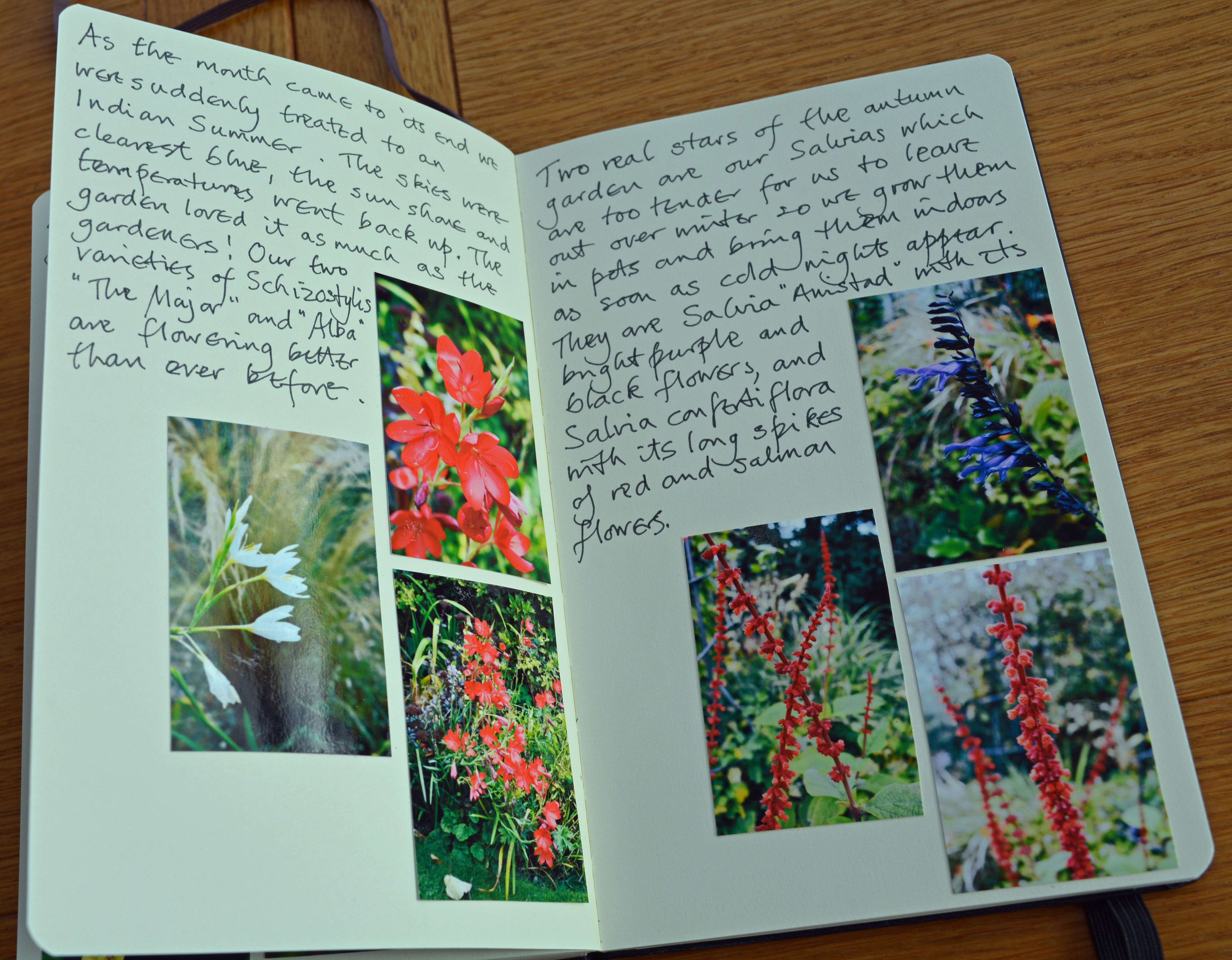
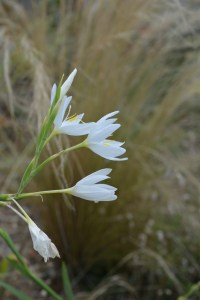
“As the month came to its end we were suddenly treated to an “Indian Summer”. The skies were clearest blue, the sun shone and temperatures went back up. The garden loved it as much as the gardeners! Our two varieties of Schizostylus, “The Major” and “Alba”are flowering better than ever before.”
2015 10 10_5944 2015 10 10_5926 2015 10 10_5925

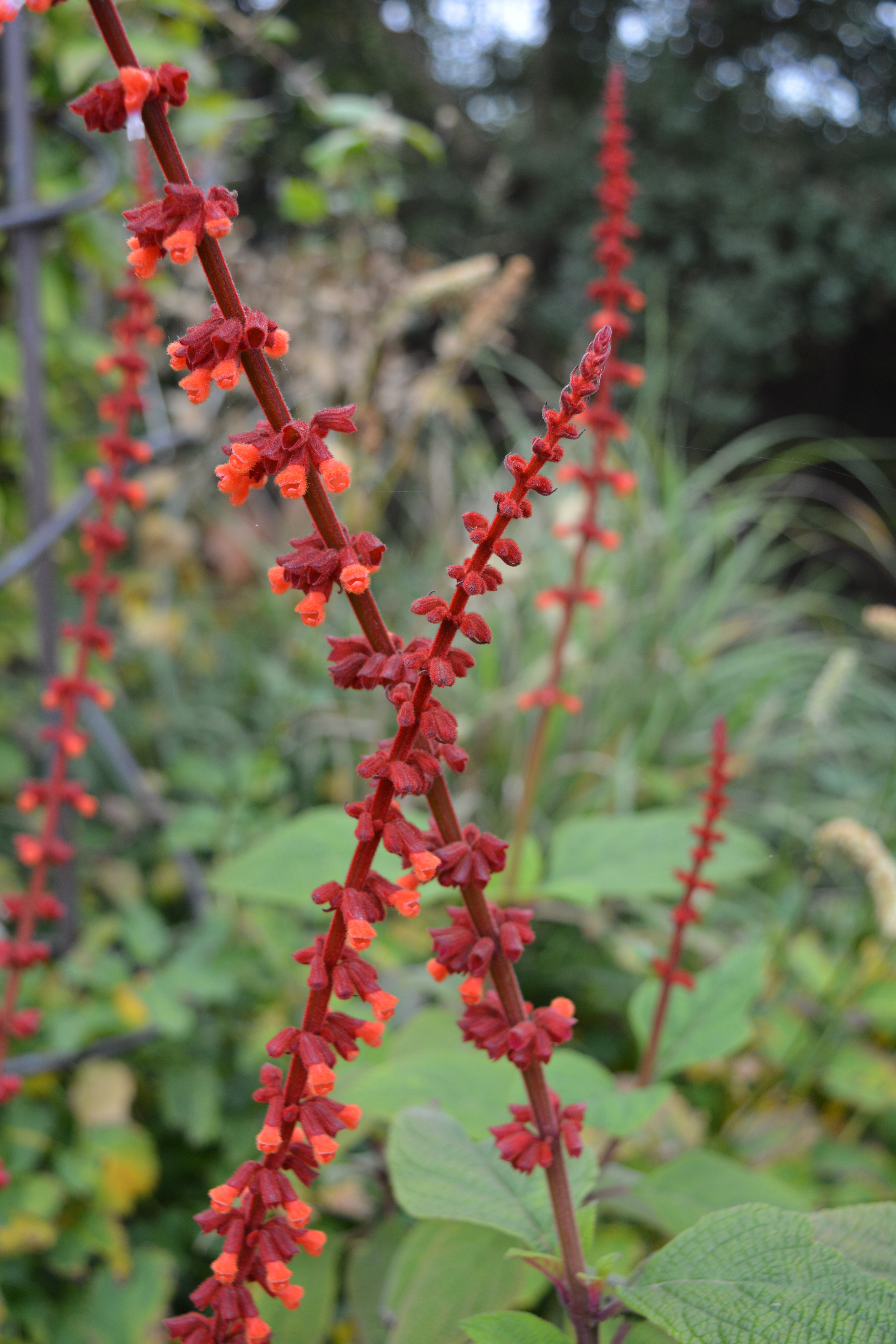
“Two real stars of the autumn garden are our two Salvias that are too tender for us to leave out over our winters, so we grow them in pots and bring them indoors as soon as the cold nights appear. They are Salvia “Amistad” with its bright purple and black flowers and Salvia confertiflora with its long spikes of red and salmon flowers.”
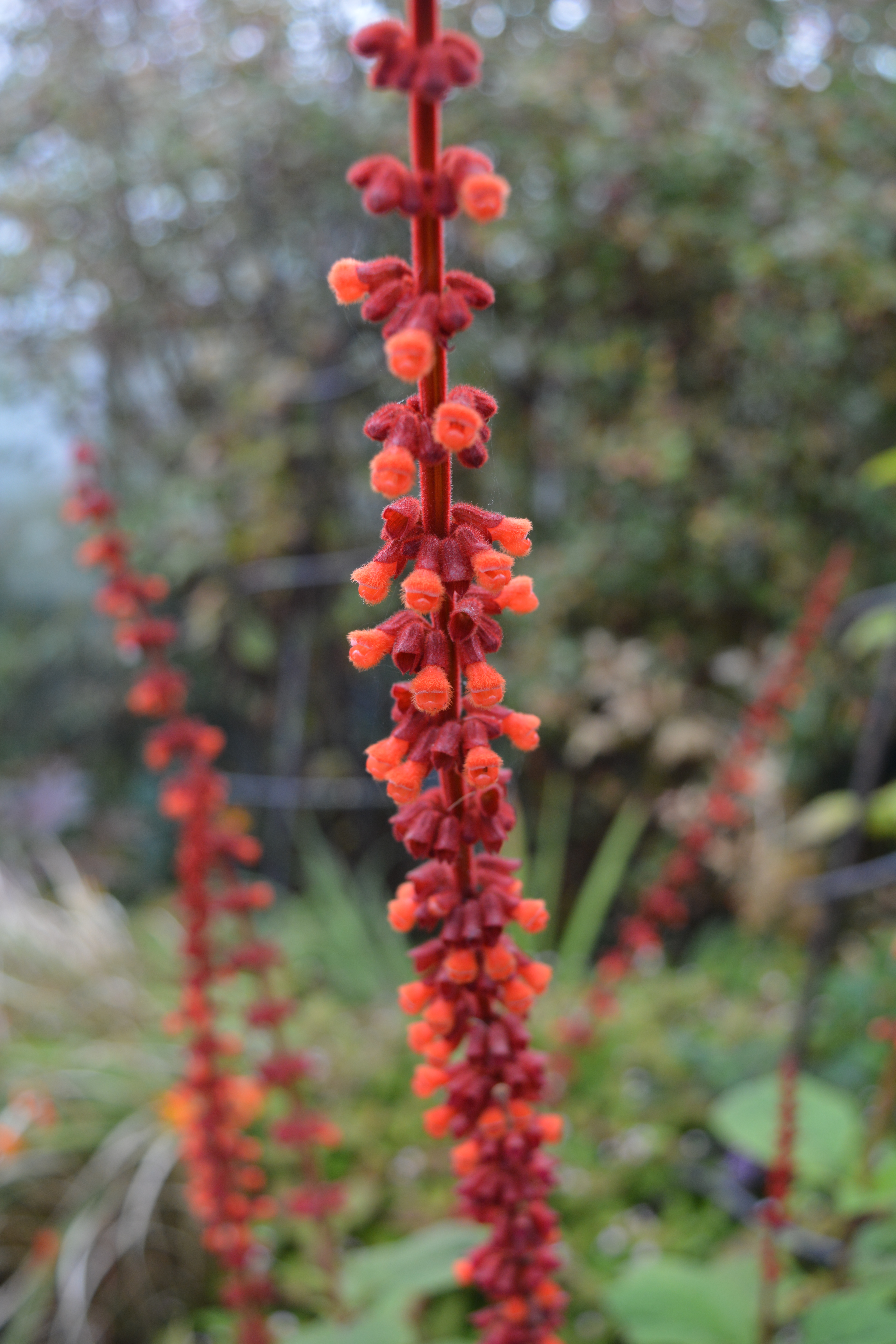
2015 10 10_5952 2015 10 10_5953 2015 10 10_5954

So that is my journal all about our garden in September. I am already writing and painting my entry for October so that will be the next episode of “My Garden Journal”.

Categories
garden buildings garden design garden designers garden photography gardening gardens hardy perennials Herefordshire meadows outdoor sculpture sculpture Yellow Book Gardens

Montpelier Cottage – another Yellow Book garden

A warm bright day in early September was a great day to visit another National Garden Scheme, Yellow Book garden. Thus we drove once again into our neighbouring county of Herefordshire in search of Montpelier Cottage. The main roads turned into minor roads and the minor roads turned into lanes. The lanes got narrower and narrower until at last we found the yellow NGS sign on a gate into a field which for the day became a temporary car park.

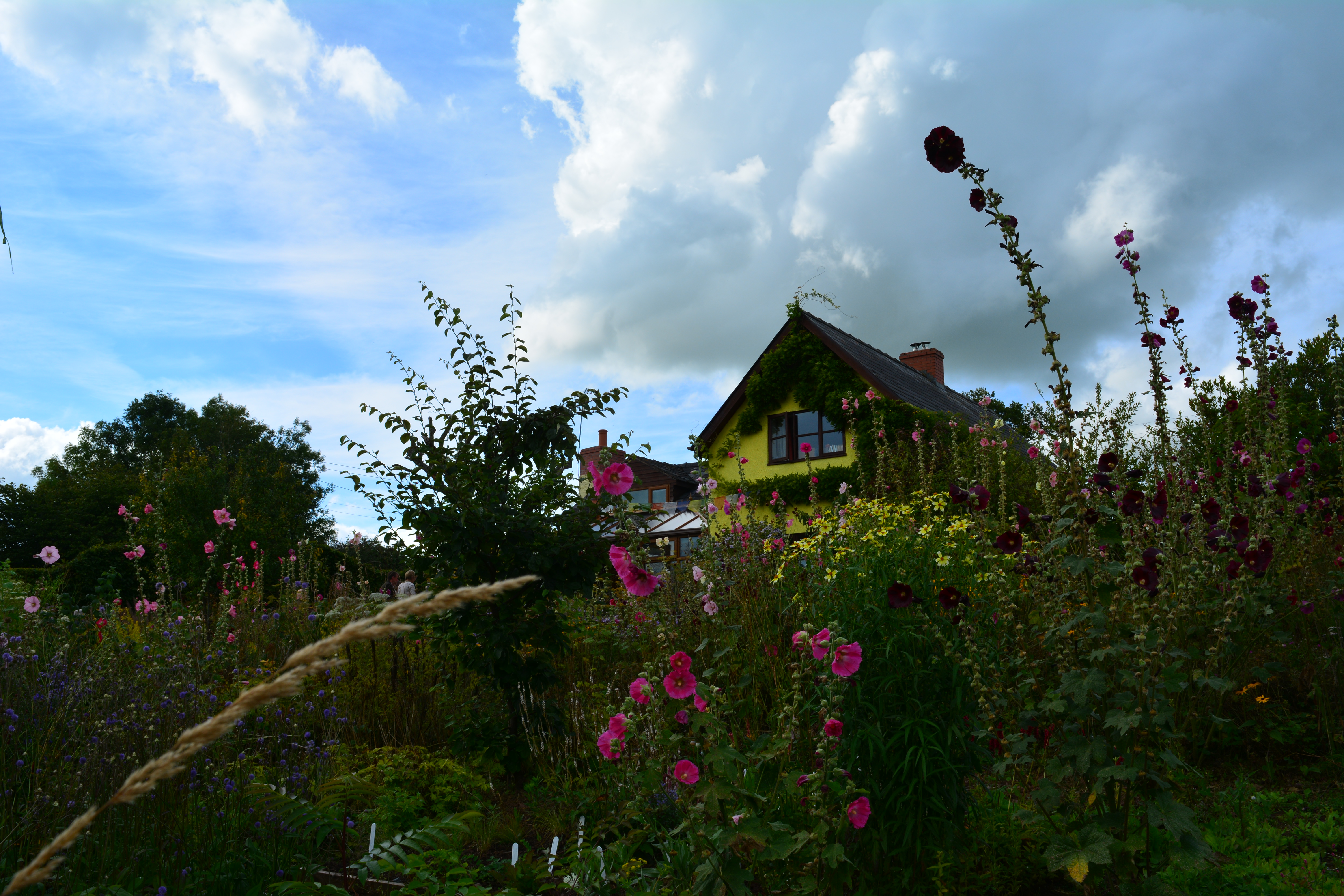
The cottage in its primrose yellow livery felt so welcoming.

2015 09 13_5375 2015 09 13_5377

A sense of humour, important in any garden, soon became apparent at Montpelier Cottage.

2015 09 13_5376 2015 09 13_54552015 09 13_53822015 09 13_5456 2015 09 13_5454

The gardeners here are the garden writer Noel Kingsbury and his wife Jo Eliot and they have been developing the garden for ten years. The garden style and plant combinations are experimental looking to find “the border between the wild and the cultivated” being inspired by American prairies and the wildflower meadows of Europe. As we knew Noel Kingsbury had been working closely for many years with garden designers and nurserymen Piet Oudolf  and Henk Gerritsen, we were interested to see how this ten year old garden had developed.

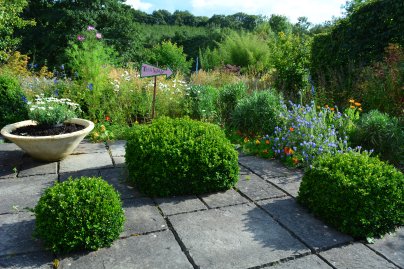
As we followed the narrow path towards the back of the cottage the gardens came into view and we knew we were in for a colourful wander. The terrace of stone slabs overlooked the garden and sitting here enjoying a refreshing tea and tasty cake we could get views over most of the garden. Brightly coloured annuals and tender perennials grew vigorously in pots.

2015 09 13_5378 2015 09 13_53802015 09 13_5381 2015 09 13_5379

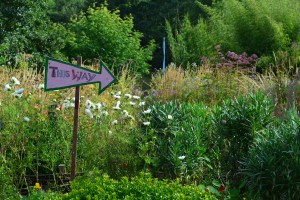
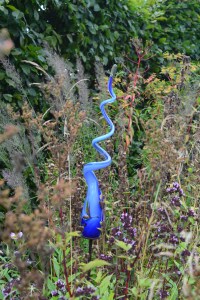
When we had finished our refreshments we soon found a sign which invited us through a gap in a hedge. Alongside the gap a piece of sculpture created from beautiful blue glass caught our attention.

2015 09 13_5452 2015 09 13_5446

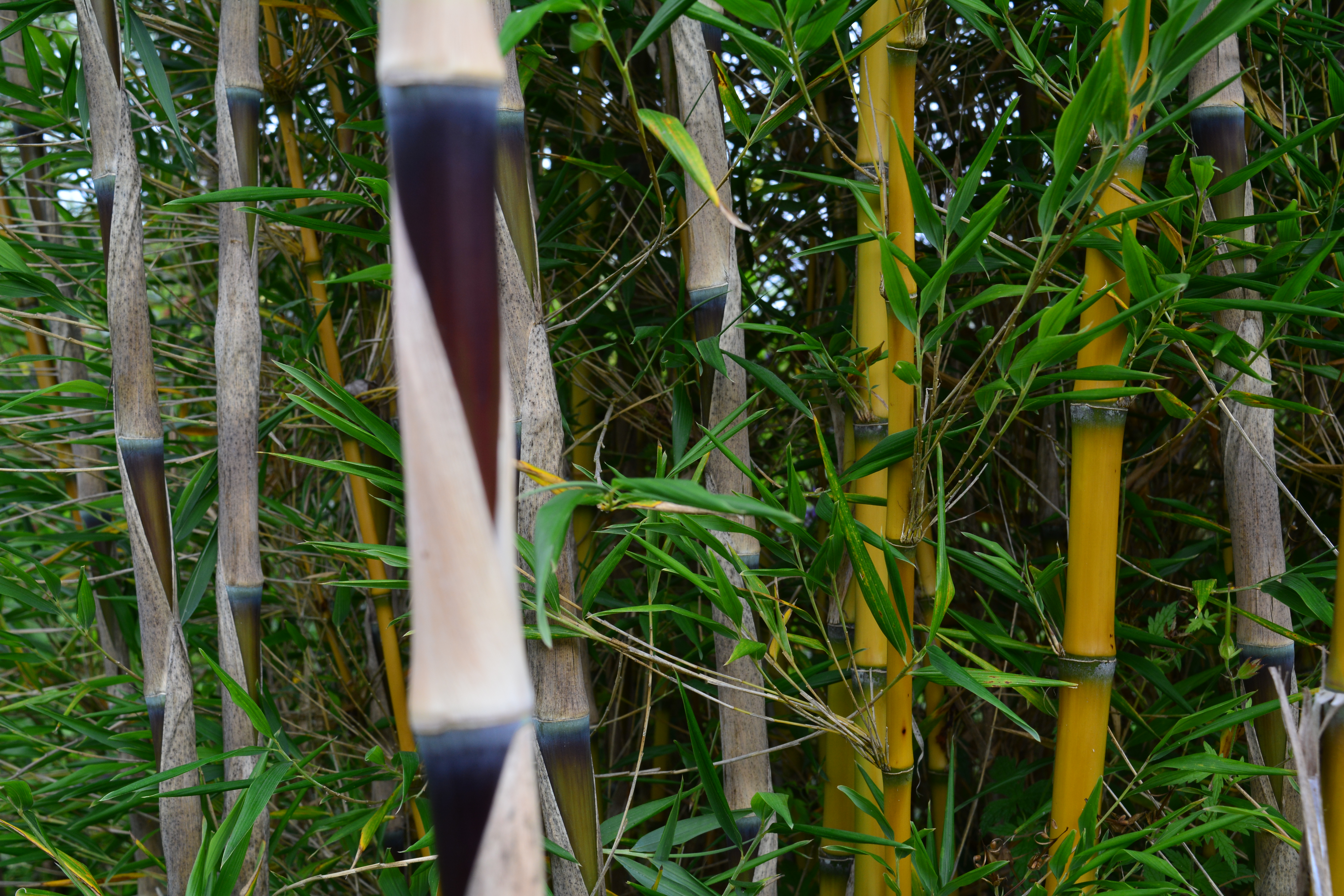
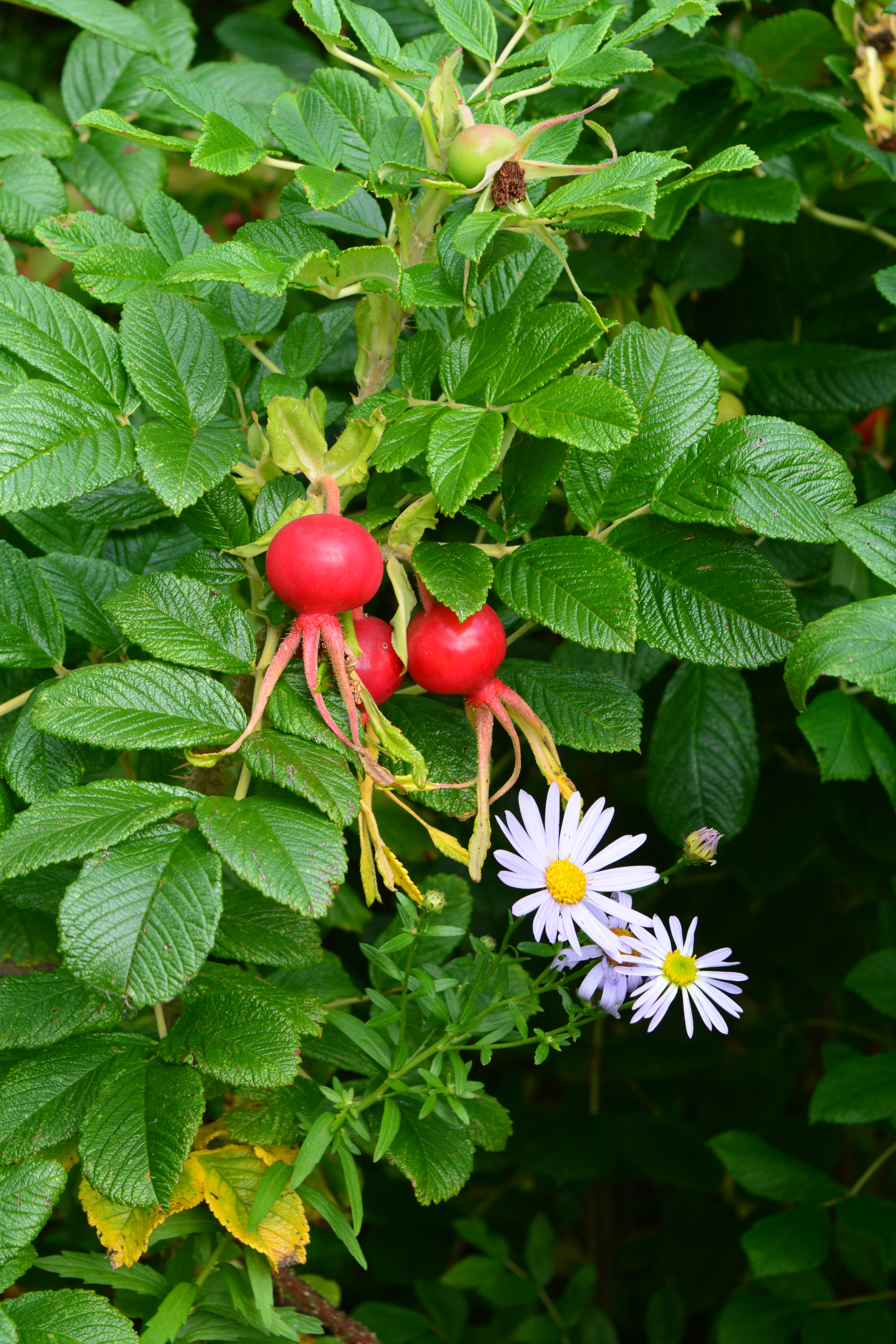
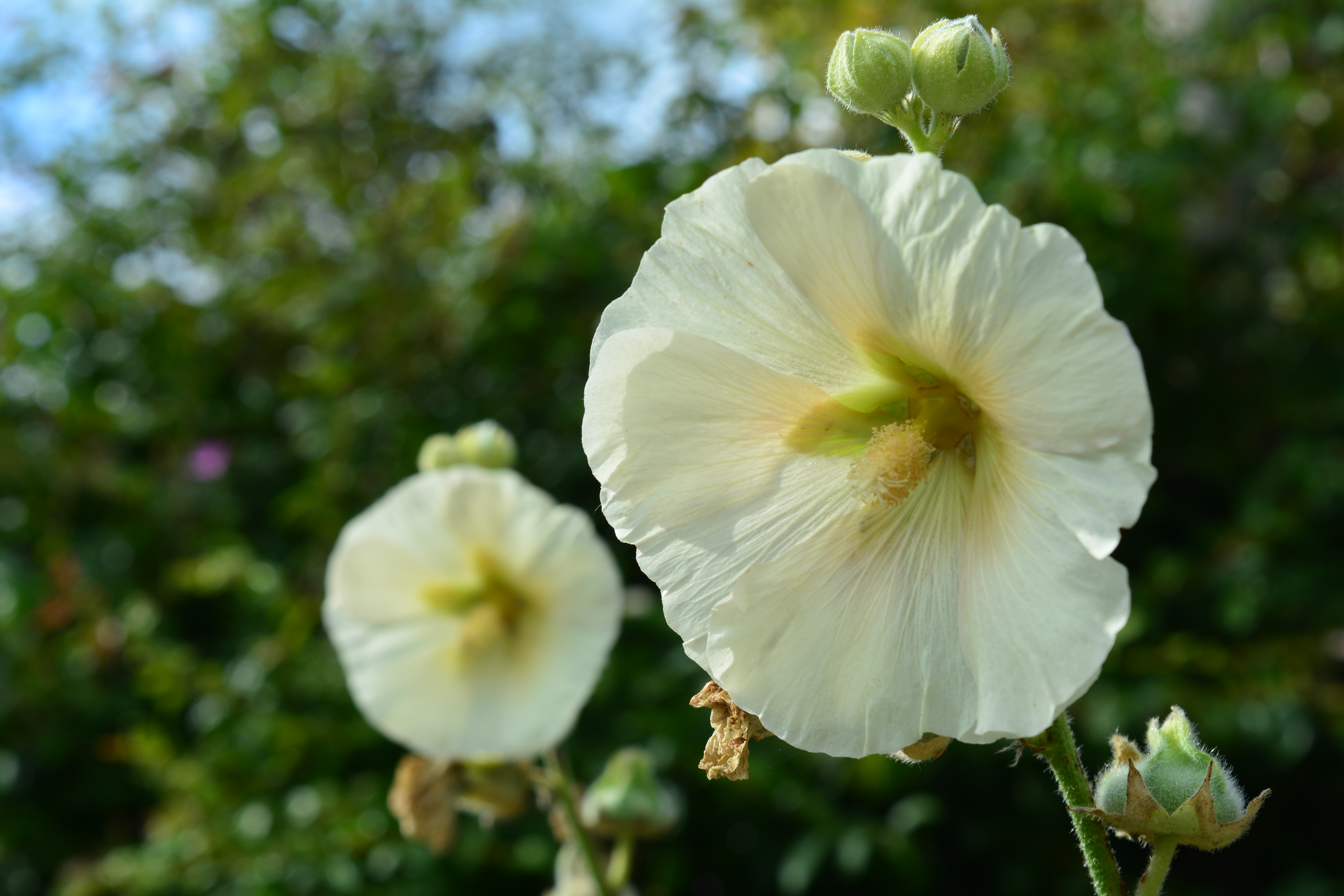
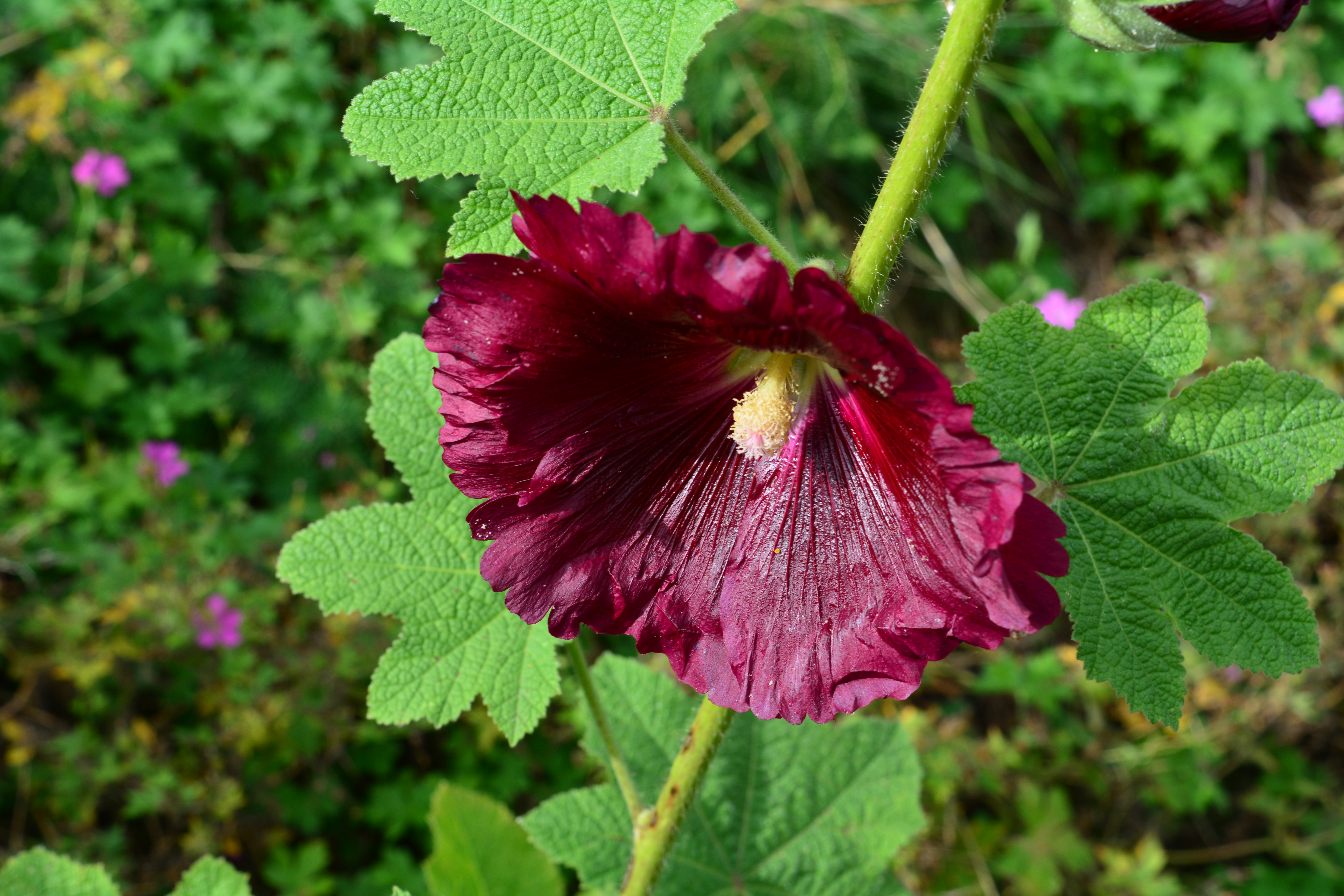
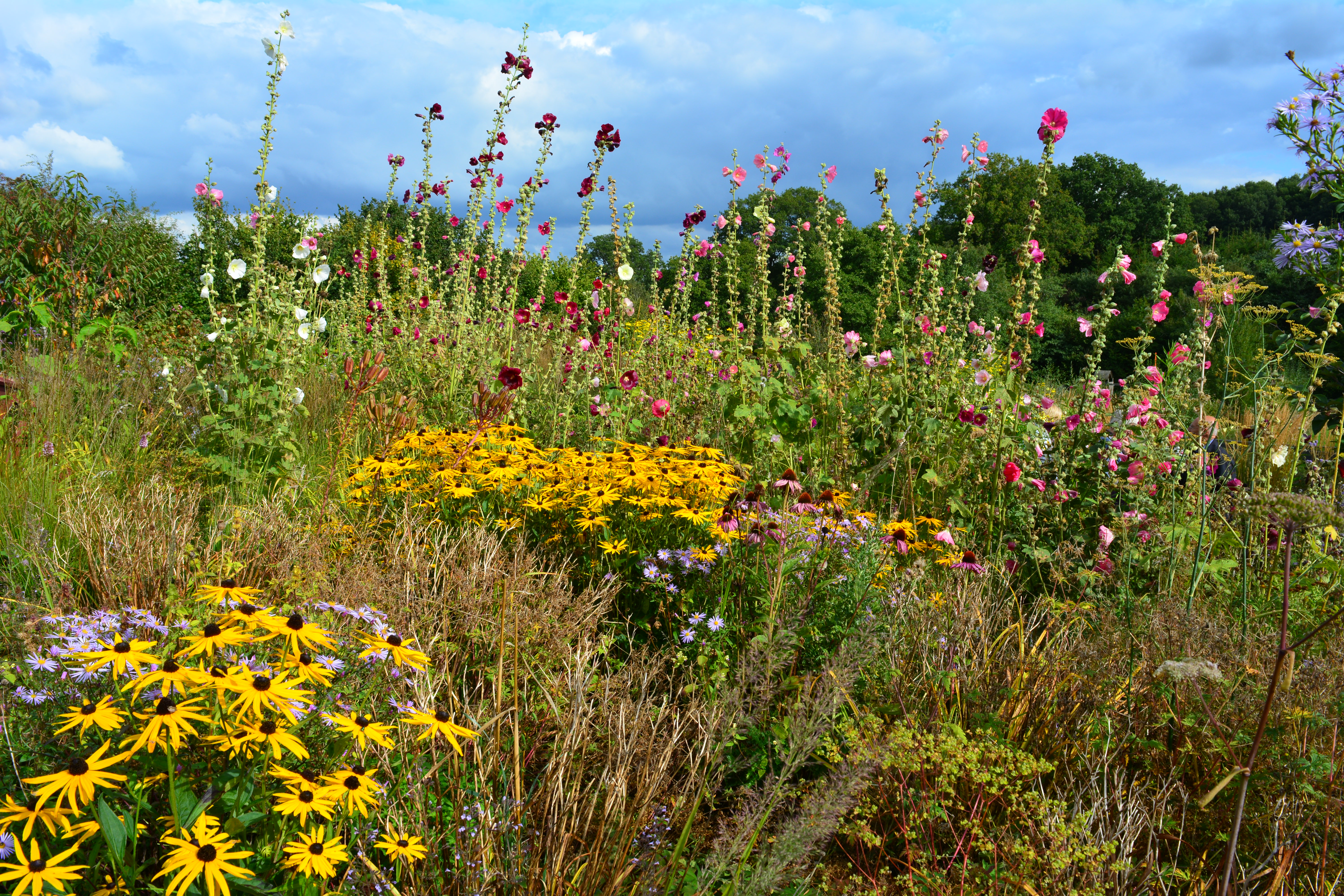
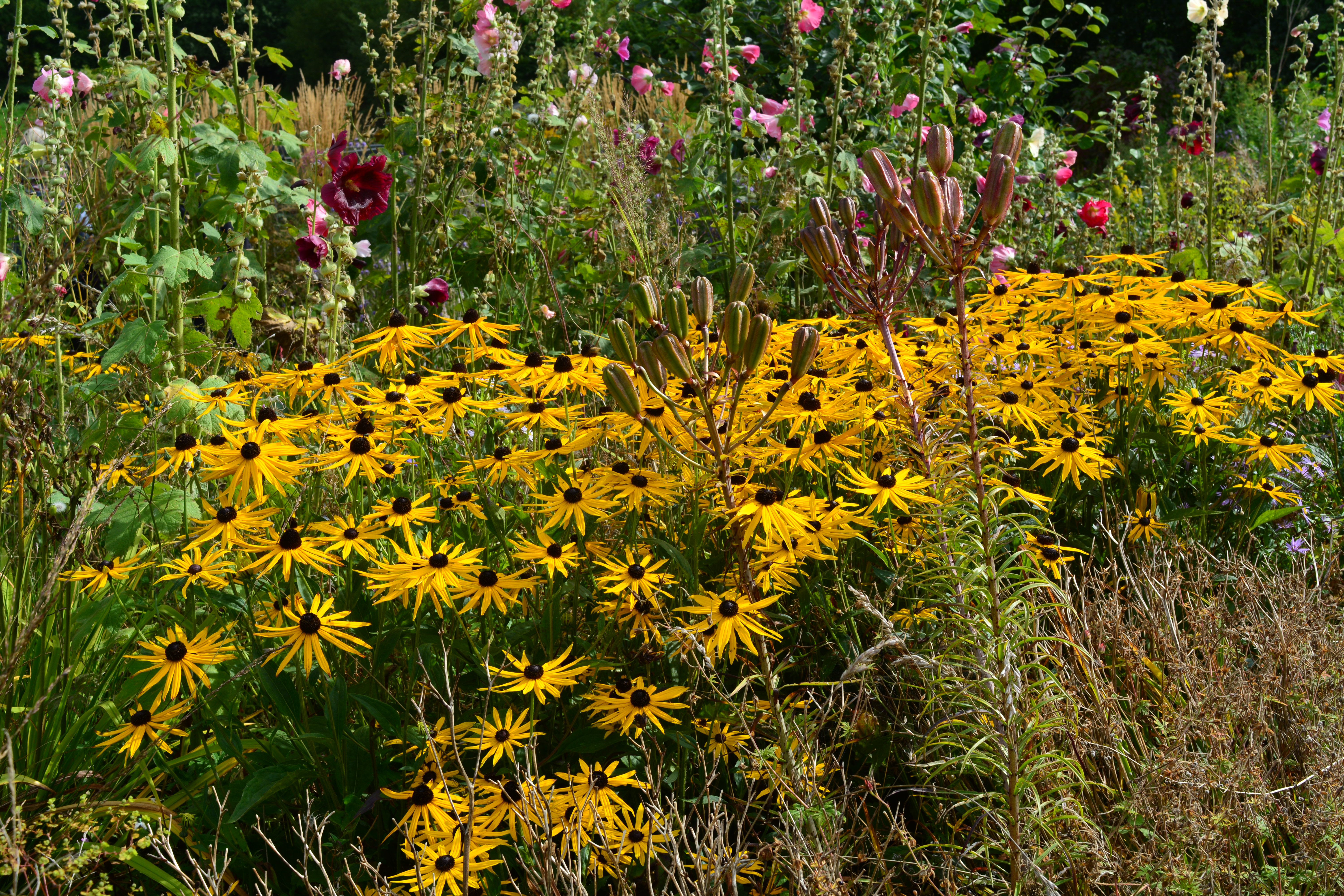
As in any garden there are certain individual plants that stand out and here at Montpelier Cottage they were this deciduous Euonymous sporting a cerise and orange colourway, the deep ruby flowered Sanguisorba “Red Buttons”, the monochrome bamboo, the Rosa rugosa with big hips and the incredibly tall growing Hollyhocks.

2015 09 13_5388 2015 09 13_5387 2015 09 13_5383 2015 09 13_5384 2015 09 13_5409 2015 09 13_5435 2015 09 13_5434

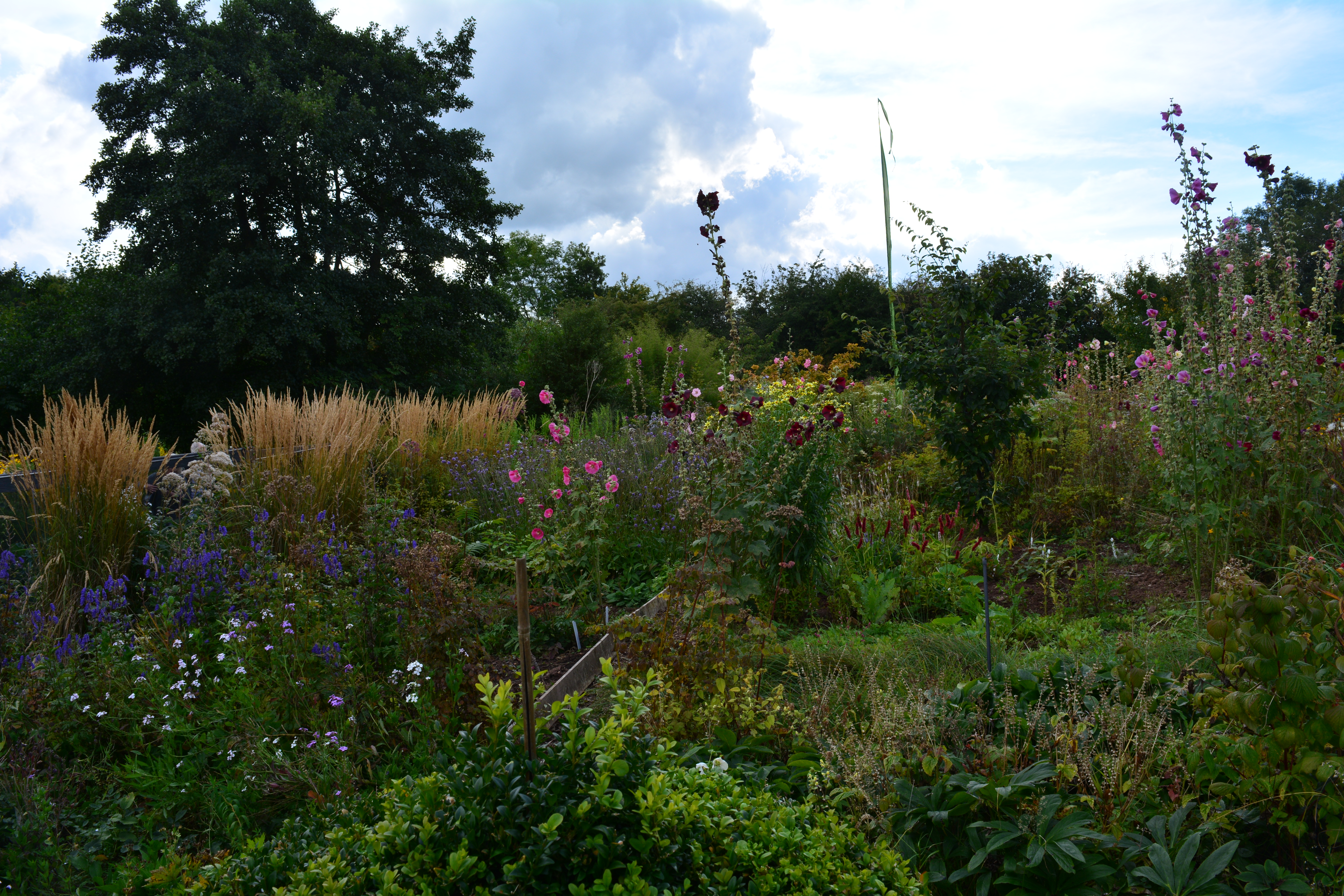
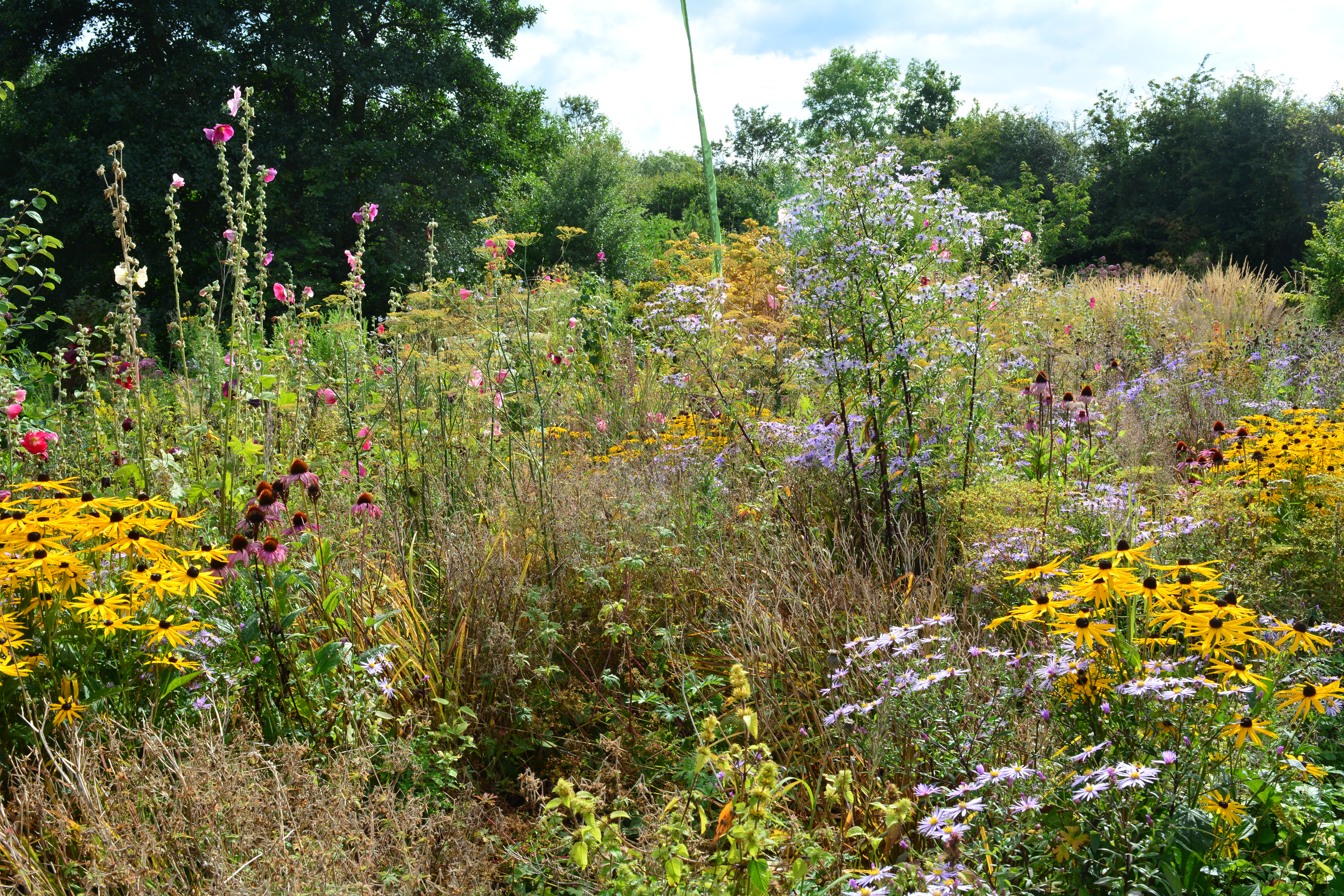
But as with any garden it is the big picture that gives it its own style and presence. At Montpelier Cottage the garden boasted large areas of perennial planting through which paths were cut.

2015 09 13_5410 2015 09 13_5411 2015 09 13_5412 2015 09 13_5414 2015 09 13_5415 2015 09 13_5416  2015 09 13_5419 2015 09 13_54202015 09 13_5421 2015 09 13_5422 2015 09 13_5424 2015 09 13_5425 2015 09 13_5426 2015 09 13_5427 2015 09 13_5428 2015 09 13_5429 2015 09 13_5445 2015 09 13_5442 2015 09 13_5441 2015 09 13_5440 2015 09 13_5439 2015 09 13_5438 2015 09 13_5437 2015 09 13_5436

It was too late in the year to see the wildflower meadows at their flowery best so we hope to visit earlier in the year in 2016, but the kitchen garden was looking very productive.

2015 09 13_53932015 09 13_5404  2015 09 13_54062015 09 13_5405

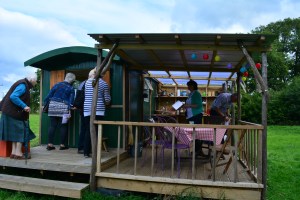
There are interesting rustic buildings which came into view as we wandered the paths through the garden.

2015 09 13_5430 2015 09 13_54022015 09 13_5417 2015 09 13_5448

2015 09 13_5450 2015 09 13_5449

I shall finish my post about this unusual garden with a photo of a lovely slate sculpture and another piece of creativity by Mother Nature herself, weaving with Ivy stems. The final picture shows a beautiful use of shaped box.

2015 09 13_5390 2015 09 13_54072015 09 13_5453


Categories
colours garden design garden photography gardening gardens gardens open to the public grasses hardy perennials light light quality National Garden Scheme NGS ornamental grasses ornamental trees and shrubs outdoor sculpture photography Yellow Book Gardens

Aulden Farm – another Yellow Book garden

We open our garden under the auspices of the National Garden Scheme and love to see our garden in its famous Yellow Book. But we also love to visit other gardens from the Yellow Book.

We recently visited Aulden Farm which is in Herefordshire, our neighbouring county and we were particularly keen to wander around this garden as it has a similar description to our own in their Yellow Book entry although it is much larger! “Informal country garden surrounding old farmhouse, three acres planted with wildlife in mind. Emphasis on structure and form, with a hint of quirkiness, a garden to explore with eclectic planting.”

We had a lovely drive through beautiful countryside before parking on the grass verge and wandering up the gravel drive leading to Aulden Farm’s garden. A gravel area surrounded by interesting planting was a great place to enjoy tea and homemade cakes.

2015 09 07_5027 2015 09 07_5028

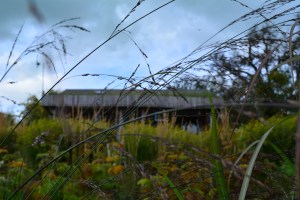
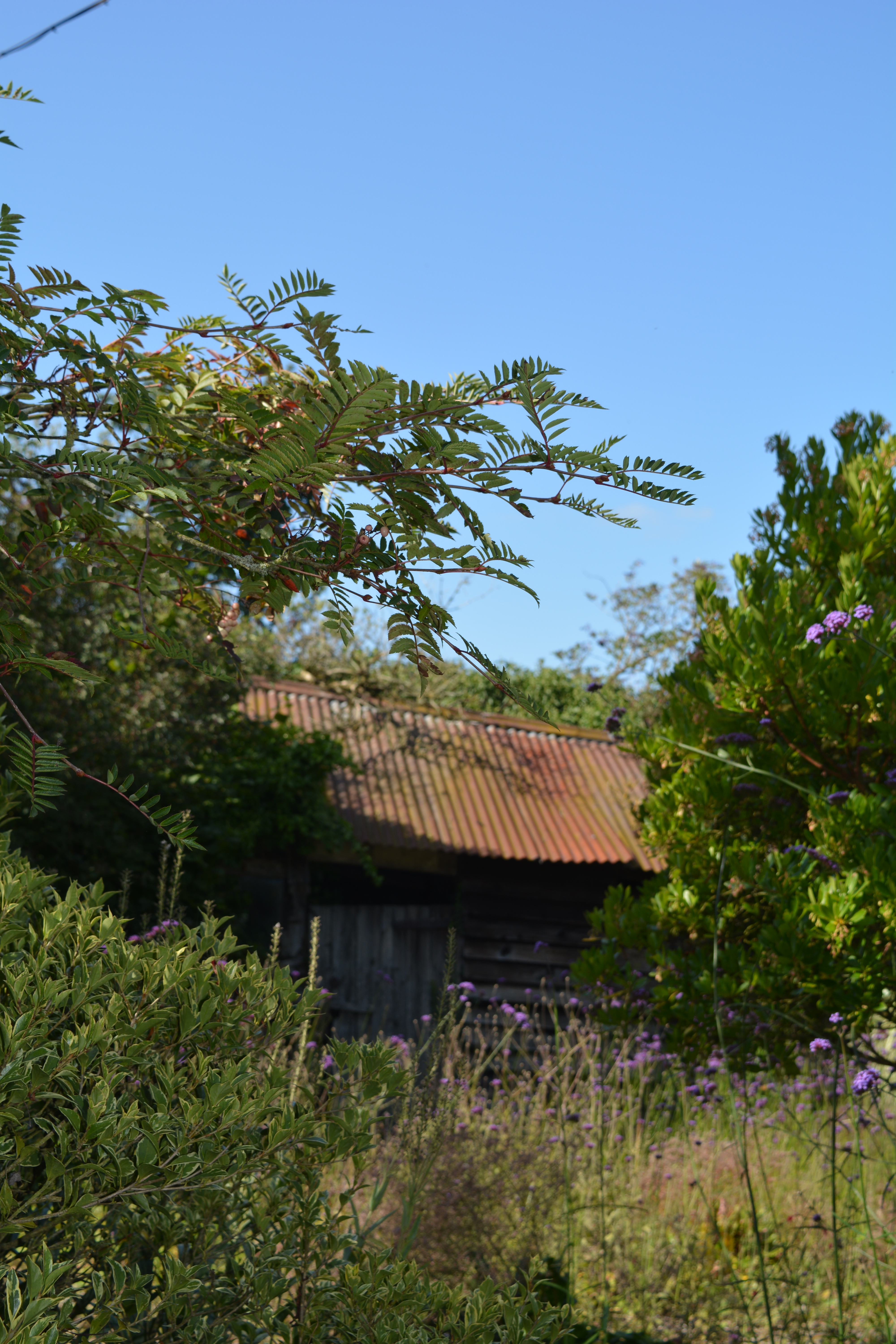
Alongside the tea courtyard was a gravel garden in front of a beautiful barn close to tumbling down. Verbena bonariensis was the star in this garden and the afternoon lit it up dramatically. Butterflies were attracted to it as much as me and my camera. This was an area full of texture and interest too good for any photographer to miss.

2015 09 07_5029 2015 09 07_50302015 09 07_5168 2015 09 07_51622015 09 07_5177 2015 09 07_51782015 09 07_5173 2015 09 07_51662015 09 07_5174 2015 09 07_51702015 09 07_5169 2015 09 07_5171

2015 09 07_5165 2015 09 07_5161

We eventually left behind our tea, cakes, verbenas and butterflies and wandered, suitably refreshed, through the shade garden where the low rays of the sun created pools of light and shade. from here we could choose different routes through the garden described in its own leaflet as “very relaxed, tranquil and some even say romantic, but that is for you to decide”. So we couldn’t wait to find out for ourselves.

2015 09 07_5035 2015 09 07_5036

2015 09 07_5037 2015 09 07_5038 2015 09 07_5040 2015 09 07_5042 2015 09 07_5044 2015 09 07_5047 2015 09 07_5048

Now come for a walk with us around this beautiful garden by enjoying my gallery. Please click on the first photo and navigate with the arrows.

I hope you enjoyed this photographic journey around this wonderful garden. Is it romantic? Yes, definitely so! This is a garden with atmosphere.

We left with an invitation to return whenever we wanted – bliss.

In my next couple of posts about Aulden Farm gardens I will share my images of two special families of plants that caught the beautiful light that day and my imagination, Persicarias and Rudbeckias and also a look at some of the wide ranging sculpture we enjoyed there.


Categories
birds climbing plants flowering bulbs garden photography garden ponds garden pools garden wildlife gardening hardy perennials ornamental trees and shrubs trees water in the garden wildlife

My Garden Journal – August

Here we are with part 8 of my monthly series looking at what I have put into my garden journal. August has been a disappointing month weatherwise, with winds, rain and dull skies, and the plants have responded with short flowering periods and even our roses have failed to repeat flower.

I began my August entries, “The month of school holidays when families make their way to the seaside, is not a holiday in the garden. We have to keep dead-heading and tidying to make sure it looks its best.” and continued with my monthly quote from Jenny Joseph“August is a time of vegetables and smells of leaves and roots as we clear: dusty, musty smell of old growth. What flowers we have in August depends on how diligent you’ve been at dead-heading earlier.”

I continued, “We dead-head our Roses most days in an attempt to keep them in bloom, and cut back dying perennials to encourage both fresh blooms and fresh growth from below.” 

2015 09 03_5007_edited-1

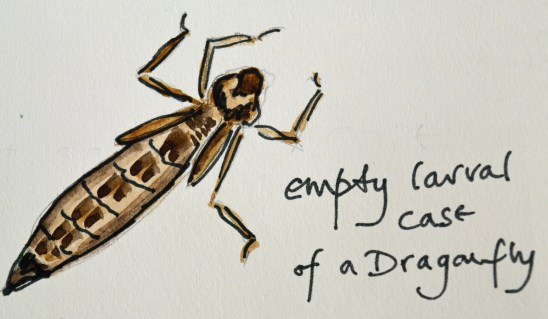
I next referred to our fun activity which takes us back to our childhoods, pond dipping, “An early dip in the pond with our net revealed that young Newts are still very much in evidence. We discovered the shell of a Dragonfly larva and a strangely bodied surface dwelling insect, its shape like an elongated diamond.” I wonder what a pond dipping session will reveal in September as autumn will then be creeping in.

2015 09 03_5014_edited-1 2015 09 03_5015_edited-1

Our Cercis siliquastrum tree featured again as we turn the page of my journal just as it has done in my May entries.

2015 09 03_5008_edited-1

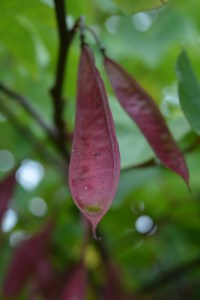
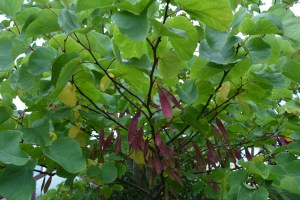
“Discovering new points of interest in the garden is always refreshing. We have always loved our Cercis siliquastrum for its mass of pink flowers in May, but this year we have rows of seed pods hanging from branches like celebratory bunting or prayer flags from Tibet.”

2015 08 10_4637 2015 08 10_4636 2015 08 10_4639 2015 08 10_4638

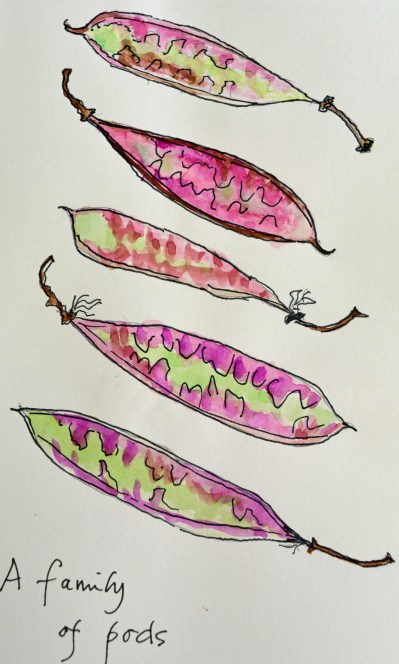
I attempted to paint a watercolour of a selection of pods and this proved to be a real challenge with the subtle variations of green and pink from pod to pod.

2015 09 03_5016_edited-1

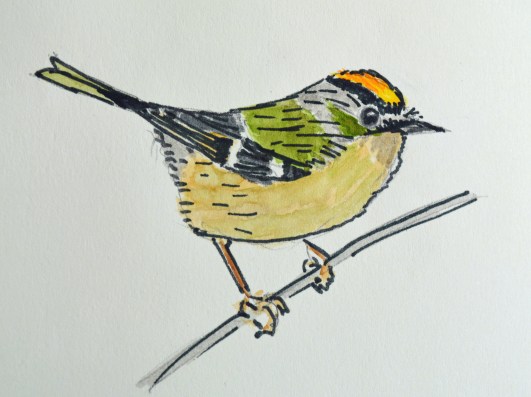
Further notes about the wildlife in our August garden followed on at the turn of the next page, where I noted, “Gardening in August is done with the sounds of Swallows and House Martins wheeling over our heads. Two very contrasting wildlife sounds add to the soundtrack, the deepest croaking grunt of our Toads and the highest pitched song of all our garden birds, the diminutive Goldcrest.” In my painting I tried to capture the character of the Goldcrest, cheerful, jittery and sparkling with life.

2015 09 03_5009_edited-12015 09 03_5018_edited-1

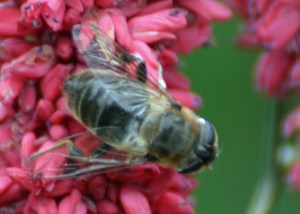
More sounds featured on the facing page, “Gentle, almost inaudible sounds emit from every border, the sounds of Hoverflies. Gentle humming from above flowers, rapid beats make wings almost invisible, the Hoverfly moves in sudden sharp changes of direction. They can be wasp-like, bee-like or fly-like, masters of mimicry and disguise”. I love taking photos of the wildlife that shares our garden and insects and have hundreds in my Photoshop storage space. I have found a few featuring a few of the many different species of Hoverfly to share with you.

2015 08 27_4717-1 2015 08 27_4718_edited-1-12015 08 27_4719_edited-1-1 2015 08 27_4720_edited-1-12015 08 27_4714_edited-1-1

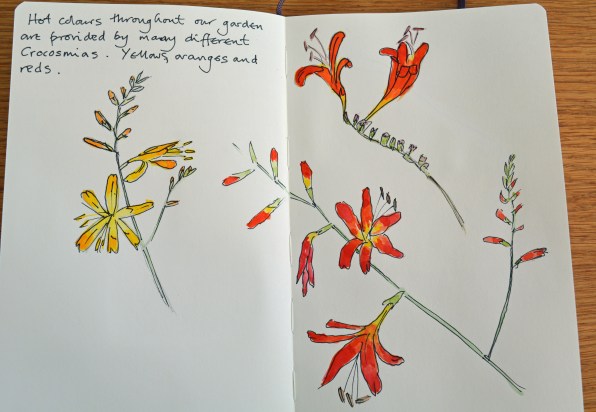
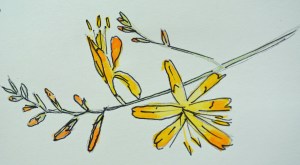
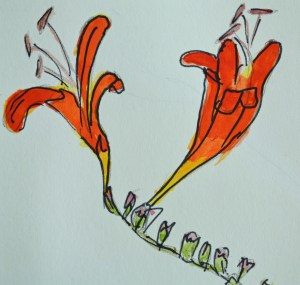
It is one of my favourite families of plants that I featured on the next double page spread, the Crocosmias. “Hot colours throughout our garden are provided by many different Crocosmias. Yellows, Oranges and Reds.” I enjoyed the challenge of creating watercolour paintings of three of our cultivars.

2015 09 03_5019_edited-12015 09 03_5020_edited-1 2015 09 03_5021_edited-1

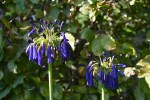
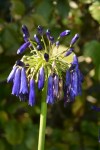
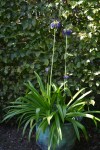
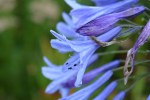
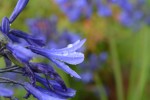
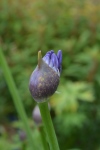
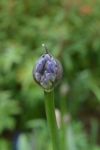
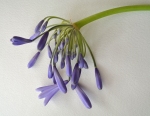
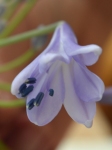
From one bulbous rooted plant to another, from Crocosmias to Agapanthus. “Remember those Aganpanthus buds of July? Well, just look at them now!”

2015 09 03_5011_edited-1

I hope you enjoy this little gallery of photos of our Agapanthus. Just click on the first photo and use the arrows to move on through.

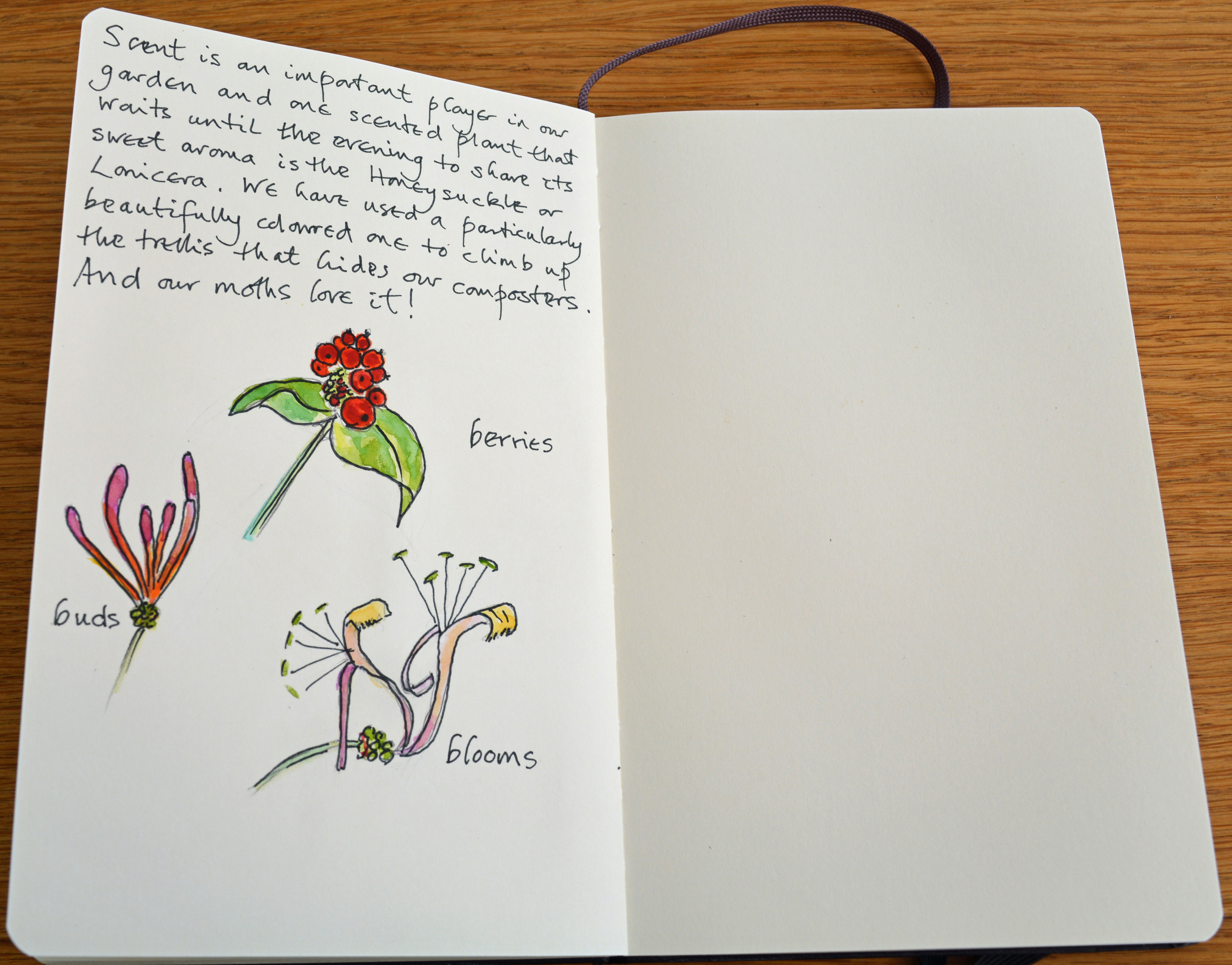
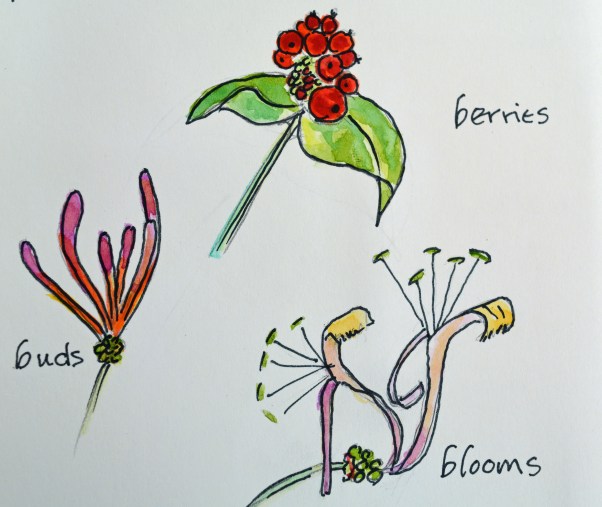
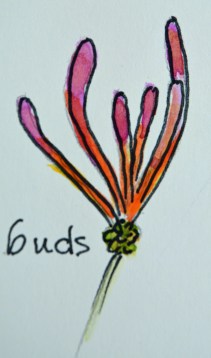
My final page for August featured another garden favourite, this time a climber, the Honeysuckle. I wrote “Scent is an important player in our garden and one scented plant that waits until the evening to share its sweet aromas is the Honeysuckle or Lonicera. We have used a particularly beautifully coloured one to climb up the trellis that hides our composters. And our moths love it!” I turned once again to my beautiful wooden box of watercolour paints to create a little series of pictures of the buds, blooms and berries of the Honeysuckle.

2015 09 03_5012_edited-1   2015 09 03_5025_edited-12015 09 03_5024_edited-1 2015 09 03_5022_edited-1 2015 09 03_5023_edited-1

The next look at my garden journal will be in September when we may be seeing the early signs of Autumn.

Categories
garden design garden furniture garden photography garden seating gardening gardens

Are You Sitting Comfortably? – Part 6 of a very occasional series

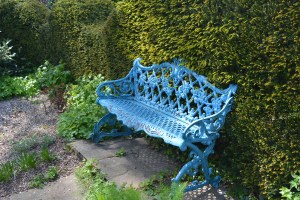
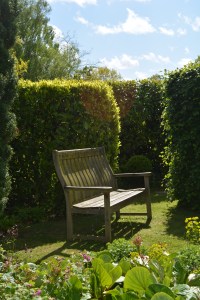
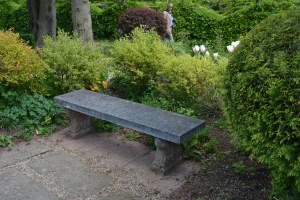
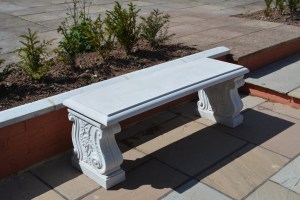
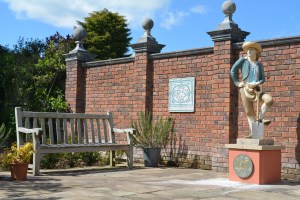
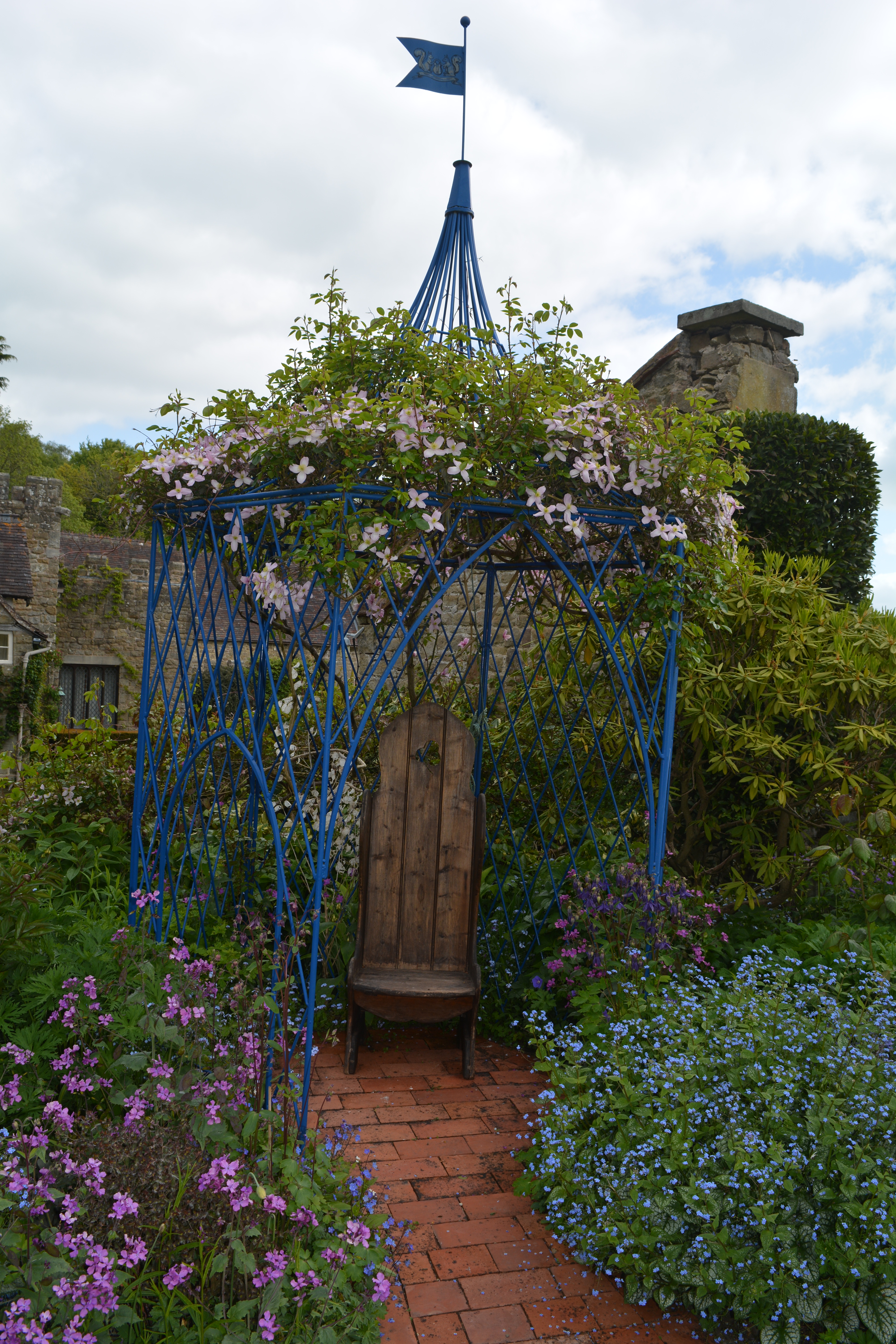
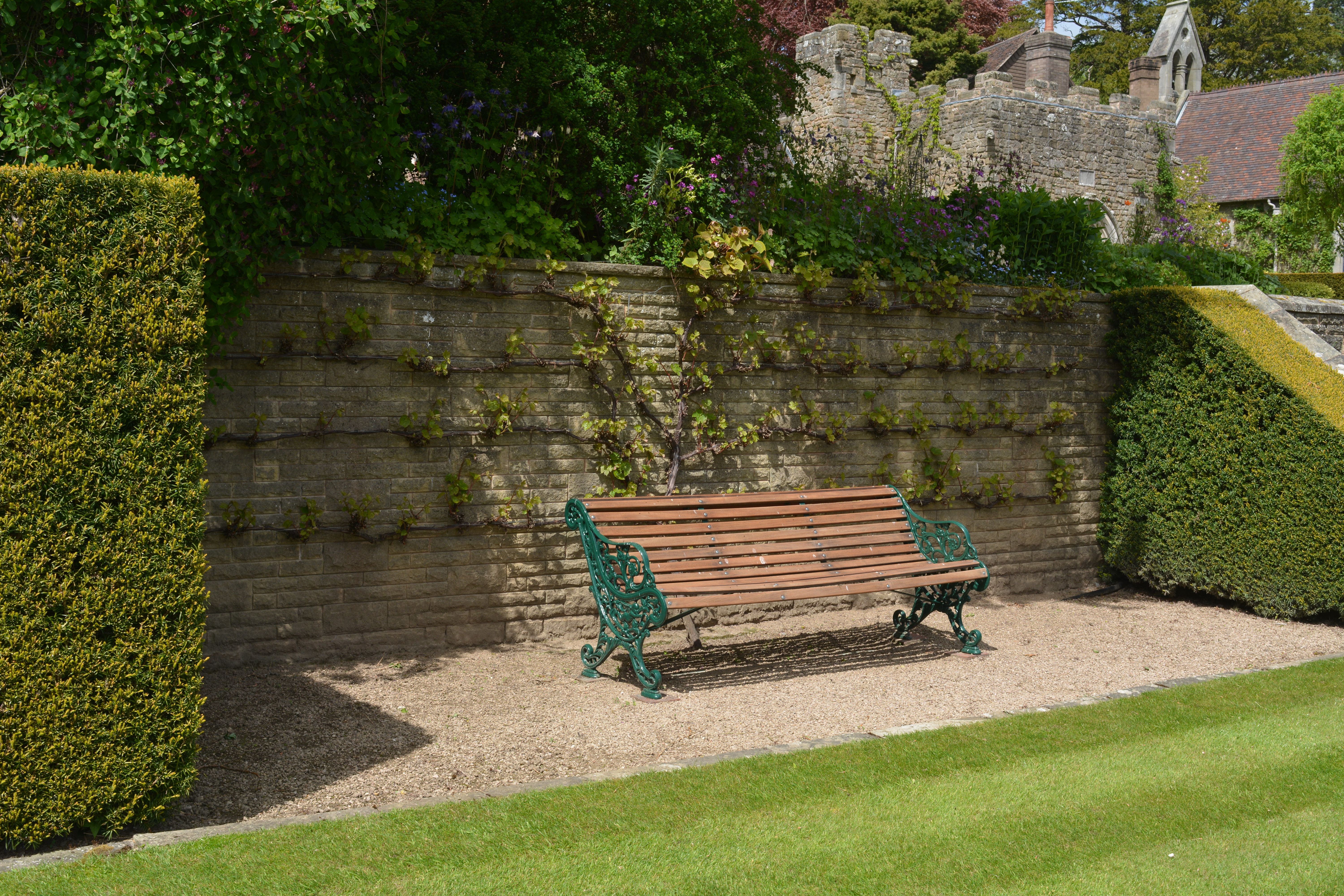
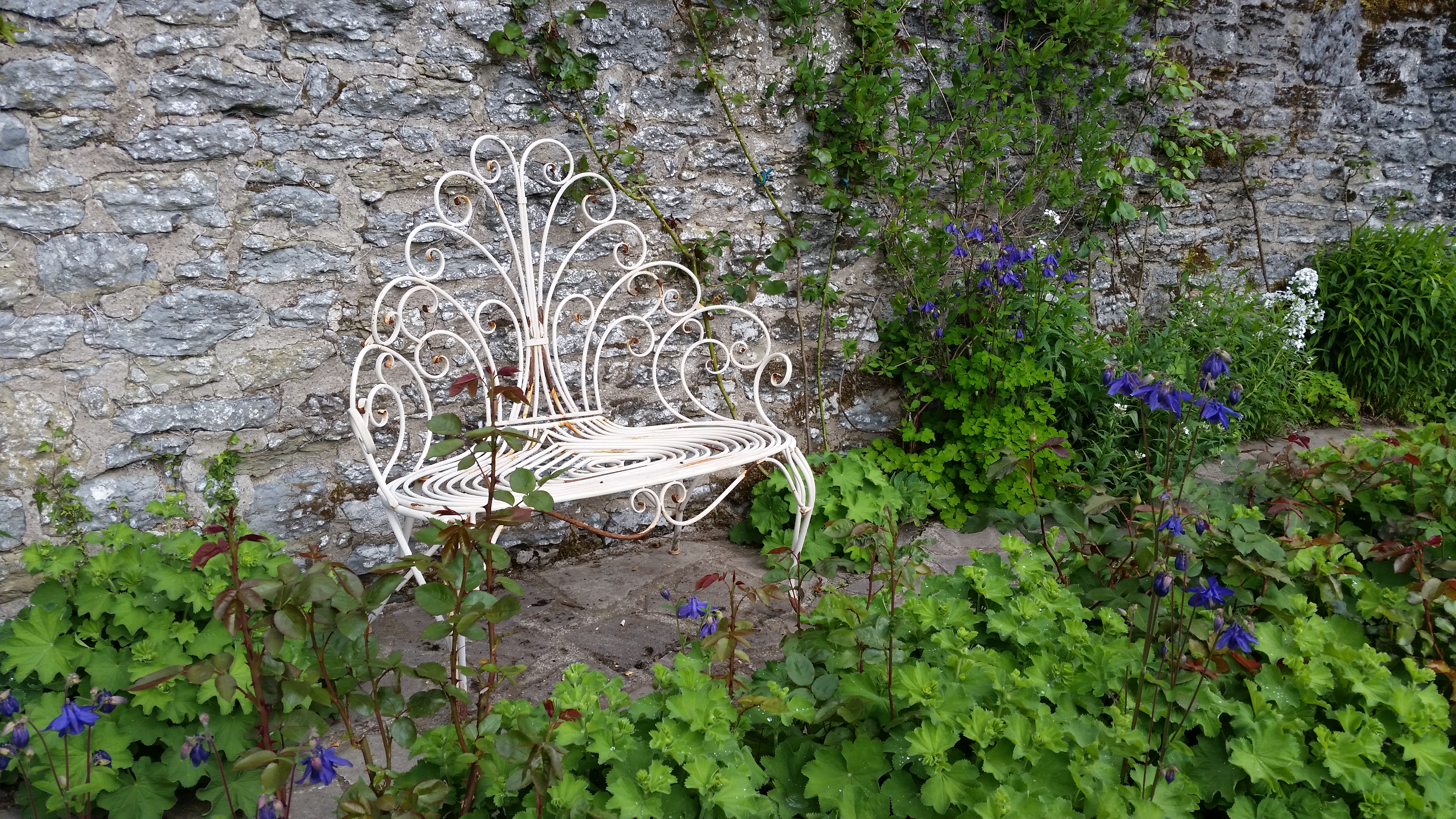
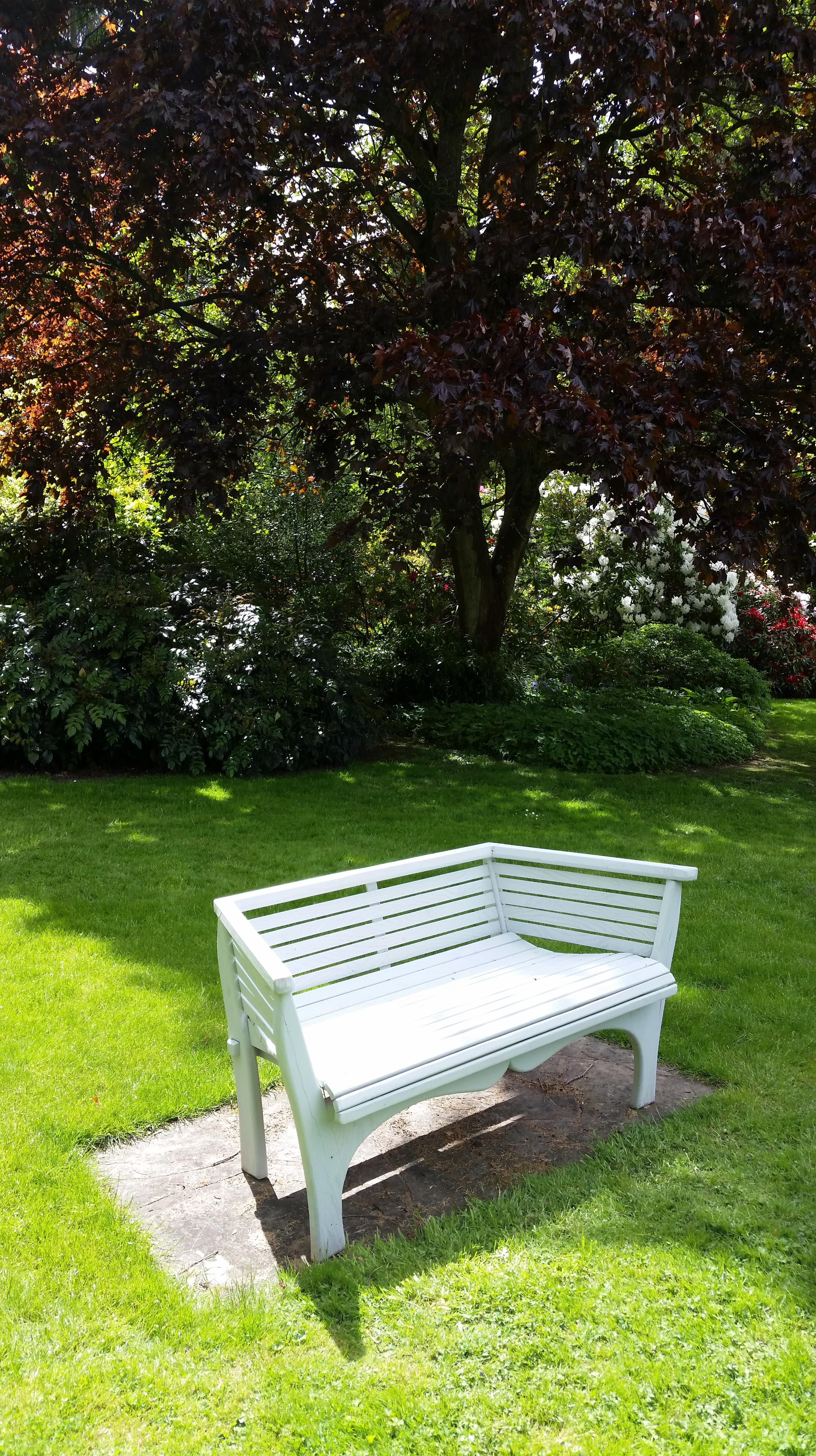
Number six in a very occasional series of posts all about the seats I find in gardens. Use your imagination and have a sit in each and see what you think! I hope you enjoy the view from some – you will have to use your imagination!

A visit to the famous Herefordshire garden, The Laskett, created by the couple Sir Roy Strong and Doctor Julia Trevelyan Oman, provided many unusual garden seats for us to try out and to photograph.

2015 05 13_1555 2015 05 13_1553

2015 05 13_1593 2015 05 13_1563

2015 05 13_1572 2015 05 13_1613

2015 05 13_1616 2015 05 13_1617

2015 05 13_1585 2015 05 13_1568

2015 05 13_1588 2015 05 13_1607

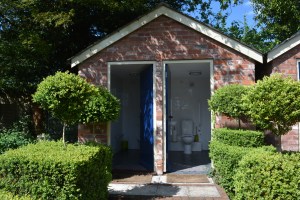
At the Laskett even the toilet seat is quality!

2015 05 13_1608

We will now look at another C20 garden, the gardens at Preen Manor near Much Wenlock not far from Shrewsbury. This is a garden of many”rooms” and each room seems to have a different style of seat.

2015 05 17_1648 2015 05 17_1649 2015 05 17_1653 2015 05 17_1654 2015 05 17_1664 2015 05 17_1669 2015 05 17_1671 2015 05 17_1678 2015 05 17_1682 2015 05 17_1684 2015 05 17_1692 2015 05 17_1697

On a visit to a Yellow Book NGS garden a good mixture of seats can be found, such as these four at Upper Shelderton Hall gardens.

2015 05 25_1998 2015 05 25_1997 2015 05 25_1974 2015 05 25_1963

Another Yellow Book Garden, Dovecote Barn in Herefordshire revealed these two seats, one well placed for a secret rest hiding in the polytunnel and the other a little precarious with a bit of a backward slope to it.

2015 06 07_2704 2015 06 07_2721

So there is my sixth selection of garden seats – I can now look forward to trying out lots more in my search for the seventh selection!

Categories
bird watching birds garden photography garden ponds garden pools garden wildlife gardening gardens hardy perennials meadows poppies

My Garden Journal – July

I can’t believe we are in the second half of the year but as this is the post about my garden journal in July then we most certainly are!

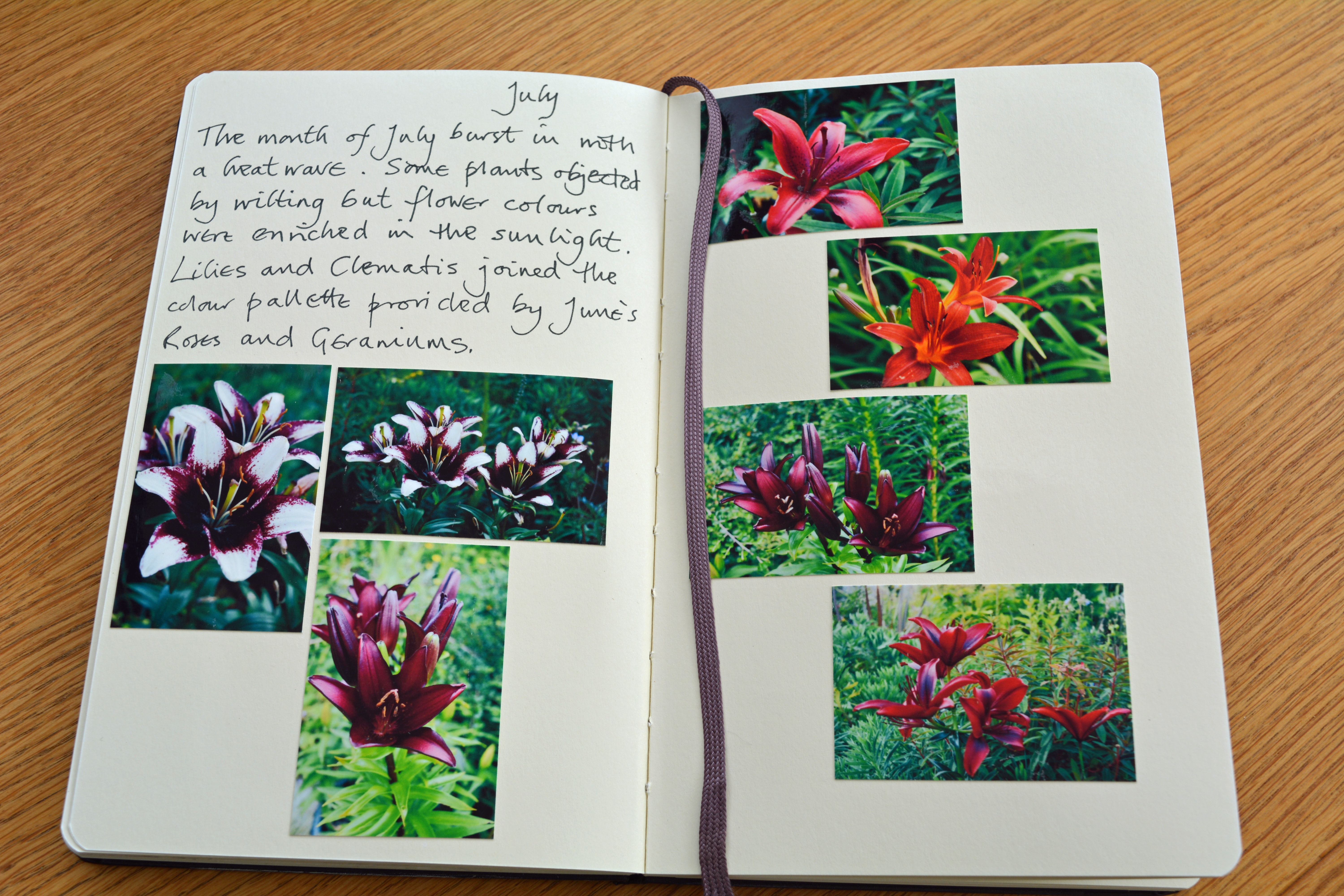
I began my July journal entry with a reference to the weather, the obsession of the British especially gardeners. “The month of July burst in with a heatwave. Some plants objected by wilting but flower colours were enriched in the sunlight. Lilies and Clematis joined the colour pallette provided by June’s Roses and Geraniums.”

2015 08 04_4461_edited-1

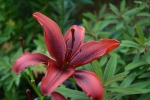
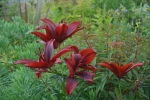
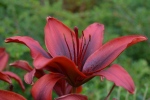
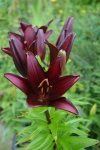
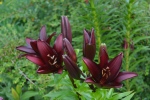
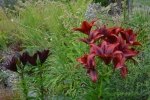
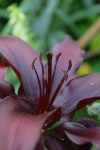
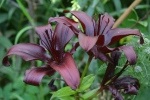
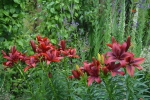
Our Oriental Lilies were the best we have ever had this July and we have been growing them for many years. We grow them in big pots so that we can simply drop them in where and when they are needed to add splashes of dramatic colour. Enjoy my little gallery of Lily photos. Just click on the first photo and then use the arrows.

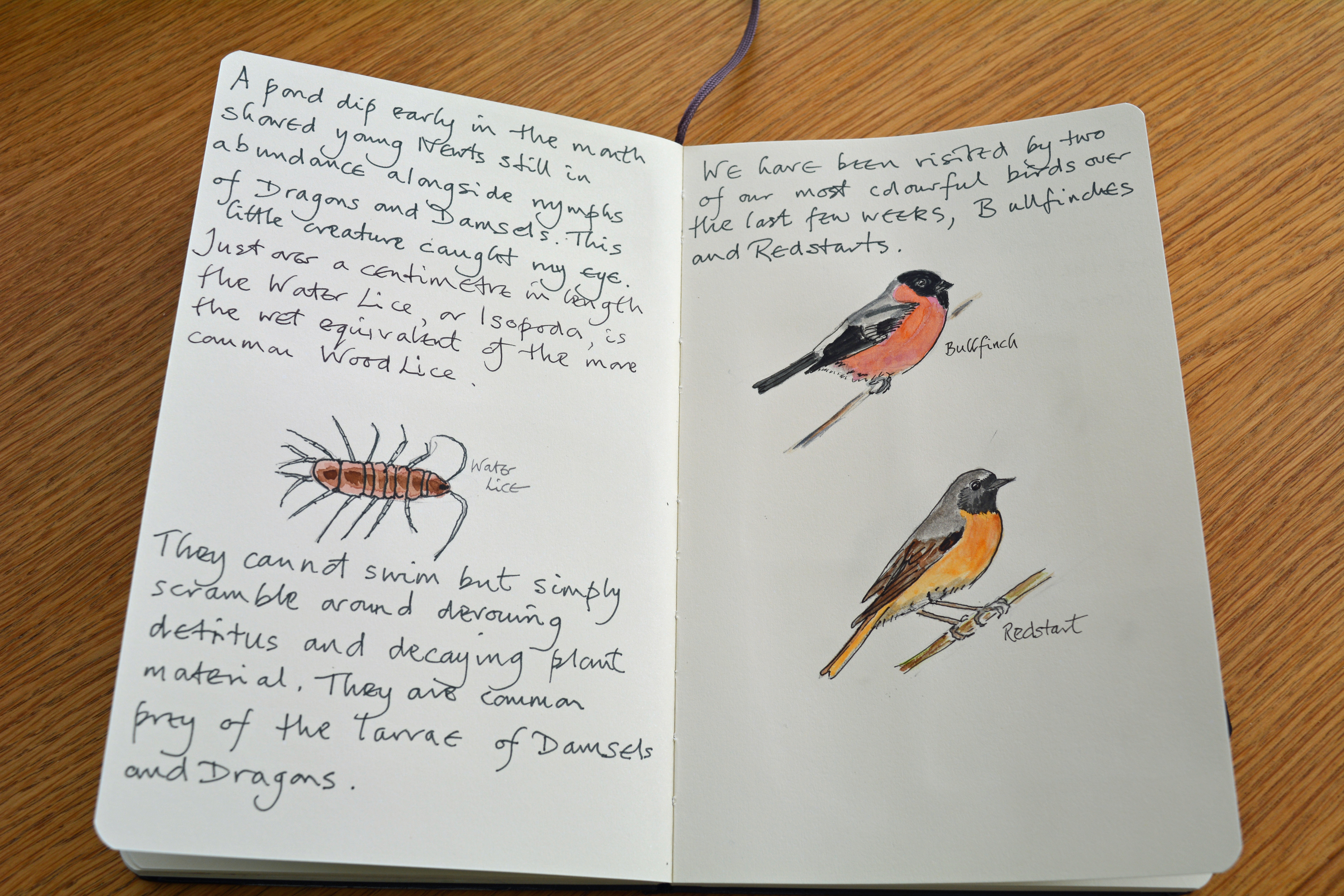
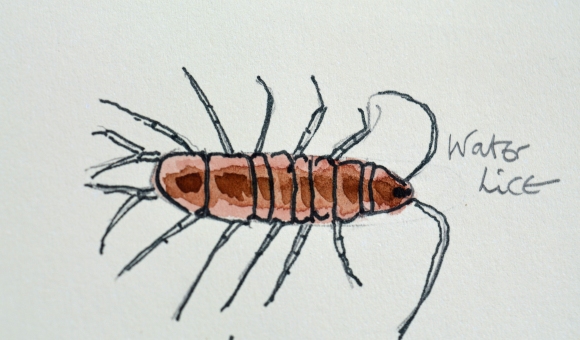
I then wrote about our July pond dipping adventure, “A pond dip early in the month showed young newts still present in abundance alongside nymphs of Dragons and Damsels. This little creature (painting below) caught my eye. At just over a centimetre in length the Water Lice, or Isopoda, is the wet equivalent of the more common Wood Lice. They cannot swim but simply scramble around devouring detritus and decaying plant material. They are common prey of the larvae of Damsels and Dragons.”

2015 08 04_4462_edited-12015 08 04_4466_edited-1

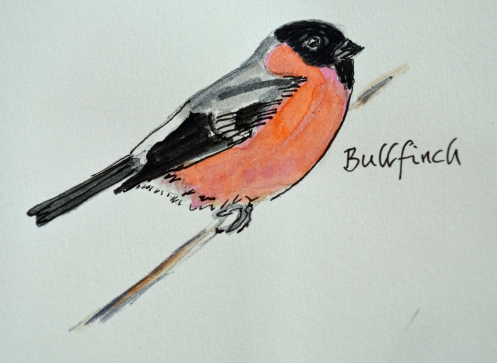
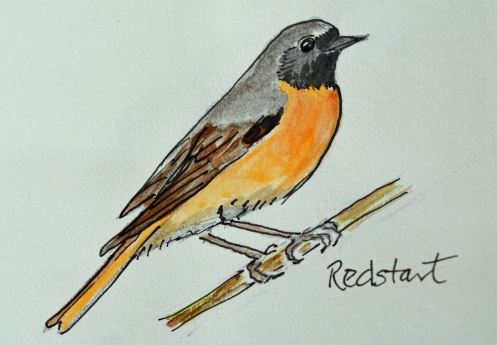
I moved on then from pondlife to birdlife and looked at two of the most beautiful birds that visit our garden. “We have been visited by two of our most colourful birds over the last few weeks, Bullfinches and Redstarts.” The Redstart made a fleeting visit on our last open day at our garden when it was full of visitors, which seemed a bit brazen for a normally shy woodland bird.


2015 08 04_4468_edited-12015 08 04_4469_edited-1

Agapanthus featured next in my July garden journal as our collection in our Beth Chatto garden were budding up nicely promising a beautiful display before too long. We have been building up our collection of favourite Agapanthus for a few years now and it is now coming along well. “Our collection of Agapanthus in our Beth Chatto Garden is slowly getting more colourful as flower buds burst. Surely these are the slowest of buds to become flowers!”

2015 08 04_4463_edited-1


To see some of our Agapanthus up close, some still in tight buds some opening up, please enjoy the little Agapanthus gallery below. As usual click on the first picture and use the arrows to move through. Next month promises to be a month of Agapanthus flowers rather then buds. Can’t wait!

My next double page is about the weather and our min-meadows.

2015 08 04_4464_edited-1

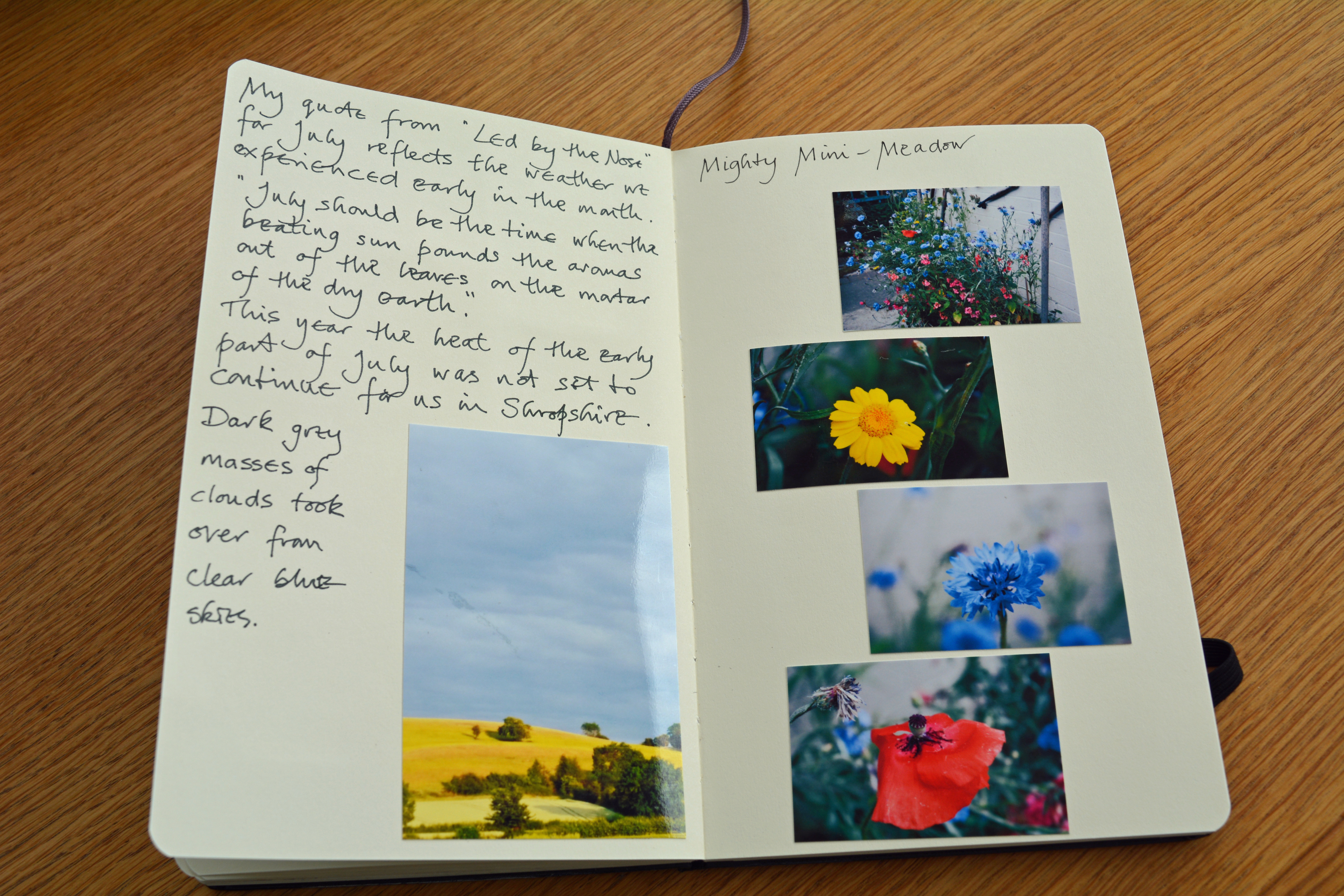
My journal continues, “This year the heat of the early part of July was not set to continue for us in Shropshire. Dark grey masses of clouds took over from clear blue skies.”

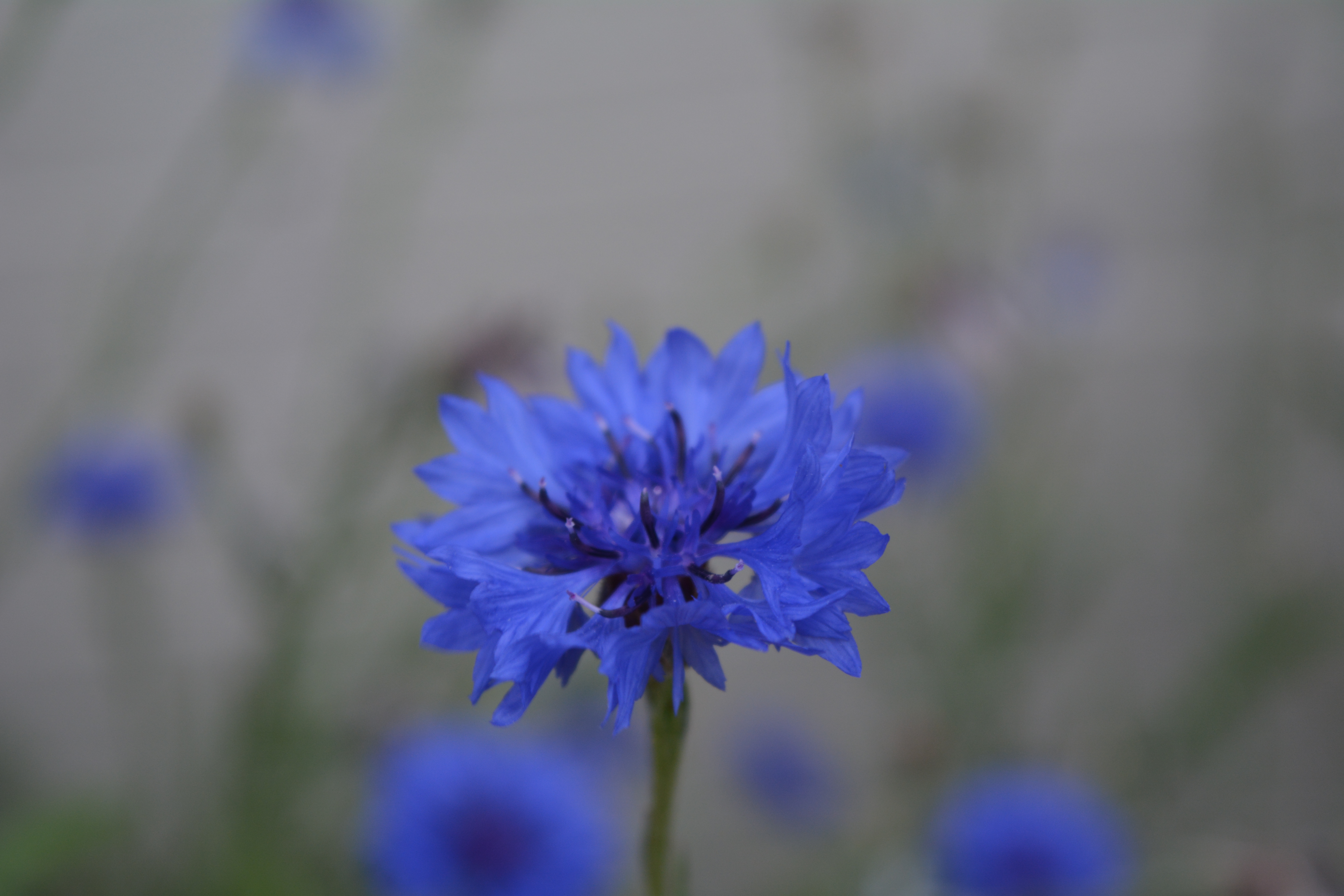
Mighty Mini-Meadow is the title of the next page of my journal which features photos of the little but very floriferous meadow we sowed in early May in vegetable bags. The seeds germinated so well that we have been treated to a mass of blooms reminiscent of a summer meadow from the days before intensive agriculture changed our countryside into huge barren fields of monoculture. It sits beneath my collection of antique garden tools. These native wildlflowers attract insects as if drawn in by distant memories, bees, hoverflies and butterflies.

2015 07 20_3783 2015 07 20_3788 2015 07 20_3784  2015 07 20_3786 2015 07 20_3785

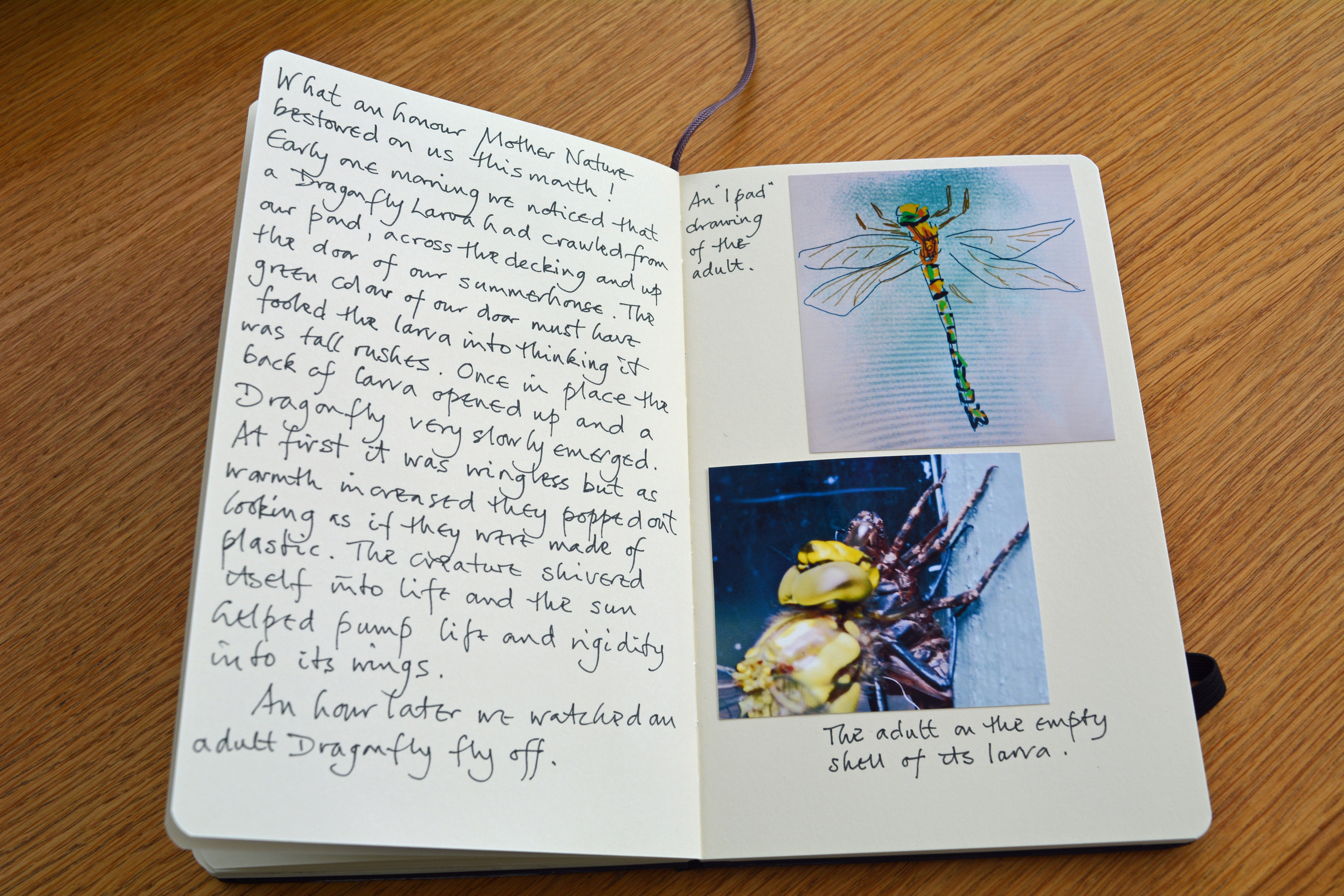
What an honour Mother Nature bestowed on us this month! This is how the next page of my journal begins. It is all about a special time in our garden, a moment we will never forget.

2015 08 04_4465_edited-1


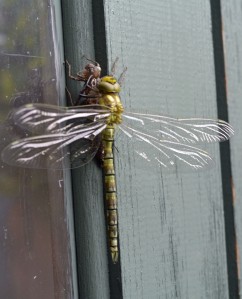
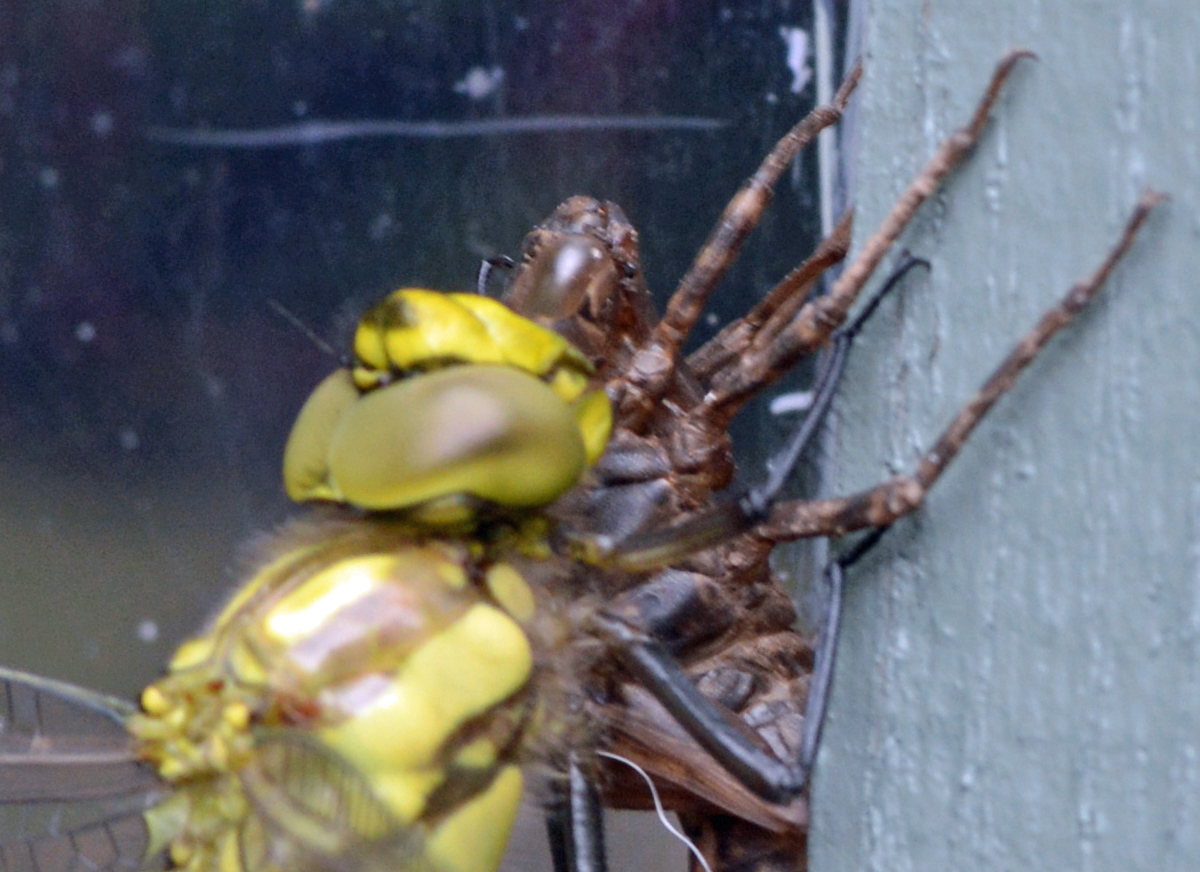
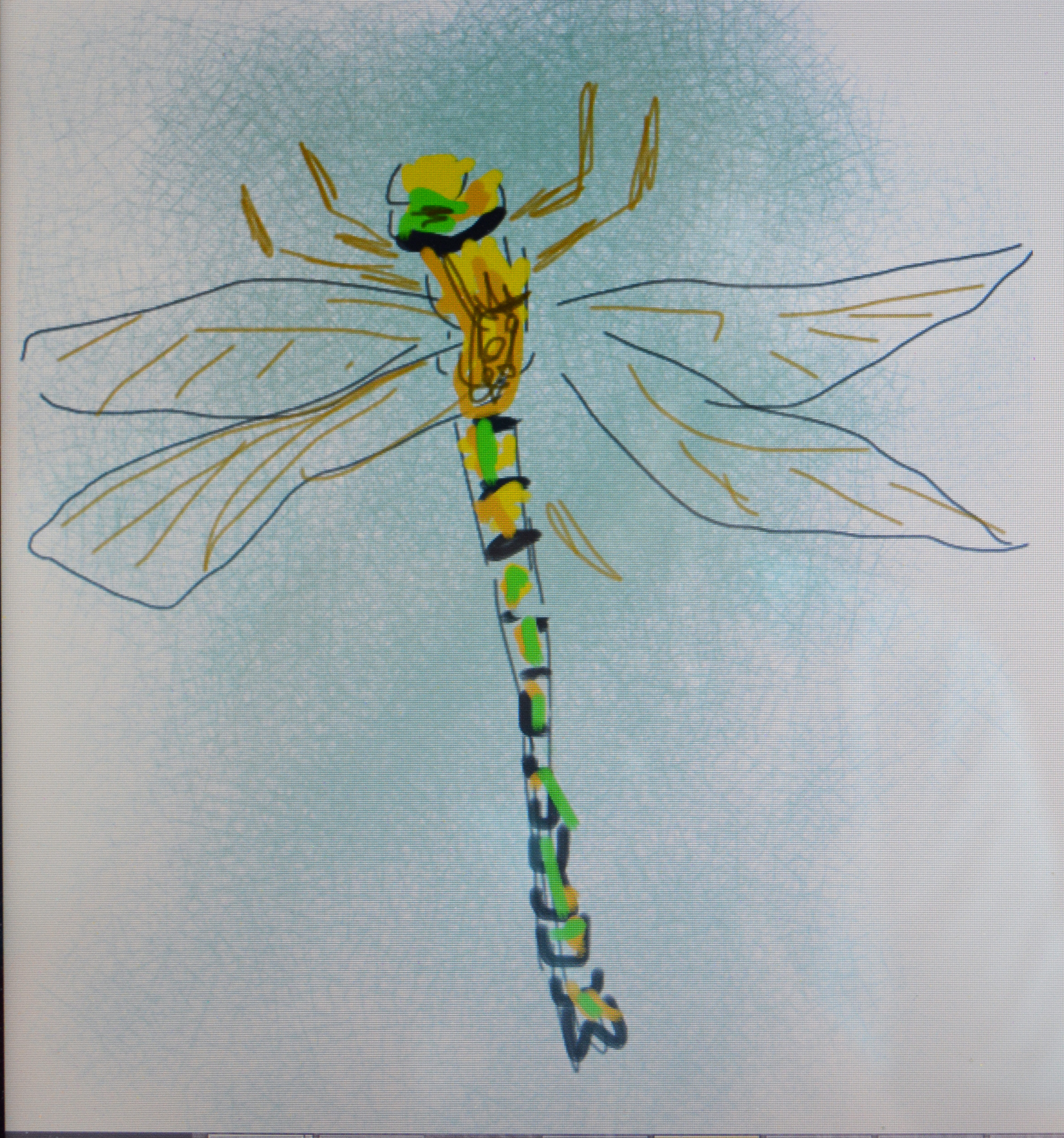
“Early one morning we noticed that a Dragon Fly larva had crawled from our pond, across the decking and up the door of our summerhouse. The green colour of the door must have fooled it into thinking it was tall rushes. Once in place the back of the larva opened up and a Dragonfly very slowly emerged. At first it was wingless but as warmth increased they popped out looking as if they were made of plastic. The creature shivered itself into life and the sun helped pump life and rigidity into its wings. An hour later we watched an adult Dragonfly off.”

2015 07 18_3717_edited-1

I illustrated this amazing spectacle with a simple i-pad drawing and a photo of the head of the Dragonfly gripping the empty shell of its former self.


2015 07 18_3719_edited-12015 08 03_4460_edited-1-1


So with this amazing experience my journal closed up for July and will soon re-open for August.


Categories
garden design garden photography gardening succulents Uncategorized

Succulents in Pots

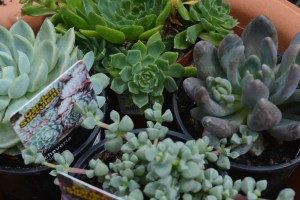
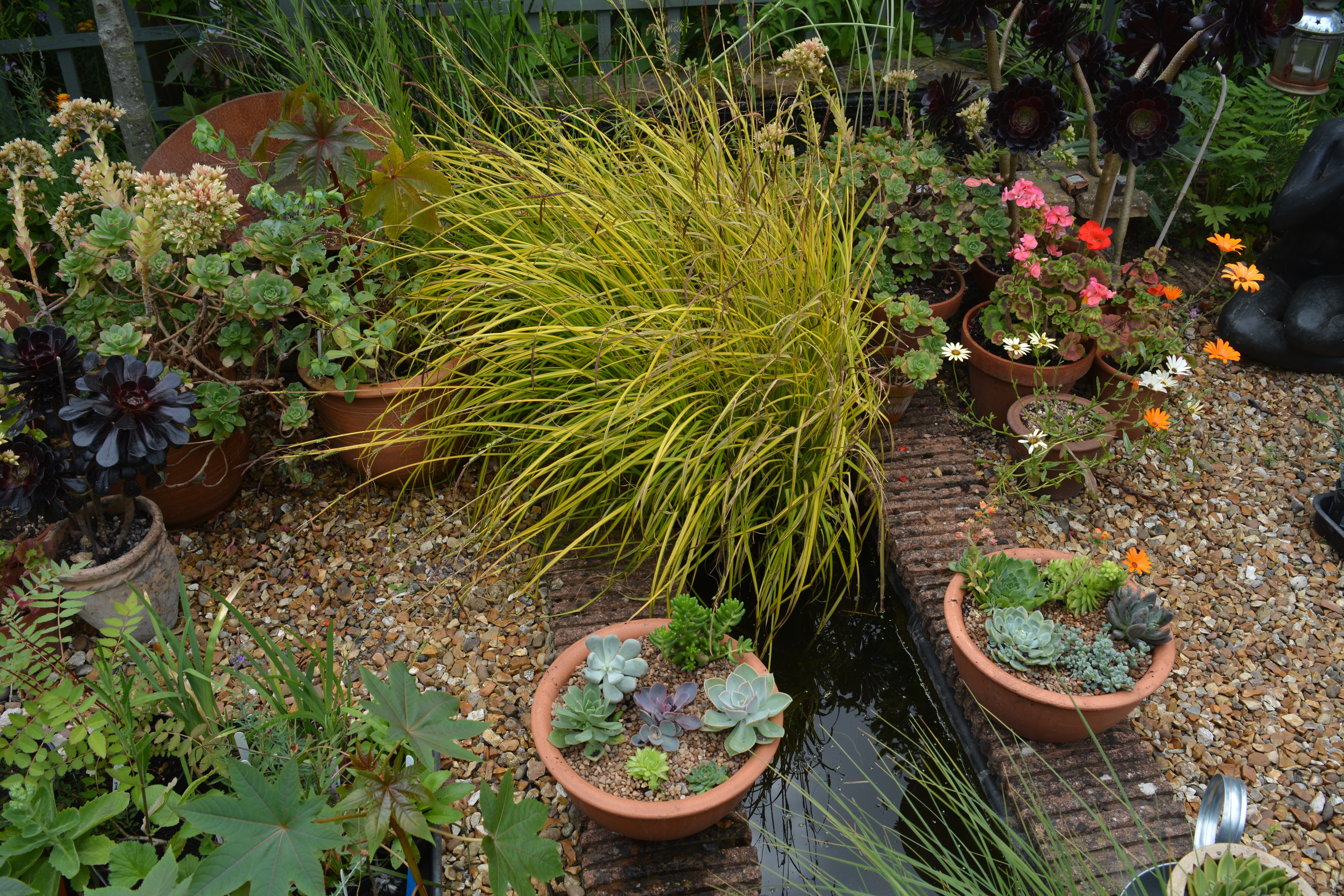
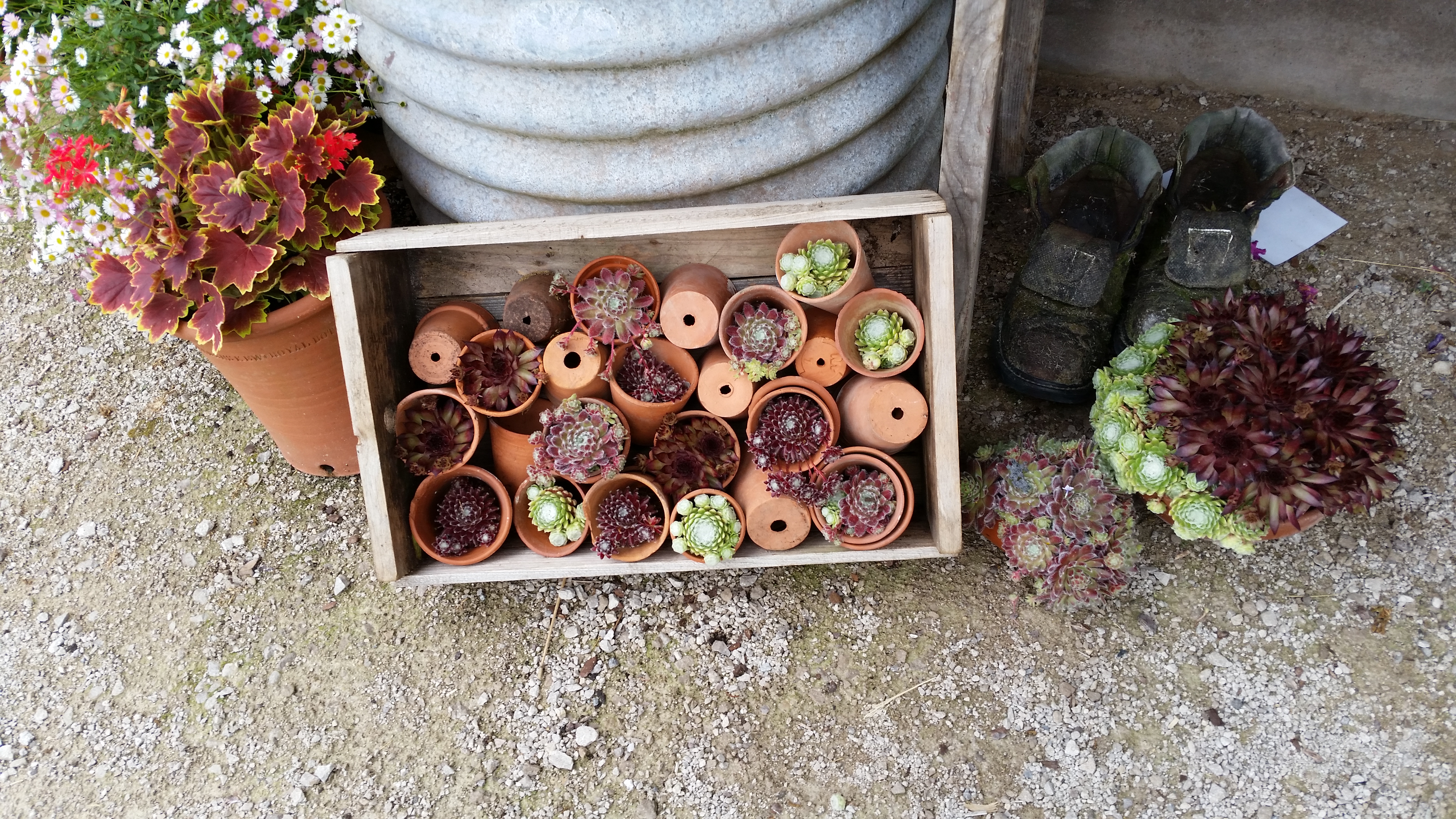
It is always good to have little projects to get on with in the garden. My latest little project was to create a pair of succulent pots. We already have pots of succulents dotted or hopefully arranged around our Rill Garden. Here we feature several different Aeoniums, Echeverias and Sempervivum. They grow happily here because it is south facing and gets extra light reflected off the glass of our garden room.

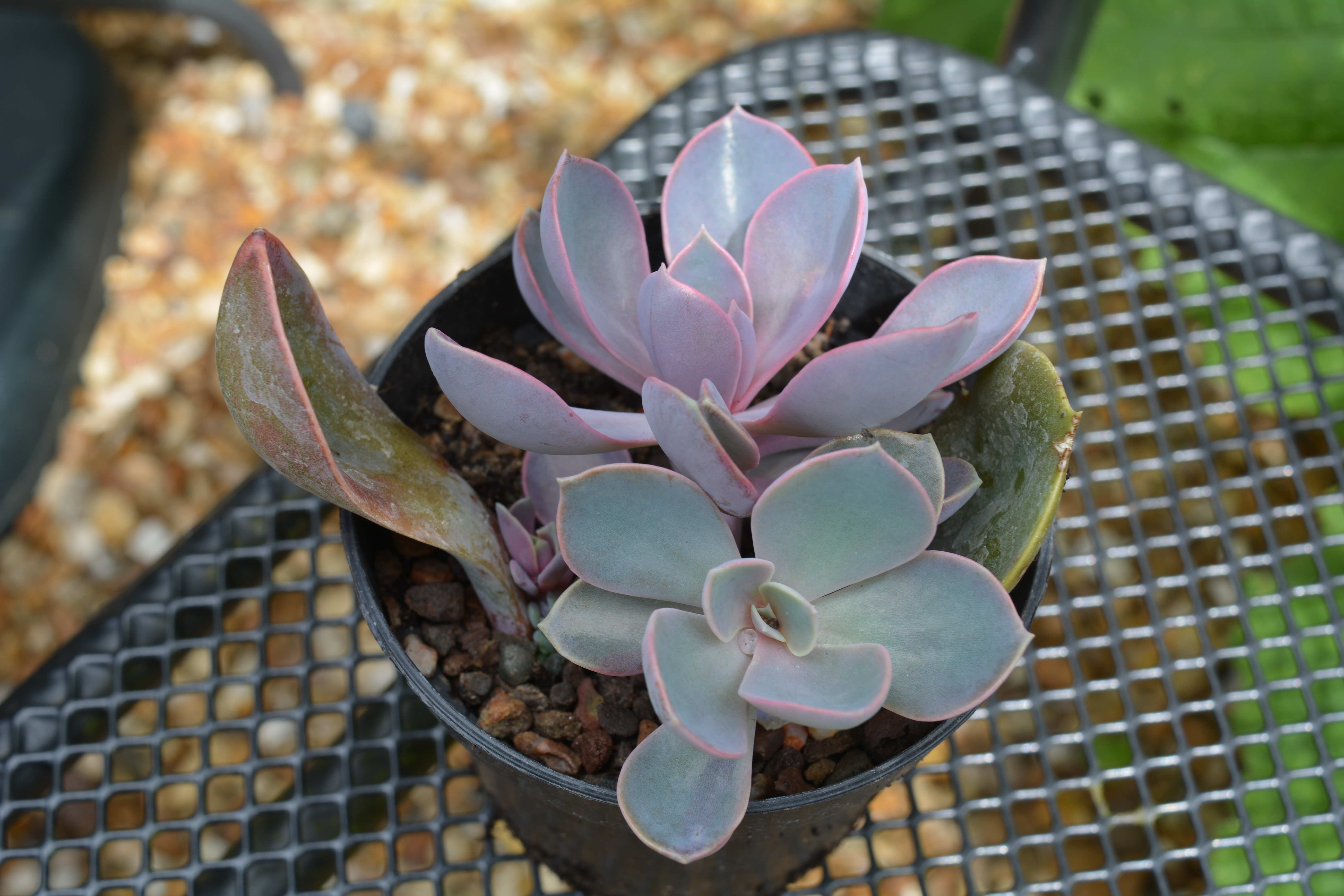
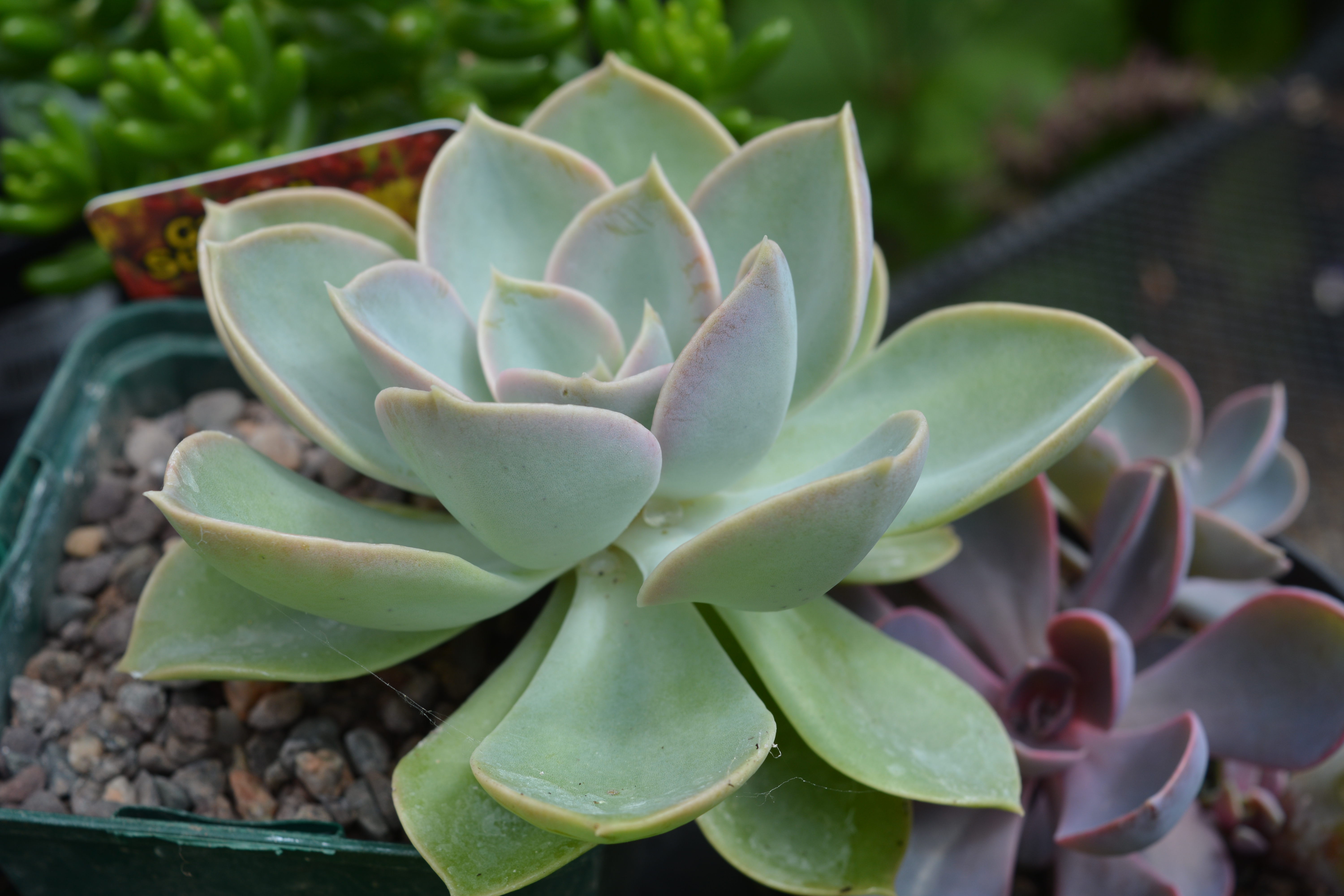
We thought it about time we introduced some more succulents for added interest for our garden visitors on our open days, so bought a pair of beautifully shaped terracotta bowl-shaped pots and went off to our local nursery, Love Plants, to get an interesting selection of  different succulents. We looked for different leaf colours, textures and shapes. A few had the bonus of brightly coloured flowers too. They have such wonderful names too – much too difficult to remember, Oscularia deltoides, Sempervivum jovibarba alionii, Echeveria elegans, Pachyphytum “Dark Red”, Pachyphytum bracteosum and Sedum x rubrotinctum.

2015 07 06_36402015 07 06_3643

So we gathered together everything we needed on the table in the Rill Garden and got to work.

2015 07 06_3637

We mixed up a suitable growing medium by combining equal quantities of a soil based compost and horticultural grit. We hoped this would be free draining while just holding enough moisture to keep the plants happy.

2015 07 06_3638

We then covered the drainage hole with crocks and added a shallow layer of my compost mix, ready to arrange the plants to their best advantage.

2015 07 06_3639 2015 07 06_36442015 07 06_3645 2015 07 06_3646

Some of the plants we put in the pots were our own cuttings. The picture on the left shows how new plants have grown from leaf cuttings. The plant on the right was grown from an offset.

2015 07 06_3642 2015 07 06_3641

Once satisfied with the arrangement we filled in between the plants with the compost mixture and topped it off with a mulch of horticultural grit.

2015 07 06_3647 2015 07 06_36482015 07 06_3651

Whenever you deal with succulents bits fall off and each bit can become a cutting. Other pieces we deliberately took as cutting material.

2015 07 06_3649

The photo below shows a leaf cutting taken from an Echeveria which is now forming tiny plants at its base. This is an easy way to make new plants albeit rather slow. It is a process requiring a lot of patience but not much skill.

2015 07 06_3650

And here they are in situ, alongside our rill, our new succulent planters.

2015 07 06_3652

Categories
garden design garden photography gardening gardens gardens open to the public National Trust The National Trust

Wonder Walls

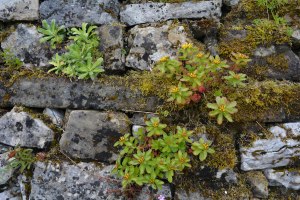
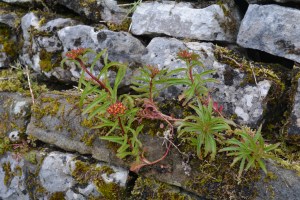
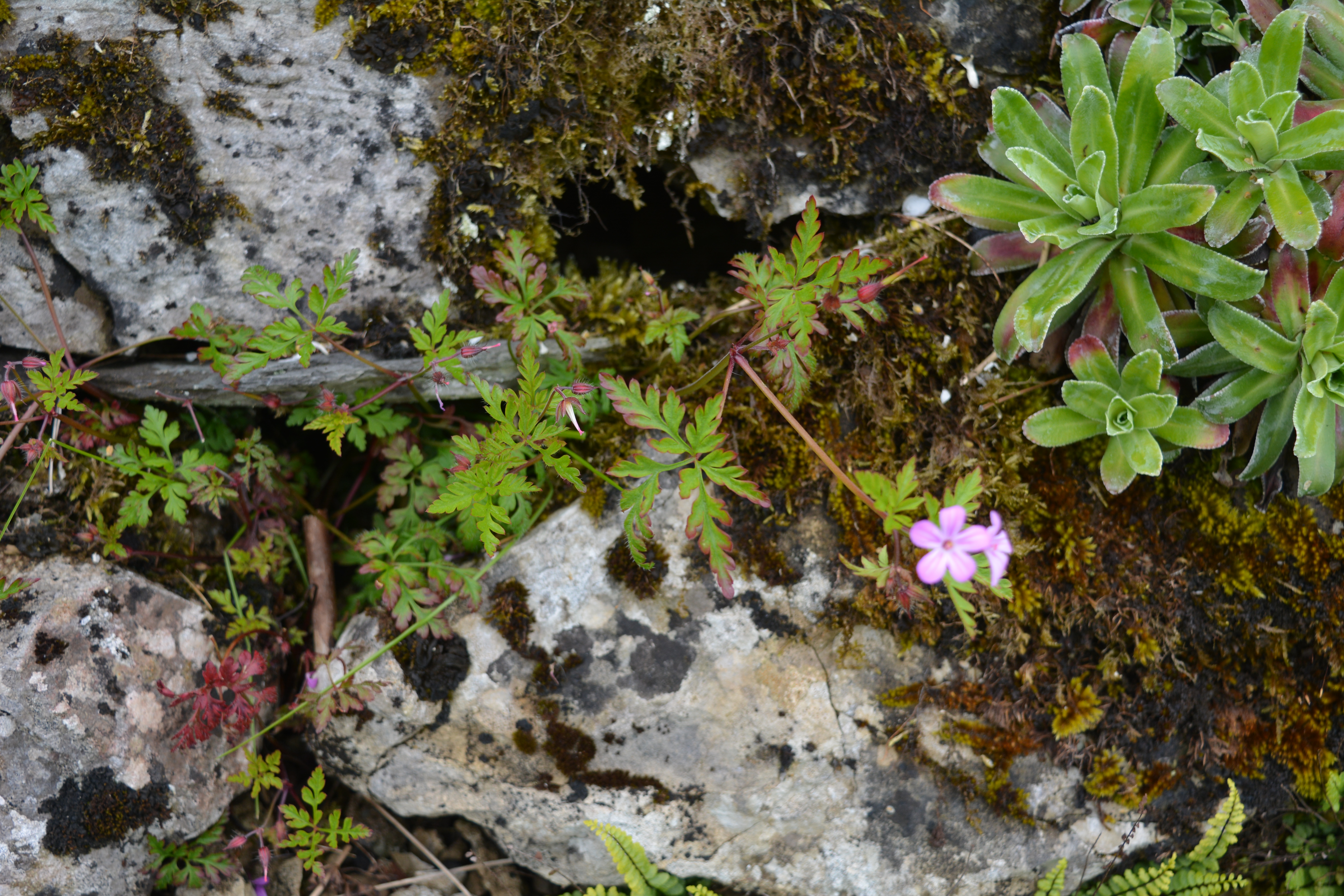
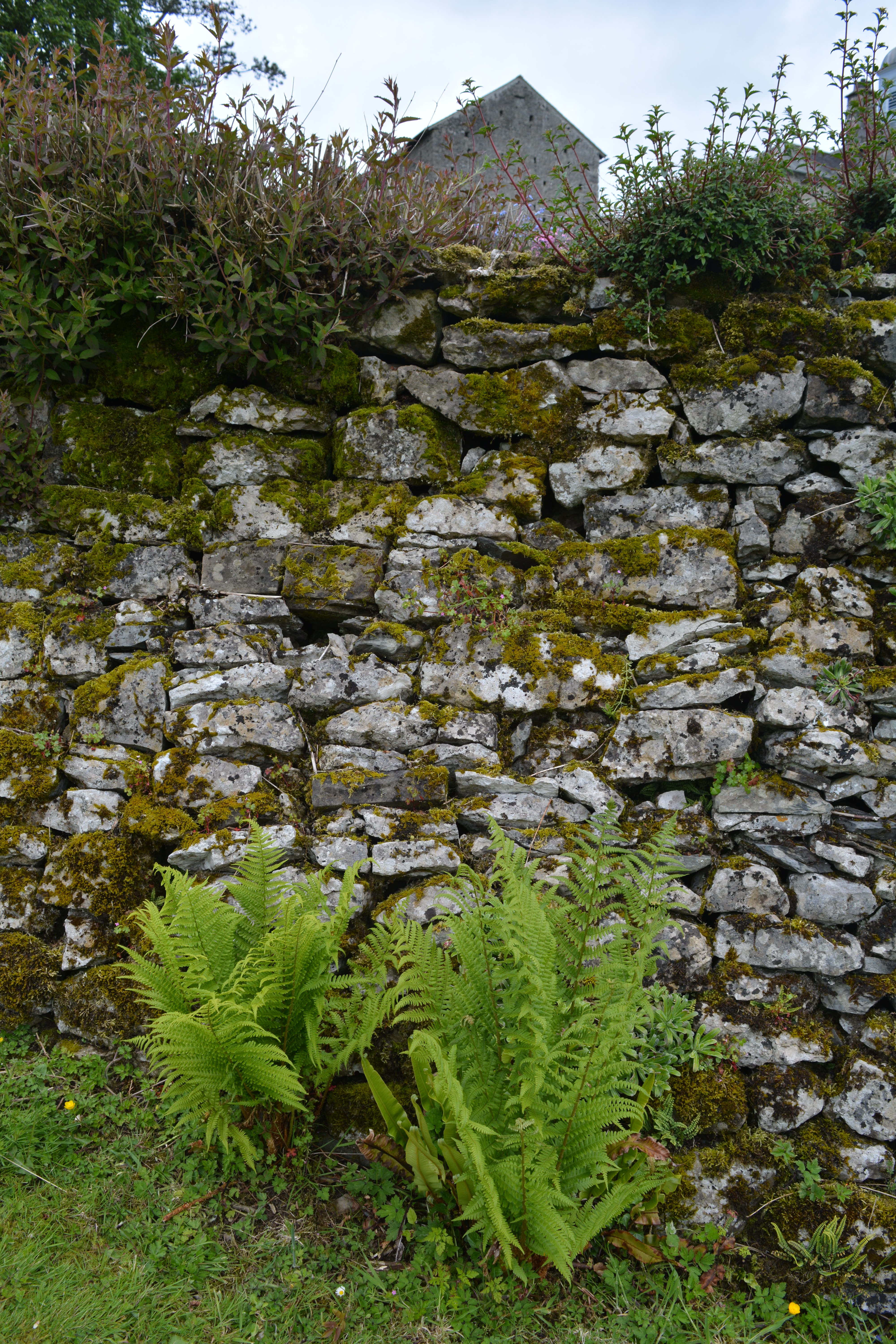
We always enjoy discovering what plants manage to grow in walls and marvel at how they get a foothold and seek out enough food. You can imagine how delighted we were when we came across this 50 metre long wall which was a garden in itself.

This garden on a wall was at Sizergh Castle, a National Trust property in the southern end of the Lake District in Cumbria. there were other interesting “wall gardens” here too.

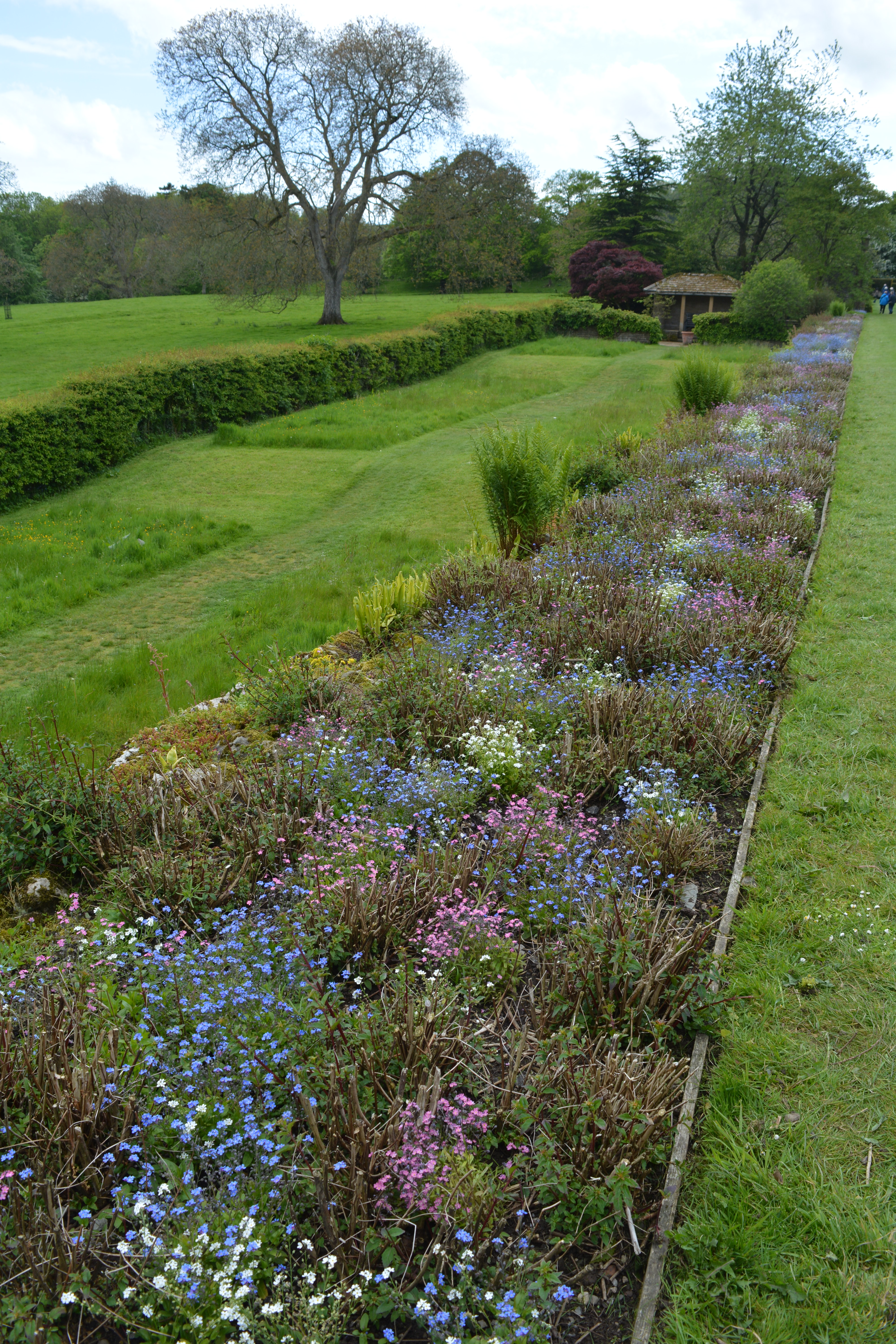
The wall runs the length of the Dutch Garden and is constructed of limestone. It is now home to many very happy looking plants. They are a sort of hanging garden!

2015 06 02_22762015 06 02_2268 2015 06 02_22662015 06 02_2267 2015 06 02_2263 2015 06 02_22622015 06 02_2265 2015 06 02_22612015 06 02_2264 2015 06 02_22692015 06 02_2270 2015 06 02_2261

Along its top edge a narrow border adds an extra dimension to this wall. Forget-me-Nots in pink, white and the more usual blue provide splashes of colour. After enjoying the vast range of plants growing in the gaps, crevices and cracks of the wall a shelter with a comfortable seat provides a convenient resting place.

2015 06 02_2308 2015 06 02_2277

Within the gardens at Sizergh we found other examples of “hanging gardens”, one hanging from a flight of stone steps covered in alpine plants, presenting a colourful display. These decorative steps had been roped off to stop anyone using them and damaging the plants growing there. Many visitors stopped to take photographs of this mini-garden which I presume came about by accident. The plants probably self-seeded into the gaps between the stonework. Similarly plants have taken up residence on the side walls of the steps.

2015 06 02_2302 2015 06 02_2303      2015 06 02_2305 2015 06 02_2306

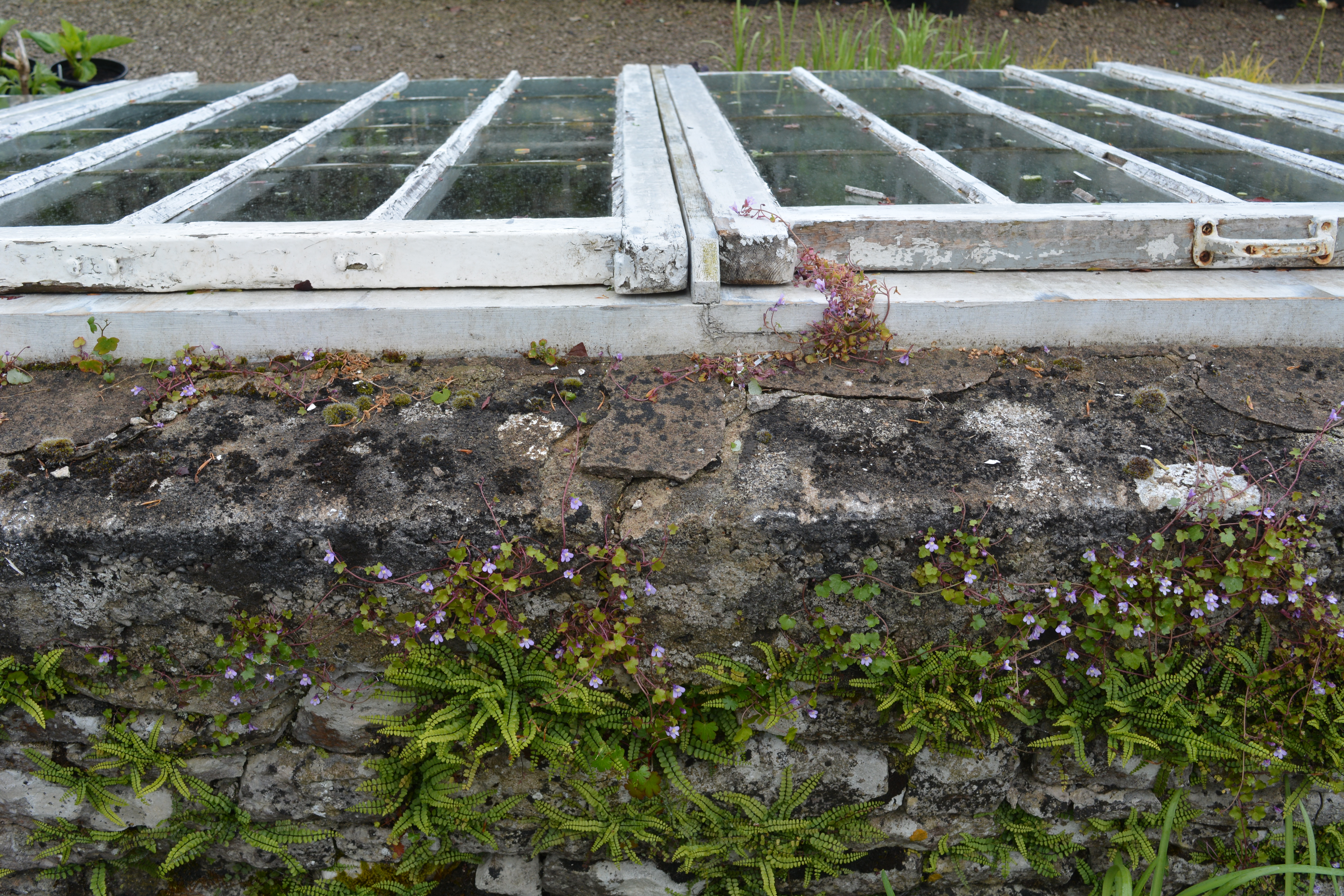
In the kitchen garden at Sizergh the stone walls that make up the sides of the old cold frames also became a habitat for self-seeded little plants.

2015 06 02_2239 2015 06 02_2236 2015 06 02_2235 2015 06 02_2234

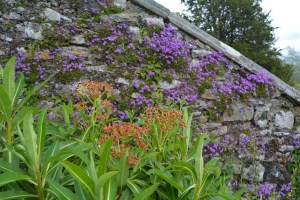
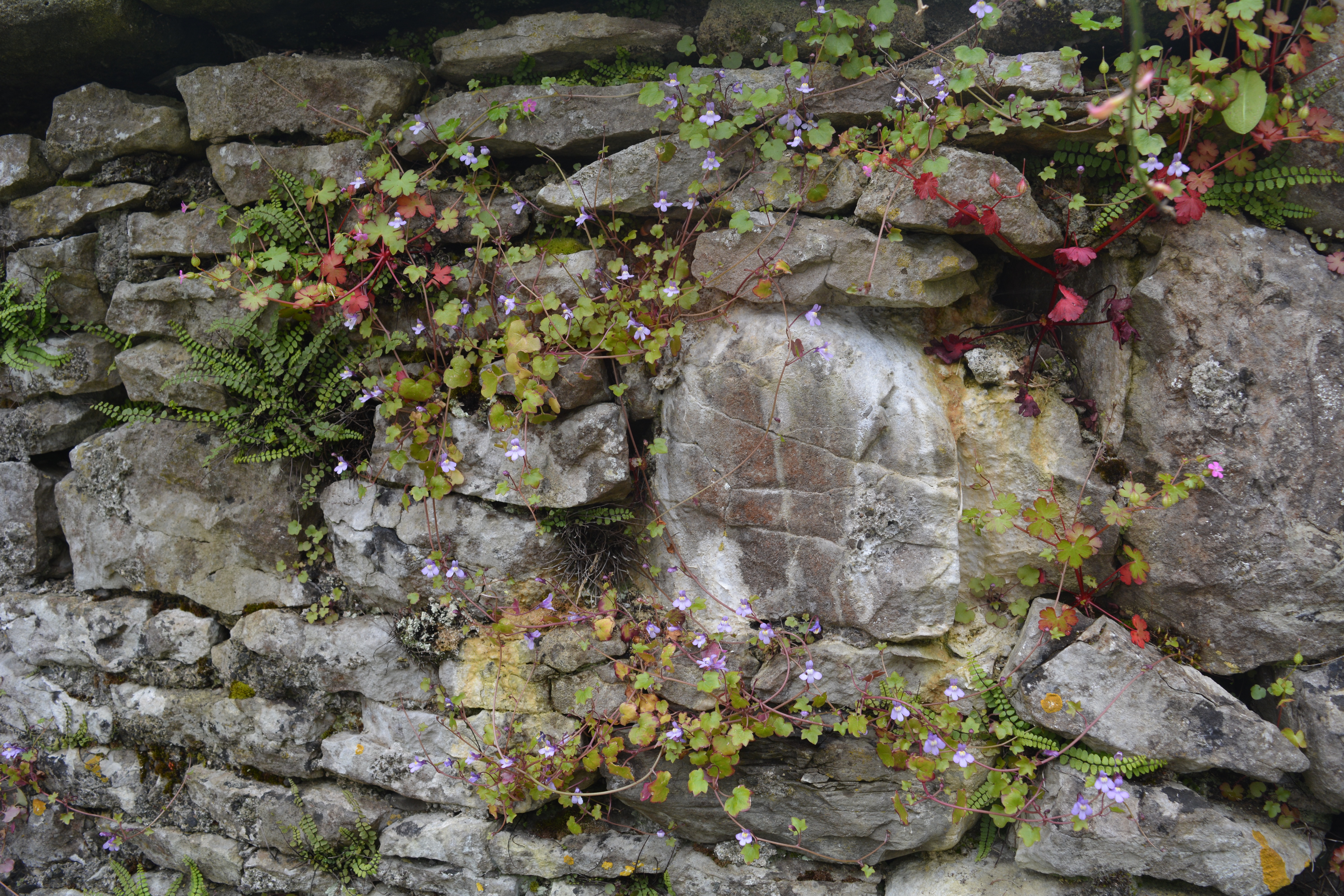
The walls around the kitchen garden gave the impression of more hanging gardens for us to enjoy. Many of the plants in these walls were wild flowers of hillsides and cliff faces or ones normally grown on rockeries. It was interesting seeing thes plants growing vertically instead of as mats on the ground.

2015 06 02_2271 2015 06 02_2272

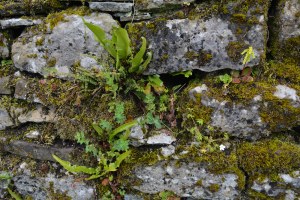
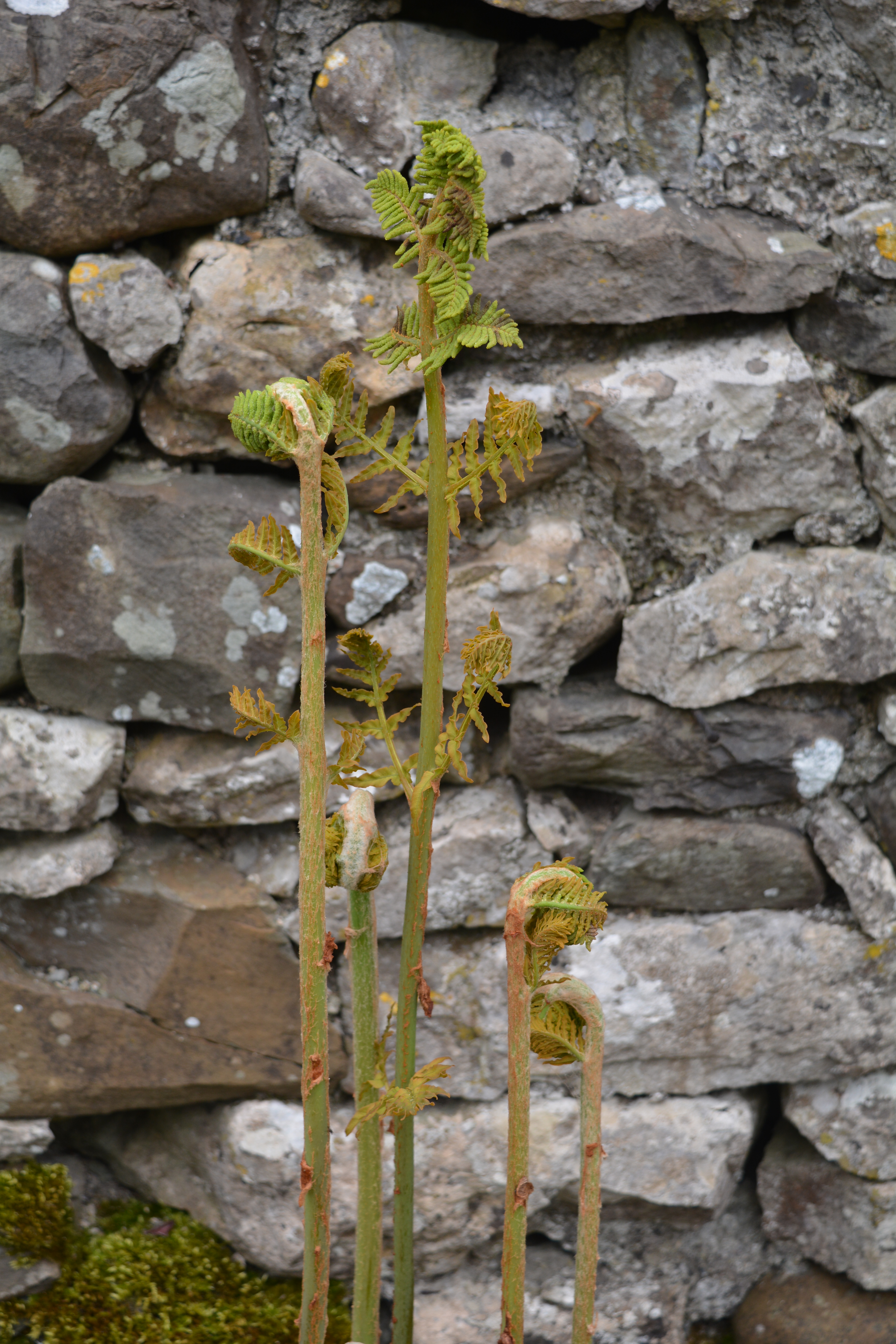
Ferns were particularly happy growing in the shade of the walls where they could establish themselves in cooler damper conditions found there.

2015 06 02_2228    2015 06 02_2273  2015 06 02_2274 2015 06 02_2275

These walls also had extra habitats added to them to encourage even more wildlife to shelter or set up home.

2015 06 02_2226

For my final wall I include this stretch of the castle walls themselves where little creeping daisies, Erigeron karvinskianus had settled in happily showing off its flowers in white and many shades of pink.

2015 06 02_2307

We were amazed to find so many plants growing in these walls at Sizergh and wondered how many thousands of tiny critters we could not see as well as small mammals and birds were also sheltering or living there in their own secret miniature world.

Categories
gardening hardy perennials nurseries

A Real Nursery – Halecat

While in the Lakes as we drove to the gardens of Brantwood we noticed a sign to Halecat. This rang a bell loudly for us, as we had intended to seek this lovely nursery out. Halecat is an independent nursery where the owners Tom and Abi grow most of their plants from seed. We had invited Tom to come to our Shropshire Hardy Plant Group to talk to us about getting the nursery established. He brought along an amazing selection of plants for sale. So having seen the sign we planned to visit a few days later.

Halecat Nursery was rescued from dereliction by Tom and Abi. They took on an old nursery that had been closed for years and slowly the woods that surround it had encroached into the site itself. Years of hard work and dedication has returned it to a working nursery.

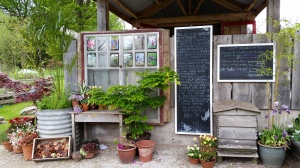
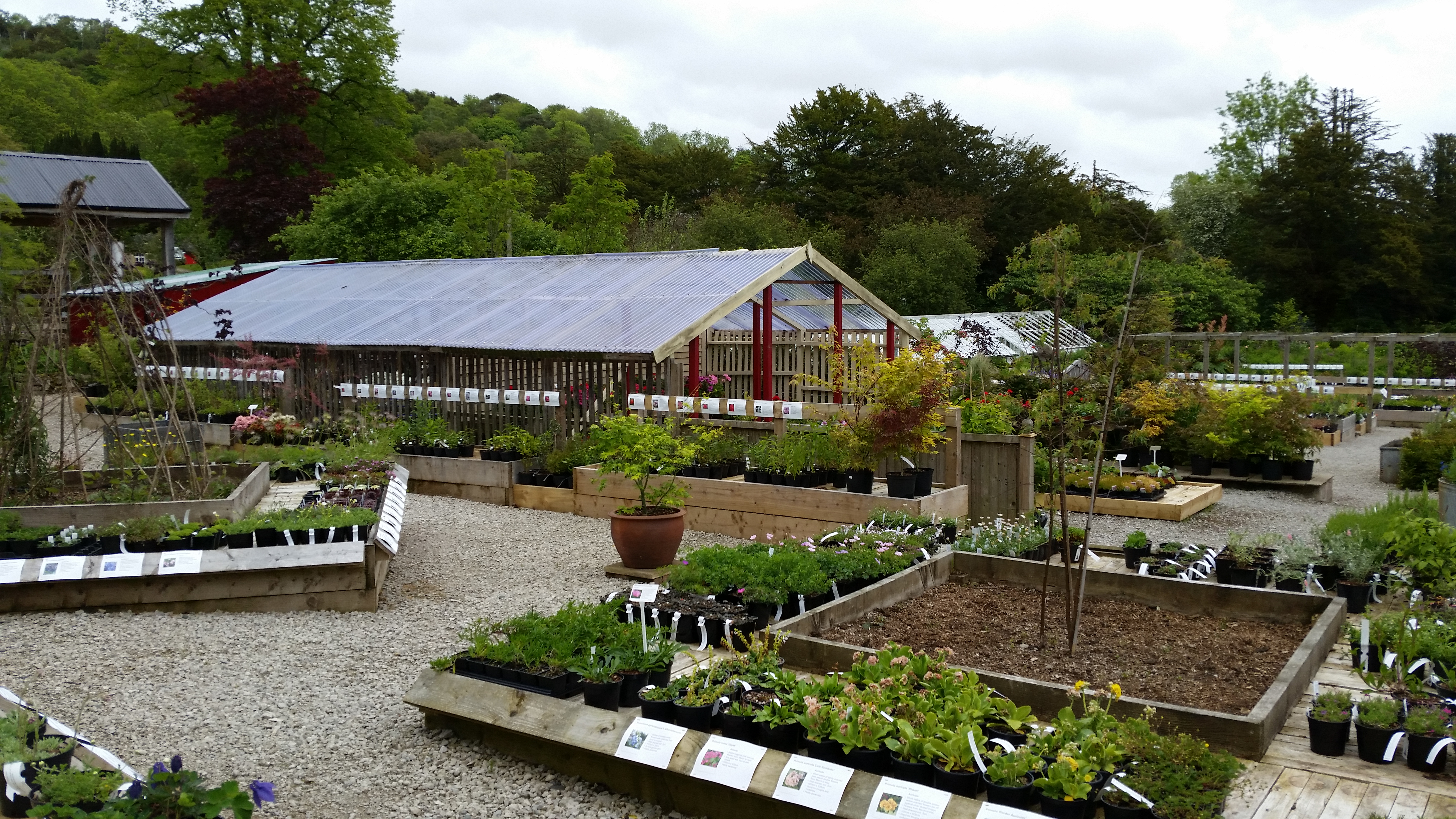
We followed that sign down lanes that got narrower and narrower but soon found the nursery entrance. It looked like no other nursery we had ever seen before. Blackboards were full of information, informing the visitor what was in season now, what the nursery staff were up to and any nursery news. Unusual containers were full of equally interesting plants. A large sign invited you to the self serve cafe where you made your own drinks and put your money in an honesty box. It was all very friendly and inviting. We were pleased to notice that the nursery had won a Gold Medal and Best in Show award at the recent Holker Hall Garden Festival.

2015 06 08_2743 2015 06 08_27452015 06 08_2744

When we arrived owners Tom and Abi were busy in one of the polytunnels potting on seedlings. A large bell was hanging outside the office for customers to ring when they wanted help or wished to be served. When it rang either Tom, Abi or one of their employees soon arrived on the scene.

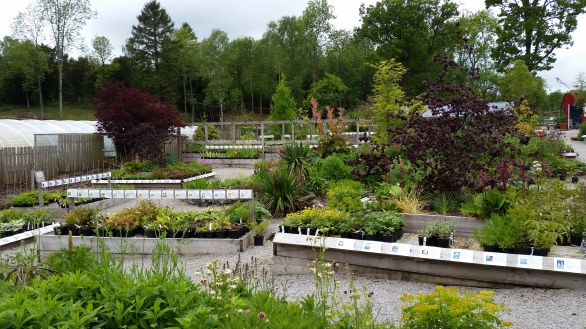
Looking over the site we could see that the many raised sale areas were intermingled with display gardens. It had a very lively look about it. Several prospective purchasers wandered around the gravel paths. Plants were labeled with all the information a gardener could want to know, the plants soil requirements, aspect etc as well as an accurate description of the plants. We found many plants we had never come across before so these labels were most useful.

2015 06 08_2747

2015 06 08_2746  2015 06 08_2748 2015 06 08_2749 2015 06 08_2750 2015 06 08_2751 2015 06 08_2752


Our visit emphasised how much better these independent nurseries are for the real gardener compared to the modern chain garden centres. Here at Halecat there were no gifts, no pet food, no clothing sections and no outlet shops. So refreshing! And above all the staff know about plants and gardening.

As you must have guessed, we didn’t come away empty handed. We found room in the car for a few special plants. The temptation was simply too great!

We came away with Polygonum , Nepeta s, Pentstemen, a tiny Iris sibirica and an alpine Aquilegia

Categories
birds colours garden photography garden wildlife gardening gardens hardy perennials roses Shropshire Yellow Book Gardens

My Garden Journal – June

Half way through the year and here we are again to have a look at my garden journal for the month of June. My special Moleskine embossed with the word “greenbenchramblings” is now on its way to being half full.

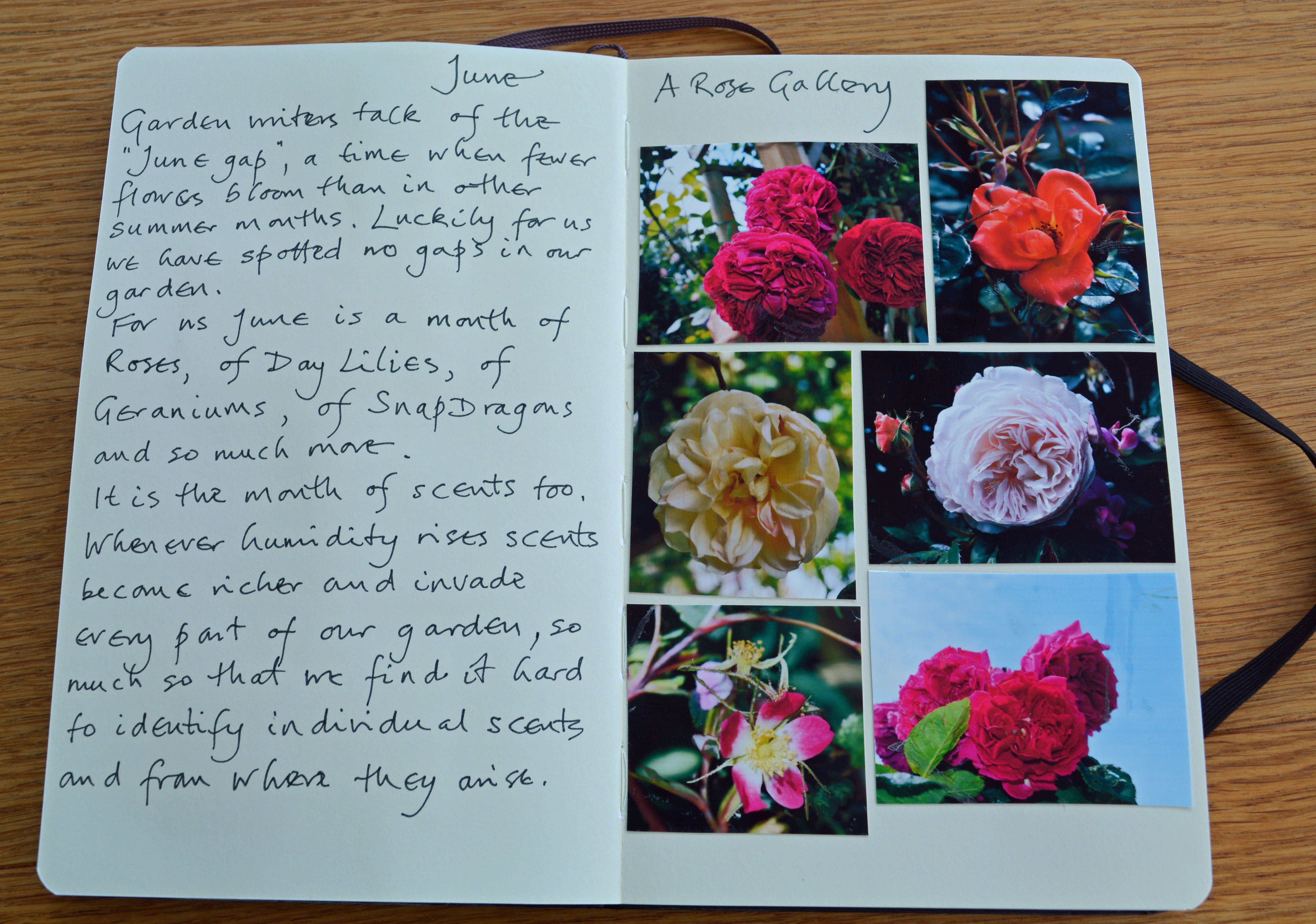
In my first page for June I wrote “Garden writers talk of the “June gap”, a time when fewer flowers bloom than in other summer months. Luckily for us we have spotted no gaps in our garden. 

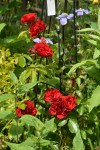
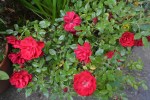
For us June is a month of Roses, of Day Lilies, of Geraniums, of Snap Dragons and so much more. It is the month of scents too. Whenever humidity rises scents become richer and invade every part of our garden, so much so that we find it hard to identify individual scents and from where they arise”

2015 07 04_3614_edited-1


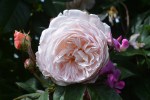
I filled the second page with a gallery of rose photos. Enjoy navigating through my set of Rose pics.

On page 3 we find this month’s quote from Jenny Joseph. “My quote from Jenny Joseph’s little delight of a book looks at how scent changes with the weather”

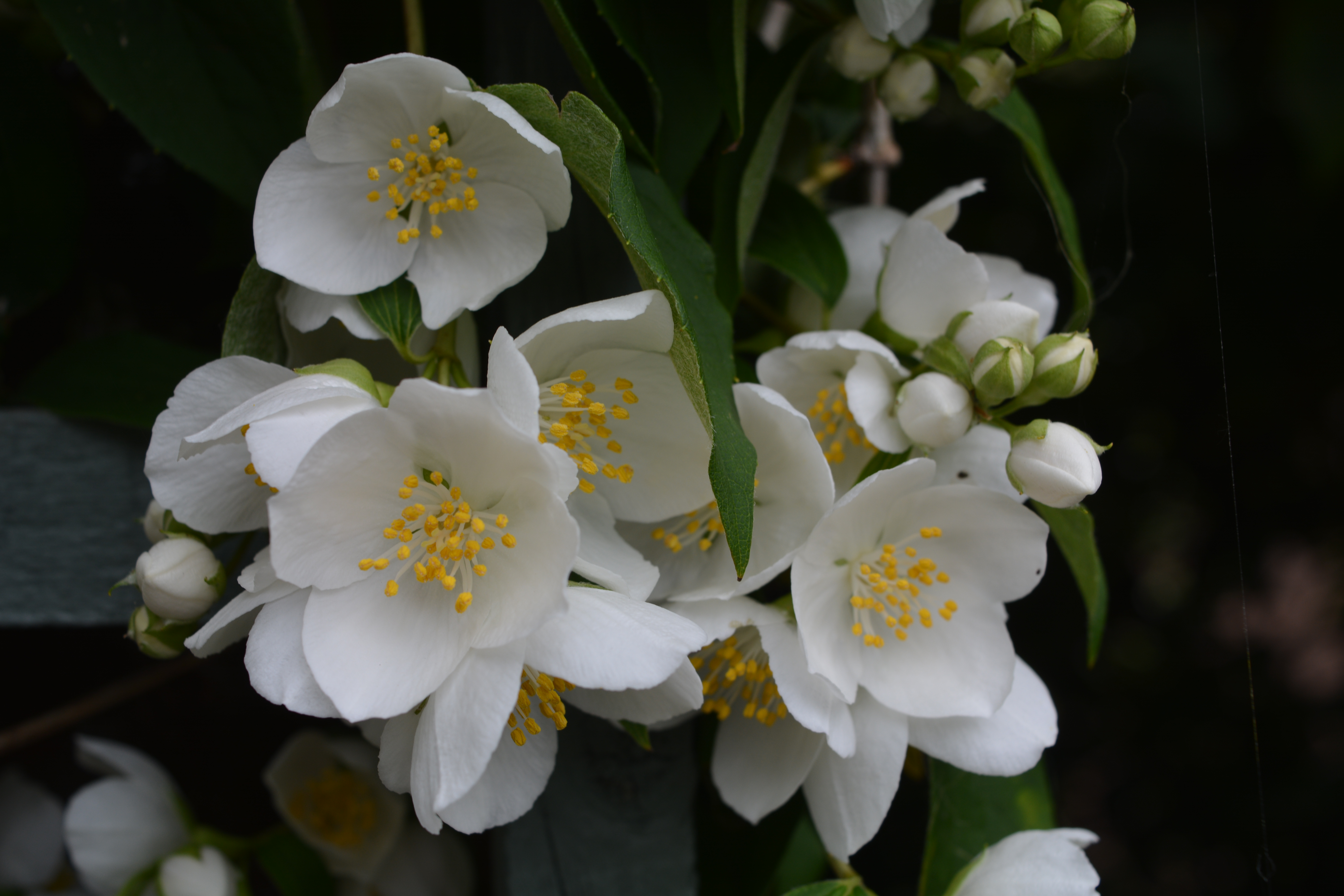
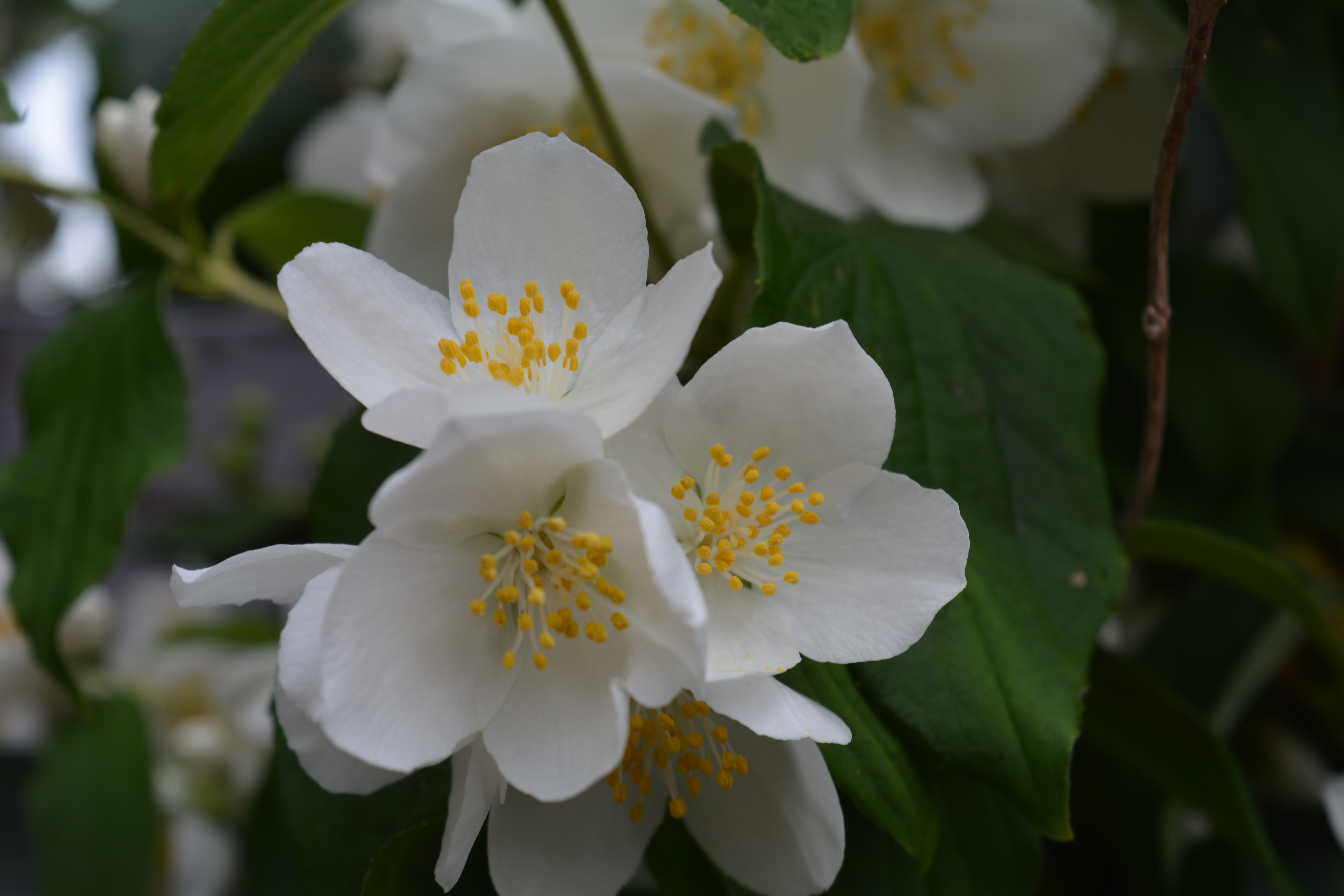
“Though the over-riding smell of sunlit June is a mixture of Philadelphus and Strawberries, if it gets too hot there is an arid, dusty smell, the smell of rank stinging nettles. If we get rain after dry heat at this time, an almost delirious richness comes from all the wet foliage.”

2015 07 04_3615_edited-1

We have a highly scented Philadelphus shrub arching over the path to our Shade Border, but it is in reality growing in our neighbours’ garden. We train the long flowering stems over the path so that we pass through a tunnel of rich sweet scent.

2015 07 04_3562 2015 07 04_3561 2015 07 04_3596

On the opposite page I wrote about the creatures seen by the wildlife pond in mid-June, Dragonflies, Damselflies and Pond Skaters.

Dragonfly and Damselfly larvae creep slowly up stems of pond plants and metamorphose from the ugly to the beautiful. Pond Skaters skim in twitching movements across the surface of the water without breaking through.”

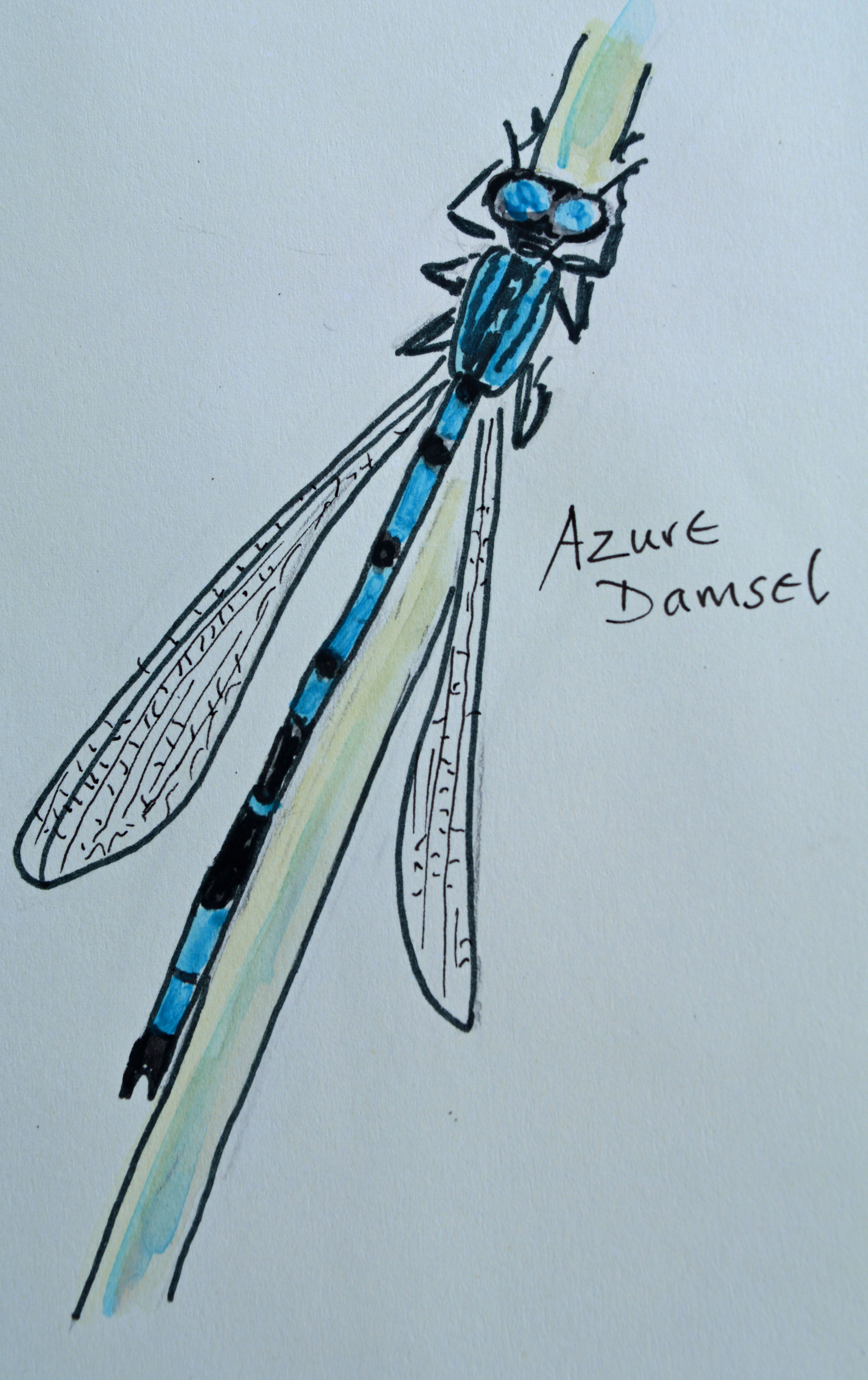
I enjoyed painting our most beautiful Damselfly which we see often on summer days flitting around our garden and often coming into the house to see us!

2015 07 04_3616_edited-1

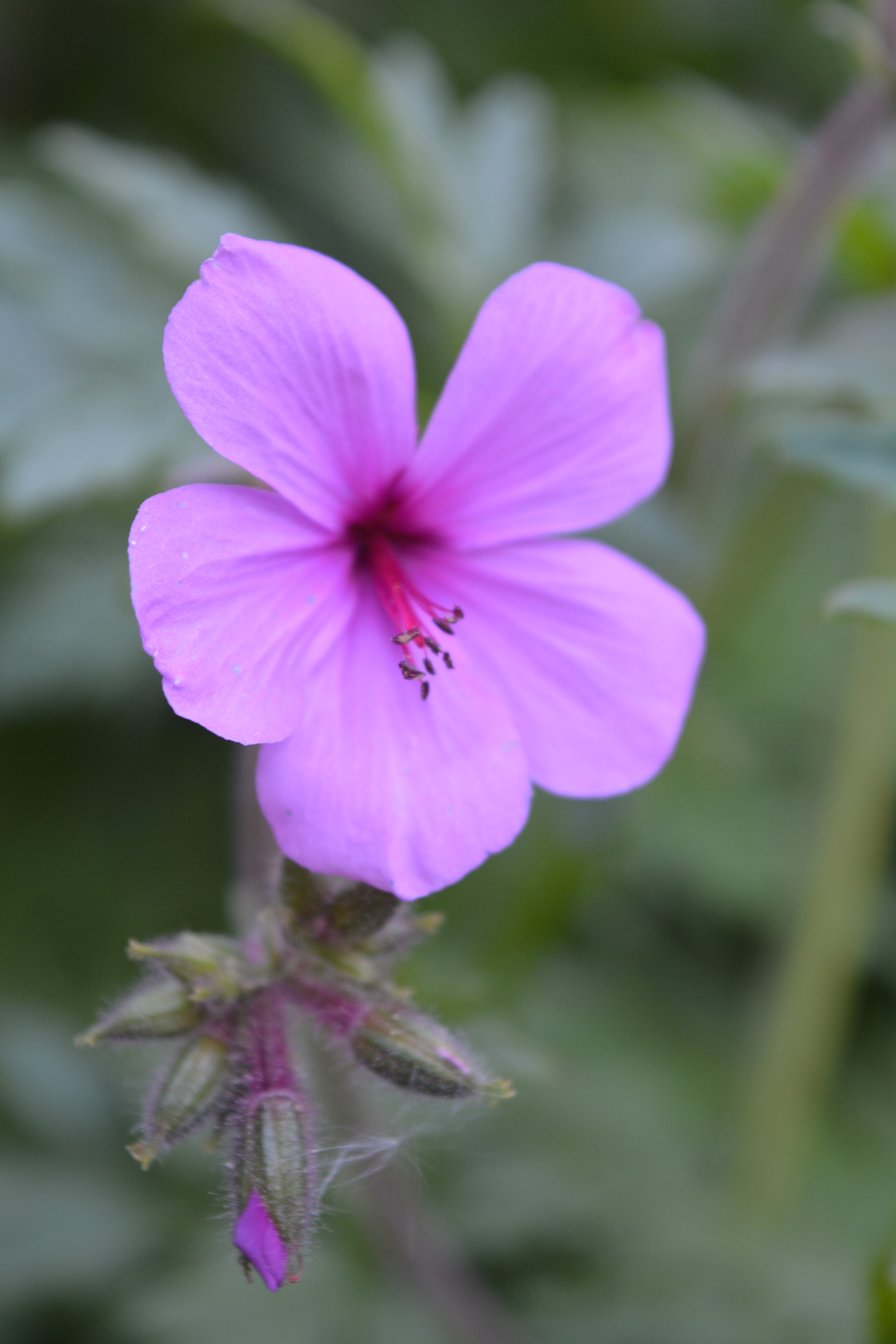
Page 5 features one of our favourite families of herbaceous perennials, the Geraniums. We have many different varieties and cultivars flowering in many of our borders.

2015 07 04_3617_edited-1

Geraniums are  any lover of perennial plants  favourites. So many shades of pink and blue on flowers of varying size and detail of petal”.

2015 05 26_2001 2015 05 26_2000 2015 05 26_1999 2015 05 26_2018  2015 05 26_2005-12015 05 26_2013


On my next page I looked at the bird life in our June garden,

Our garden in June is subject to regular invasions of fledgling birds, Blue Tits, Great Tits and Long-tailed Tits along with Finches Green and Gold. They beg for food noisily and even ask us for food as we get on with our gardening chores.” 

I then picked myself up on the use of the term “gardening chores”,

It strikes me as odd that we speak of gardening chores or jobs and tasks. Gardening is a delight.

To accompany these words I painted a water colour of a fledgling Blue Tit, looking a little like a faded version of its parents.

2015 07 04_3618_edited-1


Pages 7 and 8 of my June journal featured a bit of pond dipping and a look at a special Rose.

2015 07 04_3619_edited-1

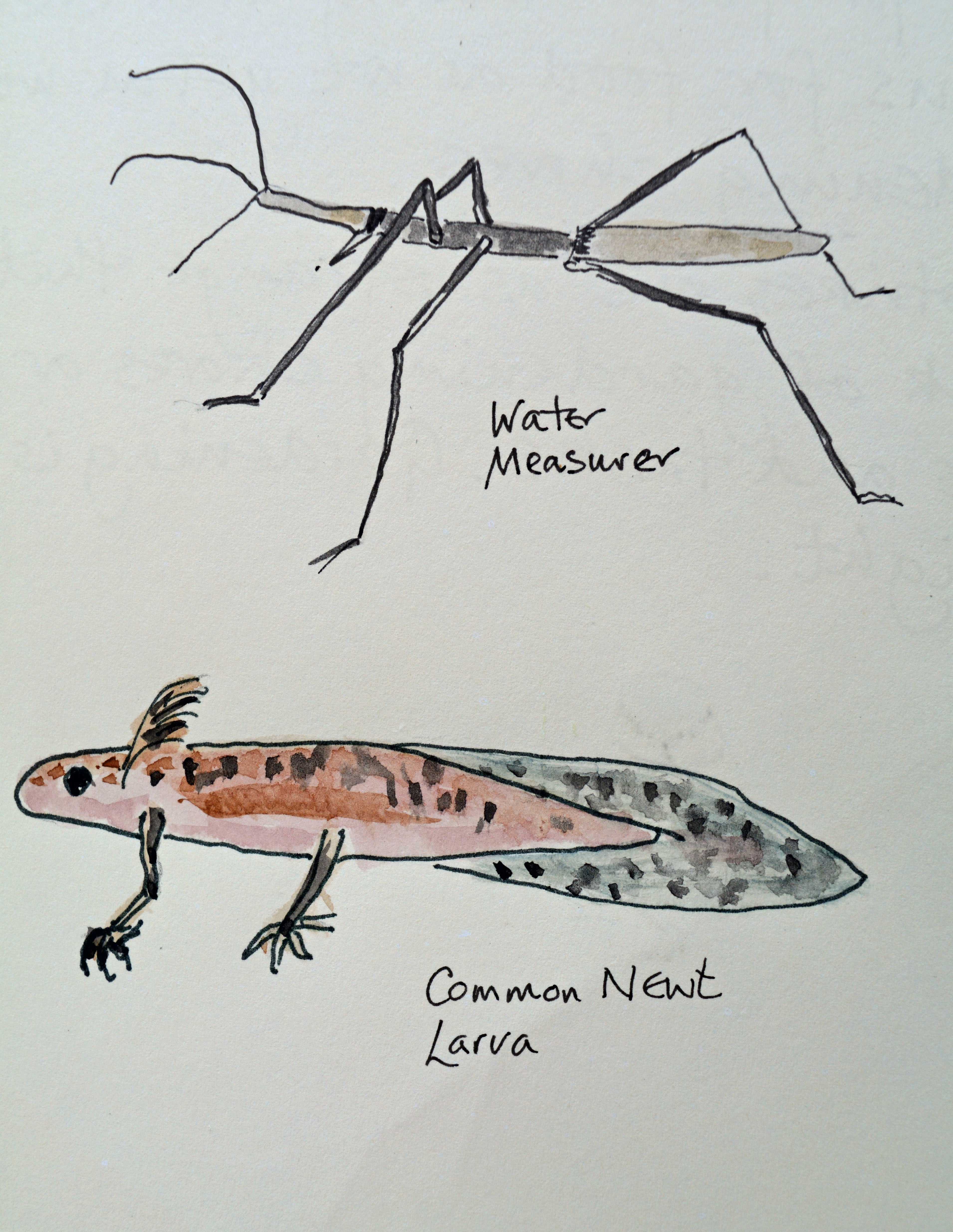
“A warm evening in late June was a perfect time to get out my pond-dipping net and sample tray. A few scoops and the tray was full of life.”

I painted a Water Measurer and the larva of a Common Newt. Both these creatures appeared in numbers in every scoop I made with the net. Even if just a few of these young Newts reach adulthood it will help manage the slug population and perhaps reduce the number of holes in our Hosta leaves.

2015 07 04_3620_edited-1

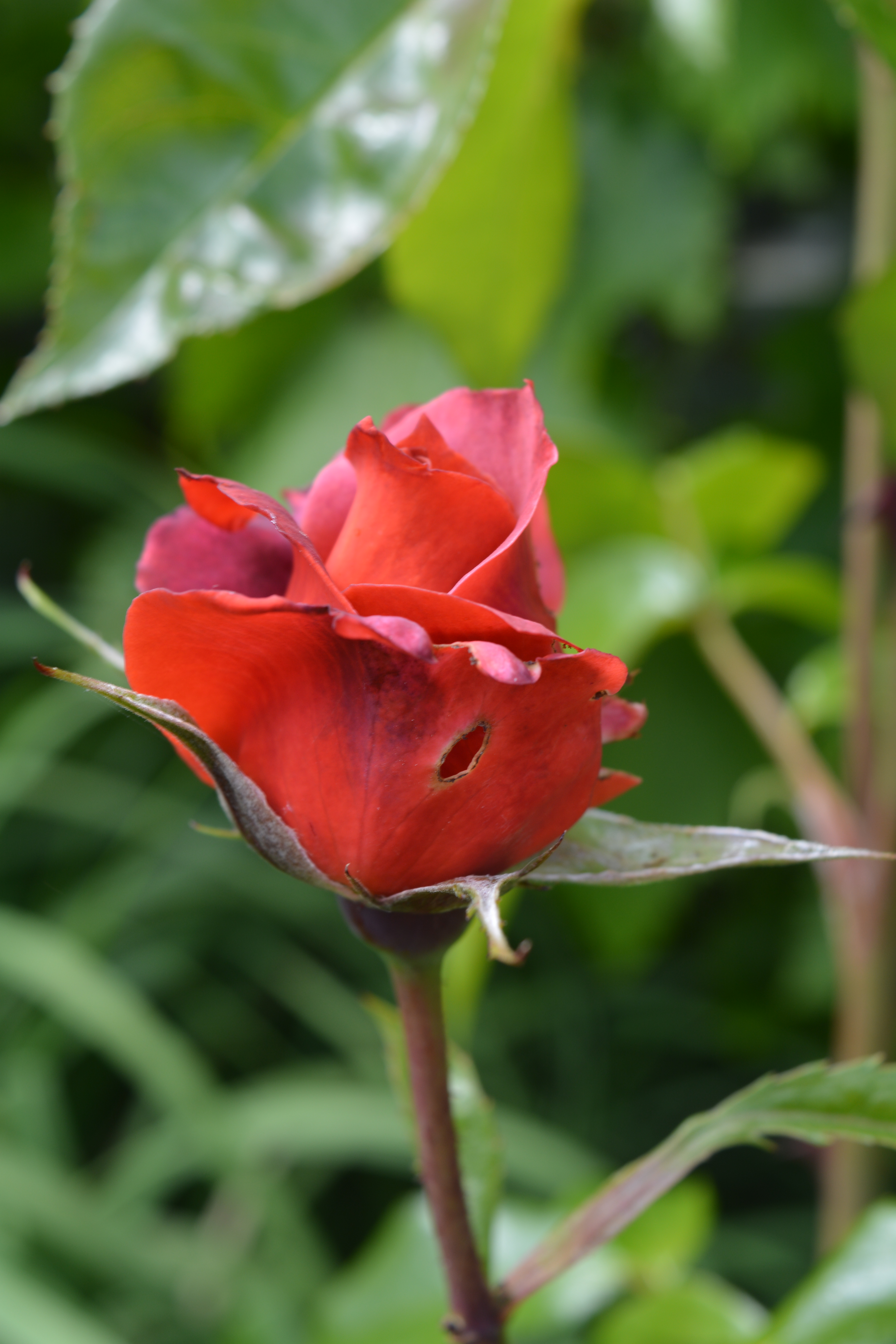
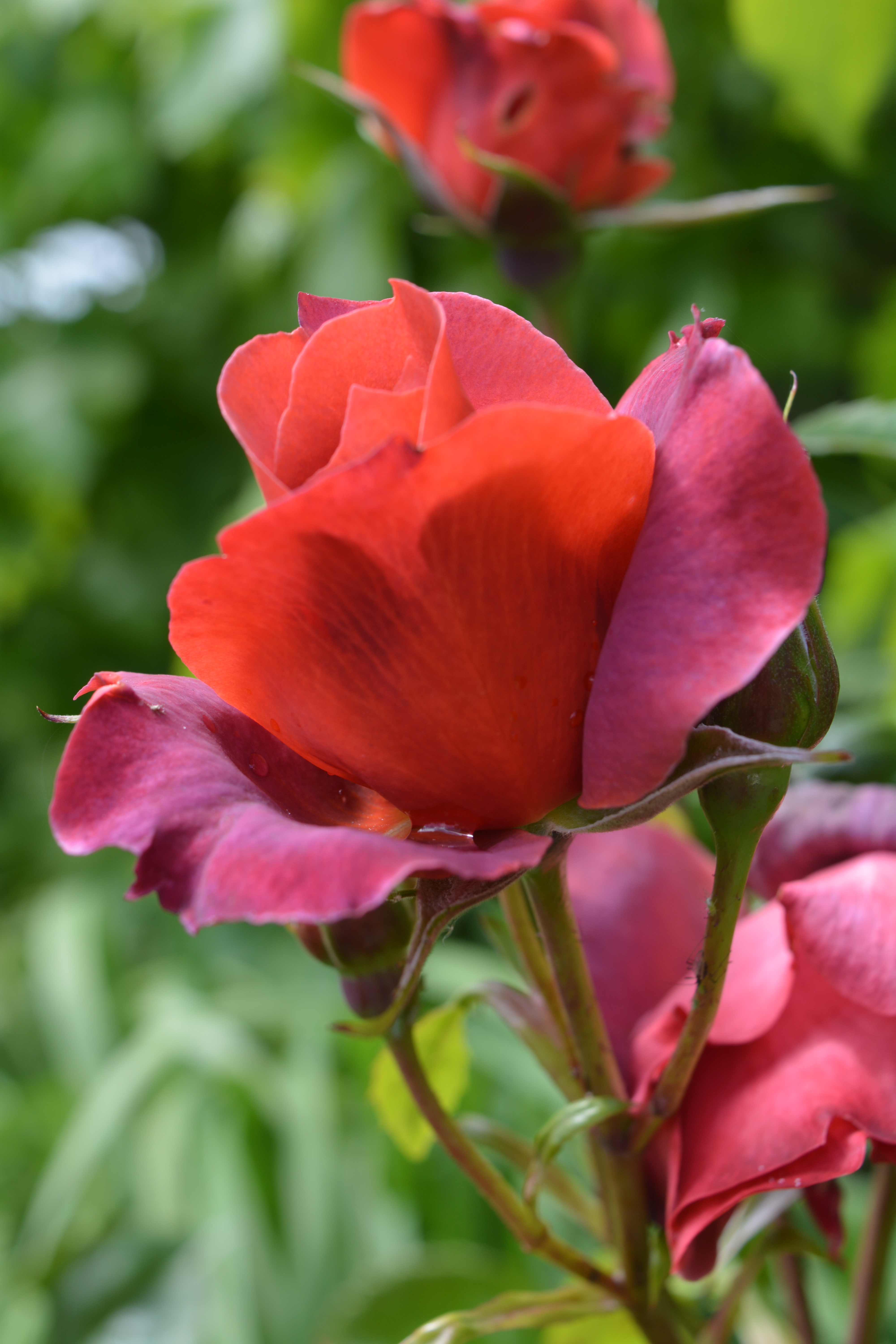
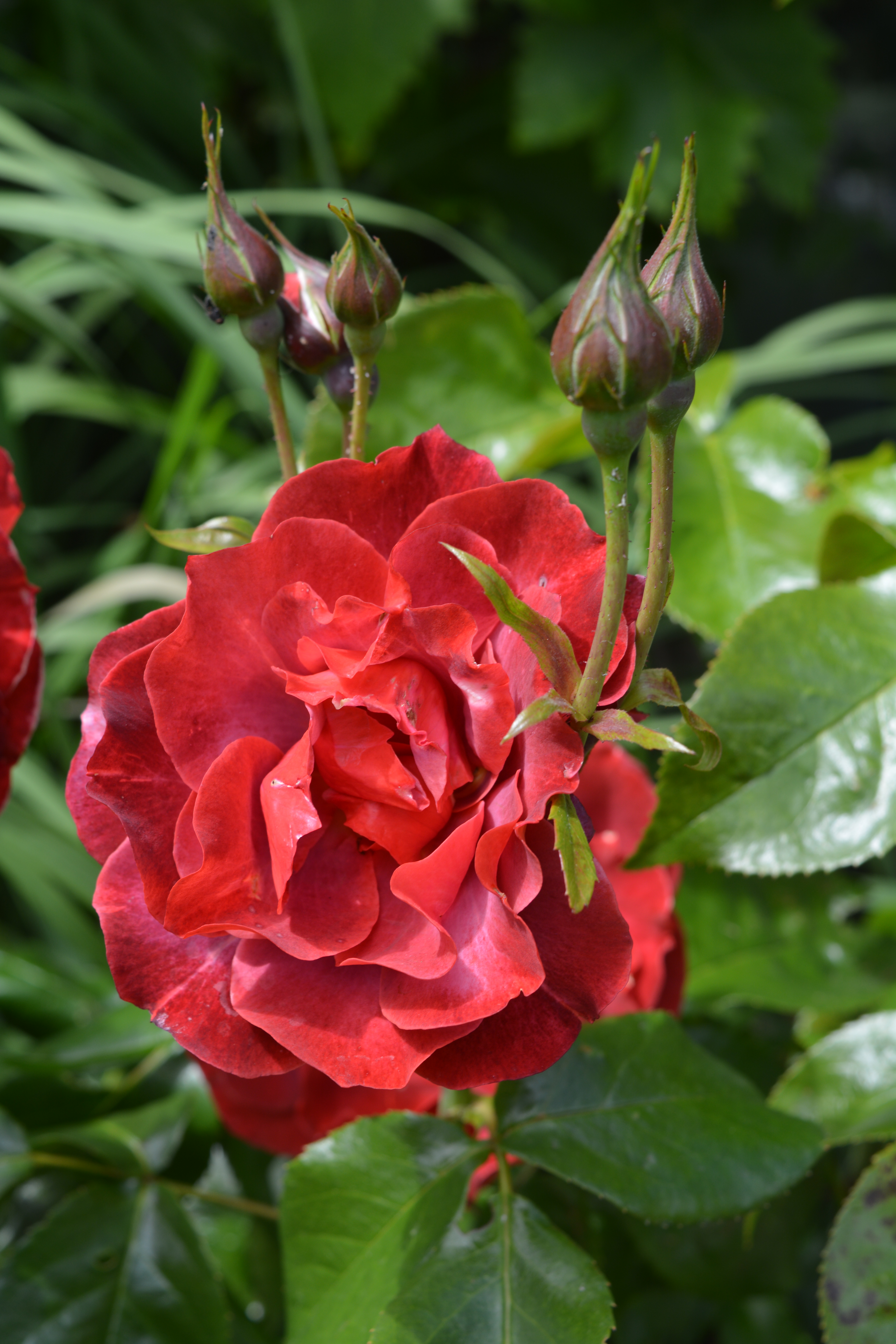
My final entry in my garden journal for the month of June was a look at a special Rose which we discovered just last year. We were initially attracted to its beautiful buds and rich chocolate brownish red blooms. We discovered it was called Dark Chocolate and it has the added benefit of a rich scent.

We have an unusually coloured rose growing in our “Secret Garden” called Rosa “Hot Chocolate”. The colour is a deep brick-red with hints of the darkest brown. Its scent is rich, fruity but with a hint of dark chocolate. The buds of Hot Chocolate are one of the most beautiful of all roses.”
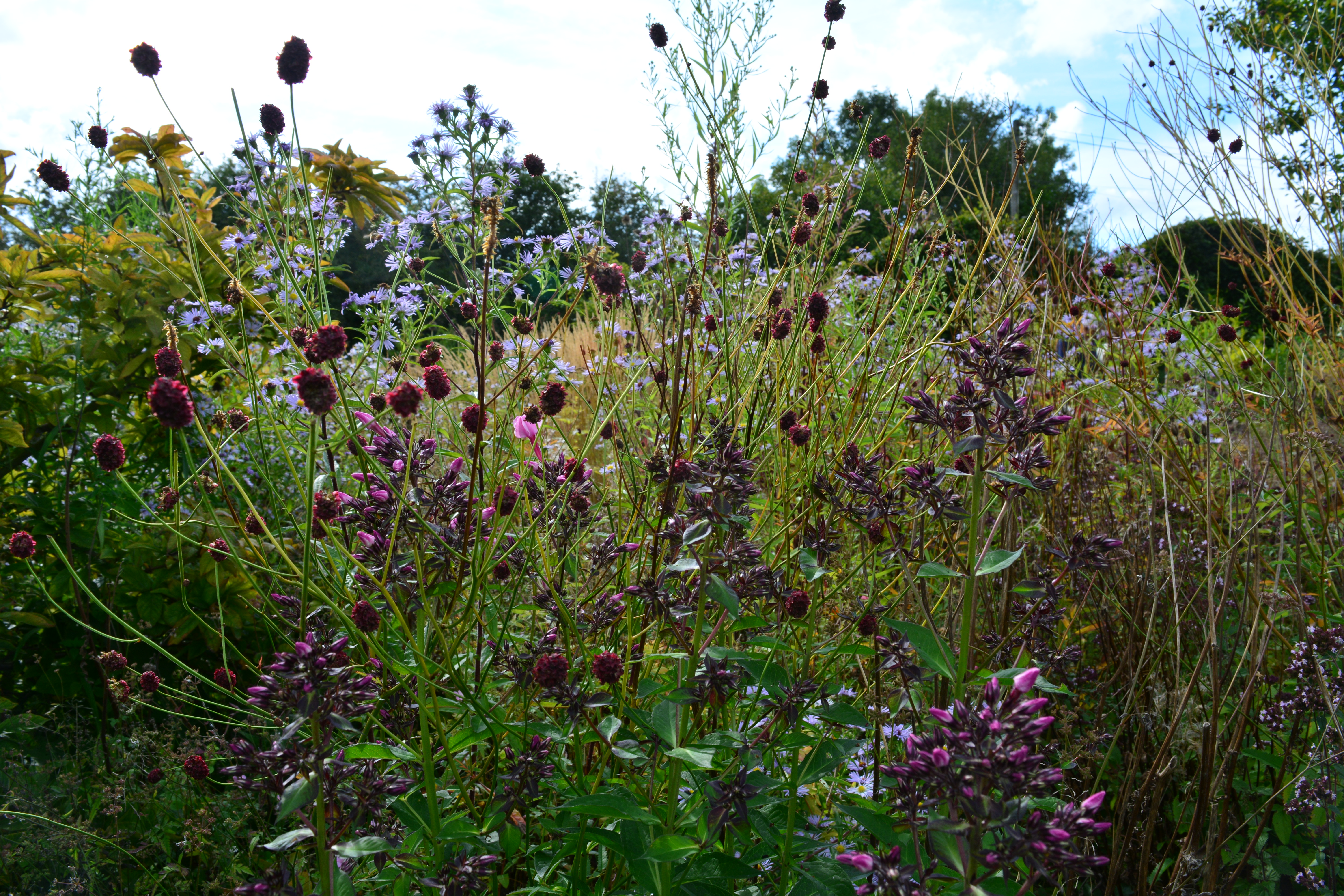
2015 06 30_3554-1 2015 06 30_3553-1 2015 06 30_3552-1

And that is my journal for June.

This Veggie Life

A Vegetarian | Nature Lifestyle Blog

Rambling in the Garden

.....and nurturing my soul

The Arch City Gardener

Journeys In St. Louis Gardening and Beyond

Garden Dreaming at Châtillon

Consult the genius of the place

Storyshucker

A blog full of humorous and poignant observations.

gardeninacity

Notes from a wildlife-friendly cottage garden

PlayGroundology

...an emerging social science

The Official Blog of British Wildlife

'The most important and informative publication on wildlife of our times' - The Independent. This blog is a member of The UK & Ireland Natural History Bloggers group: www.uknhb.blogspot.com

iGrowHort

Inspire - Cultivate - Grow Native Plants - Restore Landscapes

Bishops Meadow Trust

To create and protect a semi-natural wild space for the people of Farnham to enjoy and experience an array of British wildlife in our town

Gardening with Children

The www.gardeningwithchildren.co.uk Blog

UKbirdingtimeline

birding through the seasons, why birds matter and how to conserve them

NATURE WALKER

with a camera in hand

Jardin

Transform your outdoor space

Eva's space

My allotment, cooking and other interests

Old School Garden

my gardening life through the year

LEANNE COLE

Trying to live a creative life

fromacountrycottage

trying to live as lightly as possible on our beautiful planet

Good Life Gardening

Nature lovers from Leicester living the good life.

mybeautfulthings

Finding the beautiful in the everyday

mawsonmichelle

Michelle's Allotment

In and Out of My Garden

thoughts from and about my garden

Greenhousing

Big plans for a small garden

The Scottish Country Garden

A Walled Country Garden in South East Scotland

The Fruity Chicken

Life at the fruity chicken

willowarchway

Off grid living. Self sufficient. "PERMAGANICS RULE".

St Anns Allotments

Nottingham's Grade 2* Listed Allotments and Community Orchard

Manifest Joy Harvests

a journey in suburban vegetable gardening

Allotmental

The madness of growing your own

Penny's Garden: a harvest beyond my front door

A novel approach to vegetable gardening

arignagardener

Sustainable living in the Irish countryside.

NewEnglandGardenAndThread

Master Gardener, amateur photographer, quilter, NH native, and sometimes SC snowbird

dianajhale

Recent work and work in progress and anything else that interests me

planthoarder

a chaotic cottage gardener

Lens and Pens by Sally

a weekly blog that creates a personal philosophy through photographs and words

Dewdrops and Sunshine

Stories from a sassy and classy Southern farmbelle.

The Pyjama Gardener

Simple Organic Gardening & Seasonal Living

gettin' fresh!

turning dirt into dinner

JOY...

today the world is created anew

Garden Birds

Notes from a Devon garden

ShootAbout

Life Through The Lens

Adapting Pixels

A photography blog showcasing the best photography pictures and videos on the internet

Wildlifegardening's Blog

Just another WordPress.com site

naturestimeline

personal observations from the natural world as the search continues for a new approach to conservation.

LATEBLOOMERBUDS

The Wonders of Life through my Eyes, my Heart, my Soul