Categories
autumn gardening ornamental trees and shrubs shrubs trees

Shrub Planting

Yesterday we planted new shrubs in the front garden. The weather was dismal with light drizzle and mist hanging all around. We were entertained by the calls of winter migrants passing overhead. It sounded as if large flocks of Redwings, Mistle Thrush and Fieldfares  were passing overhead as we could hear regularly the mechanical “chick chuck” call of the Fieldfares and the higher pitched call of their smaller relative the Redwing. The cloud was so low though we only saw a few low-fliers, those with vertigo presumably.

The darkness lasted all day and daylight never seemed to happen. I took photos of the new acquisitions but the light was so poor the results were terrible,  so today a bright sunny day I tried again. The low autumn rays of the sun made photography much more interesting.

The bed already has a trio of white-stemmed birches and a Sorbus vilmorinii and some established shrubs such as Sambucus “Black Lace”, Forest Pansy and a gleditzia. As these grow we hope the new shrubs will act as an understorey. We chose shrubs with interesting berries or coloured foliage or stems.

So for berries we selected Viburnum davidii and Hypericum “Magical Beauty” with their pearl-like berries in gloss black and peachy pink respectively.

Two shrubs we bought should produce berries but the specimens we found were devoid of them. The first of these, another Viburnum selected for its berries and the colour of its foliage in autumn was Viburnum nudum “Pink Beauty”. It displays creamy-white flowers in summer followed by pink fruit which matures to purplish-black which should contrast beautifully with its deep red autumn foliage display. The second was  a shrub we have previously not grown, Itea virginica but we were tempted by the variety “Little Henry” with its deep purple autumn foliage. We can now look forward to the scent of its white drooping spires of white flowers in the summer.

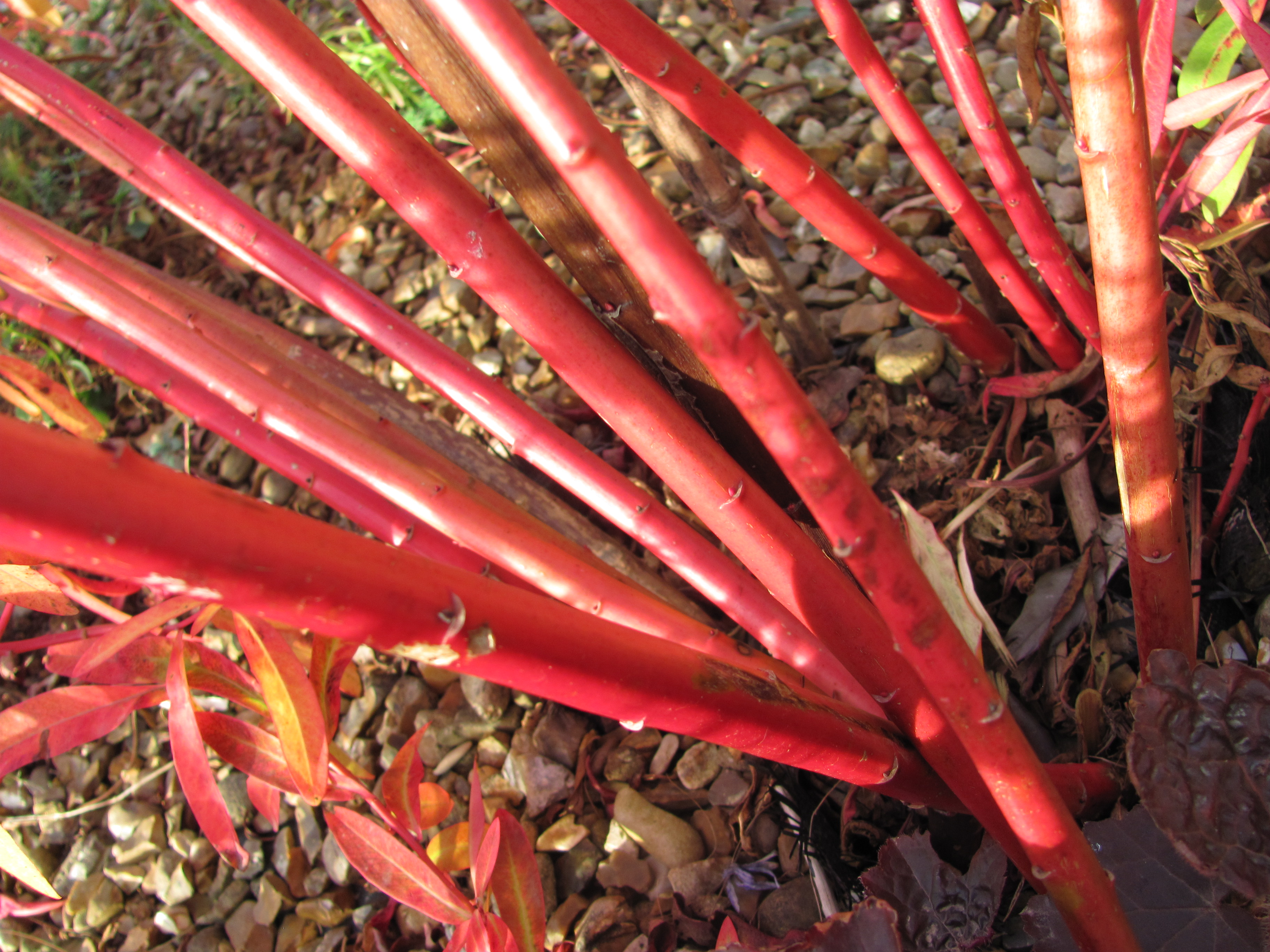
The final two shubs are colour coordinated but we didn’t realise this until we put them together in the trolley. The red and orange flowers of Mahonia nitida “Cabaret” match perfectly the stems of Cornus sericea “Cardinal”.

Categories
autumn gardening grow your own half-hardy perennials

Bubble Wrap Duvet

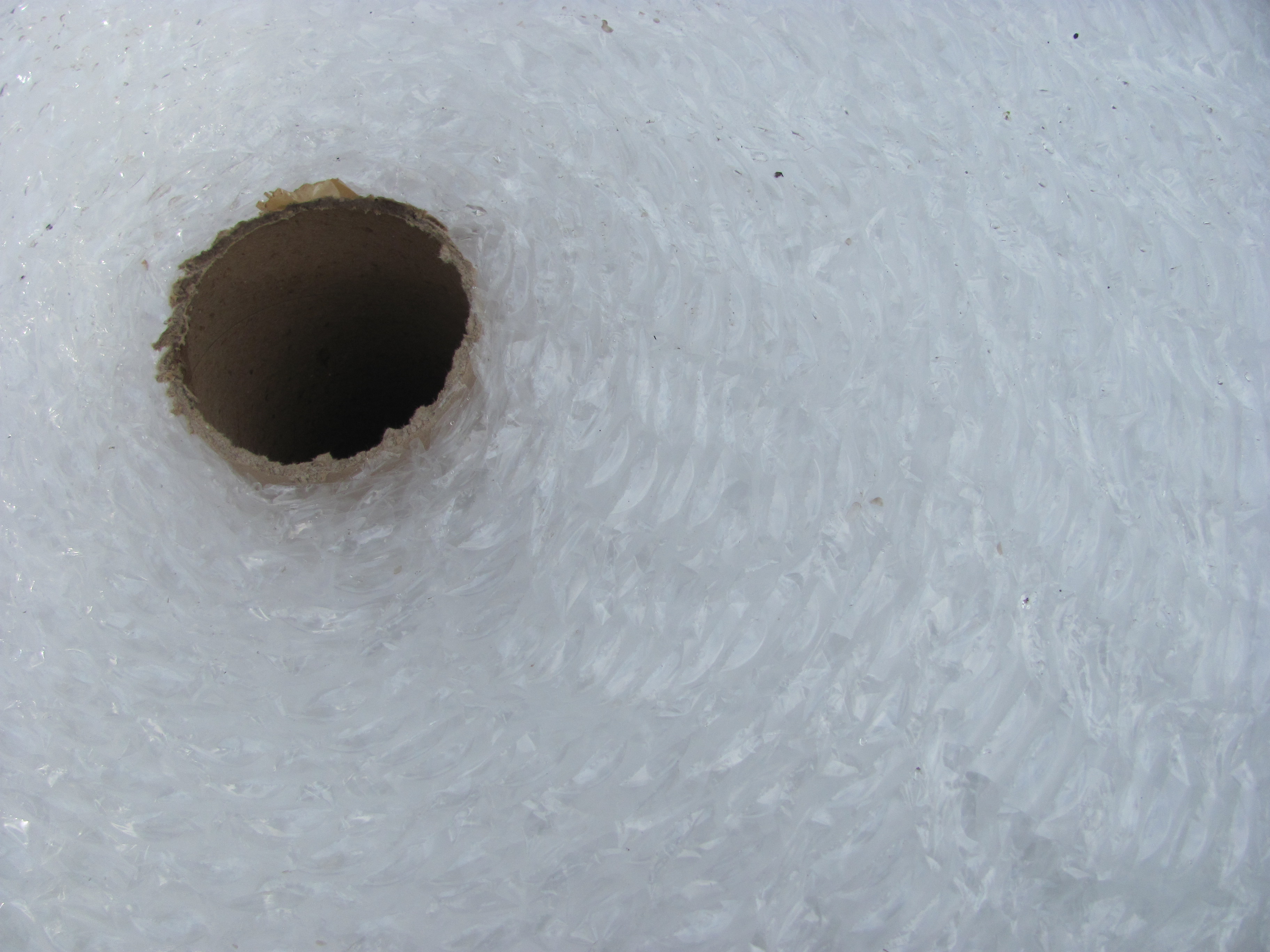
Today we woke to the first frost of the year. My phone tells me its minus one. It’s only a thin weak frost but a useful reminder of how lucky we are to have gone this far into the year without one. Last year we had our first in September and that was not unusual. It also made us feel a little smug that we had got round to giving the greenhouse its duvet of bubble wrap at the weekend. It takes 100 metres of the large bubbled wrap to get the inside safely wrapped for winter – it is the only time I regret owning such a big greenhouse!

Bubble wrap is always so hard to fix up and always looks a mess but it does the job. We used a combination of black gaffer tape and the little plastic fiddly fixings specially designed for the job.

We moved under cover the peppers, chillies and sweet, growing in bags to hopefully get a few more fruits from them as well as the potatoes in their bags planned for cropping in December. We then had the time-consuming task of bringing in any half-hardy plants in pots such as aeoniums, begonias, echeverias, Euphorbia mellifera, salvias and summer flowering bulbs.

As a belt and braces procedure we take cuttings of some of the salvias, as well as bringing the parent plants in, as they often fail to survive through the winter even under the protection of the greenhouse.

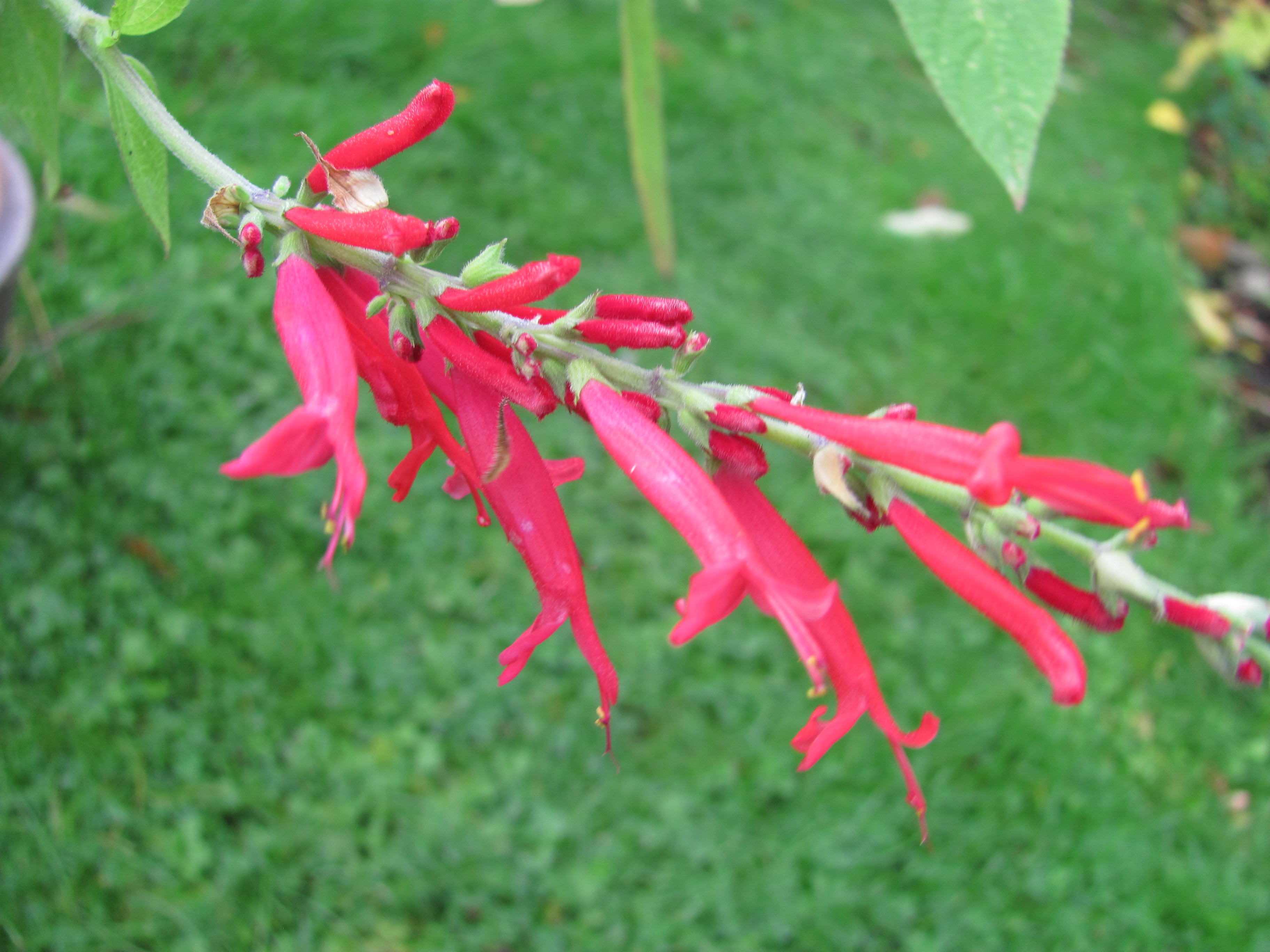
This Salvia with its stunning red flowers which have an added cerise hue in sunlight only started flowering in late October so we could only appreciate its glorious flowers for a few weeks before bringing it into the greenhouse. If the first frost had come at the more usual time in late September or early October presumably it would have failed to flower this year. fingers crossed now that we can keep it through to warmer times.

Categories
allotments autumn community gardening gardening ornamental grasses ornamental trees and shrubs shrubs

Autumnal Splendour of our Winter Garden

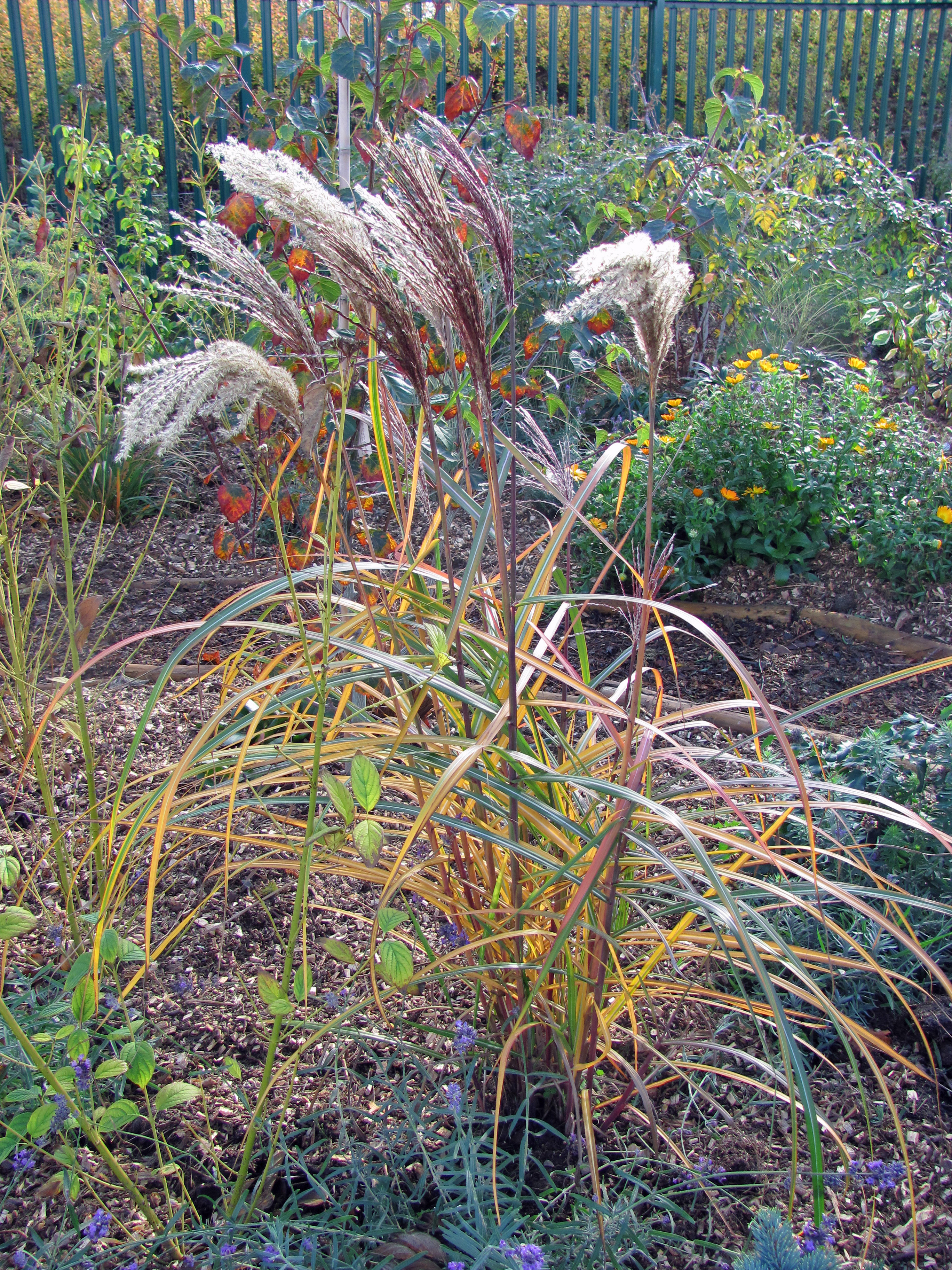
At our lottie site, Bowbrook Allotment Community (www.bowbrookallotments.co.uk) we have created gardens of the four seasons. The Winter Garden has surprised us with its exciting colours and textures during the autumn. Today we weeded this bed and mulched it with woodchip which as well as giving a tidy finish, should protect the surface from heavy rain, stop goodness leaching from the soil and keep down any late germinating weeds. The sun was out most of the time while we worked and shone through the grasses and dogwoods. Although I designed this as the Winter Bed it is showing itself off well in the autumn.

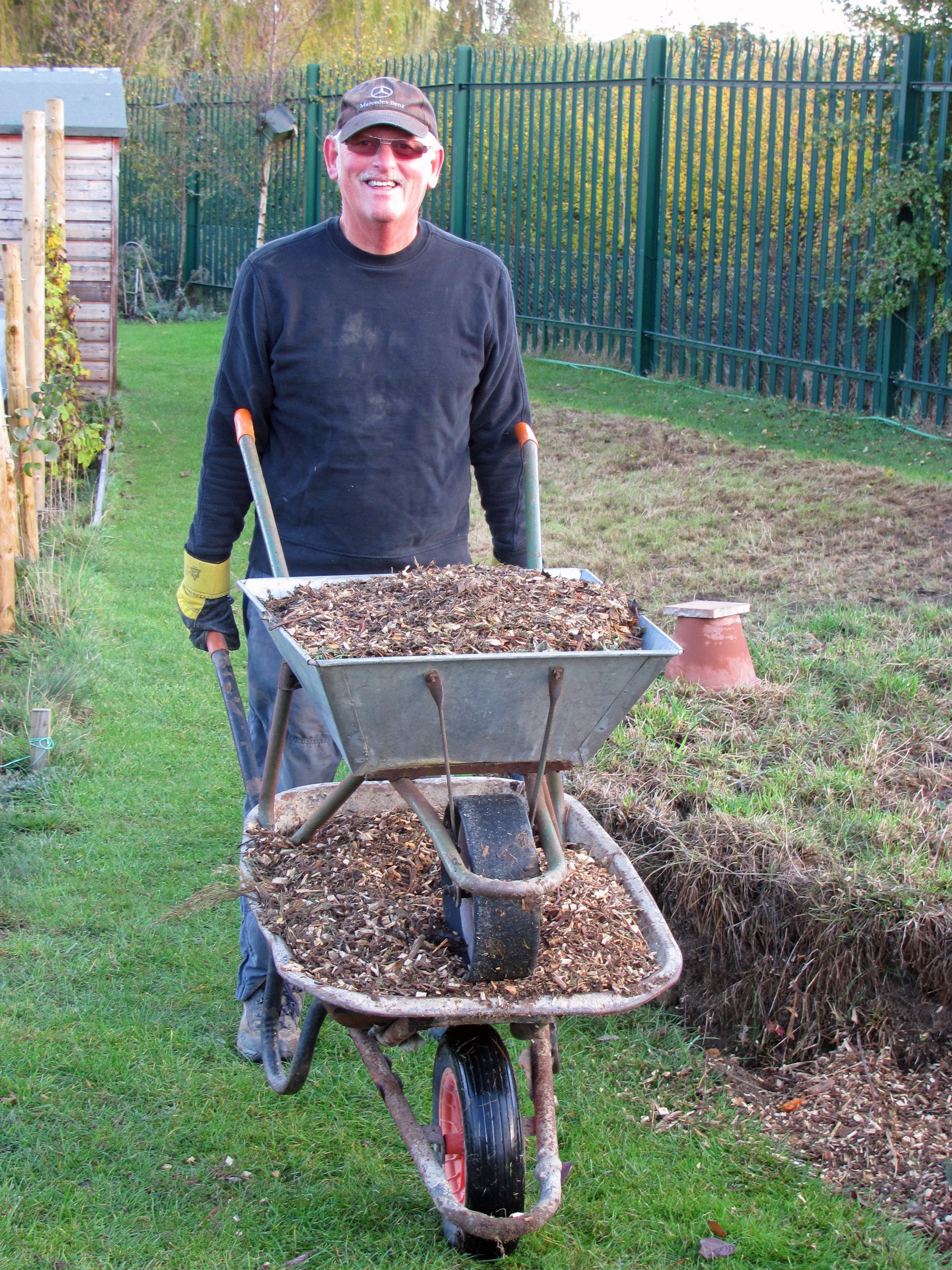
The woodchip was a long way off across the site so John, our lottie chairman, devised a double decker wheelbarrow carrying system. Good job there was no health and safety officer watching!

The miscanthus look amazing for most of the year and now in November their foliage is colouring up and the seed heads are aglow. They sway in the gentlest of breezes.

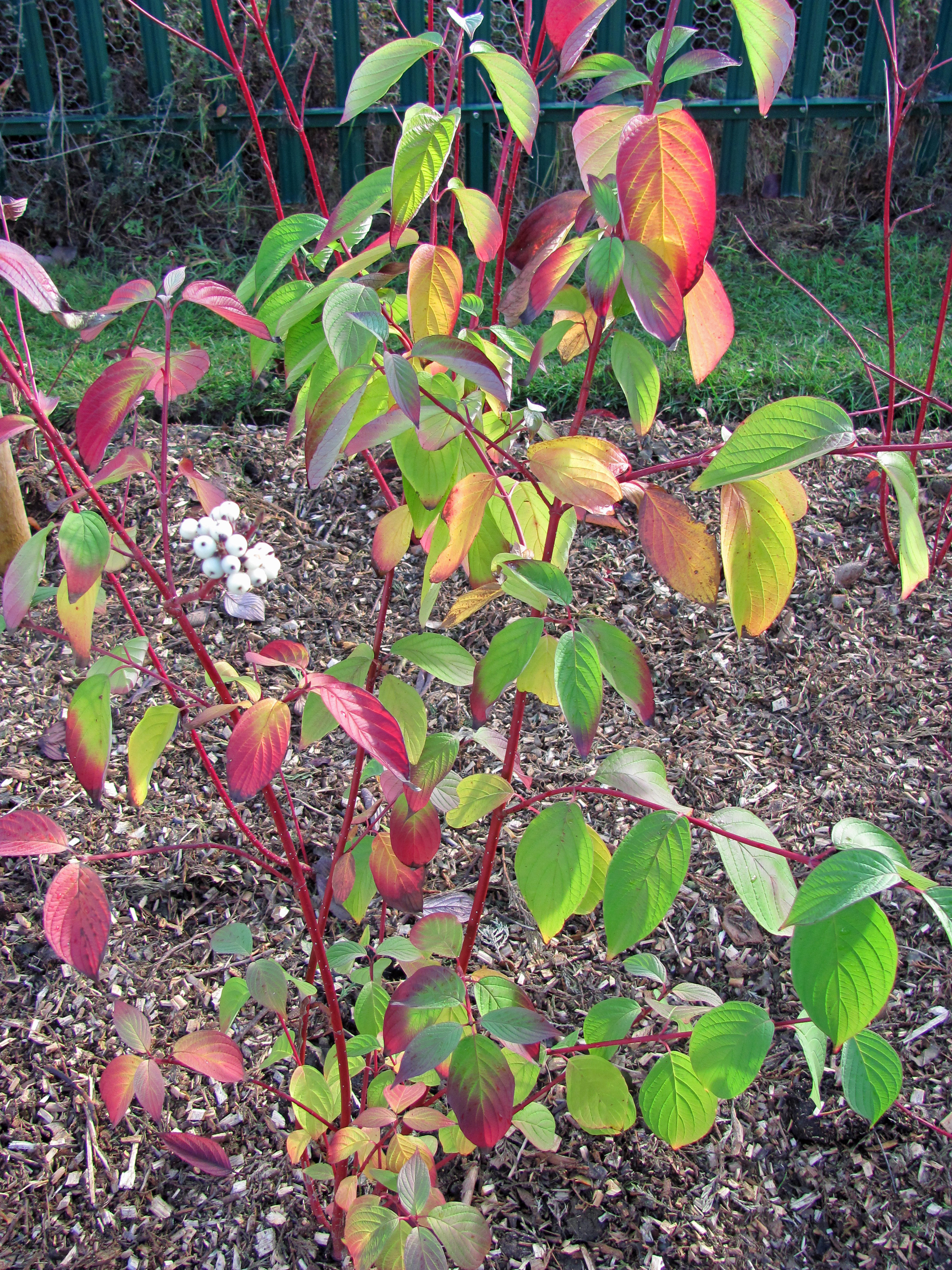
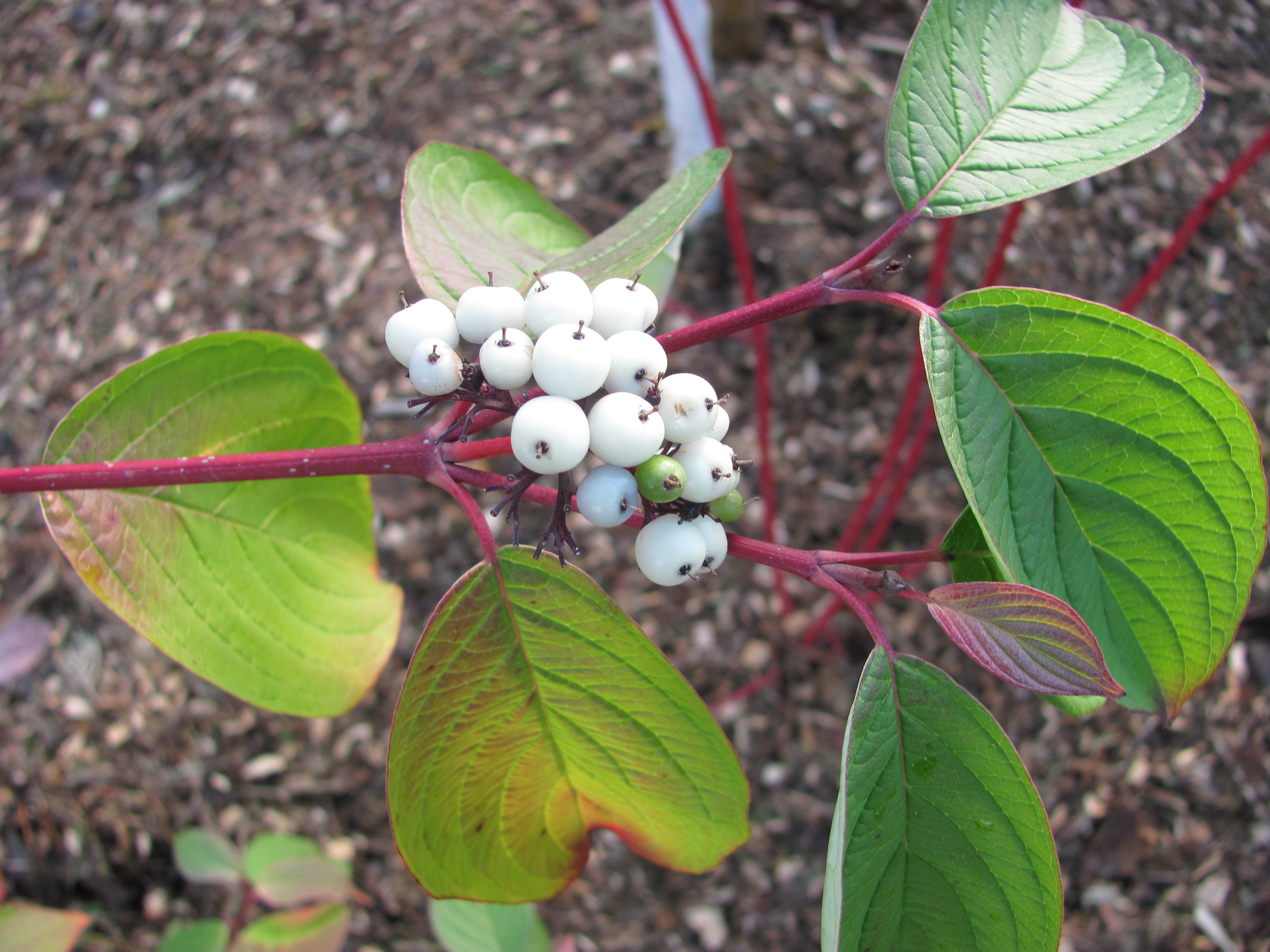
The dogwoods have been planted for their coloured stems which will be lit by the low rays of the winter sun, stems of red, green, yellow and black. In the autumn we enjoy the reds and golds of their foliage just before they fall. The white berries are a real bonus – little white dolls’ eyeballs.

As we worked we were entertained by small flocks of goldfinches, linnets and greenfinches which passed overhead with their high pitched calls breaking the silence. In stark contrast and much less enjoyable were the cronking of a pair of raven and the calls of a huge flock of gulls screeching away as they wheeled around like wild white kites against a blue sky trying to escape their strings.

Categories
autumn gardening hardy perennials

Euphoria over euphorbias

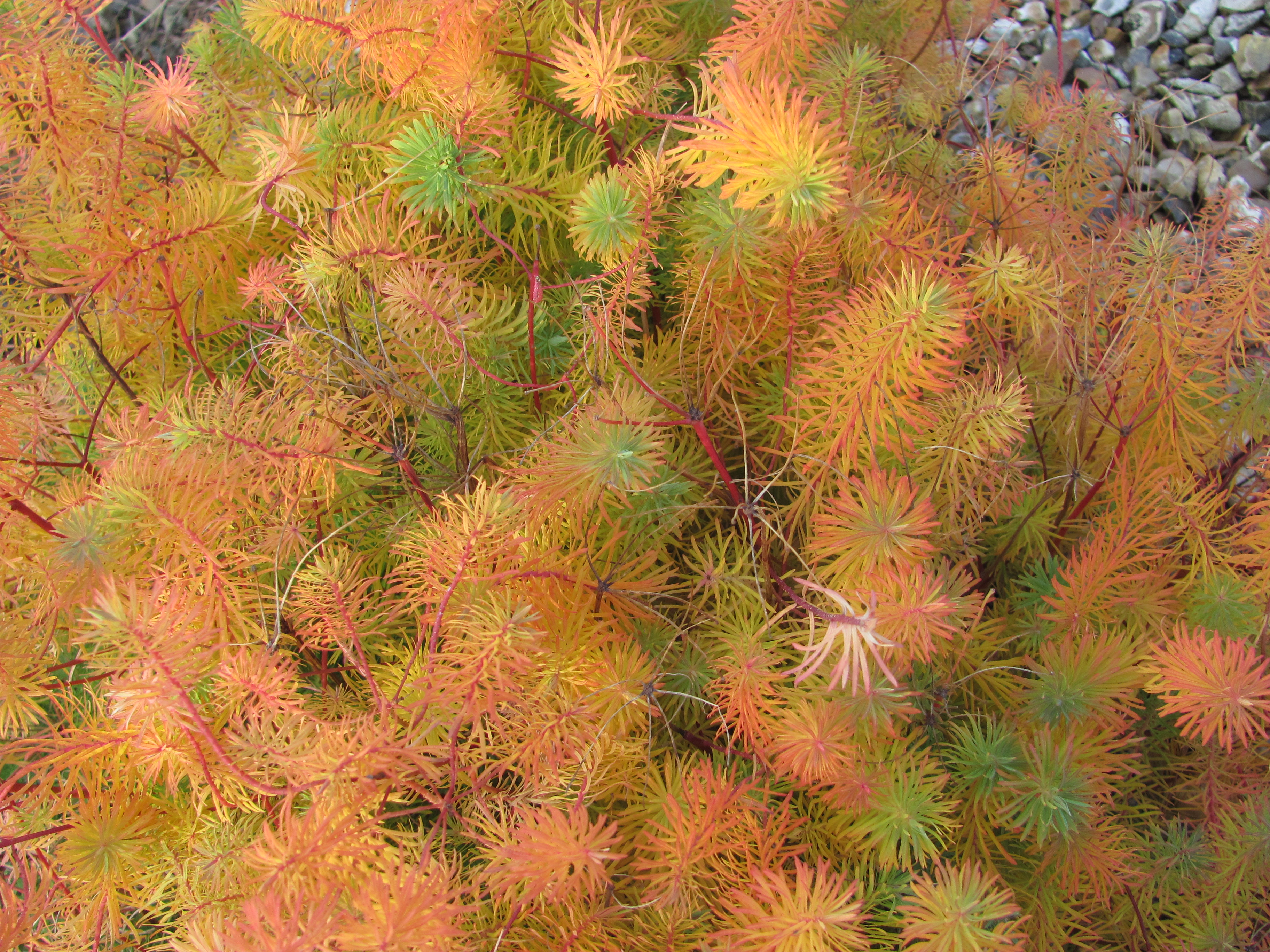
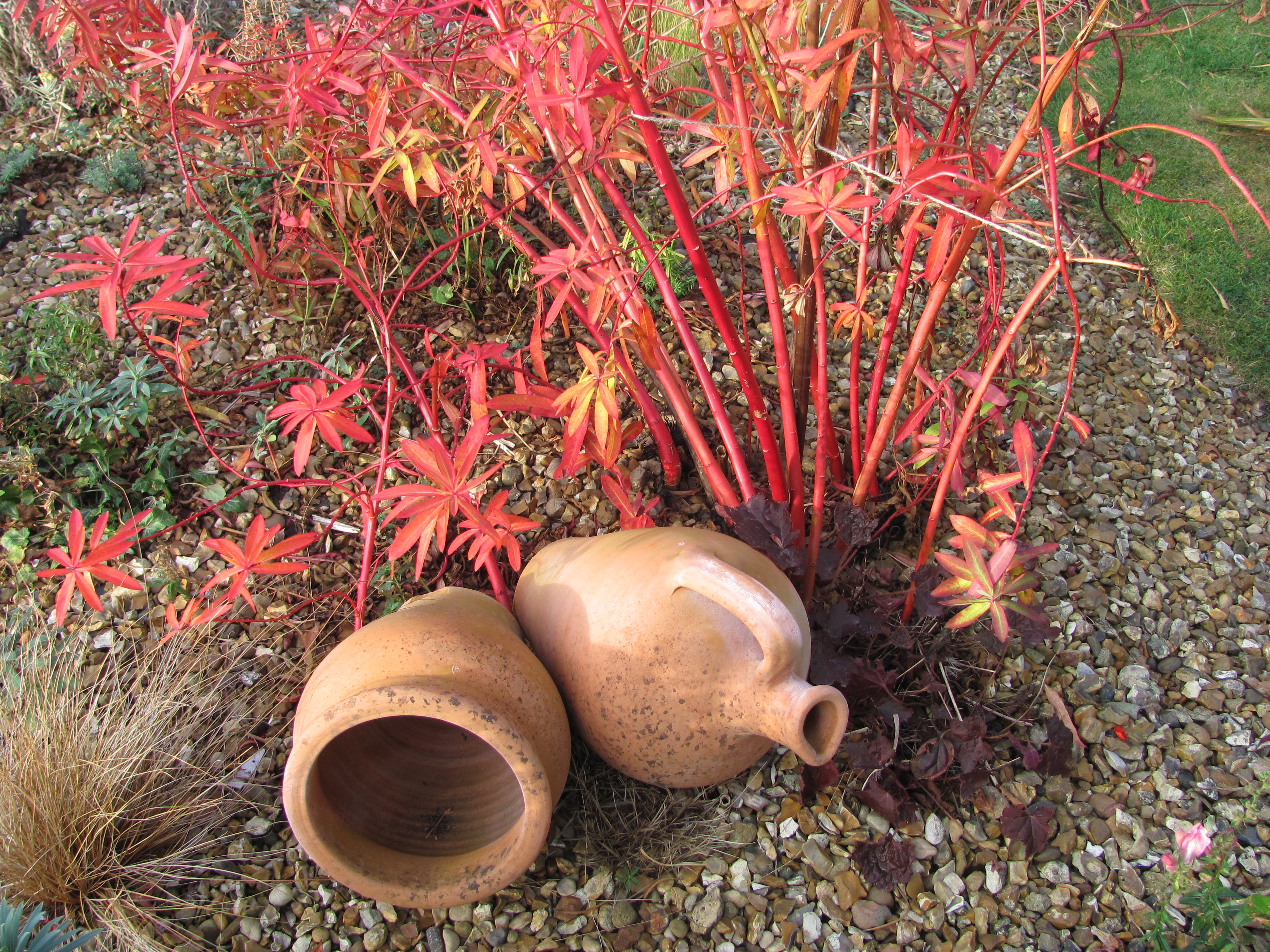
More autumn surprises! The early afternoon sun shines the spotlight on an unexpected autumn performer on our gravel garden, which we call our “Beth Chatto Garden”. We were stimulated by a visit to her magnificent Essex garden and in particular by her dry garden which she created where her car park once reigned. The plants picked out by the sun today for our delight were the euphorbias. From pink to red and from yellow to orange the colours of their leaves and stems were almost startling.

Categories
autumn gardening

Autumn bonuses

We changed the clocks last night by that hour that marks the end of British summer time, but it didn’t mean we were really into typical weather and light for late autumn. We woke to drizzle but by lunchtime the sun was up and giving some warmth and the sky was blue. So a bonus session in the garden beckoned. And what a bonus day – gardening without jackets at the end of October  – can’t be bad! And coffee out in the garden accompanied by pears and grapes freshly plucked from the cordon and vine – it gets better!

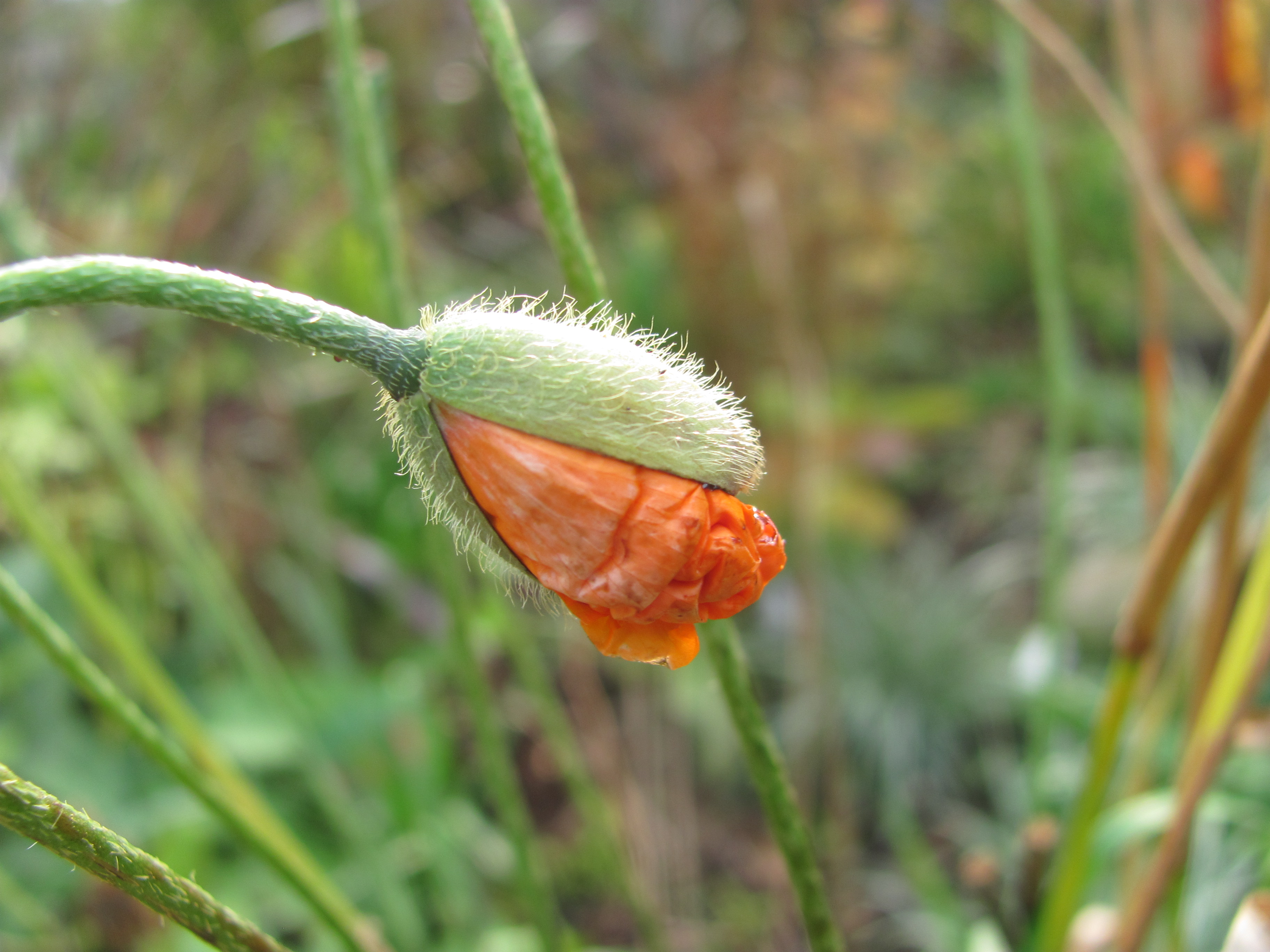
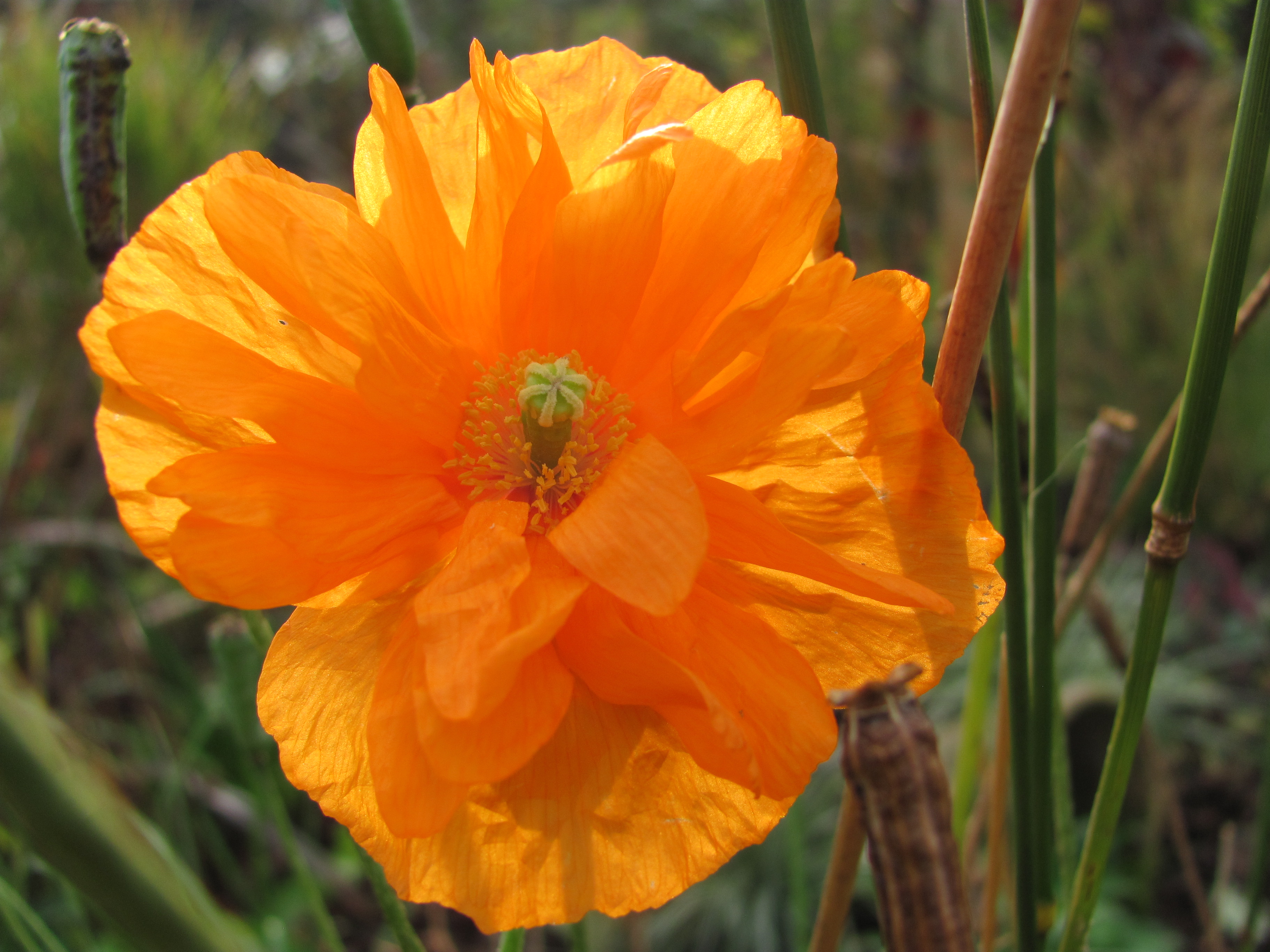
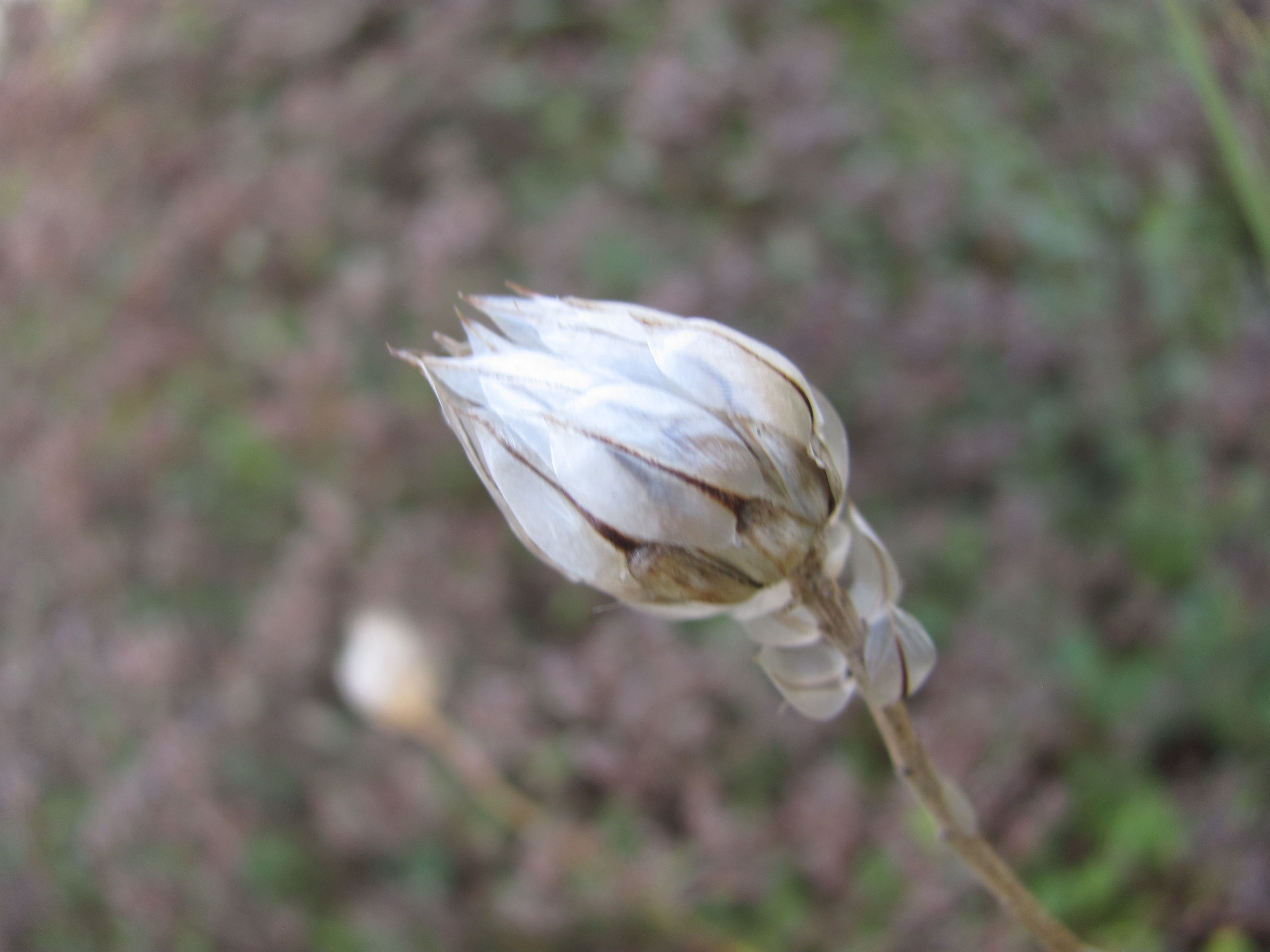
But the signs of autumn carried on all around us, the gentle watery song of the robin, the calls of redwing and fieldfare overhead. There are bonus flowers to appreciate too. Leading the way is the double orange flowered poppy, Papaver rupifragum. It simply shines. In bud it reveals a little of its silky amber secrets hidden within the tight hairy buds.

When it opens it is an orange sun. It outshines whatever sits alongside it. As a self-seeder it appears in different places each year – where it chooses not where we choose. It is better than us at knowing good neighbours.

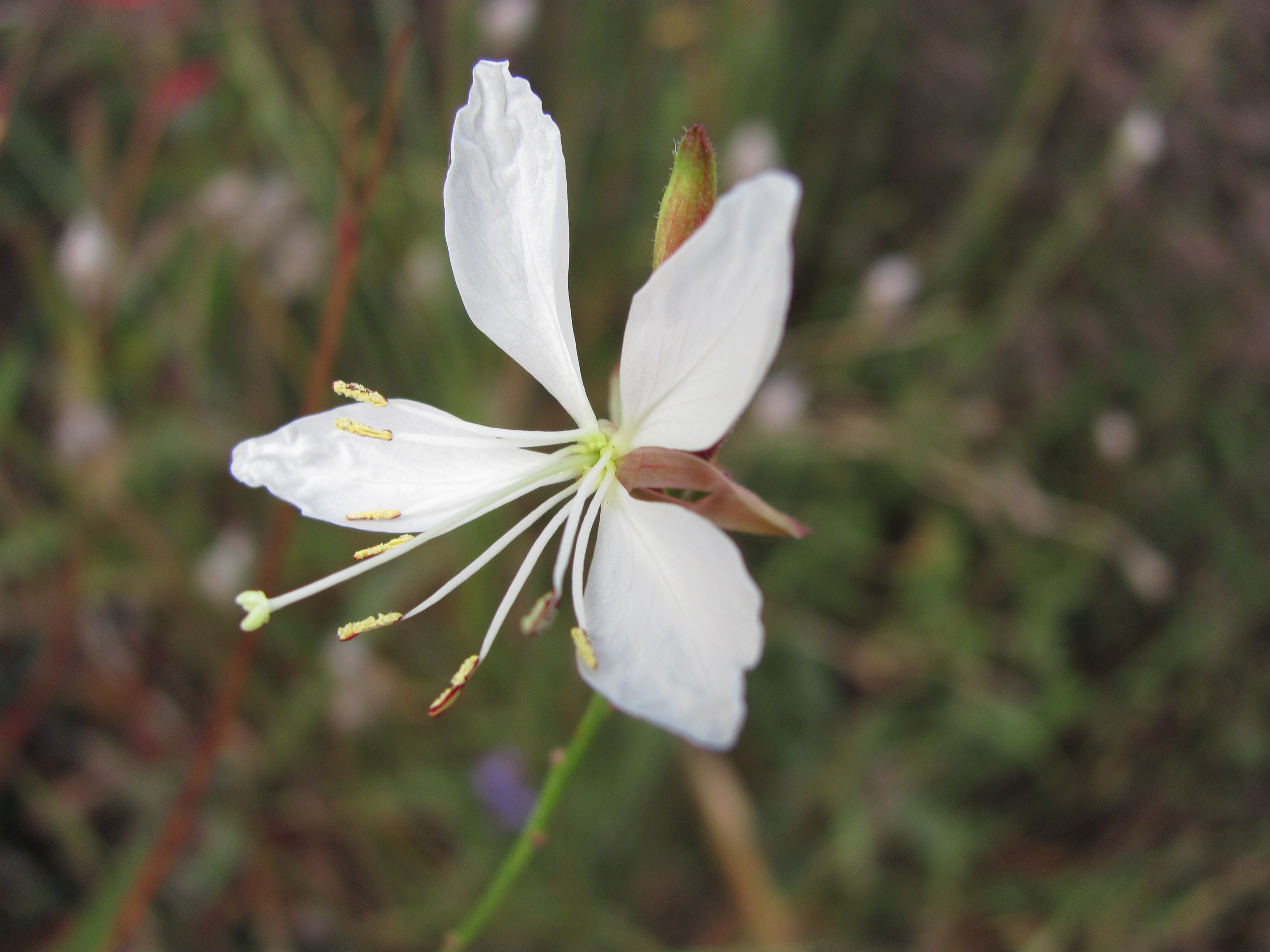
Now to move from the riduculous to the sublime, the ridiculously bright and downright gaudy papaver to the gentlest of our garden perennials, the gaura. We love it in the summer for its gentle airy white flowers variously tinted with shades of pink, its delicate swaying in the gentlist breeze but we never think of it as a star of the autumn. But just look at these photos, the flower and the seed head bathing in and absorbing the lowering rays of the sun. This year we have seen it in a new light, the light of autumn.

Categories
gardening ornamental trees and shrubs shrubs trees

Westonbirt extras

A visit to Westonbirt Arboretum in mid-October should mean autumn richness of red, orange and yellow. But when we went this year we were too early. The spindles, birches and chestnuts disappointed. Some acers were showing colour and would have made the visit worthwhile anyway but the real treats of the day were totally unexpected – a berberis and a sorbus.

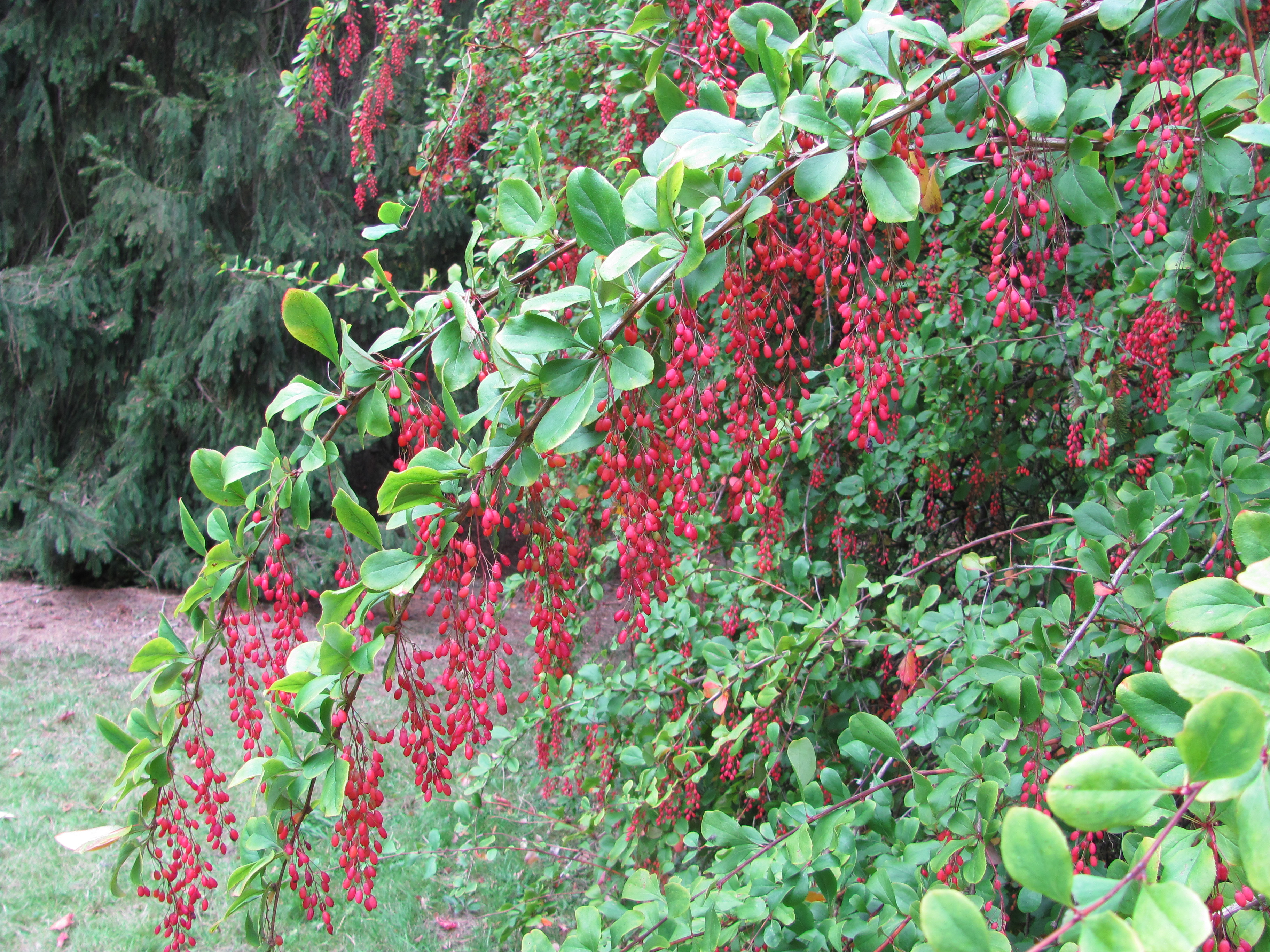
We spotted the lovely arching stems laden with red berries a long way from the main path. The sky was grey the day wet and dark but this berberis shone through it all. We made our way across wet grass to get a closer look and we met two other visitors doing the same. It was causing identification problems for everyone! The name Berberis julianae sprang to mind but I was unsure. Another visitor came over and asked if we knew what it was. She believed it to be Berberis julianae also. A Westonbirt gardener suggested Berberis concinna. But being unsure I checked in the RHS A-Z Encyclopaedia of Garden Plants as soon as we got home – we were all wrong. It was neither julianae or concinna. The mystery continued but an article in “The English Garden” showed a photo of a berberis with similar but less dense groups of pendulous berries – Berberis chitria – but I was still not convinced. As everyone was so taken aback by the large number of berries in each bunch perhaps it was just an exceptionally prolific year for it.

The RHS published an article on berberis in the November edition of their magazine “The Garden” and it presented another possibility – Berberis “Georgei”. It looks the best match so far!

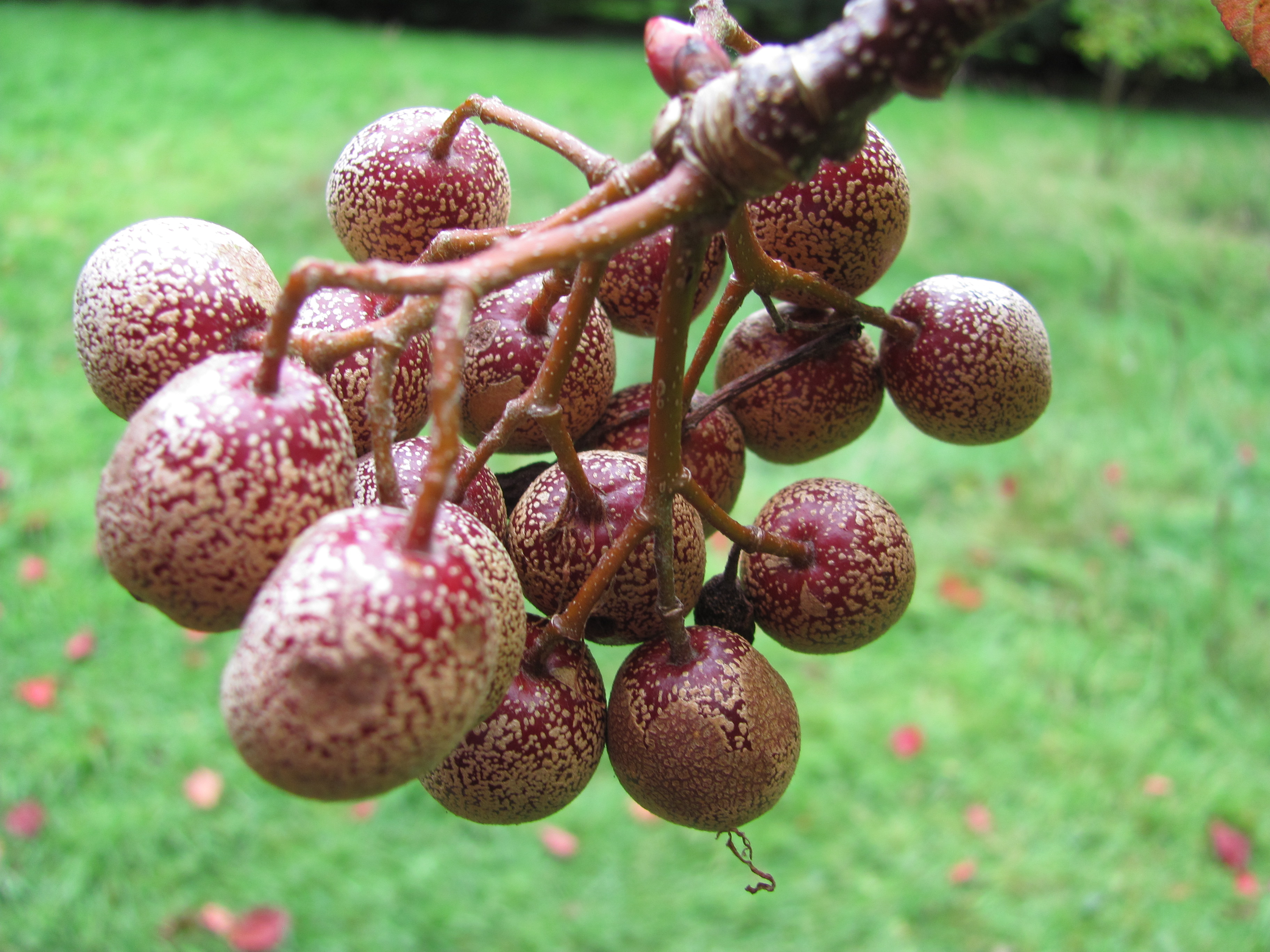
The berries of this sorbus were marble-sized and deep mahogany-red in colour overlaid with white. They felt as hard as conkers. This plant gave its identity up easily – it had a label telling us it was Sorbus megalocarpa from China.

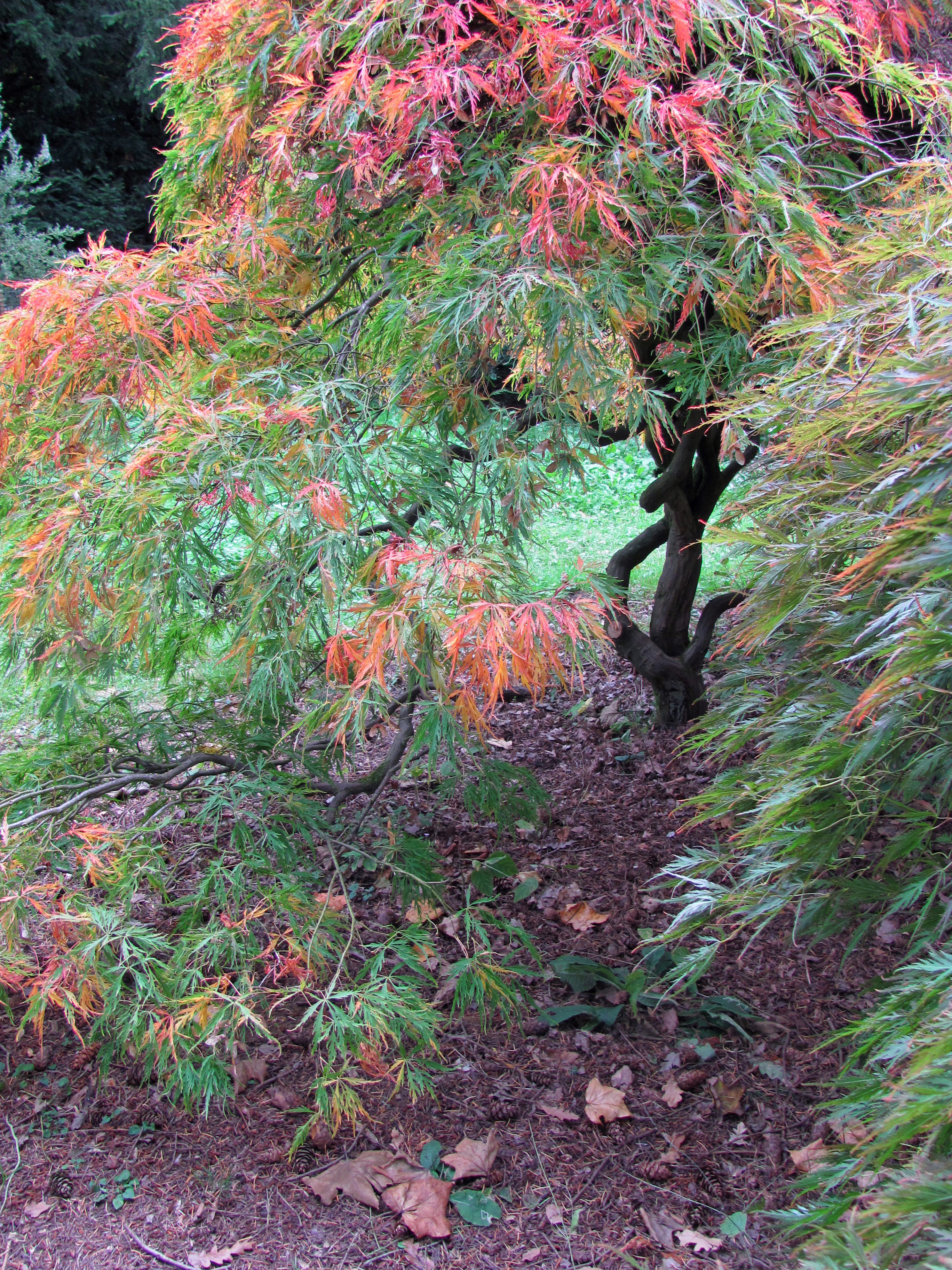
The expected autumn views of Westonbirt must not be forgotten though as some acers were dressed in their fire coloured clothes.

Categories
gardening

Autumn Blues in the Garden

Oranges, yellows and reds are the colours of autumn but wandering around our patch today I was struck by the richness of the blues in the late blooms. The rich blue flowers of Ceratostigma plumbaginoides sit above its red tinted foliage. This is a plant to keep an eye on as the temperatures drop in the autumn because the red on its leaves intensifies and spreads. Such a beautiful plant with such an ugly name!

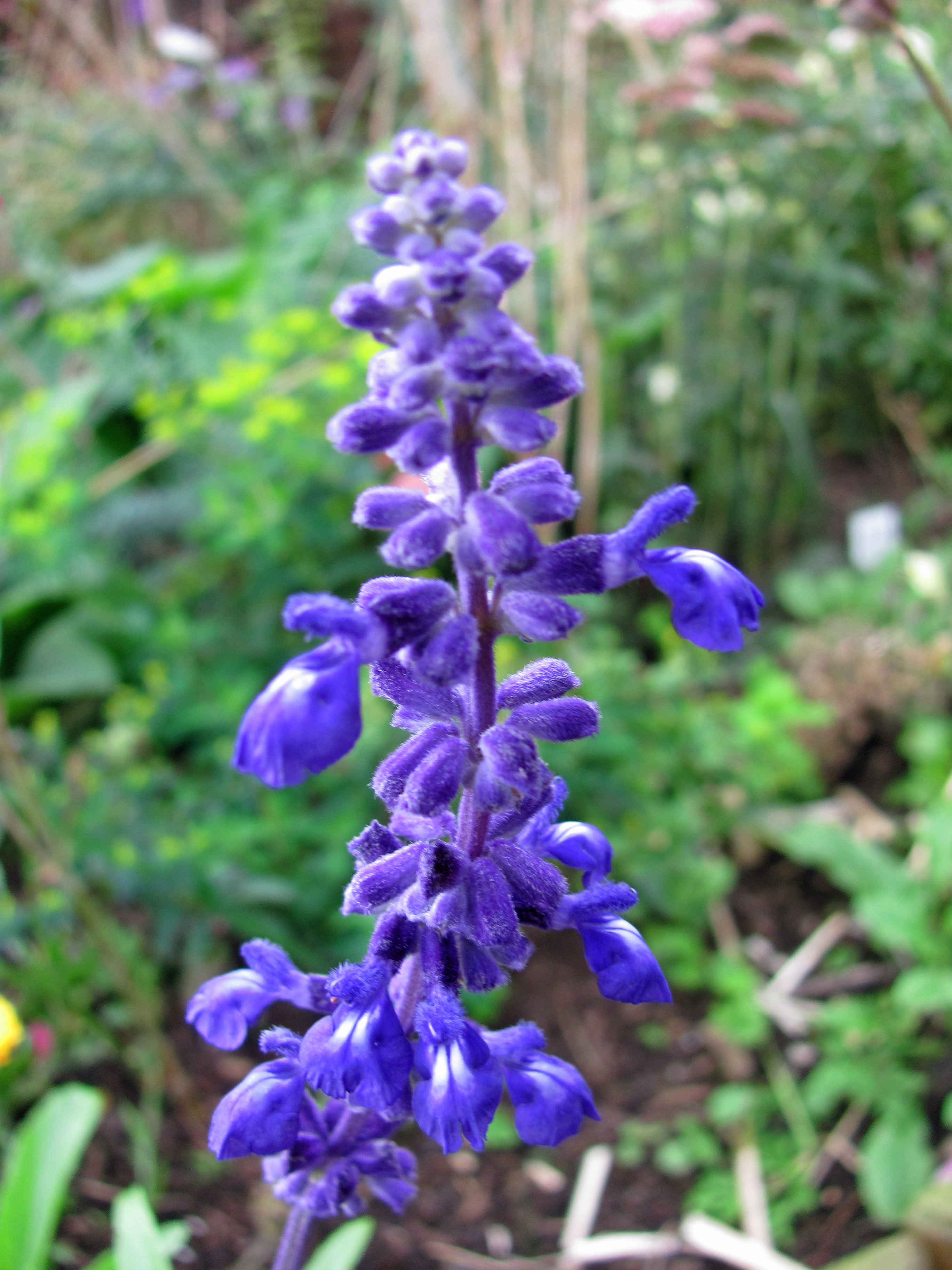
This is a hardy tough sub-shrub or woody perennial but the next blue flower is far from hardy – a salvia with intense blue spires atop dark blue stems with a metallic hue. We raised these from seed in the spring and have been enjoying their flowers since August. We must take cuttings to keep them over the winter.

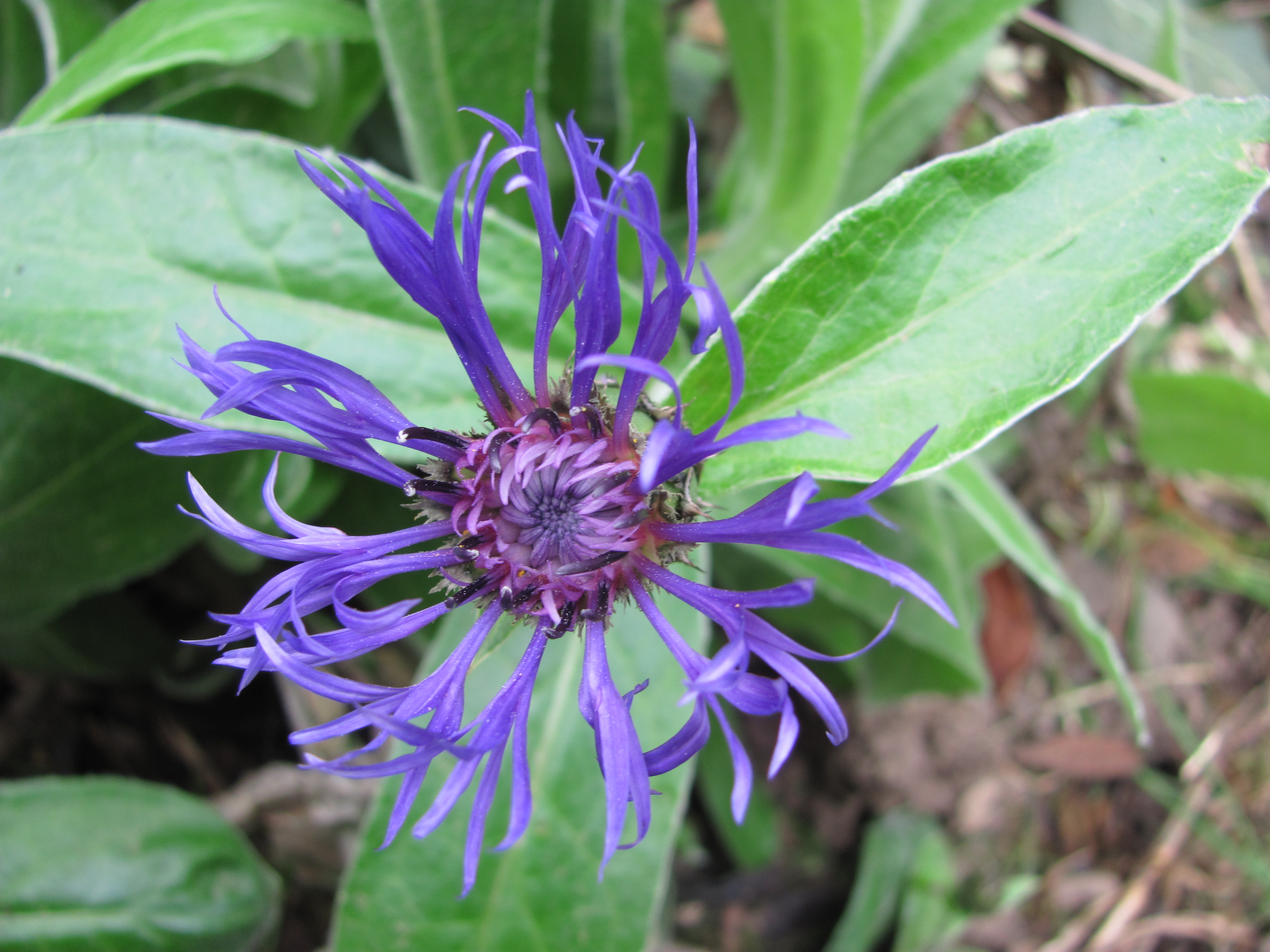
The blue flowers of the centaurea have been around for months with their delicately cut petals curling up from their dark purple centres above their soft hairy leaves.

Categories
garden wildlife gardening grow your own

Greenhouse Pest Control

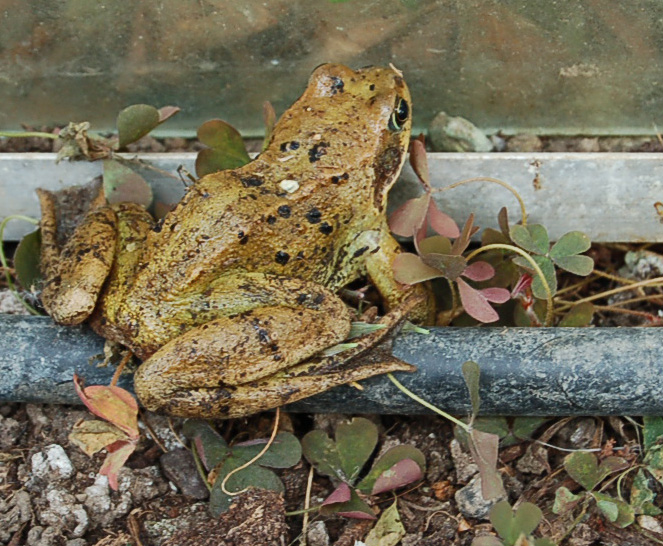
This has to be the greenest method of pest control any gardener can have in the greenhouse. He is one big frog! We are so lucky to have not just frogs but also toads and newts to help rid the greenhouse of slugs and bugs.

Categories
allotments community gardening fruit and veg garden wildlife gardening grow your own meadows natural pest control

October Working Party

Today we held our October working party at Bowbrook Allotment Community. We took advantage of a bonus day of sunshine and warmth. Lots of hard work and lots of laughter – a typical lottie working party day.

Soon the smell of cut hay permeated the lotties as we cut the meadow under the orchard trees. It was a warm herby smell as well as nostalgic. A true sense of the feel good factor.

Above, Dee and Wendy rake up the mown hay in the orchard and below Pete and Jude tidy the long grass from around the logpile. The logpile is there to attract beneficial insects as part of our organic, natural approach to pest control. We welcome ladybirds and their larvae, beetles and lacewing larvae as pest controllers and bees as pollinators.

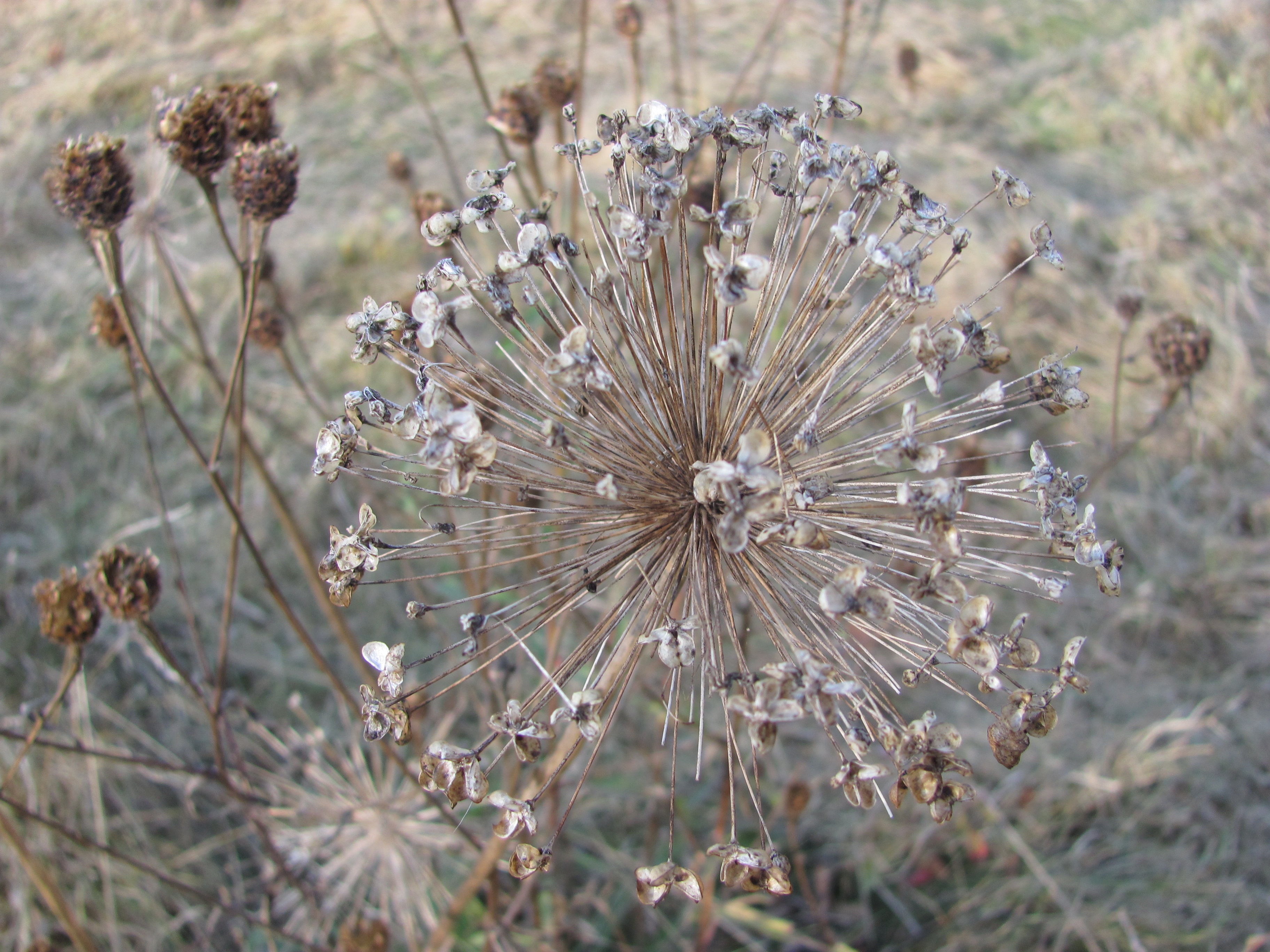
Before cutting the grass I spotted this group of seedheads – alliums and knapweed. They had shed their seeds ready for next year but I felt I had to record this particularly beautiful and delicate clump in a photo before we cut them down.

Bulbs donated by plotholders were planted around the entrance and the car park, with daffodils going in the car park border and muscari in the gateway borders. The Spring Garden was extended and the Winter Garden path was topped up with chipped wood donated by a local tree surgeon. The final task was to trim the long grass and wildflower stems growing on the wildlife banks.

Categories
gardening shrubs

Hebe planting

We have just planted four hebes in an effort to replace some of those we lost last winter after months of the big freeze. We experienced night time temperatures of -21 for three nights on the trot. Too cold for hebes by far!

So we bought Hebe “Charming White”, Hebe “Wiri mist”, Hebe pinguifolia Sutherlandii and Hebe”Pastel Elegance”. The leaves of each one differ in colour and shape.

Charming White is actually in flower now as we plant it and what a delicately beautiful flower it is, white with a hint of purple at the very tip of each petal.

This Veggie Life

A Vegetarian | Nature Lifestyle Blog

Rambling in the Garden

.....and nurturing my soul

The Arch City Gardener

Journeys In St. Louis Gardening and Beyond

Garden Dreaming at Châtillon

Consult the genius of the place

Storyshucker

A blog full of humorous and poignant observations.

gardeninacity

Notes from a wildlife-friendly cottage garden

PlayGroundology

...an emerging social science

The Official Blog of British Wildlife

'The most important and informative publication on wildlife of our times' - The Independent. This blog is a member of The UK & Ireland Natural History Bloggers group: www.uknhb.blogspot.com

iGrowHort

Inspire - Cultivate - Grow Native Plants - Restore Landscapes

Bishops Meadow Trust

To create and protect a semi-natural wild space for the people of Farnham to enjoy and experience an array of British wildlife in our town

Gardening with Children

The www.gardeningwithchildren.co.uk Blog

UKbirdingtimeline

birding through the seasons, why birds matter and how to conserve them

NATURE WALKER

with a camera in hand

Jardin

Transform your outdoor space

Eva's space

My allotment, cooking and other interests

Old School Garden

my gardening life through the year

LEANNE COLE

Trying to live a creative life

fromacountrycottage

trying to live as lightly as possible on our beautiful planet

Good Life Gardening

Nature lovers from Leicester living the good life.

mybeautfulthings

Finding the beautiful in the everyday

mawsonmichelle

Michelle's Allotment

In and Out of My Garden

thoughts from and about my garden

Greenhousing

Big plans for a small garden

The Scottish Country Garden

A Walled Country Garden in South East Scotland

The Fruity Chicken

Life at the fruity chicken

willowarchway

Off grid living. Self sufficient. "PERMAGANICS RULE".

St Anns Allotments

Nottingham's Grade 2* Listed Allotments and Community Orchard

Manifest Joy Harvests

a journey in suburban vegetable gardening

Allotmental

The madness of growing your own

Penny's Garden: a harvest beyond my front door

A novel approach to vegetable gardening

arignagardener

Sustainable living in the Irish countryside.

NewEnglandGardenAndThread

Master Gardener, amateur photographer, quilter, NH native, and sometimes SC snowbird

dianajhale

Recent work and work in progress and anything else that interests me

planthoarder

a chaotic cottage gardener

Lens and Pens by Sally

a weekly blog that creates a personal philosophy through photographs and words

Dewdrops and Sunshine

Stories from a sassy and classy Southern farmbelle.

The Pyjama Gardener

Simple Organic Gardening & Seasonal Living

gettin' fresh!

turning dirt into dinner

JOY...

today the world is created anew

Garden Birds

Notes from a Devon garden

ShootAbout

Life Through The Lens

Adapting Pixels

A photography blog showcasing the best photography pictures and videos on the internet

Wildlifegardening's Blog

Just another WordPress.com site

naturestimeline

personal observations from the natural world as the search continues for a new approach to conservation.

LATEBLOOMERBUDS

The Wonders of Life through my Eyes, my Heart, my Soul