Categories
colours flowering bulbs fruit and veg gardening gardens gardens open to the public grow your own kitchen gardens ornamental trees and shrubs Shrewsbury Shropshire spring bulbs spring gardening The National Trust walled gardens walled kitchen gardens

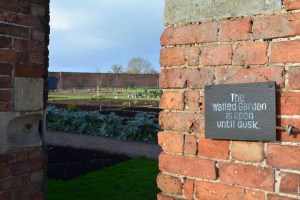
A Walk in the Park – Attingham Park March – The Walled Garden

I shall post two reports for our March visit to Attingham Park, the first about the Walled Garden followed by one about the walk we followed, the Woodland Walk.

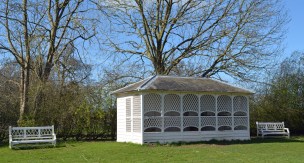
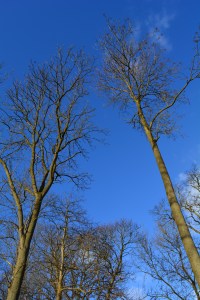
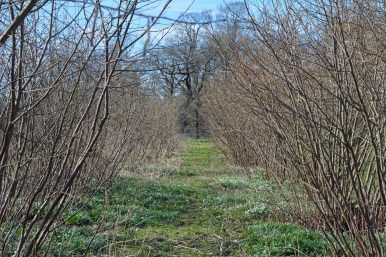
We walked our usual track beneath tall mature deciduous trees to take us to the walled garden. We had a detour to look at the nut walk, lined with coppiced Hazel trees and to have a look at Attingham Park’s famous old bee “building”, the Georgian Bee House. It is a very decorative wooden construction painted white and featuring fancy trellis-work.
    

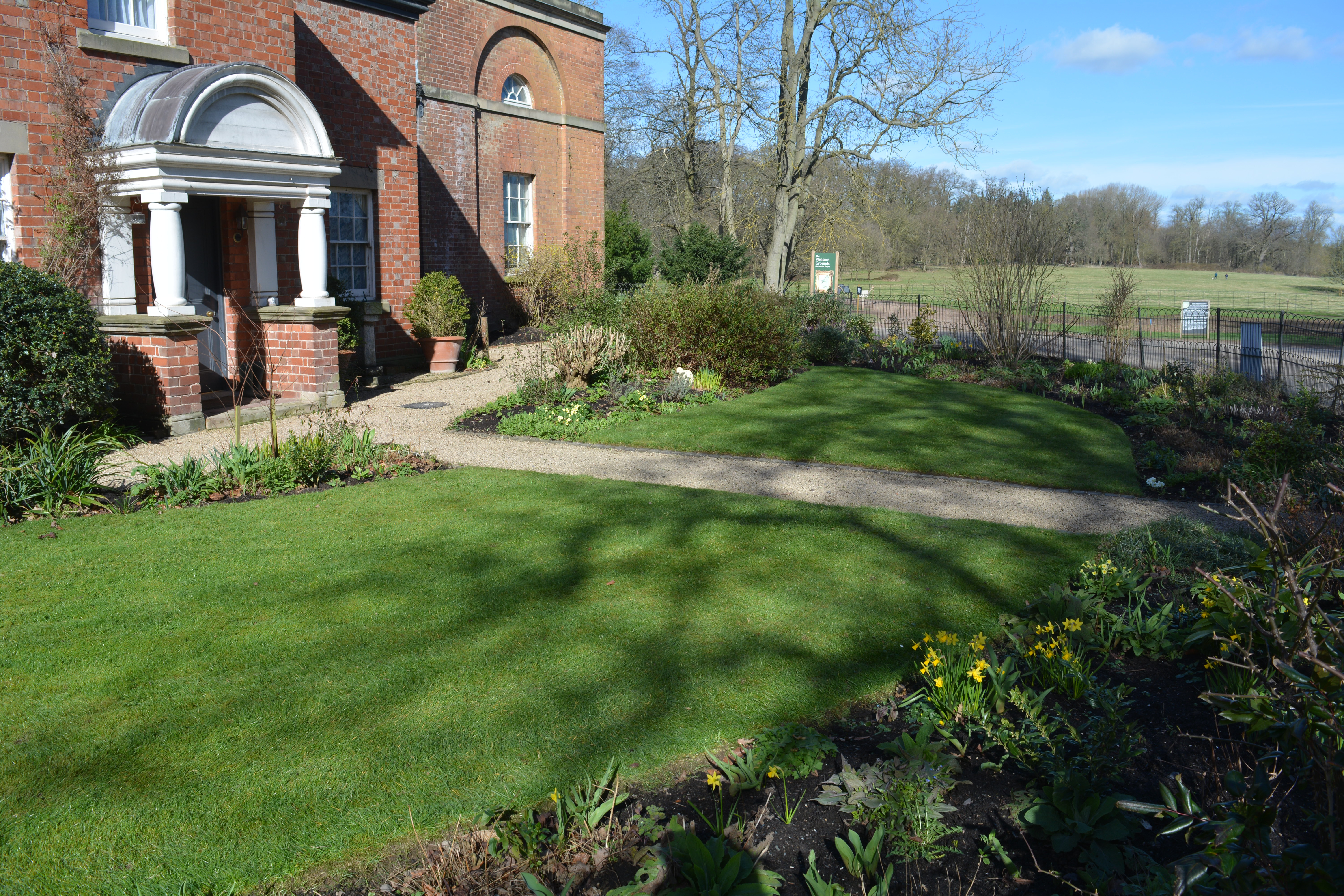
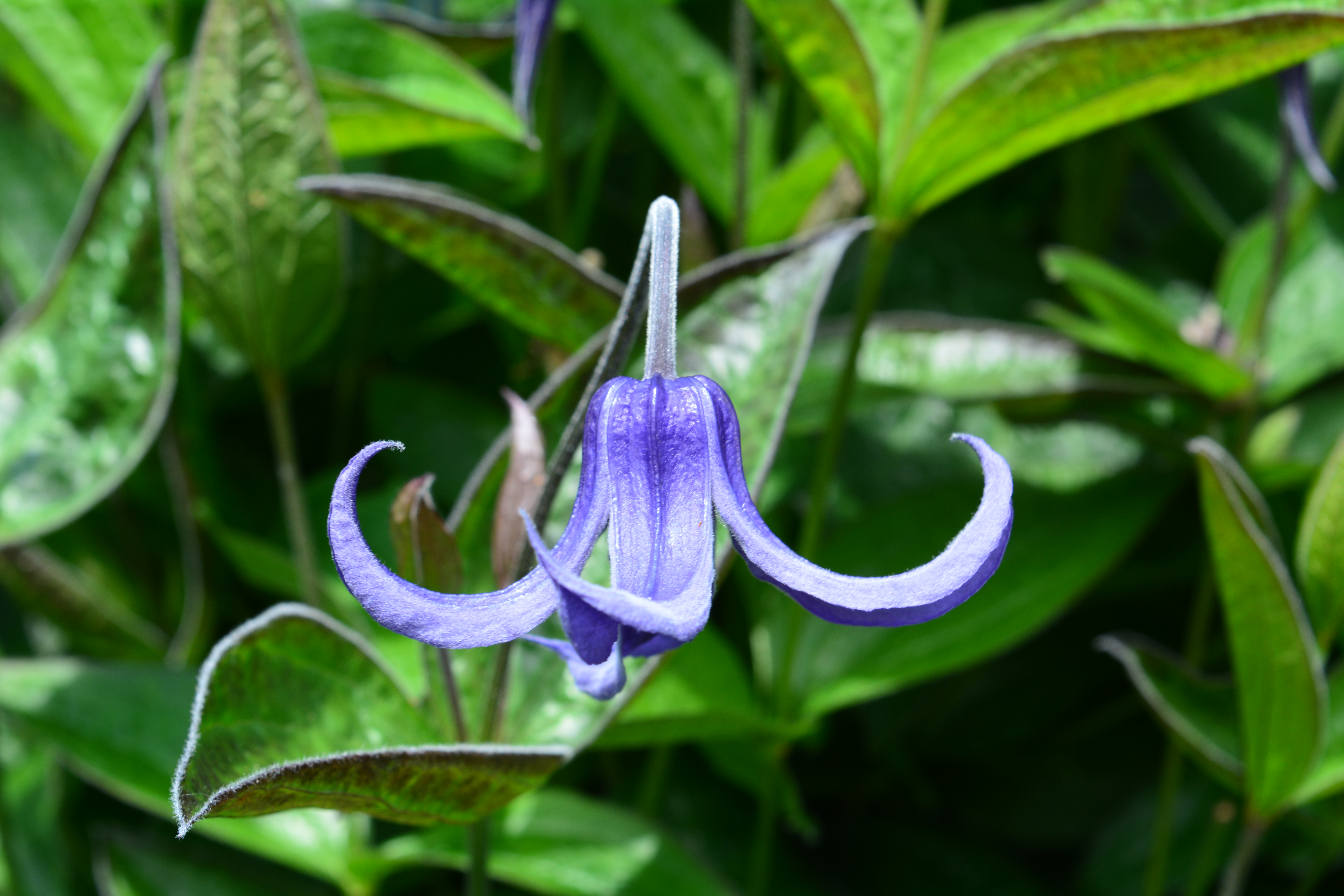
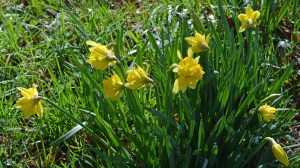
On route we discovered naturalised Daffodils and native Celandines glowing bright golden-yellow beneath magnificent mature trees. The lawns and borders of the gardener’s cottage looked neatly prepared to celebrate Spring. A Clematis alpina displayed deep purple buds fit to burst. Species Tulips were already in flower among emerging growth of herbaceous perennials.

    

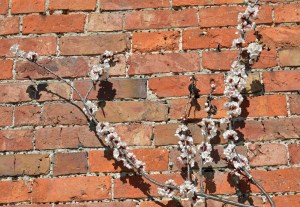
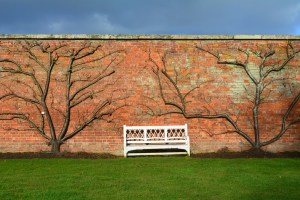
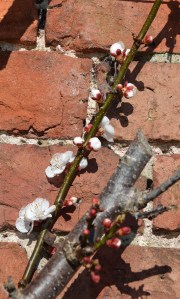
Approaching the gateway into the walled garden we noticed colour on the trained fruit trees, the white and pinks of blossom.

  

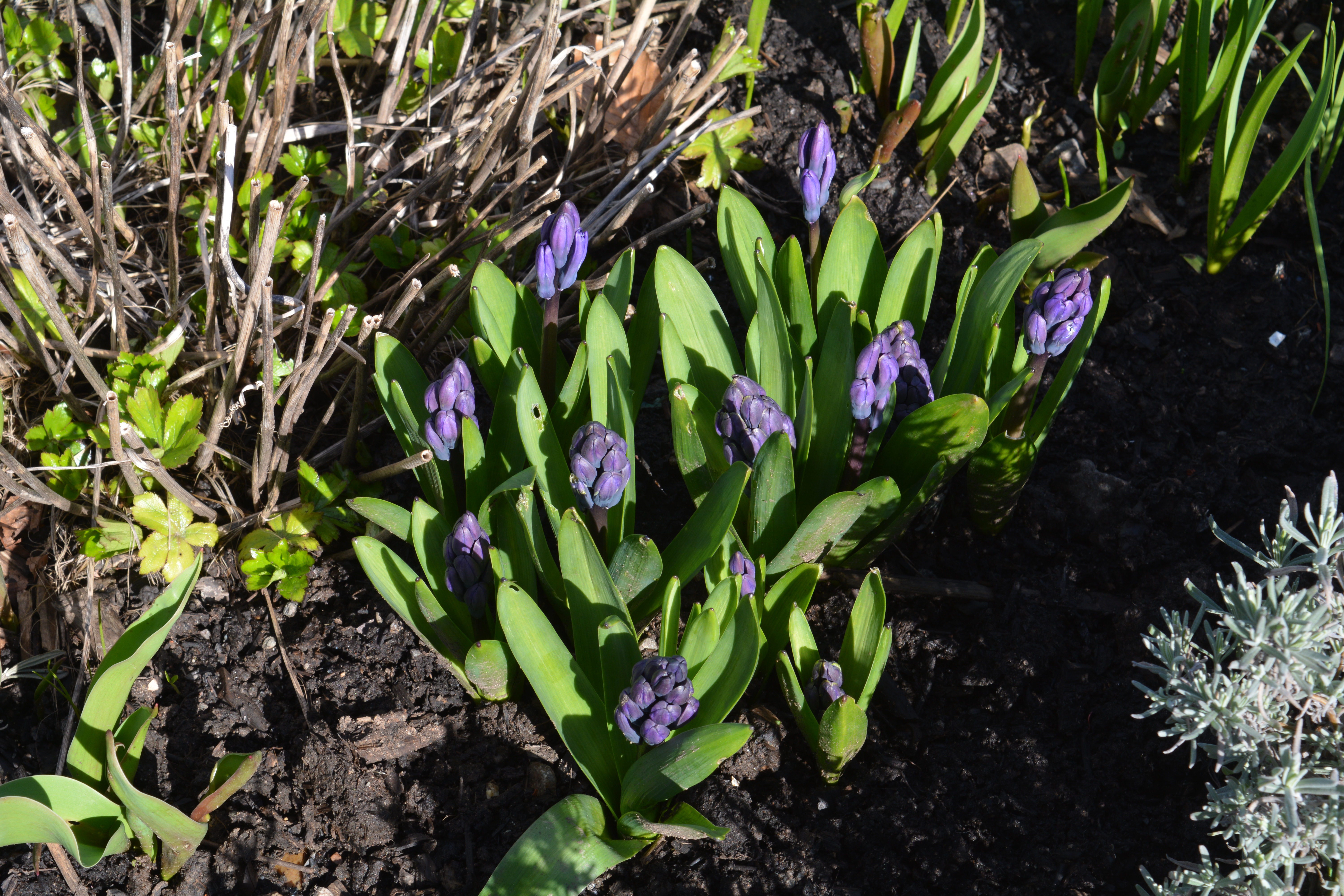
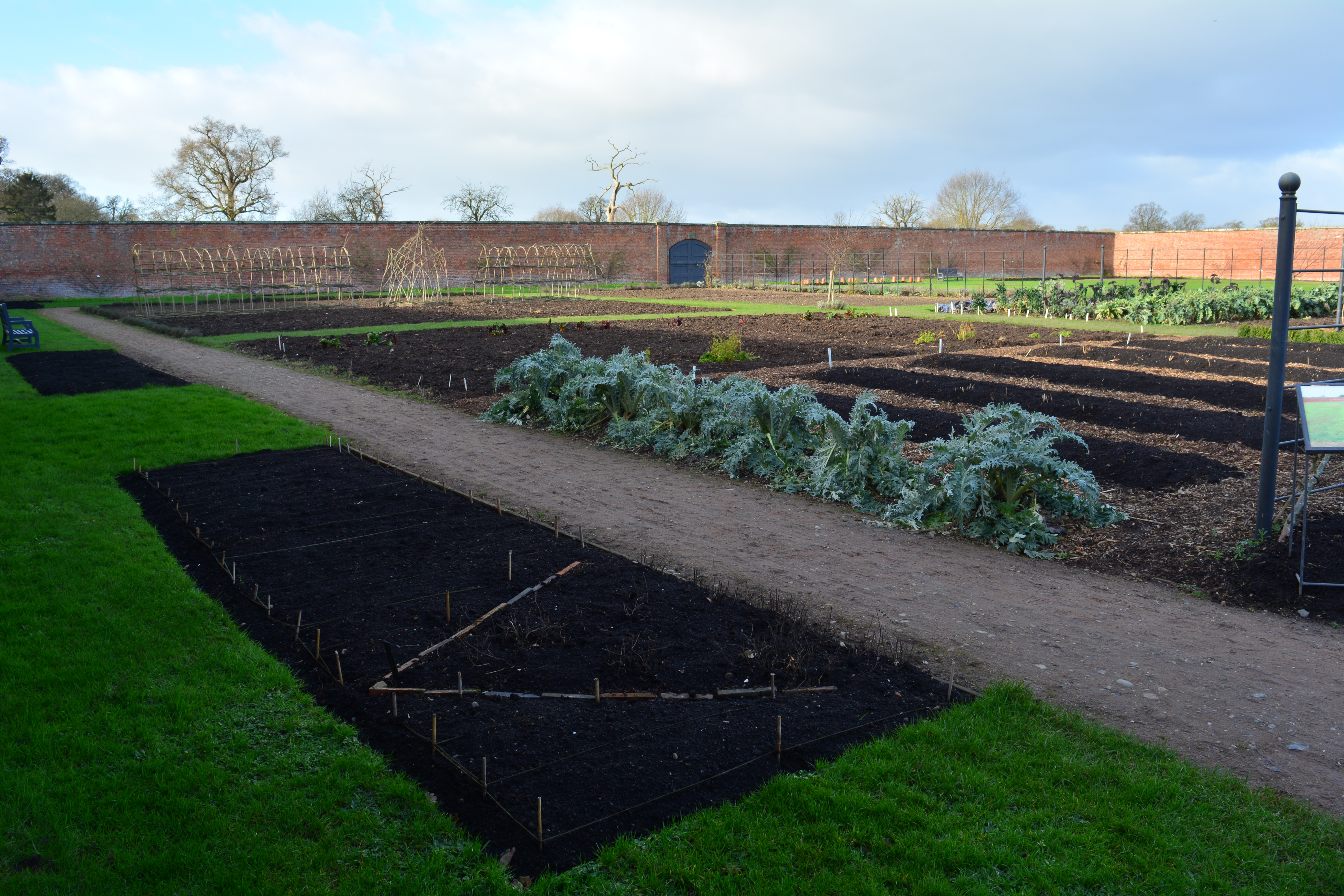
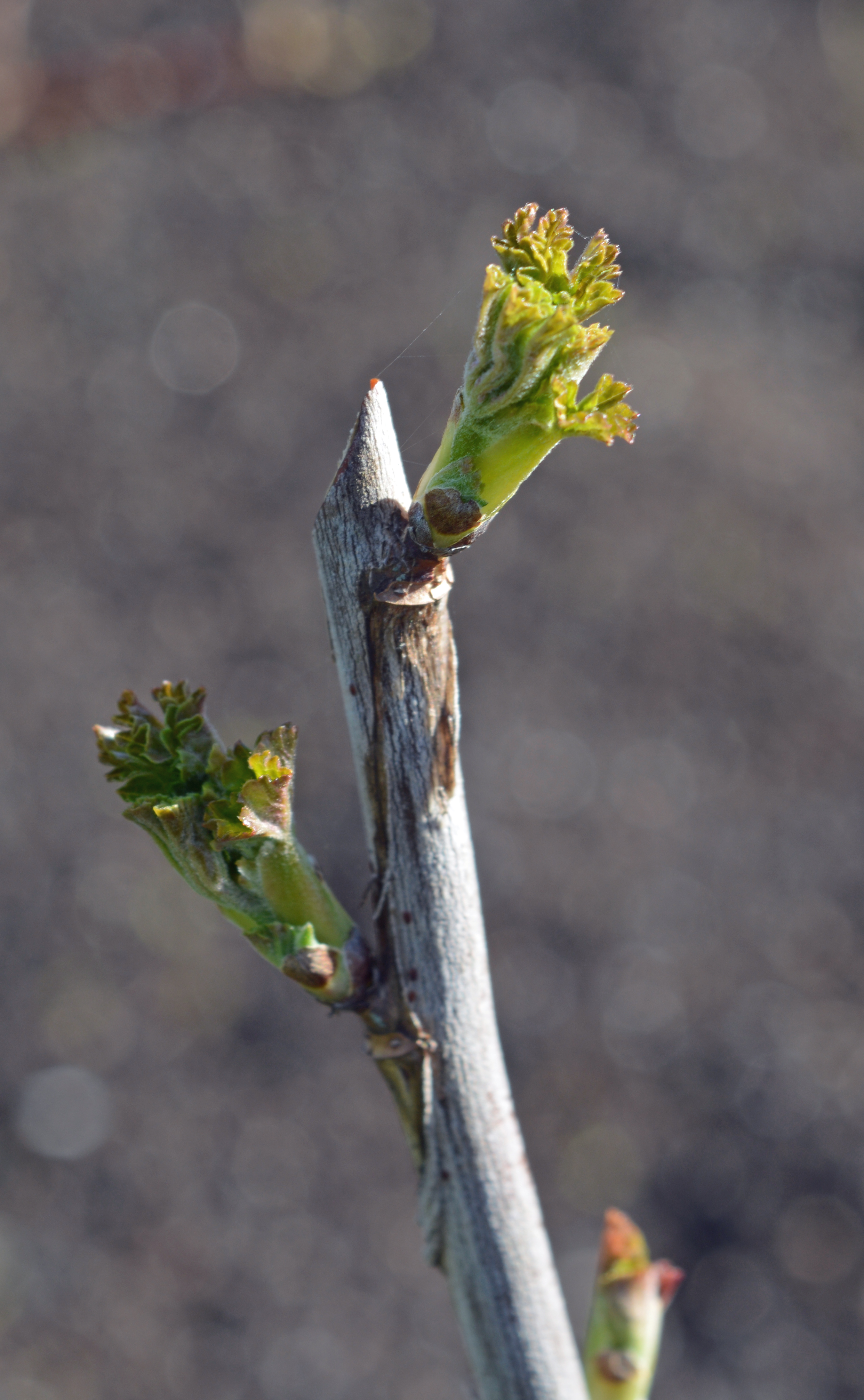
Once we were within the walls we could appreciate the extra warmth and protection afforded by the tall red-bricked walls. Leaf buds were opening on fruit bushes and canes and perennial plants were emerging strongly now the soil had some warmth to it. Bulbs were already flowering and sharing perfume.
   

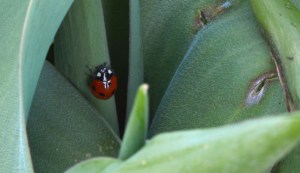
We were sure that the gardeners, who like to garden organically, were delighted at the sight of emerging Ladybirds.
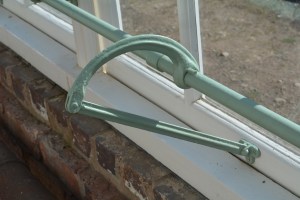
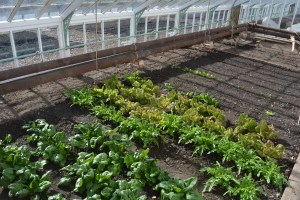
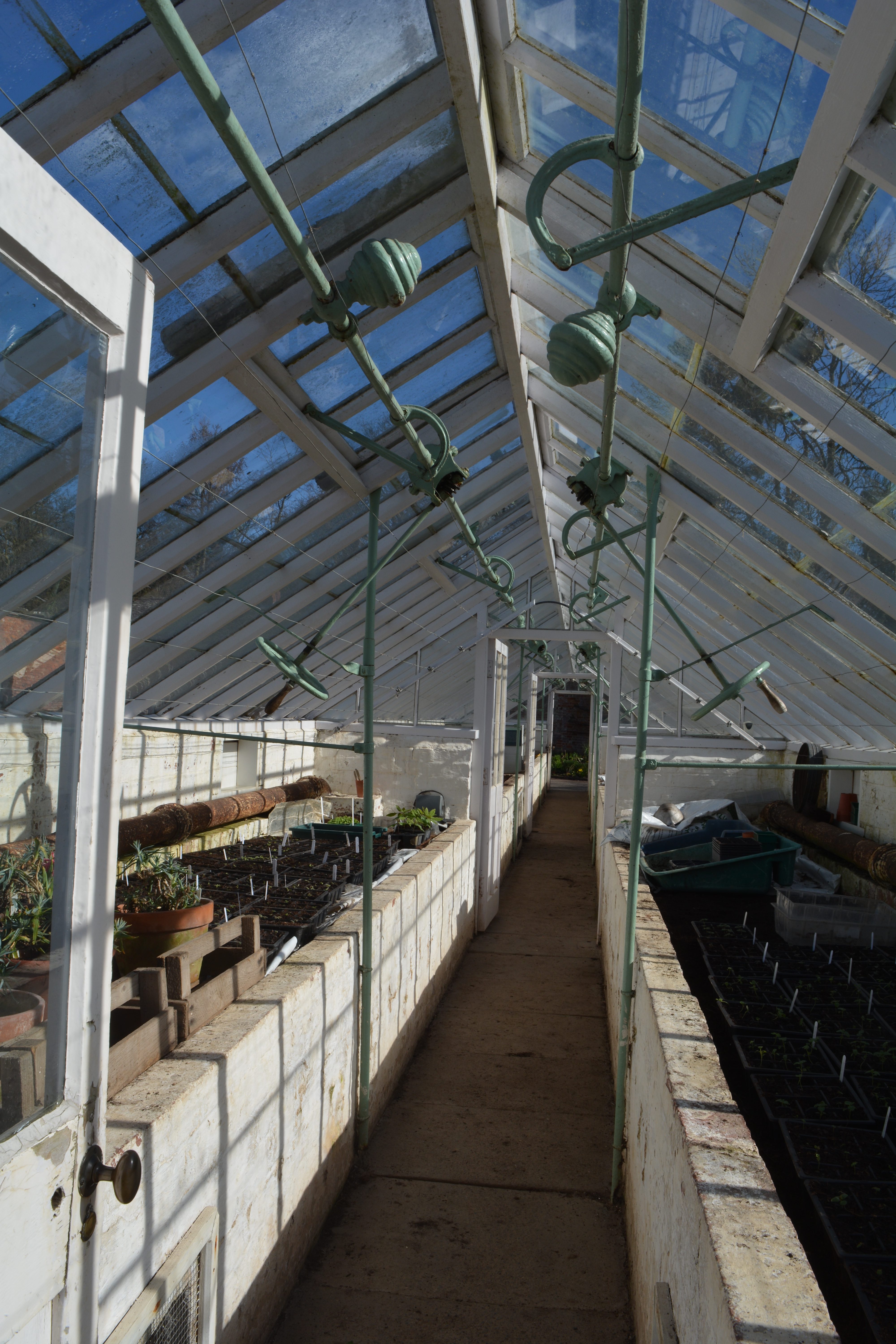
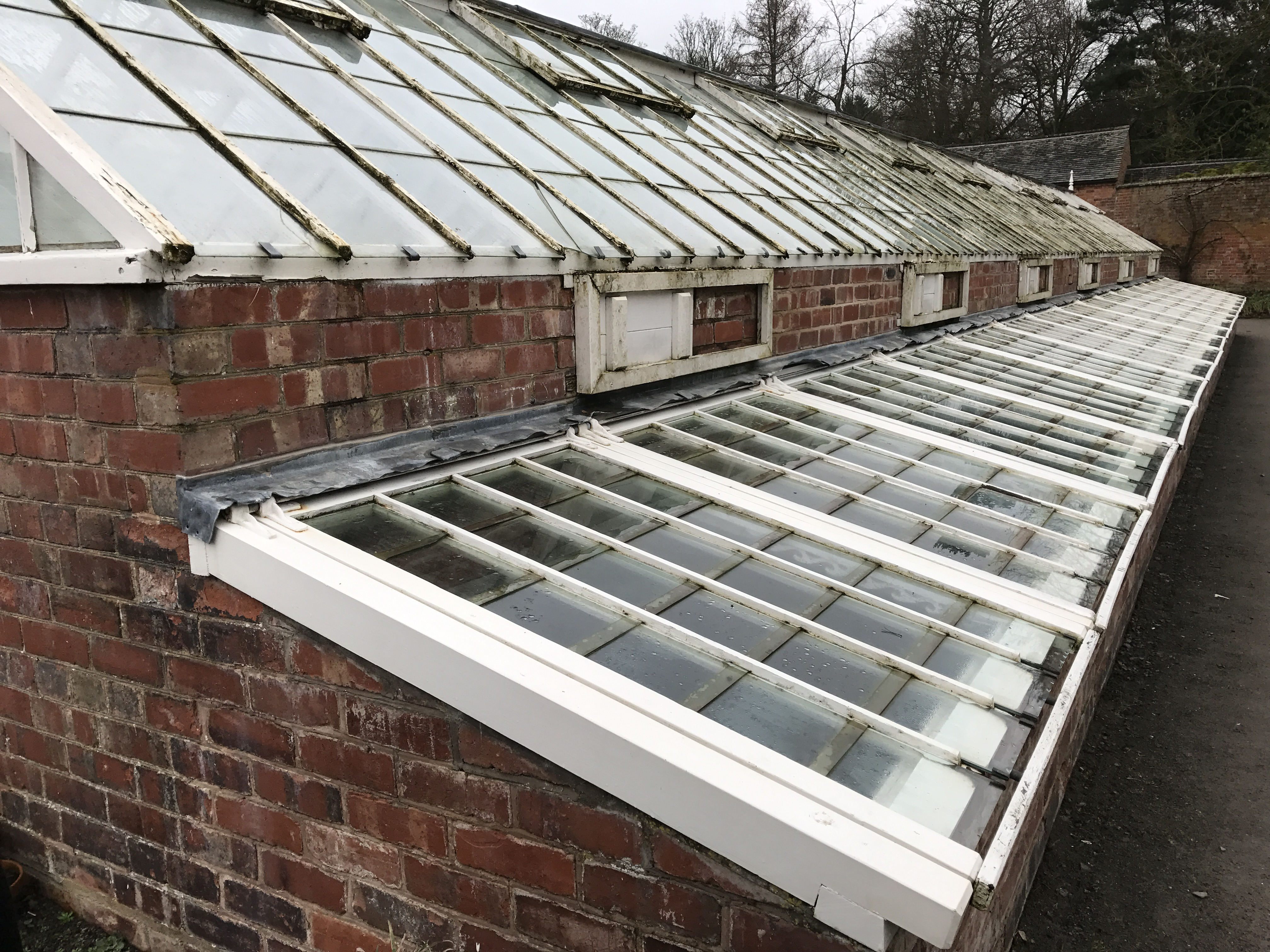
We were so pleased to find the glasshouse doors open to allow us to wander inside to study their structure and mechanisms as well as allowing us to check what the gardeners were up to.
             

The informal decorative and cut flower borders surrounding the glasshouses were most colourful, with Primulas and bulbs taking full advantage of the extra degree or two of warmth afforded by the walls.


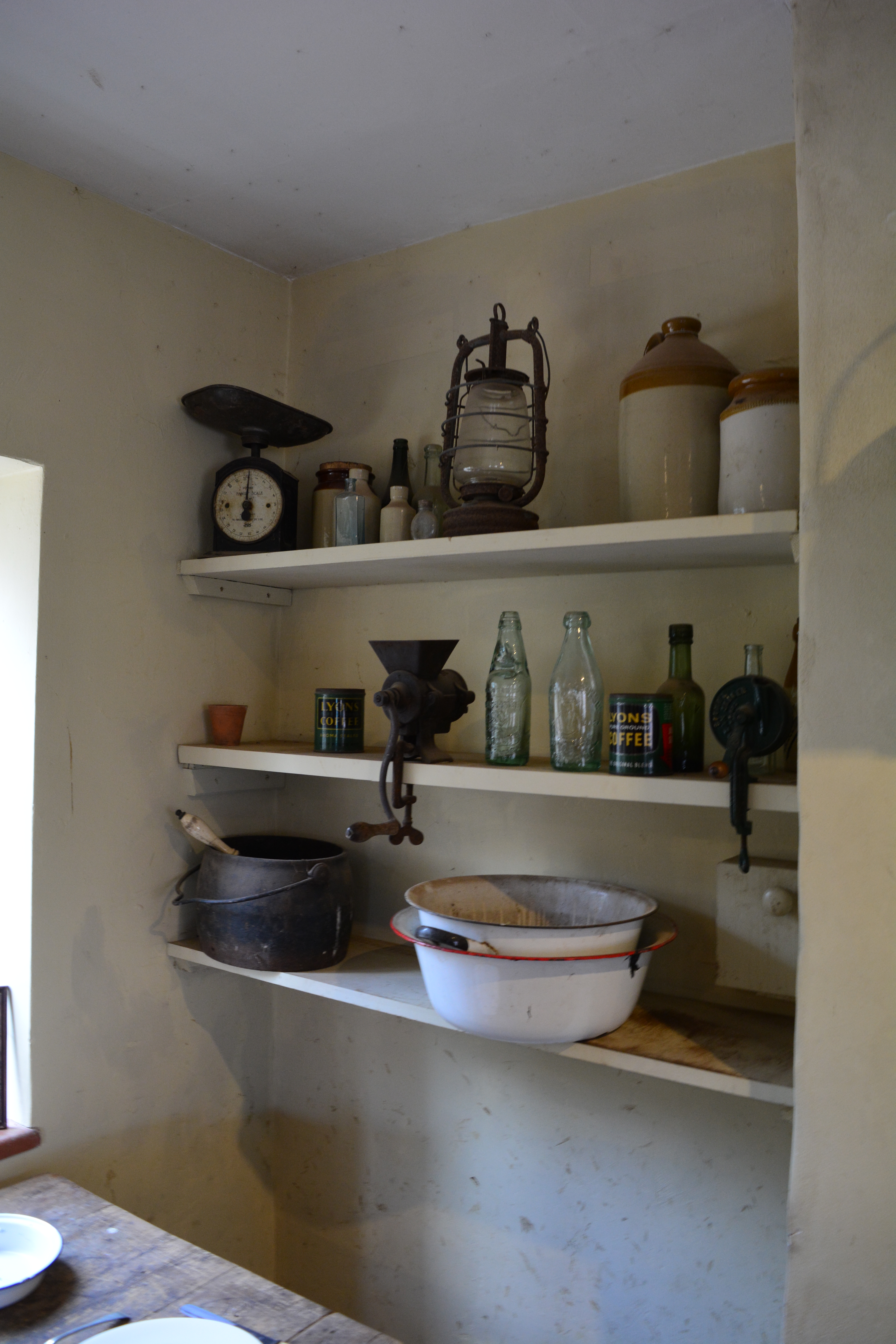
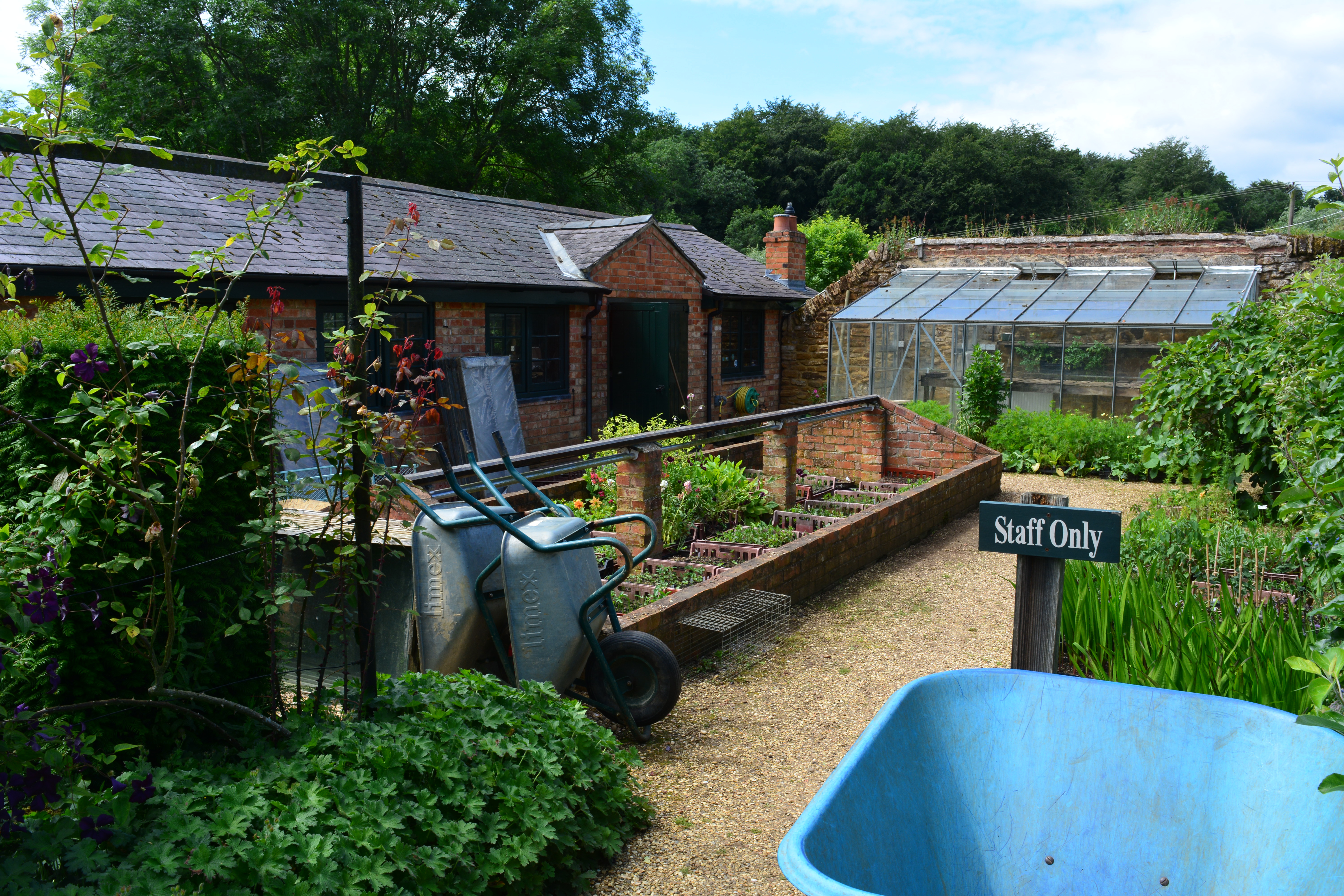
A quick look into the gardeners’ bothy showed us that lots of seed potatoes were chitting nicely and we noticed that the volunteer gardeners had plenty of jobs to challenge them.
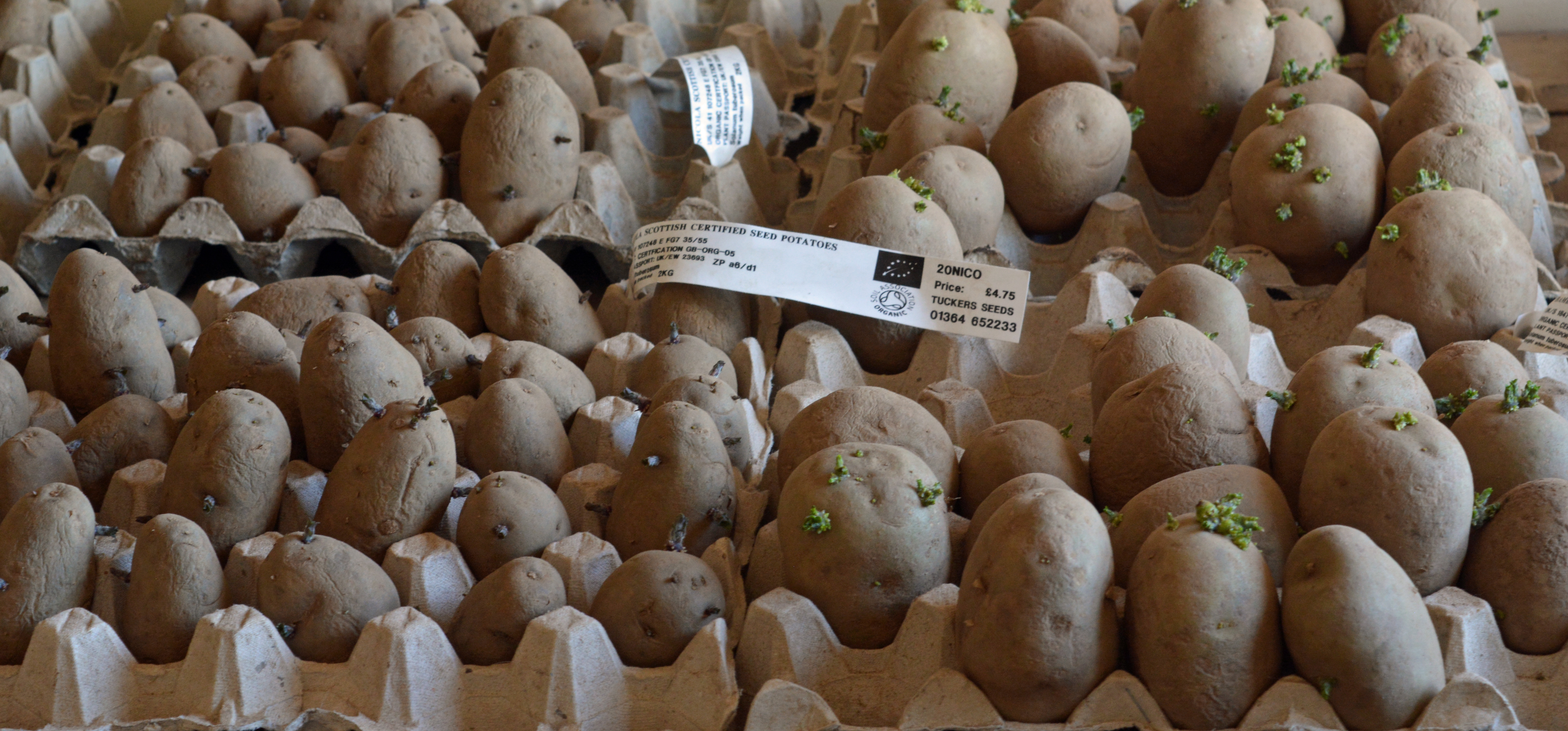
When we return next month we look forward to seeing big changes in the productive borders.

When we left the bothy we continued to walk beneath tall trees along the way marked track taking us towards the start of the Woodland Walk. This walk will be the subject of the next March Attingham Park post.



Categories
autumn autumn colours buildings colours garden buildings garden design garden photography garden seating gardening gardens gardens open to the public National Trust The National Trust Wales

Are you sitting comfortably? Part 11 of a very occasional series.

Here we are back with a new selection of interesting and unusual garden seats, our 11th collection.

To start with I will share with you a selection of garden seats we discovered in the wonderful huge gardens at Bodnant, a National Trust Property in North Wales and then move on to another of their properties but this time much nearer home in the West Midlands, Hanbury Hall. All these seats were discovered within a week in November. We hope you enjoy the selection we have chosen for you.

Bodnant Garden

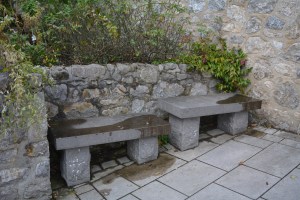
These three simple slate benches are beautifully placed matching their background of strata slate layers and the grey stone paving. They look very different whether they are wet or dry. They are pale greys when dry but much darker and glossier when wet. Their chunky design fits their place so well.

gs11-12 gs11-23

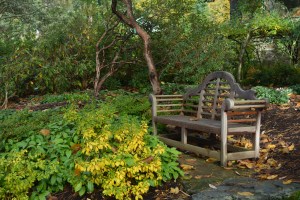
Inside the garden we wandered through the new Winter Garden and down towards the dingle, a wooded steep valley with a stream running through it. All the seats were quite ordinary designs manufactured from wood, including one that is reminiscent of an Edwin Lutzen’s design, but they were made special by their placements either raised up, surrounded by harmonious plantings and all giving beautiful views across the garden. These view points allowed us to look at close up garden plantings, larger borders or even long views along the valley or over tree tops.
gs11-13 gs11-14

gs11-15 gs11-16

gs11-17 gs11-20

gs11-21 gs11-22

These last two pics show seating deeper in wooded areas and illustrate how well seats sit in their environment when manufactured in the natural material of the place itself. Special secretive seating where birdsong shares the space with you.

gs11-19 gs11-18

Hanbury Hall

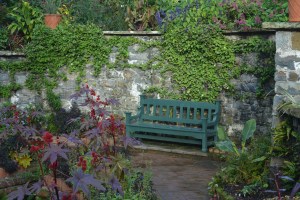
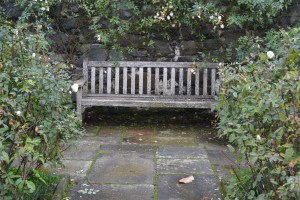
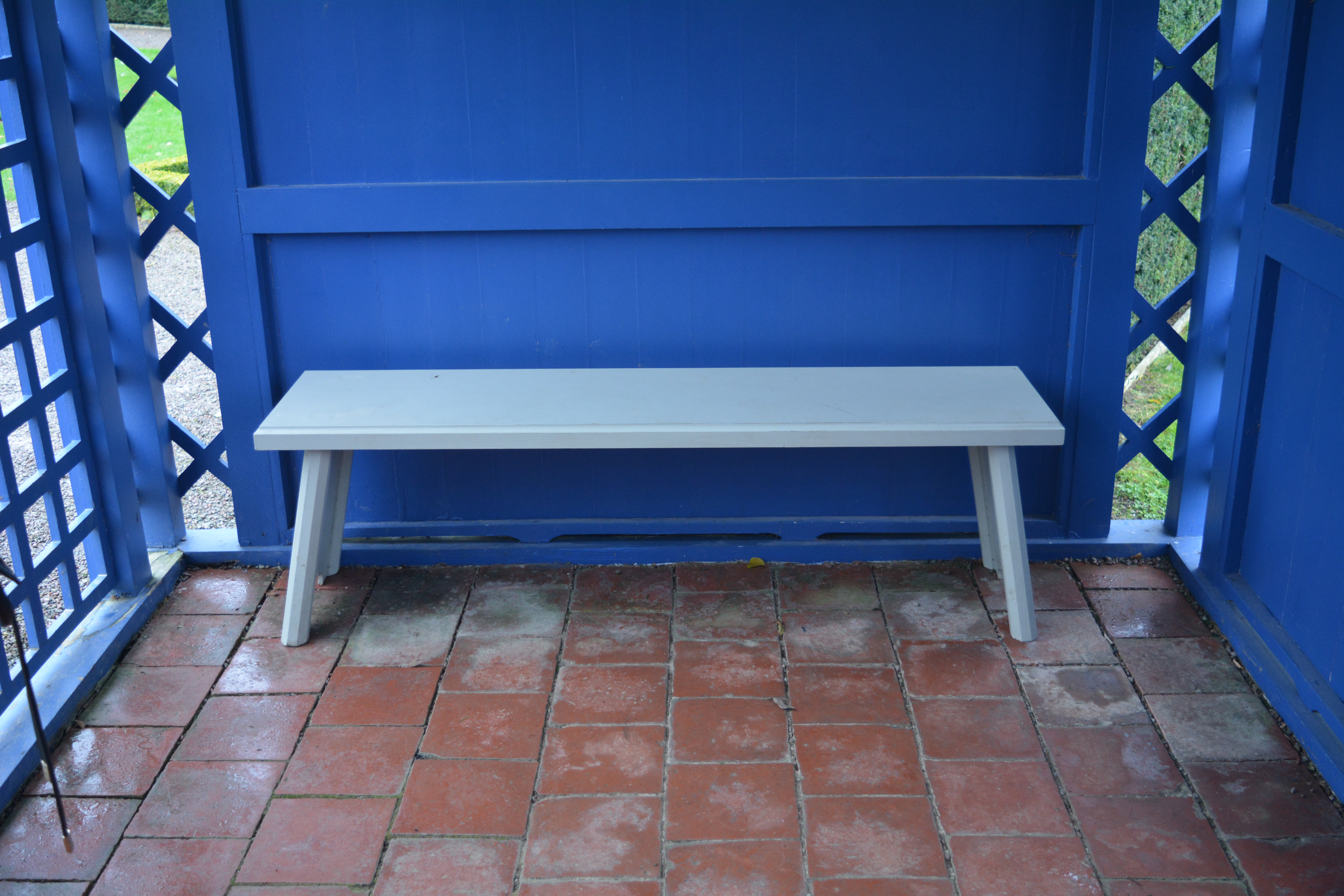
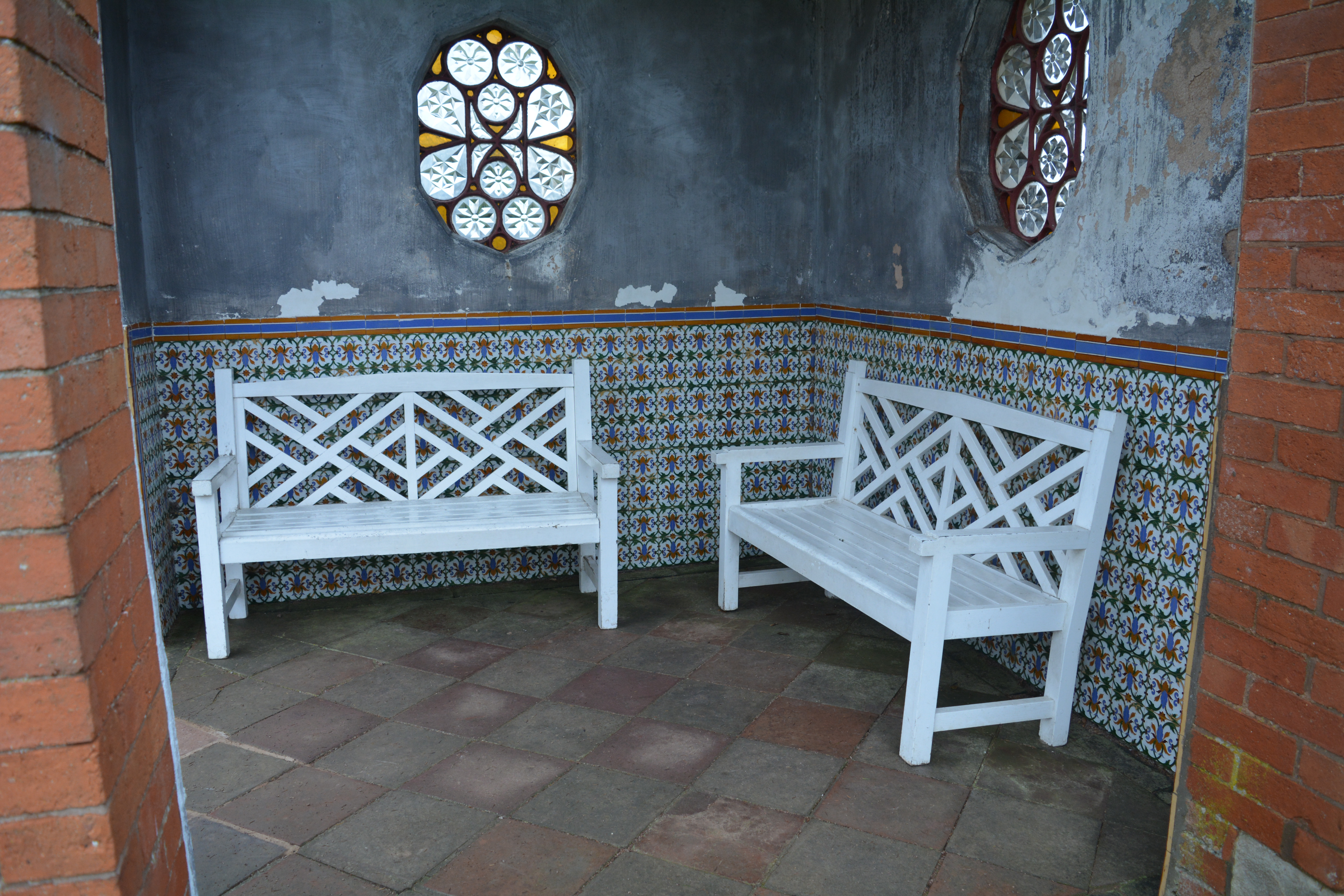
Again the seats at Hanbury were often very simple and ordinaary in design but they are situated in very special places, special buildings, within special planting.

se-1 gs11-01 se-1-1 gs11-02gs11-04 gs11-03

gs11-05 gs11-06 gs11-07 gs11-09 gs11-08 gs11-10 gs11-11

So we have shared with you our selection of garden seats that we enjoyed in November. We hope you enjoyed sharing them with us. We enjoyed trying most of them out!


Categories
autumn colours colours garden photography gardening gardens gardens open to the public

Simply Beautiful 8 – Tetrapanax leaves

Tetrapanax papyfera Rex is a wonderful albeit rather tender foliage plant with large exotic looking leaves. In winter the leaves darken before falling and look simply beautiful.

tpr-1 tpr-2 tpr-3 tpr-4 tpr-5 tpr-6

Categories
colours garden photography gardening gardens gardens open to the public National Trust ornamental trees and shrubs Shrewsbury Shropshire shrubs The National Trust trees Winter Gardening winter gardens woodland woodlands

A Walk in the Park – February at Attingham Park – Part 2

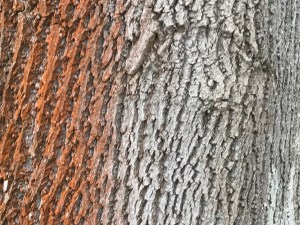
After enjoying time exploring the walled garden and its outbuildings we continued our wanderings towards the beginning of “The Mile Walk”, passing along the way this tree half covered by orange lichen, which looked so colourful on this dull day.

a9-16 a10-5

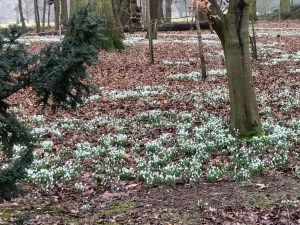
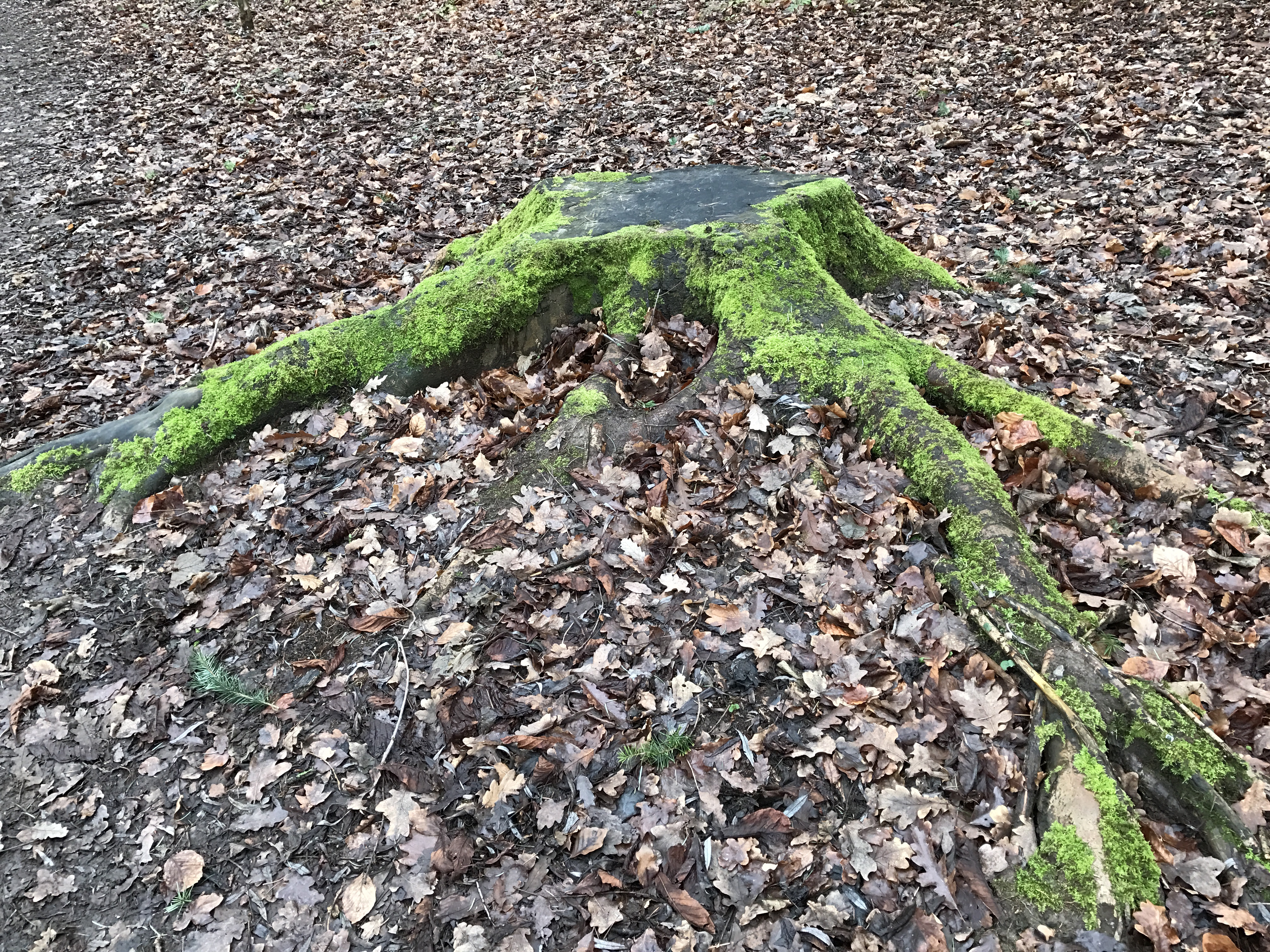
On the way we noticed how much moss was growing at the bases of the mature trees and how bright their green colours were. Of course we enjoyed the white sparkles of snowdrops on the way.

a9-01 a9-04a9-06 a9-14a9-11 a9-03a9-05 a9-02

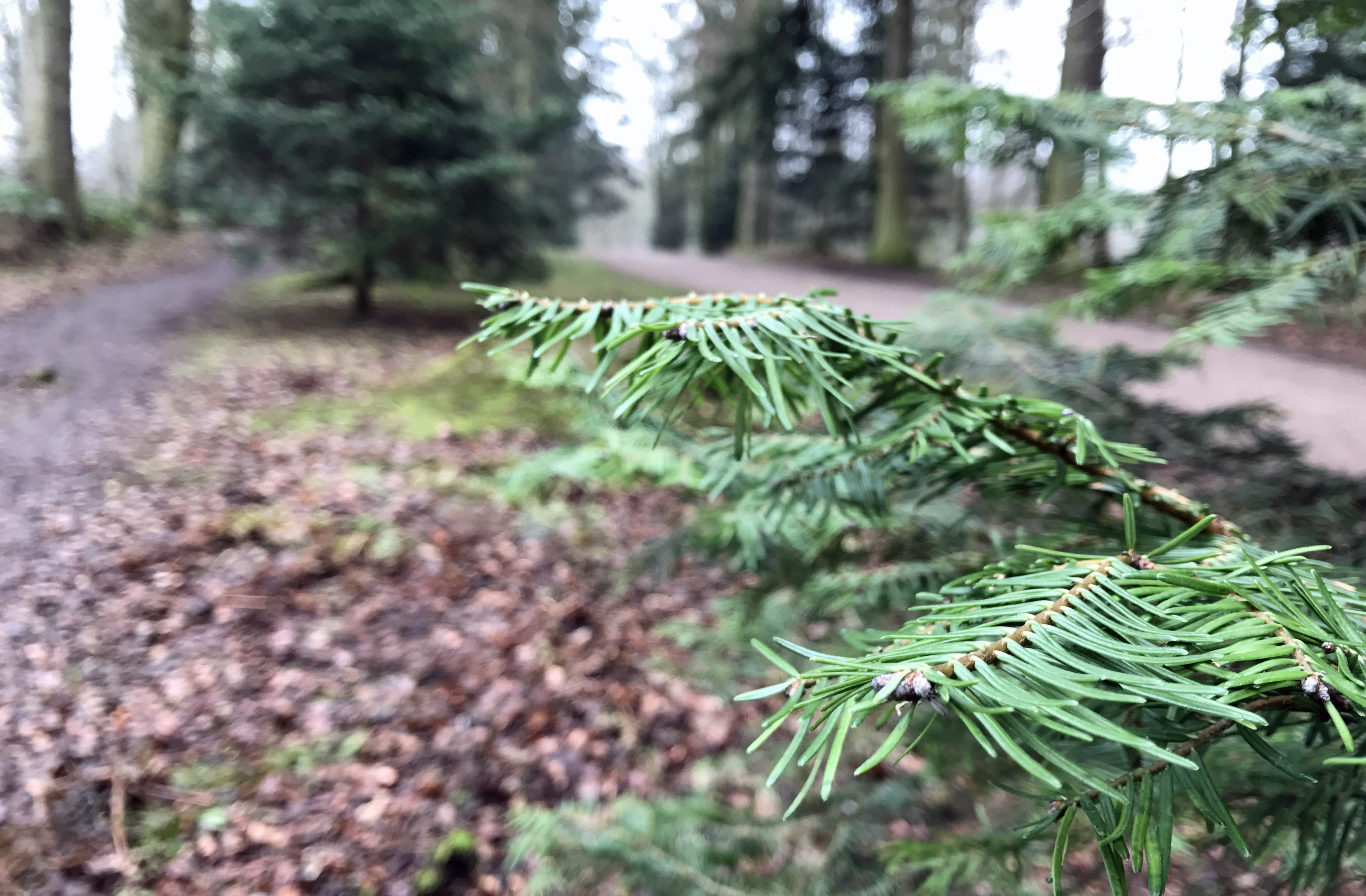
There is a wide variety of coniferous evergreens growing close to the path, collected centuries ago under the guidance of Lord Berwick, a keen tree and shrub collector. We looked closely at the freshest of branches to compare colours and shapes.

a9-07 a9-10a9-18 a9-17

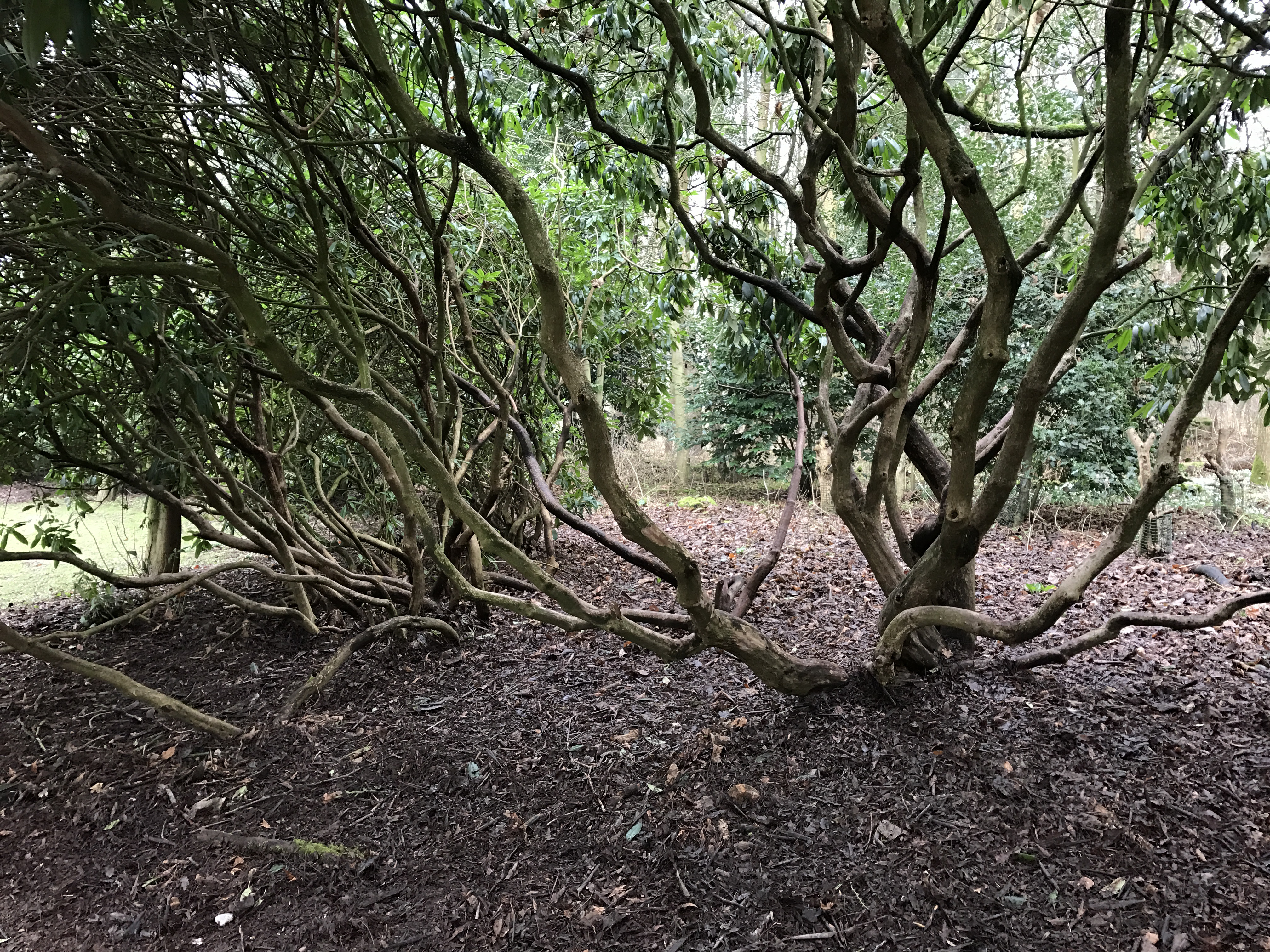
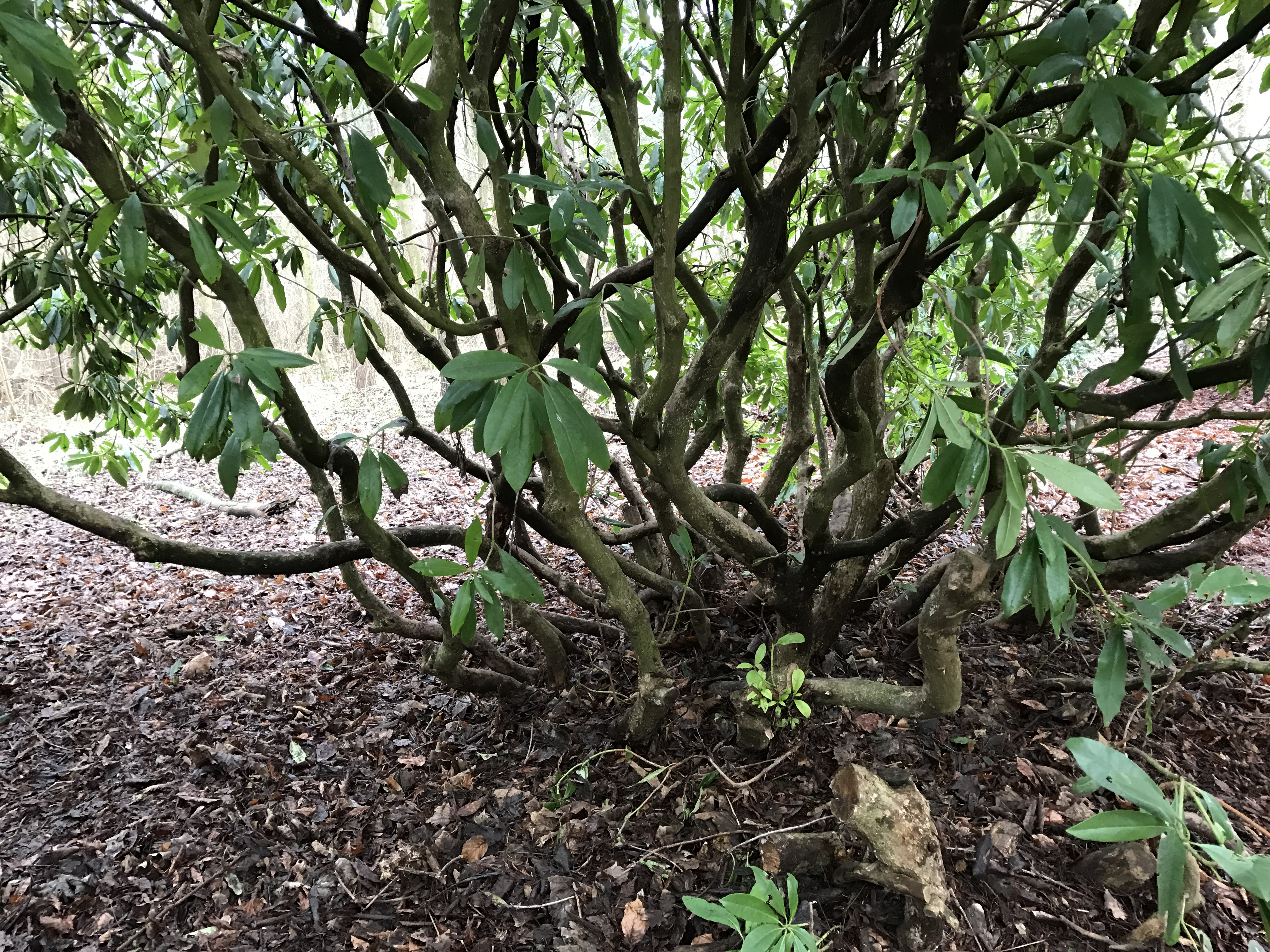
It is only in the depth of winter that we can really appreciate the beautifully gnarled lower stem structure of rhododendron bushes.

a9-12 a9-13

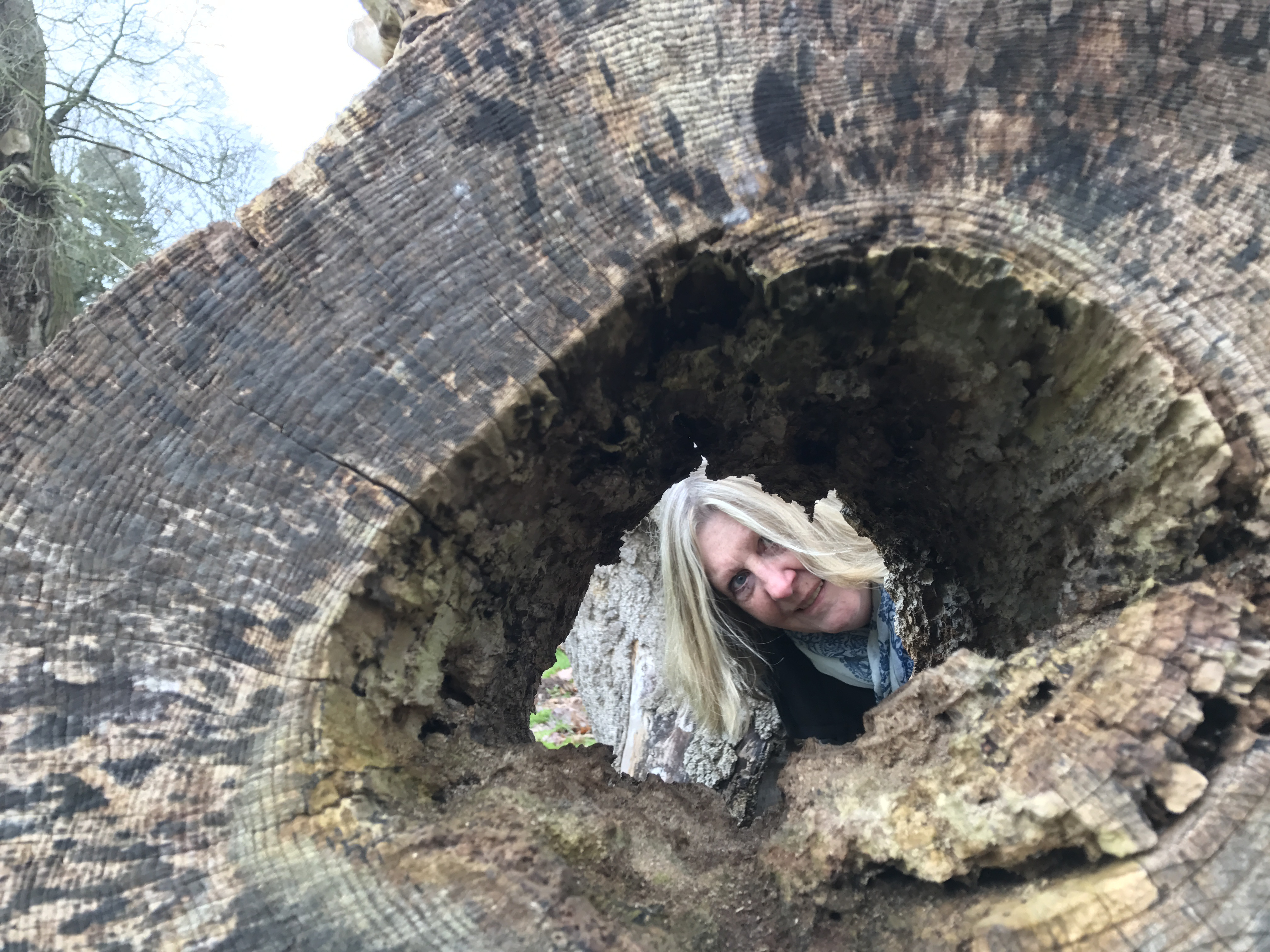
Old tree trunks hollowed out over centuries always bring the child out in us. We were drawn to it as soon as we spotted it along the riverbank.

a10-4 a9-21 a9-22 a9-23 a9-24

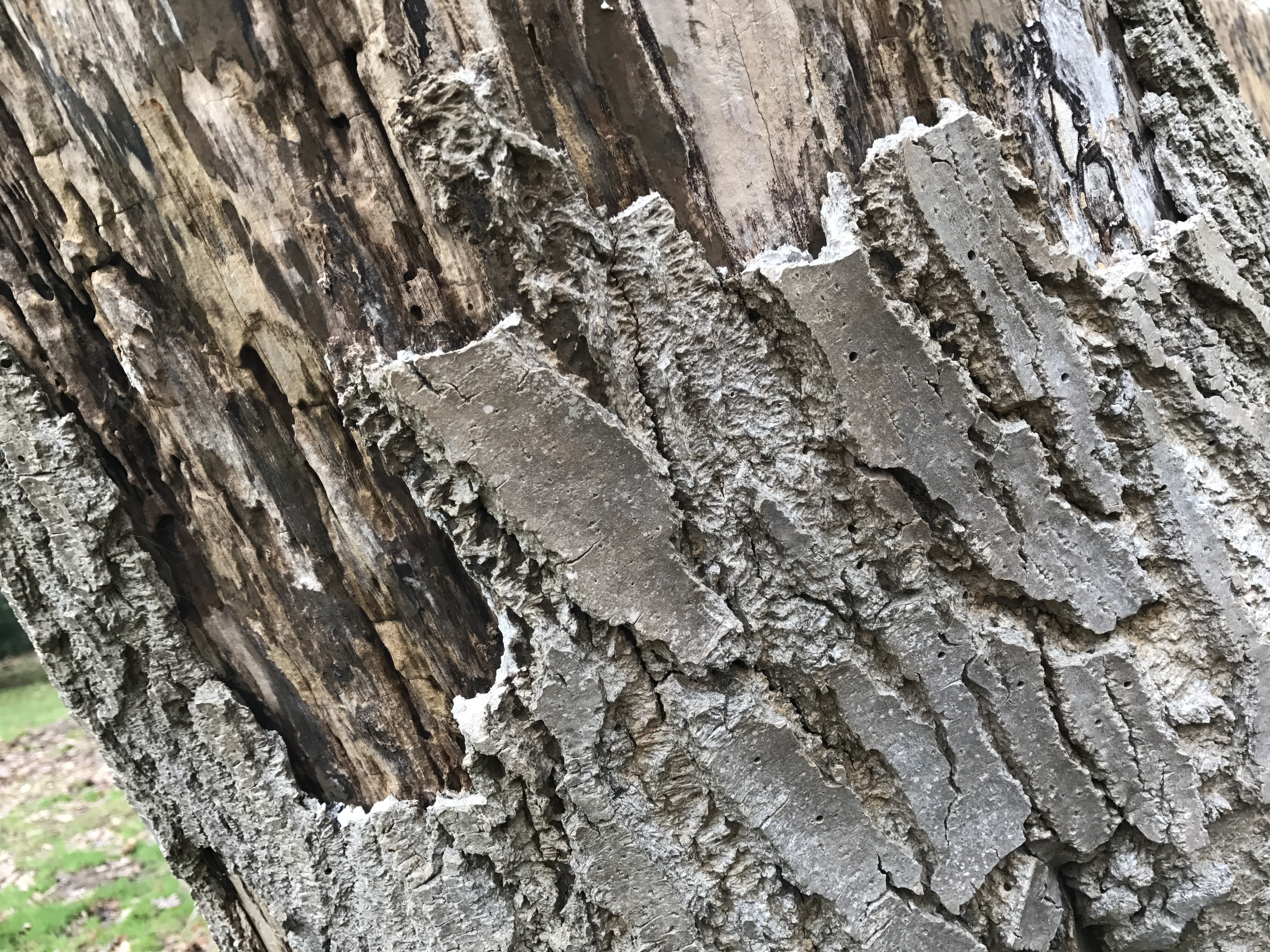
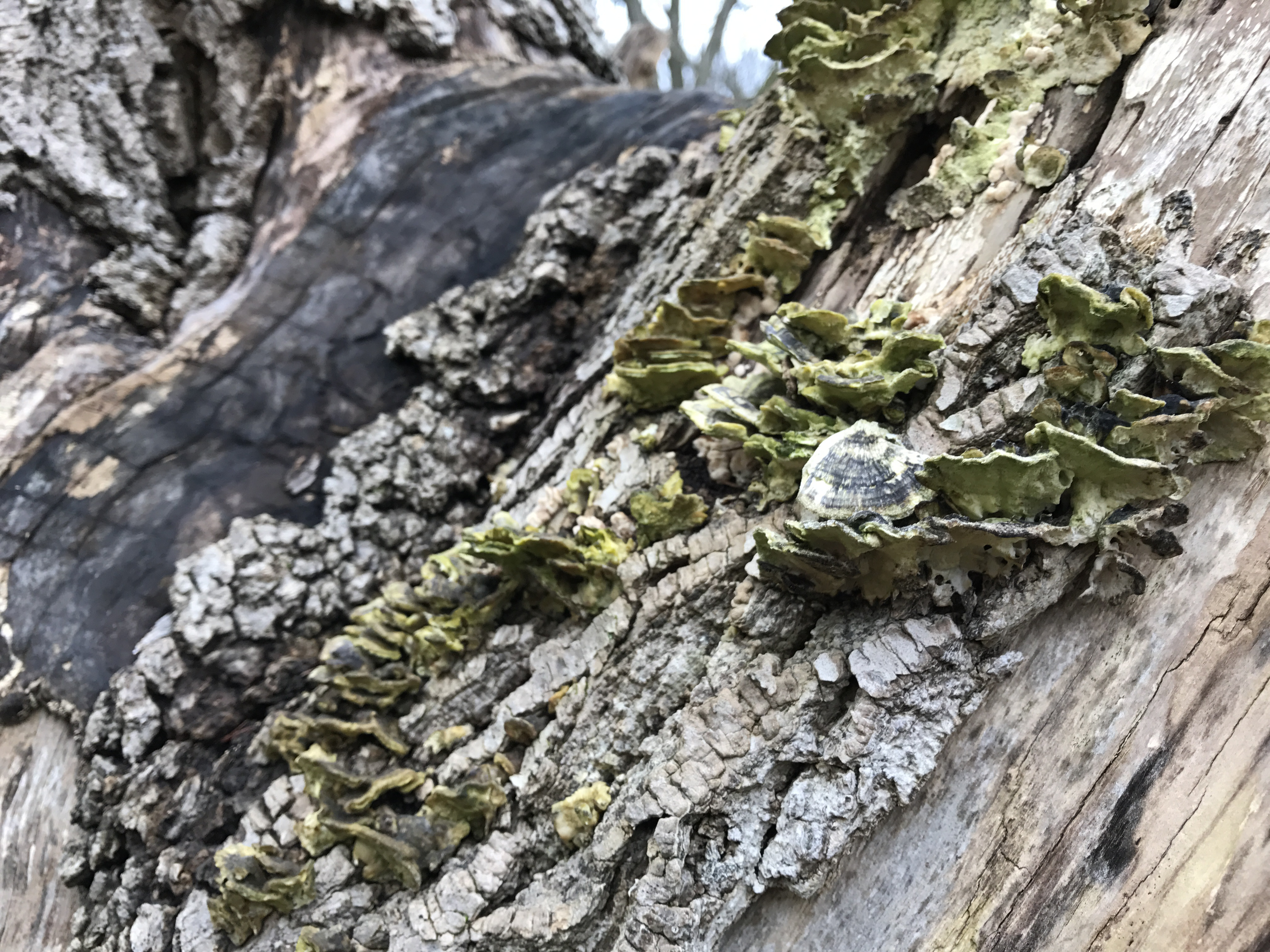
Closer study revealed wide varieties of texture and pattern.

a9-25 a9-26 a9-27 a9-28 a9-29 a9-30

It is always good to find a little humour in gardens and parks. This worm was enjoying nibbling away at the big apple. What a great way to take advantage of an old uprooted tree stump. The final photo shows a seat which we imagines was rarely used particularly as it was just a few feet from the river!

a2-51 a2-50   a9-19

Our next visit to Attingham Park will be in March so we are already looking forward to searching for changes. Of course we will be full of anticipation knowing that the new coffee shop is getting close to its opening date!

a10-6 a10-7


Categories
birds flowering bulbs fruit and veg garden buildings garden photography gardening gardens gardens open to the public kitchen gardens National Trust Shrewsbury Shropshire spring bulbs The National Trust walled gardens walled kitchen gardens winter gardens woodland woodlands

A Walk in the Park – February at Attingham Park – Part 1

It is mid-February and time for our second visit to Attingham Park, our nearest National Trust property. We awoke on the day of our planned visit to a dark overcast sky and light rain hanging in the air, but we set off nonetheless, determined that the weather would not spoil our plans. We started with a quick coffee break but the rain had not improved when we set off on the actual walk to the walled garden and onwards along “The Mile Walk”.

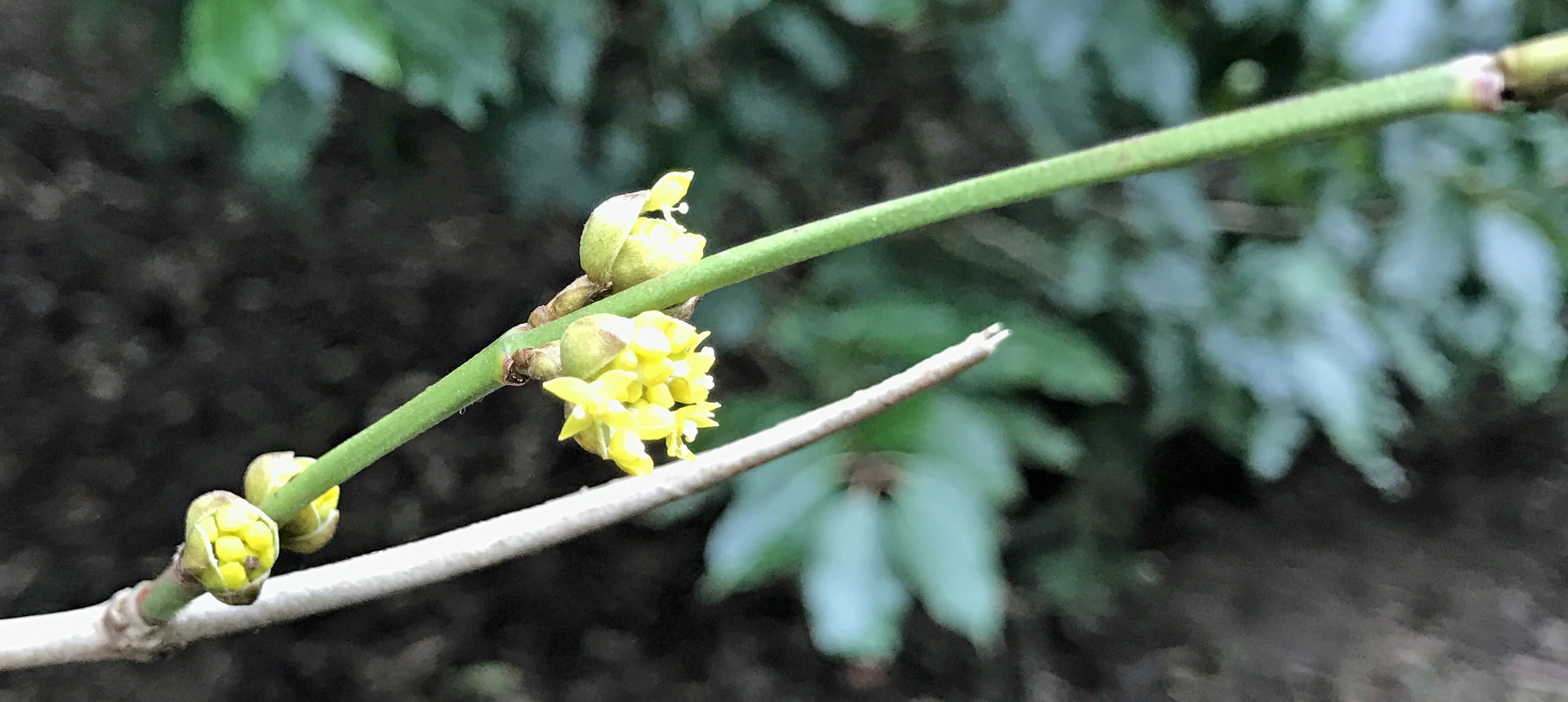
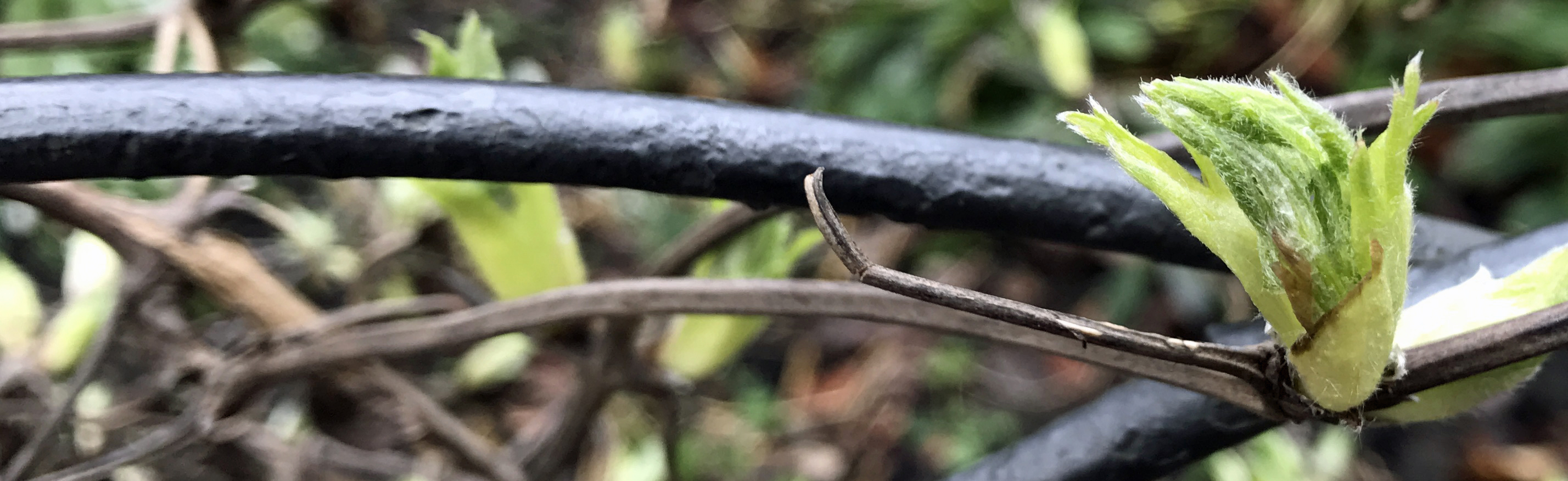
We were on the look out for signs of fresh growth and early signs of wildlife activity. We were not expecting to find much change in the walled garden. Leaf buds were opening on several trees and shrubs, the first signs of fresh growth, as well as a few very early flowers on shrubs.

a1-1 a1-6 a1-2 a1-7

As we left the coffee shop in the courtyard we made our way towards the walled garden following the soft bark path beneath extremely tall trees, where odd leaves brown from autumn were still caught in their lower branches. Up above in the uppermost branches Jackdaws were busy tidying up their nests from last year and noisily chattering away as they did so.

a1-4 a1-3a2-01 a2-05

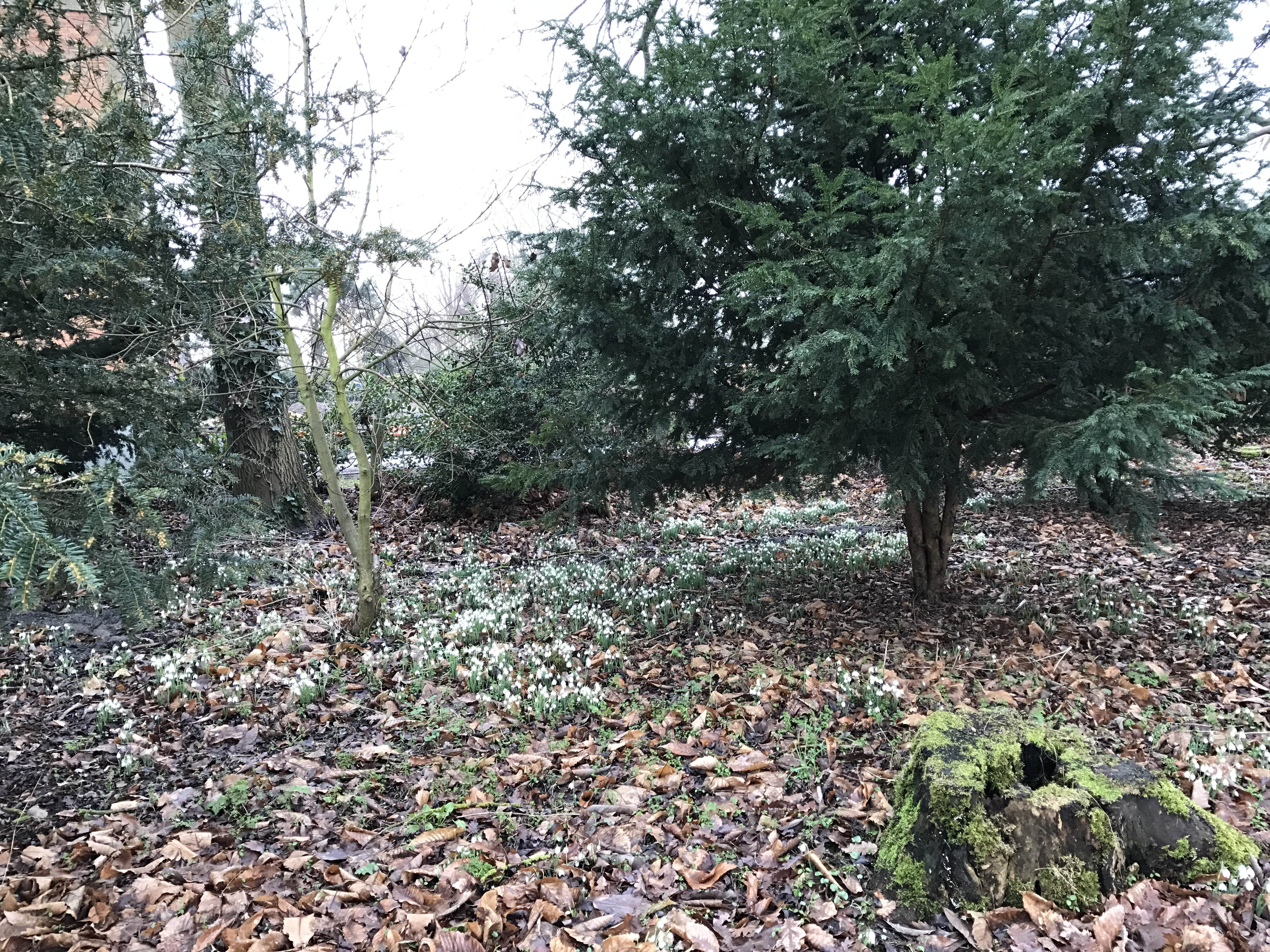
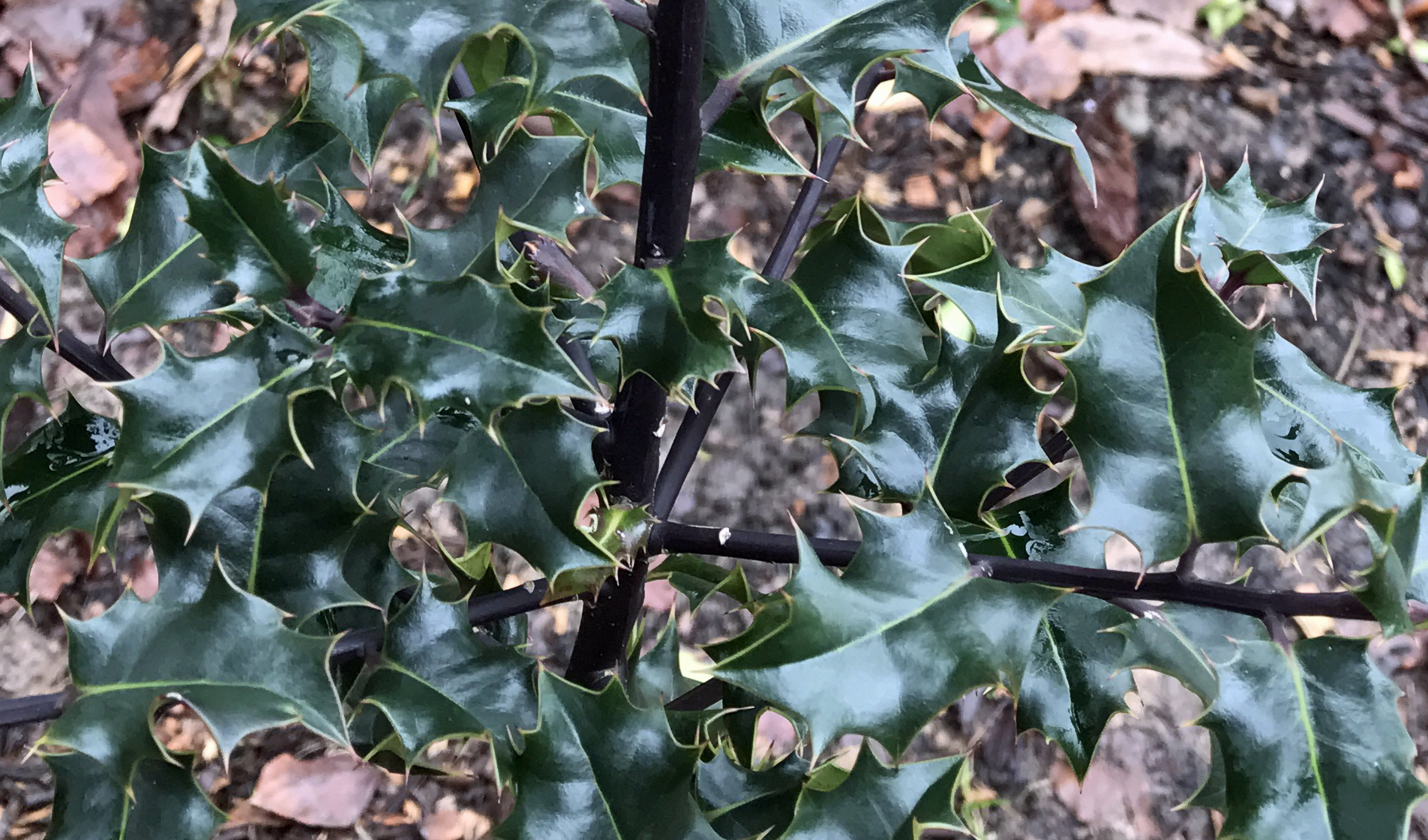
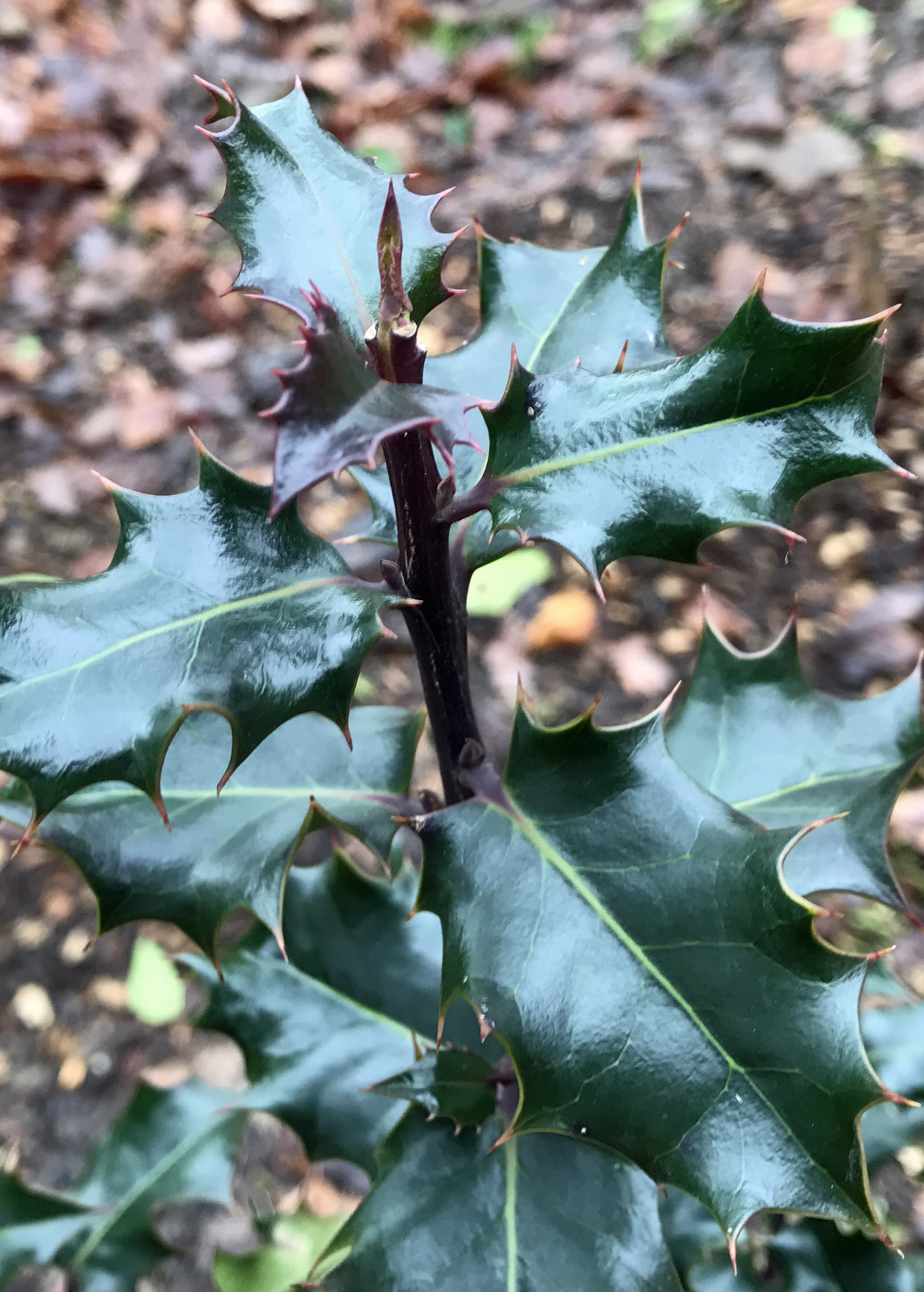
Snowdrops carpeted the floor beneath tall trees looking at their brightest in the shade of hollies which are a feature of the woodland garden here. After enjoying the snowdrops and the variety of hollies we soon found ourselves in the protection of the Walled Garden.

a2-02 a2-09 a2-06 a2-07 a2-08 a2-10  a2-11 a2-12 a2-13

The volunteer gardeners had been working hard skillfully pruning the fruit and we really enjoyed appreciating their skills. A neat layer of compost provided a warm protective mulch and gave an extra level of neatness.

a2-14 a2-15 a2-16 a2-17 a2-18 a2-19a2-22 a2-23

In the very centre of the four segments of the walled garden a dipping well is conveniently placed. Alongside waits an old wheeled water bucket cart beautifully crafted in iron and galvanised metal. Today it is more decorative then functional.

a2-20 a2-21

New life was showing in the herbaceous borders running along both sides of the main centre path.

a2-24 a2-25 a2-27  a2-29  a2-31

As we moved into the glasshouse yard bright blue splashes of colour showed strongly in the borders and in pots, diminutive Iris reticulata.

a2-35 a2-32a2-34 a2-37

We never fail to be impressed by the workmanship evident wherever old glasshouses have been restored to their former glory.


a2-39 a2-40

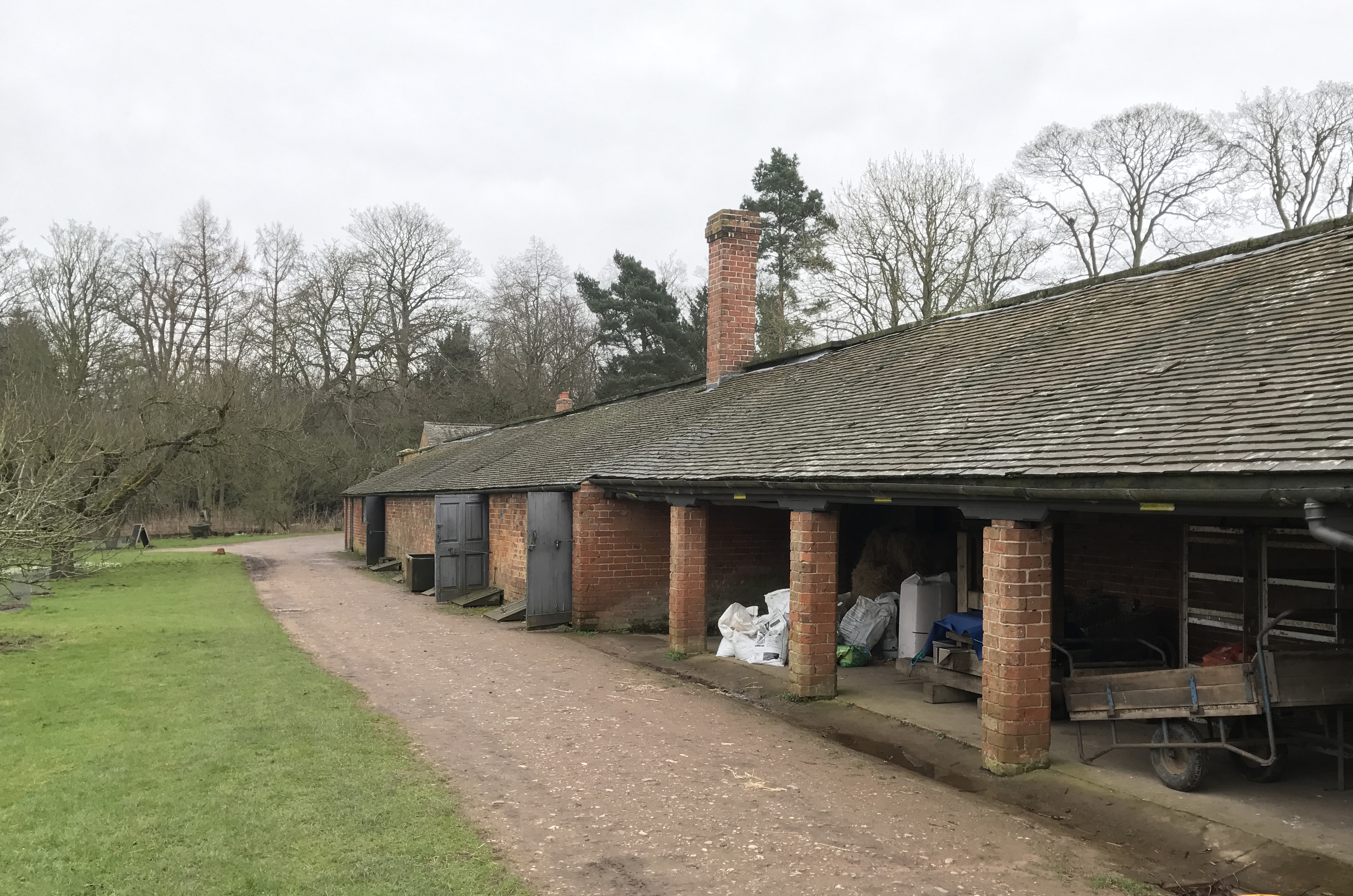
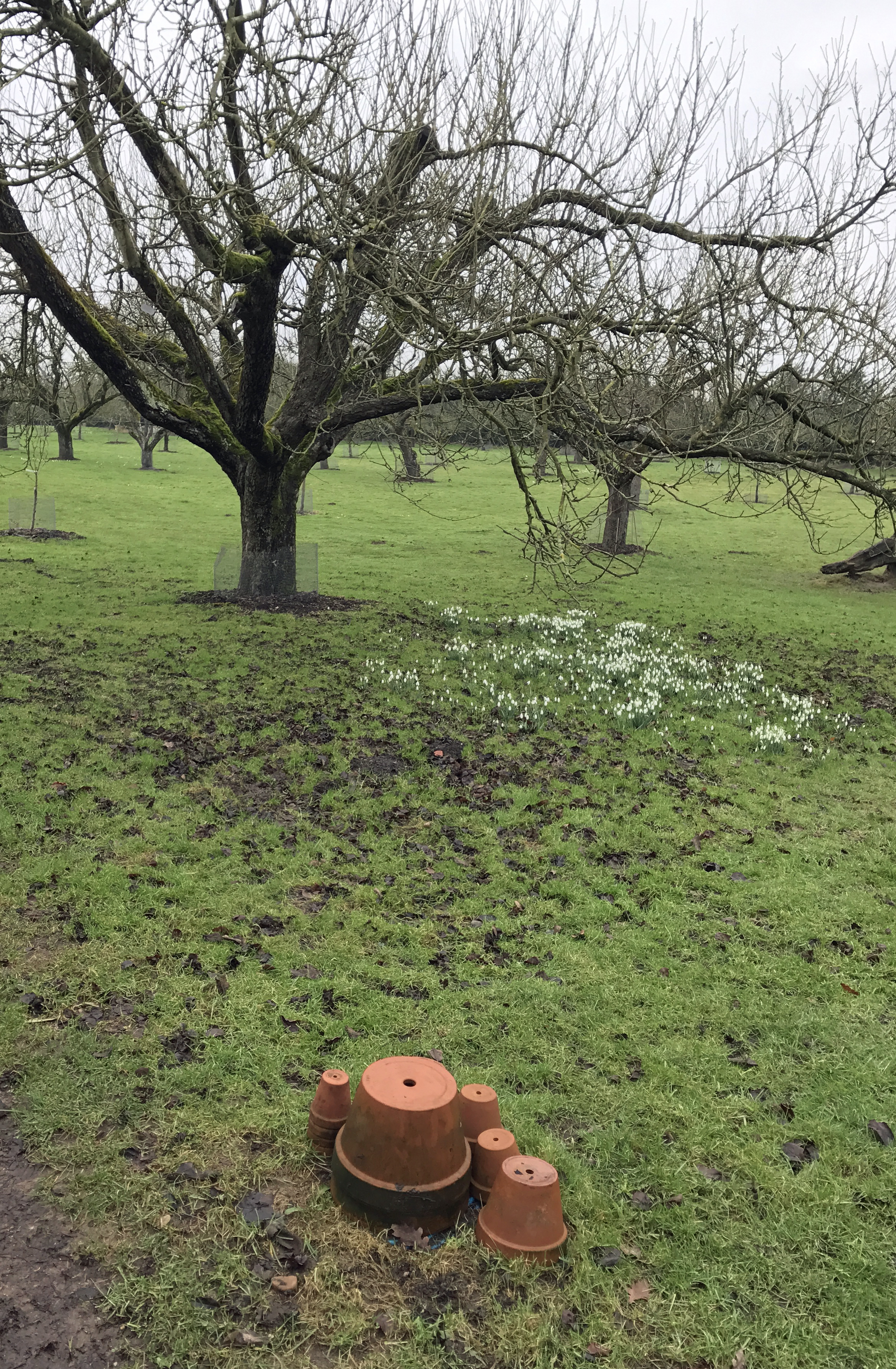
We exited the walled garden via the doorway leading to the orchard, which also gave us access to the lean-to buildings outside the walls themselves. We explored each building and recess to discover old clay pots, the old boiler and an apple store.

a2-42 a2-41 a2-43 a2-44 a2-45 a2-46 a2-47 a2-48 a2-49 a2-50 a2-51 a2-52

So leaving the warmer atmosphere found within the walled garden, we returned to the path that would take us to The Mile Walk. That will be the subject of my Attingham Park February walk part two.

Categories
arboreta colours garden design garden photography gardening gardens gardens open to the public hardy perennials ornamental trees and shrubs outdoor sculpture sculpture shrubs trees

The Place for Plants – East Bergholt Place Gardens

As we move towards the end of February it seems a good time to share with you a visit we made to a beautiful garden in the summer.

The gardens at East Bergholt Place, otherwise known as “The Place for Plants” was one of our chosen gardens to visit when we spent a few days down in Suffolk. It is situated in the Stour valley on the border between the counties of Suffolk and Essex. We had high expectations of the gardens as they are affiliated to the Royal Horticultural Society, usually a guarantee of a garden well worth a visit. The garden includes an arboretum and the National Collection of deciduous Euonymus, my favourite family of shrubs.

eb-01 wp-07

East Bergholt is a garden with a calm atmosphere full of peacefulness and contentment. Just to walk its grass paths seeking out specimen trees and shrubs makes the visitor feel calm.

eb-64 eb-37 eb-44 eb-22eb-53 eb-30

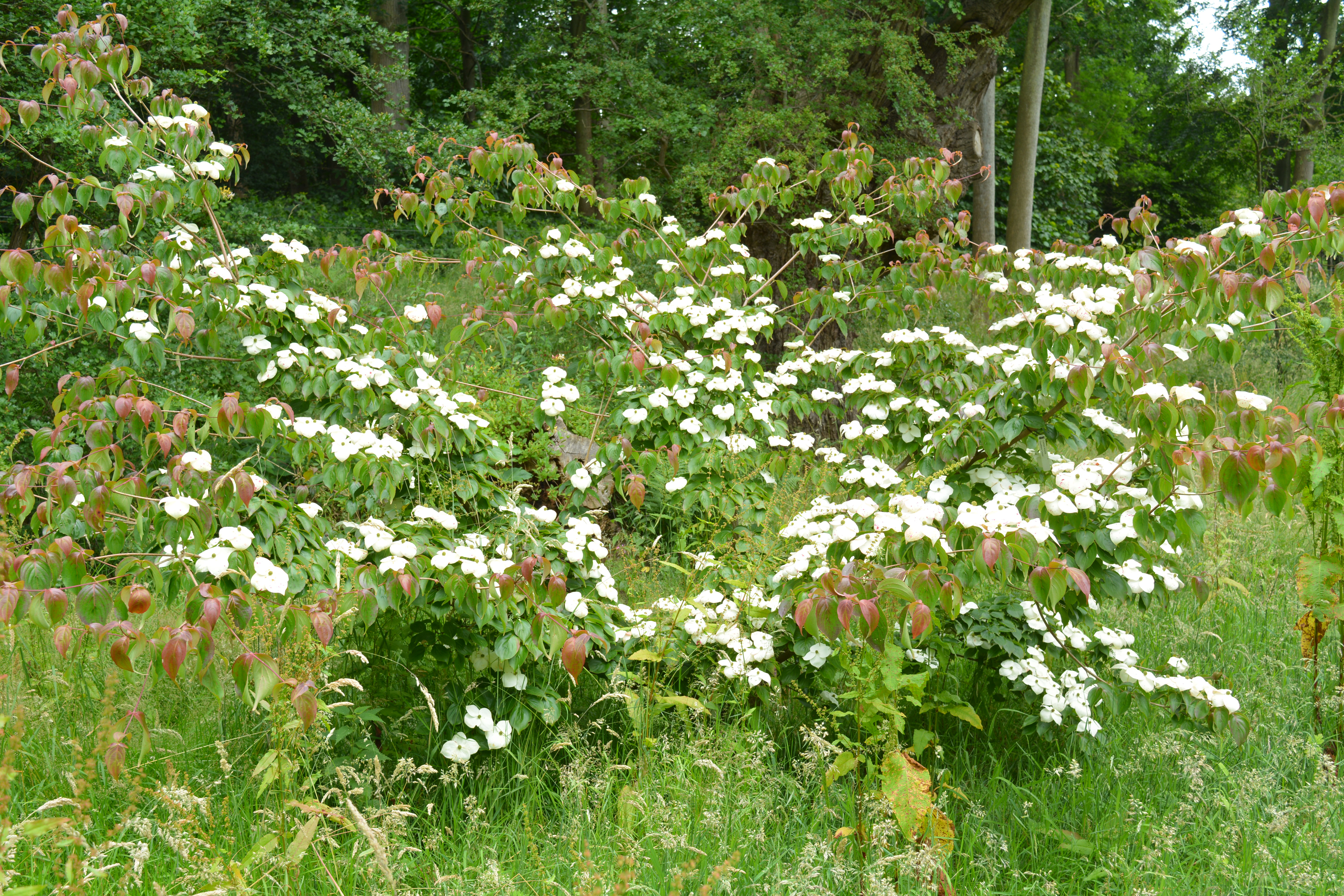
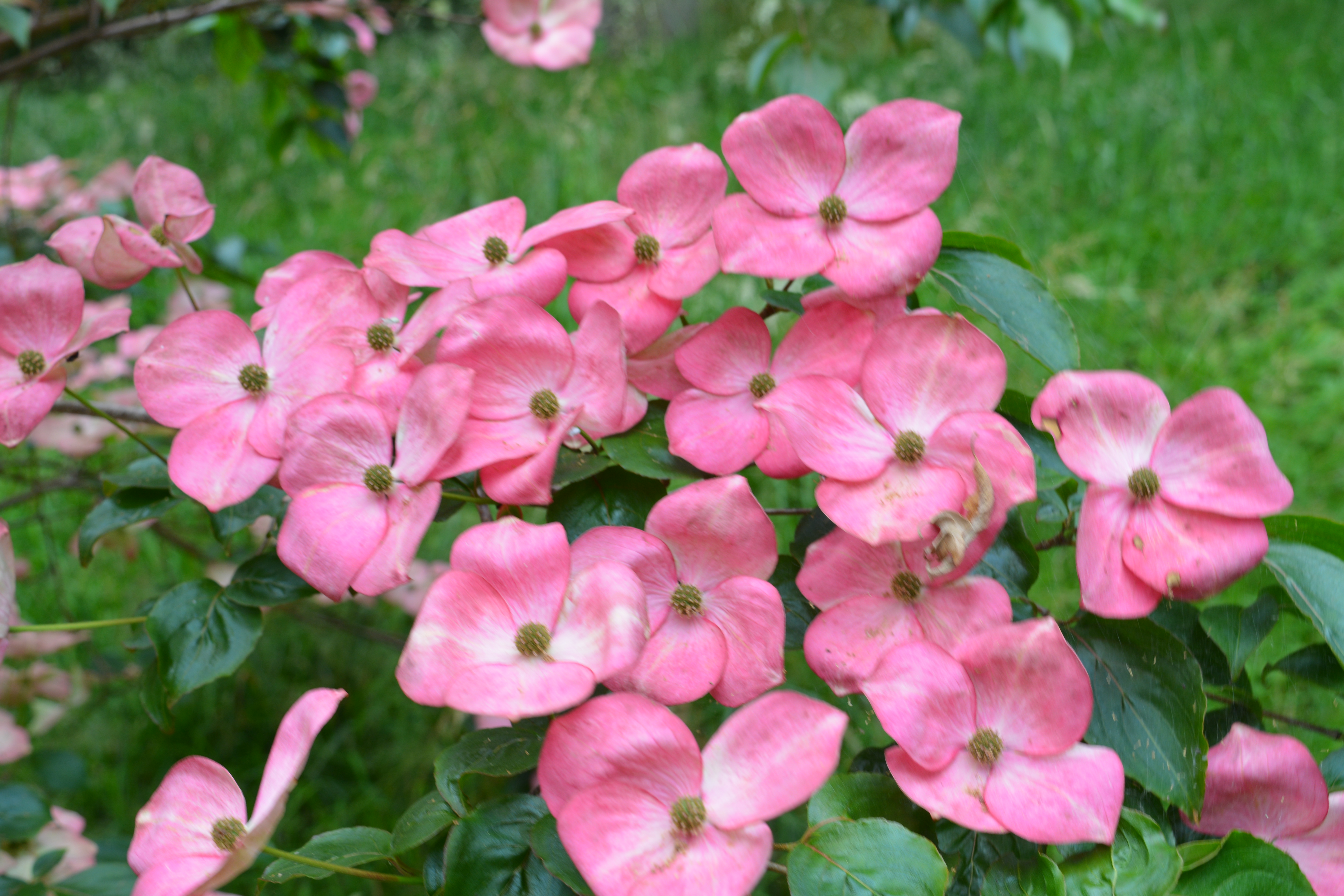
Varieties of Cornus kousa with their showy bracts add patches of colour beneath the collection of unusual mature trees.

Cornus kousa “White Dusted”

eb-31 eb-27eb-35

Cornus kousa “Satomi” with its pink bracts.

eb-15 eb-14 eb-03 

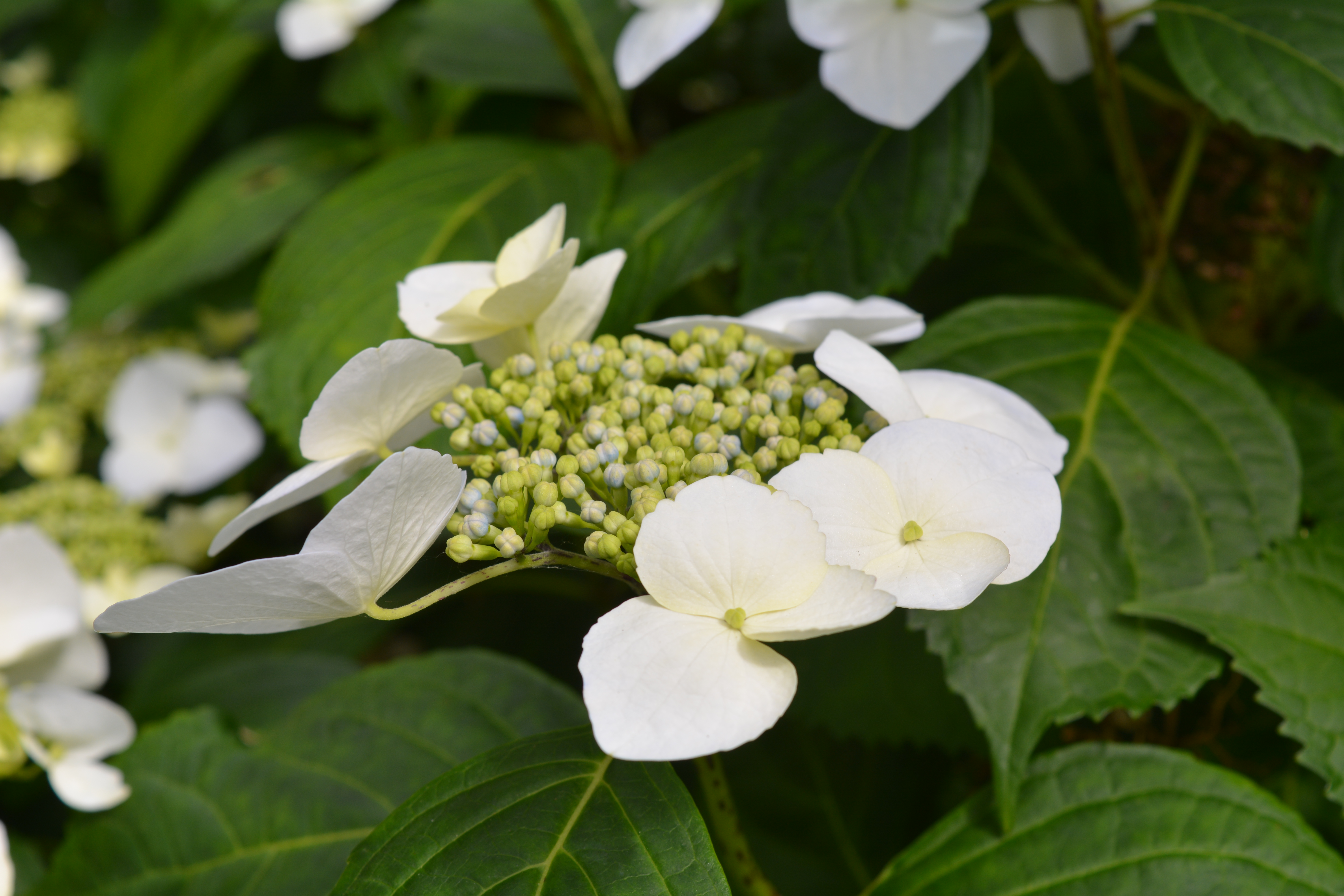
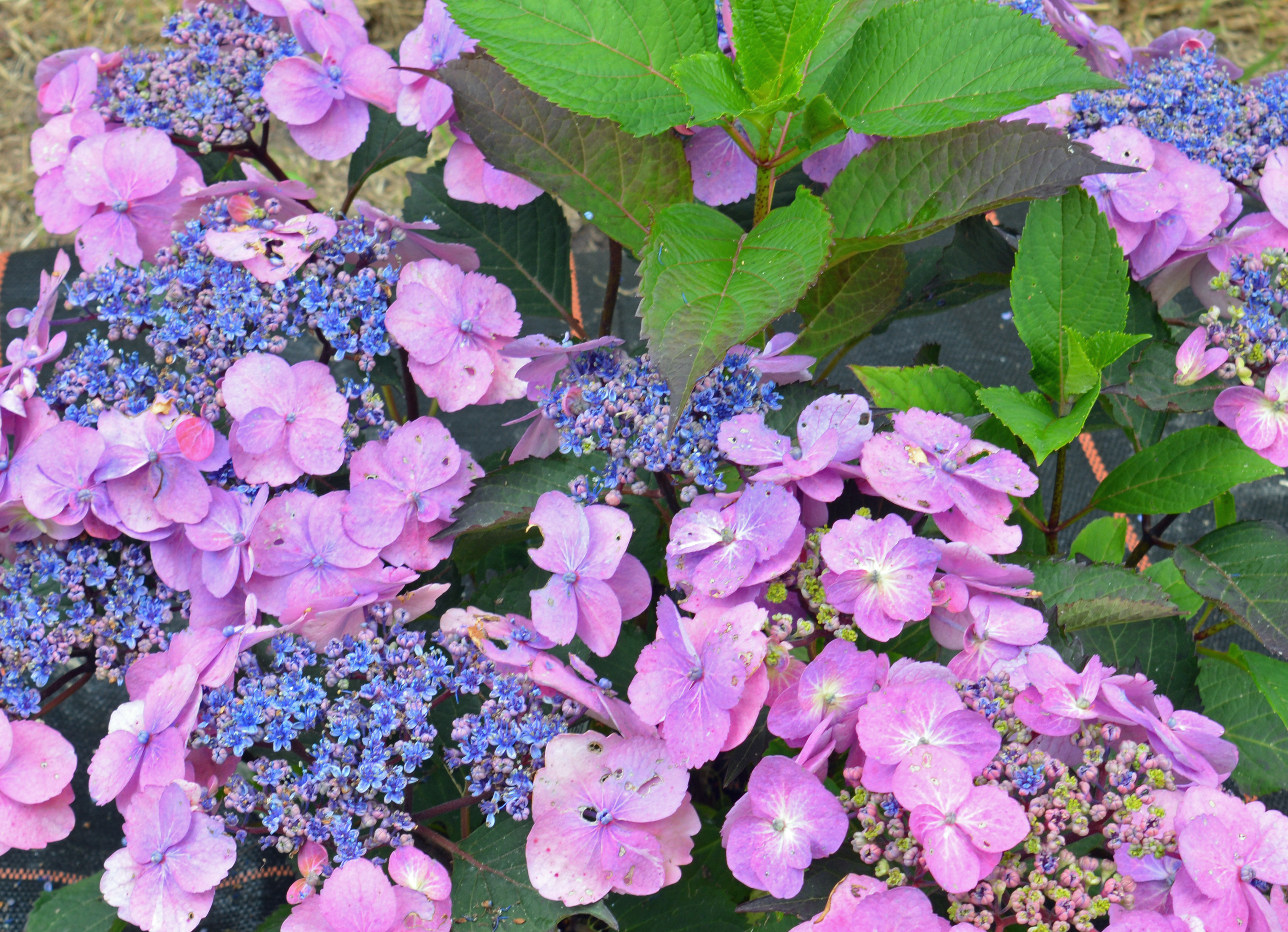
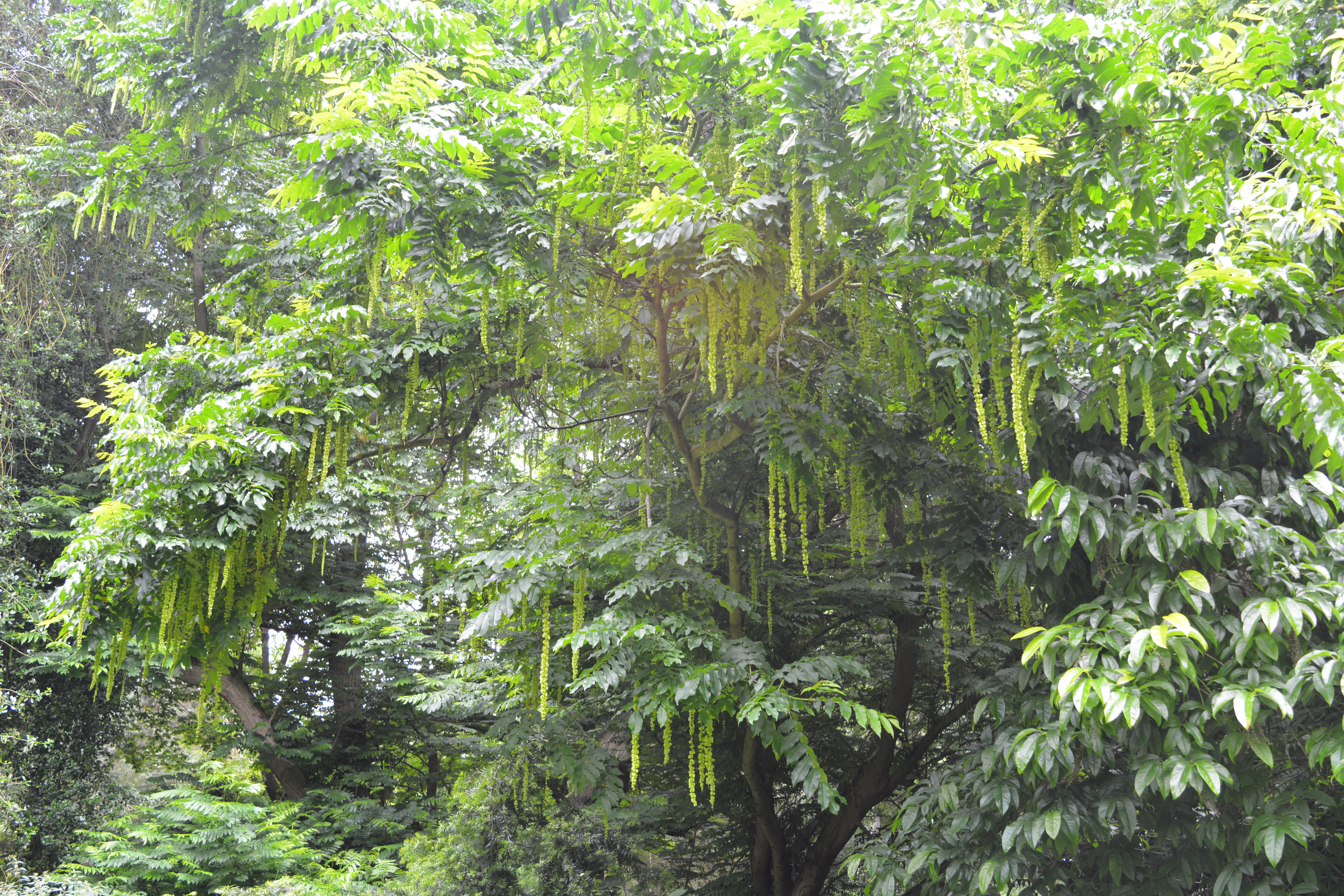
Down in the valley bottom a string of  small lakes provided good habitats for a collection of Hydrangeas which grew beneath a large specimen of the Wing Nut Tree, Pterocarya fraxinifolia, a member of the Walnut family, with its long green “catkins” growing up to 60cm long.

eb-36  eb-34eb-20 eb-19eb-33 eb-28 eb-26 eb-25 eb-24 eb-23eb-16 eb-17

Wandering back towards the nursery and cafe we came across a lush valley with a stream winding its way through, its richly planted banks.

eb-63 eb-62 eb-61 eb-60 eb-59 eb-54

We always enjoy finding quality pieces of sculpture placed carefully and shown to their best advantage and this figure was situated close to the stream in the short-mown grass.

eb-58 eb-56 eb-55 eb-57

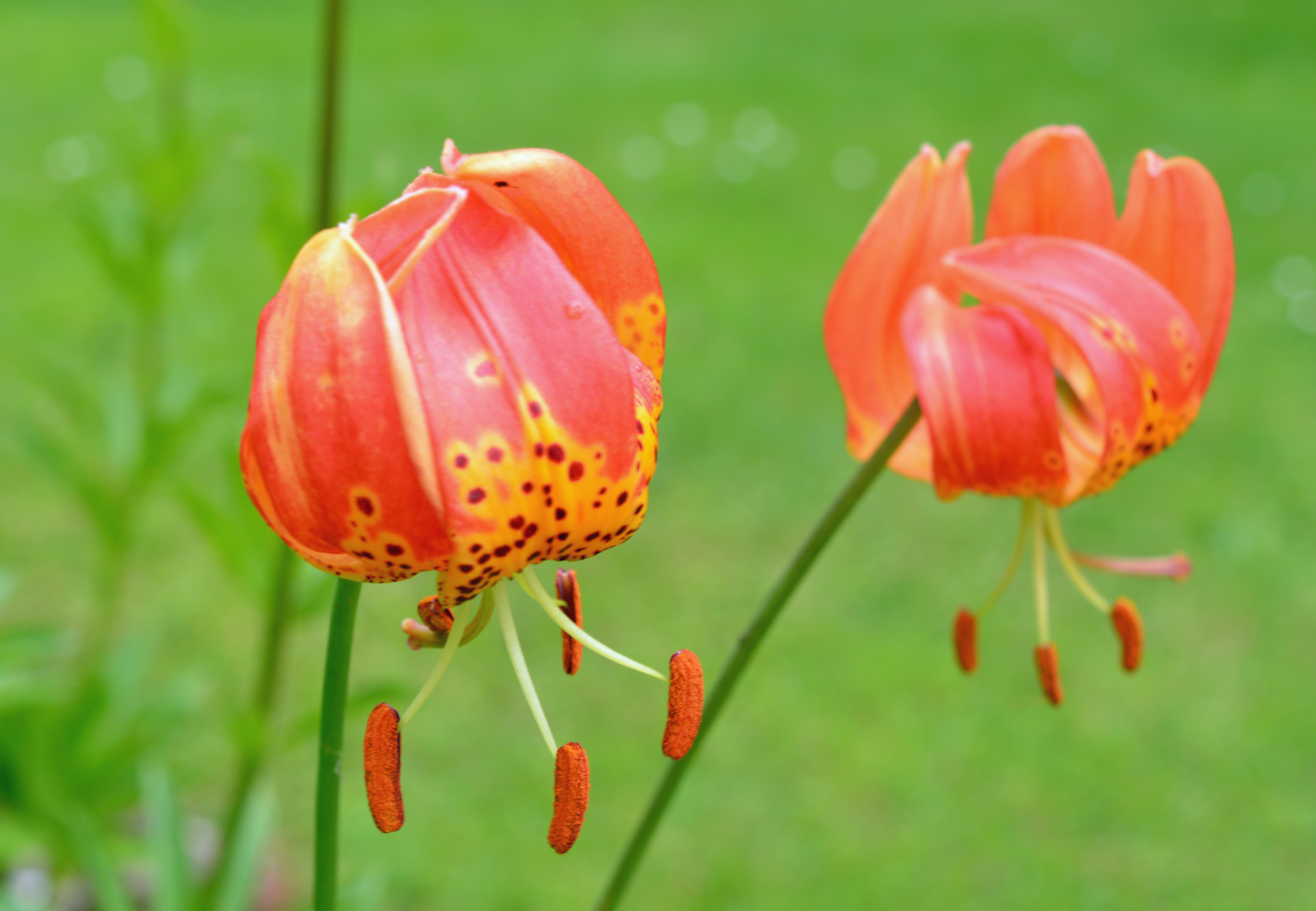
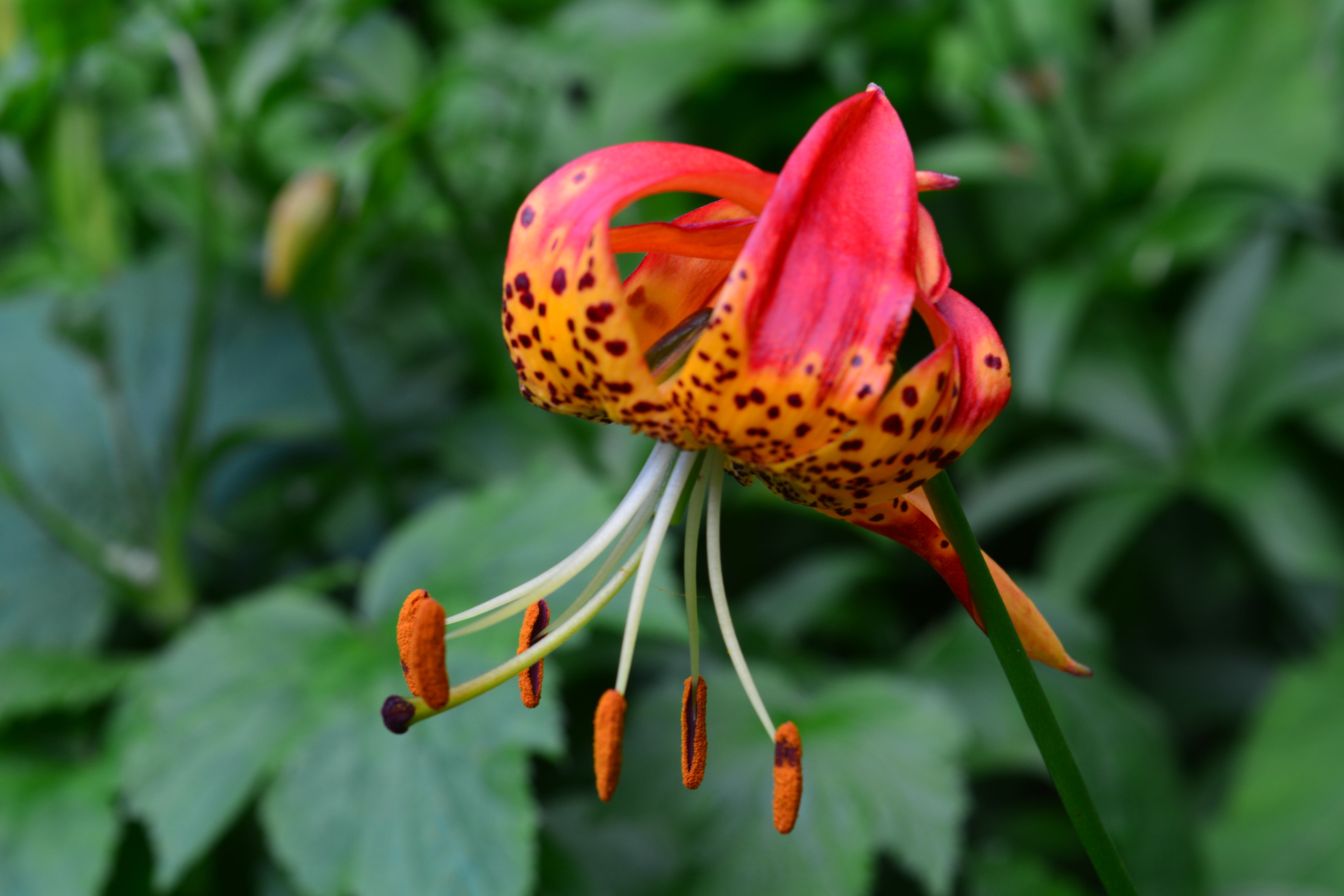
The brightest plant of all was this orange Tiger Lily, looking so fresh amongst the lush rich greens of the trees and shrubs.

eb-50 eb-49 eb-47 eb-46 eb-48

I would like to finish off with a selection of photos illustrating the variety of plants beginning with a couple of interesting trees followed by other flowering plants found throughout the Place for Plants at East Bergholt.

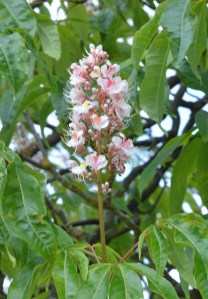
An Aesculus in full flower,

eb-41 eb-42


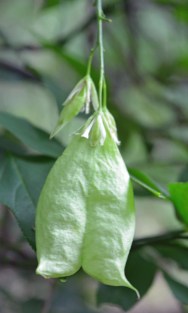
Staphylea pinnata,

eb-11 eb-10

eb-13 eb-12

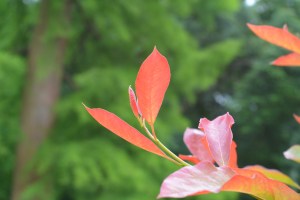
and Nyssa sylvatica “Wildfire”.

eb-04 eb-05

Definitely a place for plants!

eb-43 eb-07eb-40 eb-39 eb-30 eb-08


Categories
fruit and veg garden buildings garden design garden photography garden wildlife gardening gardens gardens open to the public kitchen gardens National Trust ornamental trees and shrubs outdoor sculpture The National Trust walled gardens walled kitchen gardens Winter Gardening winter gardens woodland woodlands

A Walk in the Park – Attingham in January – Part Two – Woodland Walk

Back with the second part of our report of our January visit to Attingham Park we find ourselves taking the path into the woodland at this Shropshire National Trust property.

aj2-08 aj2-09

When leaving the walled garden the visitor has the choice of two walks and we decided to follow the 3 mile “Woodland Walk” as the weather seemed set dry for the day. Next month when we make our February visit we will follow the “Mile Walk”.

aj2-01 

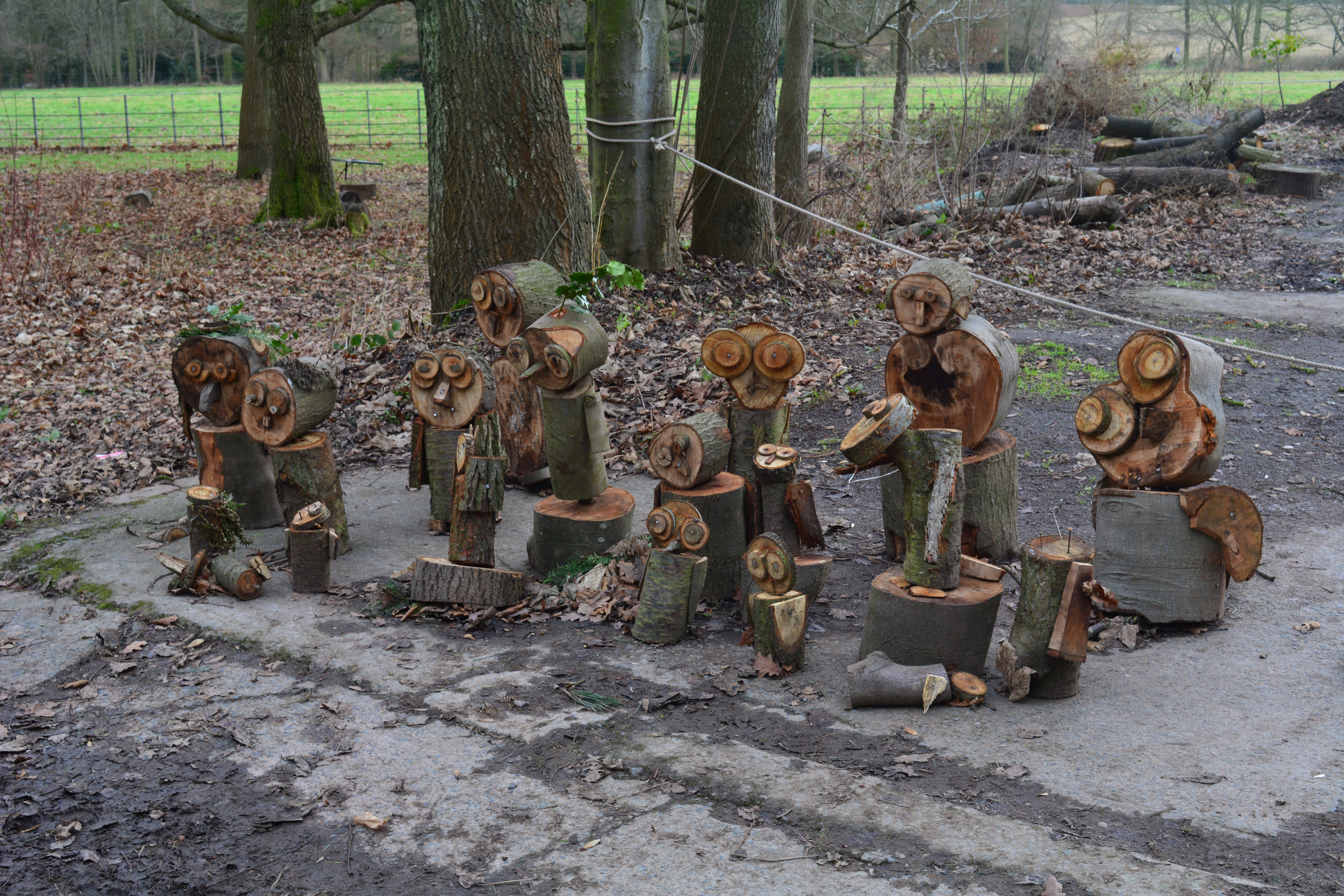
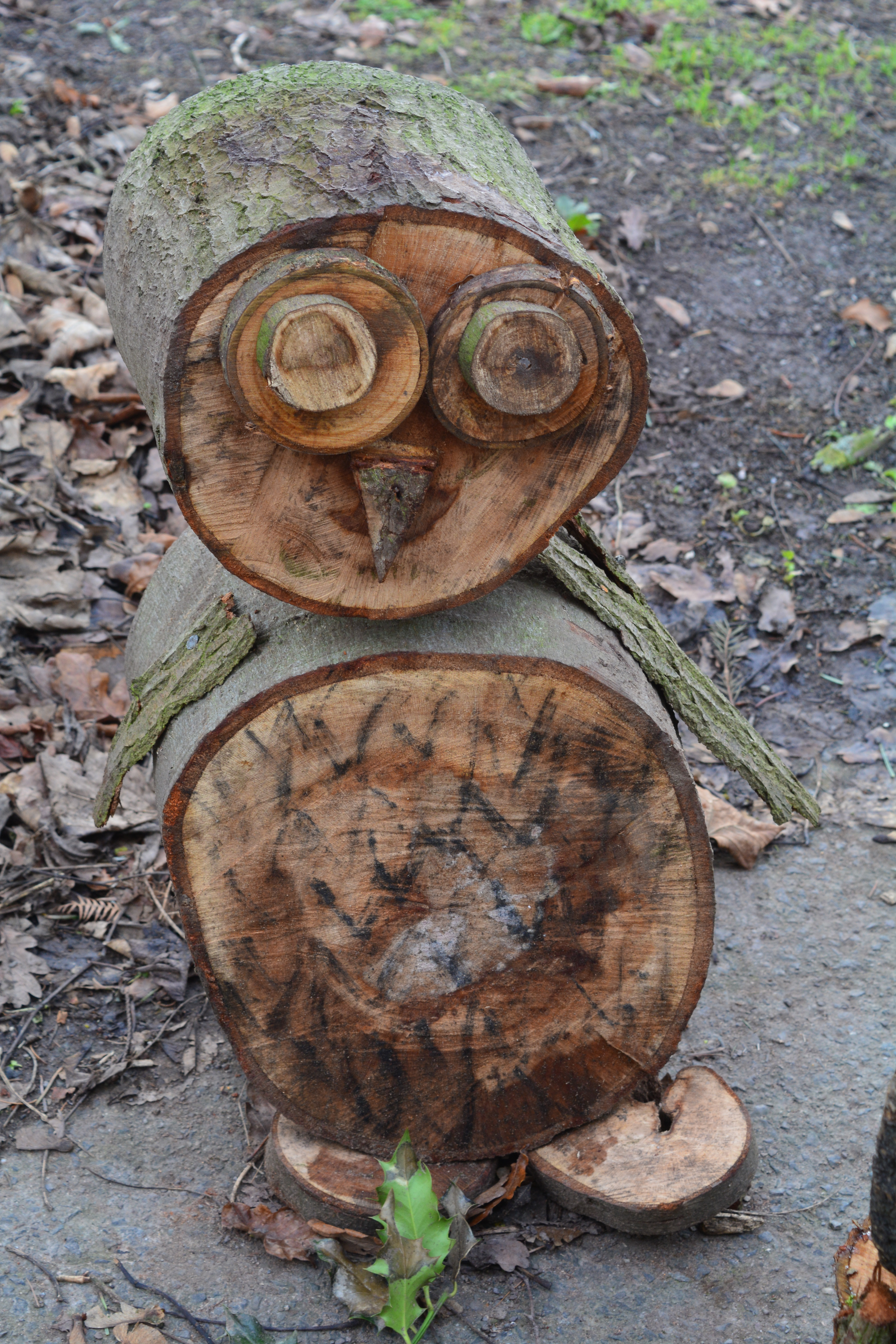
Just a short way into our walk we came across the “Burning Site” marked by a wooden deer complete with impressive antlers. We like gardens with a touch of humour so we were delighted to discover this family of owls created from wood offcuts left after trees surgery work. They were created by the gardeners as a competition. We loved them all!

aj2-07 aj2-02 aj2-03 aj2-04

aj2-05 aj2-06

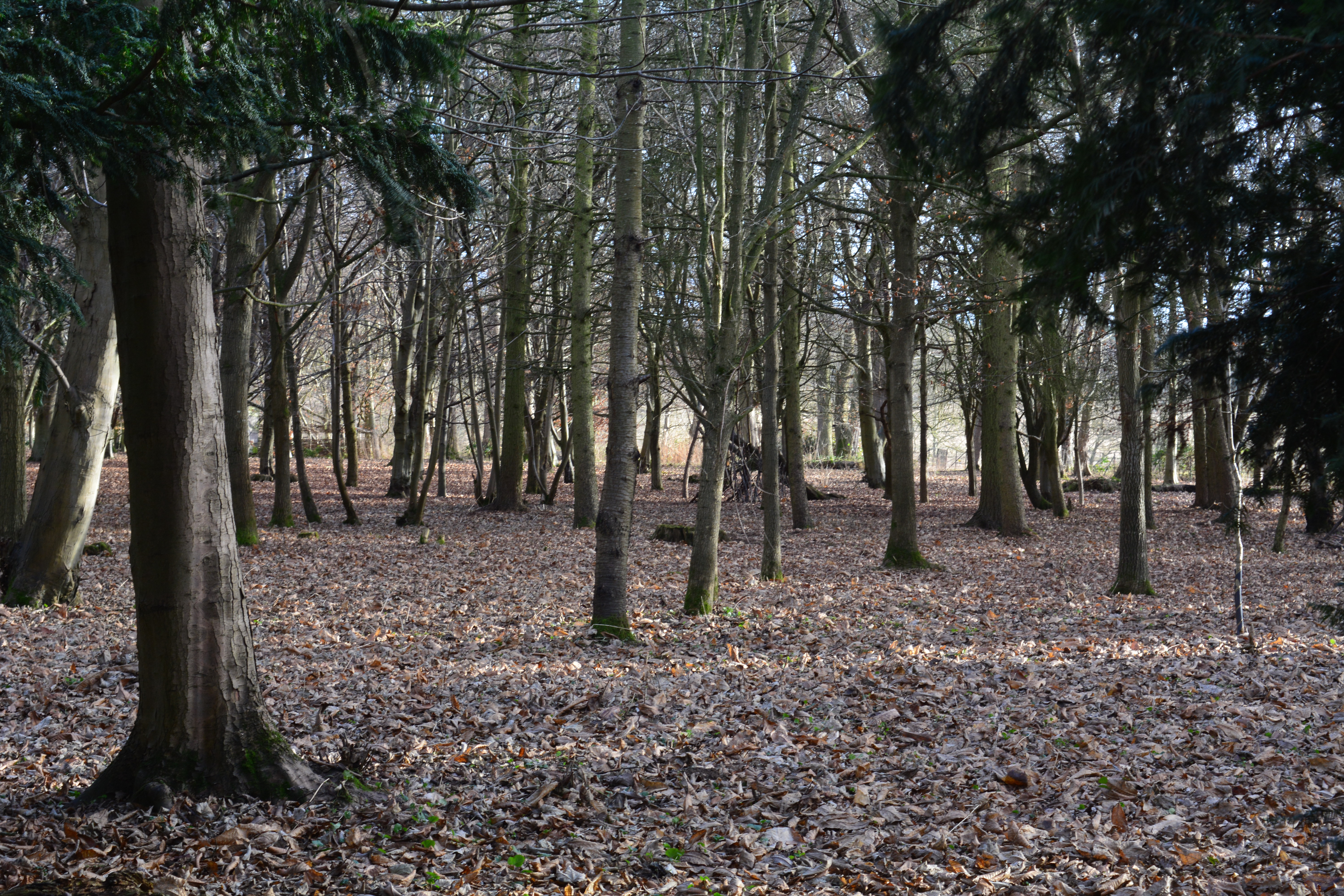
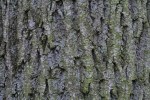
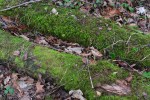
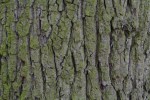
Walking in woodlands in the winter helps highlight textures and patterns not easily spotted when the trees and shrubs are in full leaf. The gentle colours of lichens and mosses are more easily appreciated too as they carpet tree trunks. Please follow the gallery below featuring bark textures and the colours of lichen and mosses. The texture of fallen trees is changed over the years by the huge array of hard-working fungi present in the woodlands. Without these fungi the fallen wood would pile up so the fungi’s function of breaking down the dead trees is essential to the well-being of the woodland ecosystem. Click on the first photo and navigate using the right hand arrow.

Woodland walks are made more interesting by the manner in which rays of light penetrate the canopy, creating patterns and patches of strong contrasting light.

ajt-49 ajt-43 ajt-38 ajt-37 ajt-35 ajt-26  ajt-23 ajt-25 ajt-22 ajt-27 ajt-28 ajt-20 ajt-01

After enjoying exploring the woodland following the Woodland Walk way-marked path we cut back across the parkland to the house itself. First glimpse of the house is through a framework of Cupressus trees. To find this view we crossed over two stone bridges which took the path over water and the stonework attracted as much lichen as the tree trunks did.

ajt1-1 ajt1-2 ajt1-4 ajt1-5

Our return to Attingham Park will be in February when we will look at the Walled Garden again and then follow the much shorter walk, the Mile Walk.

aj2-11


Categories
fruit and veg garden buildings garden design garden photography gardening gardens gardens open to the public grow your own kitchen gardens National Trust ornamental trees and shrubs Shrewsbury Shropshire The National Trust walled gardens walled kitchen gardens Winter Gardening winter gardens

A Walk in the Park – Attingham in January – Part 1 – The Walled Garden

So here we are with the first of this year’s monthly visits to our chosen patch, Attingham Park, a National Trust property and without doubt one of the most popular. It is so popular simply because there is such a choice of walks. For our January visit we chose a cold but bright day and we enjoyed the company of the winter sun.

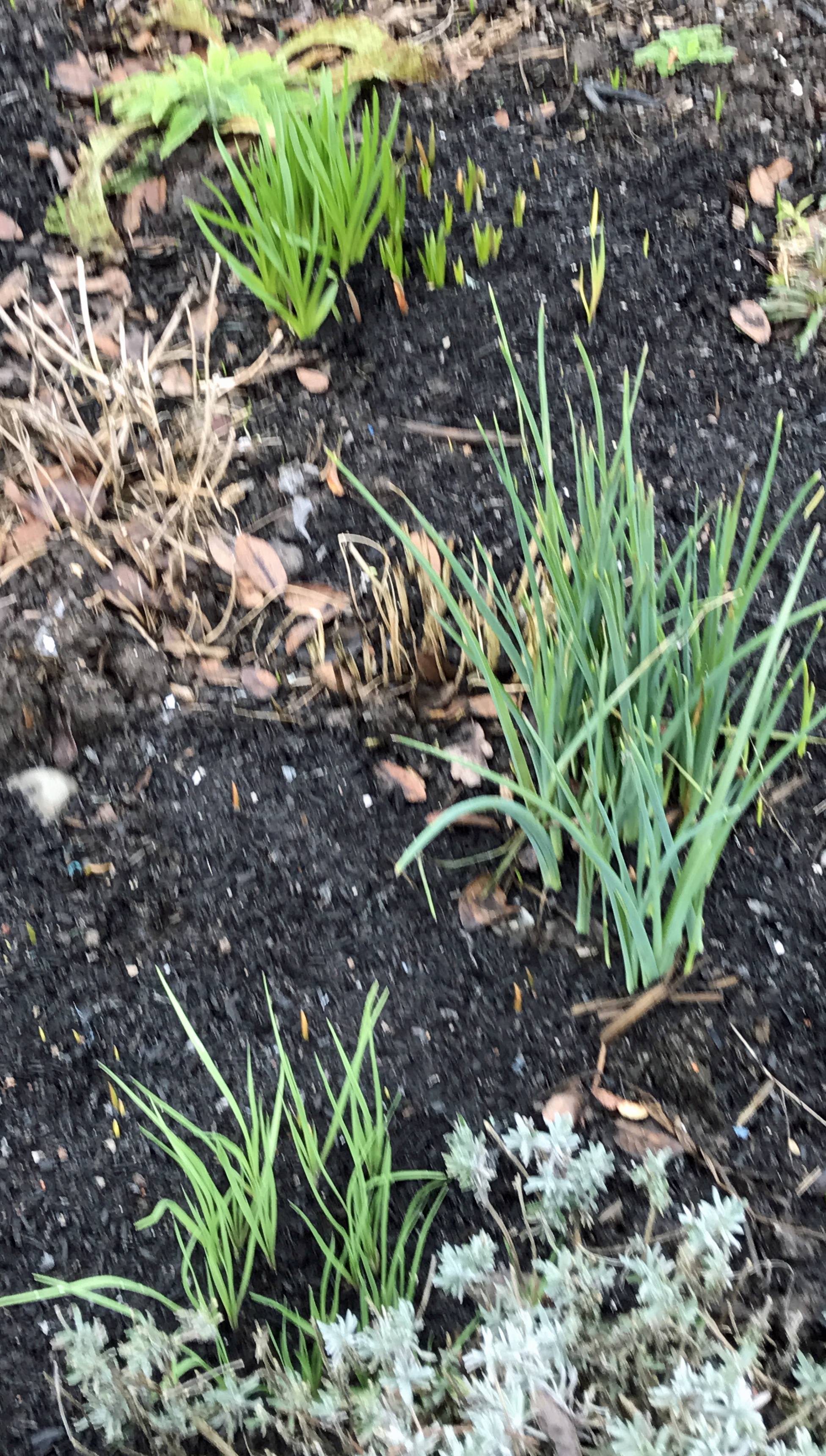
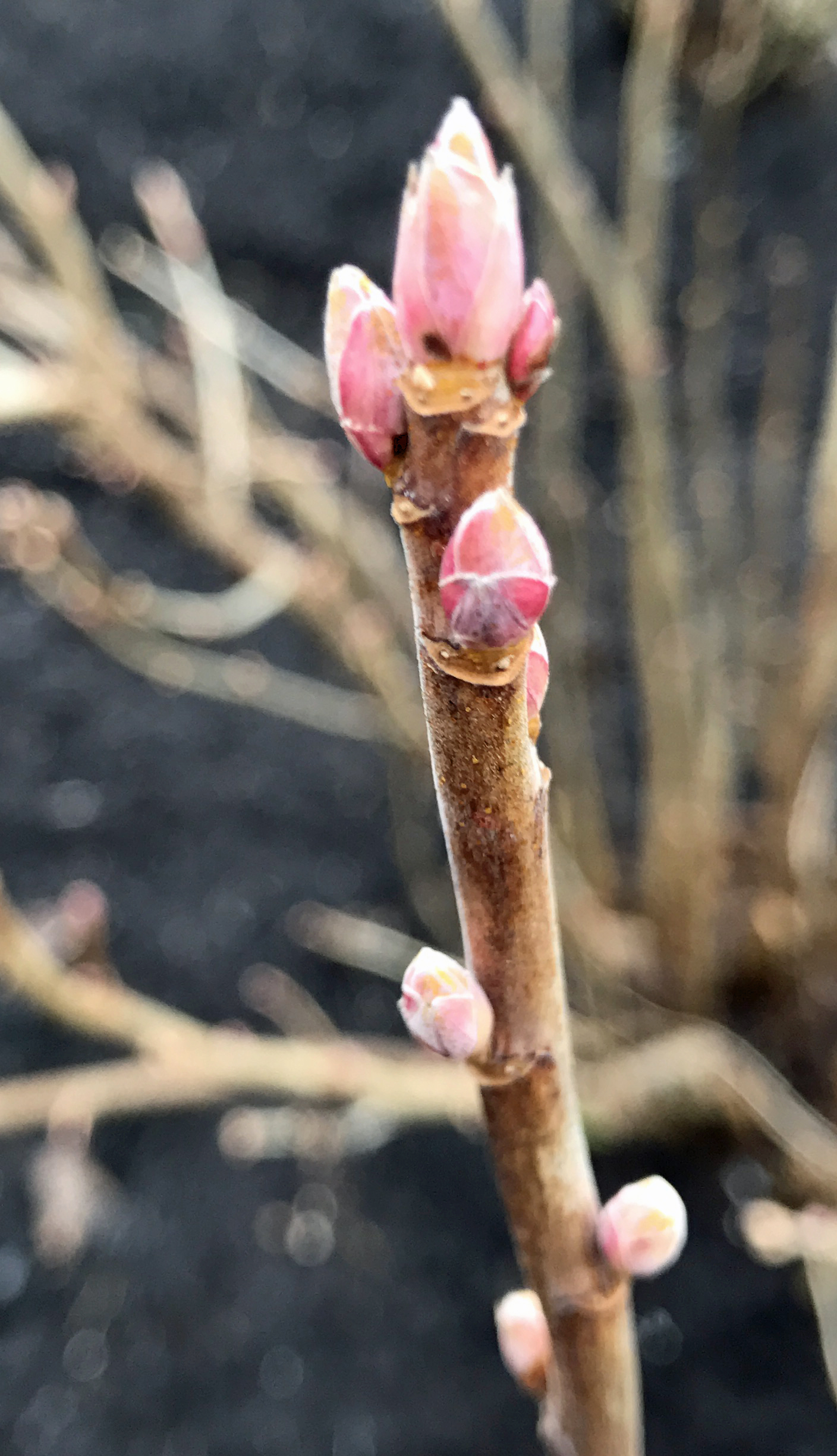
We began our wander by visiting the walled garden to see what the gardeners have been getting up to within the protection of its walls. We took the soft path where the surface is made from chipped bark which feels friendlier and more natural under our feet than the alternative gravel path which runs almost parallel. It is good to feel a path giving slightly beneath each footstep. The path leads us beneath tall mature deciduous trees bare of their leaves. The leaves from the fall remain carpeting the ground as a reminder of autumn but there are also signs of things to come, the leaves of bulbs have broken the surface and look like green spears thrusting towards the sky. It won’t be long until they are flowering away brightening up the woodlands. Buds on the branches of the trees are fattening up ready to open in the spring and clothe the woodland with greenery.

aj-06 aj-02aj-05 aj-04aj-03 aj-01 aj-10aj-08 aj-09

As we approached the walled garden the freshly painted bench glowed white strongly contrasting with the brick-red wall which provided support for trained fruit trees.

aj-11 aj-12

Entering the walled garden we could appreciate the vastness of it and marvel at the amount of produce grown in the past for the “big house”.

aw-01 aw-02

We could see straight away that the gardening team of employed gardeners and volunteer gardeners had been busy creating beautiful structures from hazel and willow for climbing crops to clamber up. They had also been spreading a thick layer of rich compost as a mulch where needed, in between which deep layers of chipped bark had been lain to make soft comfortable paths.

aw-06 aw-13aw-18 aw-22aw-15 aw-05

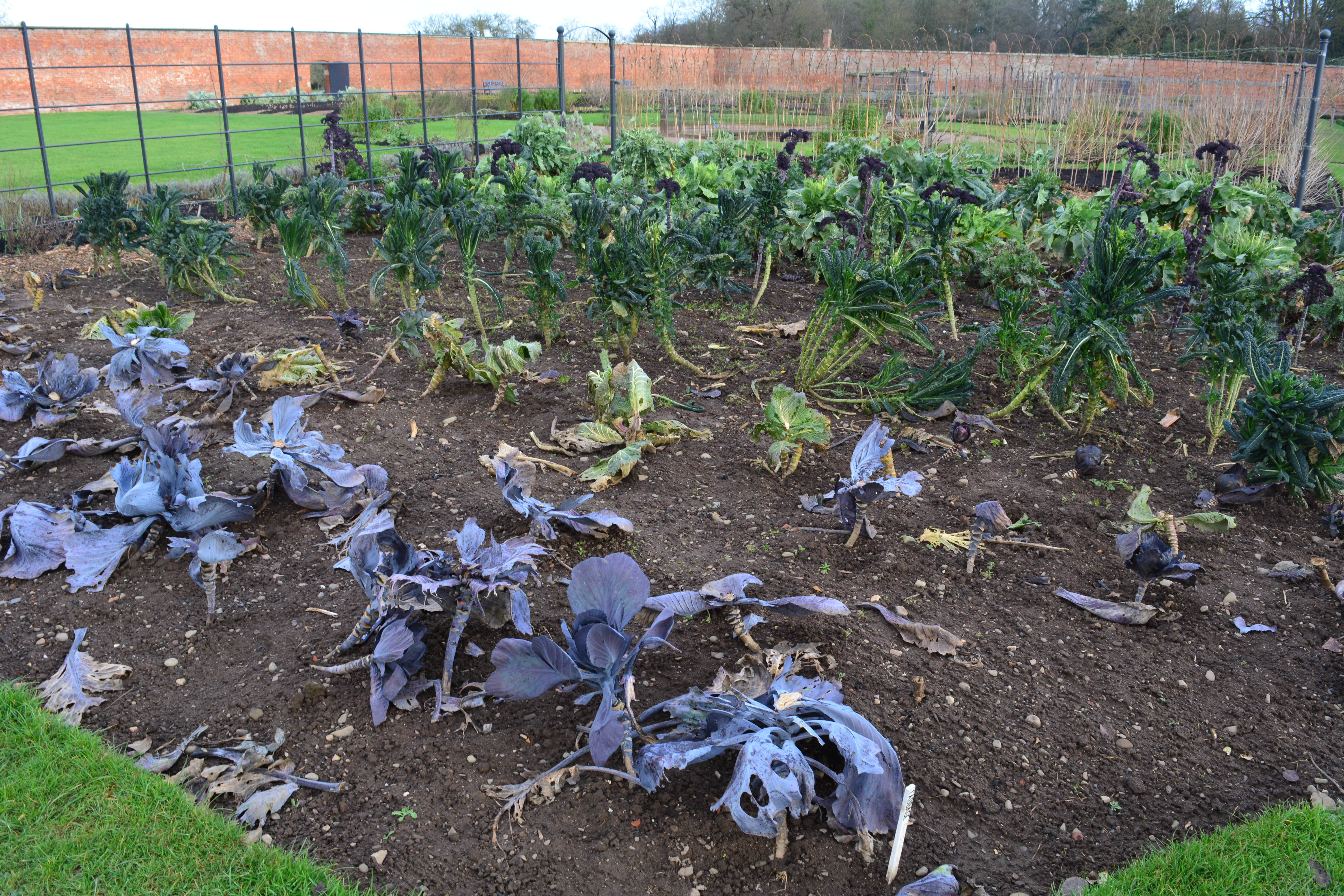
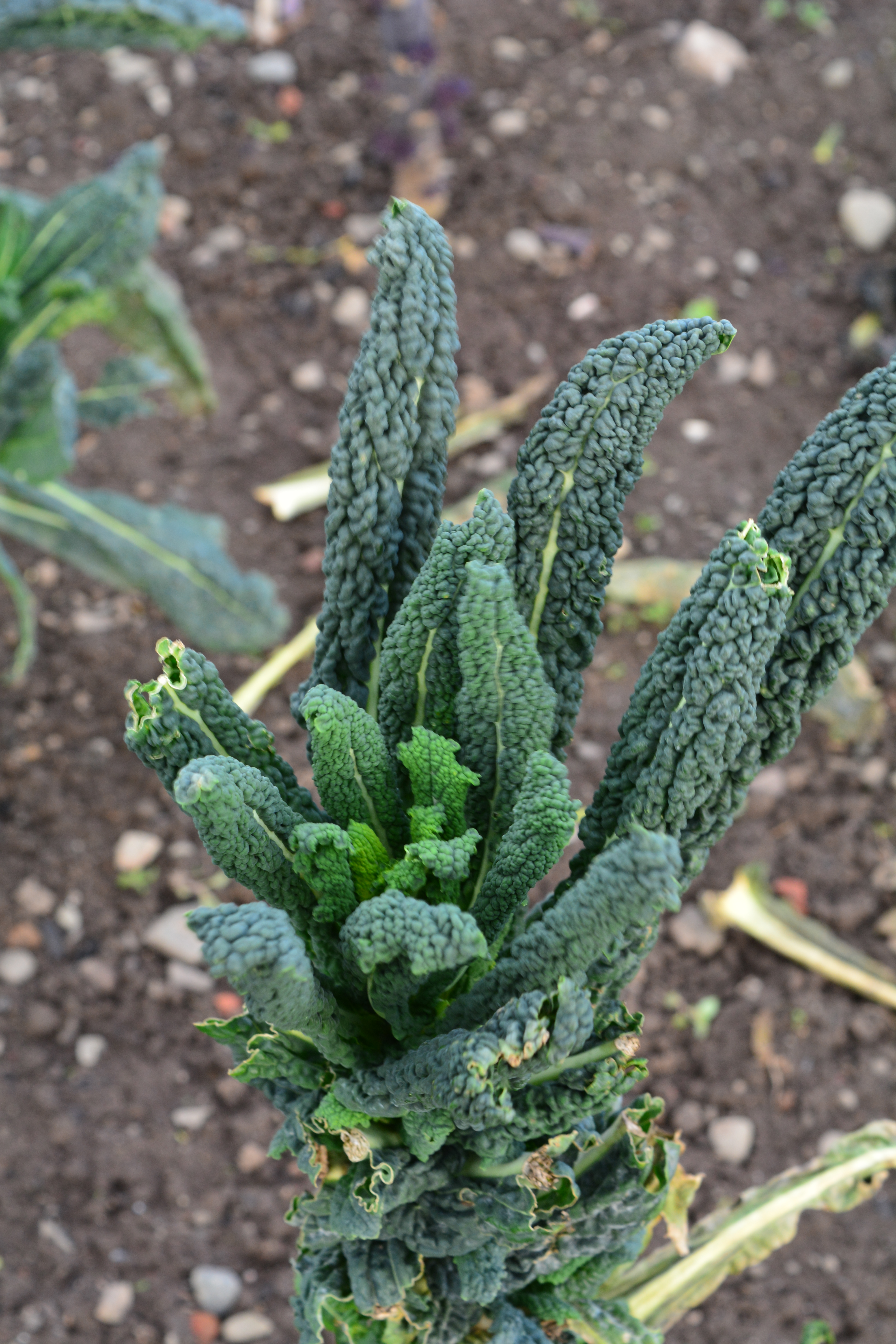
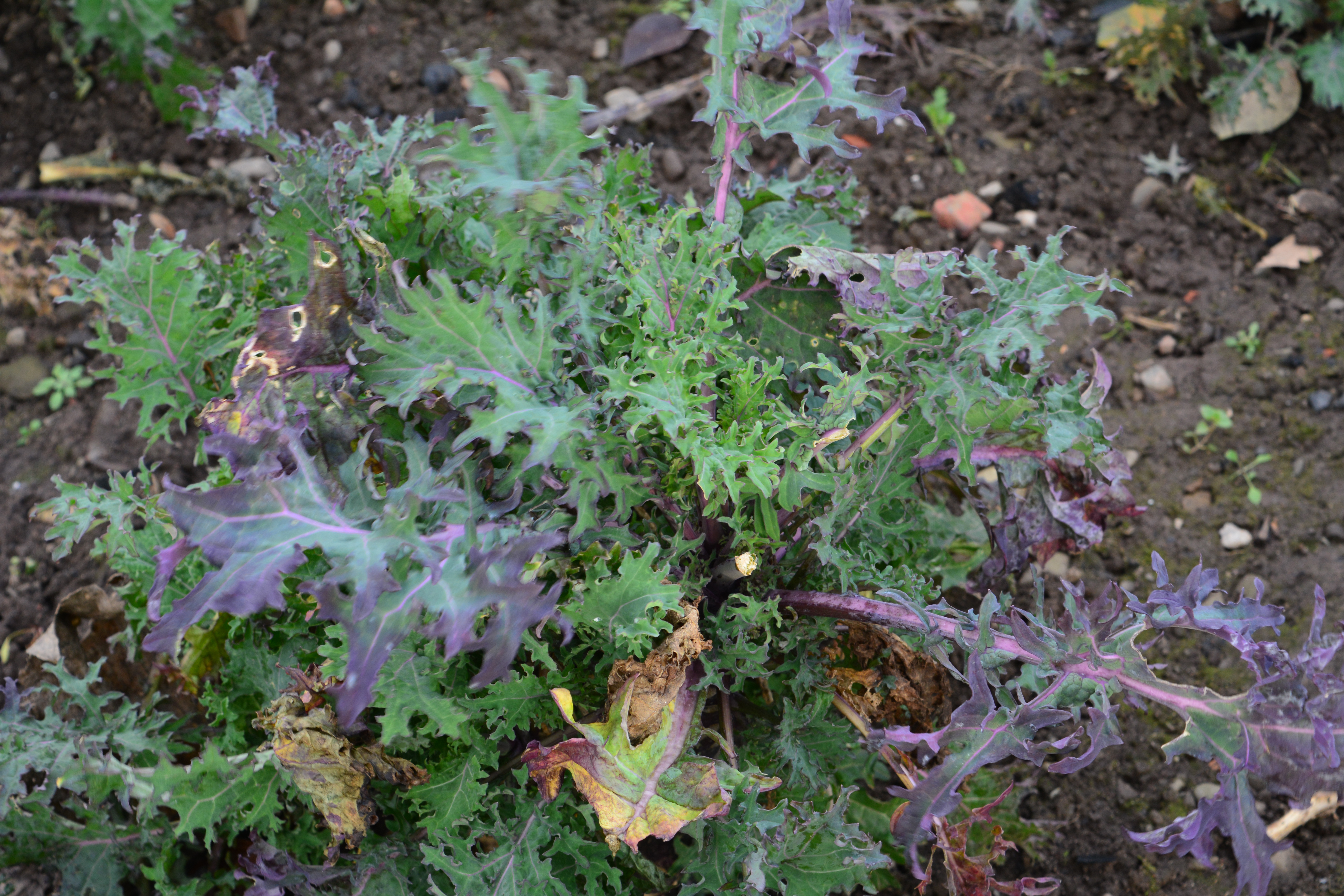
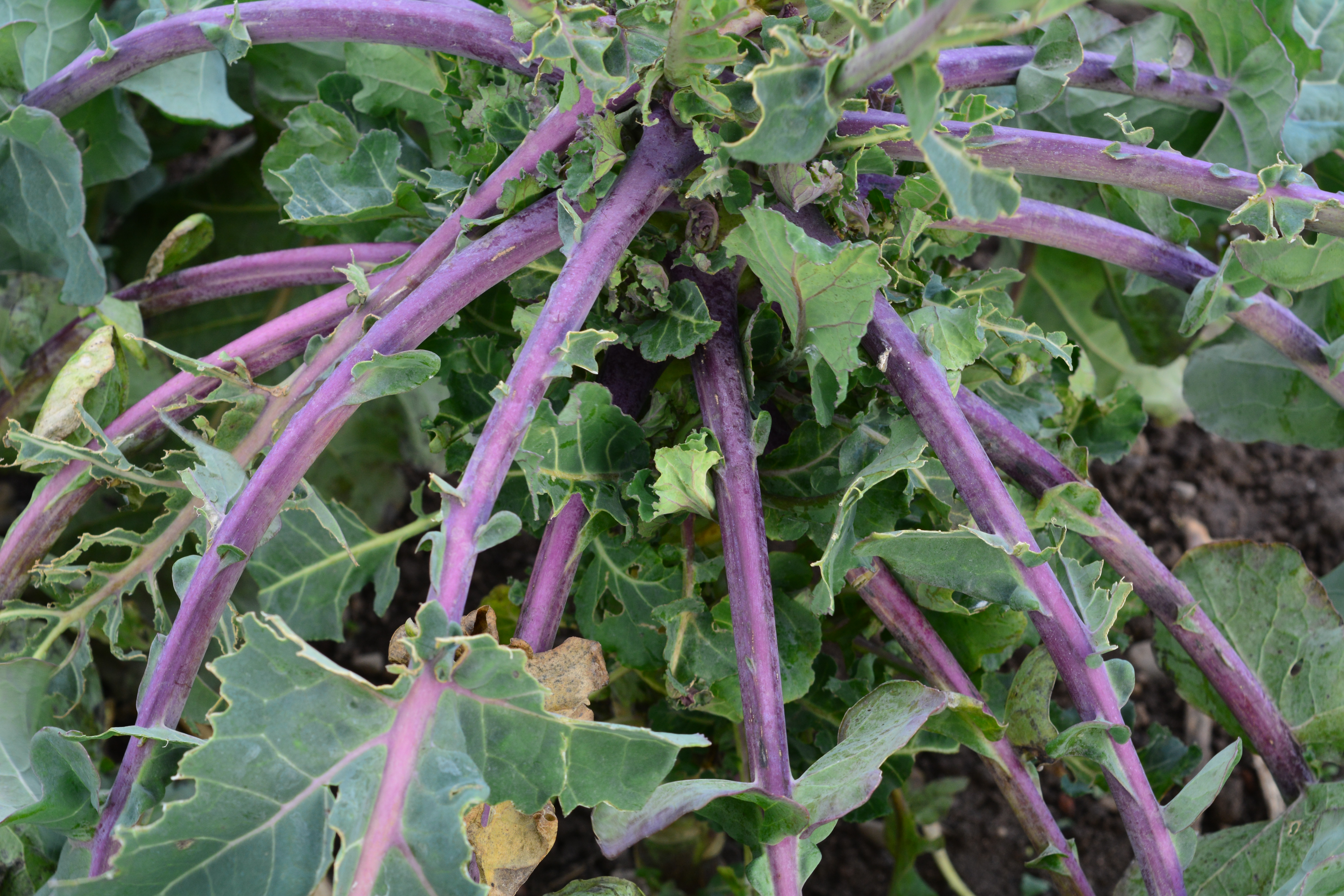
The most important crops remaining in the ground and currently being harvested are the members of the brassica family, such as cabbages, kales and sprouts. They are very decorative crops with their coloured leaves with each cultivar sporting its own texture. One crop is hidden away beneath terracotta forcers, keeping the light off their developing stalks, rhubarb. The forced stalks will be pale-coloured and sweet-tasting.

aw-07 aw-10 aw-08 aw-09 aw-20aw-11 aw-12

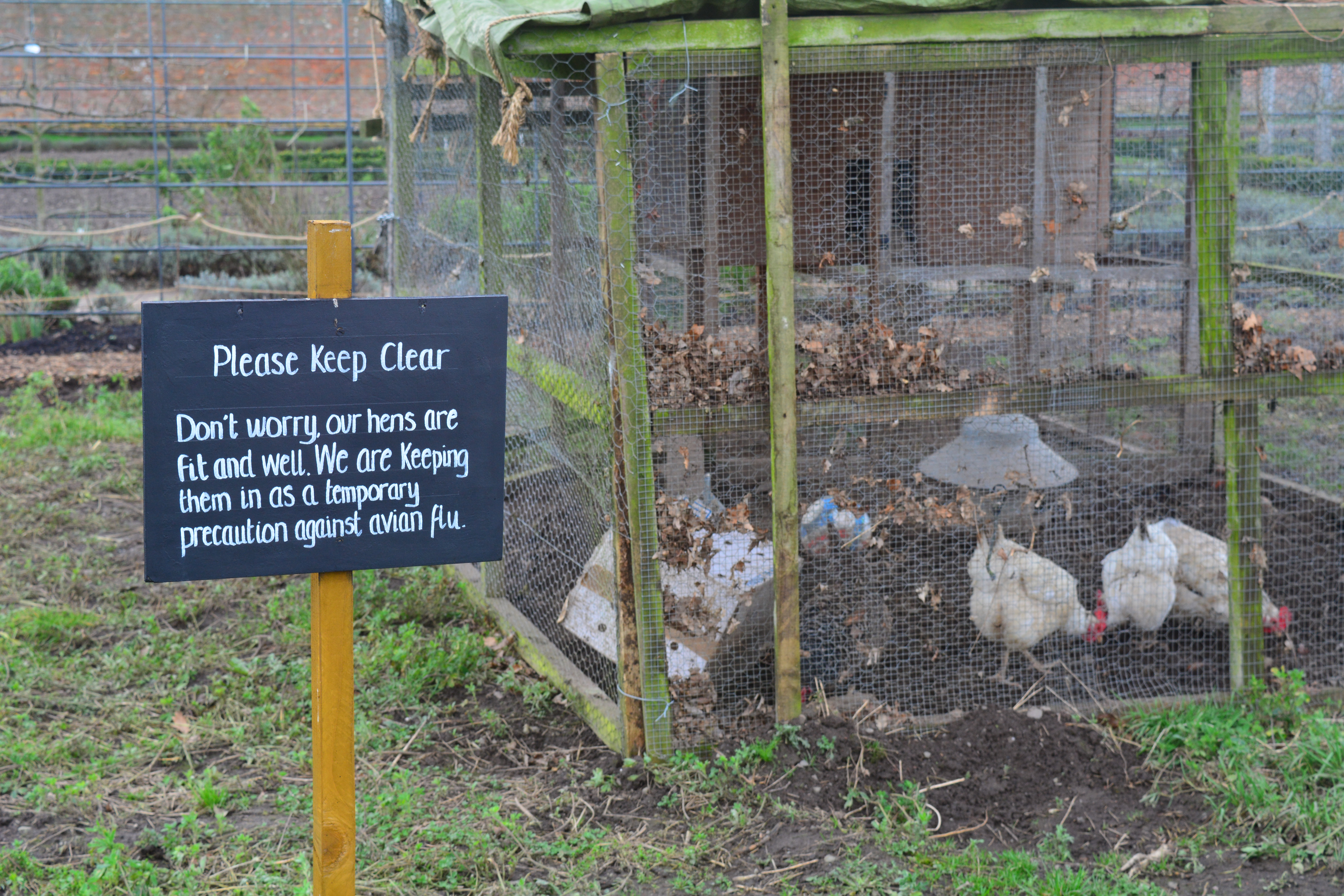
Blackboards keep visitors informed of the current gardening tasks being carried out in the garden. The one info board sadly explained that the chickens were under cover because of the current “bird flu” scare.

aw-21 aw-19

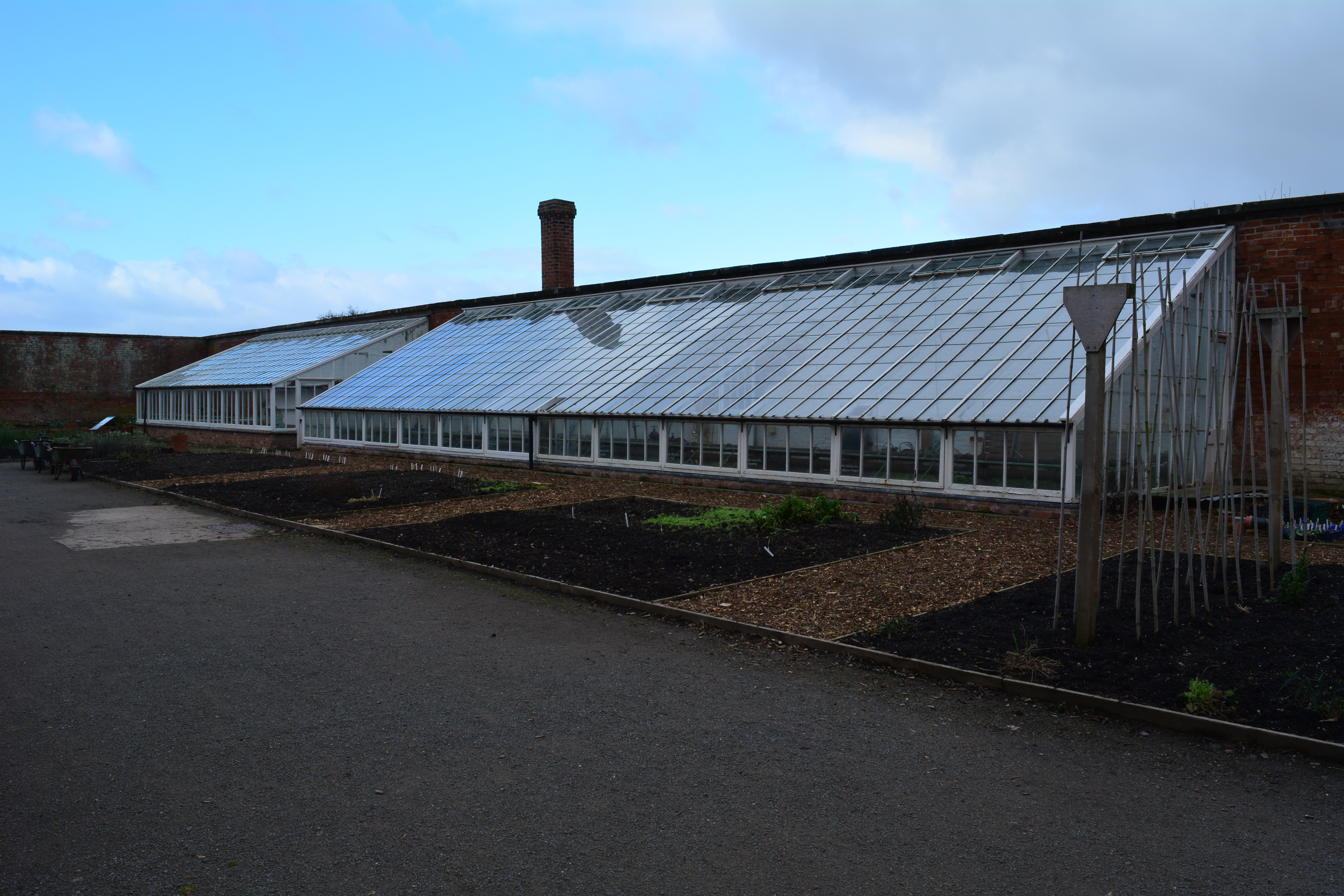
An annex to the walled garden is enclosed in a similar fashion but contains the range of glasshouses and cut flower beds. In this area there is a collection of the herbaceous bulb, Camassia. In the summer their many shades of blue and white will brighten up their corner border.

aw-23 aw-24 aw-25 aw-26

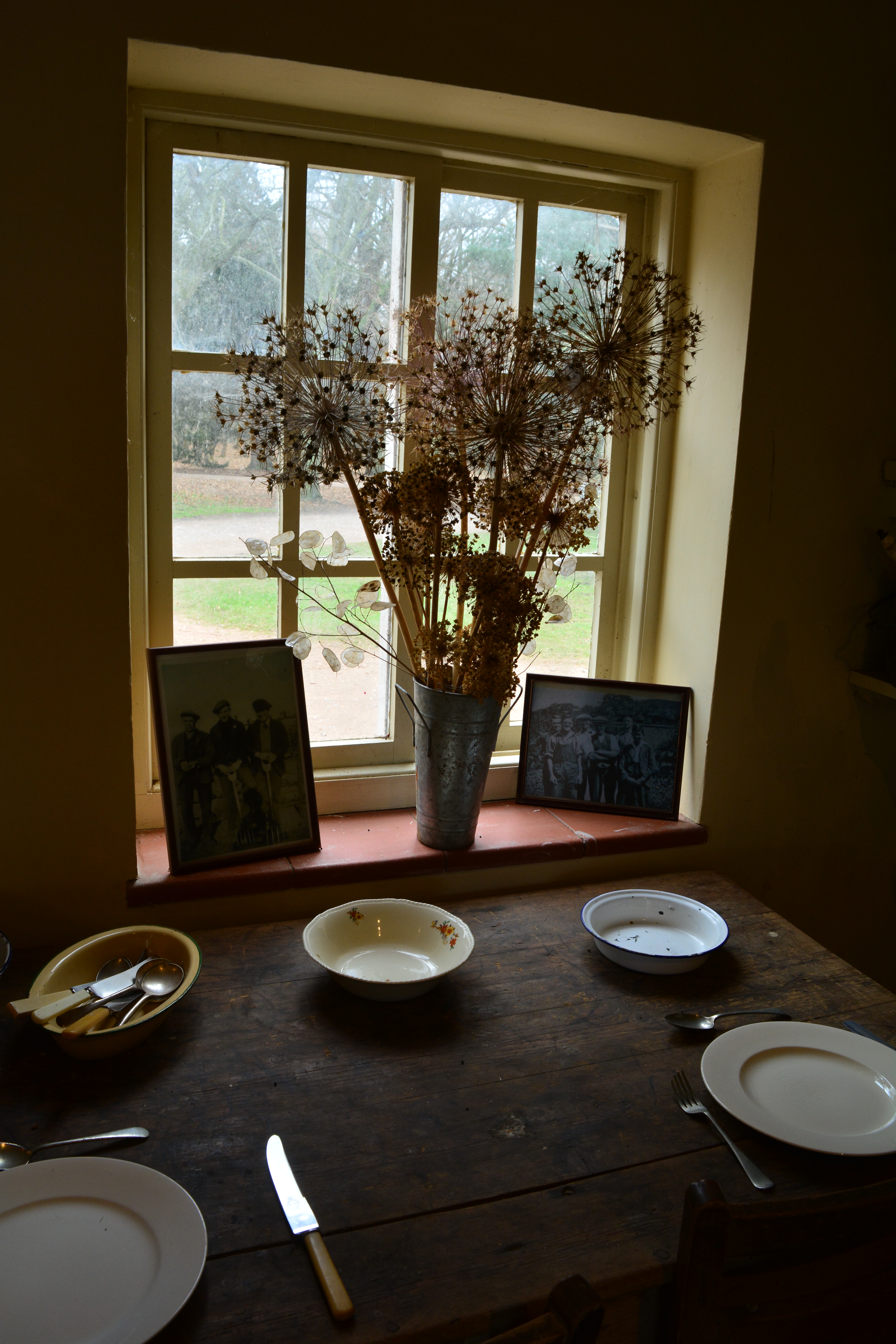
On entering the bothy we discovered the gardeners and volunteers enjoying their mid-morning break and a chance to get together to discuss the work in hand. They were a happy bunch laughing and enjoying their company. As always the bothy had interesting displays on view for visitors to enjoy and learn from.

aw-28 aw-29 aw-30

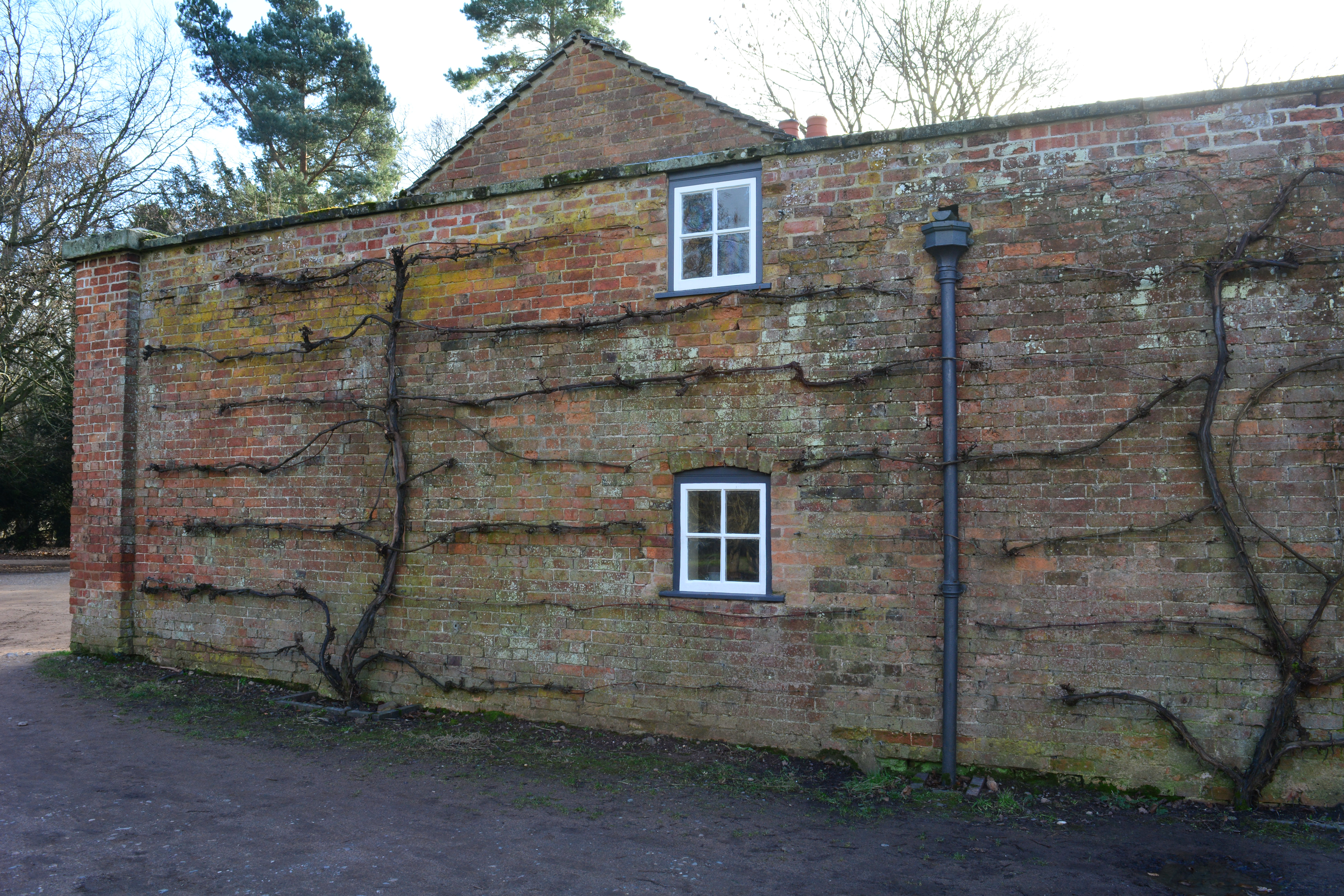
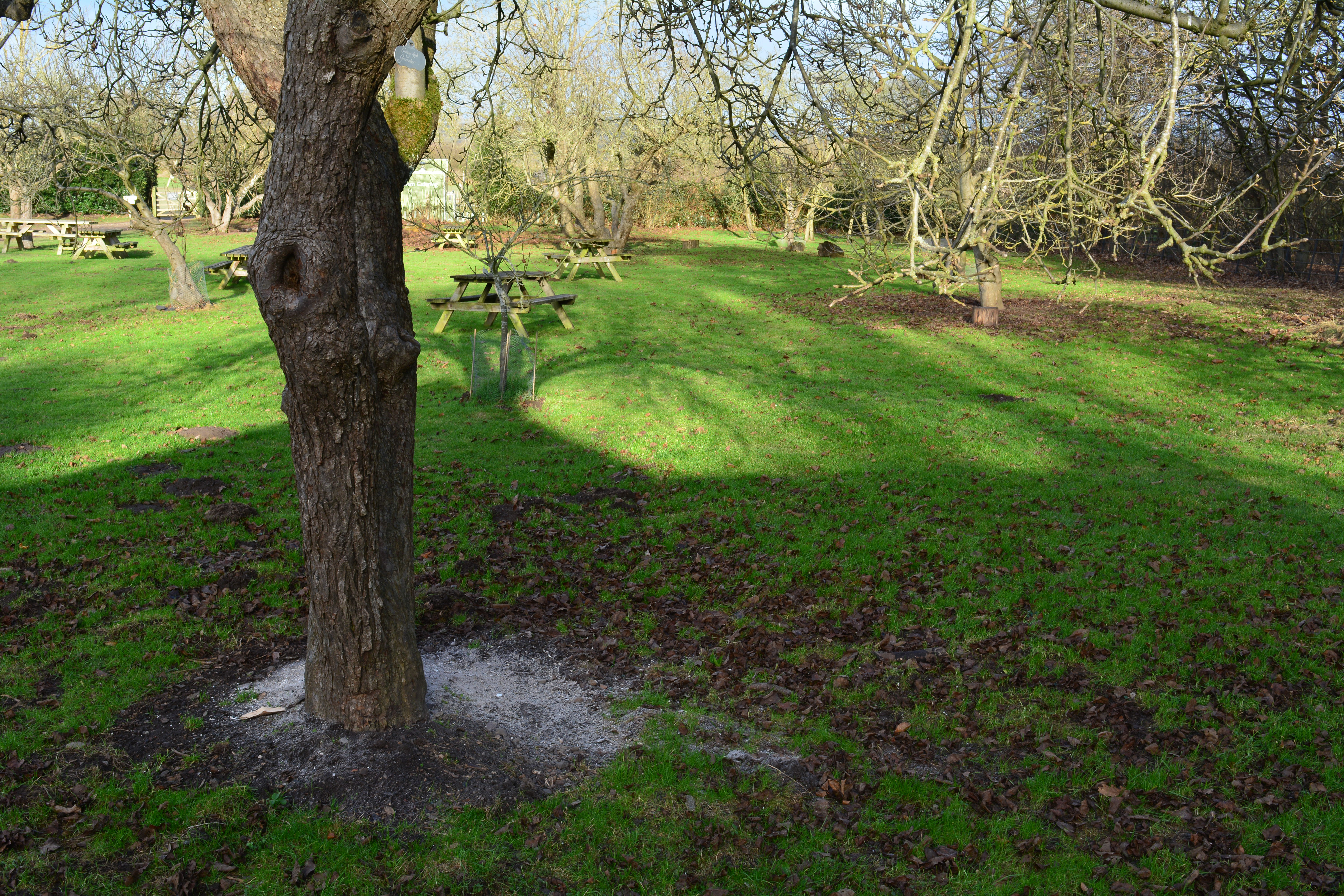
We left the walled garden via the wooden doorway into the orchard. We found that the trees had been treated to a dose of wood ash from the bothy’s fire and woodburner. The outer walls are also used for training fruits possibly grape vines or kiwi fruit. We shall find out when the leaf buds unfurl.

aw-31 aw-32

The volunteers and gardeners followed us out of the walled garden each wheeling a wheelbarrow in which they would soon be loading more mulch for top-dressing the veg beds. Leaving the productive area of the park we decided to move forward and follow the path leading us to the Woodland Walk. In part two of my January Attingham post we will share the woodland walk experience with you.

aw-33

Categories
birds climbing plants colours garden design garden furniture garden photography gardening gardens gardens open to the public half-hardy perennials hardy perennials ornamental trees and shrubs poppies water in the garden

Coton Manor – an atmospheric gem.

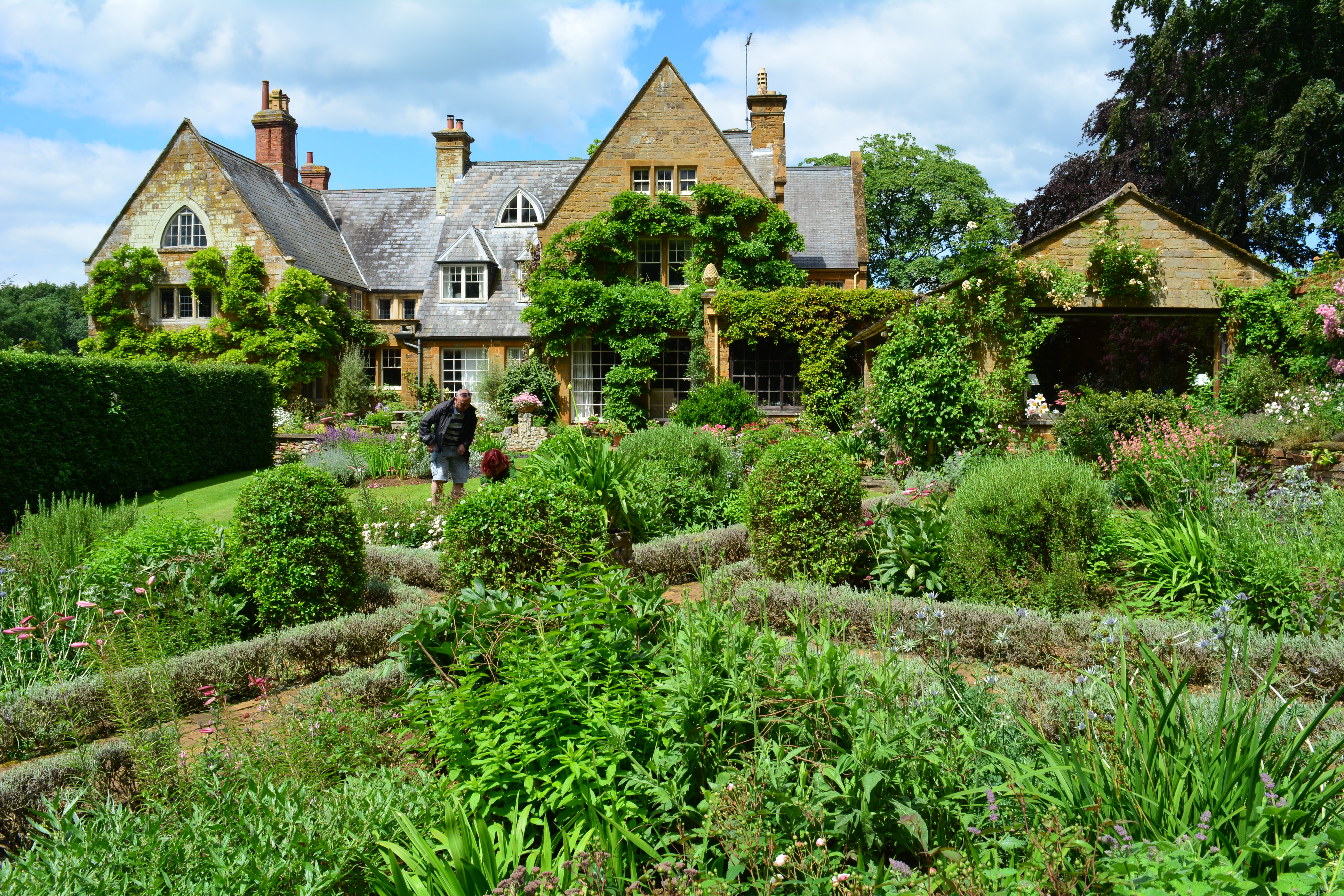
Coton Manor Gardens are so full of atmosphere. Ten acres of hillside gardens are landscaped to give variety throughout the year on this Northamptonshire estate. There are streams, fountains and ponds, a bluebell wood and meadows. We have visited this romantic garden a few times already but decided to visit again in July of 2016.

cm-1 cm-1-1

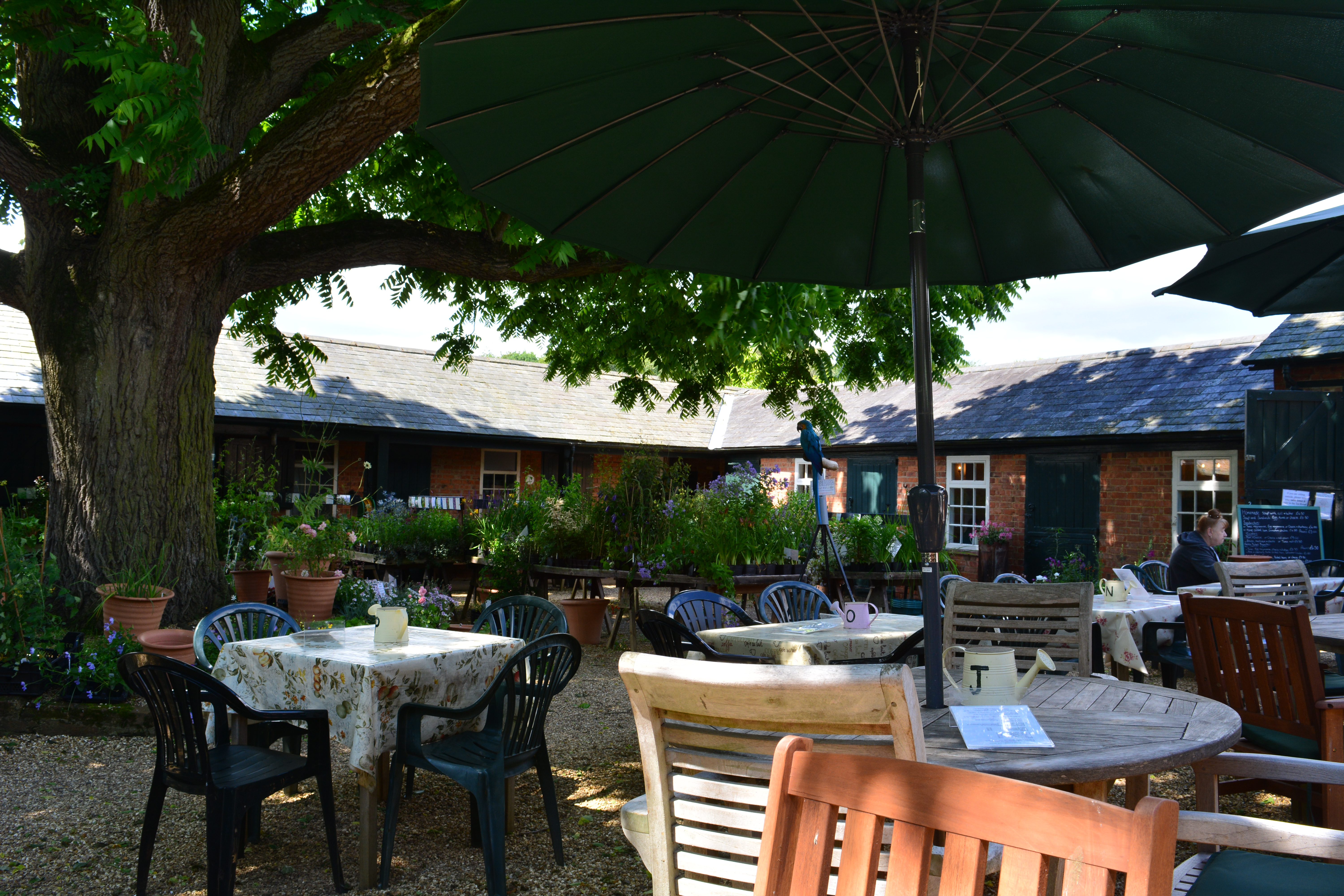
Honey coloured stonework make the buildings look warm and welcoming and entering the drive after a short walk from the car park we noticed climbers covering every wall. We entered a cosy courtyard on our right which gave us the chance of refreshments and a peruse of the nursery tables. A surprise here for everyone was the resident Hyacinth Macaw who greets each visitor on arrival with a loud screech!

cm-1-2

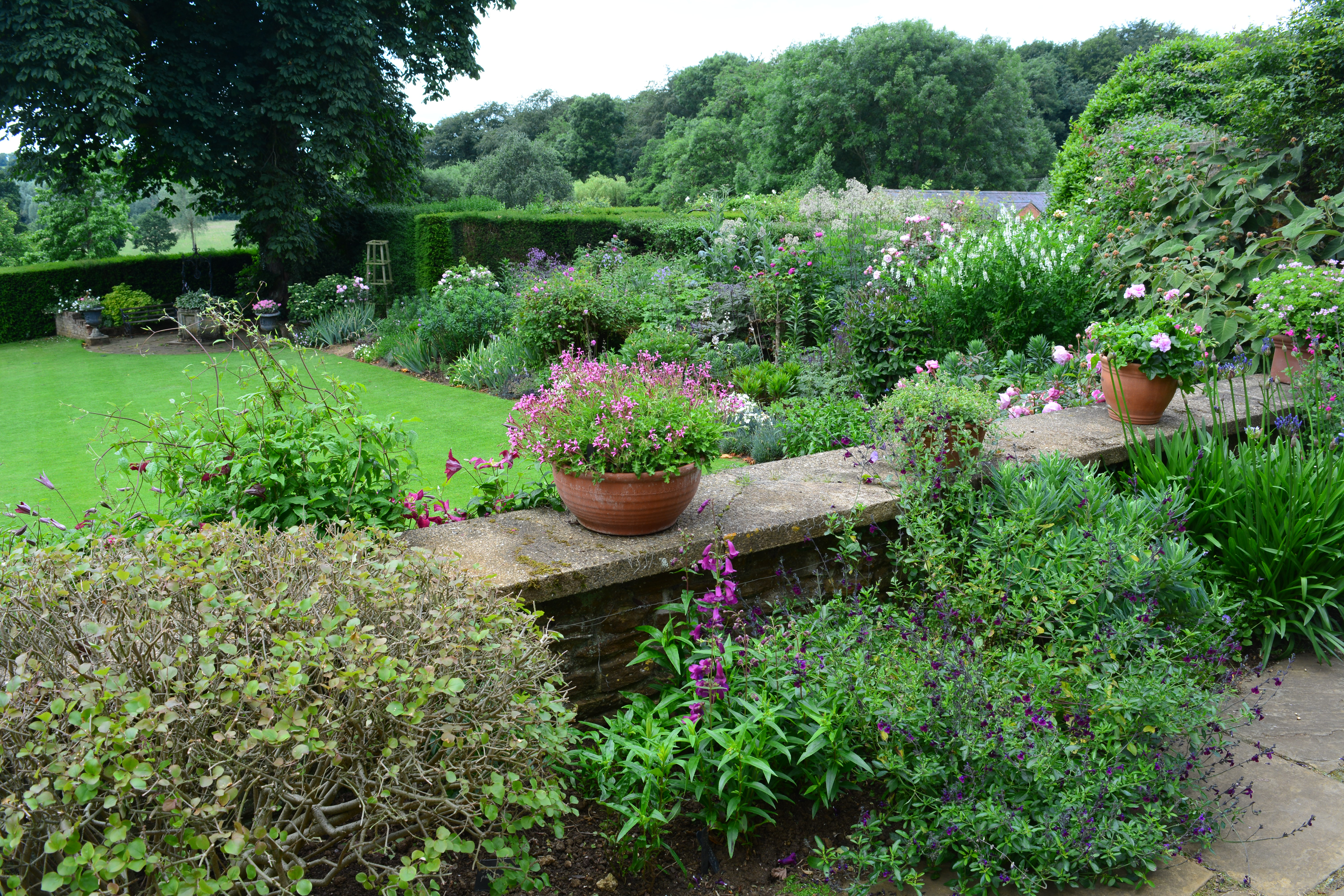
The garden itself is designed around a series of garden rooms separated by yew and holly hedges, and each room has its own special character and atmosphere, which makes for a refreshing garden walkabout. Leaving one room you don’t know what to expect next. Close to the house courtyards featuring half-hardy plants such as Pelargonium and Salvia make for a colourful start to our wanderings. Share our wanderings through these areas by following the gallery below. (click on the first photo and navigate through by clicking on right hand arrow)


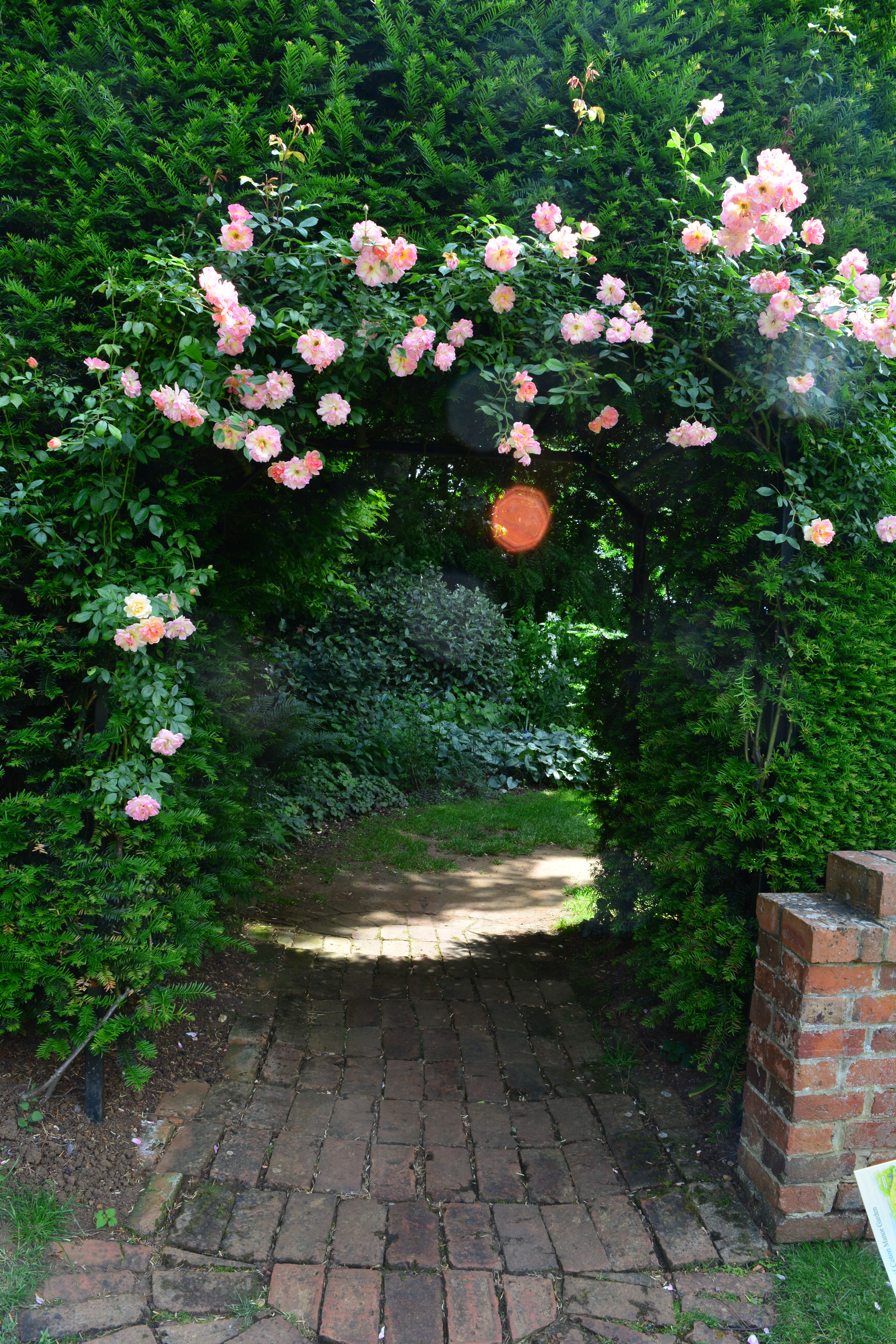
We passed through an archway surrounded by scented pink roses and from there moved on to the Rose Garden and then wandered into an area of woodland shade garden complete with a small stream.

cm2-01 cm2-14 cm2-26cm2-03 cm2-12 cm2-15 cm2-13 cm2-24 cm2-28  cm2-27 cm2-17cm2-19 cm2-18cm2-20 cm2-22cm2-21

Some very unusual and interesting plants came to our attention in the wooded and streamside gardens, all beautifully lit by the rays of the sun penetrating the tree canopy.

cm2-04 cm2-25 cm2-05 cm2-06 cm2-07 cm2-23cm2-02

Steps, paving and walls of warm limestone appeared throughout the garden affording ideal places for wall plants to get a hold.

cm2-09 cm2-10 cm2-11 cm3-30 cm3-29 cm3-28

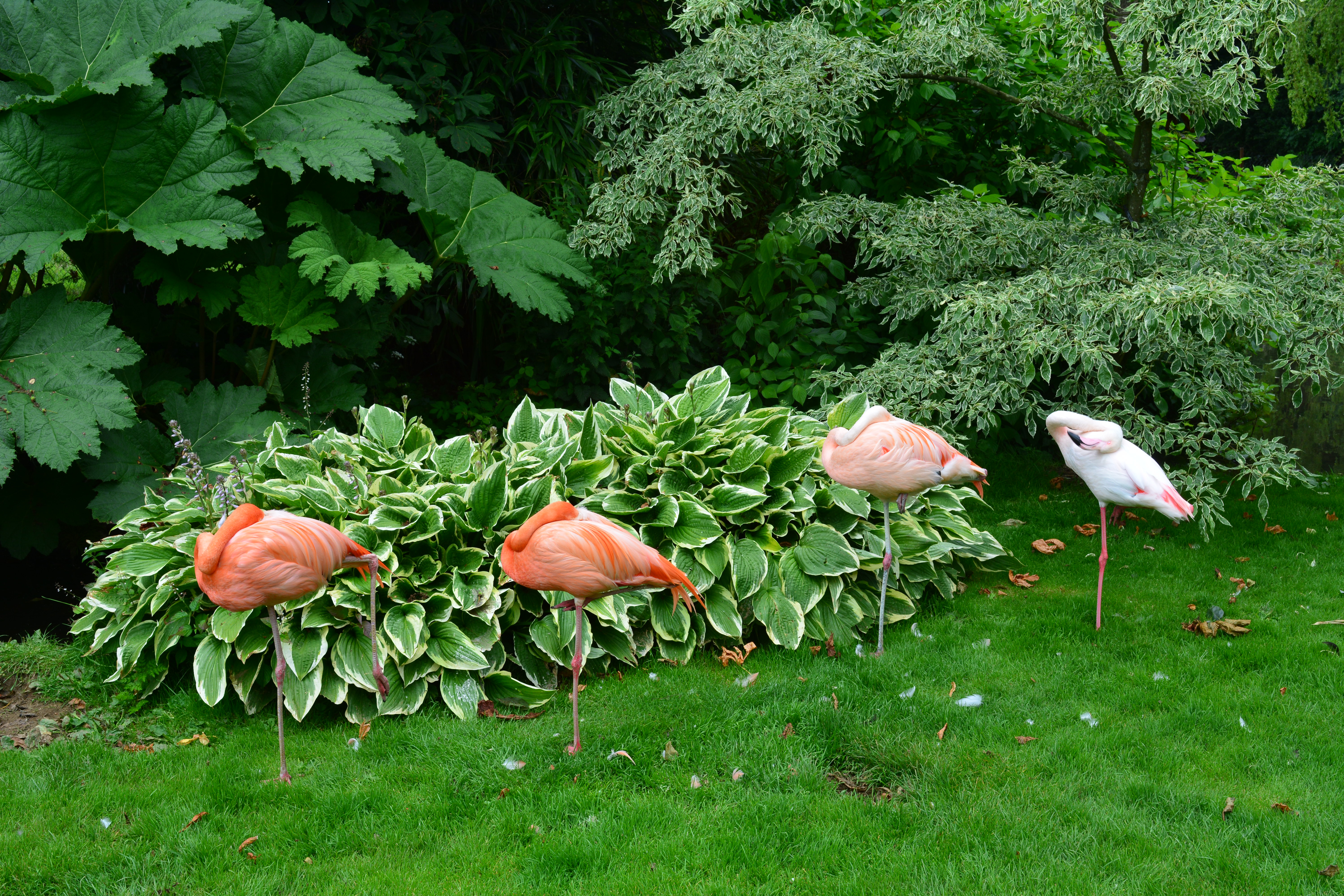
I will finish this report on our visit to the romantic garden at Coton Manor with a few more photos which I particularly enjoyed taking. I hope you like the salmon pink plumaged flamingoes which had free range of the garden but mostly seemed to enjoy sleeping with their head hidden beneath their wings,

cm3-31 cm3-25 cm3-26 cm3-21 cm3-07 cm3-12

Categories
colours garden design garden photography garden ponds garden pools garden seating gardening gardens gardens open to the public hardy perennials Shropshire water in the garden

Return to a favourite garden – Wollerton Old Hall

We are lucky living where we do with the choice of top quality gardens for us to visit and enjoy. The counties of Shropshire, our home county, and its neighbour Herefordshire are home to some real gems from tiny back gardens to large parklands. One of the best Shropshire gardens is Wollerton Old Hall, a garden we have visited many times as it is one of the best gardens in the UK created in the 20th century. We decided we were due another day there in 2016. Wollerton is a great garden all throughout its open season but it peaks in late summer and early autumn so we decided to visit on a bright day in September.

ws-01 wp-07

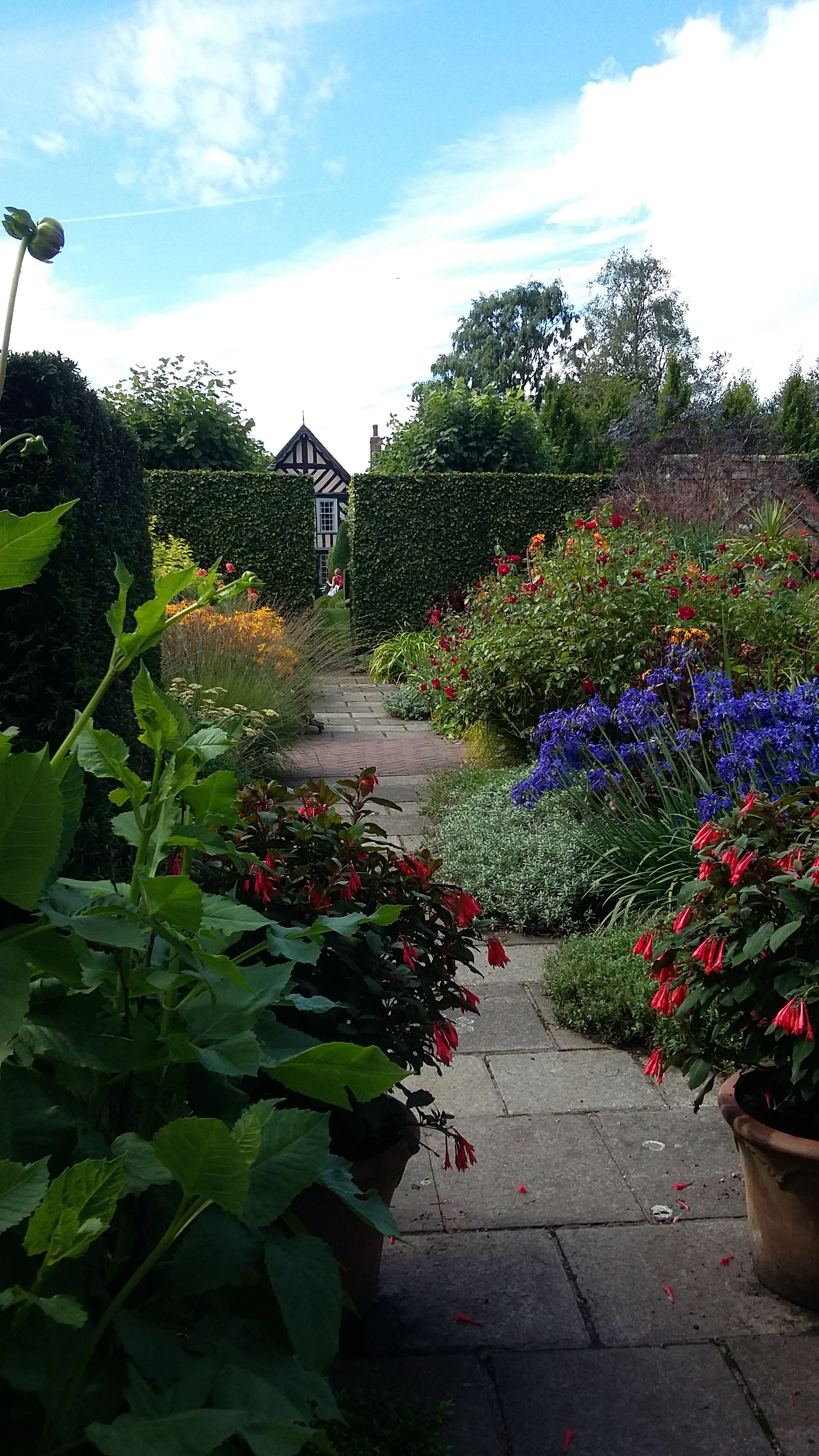
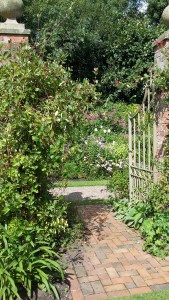
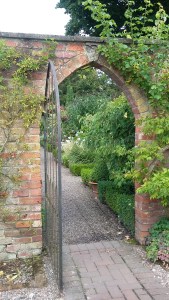
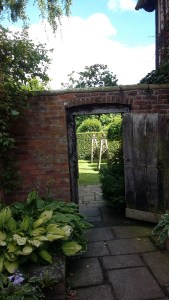
Two elements make Wollerton such a charismatic garden, the strength of its structure and the originality and quality of the planting. Wollerton’s many garden rooms are linked by pathways, gateways, arches and alleyways inviting the visitor to make choices to help guide their route around the garden.

ws-02 ws-03 ws-04 ws-05 ws-07 ws-11ws-02 ws-14ws-08 ws-09

Box cut into shapes and hedges of box and yew give strong bones to the garden and help lead the eye and focus on important elements.

ws-10 ws-12 ws-13 ws-18   ws-16 ws-17

The borders at Wollerton Old Hall are full of exciting planting combinations and exciting plants.

wp-04 wp-05 wp-06  wp-08 wp-09 wp-10 wp-11 wp-13  wp-15 wp-19 wp-20 wp-21 wp-22

The Hot Garden is the most exciting planting as it shines and glows in the slightest hint of brightness. There are so many strong plant combinations to enjoy. This patch can brighten the dullest day and bring a smile to the saddest face.

wp-03 wp-18wp-16 wp-14wp-17 wp-01 wp-12

It has been fun sharing our love of the gardens at Wollerton Old Hall with you. It is a garden we take friends and family to so that we can share our enjoyment with them. Perhapps we will visit in the spring or summer of 2017 and we can show you what a good garden it is then too.


This Veggie Life

A Vegetarian | Nature Lifestyle Blog

Rambling in the Garden

.....and nurturing my soul

The Arch City Gardener

Journeys In St. Louis Gardening and Beyond

Garden Dreaming at Châtillon

Consult the genius of the place

Storyshucker

A blog full of humorous and poignant observations.

gardeninacity

Notes from a wildlife-friendly cottage garden

PlayGroundology

...an emerging social science

The Official Blog of British Wildlife

'The most important and informative publication on wildlife of our times' - The Independent. This blog is a member of The UK & Ireland Natural History Bloggers group: www.uknhb.blogspot.com

iGrowHort

Inspire - Cultivate - Grow Native Plants - Restore Landscapes

Bishops Meadow Trust

To create and protect a semi-natural wild space for the people of Farnham to enjoy and experience an array of British wildlife in our town

Gardening with Children

The www.gardeningwithchildren.co.uk Blog

UKbirdingtimeline

birding through the seasons, why birds matter and how to conserve them

NATURE WALKER

with a camera in hand

Jardin

Transform your outdoor space

Eva's space

My allotment, cooking and other interests

Old School Garden

my gardening life through the year

LEANNE COLE

Trying to live a creative life

fromacountrycottage

trying to live as lightly as possible on our beautiful planet

Good Life Gardening

Nature lovers from Leicester living the good life.

mybeautfulthings

Finding the beautiful in the everyday

mawsonmichelle

Michelle's Allotment

In and Out of My Garden

thoughts from and about my garden

Greenhousing

Big plans for a small garden

The Scottish Country Garden

A Walled Country Garden in South East Scotland

The Fruity Chicken

Life at the fruity chicken

willowarchway

Off grid living. Self sufficient. "PERMAGANICS RULE".

St Anns Allotments

Nottingham's Grade 2* Listed Allotments and Community Orchard

Manifest Joy Harvests

a journey in suburban vegetable gardening

Allotmental

The madness of growing your own

Penny's Garden: a harvest beyond my front door

A novel approach to vegetable gardening

arignagardener

Sustainable living in the Irish countryside.

NewEnglandGardenAndThread

Master Gardener, amateur photographer, quilter, NH native, and sometimes SC snowbird

dianajhale

Recent work and work in progress and anything else that interests me

planthoarder

a chaotic cottage gardener

Lens and Pens by Sally

a weekly blog that creates a personal philosophy through photographs and words

Dewdrops and Sunshine

Stories from a sassy and classy Southern farmbelle.

The Pyjama Gardener

Simple Organic Gardening & Seasonal Living

gettin' fresh!

turning dirt into dinner

JOY...

today the world is created anew

Garden Birds

Notes from a Devon garden

ShootAbout

Life Through The Lens

Adapting Pixels

A photography blog showcasing the best photography pictures and videos on the internet

Wildlifegardening's Blog

Just another WordPress.com site

naturestimeline

personal observations from the natural world as the search continues for a new approach to conservation.

LATEBLOOMERBUDS

The Wonders of Life through my Eyes, my Heart, my Soul