Categories
garden design garden photography garden pools garden seating gardening gardens gardens open to the public grasses hardy perennials light light quality meadows natural pest control ornamental grasses outdoor sculpture trees water in the garden Winter Gardening winter gardens

A Garden in January – Trentham – Part Two

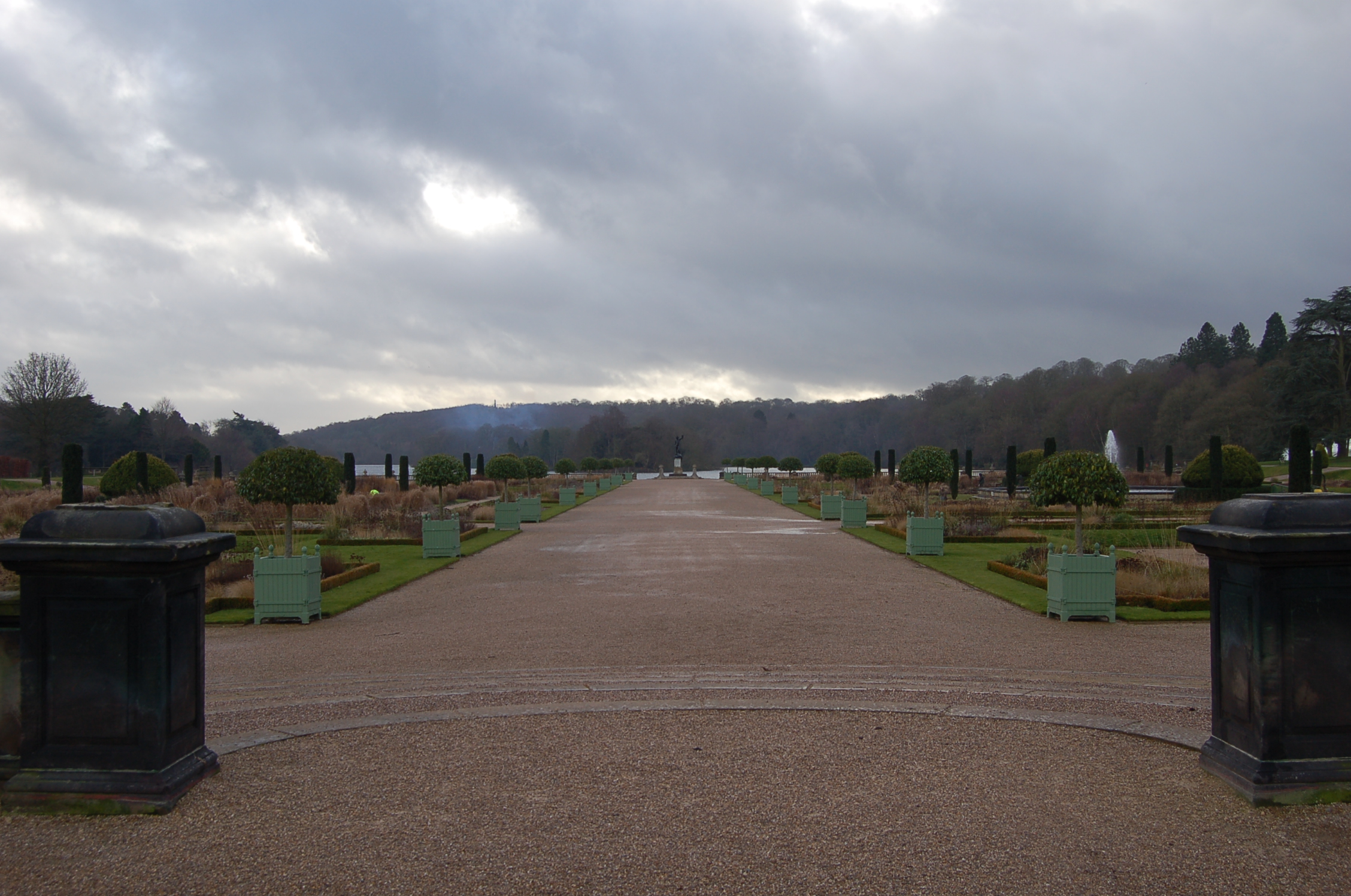
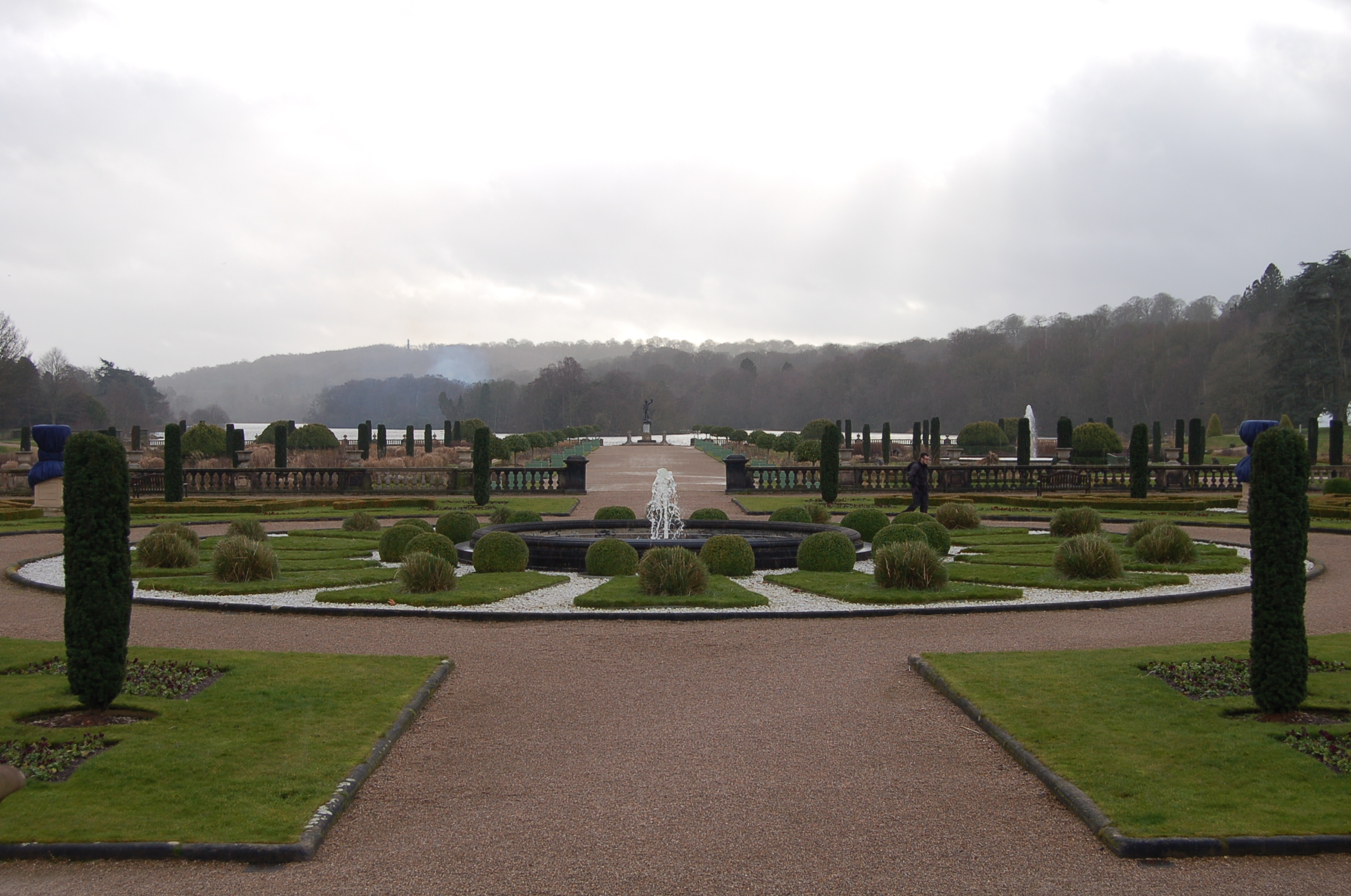
Welcome back to Trentham in January where we find ourselves in the part of the garden featuring the Italian Garden re-designed by Tom Stuart-Smith.
2014 01 07_5867_edited-1

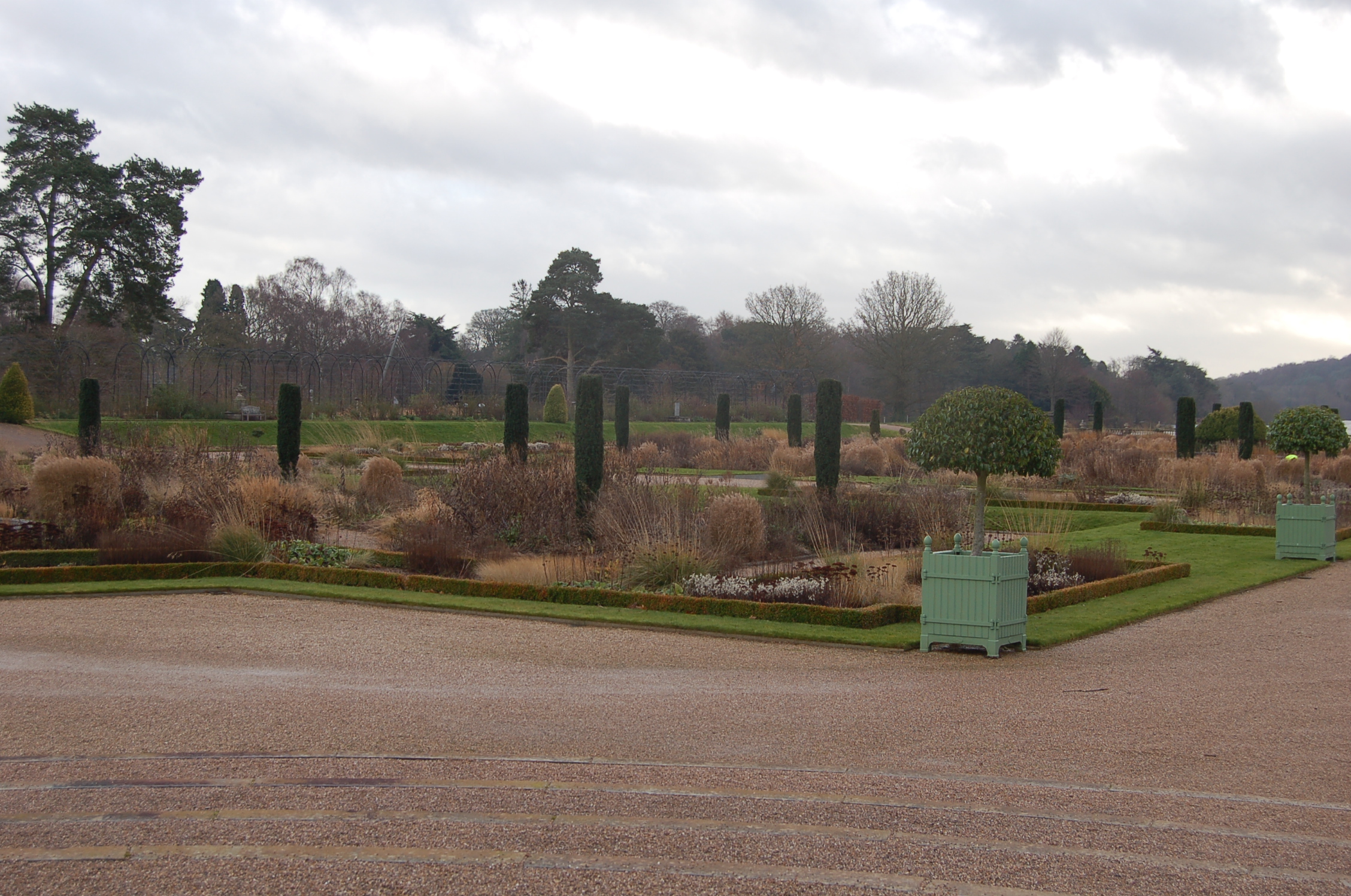
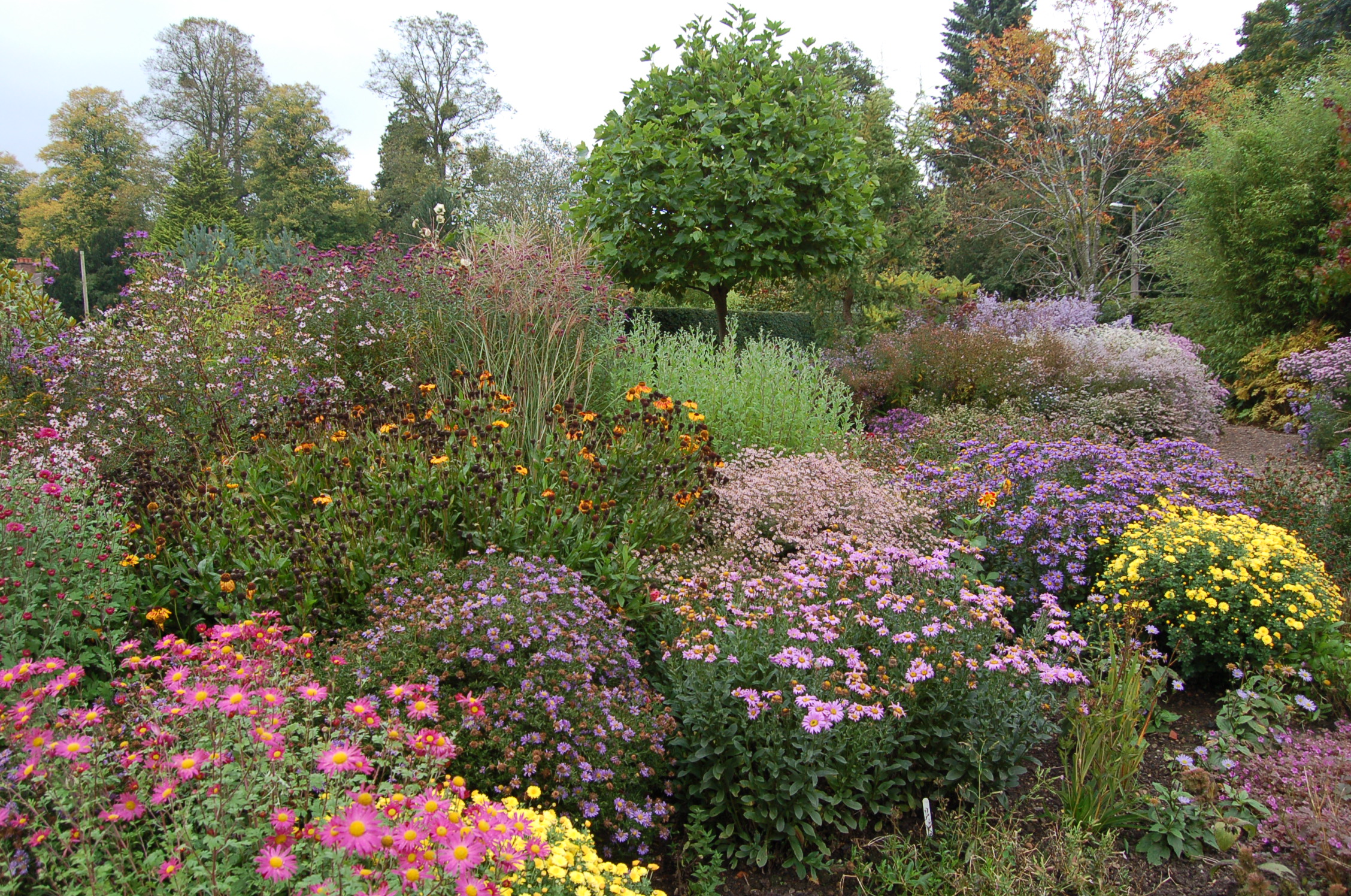
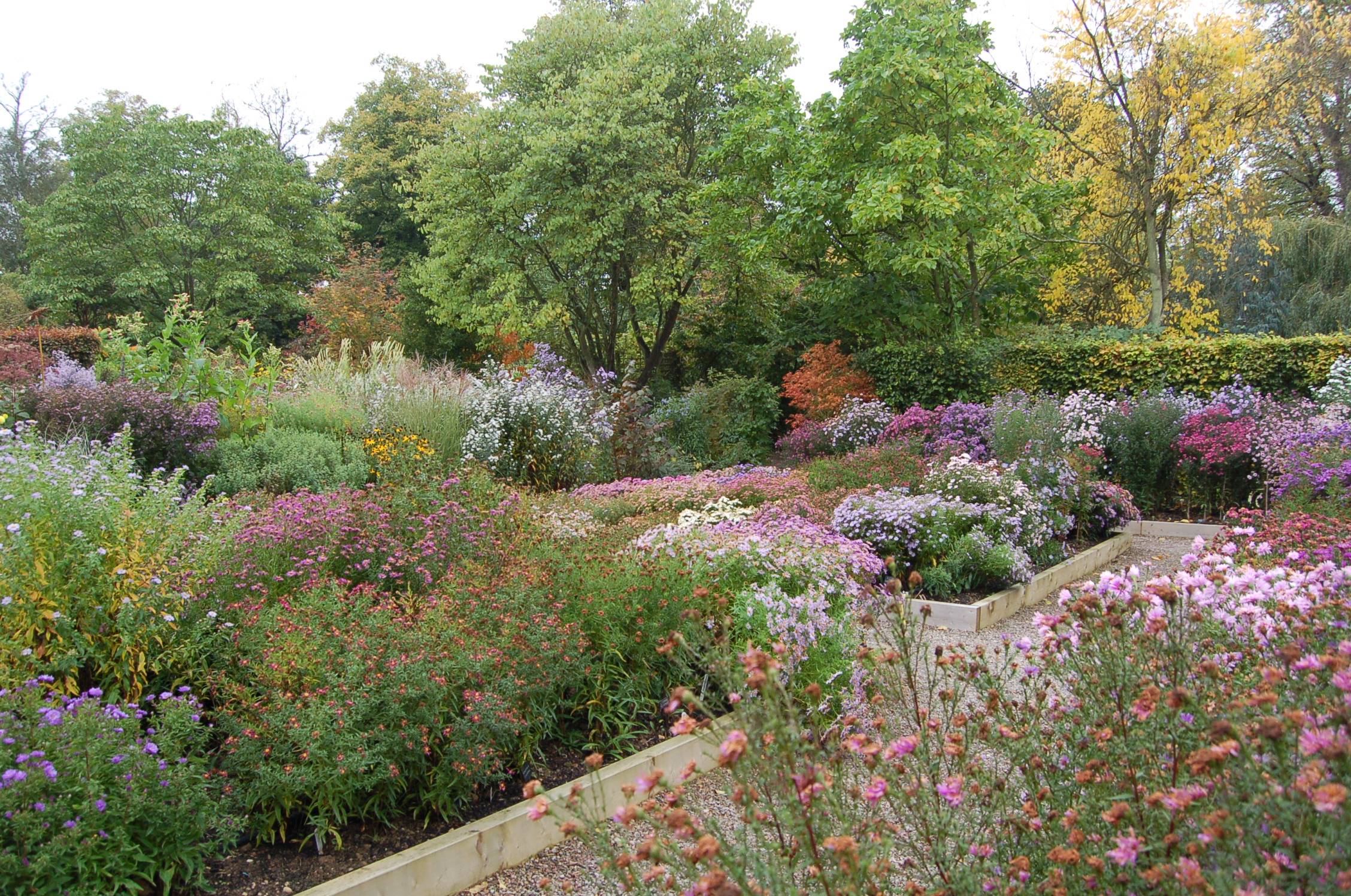
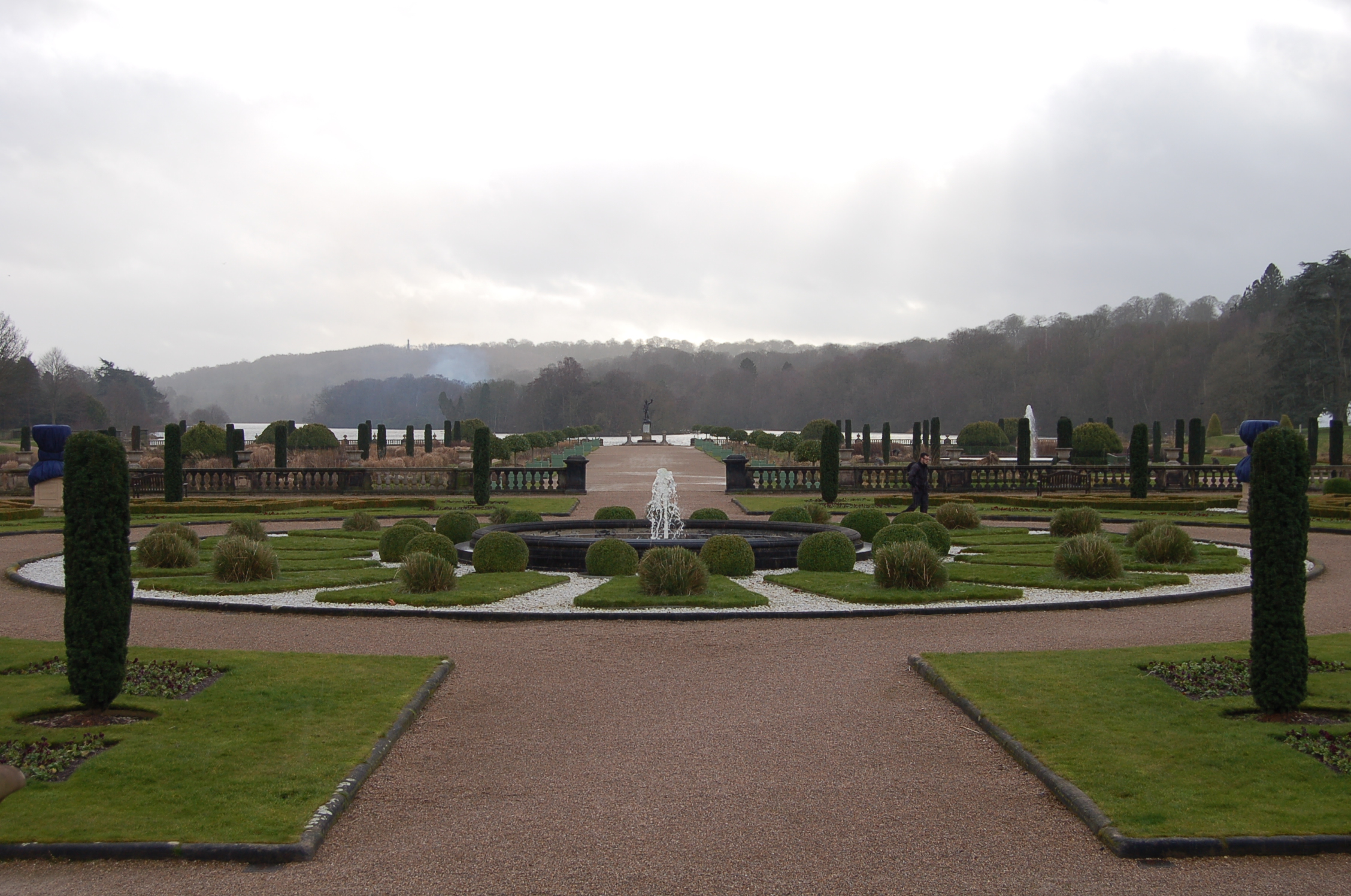
From the raised terraces of the Italian Parterre we can see how symmetrical and rigid the structure is. Tom Stuart-Smith has designed a brilliant garden within this structure using grasses and perennials similar to those used by Piet Oudolf. If anything the planting is more varied. The impressive thing about his design is the way soft flowing plant combinations can look so good in a formal setting.

2014 01 07_5835 2014 01 07_5836 2014 01 07_5837 2014 01 07_5838 2014 01 07_5839

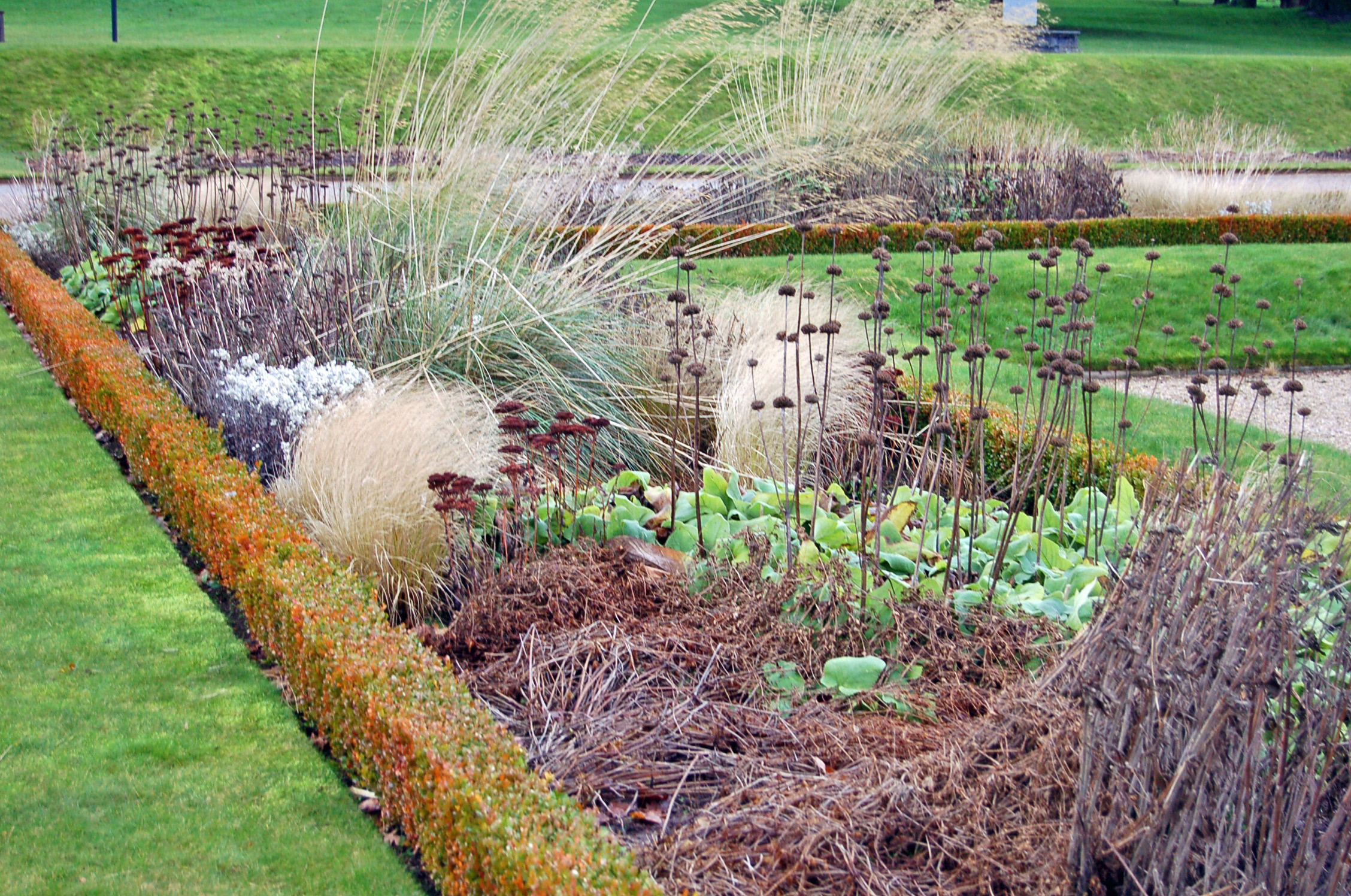
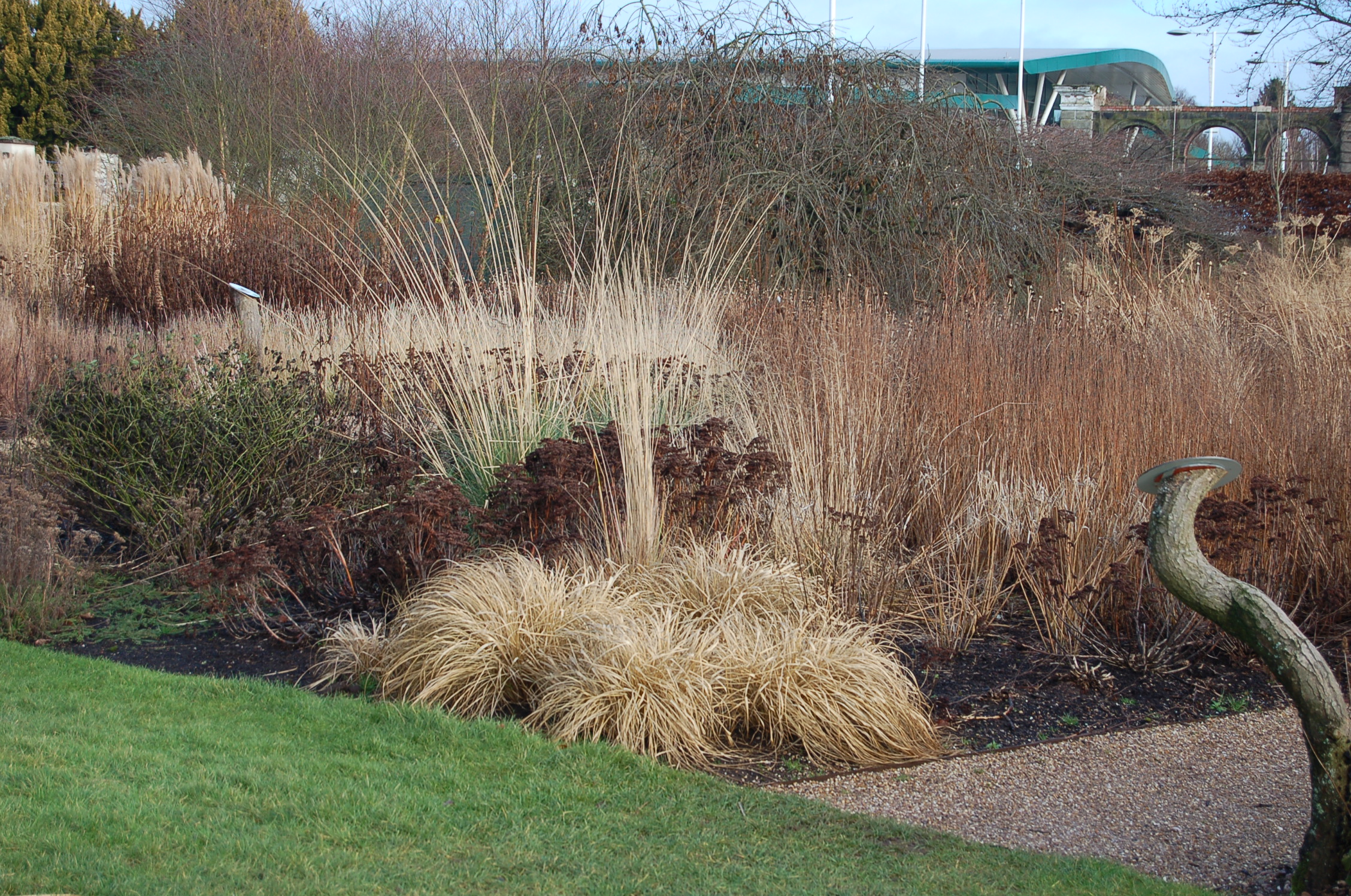
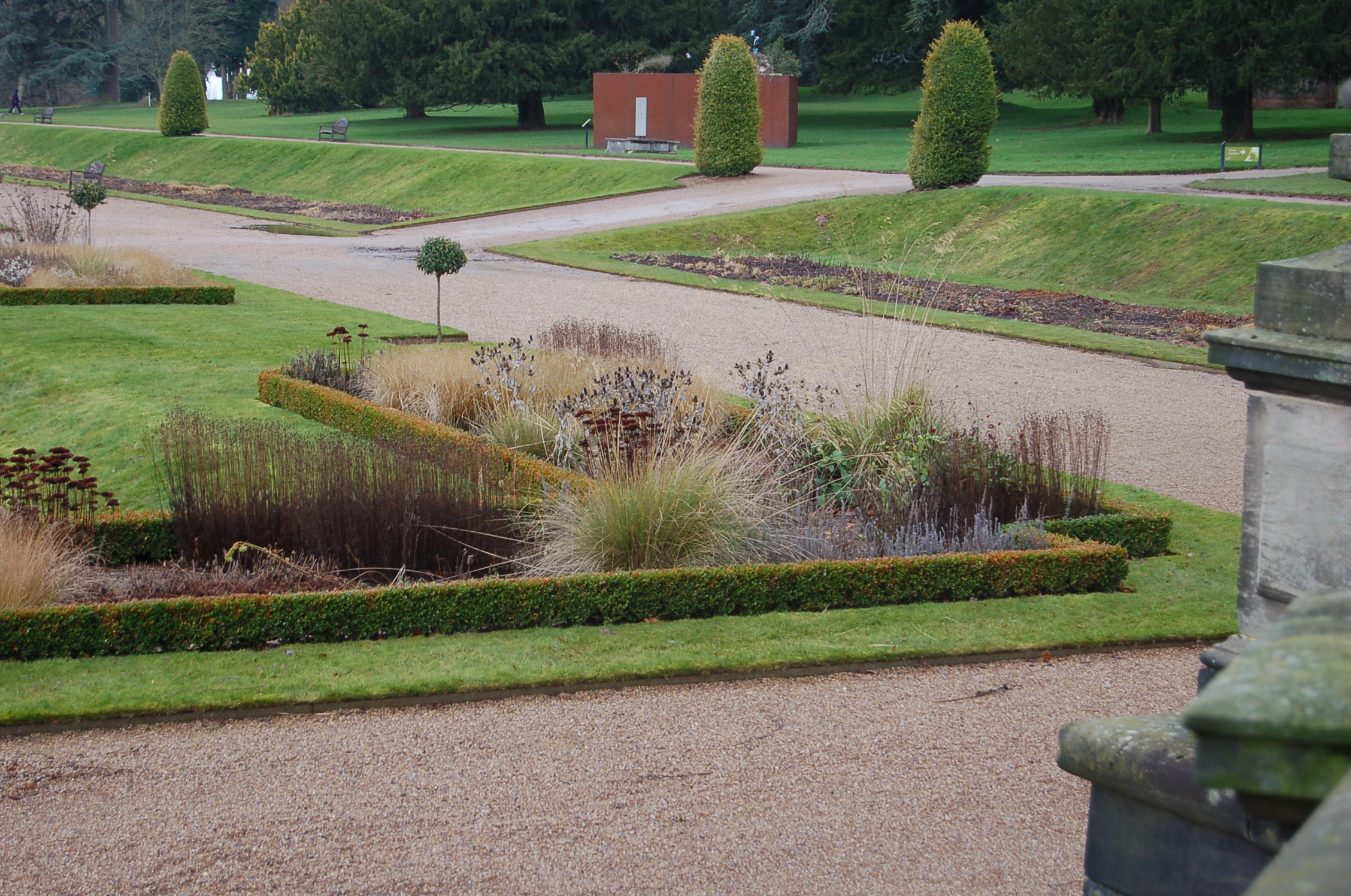
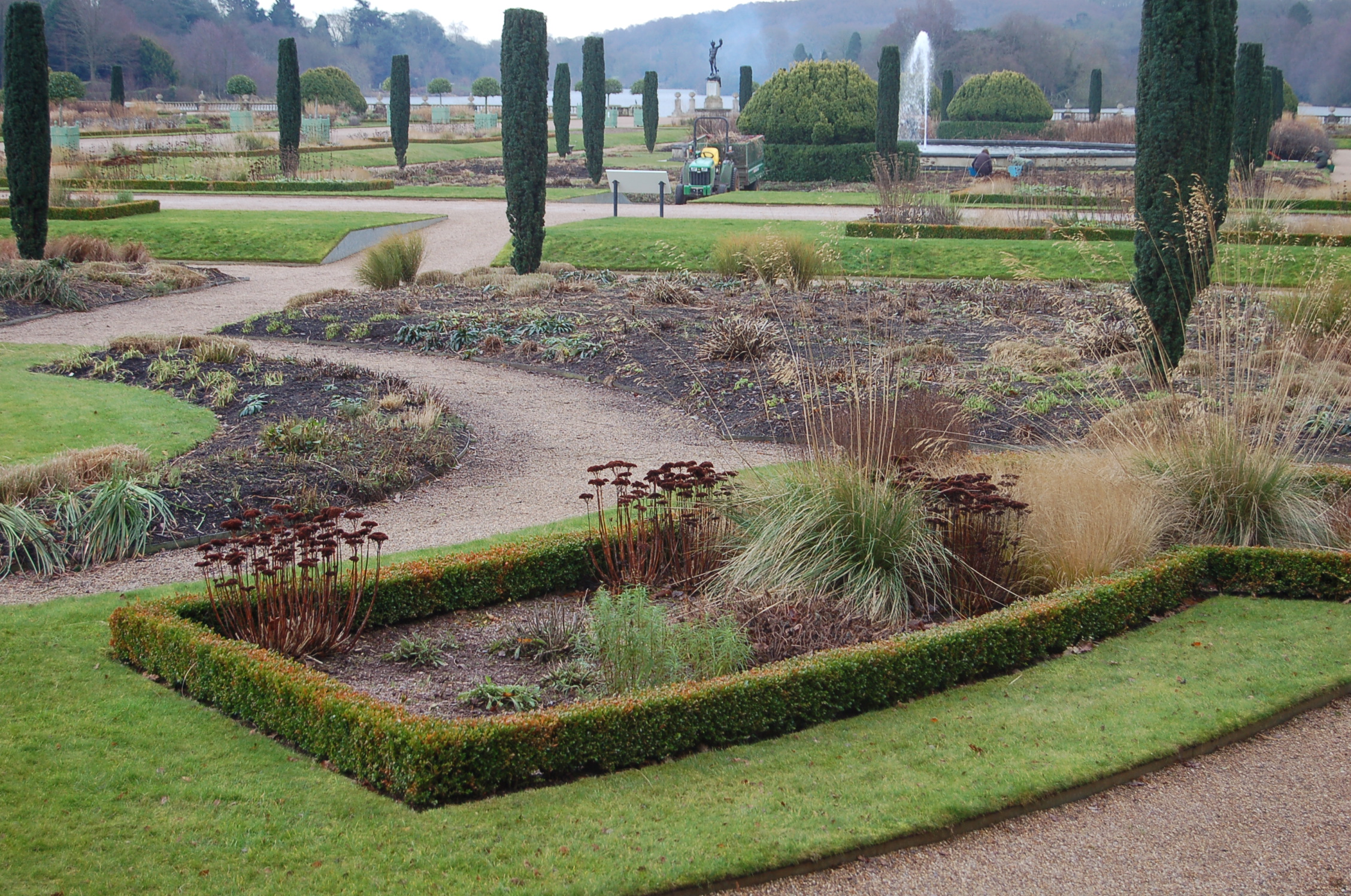
I always particularly like these corner beds with their plantings of low grasses, sedum, phlomis, marjoram and knautia. The little box edging is a most effective foil for the softness of the planting.
2014 01 07_5840 2014 01 07_5841

2014 01 07_5847_edited-1 2014 01 07_5848_edited-1 2014 01 07_5849_edited-1 2014 01 07_5850_edited-1

2014 01 07_5865_edited-1

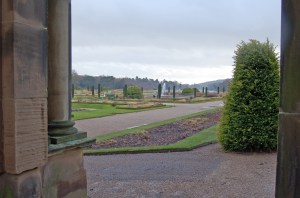
Our walk around Tom Stuart-Smiths plantings was interrupted by a shower of freezing rain accompanied by cold winds. We sheltered in the loggia conveniently located nearby. This afforded us a good view over much of this area.

2014 01 07_5842_edited-1 2014 01 07_5851_edited-1

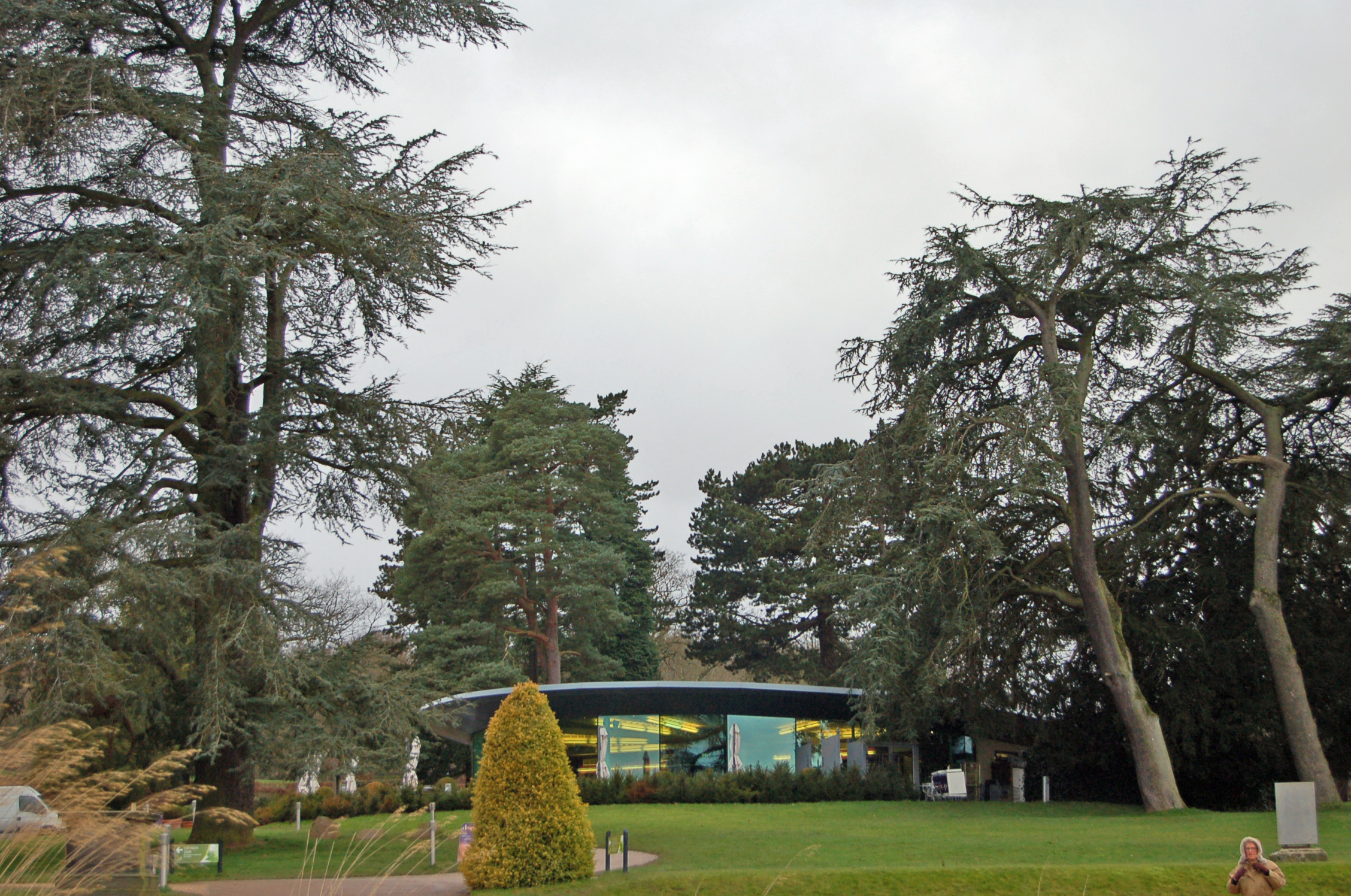
We managed another five minutes exploration of this garden when the heavens opened once again. Conveniently by this time we were close to the coffee shop which is always our half way stopping point so we retreated to enjoy a welcomed beverage and slice of something sweet. The cafe is housed in a beautifully designed modern building based on a semi-circle. It sits snuggly within a clump of trees. The seating fits all around the floor to ceiling windows giving great views over the Tom S-S gardens.
2014 01 07_5862_edited-1

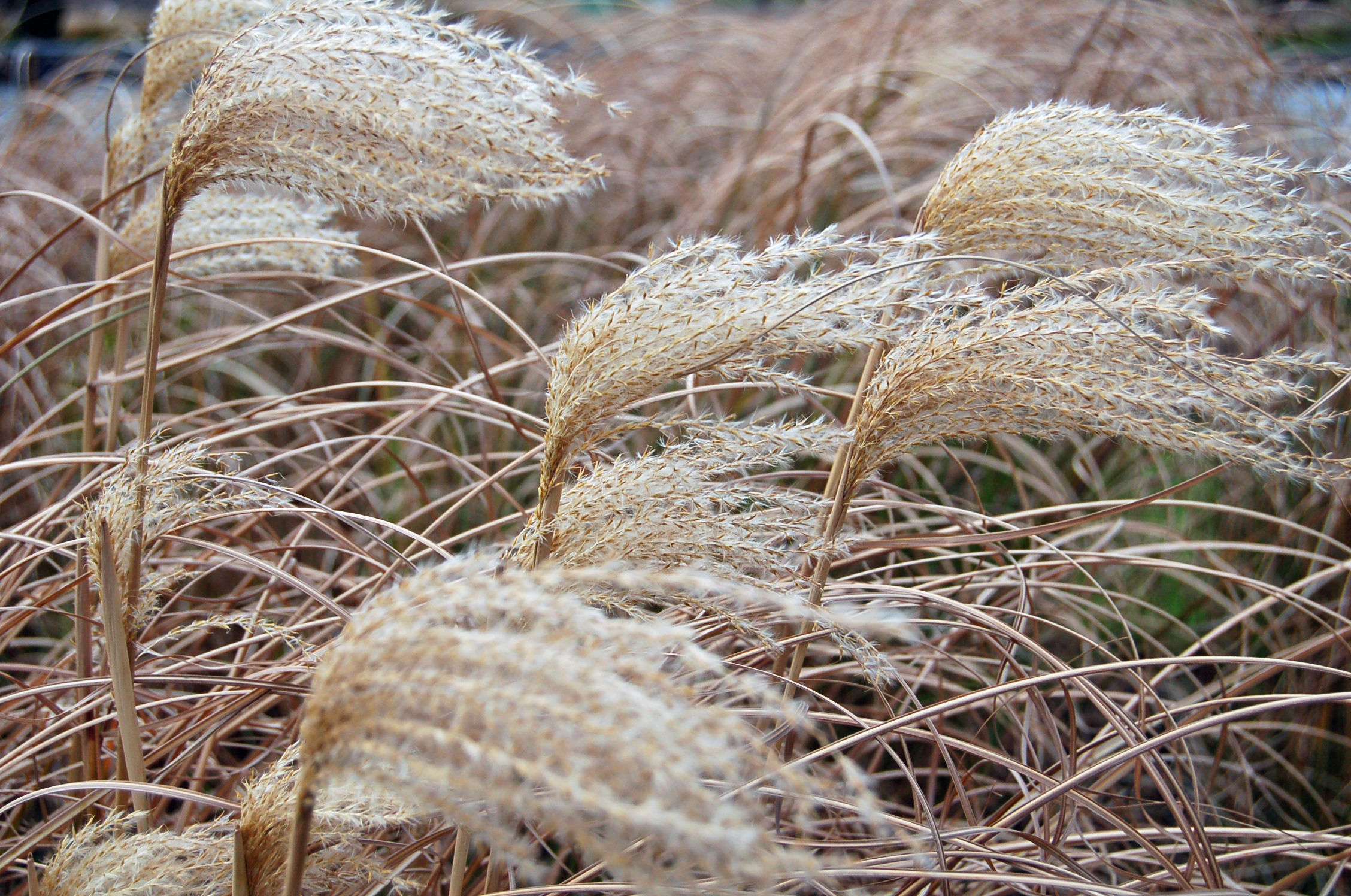
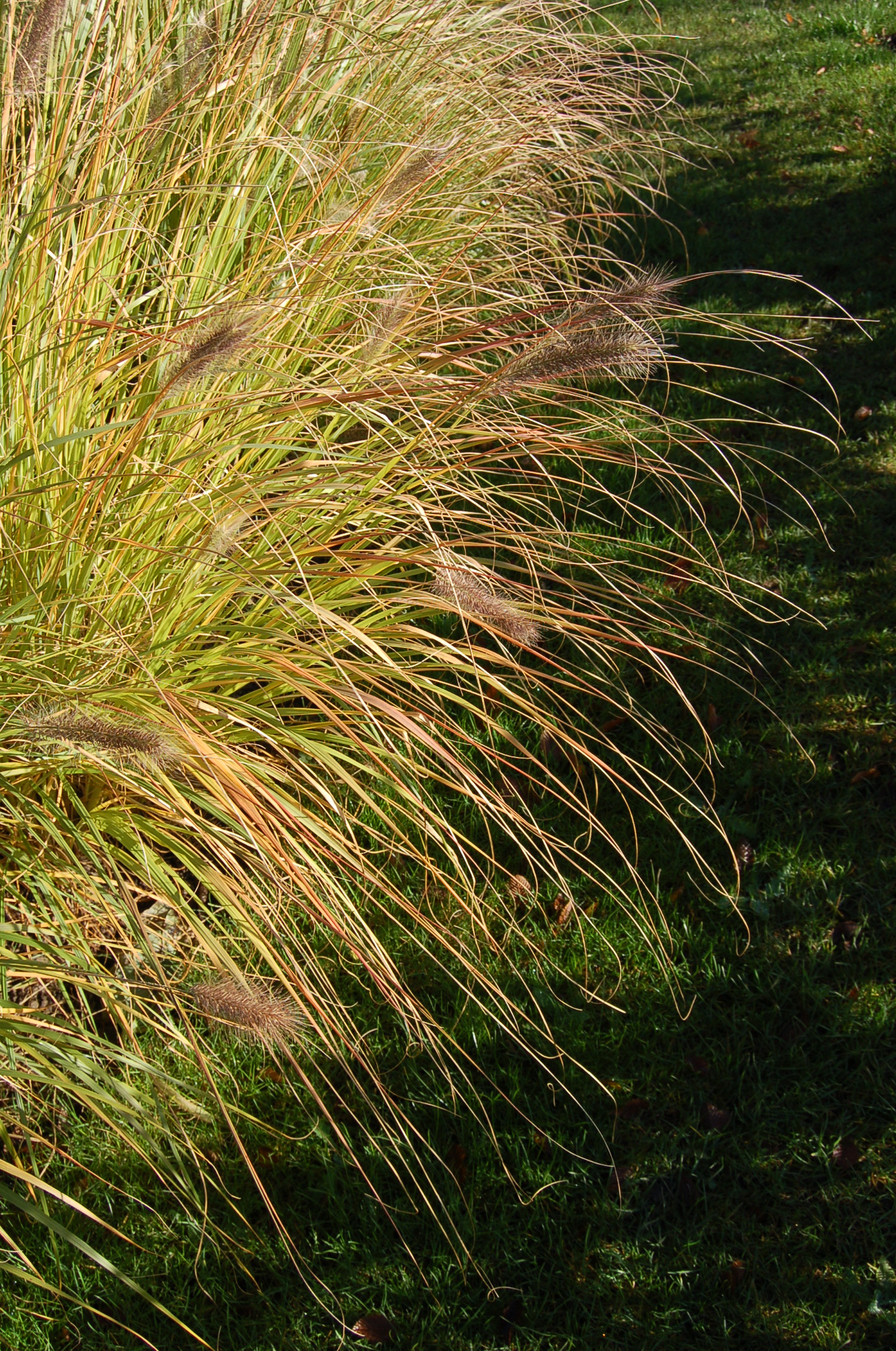
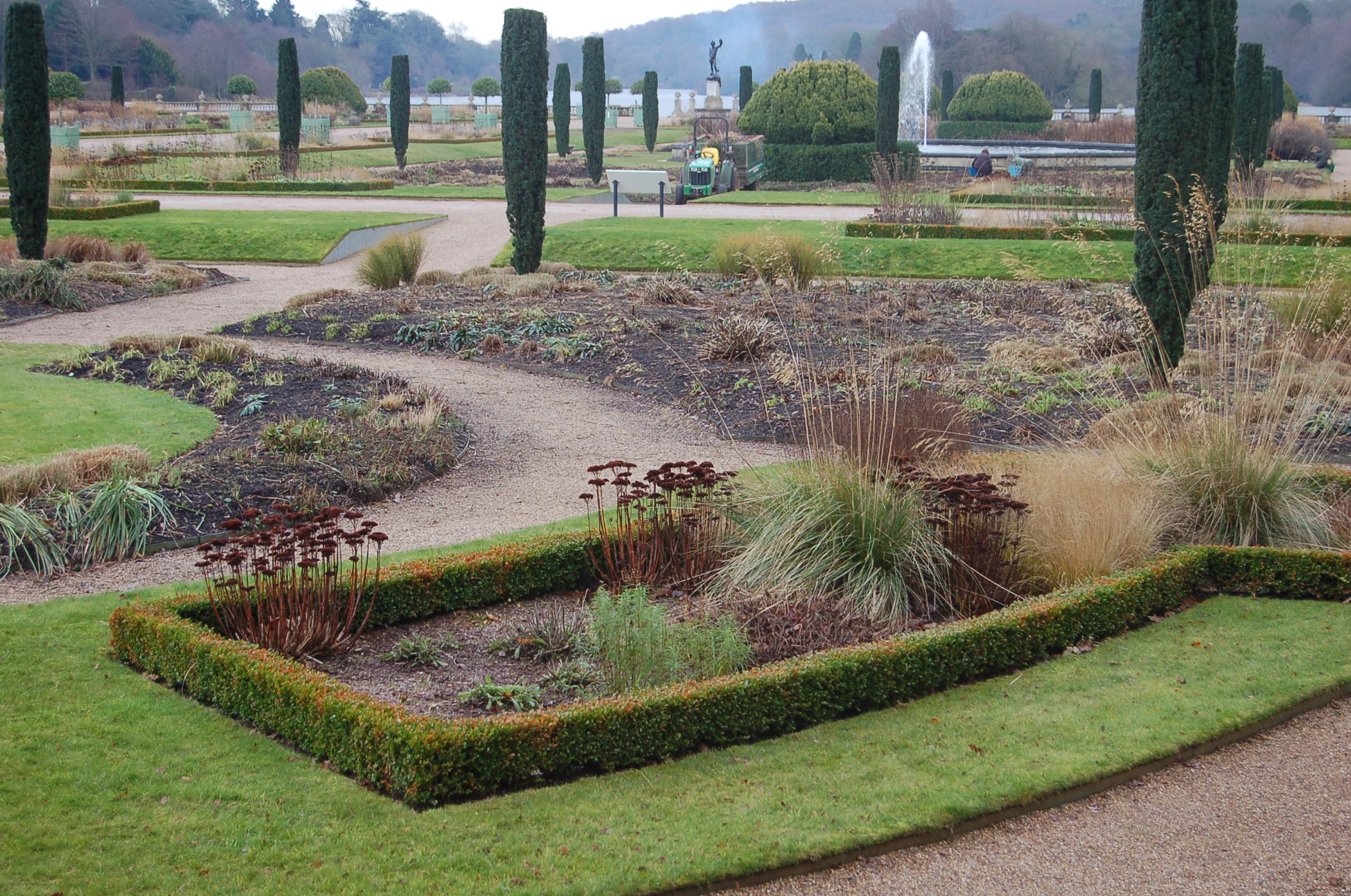
The wind was moving the grasses around and skewing the water in the fountains. It illustrated how important grasses can be in any garden, as even the slightest breeze sets them waving.

2014 01 07_5864_edited-1  2014 01 07_5873_edited-1

2014 01 07_5877_edited-1

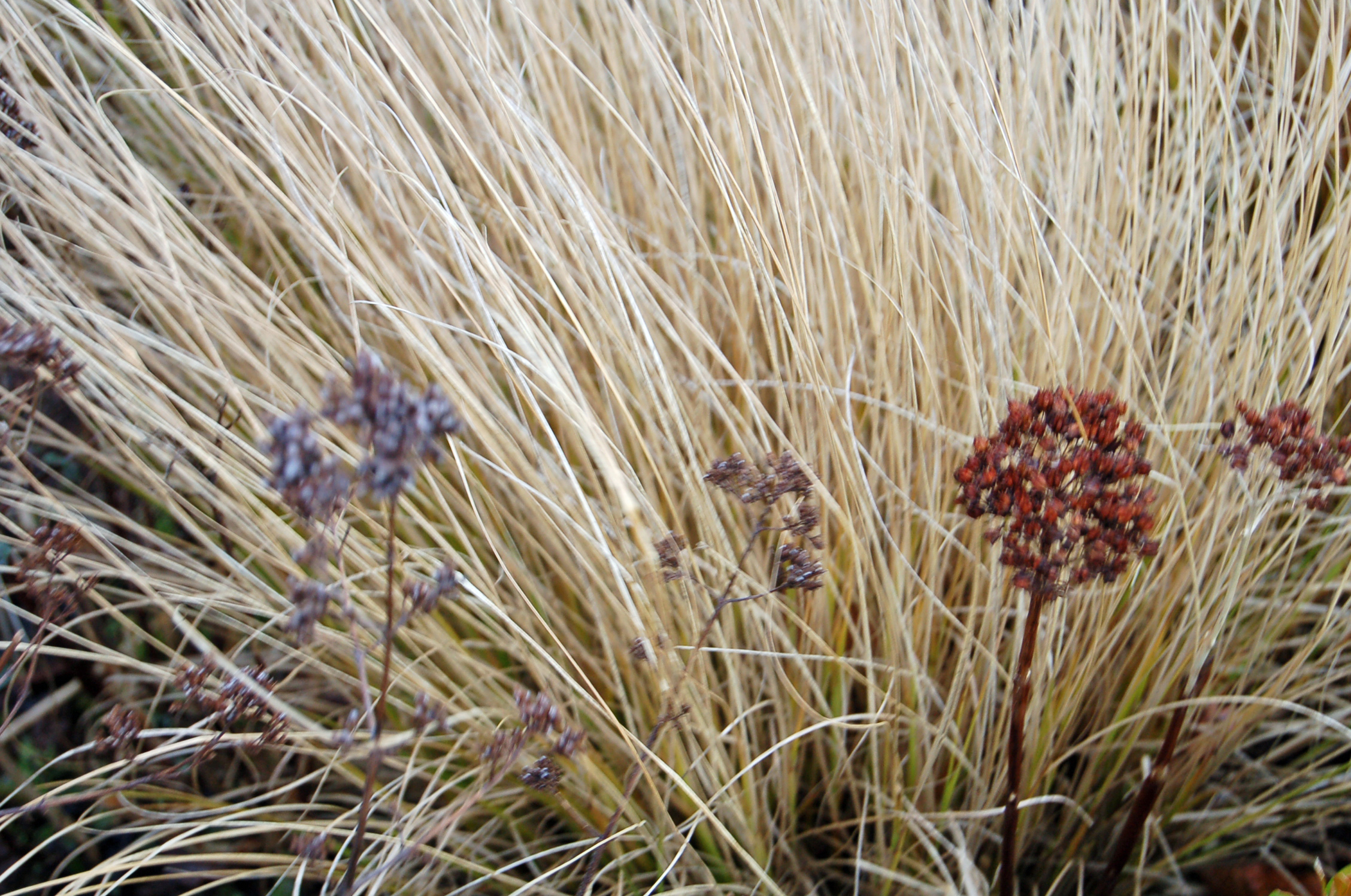
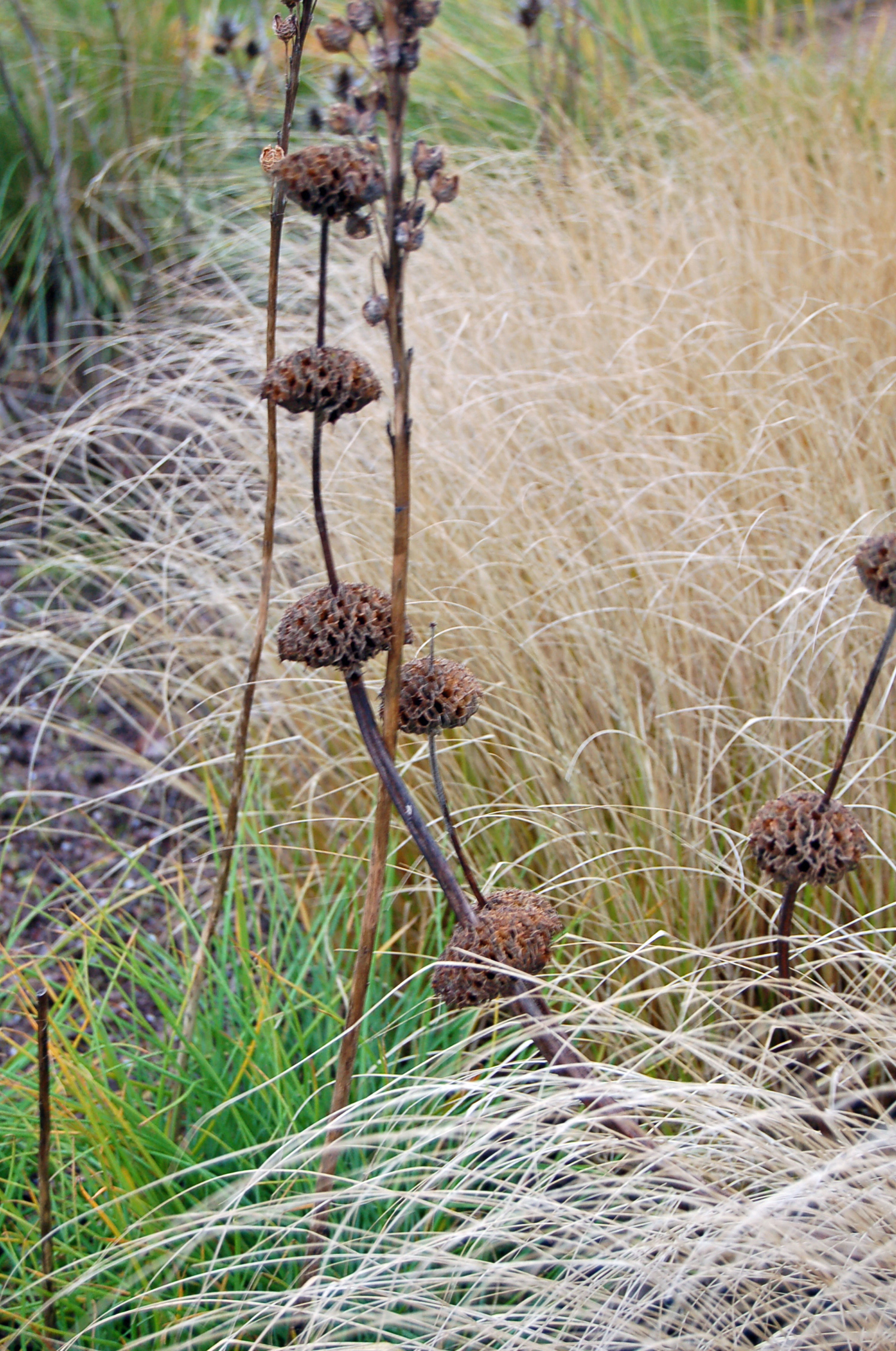
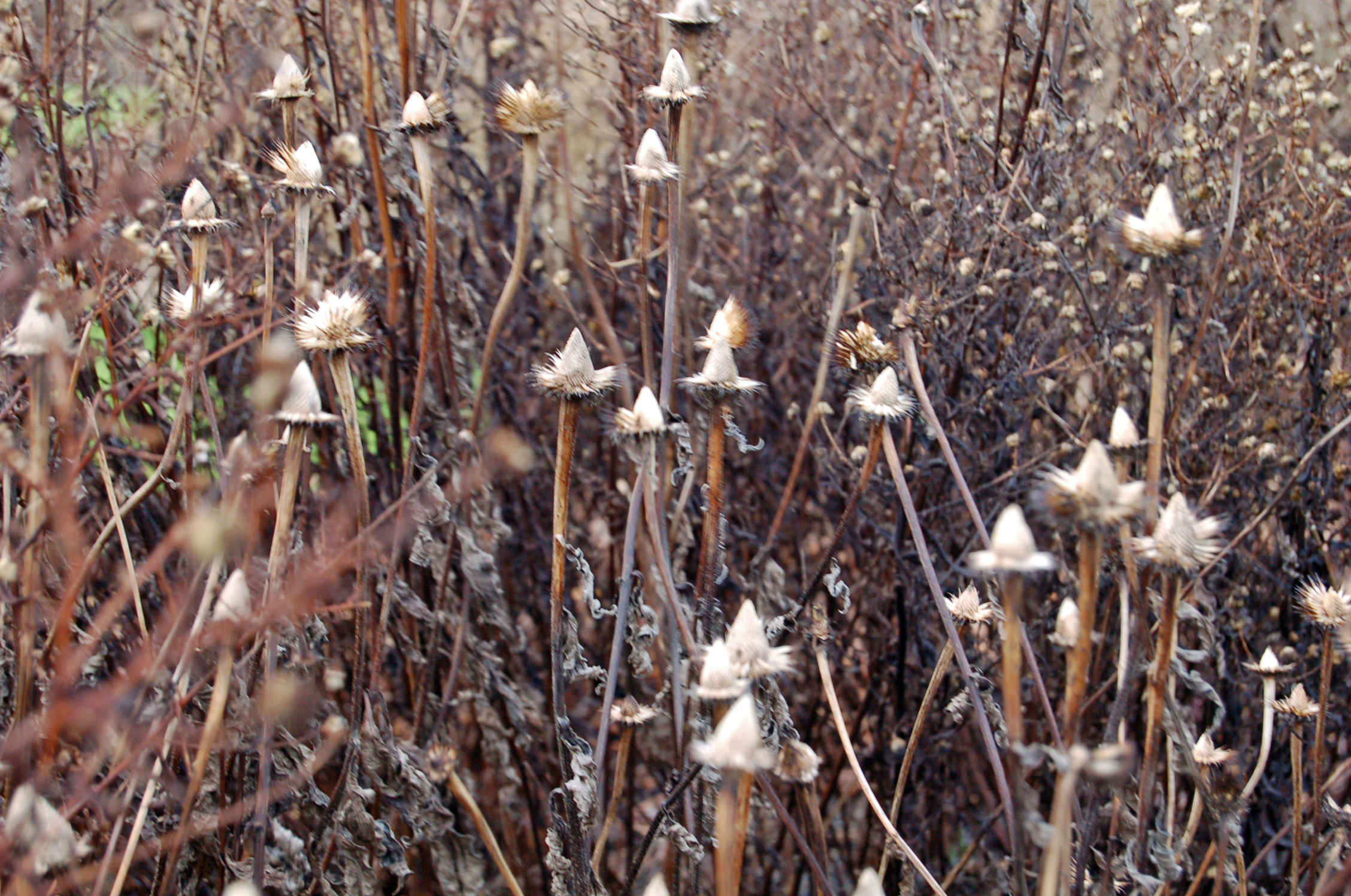
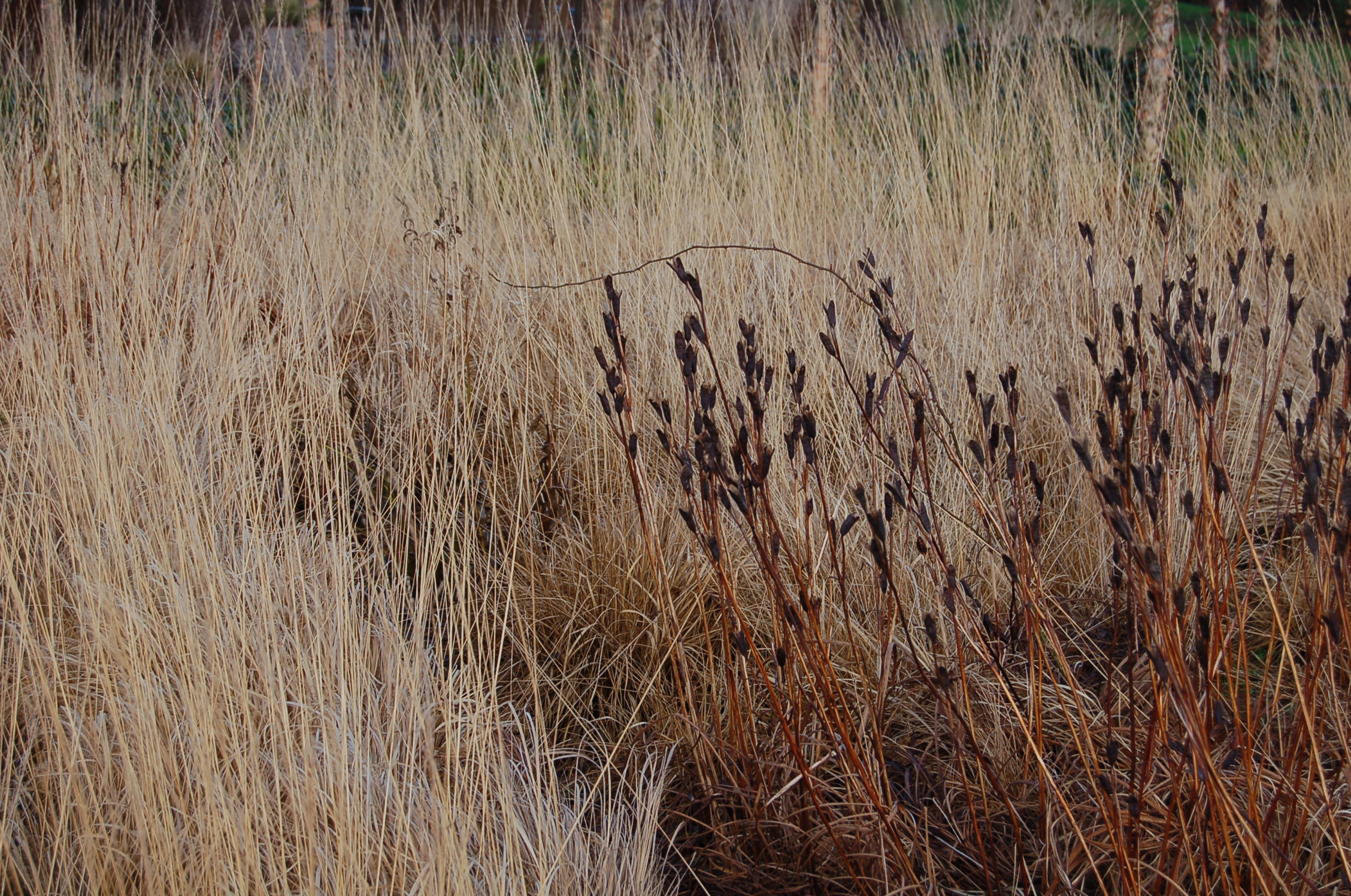
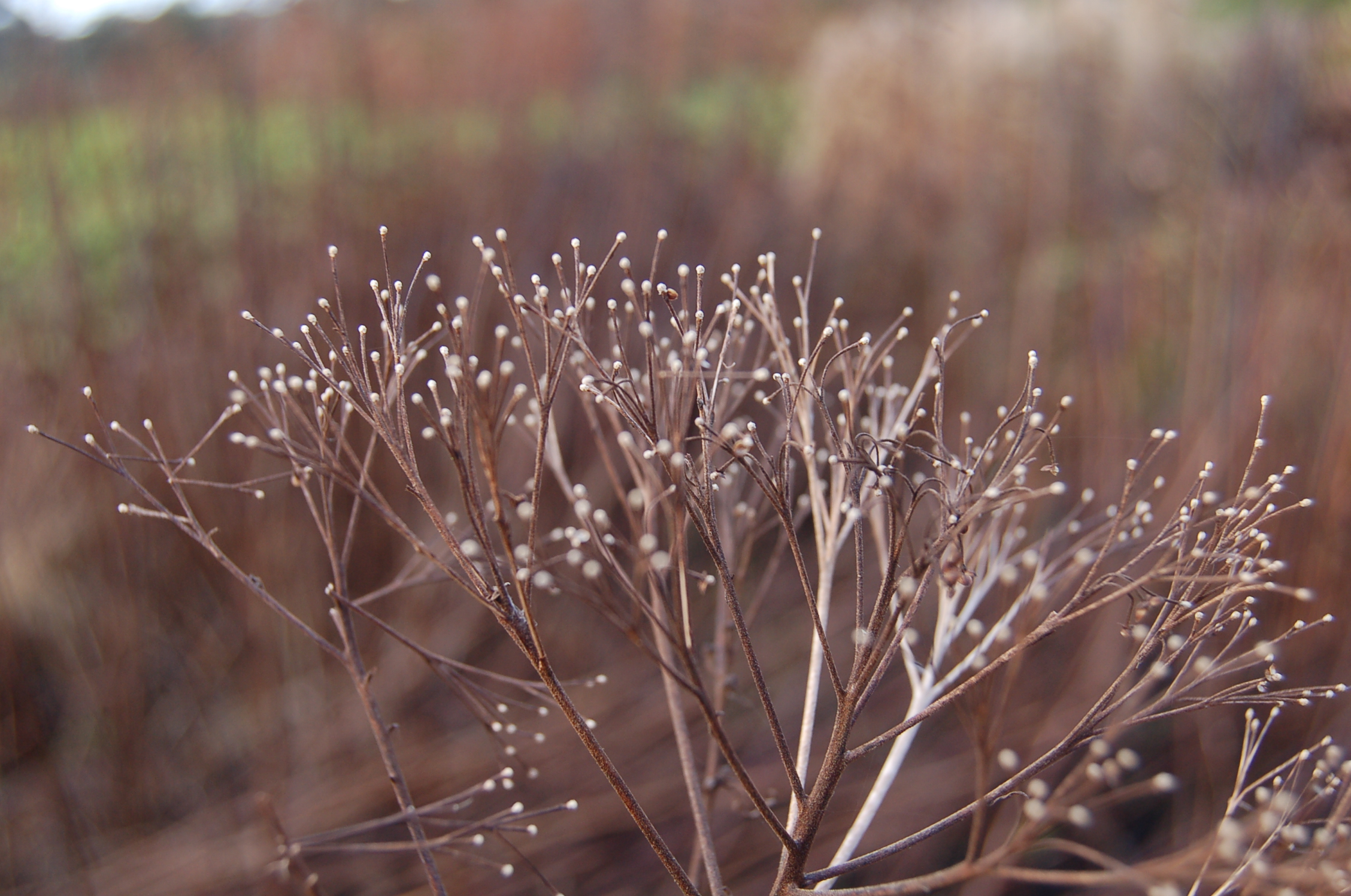
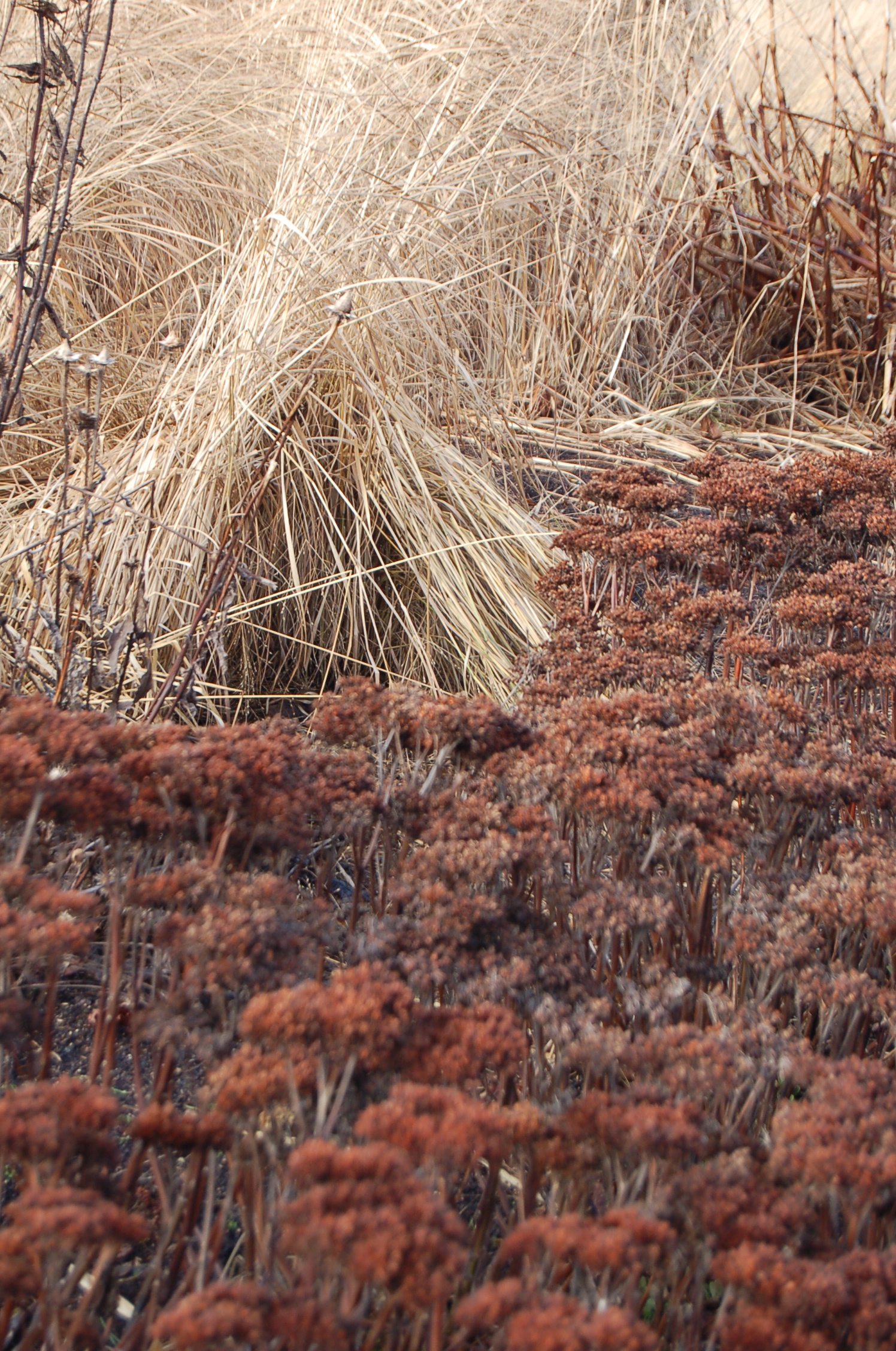
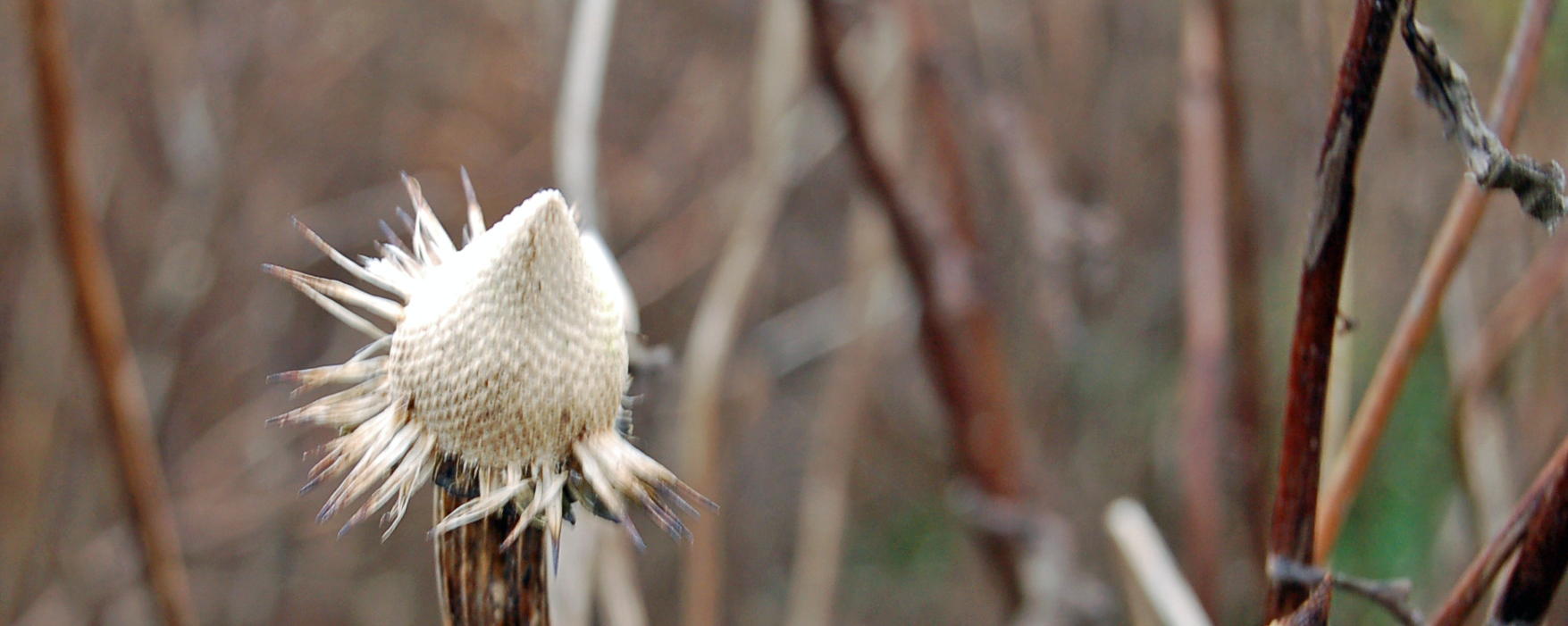
Within the grasses the seedheads of the perennials were the stars of the show.

2014 01 07_5866_edited-1 2014 01 07_5872_edited-1

2014 01 07_5869_edited-1 2014 01 07_5870_edited-1 2014 01 07_5871_edited-1   2014 01 07_5874_edited-1 2014 01 07_5876_edited-1

The garden team were busy cutting down the perennials in the beds which had been worst effected by the winter weather. If you look carefully you may spot the one gardener’s amusing headgear! When she bent over it looked as if it was Yogi Bear doing the work!

2014 01 07_5868_edited-1

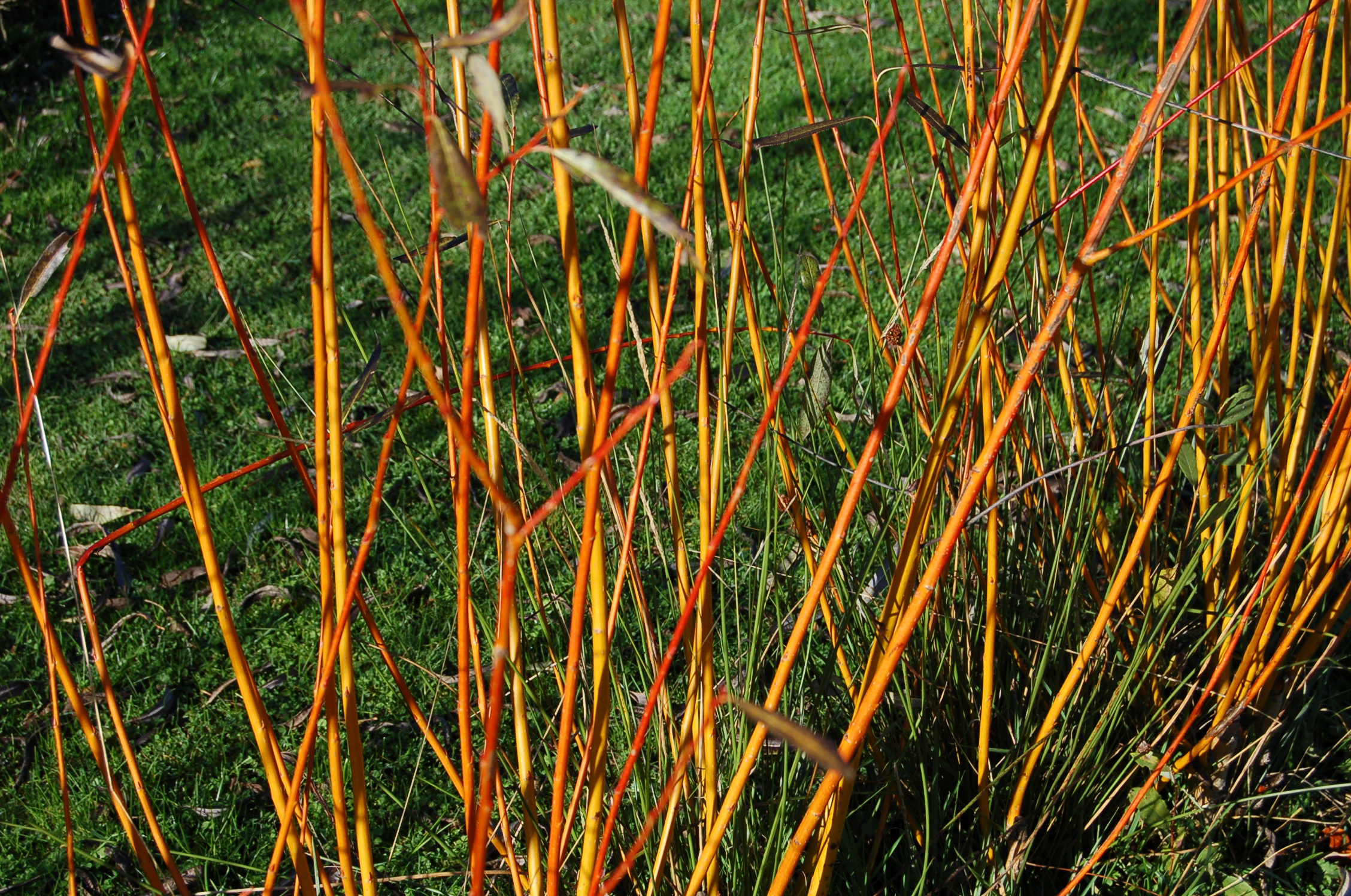
We made a diversion into the area beyond the cafe and tall trees where the show gardens are. We found a few new gardens including a “Stumpery” (a favourite garden feature of Mrs Greenbench) and this row of colourful dogwoods, Cornus Midwinter Fire.

2014 01 07_5854_edited-1 2014 01 07_5852_edited-1

The glass panels in one of the gardens looked brilliant alongside the russet coloured grasses.

2014 01 07_5855_edited-1

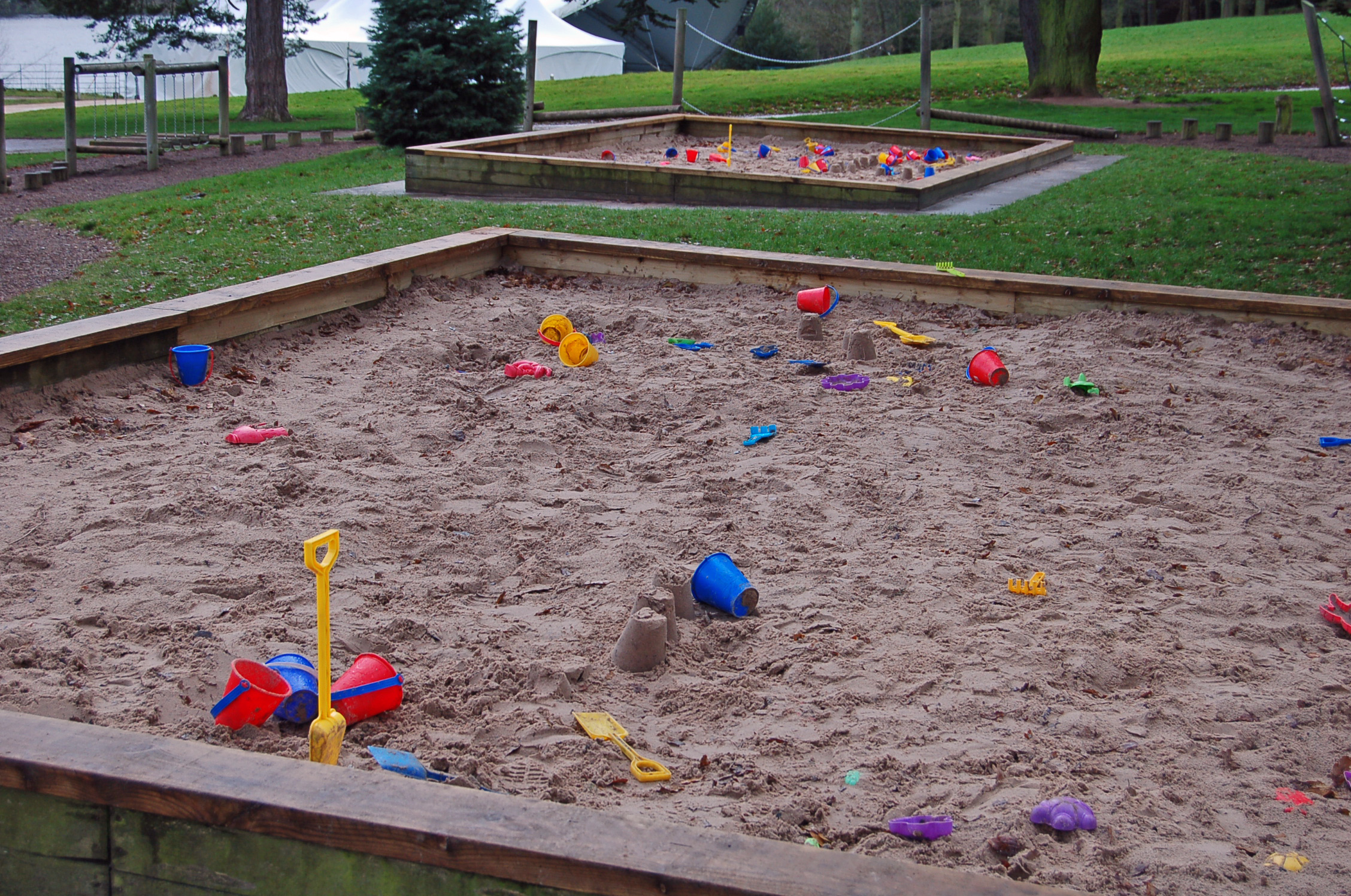
Close to the cafe is an area for children’s play with climbing frames, a maze, a bare foot walk, road ways for sit-on toys and these superb sandpits. Because of the poor weather they were sadly deserted today but they are usually very popular. It is so good to see children absorbed in play that does not involve screens or batteries!
2014 01 07_5861_edited-1

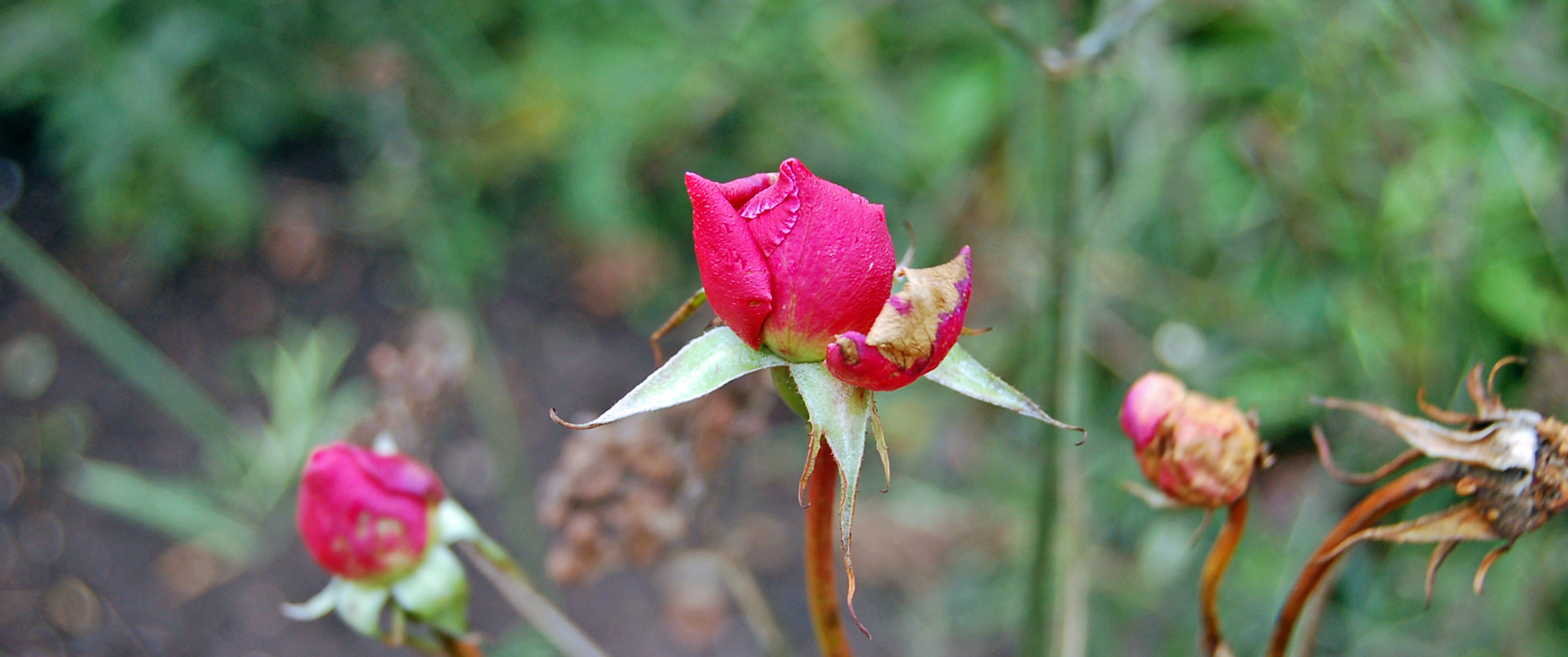
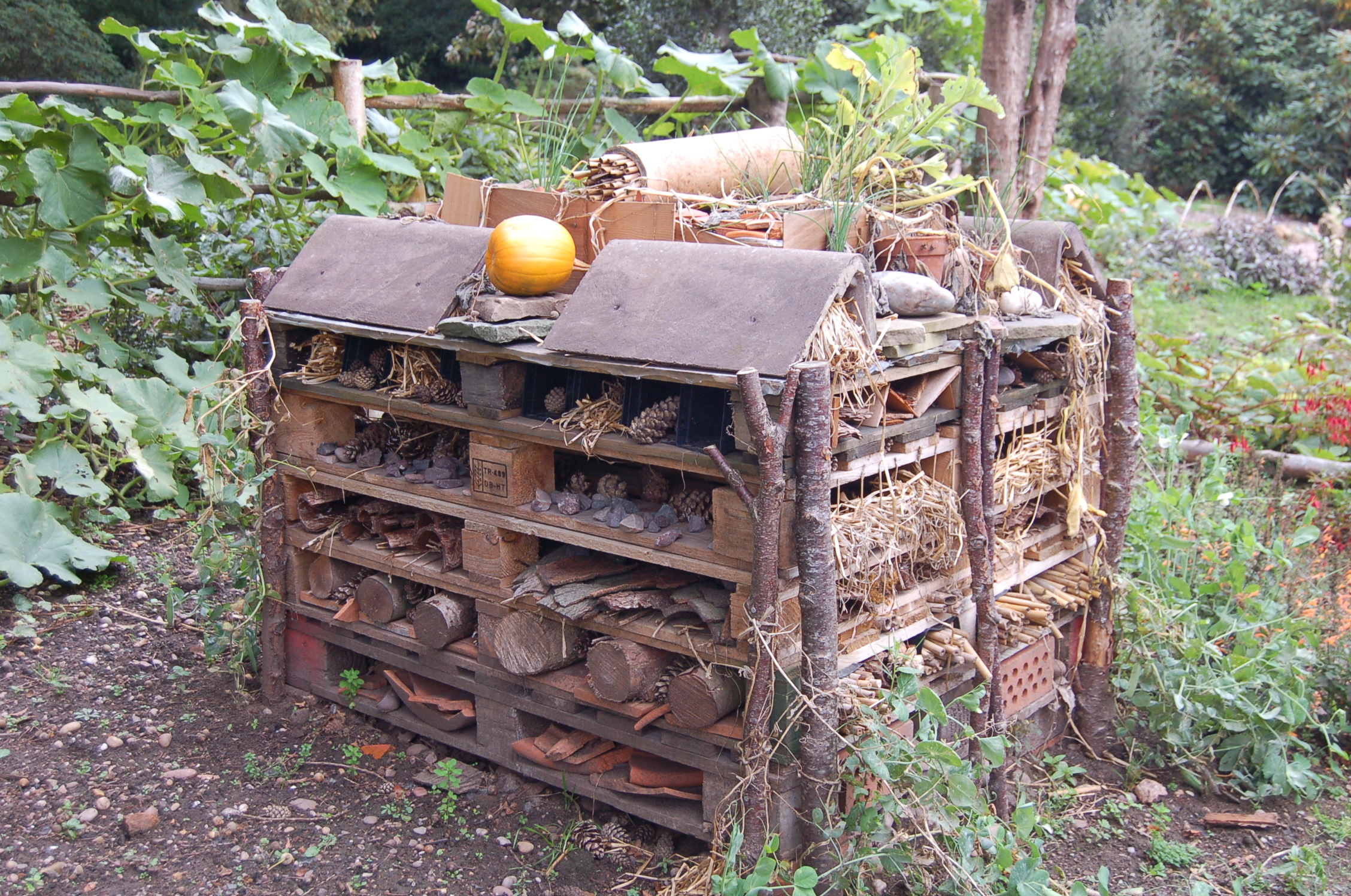
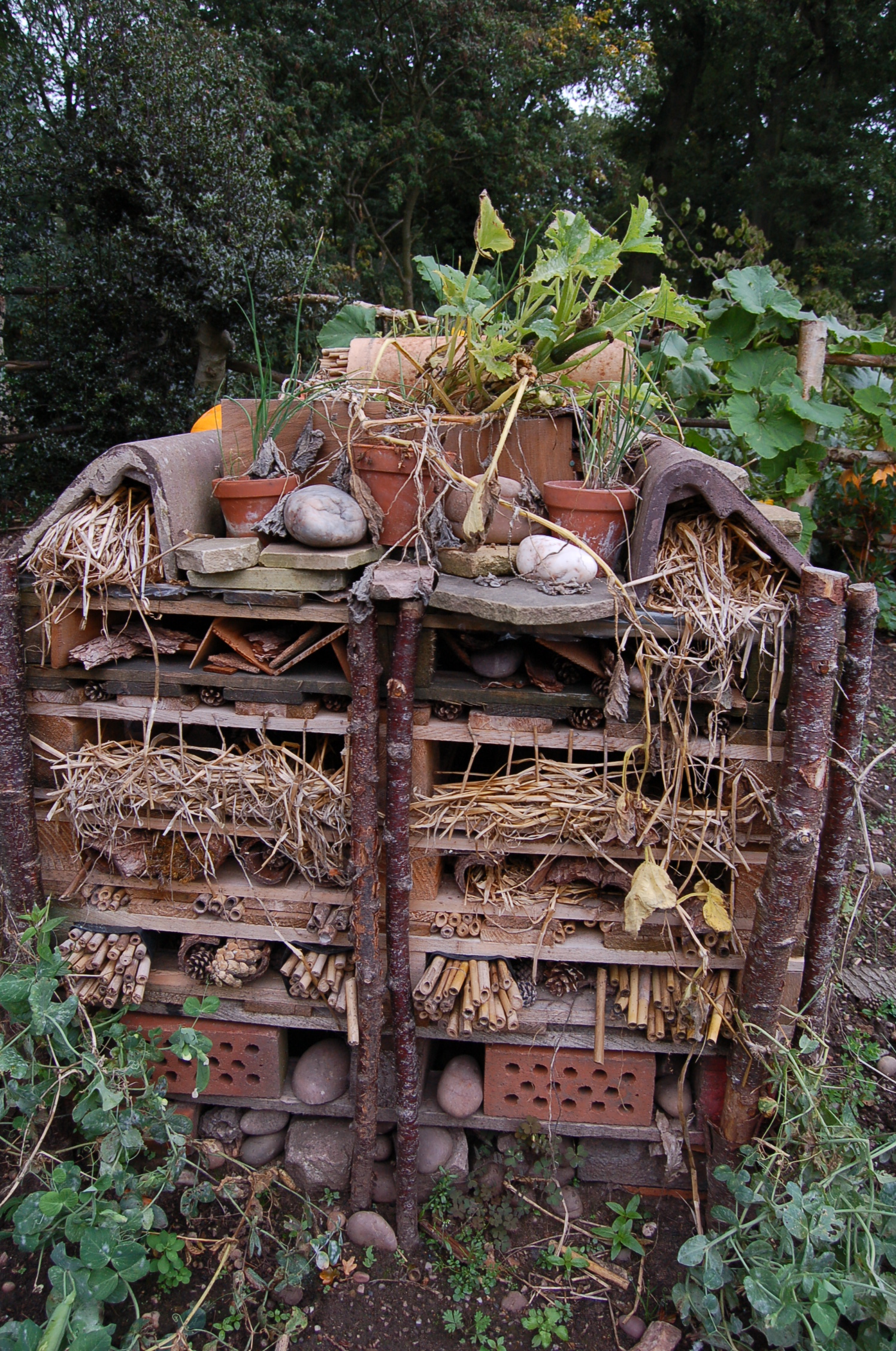
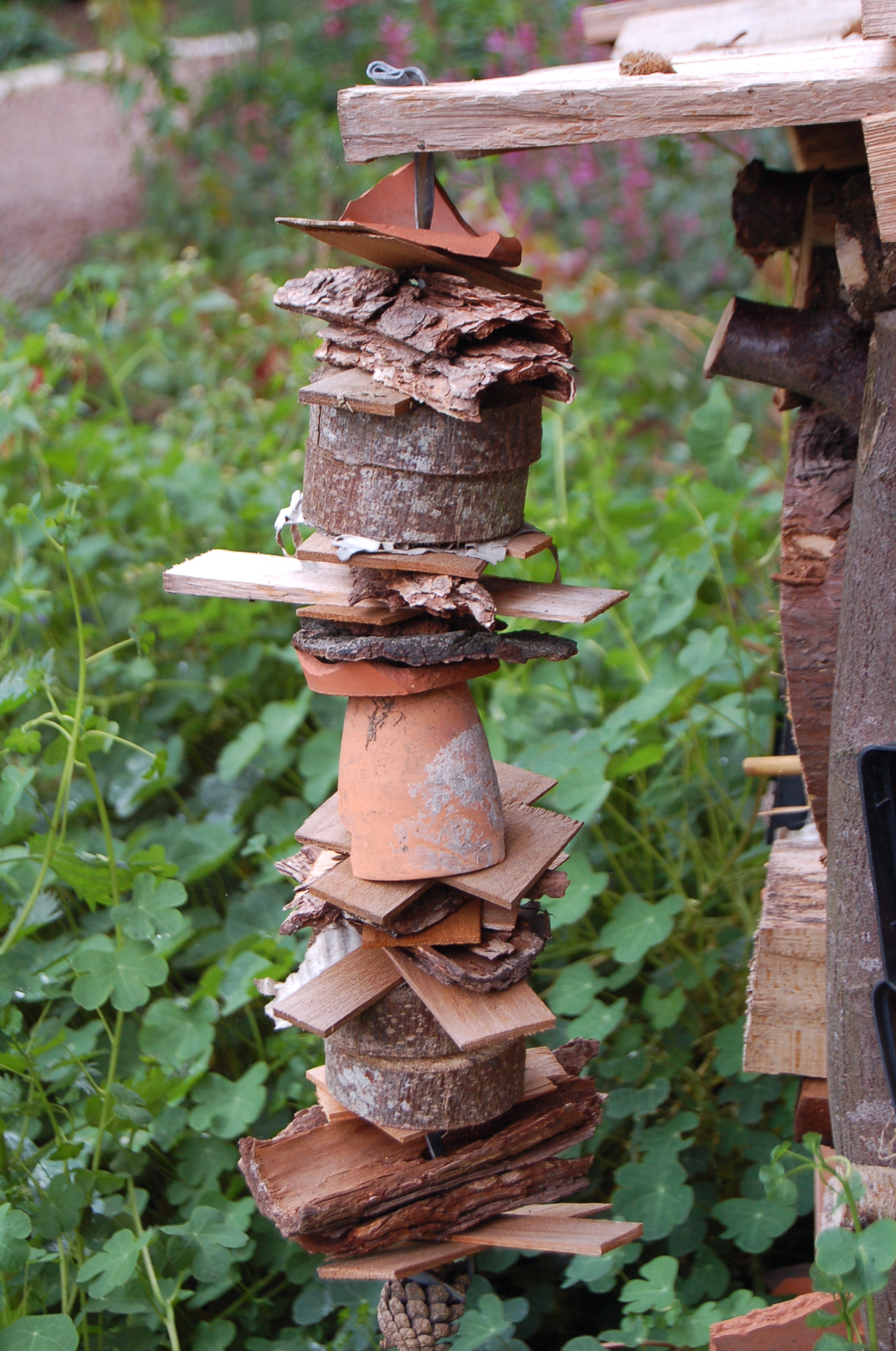
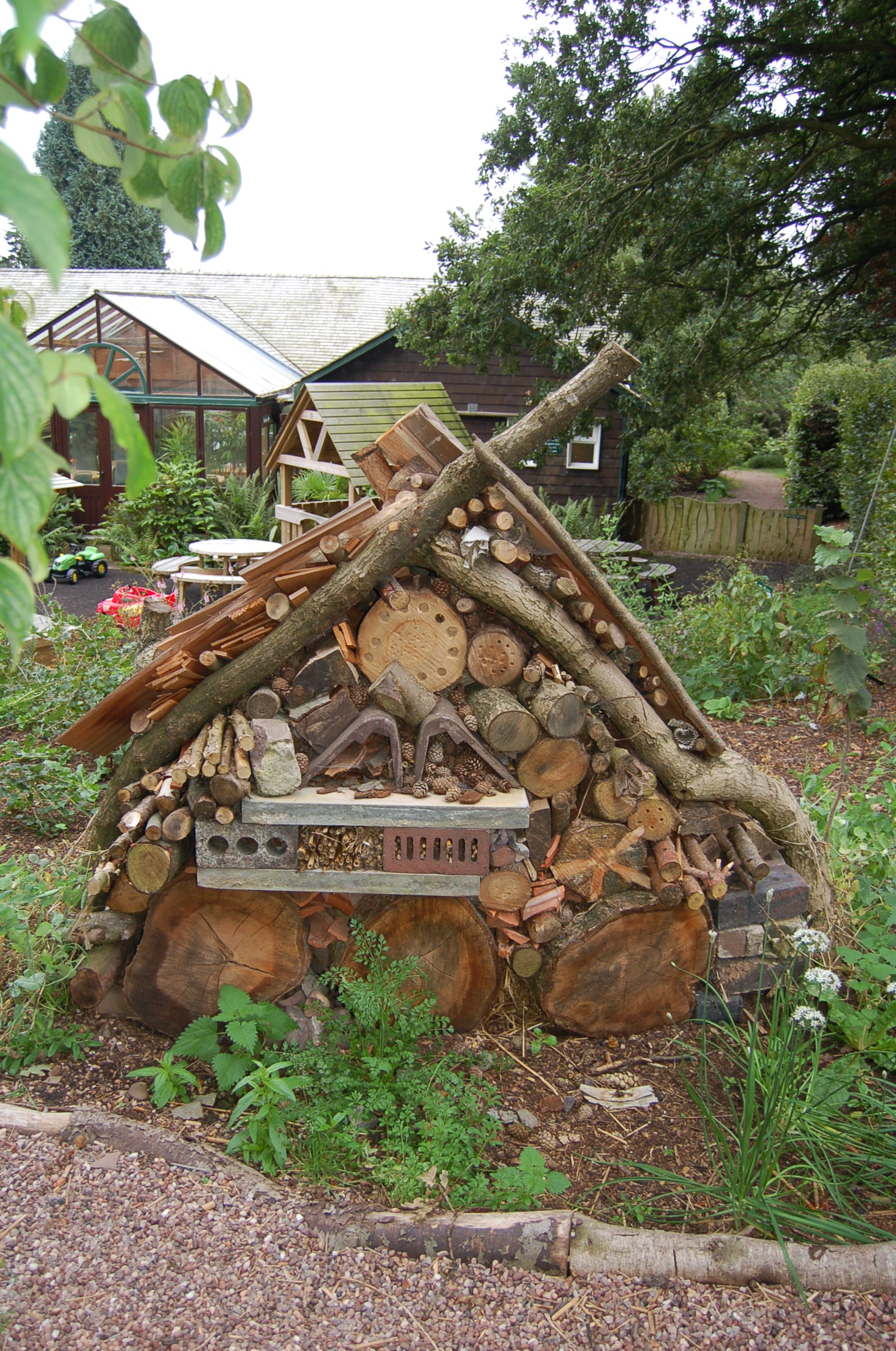
As we neared the end of our wander we walked beneath the metal archways of the “Trellis Walk” running alongside the David Roses border. Here there were roses still trying to bloom and others with hips on. The gardens are maintained organically so within these borders we found lovely insect shelters and clumps of Phacelia plants both designed to bring in beneficial insects. Four beautiful relief panels were spread out along the border depicting different garden movements  from the past. We could see through the trellis walkway back to the “River of Grasses” and in the ever-darkening late afternoon light the grasses really seemed to glow. We now look forward to re-visiting in February to see what is going on.


2014 01 07_5878_edited-1 2014 01 07_5880_edited-1 2014 01 07_5882_edited-1 2014 01 07_5884_edited-1

Categories
colours garden design garden photography gardening gardens gardens open to the public grasses hardy perennials light light quality meadows ornamental grasses ornamental trees and shrubs photography trees Winter Gardening winter gardens

A Garden in January – Trentham – Part One

Since I began my blog a few years ago I have written monthly features with photos about our own garden on Greenbenchramblings but for a change this year I decided to visit another favourite garden, Trentham. So every month throughout 2014 we shall take you on a journey around these unique gardens so that you can enjoy them in all their different guises. Different plants will become the stars throughout the year.

2014 01 07_5836    2014 01 07_5884_edited-1

So enjoy a visit with us as we enjoy a winter wander in mid-January. The garden’s major features are huge areas designed by two of my favourite garden designers, Piet Oudolf and Tom Stuart-Smith, both of whom have appeared before on Greenbenchramblings. These two new areas fit well within a huge parkland area created by Capability Brown including a mile-long lake with woodland all around, open grassland and specimen trees. There is also an Italianate Parterre designed by Charles Barry and an area where small show gardens display good modern designs full of ideas for visitors to take home with them. A huge maze with a viewing mound, a rose walk featuring David Austin roses and areas specially designed for children make Trentham one of the best days out in the Midlands where it is possible to indulge oneself whatever your age.

A beautifully designed modern suspension bridge welcomes you into the garden where Piet Oudolf’s “Rivers of Grass” greets you. Massed plantings of grasses dotted with patches of perennials are full of the colours of all sorts of tasty biscuits. Wide mown grass paths wind sinuously throughout providing plenty of choices of ways through. The atmosphere is one of complete calm, a place to be quiet and listen to the rustling of the grasses as they move in the slightest breezes.

2014 01 07_5884_edited-1 2014 01 07_5796 2014 01 07_5797

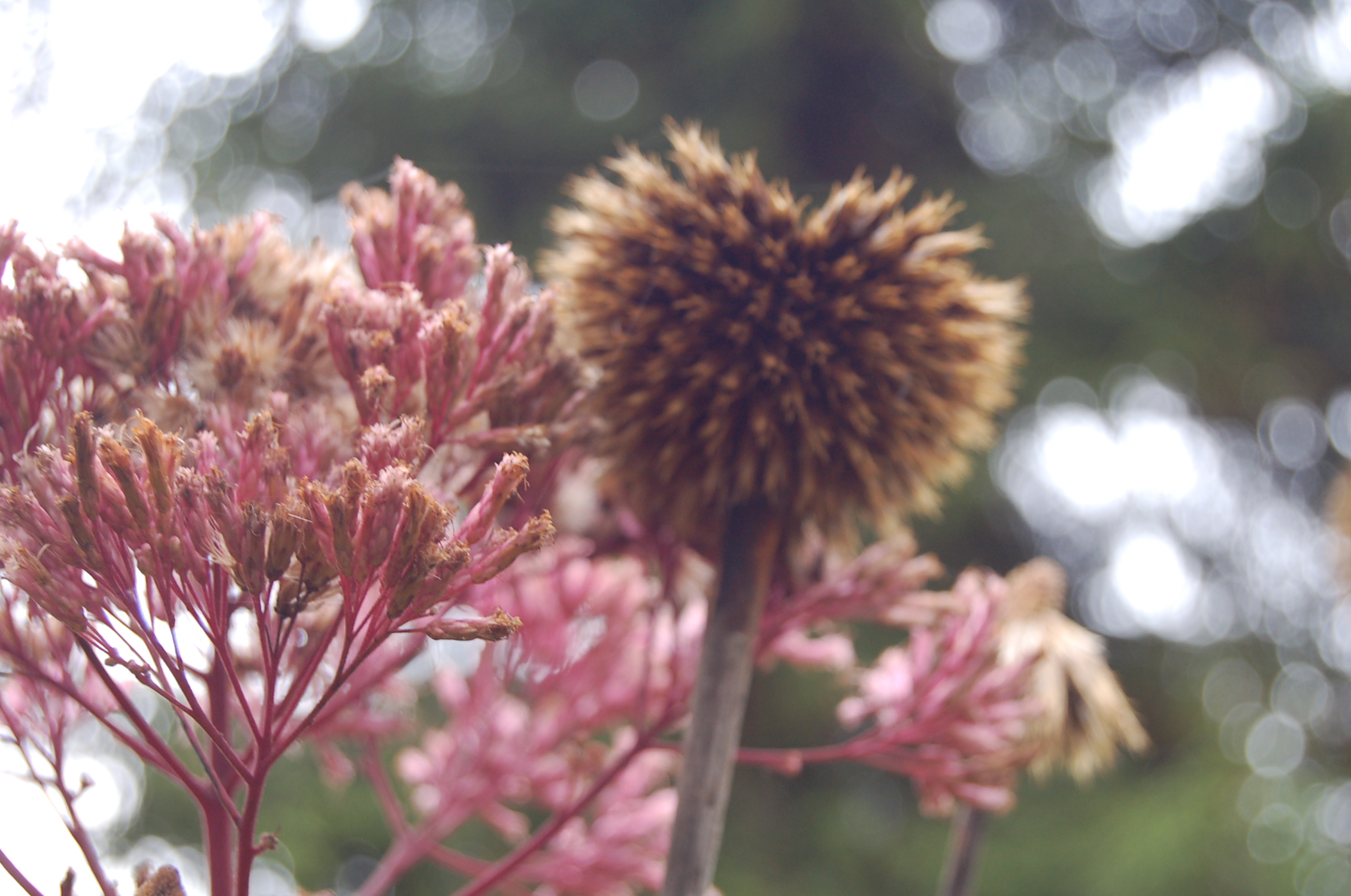
Seedheads on perennials cleverly left by the gardeners draw the visitor in for a closer look where the rich gingers, browns, greys and russets can by fully appreciated. No doubt the resident finches enjoy the seeds too and bugs such as ladybird and lacewing larvae shelter in their hollow stems.

2014 01 07_5798 2014 01 07_5799 2014 01 07_5800 2014 01 07_5801 2014 01 07_5802 2014 01 07_5804

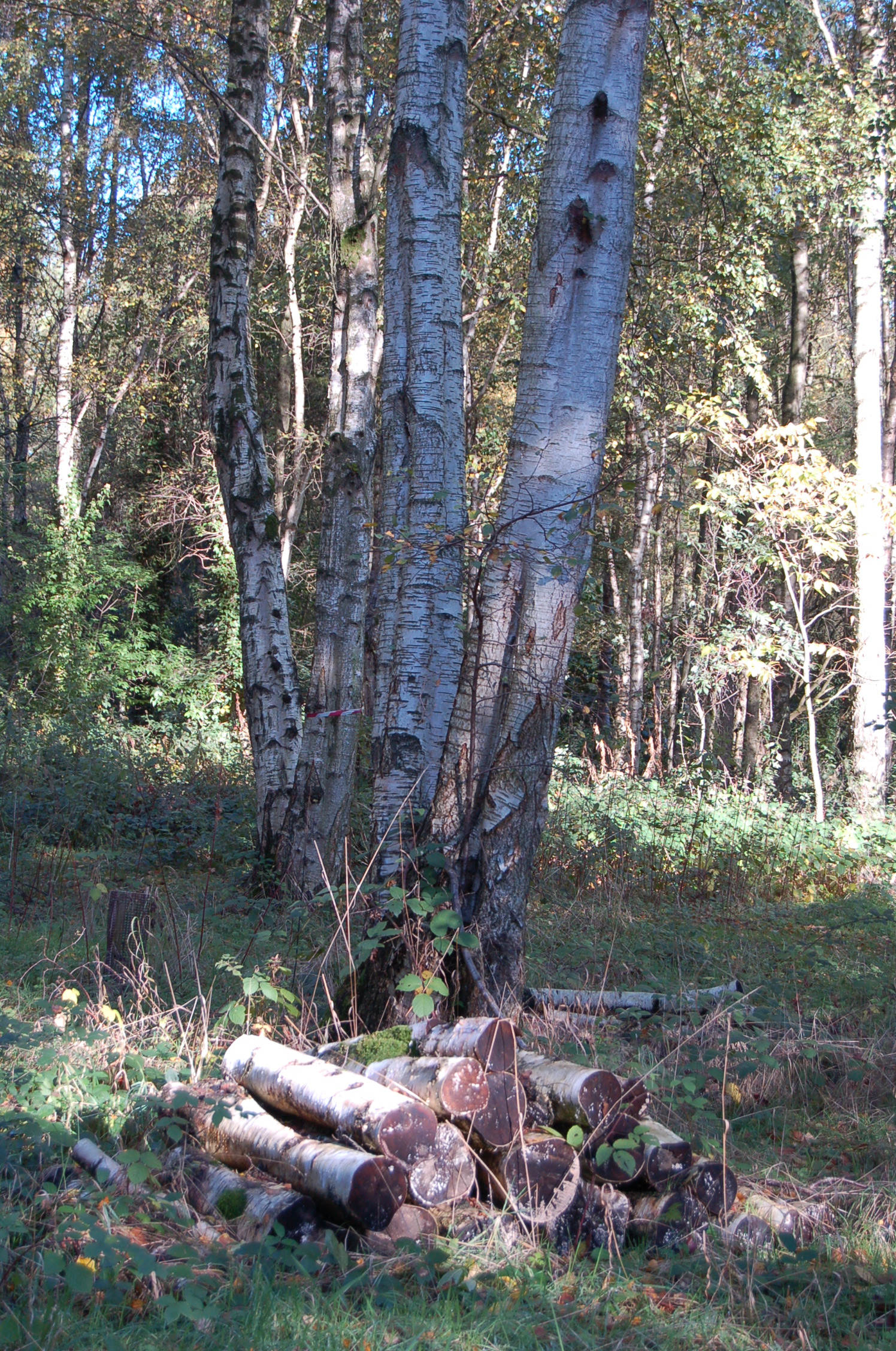
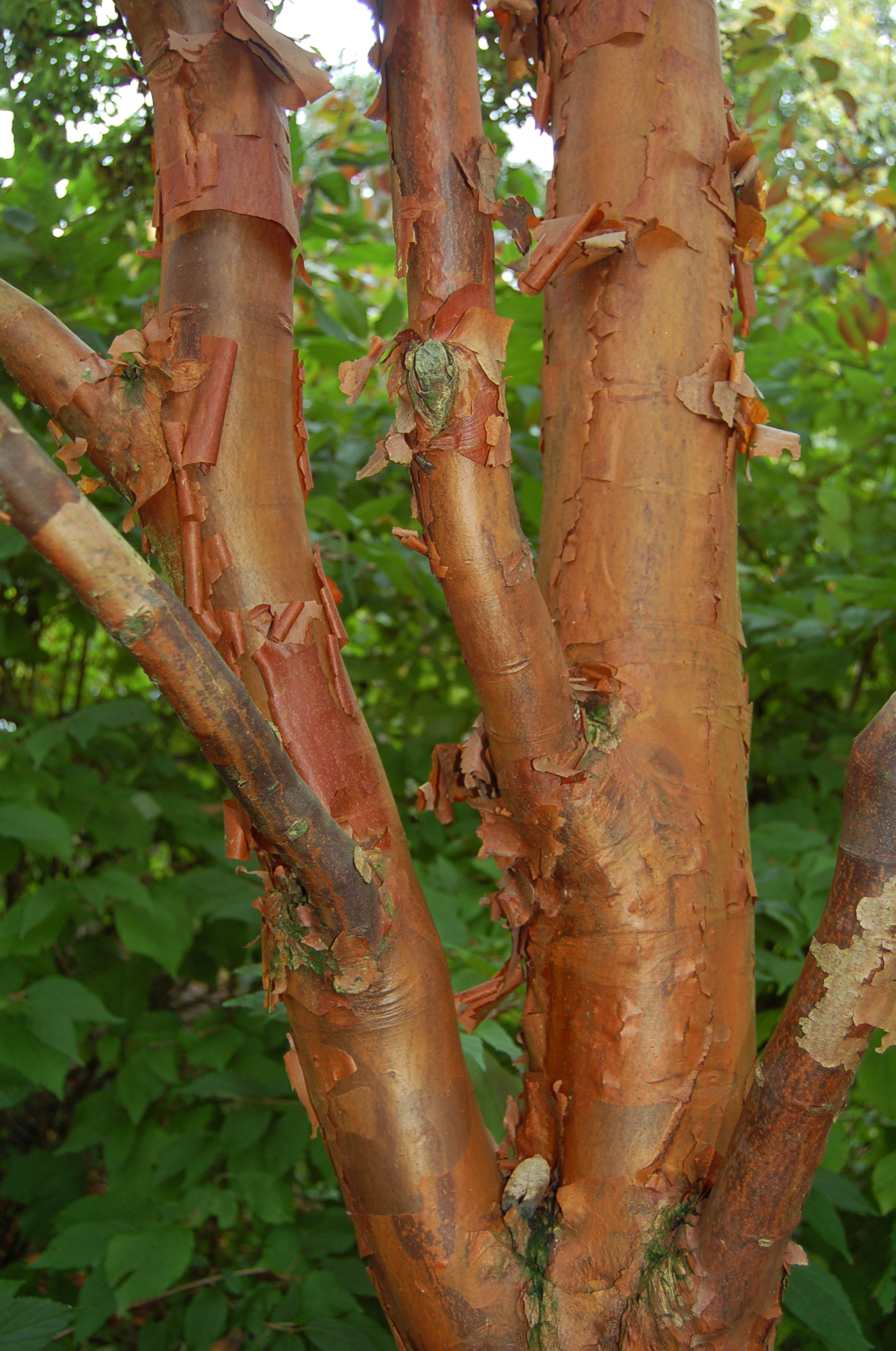
A row of River Birch act as an open barrier cutting across between the River of Grasses and Oudolf’s “Floral Labyrinth” which we entered next. The pink, silver and peach coloured bark of these Betula come to life with its peeling strips of orange paper.

2014 01 07_5805 2014 01 07_5806

The Floral Labyrinth is explored from winding gravel paths and wider expanses of mown grass. This is in the style now called “New Wave Perennial Planting” featuring tall prairie style plants mixed with grasses especially miscanthus and pennisetum. Again the seedheads are key elements at this time of year.

2014 01 07_5811 2014 01 07_5812

2014 01 07_5813 2014 01 07_5814

2014 01 07_5816 2014 01 07_5817

Where many plants have fallen or suffered from rotting in the winter deluges the gardeners have cleared up and signs of new growth are appearing. Here Day Lillies look raring to go!

2014 01 07_5819

This fallen leaf has curled up into the shape of a Woodlouse or Pill Bug.

2014 01 07_5821

Many of the seedheads when studied as individuals are like constellations of tiny stars.

2014 01 07_5807 2014 01 07_5808 2014 01 07_5809  2014 01 07_5820

Others are like thin church spires.

2014 01 07_5810

Many of the taller stems are now falling after all our strong winds.

2014 01 07_5815 2014 01 07_5818

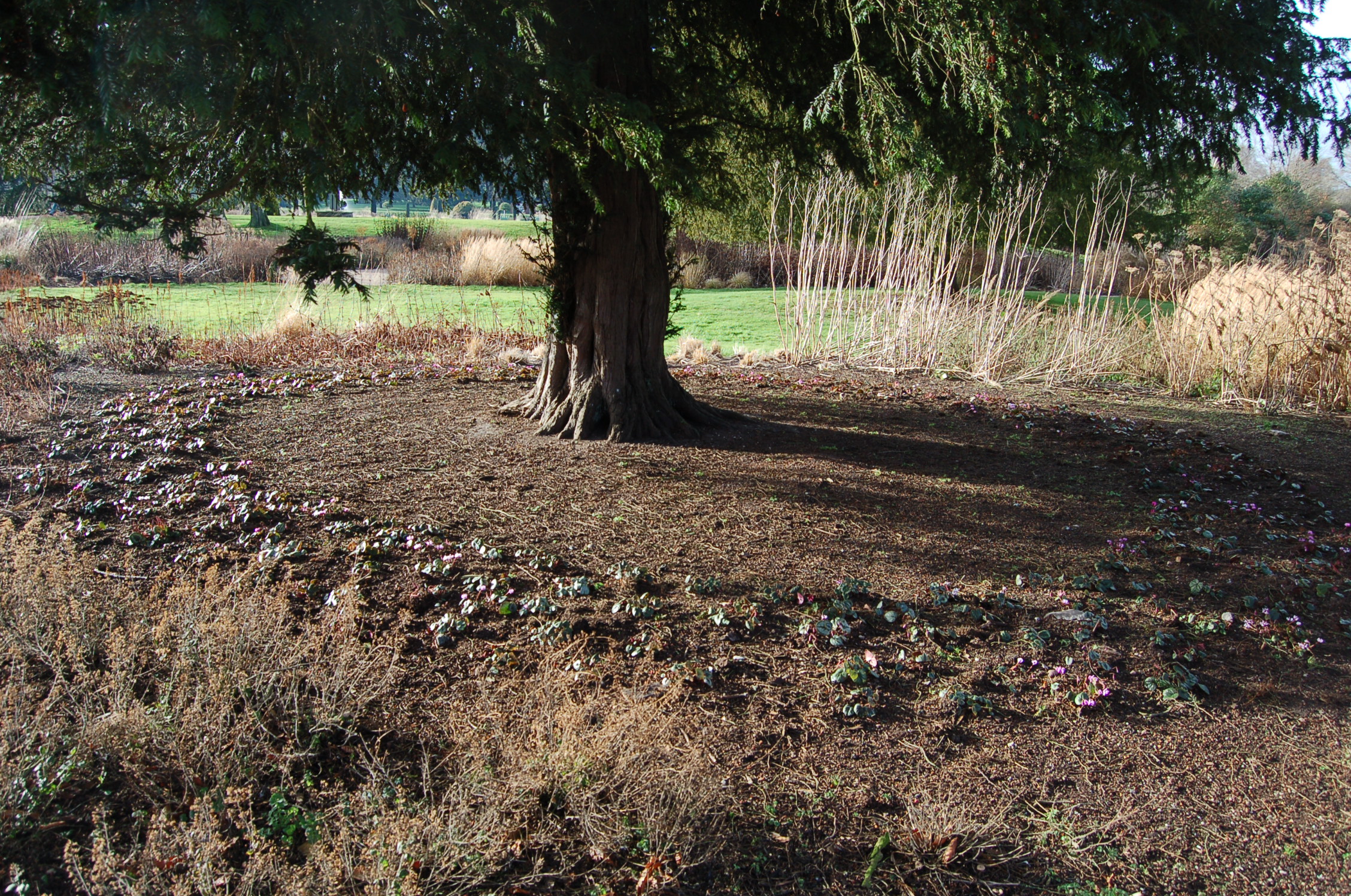
Under large mature Yew trees, cyclamen have been planted in circles. The leaves shine in the low sun and the little swept back petals of the flowers give so many shades of pink as well as a few white.

2014 01 07_5825 2014 01 07_5823

2014 01 07_5824 2014 01 07_5826_edited-1

Moving on from Piet Oudolf’s pair of gardens we wander through an area of open lawns with features of the older gardens and get views of the derelict buildings which must at one time have been impressive and dominating in the landscape. Pioneer plants such as Buddleja and Cotoneaster are gaining a foothold on the masonry as it crumbles. Try to spot them near the top of the ruins.

2014 01 07_5833 2014 01 07_5834

2014 01 07_5842_edited-1

As we finish the first half of our tour we can look forward to more startling planting creations but these have been created within the old structure of the Italian Gardens. These will be featured in part two, my next post.

2014 01 07_5841

What a wonderful way to spend a cold January day!

Categories
fruit and veg garden design garden photography garden wildlife gardening gardens gardens open to the public grasses hardy perennials natural pest control ornamental trees and shrubs

Dorothy’s Delights – The Dorothy Clive Garden

Whenever we have friends and family staying with us we take them to our favourite places, usually gardens, arboreta or special patches of countryside and of course to our favourite coffee shop with the biggest most luscious cakes. If it is late summer or early autumn then we often share with them the delights of the Dorothy Clive Garden. So in September we took my brother, Graham and sister-in-law Vicky to share in the box of delights.

The garden began as a woodland garden set in a deep dell, but as the years went on it spread outwards so now much of the garden is on a gentle slope down from the dell. The dell features huge mature trees and below them plants typical of shaded places rhododendrons, azaleas and ferns.

2013 09 25_3606 2013 09 25_3605

2013 09 25_3583 2013 09 25_3582

2013 09 25_3610 2013 09 25_3612

2013 09 25_3613 2013 09 25_3614

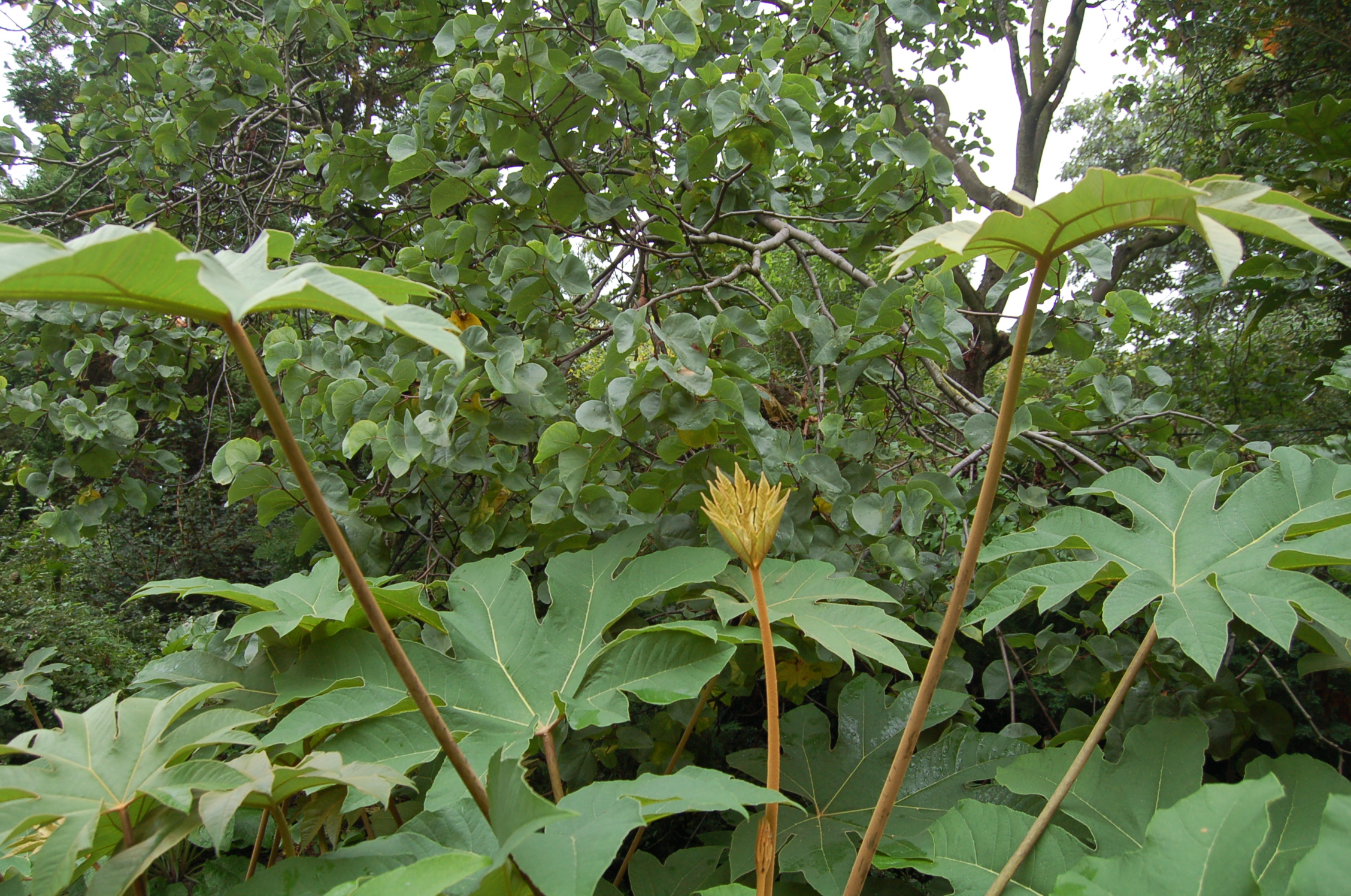
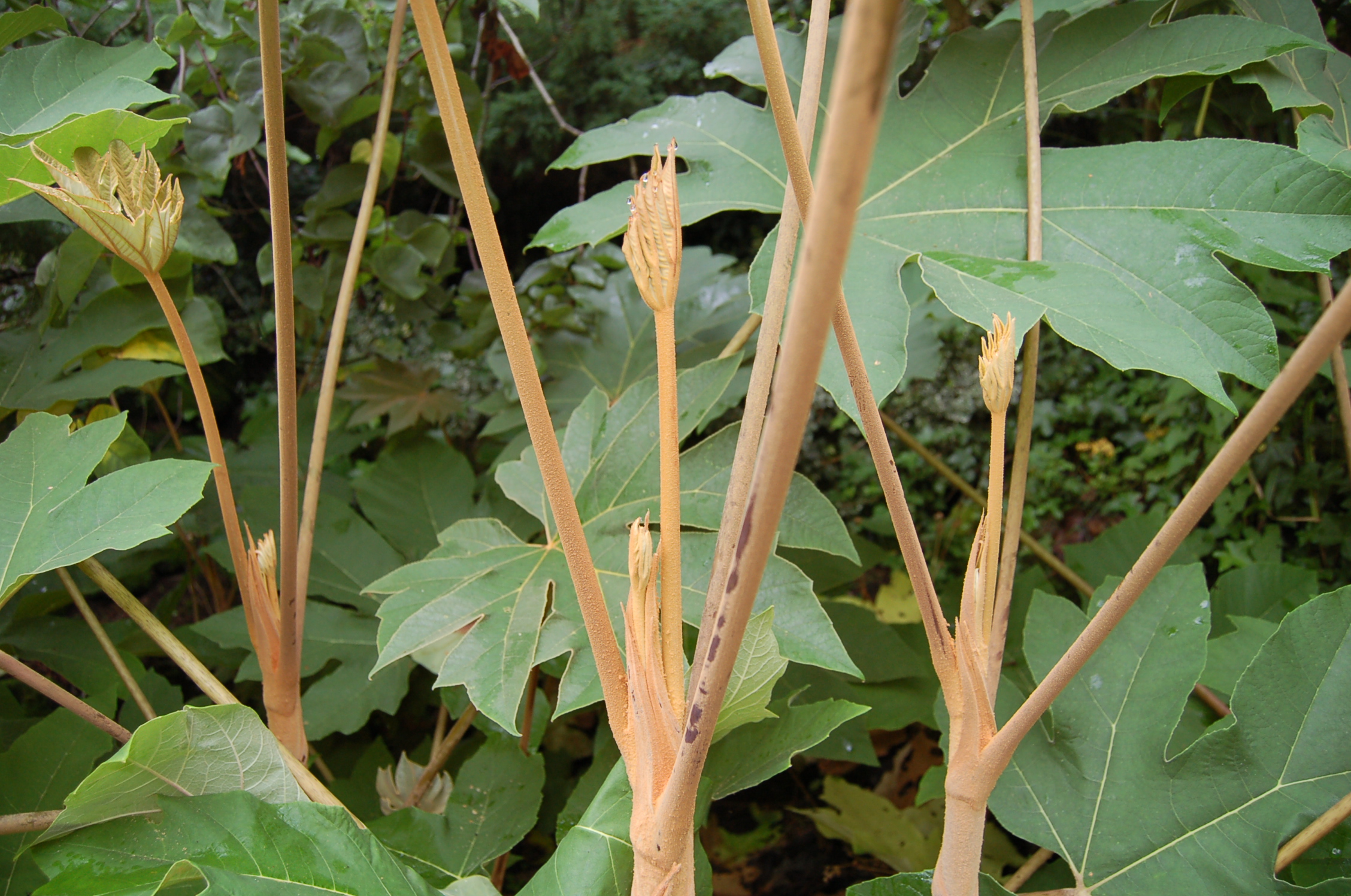
After half an hour in the tea shop our first port of call was the sheltered area close by, sheltered enough to allow the gardeners to take brave decisions and grow Tetrapanax, amongst other plants grown for their interesting foliage. The gardeners at this garden are masters at the art of “right plant right place”. The enclosed space here was so sheltered that tender plants thrived, including one of my favourite plants Tetrapanax. We can’t risk it in our garden with its cold wet winters. I love the texture and colour of the stems – softly furry and gingery orange – and the shape and texture of the huge palmate rough leaves.

2013 09 25_3584 2013 09 25_3585 2013 09 25_3586 2013 09 25_3587 2013 09 25_3588 2013 09 25_3589

2013 09 25_3594 2013 09 25_3595

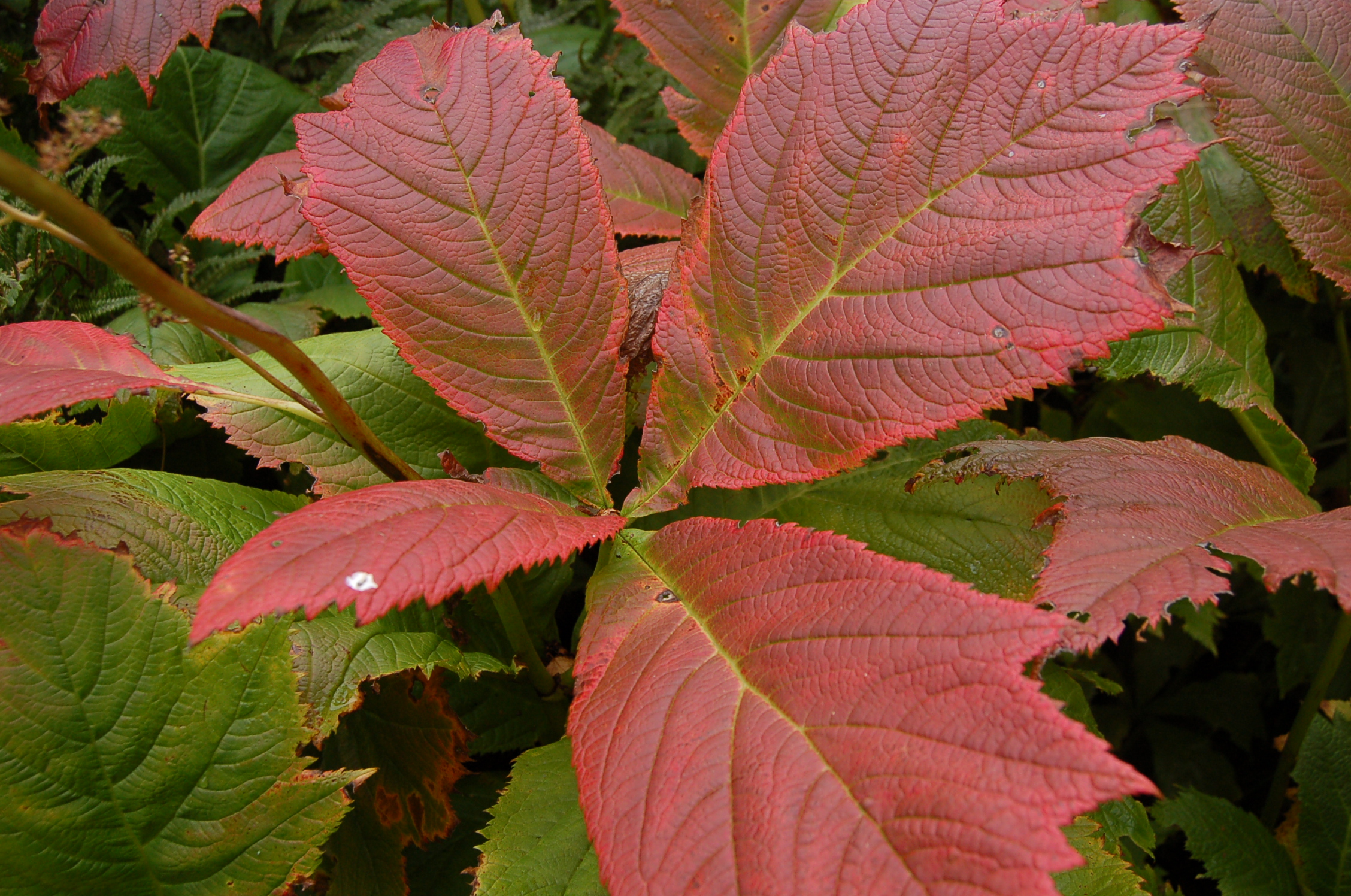
Another of the big leaved plants growing here in the damper areas are the Rogersias, with several different varieties thriving in the shade.

2013 09 25_3590 2013 09 25_3591 2013 09 25_3592 2013 09 25_3593

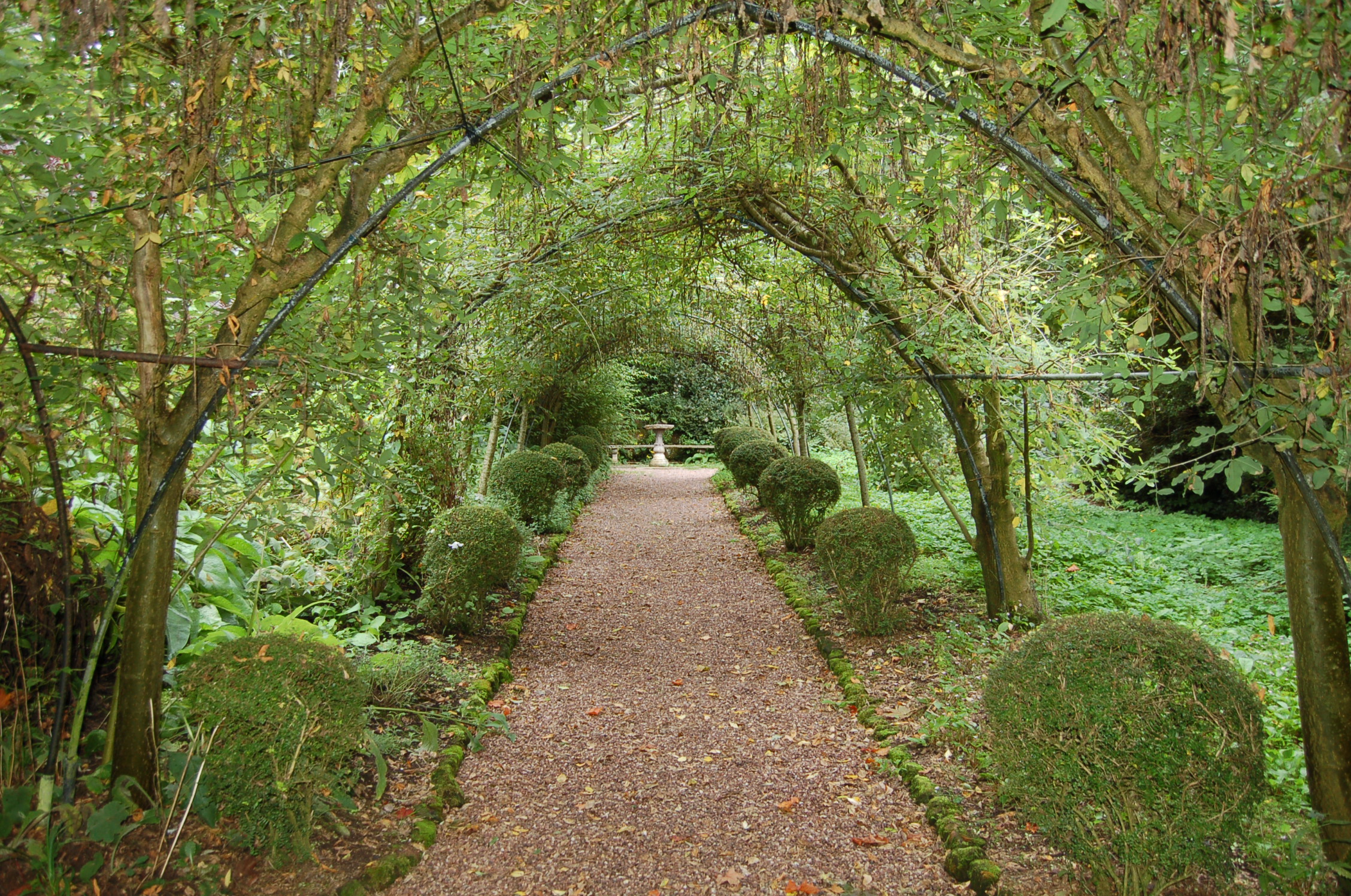
We left the sheltered garden taking a path beneath a tunnel featuring some delicate sculpture and neatly trimmed box balls.

2013 09 25_3596 2013 09 25_3597

2013 09 25_3598

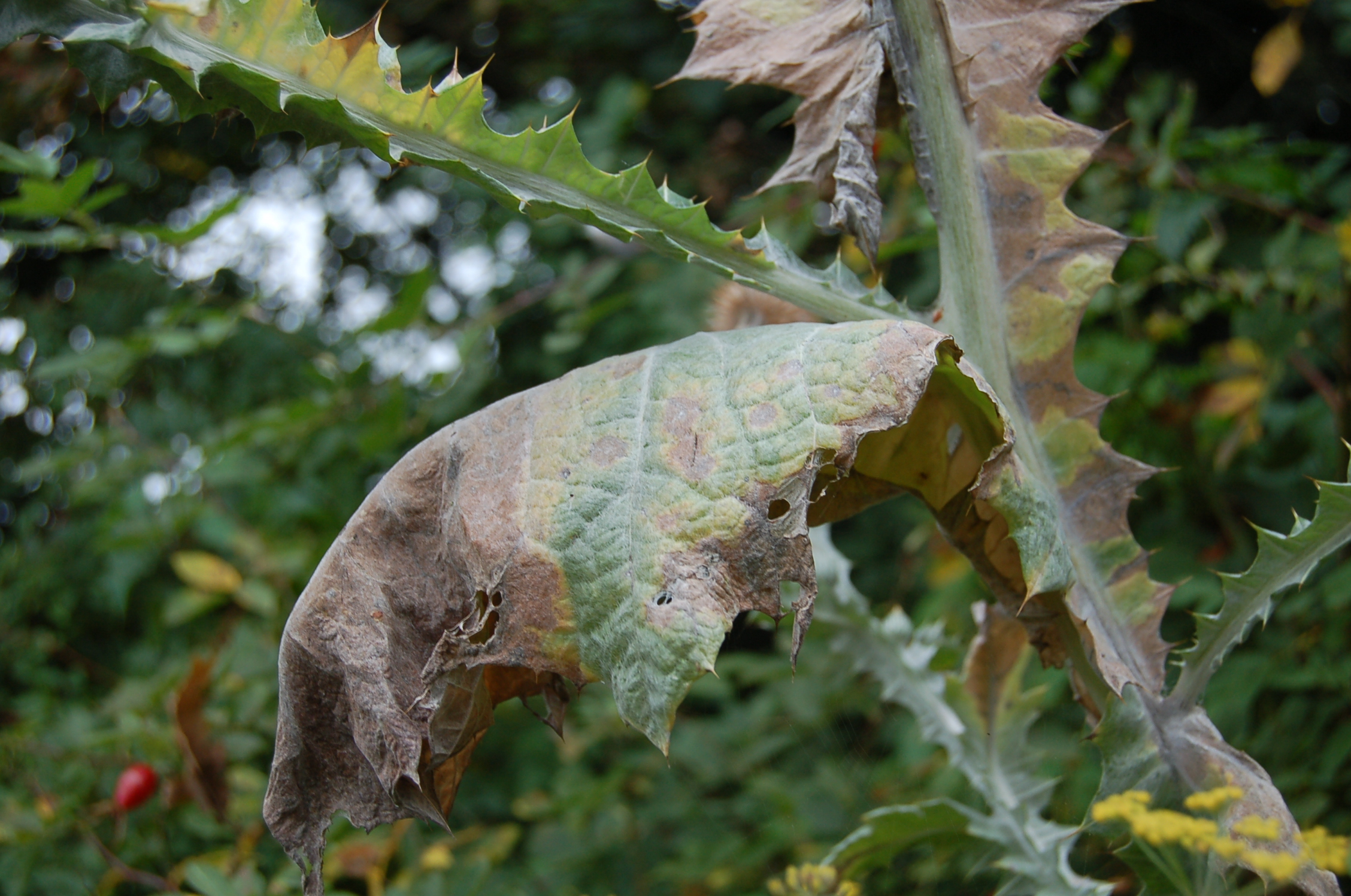
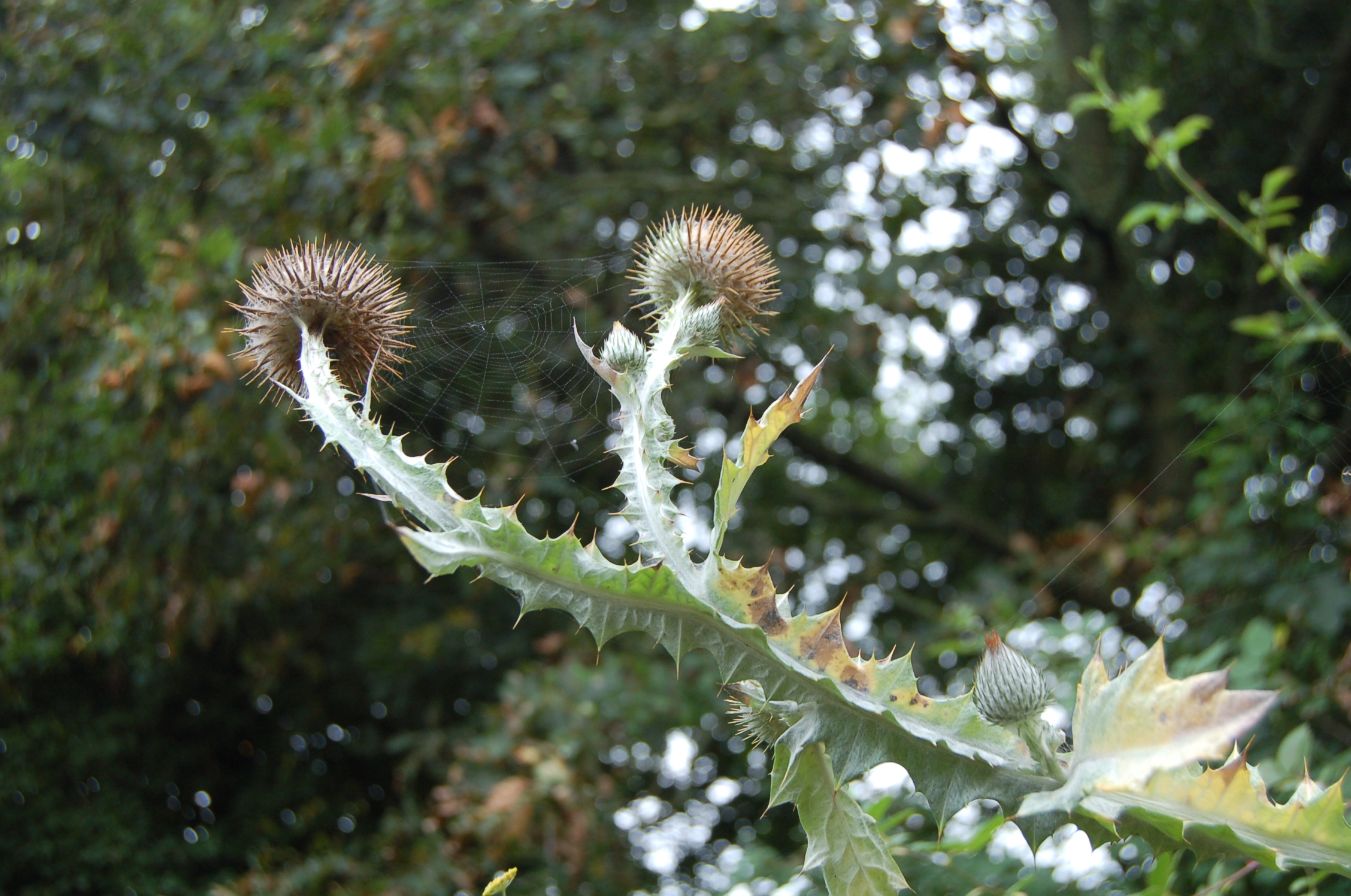
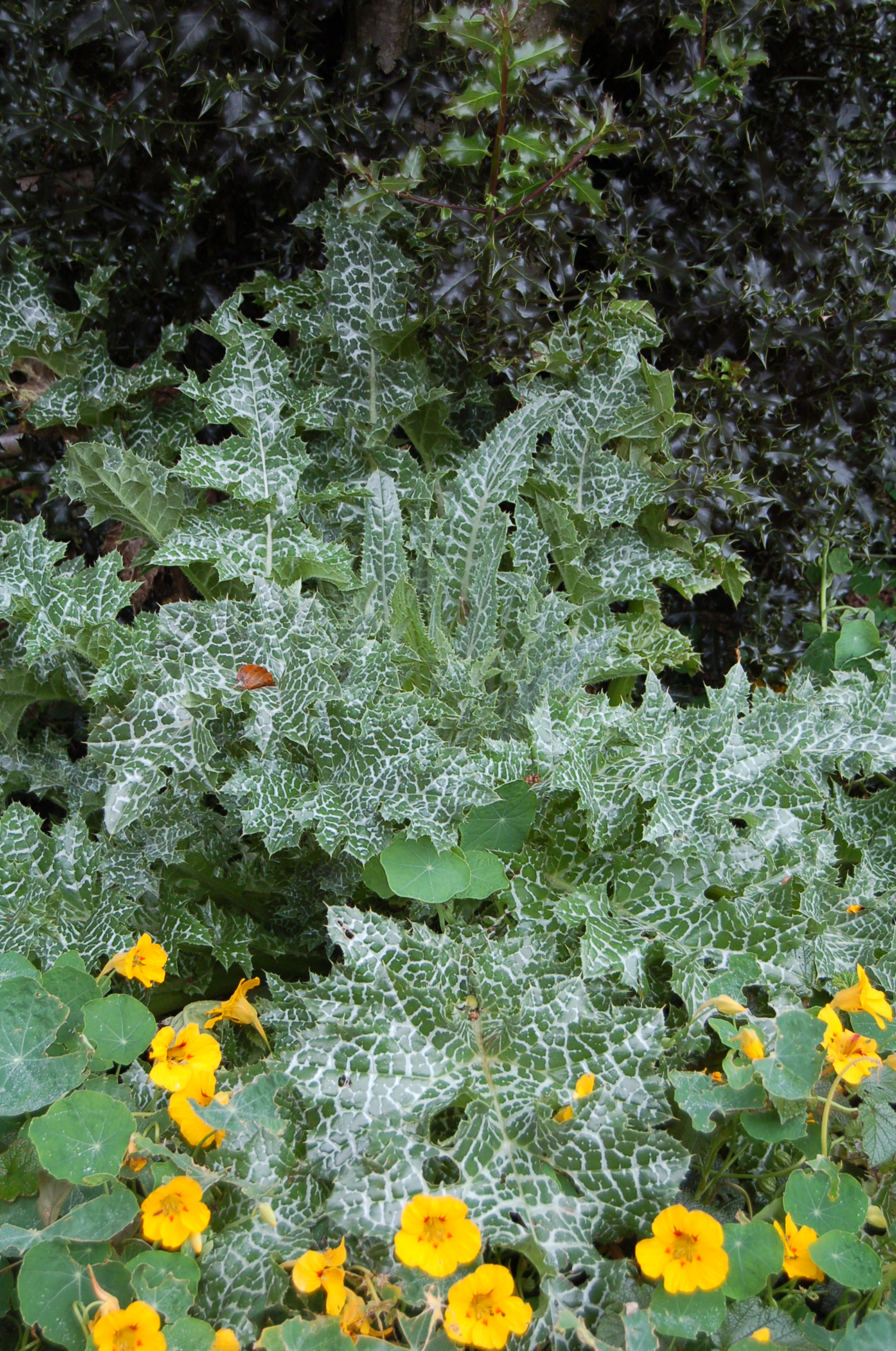
As we left the covered walkway we discovered another large-leaved architectural plant, the Onopordum, with silvery jagged leaves and stems with spikes all along their edges adorned atop by similarly spiky flowers. The Goldfinches will love them when they burst!

2013 09 25_3599 2013 09 25_3600

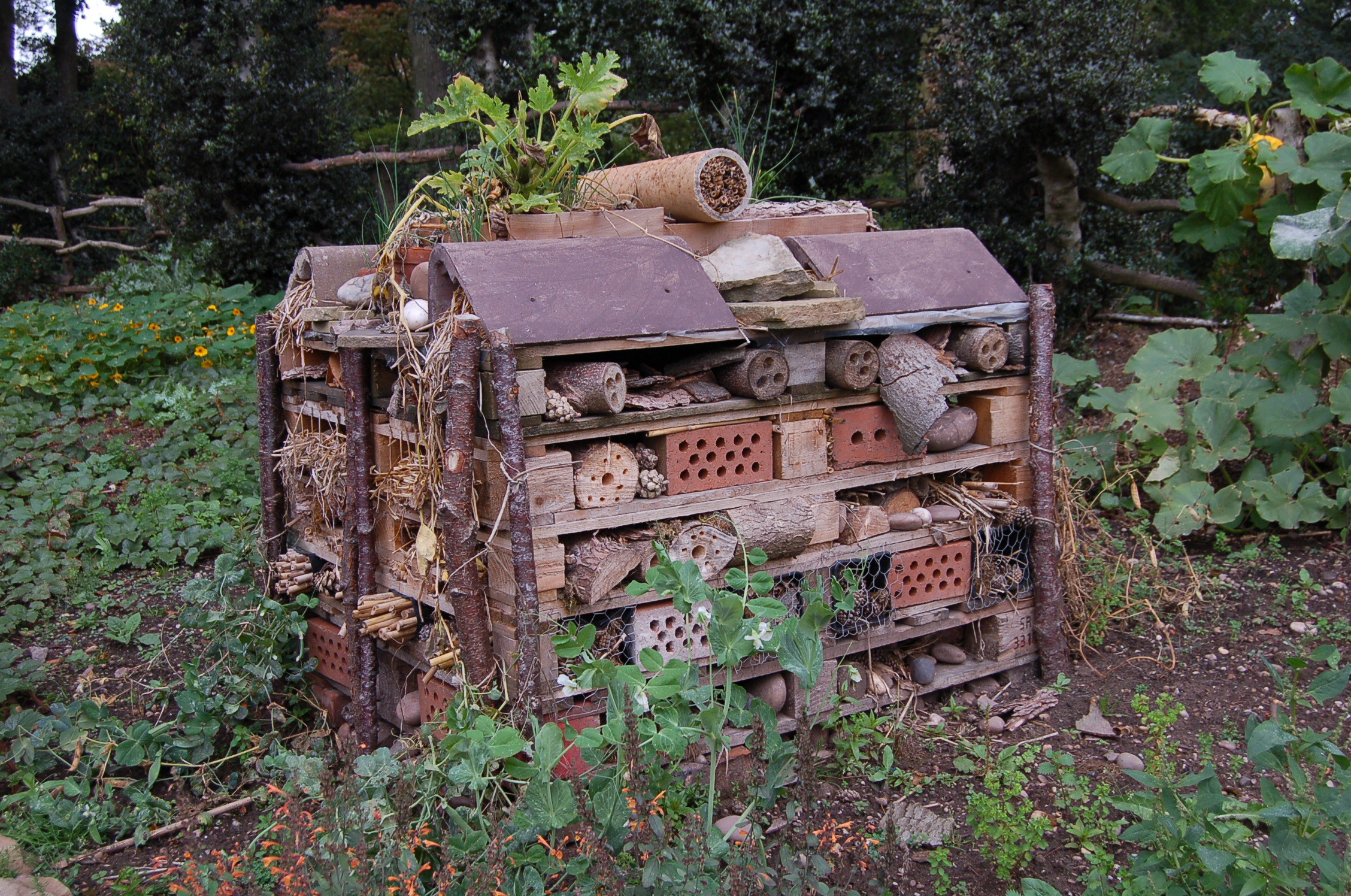
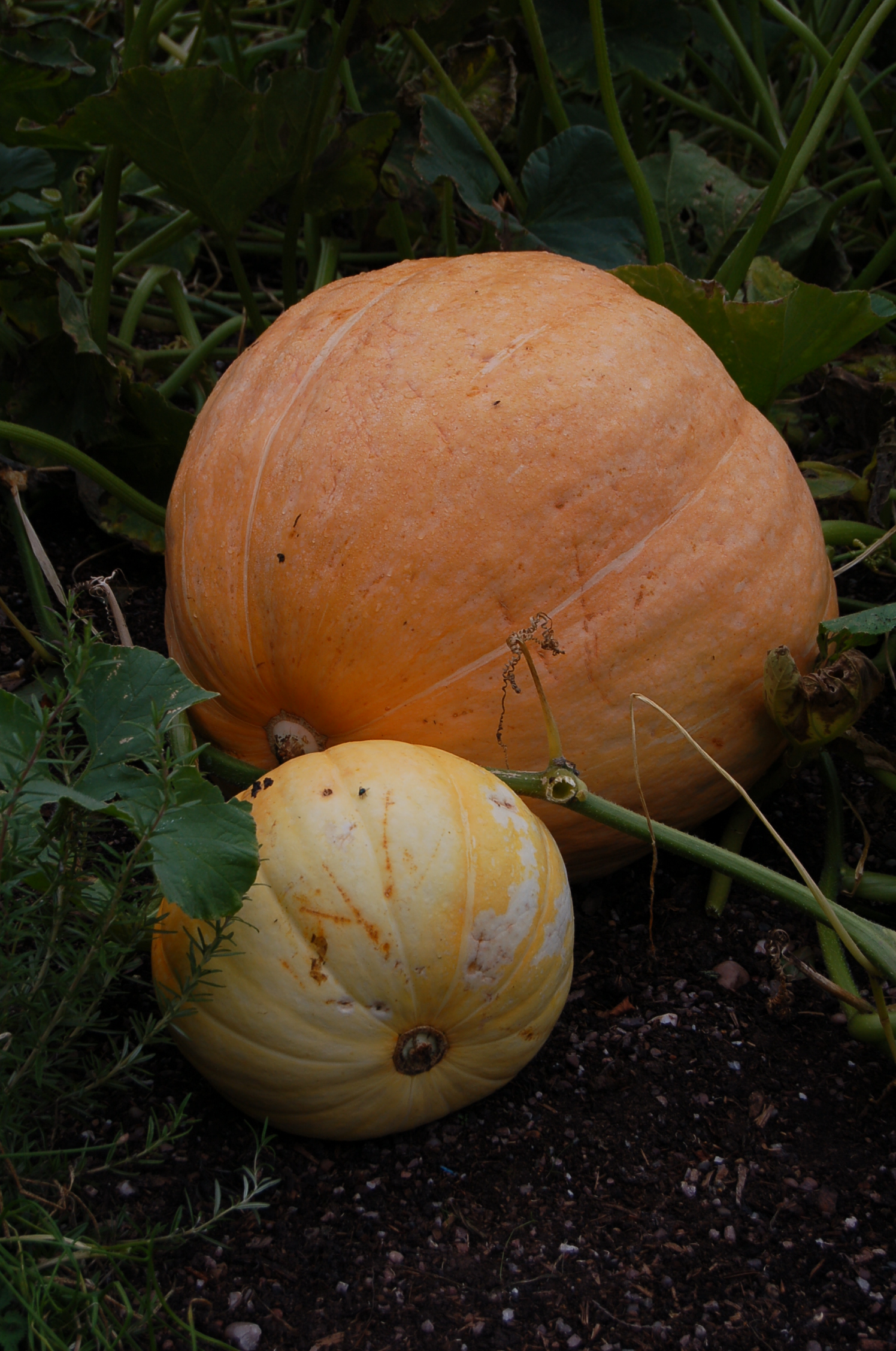
A new feature in this old favourite garden was an edible woodland garden. We were excited about seeing it and our anticipation was rewarded. This little shaded area under mature trees was full of atmosphere and interesting features.

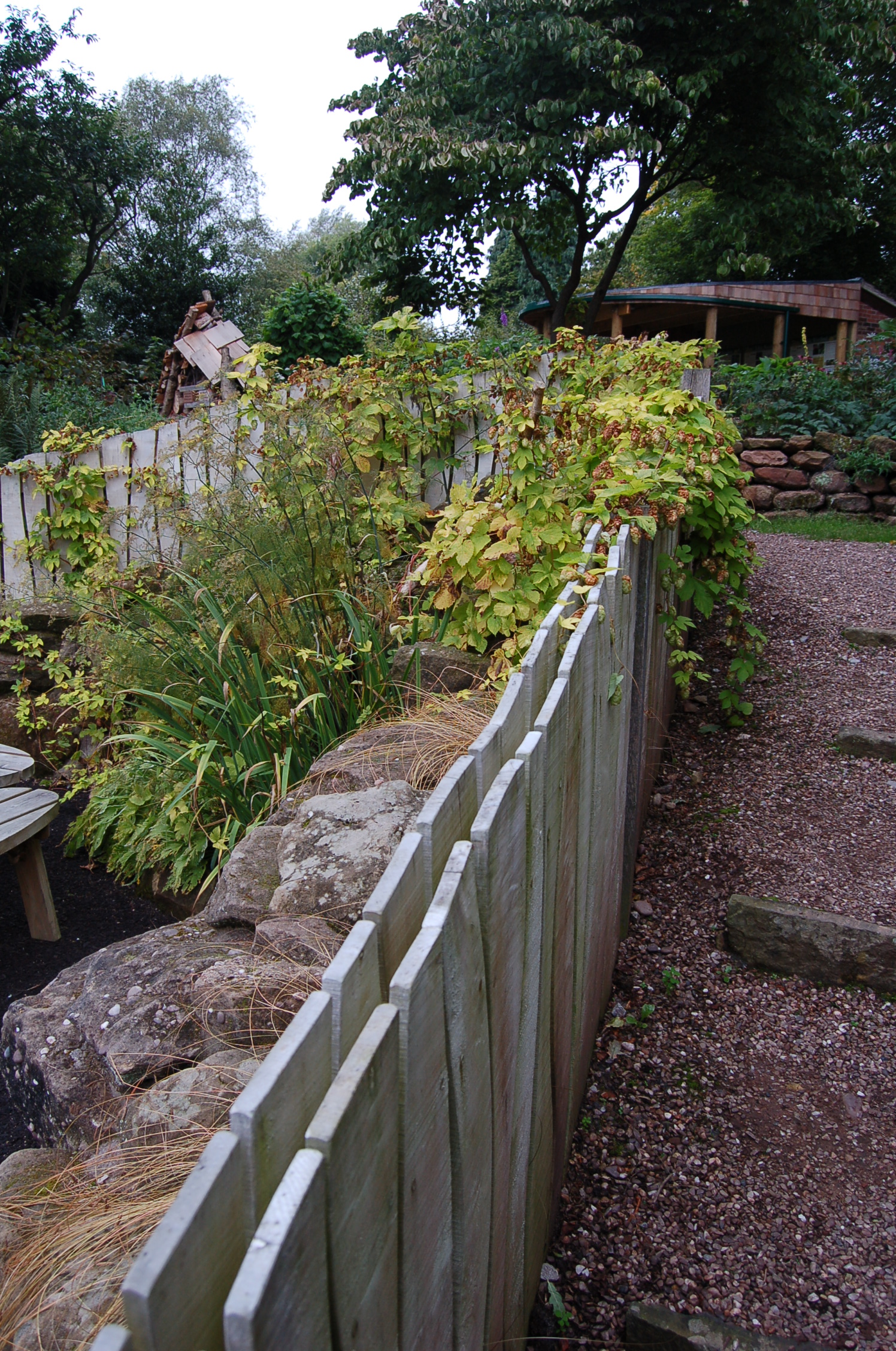
We were impressed by the great insect hotels and the amazing wooden fencing found within the plants of the edible garden.

2013 09 25_3579

2013 09 25_3567 2013 09 25_3573

2013 09 25_3575 2013 09 25_3576

2013 09 25_3574 2013 09 25_3577 2013 09 25_3580

2013 09 25_3568 2013 09 25_3569 2013 09 25_3570 2013 09 25_3571 2013 09 25_3572      2013 09 25_3578  2013 09 25_3581

2013 09 25_3608 2013 09 25_3609

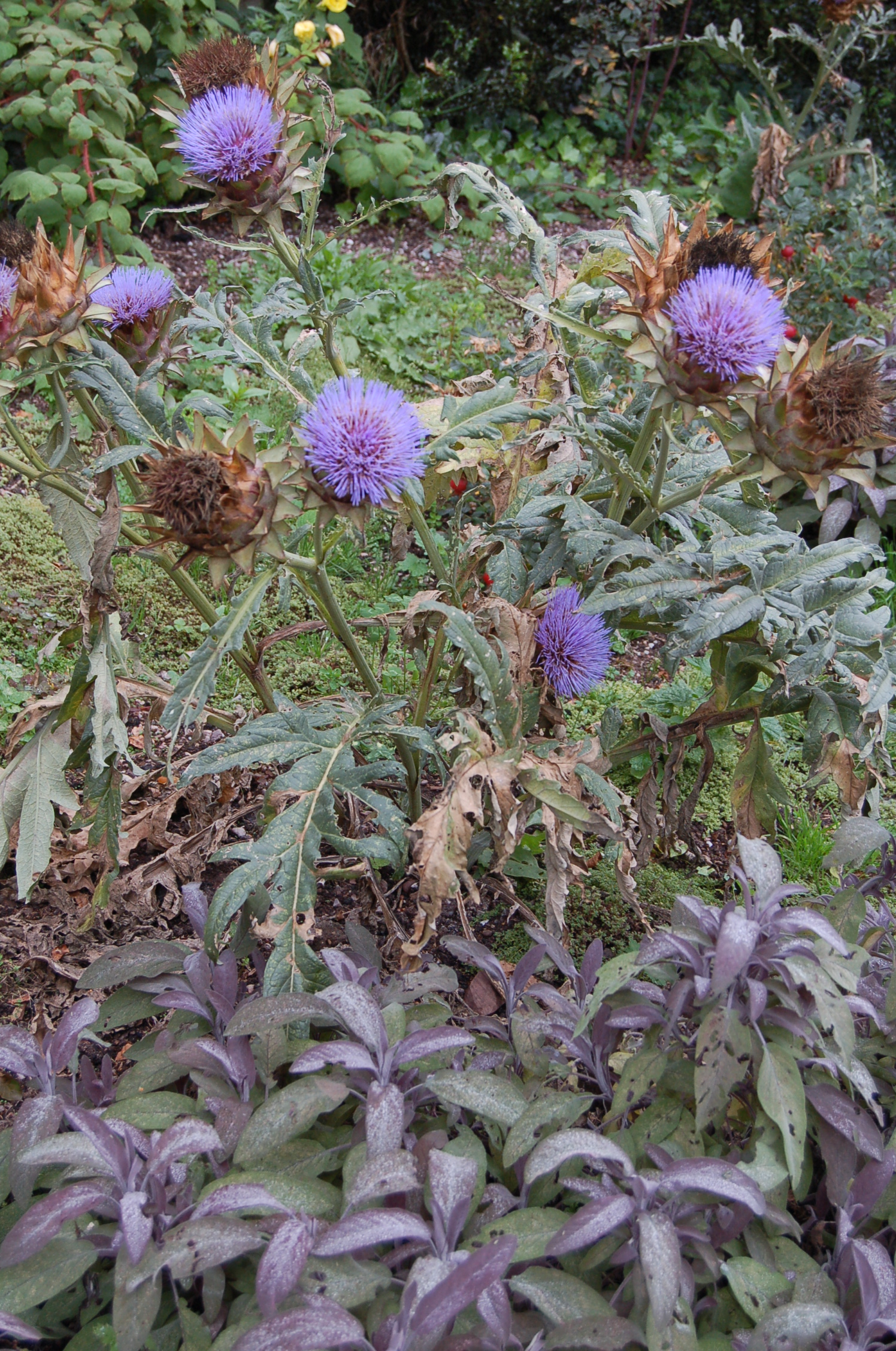
After this we wandered off along the meandering soft grass paths around the mixed borders. Enjoy them with us.

2013 09 25_3615 2013 09 25_3616 2013 09 25_3617 2013 09 25_3618 2013 09 25_3619 2013 09 25_3620 2013 09 25_3622 2013 09 25_3623 2013 09 25_3624 2013 09 25_3625 2013 09 25_3627 2013 09 25_3628 2013 09 25_3629

2013 09 25_3630 2013 09 25_3631 2013 09 25_3632 2013 09 25_3633 2013 09 25_3634 2013 09 25_3635 2013 09 25_3636 2013 09 25_3637 2013 09 25_3639

Part of the way round our border wanderings I spotted these lovely old chestnut gates and fences at the entrance to the kitchen garden.

2013 09 25_3640 2013 09 25_3641 2013 09 25_3642 2013 09 25_3643 2013 09 25_3644

2013 09 25_3646 2013 09 25_3647 2013 09 25_3648 2013 09 25_3650 2013 09 25_3651 2013 09 25_3652 2013 09 25_3653

Categories
autumn autumn colours colours garden design garden photography gardening gardens gardens open to the public grasses ornamental grasses ornamental trees and shrubs outdoor sculpture Powis Powys trees Winter Gardening winter gardens woodland

Another visit to The Dingle

Just half an hour drive from our home is the Welsh town of Welshpool and close to it the wonderful gardens and family owned and run nursery at The Dingle. It is a garden on a slope with paths taking you on a gentle downhill journey to the bottom of the valley where a lake awaits with its colourful reflections. The Dingle is a woodland garden situated in a Welsh valley and boasts its own nursery which specialises in trees but stocks equally varied quality herbaceous plants, grasses and shrubs.

2013 11 16_5136

Whatever season you visit this gem of a garden there is so much to appreciate, especially shrubs and small trees. Around every corner the visiting gardener can find inspiration that stimulate fresh ideas to use.

2013 11 16_5112 2013 11 16_5113

Contrasts in foliage colour and texture are evident in the carefully chosen groupings of shrubs and small trees.

2013 11 16_5115 2013 11 16_5116

2013 11 16_5122 2013 11 16_5123

2013 11 16_5125

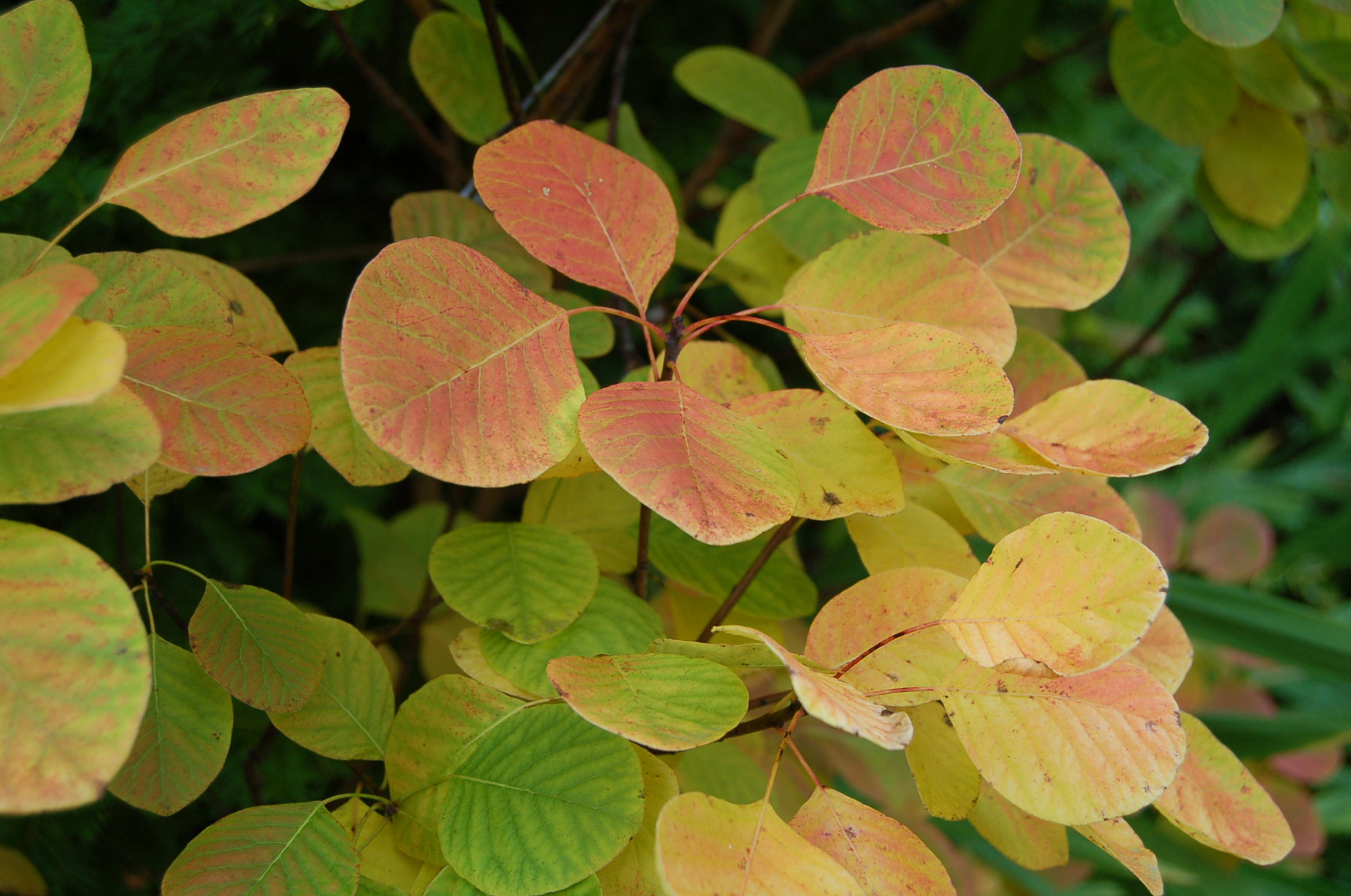
Of equal importance are the specimen trees and shrubs, the ones that need to be appreciated for their individual beauty. The beauty in autumn is in the leaf colour and in the colour, texture and patterns of the bark.

2013 11 16_5164 2013 11 16_5127

2013 11 16_5124 2013 11 16_5128

2013 11 16_5129

2013 11 16_5118 2013 11 16_5119 2013 11 16_5126

2013 11 16_5131 2013 11 16_5132

2013 11 16_5133 2013 11 16_5134

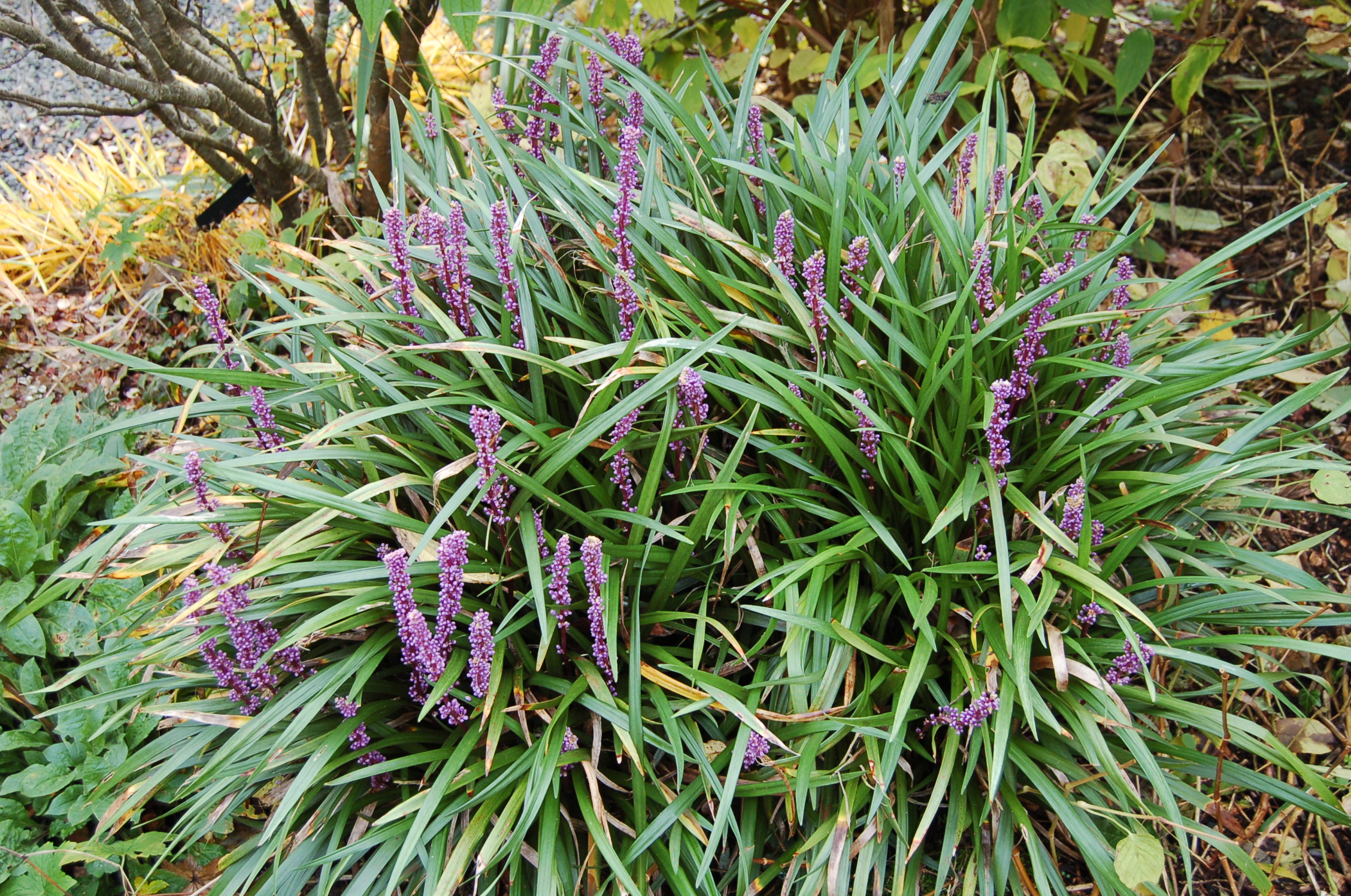
The trouble with gardens so full of special trees and shrubs is that you can forget to look down or to look at the detail right in front of your nose, flowers at ground level such as the Liriope, bright berries dangling at branches’ end and grasses that wave their flower heads at you in the gentlest breeze.

2013 11 16_5117 2013 11 16_5135

2013 11 16_5130

But there is so much to see around every corner, at your feet, just in front of you and way up high. Come with us now as we wander slowly down the gently sloping gravel paths through beautifully varied plantings of trees and shrubs with occasional flowering plants at our feet. Just click on the first photo and then use the right arrow to navigate. Enjoy the Dingle! Look out for my brother-in-law Tony lurking in the bushes with camera in hand! He is hard to spot even though he is in a brightly coloured yellow jacket.

Categories
arboreta autumn autumn colours gardens open to the public memorials ornamental trees and shrubs shrubs trees woodland

Trees to remember by – The National Memorial Arboretum – Part One

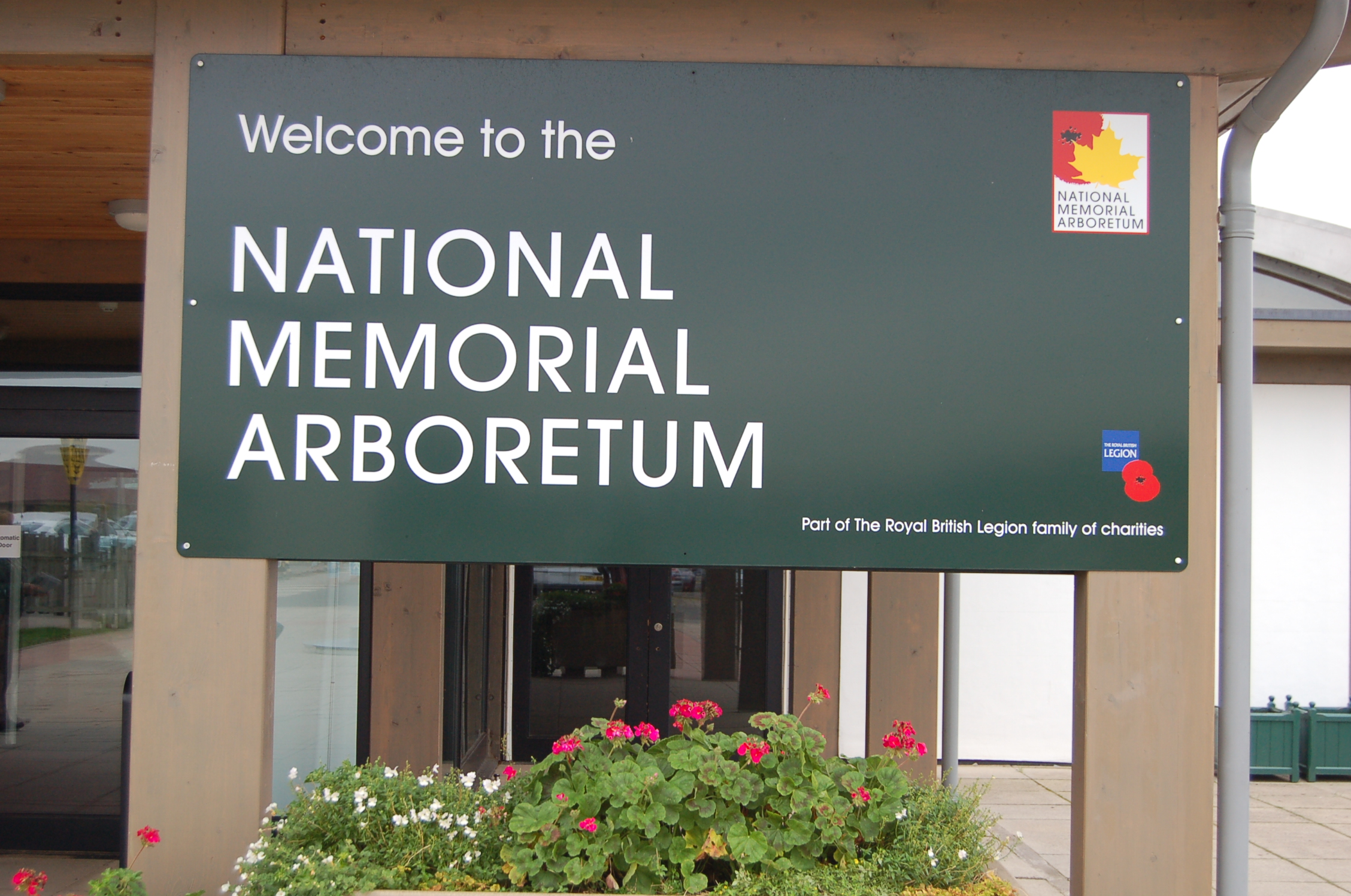
Wendy, one of our allotment friends, told us all about her visit to the National Memorial Arboretum near Lichfield and she thought we would like to visit too.

I arrived with expectations. I envisioned a collection of trees with large areas given over to formal memorials. These areas I thought would have a cold atmosphere like an empty church and I felt the whole place would possess the deep silence of a “Poppy Day” remembrance ceremony around a village war memorial.

I was so wrong.

2013 11 30_5292 2013 11 30_5347

It was an amazing place. But not a place to enjoy as such but a place with an atmosphere that you feel deeply. It was such an emotive and wonderful experience that emotions engulf you. It has a its own special atmosphere, an atmosphere that is hard to describe as the right words are impossible to find.

Close to the chapel near the entrance is a small garden with a beautiful armillary sundial at its centre, while the pillars holding up the covered entrance display a sense of homour in the carvings.

2013 11 30_5293 2013 11 30_5294 2013 11 30_5296 2013 11 30_5297

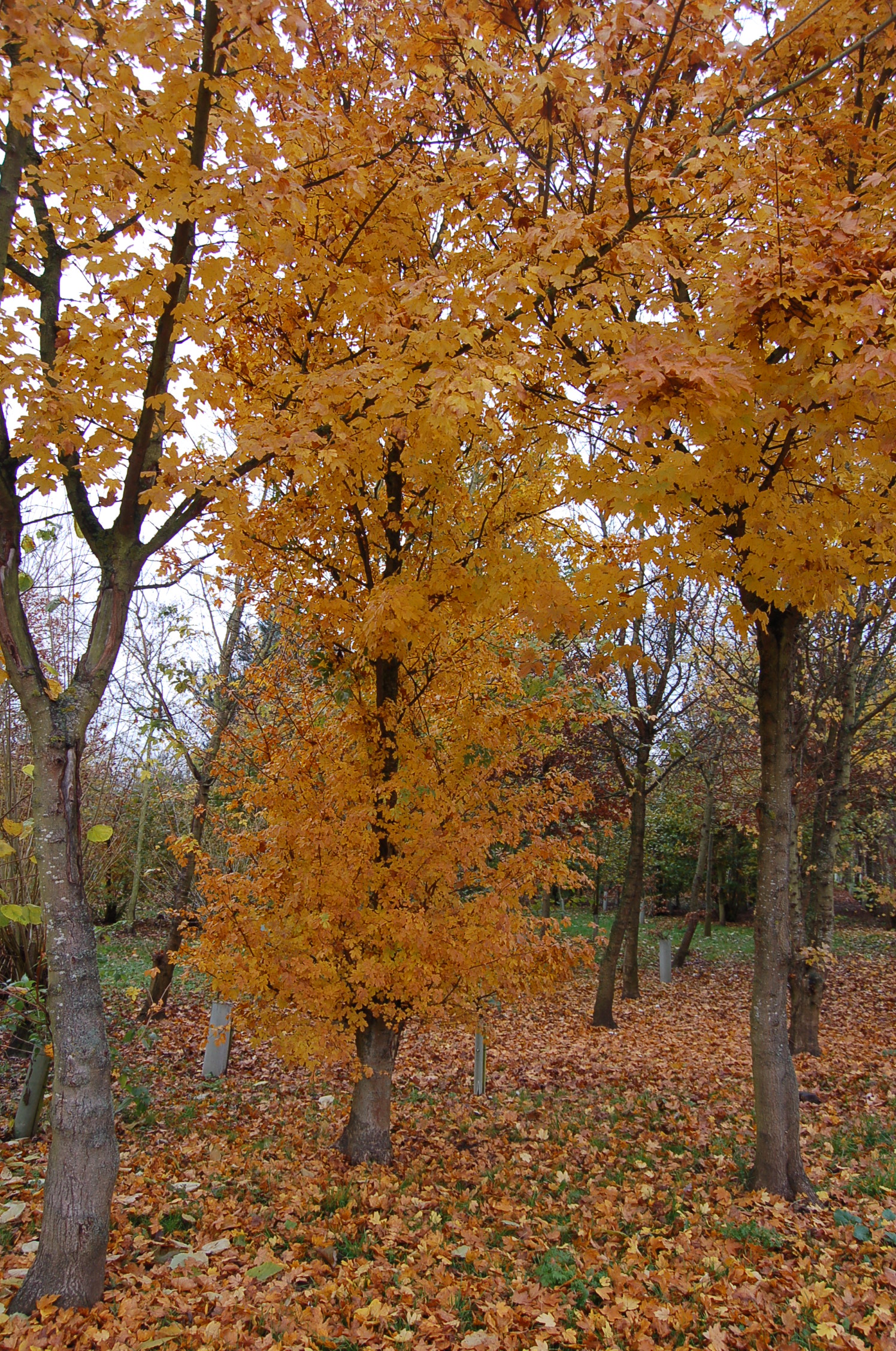
We explored the site following avenues of acers and cherries leading to small wooded areas and copses mostly of native deciduous trees. A simple arrangement of closely trimmed berberis spheres form the Garden of Innocents.

2013 11 30_5298 2013 11 30_5301 2013 11 30_5302 2013 11 30_5303

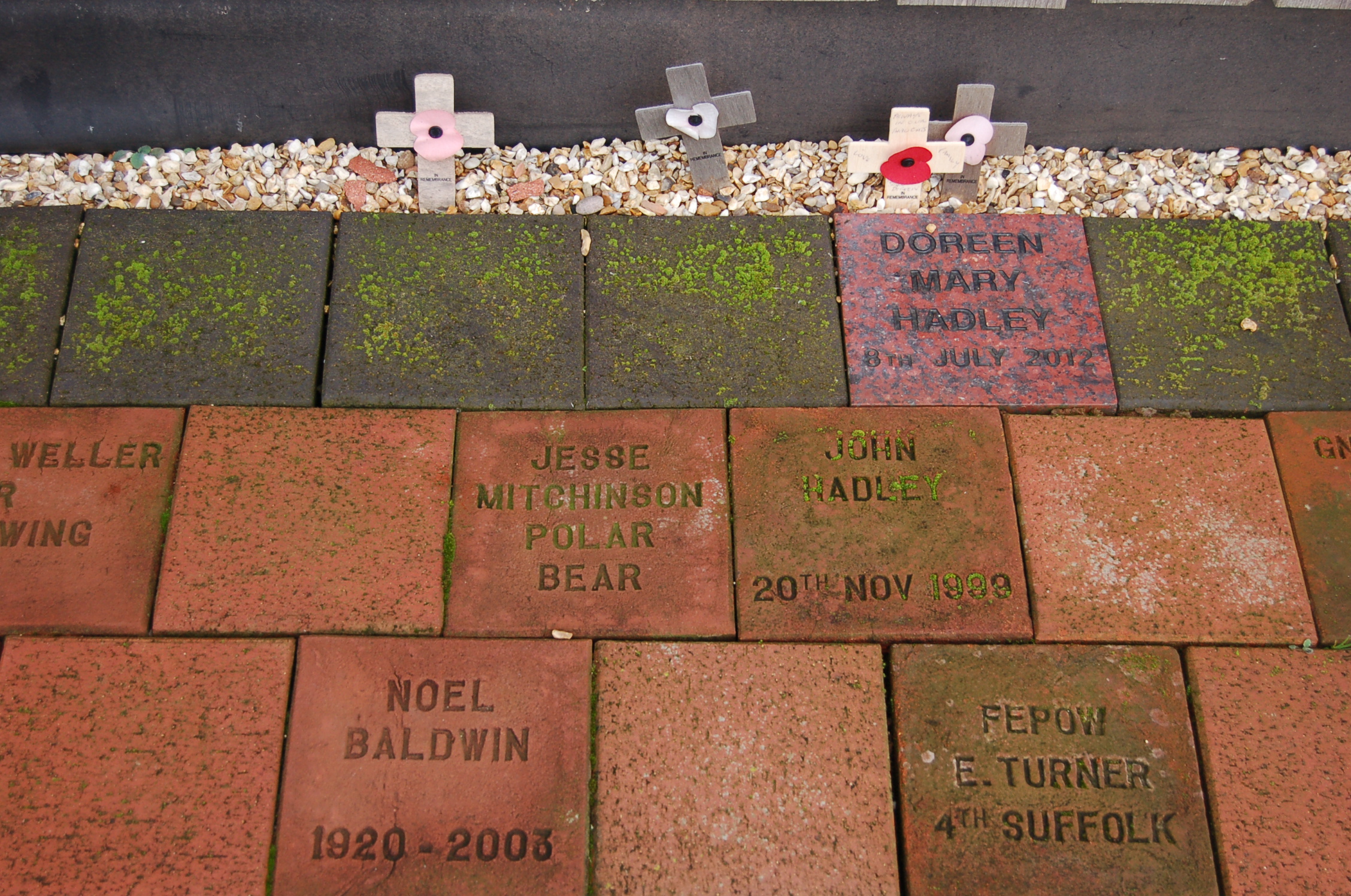
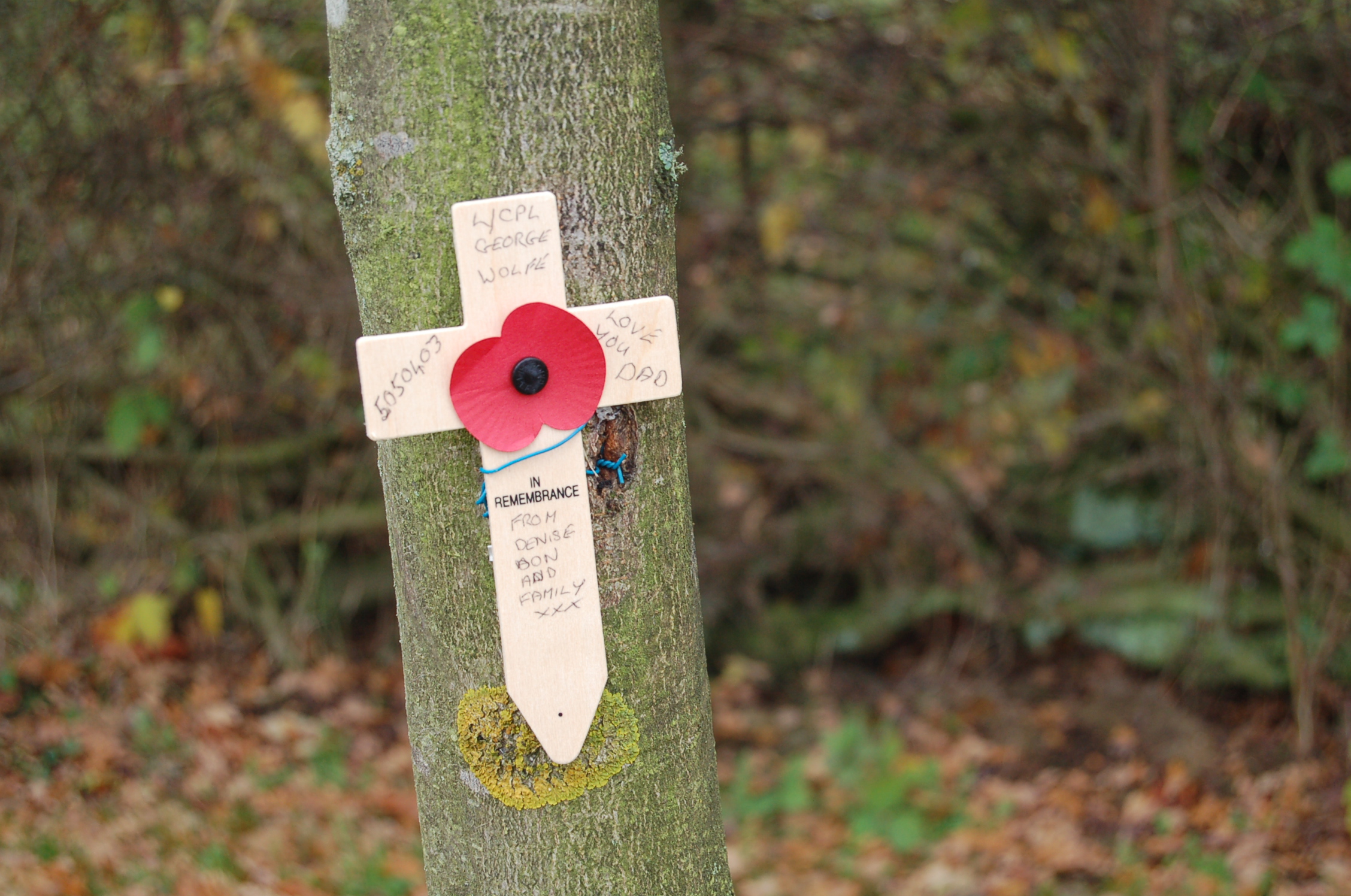
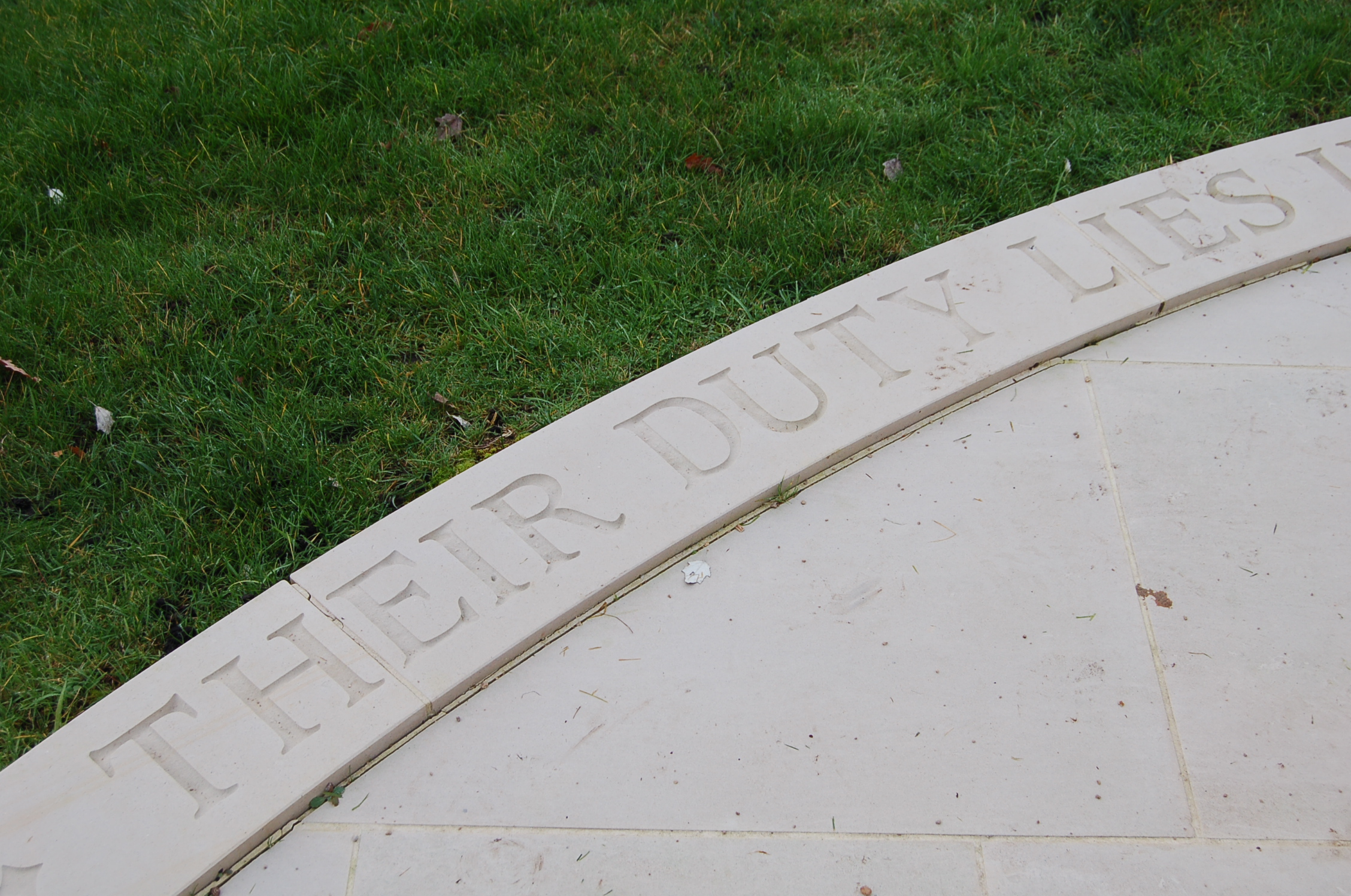
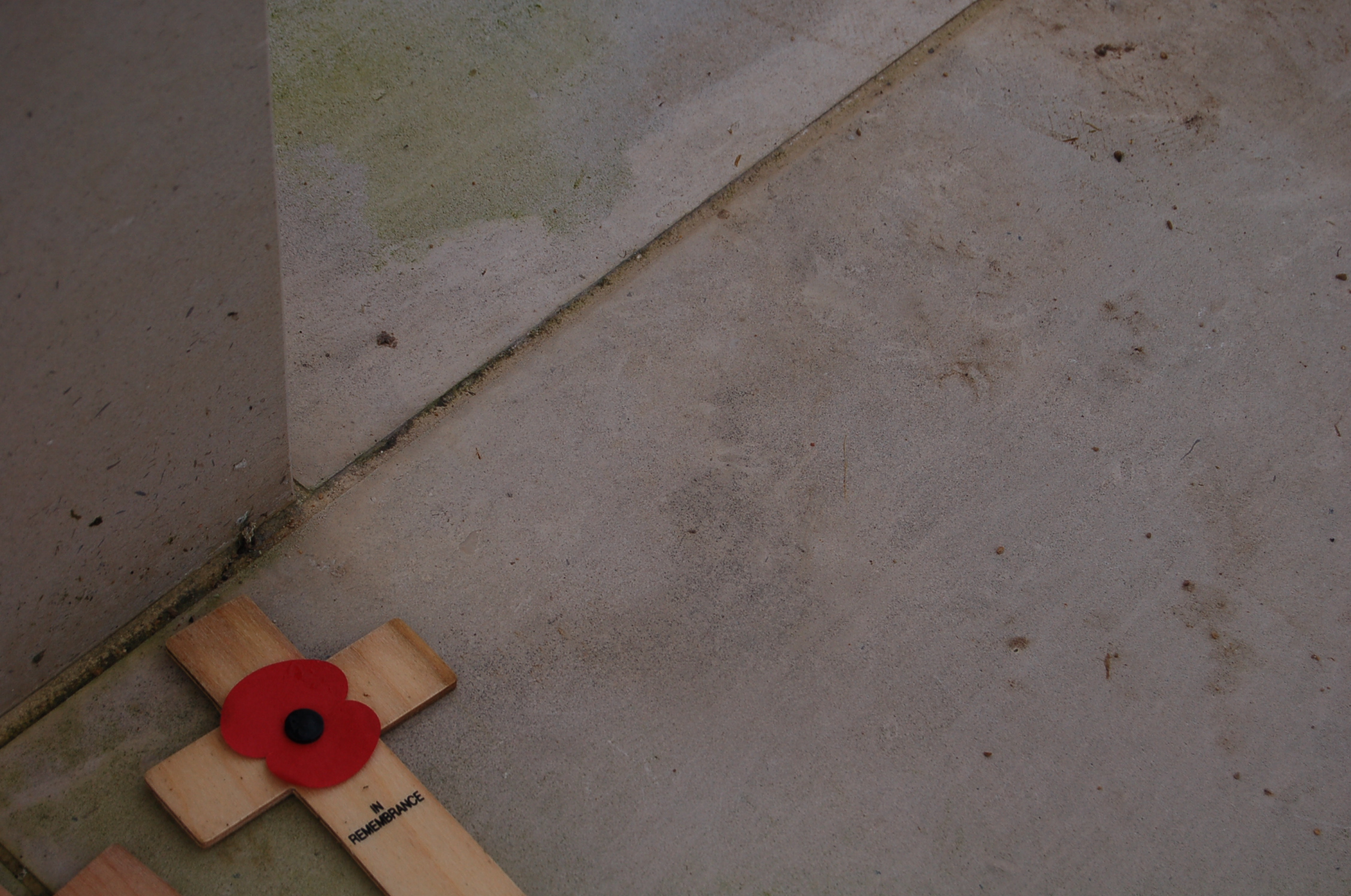
As we wander around please join us, as we appreciate the beauty of the trees and the calm of the spaces. There were signs of the recent Remembrance Day Ceremonies throughout the site, some at the base of memorials others blown into hedges and trees.

2013 11 30_5295  2013 11 30_5300 2013 11 30_5305 2013 11 30_5306 2013 11 30_5307 2013 11 30_5309

Amongst the memorials dedicated to various sections of the armed forces were other memorials or areas of celebration. The photos below are of a golden garden dedicated to couples who had celebrated their Golden Wedding Anniversaries. Trees had yellow fruit such as varieties of Malus or golden stems such as the Yellow Ash.

2013 11 30_5310 2013 11 30_5313 2013 11 30_5314 2013 11 30_5315

2013 11 30_5299

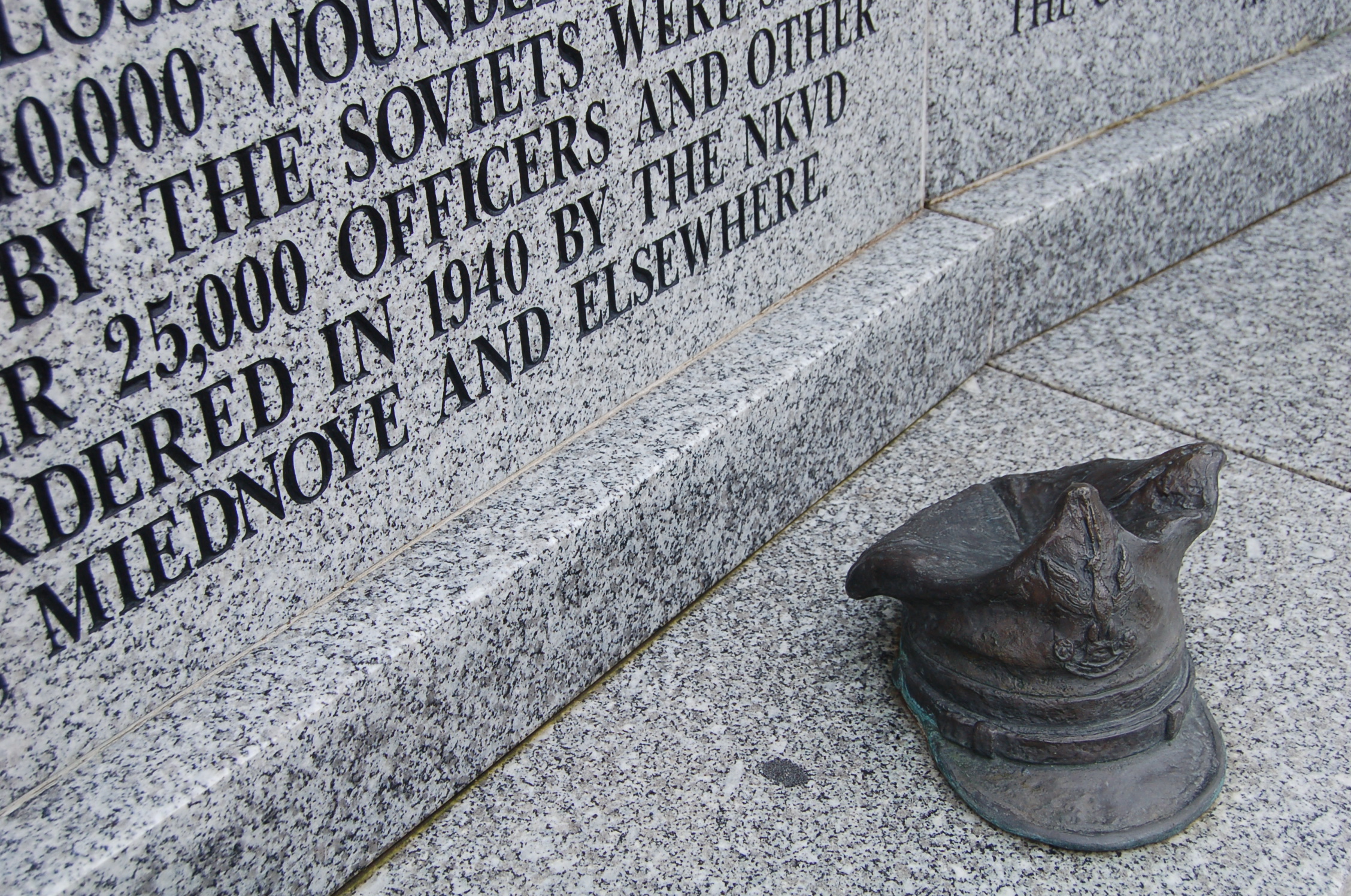
The next memorial was for Polish servicemen who had lost their lives fighting alongside British armed forces.

2013 11 30_5317 2013 11 30_5316

We moved on through woodlands showing autumn colouring interspersed with memorials until we came across a most disturbing area, called “Shot at Dawn”.

2013 11 30_5320 2013 11 30_5319 2013 11 30_5321 2013 11 30_5322 2013 11 30_5323 2013 11 30_5324 2013 11 30_5325 2013 11 30_5326 2013 11 30_5327

This area was to help us remember the men shot at dawn by their own comrades under orders from commanding officers. We were deeply moved here as the cruelty of man at war and the needless waste of young lives were clearly displayed. How could officers in the First World War believe they had the right to order soldiers to kill their fellow men? The “crime” that these young soldiers were found guilty of was “cowardice” – surely they could be forgiven for fear and for not being willing to kill. The true cowardice here lies with the officers who used their rank and “superiority” to make others kill colleagues. Each post represents a real person and each post holds a small sign. Each post a brother, a son, a father, a best friend ……………..
This was a sad place!

2013 11 30_5328 2013 11 30_5329 2013 11 30_5330

We left in silence and deep anger to find a way marker close by on a pathway crossing through the arboretum which acted as a reminder that we were in the National Forest.

2013 11 30_5331 2013 11 30_5333

This unusual garden was dedicated to members of the Fairground Entertainers hence the horse from a “Gallopers” fairground ride.

2013 11 30_5334

As we turned a corner I stopped in my tracks. We were facing a memorial with the badge I knew so well. As a child I remember seeing it on the front of my father’s army cap. My stomach felt empty and my heart skipped beats. Suddenly it seemed very close to home.

2013 11 30_5335 2013 11 30_5336 2013 11 30_5337 2013 11 30_5338

My father survived the war but its effects could be seen hanging over him, the shaking hands, the sudden bouts of anger, changing temperament, the hatred of loud noise and the dislike of time wasting.

Next was the memorial to the paratroopers, a beautiful sculpture displaying strength and bravery.

2013 11 30_5339 2013 11 30_5340 2013 11 30_5341 2013 11 30_5342 2013 11 30_5343 2013 11 30_5344

We shall continue our journey around the National Memorial Arboretum in my next post, but please share a few words we wrote as we sat quietly over coffee at lunchtime.

Peaceful place to celebrate waste

Lives wasted in war

Trees peacefully grow in lines 

Celebrating soldiers’ short lives

Trees giving hope for a future

Categories
arboreta autumn autumn colours garden design garden photography gardening gardens gardens open to the public ornamental trees and shrubs photography trees woodland

Another Day at Bodenham

We have shared a visit to the wonderful arboretum near Kidderminster in Worcestershire before but we visited again this autumn and were equally enthralled by the collection of trees, common, less well-known and even rare. So come back with us now on our return to Bodenham. Let us simply celebrate in photographs!

2013 11 16_5169 2013 11 16_5170 2013 11 16_5171 2013 11 16_5172 2013 11 16_5173 2013 11 16_5174 2013 11 16_5176 2013 11 16_5177 2013 11 16_5178 2013 11 16_5180 2013 11 16_5181

2013 11 16_5183 2013 11 16_5184 2013 11 16_5185 2013 11 16_5186 2013 11 16_5187 2013 11 16_5188 2013 11 16_5189 2013 11 16_5190 2013 11 16_5191 2013 11 16_5192 2013 11 16_5193 2013 11 16_5194  2013 11 16_5197

It is always good to find a tree you do not know, one you have not got the faintest idea what it might be. At Bodenham on this visit it was the Wingnut Tree.

2013 11 16_5195

Categories
arboreta architecture buildings Cheshire gardens open to the public ornamental trees and shrubs photography

Telescopes and Trees – part two

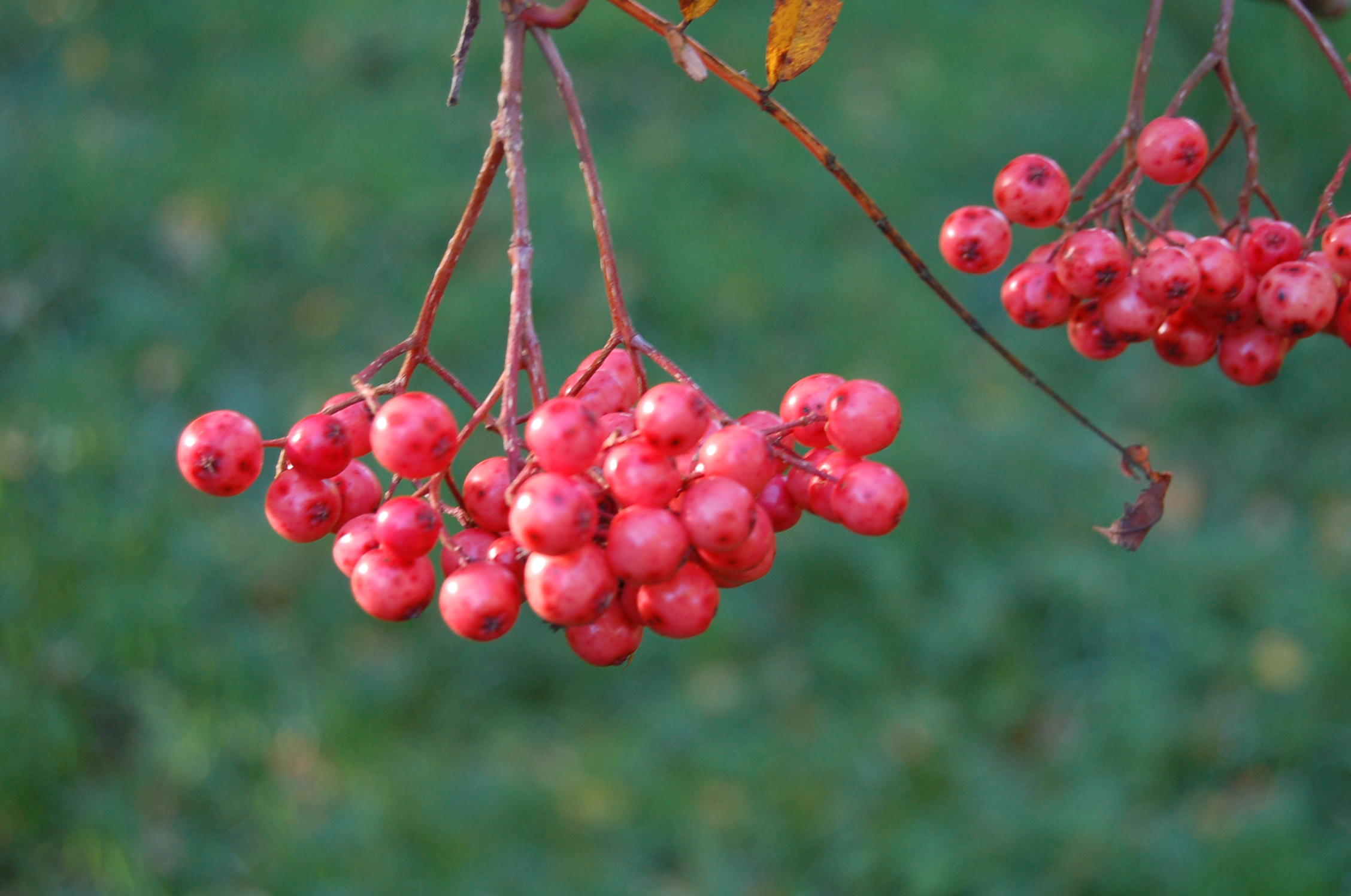
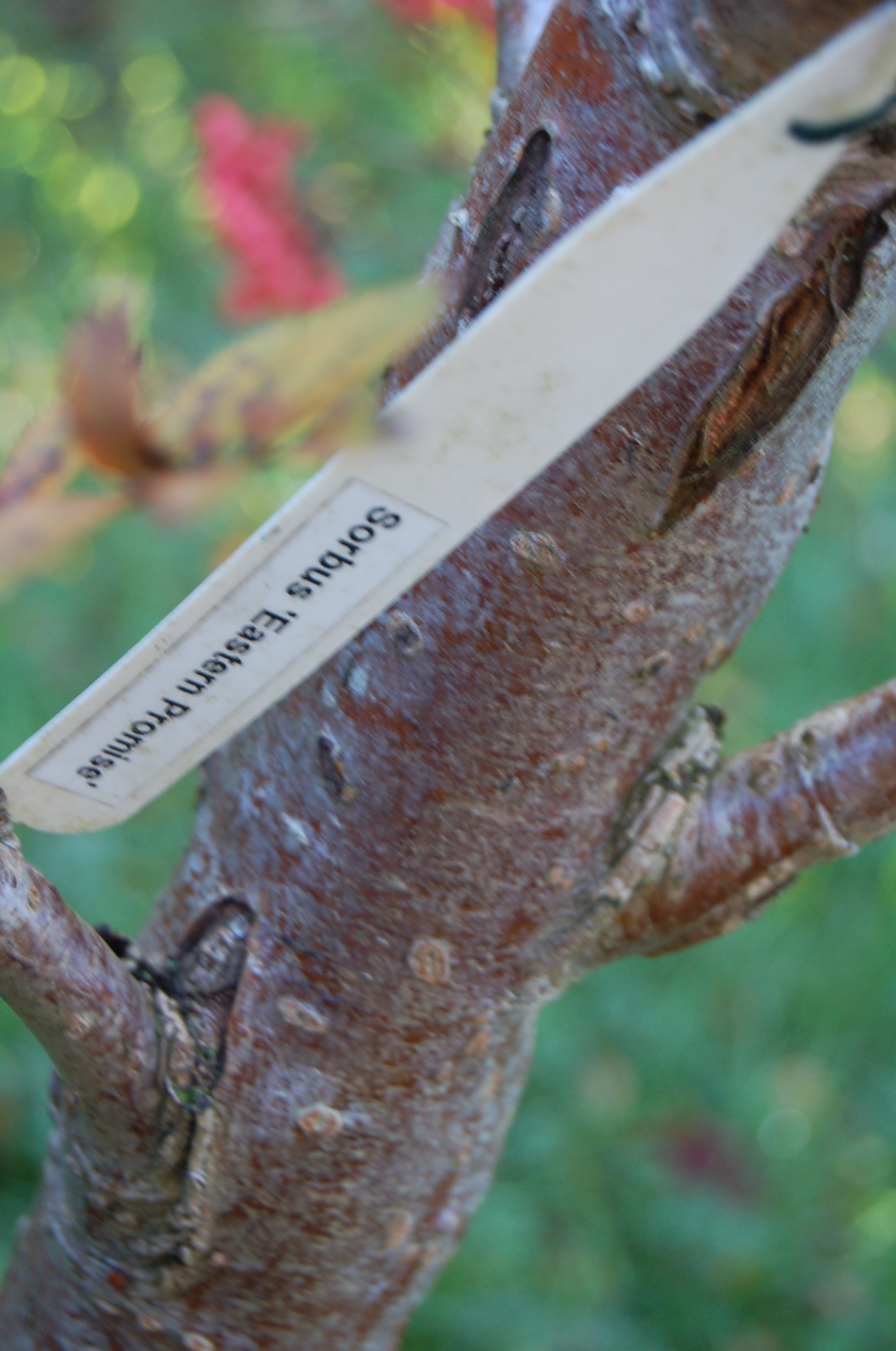
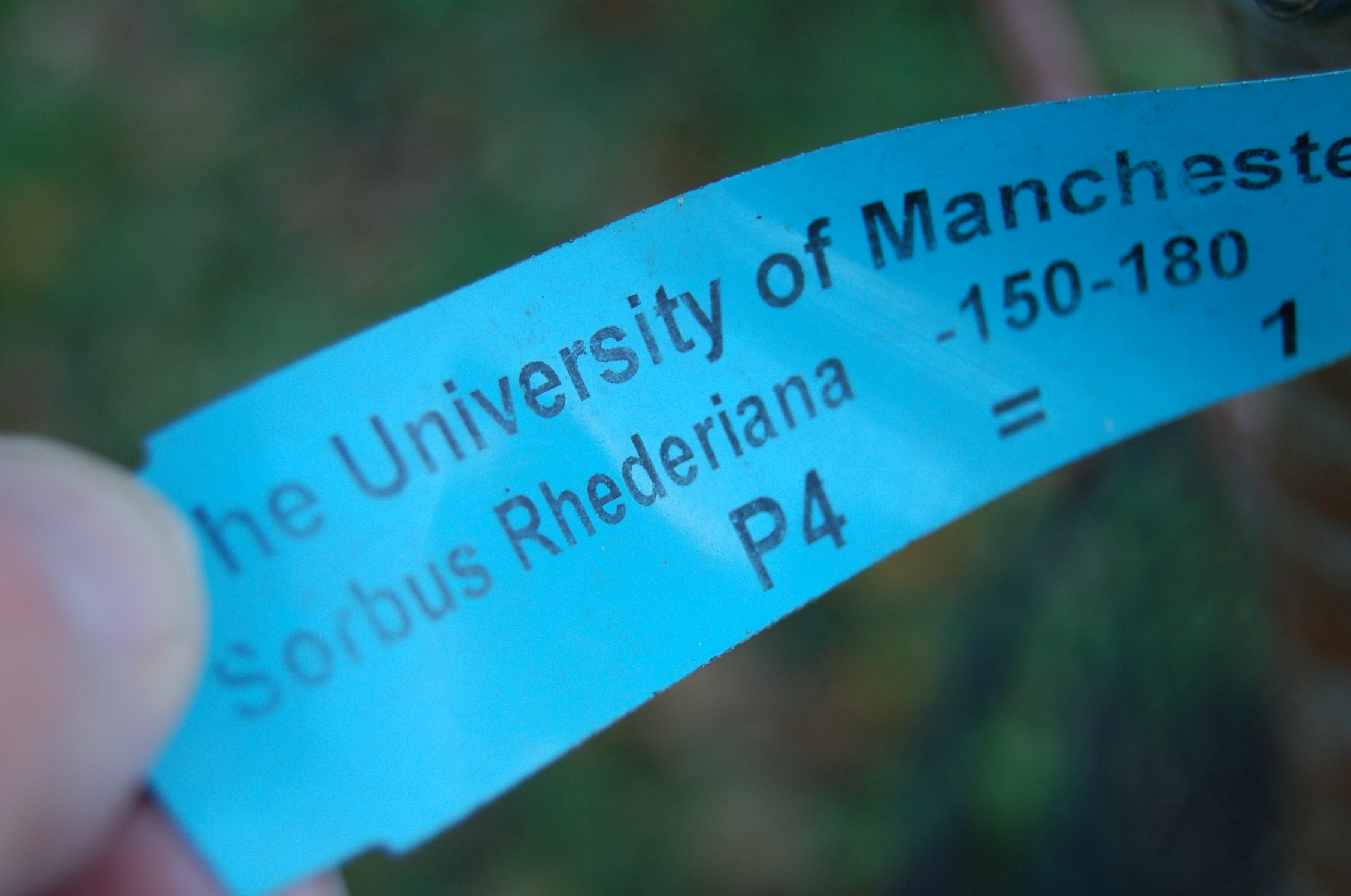
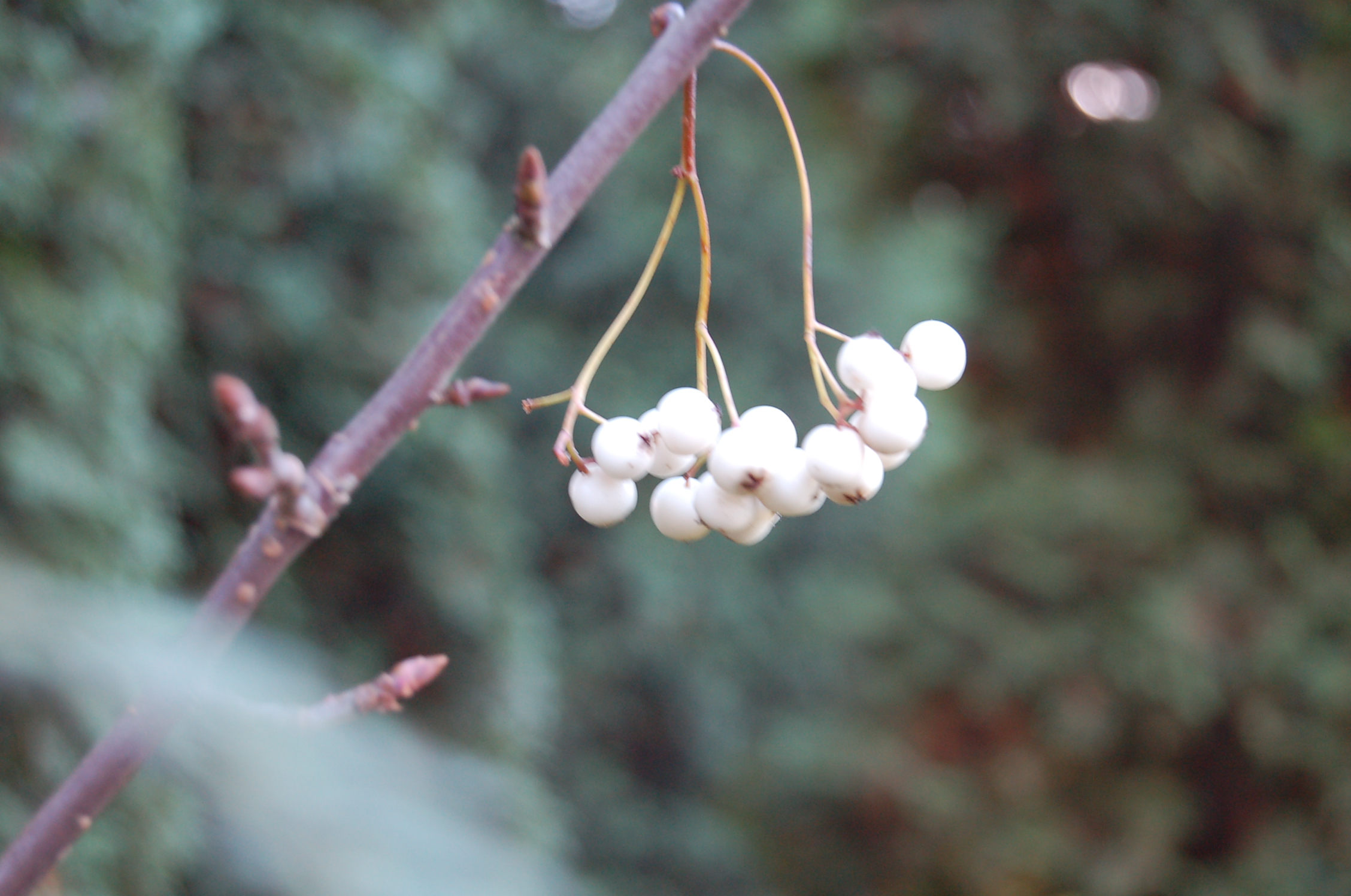
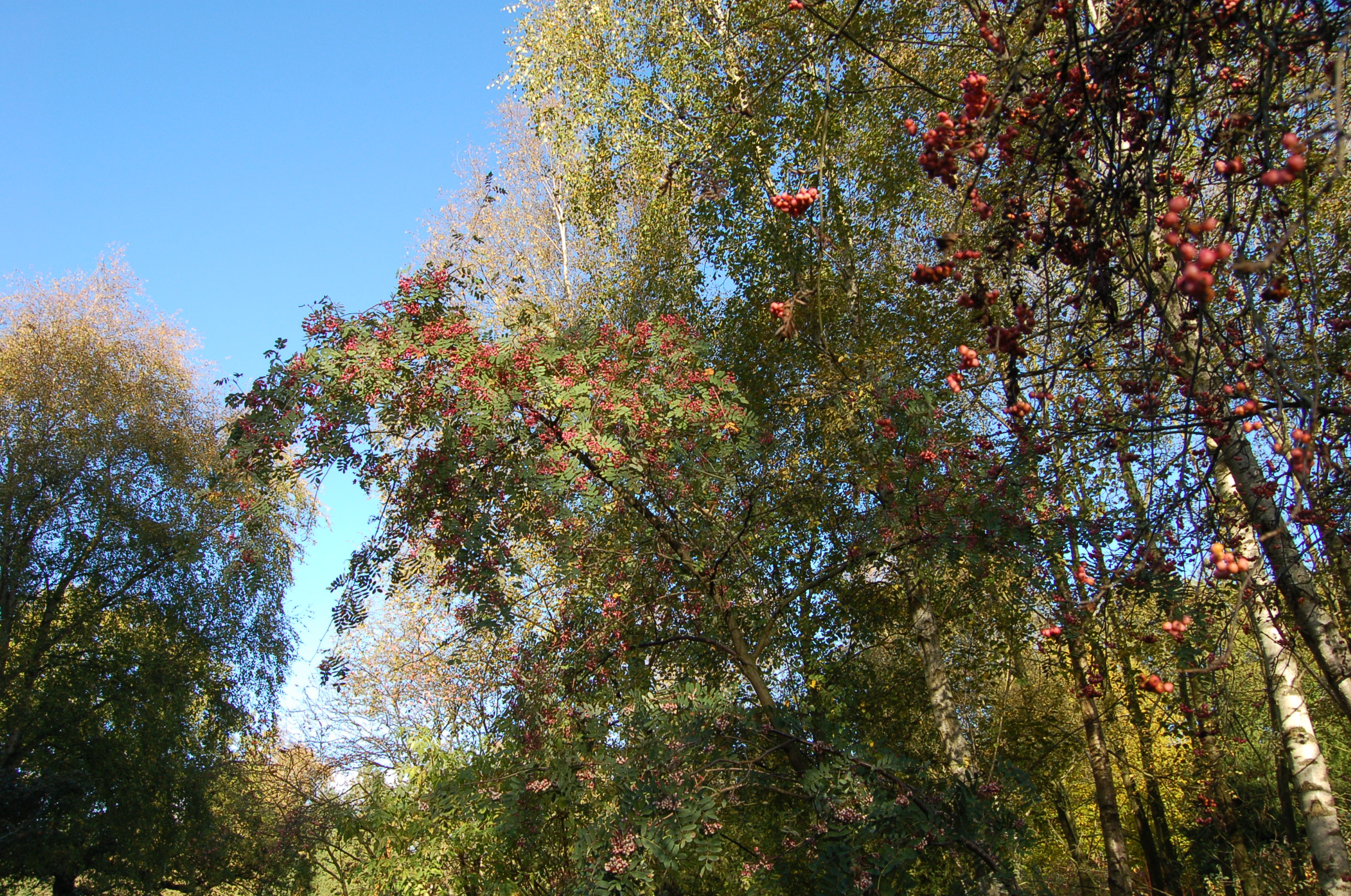
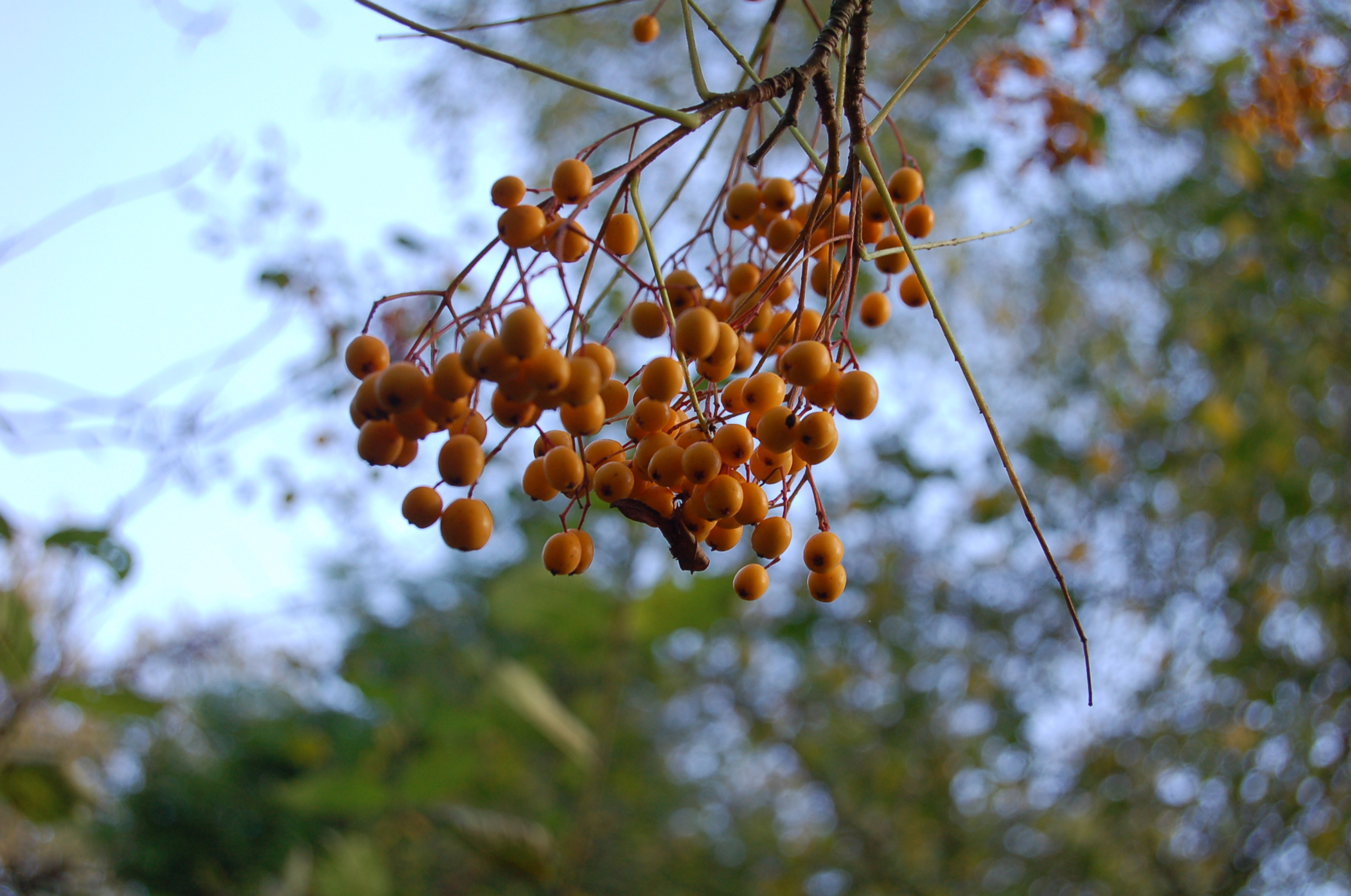
Back at Jodrell Bank as we explored the arboretum nestled amidst natural woodlands, we looked forward to finding our first Sorbus. We were surprised upon finding them that several had already lost all their foliage and some had dropped all their berries too. Luckily the majority still looked good.

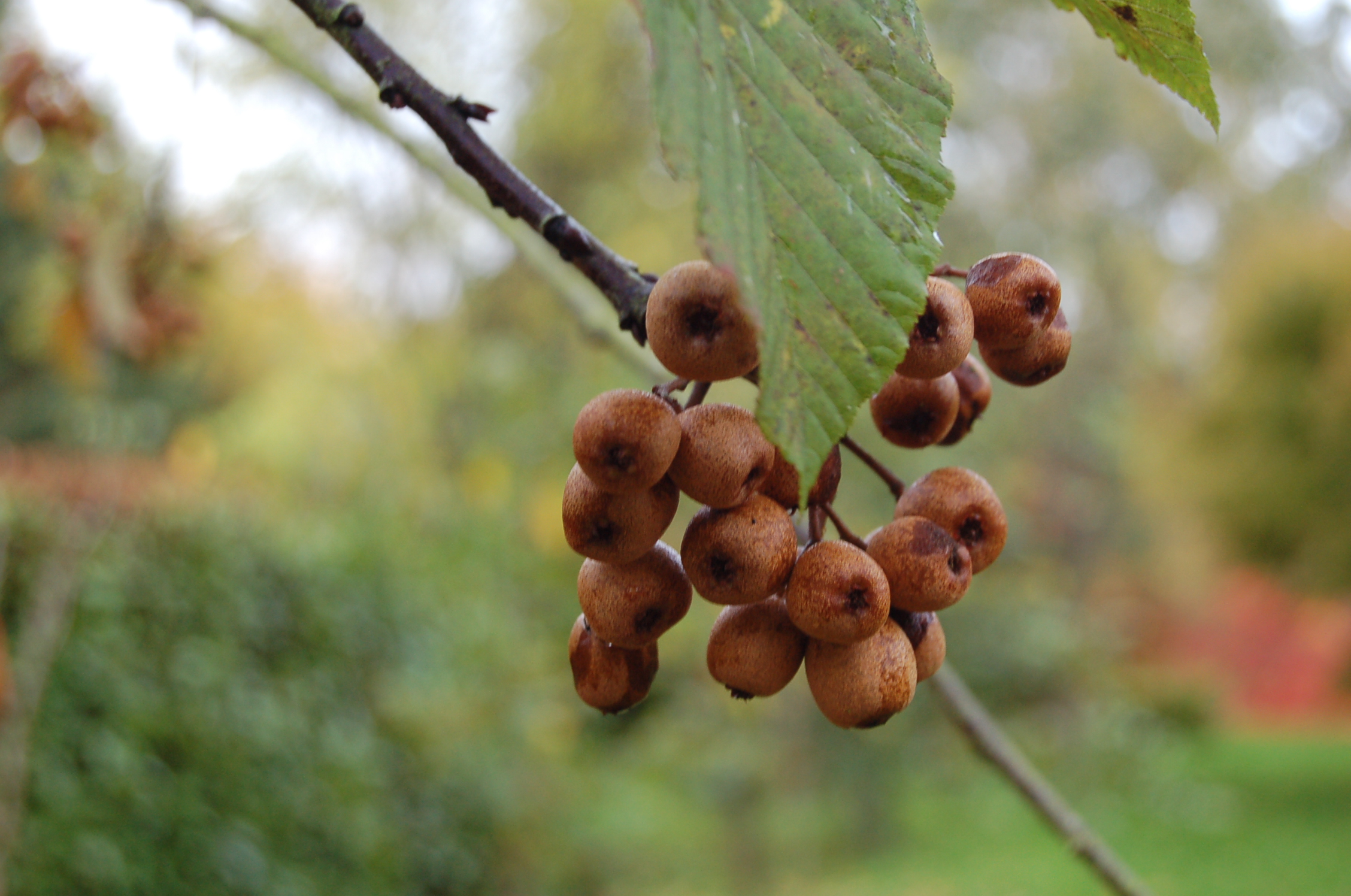
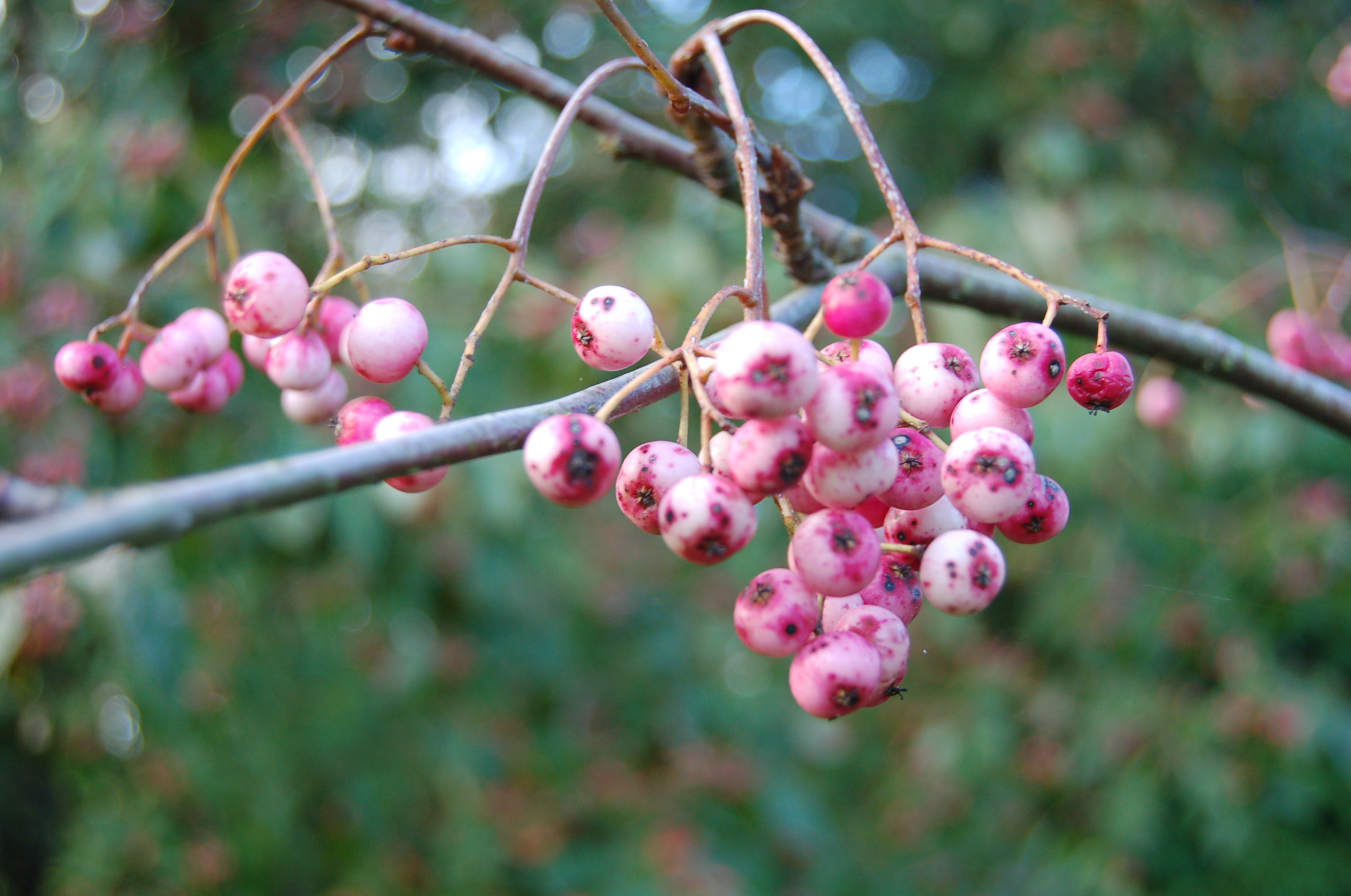
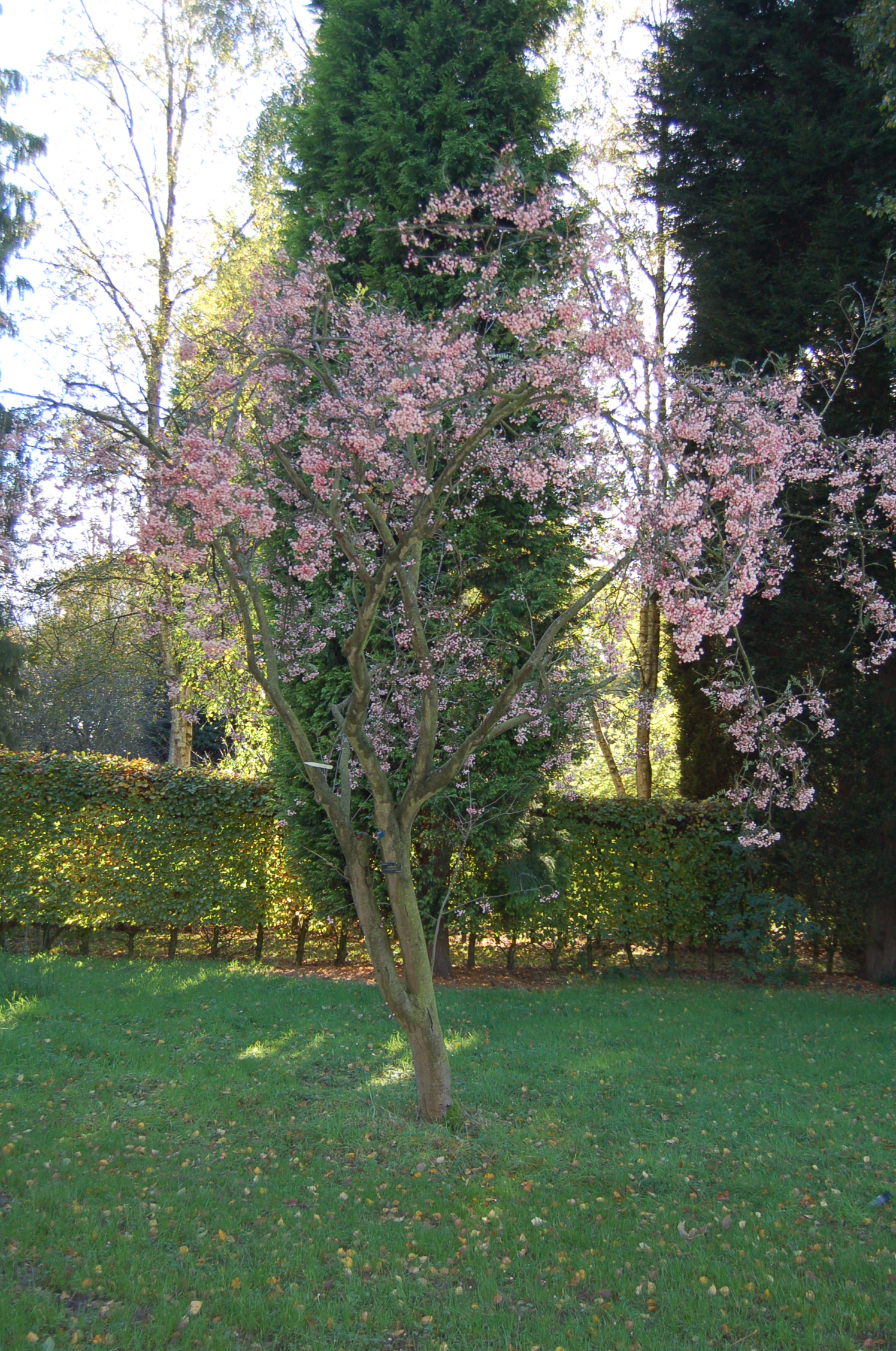
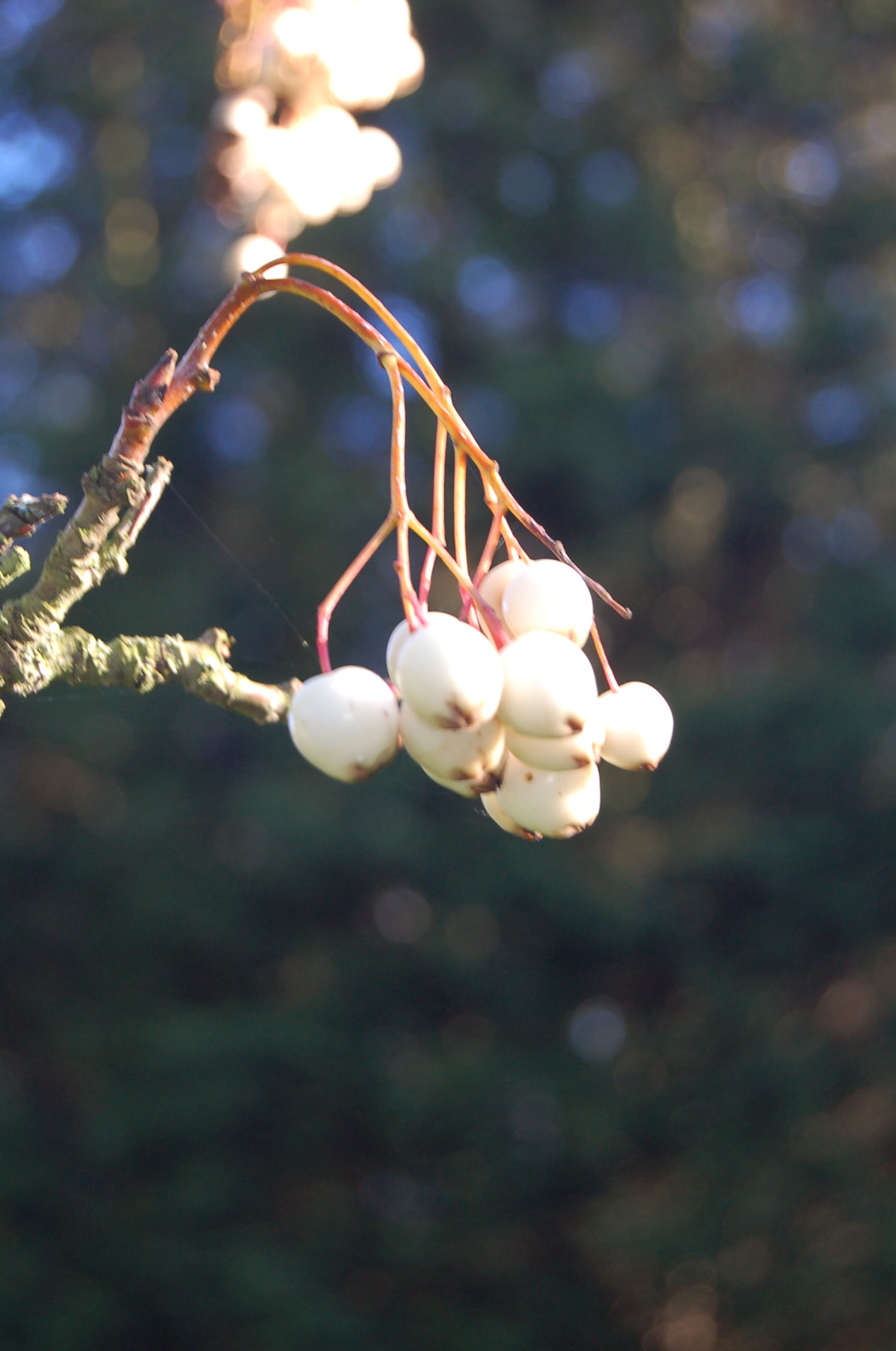
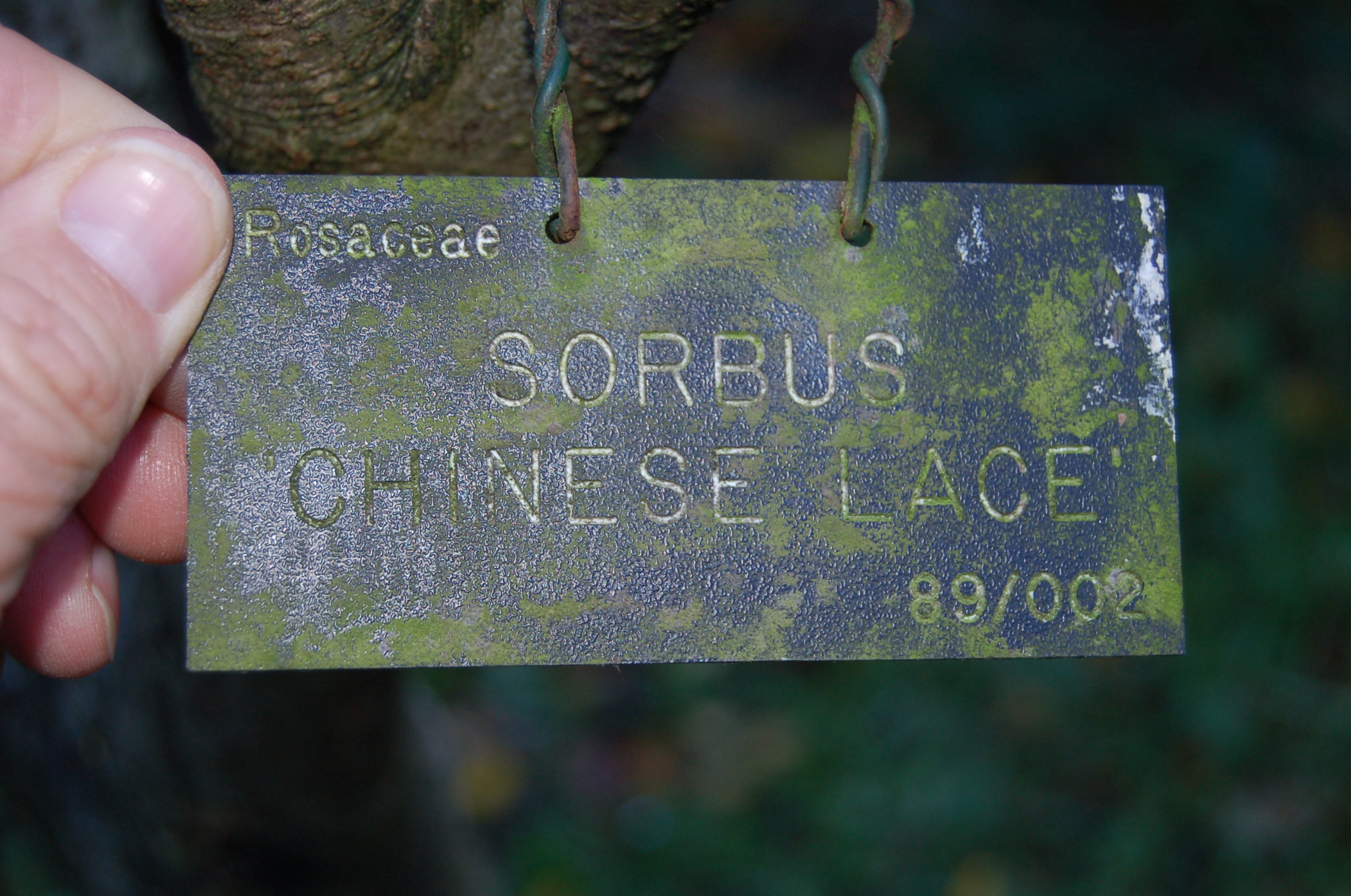
Sorbus “Leonard Messell” was a good one to start off with. Its berries were the palest of pink with a deep blush and they were enhanced by finely cut foliage.

2013 11 04_4925 2013 11 04_4926

With larger berries in a coral pink Sorbus yunanensis looked a distant relative. Its leaves were much larger and far less divided.

2013 11 04_4928

Sorbus kewensis was a tall stately specimen of a tree.

2013 11 04_4930 2013 11 04_4931

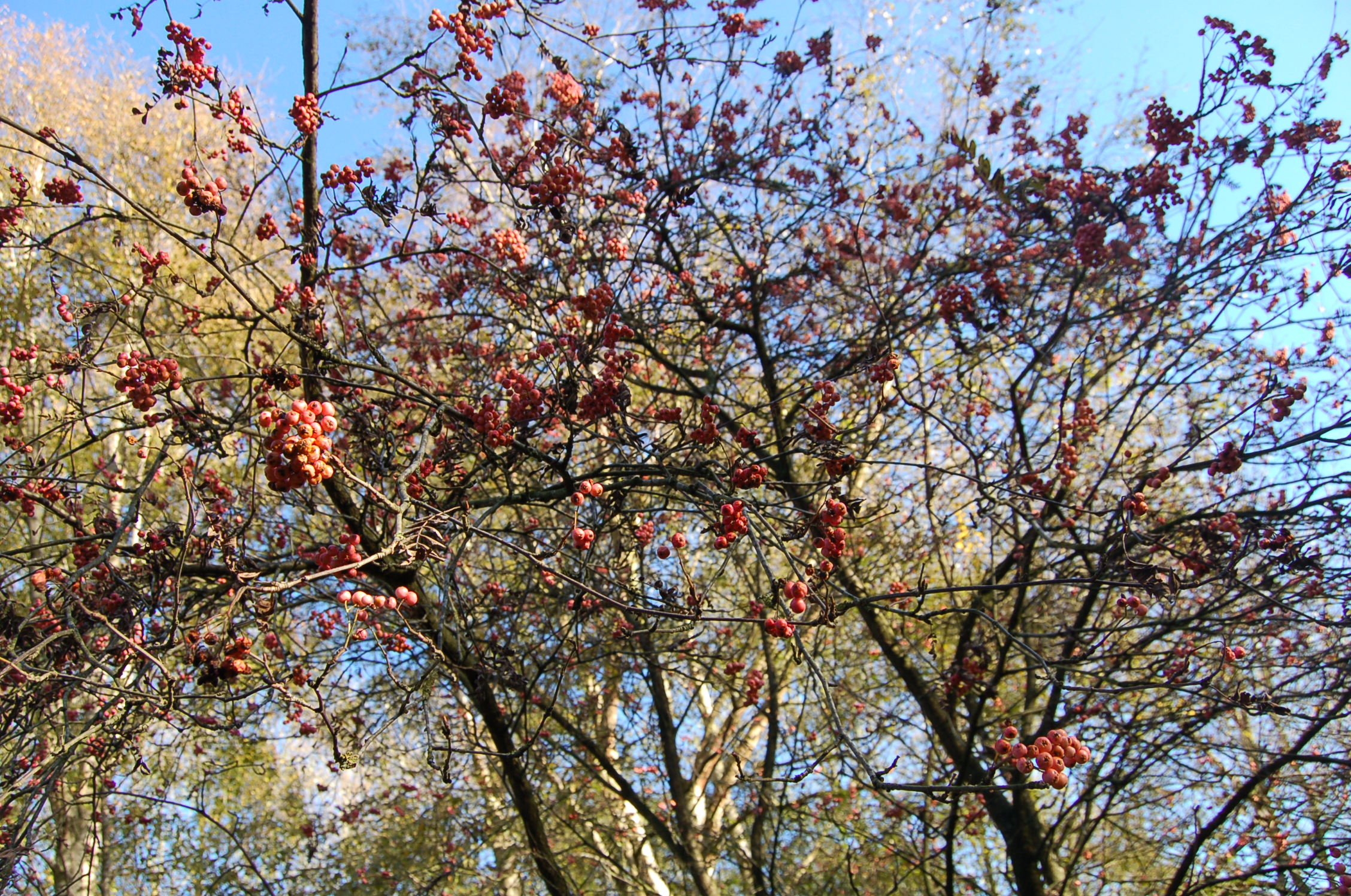
Where trees had lost all foliage and their berries hung on bare branches they looked very stark against the clear blue autumn sky.

2013 11 04_4933

There were more to be found around each corner as the path took a turn, each with its own special colour, size and shape of berry.

2013 11 04_4935 2013 11 04_4937 2013 11 04_4938 2013 11 04_4939 2013 11 04_4940 2013 11 04_4942 2013 11 04_4943 2013 11 04_4944 2013 11 04_4945 2013 11 04_4946 2013 11 04_4947 2013 11 04_4948 2013 11 04_4949 2013 11 04_4950 2013 11 04_4951 2013 11 04_4952 2013 11 04_4953 2013 11 04_4954 2013 11 04_4955 2013 11 04_4956 2013 11 04_4957 2013 11 04_4958 2013 11 04_4959 2013 11 04_4960 2013 11 04_4961 2013 11 04_4962 2013 11 04_4963 2013 11 04_4964 2013 11 04_4965 2013 11 04_4967 2013 11 04_4968 2013 11 04_4969 2013 11 04_4970 2013 11 04_4972 2013 11 04_4973 2013 11 04_4974 2013 11 04_4975 2013 11 04_4976 2013 11 04_4977

After enjoying so many wonderful berried trees we left the arboretum and spent the last hour left to us while the site remained open enjoying a closer look at the telescopes and the parkland in which they sat. These massive creations of man certainly lacked the delicacy and wonderful colours of Mother Nature’s creations but they did have an attraction of their own when set against the clear blue sky.

2013 11 04_4980 2013 11 04_4981 2013 11 04_4982 2013 11 04_4983 2013 11 04_4984 2013 11 04_4985 2013 11 04_4987 2013 11 04_4988 2013 11 04_4989  2013 11 04_4990

Categories
arboreta autumn autumn colours Cheshire colours garden photography garden wildlife gardening gardens gardens open to the public ornamental trees and shrubs wildlife woodland

Telescopes and Trees – part one

Telescopes and trees do not normally go together but there is one very special place here in the Midlands where they certainly do. We drove northwards on the A49 making our way into Cheshire in search of Jodrell Bank famous as a space research centre created by Sir Bernard Lovell. He was a man with varied interests trees, cricket and space. Here in Cheshire he indulged in two of his passions trees and space.

2013 11 04_4876 2013 11 04_4877

We passed through part of the information centre to get to the start of the arboretum trail and we tried to read some of the information panels and studied complicated diagrams. We were instantly lost – the realms of space are not within the realms of our understanding. We both find it fascinating but it all seems way beyond our understanding. At least we tried before moving into the arboretum – trees we can appreciate and understand.

This arboretum holds two National Collections, crab apples and rowans. Malus and Sorbus to be more botanically correct. These are two of my favourite families of trees, if only they had Betulas as well! I would have been in my element!

We had read on the website before coming that the paths can get wet so sensible footwear was advisable. We wore our walking boots and we were so pleased that we had. The paths were so wet often the water was almost to the top of our boots, but it didn’t spoil our enjoyment of a wonderful collection of trees set amidst a natural woodland setting.

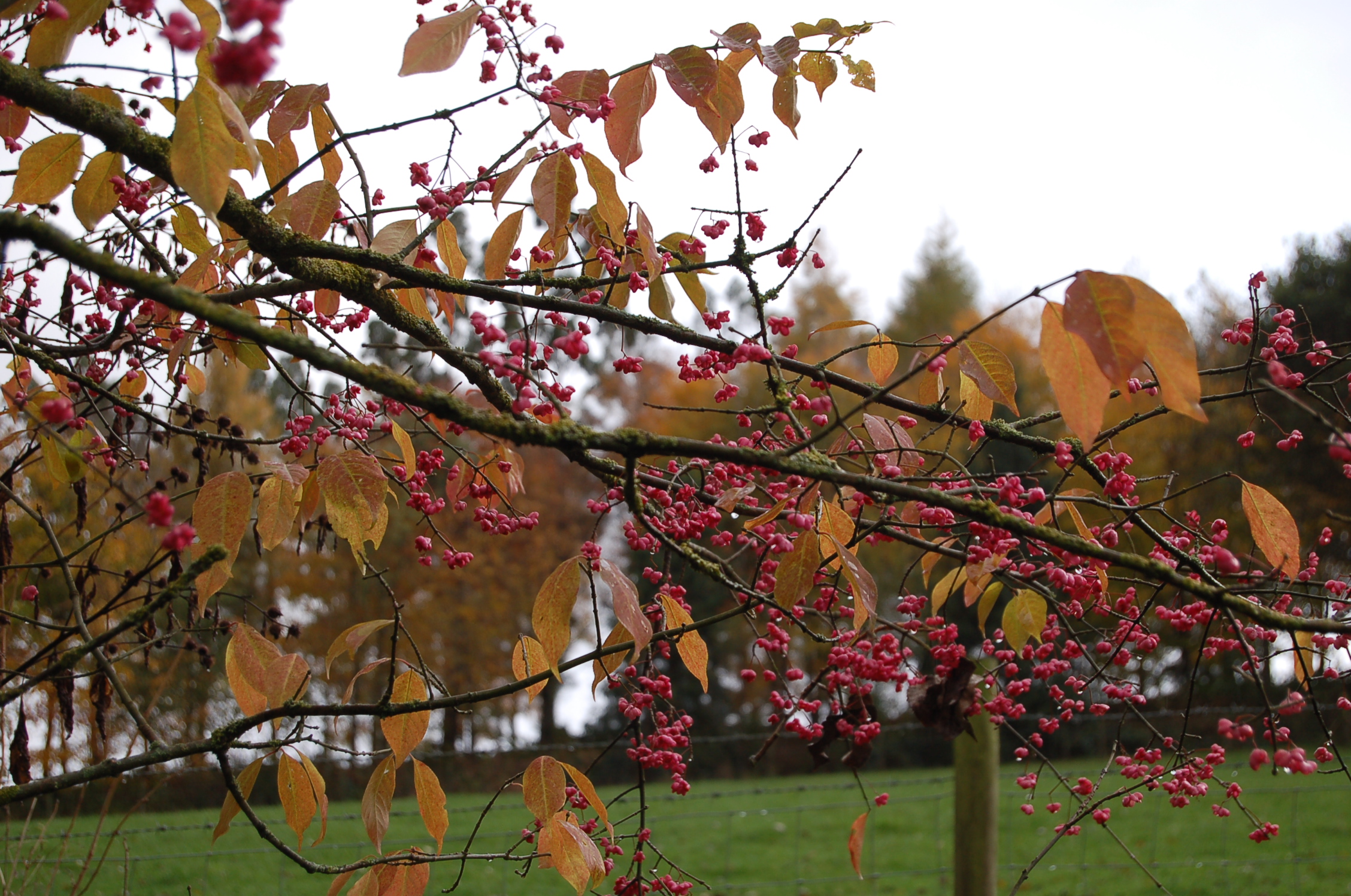
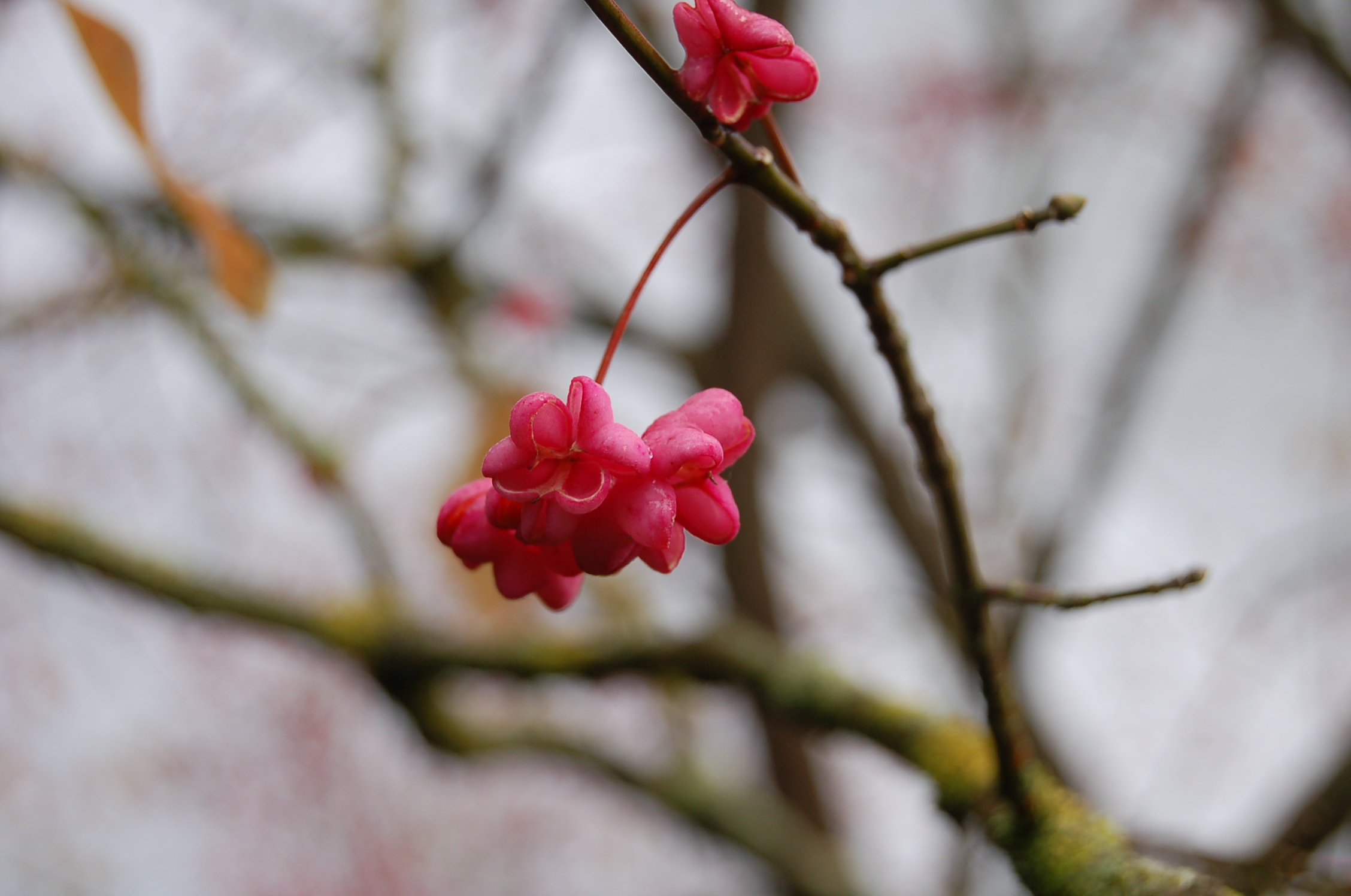
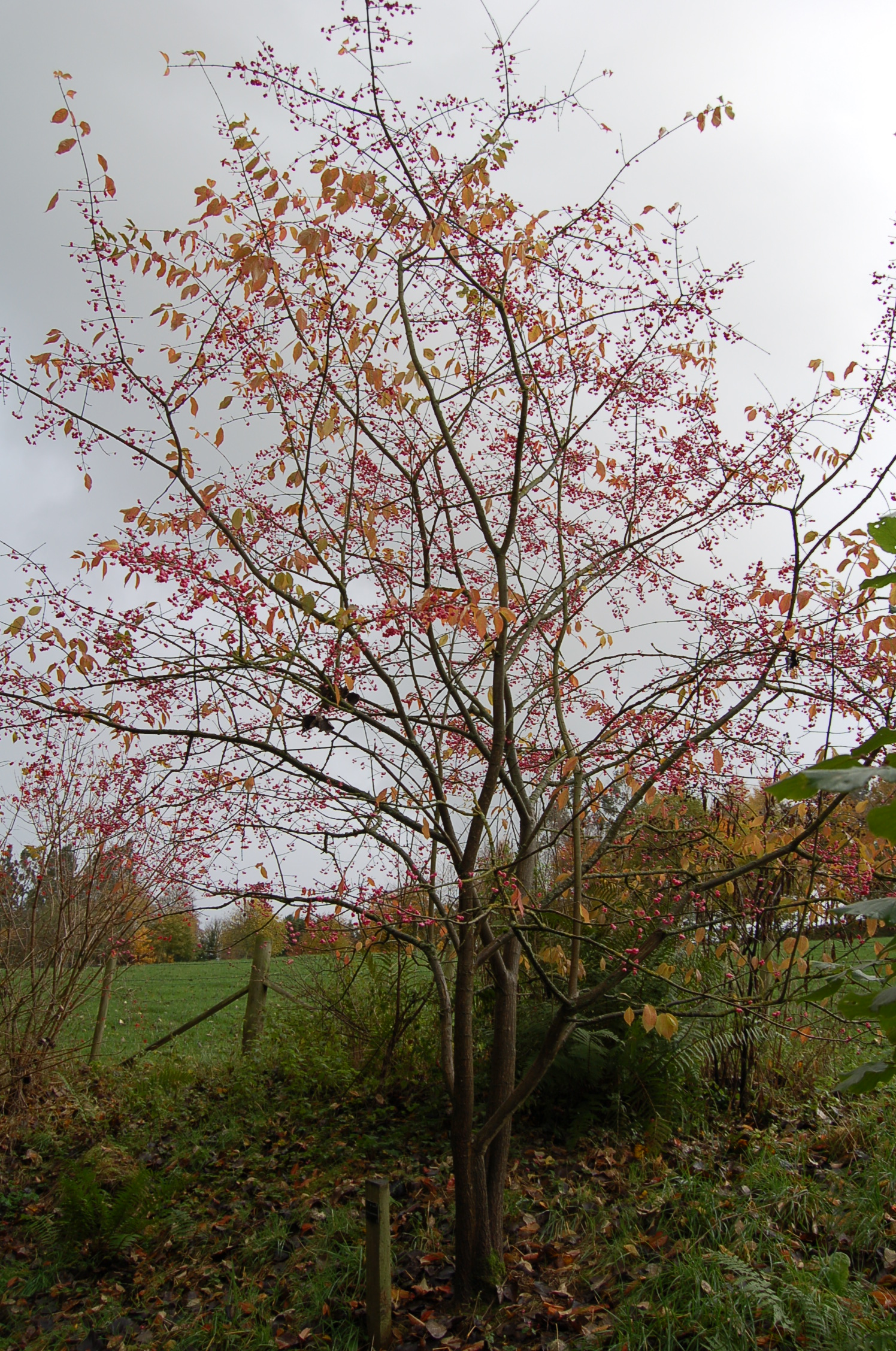
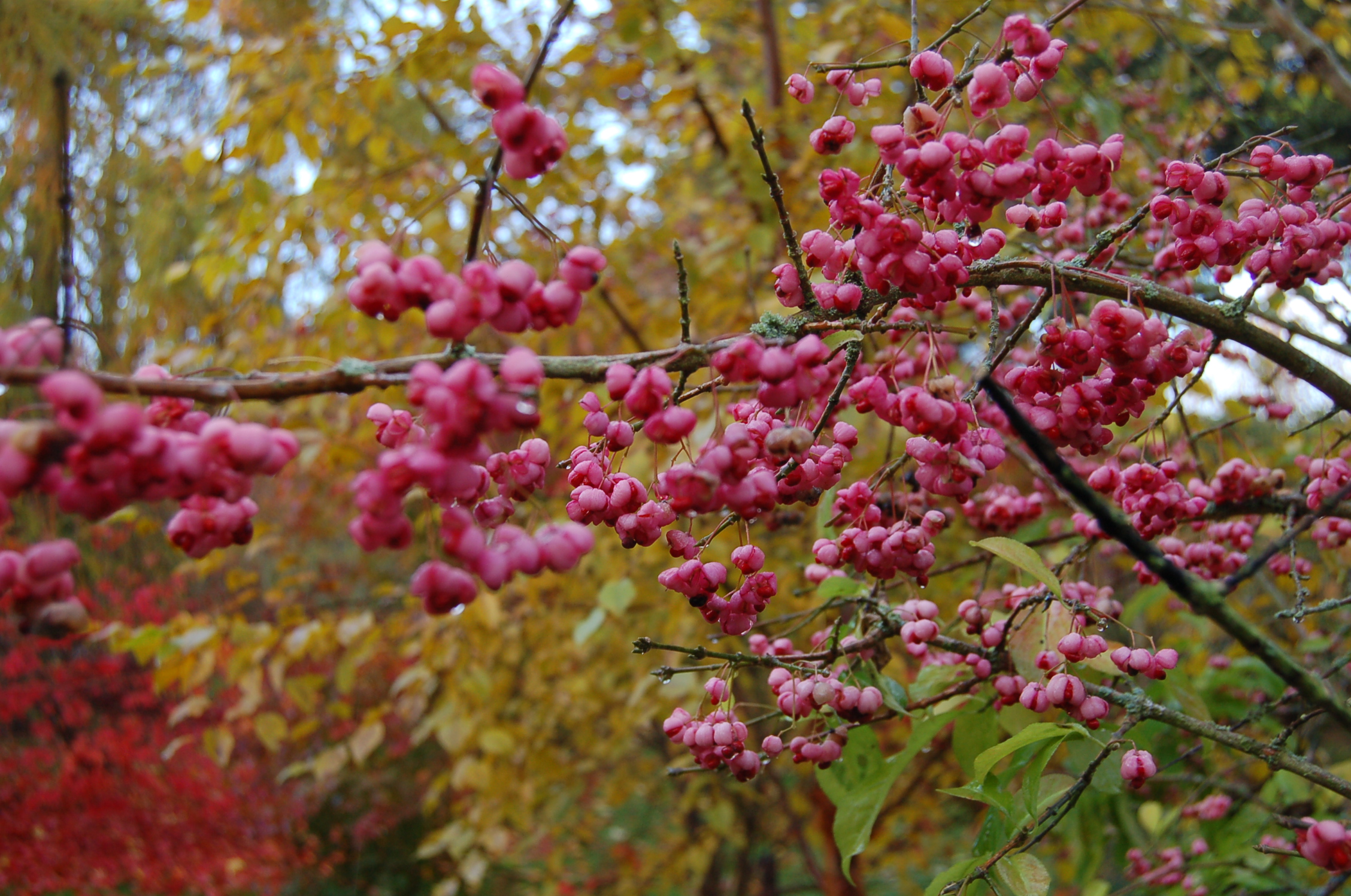
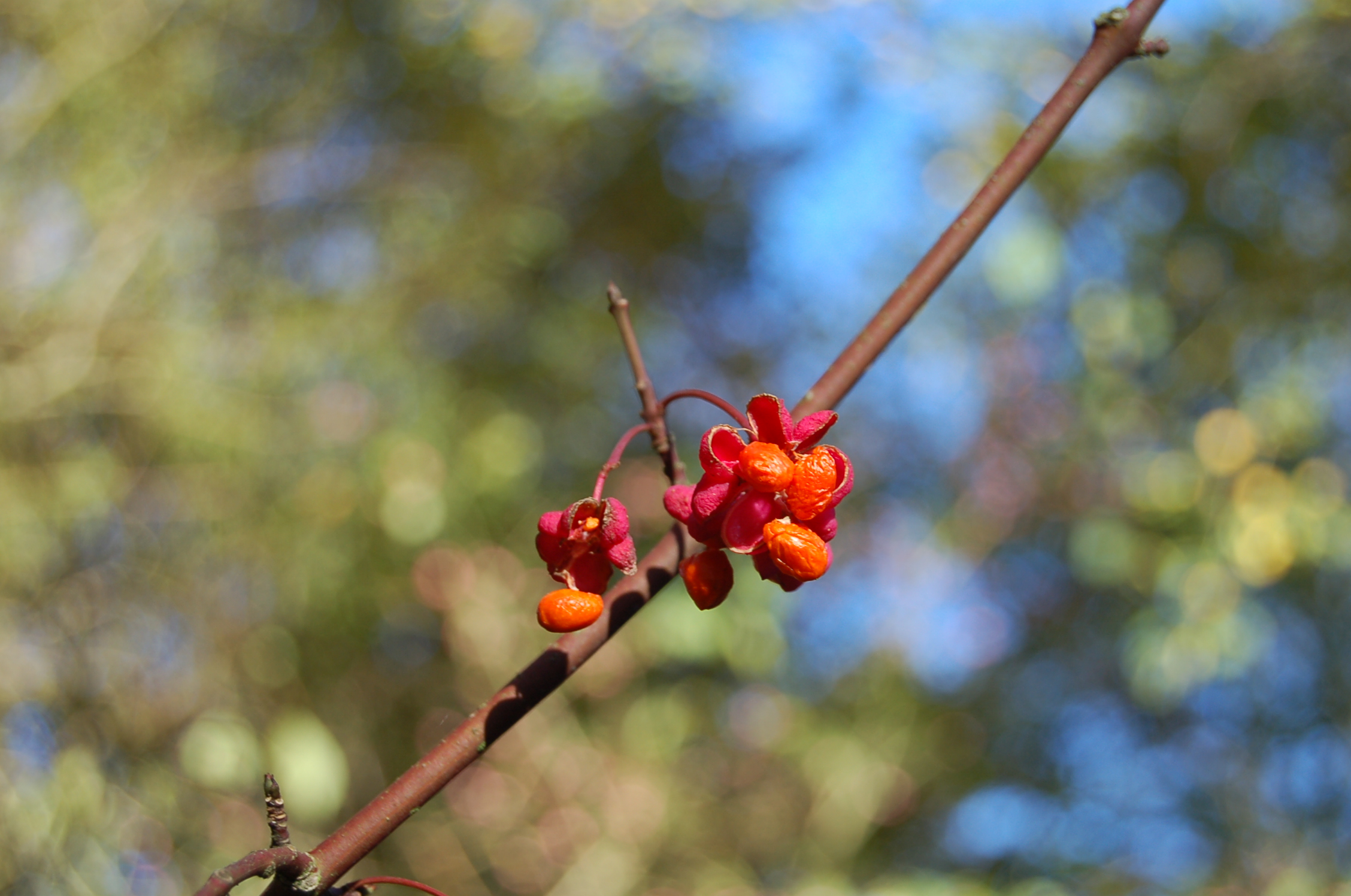
A collection of deciduous Euonymus welcomed us as we passed through the wooden gate, their wild coloured berries and bright autumnal leaves were a treat for the eyes.

2013 11 04_4878 2013 11 04_4879 2013 11 04_4880 2013 11 04_4881

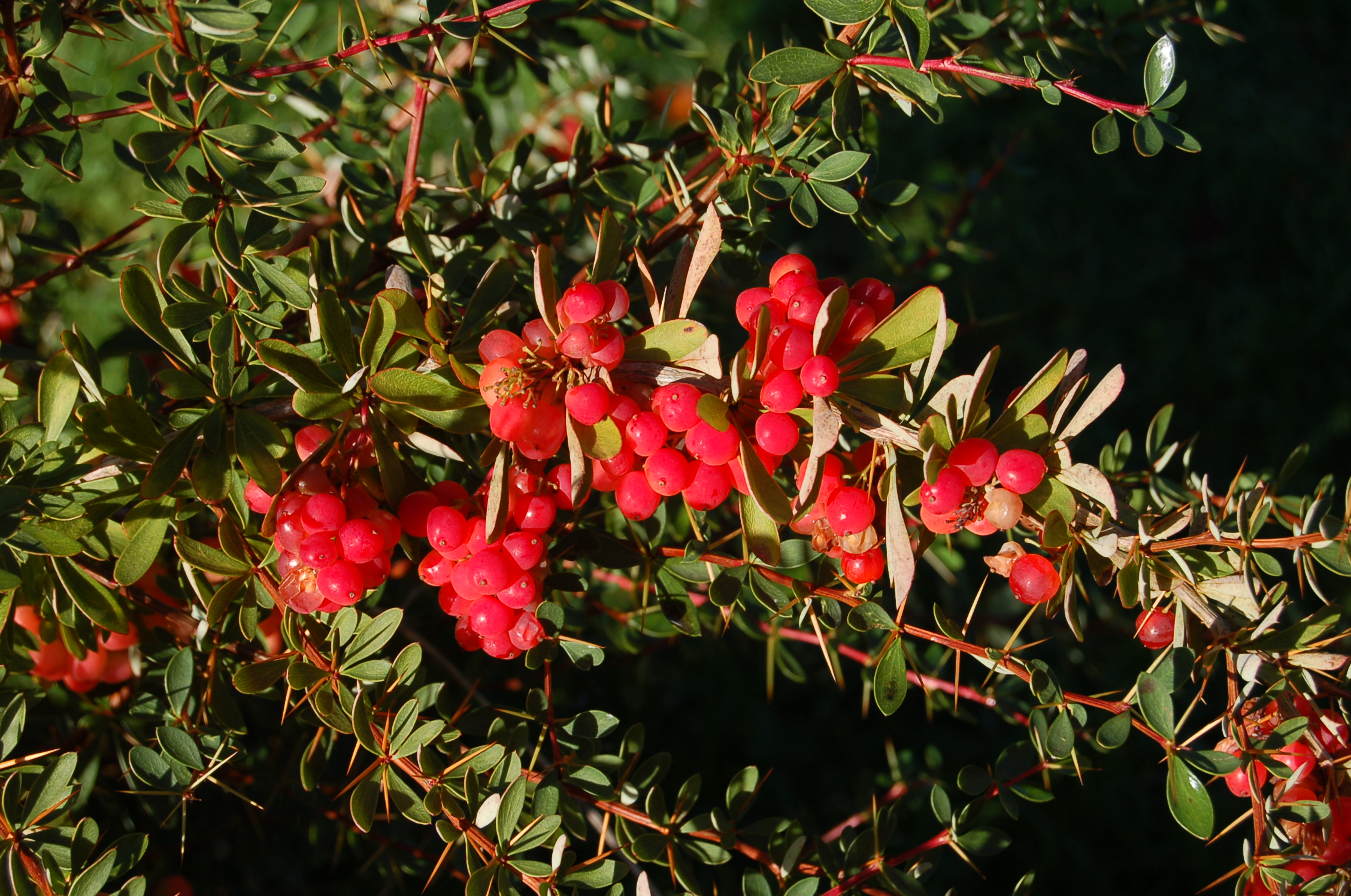
We wandered through woodland towards a fairly recently created garden designed by Chris Beardshaw. Before entering his garden we found a little collection of Berberis clothed in their waxy red berries which hung in long racemes.

2013 11 04_4882 2013 11 04_4883 2013 11 04_4884 2013 11 04_4885 2013 11 04_4886

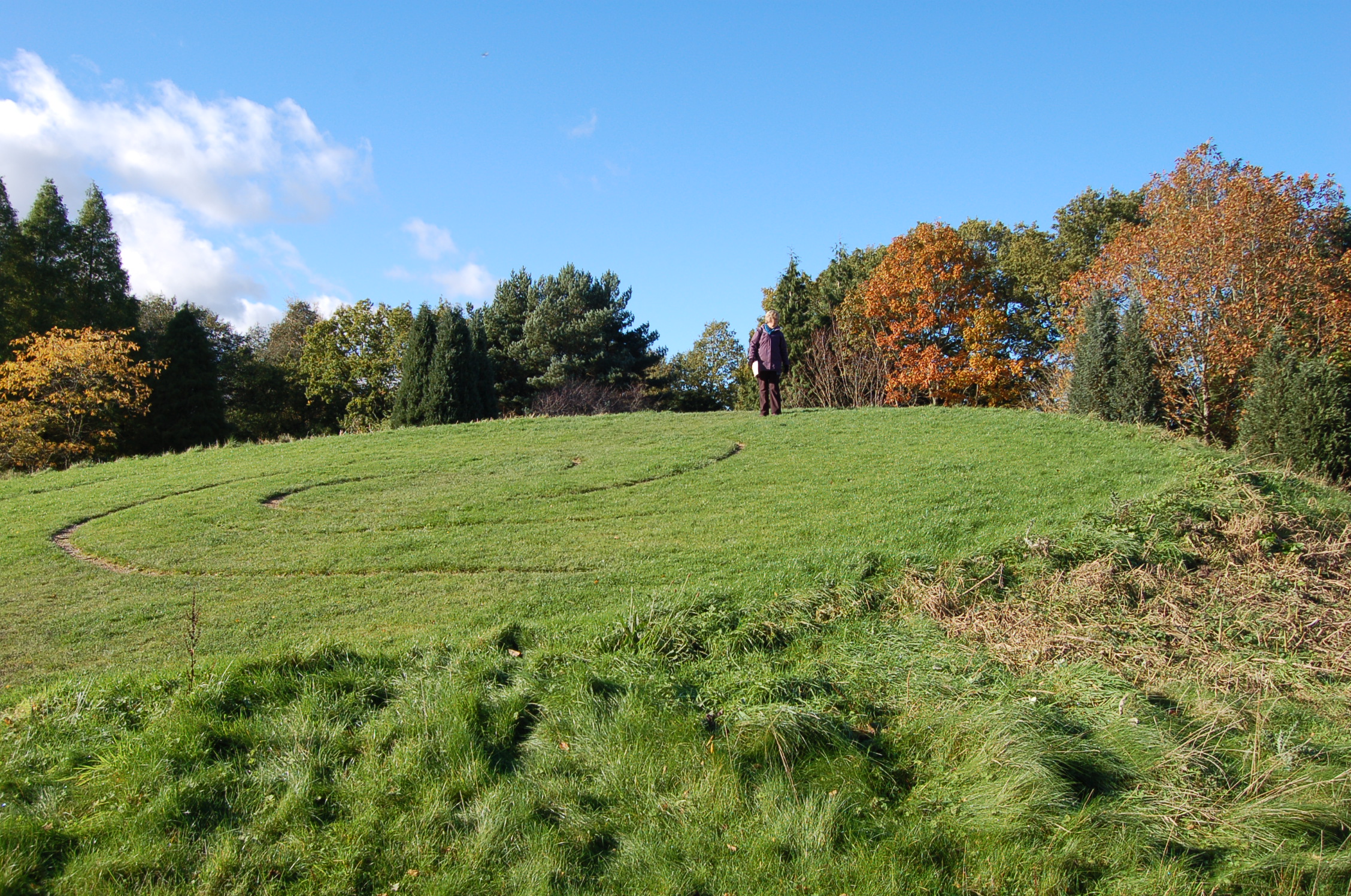
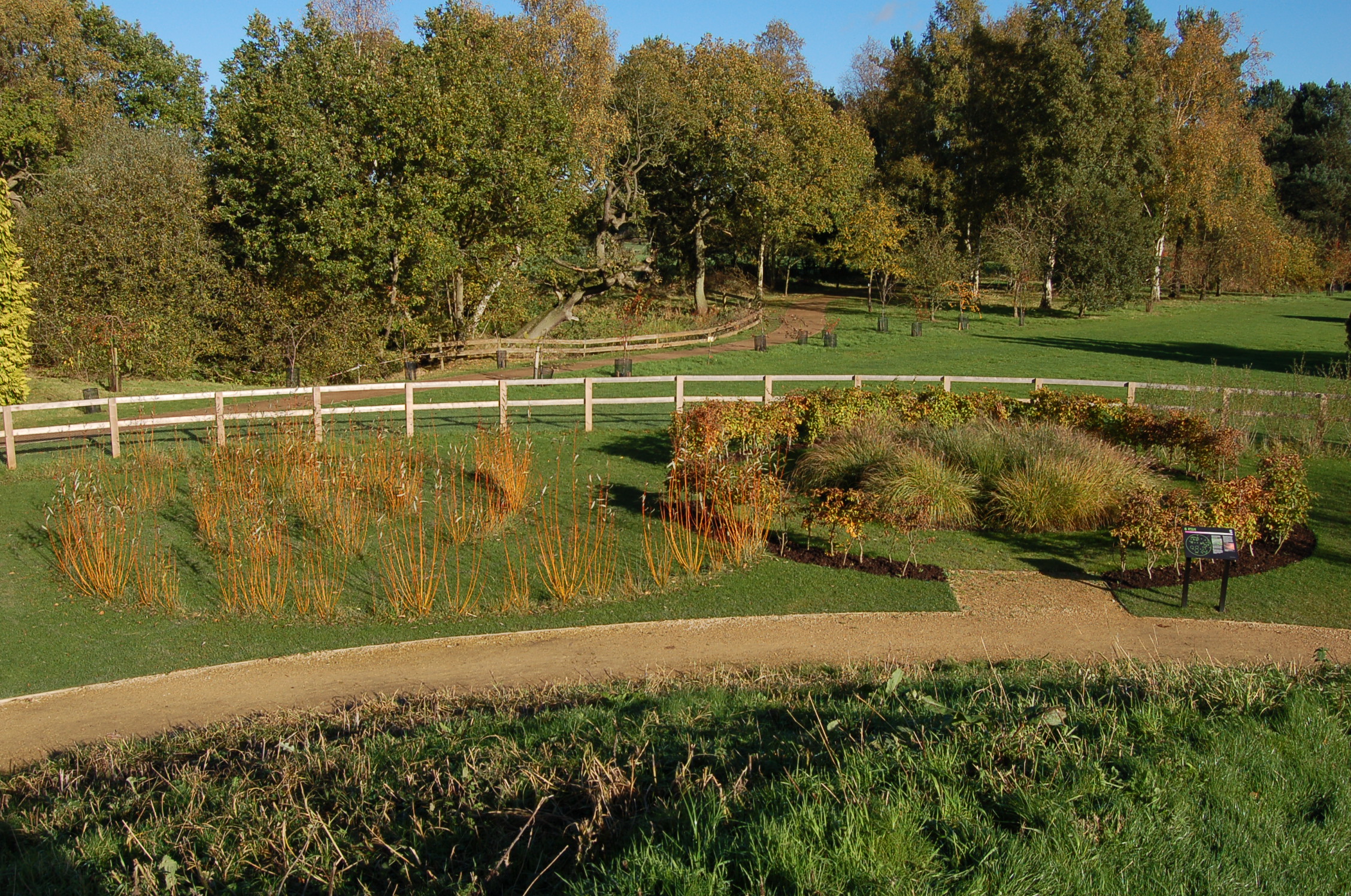
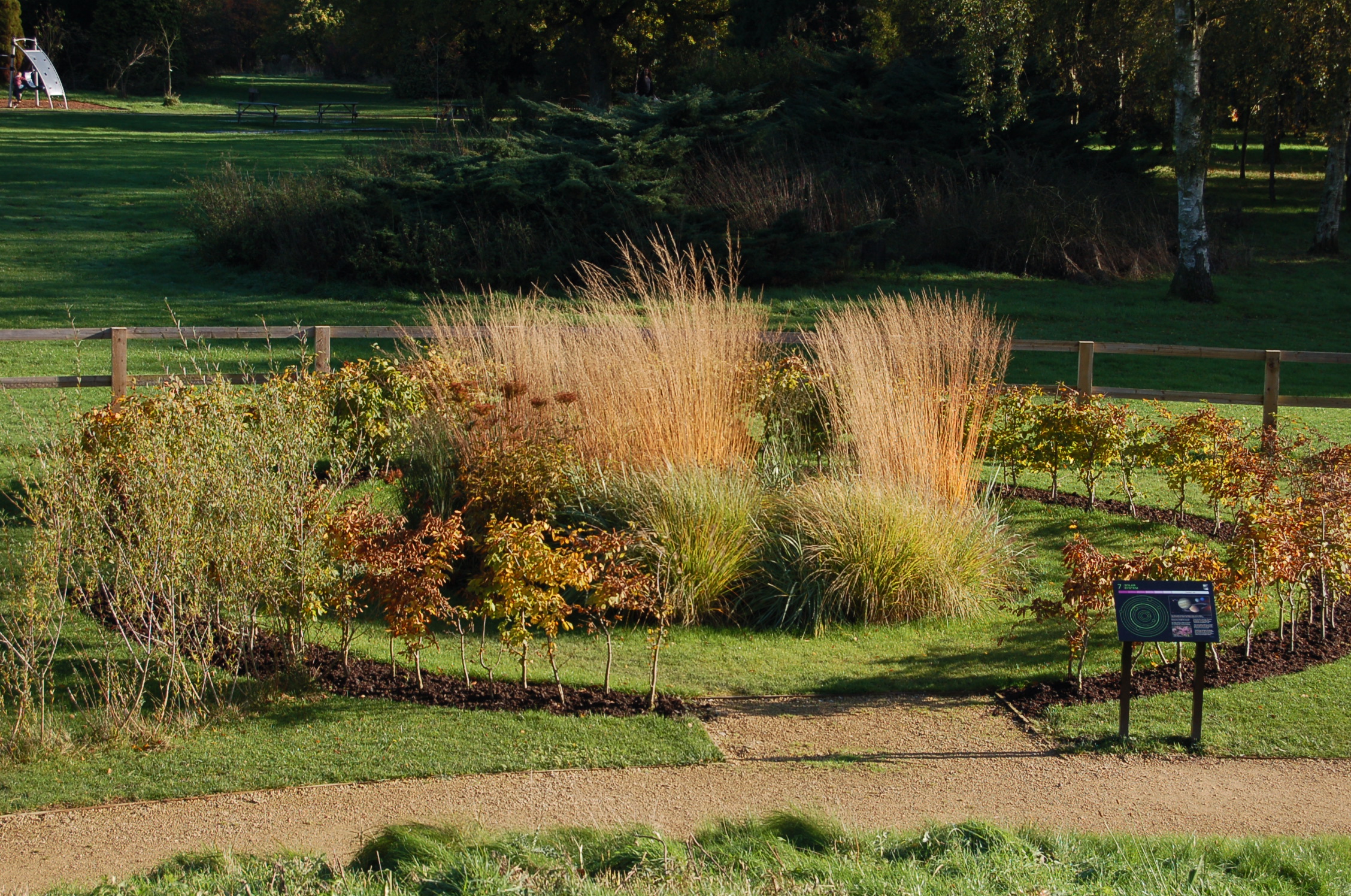
Chris Beardshaw’s garden was designed to reflect the creation of space itself and was a strong design based on spirals and circles with a gentle mound at the centre affording us the opportunity of appreciating these shapes from above. The main planting was willows, grasses and perennials.

2013 11 04_4887 2013 11 04_4888 2013 11 04_4889 2013 11 04_4890 2013 11 04_4891 2013 11 04_4892 2013 11 04_4893 2013 11 04_4894 2013 11 04_4895 2013 11 04_4896

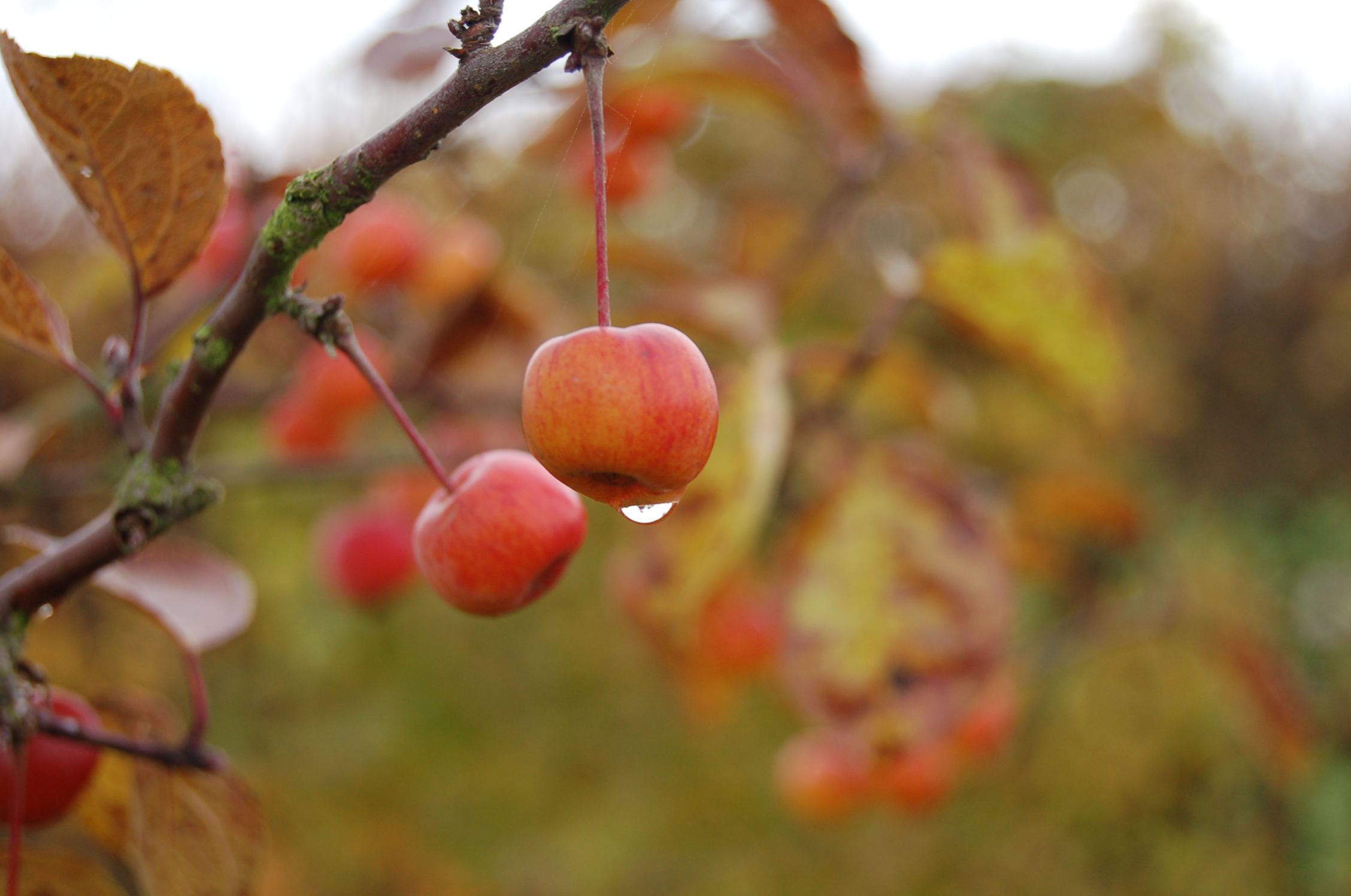
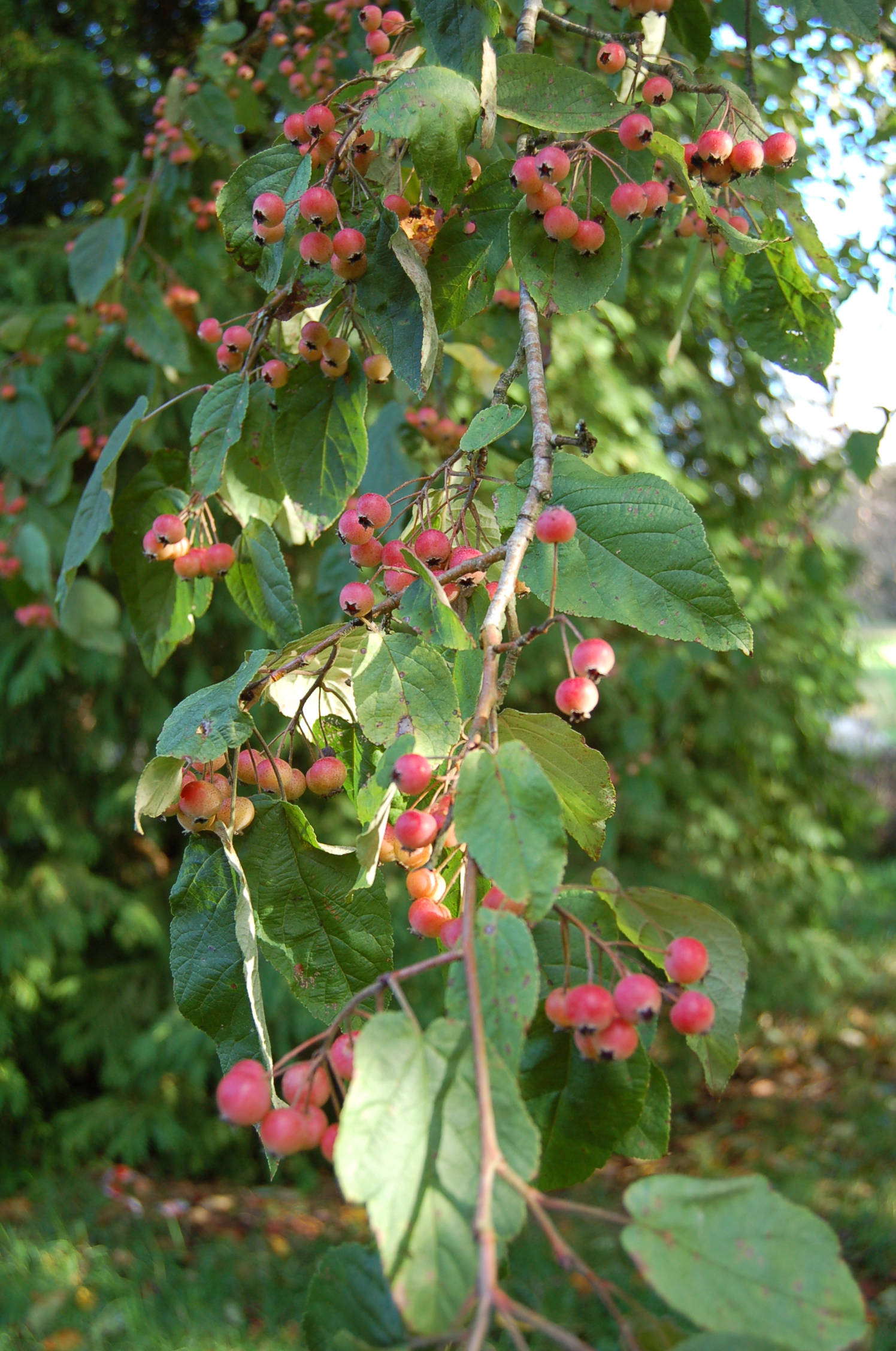
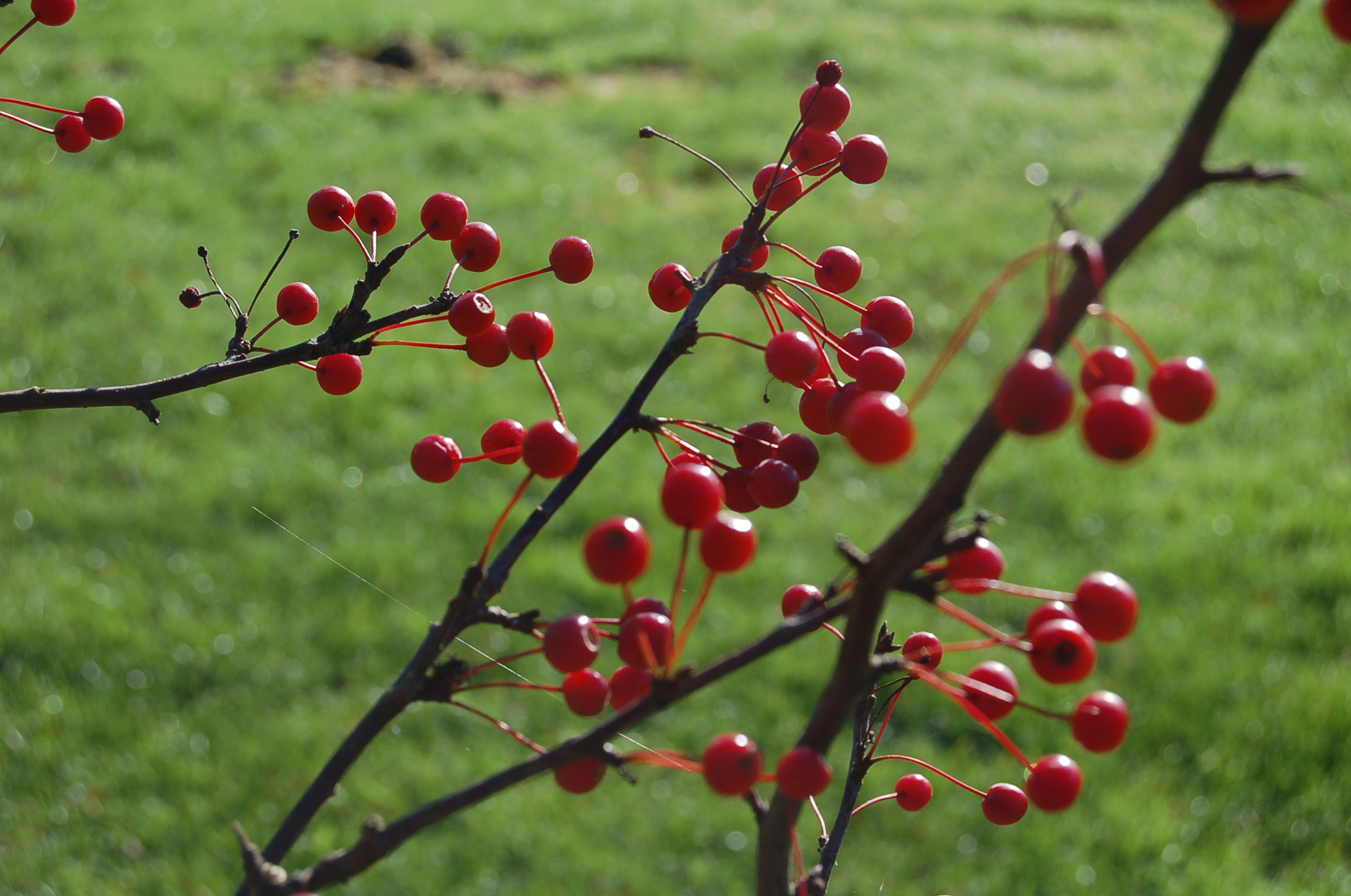
Soon after a circular walk around this garden of circles and spirals we discovered the first of the Crab Apples and they were laden with fruit, their miniature apples in sizes varying from tiny beads up to golf ball size.

2013 11 04_4897 2013 11 04_4898

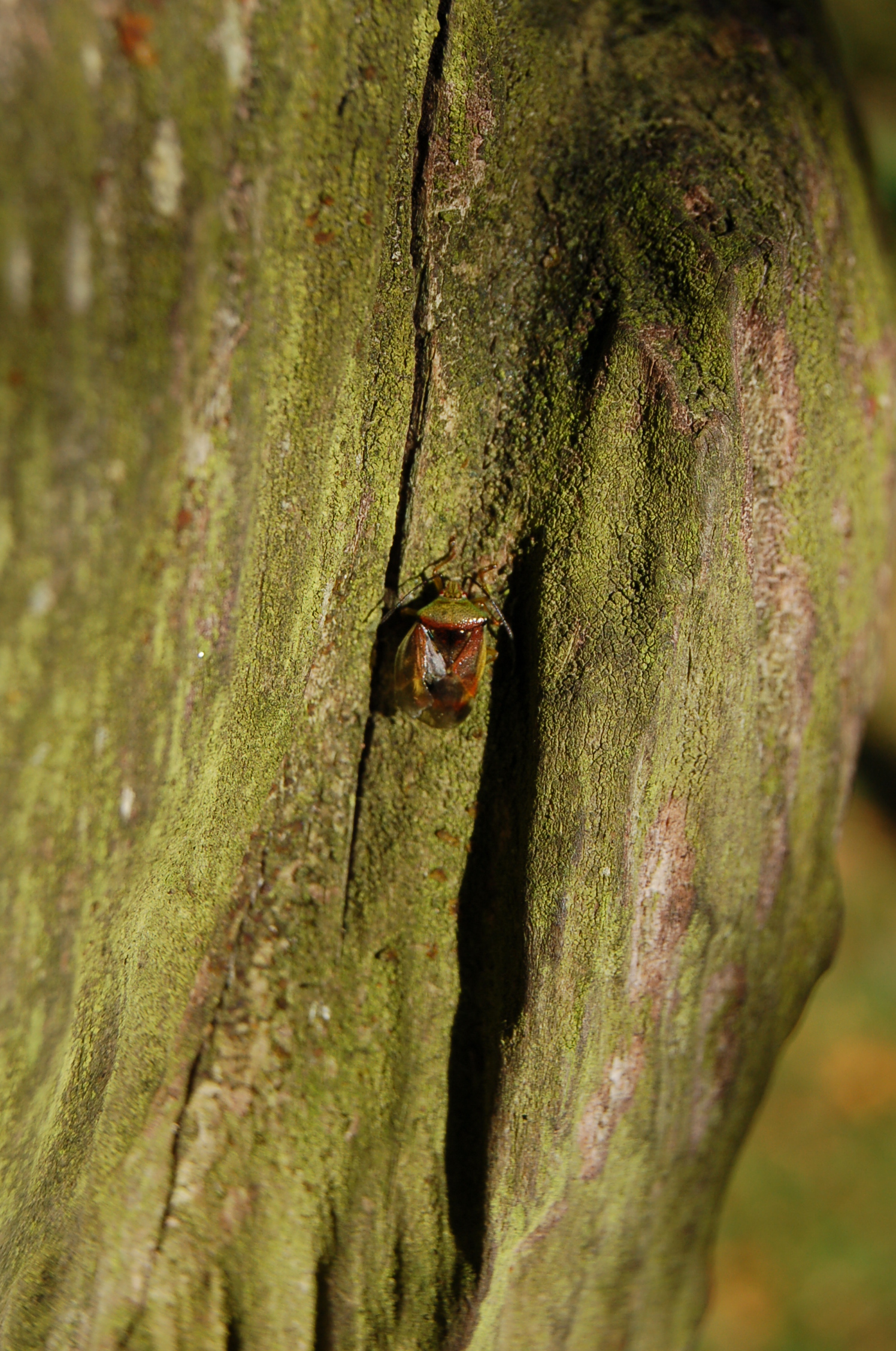
This golden fruited variety in the two photos below are “Comtesse de Paris” and the red fruited variety below them with fruit reminiscent of the haws of our native Hawthorn is “Mary Petter”. Close by the stump of a felled old tree had been carved into a proud looking eagle. Upon the eagle we spotted a ladybird sunning itself perhaps finding extra warmth on the wood of the stump. Better camouflaged was the Shield Bug we found just inches away.

2013 11 04_4899 2013 11 04_4900

2013 11 04_4904 2013 11 04_4905

2013 11 04_4902 2013 11 04_4903

Malus “Indian Summer” was one of the newly planted specimens probably a cultivar newly developed although some of the old original crab trees were now being replaced as they died off.

2013 11 04_4908 2013 11 04_4910

But there was much more to this part of the arboretum than the wonderful crab apples, and we discovered interesting trees at every turn in the path and around every clearing, birches, walnuts, whitebeam and maples. In this area of the garden migrant thrushes were busy feeding up after their long journeys. All these crab apples, sorbus and other fruiting trees and nut bearing trees provide a wonderfully rich restaurant for them.

2013 11 04_4911 2013 11 04_4912 2013 11 04_4913 2013 11 04_4914 2013 11 04_4915 2013 11 04_4916 2013 11 04_4917  2013 11 04_4921 2013 11 04_4922 2013 11 04_4923 2013 11 04_4924

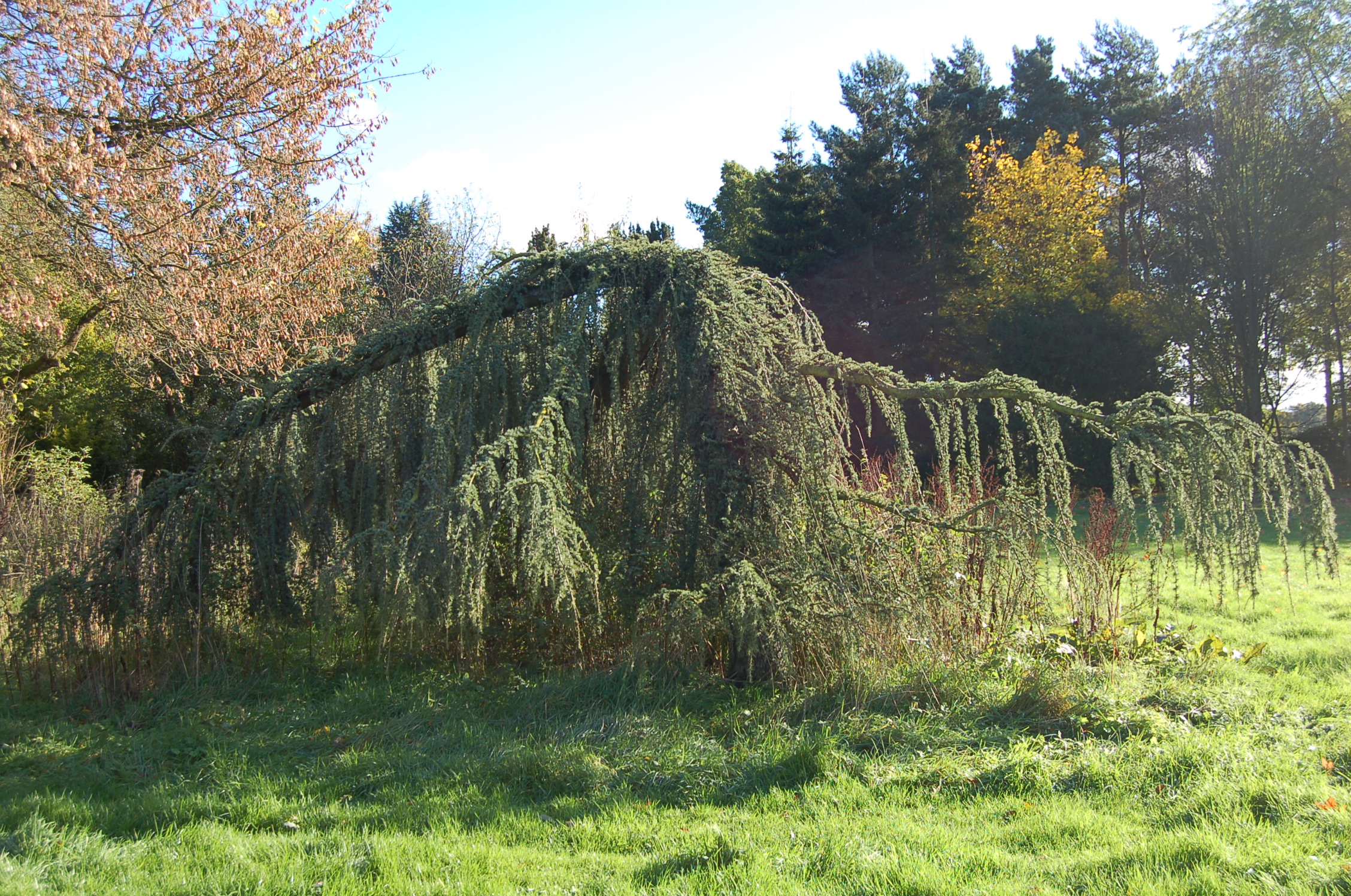
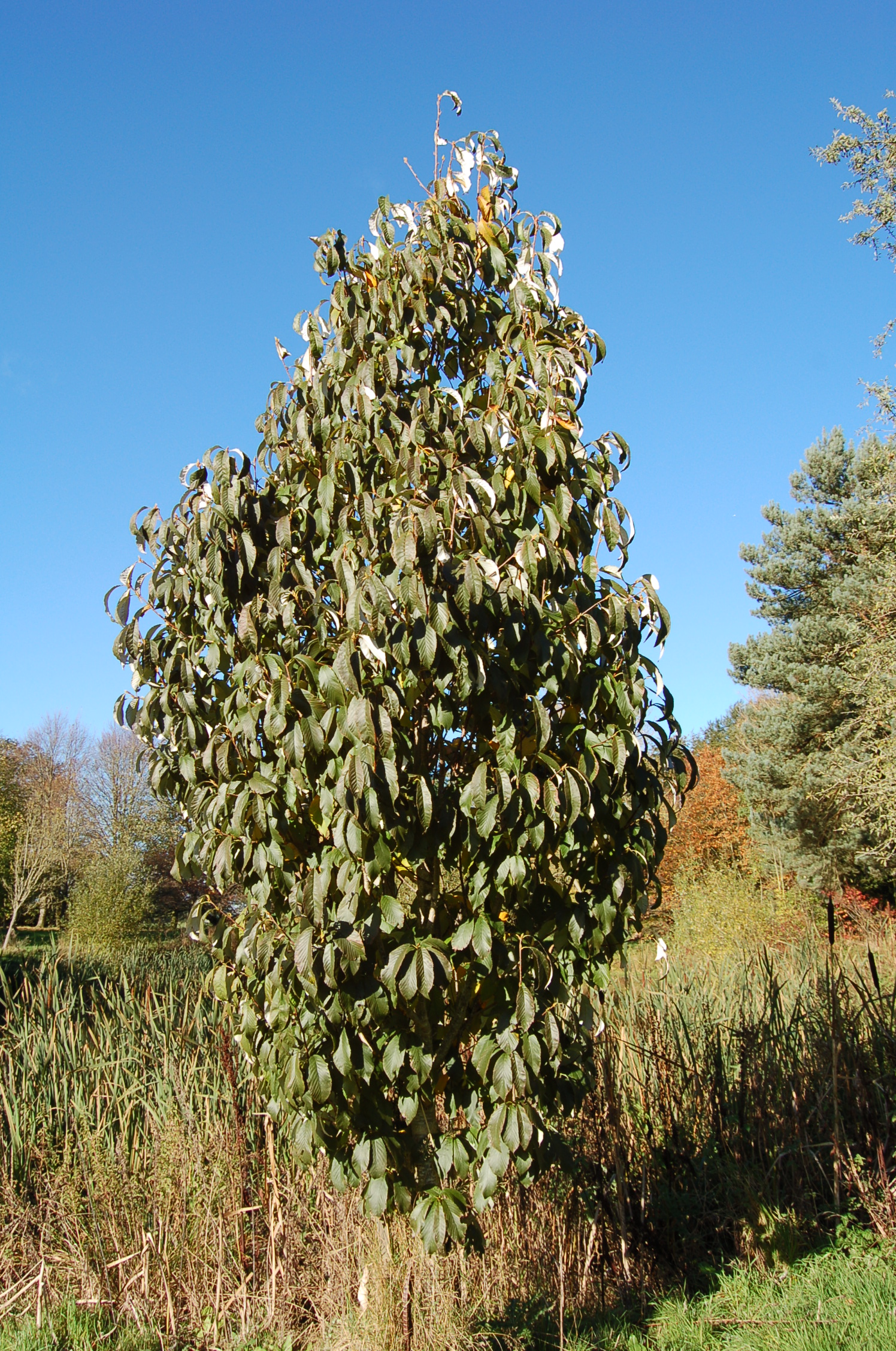
Two trees caught our attention but we didn’t particularly like either of them and they both seemed so out of place in this natural feeling woodland. They were more “novelty features” than attractive trees. First photo is of a strange weeping conifer and the second a columnar Whitebeam.

2013 11 04_4920 2013 11 04_4918

I shall finish part one of our visit to Jodrell Bank Arboretum with a photo of a lovely golden crab apple with blushed cheeks. My next post will be part two when we shall be on the look out for the second featured group of trees, the Rowans or Sorbus.

2013 11 04_4907

Categories
autumn autumn colours garden design garden photography gardening gardens gardens open to the public grasses hardy perennials nurseries ornamental grasses ornamental trees and shrubs trees

Pride of Picton – Michaelmas Daisies

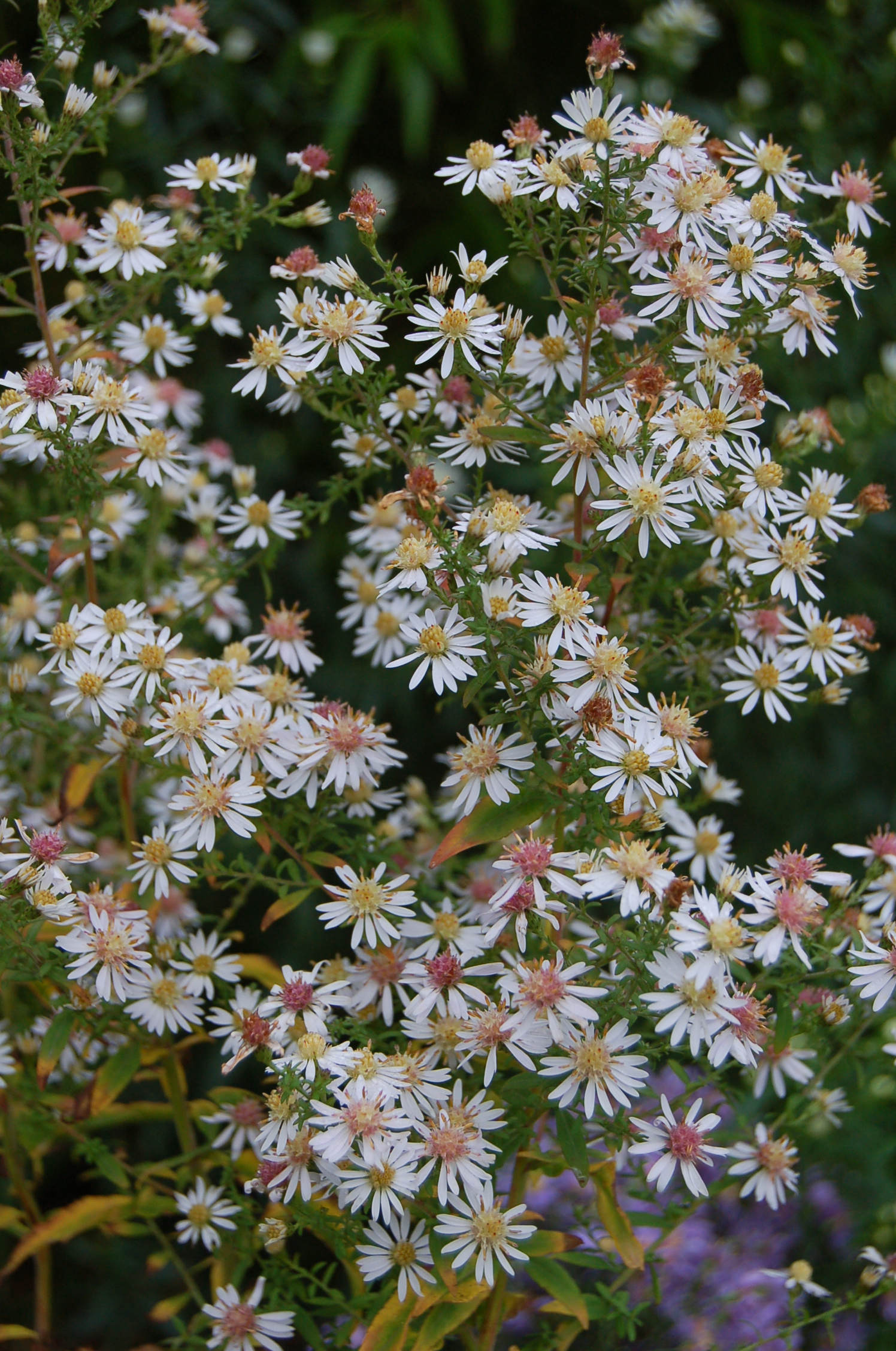
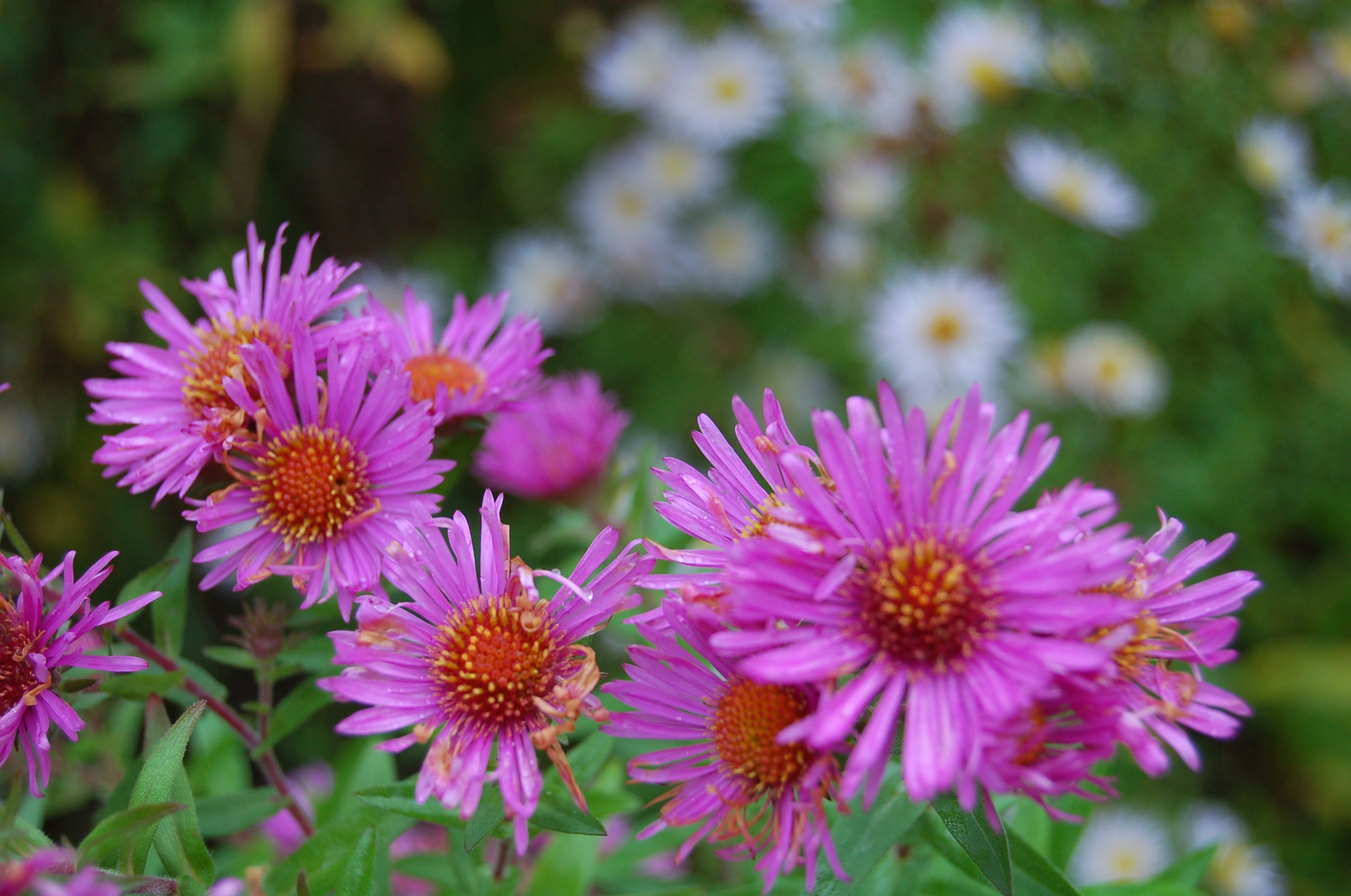
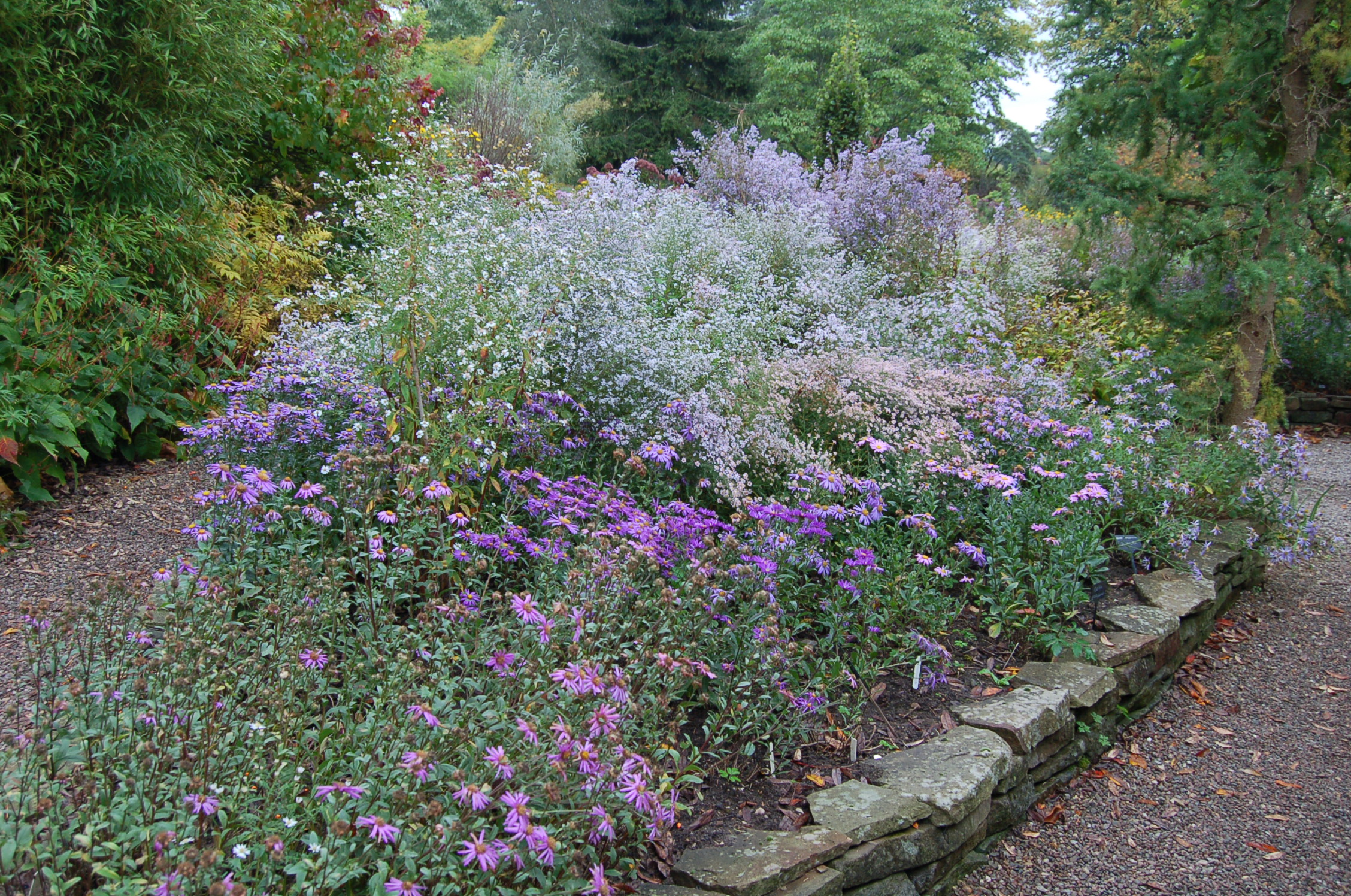
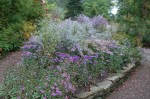
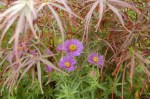
Near one of England’s most beautiful landscapes, the Malvern Hills is the village of Colwall, where we found the National Collection of Asters. The Picton Gardens and nursery which snuggle in beneath the hills is the place to go if you like Michaelmas Daisies. If you are already a fan you will become a bigger fan when you realise the vast range of flower colours, and how many different sized and shaped plants there are. If you were not a fan and went there you would come out a lifetime fan!

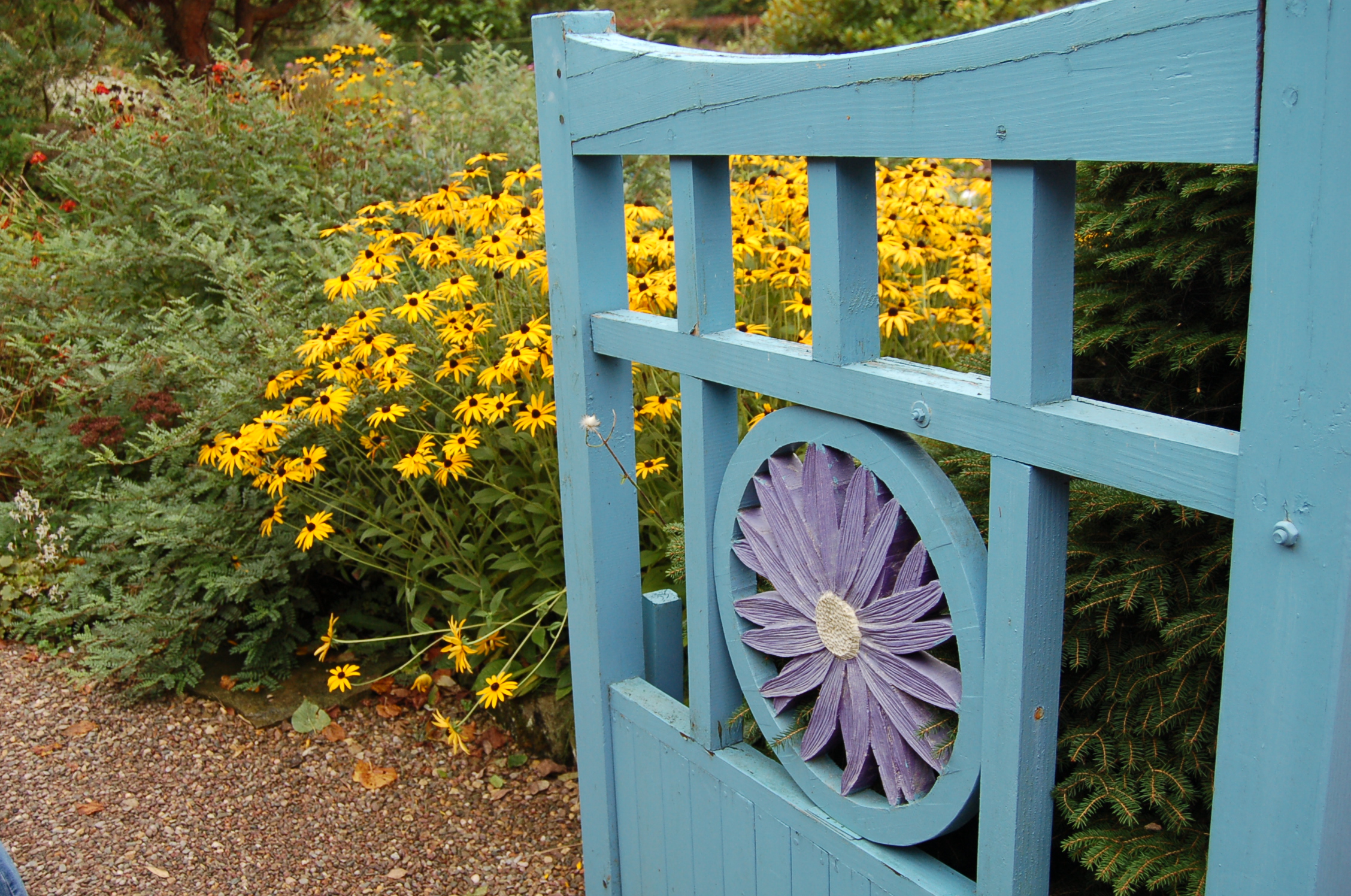
Even the gate welcomes you with a daisy!

2013 10 18_4255

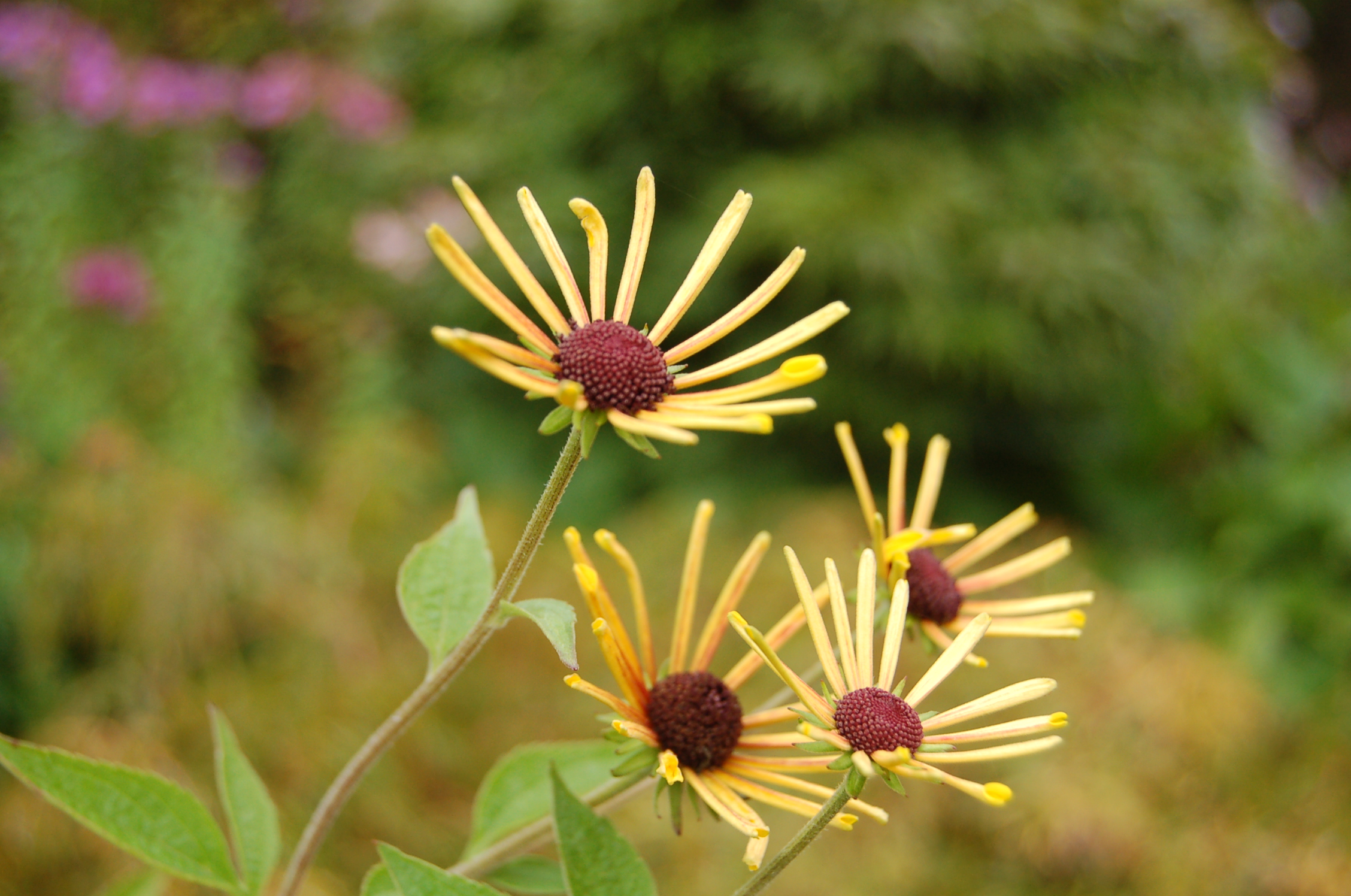
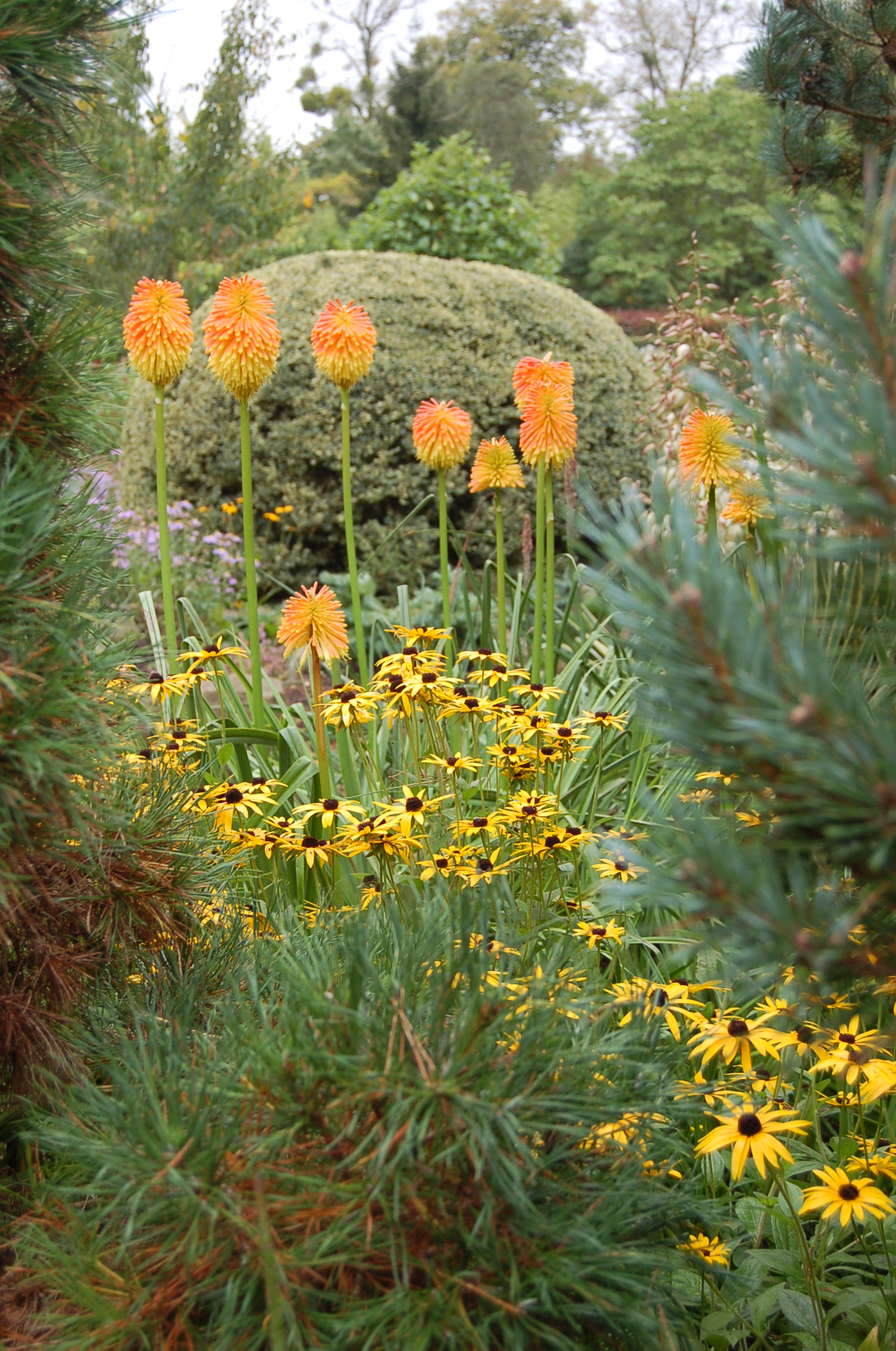
Now follow us around as we explore this 2 acre autumn garden. The first set of photos were taken within ten minutes of starting out and already we had discovered the huge range of colours asters are painted in. But this garden is not just a collection of Michaelmas Daisies but a beautifully designed illustration of how good a garden can look in October. The yellows of Helianthum, Kniphofia and Rudbeckia all contrast with the pinks and purples of the Asters and grasses such as Miscanthus provide a perfect foil.

2013 10 18_4256 2013 10 18_4257 2013 10 18_4258 2013 10 18_4259 2013 10 18_4260 2013 10 18_4261 2013 10 18_4262 2013 10 18_4264 2013 10 18_4265 2013 10 18_4266 2013 10 18_4267 2013 10 18_4268

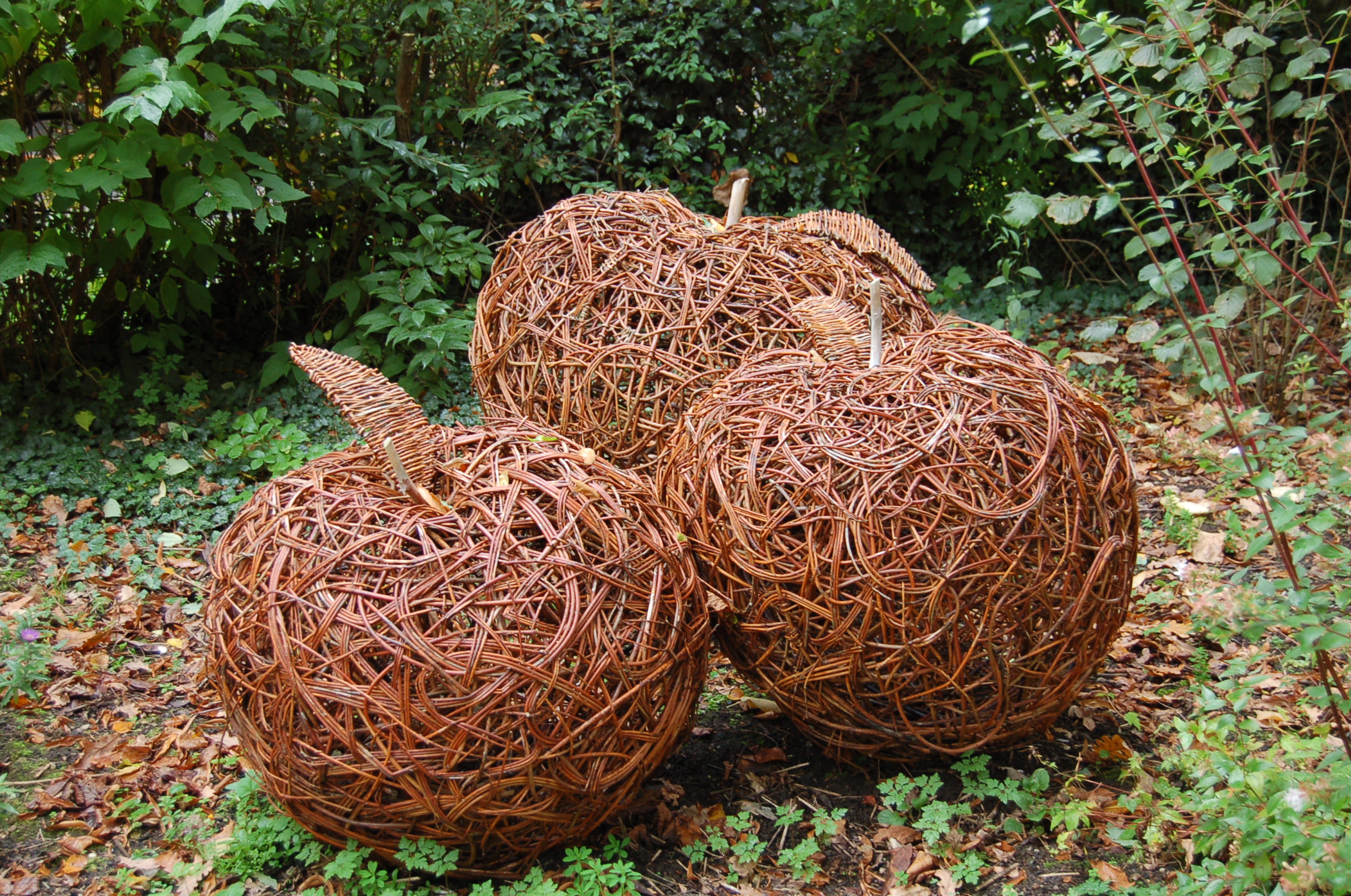
We had already come across Cotinus and Rhus which gave rich jewels of deep coloured foliage adding structure to the borders. Shrubs and trees featured more as we moved on, enticed by this gently curving pathway. Acers, deciduous Euonymus and Cornus fwere the stars here before the path led us out of the trees, with the woven apples sitting in the border, to the next section of the garden.

2013 10 18_4292

2013 10 18_4271 2013 10 18_4273 2013 10 18_4278 2013 10 18_4280 2013 10 18_4288 2013 10 18_4289 2013 10 18_4290 2013 10 18_4291

This area featured smaller shrubs punctuated by taller trees such as a rich gold and bronze Sorbus amid areas of perennials, a large percentage of which were of course Asters.

2013 10 18_4304 2013 10 18_4302 2013 10 18_4303 2013 10 18_4301 2013 10 18_4300 2013 10 18_4299 2013 10 18_4298

Beneath the peeling trunk of an Acer griseum these two woven youngsters were enjoying leisure time in the garden, the young girl quietly absorbed while her brother concentrates on perfecting his hand stands.

2013 10 18_4297 2013 10 18_4296 2013 10 18_4295 2013 10 18_4294 2013 10 18_4293 2013 10 18_4305 2013 10 18_4308 2013 10 18_4313

Even though we were emerged in Asters we could not help but be impressed by the incredible variety of texture in the bark of the trees.

2013 10 18_4321 2013 10 18_4319 2013 10 18_4300

2013 10 18_4320 2013 10 18_4322 2013 10 18_4306_edited-1 2013 10 18_4318 2013 10 18_4317 2013 10 18_4316 2013 10 18_4314 2013 10 18_4313 2013 10 18_4308 2013 10 18_4304 2013 10 18_4303 2013 10 18_4302 2013 10 18_4298 2013 10 18_4287 2013 10 18_4286 2013 10 18_4285 2013 10 18_4284 2013 10 18_4281 2013 10 18_4283 2013 10 18_4280 2013 10 18_4279

The only way to finish this post is to indulge in a rich mix of Asters.

Categories
architecture buildings garden design garden photography gardening gardens open to the public National Trust The National Trust

Waddeston – not my style of garden but …….

We went to Waddeston by default! We were planning to visit another garden in Oxfordshire, but as we got close we decided to check the details of the garden, especially how to find it. The trouble was the garden details also showed that we were visiting on a day when it was closed. Oops!!

Plan B quick! Luckily we found another garden literally a mile from where we had parked up to get directions to our original destination. From the description in our book, the garden at Waddeston did not sound my style of gardening but the architecture of the house itself sounded interesting. So we decided to go and have a look.
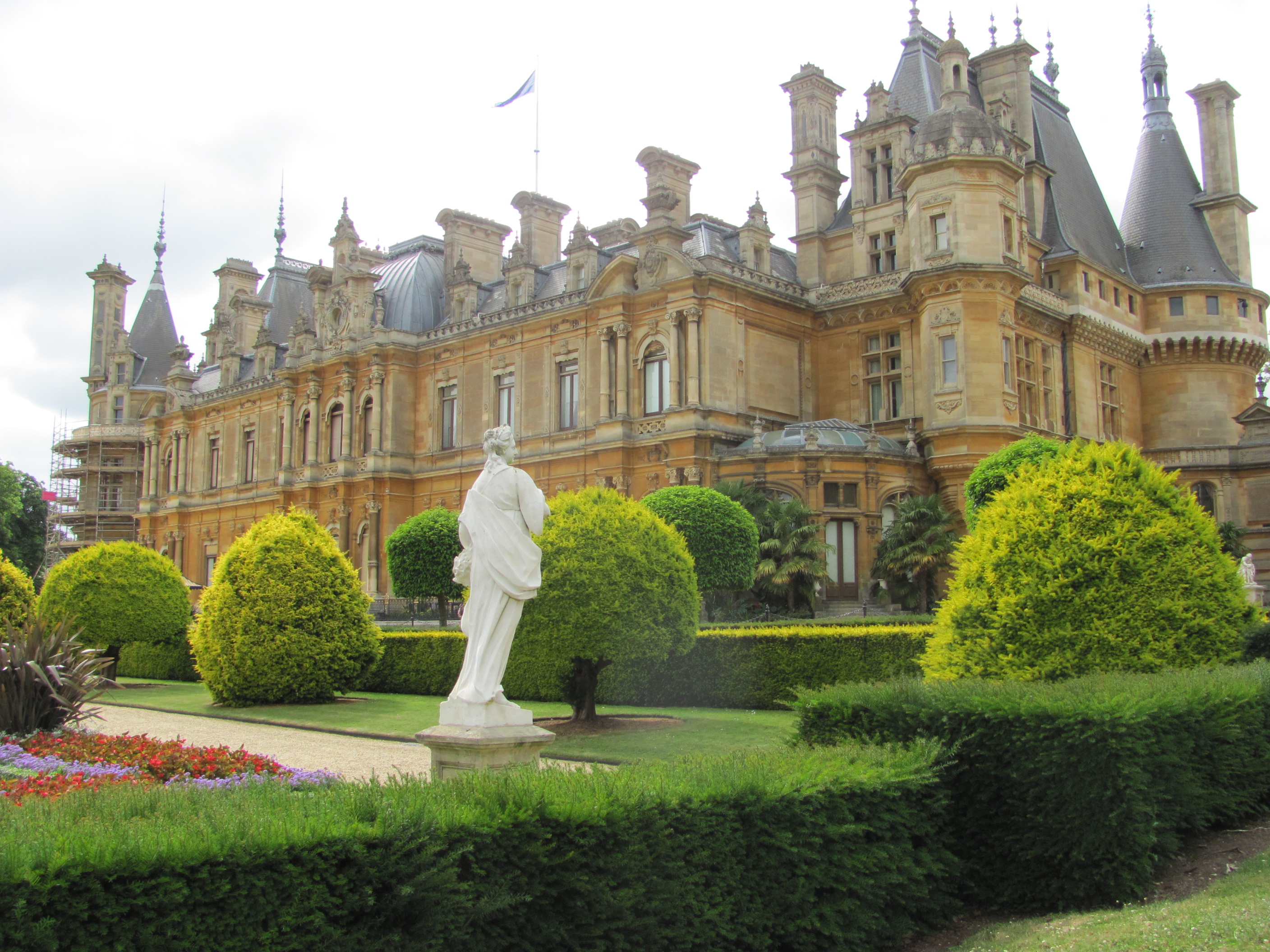
We arrived to discover Waddestonto be an architecturally fussy building in the style of a French chateau. I admired it but didn’t like it. Jude, the Undergardener liked it a lot.

2013 07 24_2046 2013 07 24_2047

2013 07 24_2058

There were lots of fussy little details in the building, such as this ornate gate post.

2013 07 24_2057

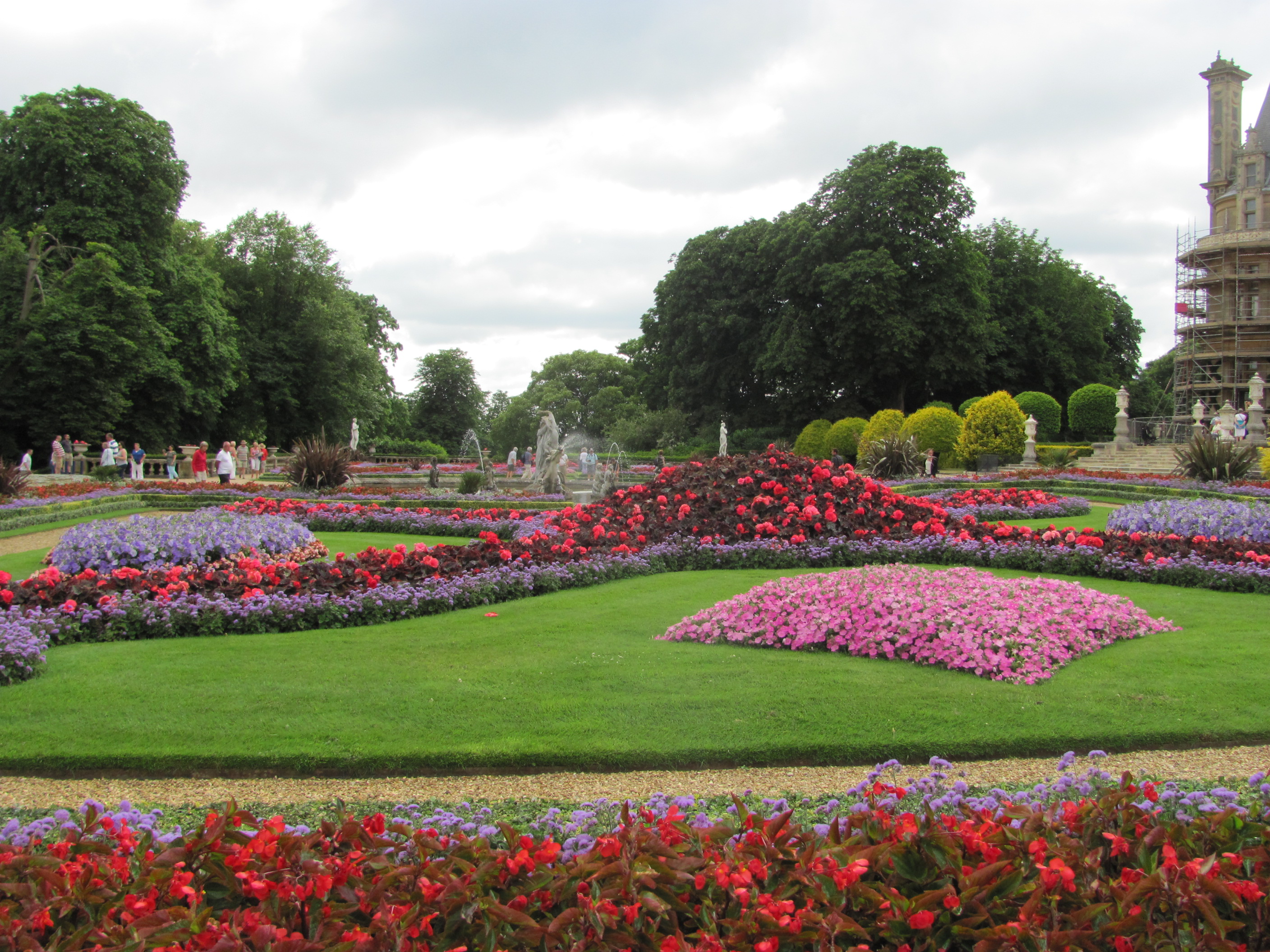
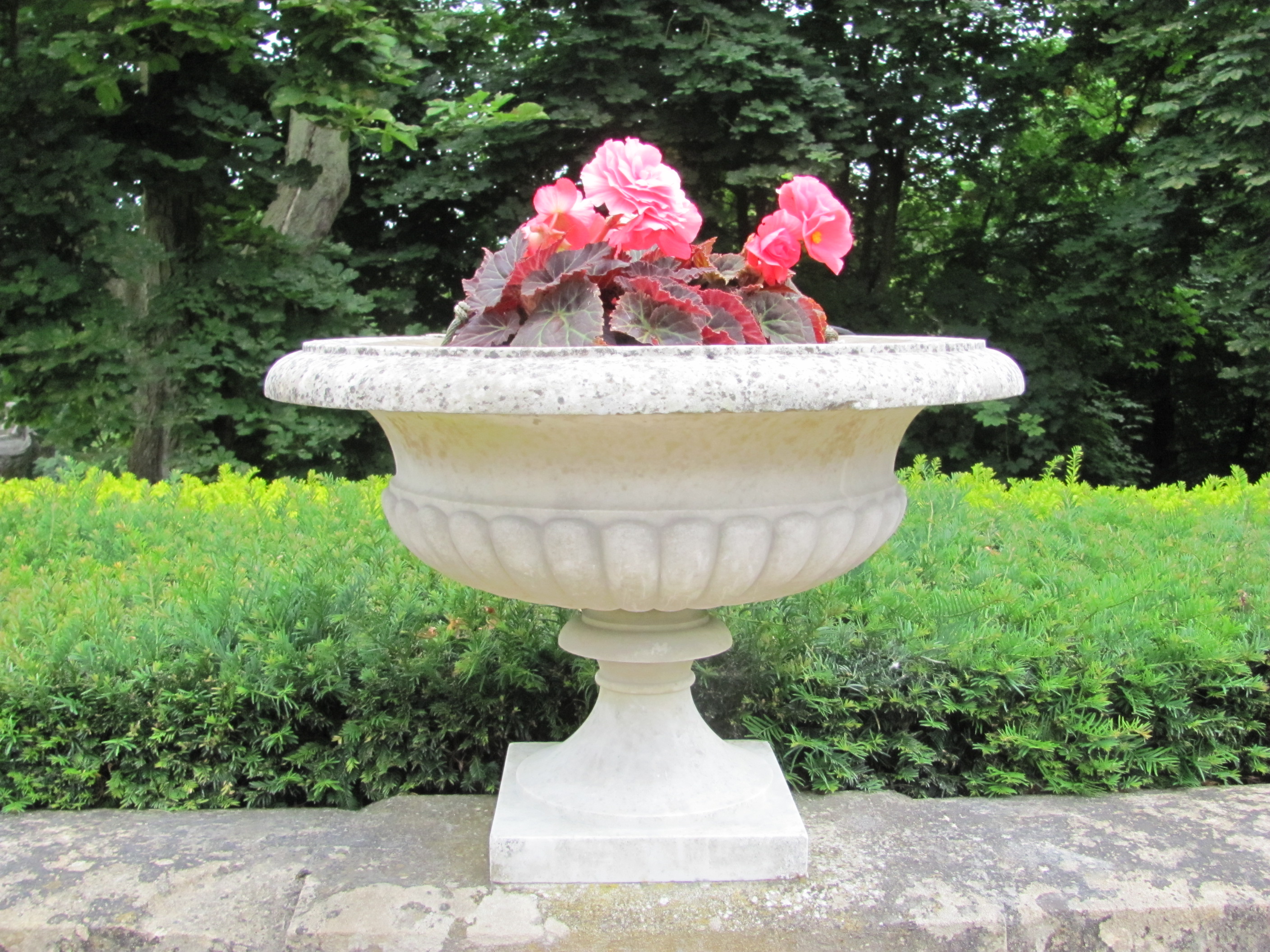
The gardens close to the house were very formal similar to the bedding schemes found in our town parks. Too bright and again too fussy for my liking.

2013 07 24_2051 2013 07 24_2052 2013 07 24_2053 2013 07 24_2056 2013 07 24_2055

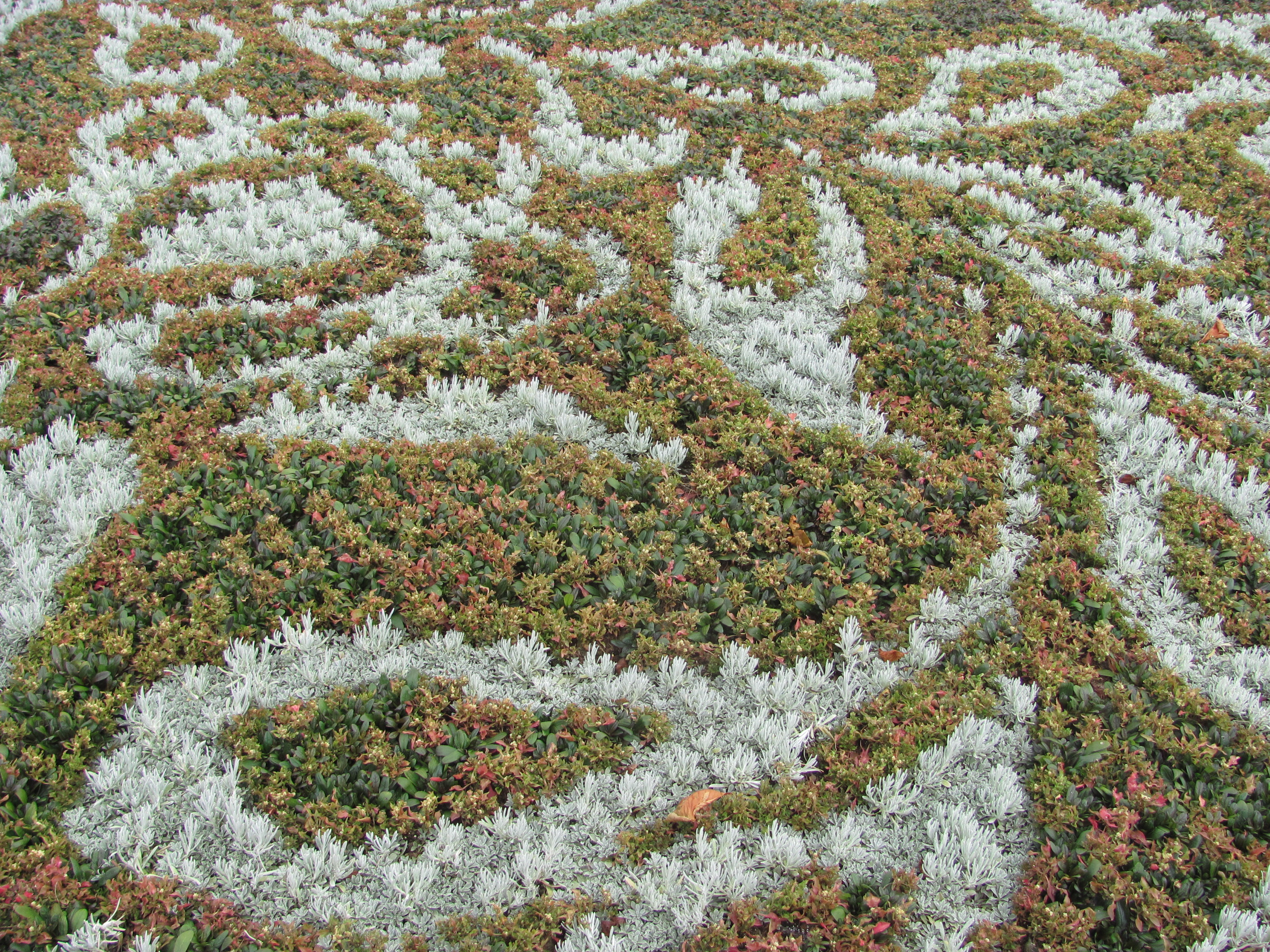
But this one bed was interesting as the colours were far more subtle. It turned out that this border was based on ancient lace work from the house.

2013 07 24_2054

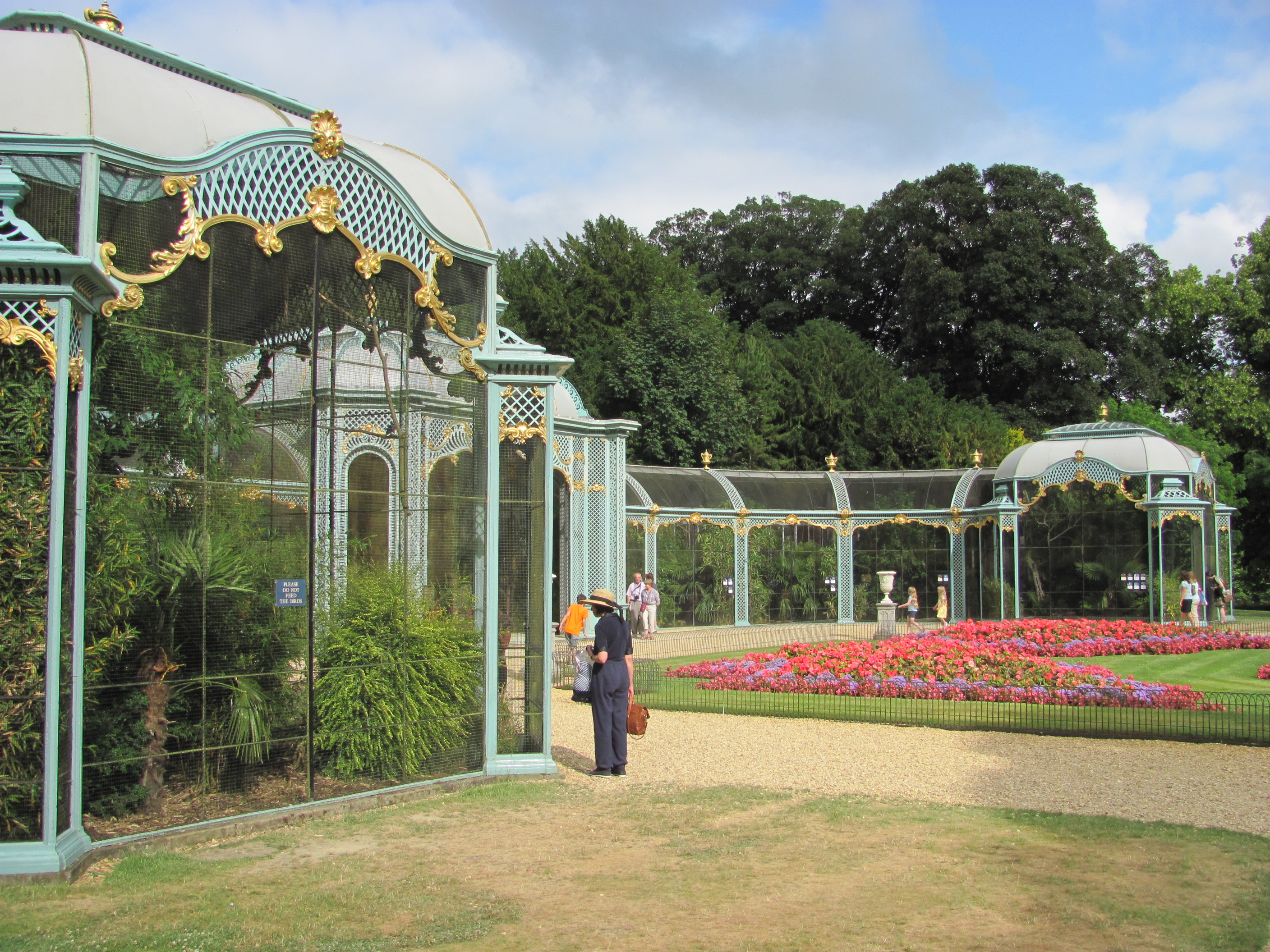
Walking a few minutes from the house into the more informal areas of the garden we came across a real surprise, a very ornate terrace of aviaries housing rare birds. These birds were being bred with the intention of building up species numbers and reintroducing them back into their natural habitats.

2013 07 24_2061 2013 07 24_2062

Further from the house away from the formal gardens there were small cameos which interested me more.

2013 07 24_2065 2013 07 24_2064 2013 07 24_2063 2013 07 24_2060  2013 07 24_2067 2013 07 24_2066

So, although I was unsure when we arrived at Waddeston, I will now admit that I did enjoy the visit. Even though I found the rigidity of the formal bedding schemes with their gaudy colours unpleasant, I can see that they were well executed here.

This Veggie Life

A Vegetarian | Nature Lifestyle Blog

Rambling in the Garden

.....and nurturing my soul

The Arch City Gardener

Journeys In St. Louis Gardening and Beyond

Garden Dreaming at Châtillon

Consult the genius of the place

Storyshucker

A blog full of humorous and poignant observations.

gardeninacity

Notes from a wildlife-friendly cottage garden

PlayGroundology

...an emerging social science

The Official Blog of British Wildlife

'The most important and informative publication on wildlife of our times' - The Independent. This blog is a member of The UK & Ireland Natural History Bloggers group: www.uknhb.blogspot.com

iGrowHort

Inspire - Cultivate - Grow Native Plants - Restore Landscapes

Bishops Meadow Trust

To create and protect a semi-natural wild space for the people of Farnham to enjoy and experience an array of British wildlife in our town

Gardening with Children

The www.gardeningwithchildren.co.uk Blog

UKbirdingtimeline

birding through the seasons, why birds matter and how to conserve them

NATURE WALKER

with a camera in hand

Jardin

Transform your outdoor space

Eva's space

My allotment, cooking and other interests

Old School Garden

my gardening life through the year

LEANNE COLE

Trying to live a creative life

fromacountrycottage

trying to live as lightly as possible on our beautiful planet

Good Life Gardening

Nature lovers from Leicester living the good life.

mybeautfulthings

Finding the beautiful in the everyday

mawsonmichelle

Michelle's Allotment

In and Out of My Garden

thoughts from and about my garden

Greenhousing

Big plans for a small garden

The Scottish Country Garden

A Walled Country Garden in South East Scotland

The Fruity Chicken

Life at the fruity chicken

willowarchway

Off grid living. Self sufficient. "PERMAGANICS RULE".

St Anns Allotments

Nottingham's Grade 2* Listed Allotments and Community Orchard

Manifest Joy Harvests

a journey in suburban vegetable gardening

Allotmental

The madness of growing your own

Penny's Garden: a harvest beyond my front door

A novel approach to vegetable gardening

arignagardener

Sustainable living in the Irish countryside.

NewEnglandGardenAndThread

Master Gardener, amateur photographer, quilter, NH native, and sometimes SC snowbird

dianajhale

Recent work and work in progress and anything else that interests me

planthoarder

a chaotic cottage gardener

Lens and Pens by Sally

a weekly blog that creates a personal philosophy through photographs and words

Dewdrops and Sunshine

Stories from a sassy and classy Southern farmbelle.

The Pyjama Gardener

Simple Organic Gardening & Seasonal Living

gettin' fresh!

turning dirt into dinner

JOY...

today the world is created anew

Garden Birds

Notes from a Devon garden

ShootAbout

Life Through The Lens

Adapting Pixels

A photography blog showcasing the best photography pictures and videos on the internet

Wildlifegardening's Blog

Just another WordPress.com site

naturestimeline

personal observations from the natural world as the search continues for a new approach to conservation.

LATEBLOOMERBUDS

The Wonders of Life through my Eyes, my Heart, my Soul