Categories
birds climbing plants colours flowering bulbs garden design garden photography garden wildlife gardening half-hardy perennials hardy perennials irises ornamental trees and shrubs roses Shrewsbury Shropshire shrubs

My Garden Journal 2017 – May

So as spring moves towards its end and we look forward to summertime, it is time to look at my Garden Journal 2017 entries for May.

I began by writing, “May is the month when Spring turns to Summer and Roses are the stars of many gardens. Irises shine out alongside them and many early hardy perennials join in.”

“Rosa rugosa – deliciously scented purple rose flowers throughout the summer, followed by large, glossy, red hips.


“Bearded iris.”


“This is the month when all our patient hardening off of non-hardy “delicates” pays off and we can return them to the garden where they add another dimension.

Hayworthia cymbiformis with its rosettes of boat-shaped succulent translucent leaves, hails from South Africa.”

I did a watercolour and fibre-tip pen picture of this unusual little succulent, which proved quite a challenge.


Turning over to look at the next double page spread we see a sea of pinks and purples. I share our Cercis siliquastrum with you and some more May specials, all decked out in pinks.

“Plant of the month for the month of May is a small, flowering tree, Cercis siliquastrum , a favourite.” Our Cercis is also called the Judas Tree and the Mediterranean cercis.


I continued to look at May special plants, more pink ones!

“More May time specials – those little flowers so worthy of us seeking them out. Take a walk around our patch and I will look down to see what is looking special. Sugar pinks……..Shocking pinks….. Lipstick pinks…..”


Turn over once again and we see that the pages consider the very special little plants, the Dodecatheons, with Euphorbias alongside.

“Dodecatheon – secret gems of the shade garden – sit demurely in dappled shade. Their delicacy and the unique form of their flowers ask the gardener to stop, stoop and study them close up. They are members of the Primula family, the Primulaceae, but it is hard to spot any family features.

The flowers nod on slender stems rising from a basal clump of foliage. We grow the cerise D. cusickii and the white-flowered D. media White Shooting Star.

Close up we find yellow, brown and pink on the white flowers and yellow, orange, red and even blue on the pink flowers.

Dodecatheon are true shooting stars of any shaded border.”


On the page opposite I feature “Bracts at their brightest and best” and go on to look at Euphorbias, featuring photographs of a few of our many varieties. “Euphorbias burst into the brightest possible shades of yellow, orange and red in May. A good month to do so as the bracts catch the rain drops from the frequent showers and as the sun follows on the colours of these bracts brighten further. Here is a small selection of our many much-loved Euphorbias, and more will follow later in May.”

My journal entries for May continues with a look at our garden after a shower, “After the rain……. Plants buck up, birds sing louder and bees return to search for flowers to rob of pollen and nectar. Leaves catch the last rain drops to fall and store them for later. Droplets sit on veins and in leaf centres and act as lenses. Even the birdbaths are topped up!”


Water, water everywhere ……………..


Over another page and we look at some of our little garden friends and allies and next to that a painting challenge for me as I try to paint two very delicate heads of flowers.

“May is the month when our wildlife friends live and work alongside us everyday, beneath our feet in the soil, in the plants surrounding us and in the sky above. From first light, if not slightly before, birds begin their chorus growing to a crescendo as more and more join in. Blackbirds, robins and wrens are first to open their hearts to us with loud song and this trio are also the last to go quiet after the light dims. Owls keep calling throughout the dark hours.

Above our heads swallows, house martins and swifts chatter and squeal as they put on balletic flying demonstrations, catching high-flying insects as they do so. Under stones, inside shrubs  and in our greenhouse spiders seem so busy, constantly rushing around.”

“Beautiful flower heads, a painting challenge for May.”


My jottings for May next turned to flowering shrubs and roses.

“Roses and other flowering shrubs.”

A selection of our May-flowering roses …………………..


………… and flowering shrubs.


Back to Euphorbias as we turn the page over and I feature more of our collection of the unusual plants with bracts as bright as any flower.

“More crazy Euphorbias!  They have a futuristic look to them, each whorl of bracts like a spaceship.”

“So varied! So bright!”


“Despite their acidic colours, Euphorbias partner well with other plants.”


“We often partner one Euphorbia with another.”


So turning over the page we find the final page for May in my 2017 Garden Journal where I share some of our flowering climbers with you.

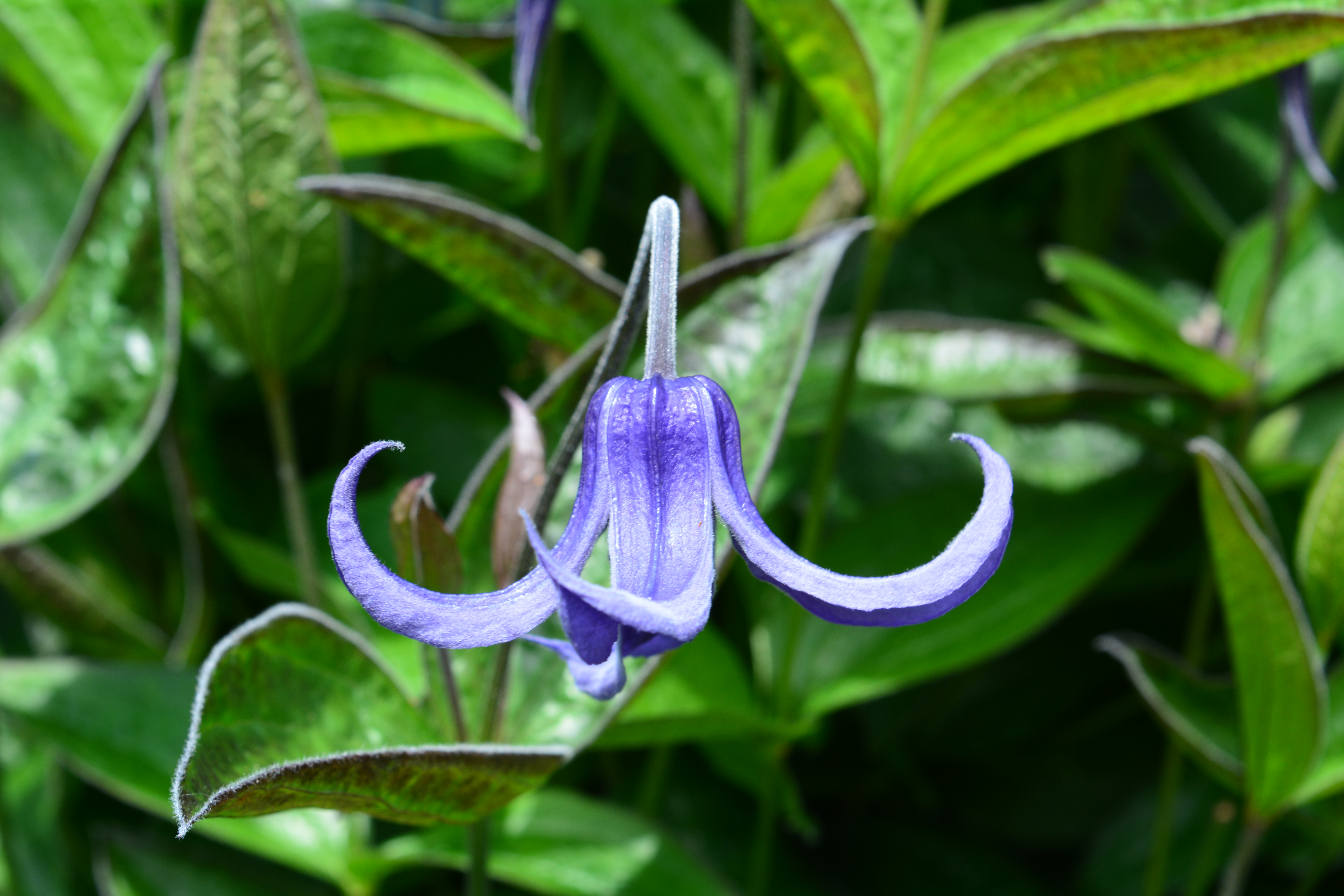
“Climbing plants begin to place splashes of colour high up in the trees and on obelisks at eye height, adding another dimension to the Avocet patch. Akebia, Clematis, Lonicera and Coronilla.”


So, the first book in my 2017 Garden Journal comes to an end as the month of May does also. My notes, photos and paintings for the month of June will start off the second 2017 book. See you then.
Categories
flowering bulbs fruit and veg garden buildings garden photography garden seating gardening gardens gardens open to the public half-hardy perennials hardy perennials Herefordshire kitchen gardens National Trust ornamental trees and shrubs spring bulbs spring gardening The National Trust trees walled gardens walled kitchen gardens woodland

The Weir – a riverside spring garden.

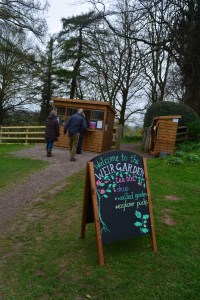
We took friends and fellow garden lovers, Pete and Sherlie, to visit a garden just a few miles south of Hereford which we have previously visited in spring, the time when it peaks. We knew our friends would love it too! It is a National Trust garden and is a long and narrow garden because of its riverside position.

As we got out of the car the spring bulbs greeted us and set the scene for the discoveries to come.


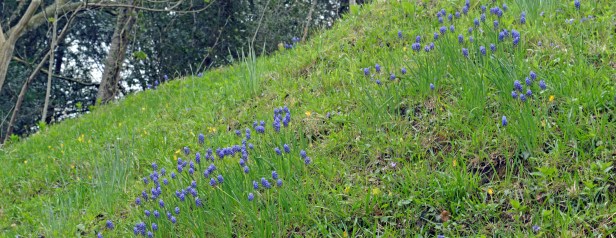
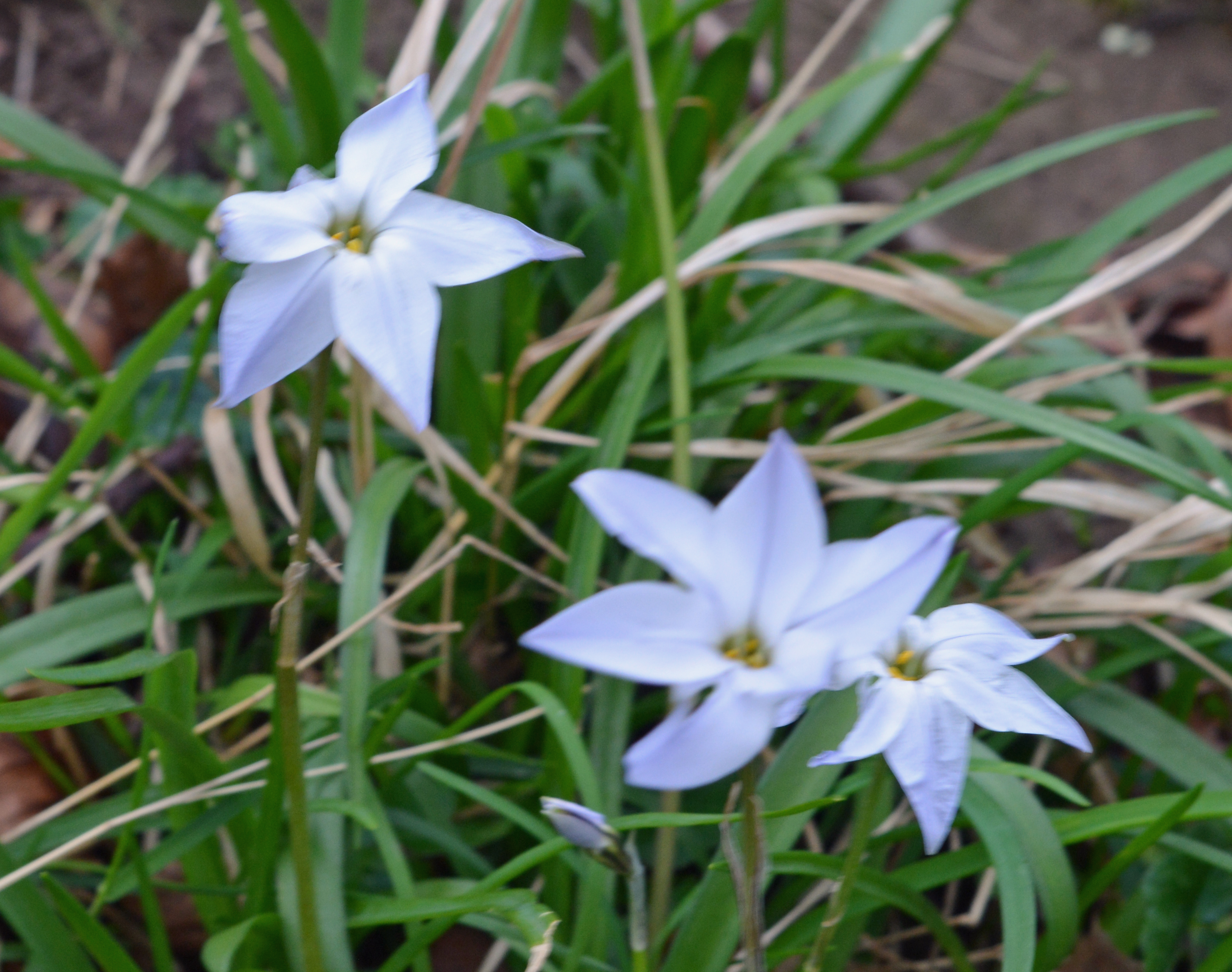
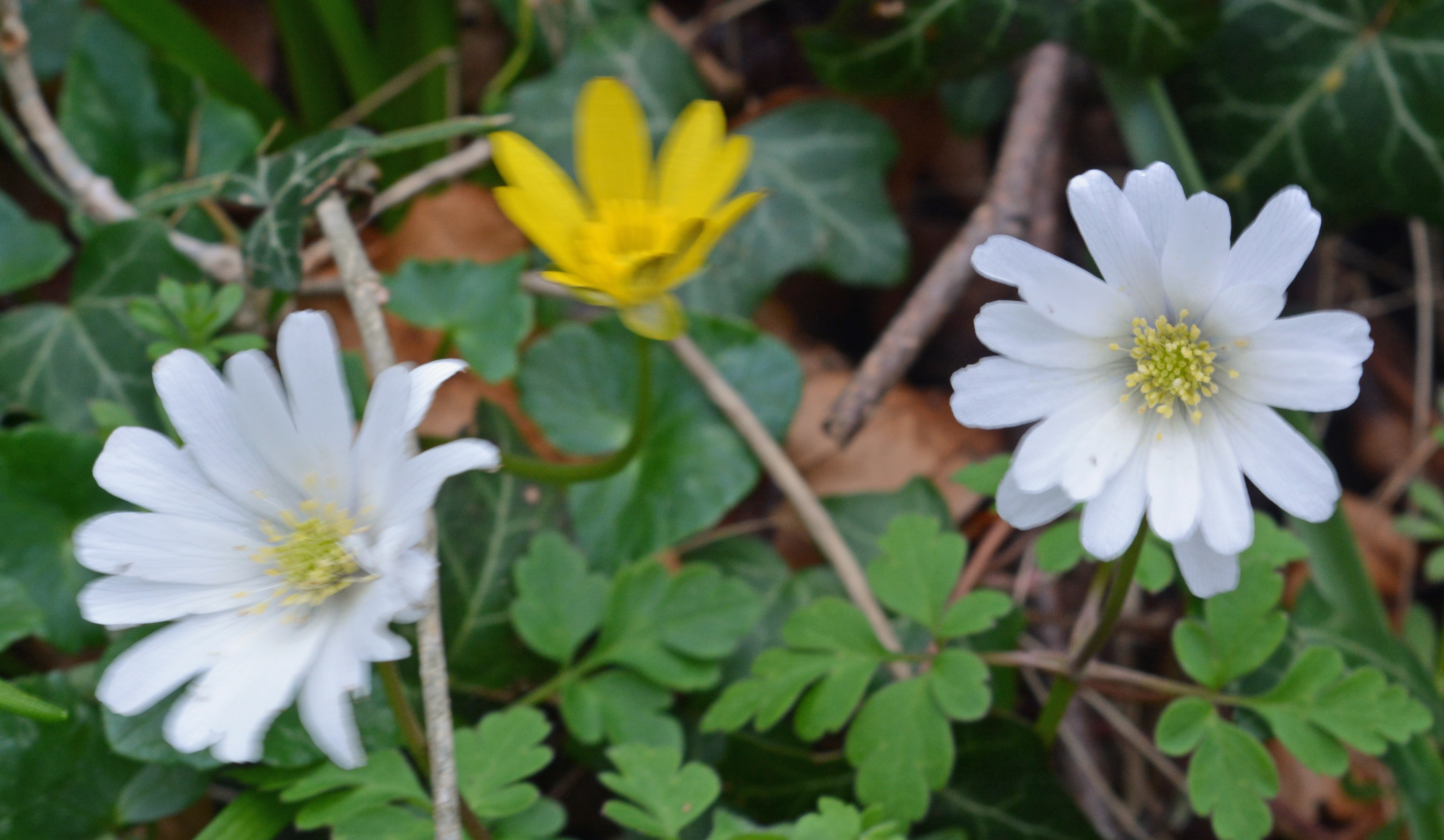
We followed a path half way up the valley side overlooking the river, and here early flowering bulbs covered the slopes.


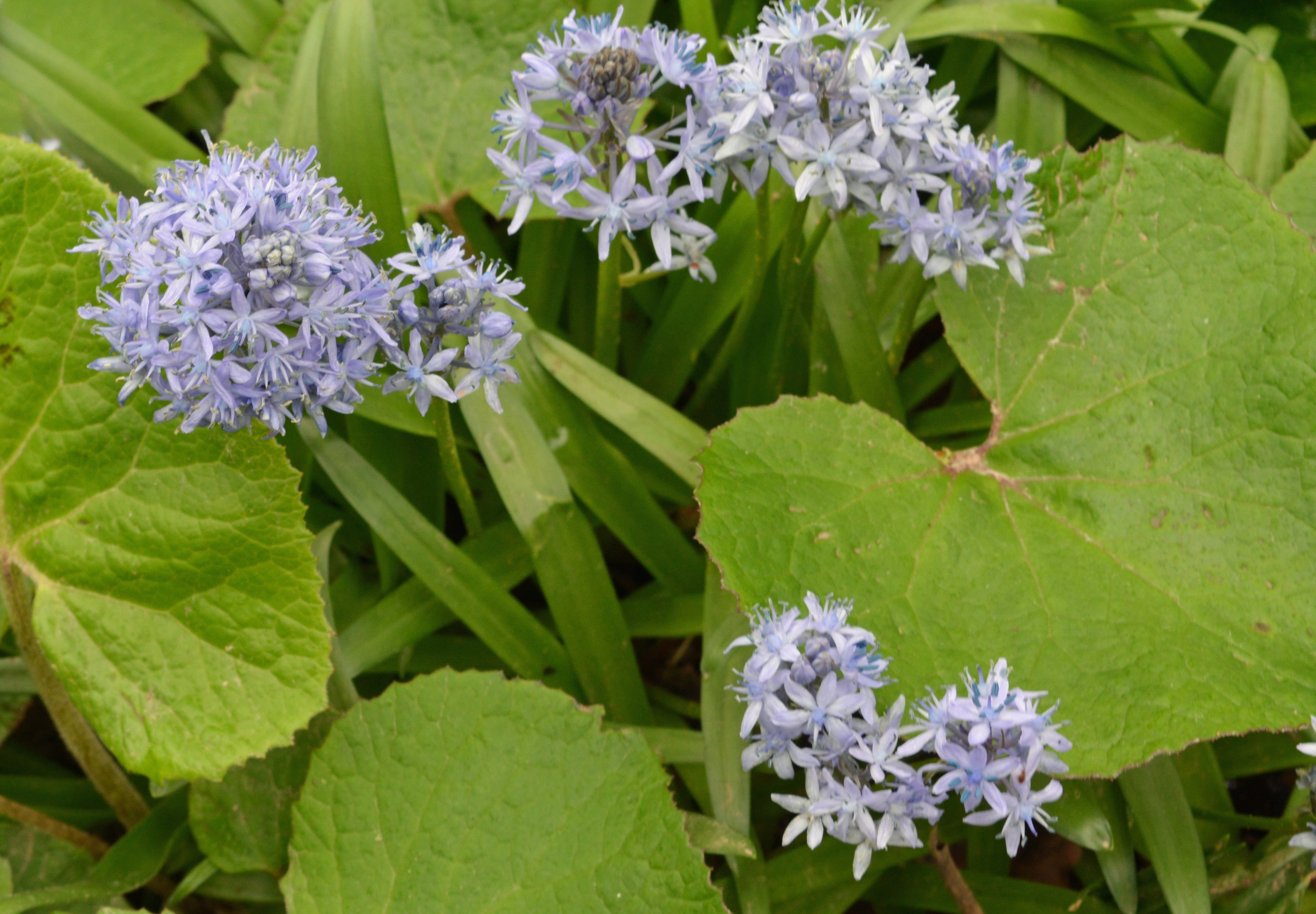
All visitors including us were amazed by the delicate pale blue flowers of Scilla italica.

A variety of trees and shrubs cast gentle shade over the valley side.


Please enjoy the rest of our wanderings along the pathways of this valleyside garden, by looking at my gallery. Just click on the first photo and navigate by using the arrows.


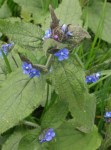
It is always a bonus when visiting a garden to find rare and unusual plants. Here at the Weir we enjoyed discovering  Lathraea squamaria, Tooth Wort, (photo on left), a parasite living on the roots of woody plants and spending most of its time underground and Trachystemon orientalis with the unusual common name “Abraham-Isaac-Jacob” (on the right)


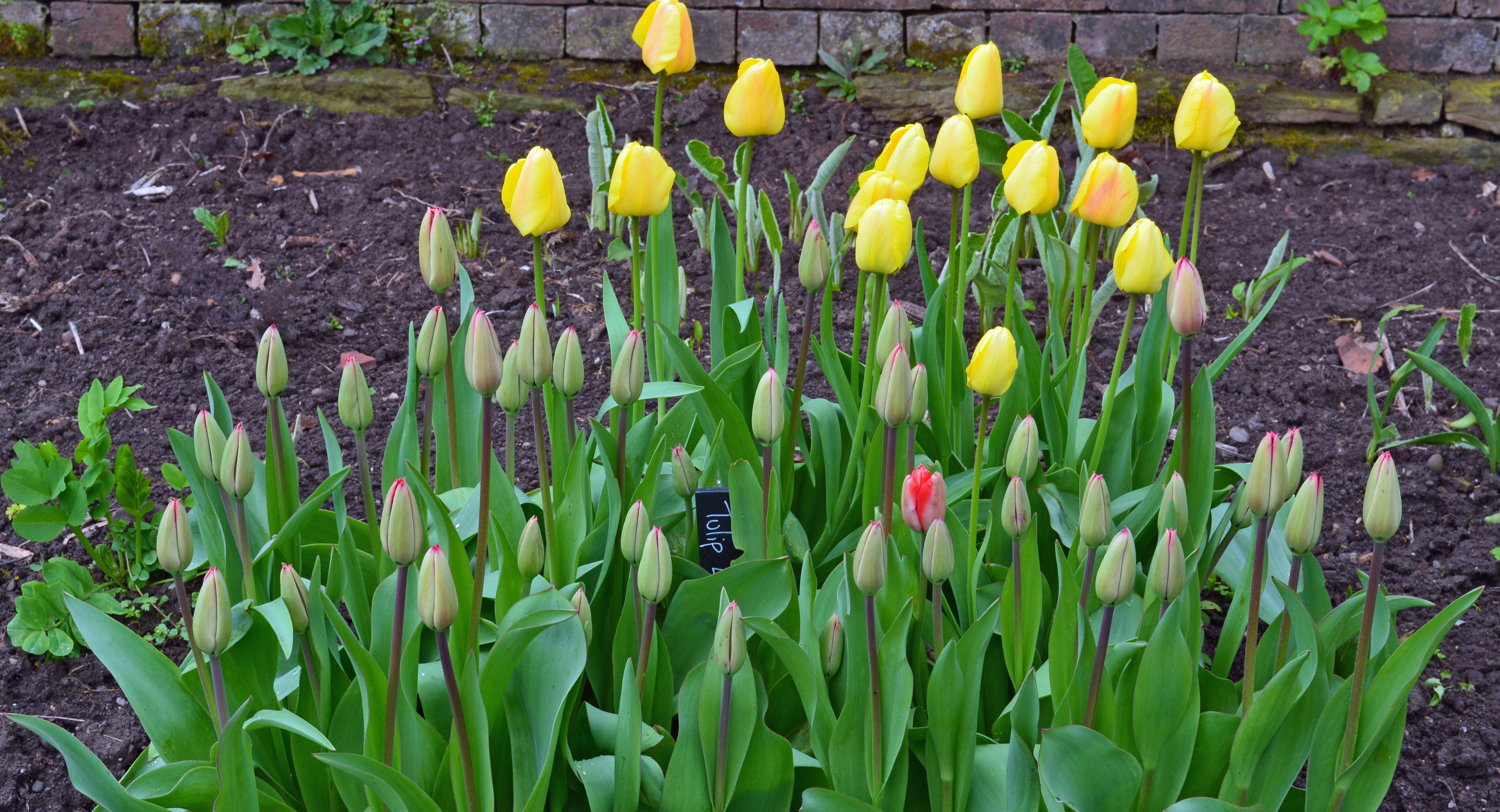
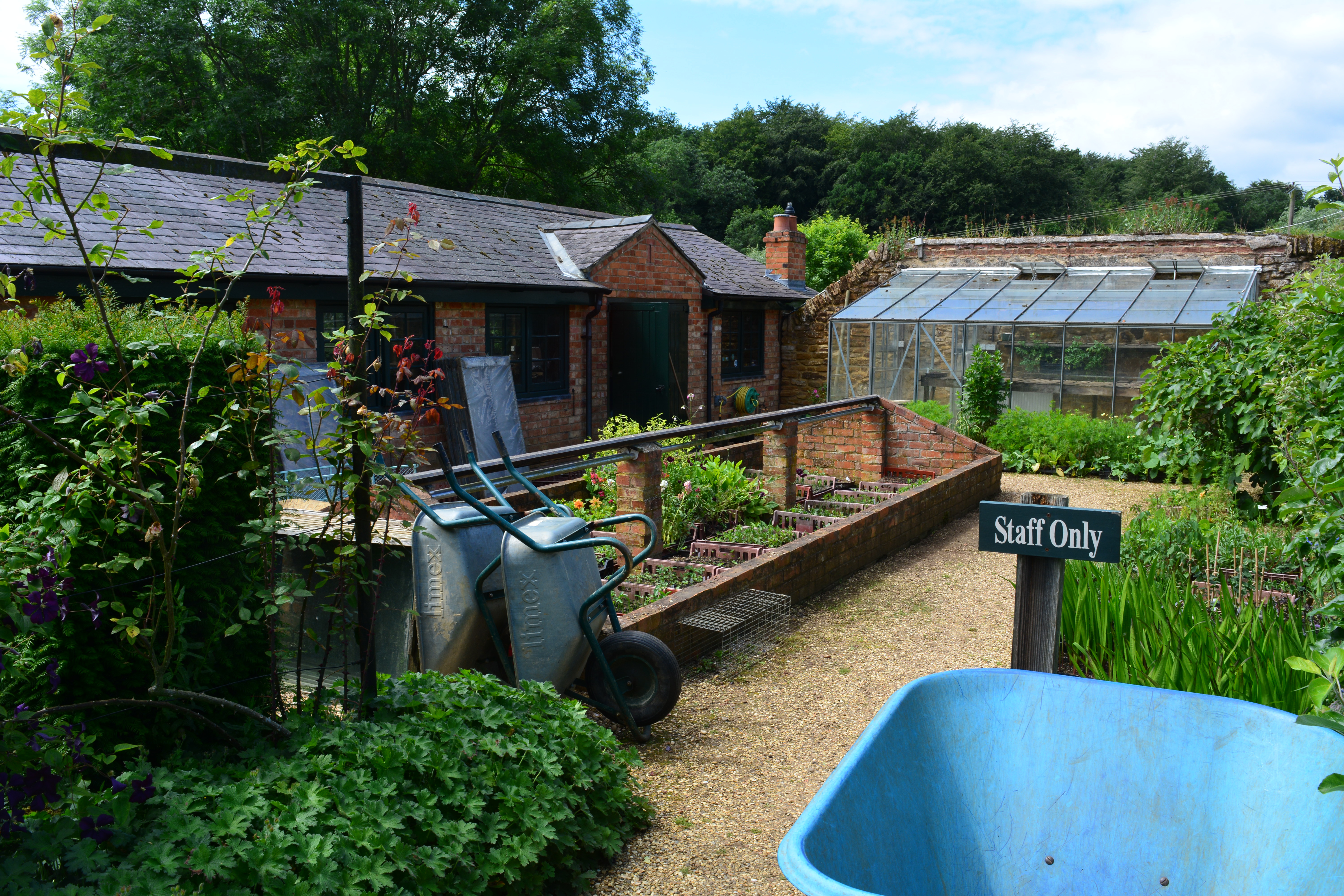
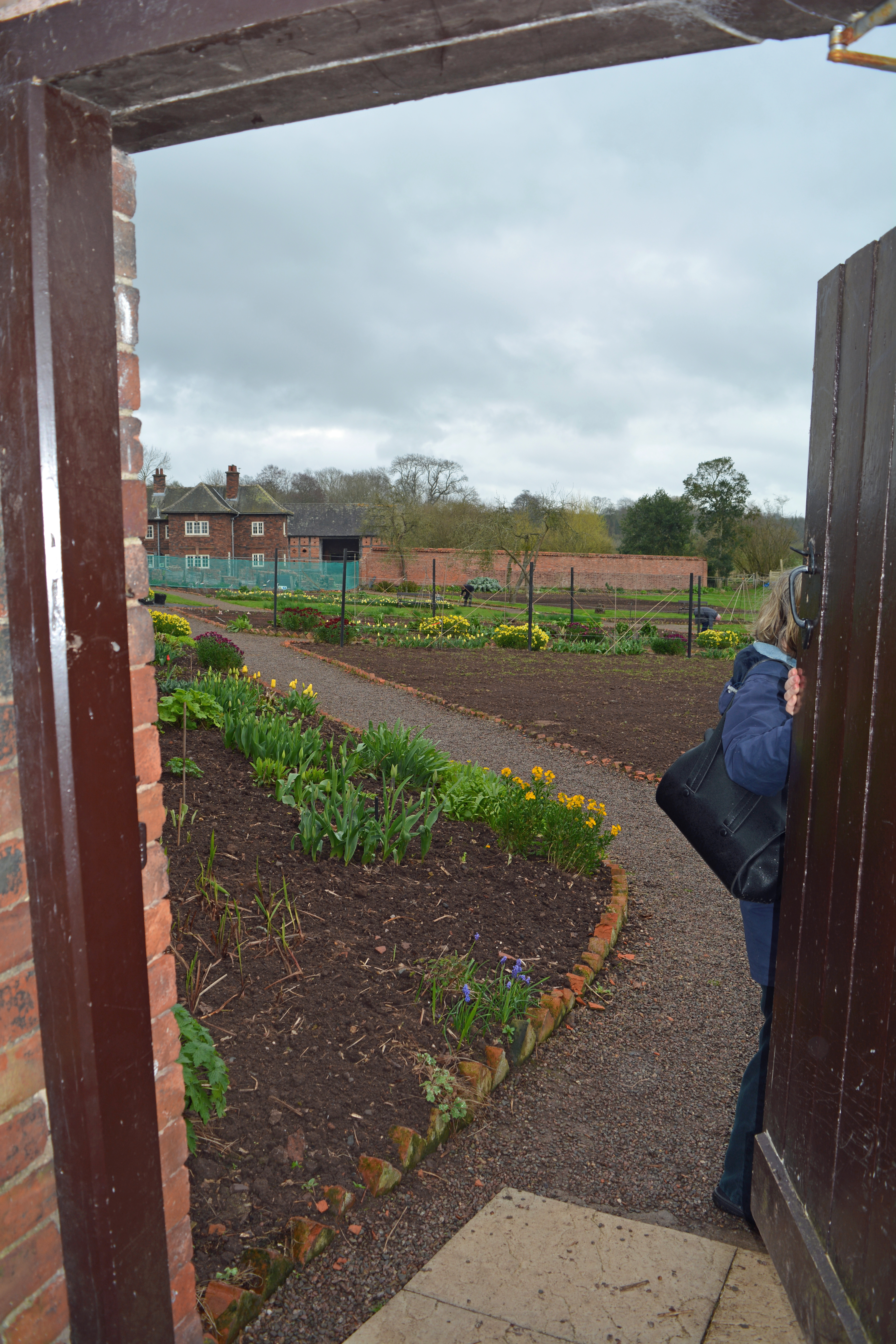
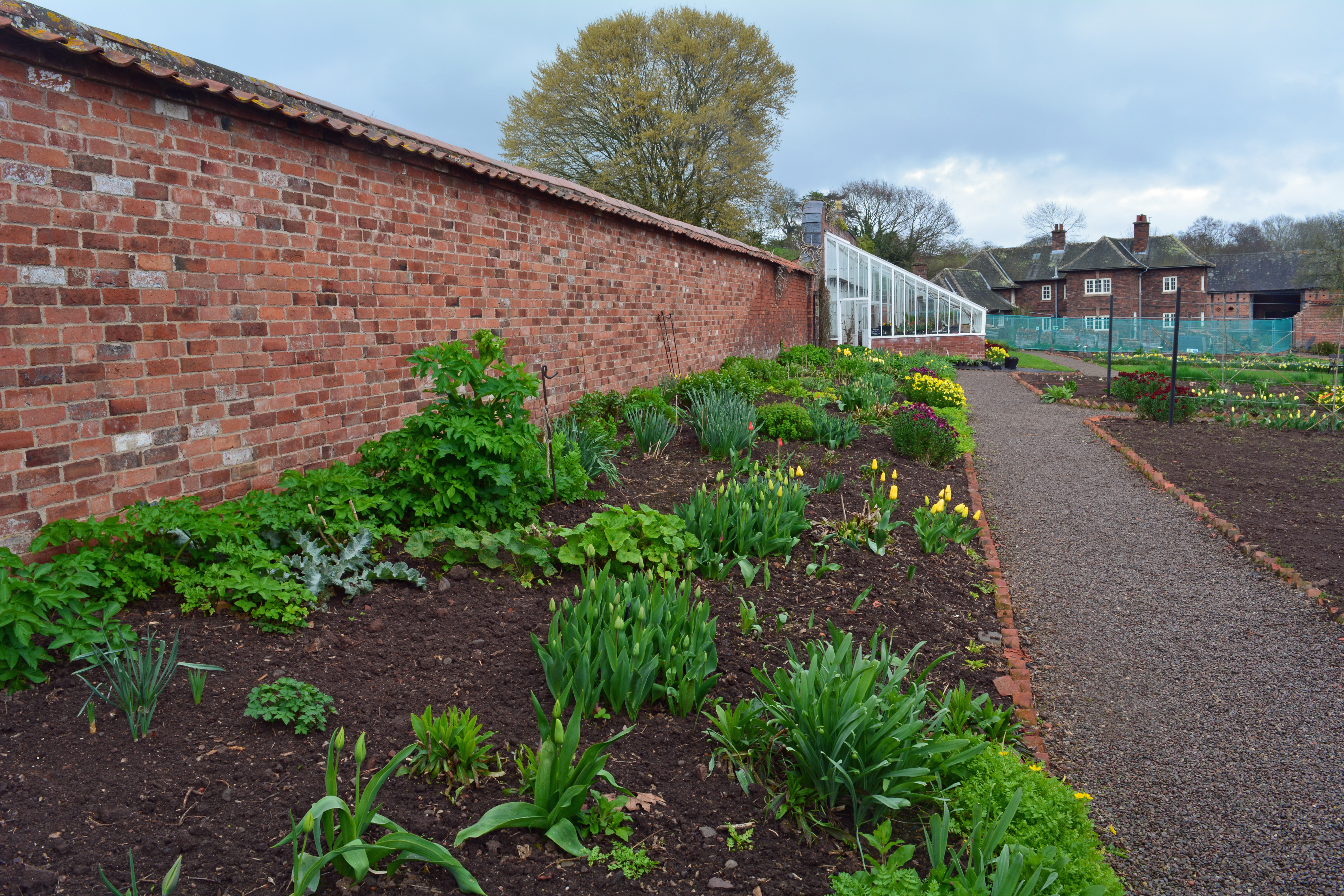
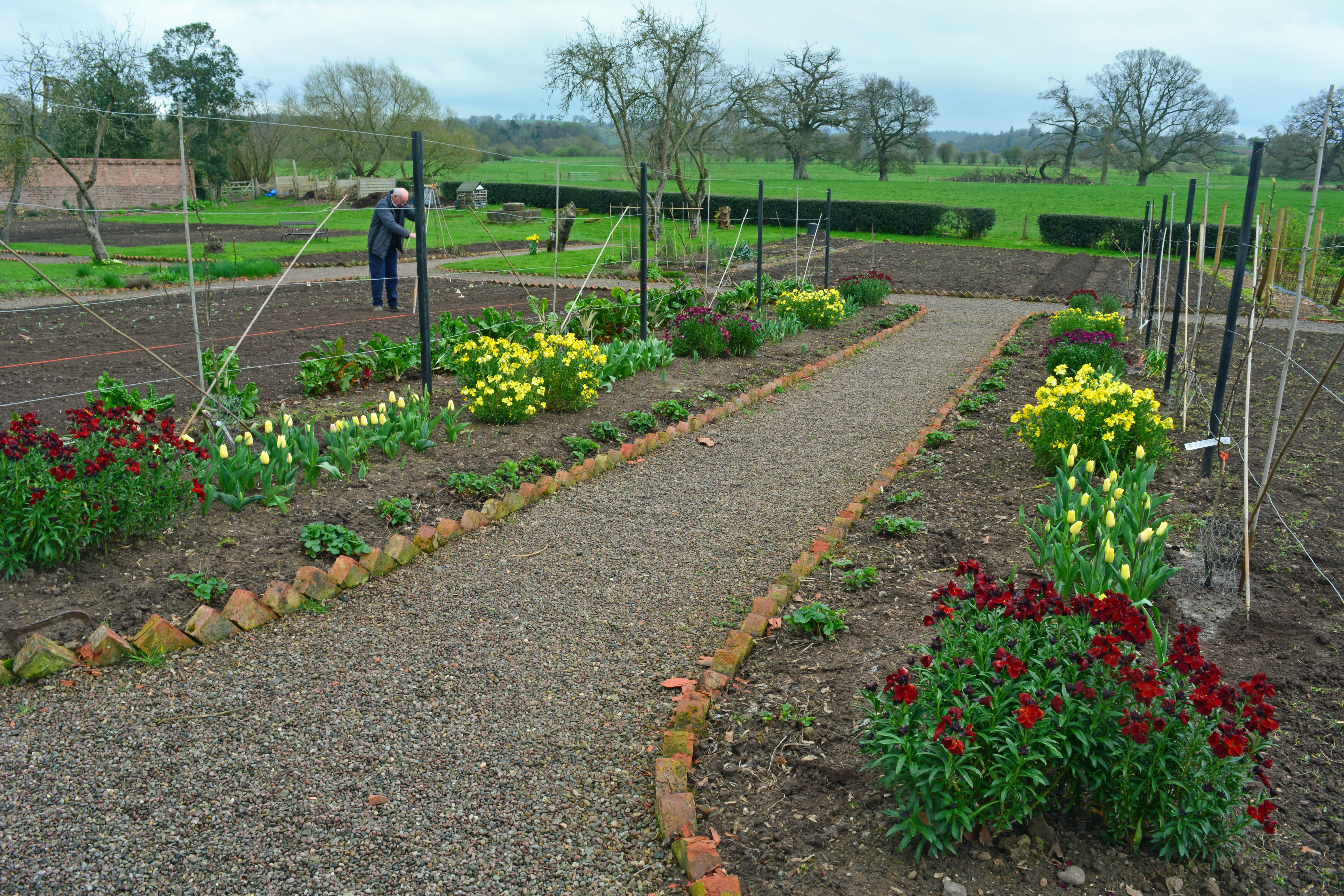
The finale to our visit was to explore the walled garden which was in the process of being renovated. We looked forward to seeing what progress had been made. As it turned out we soon noticed the restored glasshouse, long herbaceous borders planted up and productive borders were being prepared for sowing by volunteers. The walled garden has a great future ahead of it and visitors to the valleyside will enjoy discovering the walled garden as much as the main valleyside gardens.


Categories
colours garden design garden photography gardening gardens gardens open to the public half-hardy perennials hardy perennials National Trust ornamental trees and shrubs The National Trust trees Wales

Bodnant Garden – an autumnal walk around a great garden.

In the first post about our day visit to the Bodnant Gardens not far inland from the coast of North Wales we looked at the special magical nature of the low November sunlight. But there was a lot more for us to enjoy as we explored in a different direction than we usually take as autumn repair work on the grass paths and lawns prevented us following where our footsteps normally tread. This of course paved the way for new discoveries and fresh views.

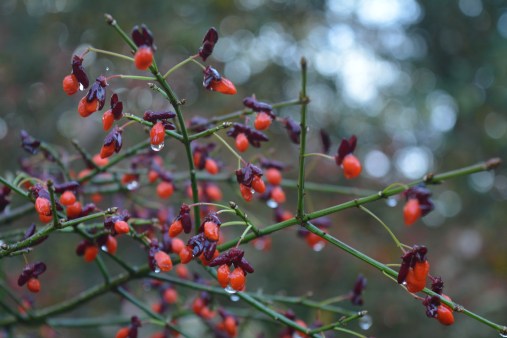
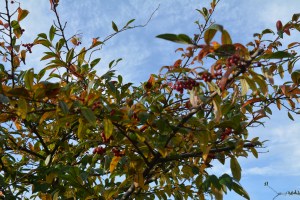
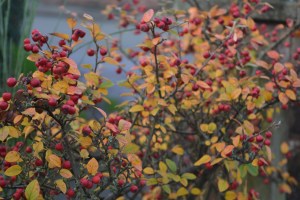
The plant that we got really excited about was this beautiful deciduous Euonymus dripping with a full crop of berries which in turn were dripping with fine droplets of rain. Euonymus alata “Compactus” bravely combines the darkest possible ruby red almost purple fruits from which burst bright tangerine orange seeds  and it looked wonderful. The younger berrying branches sported bright green coats in strong contrast to the older wood, coloured brown and strongly winged with corky ridges giving the whole bush an extravagant look. It also boasts fiery red foliage in the autumn and strangely its weakest point are the flowers which are small and a rather insignificant green in colour.

bod-22bod5-02

This exciting shrub had a lot of competition where catching the eyes of the visitors was concerned.

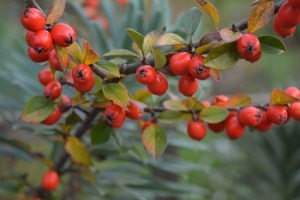
We love making new discoveries and on this visit to Bodnant we came across some fruit on a shrub which we could not remember having ever seen before and had no idea what it could be, with its tiny acorn-like fruits in two shades of orange. It looked if it would appear a rather dull evergreen shrub for most of the year but it must have flowers at some time which I would guess would be white.

bod3-1

Back to our explorations! So, moving away from the Winter Garden, Jude and I followed gravel tracks which crunched beneath our feet, the sounds of which softened only where we had carpets of fallen leaves to paddle through. We moved into more open areas where we could appreciate views of large specimen trees in the distance as well as beautifully textured and coloured perennials right under our noses.

bod-01 bod-03 bod-04 bod-14

Trees in November show off their strong networks of boughs, and judicious pruning of the lower leaves by skilled garden staff add extra power.

bod-05 bod-16 bod-11bod-06 bod-10  bod-12 bod5-01

It wasn’t all foliage and tree trunk texture though, there were still late flowering perennials shining through contrasting strongly with the colours of autumn.

bod-15 bod-07bod-09 bod-08


Categories
autumn autumn colours colours garden design garden photography gardening grasses half-hardy perennials hardy perennials light light quality ornamental grasses ornamental trees and shrubs Shropshire shrubs South Shropshire succulents trees Uncategorized village gardens

The one that nearly got away! – My Garden Journal in November

Imagine my surprise when checking back through my list of posts to find my Garden Journal for November still waiting to be posted. It nearly got away but here it is. Better late than never! Imagine we are back in the autumn!

This will be the penultimate visit to my 2016 Garden Journal as we look at what November has in store for our Avocet patch.

Colour launches my November pages with a double page spread of rich colours with the words, “Autumn has crept in further as November arrives and the garden is starting a new chapter where foliage colours dominate and individual plants become the focus of our attention rather than whole borders of blooms.”

nj9-01nj-3 nj-2nj-5 nj-4 nj-1nj1-4 nj1-5 nj1-3nj1-6 nj1-2nj2-1 nj2-2 nj1-1

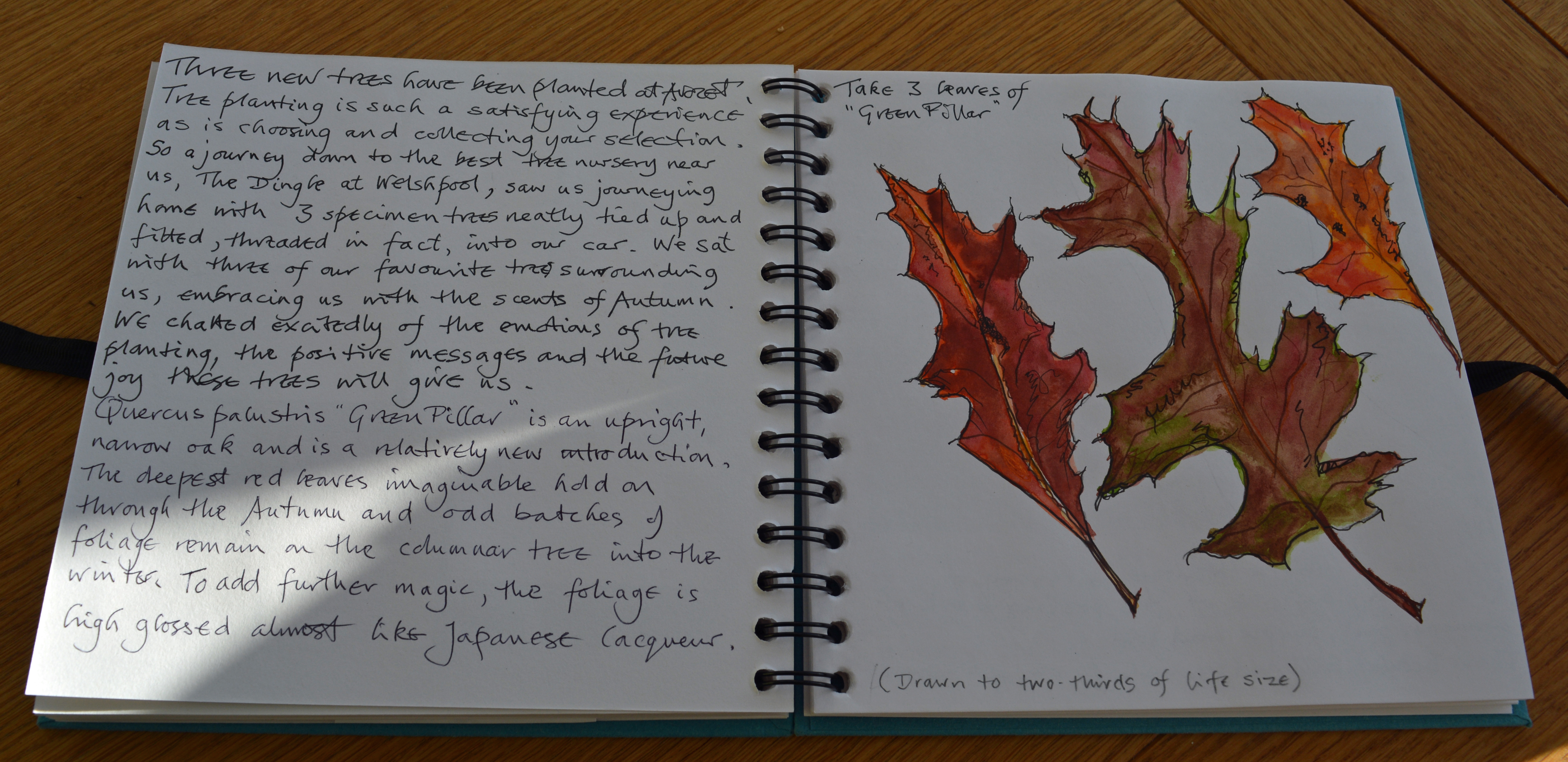
I move on to share our purchase of three new trees for our patch, an oak and two birches, all trees that we have been seeking out for several years. The oak is good for a small garden like ours because it has a columnar habit of growth growing tall but very slim. It is Quercus palustris “Green Pillar” which hides the fact that its main reason for growing it is for its bright red autumn leaves. I wrote, “Three new trees have been planted at Avocet. Tree planting is such a satisfying experience as is choosing and collecting your selection. So a journey down to the best tree nursery near us, The Dingle at Welshpool, saw us returning home with 3 specimen trees neatly tied up and fitted, threaded in fact, into our car. We sat with three of our favourite trees surrounding us, embracing us with the scents of Autumn. We chatted excitedly of the emotions of tree planting, the positive messages and the future joy these trees will give us. 

nj9-02

Quercus palustris “Green Pillar”is an upright growing, narrow oak and is a relatively new introduction. The deepest red leaves imaginable hold on through the Autumn and odd batches of foliage remain on the columnar tree into the Winter. To add further magic, the foliage is highly glossed almost like Japanese lacquer.”

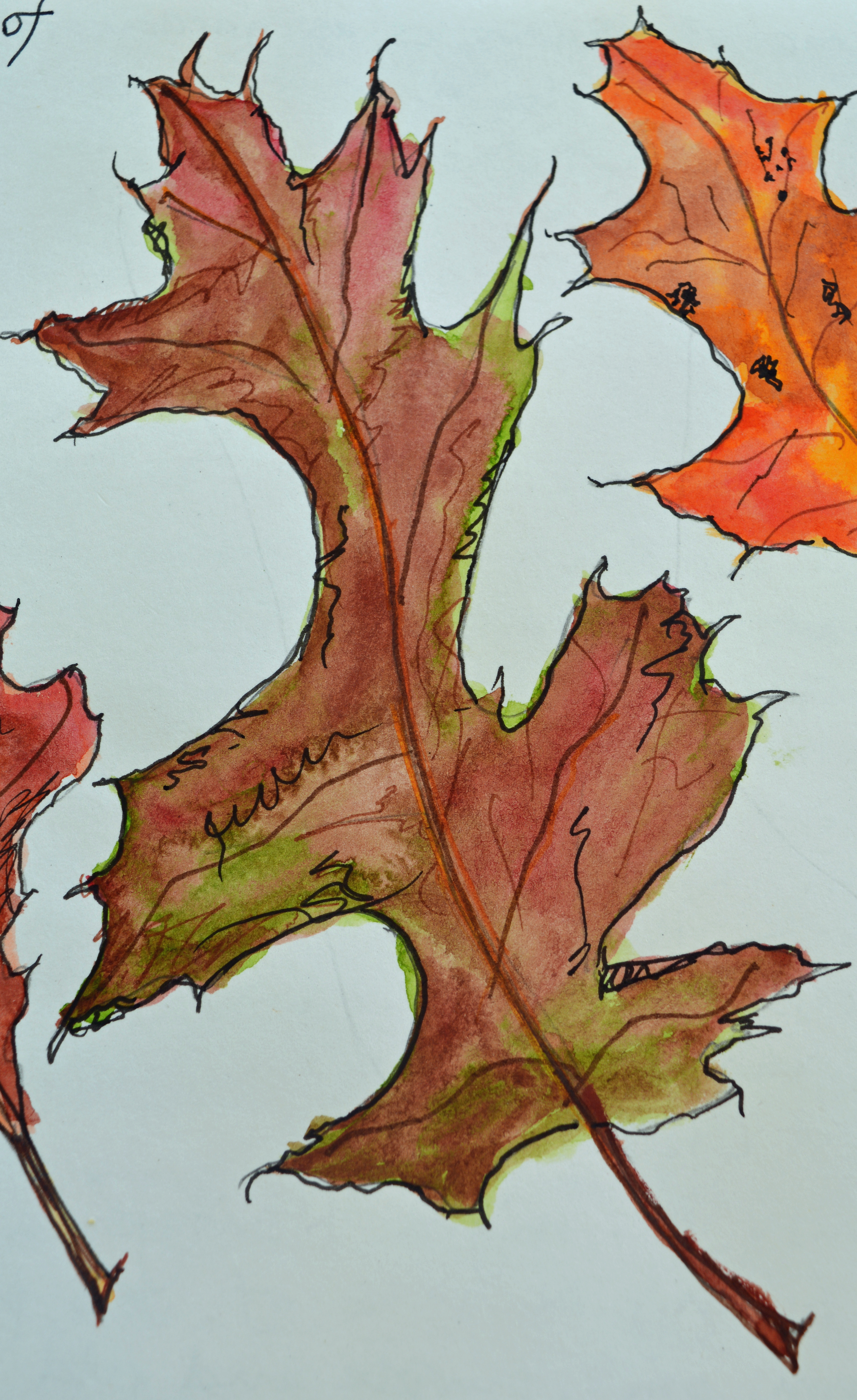
I chose three leaves to paint in watercolours and fibre tipped pens trying to capture the texture and colour variations.

nj9-03 nj9-04 nj9-05 nj9-06

My next double page spread featured our other 2 new trees and I started by writing, “Anyone who knows us as gardeners will have guessed that the other two new trees are our favourite Betulas, B. nigra “Heritage” and B. “Hergest”. Both of these Birches should be the same dimensions reaching 16 feet tall by 6 feet wide after 10 years. We have planted them either side of a covered bench in the front garden. “Hergest” is a Birch we have been longing to plant in our patch because of its wonderful bark texture and colour. It is in the “albosinensis” family of Betulas described by tree

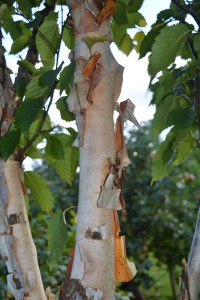
specialist Frank Matthews a rare and beautiful tree possibly a cross between B. albosinensis and B.ermanii. We look forward to the bark turning light copper-brown and glossy. Another reason we love it is because it orginates from a local, favourite garden, Hergest Croft. We chose B. nigra “Heritage”, a variety of River Birch, because of its peeling bark of cinnamon, pink, purple and gold. These Betulas will add so much to our garden.”

nj9-07nj2-8 nj2-5 nj2-2-1   nj2-1-1 nj2-3 nj2-6 nj2-4

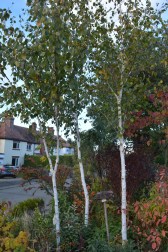
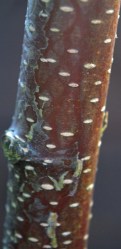
“Betula albosinensis “Septentronalis” (first 3 pics top row) and Betula utilis jacquemontii “Snow Queen” (bottom row) with the odd photo of our immature B. albosinsensis “Chinese Ruby” awaiting a colourful future.”

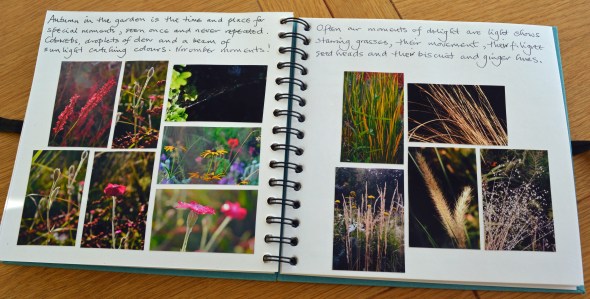
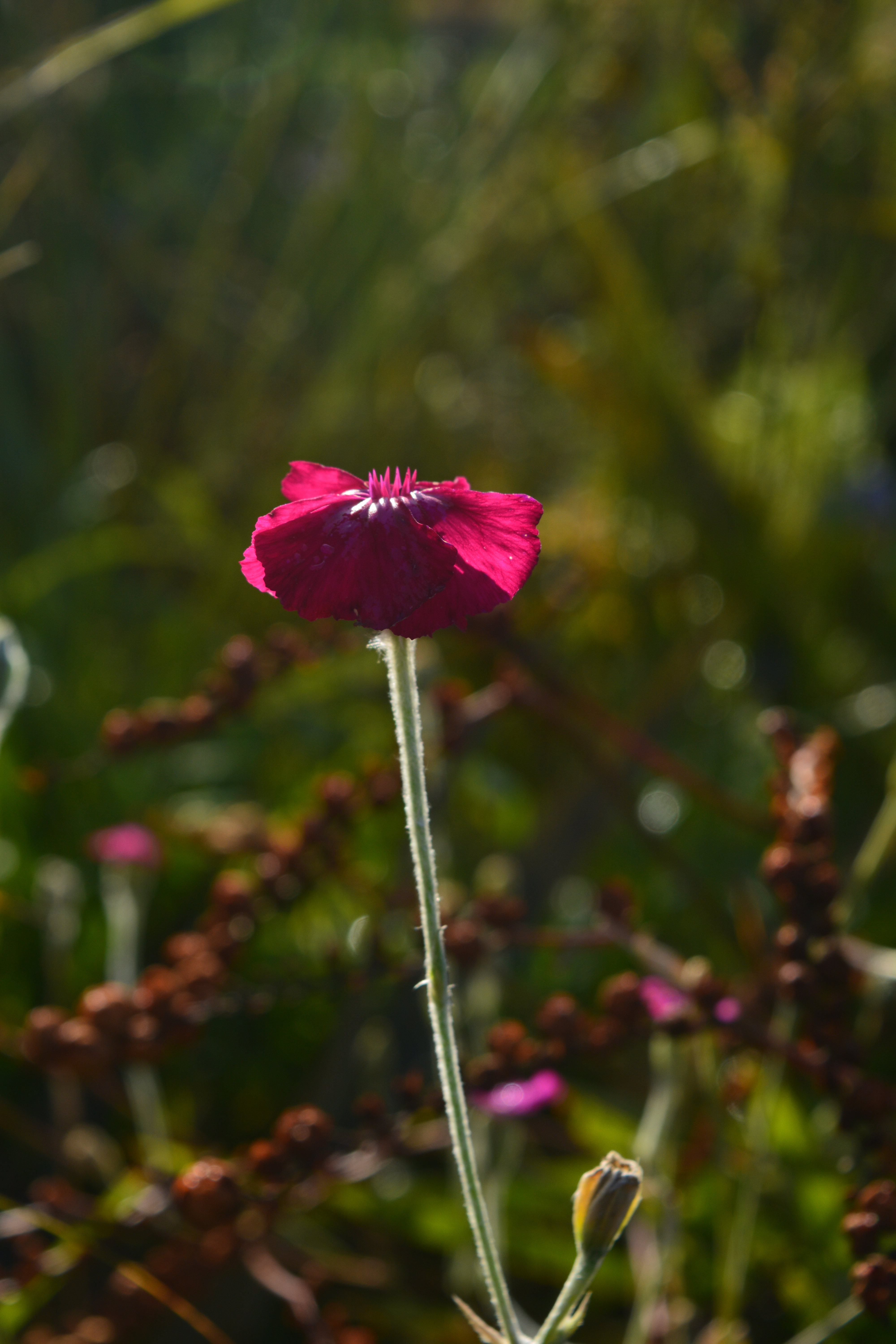
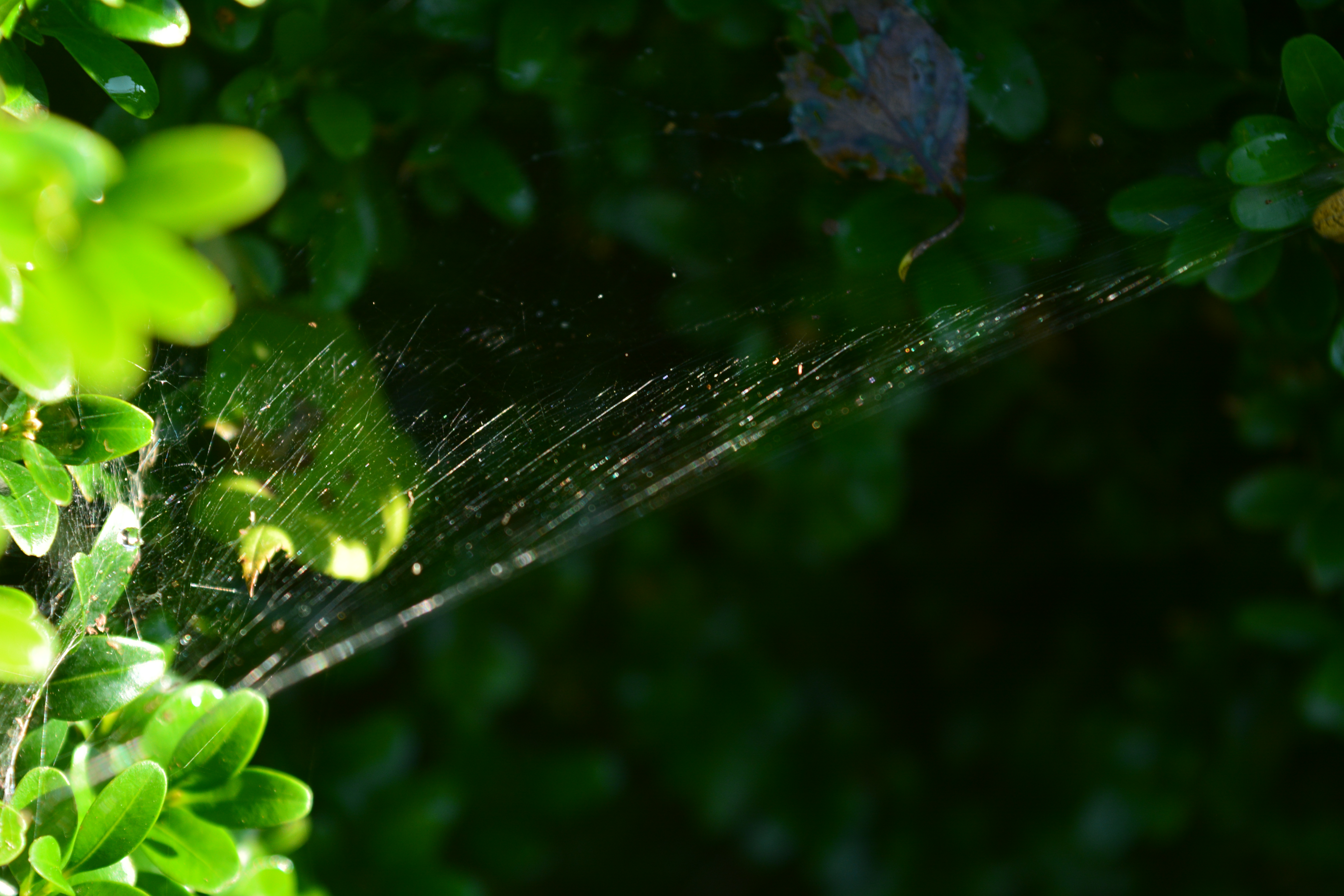
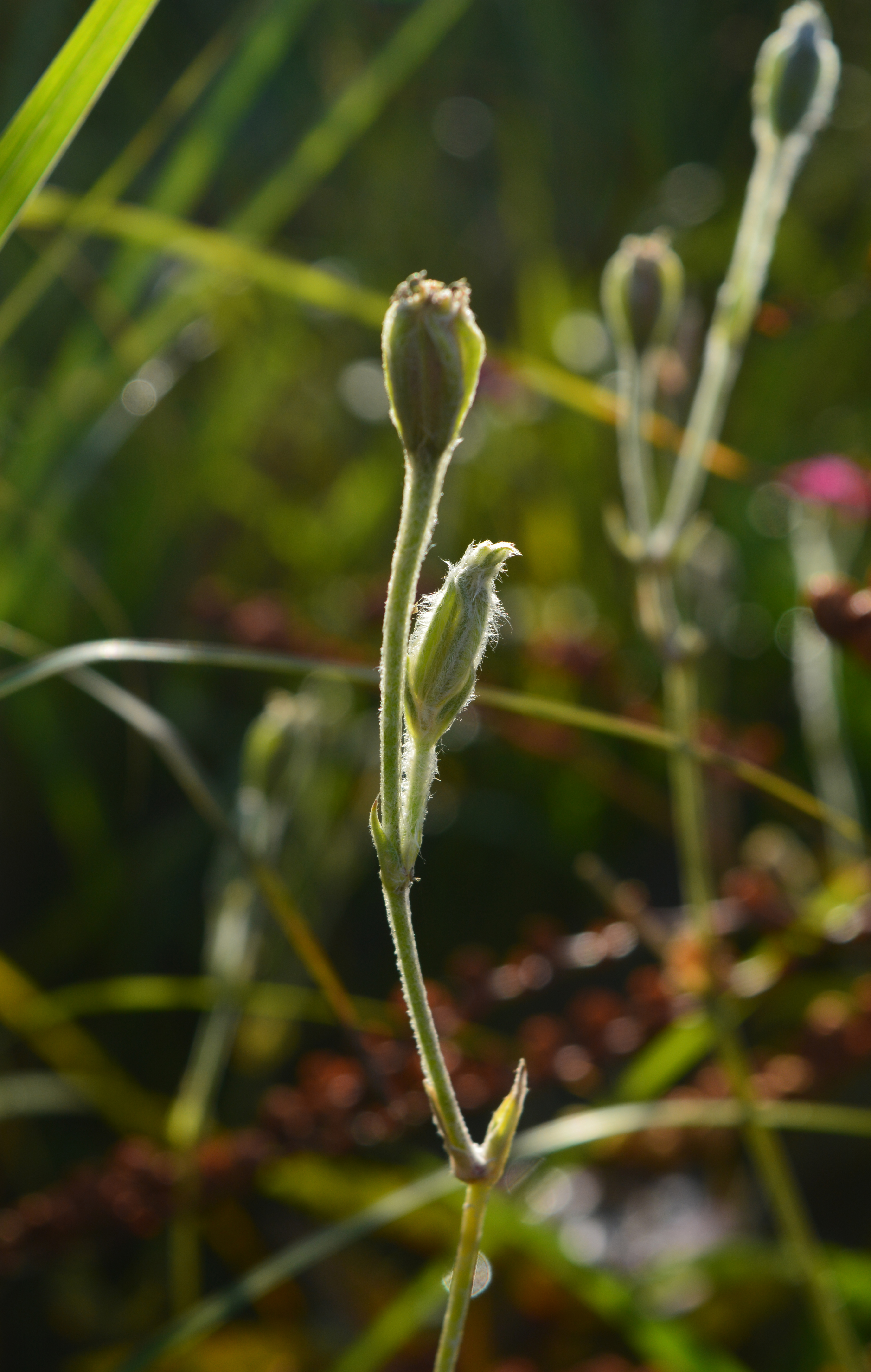
Moments of delight come next in my journal for November, “Autumn in the garden is he time and place for special moments, seen once and never repeated. Cobwebs, droplets of dew and a beam of sunlight catching colours. November moments!” I would like to share seven photos of some of our special moments in our garden.

nj9-08nj4-01 nj4-04 nj4-03nj4-02 nj4-05 nj4-06 nj4-07

“Often our moments of delight are light shows starring grasses, their movement, their filigree seed heads and their biscuit and ginger hues.”

nj4-10 nj4-08 nj4-09 nj6-4 nj6-5

Turning over the page we encounter a page looking back at early tree planting and I checked out how one favourite is doing now 13 years on.

nj9-09

I reported, “Looking back into the early November pages of my first Avocet Garden Journal, I notice that back then we were celebrating Autumn by planting trees. “Tree hunting at Harley Nursery, saw us ordering 16 trees. Should give us structure, a top plant storey and the colours of leaves, flowers and berries.” Later in the month I continued, “Three Betula utilis jacquemontii “Snow Queen” and a single Liquidamber styracifolia “Worplesdon” were planted along the road side border to begin the required woodland feel. In the Winter Garden we planted a snake barked maple, Acer rupestris.” We had intended to choose between the more usual snakebark maples, Acer greggii and A. davidii, but our friend Duncan who owned the nursery promised to find us a much better one, A. rupestris. This he did and it has proved to be the right choice. It is a true 12 month tree and a visitors’ favourite.”

My photos show some of its attributes including the bark which varies in colour and texture up the trunk.

nj5-04 nj5-02 nj5-09 nj5-03nj5-01 nj5-07 nj5-10nj5-05 nj5-08

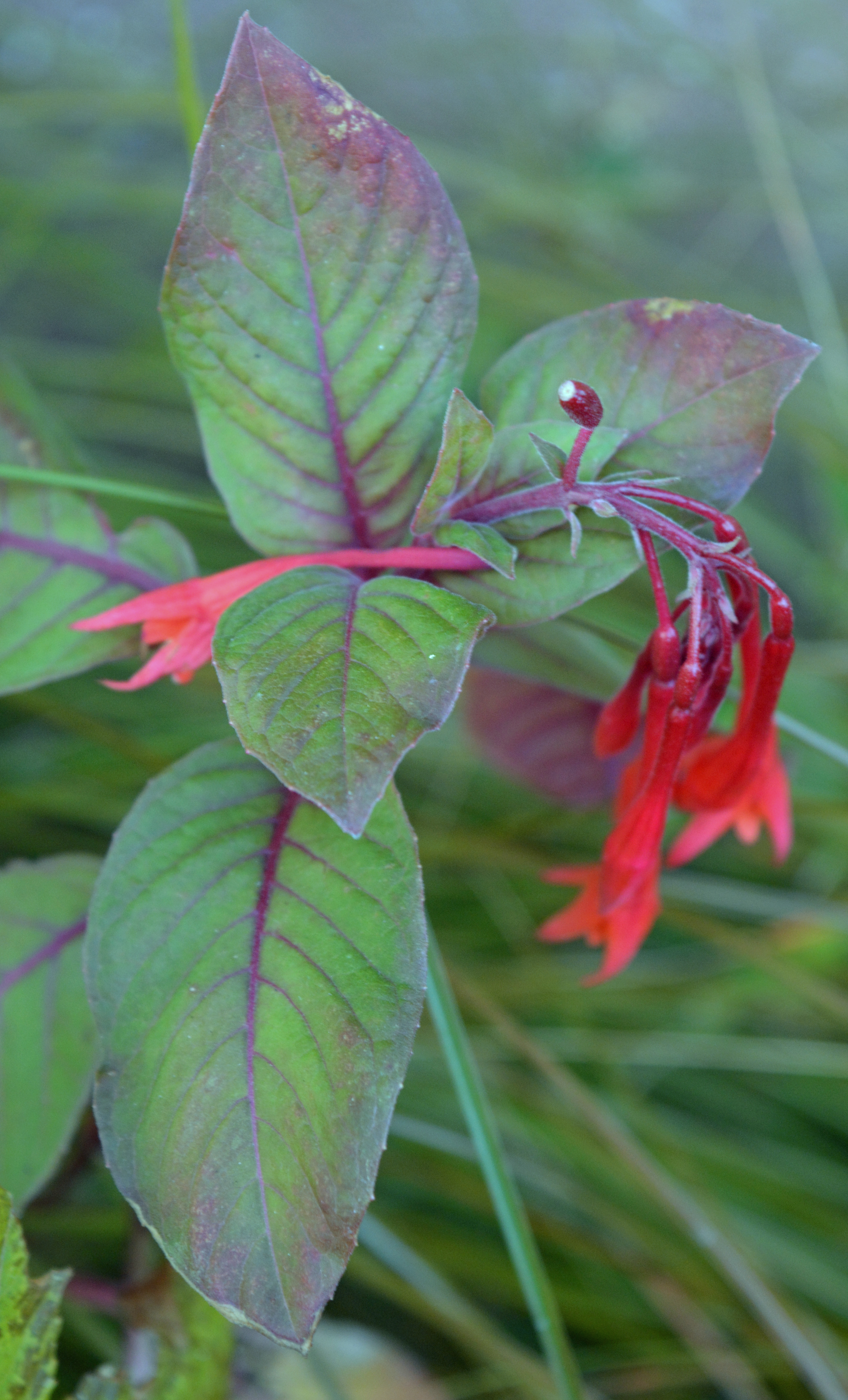
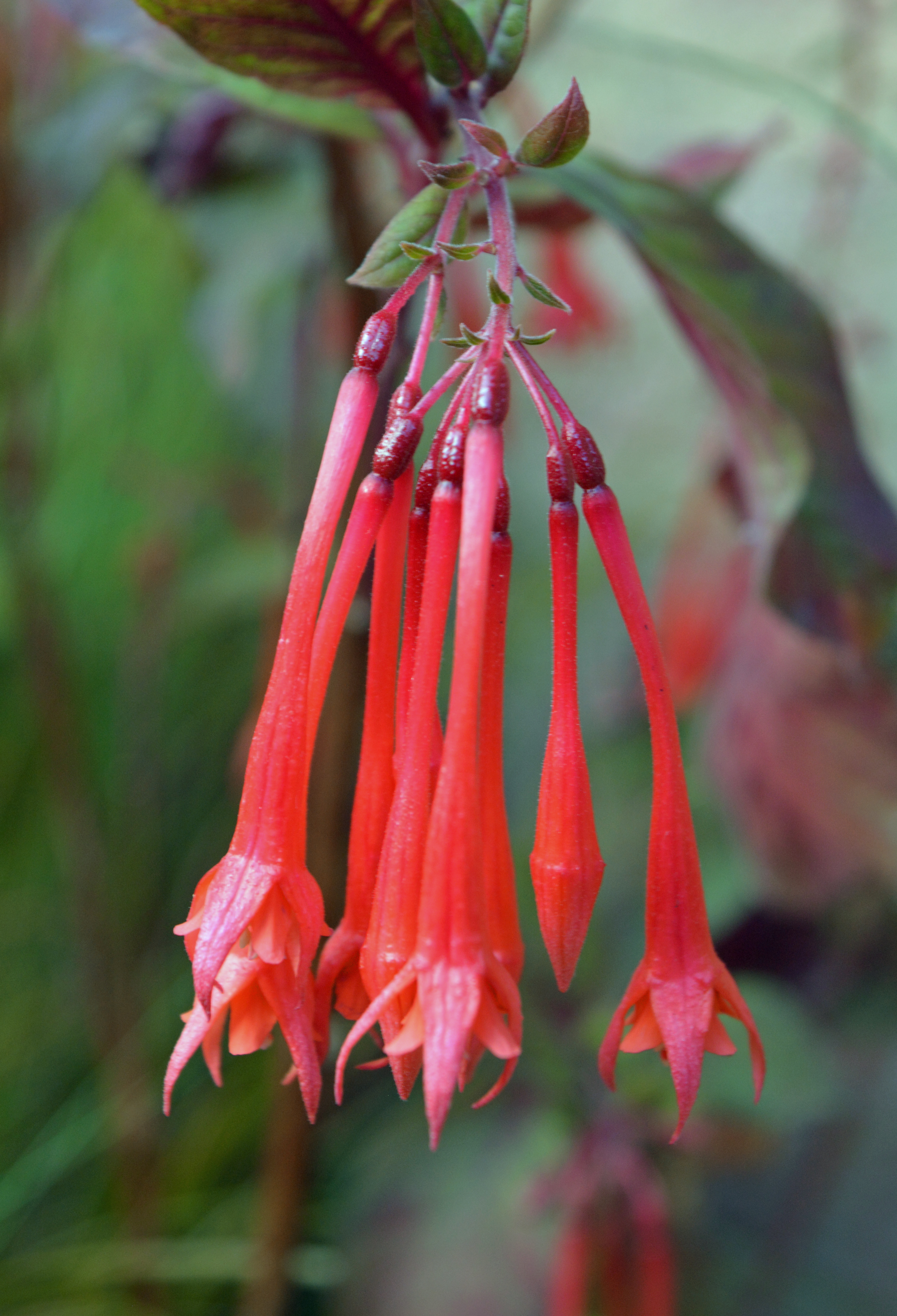
In my October journal I featured the tiny flowered Fuchsia minimiflora and promised to look at two other Fuchsias this month, so I began by stating, “Unlike F.minimiflora these two have long thin flowers and colourful foliage. They are so similar that we are not sure if they are identical but sold under different names. One we bought as F. thalia, the other was a thank you gift from friends and its label gives its name as Fuschia x hybrida “Koralle”.

nj9-10nj7-1 nj7-2 nj7-3 nj7-4 nj7-5

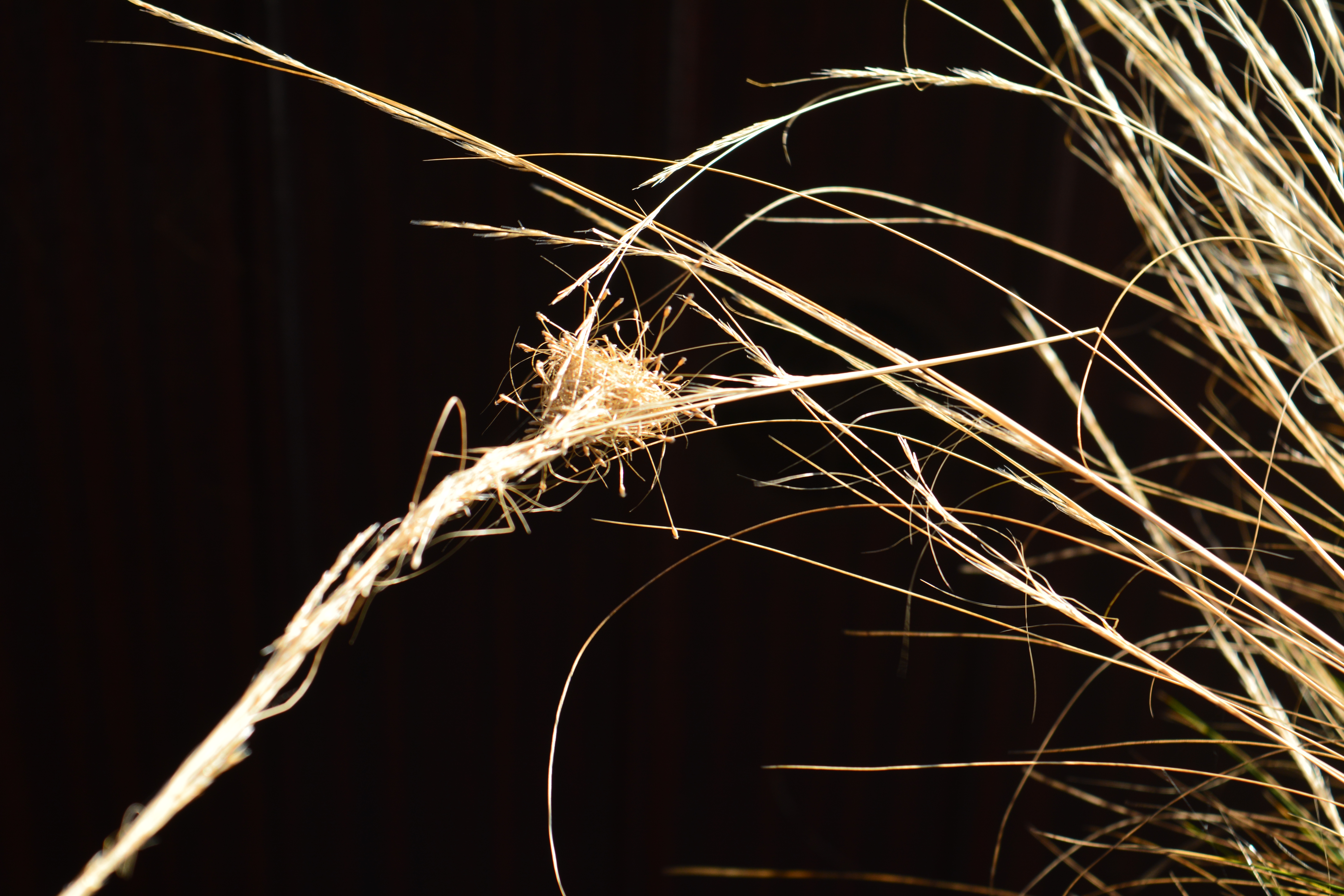
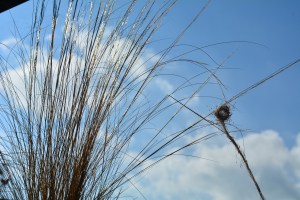
A strange creation makes an appearance next, a phenomena we have never seen before anywhere. A sculpture created in grass by the wind! “We grow the delicate grass, Stipa tenuissima , or Pony Tail Grass, on our green roof. The flowering stems grow to 15 to 18 inches long and move in the slightest breeze. Passing the roof and looking up I noticed this strange knot which the wind had created by spinning a few flowering stems together. It hung still attached to the plant presenting an amazing silhouette against the blue sky.” I captioned my photos of it “garden magic”.

nj6-2 nj6-3 nj6-1

The colour red is the theme of the next section in my November journal. I noticed how powerful this colour looked in the garden at this time of year so took my trusty Nikon out for a walk.

nj9-11

Red is such an important colour in the November garden. In life red relates to many different emotions from love and passion at the one pole to danger and anger at the other. Red in the garden simply draws me to it and makes me smile. David Bowie wrote, “Put on your red shoes and dance the blues”. The garden puts on its red shoes and chases away the winter blues. Red appears in flowers, berries, leaves, stems and bark, but also on the handles of Felco secateurs and the wattles of garden hens.”

nj8-02 nj8-11nj8-10 nj8-07nj8-12 nj8-18nj8-01 nj8-15nj8-03 nj8-16 nj9-1 nj8-04 nj8-13nj8-06 nj8-08 nj8-09 nj8-05

And there we have, the garden in November. My next look at my garden journal will be the final one of 2016. Where did the time go, simply flying as we enjoyed being in our special patch.

Categories
birds climbing plants colours garden design garden furniture garden photography gardening gardens gardens open to the public half-hardy perennials hardy perennials ornamental trees and shrubs poppies water in the garden

Coton Manor – an atmospheric gem.

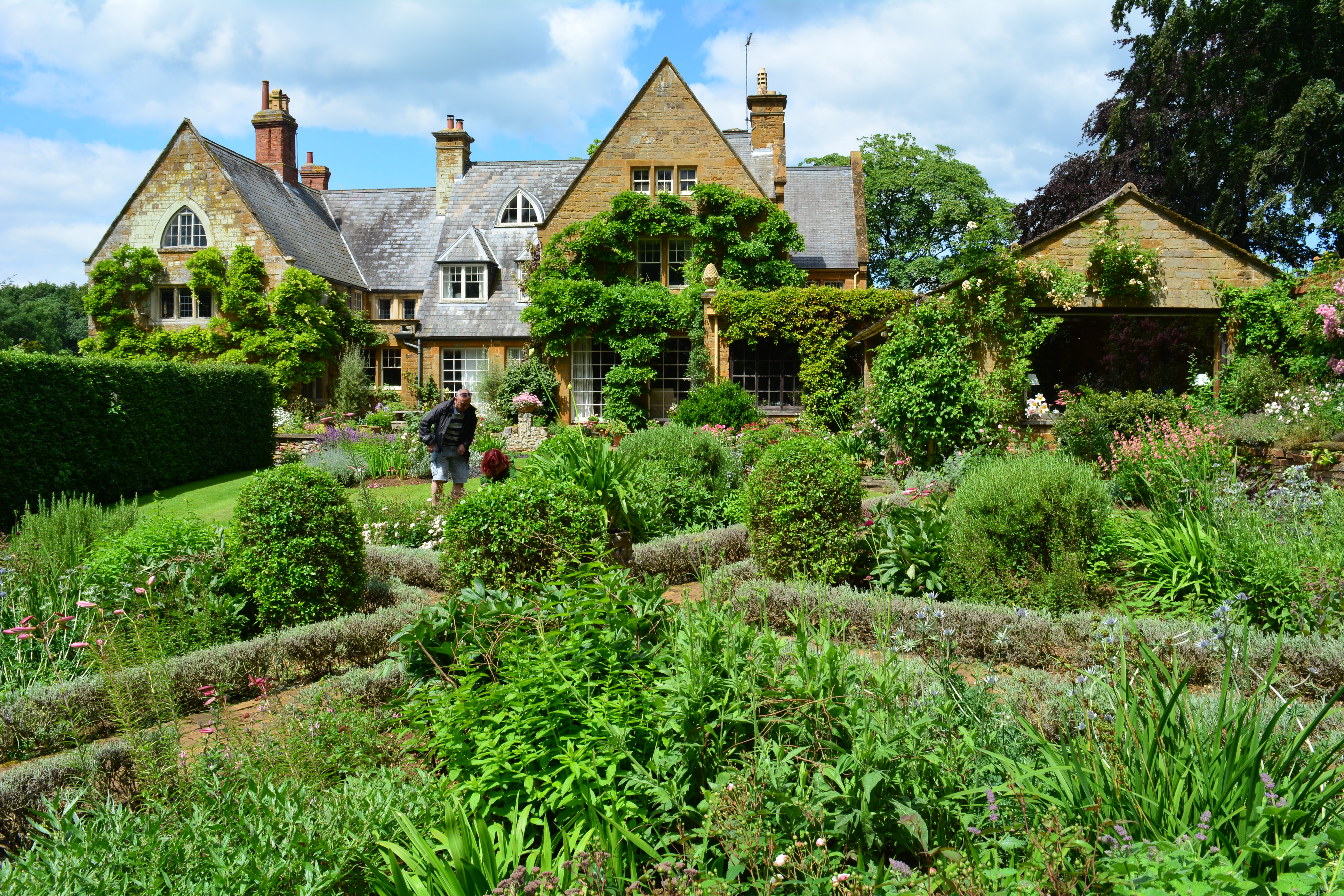
Coton Manor Gardens are so full of atmosphere. Ten acres of hillside gardens are landscaped to give variety throughout the year on this Northamptonshire estate. There are streams, fountains and ponds, a bluebell wood and meadows. We have visited this romantic garden a few times already but decided to visit again in July of 2016.

cm-1 cm-1-1

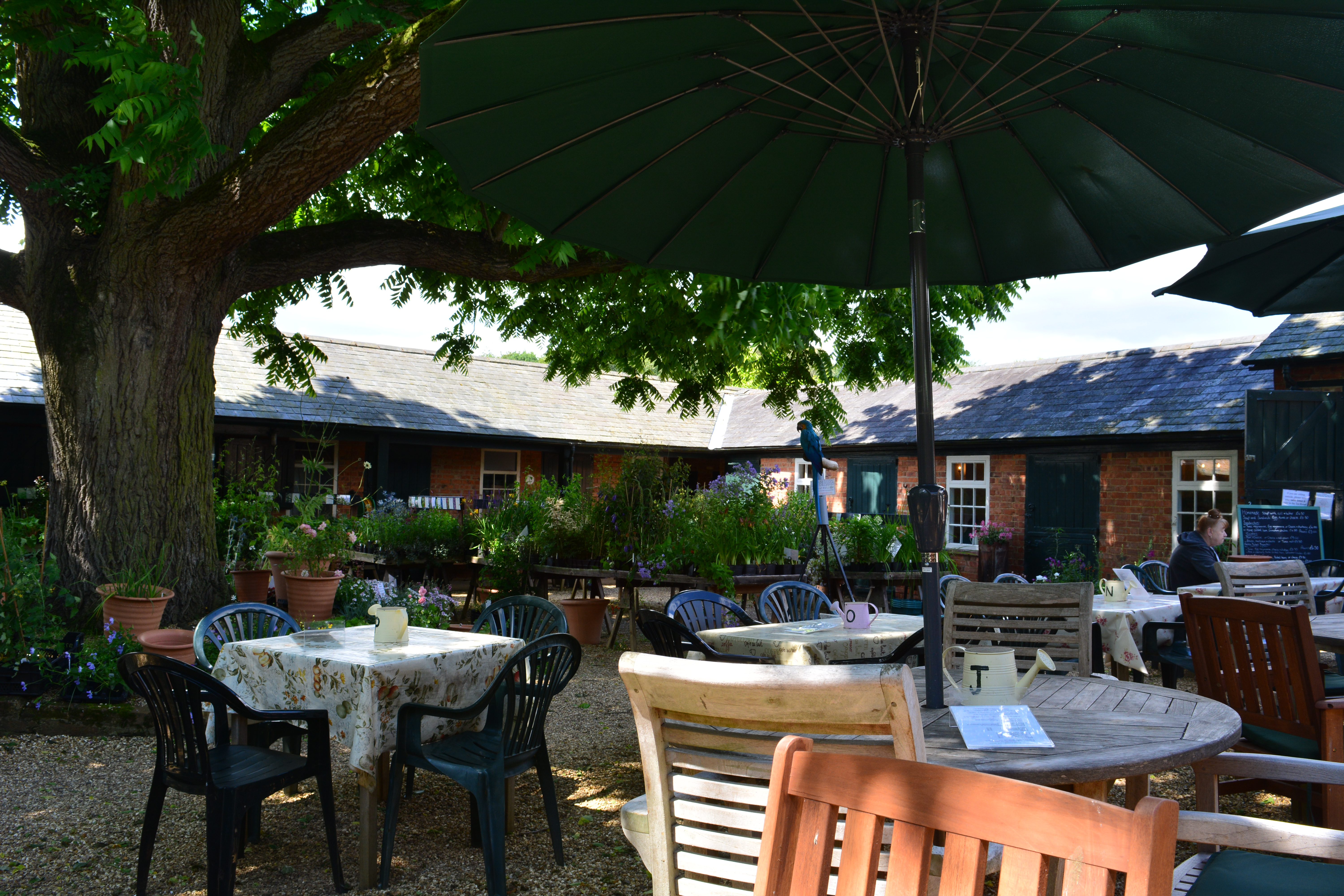
Honey coloured stonework make the buildings look warm and welcoming and entering the drive after a short walk from the car park we noticed climbers covering every wall. We entered a cosy courtyard on our right which gave us the chance of refreshments and a peruse of the nursery tables. A surprise here for everyone was the resident Hyacinth Macaw who greets each visitor on arrival with a loud screech!

cm-1-2

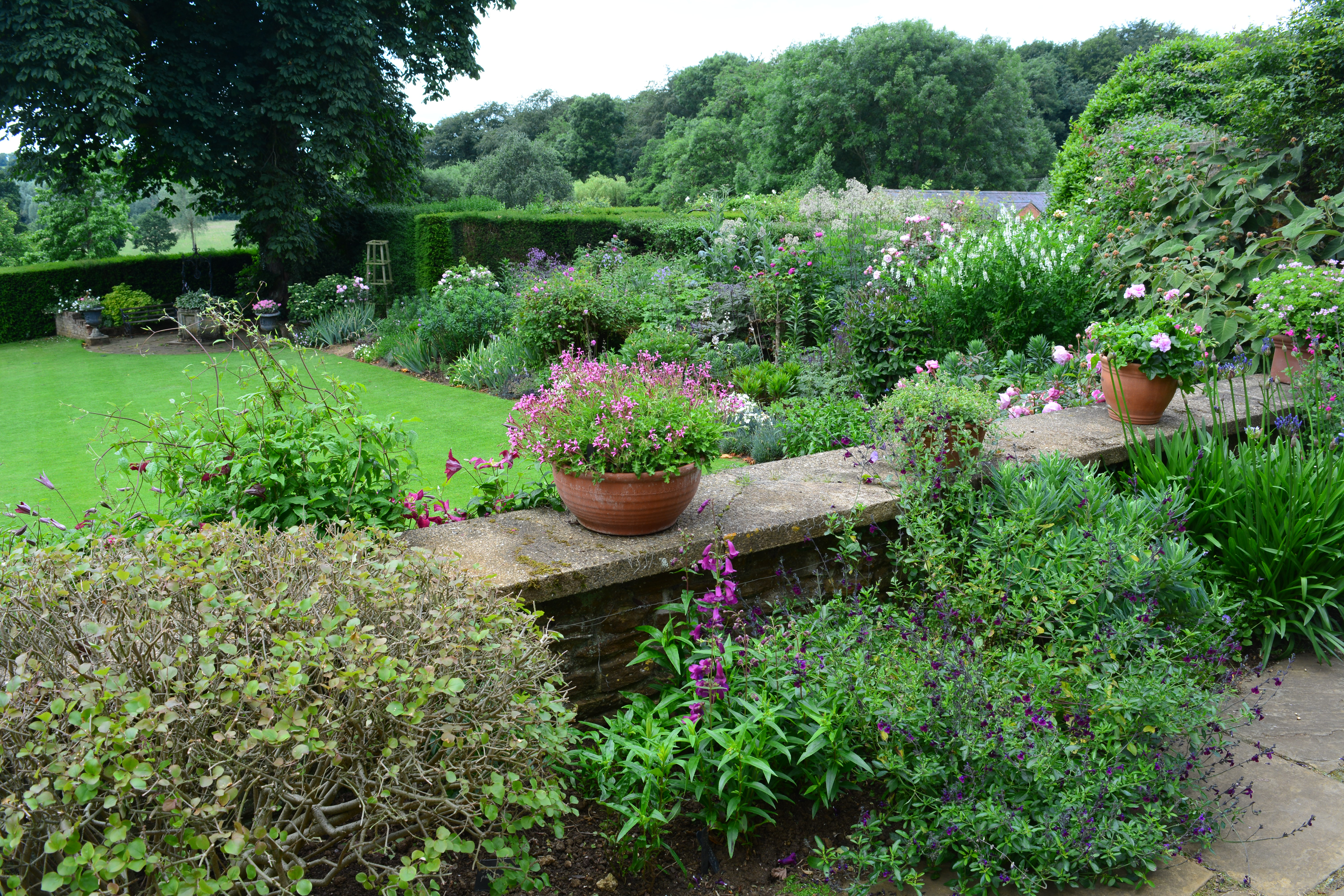
The garden itself is designed around a series of garden rooms separated by yew and holly hedges, and each room has its own special character and atmosphere, which makes for a refreshing garden walkabout. Leaving one room you don’t know what to expect next. Close to the house courtyards featuring half-hardy plants such as Pelargonium and Salvia make for a colourful start to our wanderings. Share our wanderings through these areas by following the gallery below. (click on the first photo and navigate through by clicking on right hand arrow)


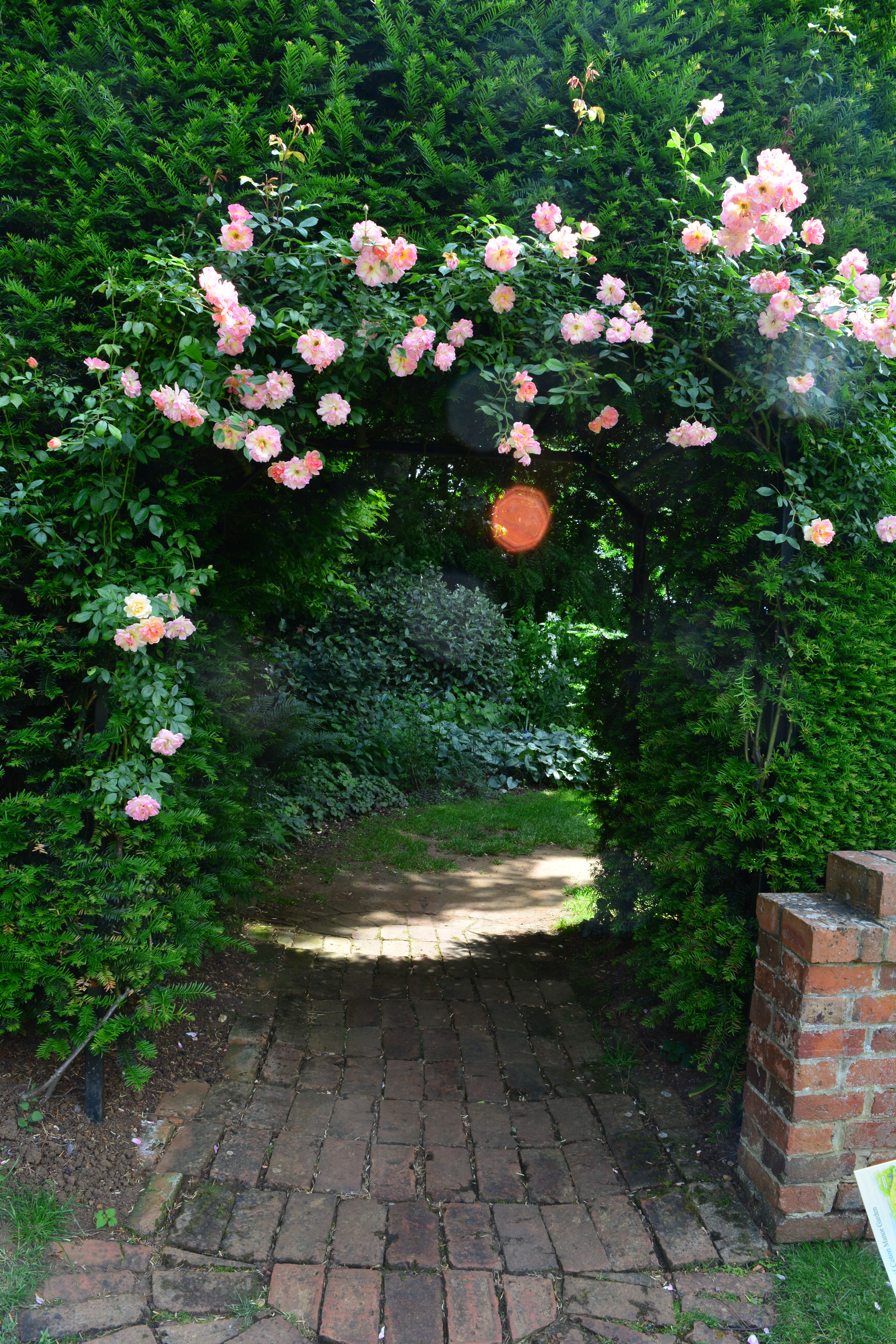
We passed through an archway surrounded by scented pink roses and from there moved on to the Rose Garden and then wandered into an area of woodland shade garden complete with a small stream.

cm2-01 cm2-14 cm2-26cm2-03 cm2-12 cm2-15 cm2-13 cm2-24 cm2-28  cm2-27 cm2-17cm2-19 cm2-18cm2-20 cm2-22cm2-21

Some very unusual and interesting plants came to our attention in the wooded and streamside gardens, all beautifully lit by the rays of the sun penetrating the tree canopy.

cm2-04 cm2-25 cm2-05 cm2-06 cm2-07 cm2-23cm2-02

Steps, paving and walls of warm limestone appeared throughout the garden affording ideal places for wall plants to get a hold.

cm2-09 cm2-10 cm2-11 cm3-30 cm3-29 cm3-28

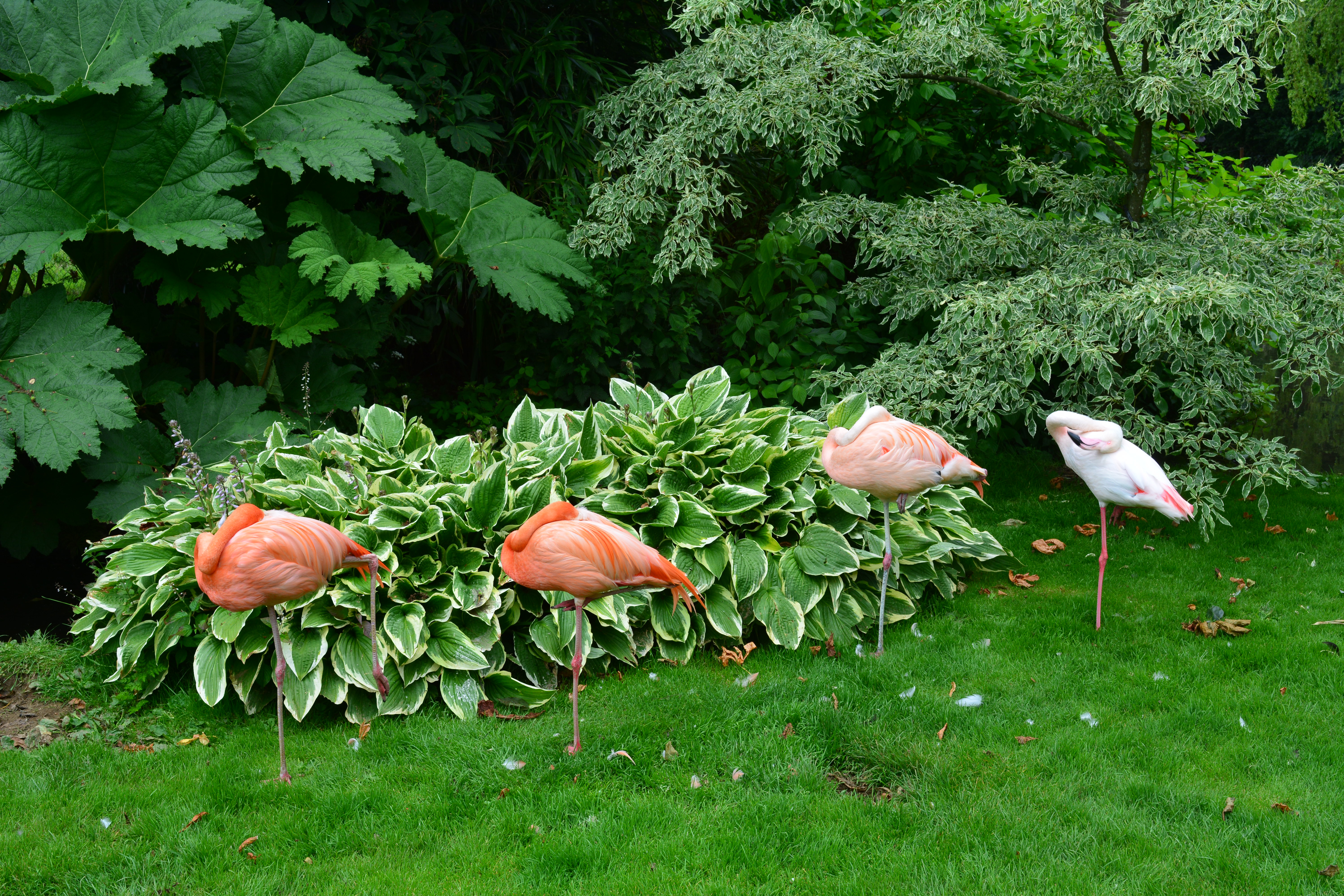
I will finish this report on our visit to the romantic garden at Coton Manor with a few more photos which I particularly enjoyed taking. I hope you like the salmon pink plumaged flamingoes which had free range of the garden but mostly seemed to enjoy sleeping with their head hidden beneath their wings,

cm3-31 cm3-25 cm3-26 cm3-21 cm3-07 cm3-12

Categories
arboreta autumn autumn colours colours flowering bulbs garden design garden photography gardening gardens gardens open to the public half-hardy perennials hardy perennials National Garden Scheme NGS ornamental trees and shrubs Shropshire shrubs trees Yellow Book Gardens

The Dorothy Clive Garden in September

Back again ready to enjoy another visit to the Dorothy Clive Gardens and see what has been happening since our August visit. We expected early signs of Autumn and hoped for some colourful displays of Dahlias and Salvias. We decided to take a walk around the young mini-arboretum area this month instead of following the winding paths of the Dingle which has less interest at this time of the year.

Dcoc-29 Dcoc-01

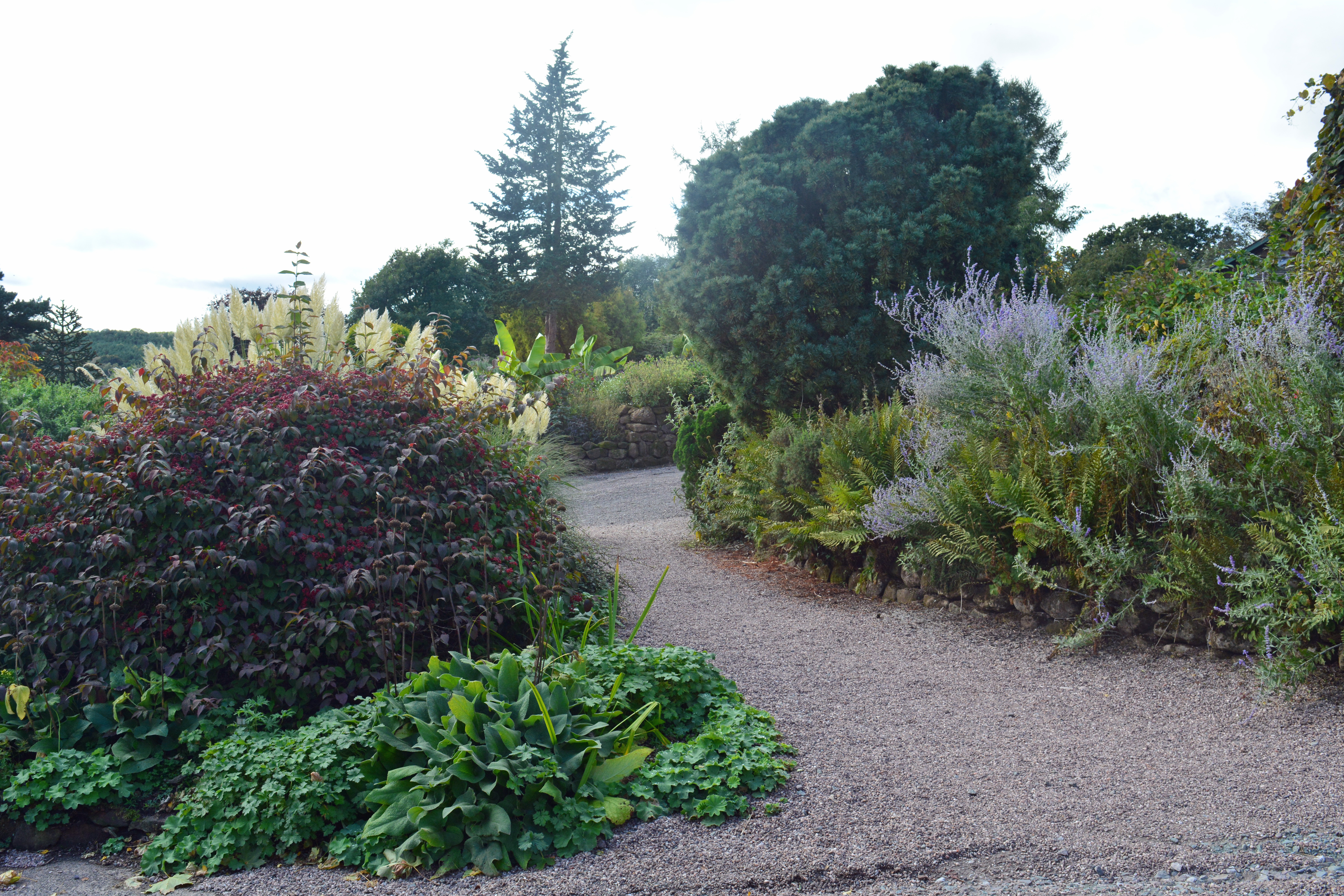
As we wandered over to the coffee shop we admired the views over the lower garden and the light which lit up the Pampus Grass behind the Viburnum caught my eye. This was a sign that we could be looking forward to interesting light for garden photography. fingers crossed!

Dcoc-02 Dcoc-36

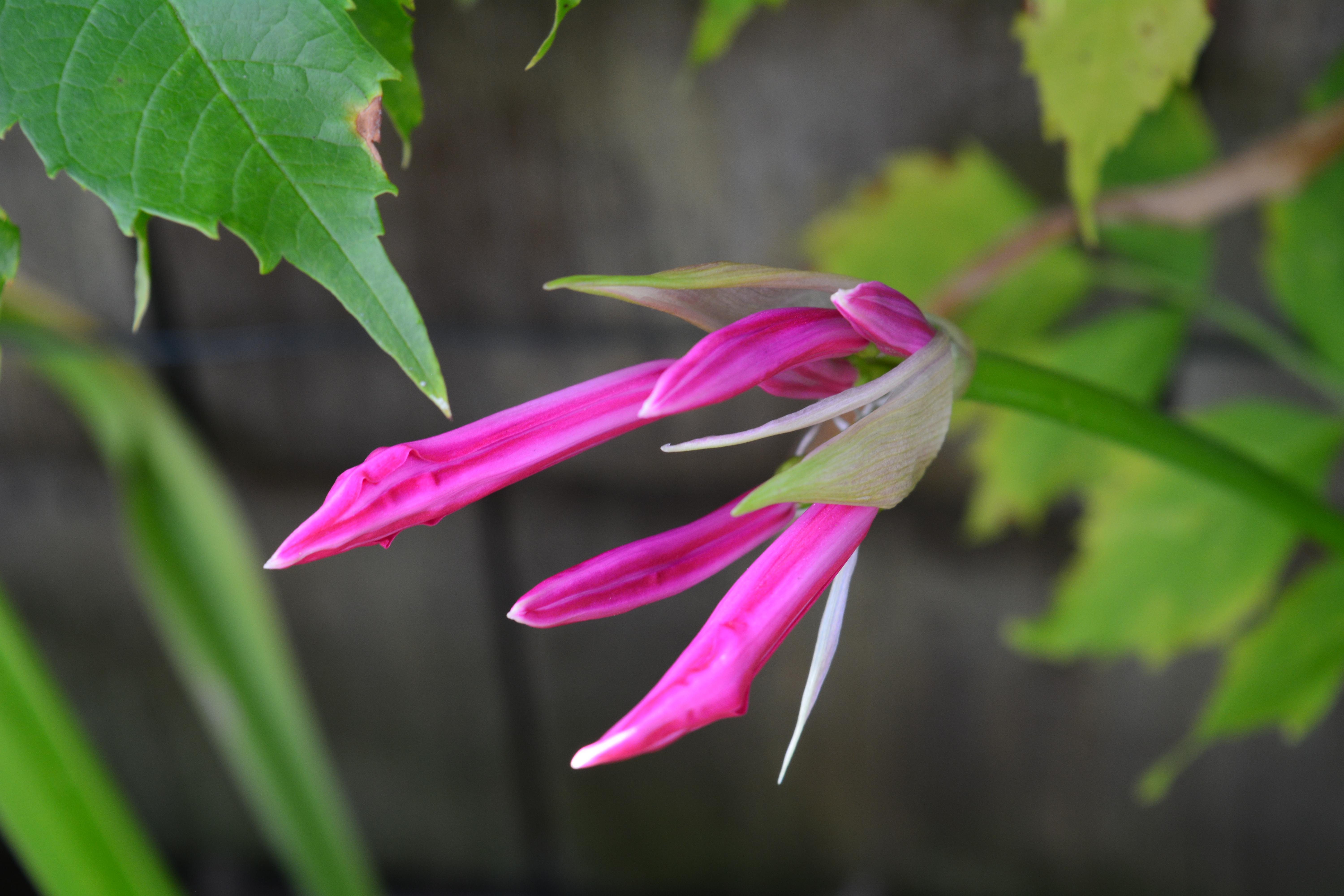
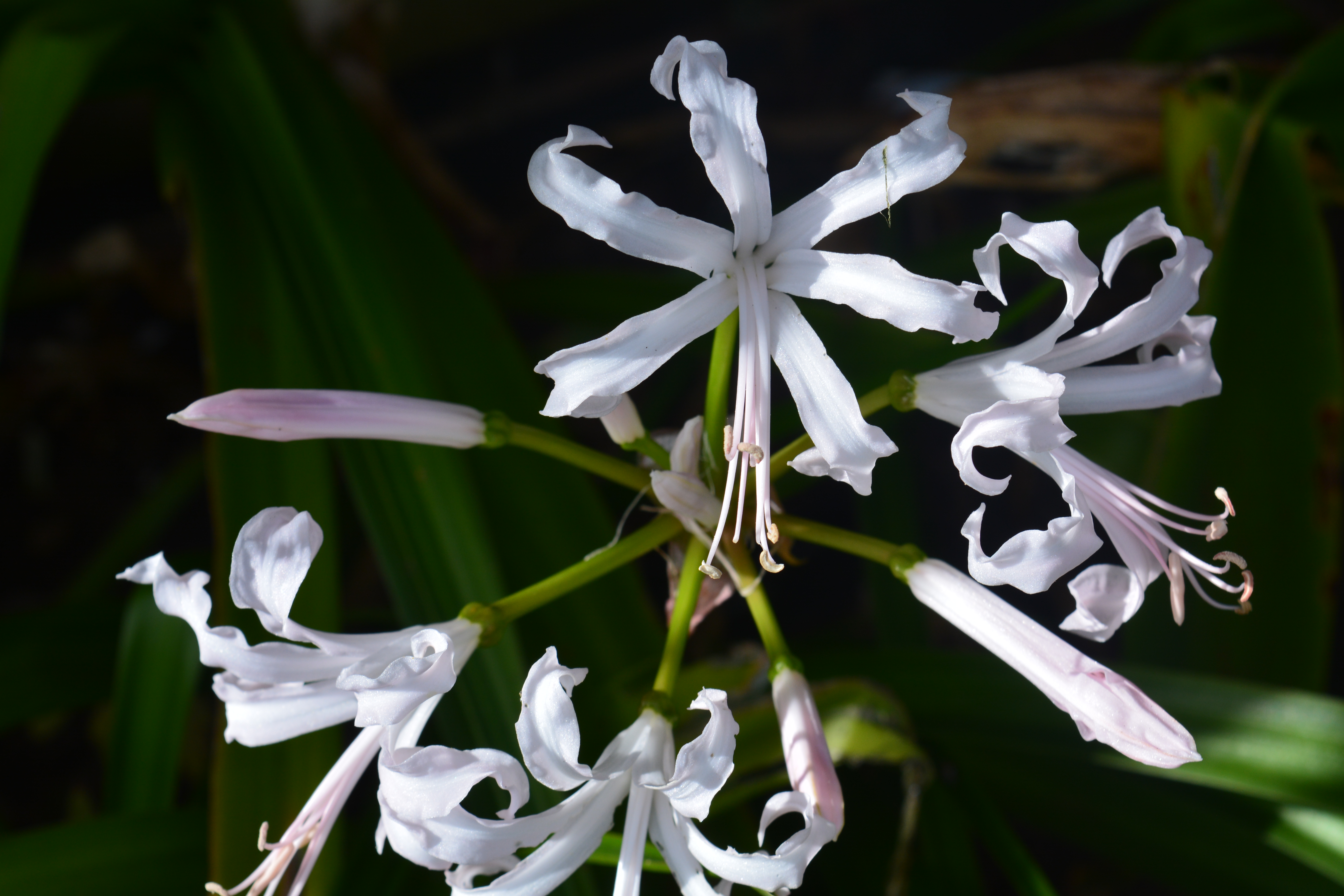
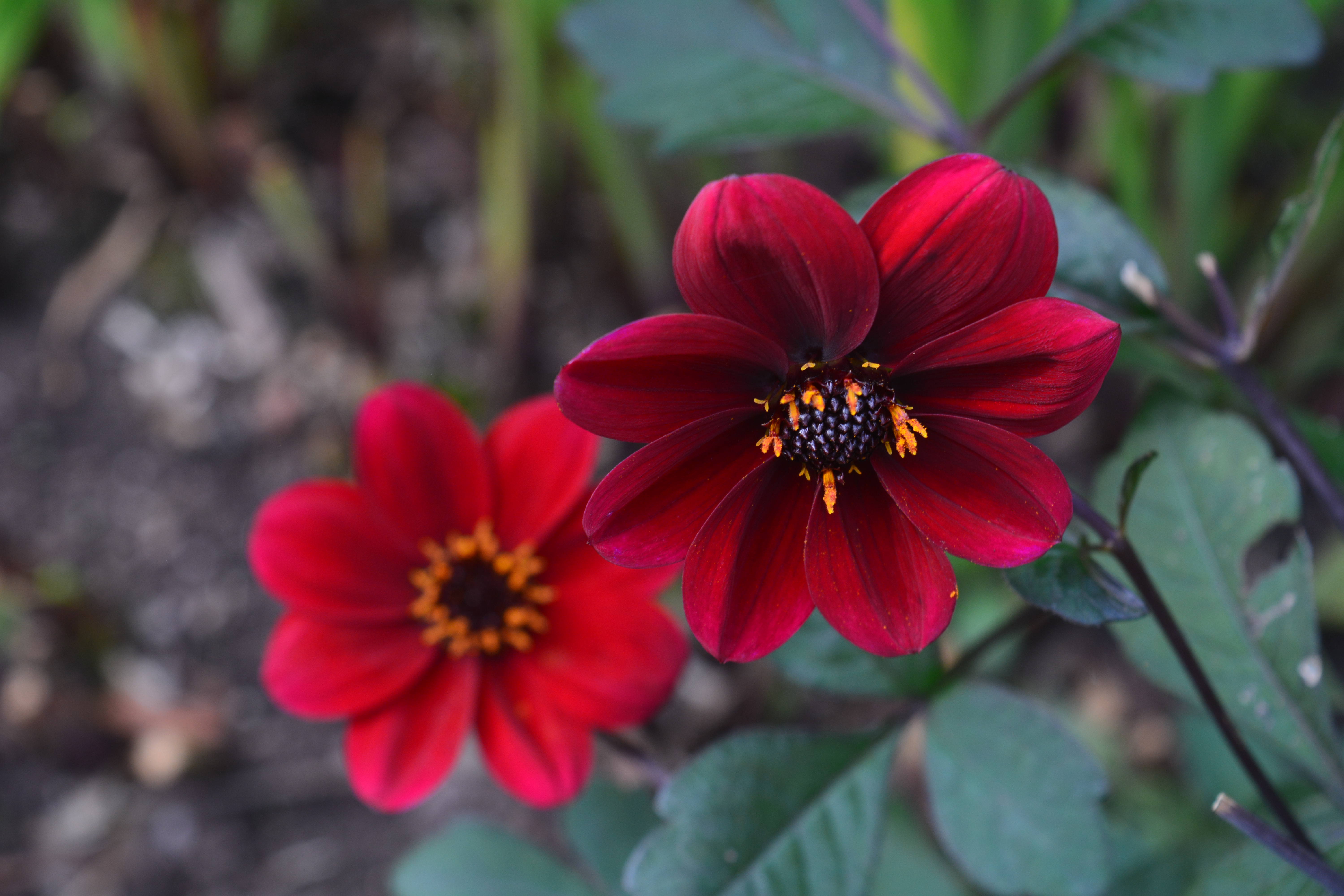
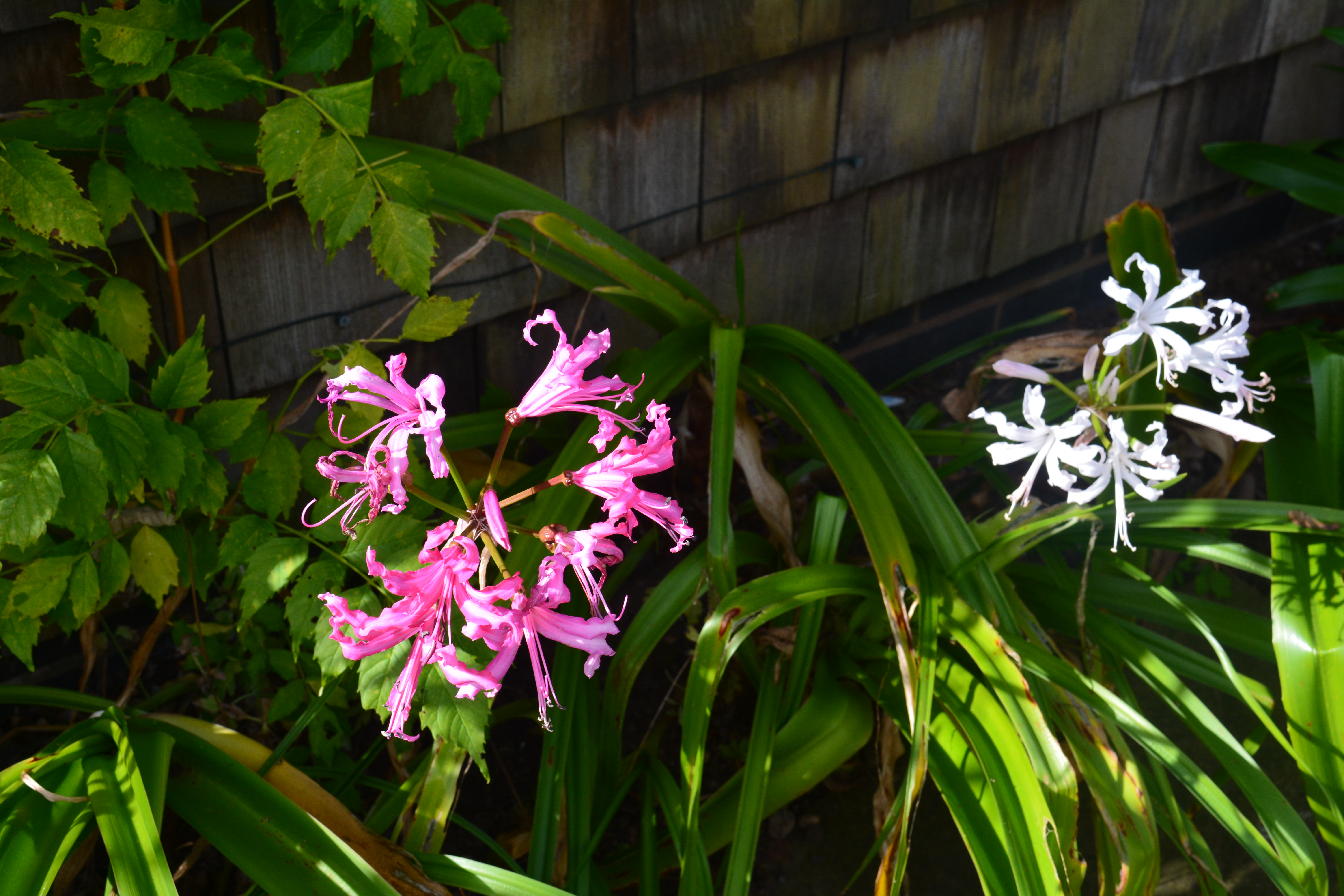
The border alongside the entrance to the coffee shop was at its most colourful so far this year, with Dahlias, Salvias, Nerine and Hesperantha sharing their colours.

Dcoc-52 Dcoc-10 Dcoc-09 Dcoc-08 Dcoc-07 Dcoc-11 Dcoc-12 Dcoc-06

These brightly coloured plants set the scene for much of our September visit.

Dcoc-42 Dcoc-58 Dcoc-50 Dcoc-27

I thought that a gallery of brightly cheerful flowering plants would be a good way of sharing the warm feeling prevailing over the Dorothy Clive Garden this September visit.

Please click on first pic and then navigate using arrows and of course enjoy!

I promised to share our enjoyment of wandering around the soft grass paths that led us around the little arboretum and closely studying the young trees. One surprise was the total lack of autumnal tints to the foliage.

dca-01 dca-28 dca-02 dca-03 

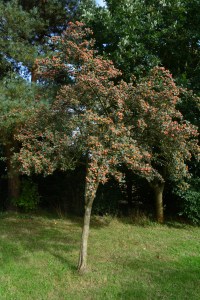
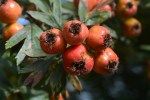
We were particularly taken by this unusual, in fact unknown to us, Hawthorn, Crataegus laciniata. We are now considering adding one to our garden.

The foliage presented a metallic appearance, almost pewter and the haws ranged from yellows through orange and to a dull brown – a most subtle but attractive combination.

dca-12 dca-13dca-14

I feel that another gallery is the best way to share our amble through the arboretum.


Our next visit to these lovely gardens will be for our October report so we should be getting into signs if autumn by then.

Categories
birds colours flowering bulbs garden photography garden wildlife gardening grasses half-hardy perennials hardy perennials ornamental grasses ornamental trees and shrubs outdoor sculpture roses shrubs succulents Winter Gardening winter gardens

My Garden Journal – December

To celebrate the moving from 2015 into 2016 I thought an appropriate post to publish would be my final monthly garden journal entries for 2015.

This is the final month of reporting on my garden journal where I have been keeping track of what has been happening in our Avocet garden. December should be a month of cold nights, frosts and wintry showers but this year it has been a month of strong winds and rain accompanying mild temperatures. We have still only had one frost in this last bit of the year. Our Dahlias remain outside as we move into the first week of December as we are waiting for frosts to blacken their foliage which would allow us to prepare them for their winter rest.
Opening up my garden journal onto the first pages for December reveals photos of berries which are such a strong feature of our winter garden.
2015 12 28_7595_edited-1

My first entry for December reads, “The berries of our trees and shrubs give bright splashes of colour in the Winter Garden.”

My photos show berries of Hypericum, Sarcoccoca, various Hollies and one of our Sorbus.
2015 12 01_7338 2015 12 01_73362015 12 01_7334 2015 12 01_73552015 12 01_7363 2015 12 01_7366

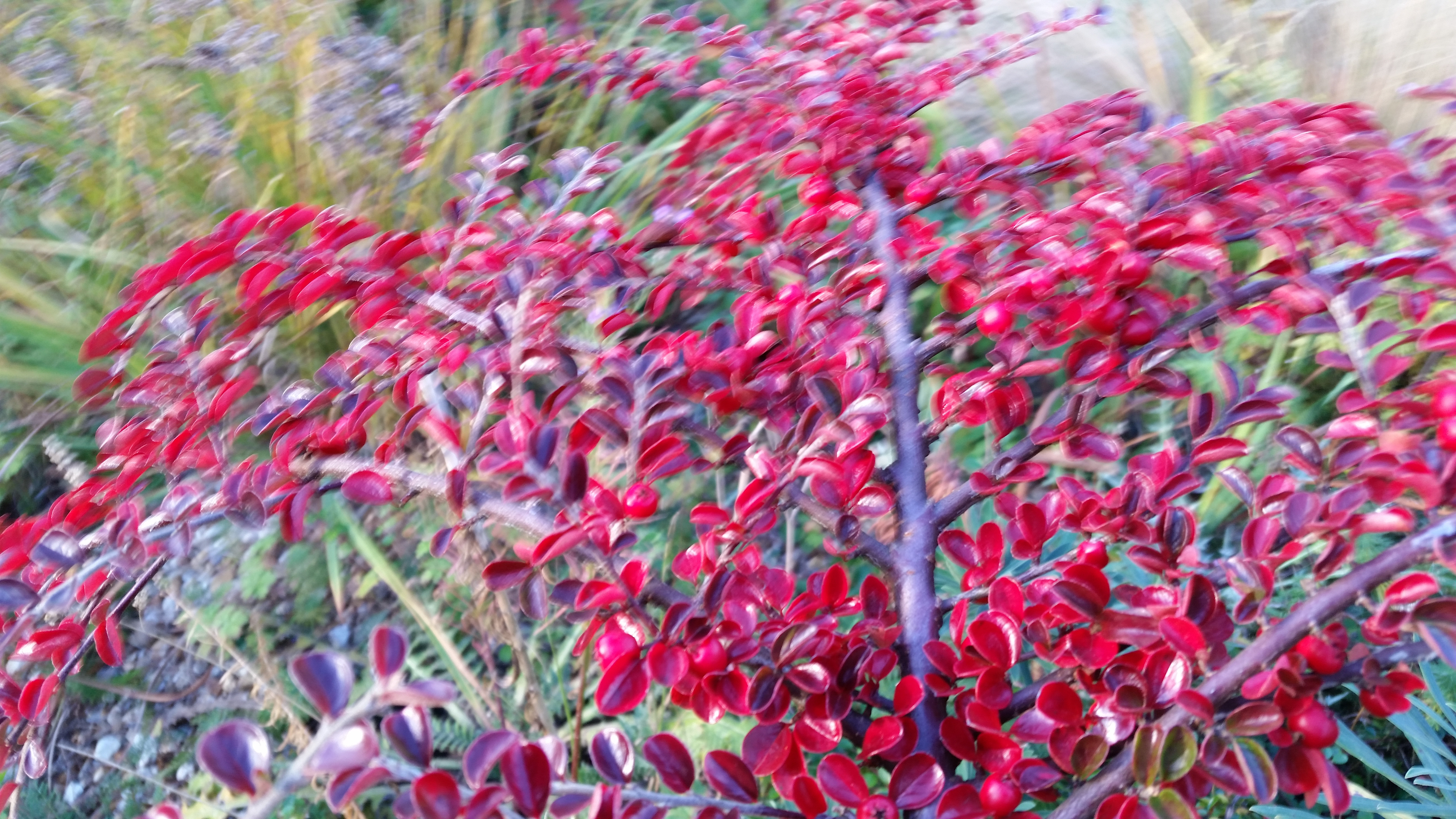
We have many different Cotoneasters throughout the garden giving shiny berries in many red shades – ruby, scarlet, crimson – and one even has yellow berries. They are so easy to grow but add so much to the garden. Each variety has a different habit and foliage in different shades of green, different sizes, shapes and textures. But what is common to them all is that they are true favourites of our berry eating thrushes.”

2015 12 01_7354 2015 12 01_7357 2015 12 01_7358 2015 12 01_7362 2015 12 01_7364 2015 12 01_73682015 12 01_7377 2015 12 01_7340 2015 12 01_7365

The greenhouse features next in my December Journal as it is during this month that it fills up with tender plants which we want to overwinter.

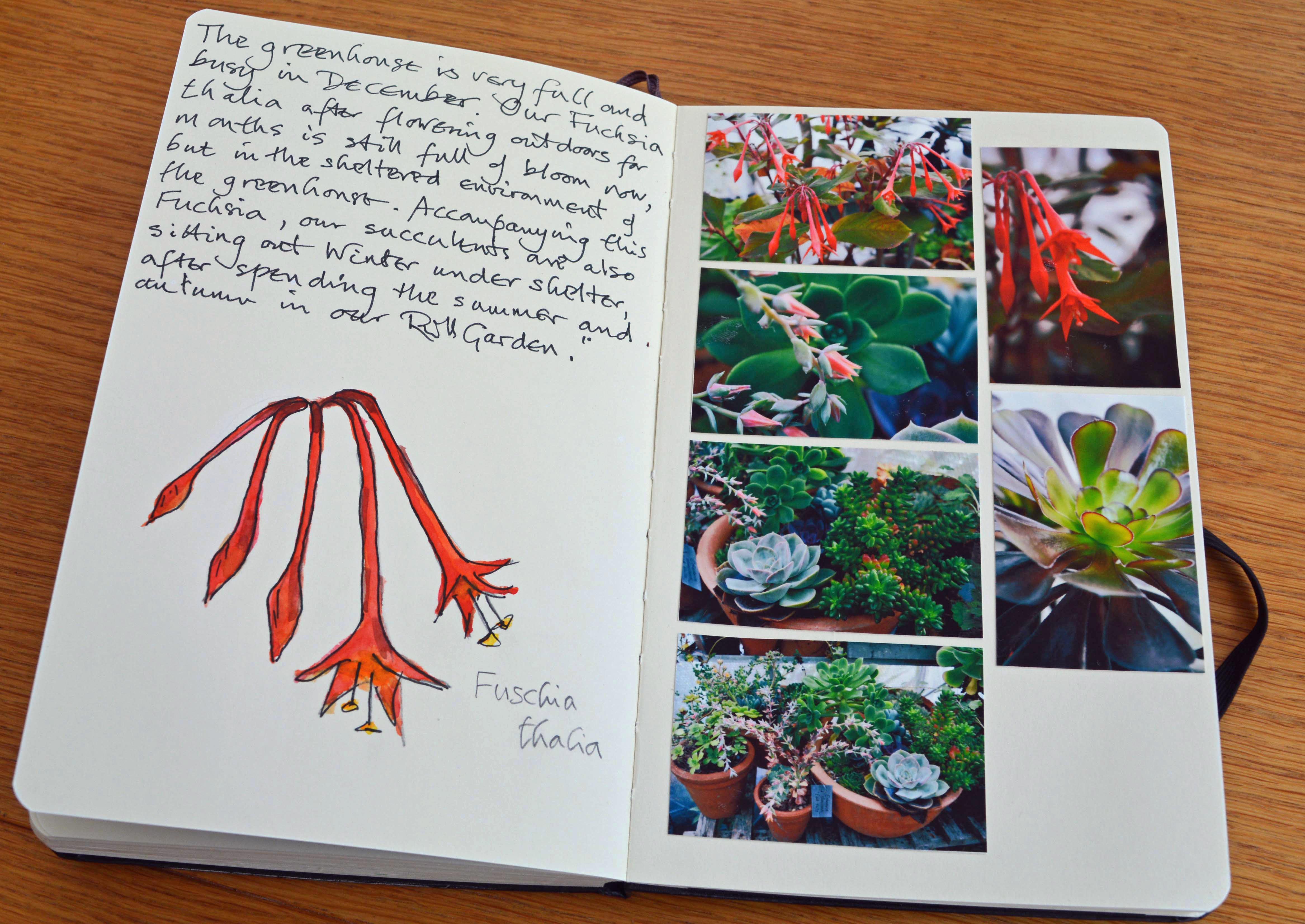
“The greenhouse is very full and busy in December. Our Fuschia thalia after flowering outdoors for months is still full of bloom now but in the sheltered environment of the greenhouse. Accompanying this special Fuschia, our succulents are also sitting out winter under shelter, after spending the summer and autumn in the Rill Garden.” 

2015 12 28_7596_edited-12015 12 01_7323 2015 12 01_7322

I tried to show the uniqueness of the Fuschia and its incredibly bright colour with watercolours.

2015 12 28_7597_edited-1

My final quote for 2015 from the little book by Jenny Joseph, “Led by the Nose” appears as we turn the next page.

2015 12 28_7598_edited-1

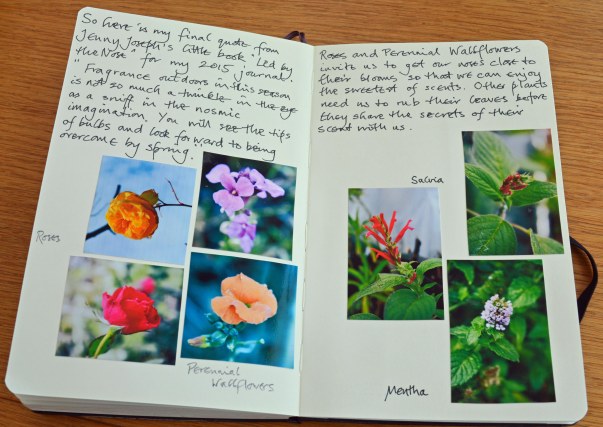
Fragrance outdoors in this season is not so much a twinkle in the eye as a sniff in the nosmic imagination. You will see the tips of bulbs and look forward to being overcome by spring.” 

Below these words I share photos of a few of the flowers that are sharing their scent with us this month, roses and perennial wallflowers.
2015 12 01_7343 2015 12 01_7384 2015 12 01_7361_edited-1 2015 12 01_7398 2015 12 01_7376_edited-1 2015 12 01_7372

“Roses and Perennial Wallflowers invite us to get our noses close to their blooms so that we can enjoy the sweetest of scents. Other plants need us to rub their leaves before they share the secrets of the scent with us.” 

The accompanying pictures show two such plants, salvias and mints.

2015 12 01_7319 2015 12 01_73812015 12 01_7320

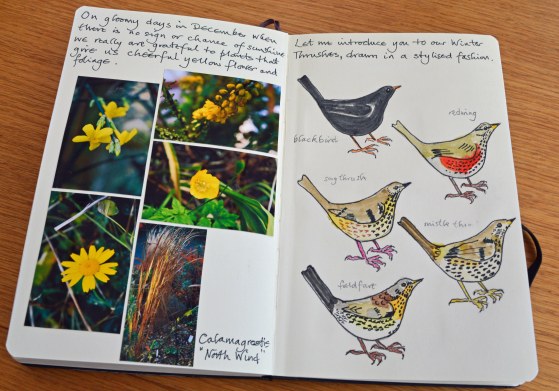
The colour yellow can cheer up the garden in the deep dark days of December, so I moved on to see what plants were giving us these golden tints.

2015 12 28_7599_edited-1

“On gloomy days in December when there is no sign or chance of sunshine, we really are grateful to plants that give us cheerful yellow flower and foliage.”

2015 12 01_7382 2015 12 01_7383 2015 12 01_7412 2015 12 01_7406 2015 12 01_7347  2015 12 01_7352_edited-1

Opposite my tour of our garden yellows I make mention of the members of the ?thrush family that share our garden with us in the winter.

“Let me introduce you to our Winter Thrushes, drawn in a stylised fashion.”  I hope you enjoy them.

2015 12 28_7600_edited-1

We next turn from the colour yellow to bright pinks, Nerines.

2015 12 28_7606_edited-1

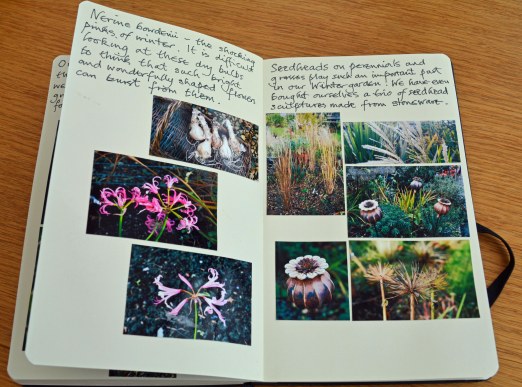
“Nerine bowdenii is the shocking pink of winter. It is difficult looking at these dry bulbs to think that such bright and wonderfully shaped flowers can burst from them.”

2015 12 16_7522 2015 12 01_7339

Seed heads are the theme of the page opposite the Nerines.

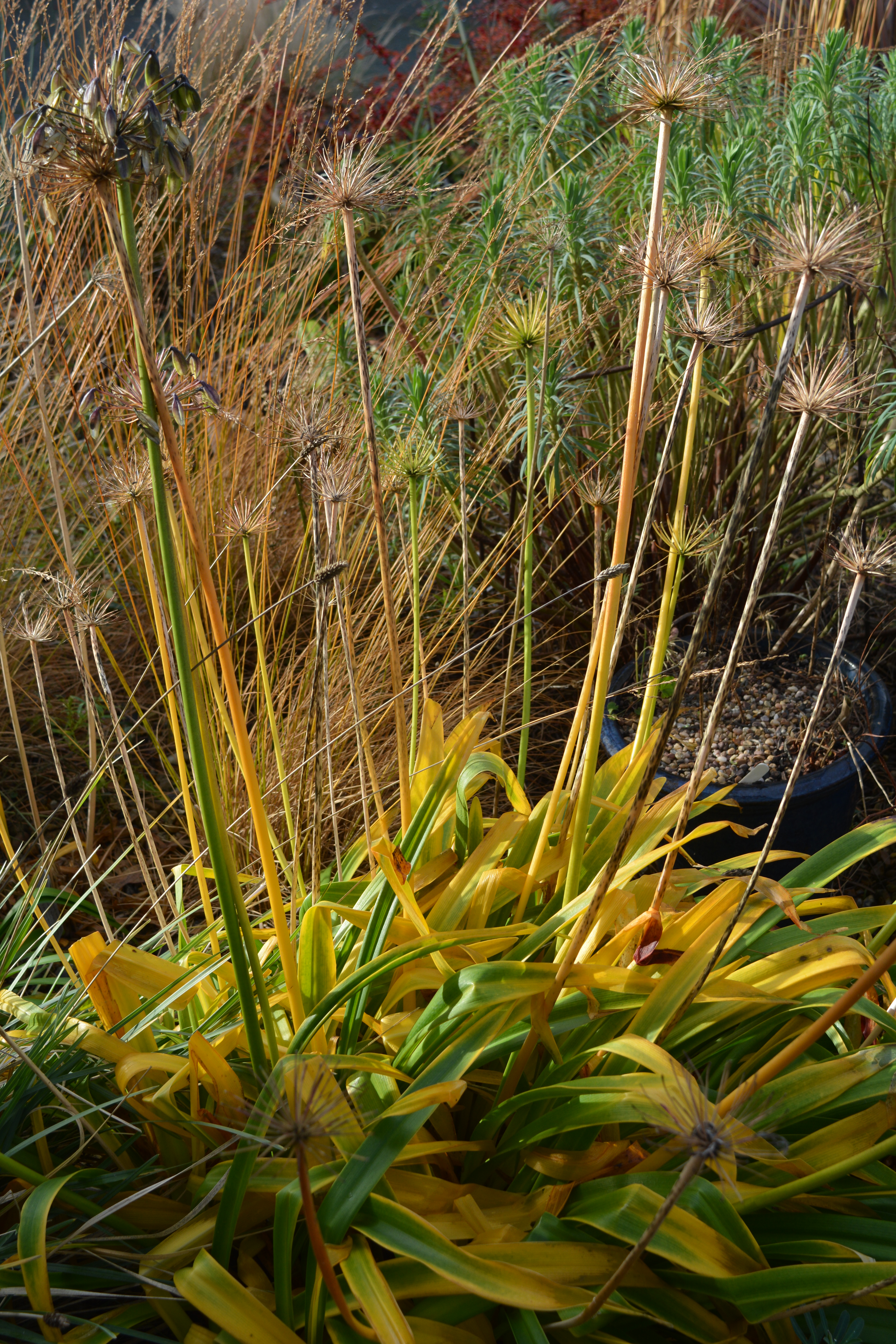
“Seedheads on perennials and grasses play such an important part in our Winter garden. We have even bought ourselves a trio of seedhead sculptures made from stoneware.”

2015 12 01_7353 2015 12 01_73492015 12 01_7350 2015 12 01_7392_edited-1

2015 12 01_7360 2015 12 01_7359

So now we turn the page to the very last entry in my 2015 Garden Journal.

2015 12 28_7607_edited-1

As December slowly comes to an end for 2015, we are already looking ahead. Jude’s little nursery is well-stocked with young plants which we will sell on our open days and to garden clubs who visit Avocet. The greenhouse keeps our tender plants warm and snug. They are patiently awaiting Spring 2016.”

2015 12 01_7317 2015 12 01_7318   2015 12 01_7333

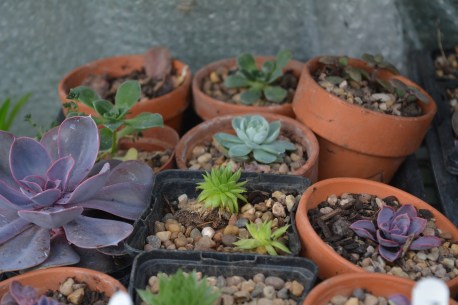
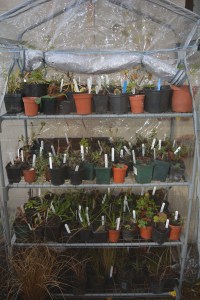
Young plants that we are growing on for sale at next year’s open days are sheltering in a plastic mini-greenhouse to encourage them to grow strong and healthy ready for next year. They look pretty sad through the winter though as most are herbaceous perennials.

2015 12 01_7337


Categories
autumn autumn colours birds colours flowering bulbs garden photography garden wildlife gardening grasses half-hardy perennials hardy perennials house martins light light quality migration ornamental grasses ornamental trees and shrubs Shropshire swallows trees

My Garden Journal – September

The September pages of my garden journal sees the first signs of autumn creeping in, colours changing, light creeping in at a lower level and our summer migrant birdlife disappearing. The skies are empty and quiet now that the Swallows and Martins have left us for warmer climes. We are missing the sight and sounds of Warblers flitting among the trees and shrubs but hopefully some Garden Warblers and Chiffchaffs will decide to stay with us. Climate change seems to be encouraging more migrants to remain in the UK all year through.

2015 10 22_6619_edited-1

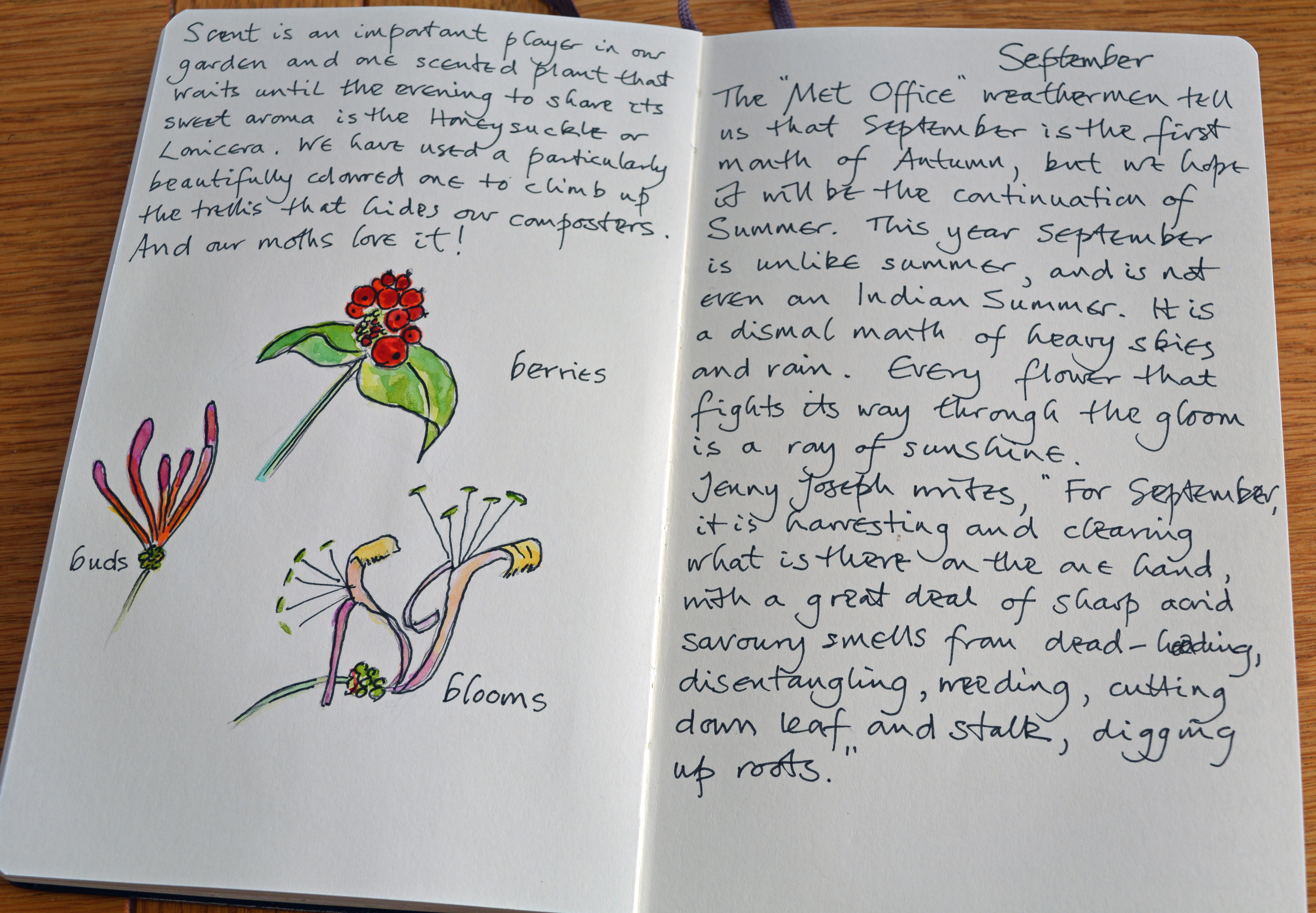
Being a British gardener I start by talking about the weather! “The “Met Office” weathermen tell us that September is the first month of Autumn, but we hope it will be the continuation of Summer. This year September is unlike Summer, and is not even an Indian Summer. It is a dismal month of heavy skies and rain. Every flower that fights its way through the gloom is a ray of sunshine.”

Next comes my usual piece of writing from Jenny Joseph’s little book, “Lead by the Nose”.

For September, it is harvesting and clearing what is there on the one hand, with a great deal of sharp acrid savoury smells from dead-heading, disentangling, weeding, cutting down leaf and stalk, digging up roots.”

2015 10 22_6620_edited-1

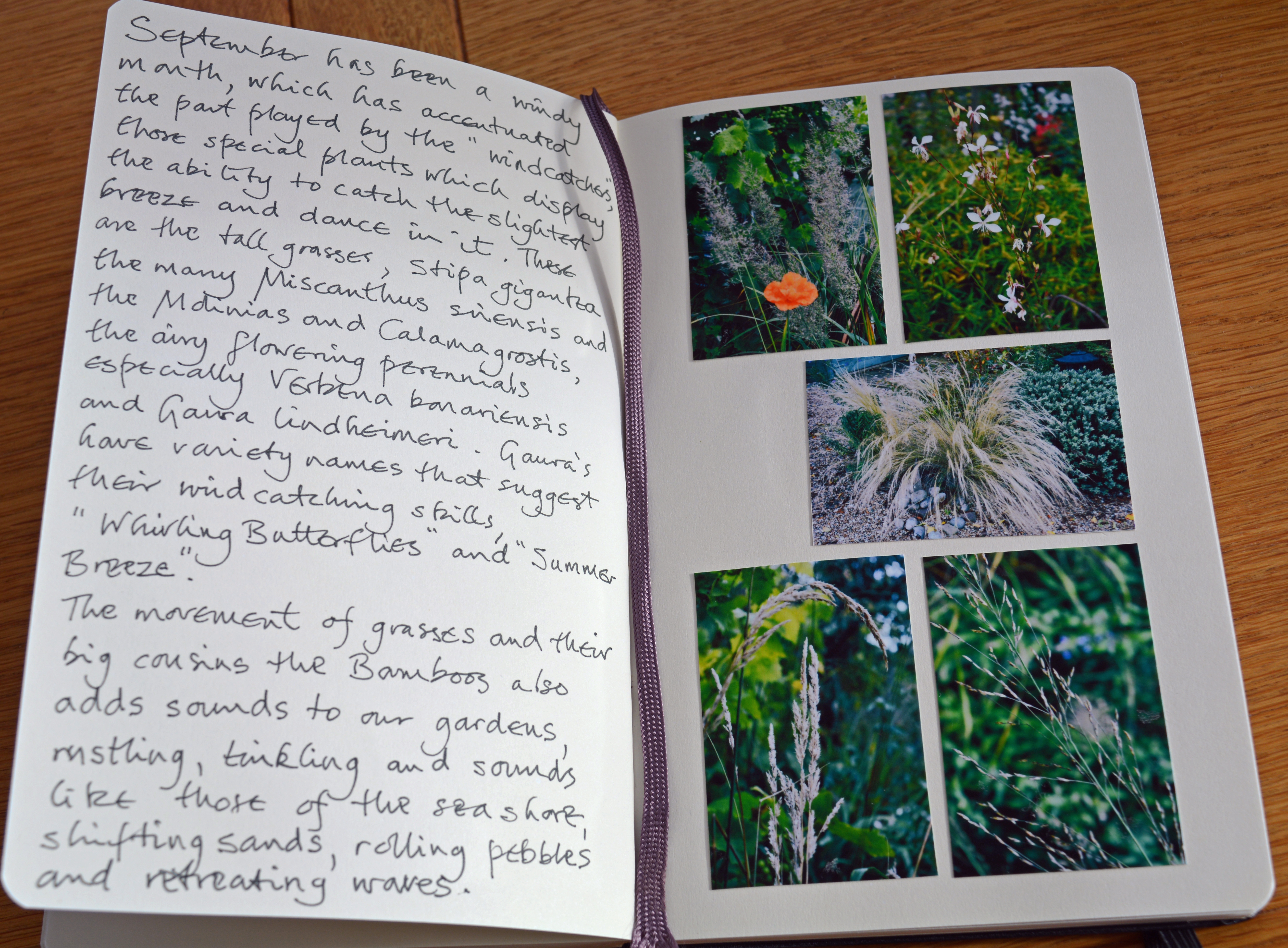
I move on to consider a special group of plants which Jude and I love in our garden, the airy, whispy plants that can’t help but move in the gentlest of breezes, the “Windcatchers”.

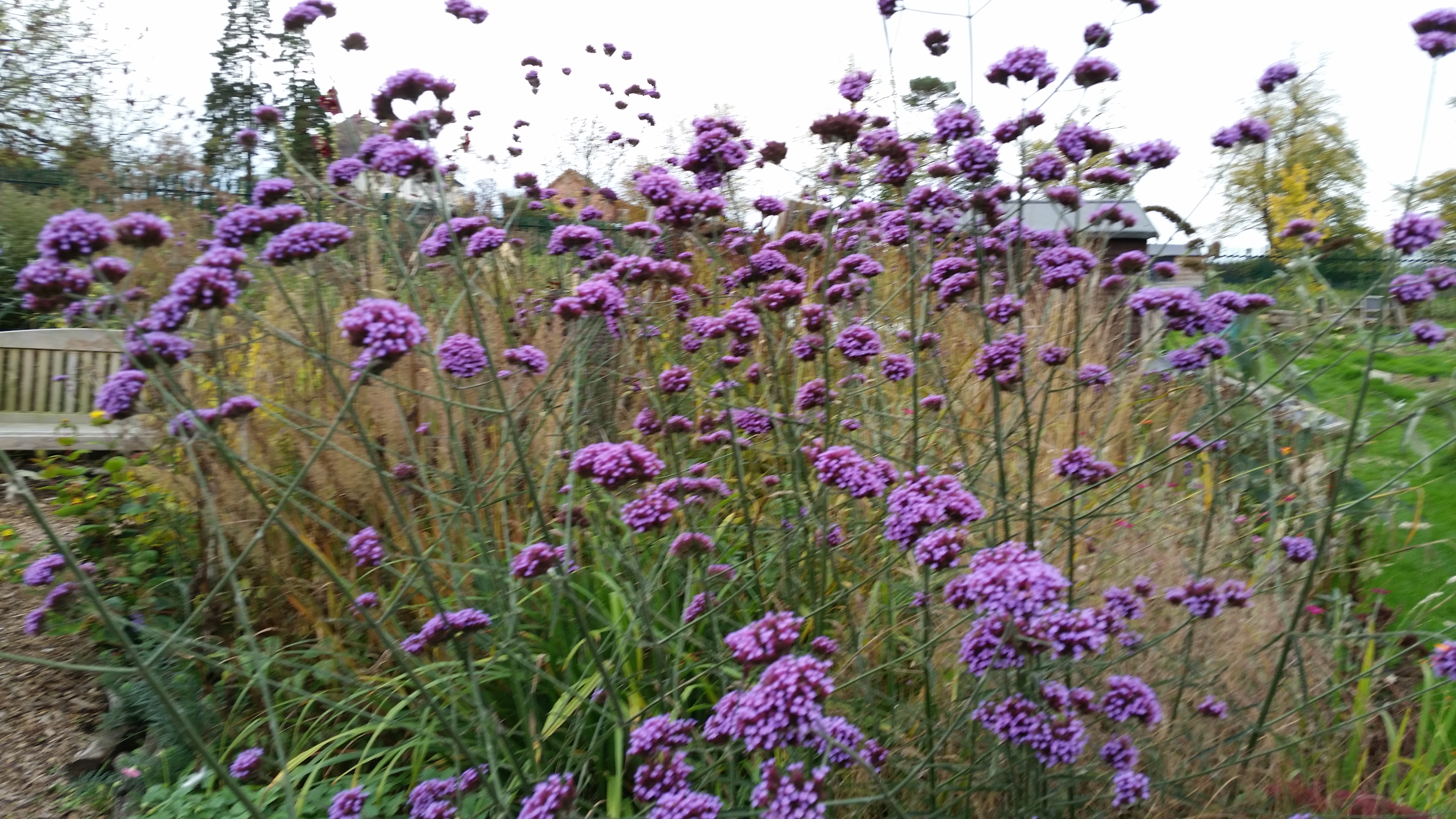
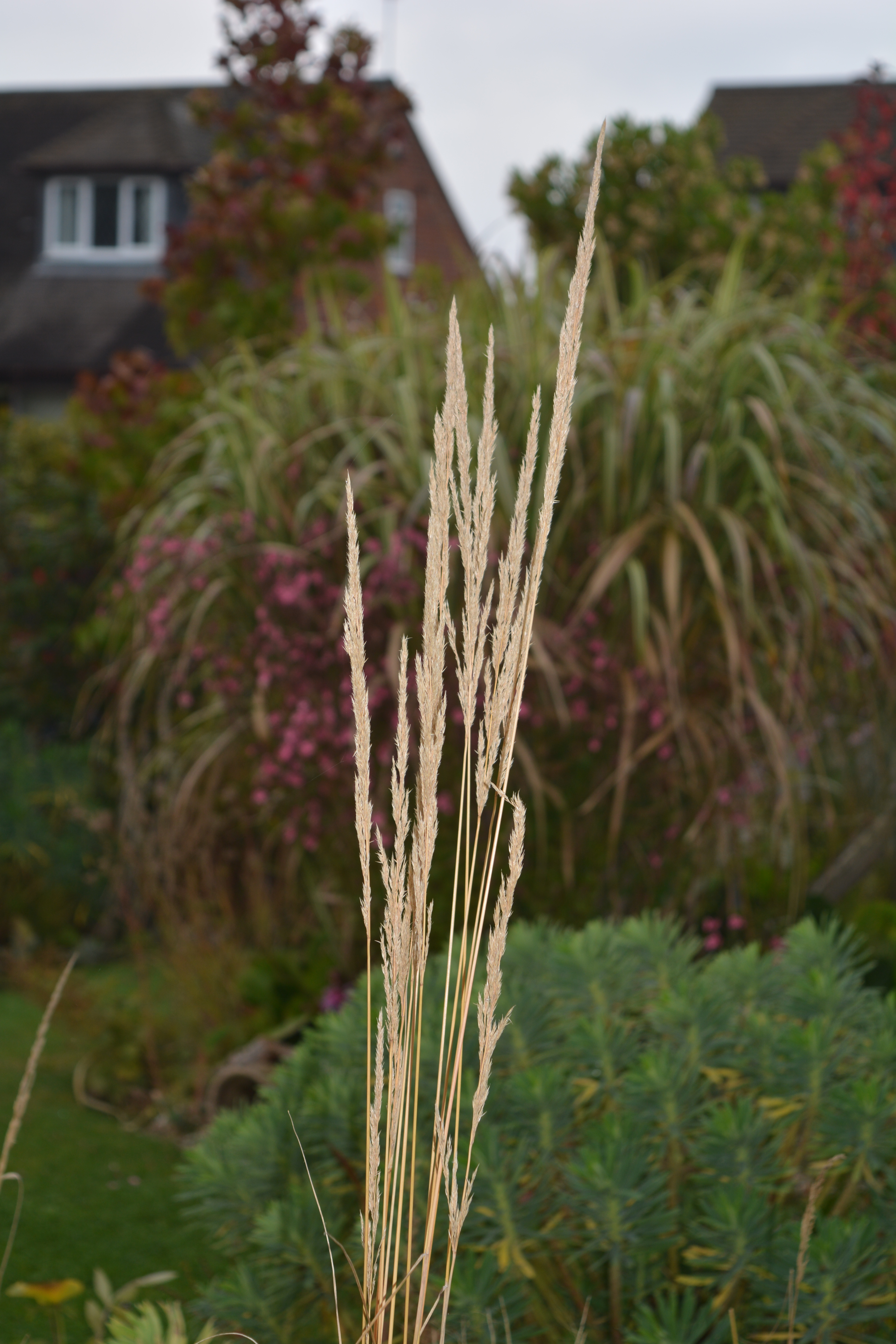
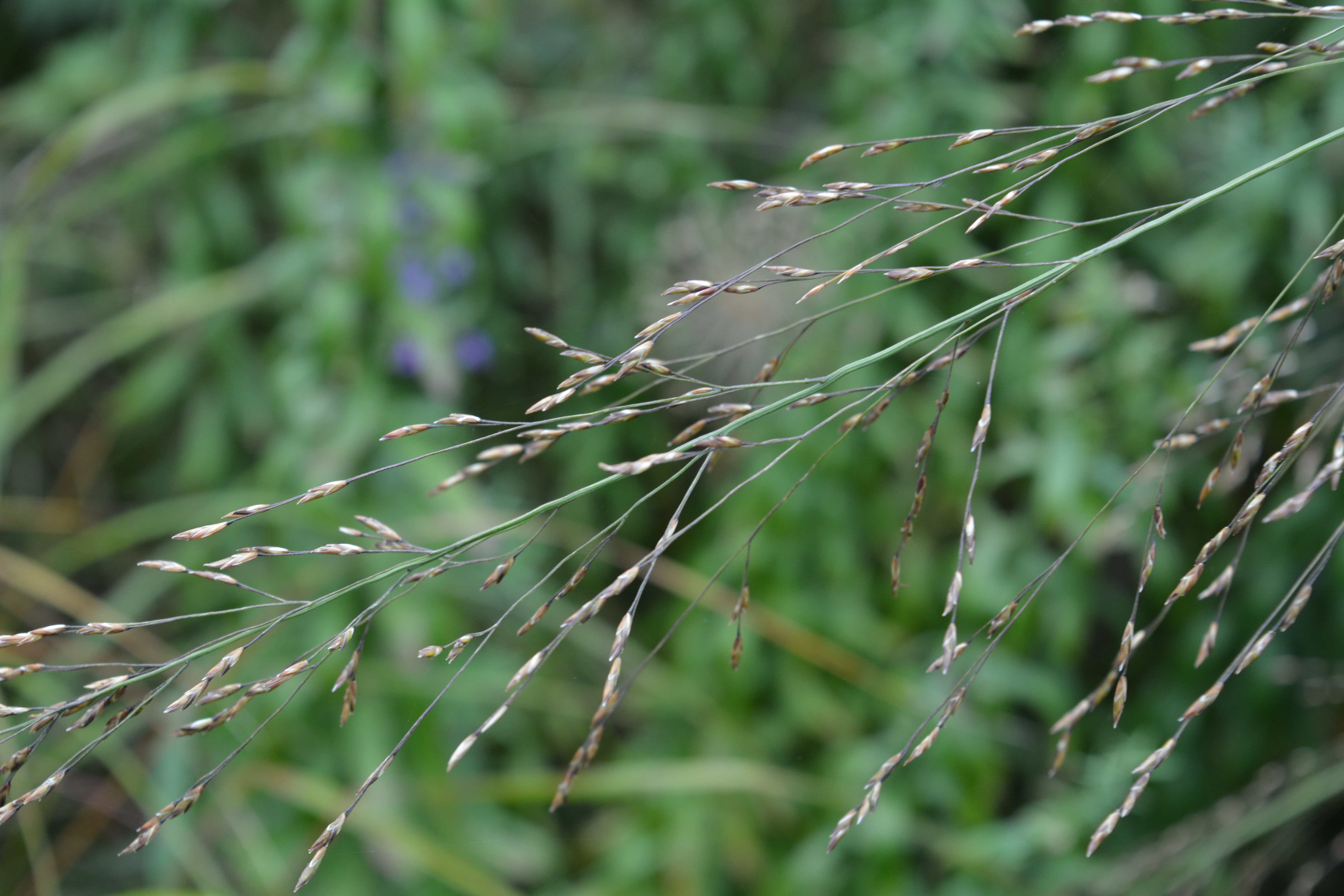
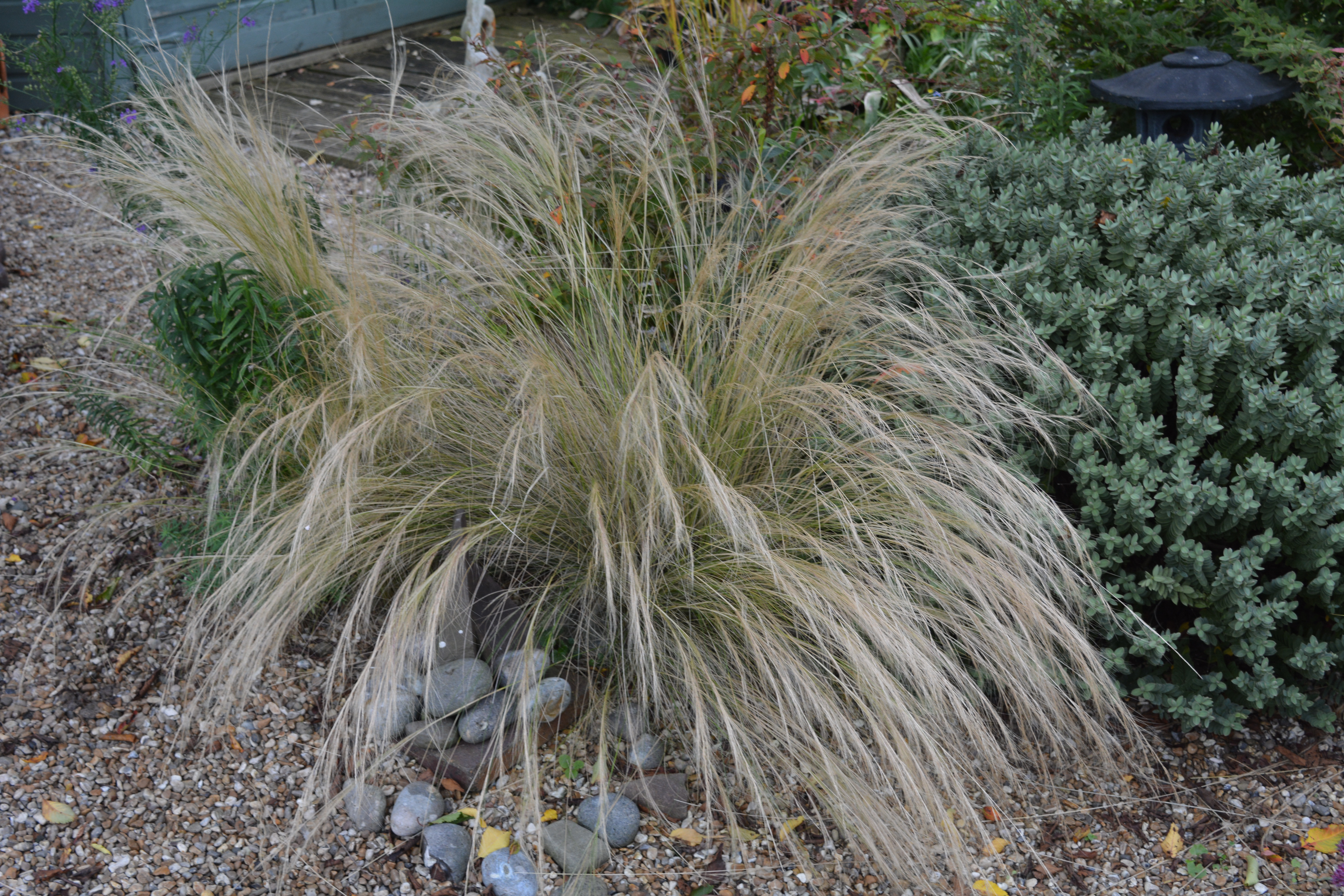
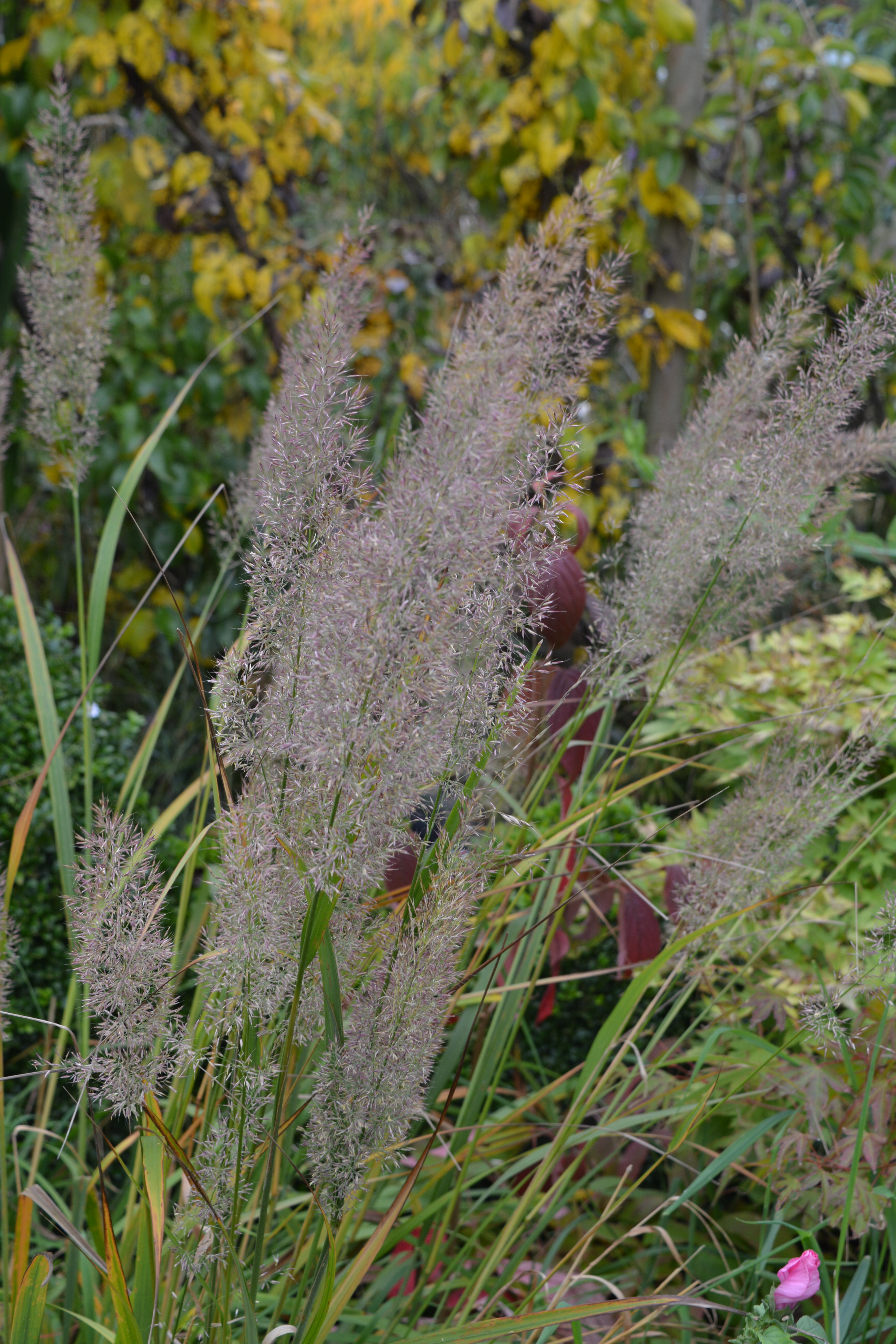
“September has been a windy month, which has accentuated the part played by the “Windcatchers”, those special plants which display the ability to catch the slightest breeze and dance in it. These are the tall grasses, Stipa gigantea, Miscanthus sinensis and the Molinias and Calamagrostis, the airy flowering perennials especially Verbena bonariensis and Gaura lindheimeri. Gauras have variety names that suggest their windcatching skills, “Whirling Butterflies” and “Summer Breeze”. 

The photos below show what a beautiful plant Verbena bonariensis is with its bright purple flower heads nodding in the breeze atop its stiff thin stems. It is a true wildlife magnet too attracting Butterflies and Moths, Bees and Hoverflies and many other flying insects. As the light fades in the evening the flowers glow and their scent intensifies to attract night flying insects and a miriad of Moths.

2015 10 24_6629 2015 10 24_6628

The movement of grasses and their big cousins the Bamboos also adds sounds to our garden, rustling, tinkling and sounds like those of the seashore, shifting sands, rolling pebbles and retreating waves.”

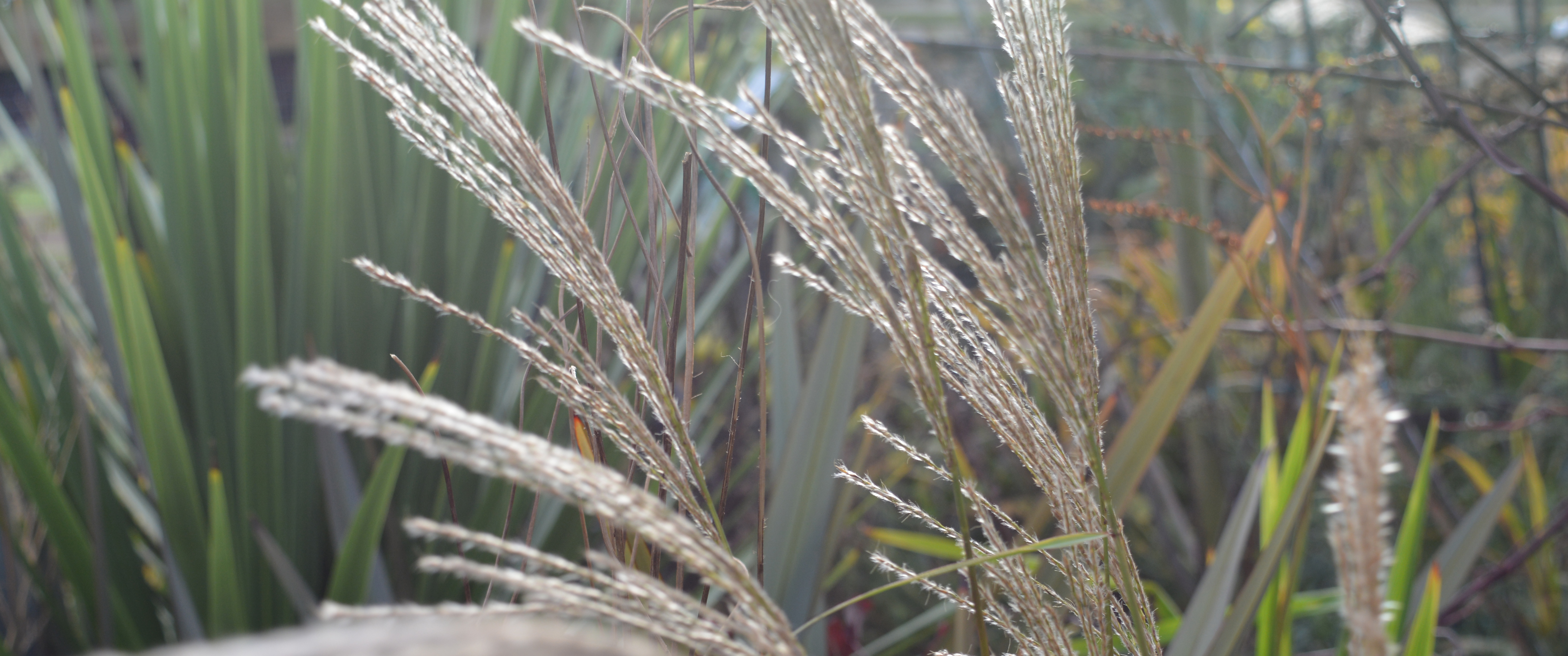
Grasses are such an important element in our garden and help create an all year round garden. From their fresh green leaves emerging in the spring right through to their flowers and on to their seedheads which stand right through the winter.

2015 10 10_5937 2015 10 10_5938 2015 10 10_5943  2015 10 10_5935 2015 10 10_5929 2015 10 10_5930 2015 10 10_5928

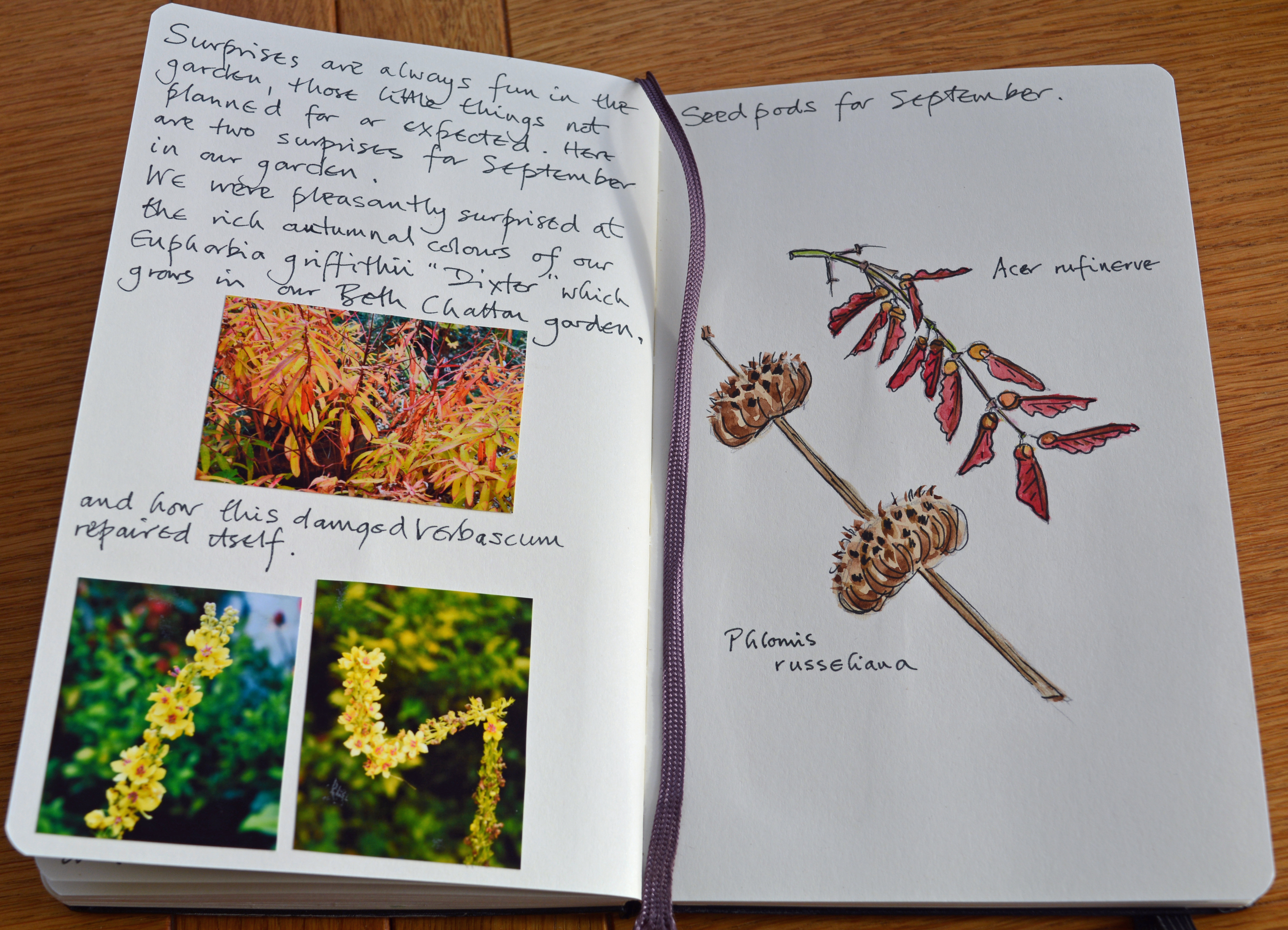
Surprises are the subject of my next page.

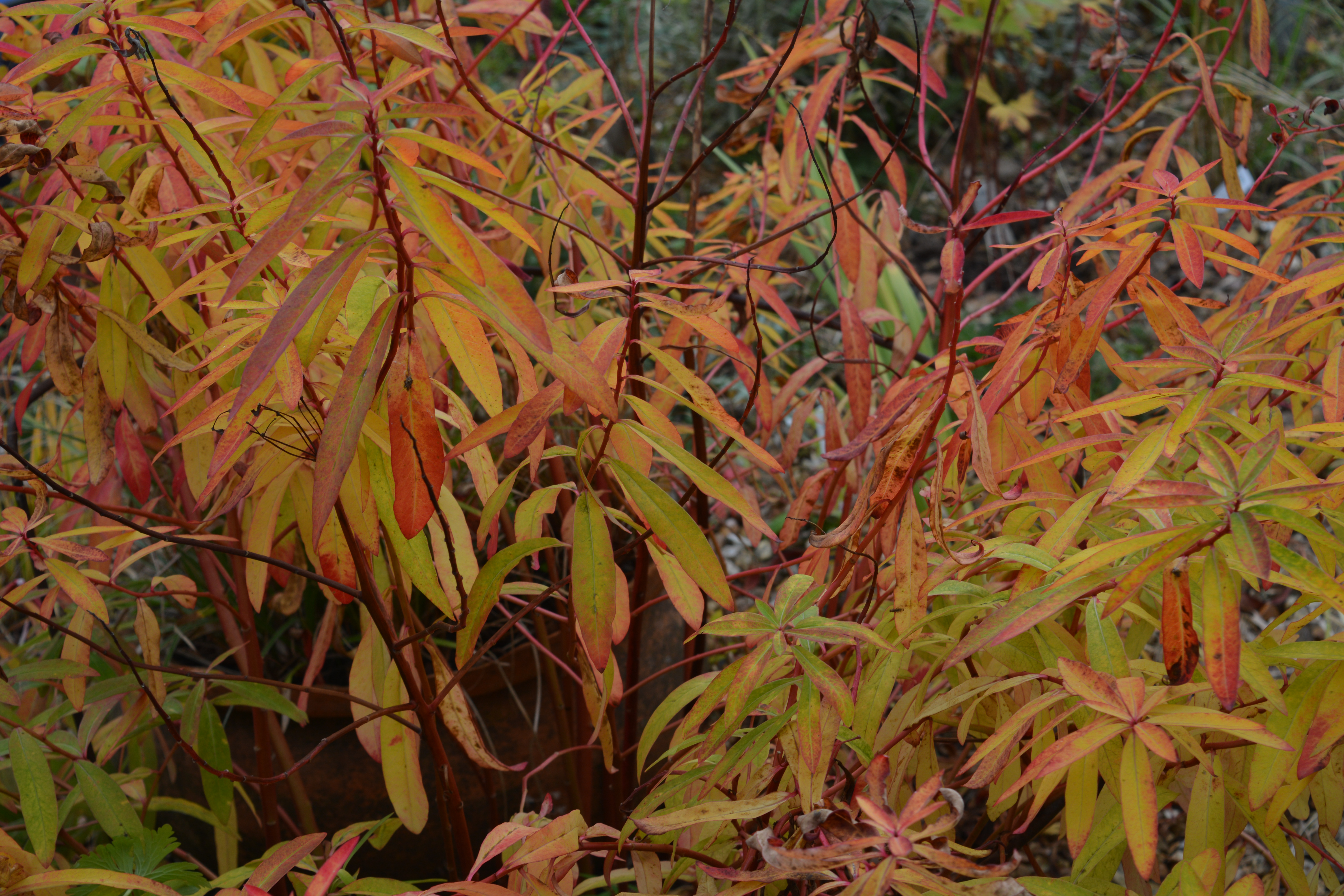
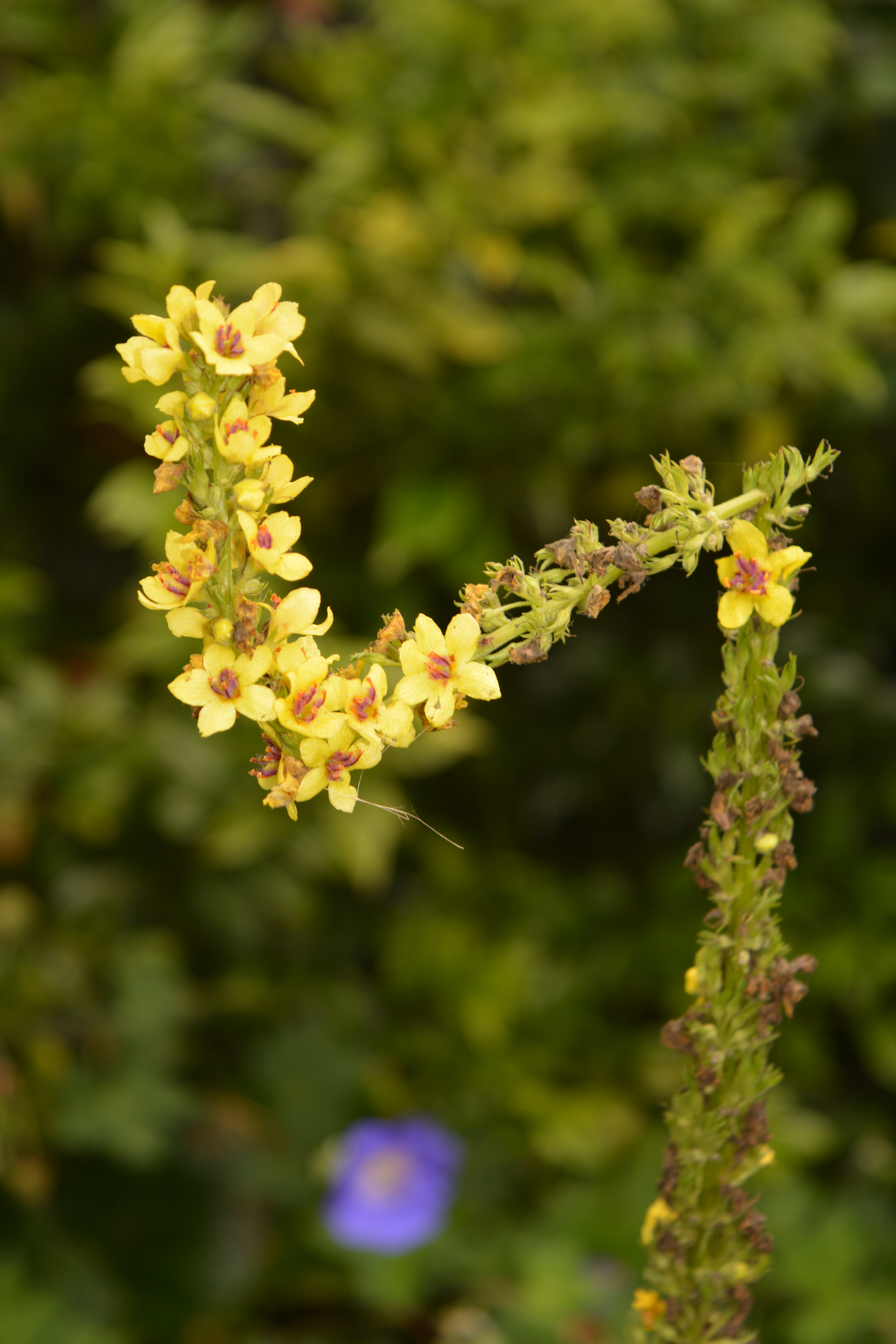
Surprises are always fun in the garden, those little things not planned for or expected. Here are two surprises for September in our garden.

We were pleasantly surprised at the rich autumnal colours of our Euphorbia griffithii “Dixter” which grows in our Beth Chatto garden, and how this damaged Verbascum repaired itself.”

2015 10 22_6621_edited-1

2015 10 10_5942 2015 10 10_5919 2015 10 10_5920

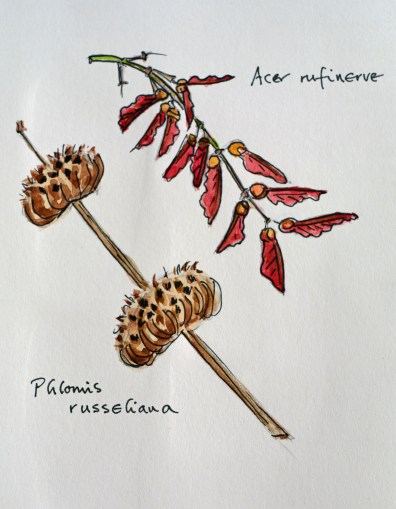
My watercolour paintings of Acer rufinerve and Phlomis russeliana feature on the next page titled “Seedpods for September”. These seeds are capsules of promise, time capsules. The wing-like Acer seeds are shaped and moulded to allow a gentle descent in the wind, each maple key parachuting down to find a place to germinate. The pompom seedheads of the Phlomis are tightly packed balls of rough textured seeds designed to stick to any passing creature who will wander off and drop it away from the parent plant where it can find space to become a herbaceous plant with hairy heart shaped leaves and yellow-orange balls of flowers. 

2015 10 22_6623_edited-1

We now move on to the end of the month when the weather surprised us as it changed for the better, change to good gardening weather and good weather for appreciating gardens.

2015 10 22_6624_edited-1

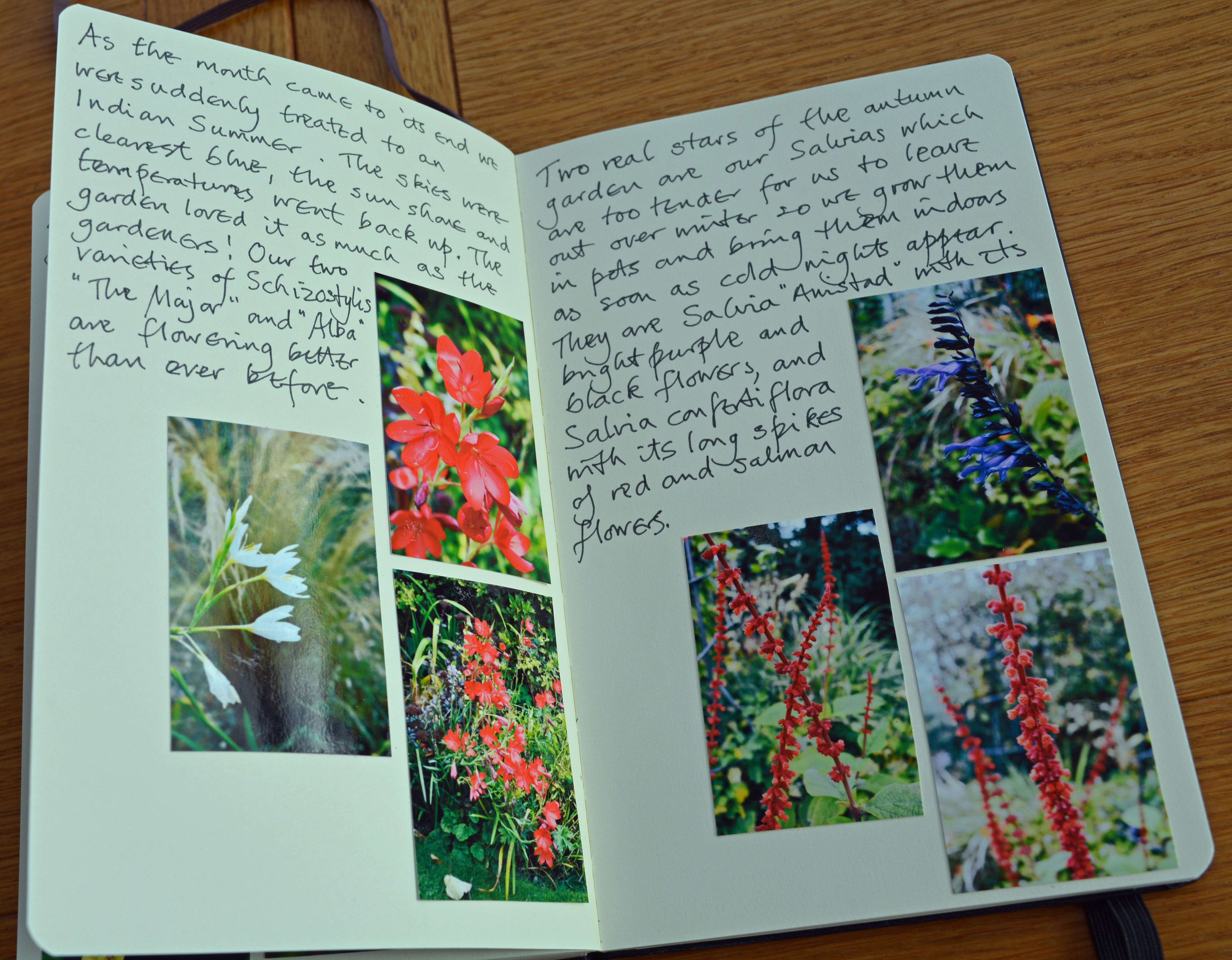
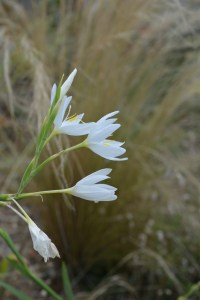
“As the month came to its end we were suddenly treated to an “Indian Summer”. The skies were clearest blue, the sun shone and temperatures went back up. The garden loved it as much as the gardeners! Our two varieties of Schizostylus, “The Major” and “Alba”are flowering better than ever before.”

2015 10 10_5944 2015 10 10_5926 2015 10 10_5925

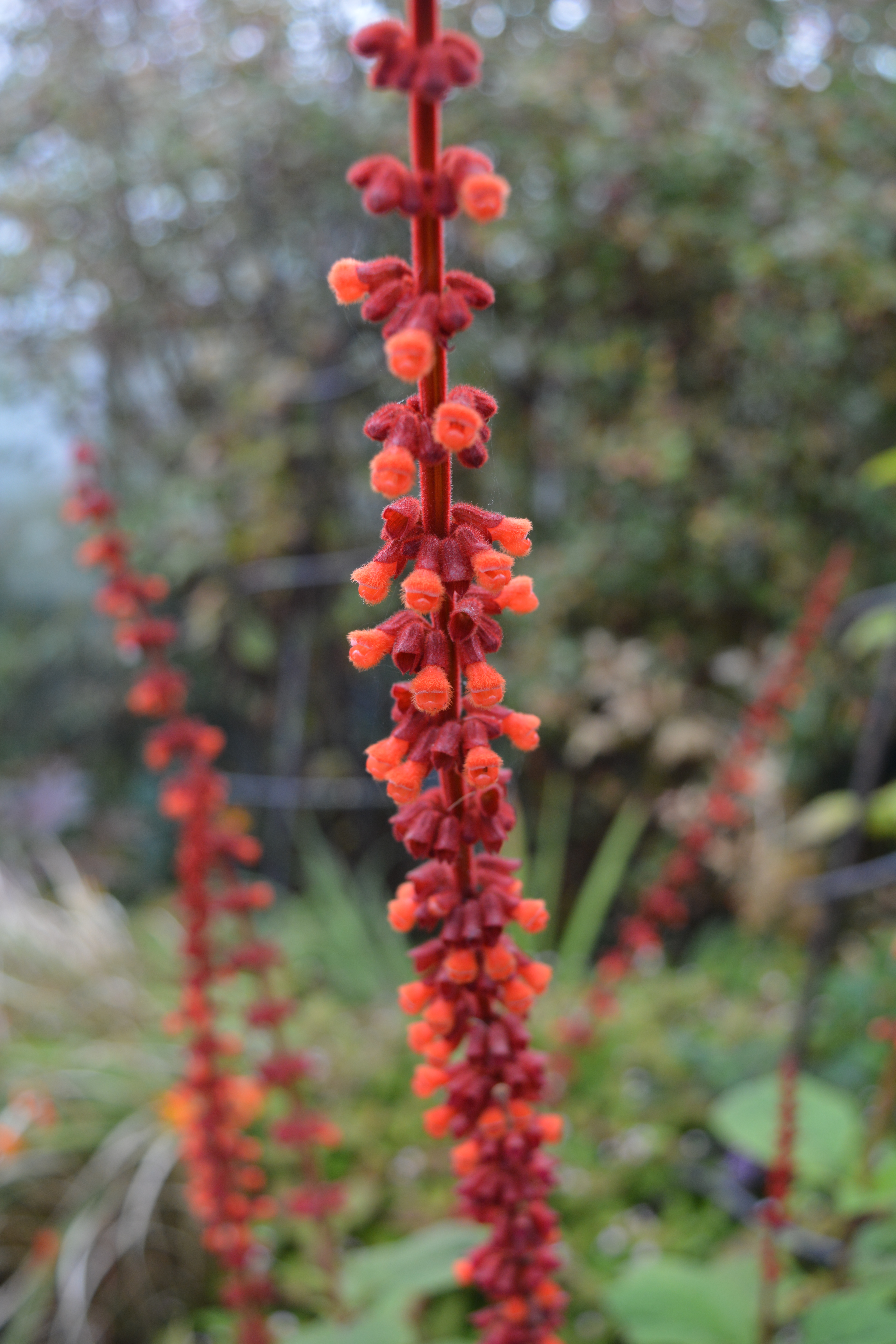
“Two real stars of the autumn garden are our two Salvias that are too tender for us to leave out over our winters, so we grow them in pots and bring them indoors as soon as the cold nights appear. They are Salvia “Amistad” with its bright purple and black flowers and Salvia confertiflora with its long spikes of red and salmon flowers.”

2015 10 10_5952 2015 10 10_5953 2015 10 10_5954

So that is my journal all about our garden in September. I am already writing and painting my entry for October so that will be the next episode of “My Garden Journal”.

Categories
autumn autumn colours colours garden design garden photography gardens gardens open to the public half-hardy perennials hardy perennials light light quality ornamental grasses ornamental trees and shrubs sculpture Yorkshire

Autumn at RHS Harlow Carr – Part Two

Back at the end of November I posted part one of a series of three posts related to our visit to the RHS’s northern garden Harlow Carr, so this week I shall post the second and third.

Back to Harlow Carr and we carry on with our wander around the acres of lawns, woodland and borders.

2014 10 31_6916 2014 10 31_6937

The display gardens showing typical gardens through the ages are different to everything else at Harlow Carr. Here we can always find little interesting details.

2014 10 31_6851 2014 10 31_6852 2014 10 31_6850 2014 10 31_6849 2014 10 31_6853 2014 10 31_6855 2014 10 31_6856 2014 10 31_6858 2014 10 31_6859 2014 10 31_6860

We moved off into the woodlands next where among the autumn colours we discovered a trio of wicker pigs and a newly built wooden shelter. Wood leaf carvings decorated the roof.

2014 10 31_6885 2014 10 31_6886 2014 10 31_6884 2014 10 31_6891 2014 10 31_6892 2014 10 31_6893

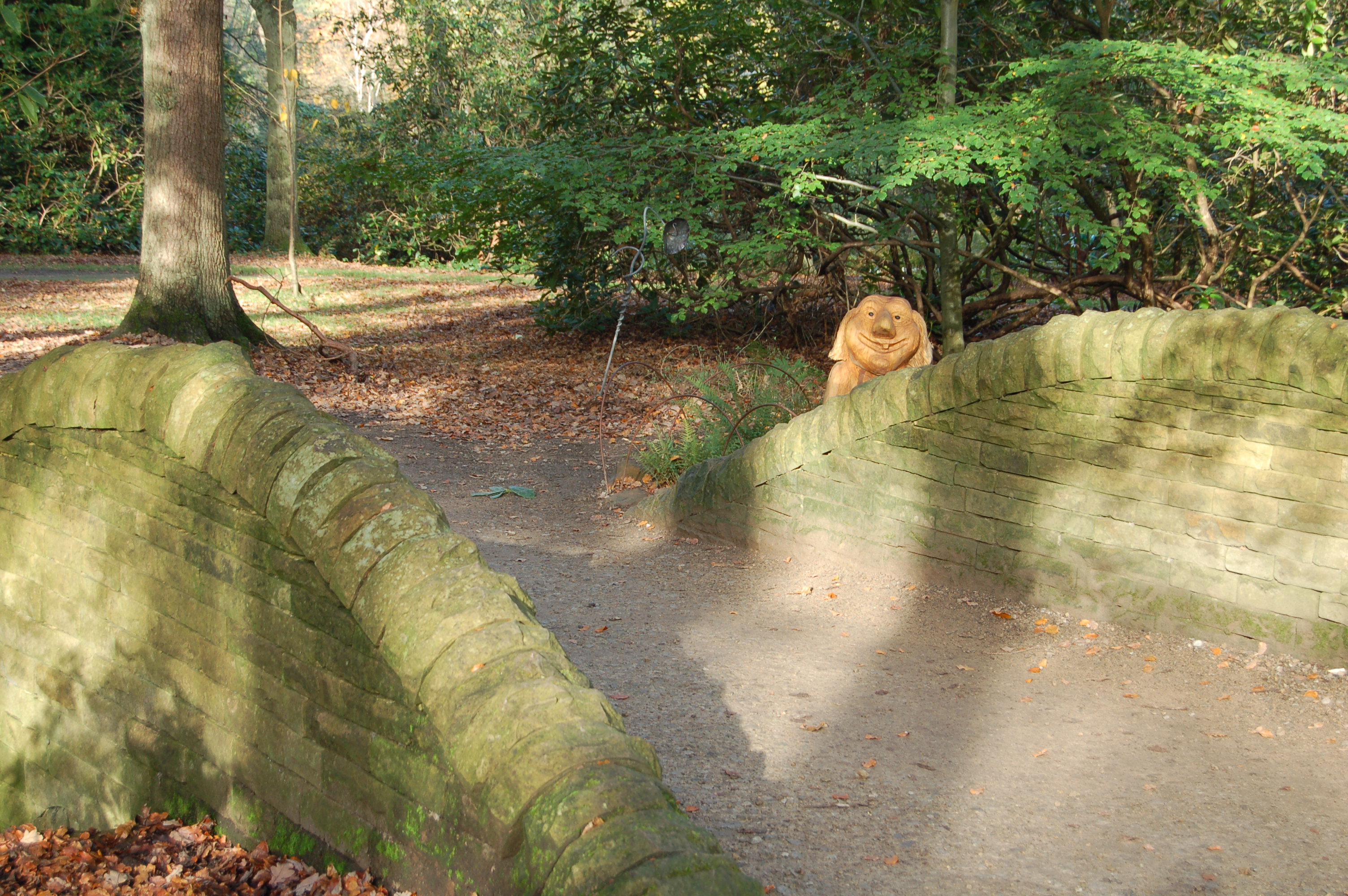
The low light of an October afternoon added a certain magic to the woodland but we enjoyed finding a different sort of magic was provided by a wooden sculpture of a troll guarding his bridge. Every garden needs a little humour!


2014 10 31_6894 2014 10 31_6904

2014 10 31_6907 2014 10 31_6909

2014 10 31_6898 2014 10 31_6900 

The garden threw up sculptural surprises throughout.


2014 10 31_6901 2014 10 31_6902

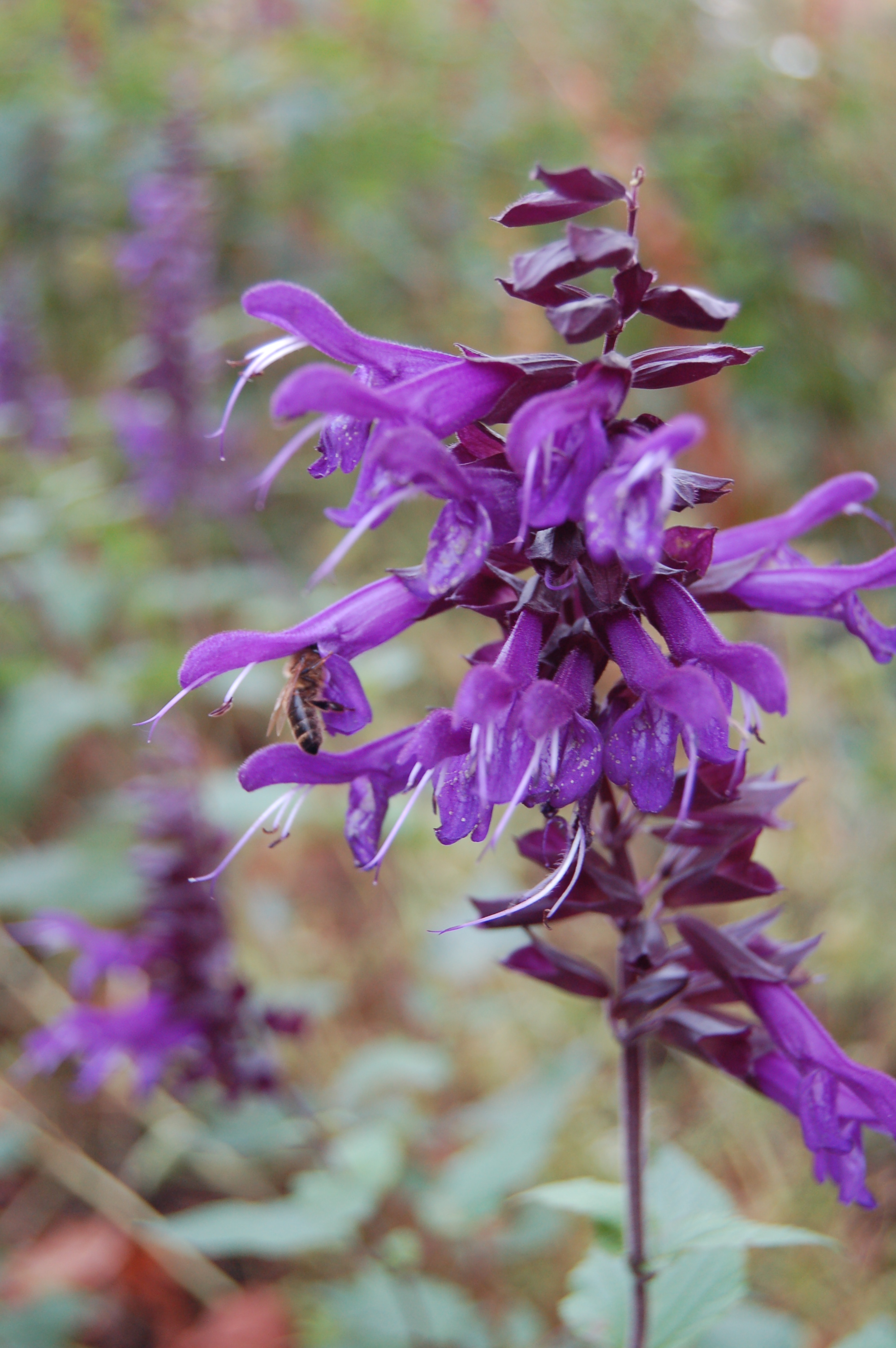
The bright colours of the late flowering half-hardy perennial Salvias can cheer up the dullest of days. An unexpected flower however, unexpected but equally bright, was that of a candelabra Primula.

2014 10 31_6924 2014 10 31_6925 2014 10 31_69282014 10 31_6926 2014 10 31_6930 2014 10 31_6932 2014 10 31_6933 2014 10 31_6934 2014 10 31_6935

2014 10 31_6938 2014 10 31_6940


2014 10 31_6922


At this time of year I love the subdued shades of the dried flowers and seed heads of perennials. In the third part of my Harlow Carr posts we shall find these dominate in the large prairie styled borders.

2014 10 31_6927 2014 10 31_6923 2014 10 31_6918


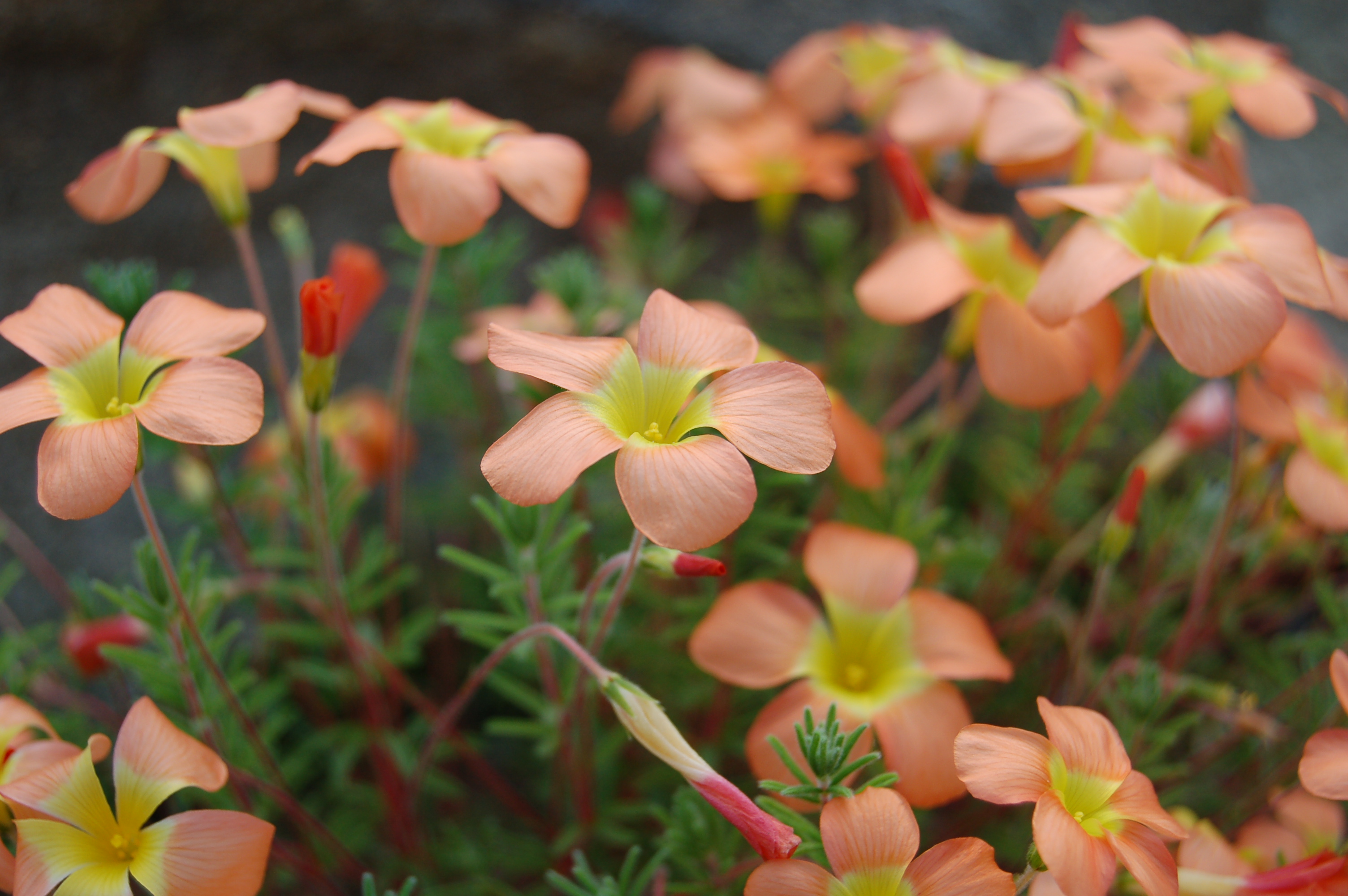
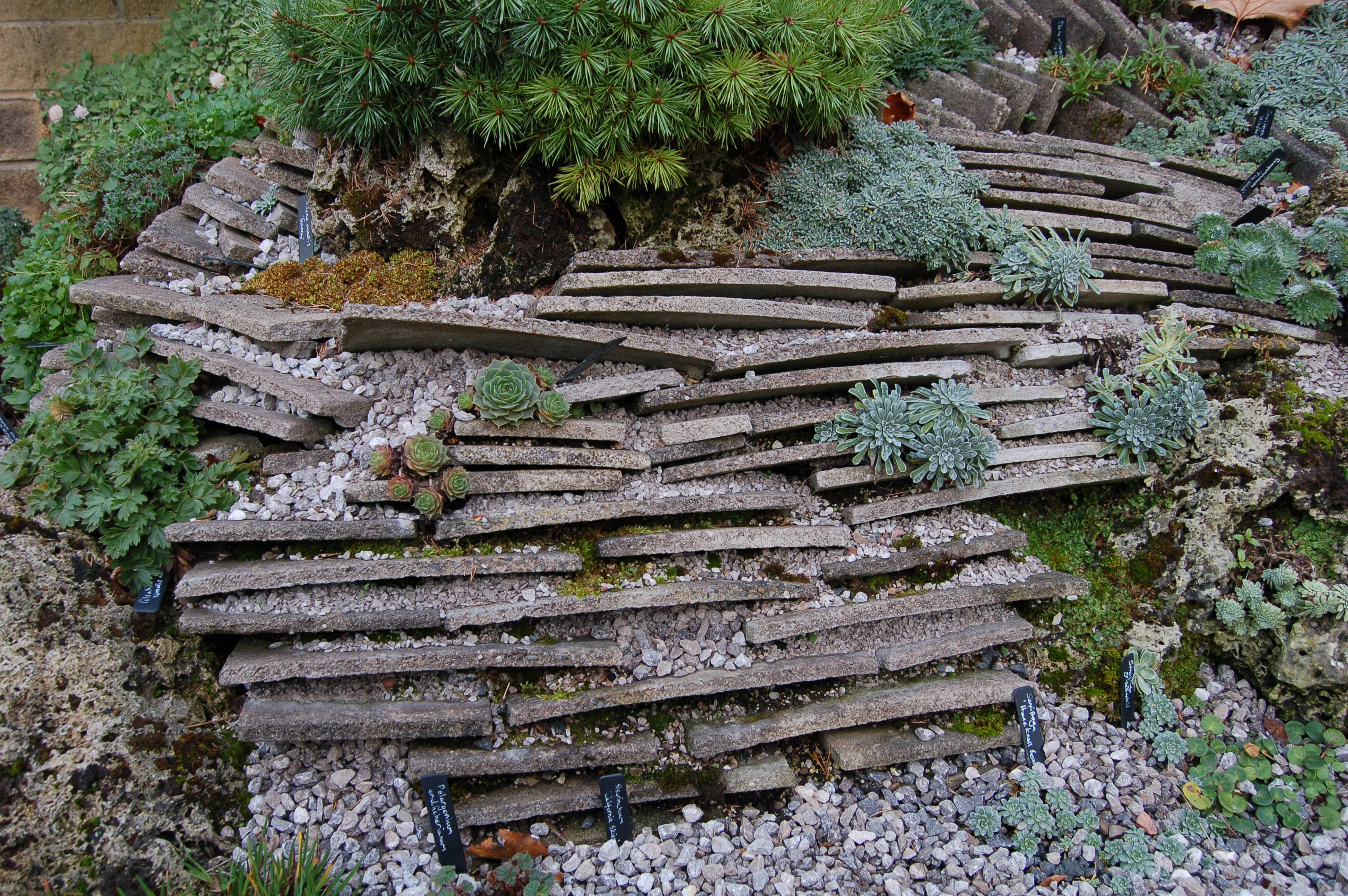
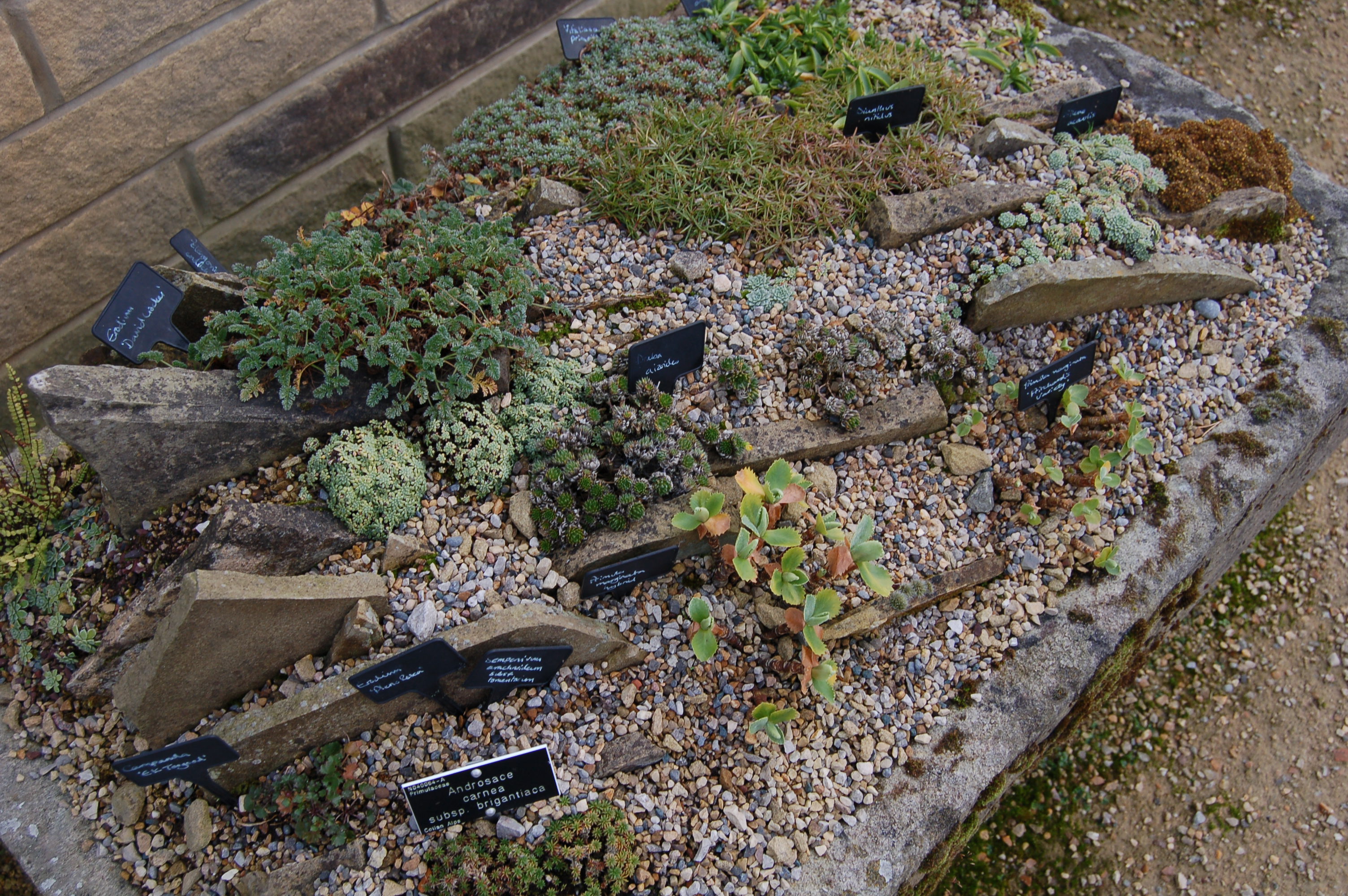
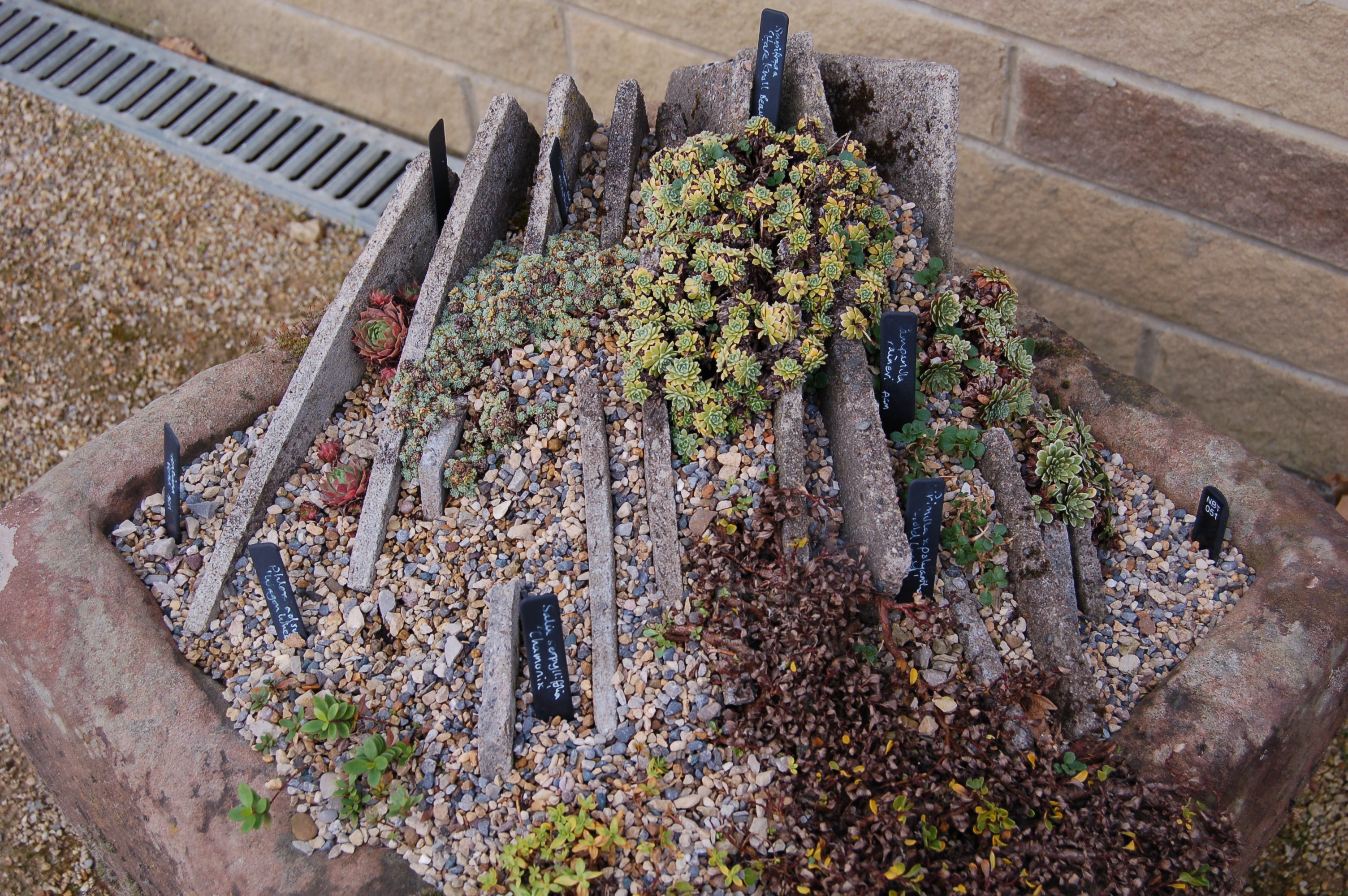
One reason for this return to Harlow Carr was to look at the area dedicated to alpines. We had recently been gifted two old buttler’s sinks which we aim to convert into alpine troughs. We were hoping for inspiration. In the alpine house itself it was the various miniature Oxalis which entranced us, but on the paved area outside we found the alpine troughs which inspired us to make something special of our two sinks.


2014 10 31_6941 2014 10 31_6942 2014 10 31_6943 2014 10 31_6944 2014 10 31_6945 2014 10 31_6946 2014 10 31_6947 2014 10 31_6948


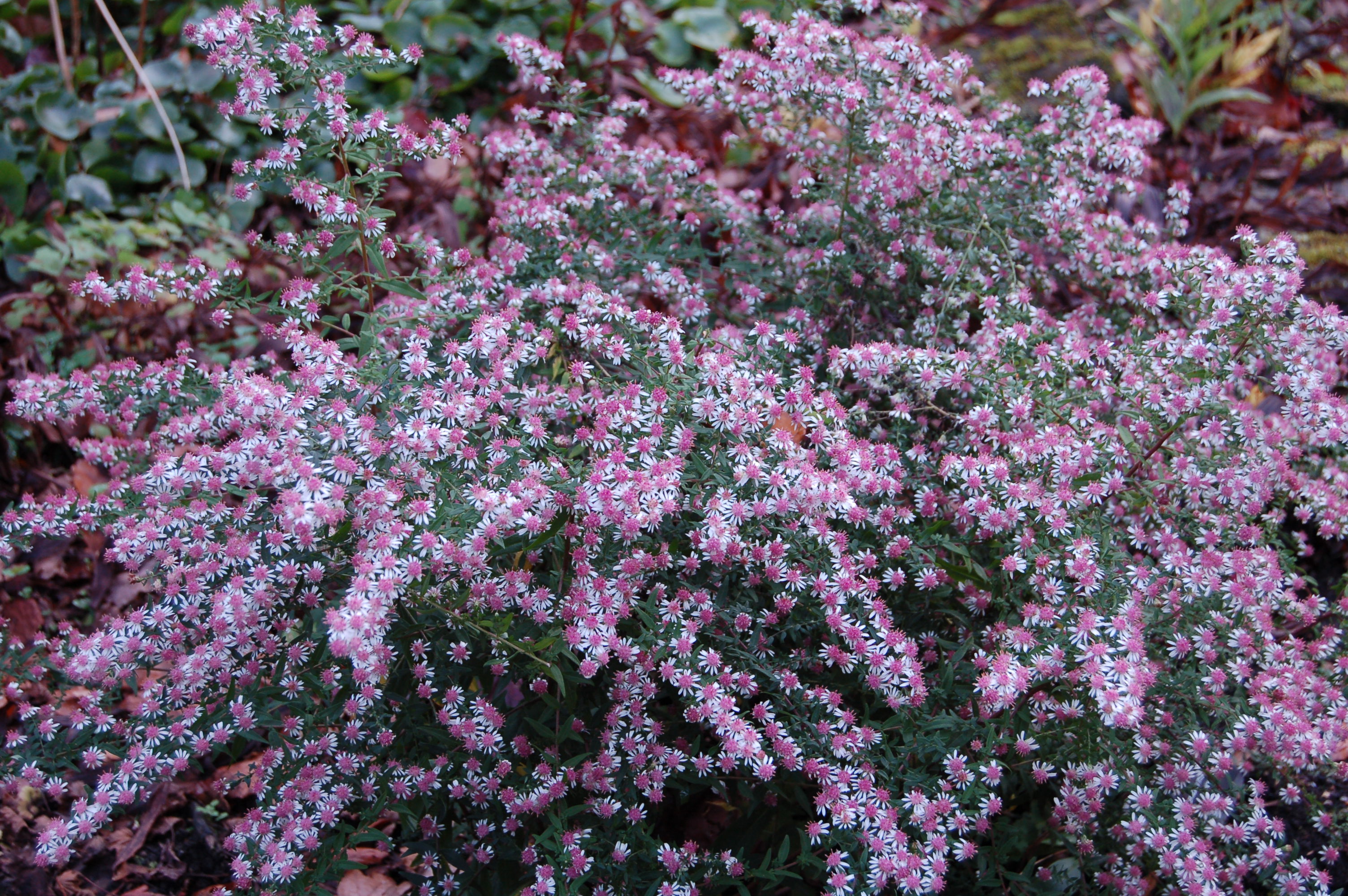
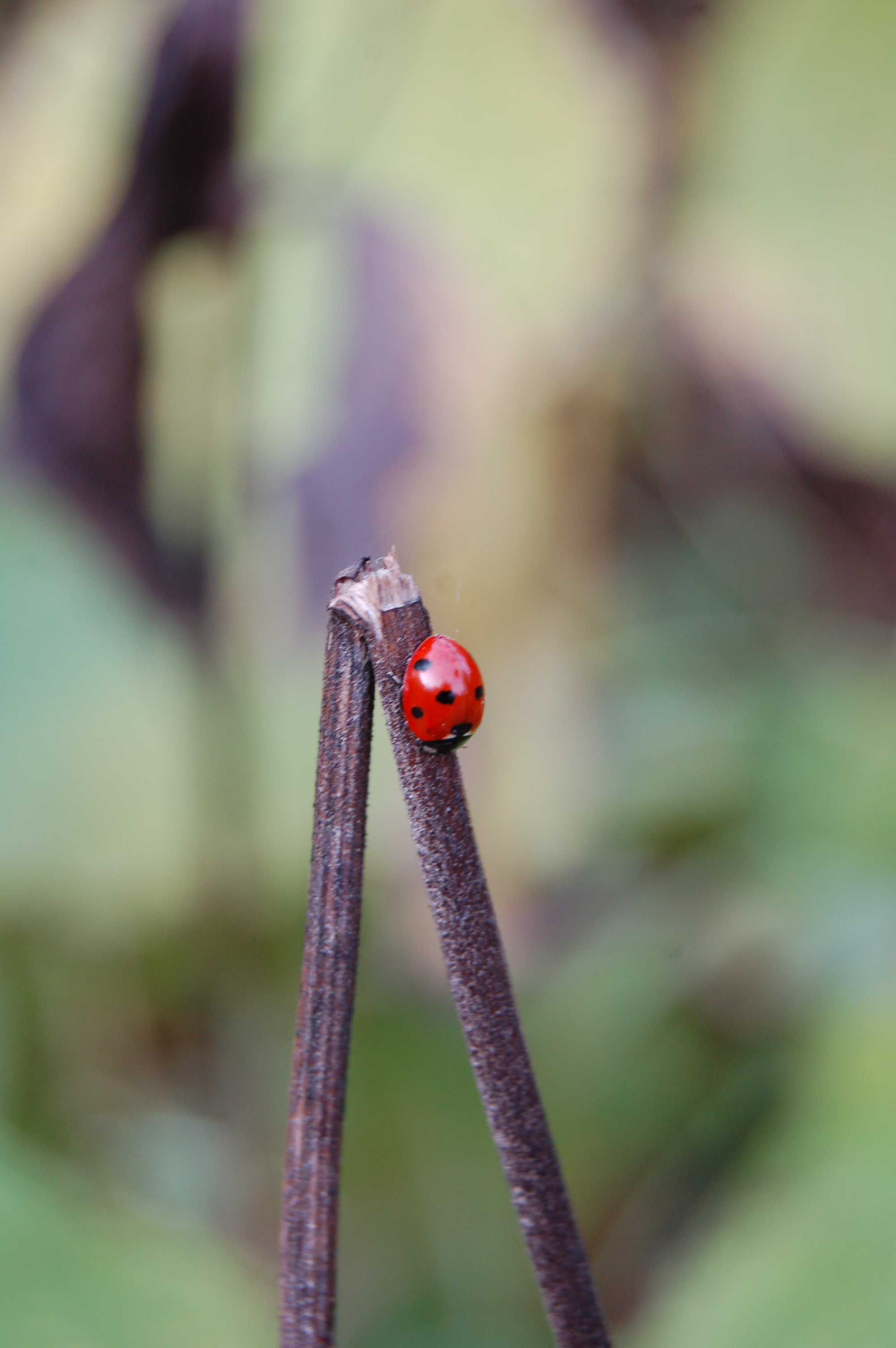
Before I finish part two of my Harlow Carr posts I thought I would show you these two photos showing two true stars! A generously flowering Aster and a brightly coloured Ladybird in search of a safe winter hibernation spot.

2014 10 31_6915 2014 10 31_6917

Categories
autumn colours colours fruit and veg garden design garden photography gardening gardens grasses half-hardy perennials hardy perennials light quality ornamental grasses ornamental trees and shrubs Shropshire South Shropshire Yellow Book Gardens

Aiming for a year round garden – our garden in September

We hosted the final visit by a garden group to our garden for the year at the beginning of this month. We were pleased that there was still plenty of interest for our friends from the South Shropshire Mini-group of the Hardy Plant Society.

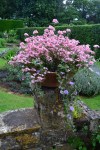
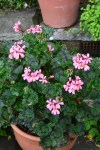
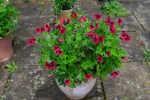
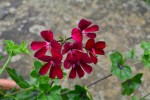
As usual we shall start this month’s wander in the front garden. In the gateway our pink pelargoniums continue to flower below our house nameplate on our gatepost.

2014 09 09_4865

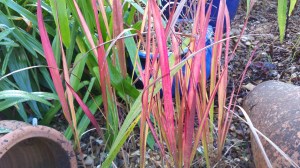
The “Chatto Garden” is beautiful every day of every year and today is no exception. The red leaf blades of the grass, Imperata cylindrica “Red Baron”,  seem more colourful in the late summer sun. Nearby the dying flowers of the Agapanthus “Black Panther” still glow blue against the biscuit colours of the grasses.

2014 09 09_4854 2014 09 09_4853

2014 09 09_4862 2014 09 09_4863

The first of our many Michaelmas Daisies are now flowering and close by our latest small tree, a wonderful Acer pectinatum, with red stems and leaf petioles has settled well.

2014 09 09_4864 2014 09 09_4861

The other front garden borders still have plenty of interest to look at.

2014 09 09_4852 2014 09 09_4850

2014 09 09_4851 2014 09 09_4855

2014 09 09_4857 2014 09 09_4856

2014 09 09_4860 2014 09 09_4866

By our front door the shrub, Buddleja lindleyana continues to flower on after many months. Also in our Freda Garden the strange yellow flowers of Kirengeshoma palmata are on the verge of opening into its bell shaped blooms. These two unusual flowers grow side by side and look beautiful together with their complimentary yellow and blue.

2014 09 09_4868 2014 09 09_4867

In the back garden the Shed Border is still punctuated by the yellow spires of the Verbascum which look even brighter with the red hybrid tea rose blooming alongside. Even more colourful is the Tropical Garden with this star shaped Dahlia starring with Ricinus. The bee arrived at the very centre of this Dahlia just as I pressed the shutter button.

2014 09 09_4840 2014 09 09_4841 2014 09 09_48432014 09 09_4842  2014 09 09_4844

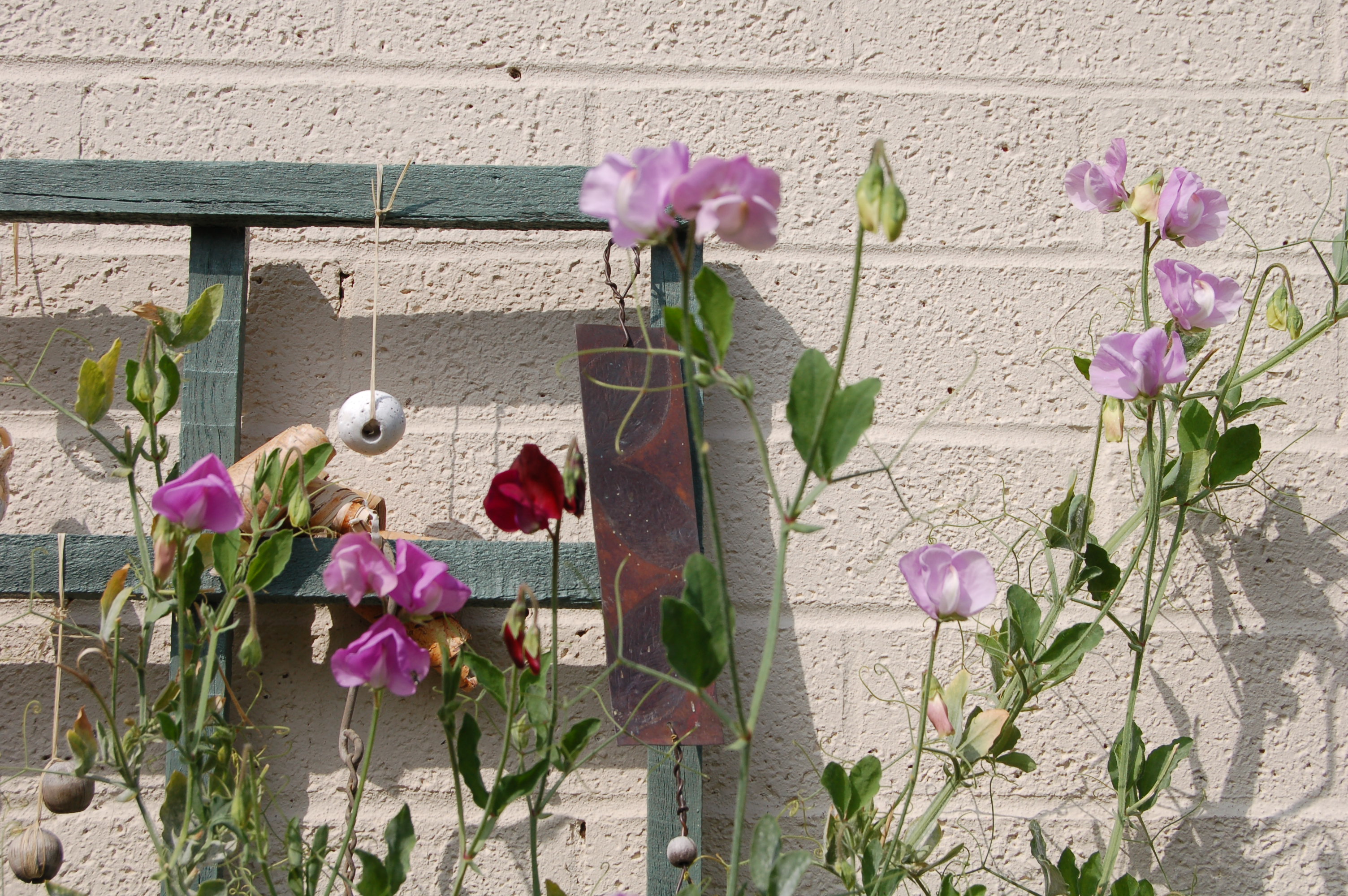
Next to the hot colours of the Tropical Garden the pastel shades of our Sweet Peas that clamber up the wall trellis cool things down a little.

In the Rill Garden the red-flowered Clematis flowers of Hagley Hybrid clamber around behind the succulent reddish-black leaved Aeonium affording a fiery combination.

2014 09 09_4846

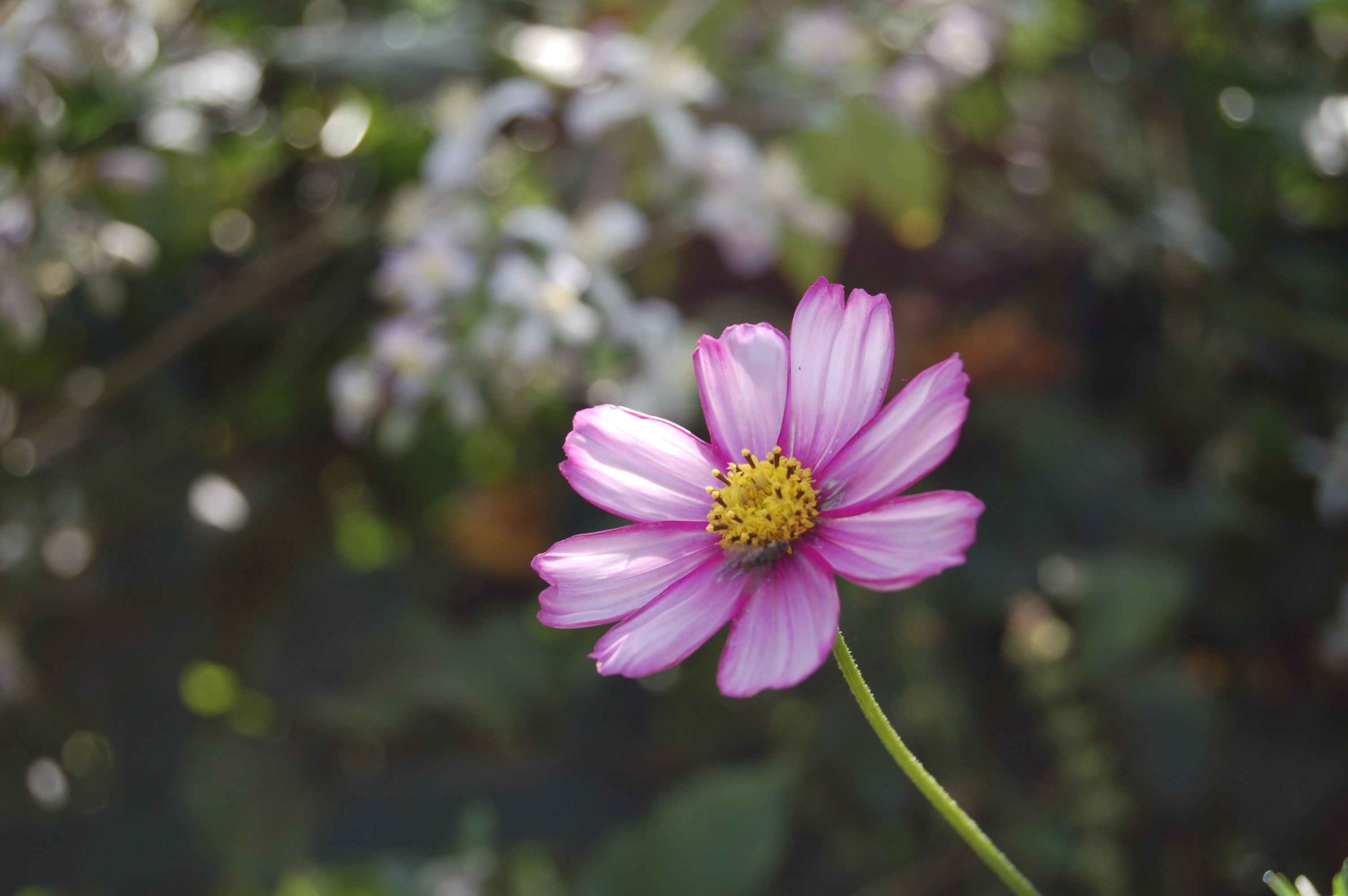
In the seaside garden the airy Cosmos plants still flower profusely in whites and pale pinks.

2014 09 09_4847 2014 09 09_4848

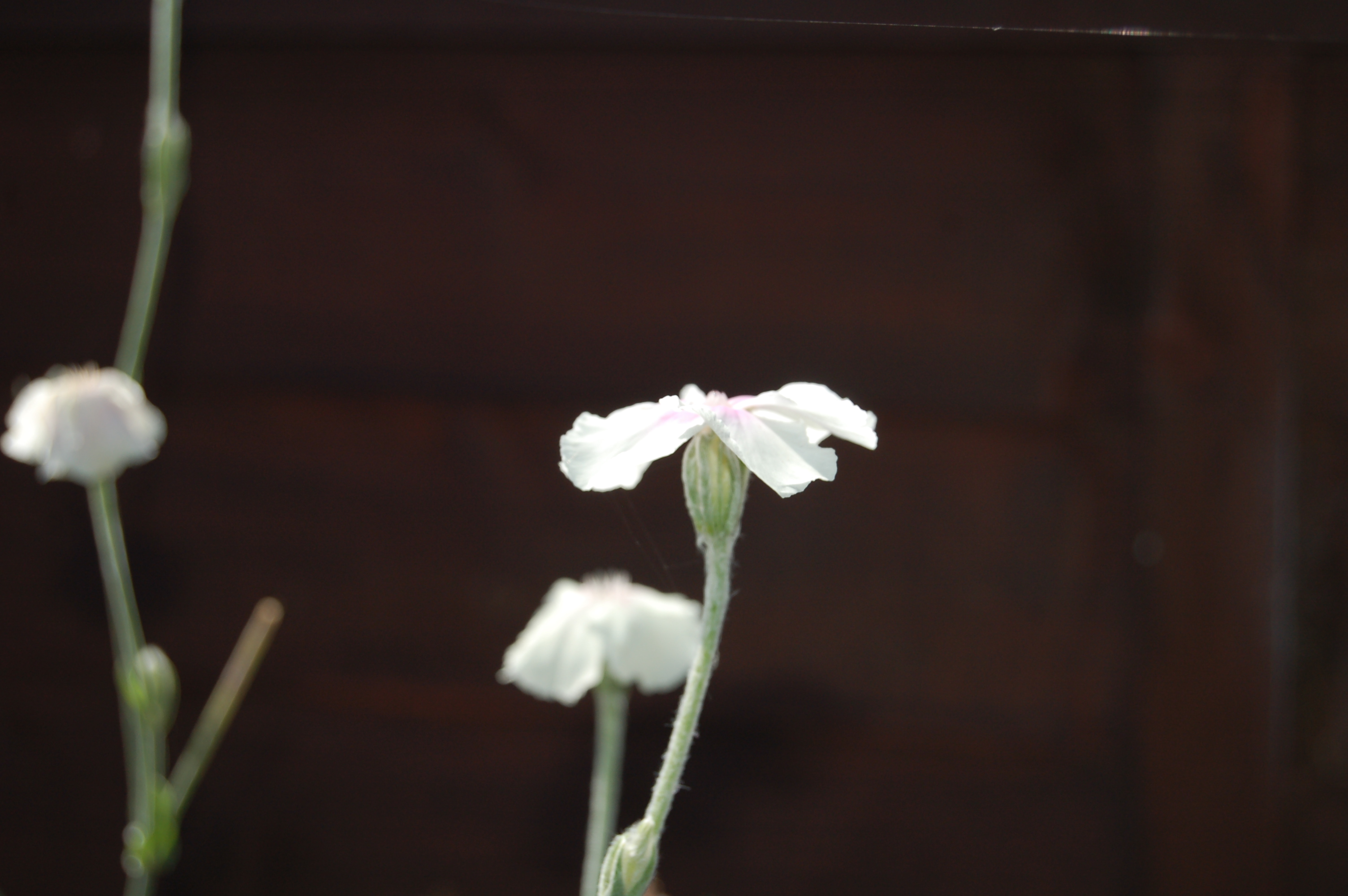
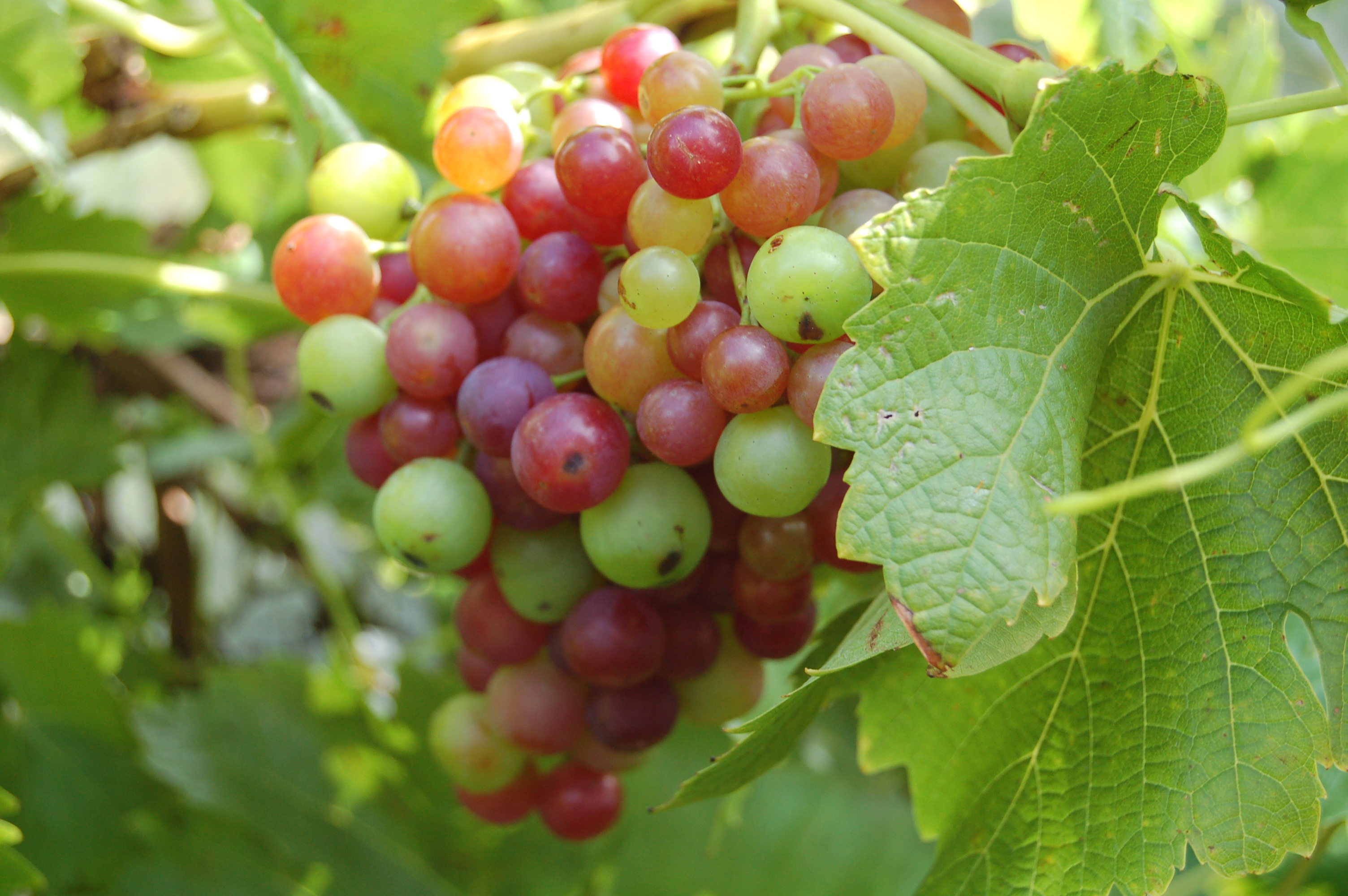
The little Pollinators Bed on either side of the Insect Hotel still displays a few flowers such as the white Lychnis coronaria and the last few petals hang onto the Leonotis which now shows its cylindrical seed heads. Close by our grapes are colouring up promising tasty, juicy fresh fruits soon. Another brown seed head  of the Eryngium “Miss Wilmott’s Ghost” is now full of black seeds ripe and ready to drop to the soil to produce next year’s plants.

2014 09 09_4871 2014 09 09_4870

2014 09 09_4872 2014 09 09_4873

The Secret Garden always provides plenty of colour interest and variety of texture. Geranium Rosanne seems to be perpetually in flower and it looks particularly good with grasses. Our Aesculus x mutabilis “Induta” has a few seeds forming and as they ripen little shining brown “conkers” show in the cracking cases.

2014 09 09_4876 2014 09 09_4877 2014 09 09_4878 2014 09 09_4879

In the Spring Garden Rosanne stars again and the final few flowers of Cosmos polidor look golden against the silver of the Betula’s silver trunk. Close by in the Chicken Garden apples await harvesting and Miscanthus grasses colour up attractively.


2014 09 09_4880 2014 09 09_4881 2014 09 09_4882 2014 09 09_4883

I shall finish with two special plants, an Acer turning buttercup yellow and Persicaria amplexicaule rosea.


2014 09 09_4884 2014 09 09_4885

After finishing this post the garden seemed to change as autumn approached, so I decided to take a few photos right at the end of the month to illustrate how the garden changes with time, sometimes a short time. So look out for a colourful gallery in Part Two.

This Veggie Life

A Vegetarian | Nature Lifestyle Blog

Rambling in the Garden

.....and nurturing my soul

The Arch City Gardener

Journeys In St. Louis Gardening and Beyond

Garden Dreaming at Châtillon

Consult the genius of the place

Storyshucker

A blog full of humorous and poignant observations.

gardeninacity

Notes from a wildlife-friendly cottage garden

PlayGroundology

...an emerging social science

The Official Blog of British Wildlife

'The most important and informative publication on wildlife of our times' - The Independent. This blog is a member of The UK & Ireland Natural History Bloggers group: www.uknhb.blogspot.com

iGrowHort

Inspire - Cultivate - Grow Native Plants - Restore Landscapes

Bishops Meadow Trust

To create and protect a semi-natural wild space for the people of Farnham to enjoy and experience an array of British wildlife in our town

Gardening with Children

The www.gardeningwithchildren.co.uk Blog

UKbirdingtimeline

birding through the seasons, why birds matter and how to conserve them

NATURE WALKER

with a camera in hand

Jardin

Transform your outdoor space

Eva's space

My allotment, cooking and other interests

Old School Garden

my gardening life through the year

LEANNE COLE

Trying to live a creative life

fromacountrycottage

trying to live as lightly as possible on our beautiful planet

Good Life Gardening

Nature lovers from Leicester living the good life.

mybeautfulthings

Finding the beautiful in the everyday

mawsonmichelle

Michelle's Allotment

In and Out of My Garden

thoughts from and about my garden

Greenhousing

Big plans for a small garden

The Scottish Country Garden

A Walled Country Garden in South East Scotland

The Fruity Chicken

Life at the fruity chicken

willowarchway

Off grid living. Self sufficient. "PERMAGANICS RULE".

St Anns Allotments

Nottingham's Grade 2* Listed Allotments and Community Orchard

Manifest Joy Harvests

a journey in suburban vegetable gardening

Allotmental

The madness of growing your own

Penny's Garden: a harvest beyond my front door

A novel approach to vegetable gardening

arignagardener

Sustainable living in the Irish countryside.

NewEnglandGardenAndThread

Master Gardener, amateur photographer, quilter, NH native, and sometimes SC snowbird

dianajhale

Recent work and work in progress and anything else that interests me

planthoarder

a chaotic cottage gardener

Lens and Pens by Sally

a weekly blog that creates a personal philosophy through photographs and words

Dewdrops and Sunshine

Stories from a sassy and classy Southern farmbelle.

The Pyjama Gardener

Simple Organic Gardening & Seasonal Living

gettin' fresh!

turning dirt into dinner

JOY...

today the world is created anew

Garden Birds

Notes from a Devon garden

ShootAbout

Life Through The Lens

Adapting Pixels

A photography blog showcasing the best photography pictures and videos on the internet

Wildlifegardening's Blog

Just another WordPress.com site

naturestimeline

personal observations from the natural world as the search continues for a new approach to conservation.

LATEBLOOMERBUDS

The Wonders of Life through my Eyes, my Heart, my Soul