Categories
climbing plants colours garden design garden photography gardening half-hardy perennials hardy perennials Hardy Plant Society HPS ornamental trees and shrubs outdoor sculpture photography Powis roses shrubs town gardens trees

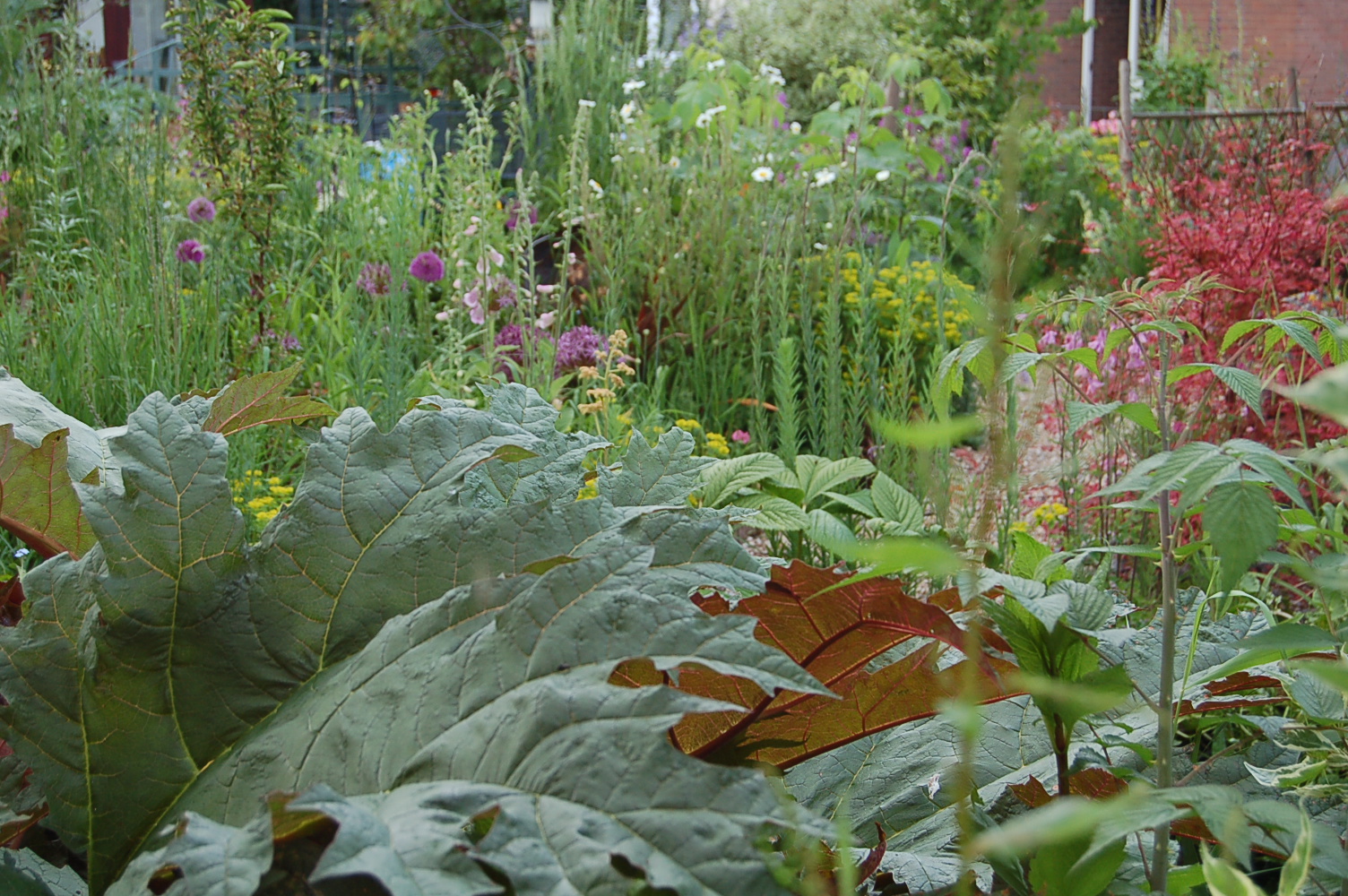
Two Welshpool Town Gardens

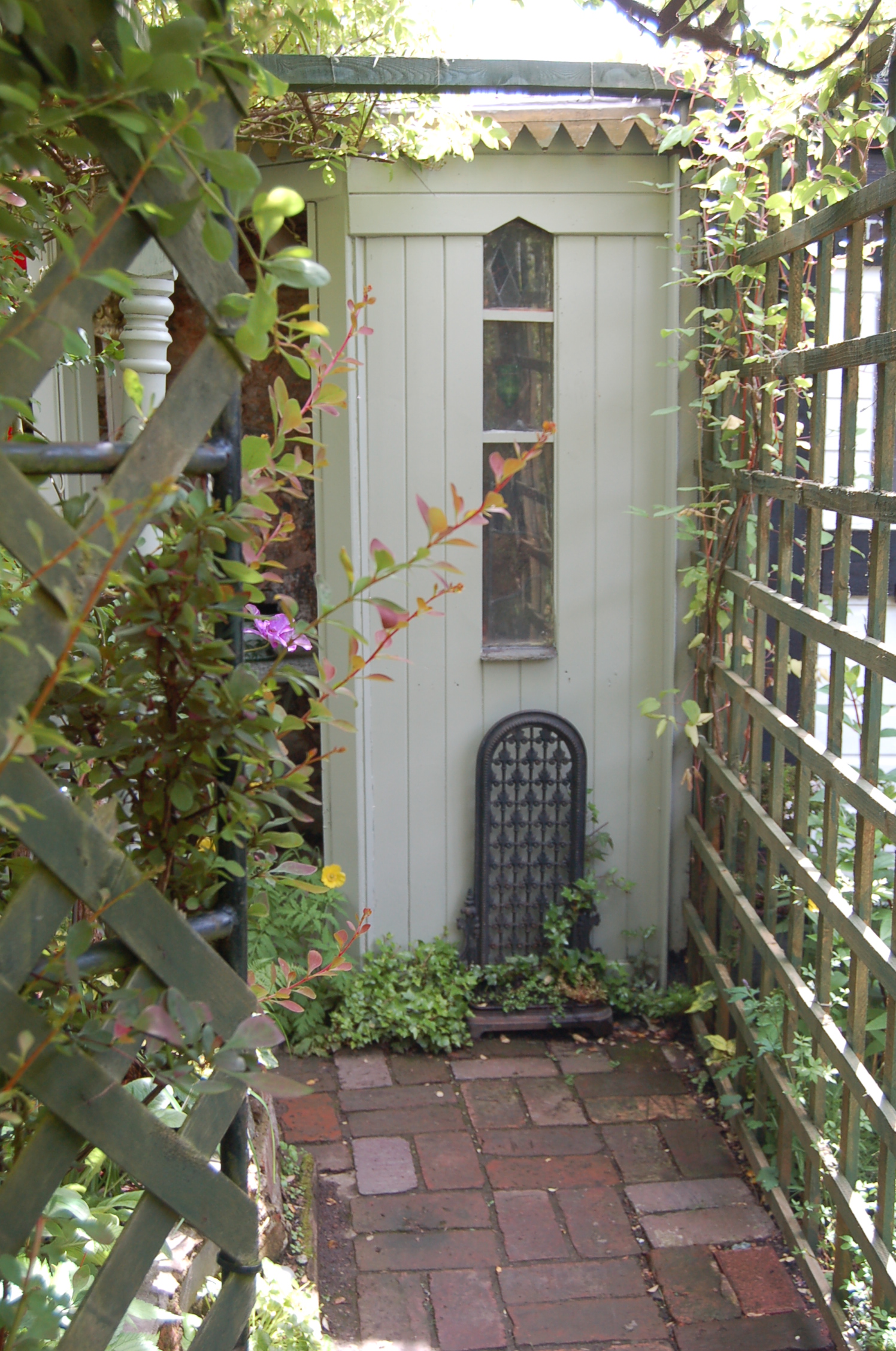
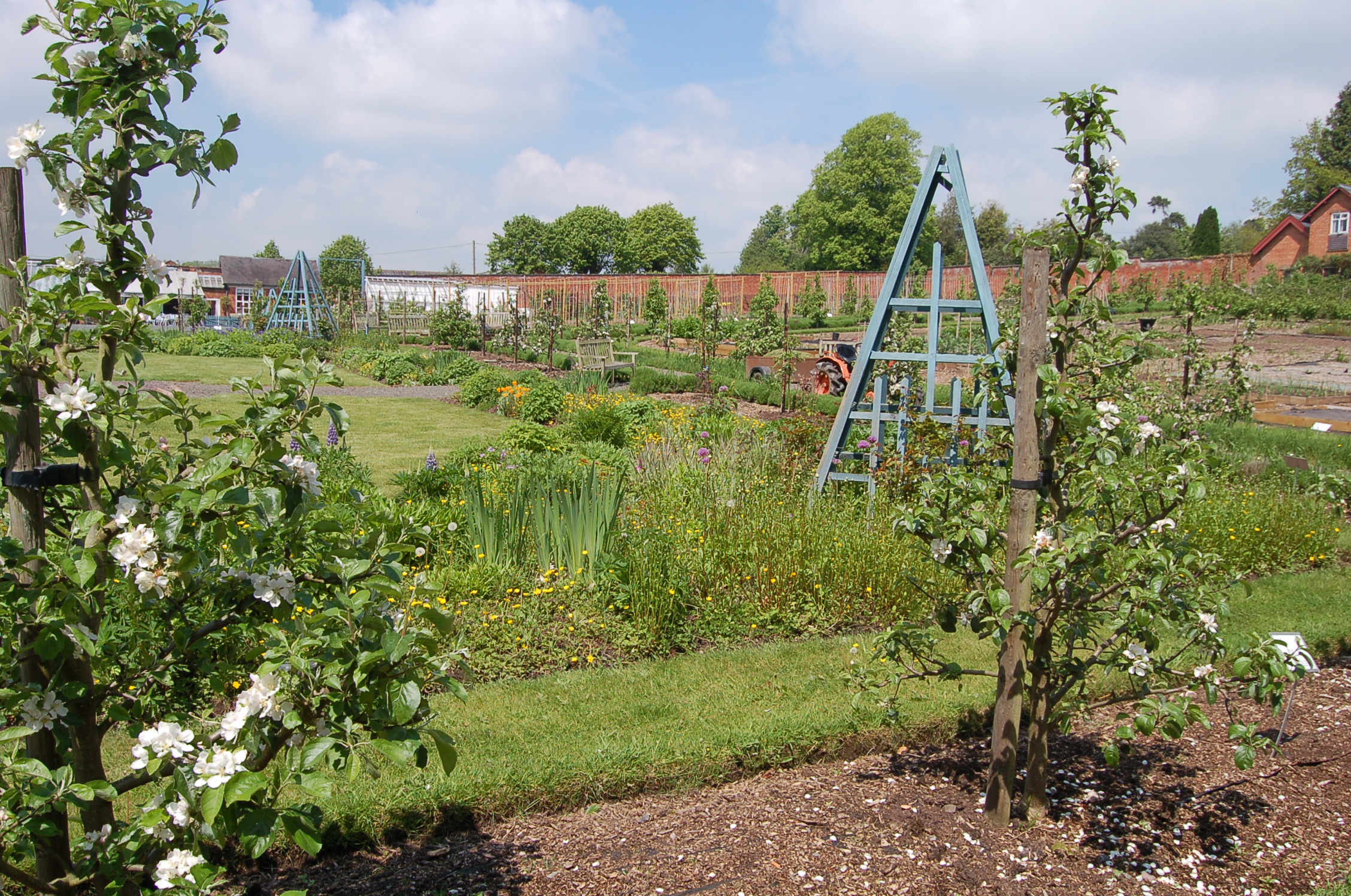
June’s Hardy Plant Society garden visit took us to two little town gardens. The first garden was truly tiny and the second slightly less tiny. They were perfect if very different examples of what it is possible to achieve in such small spaces. The secret to them both was wriggly paths leading the eyes and feet around to discover hidden secrets.
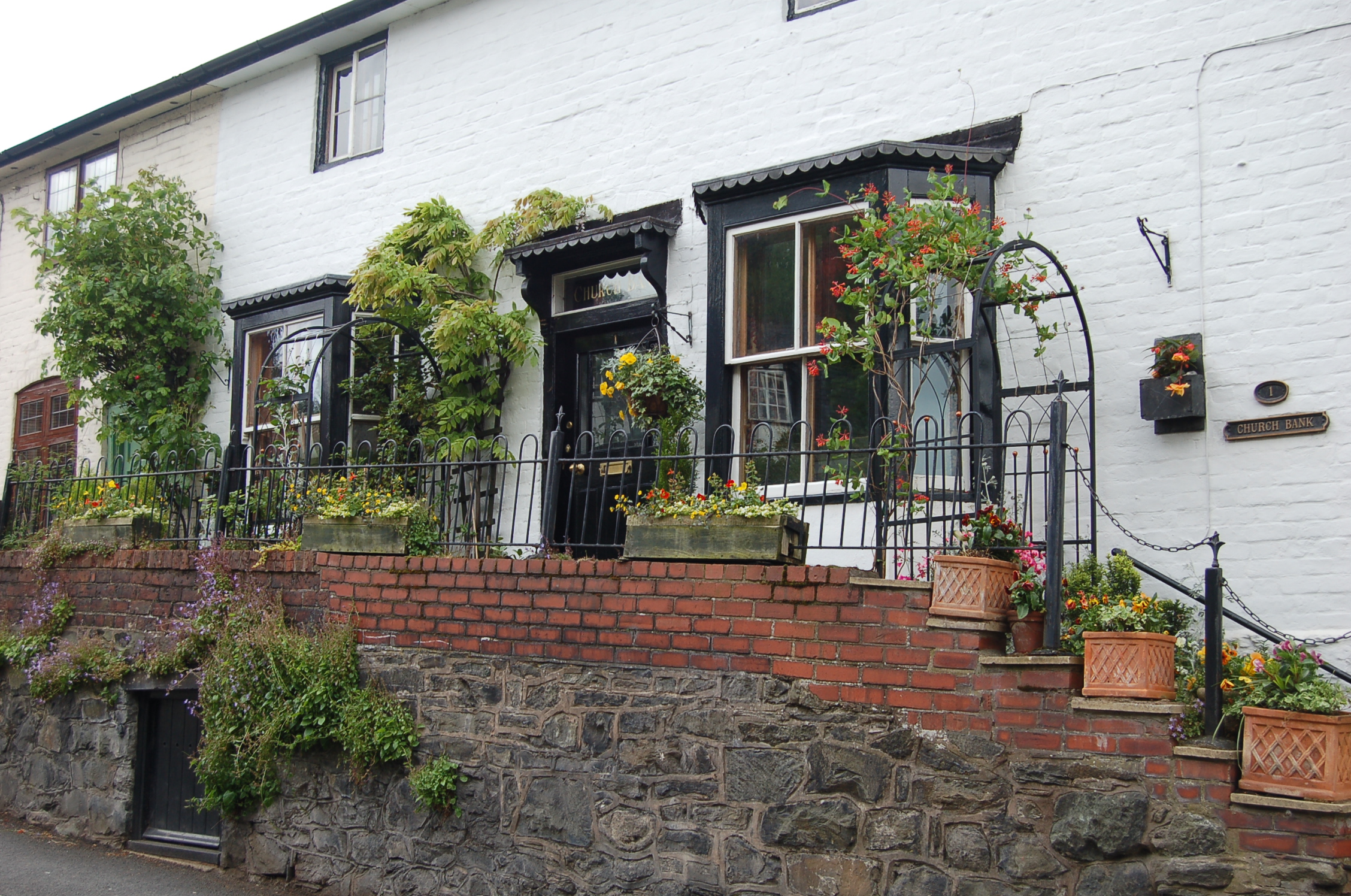
2013 06 15_1077

The tiniest of the two had planting at all levels from tiny specimens right by your toes to trees above your head and the borders were full of unusual plants. Little surprises.

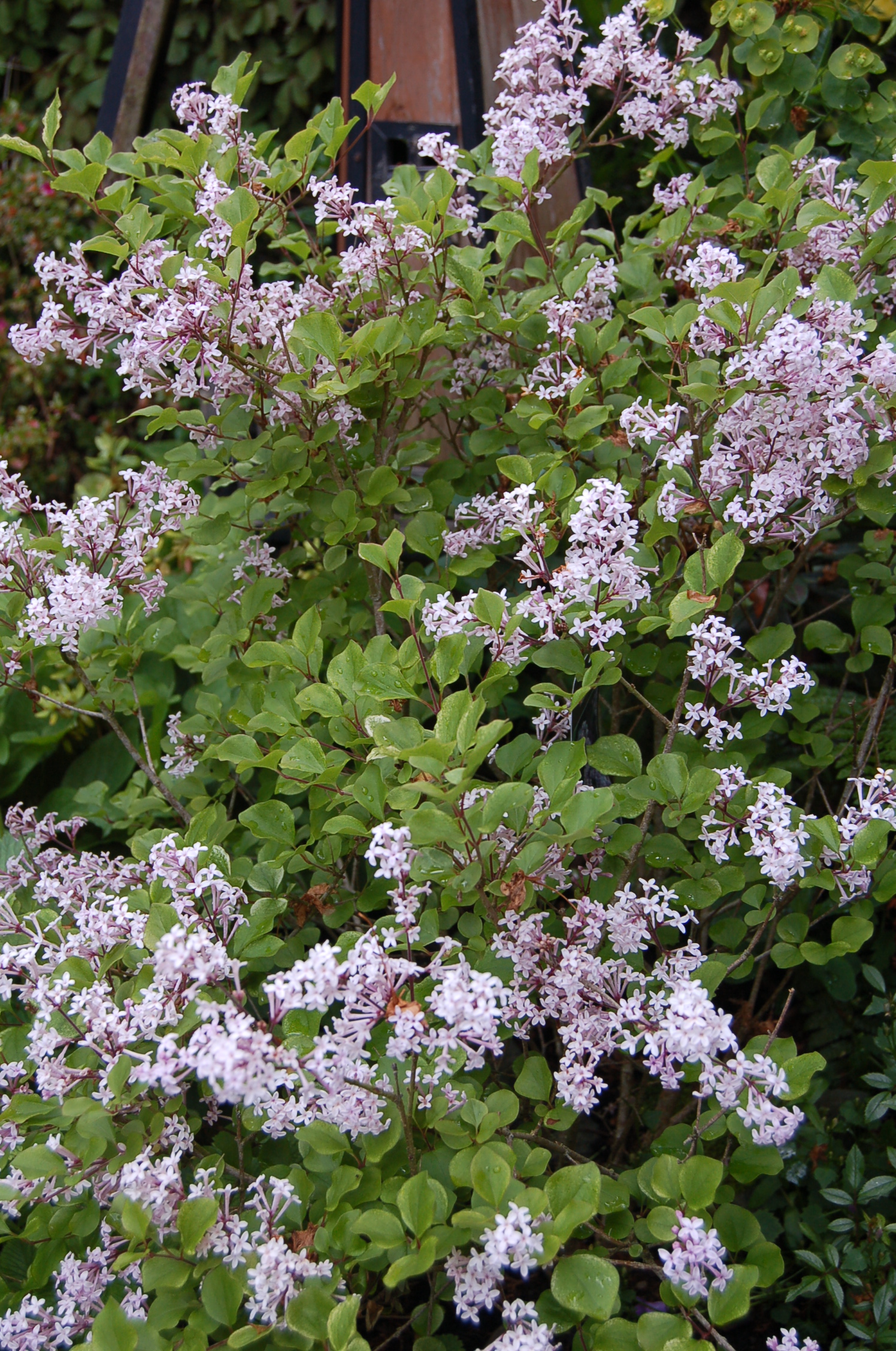
2013 06 15_1086 2013 06 15_1082

2013 06 15_1084

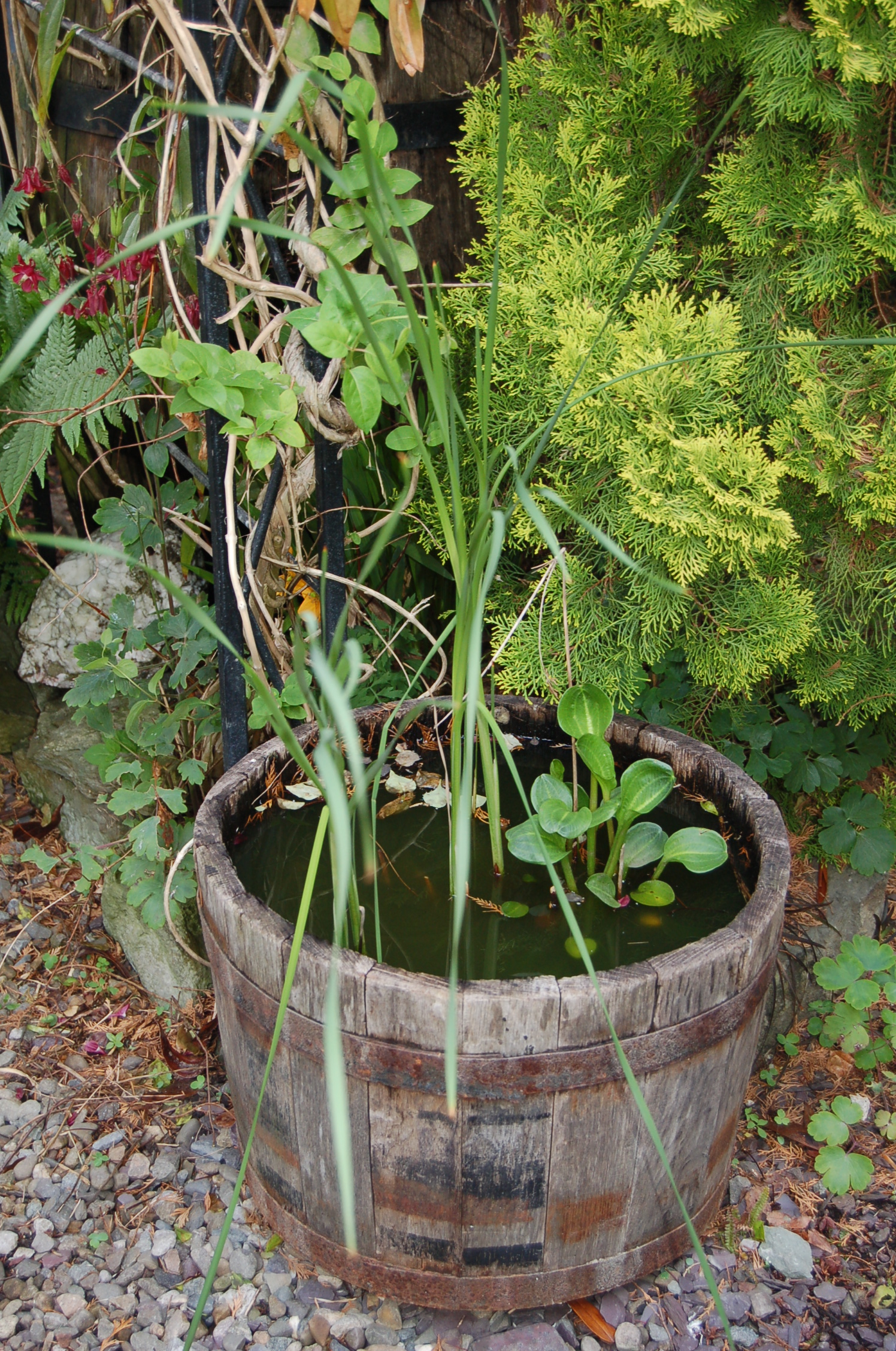
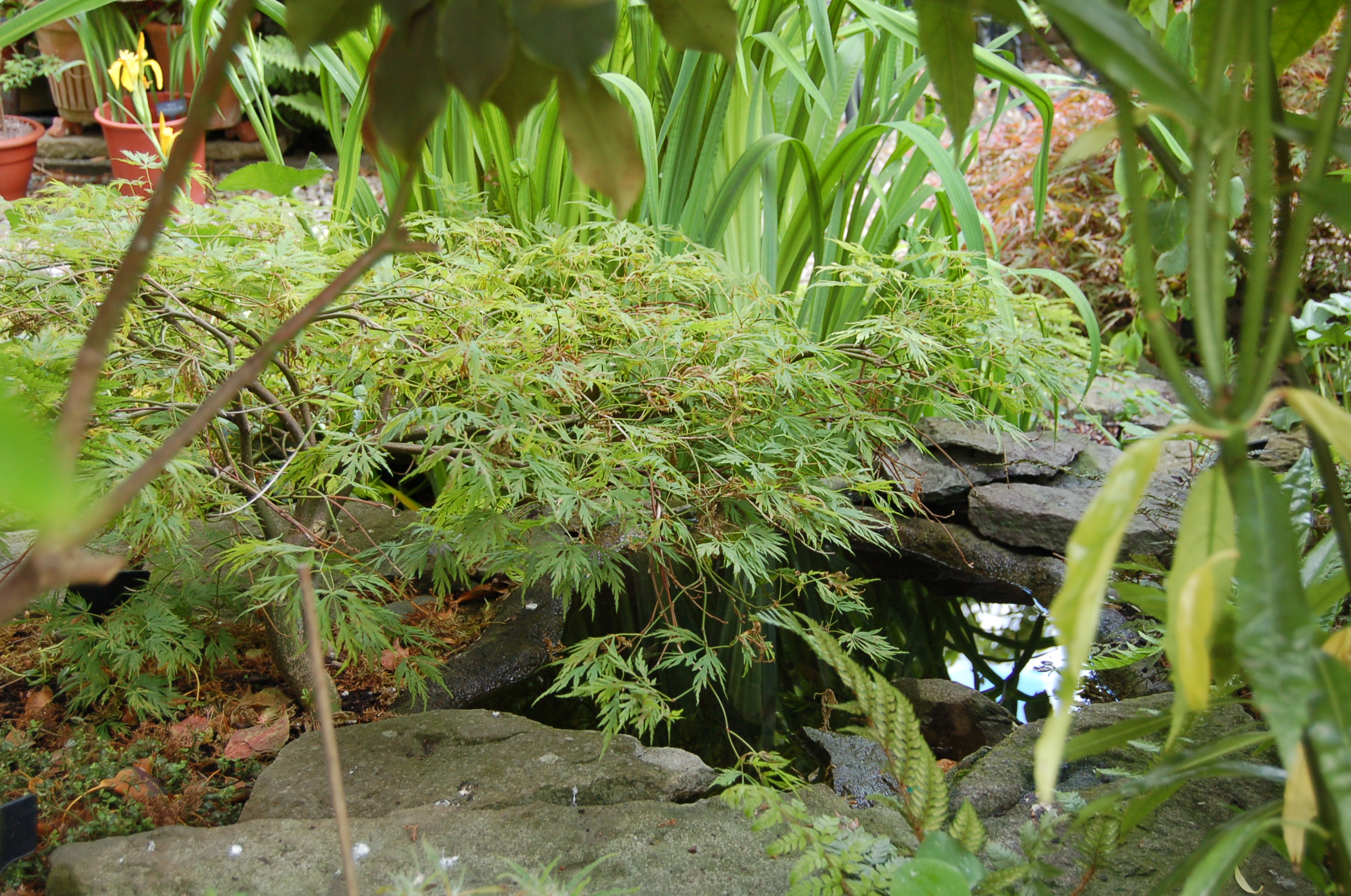
The gardeners here even found room for an alpine house, a fruit cage and a couple of little water features.
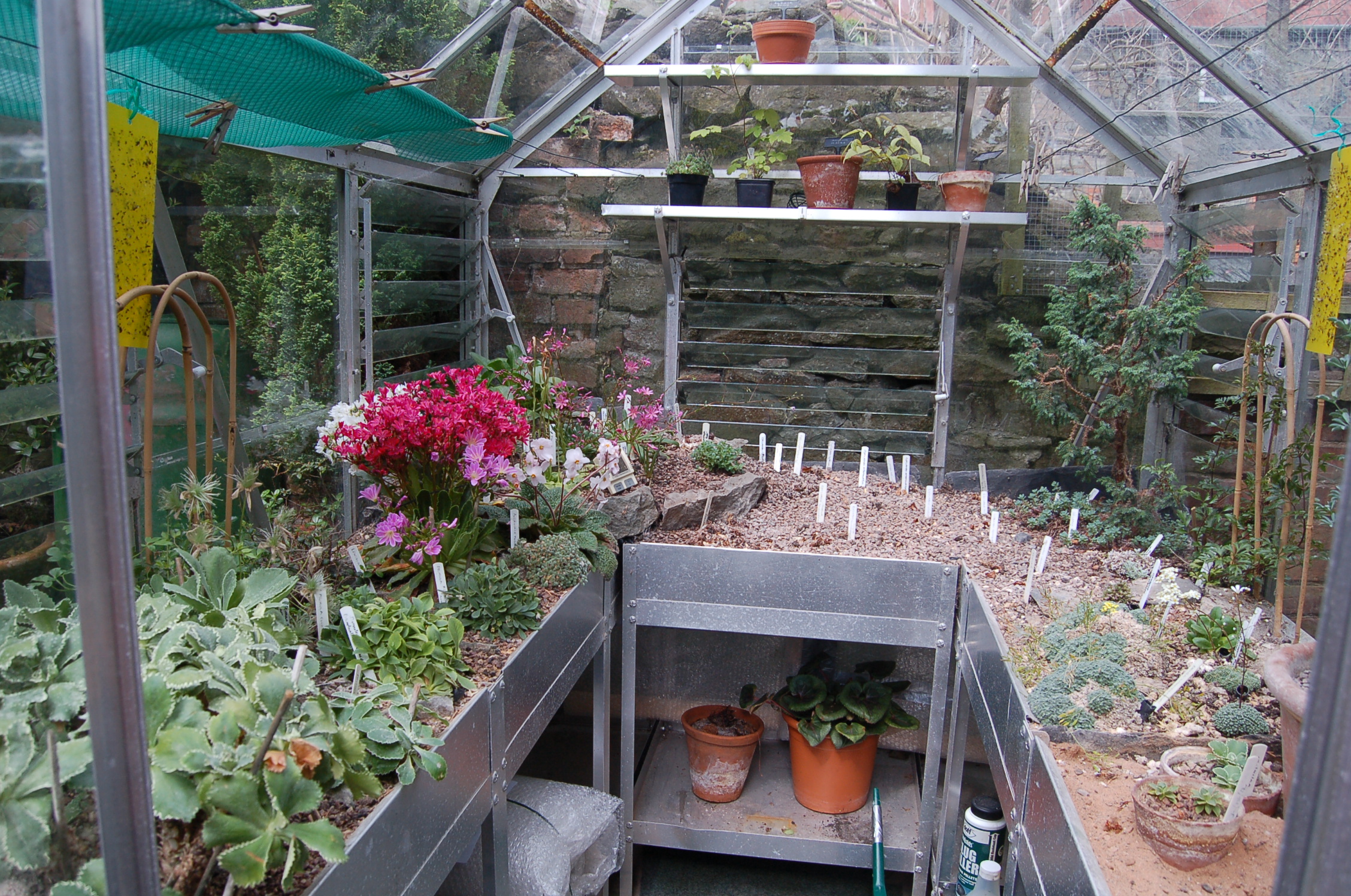
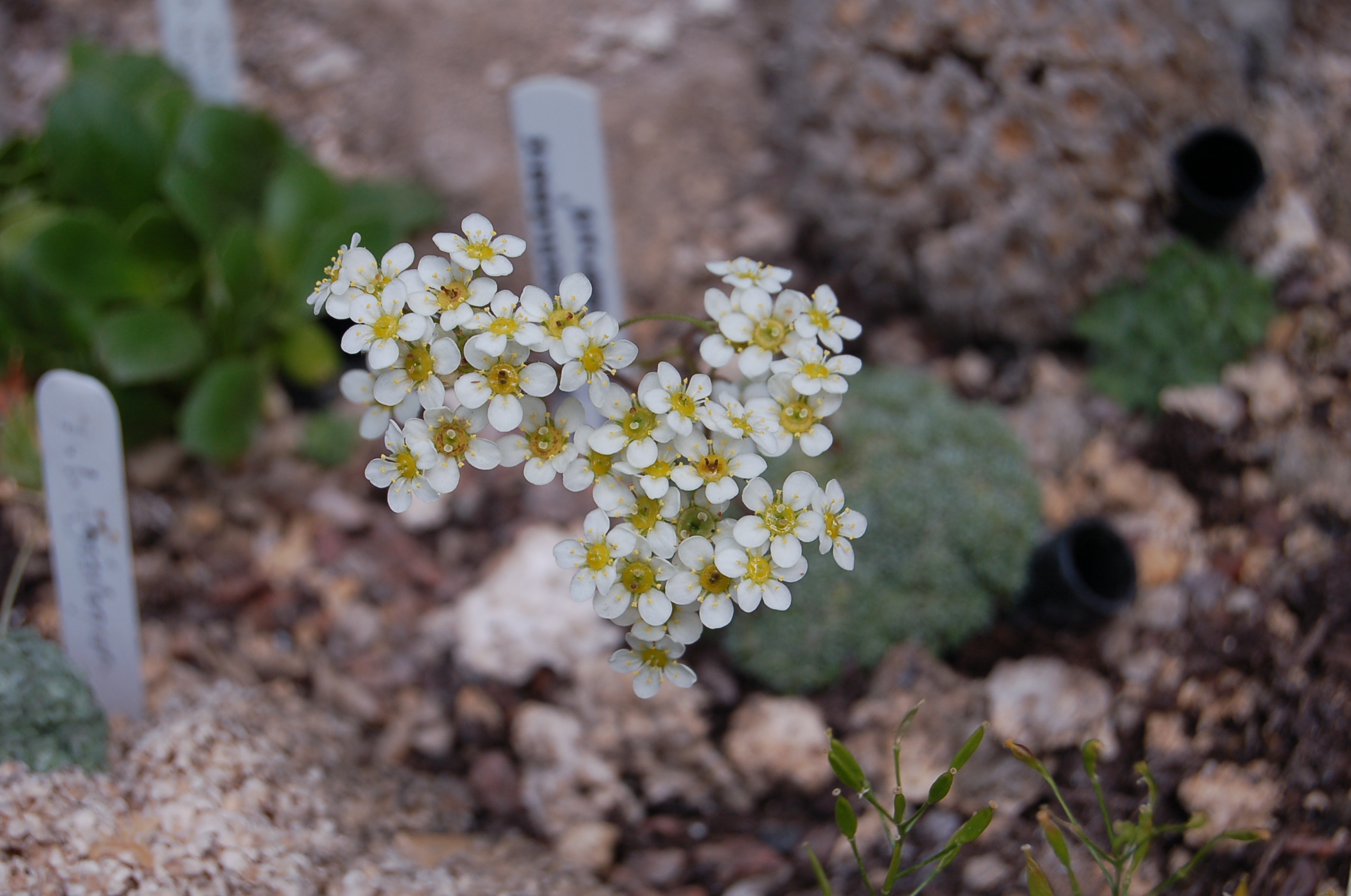
2013 06 15_1079 2013 06 15_1080

2013 06 15_1081 2013 06 15_1078

2013 06 15_1083

Humour is essential in any garden however small.
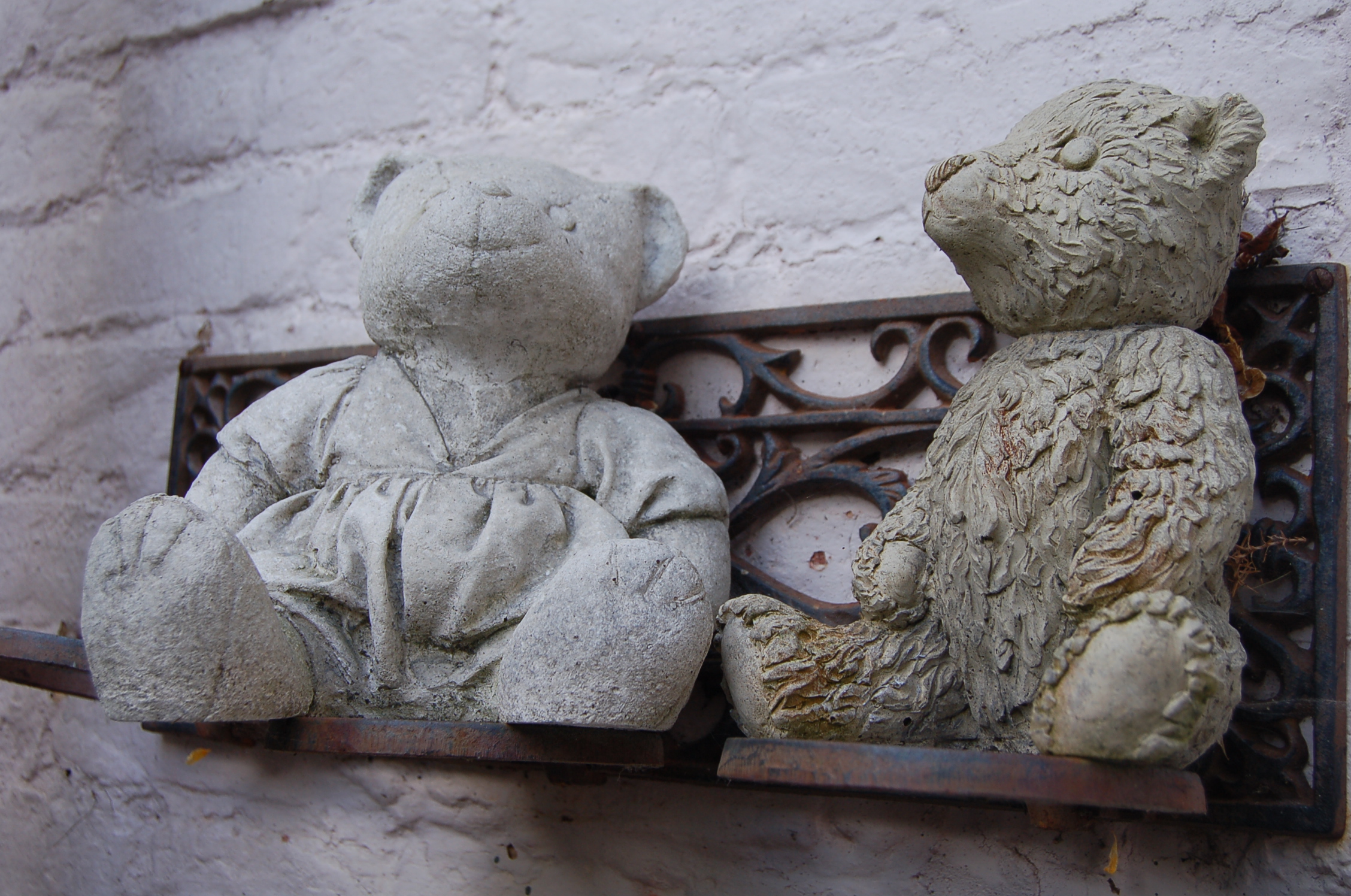
2013 06 15_1085

Humour reigned supreme in the second garden we visited that morning. There were interesting arches, grottoes, seating areas all surrounded in lush planting.
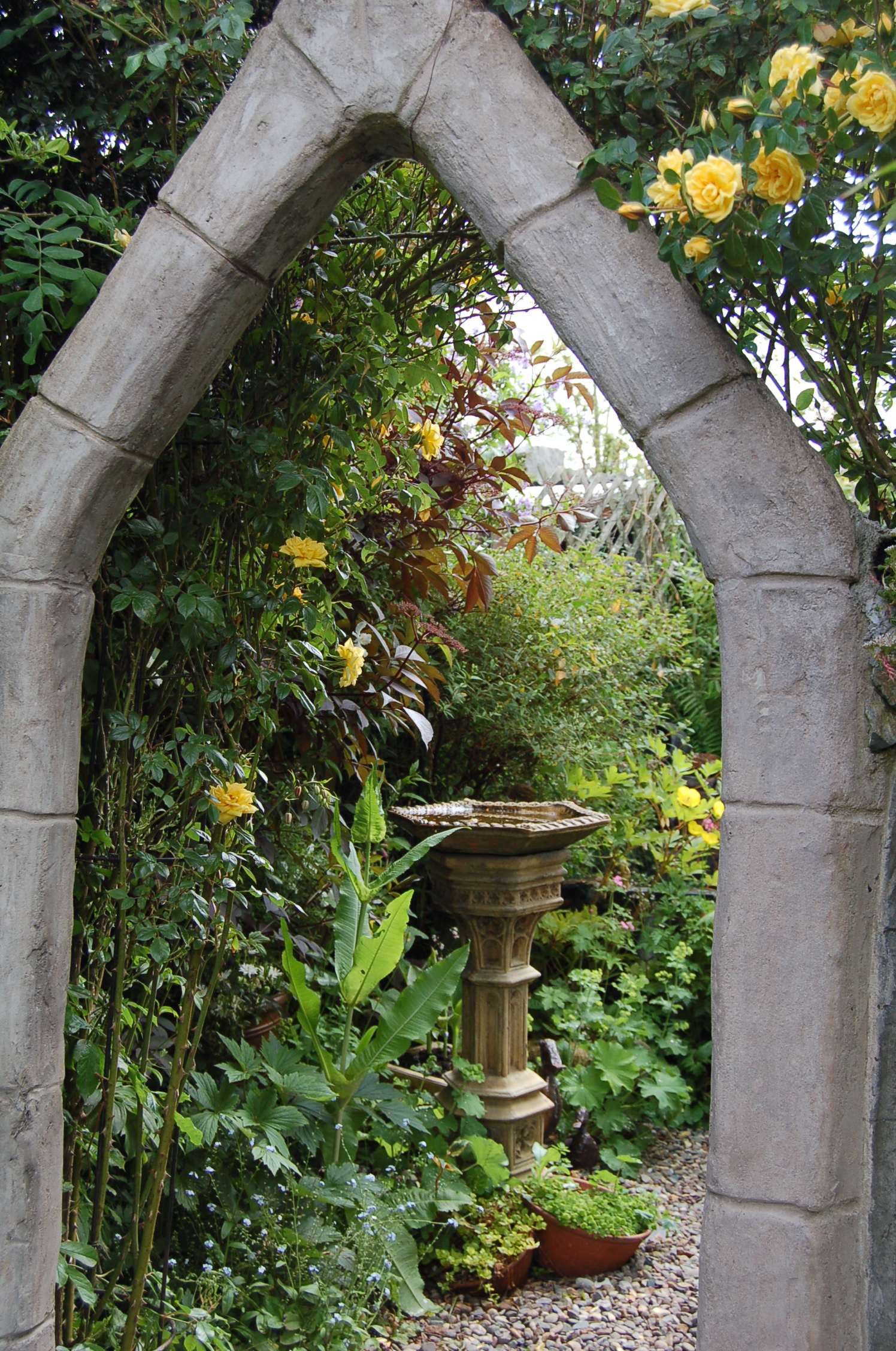
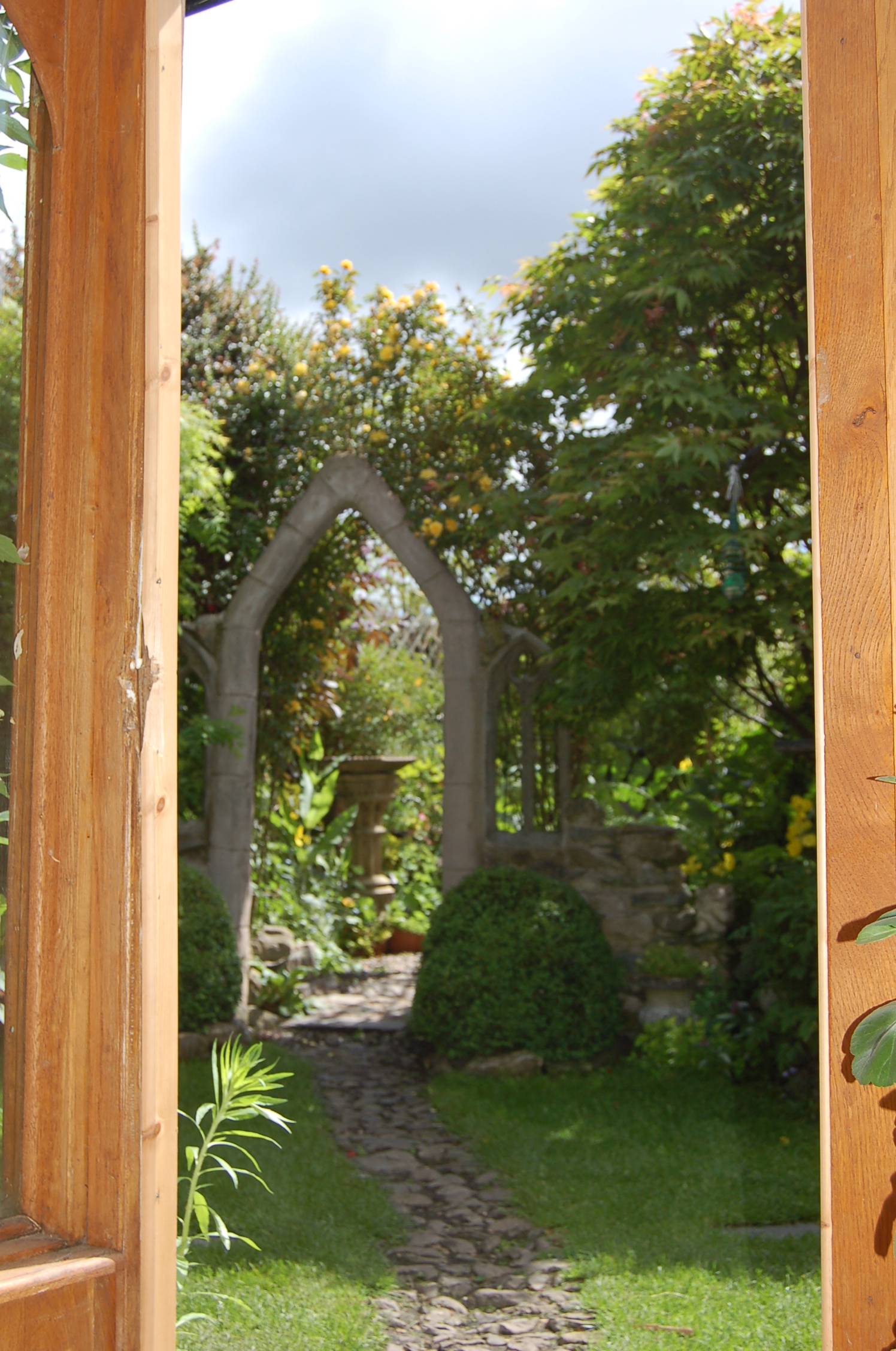
2013 06 15_1089 2013 06 15_1088 2013 06 15_1090

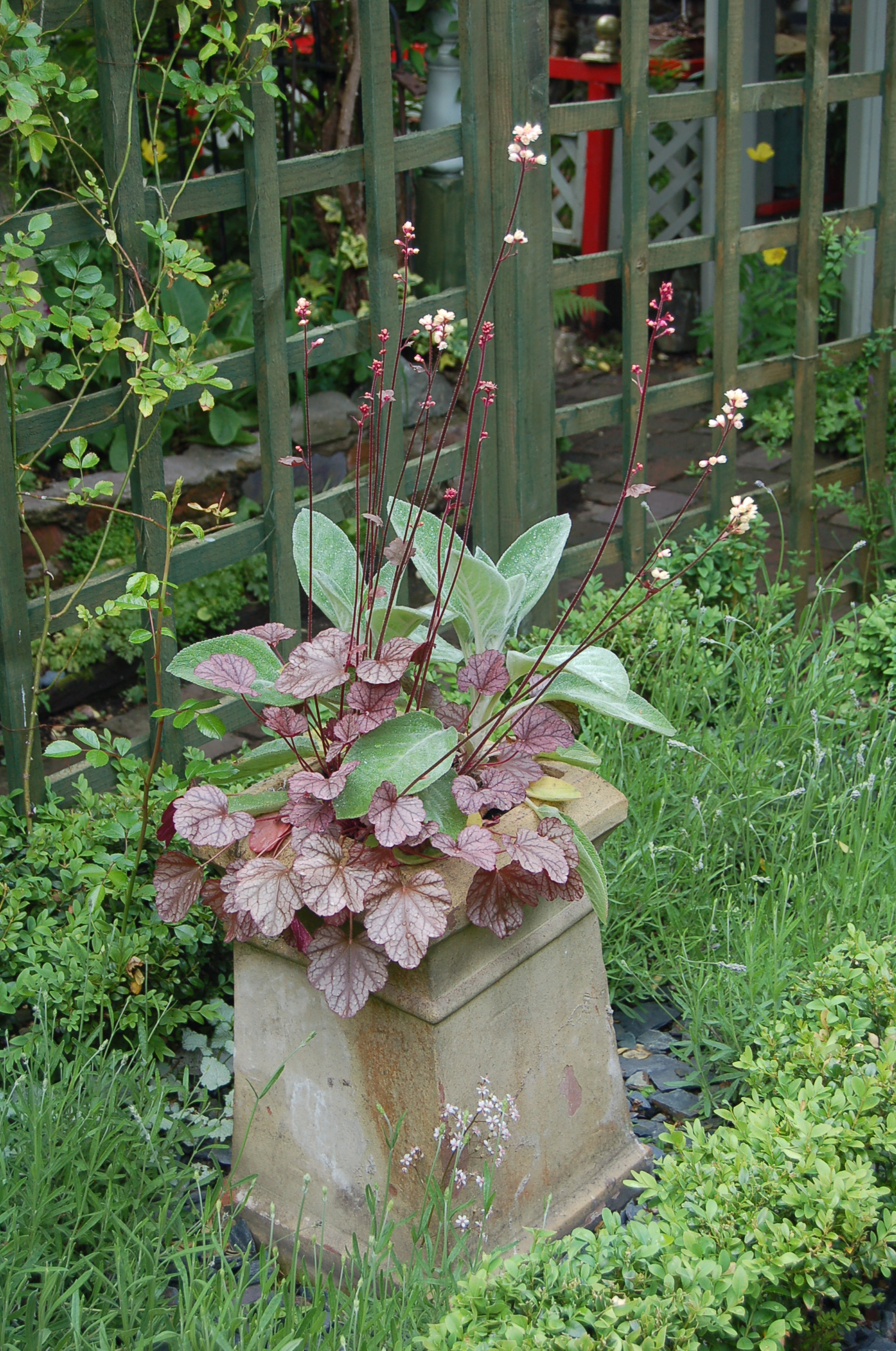
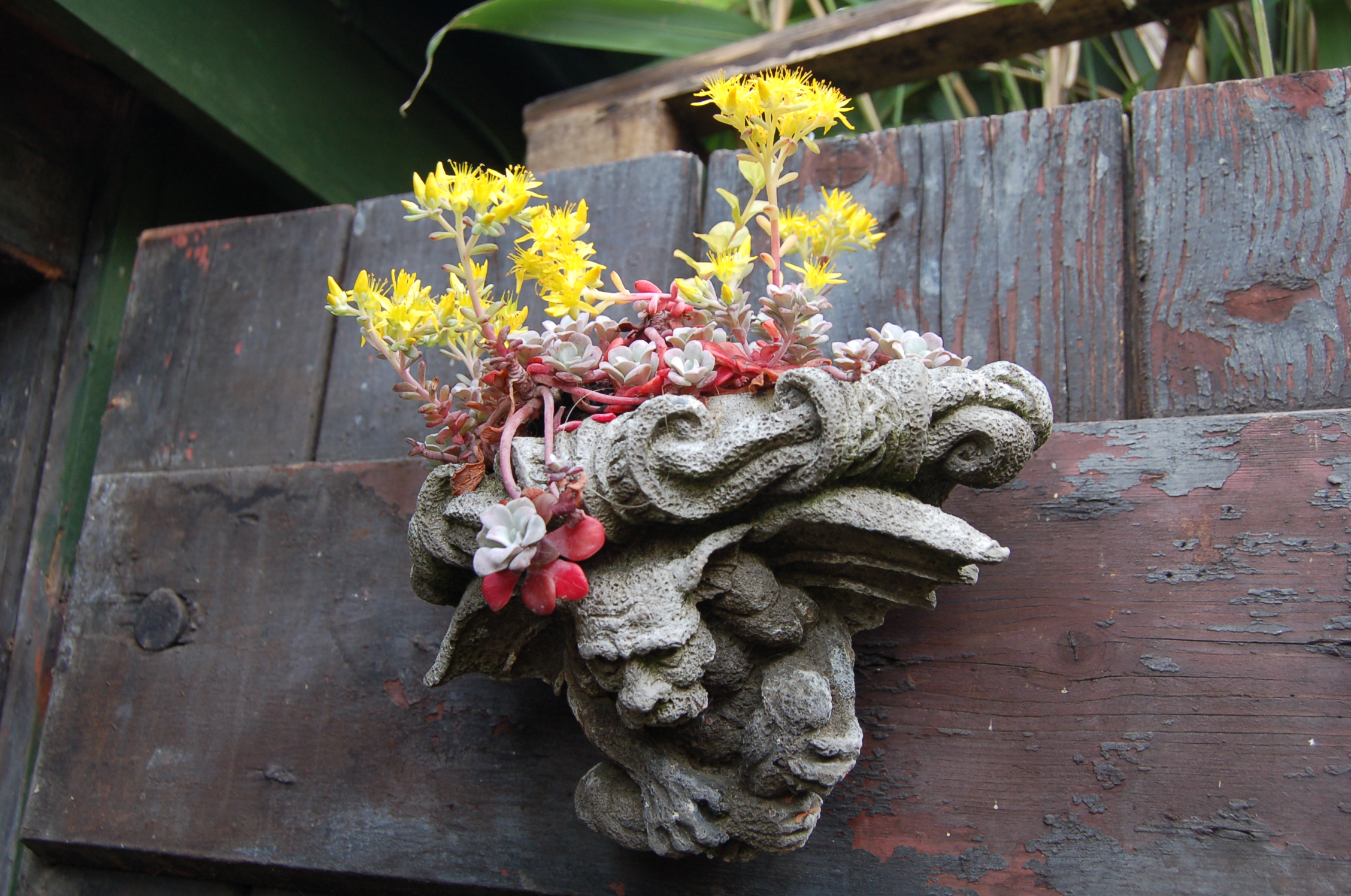
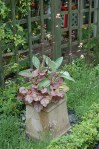
Hidden throughout this little patch were containers planted up skilfully to give surprises wherever we turned.

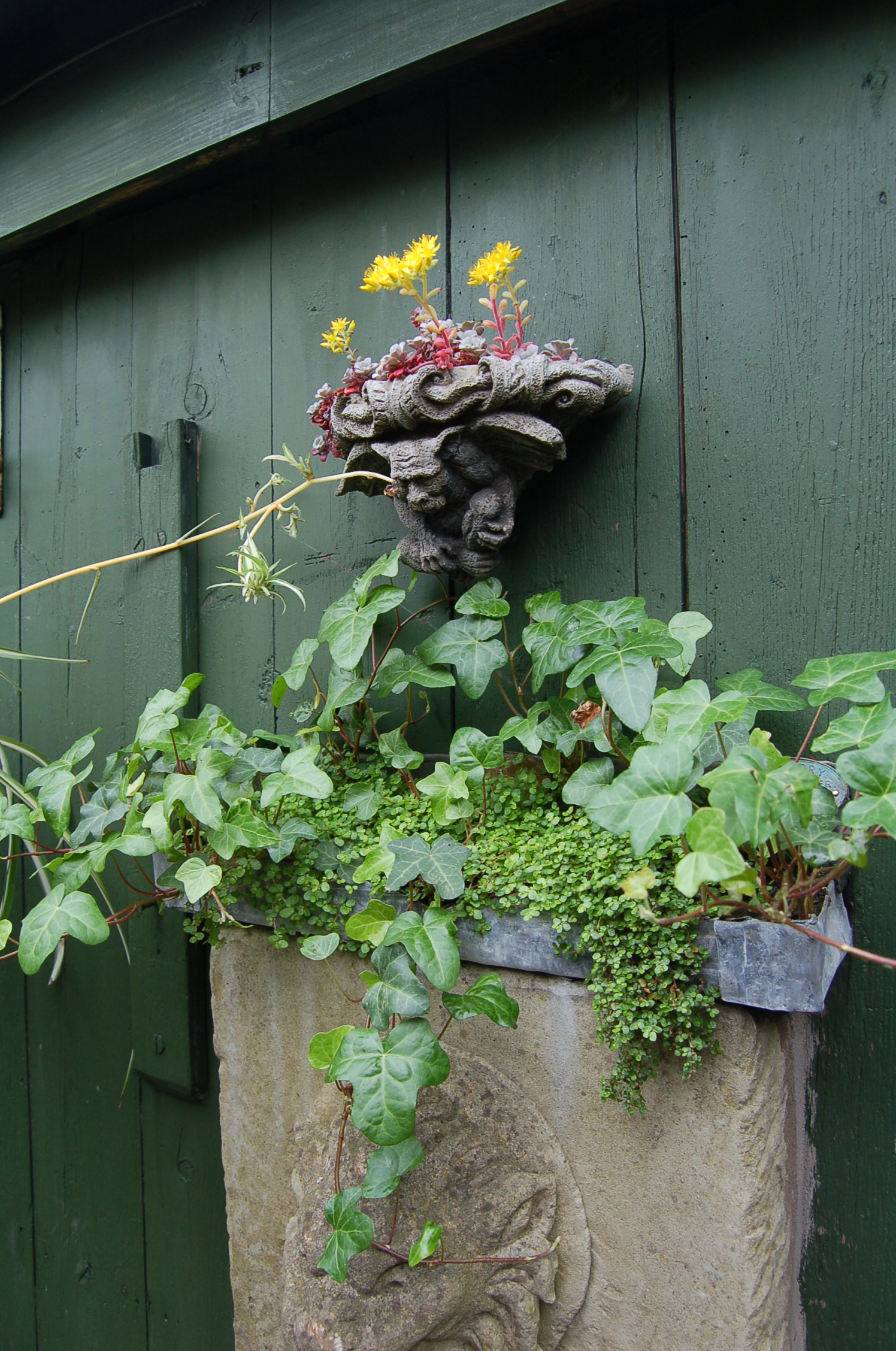
2013 06 15_1097 2013 06 15_1112 2013 06 15_1111 2013 06 15_1113 2013 06 15_1115

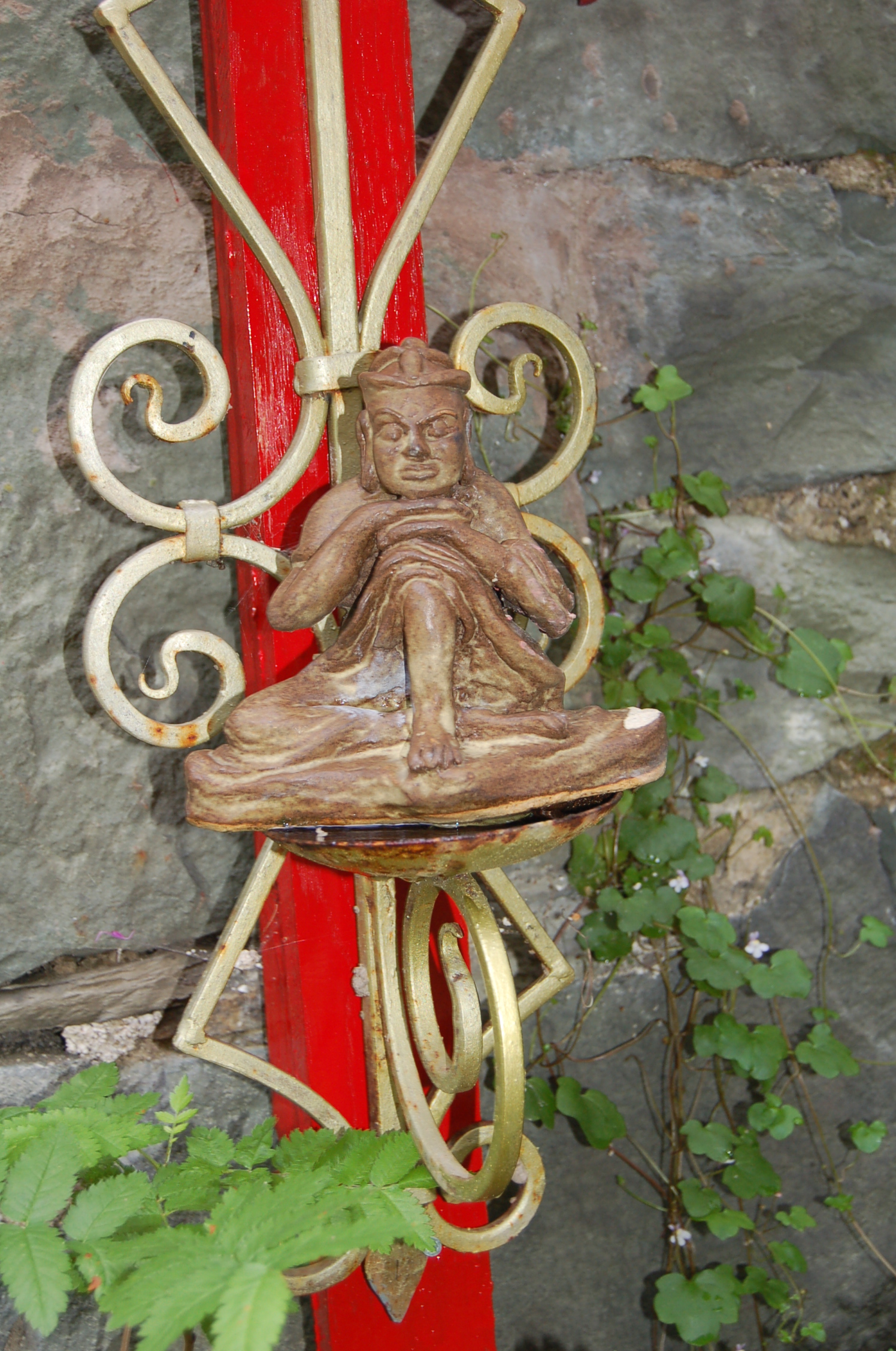
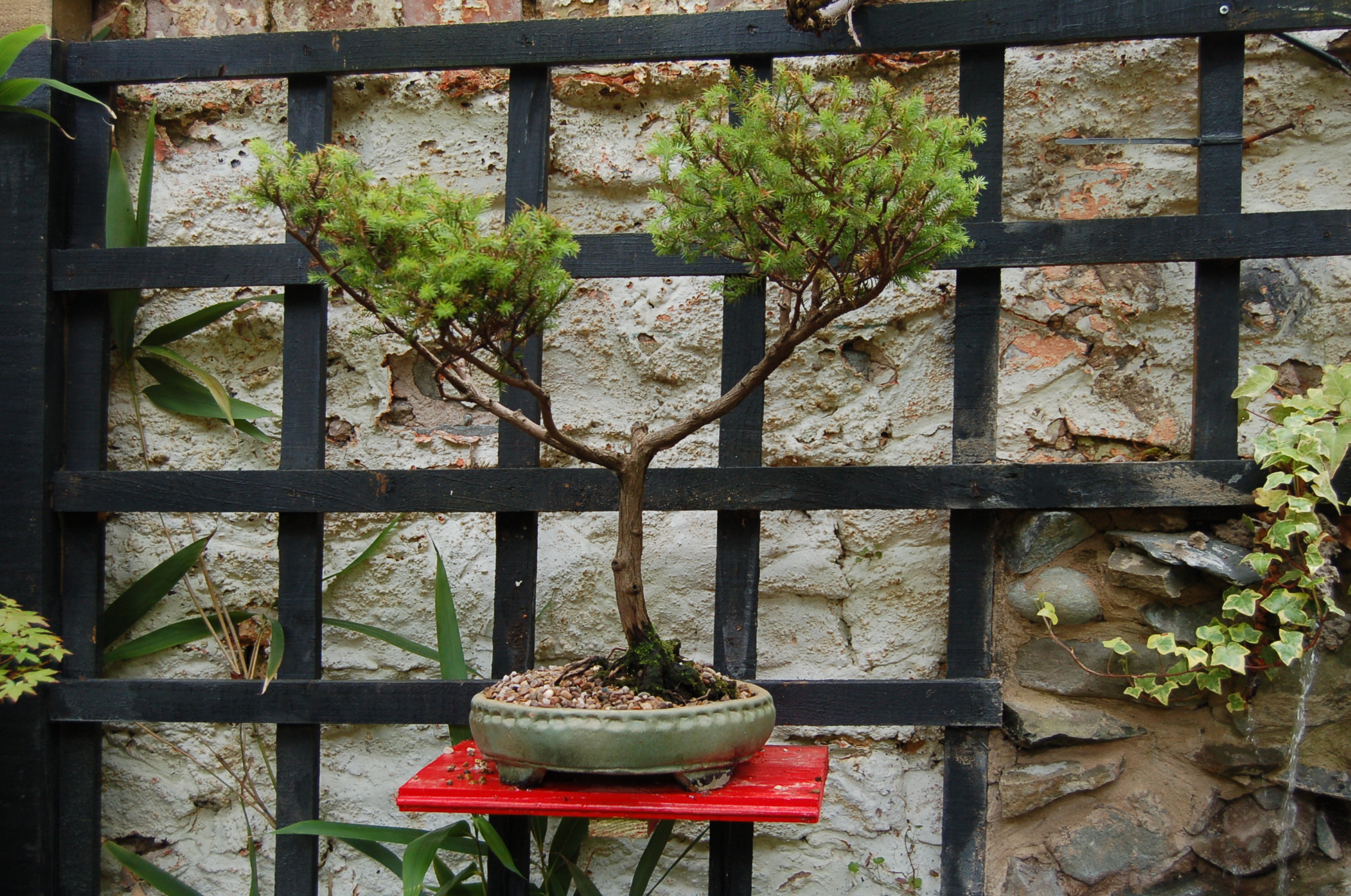
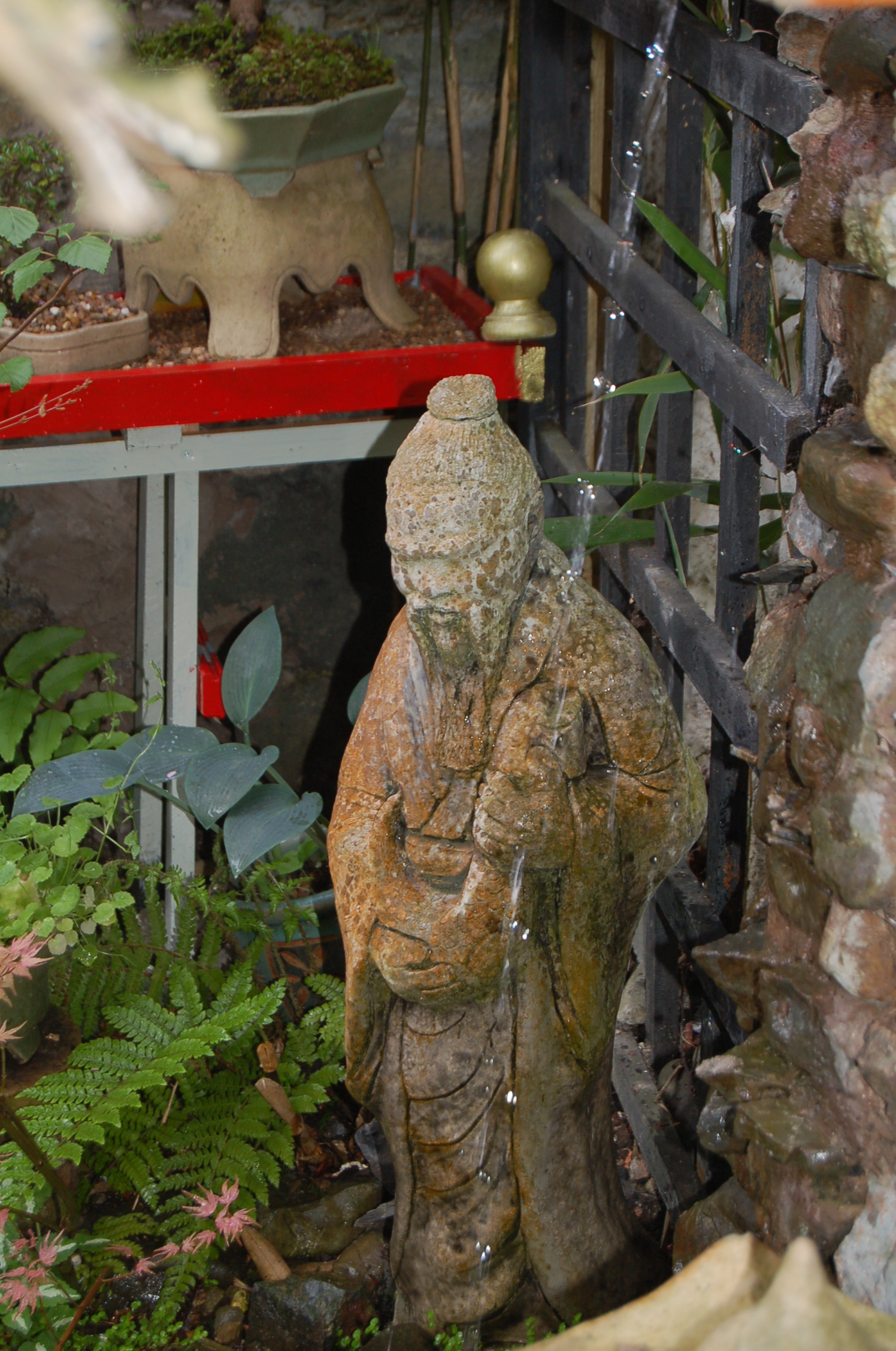
Deep in the heart of this little paradise we came across a cool enclosed garden where we found ourselves in for a real treat – a little glimpse of the Far East.

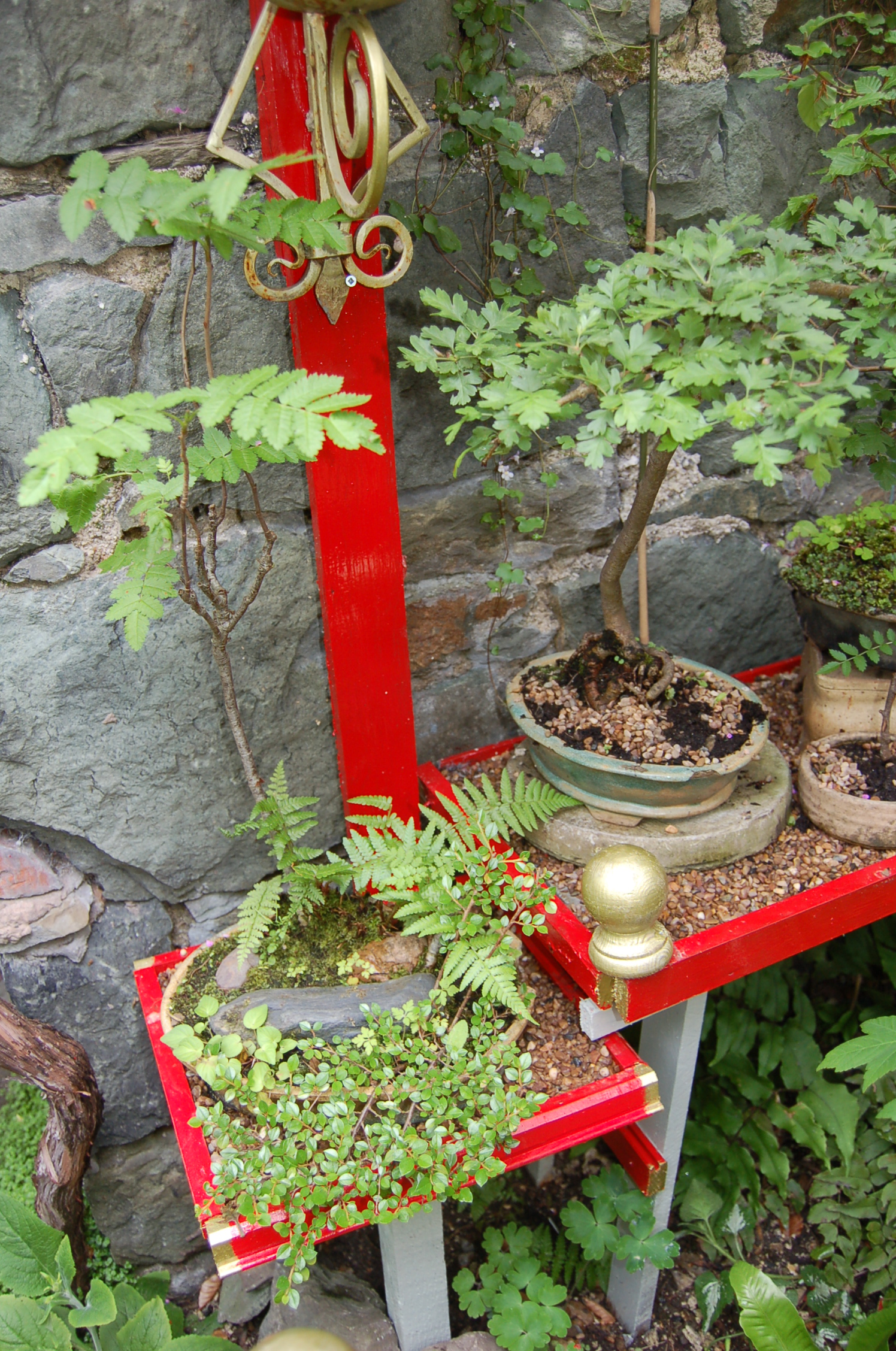
2013 06 15_1100 2013 06 15_1103 2013 06 15_1104 2013 06 15_1105 2013 06 15_1106 2013 06 15_1101 2013 06 15_1107

This garden was tightly fitted within a group of houses close by the town’s main church and occasionally we caught glimpses of these other buildings through the foliage.
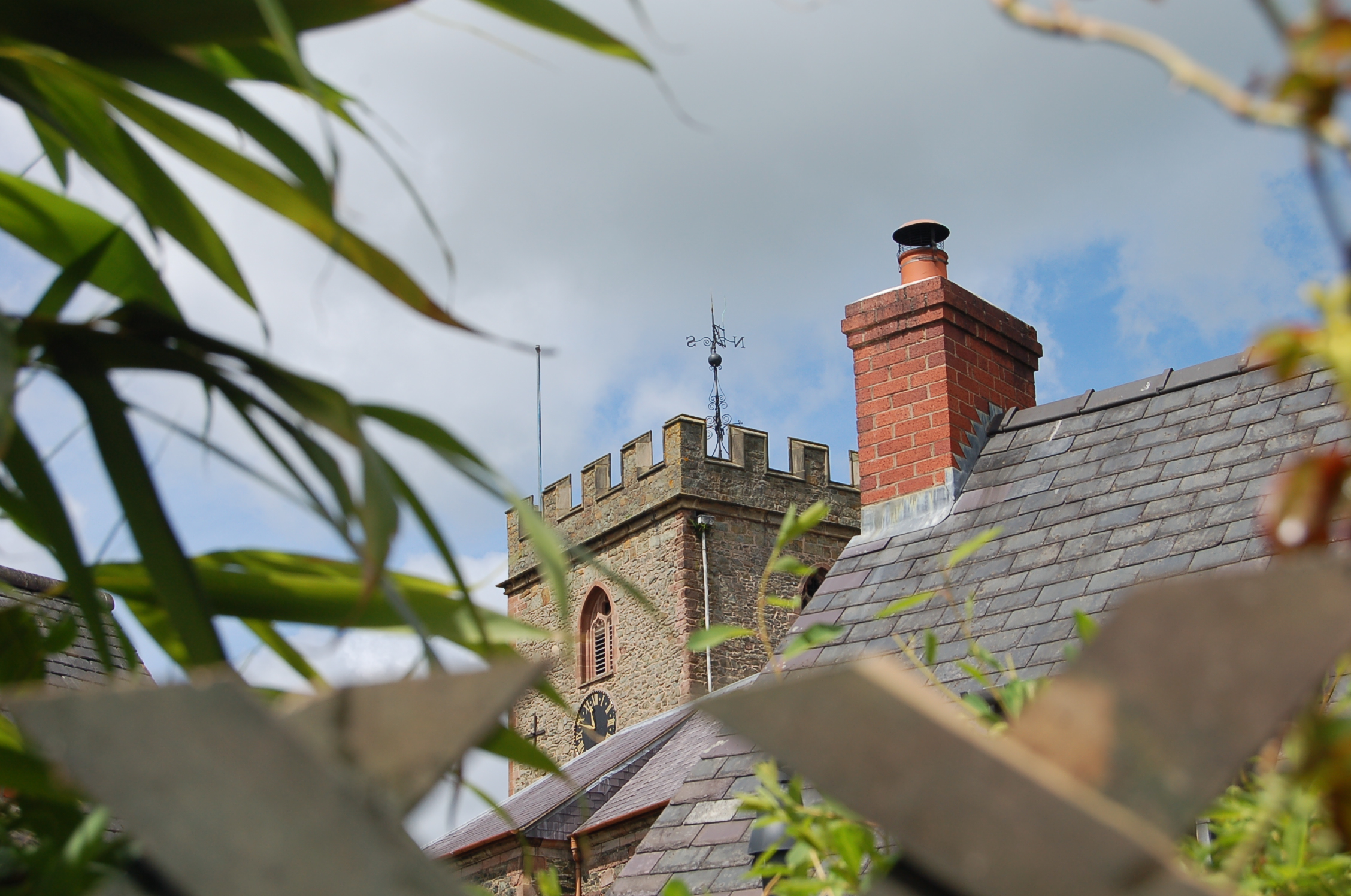
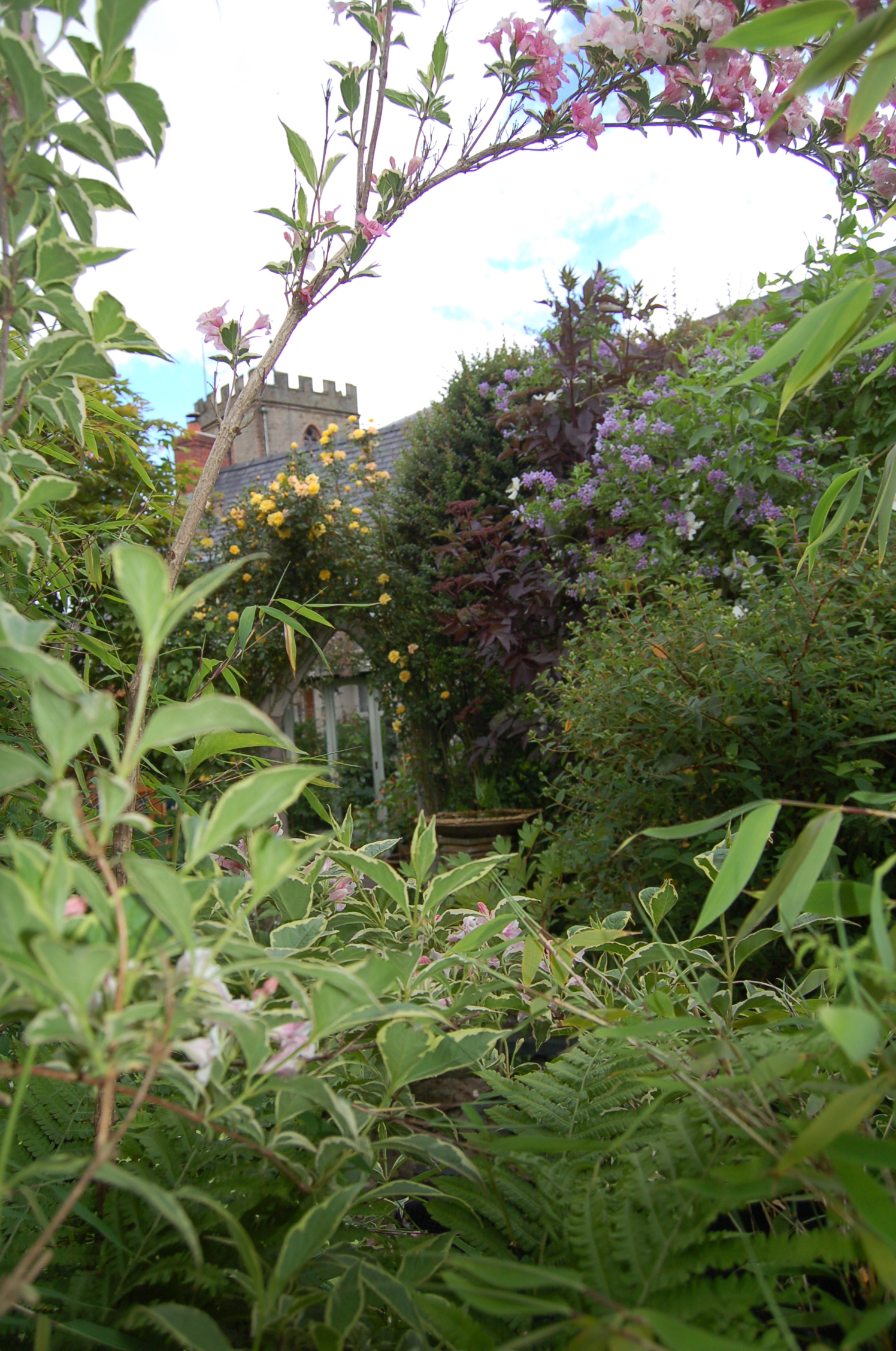
2013 06 15_1116 2013 06 15_1102

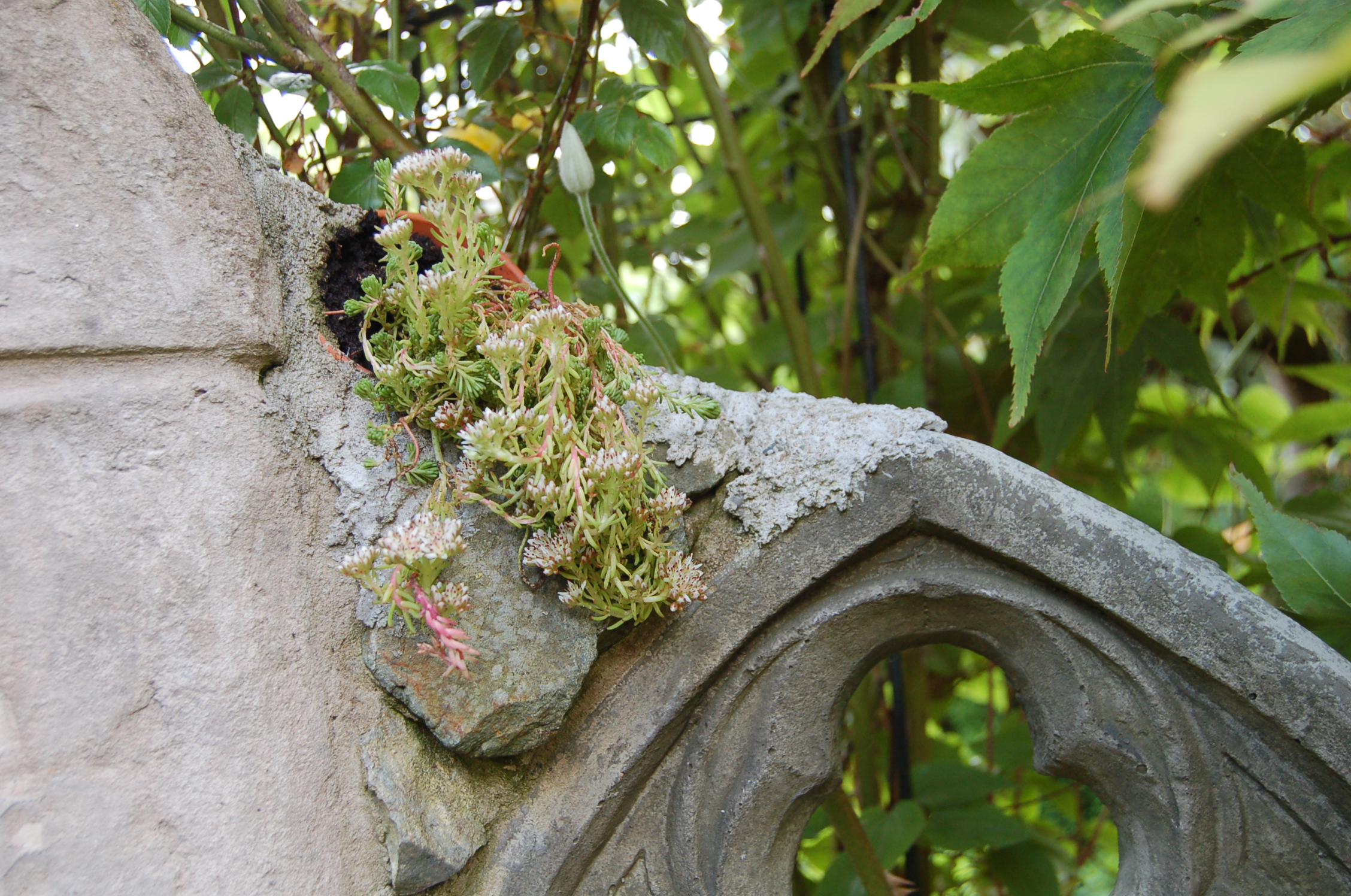
Atop one of the many little outbuildings lived a very healthy and happy green roof.

2013 06 15_1114

This was a very special garden – a place to relax and become engulfed in plants. In the afternoon we met again as a group to enjoy a very different garden in a very different setting. We found ourselves out in the open high up on a hillside with big skies above a wide view. This garden features in my next post.

Categories
community gardening fruit and veg garden design garden photography garden wildlife gardening gardens open to the public half-hardy perennials kitchen gardens natural pest control village gardens

Find Peace and Tranquility in a Walled Garden

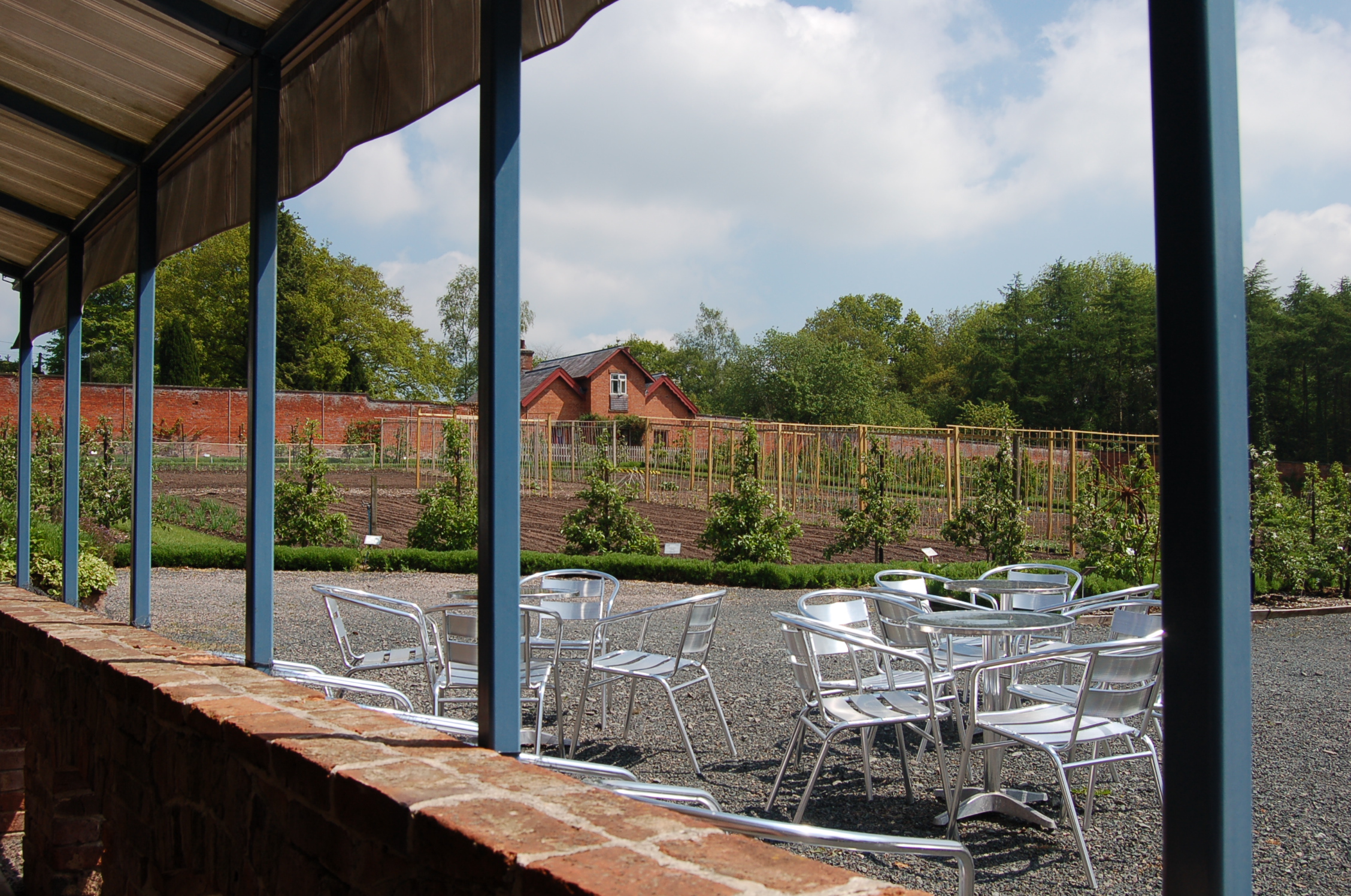
Geoff, a friend and gardener, recommended Sugnall Walled Garden as a special place to visit. We love walled gardens and always have done for their special unique atmosphere. Peaceful. Tranquil. Enclosed. Calm. Secret.
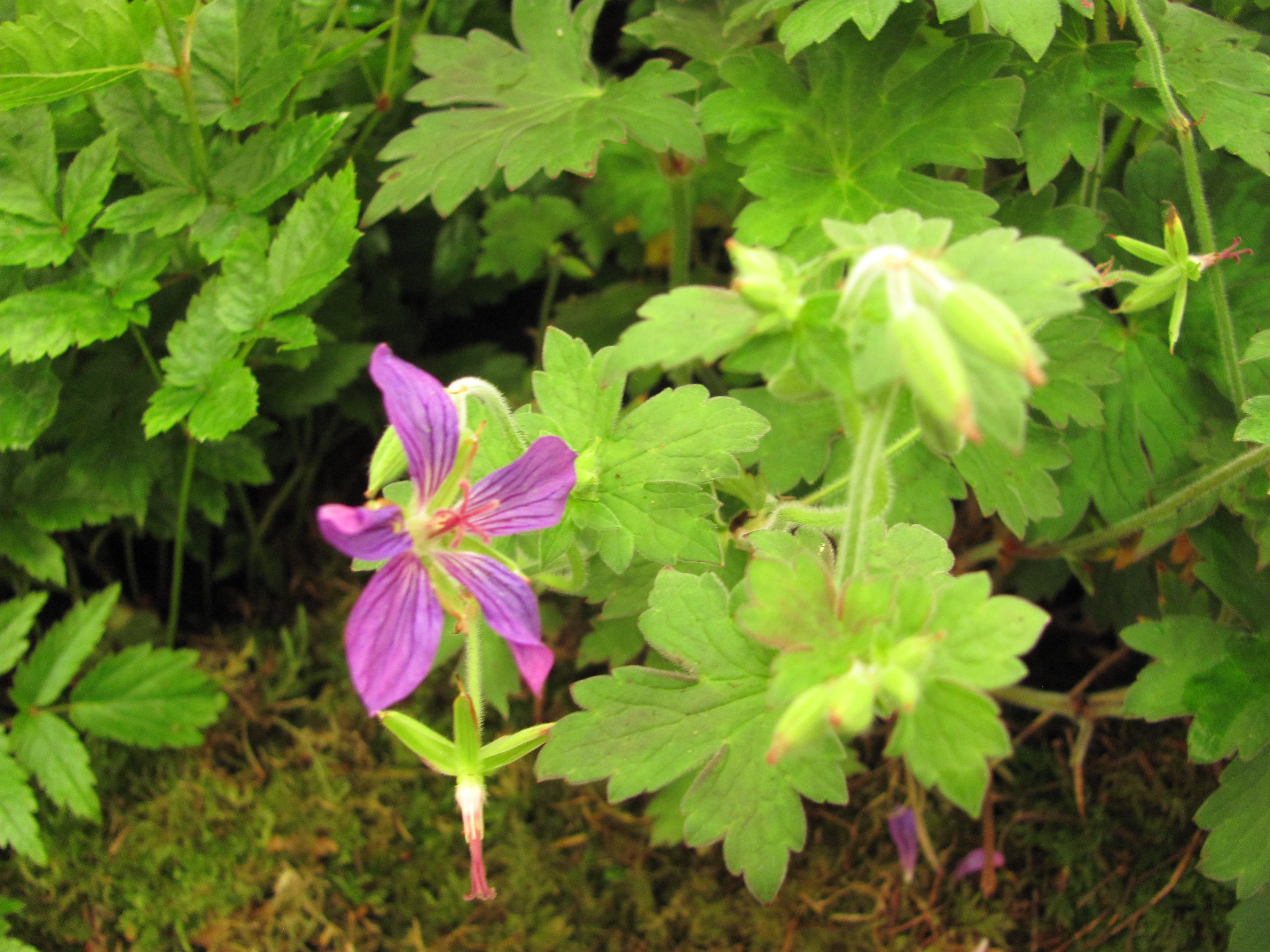
DSC_0003 DSC_0002

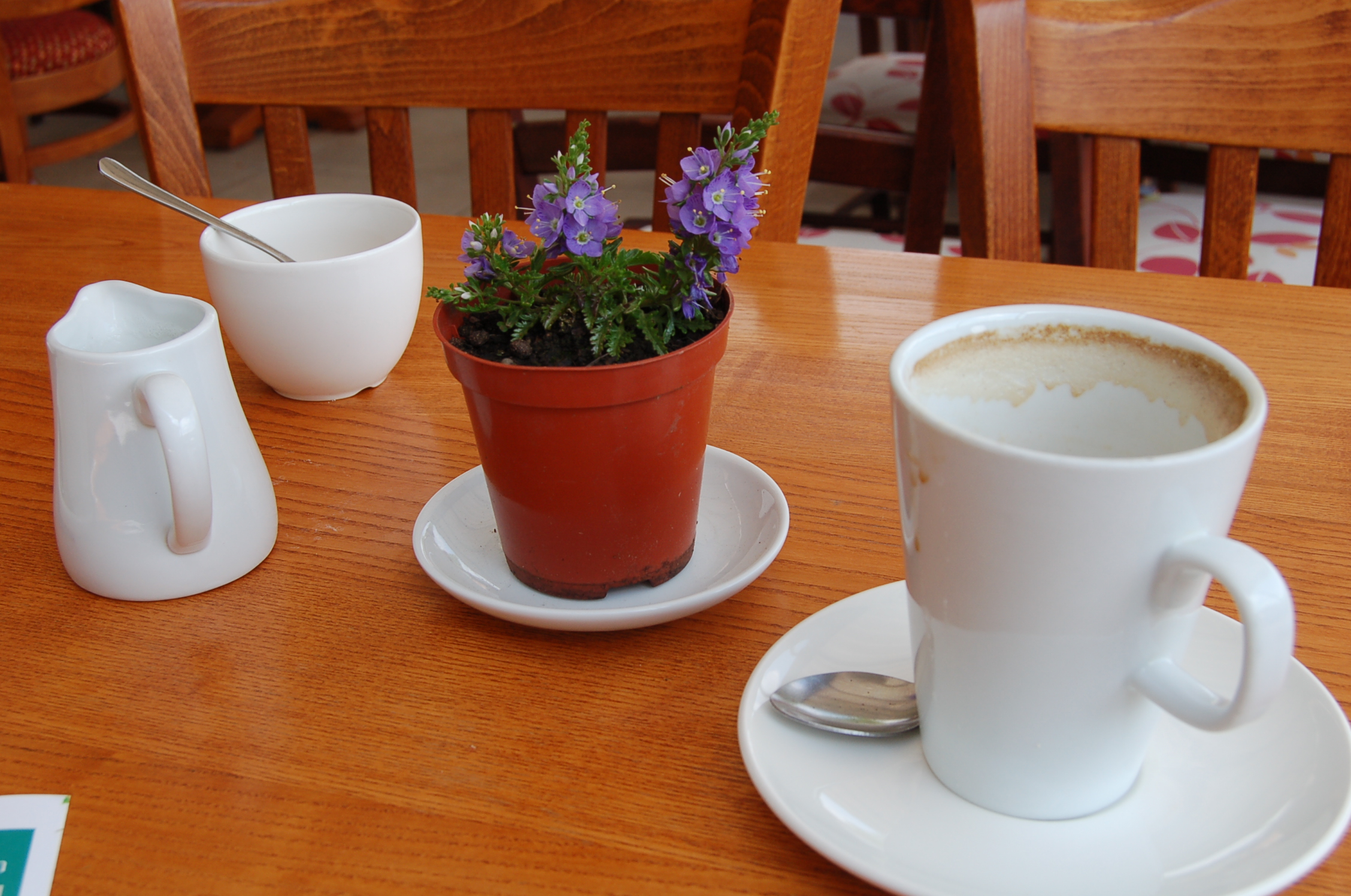
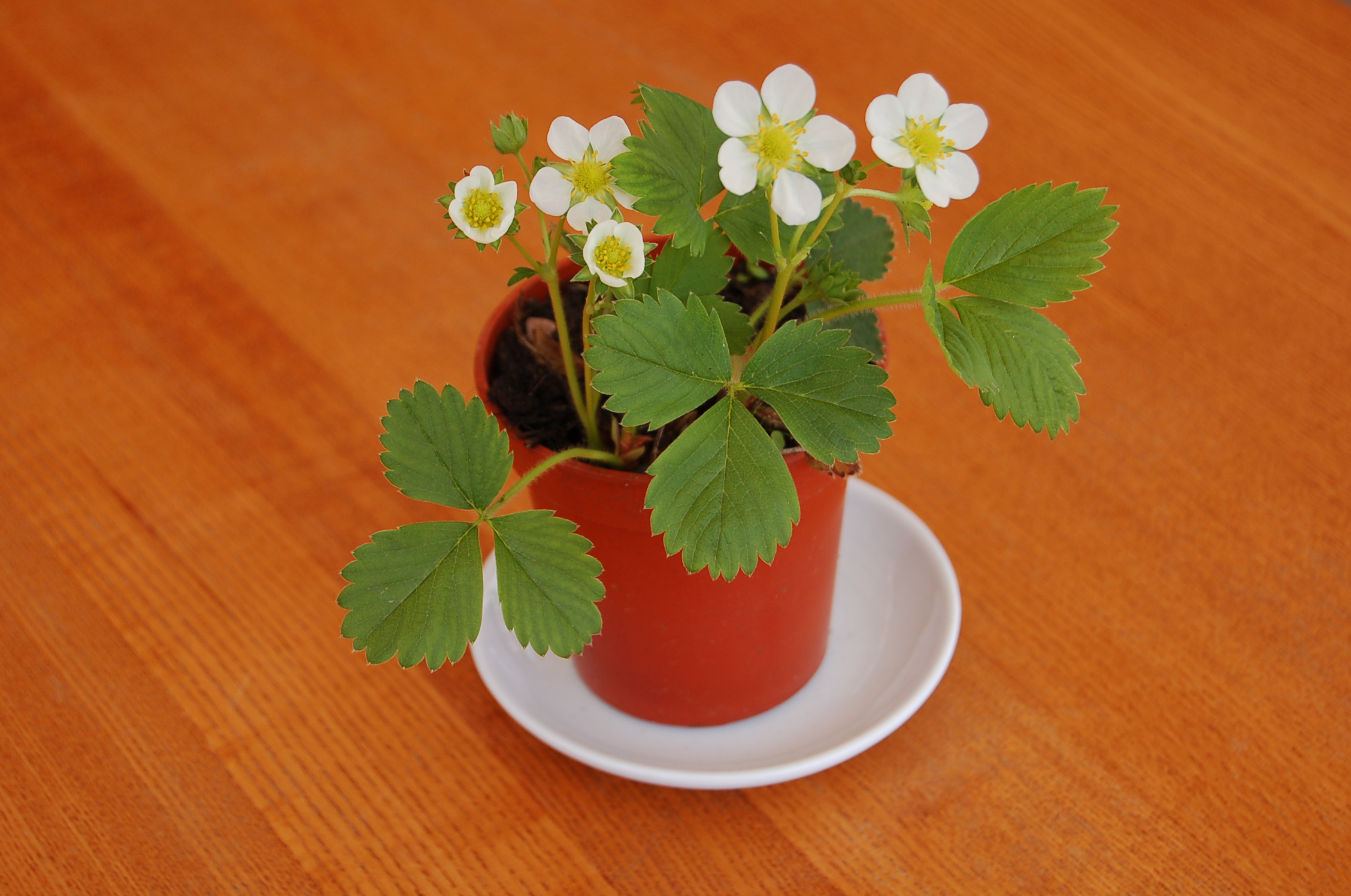
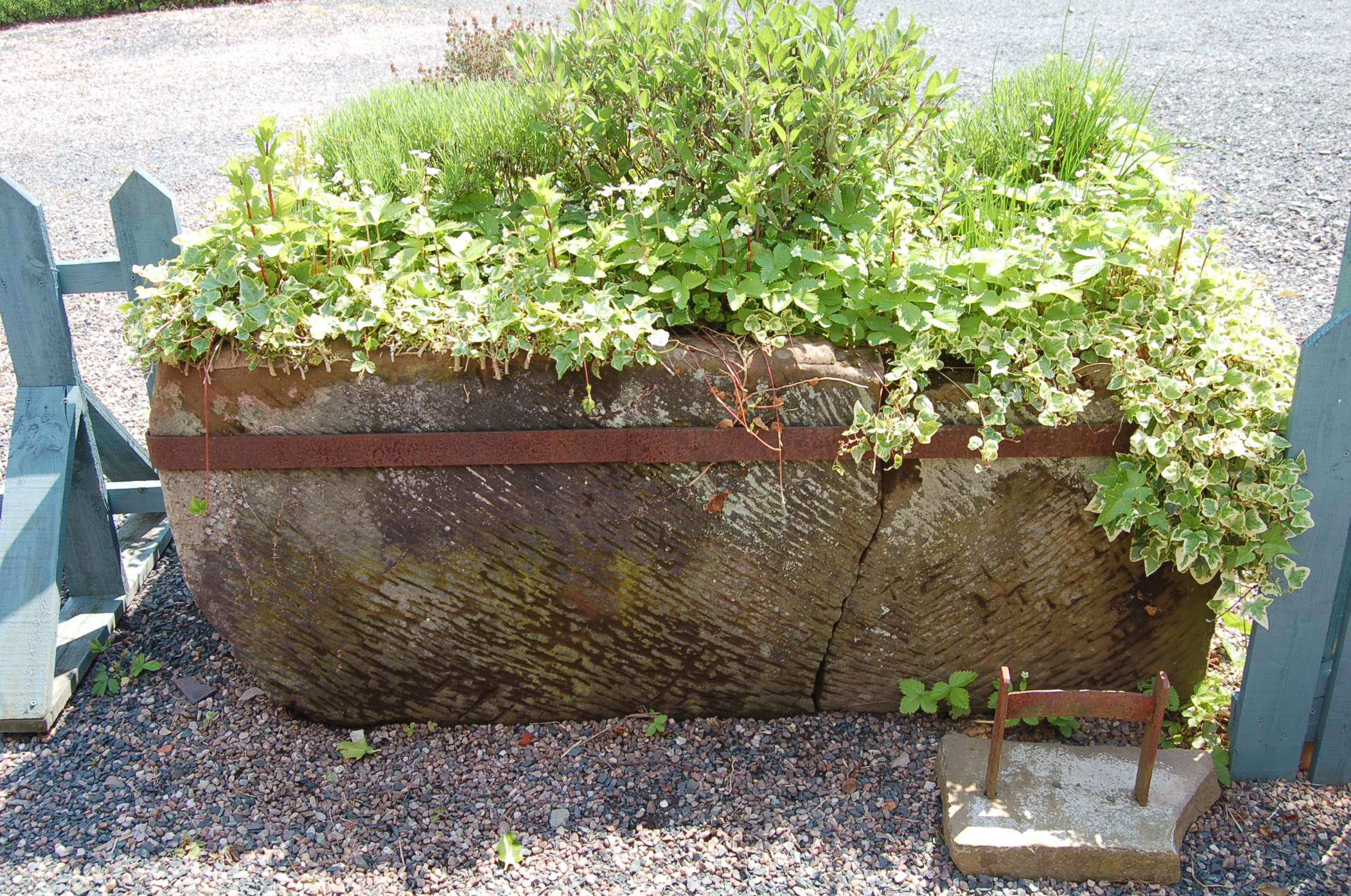
Sugnall is not pristine, and it is better off not being so. We liked its “shabby chic” effect. It is a mix of productive and decorative borders with lots of paths to follow inviting exploration. But first we had to check out the tea shop! A little plant as a table centre set the scene for our walled garden visit.
DSC_0001 DSC_0004

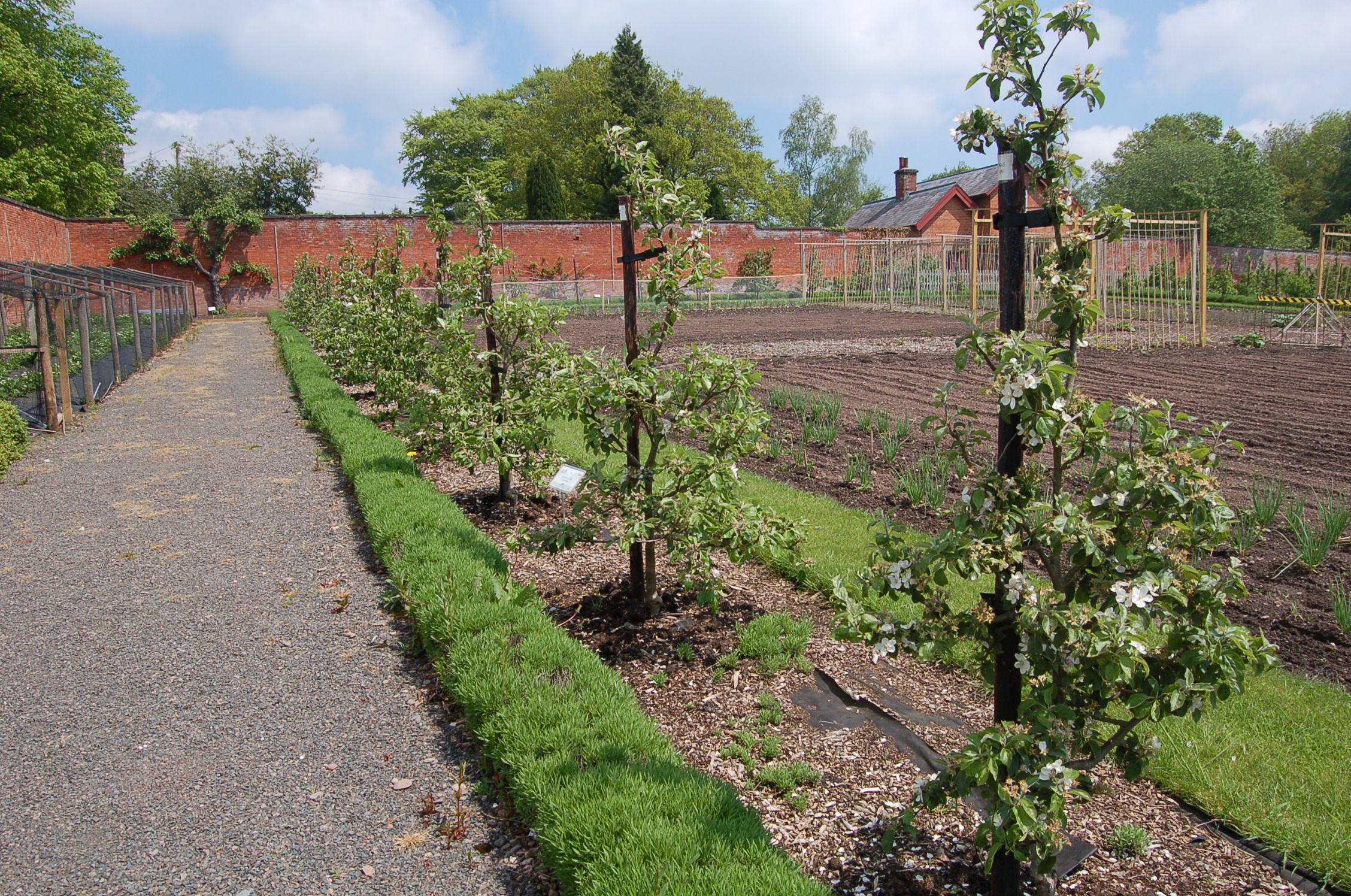
Follow us around the gravel paths of this wonderful walled garden.

DSC_0022 DSC_0014 DSC_0020 DSC_0011 DSC_0005 DSC_0008 DSC_0009 DSC_0012 DSC_0013 DSC_0015 DSC_0006 DSC_0007

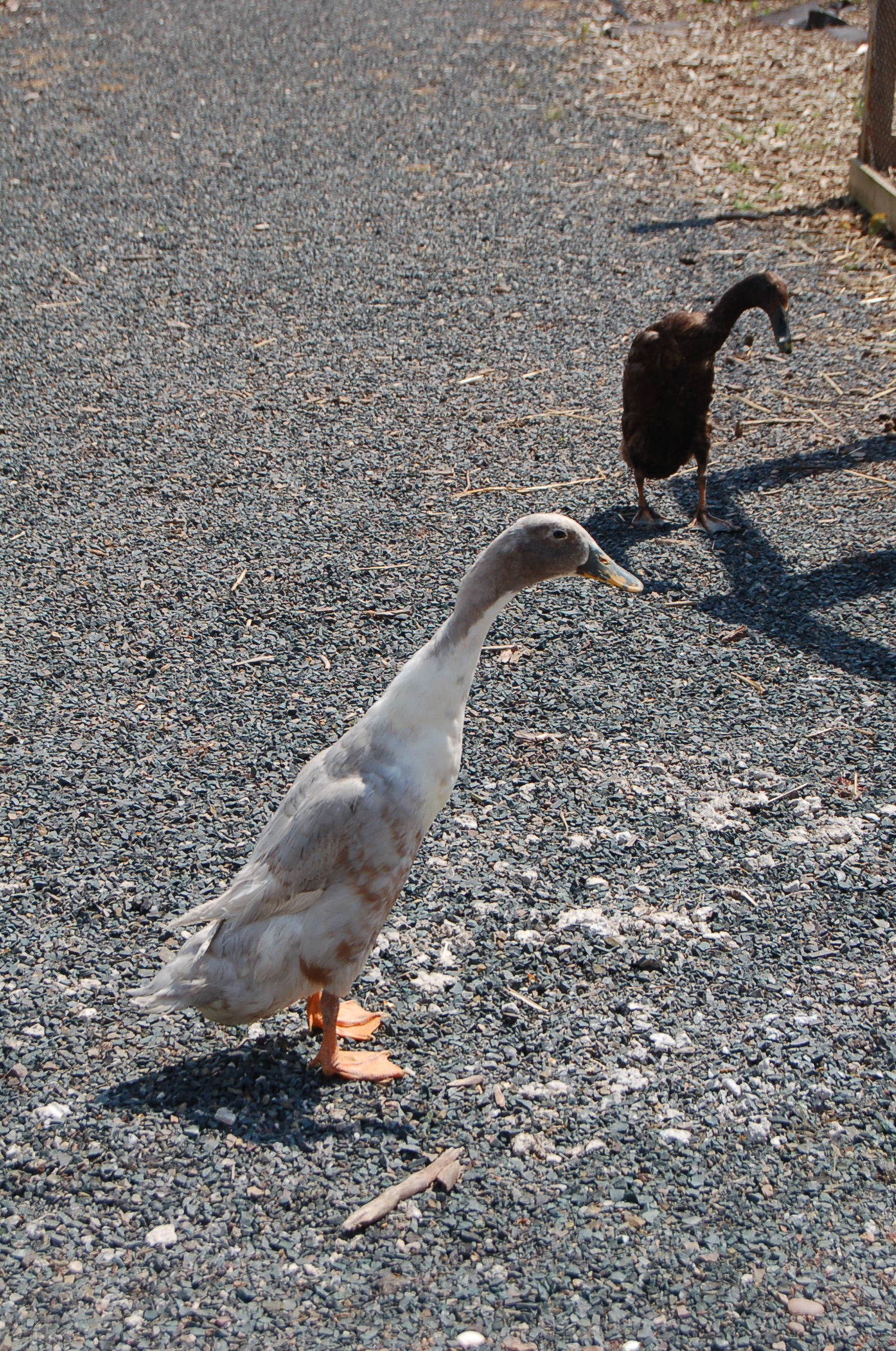
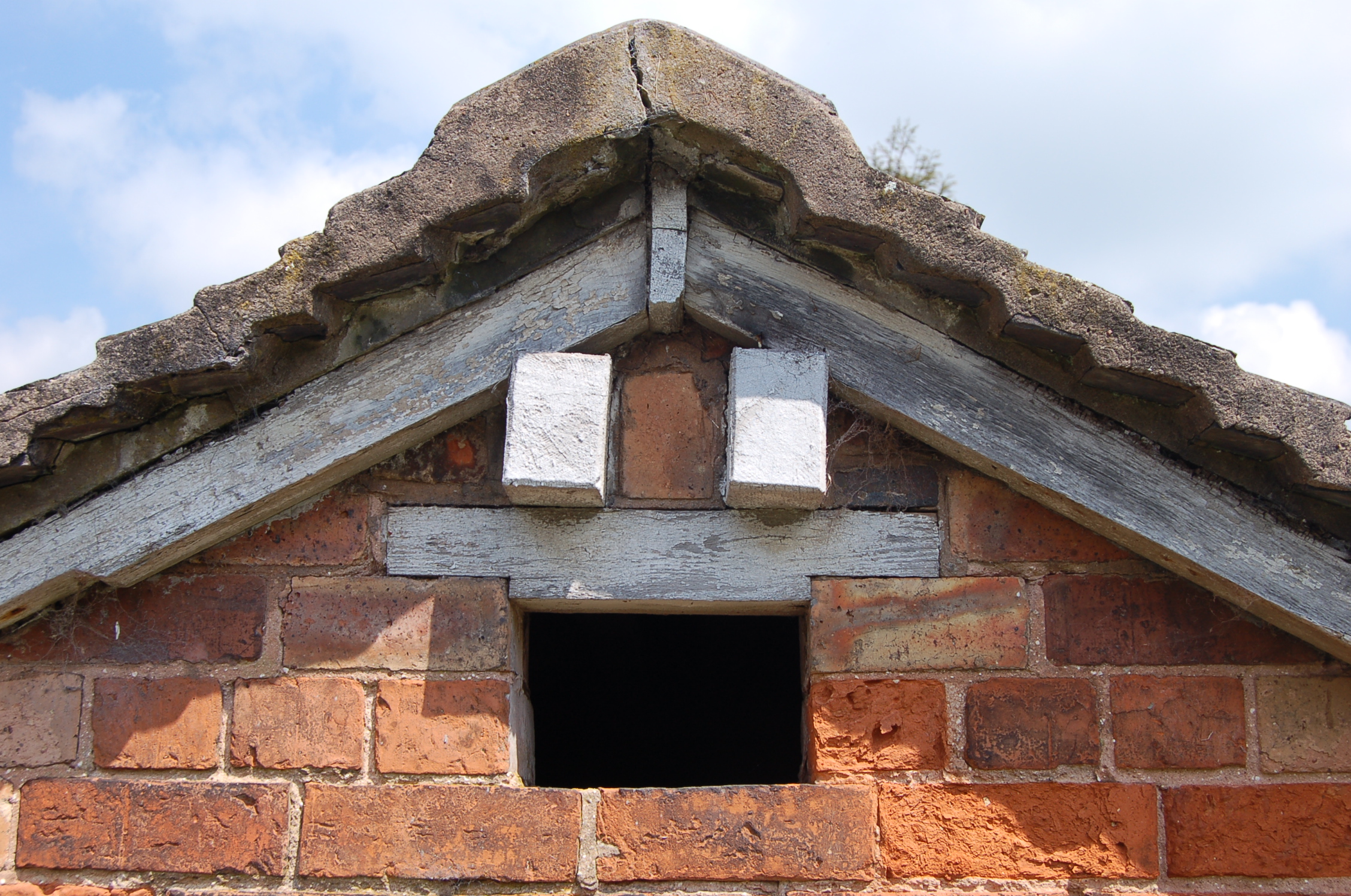
There were some very efficient pest controllers working within these walls. Two pairs of ducks were champion slug and  snail eaters. Nesting swallows, which appeared and disappeared through a convenient hole in the gable end of the potting shed were seen to be catching insects while in flight to feed to their hungry youngsters.

DSC_0016 DSC_0017 DSC_0018

Now Geoff also mentioned a nature reserve just a stroll up the lane which hosts bluebells! That just had to be our next port of call.

Categories
community gardening flower show fruit and veg garden design garden photography gardening grow your own half-hardy perennials hardy perennials July ornamental grasses ornamental trees and shrubs outdoor sculpture photography RHS town gardens

More from the Tatton Park Flower Show

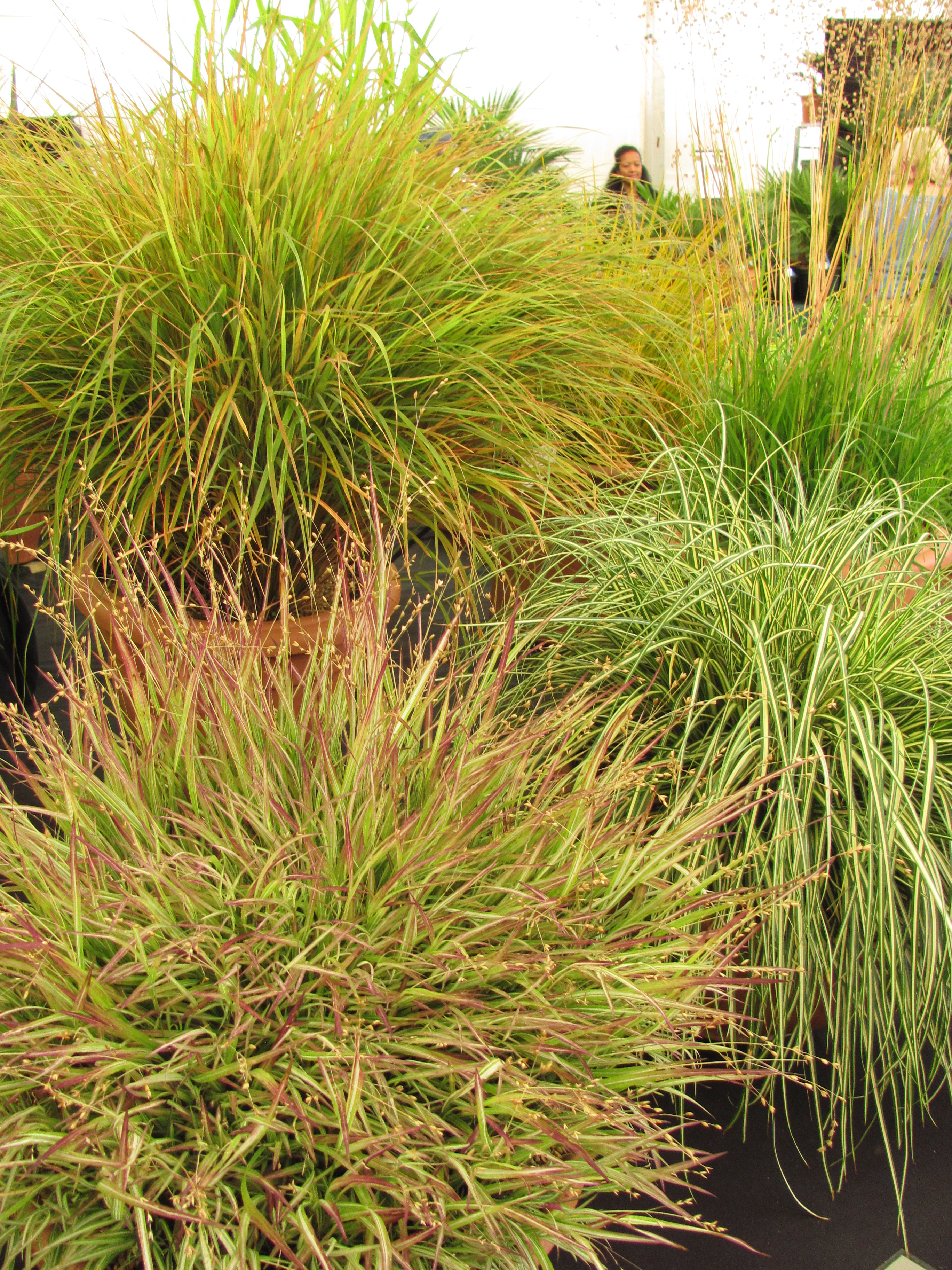
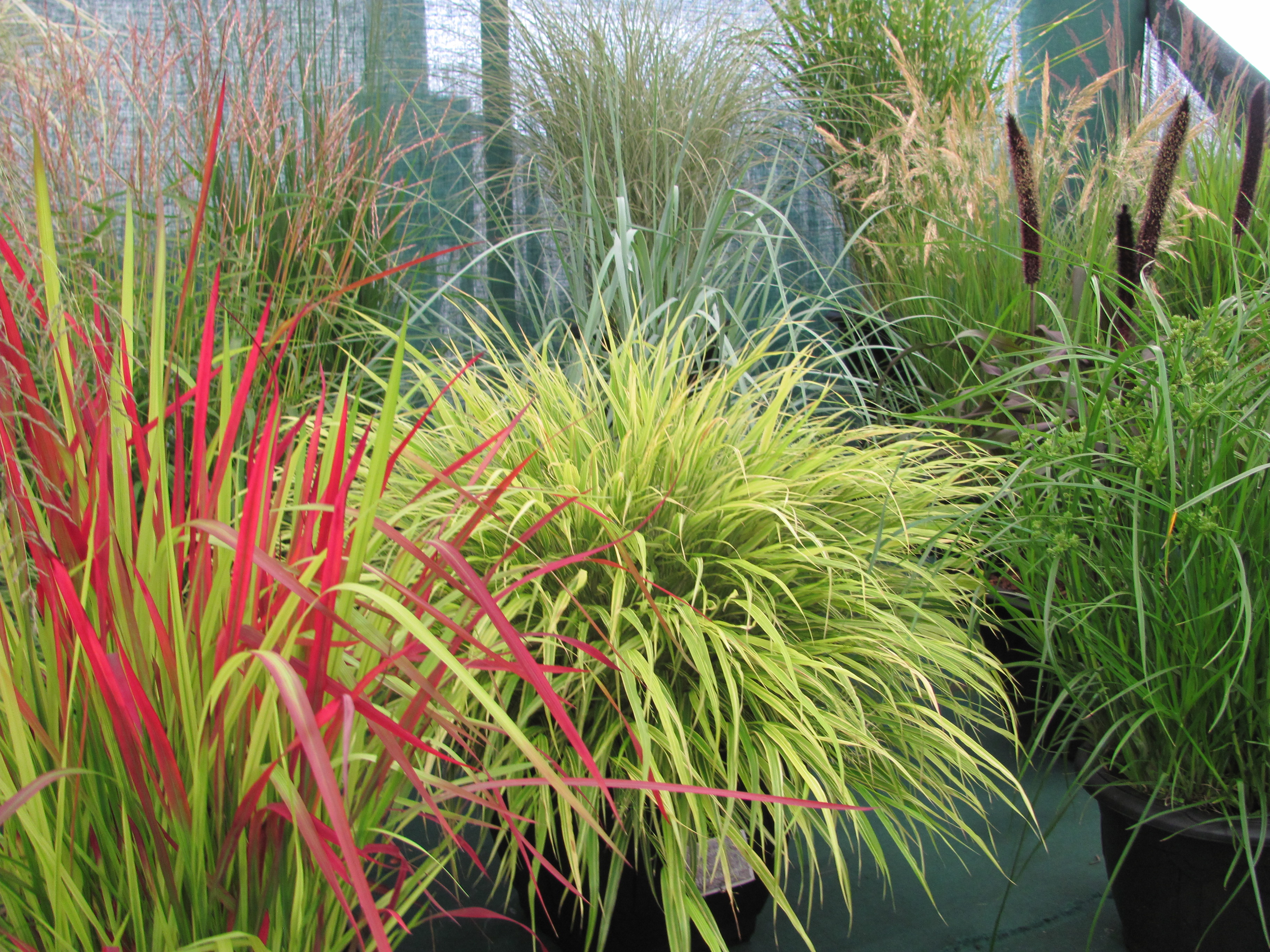
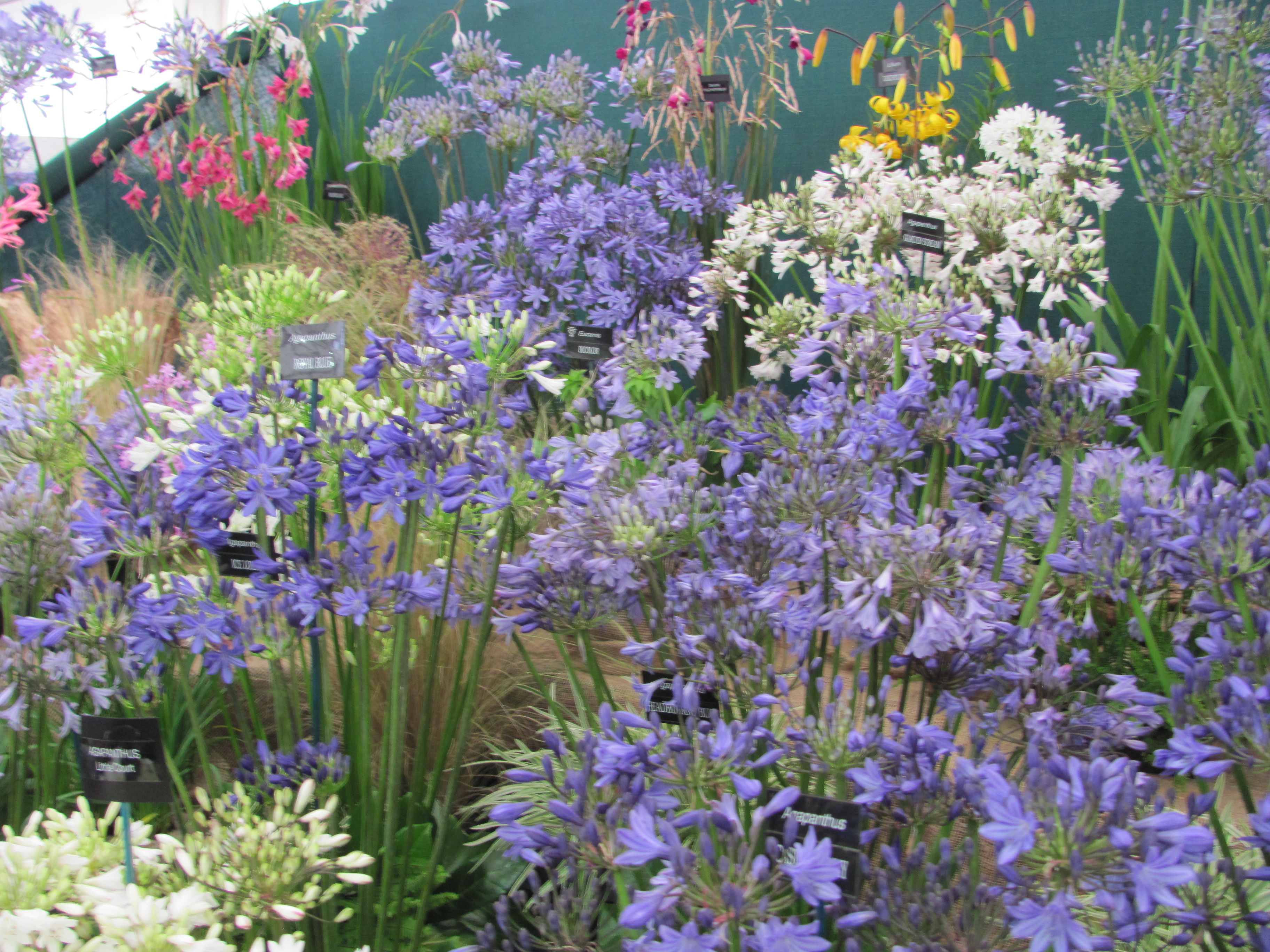
We always enjoy visiting the Floral Marquee at any RHS Show and try to sneak a good look around before they get too crowded. At Tatton Show we just made it as the crowds began to build. It was worth it as there were some wonderful plants to look at some of which were beautifully displayed. As usual our favourites were the grasses.

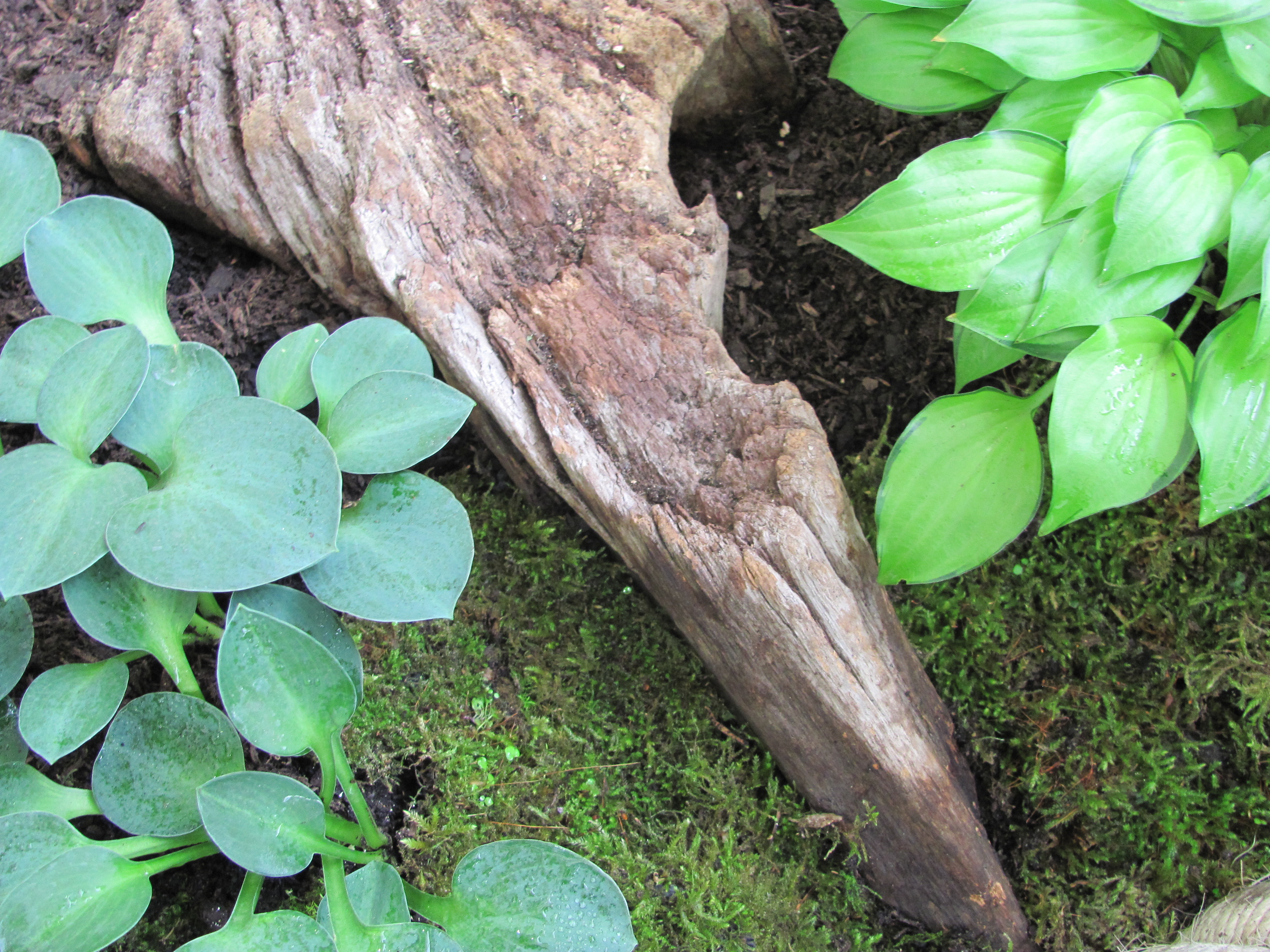
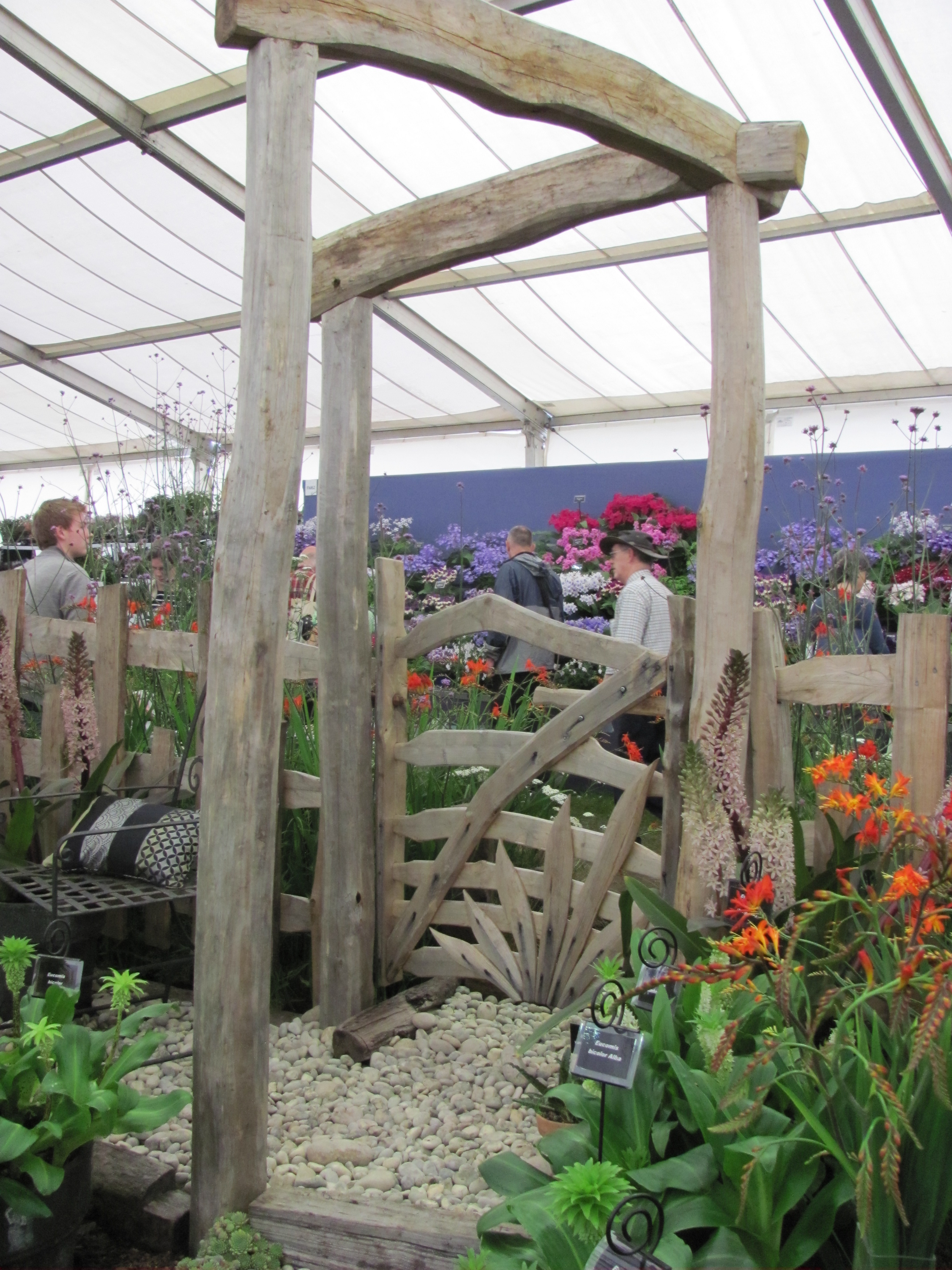
Within the plants on display there were some effective little details that drew out attention to have a closer look.

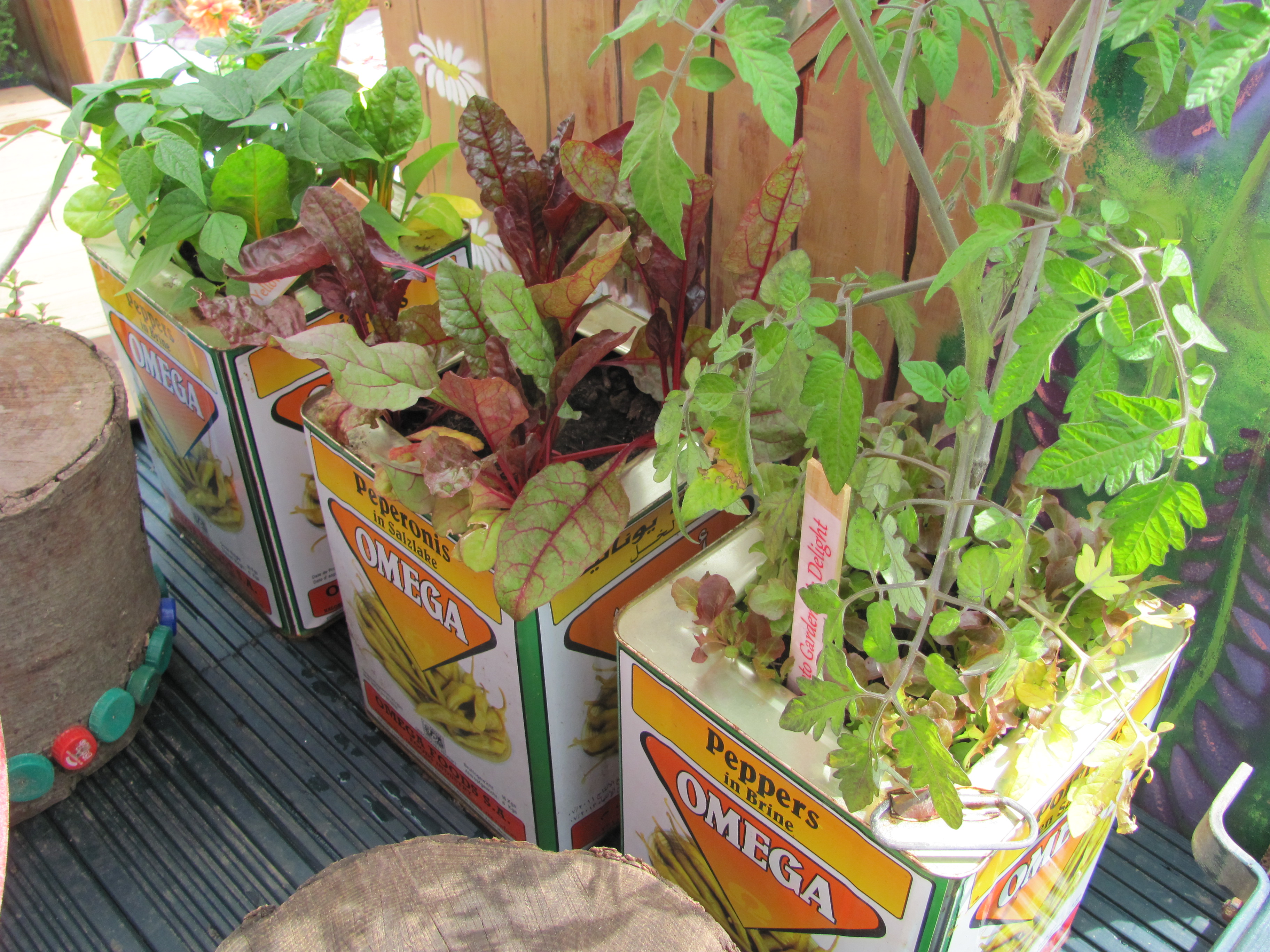
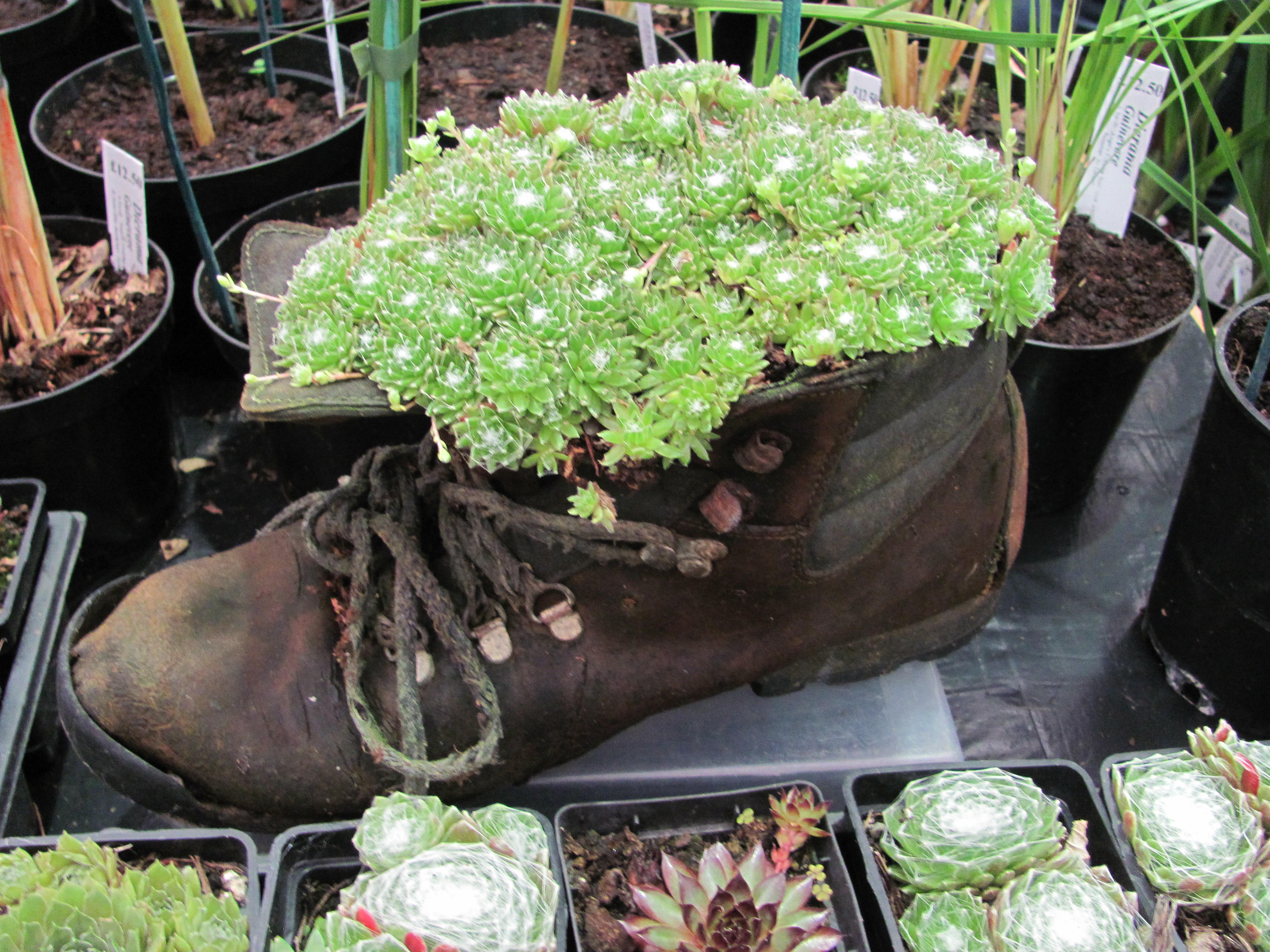
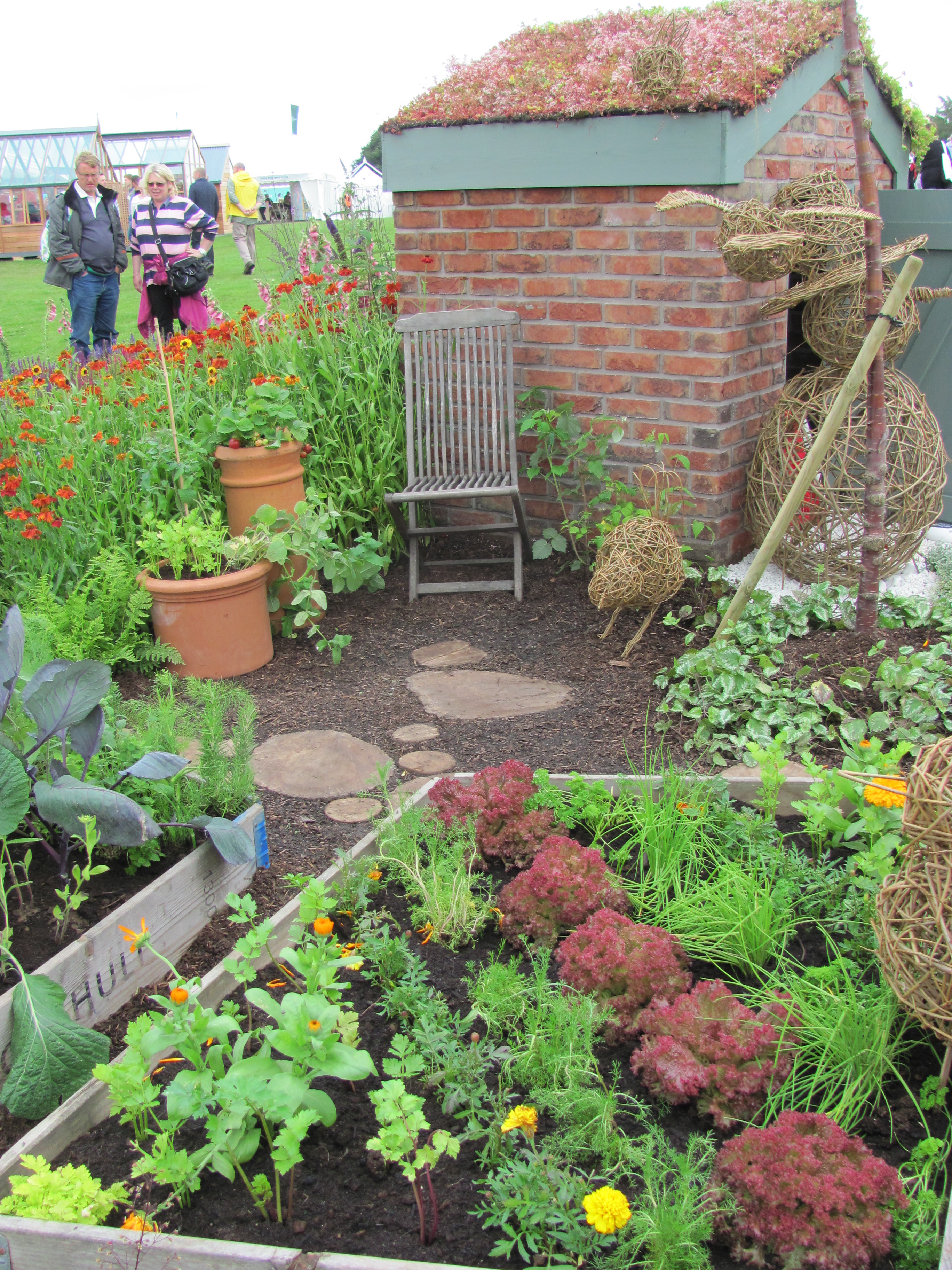
Throughout the showground were unusual containers used as planters from old boots to oil cans.

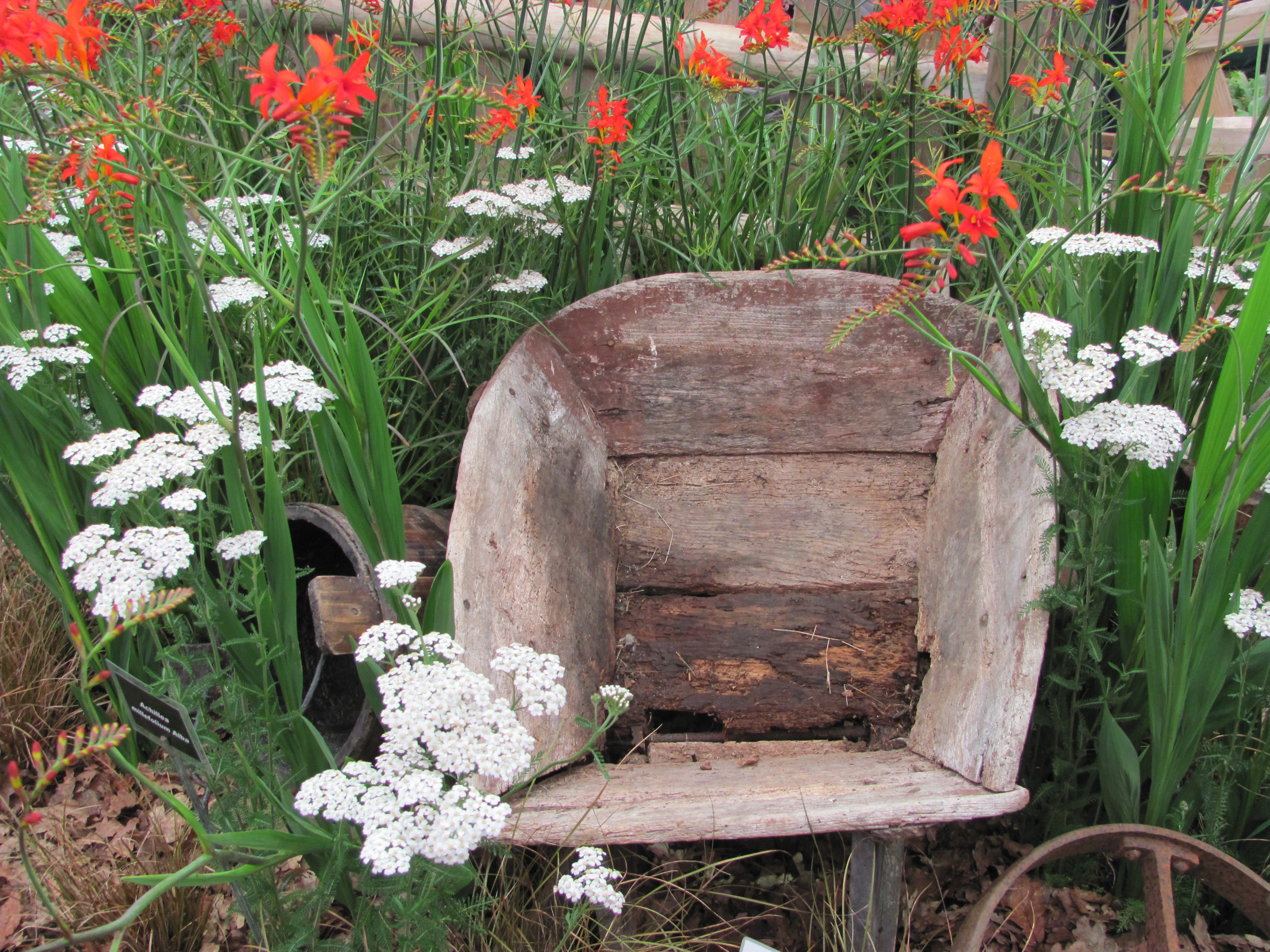
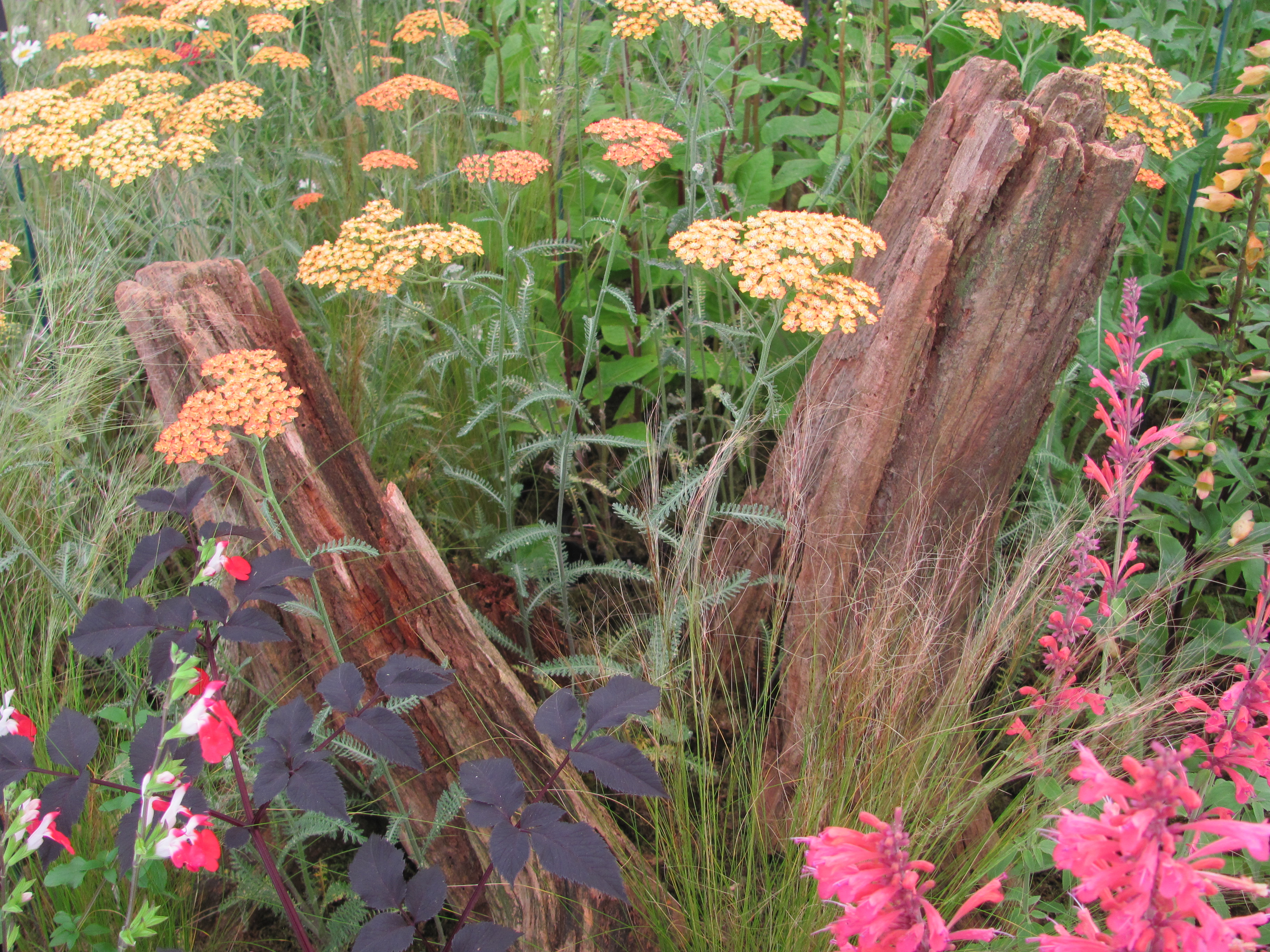
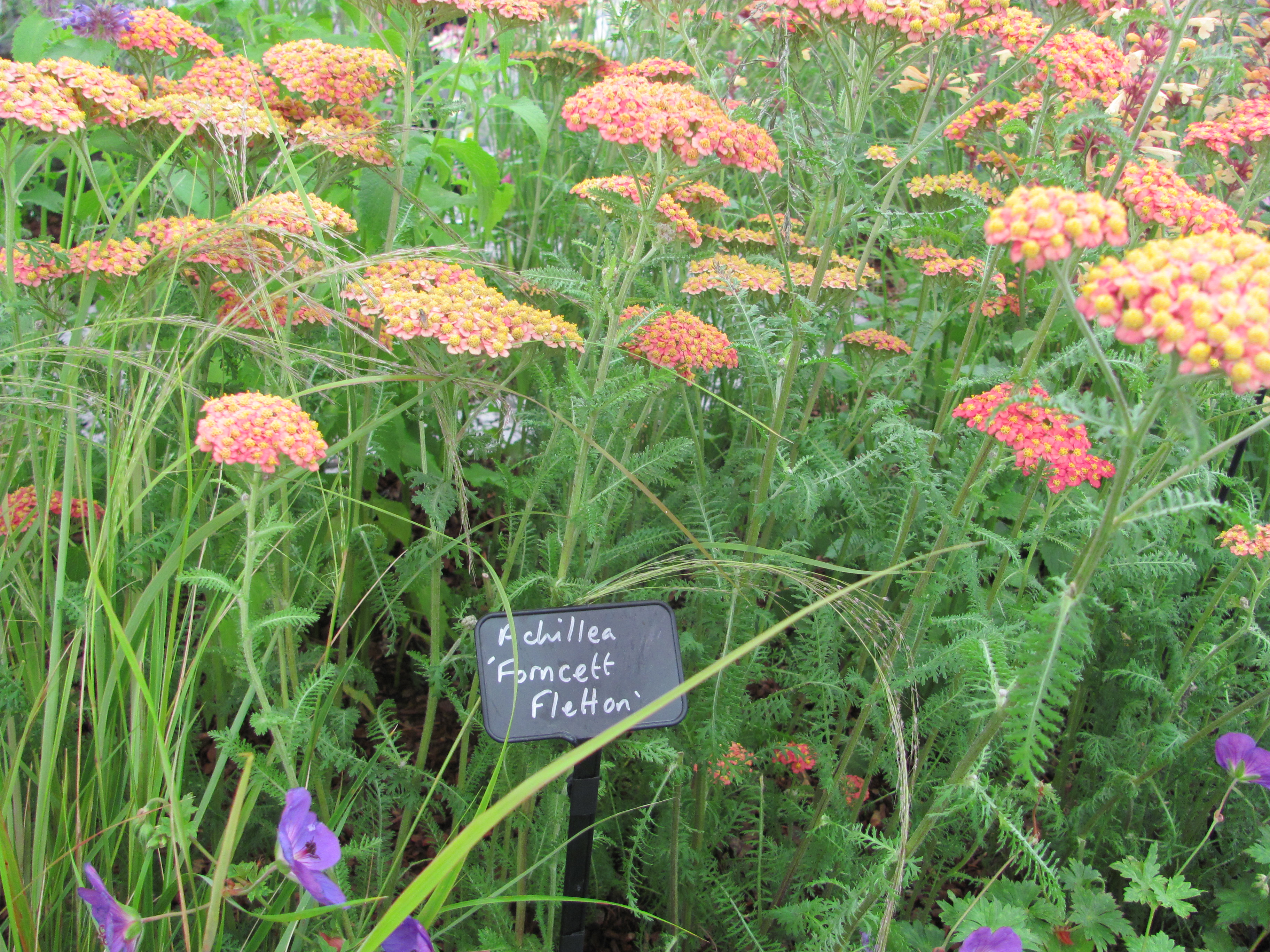
But as always the stars of the show were the plants. the trend in this show was for combining grasses with Achilleas particularly those with cream, russet and orange flowers.

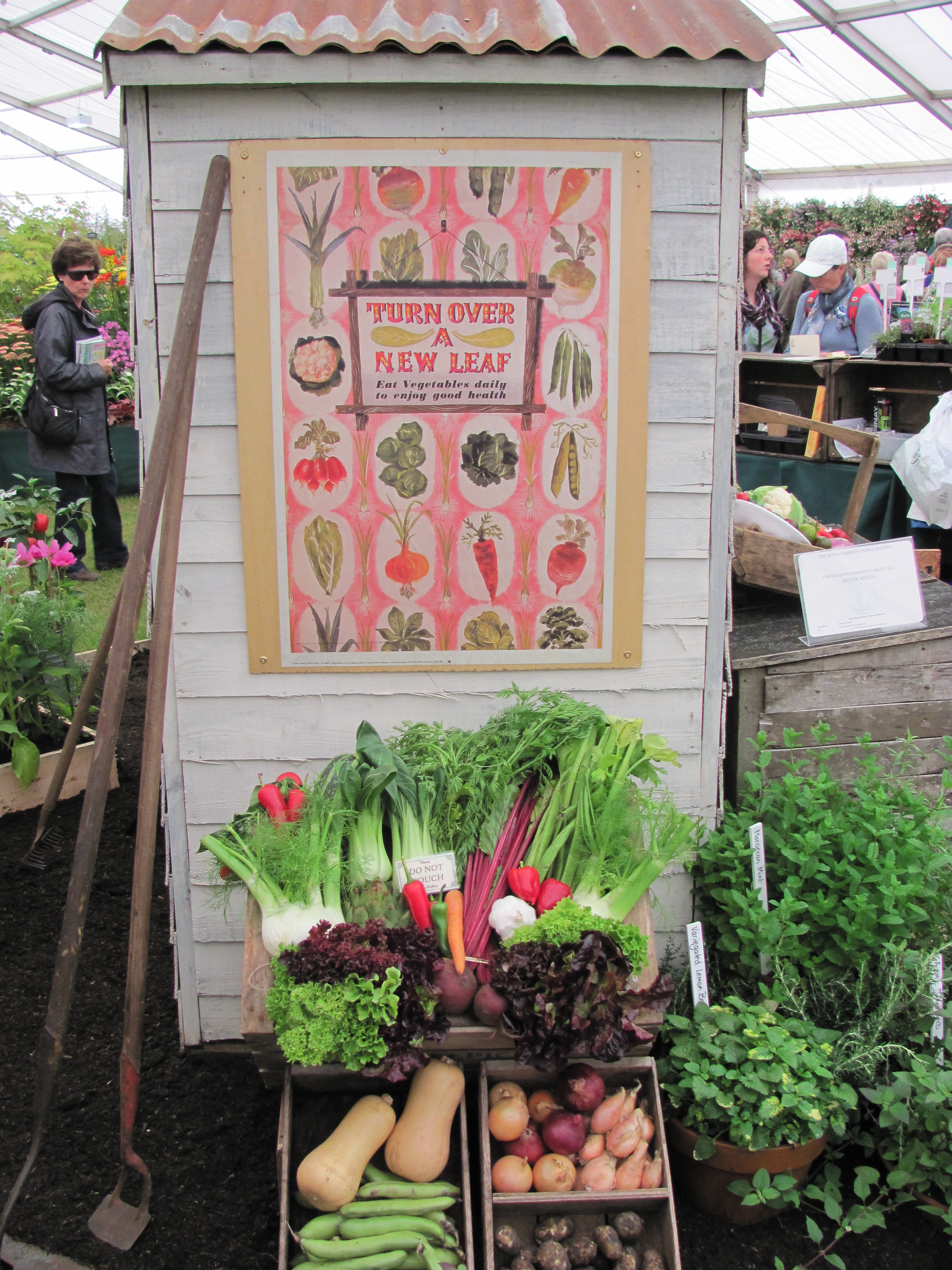
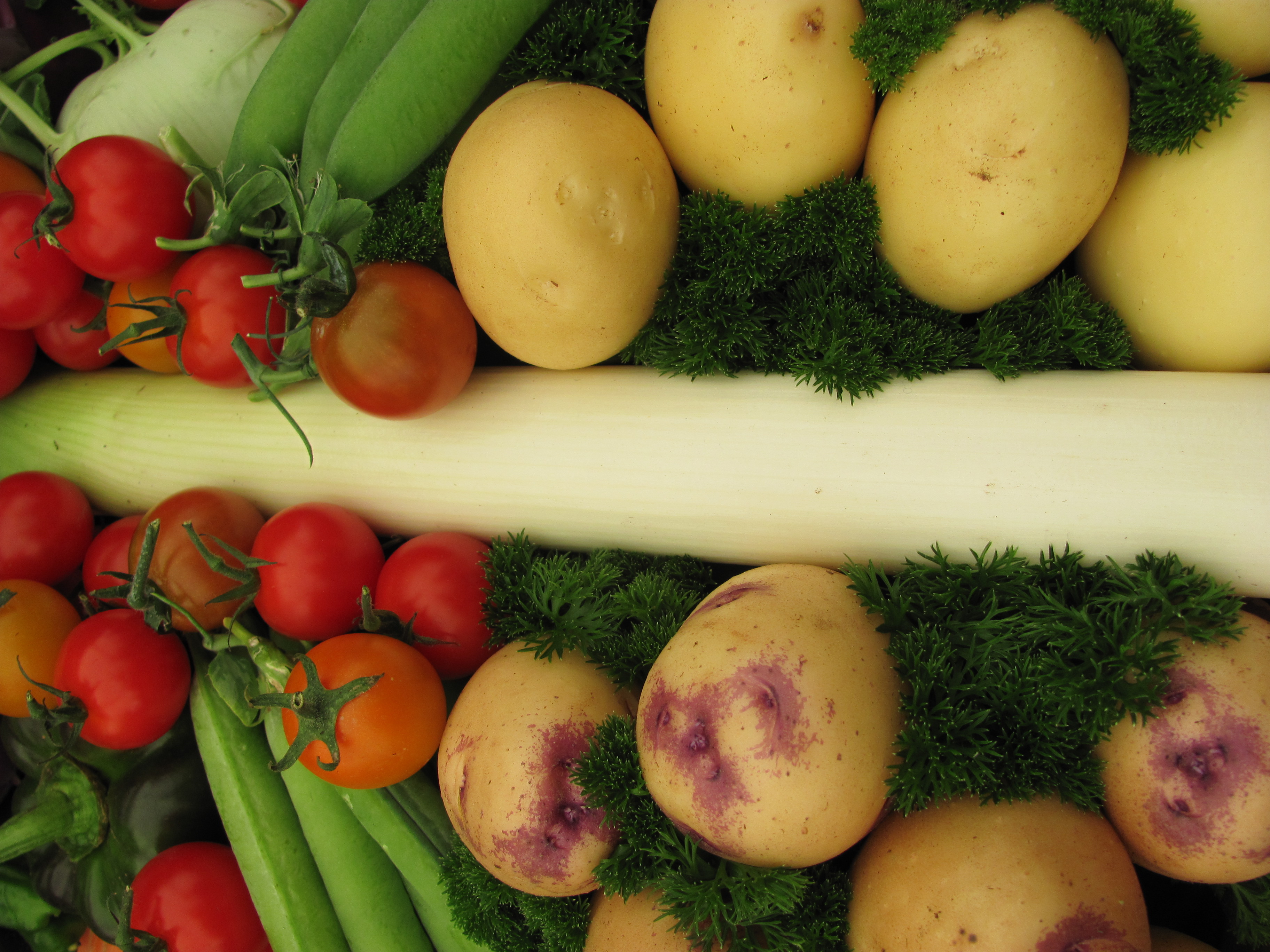
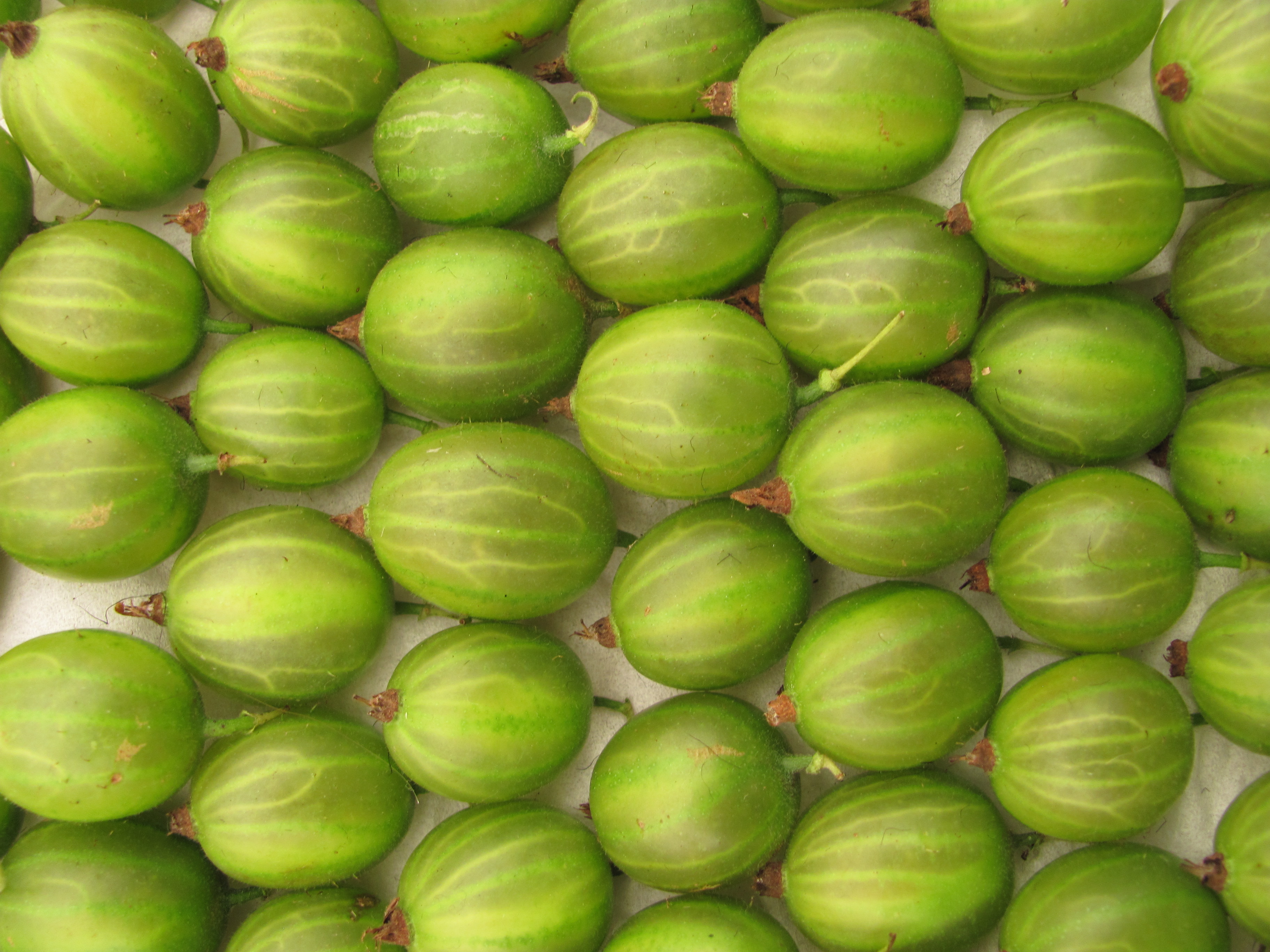
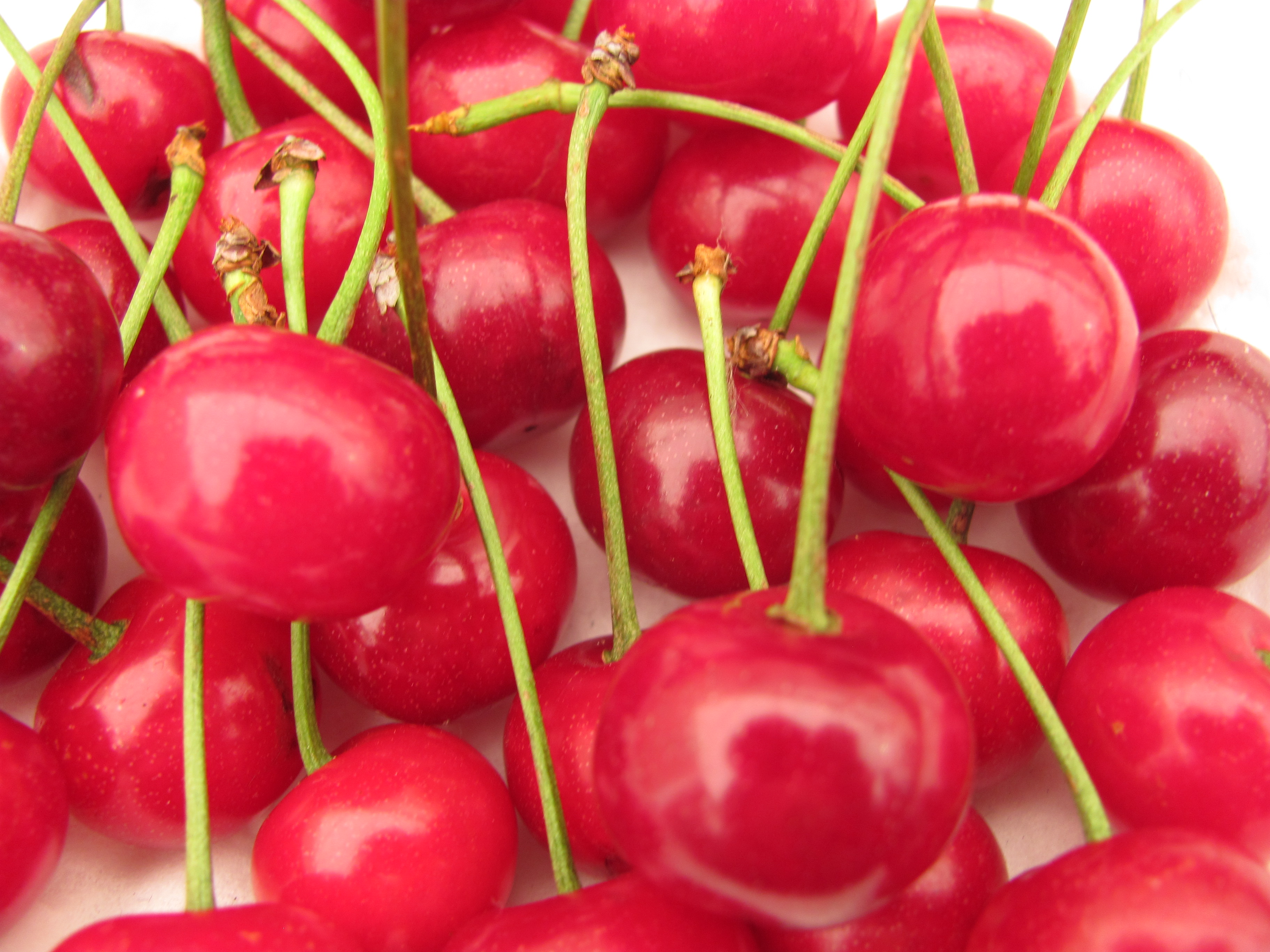
As with all RHS shows in recent years fruit and veggies starred alongside the flowers.

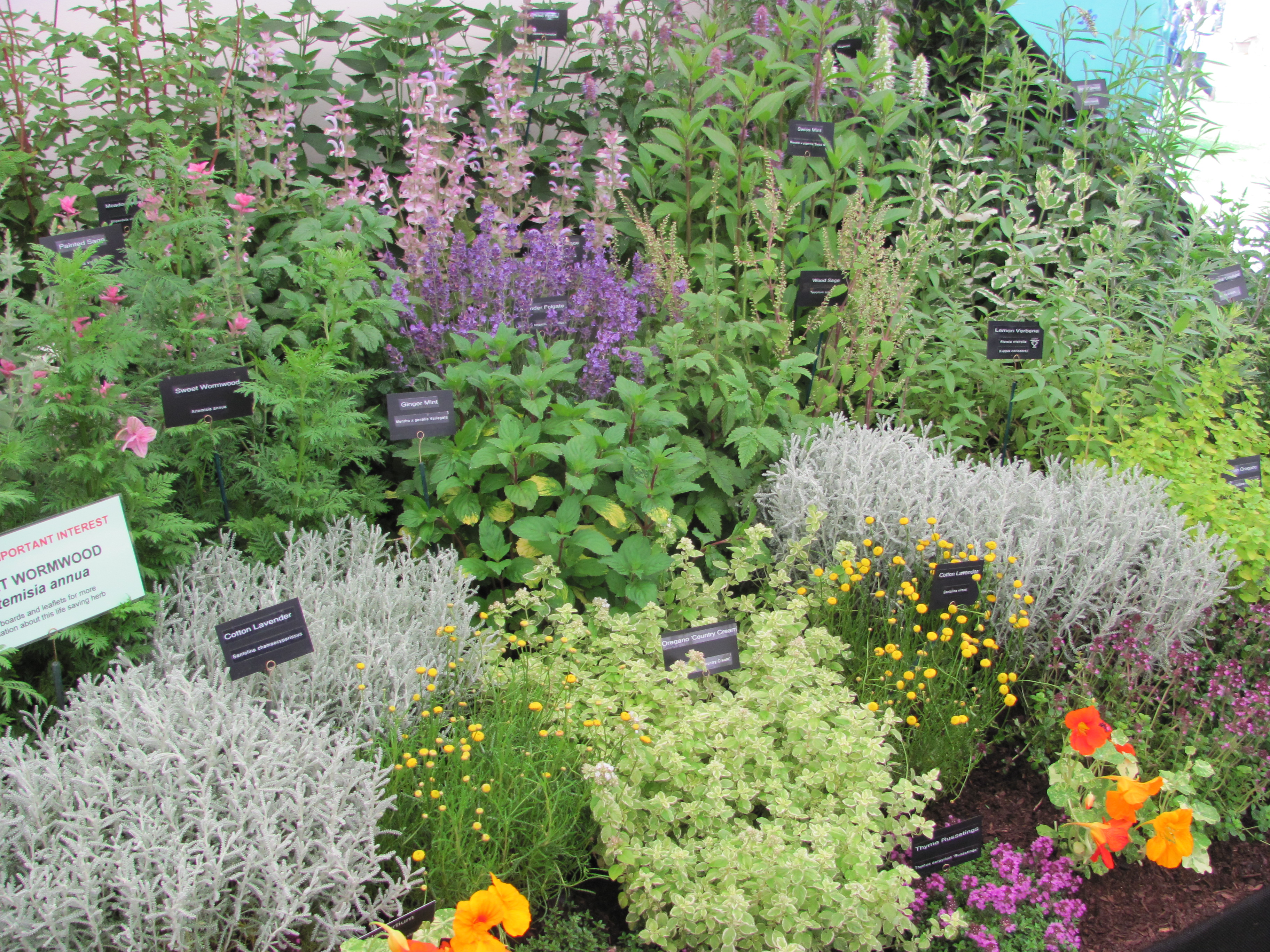
And we mustn’t forget the herbs.

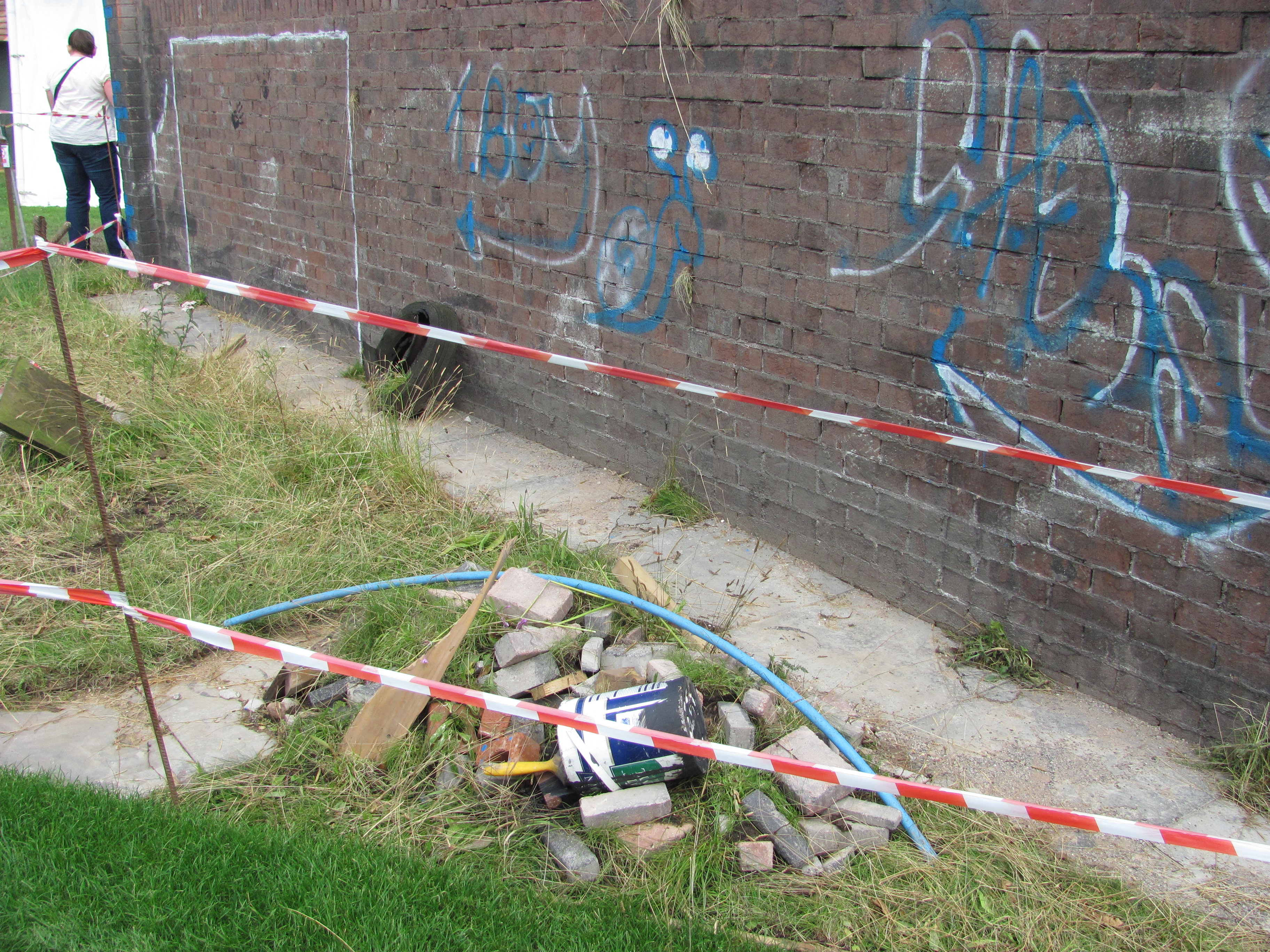
We were interested to see a garden devoted to the importance of community gardens and in particular the RHS “Its Your Neighbourhood” scheme as our allotment site is part of it. The before and after garden was designed by Chris Beardshaw one of the UK’s best garden designers as well as a writer and TV gardener. His garden showed how groups of volunteer gardeners can improve an urban derelict wasteland.

The before ……….

……….. and the after!

In the final report about Tatton Park RHS Show my post will be about the Conceptual Gardens, the Back-to-Back Gardens and the plant sale area.

Categories
climbing plants fruit and veg garden design garden photography gardening half-hardy perennials hardy perennials meadows ornamental grasses ornamental trees and shrubs photography poppies roses Shropshire shrubs succulents trees

Another Wander around our Garden in June

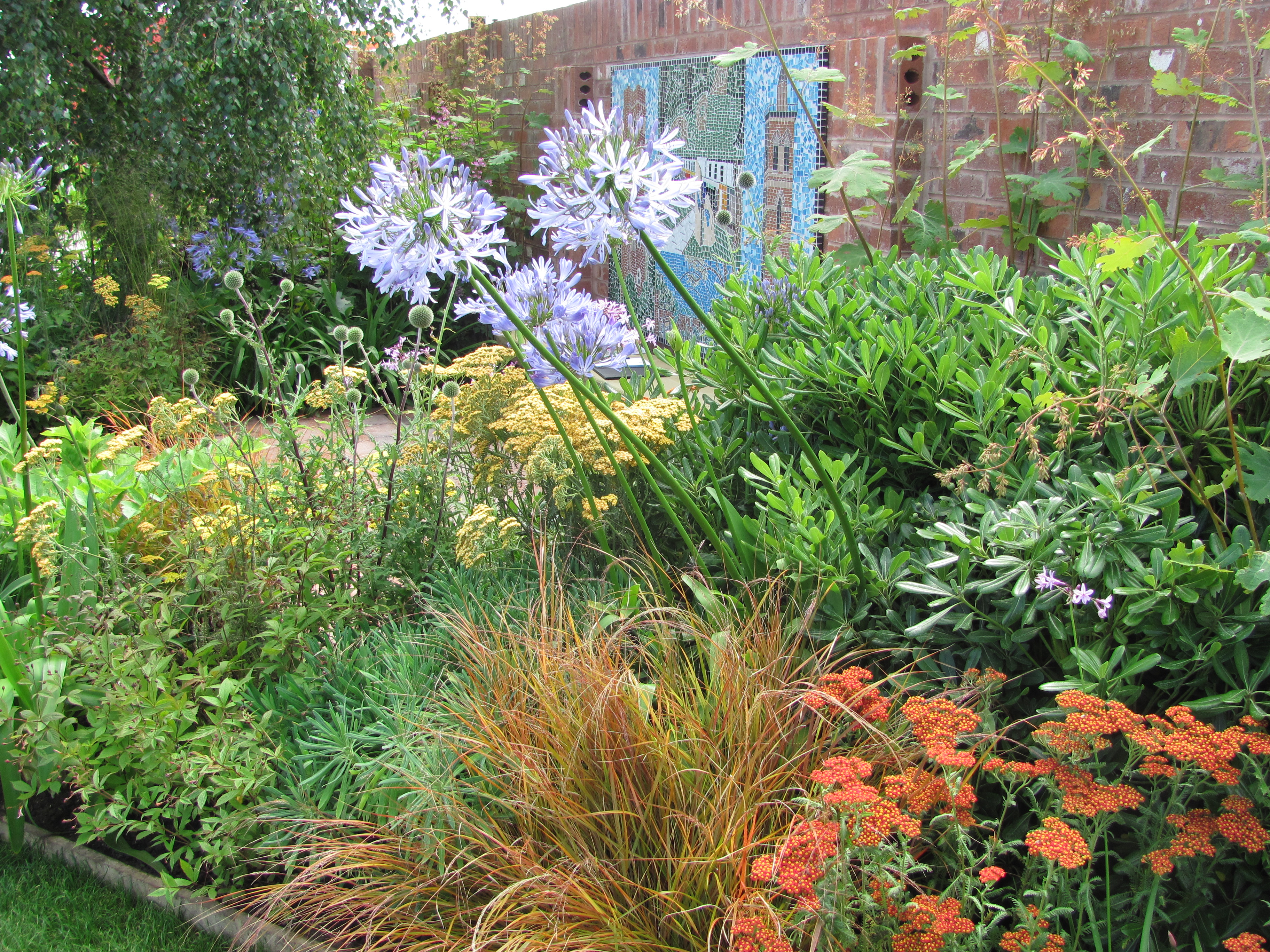
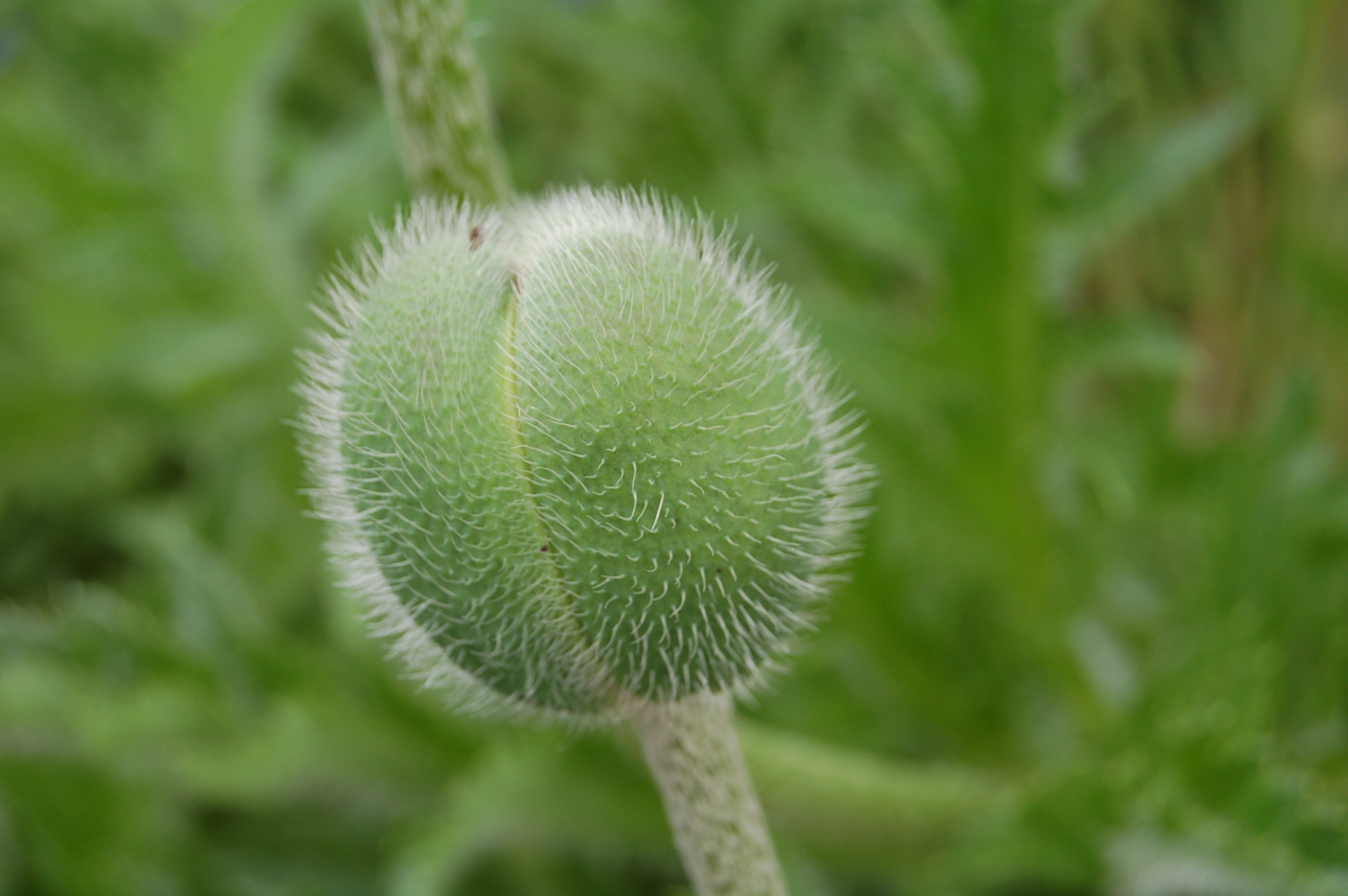
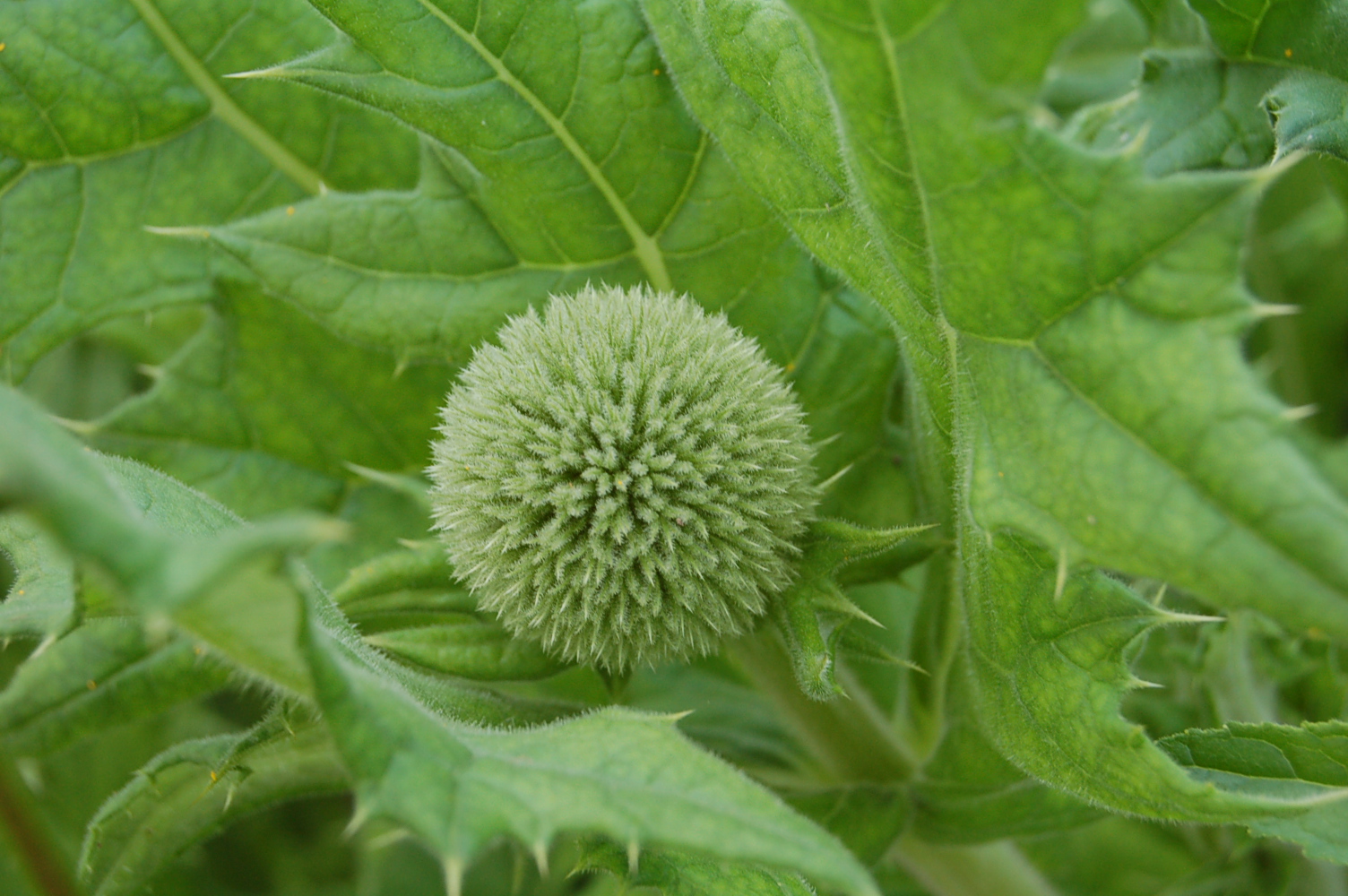
We can start the second part of our wander by looking again at the front garden. Buds give us hints of blooms to come in midsummer, Phlomis, Oriental Poppies, Erygiums and Echinops. Promises of yellows, reds and steely blues.

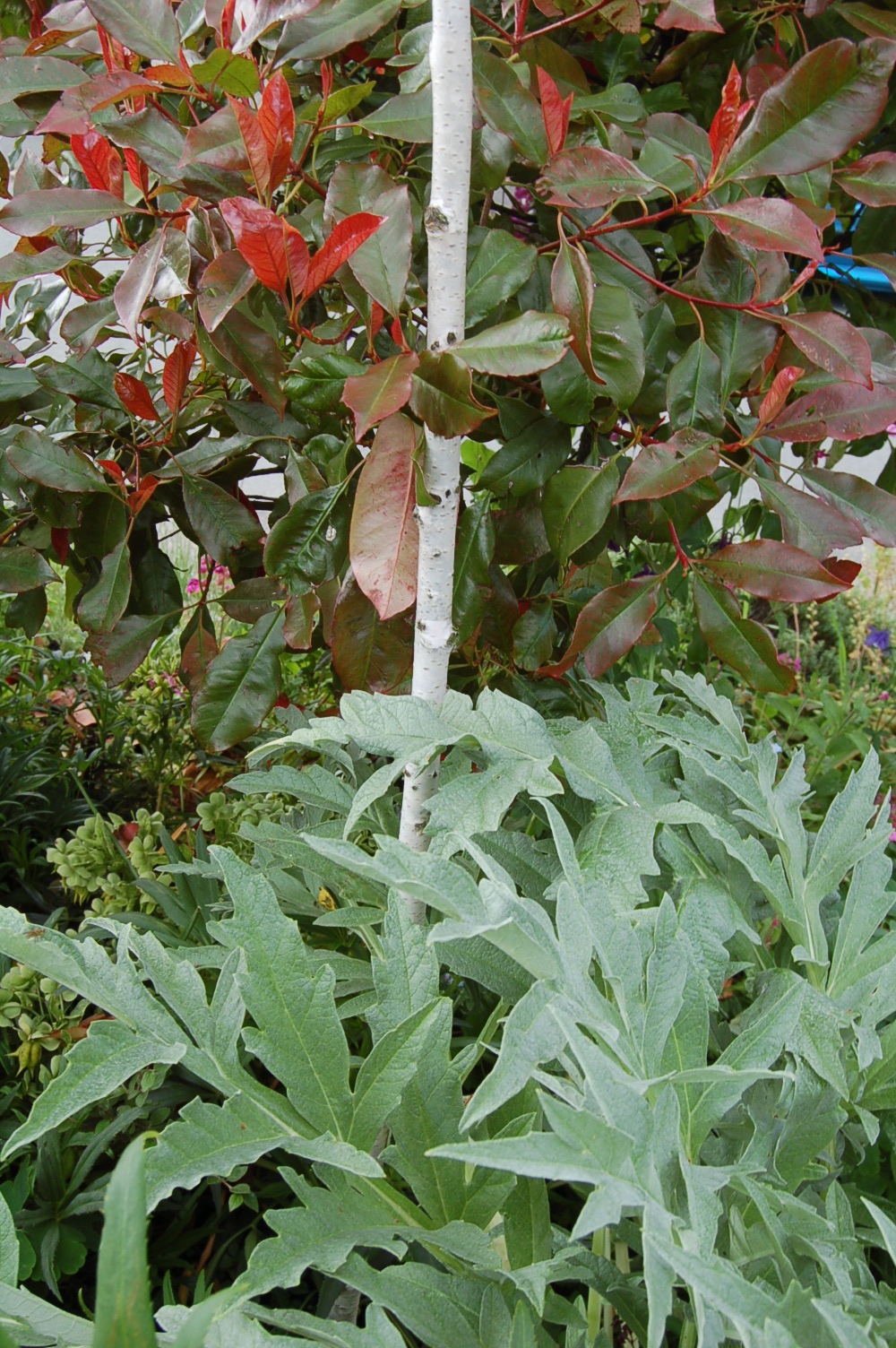
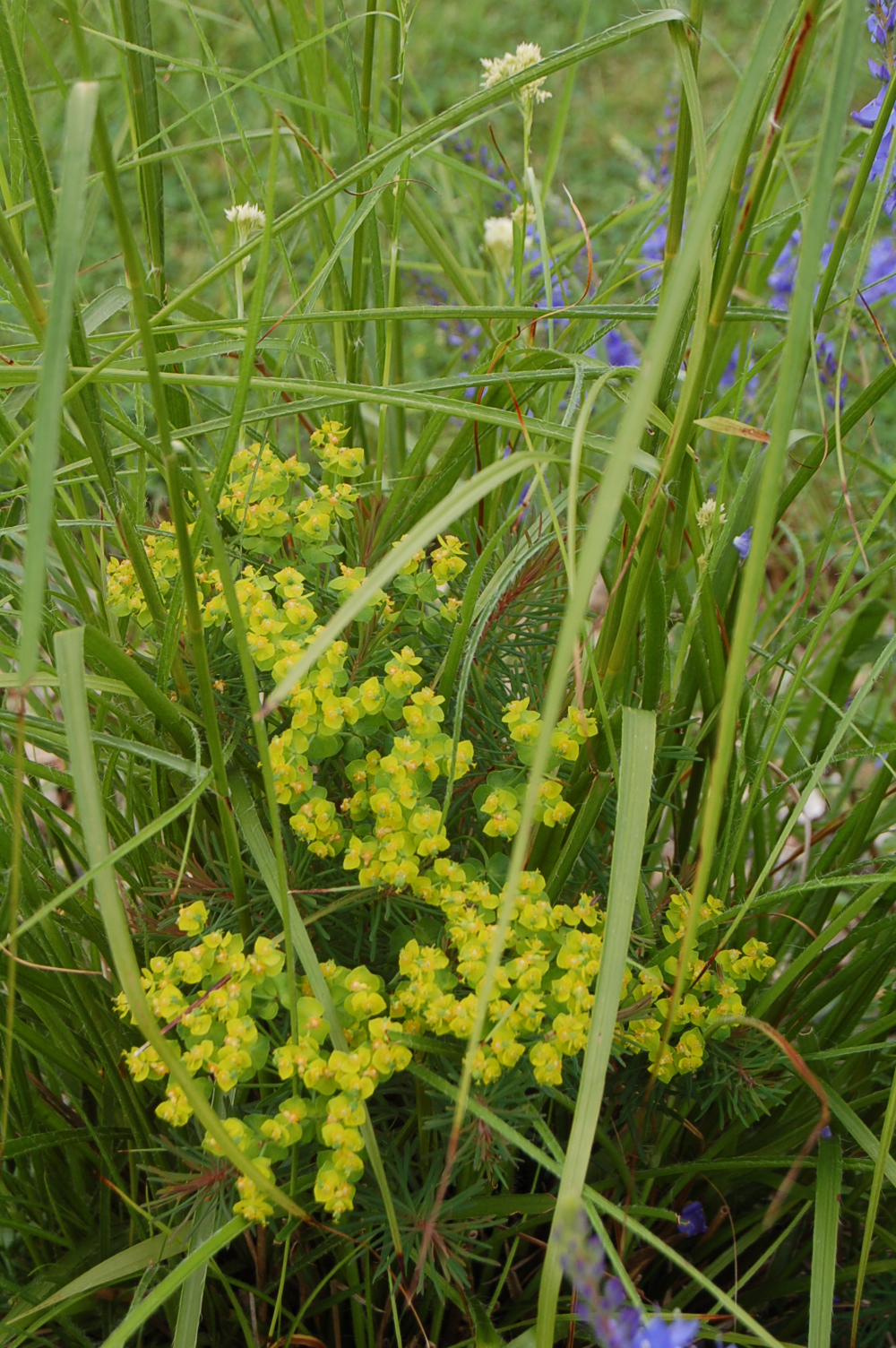
Foliage colour and texture can be as striking as the most colourful of flowers.

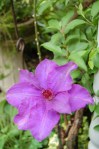
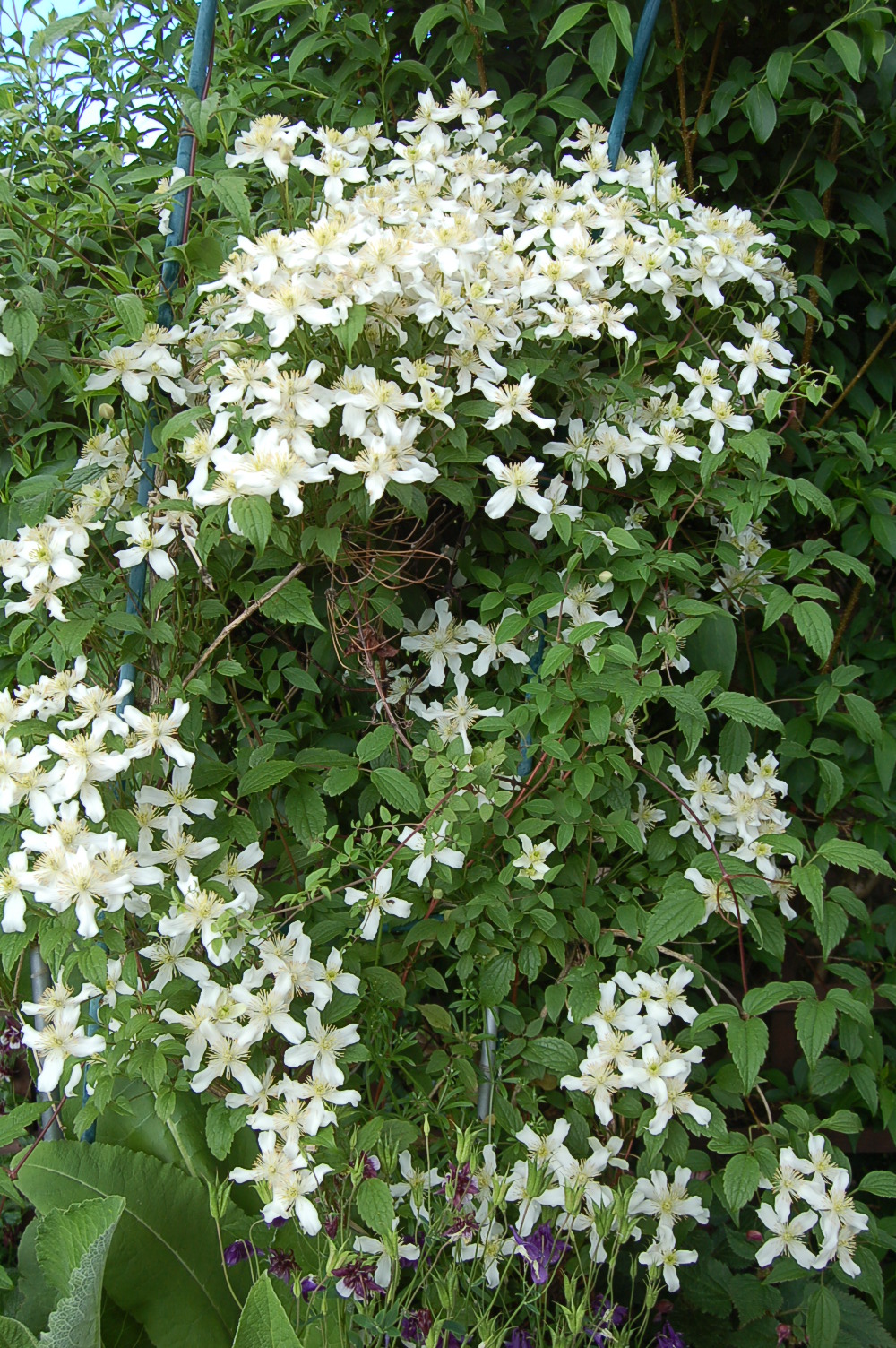
Our collection of Clematis are beginning to flower and others are covered in robust buds.

Flower colours have been so important during the first few weeks of this month simply as an antidote to dull days and dark skies. It matters not whether it is a gaudy cerise beauty or a subtle green or white.

Blue on blue.

Another view of our Freda Border.

Our mini-meadows in their pots are developing well. We think we may be onto a winner.

The Shed Bed created on the site of an old shed which we demolished when we moved in, is really pleasing as below the shed we found just rubble, gravel, broken pots and sand. We added wheelbarrows of compost to improve it and now every little flower is a true gem.

A vine grows over one end of the greenhouse acting as a natural shading agent as well as feeding the gardeners. The startlingly red flowering currant has hitched a lift along it so the vine drips with red droplets.

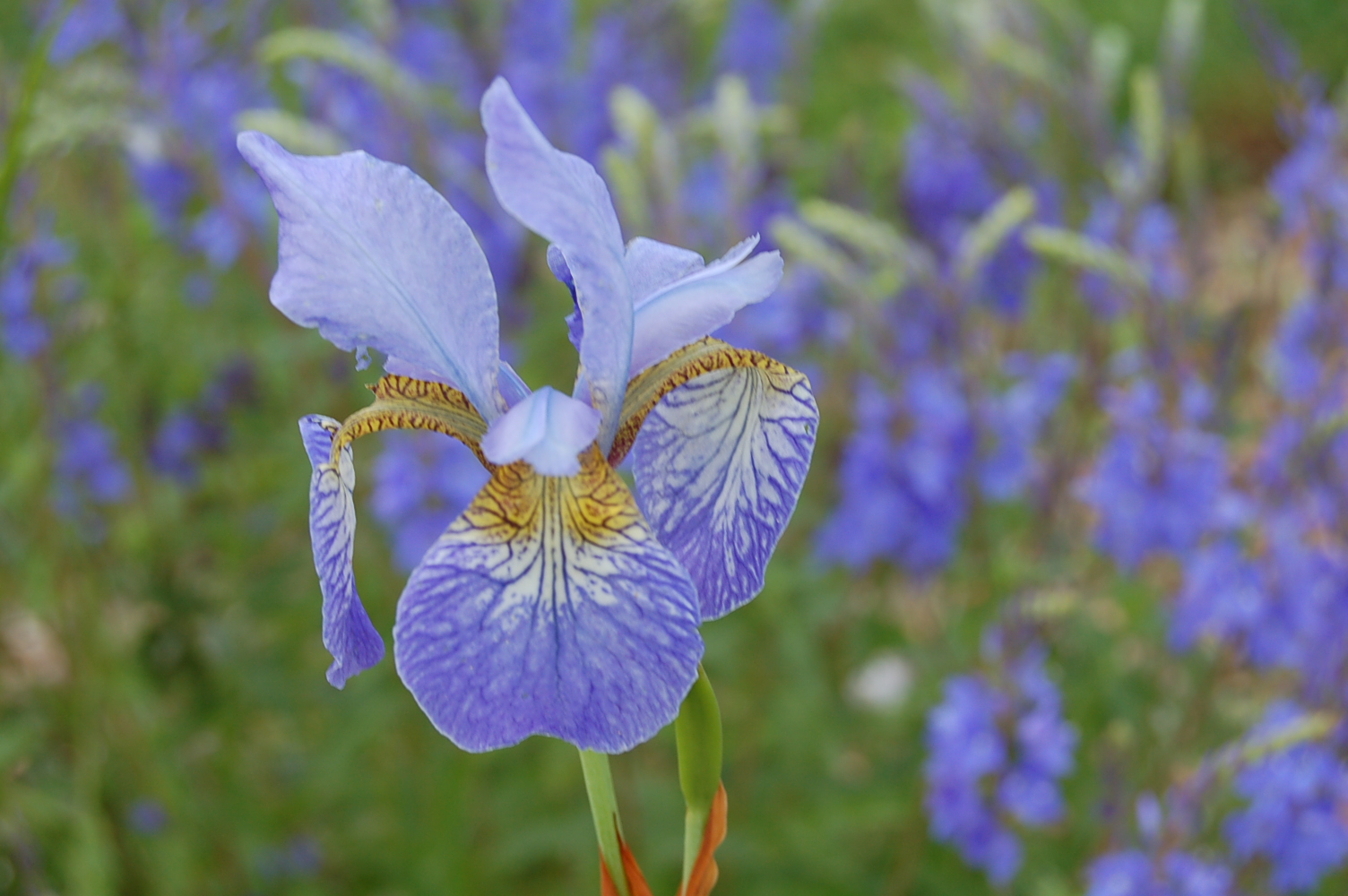
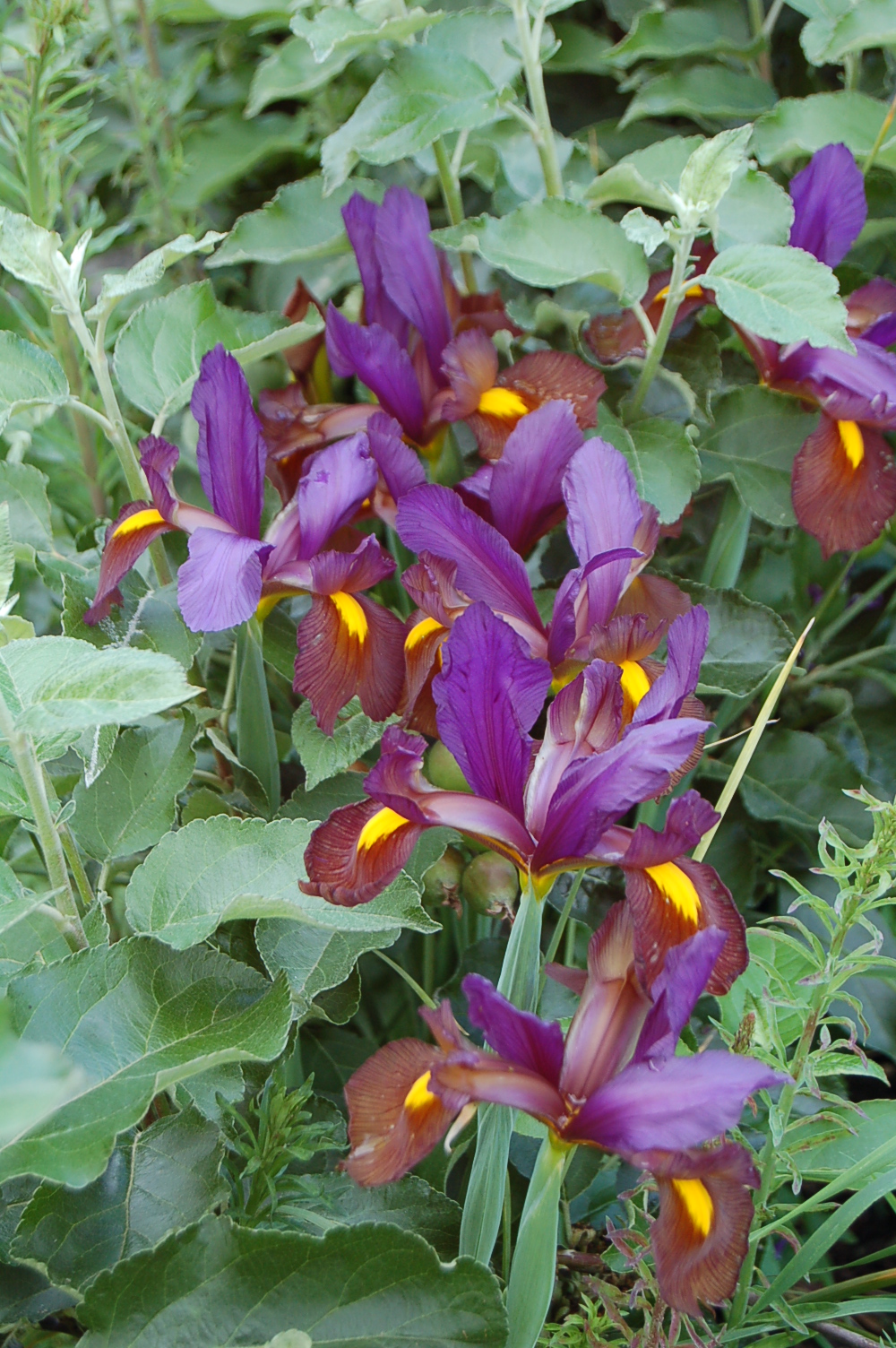
We enjoy these irises as cut flowers but bees take advantage of them before we pick them. This clump is growing through our stepover apples. Double harvesting – cut flowers followed by apples.

The planting around the pool has closed in and made it an intimate area. Nearby the Prairie Garden is bursting with fresh blooms.

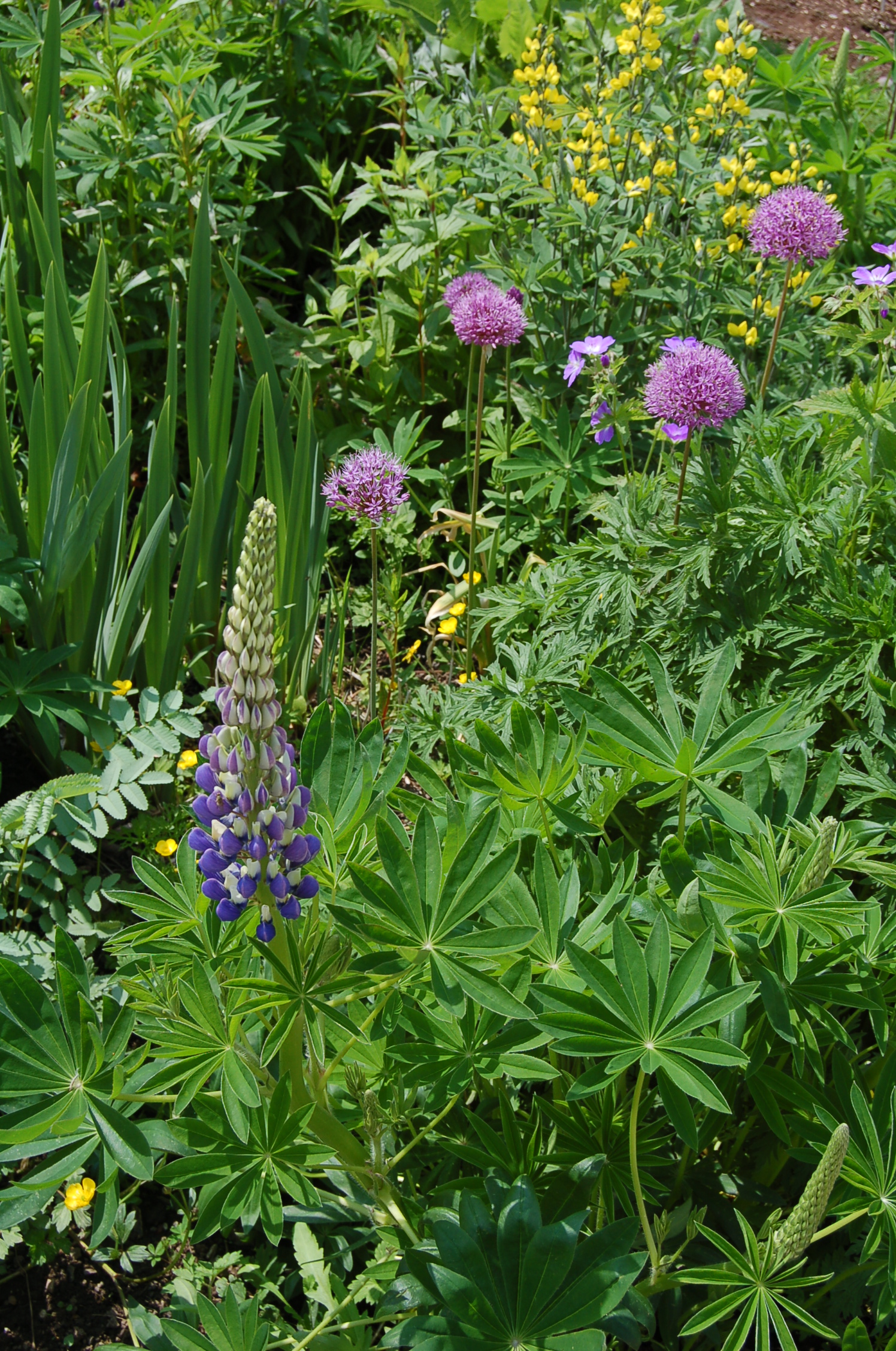
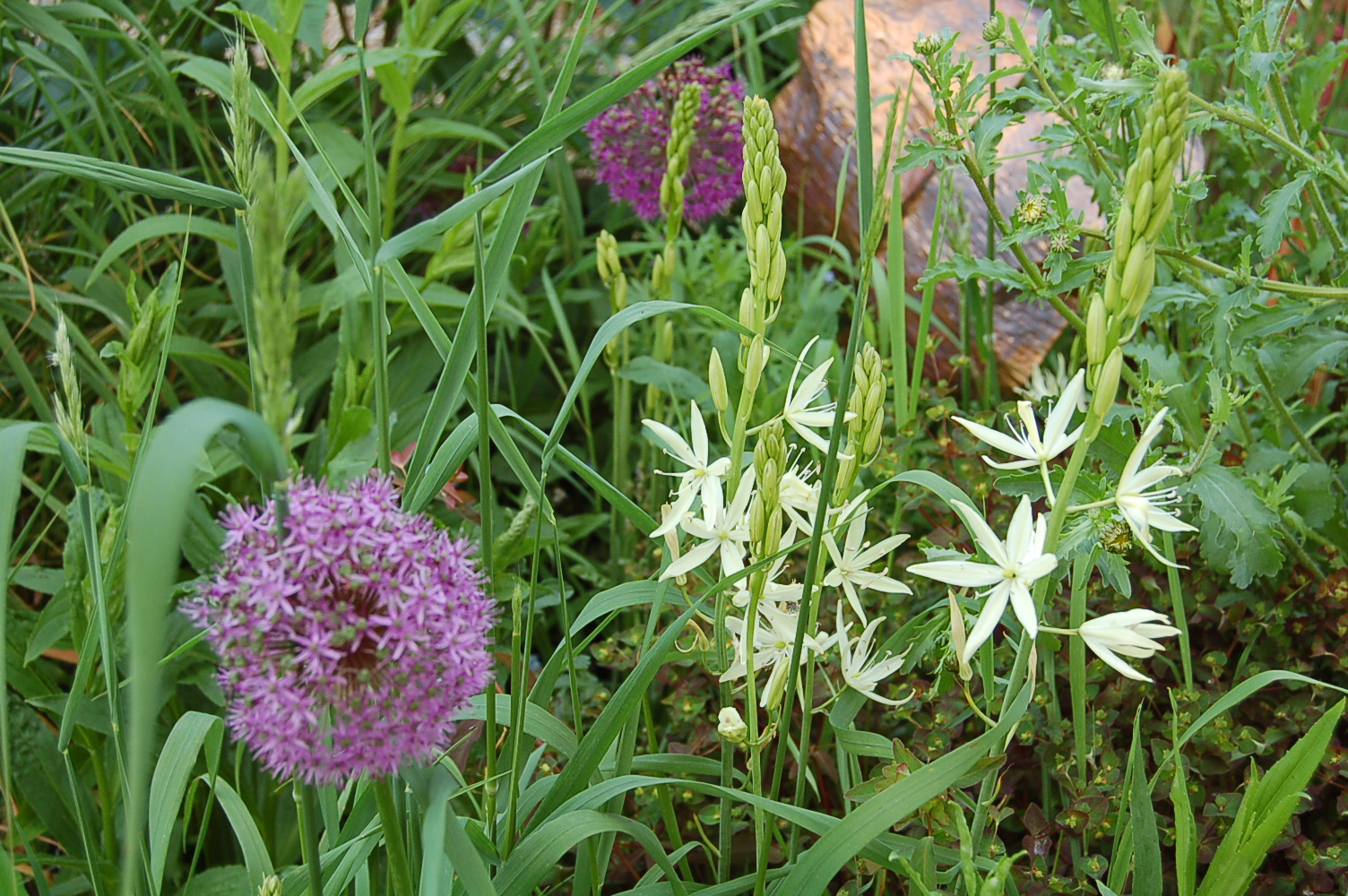
In the Secret Garden Aquilegias and Alliums look good alongside the purple foliage of Pentstemon Huskers Red.

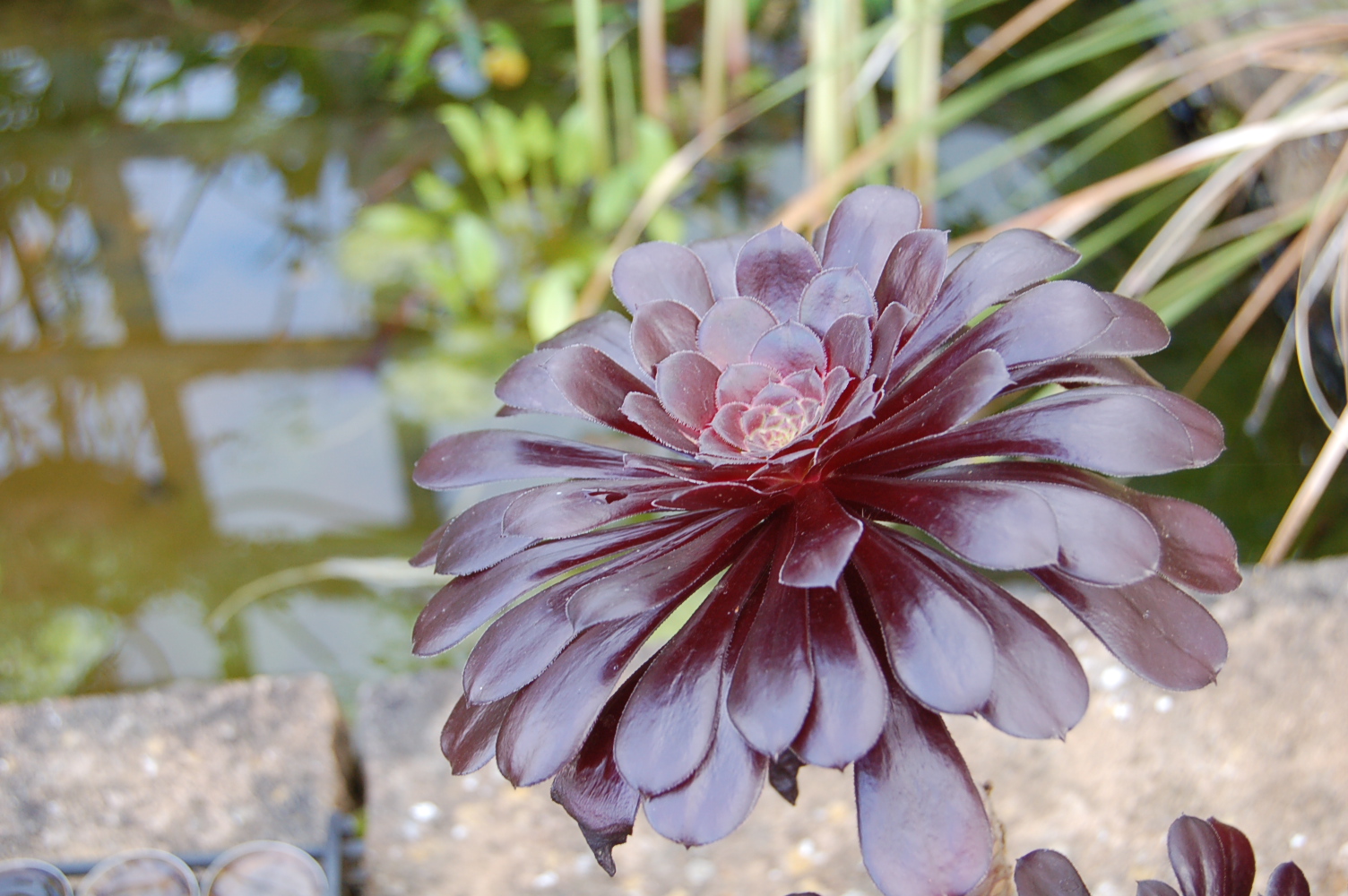
These aeonium enjoy the hottest part of the garden, the Rill Garden.

To one side of the rill we grow a snake bark maple, with silver and green striped bark, cream and red seed capsules and in autumn it has amazing rich red foliage. A wonderful specimen tree to finish this garden wander underneath.

Categories
allotments fruit and veg gardening grow your own half-hardy perennials winter gardens

Overwintering.

The greenhouse is a true haven when the temperatures drop so low that your hands feel the cold even with your gloves on and the top of your head feels it through your hat. We have just switched on the propagating units allowing the temperature in them to settle around the 18 degree mark in readiness for seed sowing. This should start in earnest any day now. The veggie seeds are all in their air-tight tin in sowing order. It won’t be long before we are transplanting some into the prepared soil on the allotment – just a couple of months!

But the main function for the protection the greenhouse affords us is to look after our less delicate specimens. With night-time temperatures varying from minus 1 to minus 12 this overwintering security is essential. Working away in the heated end of the greenhouse is a real relief from the cold outside. The unheated end still gives plenty of protection for half-hardy plants but still requires coats for the gardeners.

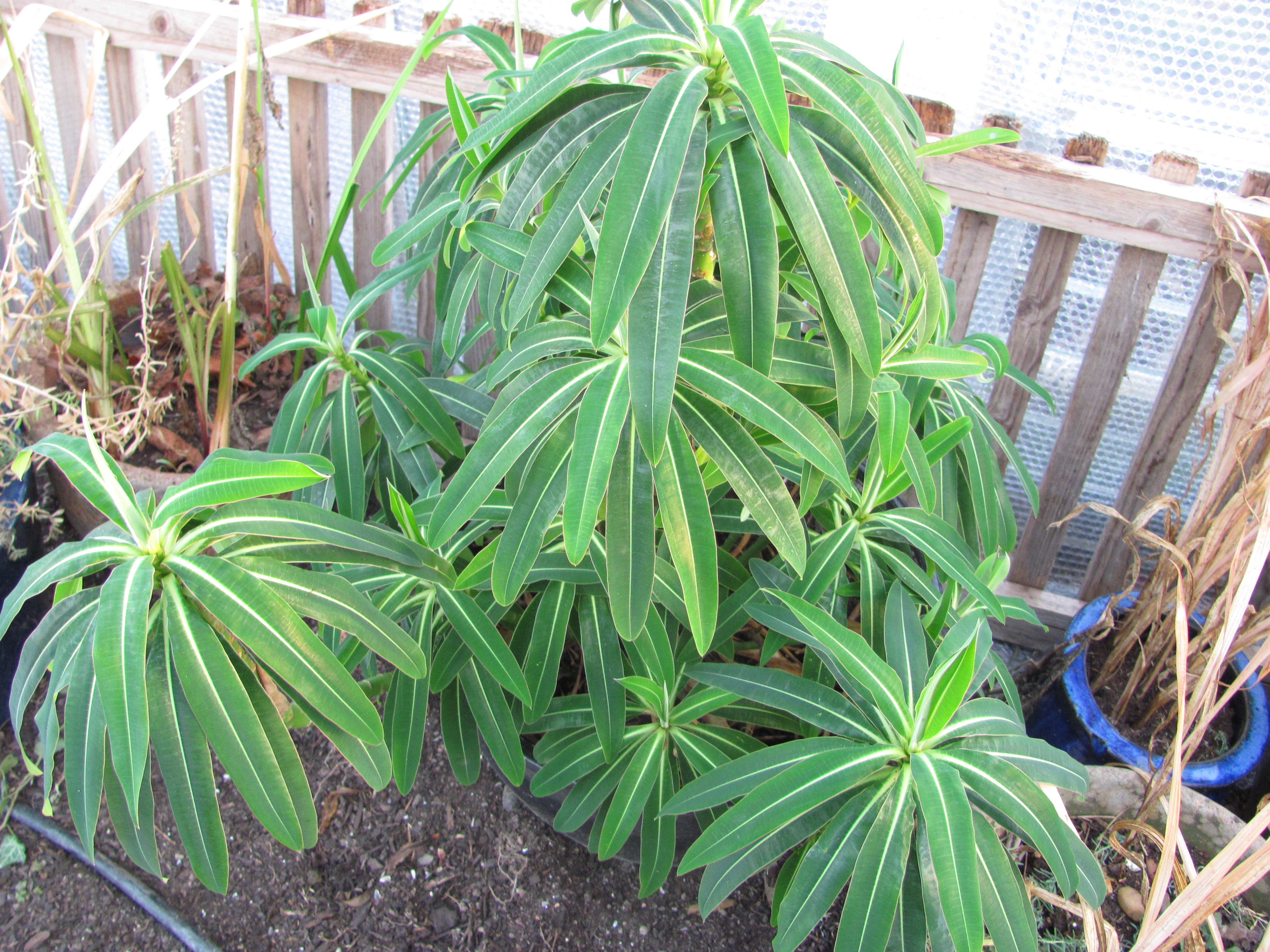
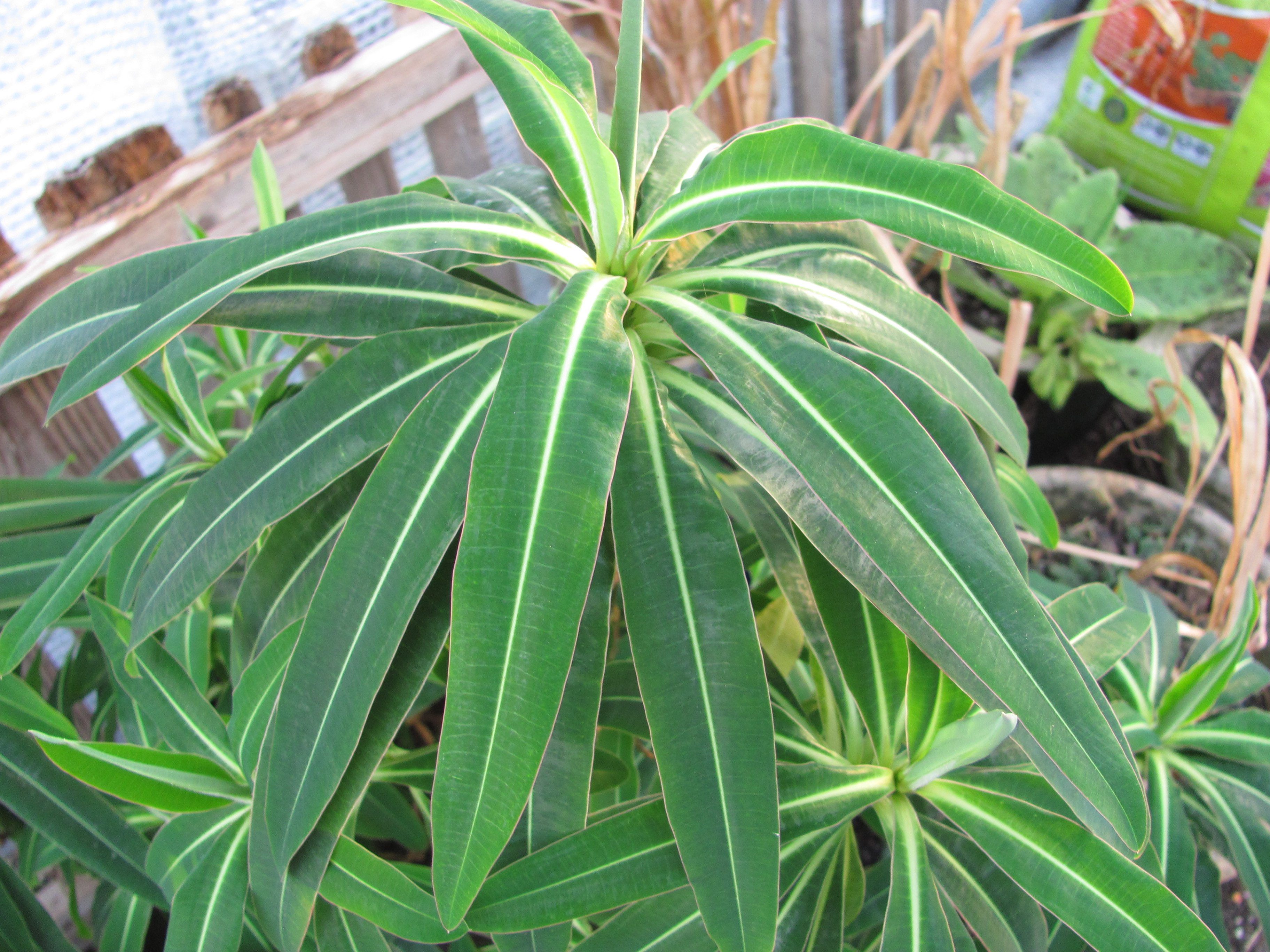
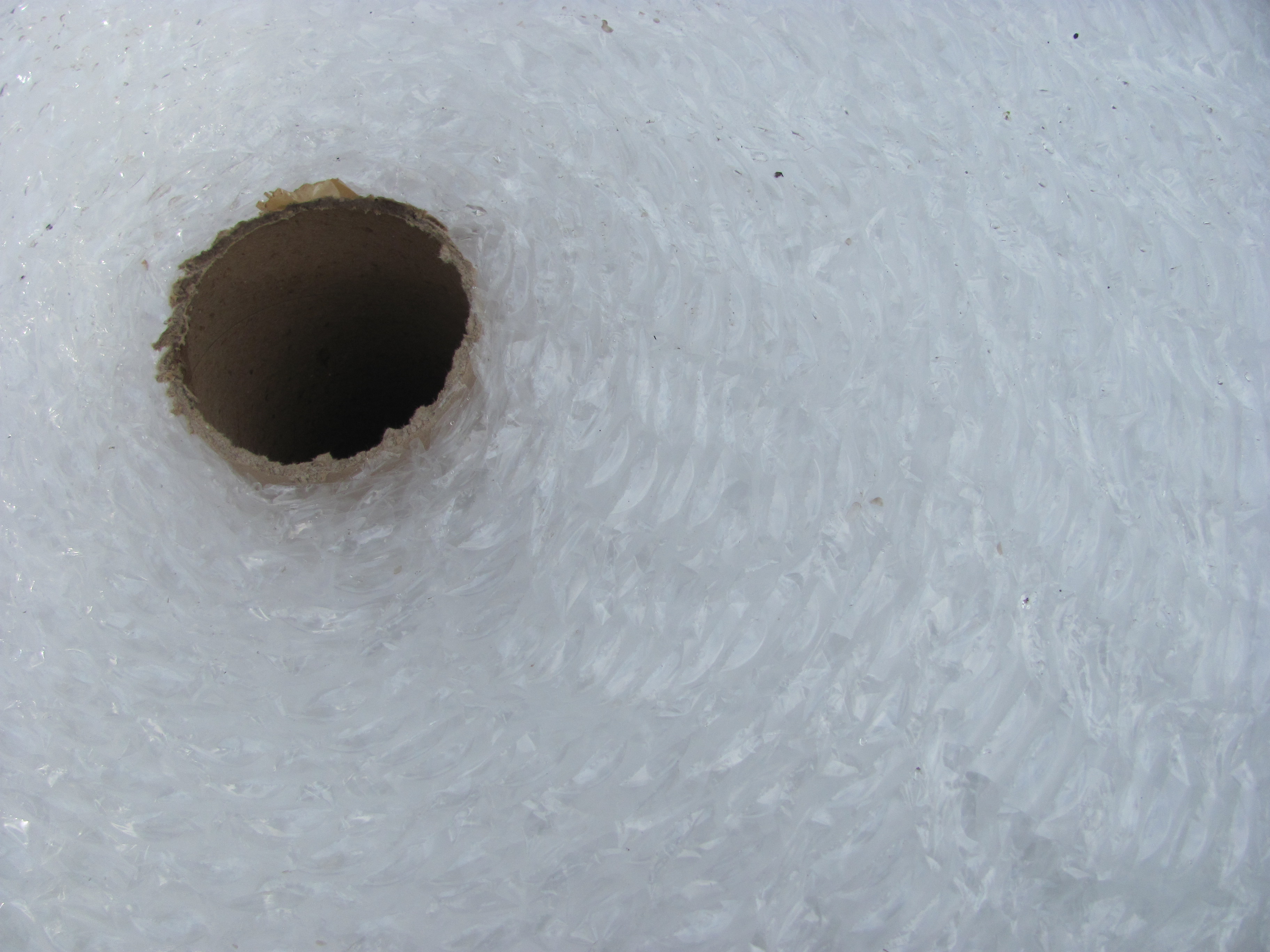
The Euphorbia mellifera enjoys having glass and bubblewrap over its head. This is our second Honey Spurge as we lost one even under cover last winter. We hope to keep it this year so that we can enjoy its wonderful honey scent when we return it to its place in the Secret Garden.

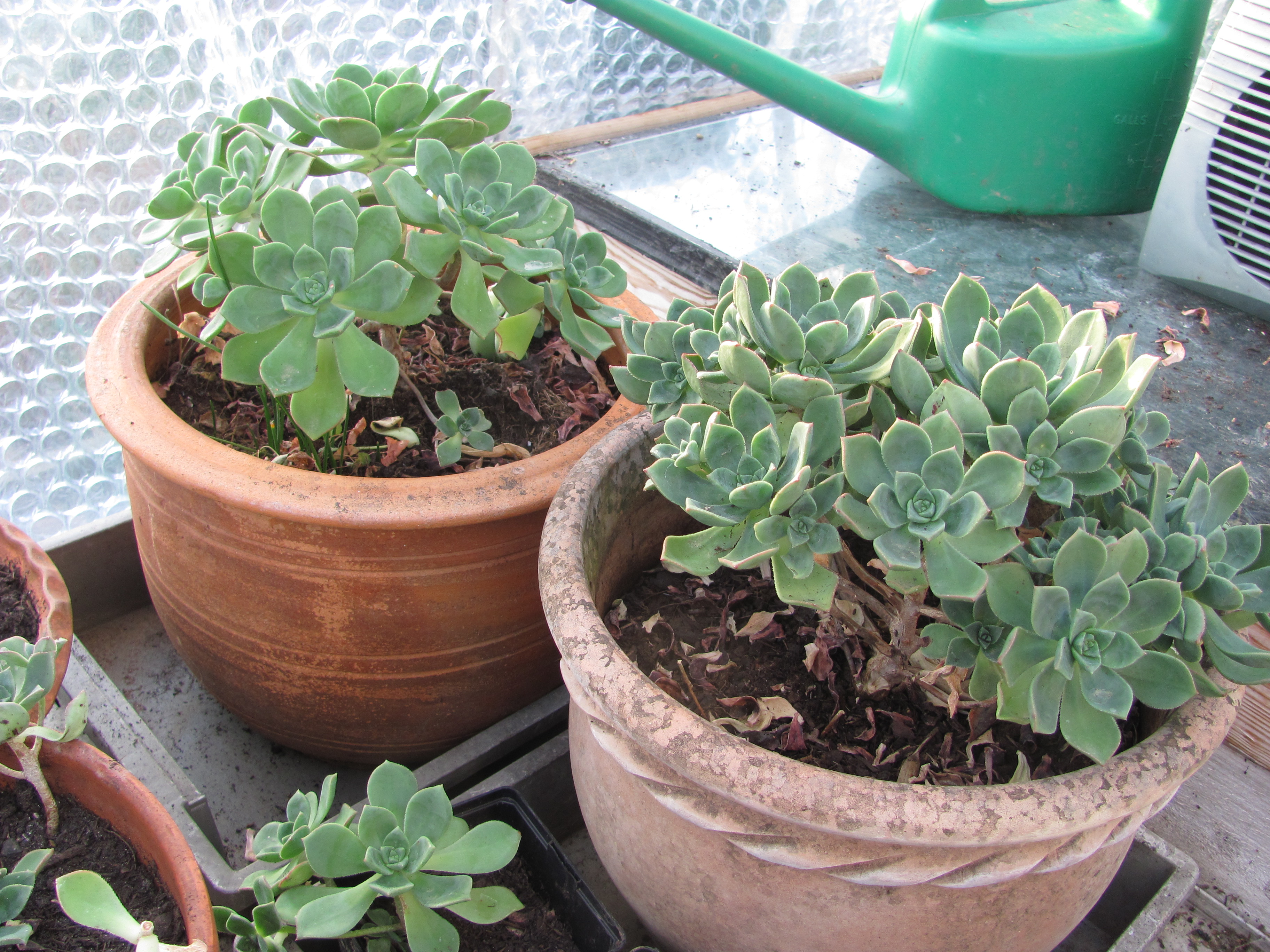
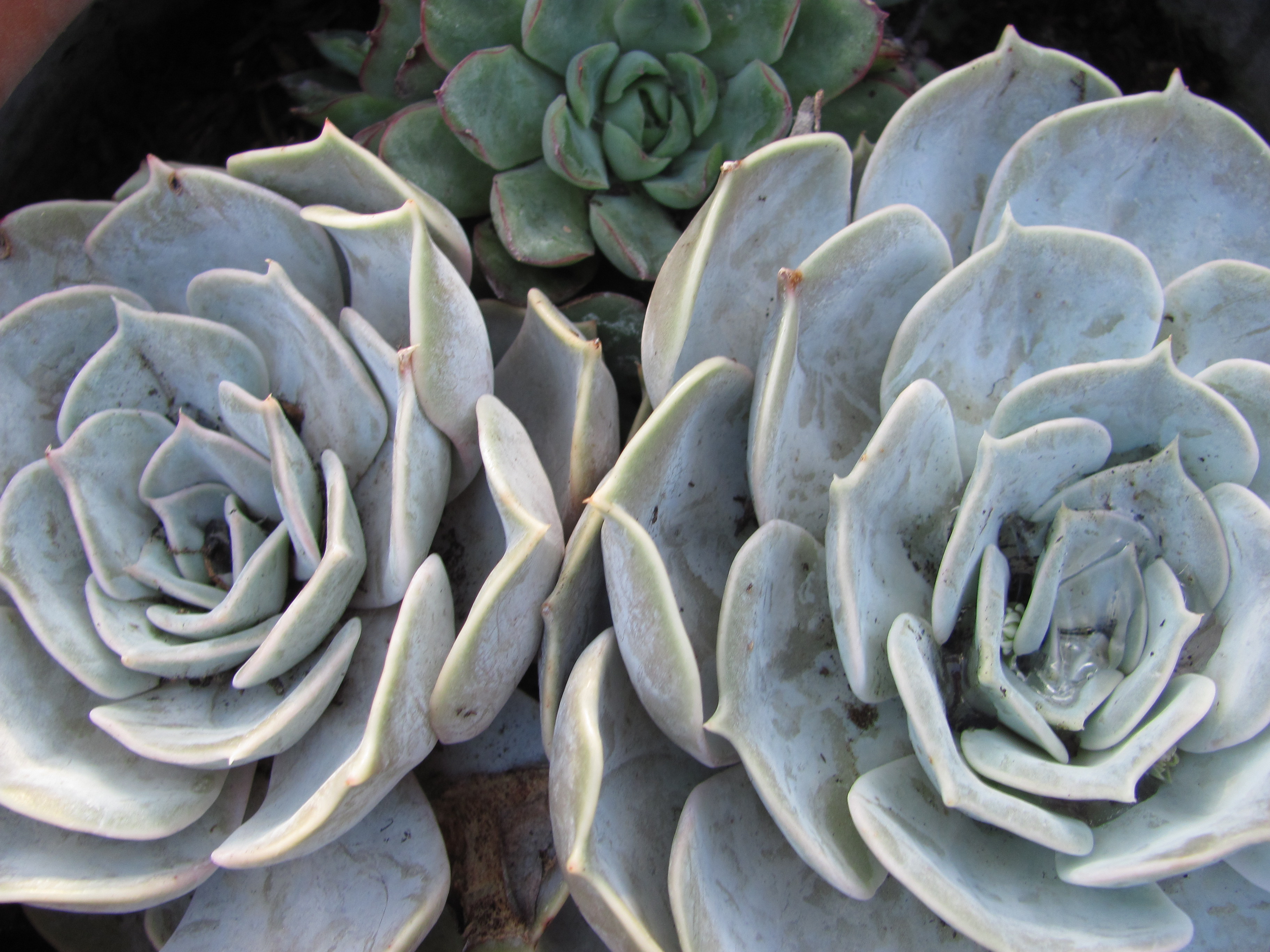
Aeonium and Echeveria keep us on tenterhooks through the winter months, as we have lost them so many times. Aeoniums are succulent sub-shrubs and those we have now are the largest  and most long-lived we have ever had. The green leaved Aeoniums below are a variety inknow to us before we found these so we are unsure of their hardiness. We bought them as single rosettes – they have flourished in the Rill Garden. They are possibly Aeonium haworthii and if so we have every right to pamper them in winter as they hail from The Canary Isles.

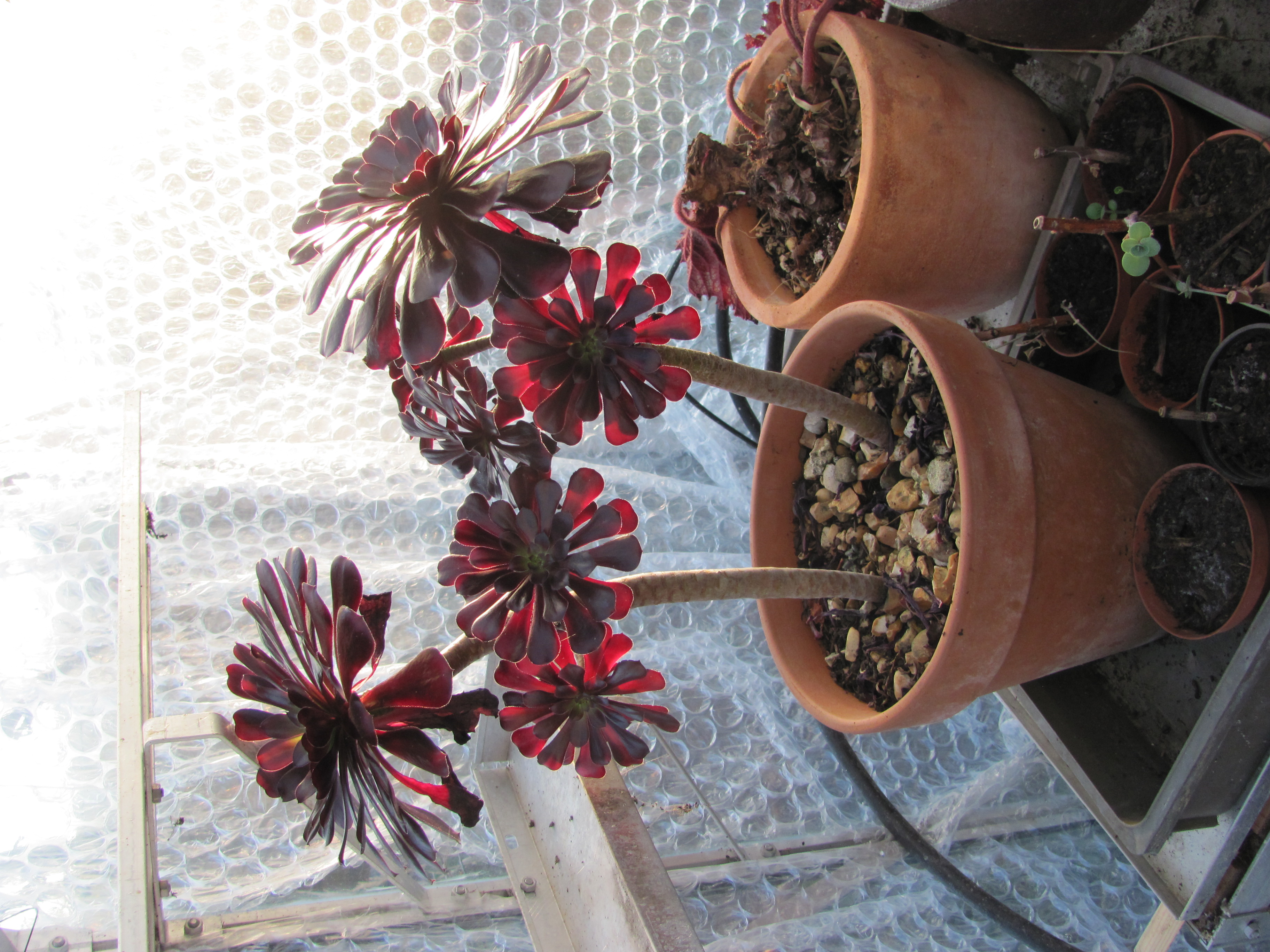
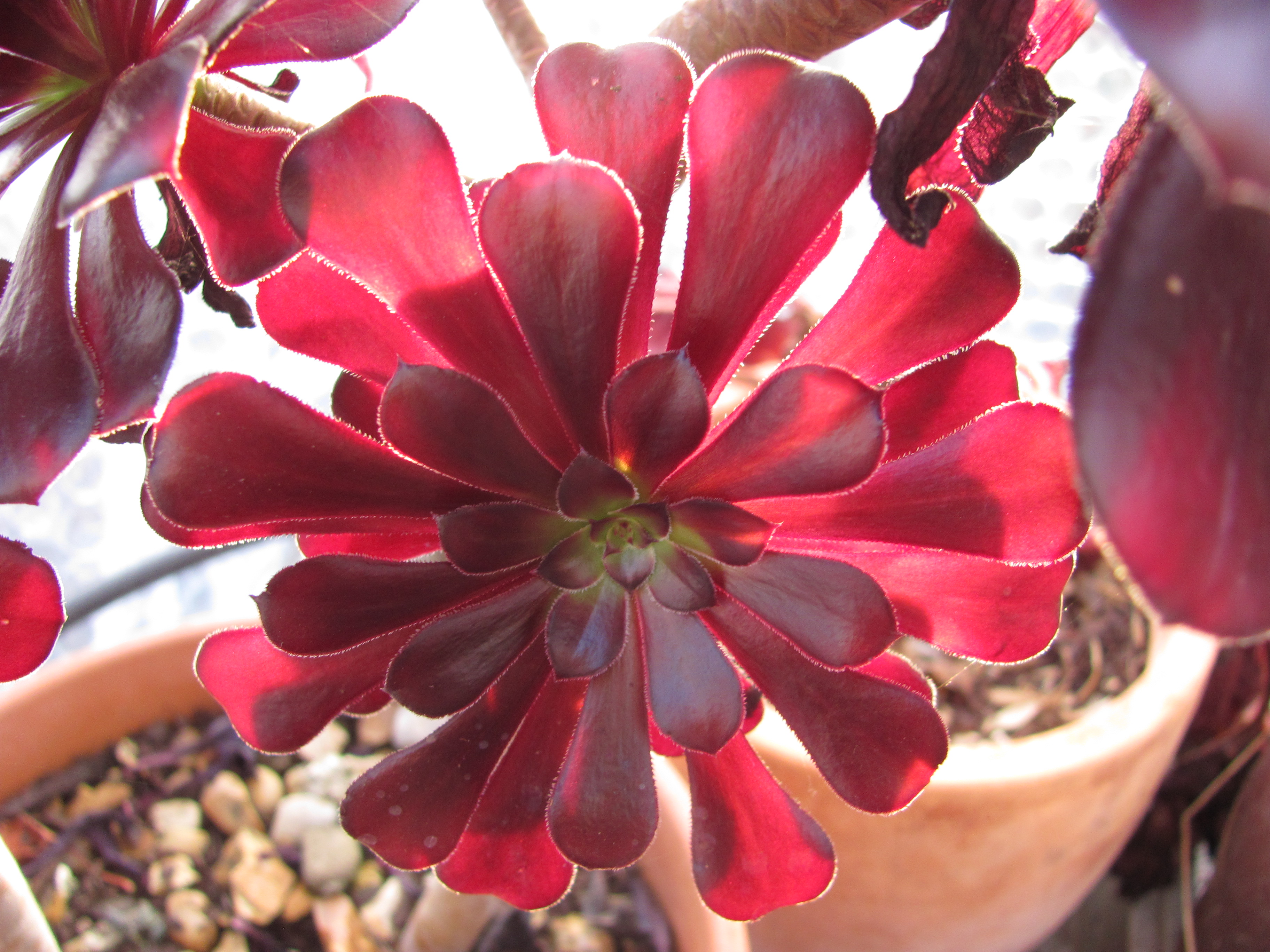
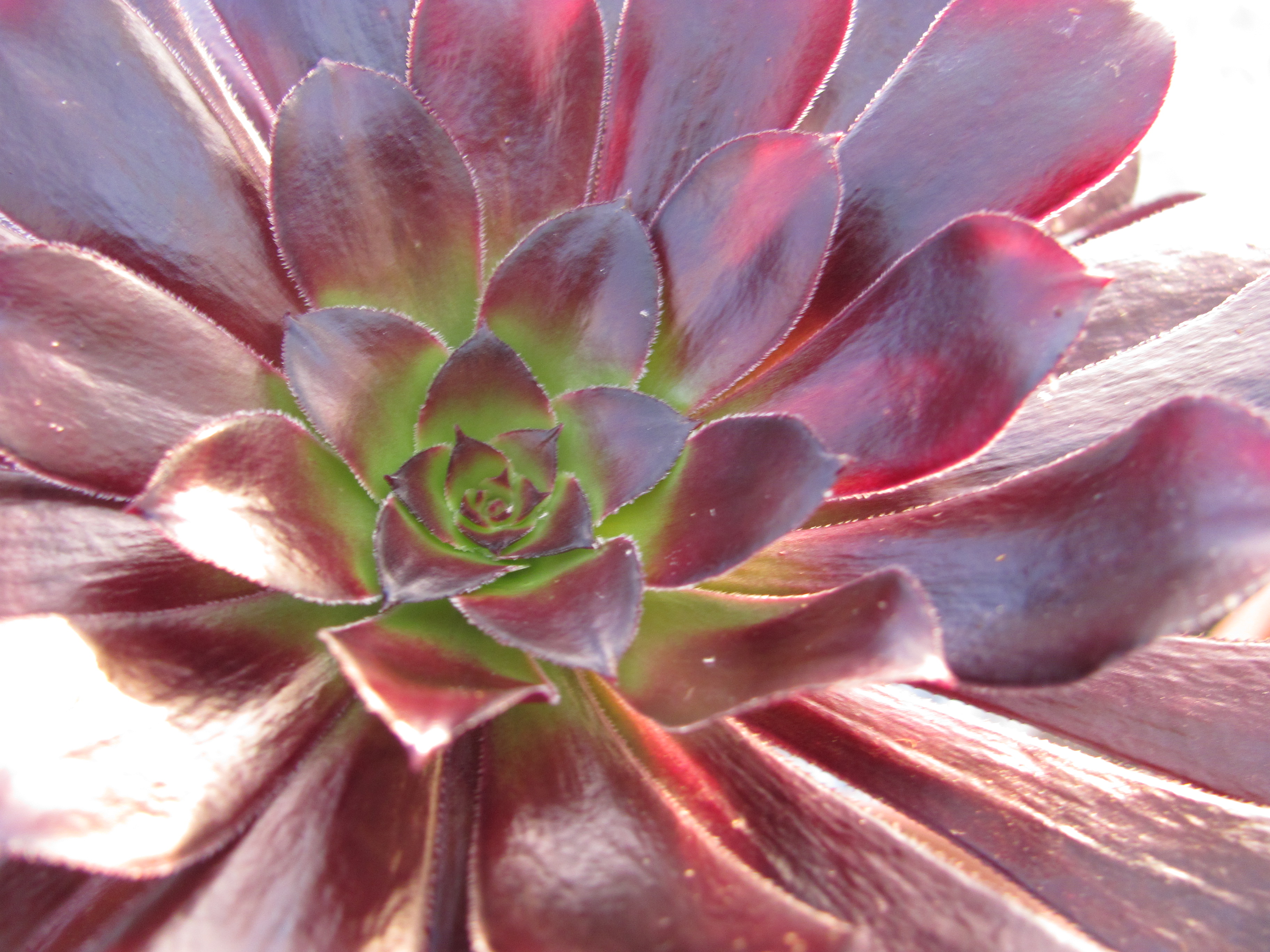
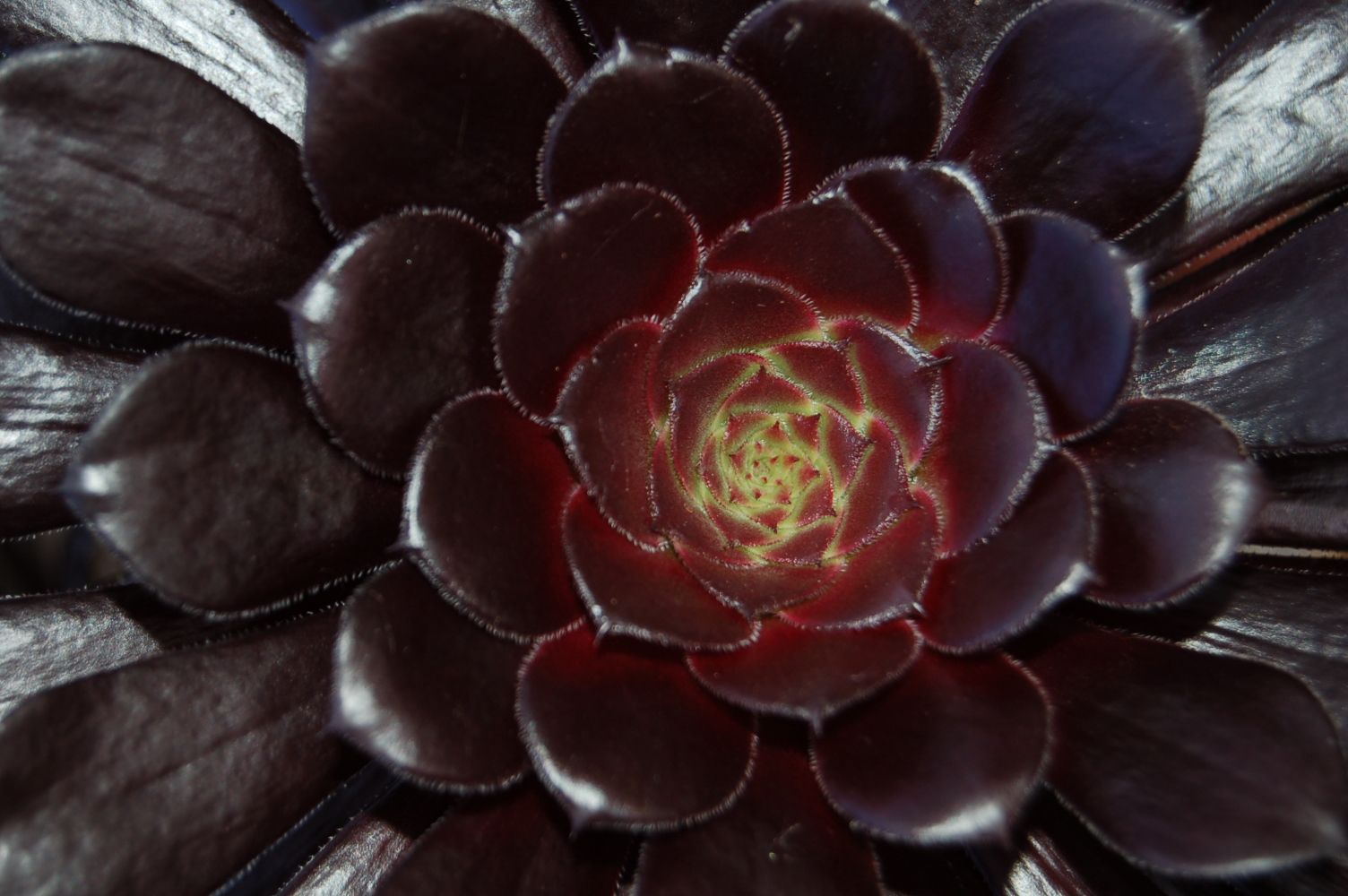
The black leaved version is Aeonium arboreum “Zwartkop”, is a native of Morroco. The leaves get blacker as the summer gets hotter and drier, so as it rests in the greenhouse after a long dry summer it looks very dark. The early morning sun streaming in through the glass lights the rosettes from behind and tuens them fleshy red.

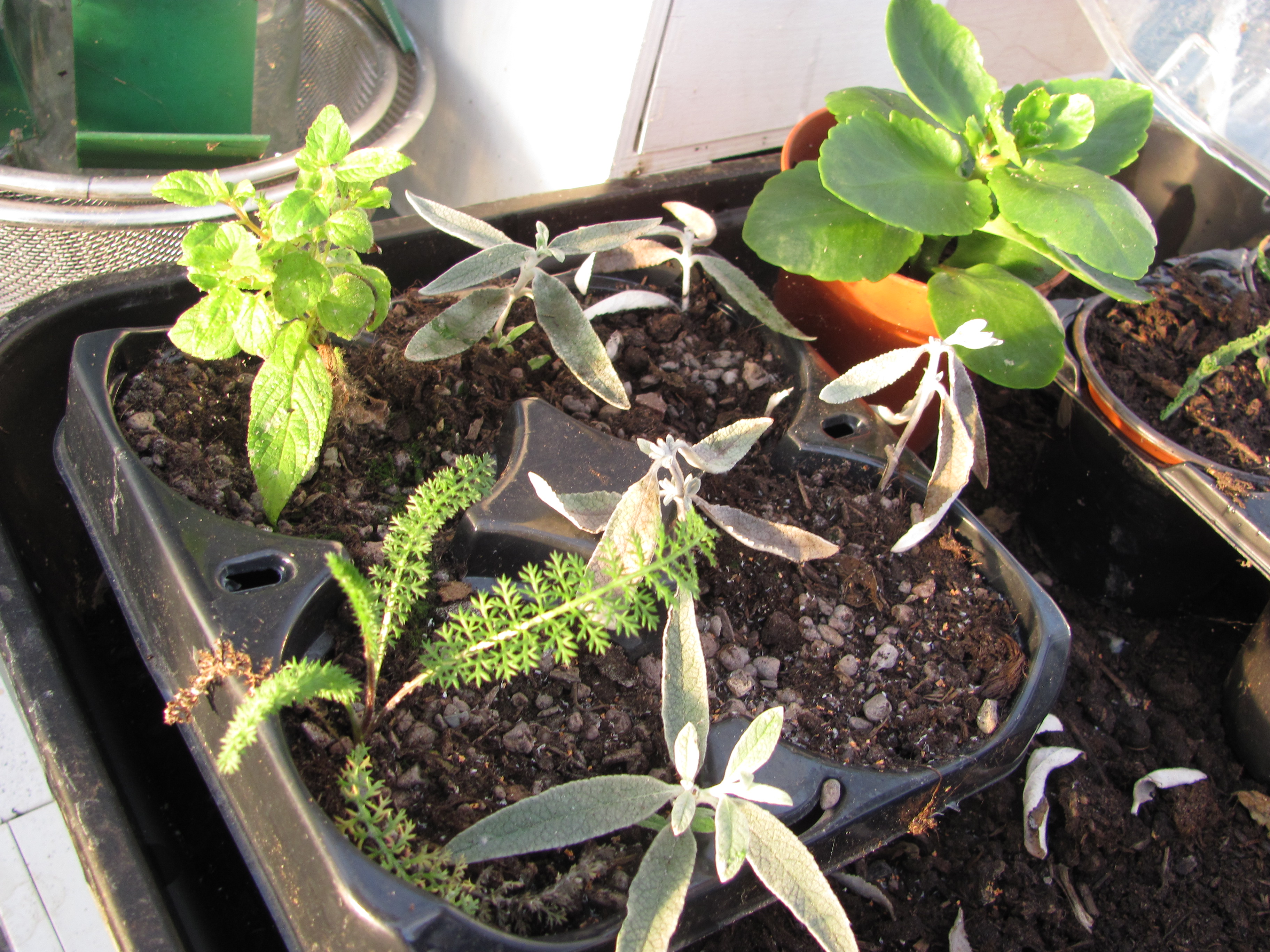
In a heated propagator cuttings are also being protected. this gives us another chance to keep delicate plants over winter. Salvias, tender Buddleia and the odd houseplant such as Kalenchoe.

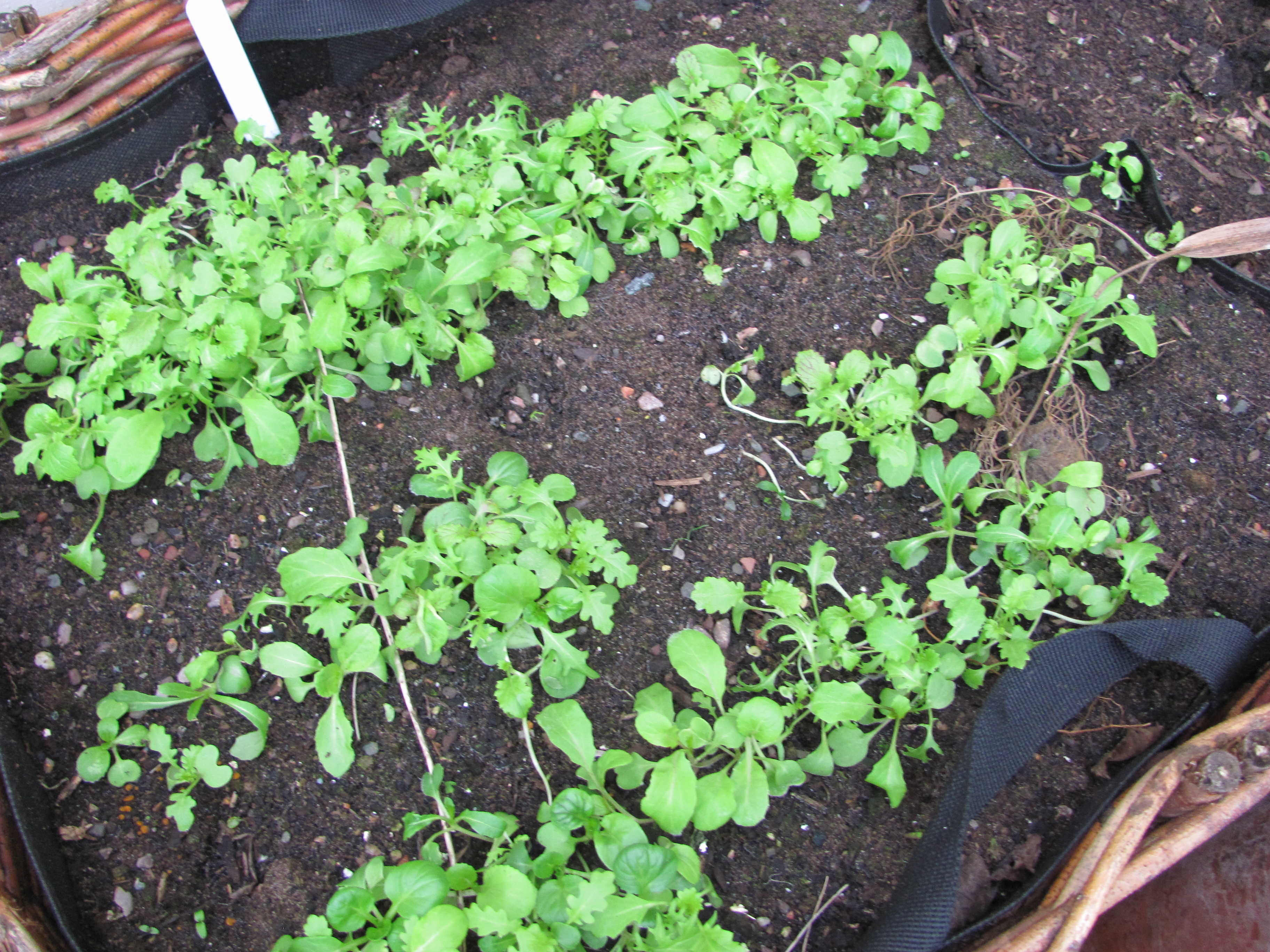
Outside, salad leaf seedlings sown in December, are holding on until warmer weather. We cover them each night with fleece. Once better light and warmer temperatures arrive they will be triggered into rapid growth. We look forward to tasty, colourful mixed leaf salads.

So whenever it is too cold or the ground too frozen solid outside we always have the welcome of a warm greenhouse. After all the greenhouse isn’t just for overwintering plants, it overwinters the gardeners too! Hopefully within the next few days we shall revel in sowing seeds in there.

Categories
garden photography gardening half-hardy perennials hardy perennials

Fantastic Foliage – Leaf Patterns

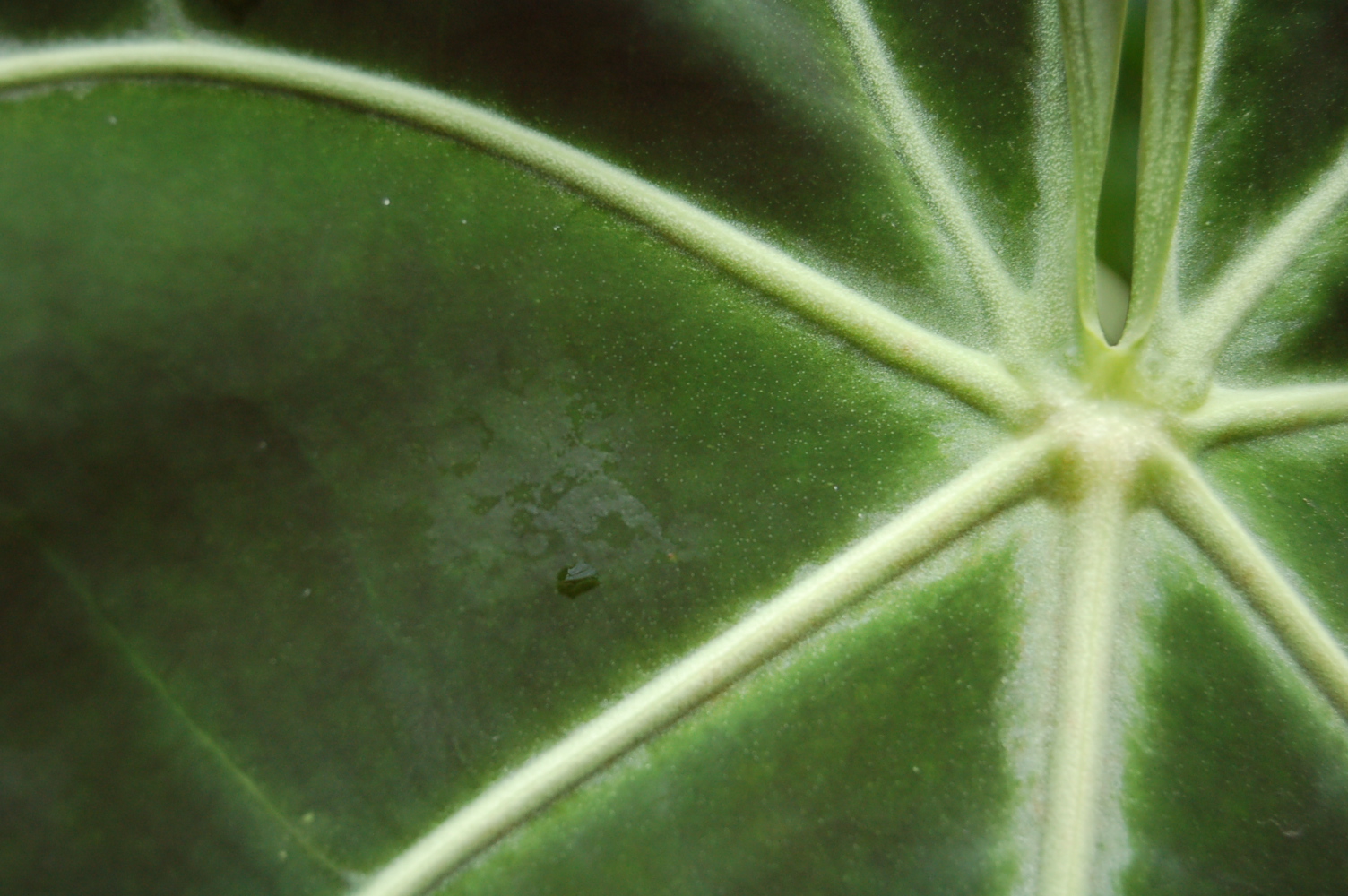
On bright days I am always drawn in for a close up look at leaves. The sun displays their underlying structure, their network of veins, the things that give them shape, texture and strength. Zoom in for a closer look or move in close for a wide angled view and the results can be so pleasing. Isn’t Mother Nature wonderful!!! And aren’t plants simply amazing!!!

Categories
autumn gardening grow your own half-hardy perennials

Bubble Wrap Duvet

Today we woke to the first frost of the year. My phone tells me its minus one. It’s only a thin weak frost but a useful reminder of how lucky we are to have gone this far into the year without one. Last year we had our first in September and that was not unusual. It also made us feel a little smug that we had got round to giving the greenhouse its duvet of bubble wrap at the weekend. It takes 100 metres of the large bubbled wrap to get the inside safely wrapped for winter – it is the only time I regret owning such a big greenhouse!

Bubble wrap is always so hard to fix up and always looks a mess but it does the job. We used a combination of black gaffer tape and the little plastic fiddly fixings specially designed for the job.

We moved under cover the peppers, chillies and sweet, growing in bags to hopefully get a few more fruits from them as well as the potatoes in their bags planned for cropping in December. We then had the time-consuming task of bringing in any half-hardy plants in pots such as aeoniums, begonias, echeverias, Euphorbia mellifera, salvias and summer flowering bulbs.

As a belt and braces procedure we take cuttings of some of the salvias, as well as bringing the parent plants in, as they often fail to survive through the winter even under the protection of the greenhouse.

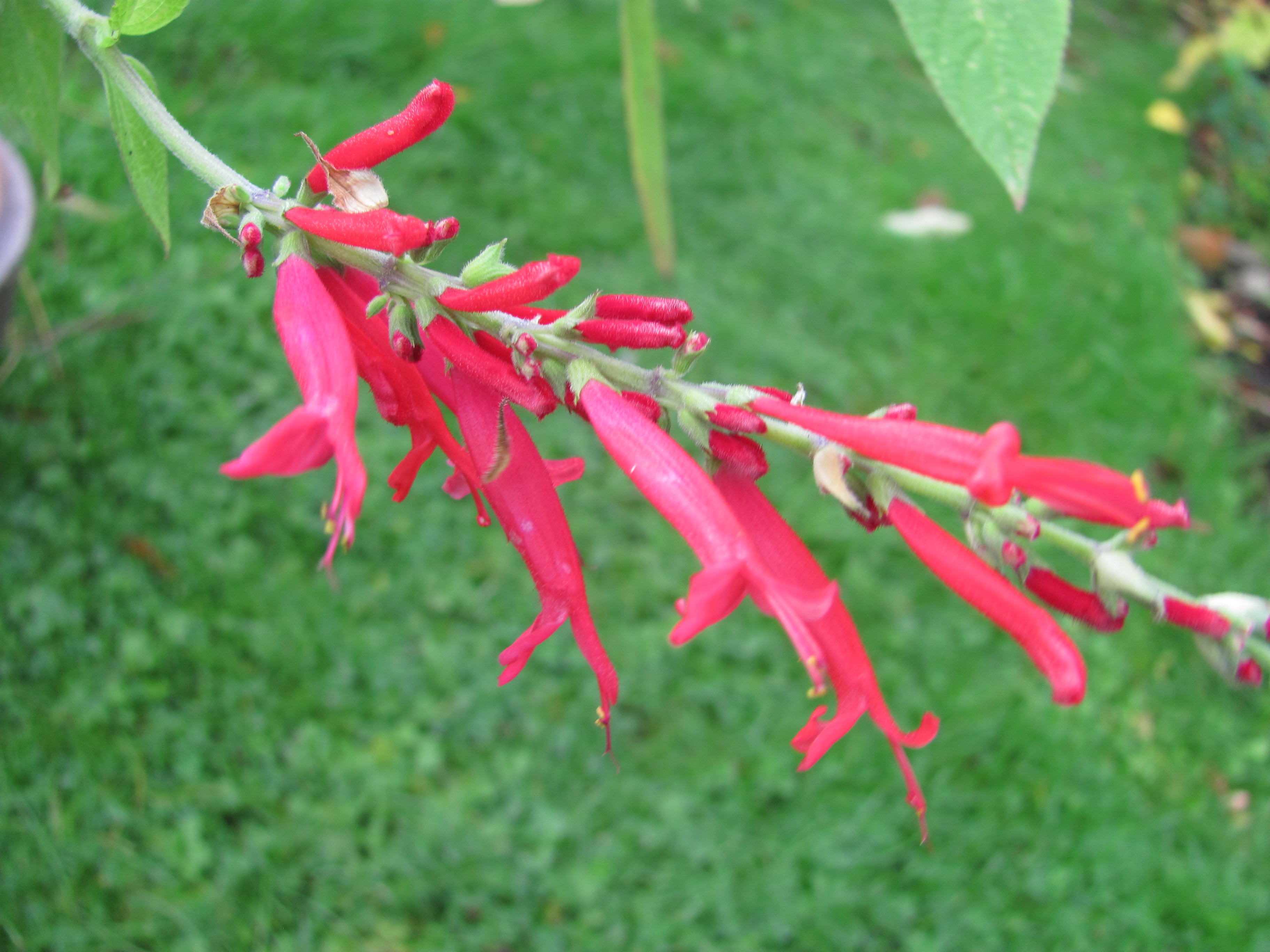
This Salvia with its stunning red flowers which have an added cerise hue in sunlight only started flowering in late October so we could only appreciate its glorious flowers for a few weeks before bringing it into the greenhouse. If the first frost had come at the more usual time in late September or early October presumably it would have failed to flower this year. fingers crossed now that we can keep it through to warmer times.

Categories
garden photography gardening half-hardy perennials hardy perennials

Umbels

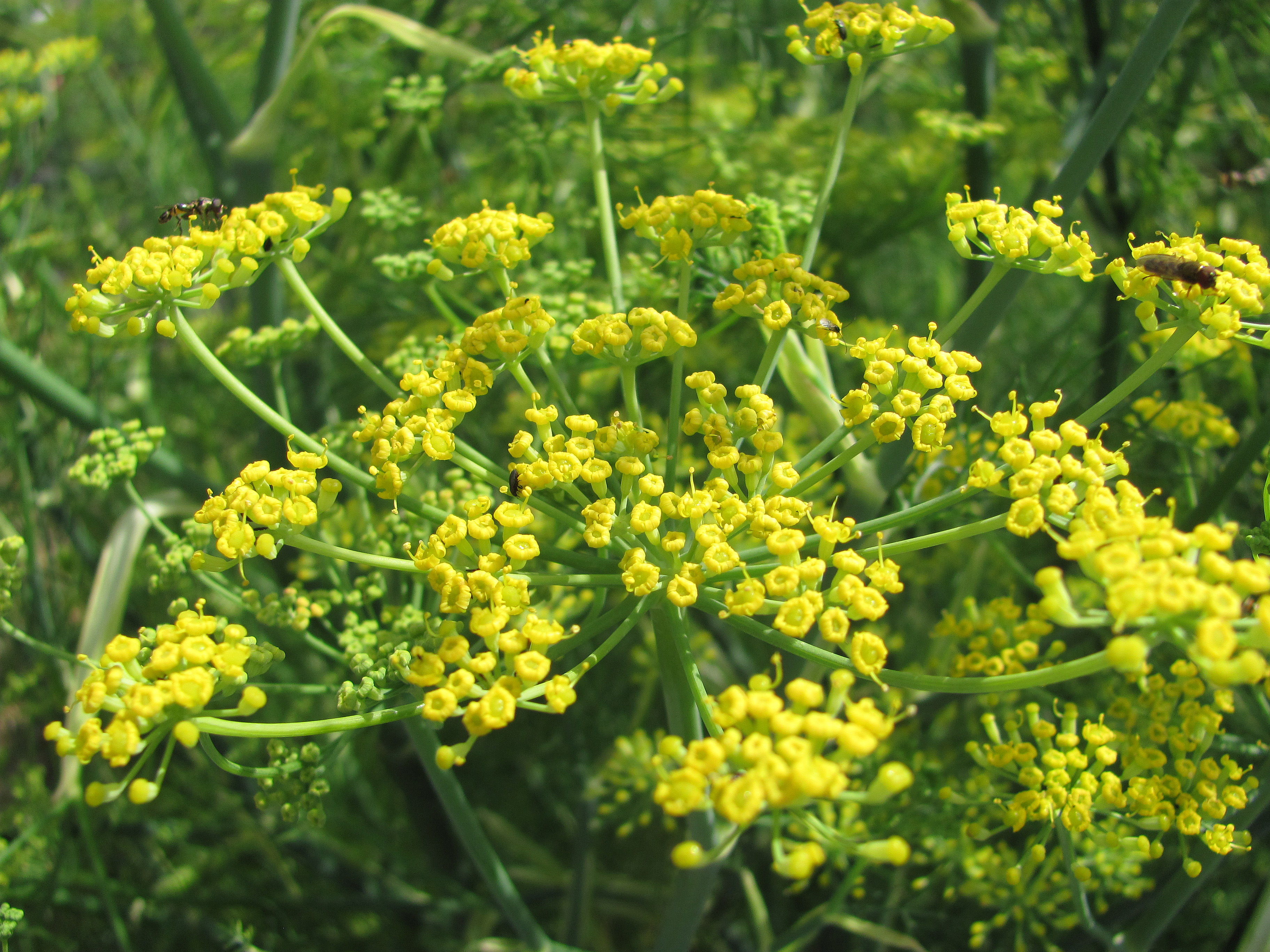
Fenel Inflorescences.

We know botanists love to play around with plant names and recently there seem so many cases of this happening. Sometimes it seems to make sense, but why oh why did they change the plant family name of the umbels from “Umbellifer” to “Apiacea”? The original name reflected the character of these plants so well. They simply do look like umbrellas don’t they? Their inflorescences are usually scented and most definitely umbrella-shaped.

So many of this family we know as aids to our cookery – carrot, parsley, cumin, coriander, parsnip – a varied lot of vegetables and herbs. Just let some go to seed and watch them perform!
At Chelsea this year a flowering parsnip starred in Cleve West’s Gold Medal winning garden which was also rightly awarded “Best in Show”. He had dug it up from his allotment.
Today the brightest flowers in the back garden here are the fennel,  its myriad minute acid yellow inflorescences held in umbrellas above the finest green lace of its foliage. Perhaps known best for its culinary value, it is also a brilliant border plant with its mouth-watering scent reminiscent of aniseed balls and its flocks of hoverflies in attendance. The magnetic attraction it holds for these insects make it a valuable garden companion – a living pesticide, for hoverflies and their larvae are predators of the highest calibre. Our fennel has self-seeded alongside the central path and is so large it looks down on its neighbour, a Mahonia japonica.
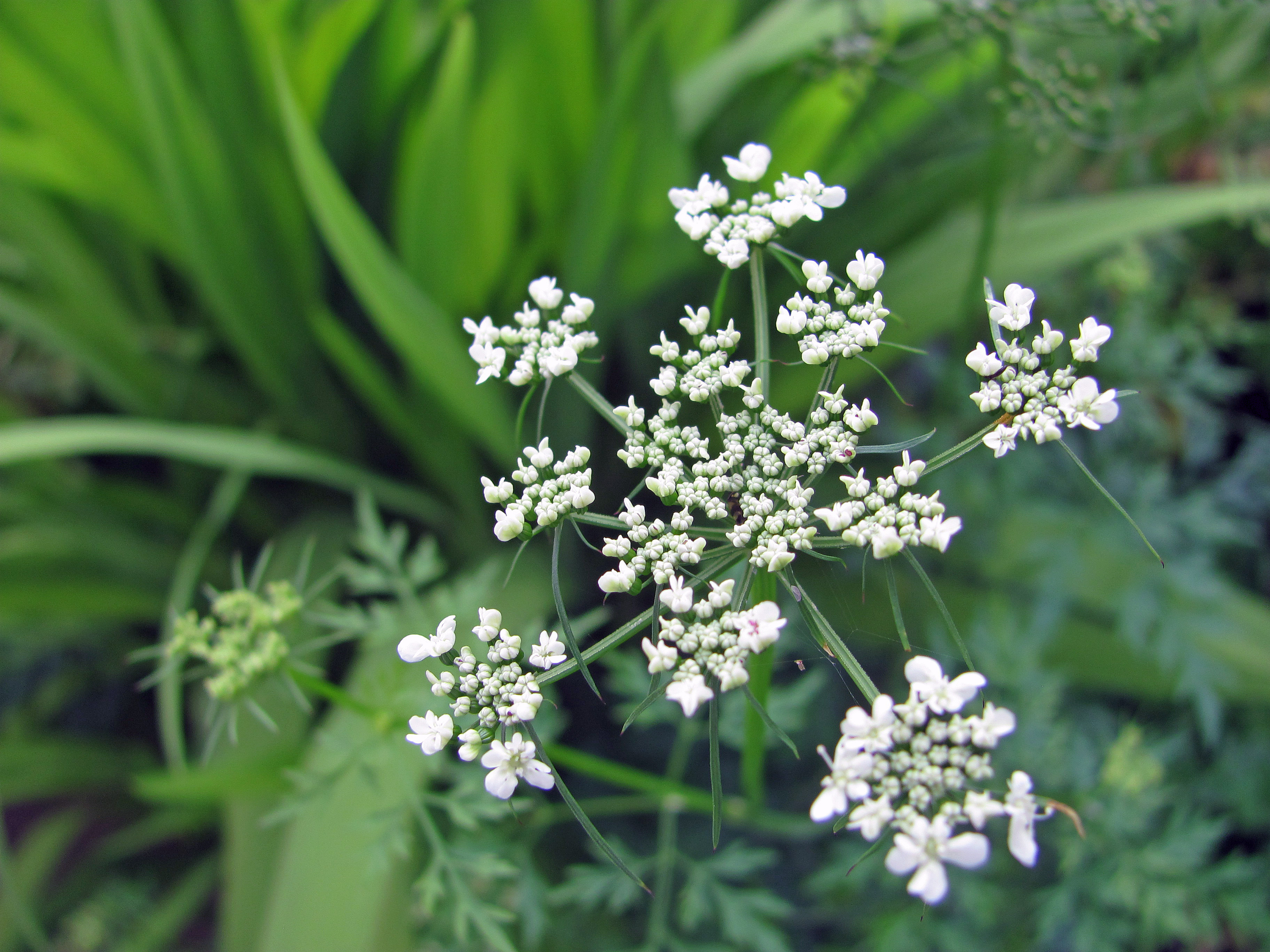
Another self-seeding umbel in our patch is the Cow Parsley. In the wild it appears as a thug growing in masses along roadsides where its sweetest of scents permeates our cars. However in the mixed garden border it certainly doesn’t deserve being served up with an asbo as one might imagine for it becomes a small delicate plant easily threatened by its neighbours. It seems to be that its smaller stature is due to this dislike of being crowded by neighbouring plants. It was interesting to see Monty Don showing Cow Parsley growing in his borders on Gardeners World a few weeks back.
White Lace of Cow Parsley
The purple-black foliage cultivar “Ravenswing” is a real asset to any garden and its delicacy of stature and colour live comfortably alongside many neighbours. Ours look particularly good early on in the summer with another “apiacea” family members Astrantia “Hadspens Blood” and “Ruby Wedding”.
Now I must go and find out why the family of umbrella-like plants are now called “apiacea”.
This Veggie Life

A Vegetarian | Nature Lifestyle Blog

Rambling in the Garden

.....and nurturing my soul

The Arch City Gardener

Journeys In St. Louis Gardening and Beyond

Garden Dreaming at Châtillon

Consult the genius of the place

Storyshucker

A blog full of humorous and poignant observations.

gardeninacity

Notes from a wildlife-friendly cottage garden

PlayGroundology

...an emerging social science

The Official Blog of British Wildlife

'The most important and informative publication on wildlife of our times' - The Independent. This blog is a member of The UK & Ireland Natural History Bloggers group: www.uknhb.blogspot.com

iGrowHort

Inspire - Cultivate - Grow Native Plants - Restore Landscapes

Bishops Meadow Trust

To create and protect a semi-natural wild space for the people of Farnham to enjoy and experience an array of British wildlife in our town

Gardening with Children

The www.gardeningwithchildren.co.uk Blog

UKbirdingtimeline

birding through the seasons, why birds matter and how to conserve them

NATURE WALKER

with a camera in hand

Jardin

Transform your outdoor space

Eva's space

My allotment, cooking and other interests

Old School Garden

my gardening life through the year

LEANNE COLE

Trying to live a creative life

fromacountrycottage

trying to live as lightly as possible on our beautiful planet

Good Life Gardening

Nature lovers from Leicester living the good life.

mybeautfulthings

Finding the beautiful in the everyday

mawsonmichelle

Michelle's Allotment

In and Out of My Garden

thoughts from and about my garden

Greenhousing

Big plans for a small garden

The Scottish Country Garden

A Walled Country Garden in South East Scotland

The Fruity Chicken

Life at the fruity chicken

willowarchway

Off grid living. Self sufficient. "PERMAGANICS RULE".

St Anns Allotments

Nottingham's Grade 2* Listed Allotments and Community Orchard

Manifest Joy Harvests

a journey in suburban vegetable gardening

Allotmental

The madness of growing your own

Penny's Garden: a harvest beyond my front door

A novel approach to vegetable gardening

arignagardener

Sustainable living in the Irish countryside.

NewEnglandGardenAndThread

Master Gardener, amateur photographer, quilter, NH native, and sometimes SC snowbird

dianajhale

Recent work and work in progress and anything else that interests me

planthoarder

a chaotic cottage gardener

Lens and Pens by Sally

a weekly blog that creates a personal philosophy through photographs and words

Dewdrops and Sunshine

Stories from a sassy and classy Southern farmbelle.

The Pyjama Gardener

Simple Organic Gardening & Seasonal Living

gettin' fresh!

turning dirt into dinner

JOY...

today the world is created anew

Garden Birds

Notes from a Devon garden

ShootAbout

Life Through The Lens

Adapting Pixels

A photography blog showcasing the best photography pictures and videos on the internet

Wildlifegardening's Blog

Just another WordPress.com site

naturestimeline

personal observations from the natural world as the search continues for a new approach to conservation.

LATEBLOOMERBUDS

The Wonders of Life through my Eyes, my Heart, my Soul