Categories
garden design garden photography gardening gardens open to the public grasses hardy perennials National Trust ornamental trees and shrubs The National Trust the South trees

Go South 7 – Nymans

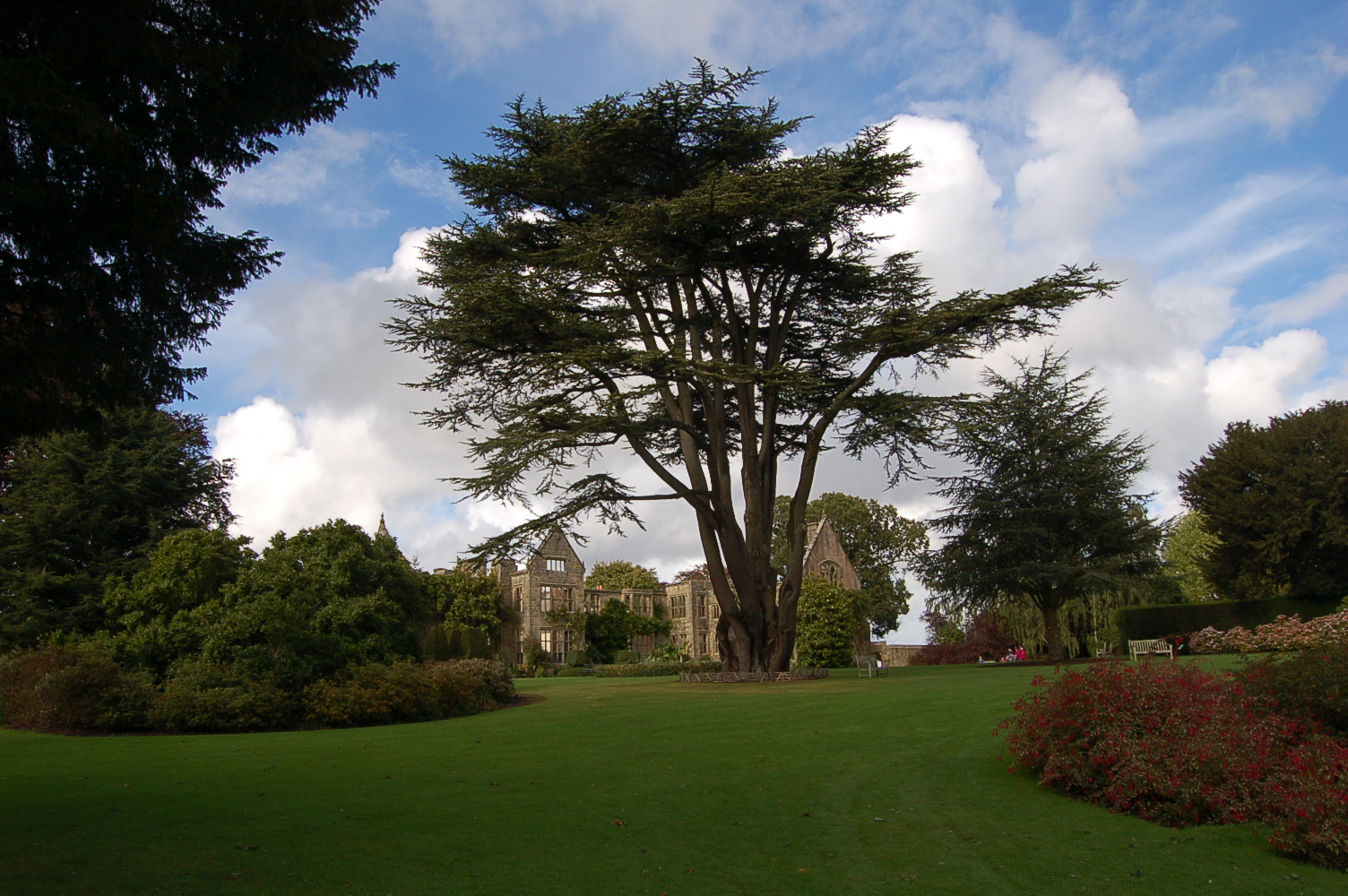
This is the last of my “Go South” posts and as promised it features a garden. Well after all those coastal posts in this series it was only a matter of time before we visited a garden. And boy what a garden it was!

Nymans was created by one of the great supporters of the English plant collectors and it shows in the variety of plants and in the difficulty in identifying some of them.

Nymans is a garden to delight any plantsman who will leave with a list of must-haves. It will also make any good gardener desire his very own areboretum just to plant the rare and special trees spotted at Nymans.

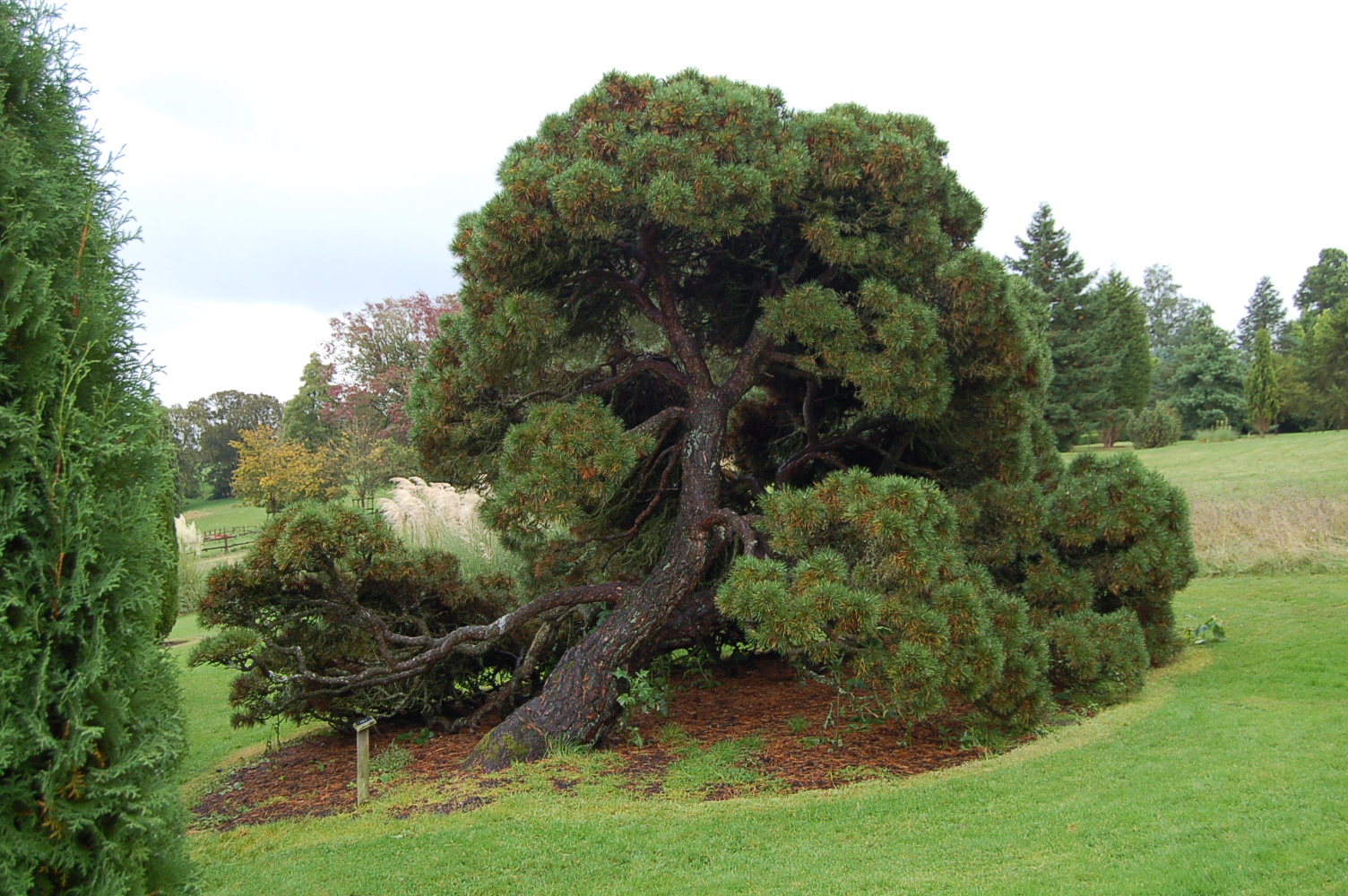
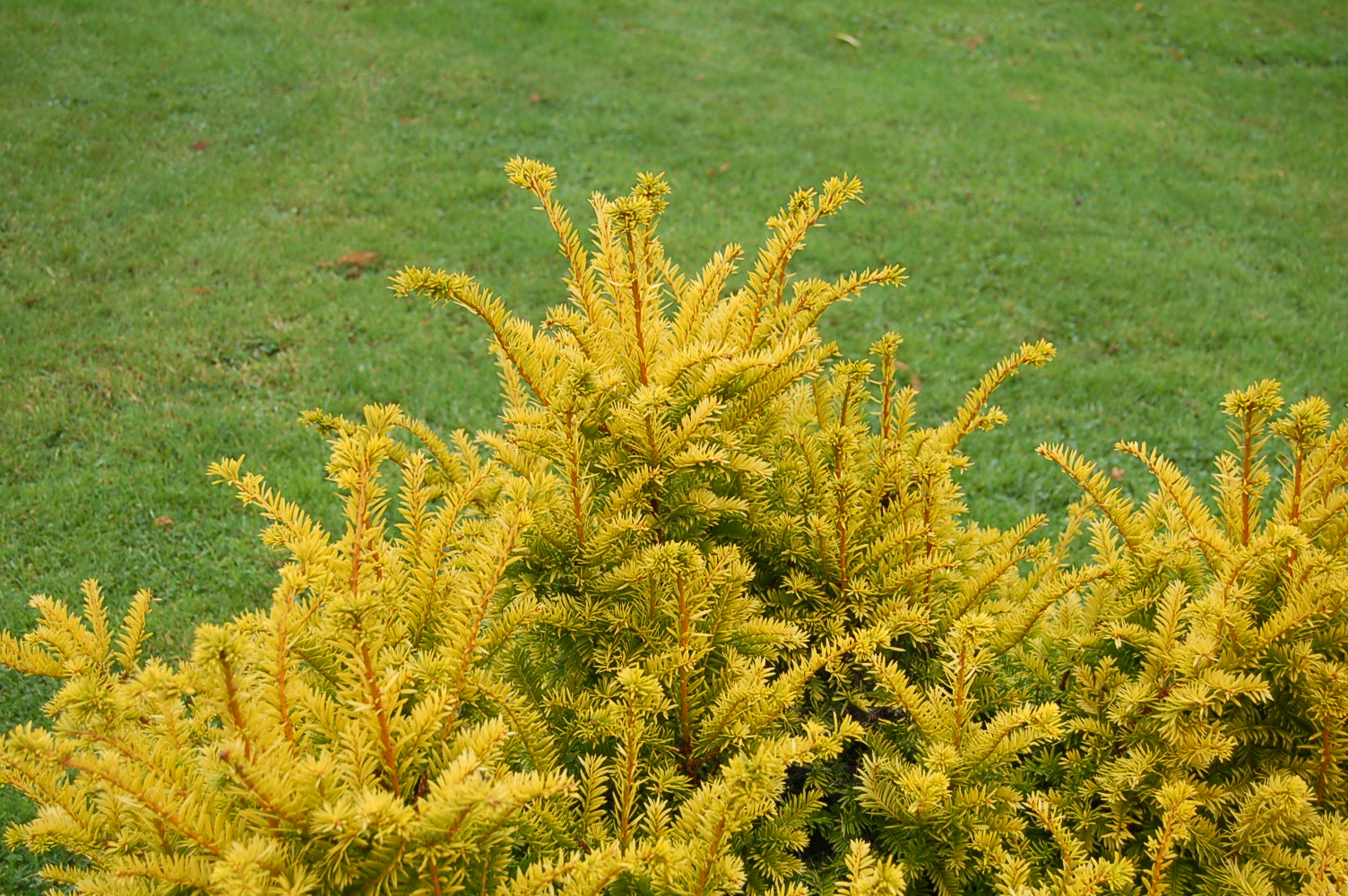
I am not a great fan of coniferous evergreens but these three display diversity in their foliage colour and in their structure and shape.

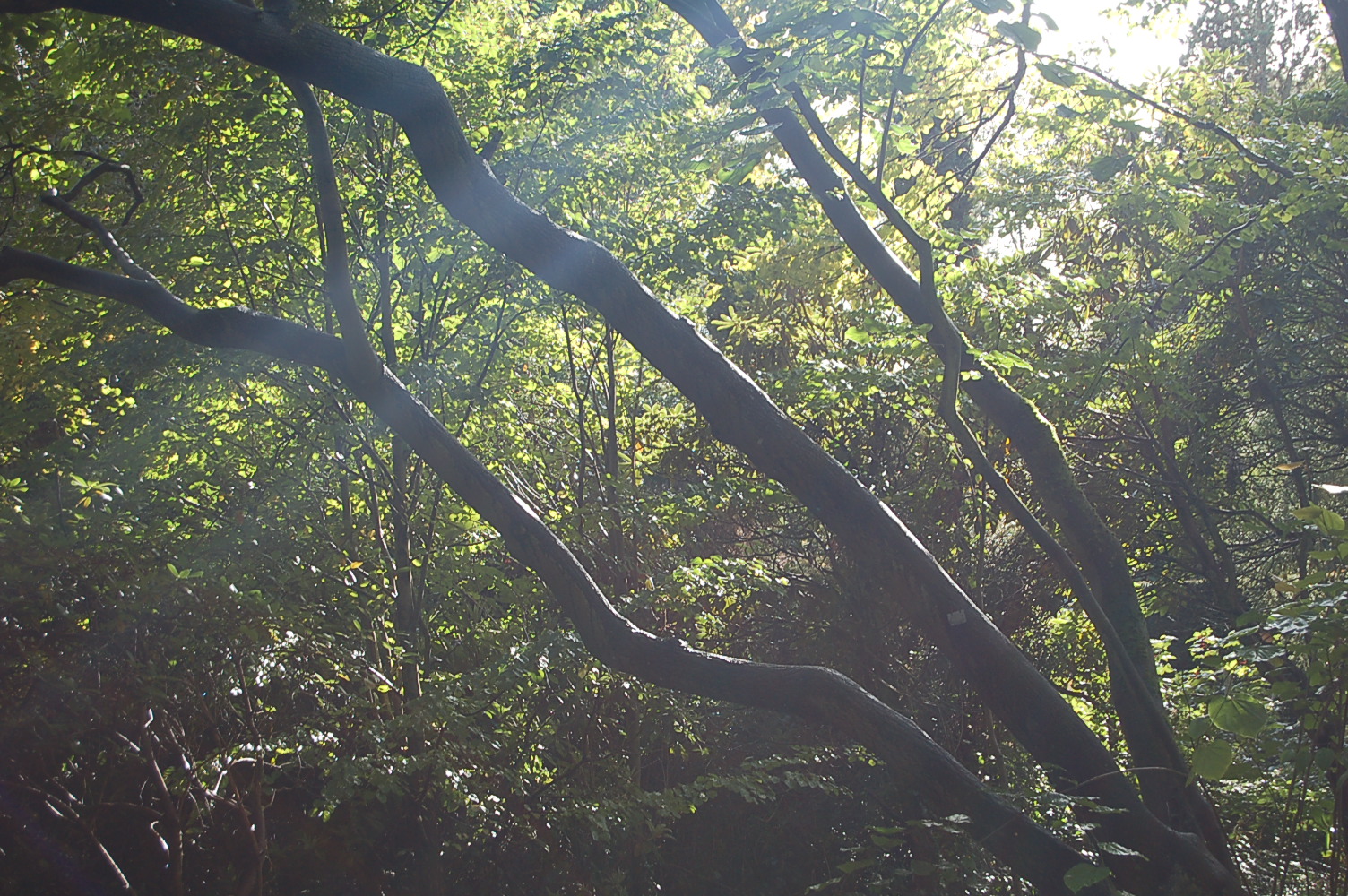
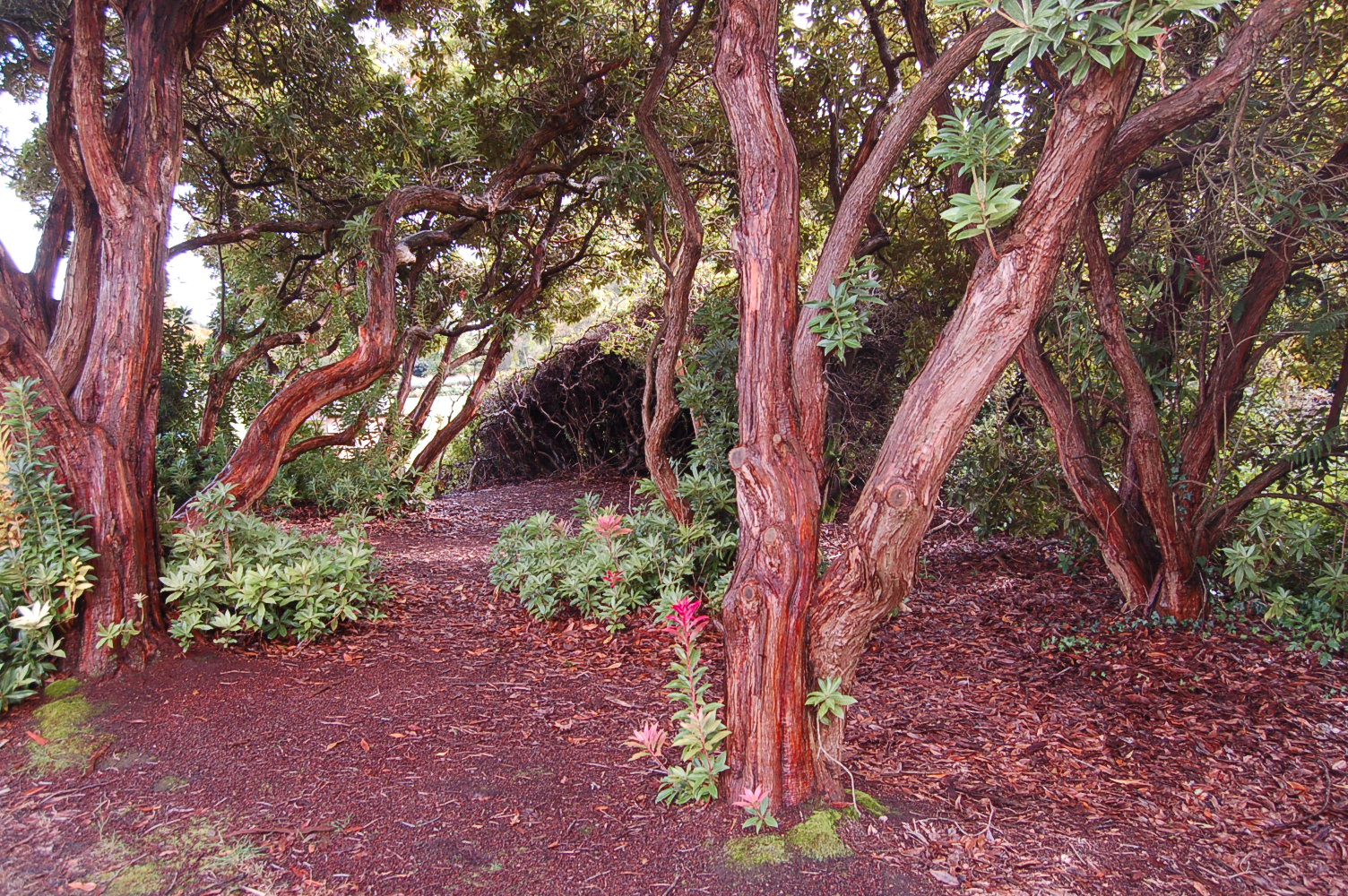
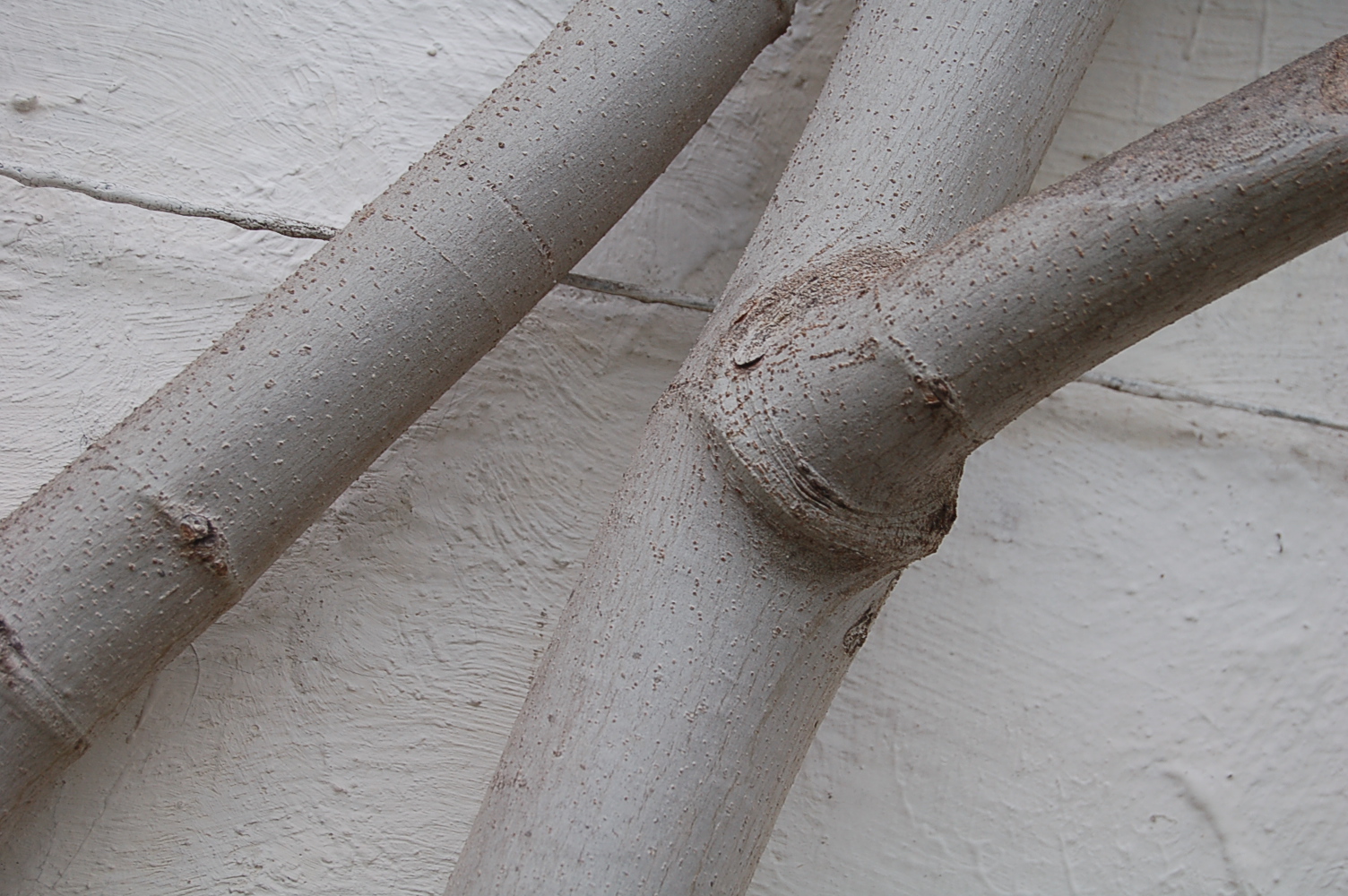
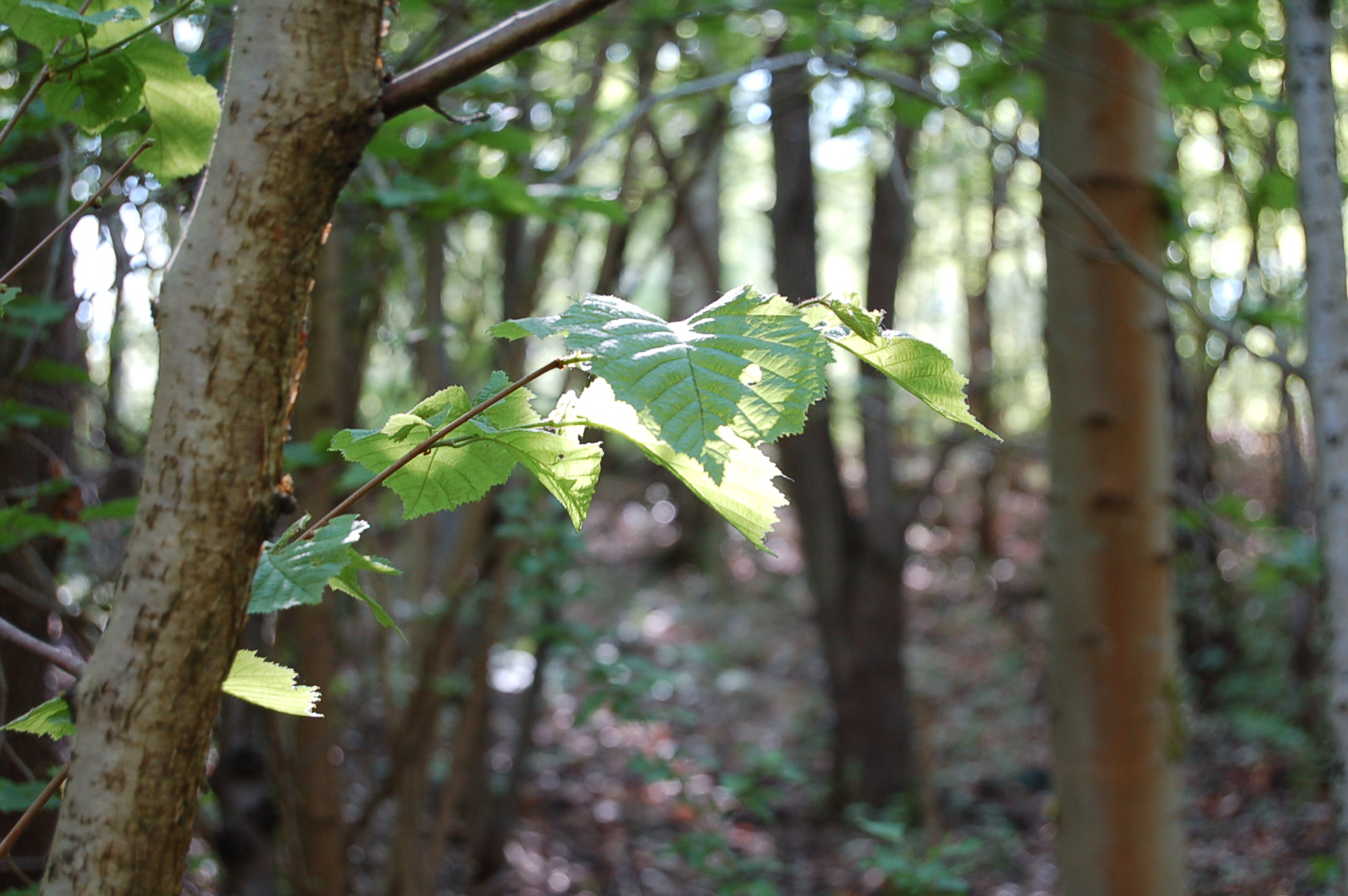
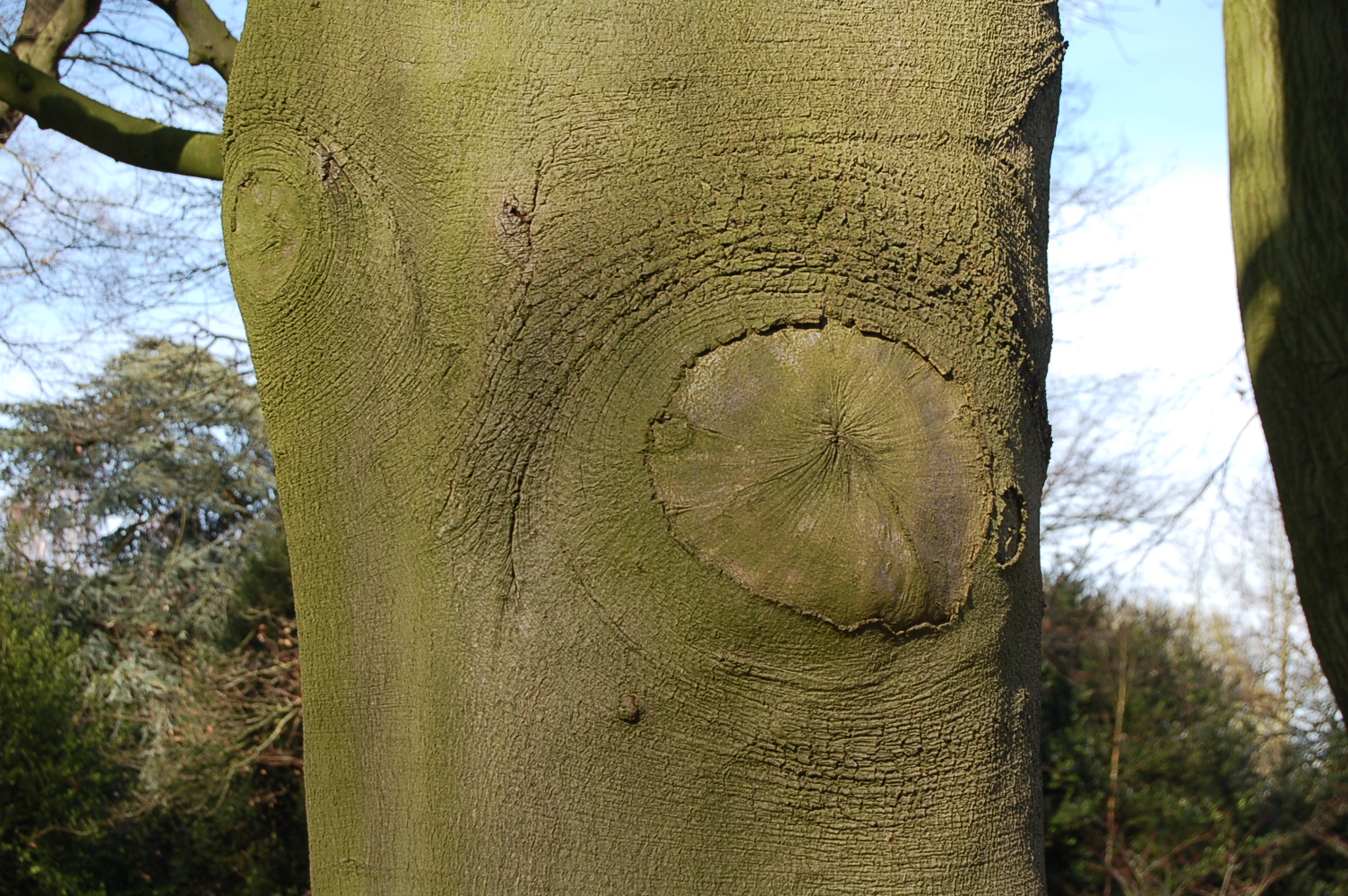
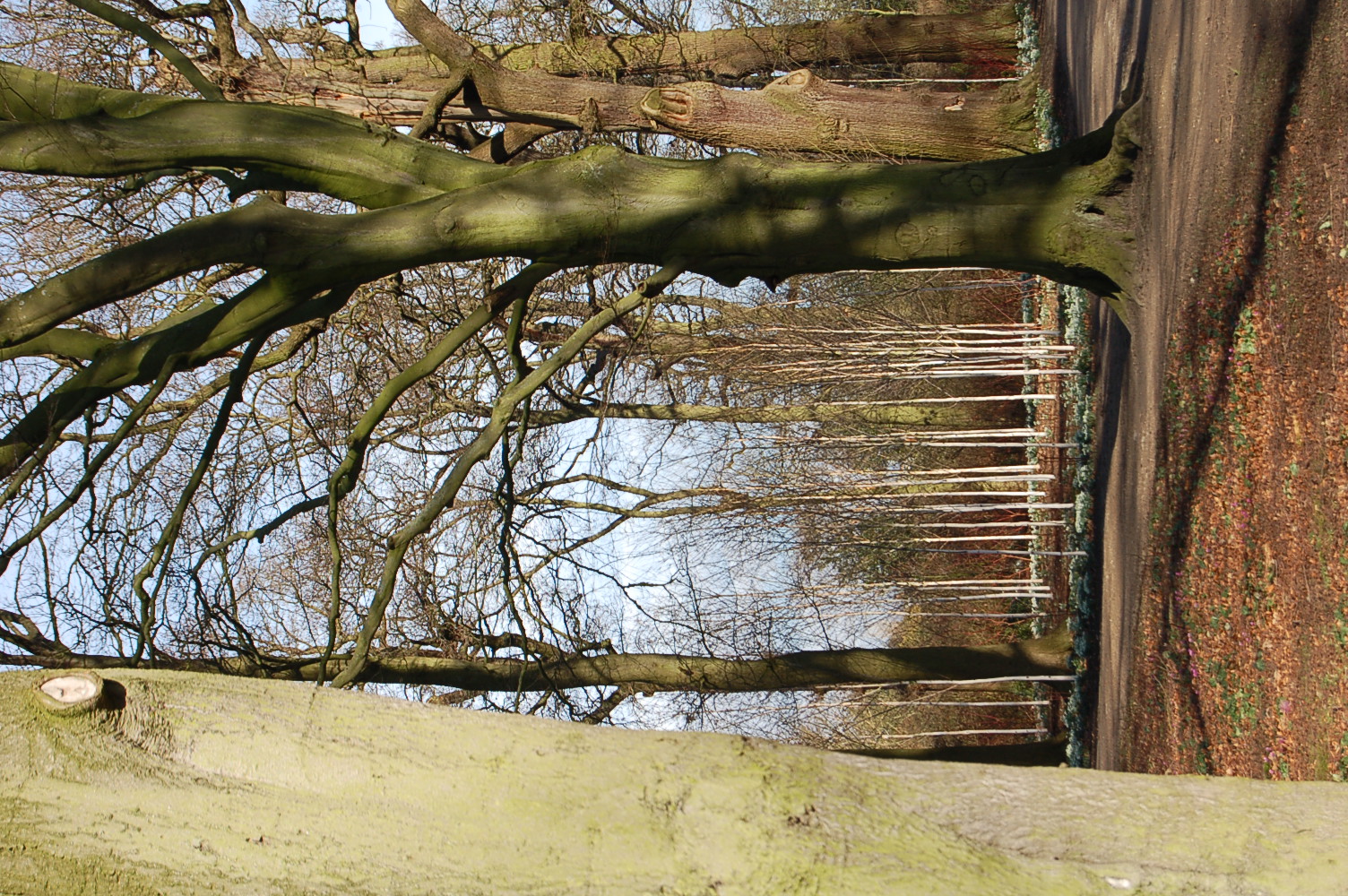
In the shade of deciduous trees the shapes of their trunks are revealed.

Walking around this varied and surprising garden is like walking through the pages of a good book on garden design. Here you can find every principle of design shown in all its glory. Any gardener, whatever the size of their garden could adapt ideas to be found on a walk about at Nymans.

Framing a view …..

Using a structure to invite you onwards ….

Planting in trios ………………..

Drawing the eye …………

Using structures as an invitation and to support plants to provide shade from the sun ……………

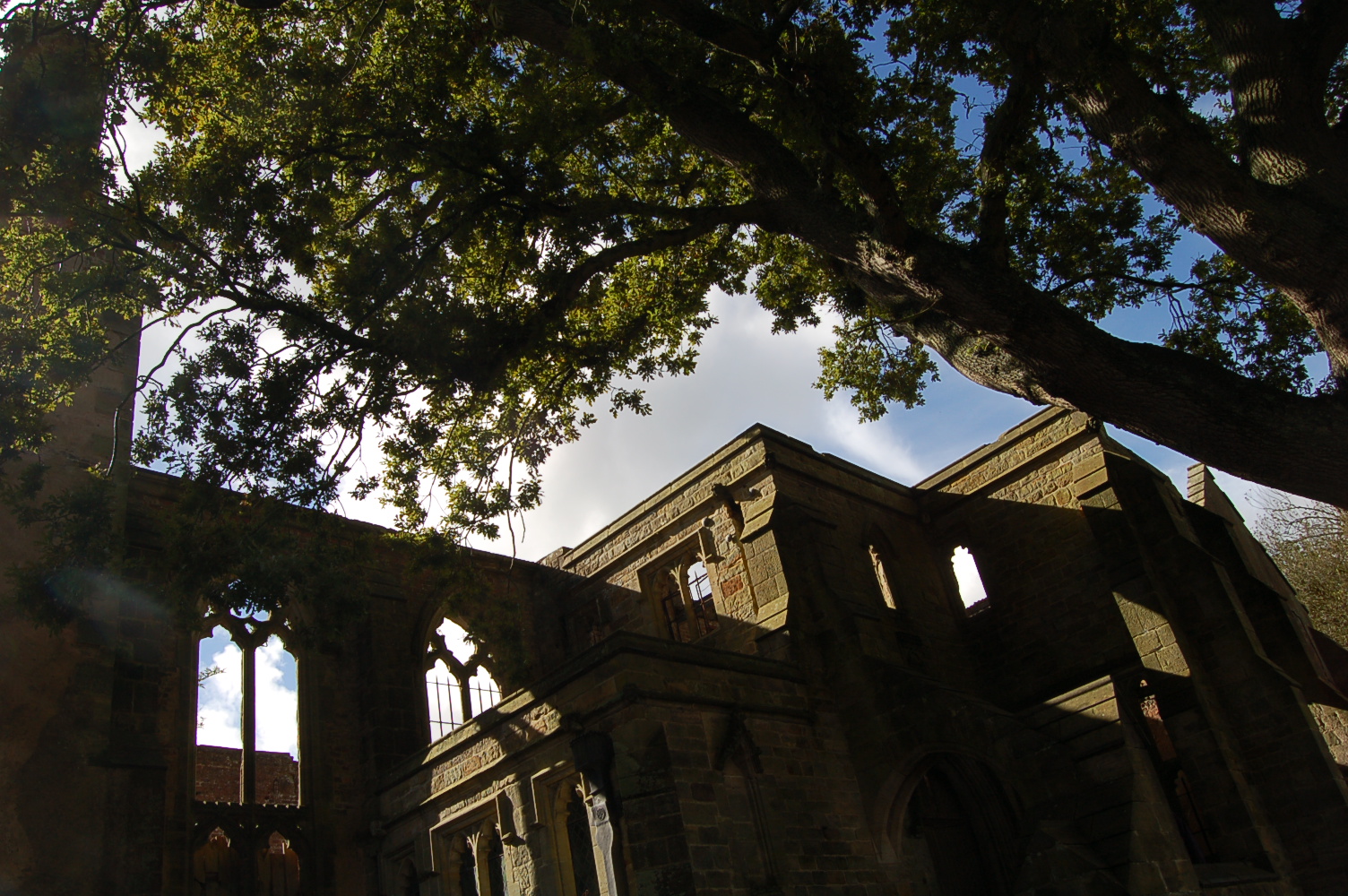
Much of the house belonging to the gardens at Nymans is now in ruins, but they somehow suit the garden. They provide a good foil for planting.

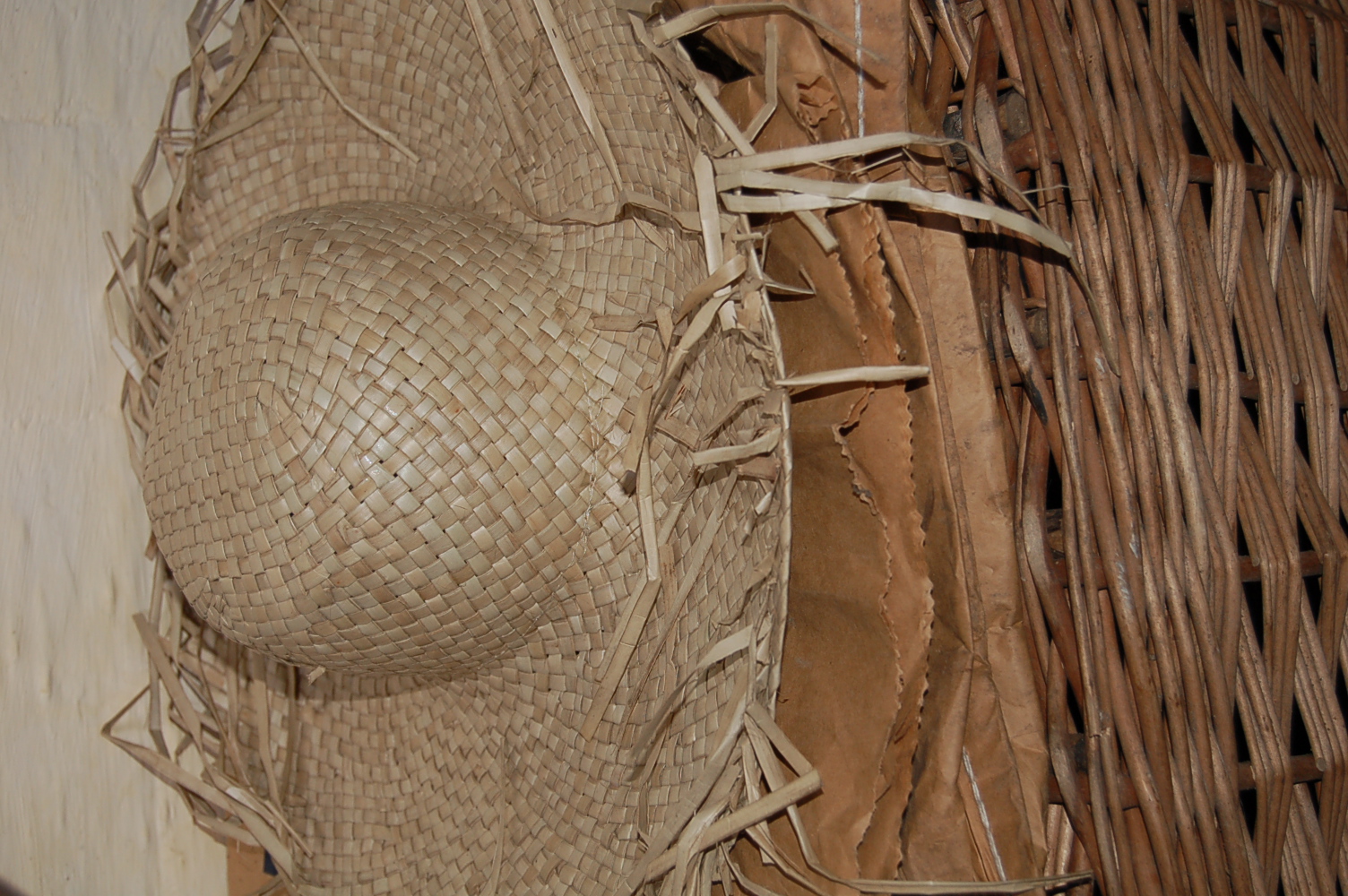
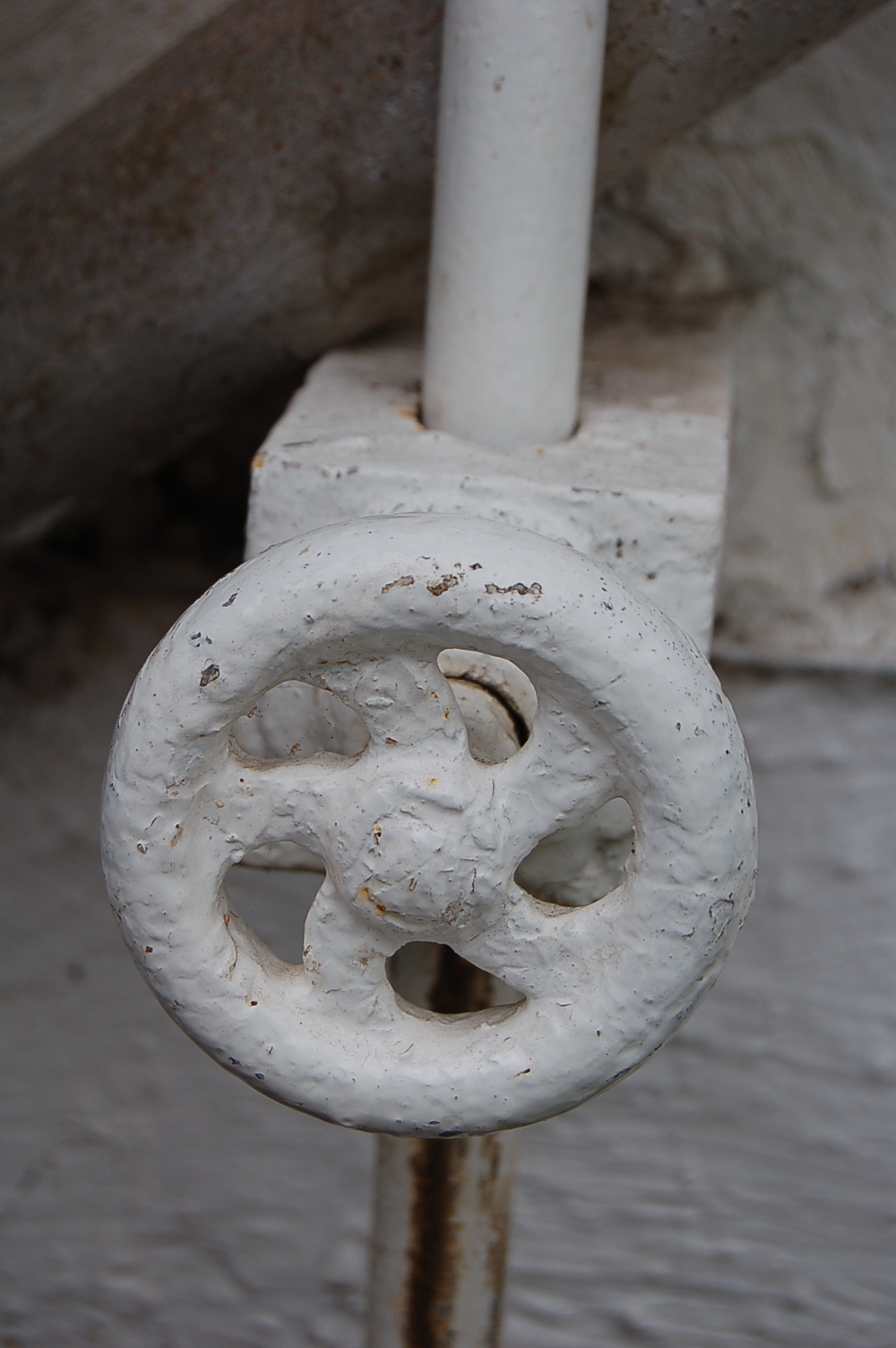
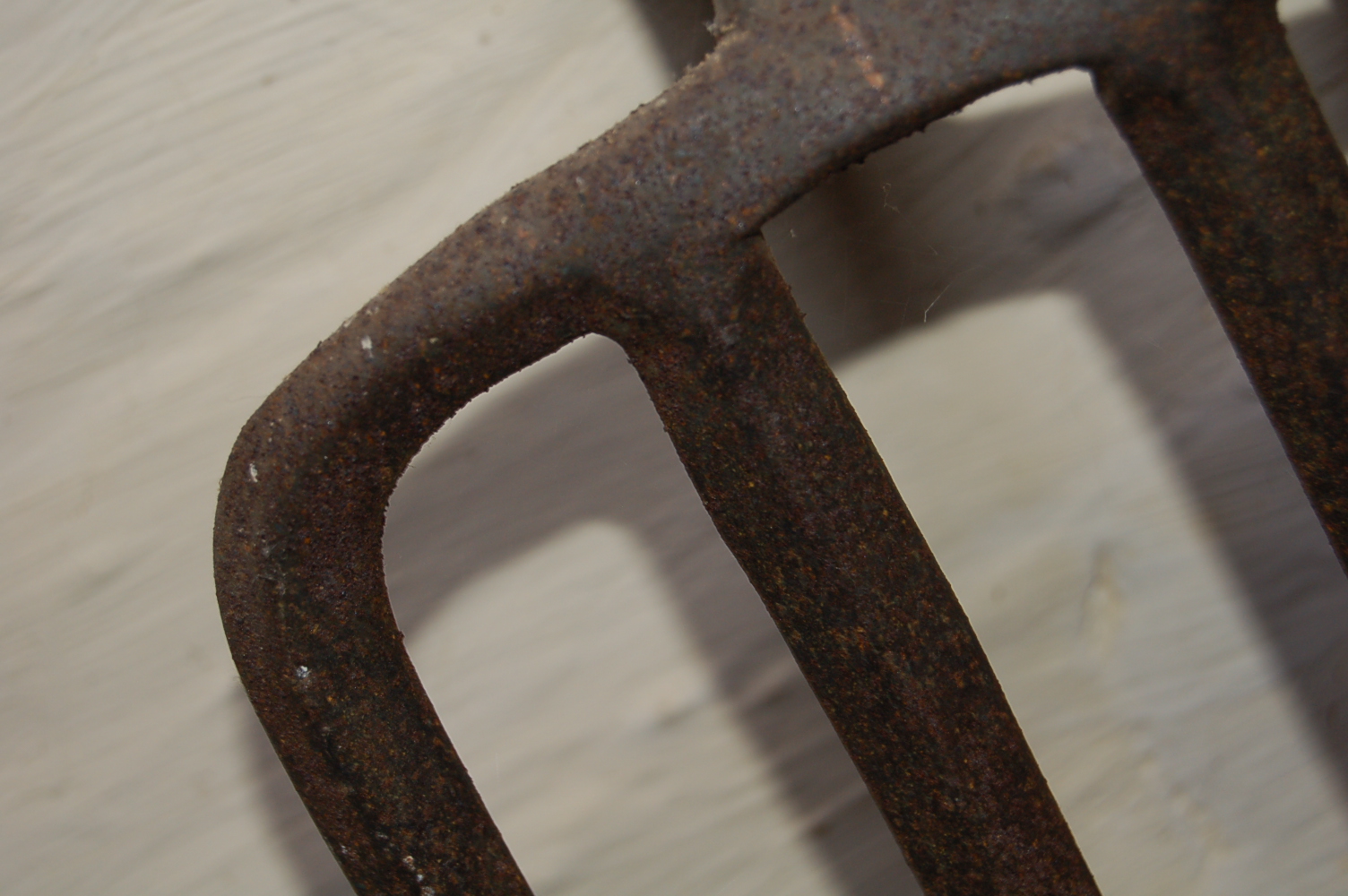
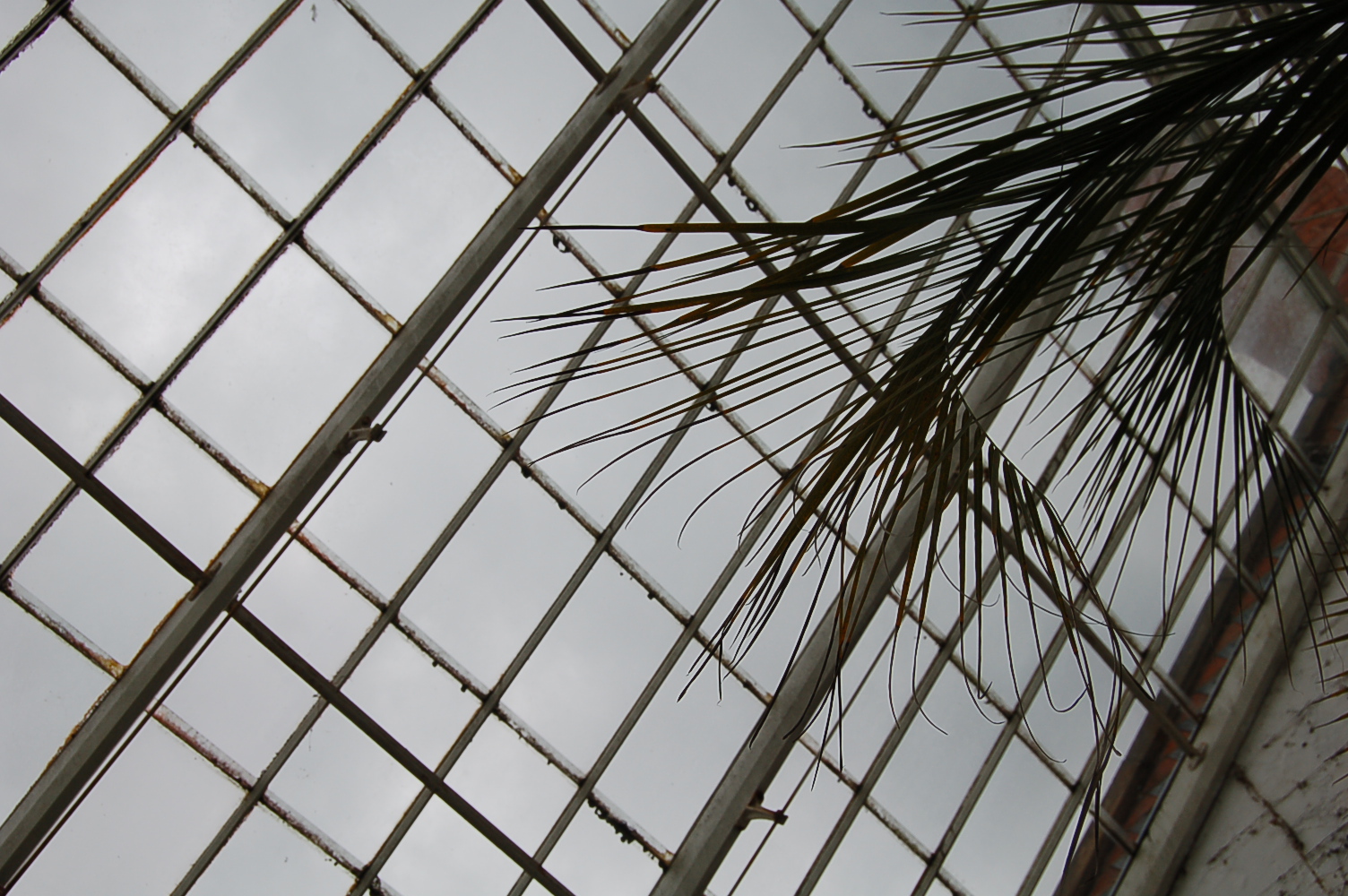
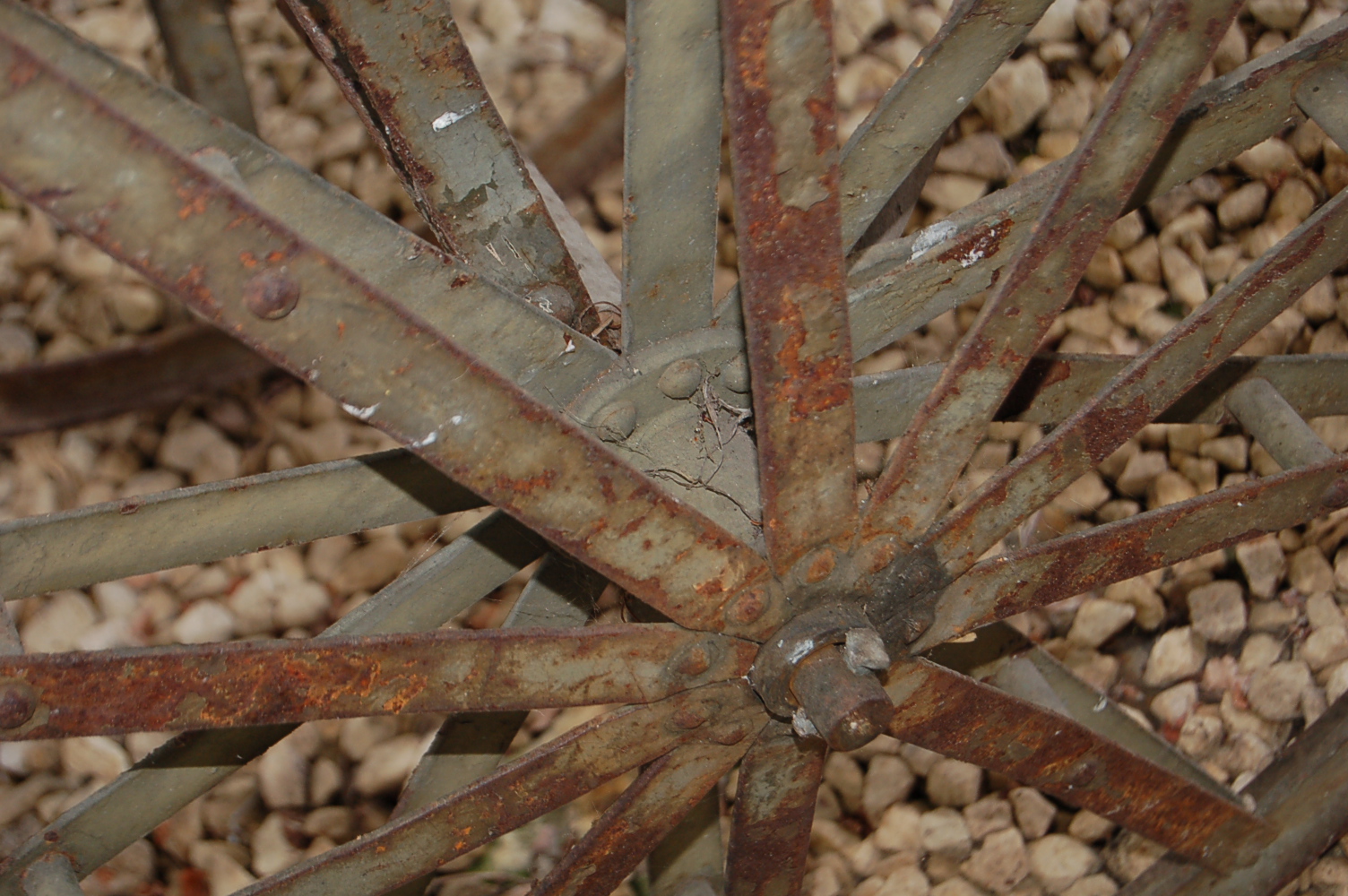
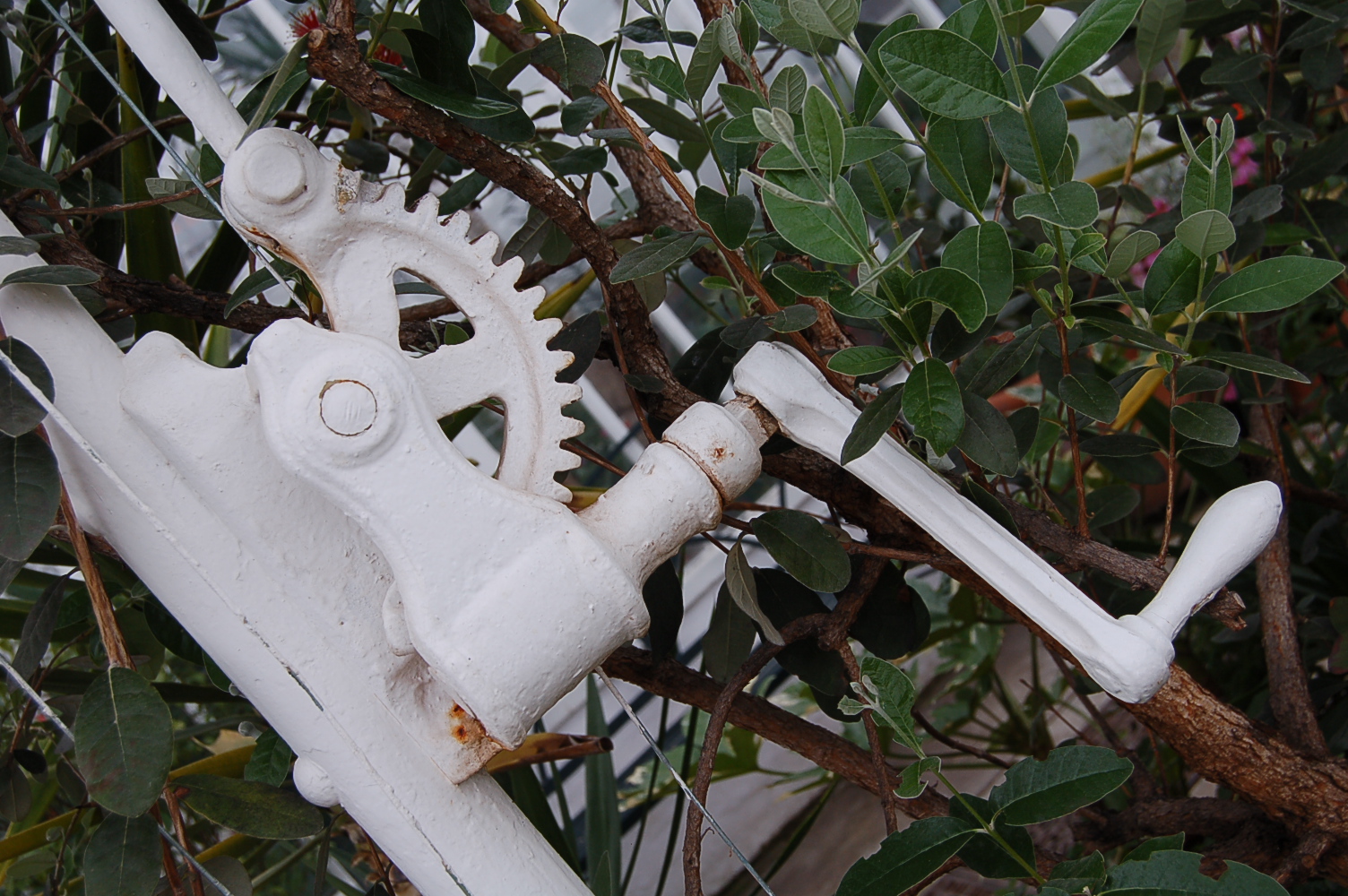
The ruins provided some oportunities to photograph little details and patterns.

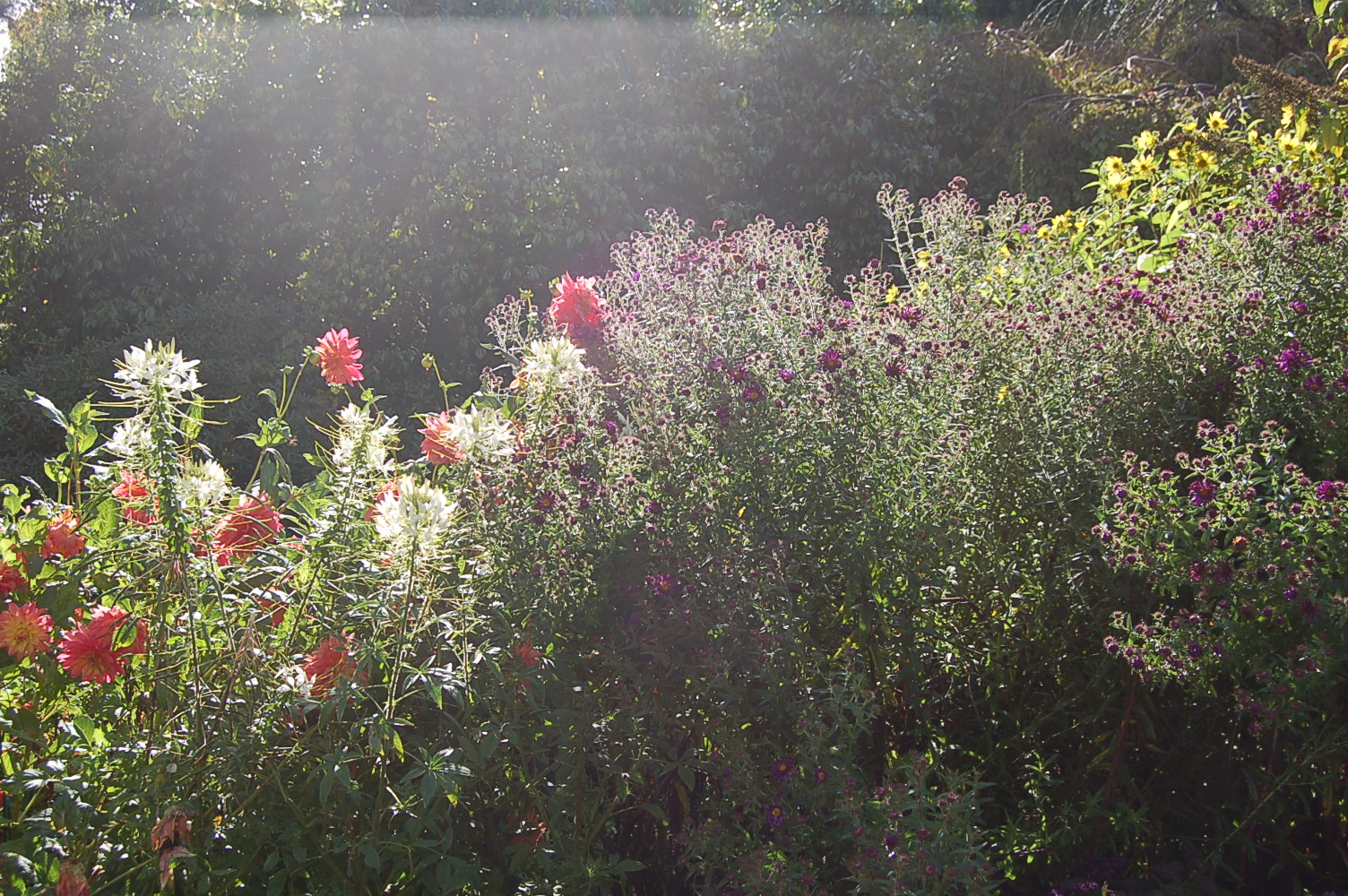
But the gardens of Nymans aren’t all about big views and big trees. Richly coloured traditionally proportioned double herbaceous borders excite the eye of the visitor.

There was so much to see at Nymans that another post will appear soon.

Categories
bird watching birds National Trust photography Shropshire wildlife

A Wild Mountain Pool

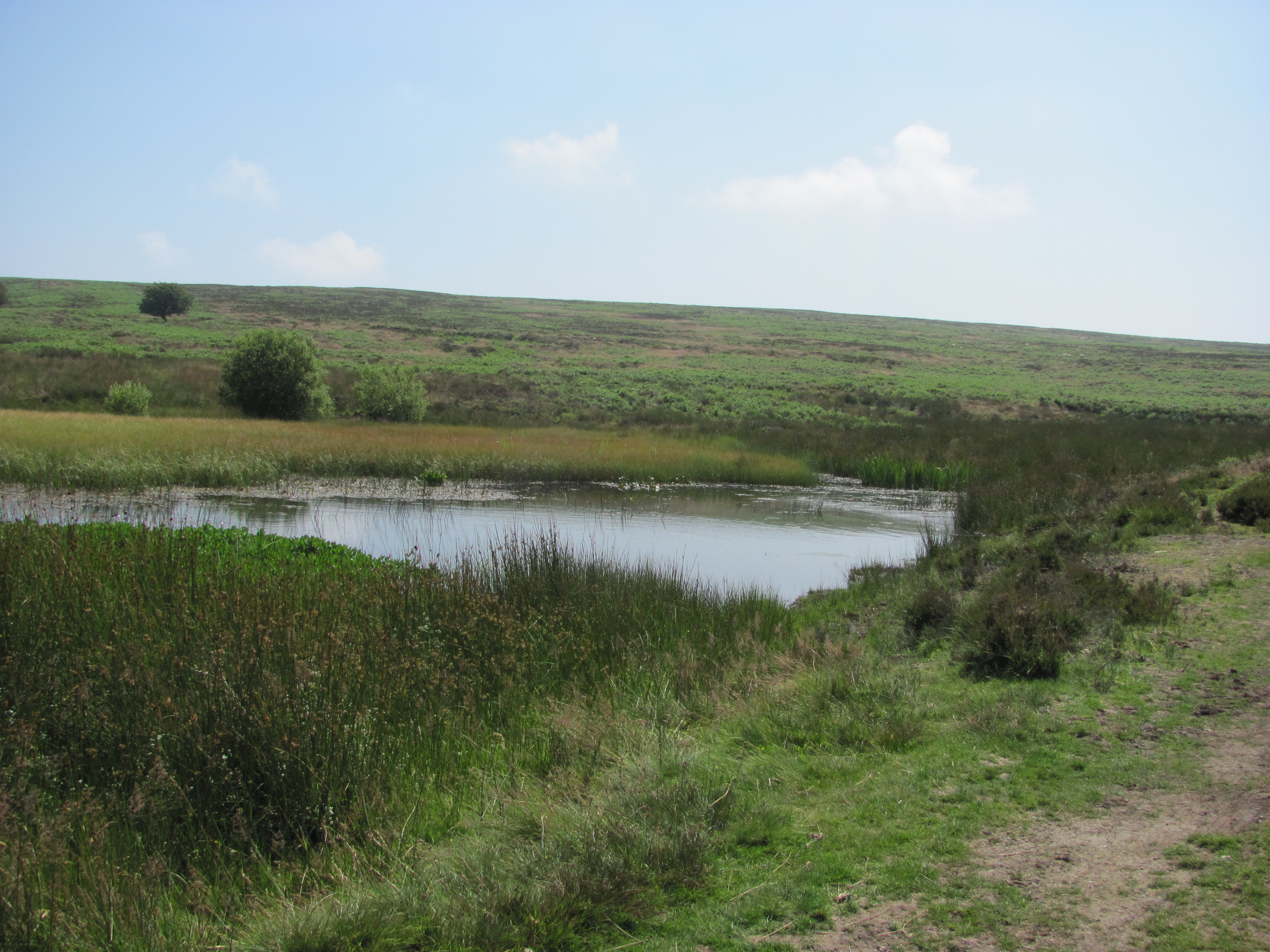
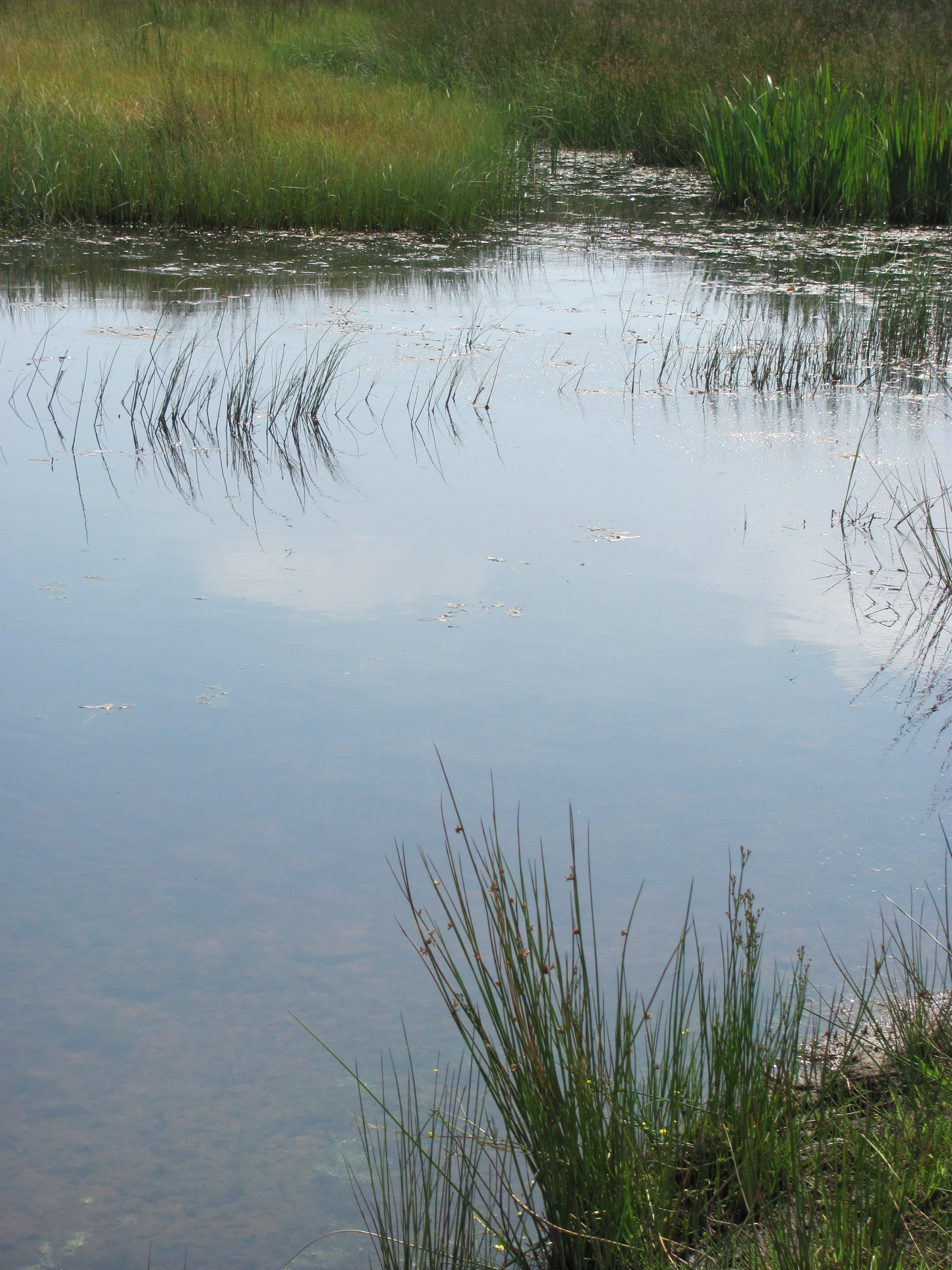
Wildmoor Pool sits alone up on the top of the Long Mynd amongst open moorland. We live on the northern edge of the South Shropshire Hills and we need to drive only a short distance to the Long Mynd at the southern edge of the South Shropshire Hills. On a very hot and humid day we decided to take our books, a flask of coffee and some fruit and seek out the cooler air atop the Long Mynd. We had never been to the Wildmoor Pool before and we were stunned by its beauty and isolation as it came into sight. A triangle of clear water tinged brown by peat.

It is described in my book on the Long Mynd as a place to sit and wait for the wildlife to arrive. This proved to be so true. On our arrival we spotted lots of different Damsel Flies and Dragonflies in a myriad of sparkling colours, but little else, no birds to be seen or heard in the sky, on the bushes or amongst the bracken and heathers.  These dragonflies have such evocative names – Black Darters, Common Hawkers, Golden-ringed Dragonfly.

So we sat, got comfortable, poured coffees and got out our books to enjoy in the peace up on the long mountain. The silence and still warm air created an atmosphere of calm and peacefulness – and above all contentment. This silence was only occasionally interrupted by tiny splashes of water as fingerling Brown Trout plucked flies from the mirrored surface and sent ripples out in concentric rings moving slowly outwards towards the edge of the pool. Deep throated croaks from frogs emerged from deep within the reeds. The surface dwellers barely make a sound or a ripple, the Water Measurers, Pondskaters fail to break the surface. Water Beetles and Water Boatmen pierce through the surface to collect bubbles of oxygen.

Reflections decorated the pool’s surface. When the Brownies’ ripples reached them they shimmered but otherwise they were still as the mountain air.

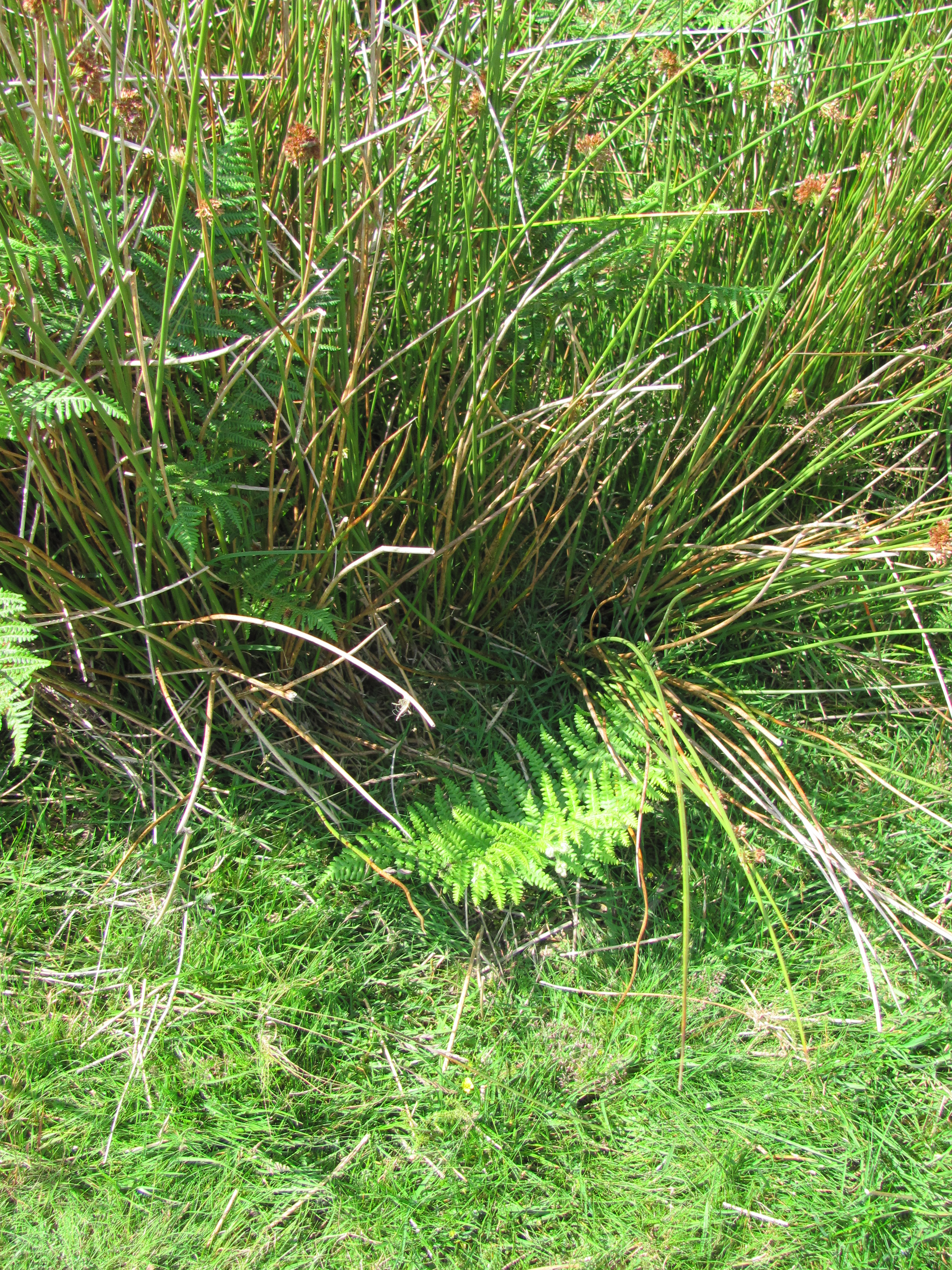
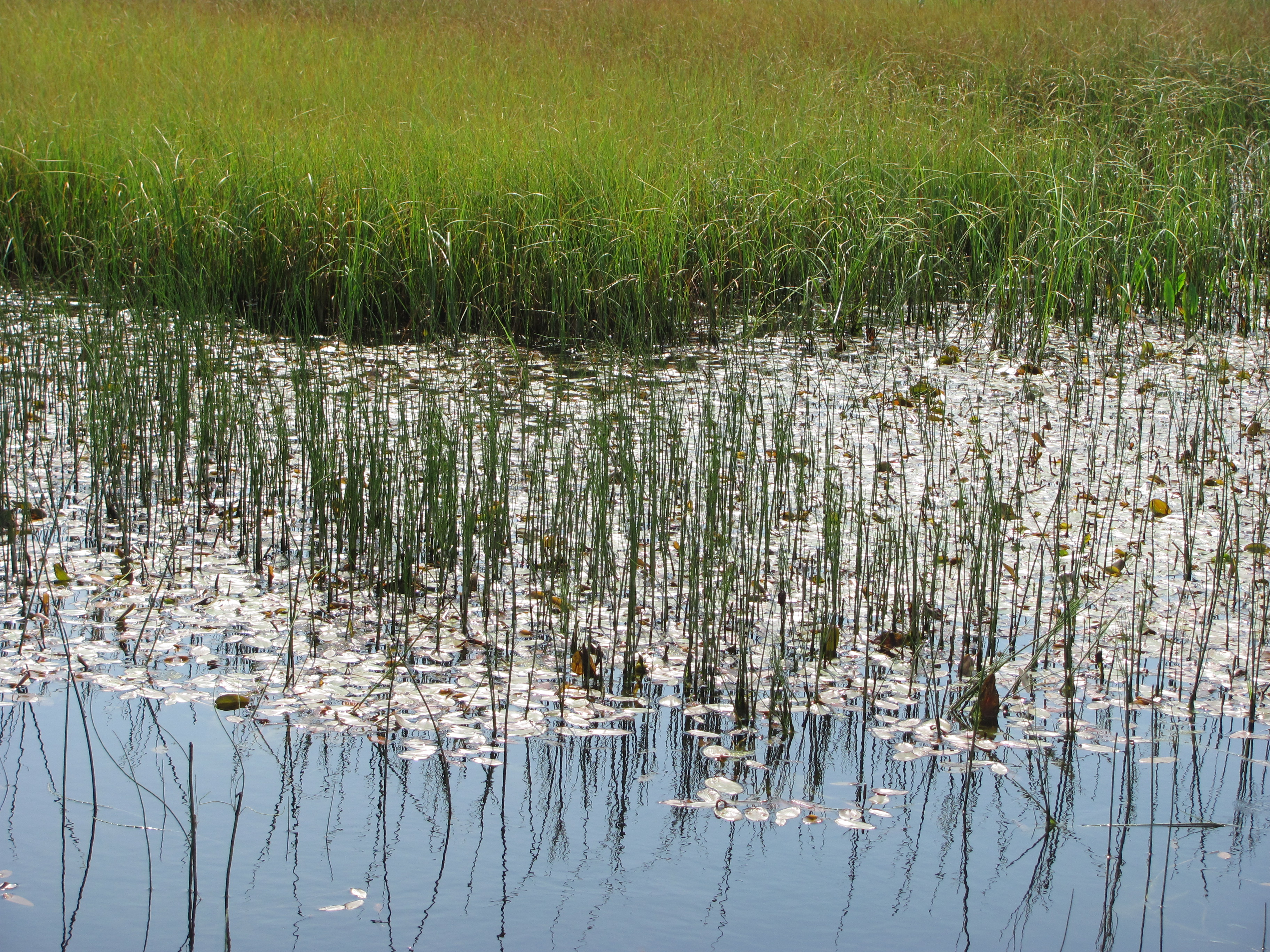
The slopes of the mountain here were decorated with bracken and heather and little else, so the tiny simple blooms of the Tomentil shone like golden stars in a clear sky. Yellow glows in so much green. Close to the pool edge the bracken is joined by tough sedges such as Bottle Sedge, rushes such as Common Spike Rush, with Yellow Flag and Mountain Thistles punctuating them with colour. Further from the bank Bogbeans and Bog Pondweed flourish.

Water plants often take a pool over trying to cover it and dominate, but here the National Trust manage the amount of growth and keep a good percentage of water clear. This allows us to appreciate the large white flowers of the Waterlilies pushing through the surface amongst their flat circular plate-like leaves. As far as we know we have only two native waterlilies, one little yellow one and a larger white one but this one was the palest shade of pink, which confused us.

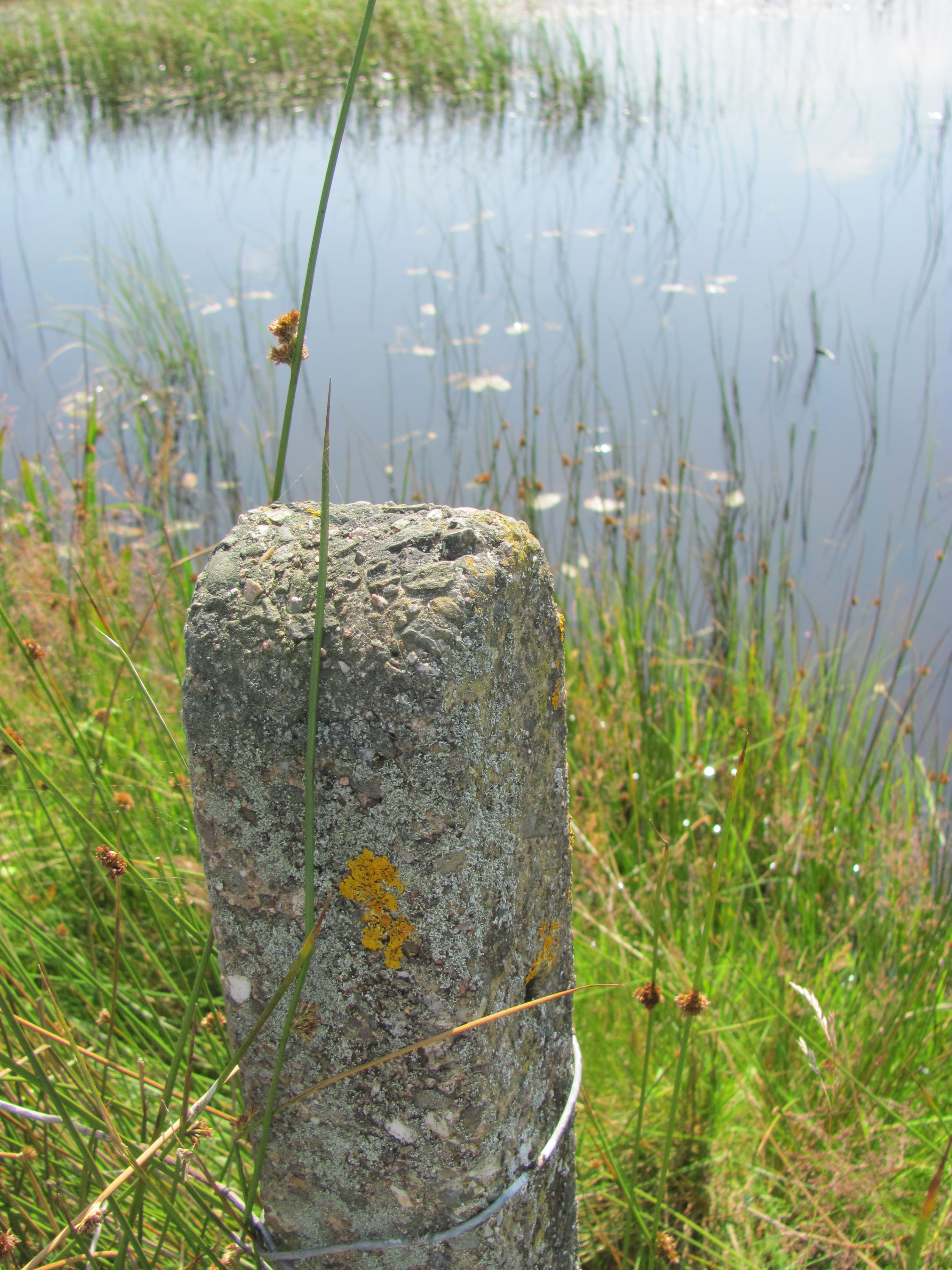
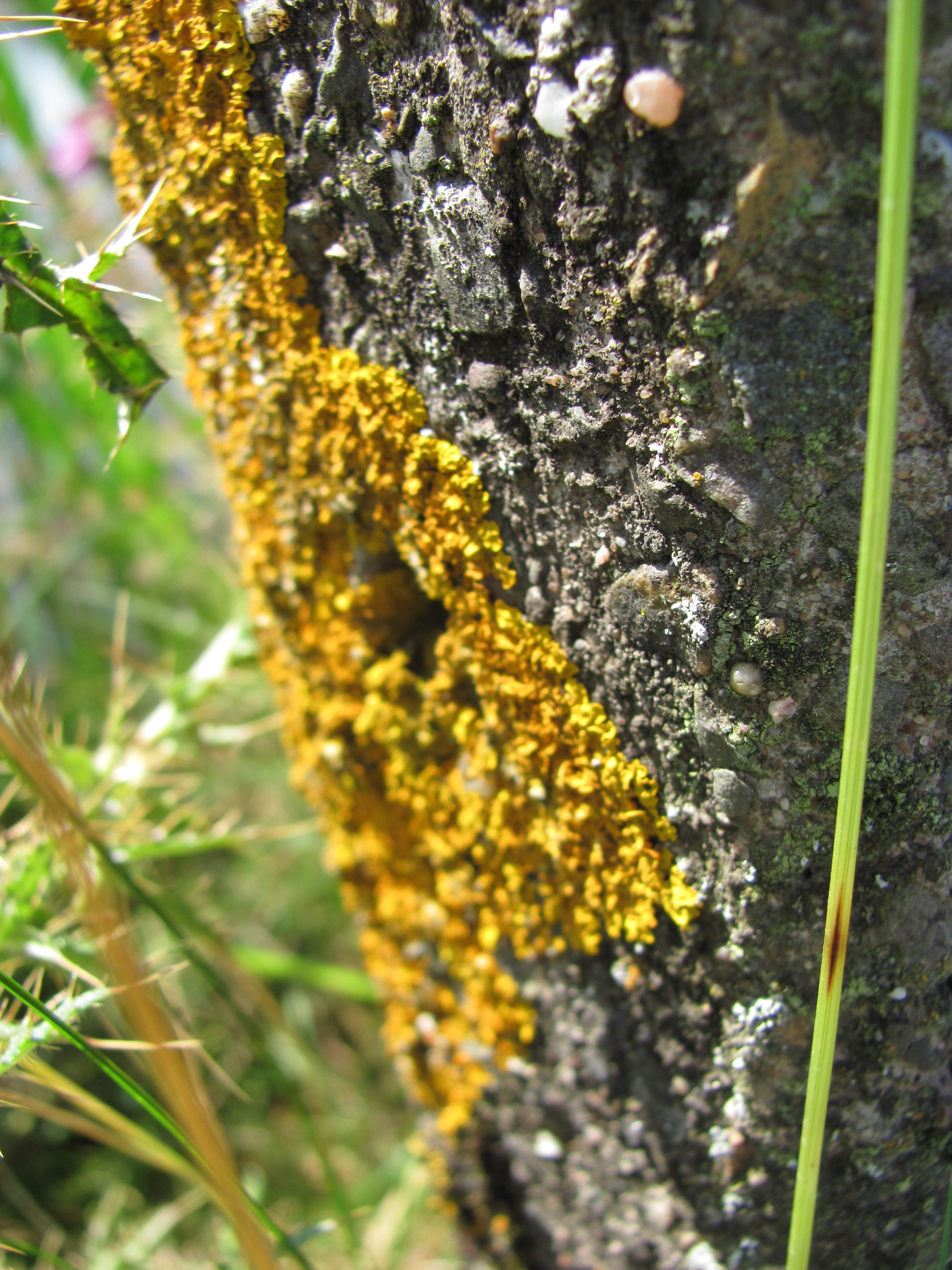
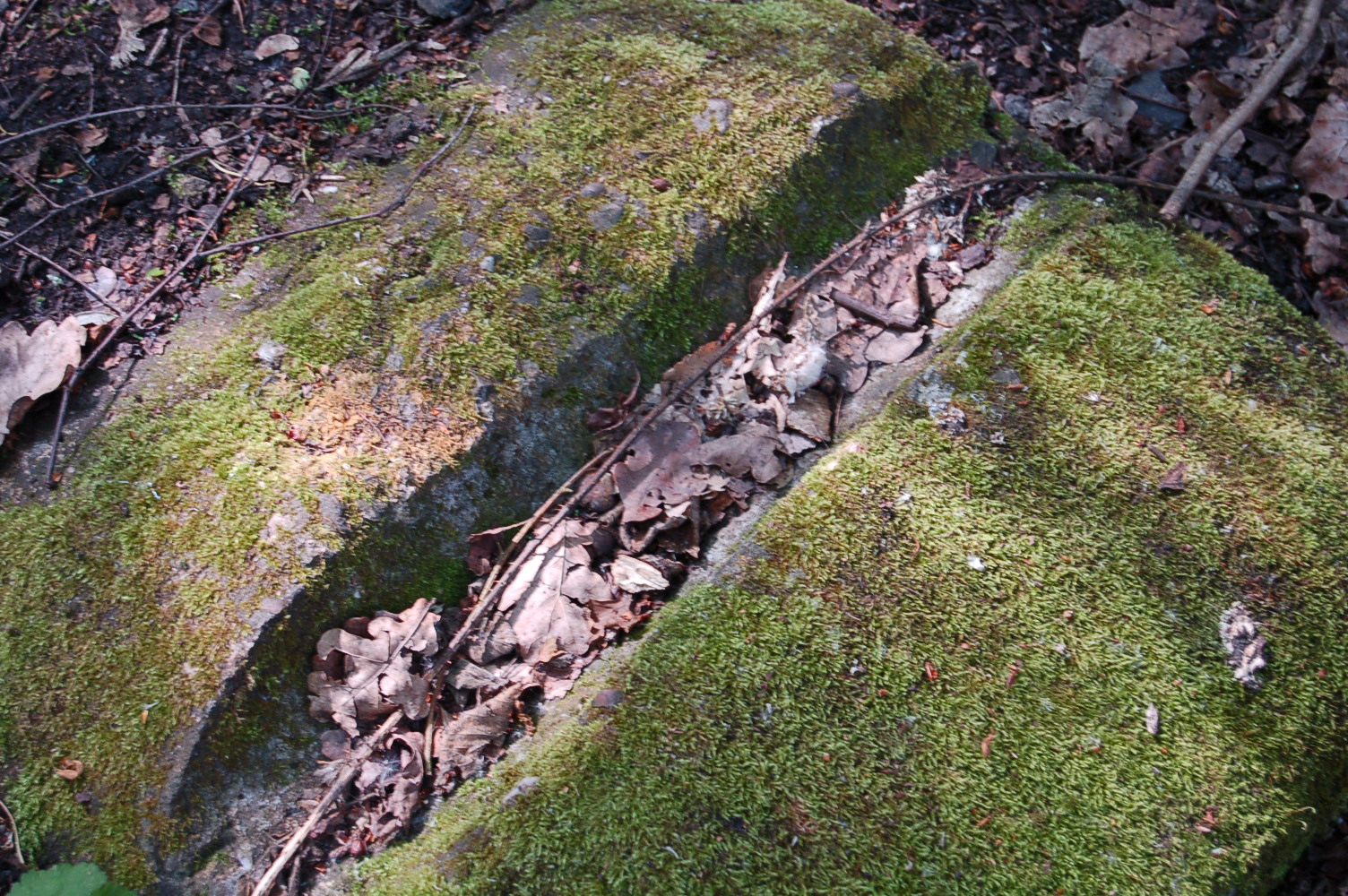
The clear air up here encourages lichens and mosses to grow on any suitable surface. Around the pool and roadside they colonise fenceposts of concrete and wood.

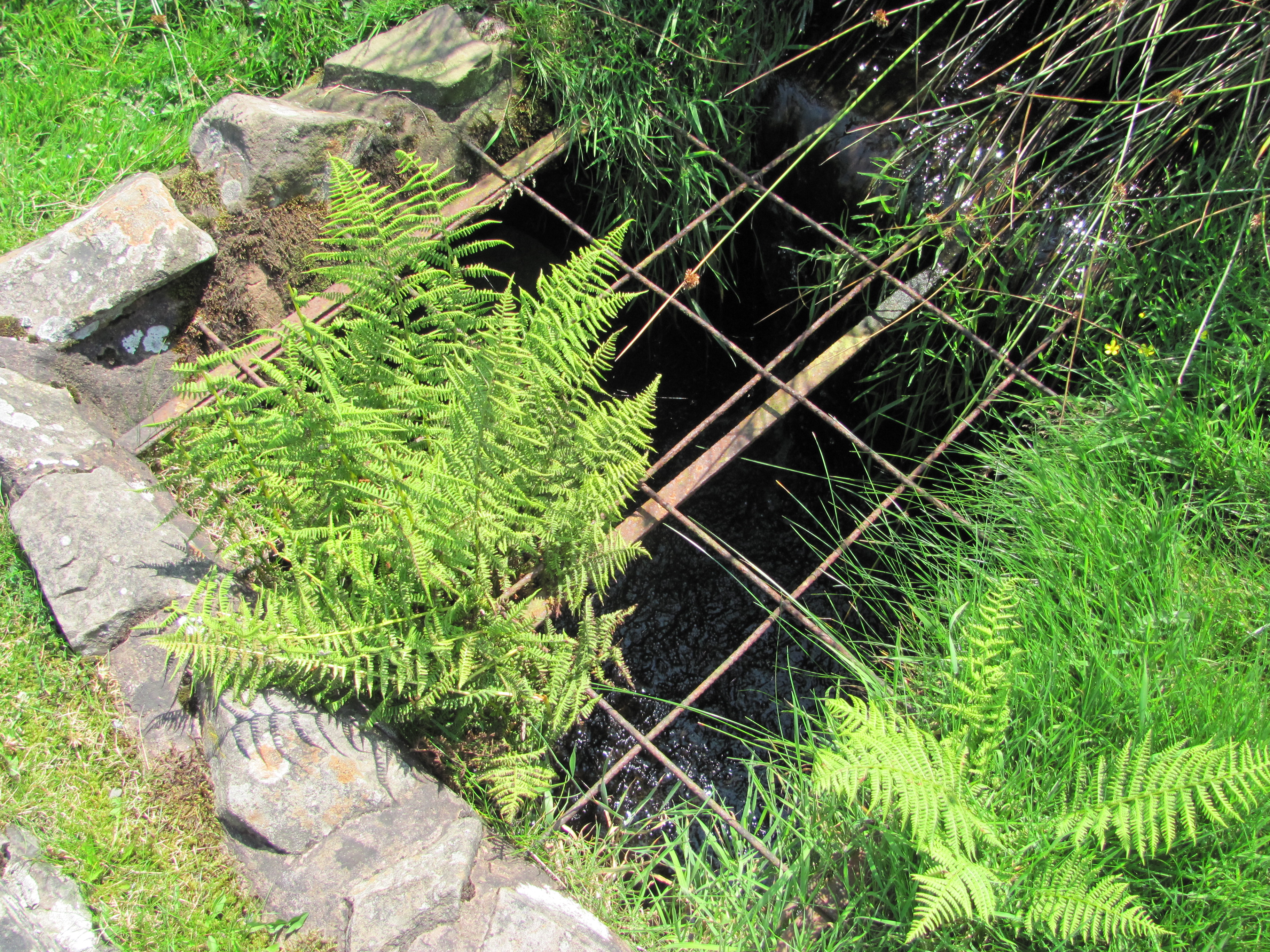
After sitting quietly for a while and enjoying a coffee we became aware of a deep rumbling a little like distant farm machinery at work or a distant hovering helicopter, and after a while we realised this incongruous sound was under the road where it skirted the pool. After a little exploration we discovered that the sound was that of the water overflowing from the pool through a pipe passing under the road. The water drains from the peaty slopes and seeps into the pool. The road acts as a dam and on the far side the overflow bursts from a pipe rumbling and roaring into a tiny stream which disappears into the valley. From the pool side the water disappears beneath a grated hole before rumbling and bubbling its way underground.

After a while we began to hear bird calls and to see the occasional one in the sky passing over our heads or perching atop the tallest fronds of bracken. The smaller birds prove mostly to be Meadow Pipits. But two scarcer species the Stonechats and Whinchats share the same silhouette so are difficult to differentiate when perched on tall strands of bracken. But when they move and their colours and markings become clearer we can see that the Whinchats have definite eye-stripes and the Stonechats black heads. The chest of the Stonechat is more colourful being more pure orange than the buff-orange breast plumage of the Whinchat. This area suits them well as they like steep hillsides covered in bracken with a good understory and enjoy being near water.

Big birds are less frequent, probably the commonest being the large black Ravens which pass high over us nearly always in pairs and cronking deeply. Although we love seeing the dragonflies and their cousins the damsel flies and the small songbirds we are equally enthralled with the sight of their predators. While watching a male Kestrel hovering above the hillside vegetation and admiring his russet and grey tones, I was distracted by the site of a rapidly flying tiny bird of prey, the Hobby. I followed him as he flew to the damp area above the Wild Pool where dense clumps of reed and rush are interspersed with small pools of water. Here he hunts the dragonflies and damselflies. What a flying display!They look like a cross between a Swift and a Peregrine Falcon.

Even smaller is the Merlin, Britain’s smallest bird of prey which we watched as it hunted for the Meadow Pipits just feet above the bracken. They are now rearing their second batch of youngsters so are hunting here and when successful flying off to the nearest trees and small woods lower down the mountain.

As the afternoon wore on the heat increased alongside the humidity and the slopes became quiet. We returned to sitting and admiring the very special pool.

Categories
National Trust ornamental trees and shrubs photography Shropshire The National Trust trees wildlife woodland

Defy the rain – just go out!

A morning of showers turned into an afternoon of rain. We donned our boots and waterproofs and defied it. We weren’t going to let it stop us going for a wander in the riverside woods.

We started with lattes in the coffee shop at Attingham Park, our closest National trust property and they set us up for defiantly walking into the wood.

We had hoped that a few minutes indulging in our favourite pastime of coffee drinking  would give the rain time to stop or at least subside. Our hopes were dashed as we carried on into the woods towards the river the rain fell upon us. We were waylaid by these pretty cows who demanded attention by looking at us under their long eye lashes.

After giving the cows a stroke  we moved on alongside the riverbank where the woodland started.

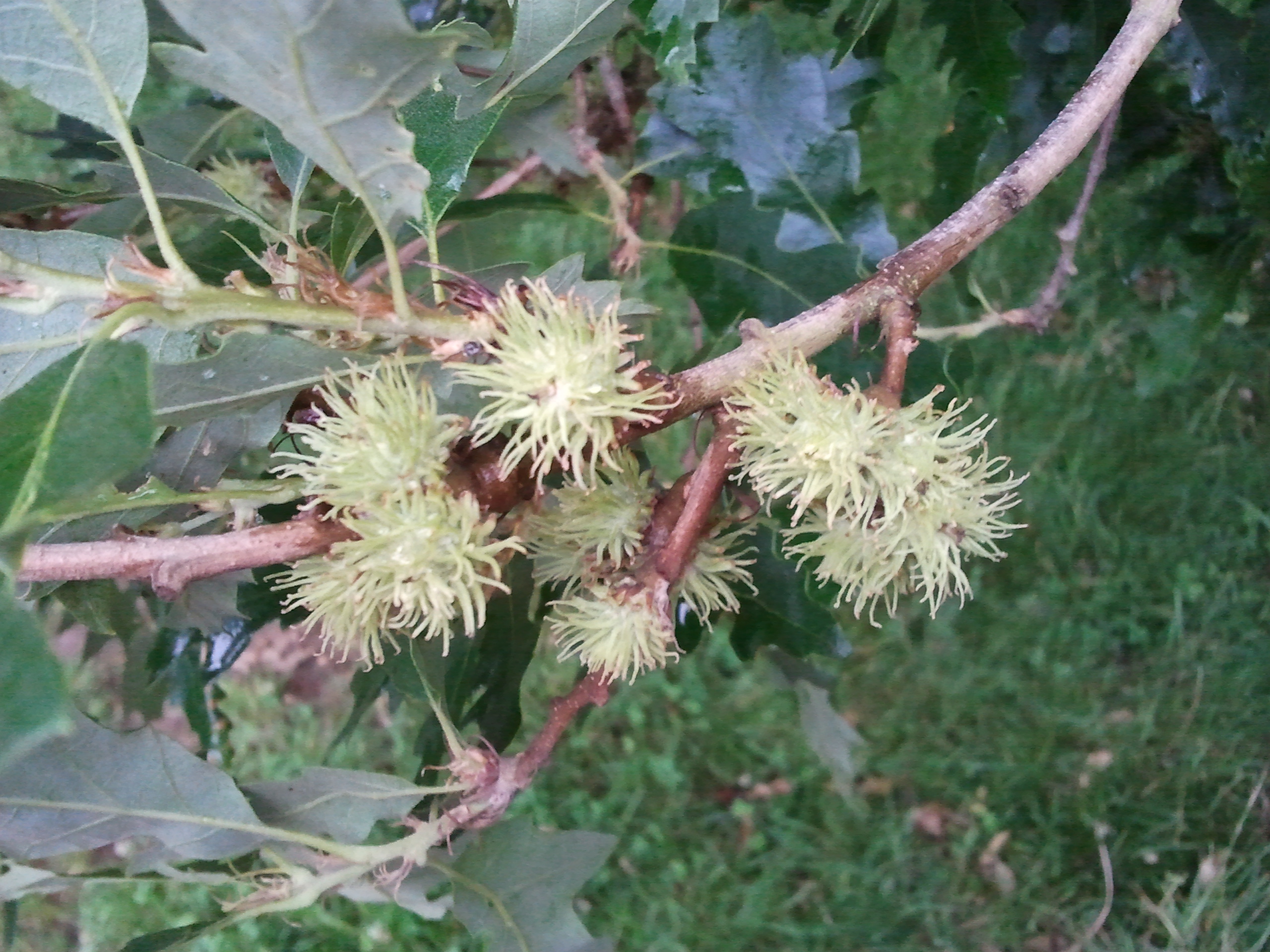
This woodland contains many unusual and non-native specimen trees but there are no labels so we find many we can’t identify. Several seem familiar especially their fruit and leaves, so we presume they are related to natives such as oaks, chestnuts and alders. One of these days we shall be wise and remember to pop an ID book into a pocket.

Even as the rain was falling and dark clouds skidded across the sky patches of woodland were lit up. They acted as spotlights drawing us to the pink of the foxgloves and the pale creamy fungi.

This strange but delightful light had a brightness we did not expect. Underneath the dark canopy of thick foliage the trunks of the trees seemed to attract light and they appeared more patterned and textured.

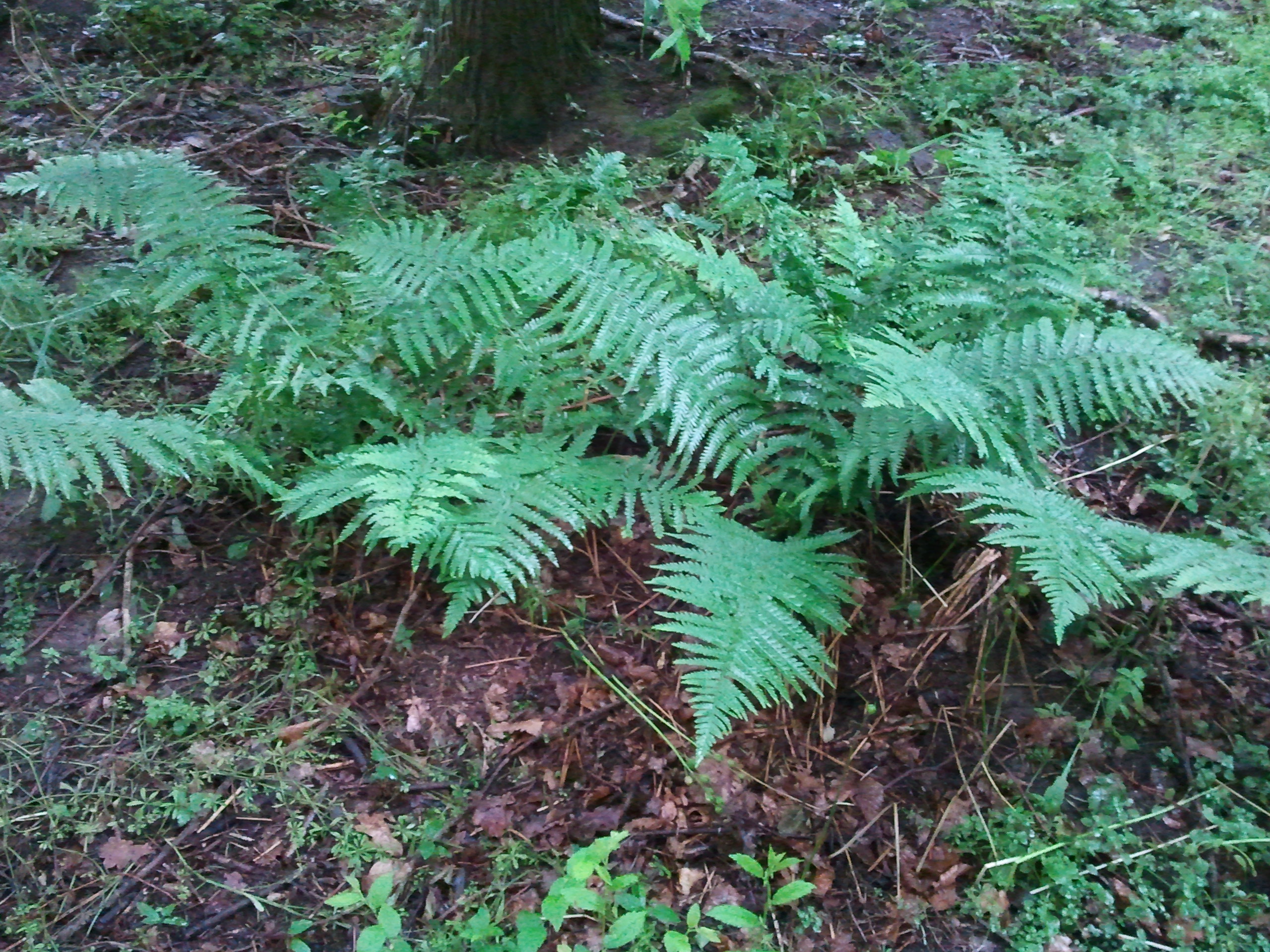
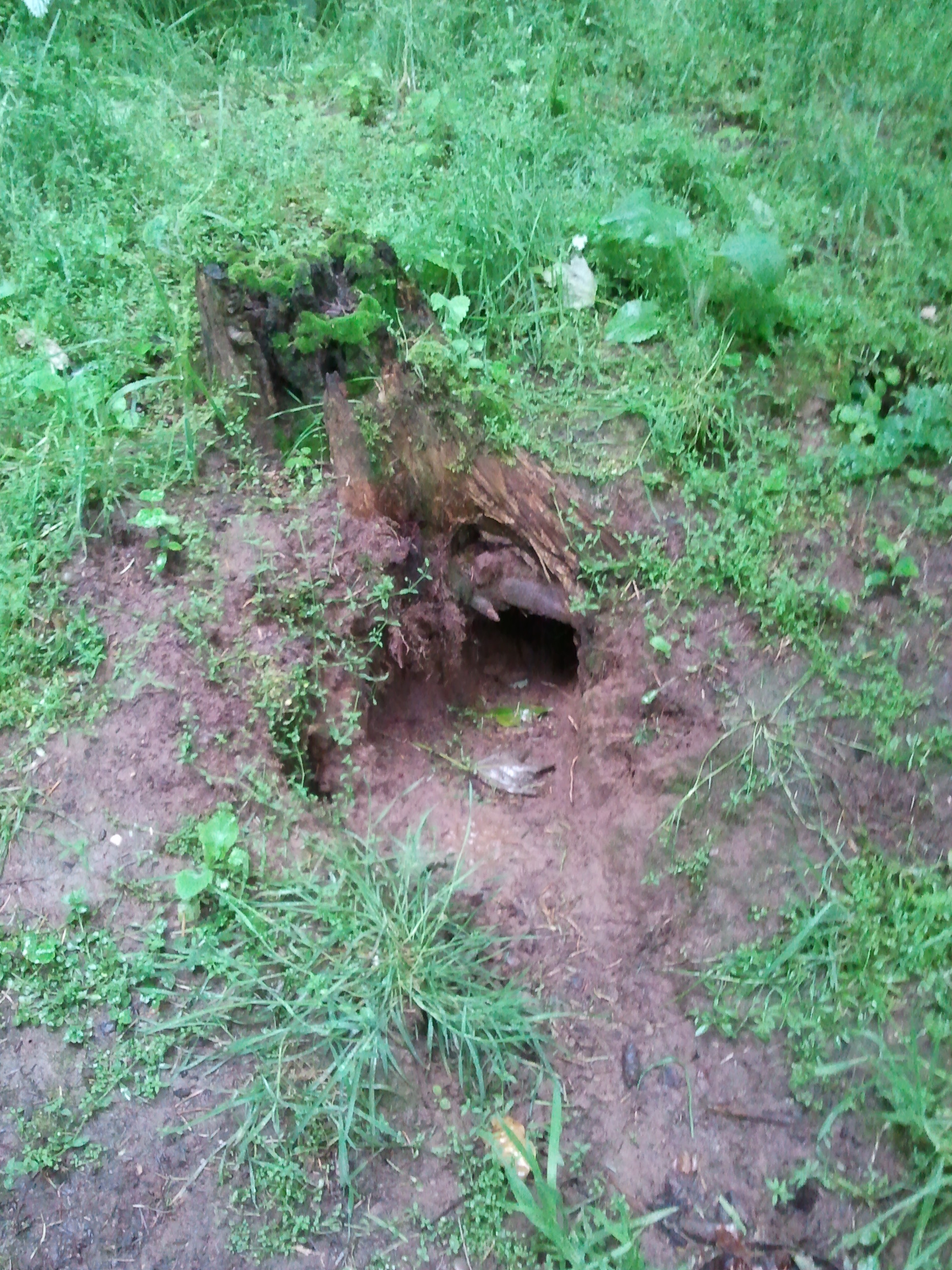
The ferns enjoyed the darker areas and the moisture brought by the rain, but their enjoyment was not shared by the wood’s mammal residents. The usual squirrels and rabbits were nowhere to be seen. Every rabbit burrow we came across showed no sign of life.

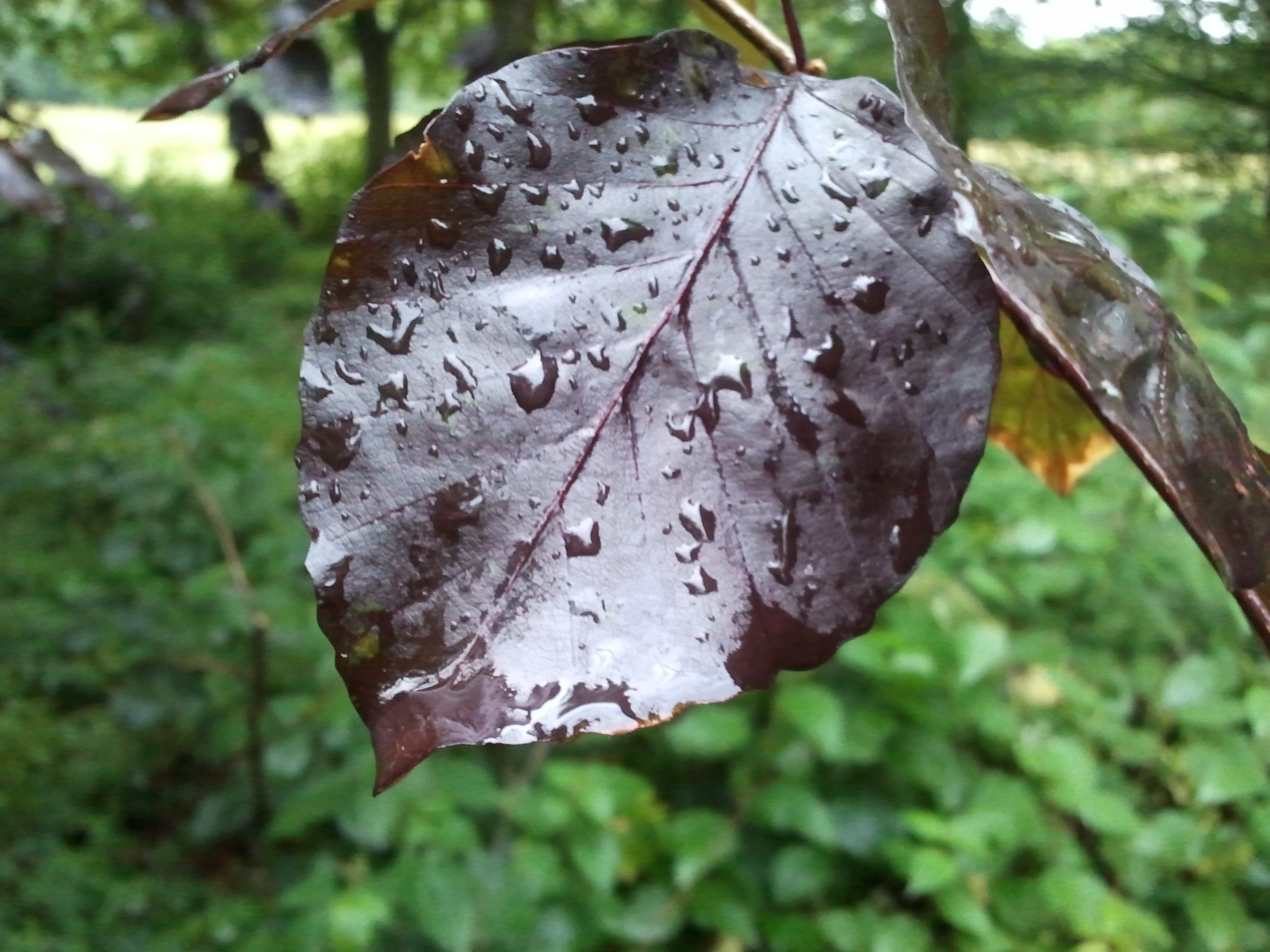
Rain drops landed on the purple, glossy leaves of the copper beech and light glowed through the “helicopter” seeds of maples. Overhead thrushes sang enthusiastically. The loud powerful song of the Mistle Thrush overpowered those of the more tuneful delicate Song Thrush.

Although no thunder rumbled above the tree tops today it has done so recently as witnessed by this tree displaying lightning strike burns. While studying this damaged tree our attention was drawn to movement in small trees close by, where a pair of tree creepers fed on the bark, moving like scurrying mice head first up the trunk. The blue tits fed differently as they searched for their insect prey under the wet leaves of the same tree.

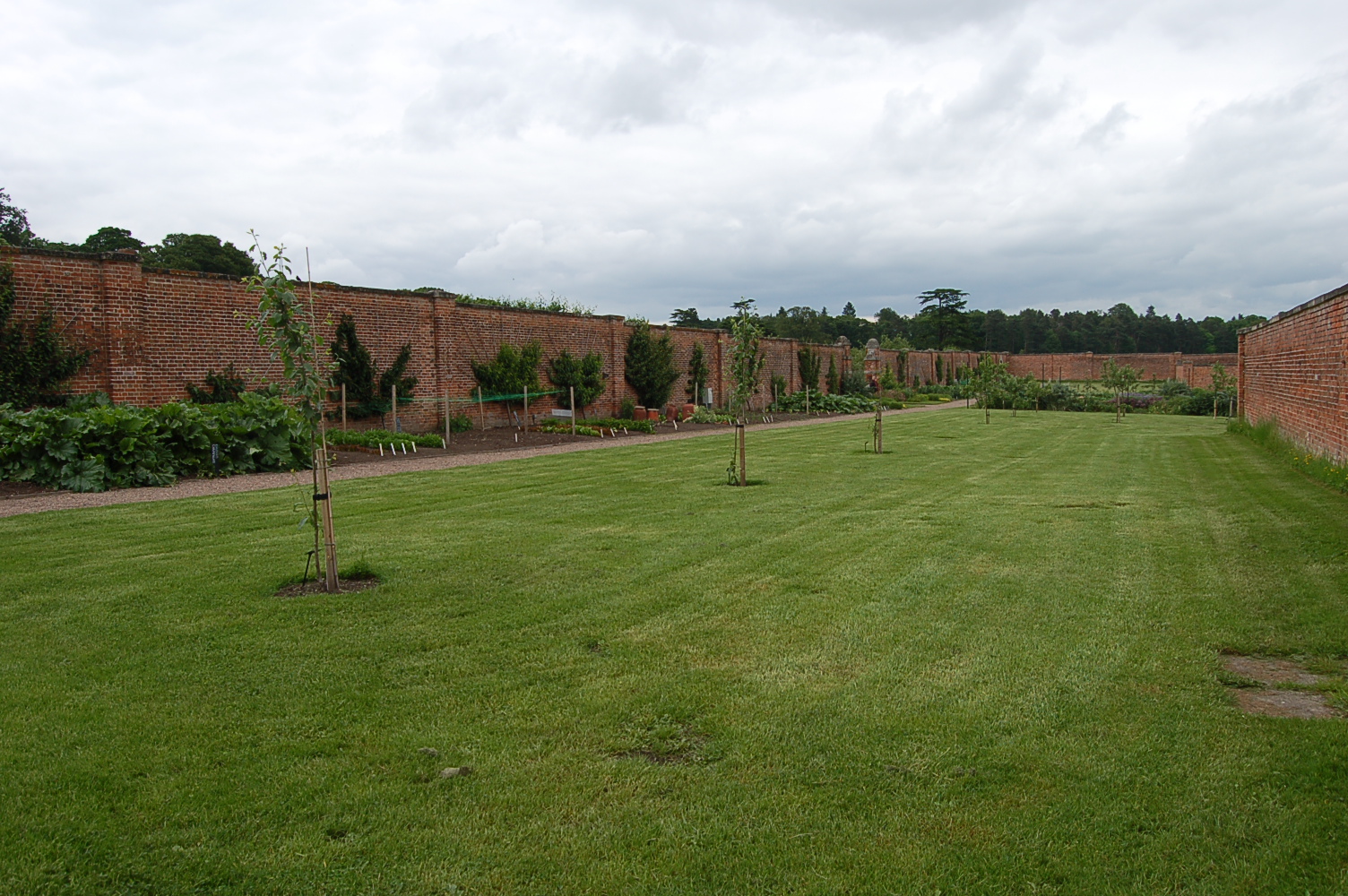
As we continued along the path below the trees we took a short detour through the walled garden where the herbaceous borders on either side of the wide central path made a colourful picture.

As our woodland wander came to an end we had to stop and enjoy another couple of lattes just to check that they still tasted so good. They did! As we enjoyed our coffees we were entertained by a very intelligent ladybird who was reading the label of his orange juice checking its ingredients out to make sure they were fully organic.

We were not the only ones out and about enjoying a walk in the rain today and certainly not the only ones enjoying coffees. As educationalists in our pre-retirement days, we were pleased to see several  young families out exploring the woods. Two families enjoyed their coffees as their toddlers enjoyed playing in the courtyard driving ride-on John Deere tractors in the mud and on the slippery grass, even revelling in falling off. They jumped in the puddles and splashed each other. Real childhood treats!

Categories
allotments community gardening fruit and veg garden photography garden wildlife gardening grow your own hardy perennials meadows National Trust natural pest control photography The National Trust wildlife

Clumber Park – The Walled Garden

We have watched over the last few years how the walled garden at Clumber Park has been brought back to life. Although it is a few hours from home we visit at least once a year.

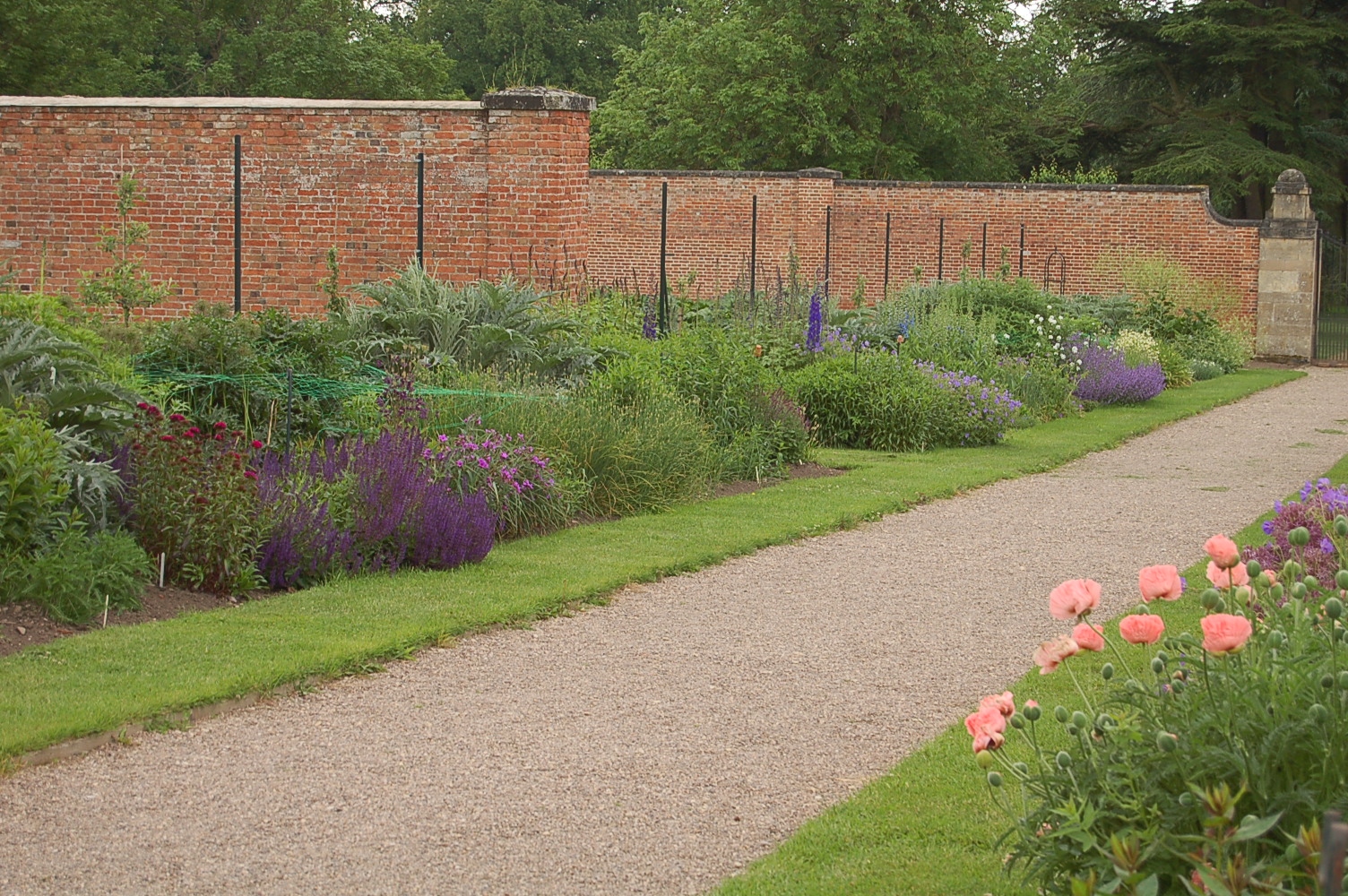
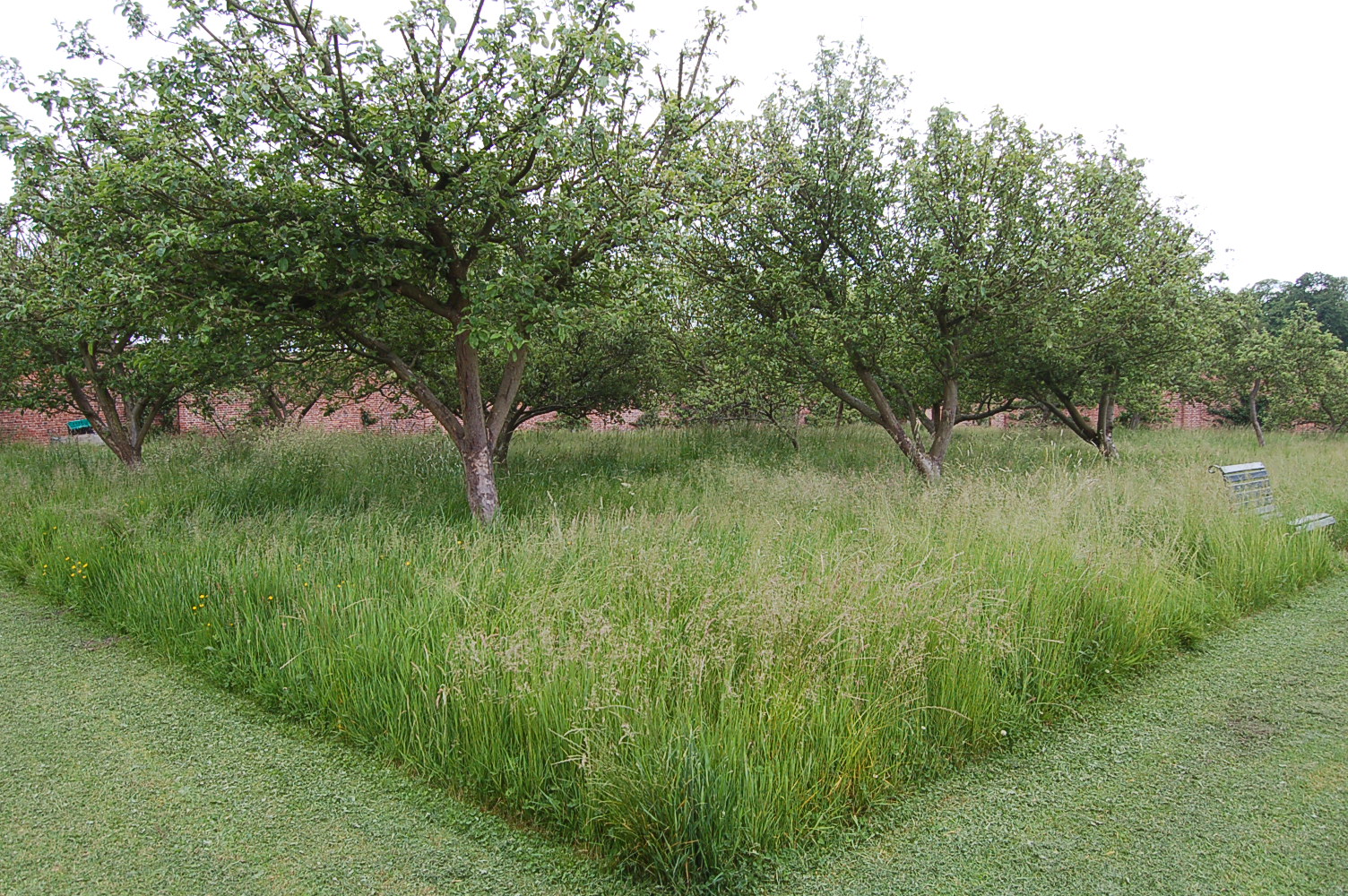
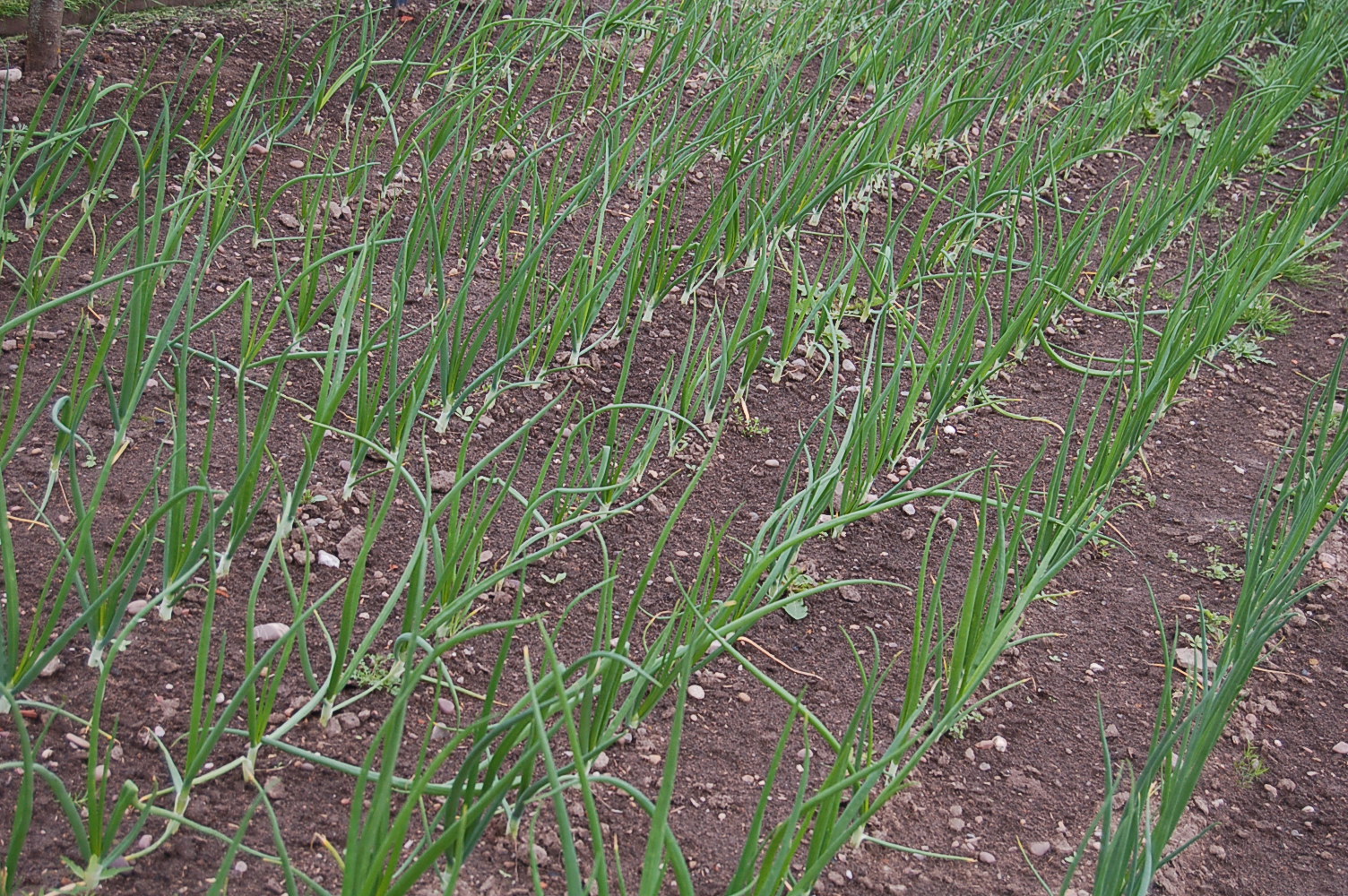
Now it is a peaceful place to wander around admiring the vegetable growing techniques, the orchards and the meadows beneath, the long flower borders, the trained fruit on the walls themselves and the national collection of rhubarb.

We were very lucky on this recent visit as we had our own personal guide who came around with us. He was grey haired and didn’t say a lot but he didn’t mind when I took his portrait.

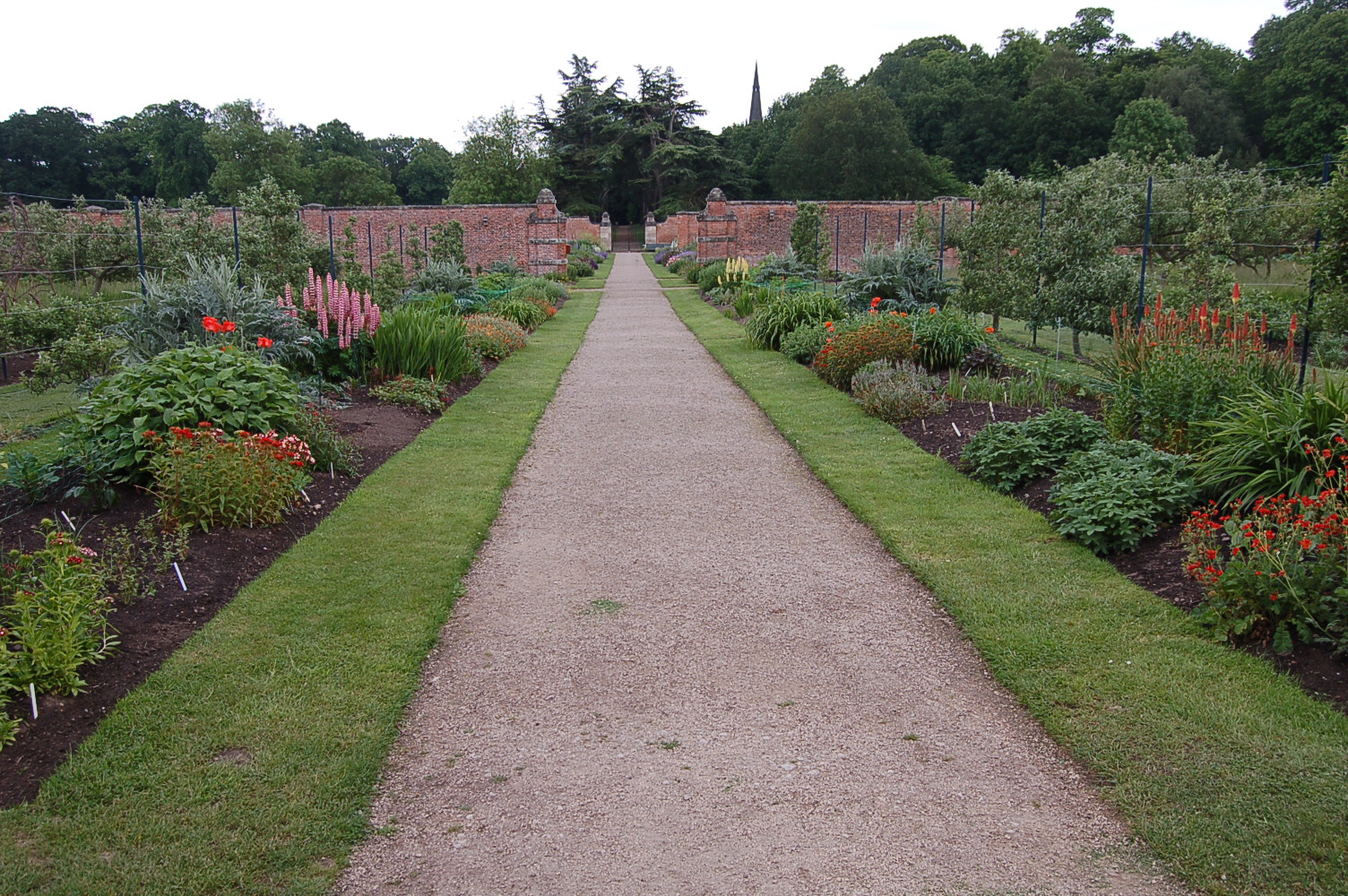
We like to approach it along the dramatic avenue of cedars where the enticing view of the distant old gates within the warm red of the tall brick walls draws us in. The cedars themselves have such sculptural qualities and an air of mystery pervades the shadows under their glaucous sweeping branches some scooping down to touch the grass below.

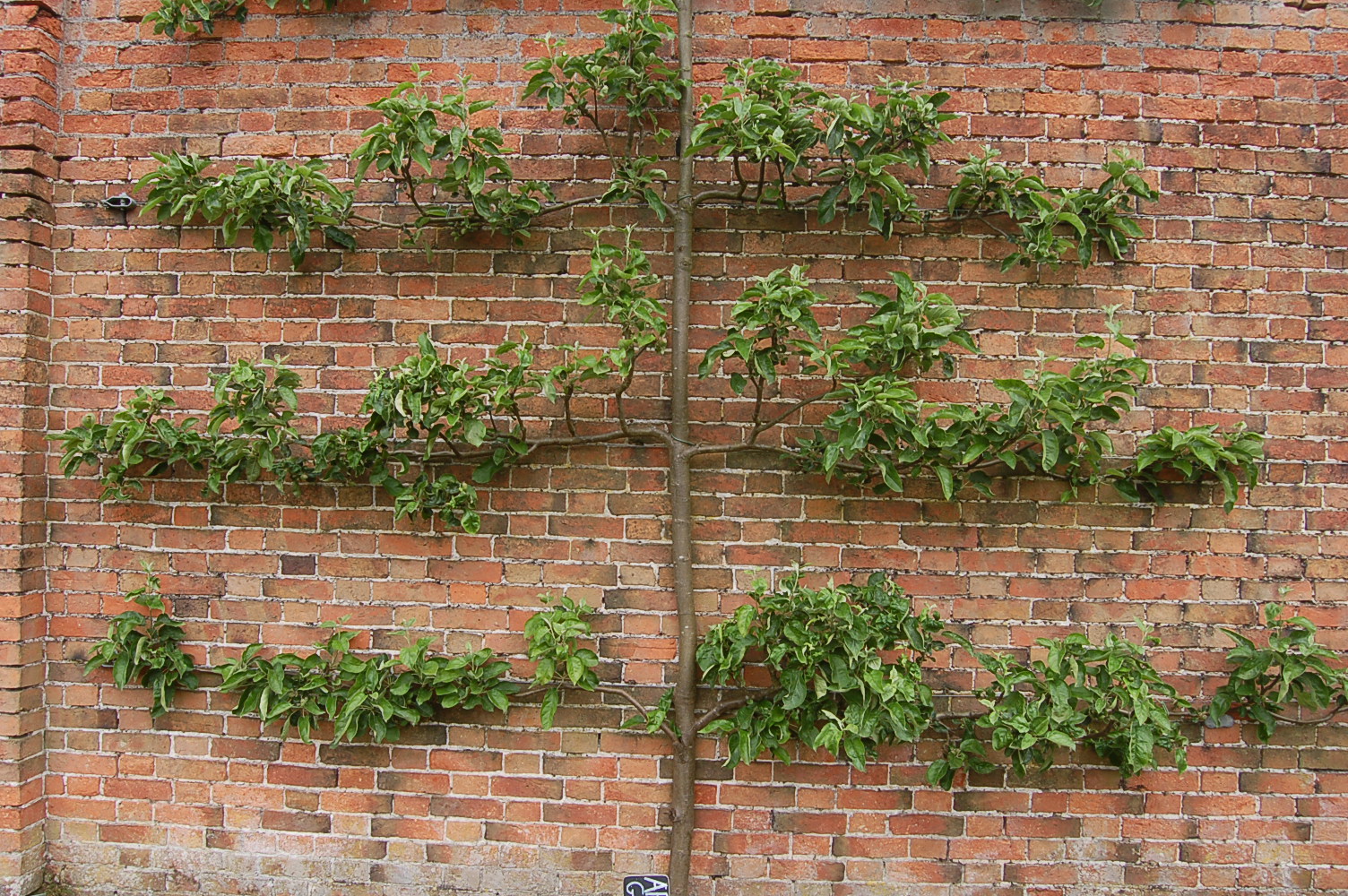
The tall warm bricked walls are now protecting skilfully trained apples, pears, peaches, cherries and figs. In the open a collection local varieties of fruit are being established and in the borders below the walls herbaceous plants, herbs and the National Collection of Rhubarb varieties flourish.

The wide central gravel path that bisects the walled garden runs from the main gates to the greenhouse. It runs between a colourful  double herbaceous border.

Old fruit trees remain to give a sense of continuity and sit comfortably amongst gently swaying meadows. We were delighted to see a Medlar in flower.

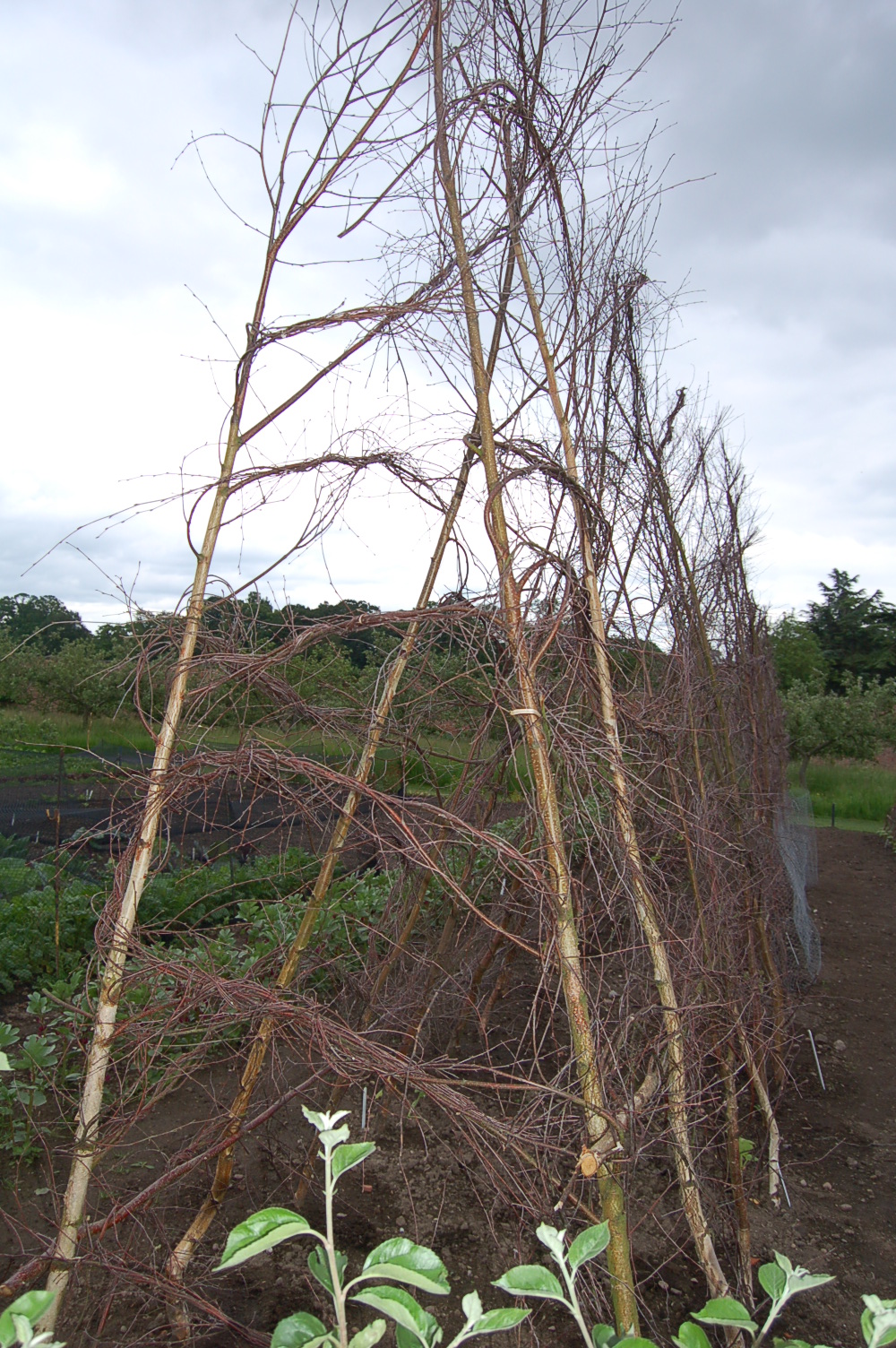
We enjoyed discovering ideas to take home with us as we moved within the vegetable growing areas, such these rustic supports for peas and sweetpeas made from birch prunings. Much of the productive planting was done in neat, long and impressively straight lines.

Being run along totally organic lines the walled garden was well-provided with bird nesting boxes and insect shelters to attract beneficial insects.

As we wandered around we noticed amongst the productive rows of veggies, this beautiful Victorian glass and metal cloche still in regular use.  It performed as well now as it always has done just like the walled garden itself.

As we prepared for our journey back to Shropshire, our helpful little cheery guide waved a small wave and wandered off.

Categories
garden photography gardening grow your own National Trust The National Trust

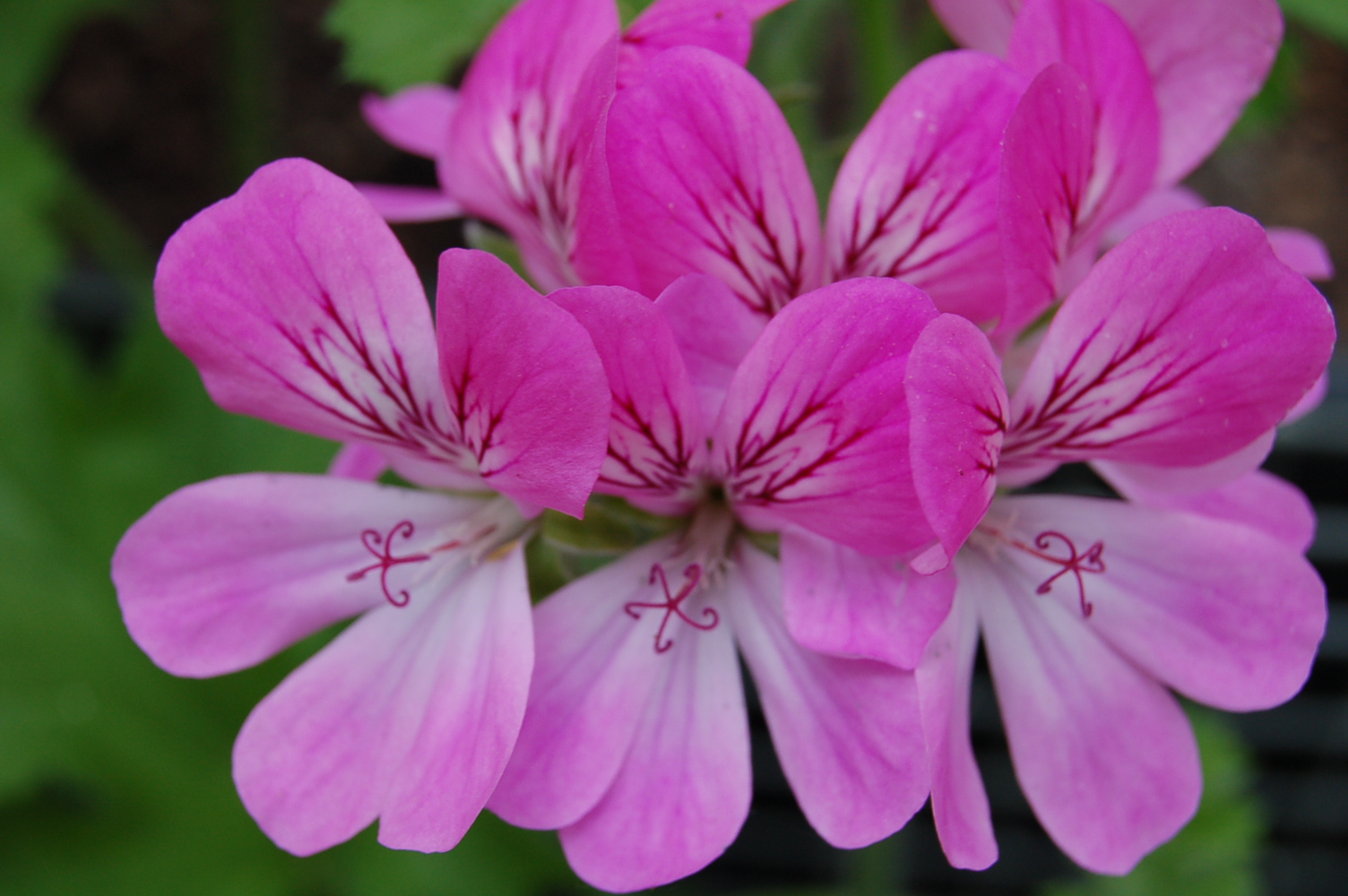
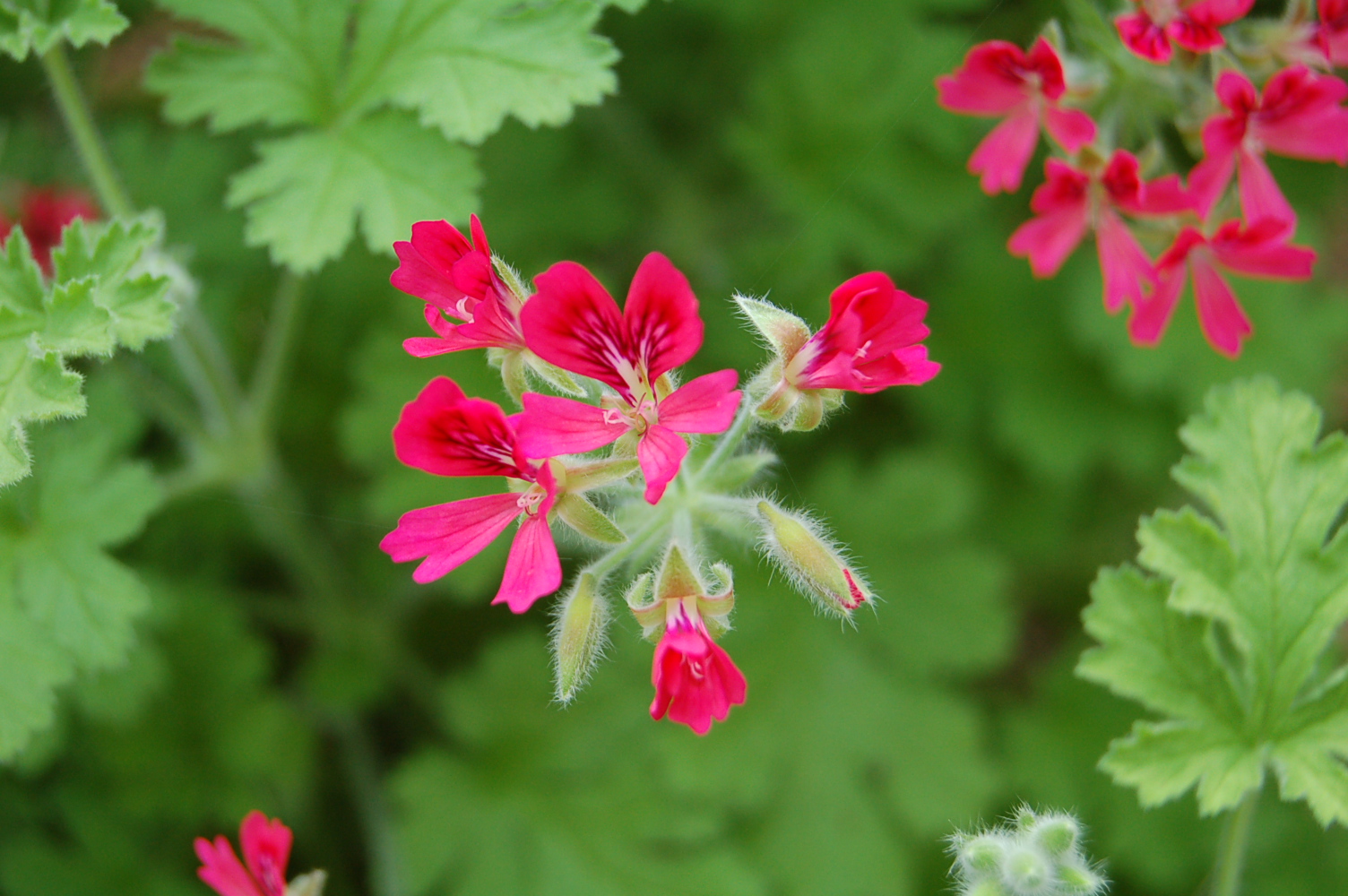
Pelargoniums at Clumber Park

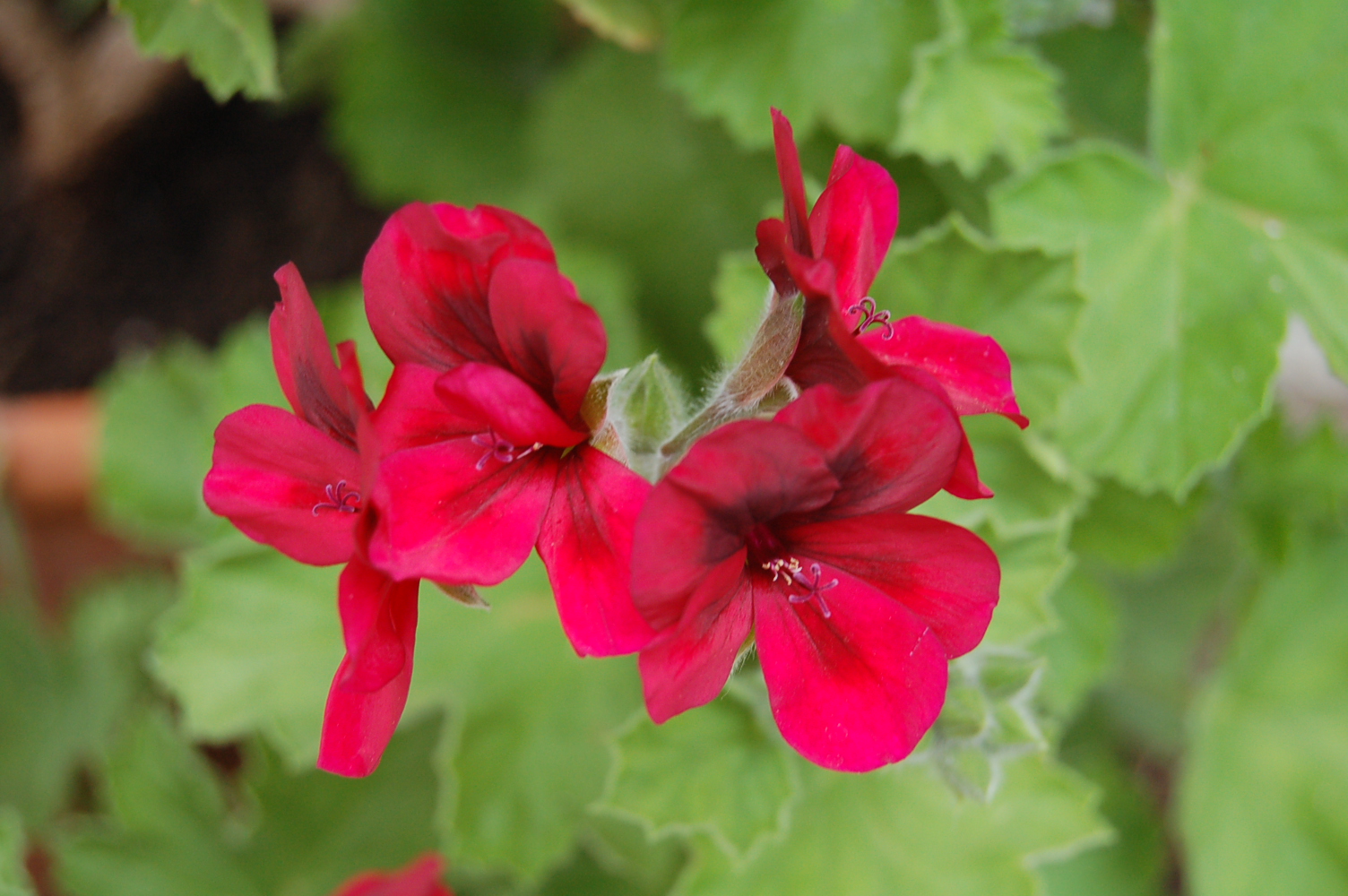
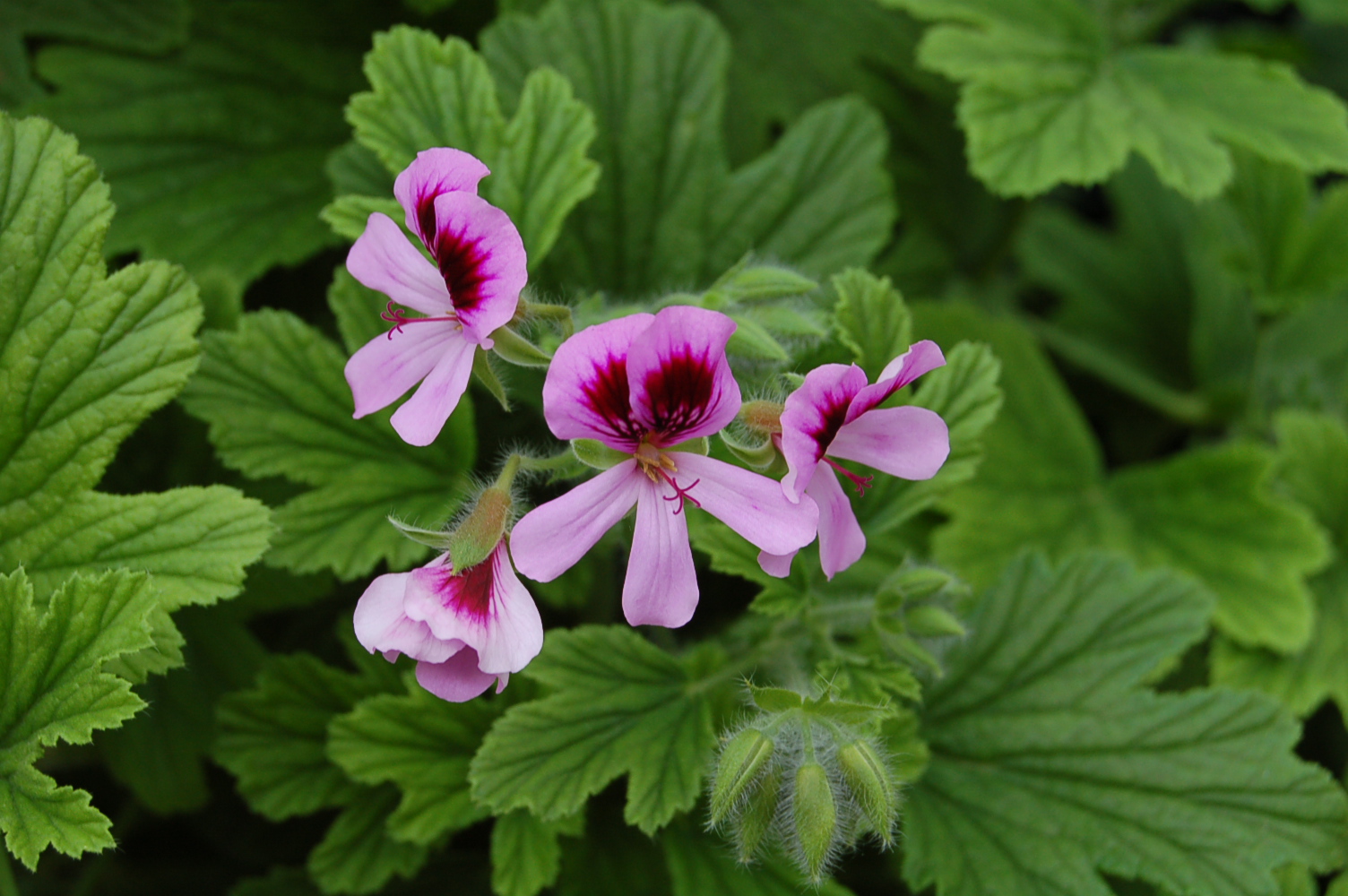
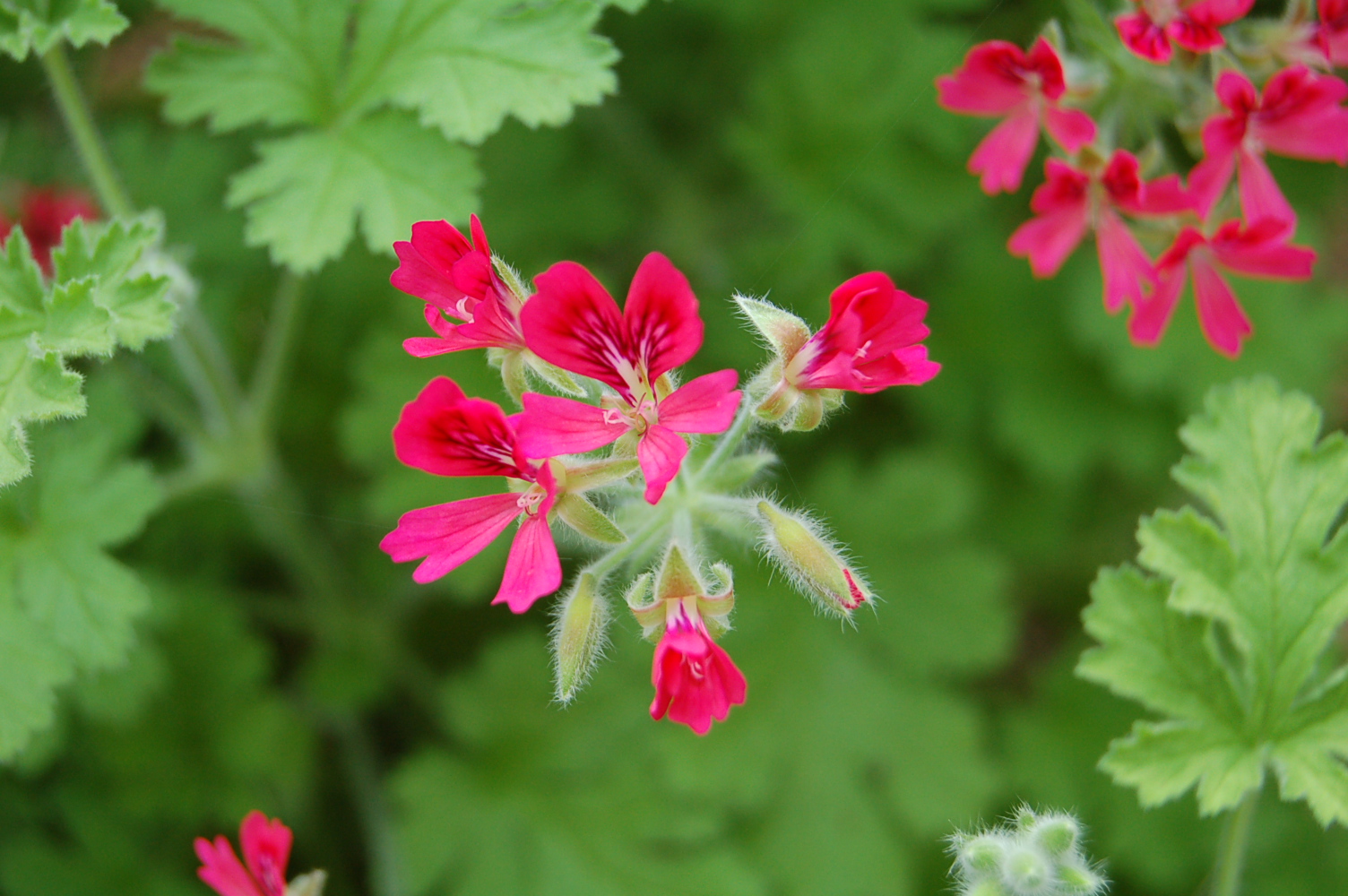
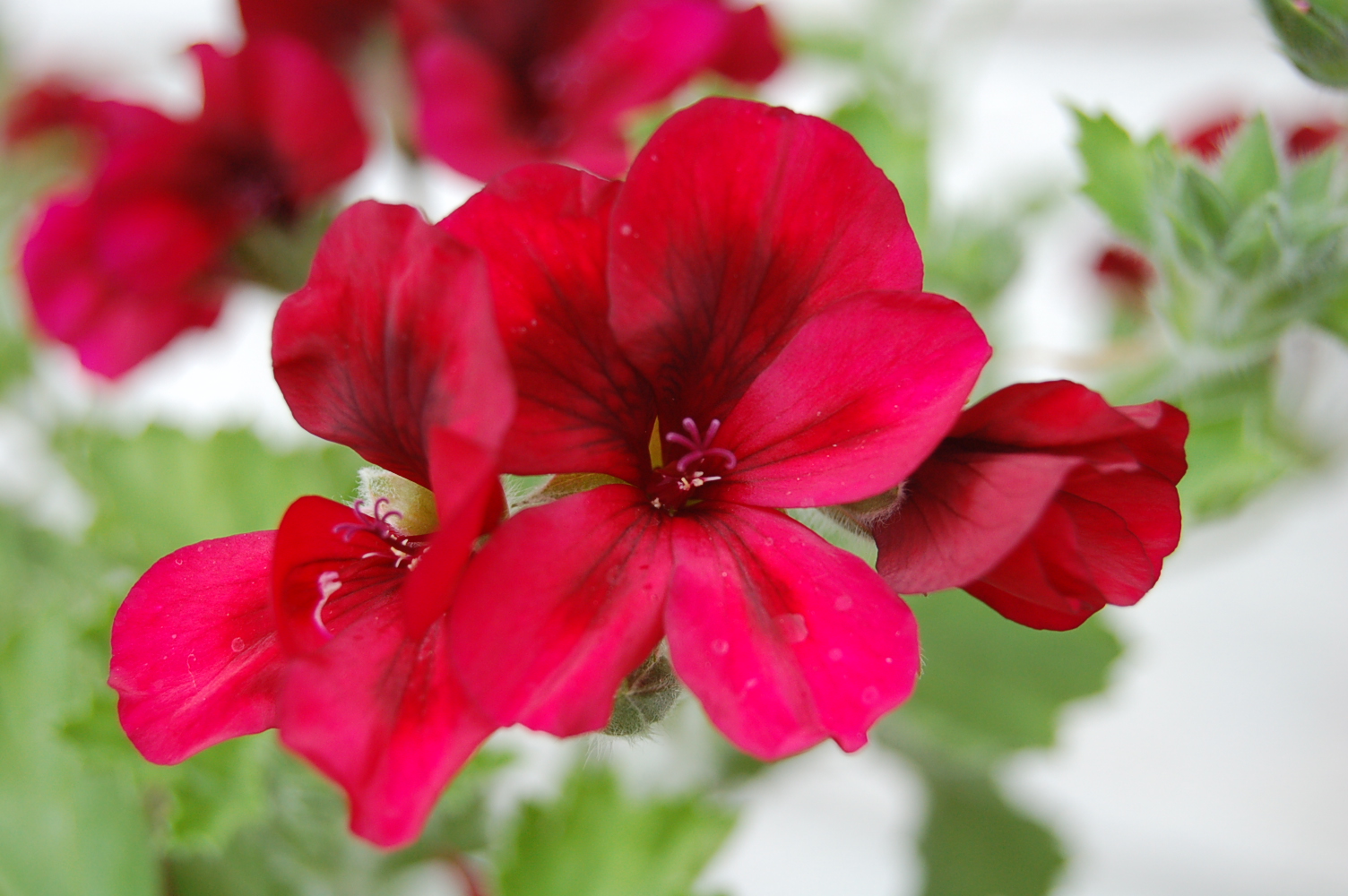
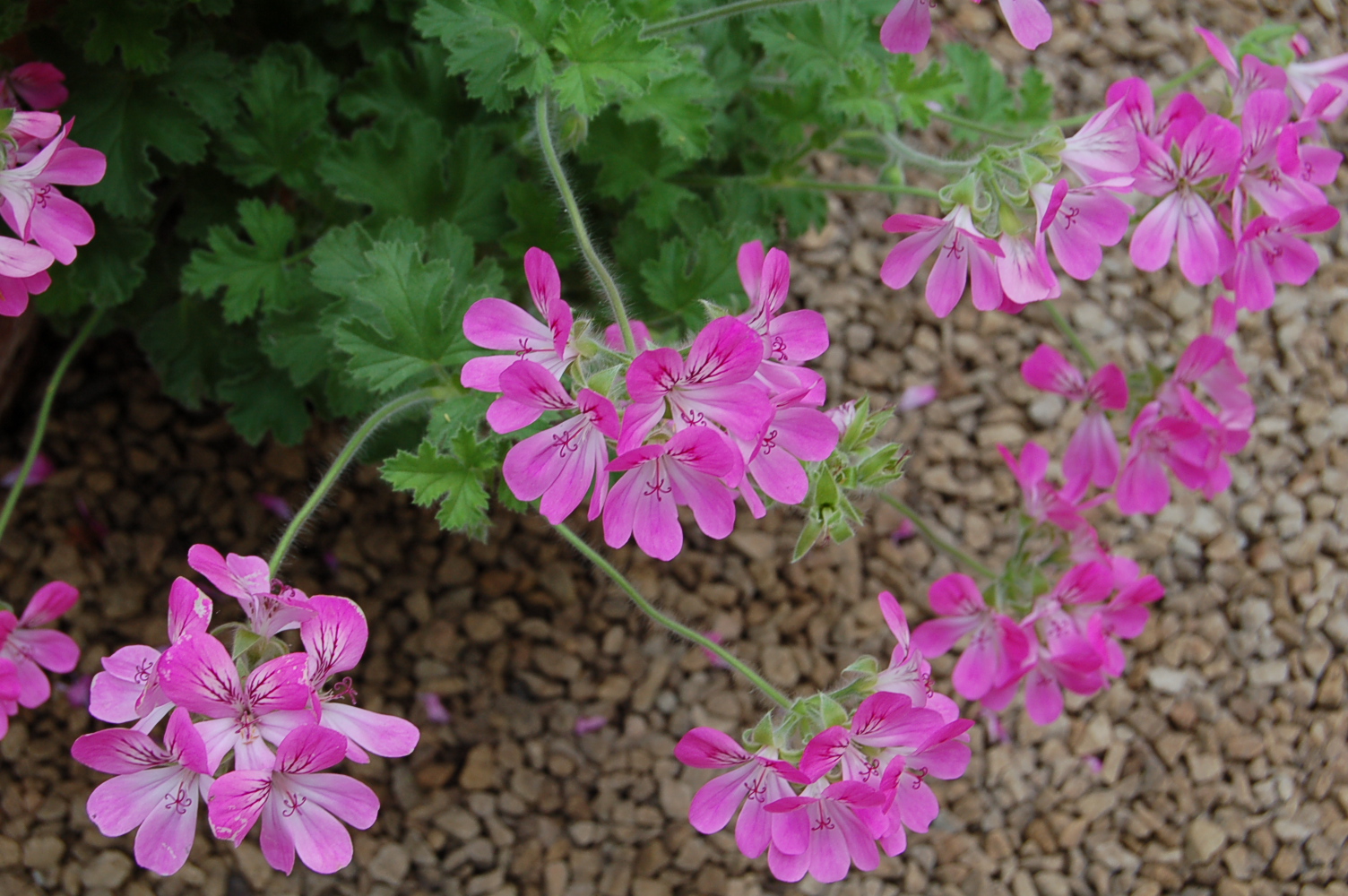
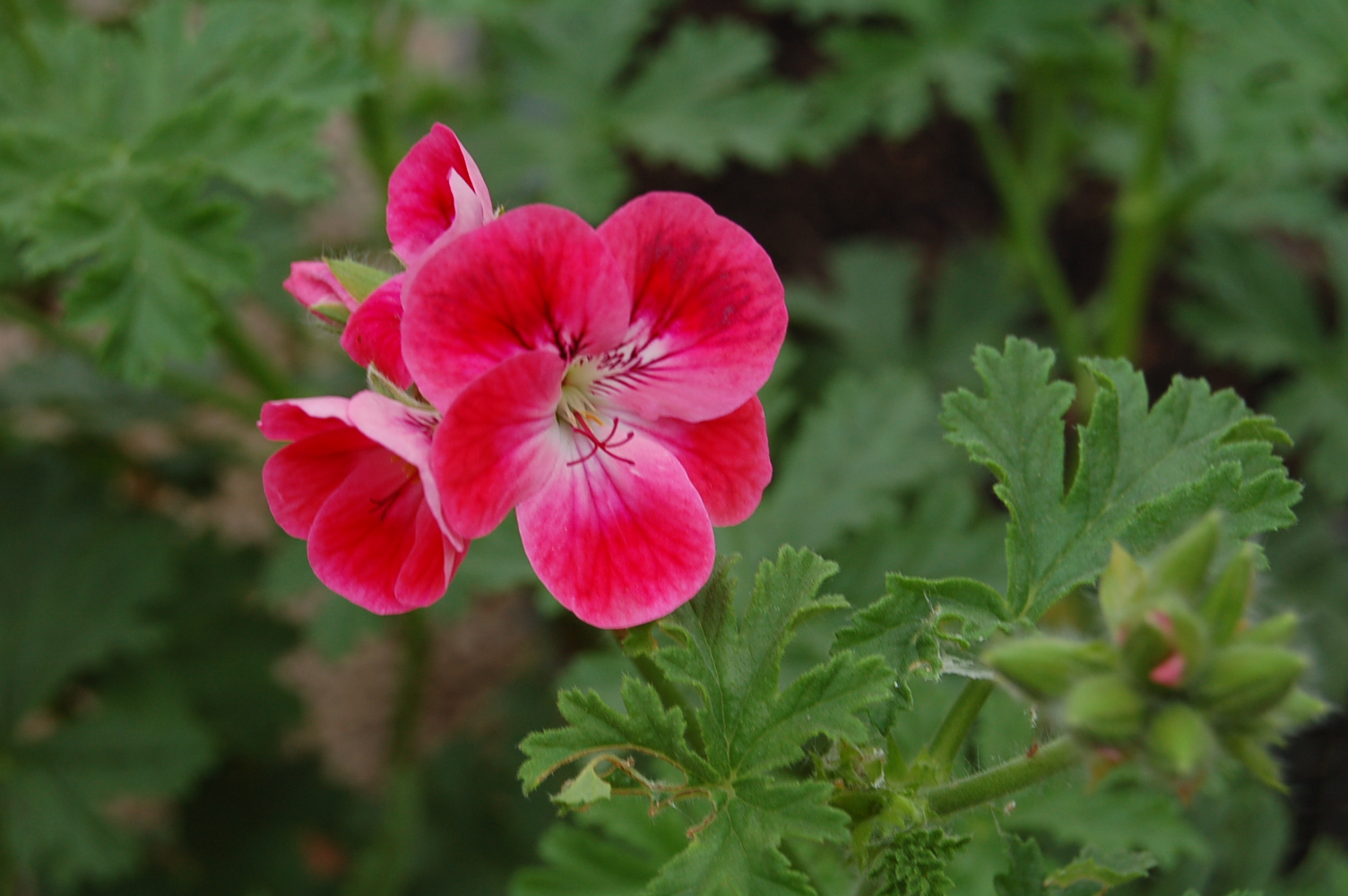
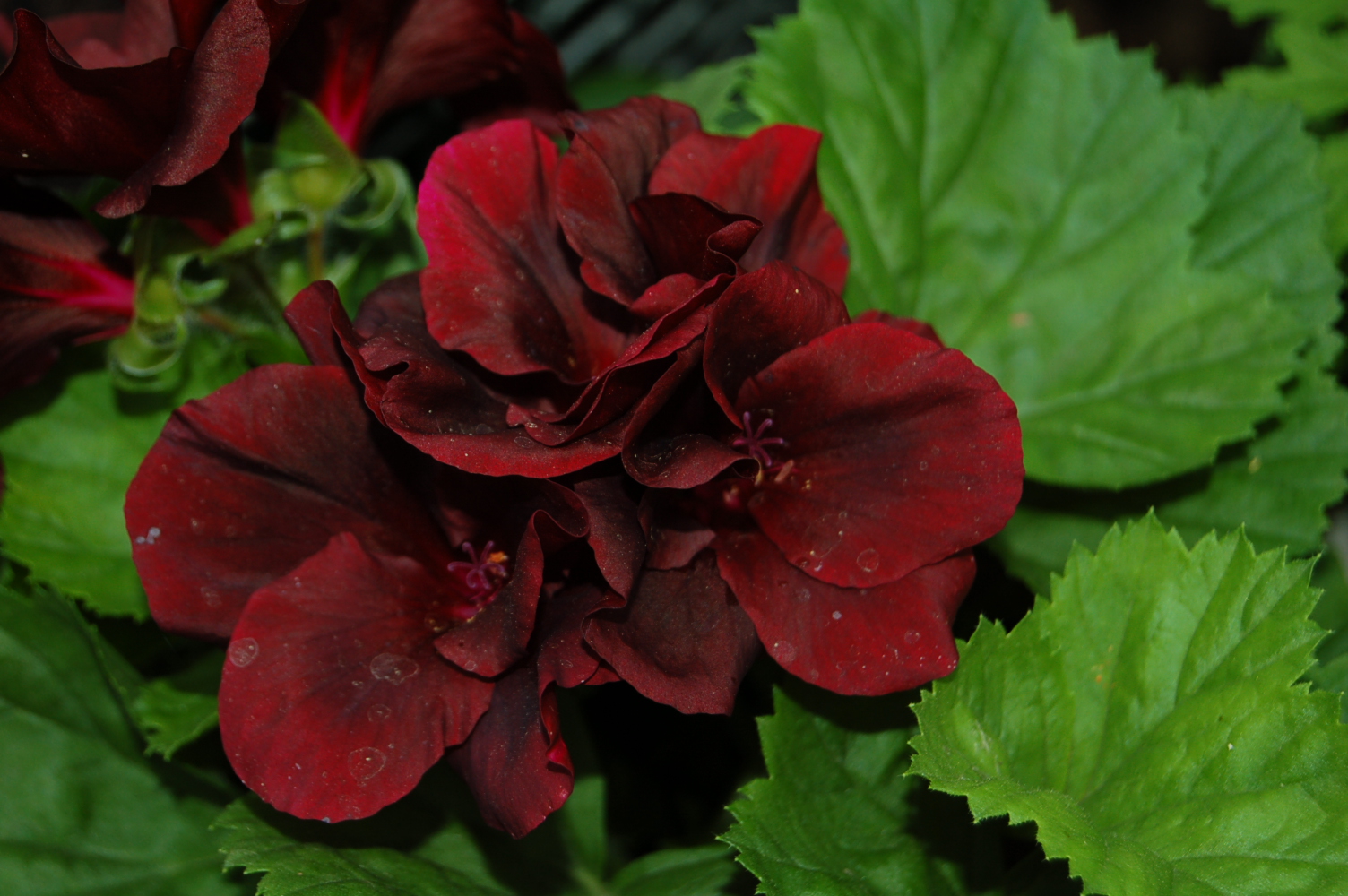
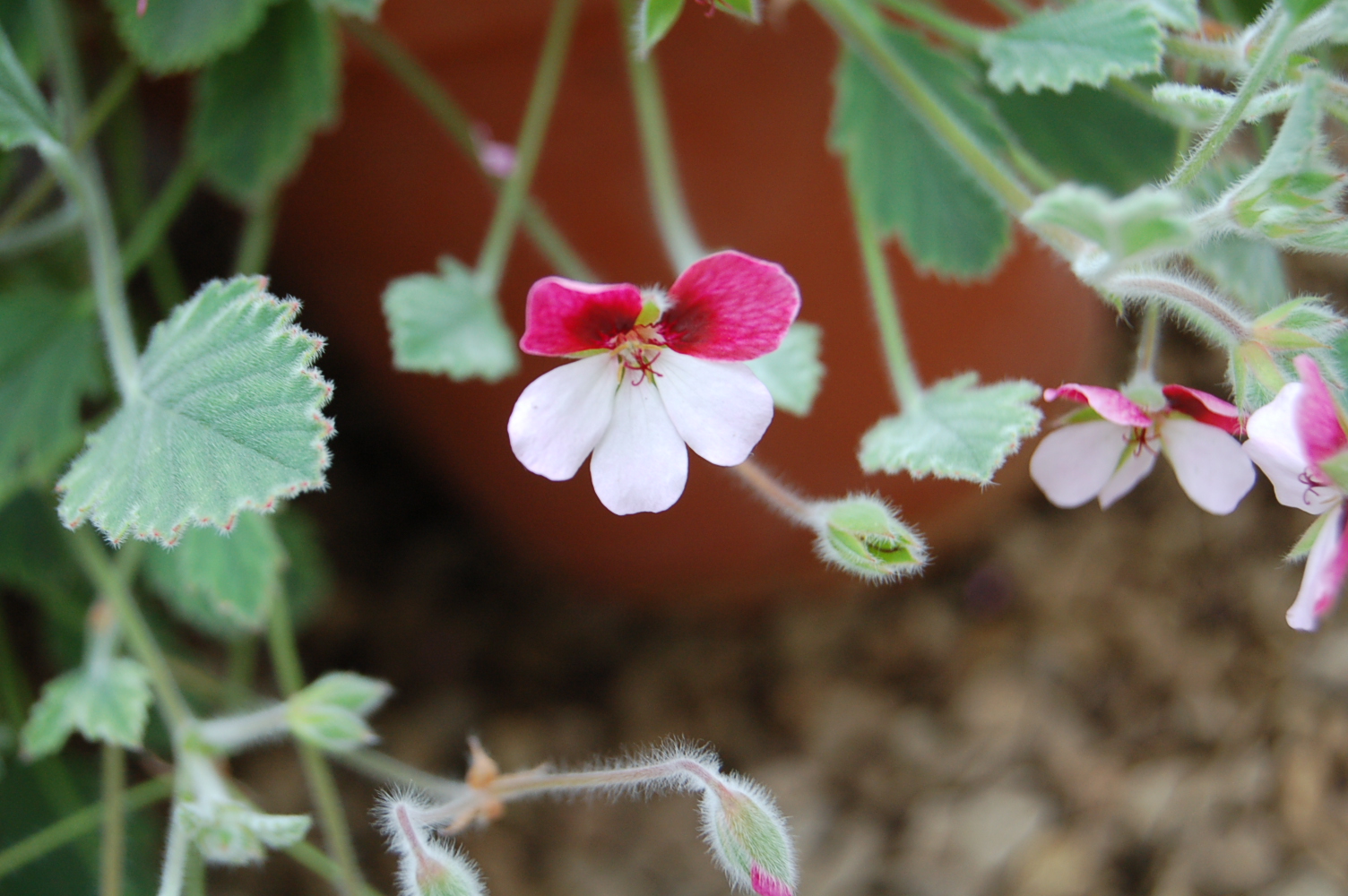
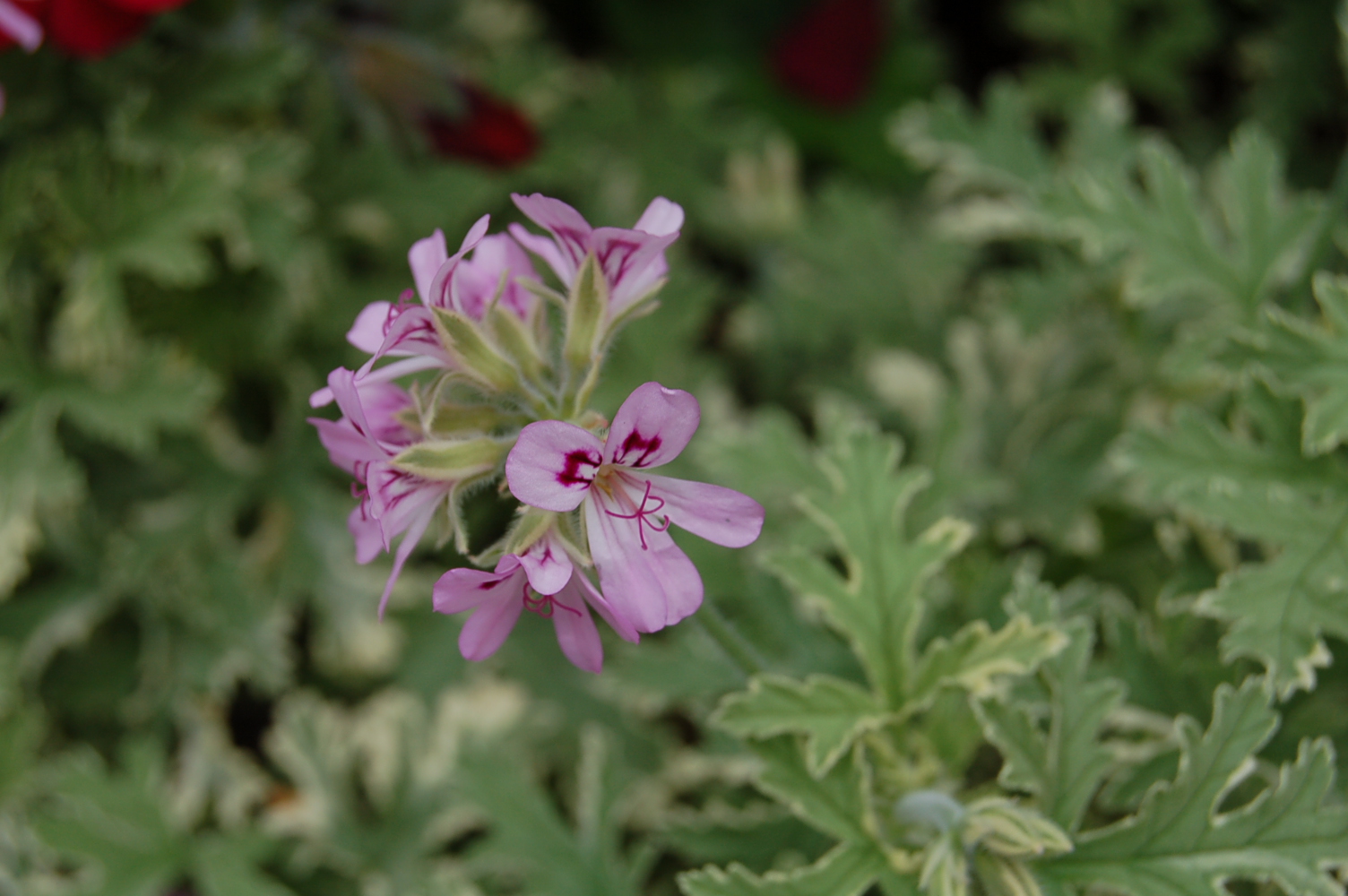
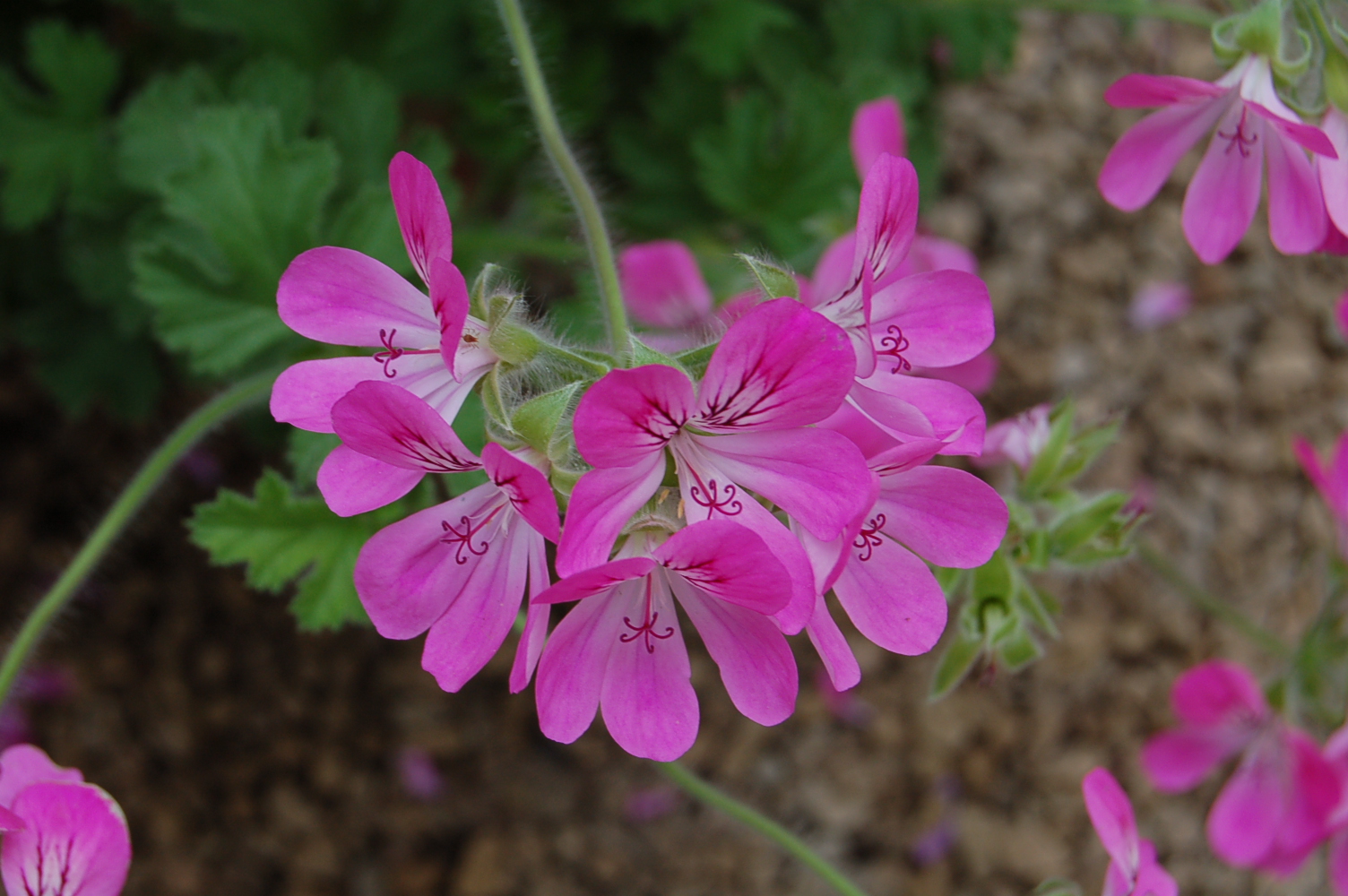
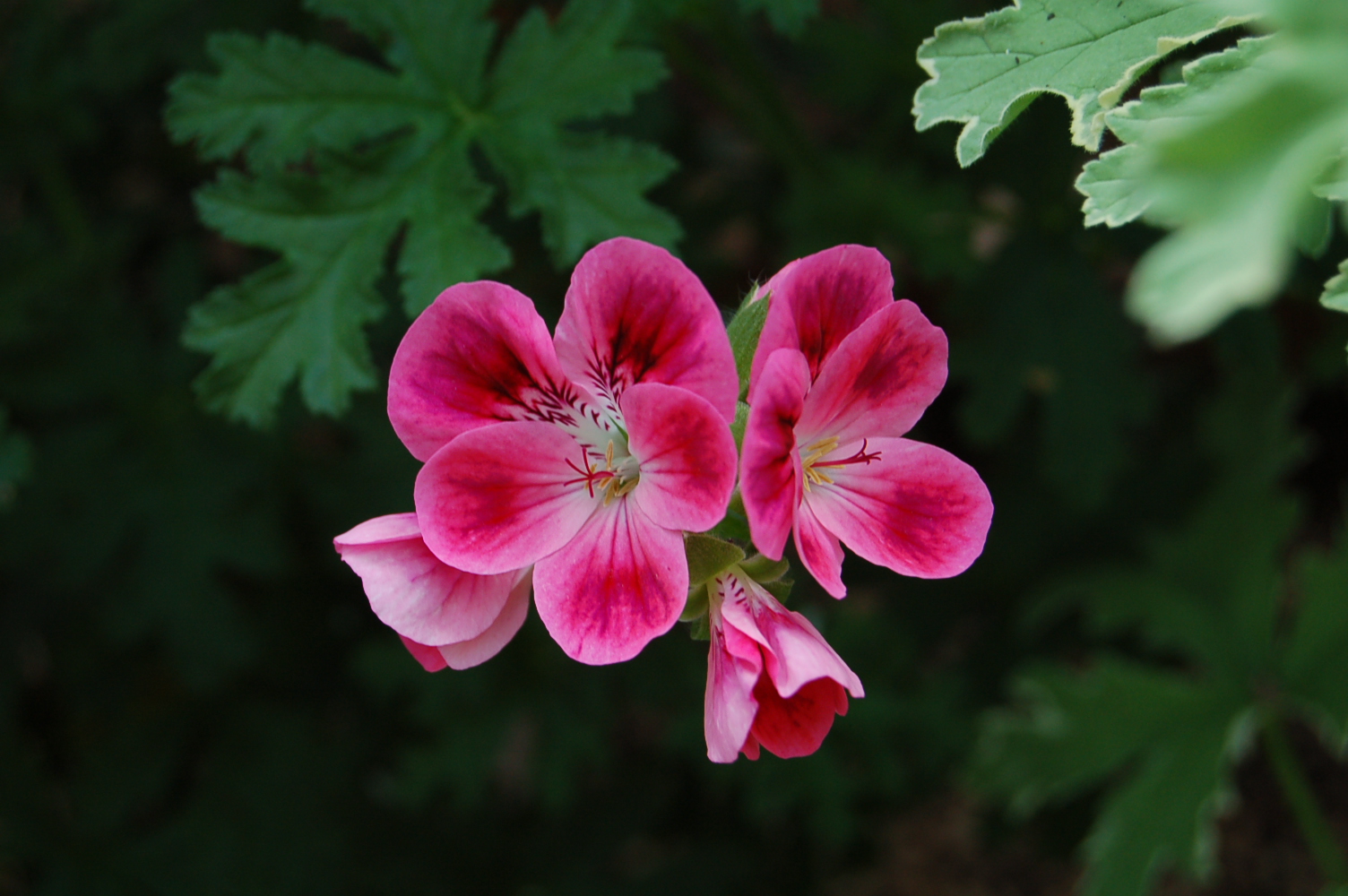
The beautiful, immensely long renovated Victorian greenhouse at Clumber Park never ceases to amaze. When we first visited Clumber the greenhouse looked sad and neglected but we discovered that plans were afoot to return it to its former glory. We were delighted to find one section which now housed an amazingly varied collection of Pelargoniums. Shades of pink. Fruity scents. Textured and patterned foliage. I can share these with you through my photographs.

A word of warning – if you have a total aversion to pink look no further!

Categories
garden photography gardening National Trust photography The National Trust

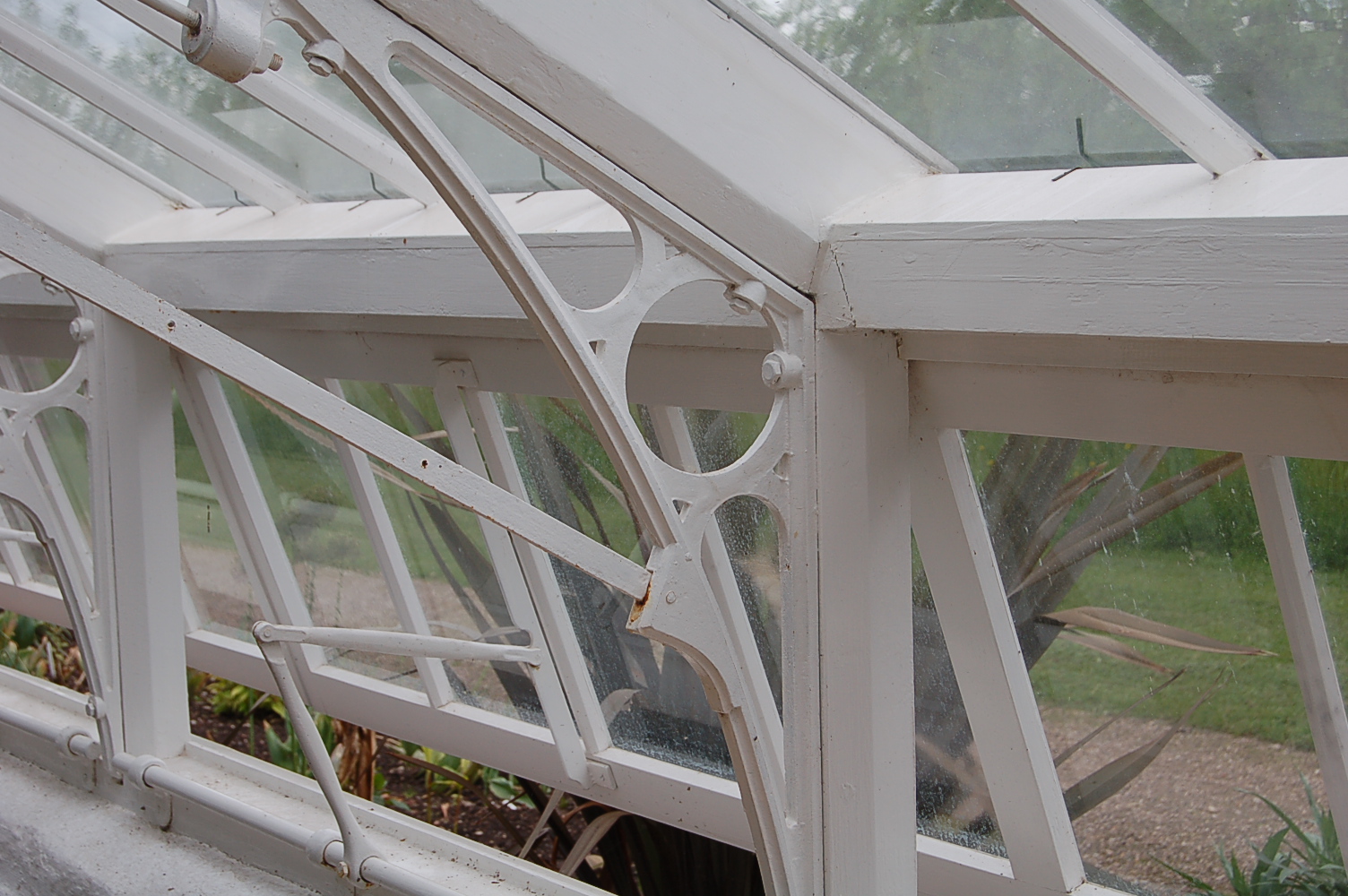
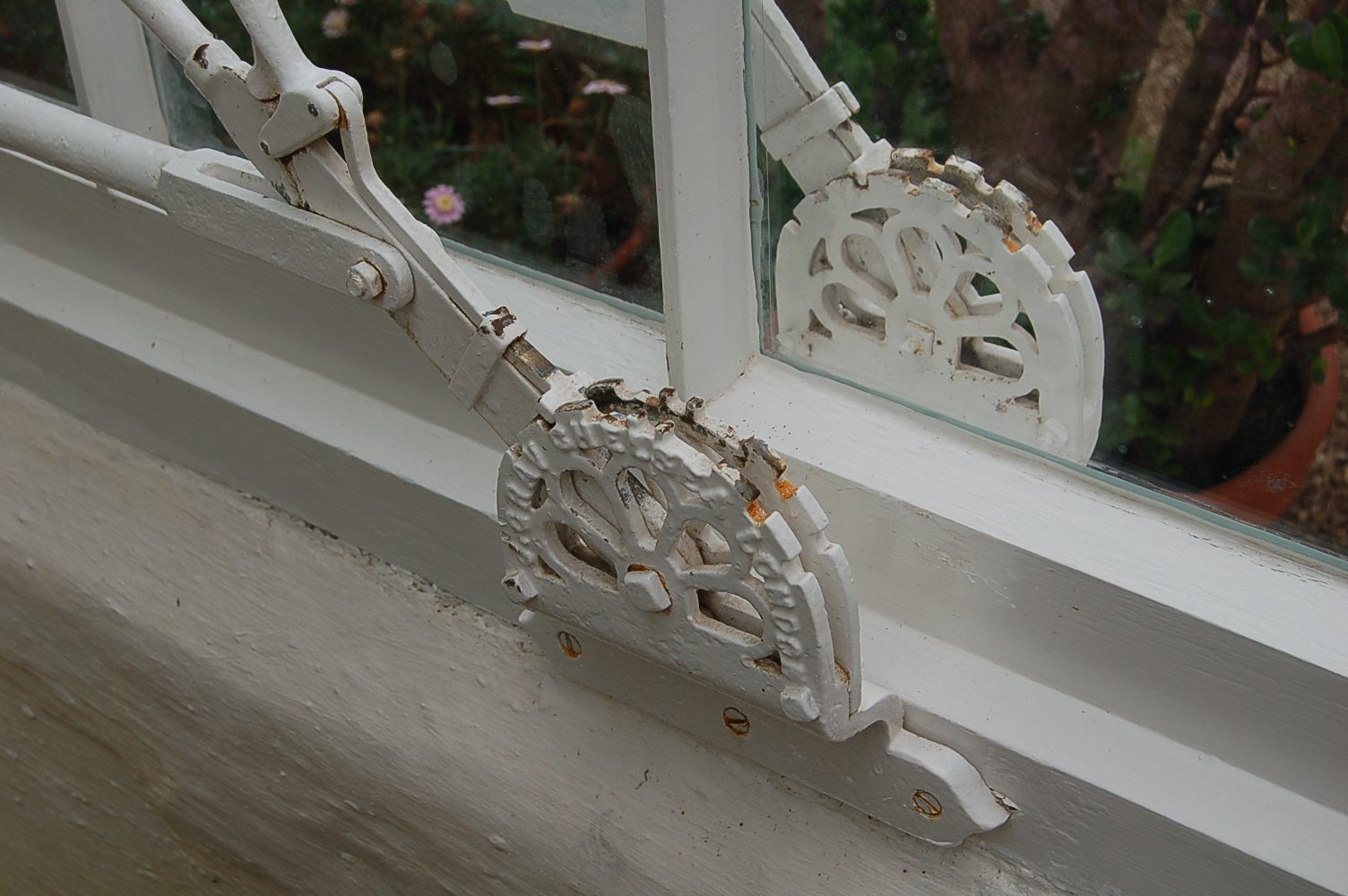
Clumber Park – Greenhouse Abstracts

Clumber Park, a National Trust property in Nottinghamshire, is famous for its walled garden and we recently spent a few hours wandering around enjoying the productive beds, orchards and herbaceous borders, but the highlight has to be the huge renovated Victorian greenhouse. We were enthralled by the details. Enjoy sharing them with us.

Categories
bird watching birds conservation National Trust photography Shropshire The National Trust trees wildlife woodland

A Wander by the River Severn

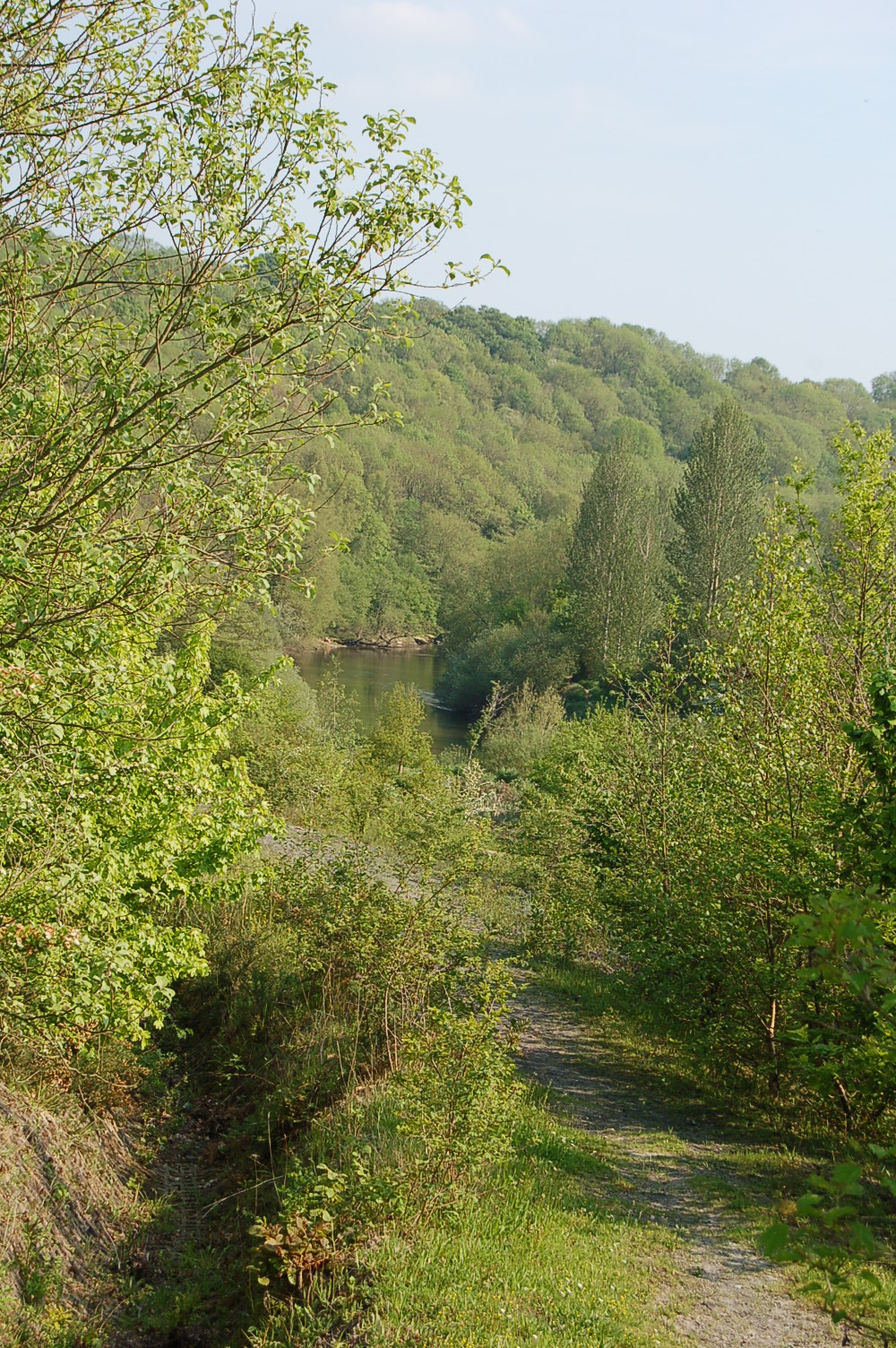
Shropshire’s largest river is the Severn, one of the most impressive and longest in the UK. We usually walk its banks in our county town of Shrewsbury, for being strongly averse to towns and cities we need the riverside walk as an antidote. But today we decided to go a few miles southwards and find it as it meanders through the beautiful south Shropshire countryside. We parked up near Alveley and ambled our way down towards the river and the woodland on the lower slopes of its valley. The area is a country park jointly maintained by the National Trust and Shropshire Council so there is good parking and a small visitor centre with cafe. But walk a hundred metres or so from the centre and you are right out in the countryside away from signs of civilisation, except for the occasional sound of the steam engines running through the valley on the Severn Valley Railway, the chugging sounds of the engine working hard to get up slopes and the regular hooting as it crosses level crossings.

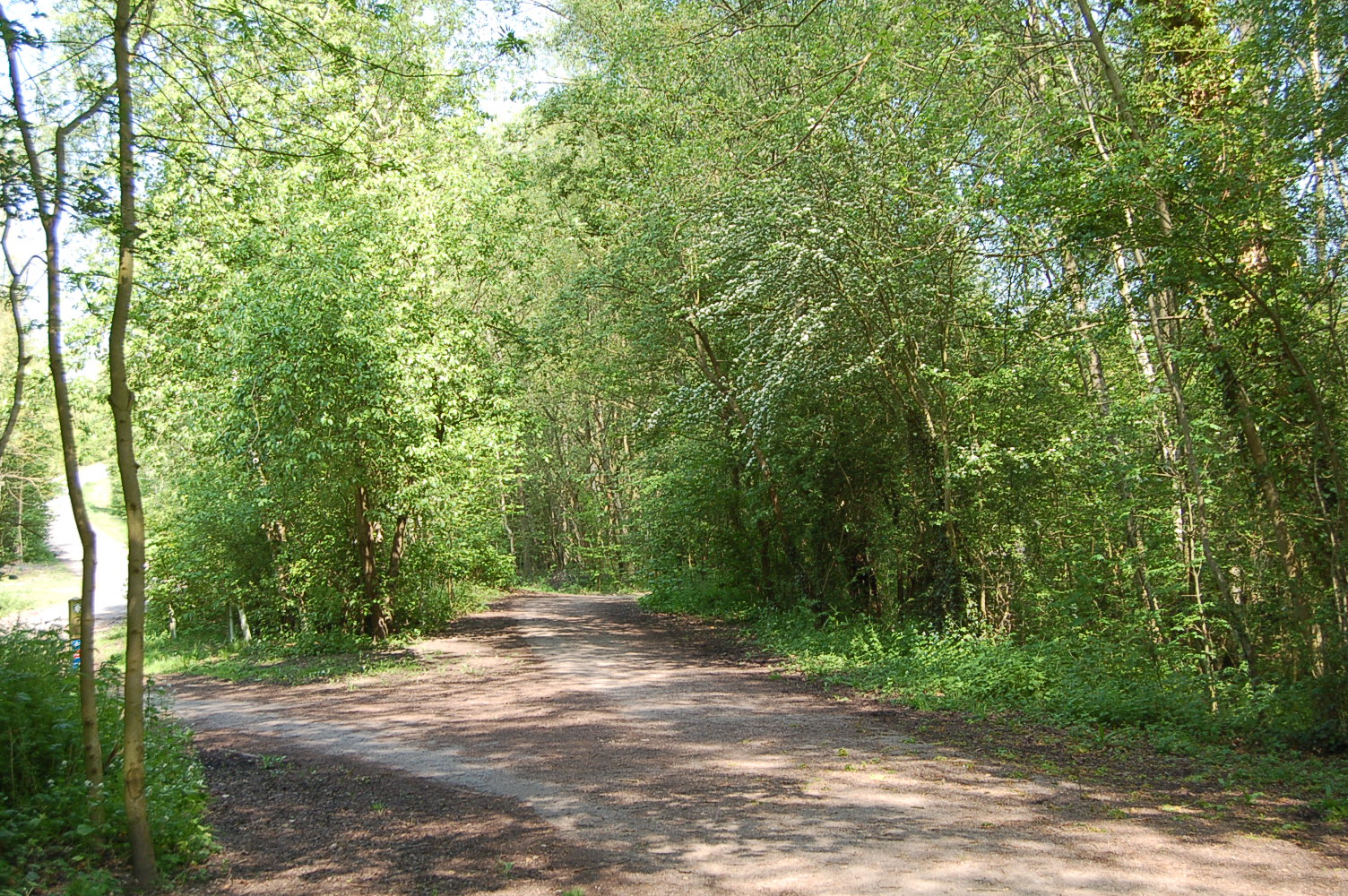
The track down to the river.

The walk down to the river is a gentle sloping pathway through young woodland interrupted by occasional areas of old industrial landscape which is being reclaimed by mother Nature. Unusual small plants are colonising and tree seedlings only a few inches tall are making inroads into man’s mess. Here a Pied Wagtail deviated from its tail wagging zig zag amble to catch an insect above a clump of tough grass. A true surprise met our eyes – a Black Redstart a bird I had not seen for decades and one Jude had never seen before. They inhabit areas of rubble and human disturbance so this is just perfect hangout for them.

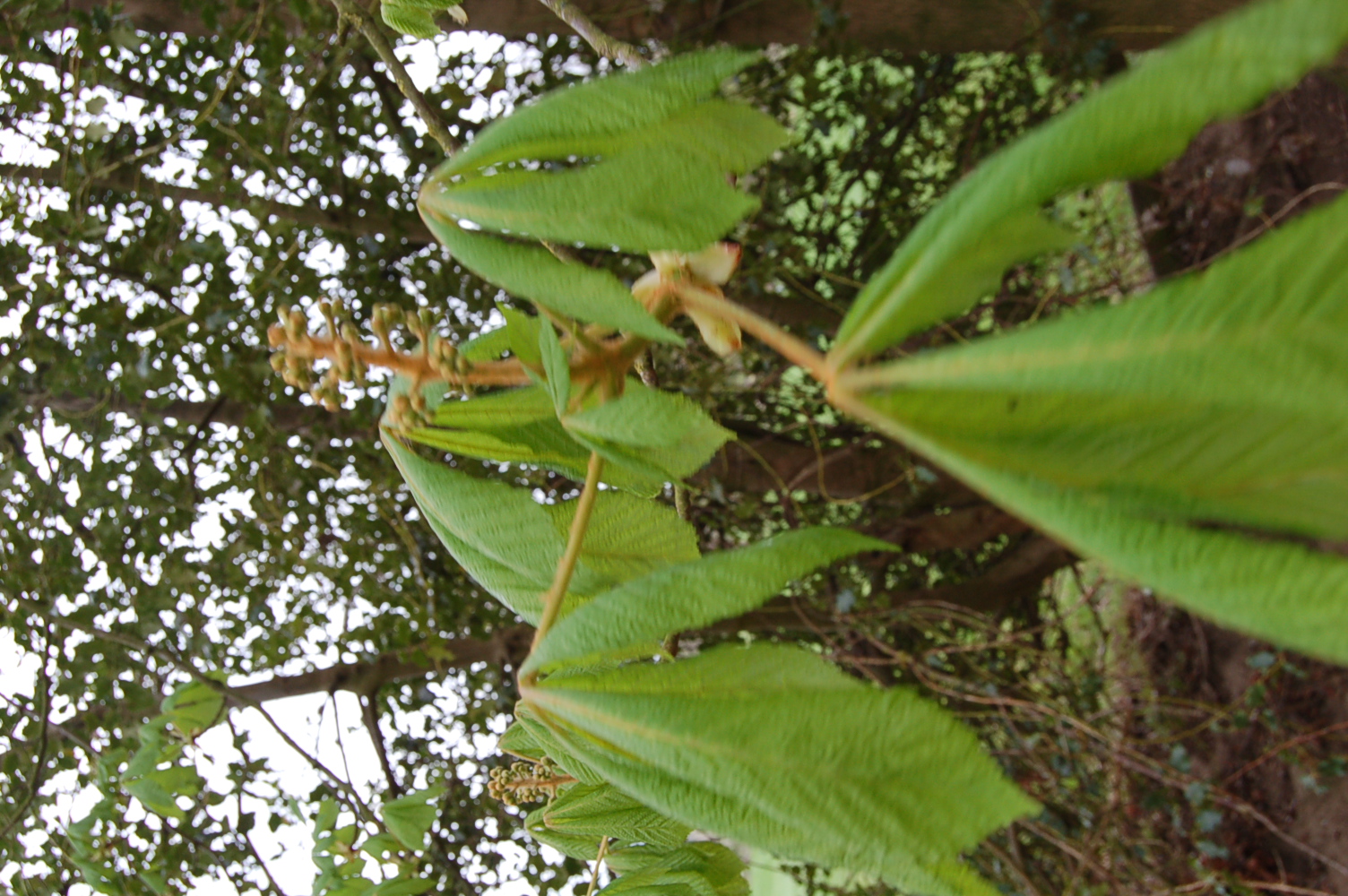
The candle shaped flower cluster of a Horse Chestnut Tree.
New foliage of Oak tinged with bronze.
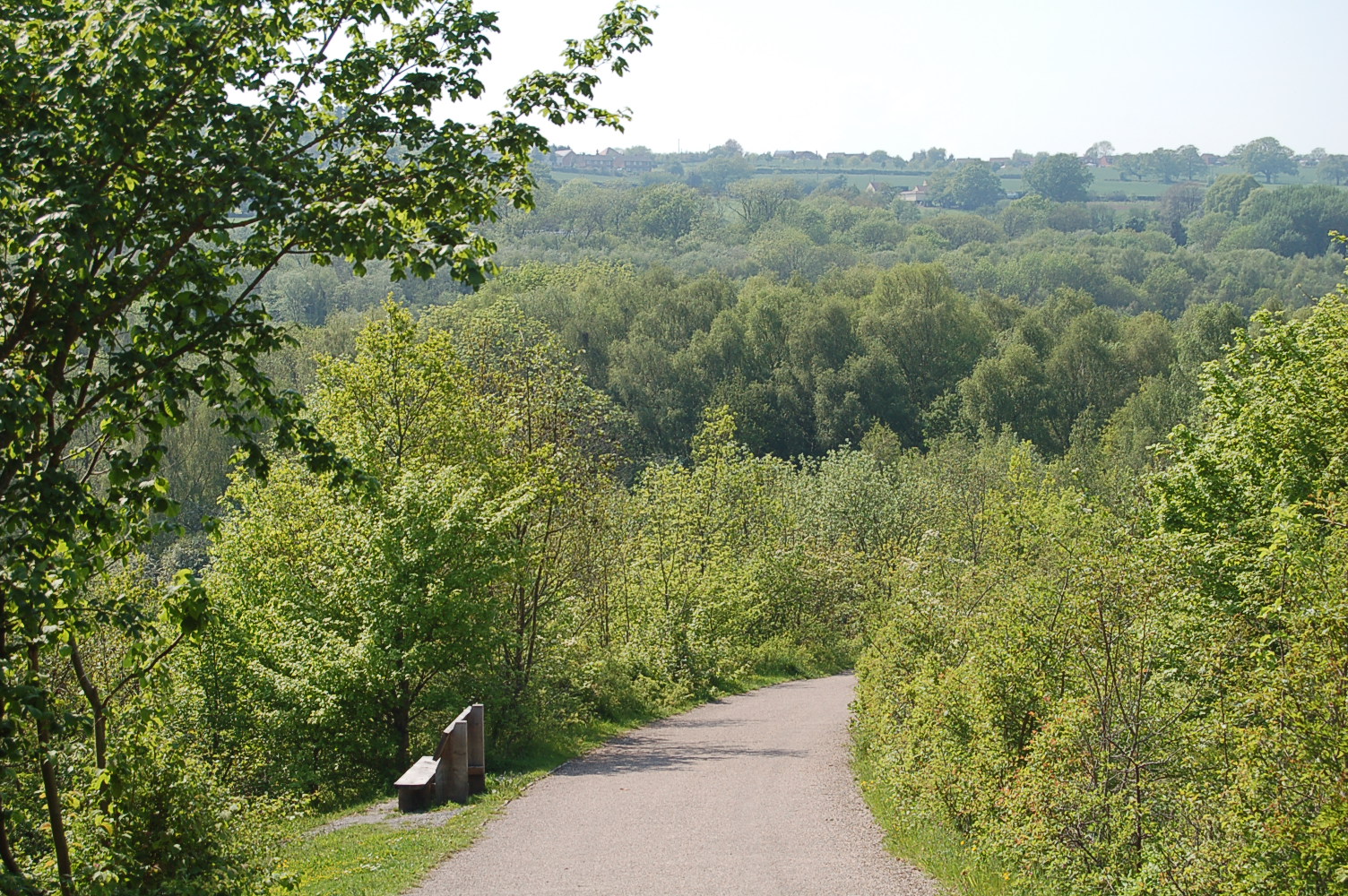
A view from the path into the wooded valley side.
We choose the left fork.
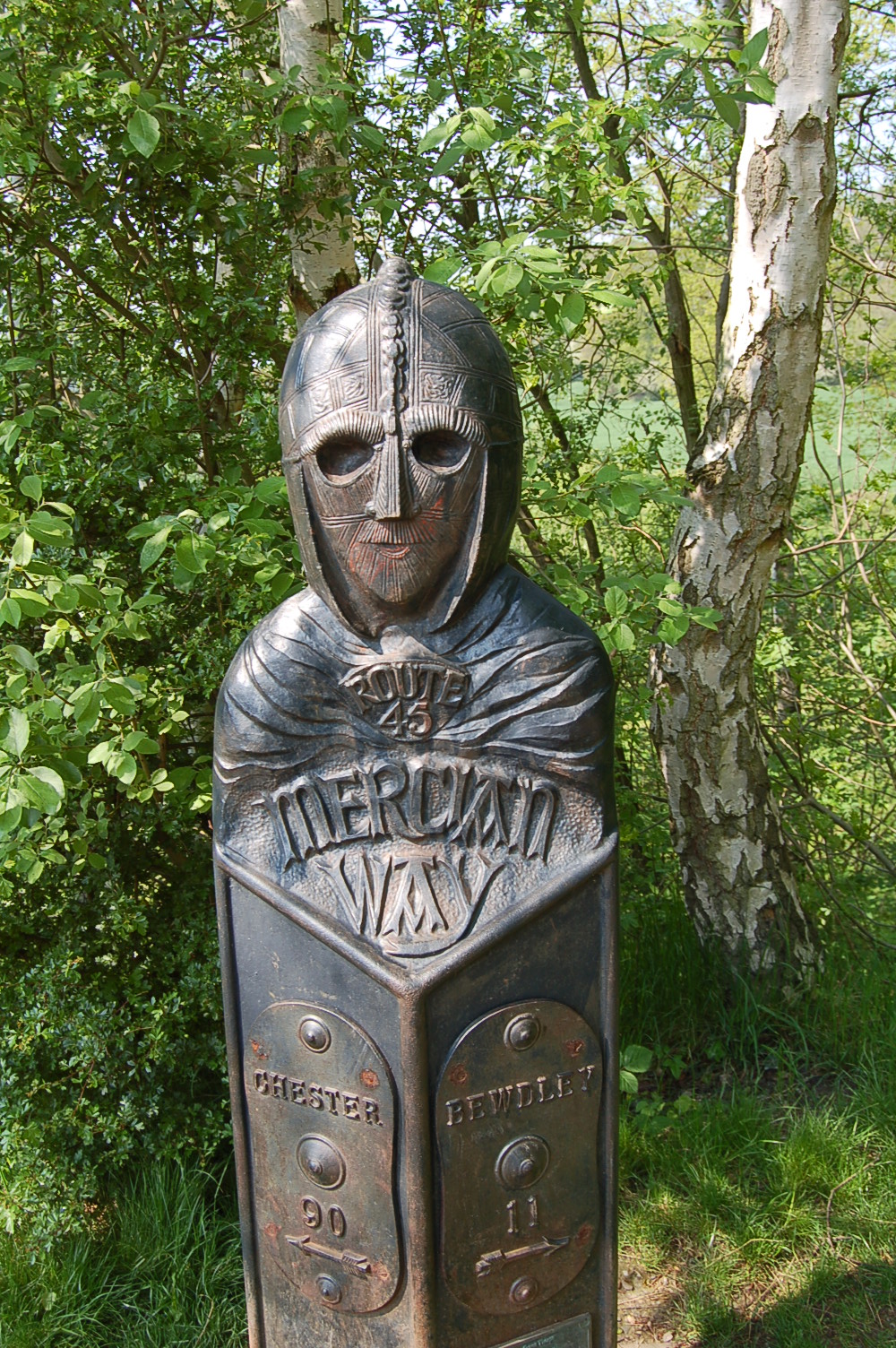
An impressive modern milestone.
A clearing revealed a view of the Shropshire countryside.

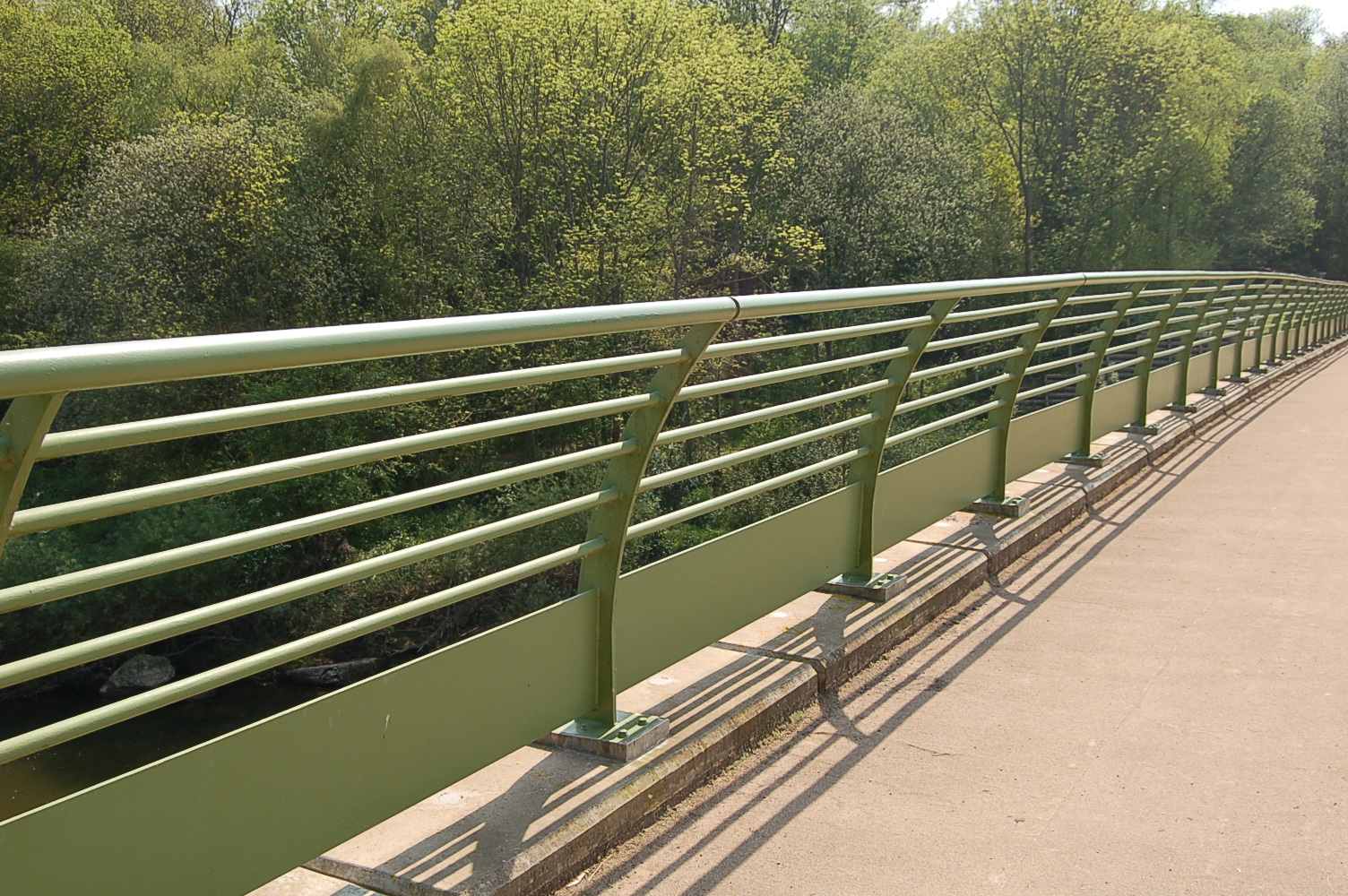
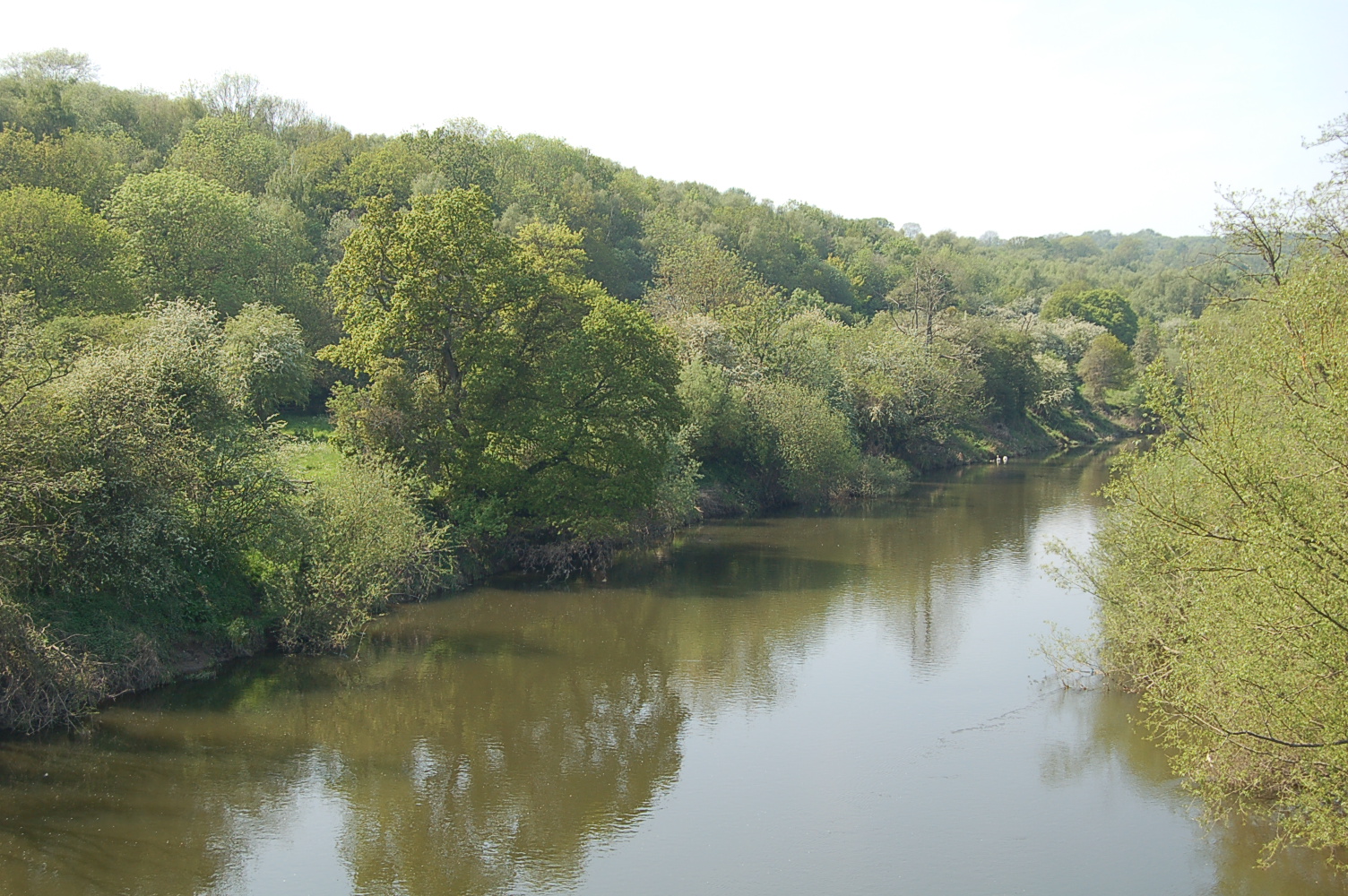
The footbridge over the river is an impressive curving structure, but not as impressive as the views up and down river. The Severn here is wide, tree-lined, deep and slow-moving and home to a family of Mute Swan with six cygnets. We did not spot the keenly anticipated Kingfishers, but that was the only disappointment of the day.

A rather smart bridge carries the path over the Severn.

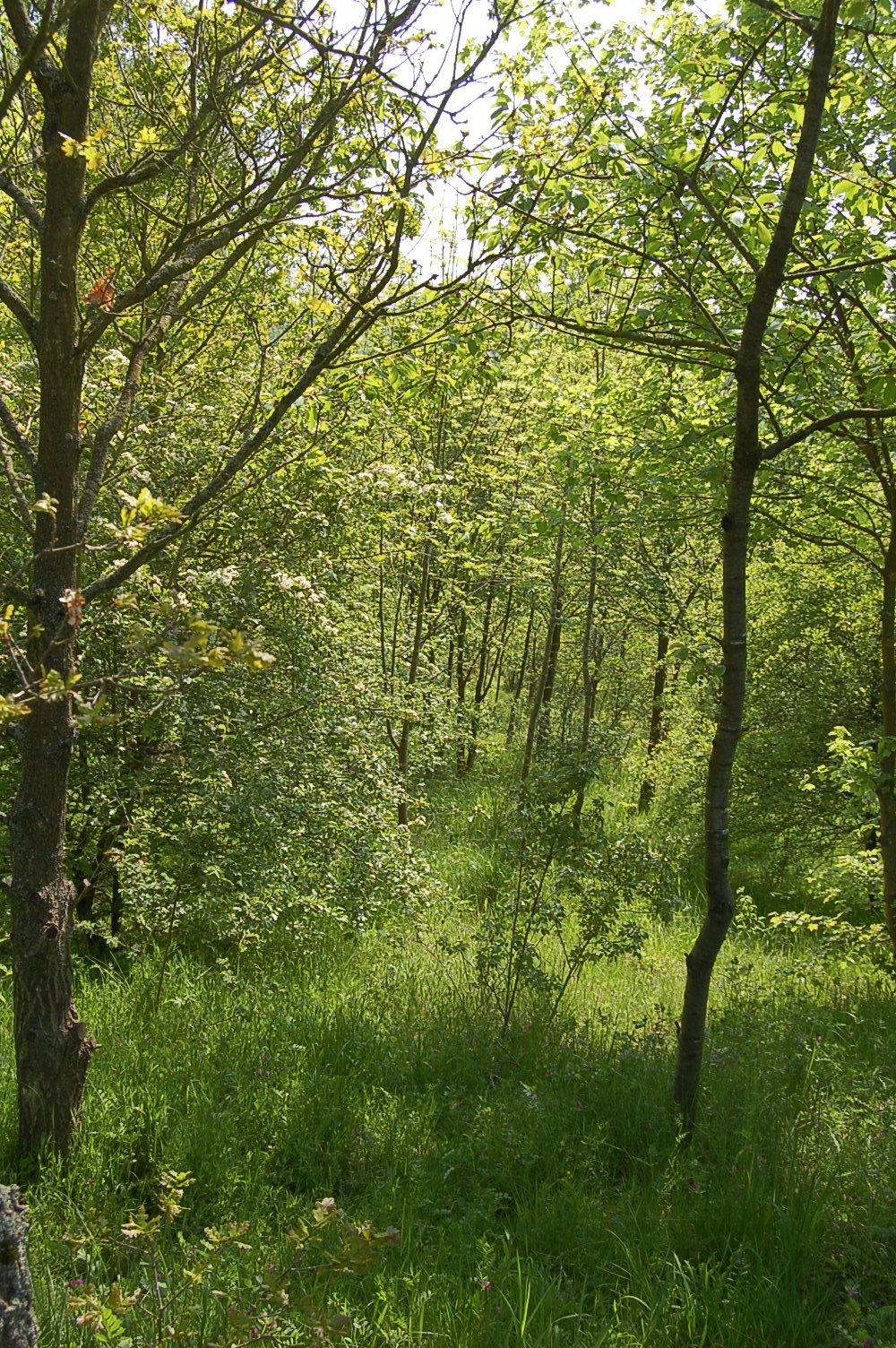
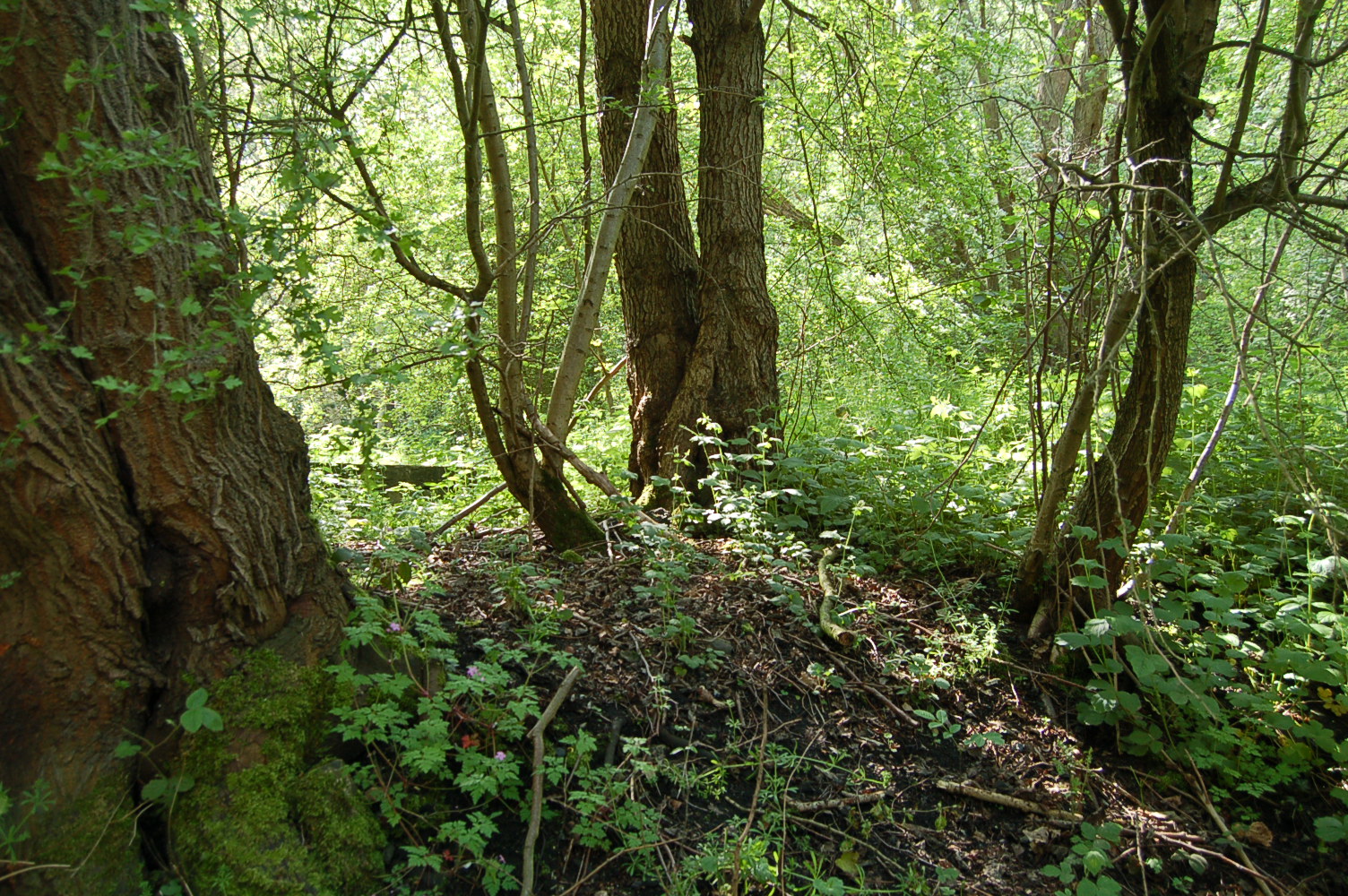
Once over the bridge we entered woodland, good native hardwood woodland. Here the only sound was our footsteps and bird song and calls. The unpleasant mechanical rasp of Pheasants permeated the trees, but we concentrated on the tuneful songs of Robin, Thrush, Willow Warbler, Blackcap, Chiffchaff and Garden Warbler.

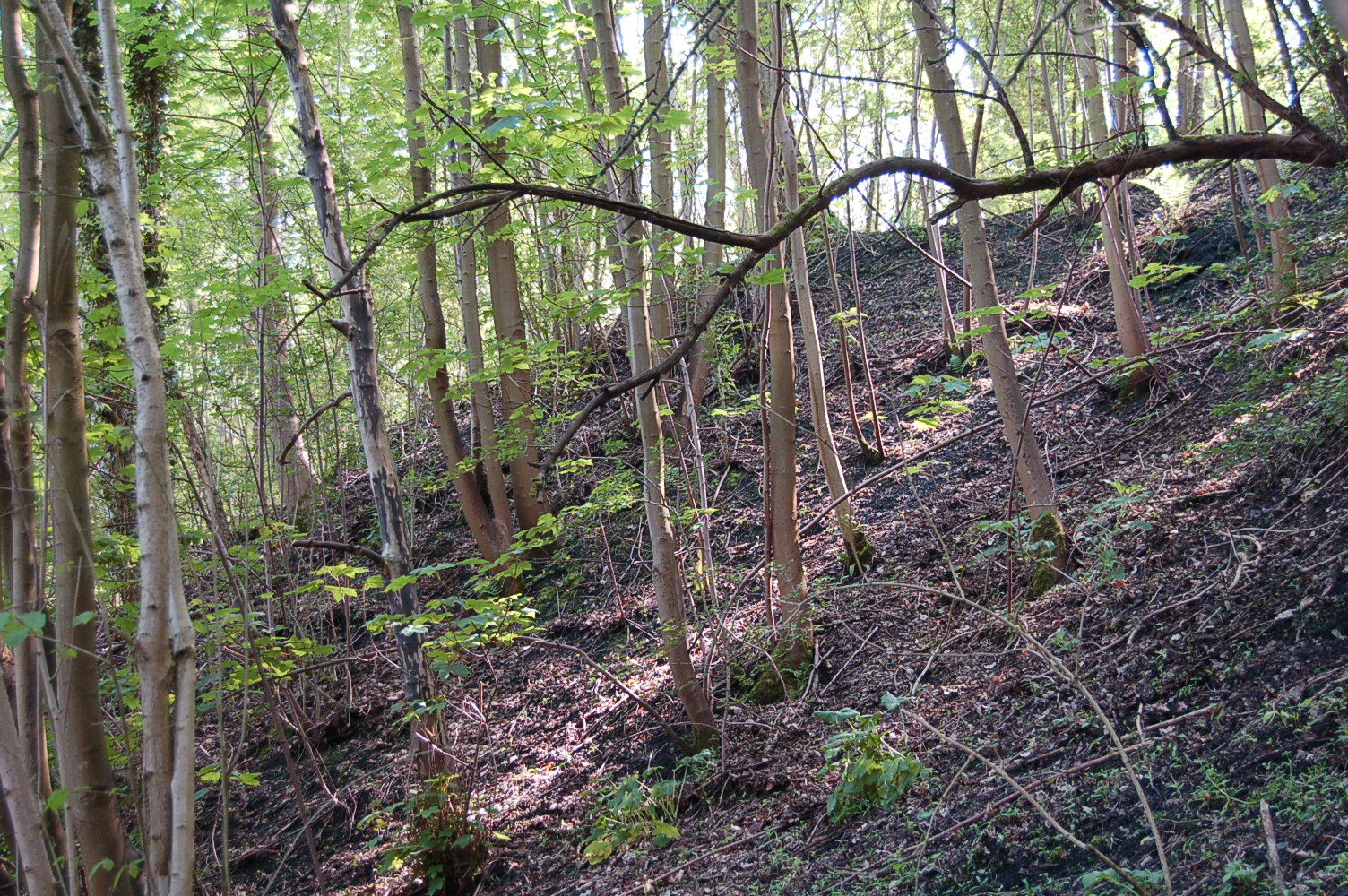
The path turns into the darkness of the wooded valley side.
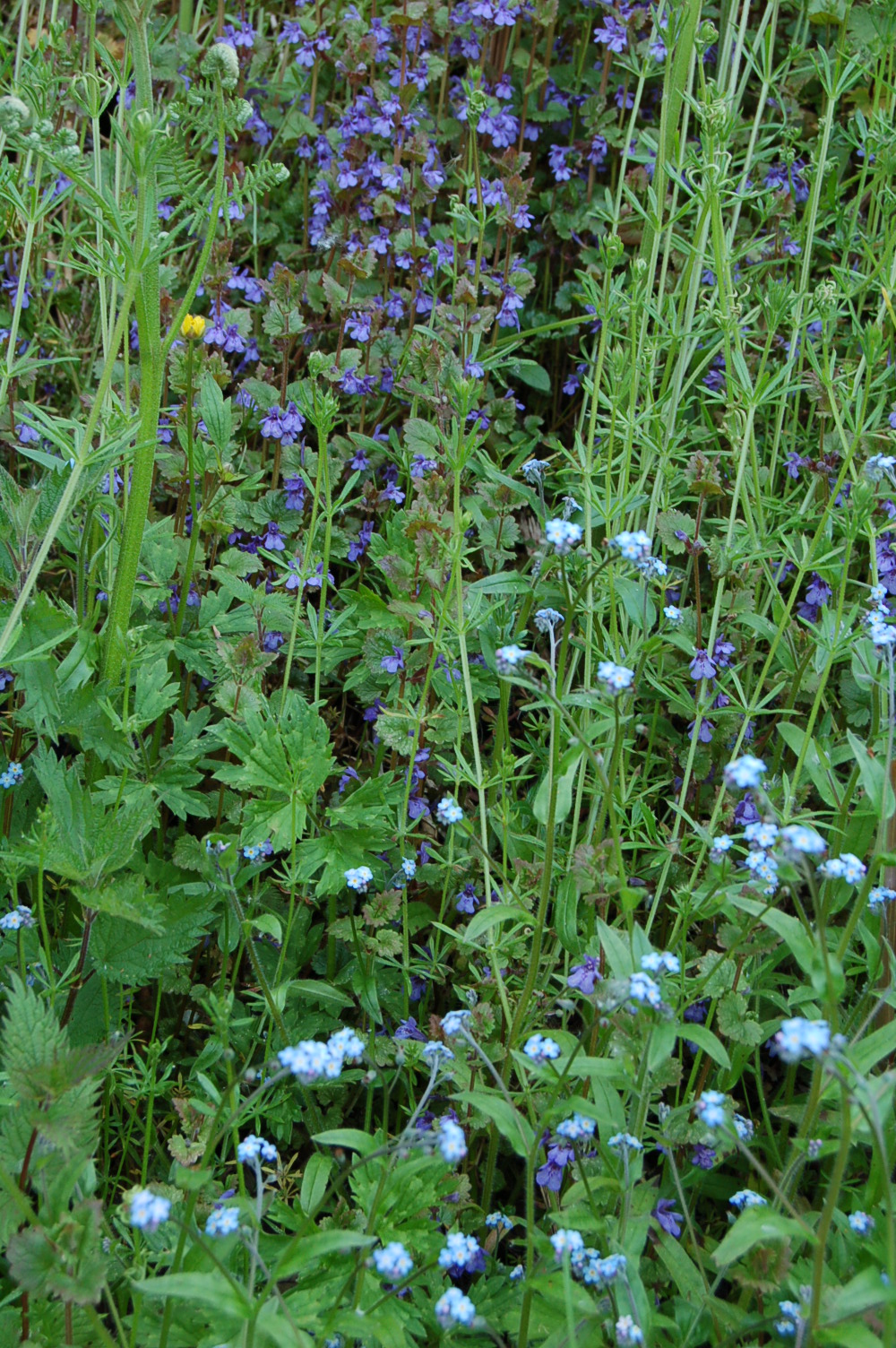
Flowering plants took advantage wherever light shone through.
Beautiful woodland light.

A shaft of sunlight pierced the valley side.

On the slopes Jays in their smart plumage of pinks, greys and highlights of blue, fed voraciously on acorns and beech mast. They were over-confident and took little notice of our intrusion into their territory as groups of seven or so foraged on the leaf littered slope.

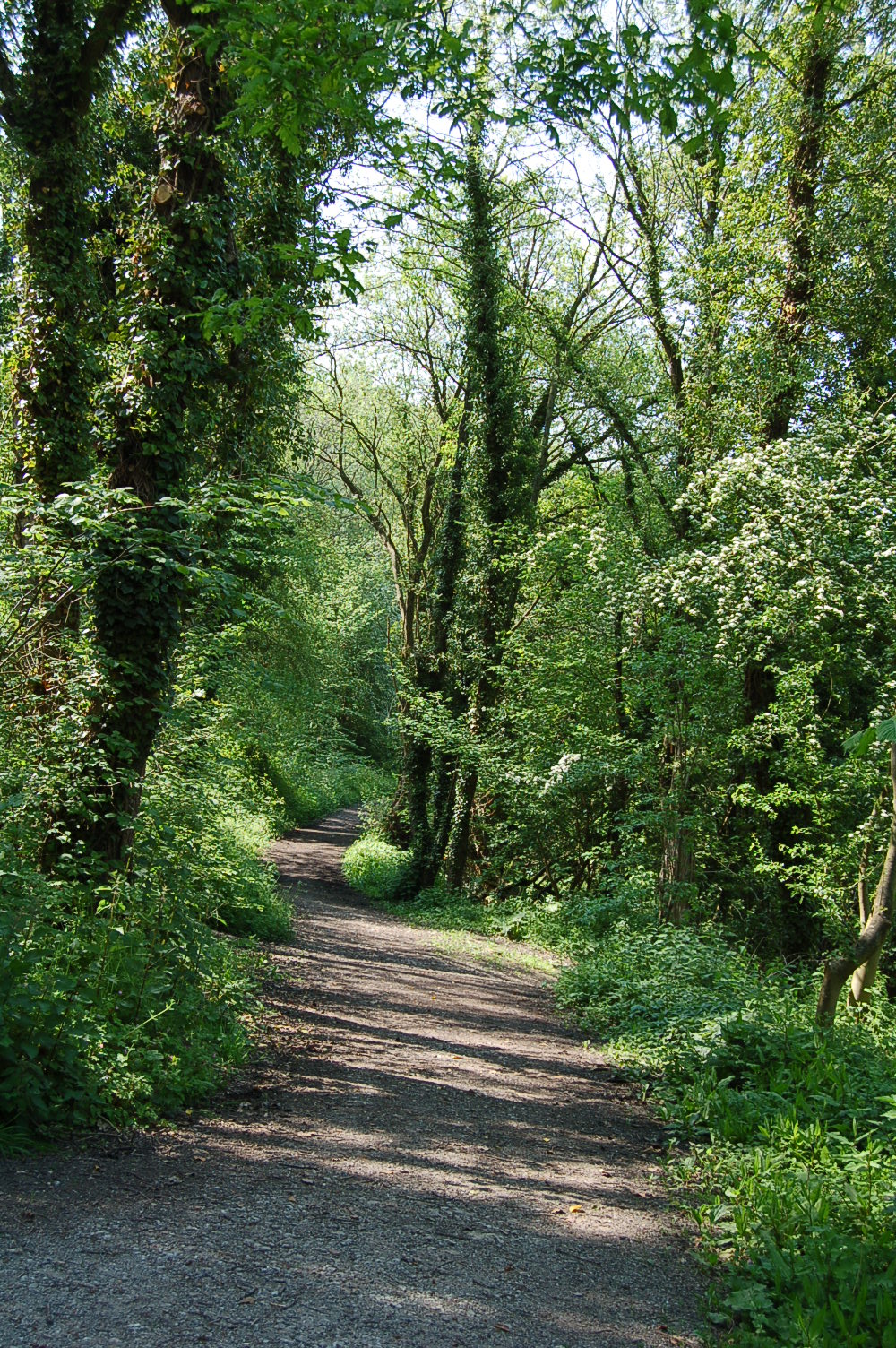
The path became a tunnel of trees.

At one time this valley was the centre of industry and clues still appear now and again as the woods are explored. Surprising man-made artefacts appeared as contradictions to the gentle beauty of the art of Mother Nature.

A sign of past industrial activity.
Signs of an old trackway alongside the path.
Some plants choose to grow on the rubble slopes of old industry.
Light pierced through the trees from the nearby clearing.
Looking from the clearing back into the woodland.

We took advantage of the sunshine in the clearing with its conveniently placed bench. We listened to bird song and watched Blackcaps as they flitted amongst the tree tops. They stopped and perched occasionally to give us a short performance of their enjoyable song. The cerise-breasted  Bullfinch caught our eye as he hovered alongside the clock seedhead of a Dandelion, until he grasped a seed in his beak took it to a low branch of a Hawthorn. He enjoyed it, unaware that two people were watching him.

Sunshine lights up the clearing and invites us to picnic.
Magical light through the trees.
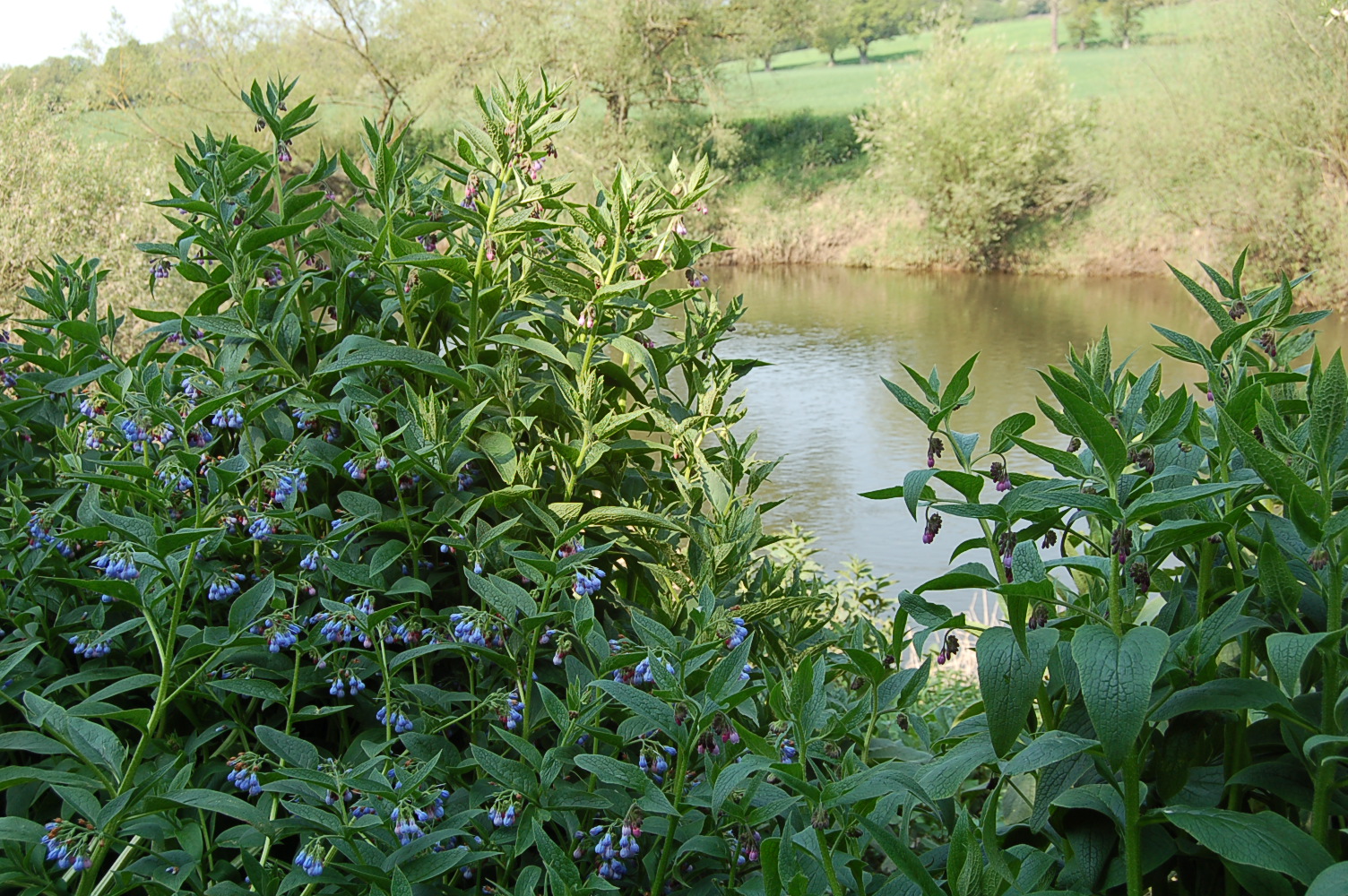
The Severn glimpsed through clumps of Comfrey plants.

As we followed our path back down to the riverside we noticed a change in wildflower species. Here Comfrey dominated and filled the open ground between the willows and alders and our track took us through lush grassed areas. Kestrels and Sparrowhawks hunted along the riverside slopes causing consternation to the nesting Blackbirds, Thrushes and Warblers.

The cotton wool like mass on the willow confused us. Was it hiding caterpillars or young spiders?

In the depth of the shadow under the trees we spotted this Badger Sett.
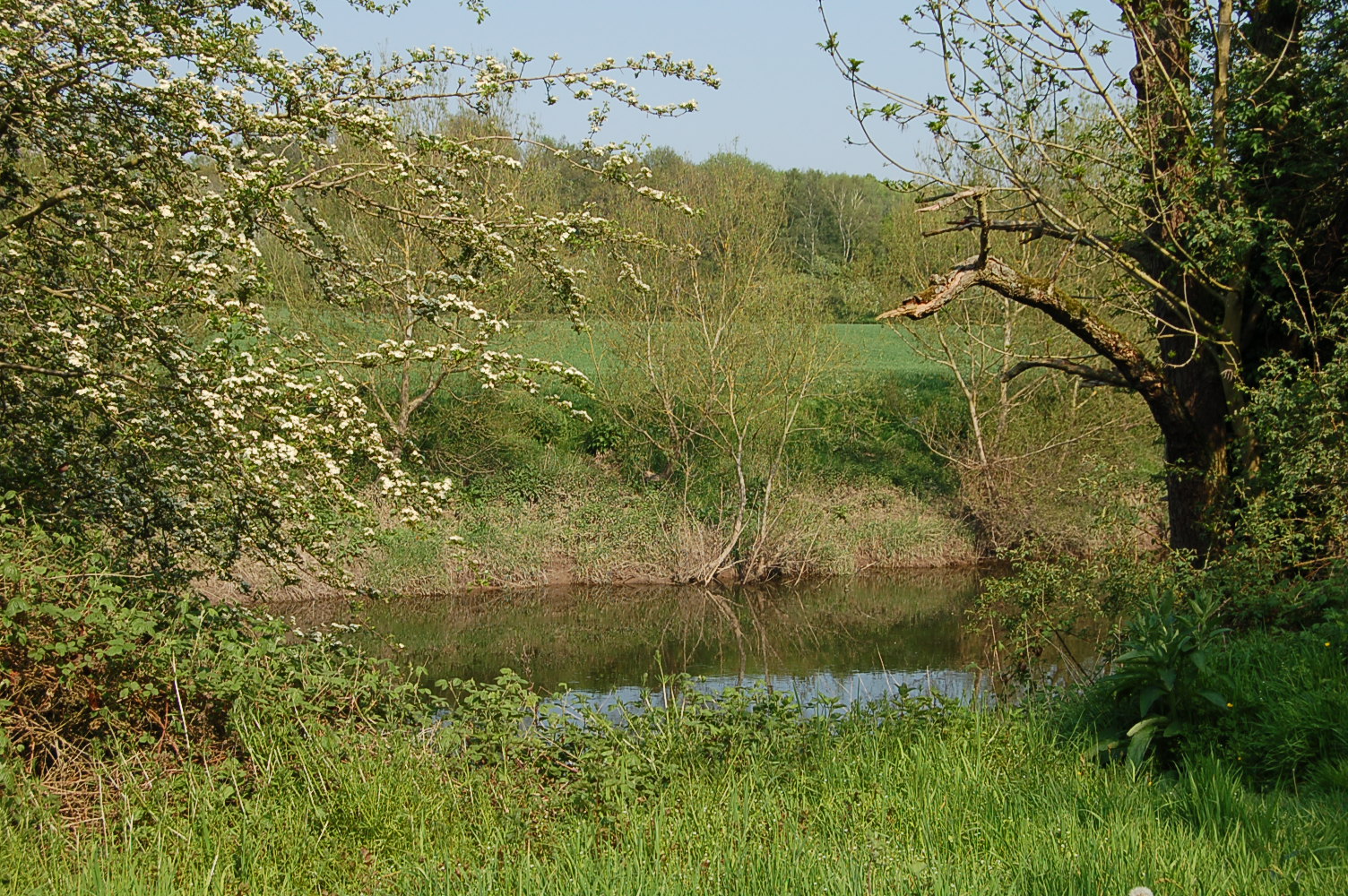
A glimpse of Shropshire countryside over the river.
Back to the bridge.
The gentle climb back up the valley side to the car park provided plenty of benches to rest on and admire the views.

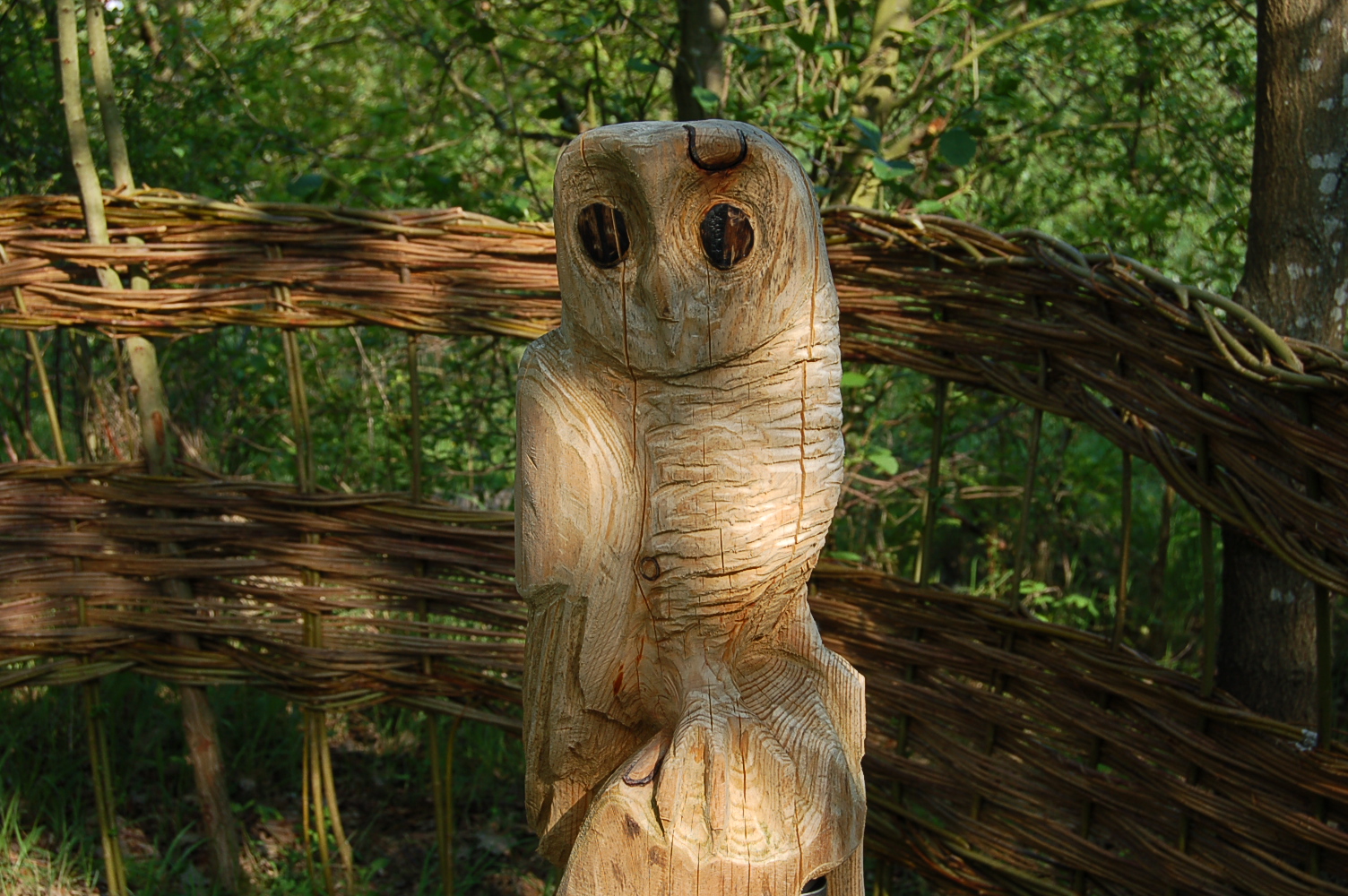
In the wooded edge of the picnic site back near the car park we found these amazing wood carvings representing the wildlife of the area.

The carvings emphasised what a special place we had just explored. We enjoyed the changing light as we moved in and out of the woods, the variety of flowers and birds and the joy of walking alongside our local river

Categories
garden photography gardening Land Art National Trust outdoor sculpture Shropshire The National Trust trees

Walled Garden in April

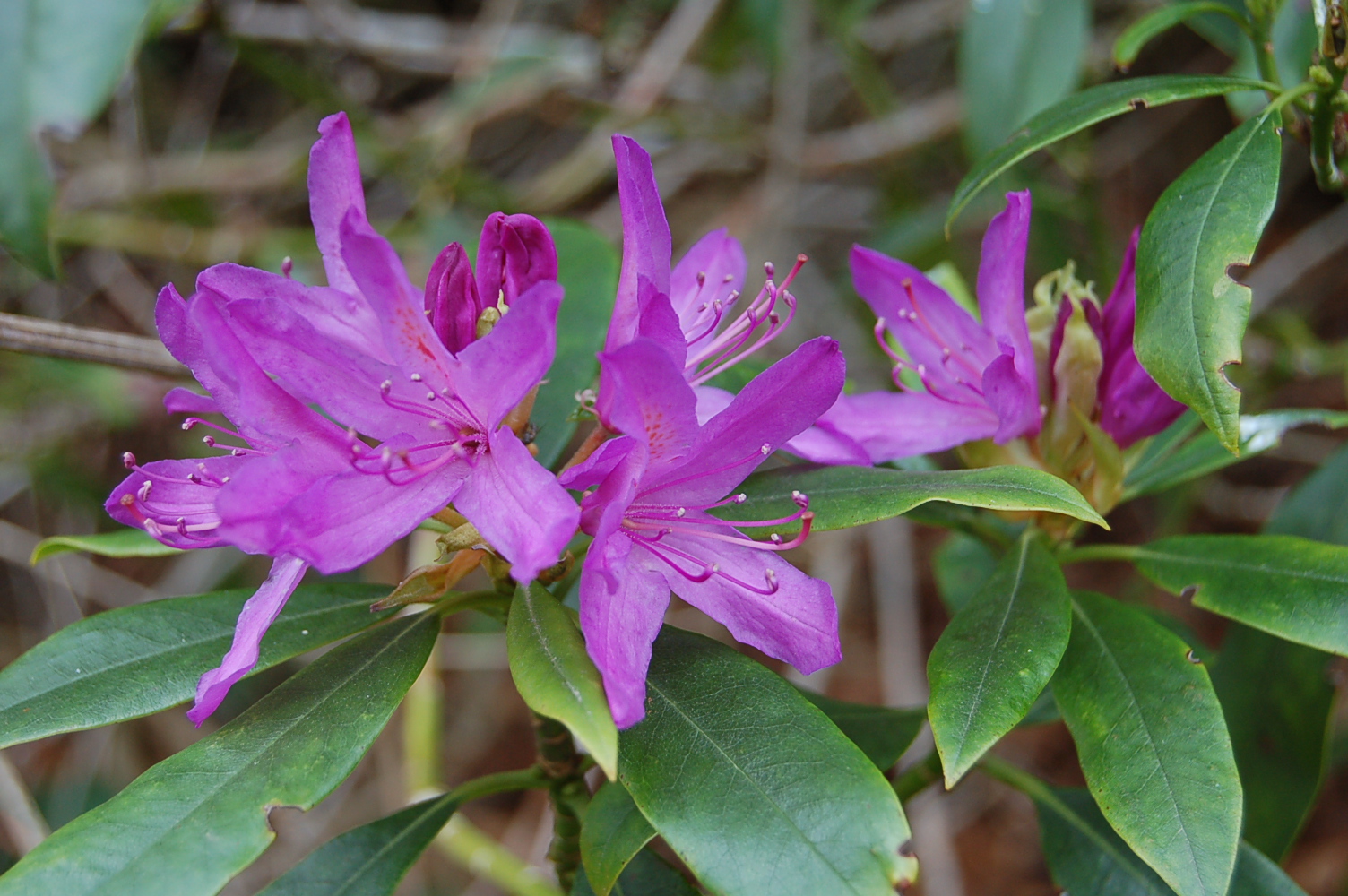
The weather turned colder today, back to more normal temperatures for the time of year. Last week on some days we enjoyed 20 degrees celsius but it has dropped back to 9, and it felt cold. But we had planned to take a walk at Attingham Park, the weather failed to stop us. Walking through the woods towards the walled garden we were delighted to see splashes of colour from Primroses, Celandines, Rhodendrons and the first leaves of Horse Chestnut trees.

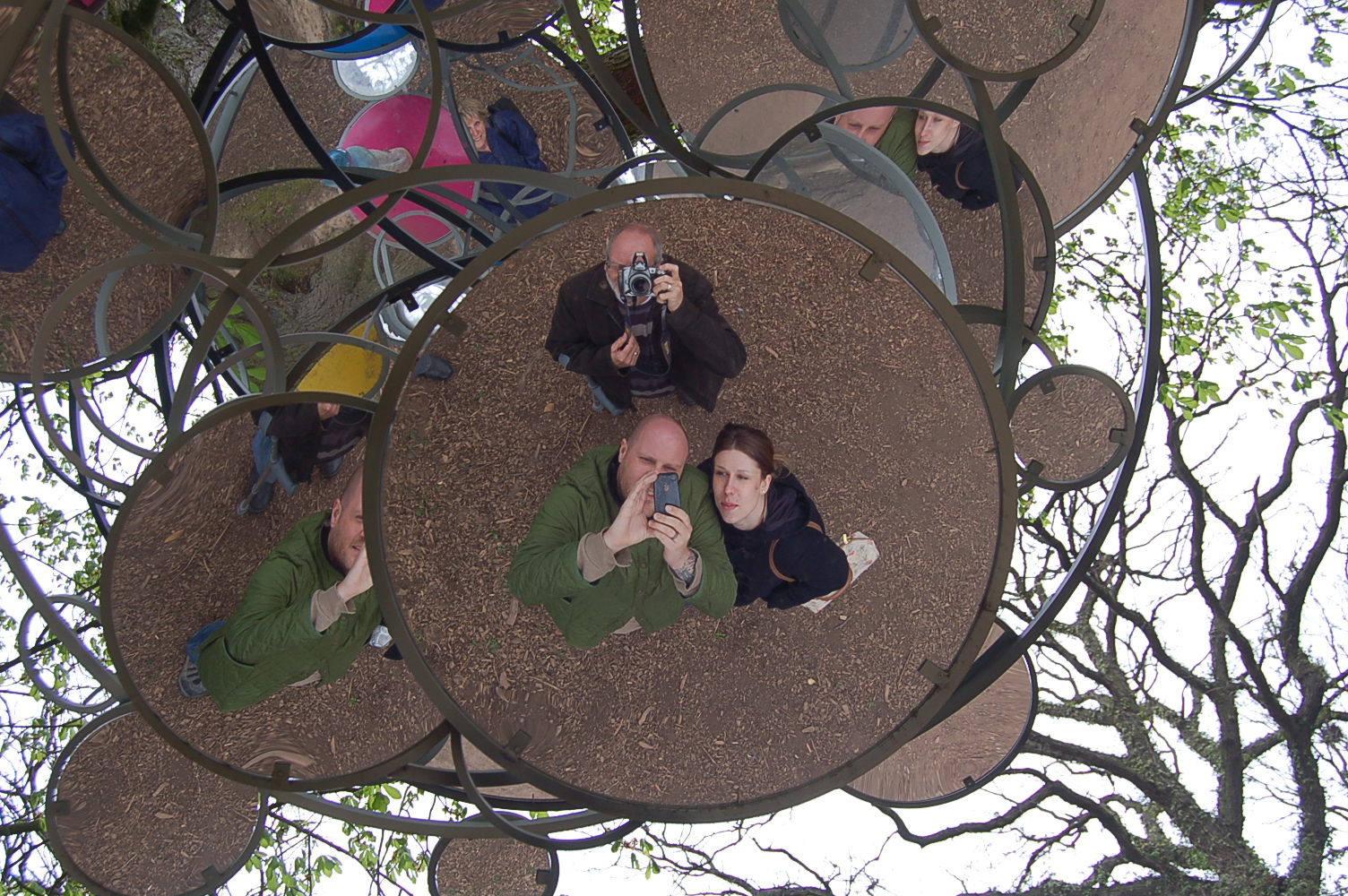
Occasionally a piece of sculpture surprised and entertained us. This piece hanging above us from the branches of a tree, enticed us to look up into its structure, where it captured our images in its circular mirrors. With me are son, Jamie and his girlfriend Sam.

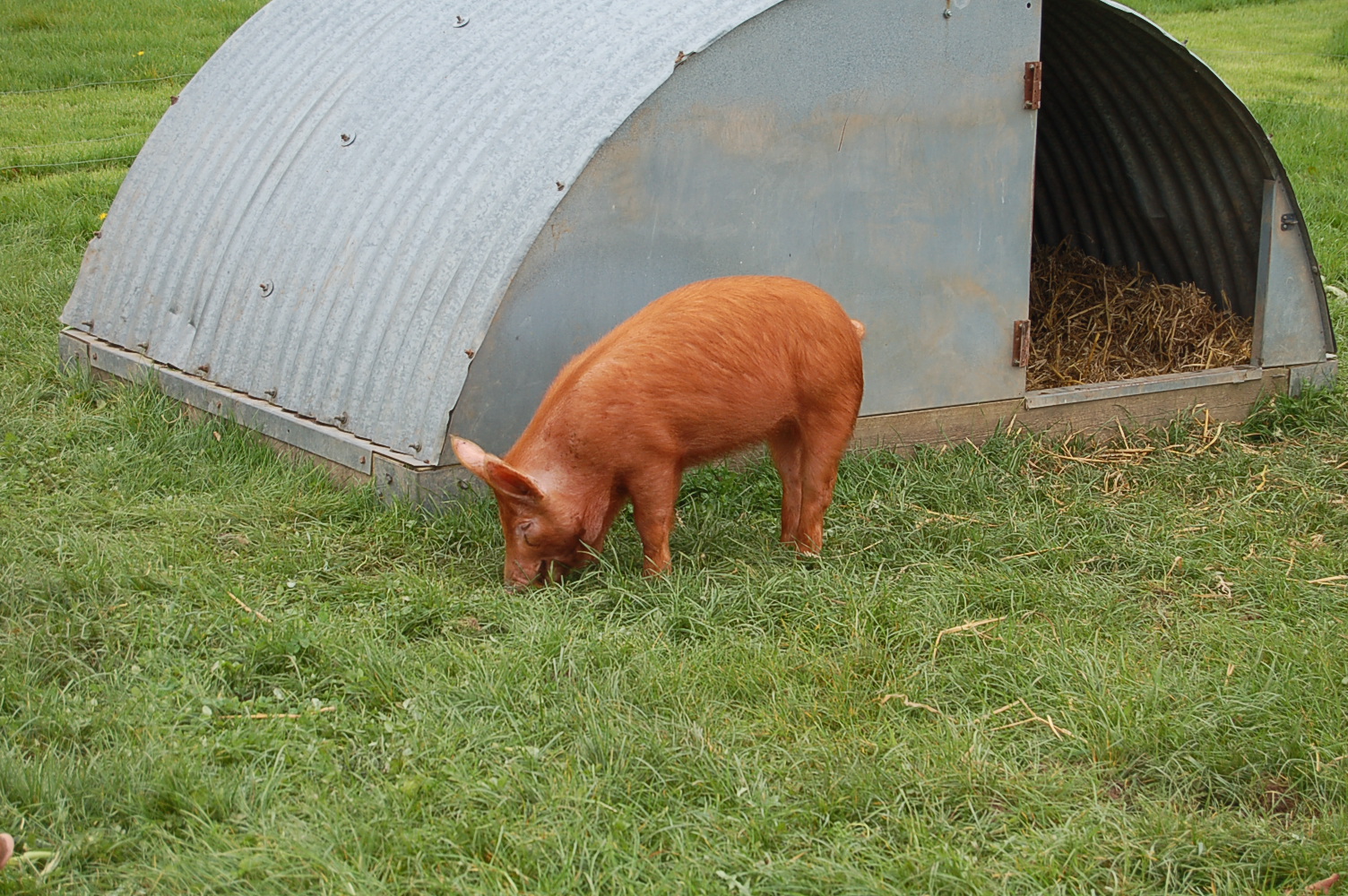
The walled garden changes with the seasons but also as the gardeners and volunteers develop it. The big change which we were delighted to see as we passed through the gate into the protected growing area inside the walls – the pigs had returned.

Each time a new area of the old walled garden is due for re-development, pigs move in to prepare the planting areas. They clear the weeds, turn over the soil and add manure to improve soil structure and add some plant nutrients. Today the pigs we were mesmerised by were young Tamworths with their red bristles.

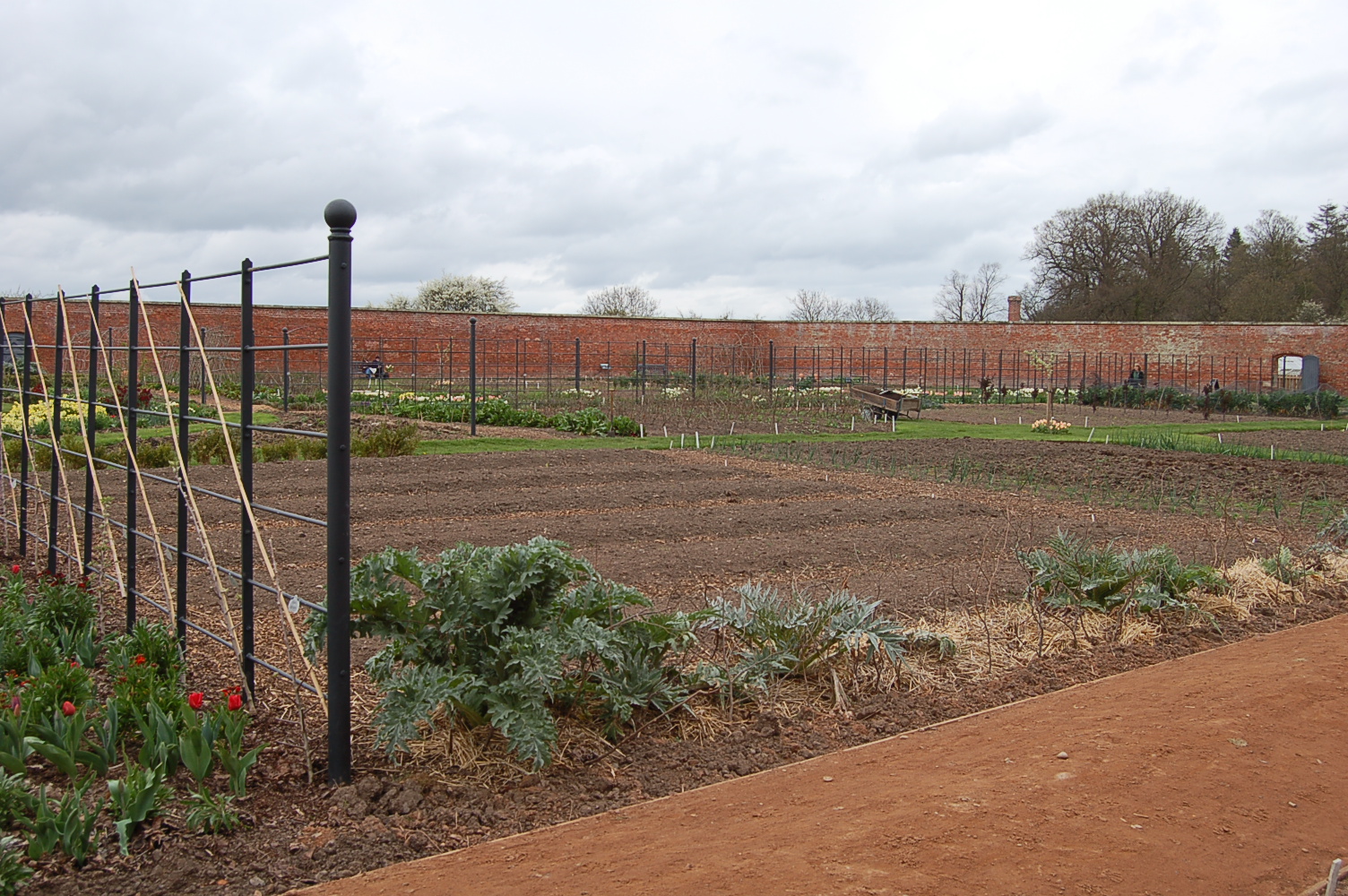
The veggie beds looked almost empty but the decorative borders were full of colour mostly from bulbs and wallflowers. A few veg had survived the winter and added their own colours. The stems of the chard contrast nicely with their leaves, making them most attractive plants.

In the very centre of the walled area is a large circular dipping pool, from where the old gardeners would collect water by dipping watering cans. Archaeologists have cleared it out and their explorations and excavations have left its beautiful brick interior for us to admire.

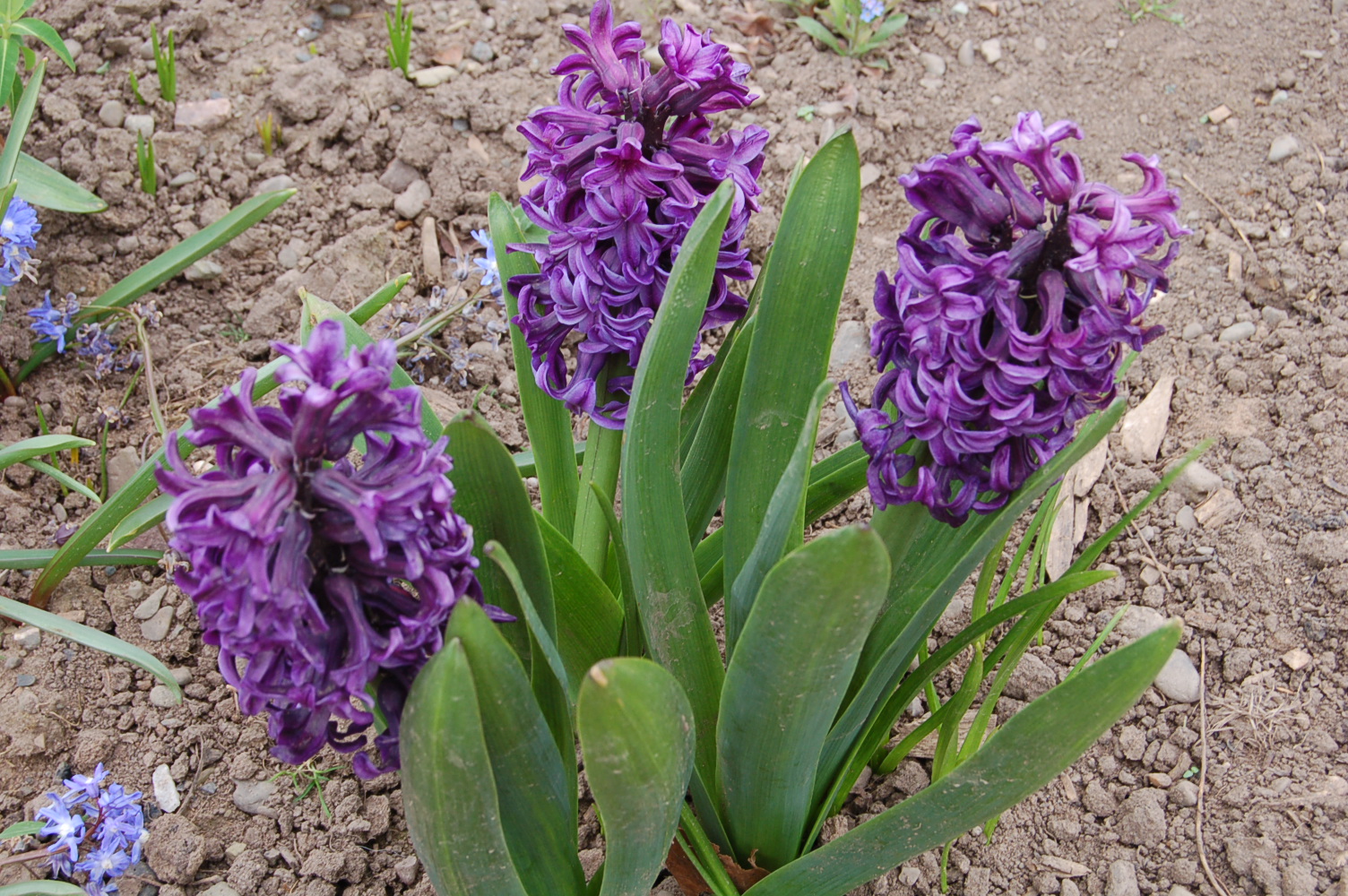
The beds lining the paths that lead from the dipping pool are lined with tulips, hyacinths and wallflowers to give colour and scent for visitors to enjoy.

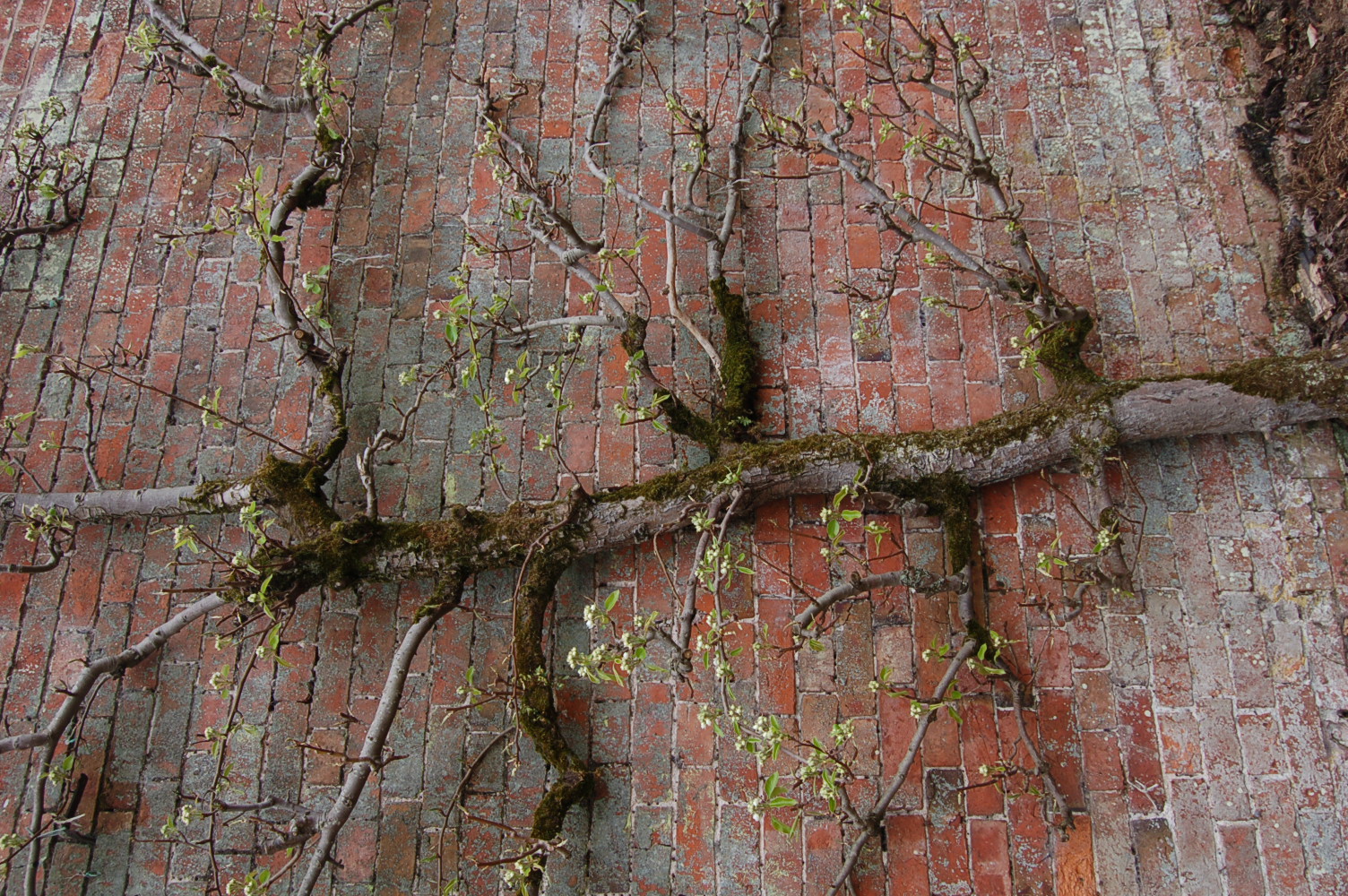
The warming red brick walls that gave protection to the fruit and veg growing within them are lined with beautiful trained fruit trees. The espalliers are wonderfully trained and later in the spring blossom will clothe their limbs and in late summer and early autumn with fruit.

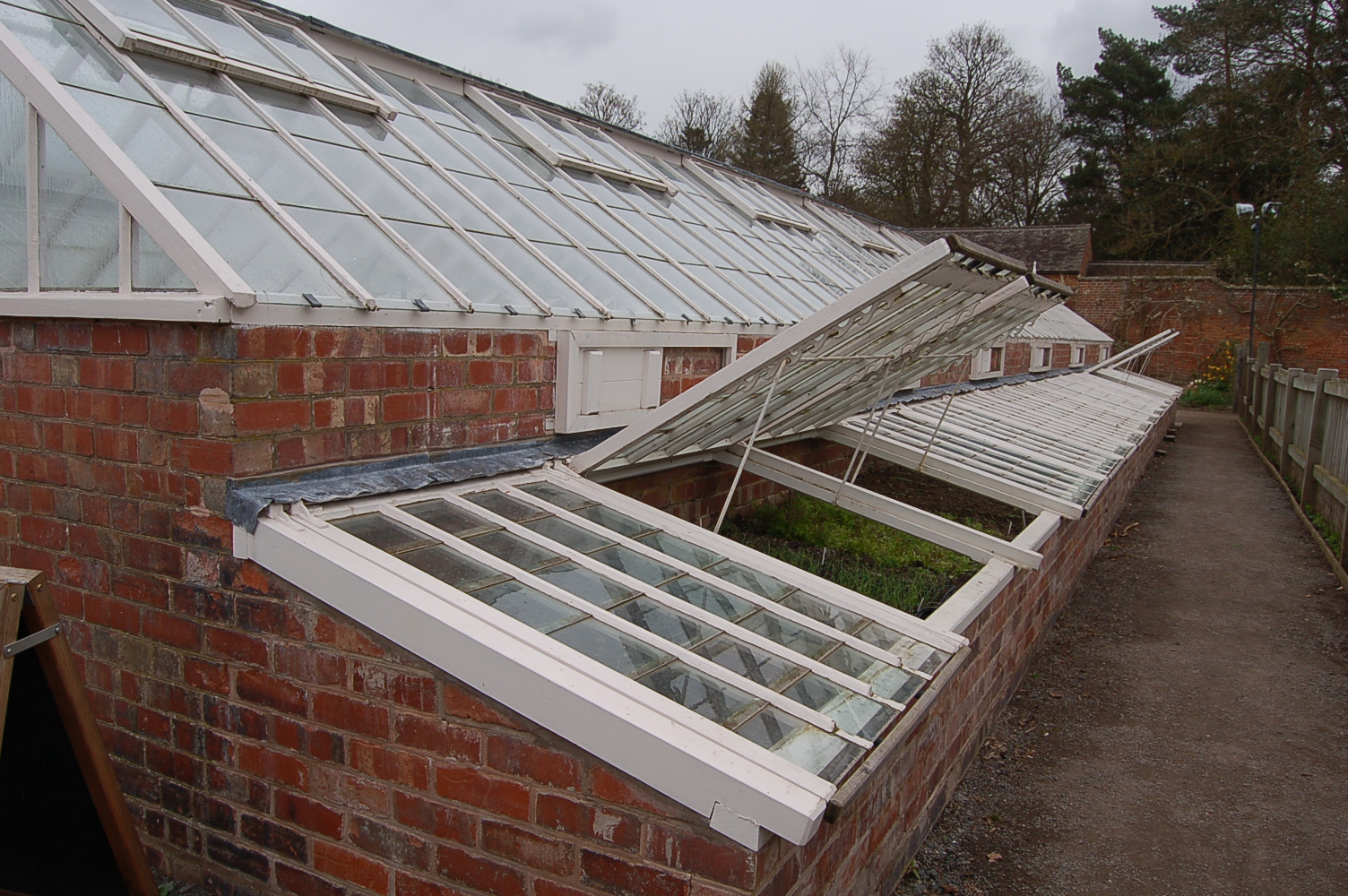
The garden enclosed in a wall inside the outer wall produces fruit and cut flowers and is home to renovated glasshouses and coldframes.

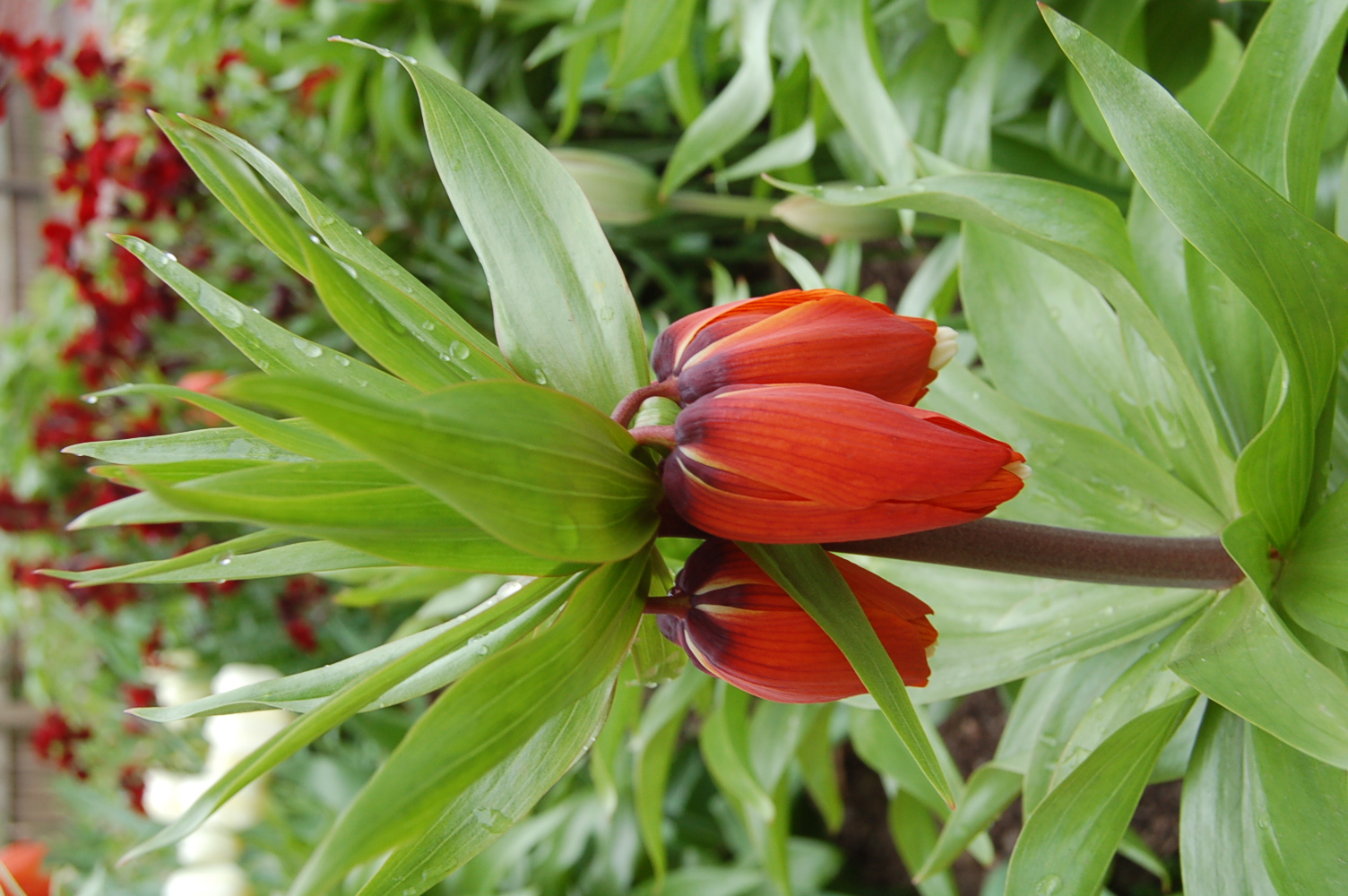
A border outside the gardeners’ bothy  was bursting with hot colours. Polyanthas and Wallflowers in reds, oranges and reds shared the space with an impressive clump of Fritillary “Crown Imperials”.

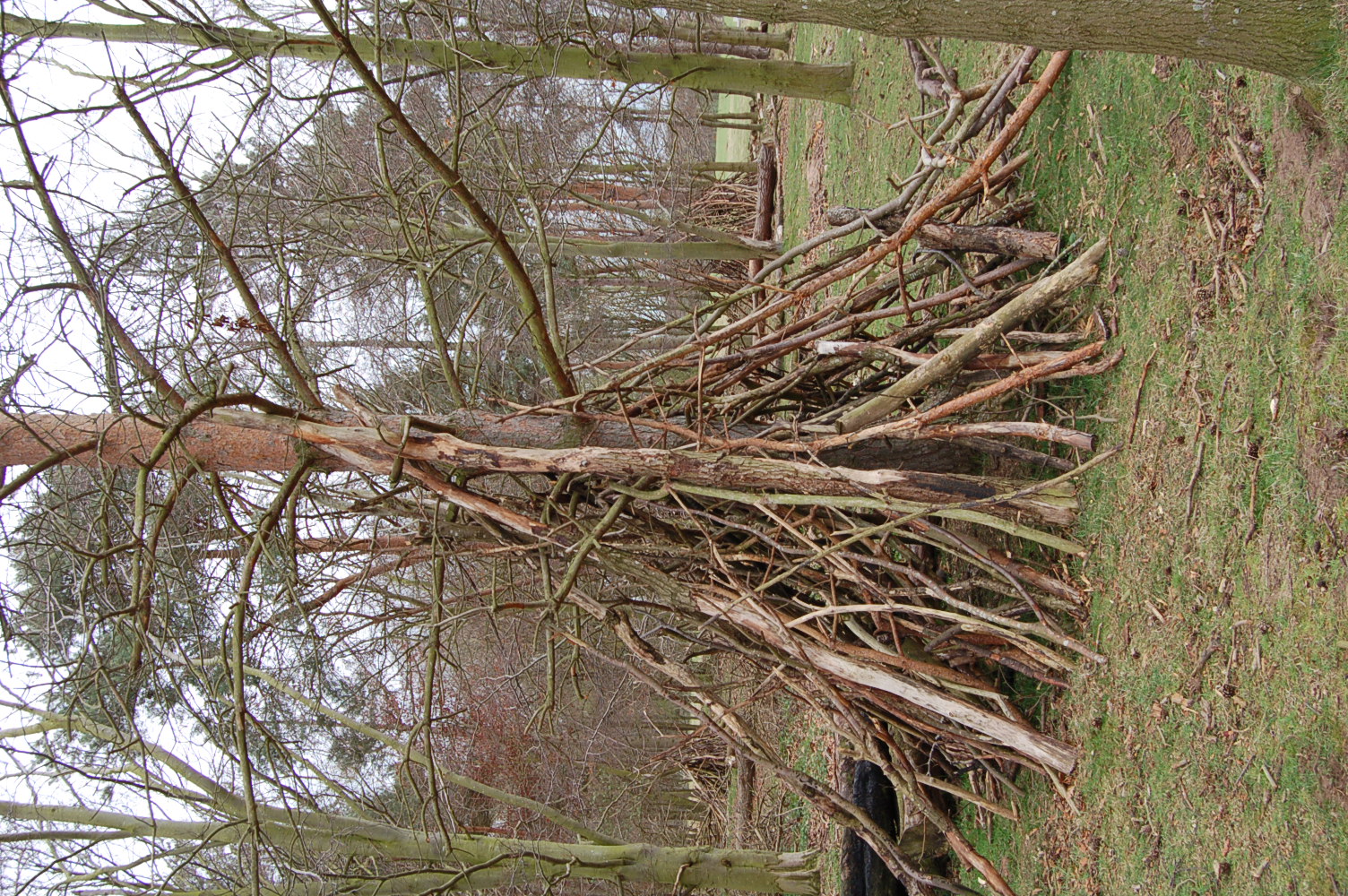
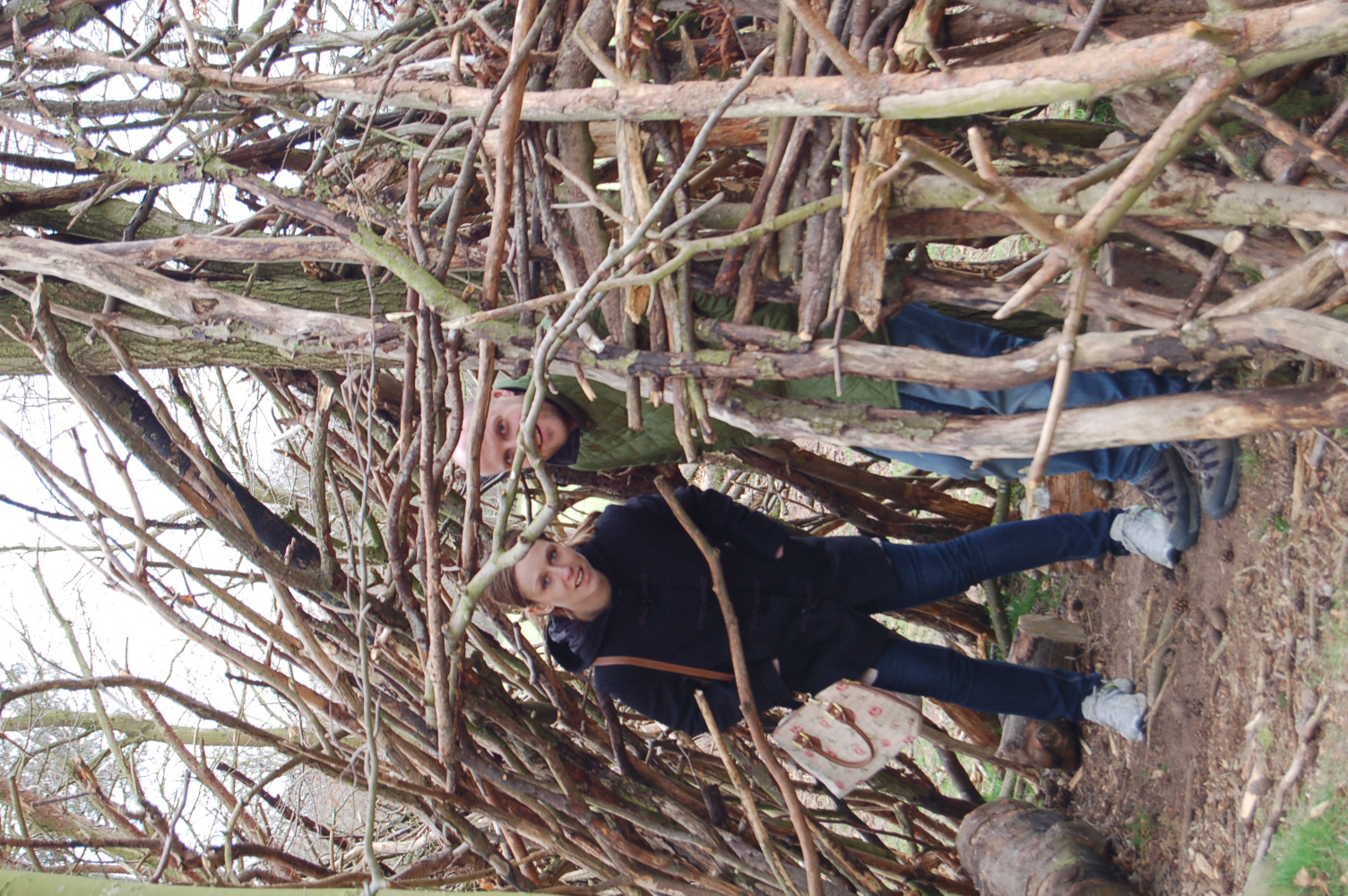
On the return walk we passed through an area of woodland where fallen limbs from the old trees had been used by children to make wonderful dens. Let’s have a wander around and enjoy a few. We enjoyed admiring the children’s handiwork and Jamie and Sam had to try one out for size. Knowing that I would blog about our day out they decided that if they sneaked into a photo they could get themselves into my next posting.

Categories
garden photography National Trust ornamental trees and shrubs photography The National Trust trees winter gardens

Looking up!

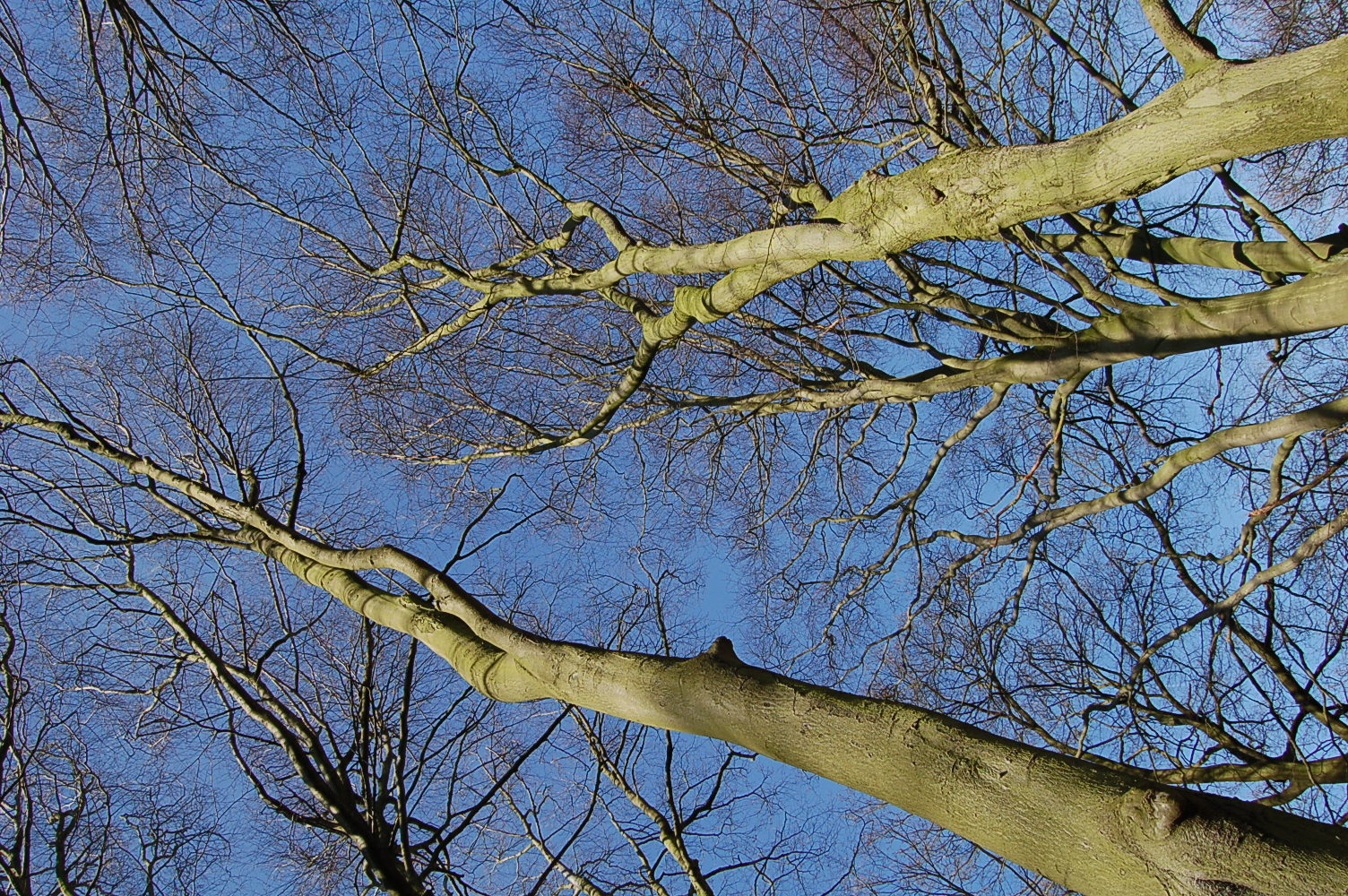
I recently published my blog about the winter garden at Dunham Massey. (see “The Winter Garden at Dunham Massey”) This wonderful area of planting is beautifully situated within and underneath an area of mature trees, some of great age and height, so my camera wandered upwards and shot some pictures.

Jet aircraft from the nearby airport painted white lined art against the deep blue of the sky.

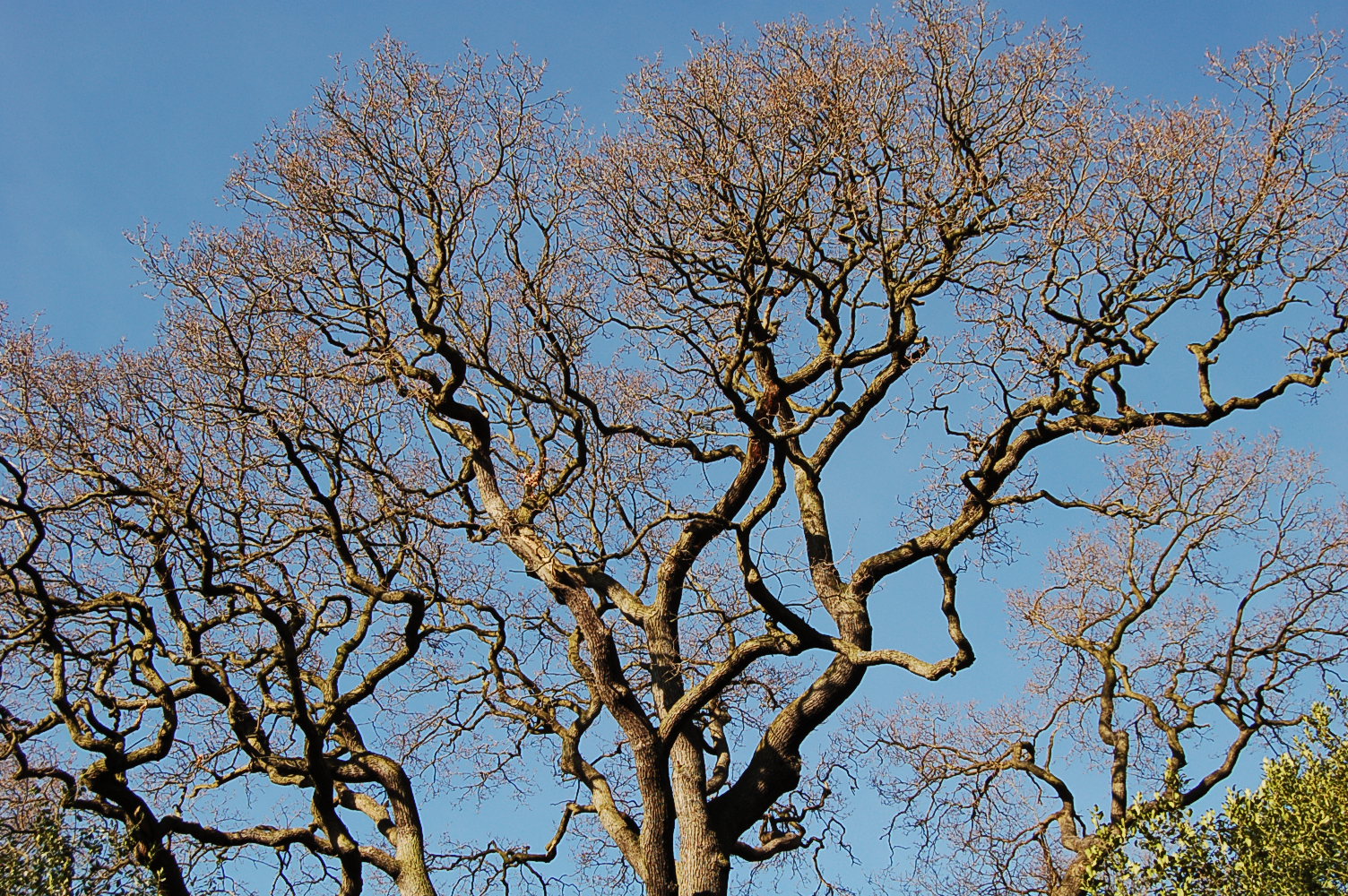
The tracery of bare winter branches bursting from the thick trunks of the mature trees painted far more delicate works of art in the sky. No straight lines in their doodlings.

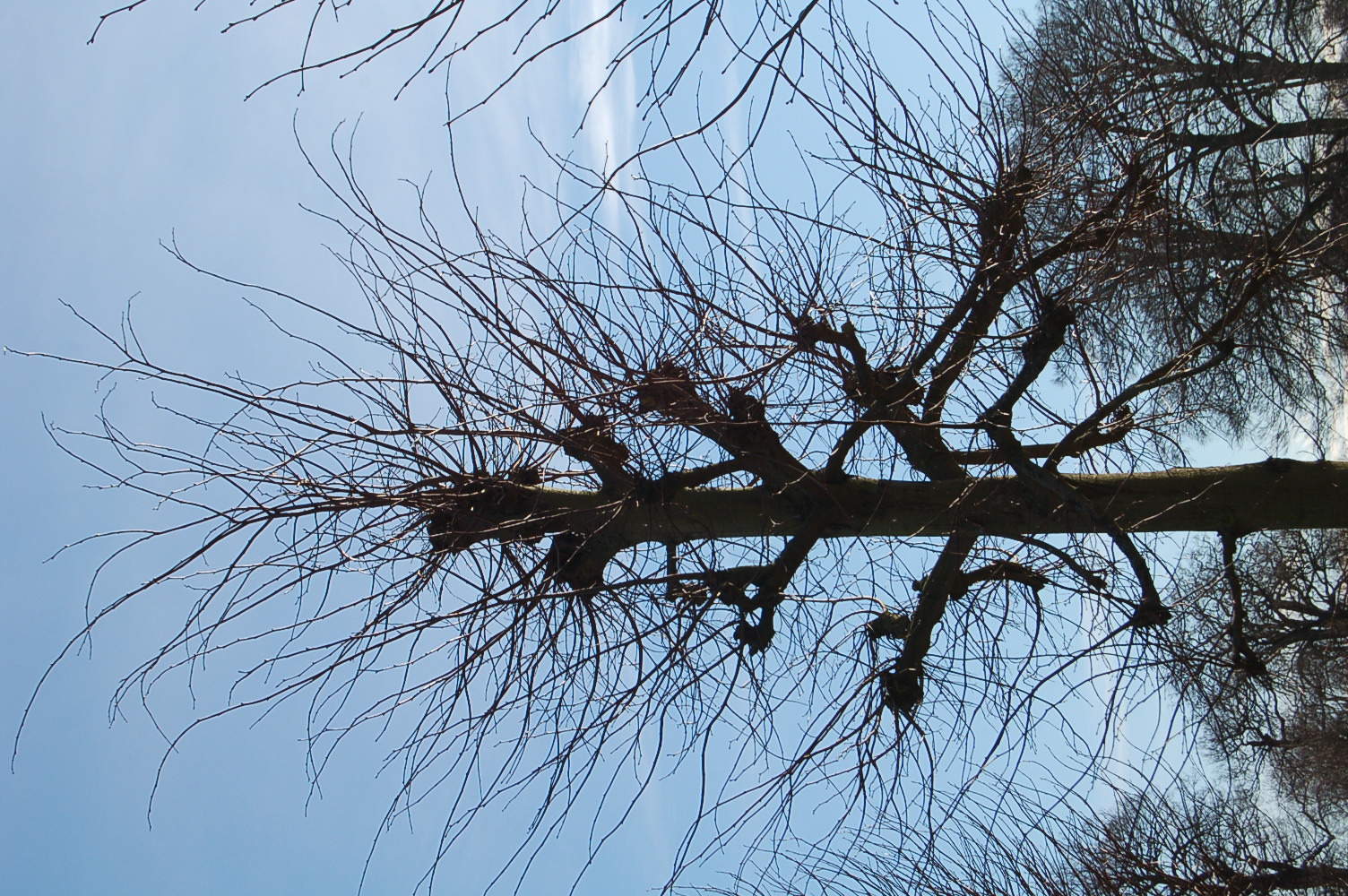
In this avenue the gardeners have added their personal touches to the trees’ artwork with their pleaching work.

The artwork below has been created over decades by the growth and development of this huge tree, creating its own unique textures and patterns.

Looking up gave surprises and delights, looking up into the world enjoyed by birds and insects. Looking up also concentrated and enhanced our listening, affording us the joy and thrill of hearing the calls of Nuthatches, Goldcrests and the Titmice family against the drumming sound of Woodpeckers.

Categories
garden design garden photography gardening hardy perennials National Trust ornamental trees and shrubs The National Trust trees winter gardens

The Winter Garden at Dunham Massey

We visited the Winter Garden at the National Trust’s Dunham Massey just after it opened, so we returned this week to see how things had developed. Wow! This is some Winter Garden. The National Trust enlisted Roy Lancaster, one of my gardening heroes, to help with its design so there is some interesting planting. We wandered around it for hours trying different routes through it which afforded us the opportunity of seeing each bit of planting in a different light. This is a garden for all the senses, our eyes, noses, fingers and ears enjoyed every moment. It was busy but the design and quality of planting seemed to make everyone remain quiet. Quiet enough to hear the birds, bees and insects at work.

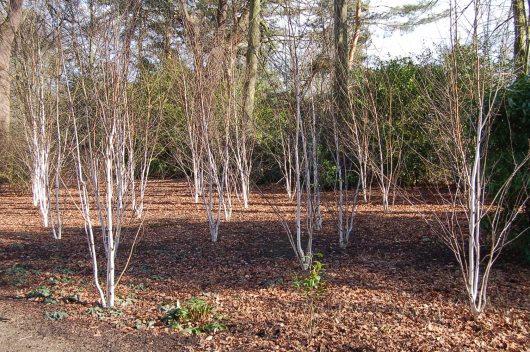
A winding path lead us through an area of mature trees underplanted with miniature daffodils, an area where the trees’ long shadows cut across the Daffodils, beautifully lit by the low sun and shining like gold, and soon we glimpsed the massed planting of white barked Birches.

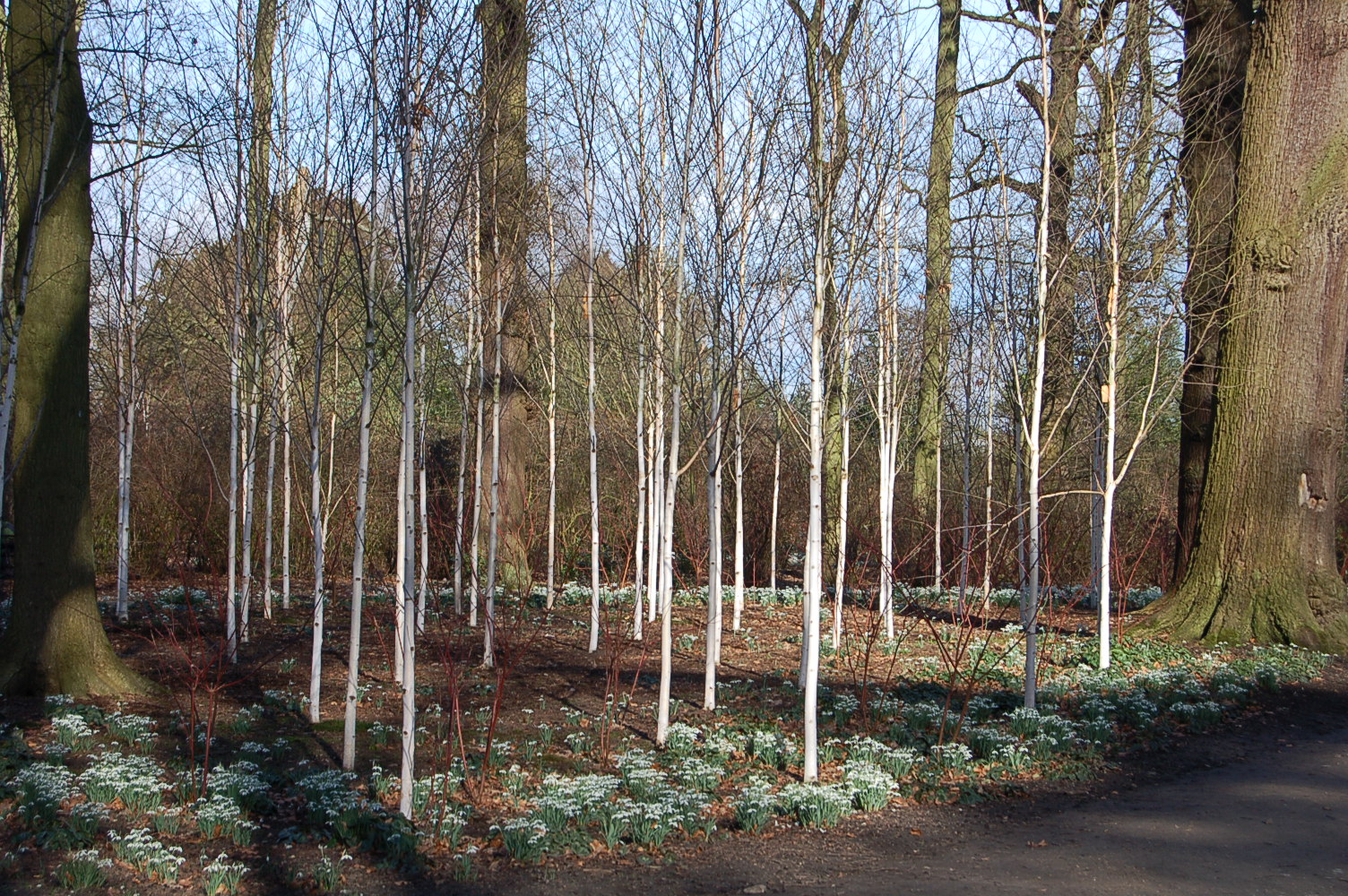
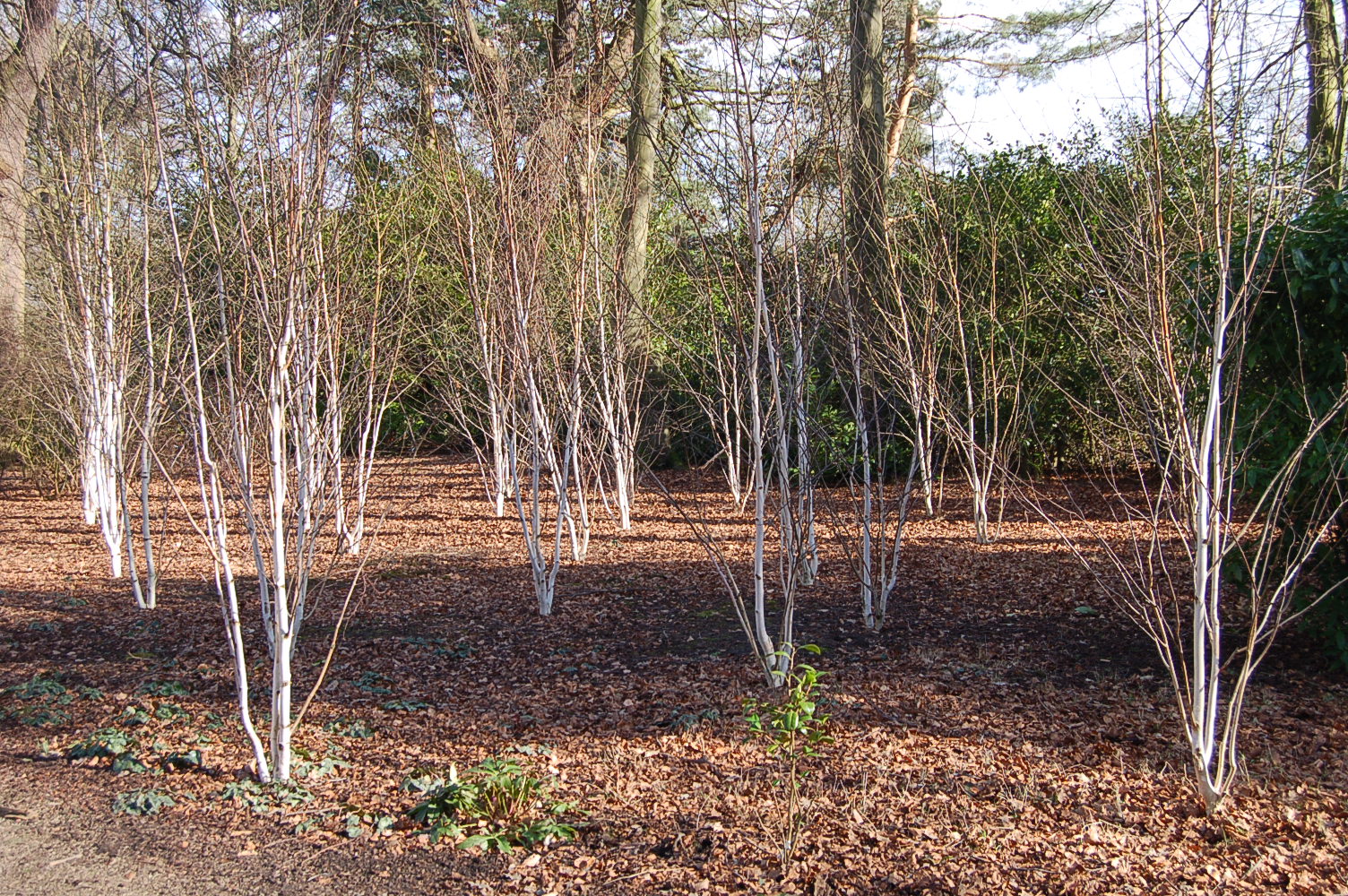
There were two distinct areas of Birch trees, single stemmed specimens one side of a path and multi-stemmed on the other. Betula utilis “Doorenbos” was the chosen variety and their trunks were a clear crisp white.
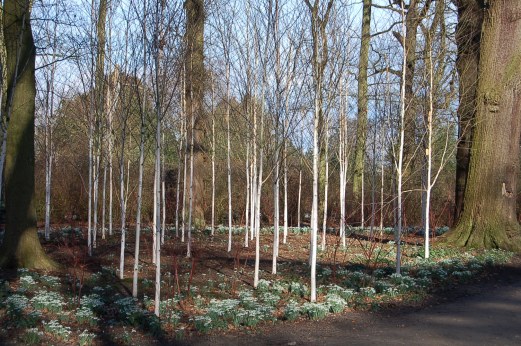
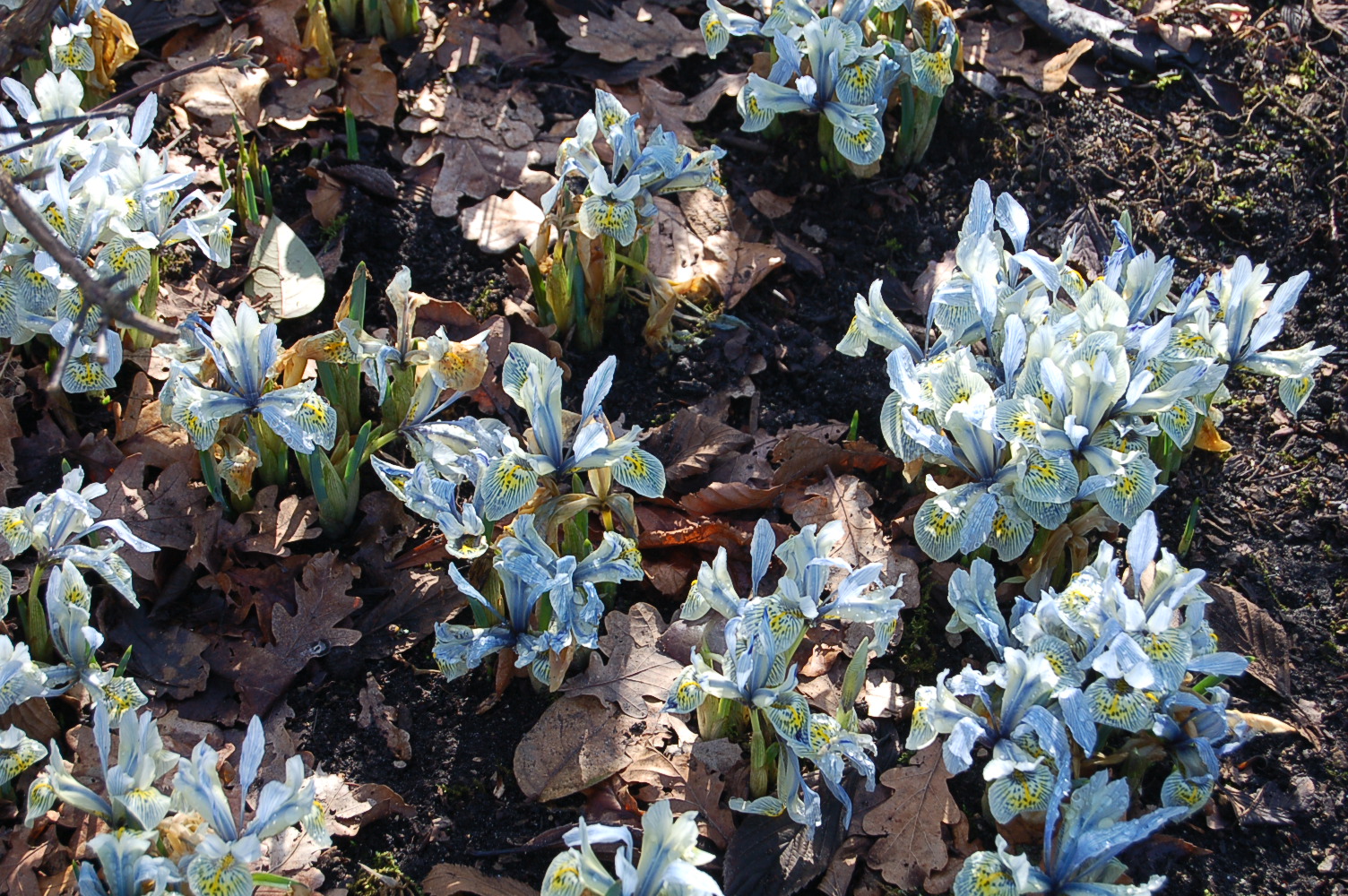
As well as the usual winter flowering bulbs such as crocus, snowdrops and daffodils there were several different coloured varieties of Iris reticulata those tiny bulbous plants with over-sized flowers in shades of purple and blue, all with yellow beards.
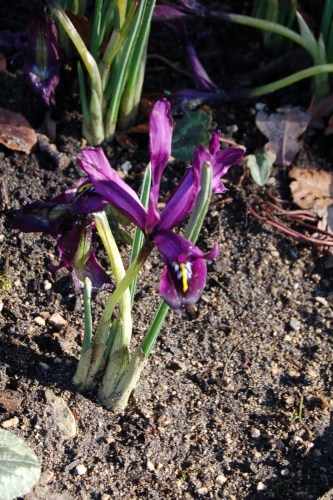
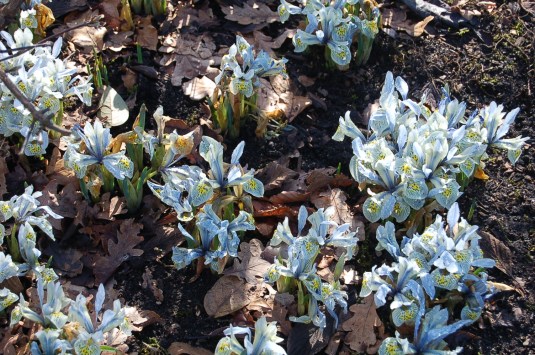
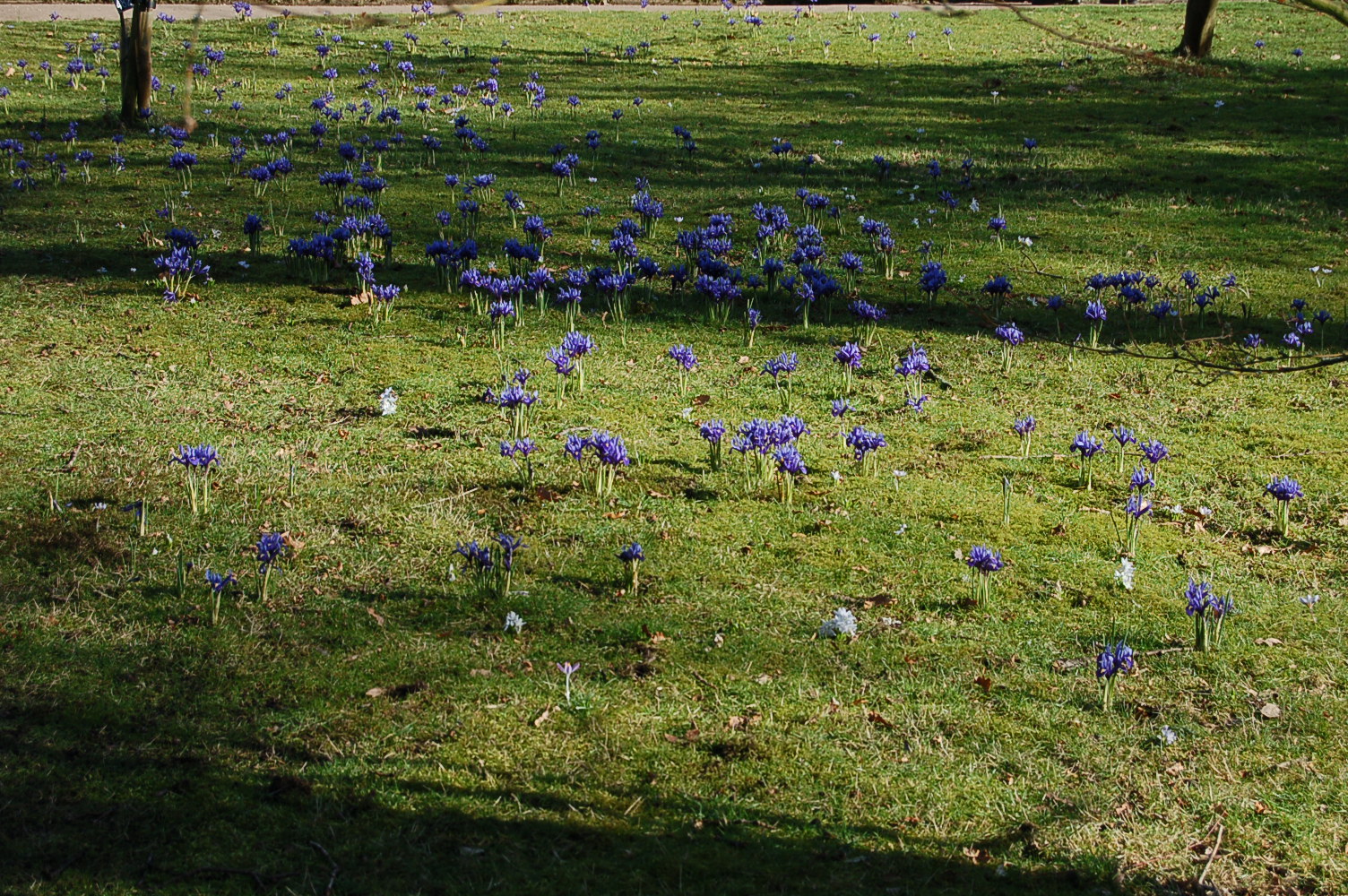
In some areas of lawn these diminutive Irises have been naturalised under trees. We had never seen this done before and have to say it was very effective.
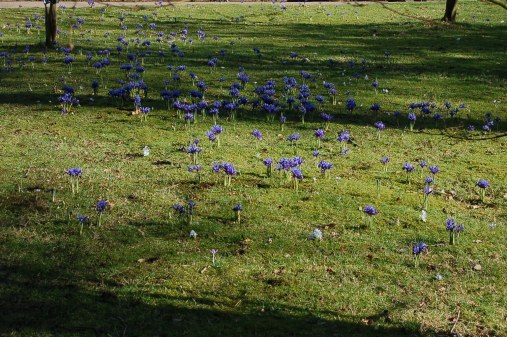
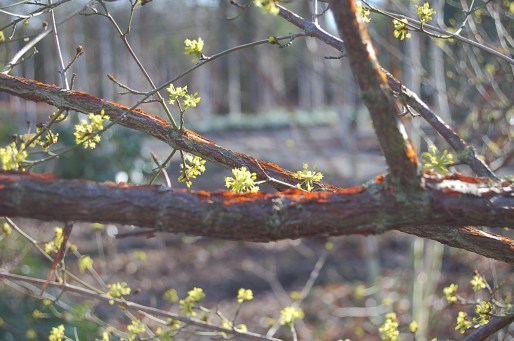
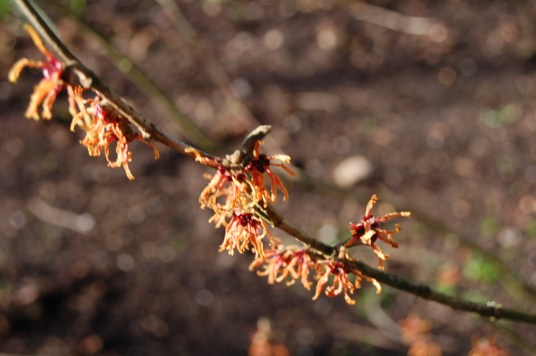
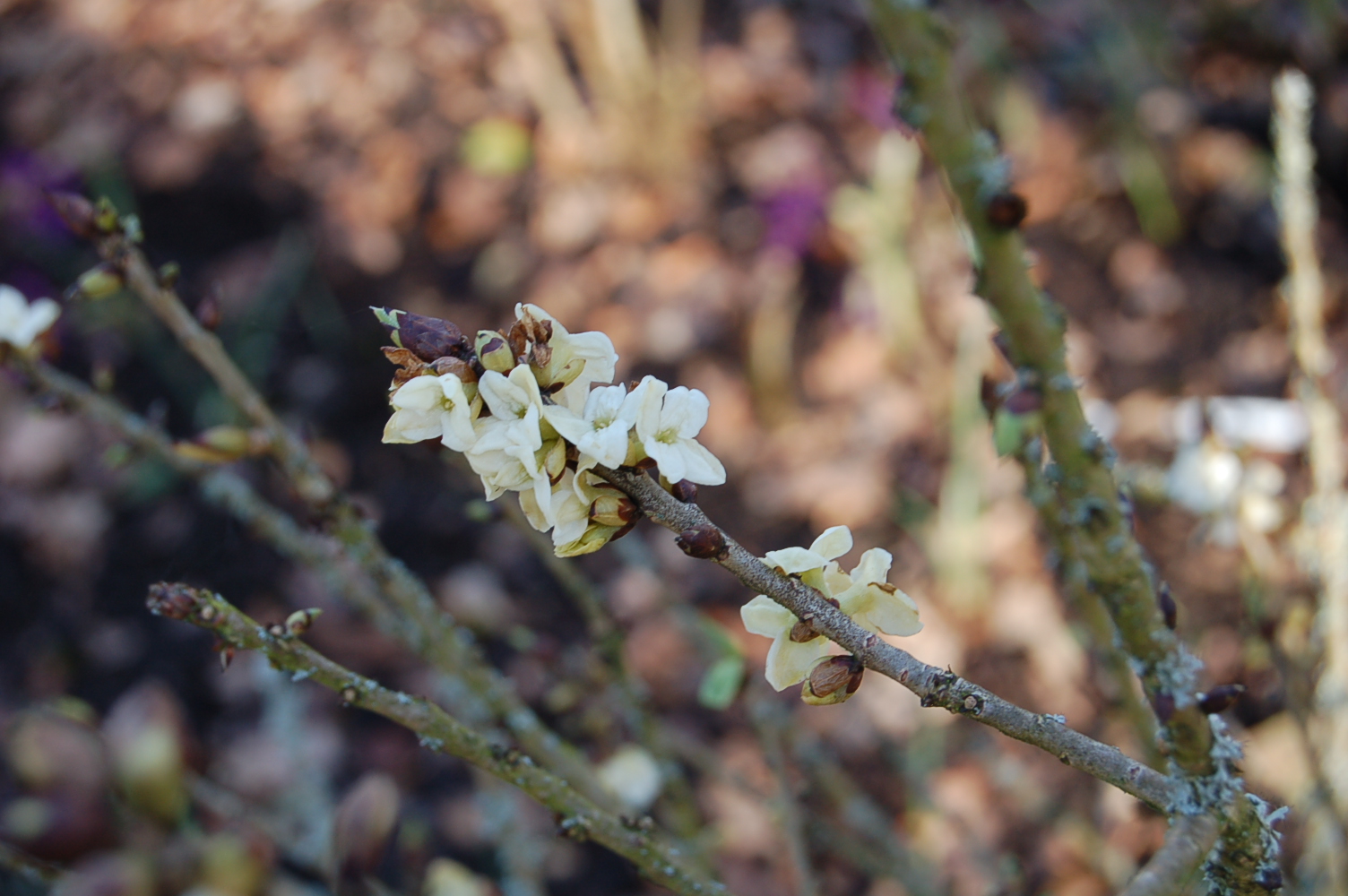
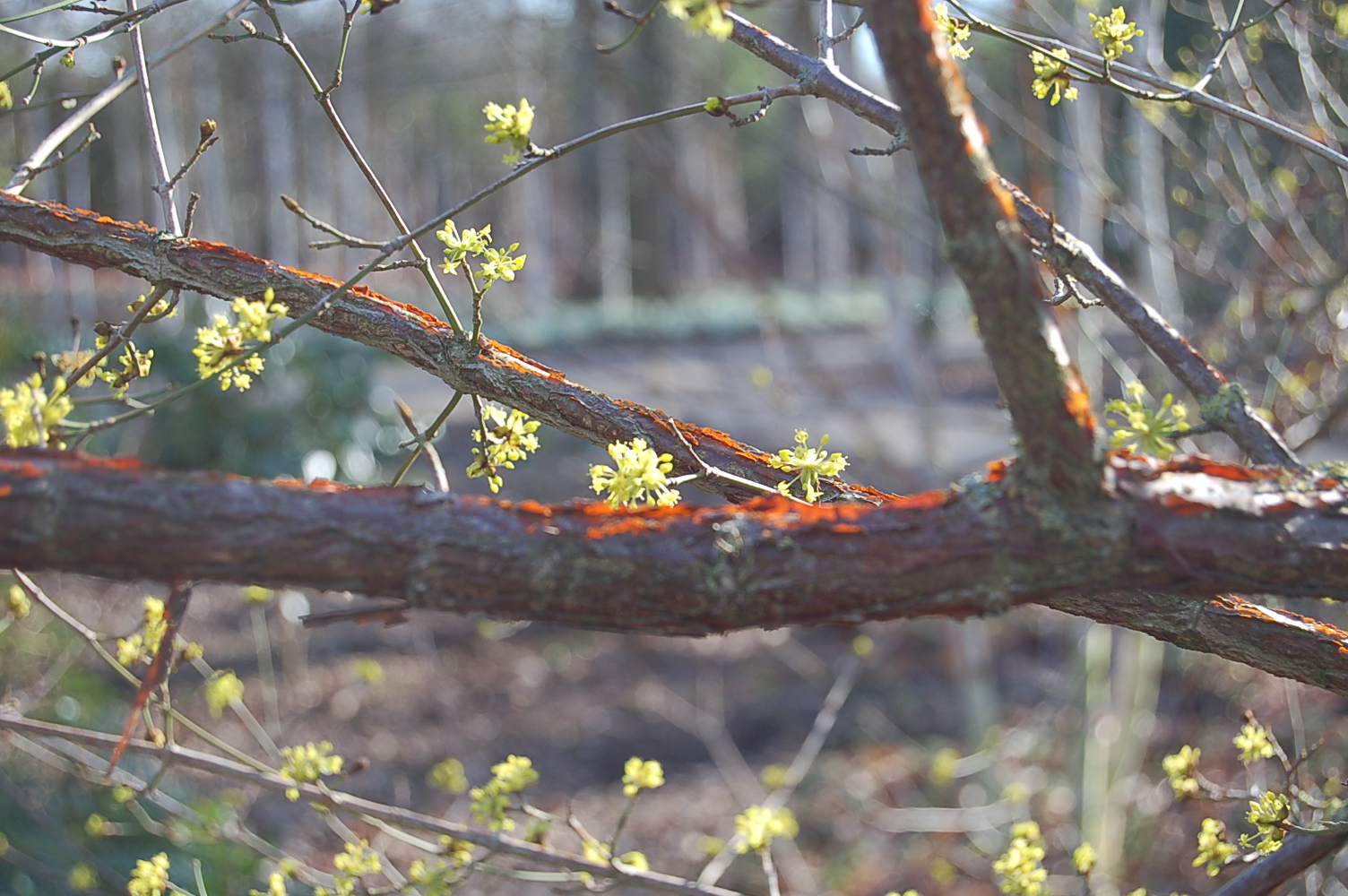
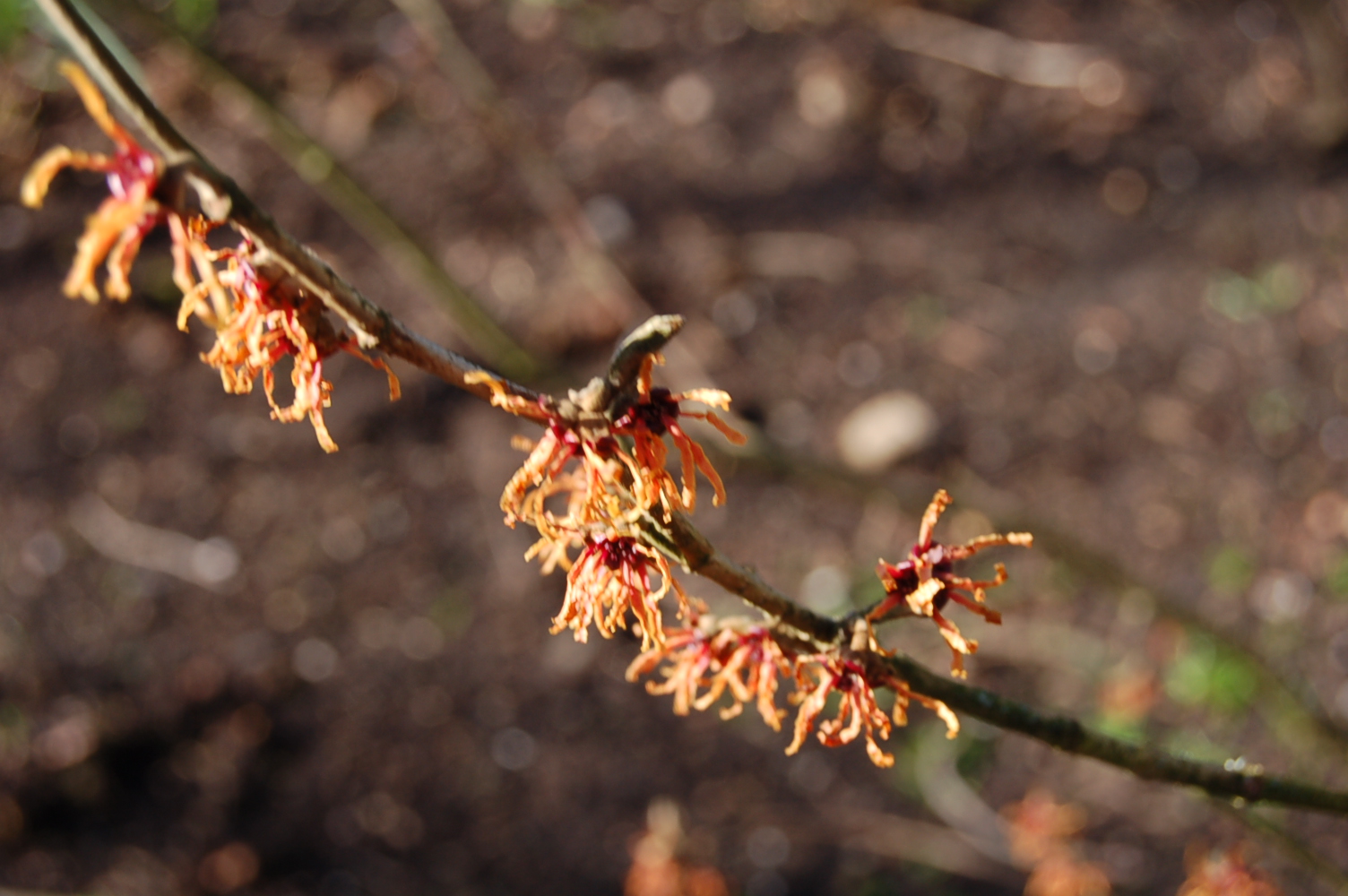
It was so heartening to see and hear bees, hoverflies and other insects at work around the flowering shrubs, Lonicera fragrans, Cornus mas, Daphne mezereum “Alba”, Viburnum bodnantense and Viburnum tinus.

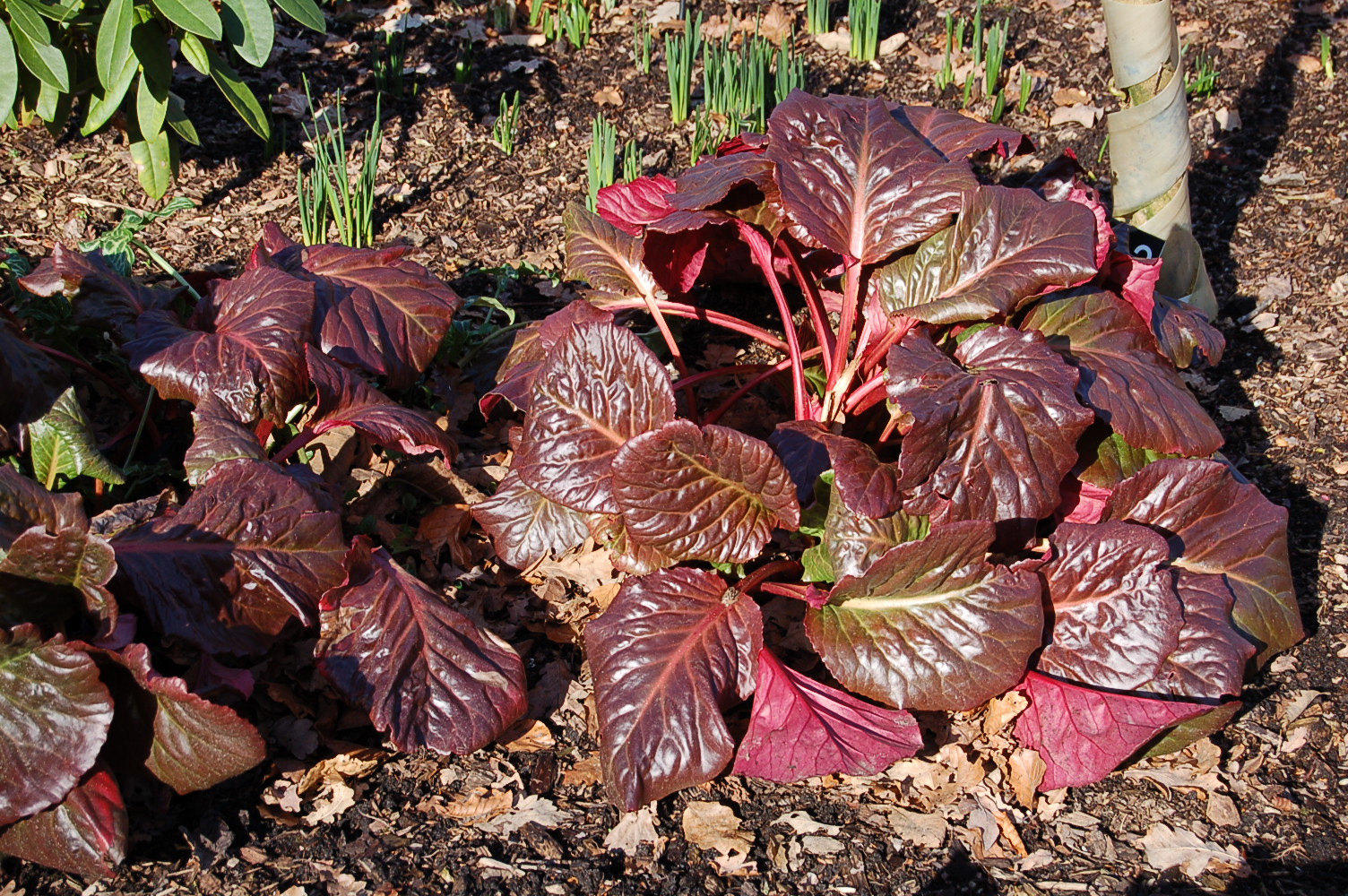
Lovely as the flowers of winter are, sometimes the colours, textures and shapes of leaves can be just as impressive – Bergenias, Liriope and variegated Ilex for example in their many colours.

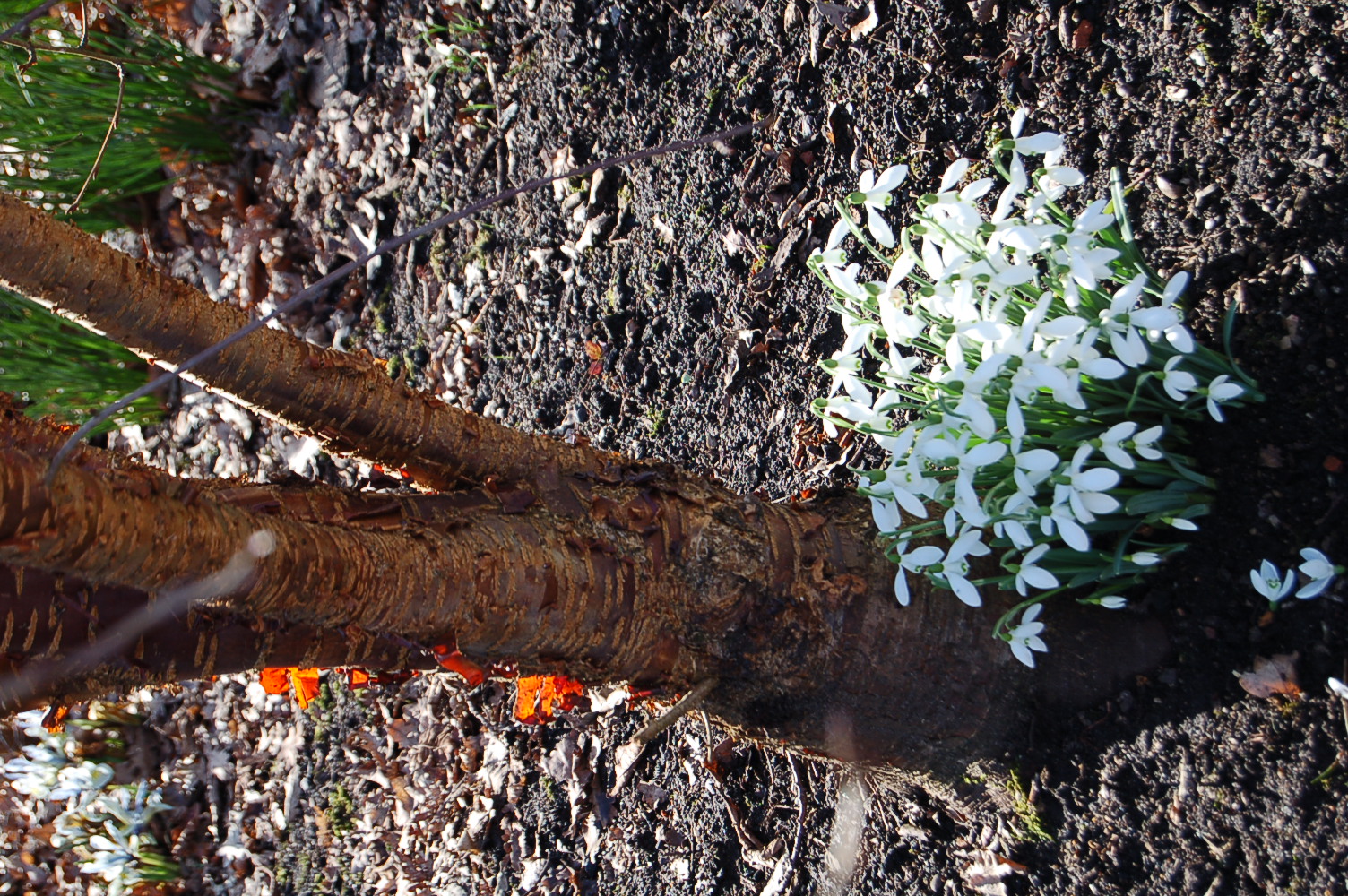
We cannot ignore the snowdrops though, and here at Dunham Massey they have been so thoughtfully placed, at the bases of trees or shrubs.

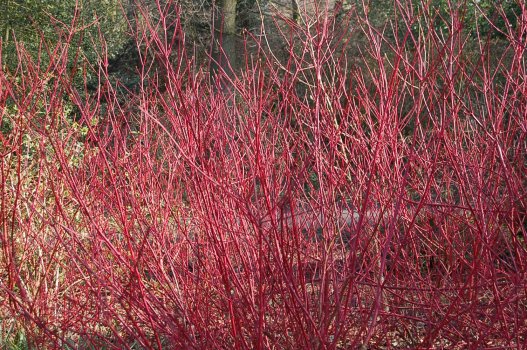
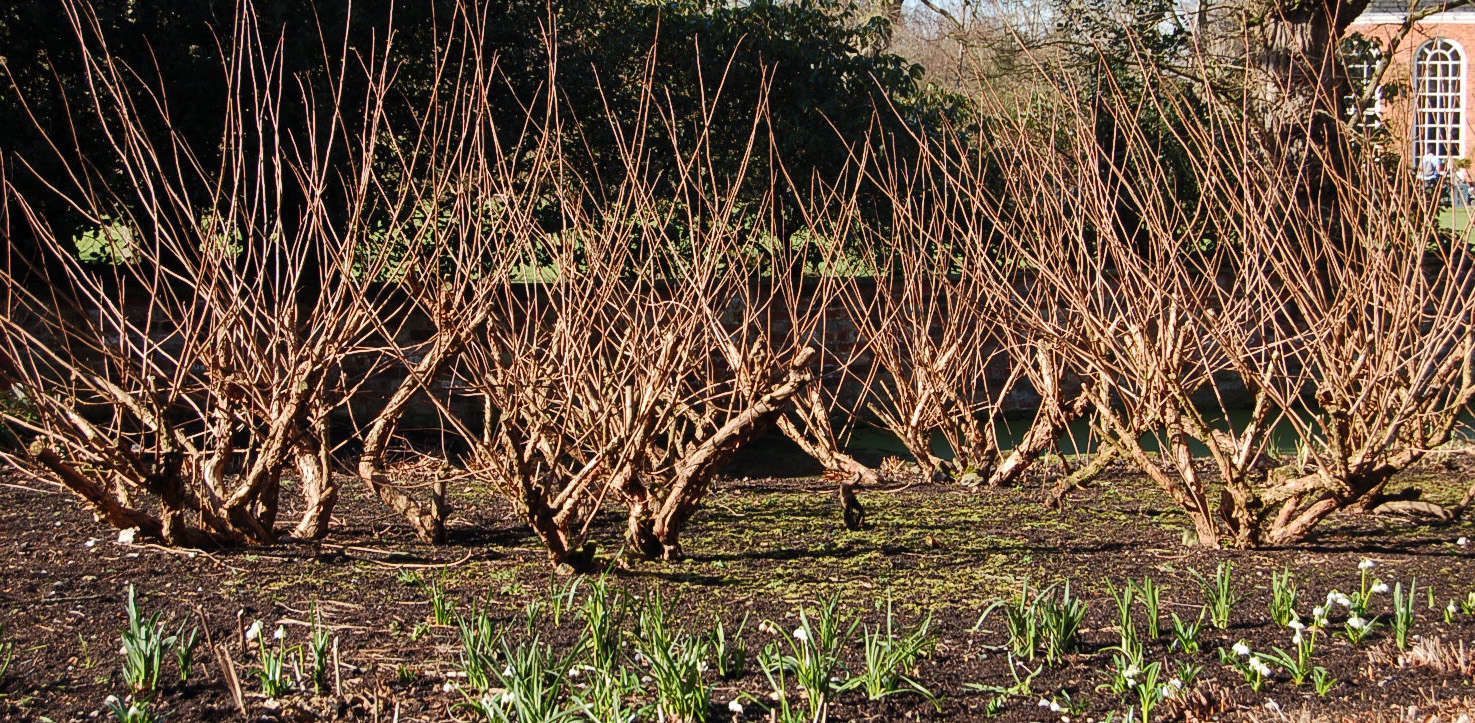
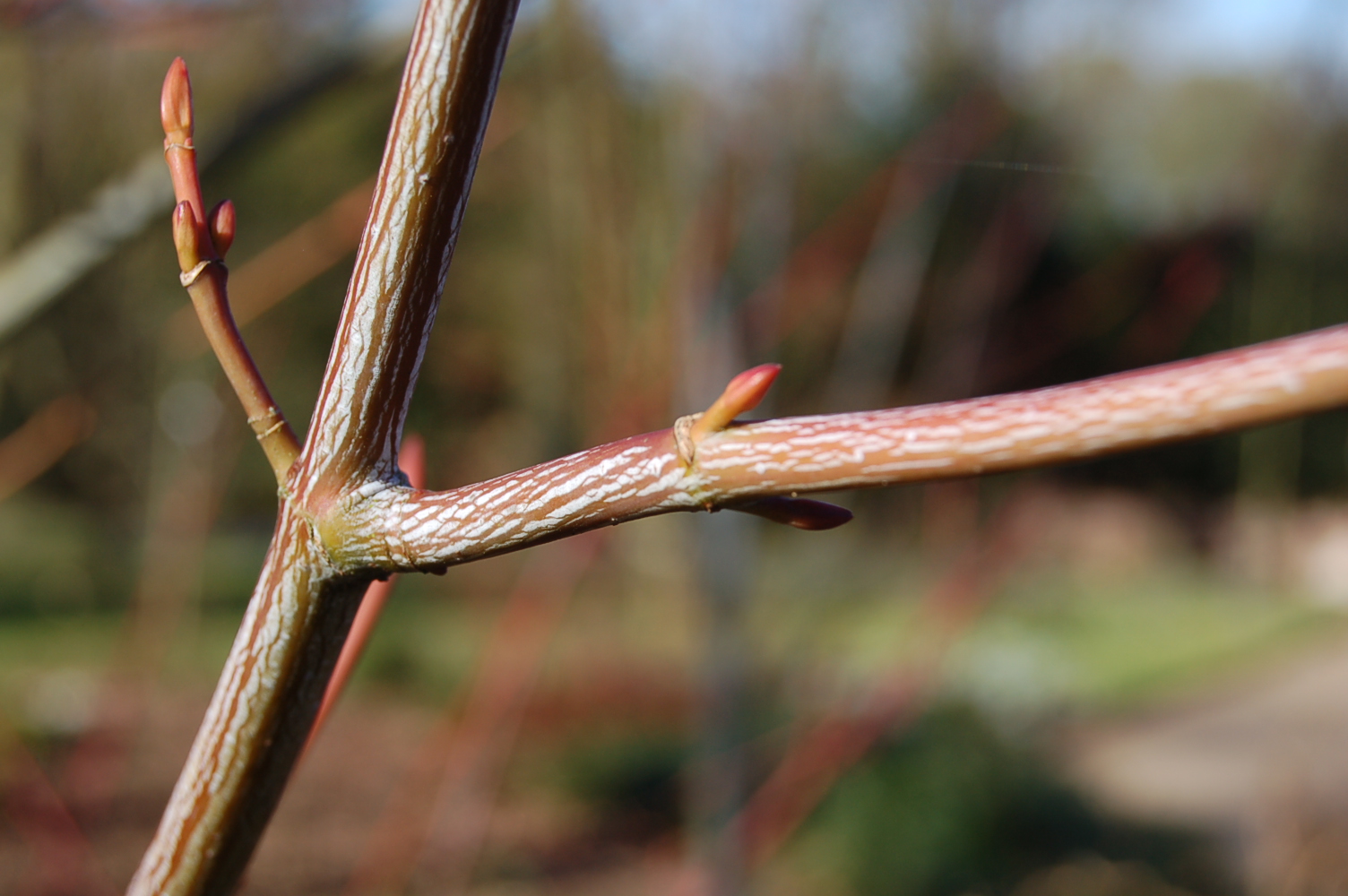
The textures and colours of bark add another dimension to this winter garden, peeling bark, shining bark, bark like snake-skin, red stems, contorted stems, curling stems, shimmering stems.
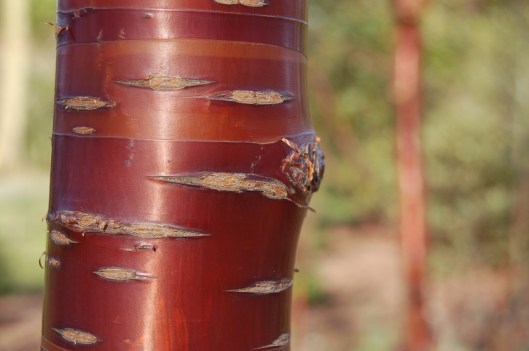
In the photo below the ginger-coloured shining bark of Prunus serrula shoot upwards from the golden leaves of Liriope.

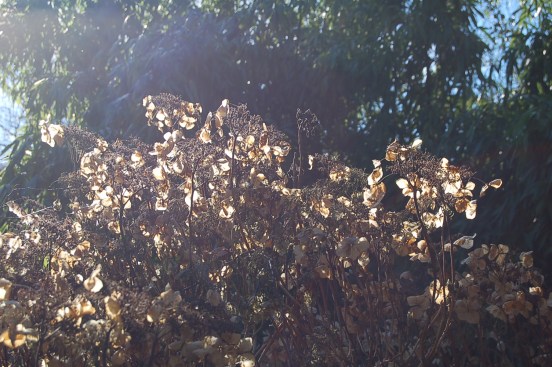
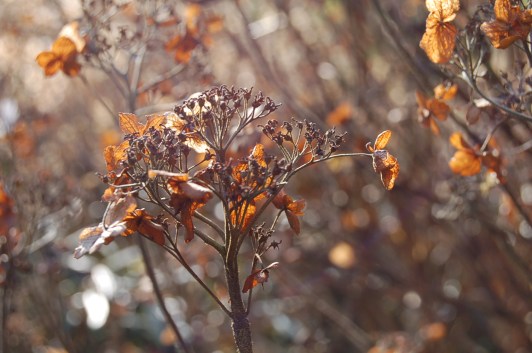
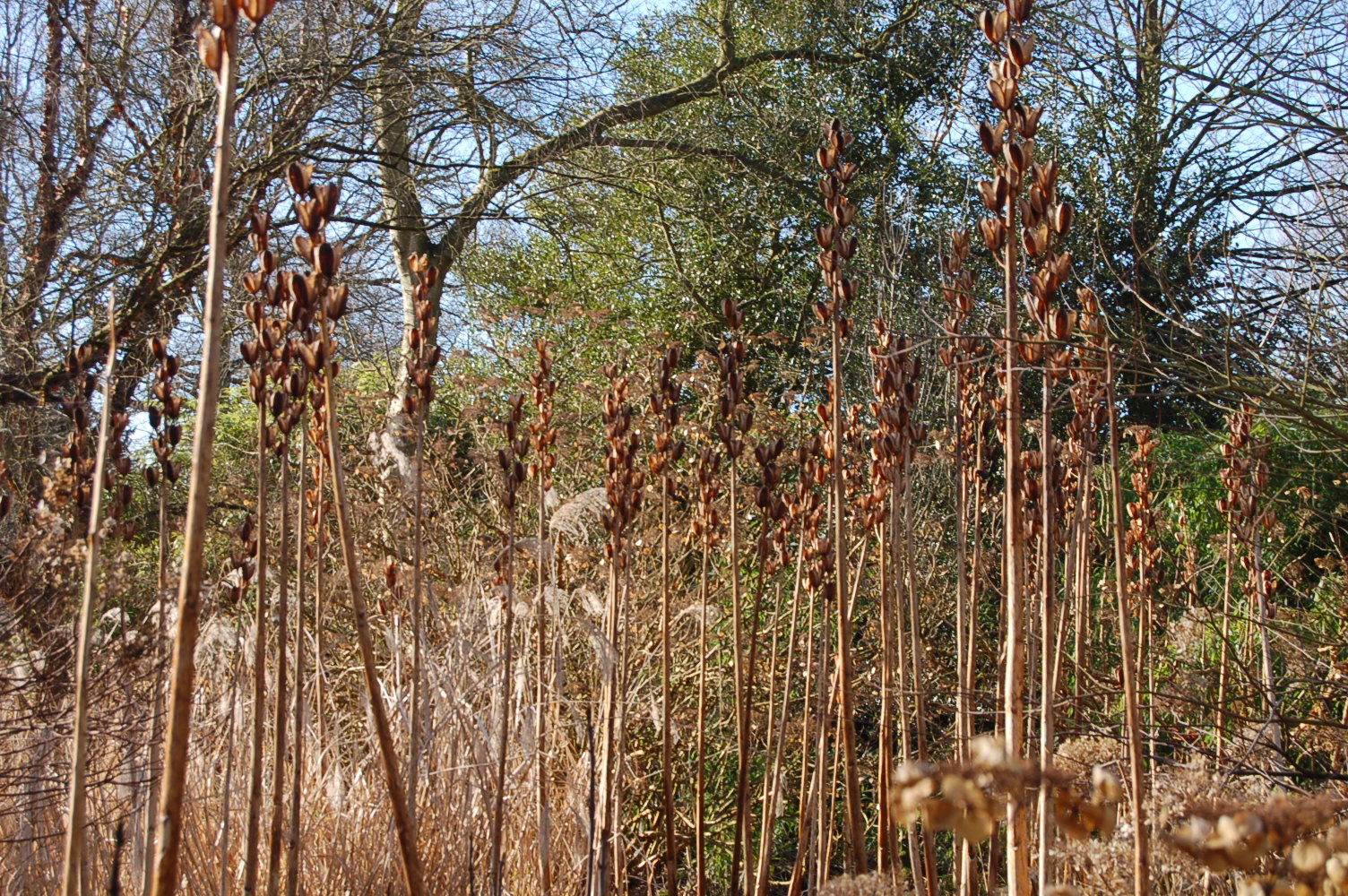
With all the new season’s flowers, the colourful stems and bark, and the scents it would be too easy to miss the effect the winter light can have as it plays across the seed heads of last year’s flowers and stems. Giant lilly stems with their huge seed pods towering up above a sea of desiccated flower heads of a variety of Hydrangeas stopped us in our tracks.
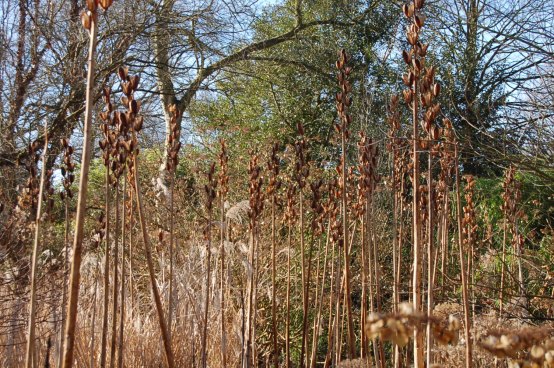
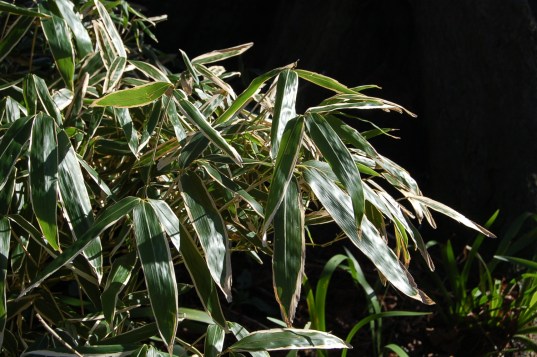
When the wind blew these seed heads rustled gently, temporarily drowning out the sound of the Blackbirds turning over the mulch of bark and throwing the dried leaves fallen from trees last Autumn over their shoulders. The gentlest breeze set the bamboos swaying and rustling but it took a stronger wind to move the conifers overhead and start their music making. Over our heads in the mature tree canopy we could hear the calls and songs of Goldcrests, Nuthatches, Coal Tits and Blue Tits occasionally drowned out by the drumming of Great Spotted Woodpecker, all proclaiming their territorial rights in their own unique way.
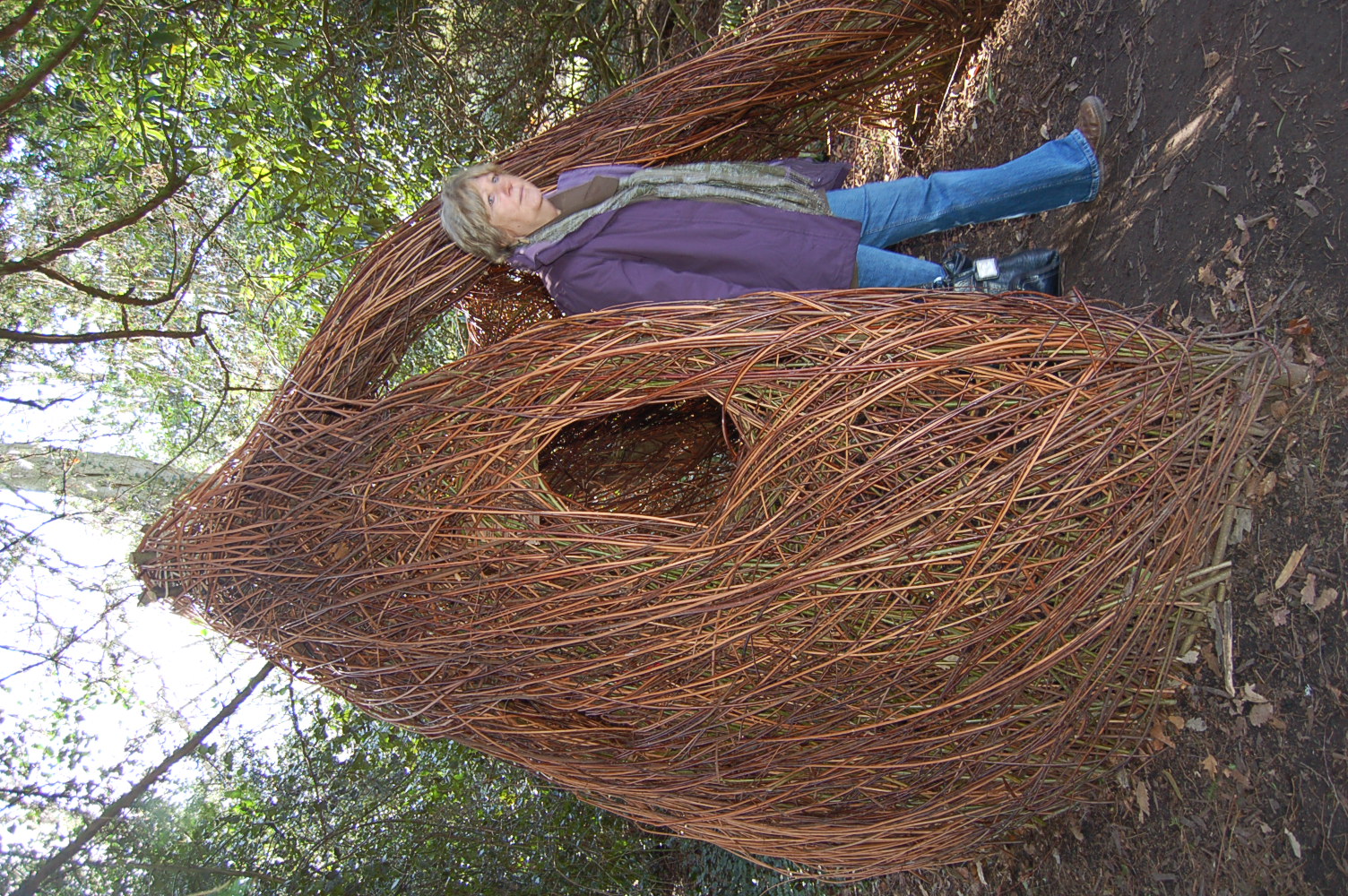
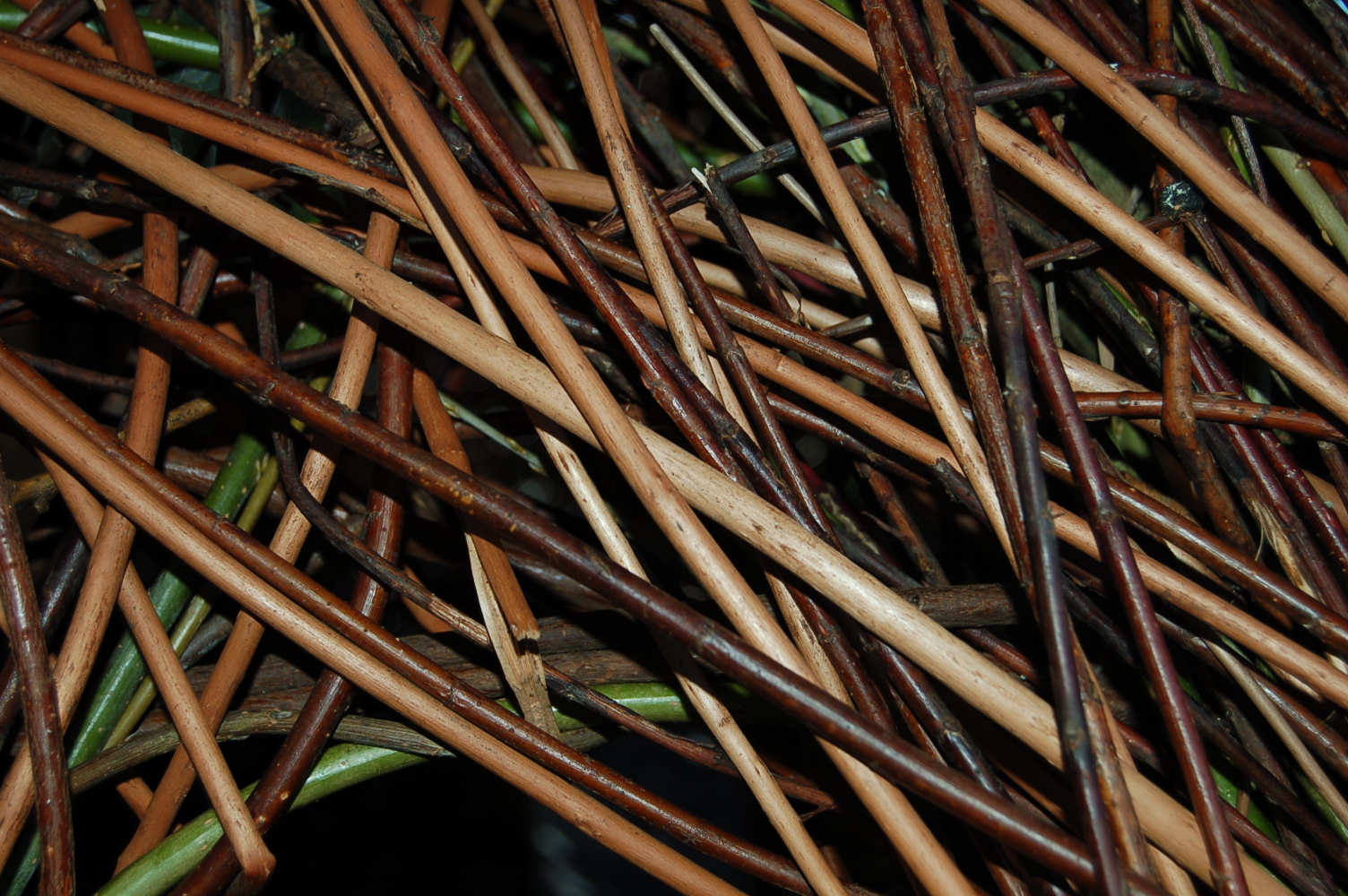
There was so much to appreciate in the Winter Garden at Dunham Massey that it is hard to leave. But it had another surprise around another corner, a beautifully woven willow den, created from many coloured stems.  Jude, the Undergardener, as usual could not resist, so a quick exploration was called for before coffee and cakes called even louder from the restaurant!

This Veggie Life

A Vegetarian | Nature Lifestyle Blog

Rambling in the Garden

.....and nurturing my soul

The Arch City Gardener

Journeys In St. Louis Gardening and Beyond

Garden Dreaming at Châtillon

Consult the genius of the place

Storyshucker

A blog full of humorous and poignant observations.

gardeninacity

Notes from a wildlife-friendly cottage garden

PlayGroundology

...an emerging social science

The Official Blog of British Wildlife

'The most important and informative publication on wildlife of our times' - The Independent. This blog is a member of The UK & Ireland Natural History Bloggers group: www.uknhb.blogspot.com

iGrowHort

Inspire - Cultivate - Grow Native Plants - Restore Landscapes

Bishops Meadow Trust

To create and protect a semi-natural wild space for the people of Farnham to enjoy and experience an array of British wildlife in our town

Gardening with Children

The www.gardeningwithchildren.co.uk Blog

UKbirdingtimeline

birding through the seasons, why birds matter and how to conserve them

NATURE WALKER

with a camera in hand

Jardin

Transform your outdoor space

Eva's space

My allotment, cooking and other interests

Old School Garden

my gardening life through the year

LEANNE COLE

Trying to live a creative life

fromacountrycottage

trying to live as lightly as possible on our beautiful planet

Good Life Gardening

Nature lovers from Leicester living the good life.

mybeautfulthings

Finding the beautiful in the everyday

mawsonmichelle

Michelle's Allotment

In and Out of My Garden

thoughts from and about my garden

Greenhousing

Big plans for a small garden

The Scottish Country Garden

A Walled Country Garden in South East Scotland

The Fruity Chicken

Life at the fruity chicken

willowarchway

Off grid living. Self sufficient. "PERMAGANICS RULE".

St Anns Allotments

Nottingham's Grade 2* Listed Allotments and Community Orchard

Manifest Joy Harvests

a journey in suburban vegetable gardening

Allotmental

The madness of growing your own

Penny's Garden: a harvest beyond my front door

A novel approach to vegetable gardening

arignagardener

Sustainable living in the Irish countryside.

NewEnglandGardenAndThread

Master Gardener, amateur photographer, quilter, NH native, and sometimes SC snowbird

dianajhale

Recent work and work in progress and anything else that interests me

planthoarder

a chaotic cottage gardener

Lens and Pens by Sally

a weekly blog that creates a personal philosophy through photographs and words

Dewdrops and Sunshine

Stories from a sassy and classy Southern farmbelle.

The Pyjama Gardener

Simple Organic Gardening & Seasonal Living

gettin' fresh!
turning dirt into dinner

JOY...

today the world is created anew

Garden Birds

Notes from a Devon garden

ShootAbout

Life Through The Lens

Adapting Pixels

A photography blog showcasing the best photography pictures and videos on the internet

Wildlifegardening's Blog

Just another WordPress.com site

naturestimeline

personal observations from the natural world as the search continues for a new approach to conservation.

LATEBLOOMERBUDS

The Wonders of Life through my Eyes, my Heart, my Soul