Categories
garden arches garden design garden paths garden photography gardens gardens open to the public hardy perennials National Trust ornamental trees and shrubs outdoor sculpture roses sculpture The National Trust

Our Short Break in Stratford-on-Avon – Part 4 – Coughton Court

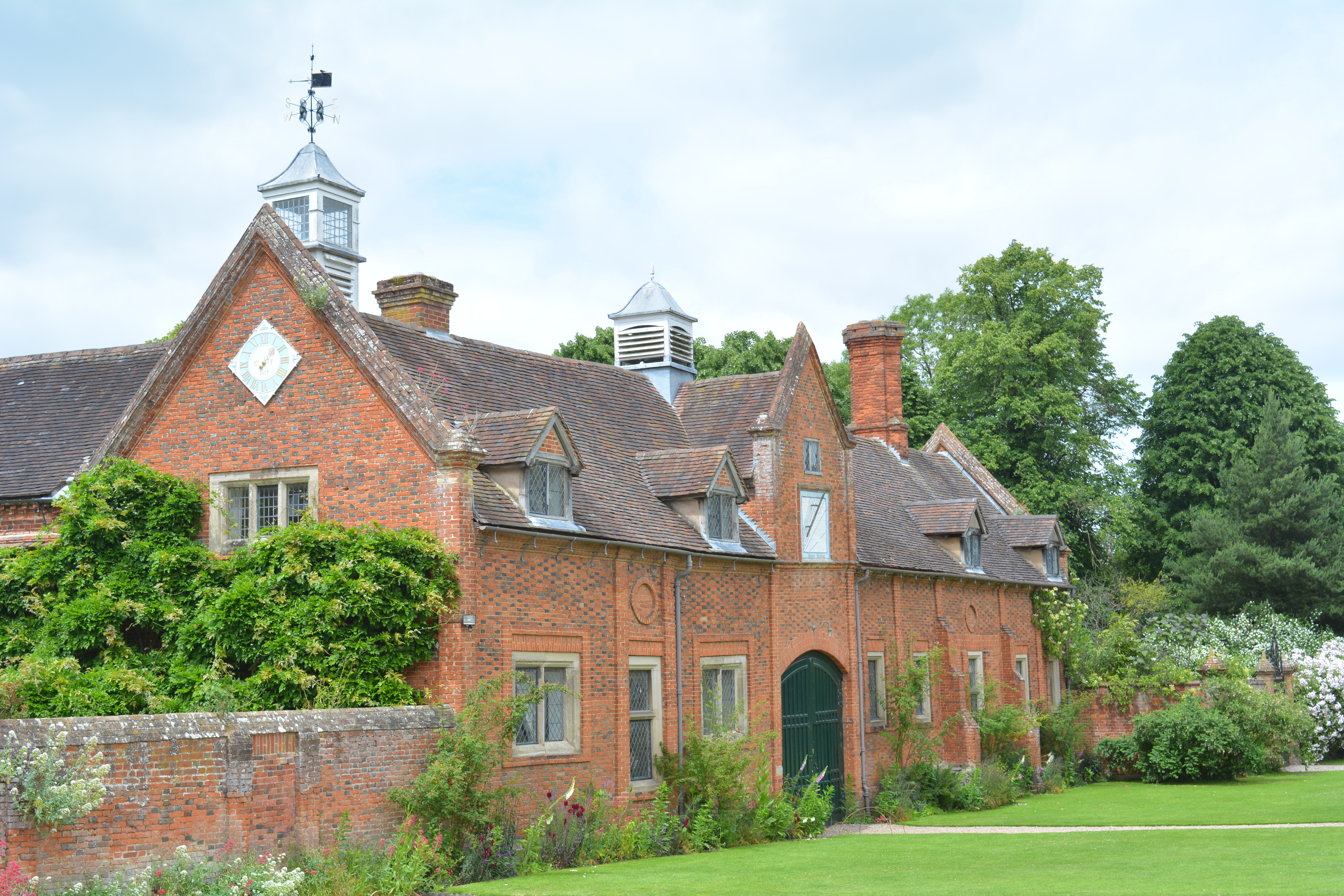
On our return journey from Stratford afforded us the opportunity to return to explore the gardens of the National Tust property, Coughton Court, a garden we had not visited for many years, so we looked forward to seeing how our memories of the place matched up with the reality.

Coughton Court is the family home of the Throckmorton family, who continue to maintain and develop the garden and grounds as well as the house itself.

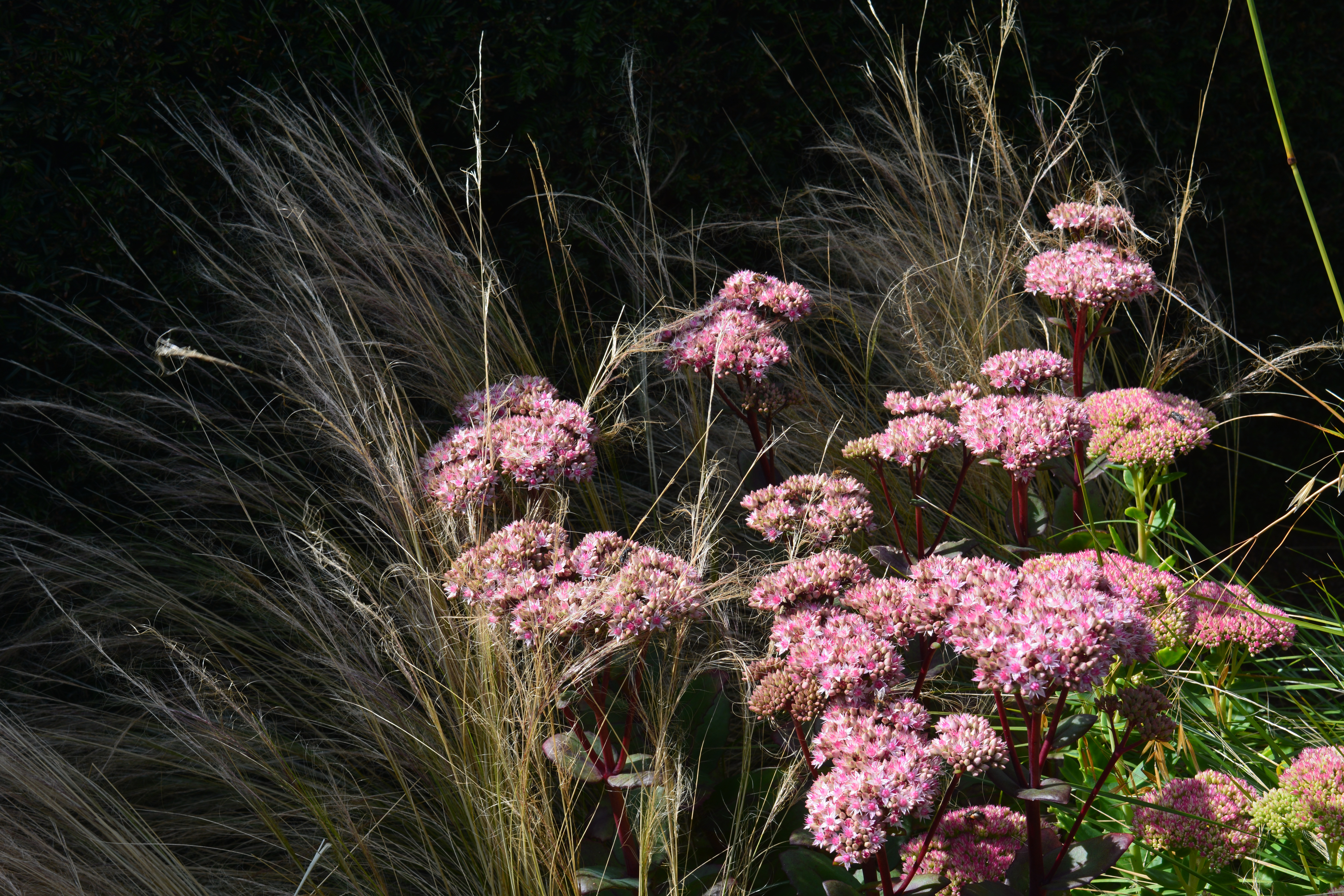
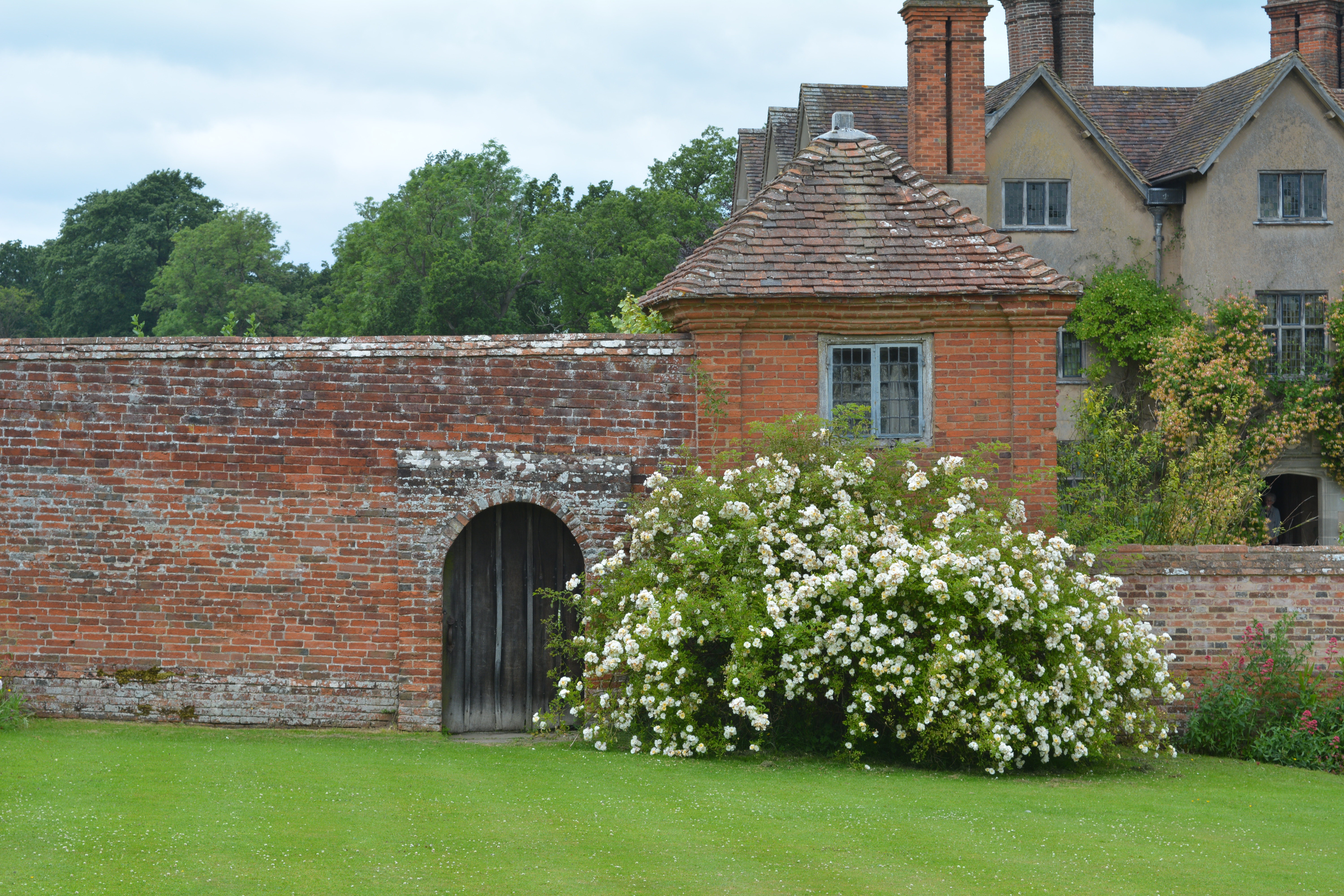
In particular, we remember the walled rose garden which is often quoted as being one of the most romantic gardens in the UK which is of course the land of romantic gardens. We could both remember this area which was full of scented roses, many old-fashioned varieties, and its beautiful statue of a female figure. I can even remember the beautifully soft subtle planting around its base of Sedum sectabile and Stip tenuissima. I hoped that planting still remained.

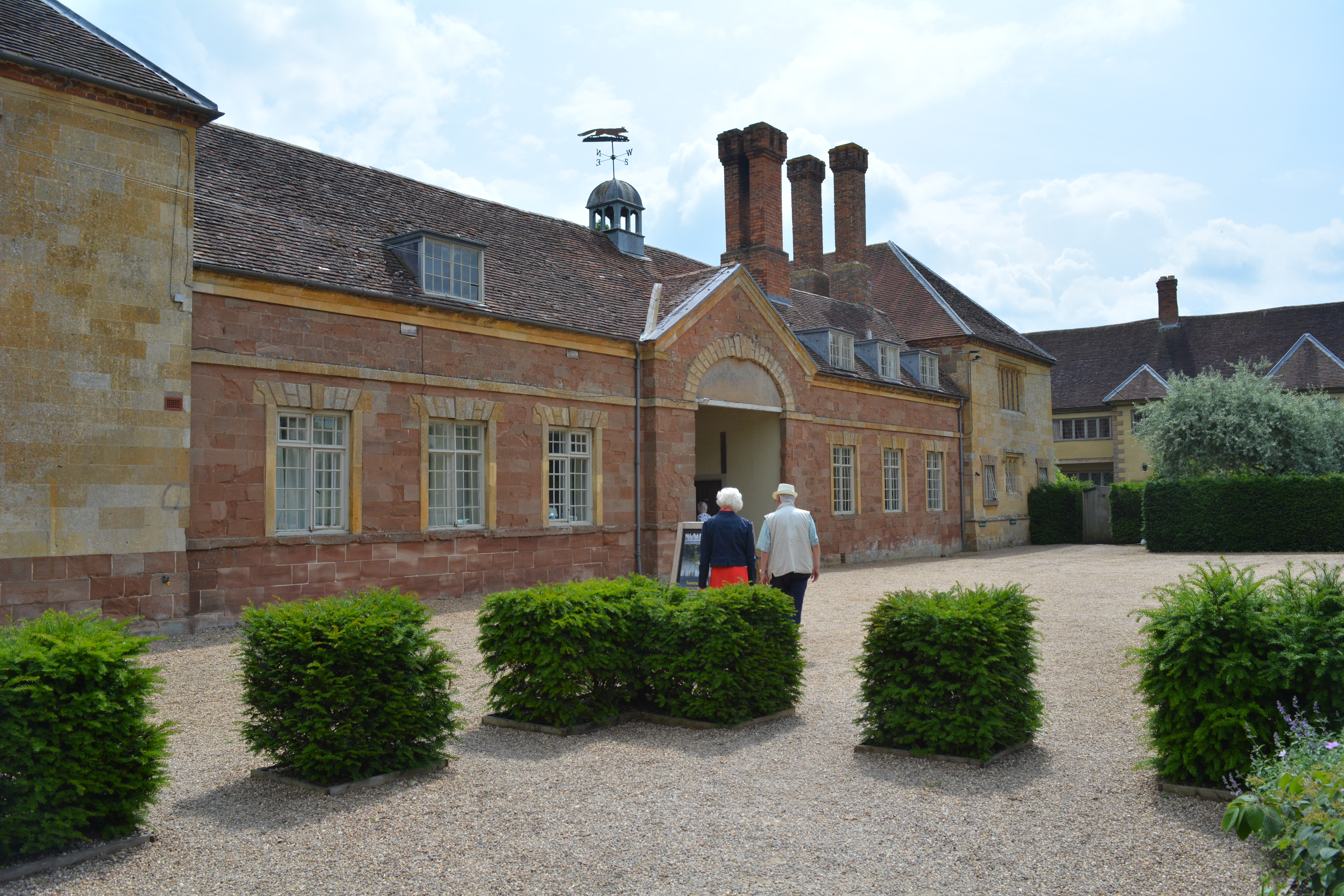
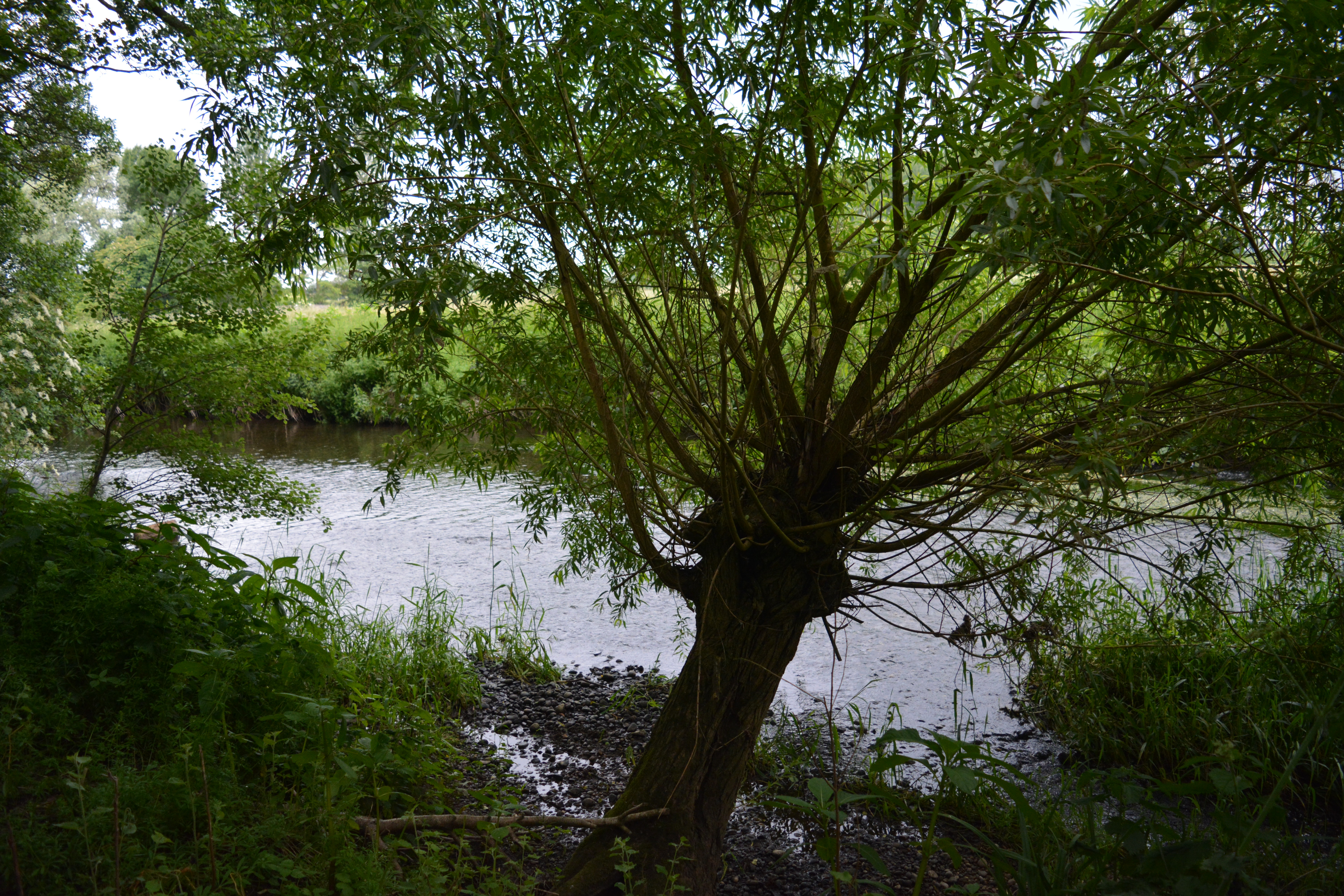
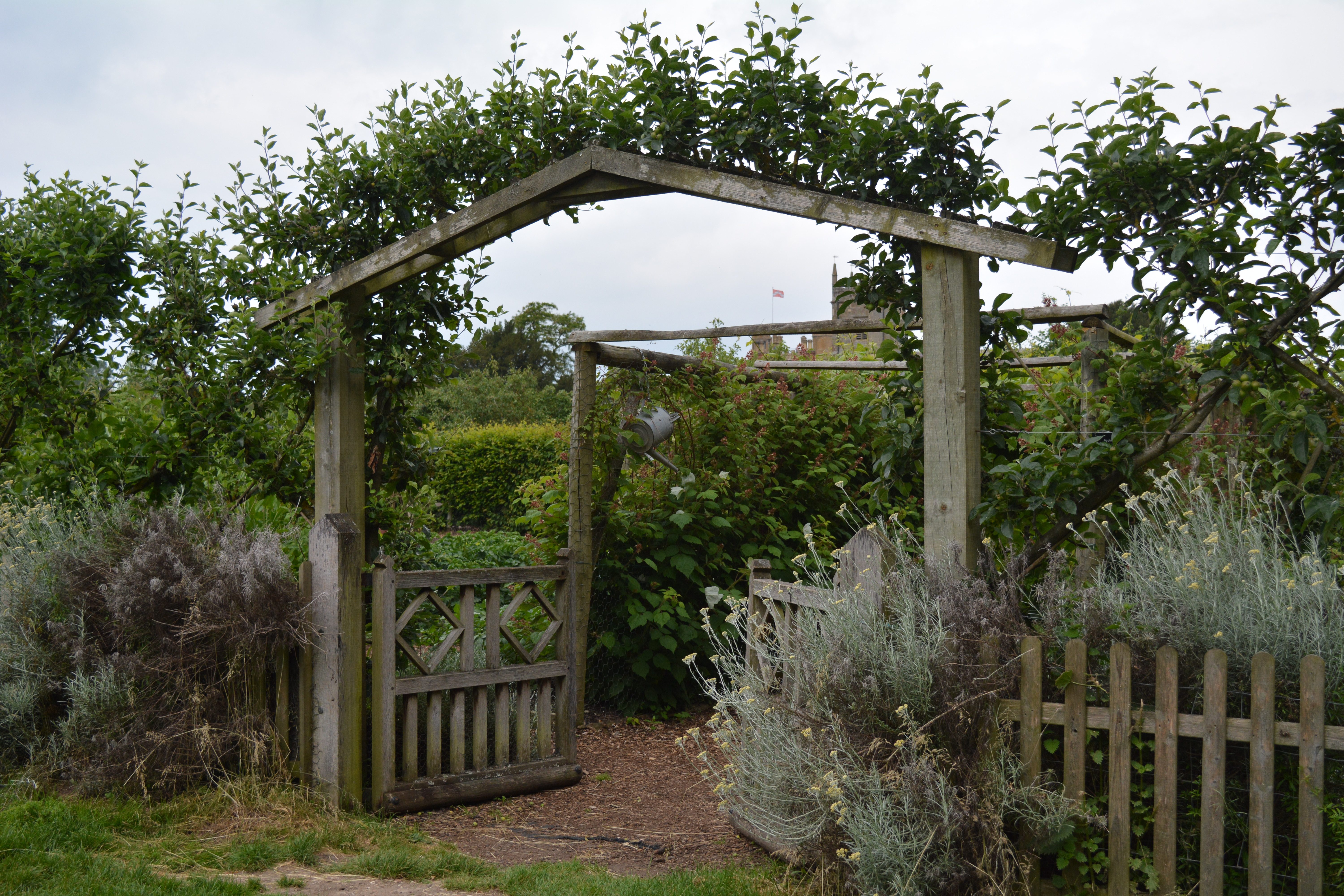
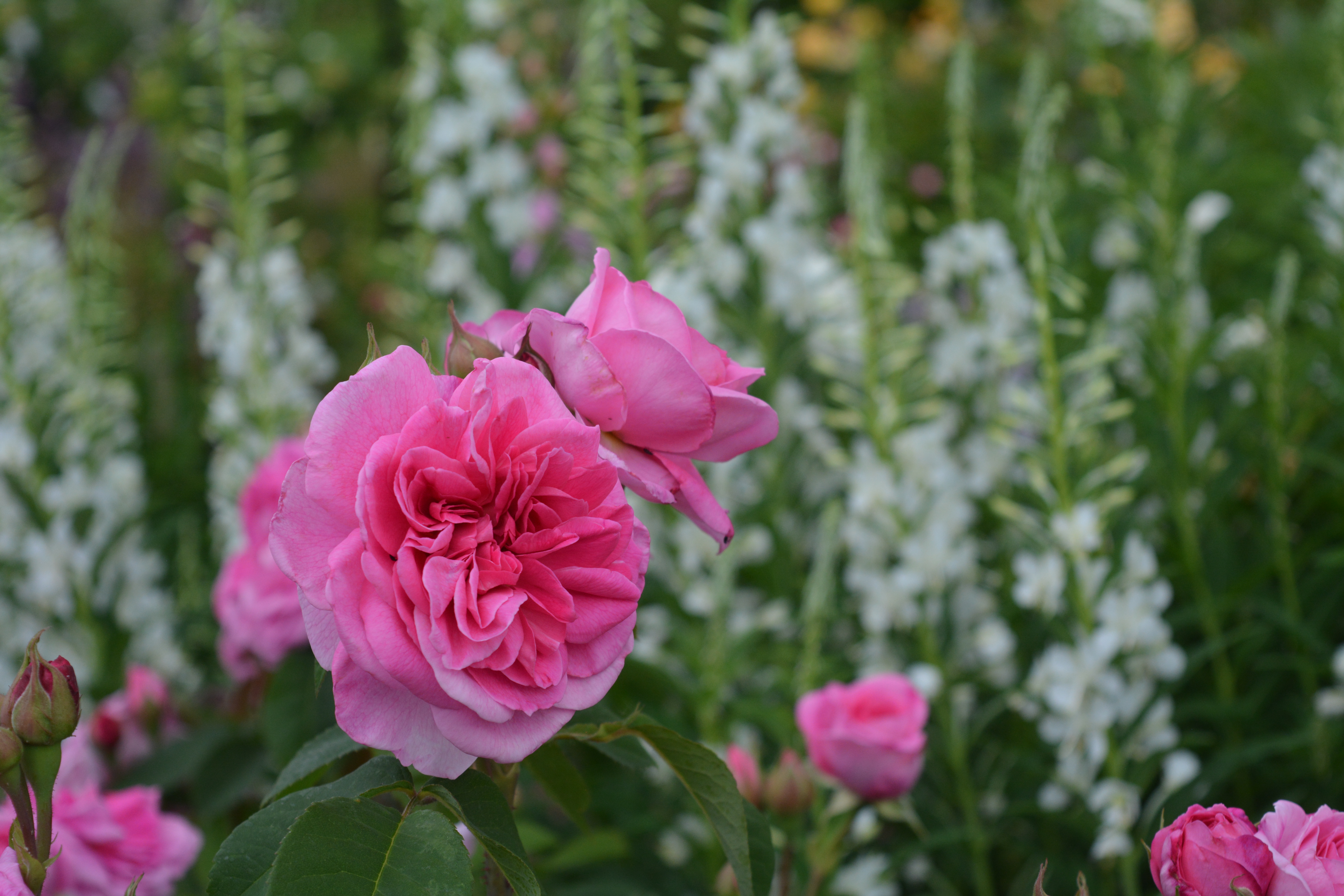
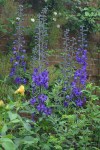
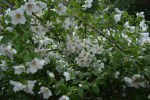
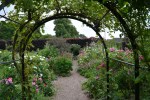
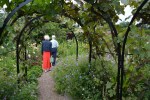
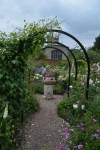
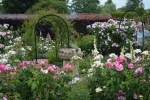
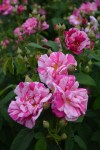
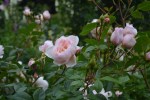
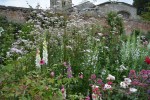
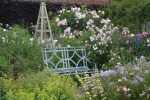
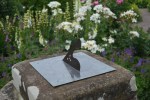
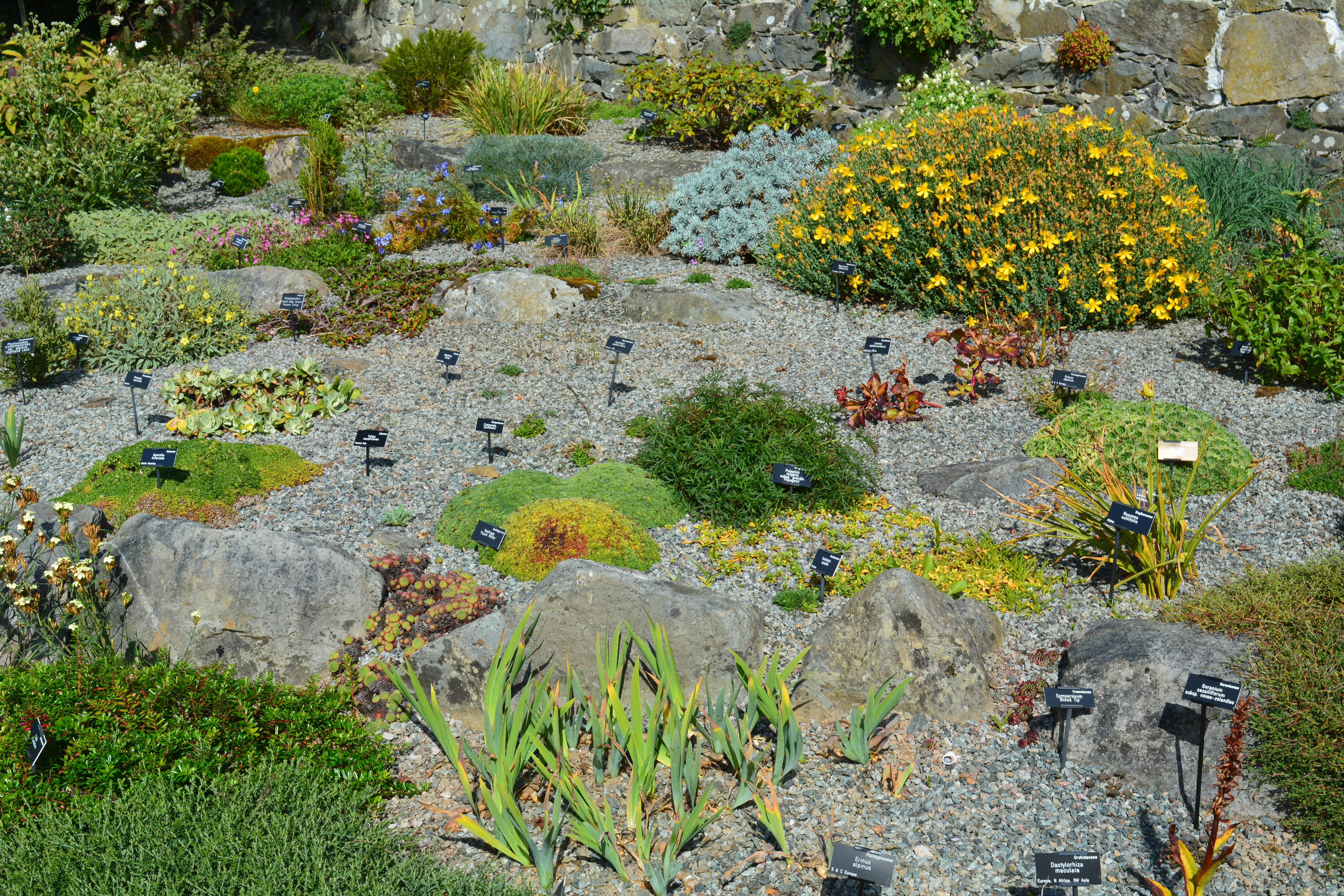
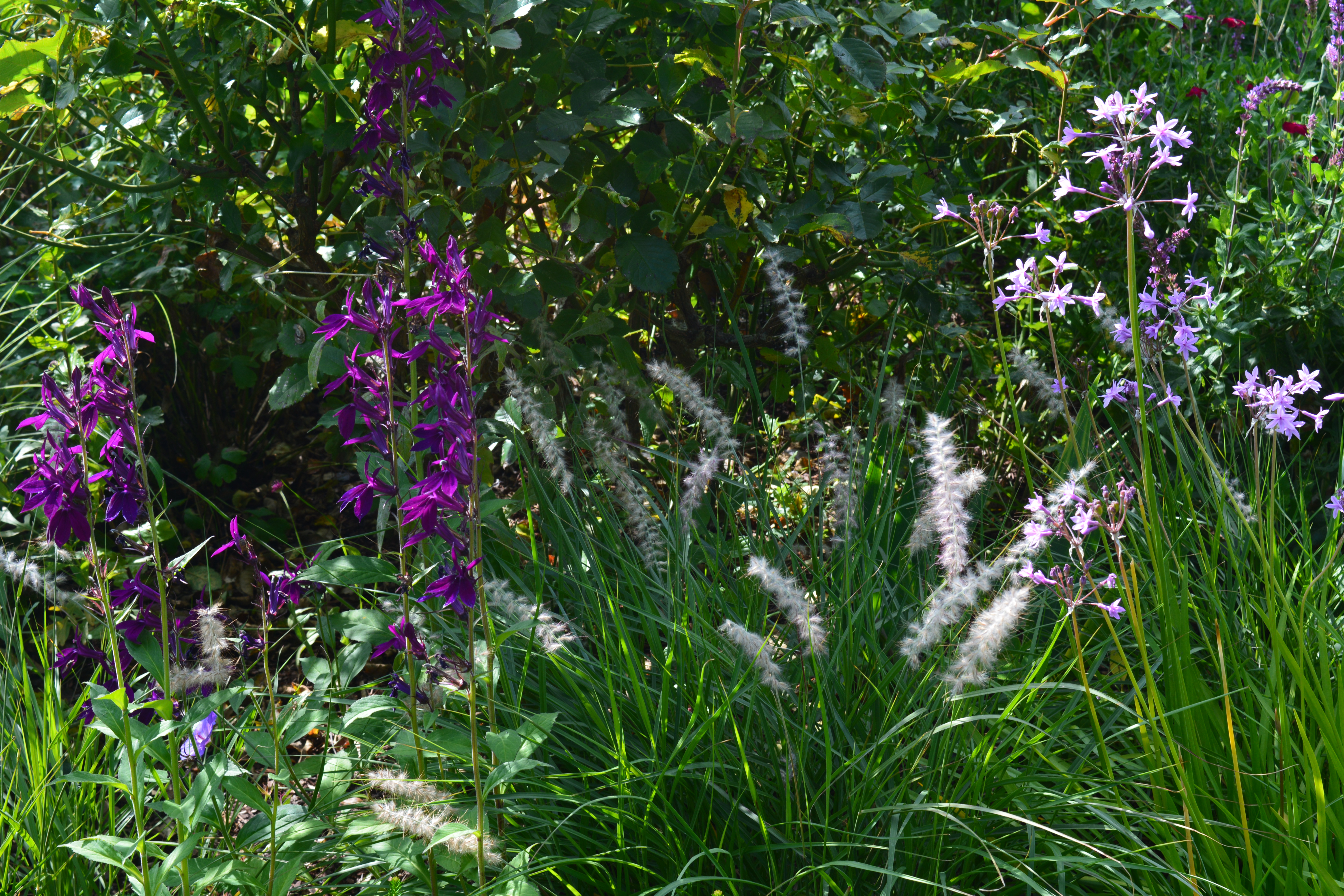
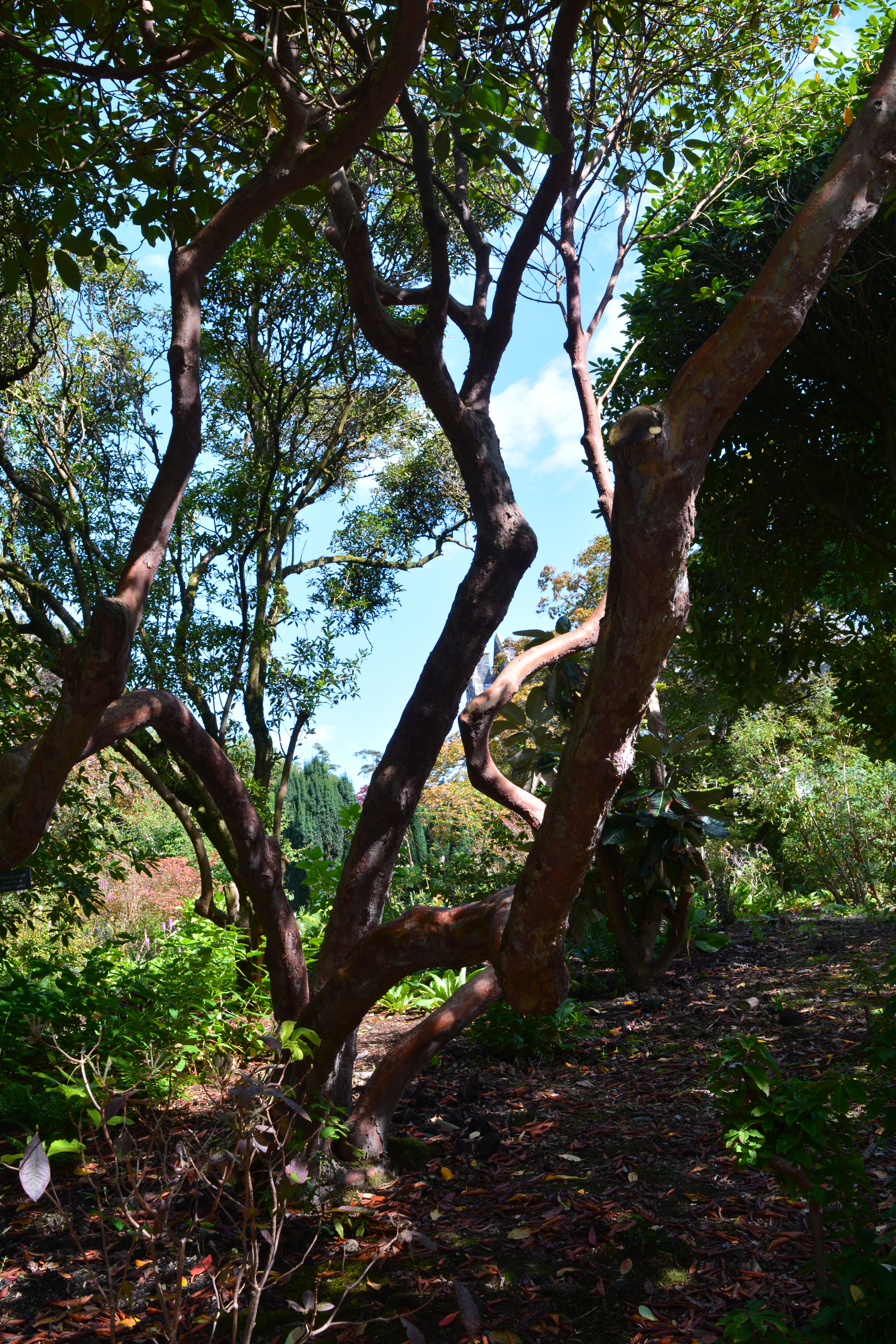
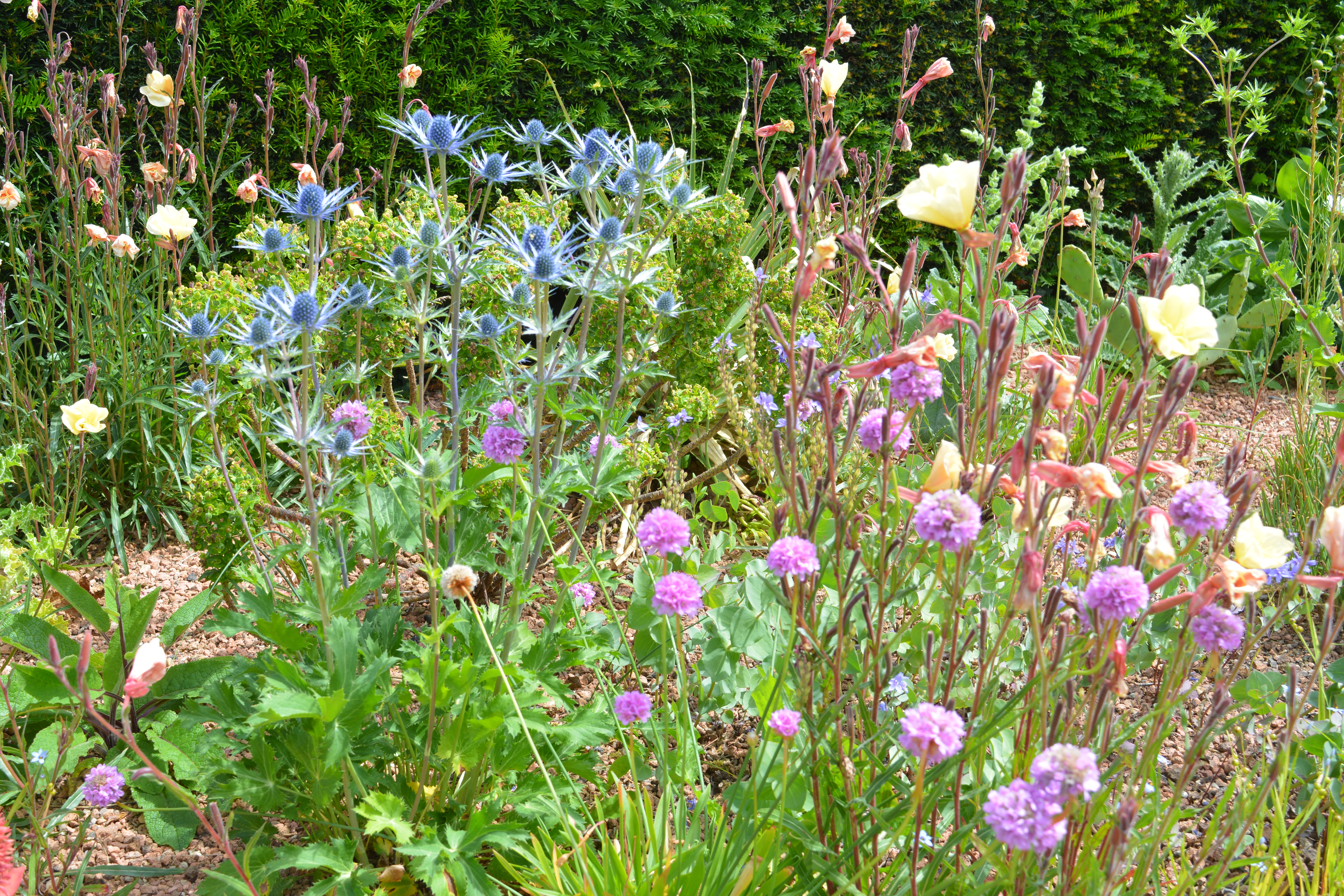
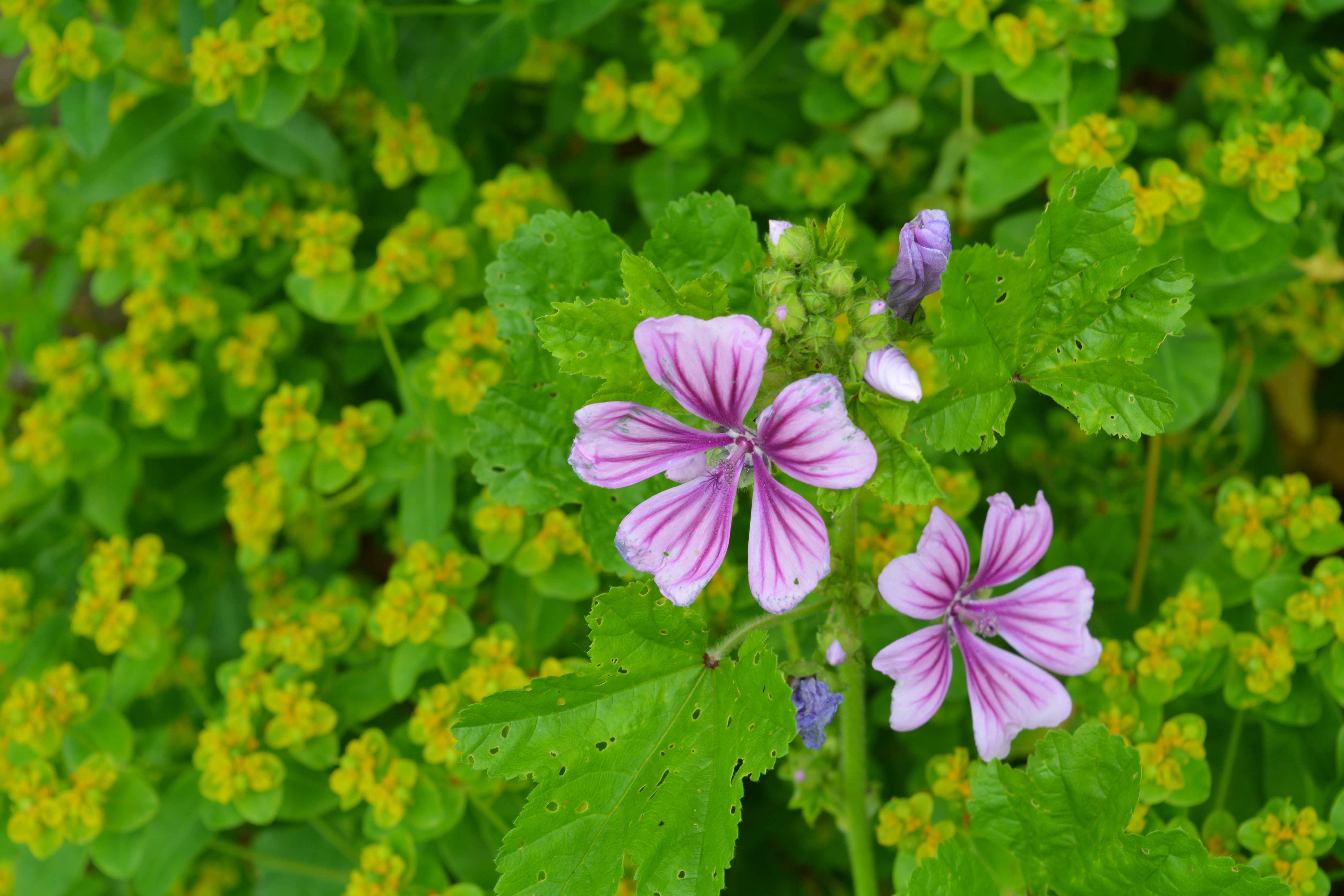
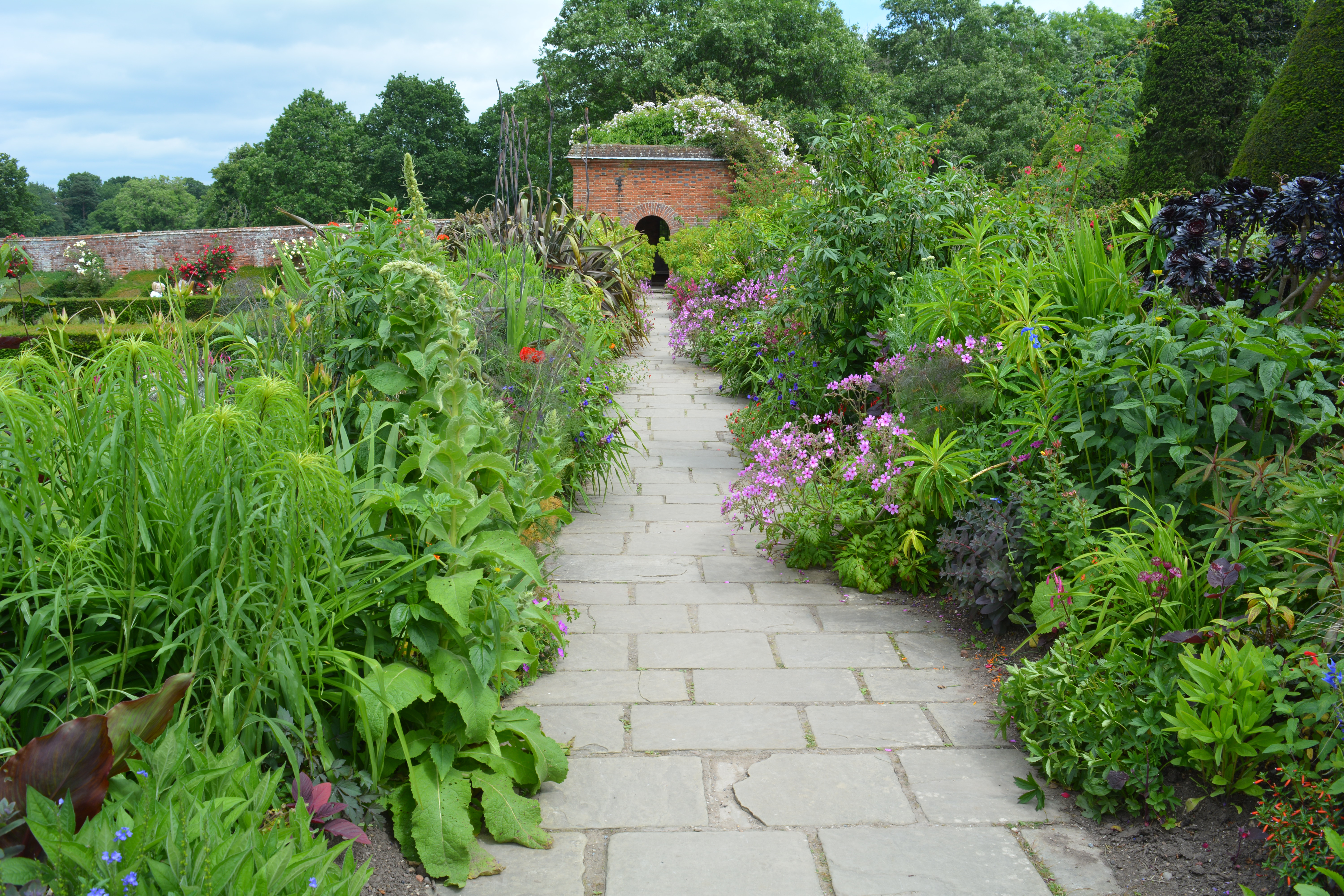
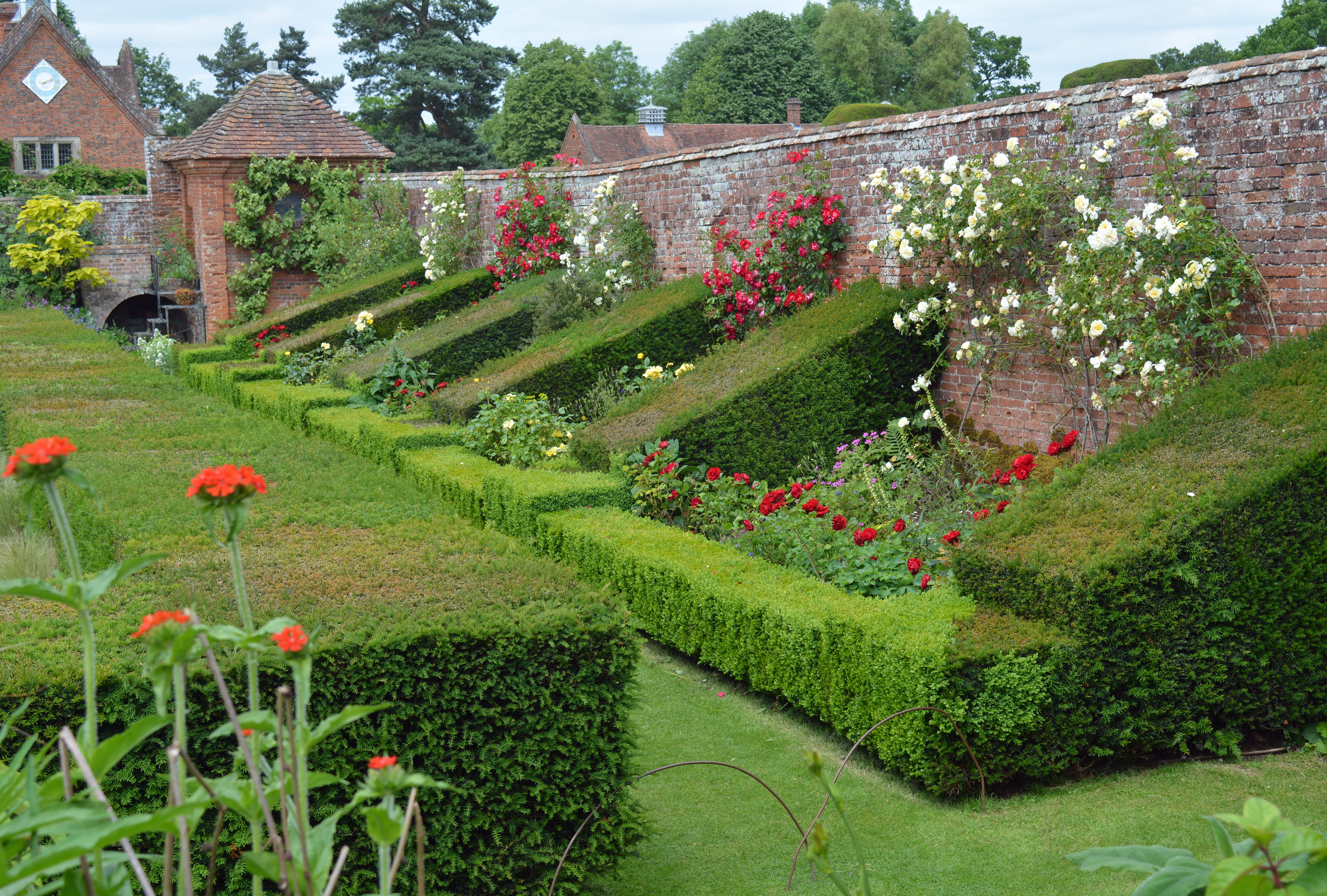
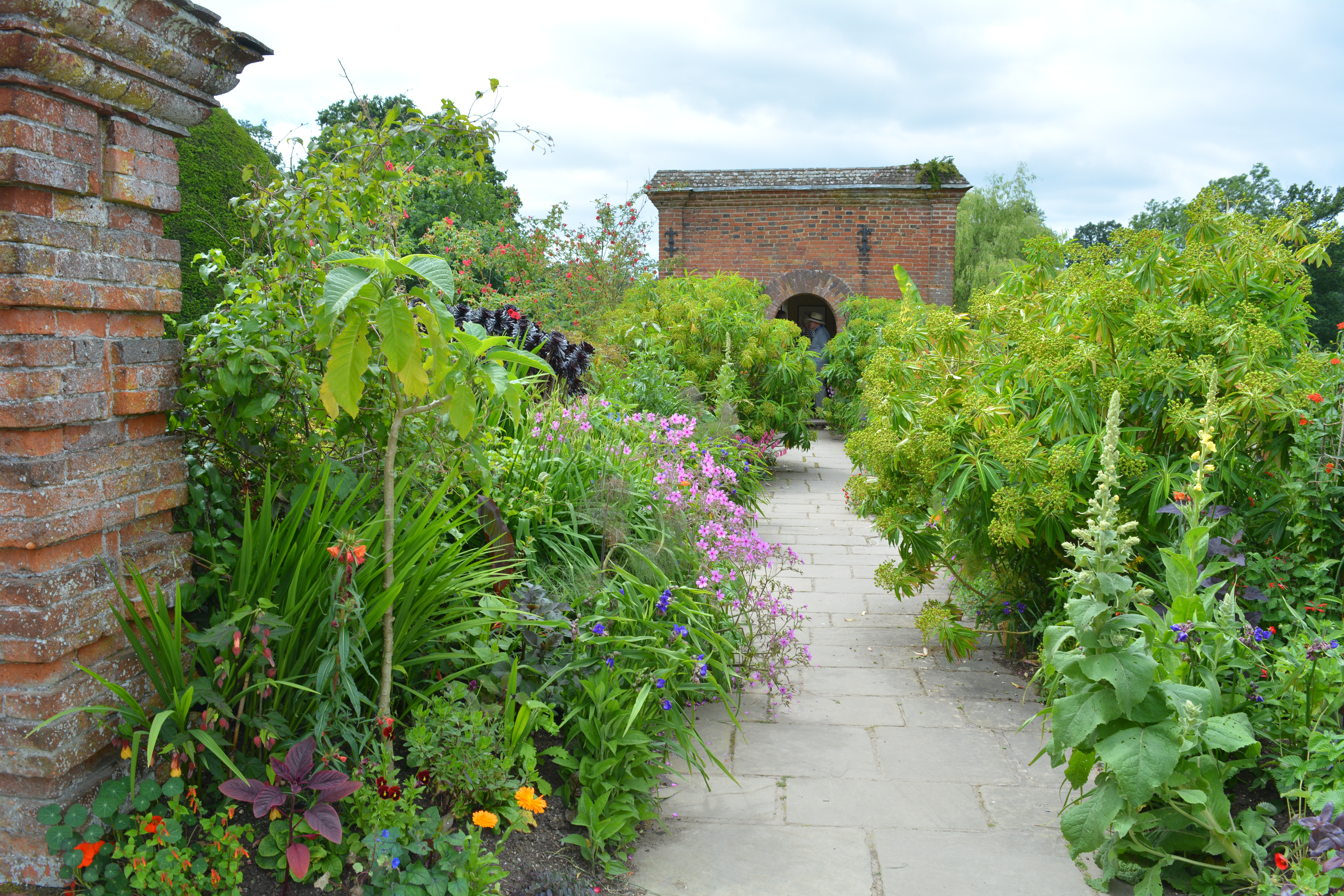
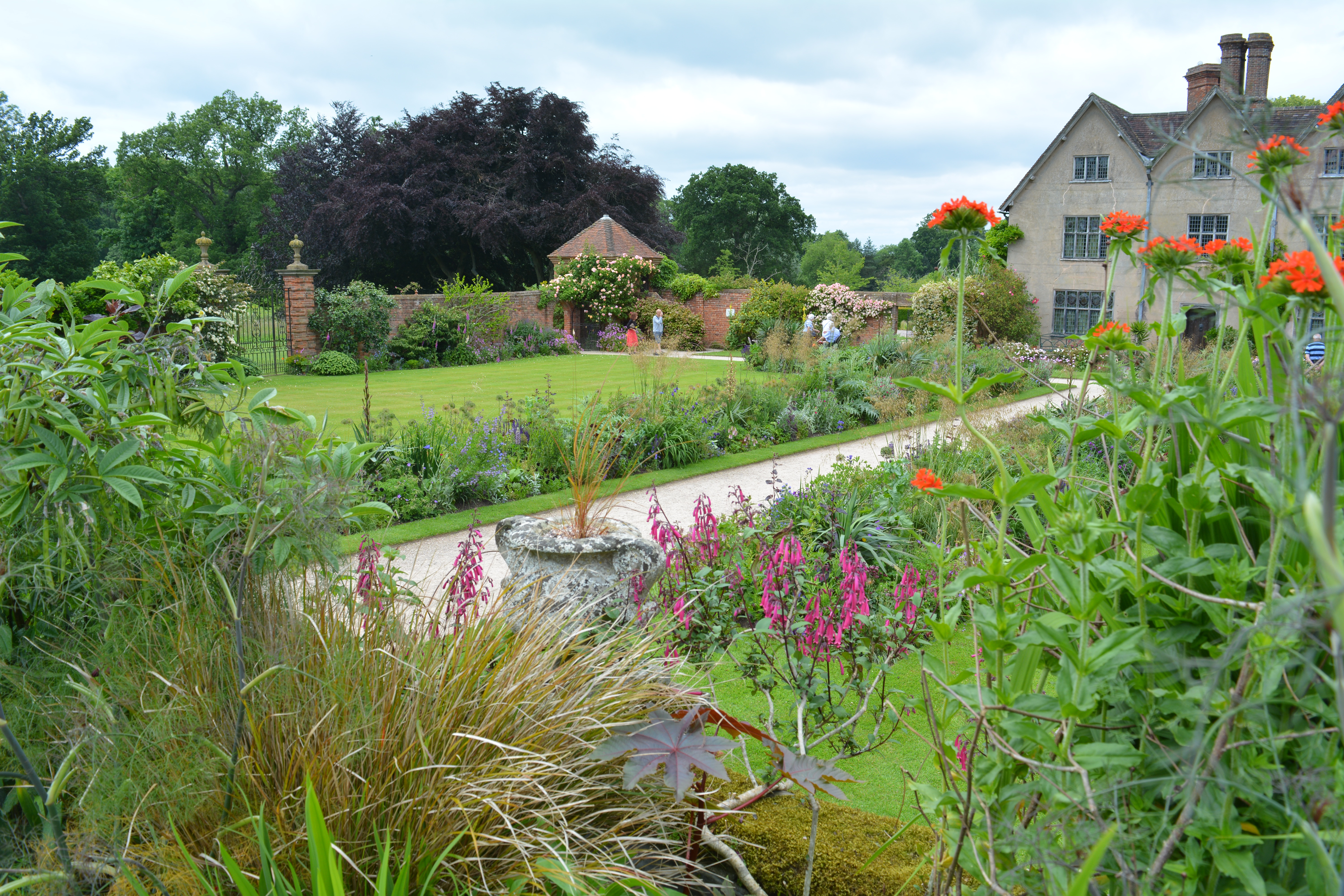
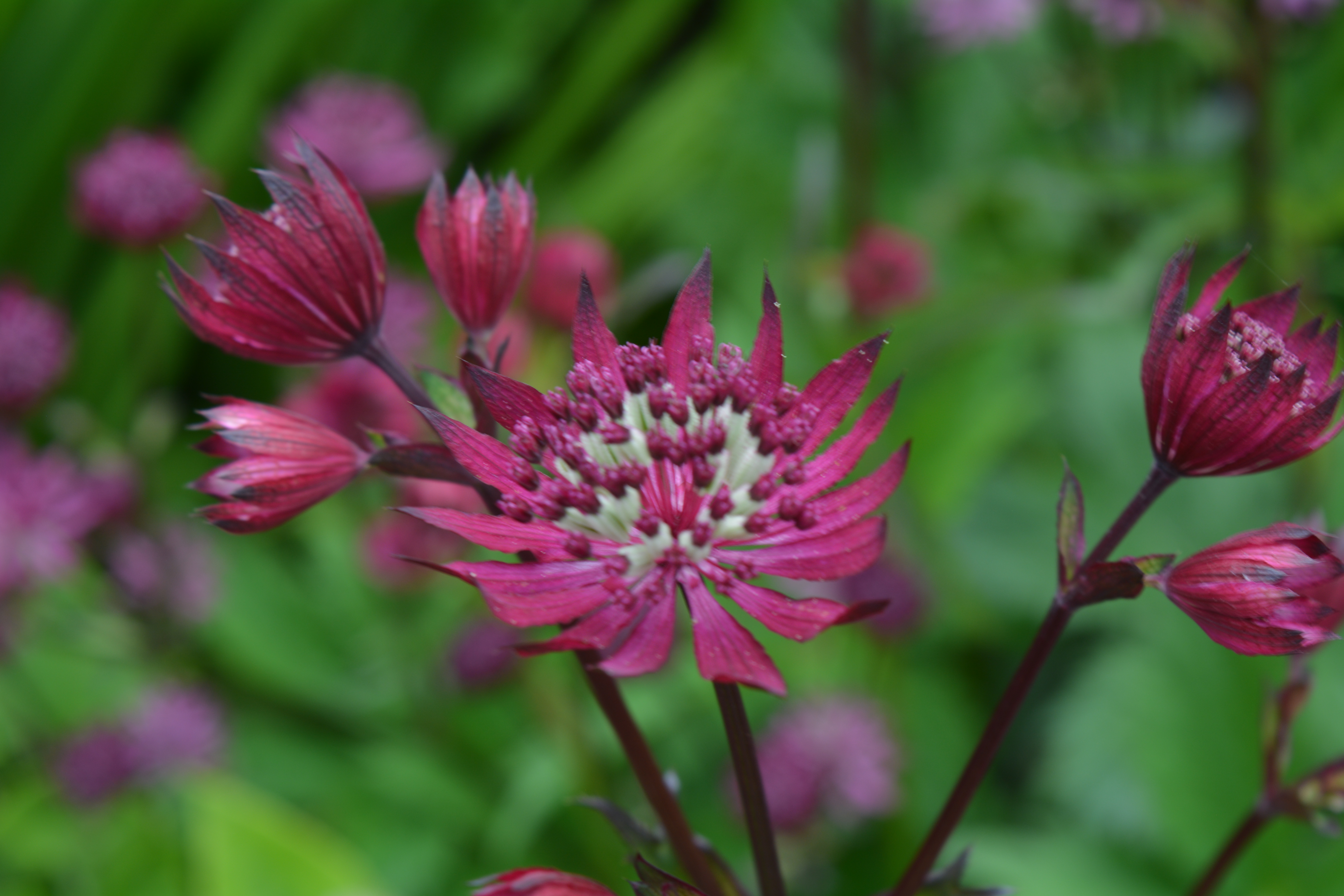
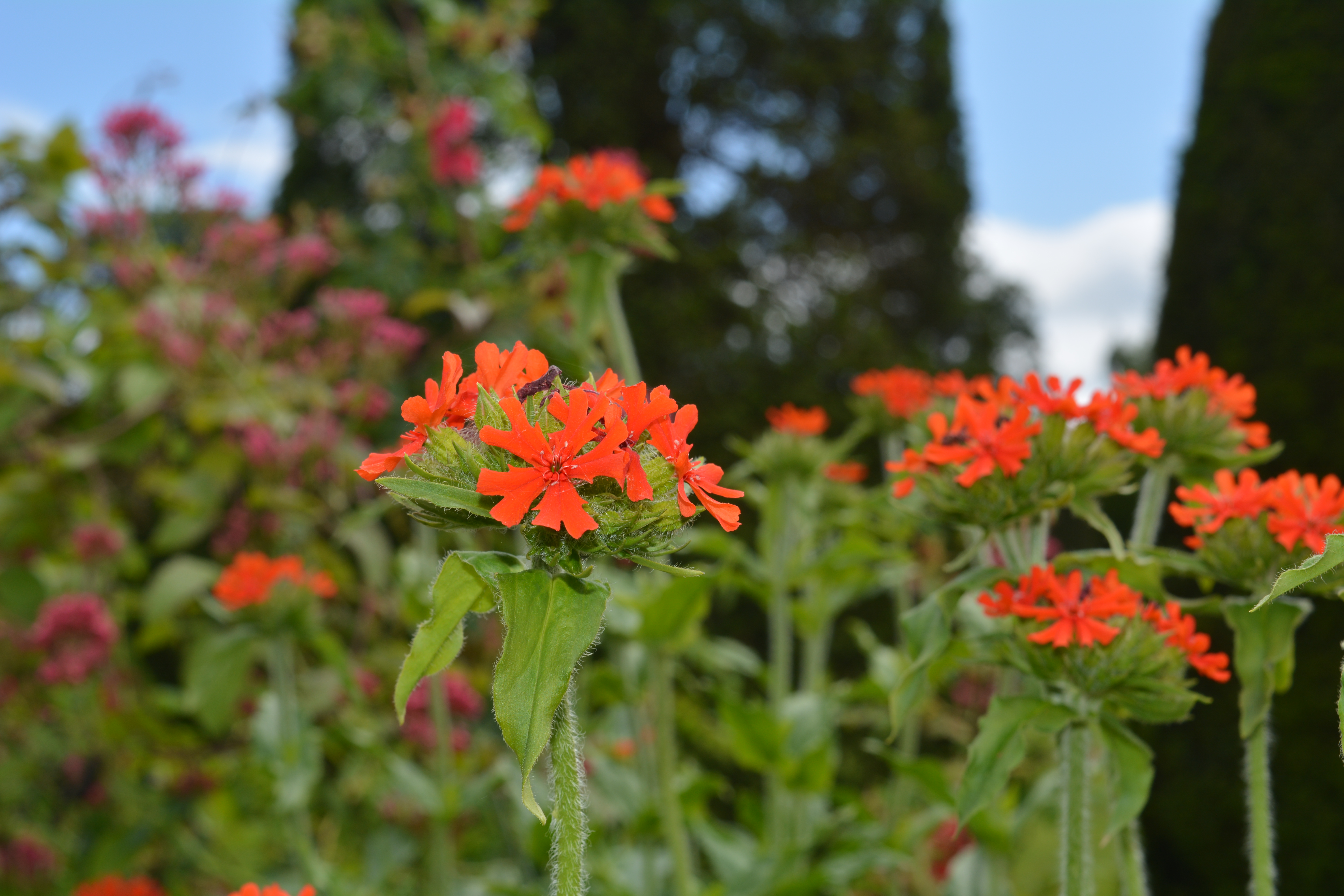
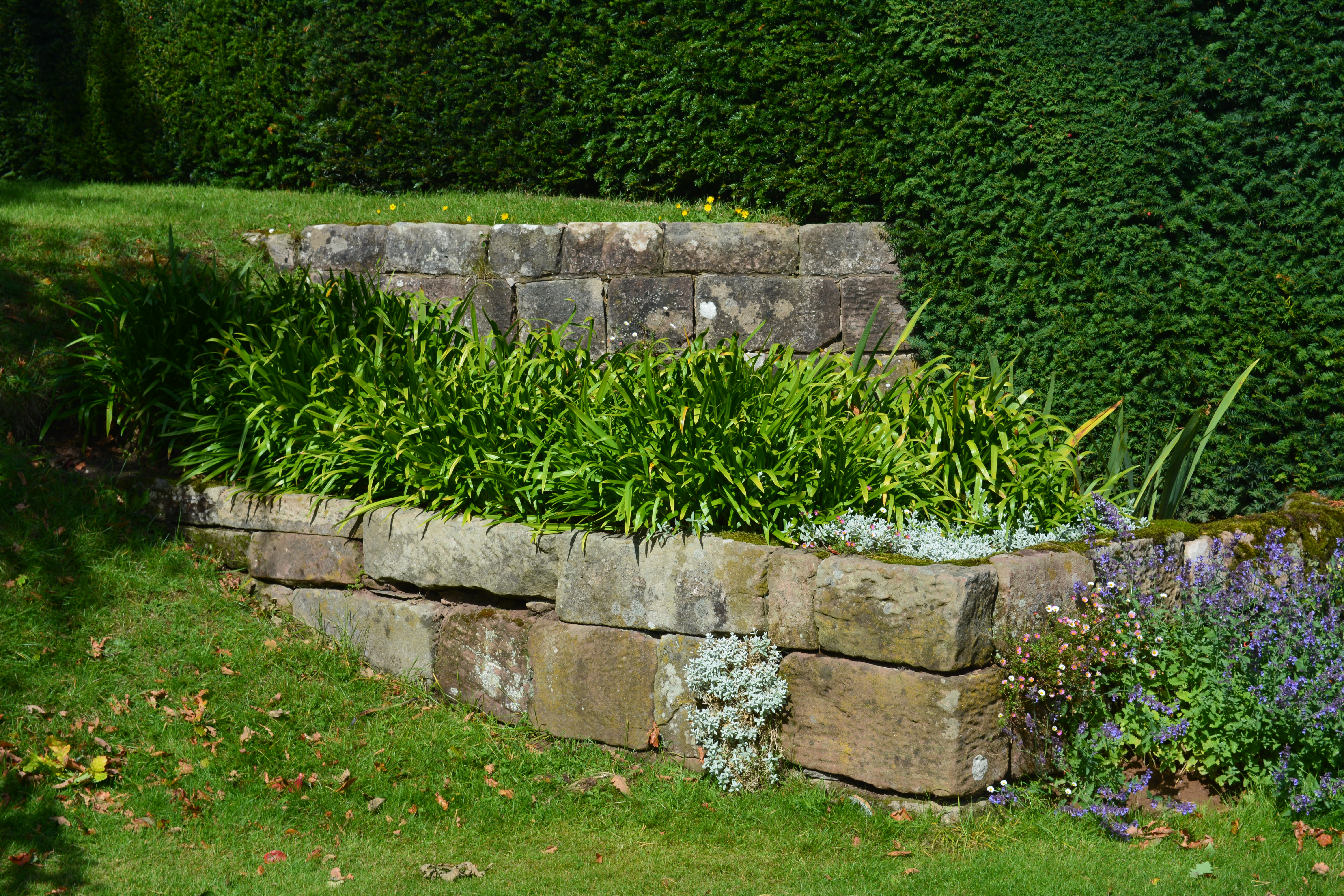
The introductory set of eight photos below illustrate the variety of points of interest at Coughton. They show the beauty of the buildings themselves, the rose garden, bog garden, orchards, woodland, riverside walk etc
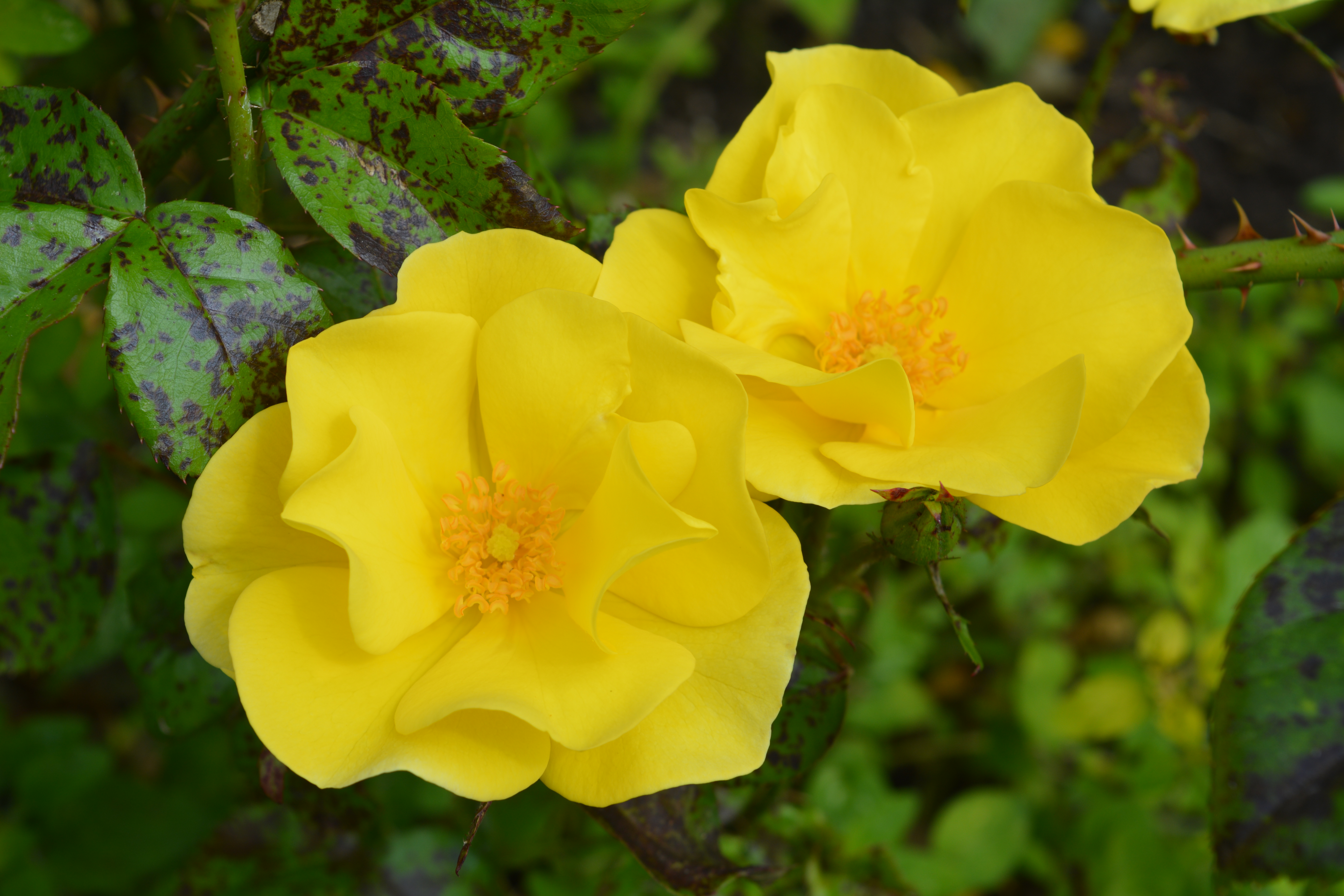
The Throckmorton family rose garden was developed in 1966 and was designed by a Chelsea RHS Show award-winning garden designer, Christina Williams. What makes ir si special and different to traditional rose gardens is the way the roses are heavily underplanted with herbaceous perennials. The statue is of Fair Rosamund, a beauty of the 12th century and reputedly the mistress of King Henry II. The popular ancient rose, Rosa mundi was named after her and specimens are planted around the statue. The gentle planting of my memories has sadly been superseded.

There was so much to enjoy in this rose garden that it is best to look at following a gallery of photos that I took within its bounds. Click on the first photo and then navigate with the arrows.
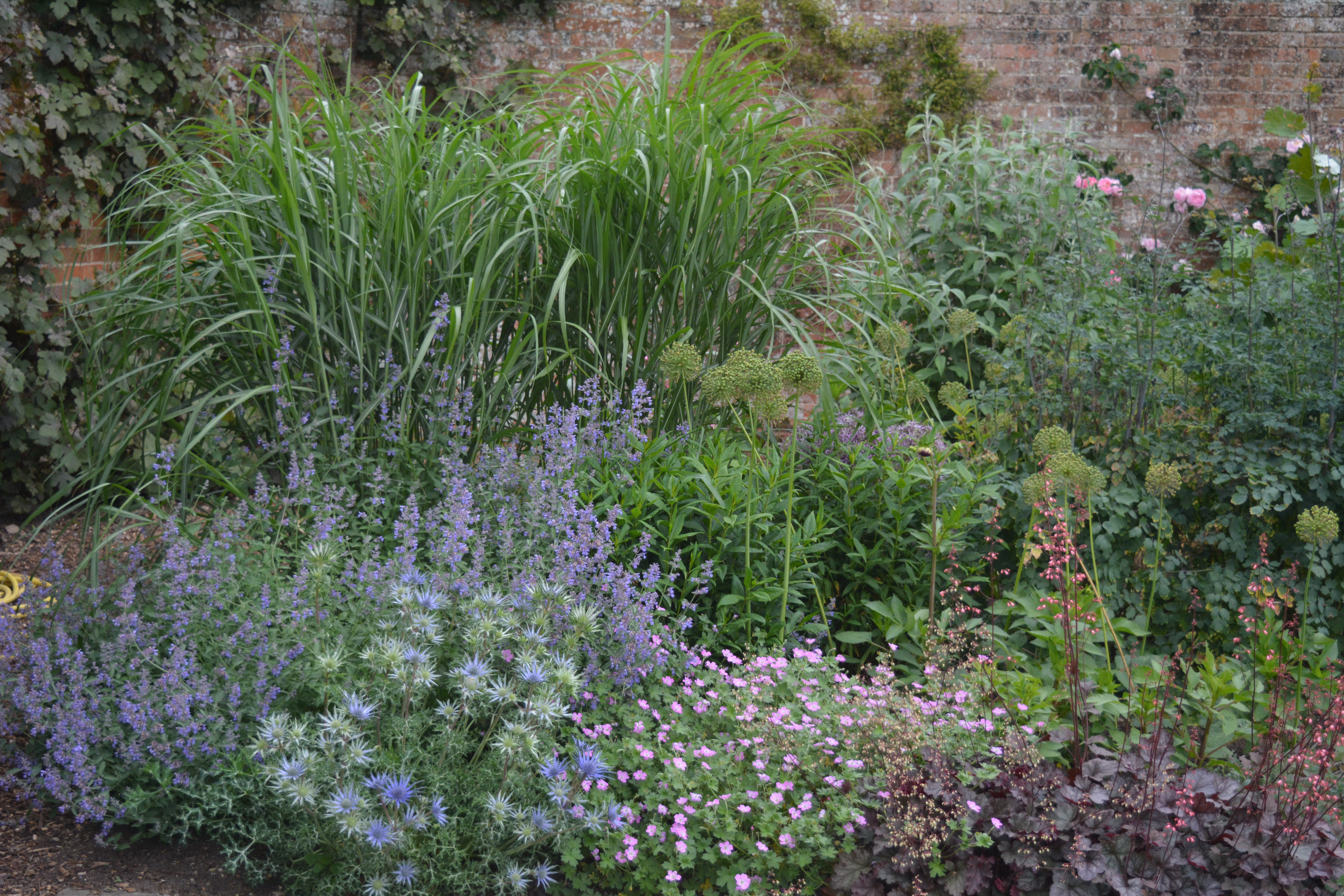
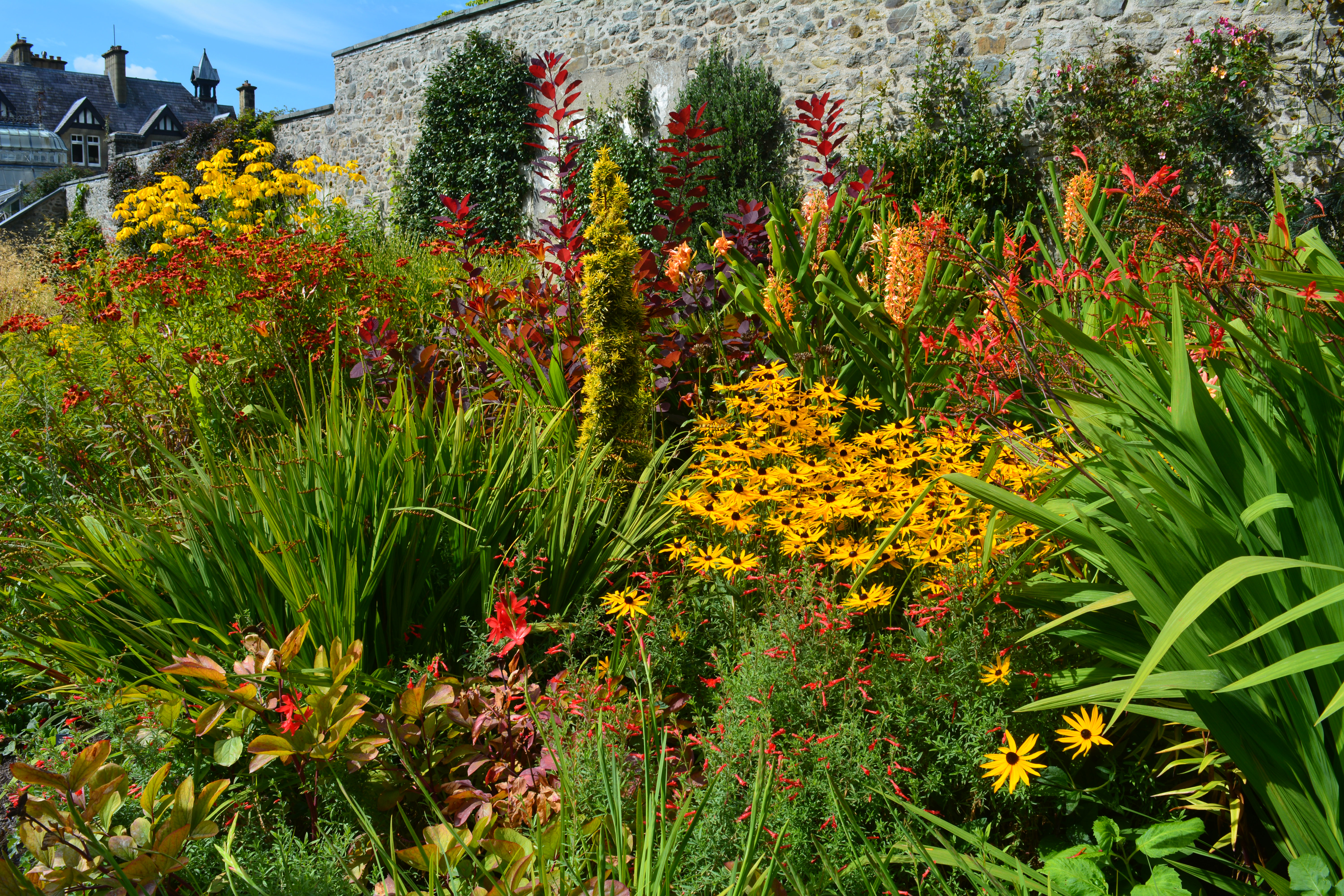
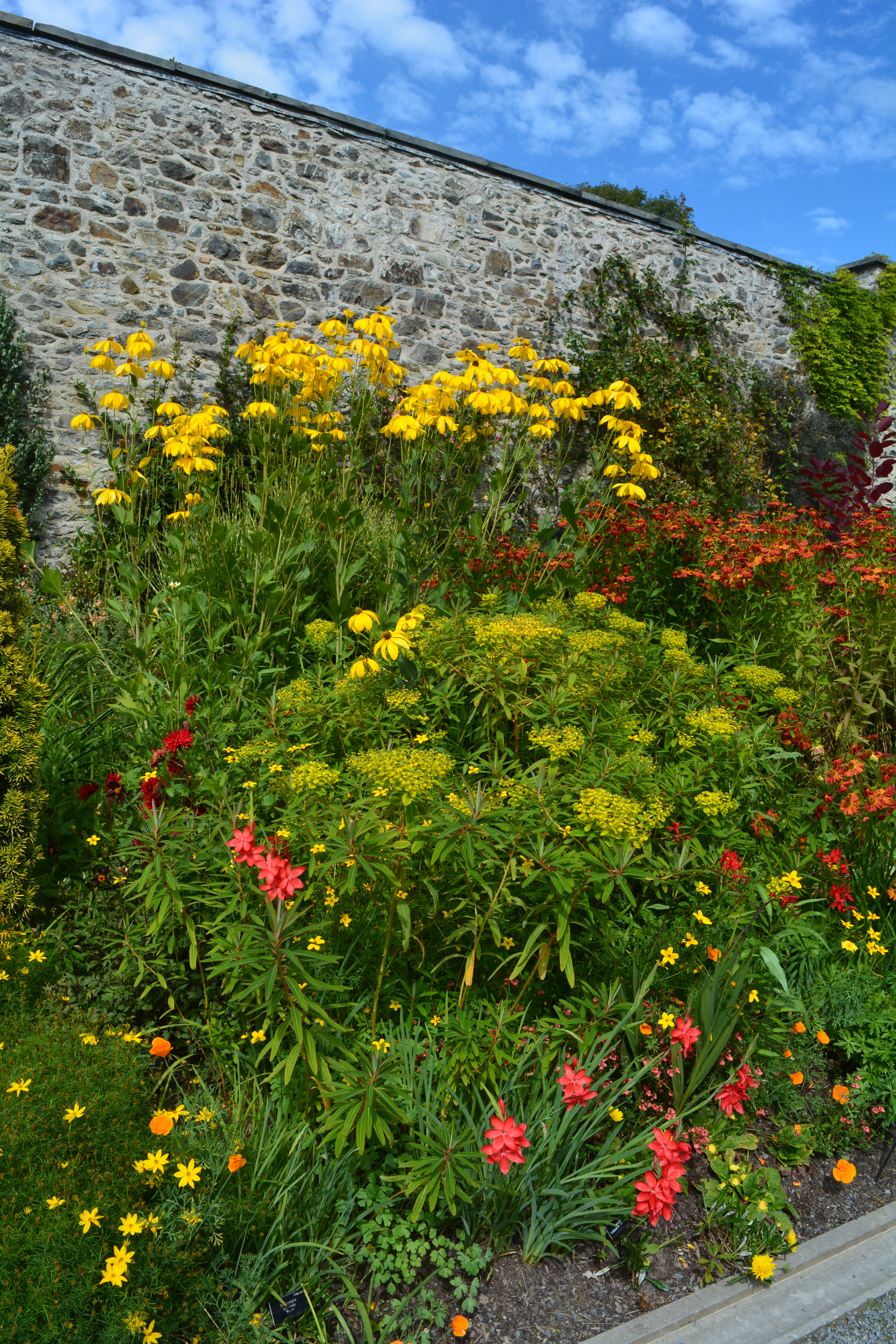
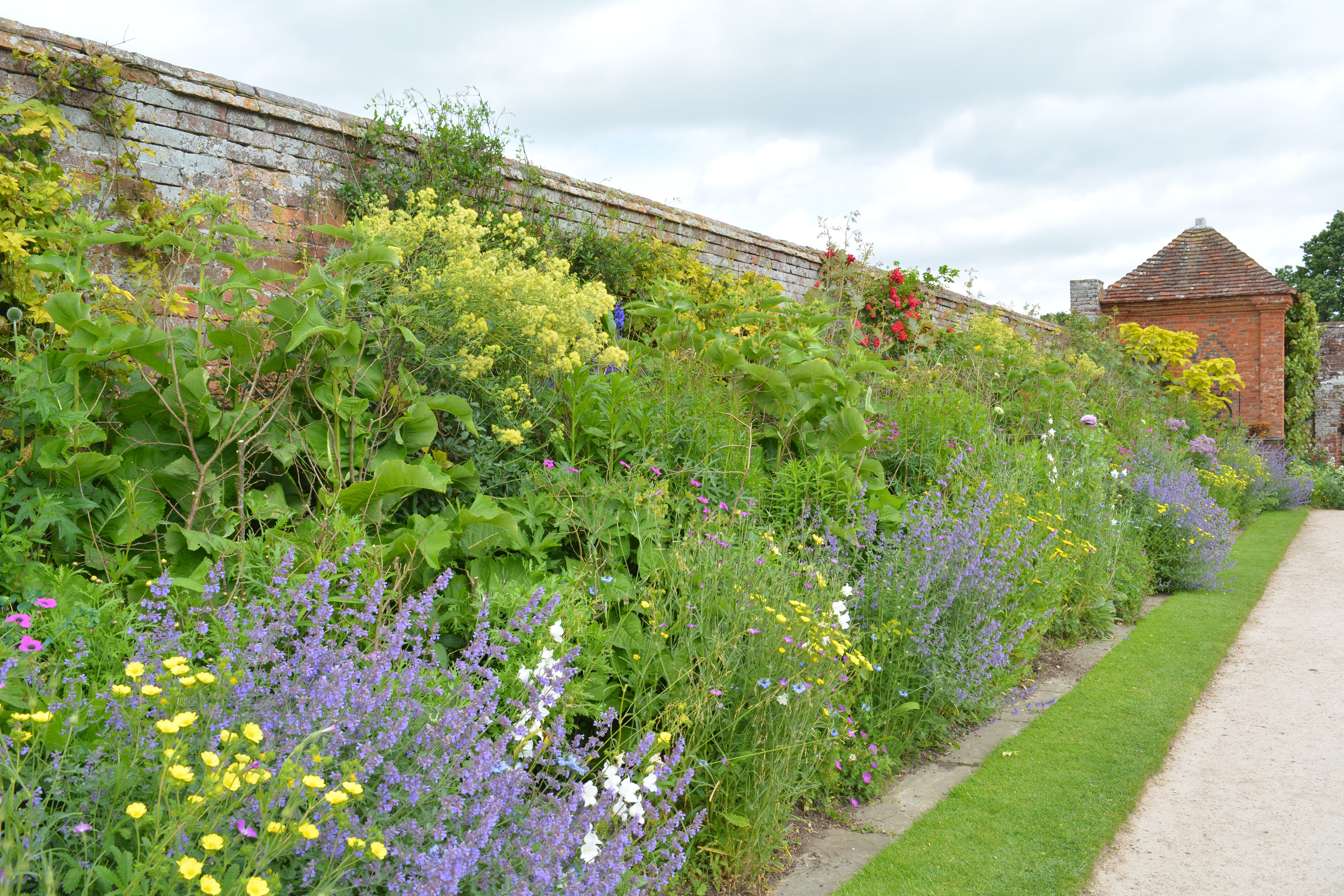
Moving on from the rose garden and its rich sites and aromas, we found our way into a much more open space which presented a pleasant contrast to the business of the rose garden. Here a rectangular lawn was edged with herbaceous borders, planted with Gertrude Jekyl style gentle end of the spectrum plant choices. We enjoyed a slow amble among each side, appreciating the individual plants, plant combinations and the bigger picture of looking right along the length of each border.
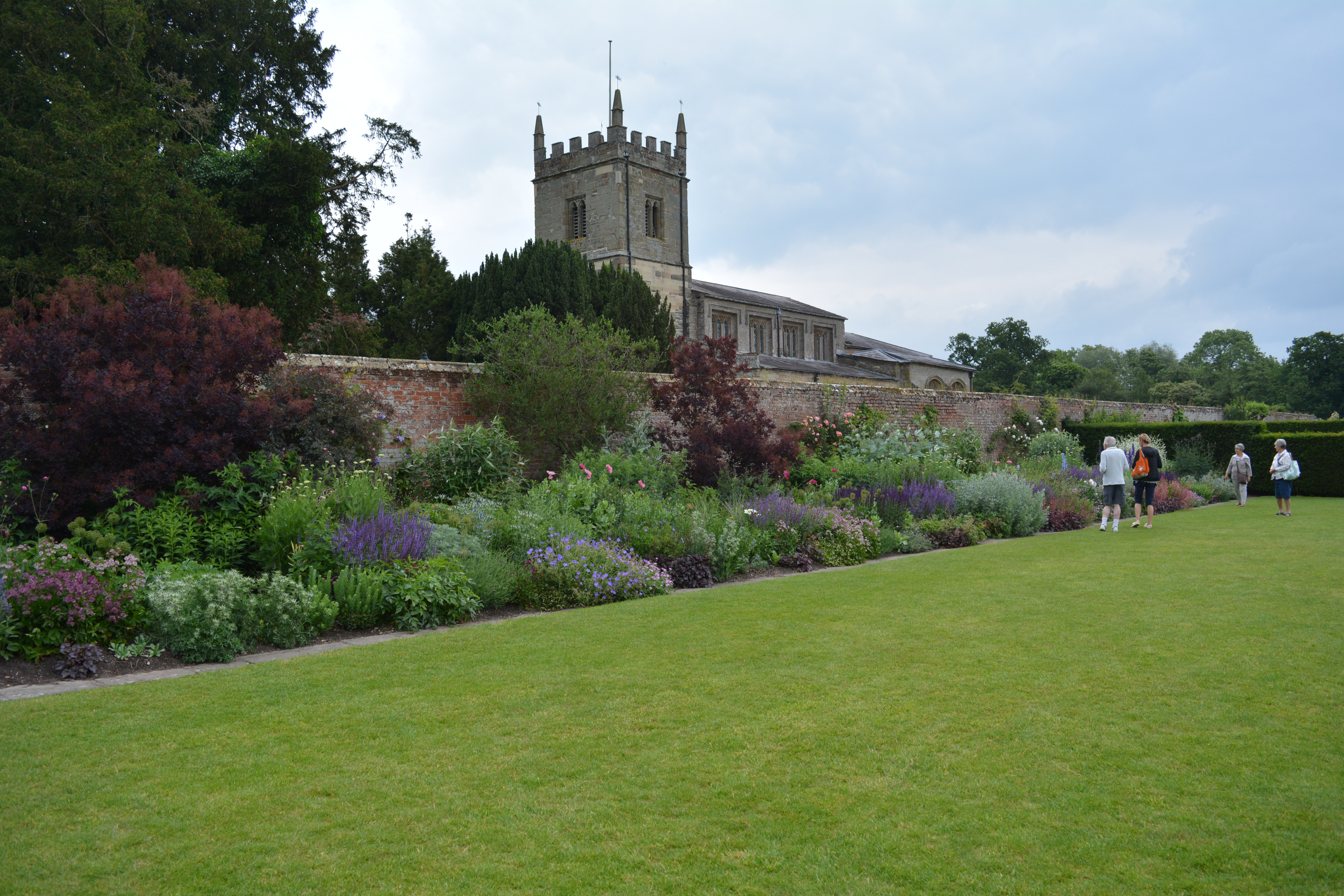
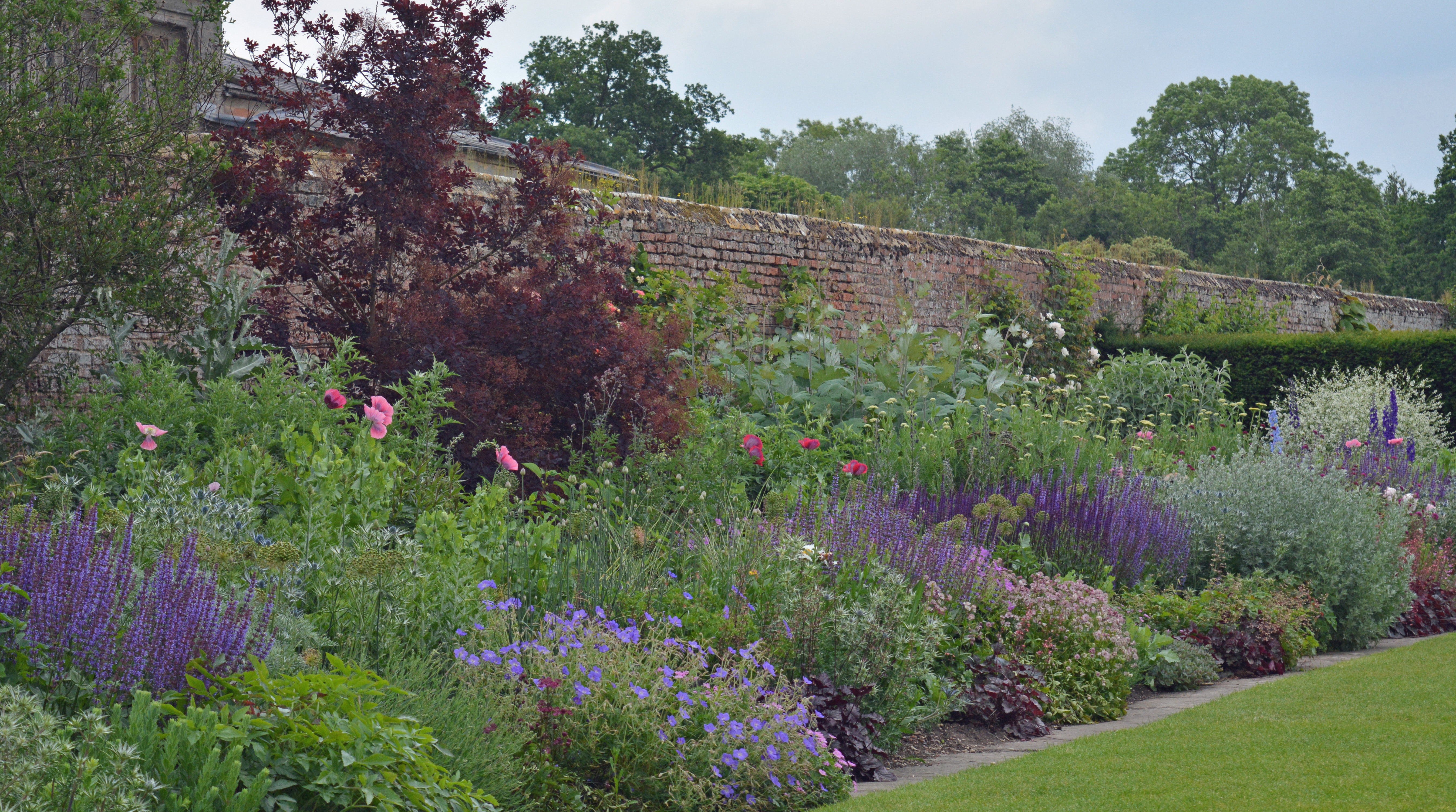
            

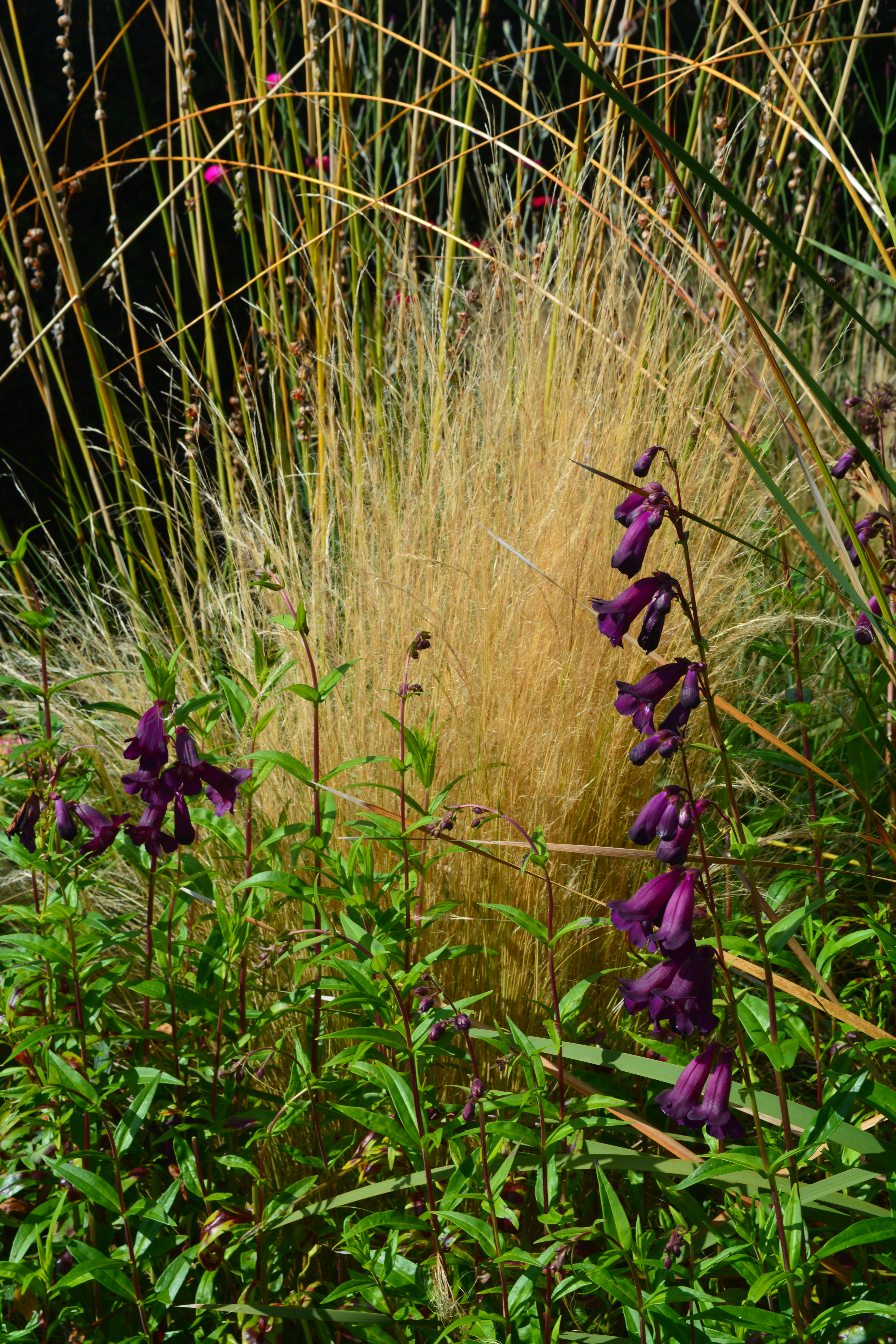
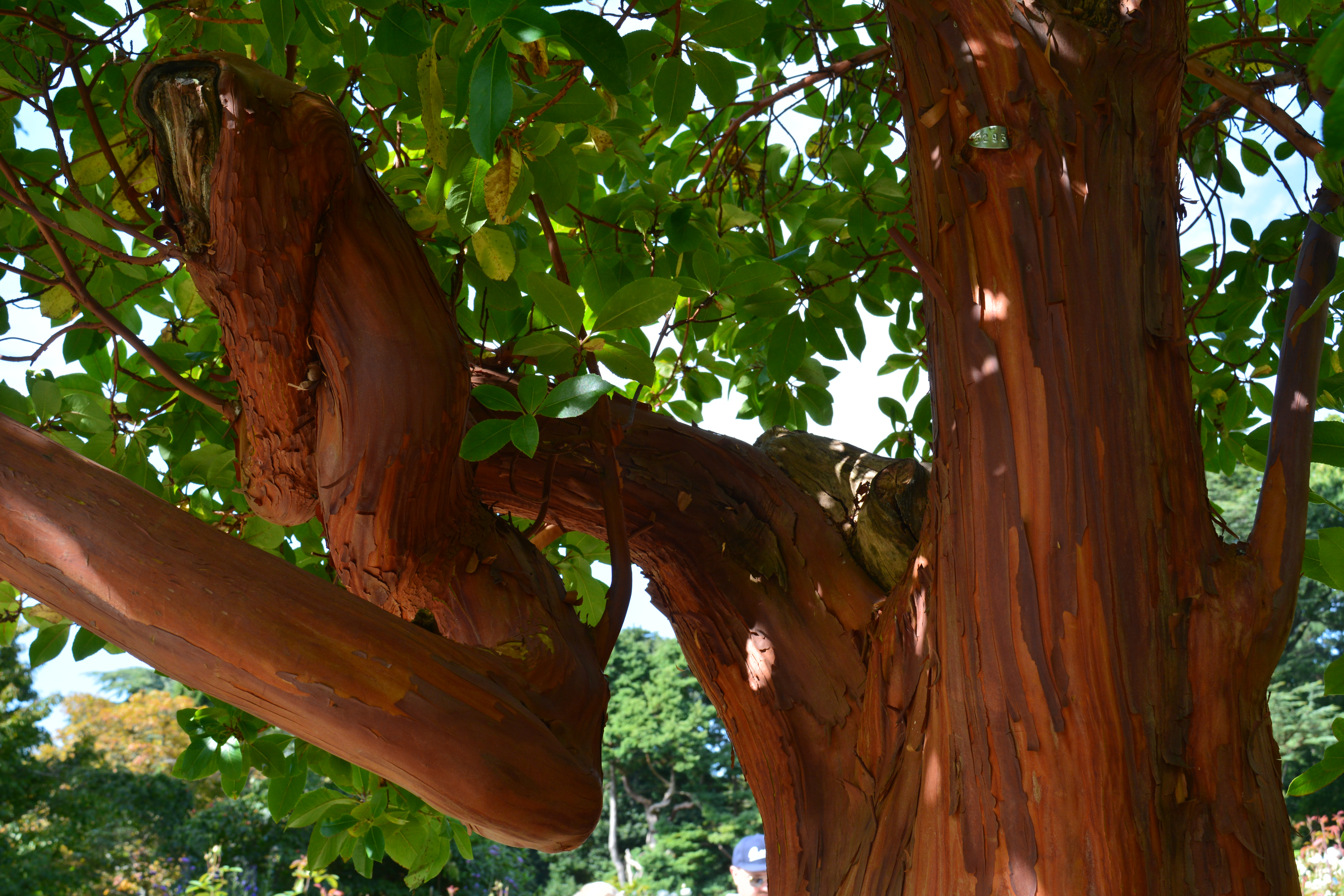
It is always good to visit a garden with many different aspects and the gardens at Coughton Court manages to certainly provide lots of different styles of garden to enjoy. Here are few shots showing different aspects I haven’t the space to share. Enjoy!


Categories
architecture buildings National Trust photography The National Trust Yorkshire

A Family Holiday in Scotland – Part 6 – Fountains

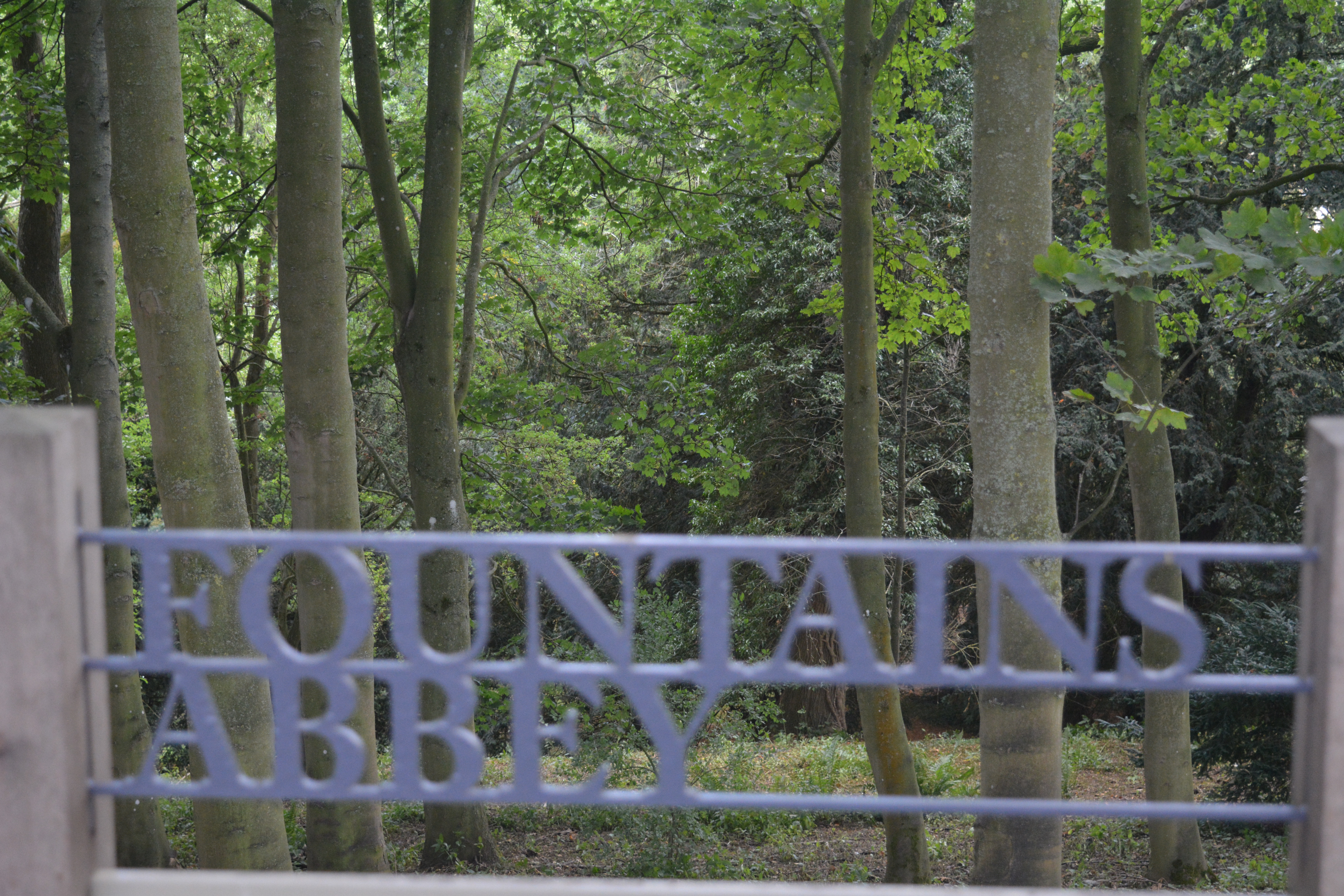
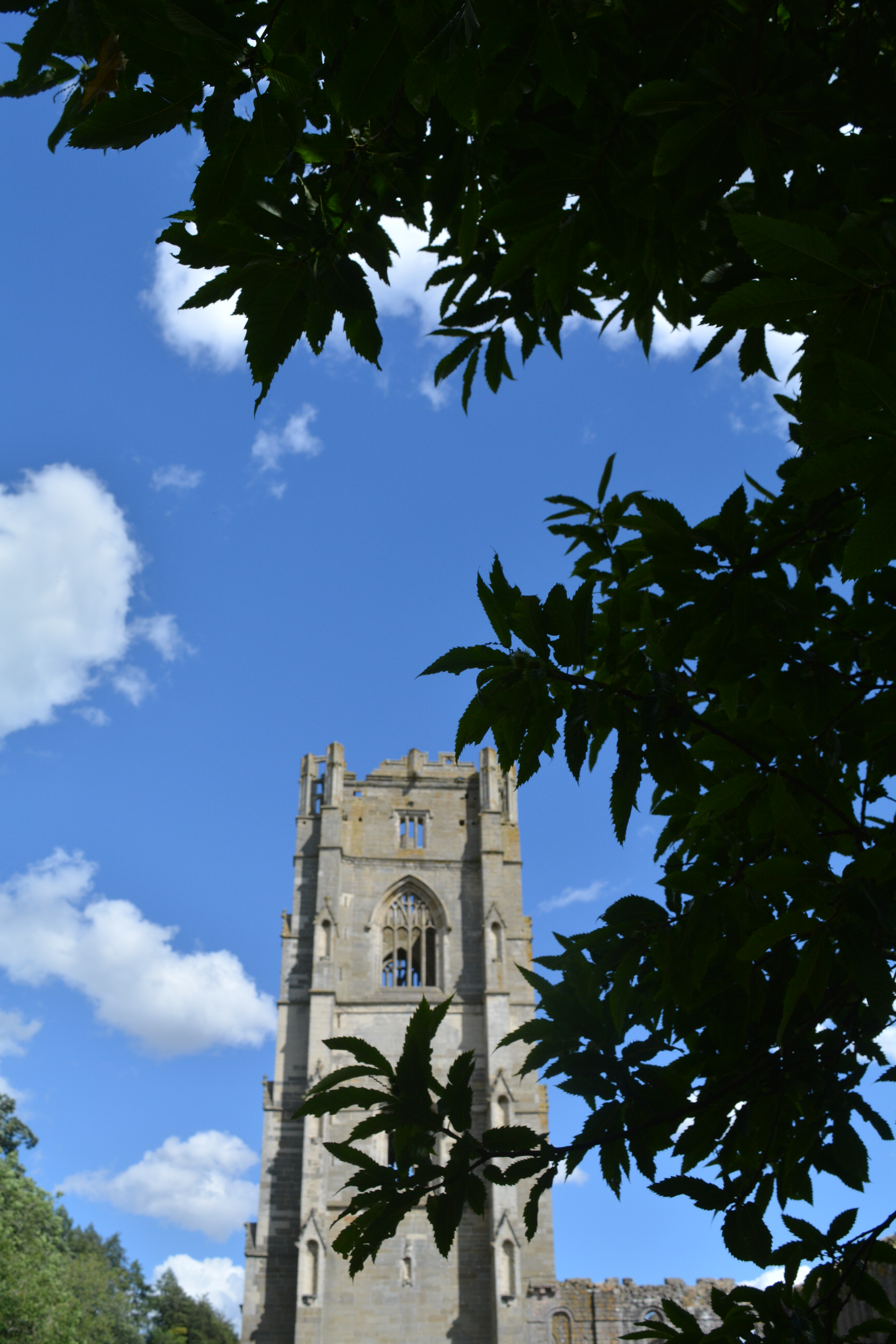
After our great family holiday staying in our cottage holiday home in the Scottish Borders, we took a few days to make our way home to make our holiday together  last a little bit longer. We enjoyed two days in Yorkshire visiting Fountains Abbey and The Yorkshire Sculpture Park.

In this post we will share our day at Fountains. After a wet and stormy drive down from Scotland we arrived in Yorkshire for an overnight stay. Jude and I had not been to Fountains Abbey for years so were pleased to take the family there.

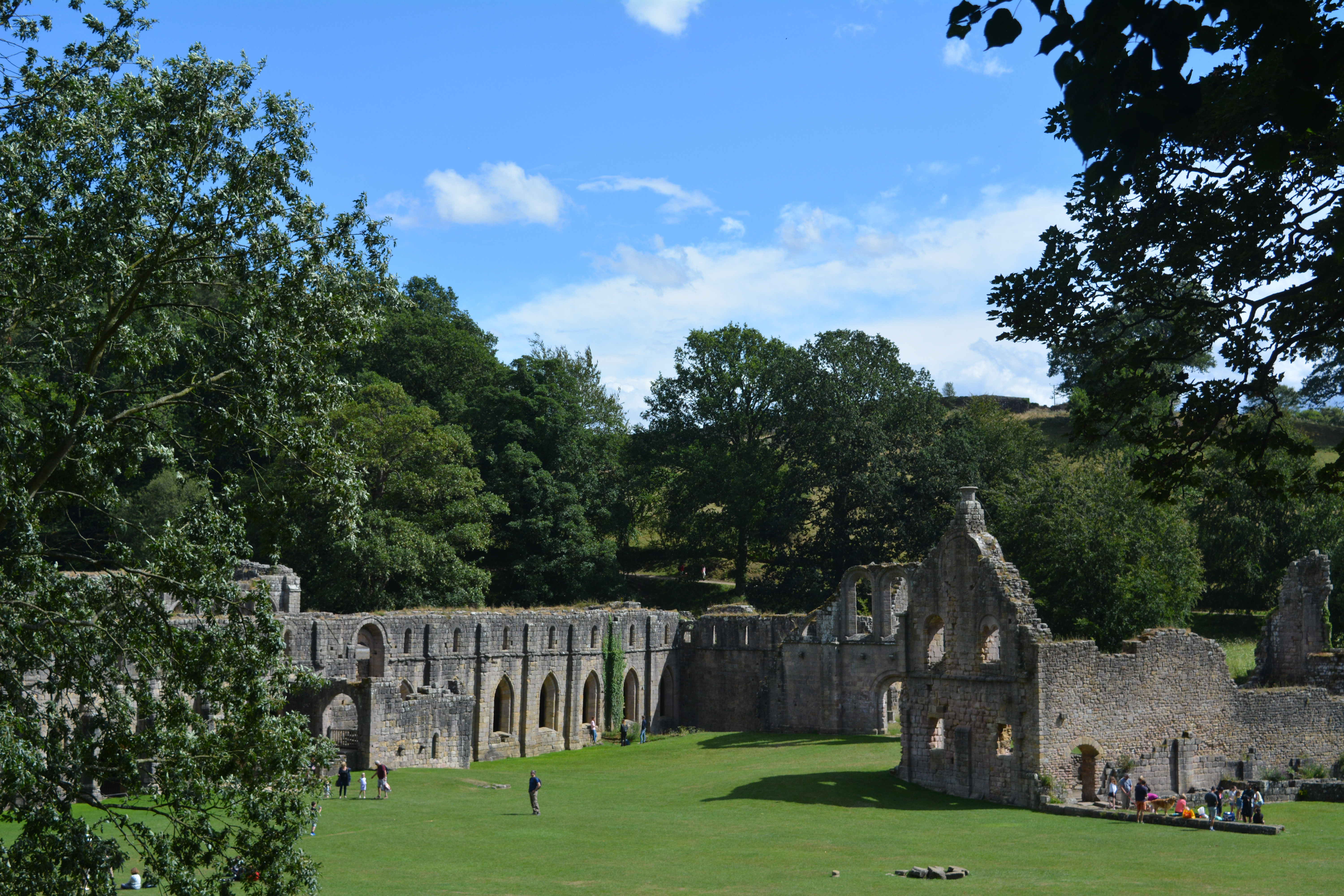
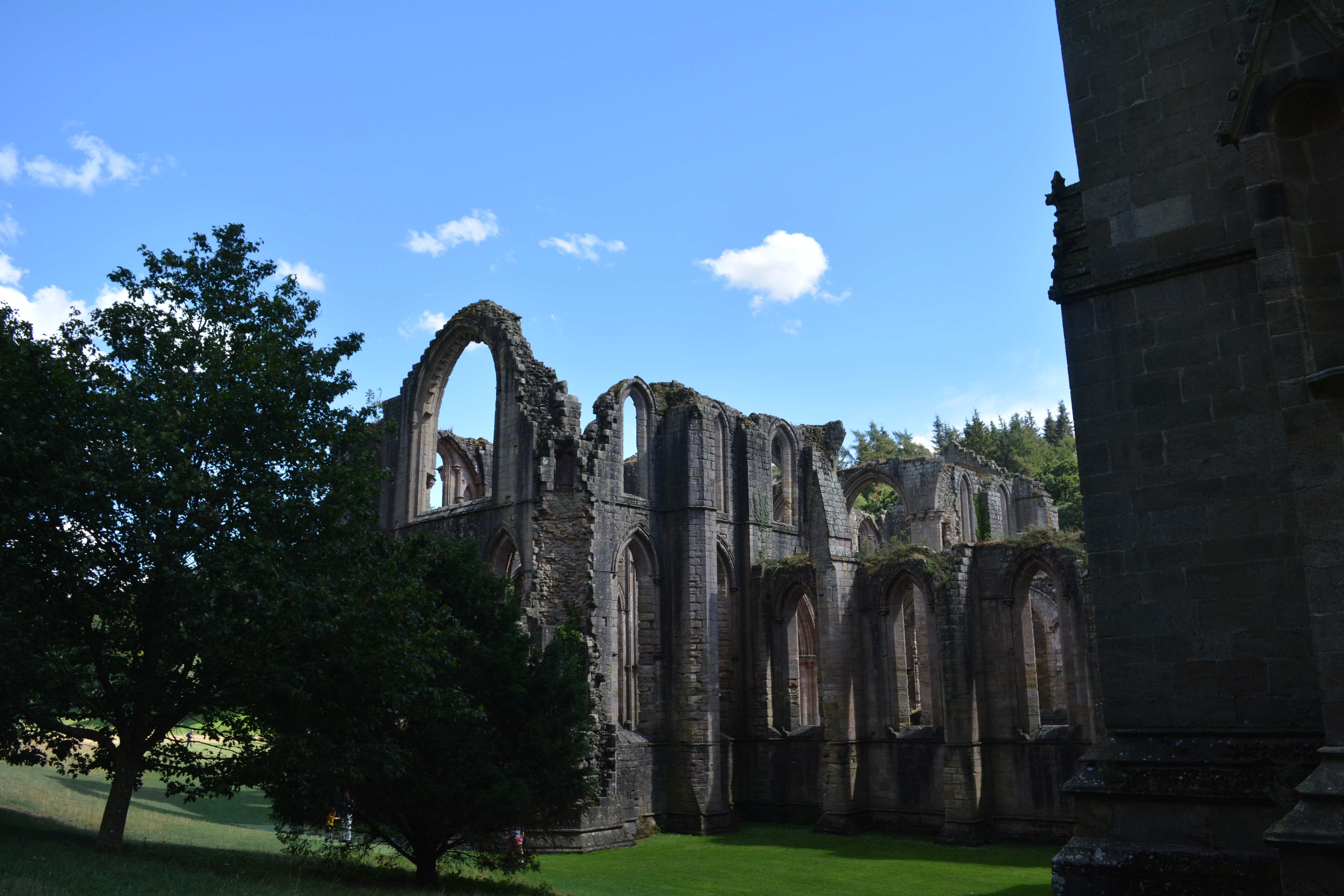
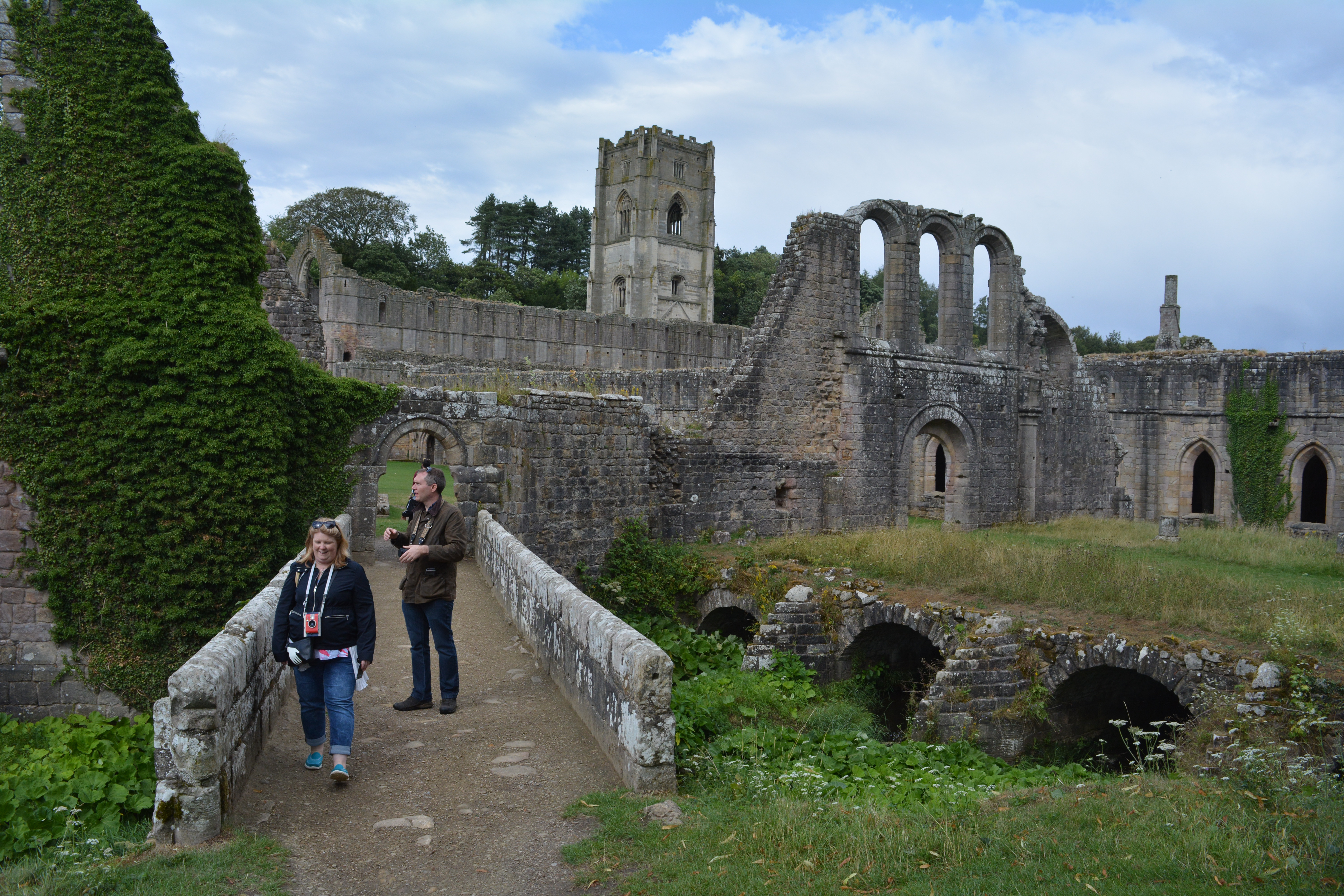
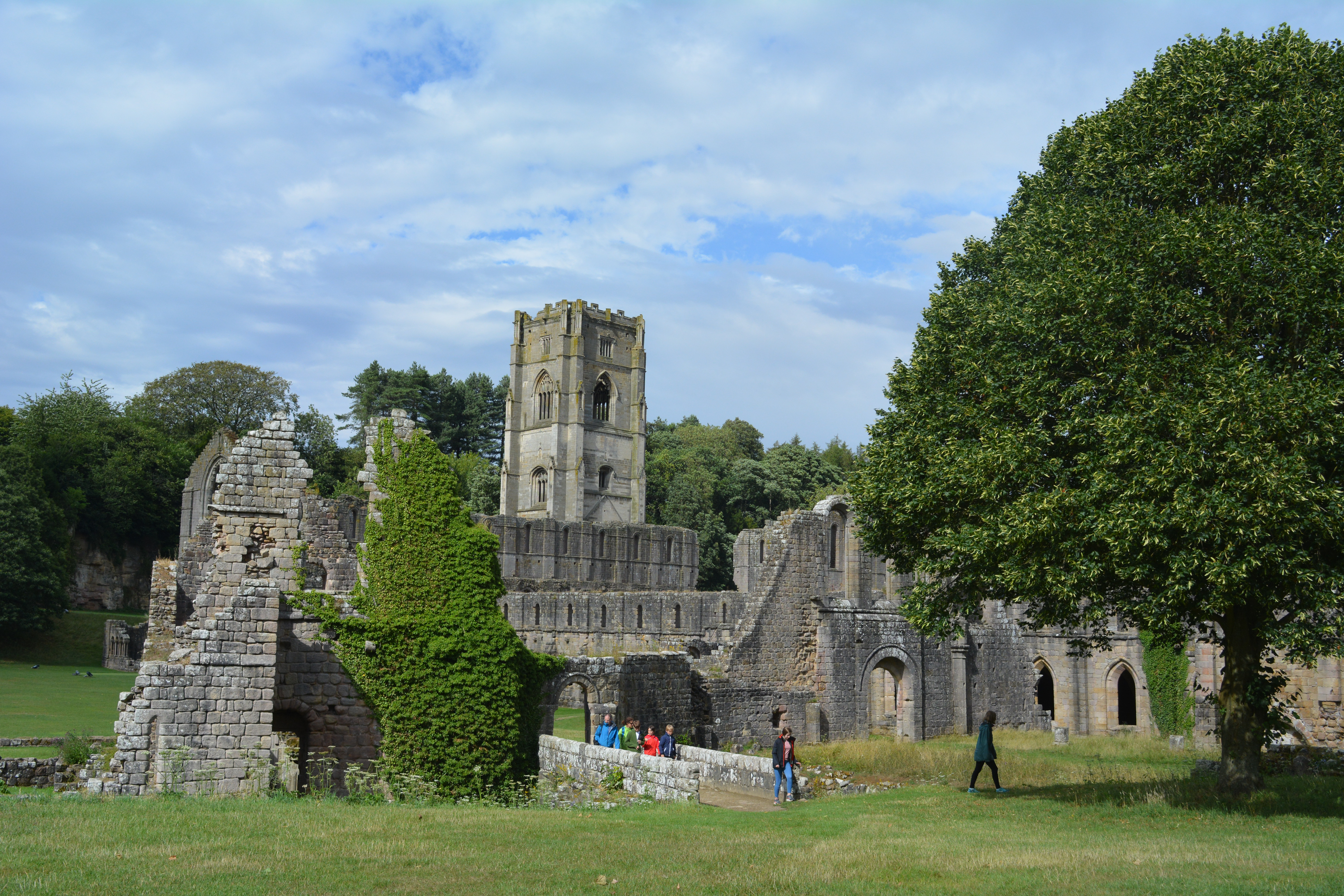
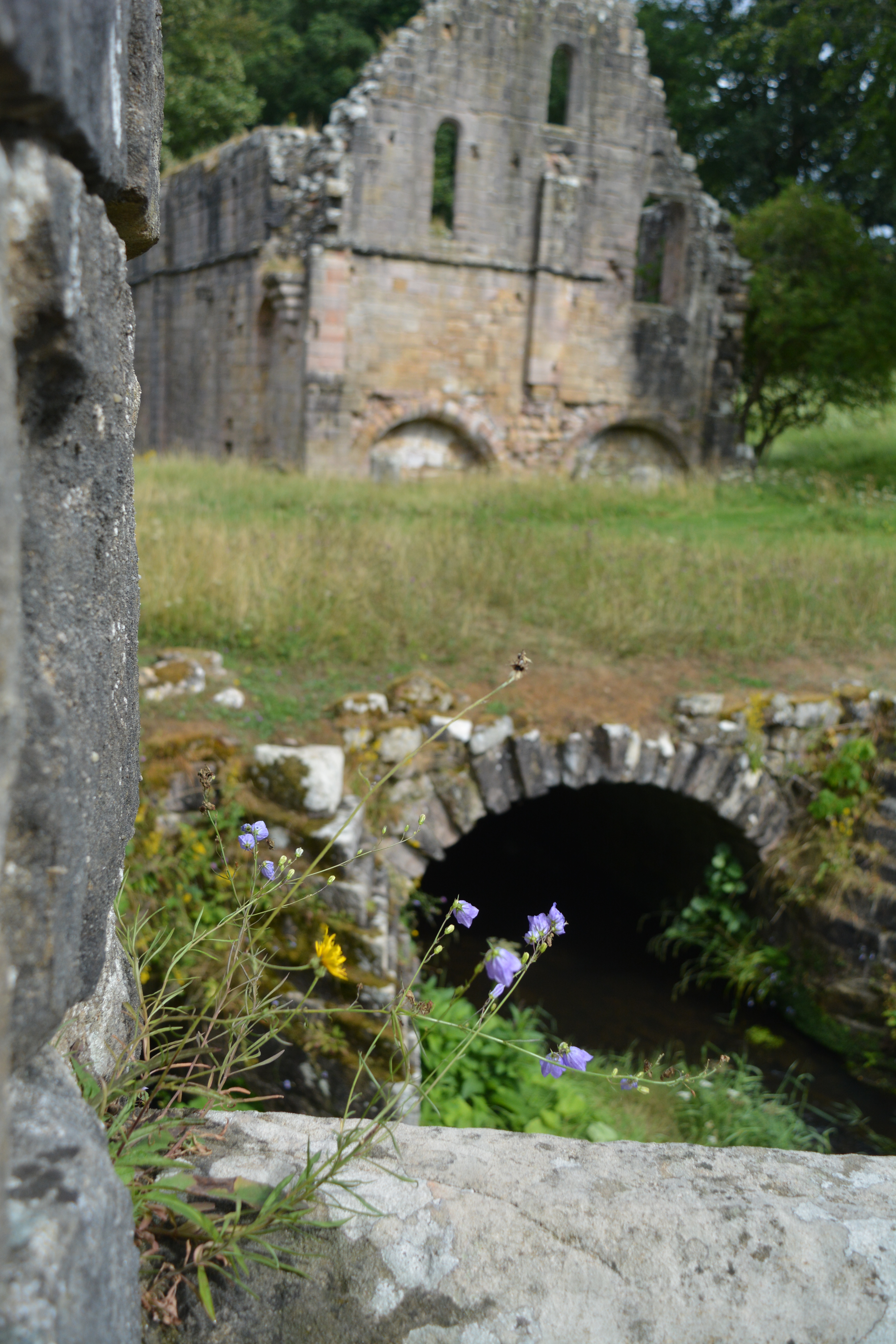
As we wandered down the sloping pathto the abbey ruins we could admire the amount of structure still left standing. It is really impressive.


Arabella enjoys life and loves going out and about – outside is where she prefers to be.

Once down among the stonework you can really appreciate the strength of the building and the sheer brilliance of it’s construction.


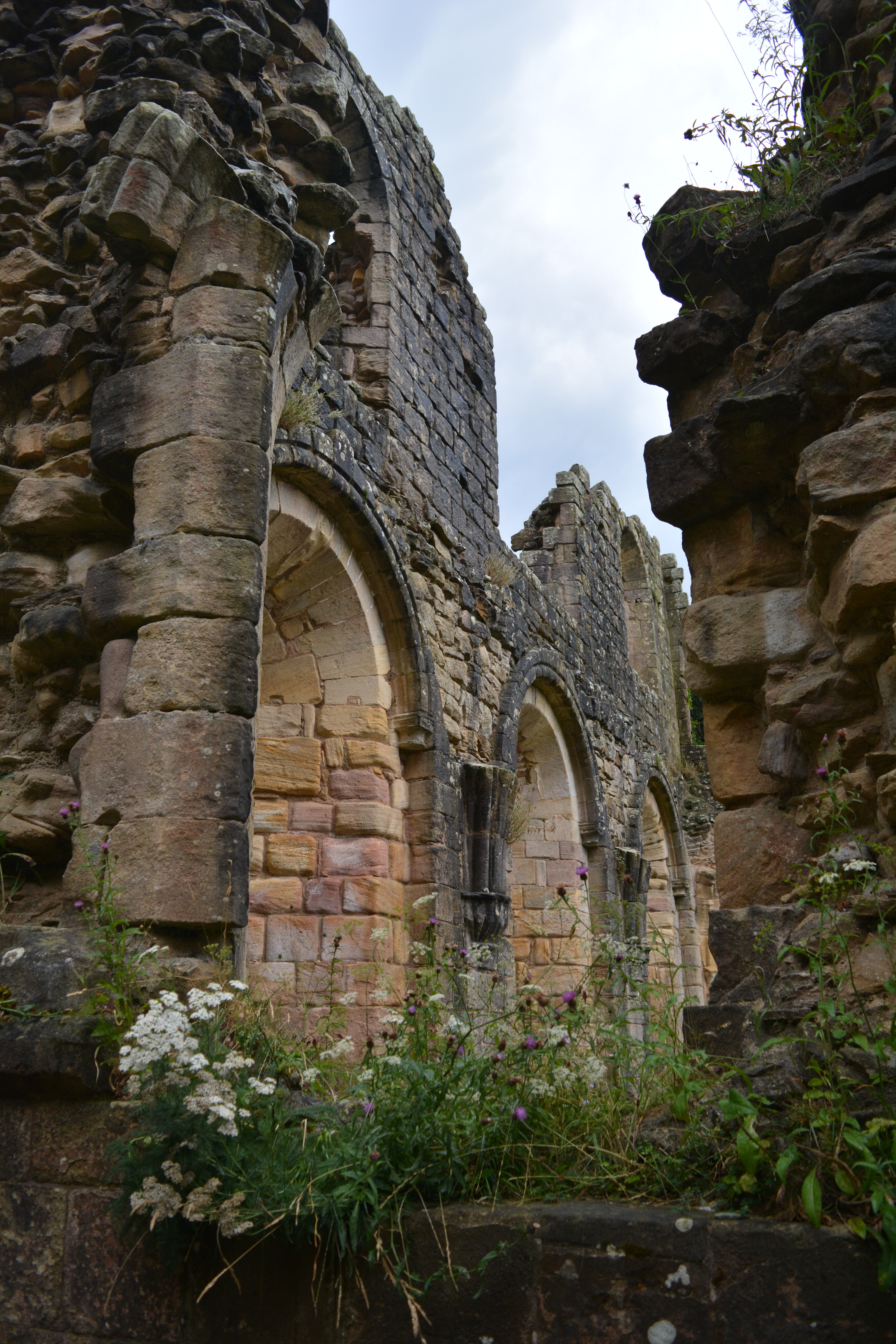
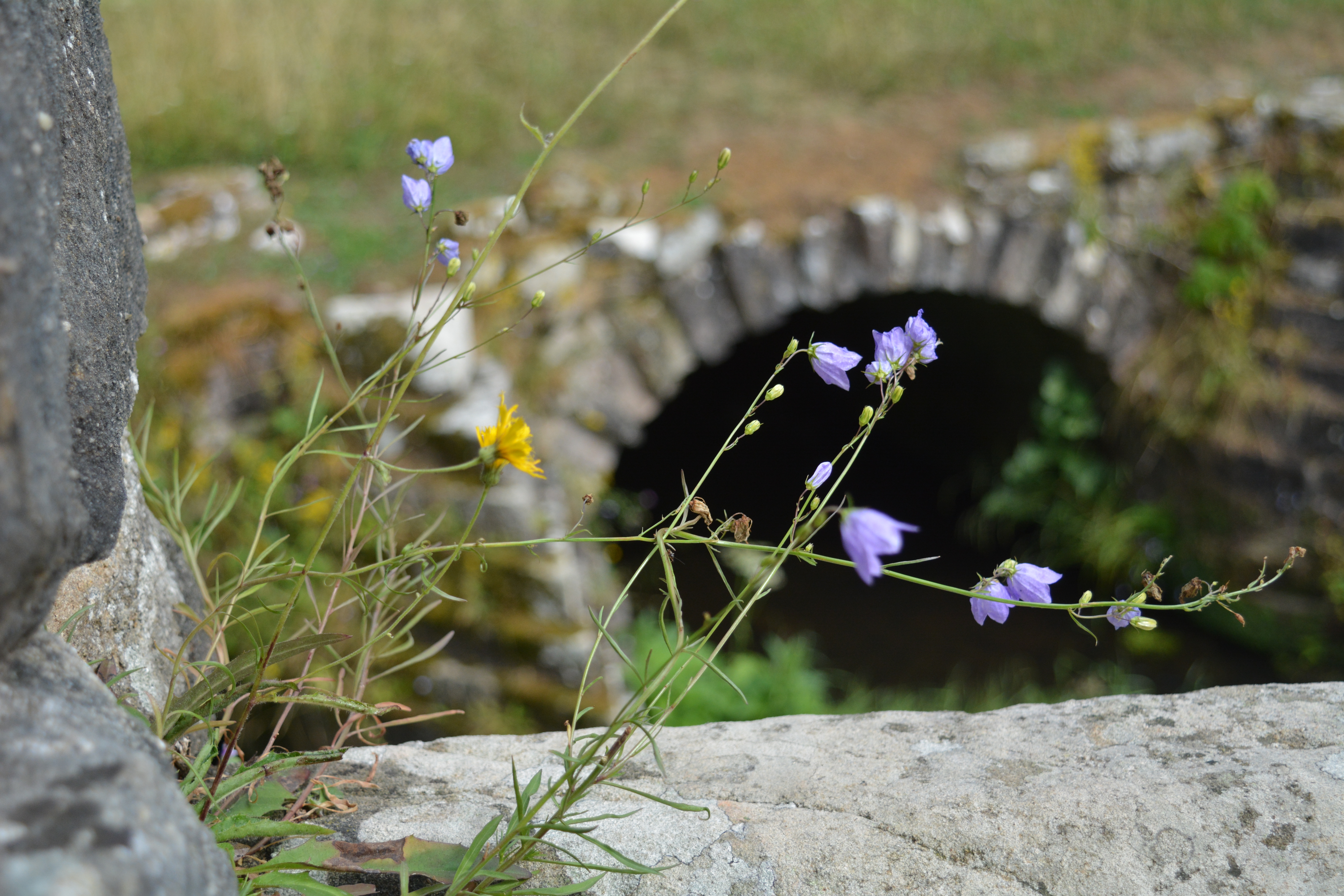
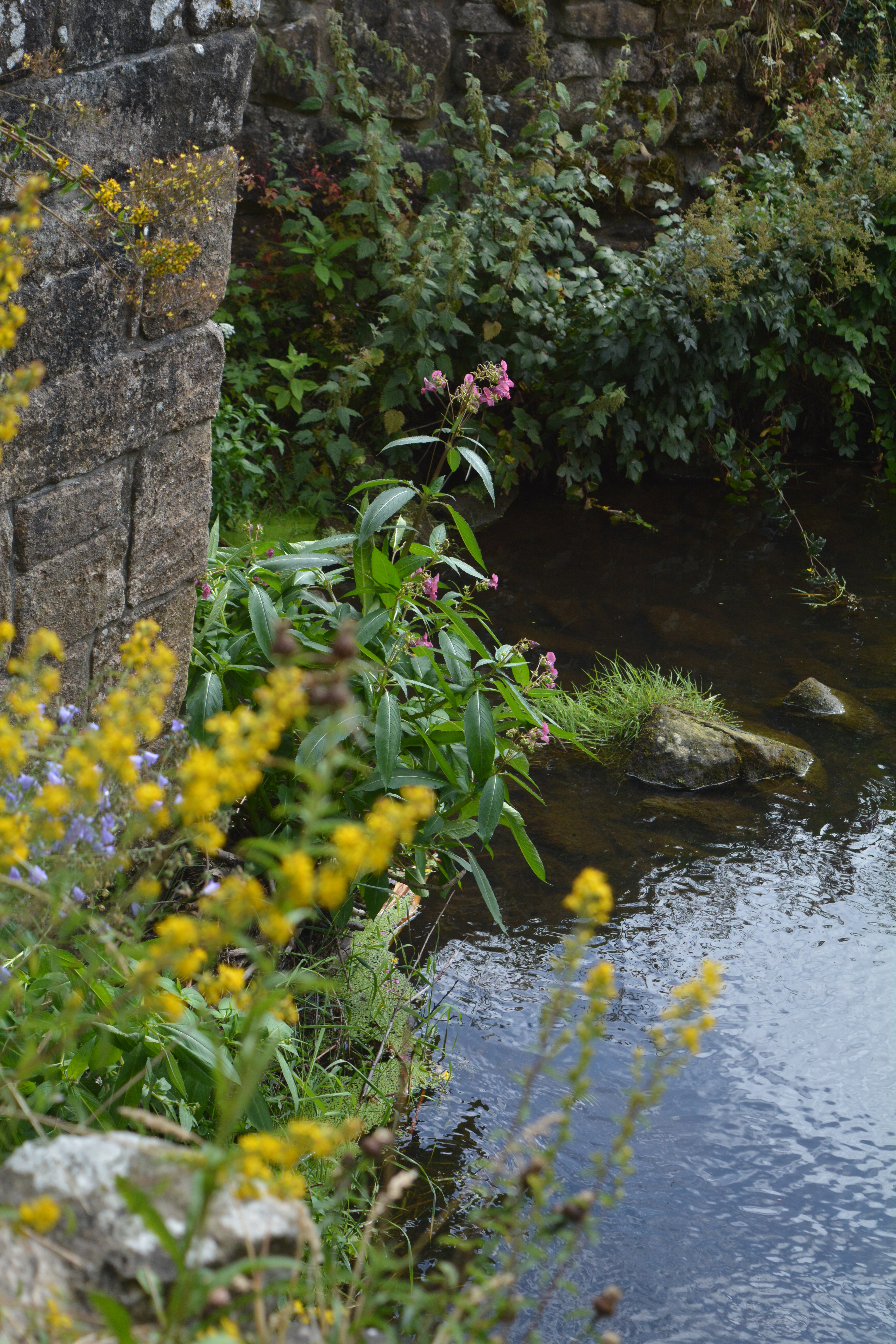
Mother Nature enjoys a good ruin to grow on finding the tiniest crack with a drop of soil in in which to grow.


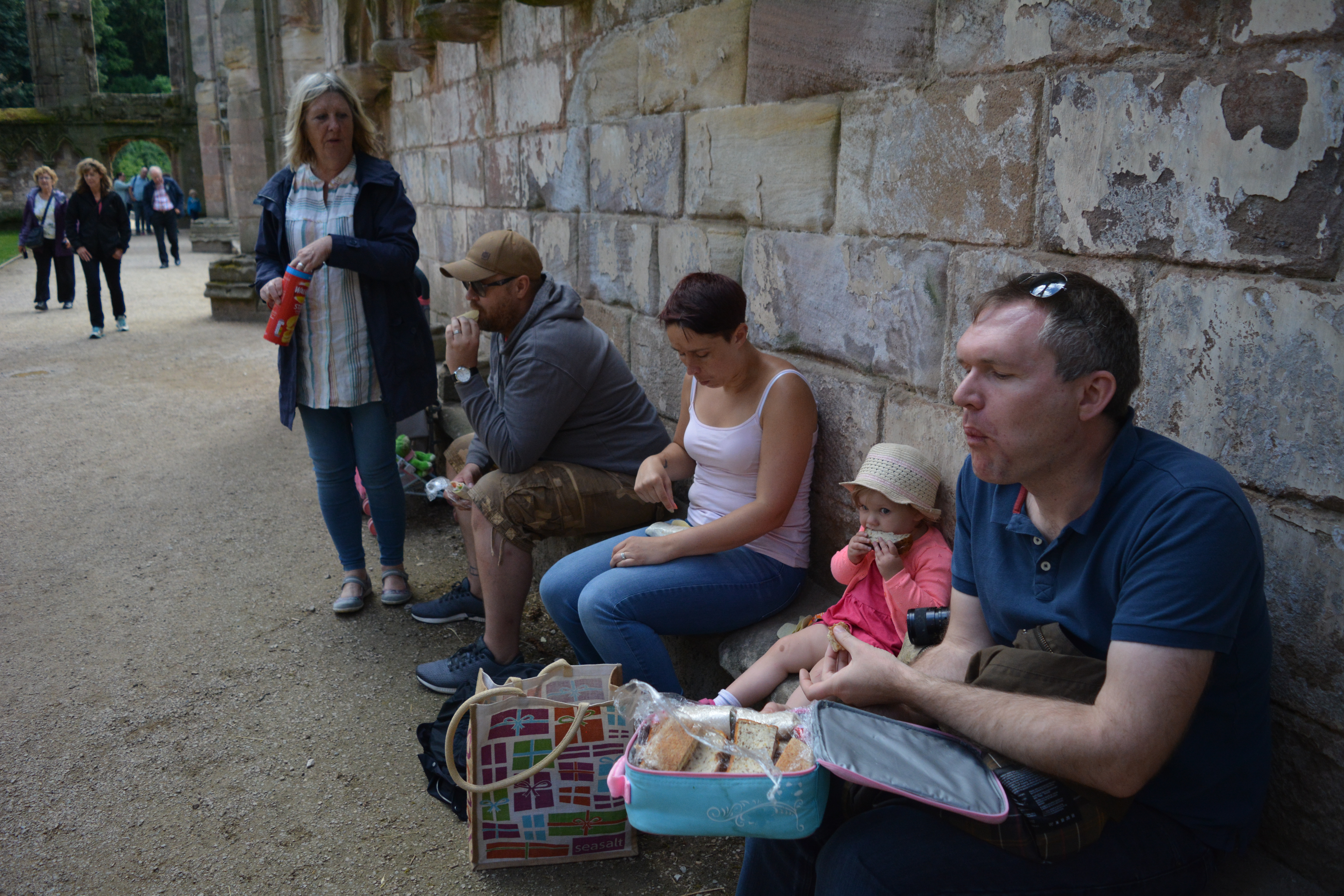
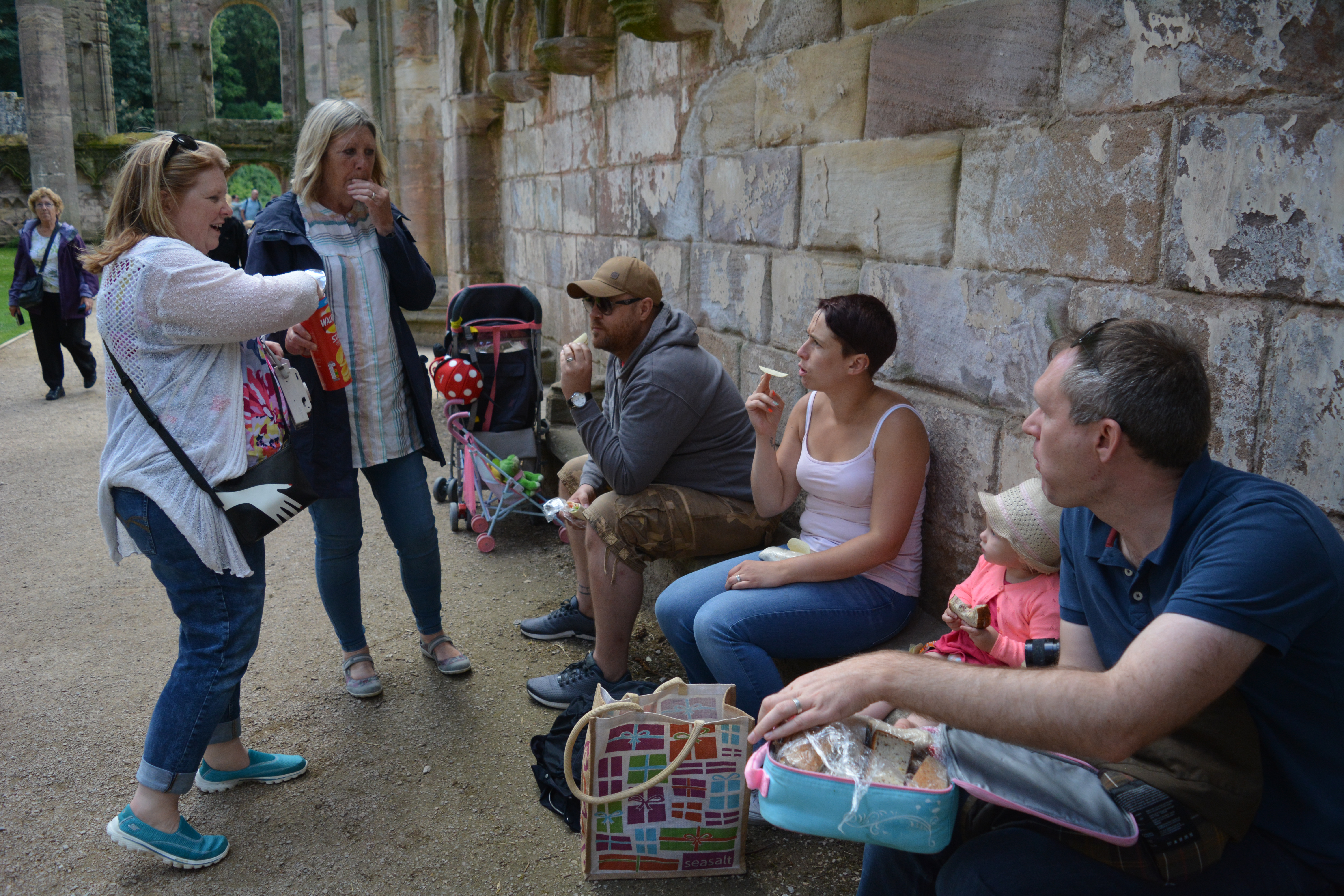
The monks had left us a convenient stone seat on which we could perch for a picnic.

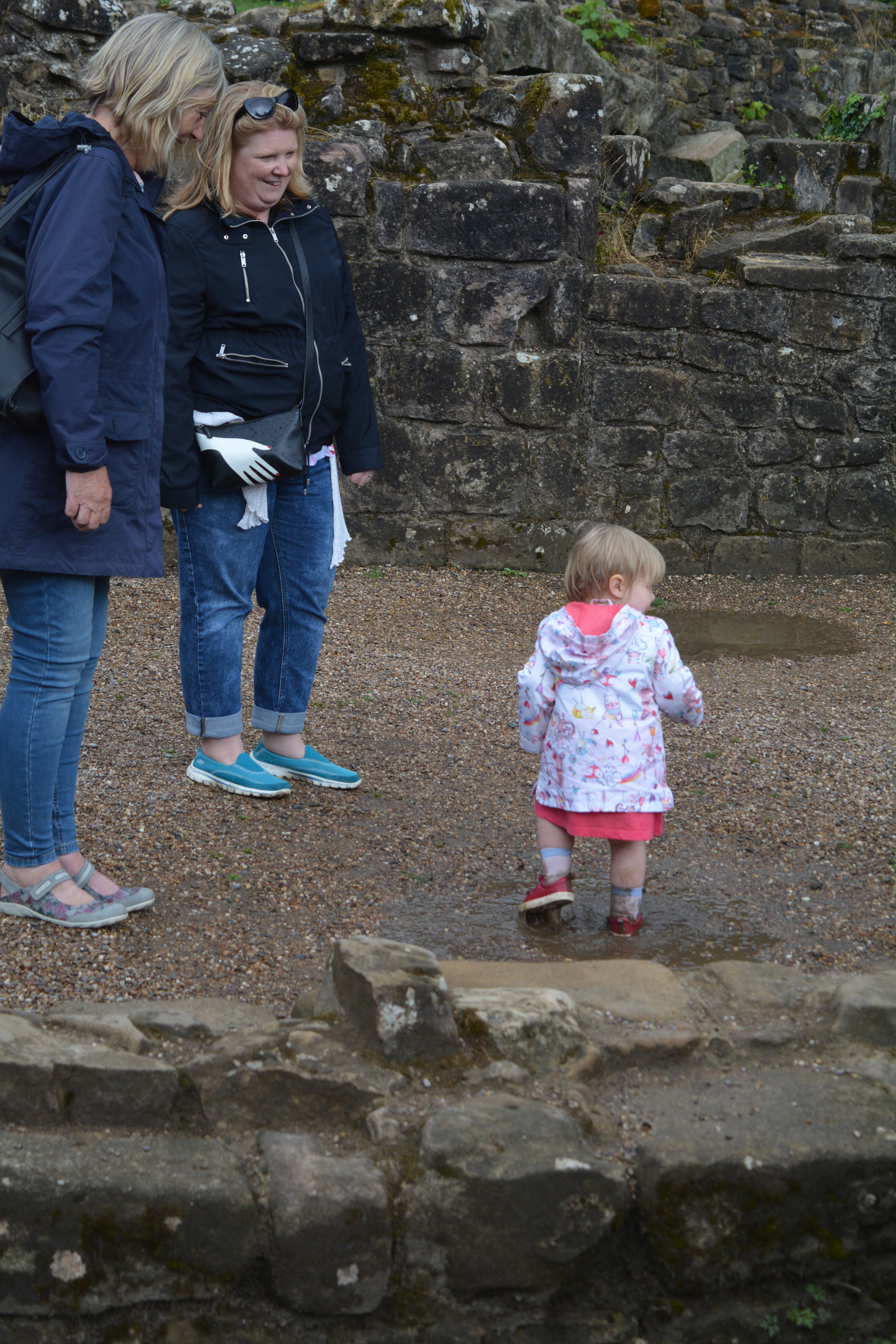
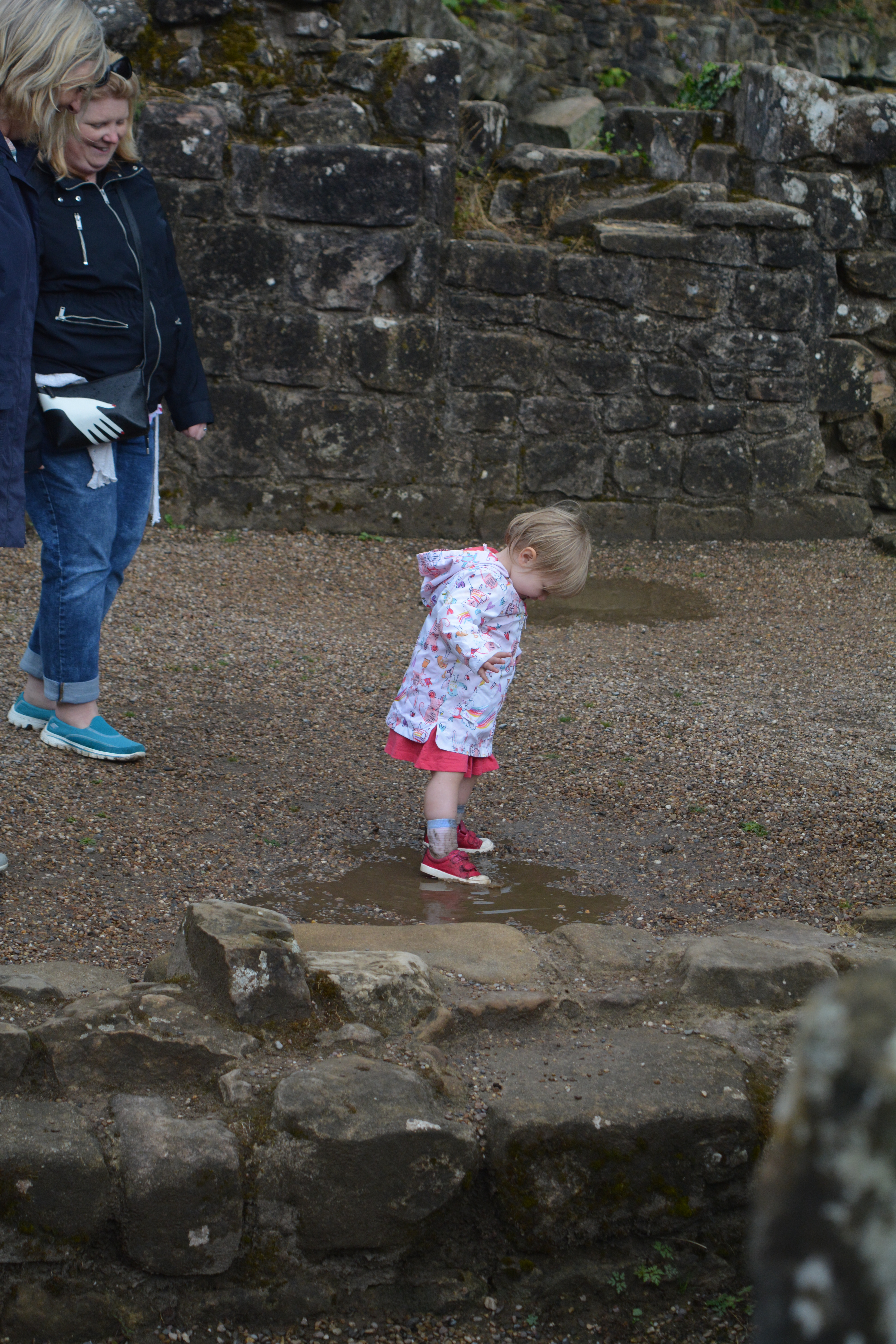
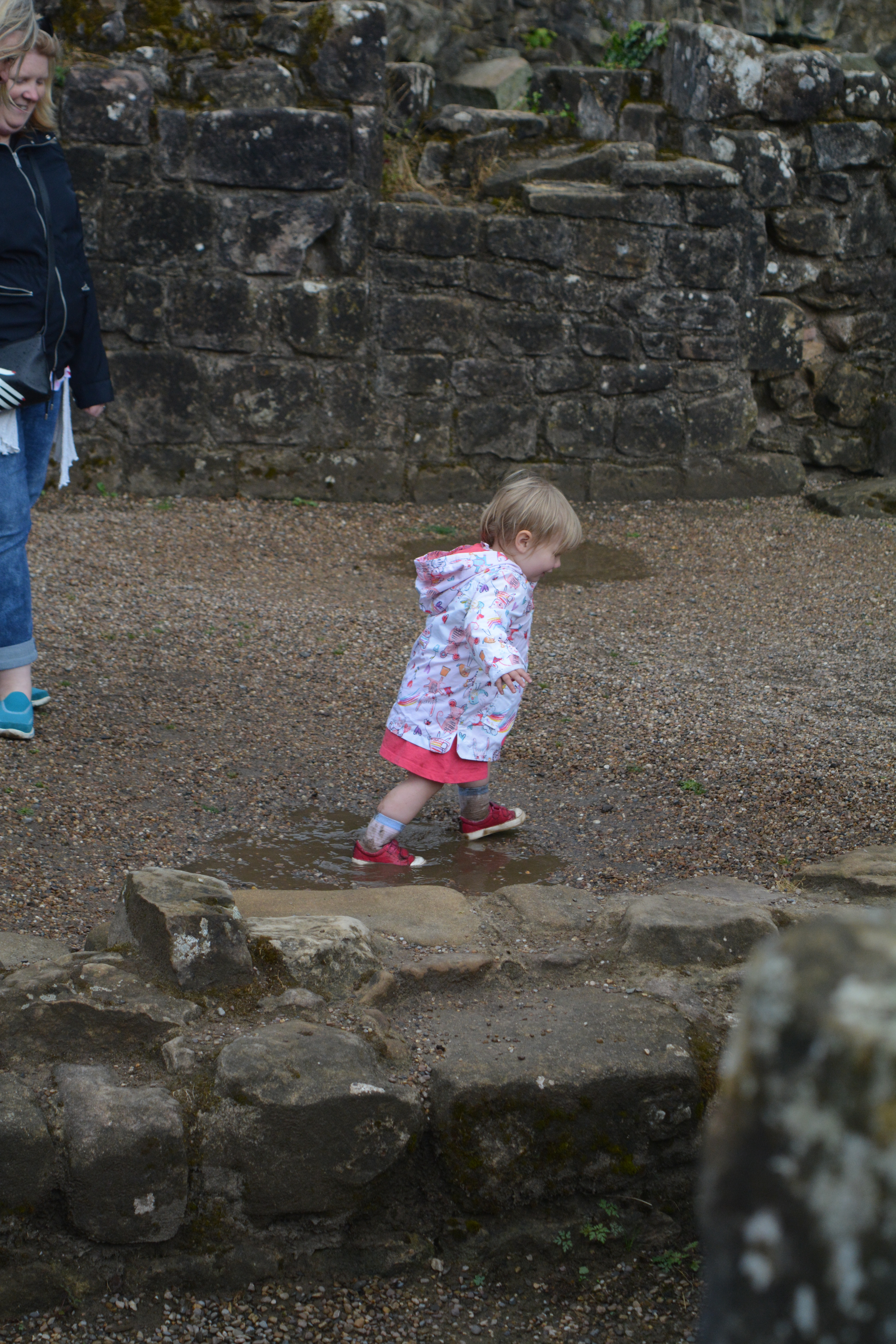
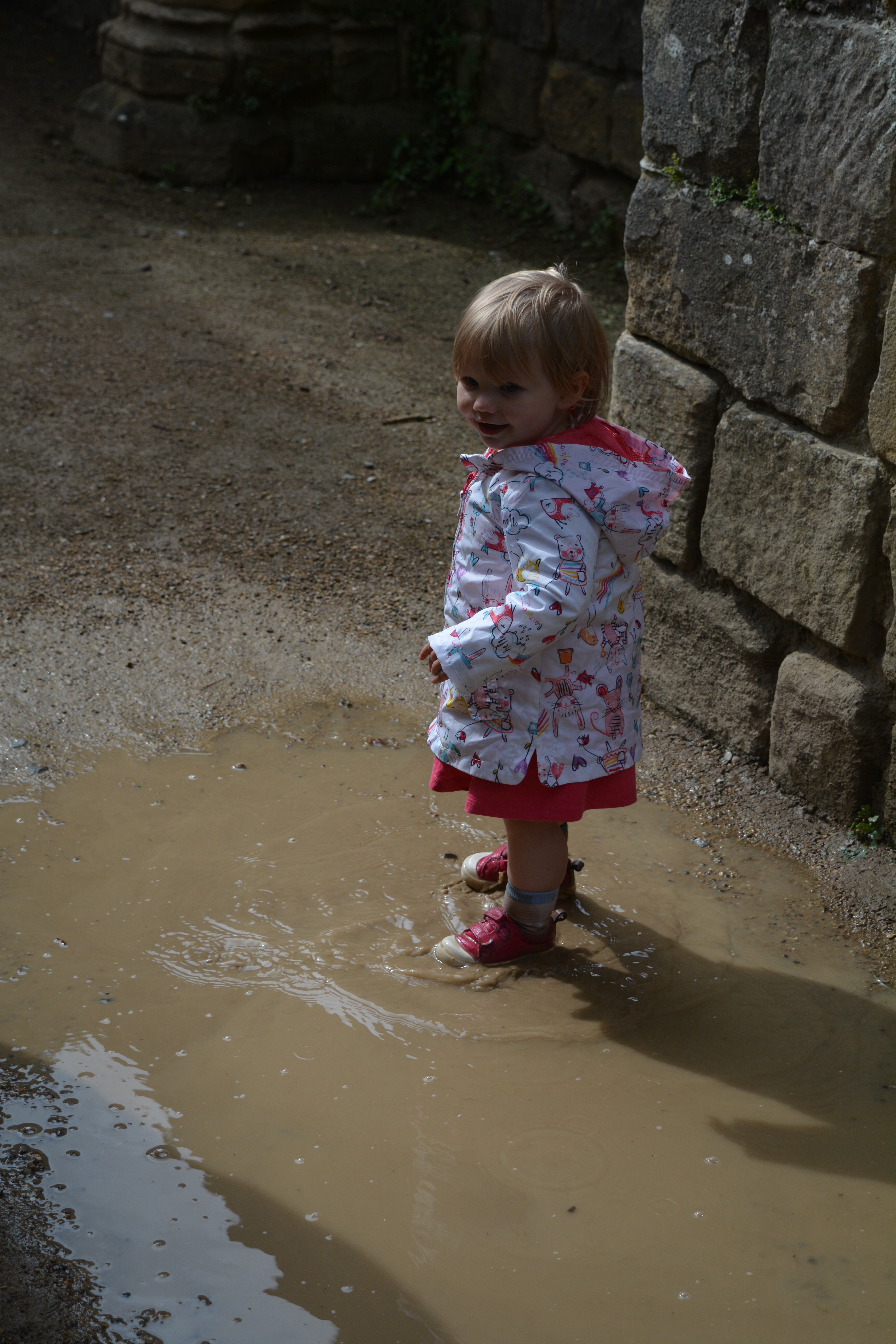
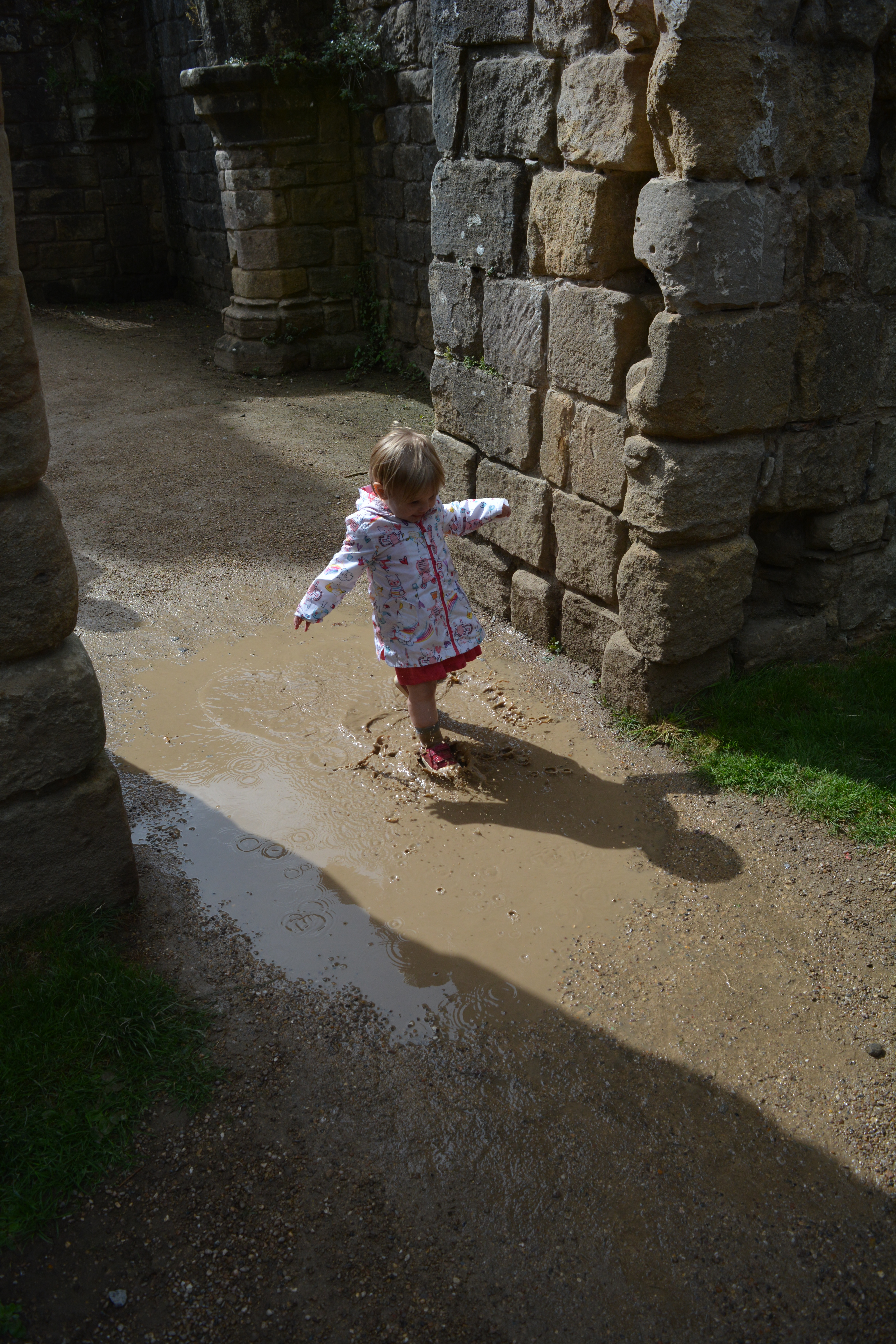
As we started clearing our picnic away the clouds darkened and cold rain drops fell. We struggled to find any shelter from the following storm. Arabella never minds rain because it means puddles, her favourite phenomena. I hope you enjoy this set of photos where she shows her delight at puddles.


We just had time to explore the outside boundaries of the site before the closing time closed in on us.


We followed the finger posts back to the car park at the end of another great family day out.


Categories
birds countryside landscapes National Trust pathways photography The National Trust the sea the seaside the shore

A coastal walk in Cornwall

While on a week’s break in Cornwall we decided to try a coastal walk and also decided that the day to do it would be the anniversary of my surgery to rebuild my right leg. Before my surgeon performed this complex 5 hour operation I was able to walk a few hundred yard at a struggle and in pain, so I was determined to see what I could do exactly a year on.

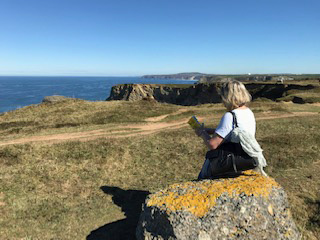
We had a great coffee and brownies at a beach cafe and took off. Immediately the path went steeply uphill and we could soon look back to the town we had left from, Portreath.


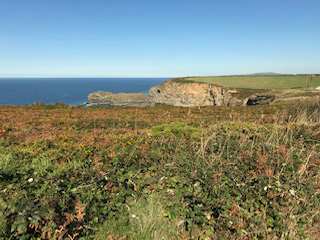
We had not been to Cornwall for years and quickly remembered just how beautiful the coast line is, with every step giving us breathtaking views.

We took regular breaks for drinks of water and a close look at our walk map. We stopped or slowed all the time simply to take in the beauty of the landscape we were walking through and to check up on my newly rebuilt right leg! Just after this particular stop we were entertained by a pair of Kestrels hunting as a duo team playing and following their instincts. We walked alongside them as companions for a good half mile enjoying their antics and acrobatics before they finallyy turned away.

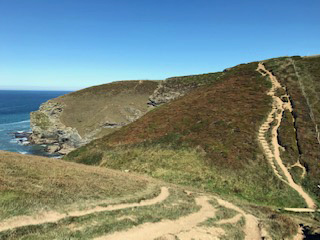
A seriously steep sided couple of valleys were our hardest challenge of the walk. The first we had to zigzag down sometimes using steps cut into the valley side to climb the steepest sections. A fallen plank bridge, the only way to cross a deeply cut stream, meant a scramble to get across the trickling water. It was a great relief to get over and begin the ascent. The second valley side was a walk along steep stone tracks.

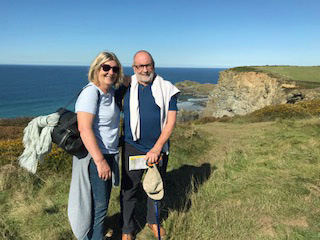
We met a couple of brothers sharing a walk who stopped to talk and were fascinated to meet us with me tackling this long difficult walk with a walking stick. They asked if we would like our photo taken, a suggestion we accepted readily. They were great to talk to and gave us chance to catch our breath too.


The half way point was at Derrick Cove, our signal to start the return leg of our walk, but not until a twenty minute rest and plenty of water. We had walked three and a half miles and knew we had the same to do to get back.

We decided to walk a slightly different way to avoid the steepest valley climb, but this meant walking along a road for a while. It meant also dropping down into Portreath from a different direction so we enjoyed different views of the town for the last few minutes of our walk.

So back at the car we felt elated but ached severely. We had such mixed emotions, but overall a sense of huge achievement was the strongest emotion of all.


Categories
autumn autumn colours garden design garden photography gardening gardens gardens open to the public half-hardy perennials hardy perennials National Trust ornamental grasses ornamental trees and shrubs The National Trust Wales

Visiting Bodnant Gardens in Early September

We dropped off at Bodnant Gardens two thirds of the way along our journey to our holiday home on Anglesey, a garden we visit often as it is a solid favourite at all times of the year.

I hope you enjoy my photos below taken at Bodnant in early September.


We will without doubt return some time soon as we return to this wonderful garden several times every year to see it in each month’s glory.

Categories
flowering bulbs garden arches garden design garden paths garden photography gardening gardens gardens open to the public grasses hardy perennials National Trust ornamental grasses ornamental trees and shrubs pathways pergolas spring bulbs The National Trust trees Wales Winter Gardening winter gardens

The Winter Garden at Bodnant Hall

We left home for a journey up towards Chester and then West along the North Wales coast after listening to the local weather forecast for our destination. It predicted a heavy snow storm passing through early morning and warnings were announced for closed roads and dangerous conditions. The weather was set to travel eastward and weaken, so we hoped we would meet it as it had weakened and arrive at our destination as it cleared.

We got it spot on as a couple of hours later we arrived at the northern tip of Snowdownia, at Bodnant Hall where we wanted the see the Winter Garden. We had explored it before in the summer and it looked good then. We vowed to return in its prime season to see if it lived up to its summer promises.

We were not to be disappointed in the slightest as it surpassed all expectations. It was simply breathtaking. Come with us as we explore along its winding paths.

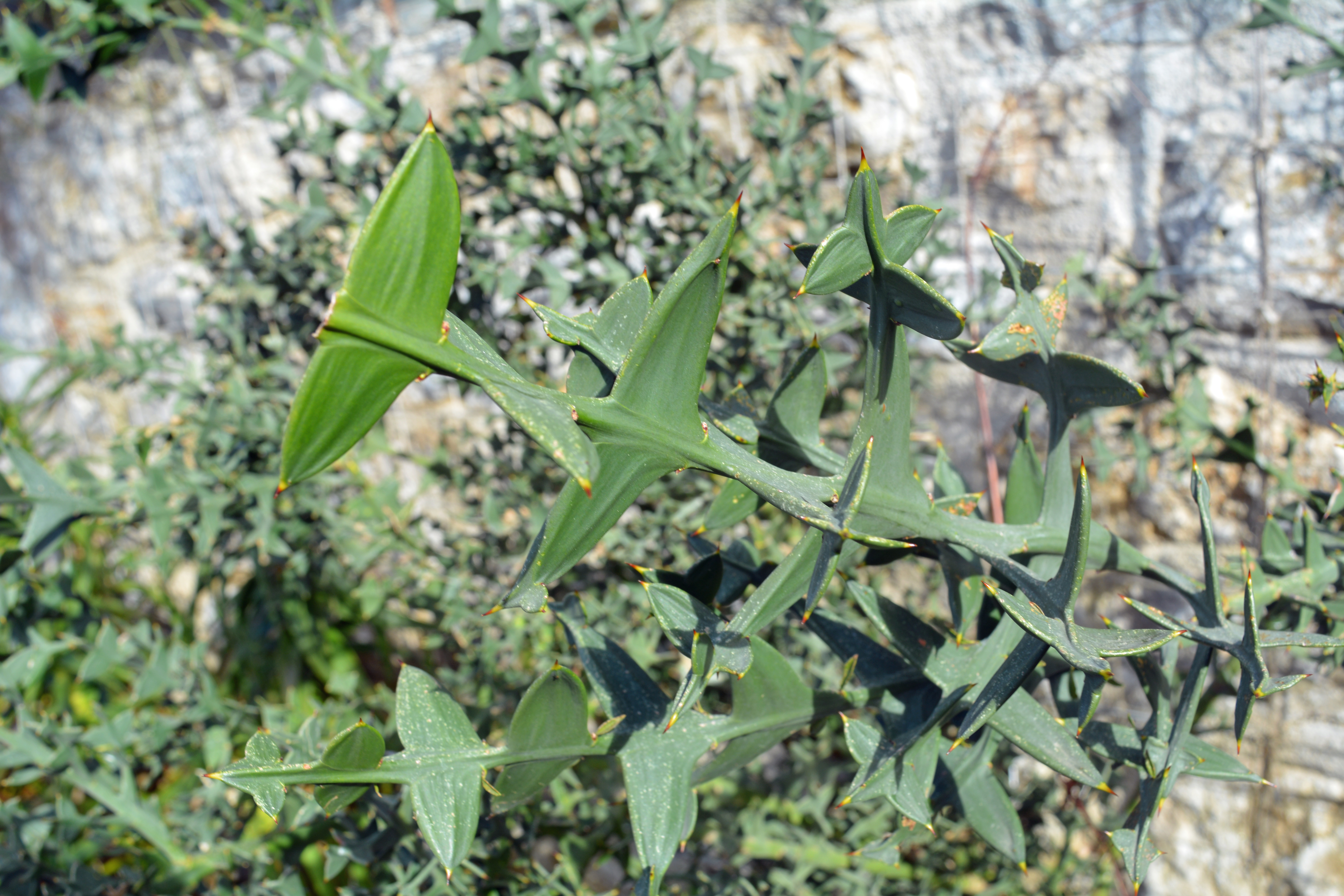
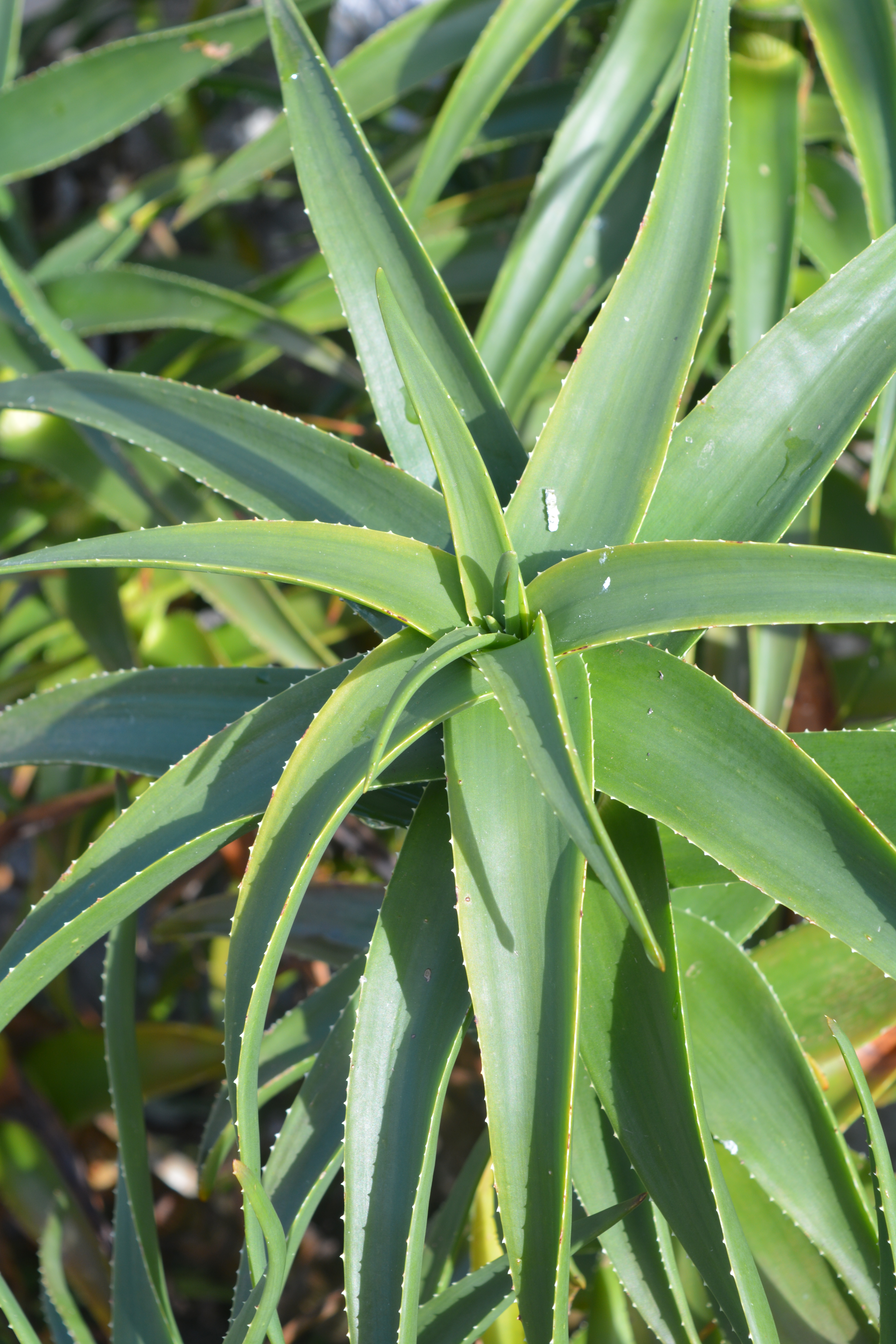
We entered the garden by following a path cut into the hillside and then down a ramp where we discovered a raised wall with the sort of planting we expected to see in the Winter Garden itself. We also passed two plants with not so friendly foliage, a Colletia paradoxa and a Yucca, both well endowed with points and sharp edges.


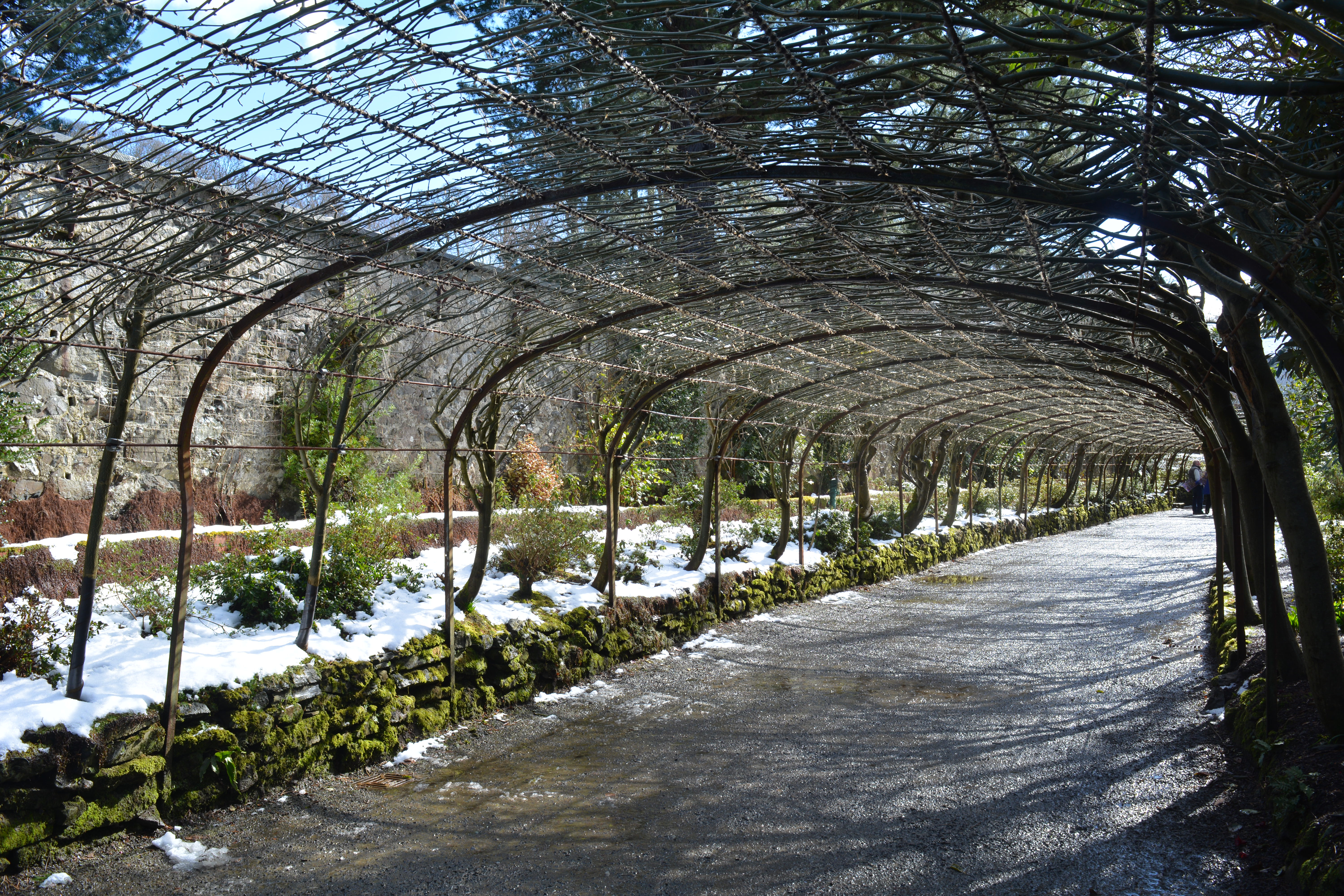
The world-famous laburnum arch looked so different at this time of year, exposing its strong structure and the shapes of each trained Laburnum tree.


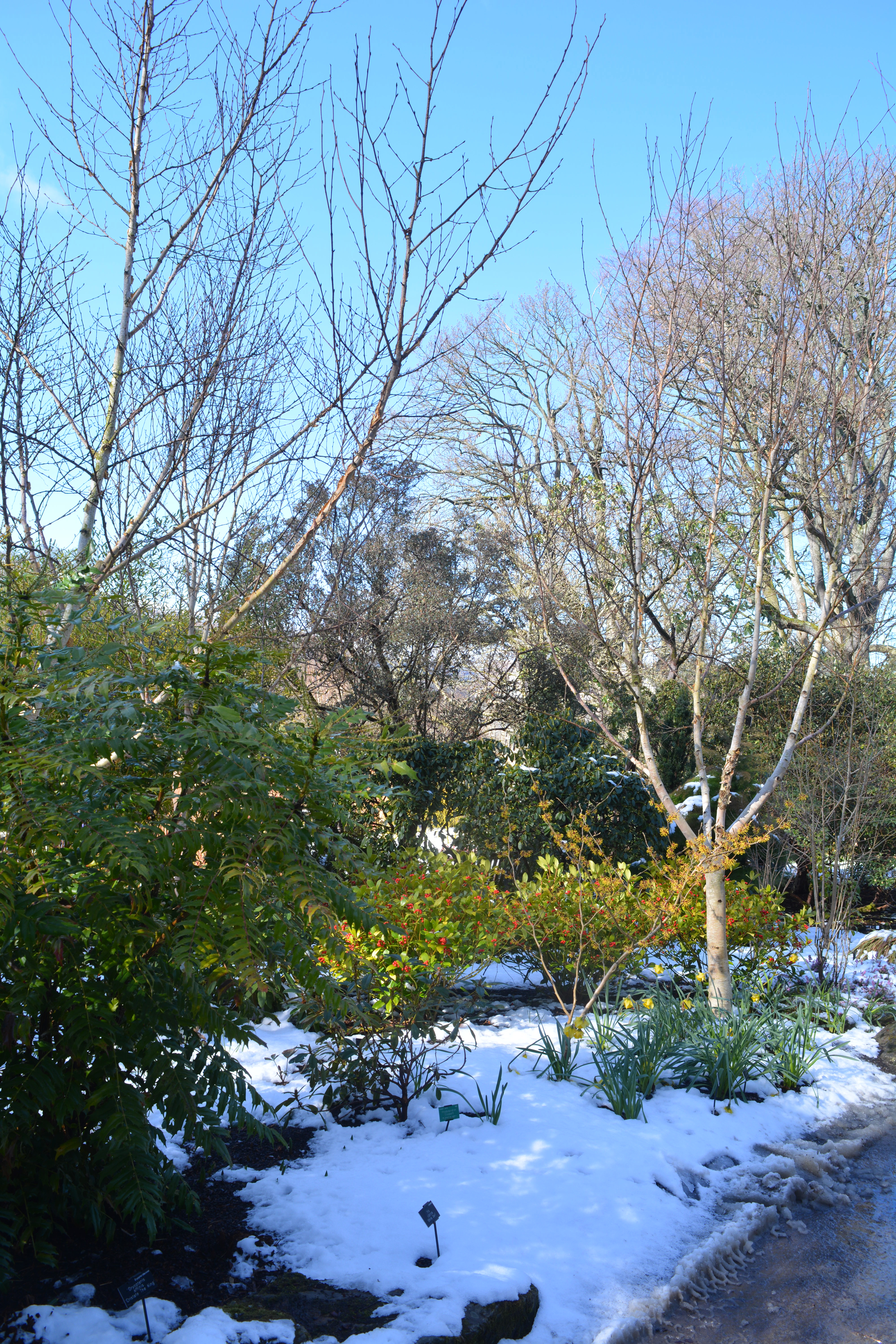
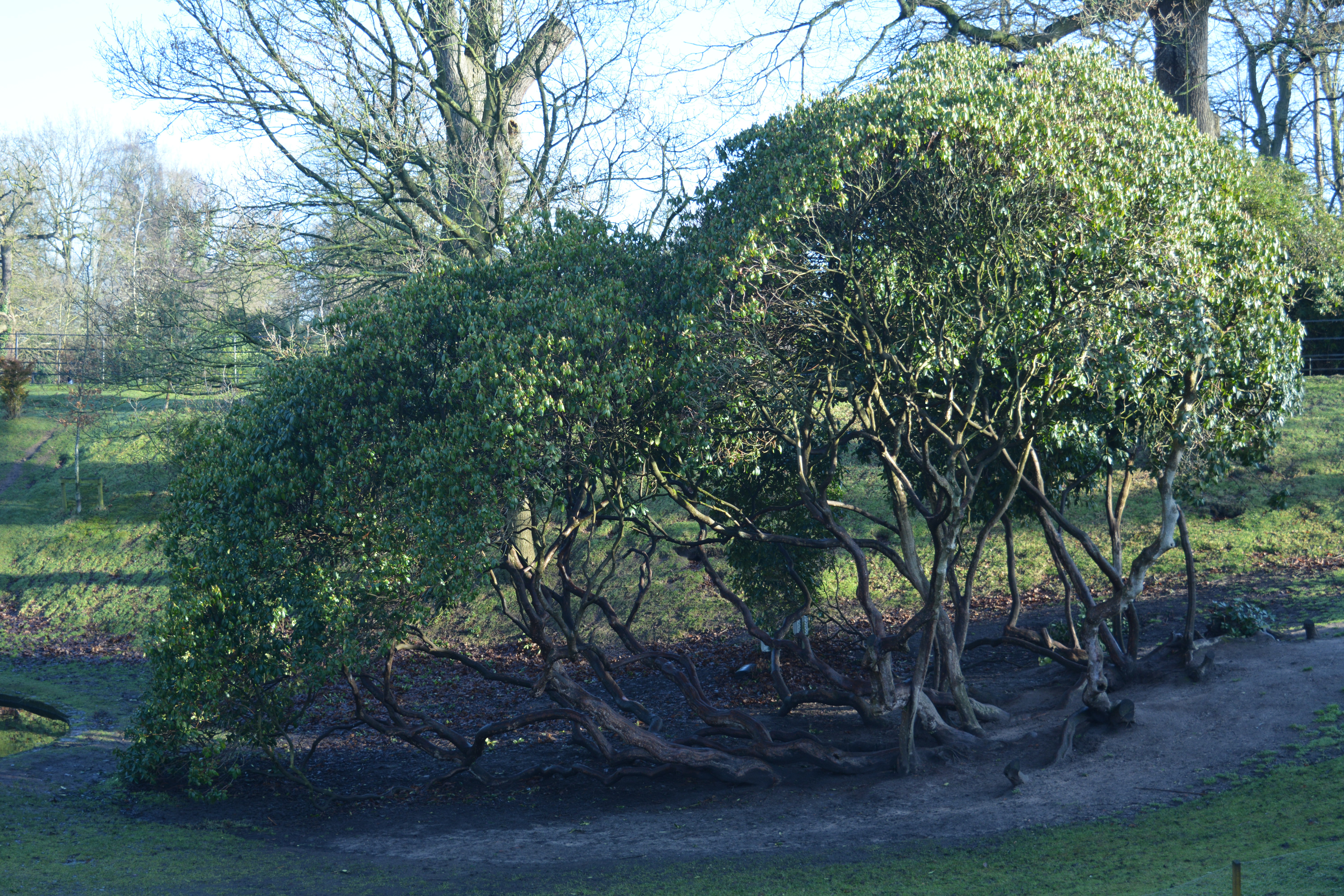
As we began to follow the meandering paths which implored us to explore every part of the garden, we spotted some beautifully shaped trees and shrubs pruned to expose their lower trunks and branches, sharing their special shapes with us. Conifers sometimes create amazing shapes without the need for the gardeners’ secateurs and loppers.


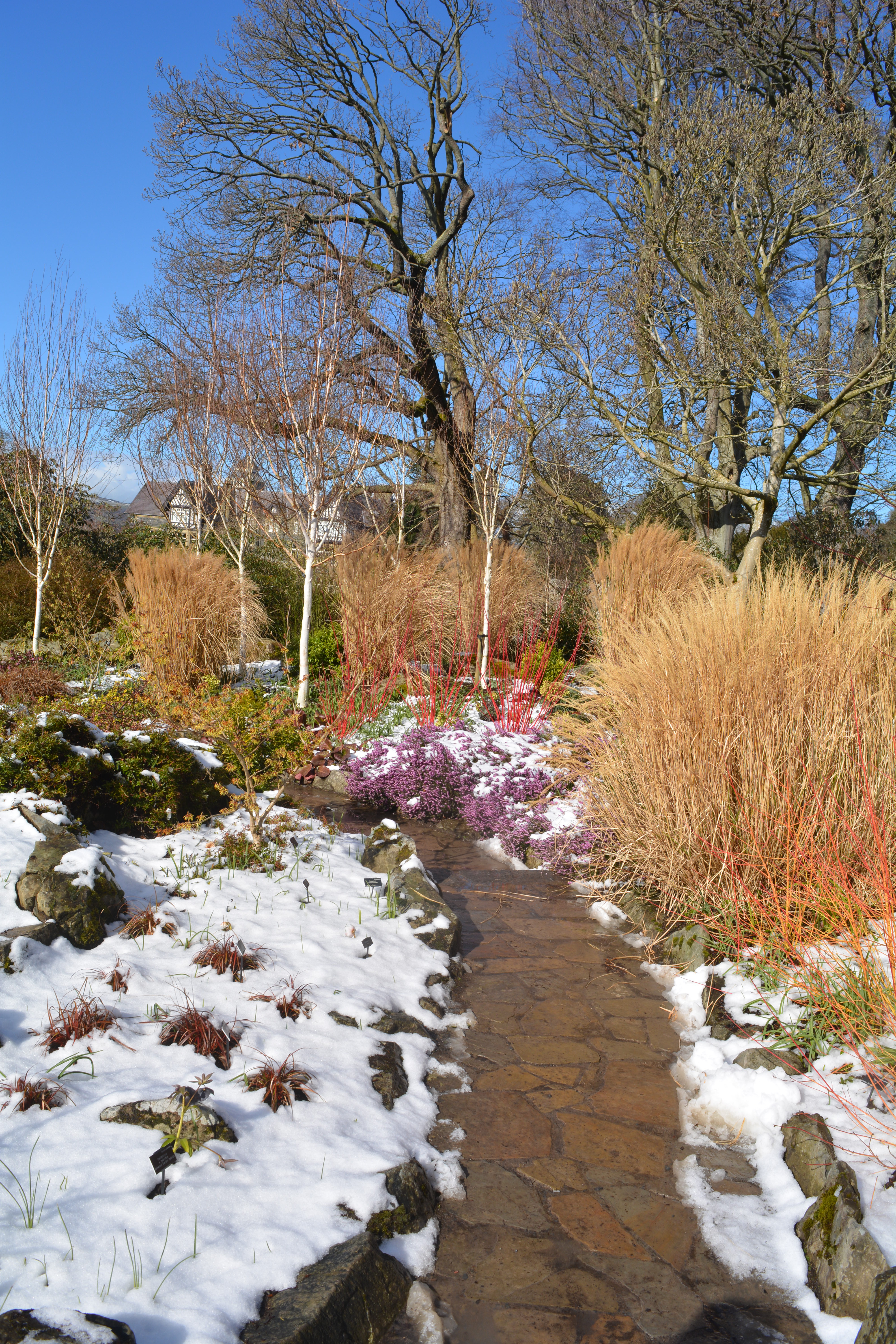
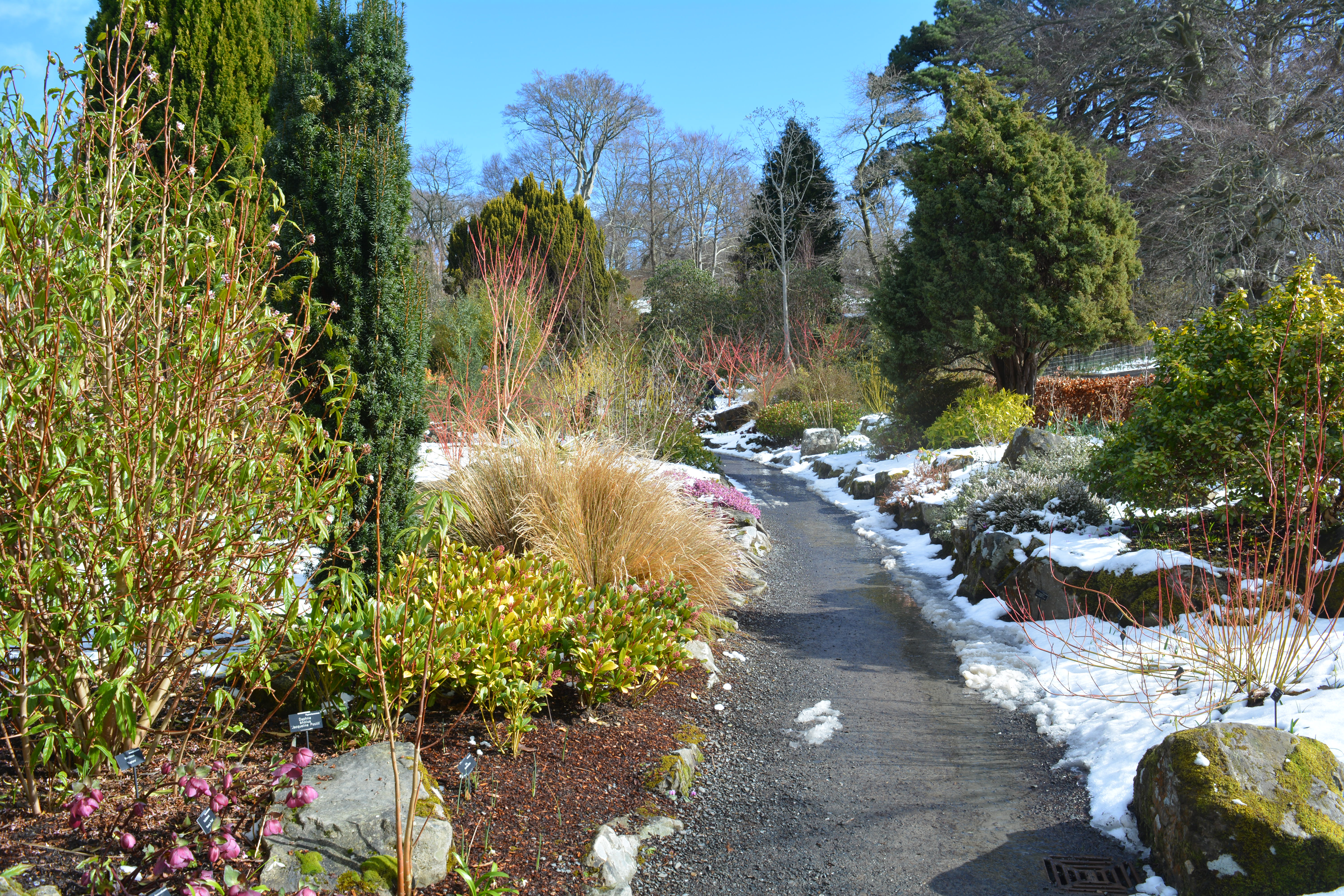
The paths at Bodnant have been designed and set out to let the visitor appreciate every bit of planting from close up and from a distance to get a variety of views to appreciate. They are beautifully positioned.


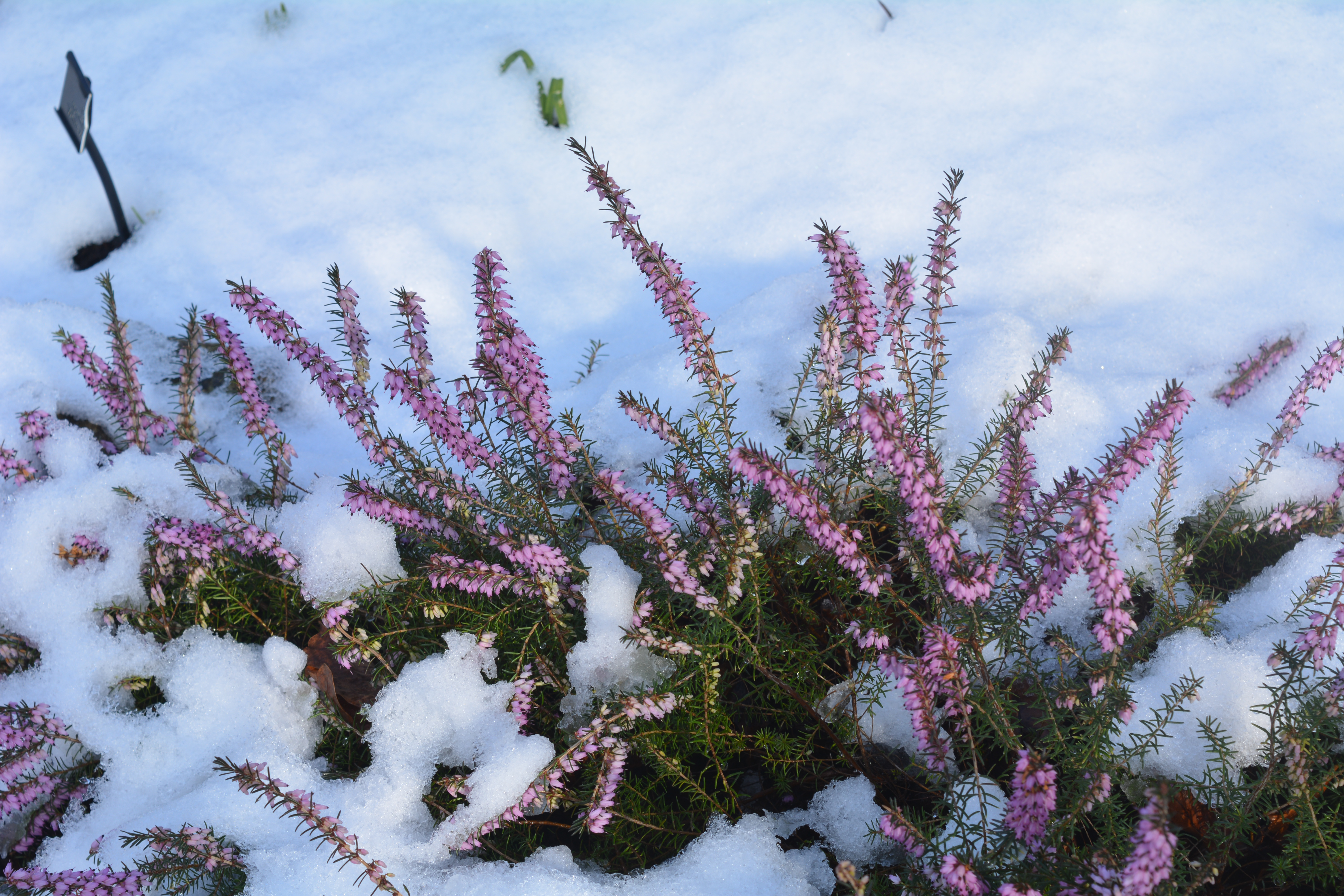
Snow isolates flowers in such a strange way. It means we see them without foliage just their colours emerging from whiteness. We are so used to viewing flowers against a predominantly green background.


The beauty of the Winter Garden at Bodnant that is unique where such gardens are concerned is the way it is designed to have overall strength as a whole design but each pairing of plants and each grouping is applicable to most home gardens. Around each corner the visitor can discover an idea easily transferable to their own patch. The design is best described as accessible. Pathways ensure visitors see as much as possible and each feature planting from at least two different viewpoints. Here is a selection of pics showing these paths.


Next time we visit Bodnant Gardens will probably be in the spring when it looks very different again.


Categories
flowering bulbs garden design garden photography gardening gardens gardens open to the public hardy perennials irises light quality National Trust ornamental grasses ornamental trees and shrubs shrubs spring bulbs The National Trust trees Winter Gardening winter gardens

A Favourite Winter Garden – Dunham Massey

This will be our third visit to the relatively new winter garden at Dunham Massey, a National Trust property in Cheshire, our neighbouring county to the north of our home county, Shropshire. The leaflets concerning the garden refer to it as a “Curiosity Garden”, while inside is written, “Forget hibernating until spring, Dunham Massey’s Winter Garden is wide awake with colour.”


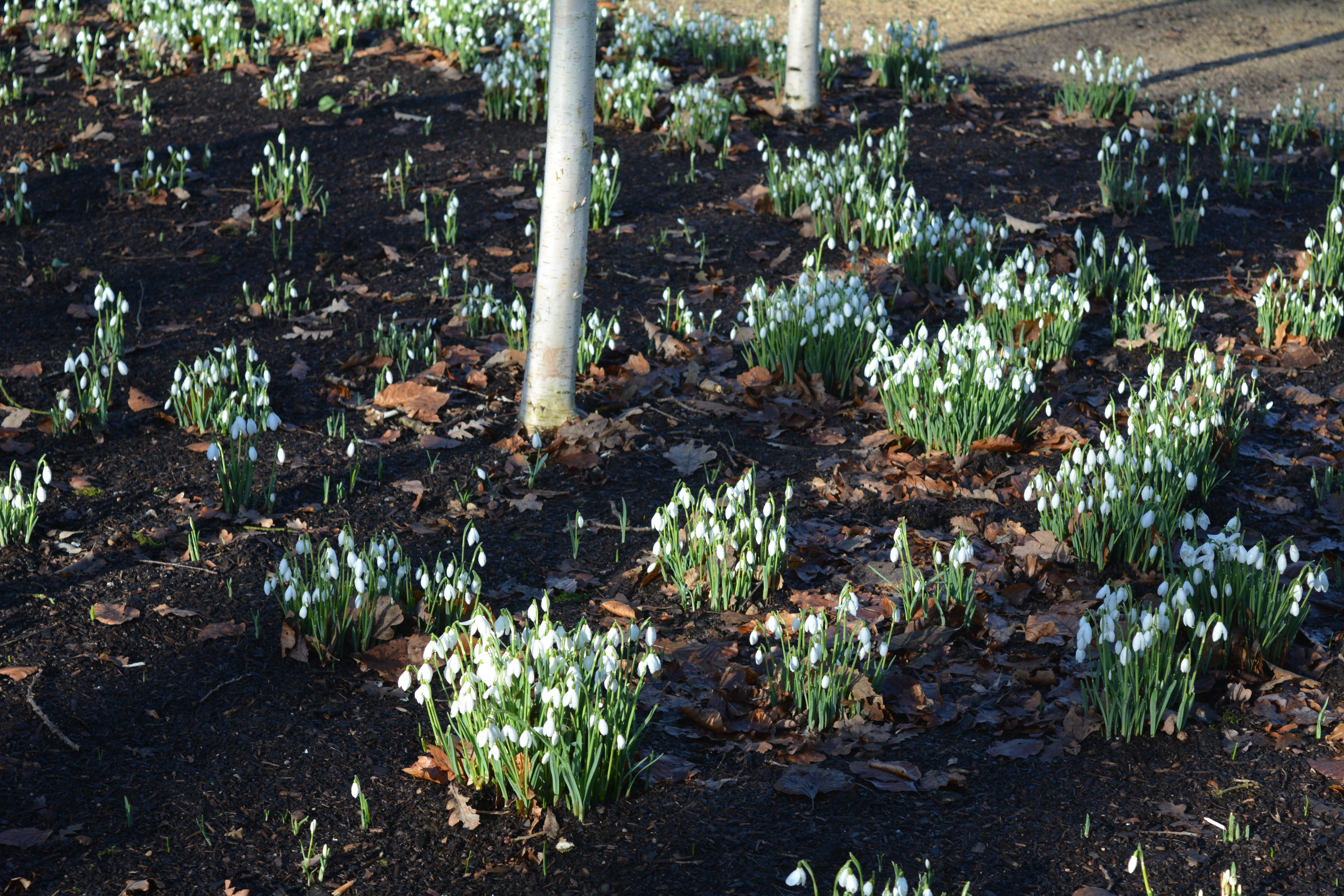
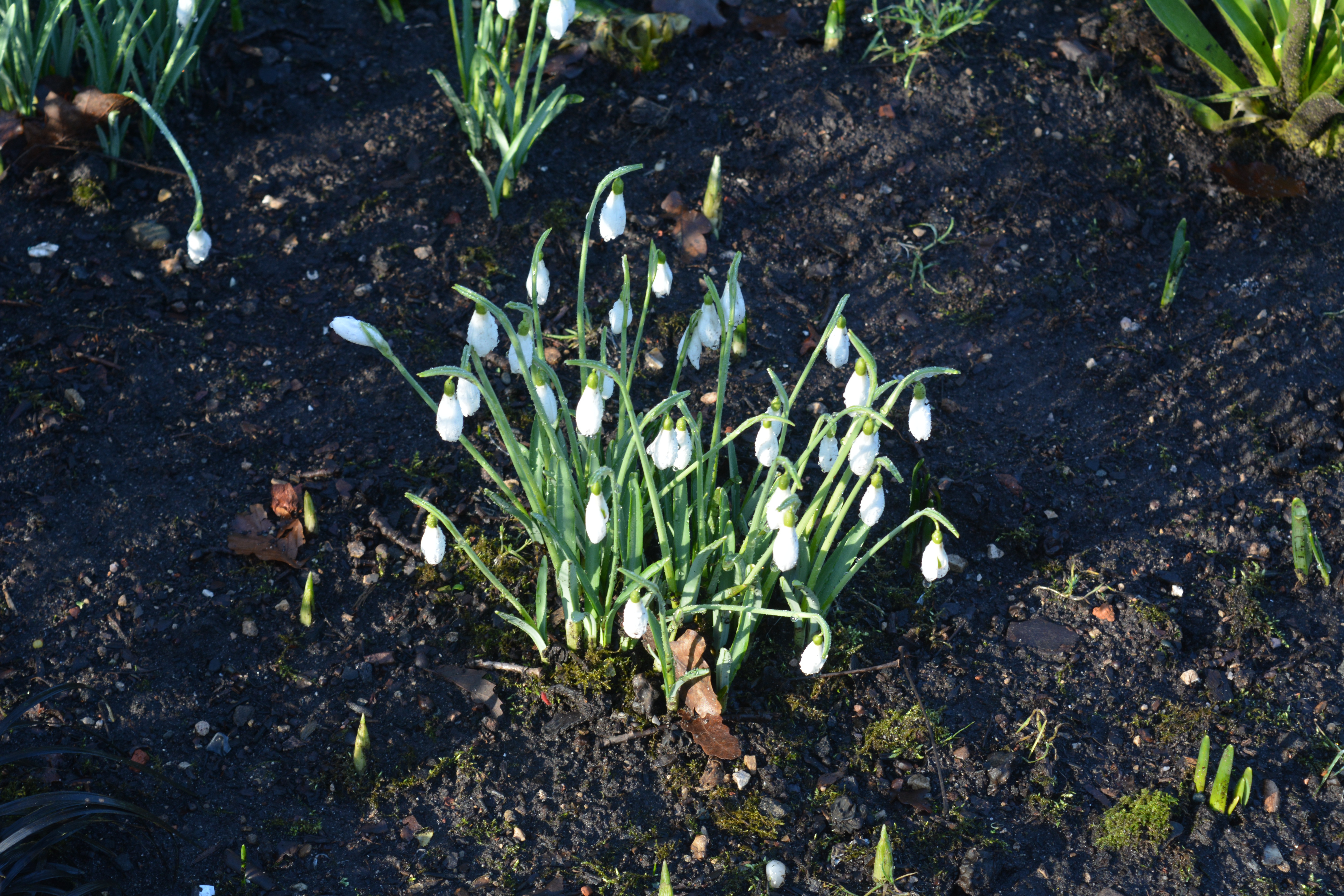
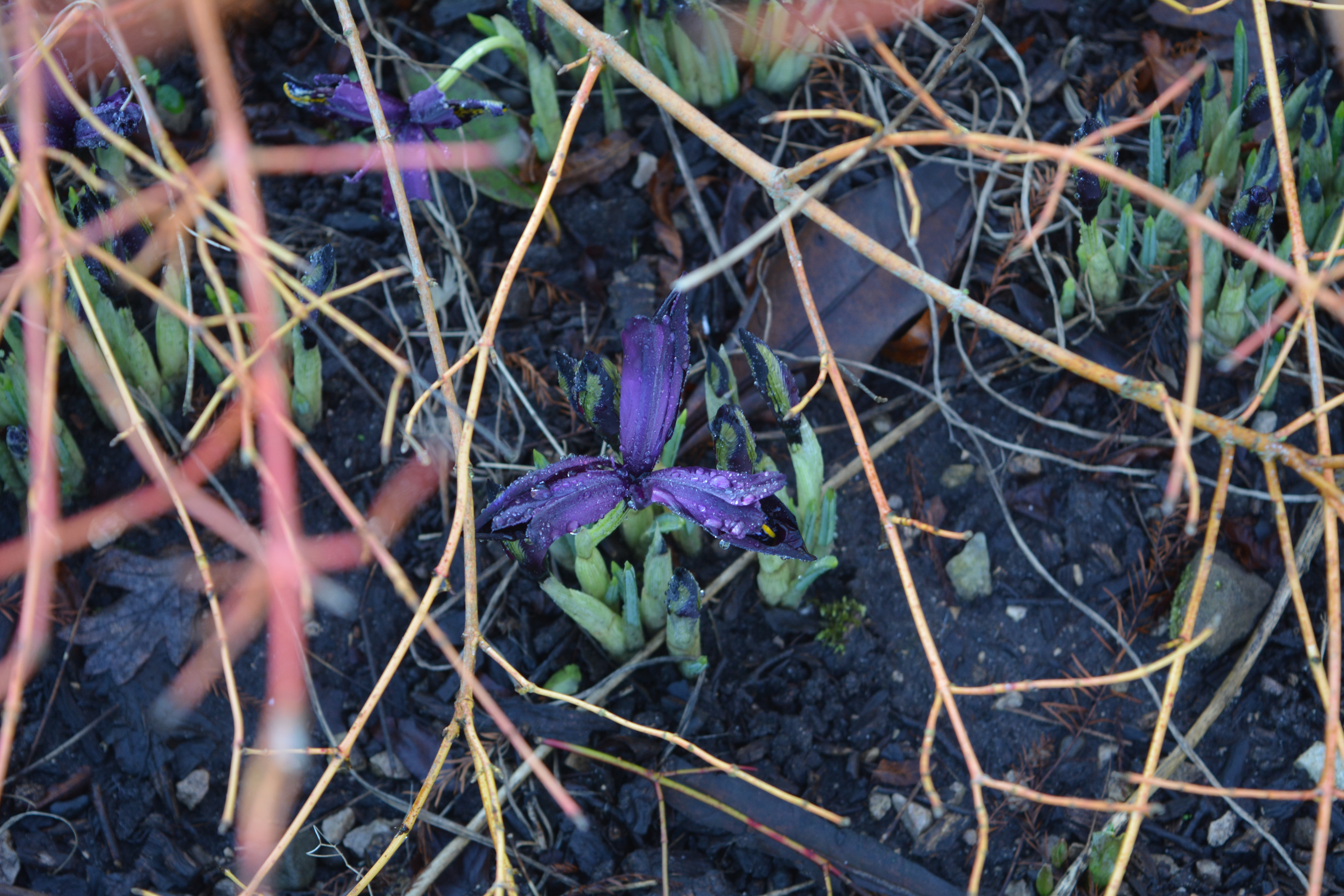
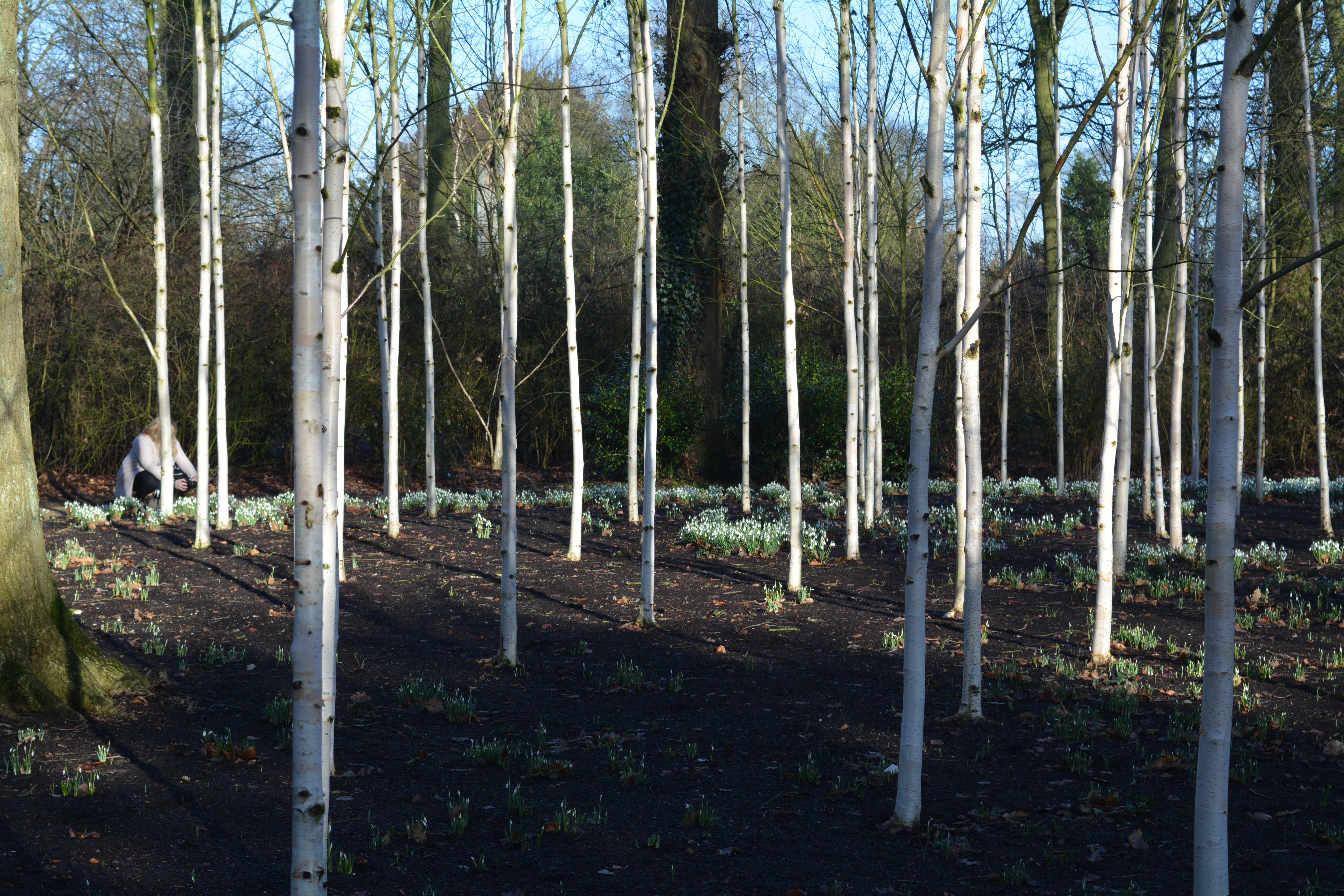
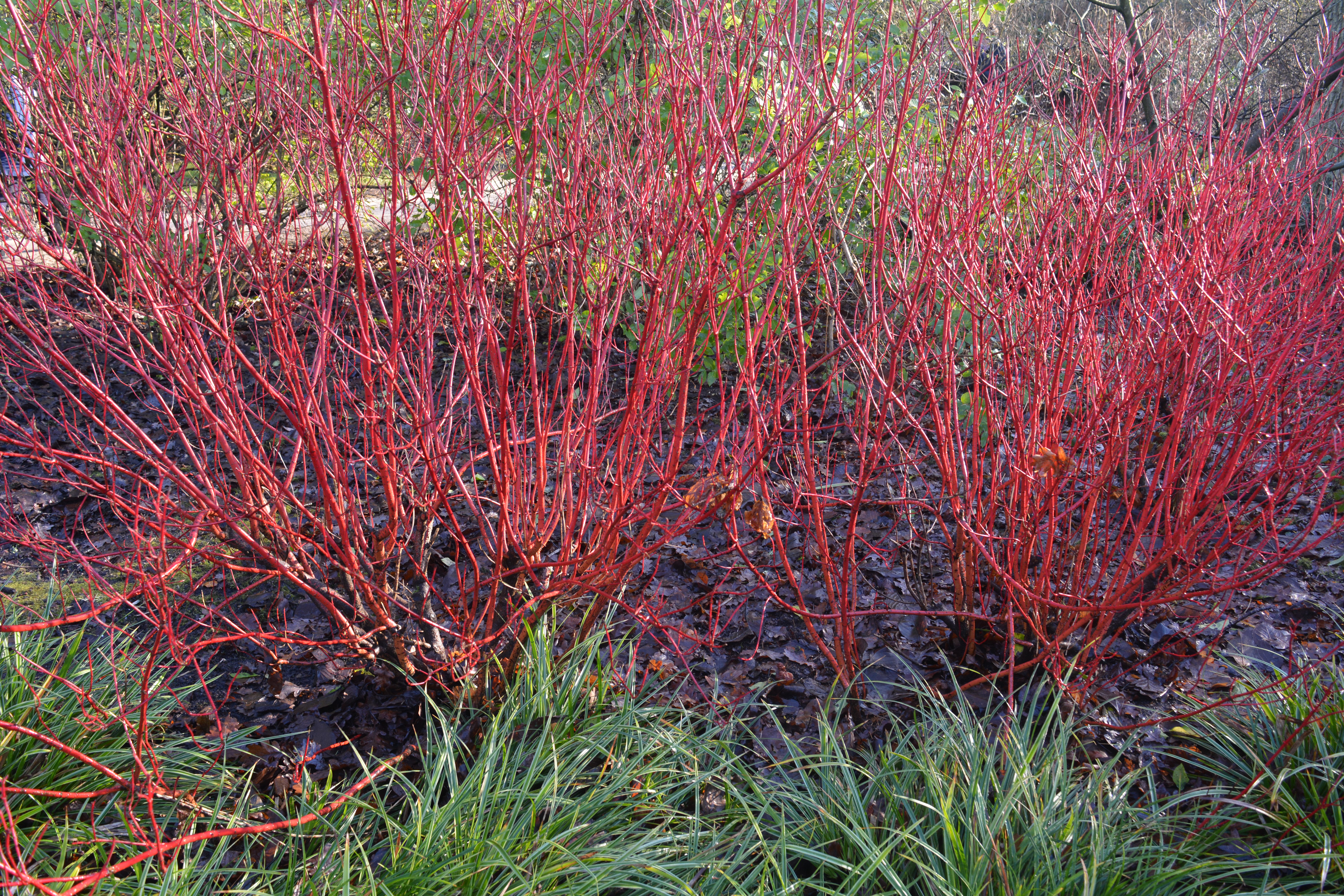
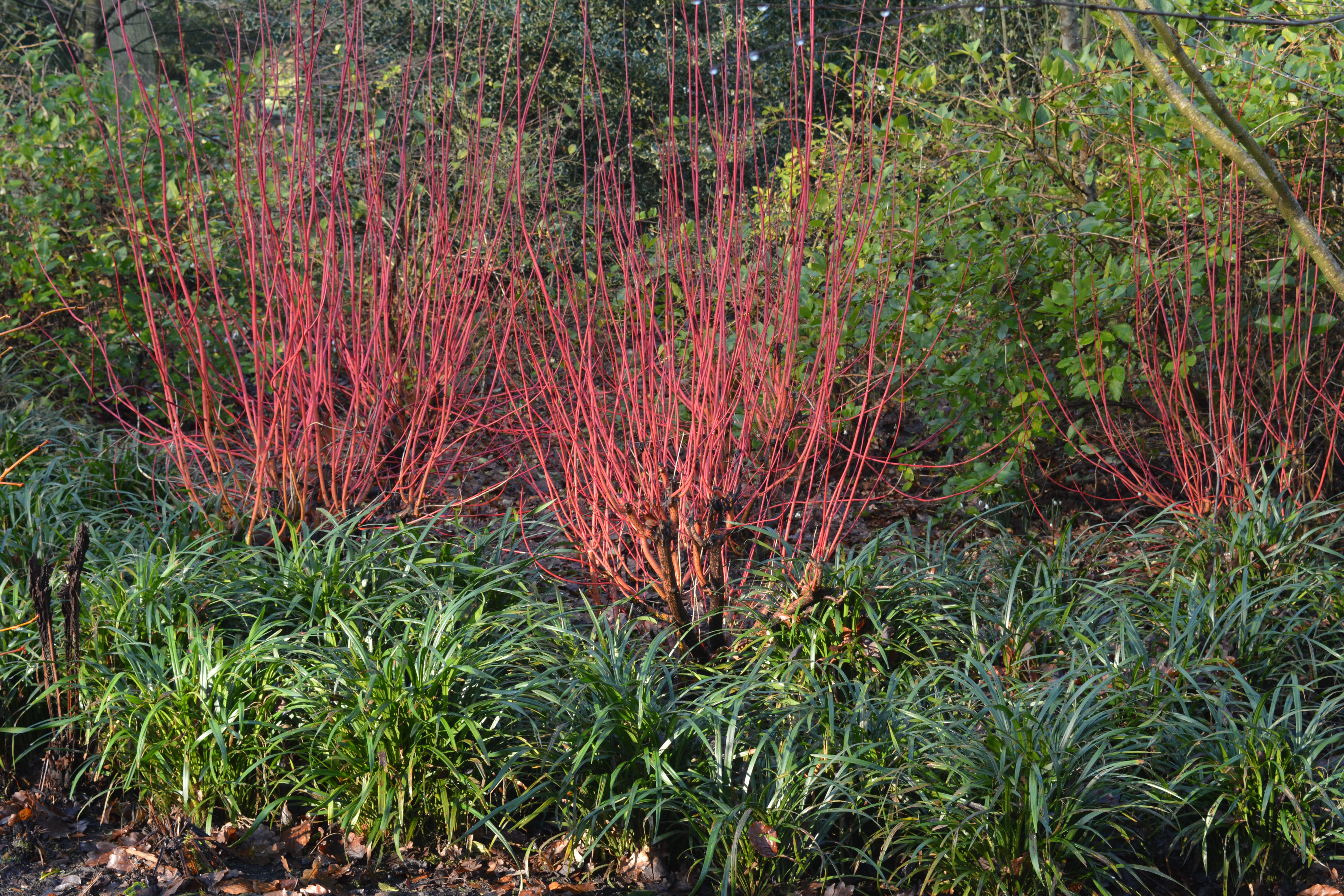
The leaflet then invites us to “Take a refreshing walk in the Winter Garden along meandering paths with shocking red cornus and brilliant white birch trees trees glittering in the winter sun. Discover bright winter berries, late flowering scented shrubs and thousands of snowdrops and iris in the new year.”

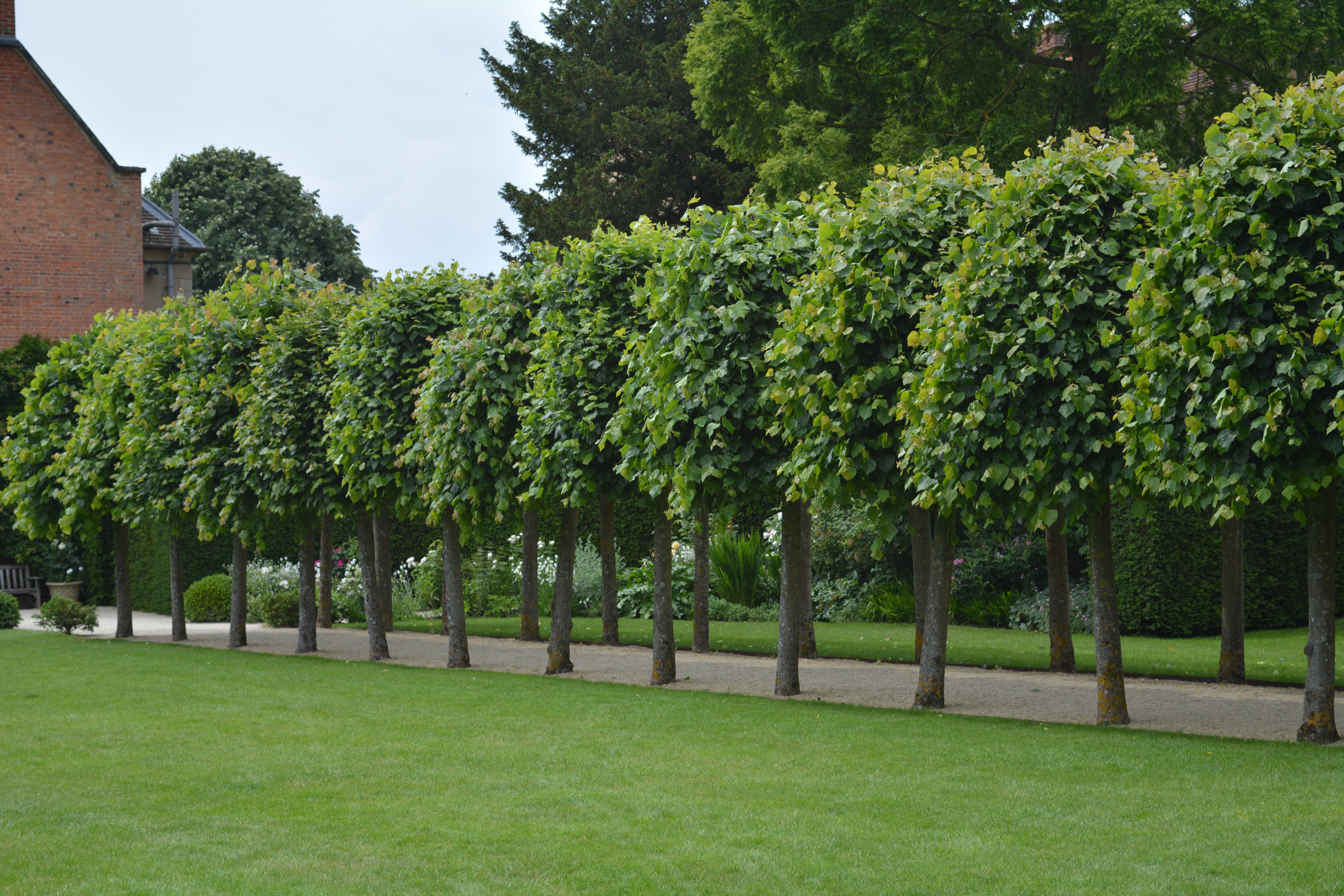
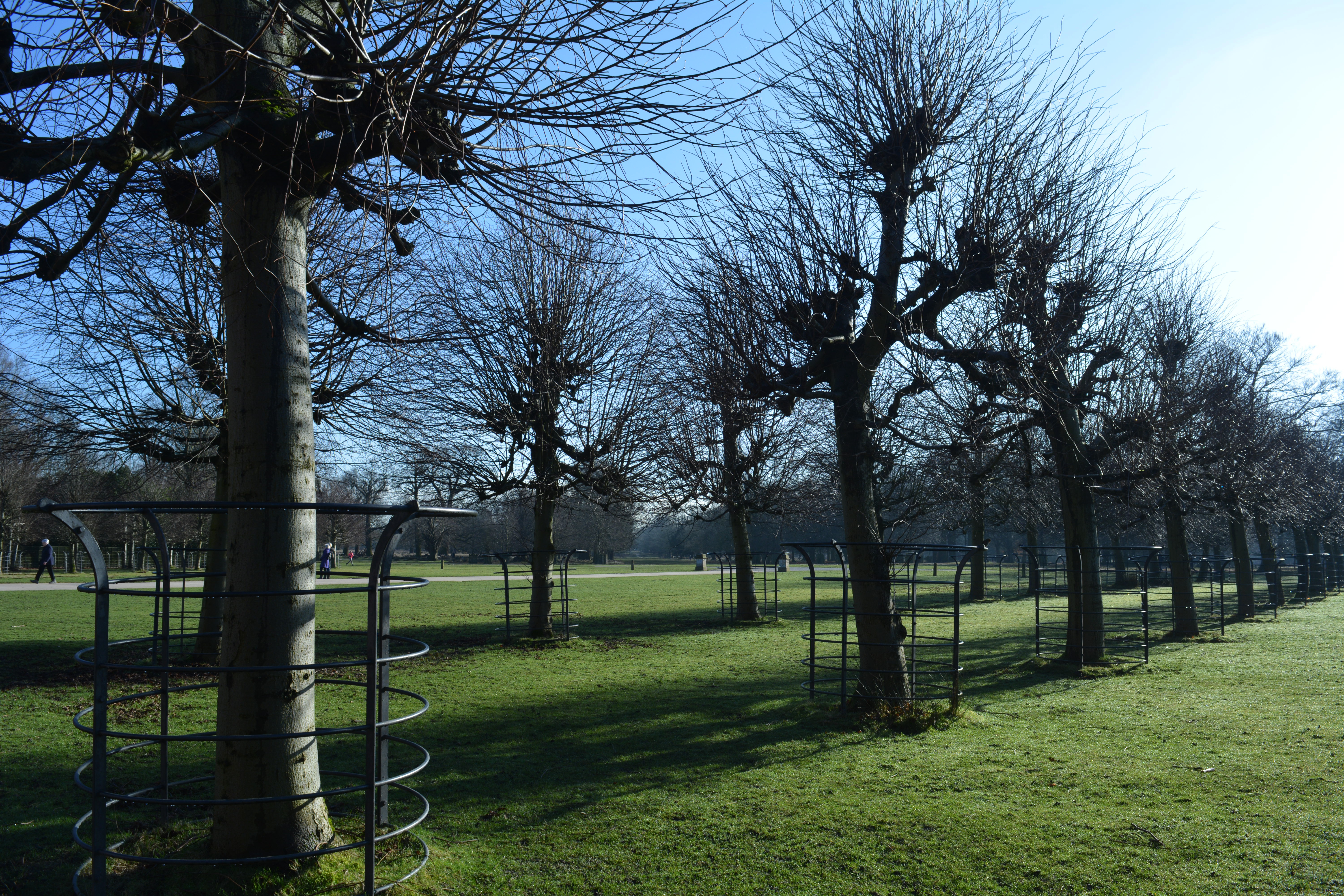
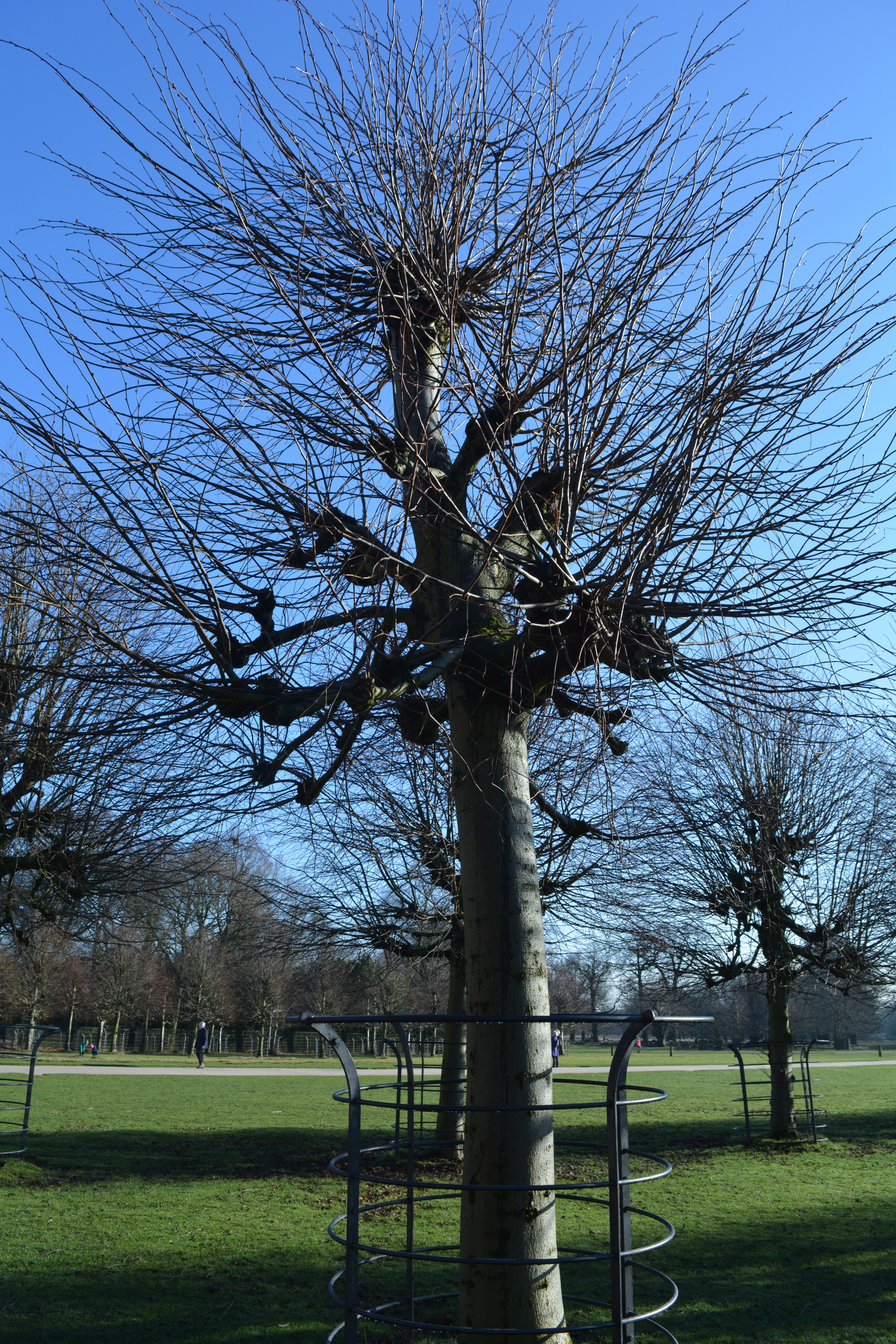
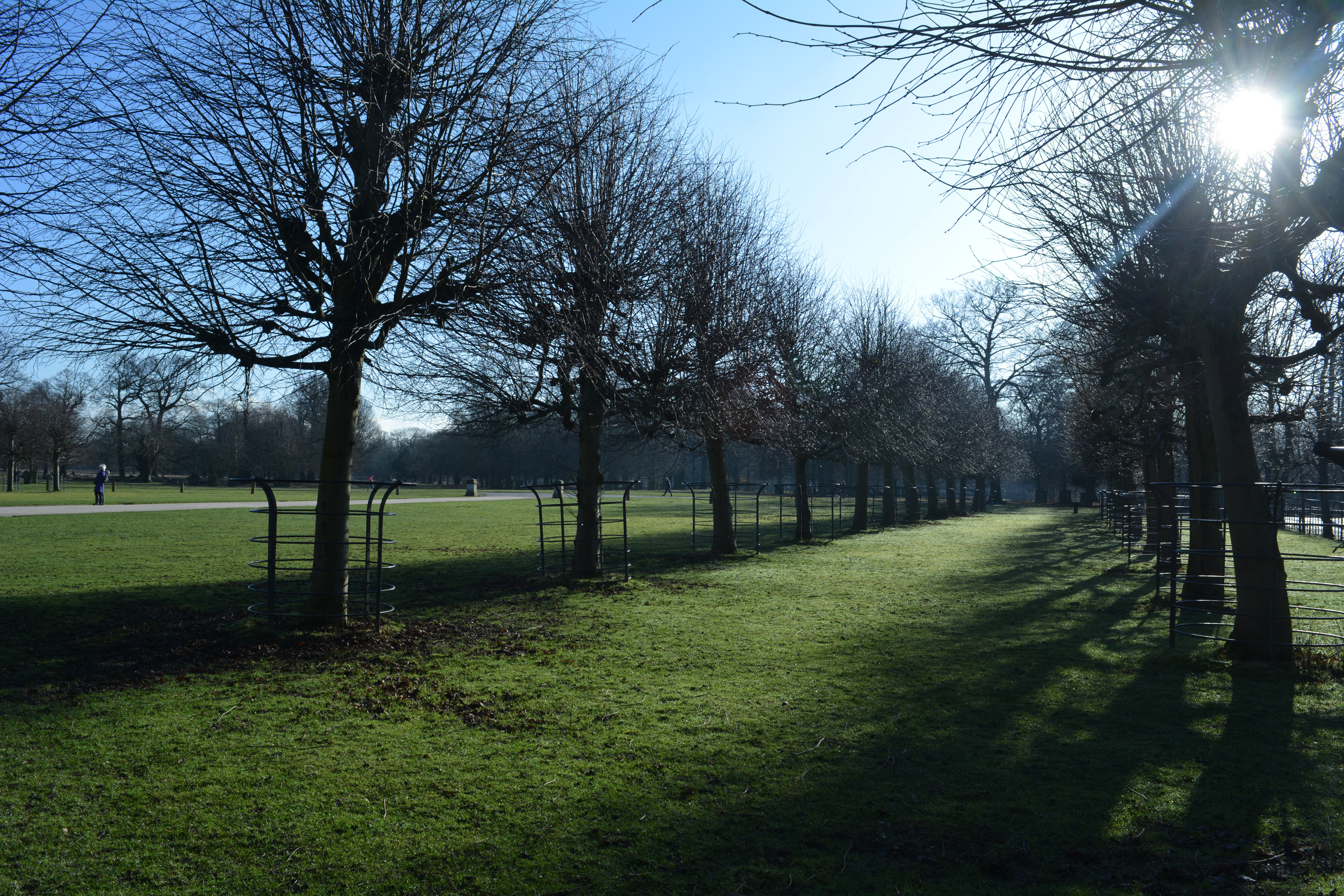
We approached the winter garden by meandering along gravel paths across a shallow valley, when upon passing through the first red-bricked outbuildings we discovered some of the best pleaching we had ever seen. It stops us in our tracks on every visit.

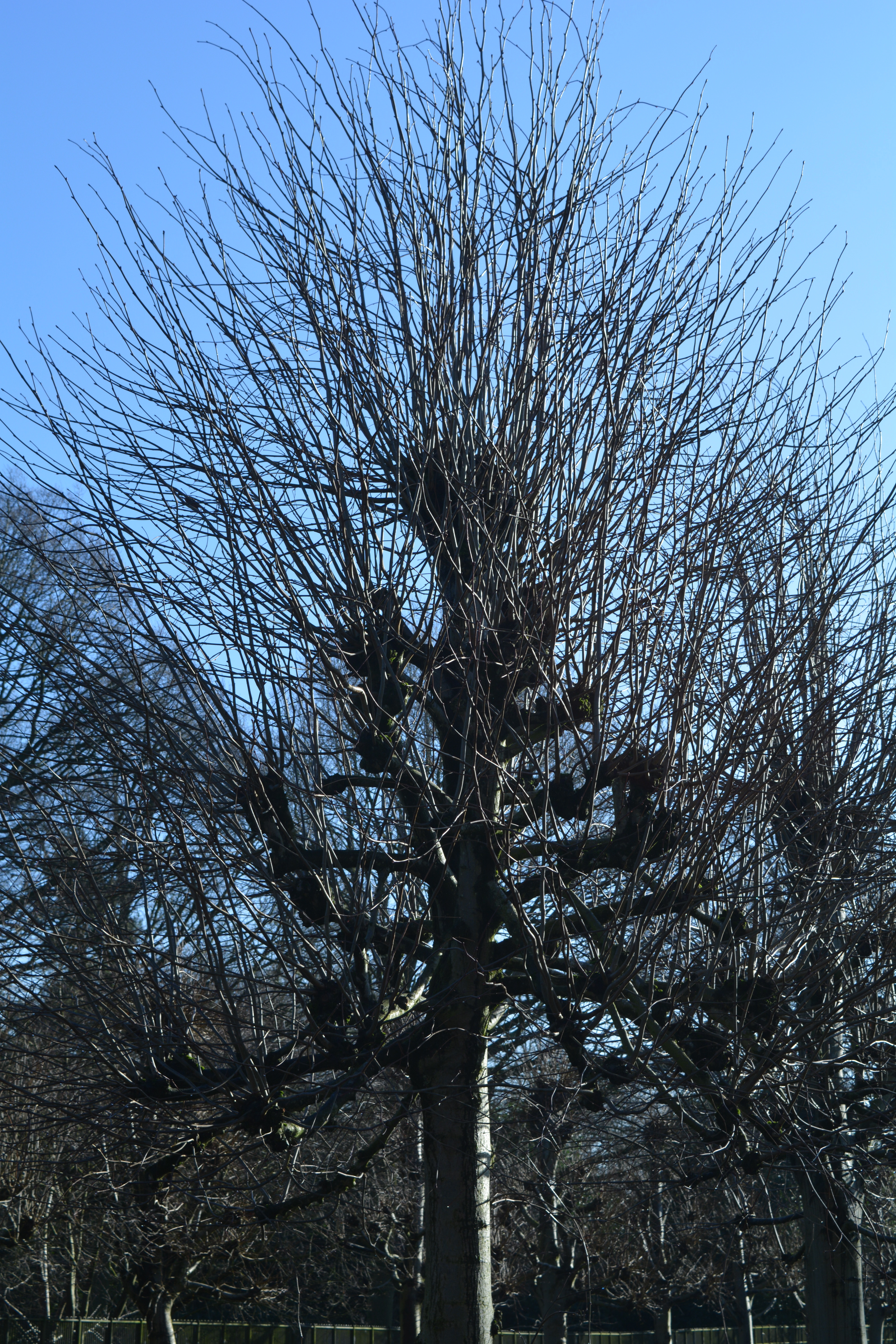
The pleached limes look a few decades old and possess the ubiquitous knobbles from where the new wands of growth spurt in the spring after their annual pollarding.

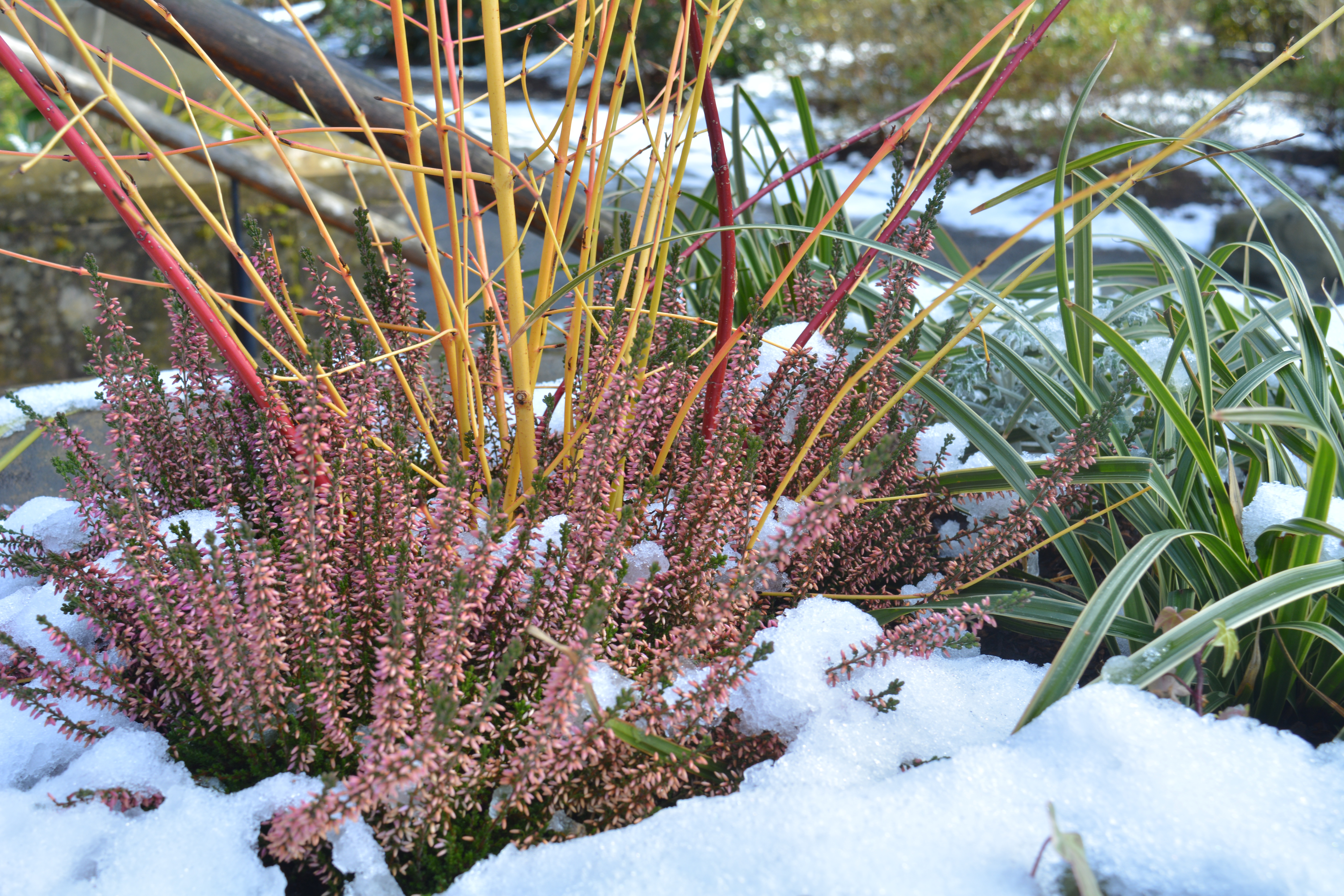
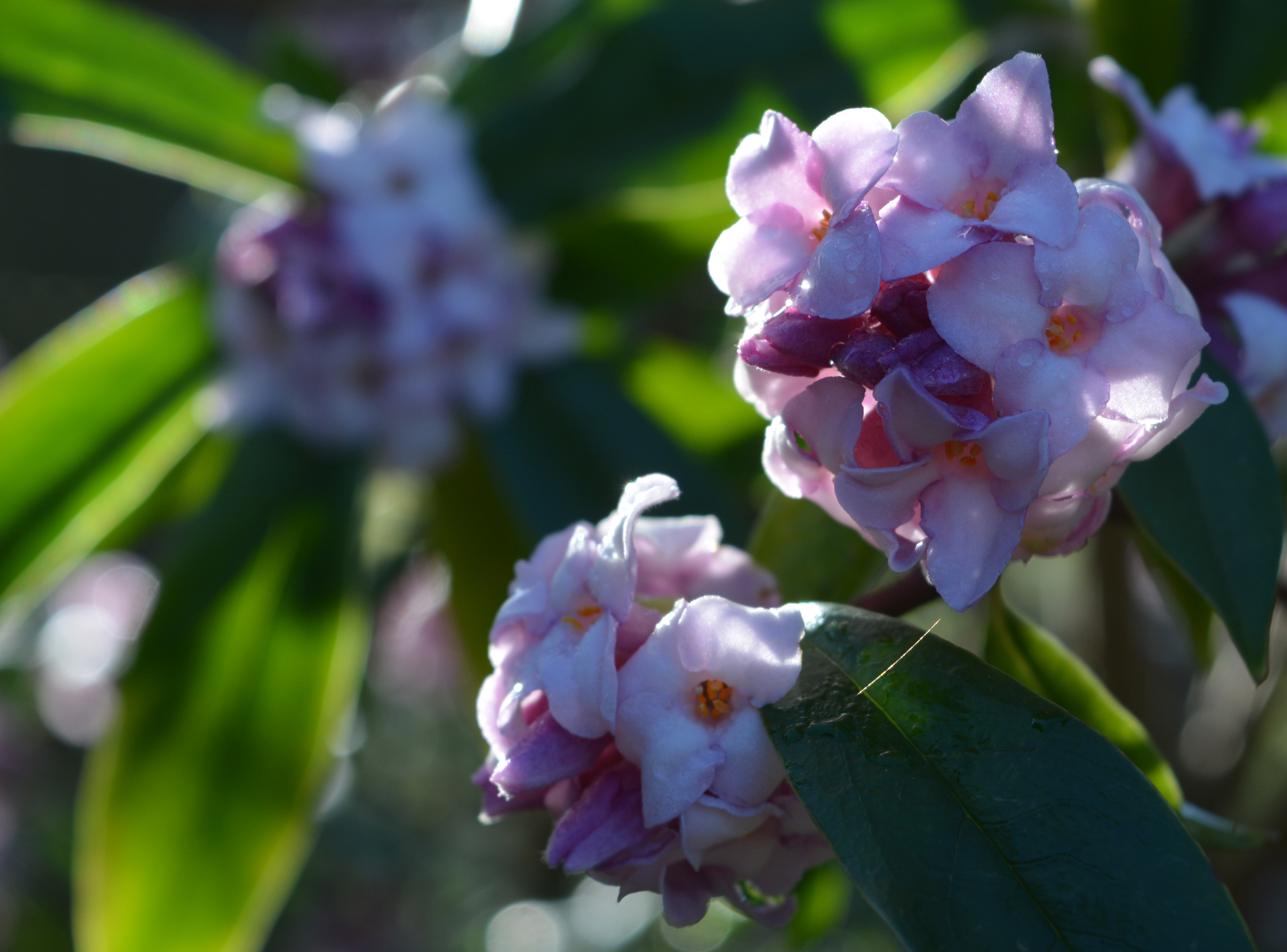
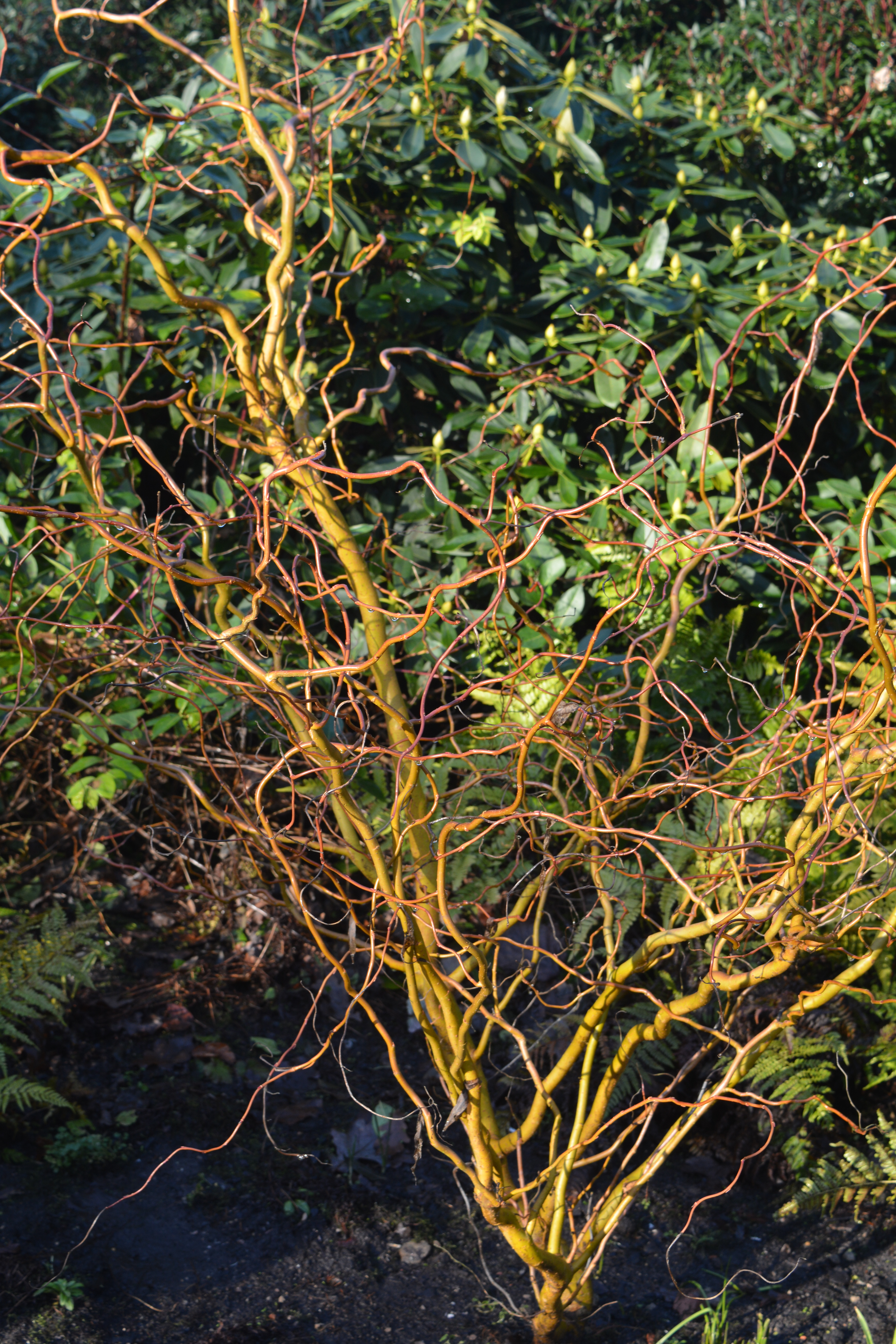
Shrubs come into their own in the winter season with their coloured stems, their scent and beautiful hanging flower clusters.


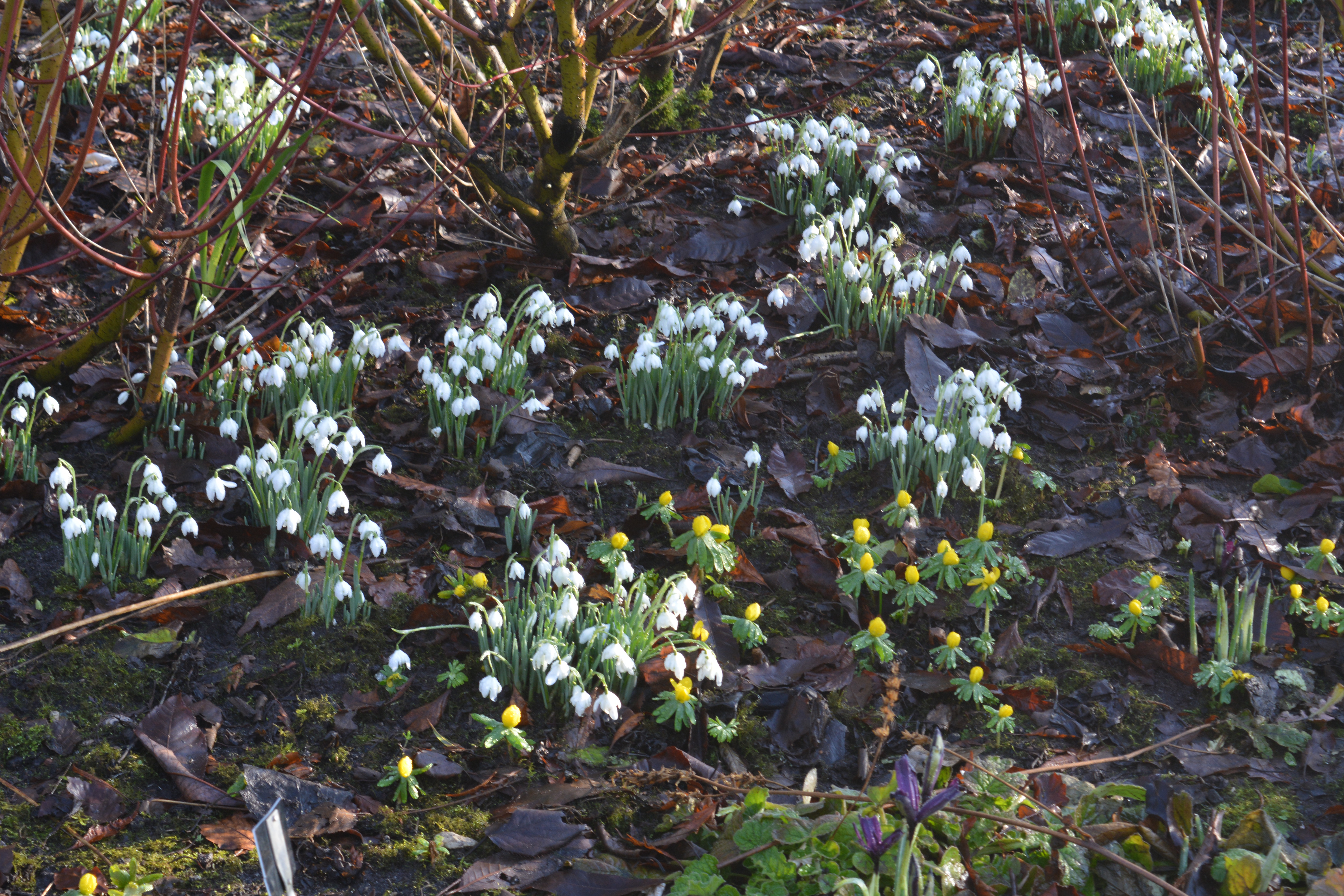
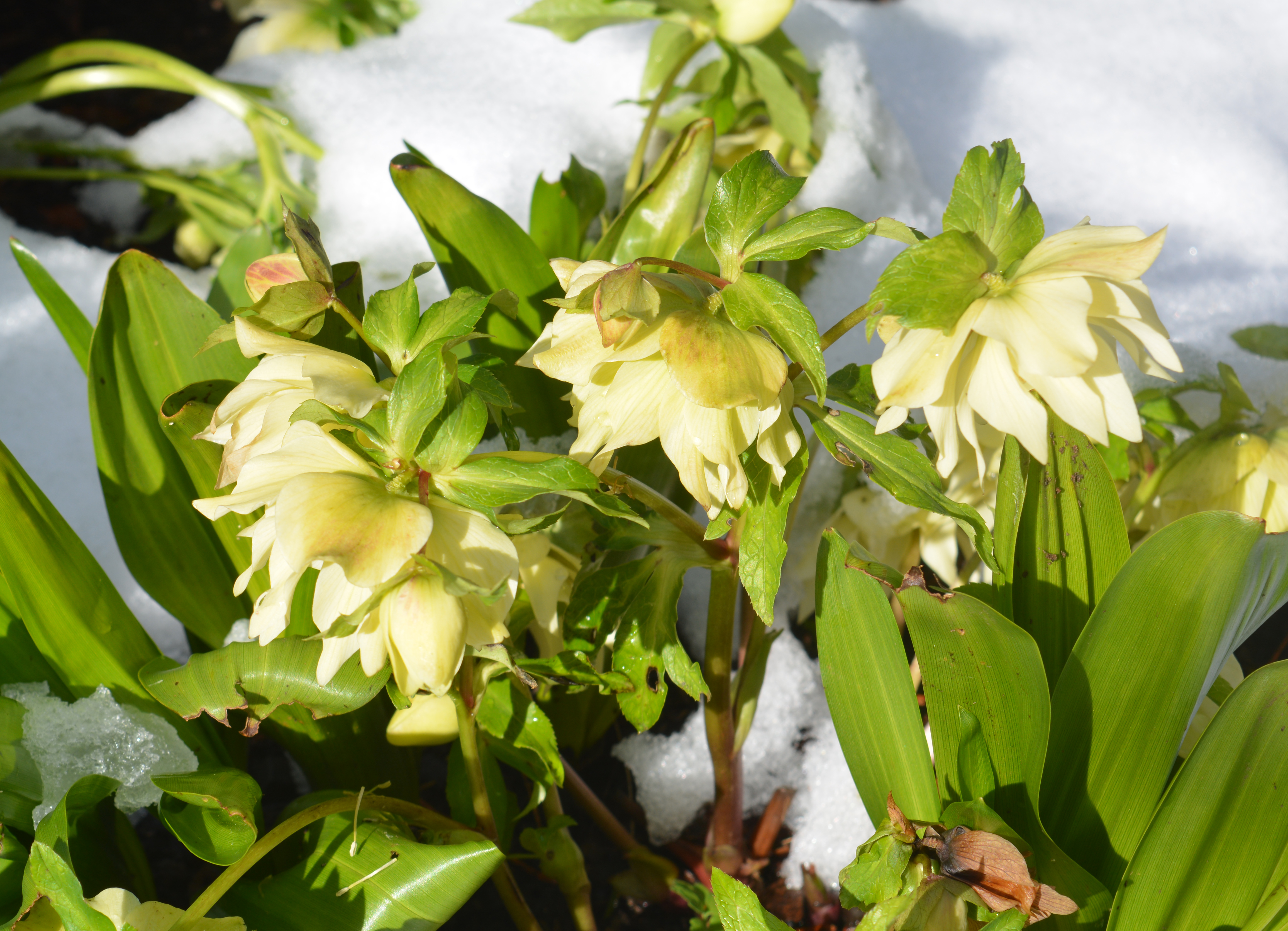
Early flowering bulbs add much of the colour in the garden in February. Sunlight catches them and highlights their bright colours.


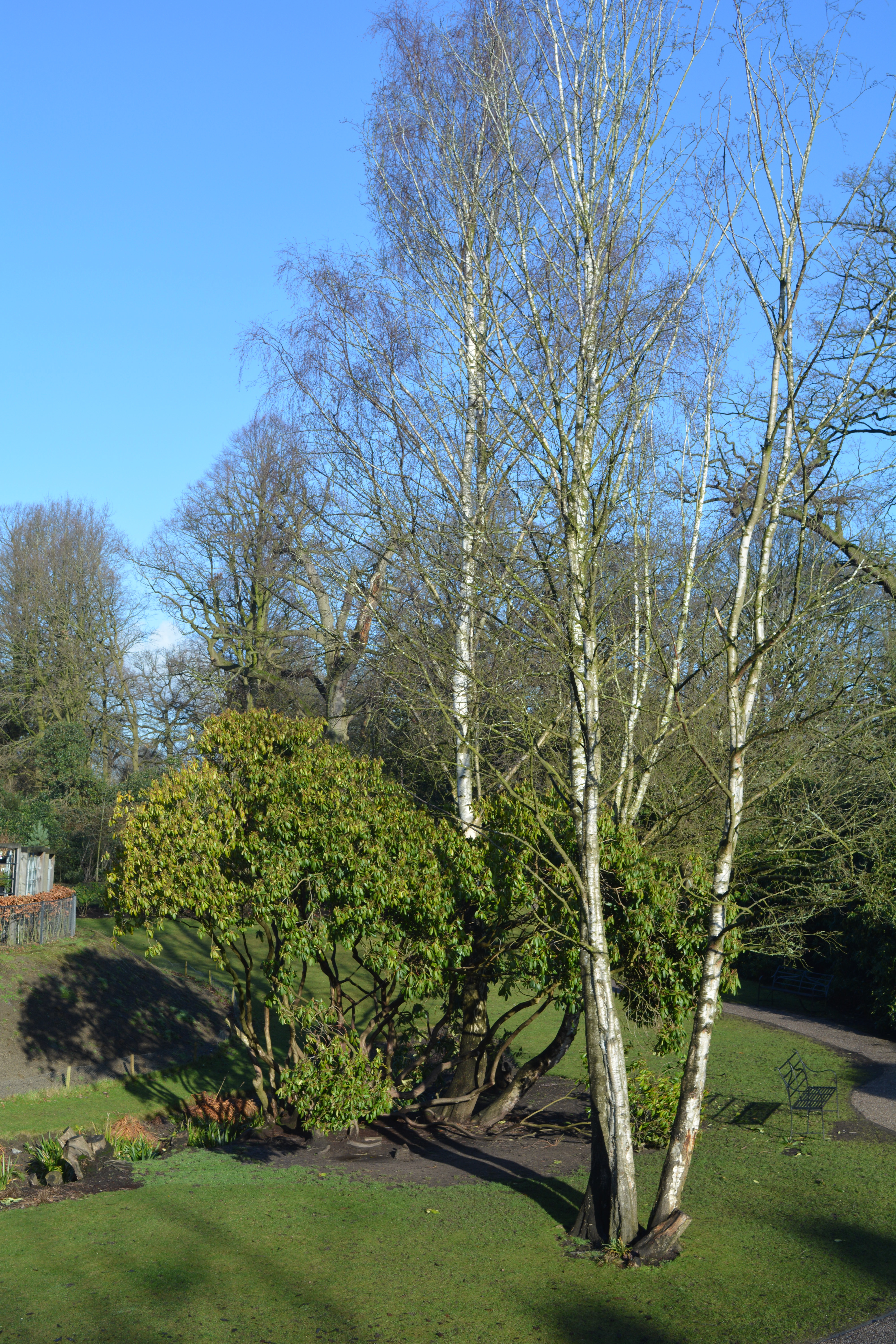
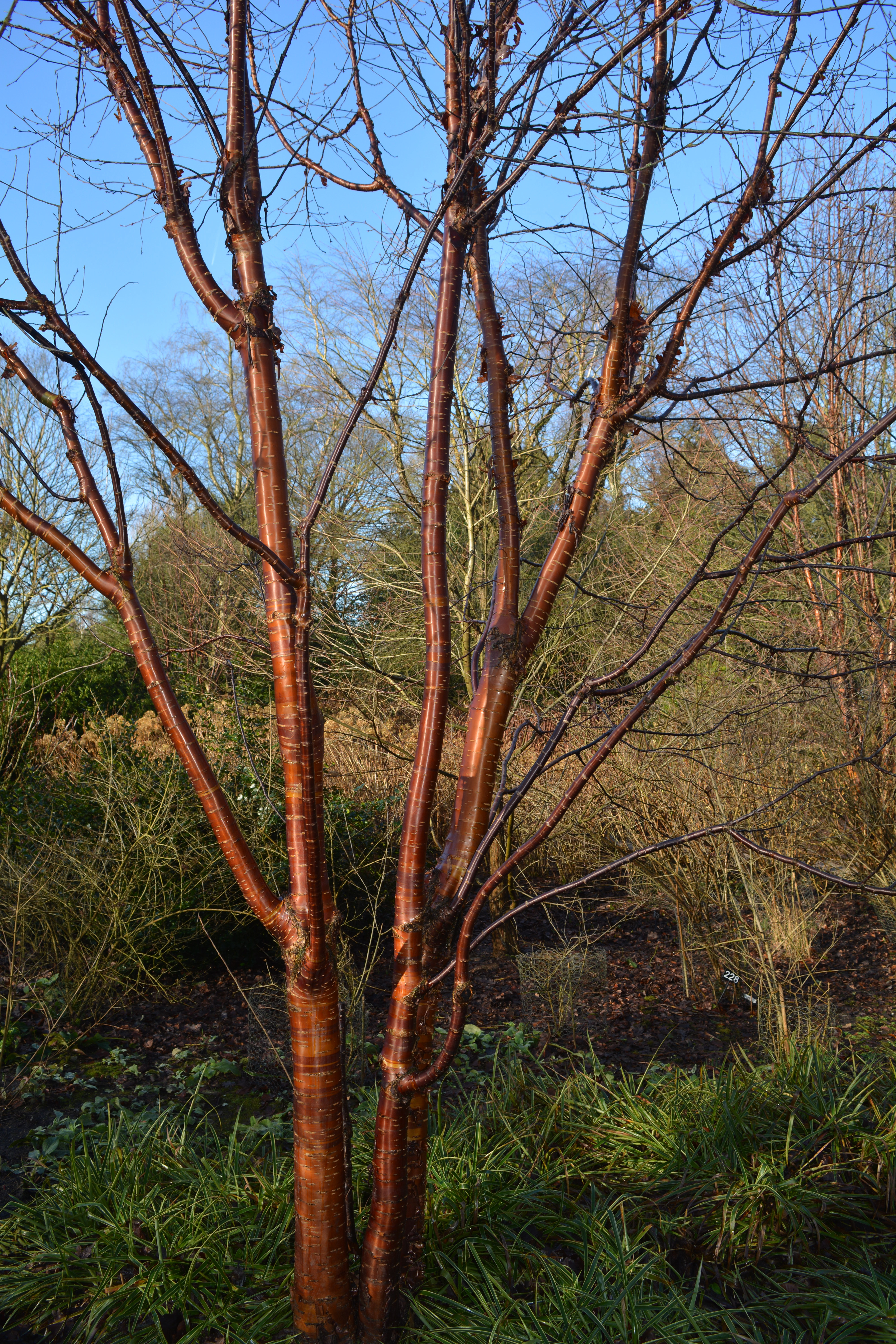
All winter gardens open to the public make strong features of trees with coloured, textured bark, Betulas, Acers and Prunus.


Shrubs with coloured stems provide effective partner planting for these trees, especially Cornus and Salix varieties. The gardeners at Dunham Massey are adept at transparency pruning, effectively lifting the akirts of shrubs and small trees to expose their trunks and lower branches.


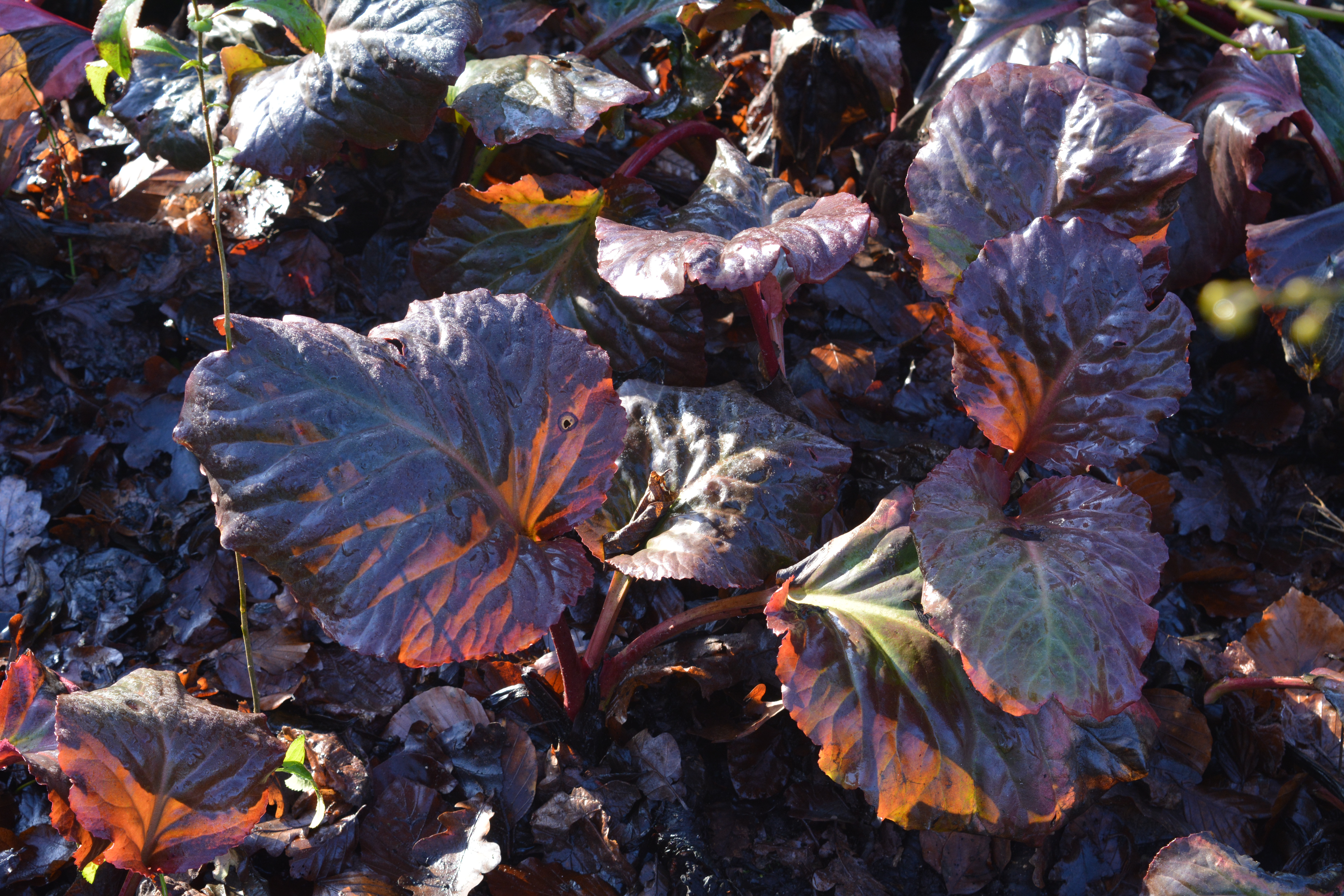
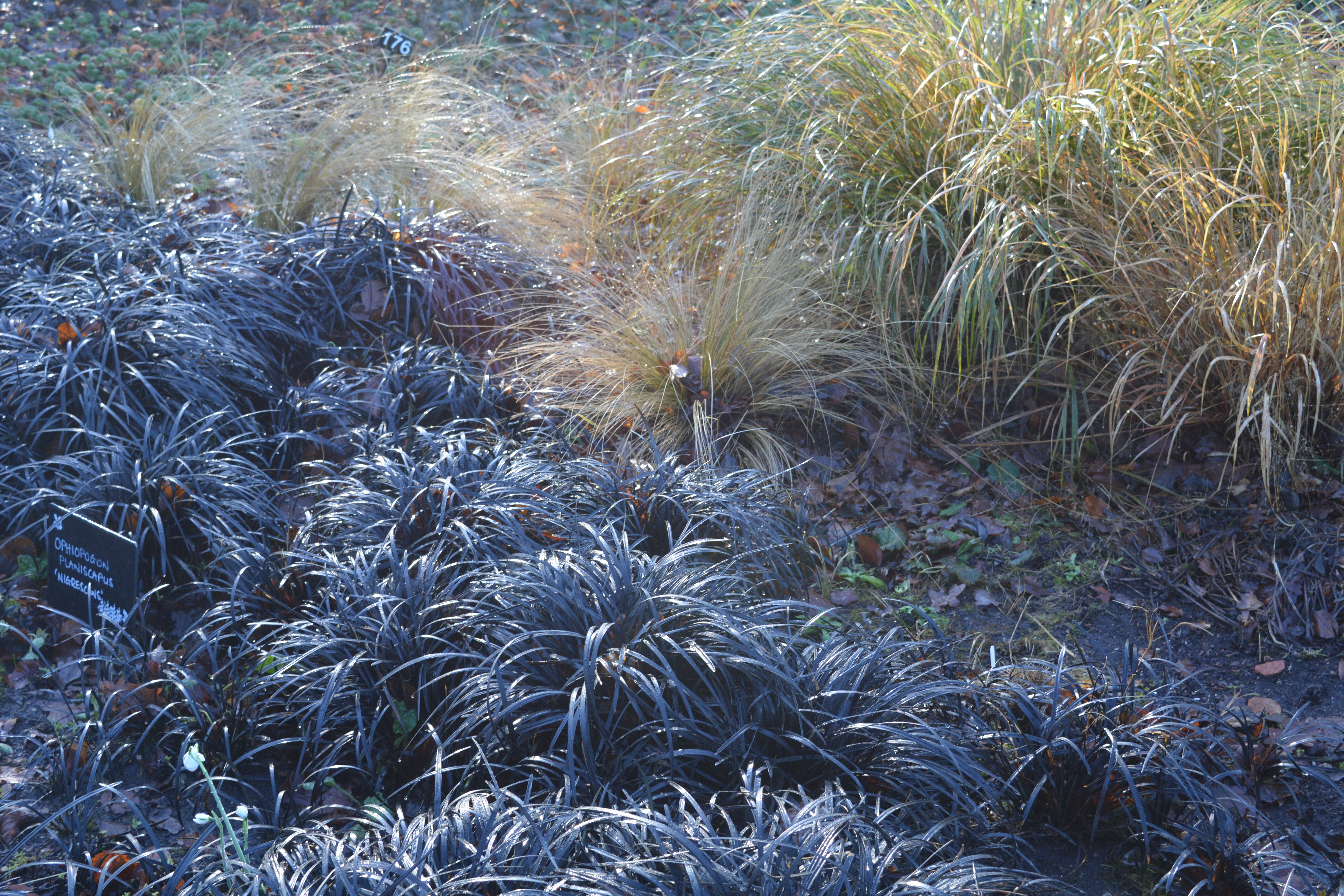
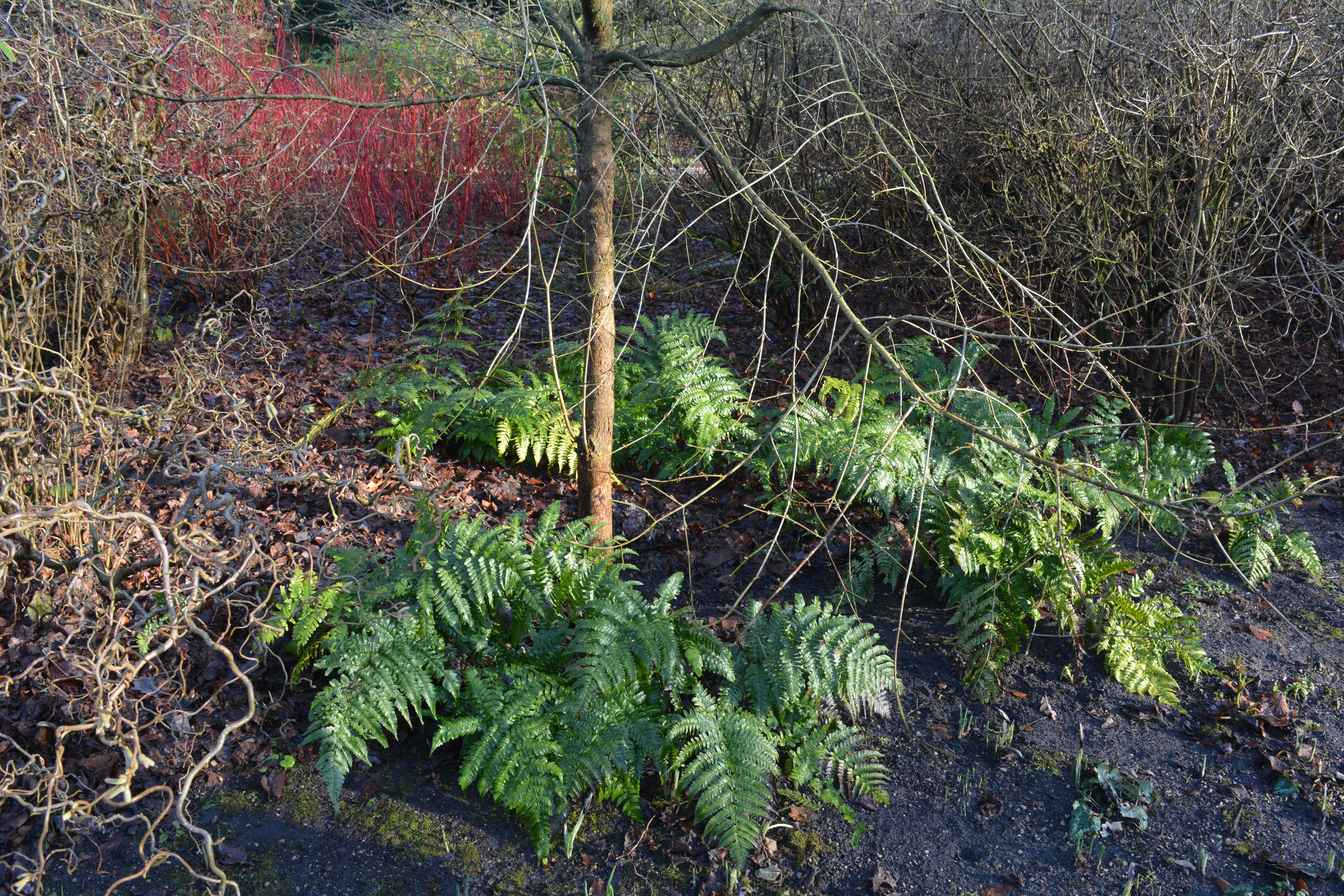
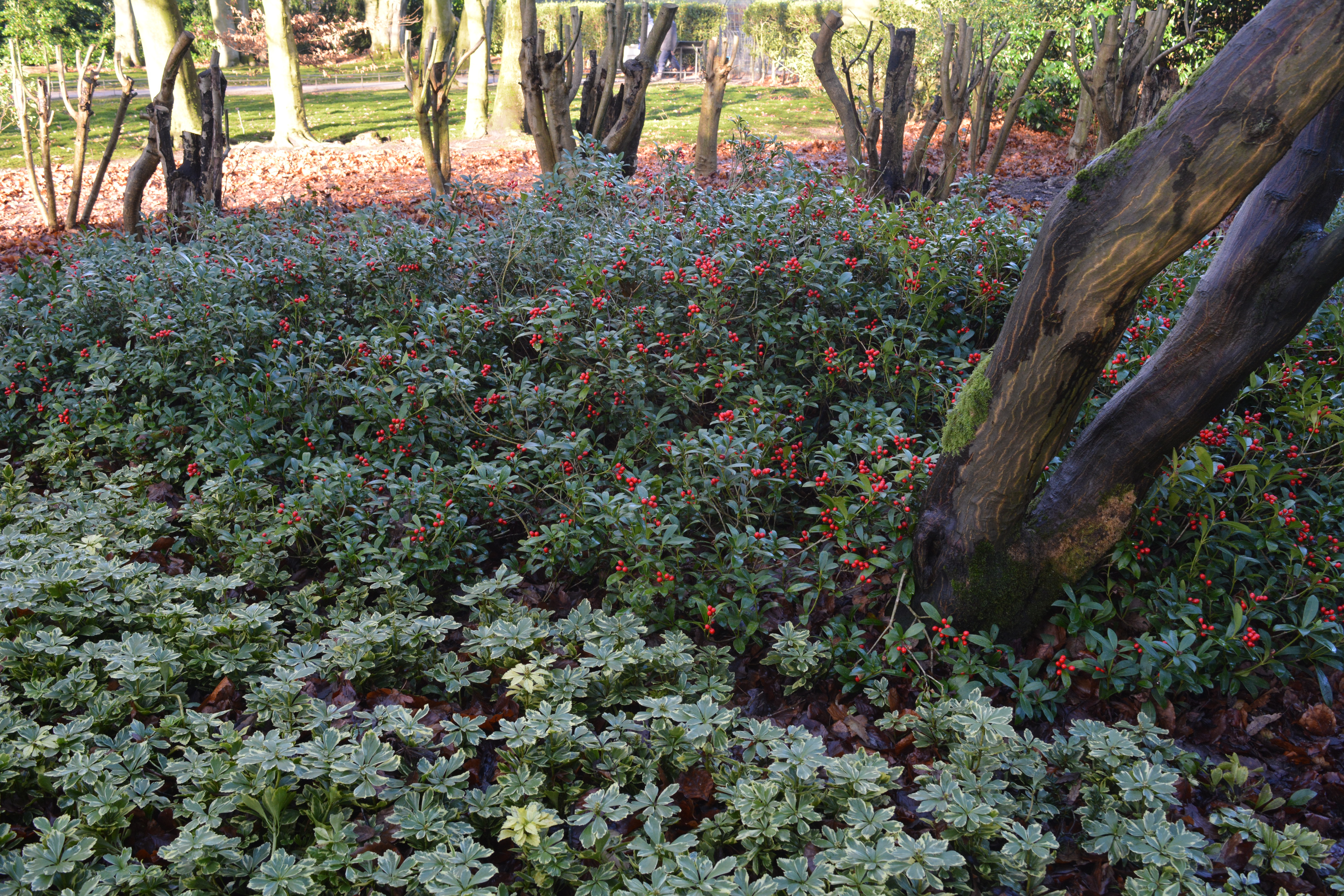
The one plantingcategory that sorts out the best winter gardens from the average is the good creative use of ground cover. It is all too easy to use bark mulch but there are good interesting plants that can cover the ground and add new dimensions to planting schemes. Dunham Massey is on the way to sorting this well, using Carex, Bergenia, Ophiopogon, ferns and Pachysandra.

So there we have it, a thoroughly inspiring visit to one of our favourite winter gardens.


Categories
Flintshire fruit and veg garden design garden photography gardening gardens gardens open to the public National Trust ornamental trees and shrubs The National Trust Wales Winter Gardening winter gardens

A Wonderful Welsh Winter Walk – Erddig Hall

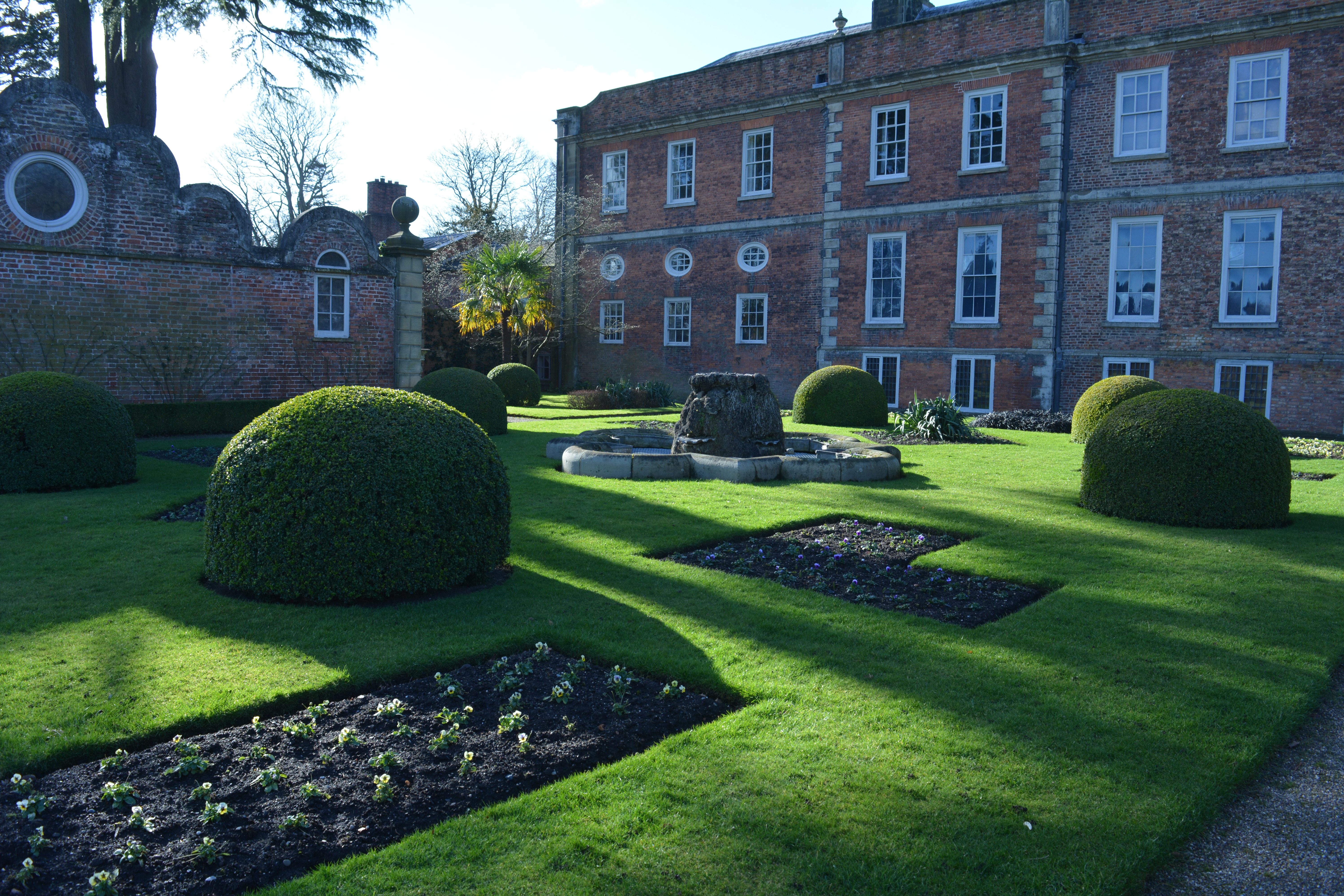
We took a short one hour drive out into Wales today to visit a National Trust property, Erddig which we hoped would afford us the opportunity of exploring a garden with winter interest, interest found in its formal structure, its topiary and imaginative pruning as well as planting. We knew that it holds the National Collection of Hedera (Ivies), so we had something specific and extra to look for too.

After too many wet weeks the day dawned bright and we were to be treated to a day of bright winter sunshine, which would play with shadows and light throughout our walk. We were surprised to discover that the whole place, buildings and gardens were in a state of disrepair bordering on dereliction in the 1960’s when a new owner decided to rescue it and awaken a real jewel of a property.

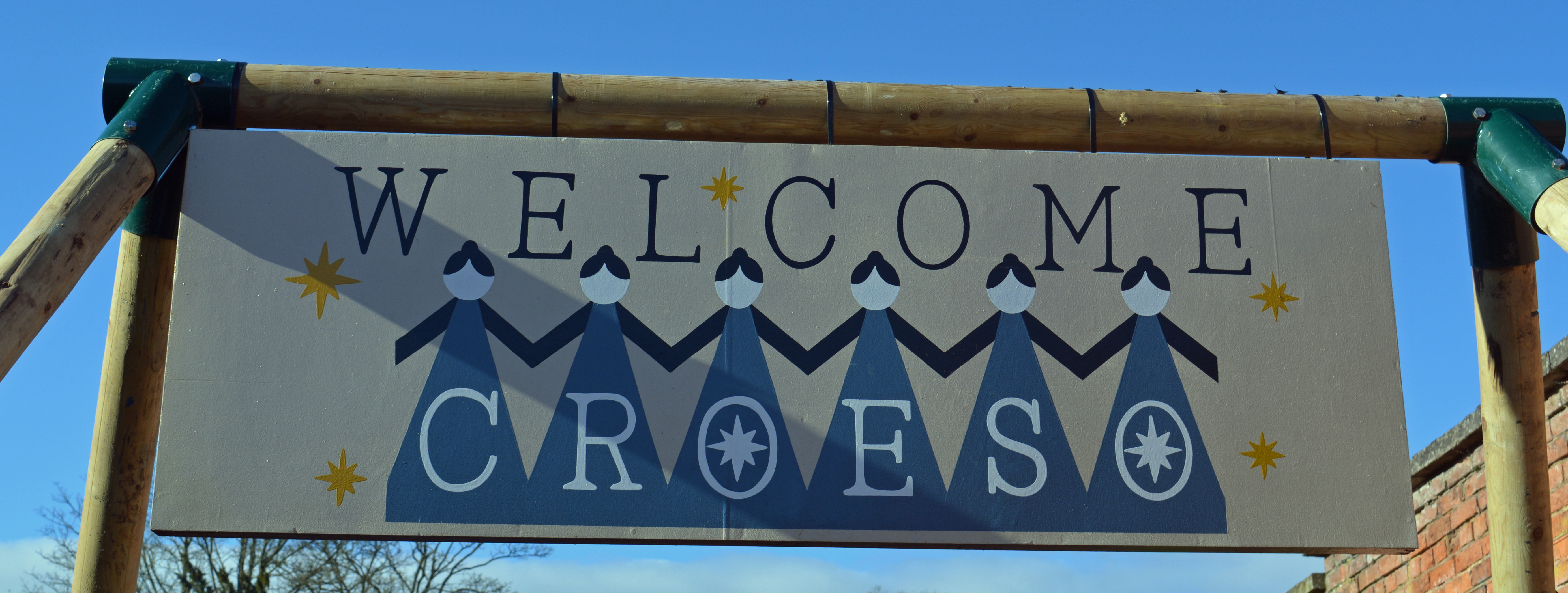
Two welcome signs greeted us as we entered, a rustic overhead design and another with a beautiful quote which read, “Where fragrance, peace and beauty reign ….”. We would soon see if this were true.


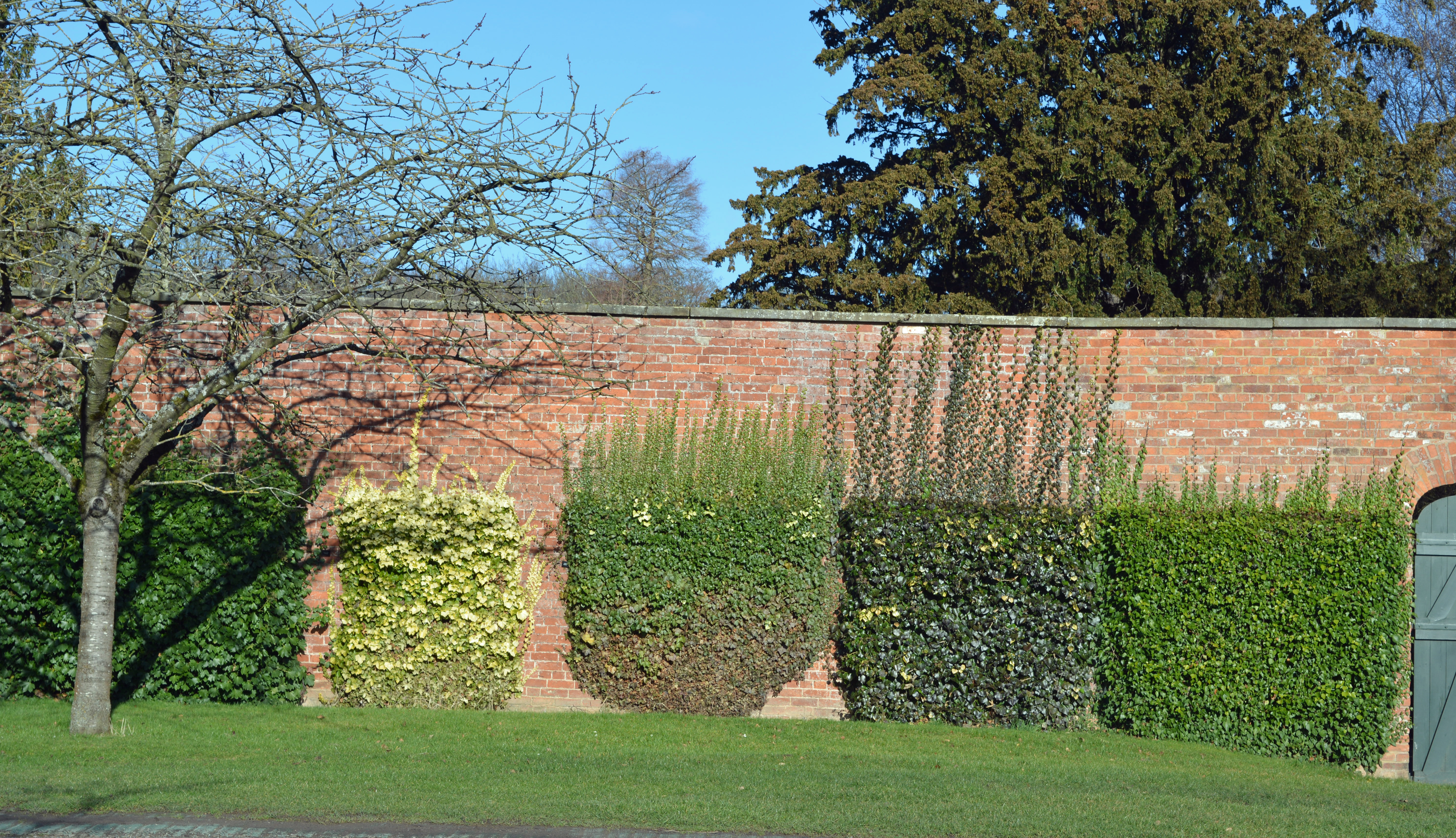
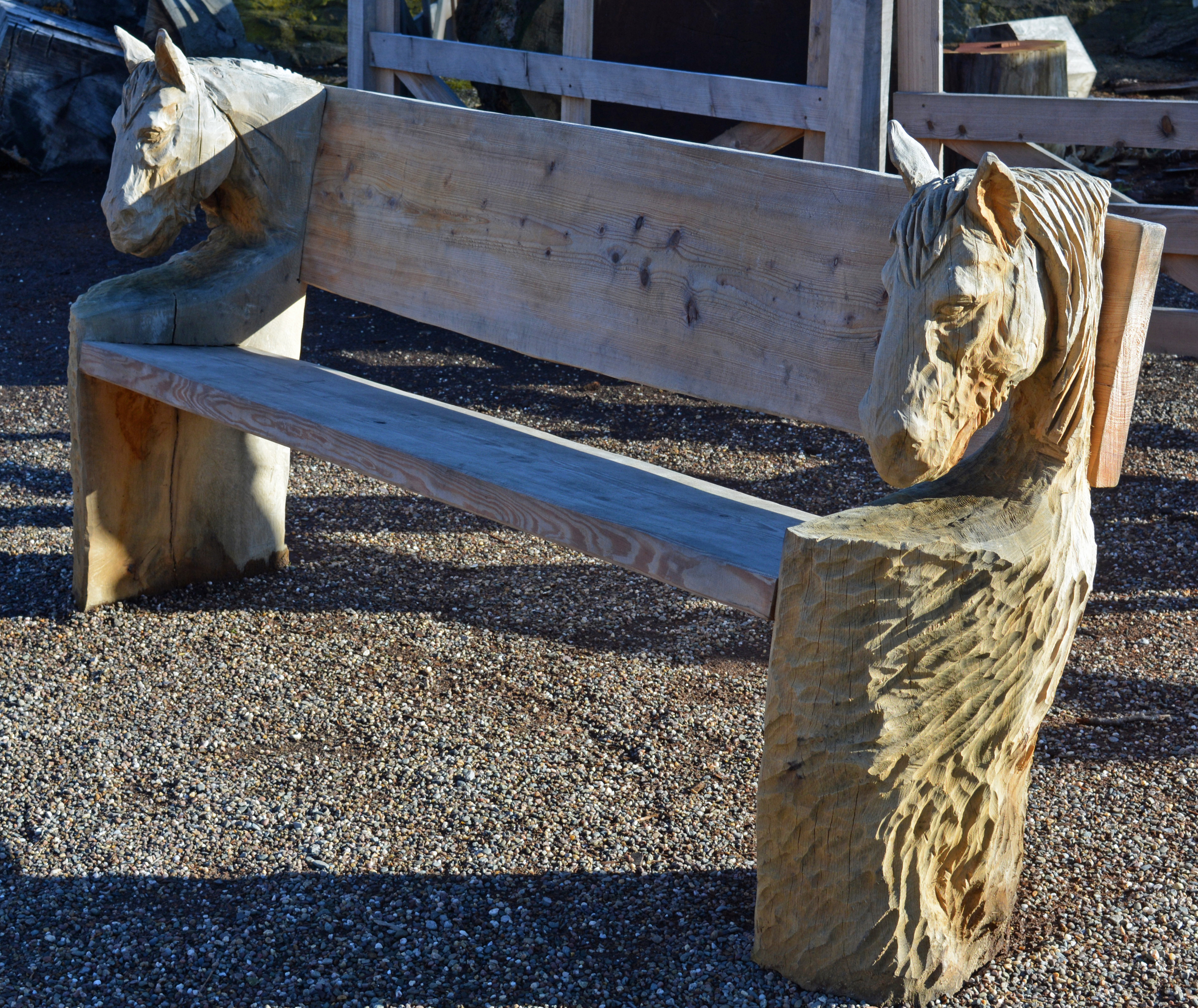
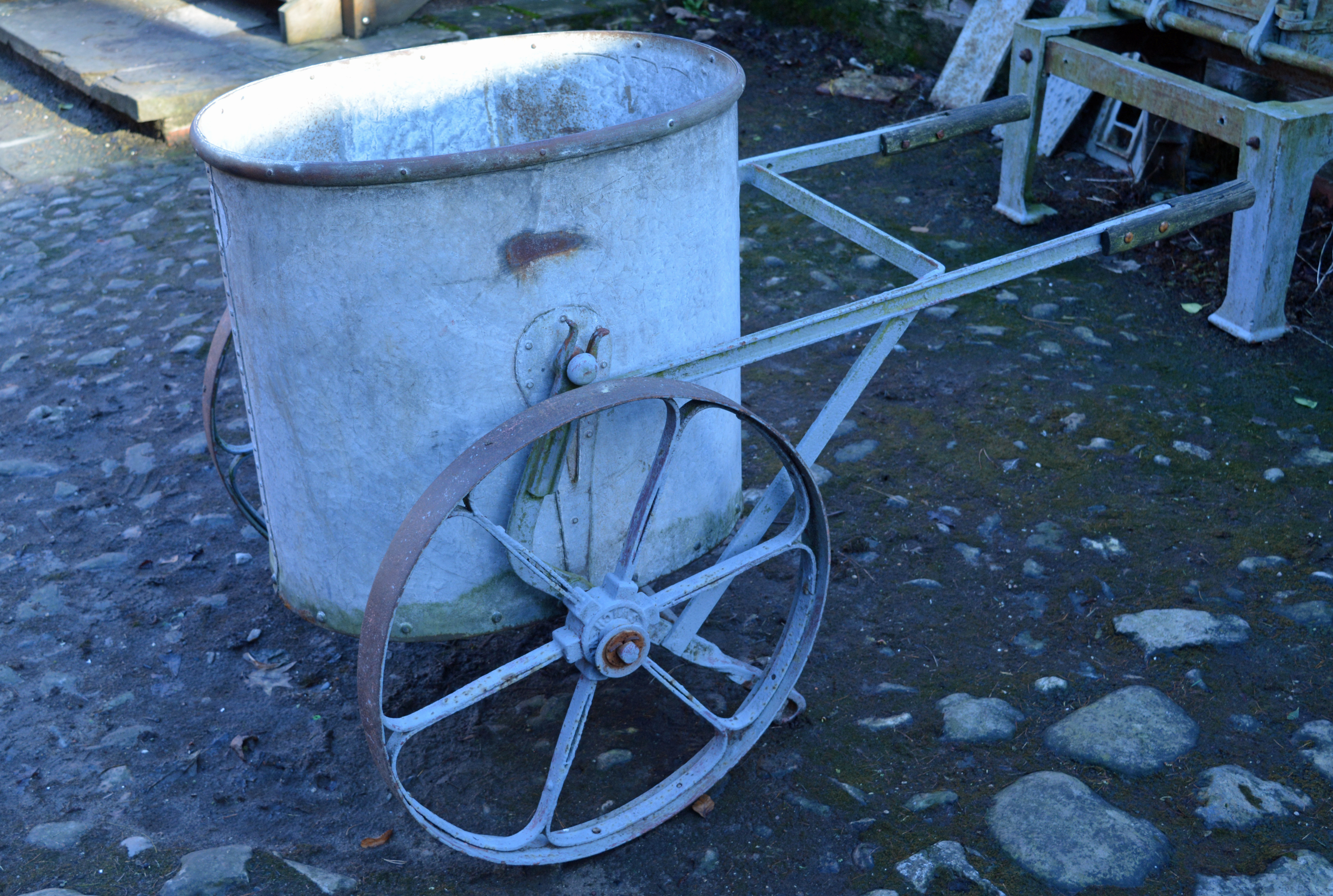
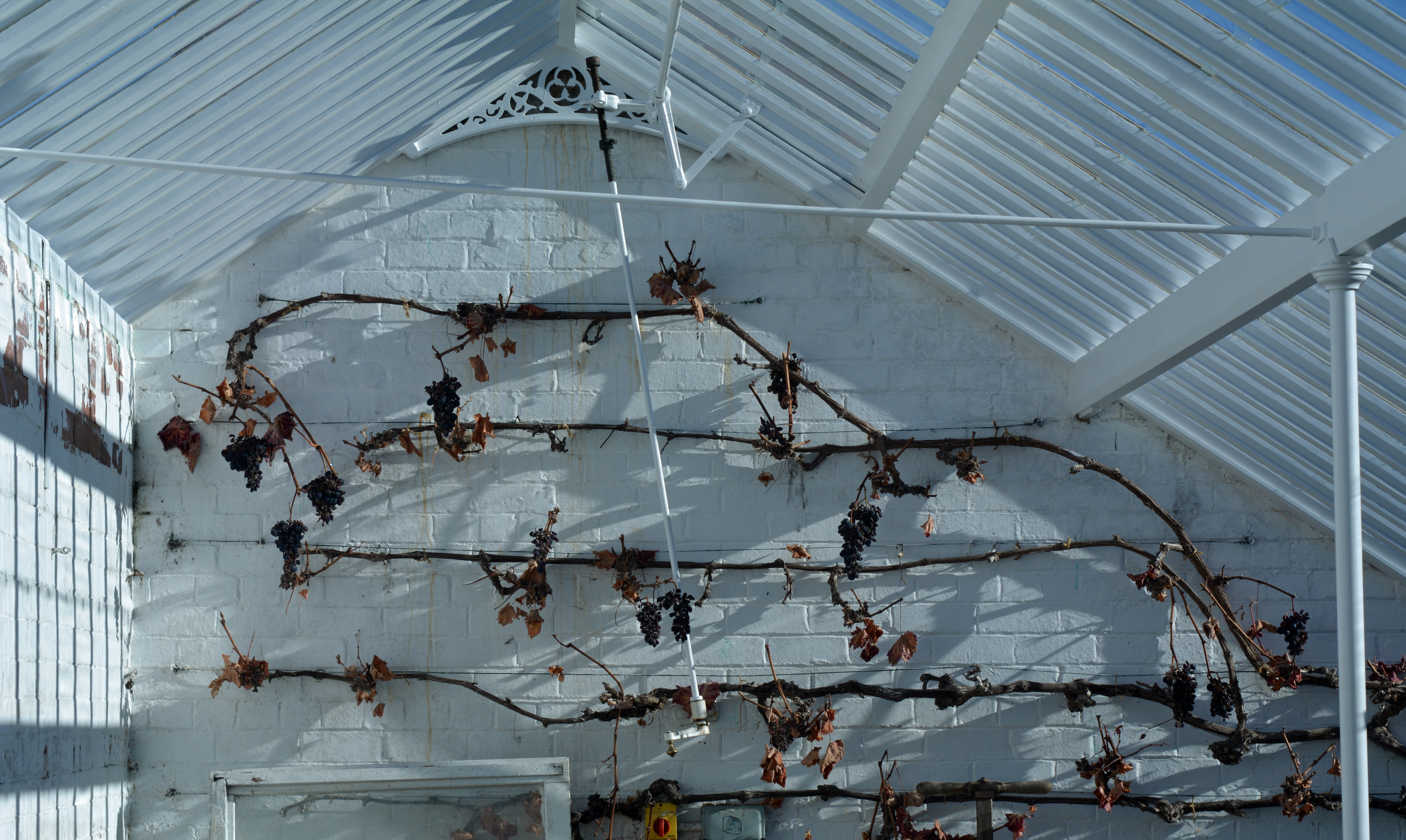
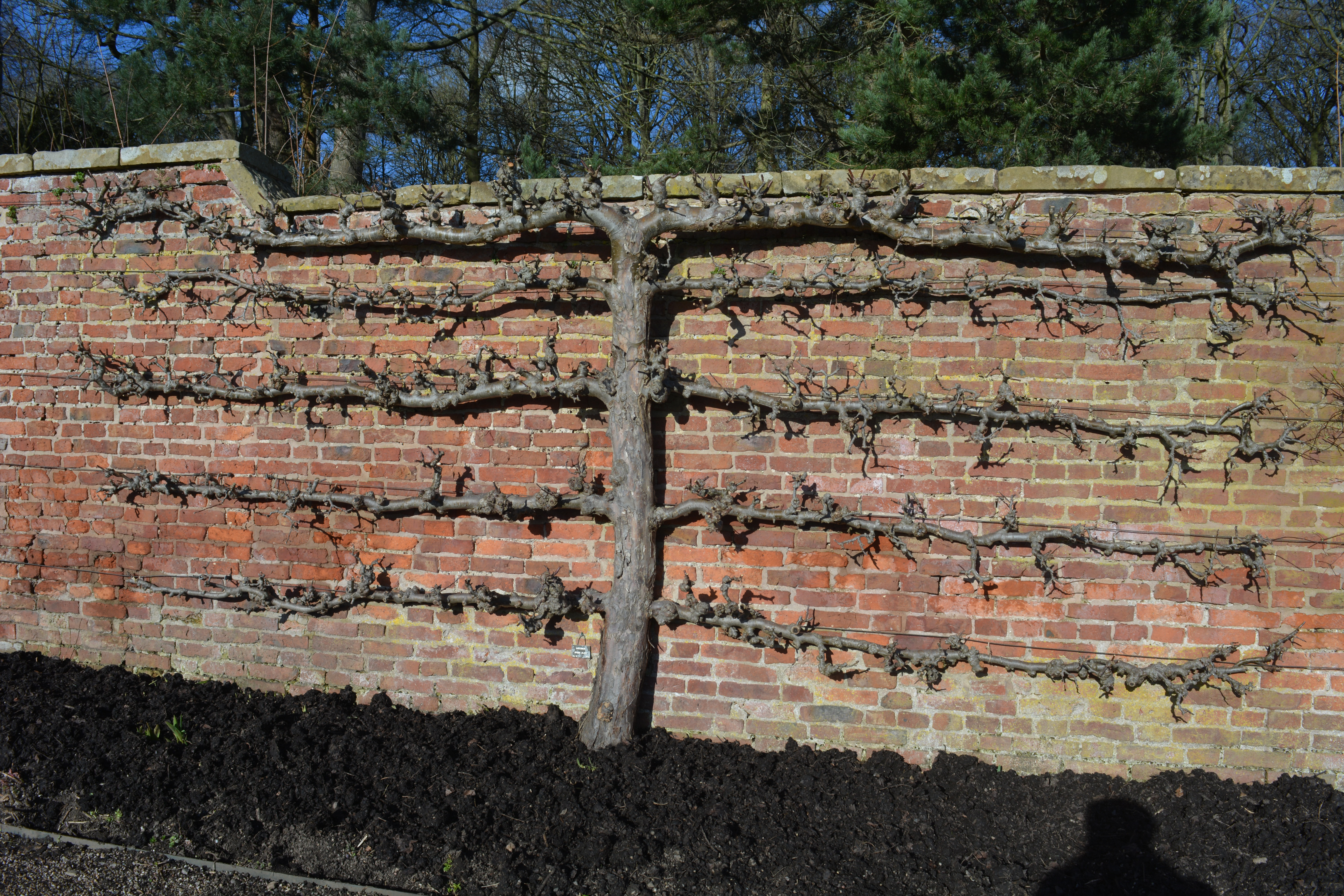
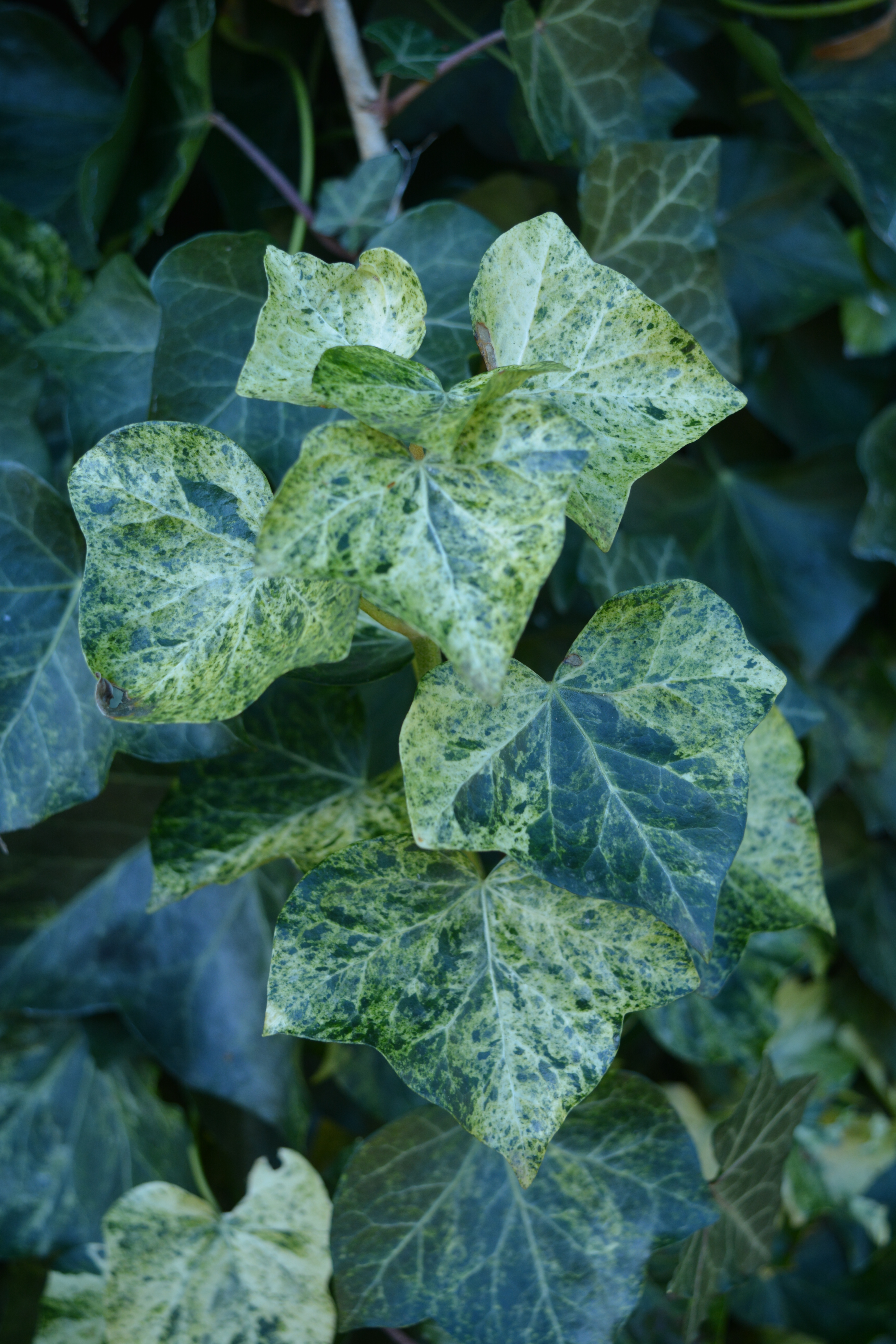
The garden is Grade 1 listed and is based around the 18th Century design. Amazingly it works well today! Even the car park and courtyards on the way in had points of interest to us gardeners, some of the Ivy cultivars, ancient wall-trained fruit, a beautifully carved wooden seat featuring carved horse heads and a vintage garden watering cart. We soon met our first Hederas (Ivy) in the collection, an unlabelled specimen which grew to frame a window, and one with beautiful foliage, Hedera hiburnicum variegata.
   

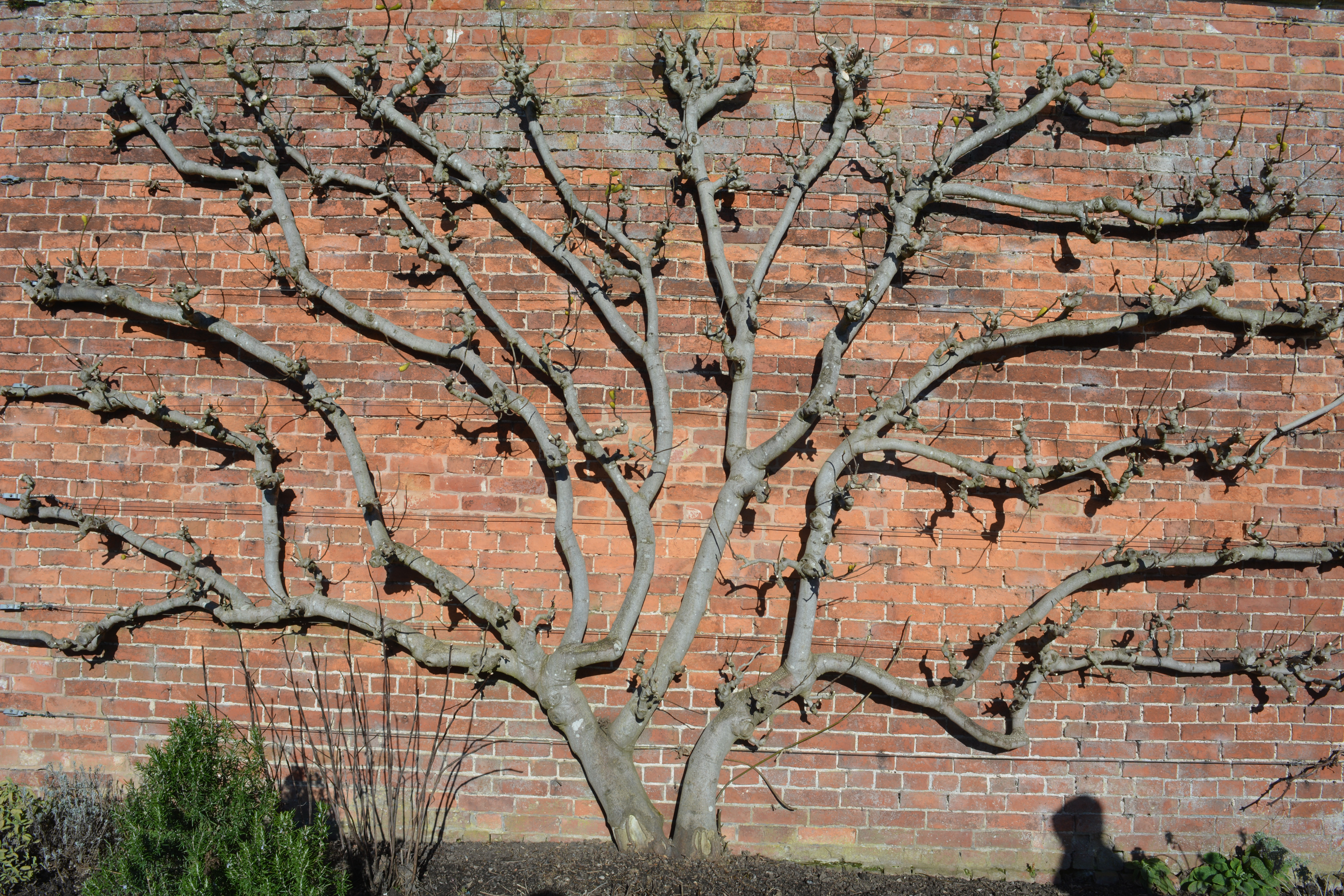
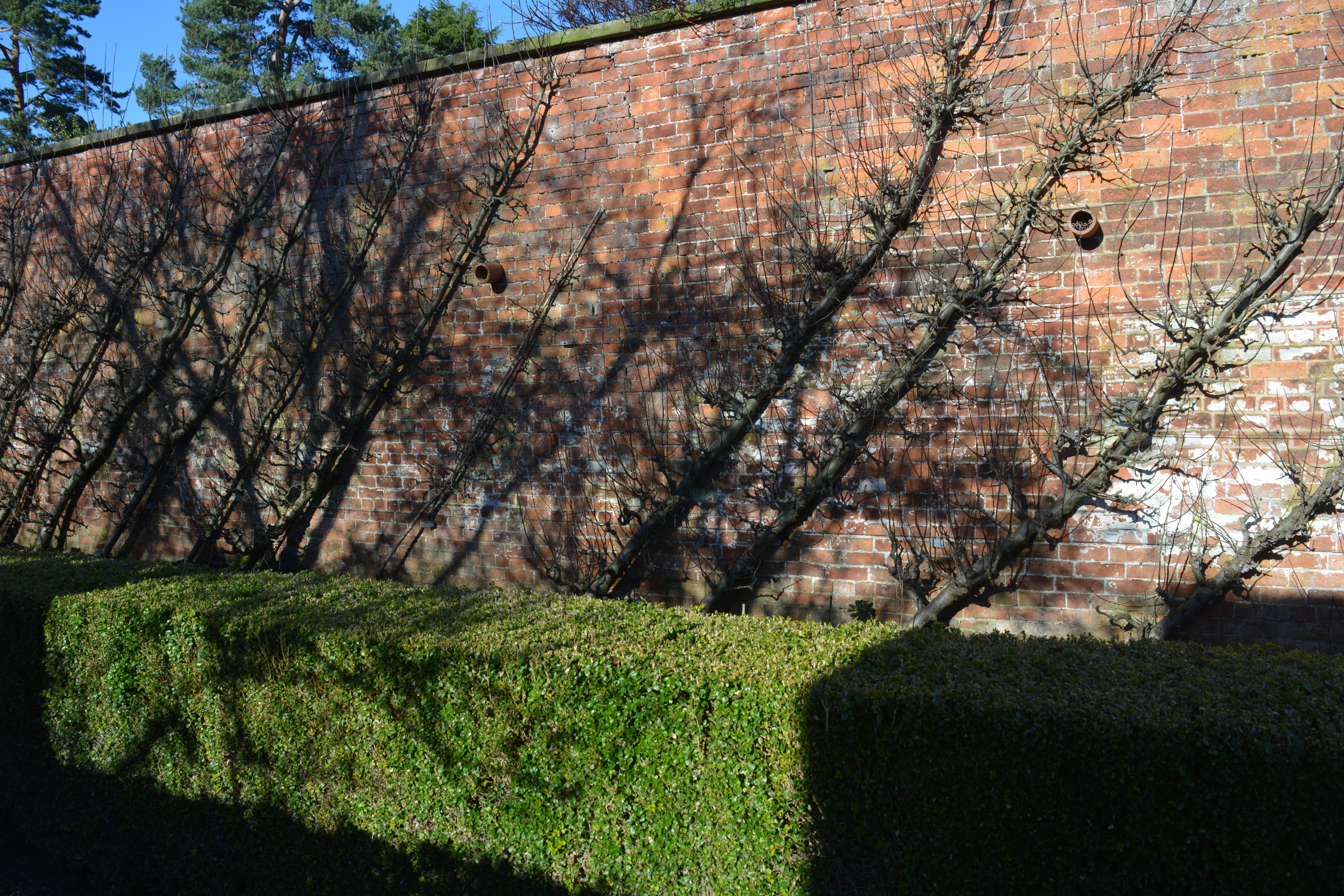
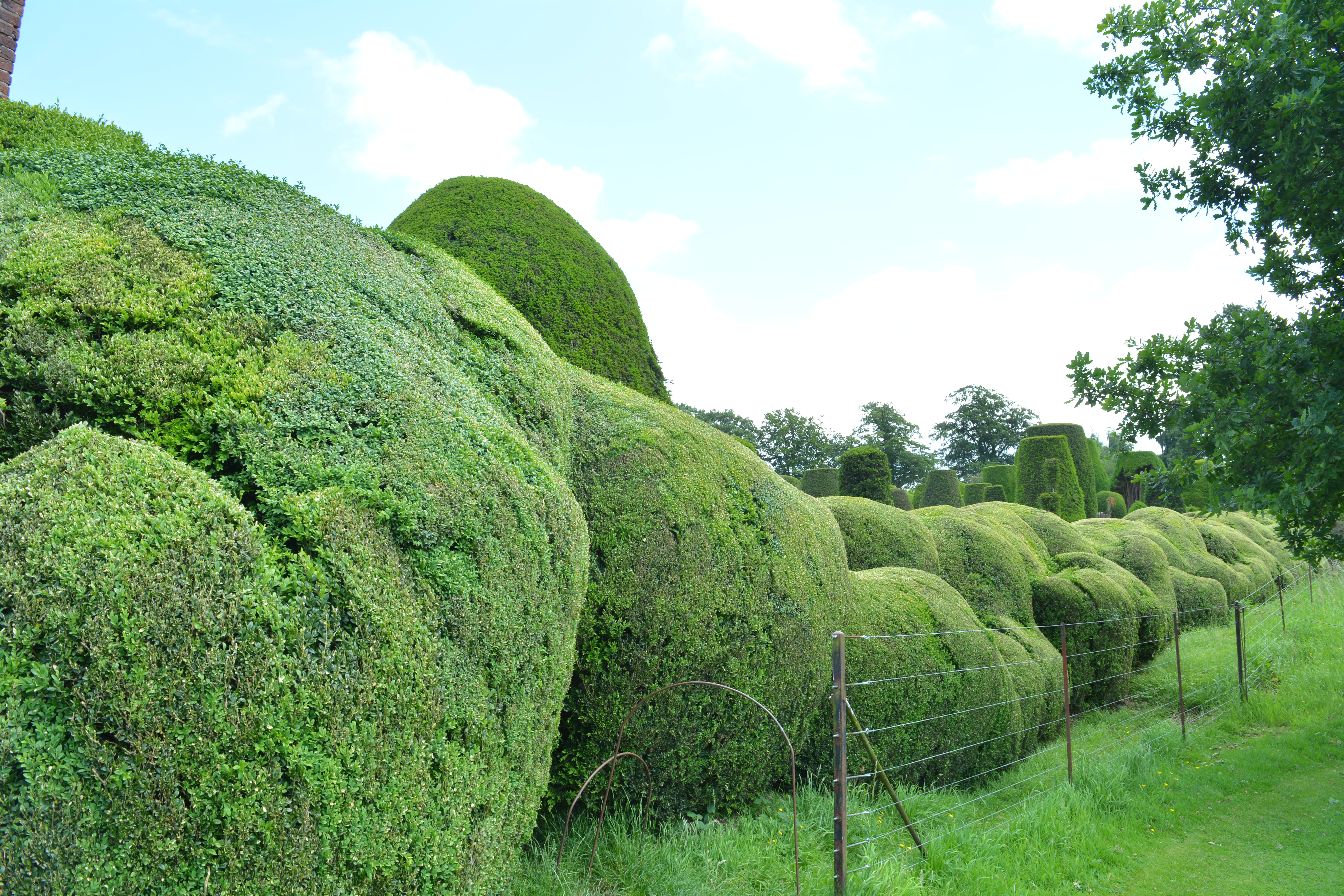
A feature we were looking forward to at Erddig was the huge variety of creatively pruned trees, both fruit trees and conifers. Some of these fruit trees must be decades old but are still skillfully pruned. Really well pruned and trained fruit trees are really beautiful. It felt good to see these age old gardening skills carrying on so professionally.


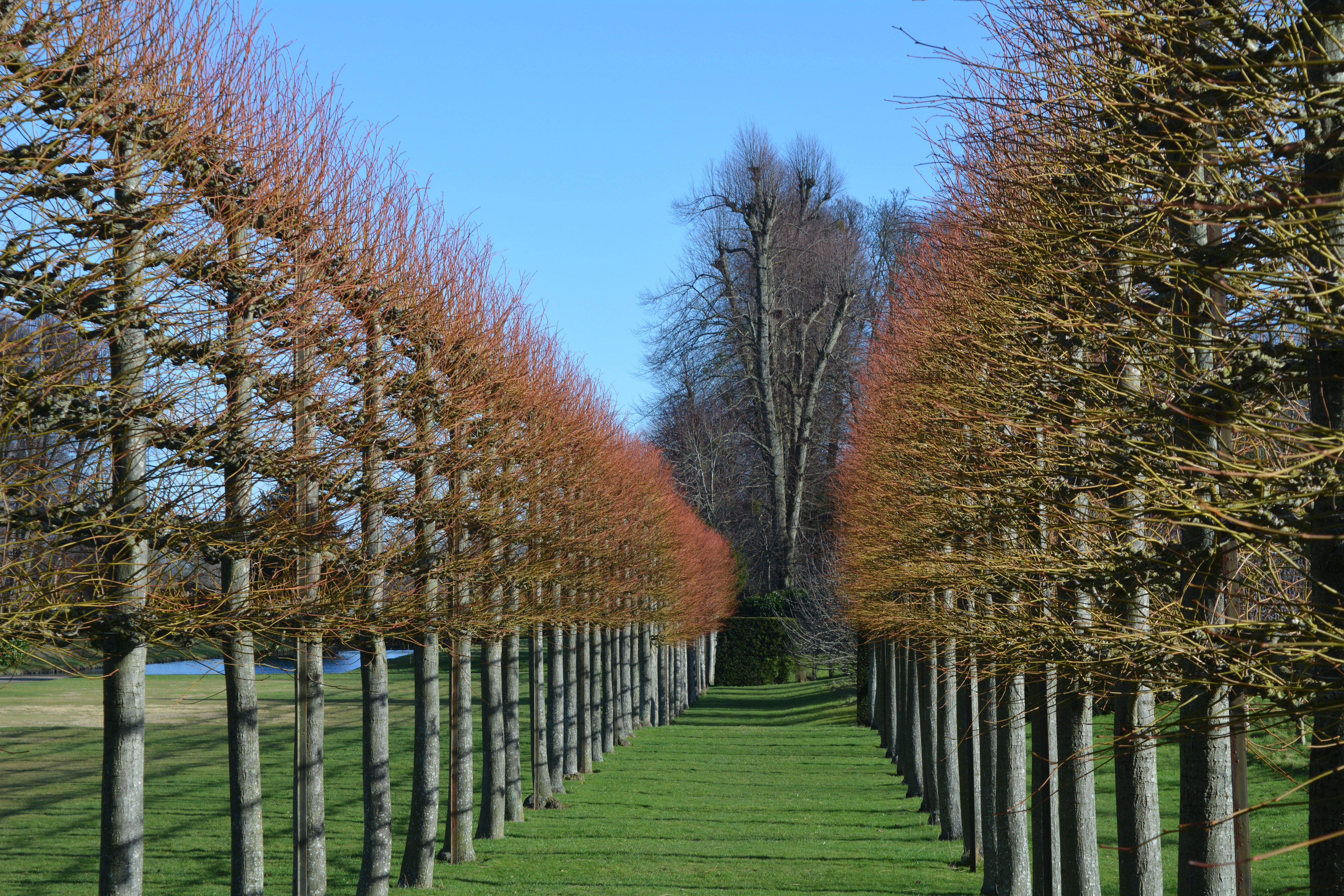
We discovered this double row of pleached limes after spotting an orange glow as the winter sun caught the new twigs and buds.


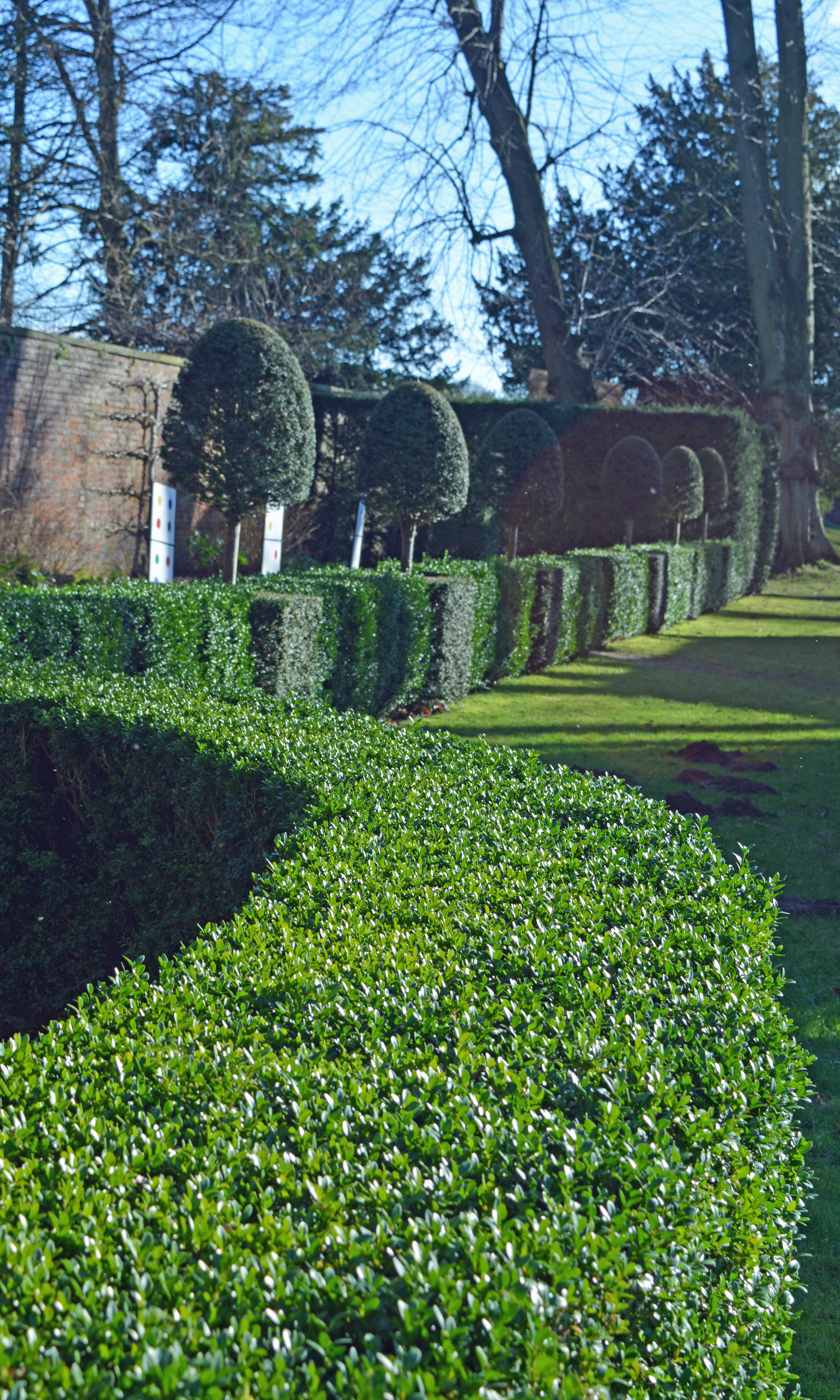
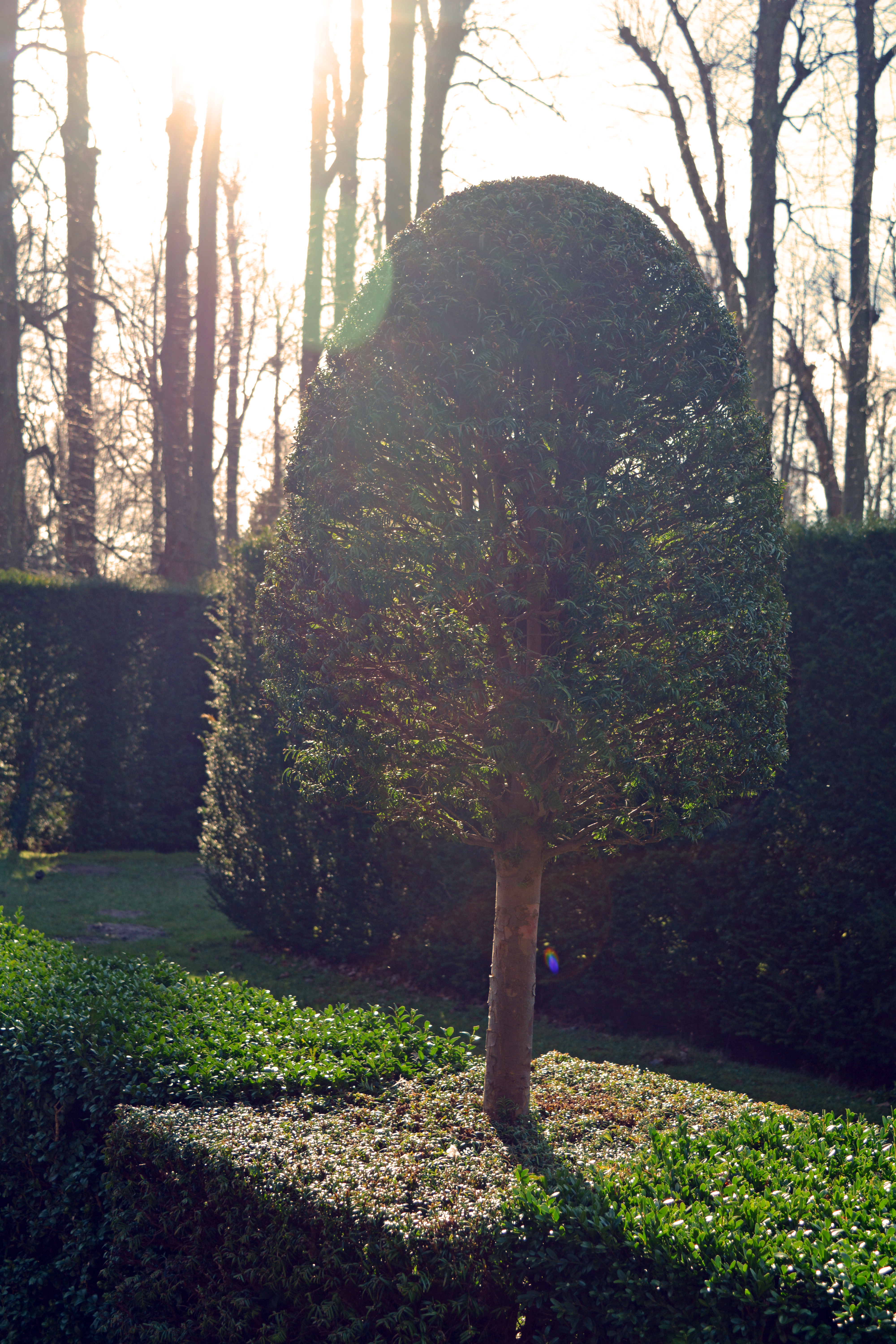
Beautifully topiarised conifers were presented in neat rows and as hedges throughout the formal garden area.


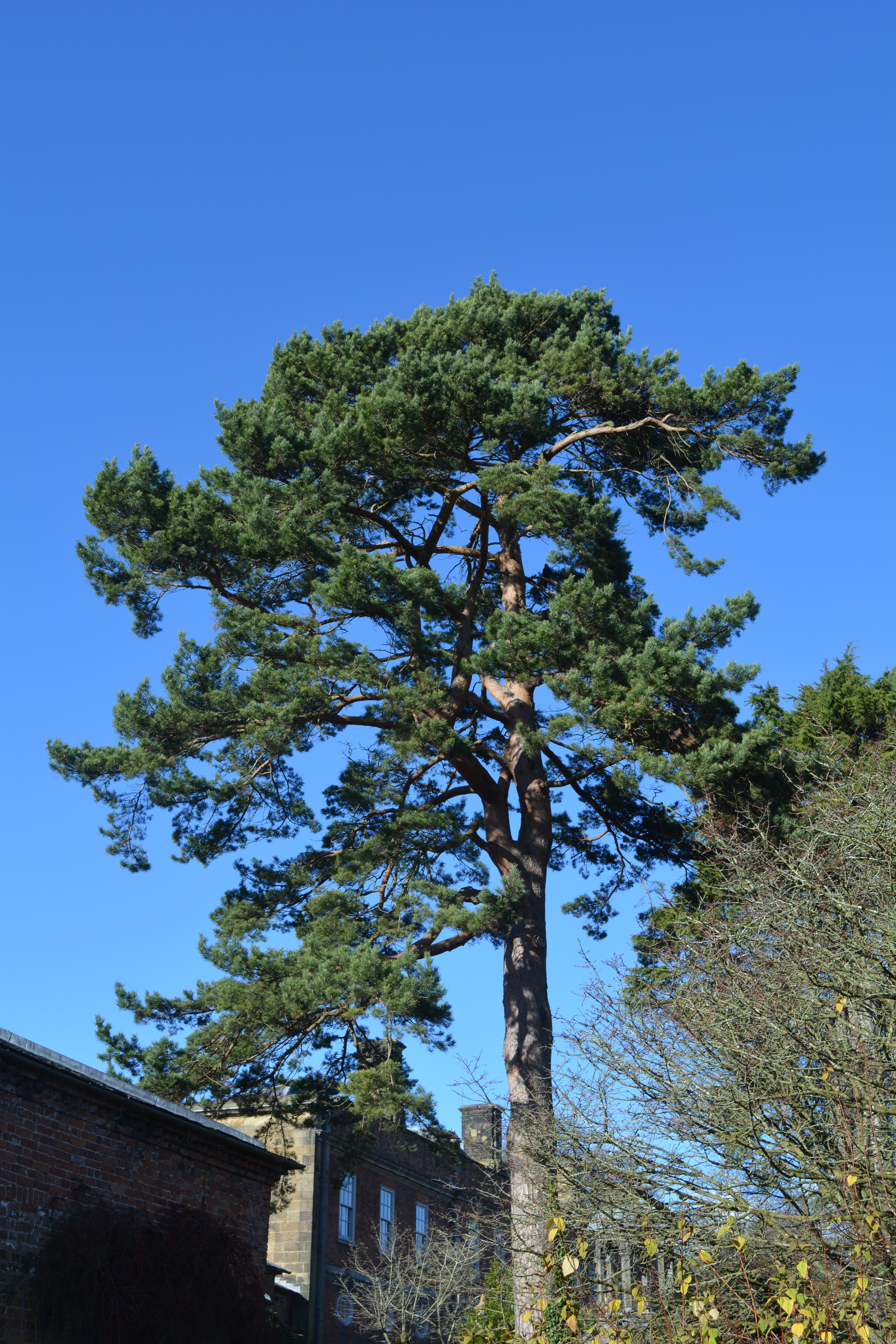
Not all the conifers were trimmed and controlled though, some were left to mature and become tall proud specimens.


We loved this tall double row of pollarded Poplar trees towering above our path, their network of silhouettes highlighted against the blue sky. This added to the strong structure of the garden.


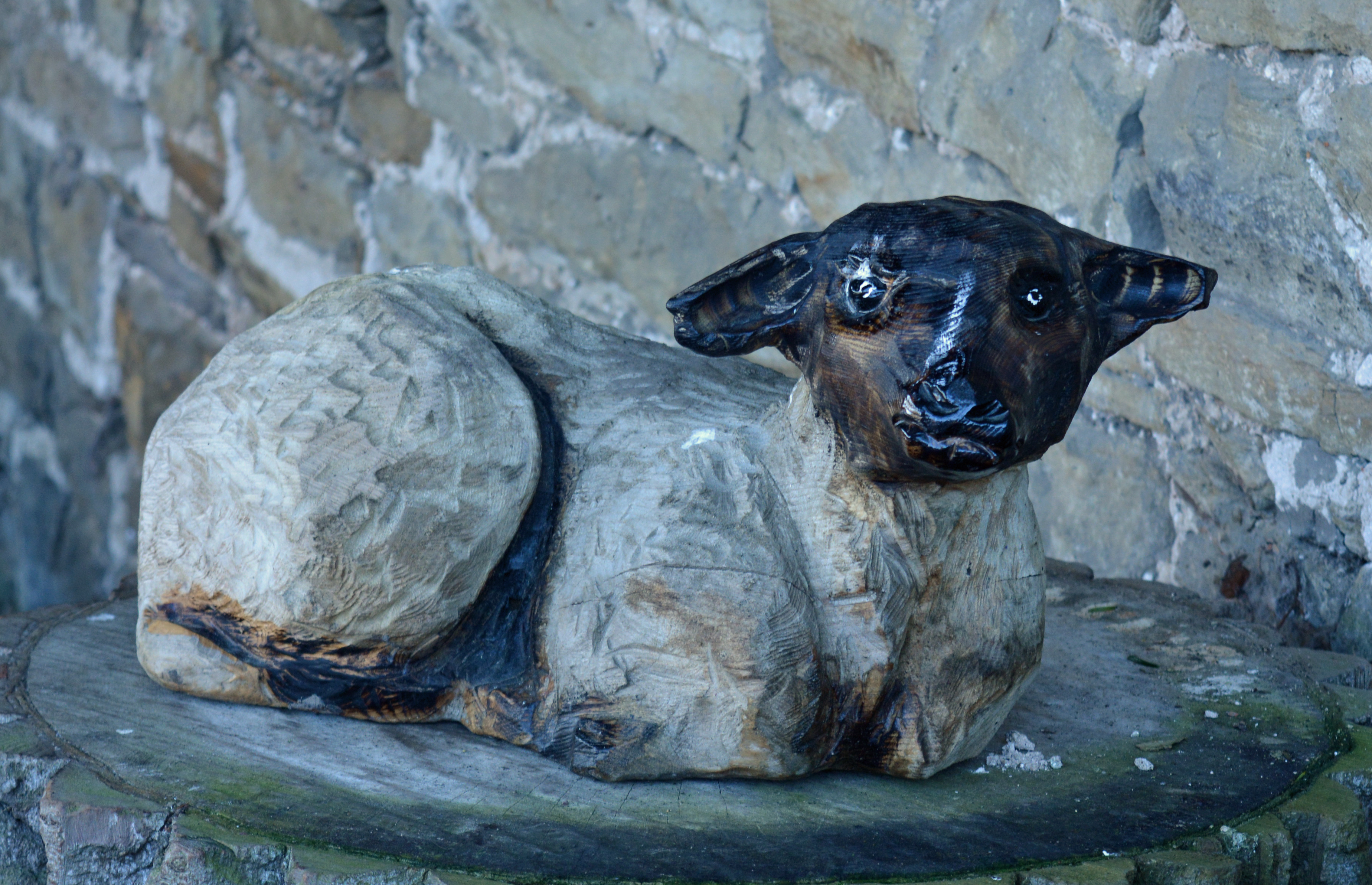
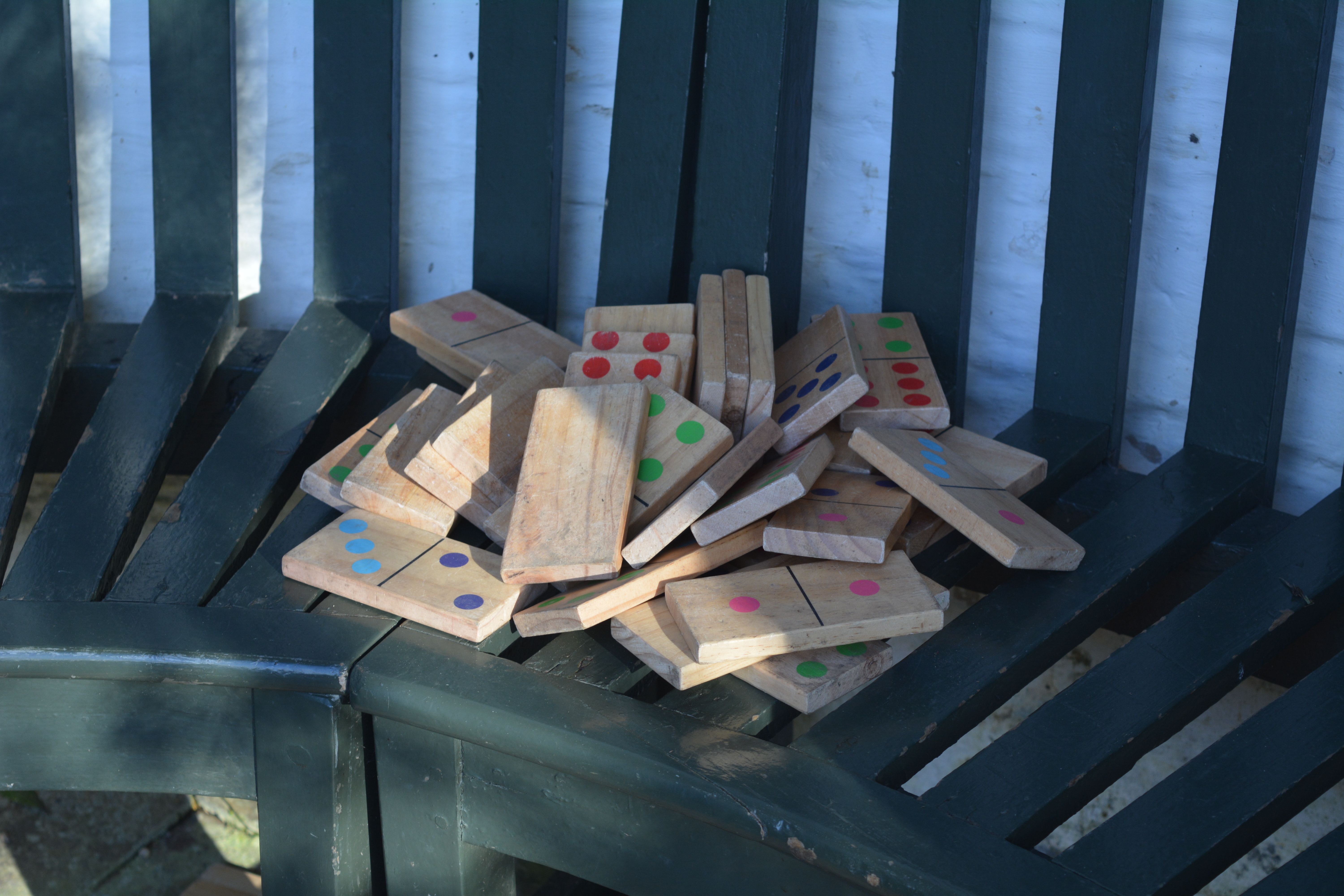
We love to see a touch of humour in gardens and points of interest for children and we enjoyed a few here as we wandered around Erddig.


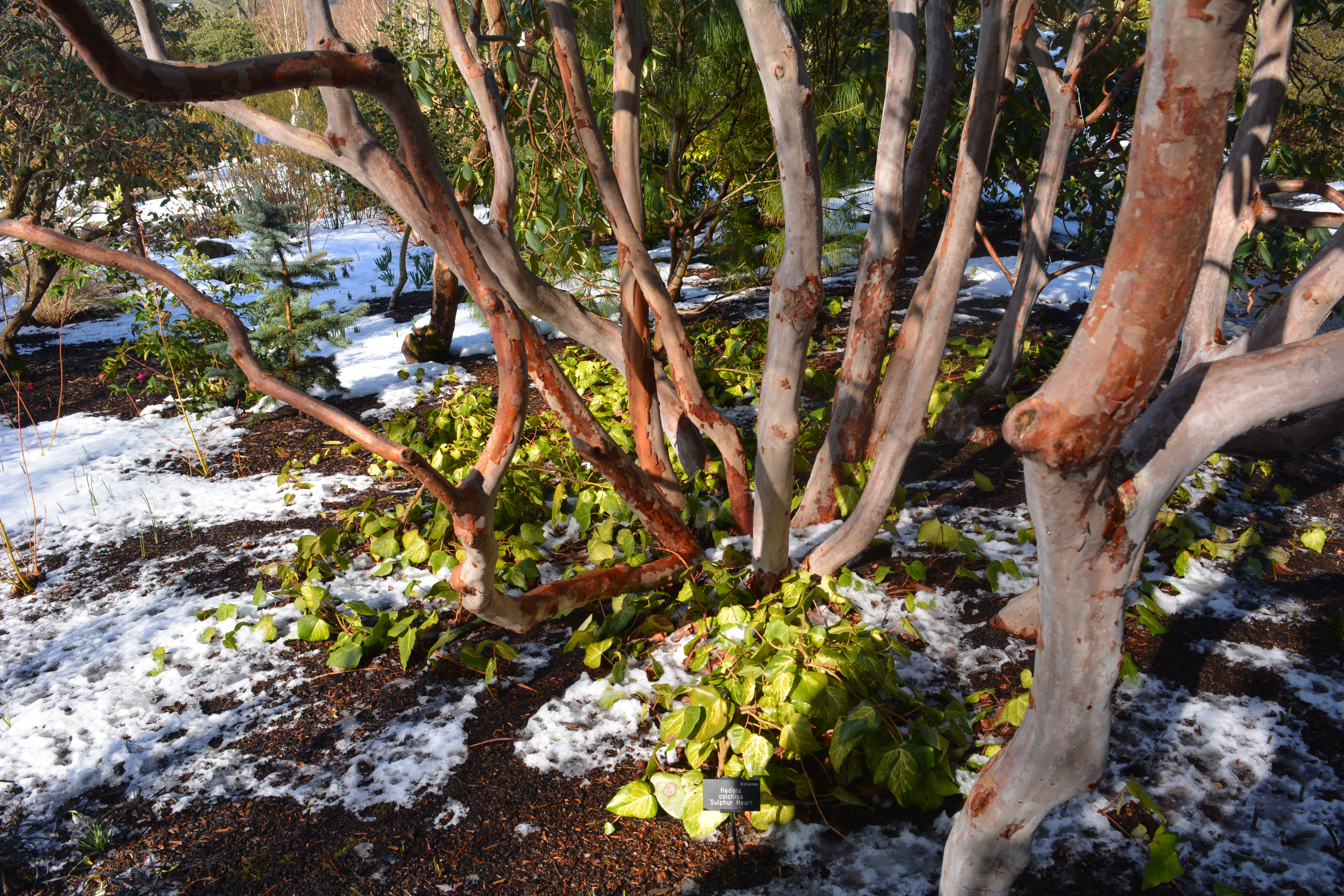
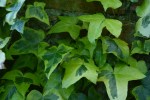
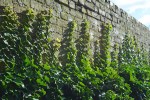
Erddig holds the National collection of Ivies, growing a huge selection of Hedera, but it took us along time to find the organised and well-labelled display of them growing along an old brick-built wall. We were amazed by the sheer variety, from plants with plain green typical leaves to those with the most beautiful and subtle variegation.


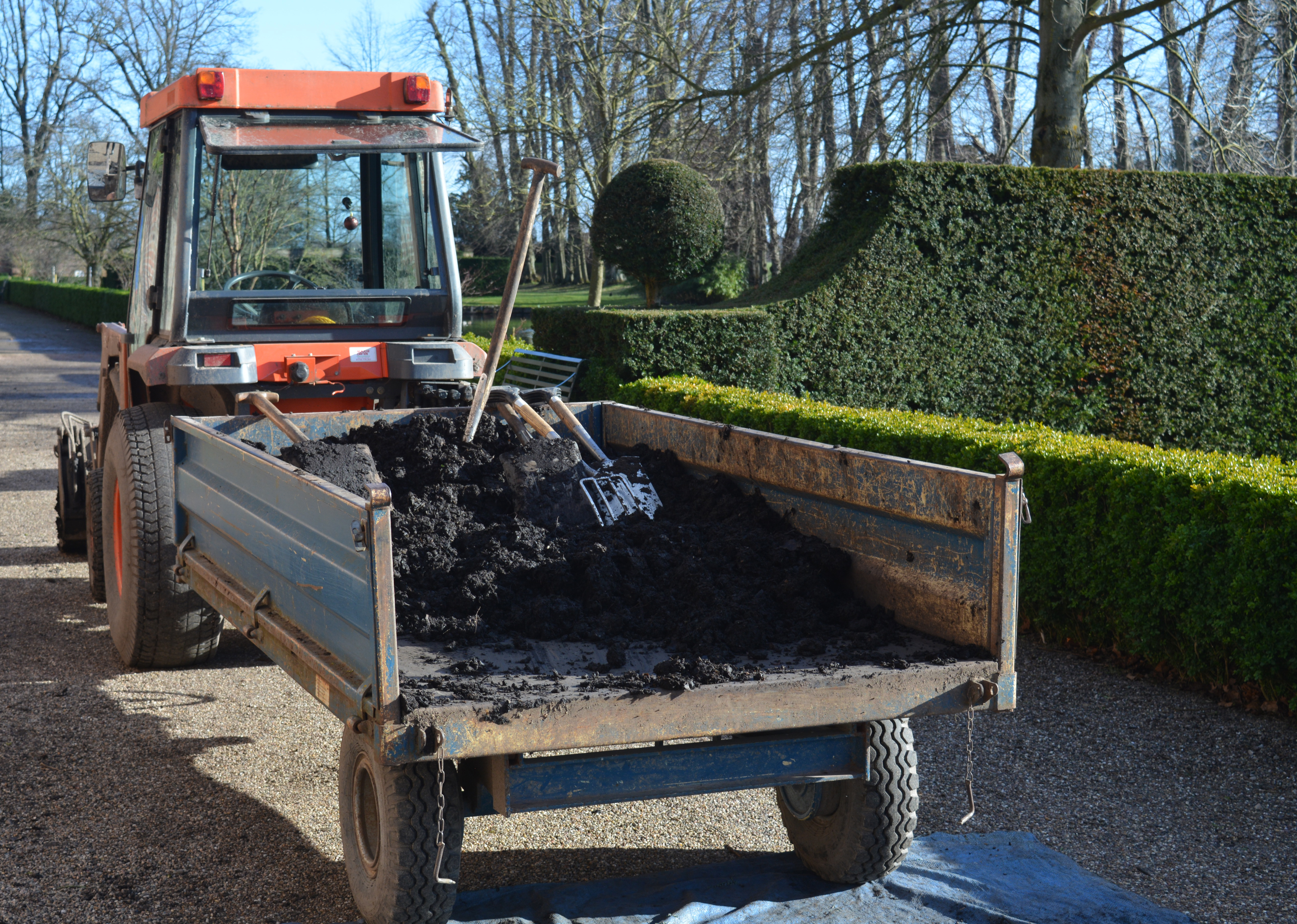
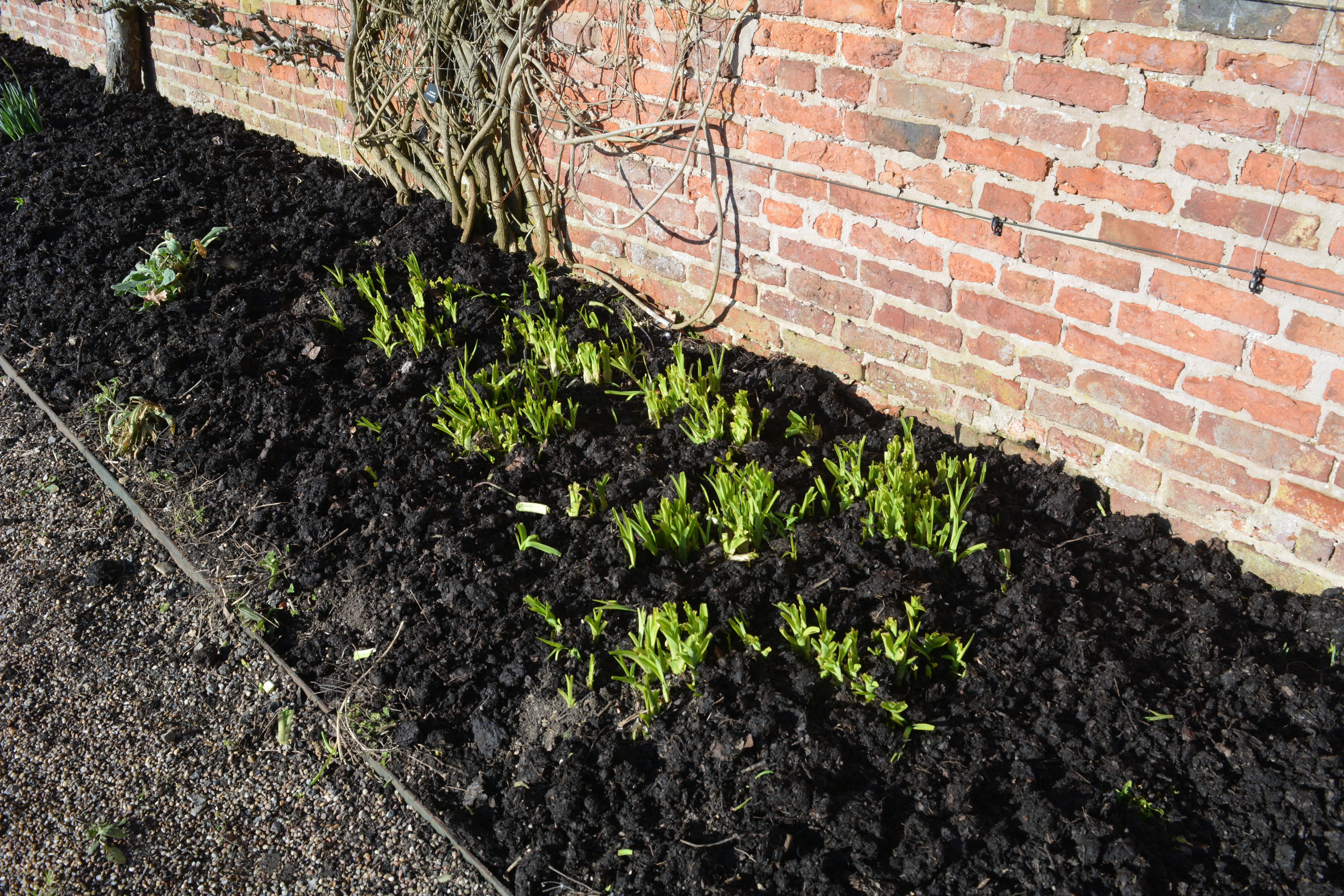
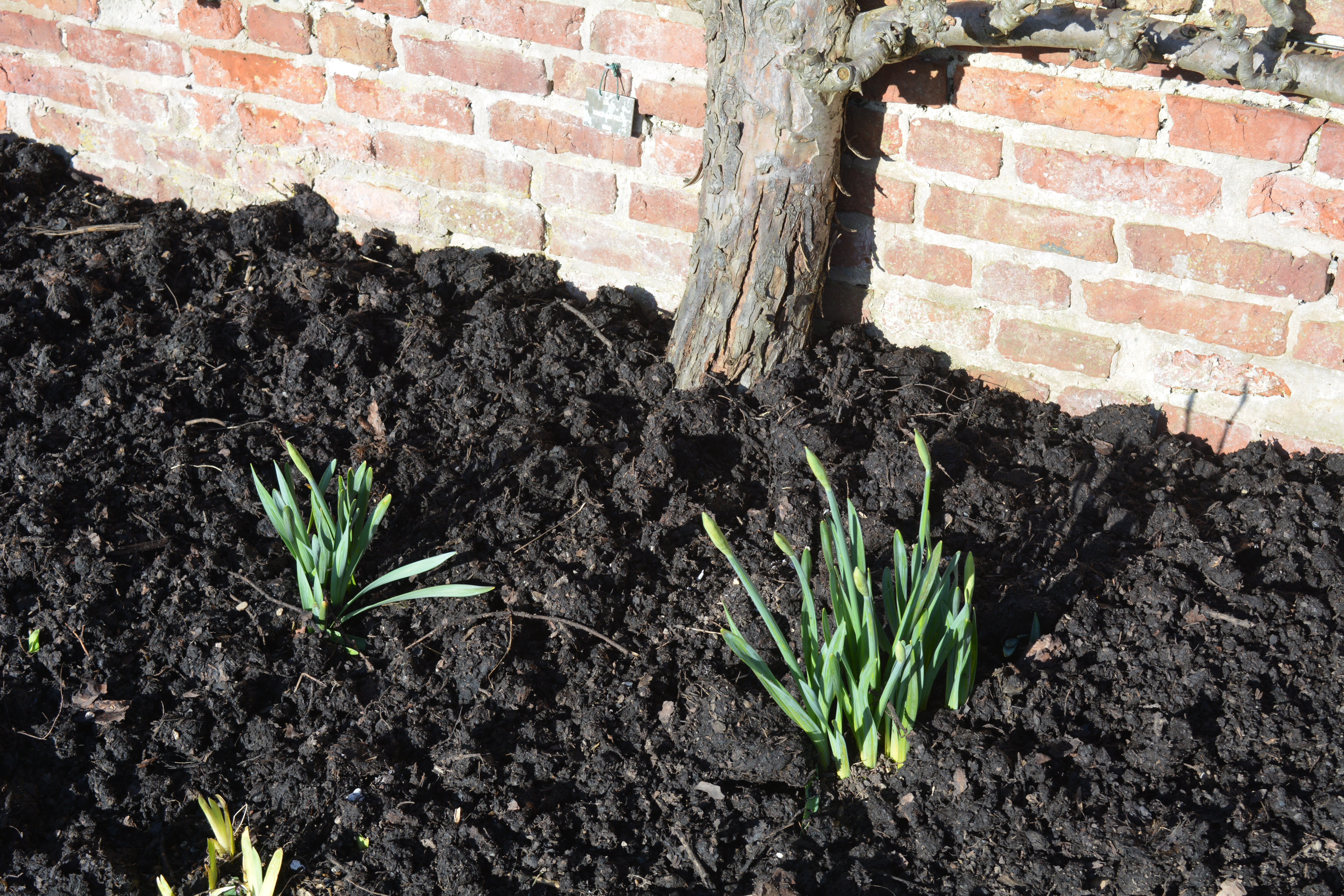
Don’t you just love to see what gardeners are up to when you visit a garden? Here hedge cutting and mulching borders with rich well-matured farmyard manure were keeping the gardeners on their toes. We were very impressed with the quality of their work and the evidence of a sense of pride in everything they did.

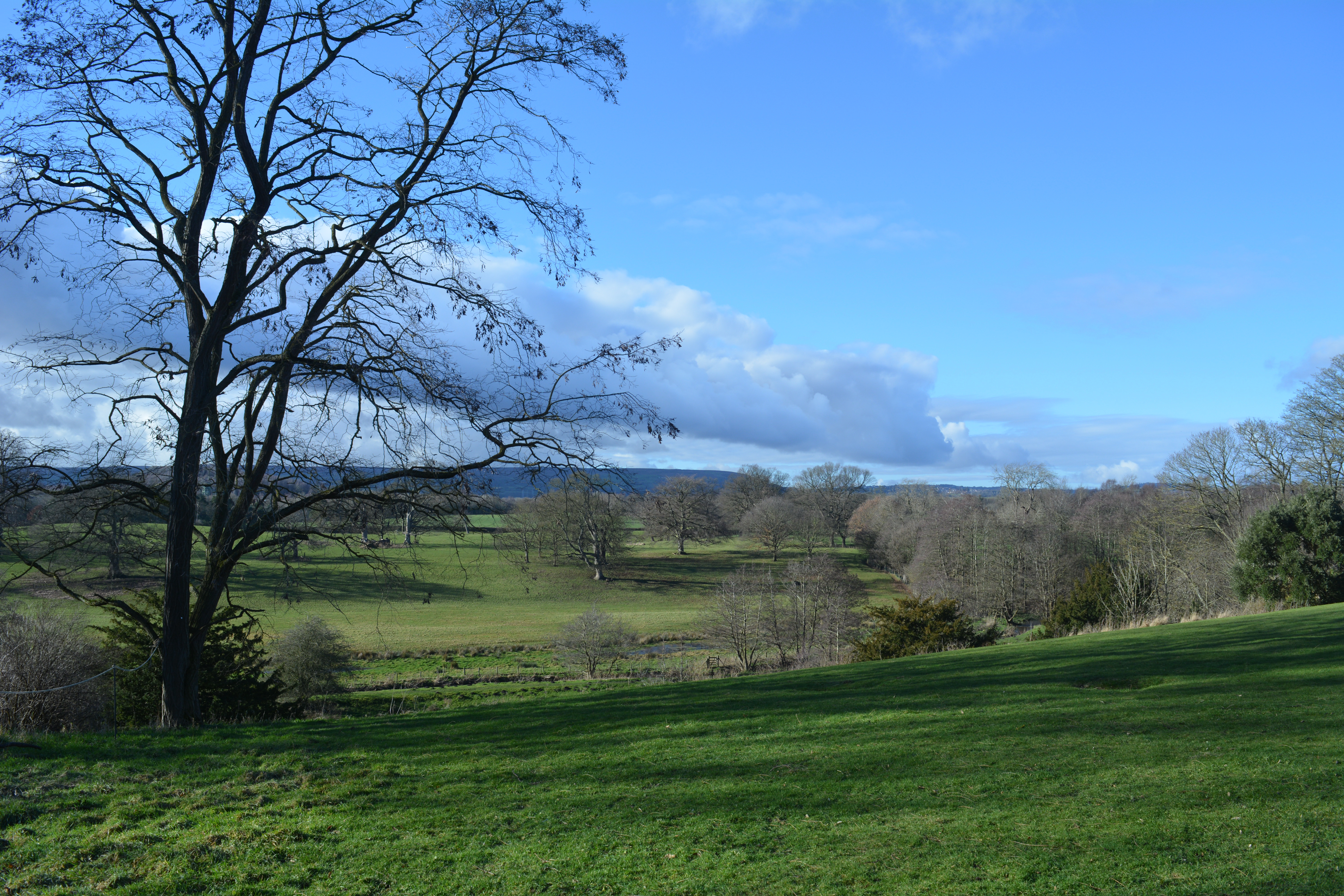
From the front of the house itself we found some wide views over the surrounding countryside.


I have only briefly mentioned the Ivy collection at Erddig so far but I will change all that by sharing a collection of my pics of the Ivies as a gallery. Please enjoy by clicking on the first photo and using the arrows to navigate.

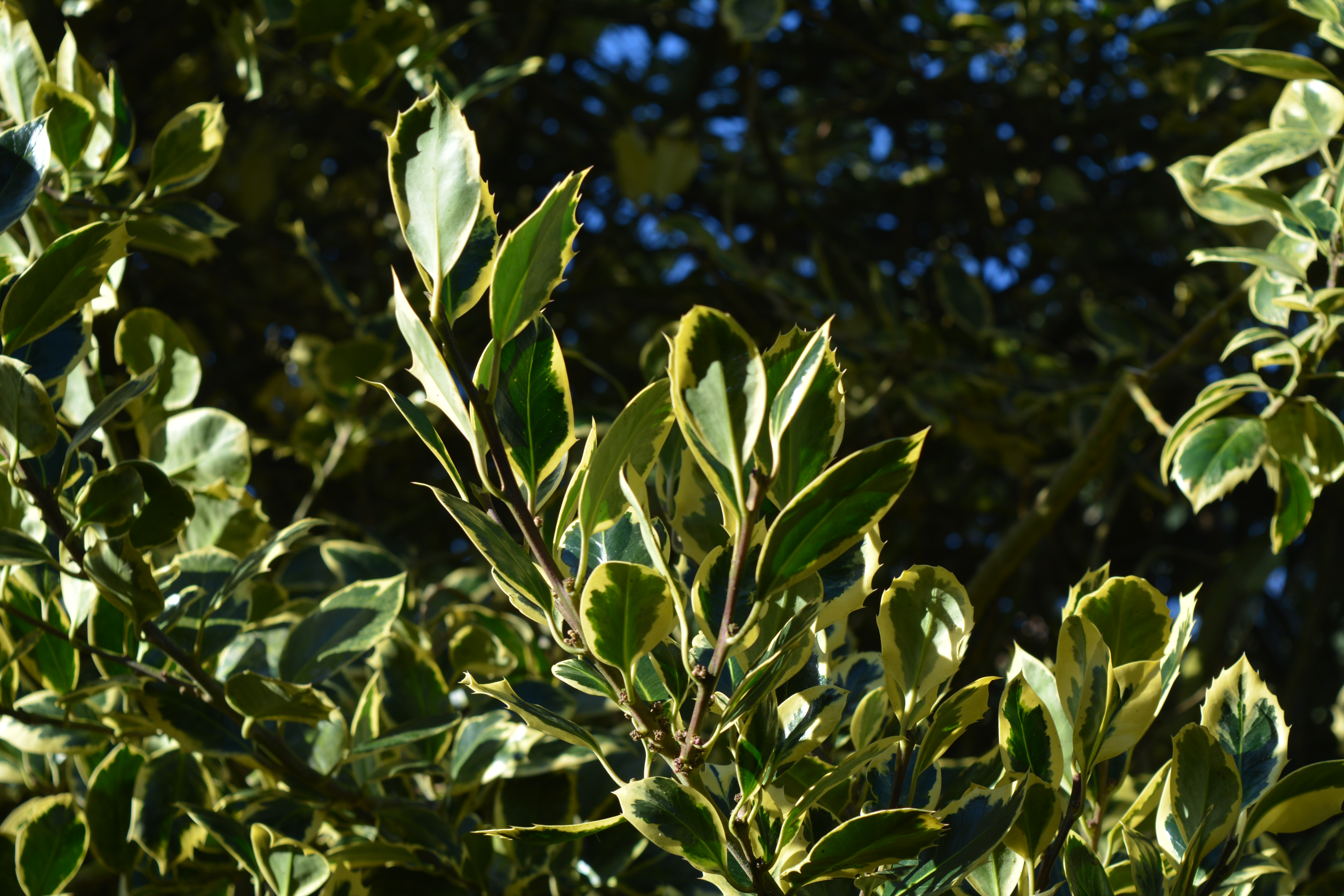
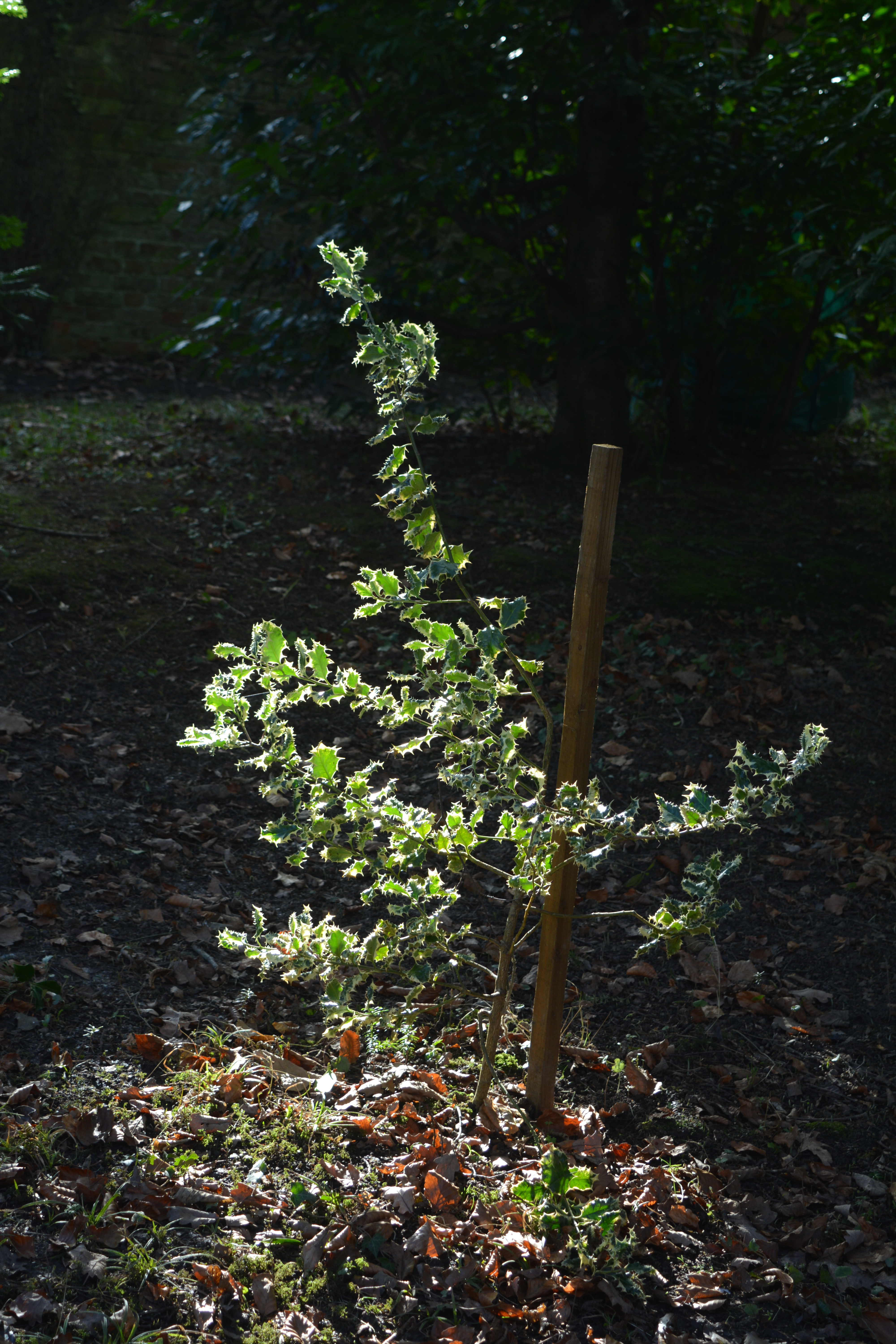
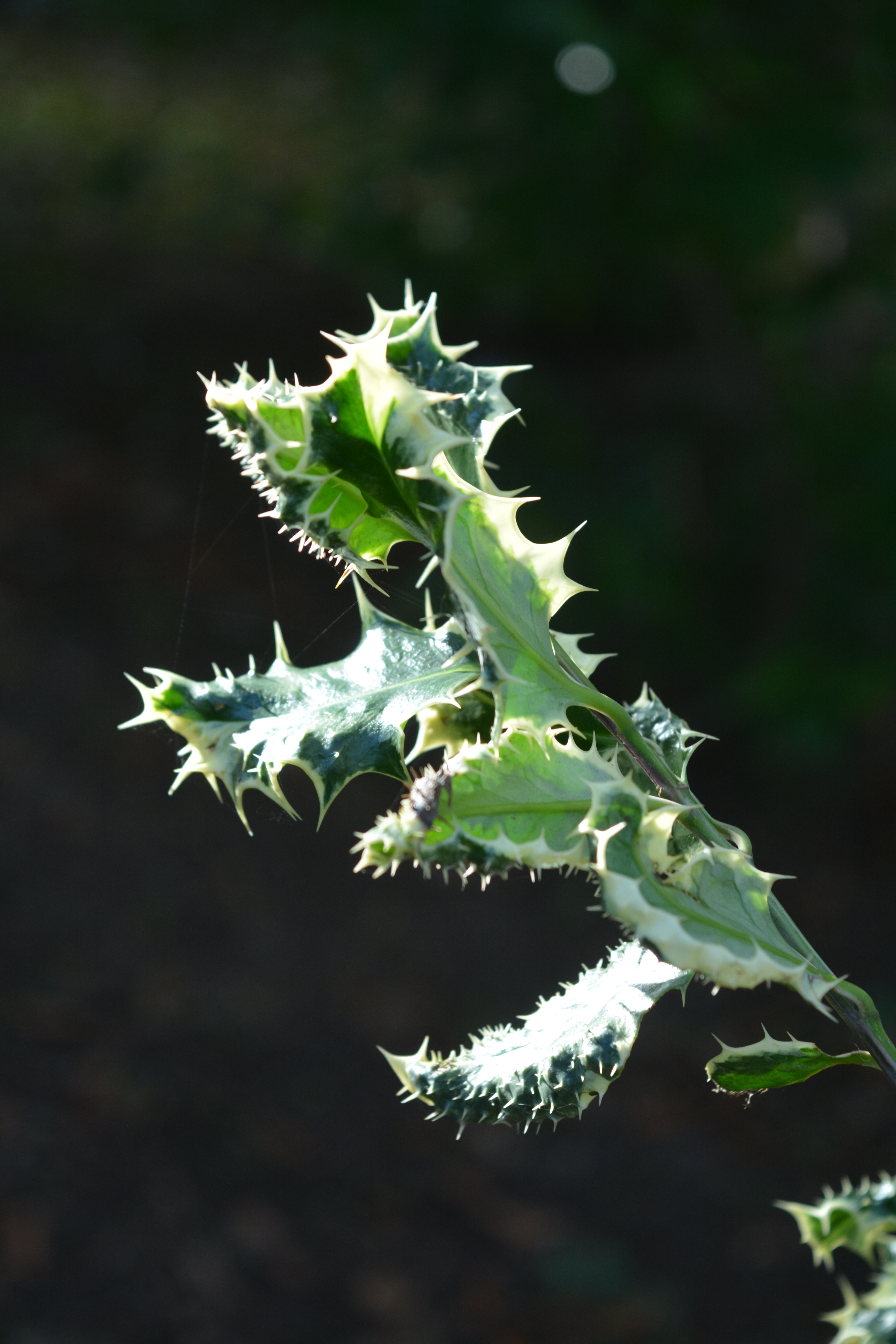
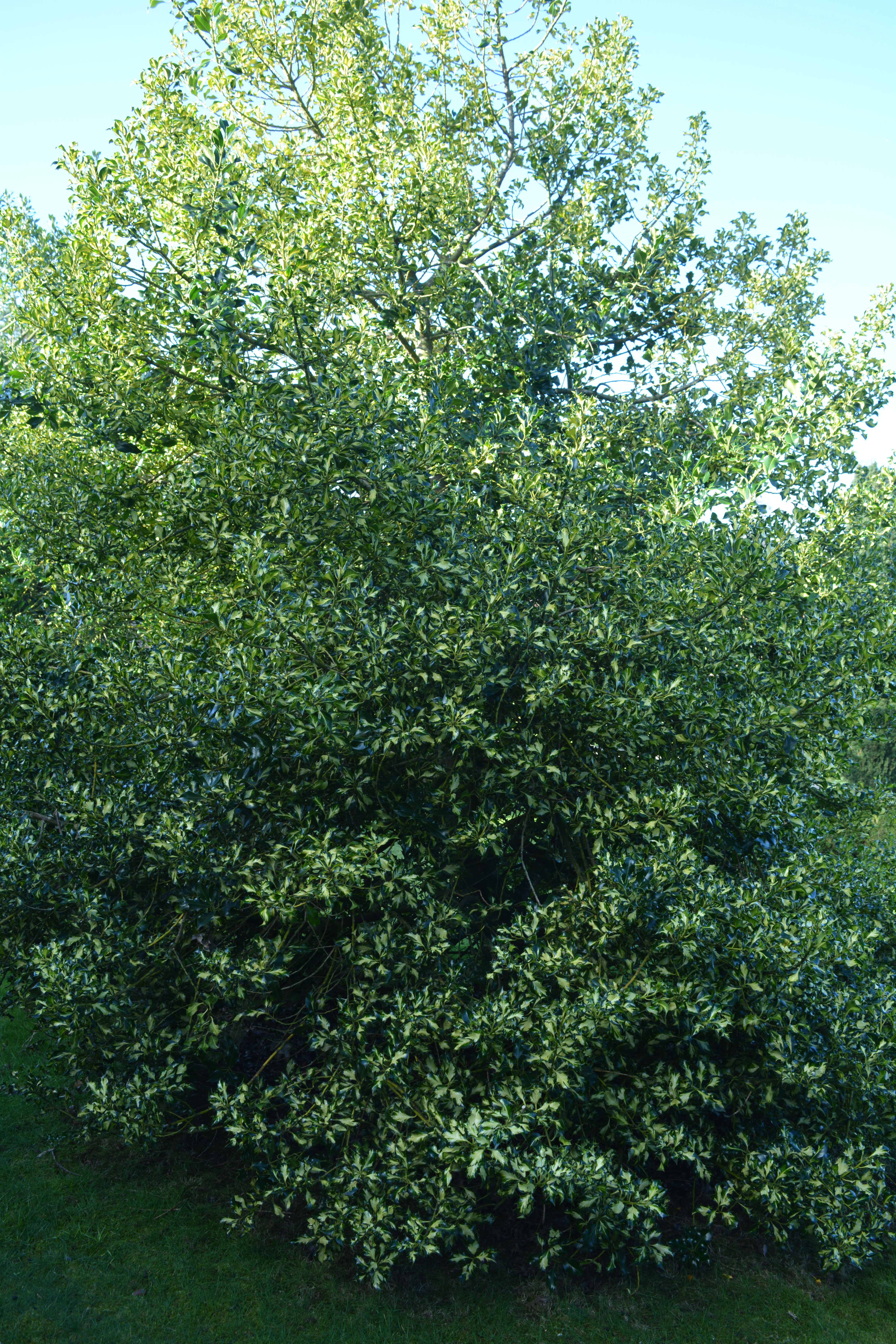
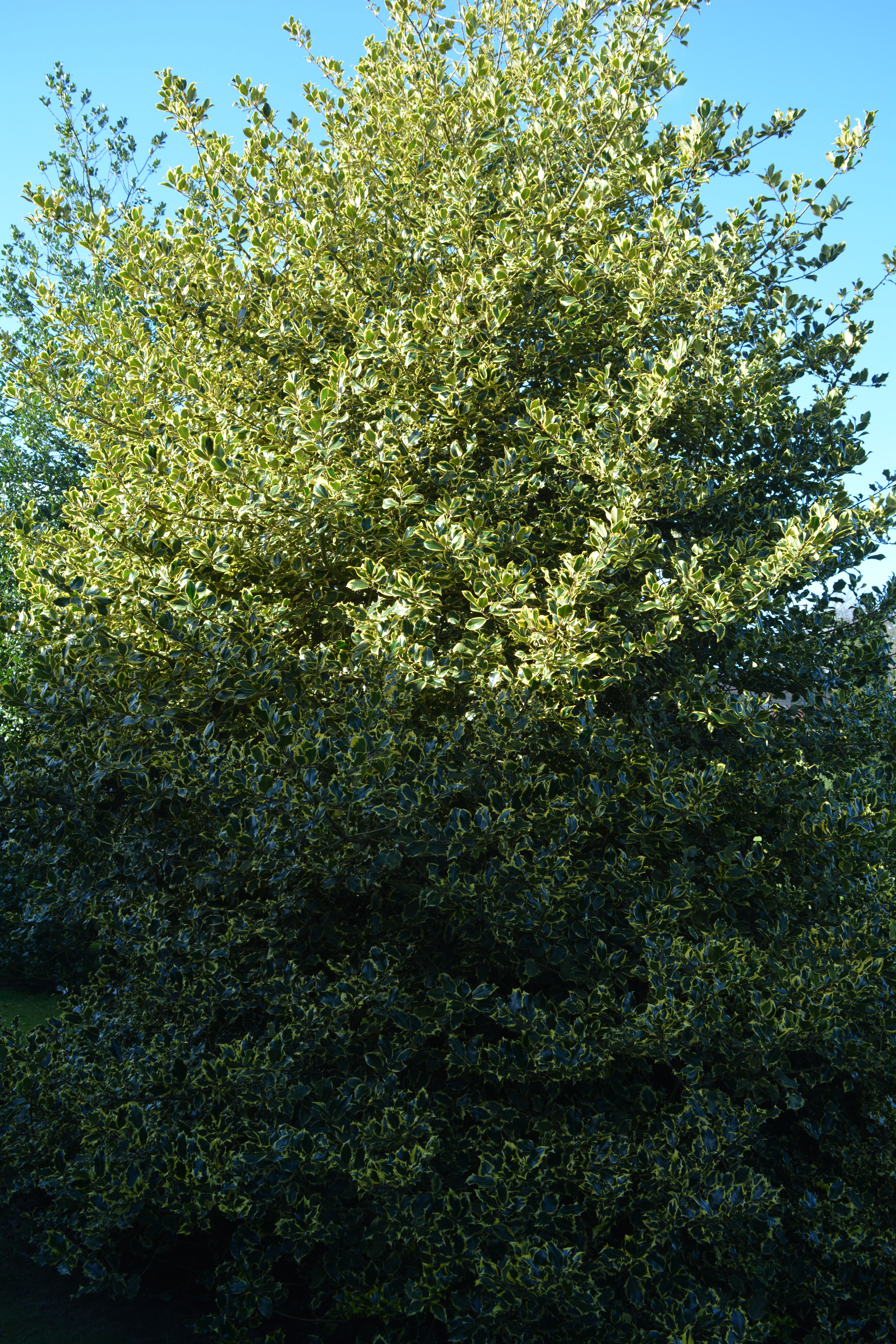
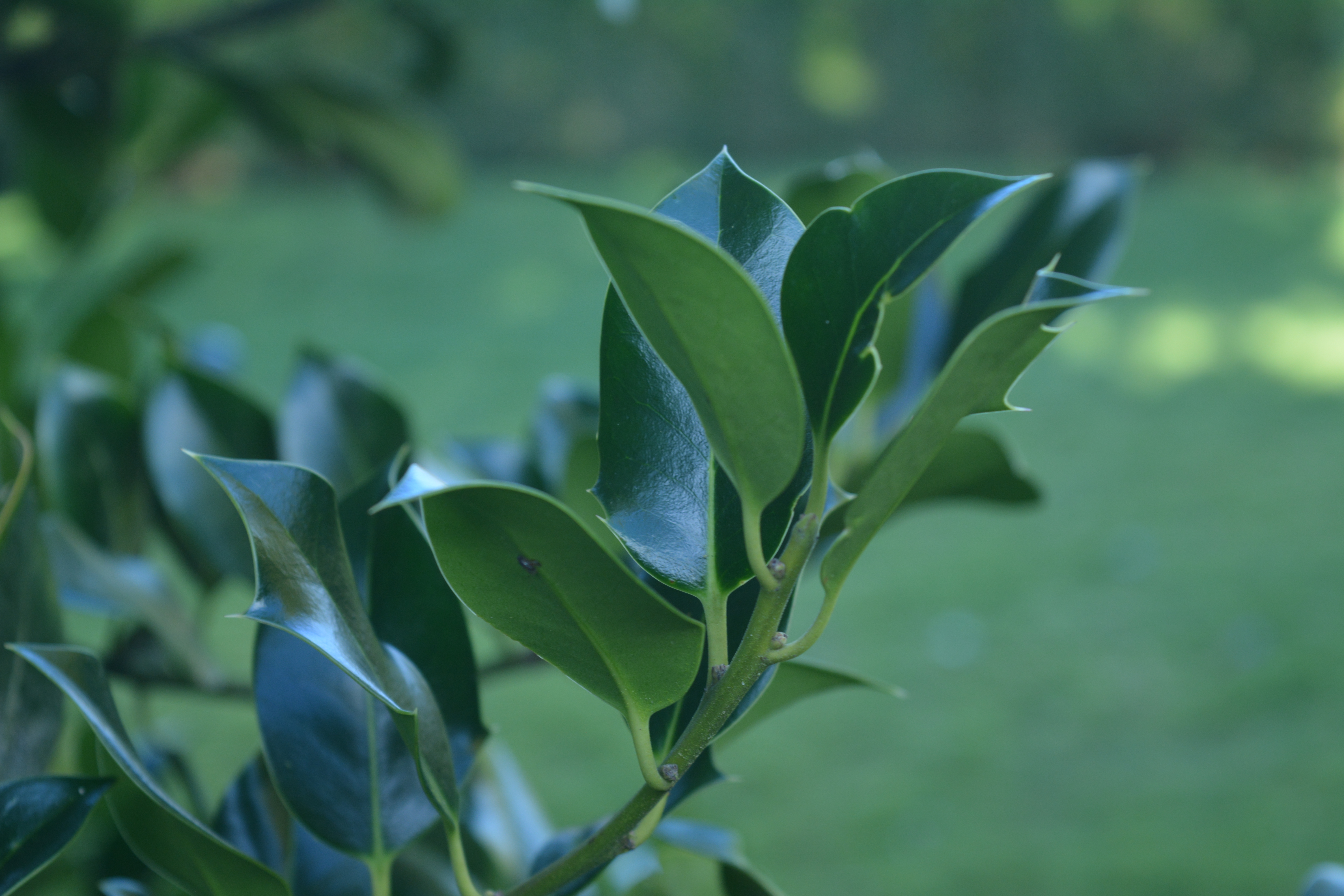
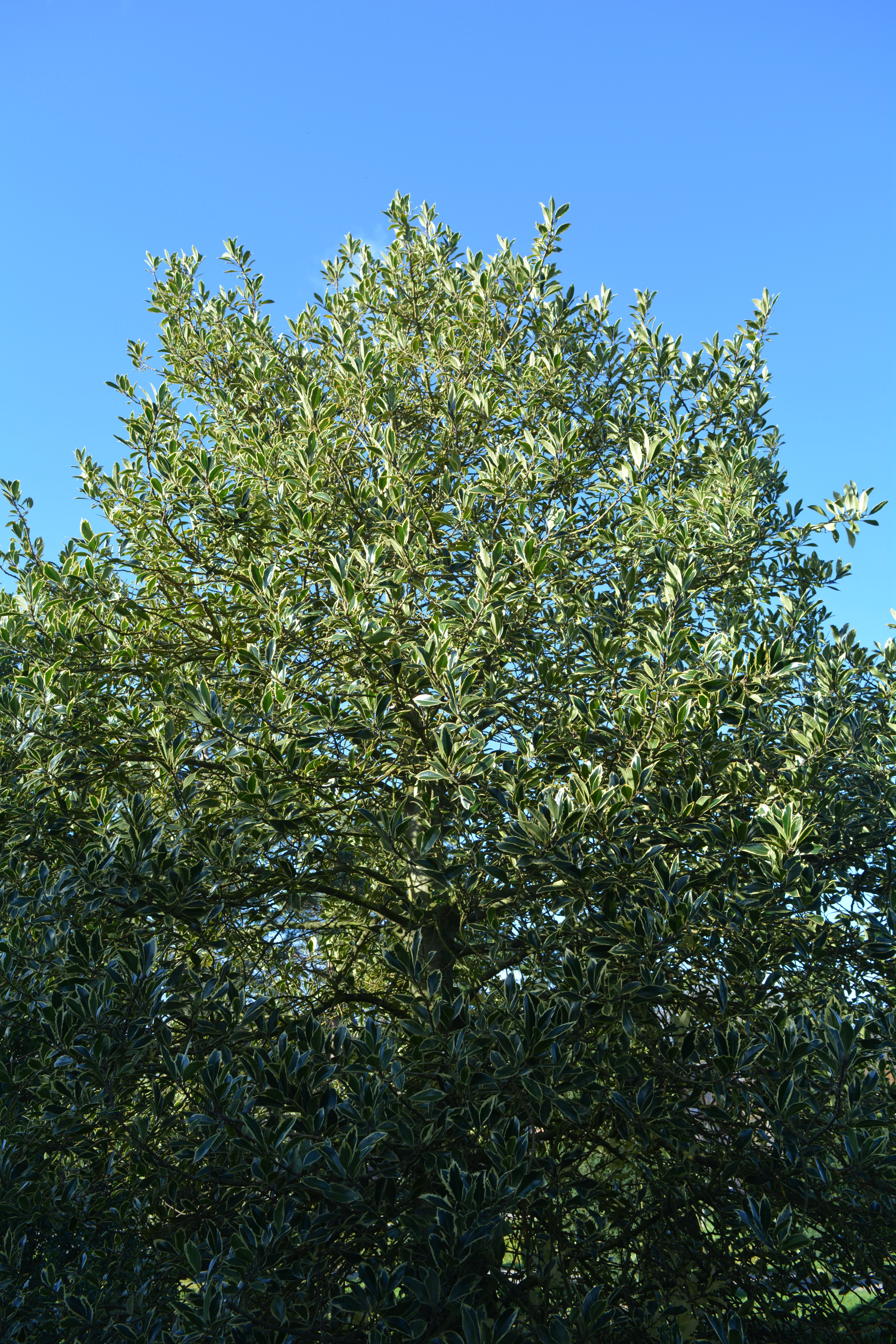
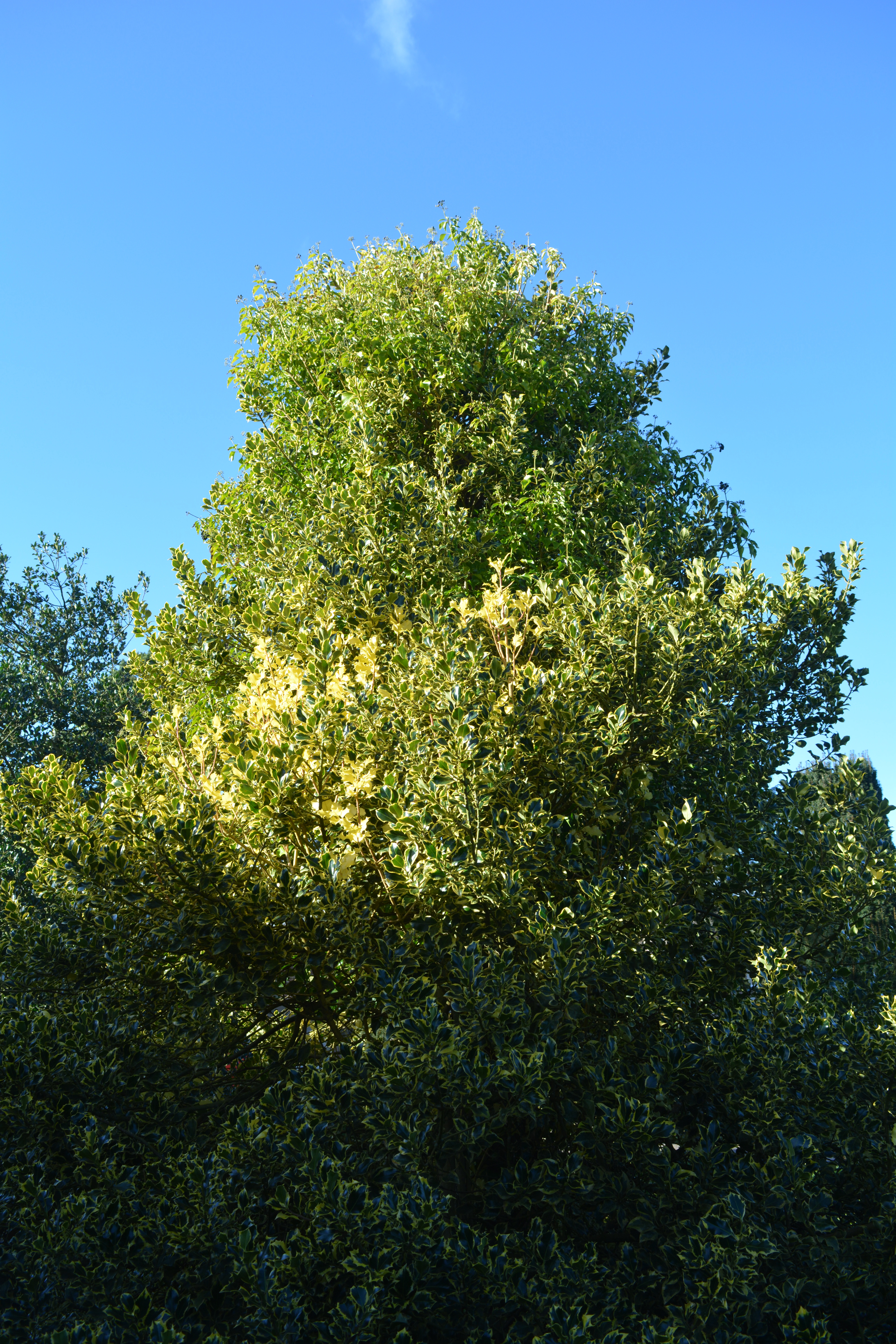
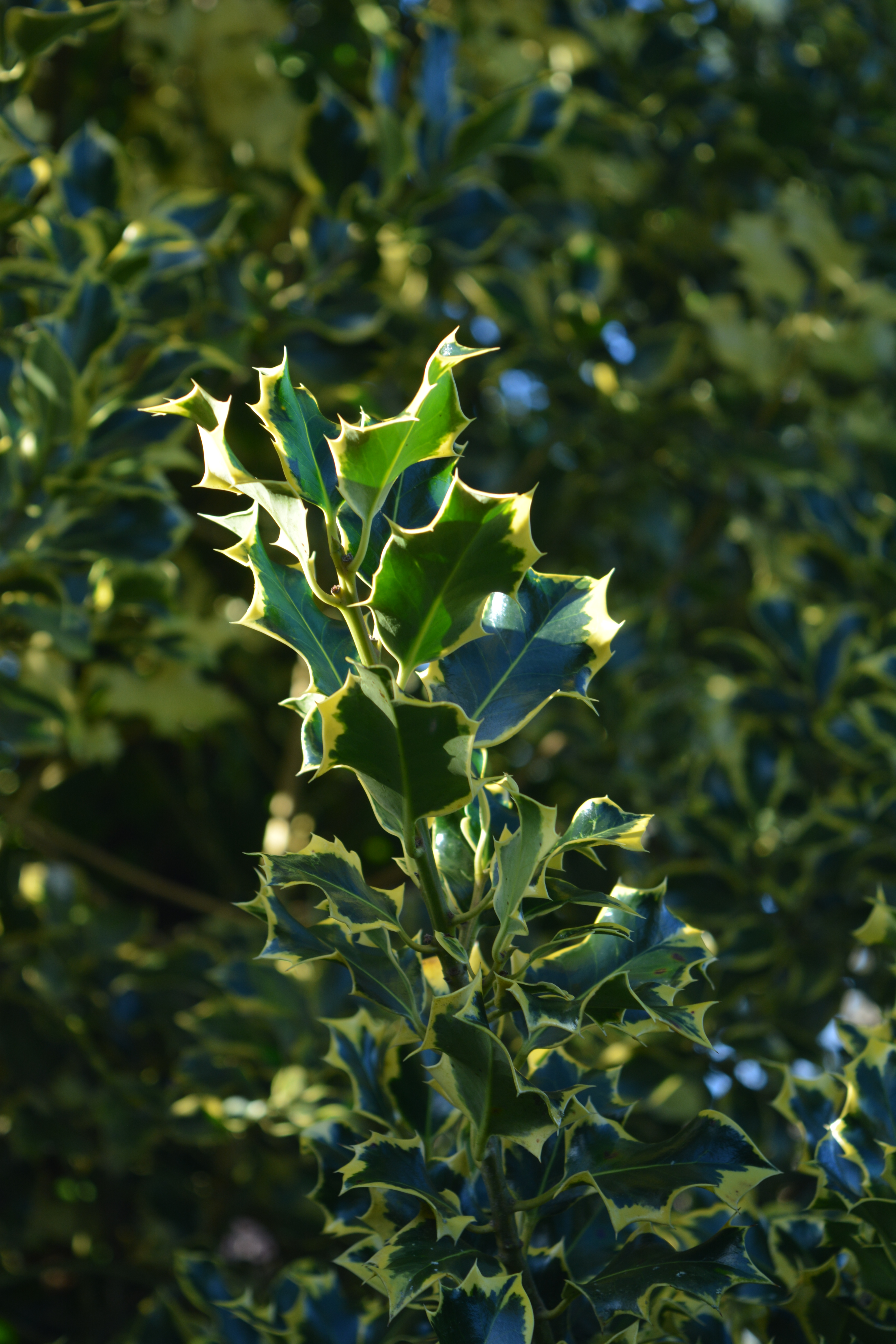
Hollies feature too with a lovely varied collection sadly with no labels but here are some to enjoy anyway.

Each photo of an Ilex tree is matched with a close up of its foliage.

So you can appreciate just how impressed we were with the gardens at Erddig on our return visit after many years. We will be returning more often in the future!

Categories
garden design garden photography gardening gardens gardens open to the public hardy perennials National Trust ornamental trees and shrubs outdoor sculpture sculpture The National Trust trees

Anglesey Abbey in mid-Summer

Anglesey Abbey gardens are best known for their brilliant Winter Gardens, which were the first well-known gardens designed to be at their best and visited at this season. But there is far more to these premises than this seasonal garden, such as beautiful gentle herbaceous borders and lots of plants that attract wildlife.


The famous Winter Garden is still worth wandering through though!
 

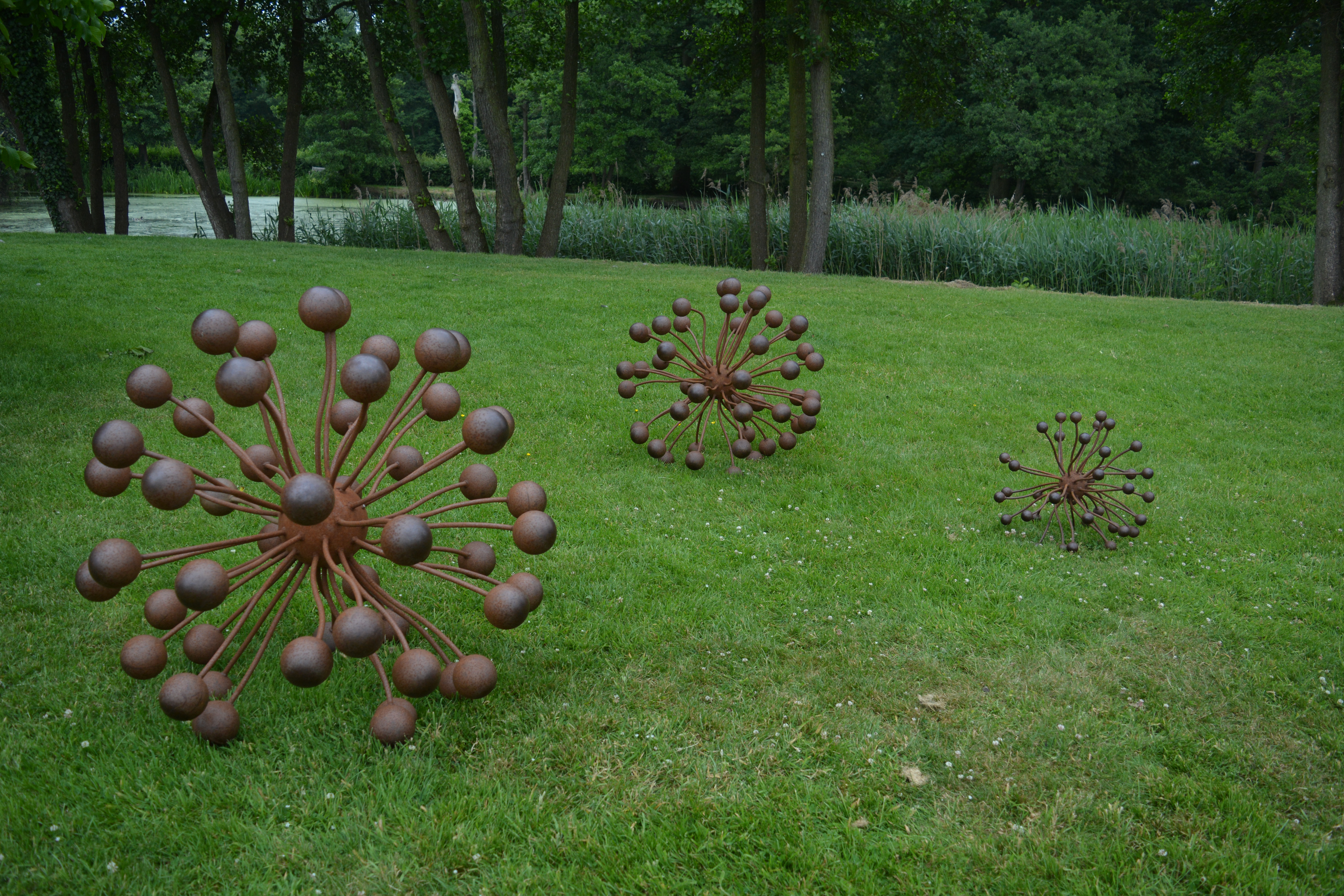
We set off beyond the Winter Garden to see what we could discover of interest in the rest of the garden. We felt sure we were in for a few surprises! Turning a corner and rounding  a hedge of glossy leaved Laurel we found a mystery. A piece of sculpture? A clock? We explored it for a while before we realised its true identity.

The oak structures are designed to support visitors as they lean back to enjoy the wide Fenland skyscapes.

To return to the entrance we followed a tow path alongside a very overgrown canal, its surface carpeted with our native yellow waterlily.

Looking upwards we noticed an open structured sculptural piece hanging from a bough of a mature tree. It presented a strong contrast to the stone griffin close by.


In the end though what makes a good garden great is the quality of its plants and how they are put together. The photos below prove just how great the gardens at Anglesey Abbey truly are whatever time of year you visit.

Categories
climbing plants colours garden design garden photography gardening gardens gardens open to the public half-hardy perennials hardy perennials meadows National Trust ornamental grasses ornamental trees and shrubs poppies roses The National Trust

Packwood – one of the stars of the National Trust.

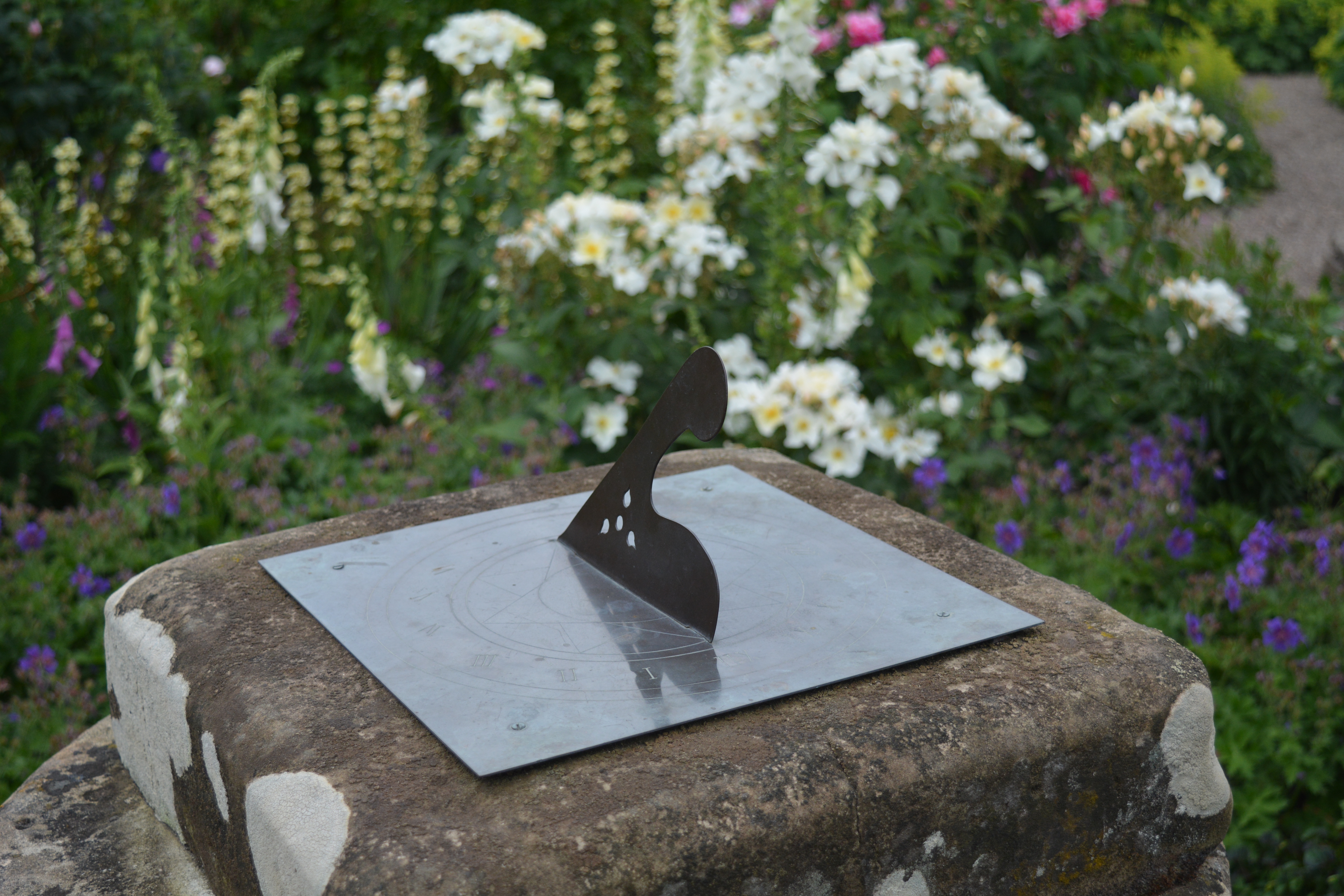
We have held memberships of the National Trust for over 40 years and one of the first we took our two children to was Packwood Hall. Packwood is now a firm favourite and we made a visit again this year. The welcome sign describes Packwood as “a house to dream of, a garden to dream in”. We were only intending to look at the house from the outside and mainly intended to explore the garden in greater detail. Packwood is well known for its unusual collection of sundials.


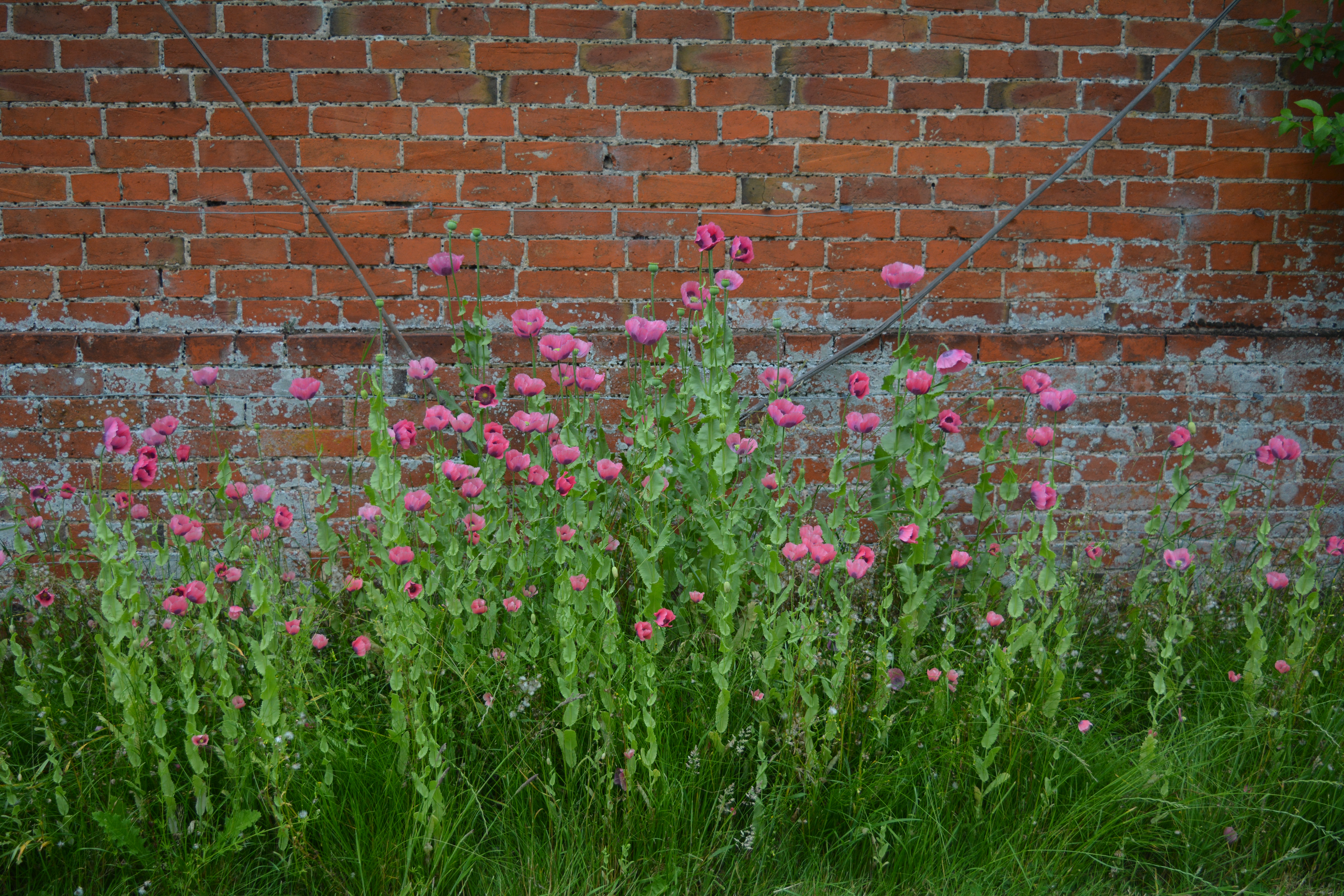
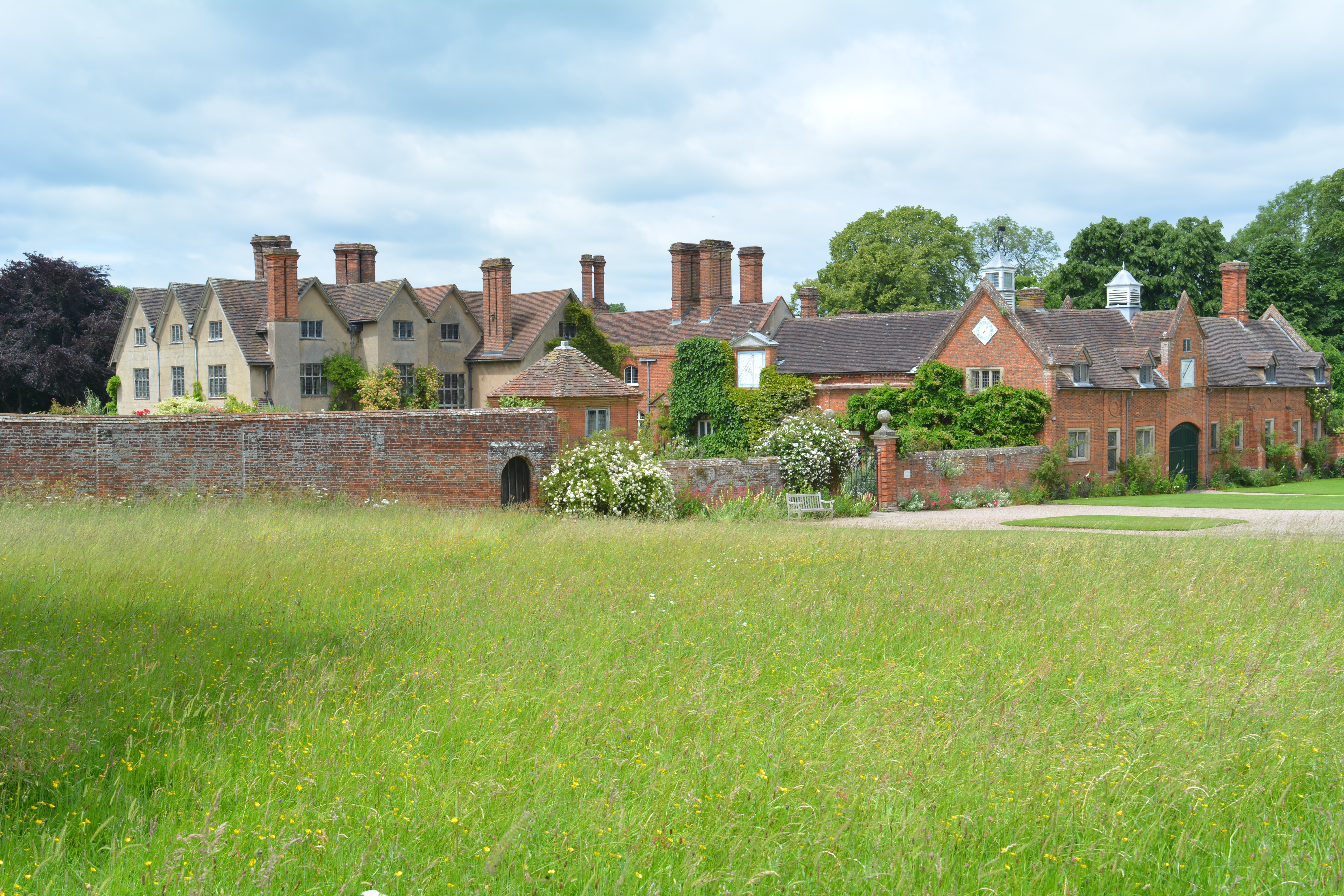
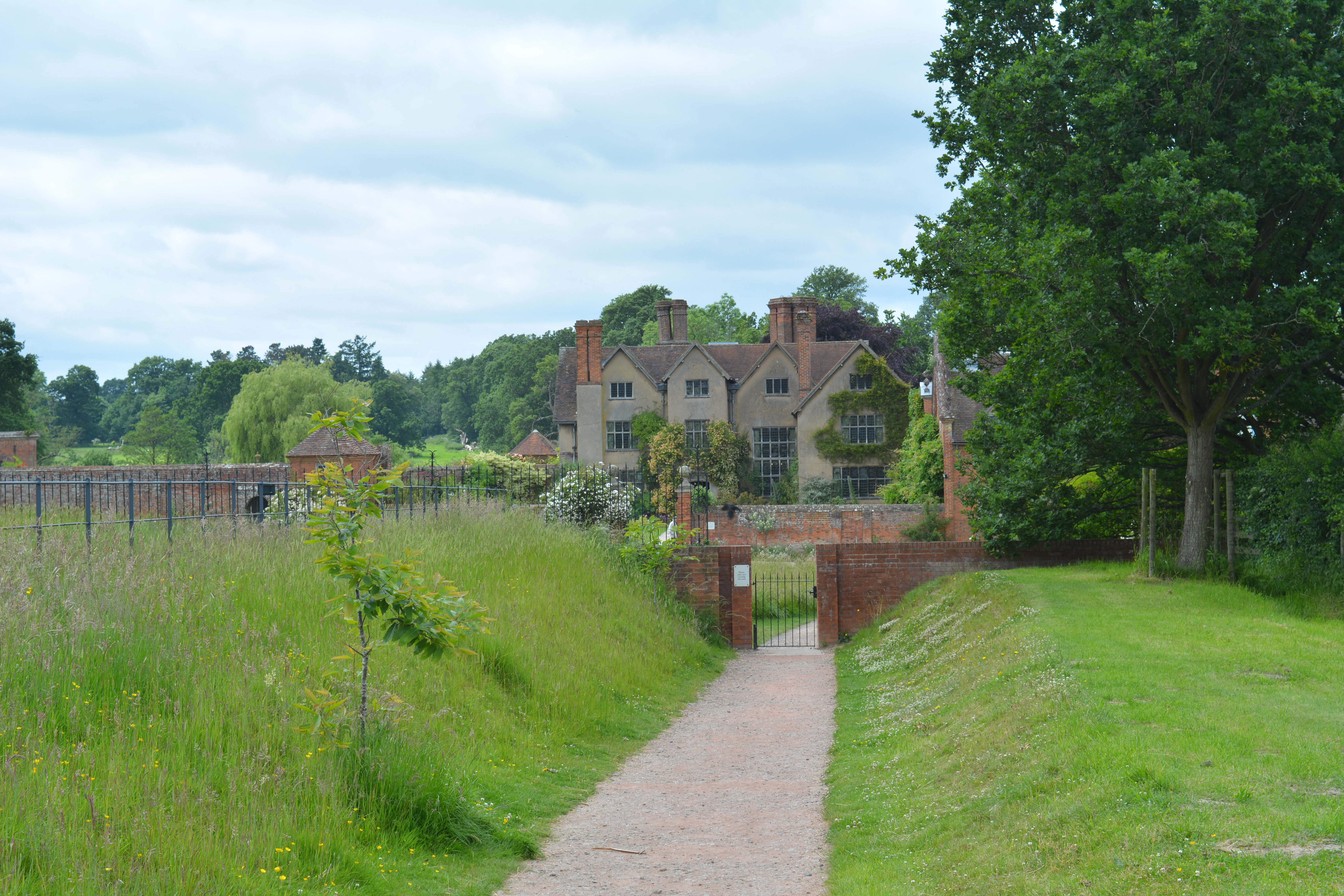
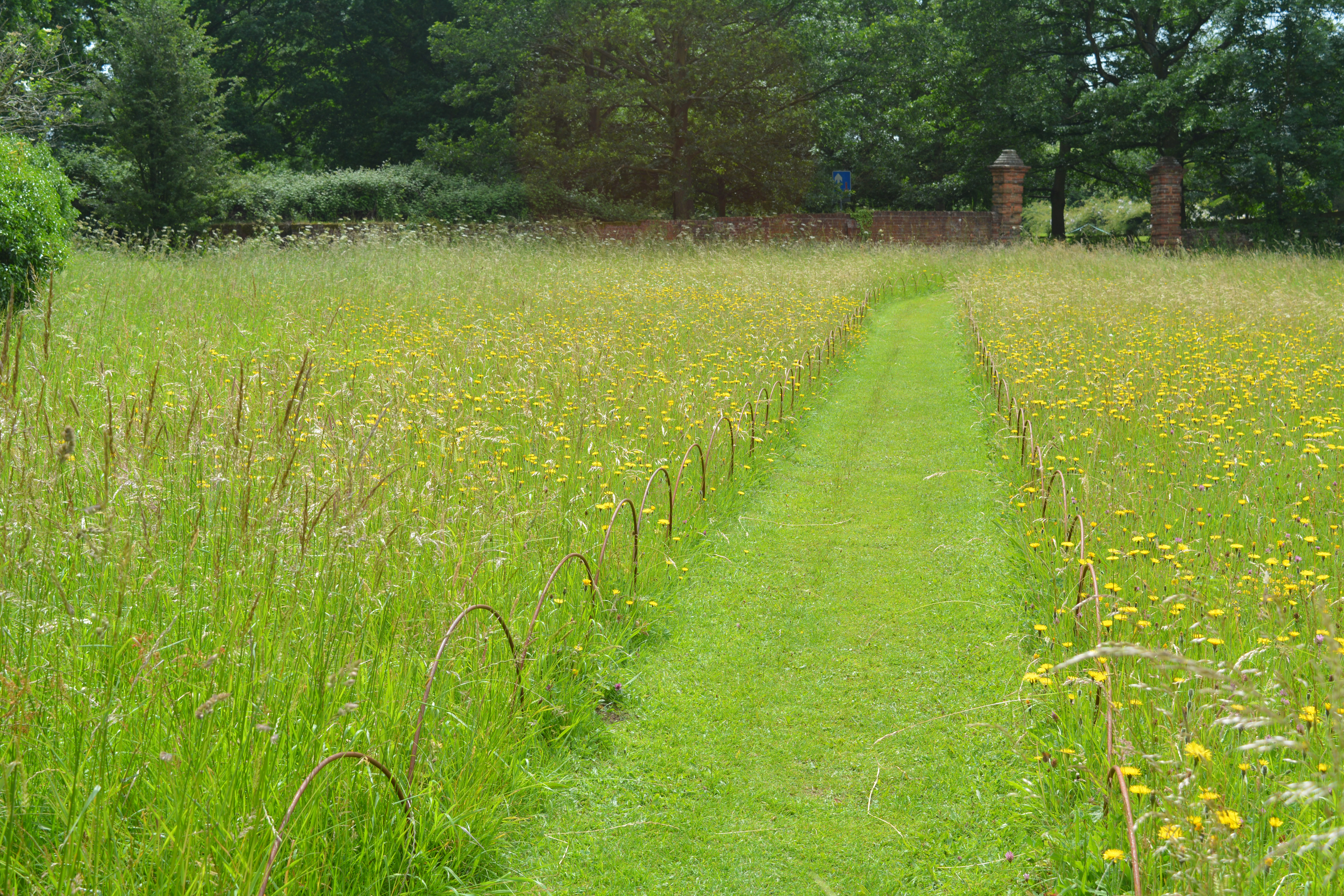
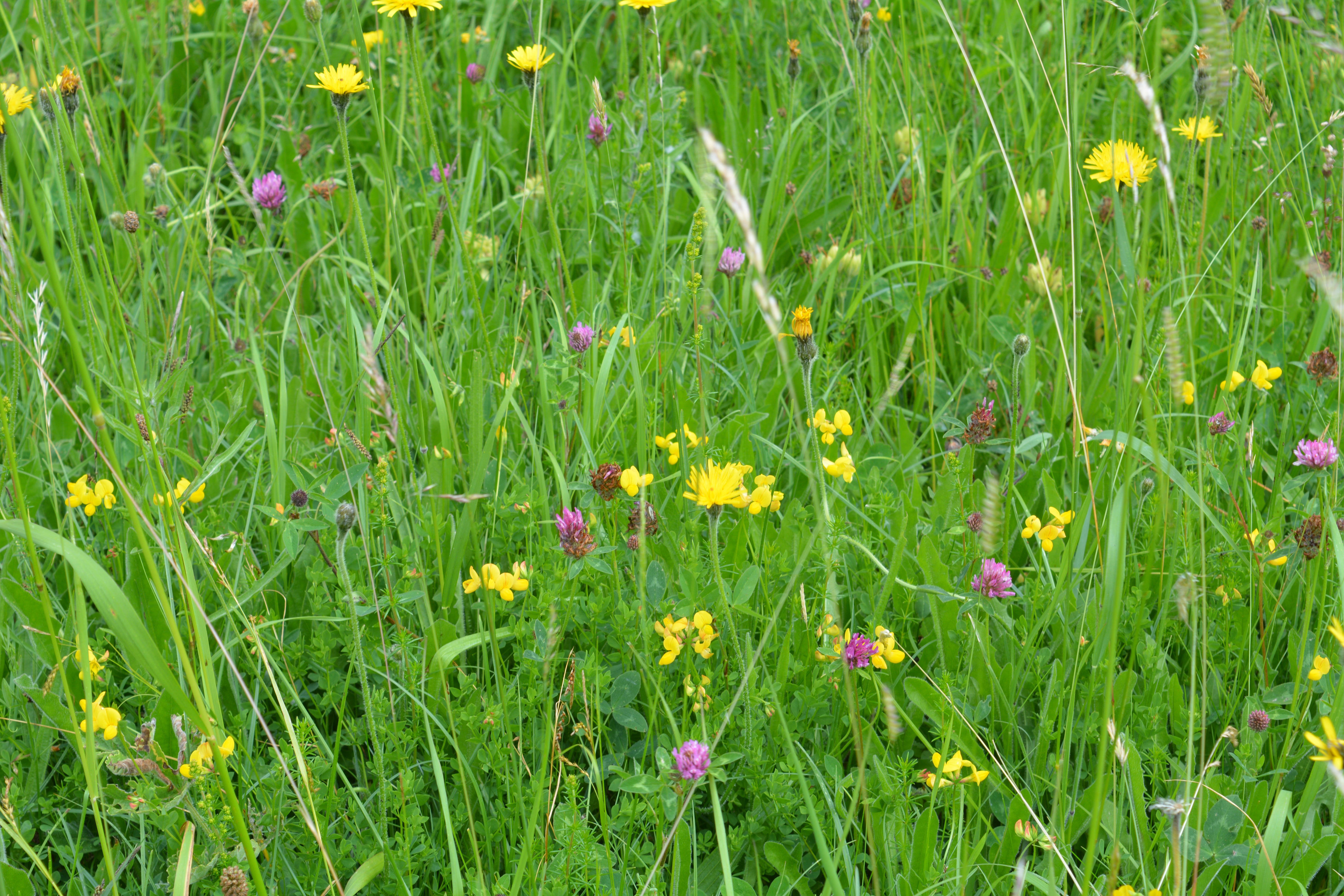
The approach to Packwood is one of the most welcoming we have ever come across, passing through wildflower meadows and impressive gateways.


Once we had passed through a few of these gateways and archways we discovered colourful well-designed borders full of herbaceous perennials and roses. Much of the planting had been chosen to attract wildlife, predators and pollinators.


The gardens were well structured, divided into garden rooms with different characters and atmospheres in each. In one formal lawn area we came across a rectangular sunk garden built from limestone and its borders were planted with plants that enjoyed the dry well drained soil. These plants provided a strong contrast to the lush look of the rest of the gardens.


Lush planting was prevalent elsewhere throughout the garden making for an atmosphere of excitement. There were wonderful individual plants to be found as well as well designed borders.


A well-known aspect of the gardens at Packwood is its topiary, especially a group called the twelve apostles. Personally I found this part of Packwood rather dull but here are the photos I took to illustrate it. However I do have a soft spot for cloud pruning of hedges.


Categories
Christmas Christmas traditions fruit and veg garden arches garden design garden photography gardening gardens gardens open to the public grow your own kitchen gardens National Trust Shrewsbury Shropshire The National Trust walled gardens walled kitchen gardens winter gardens woodland

A Walk in the Park – Attingham Park December

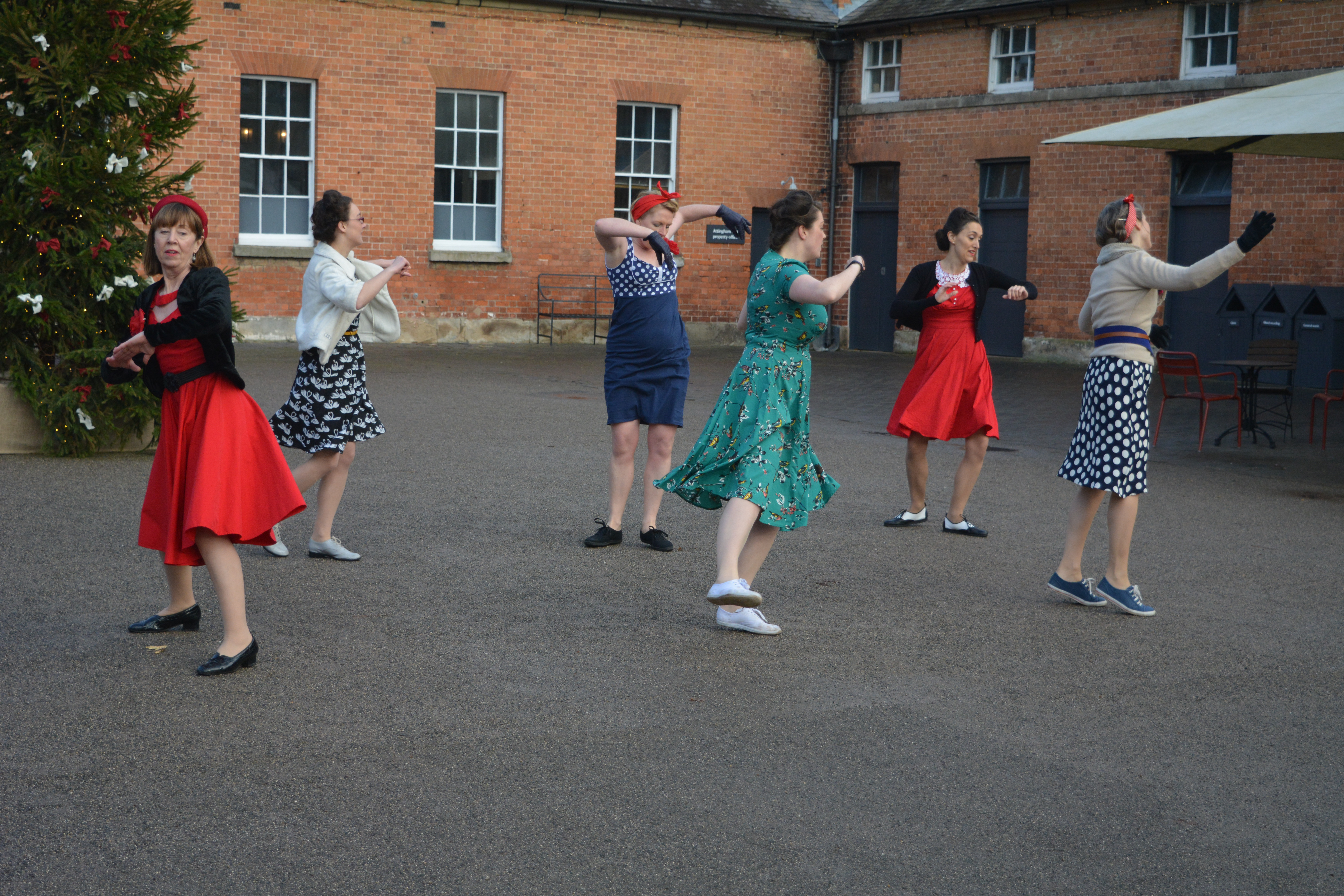
We made our monthly visit to Attingham Park, our last one for 2017, just as Christmas was making itself known at this National Trust property. Before we even reached the coffee shop for our usual warm drink to get us fueled up for our walk, we had been met by a snowman, a Christmas tree and we were entertained to some 1940’s music and dancing. The hall was decorated in a 1940’s style so the dancing set the scene.


The trees were decorated with wartime decorations, based on the idea of “make and make do”, as were the decorations in the coffee shop, where paper chains were made from newspaper. The trees were themed with one based on children’s games from the 1940’s and another was book based.


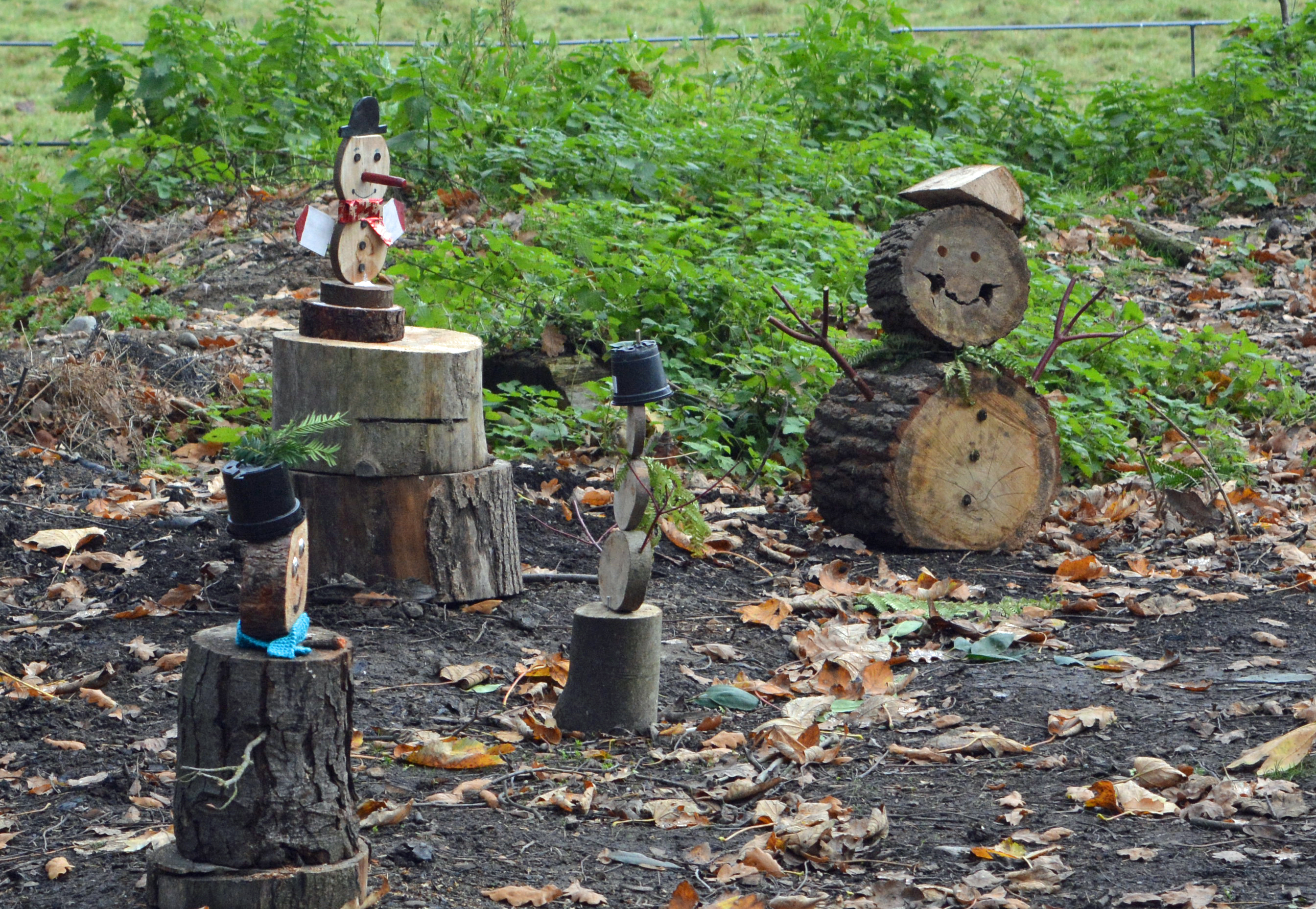
We came across a few other Snowmen, as we followed the one-mile trail, to amuse us on this chilly day. I managed to get around this month without my wheelchair as my recovery from leg surgery is coming along nicely. I walked the mile using a crutch which was very pleasing and rewarding!


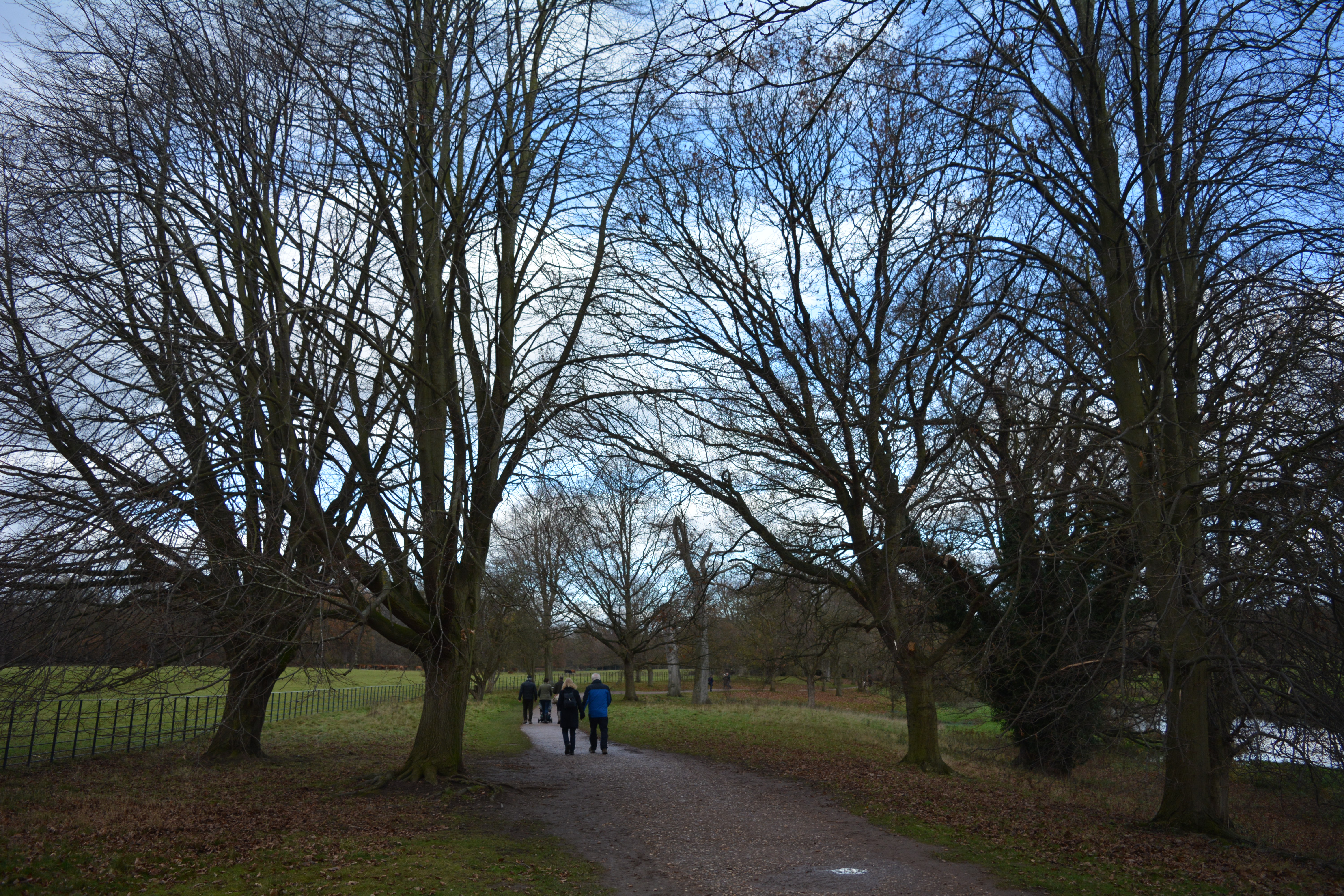
Wandering through the woodland areas beneath tall mature trees, we noticed that a few browned leaves were managing to hang on to the branches but the majority were bare skeletons. These frameworks of trunks, branches and twigs were magnificent with no green leaves to hide their structure.


New buds were already waiting patiently on some branches anticipating spring far off on the horizon, while on other neighbouring trees a few dried leaves hung on. One patch of trees still showed some green in its canopy. A few old seed pods hung on having defied the storms, rains and gales of autumn, seed heads of trees, shrubs and perennial plants.


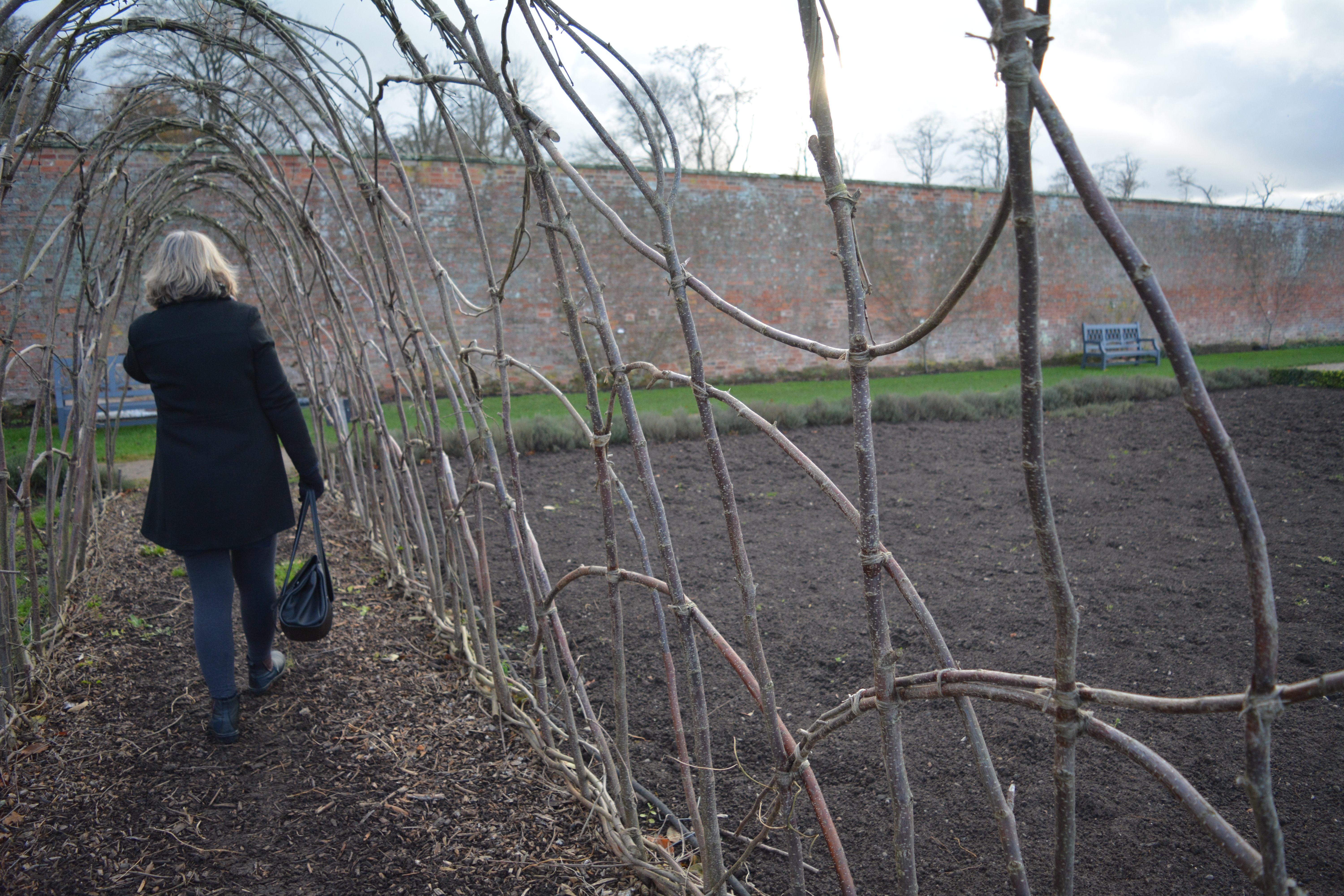
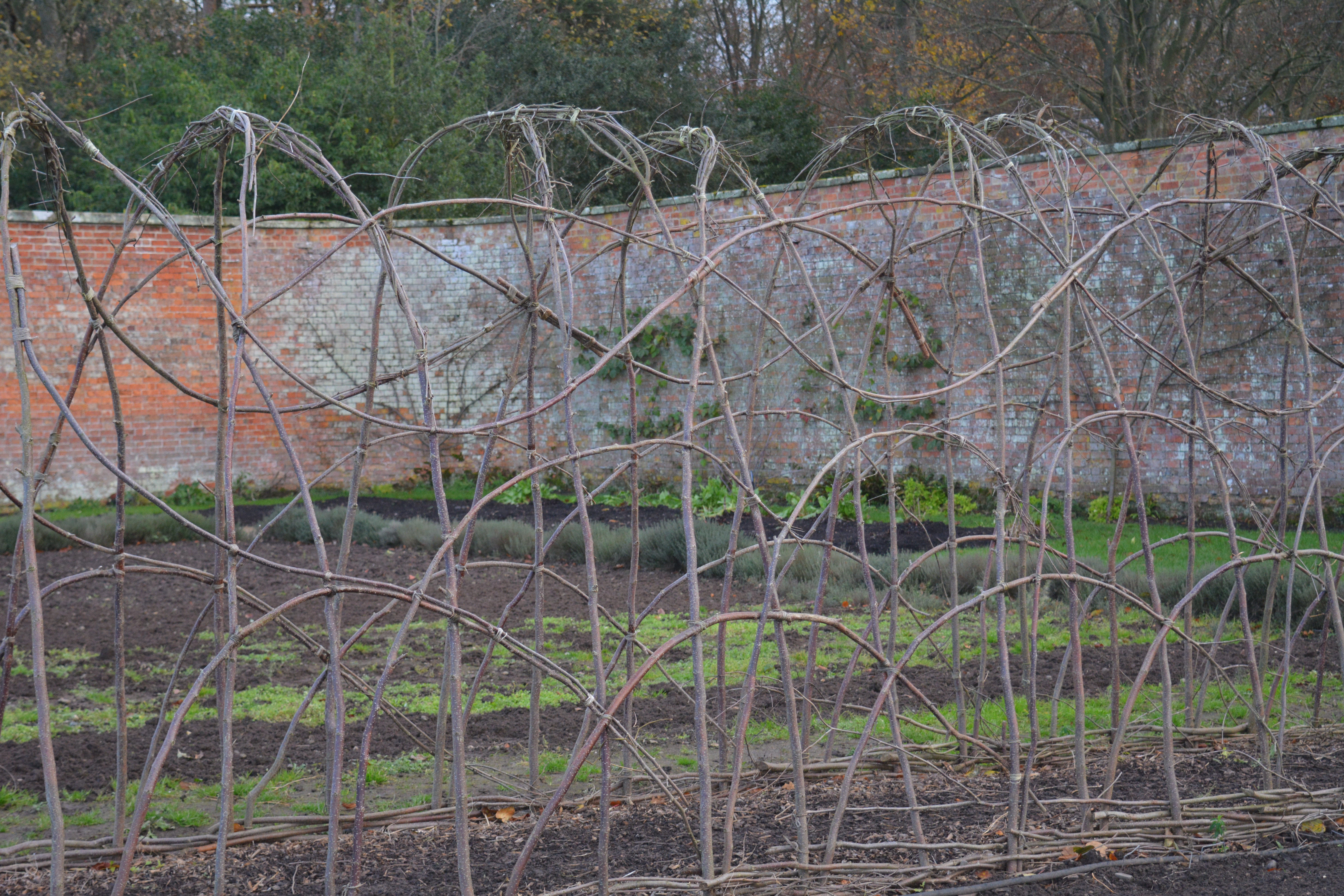
We wandered around the walled garden now virtually clear of crops, leaving hazel pole structures bare of the bean plants that once adorned them. The volunteer staff here are adept at creating beautiful and original plant structures.


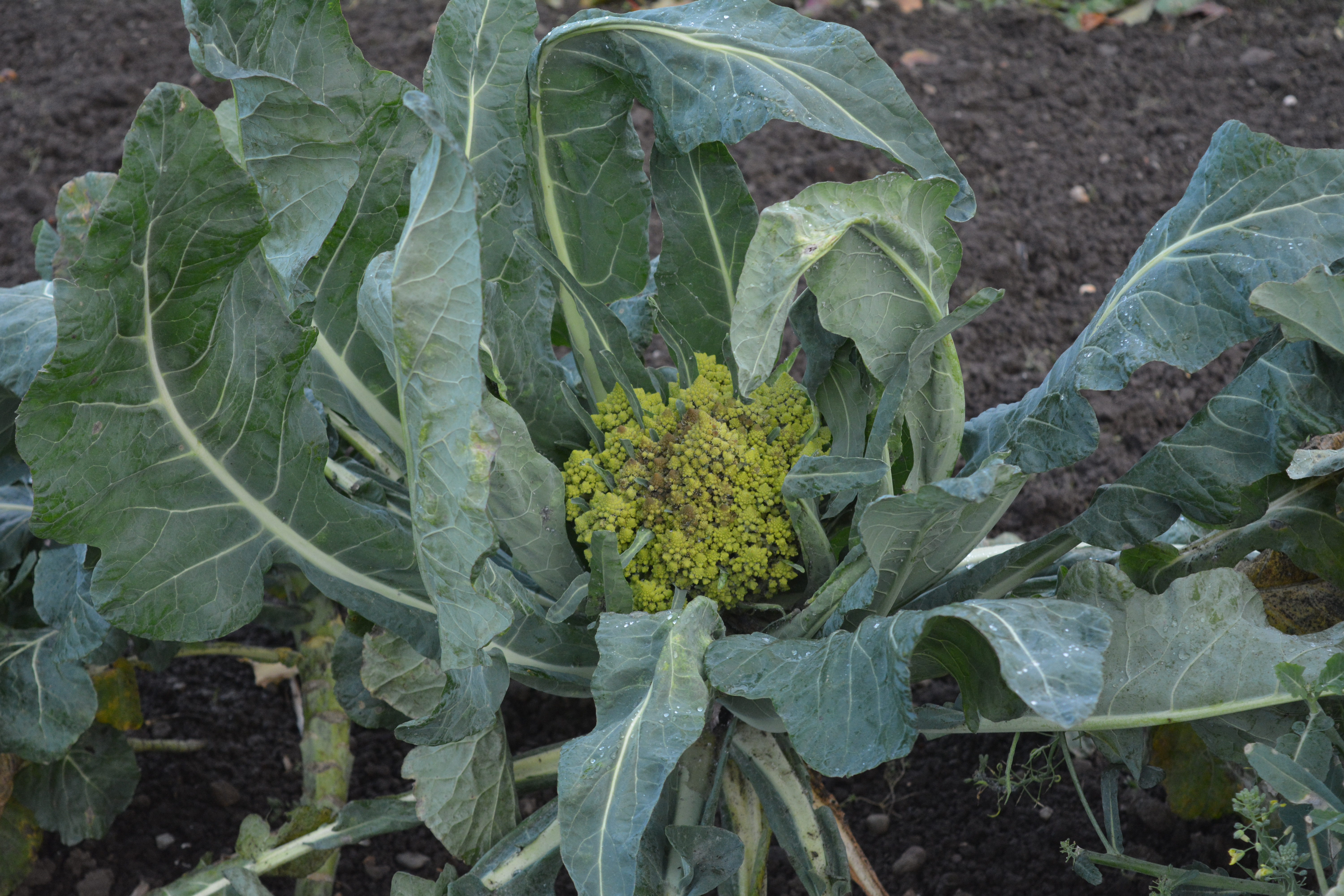
A green flowered cauliflower had recently been attacked by frost, so had browned a little. Celeriac though recently cropped awaited storage.


The gardeners’ bothy was simply decorated but full of atmosphere, added to by the gardeners and volunteers enjoying their break so the aroma of freshly brewed coffee mingled with the smell of wood smoke.

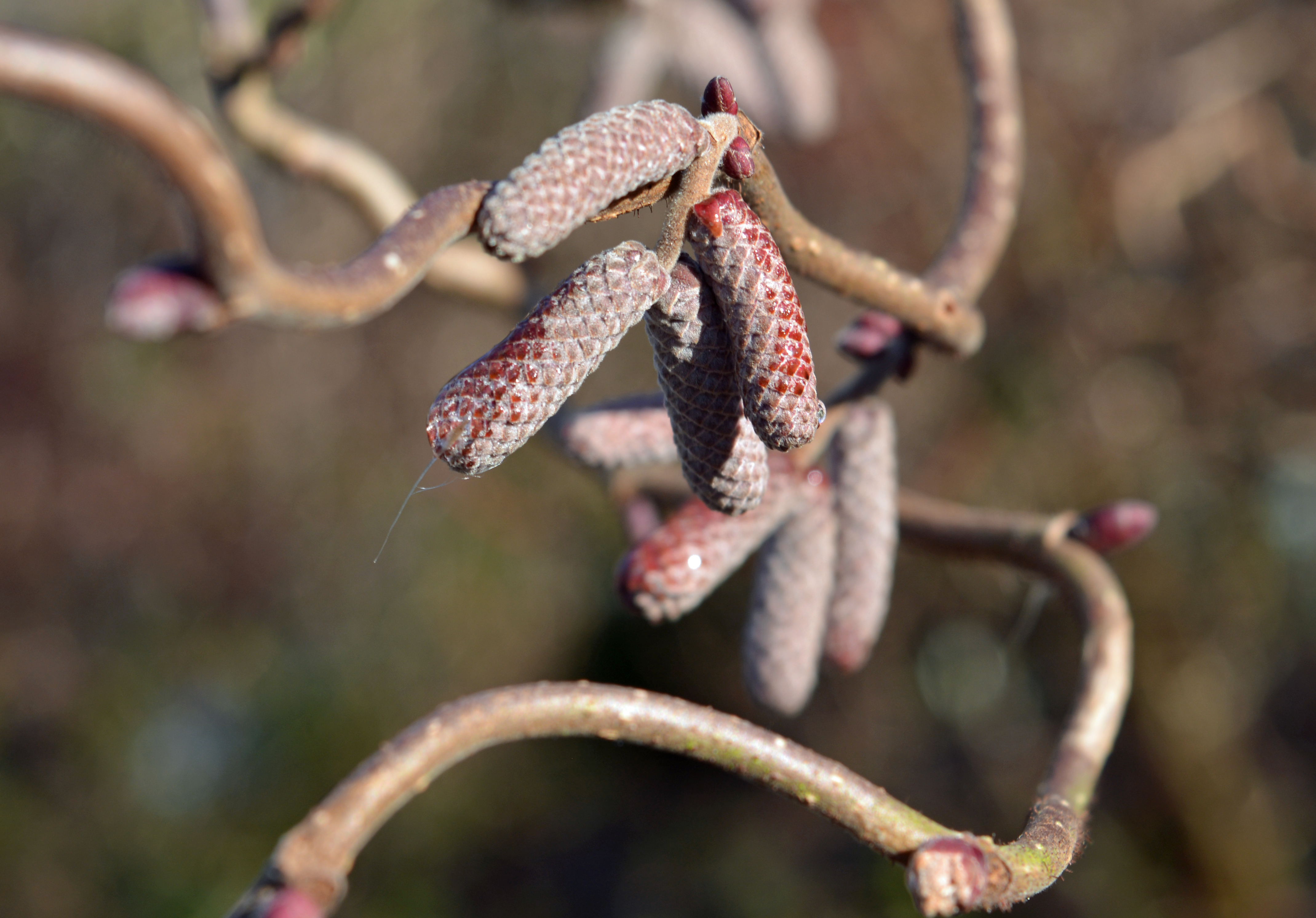
Whatever time of year you explore the countryside, parkland or even more so a garden, there are always surprises awaiting. An out of season flower, a bud bursting at an inappropriate time or sadly at times the sudden death of a favourite plant. Two surprises were awaiting us at Attingham this December. First were lemon yellow catkins hanging fresh and healthily from hazel shrubs. These are usually key features of the month of February. In December they provided a beautiful diversion for me and my camera lens!

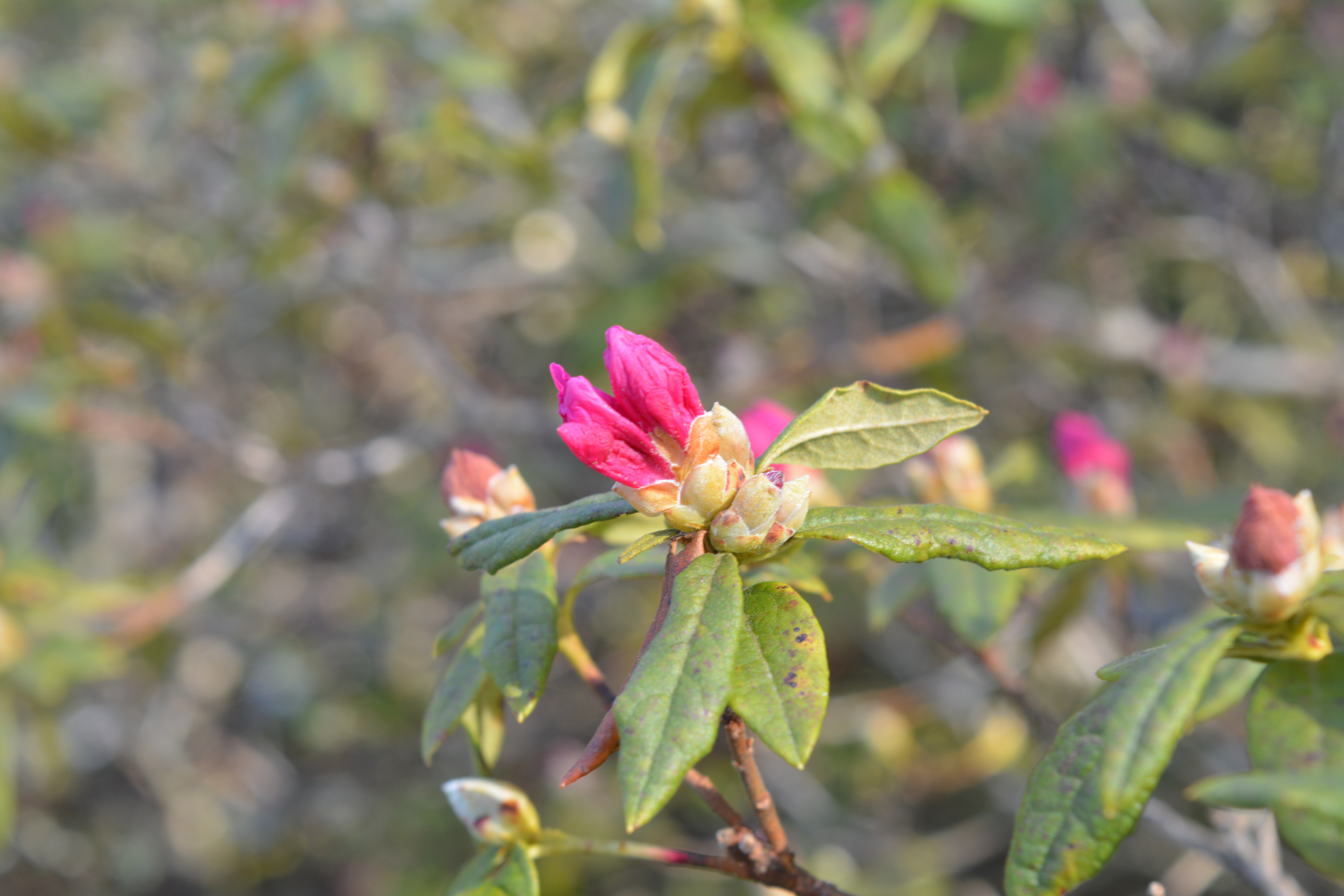
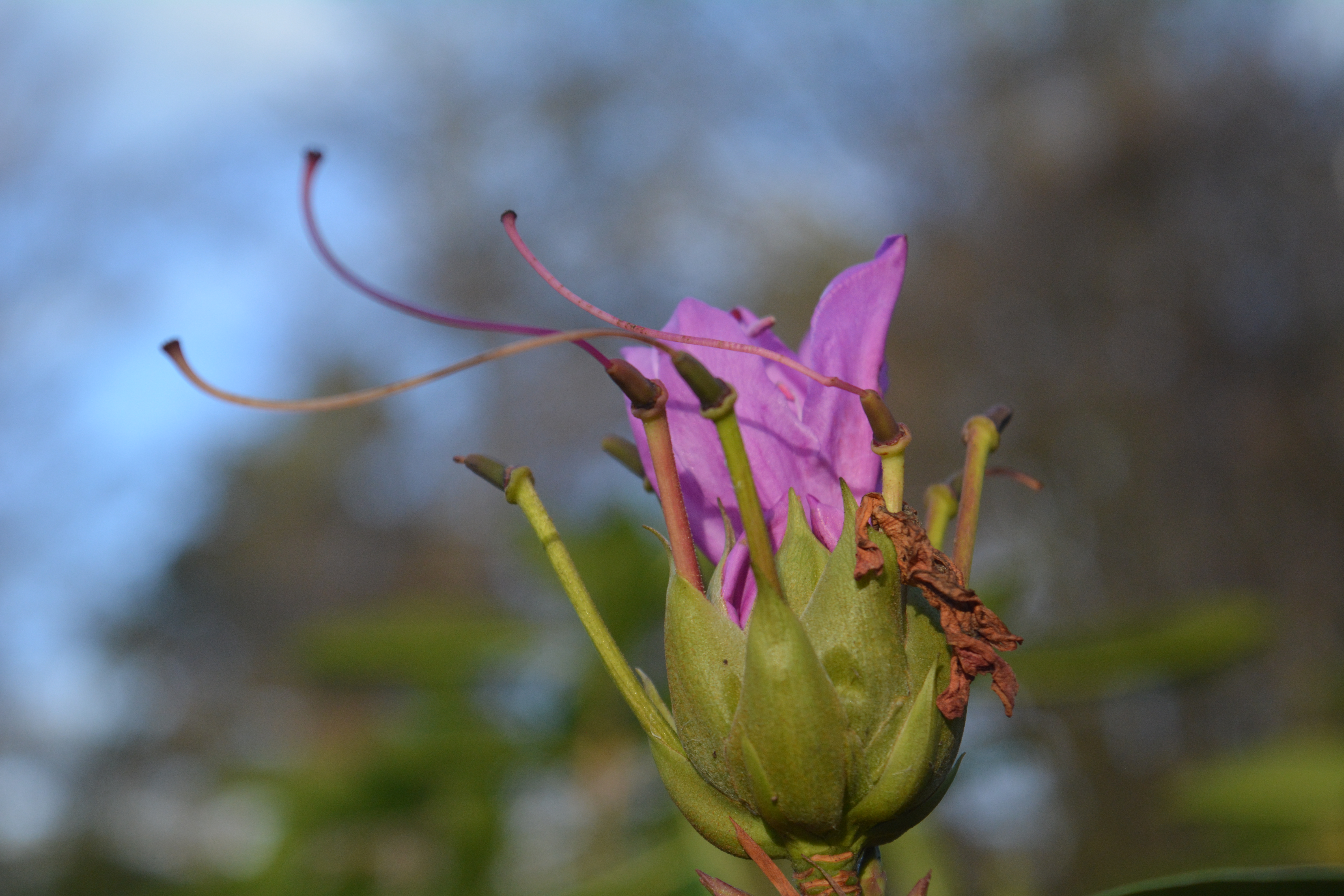
The second surprise was a Rhododendron shrub in flower!


Now that we have explored the parkland at Attingham Park every month during 2017, we need to decide where our monthly visit will be next year. We need somewhere open all year and of interest every month too. We shall let you know in the new year! I hope you have enjoyed visiting Attingham with us each month during 2017.

This Veggie Life

A Vegetarian | Nature Lifestyle Blog

Rambling in the Garden

.....and nurturing my soul

The Arch City Gardener

Journeys In St. Louis Gardening and Beyond

Garden Dreaming at Châtillon

Consult the genius of the place

Storyshucker

A blog full of humorous and poignant observations.

gardeninacity

Notes from a wildlife-friendly cottage garden

PlayGroundology

...an emerging social science

The Official Blog of British Wildlife

'The most important and informative publication on wildlife of our times' - The Independent. This blog is a member of The UK & Ireland Natural History Bloggers group: www.uknhb.blogspot.com

iGrowHort

Inspire - Cultivate - Grow Native Plants - Restore Landscapes

Bishops Meadow Trust

To create and protect a semi-natural wild space for the people of Farnham to enjoy and experience an array of British wildlife in our town

Gardening with Children

The www.gardeningwithchildren.co.uk Blog

UKbirdingtimeline

birding through the seasons, why birds matter and how to conserve them

NATURE WALKER

with a camera in hand

Jardin

Transform your outdoor space

Eva's space

My allotment, cooking and other interests

Old School Garden

my gardening life through the year

LEANNE COLE

Trying to live a creative life

fromacountrycottage

trying to live as lightly as possible on our beautiful planet

Good Life Gardening

Nature lovers from Leicester living the good life.

mybeautfulthings

Finding the beautiful in the everyday

mawsonmichelle

Michelle's Allotment

In and Out of My Garden

thoughts from and about my garden

Greenhousing

Big plans for a small garden

The Scottish Country Garden

A Walled Country Garden in South East Scotland

The Fruity Chicken

Life at the fruity chicken

willowarchway

Off grid living. Self sufficient. "PERMAGANICS RULE".

St Anns Allotments

Nottingham's Grade 2* Listed Allotments and Community Orchard

Manifest Joy Harvests

a journey in suburban vegetable gardening

Allotmental

The madness of growing your own

Penny's Garden: a harvest beyond my front door

A novel approach to vegetable gardening

arignagardener

Sustainable living in the Irish countryside.

NewEnglandGardenAndThread

Master Gardener, amateur photographer, quilter, NH native, and sometimes SC snowbird

dianajhale

Recent work and work in progress and anything else that interests me

planthoarder

a chaotic cottage gardener

Lens and Pens by Sally

a weekly blog that creates a personal philosophy through photographs and words

Dewdrops and Sunshine

Stories from a sassy and classy Southern farmbelle.

The Pyjama Gardener

Simple Organic Gardening & Seasonal Living

gettin' fresh!

turning dirt into dinner

JOY...

today the world is created anew

Garden Birds

Notes from a Devon garden

ShootAbout

Life Through The Lens

Adapting Pixels

A photography blog showcasing the best photography pictures and videos on the internet

Wildlifegardening's Blog

Just another WordPress.com site

naturestimeline

personal observations from the natural world as the search continues for a new approach to conservation.

LATEBLOOMERBUDS

The Wonders of Life through my Eyes, my Heart, my Soul