Categories
community gardening fruit and veg garden design garden photography garden wildlife gardening gardens open to the public half-hardy perennials kitchen gardens natural pest control village gardens

Find Peace and Tranquility in a Walled Garden

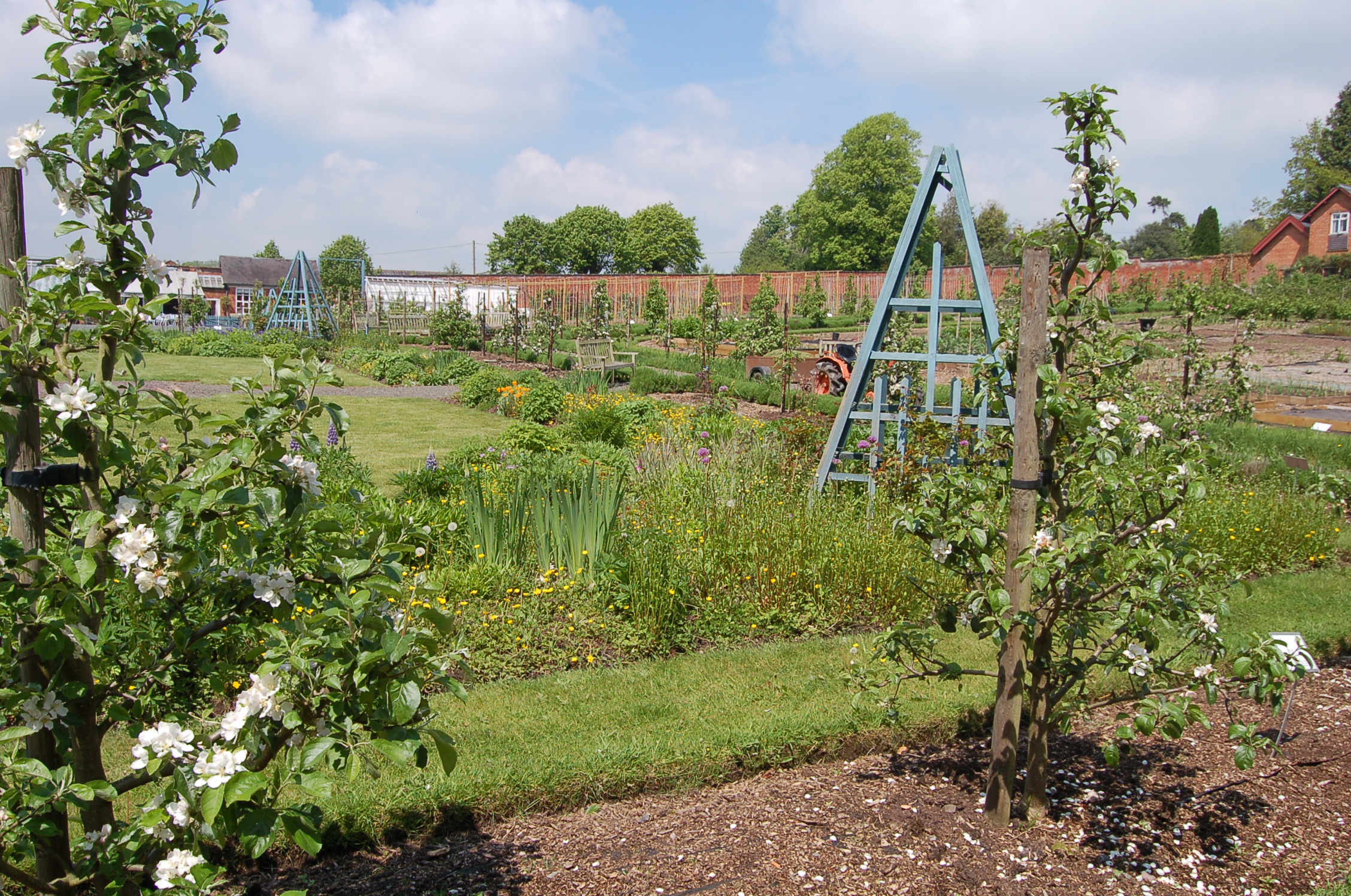
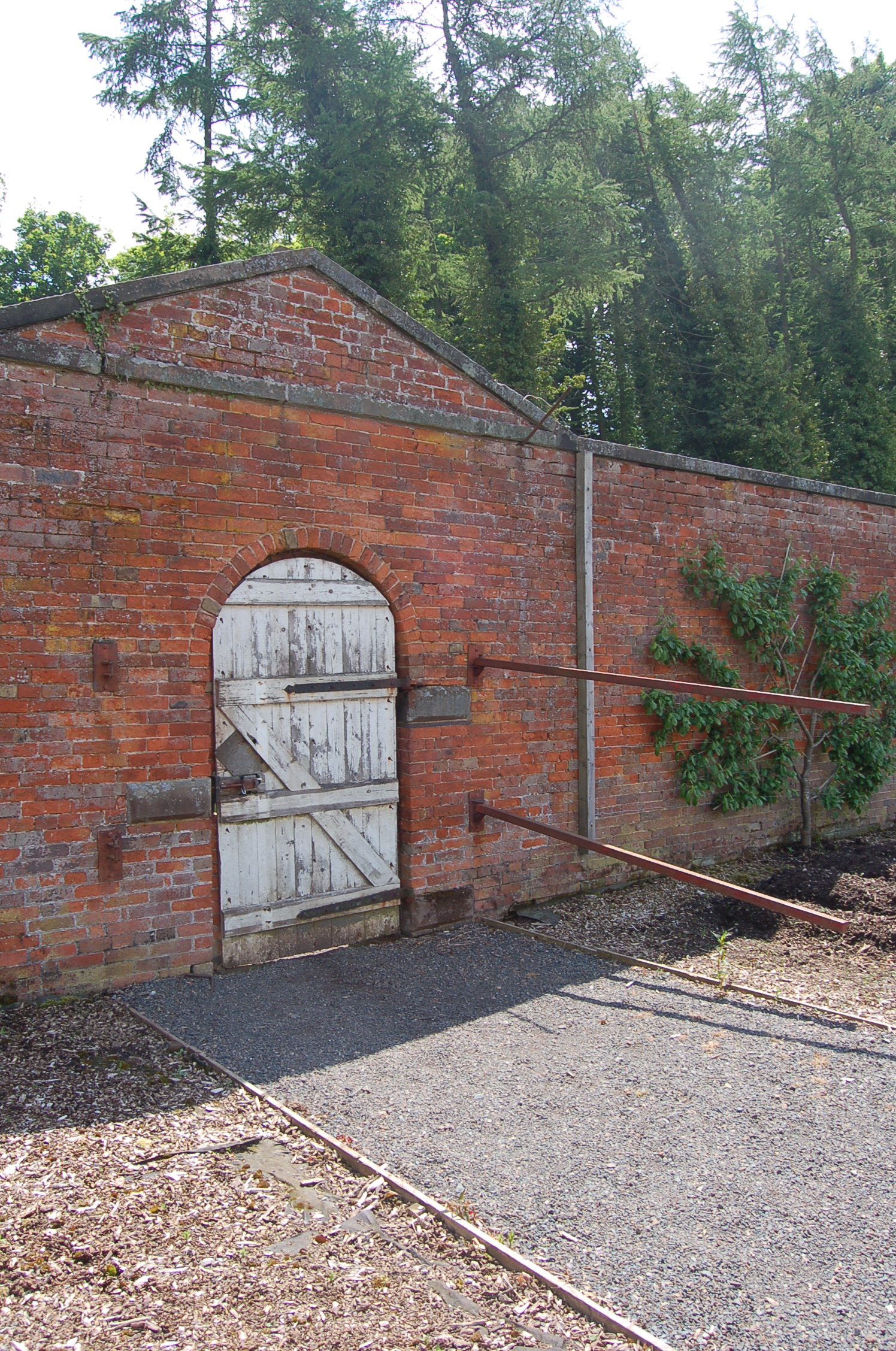
Geoff, a friend and gardener, recommended Sugnall Walled Garden as a special place to visit. We love walled gardens and always have done for their special unique atmosphere. Peaceful. Tranquil. Enclosed. Calm. Secret.

DSC_0003 DSC_0002

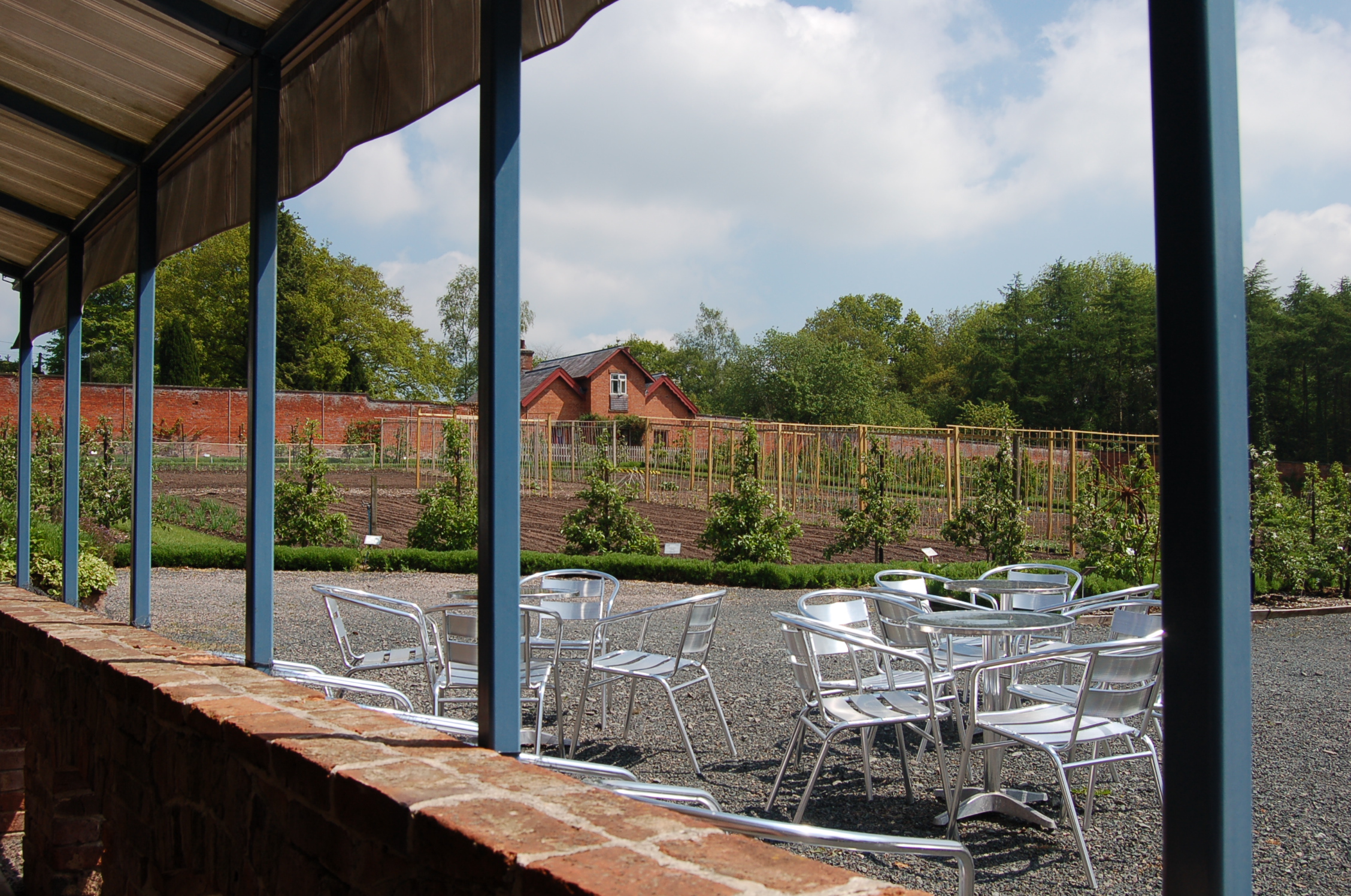
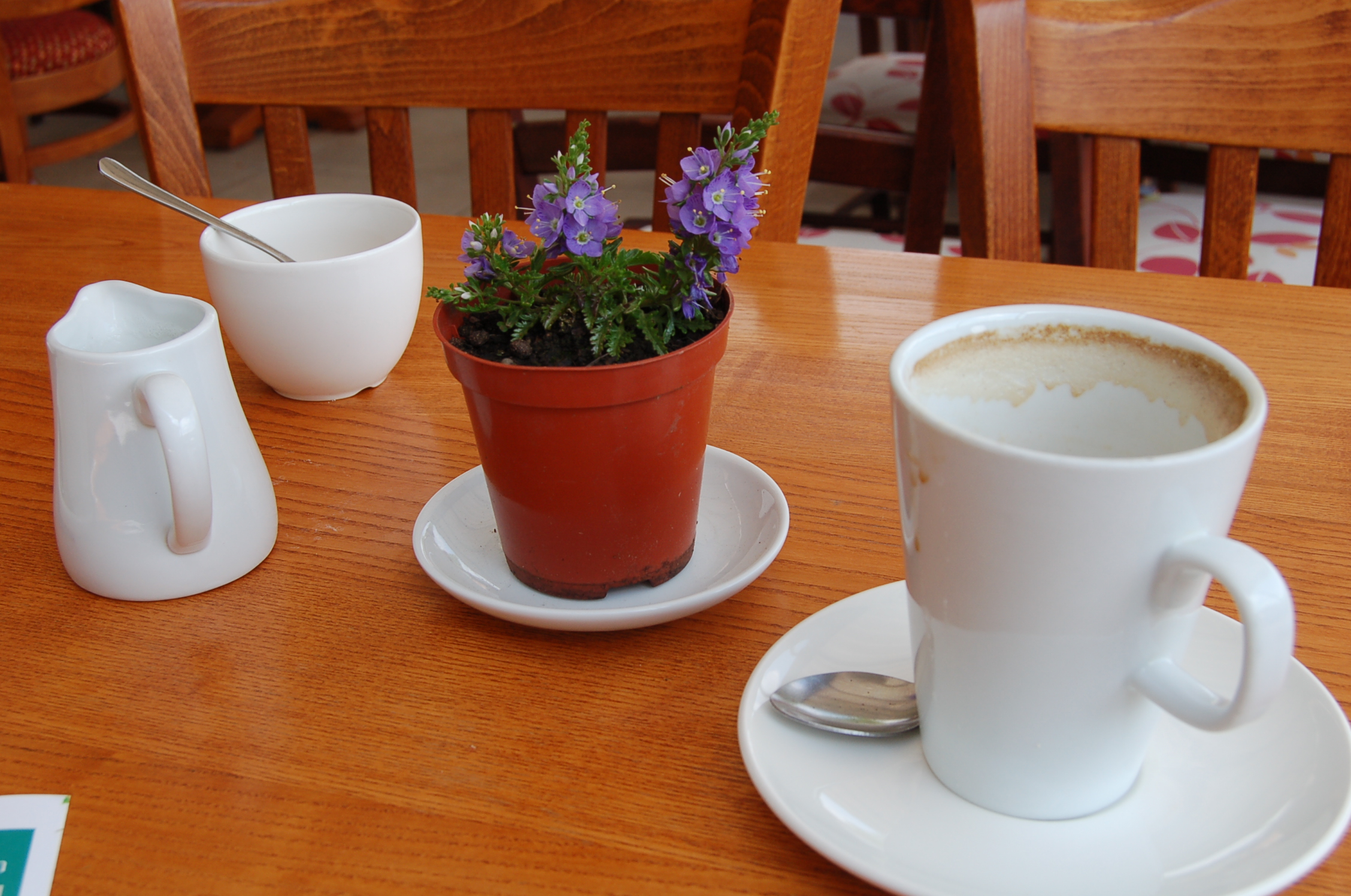
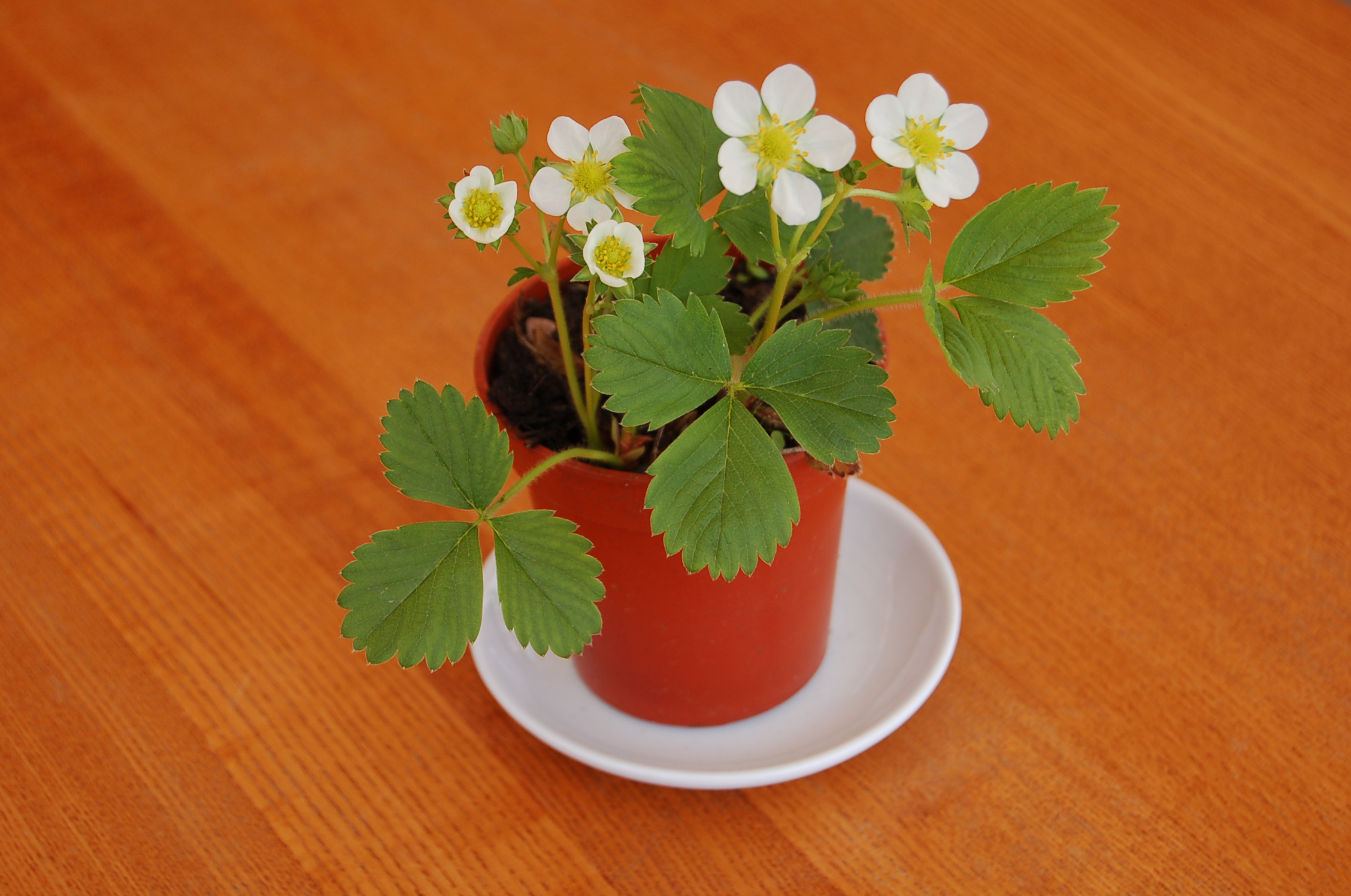
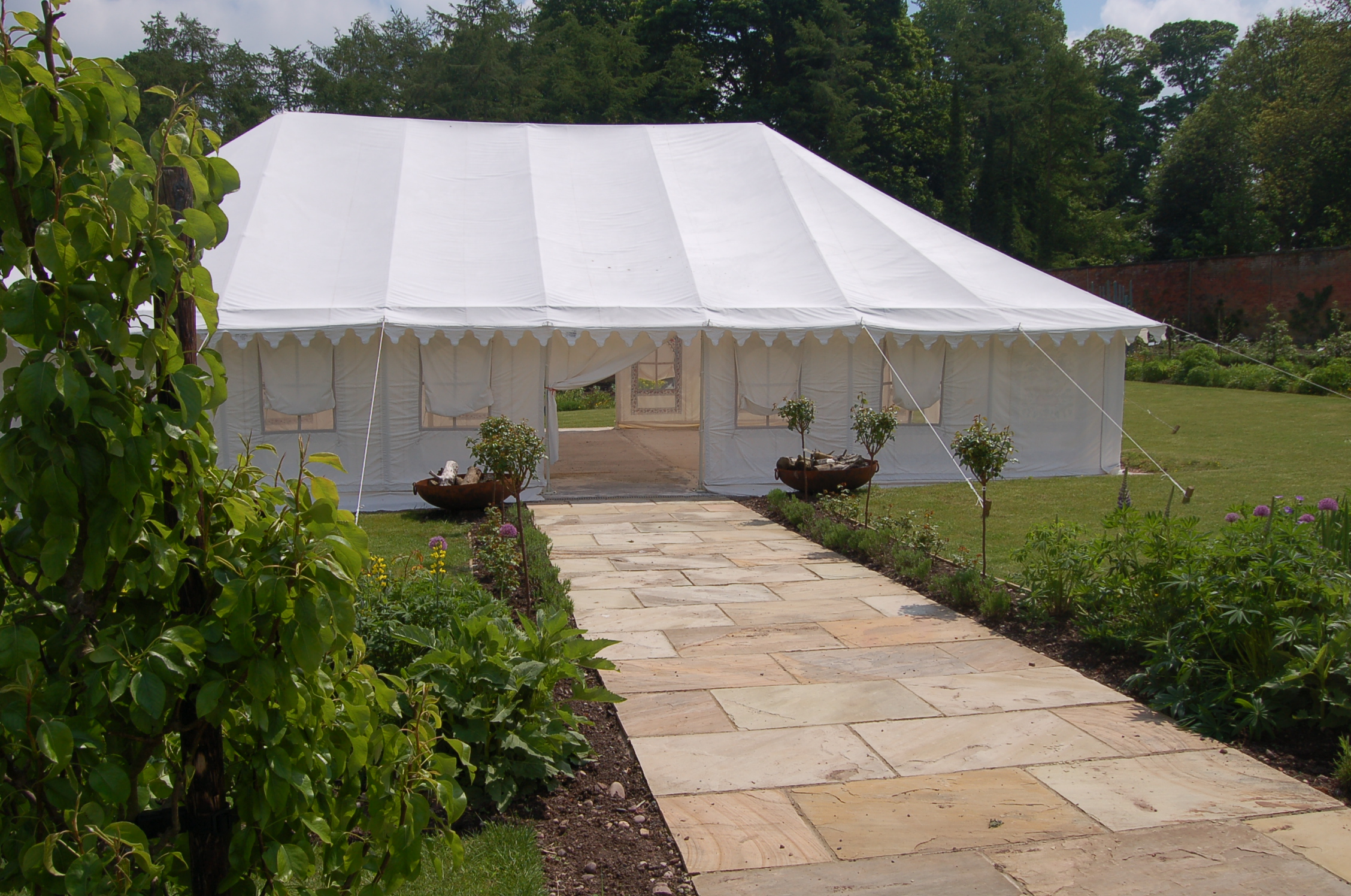
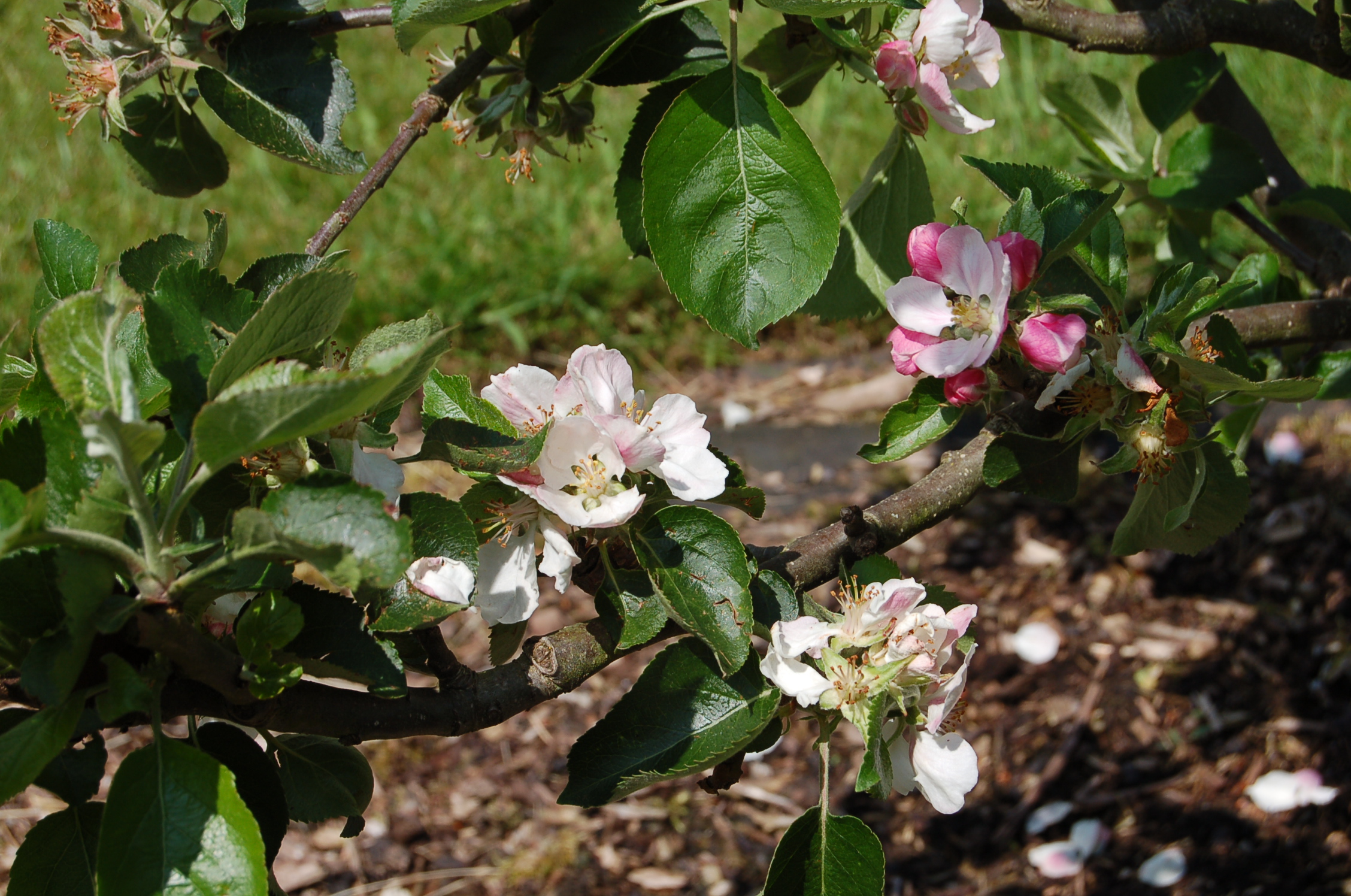
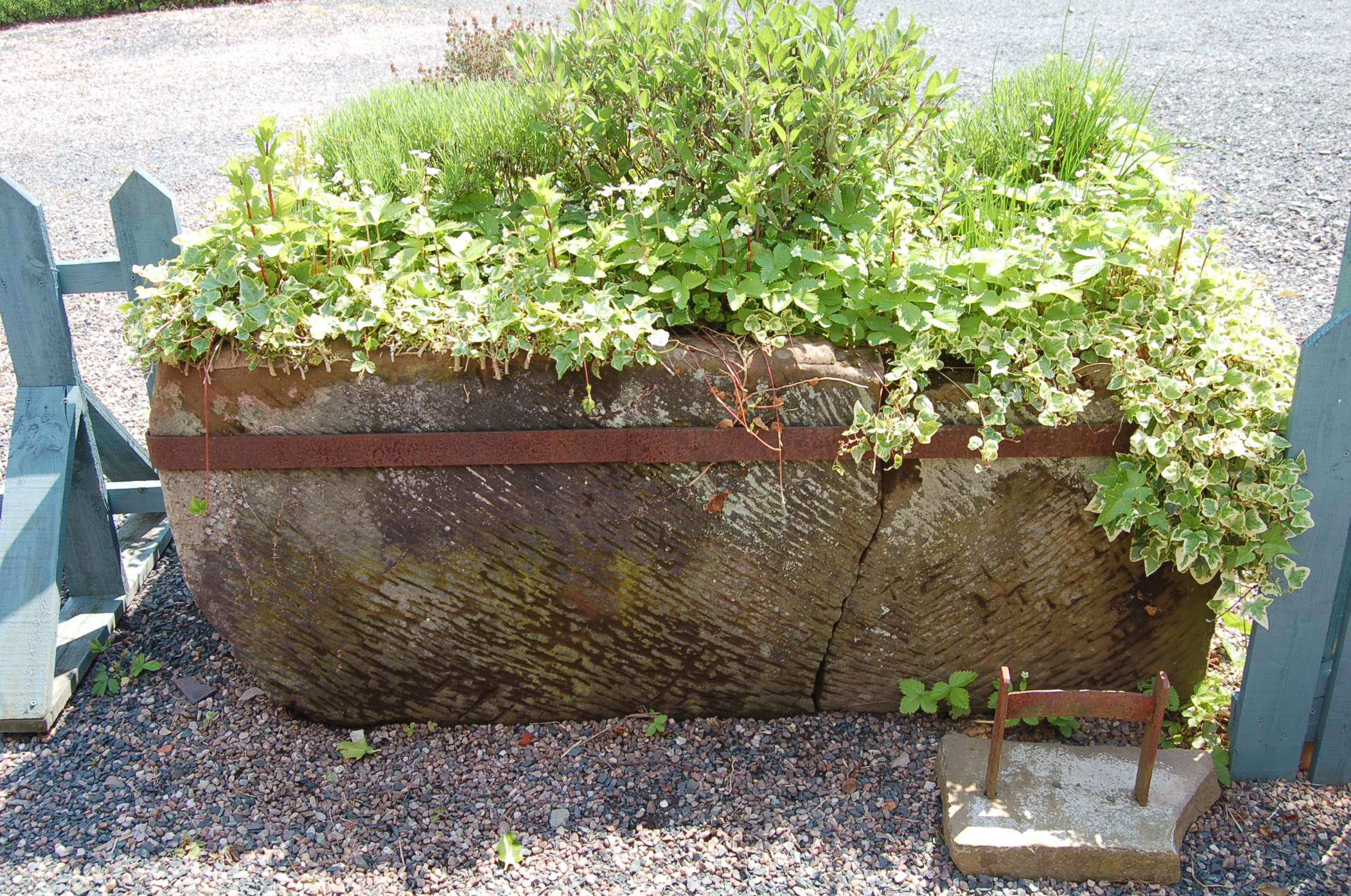
Sugnall is not pristine, and it is better off not being so. We liked its “shabby chic” effect. It is a mix of productive and decorative borders with lots of paths to follow inviting exploration. But first we had to check out the tea shop! A little plant as a table centre set the scene for our walled garden visit.

DSC_0001 DSC_0004

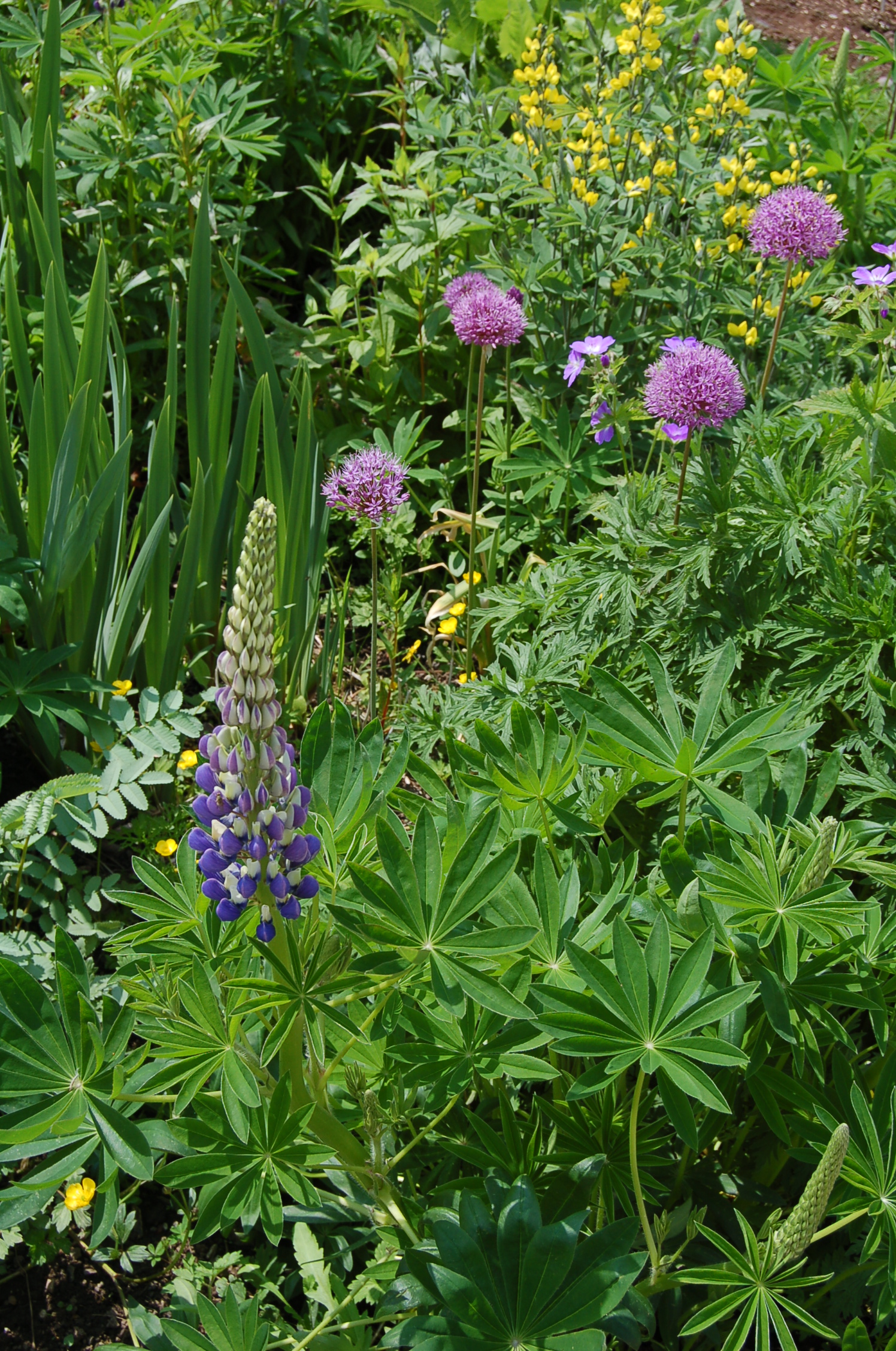
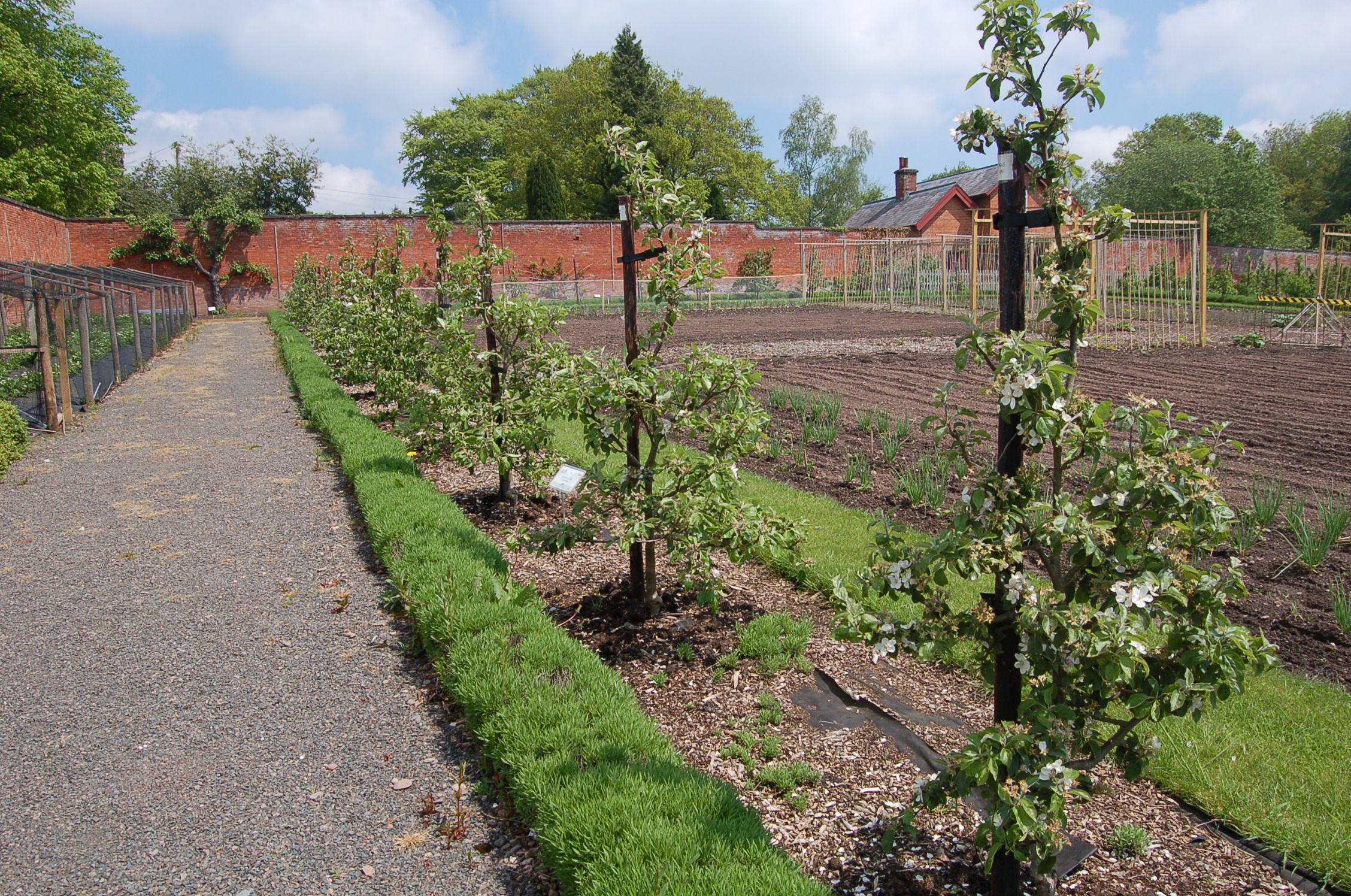
Follow us around the gravel paths of this wonderful walled garden.

DSC_0022 DSC_0014 DSC_0020 DSC_0011 DSC_0005 DSC_0008 DSC_0009 DSC_0012 DSC_0013 DSC_0015 DSC_0006 DSC_0007

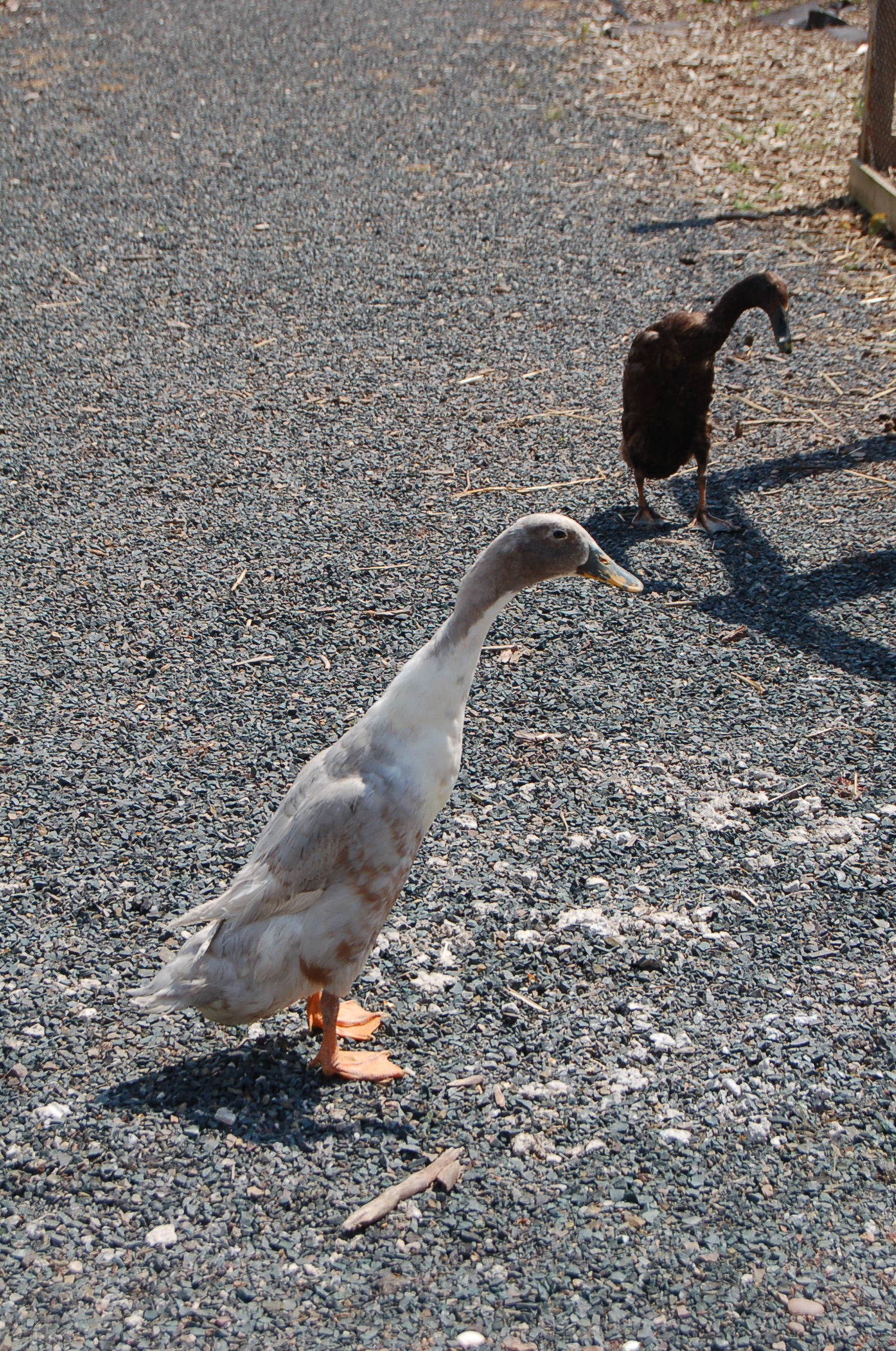
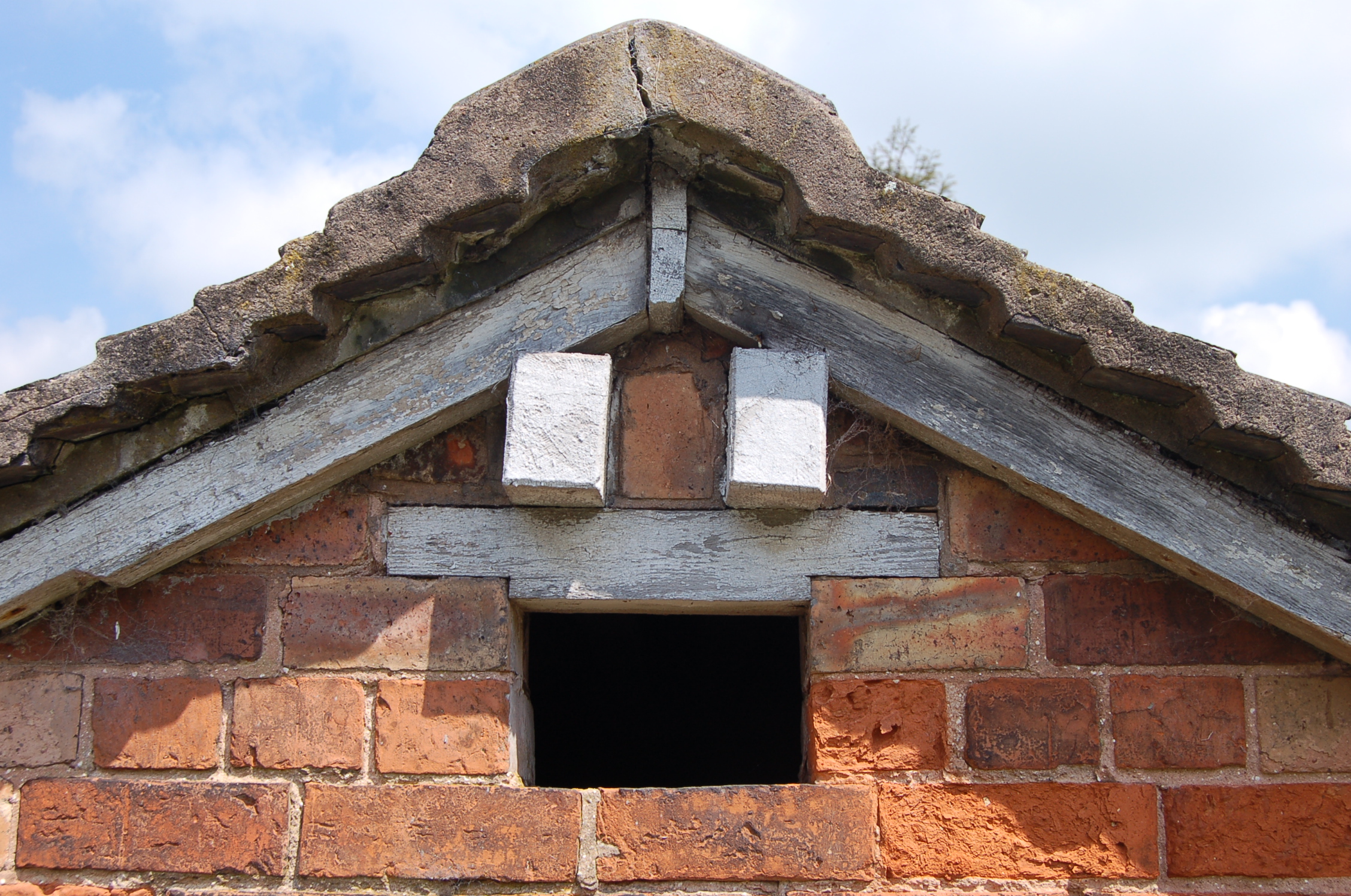
There were some very efficient pest controllers working within these walls. Two pairs of ducks were champion slug and  snail eaters. Nesting swallows, which appeared and disappeared through a convenient hole in the gable end of the potting shed were seen to be catching insects while in flight to feed to their hungry youngsters.

DSC_0016 DSC_0017 DSC_0018

Now Geoff also mentioned a nature reserve just a stroll up the lane which hosts bluebells! That just had to be our next port of call.

Categories
allotments birds garden wildlife gardening natural pest control succulents Uncategorized wildlife

Growing up! Making a green roof.

We have created a new feature on our allotment this week – a green roof. We thought we would try to make up for the area of ground taken up by the footprint of our shed by making a garden on its roof. We have spent months at the planning stage, working out how to strengthen the roof, how to make sure we  could still collect rain water run-off to fill our butts and choosing plants that would look good and support wildlife. We would like the roof to entice more beneficial insects , pollinators and natural pest controllers to visit our plot. Spiders, beetles, hoverflies will also be welcomed as our little garden helpers and of course we want to attract butterflies too just to delight in watching them.

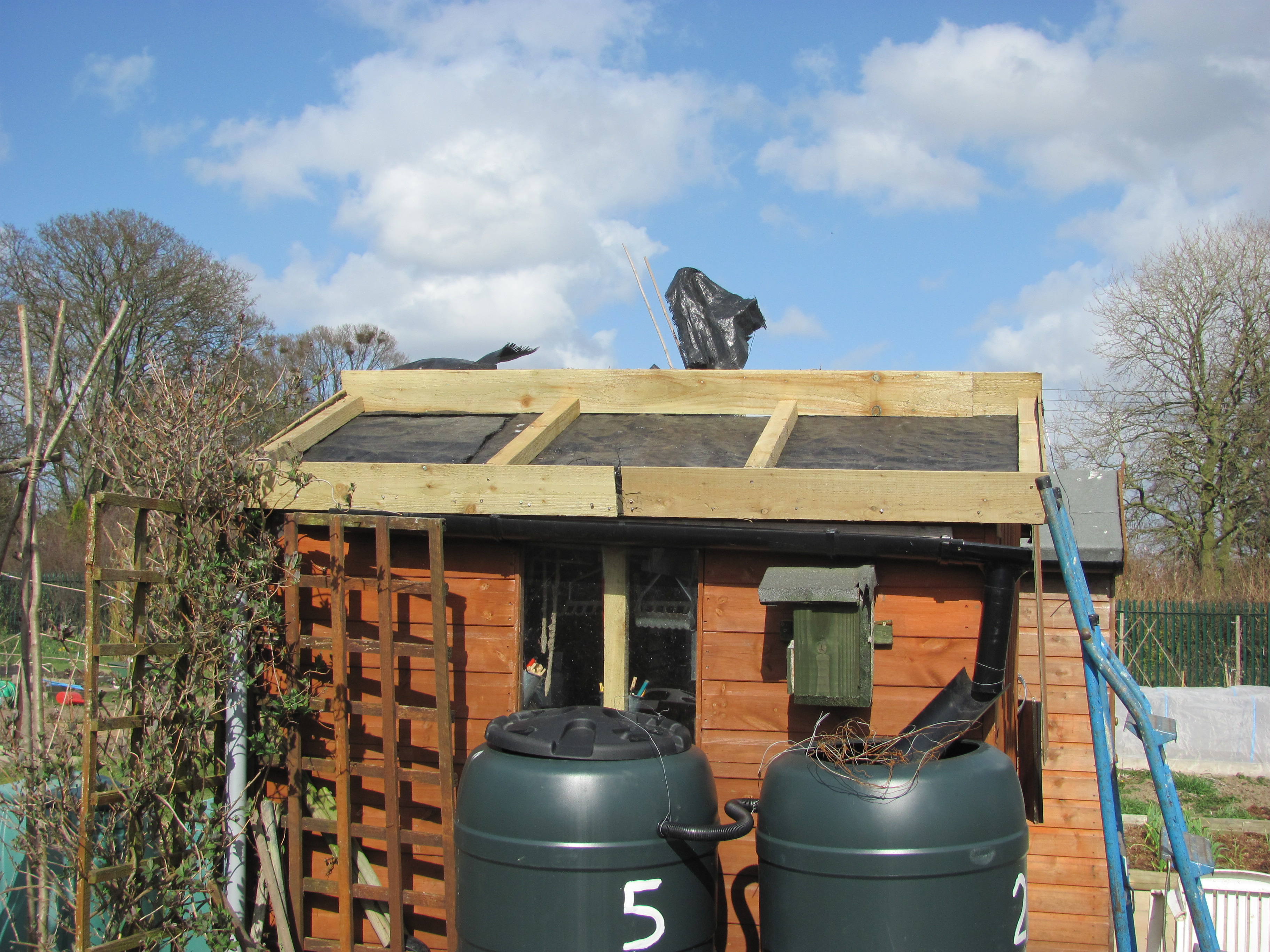
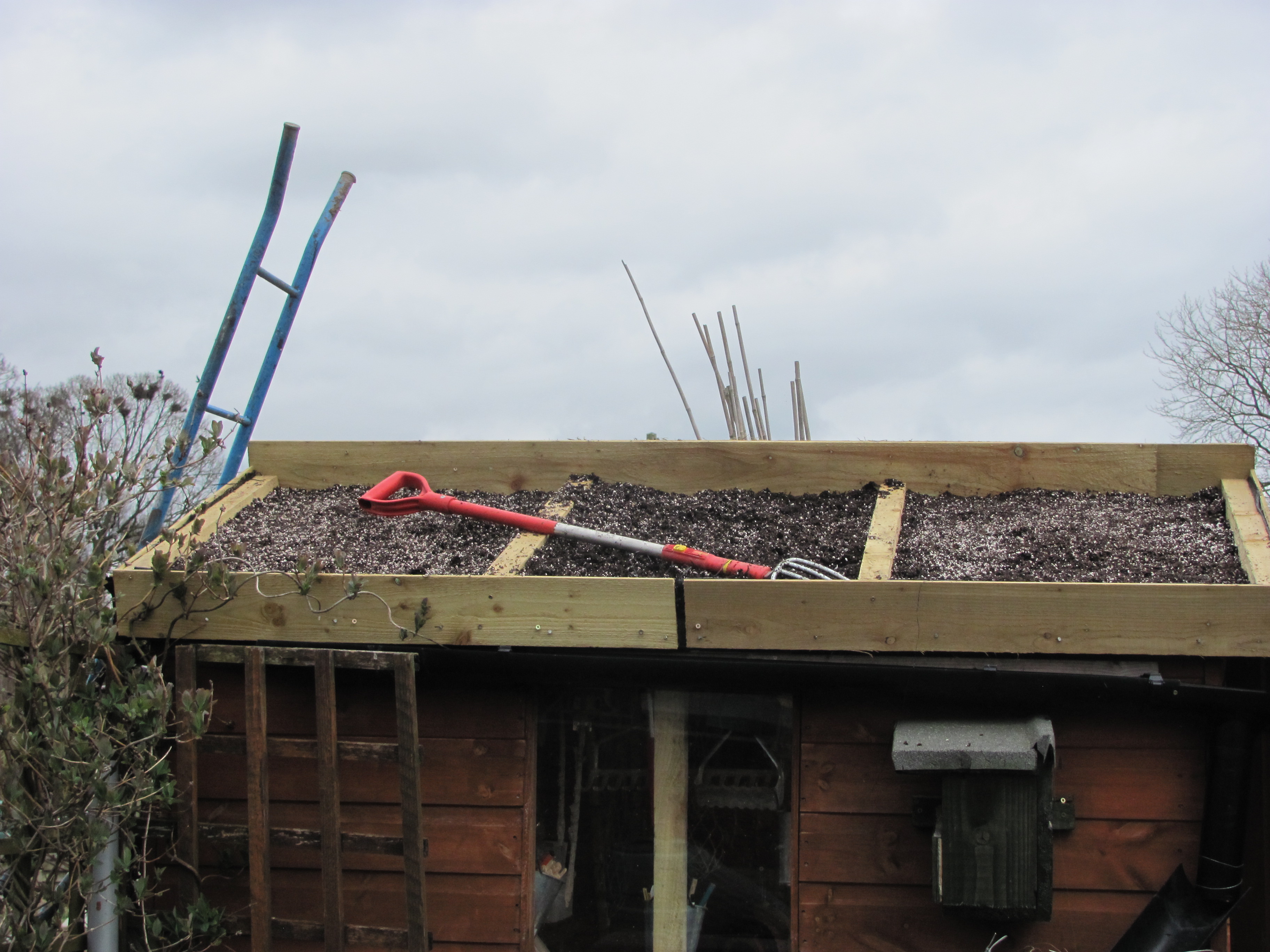
After strengthening the structure of the shed by building an internal framework of 2 x 2 inch lengths of wood, we added a second layer of roofing felt. Next we fitted the outside frame out of 6 inch deep feather edge and inside this stapled down a double layer of geo-textile membrane. We hope the membrane will allow rainwater to pass through it after permeating through the compost. The rainwater will then be caught in the guttering and can run into the butts.

IMG_5335 IMG_5336

A structure of 2 x 2 inch lengths of wood was used to divide up the surface.

IMG_5337 IMG_5338

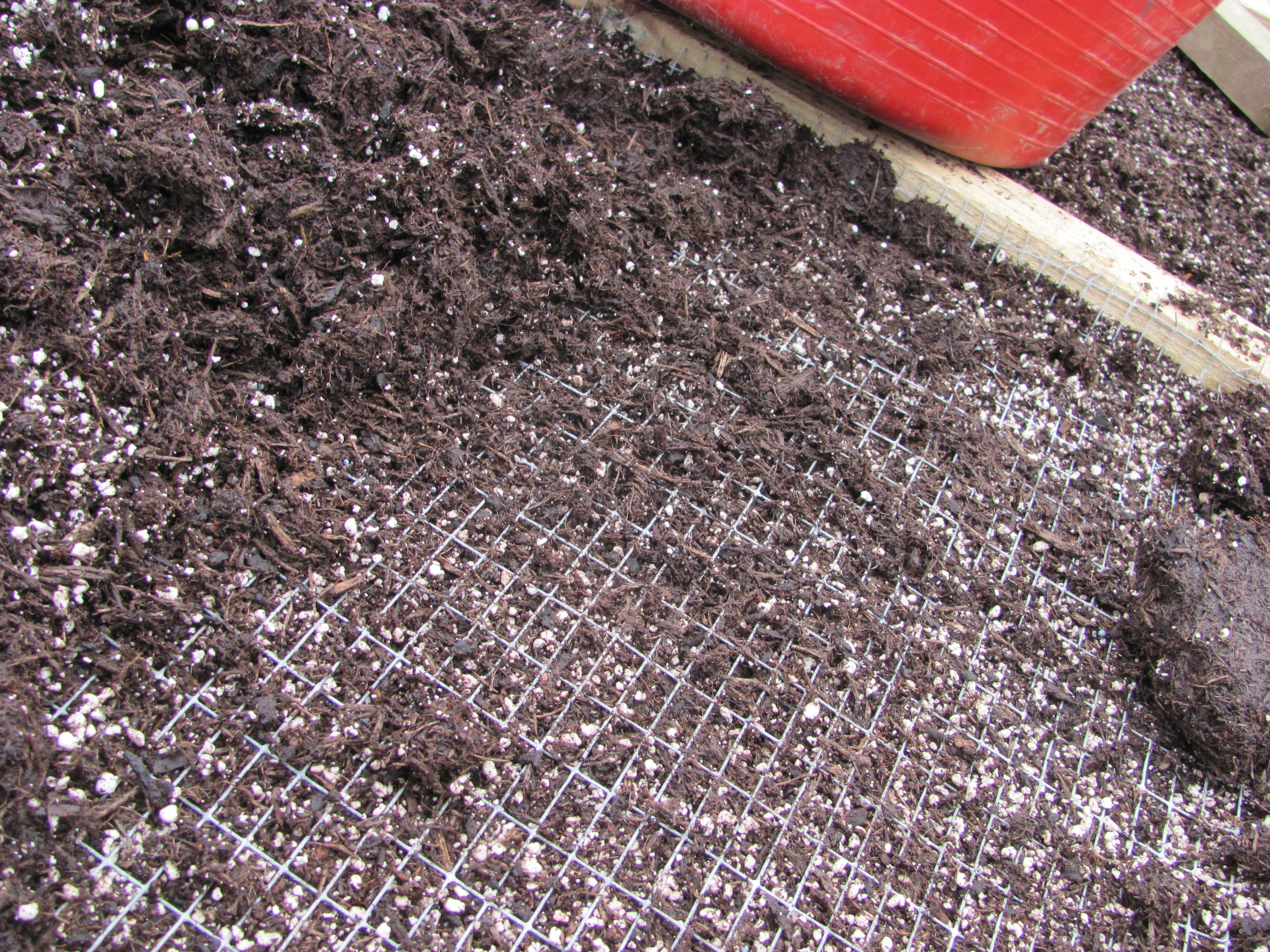
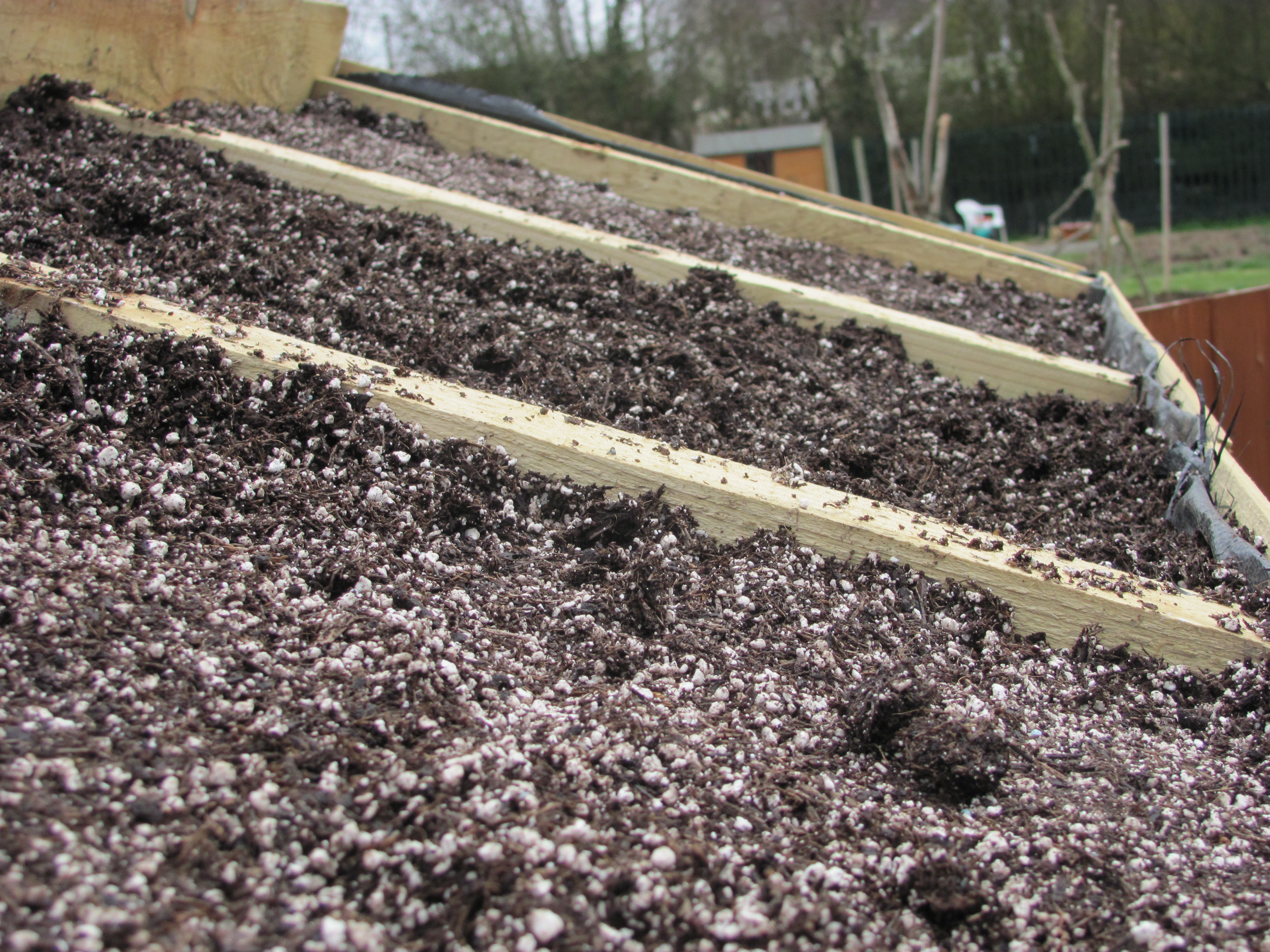
We next added the first layer of special compost to a depth of about an inch. This is a lightweight compost to which we added perlite to a ratio of 1 to 3 perlite to compost. Chicken wire was then laid over this first layer of compost and then a second one inch layer of our compost/perlite mixture was added. The wire should help hold the compost in place in times of heavy rain and we hope it will also give something for the roots to grow through and grip onto.

IMG_5341 IMG_5339

IMG_5340 IMG_5342

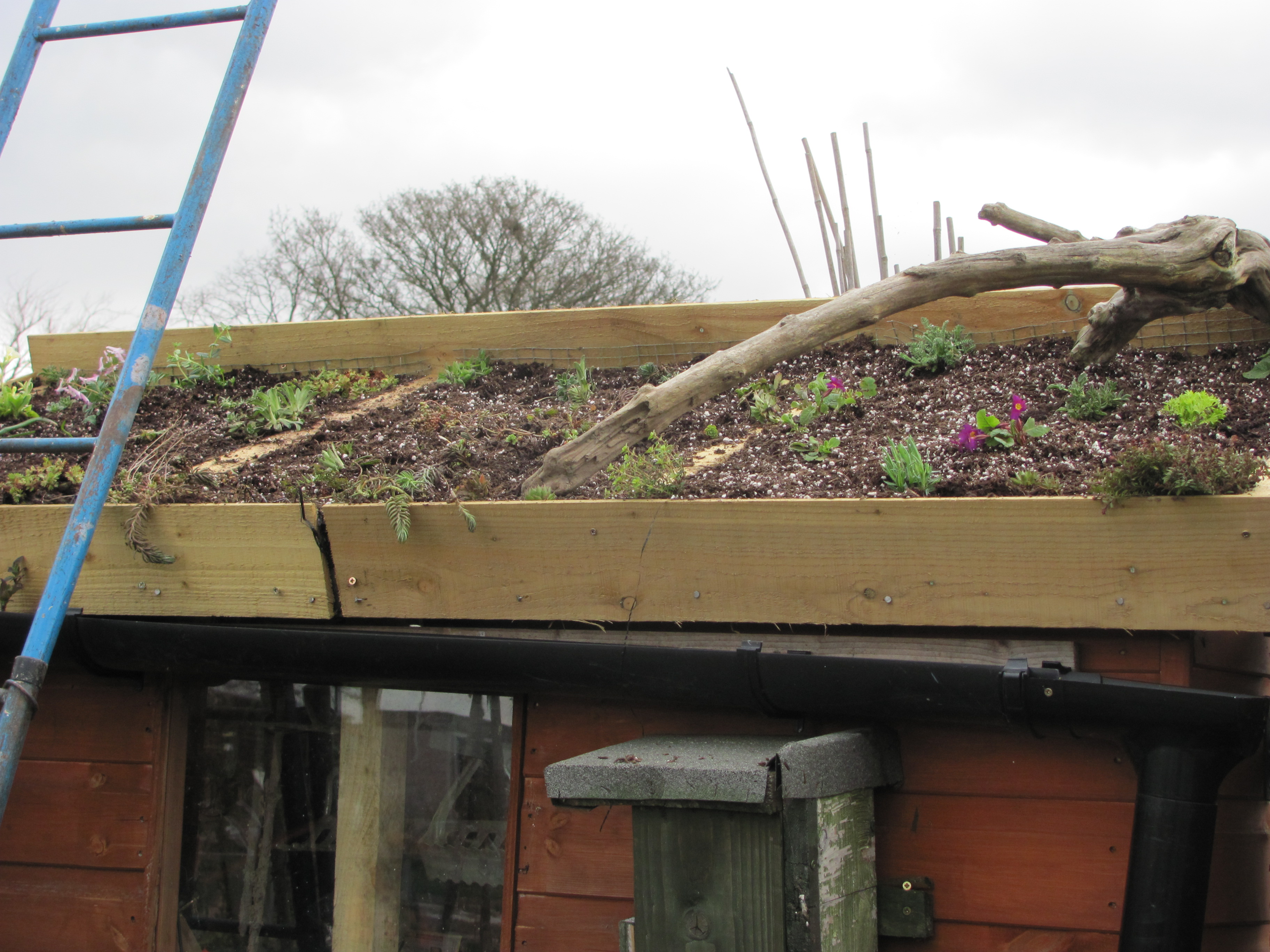
Finally the planting. Delicate alpines in some sections and mixed sedum and sempervivum in others. We added a driftwood feature for interest.

IMG_5347 IMG_5346

What we hope we have created is a little meadow in the air, a miniature garden that takes up no growing space that could otherwise be used for crop production. We will have the added benefit of an increase in insulation, giving us a cooler shed in the summer and a warmer space in the winter.

So now we are keeping our fingers crossed, hoping that we do not have any heavy downpours before the plants get their roots down, and hoping that Blackbirds do not find a way in. They have a habit of uprooting young plants in the hope of finding a tasty morsel.

IMG_5344

I shall keep you informed of progress.

Categories
bird watching birds garden photography garden wildlife natural pest control wildlife

Home Search

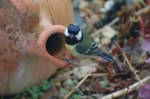
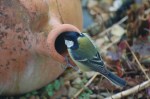
There seem to be too many members of the titmice family around this year looking for suitable nesting sites. All our nest boxes are occupied and being fought after. This little chap, a young male Great Tit is using his imagination and setting up home in one of our terracotta pots at ground level in the Beth Chatto Border, our gravel garden. He is just a few feet from our study window so is entertaining us as we work on the computer.

His family will provide us with natural pest control in return for our hospitality. Feeding a couple of nests of fledglings will dispose of thousands of aphids and caterpillars.

DSC_0045

He is such a star we thought he deserved a little photo gallery all of his own. Just click on any pic.

Categories
climbing plants colours garden design garden photography garden wildlife gardening hardy perennials Land Art natural pest control ornamental trees and shrubs outdoor sculpture shrubs village gardens wildlife

A Cottage in Leicestershire

Our son, Jamie and his fiancee, Sam have just bought their first home together, an old cottage in a small Leicestershire village and so we were looking forward to visiting them and having a good nose around and of course to explore their garden to see what promises it had in store for the coming seasons.

The village seemed a perfect, idyllic place to live, with a pub, a village shop, a primary school and lots of friendly neighbours. Homes have been built here over the centuries giving a huge range of styles – a potted history of domestic architecture. Jamie and Sam’s cottage was built about 300 years ago, but I should really have said two cottages as originally these were two tiny workers cottages. From a quick look at old census returns for the village the cottages were likely to have been home to stocking knitters, lace workers or agricultural labourers. There could be many hours of internet searching of historical sources ahead to enjoy.
DSC_0285

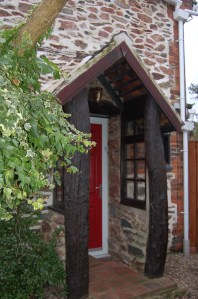
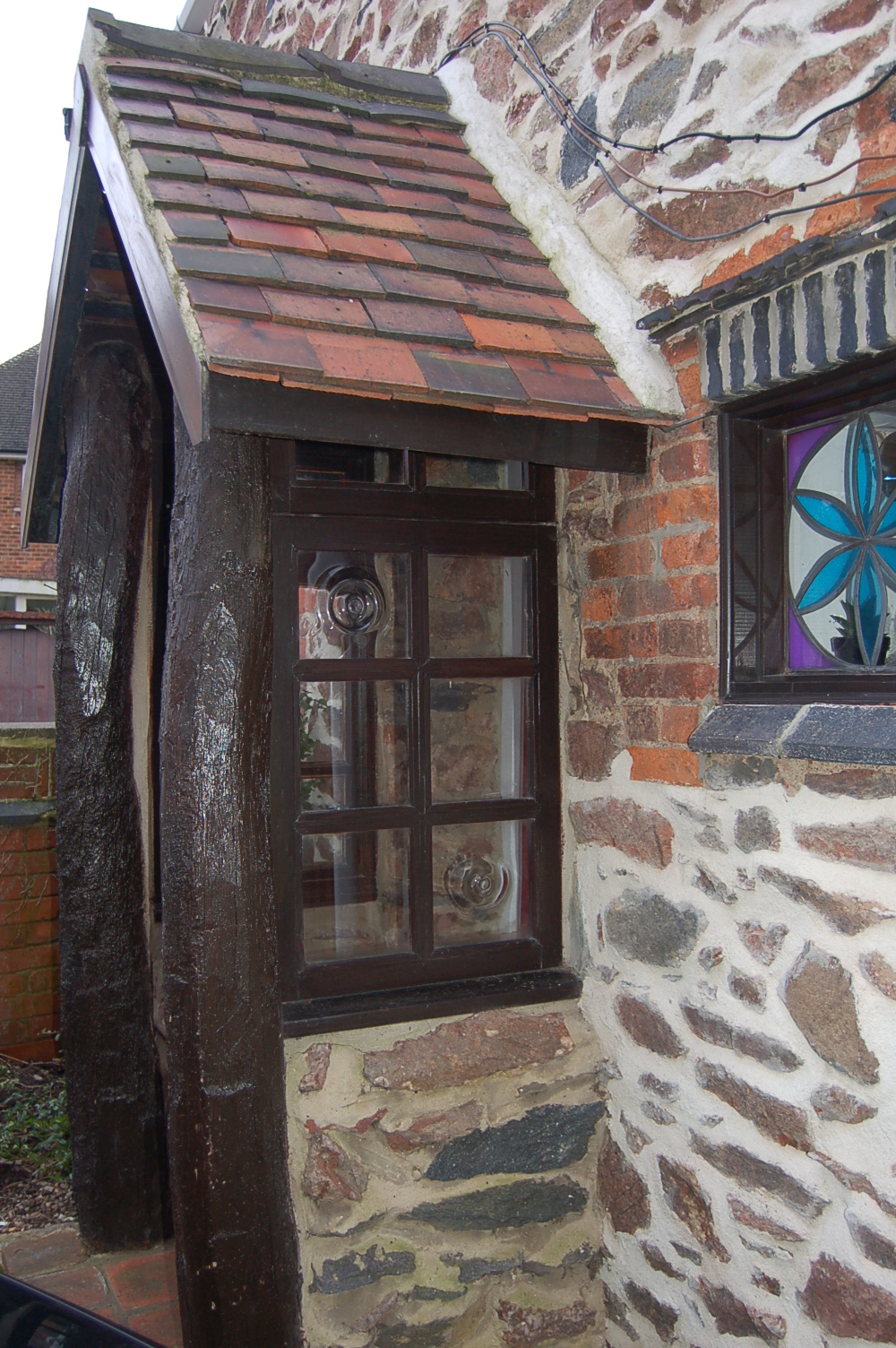
It is a very welcoming cottage with a beautiful porch with a feature stain glass window alongside it. The front garden consists of a triangle of land just big enough for a Lilac to grow with a few small shrubs at its feet. Sadly the day after I took this photo the lovely old Lilac blew down in strong winds.
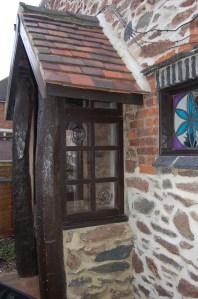

DSC_0283 DSC_0284 DSC_0287

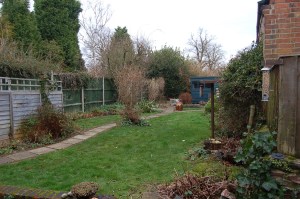
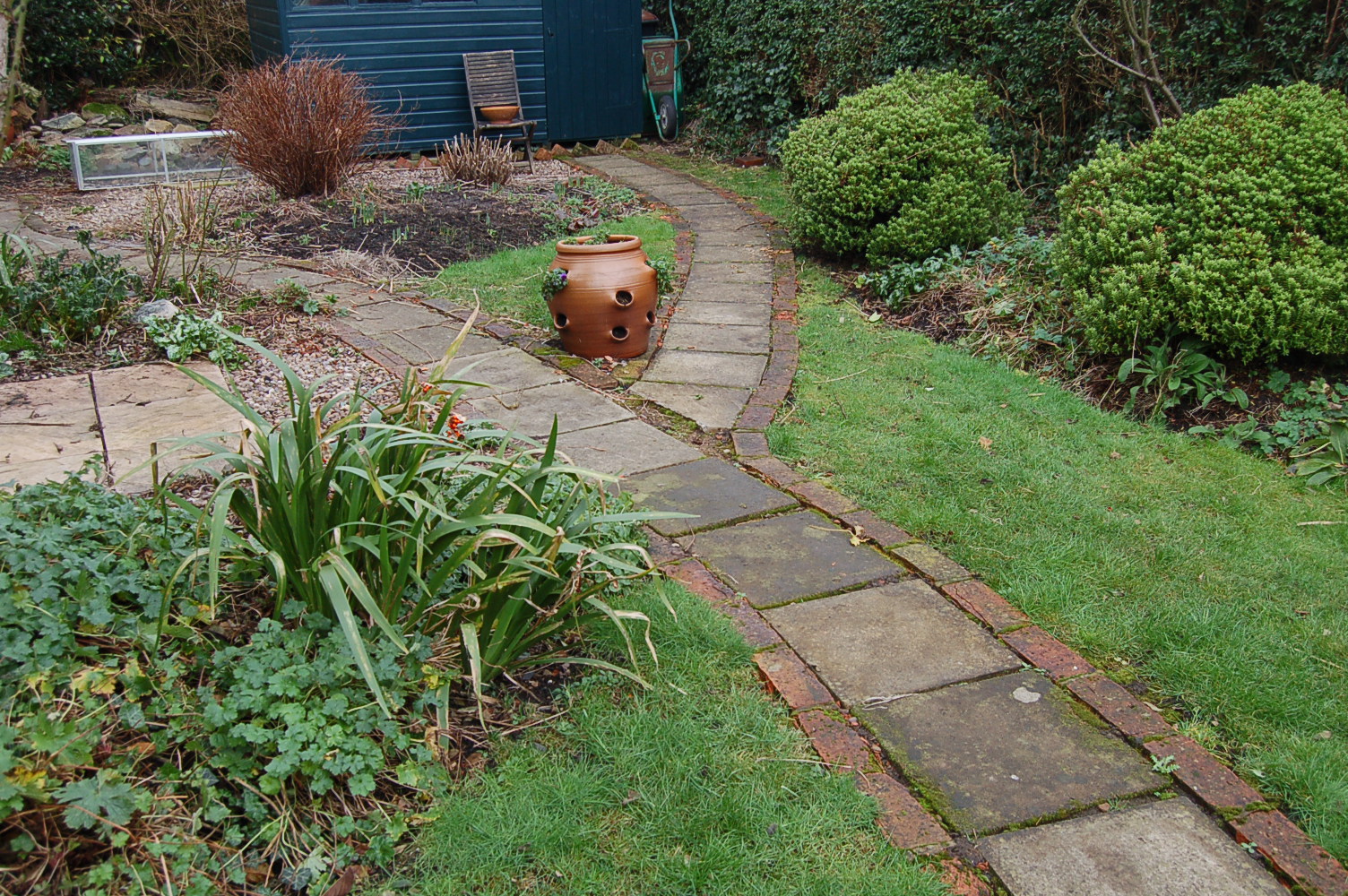
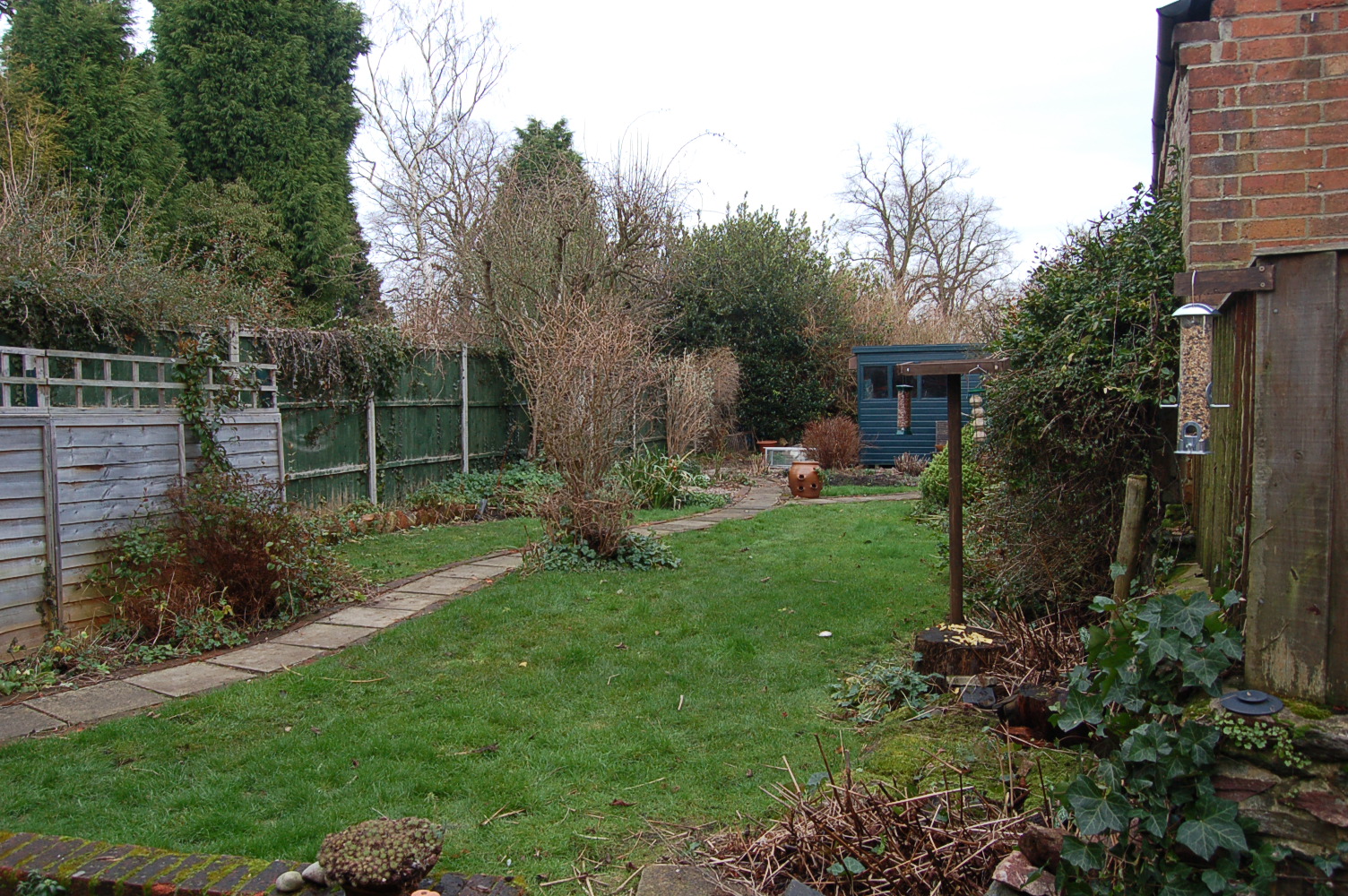
J and S are excited by the thought of what treats might emerge from the cottage garden to the back of the cottage. A walk around revealed some lovely secrets awaiting their season. The garden is a long plot, well stocked with plants to attract wildlife.

DSC_0259 DSC_0279 DSC_0282

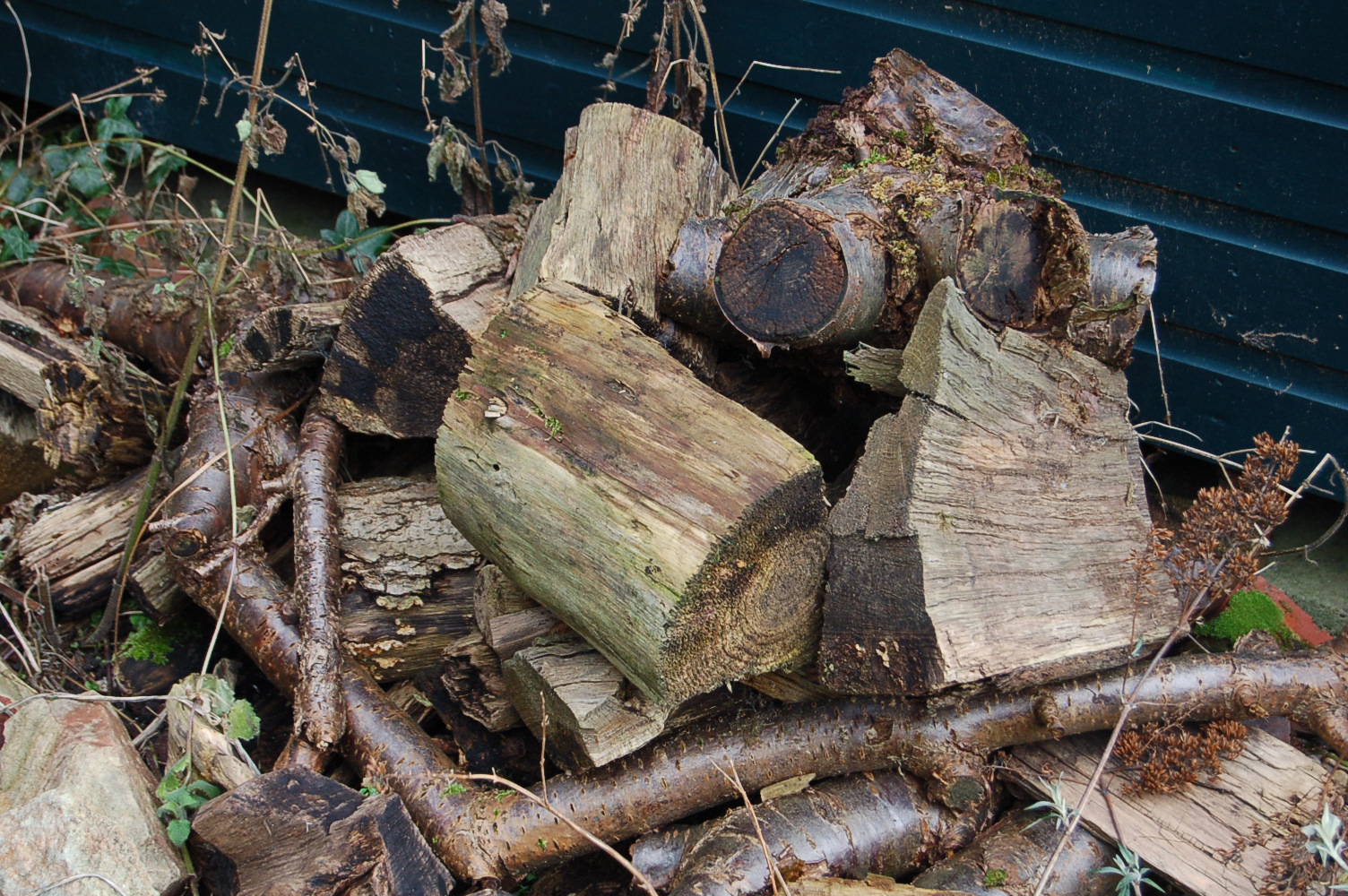
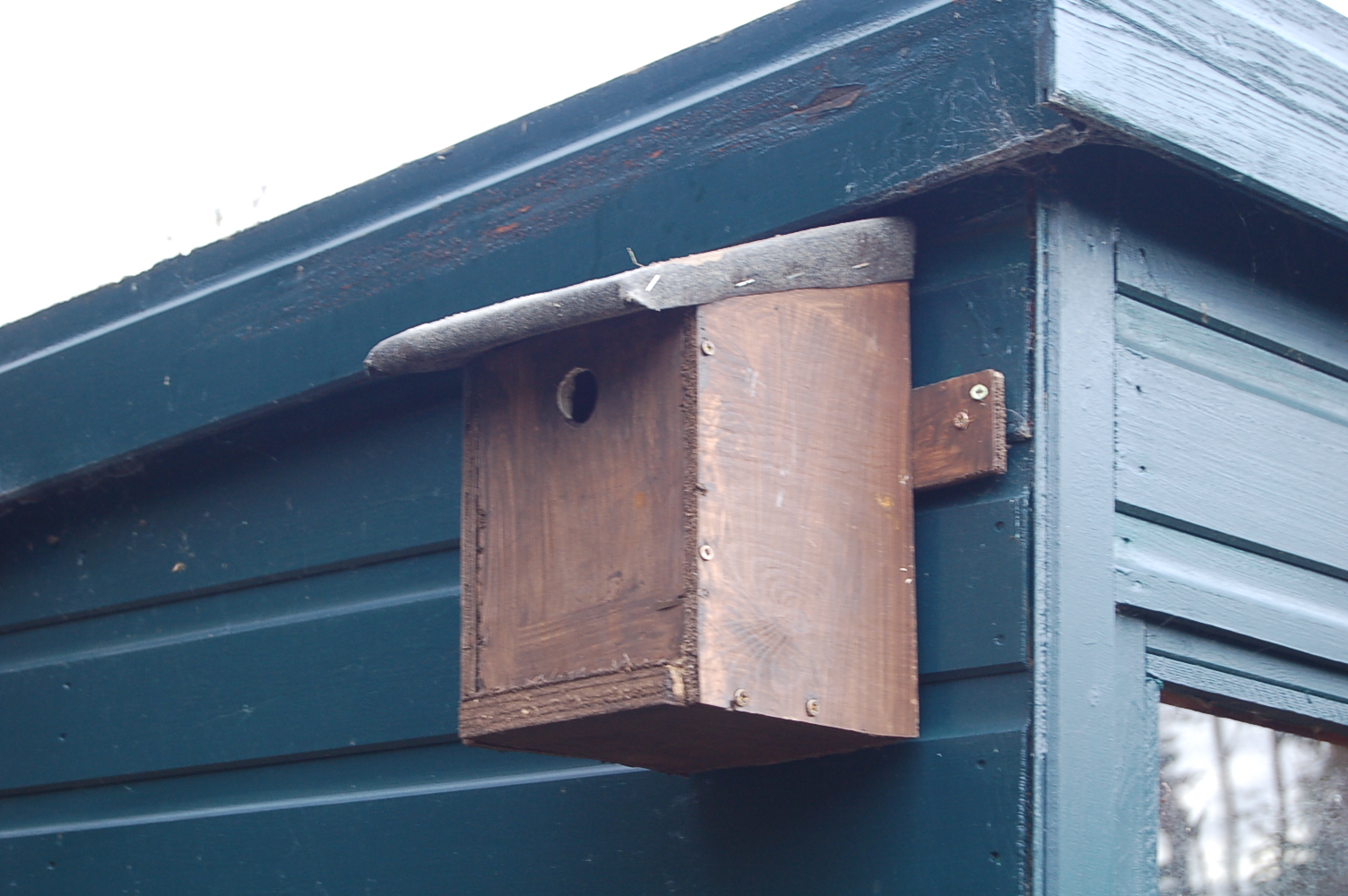
From the plants we could identify it should reveal itself as a true cottage garden planned with wildlife in mind. A small pond, a wildlife friendly hedge and a couple of log piles have also been included. A beautiful dry-stone wall provides shelter for a variety of creatures. We took along a bird table and nestbox to add to these and these were soon in place.
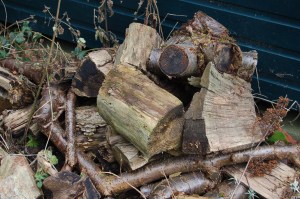
DSC_0272 DSC_0274 DSC_0280 DSC_0281

The perennials present include Asters, Aquilegias, Foxgloves, Sedum, Iris, Crocosmias, Hemerocalis and Aconitum, so there is a promise of lots of colour and lots of butterflies, bees and beneficial insects.

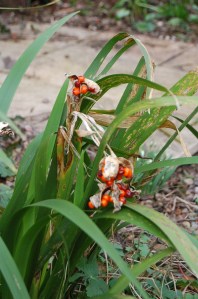
DSC_0263 DSC_0264 DSC_0270 DSC_0273

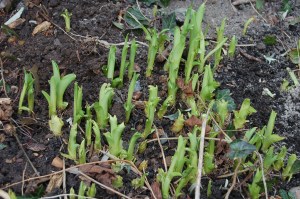
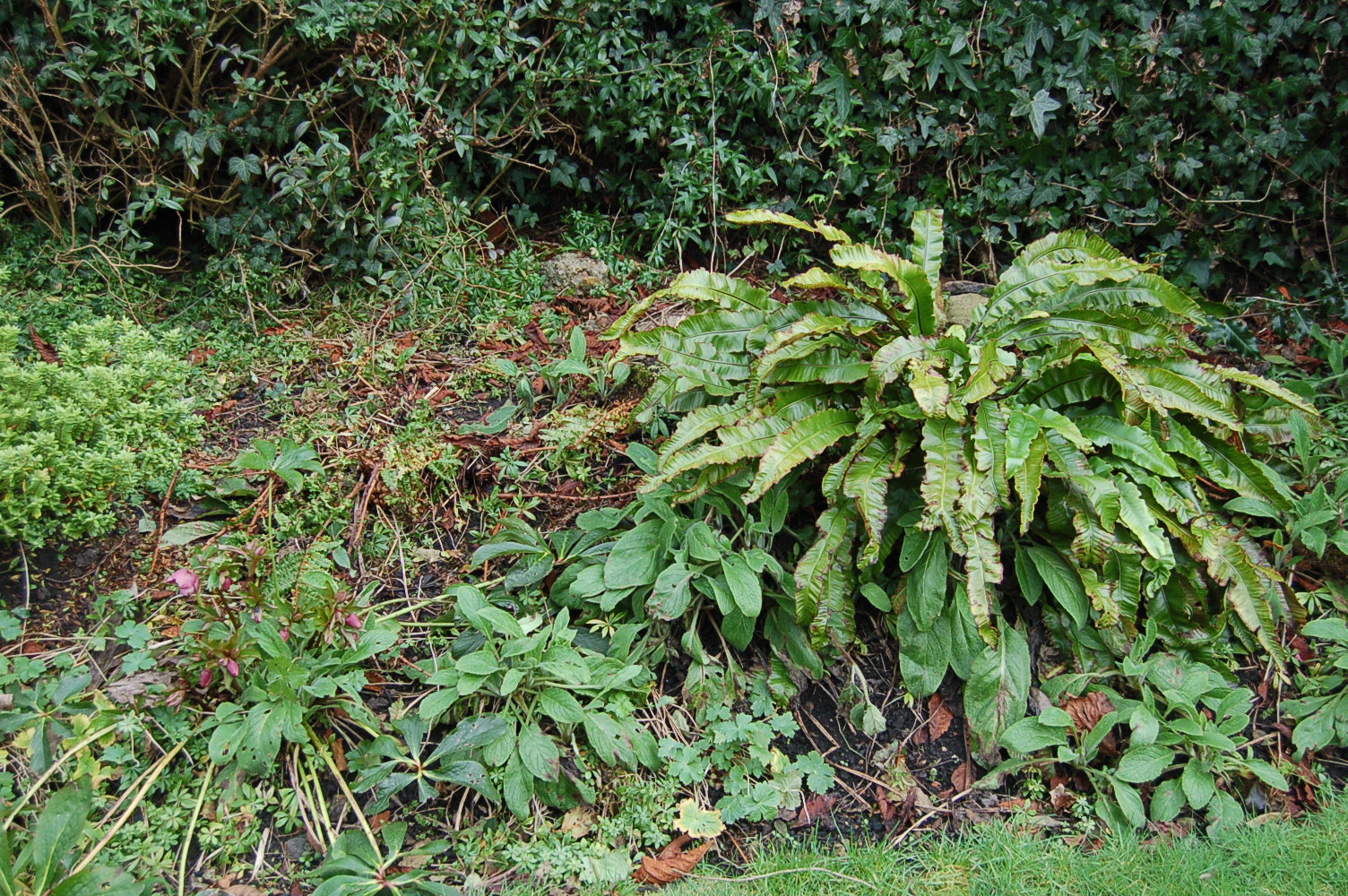
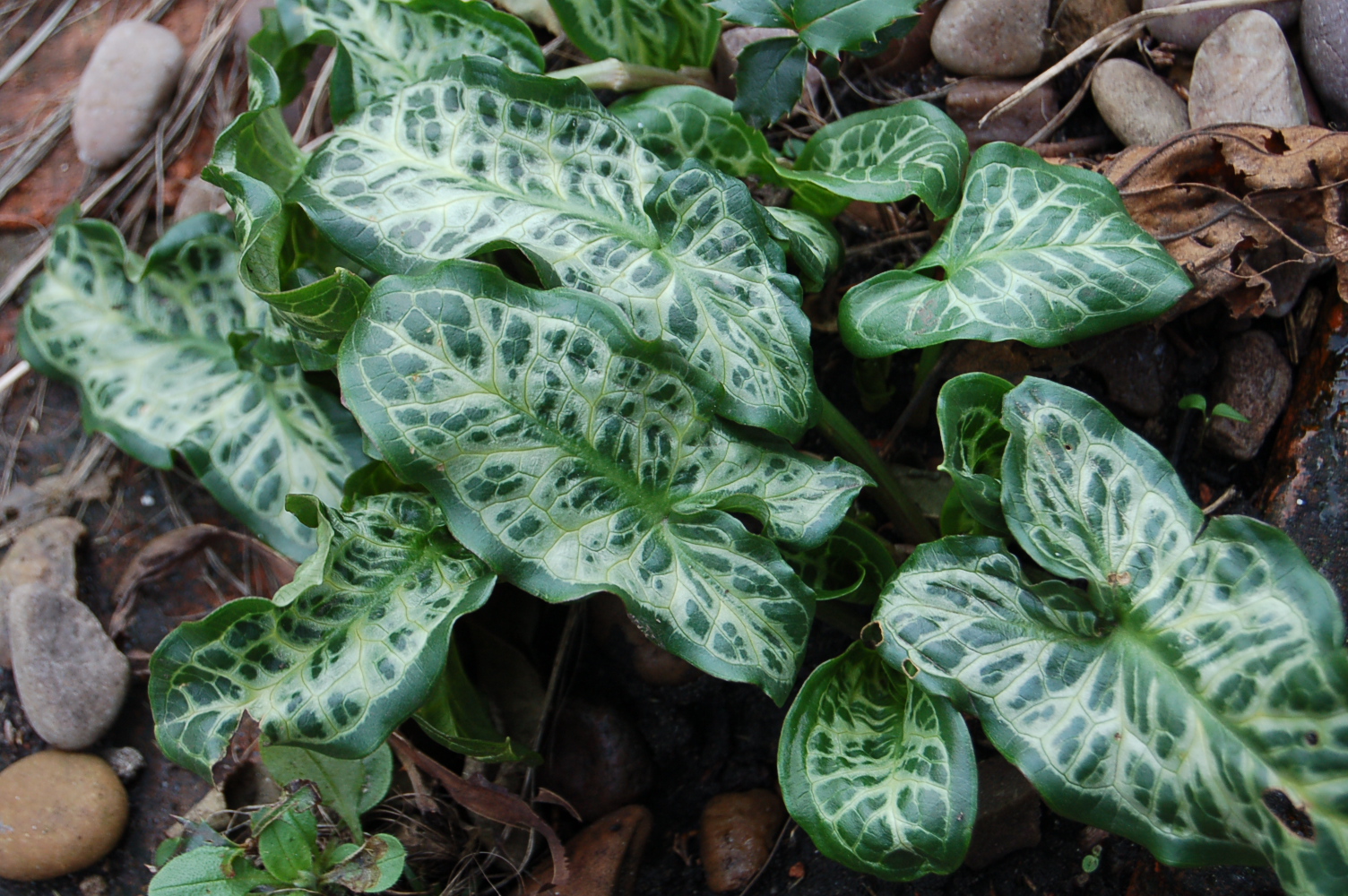
Of particular interest were the many clumps of Arum Lilies, a family I know little about. We grow Arum italicum marmoratum which was present as several clumps, but I think there were others there with different foliage markings and colours. The main reason to grow these is for their marbled leaf markings.

DSC_0266 DSC_0267 DSC_0269

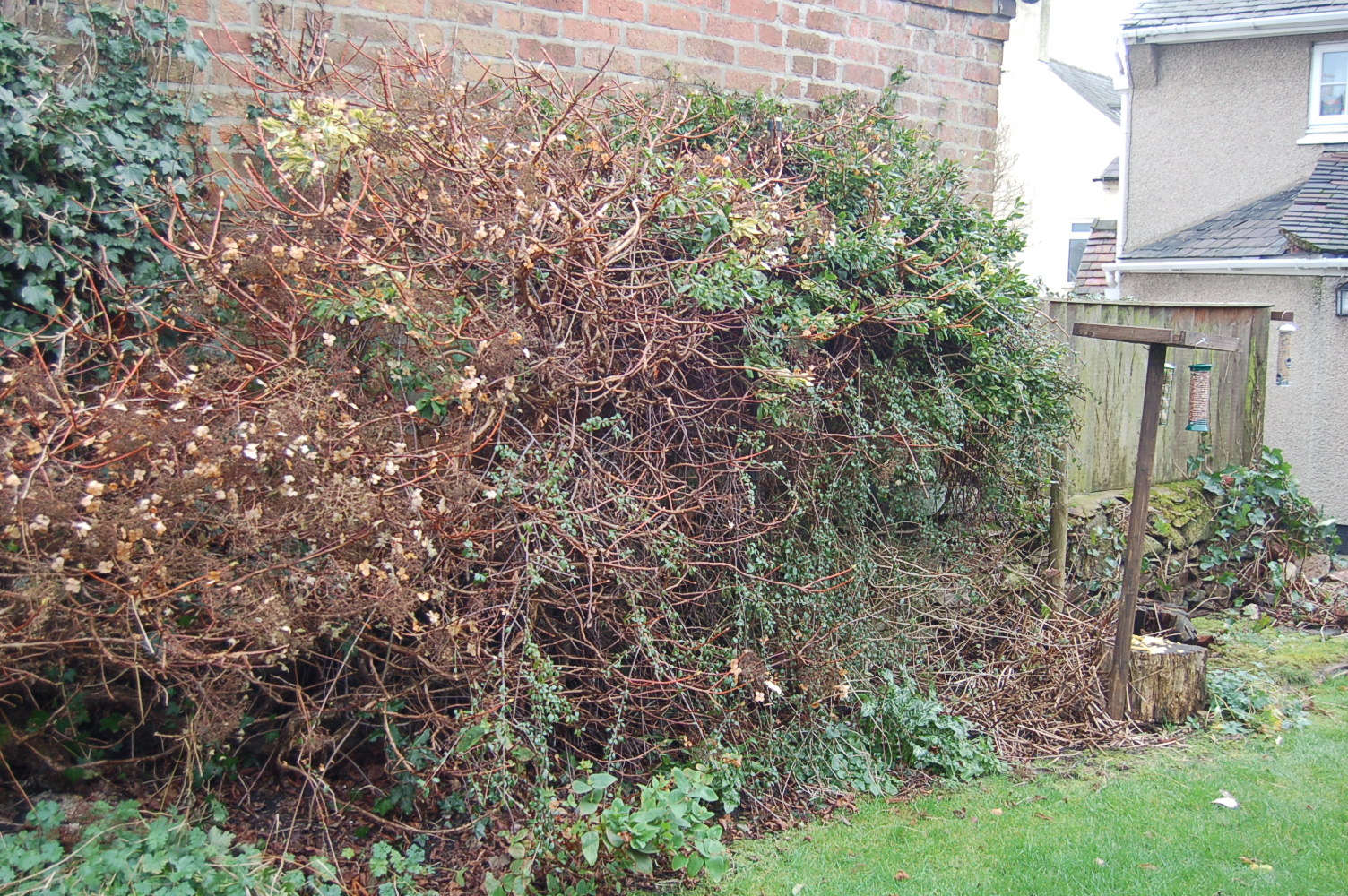
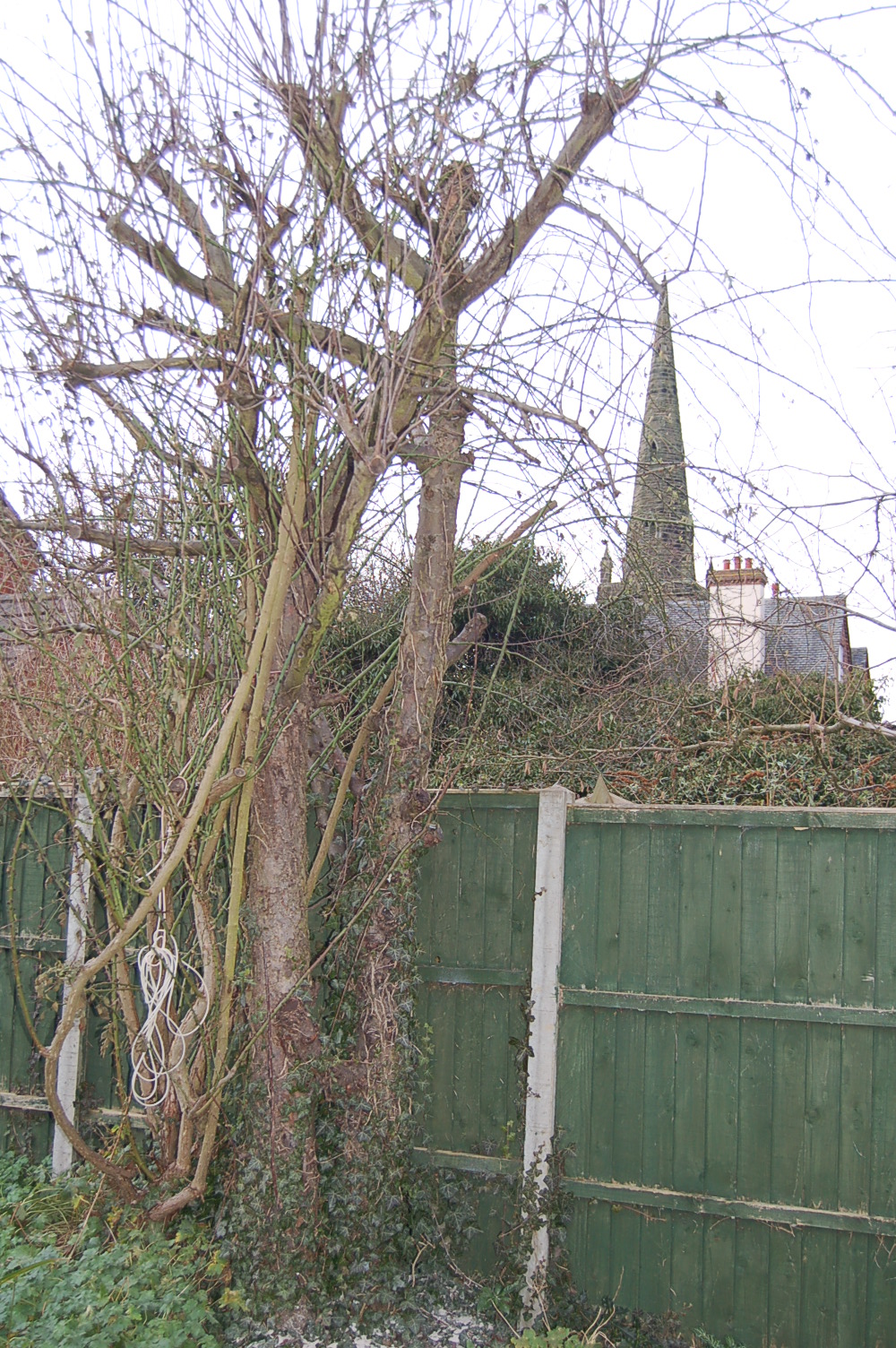
One task J and S set us was to identify “the sticks”, their non-gardening word for shrubs and trees without leaves! The biggest and most impressive “stick” proved to be a very old apple tree over which scrambles an equally old rambling rose. These will both take a lot of remedial pruning but will prove to be wonderful features. A mature Buddleja, Spiraeas, Hydrangeas and a small cherry will provide colourful flowers in the future, and the Buddleja will bring in both scent and butterflies for their enjoyment.

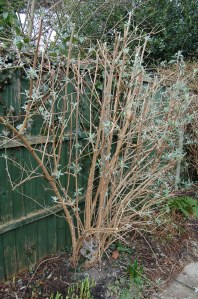
DSC_0262 DSC_0271 DSC_0277

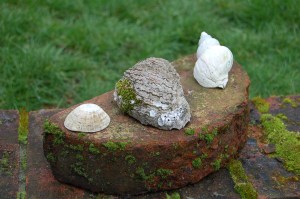
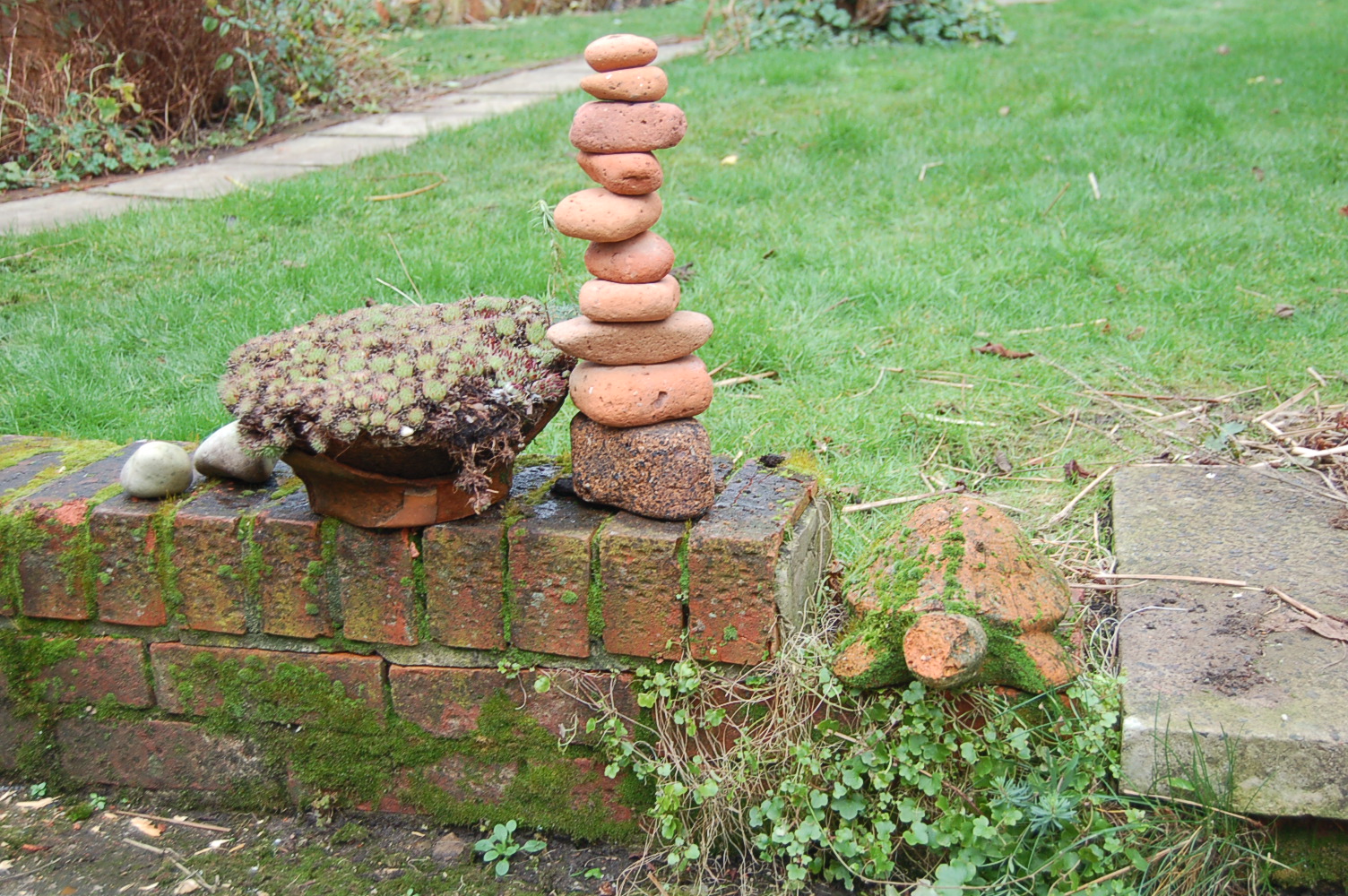
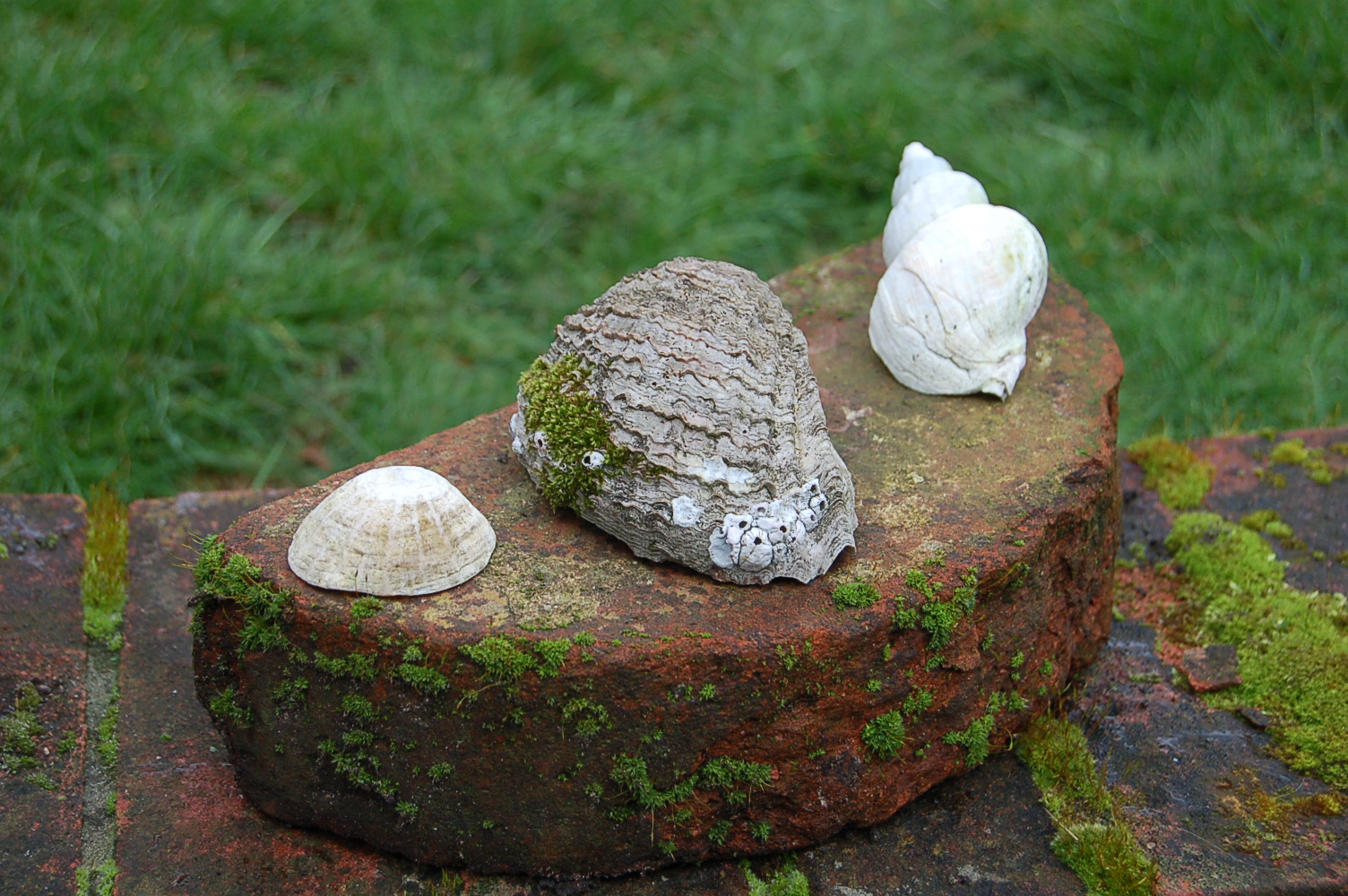
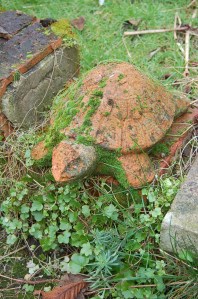
The large terrace is separated from the garden itself by a low wall of mature bricks which proved to be a handy place to display interesting objects discovered as we cut down the old growth of perennials and tidied up the borders. The little sculpture of stacked sea-worm bricks is one I made years ago.

DSC_0256 DSC_0257 DSC_0258 DSC_0260

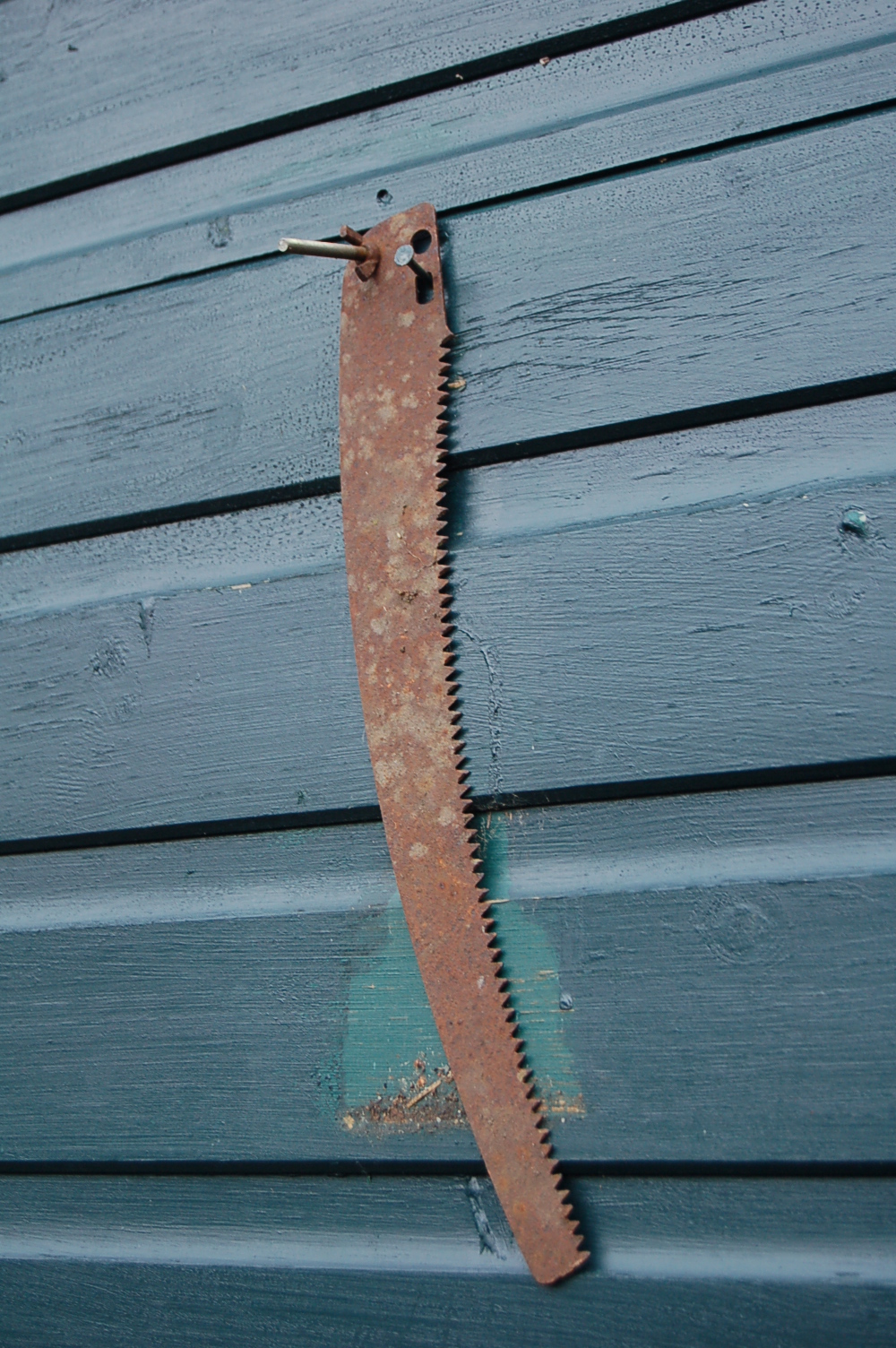
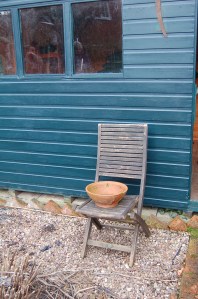
Three found items, a chair, a terra cotta bowl and a rusty pruning saw blade now adorn the shed.
DSC_0275 DSC_0276

Two days with J and S wandering around and discovering their new garden and hatching plans for the future, inspired ideas for a mini-meadow of wildflowers, a much bigger pond, a prairie garden and some trained fruit. They have years of fun to come!

DSC_0278

Categories
birds colours garden photography garden wildlife gardening natural pest control outdoor sculpture photography Winter Gardening winter gardens

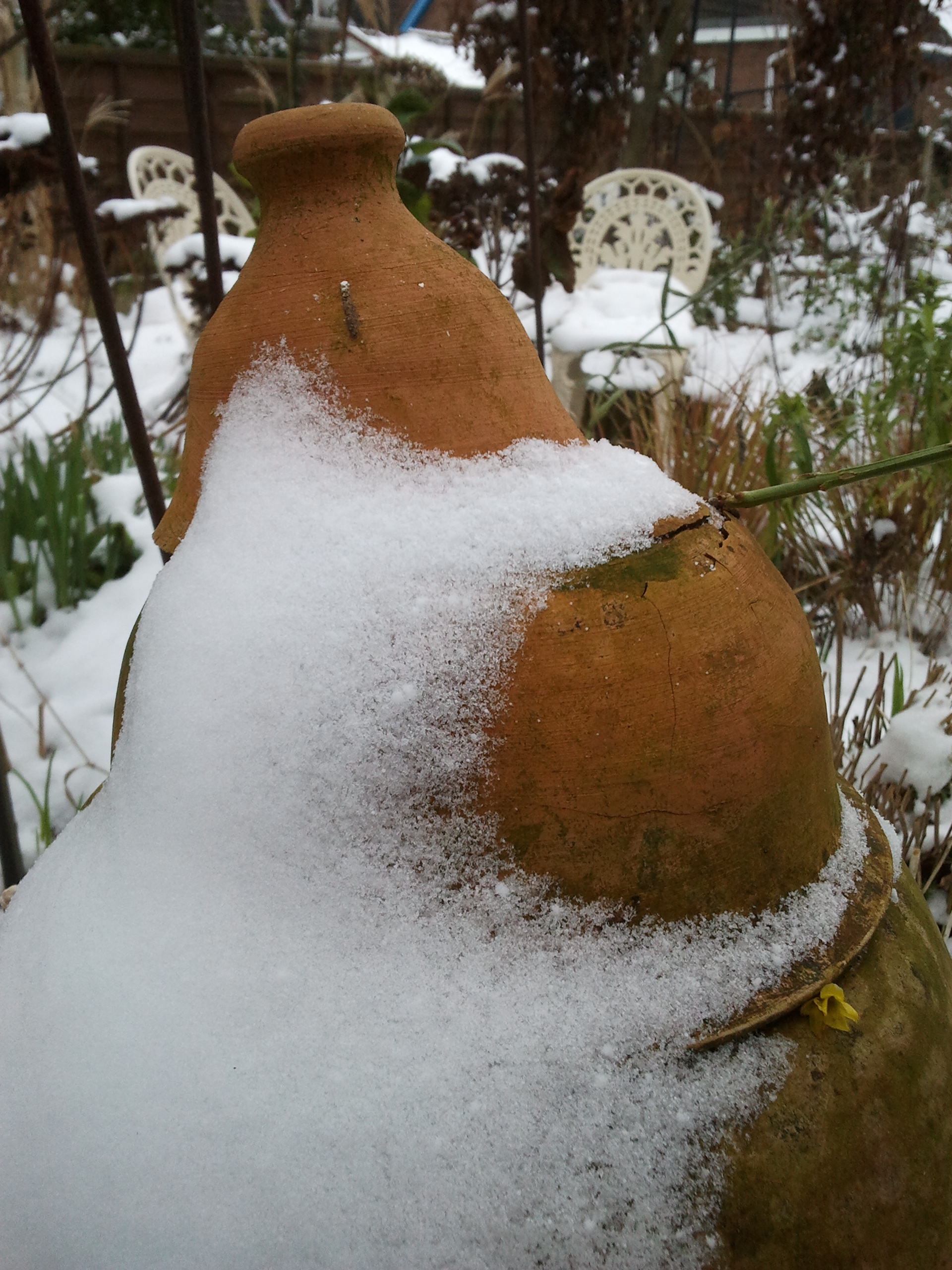
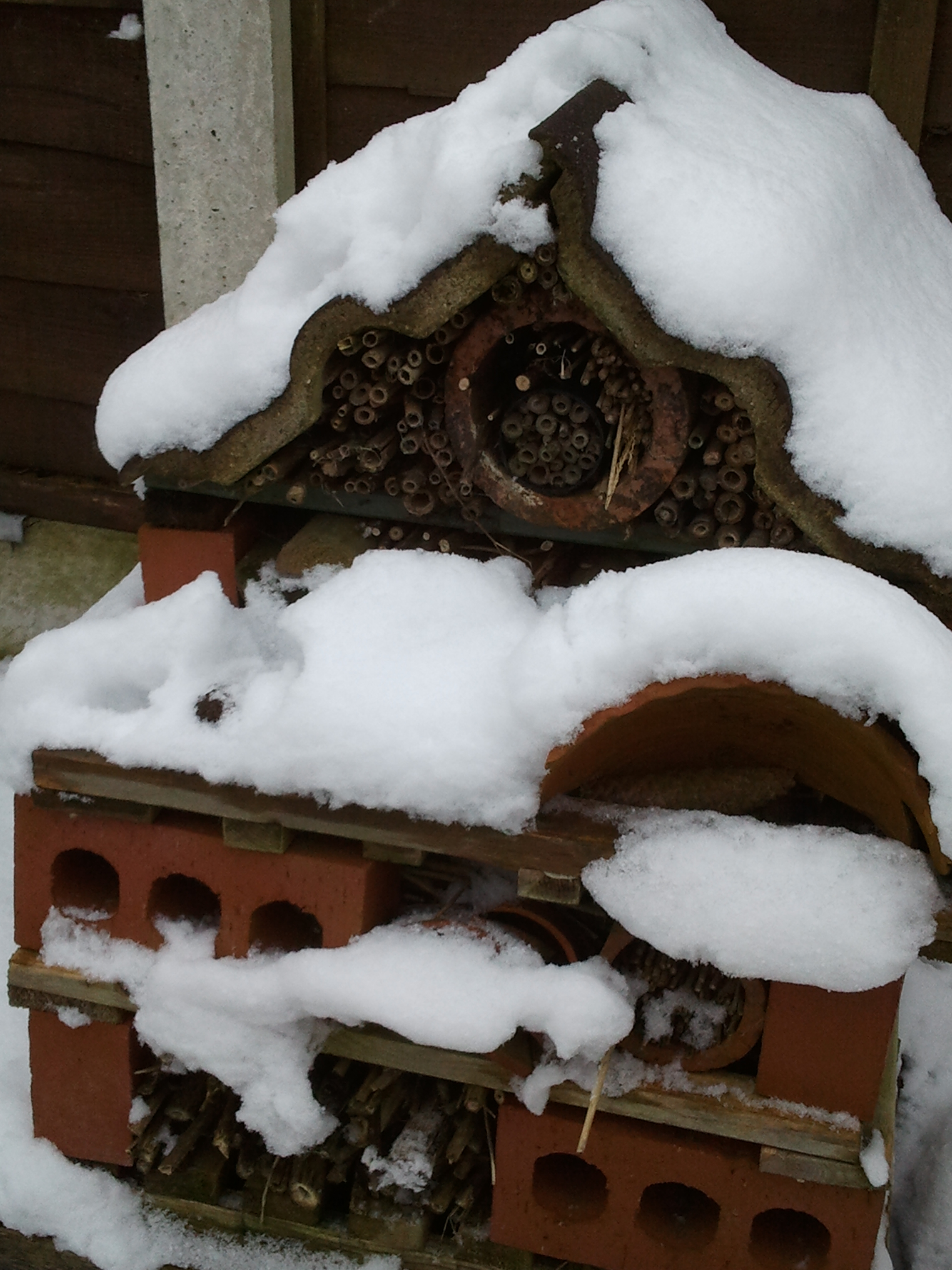
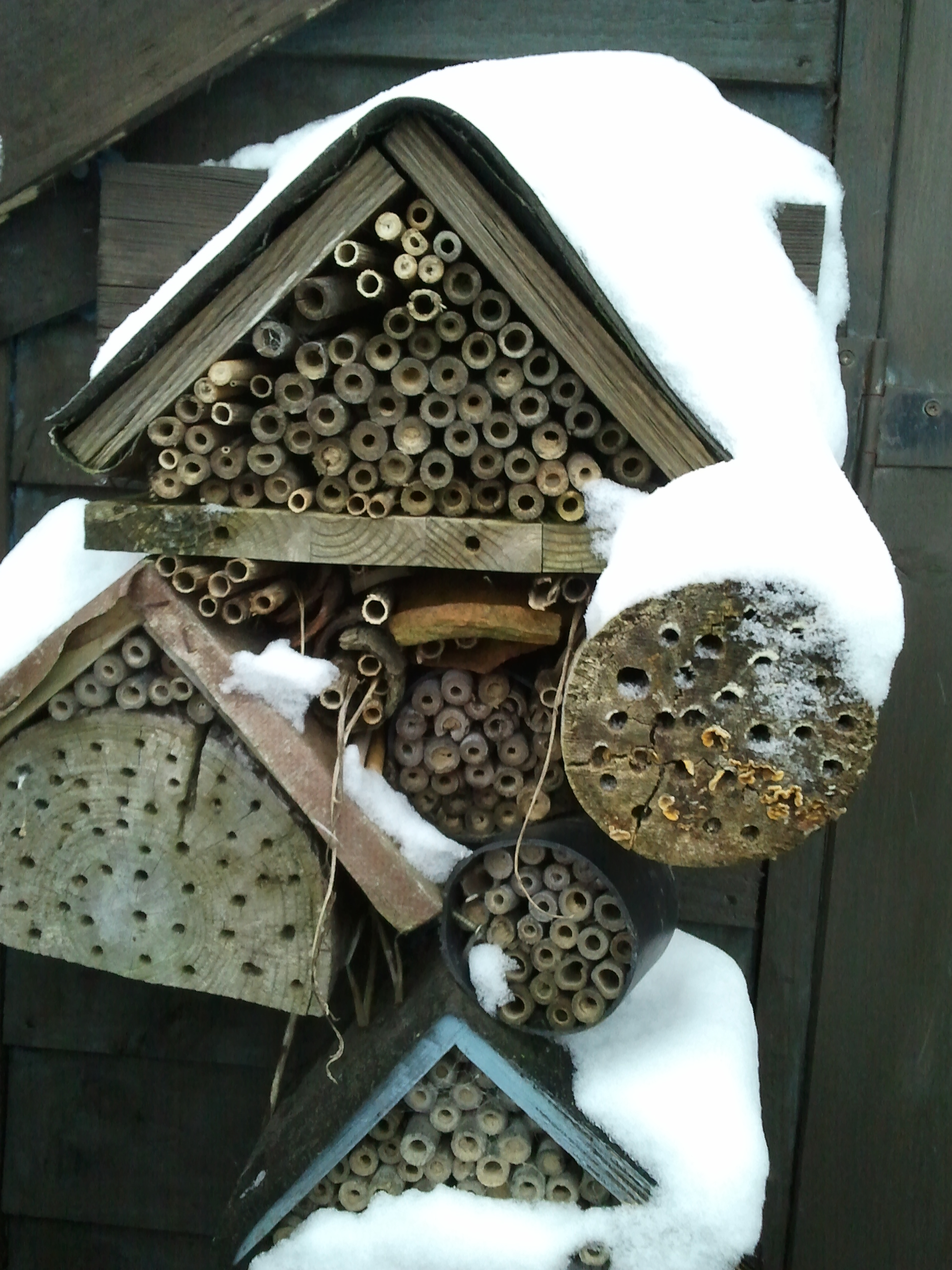
The Garden’s got its hat on, hip hip hip hooray ……

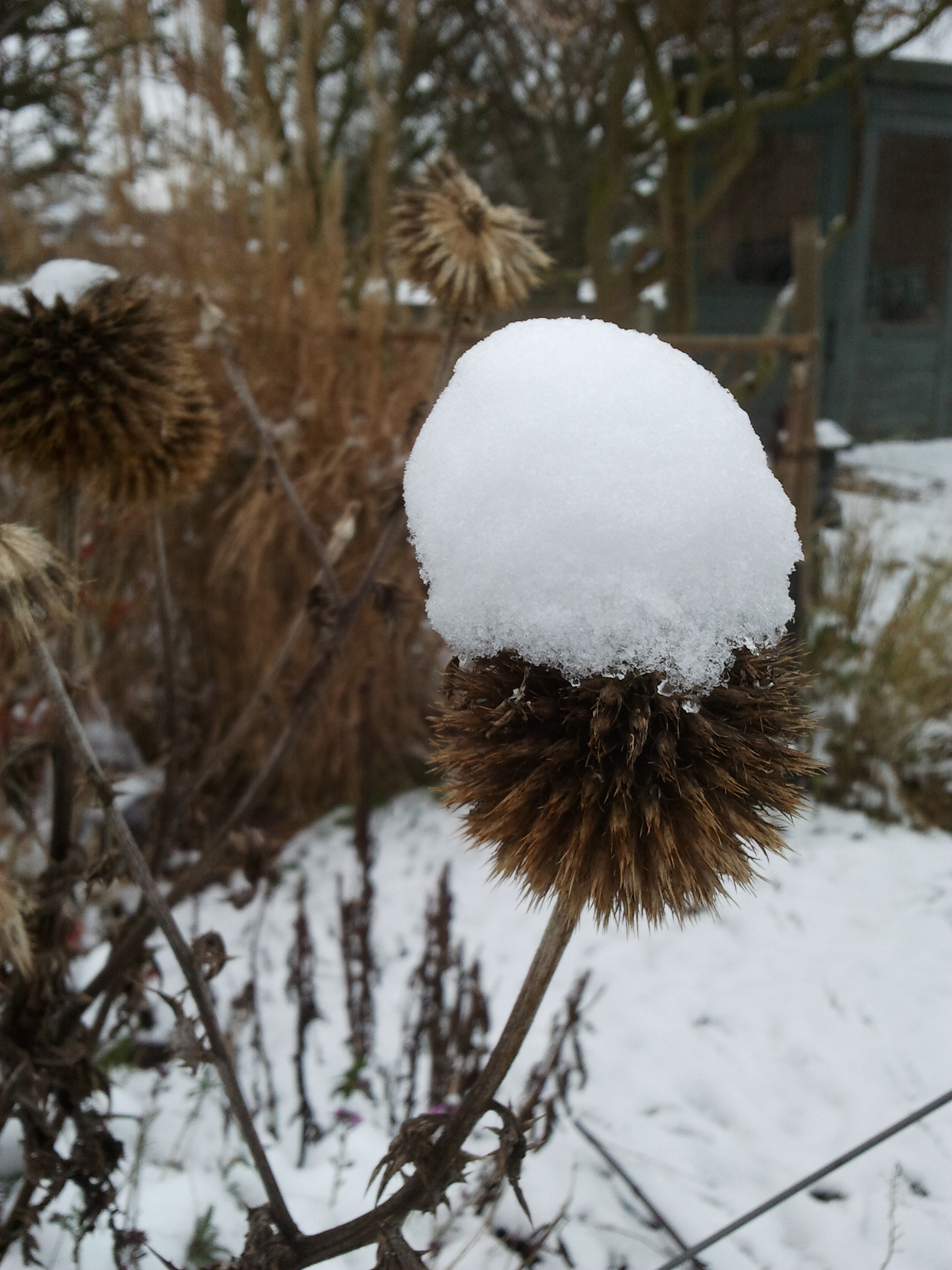
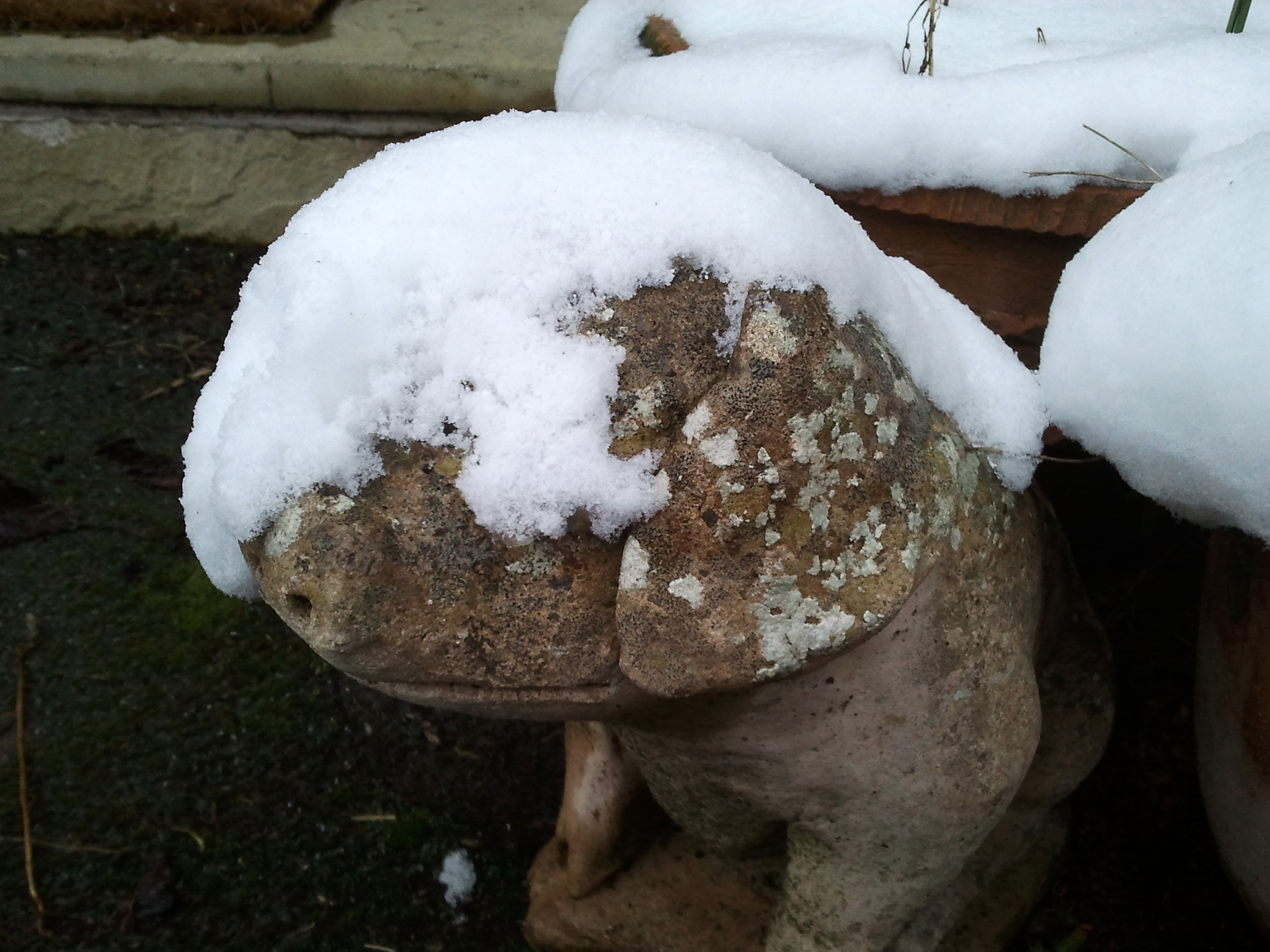
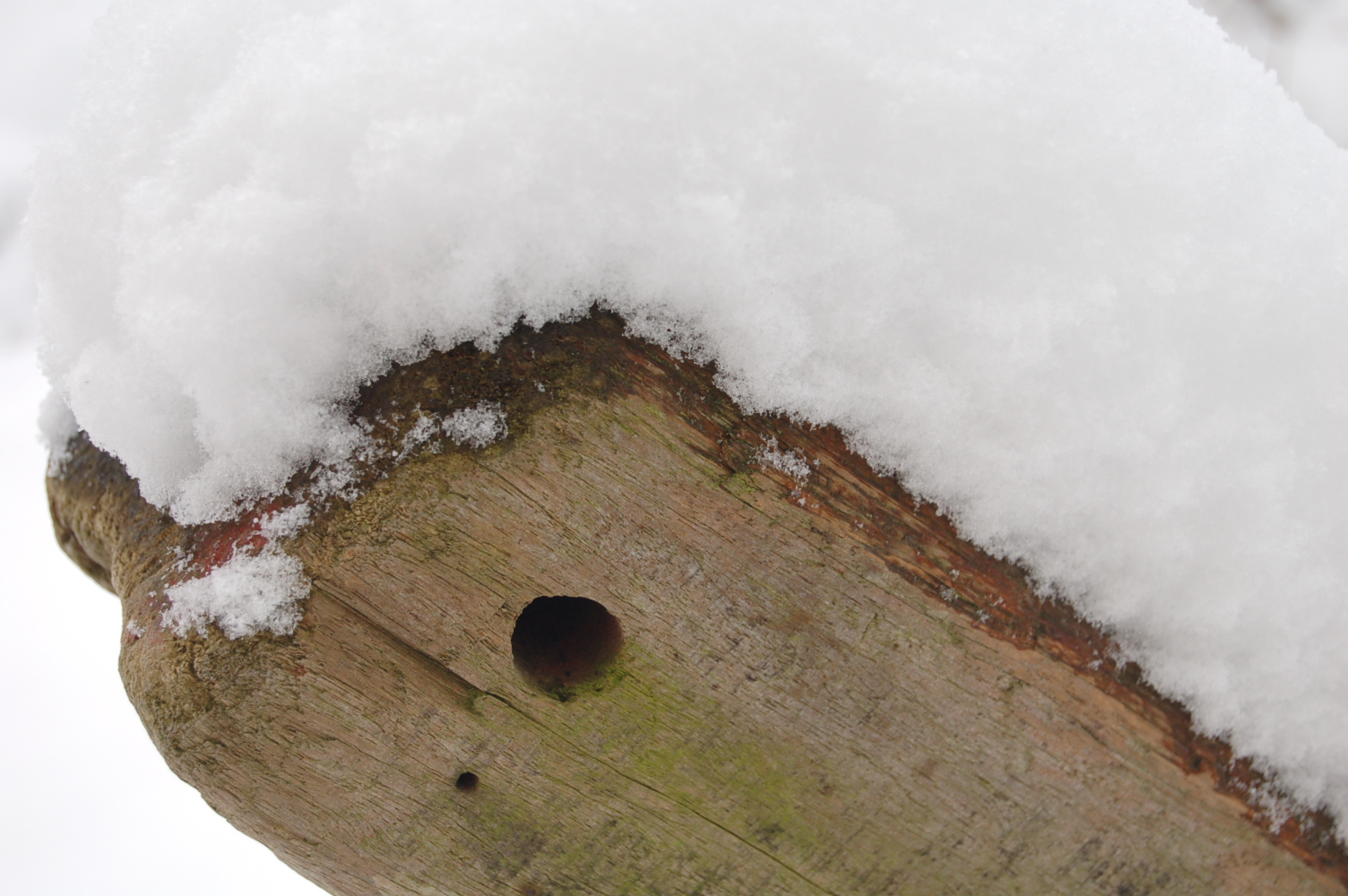
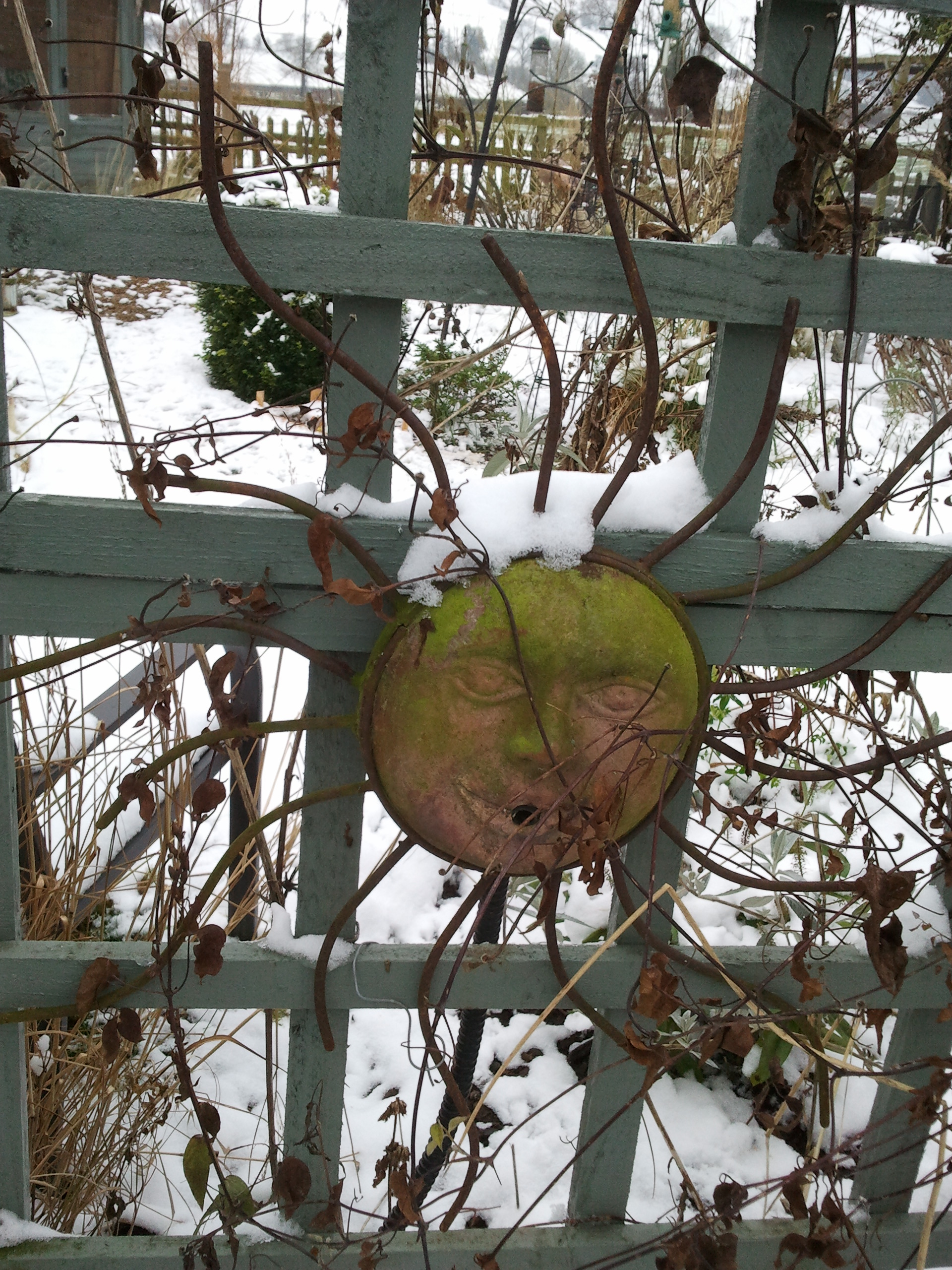
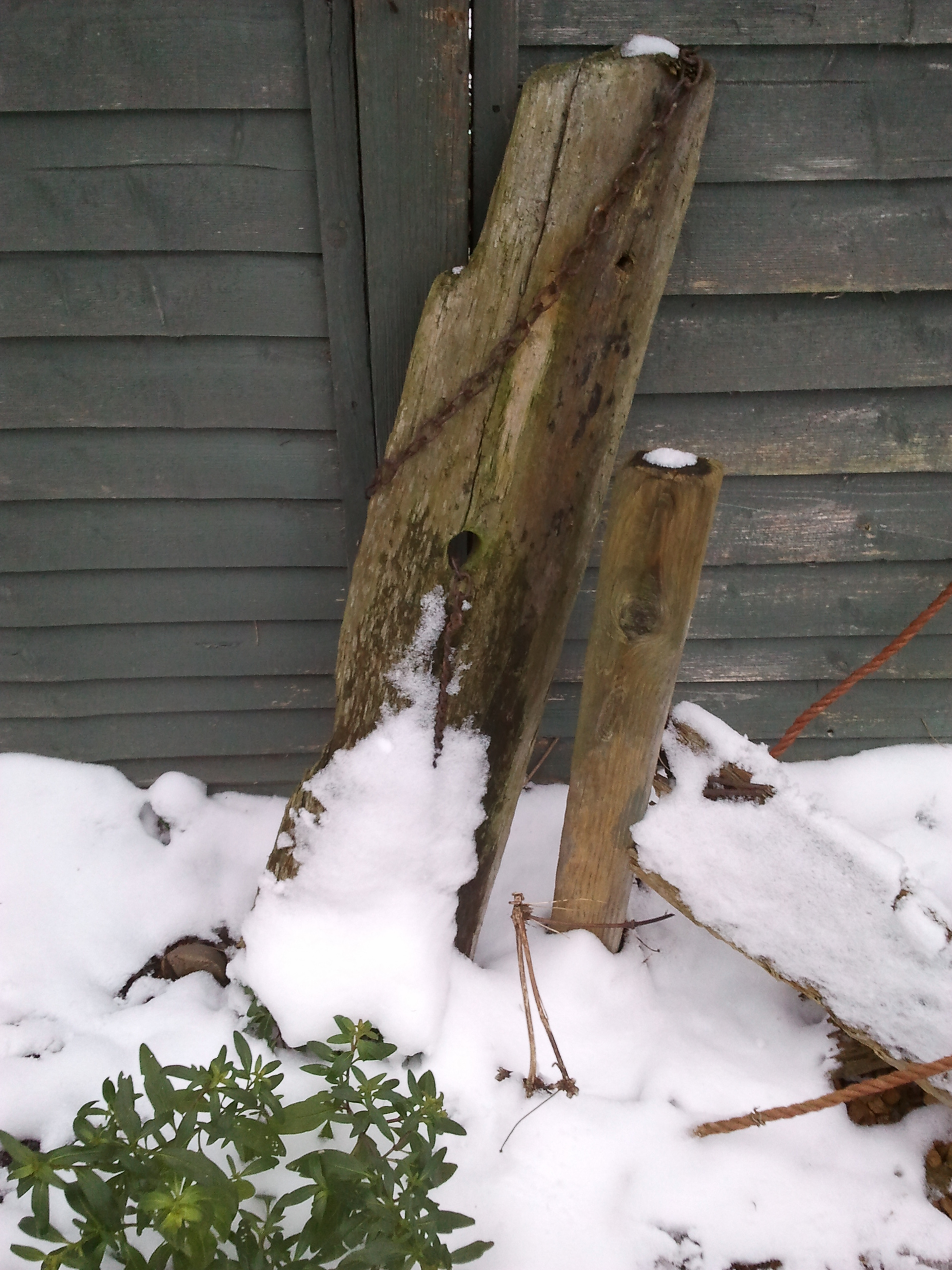
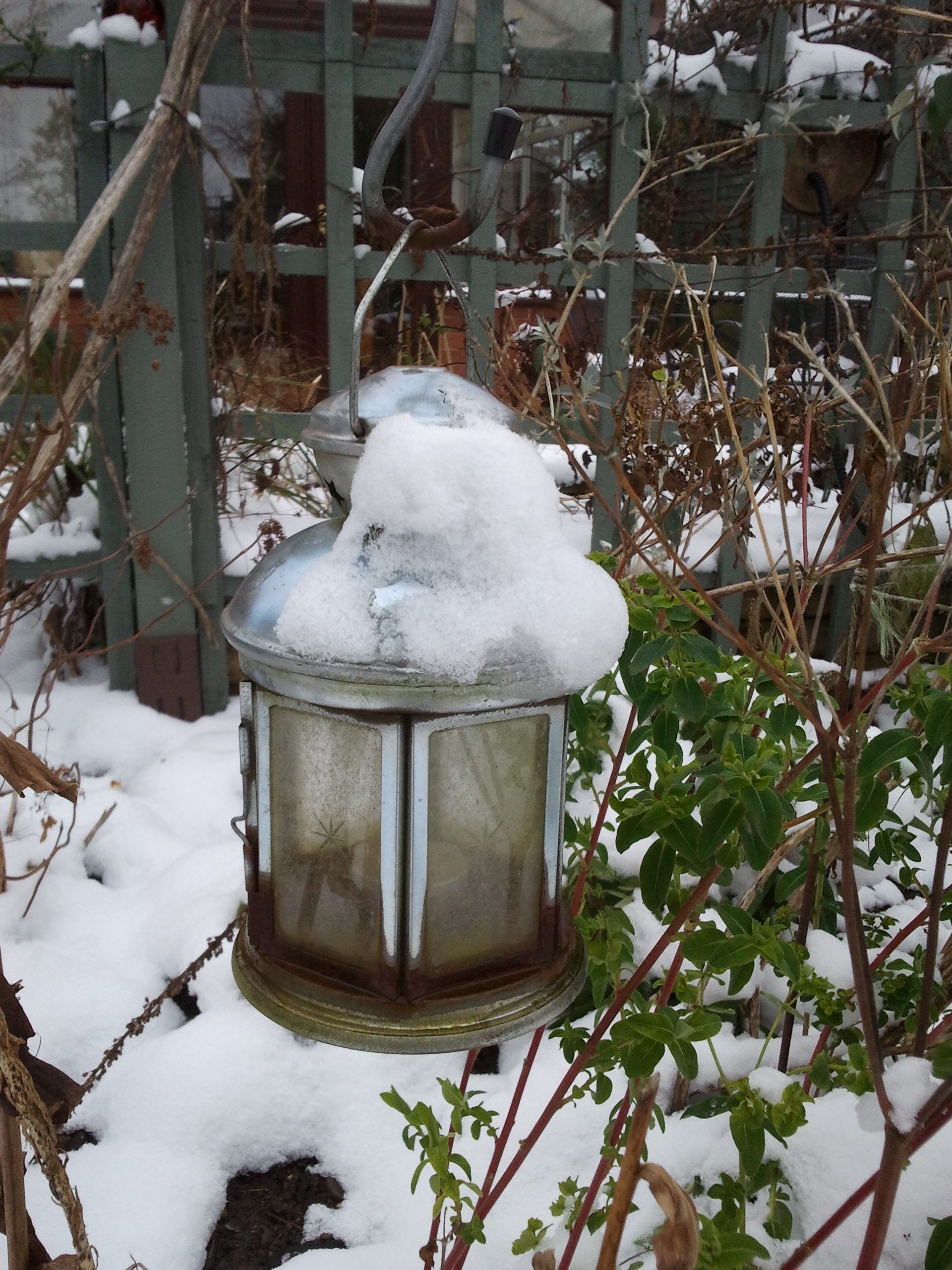
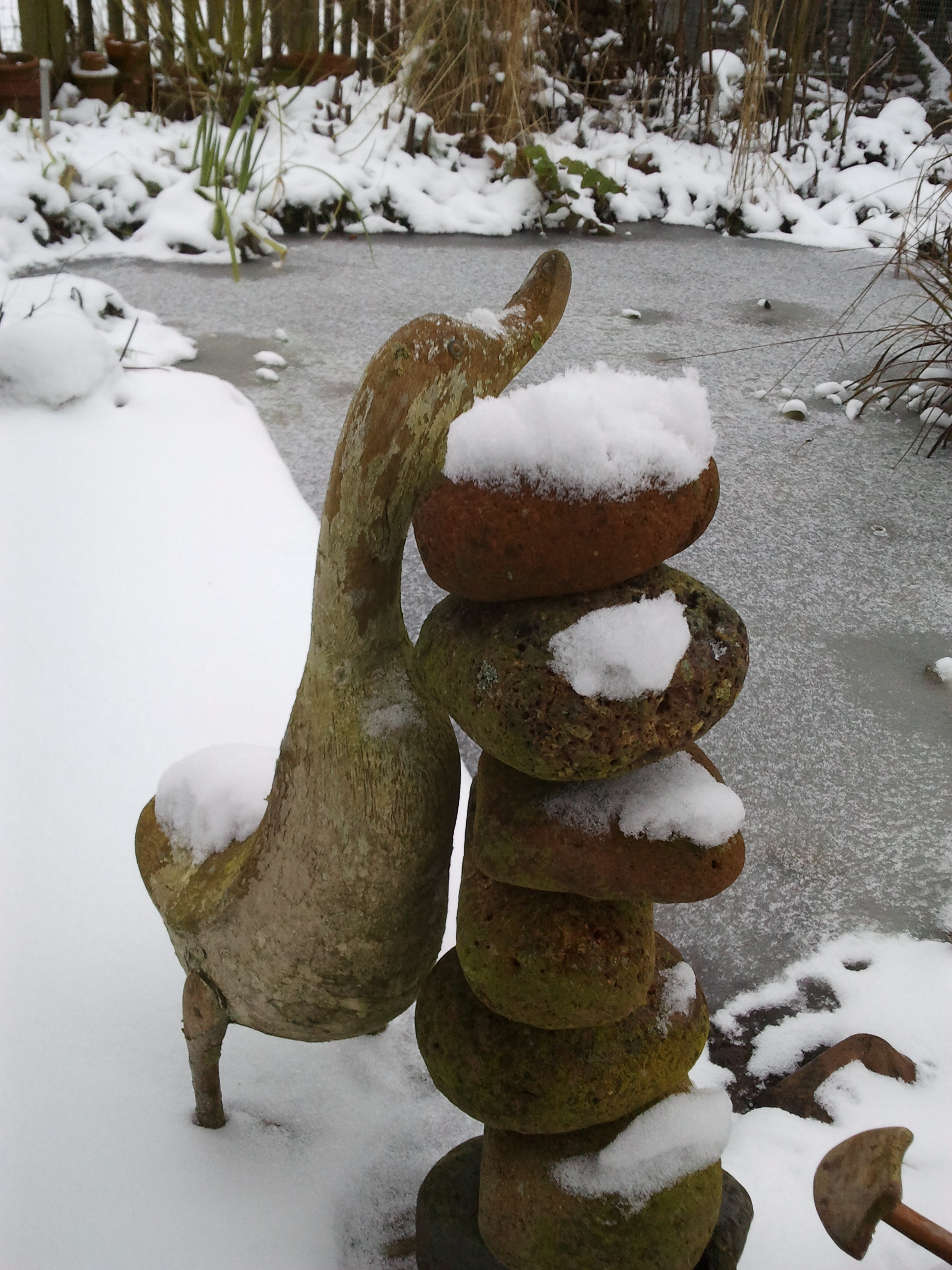
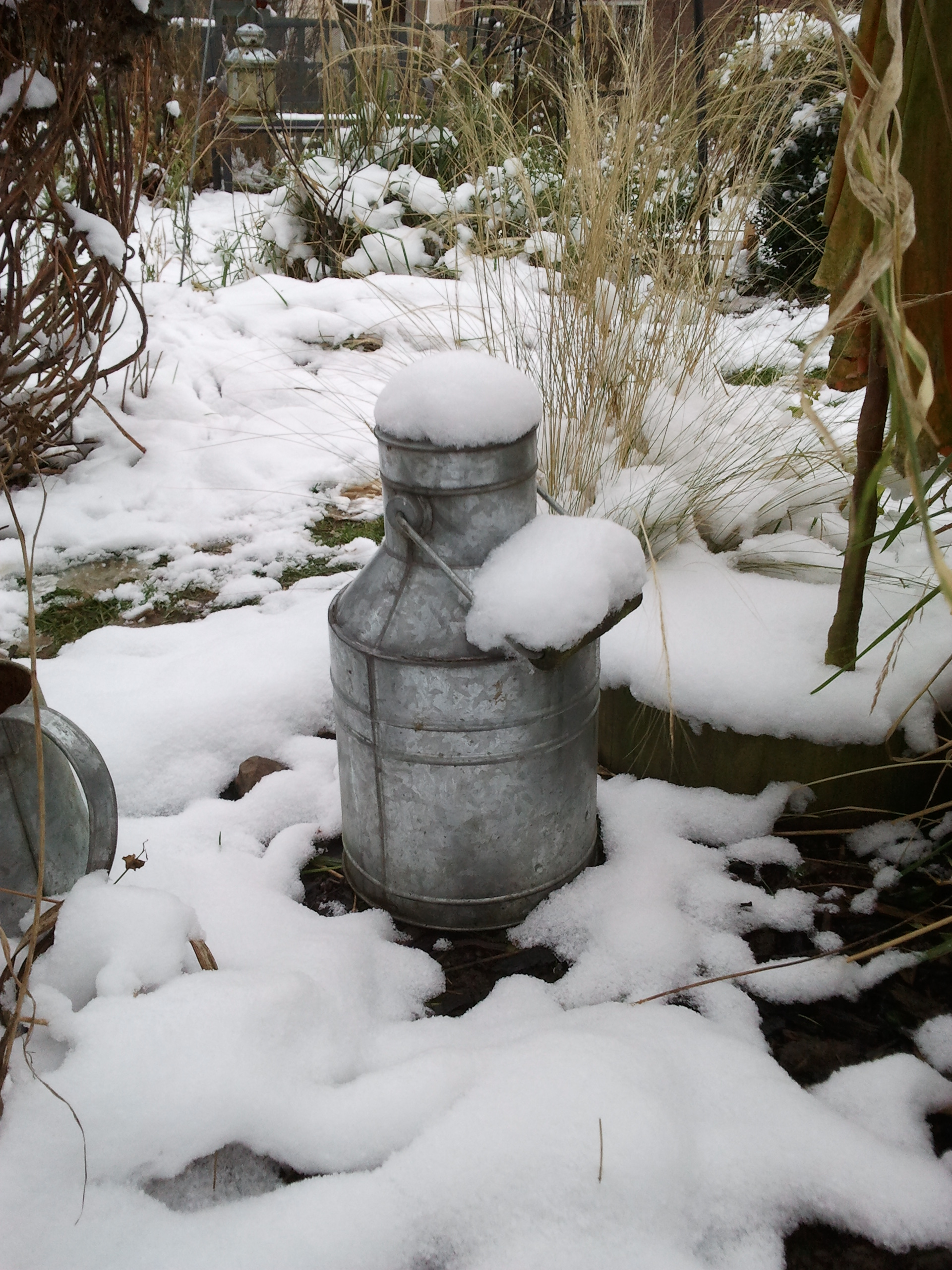
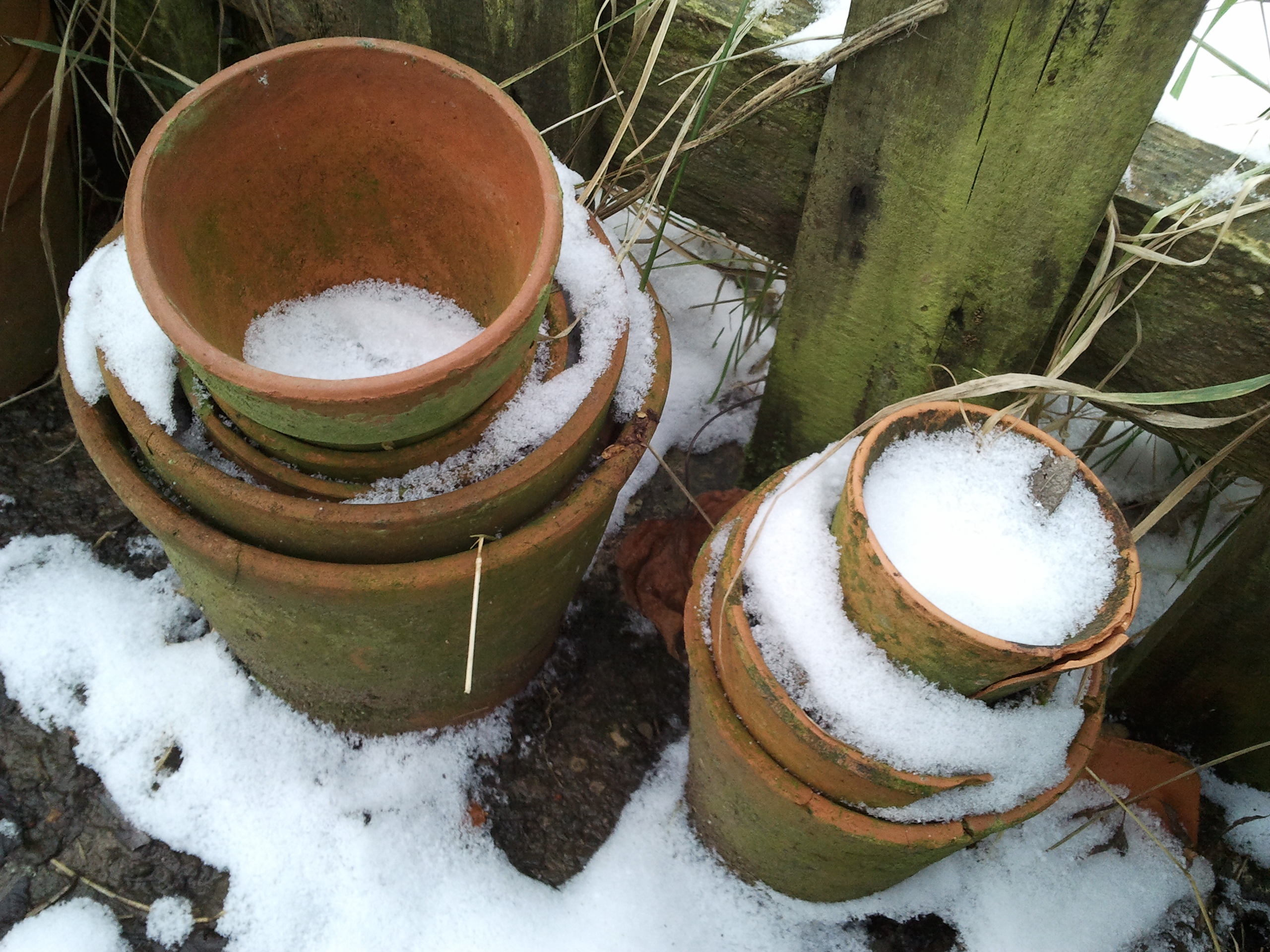
The garden has its hat on – a hat of snow.

Plants are sporting their new white headgear.

SAMSUNG SAMSUNG SAMSUNG SAMSUNG

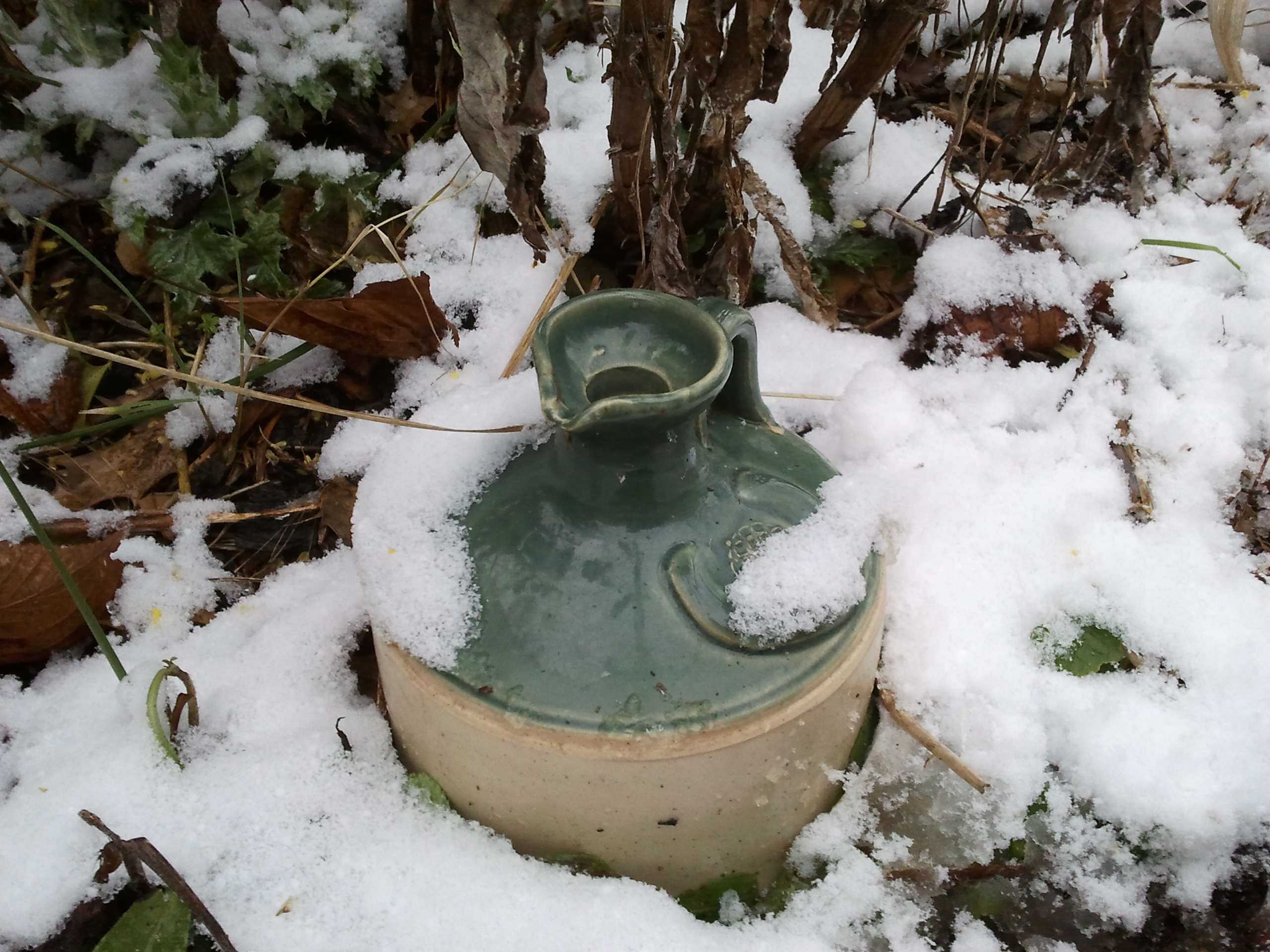
All sculptures and ornaments are wearing their ermine hats and coats.

SAMSUNG SAMSUNG SAMSUNG SAMSUNG SAMSUNG DSC_0001-17DSC_0003-18

SAMSUNG SAMSUNG SAMSUNG SAMSUNG SAMSUNG SAMSUNG SAMSUNG SAMSUNG SAMSUNG SAMSUNG SAMSUNG

The insects are warm in their homes, hopefully hibernating safely, but we will not know until the spring. Each night the little Jenny Wrens queue up to roost in their wicker basket.

SAMSUNG SAMSUNG SAMSUNG

Categories
allotments autumn autumn colours bird watching colours community gardening fruit and veg garden photography garden wildlife gardening grasses grow your own meadows natural pest control ornamental trees and shrubs photography roses wildlife

A Wander Around our Allotments in November

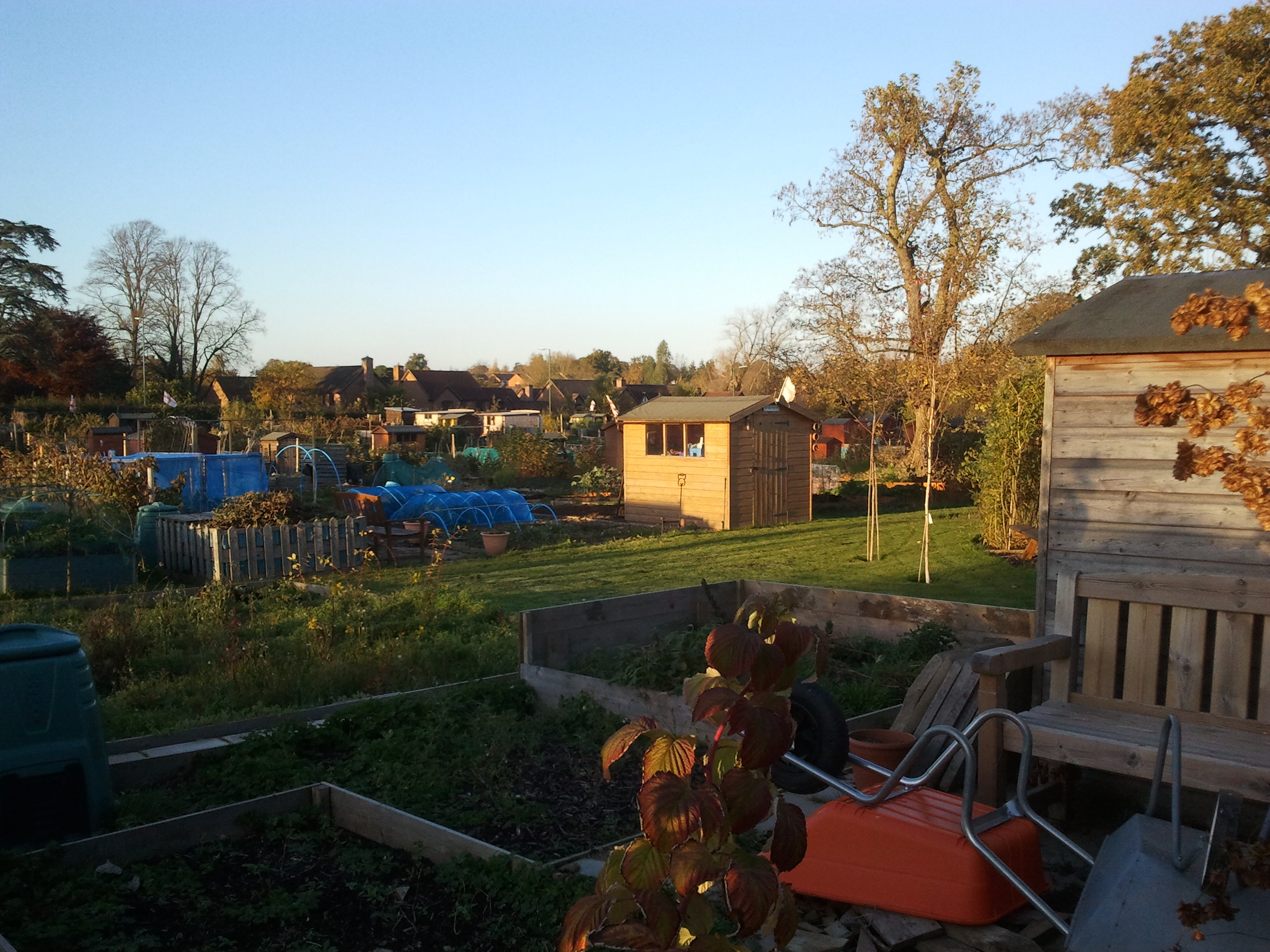
The penultimate lottie wander post for 2012 and at last the weather is providing a few bright cold days. This is what we look forward to in this autumnal month, rather than the wet dark days we have been presented with in the first few days. The light is warm and gives a crisp edge to any photos taken as the blue haze of summer has disappeared.

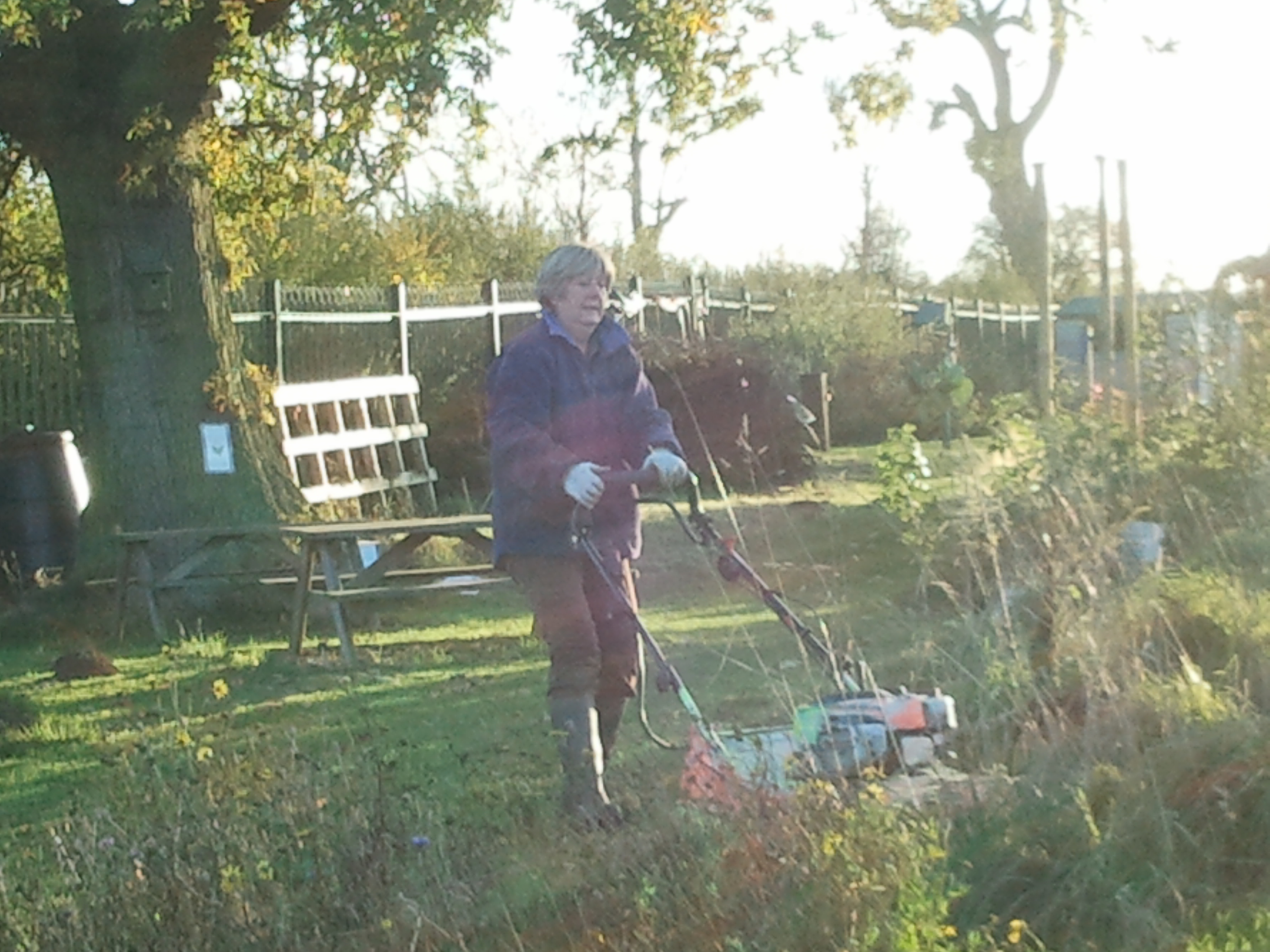
We went up the lottie yesterday to deliver some spare seeds for the Seed Swap basket and to collect some greens left by fellow plot holders for our chickens. They are spoilt by our friends from the site! It was mid-afternoon and we had not intended to stop to work, but we changed our minds. We got out the communal mowers and rakes and gave the final two meadows their annual “hair cuts”. Jude, The Undergardener did most of the work as it is a bit difficult with my spine and leg pains, so I wandered off taking advantage of the special quality of the day’s light and shot off a couple of dozen pics with my Galaxy.
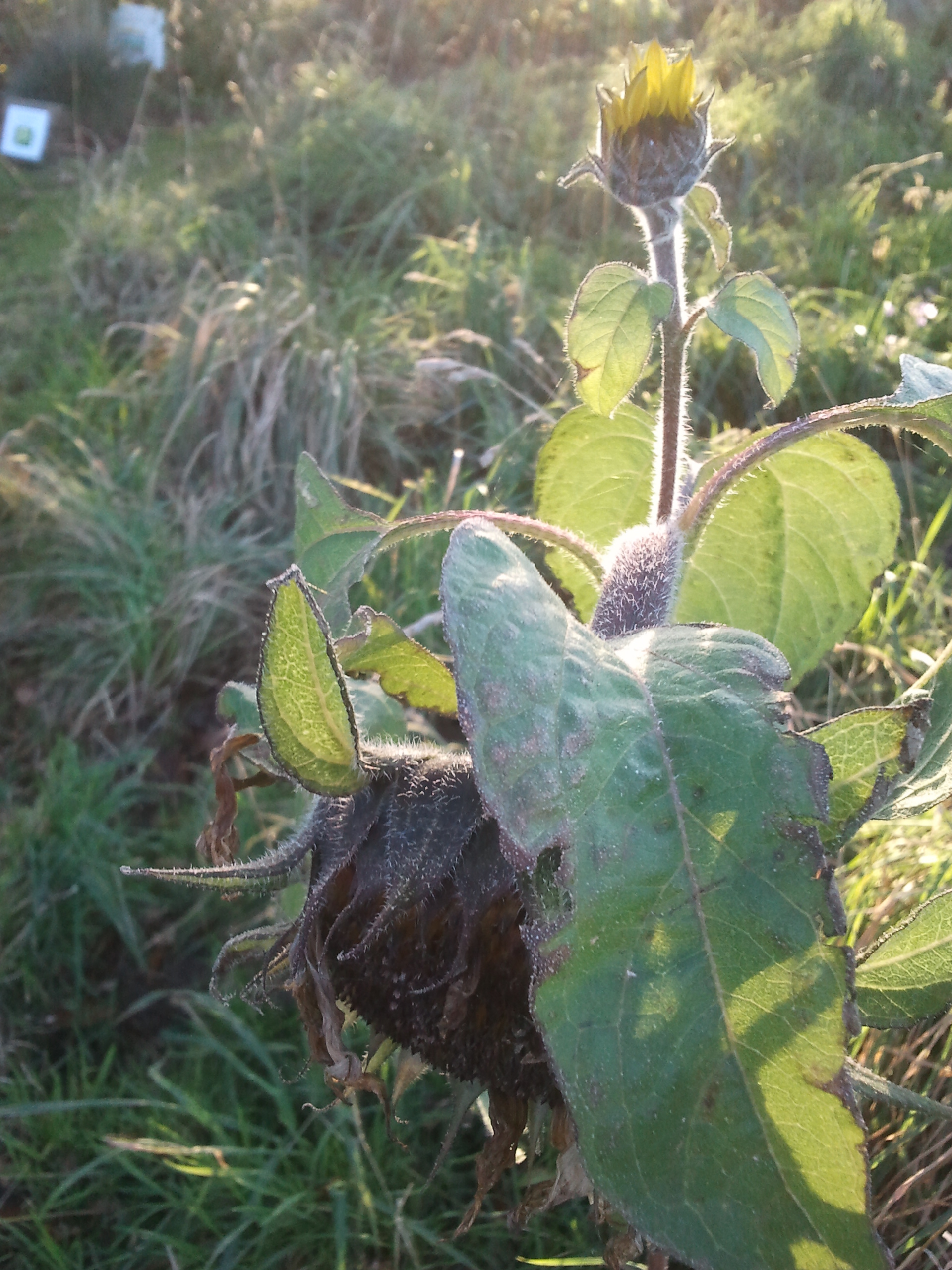
As we worked on the meadows the resident Field Voles scuttled off as they felt the mower’s vibrations and disappeared down their holes. We left a few clumps of wildflowers standing for everyone to enjoy before winter cuts them down. Field Scabious, Mallow and Sunflowers.

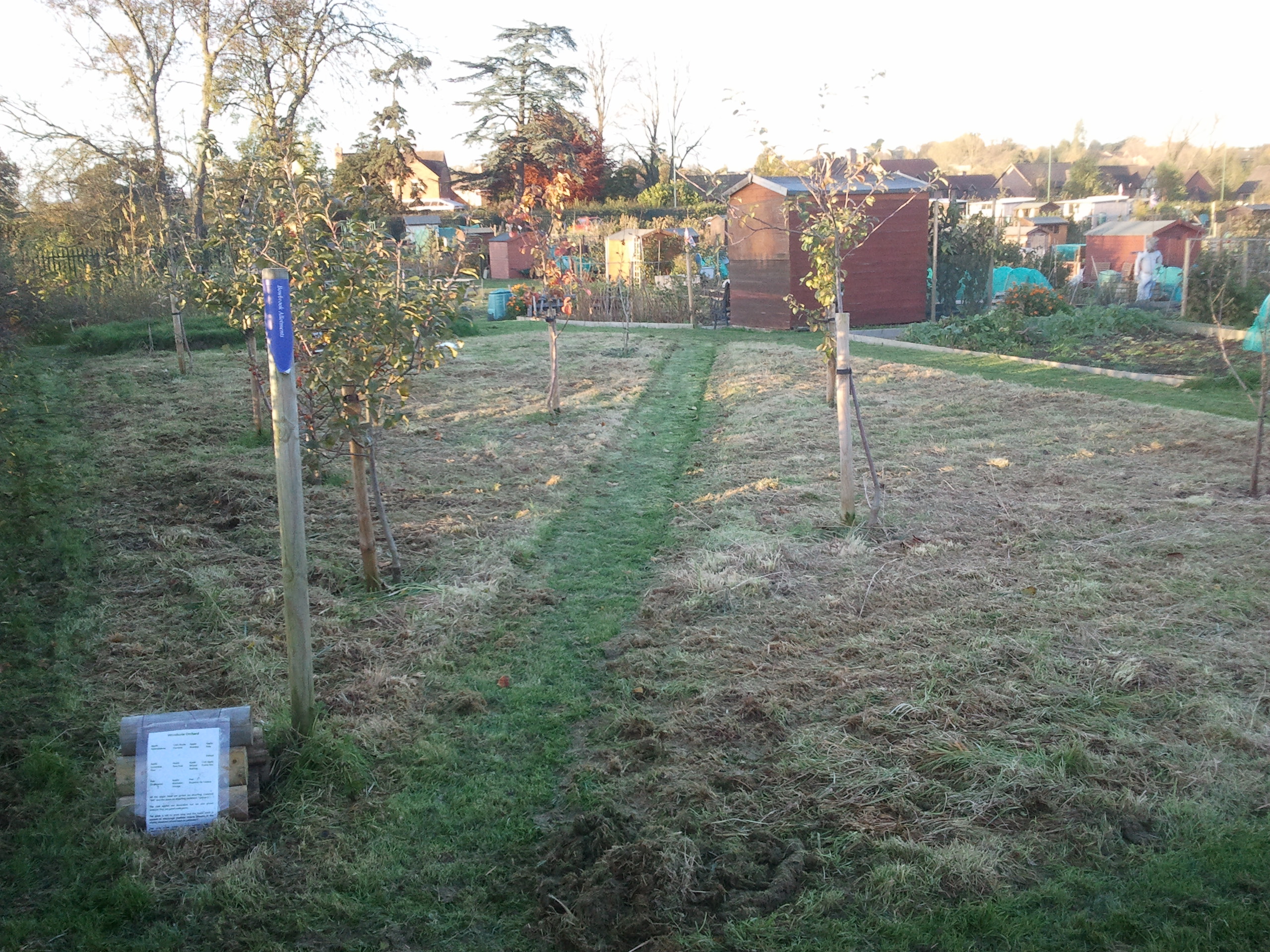
The meadows that are already trimmed look flat and brown, but the pathways mown through them look crisp and green.

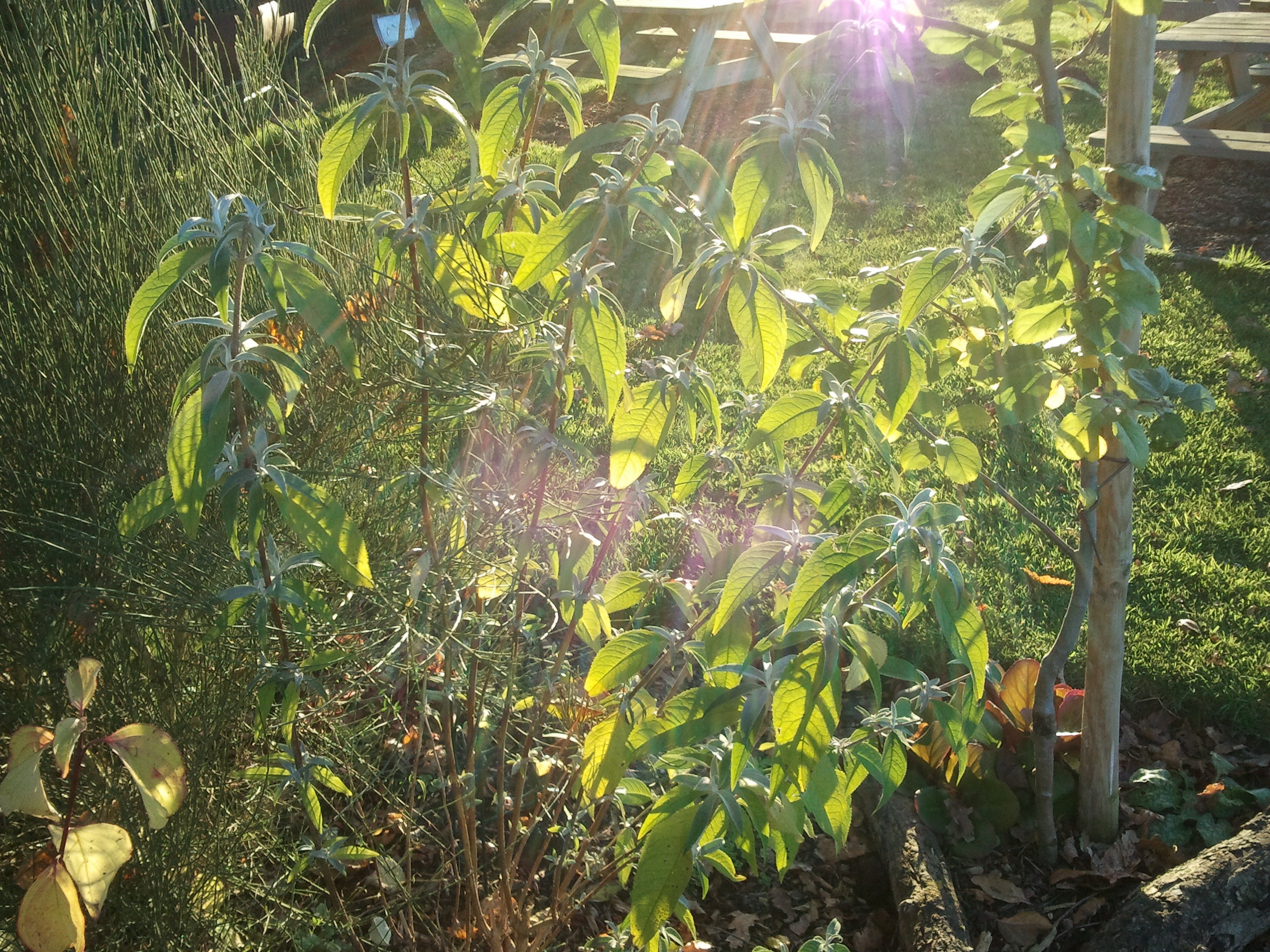
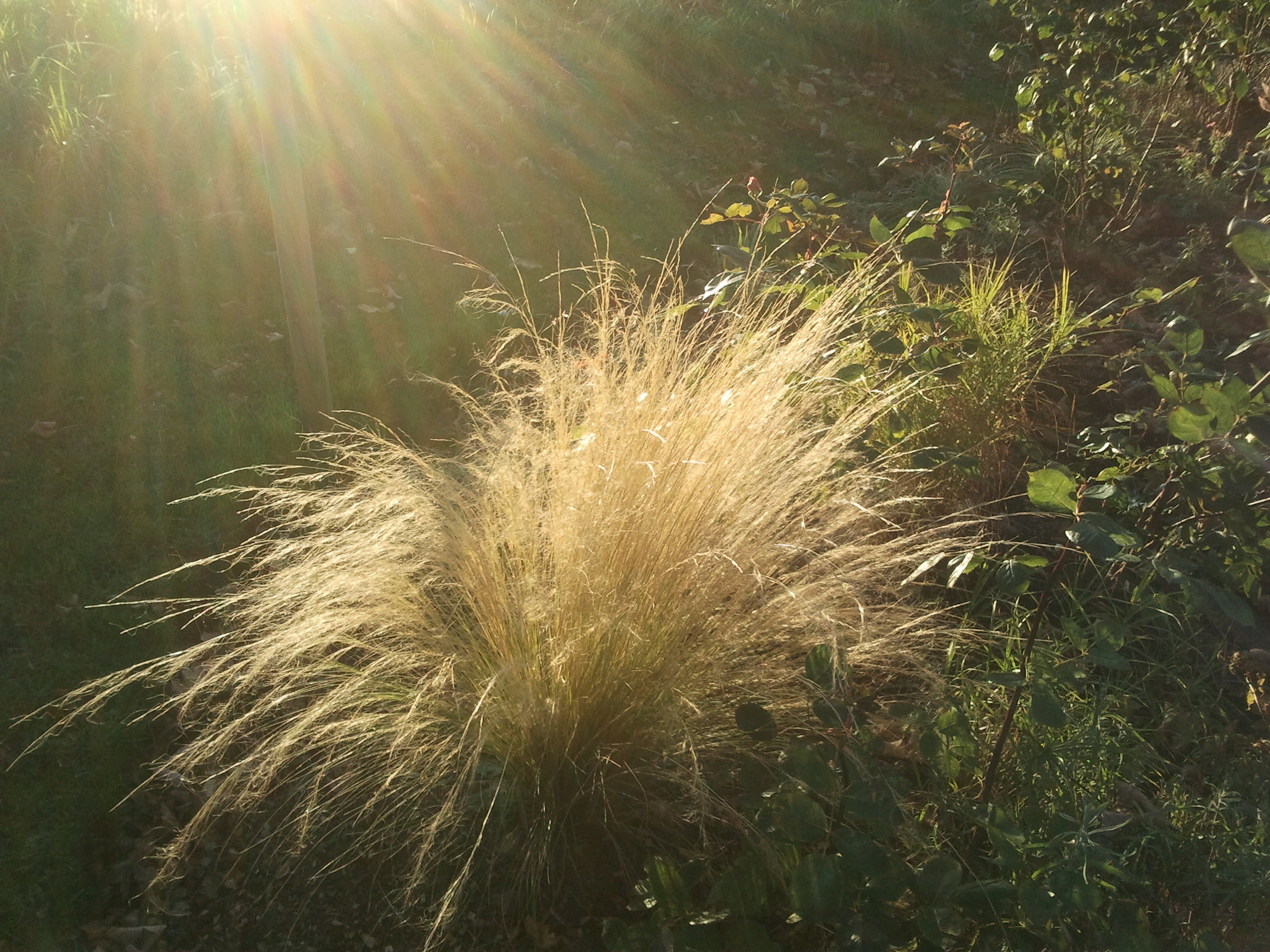
The foliage in our Sensory Garden is given extra vitality in the November sunshine.

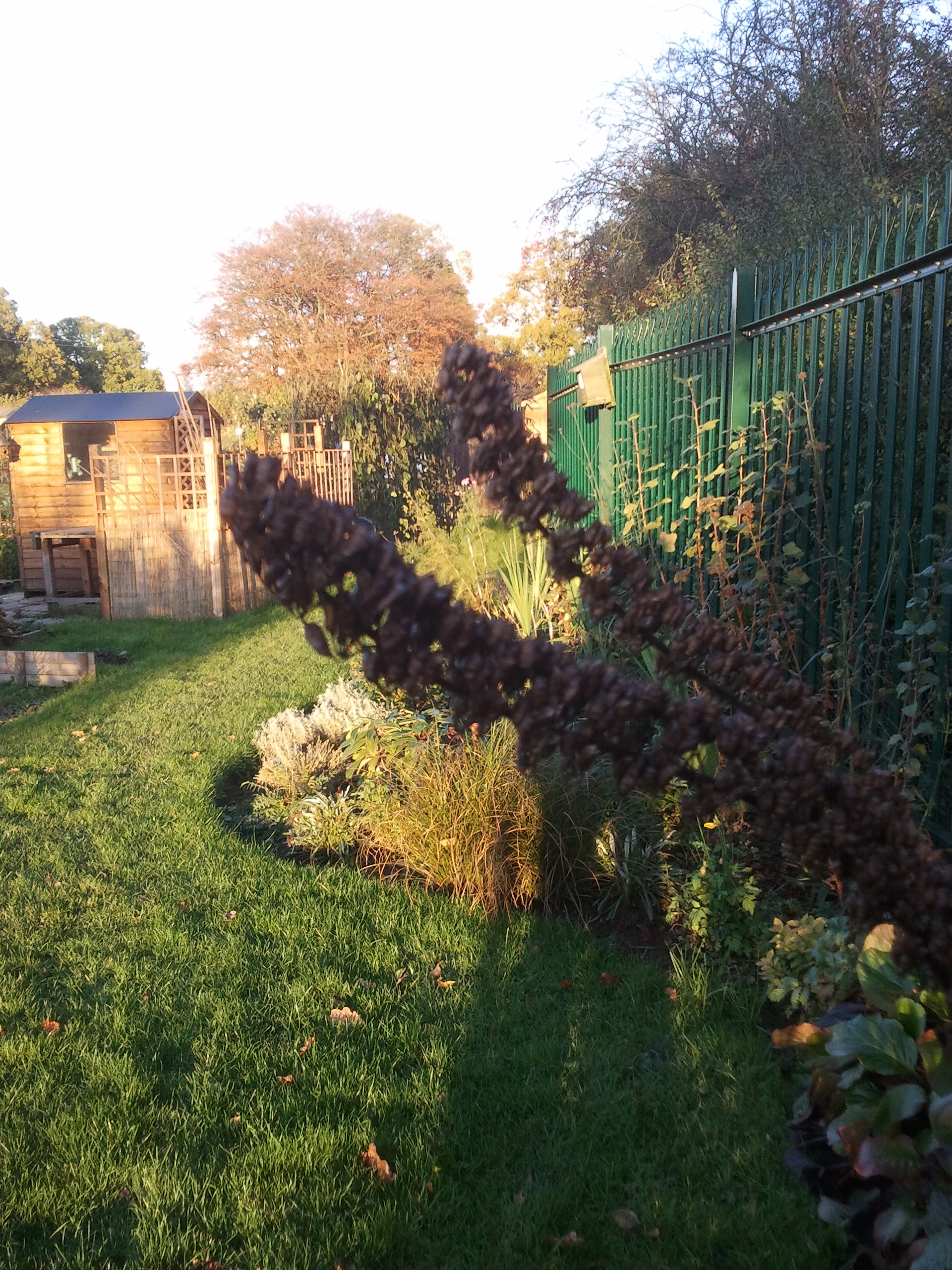
The next shot is a view of the site boundary through the seed heads of a white-flowered Actaea across the Spring Garden. In the Spring Garden a tiny Acer shows that you don’t have to be big to impress.

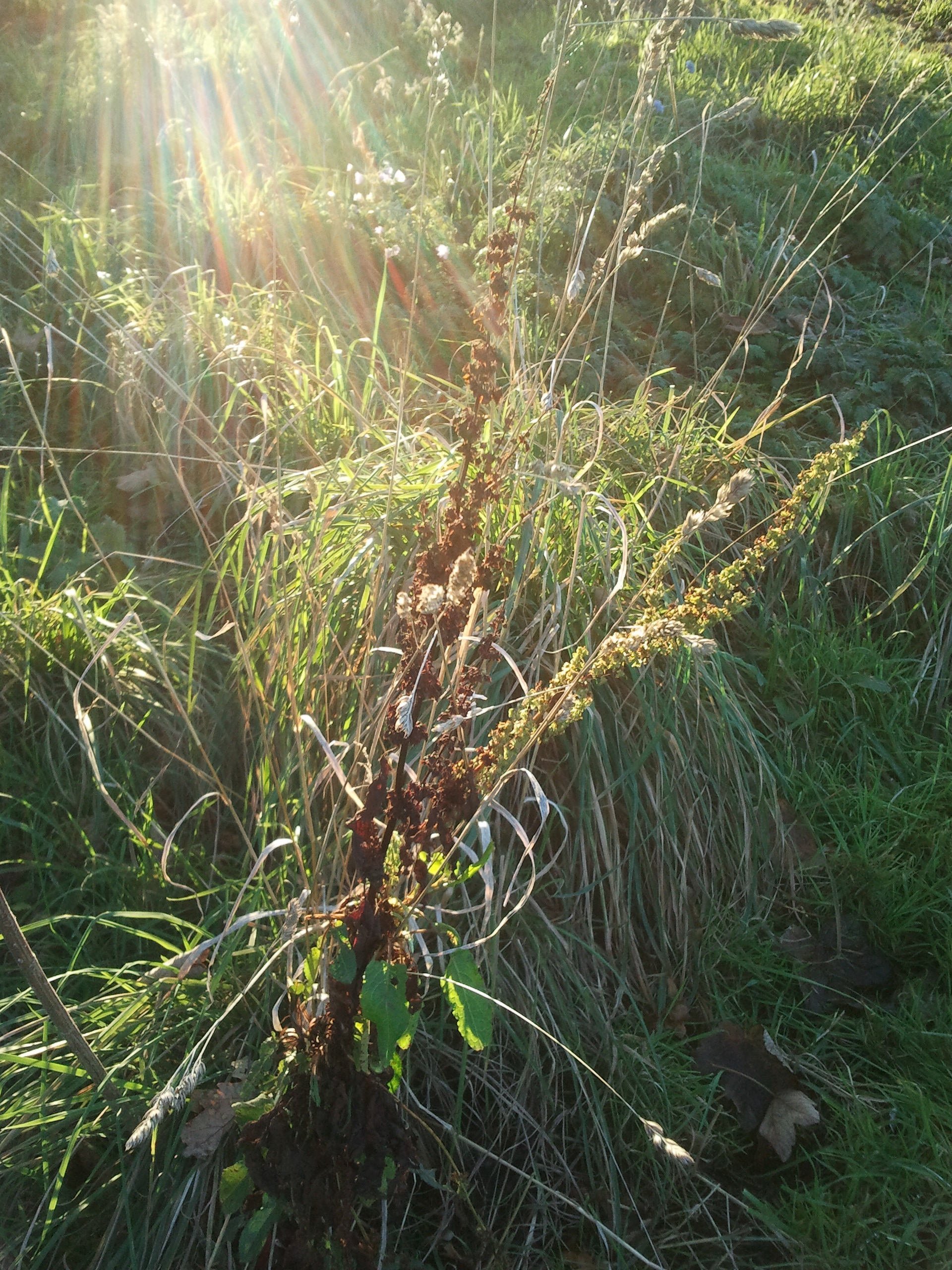
In the meadows the last of the grasses and sunflowers stand tall and proud.

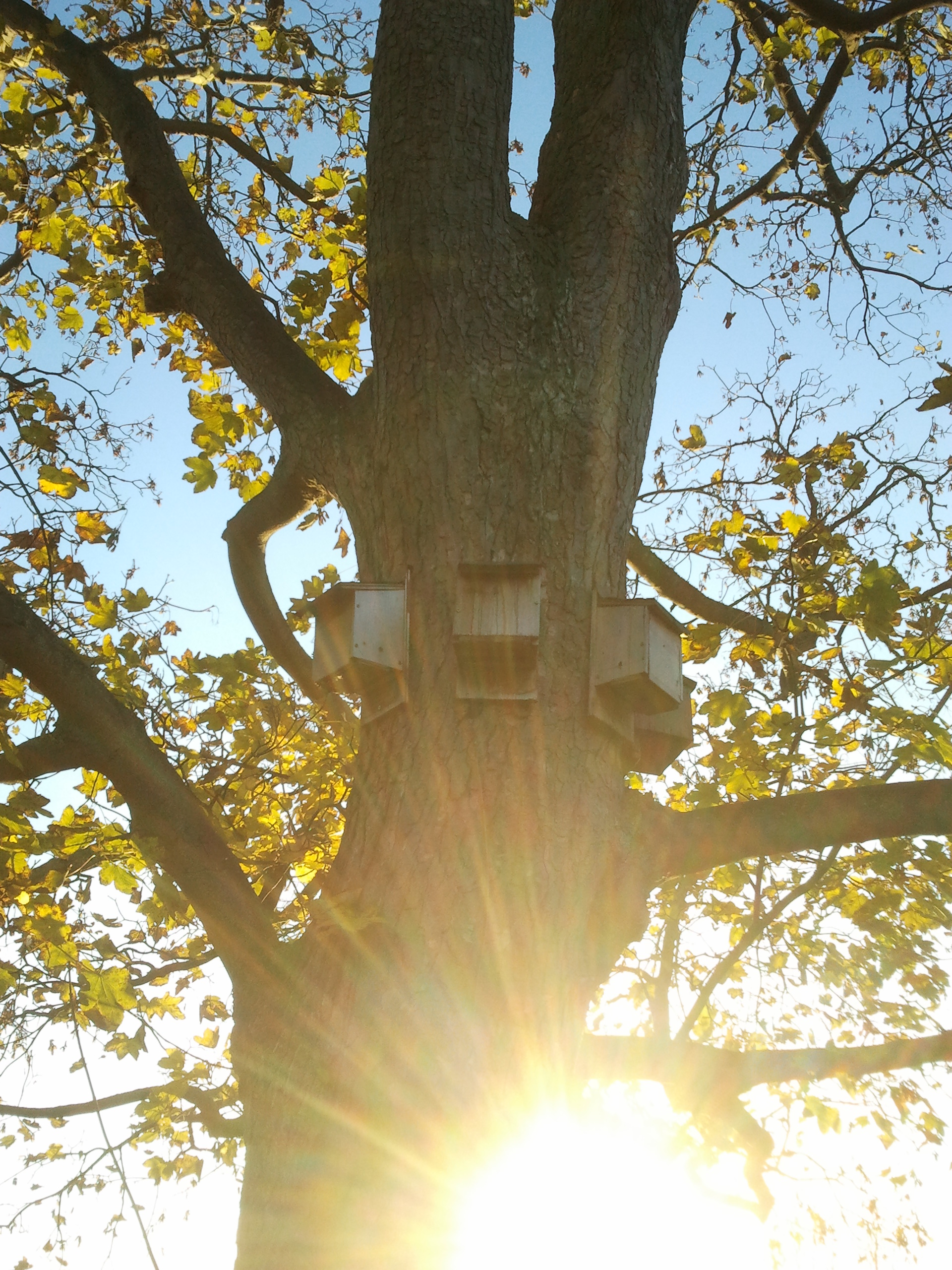
Up in the mature Sycamore and Oak the resident bats will be shuffling around and preening in readiness to leave their roosts in the boxes and go on the feed for moths and night-flying insects. Bats are our night-time pest control patrols. In the daylight hours we are being entertained by birds of prey often being mobbed by our flocks of Jackdaws and Rooks . Peregrines, Buzzard, Red Kite, Kestrel and Sparrow Hawk.

Around the plots the gardeners are preparing their plots for the winter, beds are cleared and manure piled up or spread over the surface.

A few crops remain for winter sustenance.The red stems and purple leaves of Ruby Chard add a burst of colour. Brassicas are covered to give protection from ravenous and greedy Wood Pigeons who love to eat the sweet centres of Brussels Sprouts and the tenderest, newest leaves of cabbages.

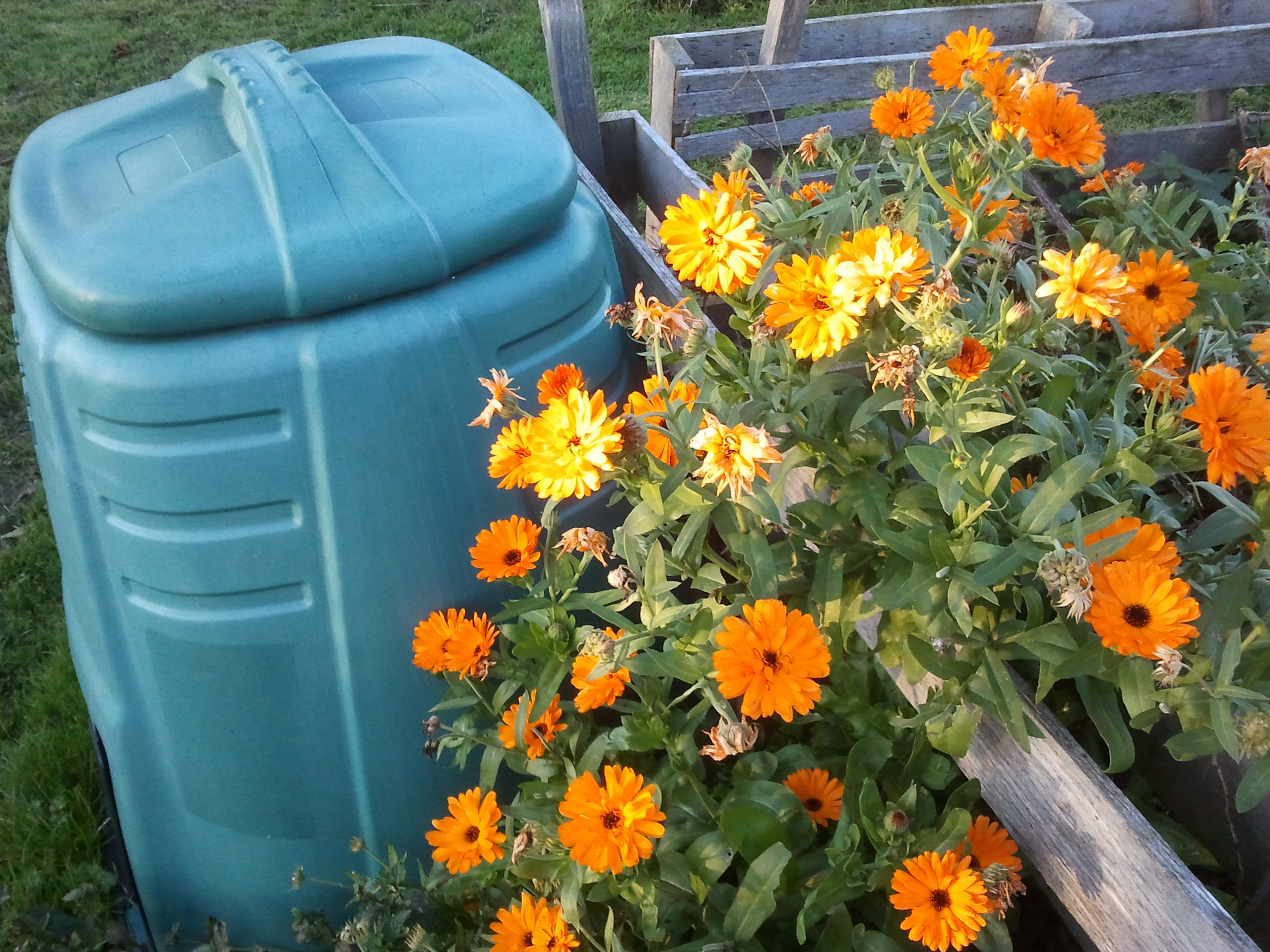
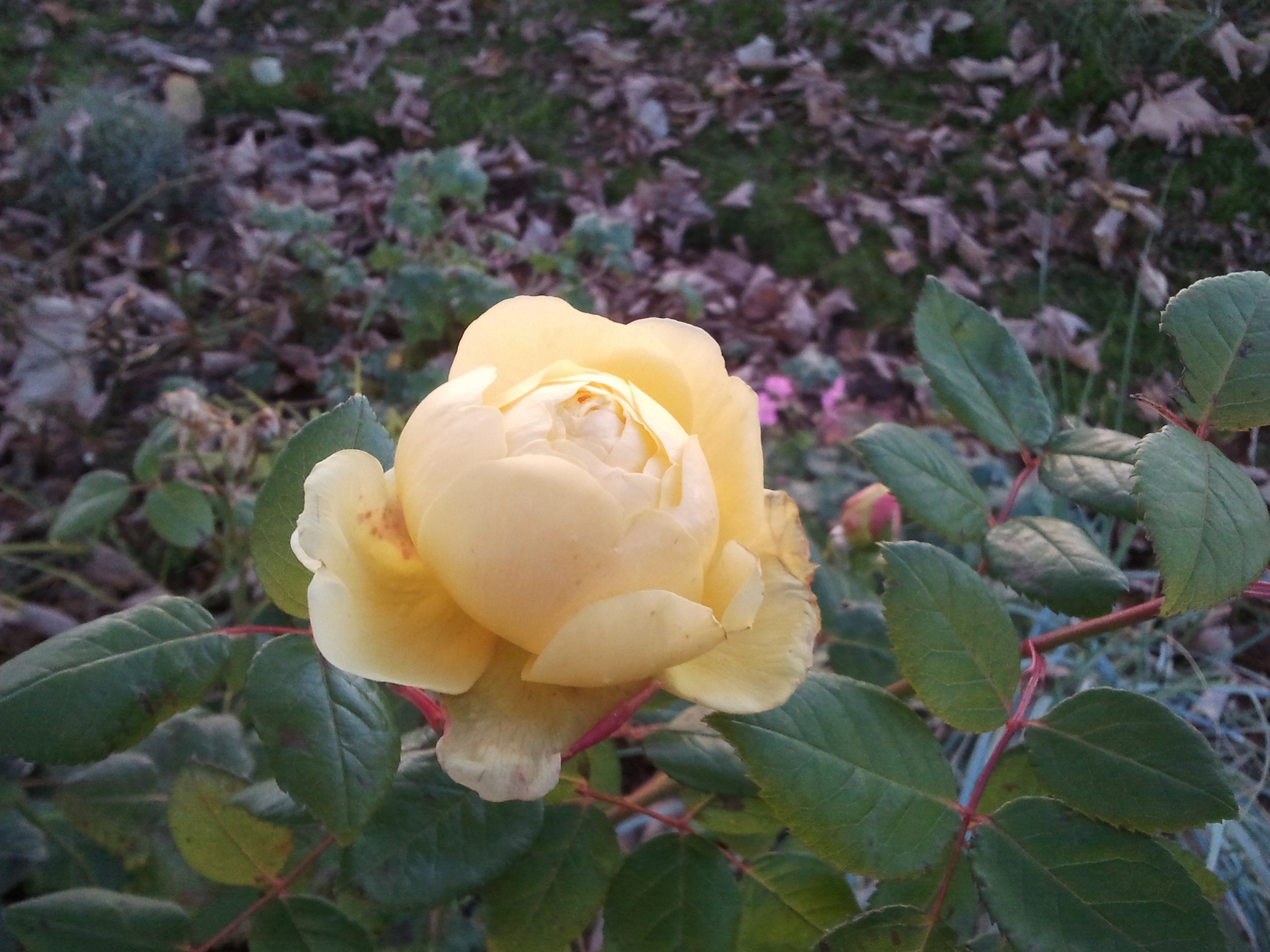
A few remaining flowers add extra brightness to the plots.Tthat most popular of companion plants, the Calendula brightens up compost areas and odd roses still perform in the Summer Garden. We can expect these David Austin roses to continue to treat us to flowers until the new year.

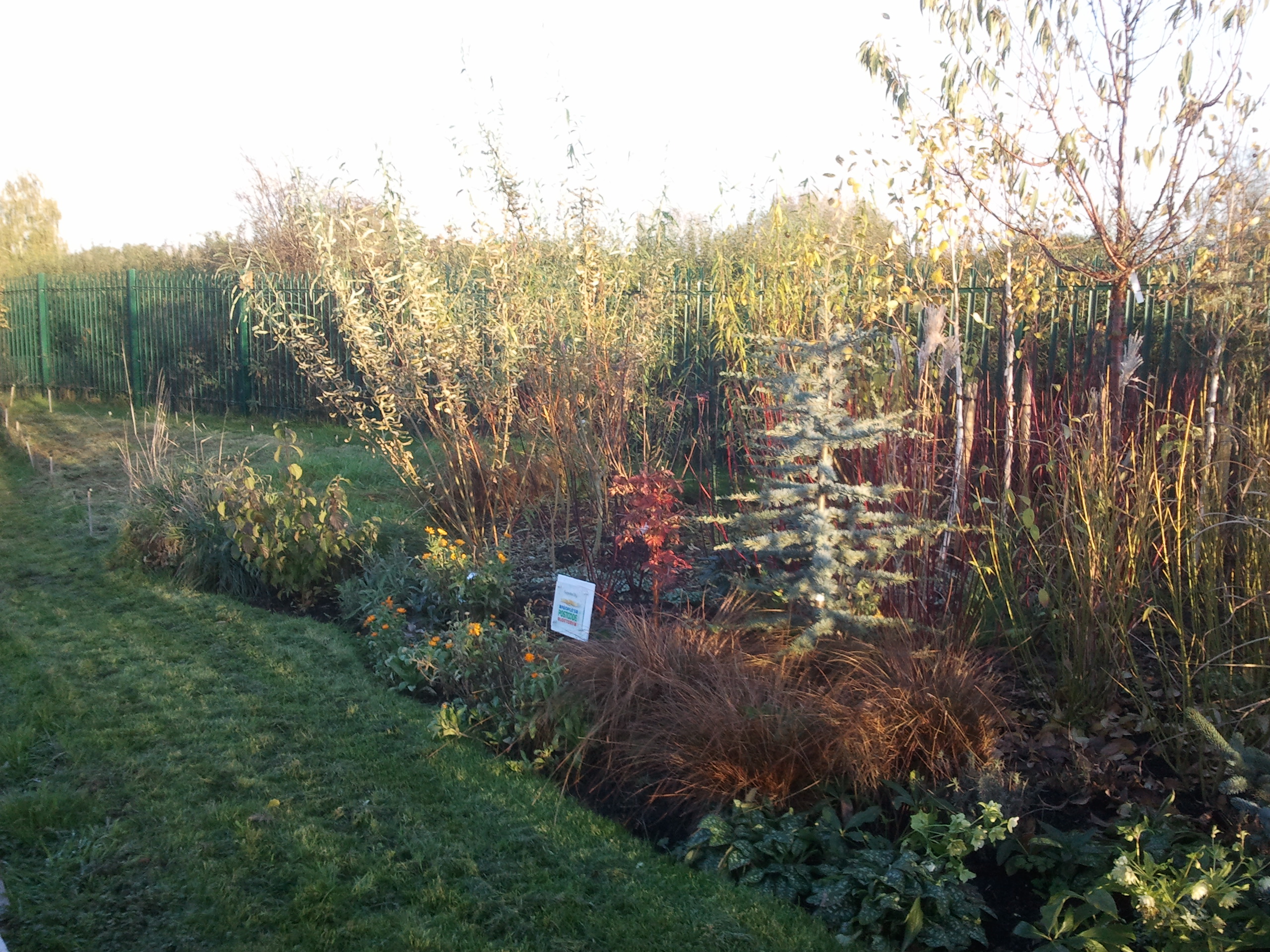
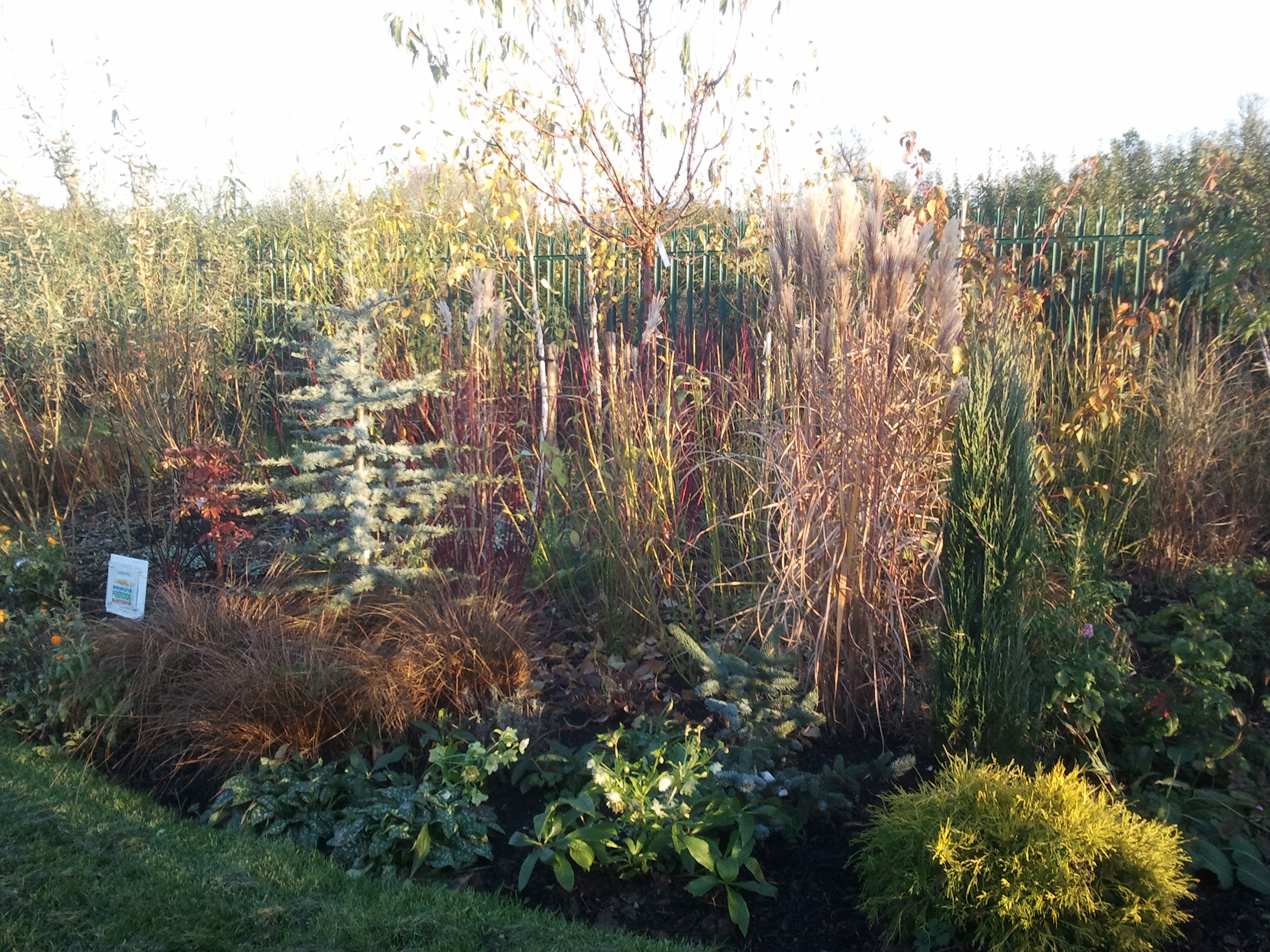
The star of the site for the next few months will be the Winter Garden and it is already showing promises and hints of what delights it has in store for us in times ahead. As leaves fall from trees and shrubs the colours and textures of the stems and trunks will come into their own.

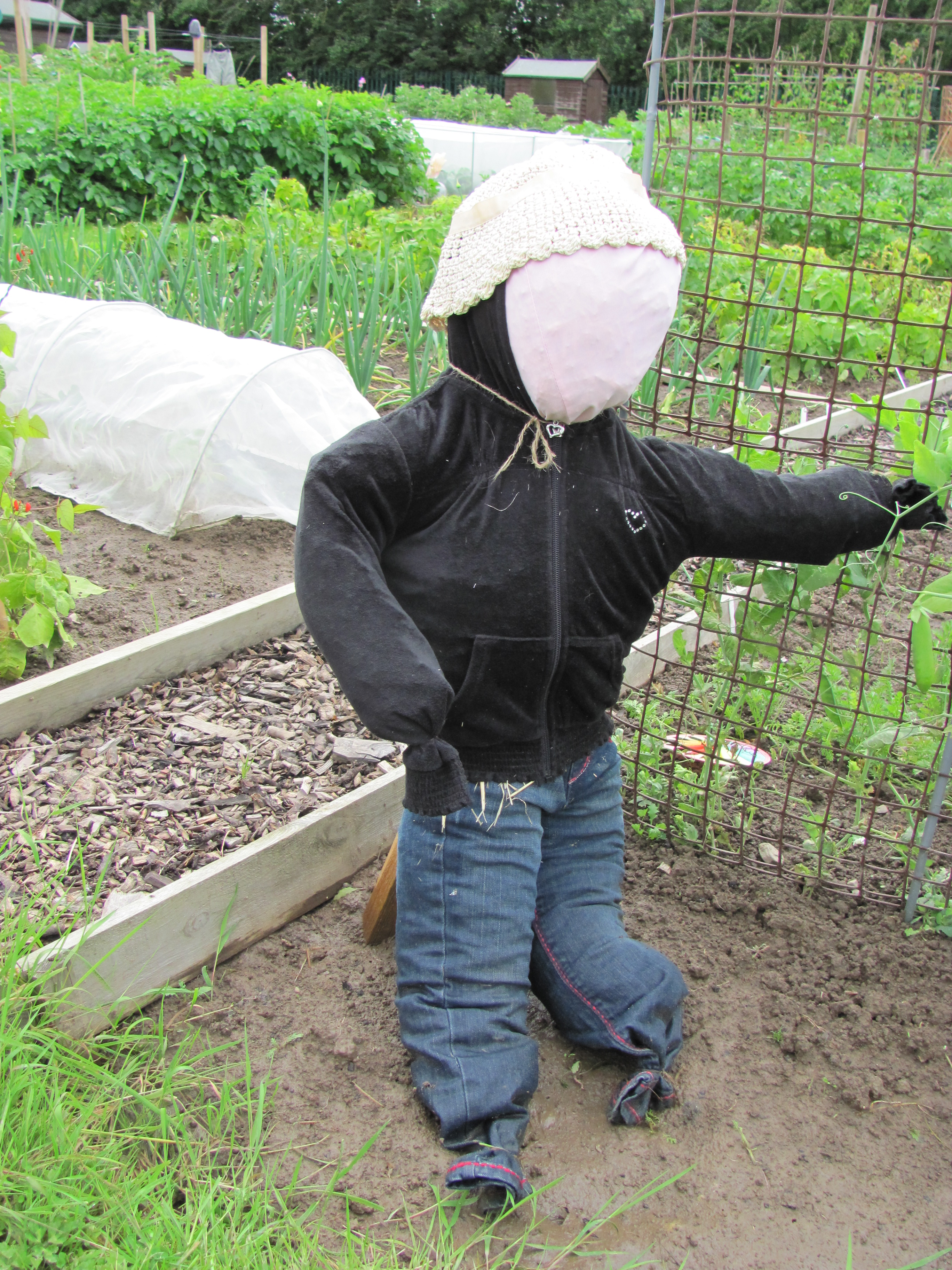
We have endured a wet summer and autumn with each month breaking previous rainfall records. Crops have been poor and we have been flooded four times. Dave, the Scarecrow looks a bit worse for wear too!

Categories
allotments community gardening fruit and veg garden design garden photography garden wildlife gardening grow your own hardy perennials natural pest control

A Wander Around the Allotments in September

This is the month of harvesting and preparing the soil recently vacated by crops that have been dug, cut, pulled and picked,ready for next year’s new crops.

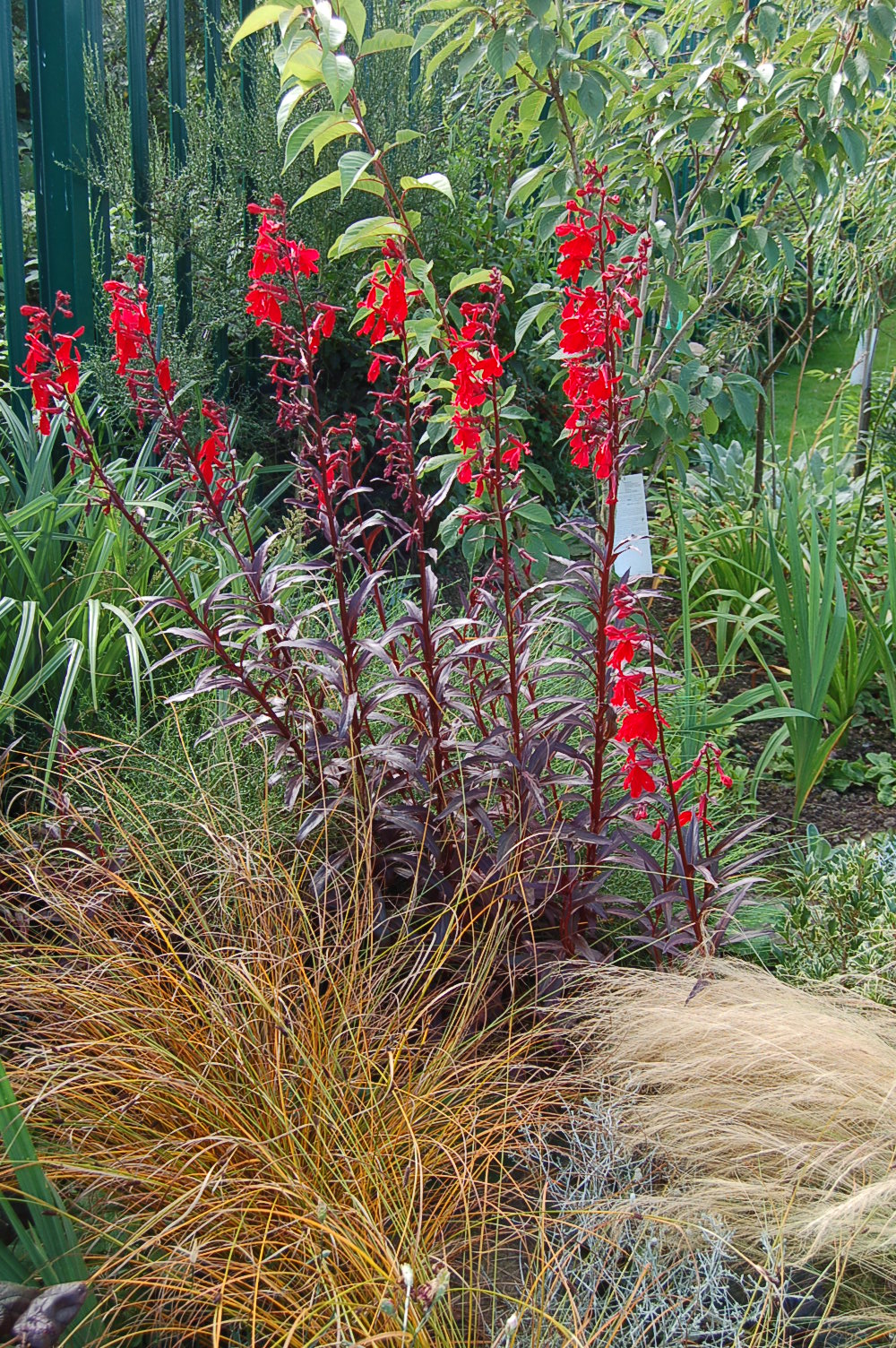
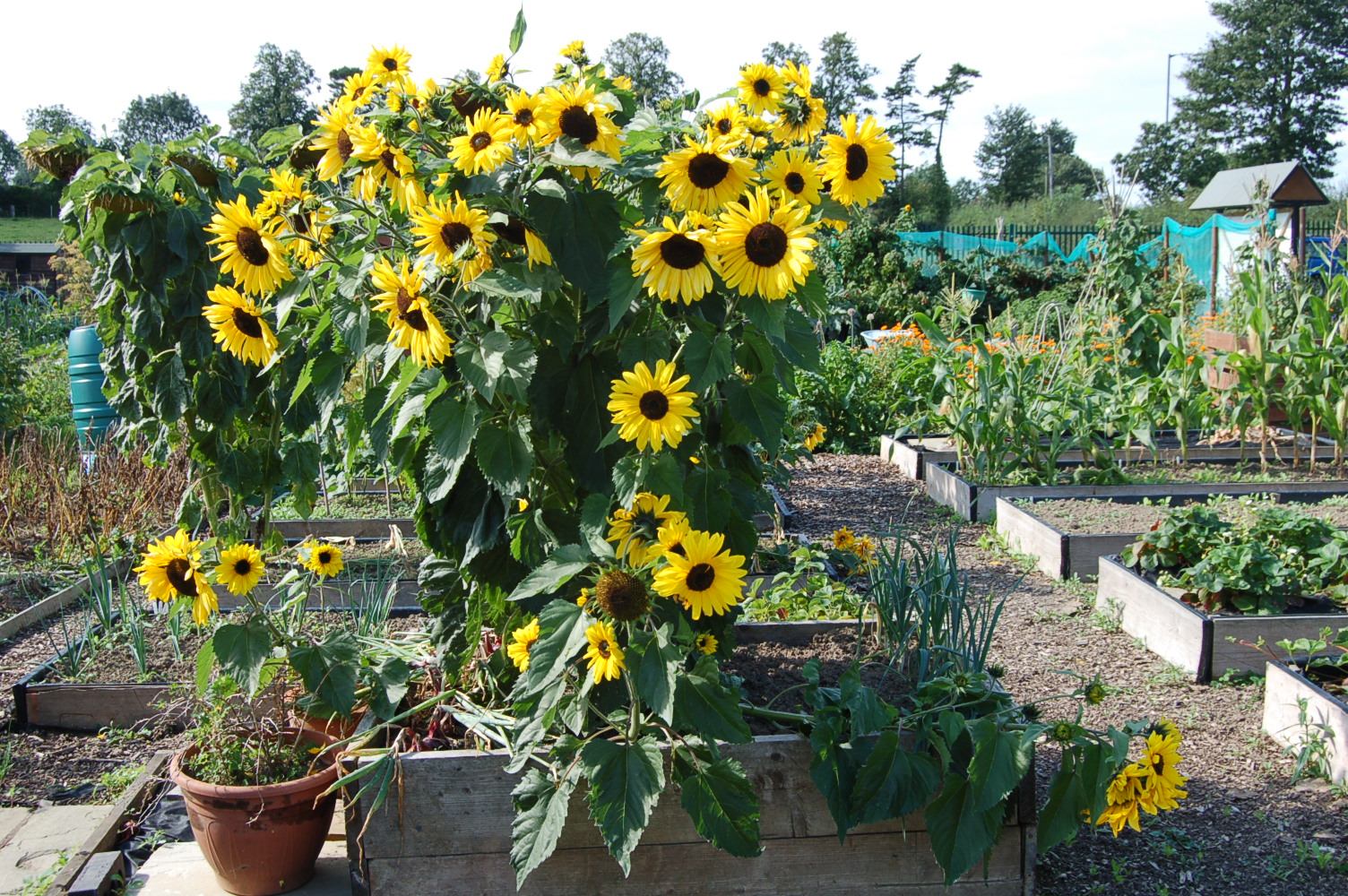
As we wander around the allotments now it is noticeably colourful – flowers abound with almost all plot holders growing some for picking, to enhance their plot or to attract beneficial predatory or pollinating insects.

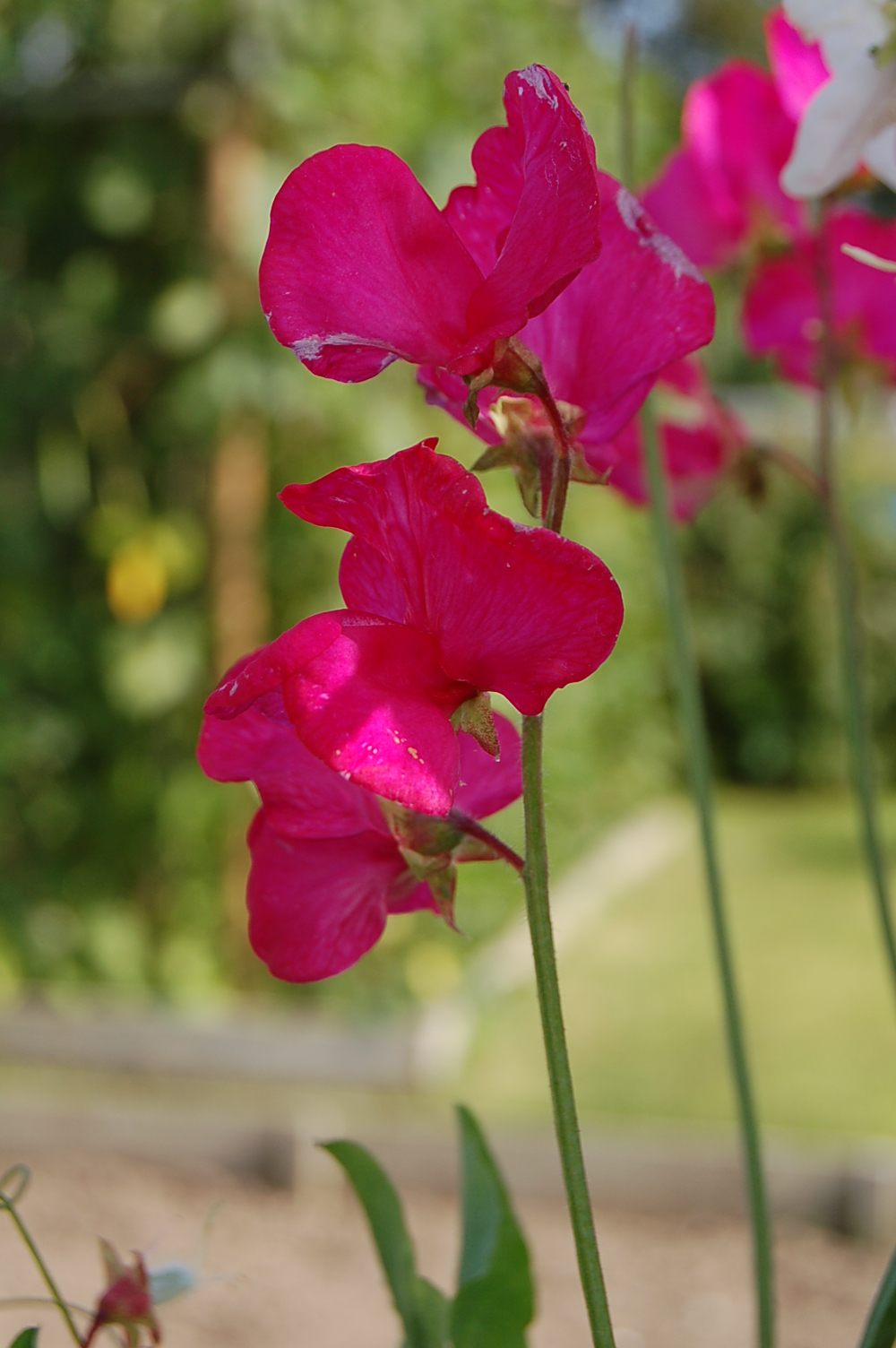
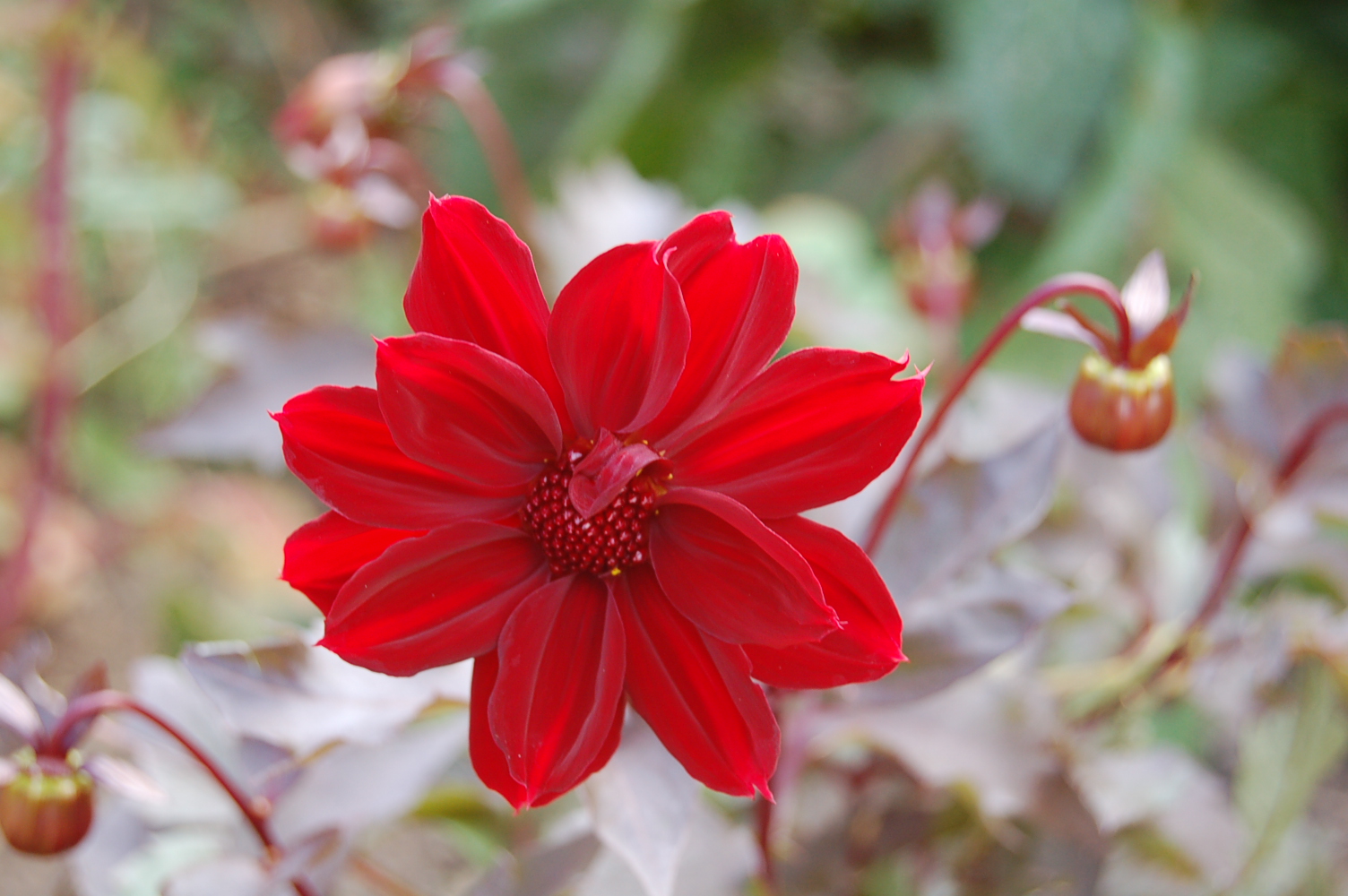
Some plots feature the more expected allotment flowers grown for cutting, such as Sweetpeas, Dahlias. Chrysanths and Gladioli.

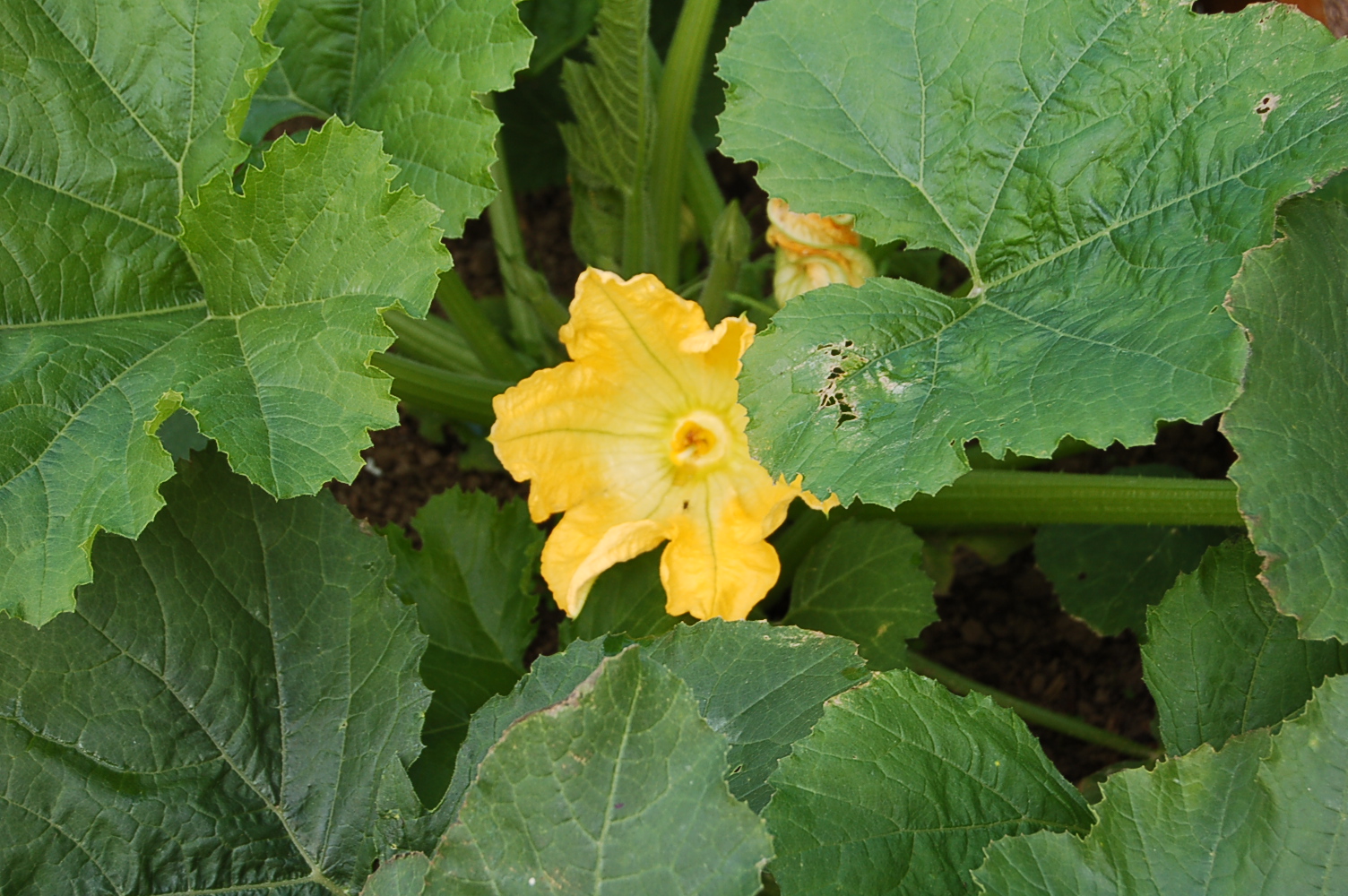
And of course productive plants give floral displays before the fruit, pods and berries appear.

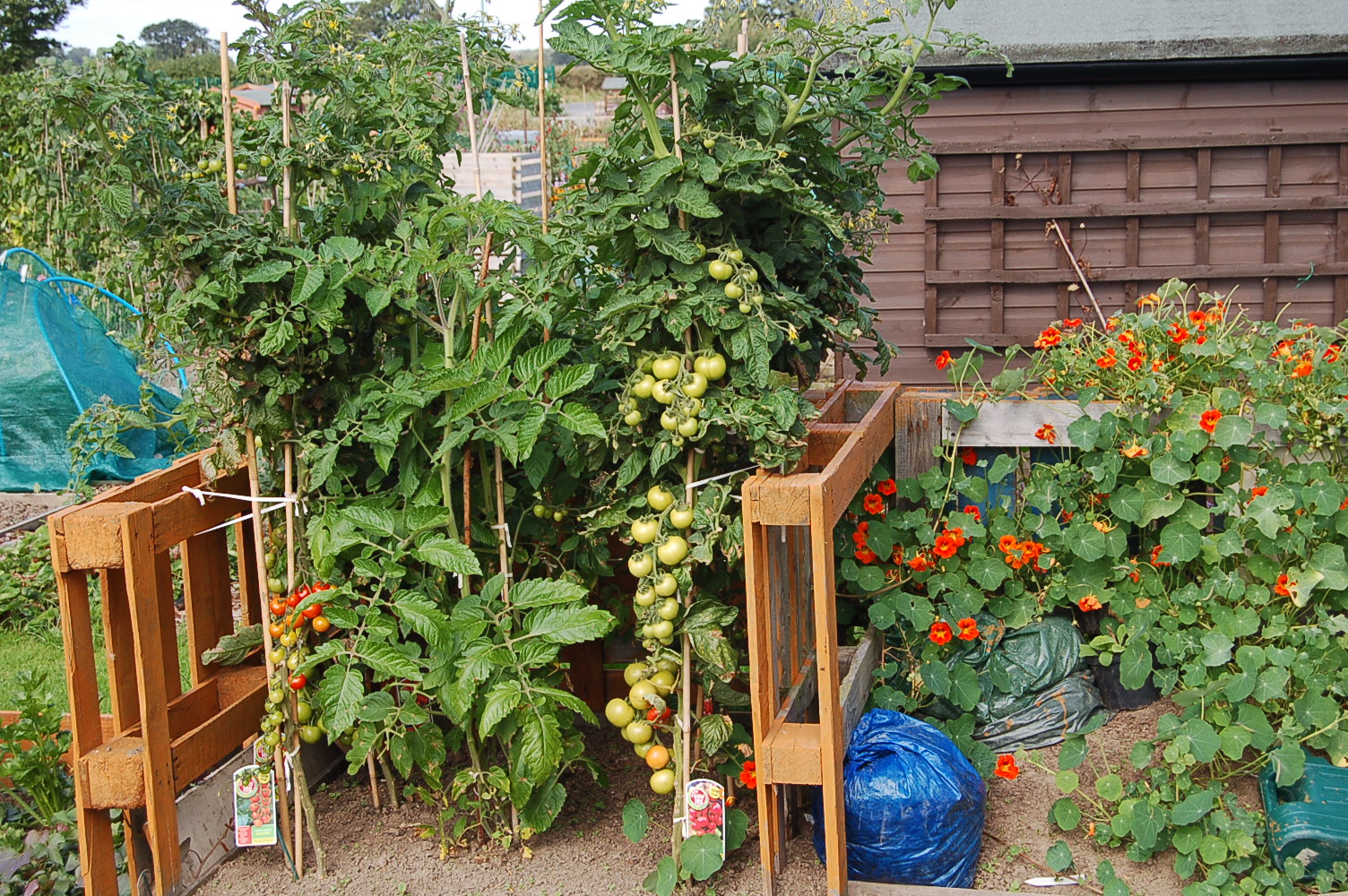
Many plot holders grow a variety of flowering plants as companion plants to attract beneficial insects, both as pollinators and predators,  or to benefit crops or act as barriers.

In our communal borders, designed to look good for the plot holders and visitors as well as serving to attract wildlife, late summer flowers are adding a feast of colour and scent.

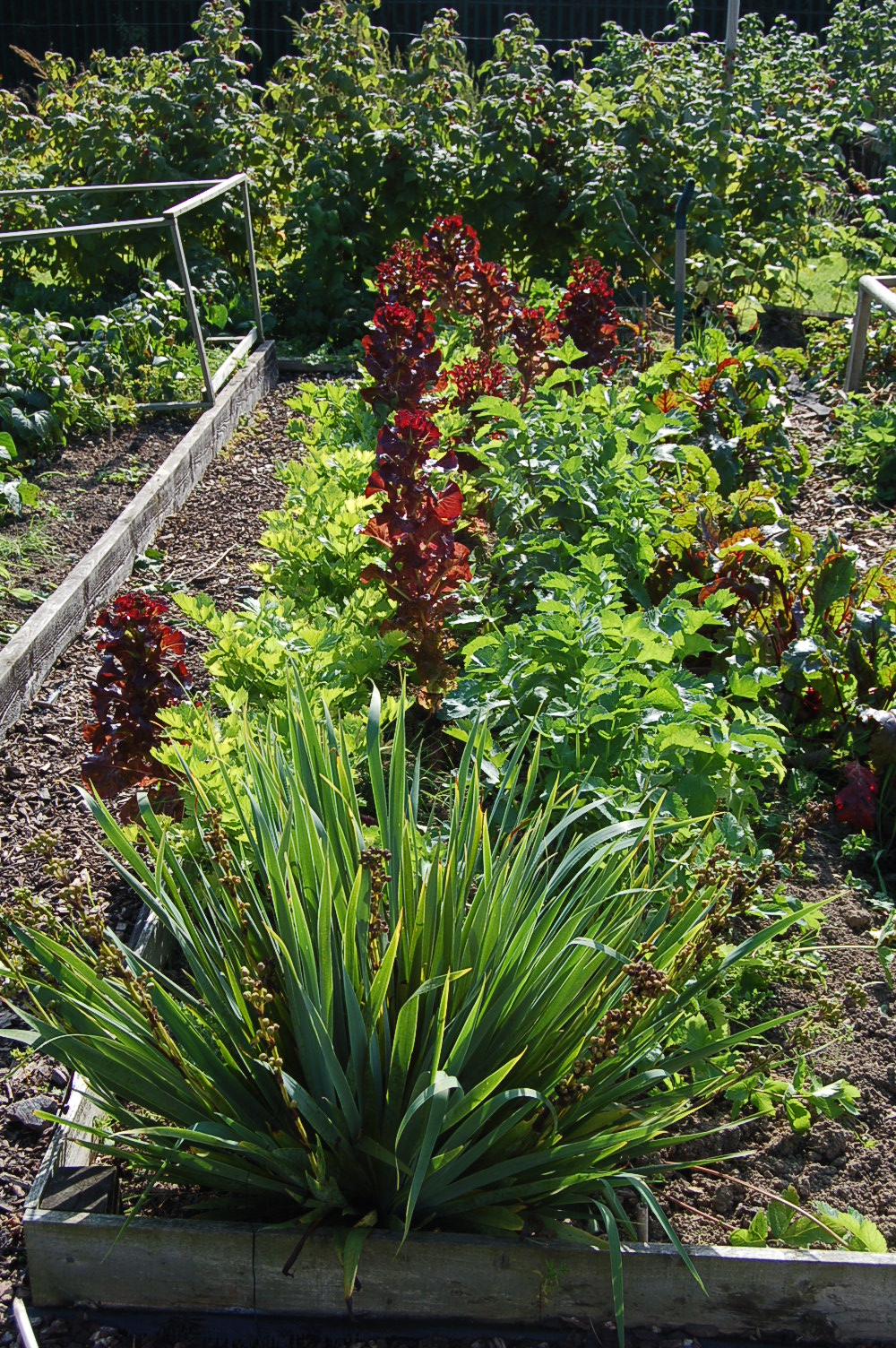
On some plots the gardeners have such a good sense of design that their vegetable raised beds look structured and colourful without the need of flowers.

Some flowers on our lottie site had to serve a very different purpose recently. Annie, one of our neighbouring plot holders sadly passed away after a long illness. It was decided that as Annie loved the allotments so much that Jill, who represented the site at the funeral, should create a big bouquet made up of flowers cut from the plots. It was a bright, colourful, cheerful and summery and perfectly reflected Annie’s personality. We will miss her.

Categories
allotments community gardening fruit and veg garden photography garden wildlife gardening grow your own July meadows natural pest control photography roses Shropshire

A Wander around the Allotments in July.

July on our allotment site has been a month of rain resulting in regular flooding. Now as the rain has disappeared for a while things are drying out. Amazingly potatoes are being dug up out of flooded plots and have given reasonable crops but on others crops have rotted below ground. On our own plot we have been harvesting good crops of carrots, beetroot, garlic, cabbages, broccoli, broad beans, peas and salad leaves. We regularly pick tayberries, rhubarb and gooseberries. Strawberries however are rotting before we get to pick them and even the blackbirds are missing out.

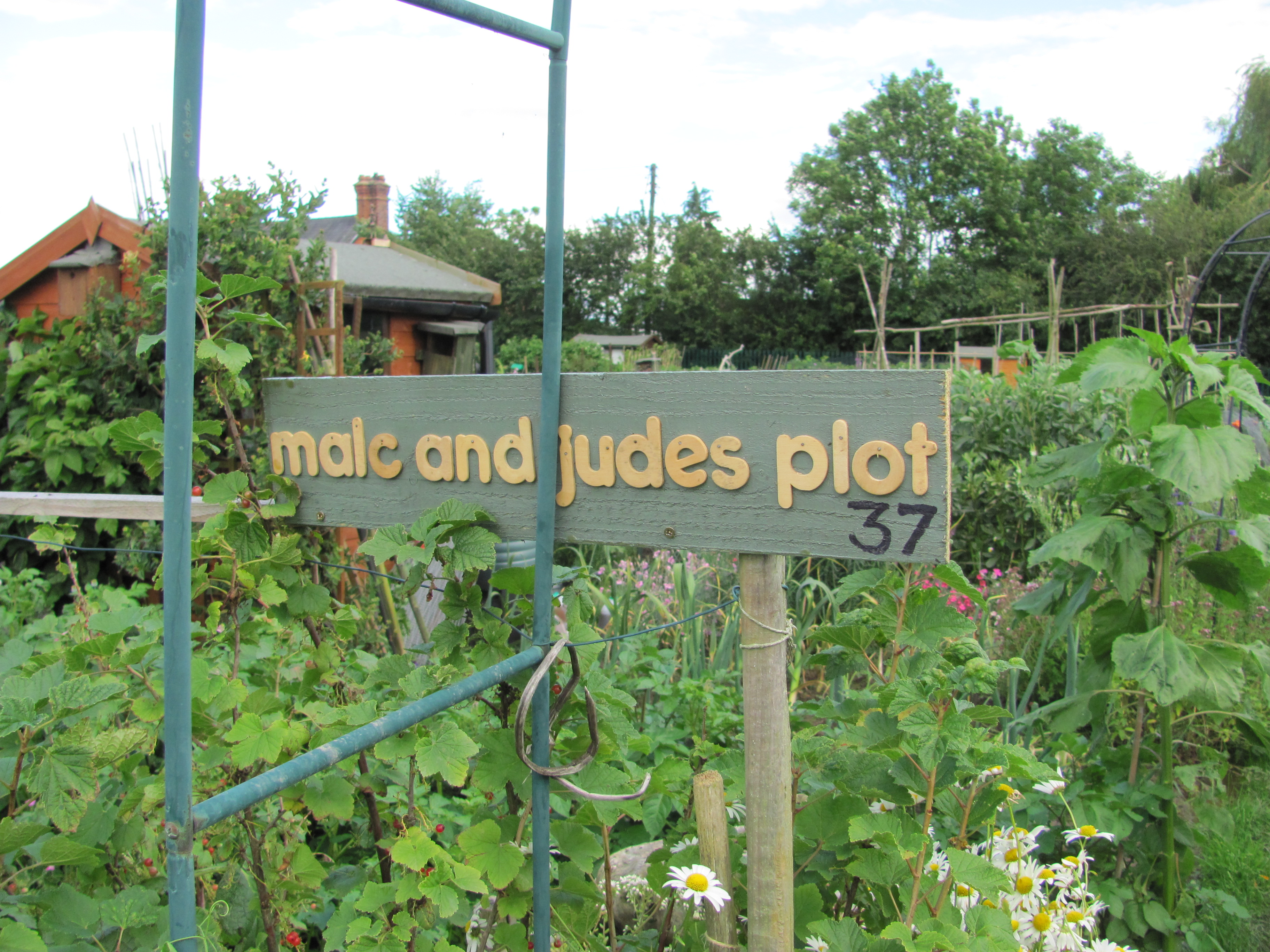
We shall as usual start our lottie wander on our own plot to see what is going on and with our new sign, the old one having fallen apart.

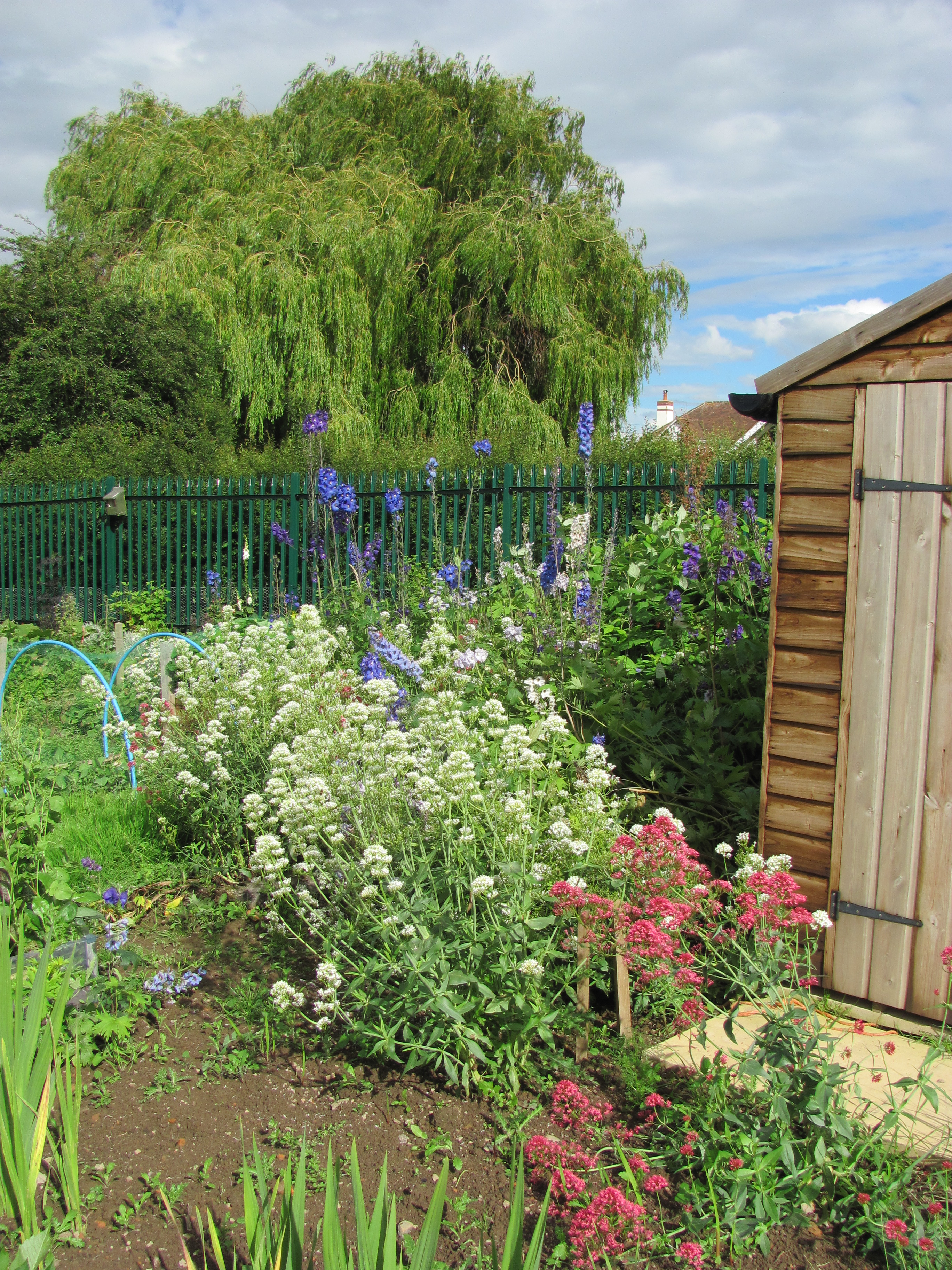
Our crops are mostly looking well and the “Bug Borders” bursting with colourful flowers, alive with bees, hoverflies and lots of other useful insects.

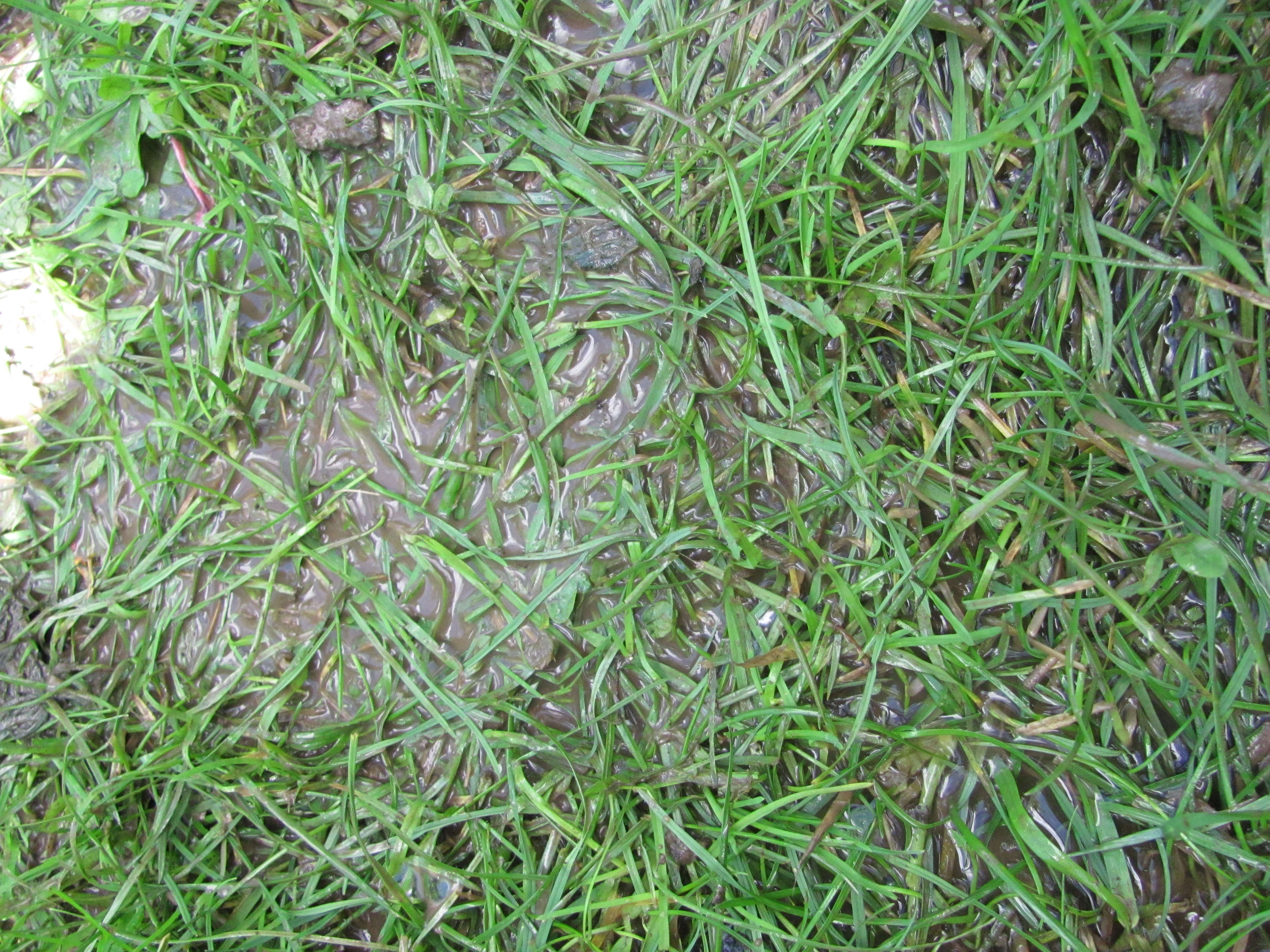
But in between the colourful lush plantings of veg, fruit and flowers standing water sat getting stagnant.

And this is our poor grass path.

Things are getting easier though and we have managed to get on the soil without damaging the structure too badly, so we cleared any weeds, loosened up the soil surface and sowed more crops such as beetroot and radish and planted out our seedling leeks.

Now we can start our wander around the site looking at what is happening on other plots and in the communal areas.

The Spring Garden and Summer Garden have come through the terrible weather with flying colours.

Of course the Willow features have enjoyed the wet around their feet and look so green and fresh, but they need a lot of pruning to keep them in trim shape.

The meadows are flowering nicely now and flowers are giving colour on lots of the plots.

I shall finish this wander with a good idea. How about this for an idea for trying to foil the dreaded carrot rootfly – simply grow them up in the air hopefully above their maximum flight height.

Categories
allotments community gardening gardening grow your own National Garden Scheme natural pest control NGS

Our Allotment Scarecrow Competition 2012

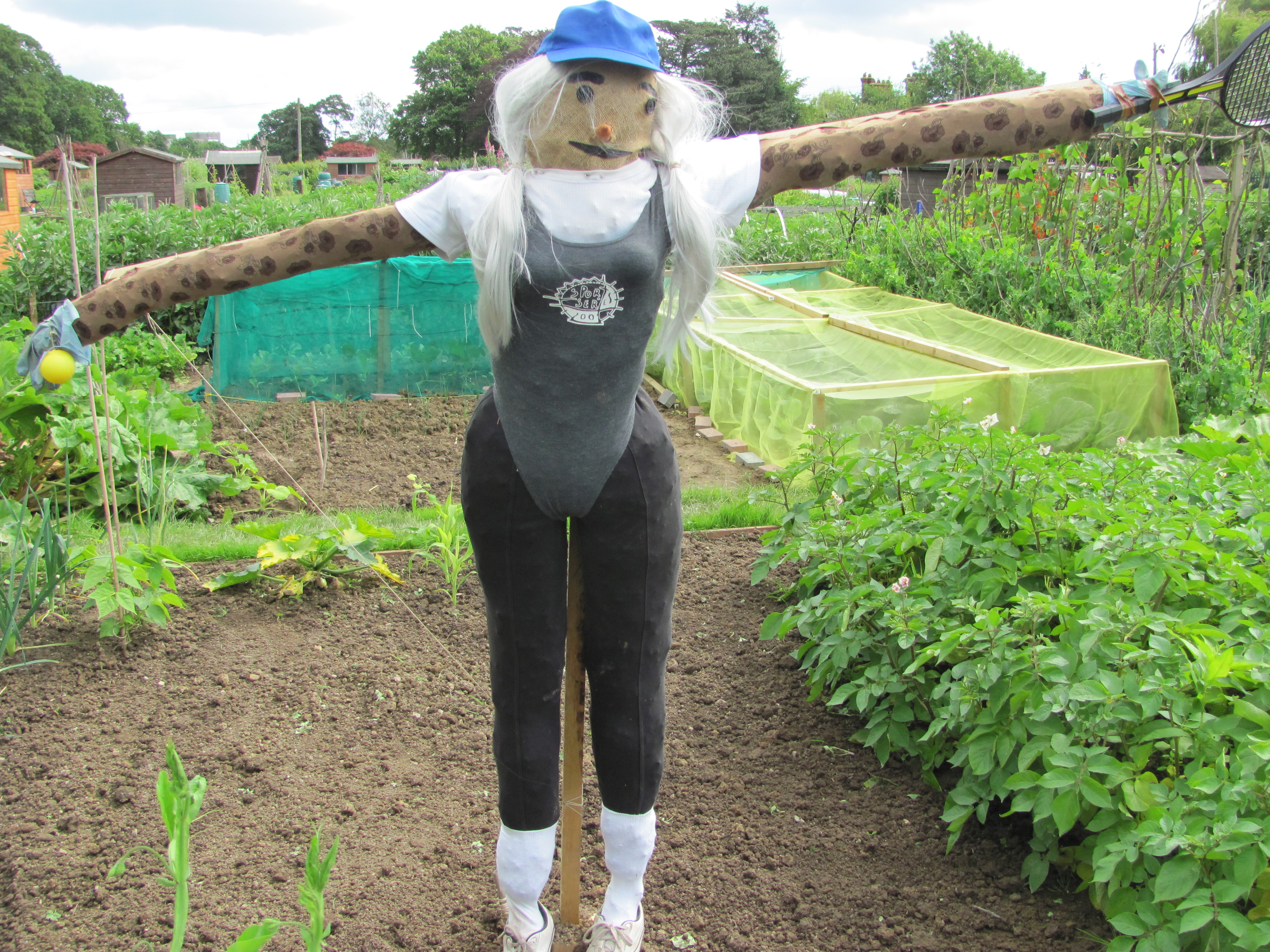
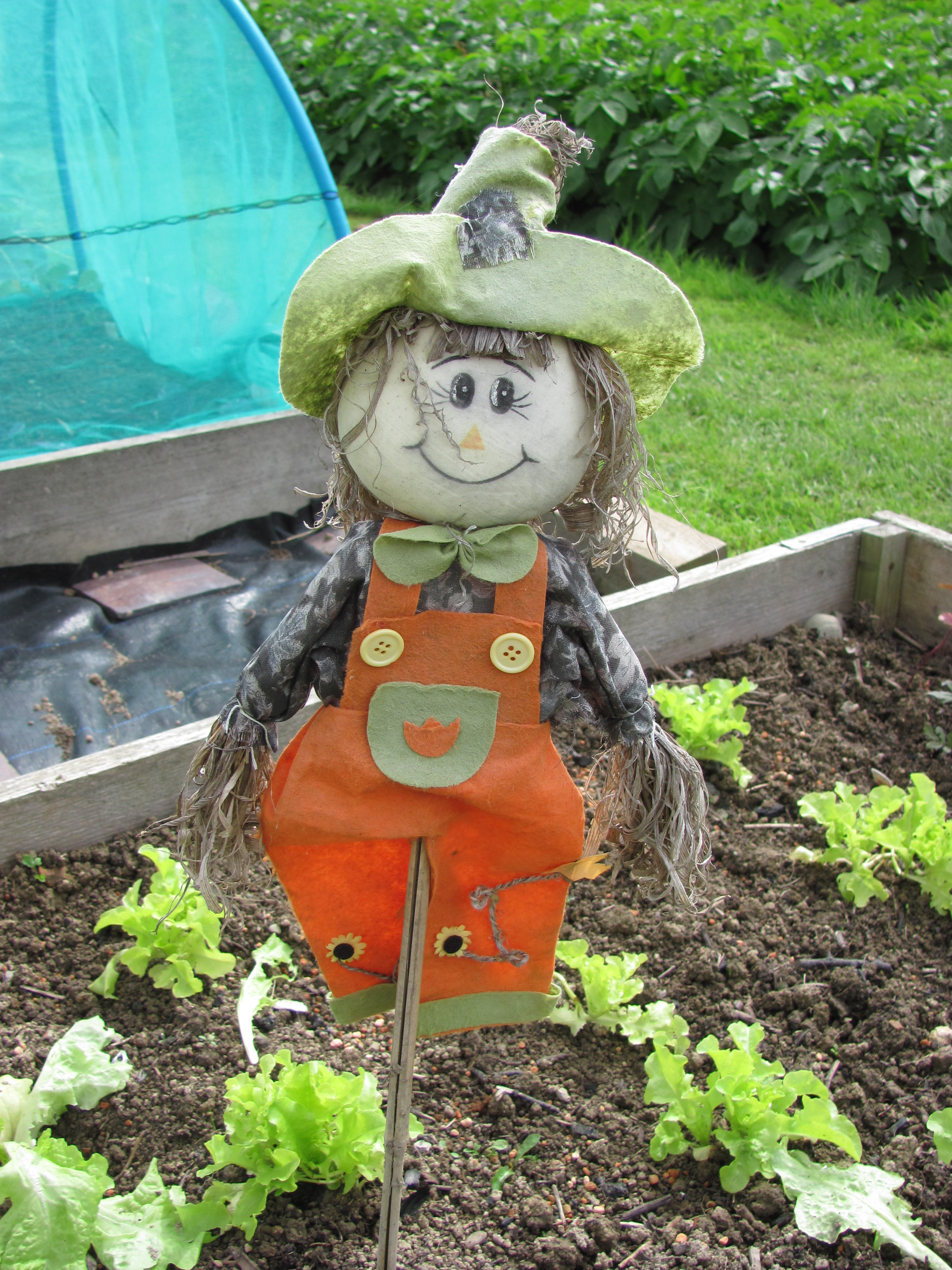
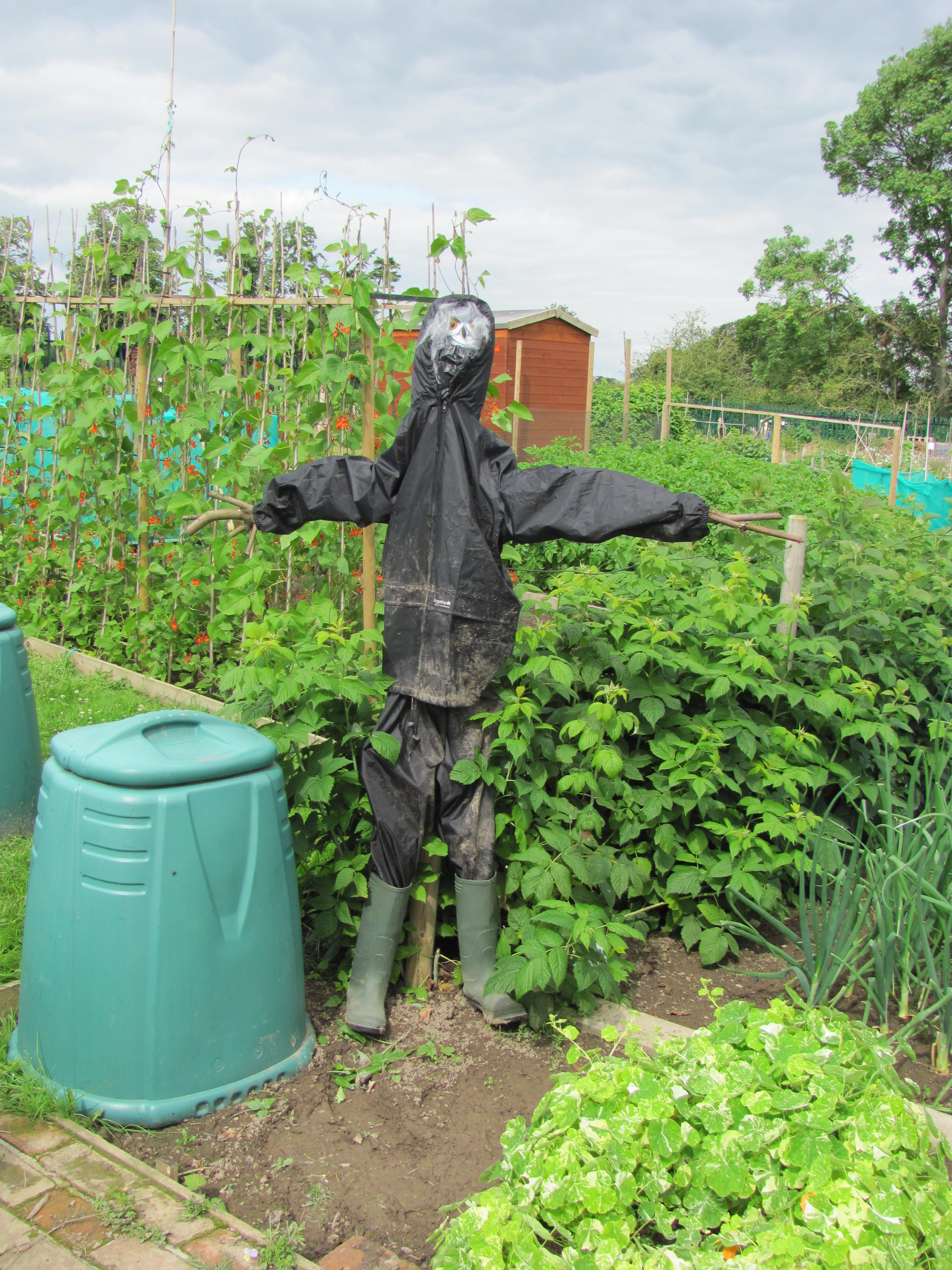
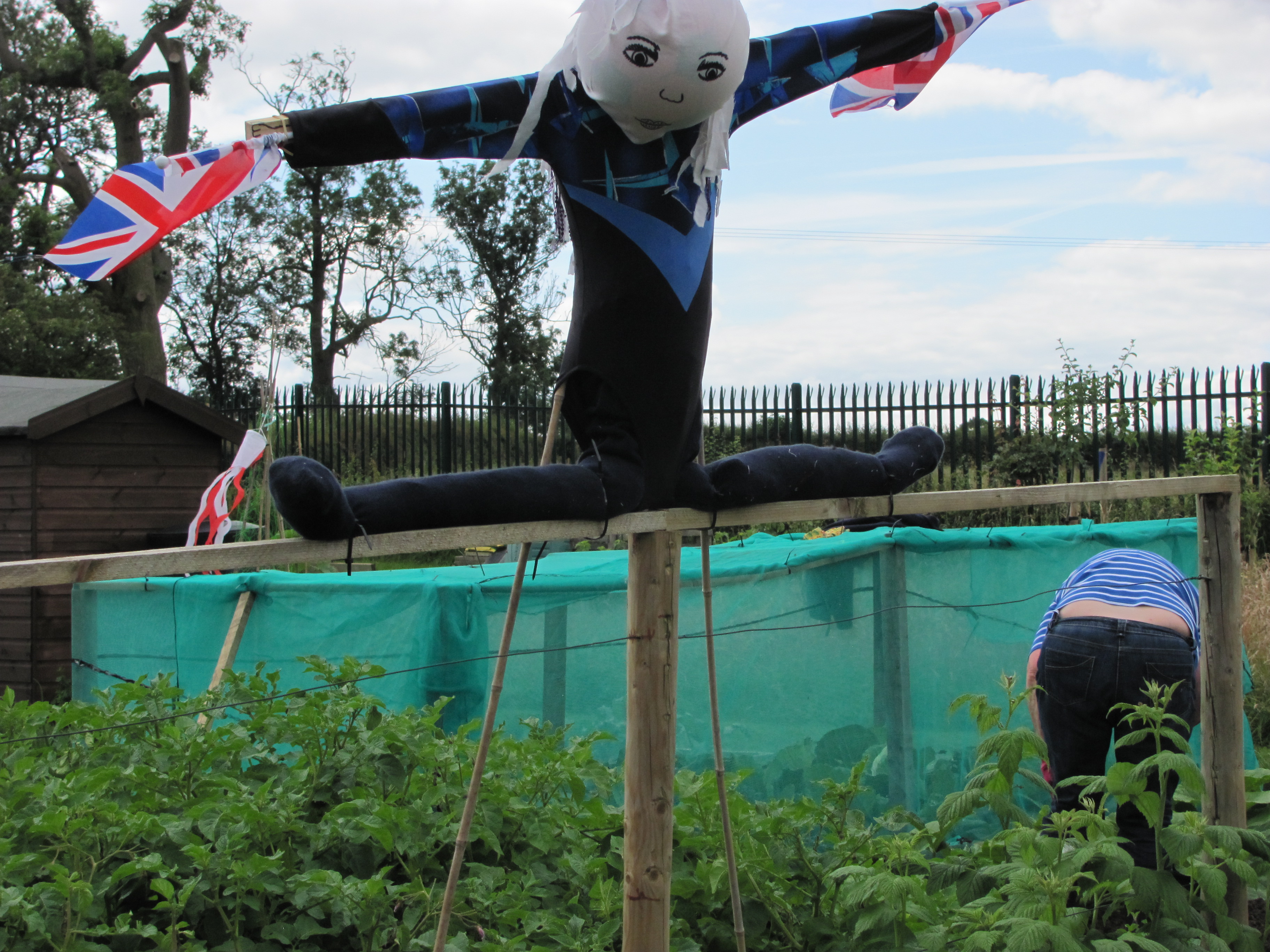
As promised in my recent post about our NGS Open Day this post will be a gallery of photos of some of the scarecrows made by our allotmenteers for our scarecrow competition. Our theme this year was the year’s celebrations, The Olympics and The Queen’s Jubilee. The first is the creation that won the competition. Enjoy the characters!

Categories
allotments birds community gardening conservation fruit and veg garden design garden photography garden wildlife gardening grow your own hardy perennials Land Art meadows natural pest control ornamental grasses ornamental trees and shrubs outdoor sculpture photography poppies roses Shropshire shrubs spring gardening wildlife

A Wander around the Allotments in June

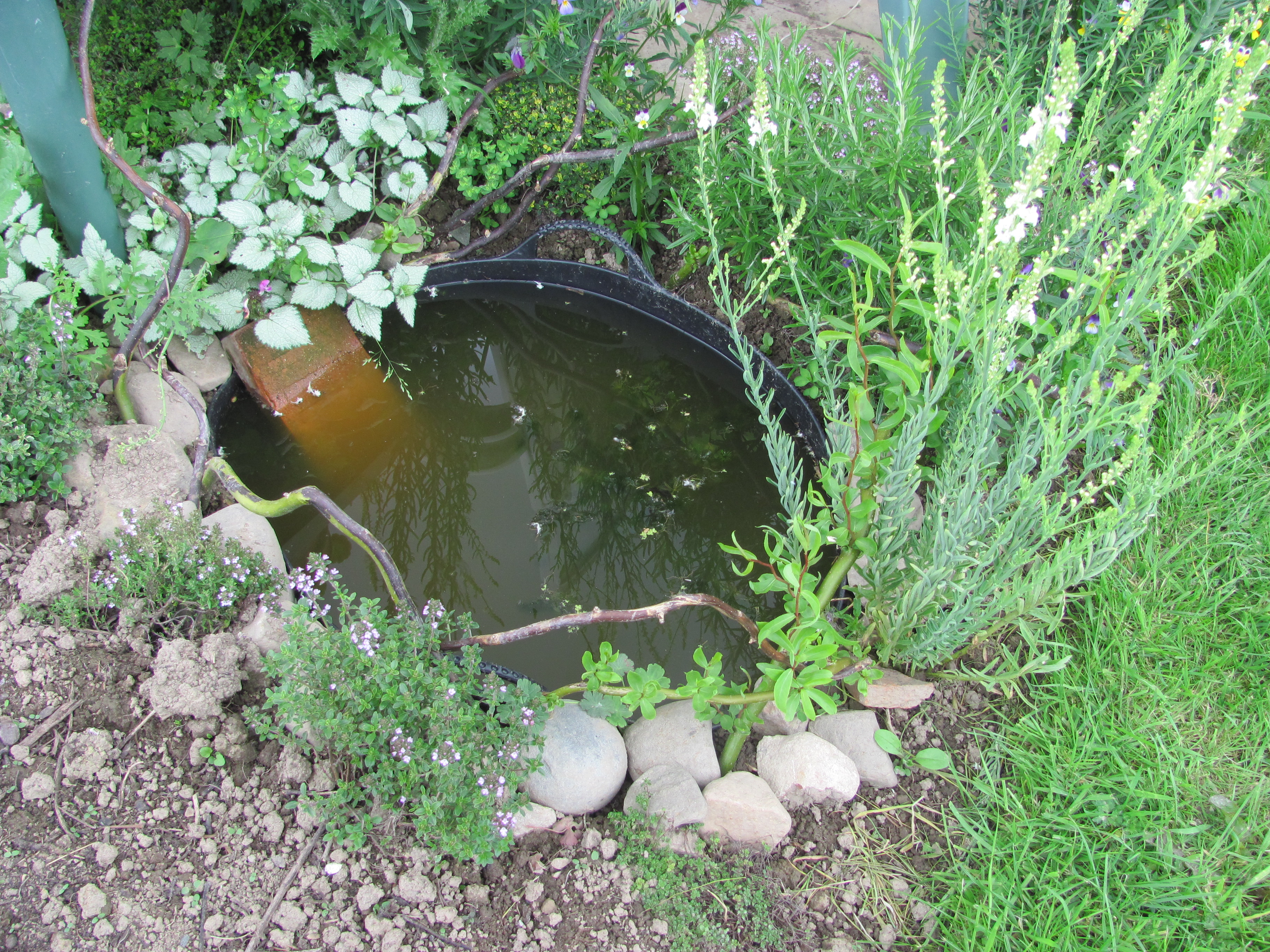
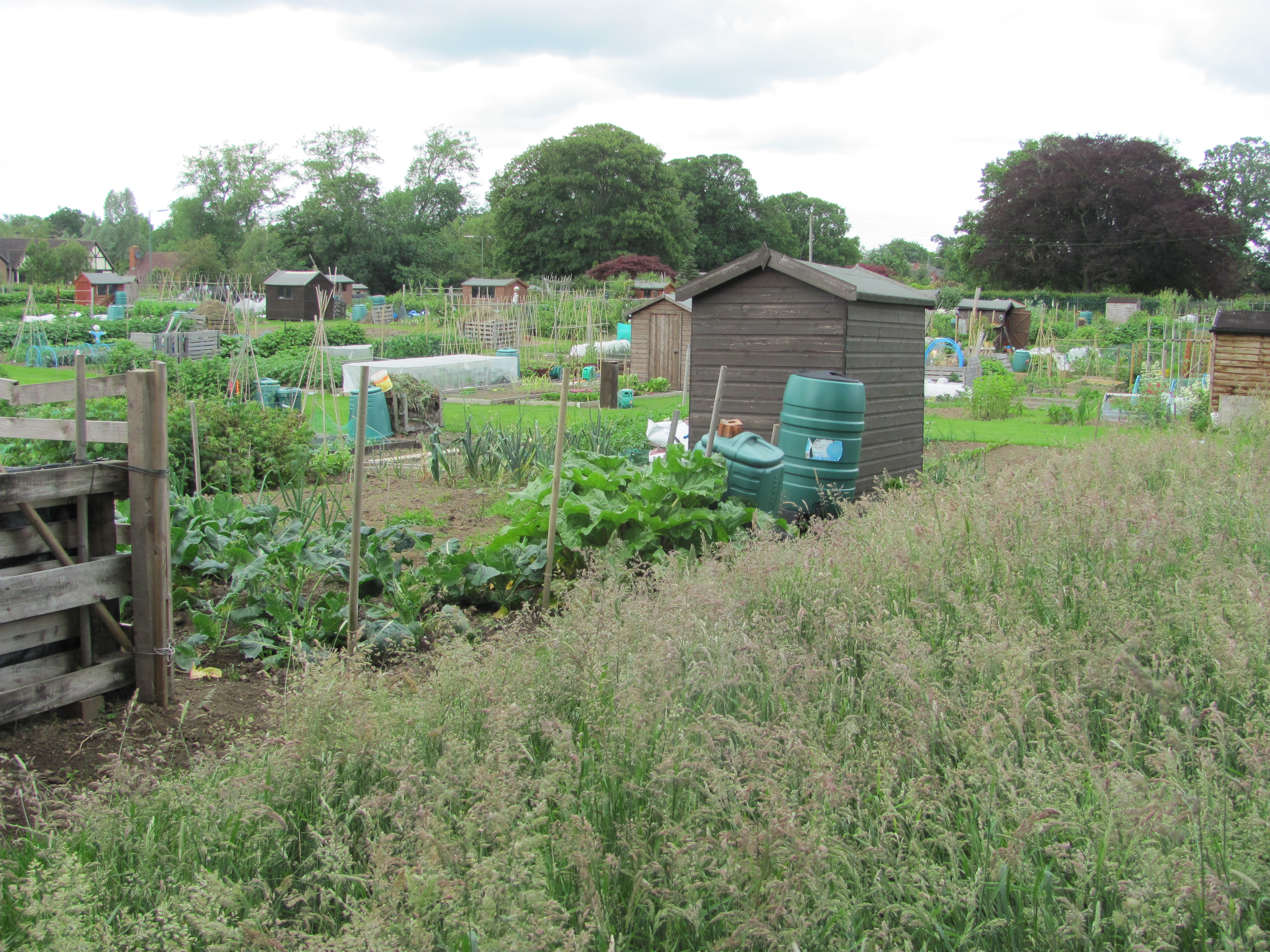
Here we are at the half way point of the year in the June allotment wanderings. As usual we shall start on our own plot to see what has been going on. Our little wildlife pond is beginning to look more established and the tadpoles are growing well. We hope the frogs stay on our plot and eat up all the slugs. As you can see we provided a little wooden ramp to help them get in and out of the water.

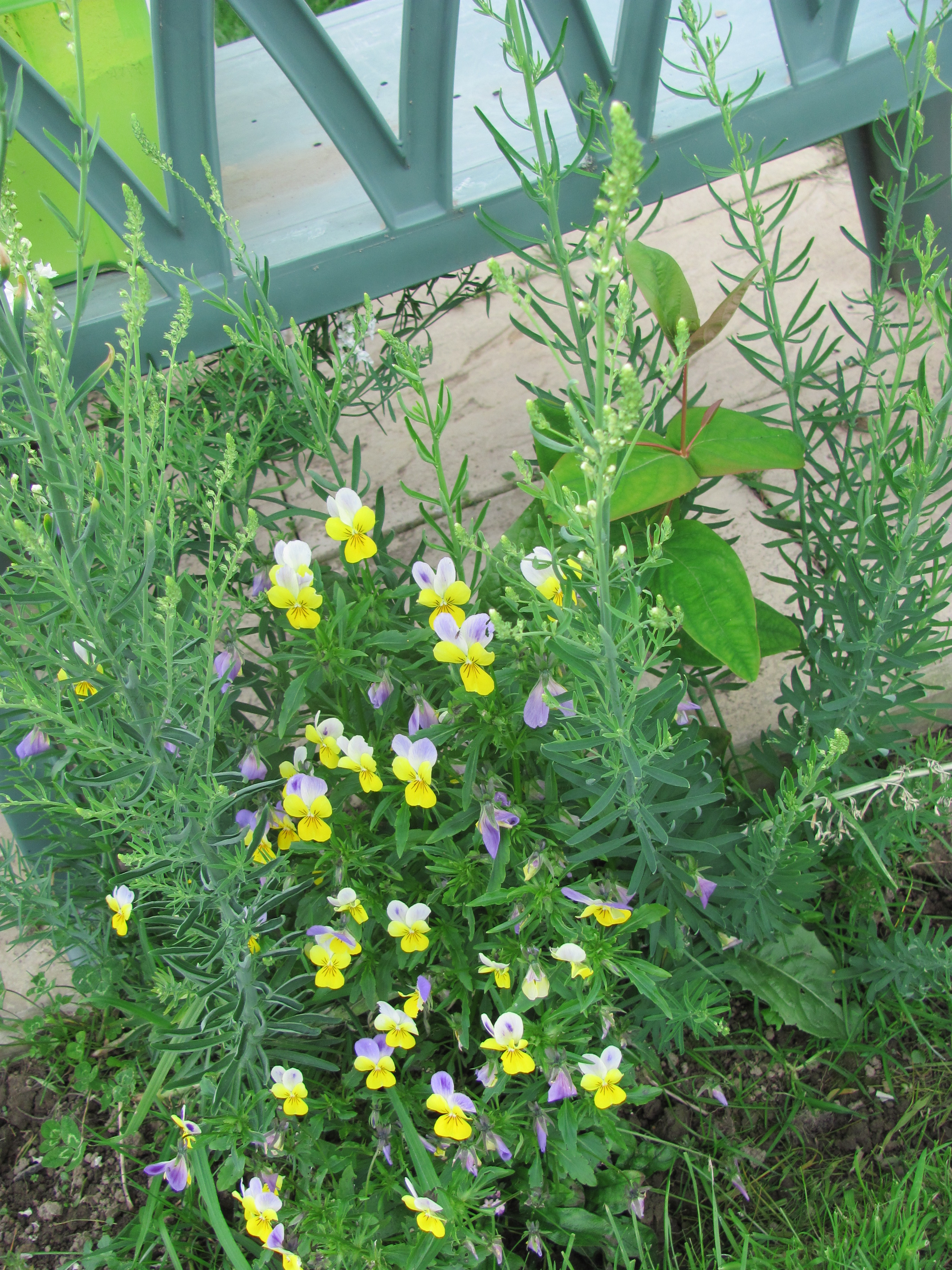
Heartsease self seed around the plot sometimes landing in suitable places arriving in a wide range of colours. This one seeded into the soil behind the green bench.

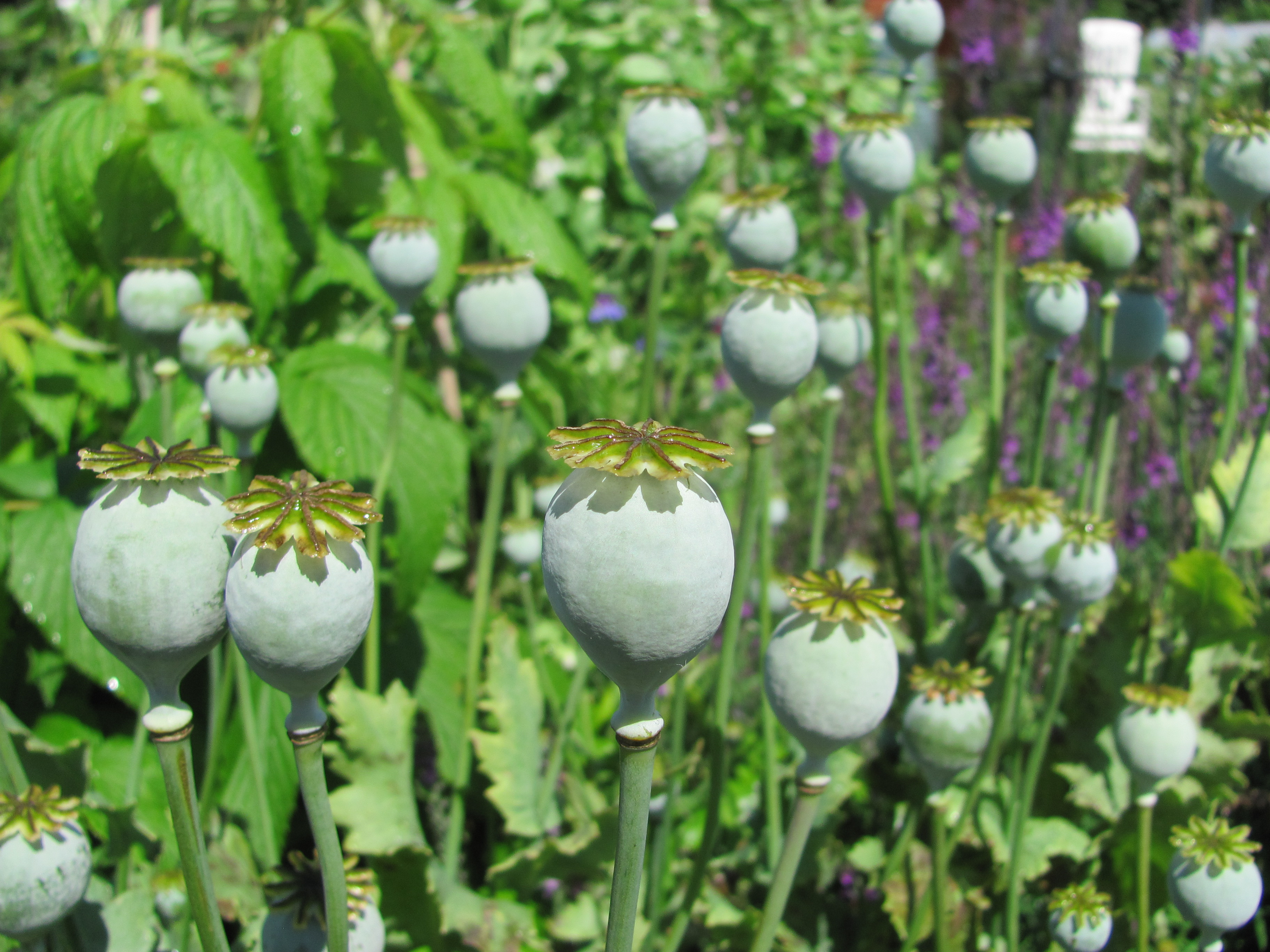
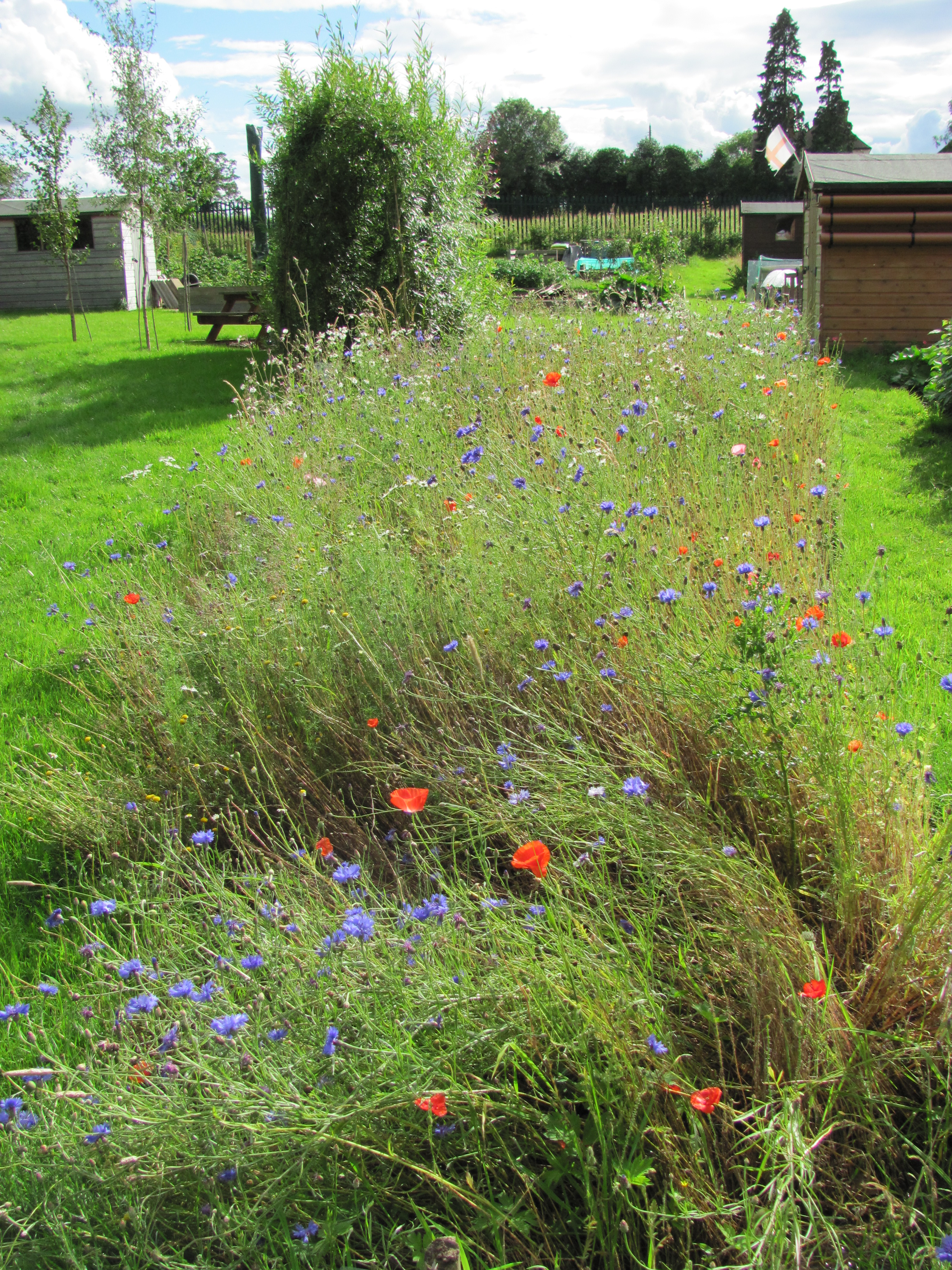
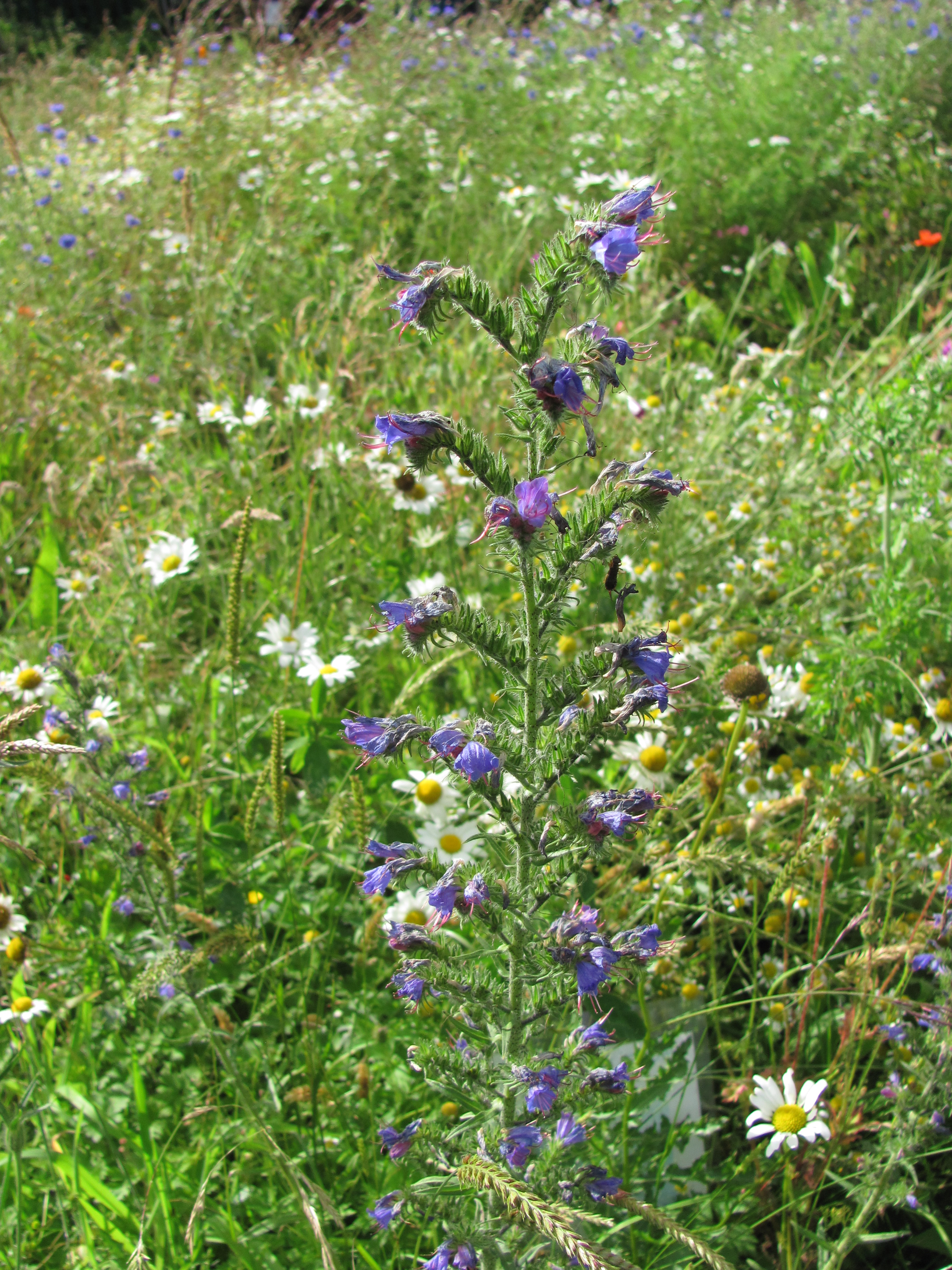
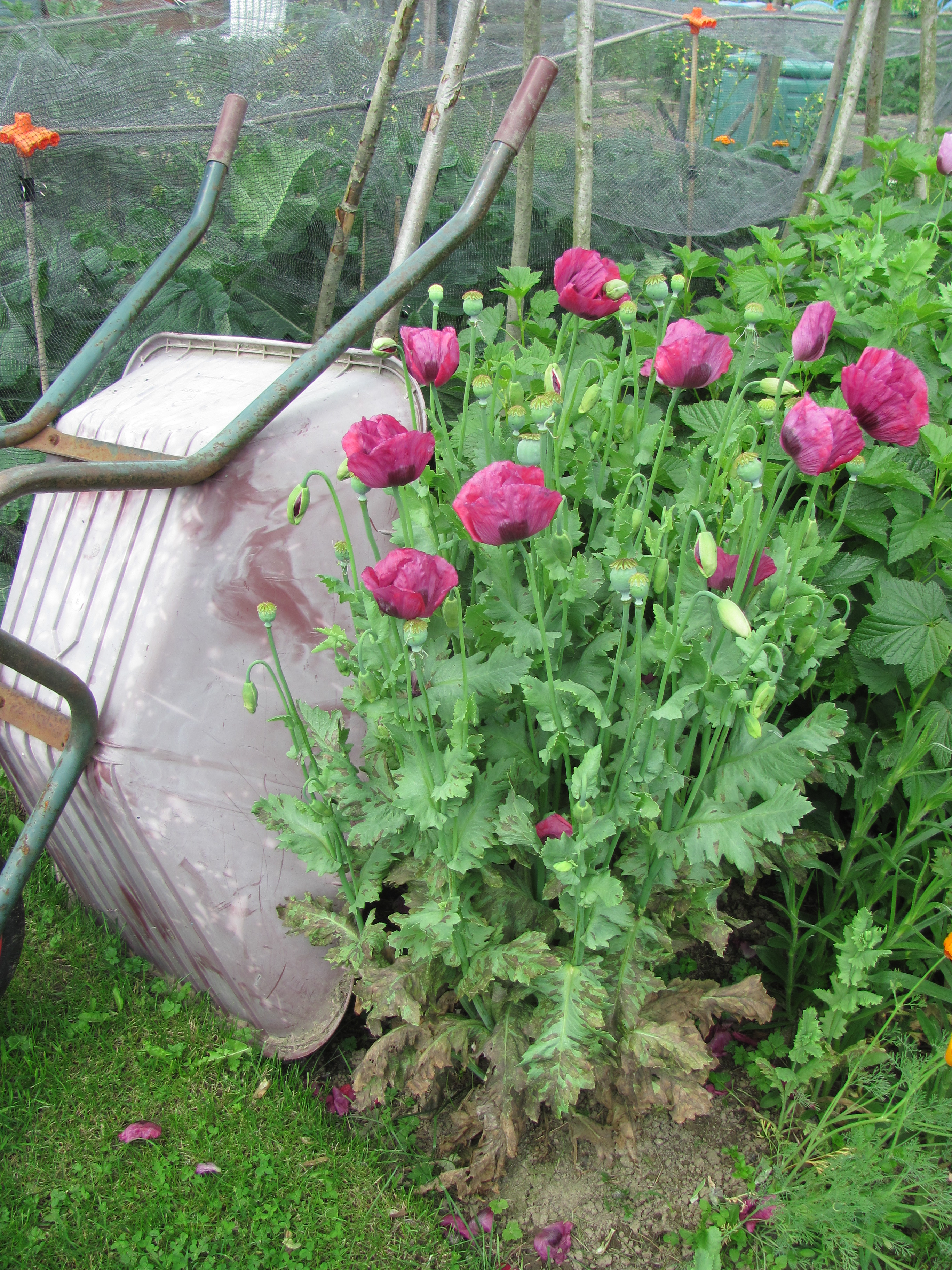
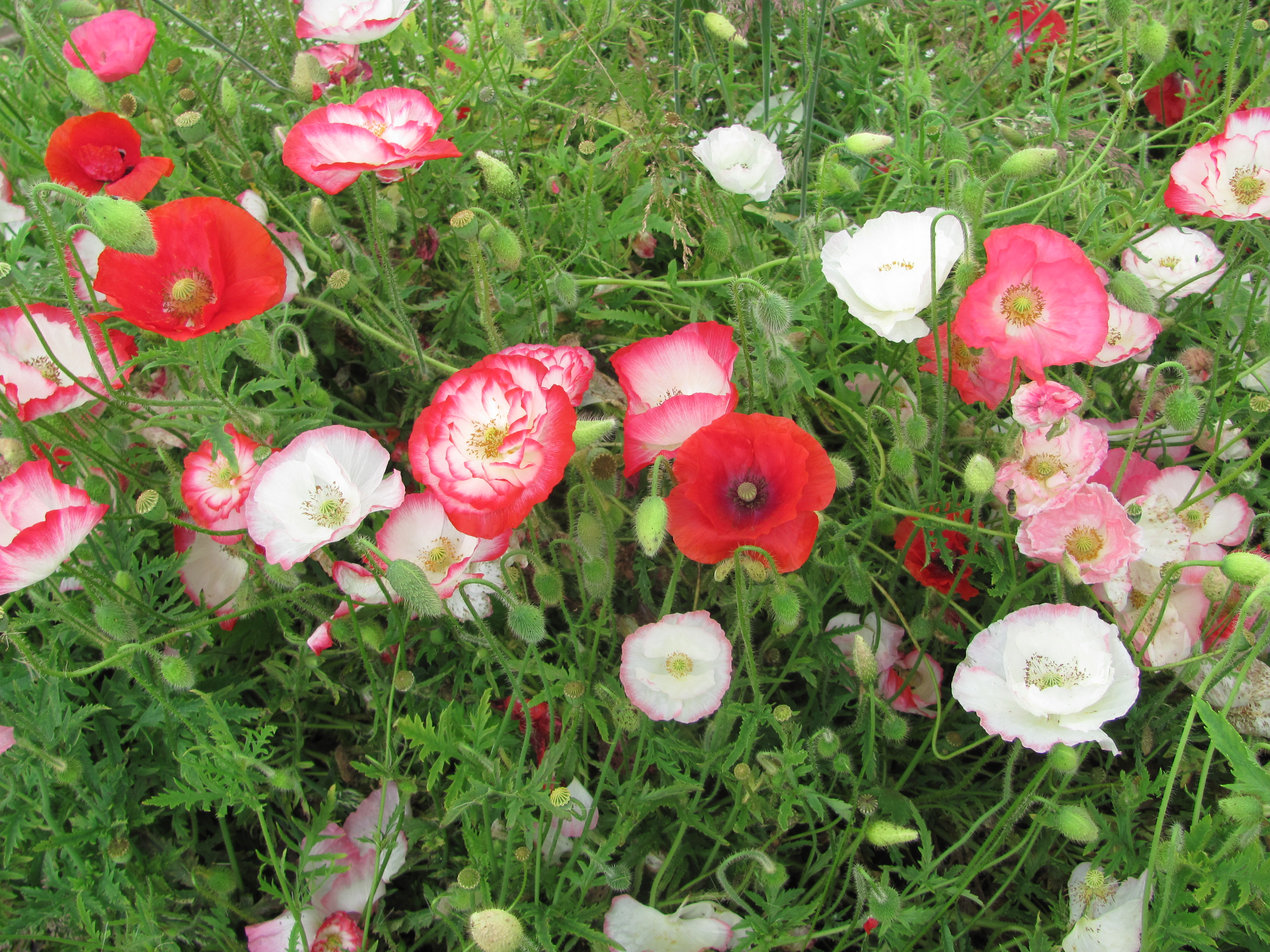
Our strip of wildflowers, a little piece of meadow, is beginning to flower. This Opium Poppy surprised us with its deep pink coloured petals.

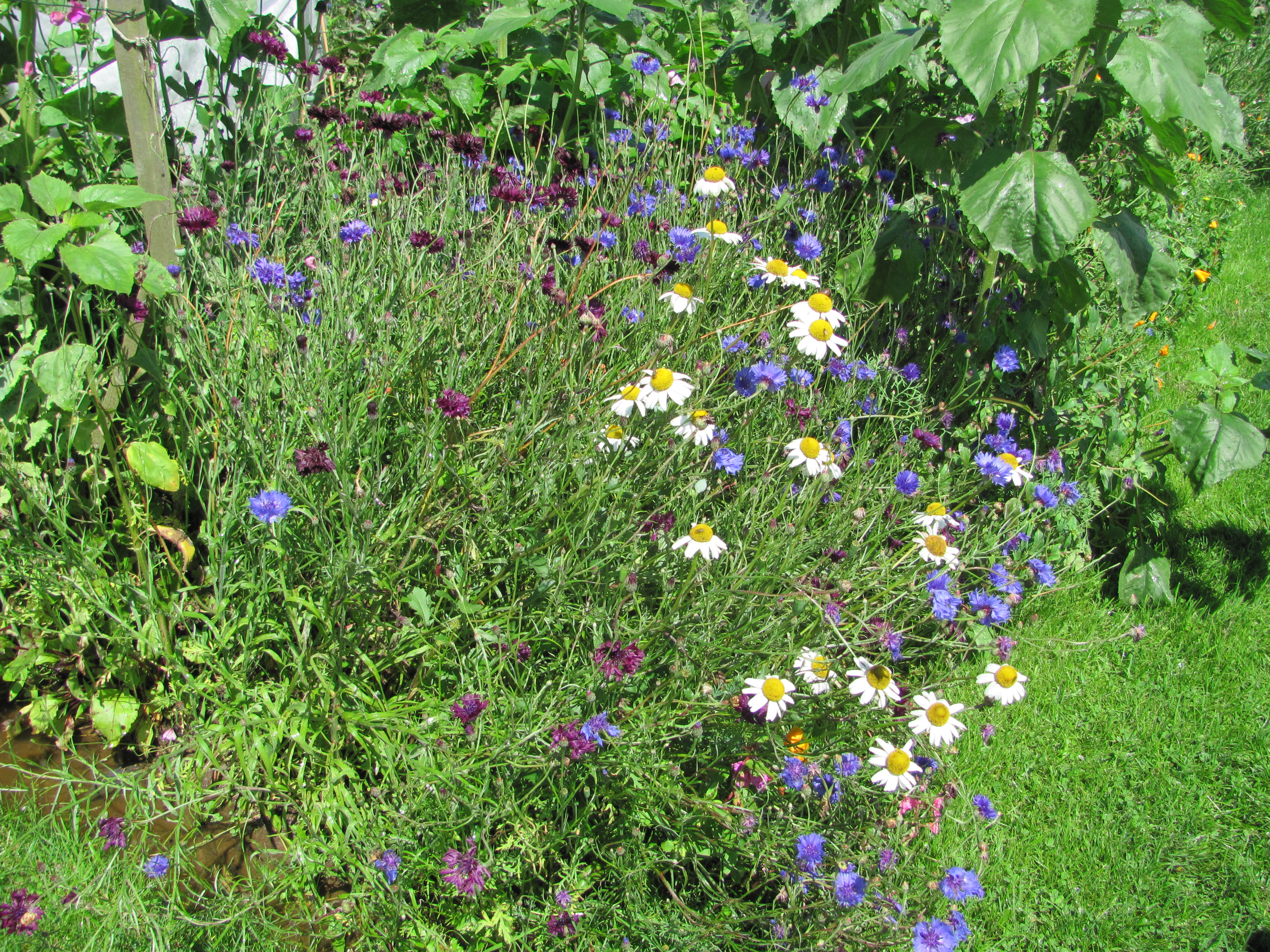
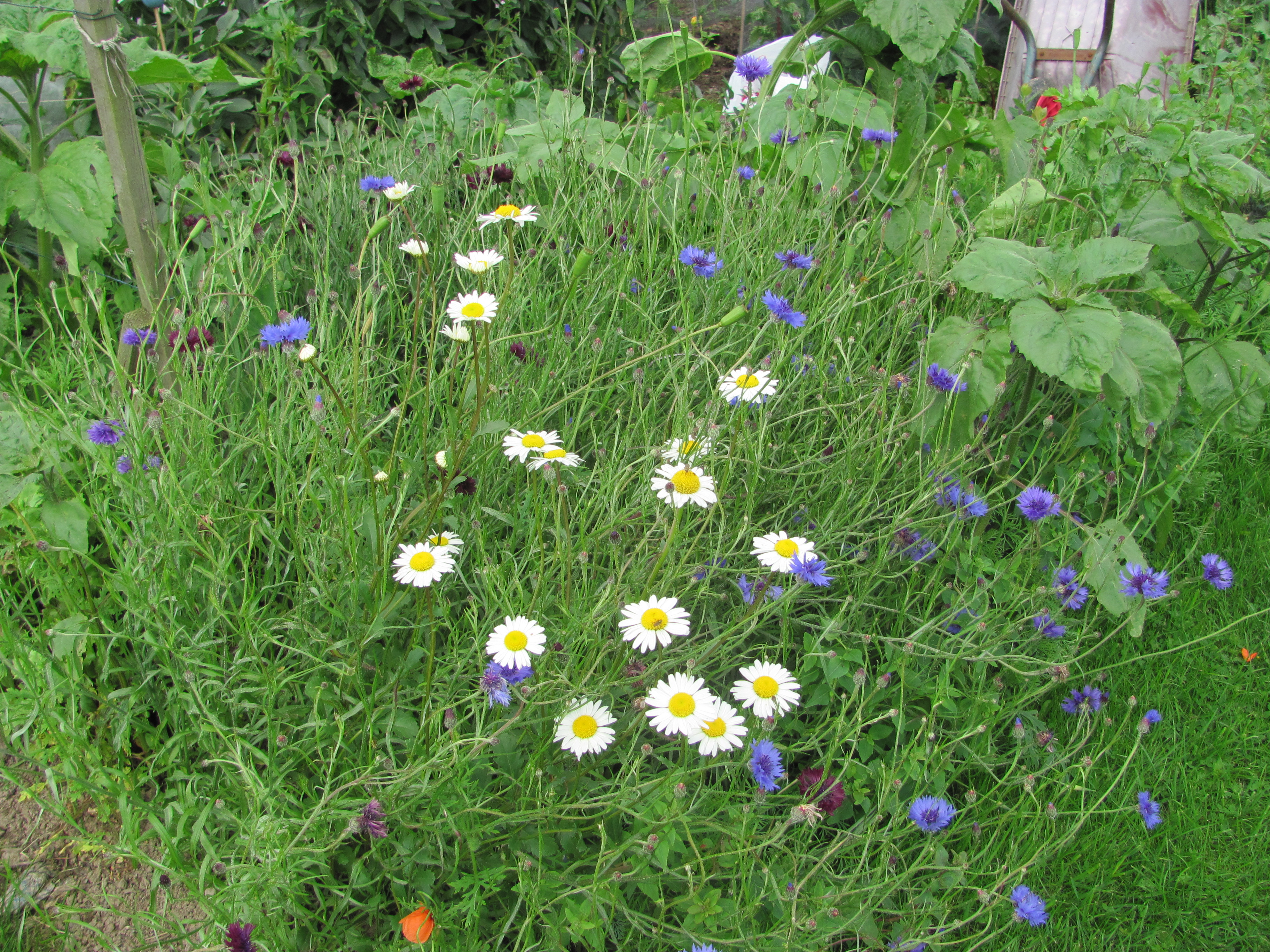
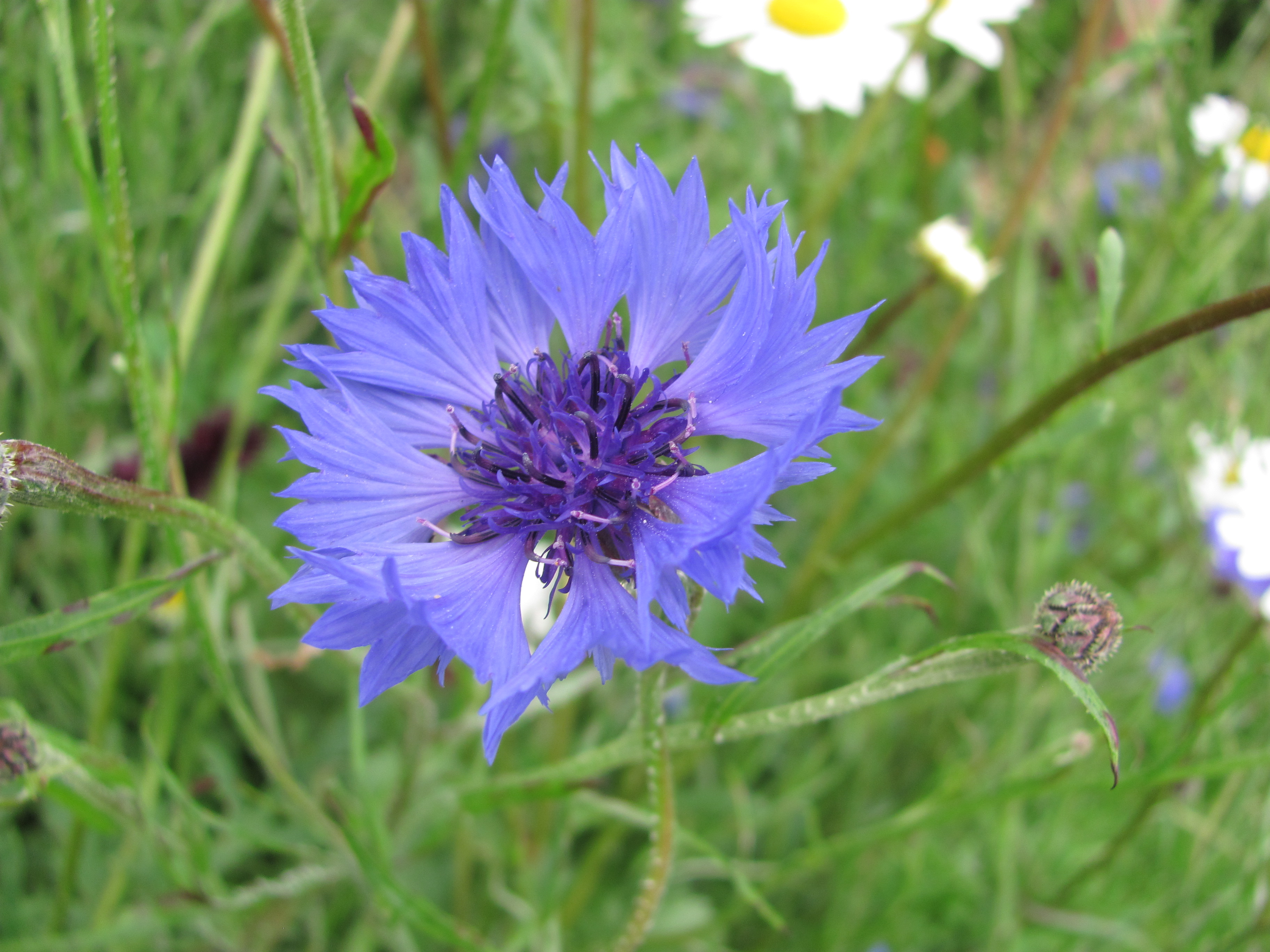
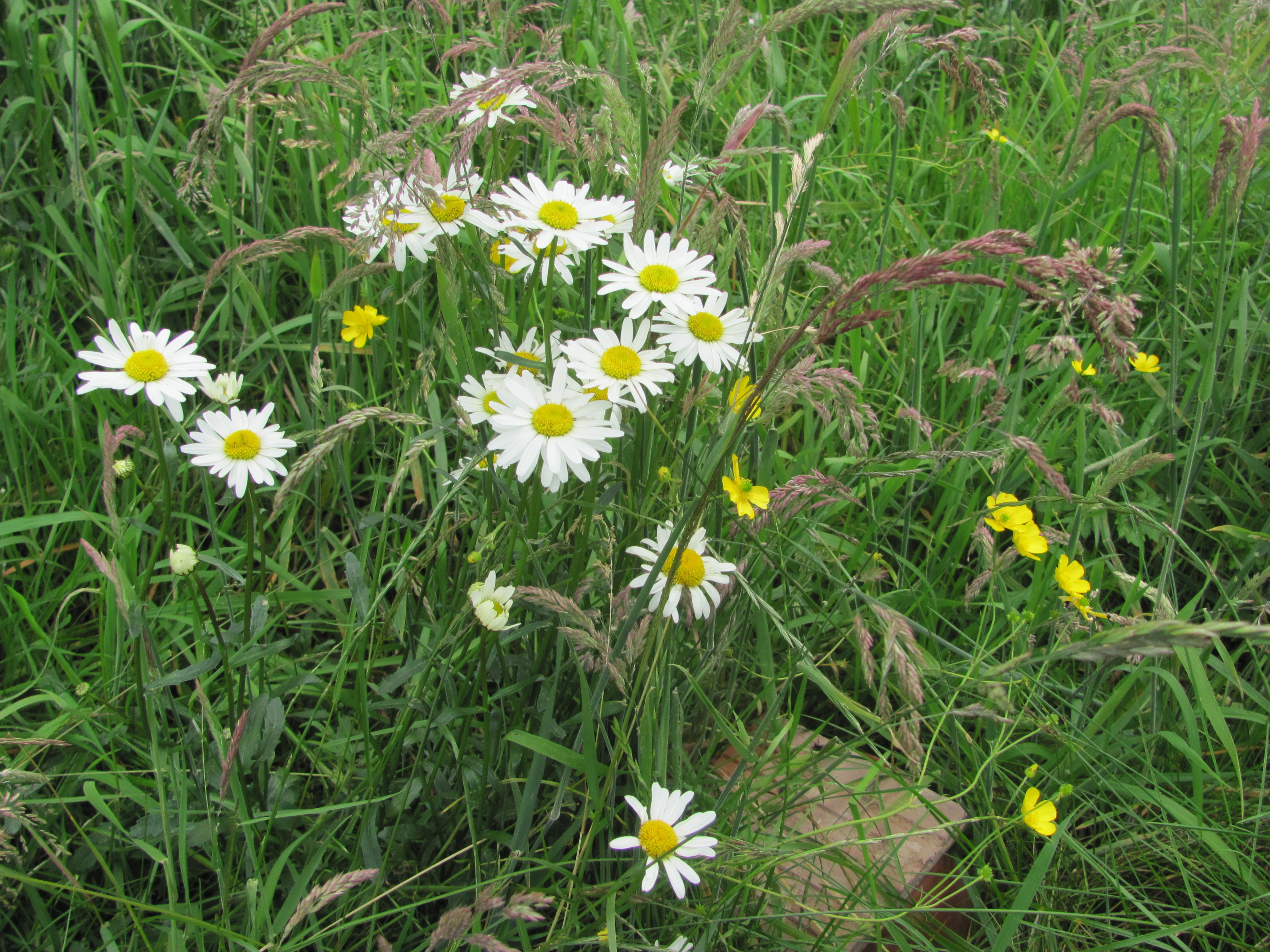
Moon Daisies and Cornflowers.

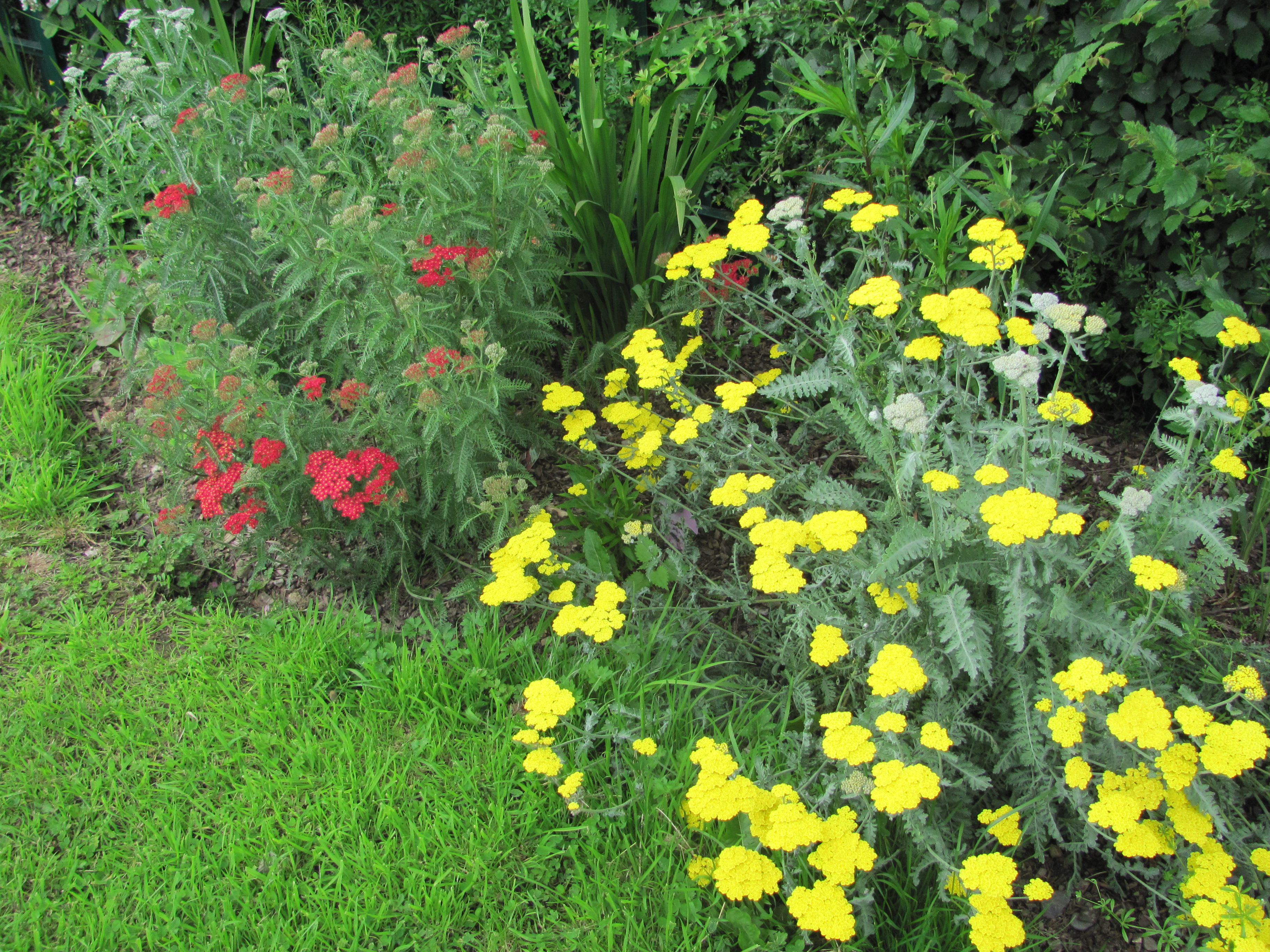
Just as flowers feature strongly on our own plot so they do on other members’ plots and in the Green Space borders. In the Autumn Garden Achilleas are the stars.

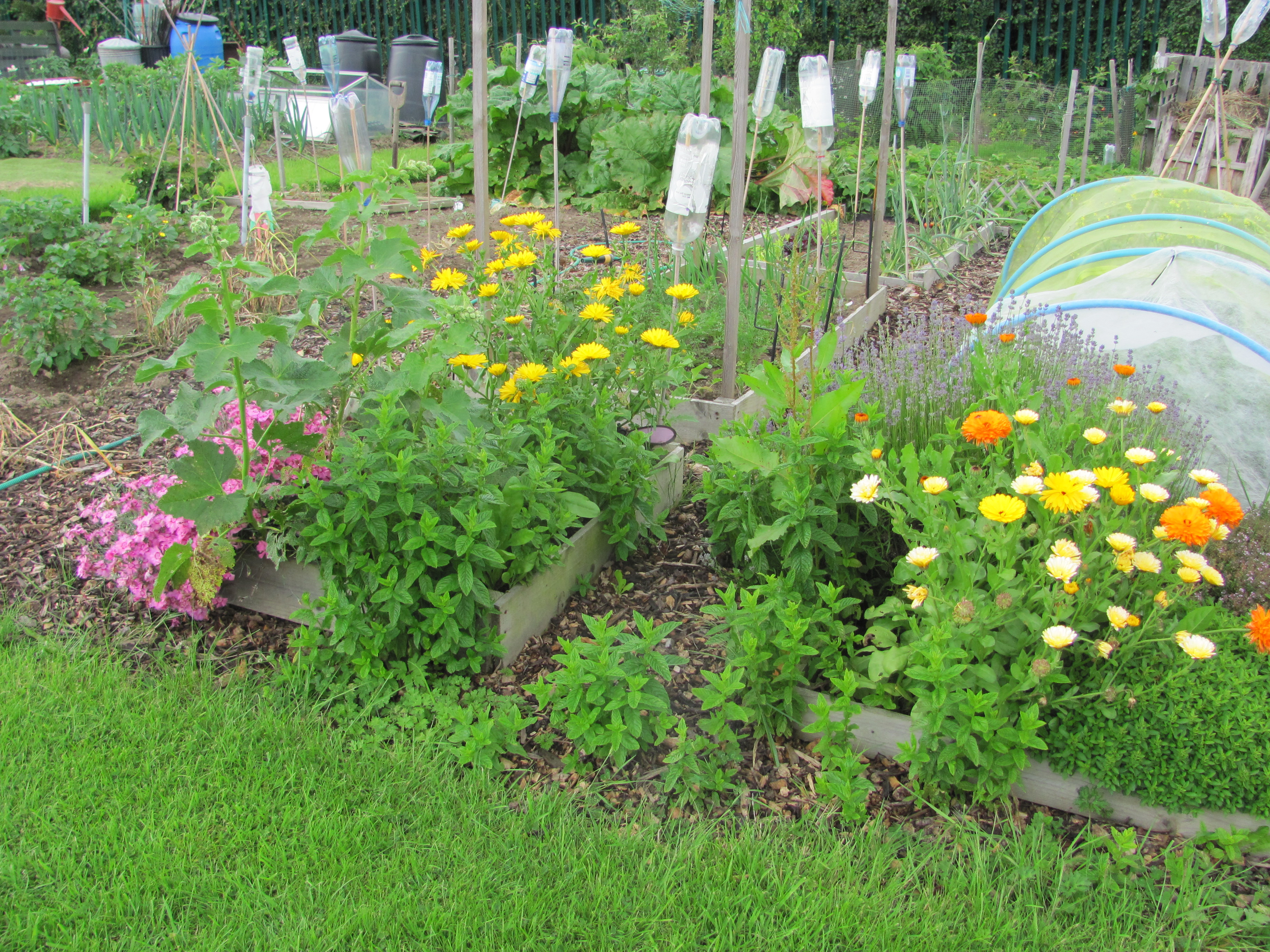
Calendulas feature on many plots as they look so good,  and work hard as part of companion planting helping to attract beneficial insects.

Our first “Buddleja Bed” planted to attract wildlife now looks colourful and full of life. After losing some of our Buddlejas in the dry last year when Shropshire experienced months of drought after two extremely cold winters, the name for these borders currently looks a little inappropriate.

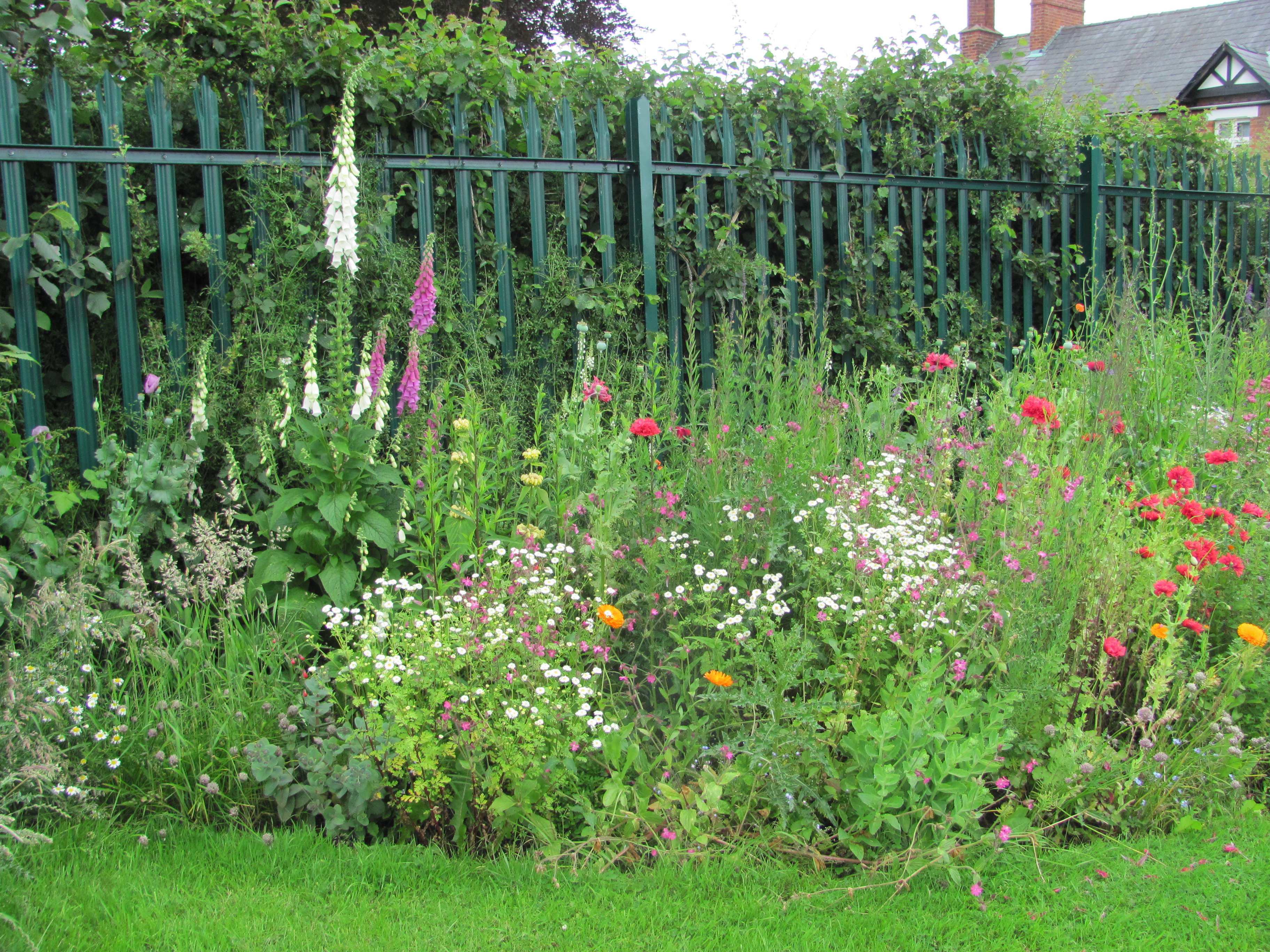
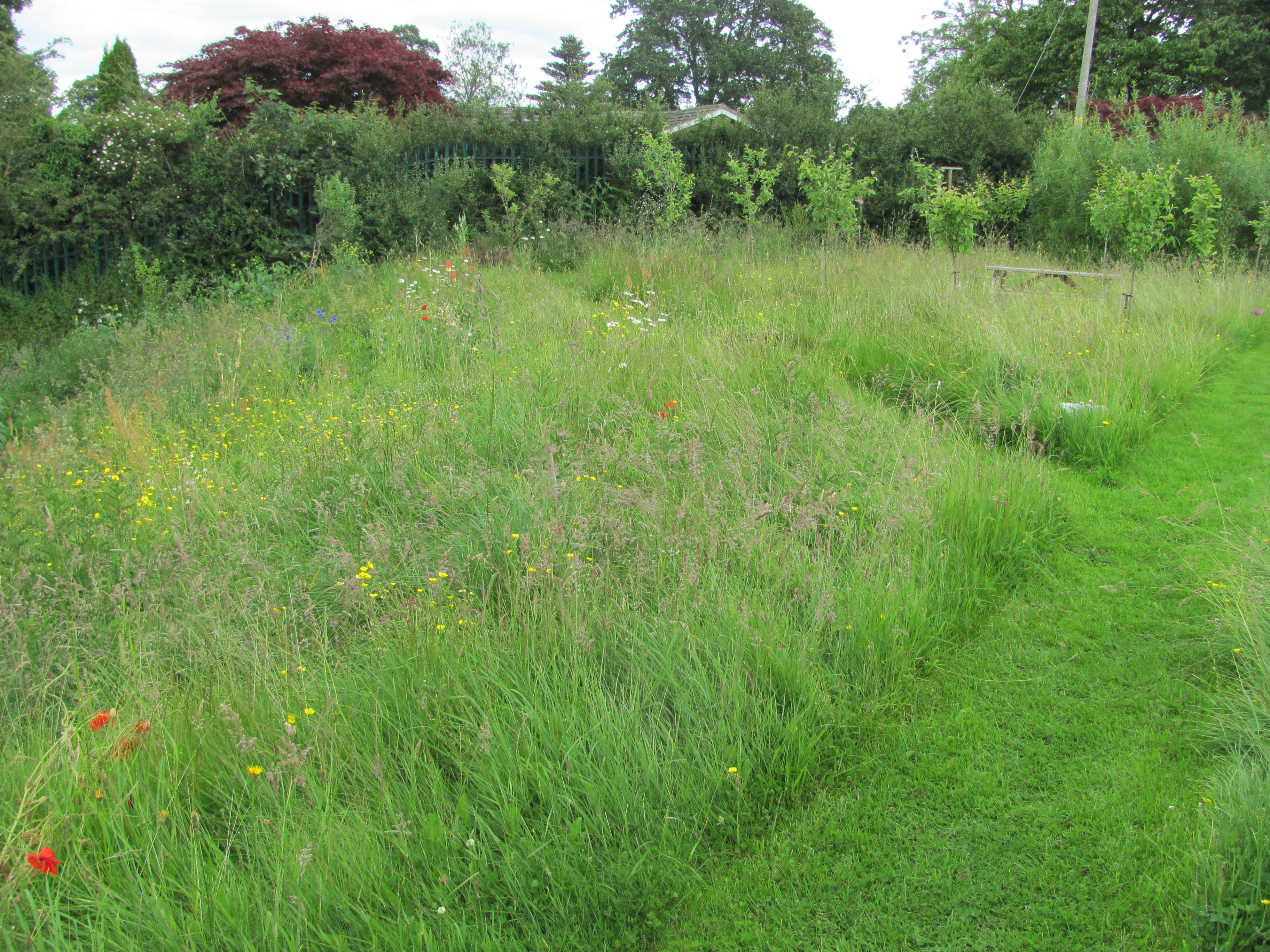
Our wildflower bank sloping up towards one of our orchards is now looking more established as we have added plants that members have donated to add interest.

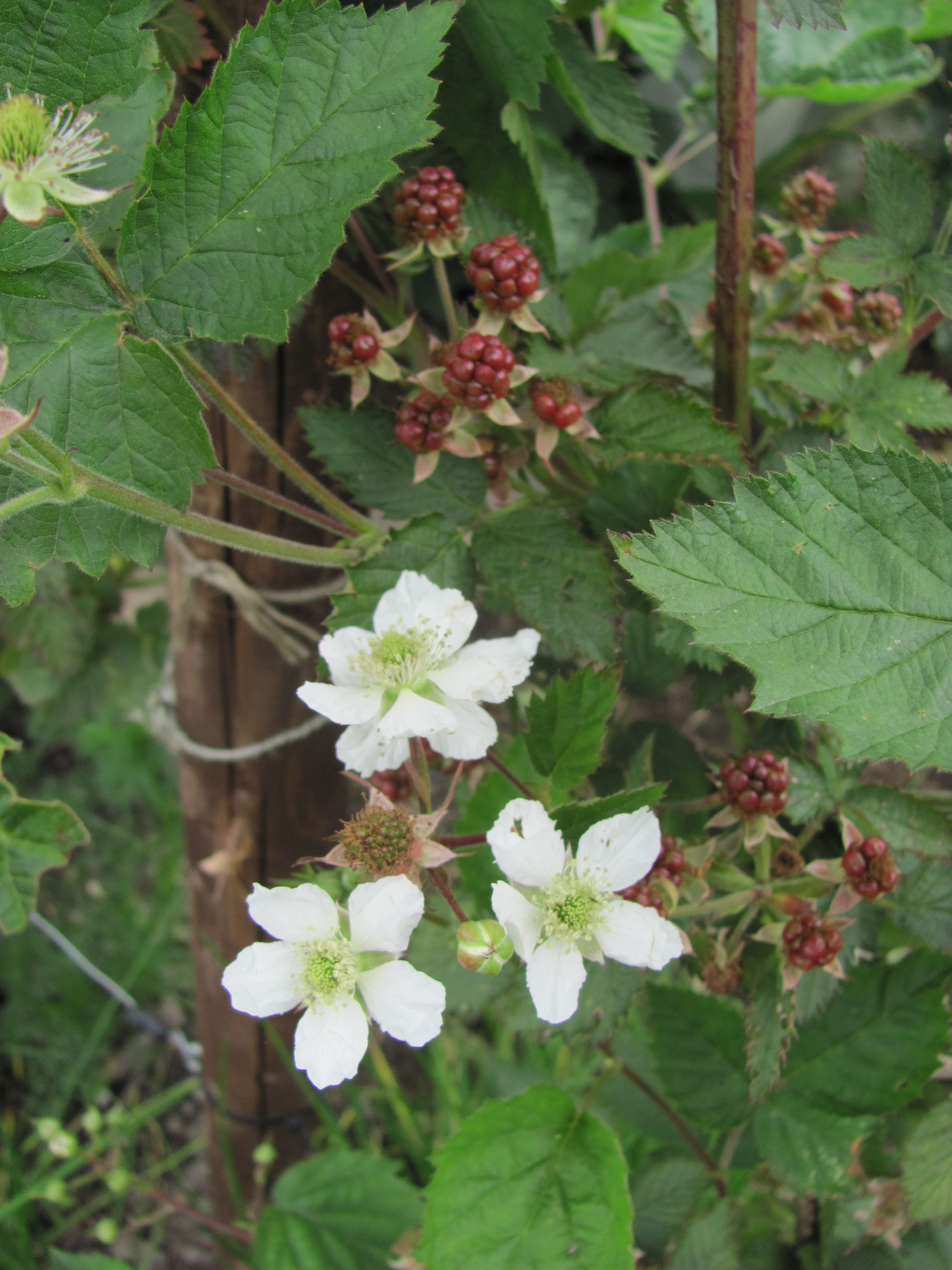
The Edible Hedge is now fruiting providing sustenance to birds and small mammals. Flowers in the borders at the base bring in bees, butterflies and beneficial insects. Beetles enjoy the long grass and we like them to be there as they feed on slugs.

The most colourful garden on site at the moment is the Spring Garden which still displays much interest as we move into the summer months. This garden is maintained by volunteers, Jill and Geoff who spend many an hour planting, dead heading and weeding.

Geoff and Jill’s plot is renown for its weed free neatness and precision planting.

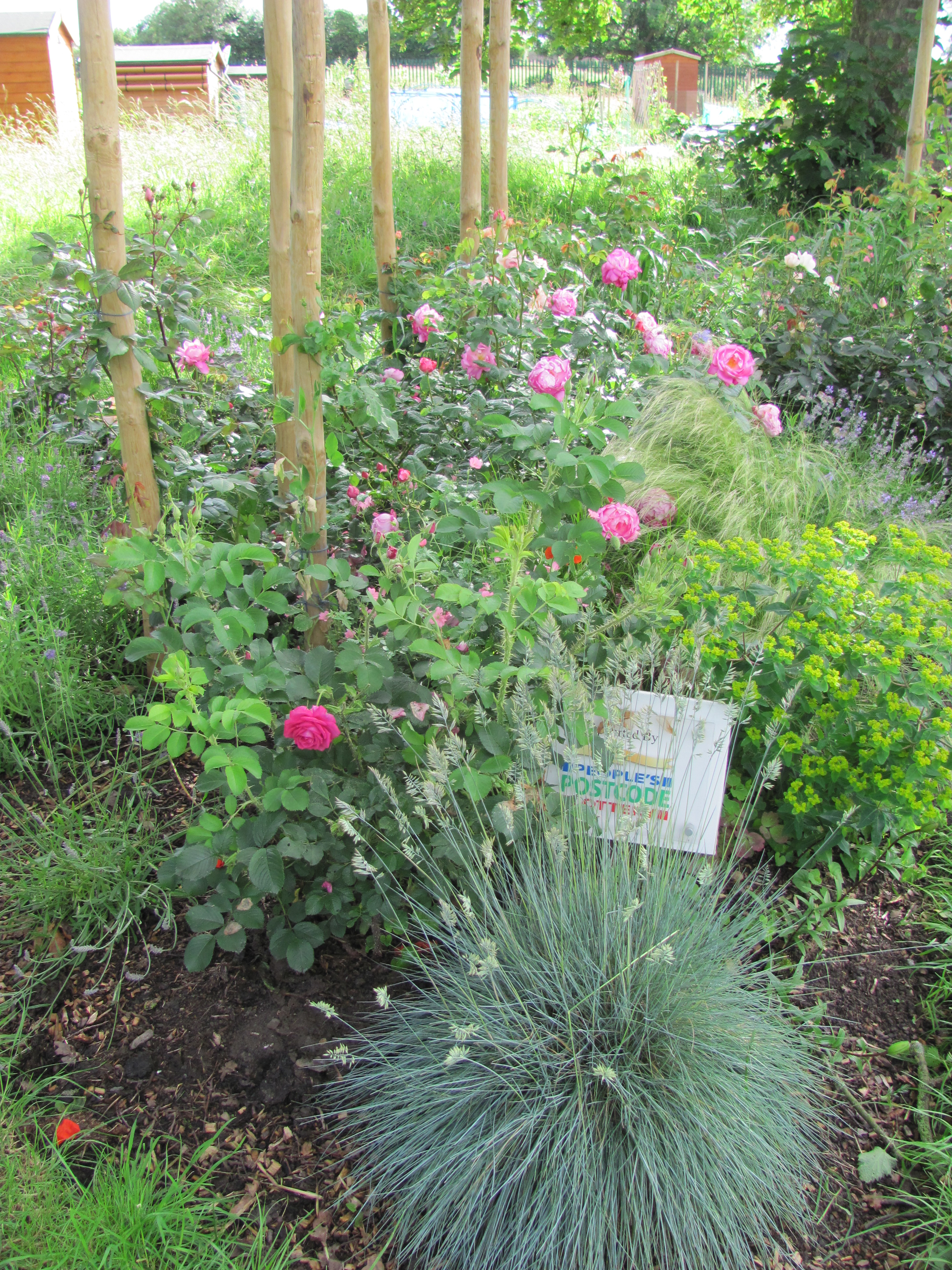
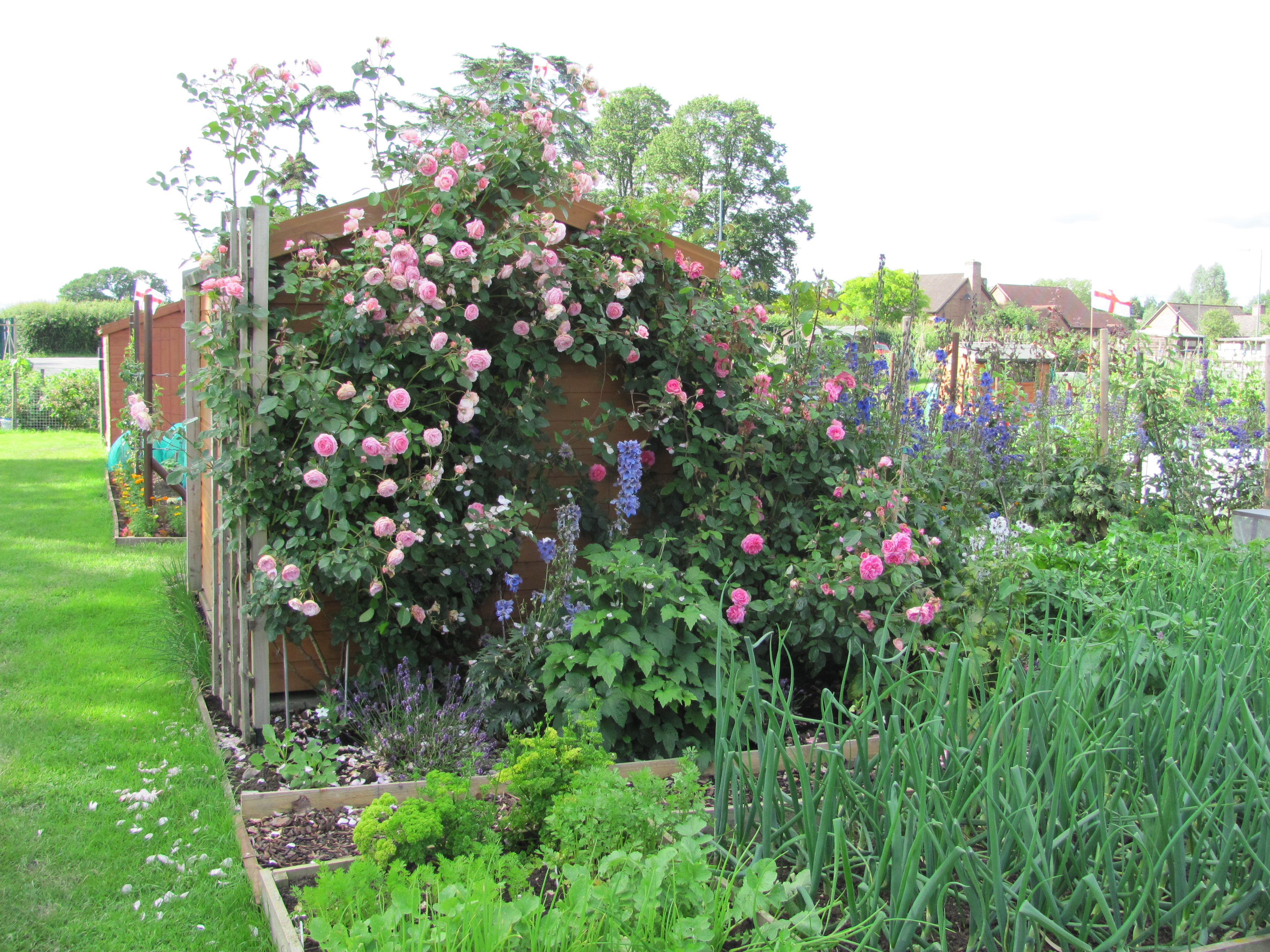
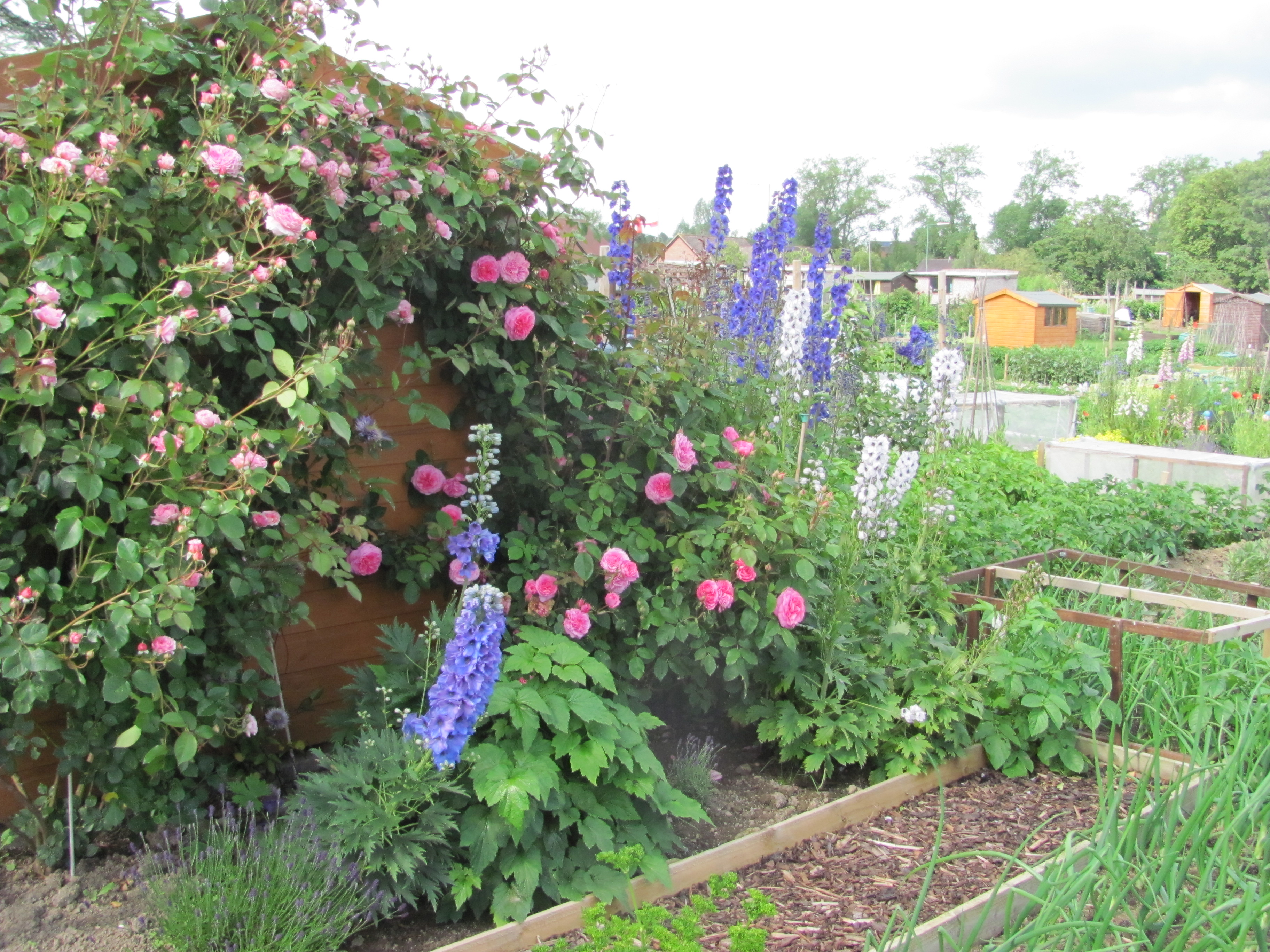
The Summer Garden  is not to be outdone though as the roses are coming into flower and beautiful scents greet us as we sit on the nearby picnic benches. The lavenders, geraniums and grasses planted between the roses add further interest and textures.

As June moves towards July our meadows really come into their own. Plot holders love to walk through them and a wide variety of birds, bees, butterflies, grass hoppers and every sort of mini-beast visit.

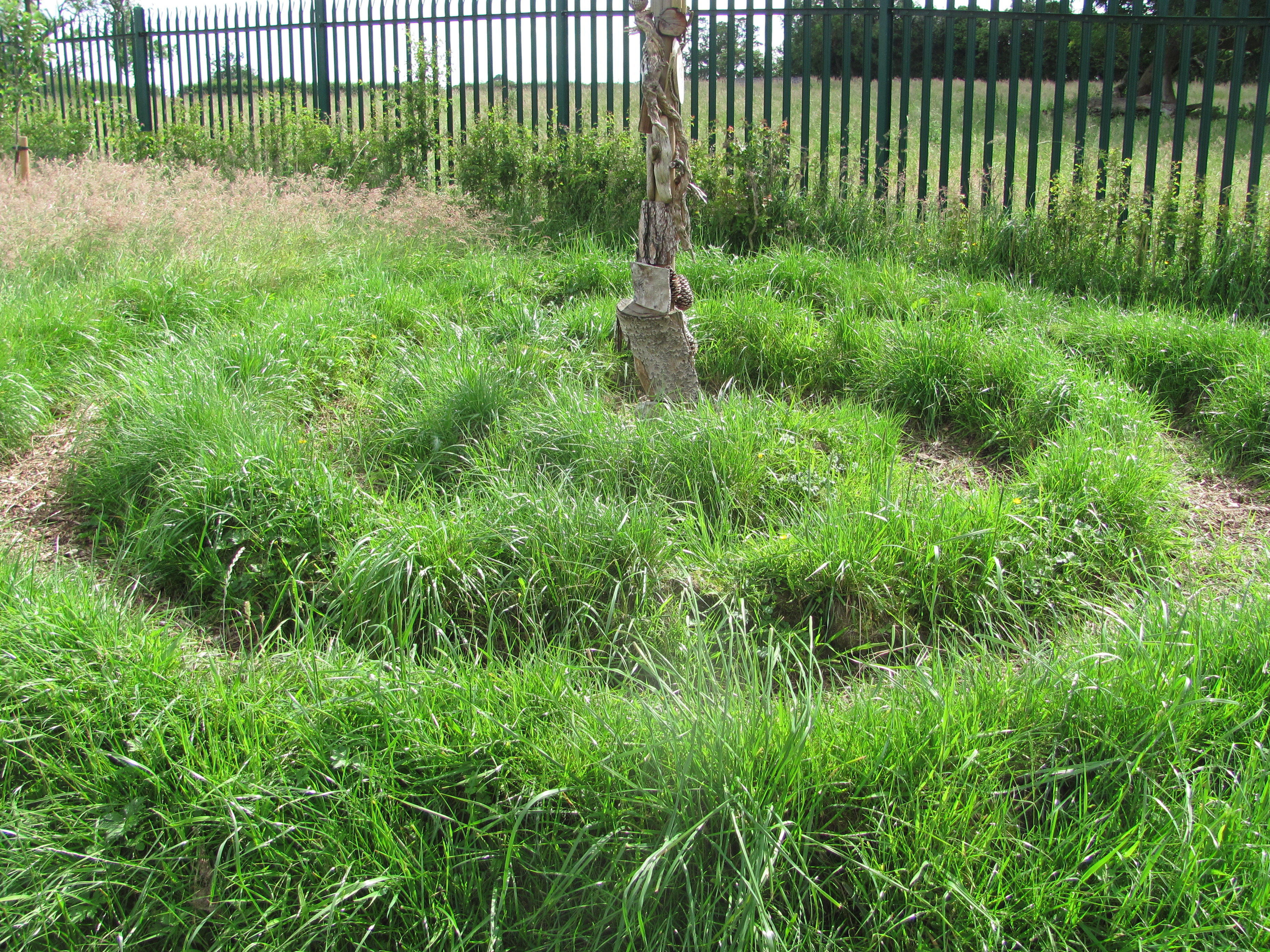
I shall finish with a shot of the plot we have nominated for this year’s Shrewsbury Town Allotment Competition and one of our grass spiral which currently looks most inviting.

This Veggie Life

A Vegetarian | Nature Lifestyle Blog

Rambling in the Garden

.....and nurturing my soul

The Arch City Gardener

Journeys In St. Louis Gardening and Beyond

Garden Dreaming at Châtillon

Consult the genius of the place

Storyshucker

A blog full of humorous and poignant observations.

gardeninacity

Notes from a wildlife-friendly cottage garden

PlayGroundology

...an emerging social science

The Official Blog of British Wildlife

'The most important and informative publication on wildlife of our times' - The Independent. This blog is a member of The UK & Ireland Natural History Bloggers group: www.uknhb.blogspot.com

iGrowHort

Inspire - Cultivate - Grow Native Plants - Restore Landscapes

Bishops Meadow Trust

To create and protect a semi-natural wild space for the people of Farnham to enjoy and experience an array of British wildlife in our town

Gardening with Children

The www.gardeningwithchildren.co.uk Blog

UKbirdingtimeline

birding through the seasons, why birds matter and how to conserve them

NATURE WALKER

with a camera in hand

Jardin

Transform your outdoor space

Eva's space

My allotment, cooking and other interests

Old School Garden

my gardening life through the year

LEANNE COLE

Trying to live a creative life

fromacountrycottage

trying to live as lightly as possible on our beautiful planet

Good Life Gardening

Nature lovers from Leicester living the good life.

mybeautfulthings

Finding the beautiful in the everyday

mawsonmichelle

Michelle's Allotment

In and Out of My Garden

thoughts from and about my garden

Greenhousing

Big plans for a small garden

The Scottish Country Garden

A Walled Country Garden in South East Scotland

The Fruity Chicken

Life at the fruity chicken

willowarchway

Off grid living. Self sufficient. "PERMAGANICS RULE".

St Anns Allotments

Nottingham's Grade 2* Listed Allotments and Community Orchard

Manifest Joy Harvests

a journey in suburban vegetable gardening

Allotmental

The madness of growing your own

Penny's Garden: a harvest beyond my front door

A novel approach to vegetable gardening

arignagardener

Sustainable living in the Irish countryside.

NewEnglandGardenAndThread

Master Gardener, amateur photographer, quilter, NH native, and sometimes SC snowbird

dianajhale

Recent work and work in progress and anything else that interests me

planthoarder

a chaotic cottage gardener

Lens and Pens by Sally

a weekly blog that creates a personal philosophy through photographs and words

Dewdrops and Sunshine

Stories from a sassy and classy Southern farmbelle.

The Pyjama Gardener

Simple Organic Gardening & Seasonal Living

gettin' fresh!

turning dirt into dinner

JOY...

today the world is created anew

Garden Birds

Notes from a Devon garden

ShootAbout

Life Through The Lens

Adapting Pixels

A photography blog showcasing the best photography pictures and videos on the internet

Wildlifegardening's Blog

Just another WordPress.com site

naturestimeline

personal observations from the natural world as the search continues for a new approach to conservation.

LATEBLOOMERBUDS

The Wonders of Life through my Eyes, my Heart, my Soul