Categories
flowering bulbs garden photography grasses ornamental grasses roses Winter Gardening winter gardens

12 Christmas Garden Delights

As a Christmas greeting to everyone I thought I would go out into the garden here at Avocet and take 12 photos that depict the delights of our patch on Christmas Day.

A dozen December delights!

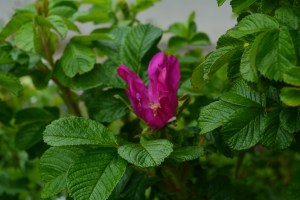
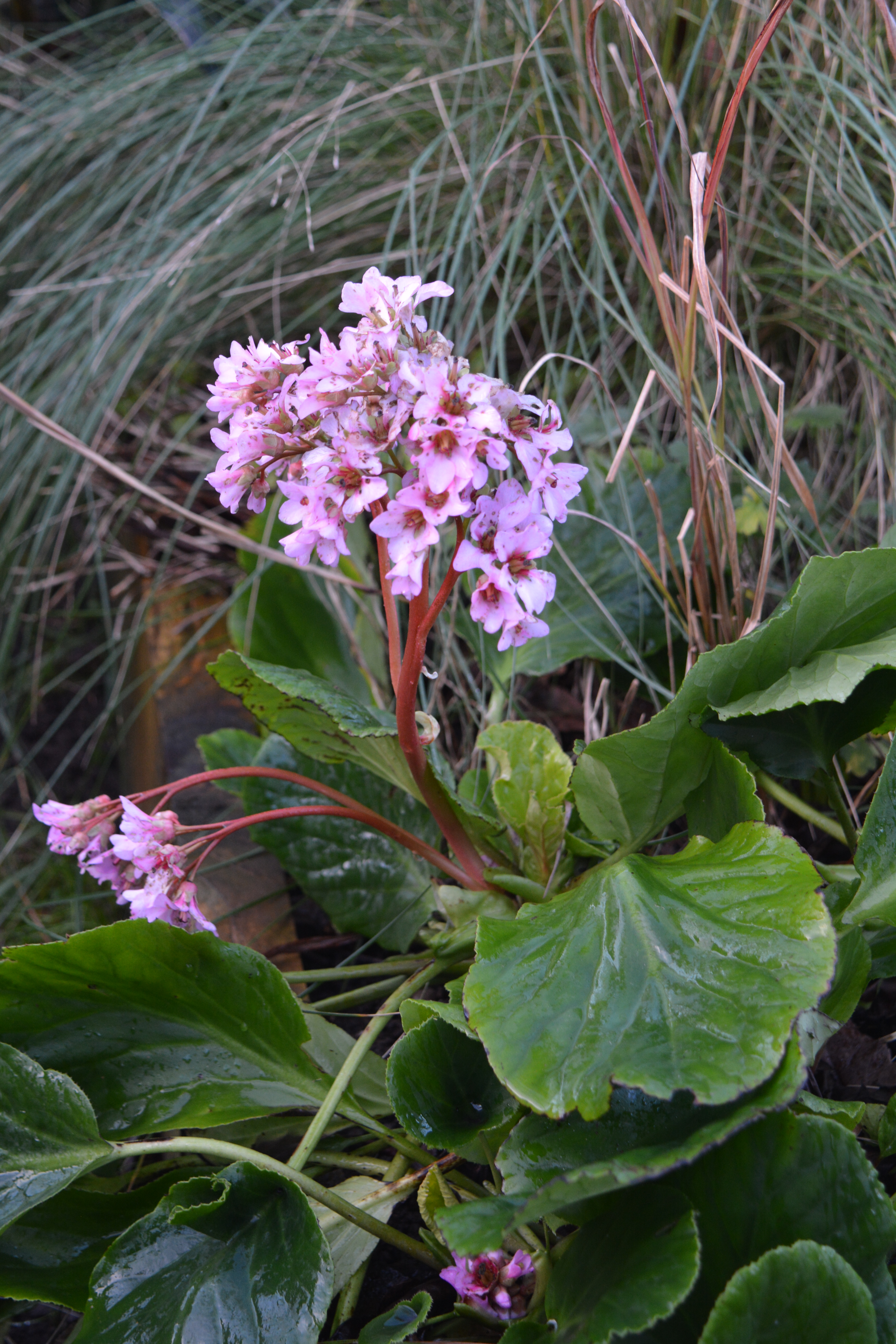
xm-15 Out of season – Rosa Raspberry Royal.

xm-10 Cyclamen coum

xm-04 Sarcococca confusa

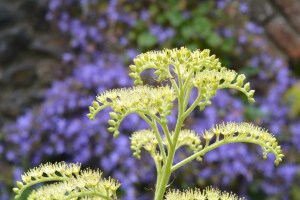
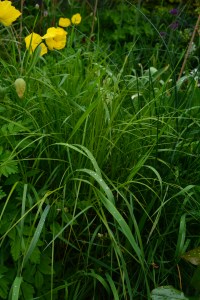
xm-03 Euphorbia wulfennii

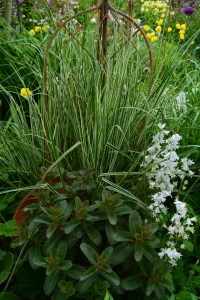
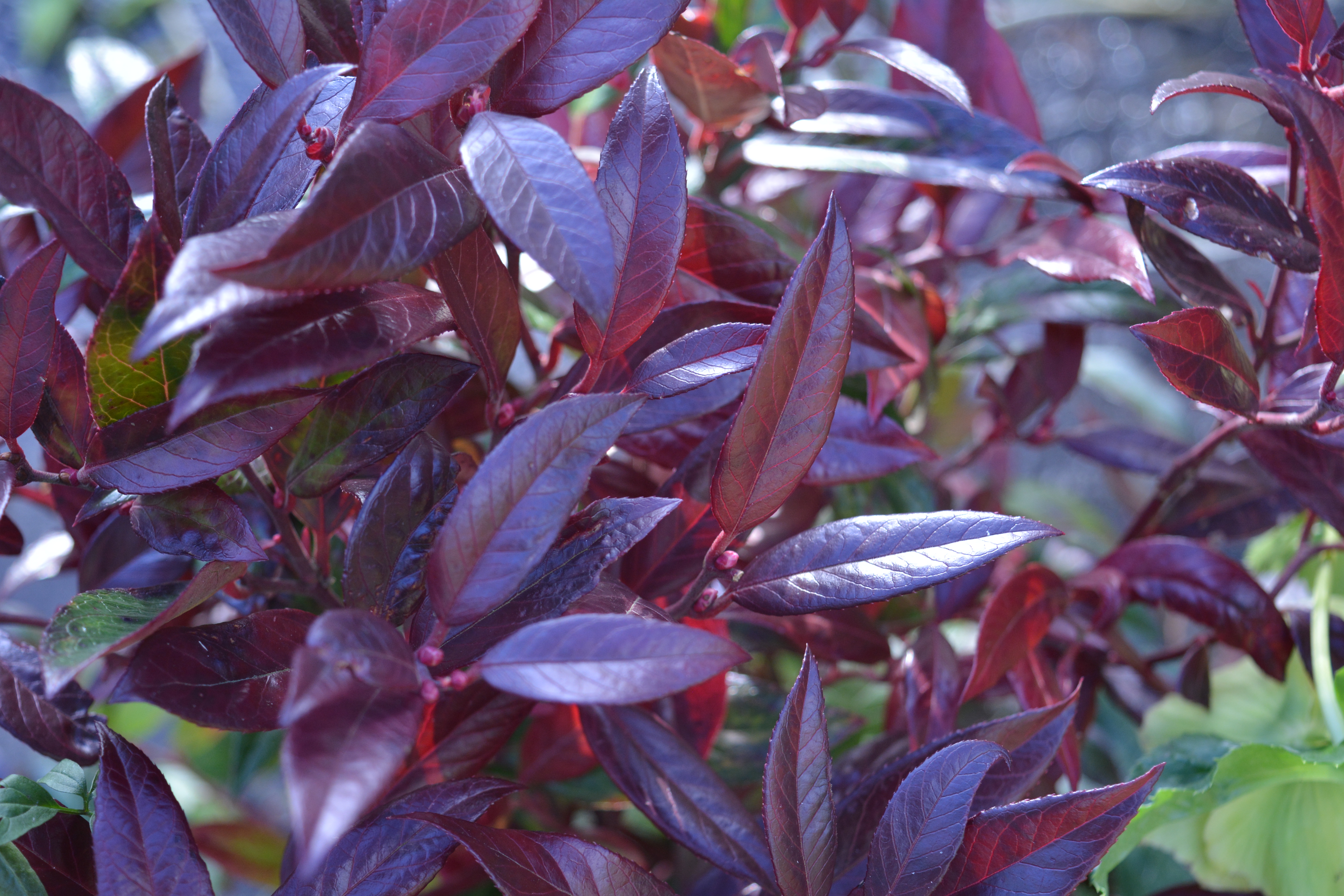
xm-05 Hebe Great Orme

xm-09 Jasminum nudiflorum

xm-06 Cornus Midwinter Fire

xm-08 Carex elata aurea

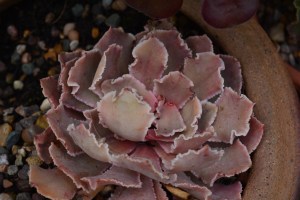
xm-14 Winter Cyclamen

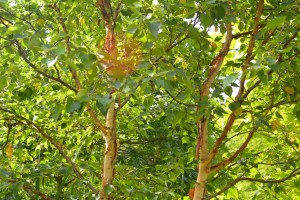
xm-12 Betula albosinensis Septentronalis.

xm-16 Physalis alkekengi (Chinese Lantern).

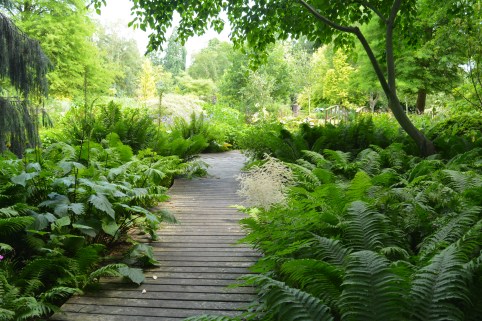
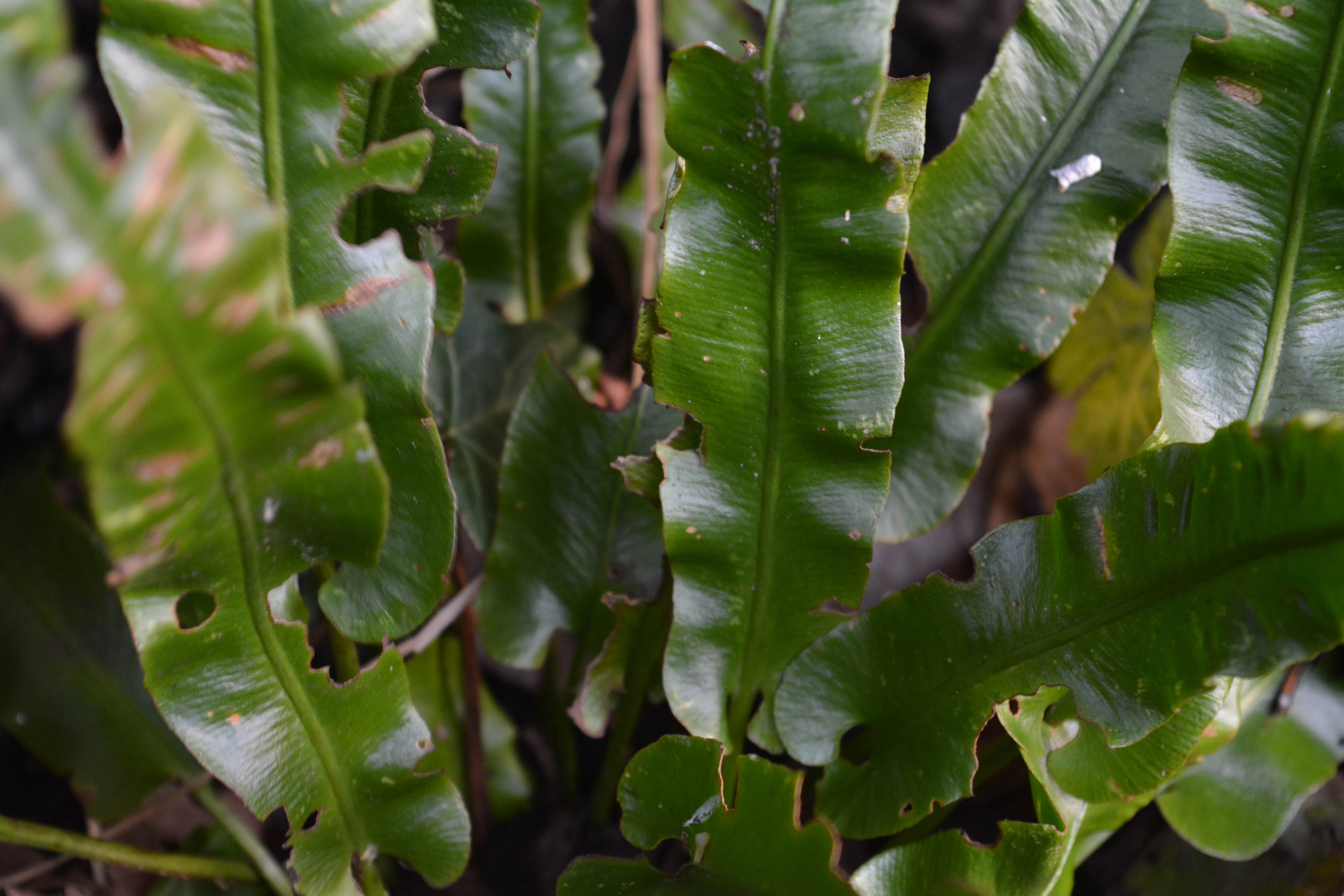
xm-17 One of our many ferns, Arachnoides aristata.

We have had a great year in our Avocet Garden with so much to enjoy, so many visitors to share our patch with and plenty of wildlife to share it too!

Categories
colours garden design garden designers garden photography gardening gardens gardens open to the public grasses hardy perennials Norfolk ornamental grasses ornamental trees and shrubs

Bressingham Gardens – 2 – Using Grasses.


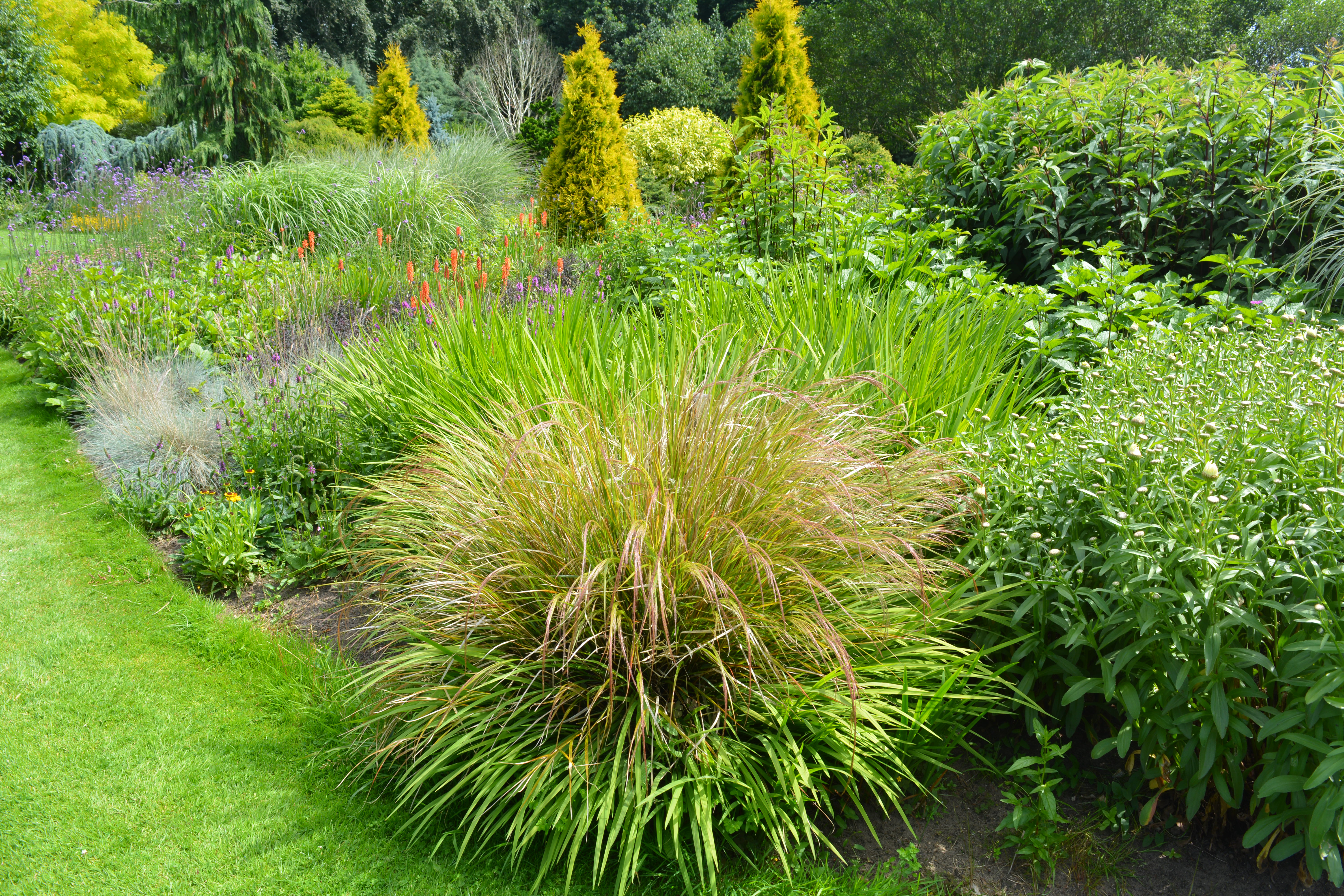
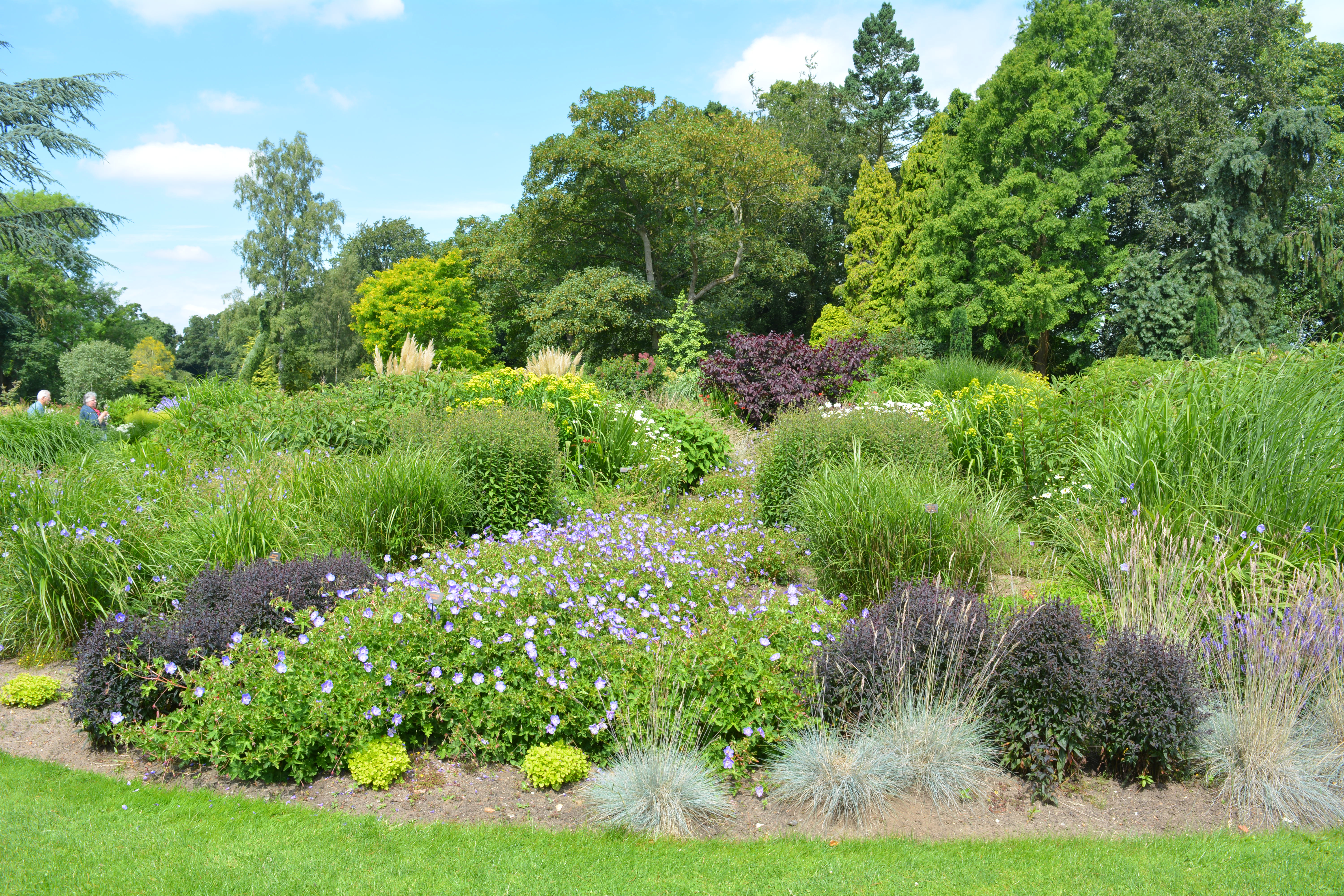
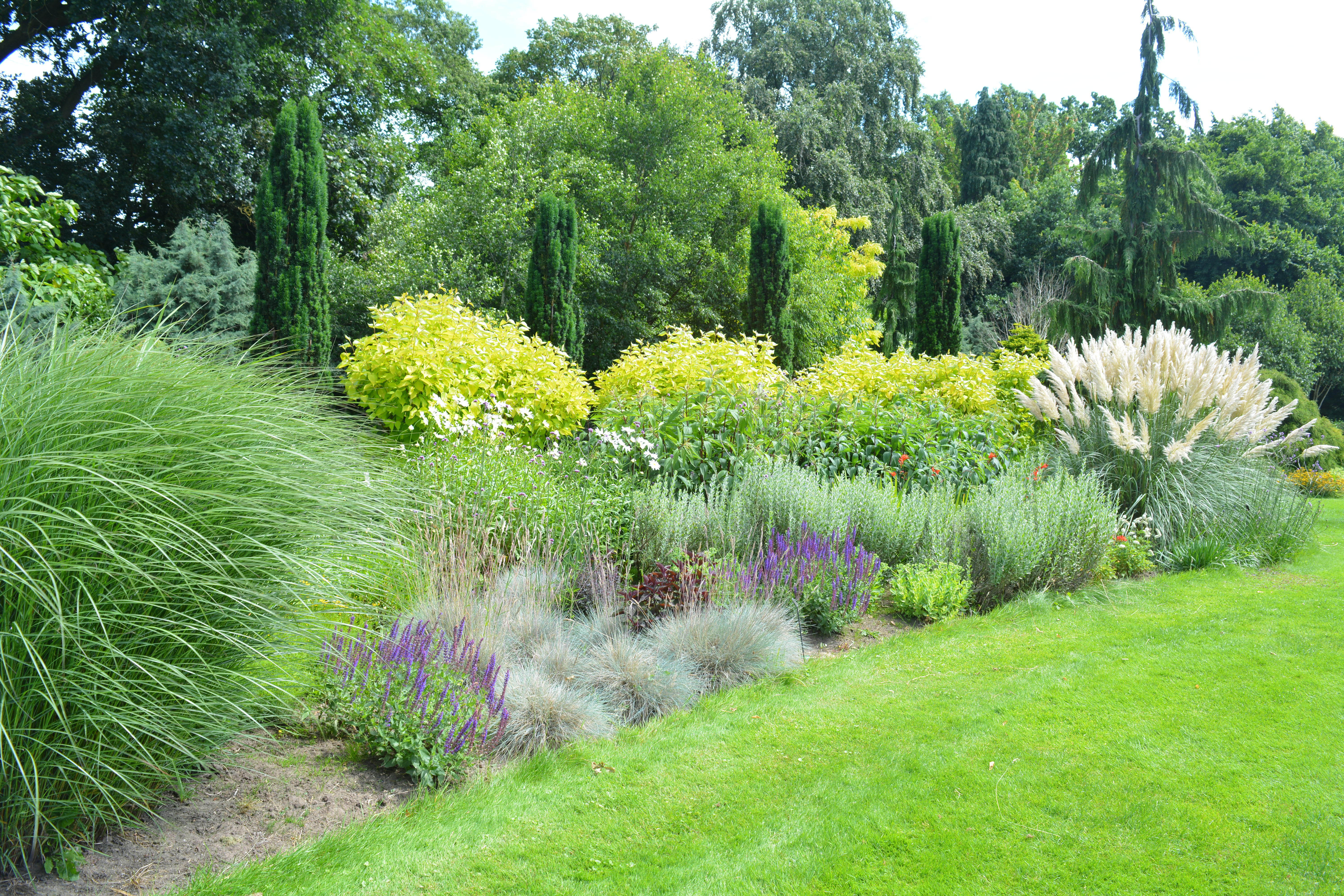
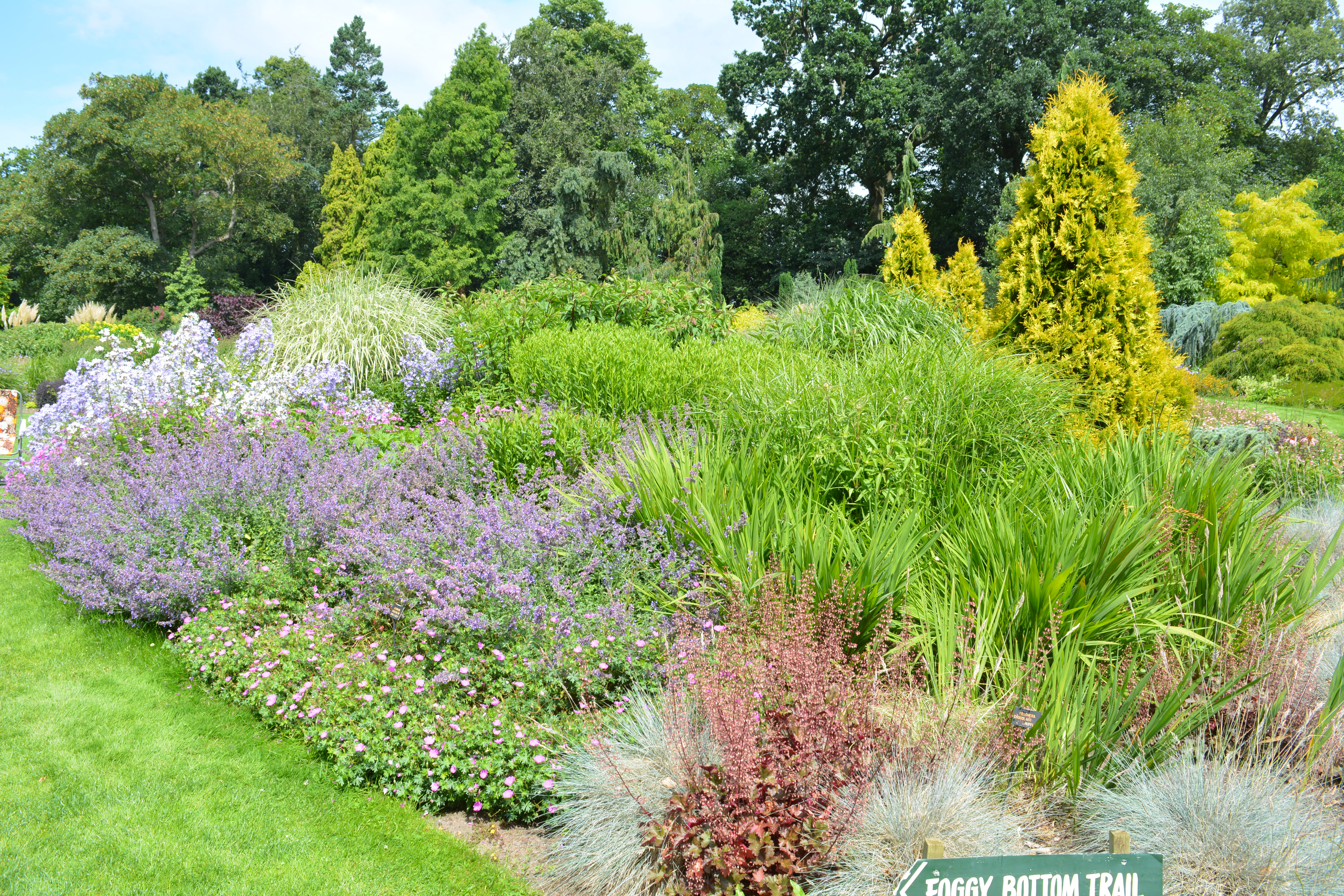
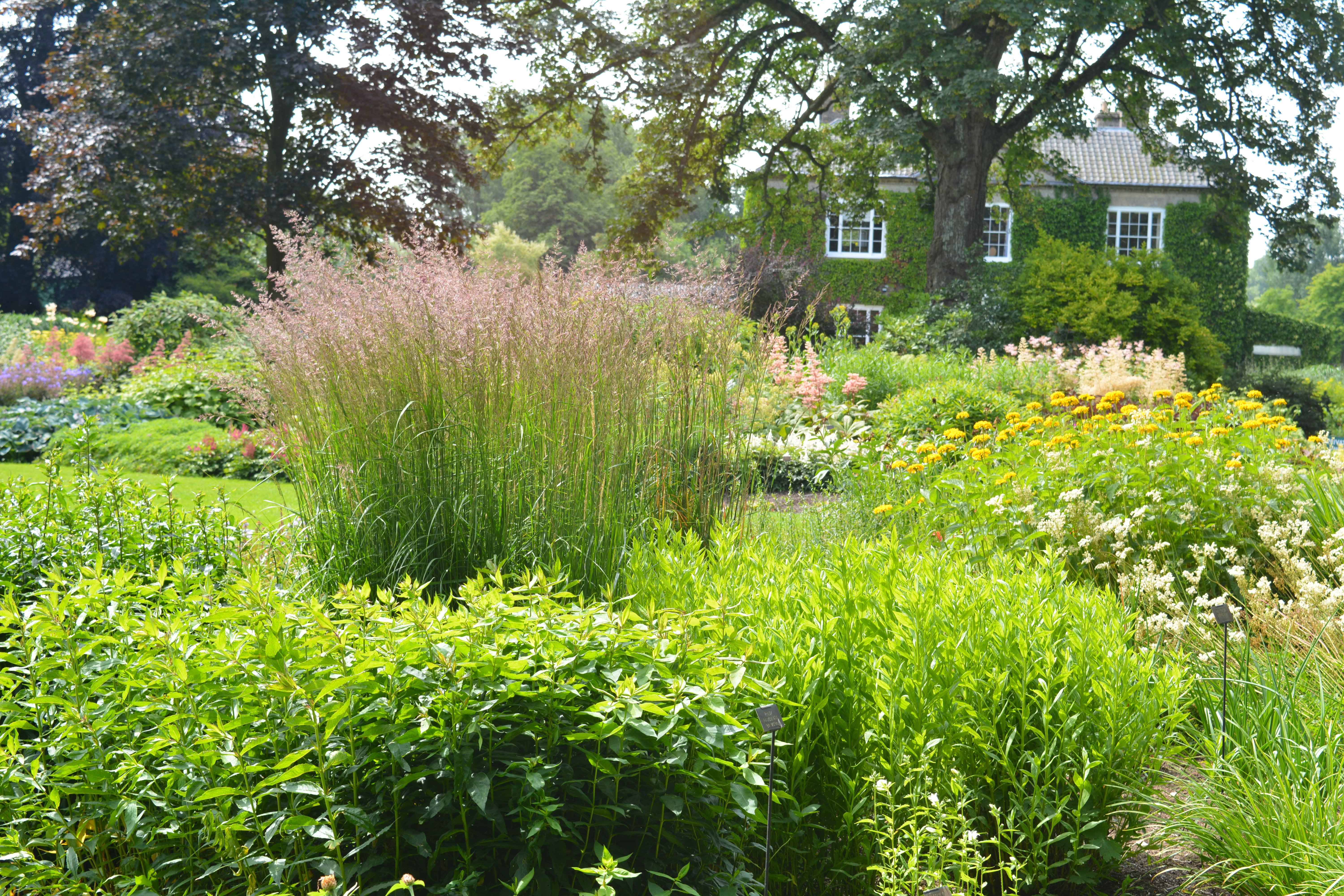
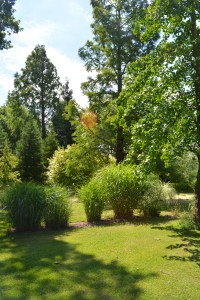
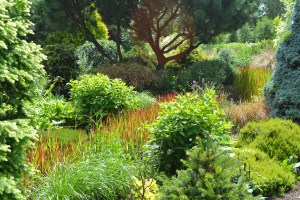
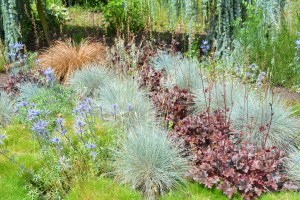
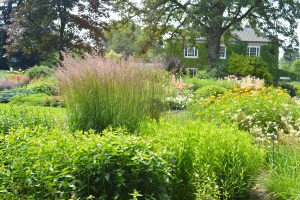
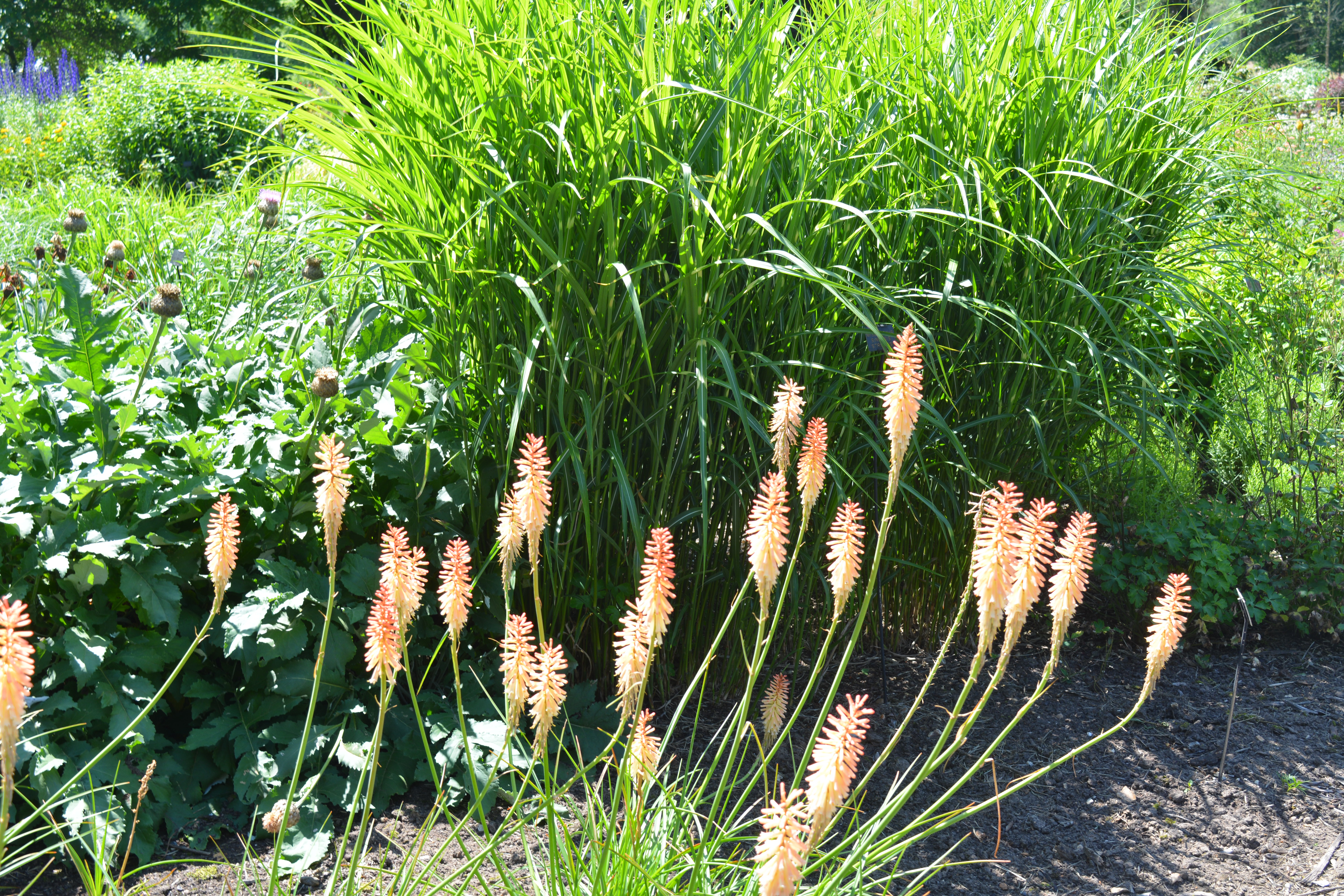
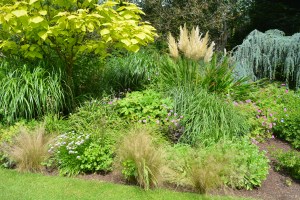
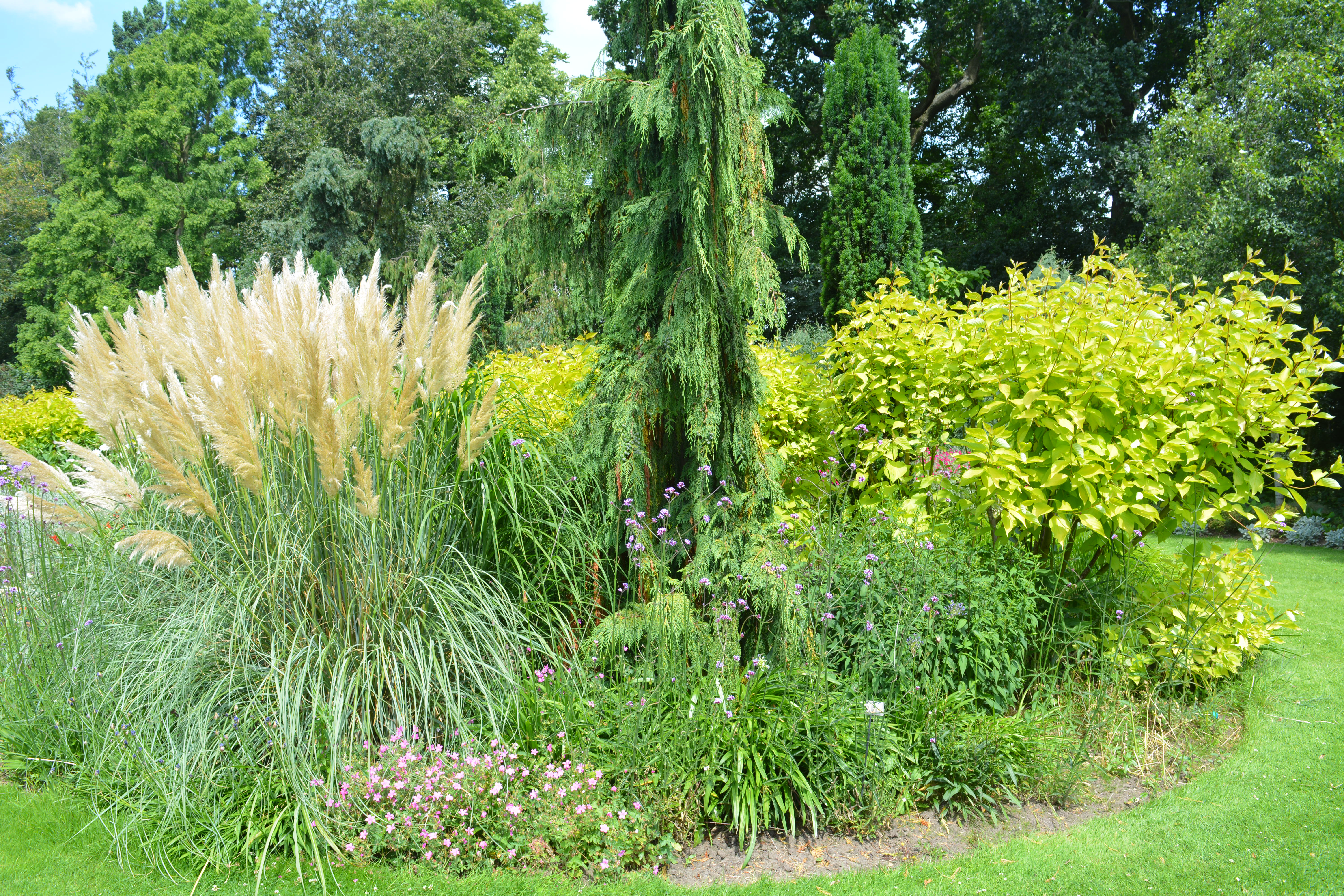
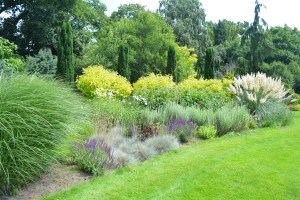
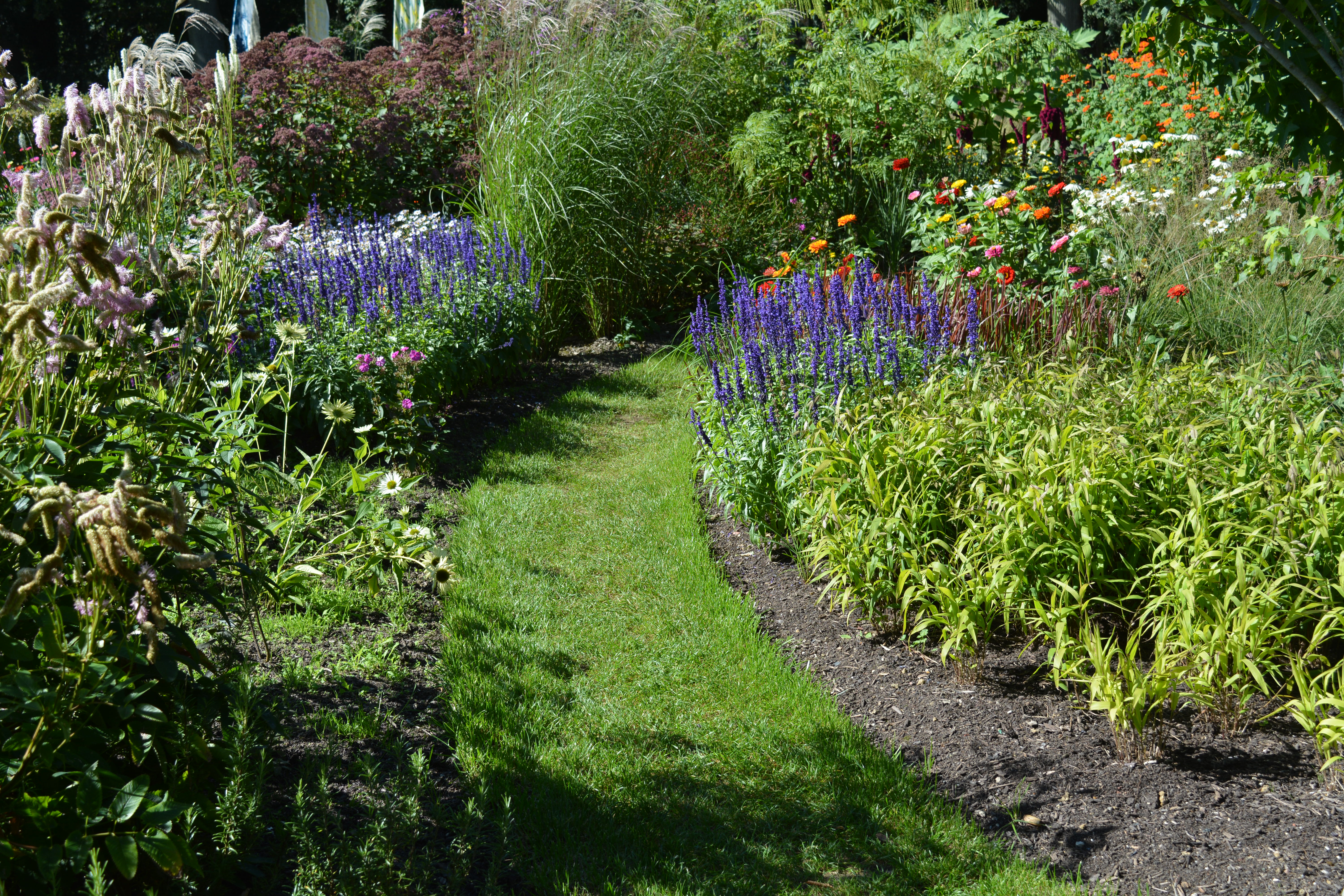
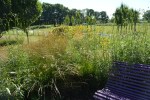
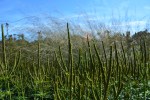
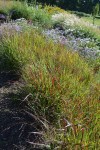
In this second report of our visit to the gardens at Bressingham I am going to look at the use of grasses throughout the gardens. As the batch of shots below illustrate, grasses here are beautifully integrated into the mixed borders and enhance their partners’ attributes. The grasses add movement, sound and an element of delicacy to the whole garden.

bg-01 bg-02 bg-03 bg-04 bg-05 bg-06 bg-07 bg-08 bg-09 bg-10

The Bloms family created the gardens here at Bressingham not only to show the use of perennials and grasses but also coniferous evergreens. It is here they display all the many new cultivars of grasses and perennial herbaceous plants that they have bred over the decades. They also pioneered the use of island beds in garden design where for the first time herbaceous borders were designed to be seen from all around and the island beds of plantings were designed to be islands within seas of lawn.

gb-01 gb-02 gb-03 gb-04   gb-07  gb1-02  gb1-08

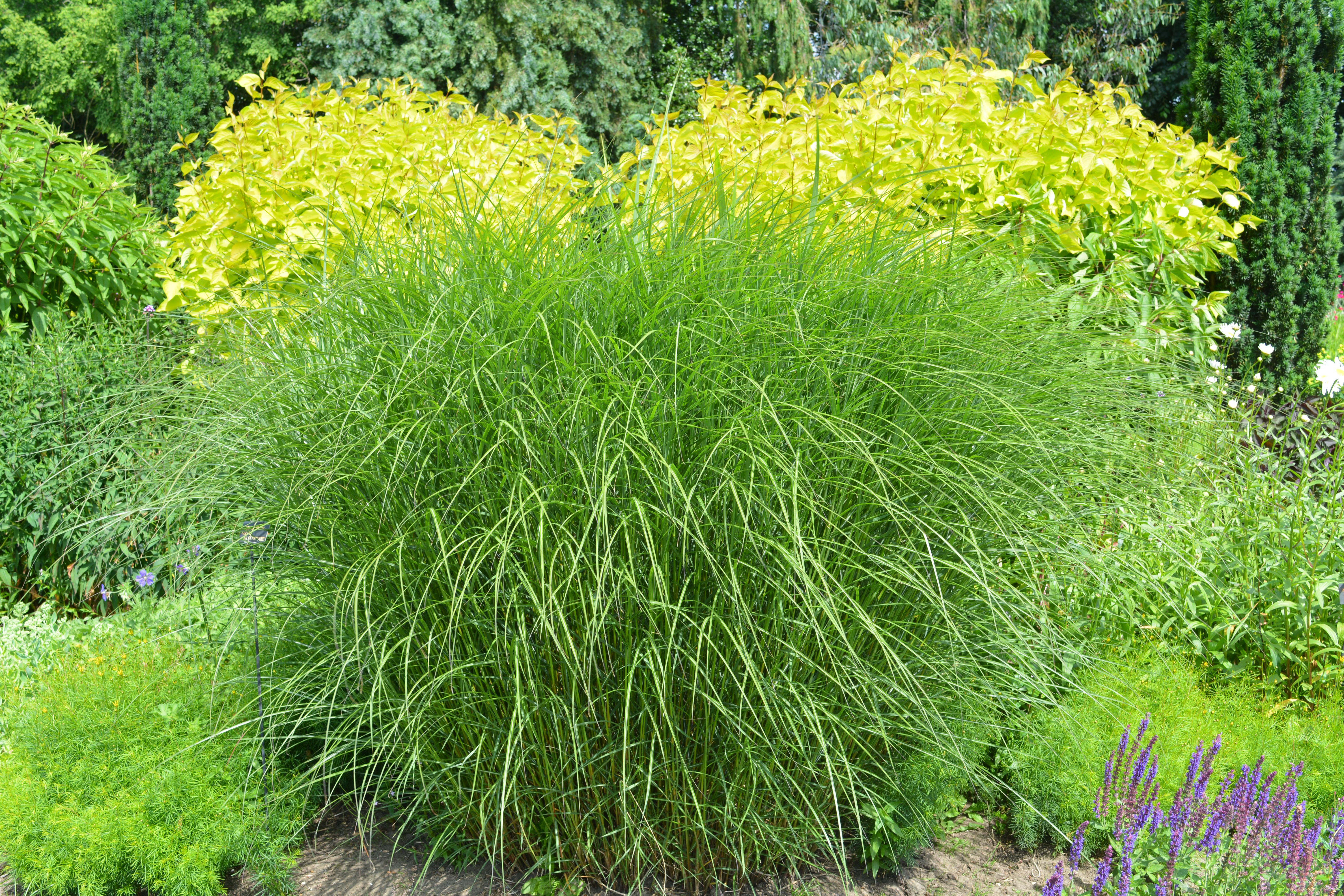
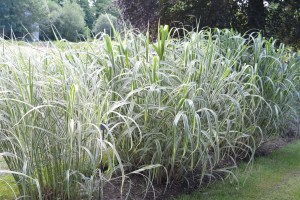
Grasses especially varieties and cultivars of Miscanthus are an integral part of the gardens here including the island beds. There is a large collection of Miscanthus which impressed and delighted me as it is a grass family that I love to see and love to use in our garden. It is a great multi-season group of plants.

Here are a few shots of the Miscanthus collection, but it was hard to do justice with the camera to illustrate the subtle variations in colour, height texture and growth habits of these grasses, the colours in all the different flowers and the leaf stripes and variegations.

gb-13 gb-11gb-15 gb-14 gb-12gb-09 gb-10

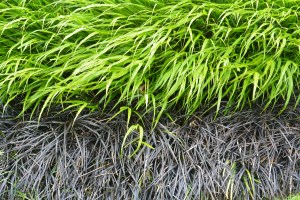
Using grasses in clumps, blocks, rivers and ribbons adds drama to the garden, but equally a single specimen partnered with a shrub, tree or herbaceous plant can increase the aesthetic value of both the grass and its partner.

Here are a couple of ideas seen at Bressingham using grasses in ribbons and rivers.

gb1-05 gb1-06gb1-09 gb1-01gb1-04 gb1-03 gb1-07

We enjoyed finding effective planting partnerships involving grasses with other classes of plant.

gb1-10 gb1-11 gb-05 gb-06

We came away full of new ideas and a list of Miscanthus we look forward to adding to our Avocet patch.


Categories
colours garden design garden photography gardening gardens gardens open to the public grasses hardy perennials light light quality ornamental grasses ornamental trees and shrubs trees

Bressingham Gardens – 1 – Colour Combinations and Conifers

Jude and I have a book in which we write and keep our bucket list, or really bucket lists. We keep lists of places to visit, gardens to visit and activities to try out. We add to them throughout each year and revamp and edit them at the beginning of each new year.

bc-01 bc-15

Our gardens to visit list has contained one particular garden we wished to visit for 3 or 4 years and it was in the summer of 2016 that we finally successfully got there, The Bressingham Gardens. We looked forward to seeing how they used grasses throughout the gardens and to experiencing enjoying so many beautiful herbaceous perennials. We also hoped that the on-site nursery would give us access to some unusual perennials bred at Bressingham and difficult to get elsewhere, and we particularly hoped to buy some Sea Hollies. Blooms are particularly well-known for their Achillea, Crocosmia and Kniphofia developments, such as C. Lucifer and K. Toffee Nose.

bc-10 bc-09bc-22 bc-21

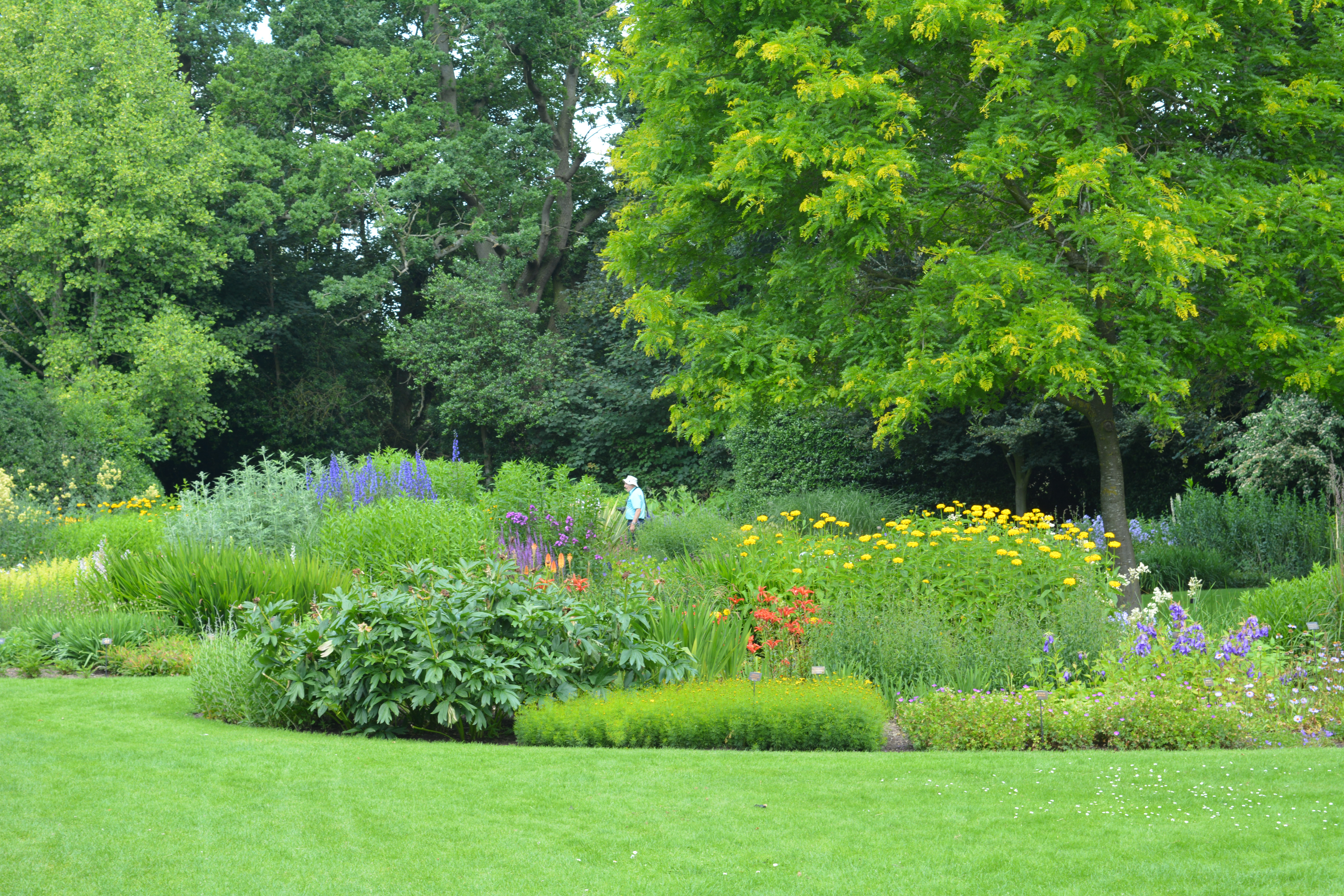
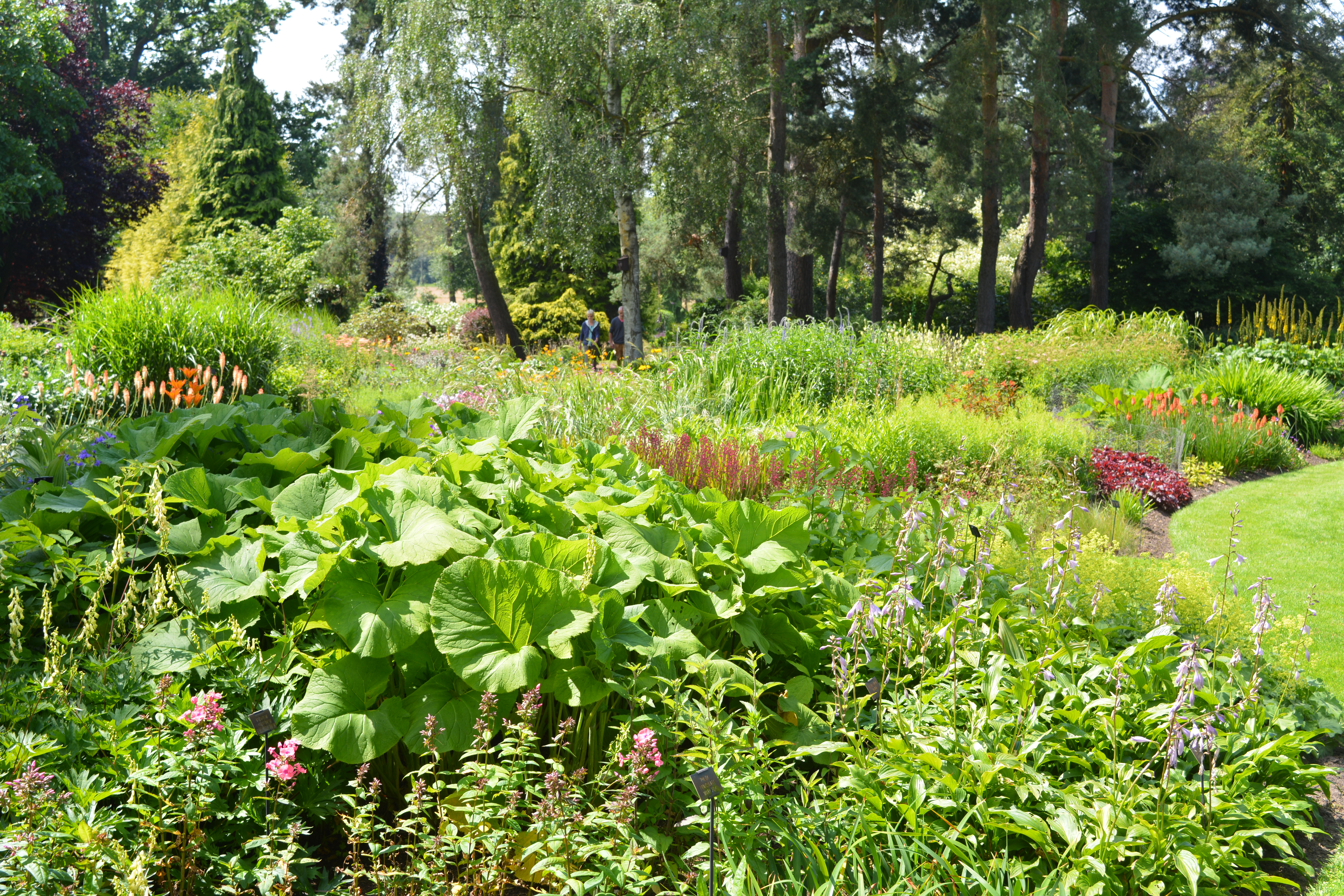
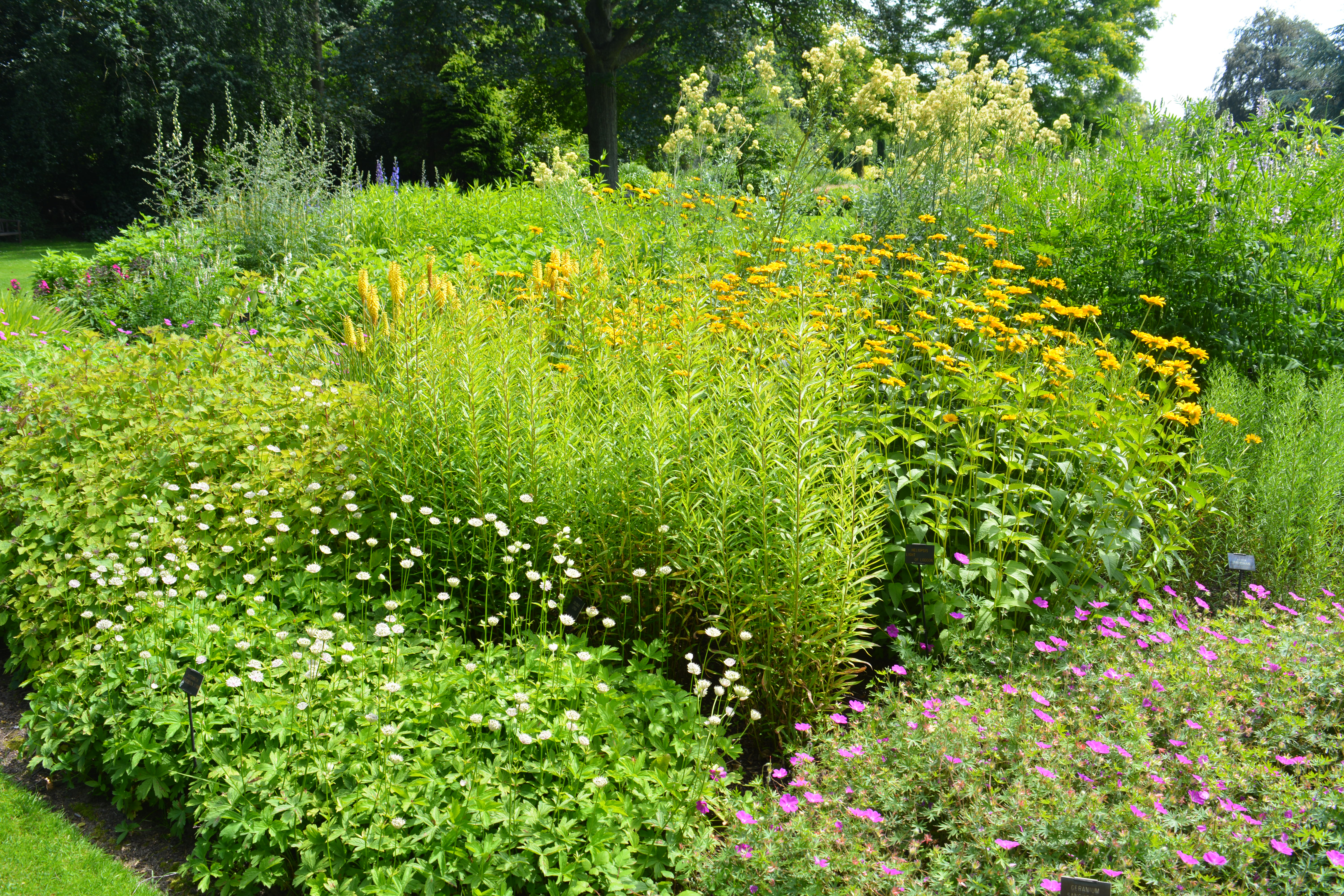
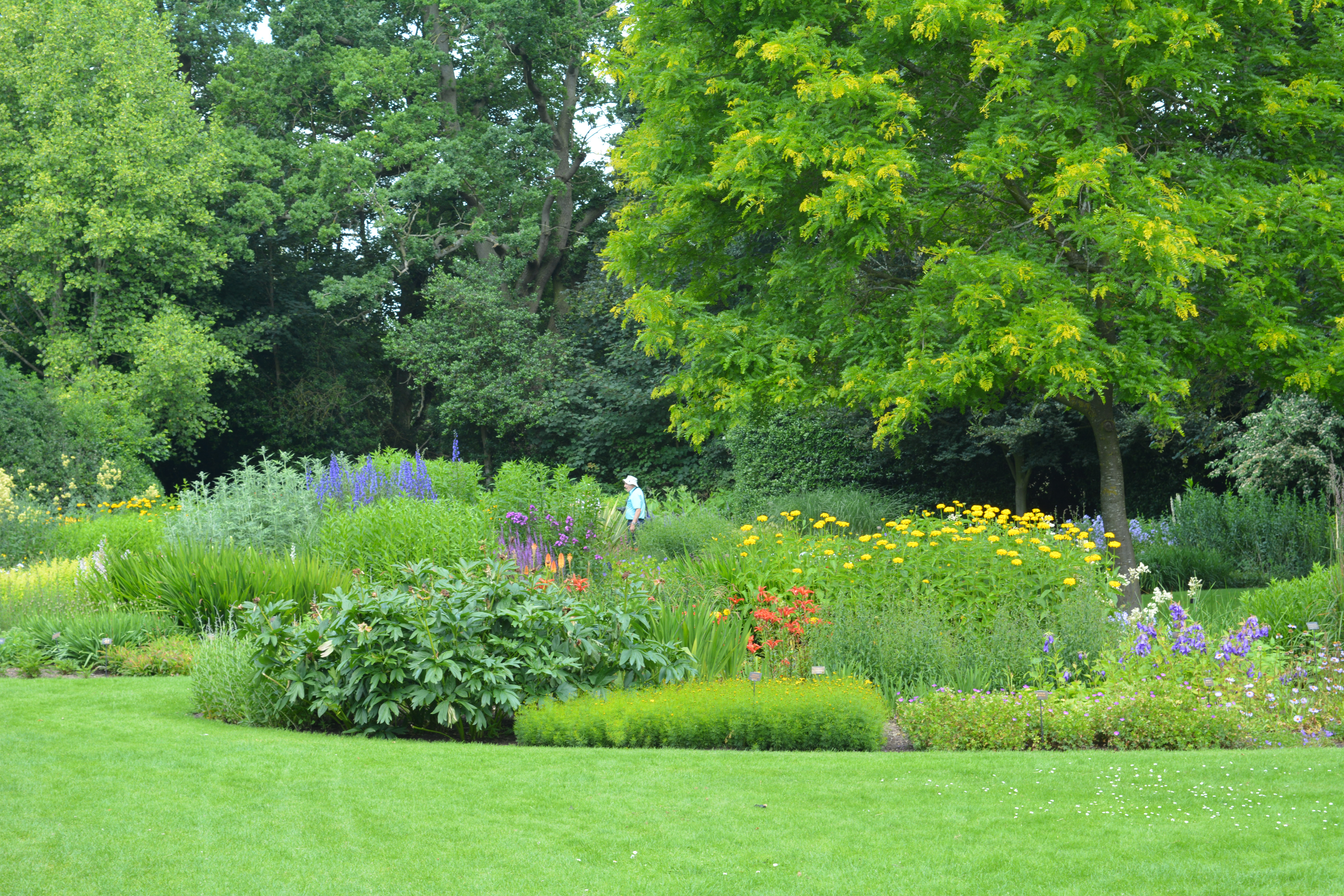
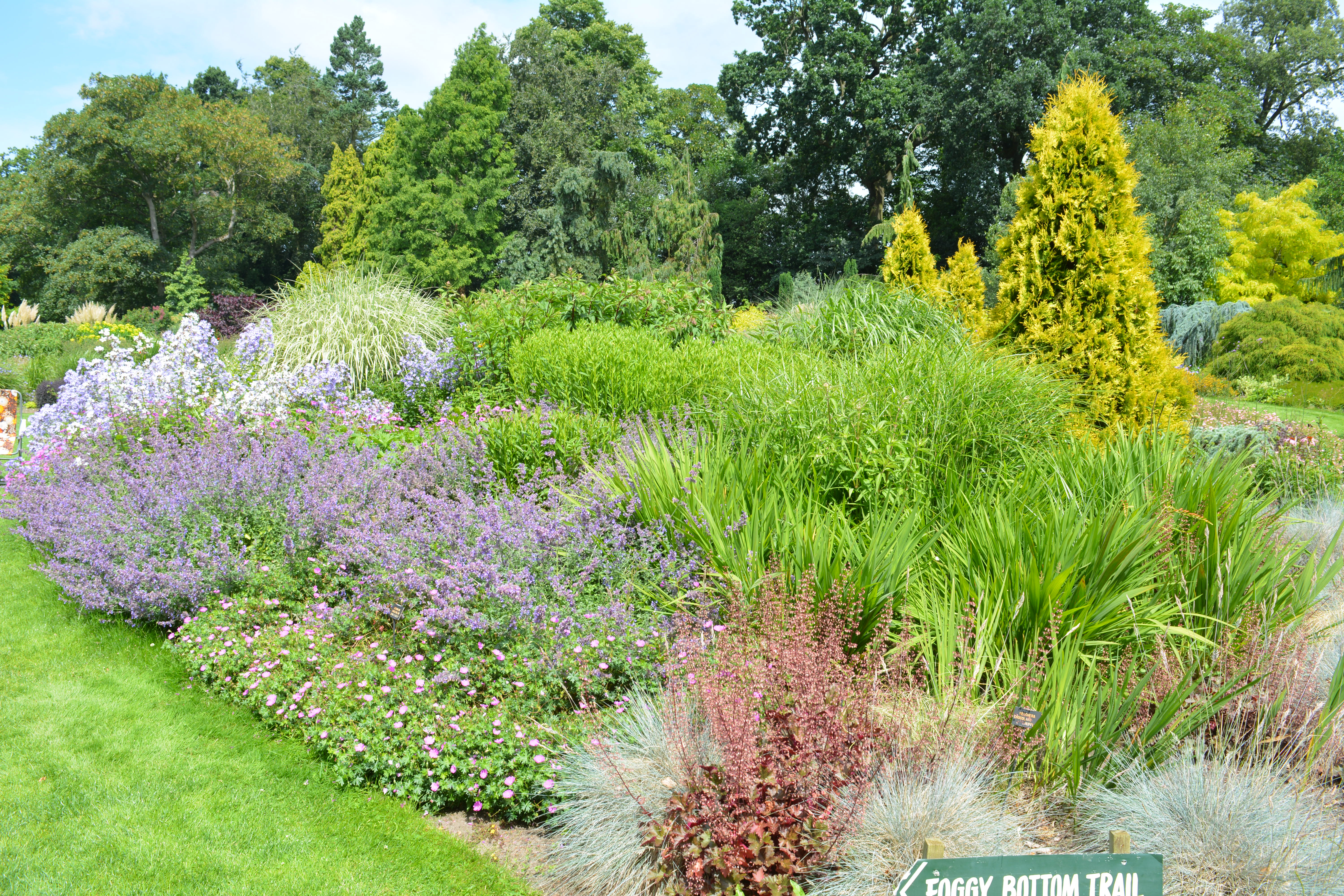
These expansive gardens are like a calm green sea of short cut grass broken up by island beds exploding with colourful mixed plantings.

bc-13 bc-02bc-35 bc-24 bc-31 bc-25bc-38 bc-32

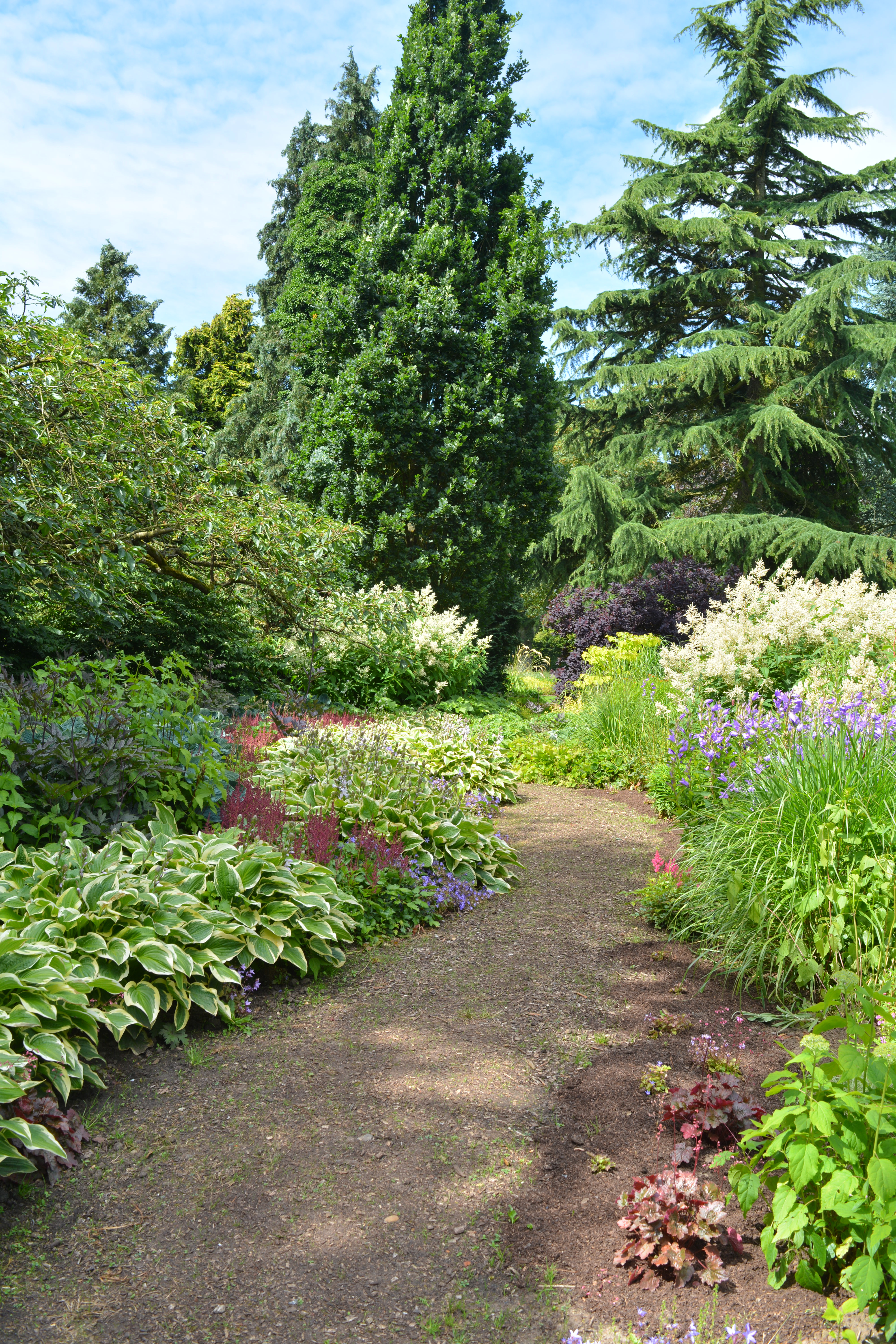
Areas of shade are essential in any open aspect garden, and here small deciduous trees are used throughout to add small patches of shade along pathways, and most of these trees have interesting coloured foliage to add another layer of interest.

bc-27 bc-26bc-29

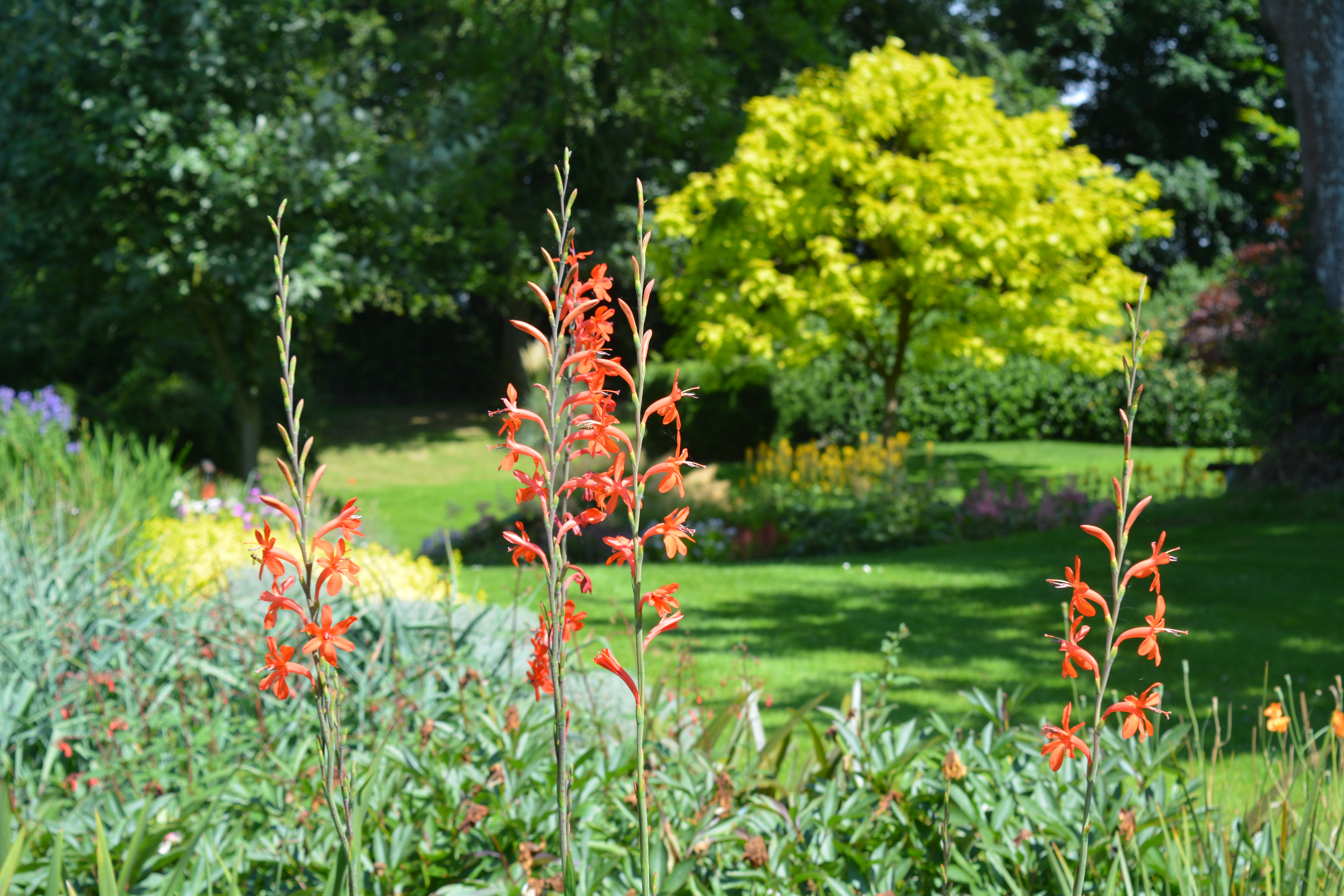
We enjoyed the richness of warm colours working together beautifully when caught by the sunshine, and contrasting colours shining out in the borders.

bc-34 bc-36bc-39 bc-42bc-41 bc-20 bc-19 bc-18 bc-17  bc-14 bc-12 bc-11

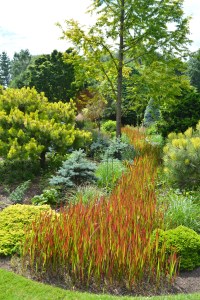
Coniferous evergreens are a special feature of the gardens as they are a particular love of Adrian Bloom one of the family who designed, maintain and own the gardens at Bressingham. Here they appear in every shade of yellow, green and blue with shapes of all sorts some extreme shape, from narrow, upright sentinels to drooping waterfalls. They also feature within the tall windbreaks planted all around the site to protect the wide ranging plantings within the gardens.

bc-06 bc-05 bc-04 bc-37bc-33 bc-03 bc-30 bc-07

In my next blog we will return to the gardens at Bressingham and take a look at how grasses are used to good effects. A big disappointmetn at Bressingham is that the nursery there has been sold to a massive national chain of garden centres, so the plants were the same old same old! So sad!


Categories
colours garden design garden photography gardening grasses hardy perennials light light quality ornamental grasses outdoor sculpture reflections sculpture village gardens water in the garden

Take one little border.

This post will look at a small border in a Gloucestershire garden in a village at the bottom of Bredon Hill. It is a lovely garden, well designed and well cared with a calming atmosphere throughout. The gardeners and owners of the garden are my sister, Penny and her husband, Tony.

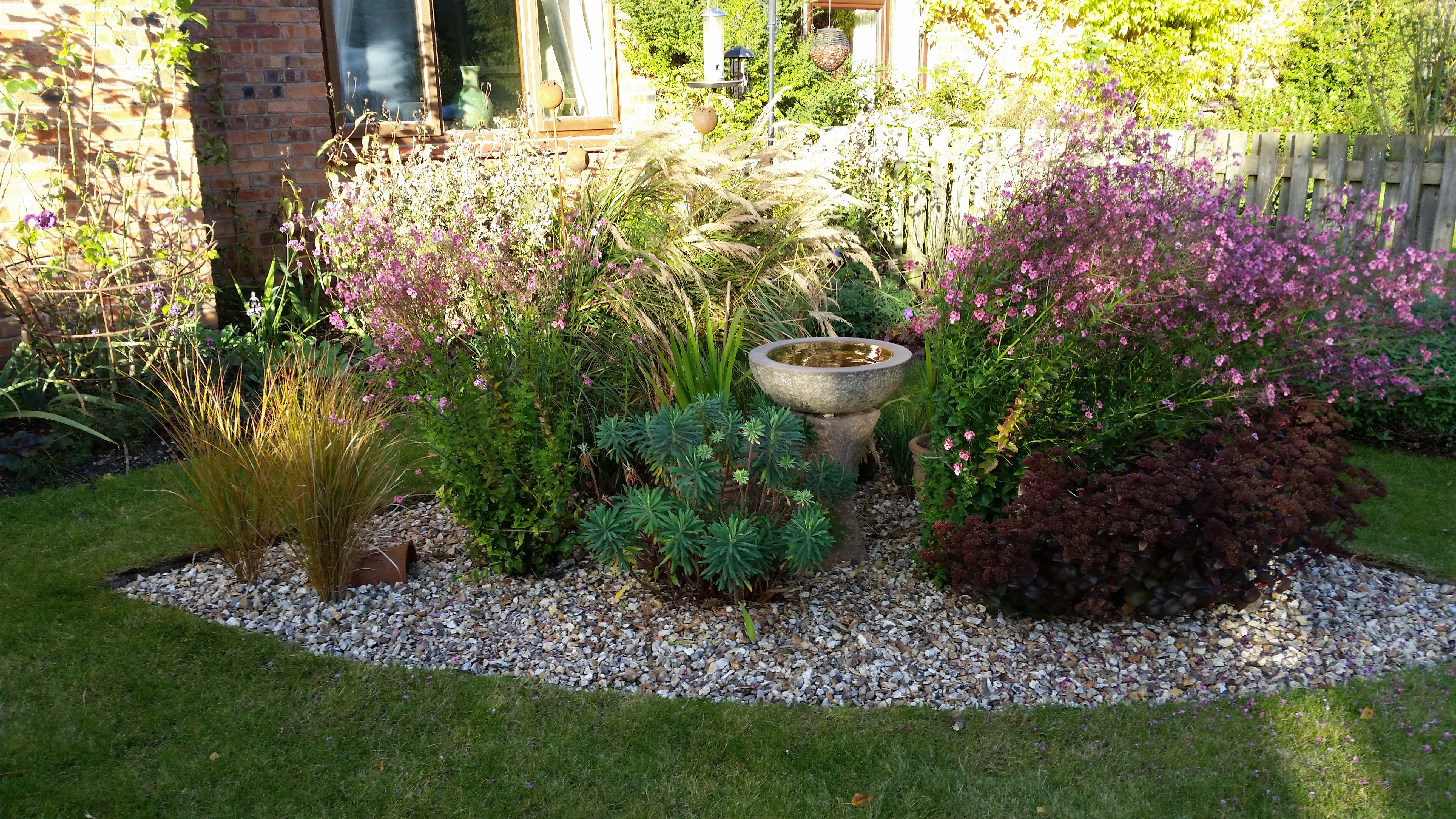
This little border in the front patch is a quarter circle in shape and covers only a couple of square metres but the choice of planting partners and artifacts together create a beautiful balanced feel.

The first photo covers the whole border in one shot which gives an indication of its size. The gravel mulch acts as a foil to enrich the colour palette, the bronzes, silvers and bronzes of the grasses and the rubies and purples of the sedums and diascias. The grasses also move and rustle in the lightest of breezes.

pt-01

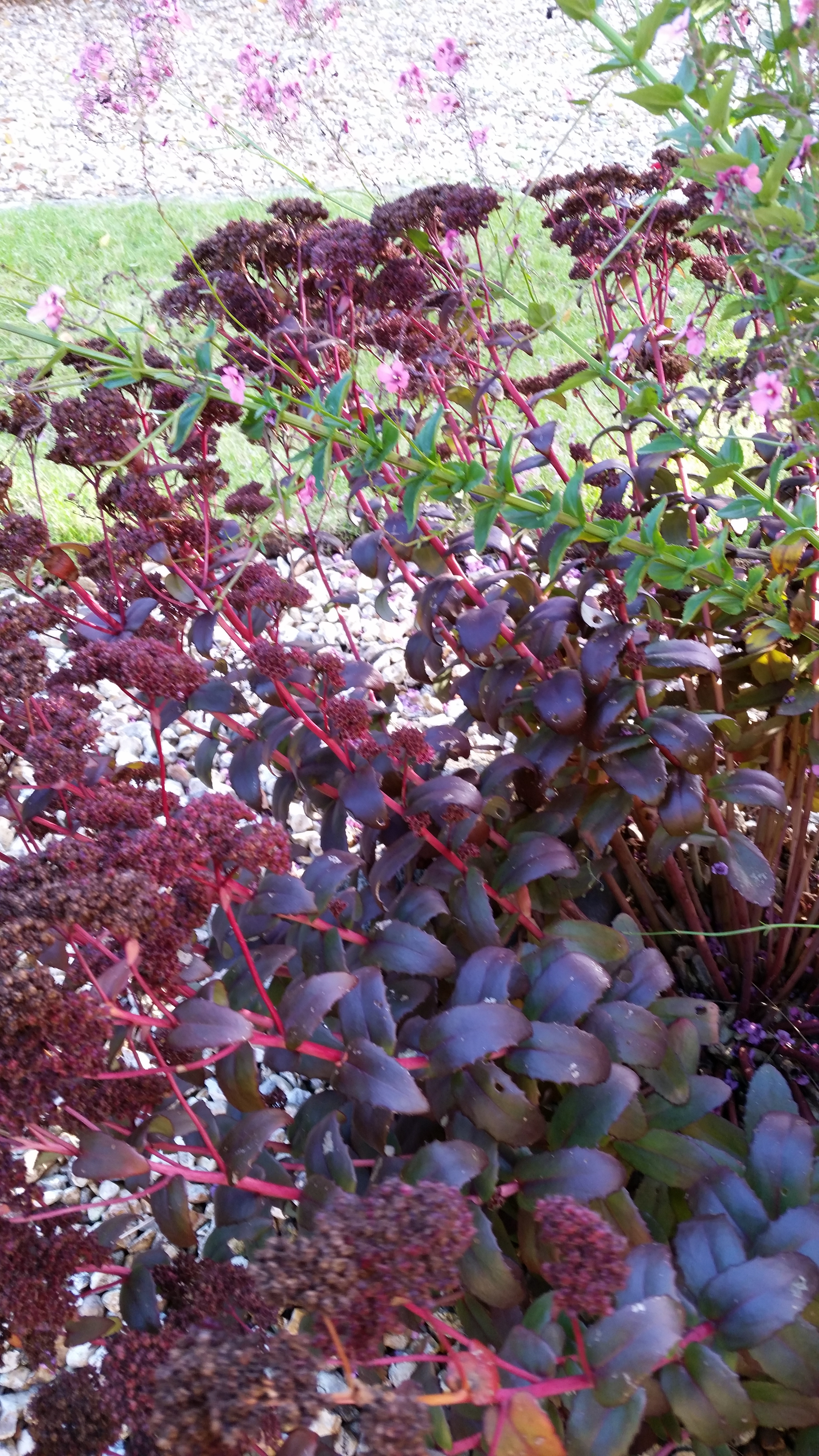
Diascia personata and Sedum Purple Emperor compliment each other beautifully.

pt-02 pt-03 pt-04 pt-05

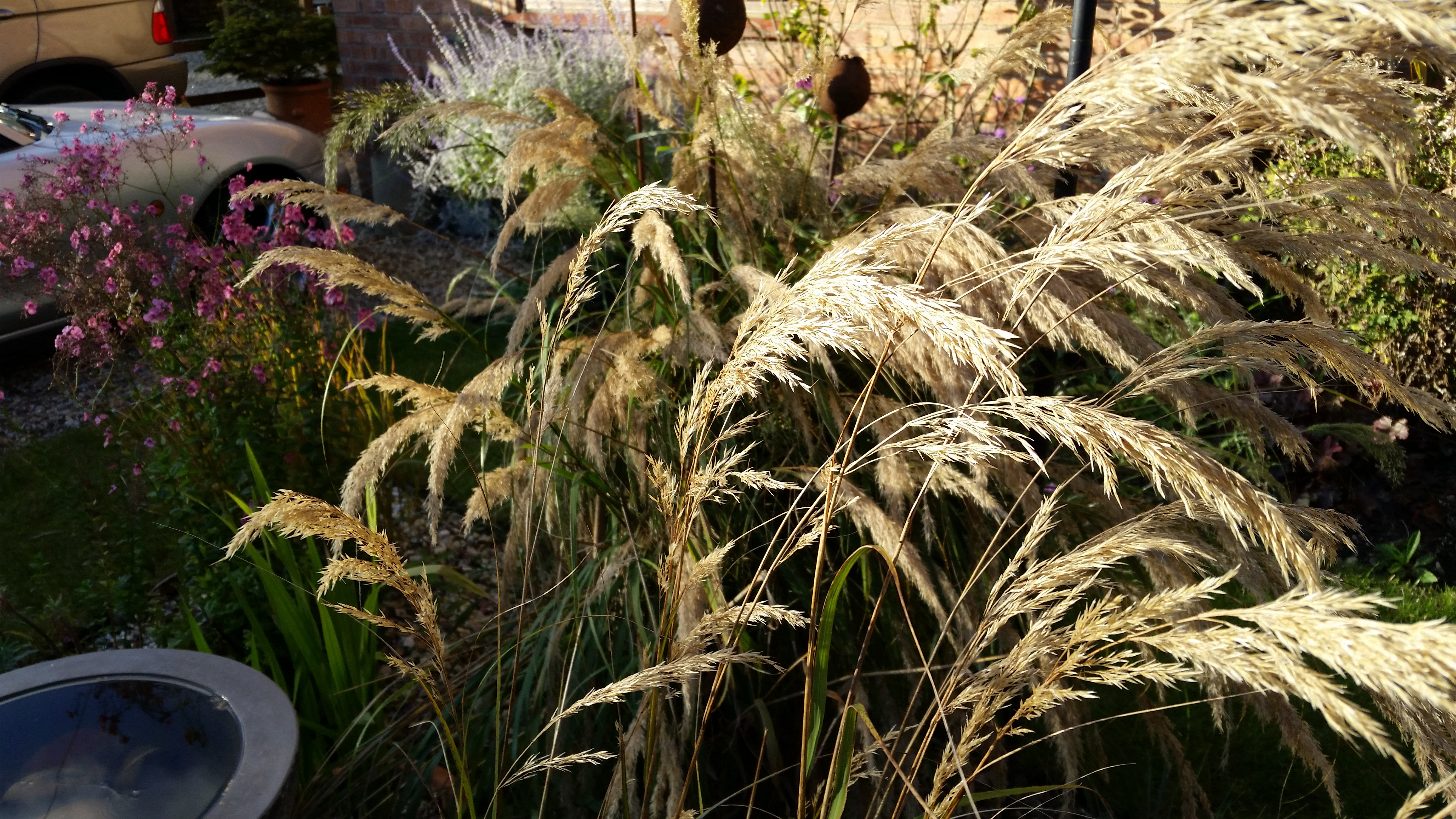
Silken heads of soft grasses catch every iota of light and absorbs it to put themselves in the spotlights.

pt-06 pt-09 pt-10

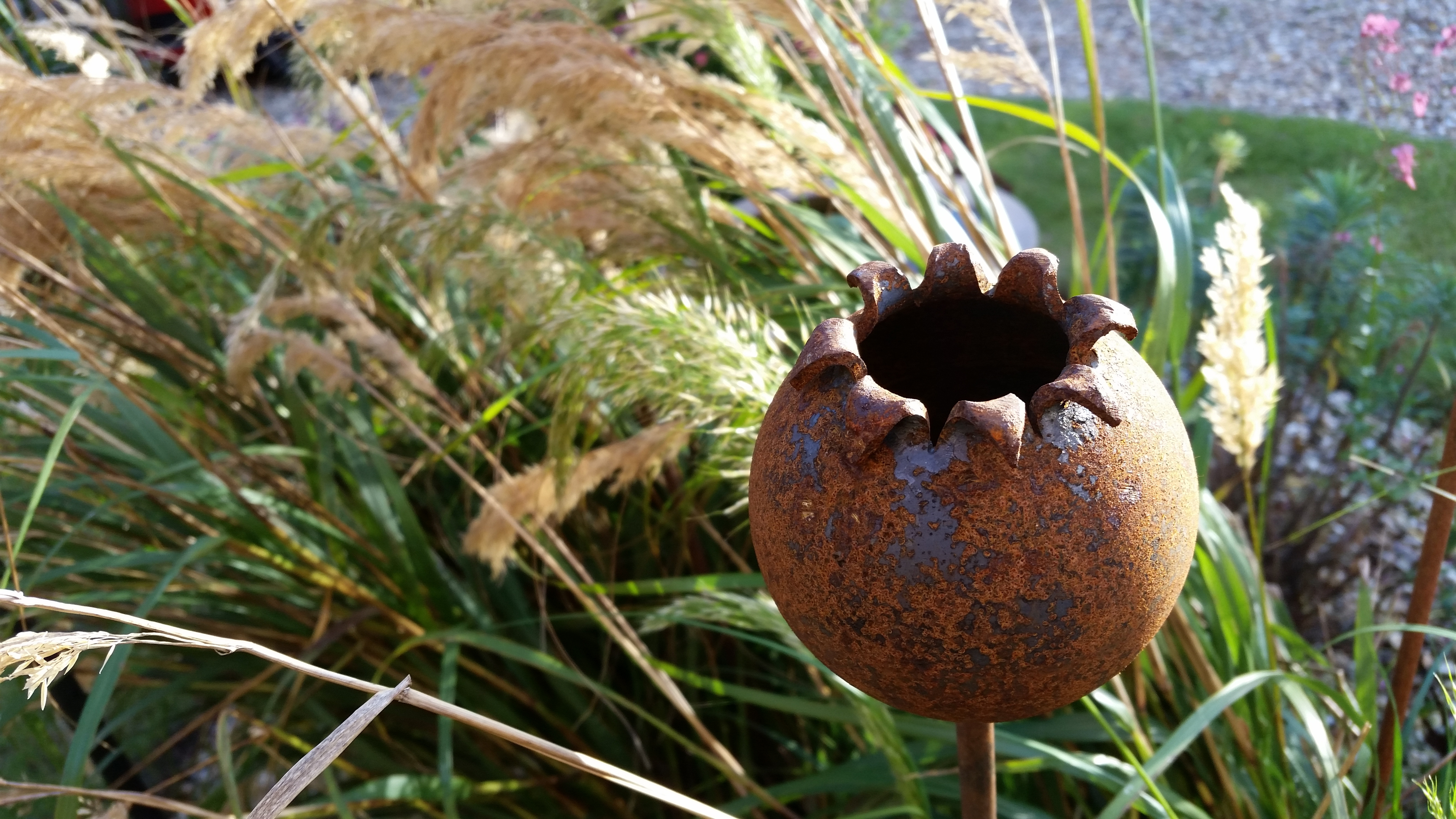
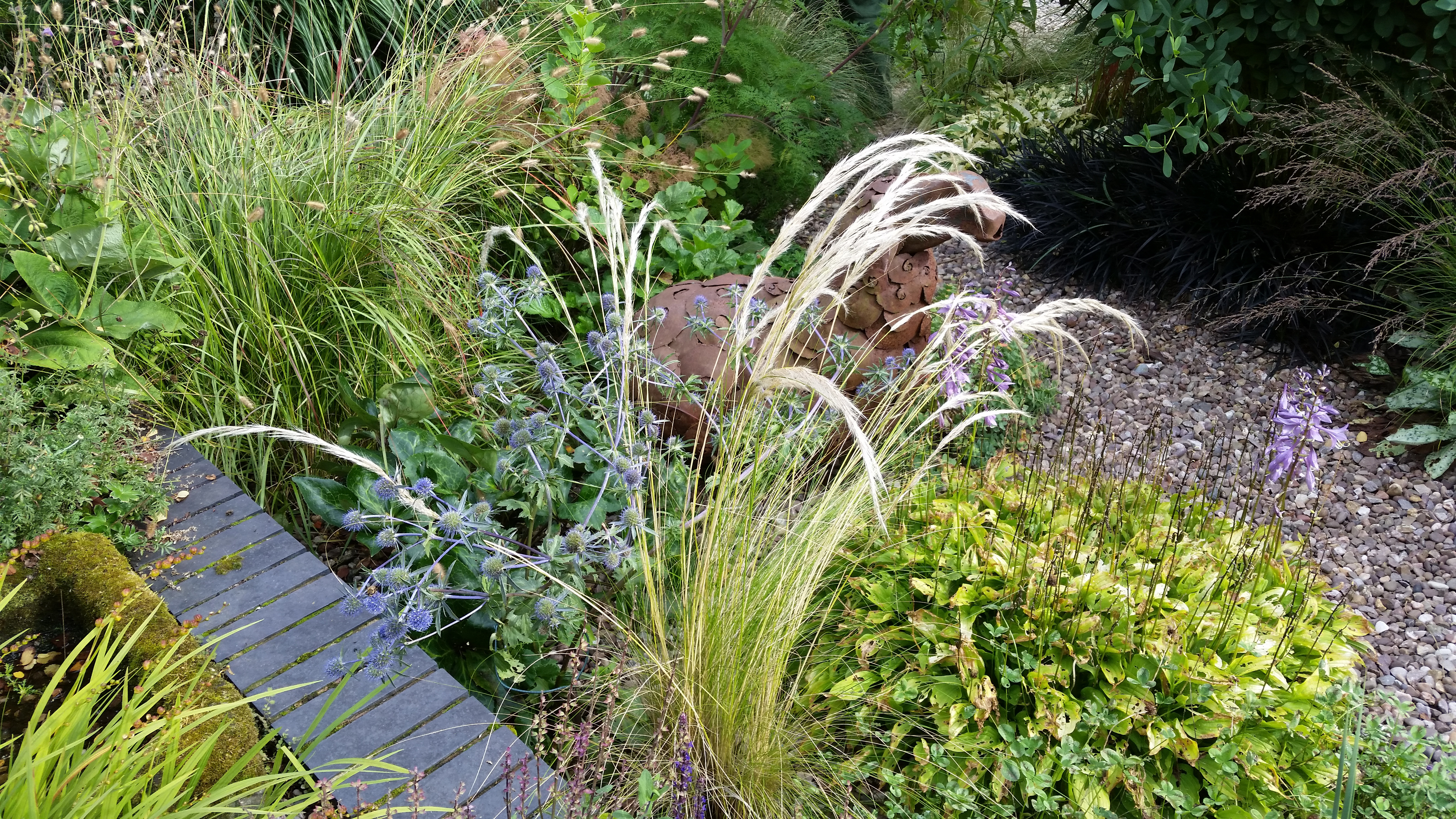
Well chosen sculptural pieces crafted in suitable materials enhance the plants rather than detract from them. The rust of the corten steel is the perfect material both its colour and texture which allow them to sit beautifully with the silky heads of the grasses flowing past them.

pt-07 pt-08

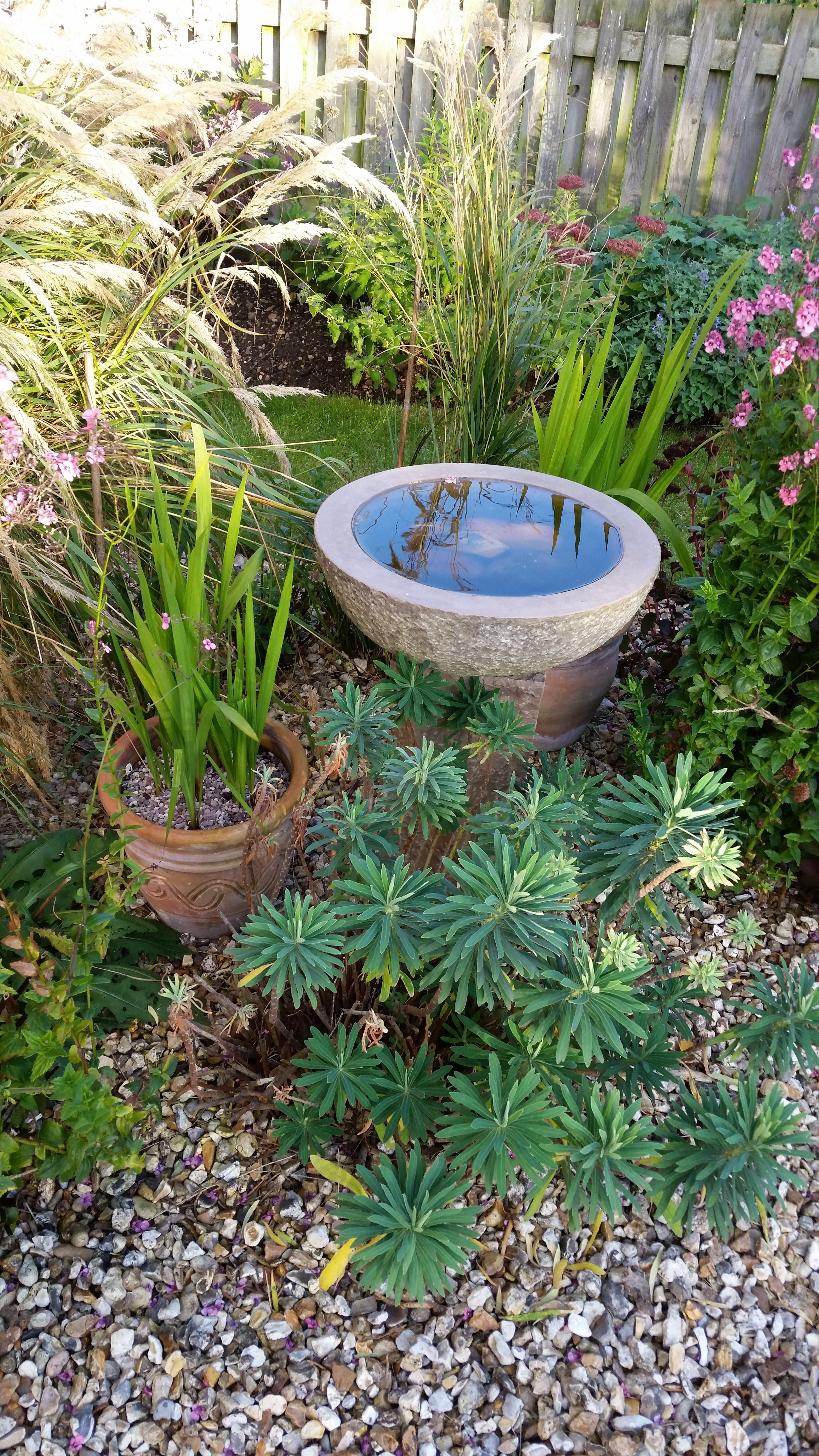
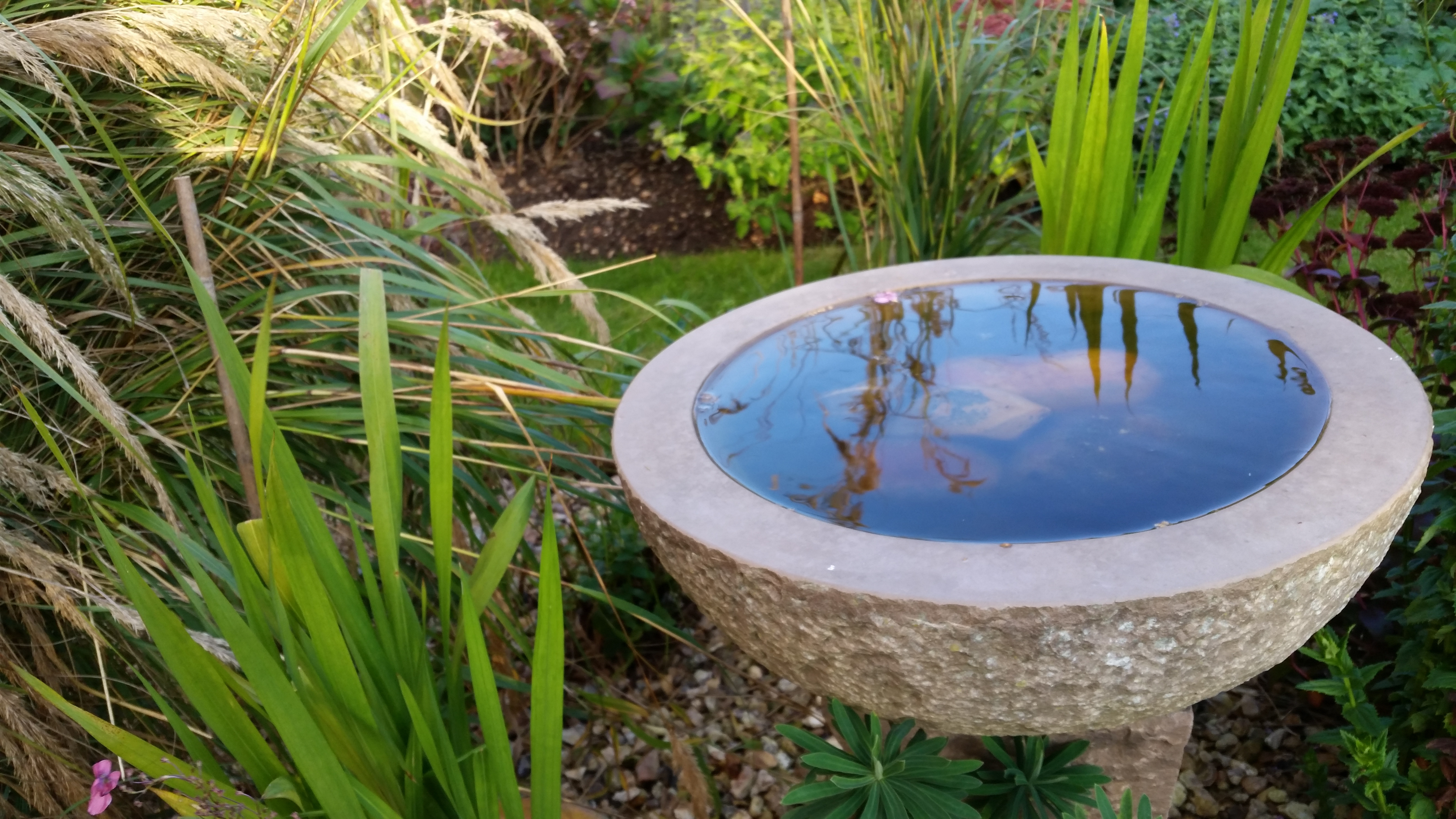
Clear water with a flat reflective surface borrows the colour of the sky and adds it to the composition. The simple contrast of foliage shape and structure of the plants in the bed works beautifully because of the limited number of different plants used.

pt-11 pt-12

To see the rest of the garden just check back on my post published in August 2013 called “A village garden with a difference,”


Categories
colours garden design garden photography gardening gardens gardens open to the public grasses hardy perennials ornamental grasses outdoor sculpture sculpture

Sussex Prairie Garden – a prairie garden in Sussex

This is a garden I have been reading about and admiring in photographs for several years and I have enjoyed watching it develop. Imagine our surprise when we were on a mid-week break in September and discovered that we were staying in a hotel not too far from the Sussex Prairie Garden. We couldn’t miss this opportunity so it soon found a slot in our schedule. The big question was “Can it really be as good as we are expecting?” and this stayed in my mind as we drove out to visit it. Surely we wouldn’t be disappointed!

We weren’t and we knew immediately that we wouldn’t be by the welcoming entrance, an unusual, quirky and humorous way in, coupled with a distinctive and beautifully designed garden sign.

sus-5 sus-3  sus4-5 sus-6

We also loved the simple stylized plan of the garden and the welcome notes on the back.

sepj-01

The leaflet described the garden as an “extraordinary garden features huge borders of sumptuous planting combinations that inspire and immerse you in an ever changing wave of texture, colour and form.”

To get to the main garden and tea shop we diverted to follow a path through the cutting garden. This area was to prepare us for the wonderful main garden we would explore after our tea and cakes.

sus5-02 sus5-03 sus5-04 sus5-05 sus5-06 sus5-07 sus5-08 sus5-09

There are 8 acres of naturalistically planted prairie garden containing over 50 ooo plants of over 1000 varieties and these are a magnet for wildlife. The only way to share such an exciting garden with you is to create a gallery for you to follow. As usual please click on the first photo and then navigate with the arrows.

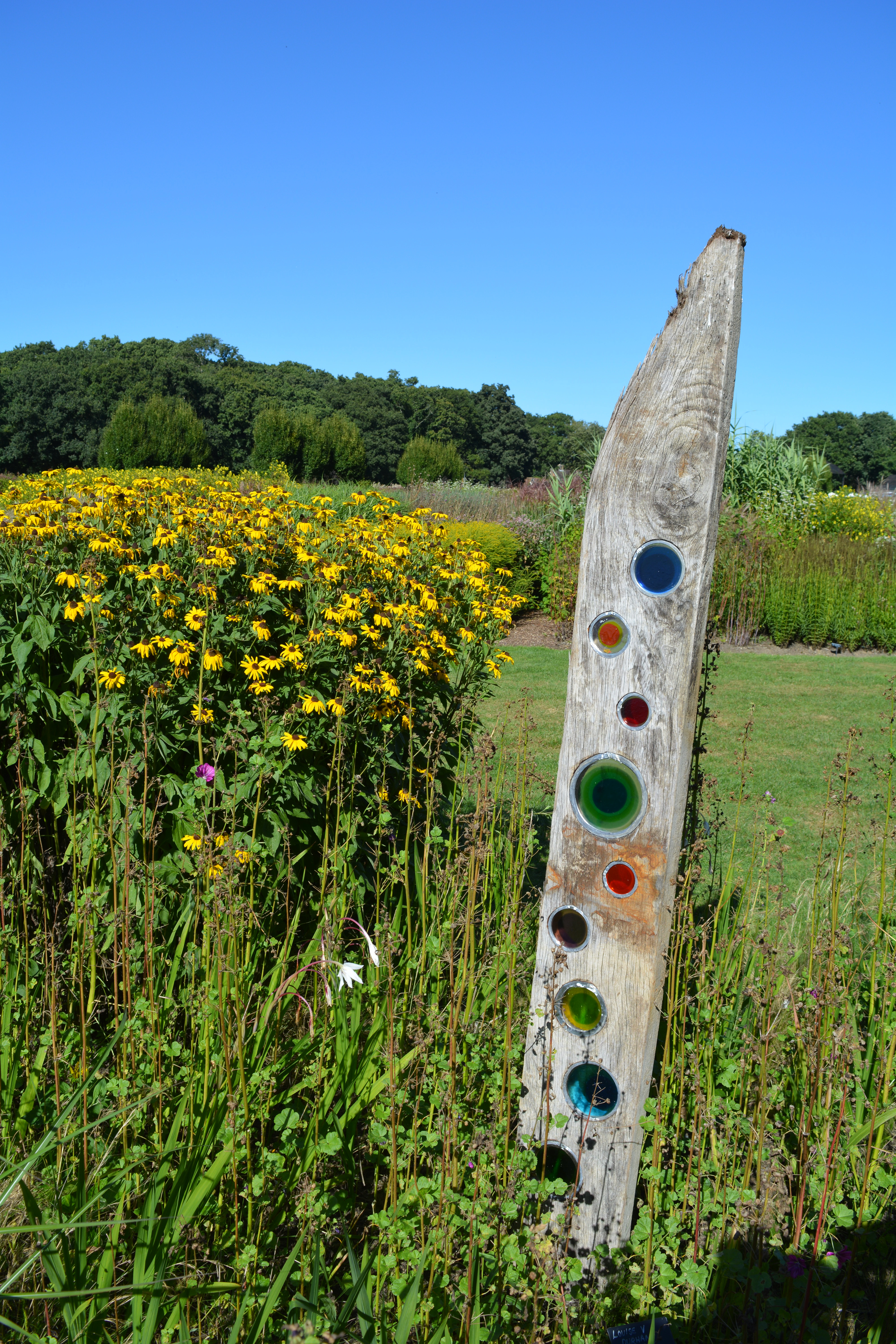
We love sculpture in the garden and here at the Sussex Prairie Garden it was used very well, integrated beautifully into the planting areas and on open areas of mown grass.

sus2-31 sus2-14 sus2-11sus2-13 sus2-10 sus2-09 sus2-23 sus2-08 sus2-07 sus2-25 sus2-06  sus2-18 sus2-20sus2-22 sus2-21 sus2-17 sus2-15 sus2-16 sus2-05  sus2-03

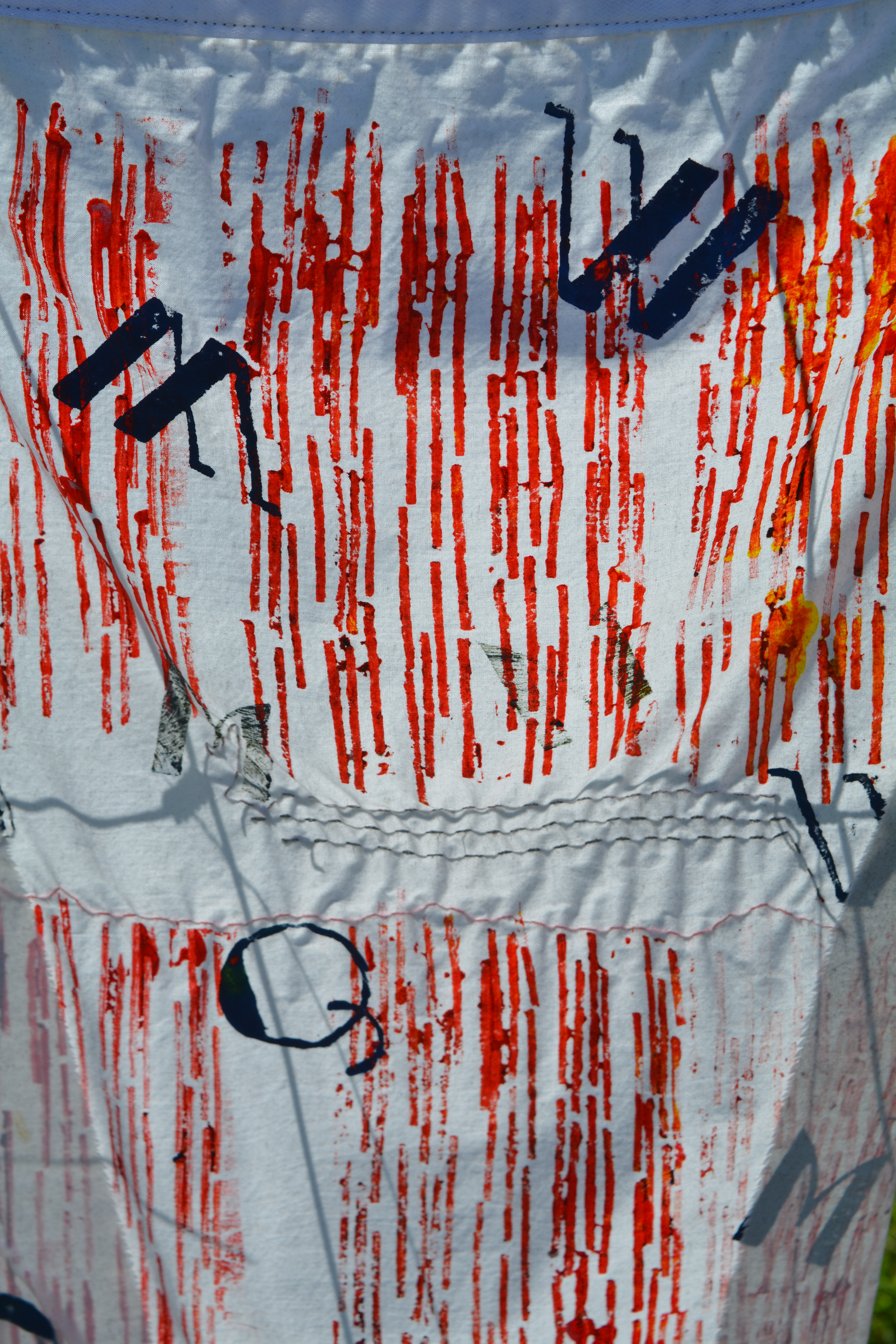
As we reached the furthest point in the garden from the entrance we were in for a colourful surprise before we continued on our wanderings, beautiful fabric hangings on the fence.

sus3-4 sus3-1 sus3-2 sus3-3

So the Sussex Prairie was as good as we had hoped, the planting and design was remarkable. We must return again perhaps in the autumn season.


Categories
awards climbing plants colours garden design garden photography garden ponds garden pools garden seating gardening gardens gardens open to the public hardy perennials National Garden Scheme NGS ornamental grasses ornamental trees and shrubs outdoor sculpture sculpture Shropshire shrubs trees Uncategorized village gardens water in the garden Yellow Book Gardens

Windy Ridge – another Yellow Book Garden

Windy Ridge is a fellow “Yellow Book Garden” in Shropshire and thus like us opens for charity under the auspices of the National Garden Scheme. The gardener owners have been opening their garden for many years more than we have and we have visited several times before. We decided the time was right for a return visit to discover how it has developed over the years. The owners/gardeners are real plantspersons with plenty of knowledge to share and impart related to both plants, garden management and design.

win-27 win-02

Windy Ridge is a garden of wandering paths, secret places, surprises around every corner but above all a garden full of plants to stop you in your tracks either because they are so well grown or very unusual.

win-05 win-75win-12 win-06

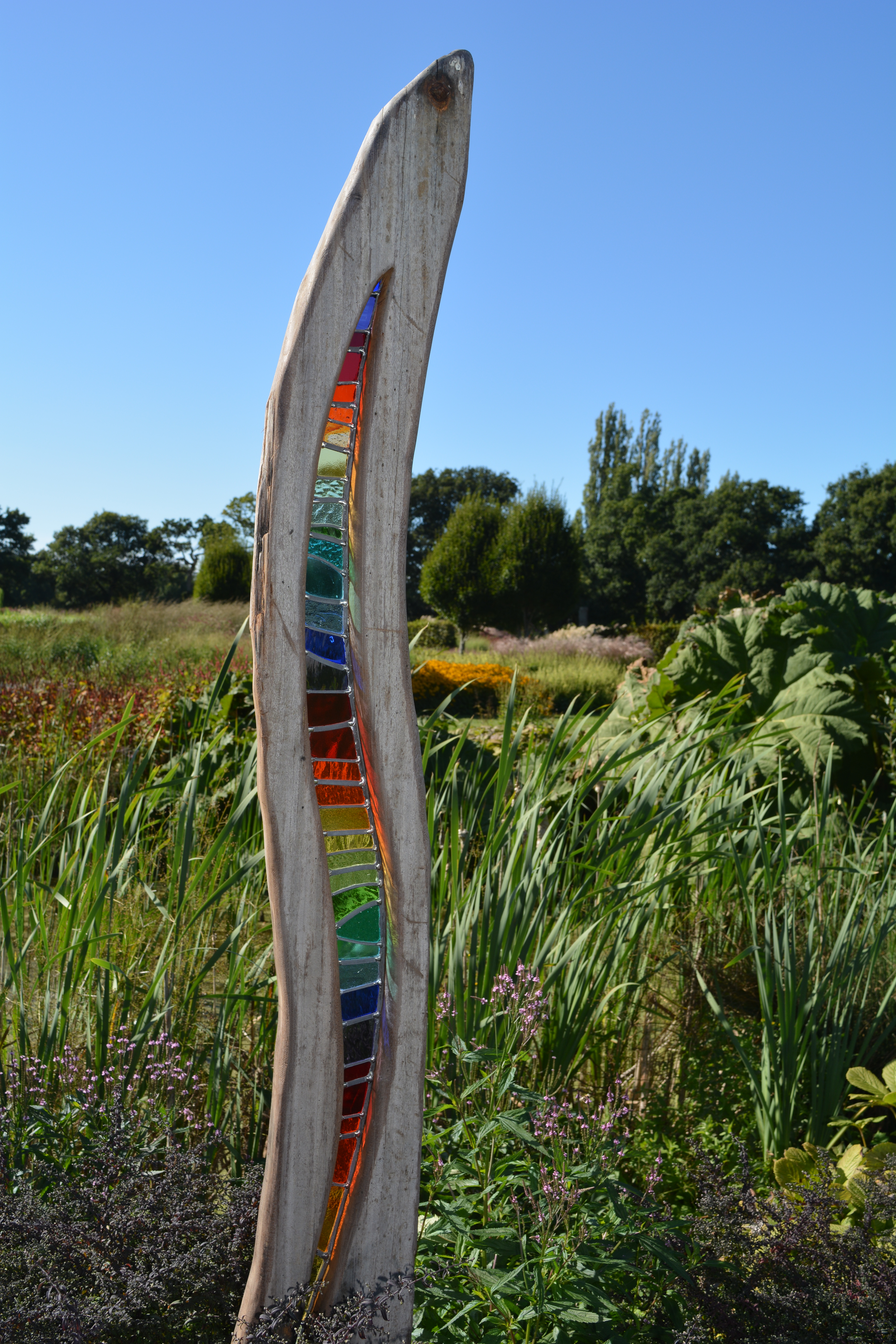
There are quality sculptural pieces among the plants for visitors to enjoy beginning with a huge carved tree trunk at the garden entrance.

win-74 win-18 win-49win-28 win-35win-44 win-38

Secret pathways which lead the visitor onward and present choices are an important element of a quality garden.

win-09 win-13win-22 win-48

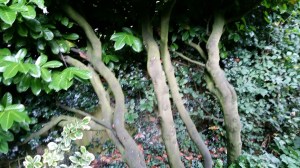
In our own “Avocet” garden we enjoy raising the canopy of our trees and shrubs to expose interesting bark and trunk shapes and to let in light to allow planting beneath. At Windy Ridge this is performed to perfection and helps give the garden its character. The first photo below shows how this technique even helps Laurel, my most disliked plant! To make it work the gardener must look closely at and listen to the plant before attempting the first cut. If the gardener does this he is more likely to react to the character of each tree and shrub and give it the shaping it deserves and wants.

win-14 win-25win-45 win-10 win-24

We enjoyed and admired the way that the formality of clipped box integrates so well into the softness of the planting.

win-23 win-21win-20 win-19

Berries enhance the September garden and add even more colour to that provided by flowers. Windy Ridge had colour aplenty!

win-08 win-15win-34 win-31win-16 win-17 win-32 win-39 win-36


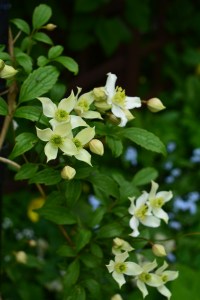
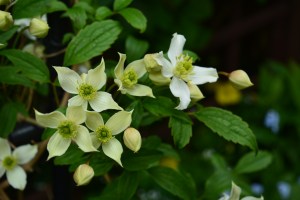
If I had to pick out one plant as my favourite at Windy Ridge it would have to be beautiful coloured and scented Clematis, C. odorata, a plant left to ramble unpruned to great effect. It is a Clematis we have been seeking for our own patch for many years so seeing and smelling it here has renewed our determination to add it to our huge clematis collection already climbing and clambering in our Avocet garden.

win-30

Hydrangeas were well in bloom when we visited and the sheer variety of colours was to be admired.

win-41 win-42win-46

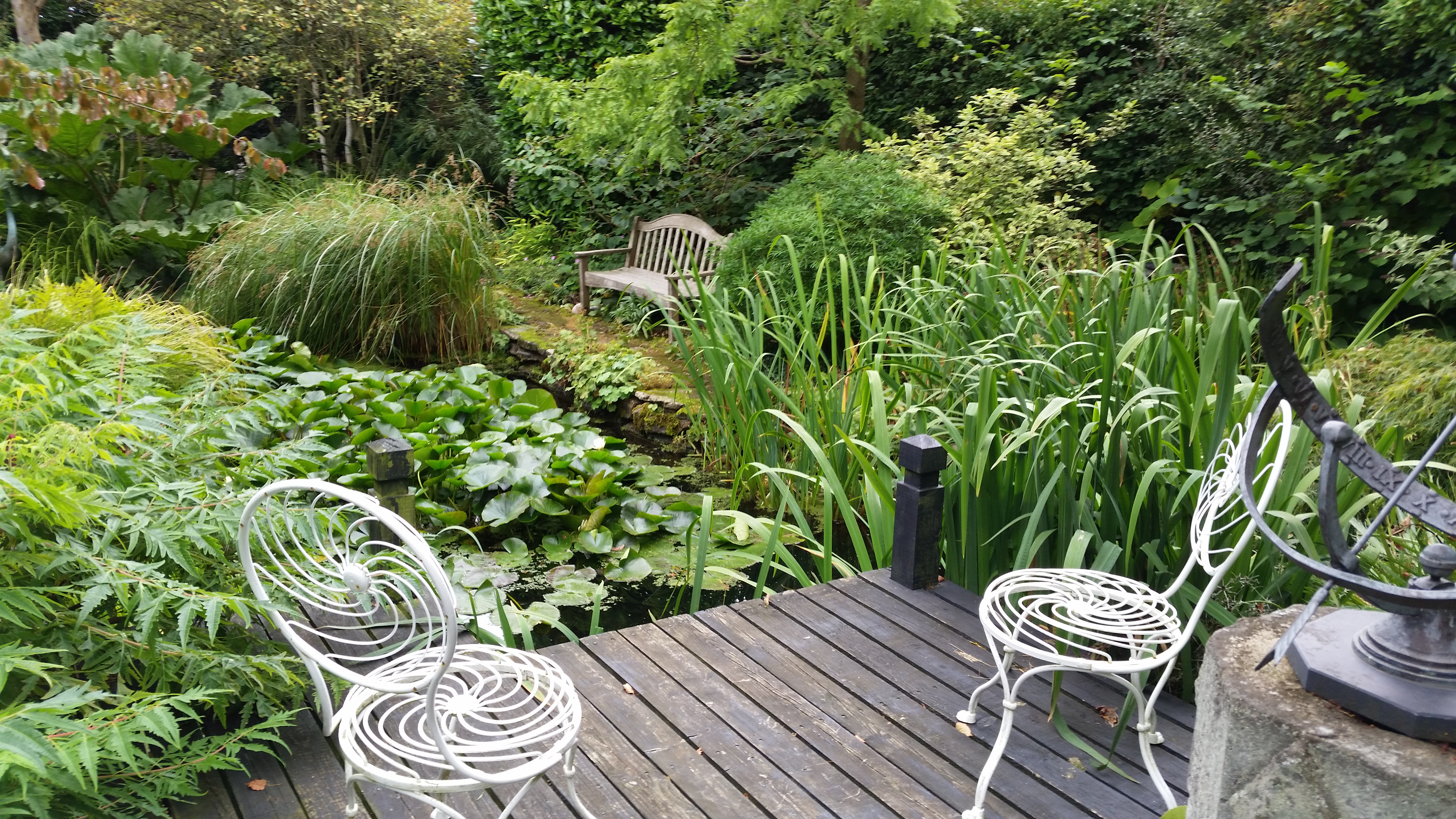
The highlight for many visitors is the large garden pond with wonderful marginal planting, a decked area with white ironwork seats and a narrow pathway behind it for the visitor to explore. We had a great afternoon returning to the garden at Windy Ridge and found it as inspiring as always. We were pleased to note that it had received an award in a national garden competition.

win-43 win-37 win-61 win-56


Categories
colours flowering bulbs garden design garden photography gardening hardy perennials light light quality National Garden Scheme NGS ornamental grasses ornamental trees and shrubs outdoor sculpture Shropshire South Shropshire succulents swallows village gardens Yellow Book Gardens

My Garden Journal in August

My August entries in my Garden Journal 2016 see me beginning Volume Two. On the first page I look back to my original garden journal’s August entries.

au-01

“I made my first ever entries for our new garden in August 2003. We moved to “Avocet” our Plealey home on 8th August. I wrote, “The garden needs our love and attention after 6 years of neglect. It is a garden of straight lines and loneliness, lacking in wildlife and its inherent vitality. It lacks colour.” Things are very different now 13 years later. The garden is now full of wildlife, full of calming atmosphere and peace. It is a garden that attracts many visitors each year and people enjoy hearing our talks about it.”

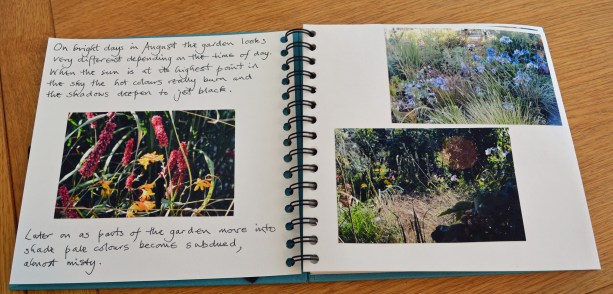
Over the page I considered the way light in August changes the look of the garden.
au-02

“On bright days in August the garden looks very different depending on the time of day. When the sun is at its highest point in the sky the hot colours really burn and shadows deepen to jet black.

au2-2 au2-1au2-3

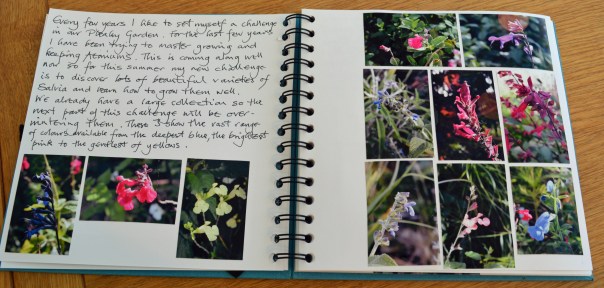
I then looked at Salvias and share photographs of some of those we are growing in our patch.

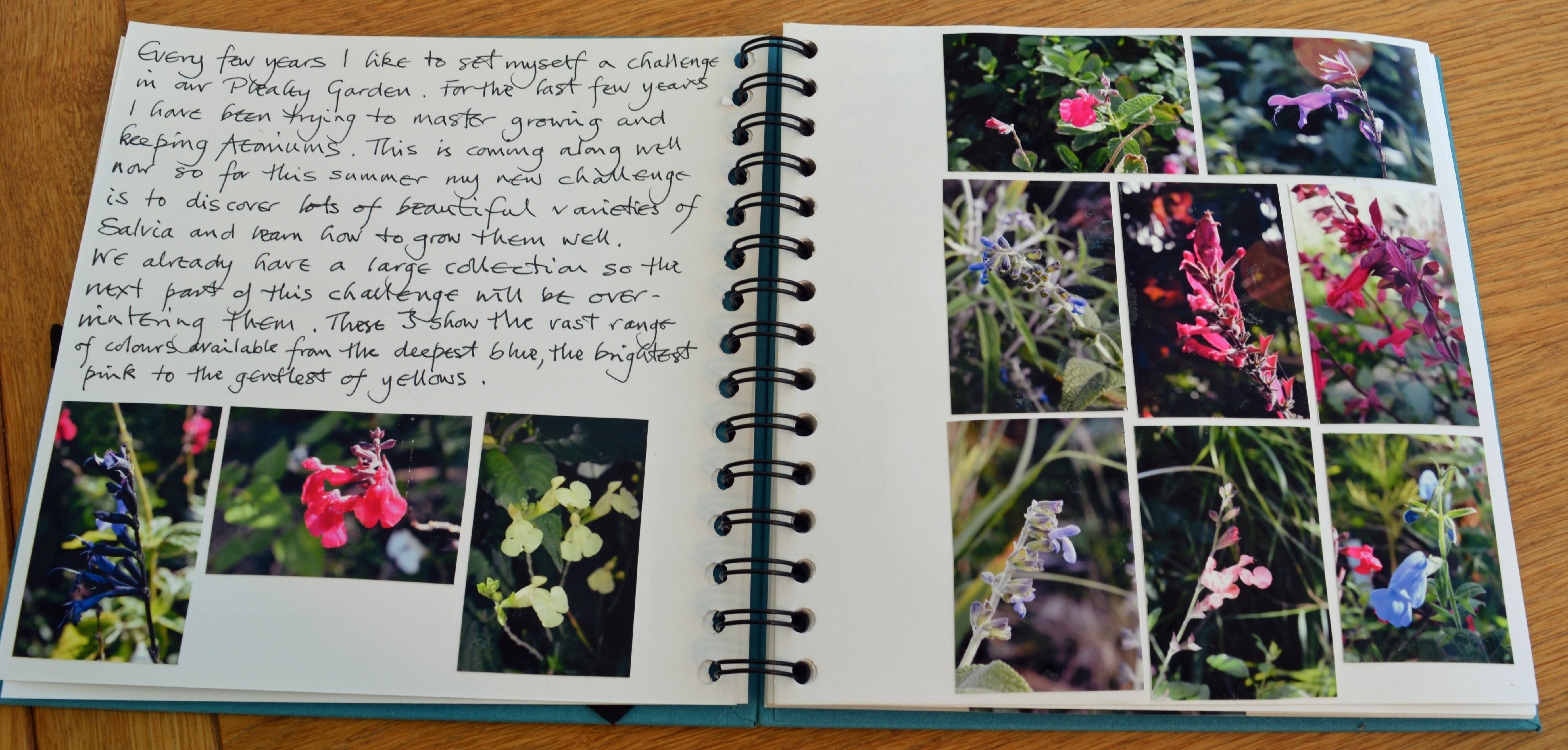
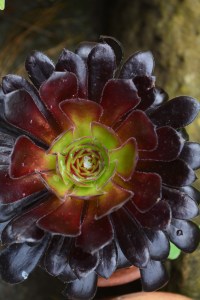
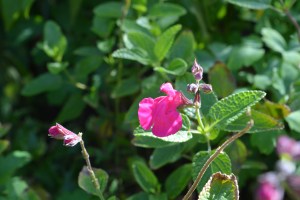
“Every few years I like to set myself a challenge in our Plealey garden. For the last few years I have been trying to master growing and keeping Aeoniums. This is coming along well now so for this summer my new challenge is to discover lots of beautiful varieties of Salvias and learn how to grow them well. We already have a large collection so the next part of this challenge will be over-wintering them. These three (in the photos below) show the vast range of colours available from the deepest blue, the brightest pink to the gentlest of yellows.”

au3-32 au3-33 au3-36

On the opposite page I featured a selection of eight of the Salvias in flower in our patch in August. I have included a couple more here too for you to enjoy and to help us appreciate the variety we have.
au-03

au3-53 au3-30au3-05 au3-31 au3-50au3-35 au3-37au3-54au3-51 au3-52

I move on in my journal then to look at very special and very unusual perennial plant, a Diascia. On the page opposite I share a few of our new sculptural pieces in the garden.

au-04

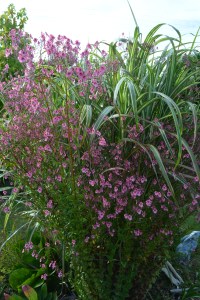
One plant that always attracts admiring glances is this pink gentle giant, an evergreen Diascia, which is called D. personata “Hopleys”. It is an exceptionally good garden performer, growing to a tall six feet and flowering from May to December in a good year.”
au1-03 au1-02au1-05 au1-04

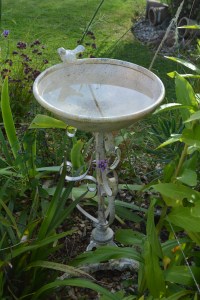
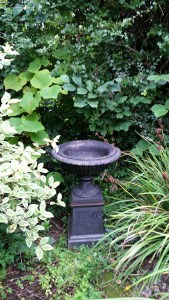
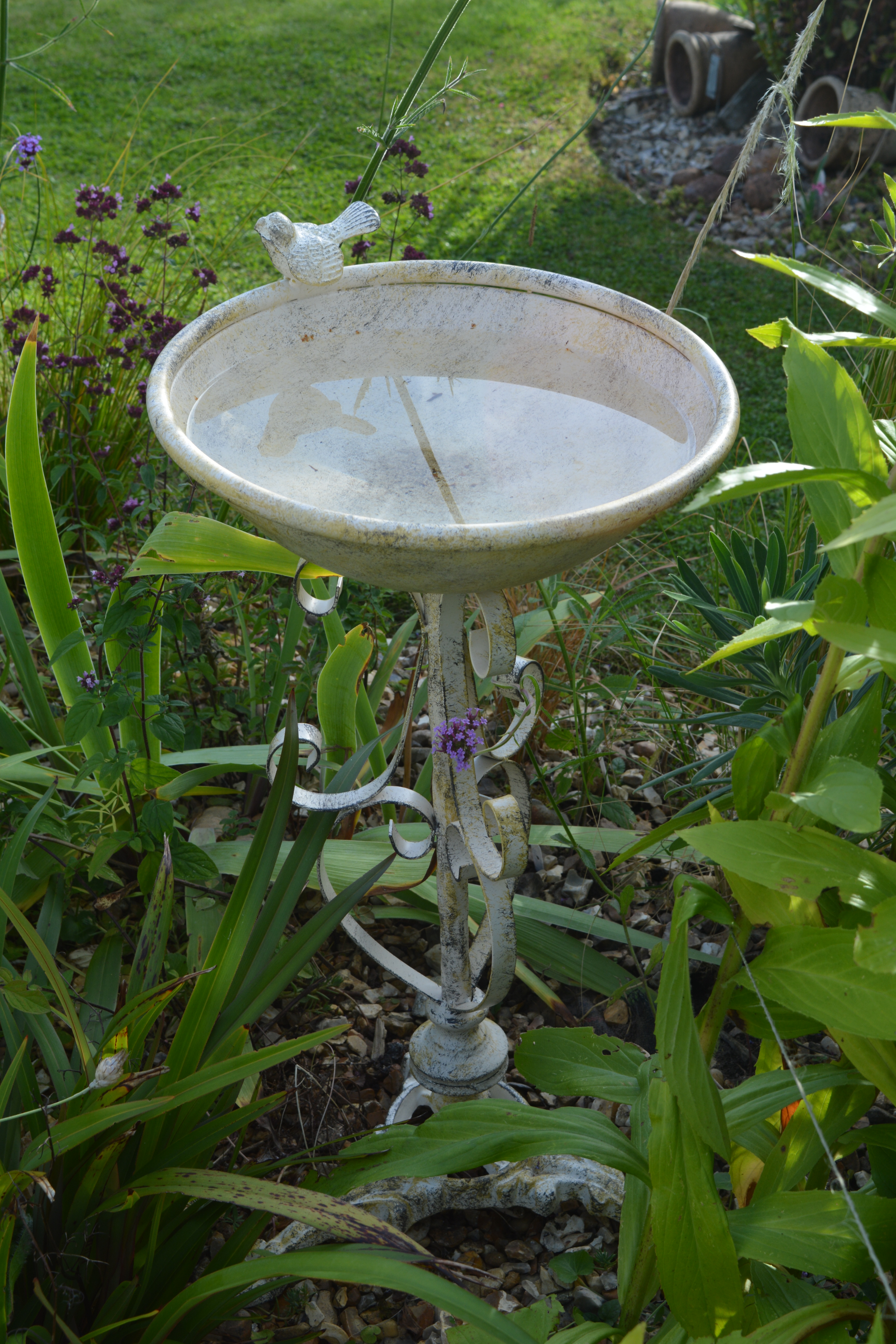
“We love sculpture in the garden and in our patch”Avocet” in Plealey we mostly choose metal or stoneware pieces as these enhance the planting rather that dominate. Recently we have added four new new iron work pieces, two based on seed heads – Clematis and Allium – plus a new bird bath.” 

Here are three of them, the fourth appears later.

au1-12 au1-08 au1-07

I then move on to one of the brightest of garden perennials to grace borders in the UK, the Crocosmias.

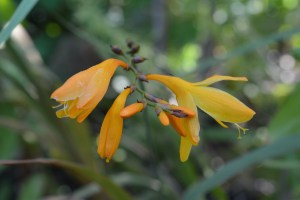
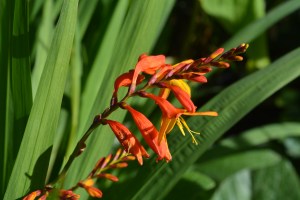
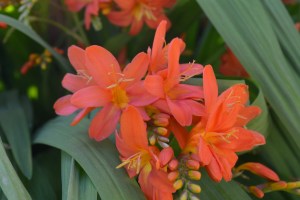
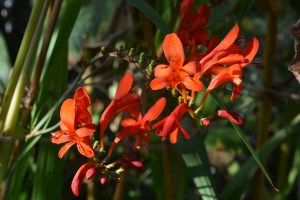
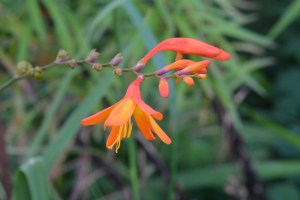
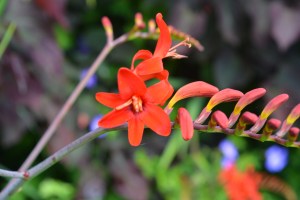
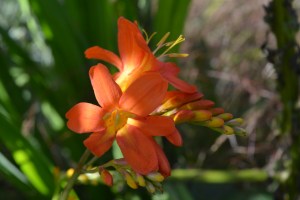
“Various Crocosmias feature throughout the patch and in August many come into their own, showing off their yellows, oranges and reds. We have dozens of different varieties. Here are a few ……….. “

au-05

Firstly the yellows ………….

au3-15 au3-10au3-45 au3-48au3-34 au3-46

…………………….. and then the oranges and reds.
au3-49 au3-41au3-26 au3-19au3-40 au3-43au3-21 au3-25

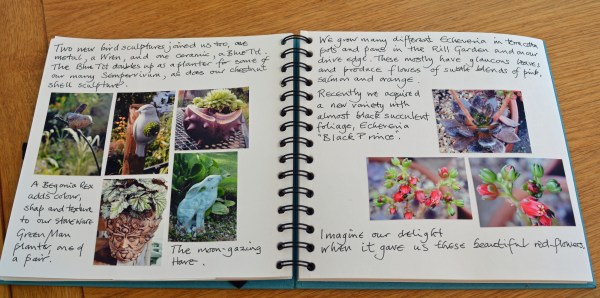
Returning to the sculptural pieces we have recently added to our garden collection, I introduced another 5 pieces.
au-06

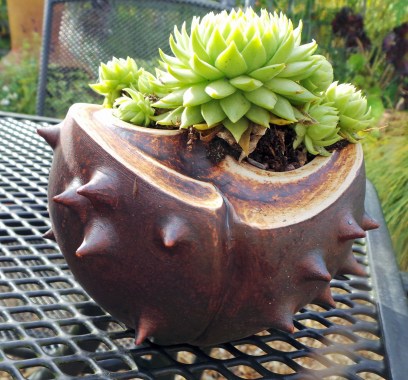
“Two new bird sculptures joined us too, one metal, a Wren, and one ceramic, a Blue Tit. The Blue Tit piece doubles up as a planter for some of our many Sempervivum, as does our chestnut shell sculpture.”

au1-09 au1-13 au1-01

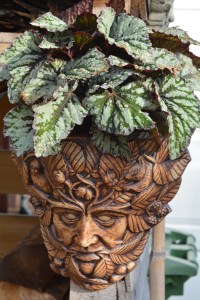
“A Begonia Rex adds colour, shape and texture to our stoneware Green Man planter, one of a pair.”
au1-10 au1-11

“The moon-gazing Hare.”

au1-06

“We grow many different Echeveria in terra-cotta pots and pans in the Rill Garden and on our drive edge. These mostly have glaucous leaves and produce flowers of subtle blends of pink, salmon and orange. Recently we acquired a new variety with almost black succulent foliage, Echeveria “Black Prince”. Imagine our delight when it gave us these beautiful red flowers.”

au1-16 au1-14au1-15

“For this month I have decided to paint two delicately coloured flowers, a yellow Linaria dalmatica and the china blue climber and scrambler Clematis jouianiana.

au-07

au-08 au-10 au-09 au-11

On the opposite page I finish off my entries for August by looking at some of our newly acquired plants.

“We are always adding new plants to the garden at Avocet and indeed a few found their way in during August. Here is a selection ………. “

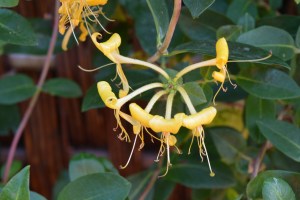
“New Honeysuckles to clamber up our new willow hurdles.”
au3-29 au3-28

“A white Physostegia to accompany our pink one.”

au3-17 au3-18

“Crocosmia “Okavango” and “Salvia leucantha “Eder”.

au3-02 au3-03

And there ends my journal entries for the month of August. Our next visit to look at it will be in September a month that the meteorological office places in autumn but us gardeners tag it onto summer – a much better and more accurate idea. We move into a much quieter period now as we have completed our NGS open days for this year and have received the last of our visiting groups.


Categories
colours garden design garden photography gardening hardy perennials July ornamental grasses ornamental trees and shrubs Shropshire village gardens

My Garden Journal in July

Here we are moving into the second half of our gardening year, with my journal entries for July. By the time I had recorded all the entries for July My Garden Journal 2016 was full, so Volume 2 will begin with my August entries.

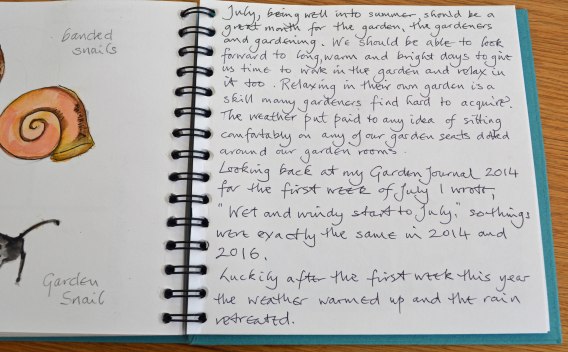
July, being well into summer, should be great month for the garden, the gardener and gardening. We should be able to look forward to long, warm and bright days to give us time to work in the garden and relax in it too. Relaxing in their own gardens is a skill many gardeners find hard to acquire. The weather put paid to any idea of sitting comfortably on any of our garden seats dotted around our garden rooms.

jujo1-03

Looking back at my Garden Journal 2014 for the first week of July I wrote, “Wet and windy start to July” so things were exactly the same in 2014 and 2016.

Luckily after the first week this year the weather warmed up and the rain retreated.”

Turning the page in my journal I moved on to look at hardy Geraniums.

jujo1-04

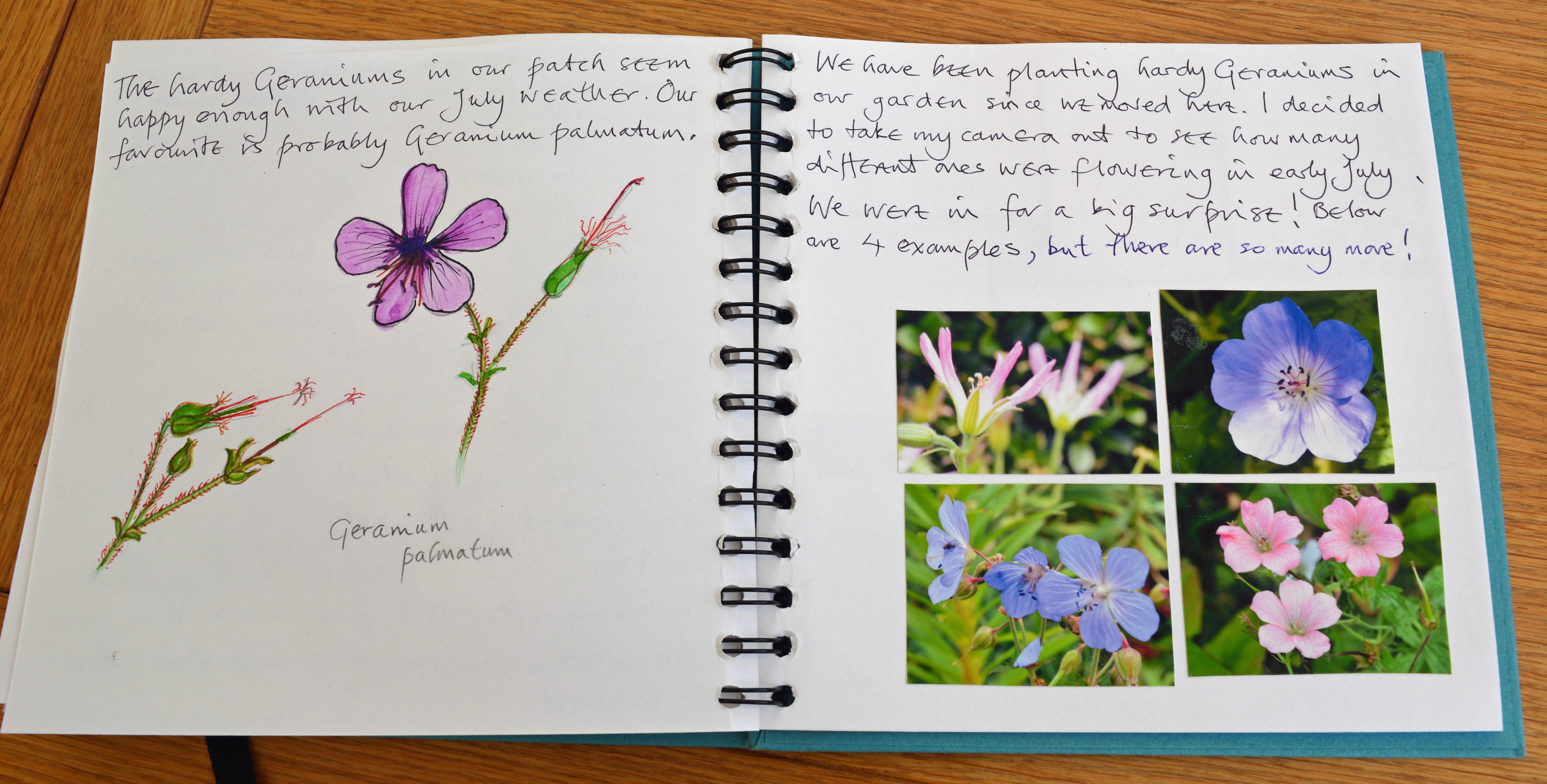
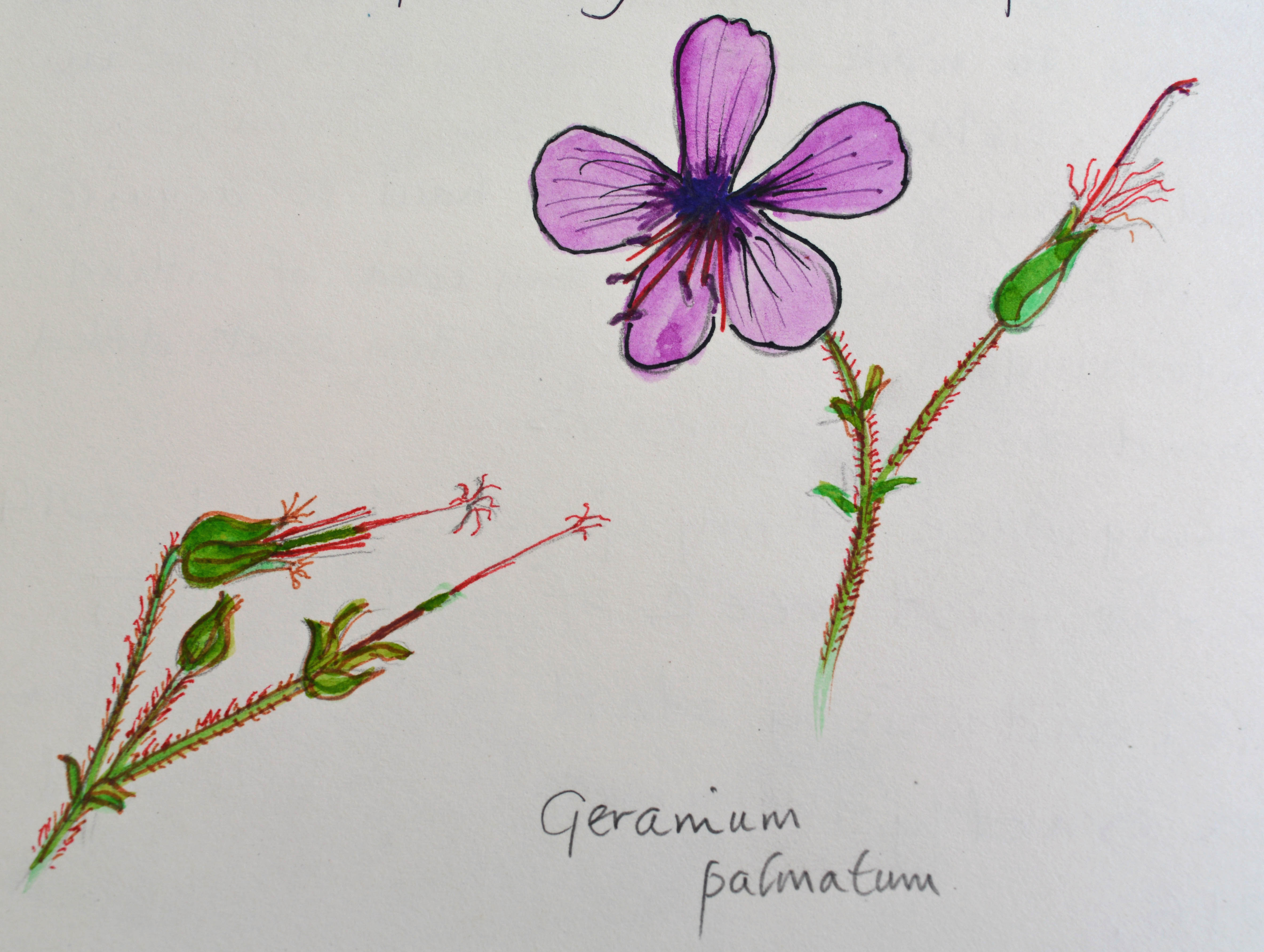
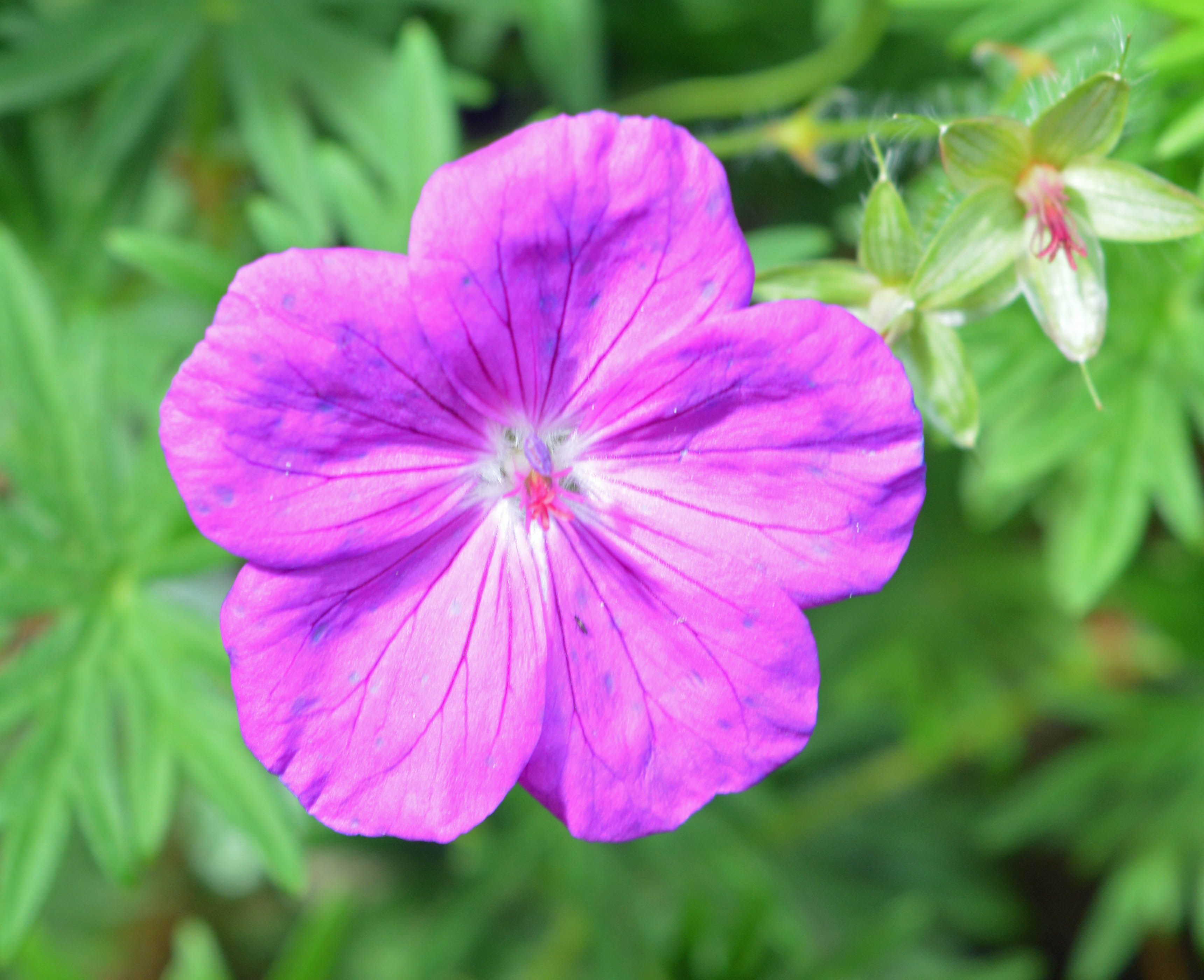
“The hardy Geraniums in our patch seem happy enough with our July weather. Our favourite is probably Geranium palmatum.

jujo1-05

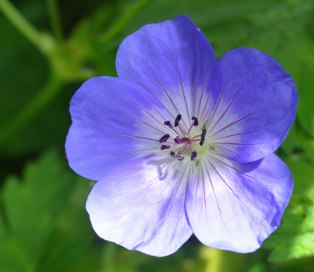
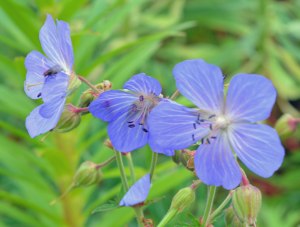
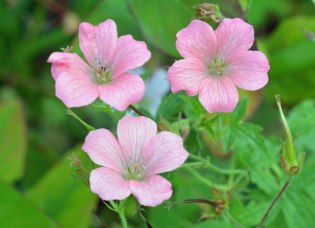
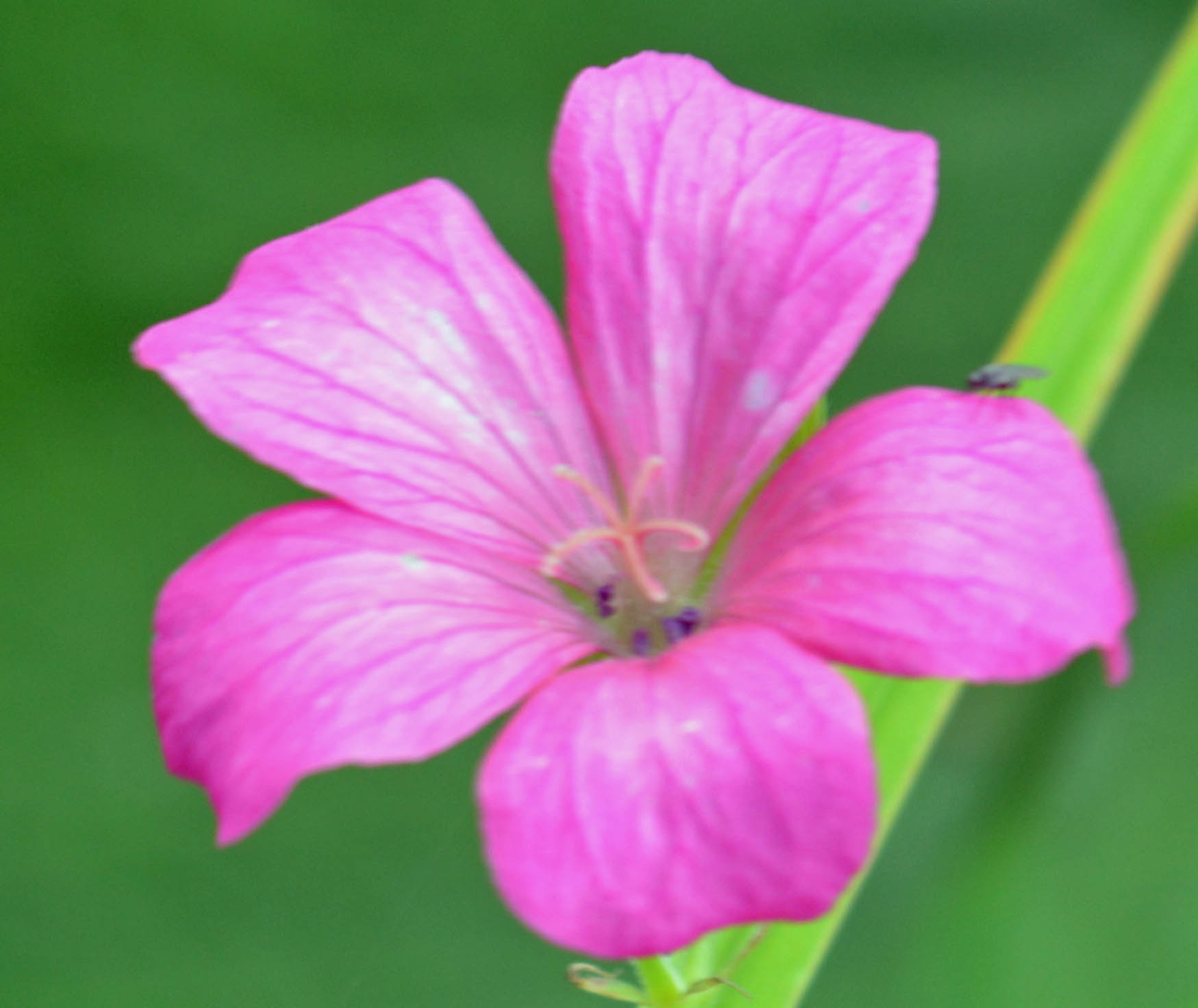
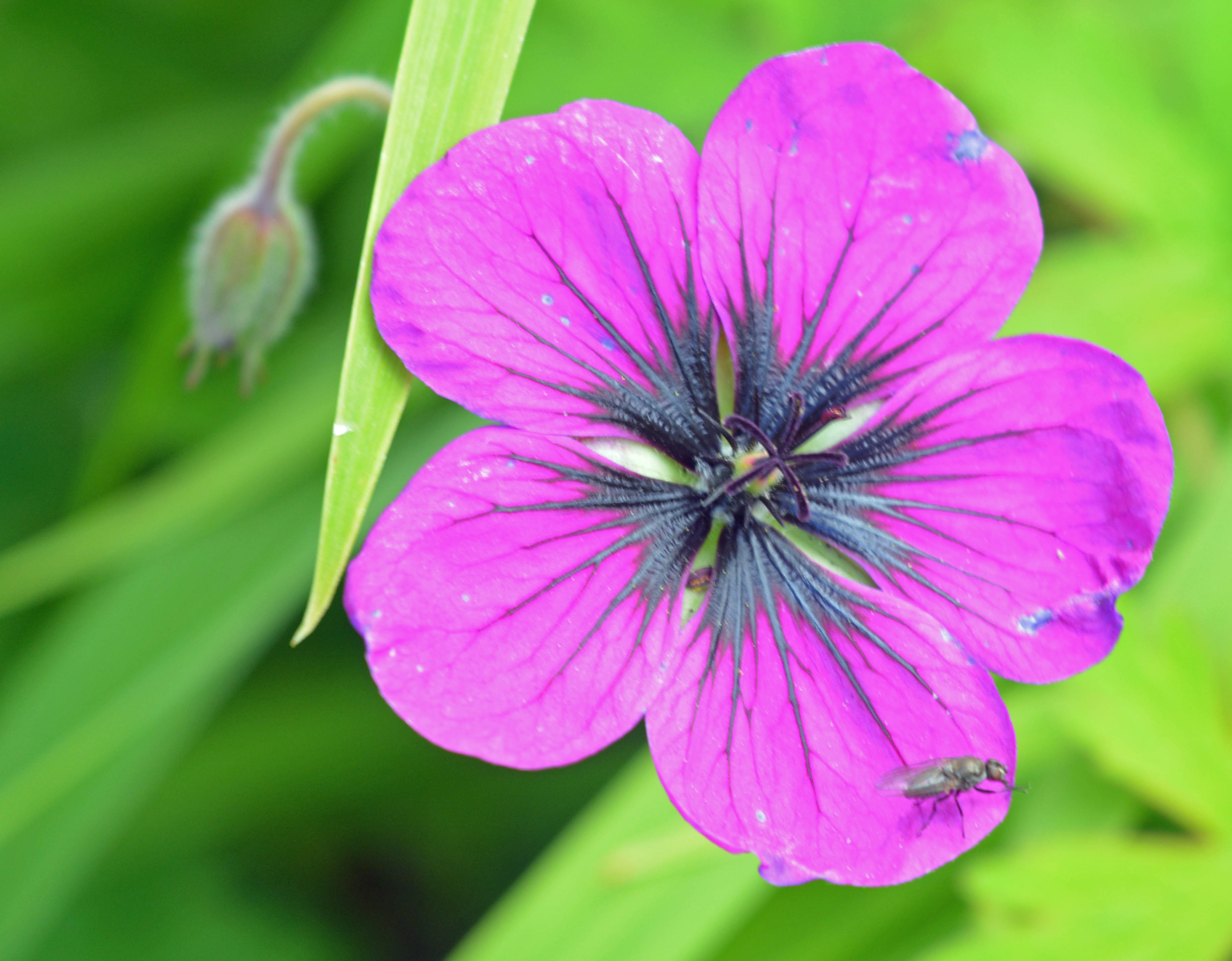
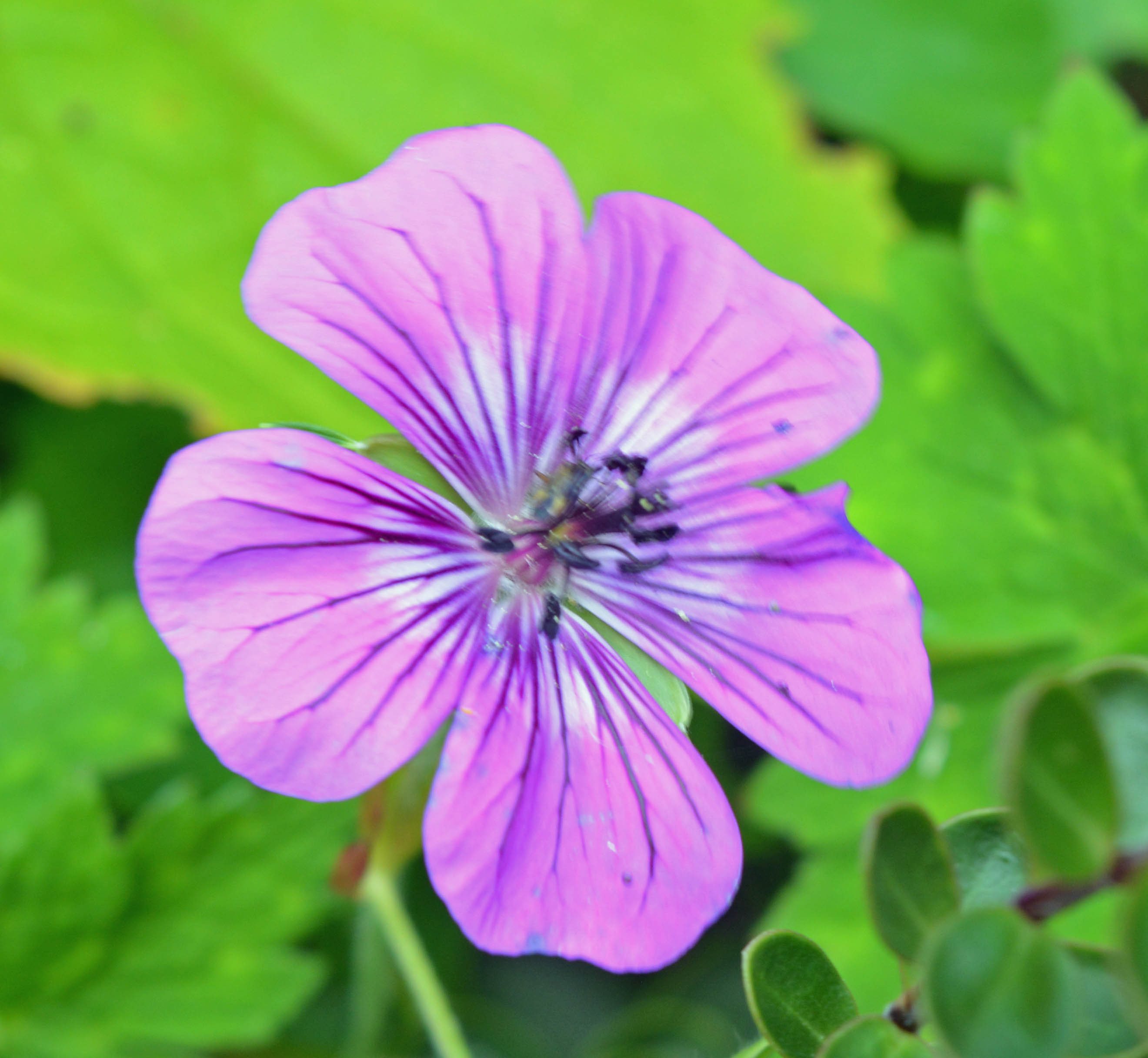
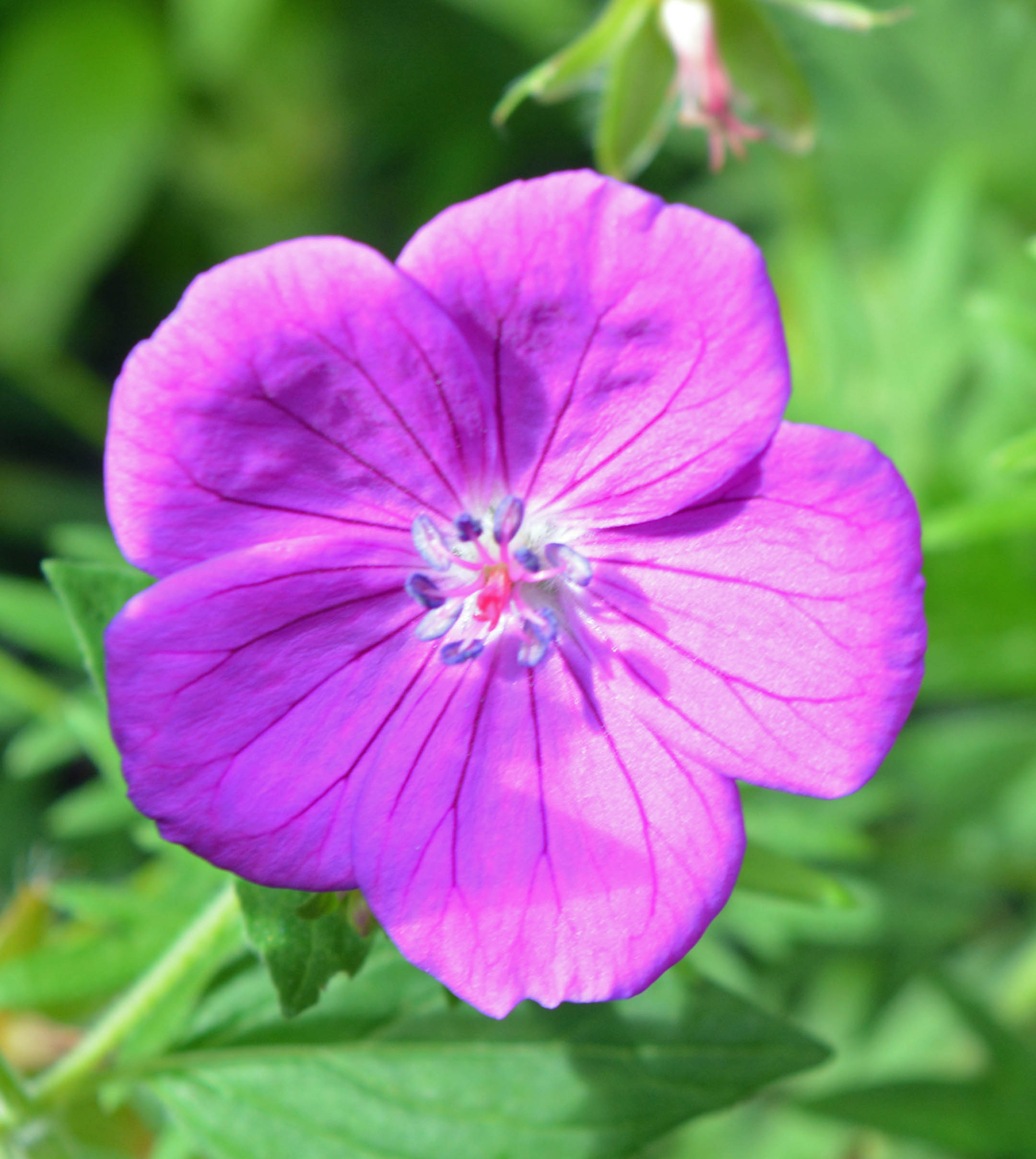
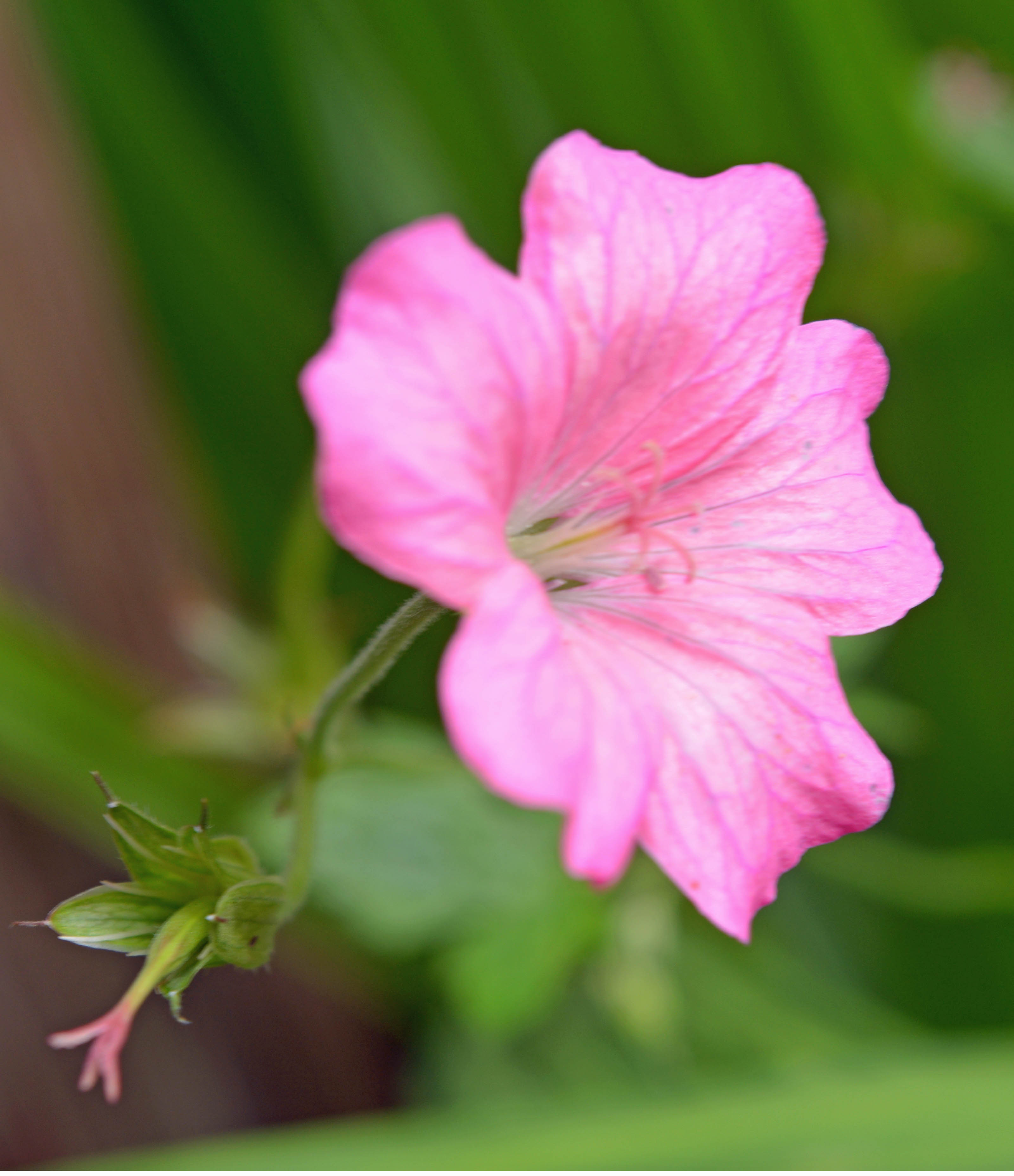
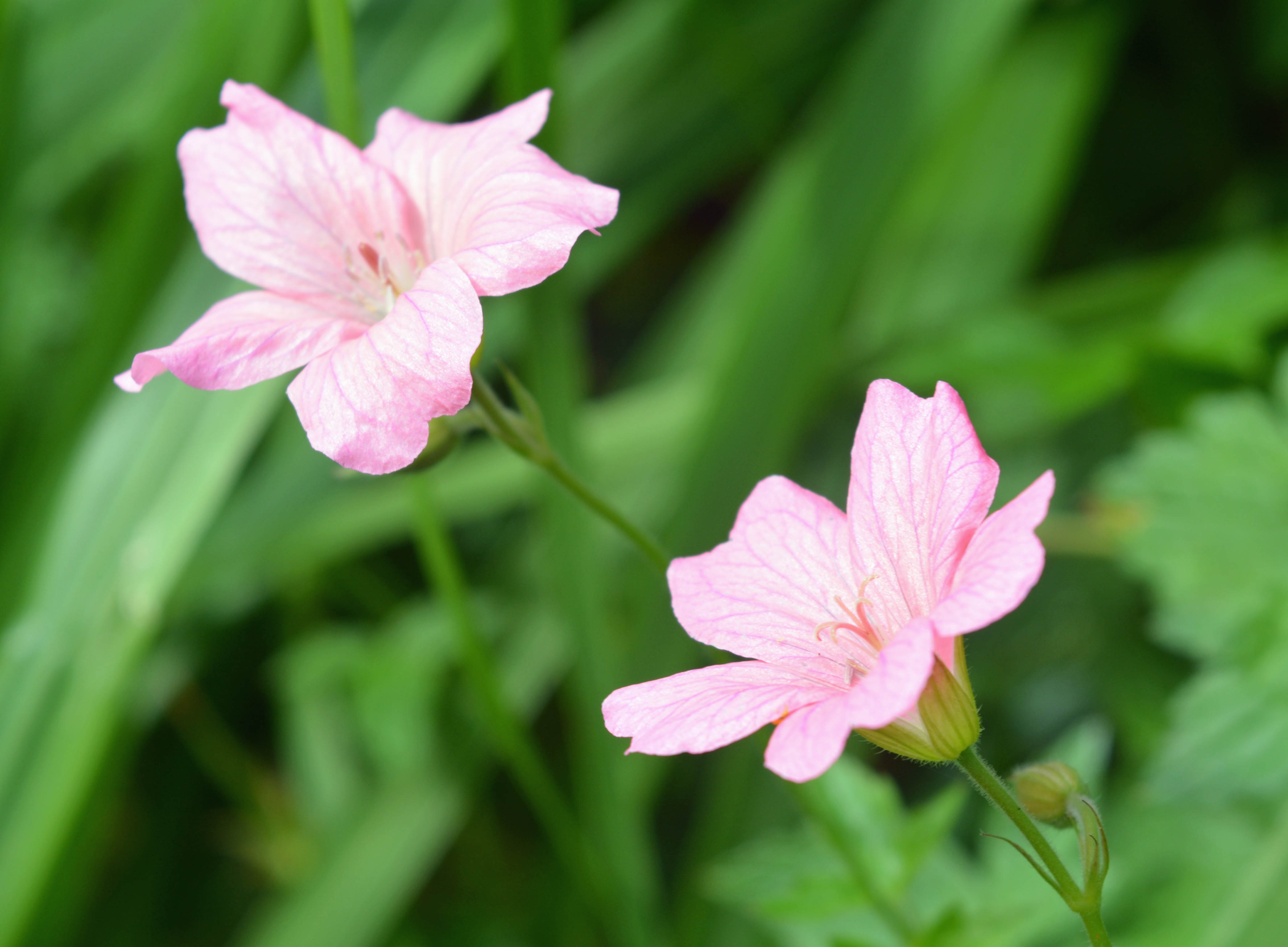
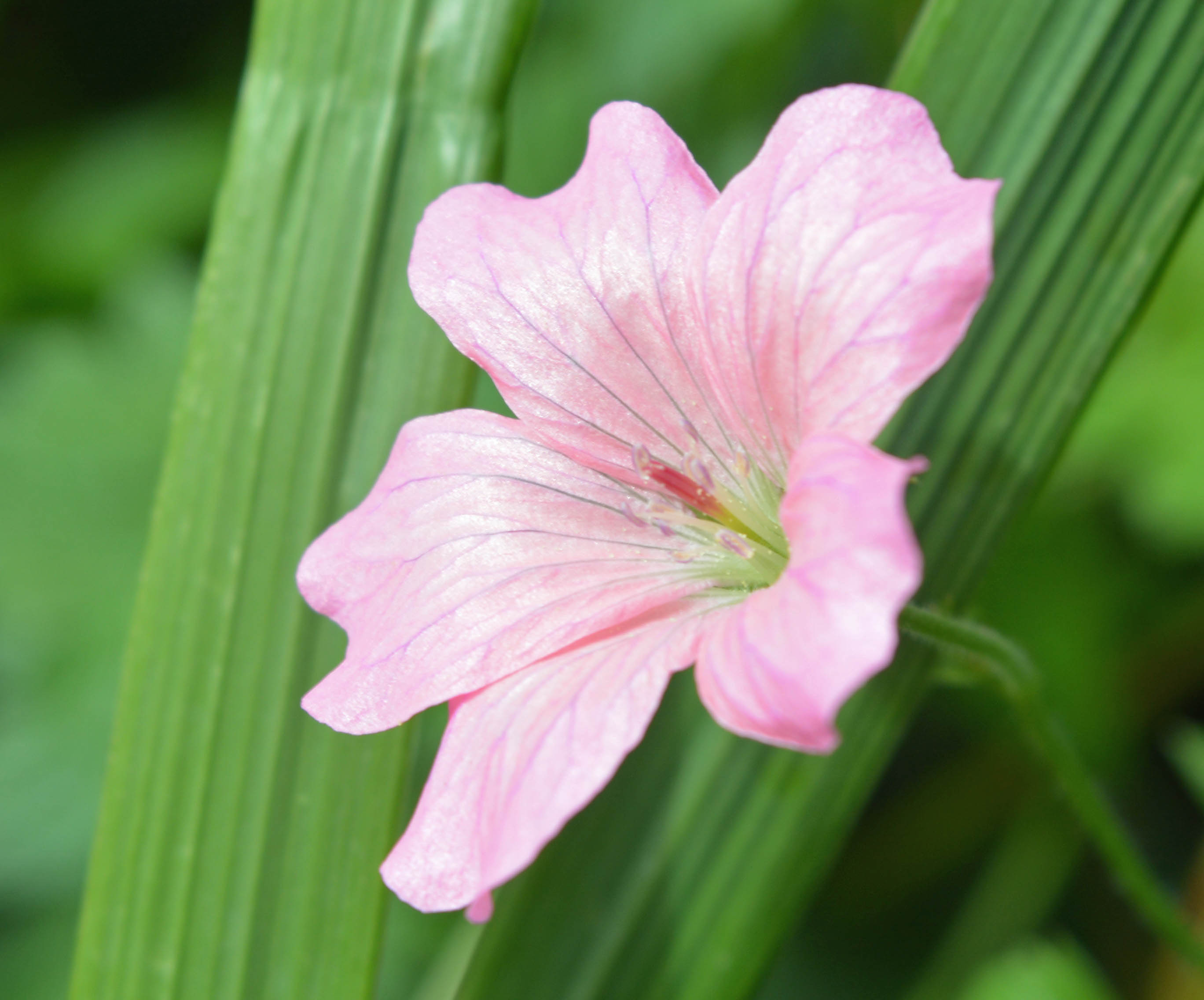
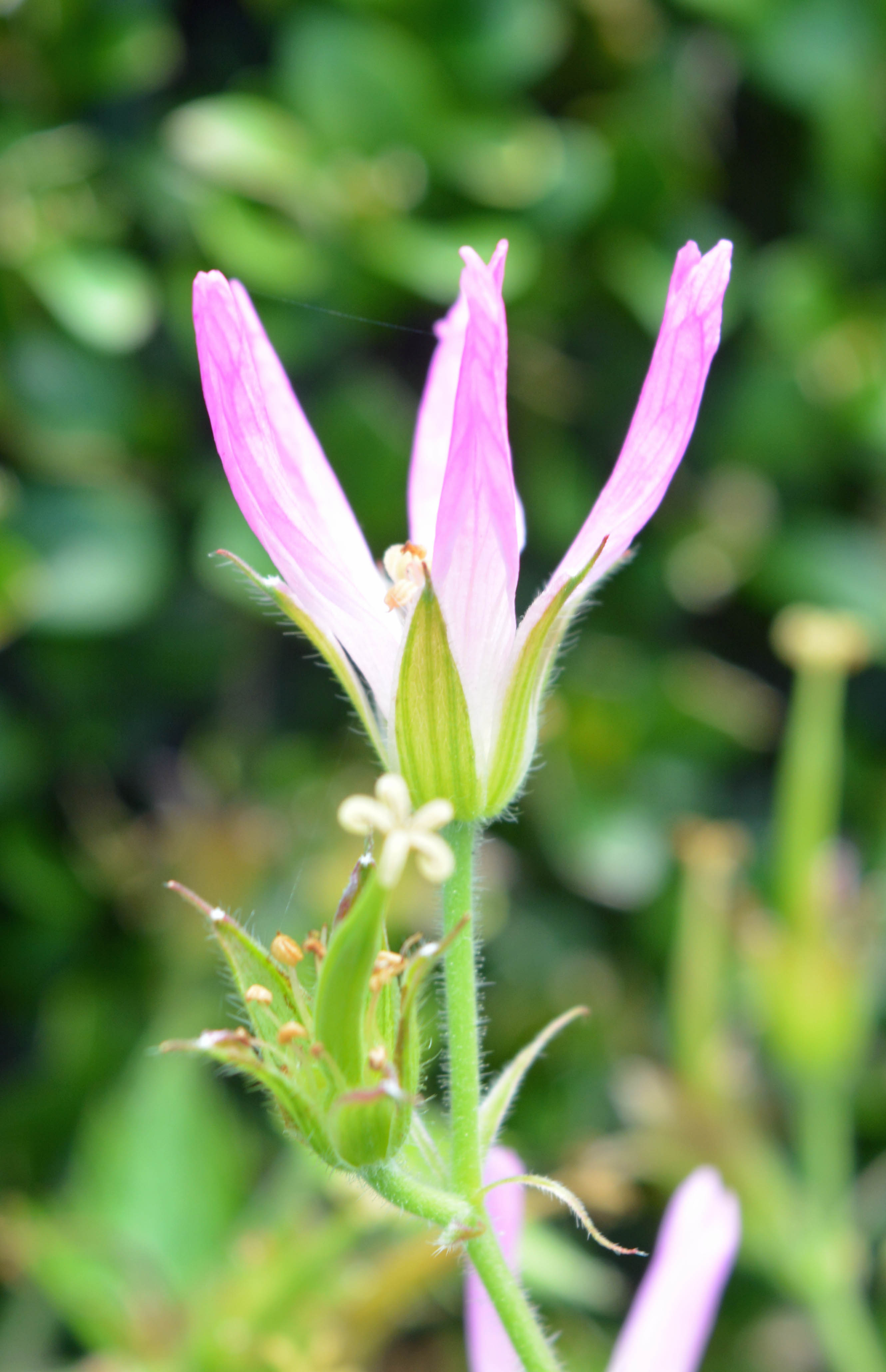
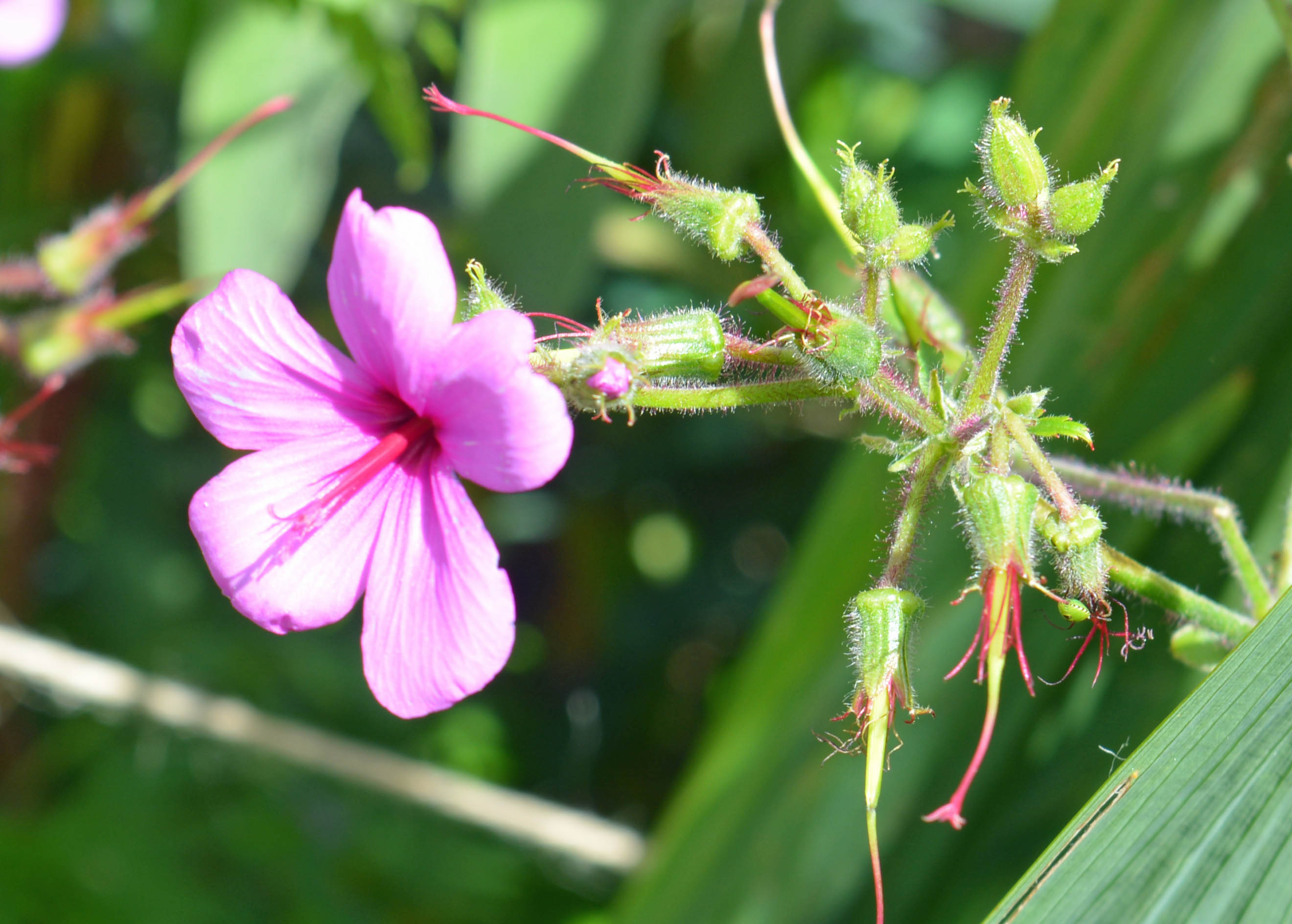
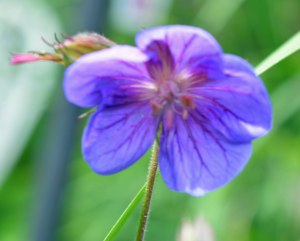
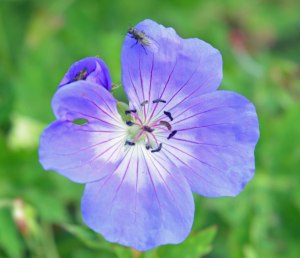
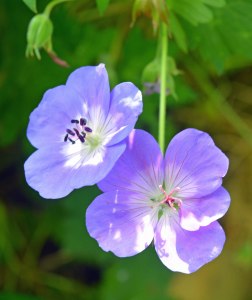
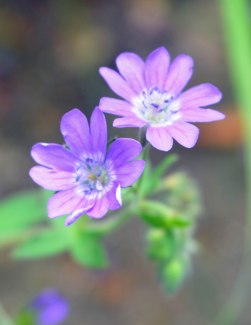
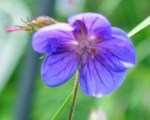
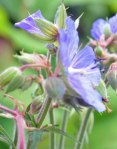
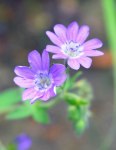
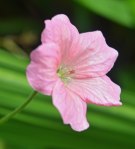
“We have been planting hardy Geraniums in our garden since we moved here. I decided to take my camera out to see how many different ones were flowering in early July. We were in for a big surprise!” Below are 4 examples, but there are so many more!”

jujo-04 jujo-20jujo-25 jujo-27

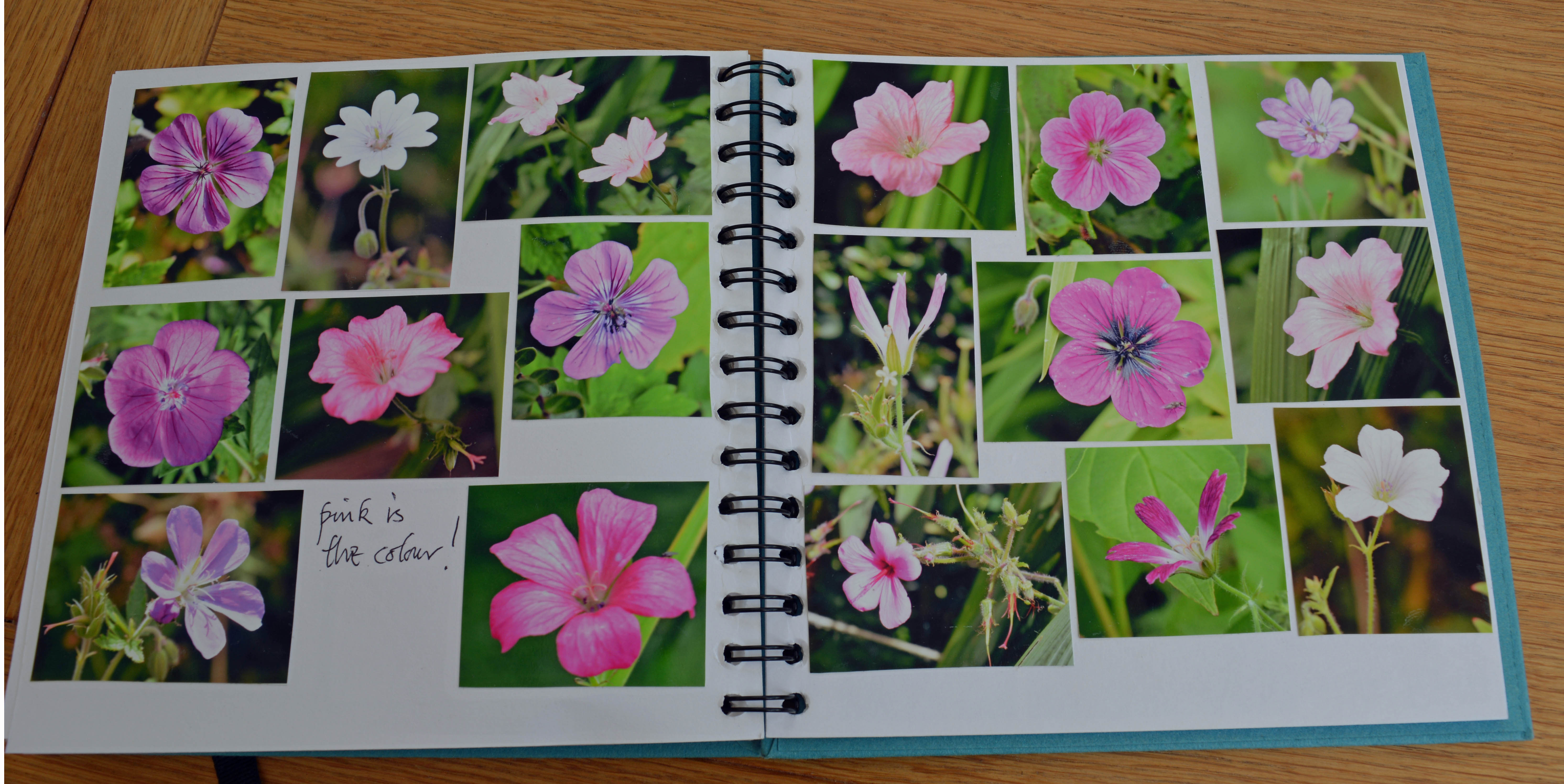
Turning over we find a double page spread of Geranium photographs and among them the phrase, “Pink is the colour!”

jujo1-07jujo-35 jujo-29 jujo-27 jujo-26 jujo-24 jujo-23 jujo-22 jujo-14 jujo-13 jujo-08 jujo-07 jujo-05 jujo-04 jujo-03

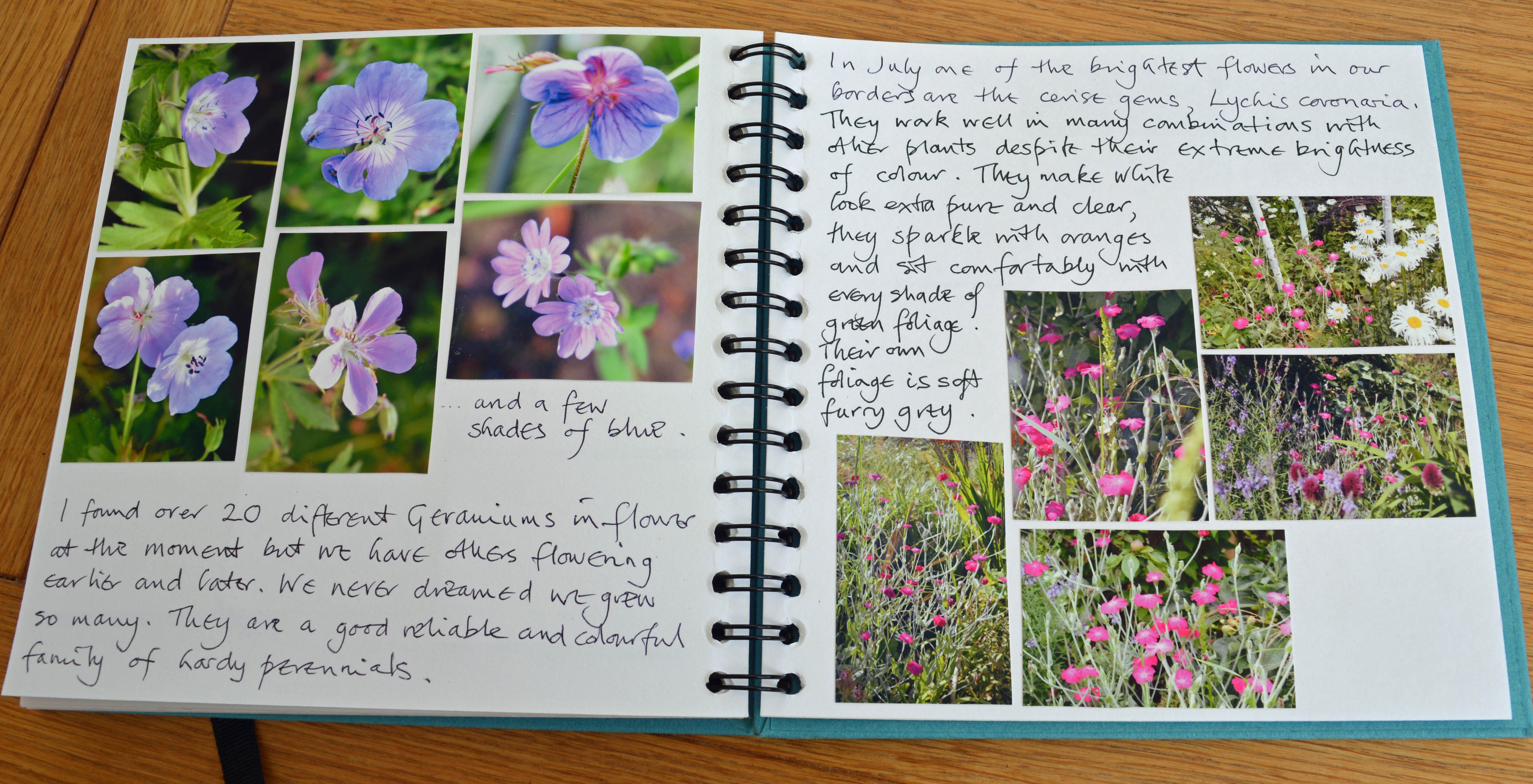
Over another page and a third page of photos of Geraniums appears but this time featuring blue flowered cultivars, with the phrase, “….. and a few shades of blue.”

“I found over 20 different Geraniums in flower at that moment but we have others flowering earlier and later. We never dreamed we had so many.They are a good reliable and colourful family of hardy perennials.”

jujo1-08

jujo-17 jujo-06 jujo-21 jujo-15jujo-19

There are so many hardy Geraniums flowering in our July garden I thought it would be interesting to present a gallery for you to enjoy. Click on the first photo and then use the arrow to follow your way through the gallery.

On the opposite page to the blue Geraniums I move on to consider one of the brightest flowers in the July garden, Lychnis coronaria.

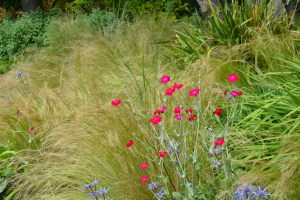
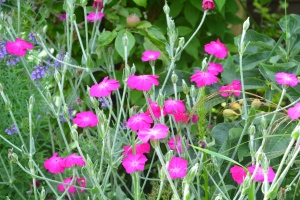
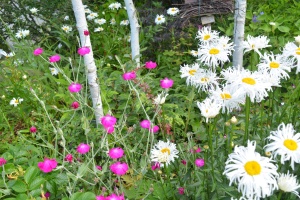
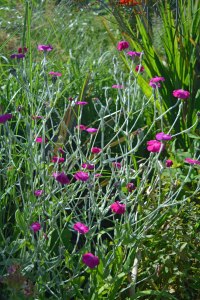
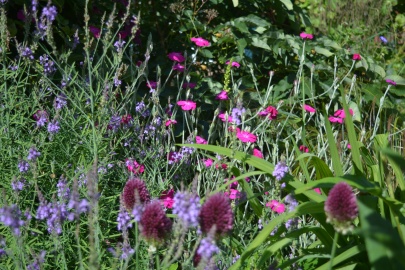
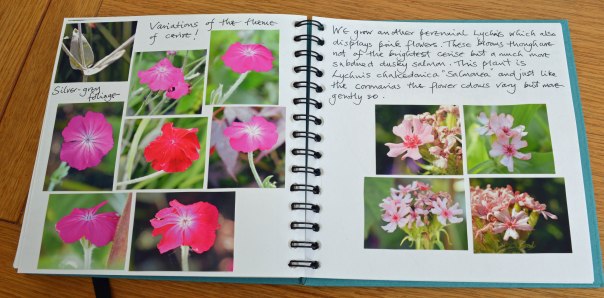
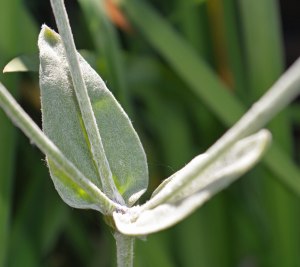
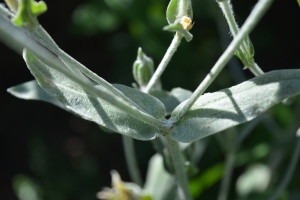
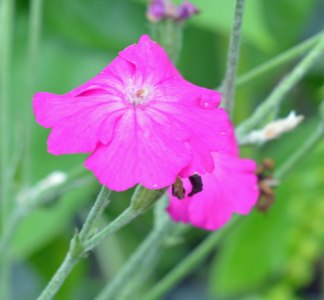
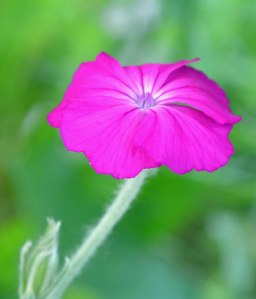
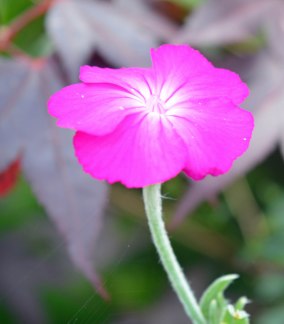
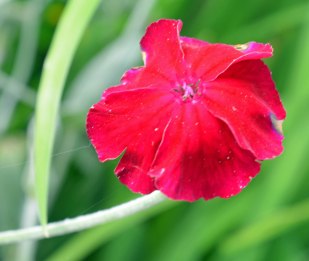
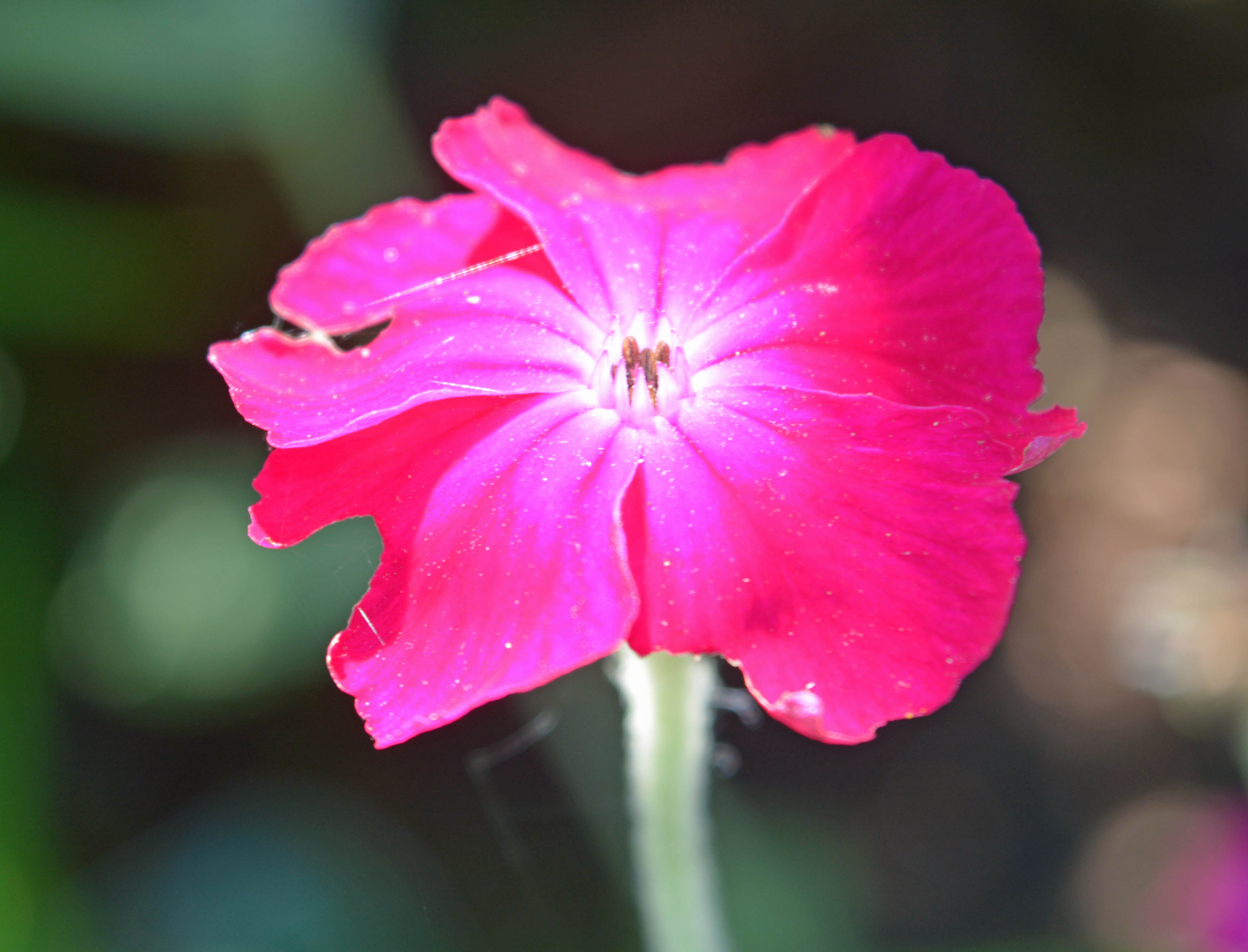
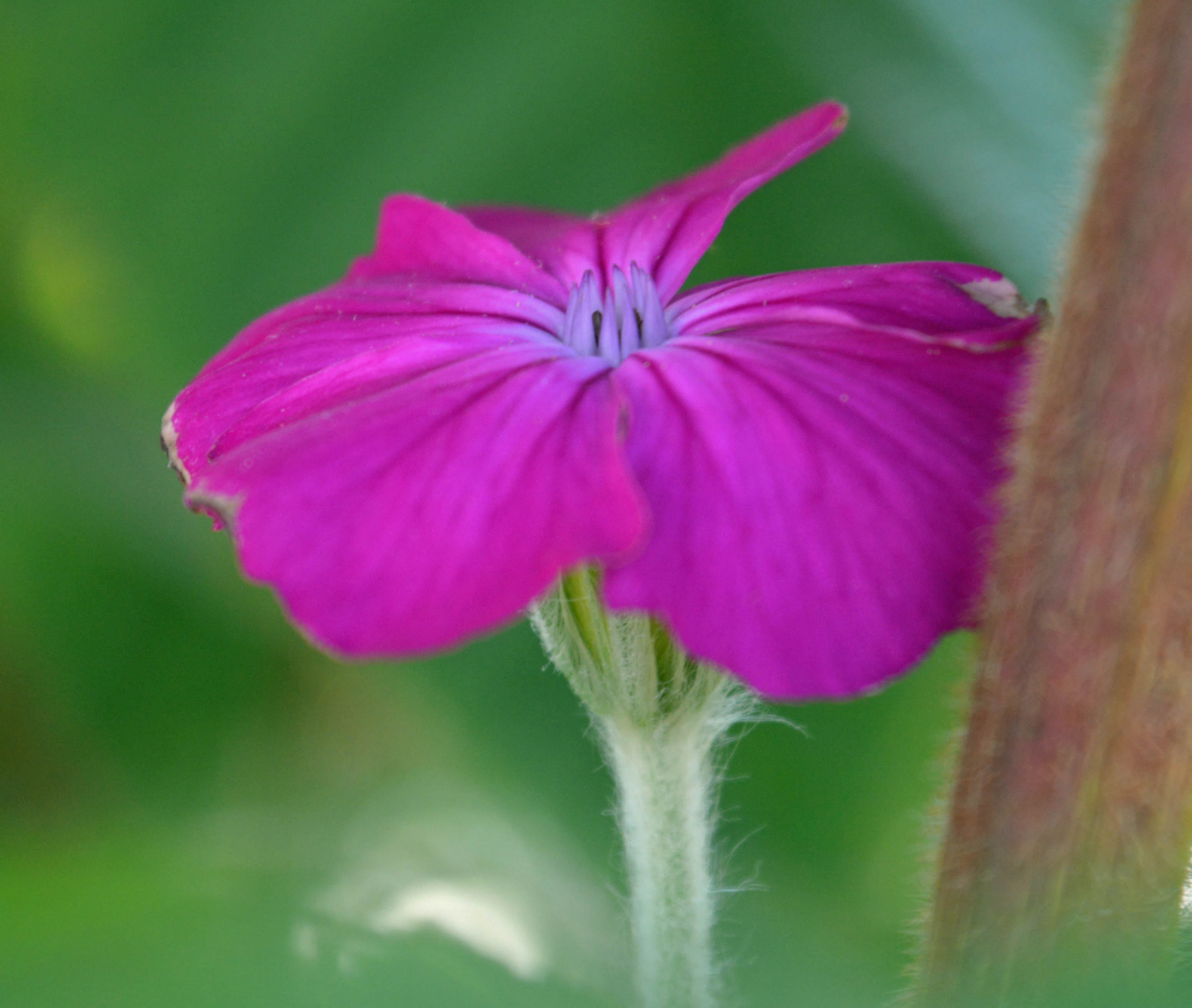
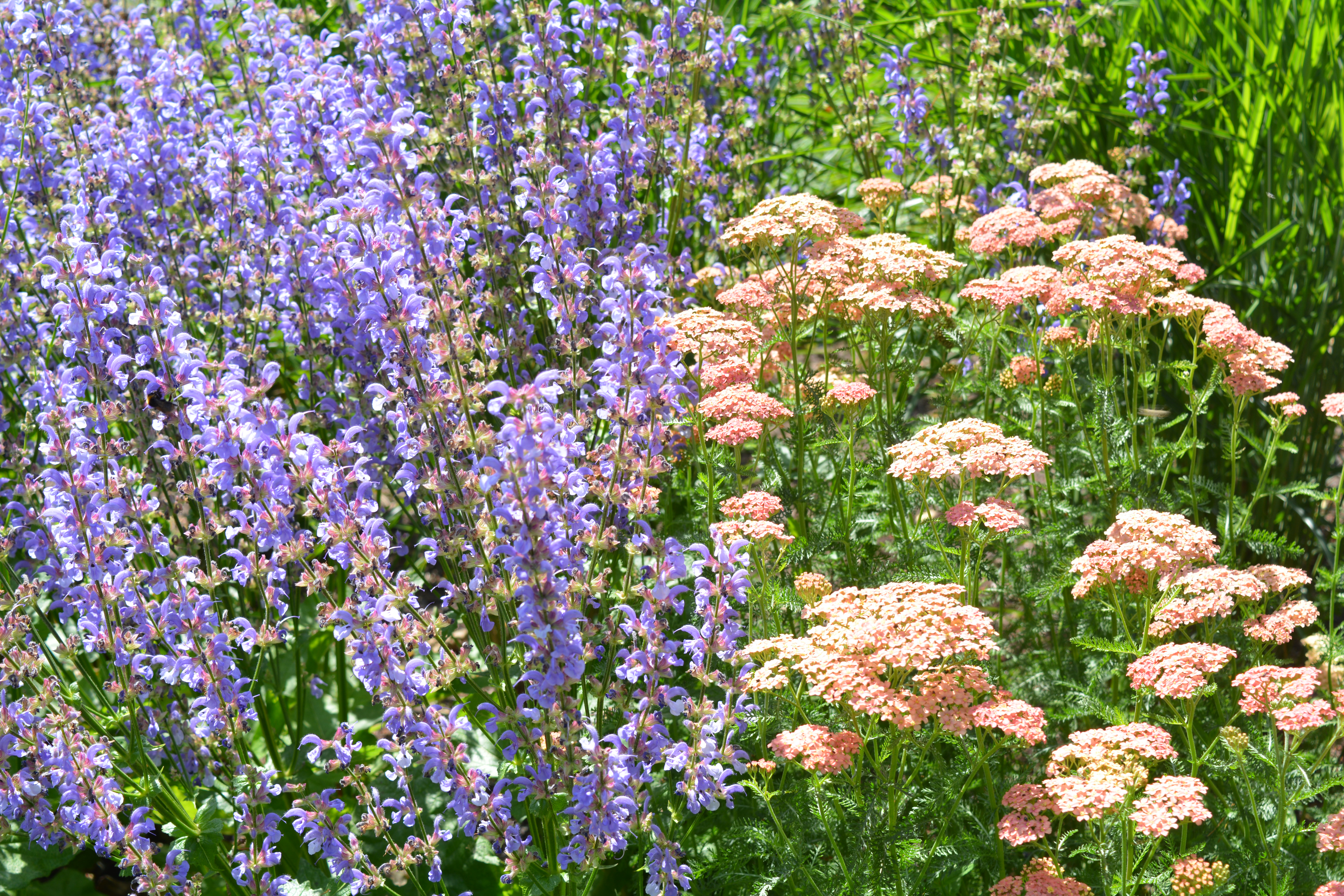
“In July one of the brightest flowers in our garden borders are the cerise gems, Lychnis coronaria. They work well in many combinations with other plants despite their extreme brightness of colour. They make white look extra pure and clear, they sparkle with orange and sit comfortably with every shade of green foliage. Their own foliage is a soft, furry grey.”
jujo-18 jujo-32jujo2-11 jujo2-13

Over the next page I continue looking at Lychnis coronaria with the emphasis on the flower colour and the subtle variations among them. Among my selection of photographs to show the colour of the foliage and the variations in cerise itself I include the phrases,

“Silver-grey foliage” and “Variations of the theme of cerise!”

jujo1-09

jujo2-01 jujo2-02jujo-10 jujo-09jujo-11 jujo-12jujo2-03 jujo2-04    jujo2-08 jujo2-10

Opposite this page of cerise beauties I feature a more subtle variation on the pink theme, as I found another Lychnis we grow, this one being Lychnis chalcedonica “Salmonea” and  just like the coronarias their colours vary.

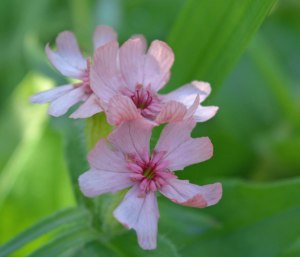
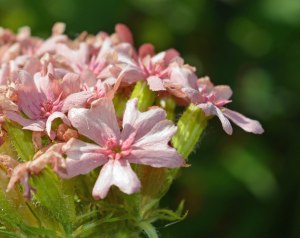
“We grow another perennial Lychnis which also displays pink flowers. These blooms though are not of the brightest cerise but a much more subdued dusky salmon. This plant is Lychnis chalcedonica “Salmonea” and just like the coronarias the flower colours vary but more gently so.”

jujo2-05 jujo2-07jujo2-06

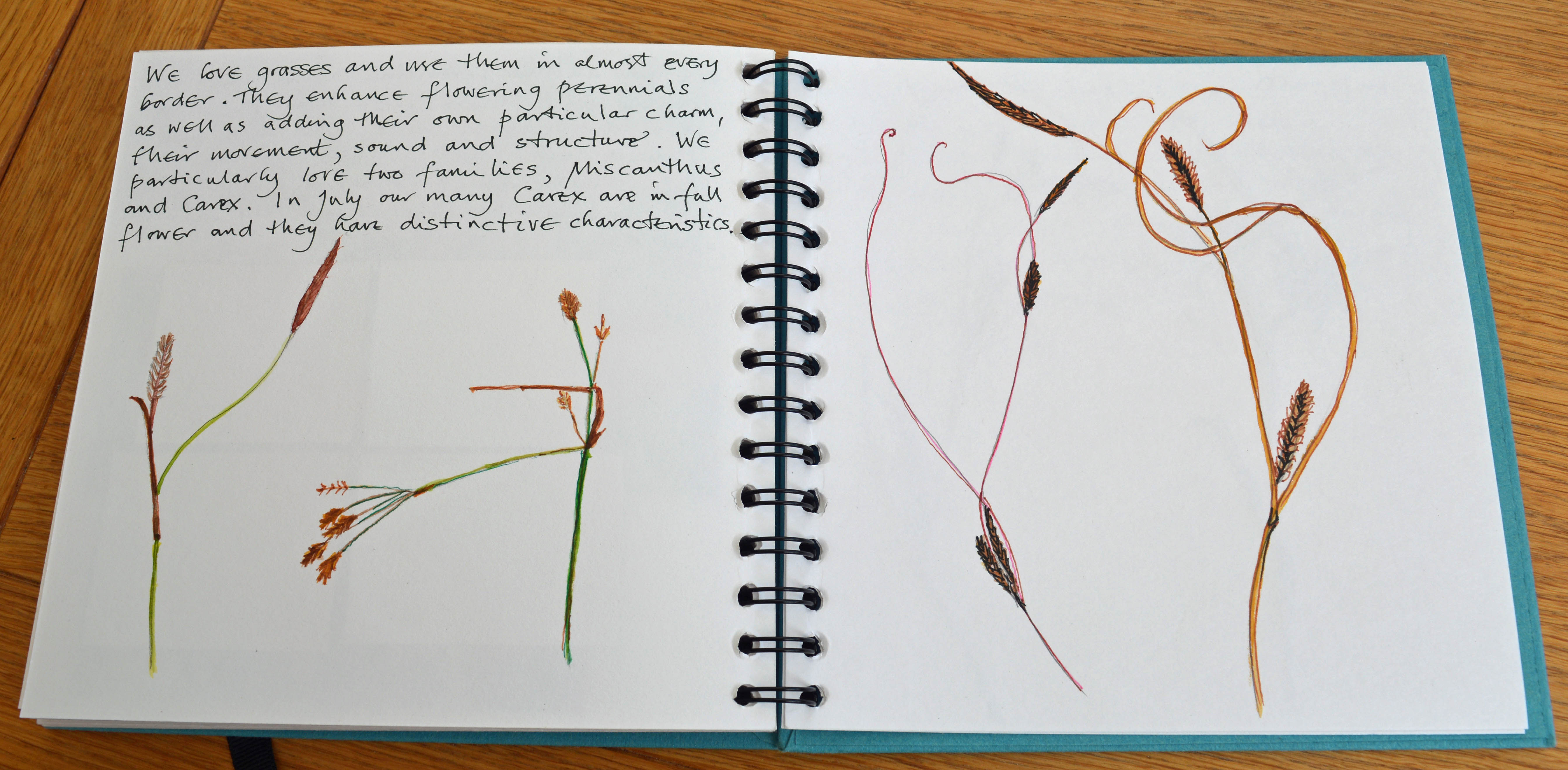
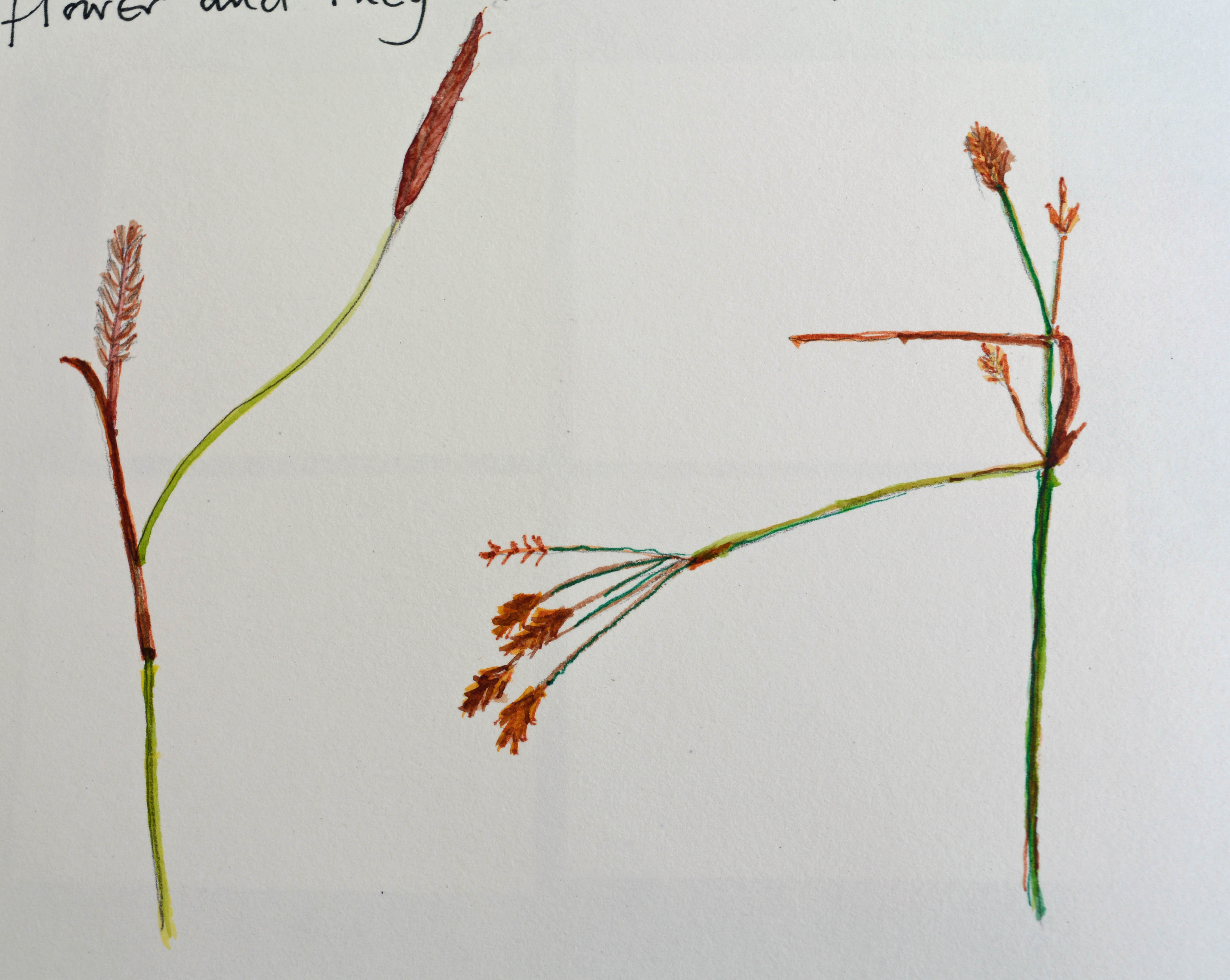
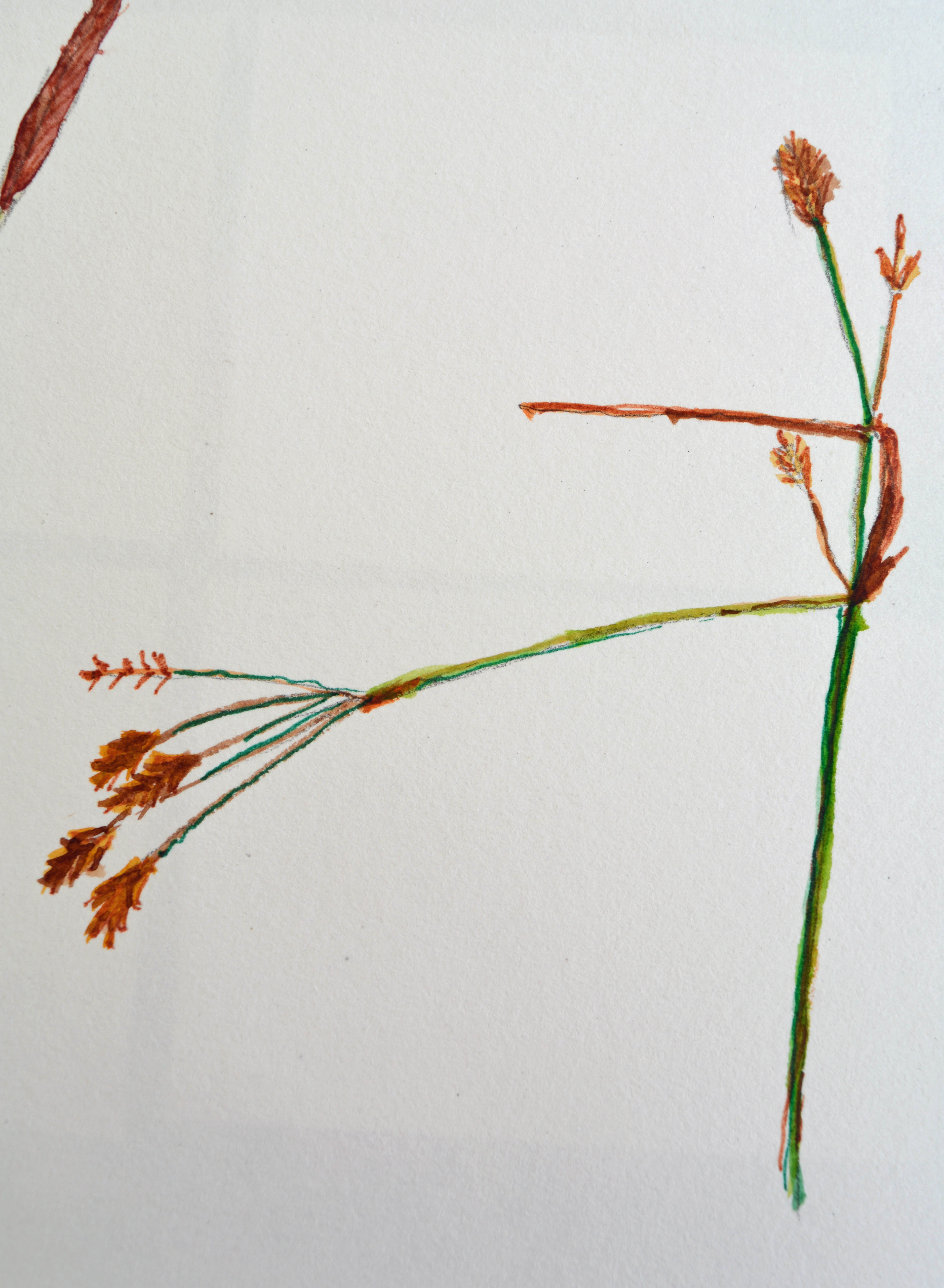
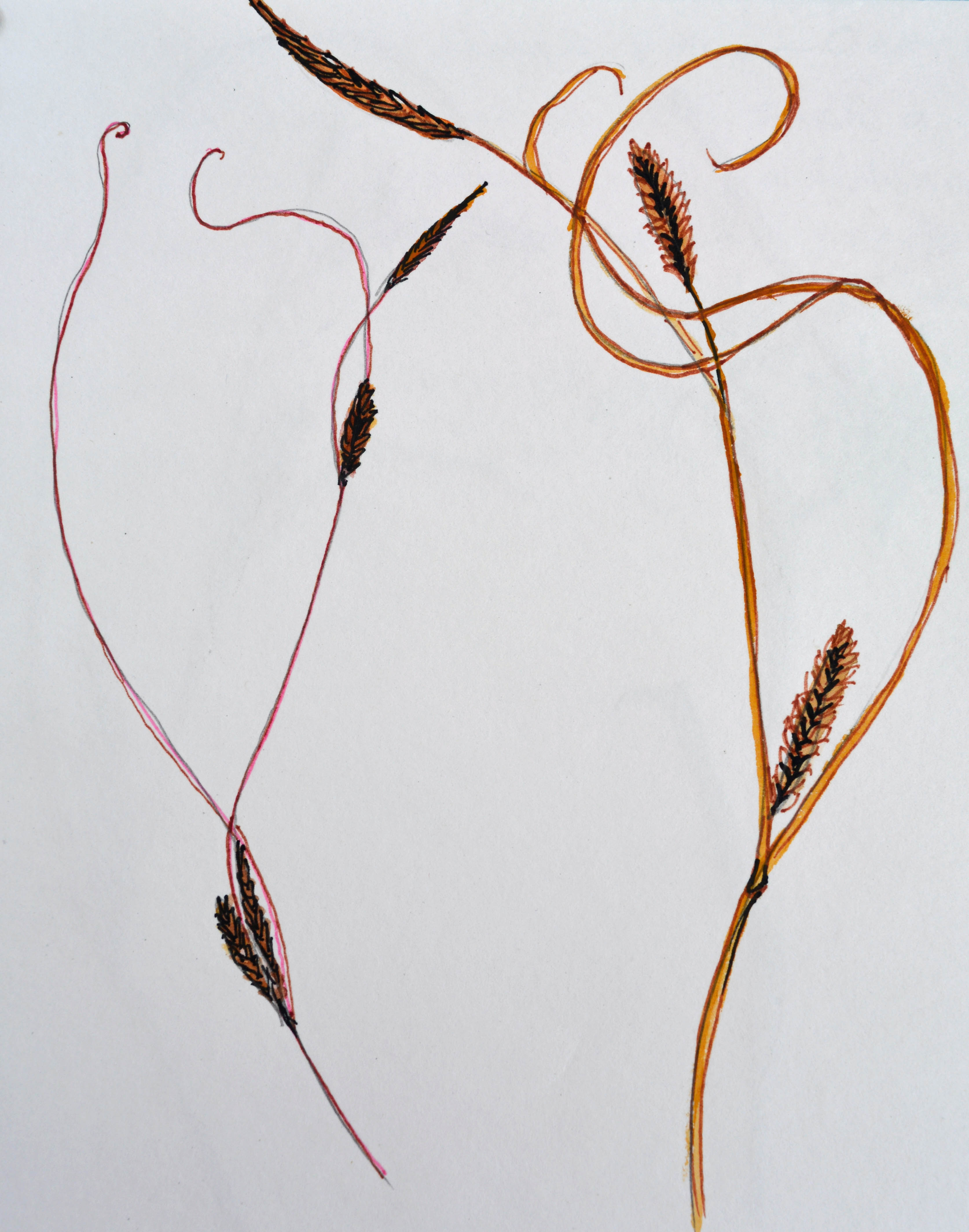
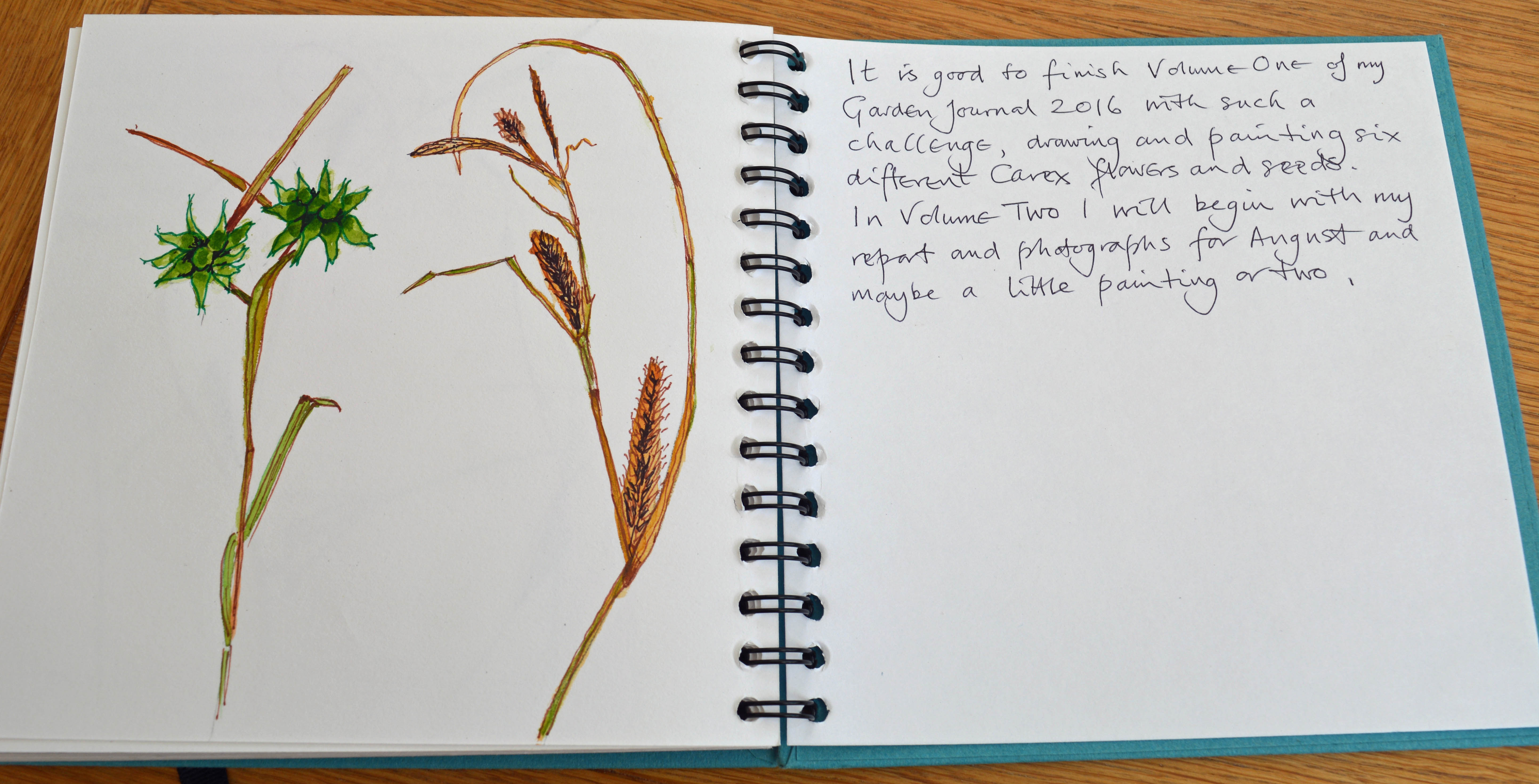
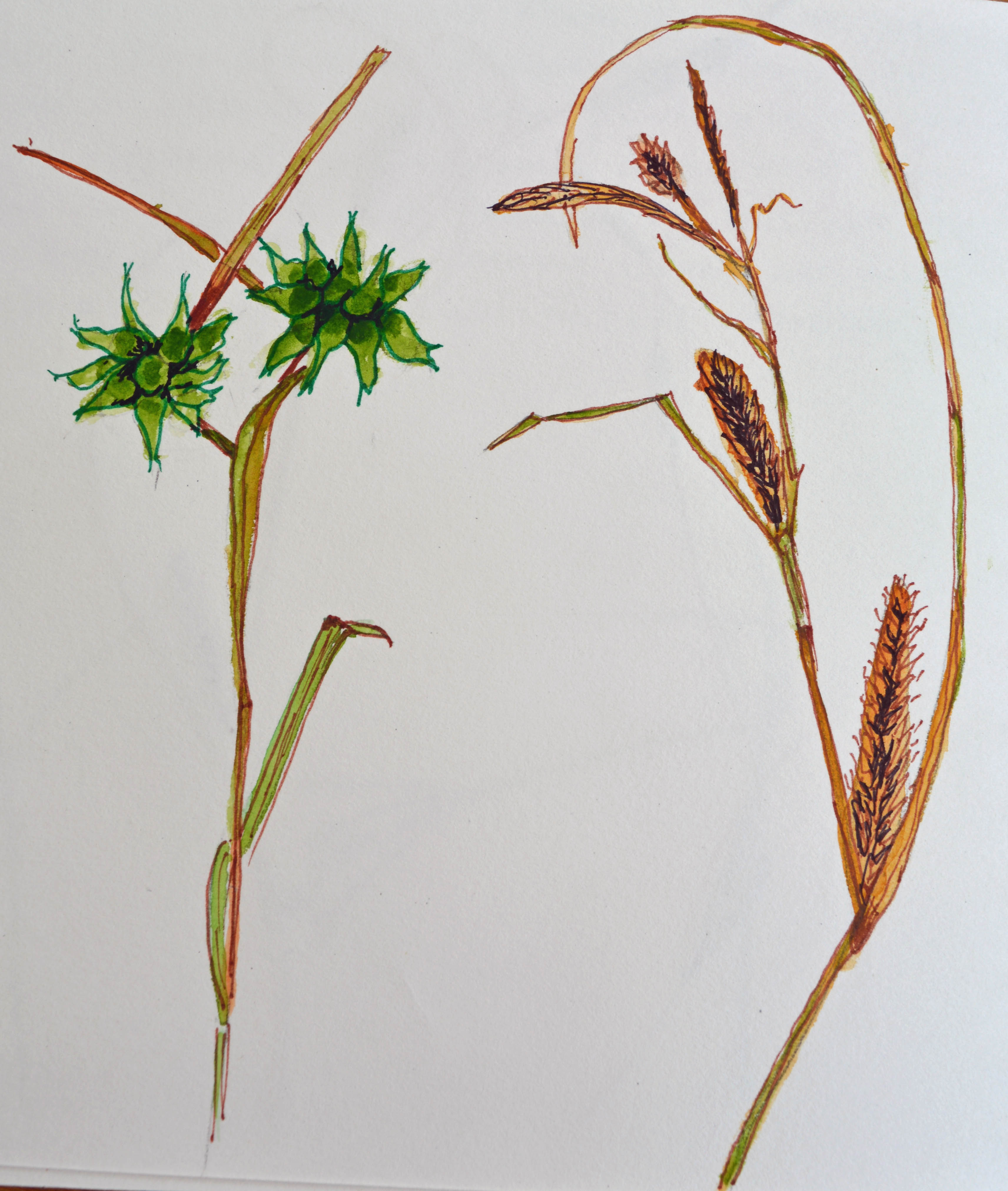
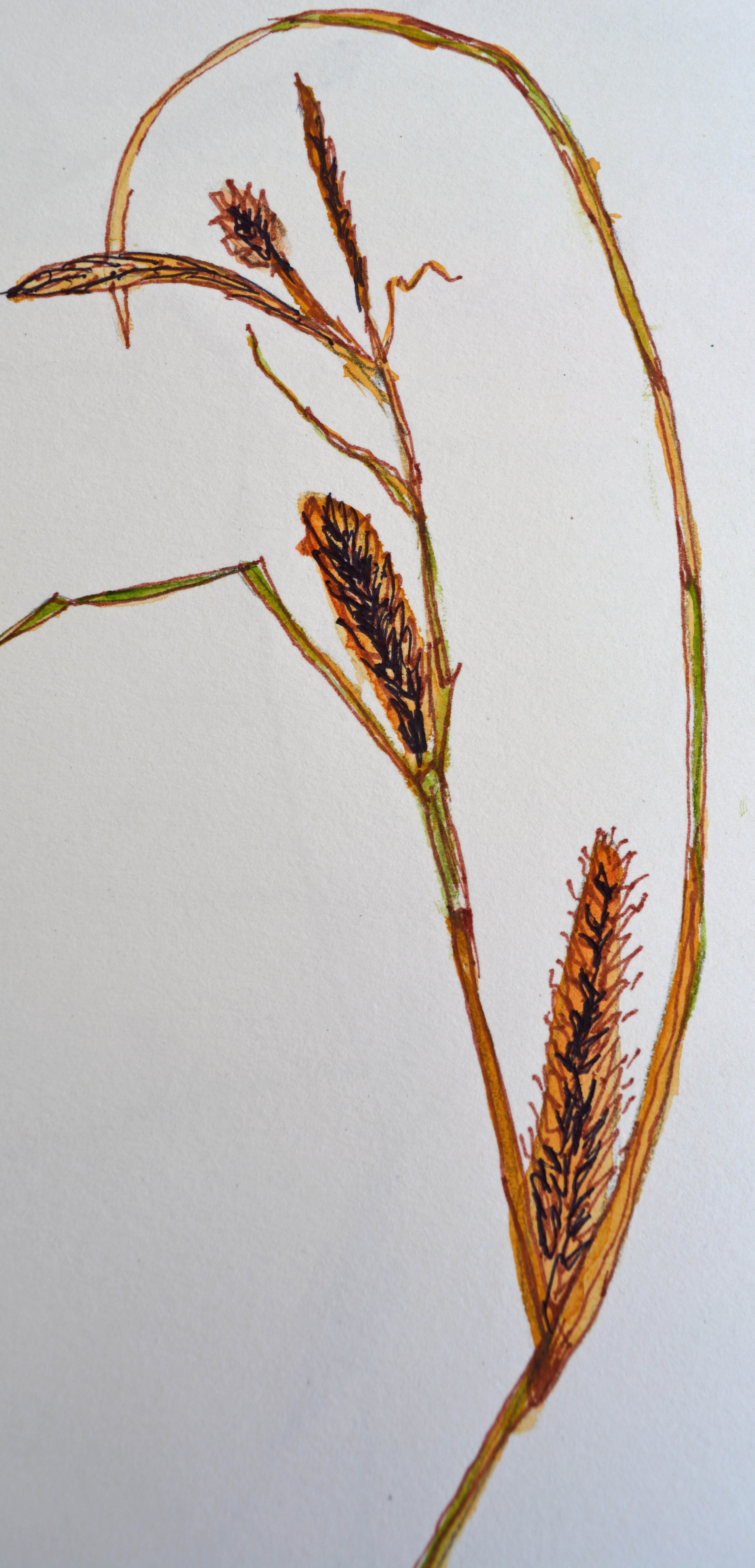
The final four pages in my journal entries for July are all about one of the grasses families, the Carexes. I set myself the difficult challenge of painting 6 different varieties, concentrating on the flower and seed heads. A very big challenge indeed as it turned out!

jujo1-10

“We love grasses and use them in almost every border where they enhance flowering perennials as well as adding their own particular charm, their movement, sound and structure. We particularly love two families, Miscanthus and Carex. In July our many Carex are in full flower and they have distinctive characteristics.”

jujo1-11 jujo1-12 jujo1-13 jujo1-14 jujo1-15 jujo1-16 jujo1-17

Volume One of my Garden Journal 2016 finishes with the words, “It is good to finish Volume One of my Garden Journal 2016 with such a challenge, drawing and painting six different Carex flowers and seeds. In Volume Two I will begin with my report and photographs for August and maybe a little painting or two. I might even be tempted to draw and paint some of our other grasses.”


Categories
birds climbing plants colours flowering bulbs garden design garden photography garden ponds garden pools garden wildlife gardening gardens grasses hardy perennials house martins light light quality ornamental grasses ornamental trees and shrubs roses Shropshire shrubs spring bulbs spring gardening succulents swallows water in the garden wildlife

My Garden Journal in May

Just as I completed my journal for June I realised that I had not yet posted “My Garden Journal for May”, so here it is now for you to enjoy! The June journal report won’t be far behind!

Summer creeping in can only mean that our May garden is changing by the day. Exuberance in every border with things growing before your eyes. A month of excitement! I began my May entry in my garden journal by writing,

“May means exuberance! It is the month when our garden shows us the ability it has to surprise. It shows off its strength and its artistic talents. Growth is so rapid and colour so exciting, that we are aware of what our garden means to us and also aware of its power that Mother Nature possesses and uses with pride and to excess!”

maygarden-14 maygarden-13maygarden-12 maygarden-39maygarden-57 maygarden-72

I then turn to looking back at my original garden journey recording the first few years that we have lived and gardened at Avocet.

“Looking back in my garden journal that recorded the early years at Avocet, I read a paragraph that shows just how similar May is now. 

“The garden is bursting with life – butterflies including Holly Blues, bees and so many birds. Suddenly the garden is alive with birds giving extra colour, sound and movement. There seems to be so many finches – Goldfinches, Chaffinches and Greenfinches. Swifts, Swallows and House Martins swoop overhead especially in the evening.”

Sadly though there are far fewer Swifts, Swallows and House Martins overhead. So many have not survived their long migrations. What does the future hold for these beautiful acrobats?”

Turning over the page of my journal and we see the next two pages feature Acers and Roses.

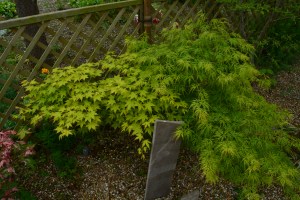
“Acers are one of the many stars of the May garden, a month when their foliage and stems are delicate and colourful.”

maygarden-24 maygarden-30maygarden-26 maygarden-27 maygarden-32 maygarden-35maygarden-33 maygarden-34maygarden-36 maygarden-37maygarden-38 maygarden-63 maygarden-69 maygarden-70 maygarden-71 maygarden-62

“May means Roses and by the middle of the month we have many buds and pioneer blooms. Reds and pinks dominate at the moment. Yellows and oranges are still to come.”

maygarden-03 maygarden-11 maygarden-22 maygarden-60 maygarden-23

I moved on to look at one of the climbers we enjoy in our garden and at the grasses that have now started to grow rapidly.

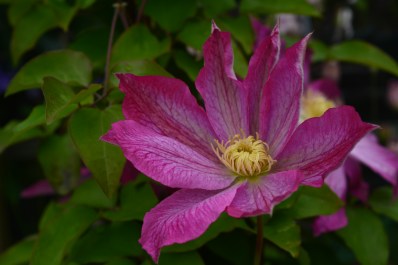
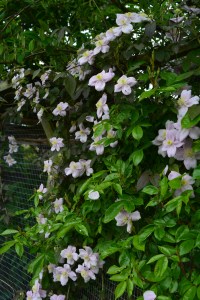
“Think of climbers early in the summer garden and Clematis is the first plant to spring to mind.”

maygarden-04 maygarden-59 maygarden-05maygarden-06 maygarden-53maygarden-16 maygarden-15 maygarden-58 maygarden-52

“Grasses are growing quickly now and the myriad shades of green move skyward in our borders.”

maygarden-07 maygarden-09 maygarden-07maygarden-08 maygarden-50 maygarden-49maygarden-51 maygarden-61 maygarden-68

Turning over again and succulents are discussed. These are a recent interest and I have only been growing them and propagating them for a few years.

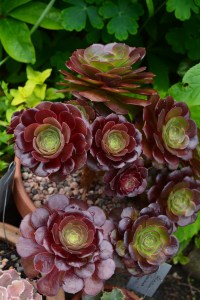
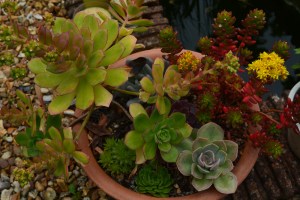
Succulent plants are an interest that has grown over the last few years. Beginning with Aeoniums and Echeverias I soon branched out.”

maygarden-79 maygarden-80maygarden-19 maygarden-77 maygarden-78

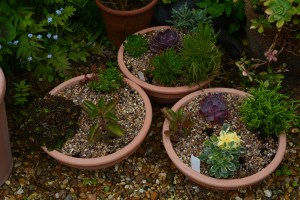
“Troughs of succulents grace the Rill Garden in May and on into October when the risk of frost mean that they retreat to the warmth of our greenhouse.”

maygarden-17 maygarden-20maygarden-18 maygarden-21maygarden-76 maygarden-75

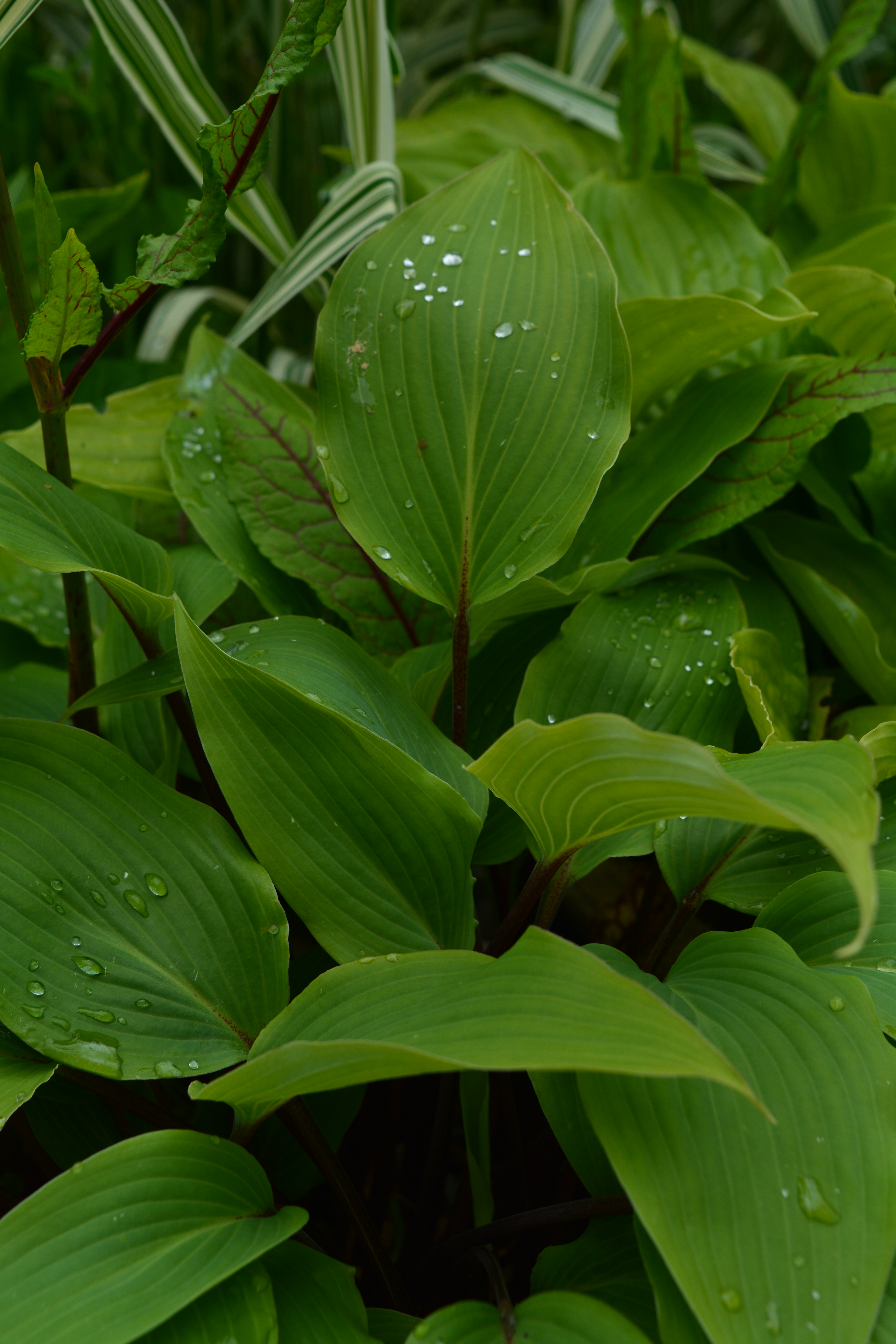
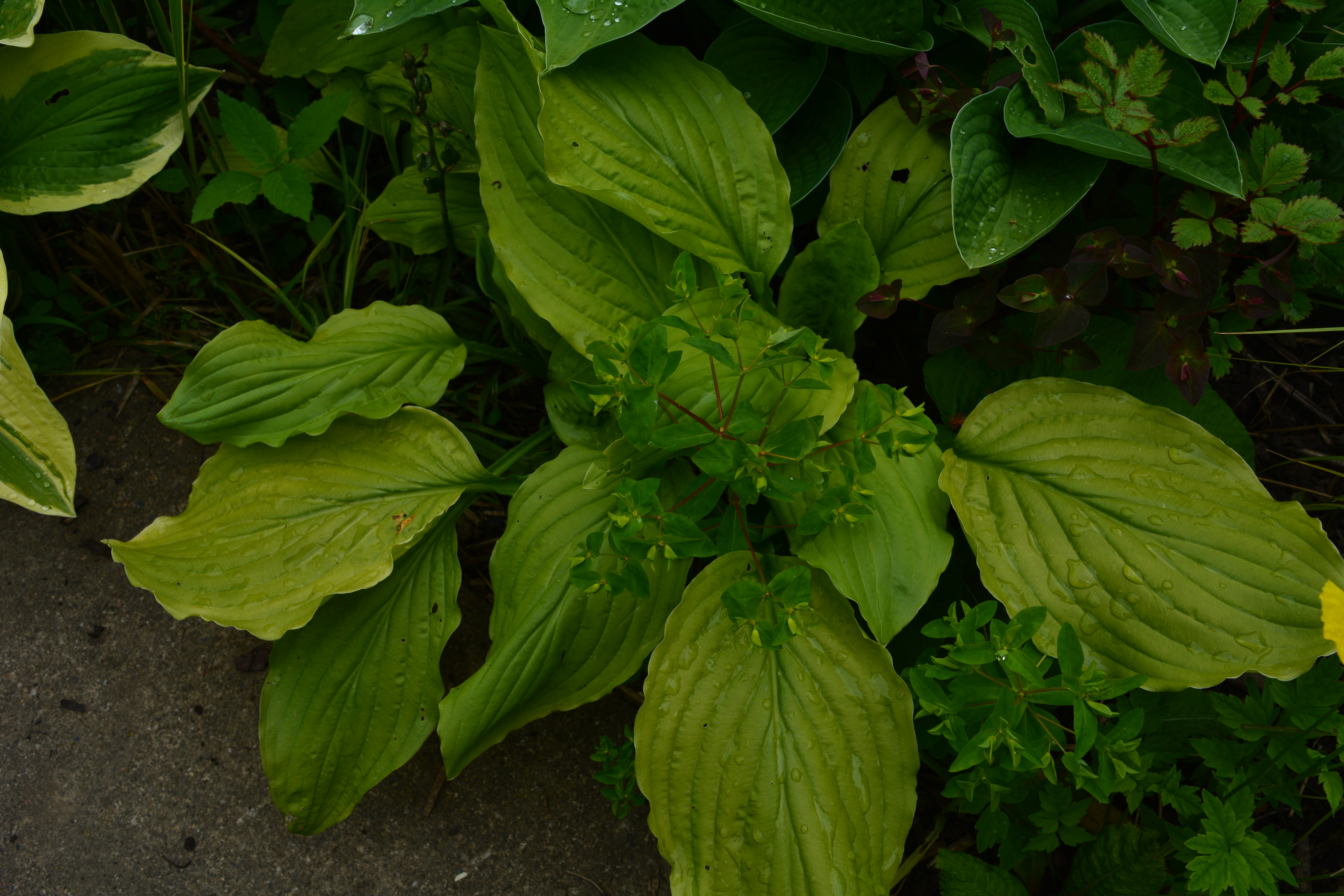
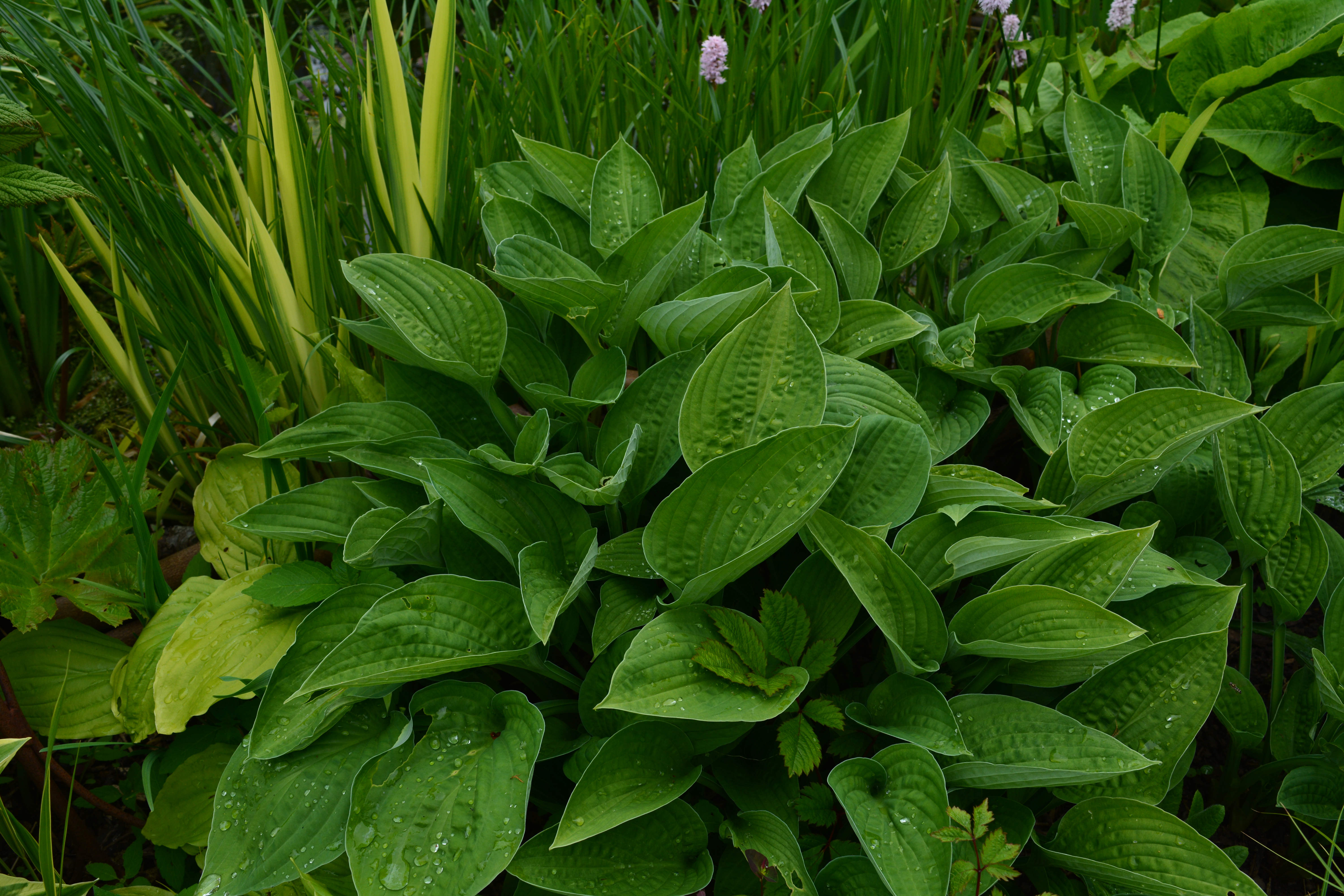
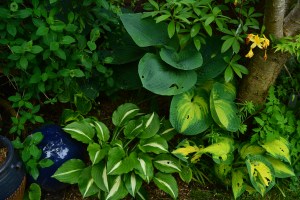
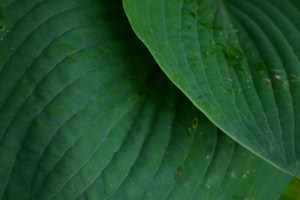
When we turn over next we see that I talk of Hostas and in particular those growing in our Bog Garden. The bog garden is so full of life at the moment with plants growing appreciably by the day.

“Hostas are one of the more subtle of our garden favourites both their foliage and later in the year their flowers. The Bog Garden next to our Wildlife Pond and snuggled up to it is a place of rapid growth in May.”

maygarden-45maygarden-40 maygarden-41 maygarden-42 maygarden-43 maygarden-65maygarden-47 maygarden-48  maygarden-46 maygarden-64 maygarden-66 maygarden-67

White is not a colour I particularly appreciate in the garden and as a result I do not use it much.

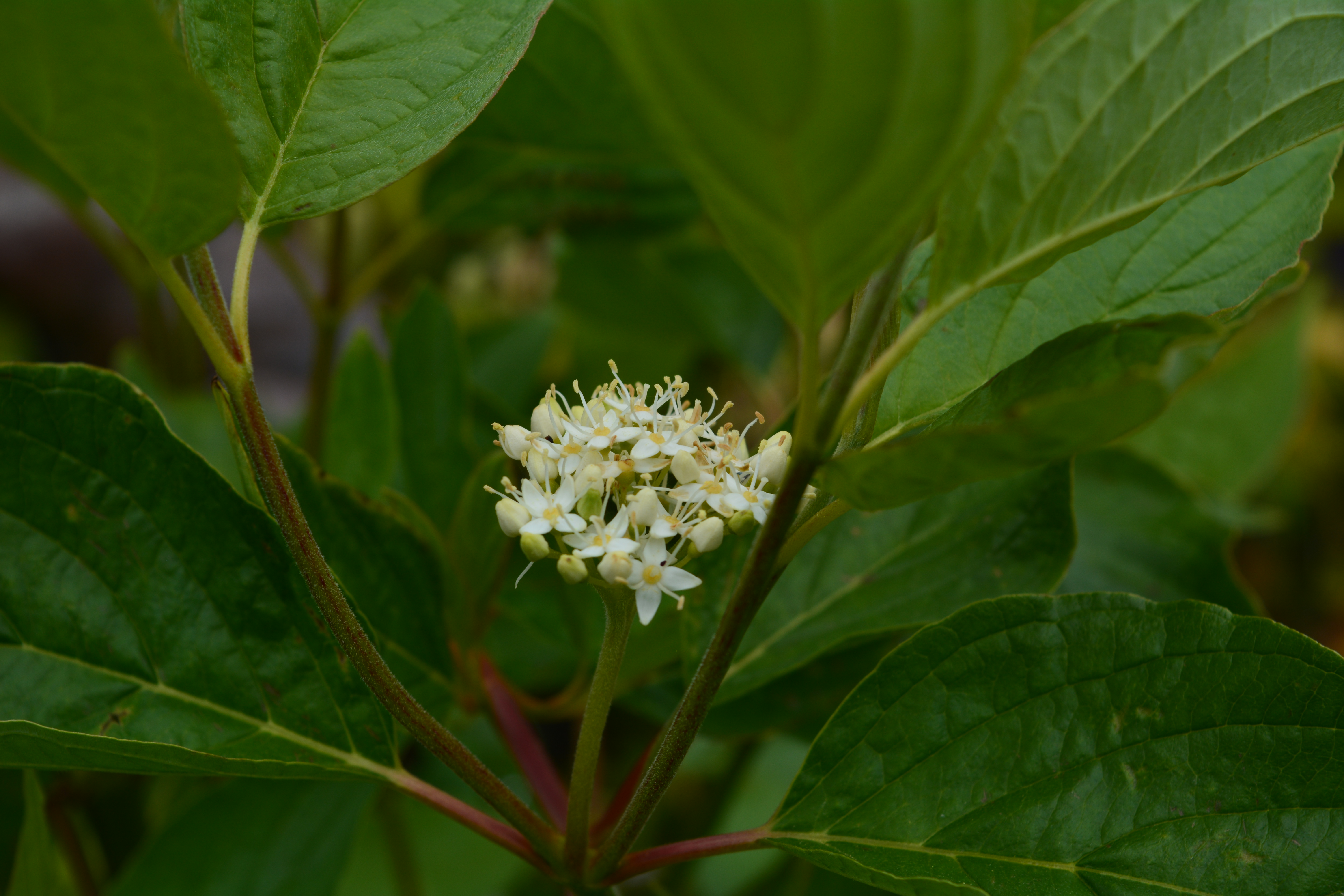
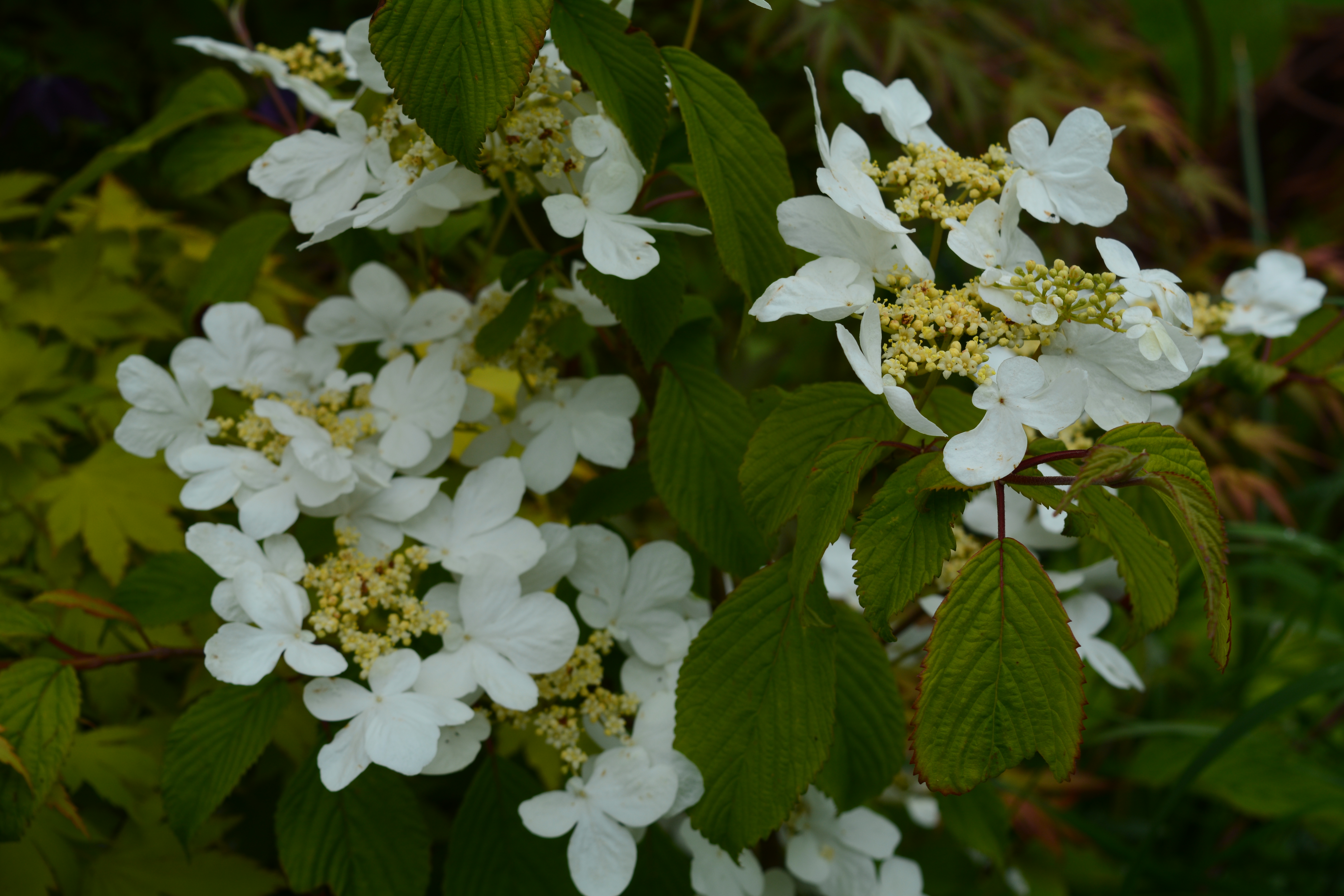
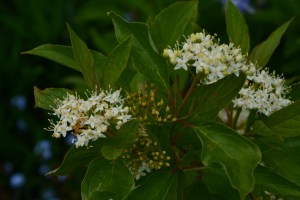
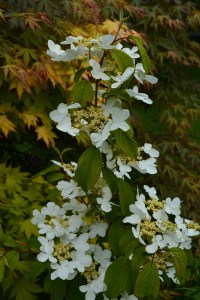
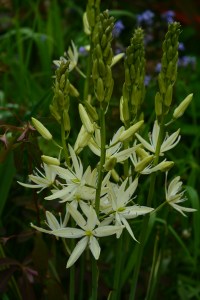
“White is not my favourite colour in the garden. I particularly do not like white painted garden furniture or white painted fences, trellises or walls. We tend to paint our seats in ivory or cream which are much softer colours particularly on bright sunny days. Our fences we paint in browns and trellis work in gentle shades of green which acts as a great foil for our plants. I think this dislike of white is to do with our weather as it can work so well in other countries. Where flowers are concerned I appreciate them most in May when white can look good with the brightness of fresh foliage. Below are photos of a few particularly good white flowers, Viburnums, Cornus, white Bluebells, Iberis and Camassias. Some of these are the purest of white where others have gentle hints of colour. The Camassia has a green tint to it and the Iberis the gentlest hint of pink.”

maygarden-54 maygarden-56maygarden-10 maygarden-73maygarden-25 maygarden-44 maygarden-74

As we leave May behind we can look forward to the longest day, the time when day and night share equal number of hours.

Categories
flowering bulbs garden photography garden ponds garden pools garden wildlife gardening grasses hardy perennials light light quality ornamental grasses ornamental trees and shrubs Shropshire shrubs spring bulbs water in the garden Winter Gardening winter gardens

My Garden Journal 2016 – February

Back with the second post sharing my 2016 Garden Journal, we will look at what it holds for February.

2016 02 13_8659_edited-1

On the first page for the month I mention the changing light values that occurs during February.

2016 02 24_9066_edited-1

“This is the month when light values really start to improve. We also get longer days when the weather allows. This change in light coupled with slowly rising temperatures encourages birds to change their songs and calls. The Great Tit is the master of calls with its huge repertoire. Luckily they are very frequent visitors to our garden. They are great entertainers! Their song in February is a “see-sawing ditty with mechanical overtones.” (Collins Bird Guide)

I added my gouache painting of a pair of Great Tits.

2014 12 21_8971_edited-1

On the opposite page I carried on talking about our continued development of our greenhouse.

Having completed the construction of our new heated propagation bench last month we then sorted out our pots, trays, pans and cells ready for the new sowing and growing season. We ensured we have plenty of labels as well as sowing compost and horticultural grit. Jude finished putting up insulation bubble wrap.”

2016 02 02_8119-1 2016 02 02_8120-12016 02 02_8121-1 2016 02 02_8131-1 2016 02 02_8122-1

From greenhouse gardening to pond gardening, my next page features two photos of Jude the Undergardener in her waders playing in our wildlife pond.

2016 02 24_9069_edited-1

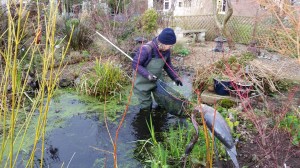
“Mid to late February is the time each year when our Common Frogs come to sing, mate and then leave balls of spawn in our wildlife pond. Thus early this month Jude donned her chest waders and cleaned up the pond. She removed Duckweed, Blanket Weed and fallen leaves, then thinned out the water plants.

2016 01 26_8057-1 2016 01 26_8056-1

We tidied up the narrow border that edges the pond, pulling a few hardy weeds and taking up seedlings of our Cornus “Midwinter Fire”. It was heartening to discover how workable our soil was, this being the result of a decade of improving it with the addition of our own garden compost and the regular mulching deeply with organic matter.”

I continued onto the next page discussing the welcome appearance of sunshine in the February.

“Sunshine is not often in evidence this February but when it does make an appearance its effects are magical. It highlights the peeling bark of our trees and directs a spotlight on blossom and glossy foliage.”

2016 01 22_8035_edited-1 2016 01 22_8034_edited-12016 02 02_81162016 01 22_8024 2016 01 22_8008 2016 01 22_8009-1 2016 01 22_8018

As I turn the page I see that I have written about cold temperatures and on the opposite page and on the following double page spread I share the amazing number of plants in flower on one day in February.

2016 02 24_9070_edited-12016 02 24_9073_edited-1

“A sudden overnight plunge in temperature can have drastic looking effects on our early flowering plants. The flowering stem of this Bergenia can be standing to attention during the day but cold at night can make it droop, with the flowers almost touching the cold soil”.

2016 01 17_7930-1 2016 01 08_7763

“The following day when the sun has driven away any frost and added a degree or two to the temperature, the Bergenia flower slowly rises again and returns to its former pink glory.”

February flowers are celebrated over the next three pages. I hope you enjoy sharing this selection of plants that keep us cheerful and the garden colourful.

2016 02 18_8904_edited-1 2016 02 18_8901_edited-12016 02 18_8891_edited-1 2016 02 18_8878_edited-12016 02 18_8872_edited-1 2016 02 18_8879_edited-12016 02 18_8867_edited-1 2016 02 18_8847_edited-1 2016 02 18_8869_edited-1 2016 02 18_8863_edited-12016 02 18_8913_edited-1 2016 02 18_8871_edited-12016 02 18_8912_edited-1 2016 02 18_8866_edited-1 2016 02 18_8854_edited-1 2016 02 18_8853    2016 02 18_8887_edited-1 2016 02 18_8873_edited-1  2016 02 18_8902_edited-1 2016 02 18_8855_edited-1

These pictures certainly illustrate how colourful and interesting the garden can still be in the depths of winter. From flowers I moved on to foliage, as on my next double page spread I celebrate Phormiums and how important they are to the winter garden.

2016 02 24_9074_edited-1

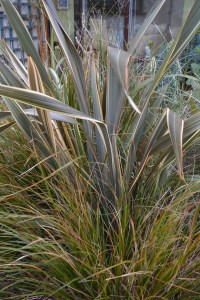
“Form, texture and foliage colours are so important in the garden in winter, so we are lucky to have discovered and planted Phormiums as they give us all three. They move beautifully too, swaying in the slightest breeze.”

2016 02 13_8632 2016 02 13_8640 2016 02 13_8651


For some of our Phormium I took a shot of the whole plant and then one of the top surface of their leaves and finally the final surface. Their two surfaces are usually very different.

“I love plants that hide some facet of their beauty from us”.

2016 02 13_8633 2016 02 13_8634 2016 02 13_86352016 02 13_8630 2016 02 13_8639 2016 02 13_8638

2016 02 13_8655 2016 02 13_86532016 02 13_8654

2016 02 13_8631 2016 02 13_8637 2016 02 13_8636

In the final pages of my February entries in my Garden Journal I wrote about coloured stems and look back at my first garden journal to see what I had put for my February entry.  I discovered that I was writing about grass and grasses.

2016 02 24_9077_edited-1

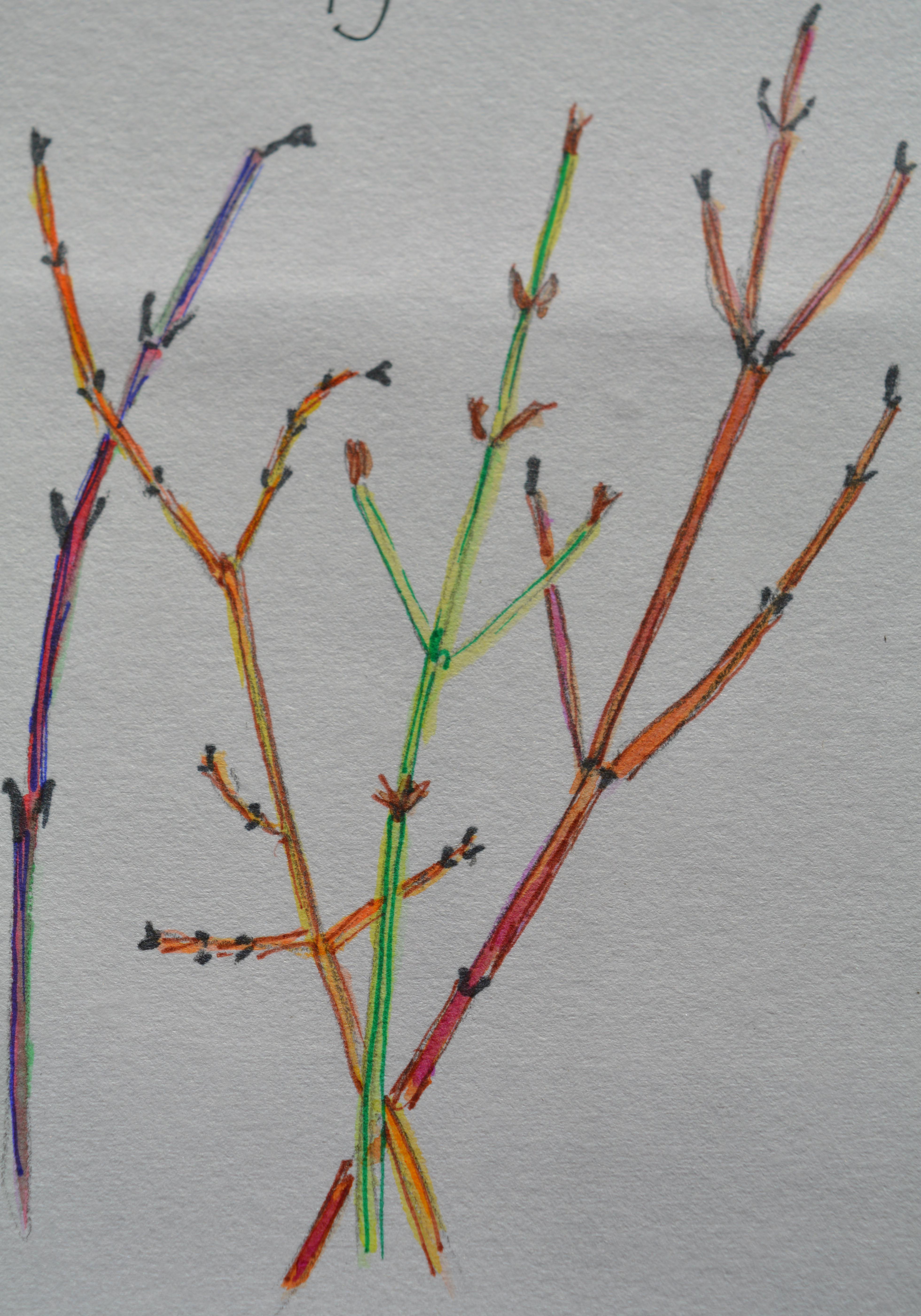
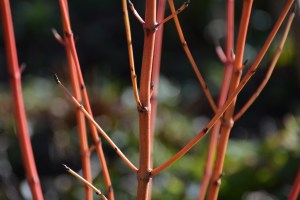
“It is in the dull times of February that we appreciate the brightly coloured stems of our Cornus, Salix and Acers. Once their leaves drop the colours, yellows, oranges and reds begin to intensify. I then shared a watercolour painting of a selection of these stems from our garden alongside a trio of photos.”

2016 02 24_9078_edited-1 2016 02 18_88972016 02 18_8874 2016 02 18_8898

Looking back at my original Garden Journal, I notice that I had commented “14th February and the grass gets its first cut. As the North wind died out the strength of the winter sun meant a good day could be had doing general maintenance work.” This year our grassed areas are wet and slimy and definitely too slippery to get a mower on. But the grass has continued to grow slowly so it is in need of its first cut. Meanwhile our ornamental grasses continue to delight.”

2016 01 22_8033 2016 01 22_8032     2016 01 22_7998-1 2016 01 22_7999-1

So that is it for another month. Next time we make a visit to my Garden Journal we will be in March and maybe we shall be seeing signs of spring.


This Veggie Life

A Vegetarian | Nature Lifestyle Blog

Rambling in the Garden

.....and nurturing my soul

The Arch City Gardener

Journeys In St. Louis Gardening and Beyond

Garden Dreaming at Châtillon

Consult the genius of the place

Storyshucker

A blog full of humorous and poignant observations.

gardeninacity

Notes from a wildlife-friendly cottage garden

PlayGroundology

...an emerging social science

The Official Blog of British Wildlife

'The most important and informative publication on wildlife of our times' - The Independent. This blog is a member of The UK & Ireland Natural History Bloggers group: www.uknhb.blogspot.com

iGrowHort

Inspire - Cultivate - Grow Native Plants - Restore Landscapes

Bishops Meadow Trust

To create and protect a semi-natural wild space for the people of Farnham to enjoy and experience an array of British wildlife in our town

Gardening with Children

The www.gardeningwithchildren.co.uk Blog

UKbirdingtimeline

birding through the seasons, why birds matter and how to conserve them

NATURE WALKER

with a camera in hand

Jardin

Transform your outdoor space

Eva's space

My allotment, cooking and other interests

Old School Garden

my gardening life through the year

LEANNE COLE

Trying to live a creative life

fromacountrycottage

trying to live as lightly as possible on our beautiful planet

Good Life Gardening

Nature lovers from Leicester living the good life.

mybeautfulthings

Finding the beautiful in the everyday

mawsonmichelle

Michelle's Allotment

In and Out of My Garden

thoughts from and about my garden

Greenhousing

Big plans for a small garden

The Scottish Country Garden

A Walled Country Garden in South East Scotland

The Fruity Chicken

Life at the fruity chicken

willowarchway

Off grid living. Self sufficient. "PERMAGANICS RULE".

St Anns Allotments

Nottingham's Grade 2* Listed Allotments and Community Orchard

Manifest Joy Harvests

a journey in suburban vegetable gardening

Allotmental

The madness of growing your own

Penny's Garden: a harvest beyond my front door

A novel approach to vegetable gardening

arignagardener

Sustainable living in the Irish countryside.

NewEnglandGardenAndThread

Master Gardener, amateur photographer, quilter, NH native, and sometimes SC snowbird

dianajhale

Recent work and work in progress and anything else that interests me

planthoarder

a chaotic cottage gardener

Lens and Pens by Sally

a weekly blog that creates a personal philosophy through photographs and words

Dewdrops and Sunshine

Stories from a sassy and classy Southern farmbelle.

The Pyjama Gardener

Simple Organic Gardening & Seasonal Living

gettin' fresh!

turning dirt into dinner

JOY...

today the world is created anew

Garden Birds

Notes from a Devon garden

ShootAbout

Life Through The Lens

Adapting Pixels

A photography blog showcasing the best photography pictures and videos on the internet

Wildlifegardening's Blog

Just another WordPress.com site

naturestimeline

personal observations from the natural world as the search continues for a new approach to conservation.

LATEBLOOMERBUDS

The Wonders of Life through my Eyes, my Heart, my Soul