Categories
garden design garden photography grow your own hardy perennials ornamental grasses ornamental trees and shrubs outdoor sculpture poppies Shropshire shrubs trees

A Wander around our Garden in June

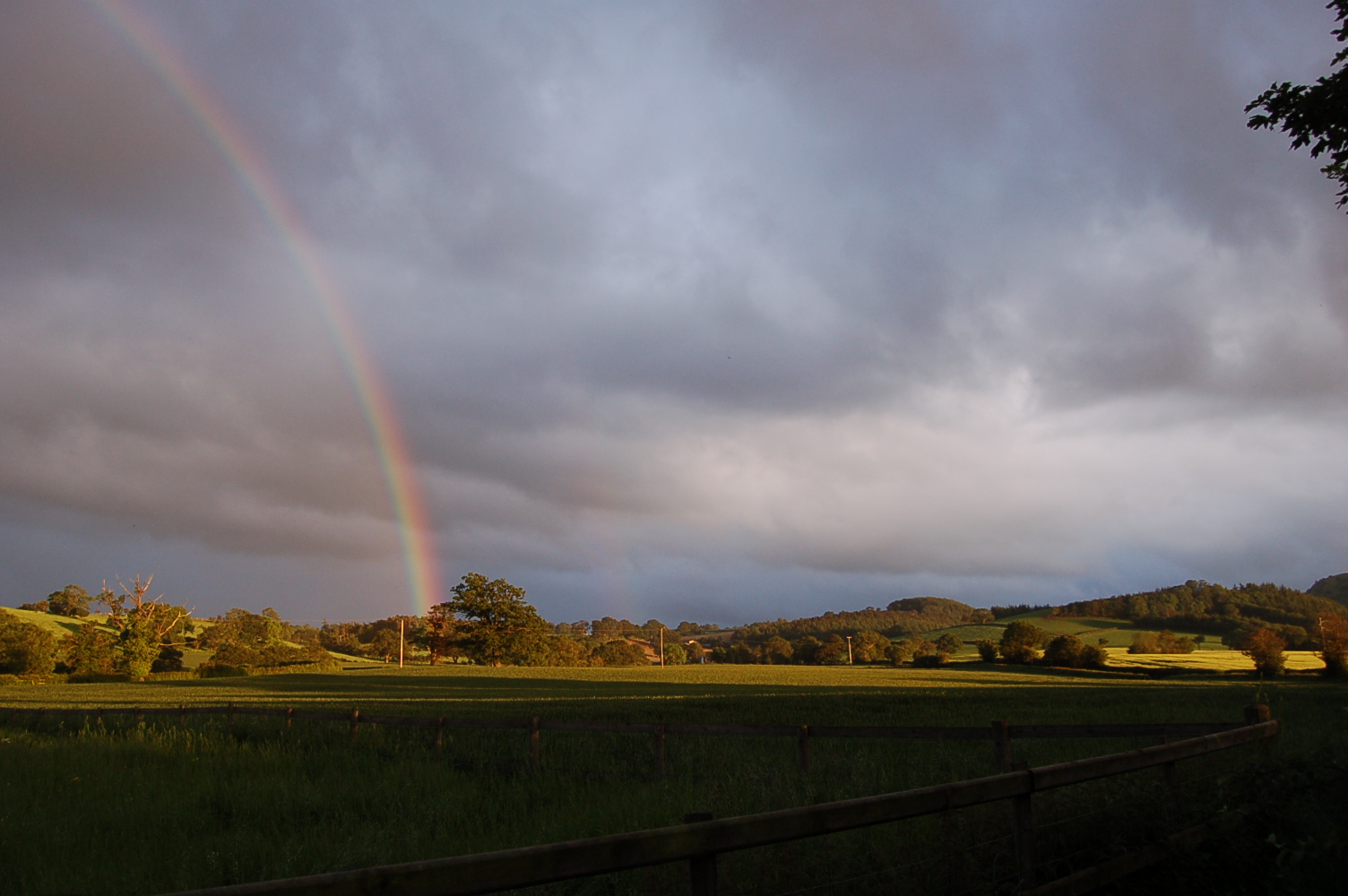
Half way through the year already where these monthly garden wanders are concerned. It should be warm and sunny as befits the Summer season but it has mostly been raining. We get occasional dry, pleasant days but they have been few and far between. Just look at this interesting early evening light colouring the landscape beyond our garden gate. One field is in the spotlight, I wonder why it was chosen?
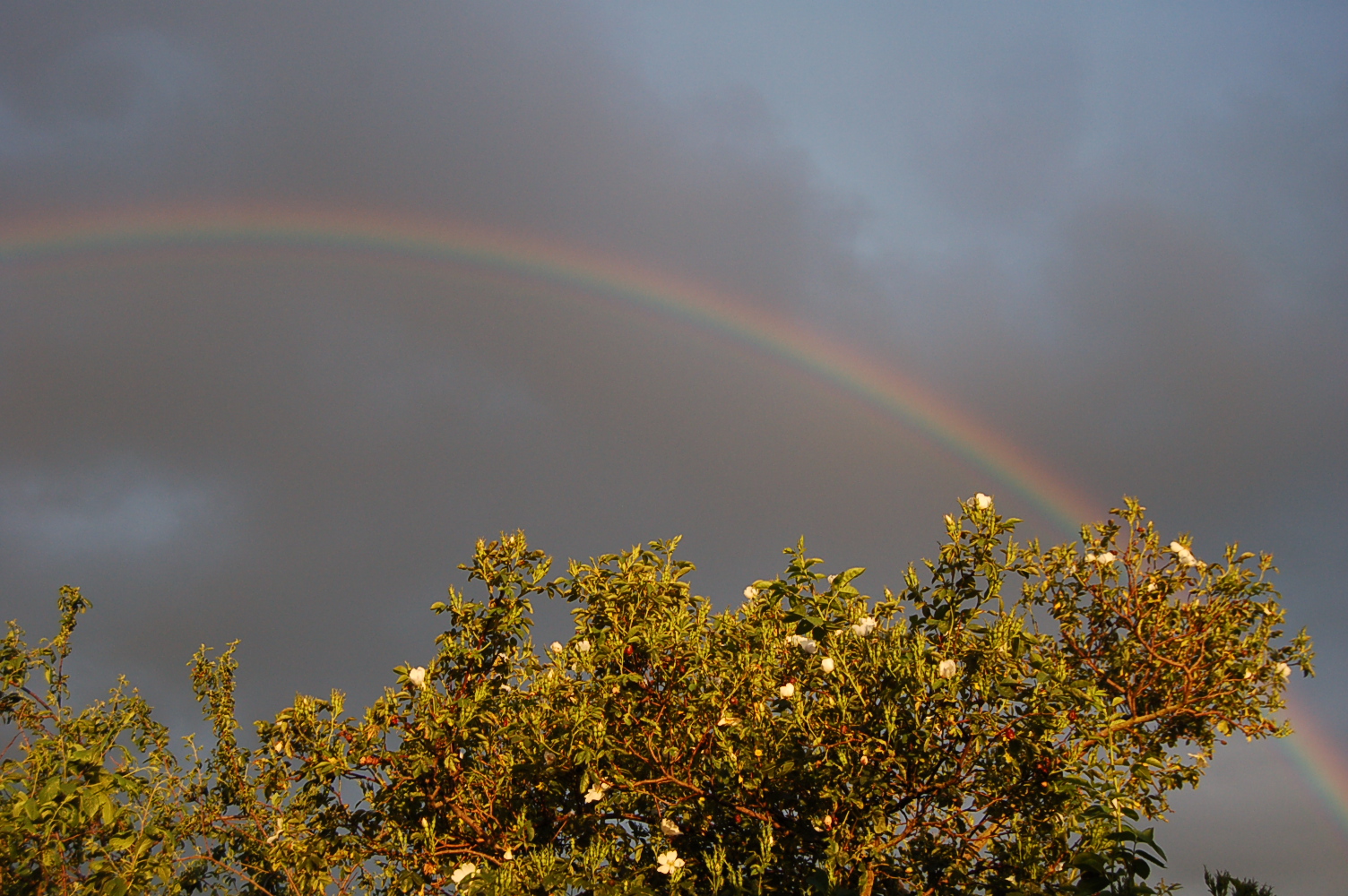
In the garden I shot this photo looking up at the sky above our big, white-flowered rambling rose.
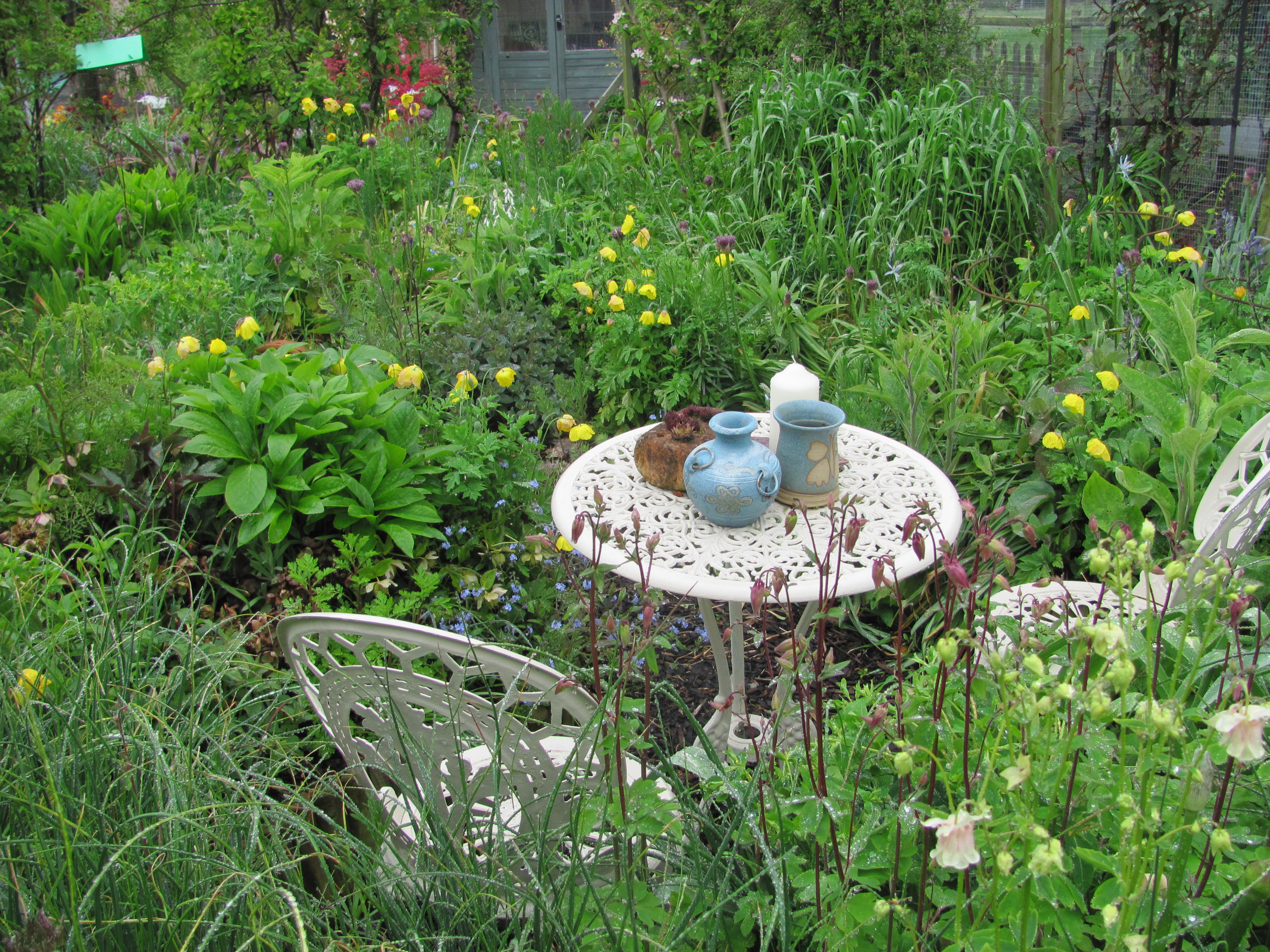
But, one afternoon as the rain went quiet for a while out I went camera in hand to follow my garden wander. The borders are burgeoning, blooms are getting bigger and brighter by the day and we enjoy every moment in our June garden.

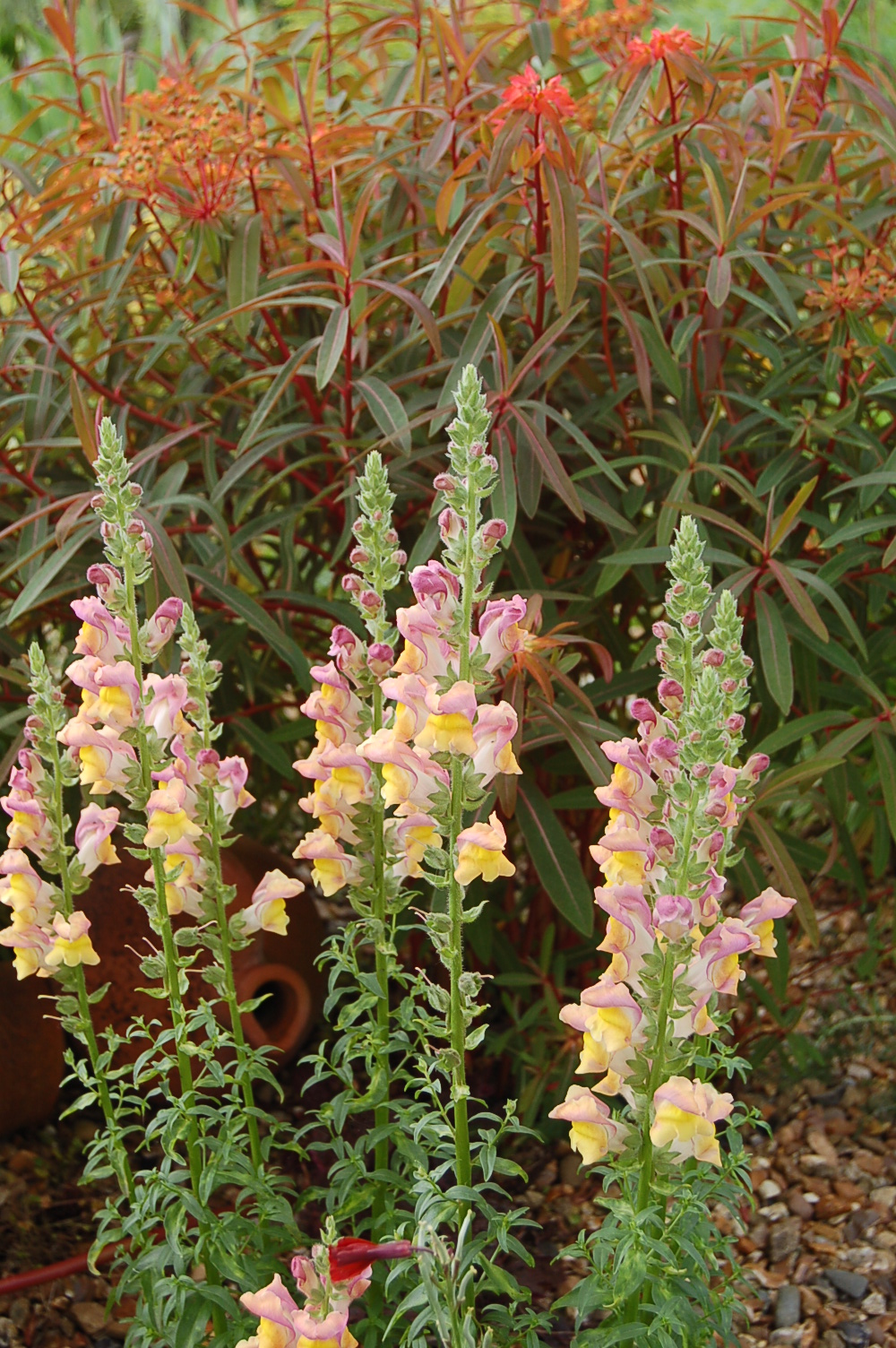
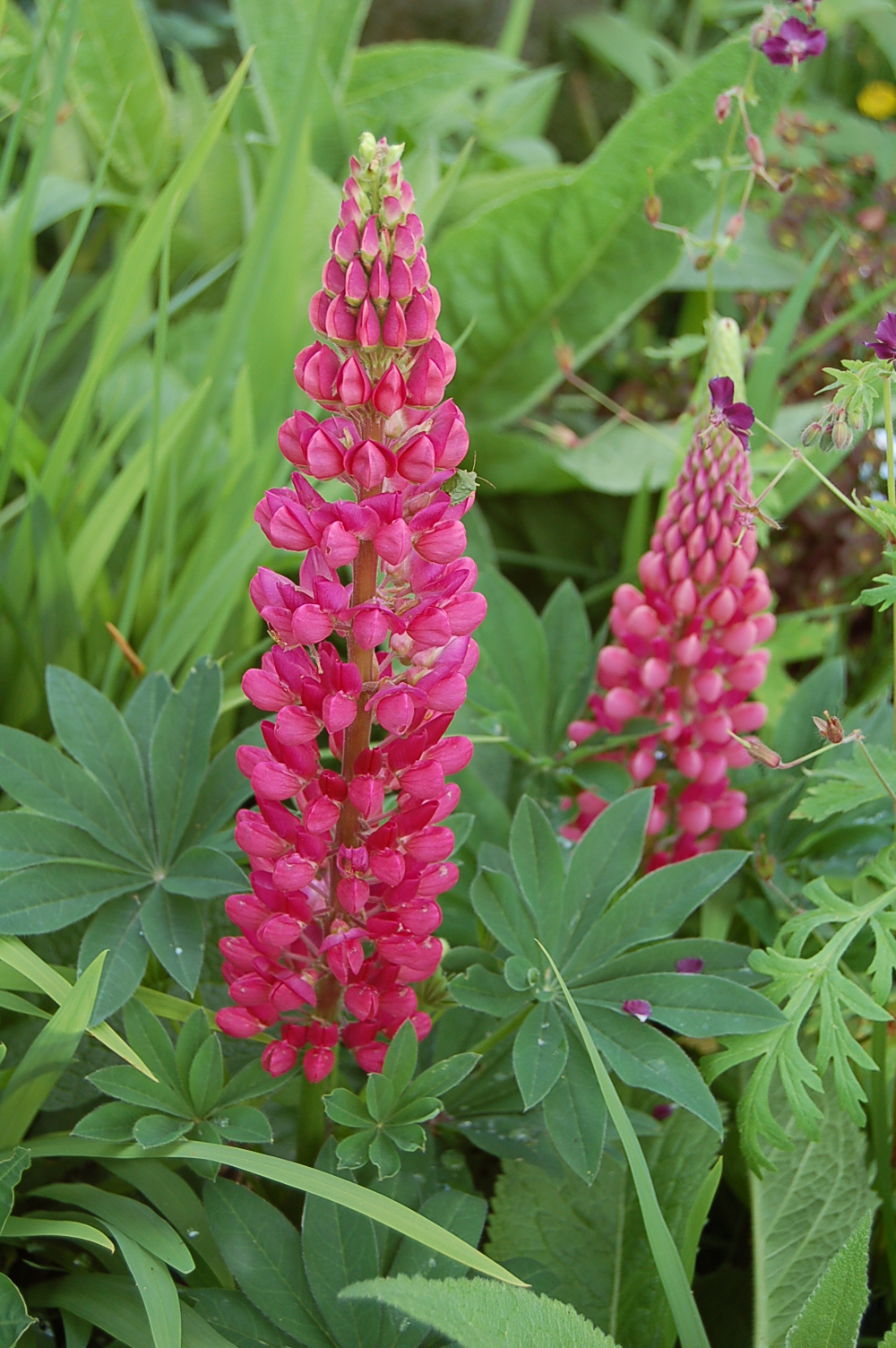
Spires reach for the sky in every border, Foxgloves, Antirhinums and Lupins.

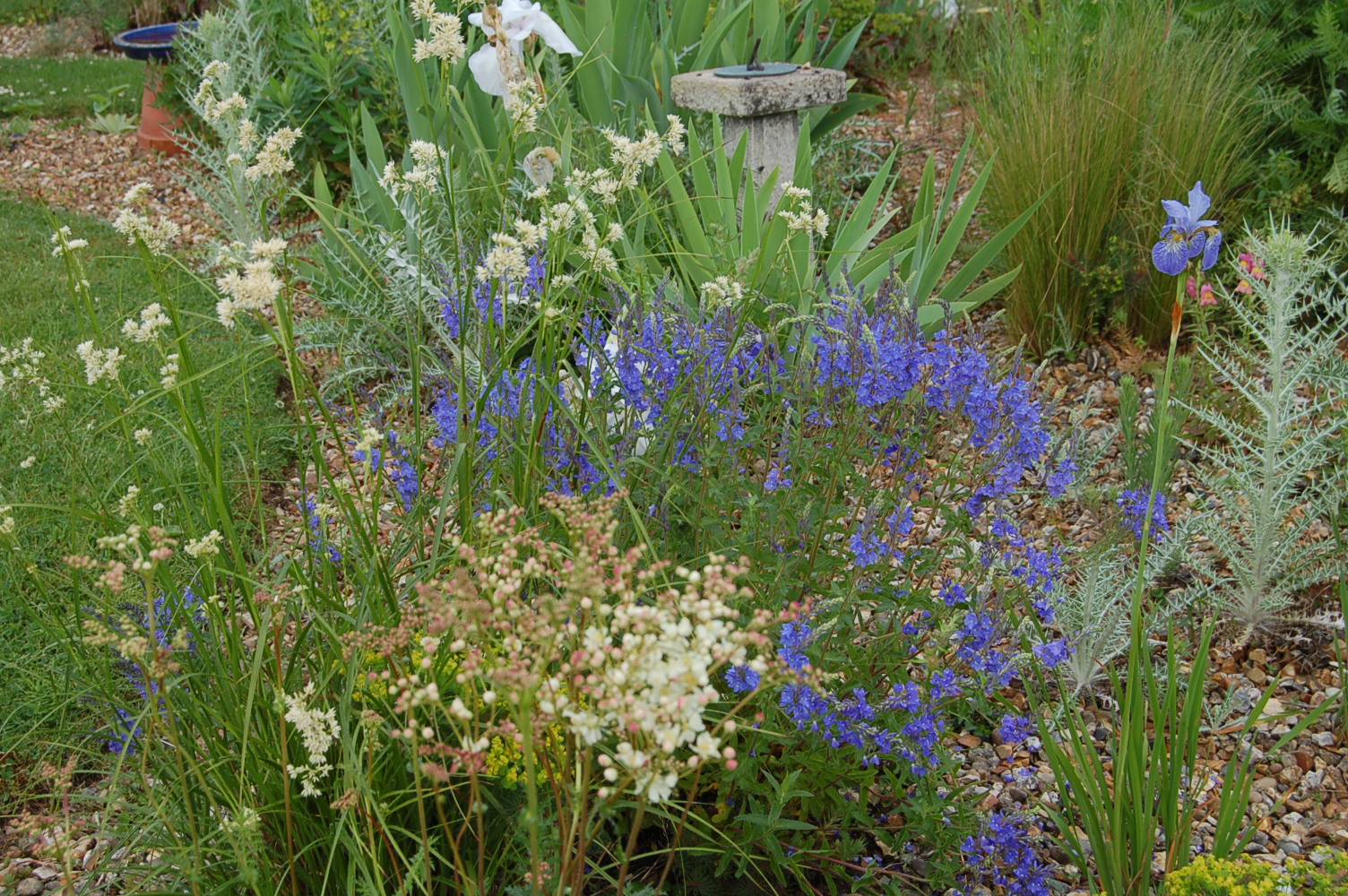
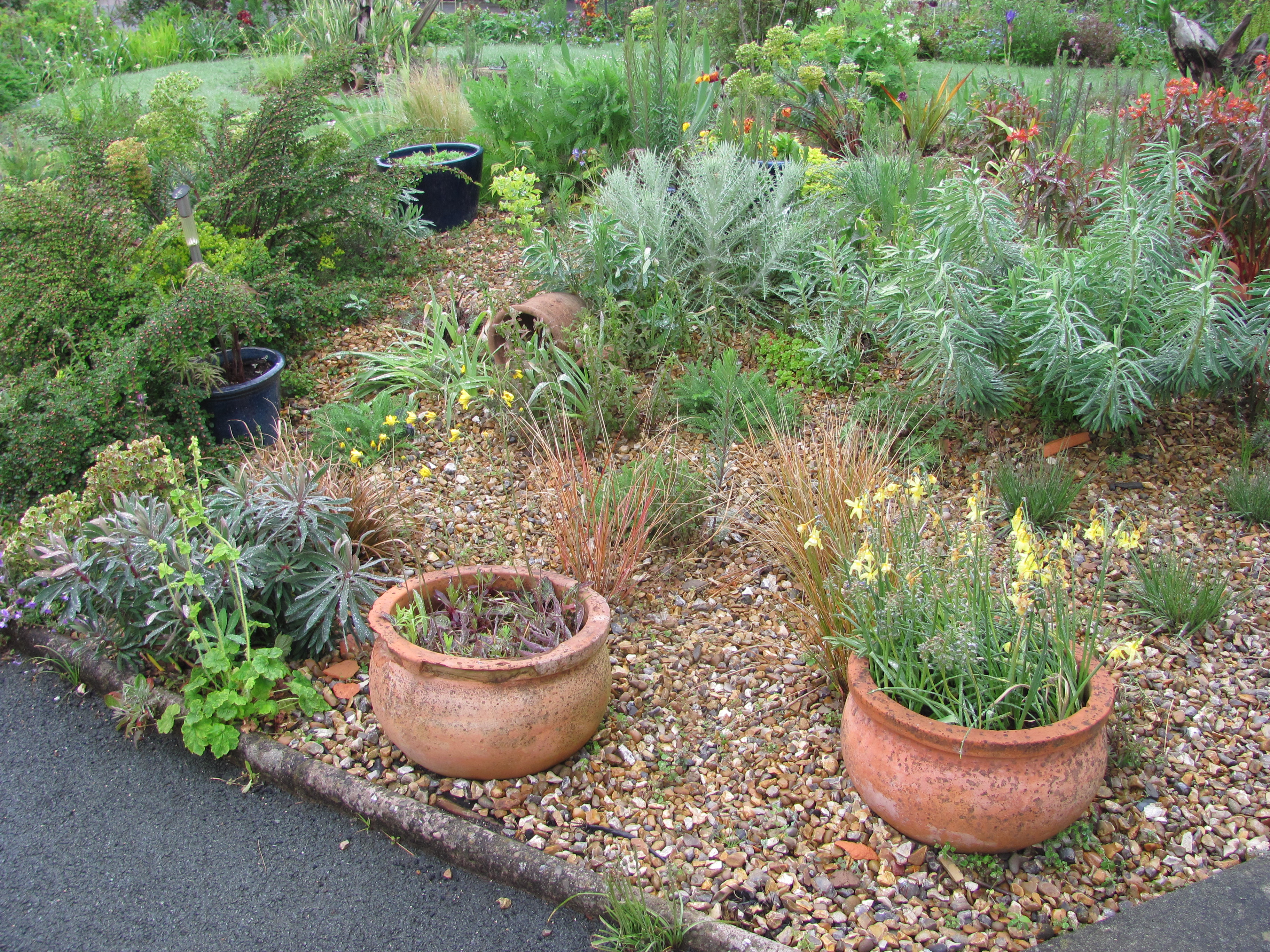
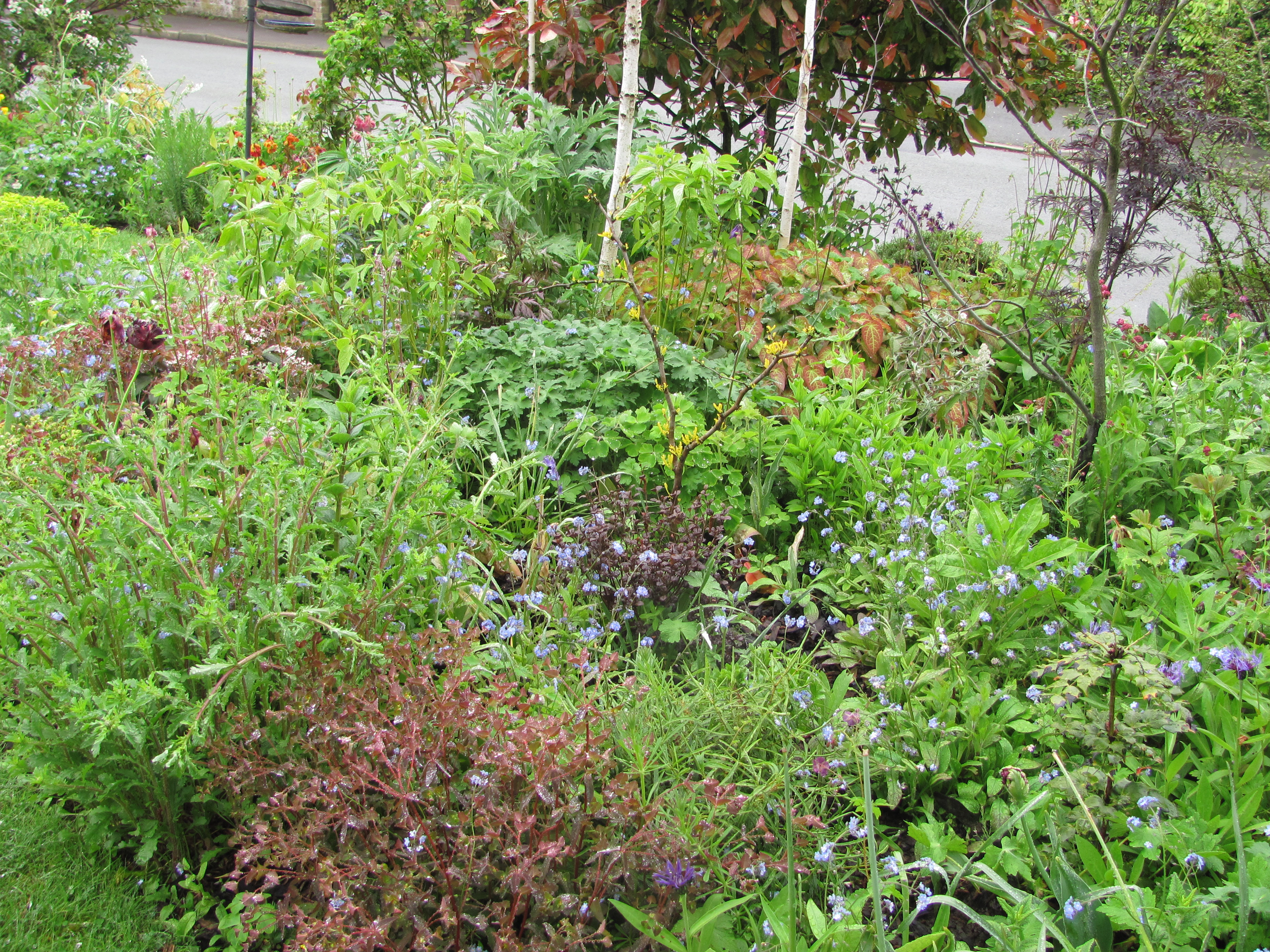
Let us visit the front garden and see how the borders have developed since our May post. There is far less gravel visible now as foliage increases sideways and upwards.

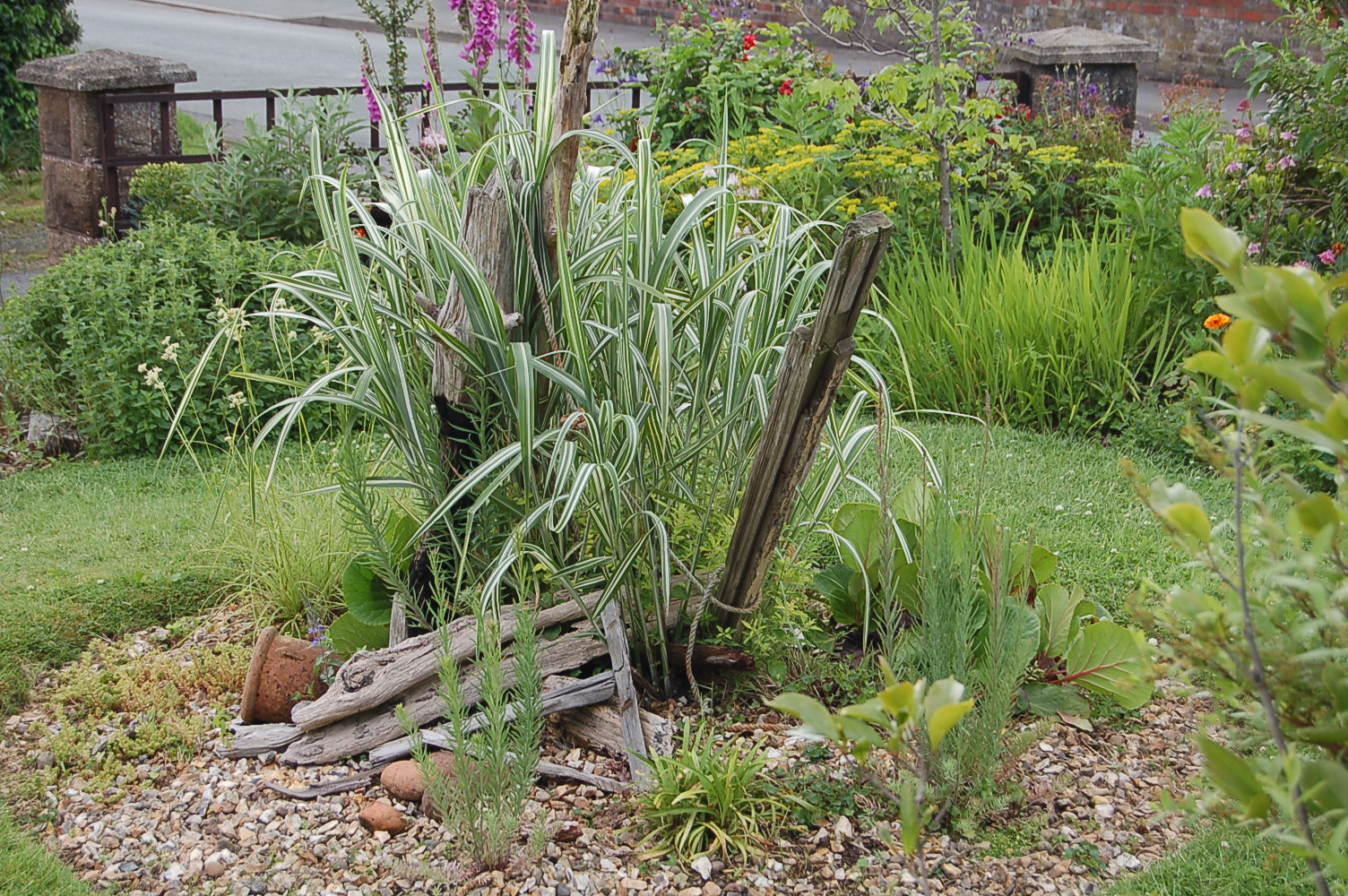
The ferns in the Stump Circle have grown considerably and the grasses in our other circle are now a good 4 feet tall.

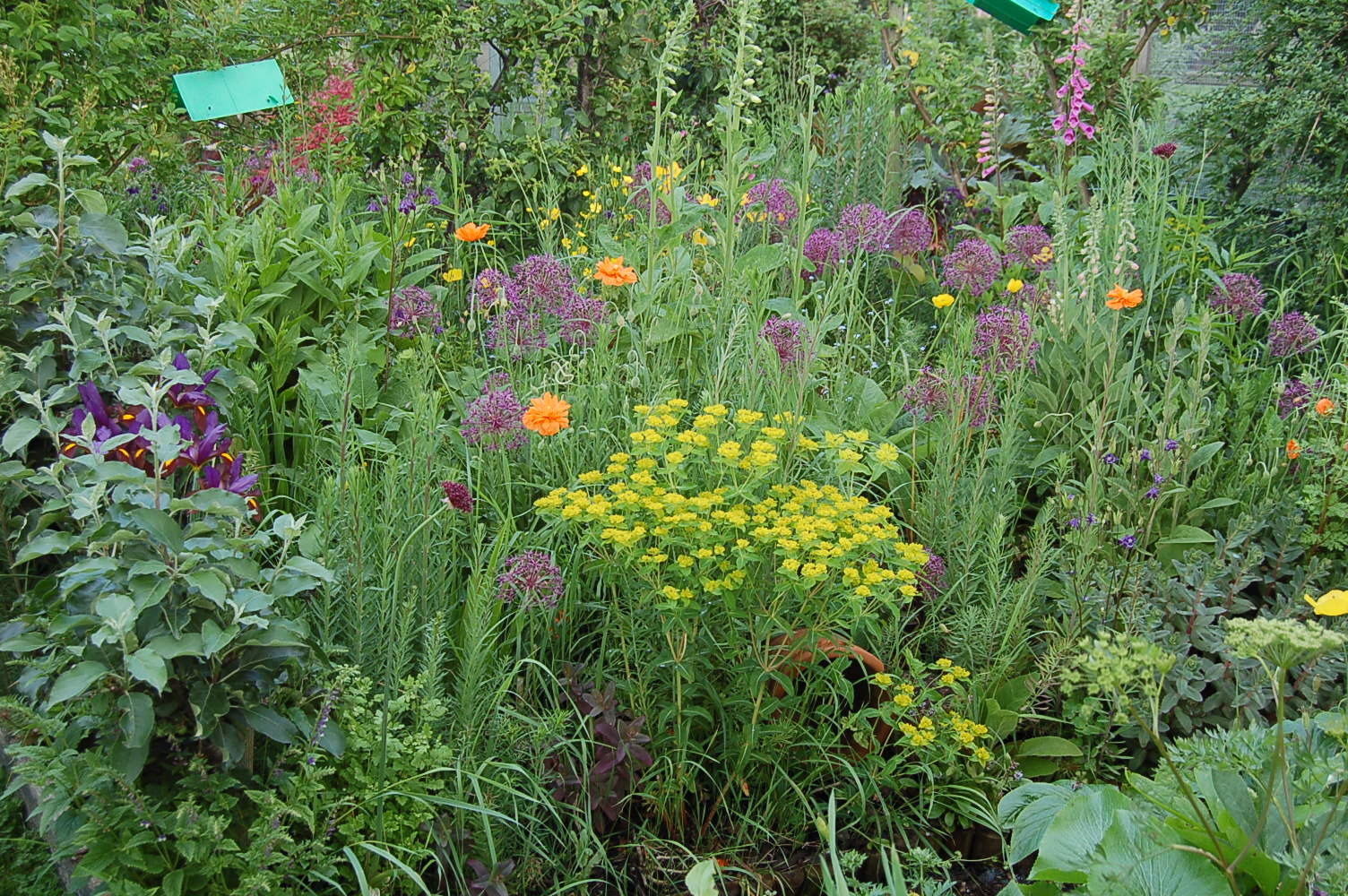
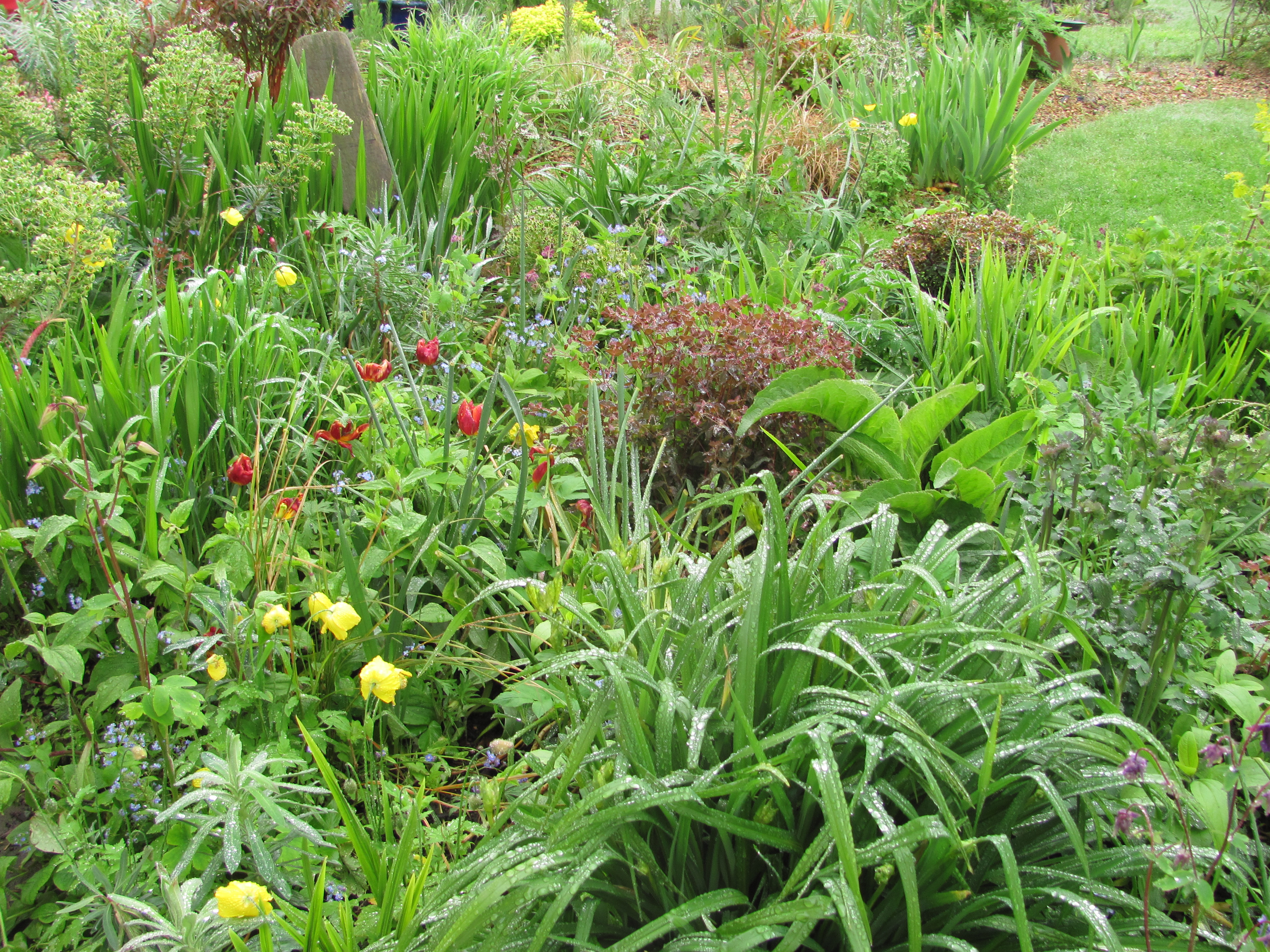
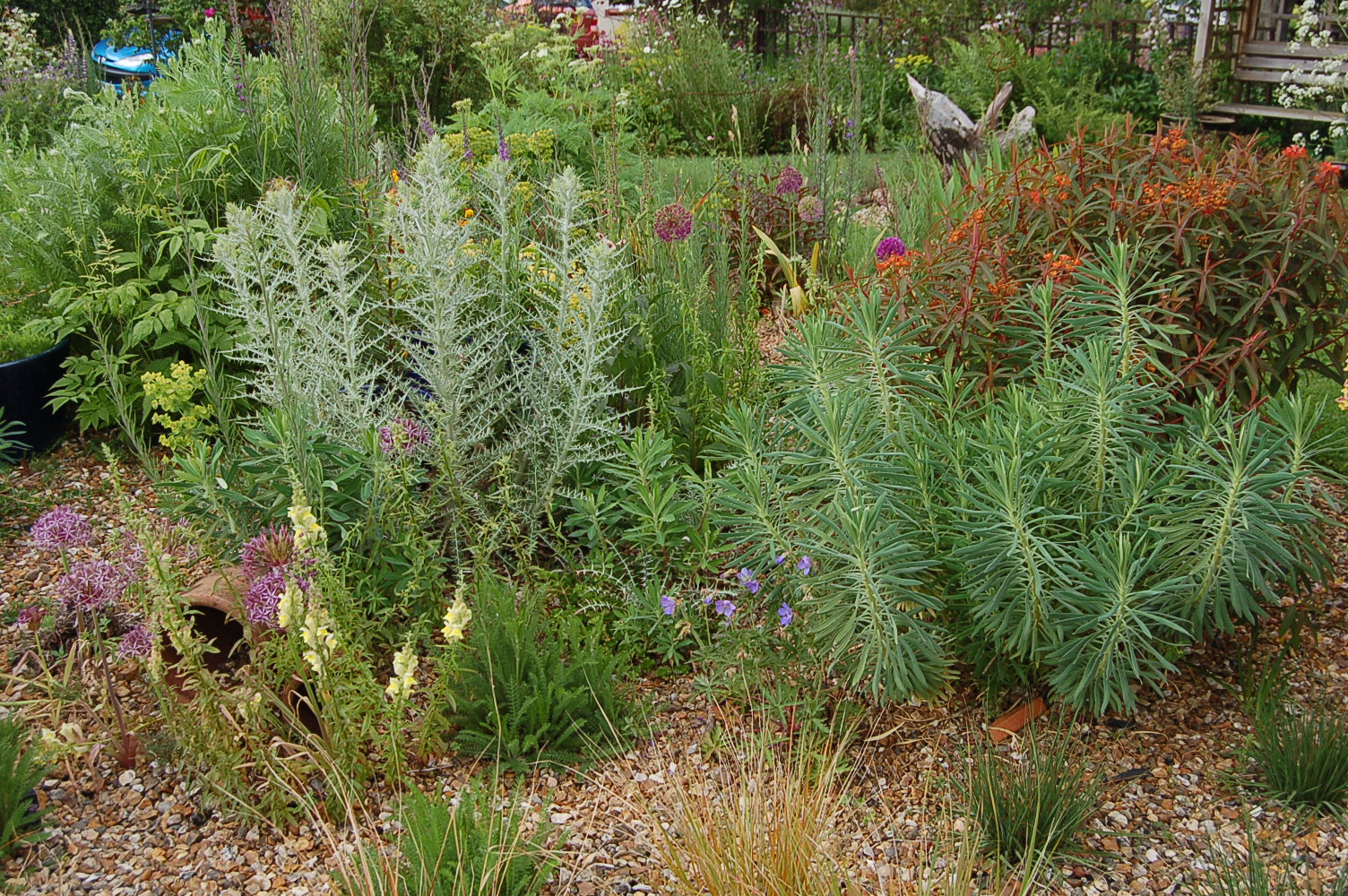
The Hot Border is full to the brim with colour, rich colours against vibrant greens.

Jude’s Border is also full of colour from the blooms of shrubs such as this Weigela and Syringa.

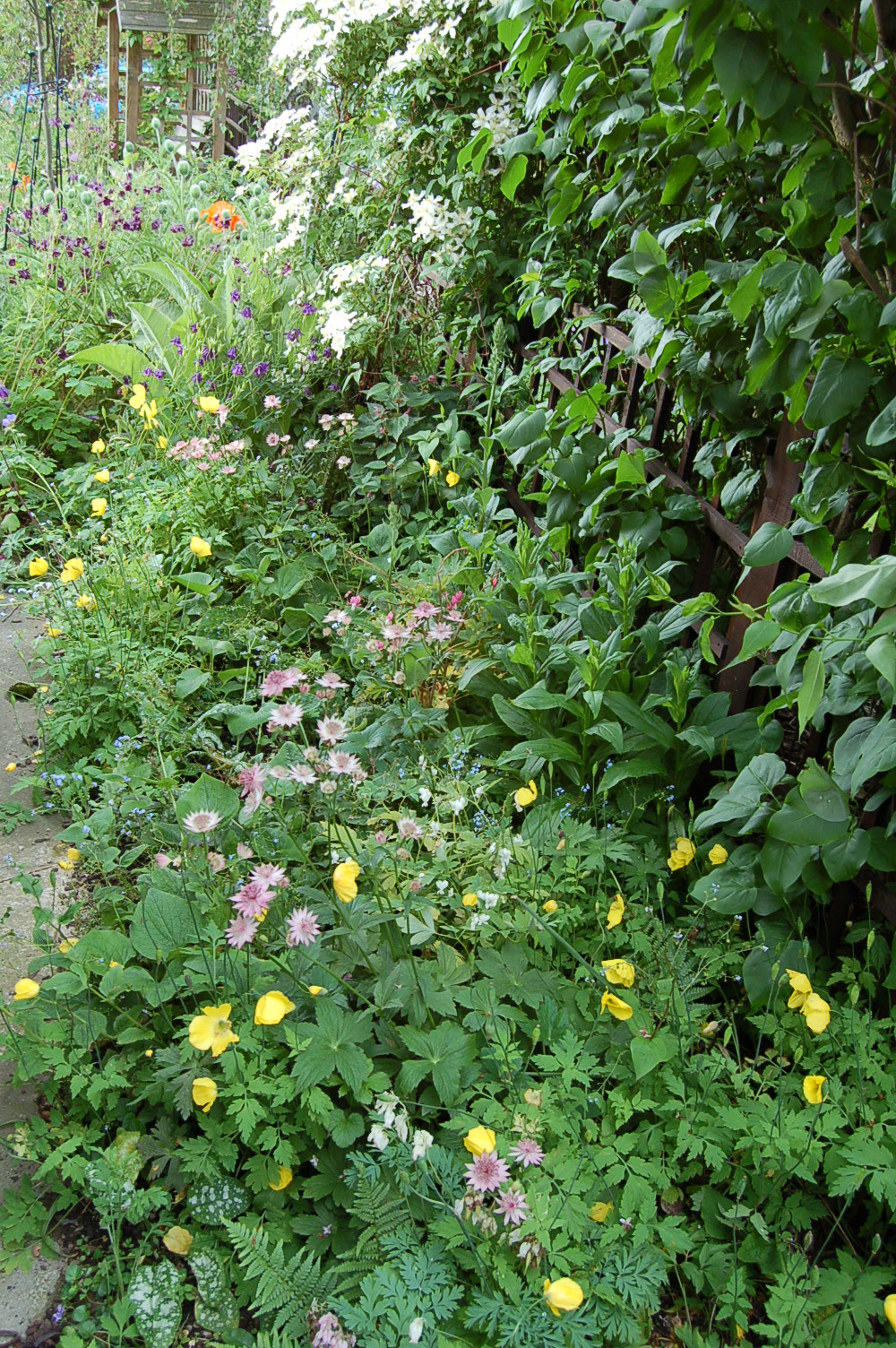
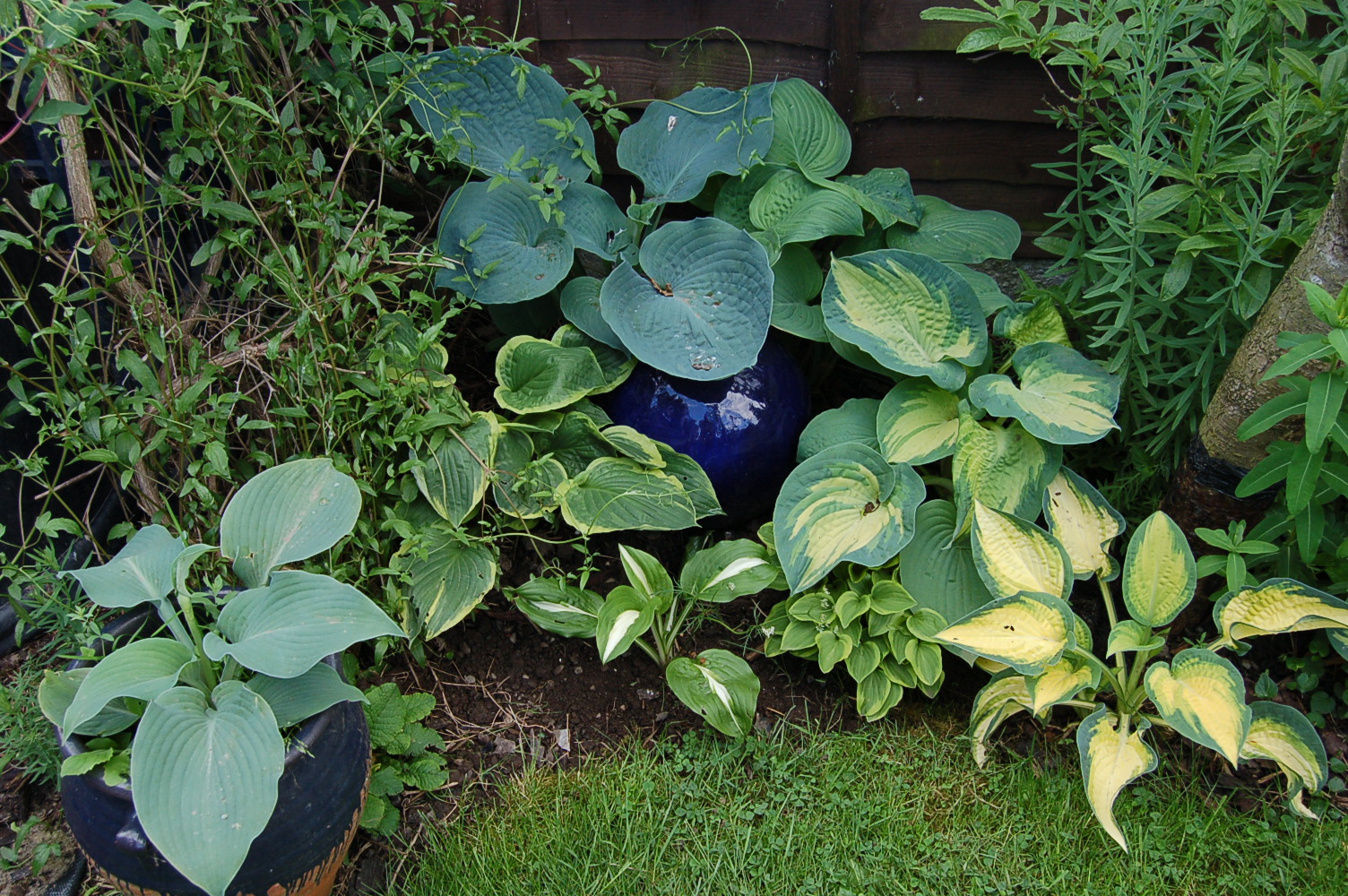
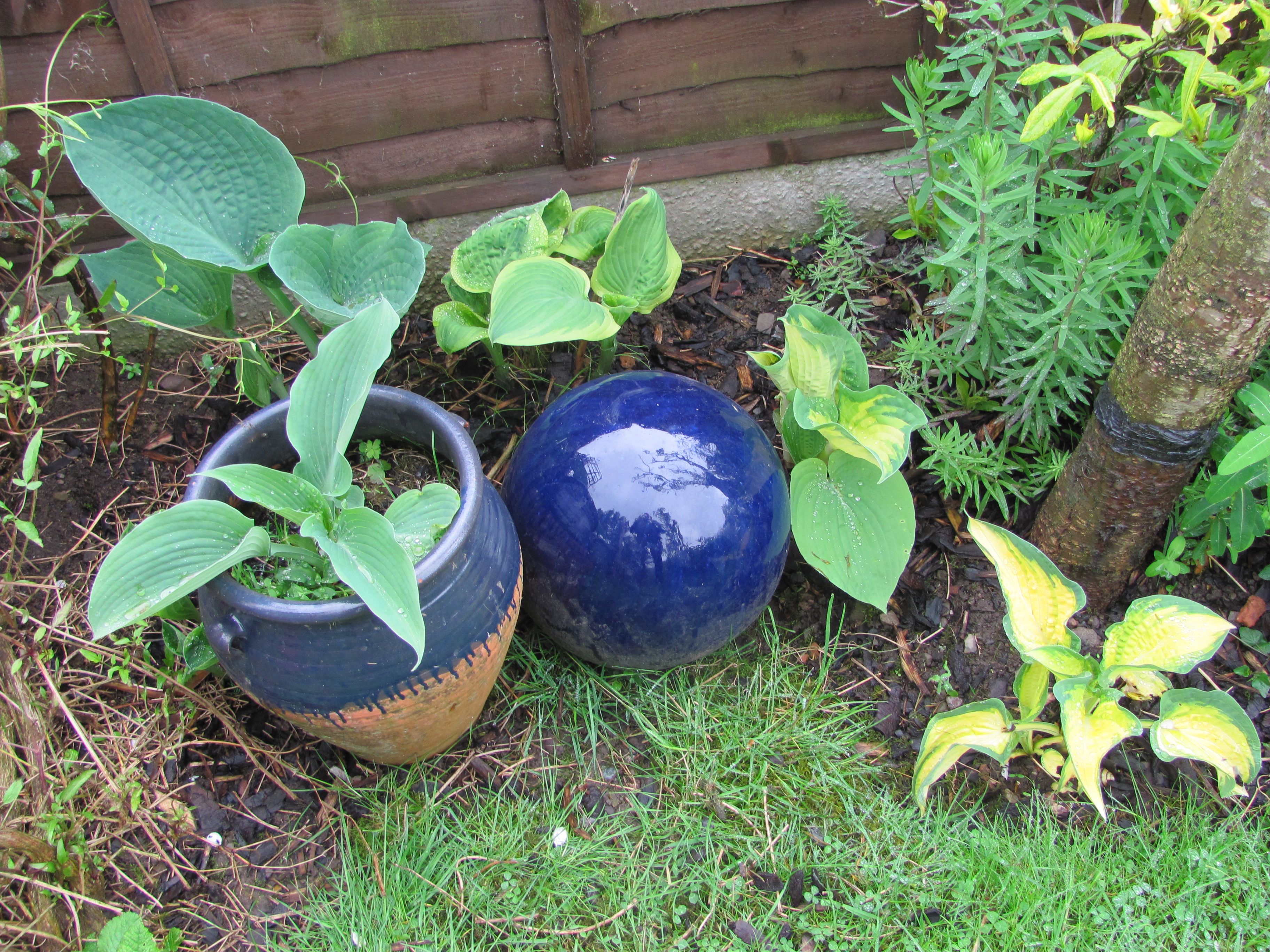
The Shade Garden continues to glow with colours against vibrant greens.


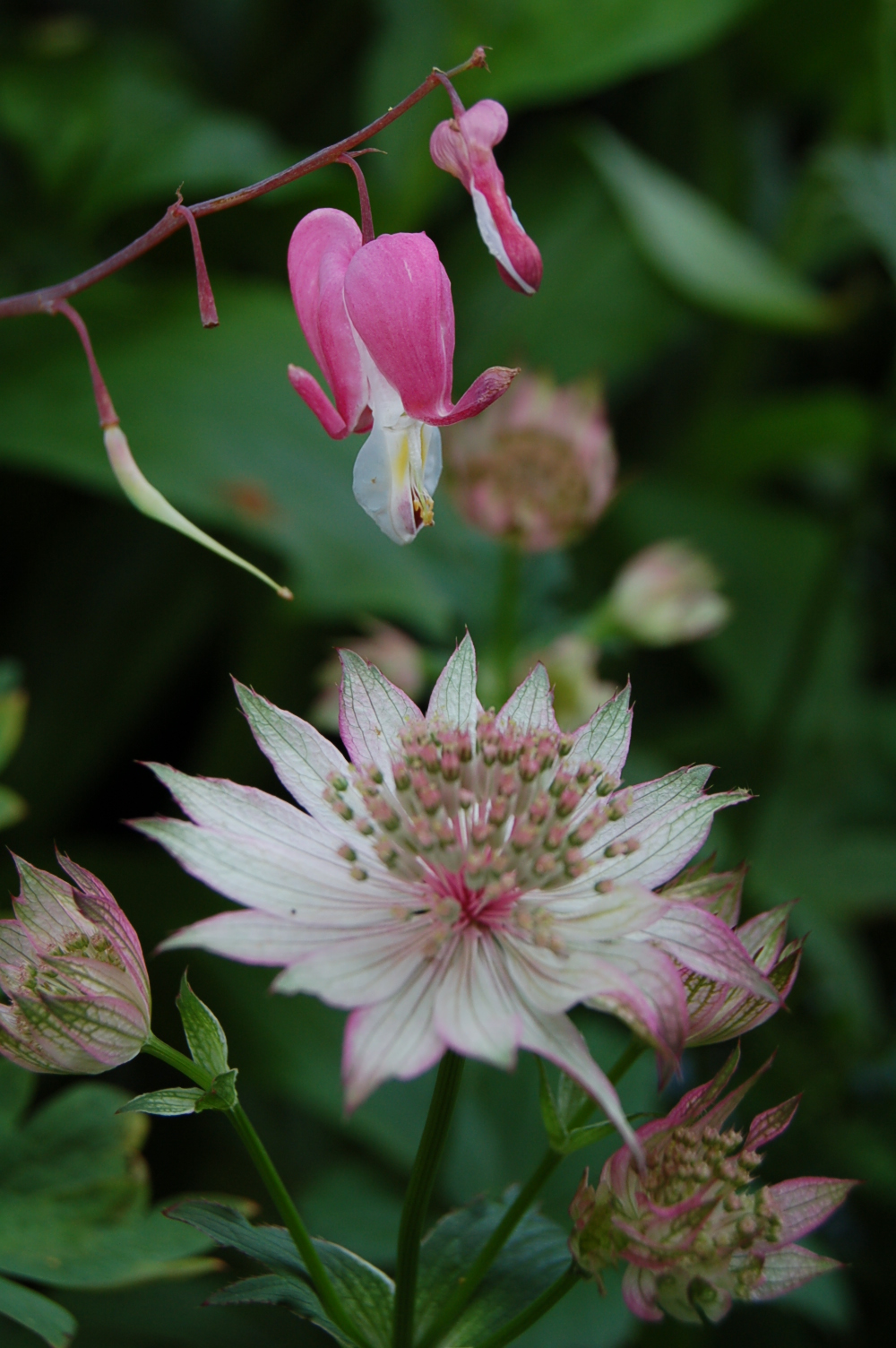
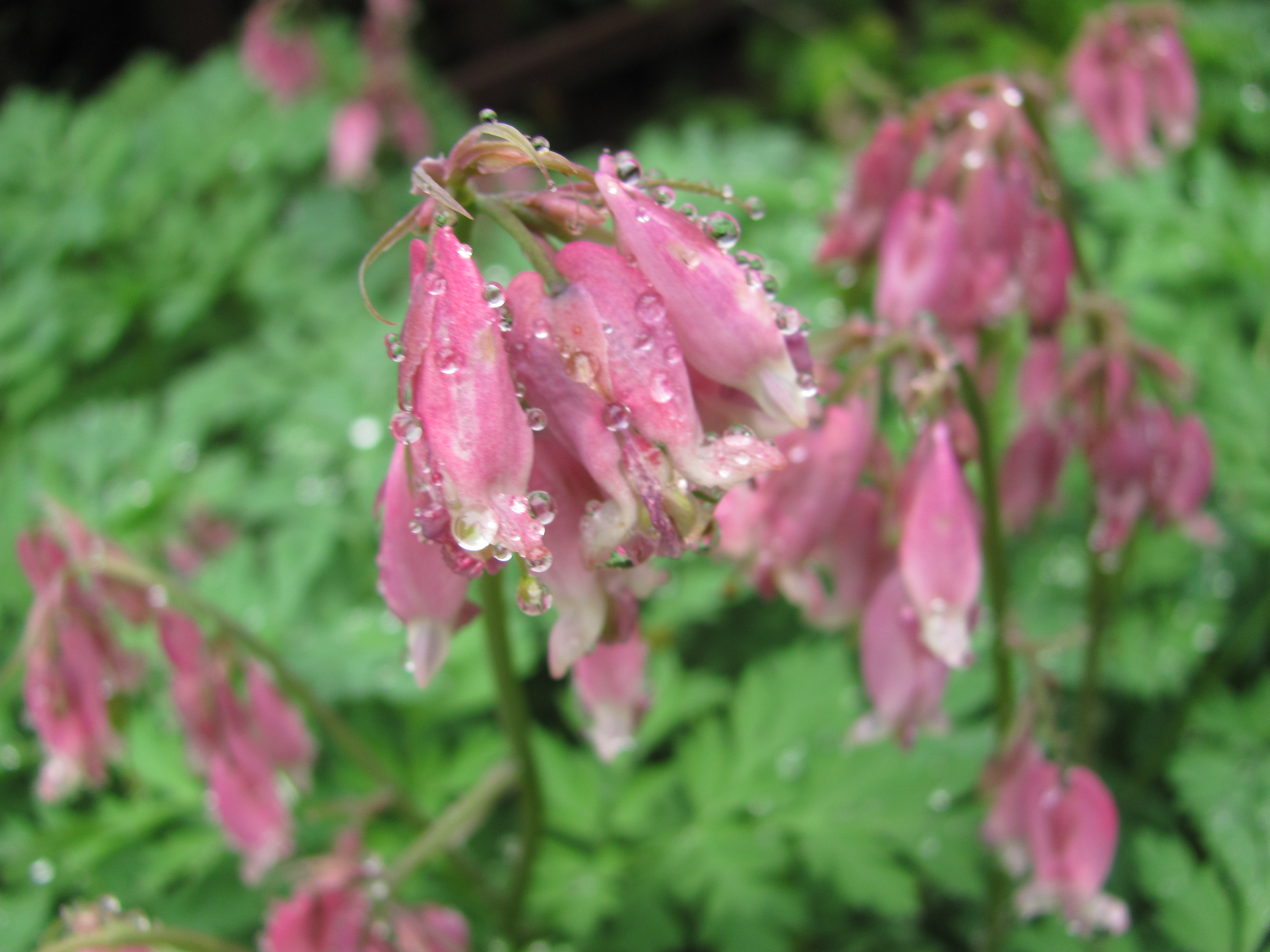
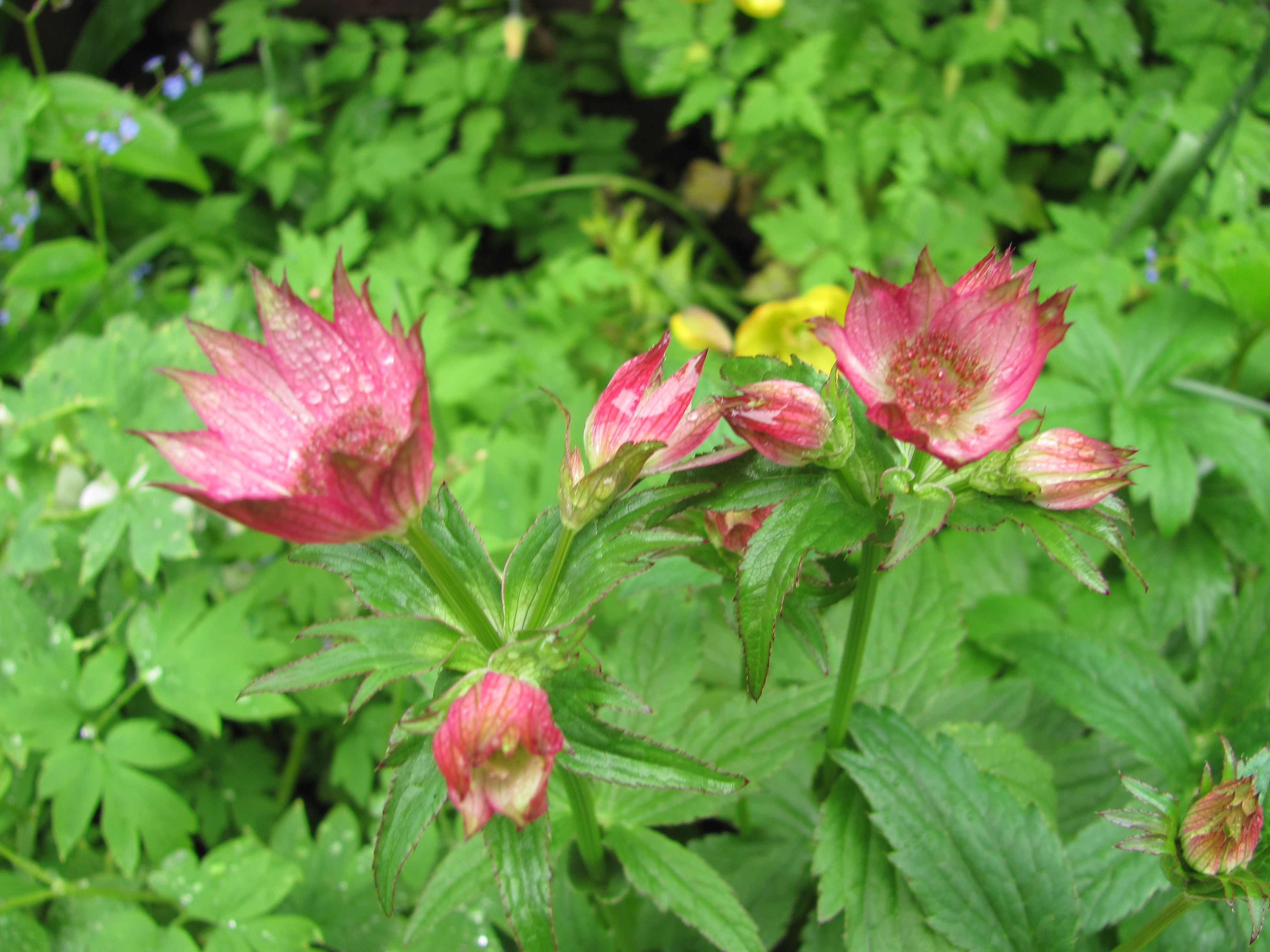
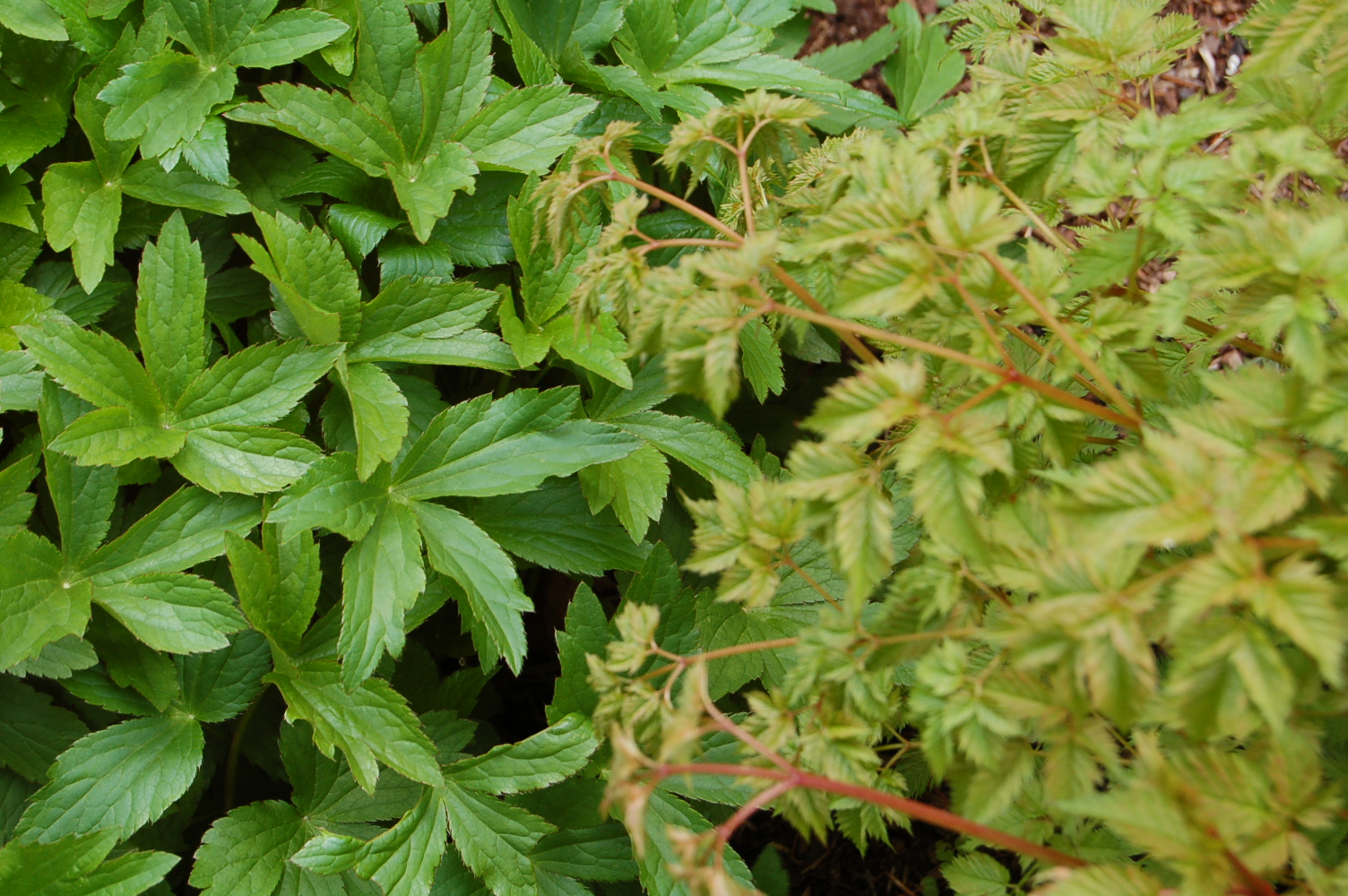
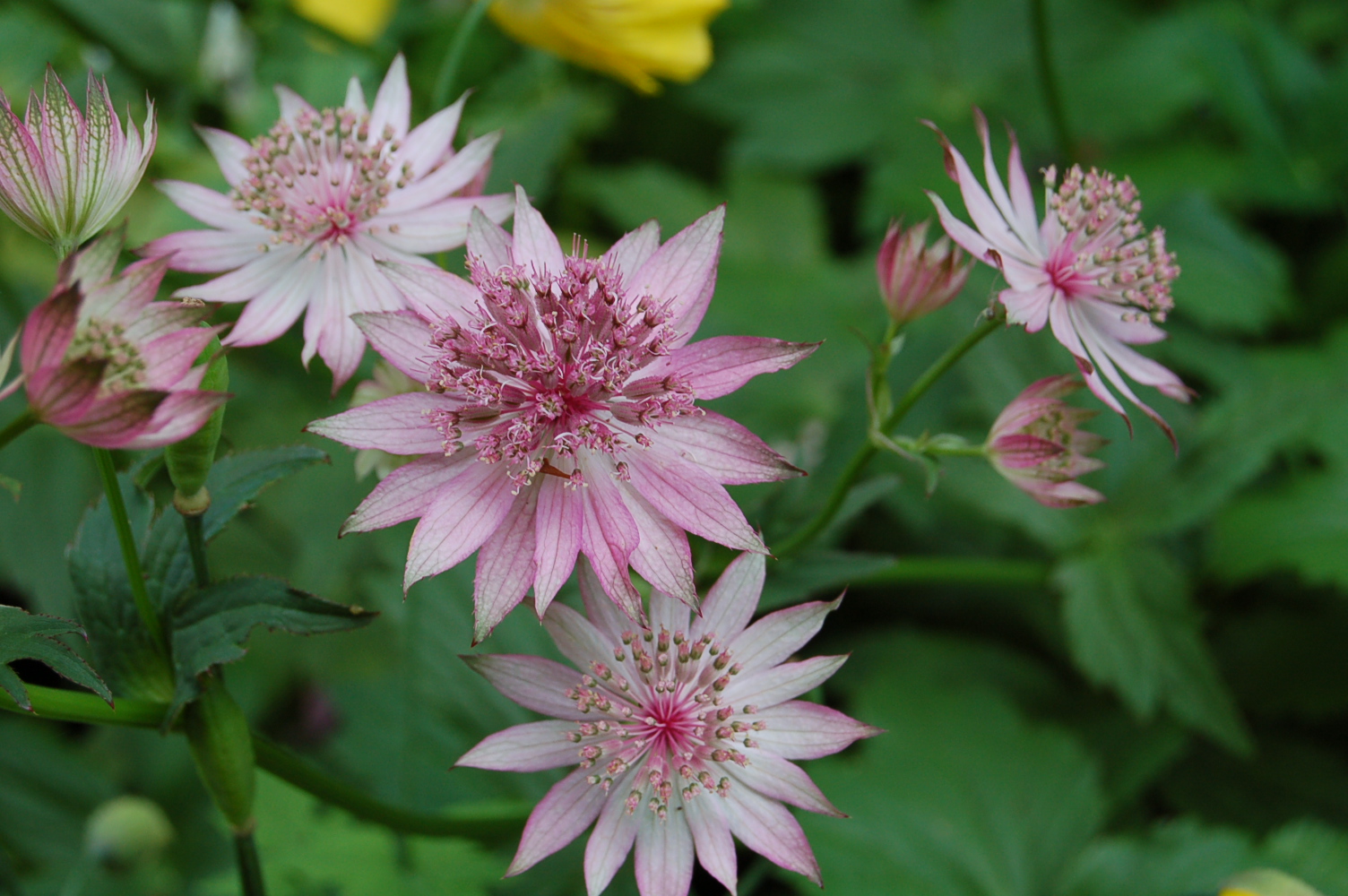
Anstrantias love it here in the shade but we do grow them throughout the garden. They flower best in the shade and grow  taller. There are so many to choose from starting with whites through all different shades of pink to the deepest reds.
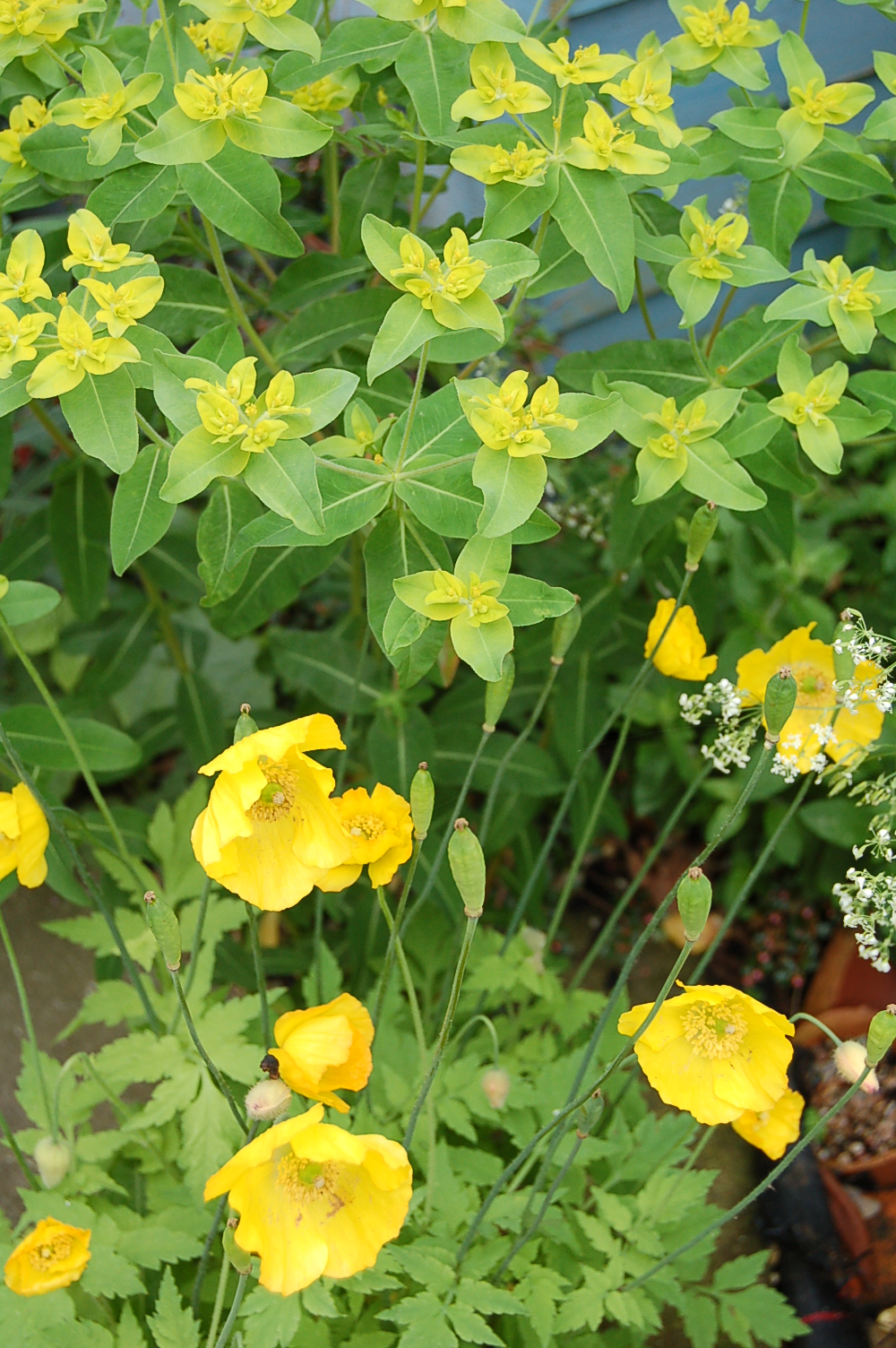
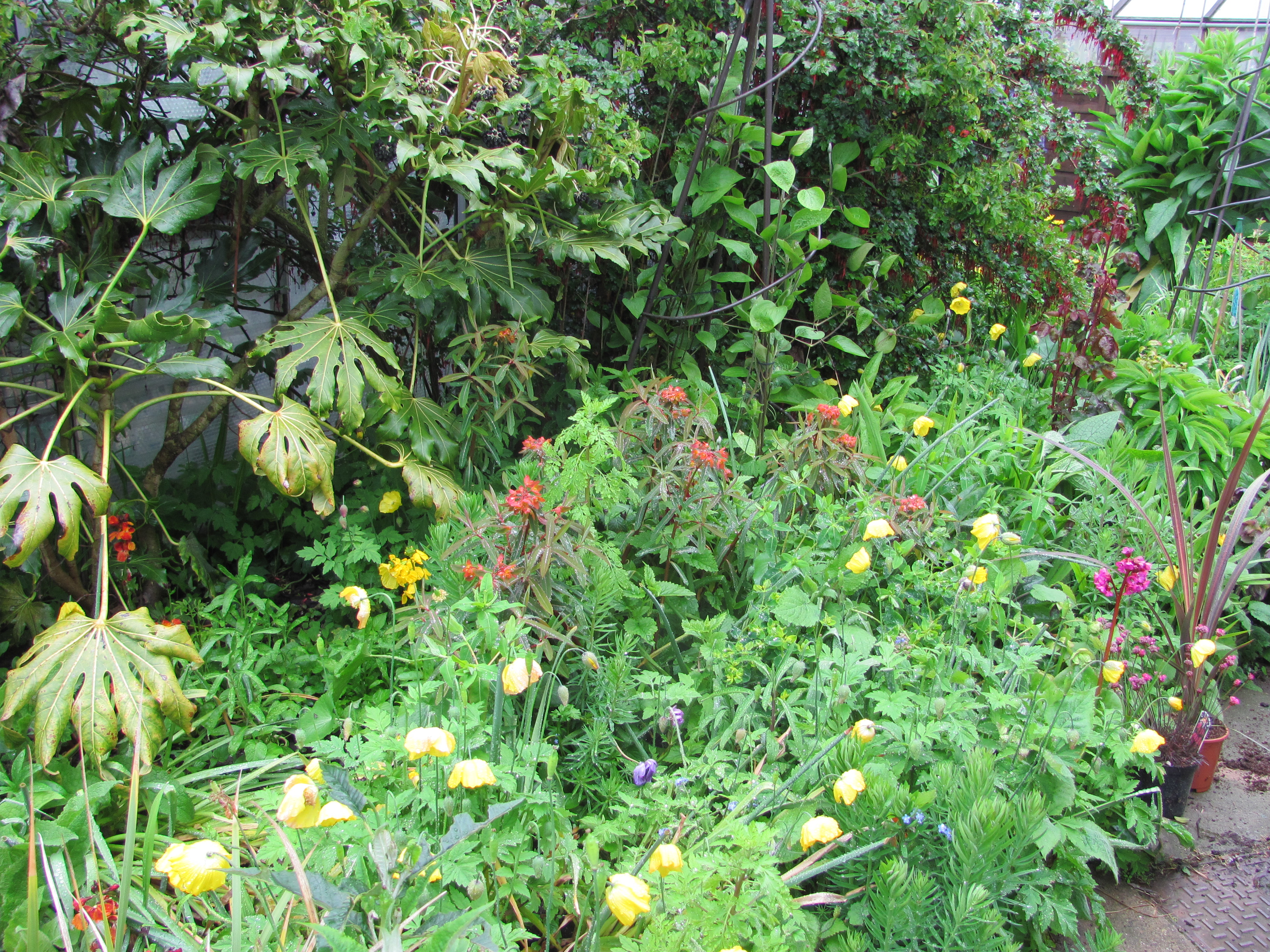
The Freda Garden is at its peak in June, when our orange-flowered Honeysuckle creeps along the fence top, the Pyracantha and Weigela flower together, and the border is full of Oriental Poppies, Foxgloves, Aquilegias and Euphorbias all doing their own thing.

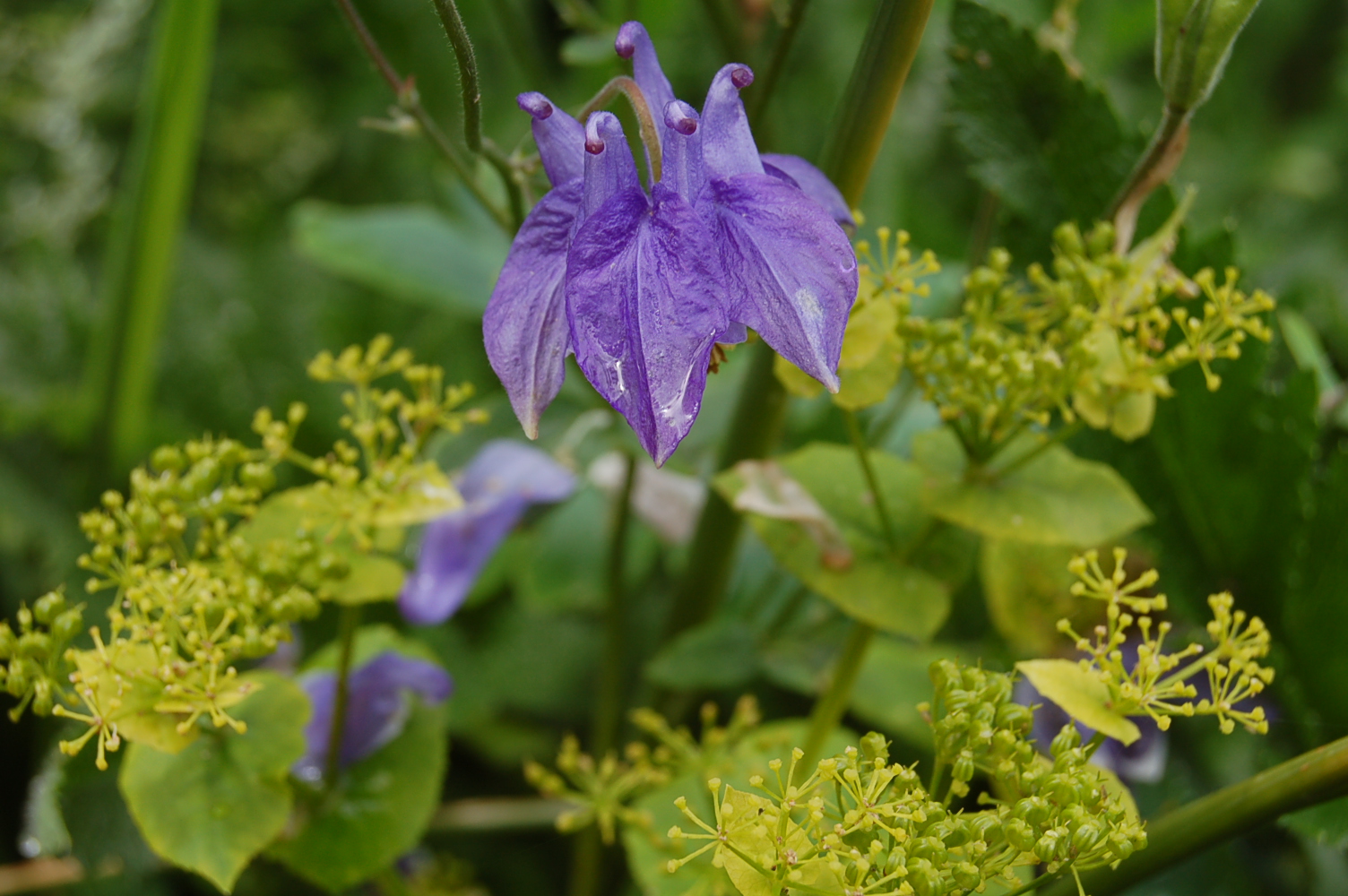
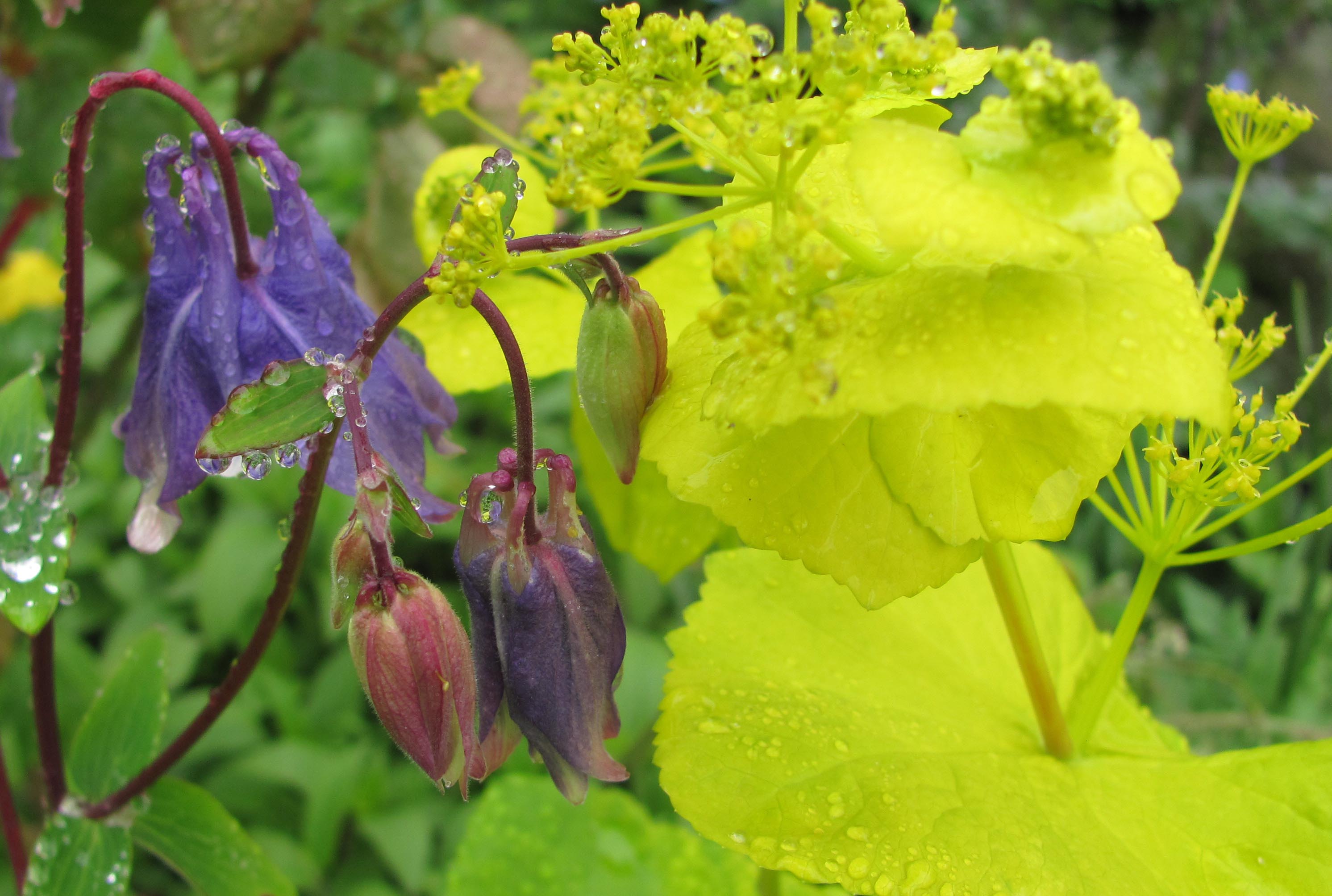
Throughout the garden the promiscuous Aquilegias self seed and create new plants in various colours, shapes and sizes. Now this little white one was a surprise! At just 1 cm across it is the tiniest I have ever seen – a true gem! And to top it all it grew alongside this Euphorbia.

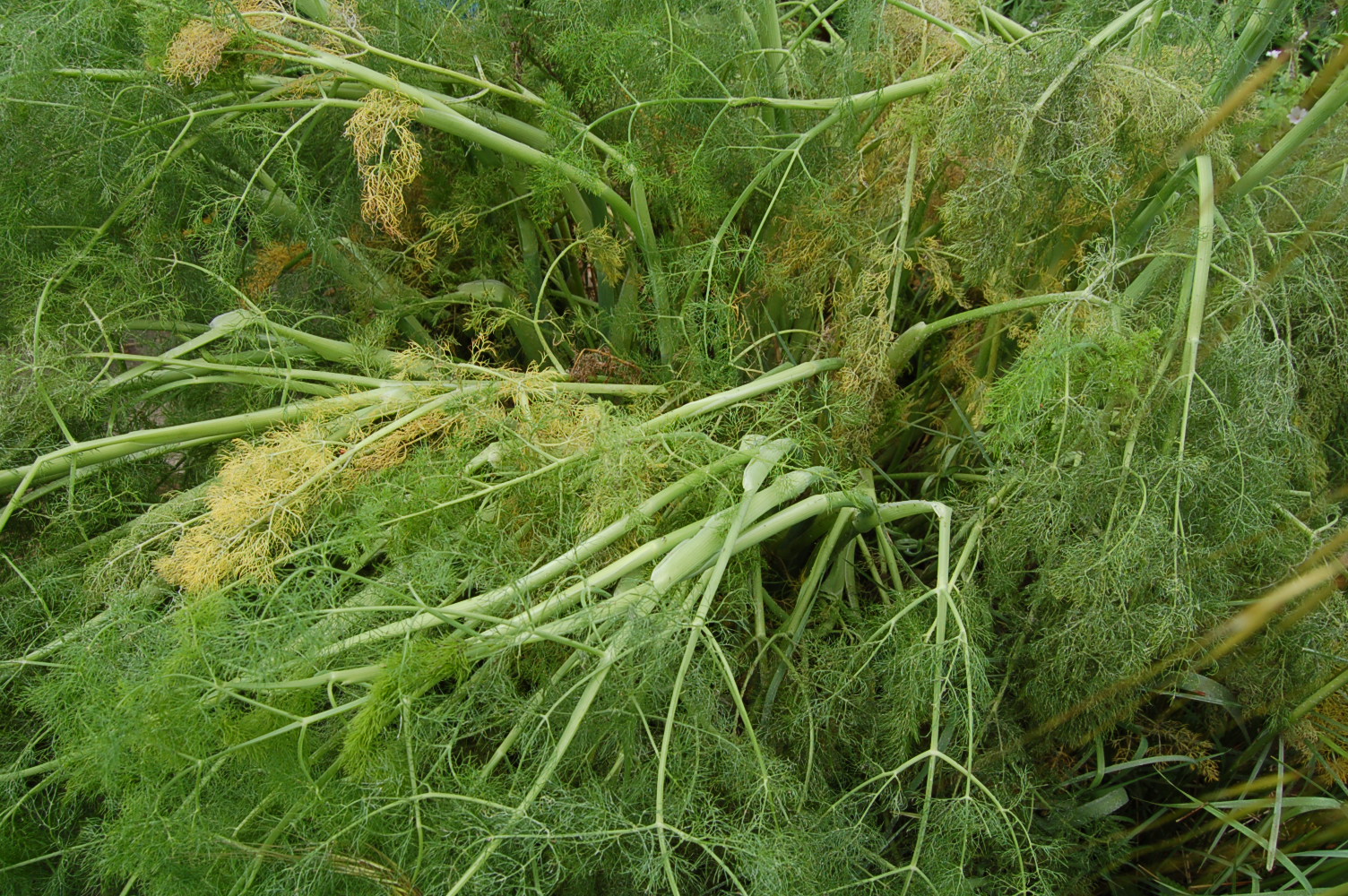
When I had finished my garden wander and taken all the photos to select from, the weather deteriorated, heavy rain and strong wind lashed our garden. The Fennel in the picture below was tall and healthy around 5 feet tall but the weather bent all the stems down. The fresh stems of our rambling and climbing roses which would carry blooms next year were snapped off at the base. I only hope they have time and energy to make up some new growth.
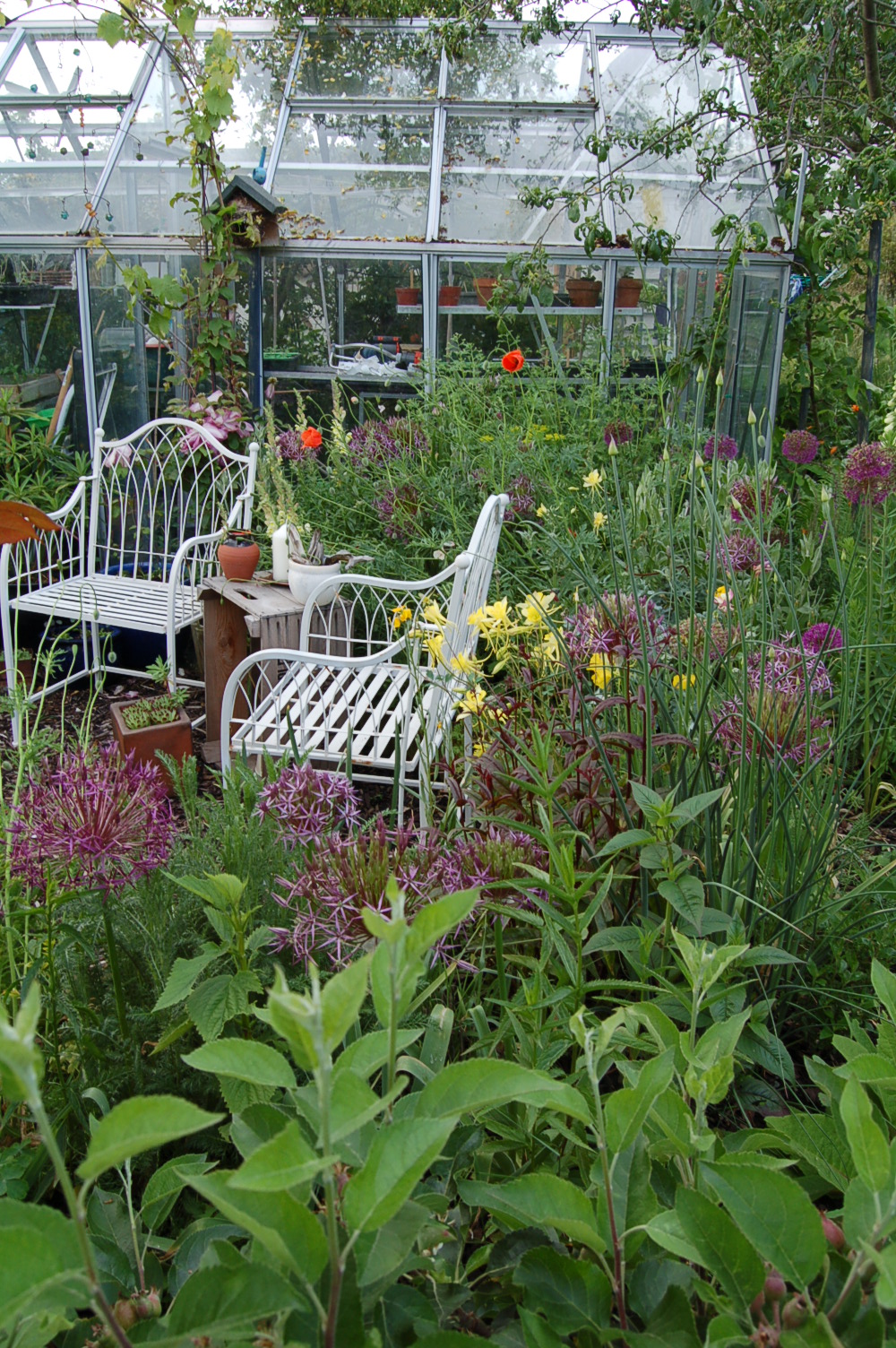
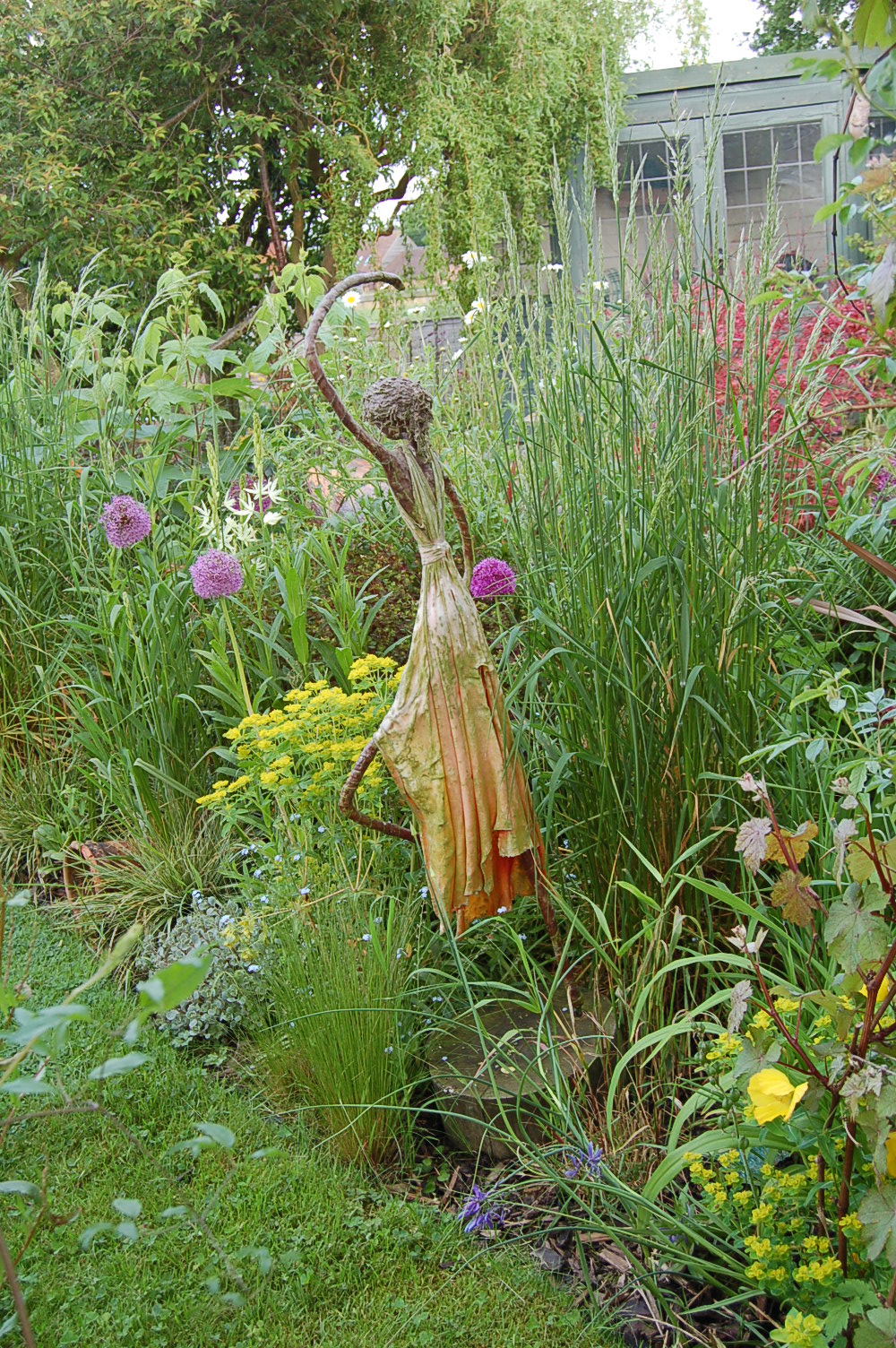
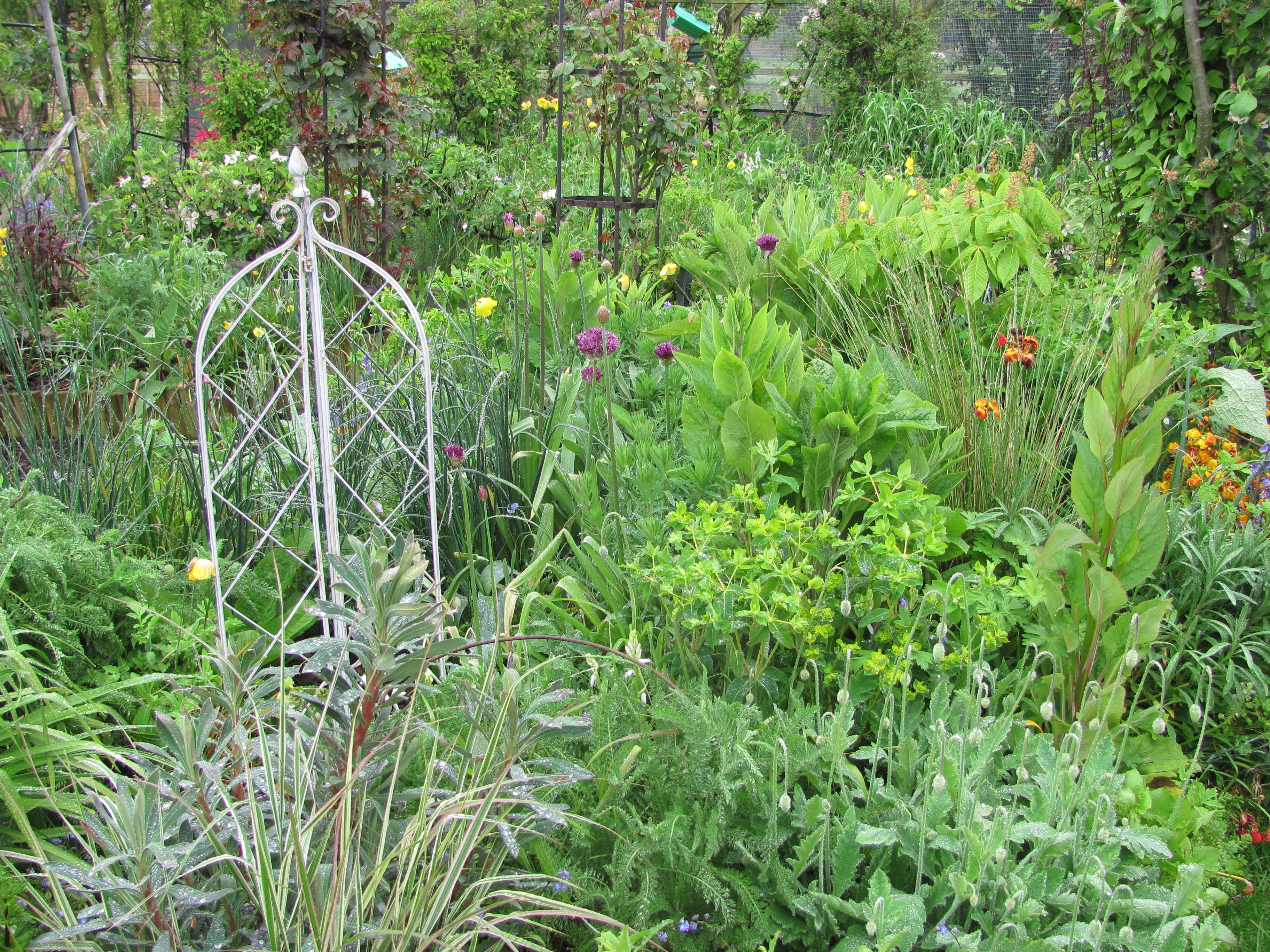
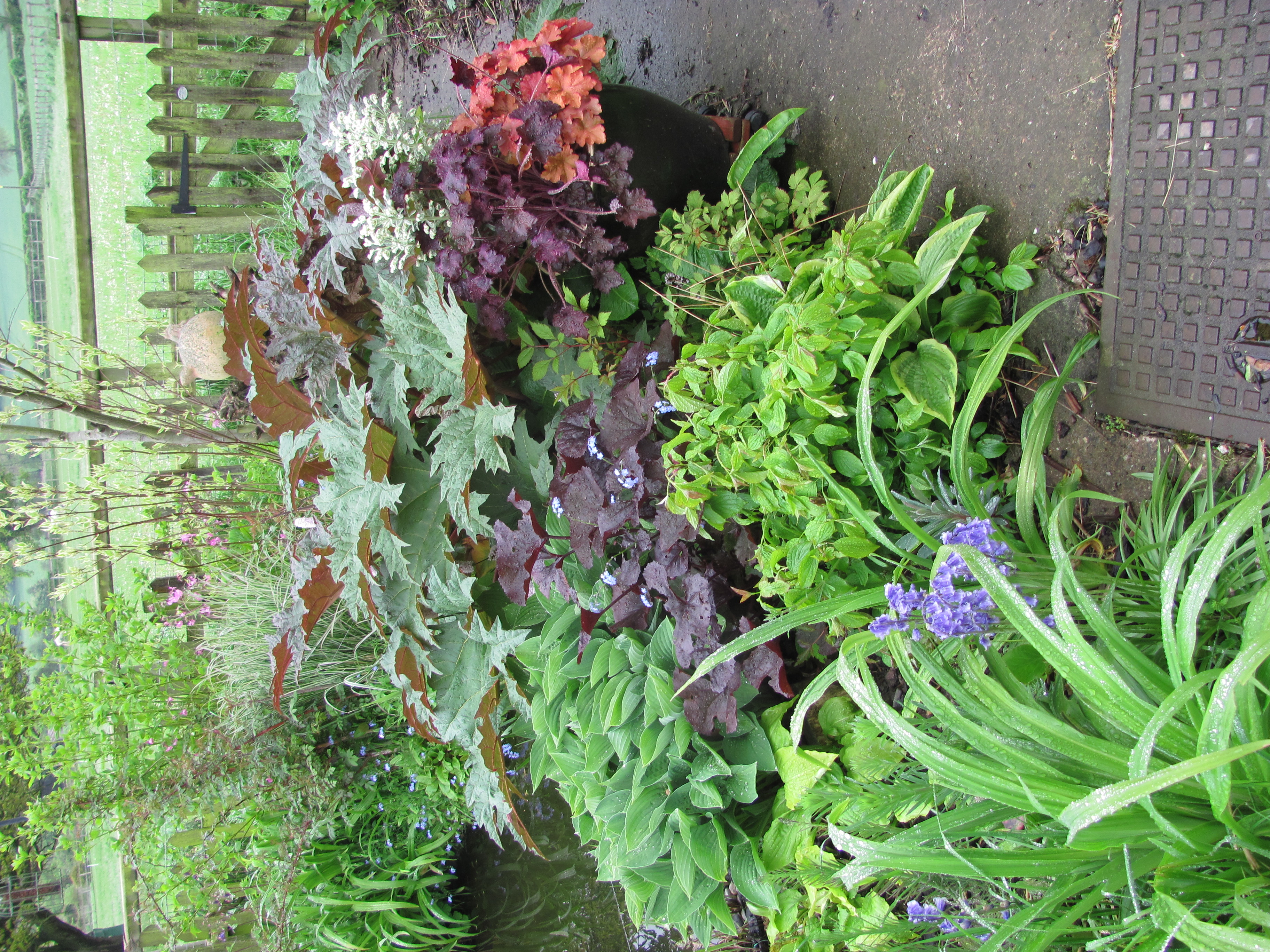
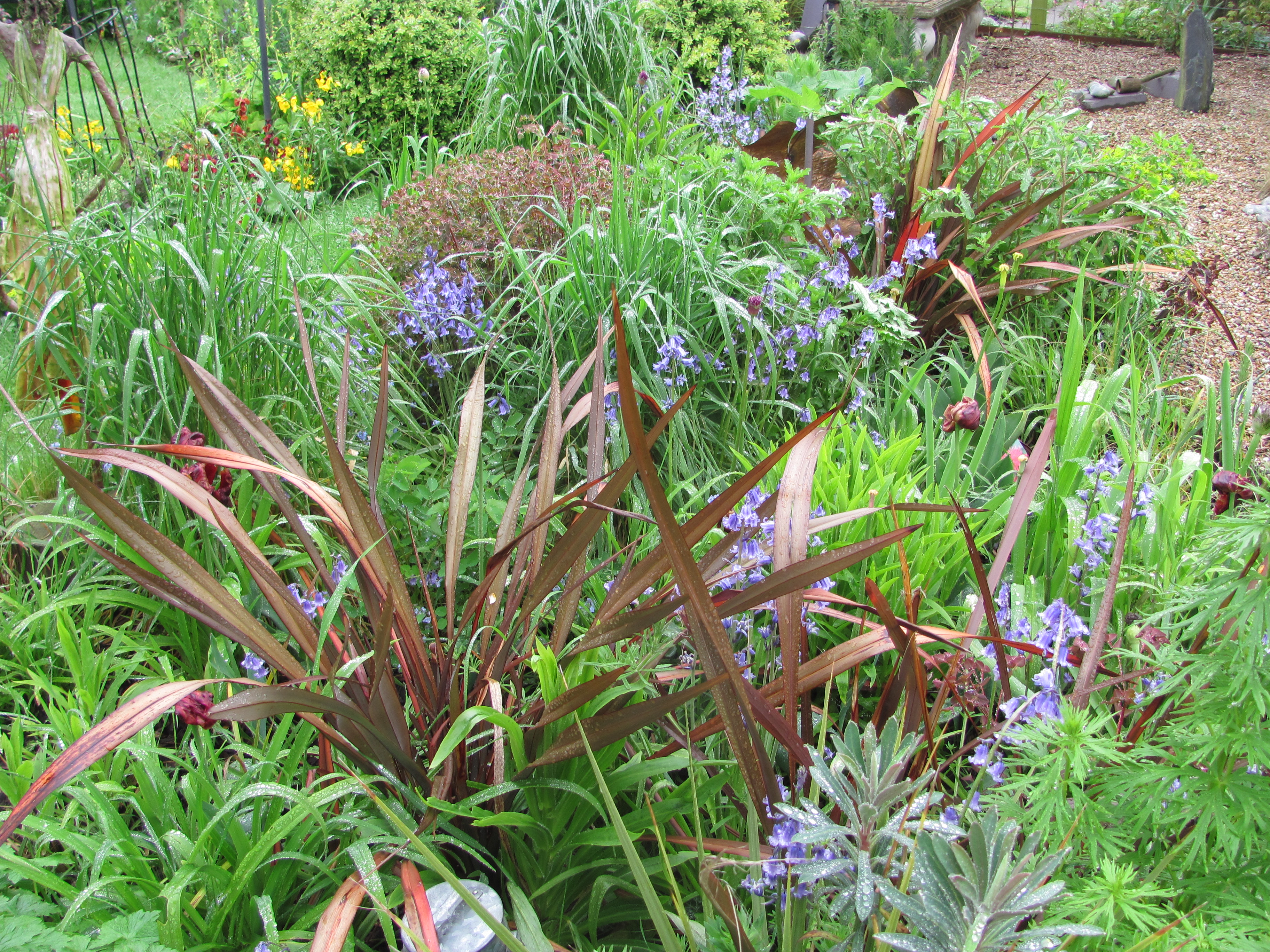
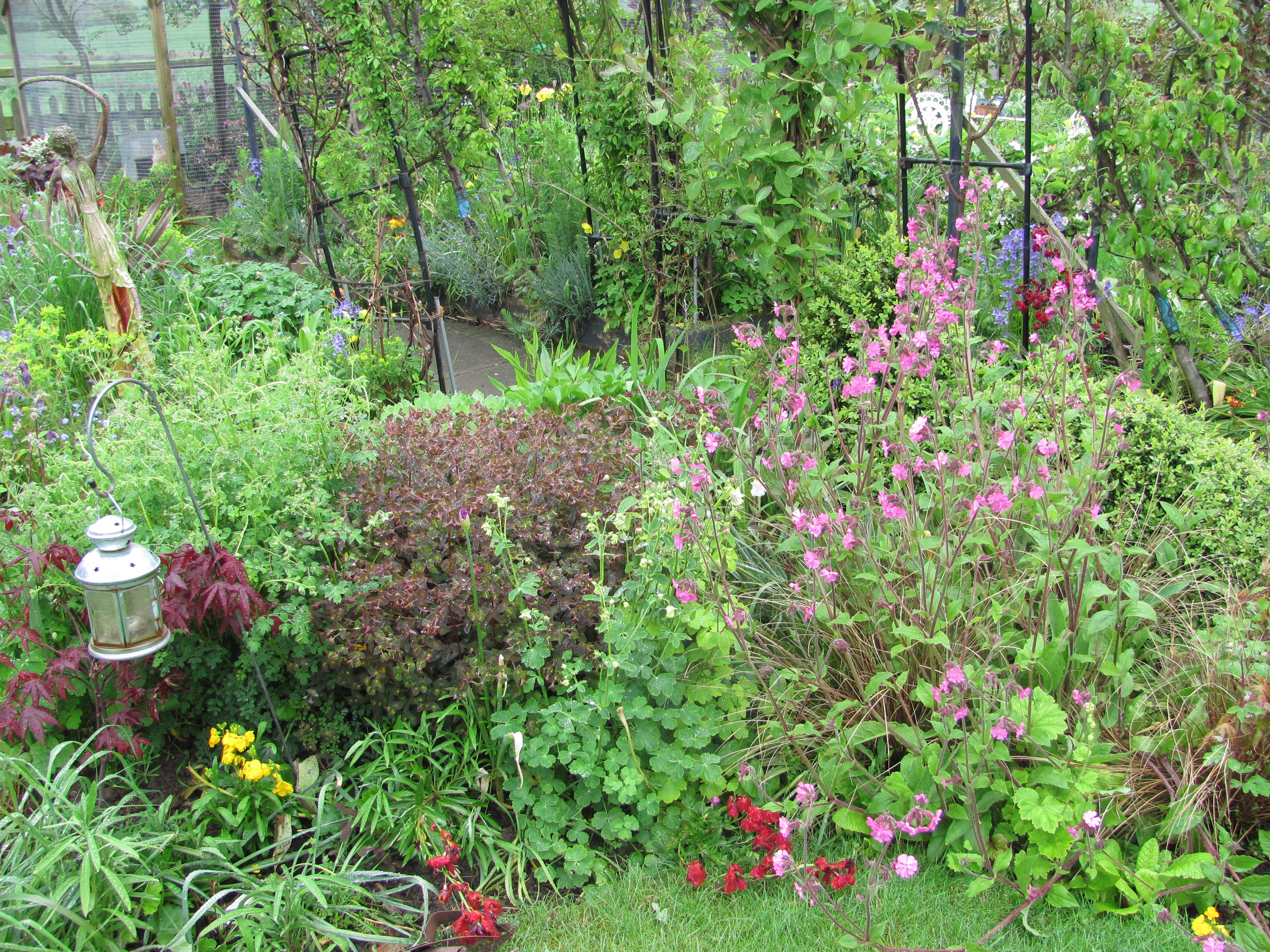
All the borders in the back garden are full of interesting foliage with varied texture and colour as a foil for the plethora of flowering perennials.

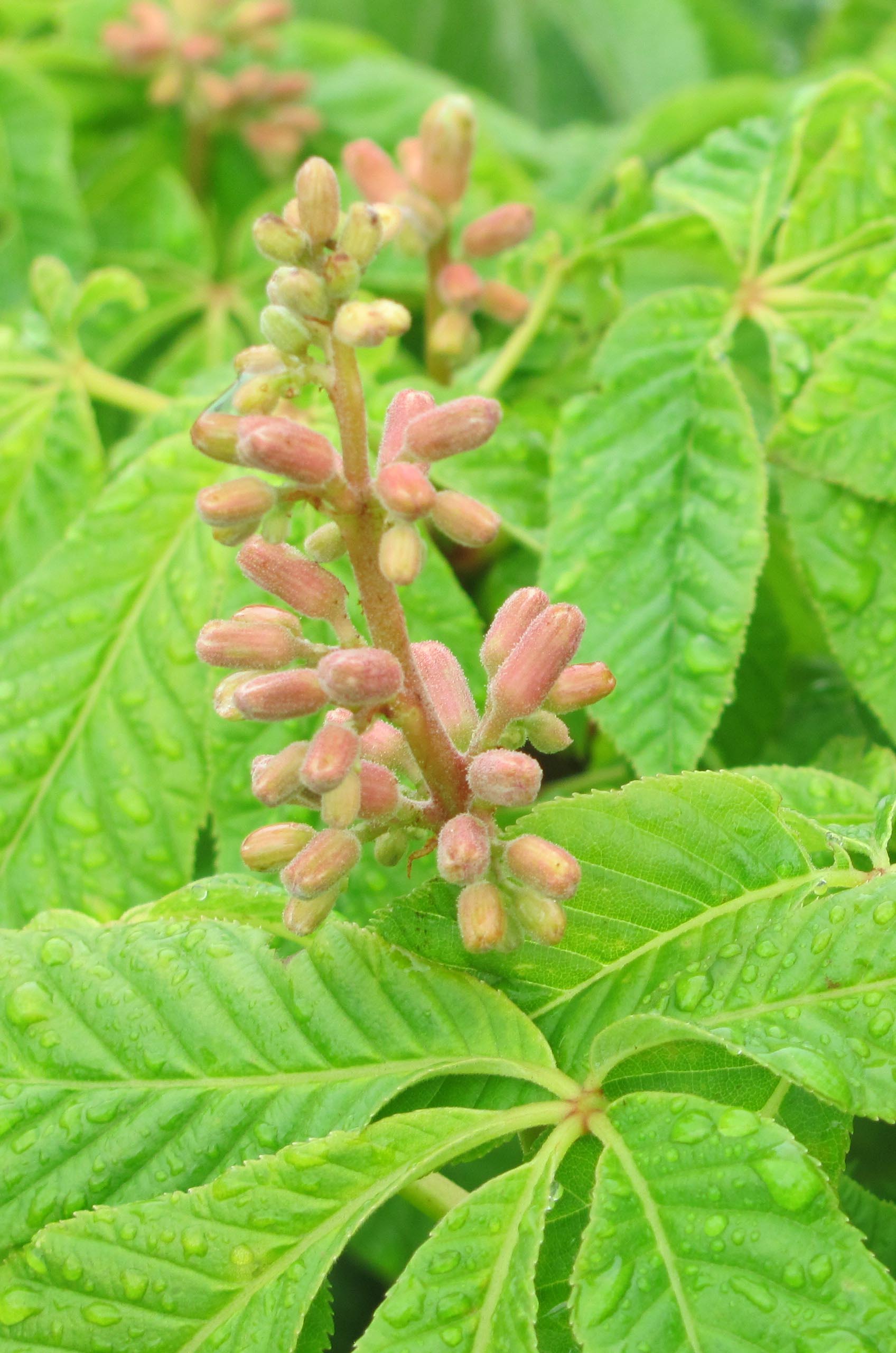
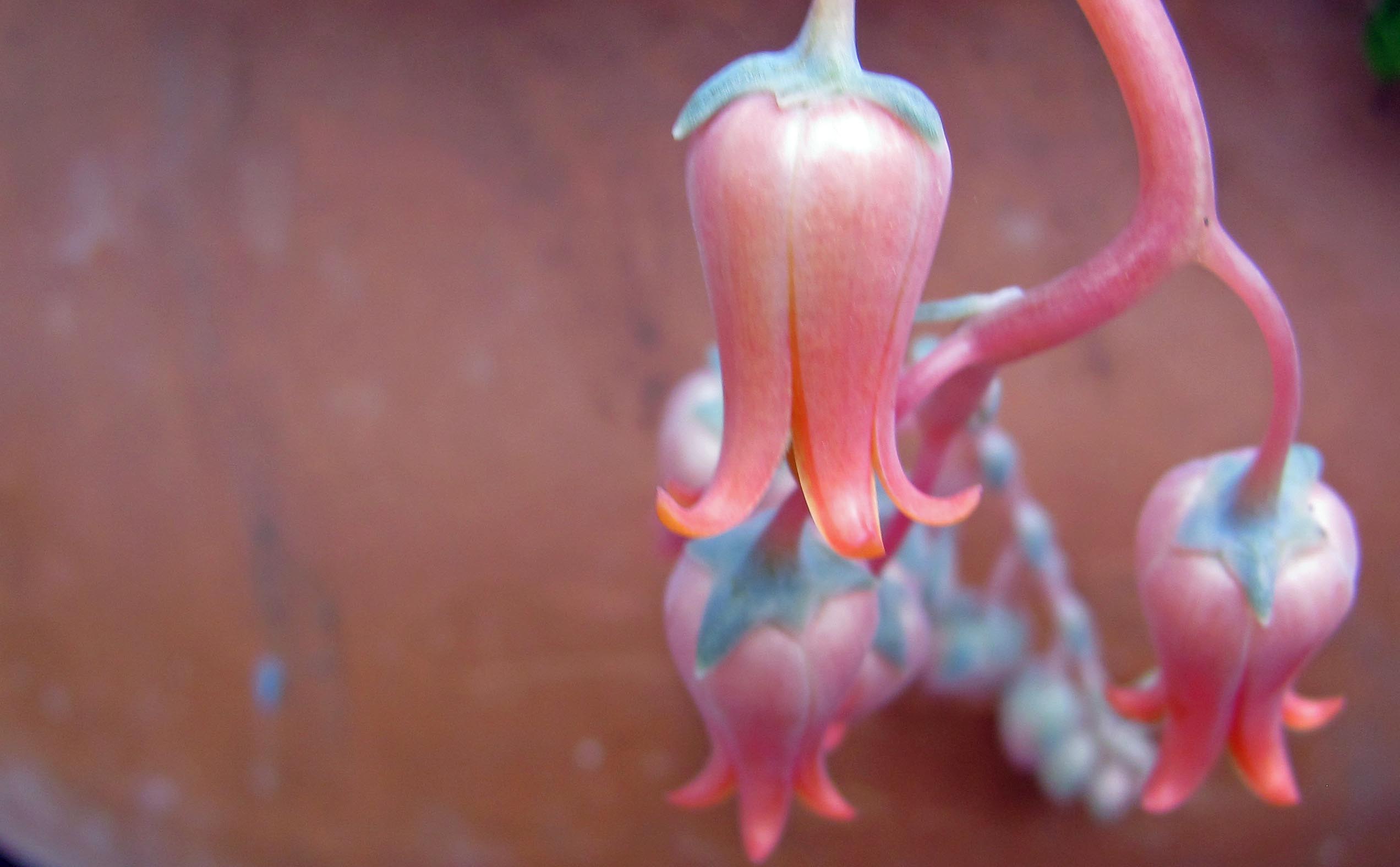
The most beautiful plant must be our miniature chestnut (Aesculus) which is now 3 feet tall, a third of its final height, covered in blooms, spires of salmon.

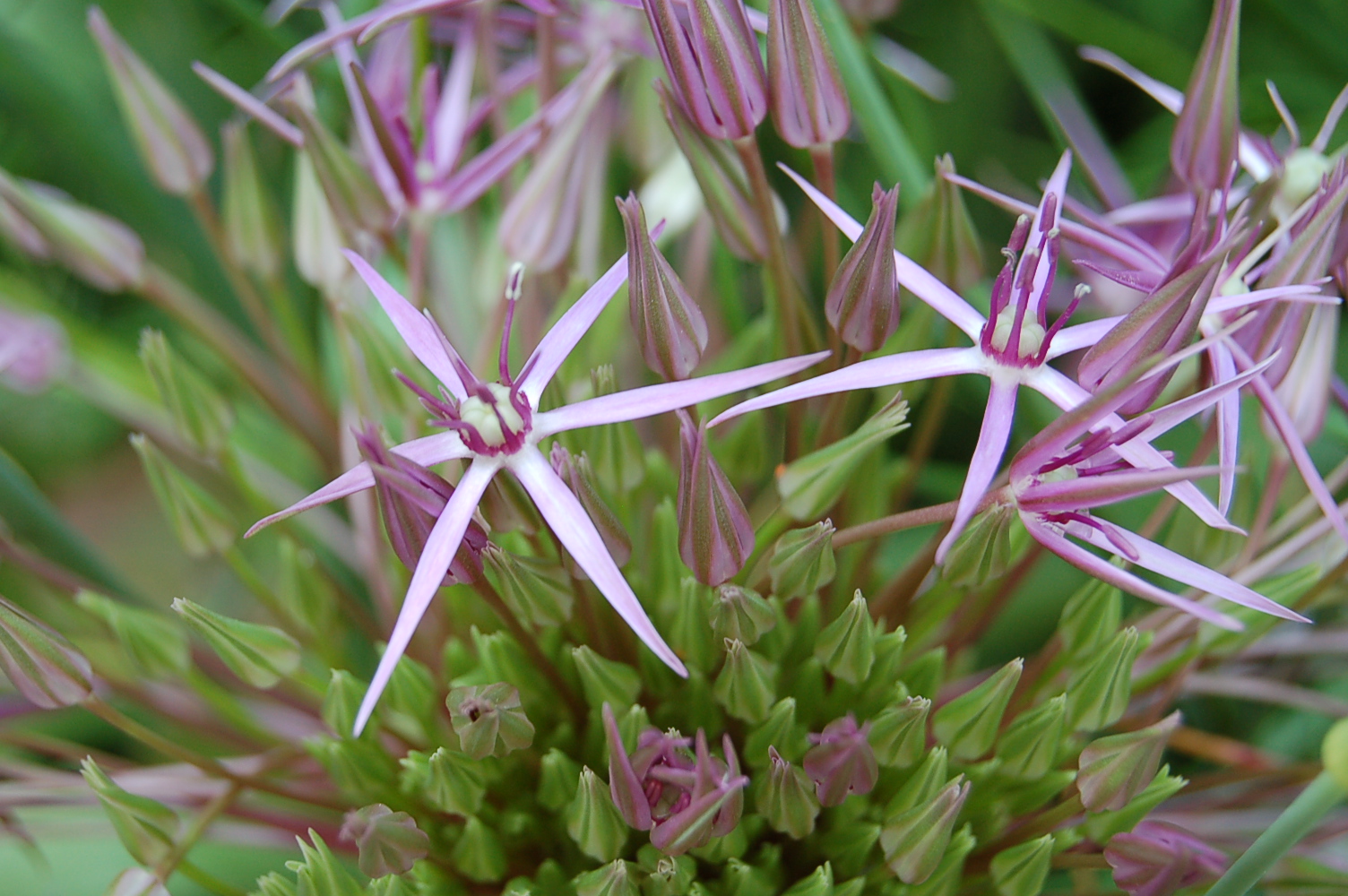
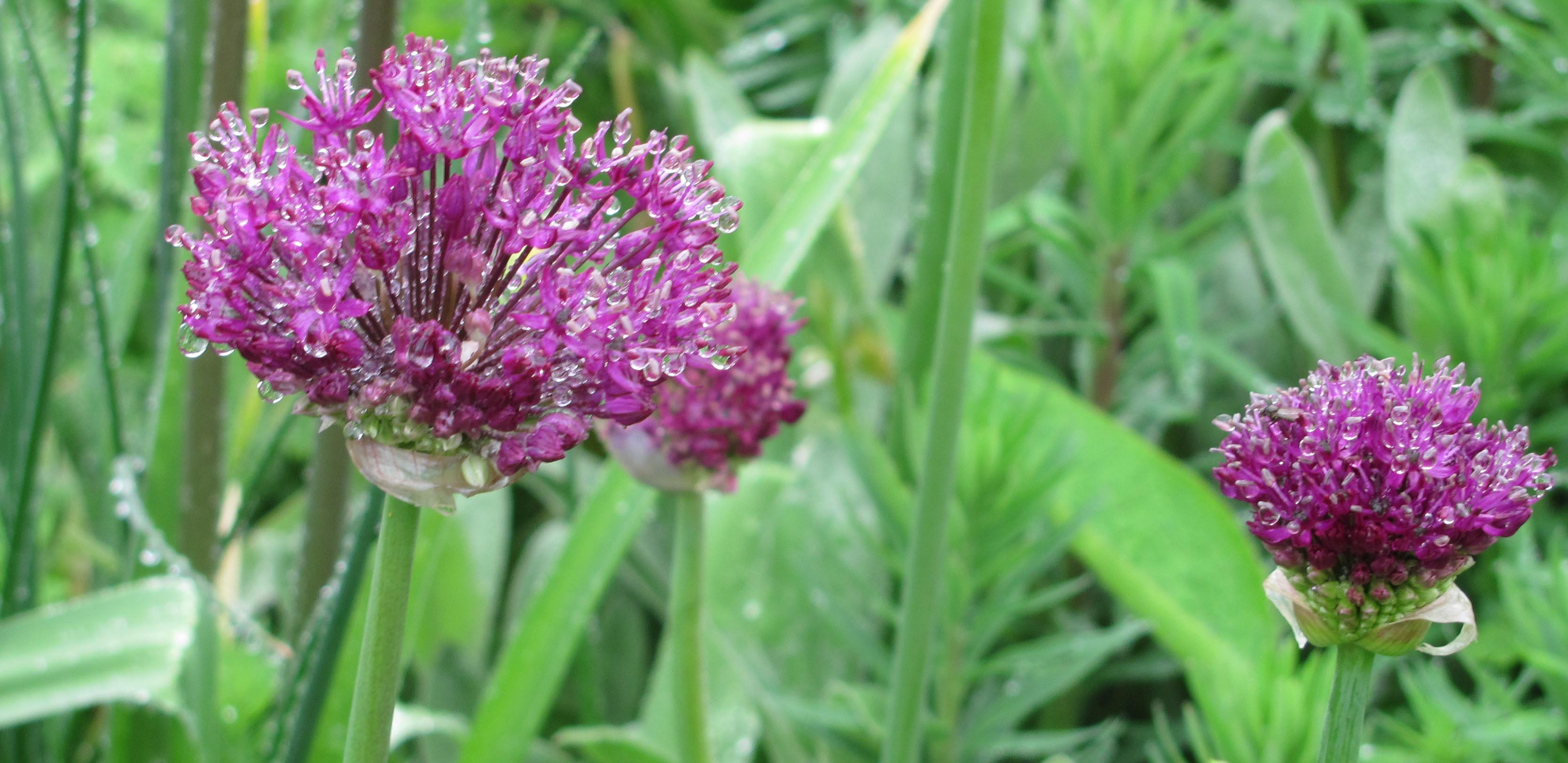
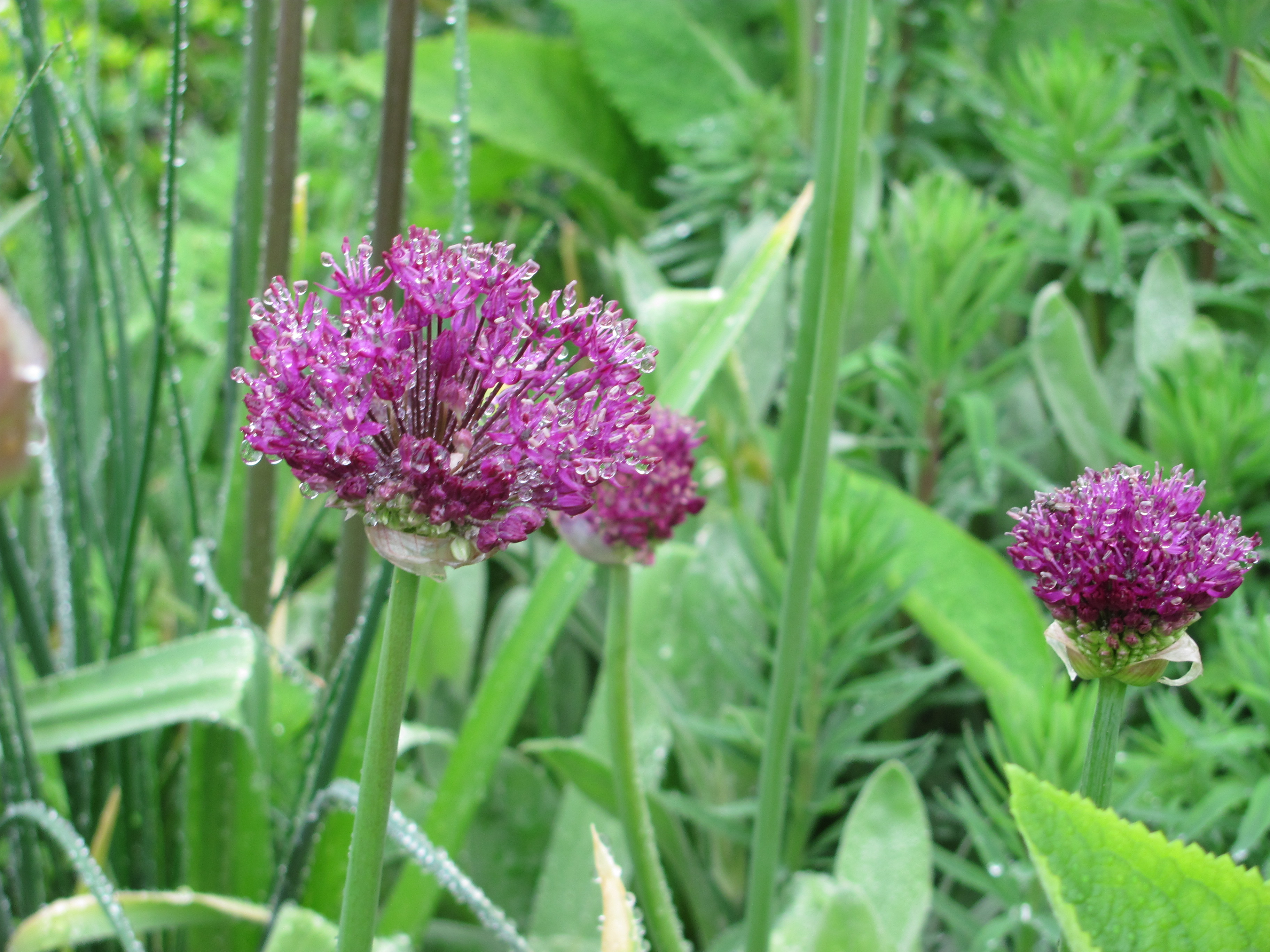
Alliums are stars throughout the back garden. They have only been in a few years and are so happy they are spreading like wildfire. They really need thinning out!

I shall finish this garden wander with a few shots of some of the borders, as a taster for my next blog, “Another Wander Around our Garden in June”. There is simply too much to show, too much I want to share.

Categories
bird watching birds garden design garden photography garden wildlife gardening hardy perennials ornamental trees and shrubs Shropshire spring gardening

A Wander around our Garden in May

Here we are with the fifth garden wander post. And the garden is looking good! Take a wander with us and have your nose at the ready as the scents are strong.

Throughout the garden Bluebells and Wallflowers are sending out their rich sweet scent messages for all to enjoy, permeating every nook and cranny. Birdsong dominates the early hours of daylight and youngsters begging their parents for more food can be heard in every nest box. A family of fledgling Robins have taken to following us around the garden hopping and hoping our gardening activities disturb a bug or two.

We begin our wander in the front garden where we are entertained by a Spotted Flycatcher who perches on the topmost branch of the holly and sits waiting to ambush any passing insect at which he launches himself and then returns to exactly the same place to enjoy his prey and to begin all over again.

Here is our gravel garden which we call the Chatto Bed, after Beth Chatto, as after making a couple of visits to her garden we were determined to create a gravel patch which would never need watering and in true Beth Chatto style we chose plants to suit the conditions.

On the gravel our bearded irises are in healthy leaf with buds fit to burst, all but one which is already flowering, the dark, sultry Iris Cherry Garden.

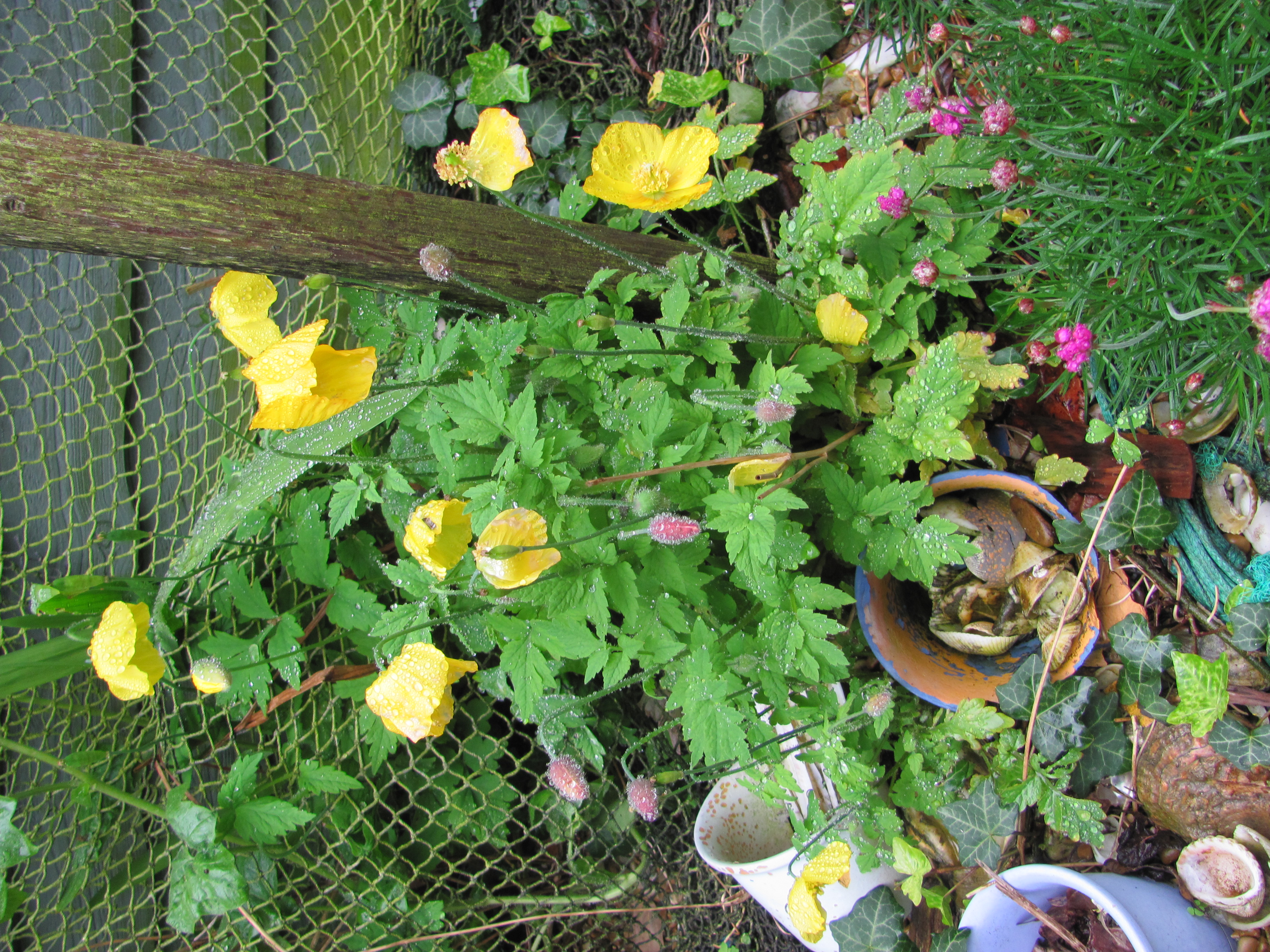
Entering the shade garden we are struck by the lushness of the foliage dotted with special blooms. Apart from the Welsh Poppies and Bluebells all blooms here seem to be in unusual shades of pink at the moment.

Our Hot Border is not yet hot but gradually warming up – just on the verge of luke warm I’d say. Opposite this is Jude’s Garden which she claims is more tasteful than my Hot Border.

Moving to the side garden opposite our main house entrance is our Freda Garden, named after a lovely lady and impressive gardener who died too young a few years ago. We grow plants here that she loved.

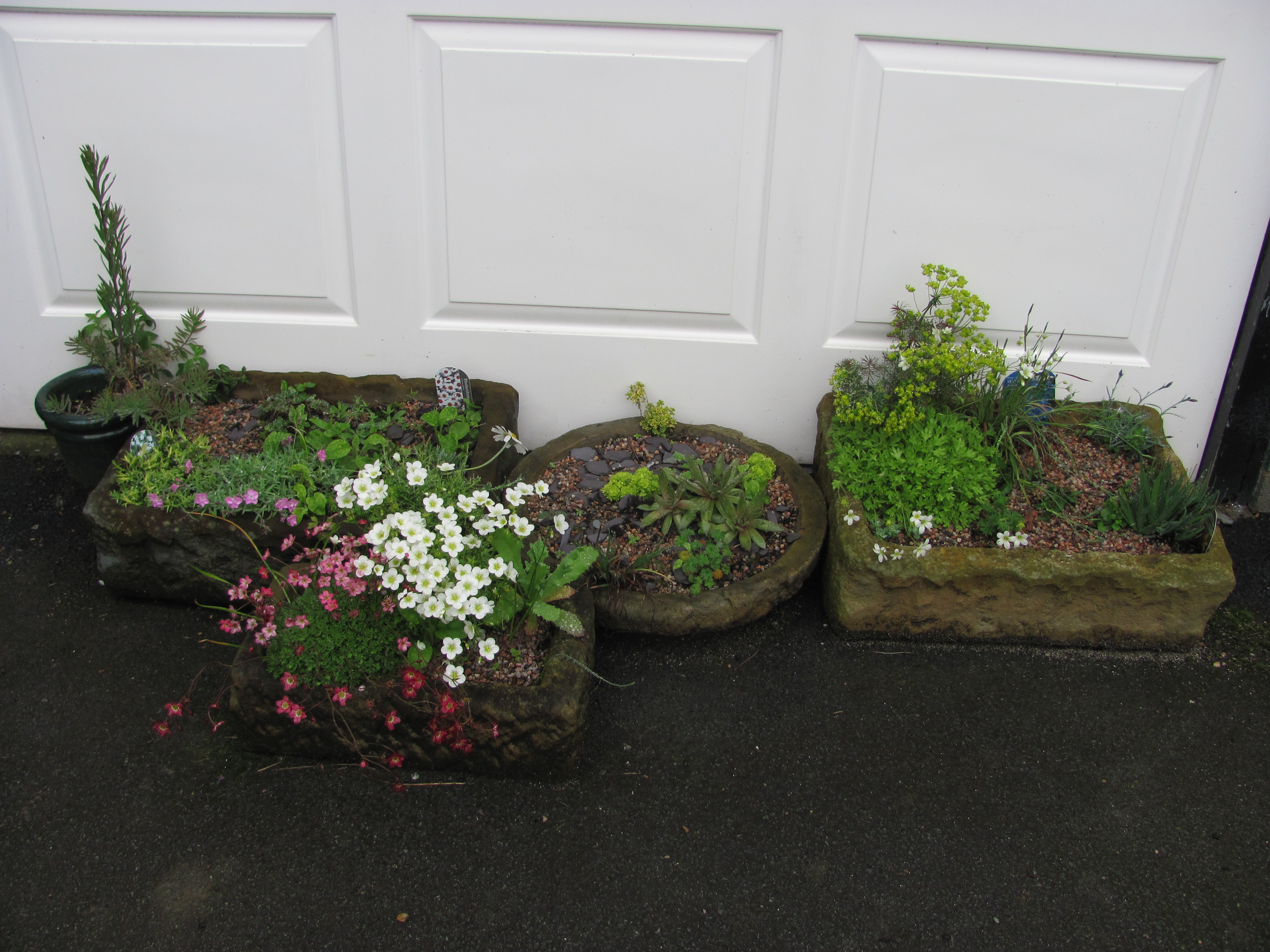
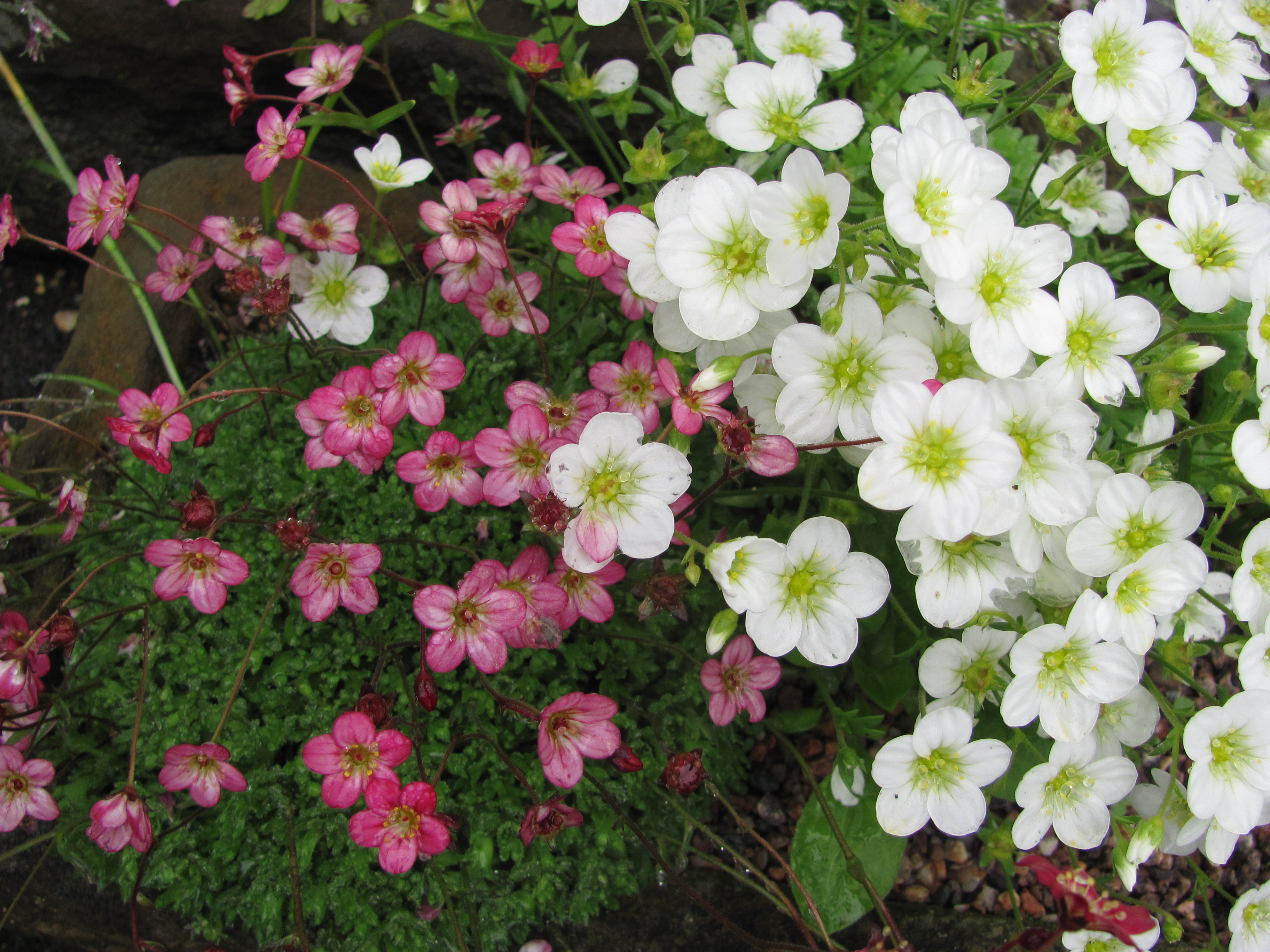
Close by is our small collection of alpine troughs still looking good, especially the Sempervivum.

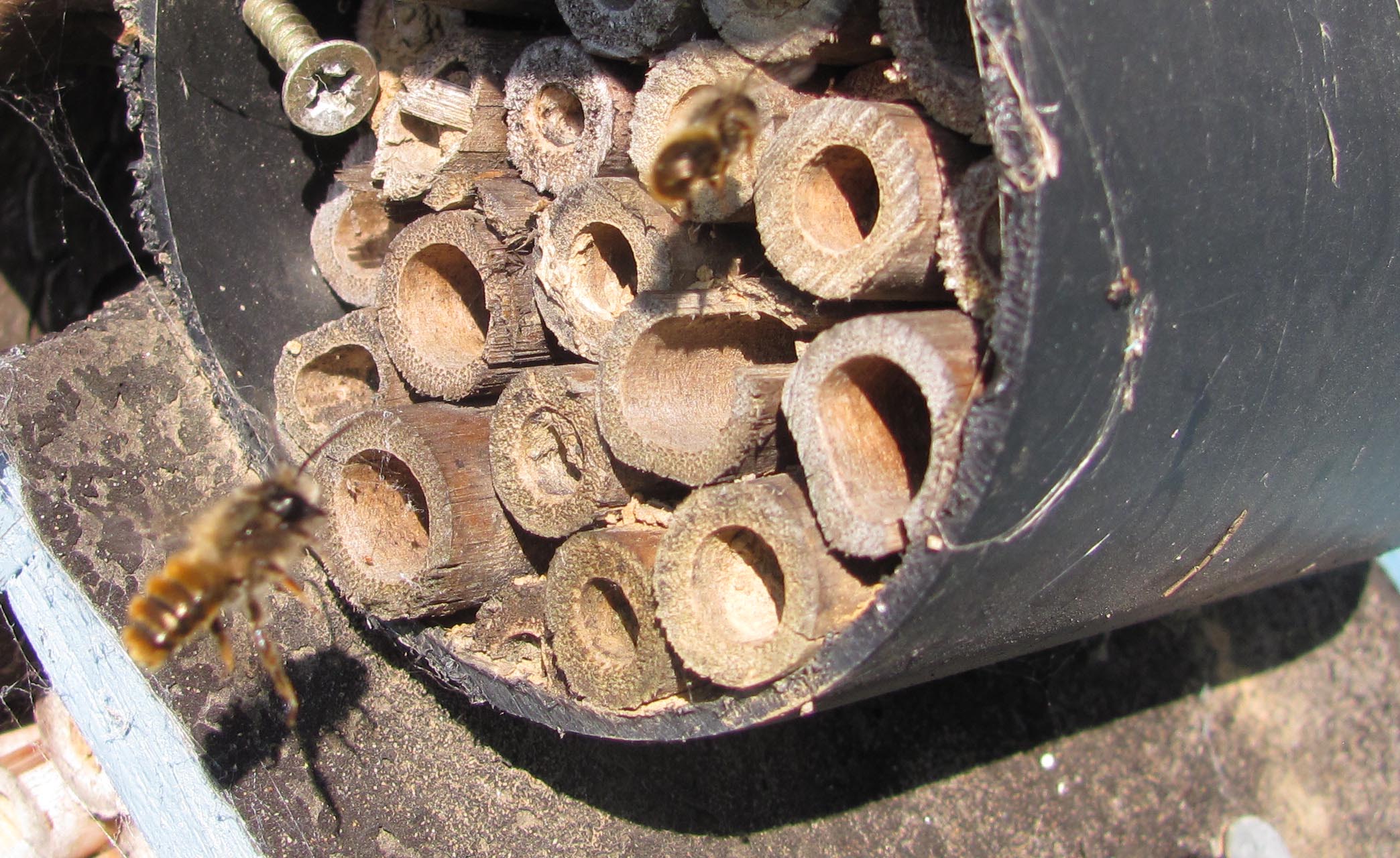
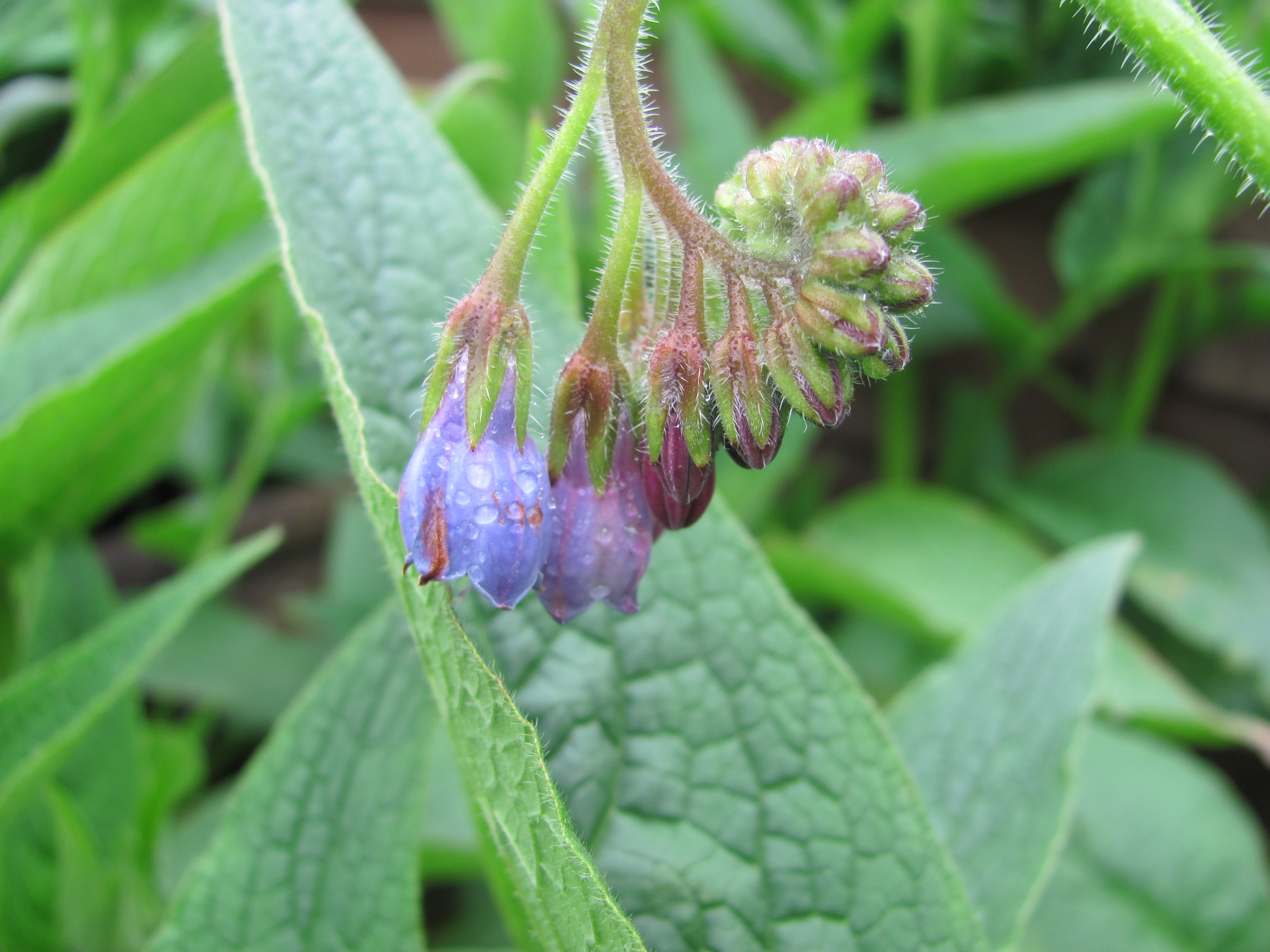
As we pass the garden shed on our way to the back garden the buzzing sounds of bees fills the air, for as the temperatures have risen in the last few days the solitary bees in our bee shelters have been hatching and emerging constantly, literally hundreds of them. They immediately head for the flowers of the Comfrey and Ceonothus we provide for them. I love this moment every spring!

And so into the back where the scent of Wallflowers and Bluebells afford us the luxury of rich sweet perfume. Rich colours burst from the vibrant fresh spring greens.

It has been a strange May so far, no flowers on any rose bushes but some narcissus still in bloom. The Cuckoo has been calling incessantly for weeks as have the Skylarks. We are bit fed up with the repetitive two note call of the Cuckoo but the beauty and complexity of the Skylark’s song means we still love listening to it.

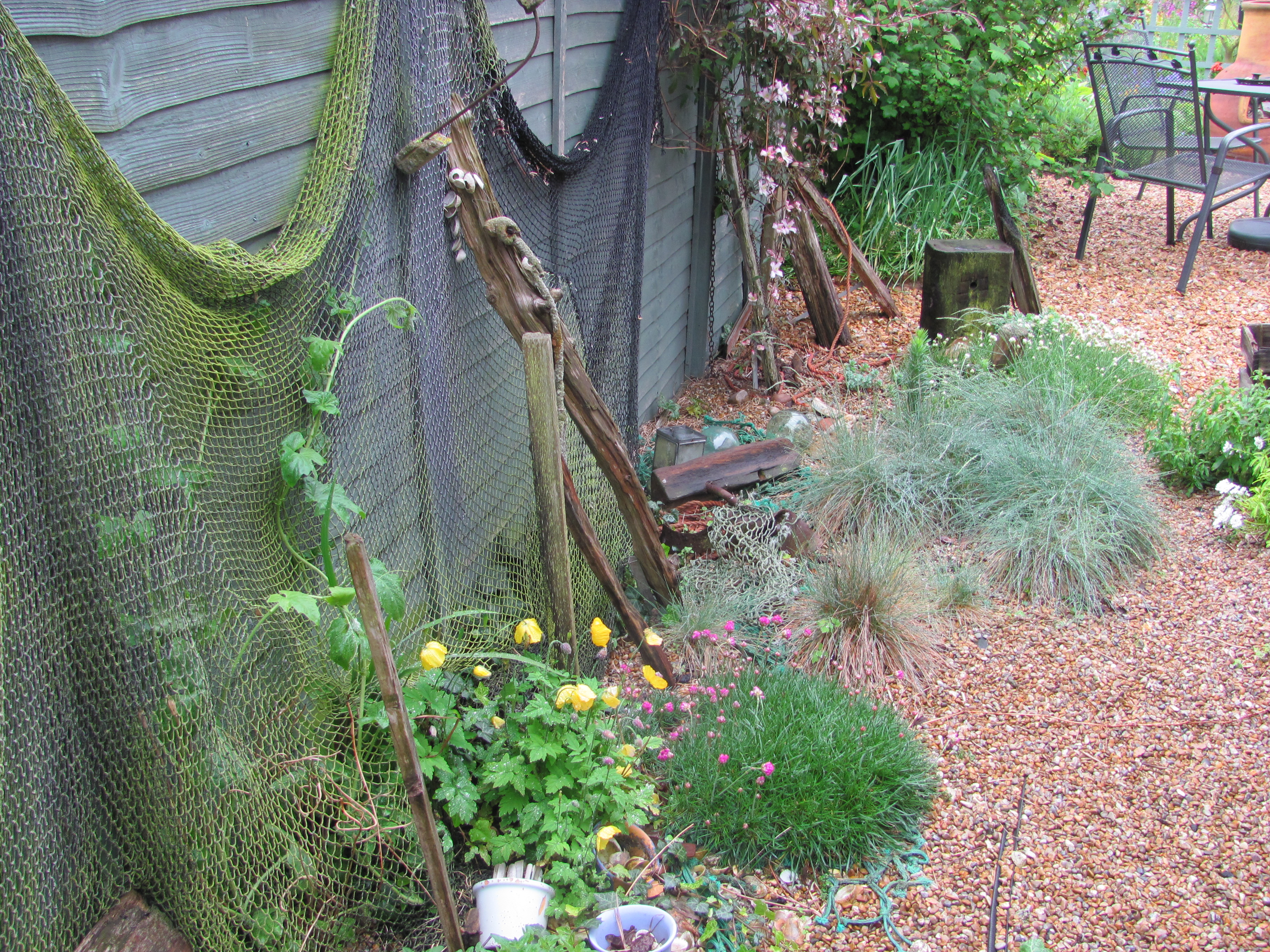
We shall finish this wander in our Seaside Garden, part of our plot not yet featured much in my blog. Perhaps a separate post all about it will appear soon?

Categories
garden design garden photography gardening hardy perennials ornamental trees and shrubs outdoor sculpture spring gardening trees

Trentham Gardens in Spring

We have visited the wonderful Trentham Gardens in Stoke-on-Trent several times already but never in springtime. So last week we took the family along to share it with us. Our son Jamie and girlfriend Sam and our daughter Jo with husband Rob met us in the coffee shop just after the gardens opened. Jude the Undergardener and I took Sheila, Jude’s mother in the car with us. Thus three generations enjoyed the wander around these magnificent gardens.

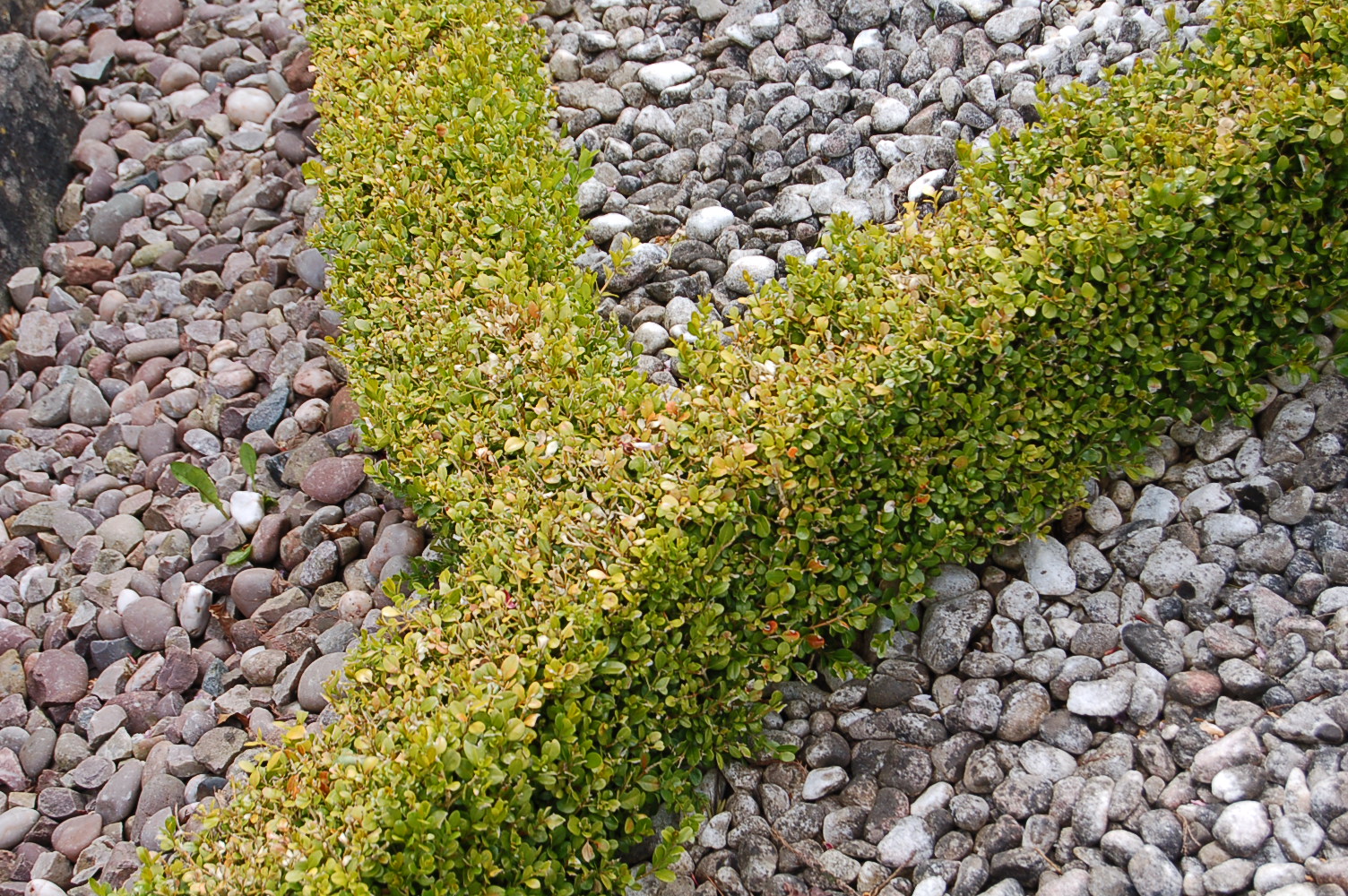
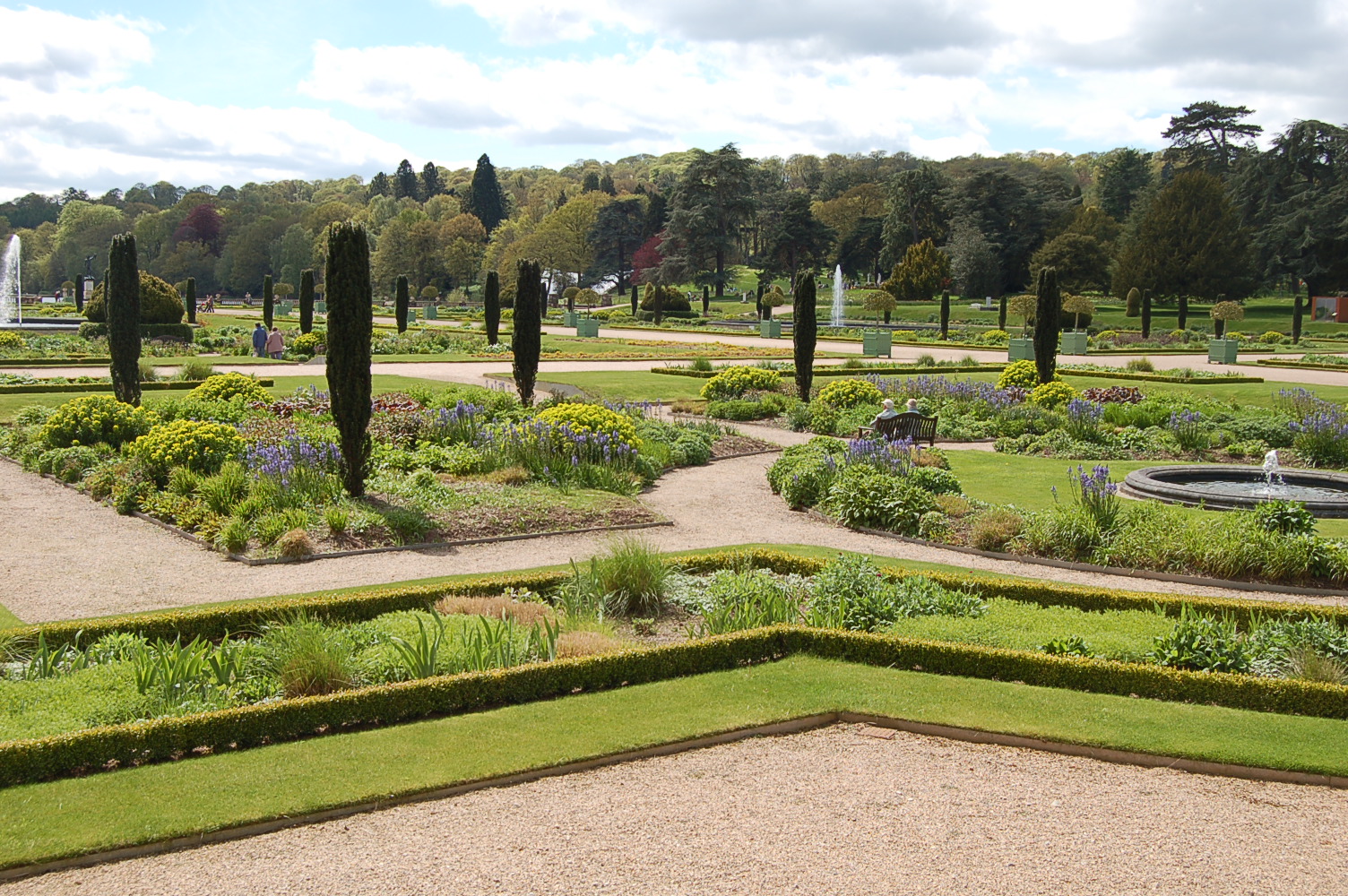
Come with us and my camera as we wander through the garden, where spring is all about contrasting foliage, texture, colour and shape, with a few special early flowers.

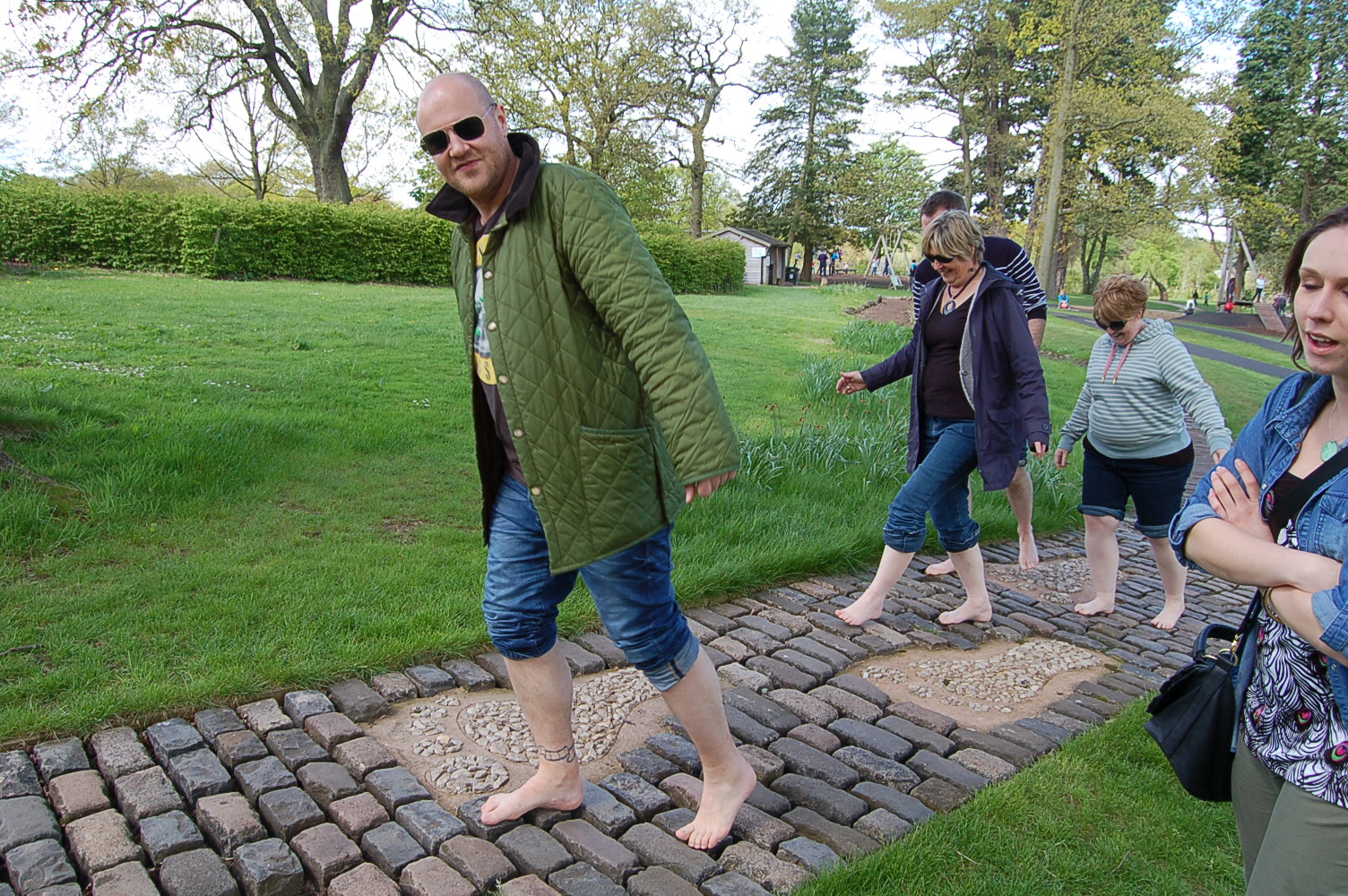
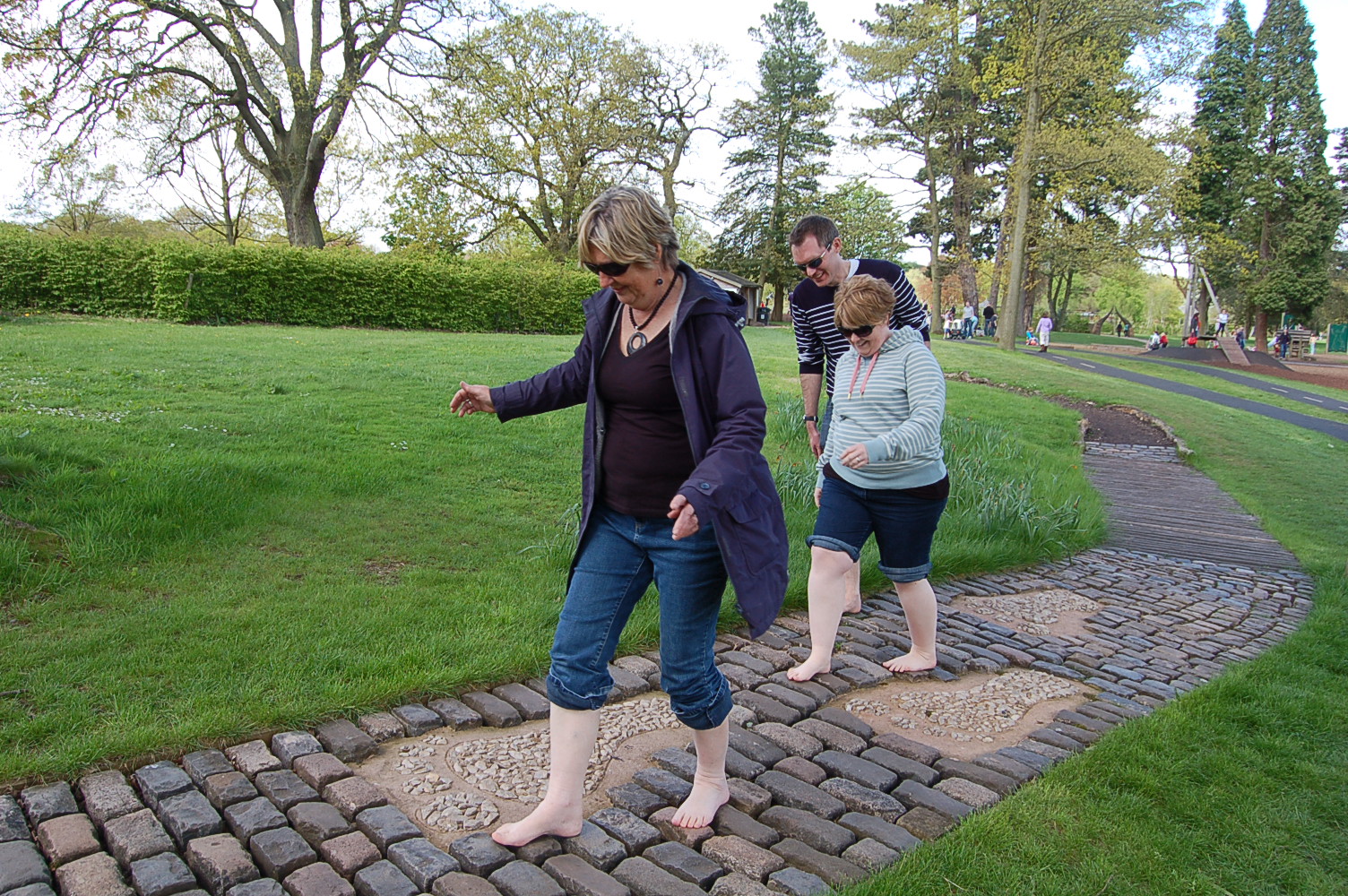
A brilliant design feature at this garden is having a most excellent coffee shop half way round. Should be compulsory! After refreshing ourselves we continued our wander but within a short walk of the coffee shop those of us who are young at heart were delighted to find a sensory walk. A ramble through the woods on a path made up of sections of all sorts of textured materials, bark, gravel, sand, tarmac and best of all a mud pool full of black sticky mud.

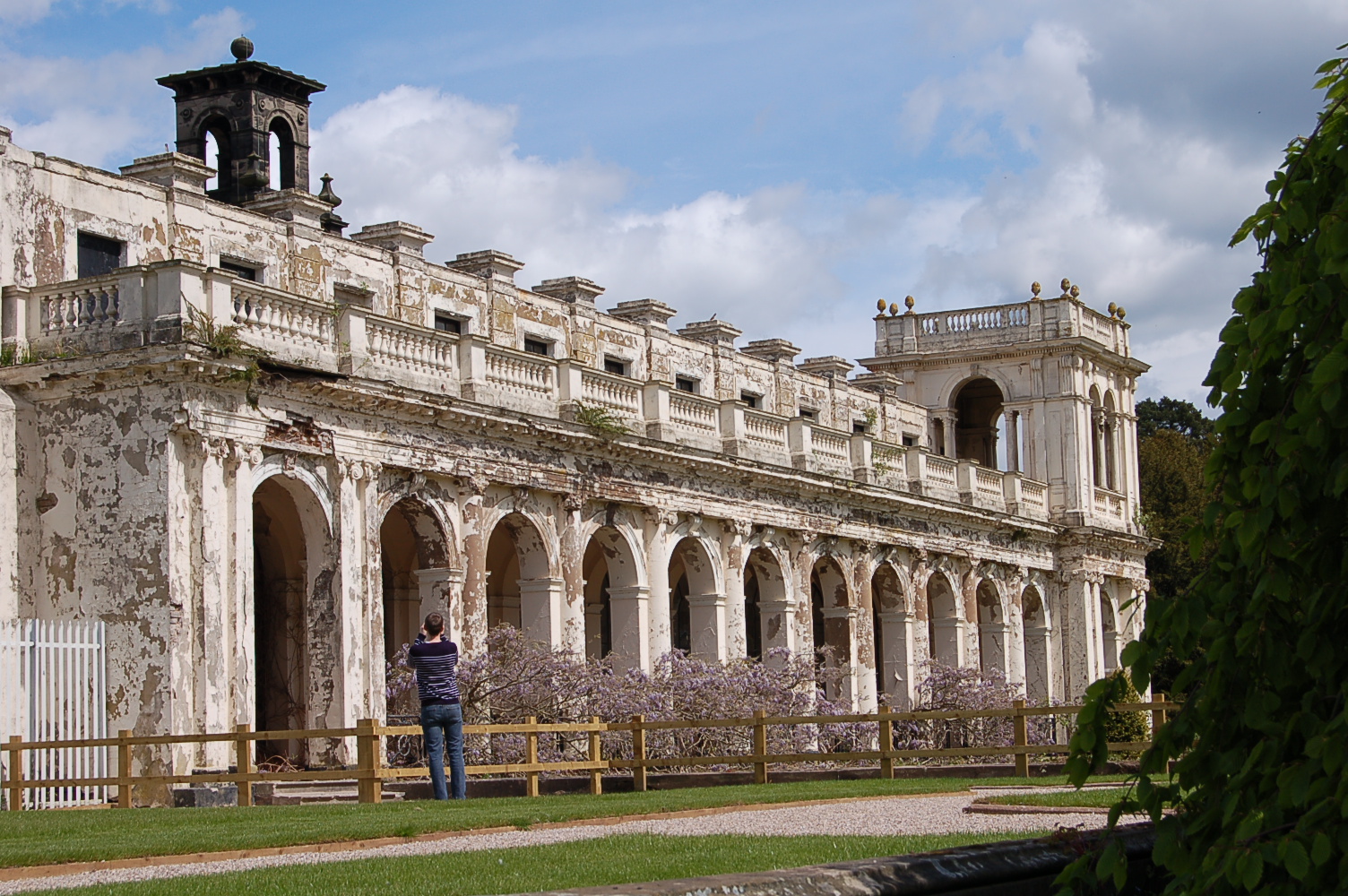
In the more formal part of the garden where modern planting overlays Italianate designs, patterns and structures emerge.

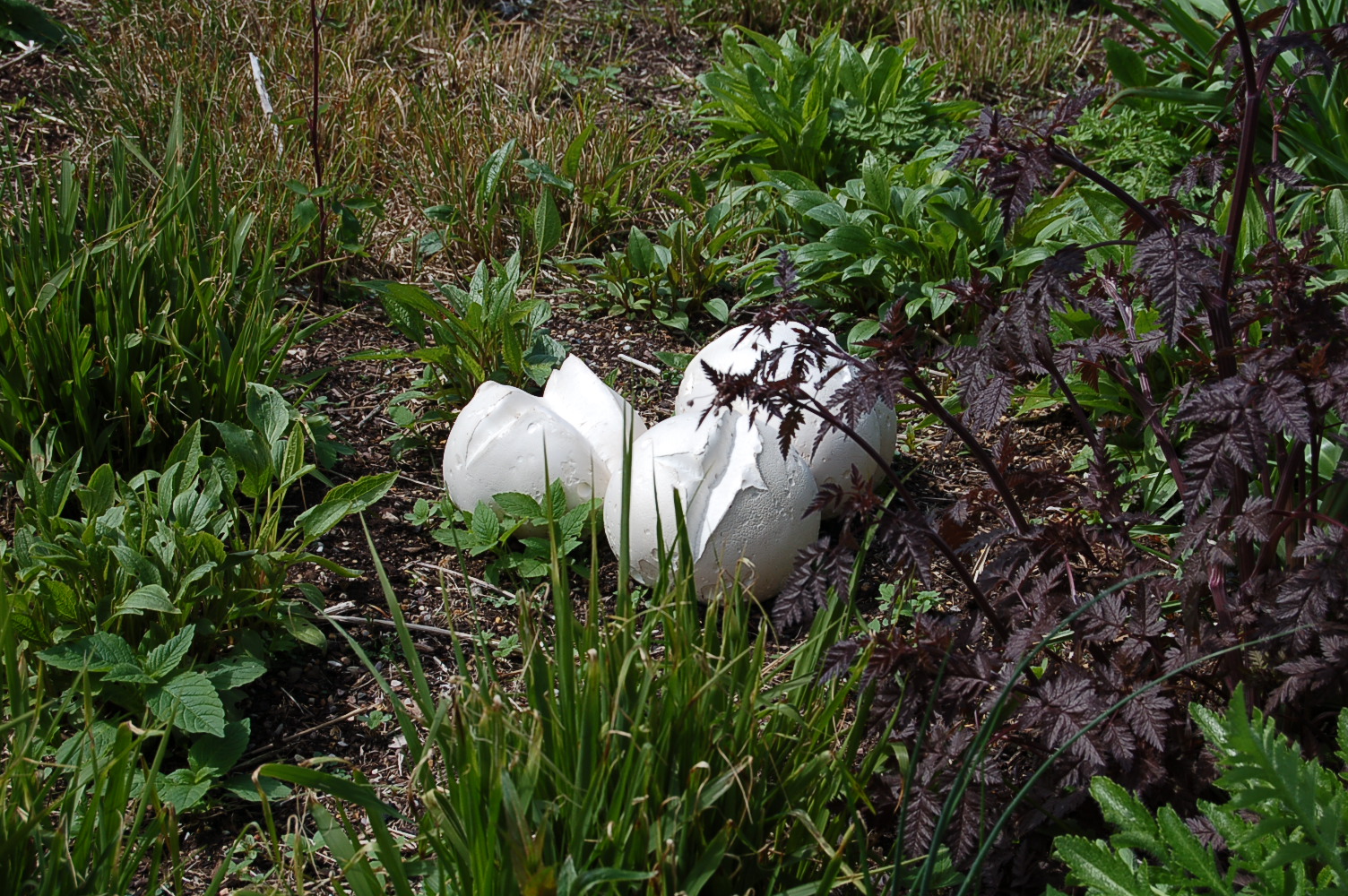
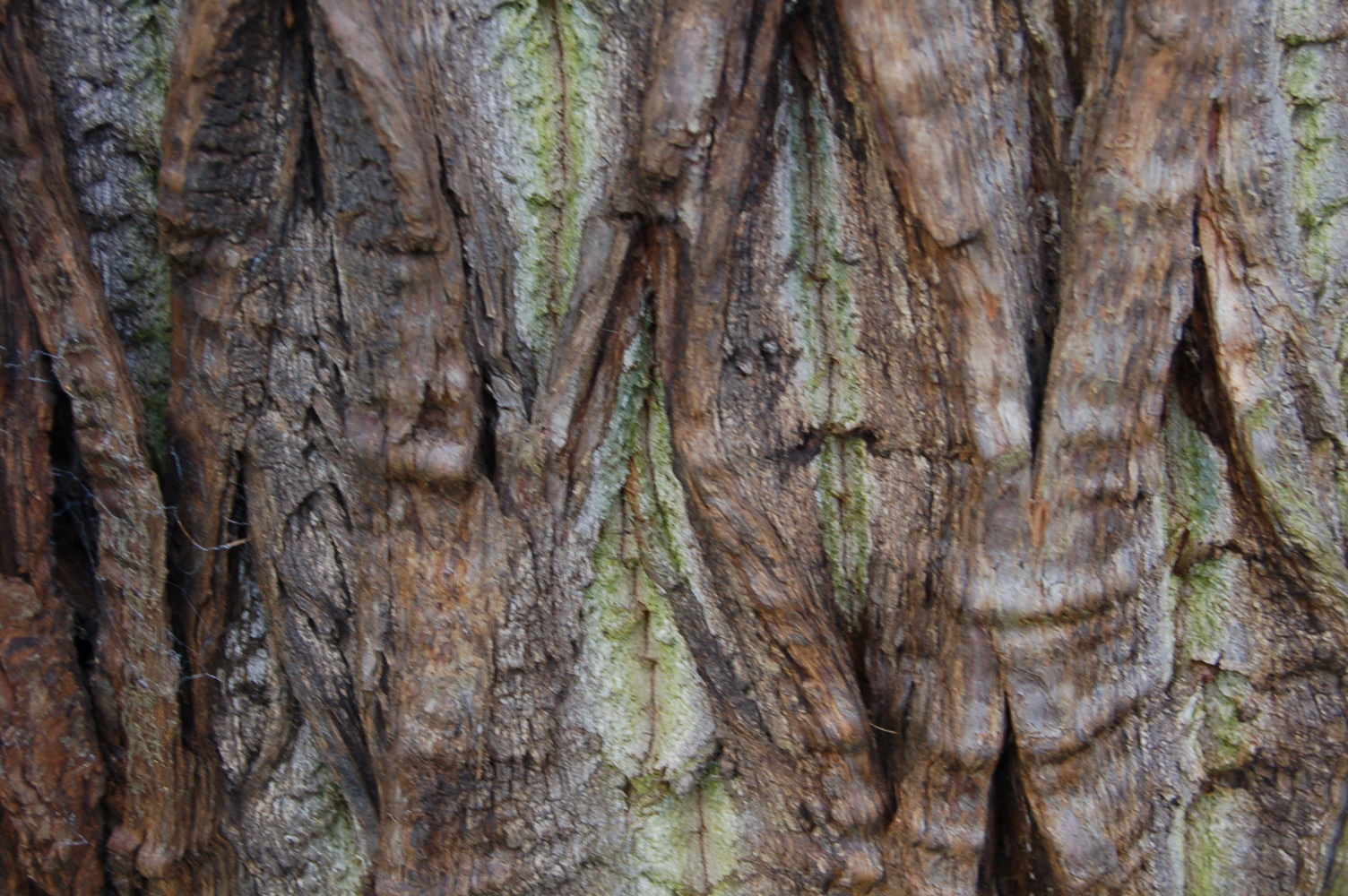
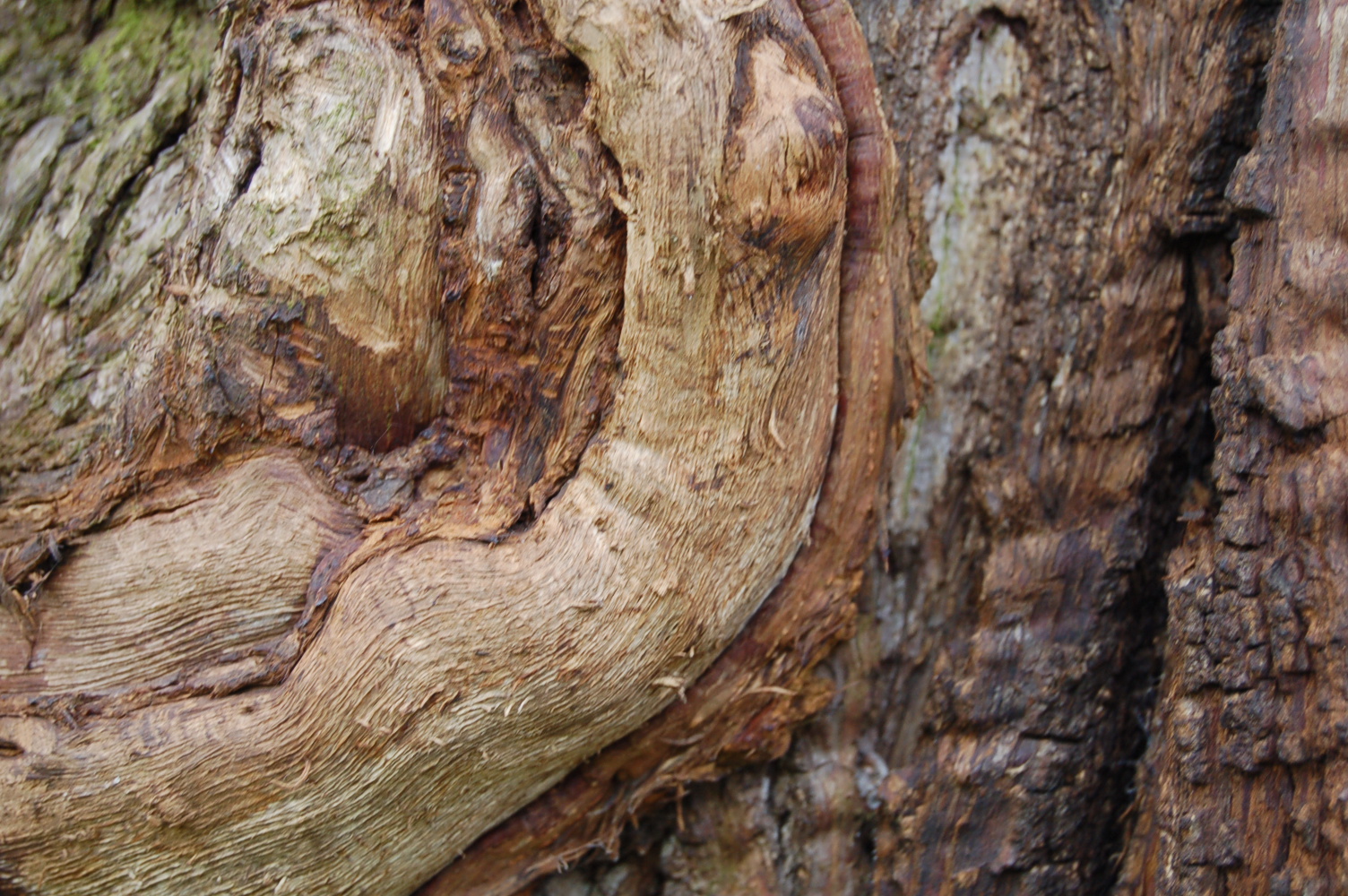
Textures leap to the fore as the light reaches its peak in the early afternoon, texture in trunks of trees, building materials and leaf surfaces. In one border Giant Puffball fungi with the texture of polystyrene, erupted from the bark mulch.

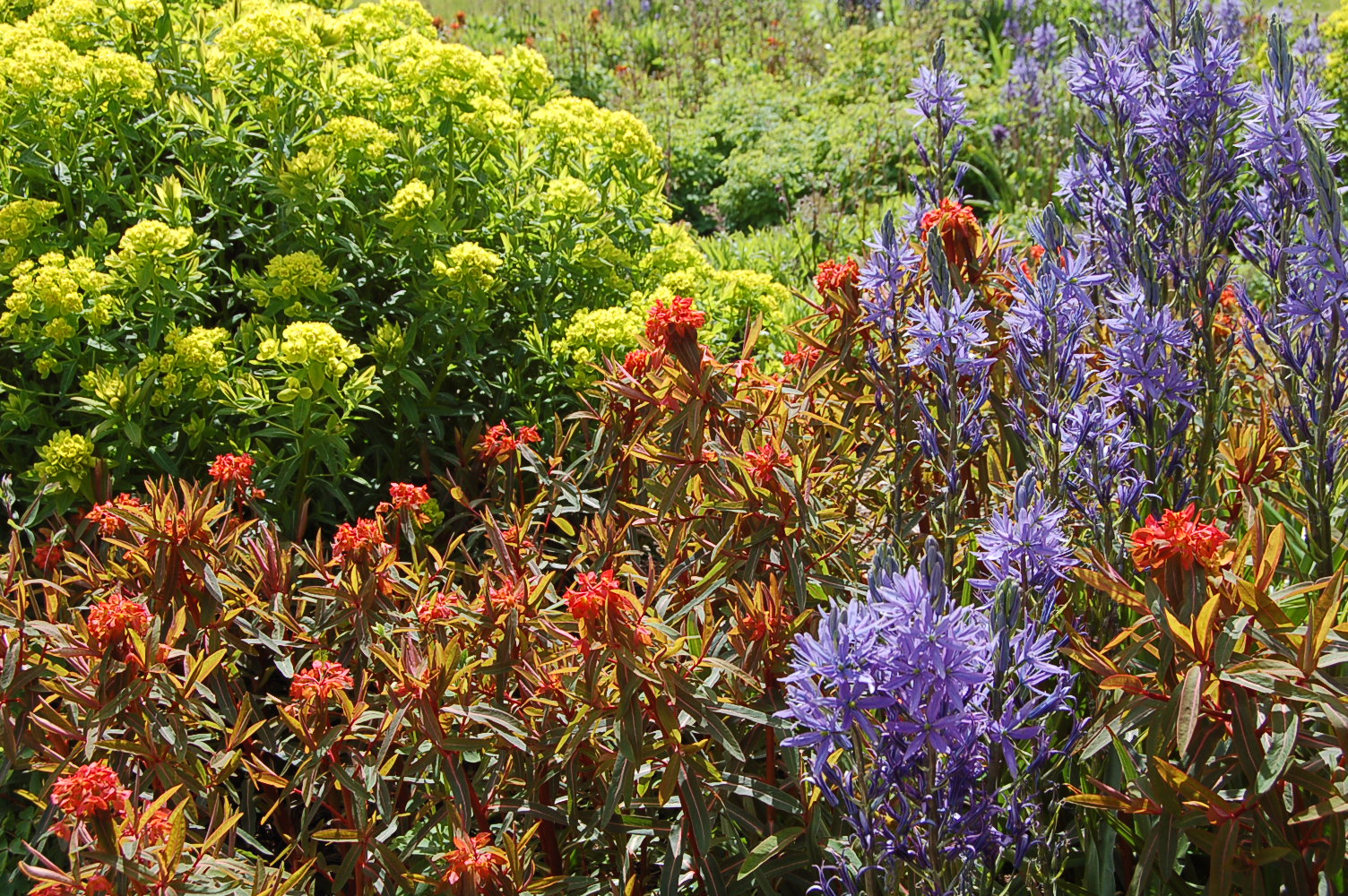
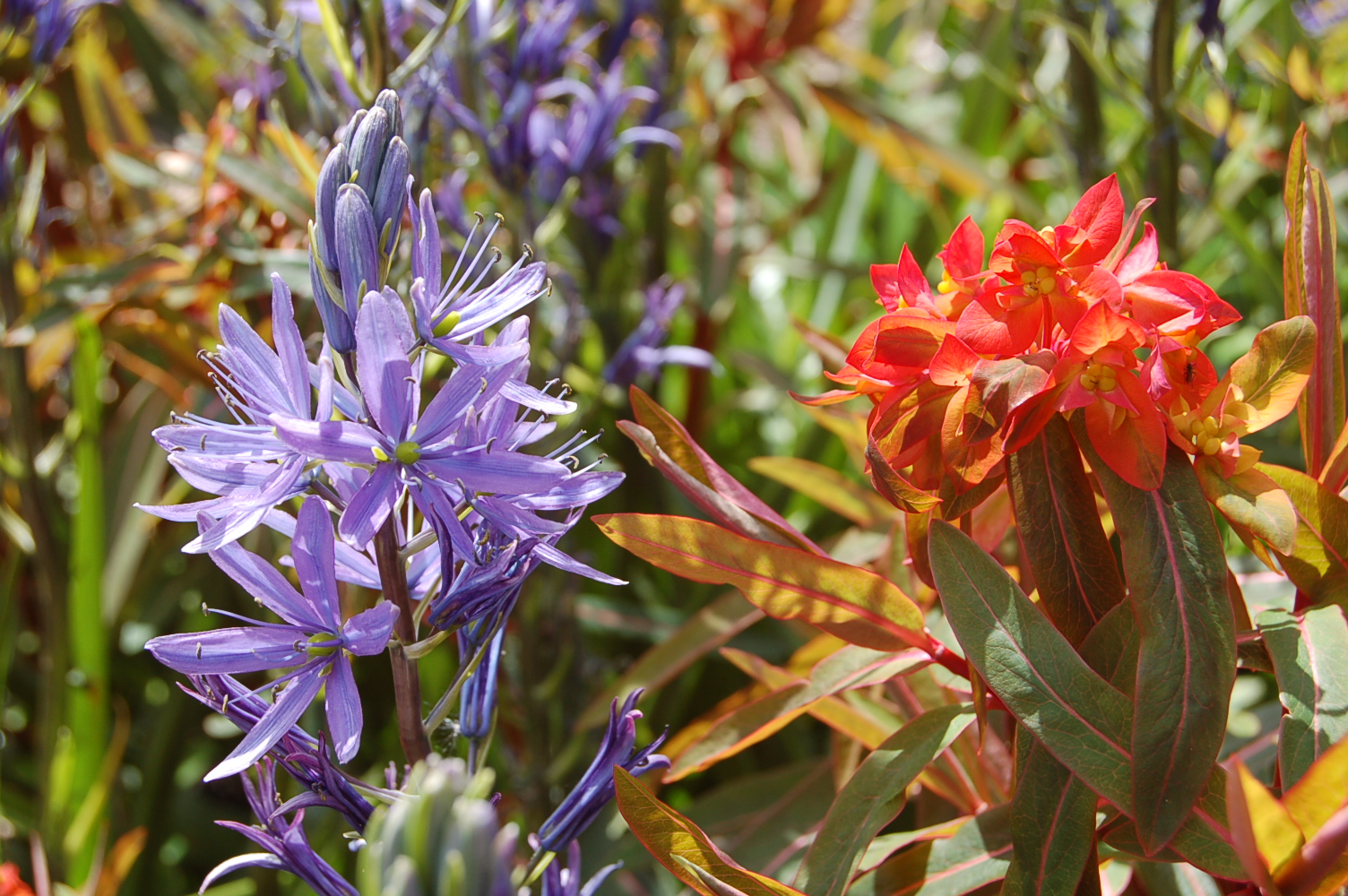
Even this early in the year fabulous colour combinations are there to impress.

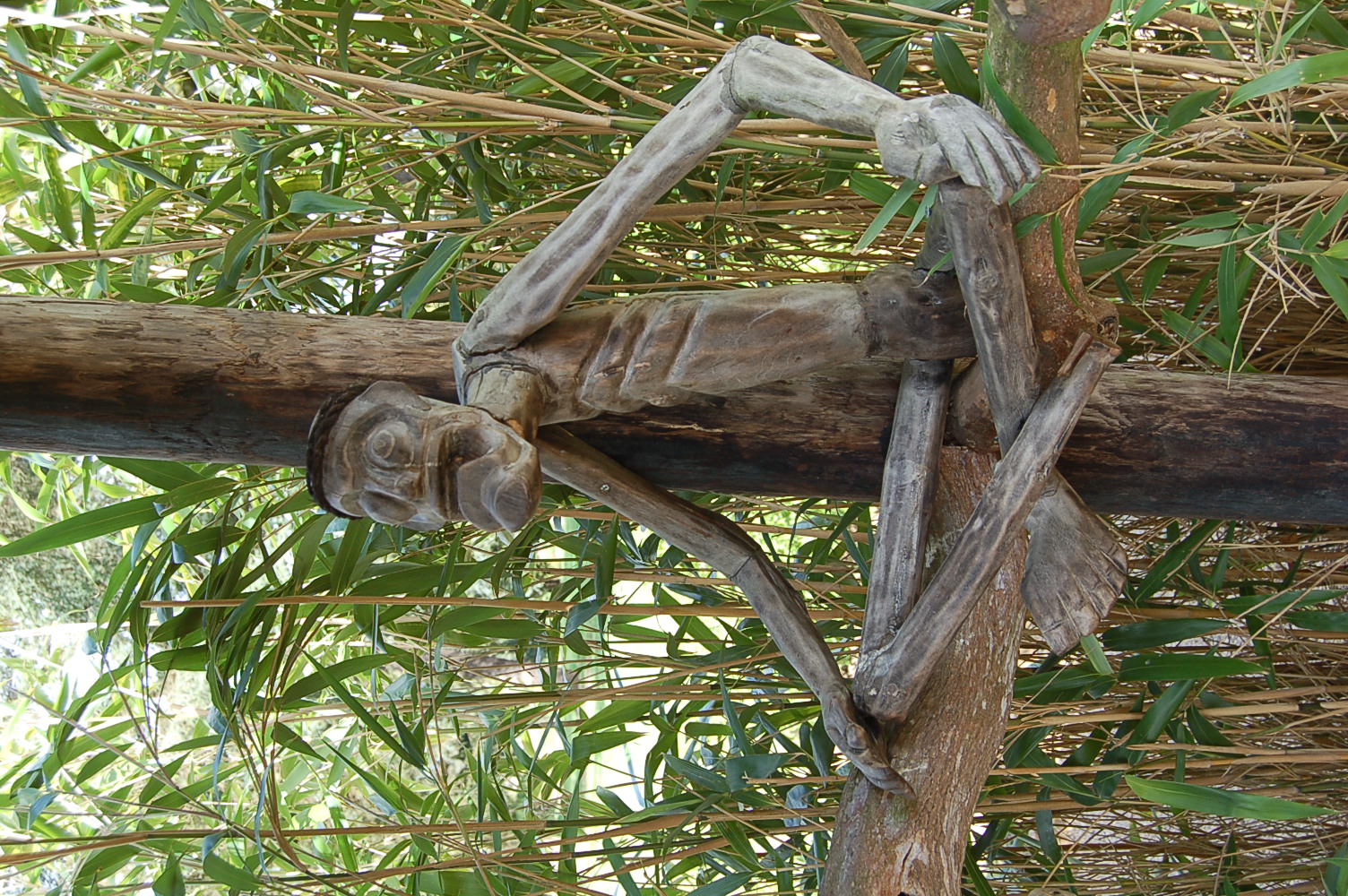
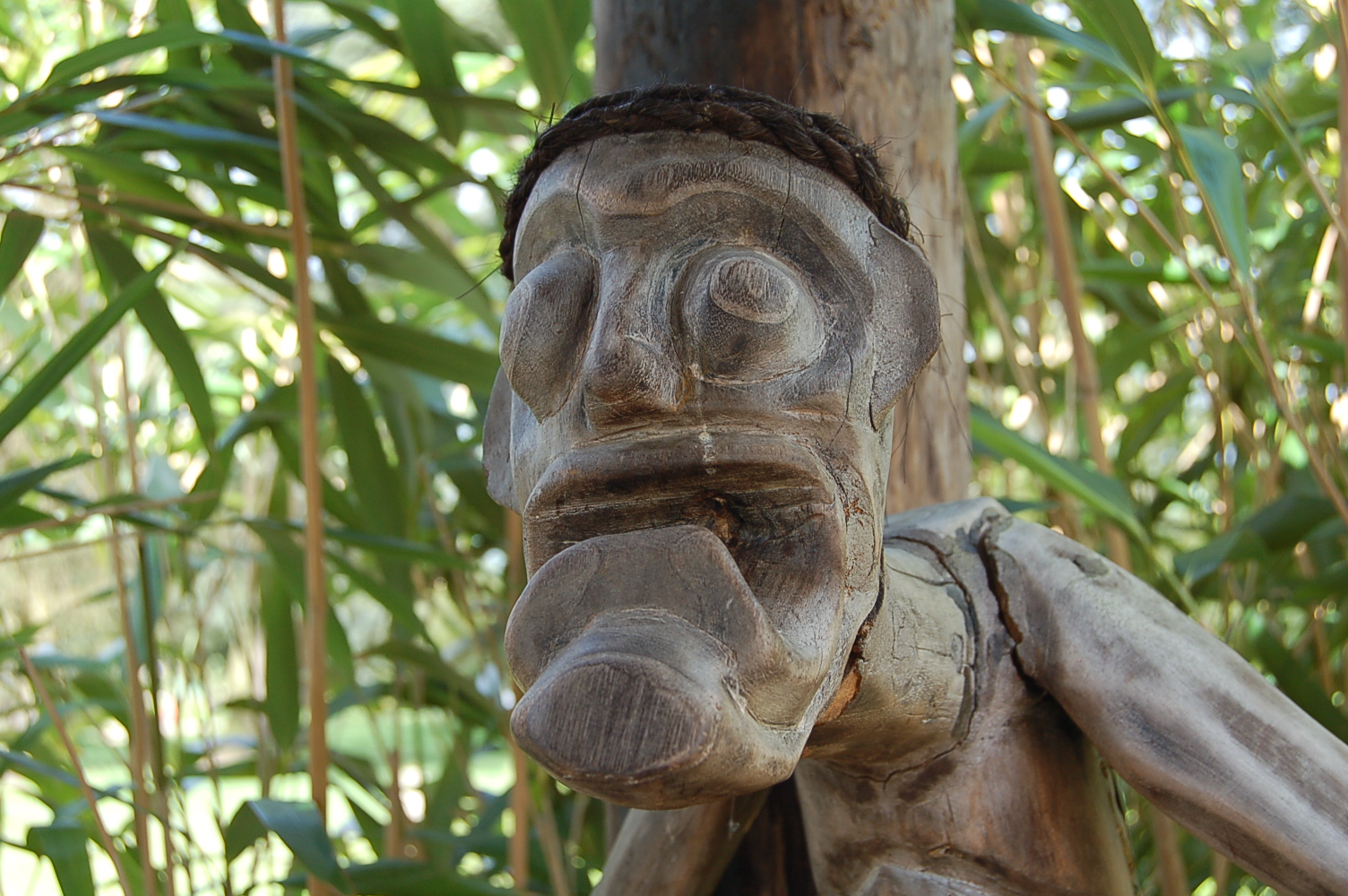
When visiting gardens we often meet interesting characters and on this visit we met this chap, who had little to say and looked most disturbed about something.

Categories
conservation gardening grow your own ornamental trees and shrubs trees wildlife woodland

Coppicing our Hazel

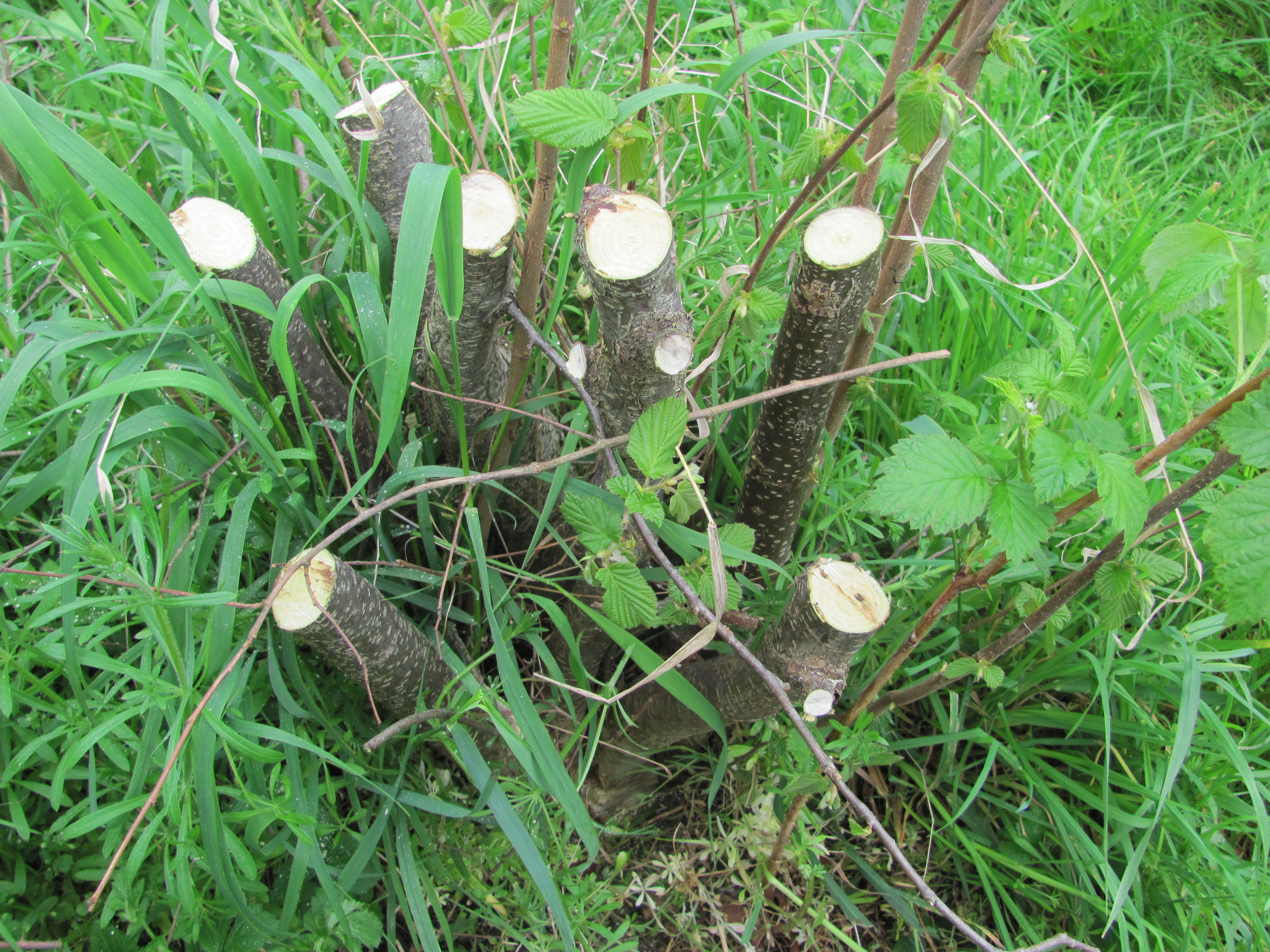
At the very end of our garden we grow a couple of Hazel trees. The Jays love the nuts as do the occasional squirrels and it is a favourite perch for birds coming into the garden from the adjoining countryside. But as organic gardeners we delight in coppicing it every few years to give us bean poles and pea sticks. this reduces the need to buy bamboo canes with their sea miles attached.

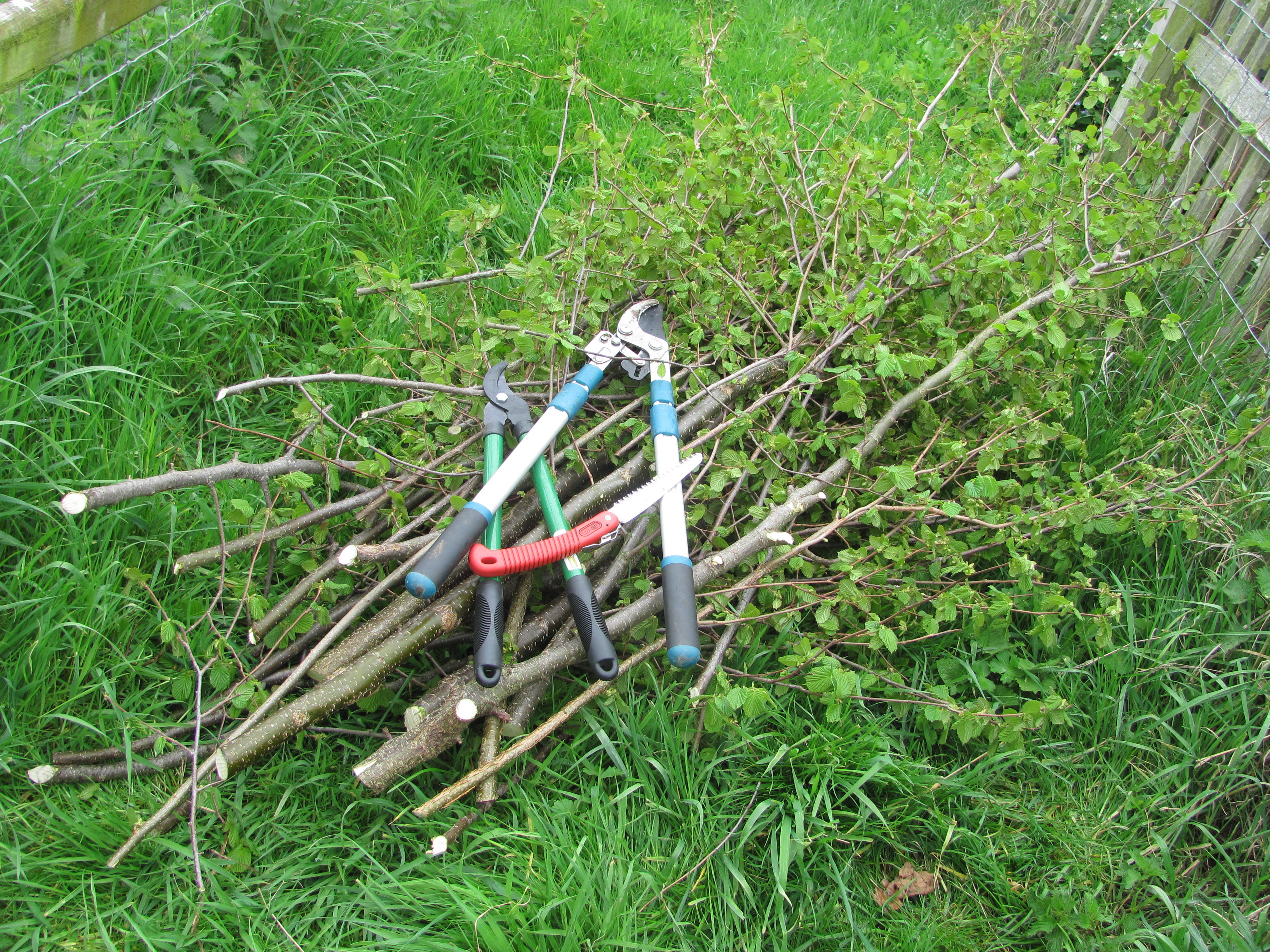
So, a few days ago, with a small pair of loppers, a larger ratchet pair, secateurs and a pruning saw tucked under one arm I attacked its limbs. I was careful to leave neat cuts so that I was not inviting disease into the wounds. In a short while we had, instead of a tall shrubby tree, a pile of poles and sticks and a revitalised view of the countryside.

It was a good activity for a cold May morning as it warmed me up nicely.

Before …..
…… and after.
The results of a good half hour’s work.

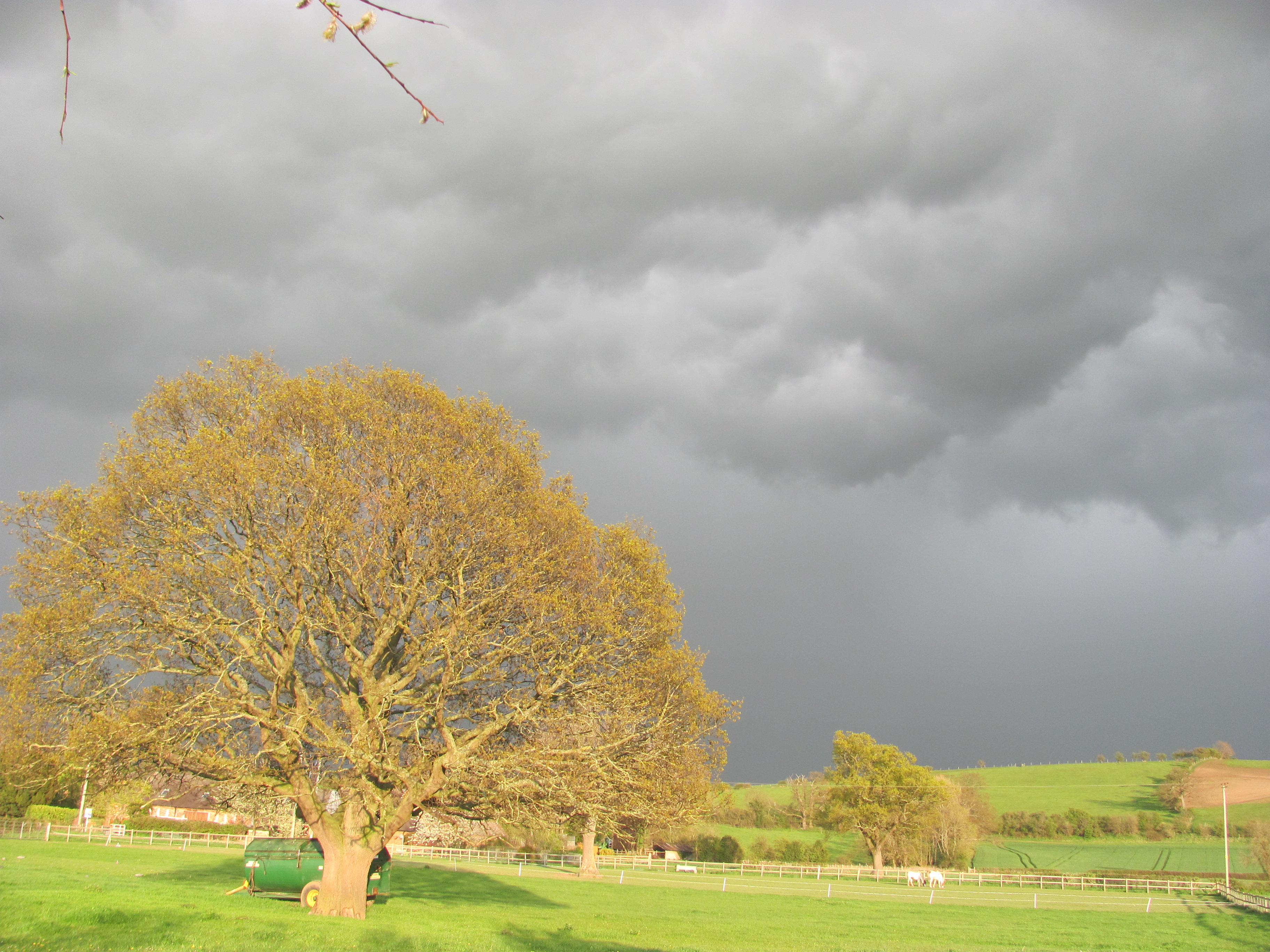
By cutting the Hazel down we can once again appreciate our view of the old Oak tree, a very special part of our “borrowed landscape”.

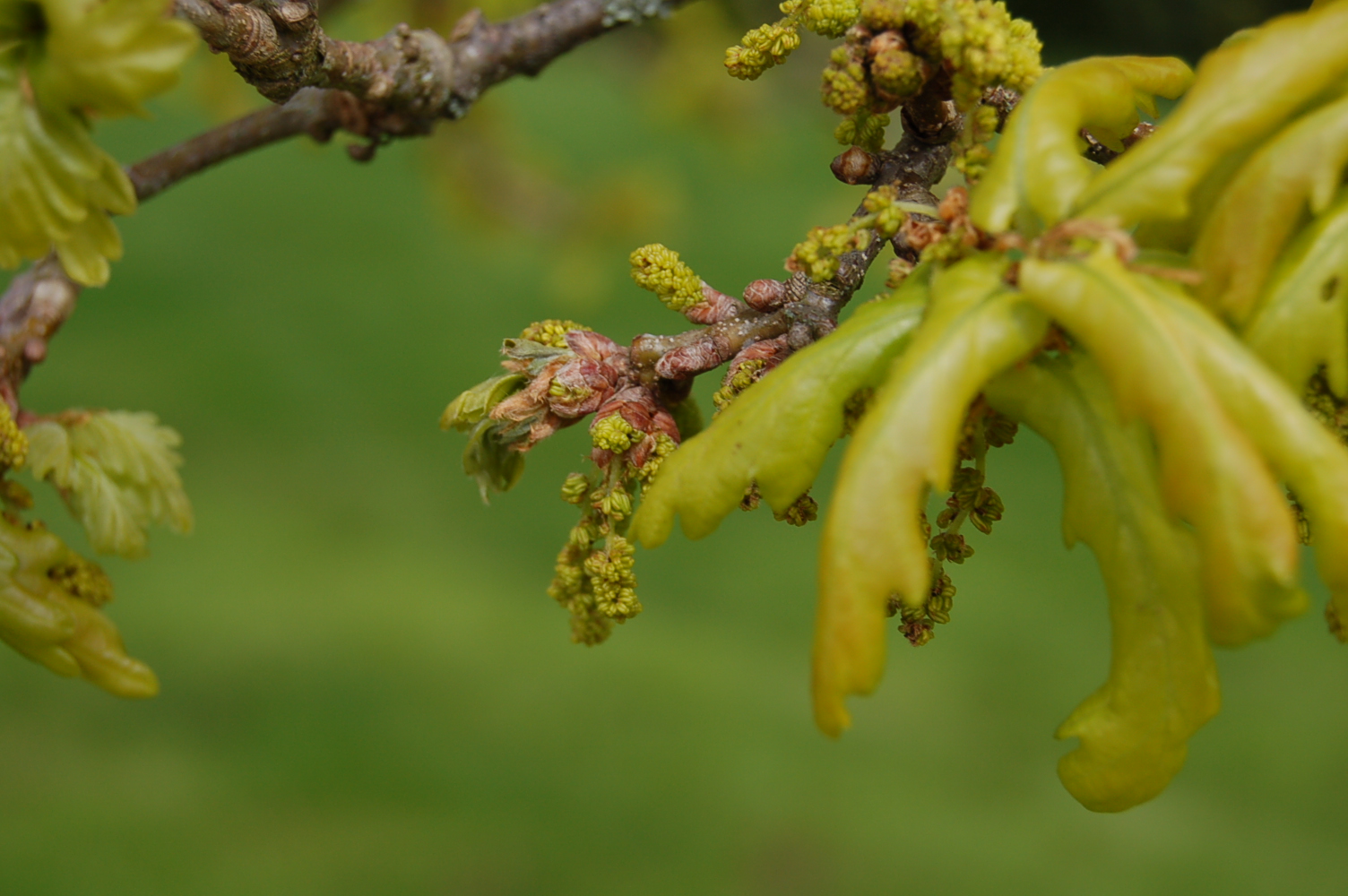
The bronzed foliage of our old Oak shines out against a somewhat stormy sky.
Categories
fruit and veg garden photography gardening grow your own hardy perennials ornamental trees and shrubs photography roses shrubs spring gardening trees

May’s Burst of Growth

A week into May the rain stopped, the temperature rose a little and the skies cleared, bird song increased in volume and in response the garden had a burst of growth. Fledgling Robins, although only hours out of the nest began to follow us around the garden as we worked as if they had an inbuilt knowledge of the link between gardeners and Robin food.

Variations in foliage colour is strong in early May light.

Leaf buds on trees and shrubs started to unfurl and herbaceous plants looked greener and fresher with the new leafy growth. Flower buds fattened ready to open in the next few days.

New seedlings of mixed salad leaves.
Fresh growth on Bowles Golden.
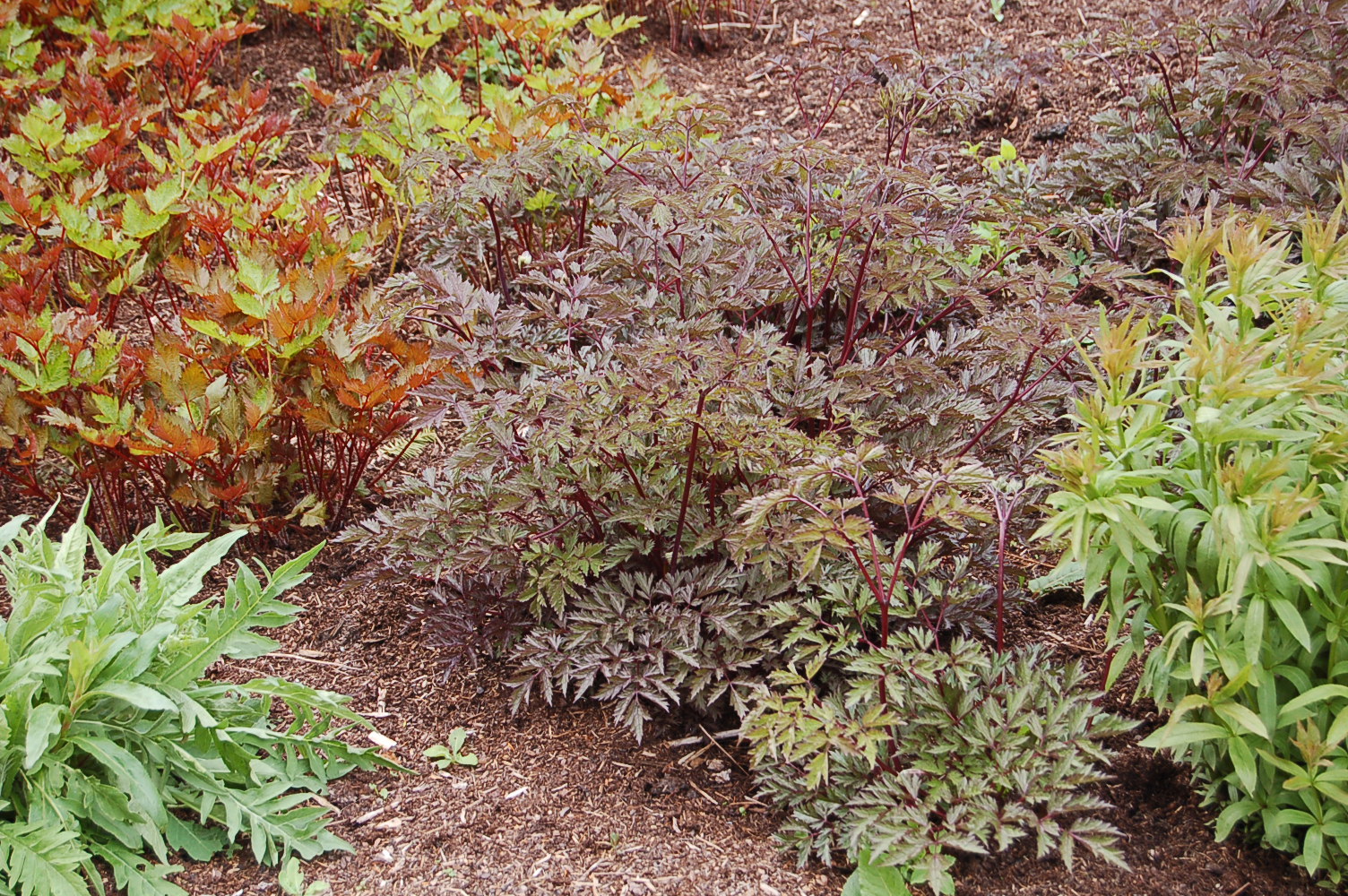
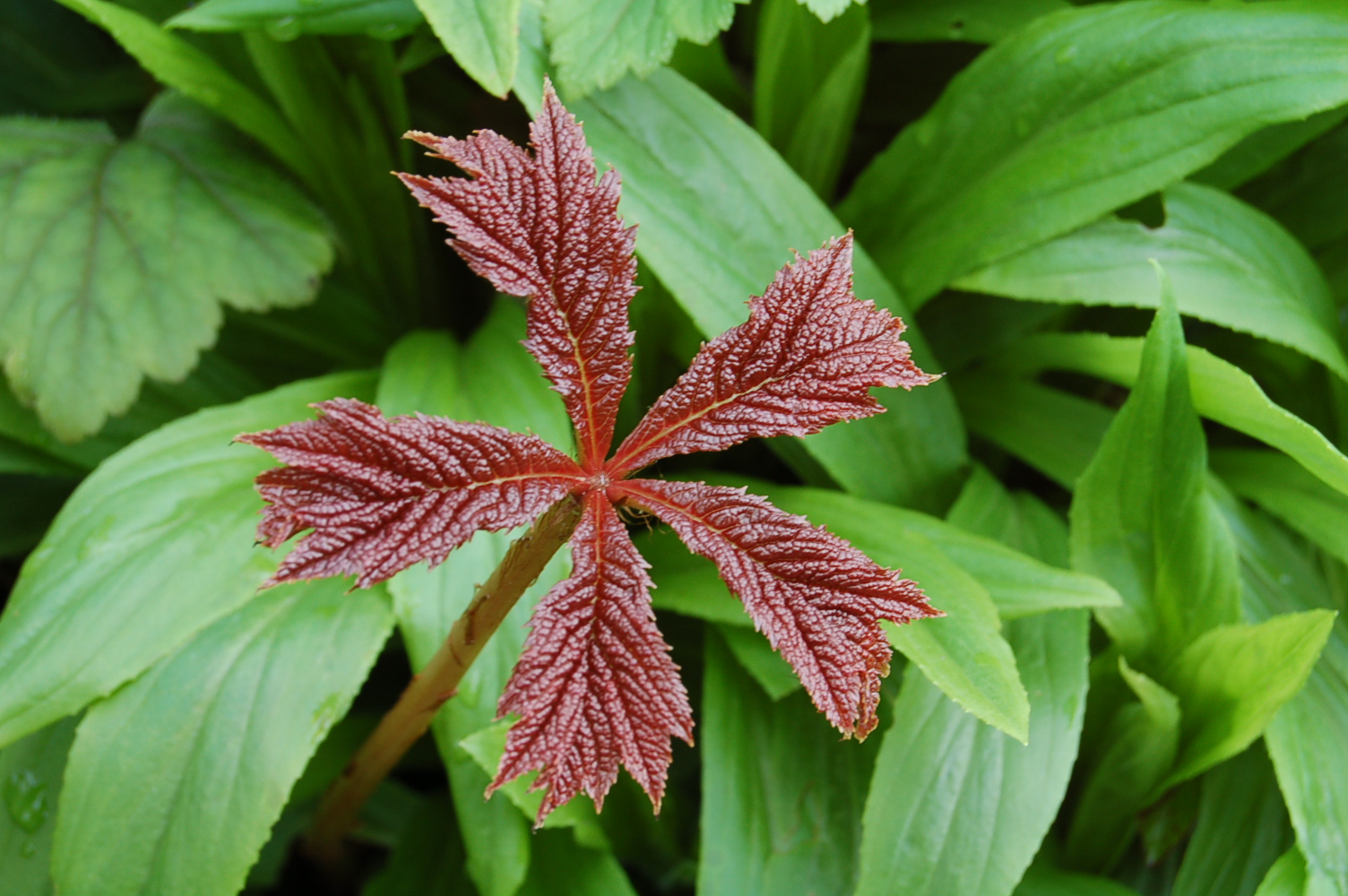
The deep reddish bronze foliage of this Rogersia contrasts beautifully with its green-leaved neighbours.
Aquilegias are about to flower in every border. Can’t wait!
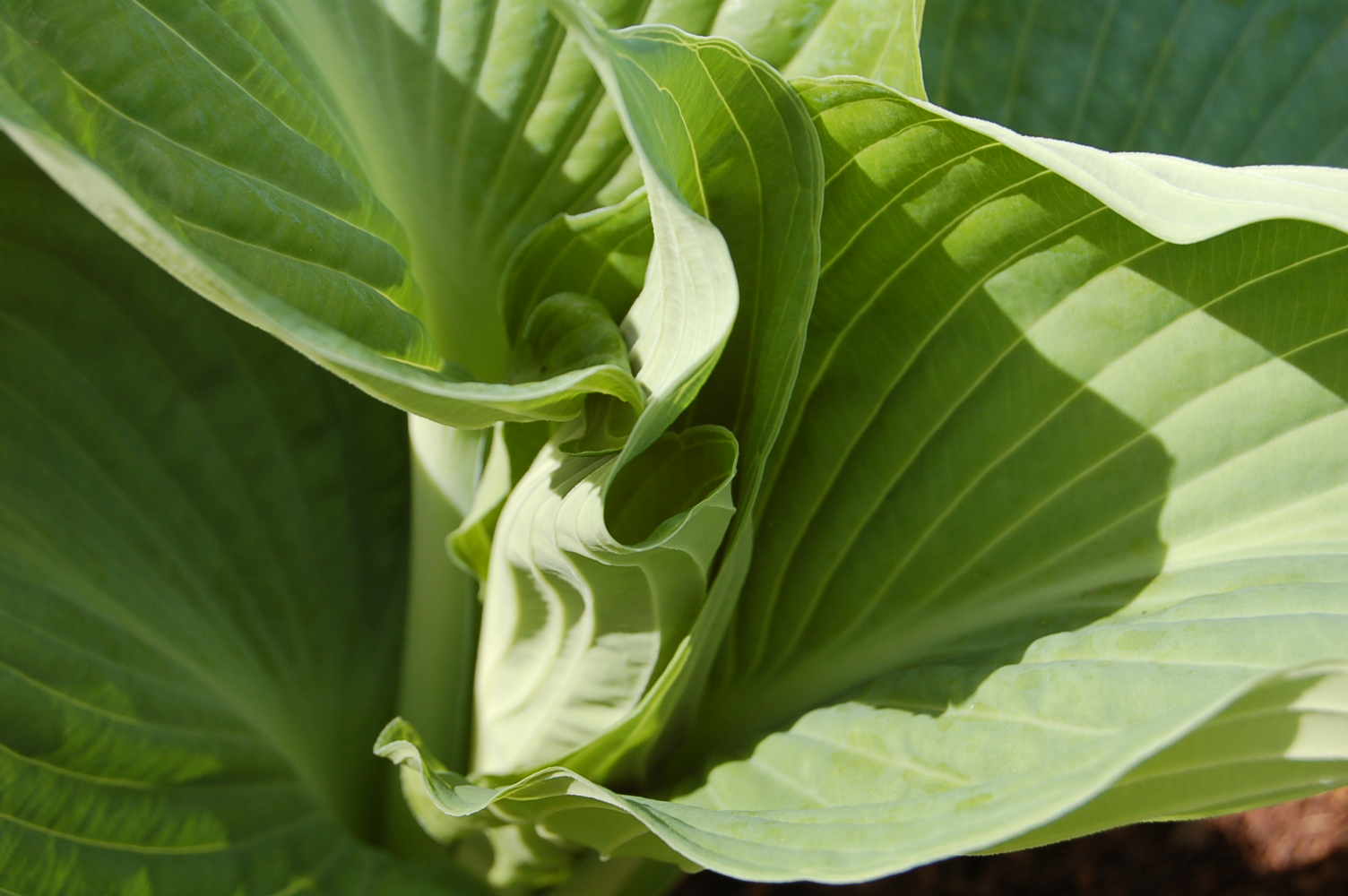
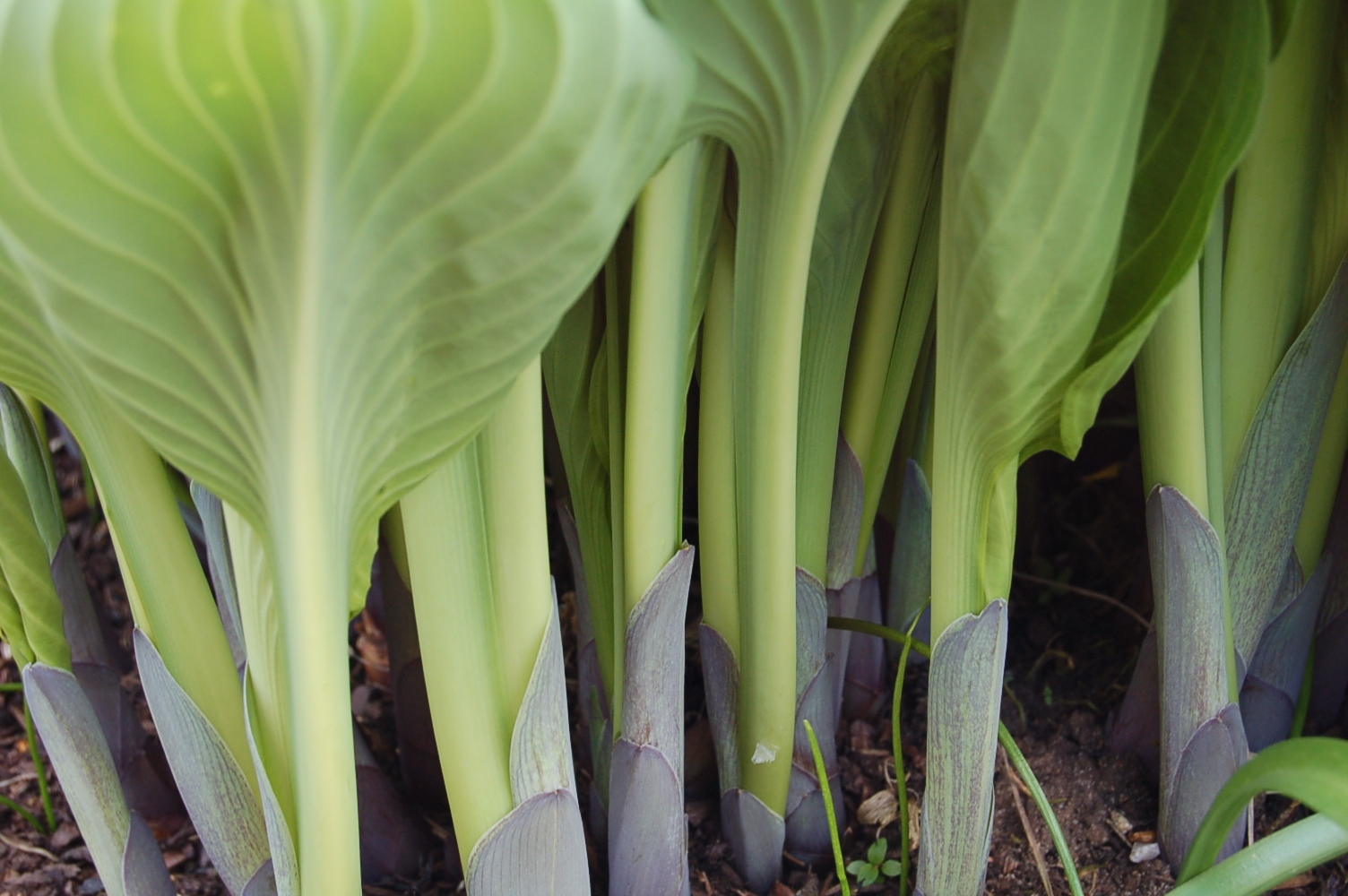
Grey Hosta spear soaring skyward.
This herb valerian self seeds throughout the garden and its scent is welcomed wherever it blooms.

The surge of growth will hopefully allow Mother Nature to catch up a little. The rose bushes are often clothed in fat buds a few of which burst before the end of the month, but at the moment their leaves are still not fully out. Similarly the flowers of the Cercis are usually out now flowering on the bare stems and trunk but their buds are tight shut while the foliage is bursting into life.

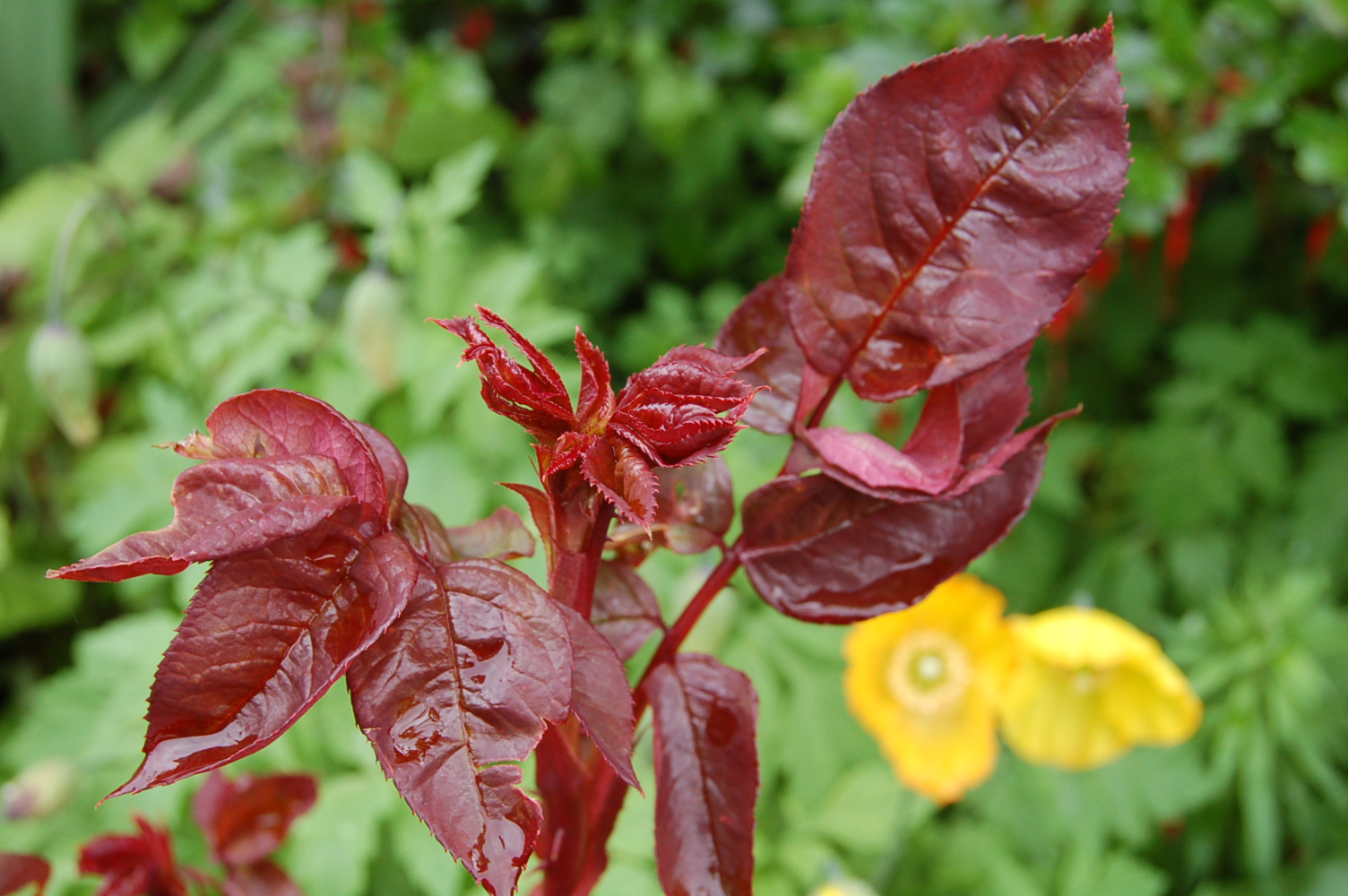
Rose foliage emerges a deep shade of red.
The new fresh leaves of Cercis display a deep bronze colour.

Our fruit trees do not want to miss the fun – their leaf and blossom buds burst into life.

Apple blossom gives us so many shades of pink to enjoy.
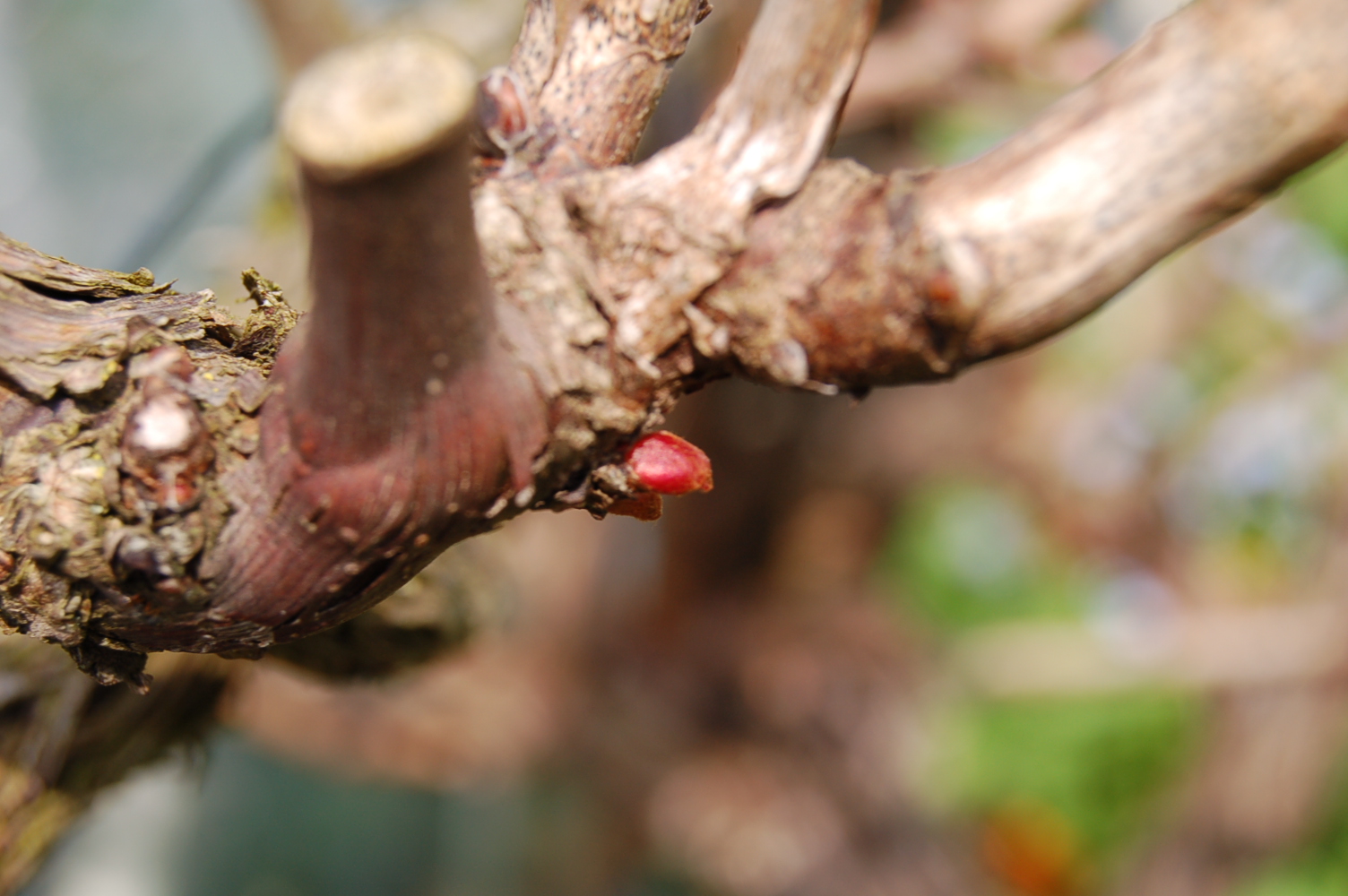
Very late emerging bud on our Hampton Court vine.

Flower buds are bursting – they do not want to be left out!

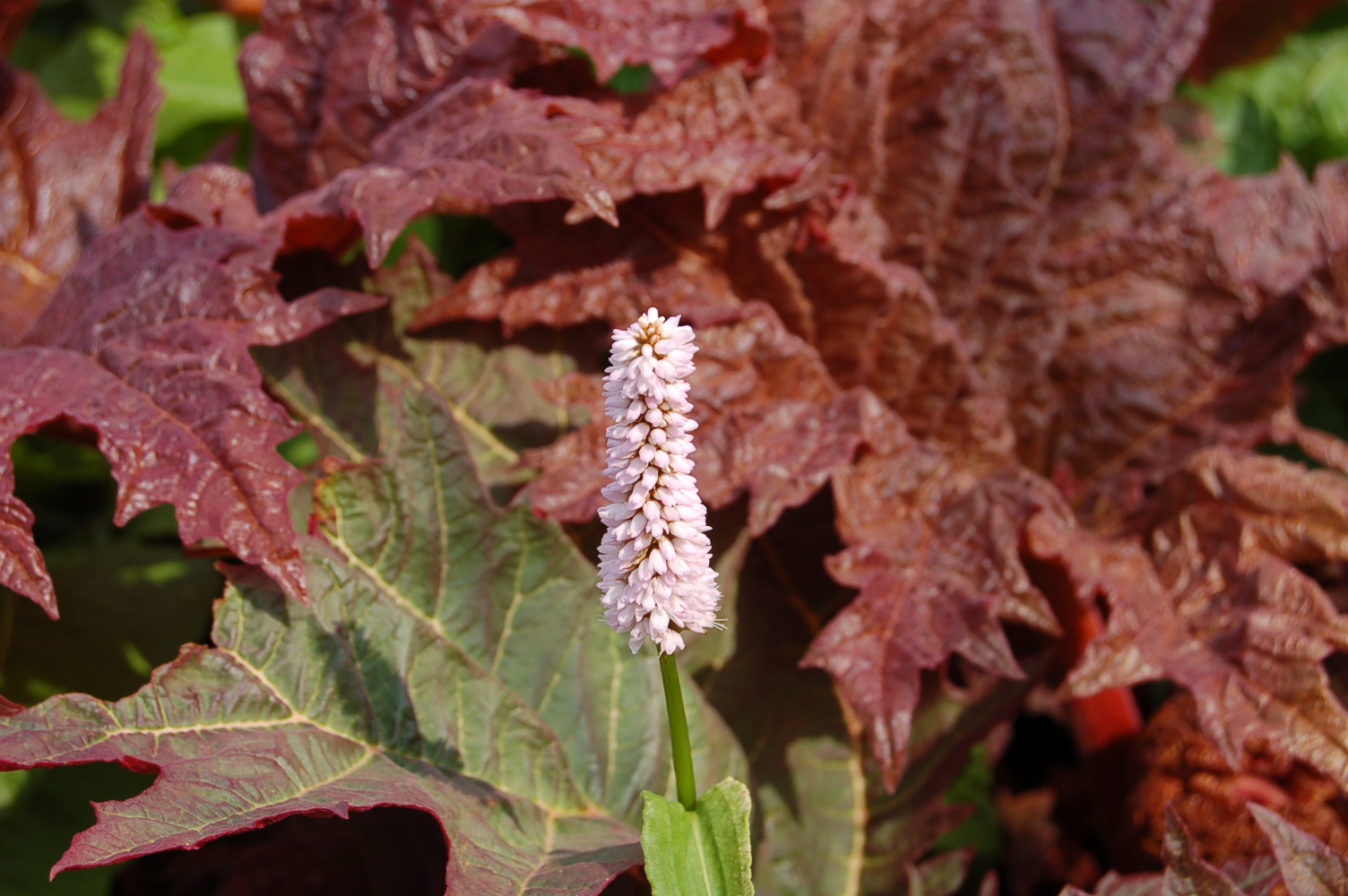
The first flower of the Persicaria bistorta stands alone in the lush foliage of the Bog Garden.
The yellow scented flower of this deciduous rhododendron are nearly with us.
Misty blue Cammasia buds opening.
Fat Allium bud rising from the whorl of leaves.
Red Campion buds ready to burst cluster atop their stem.

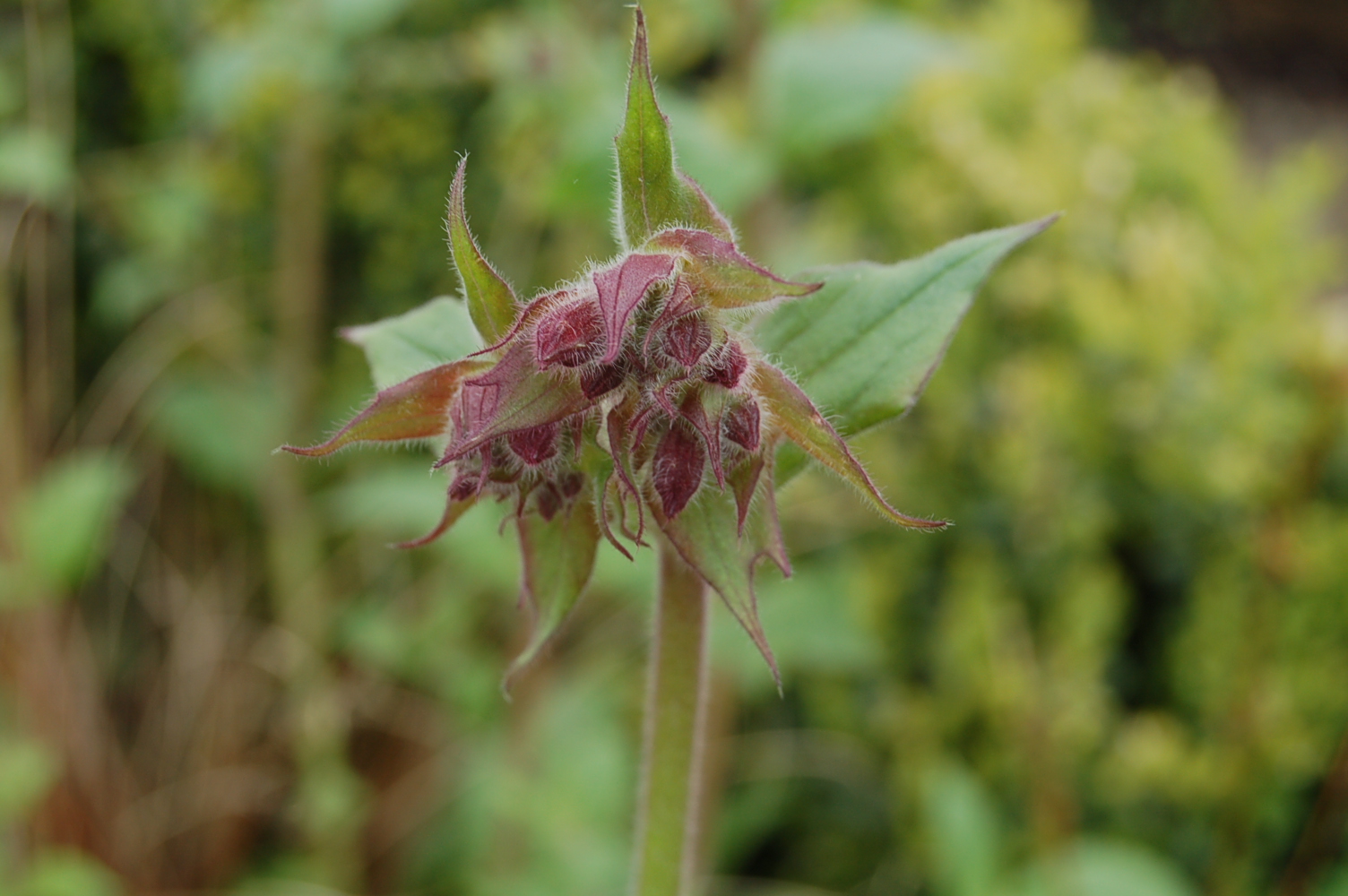
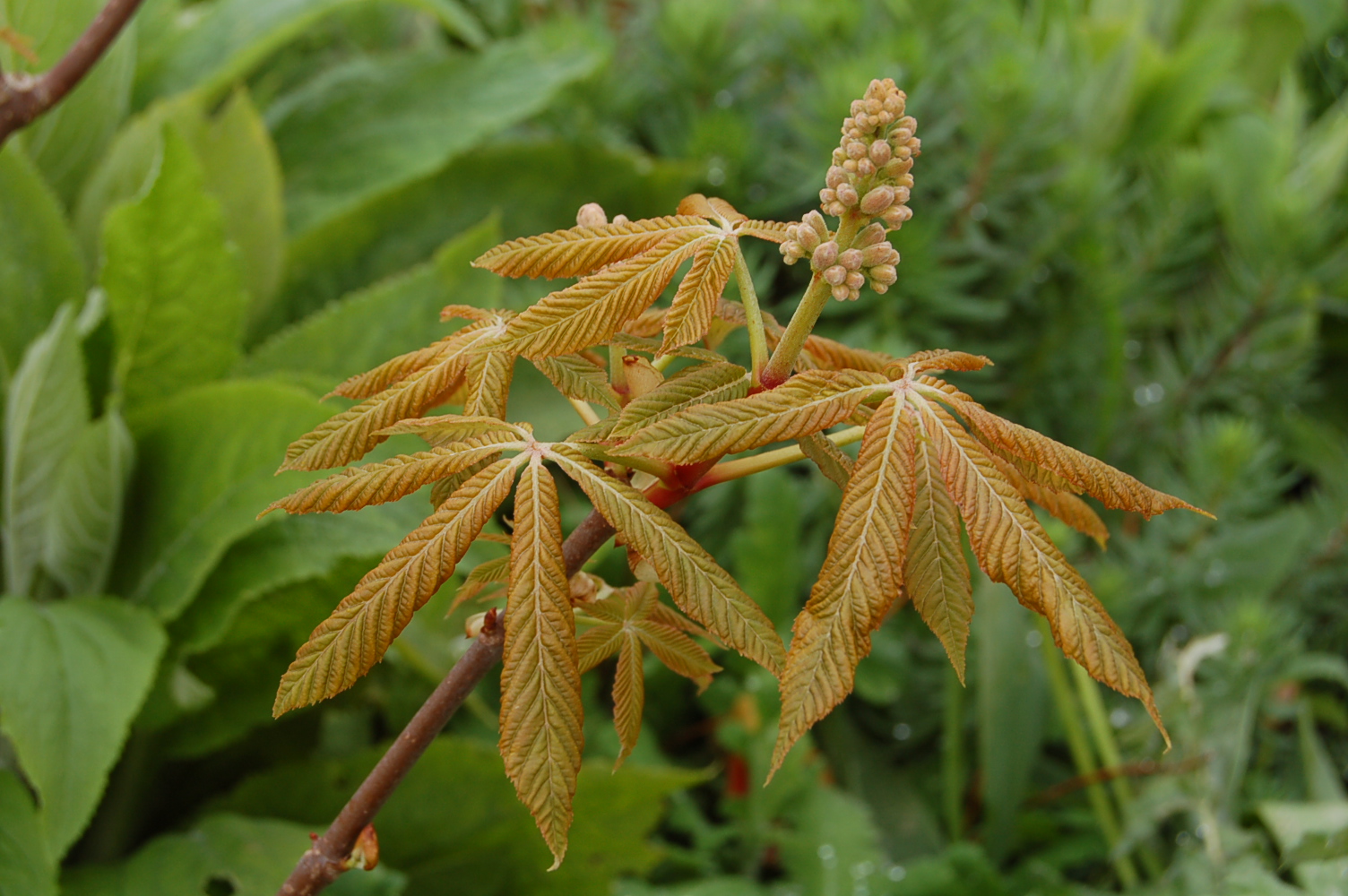
The most unusual coloured new buds appear on our two miniature Horse Chestnuts.

Delicate pale bronze new hands of chestnut leaves.
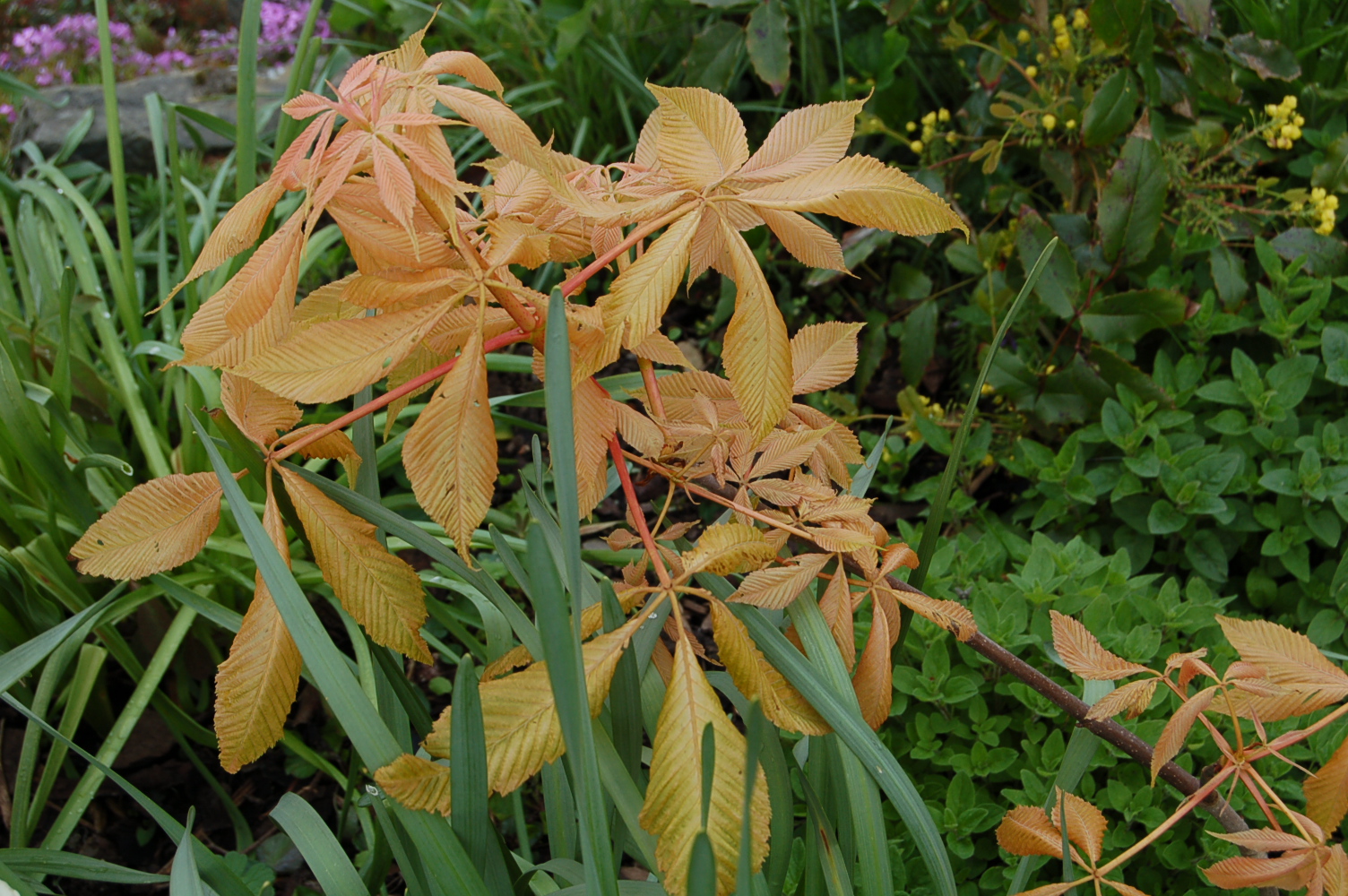
Salmon pinky orange?
Categories
garden photography gardening ornamental trees and shrubs shrubs

Three Flowering Currants

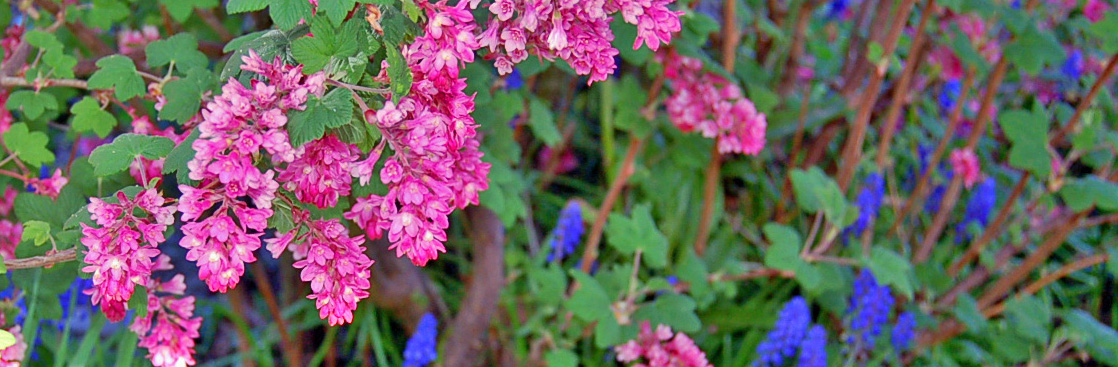
In each of our four gardens that we have developed we have grown the commonest of flowering currants, Ribes sanguinium (above) but here in our garden at Plealey we are also growing two other less common ones.

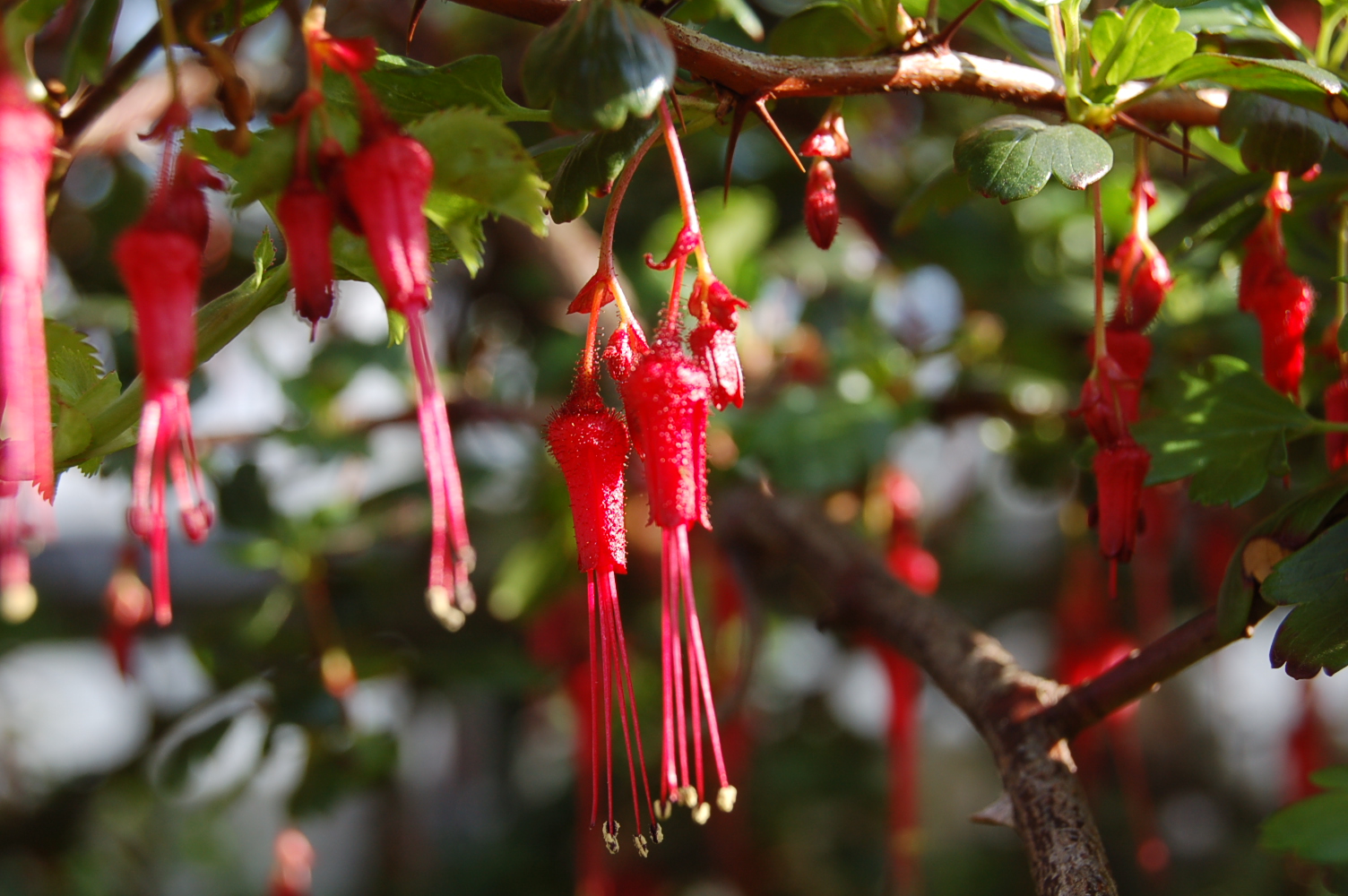
The photo below shows our specimen of the “Fuchsia-flowered Currant”, Ribes speciosum, which we grow in a sheltered spot against the greenhouse as it is supposed to be tender around here. The spiny arching stems grow up tall reaching the top the the greenhouse and peering over. Its new young branches start off a deep rusty red colour and are absolutely covered with bristly spines. Its flowers are like long fuschias in a rich deep red with long red stamens protuding. These flowers seem to be around in varying numbers just about all year. It is a true beauty!
When we bought ours from a tiny nursery hidden away in Herefordshire we didn’t know what it was when we saw it growing on the side of an outbuilding. The nurseryman told us that most people asked if he sold any cuttings of his climbing fuschia. One look at the flowers below and you can immediately see why.

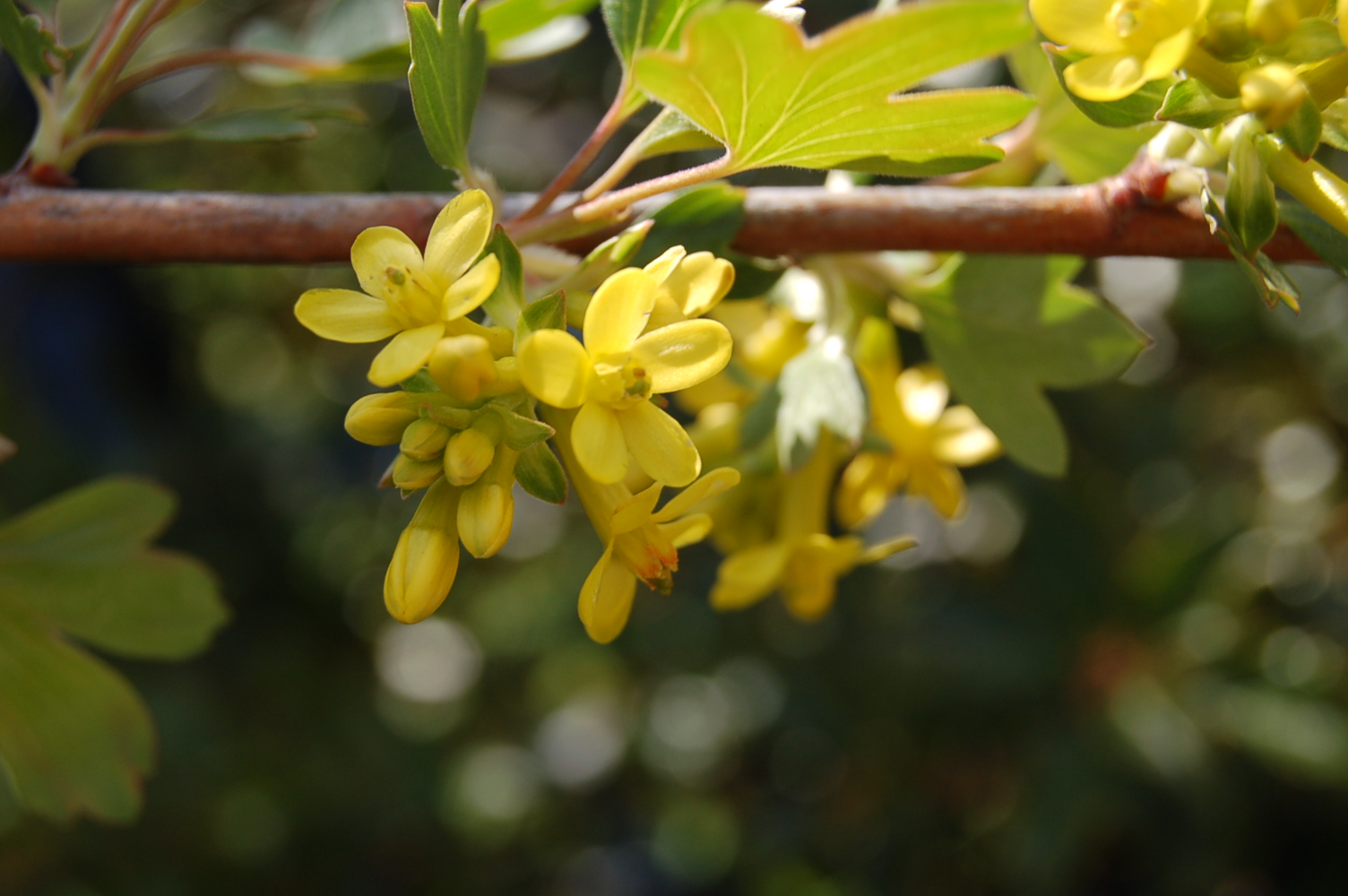
Our third currant is a yellow-flowered shrub called Ribes odorata, or the Buffalo Currant. Its lovely yellow racemes of flowers are gently scented, a much more pleasant scent than that of the more common Red Currant which smells of black currant leaves, although it has to be said that Jude the Undergardener claims it smells like cat pee! The brightness of the yellow flowers is emphasised by the fresh green of the foliage. In the autumn the leaves take on hints of red and purple.
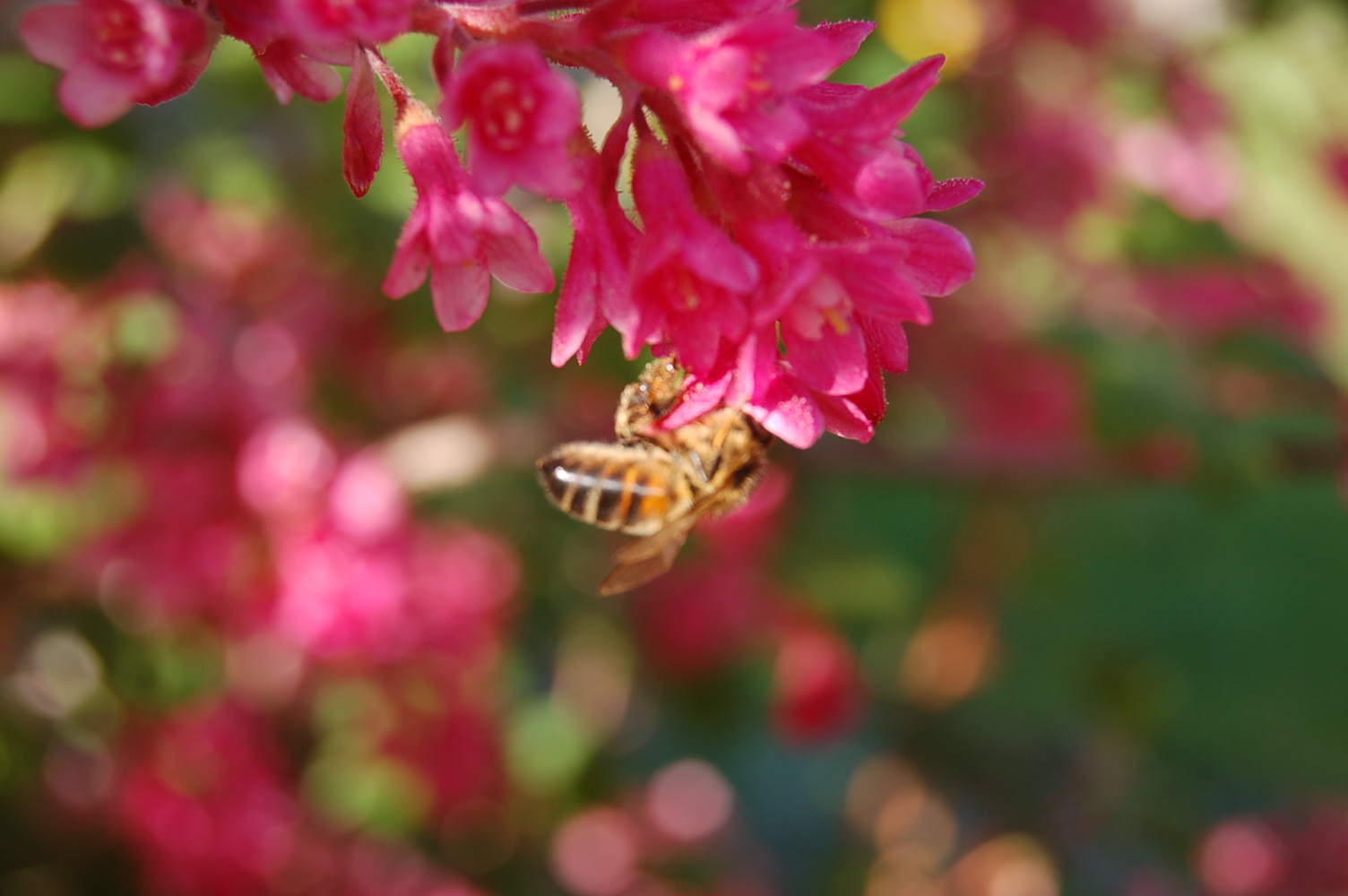
One of the main resaons for growing flowering currants, in addition to their hanging racemes of flowers is their attraction to insects especially bees and hoverflies, early in the year.

Categories
garden wildlife gardening hardy perennials ornamental trees and shrubs shrubs trees Uncategorized

Our Wildlife Garden – gardening for wildlife, gardening with wildlife.

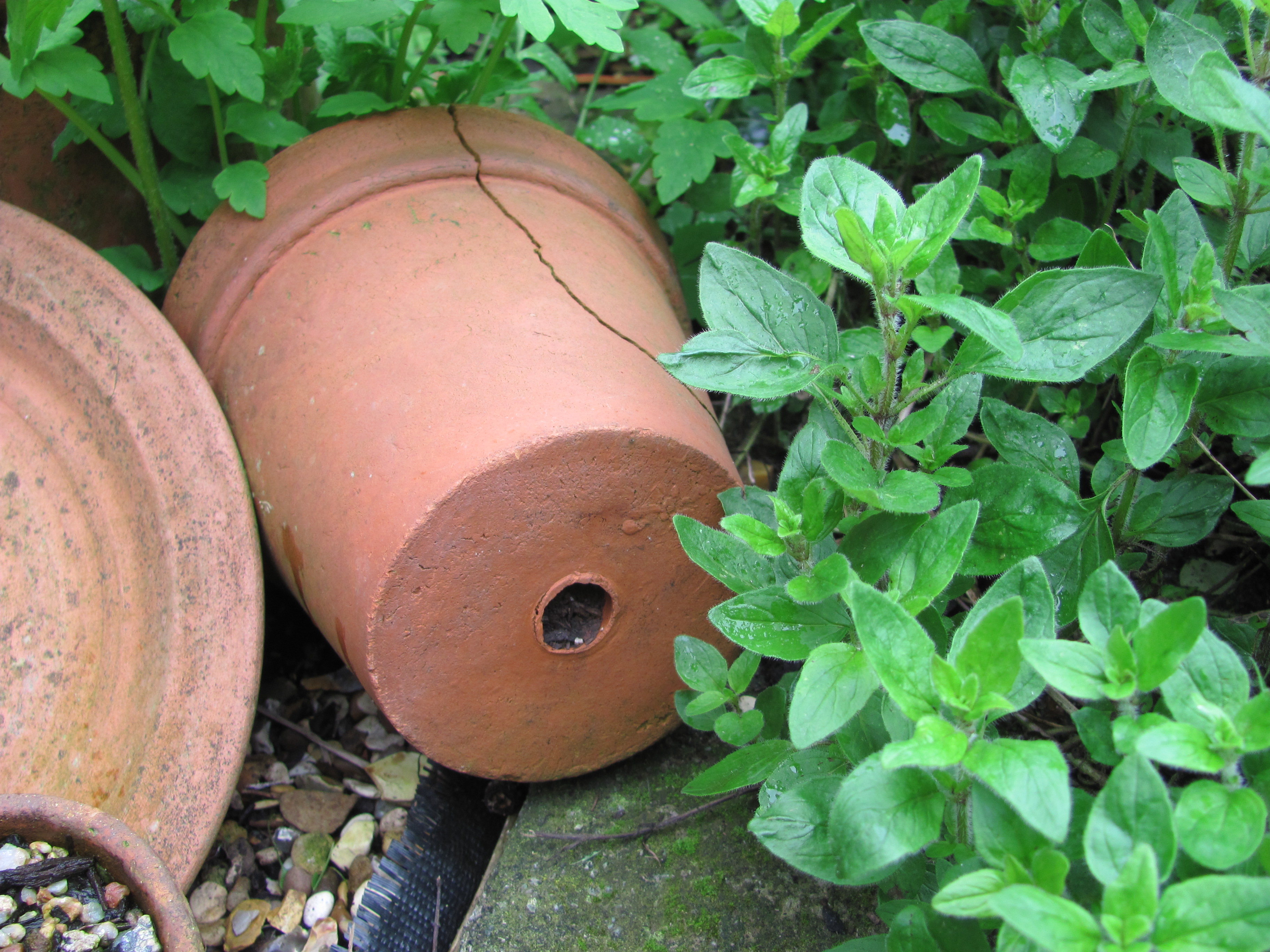
It is easy to create secretive and decorative nesting places for bees.

We always describe our garden as being wildlife friendly. But what makes it good for wildlife? What elements of our garden invite wildlife in? We are proud of the fact that we have gardened with organic principles at the front of our minds for decades. A garden cannot be regarded as wildlife friendly if the gardener is not working with these principles constantly driving what goes on.

We make deliberate decisions to attract wildlife by providing food, shelter and nesting places. Each time a plant is bought, a bed restructured or new beds made, wildlife is a factor. Equally how we manage the garden has to be friendly towards our natural friends.

But let’s be honest, we don’t do all these things just for wildlife, as there is a selfish element to it. We like being surrounded by birds, butterflies, insects et al. We need to hear, see and experience the natural history of our plot. A cup of coffee outside is all the better if accompanied by the song of birds, the movement and colour of butterflies and the constant flittering of insects.

I have recently read a wonderfully informative and thought-provoking book by John Walker entitled “How to Create an Eco Garden”, and in it he proposes the concept of “eco-fitting” your garden. This idea is all about making the garden “more self-sustaining, less wasteful of valuable resources, more reliant on renewable sources of energy and friendlier to wildlife”. This will provide a useful guide when considering the content of my blog, and it will be at the forefront of my mind as we go on a journey around our garden looking at how we make it good for wildlife.

Throughout the garden, the trees and shrubs we have planted were chosen partly for their berries to feed the birds, blossom to attract pollinators and how well they give shelter, homes and nesting places.

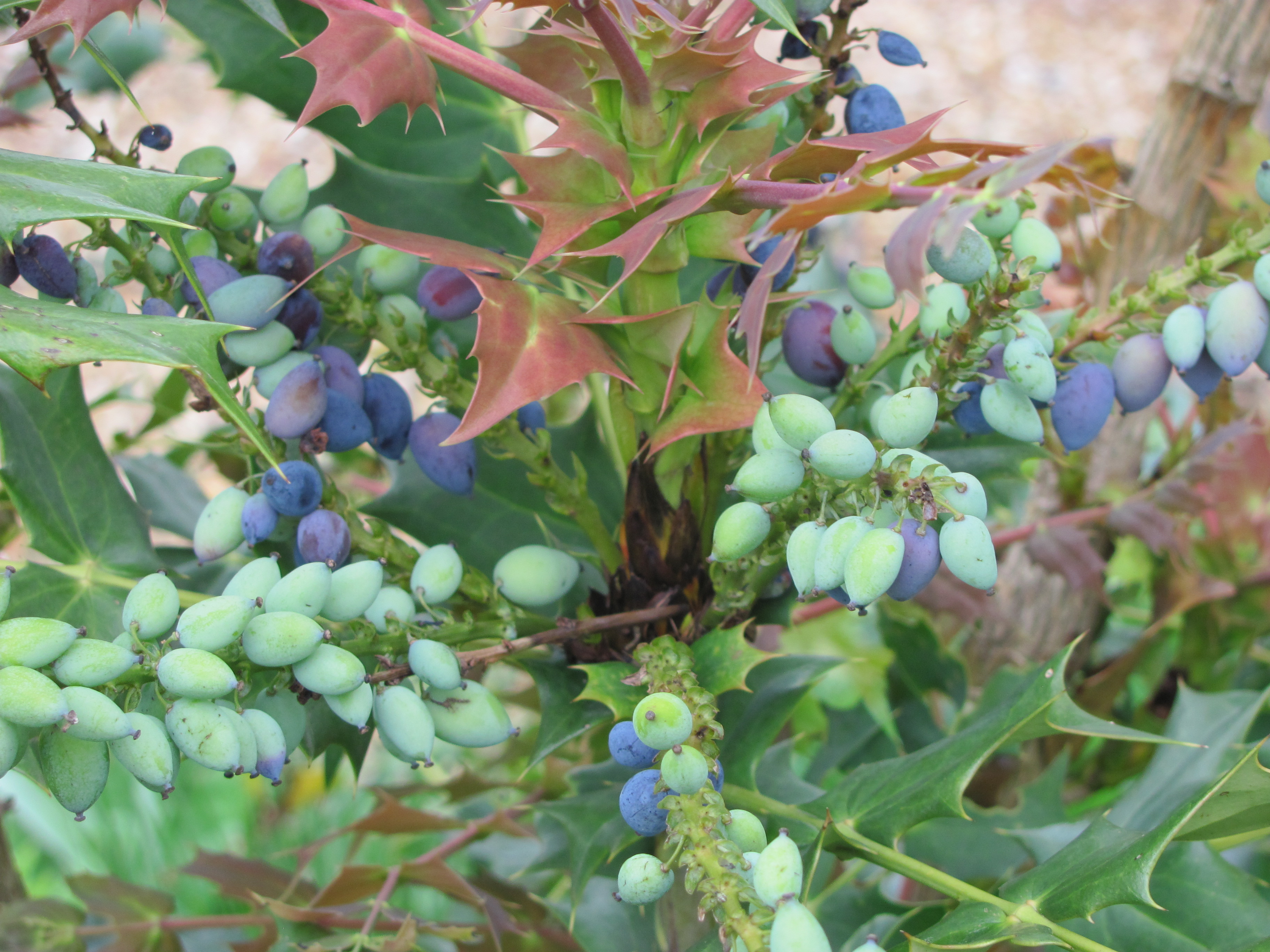
The dark berries of mahonias are enjoyed by Blackbirds but only after all the red berries around have been eaten.
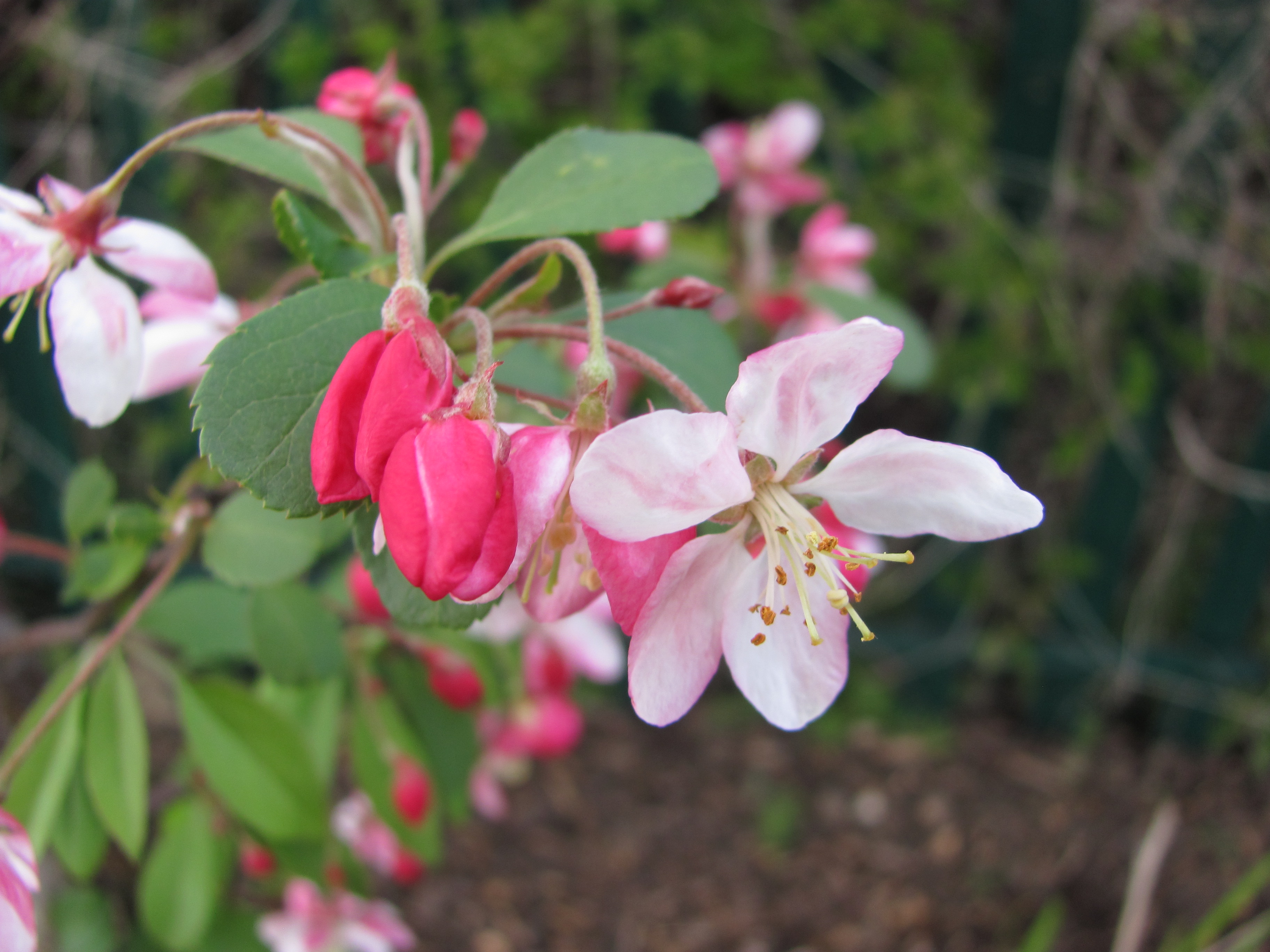
Apple blossom provides pollen for bees and hoverflies early in the year and fruit for us later on. Fruit that rots in store or goes too wrinkled is put out for Blackbirds and Thrushes to enjoy.

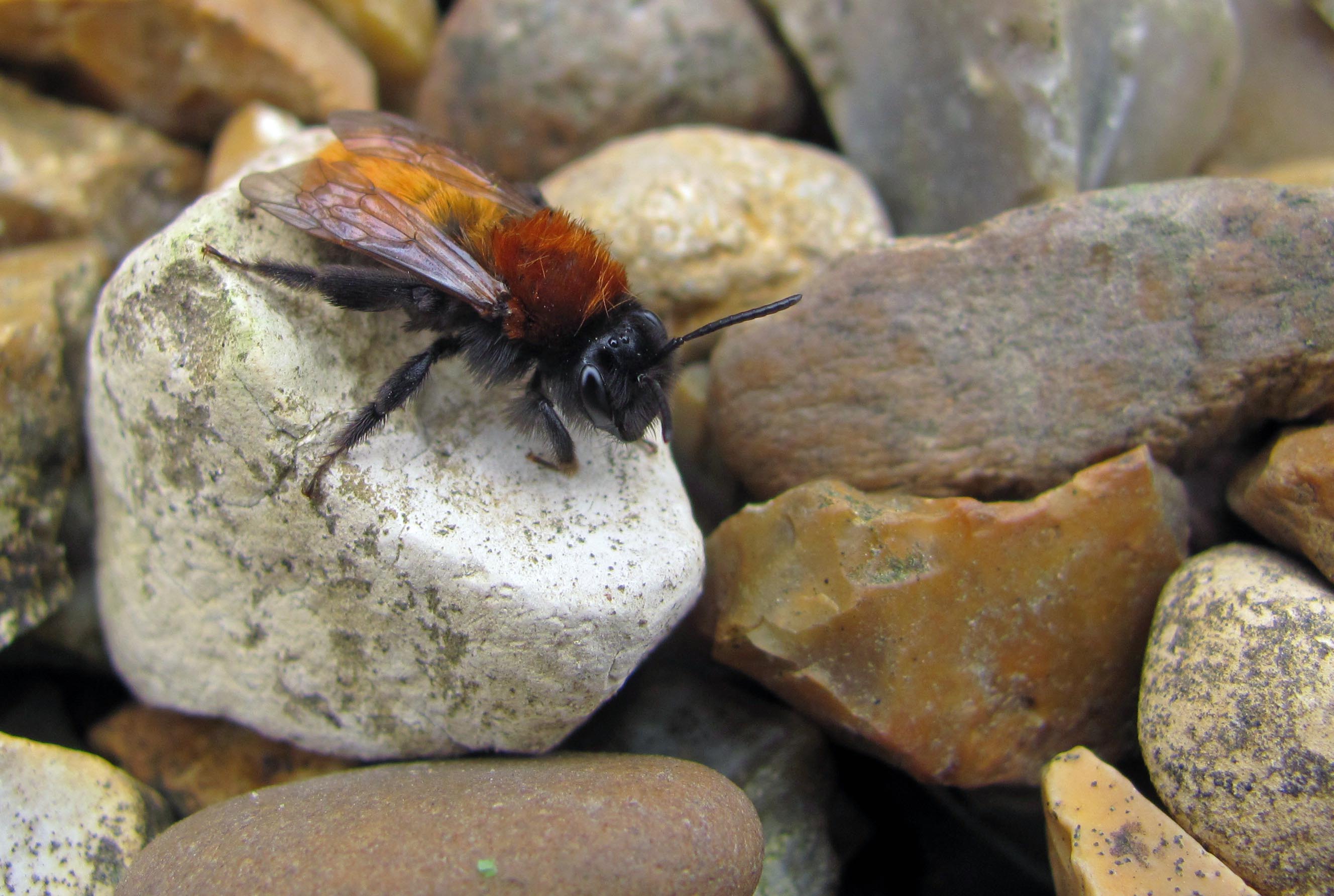
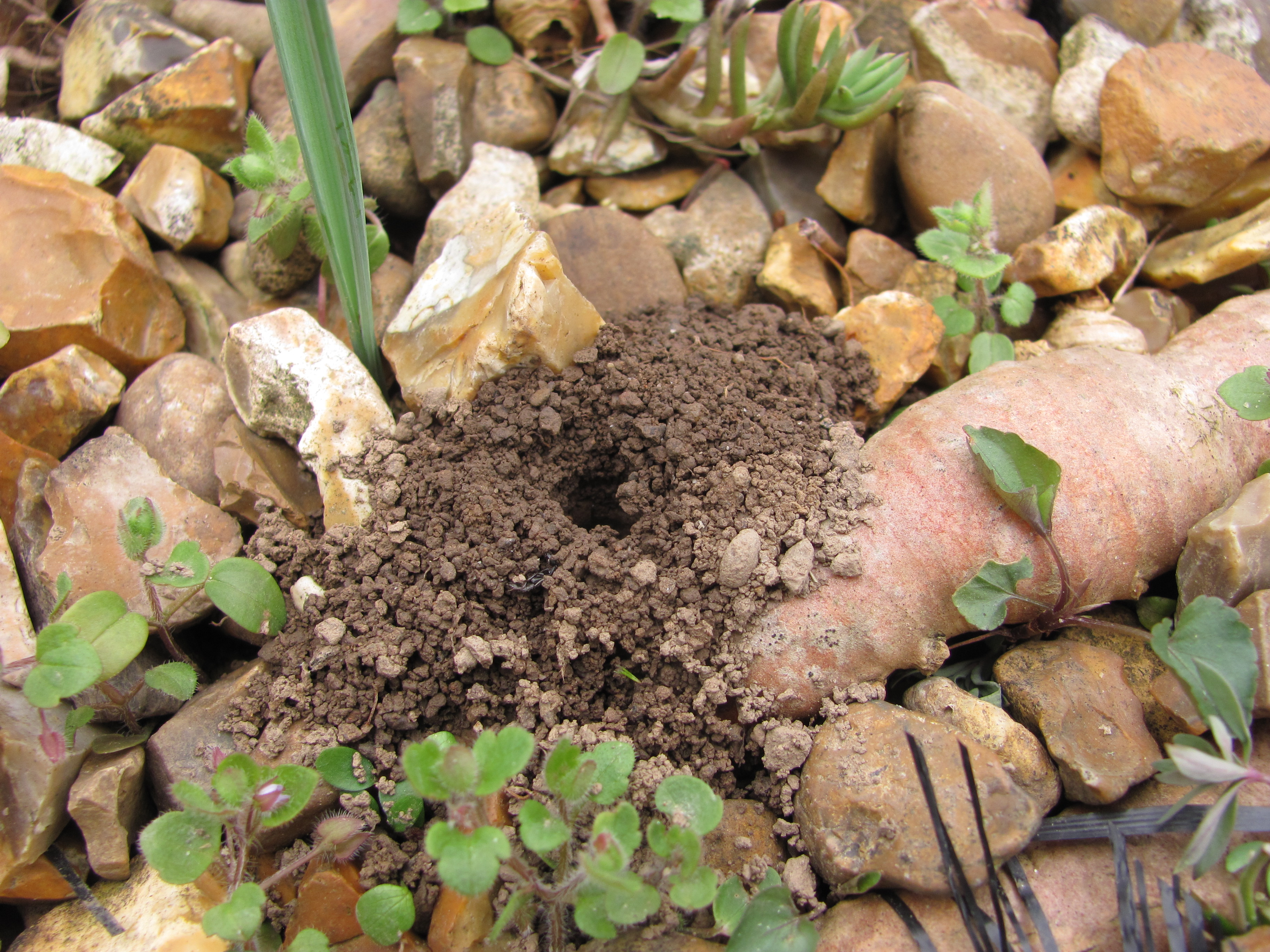
Look into our front garden and in full view of all windows is one of our three bird feeding centres where we provide mixed seeds, peanuts, suet balls and suet blocks. The front lawn supports White Clover and Dog Violets both loved by bees. Although we cut the grass and keep it quite short these wildflowers react by flowering on shorter stems. We use no weed killers or fertilisers on our grass as we enjoy knowing that Blackbirds can safely feed there. Tawny Lawn Bees make their homes here and in the gravel patch alongside. They make miniature volcano shaped piles of fine soil as they construct their tunnels.
The beautifully coloured miner bee, the Tawny Lawn Bee.
A mini-volcano on our gravel made by a bee.
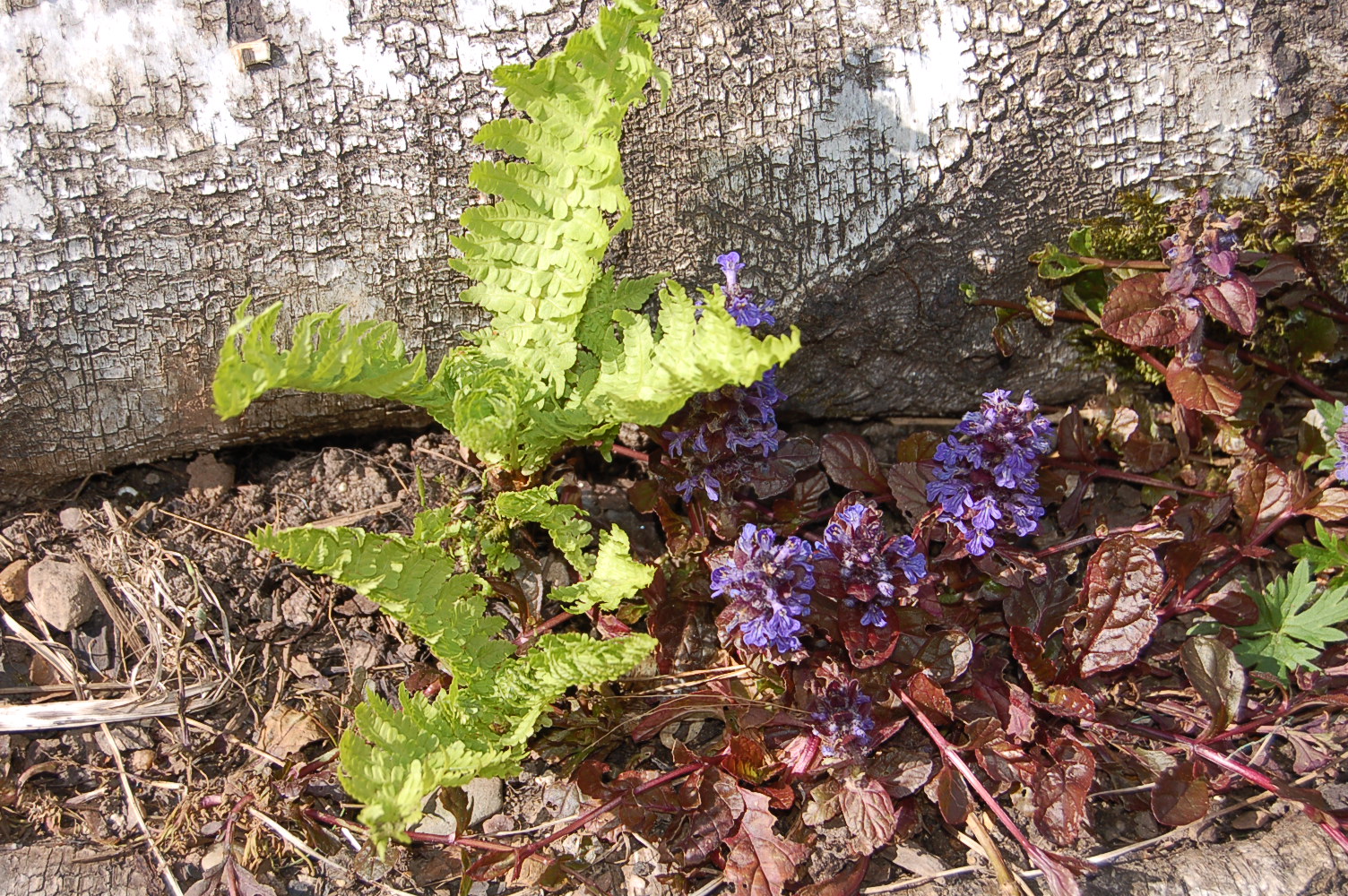
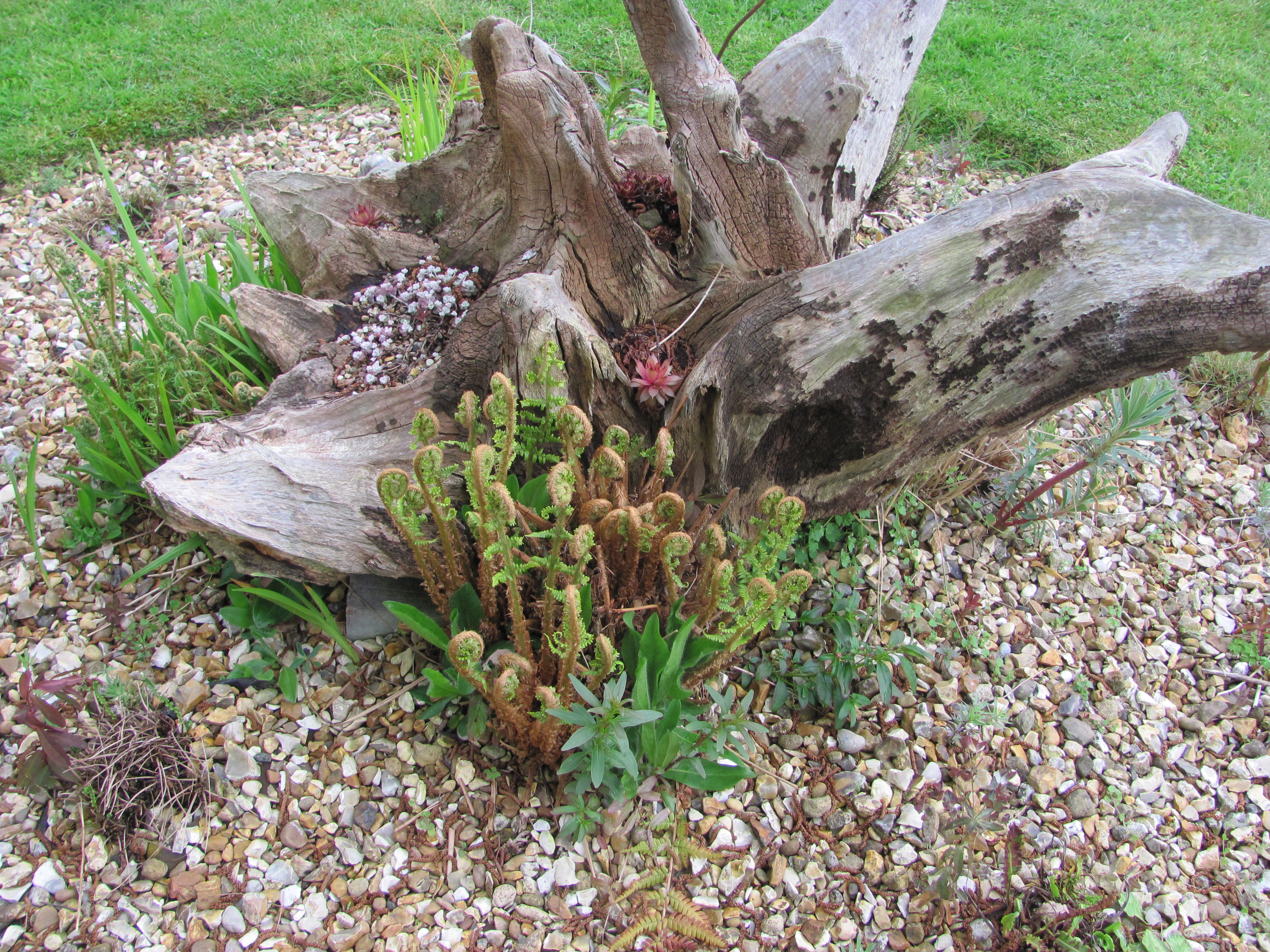
The old Oak stump as ferns and grasses are just beginning to grow in early May.

We have an old Oak stump around which we grow ferns and grasses. The Wrens, Robins, Warblers and Dunnock soon recognised this as a home for the insects they enjoy eating.

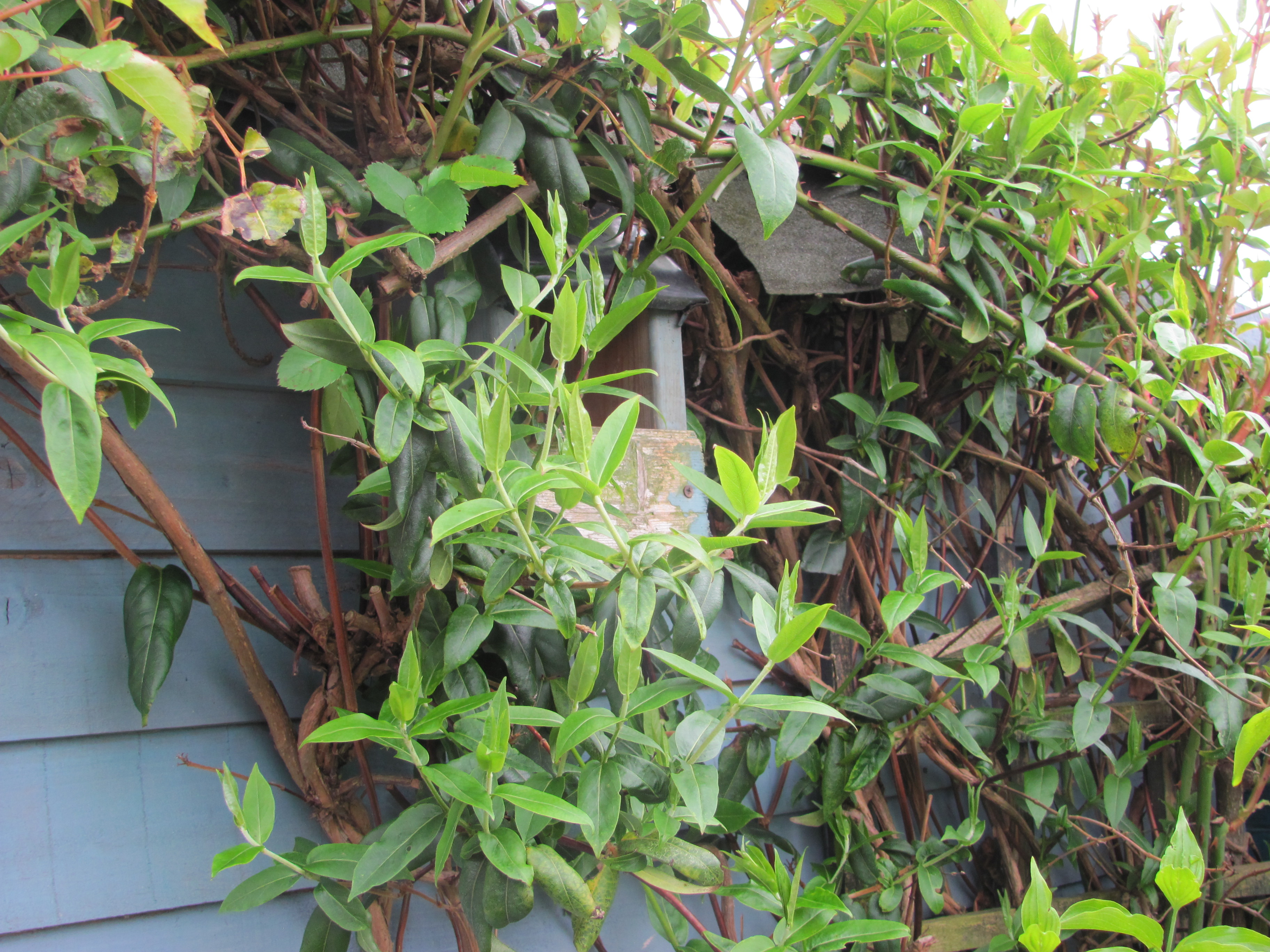
All of our outbuildings are clothed with climbers to provide shelter, food and nesting places for wildlife. You can just spot the robin box in amongst the honeysuckle and rose.
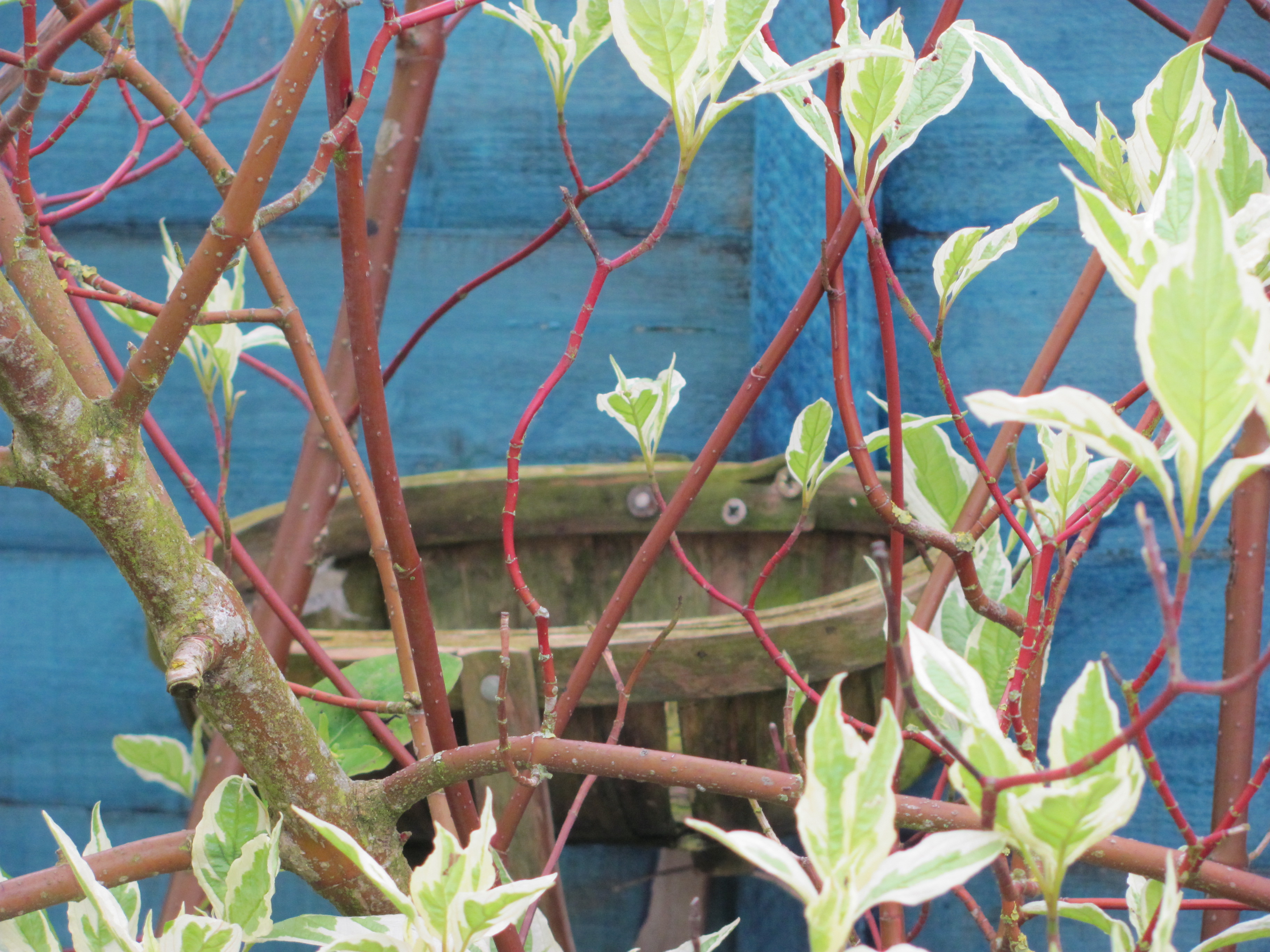
The old trug hides behind climbers to attract blackbirds to nest

In our side garden opposite our main door are bird boxes for Robins, Tits and House Sparrows and an old trug was placed in a dogwood to provide a nest shelf for Blackbirds. On the shed there and the fence we grow Honeysuckles and Climbing Roses to provide shelter for wildlife and nest sites for Wrens and blackbirds. The Apple Trees growing in large terra-cotta pots are favourites of bees early in the spring, and in other large flower pots we have sown mini-meadows of wild flowers.

An assortment of insect shelters and nesting holes on the garden shed, attract droves of solitary bees who nest in the holes.
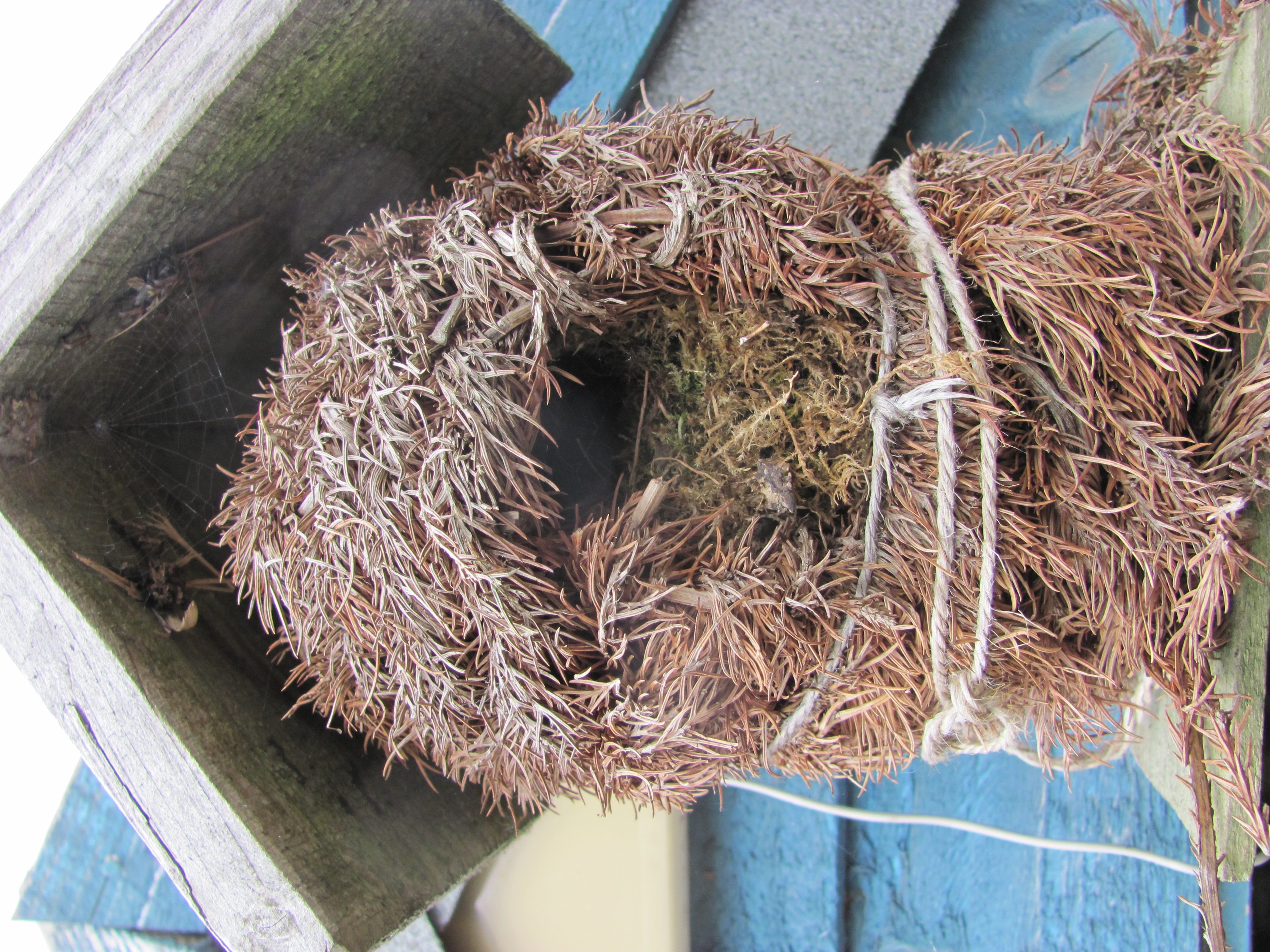
Wrens nest in the roosting pouch every year even though it is right above the shed door.

Into the back garden and immediately we spot the insect hotel, which sits in amongst our comfrey bed. The leaves of the comfrey provide us with our organic plant food and their flowers are loved by bees and hoverflies.

Luxury accommodation for beneficial insects.

Nest boxes are scattered throughout the garden wherever we can find a suitable space. Most are used by members of the Titmice family or Robins. Our trained fruit trees and climbing roses are favourite nesting places. Last year a pair of Goldfinches nested in a climbing rose called Goldfinch – they must have read the label!

A favourite with our Robins.
A Blue Tit nest box in the Cherry Arch.
A pair of Collared Doves is nesting on top of one of our Apple Arches. We can see the eggs and sitting adult dove through the twiggy nest as we pass beneath.

Throughout the borders we select plants with simple flowers, rarely doubles, and grow several native plants such as Red Campion, Cowslip, Foxglove and Cow Parsley.

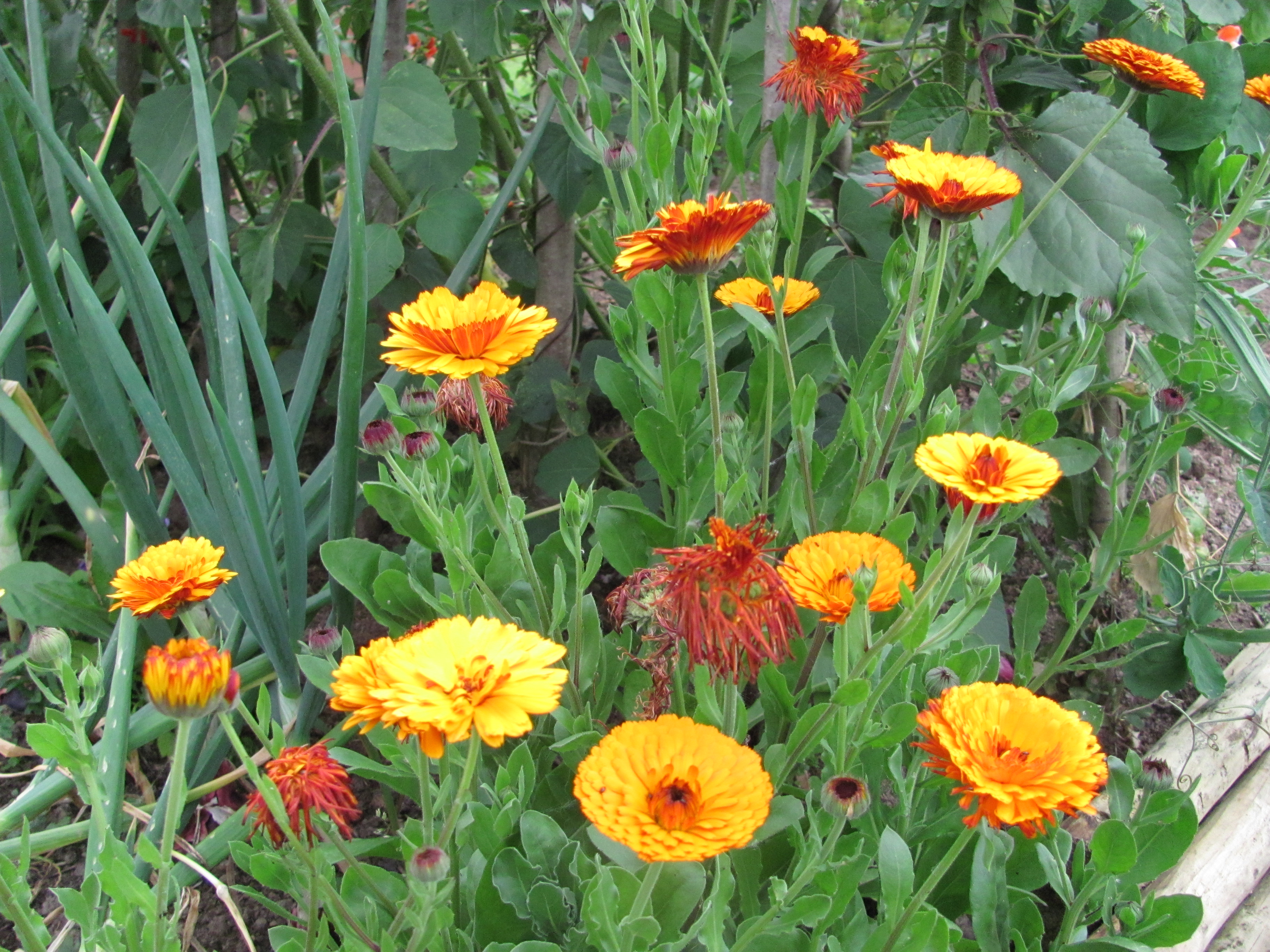
Calendulas are true insect magnets.
The beautiful flowers of our native Red Campion.

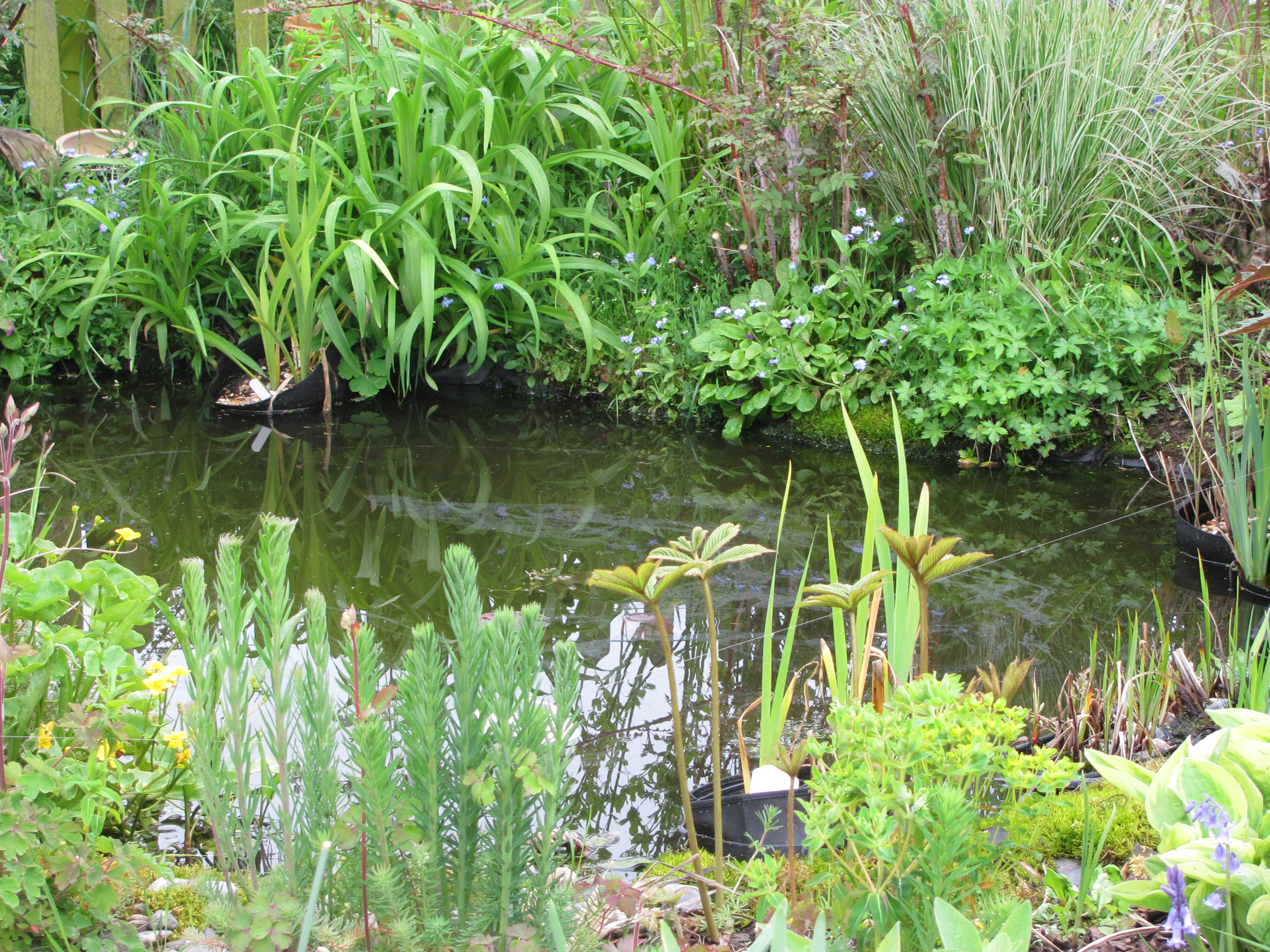
Towards the bottom of the garden is our wildlife pond all planted up with native plants, whereas the bog garden alongside is a mix of native and more exotic plants. The pool and bog are popular with our resident amphibians, toads, frogs ands newts as well as Dragonflies and Damsel Flies which breed in the pool. Birds use the shallow pebble beach area for bathing. Beneath the water live diving beetles and water boatmen, and on the surface Pond Skaters skim arouns on the surface film.

Our wildlife pool – a favourite place to watch wildlife.

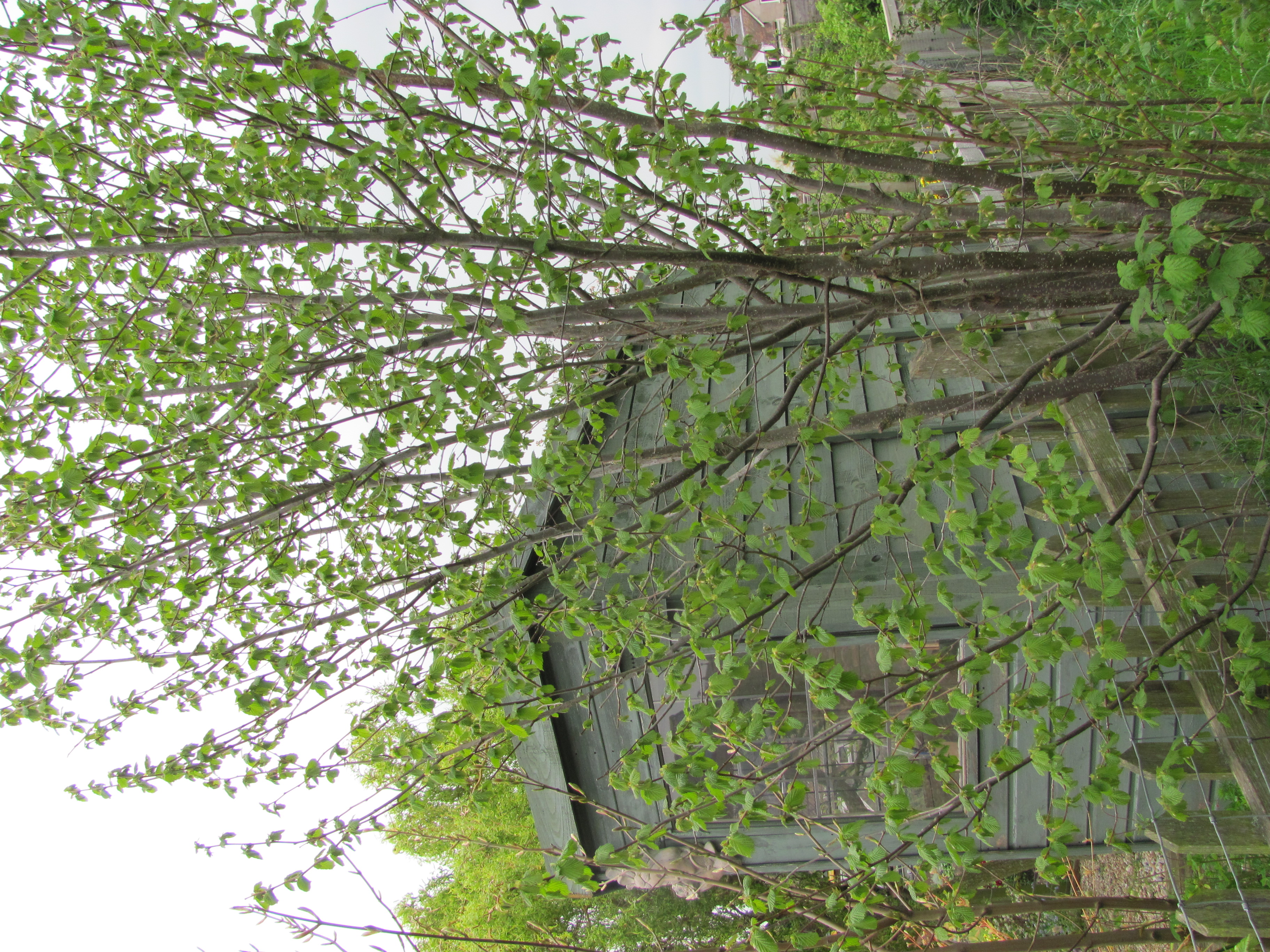
Beyond the pool and chicken run is a strip of wild grass about 6 feet wide which gives us access to the surrounding countryside. We cut this grass to attract Green Woodpeckers who come down to feed here. We grow a pair of Hazel bushes here which gives safe place to approach one of our bird feeding stations in the winter, give nuts for Jays in the autumn and every few years gives us poles to use as bean poles and brash to use as pea sticks.

One of our Hazel bushes just prior to coppicing.

This quick wander around our garden shows some of the wildlife friendly features we enjoy. Our whole garden is a little reserve where we hope wildlife can feel welcomed and safe.

Categories
garden photography gardening grow your own hardy perennials ornamental trees and shrubs photography Shropshire

The National Garden Scheme and our Open Day

In mid-July each year we open our allotment community site for charity, which we do under the auspices of the National Garden Scheme. So we appear in the famous “Yellow Book” of gardens open throughout England and Wales. Our first opening was in July 2011.

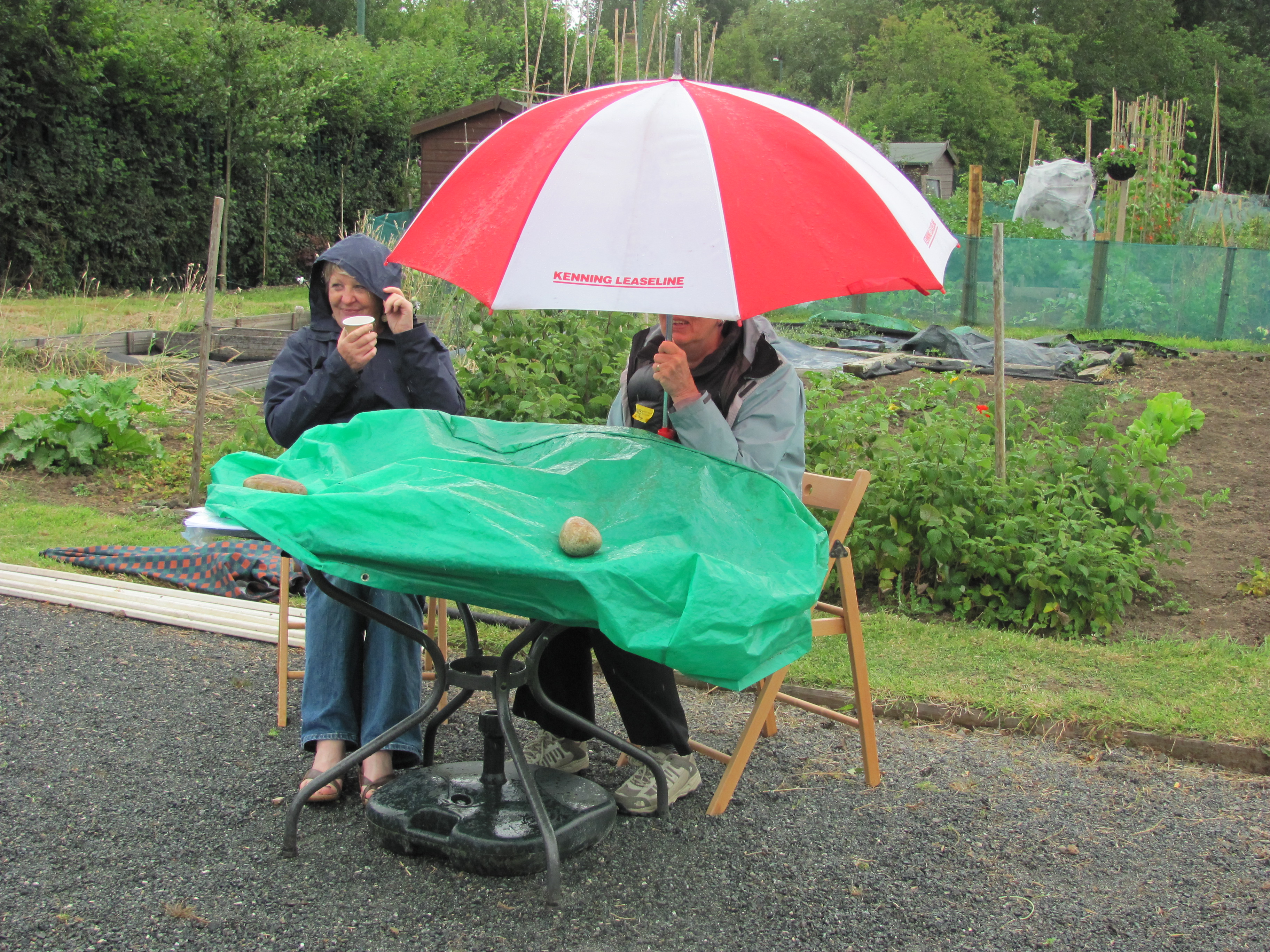
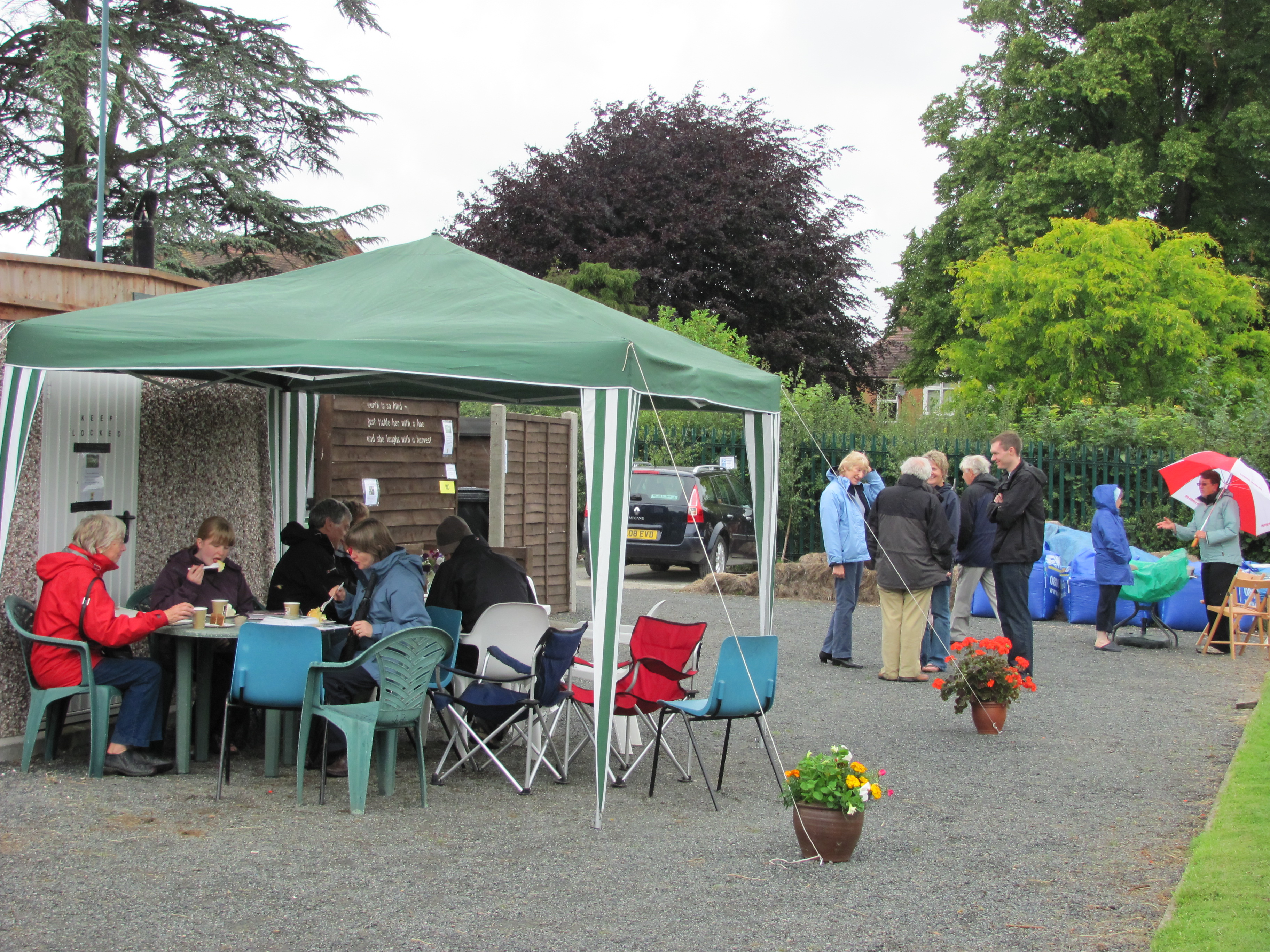
The weather was exactly what you would choose not to have on an open day particularly in mid-July. Strong winds and heavy rain! But we had to go ahead and lots of volunteers spent the morning preparing for the afternoon, creating a tea shop out of Hut 2, putting up gazebos and putting up direction signs, car park signs. toilet signs, tea shop signs – lots of signs! Throughout the previous week members had been tidying up their plots and cutting the communal grass areas. A working party the previous weekend made the green spaces look spick and span.

As the time drew near Jude the Undergardener and Di, a fellow plotter, set themselves up to sell the tickets.

We nervously awaited the time to open and the weather just kept getting worse so we were worried that no visitors would turn up. But at the time of opening our visitors started to arrive. It was too windy to use umbrellas so they wandered around braving the wind and rain, stopping for frequent cups of tea and home-made cakes.

We judge the site’s scarecrow competition on the day and the entries give extra interest for the visitors. The fine couple in the photo were modelled on one of the plot holder’s parents! For 2012 our scarecrows will be based on the Olympics and/or The Queens Jubilee.

In the end we sent about £460 to the National Garden Scheme treasurers, so we were quite pleased. We hope for better weather this year when we open on Sunday 15th July.

In the Spring each year all the gardeners who open their gardens meet to launch the new season of openings, and the Shropshire gardeners meet at the home of the County Organiser Chris Neil at Edge Villa, close to where we live. We all meet up again to chat, find out about how successful the county’s gardens were the previous year and have a glass of bubbly and nibbles (extremely tasty ones they are too!). This year Chris announced that 2011 had been a record year with over £60 000 being raised.

At the end of the formality Chris and her husband, Neil invite us to wander around their own garden. So come with me and share in some highlights.

To find out more about the famous Yellow Book and the National Garden Scheme look up http://www.ngs.org.uk. And to find our entry in it look up Bowbrook Allotment Community in the Shropshire section.

Categories
birds garden design garden photography garden wildlife gardening hardy perennials ornamental grasses ornamental trees and shrubs photography shrubs trees

A Wander around our Garden in April.

Flowering Currant and Muscari.

It is already into the fourth month of the year and so this is the fourth in this monthly series of garden wandering posts. So much happens in April, so many plants start into growth, so many seeds are sown and the weather changes so often. Frost, hail, sun, mild, cold, windy, calm – everything comes randomly and we gardeners get caught out inappropriately clothed. Wildlife is equally confused, with bees, hoverflies, butterflies and wasps appearing on warmer days and disappearing as soon as it cools down again.

Taking advantage of some bonus sunshine.

Some spring bulbs are going over while others are in full swing, some tree blossoms are going over while others are just coming into flower. There is so much to do in the garden, productive or ornamental, and it feels good to be out there doing it.

How red can a flower be!

As soon as April arrives we know the garden will look and feel differently every day. Come around our garden with me and my camera and see what is going on.

The front garden glows in the afternoon sunshine, with every shade of green in new herbaceous growth splattered with the many colours of bulbs.

The Hot Border.
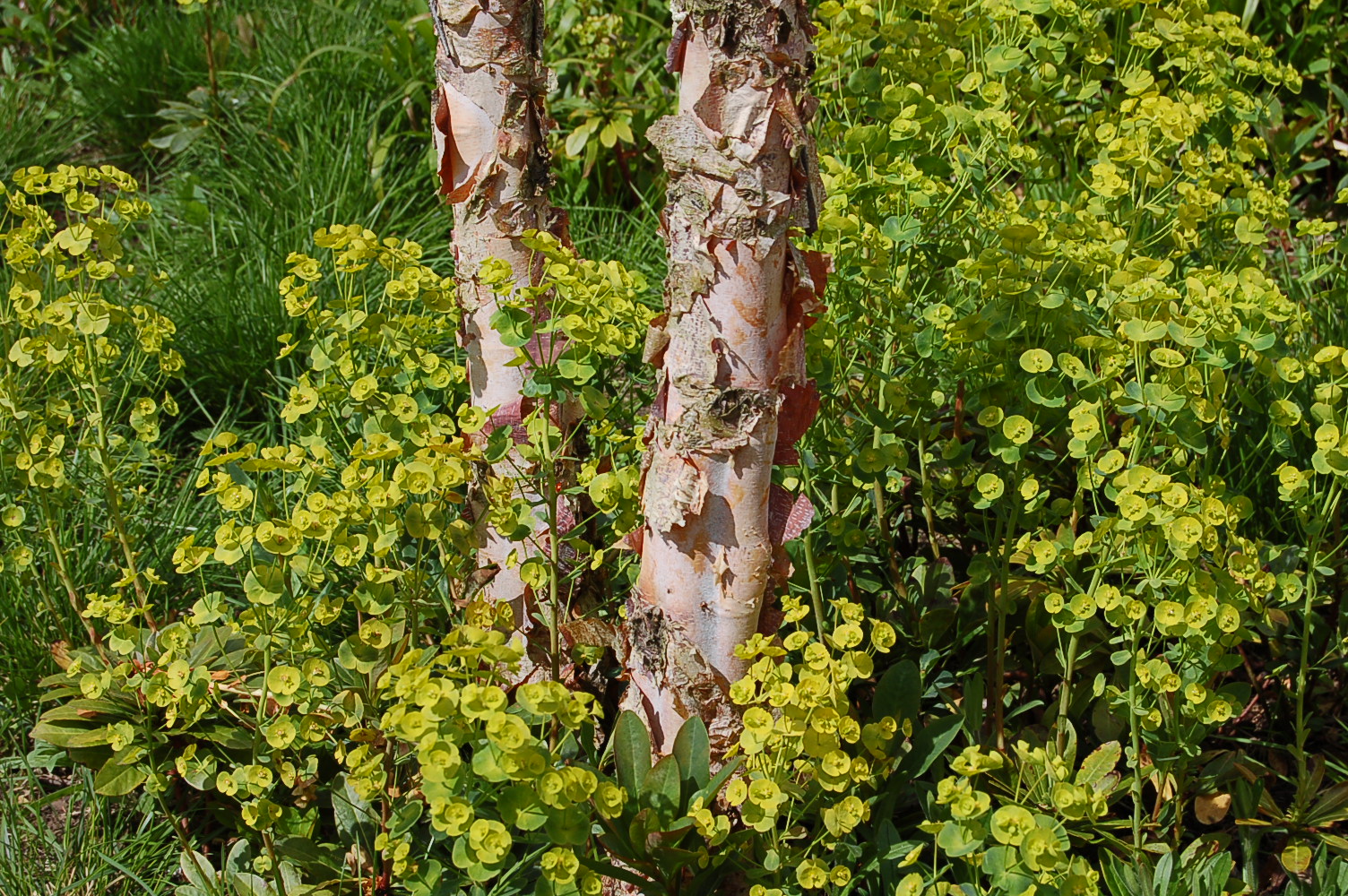
Euphorbias below white-stemmed birches.

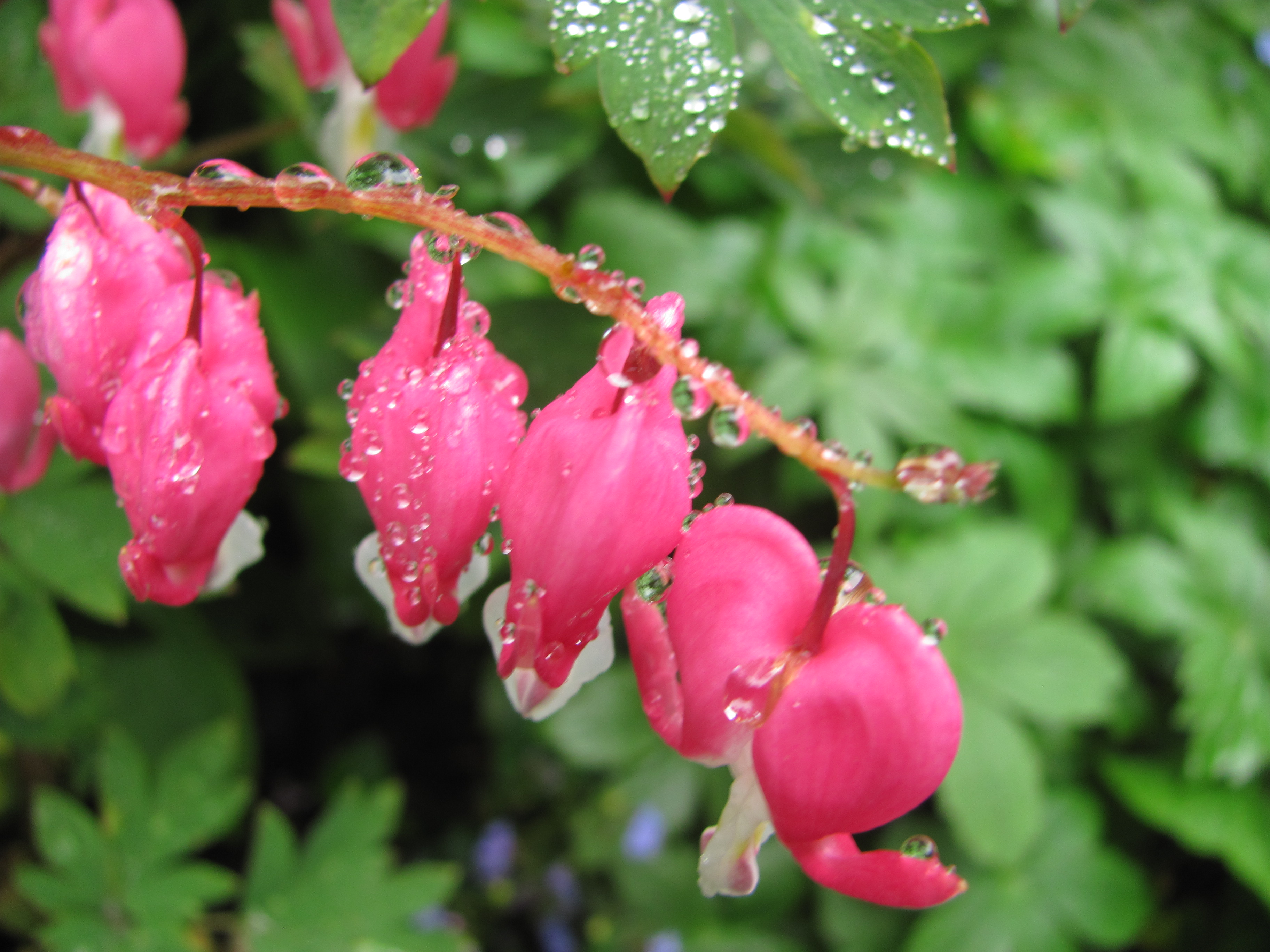
The Shade Garden is soon to reach its peak time, with its fresh leafy growth and the tiny, pale jewels of flowers. Pulmonarias, Dicentras, Anemones, Arums and Corydalis are all budding up and beginning to flower while the ferns are hardly showing any signs of awakening.

The Shade Garden bursting into life.
China blue pulmonaria.
Pale pink pulmonaria.
Silver splashed Arum leaves.
Primrose yellow Anemone.

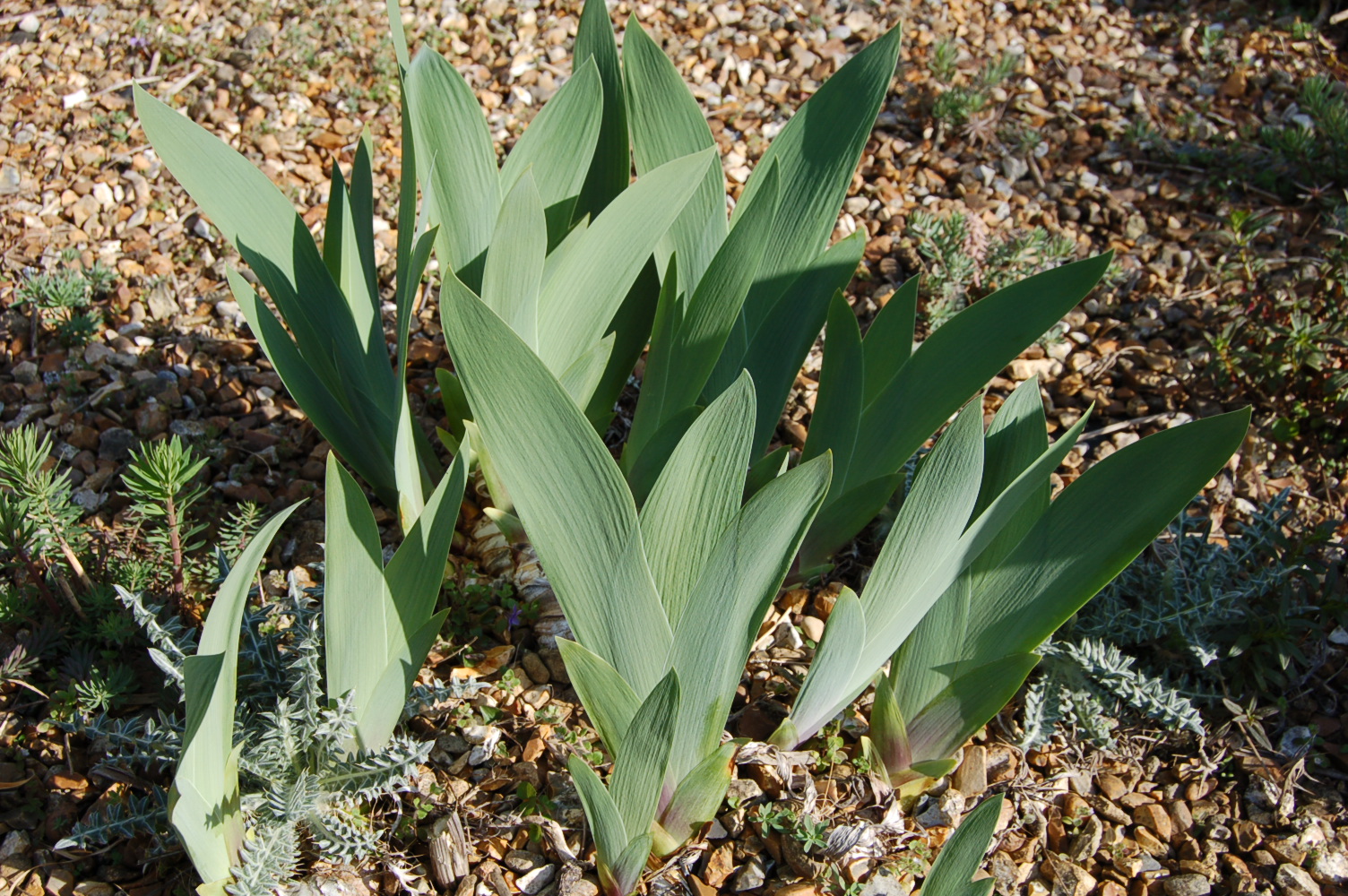
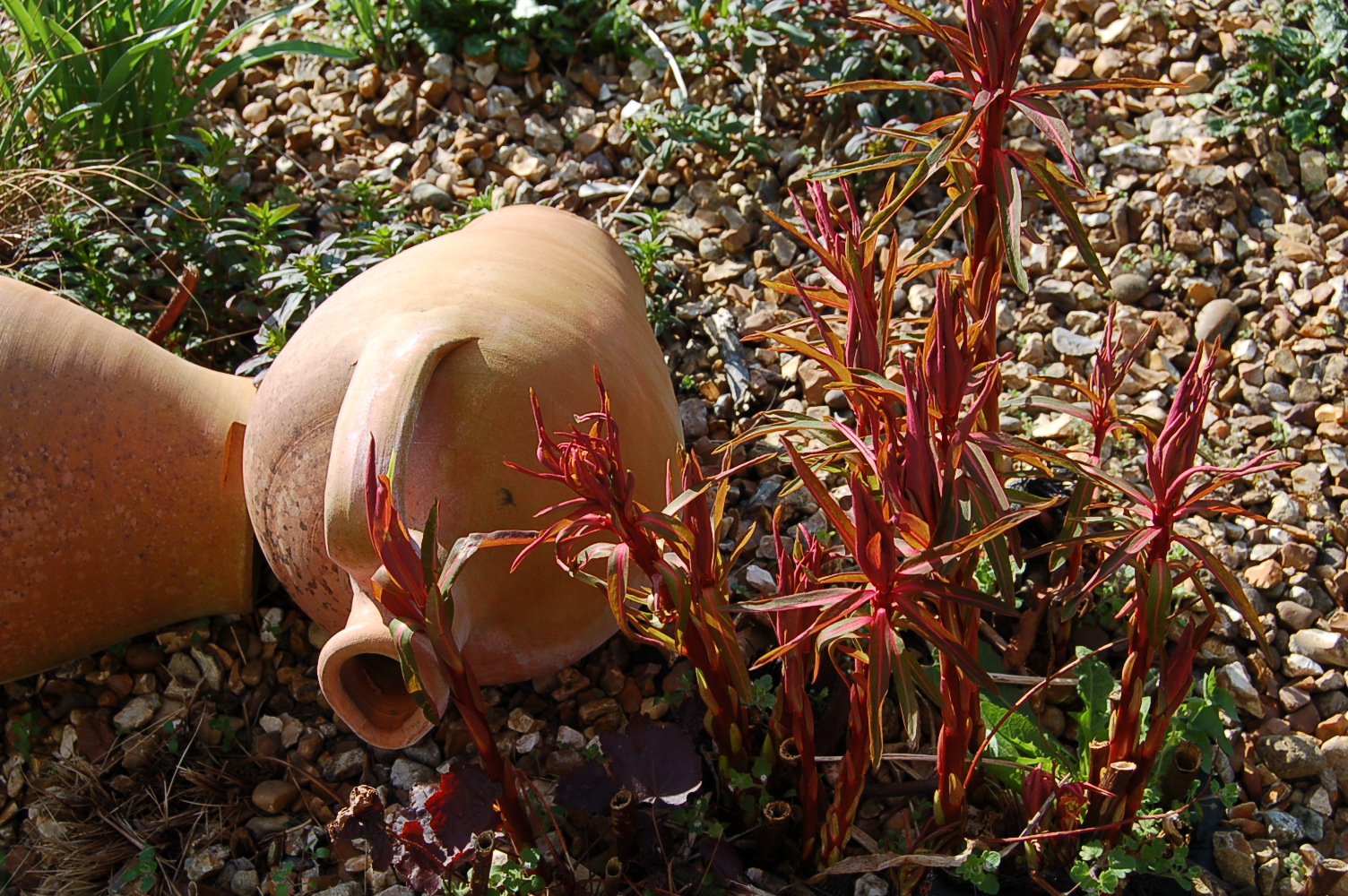
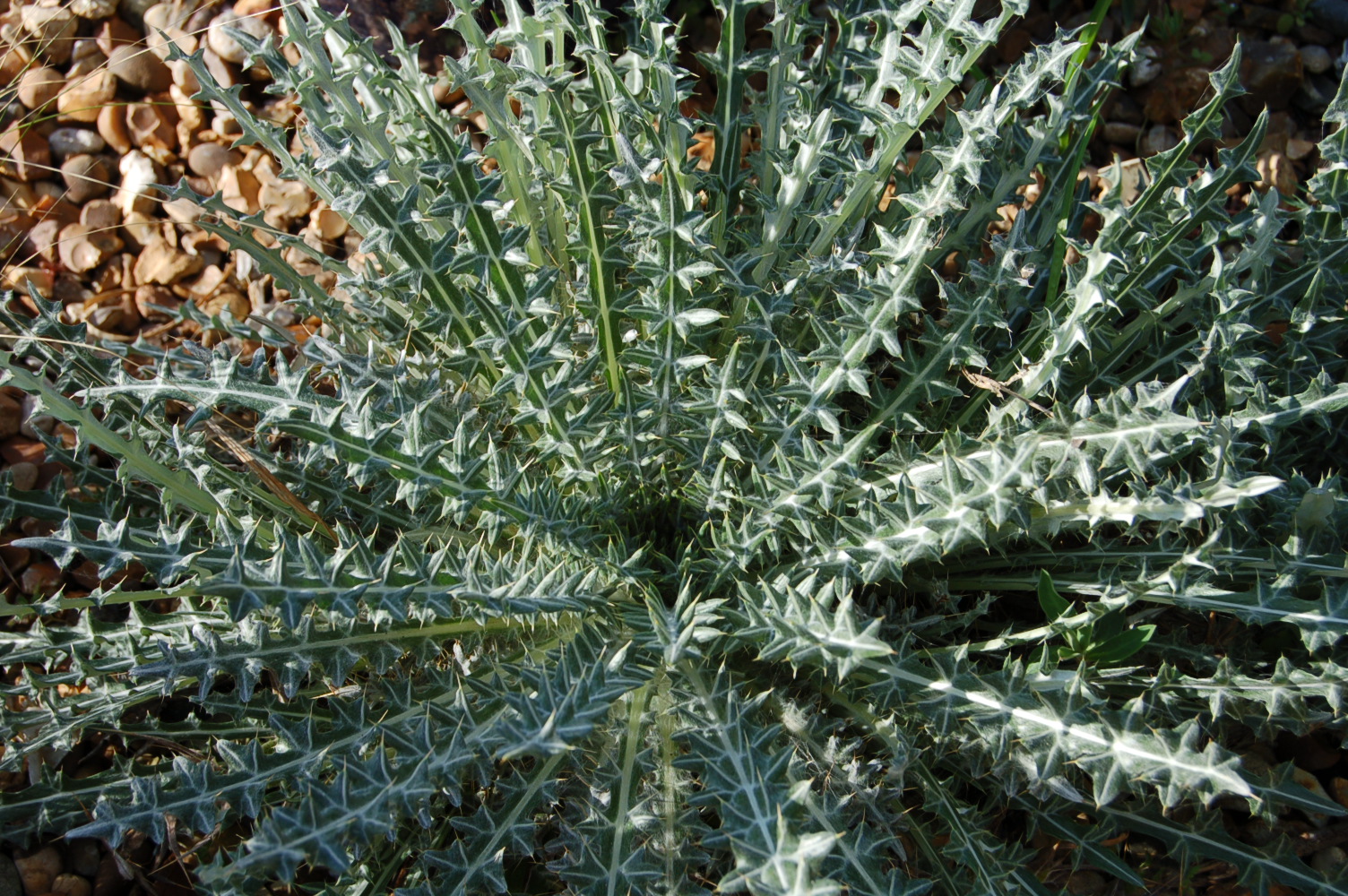
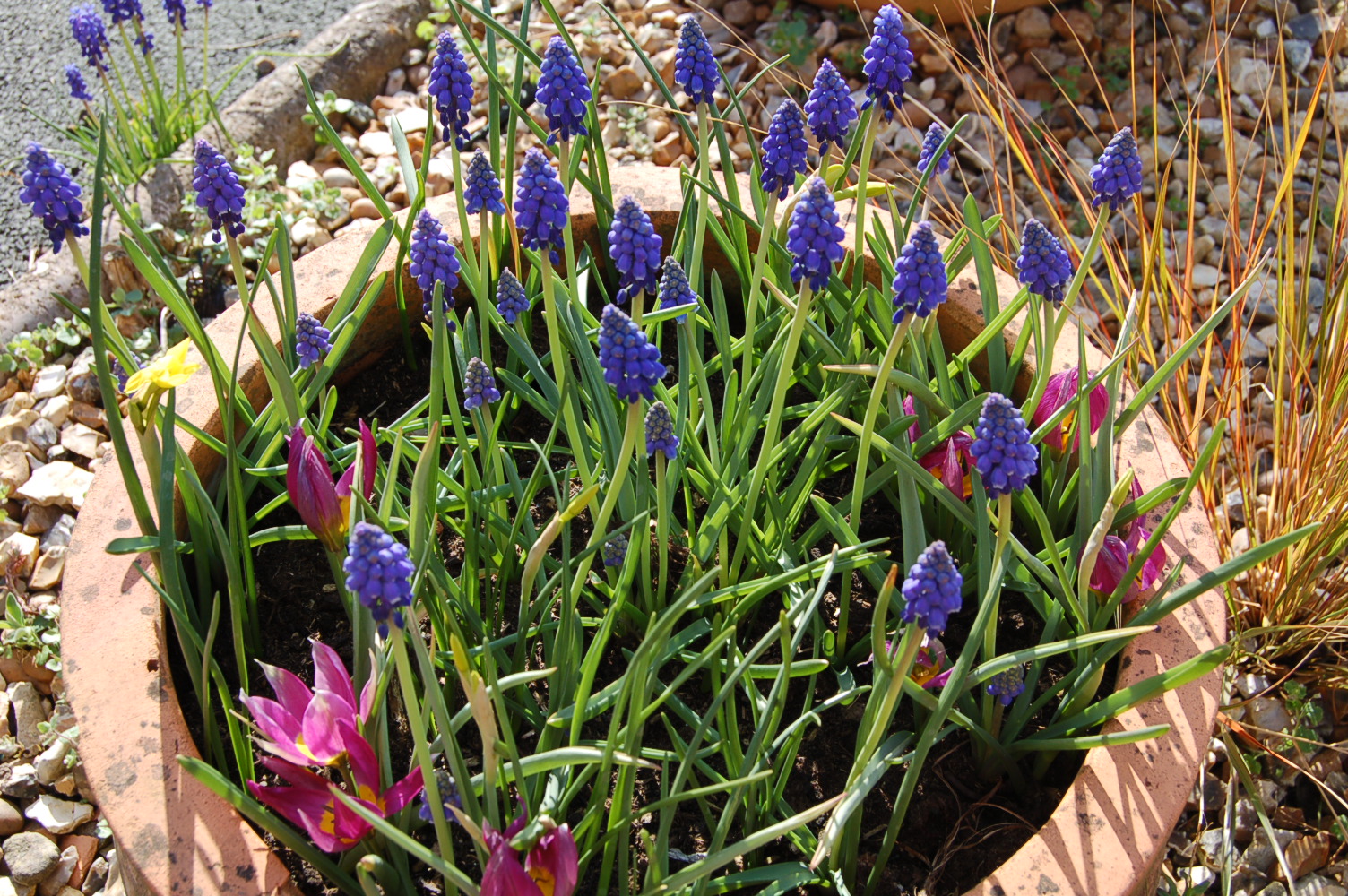
On the gravel patch, which we call our “Chatto Garden”, new foliage is bursting through. Irises, Euphorbias are starting into healthy growth. The large terra-cotta pot of bulbs is bubbling over with the blue of Muscari and a sprinkling of tiny mauve species Tulips.

The glaucous sword shaped iris leaves.
Spears of Euphorbia griffithii "Dixter" piercing the gravel.
The thistle like spiked and variegated Galactites tomentosa.
Muscari blue and tulip mauve give a gentle colourway to the big pot.
Bright welcome at the gate - yellow Mahonia and red Cydonia.

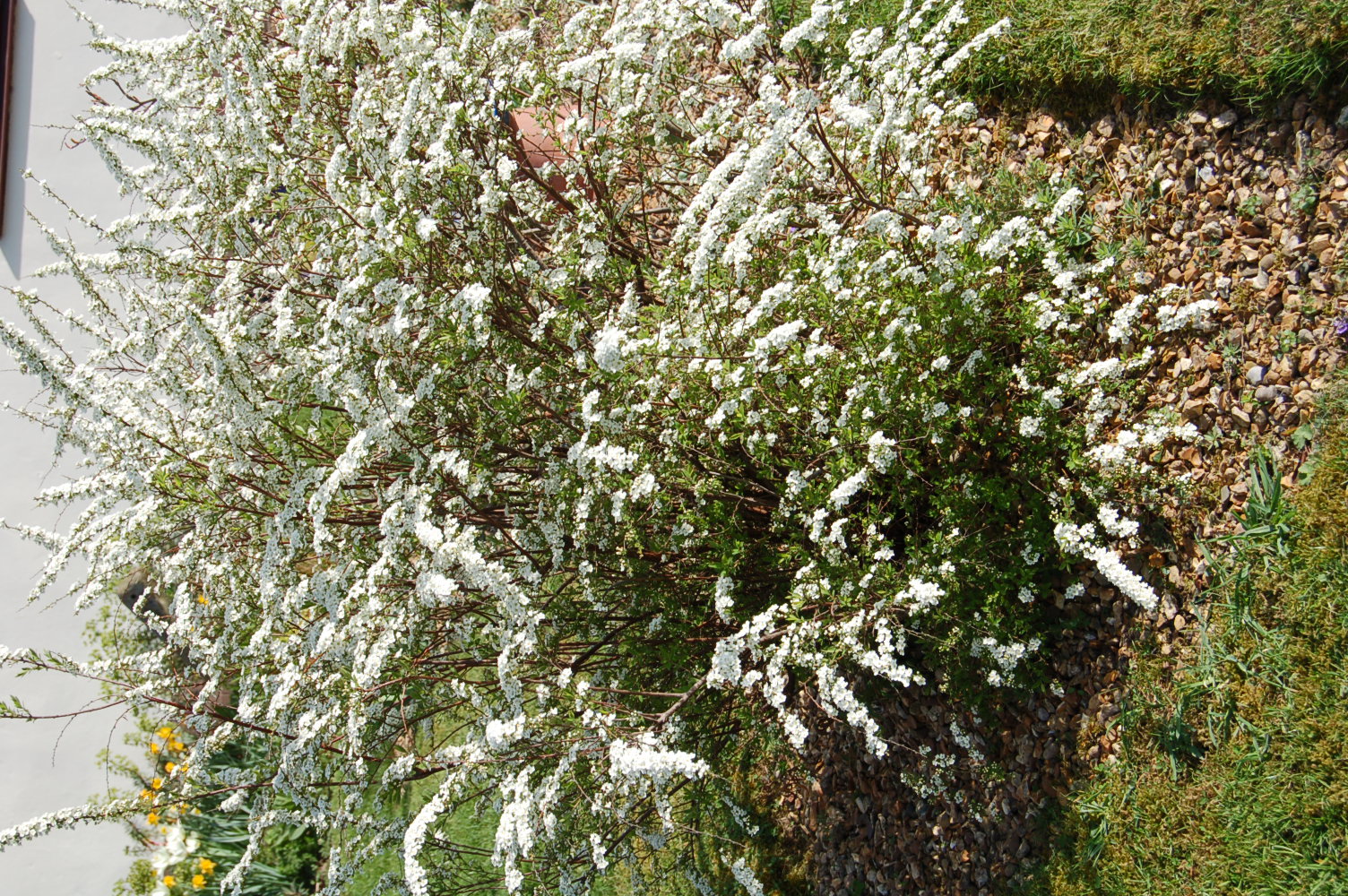
Trees and shrubs are a little later coming to life in the spring, the miniature Chestnut’ sticky buds are only just bursting while the Amelanchier lamarckii and Spiraea “The Bride” are in their full white ball gowns.

"The Bride" is always such a good arching shape.
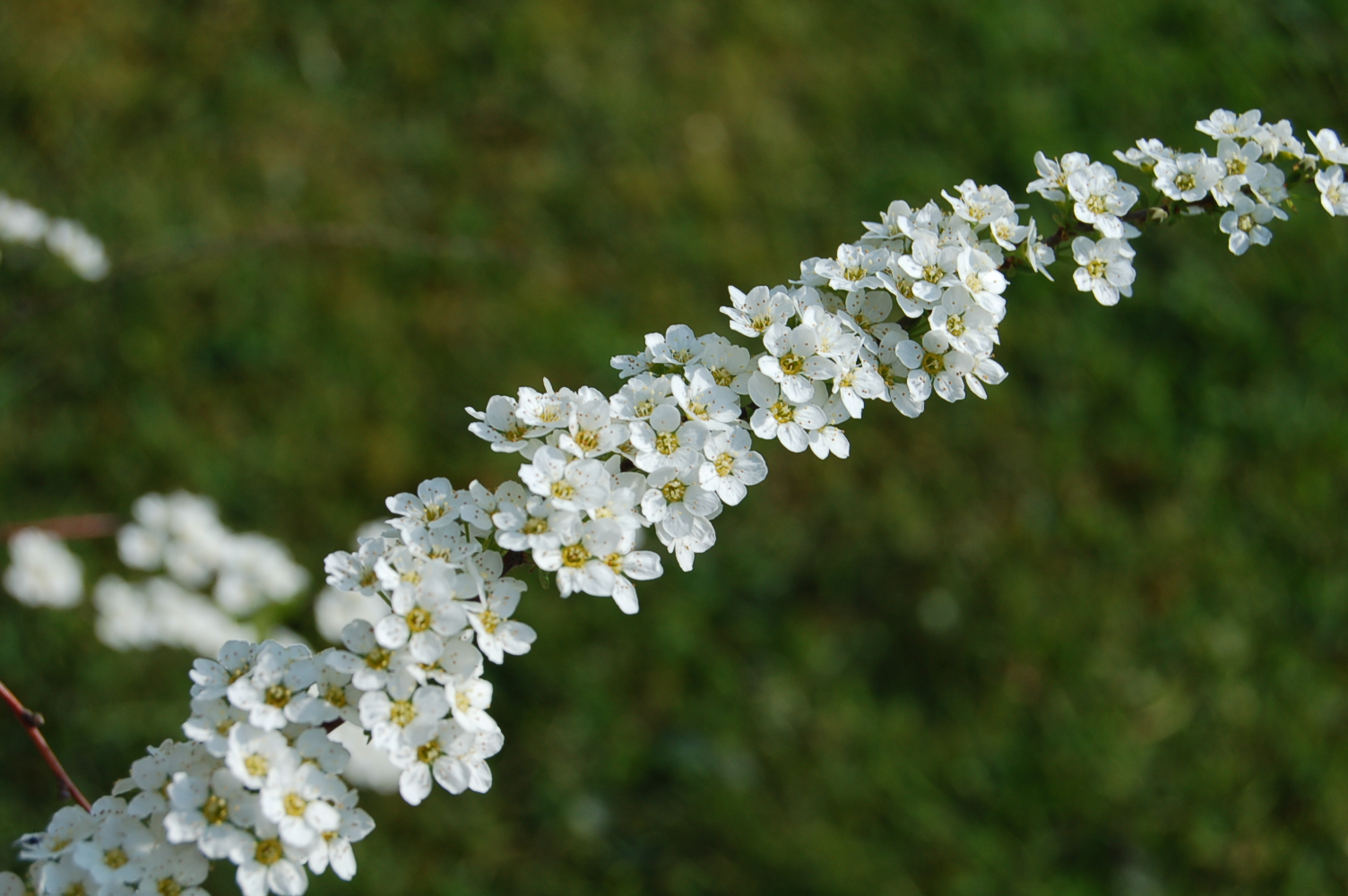
The long arching raceme of Spiraea.
Amelanchier blossom like delicate stars.
Chestnut buds burst out in salmons, russets and reds.

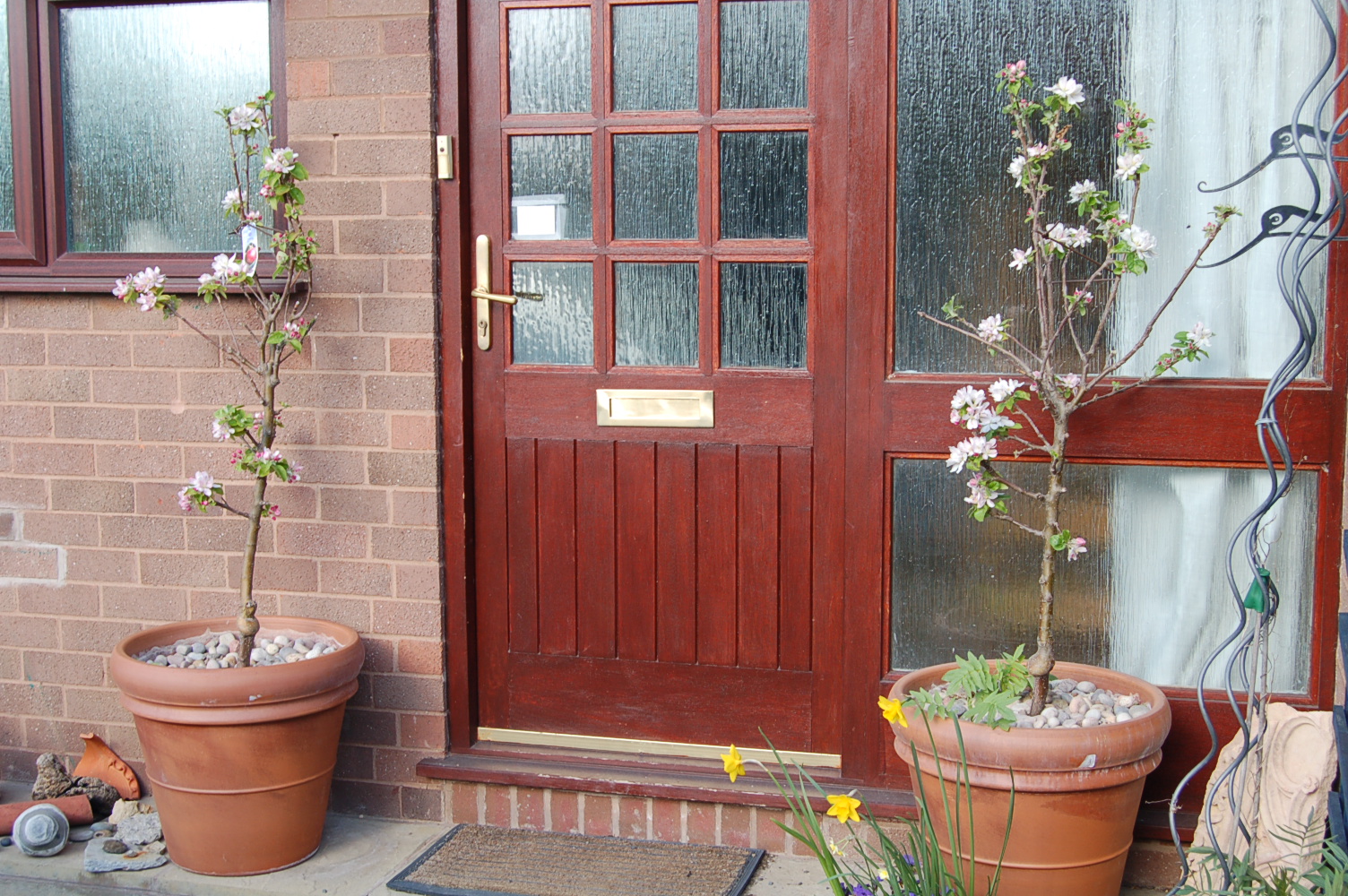
In the side garden by our main entrance the two potted apple trees are in full flower, with blossoms of many shades of pink, promising lots of juicy fruit to enjoy. We have added a second House Sparrow nesting box giving six nest holes altogether and hopefully a little less noisy bickering. The new box is apartment living as opposed to the terraced original. Right by our doorstep is a pot of violas in an unusual colour combination of  blue and brown. In front of the garage door our replanted alpine troughs are beginning to come to life.

Our miniature apple trees welcome callers.
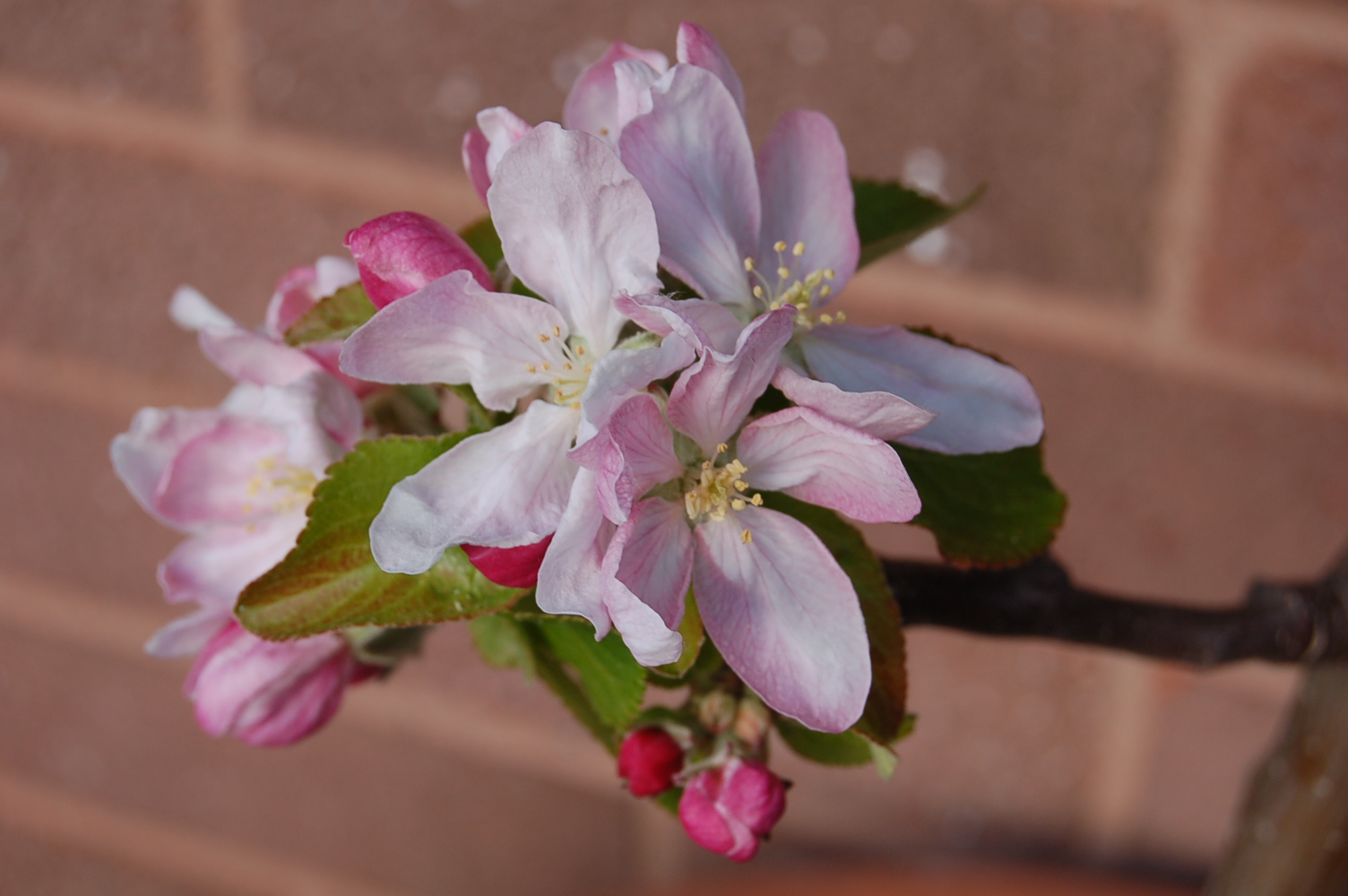
Apple blossoms - pink beauties.
Sparrow city.
Alpine troughs protected from the cold winds.
Unusual colour combination.

Wandering into the back garden it is hard to know where to point the lens first as so much is happening. The fruit trees are in blossom, tulips add their jewel colours in every border and new leaves are appearing on most shrubs and perennials.

A mass of Damson blossom against a blue sky.
Jude, "The Undergardener" at work in the "Shed Bed".

The garden is full of sound, scents and movement. In the pools Pond Skaters perform their dances on the surface and tadpoles wriggle in black masses in the shallow pebble bay. Around each flowering shrub bees and hoverflies flit and buzz. In nearby fields Skylarks sing their “high in the sky” songs and the haunting call of Curlews reach us from the damp land alongside the nearby fishery. But the strangest sound of all is the regular sound of Tawny Owls calling to each other – have they lost their biological clocks? The calling starts mid-afternoon on most days.

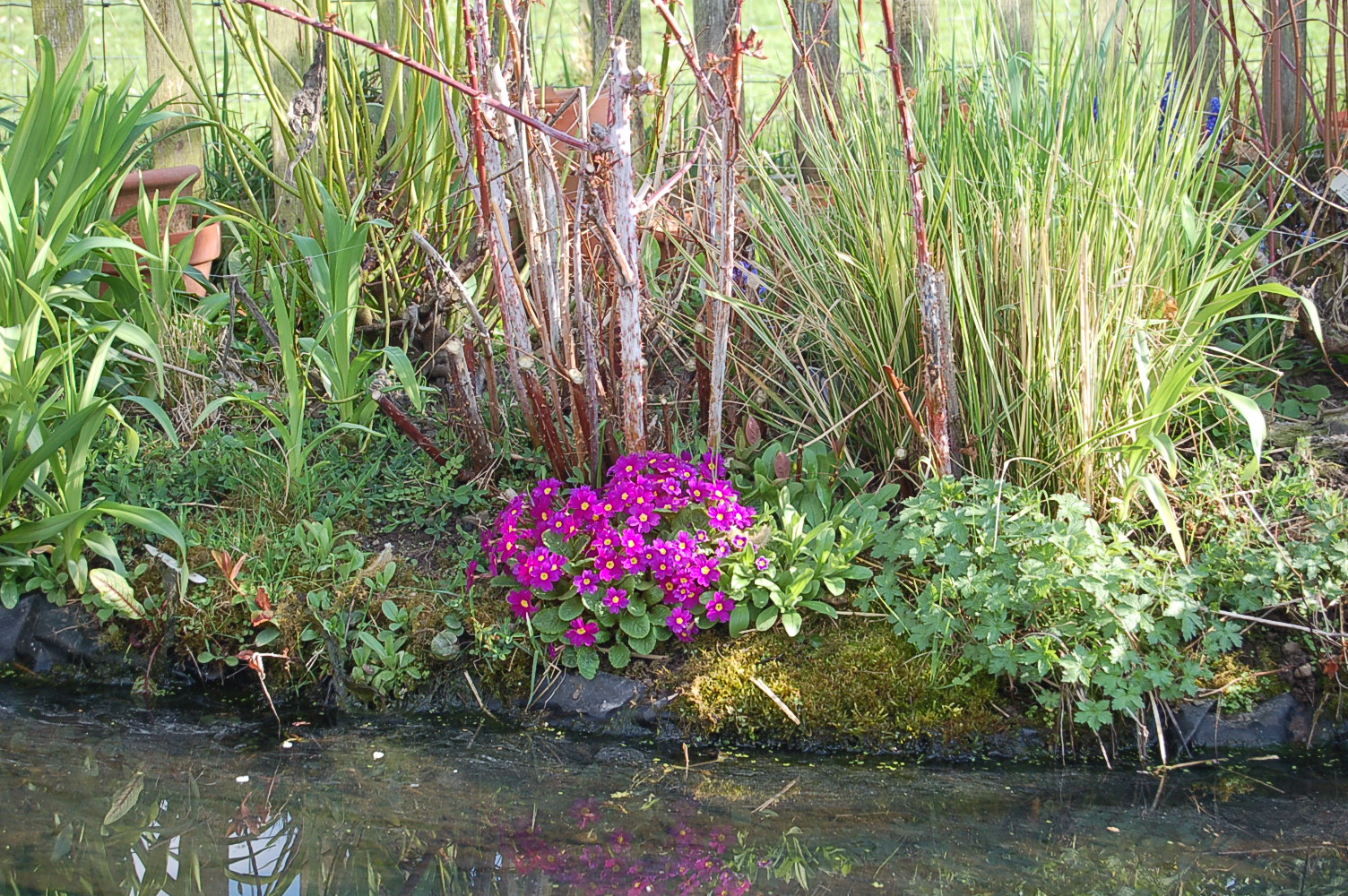
Lush growth at the pool side.

Scent is provided by Viburnum, Mahonias, Wallflowers, Flowering Currants, Hyancinths, Daffodils and the last of the flowers on the Daphnes. Herby scents come with the new fresh greens of the mints, thymes, marjorams and fennel.

Strong in scent beautiful in colour, the last flowers on the Daphne.
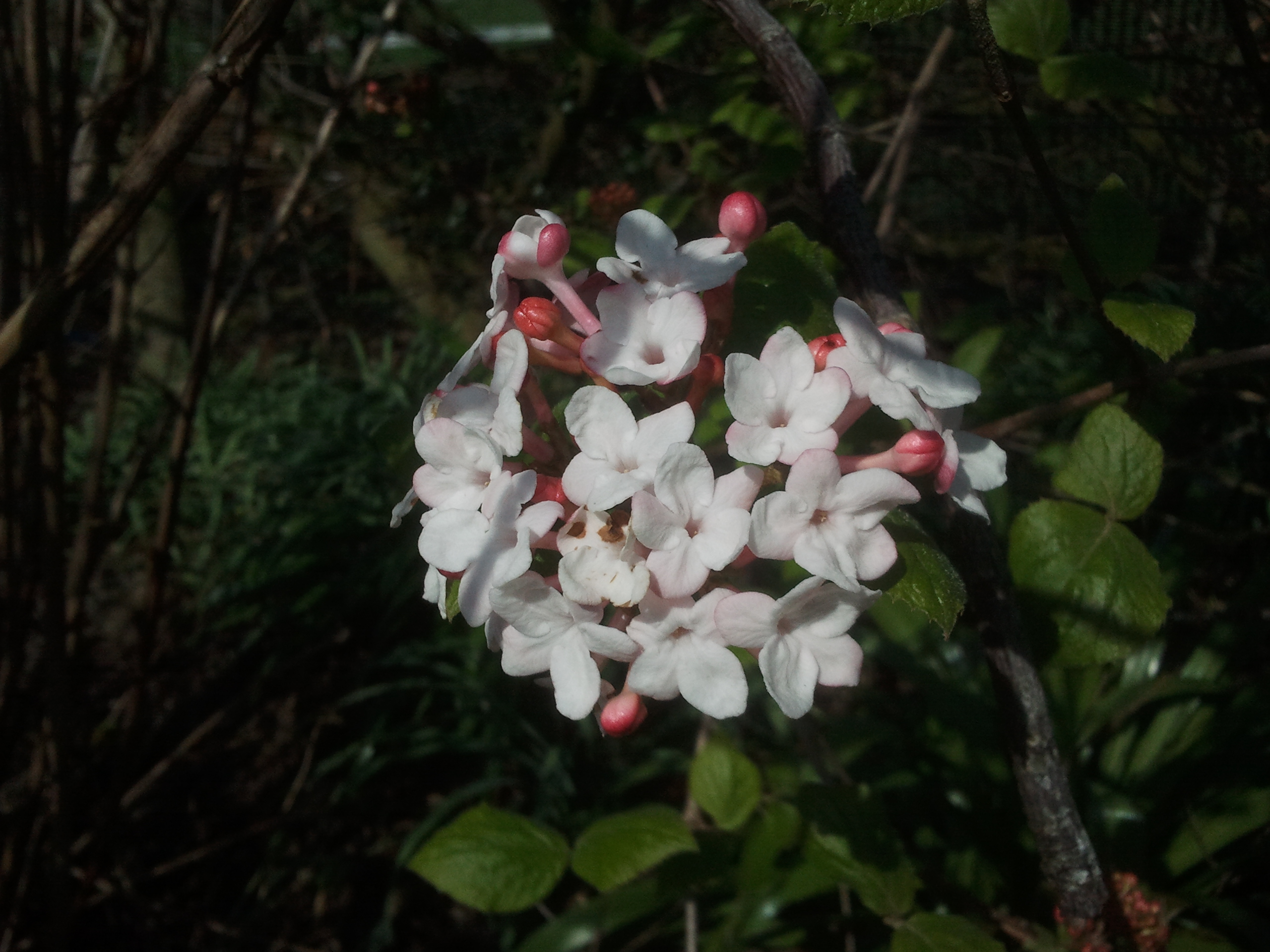
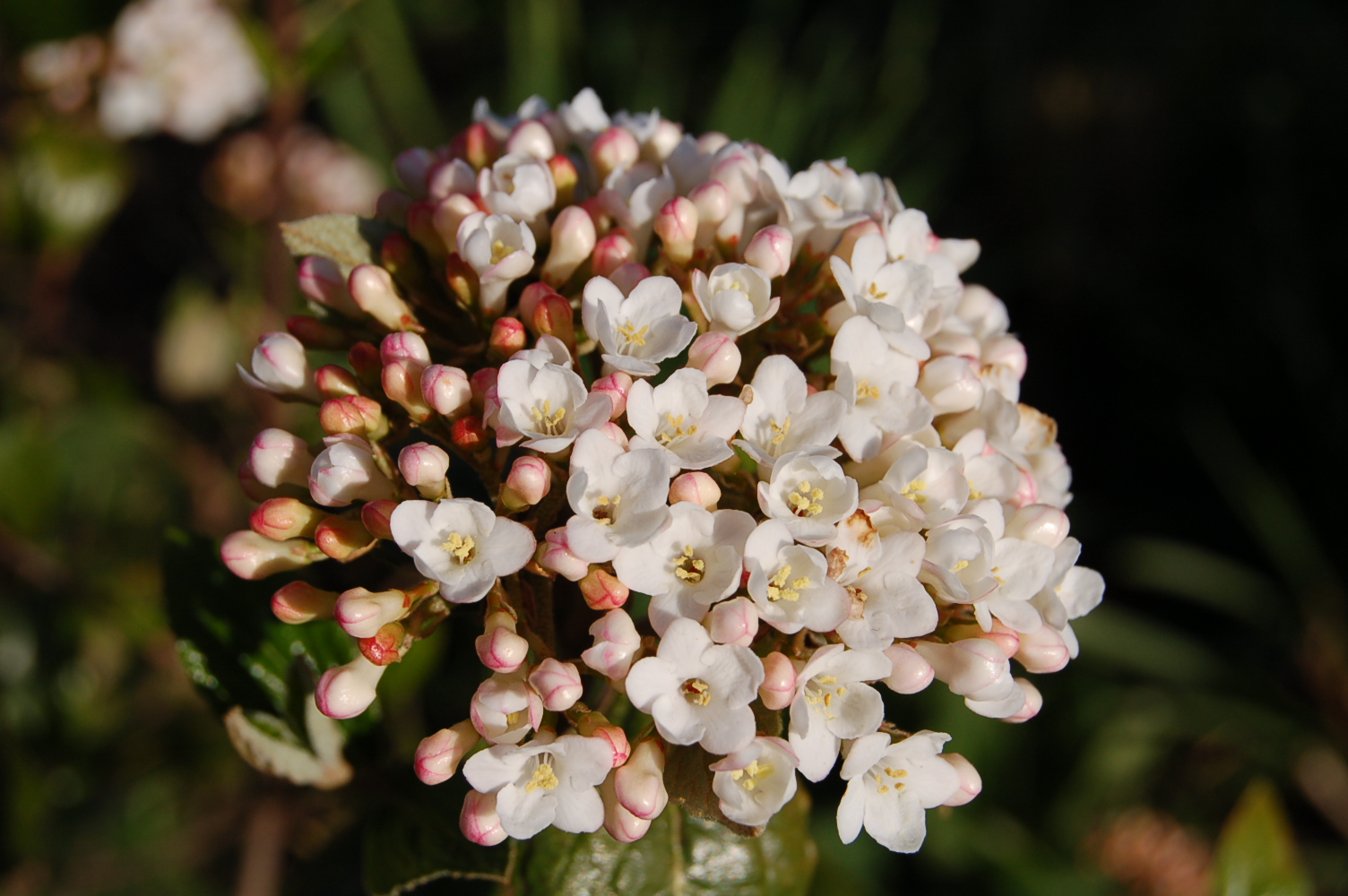
The complex flower head of a viburnum.

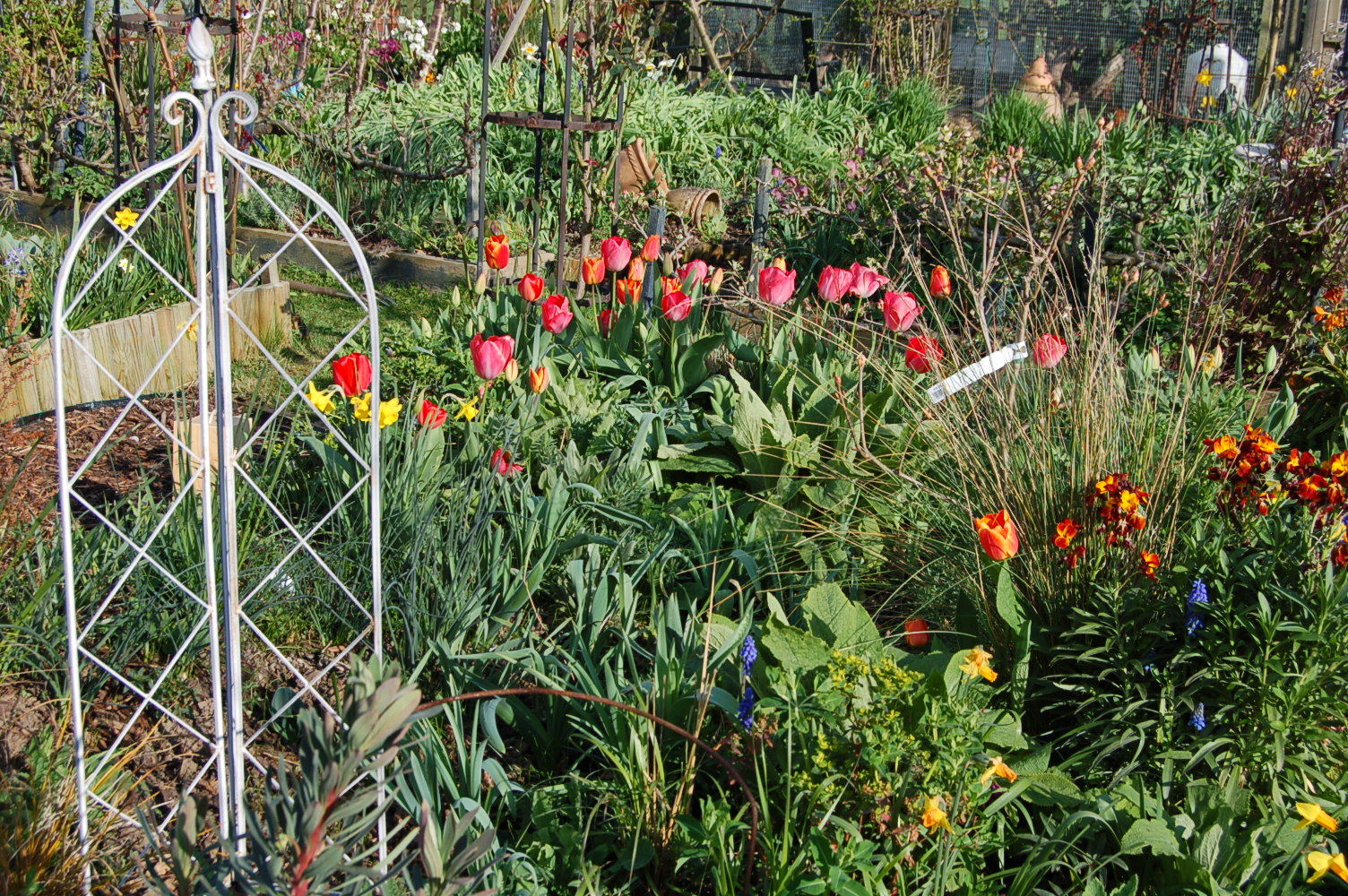
In the Secret Garden it is the tulips that take centre stage, in so many colours and shapes.

The Secret Garden awakens in Spring.
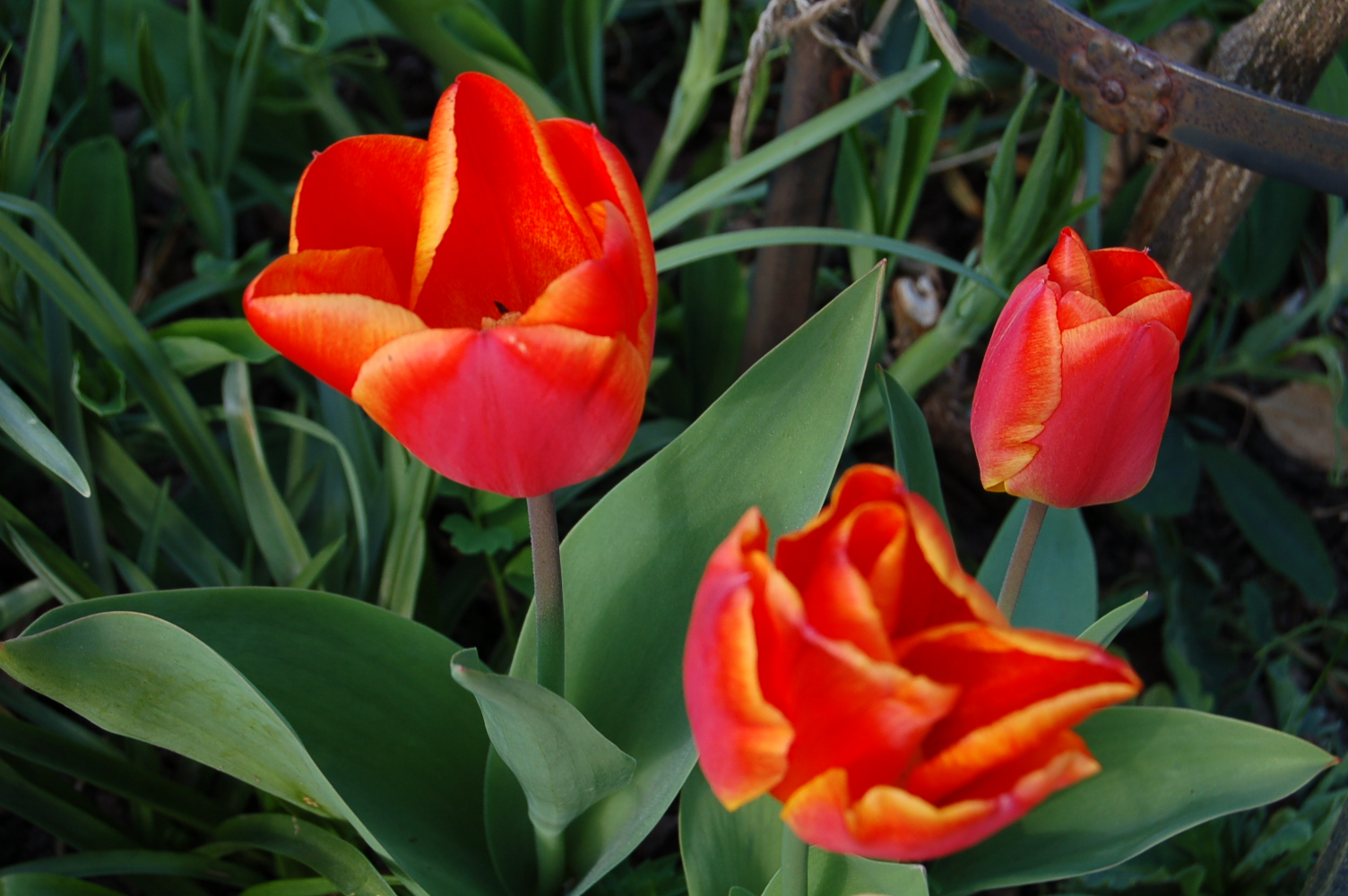
The darkest orange tulip.

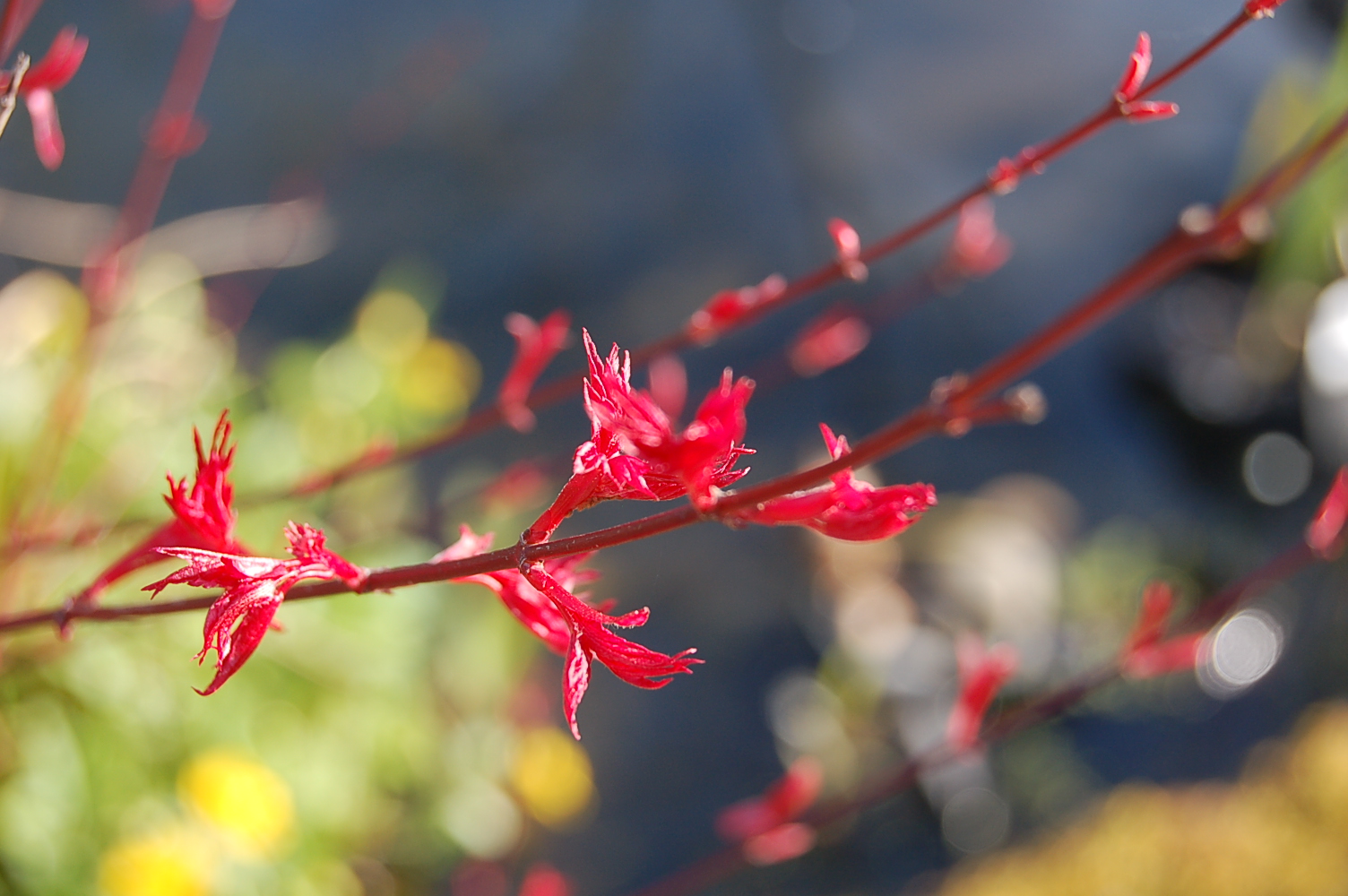
Some of the most impressive new foliage is to be found on our acers, growing under the trees we grow as a wind break, acid green, lemon yellow, flaming orange and salmon.

New brightly coloured foliage shines in mottled shade.
Glowing red fresh, new leaves.

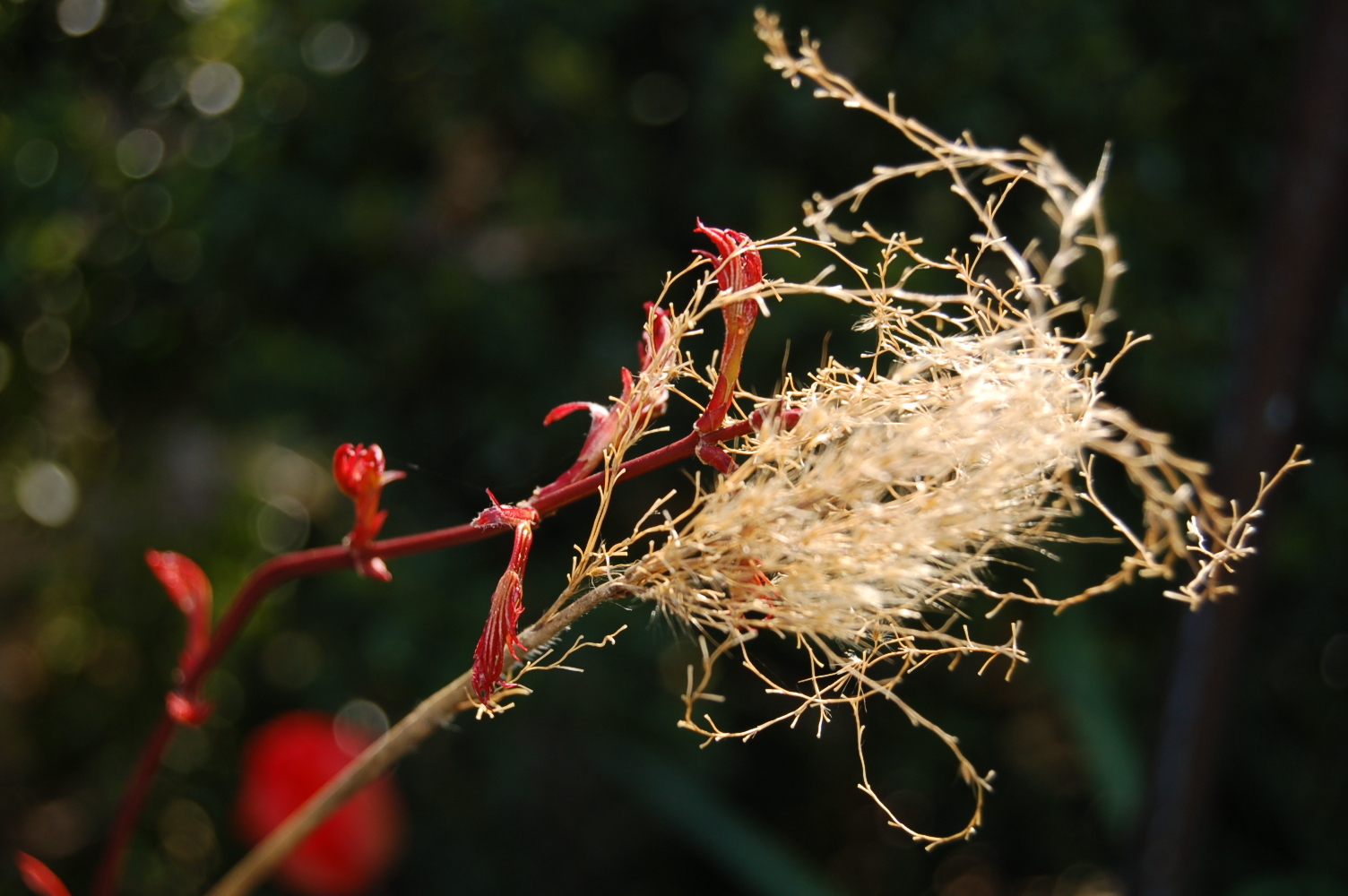
We have eventually relented and cut down the last of our many grasses. We leave them as late as possible and often leave some too late  and end up cutting new growth coming up within the old. This Miscanthus napalensis was left until last, understandably.

Old grass and new acer.

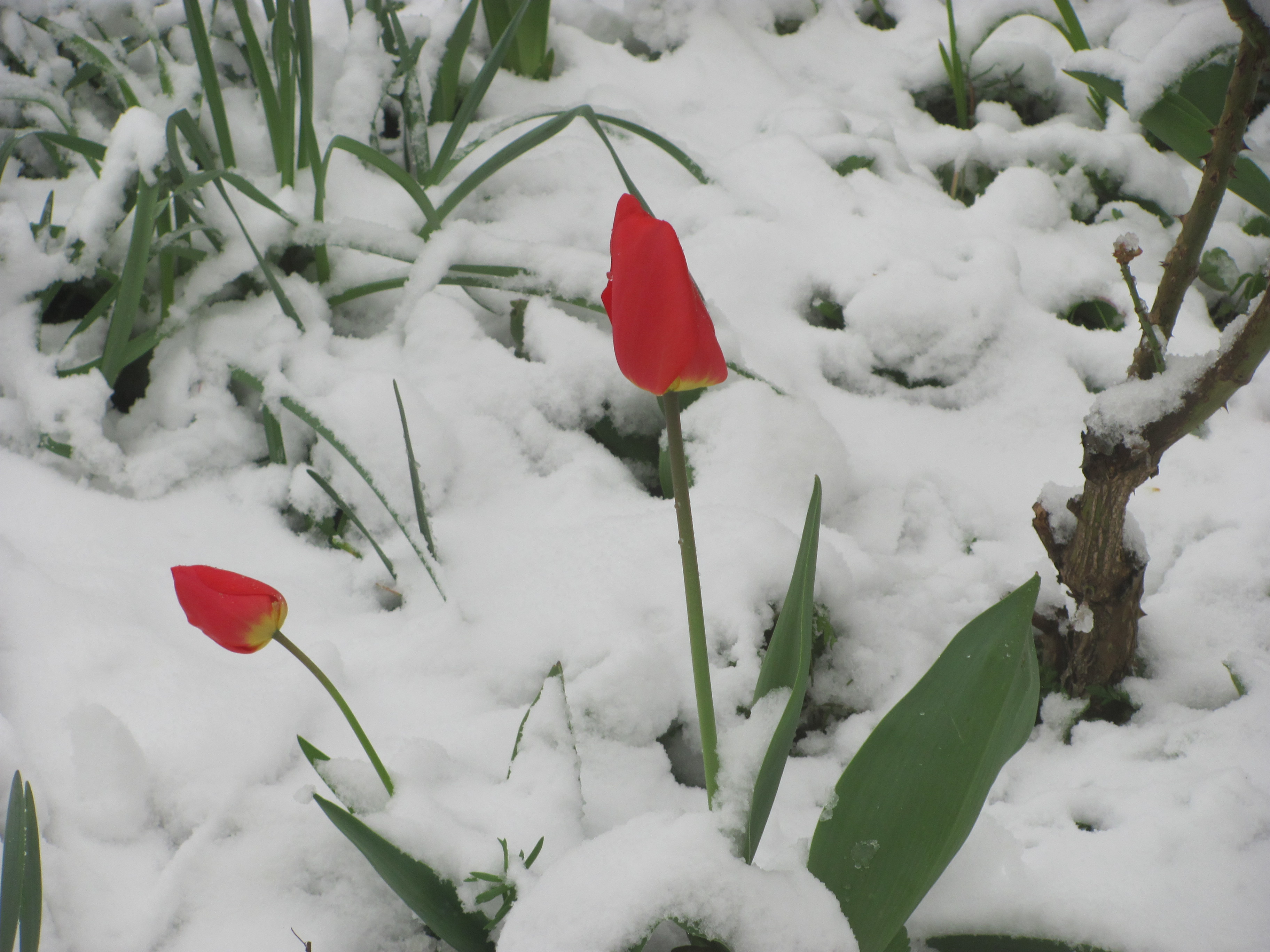
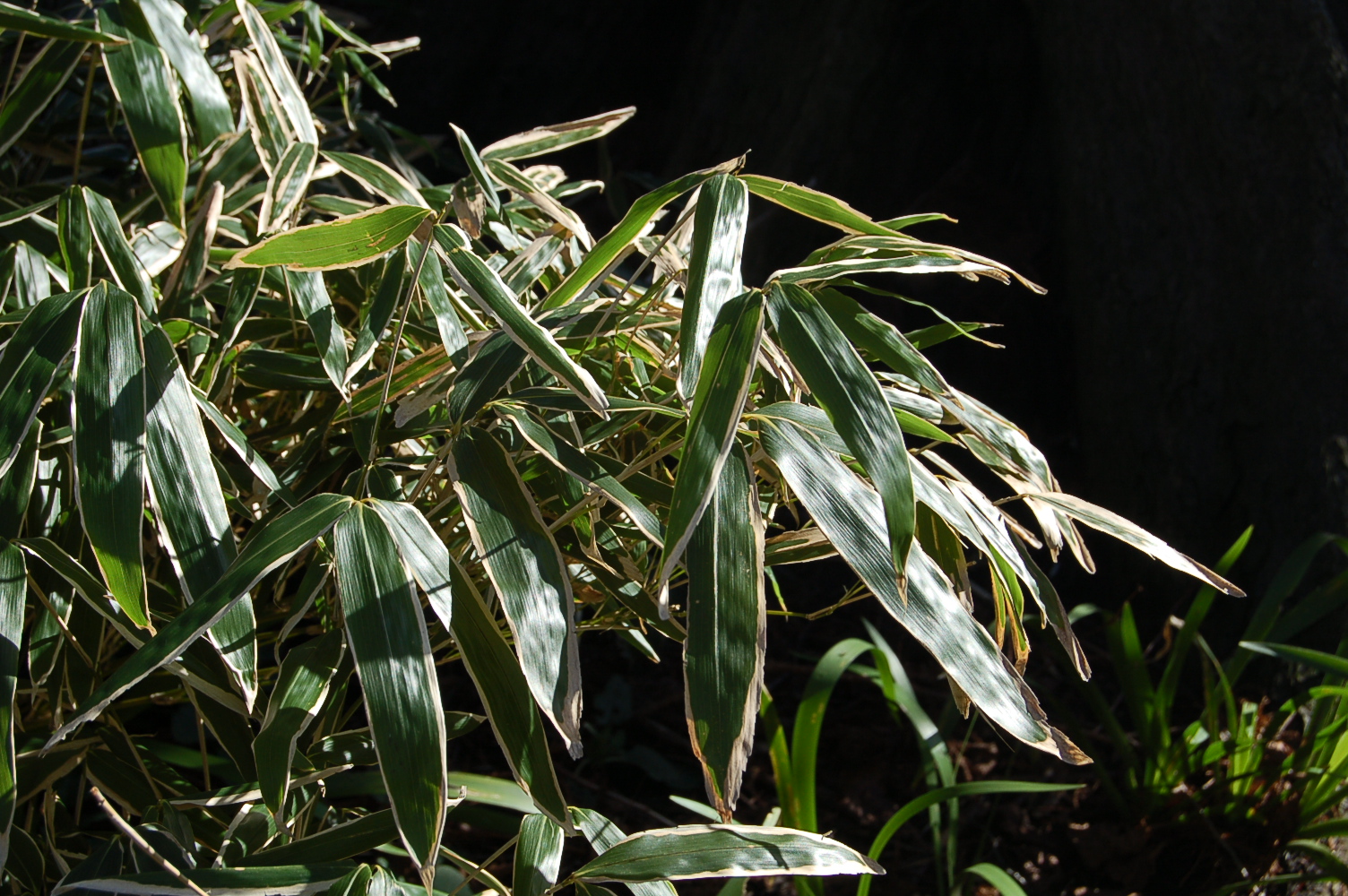
Just to show how fickle the month of April can be, the day after I took the photos for this blog we woke to three inches of snow and large flakes continued to fall all morning. Many tulips and daffodils were flattened and our clump of Black Bamboo was pinned to the ground by the sheer weight of snow.

Iris swords piercing the snow.

I shall finish with two shots – one before the snow and one after. This lovely old oak tree root is our miniature stumpery – all we have room for!

Categories
garden photography gardening ornamental trees and shrubs photography shrubs The National Trust trees winter gardens

Photographing winter light at Dunham Massey.

The lighting on the day of our visit to Durham Massey recently was amazing for taking photographs. It was a sunny day with a bright blue sky above. The light acted light a spotlight shining just above ground level. It lit up leaves, tree trunks, flower petals. And it shone in “The Undergardener’s” eyes!

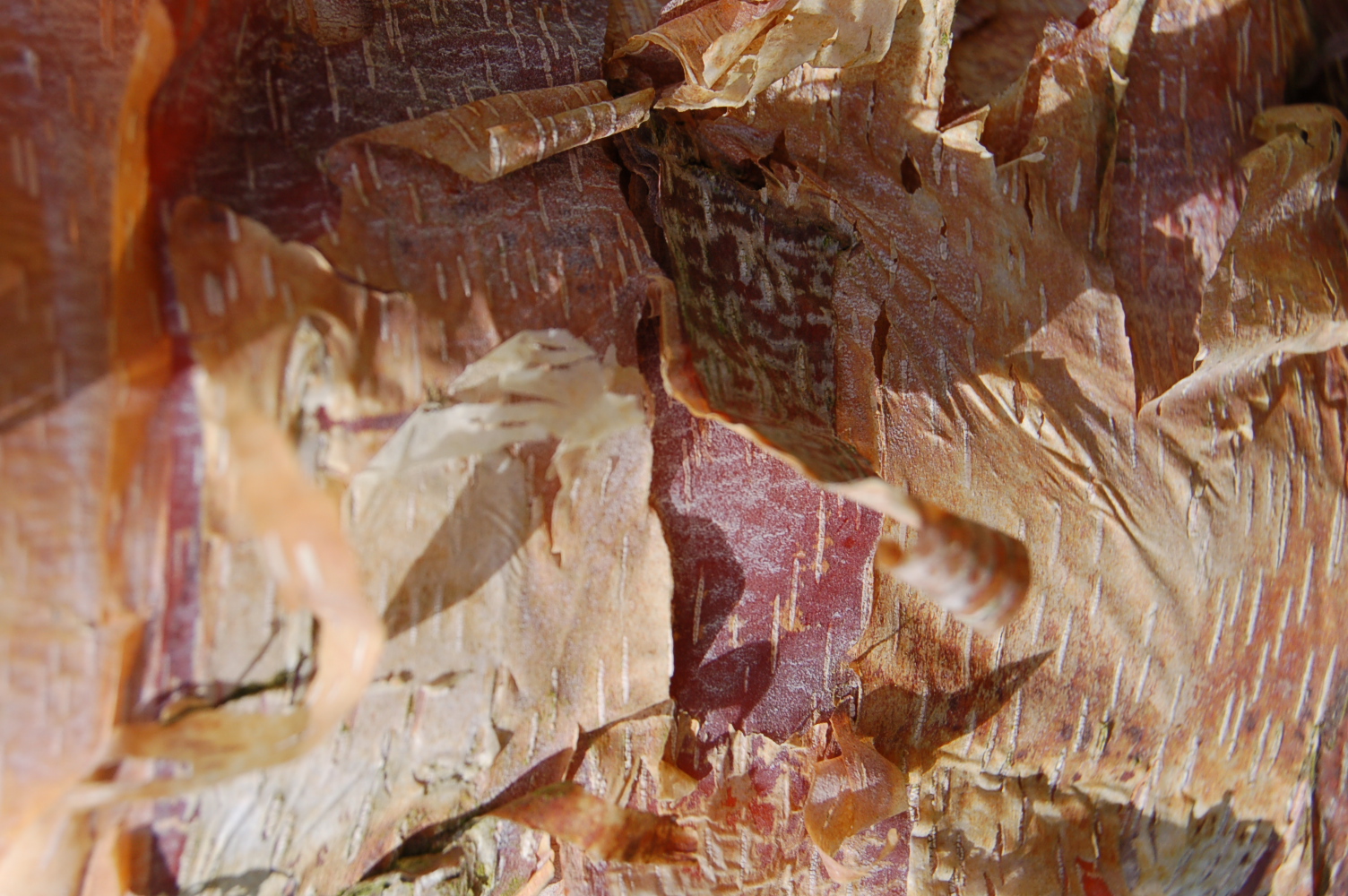
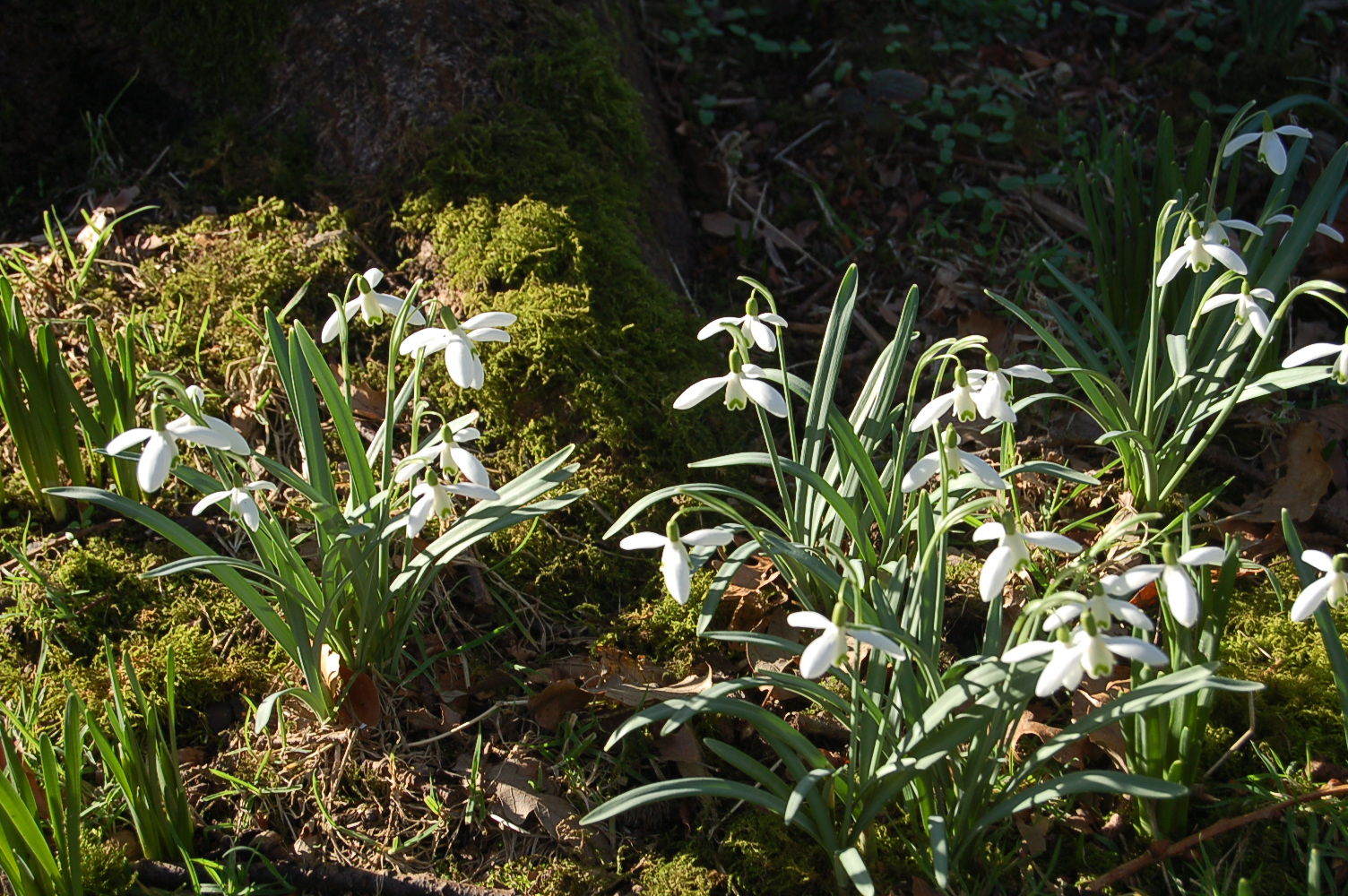
Peeling bark and Snowdrops.
Winter light reflected in the glossy bamboo foliage.
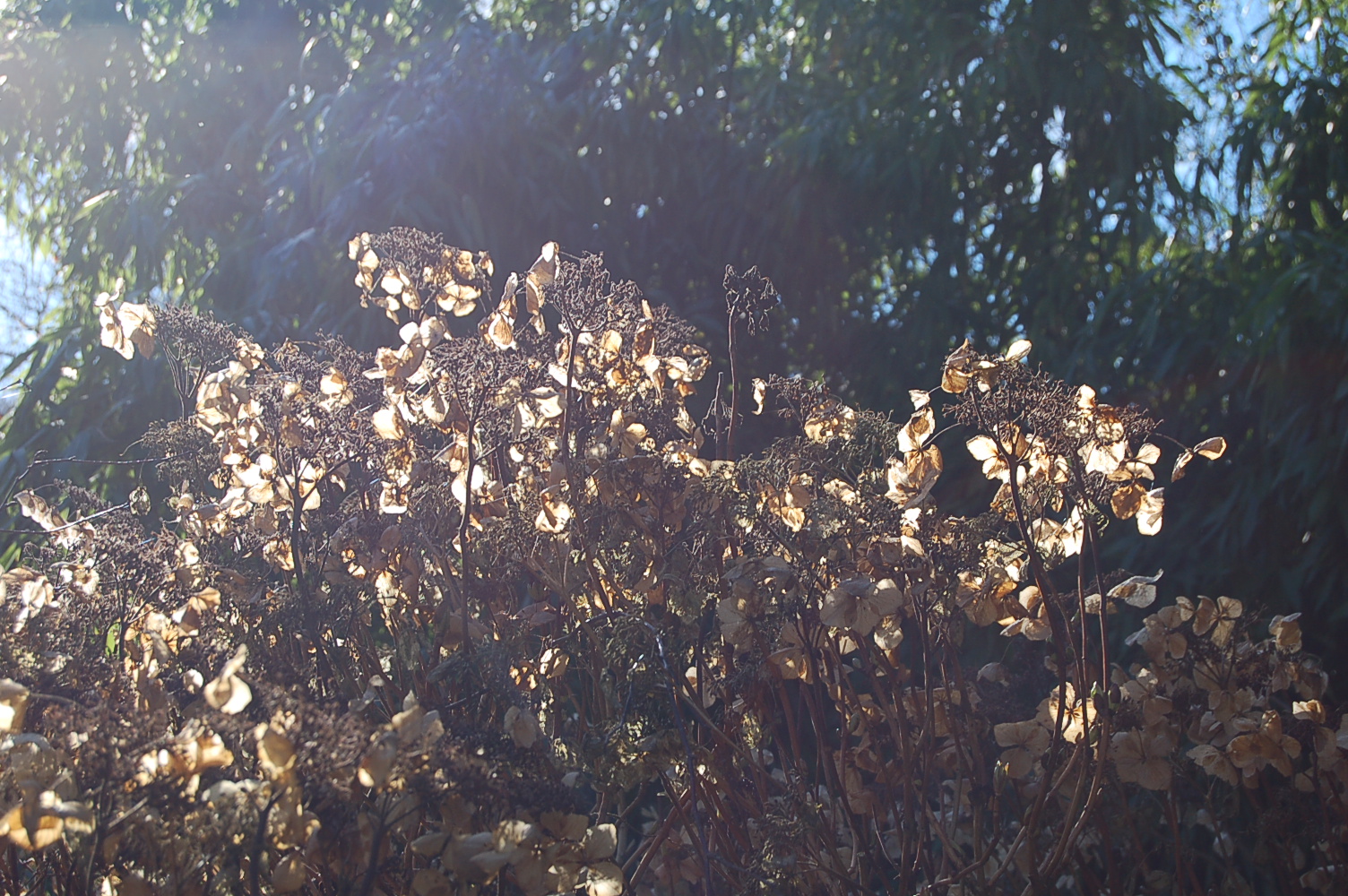
Back-lit Hydrangea seed heads.
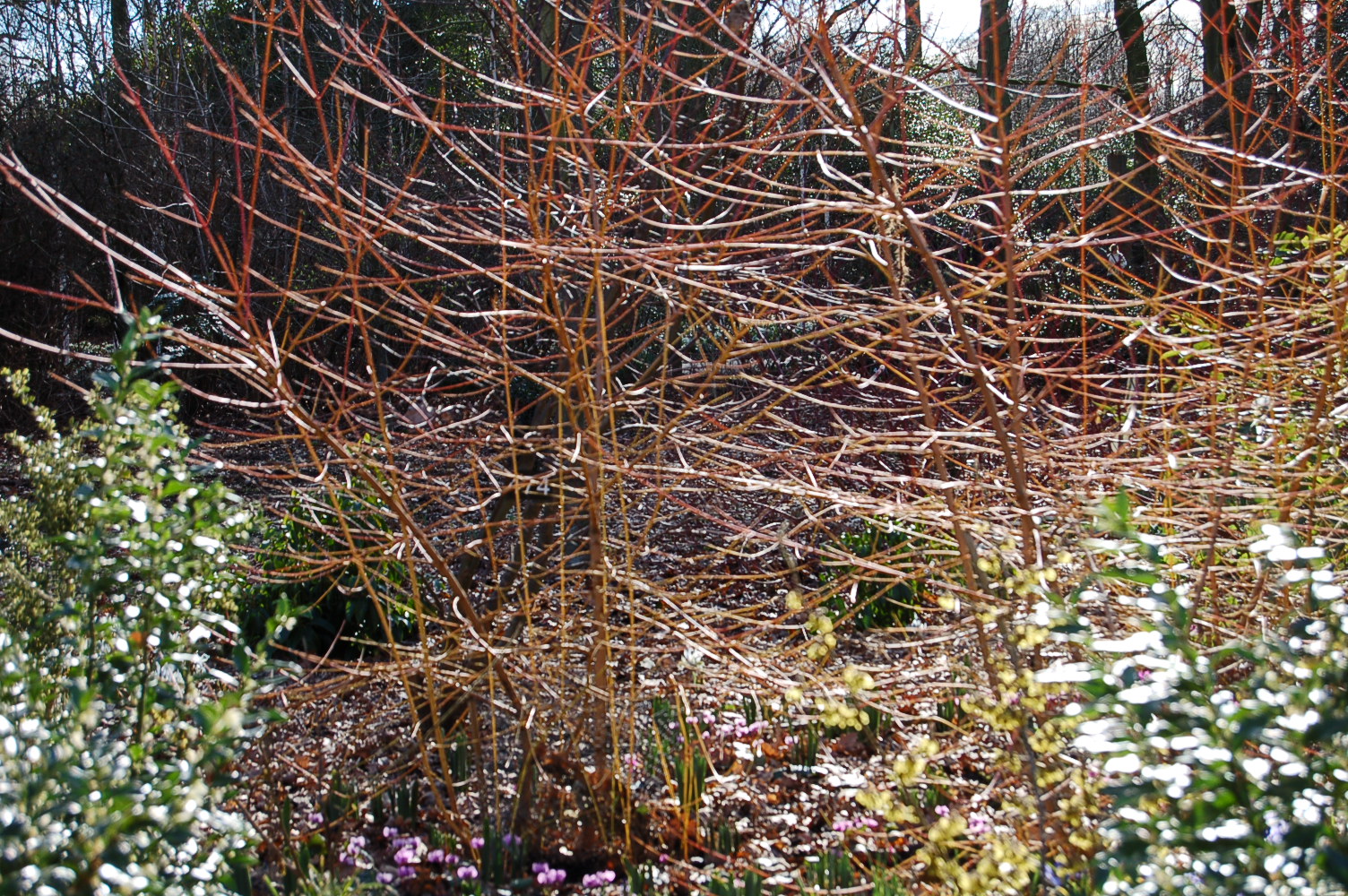
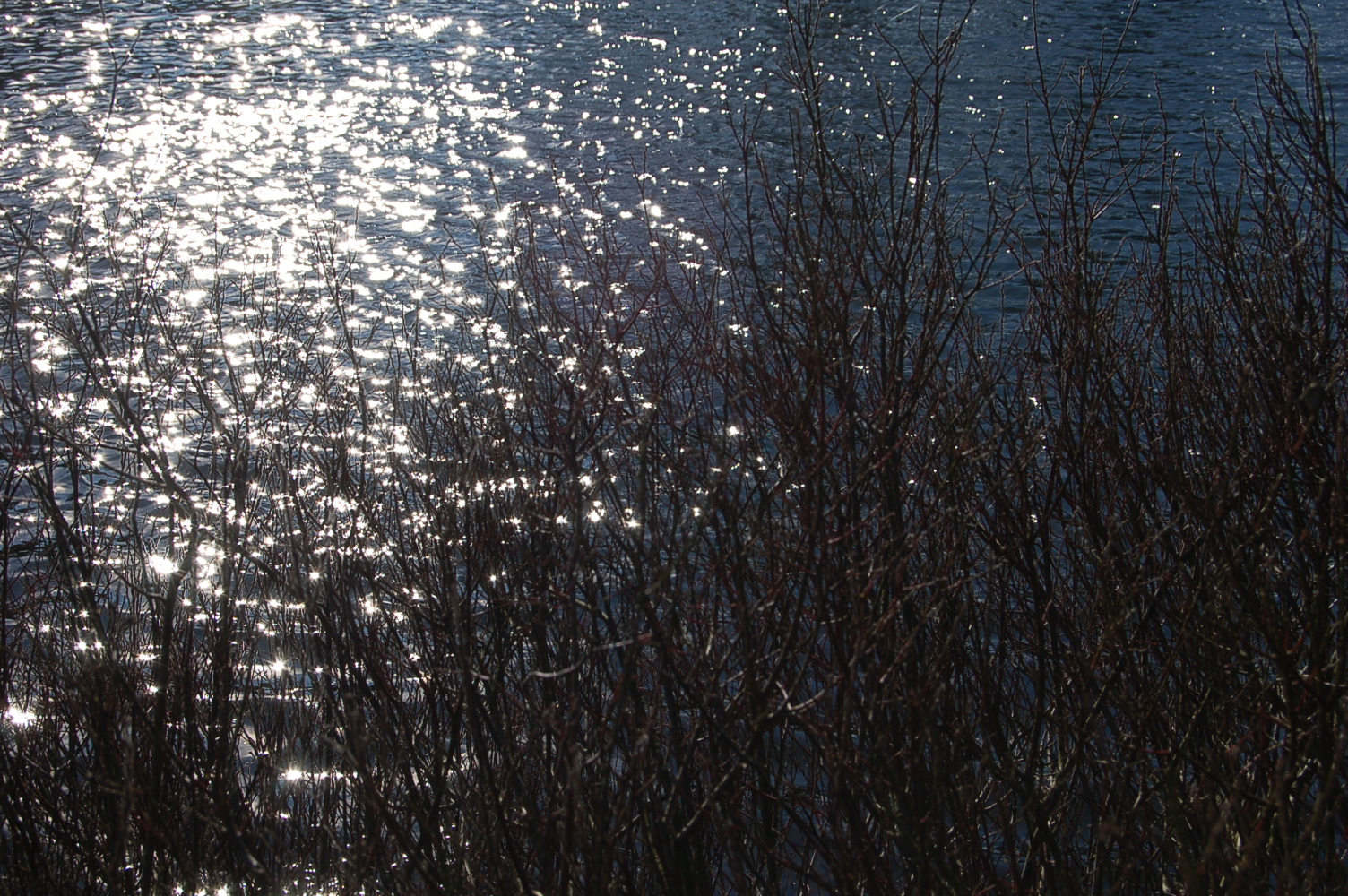
Twiggy highlights like spiders' webs.
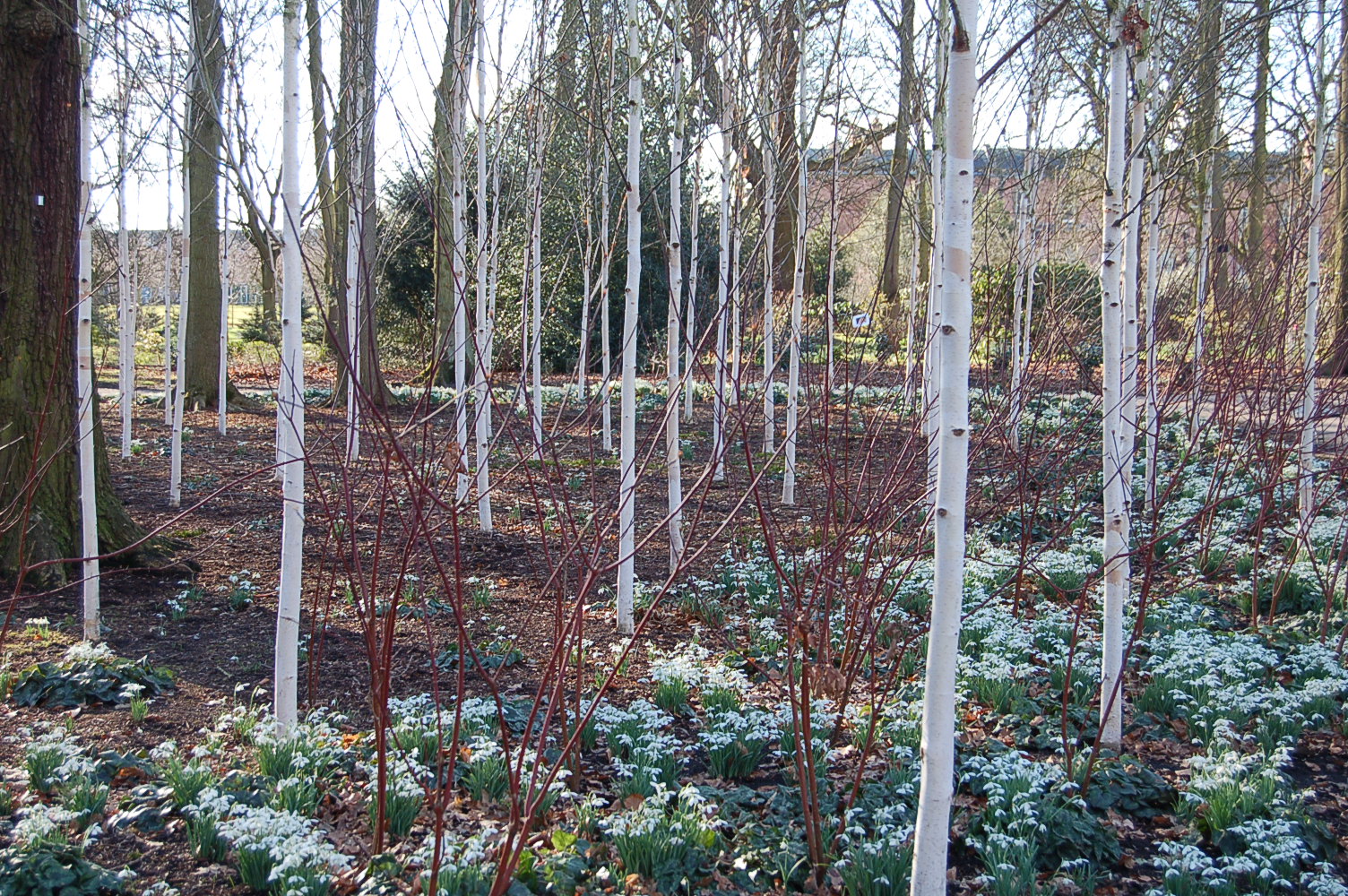
Long shadows of the White-stemmed Birch cross the carpet of Snowdrops.
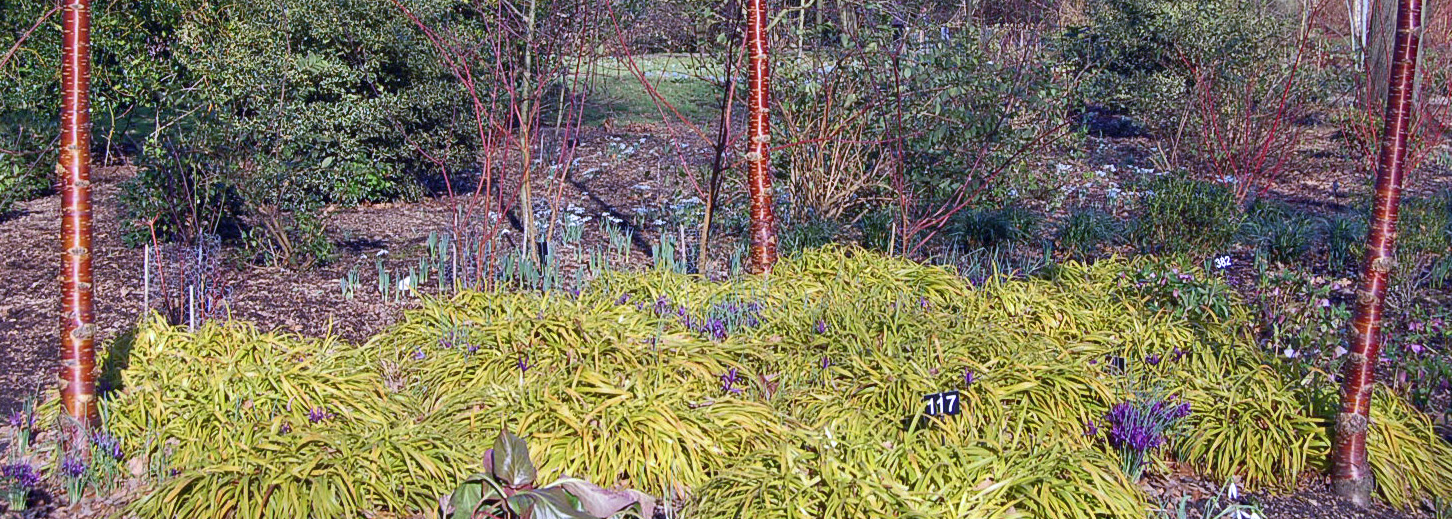
Winter light turns Cornus mas flowers into gold along the orange peel bark.
Orange stems and yellow foliage enriched by the light
Looking out from the shadows.
Curling silhouettes of an old gnarled Rhodendron bush.
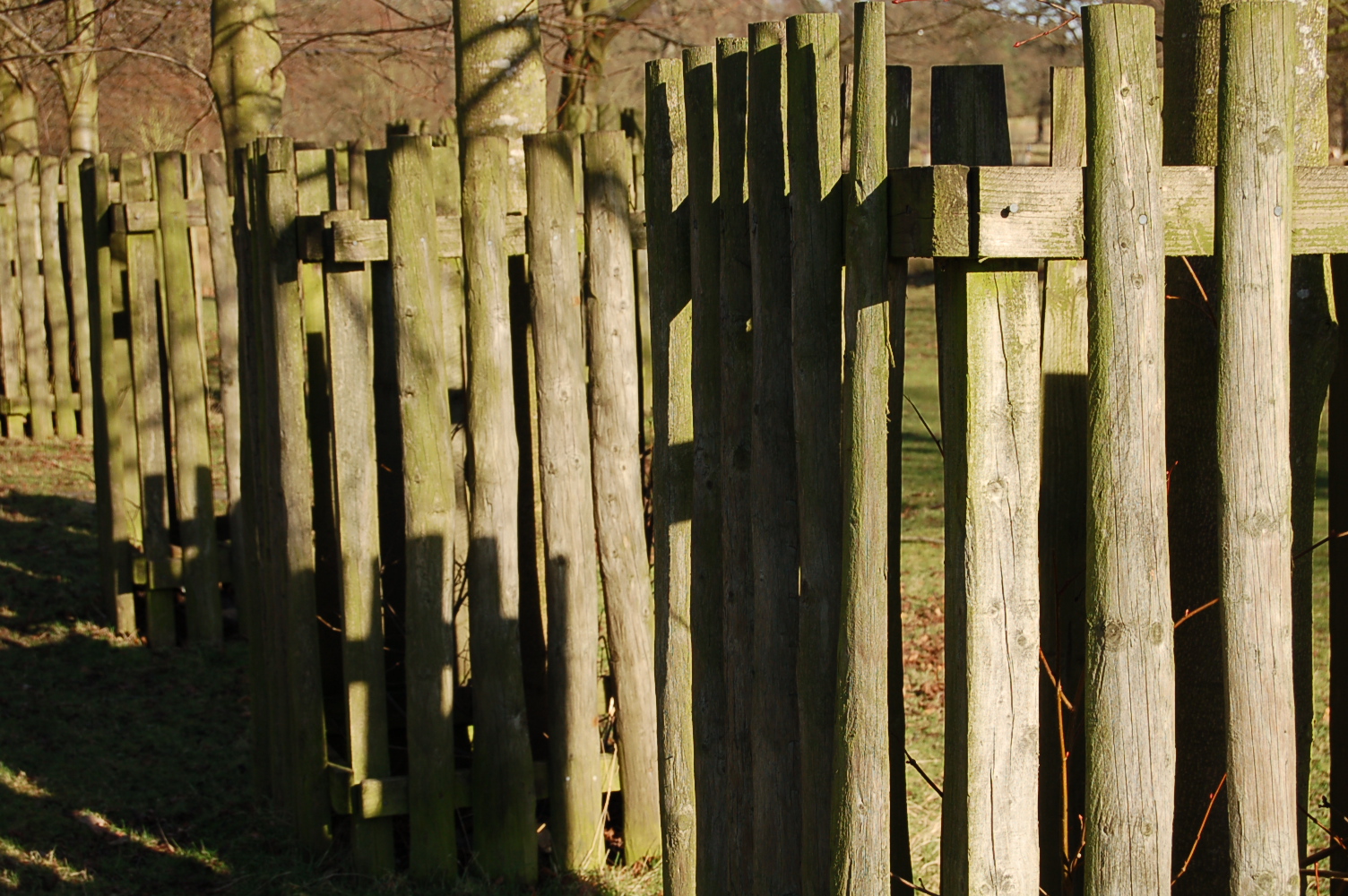
Fence shadows.
Snowdrops and moss.
Sparkling Hydrangeas.
Into the light.
Fallen rotting tree trunk looking like a huge tuning fork.
Jewel coloured Bergenia leaves.
Sparkling Lake
This Veggie Life

A Vegetarian | Nature Lifestyle Blog

Rambling in the Garden

.....and nurturing my soul

The Arch City Gardener

Journeys In St. Louis Gardening and Beyond

Garden Dreaming at Châtillon

Consult the genius of the place

Storyshucker

A blog full of humorous and poignant observations.

gardeninacity

Notes from a wildlife-friendly cottage garden

PlayGroundology

...an emerging social science

The Official Blog of British Wildlife

'The most important and informative publication on wildlife of our times' - The Independent. This blog is a member of The UK & Ireland Natural History Bloggers group: www.uknhb.blogspot.com

iGrowHort

Inspire - Cultivate - Grow Native Plants - Restore Landscapes

Bishops Meadow Trust

To create and protect a semi-natural wild space for the people of Farnham to enjoy and experience an array of British wildlife in our town

Gardening with Children

The www.gardeningwithchildren.co.uk Blog

UKbirdingtimeline

birding through the seasons, why birds matter and how to conserve them

NATURE WALKER

with a camera in hand

Jardin

Transform your outdoor space

Eva's space

My allotment, cooking and other interests

Old School Garden

my gardening life through the year

LEANNE COLE

Trying to live a creative life

fromacountrycottage

trying to live as lightly as possible on our beautiful planet

Good Life Gardening

Nature lovers from Leicester living the good life.

mybeautfulthings

Finding the beautiful in the everyday

mawsonmichelle

Michelle's Allotment

In and Out of My Garden

thoughts from and about my garden

Greenhousing

Big plans for a small garden

The Scottish Country Garden

A Walled Country Garden in South East Scotland

The Fruity Chicken

Life at the fruity chicken

willowarchway

Off grid living. Self sufficient. "PERMAGANICS RULE".

St Anns Allotments

Nottingham's Grade 2* Listed Allotments and Community Orchard

Manifest Joy Harvests

a journey in suburban vegetable gardening

Allotmental

The madness of growing your own

Penny's Garden: a harvest beyond my front door

A novel approach to vegetable gardening

arignagardener

Sustainable living in the Irish countryside.

NewEnglandGardenAndThread

Master Gardener, amateur photographer, quilter, NH native, and sometimes SC snowbird

dianajhale

Recent work and work in progress and anything else that interests me

planthoarder

a chaotic cottage gardener

Lens and Pens by Sally

a weekly blog that creates a personal philosophy through photographs and words

Dewdrops and Sunshine

Stories from a sassy and classy Southern farmbelle.

The Pyjama Gardener

Simple Organic Gardening & Seasonal Living

gettin' fresh!

turning dirt into dinner

JOY...

today the world is created anew

Garden Birds

Notes from a Devon garden

ShootAbout

Life Through The Lens

Adapting Pixels

A photography blog showcasing the best photography pictures and videos on the internet

Wildlifegardening's Blog

Just another WordPress.com site

naturestimeline

personal observations from the natural world as the search continues for a new approach to conservation.

LATEBLOOMERBUDS

The Wonders of Life through my Eyes, my Heart, my Soul