Categories
autumn autumn colours climbing plants colours garden design garden designers garden photography gardening gardens gardens open to the public grasses hardy perennials Italian style gardens light light quality ornamental grasses ornamental trees and shrubs outdoor sculpture Piet Oudolf sculpture Staffordshire Tom Stuart-Smith trees

A Garden in October/November – Trentham

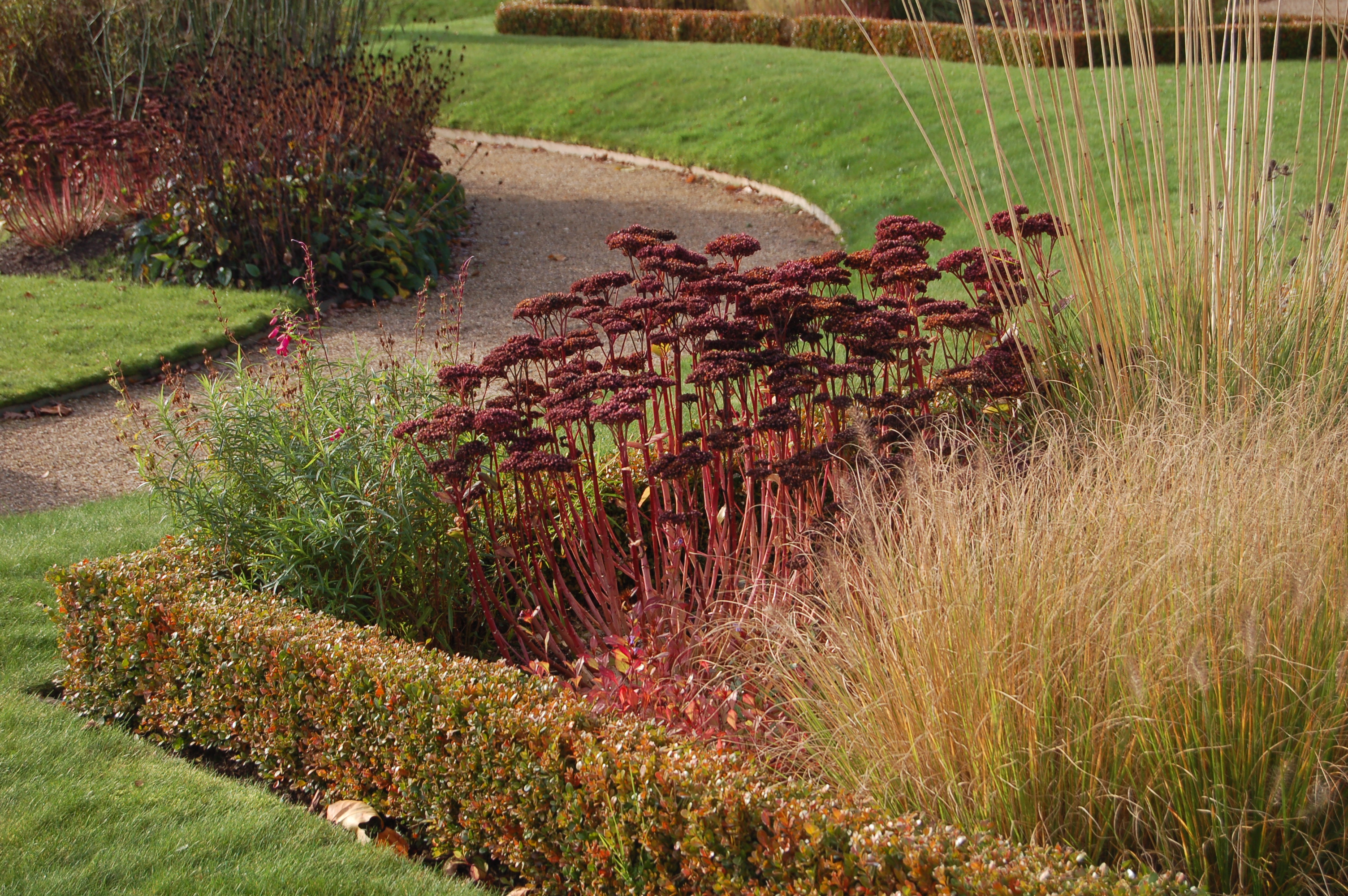
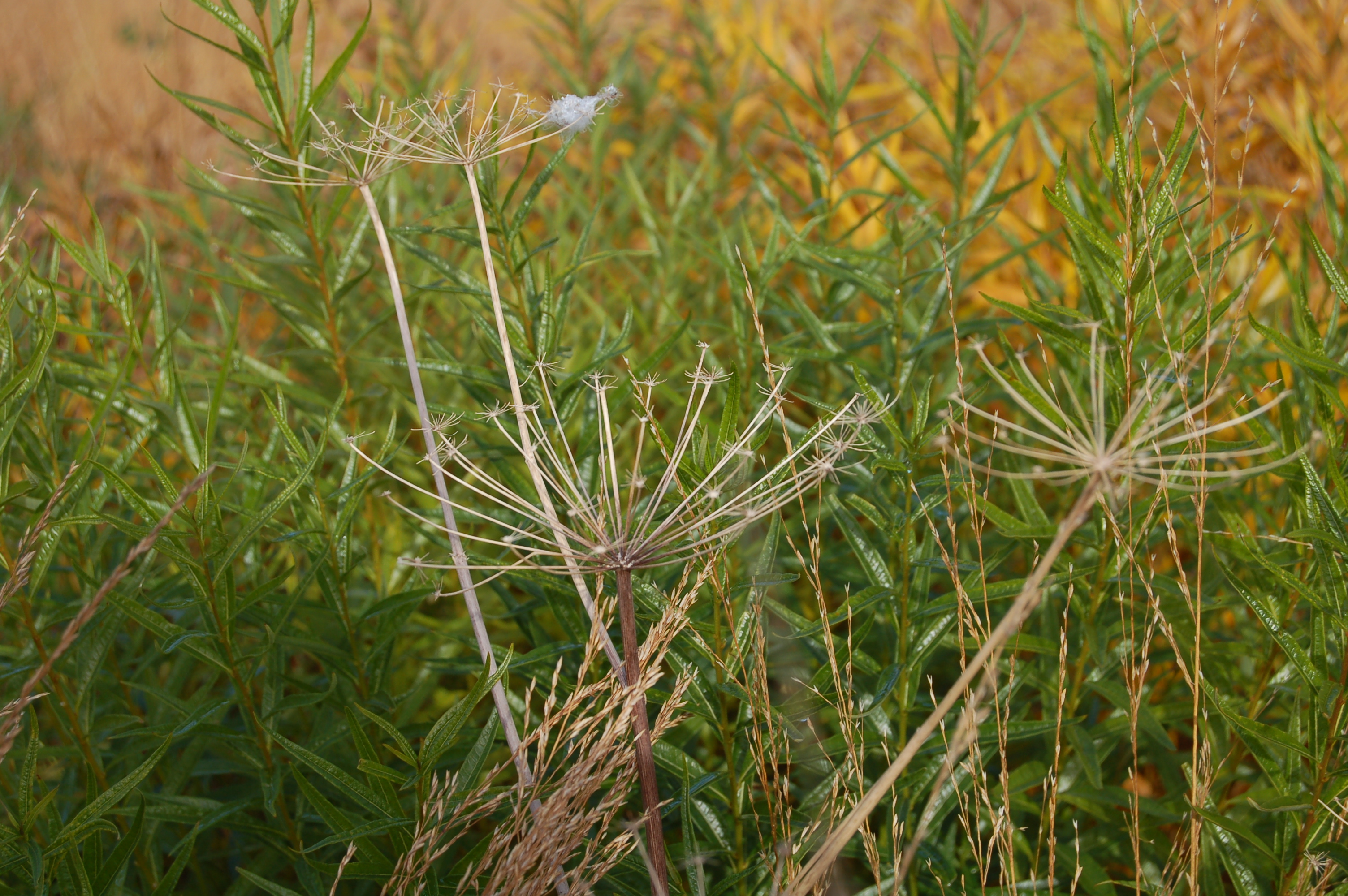
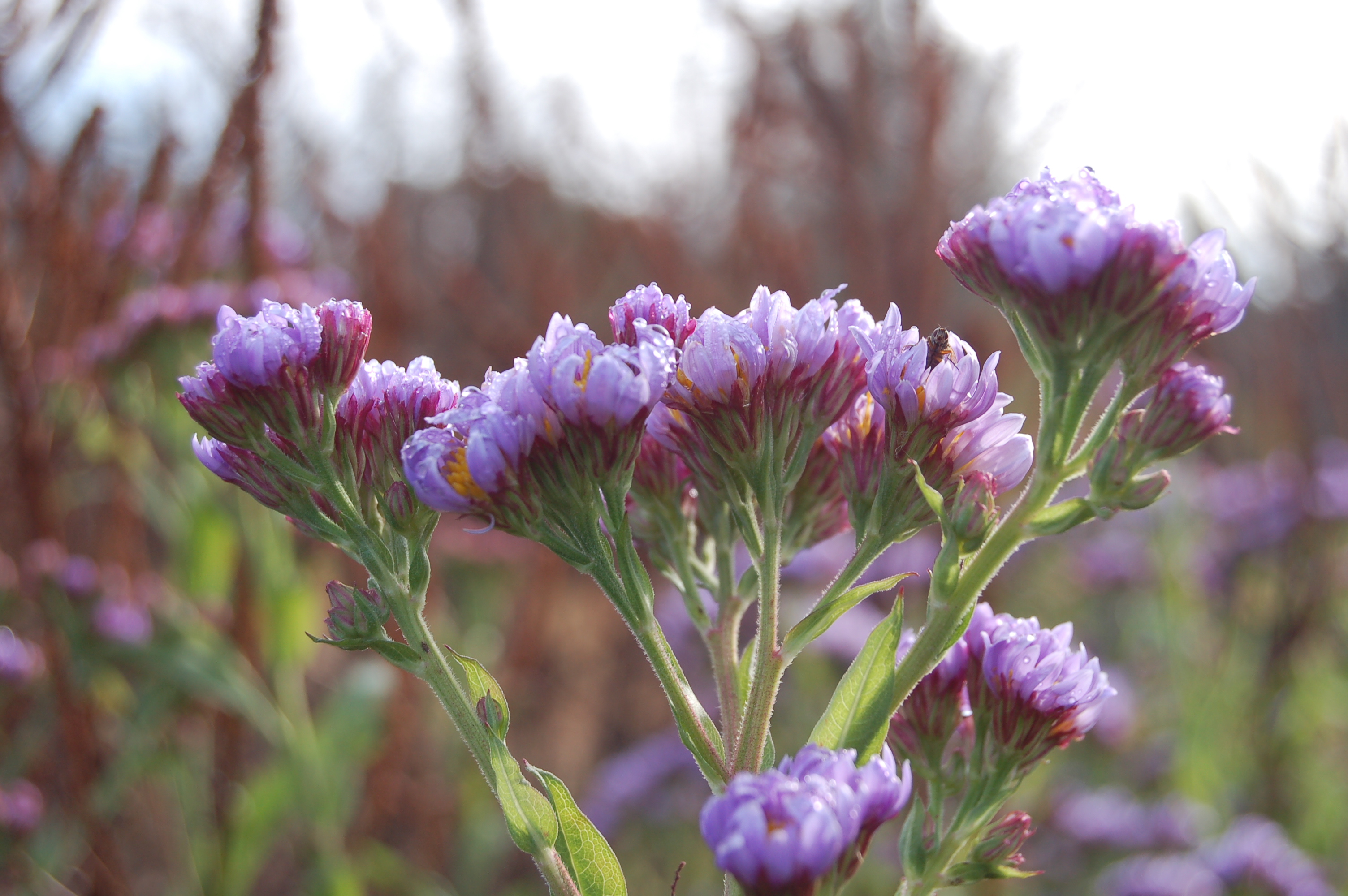
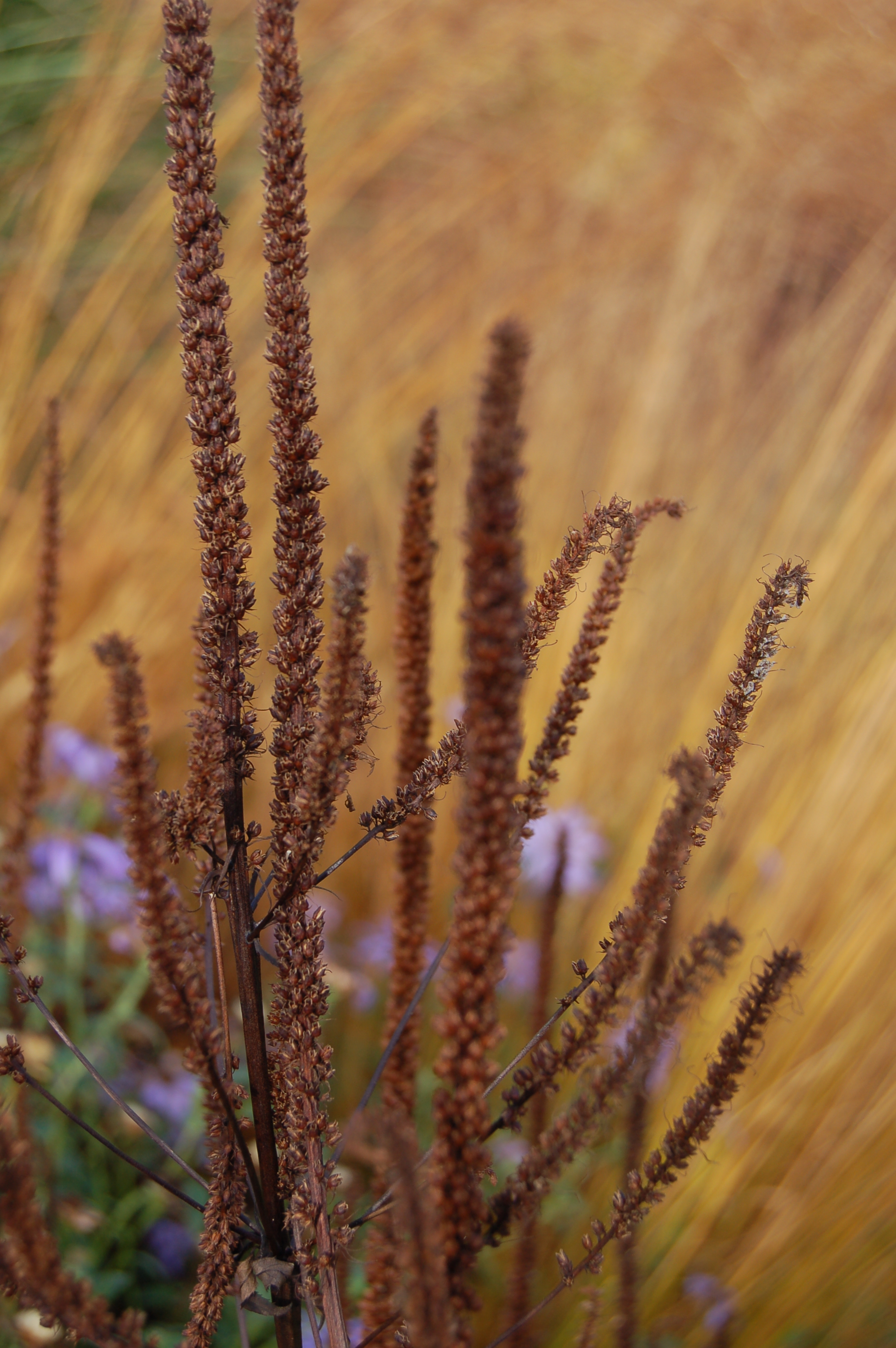
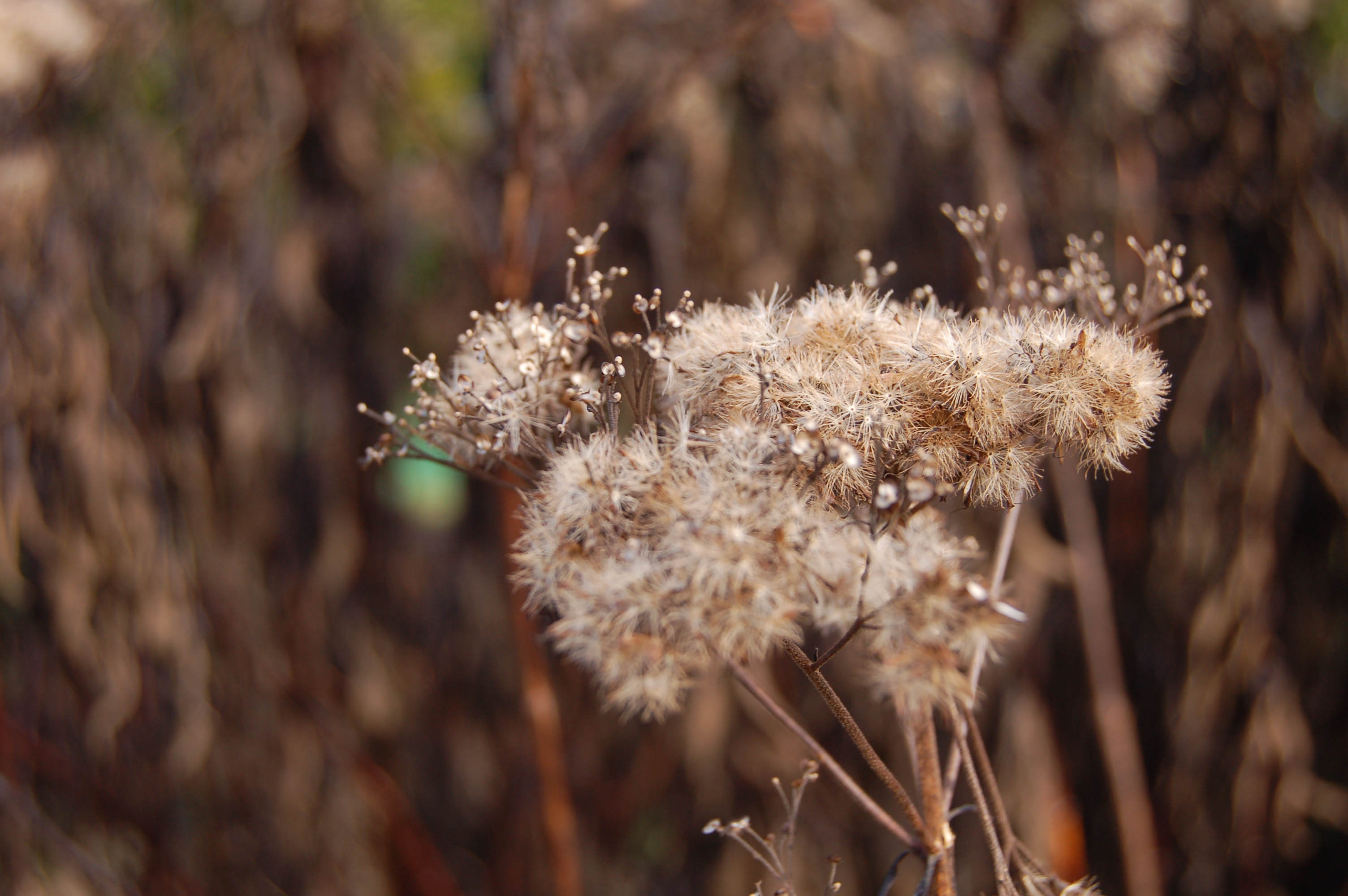
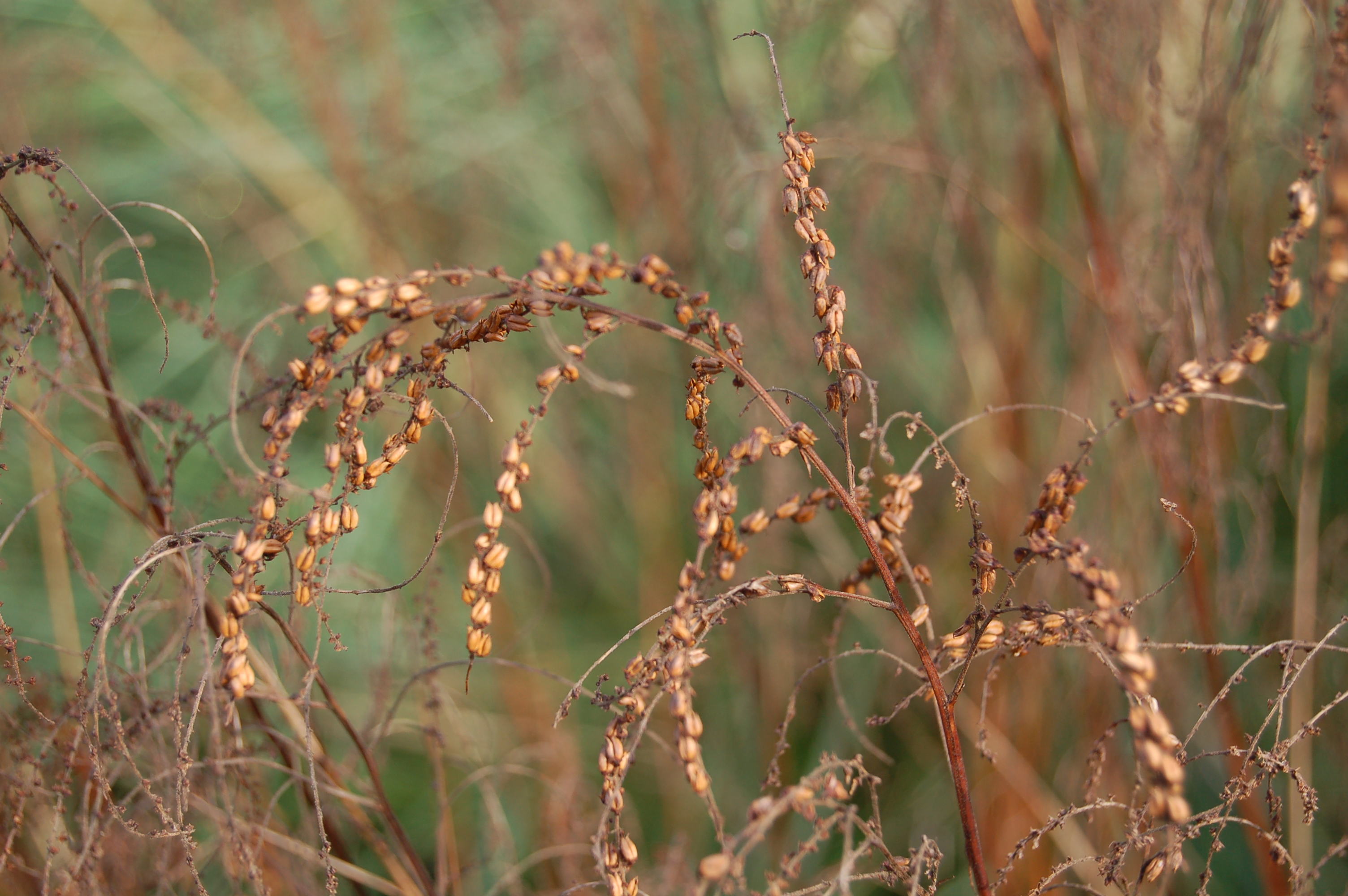
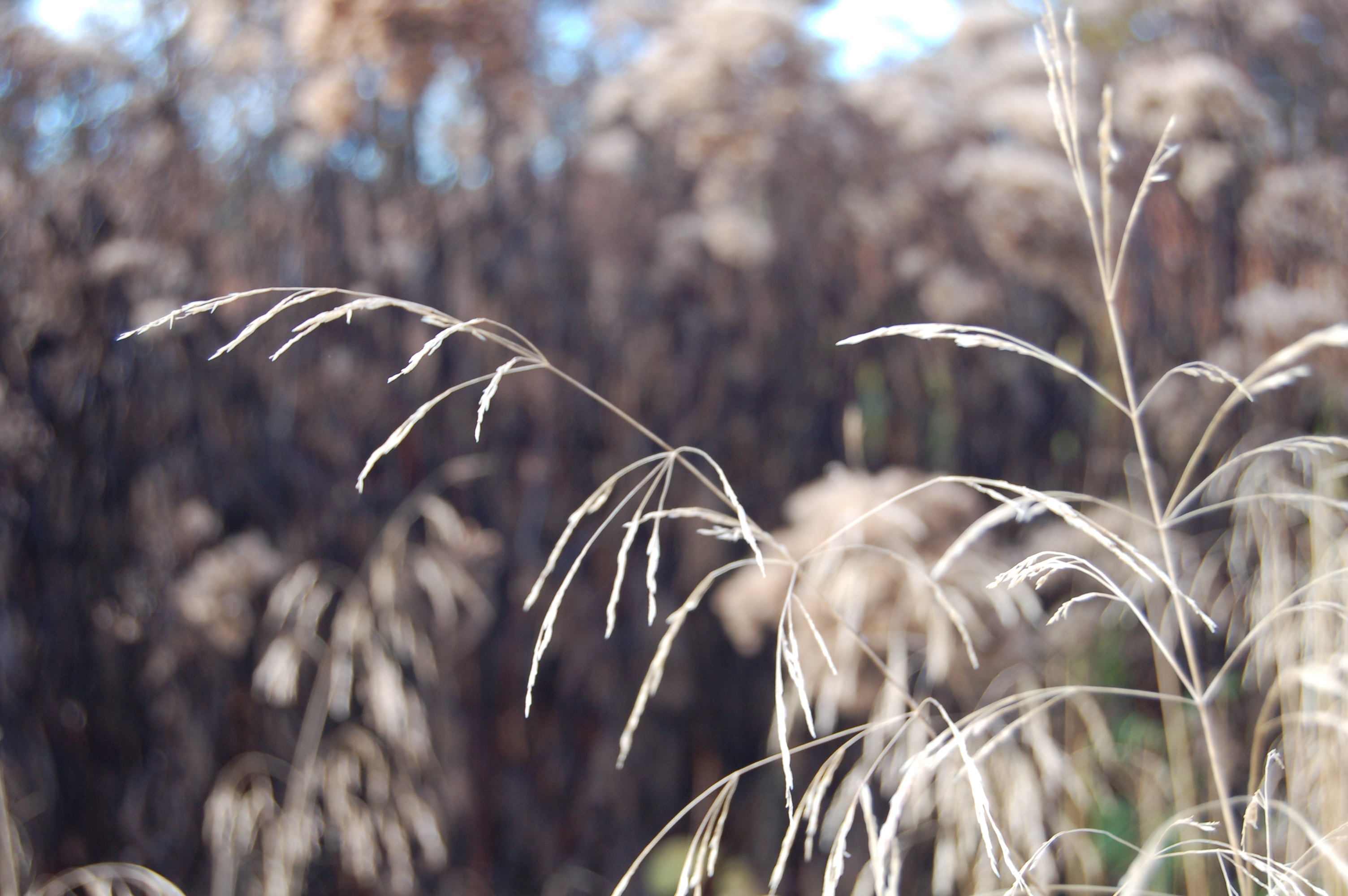
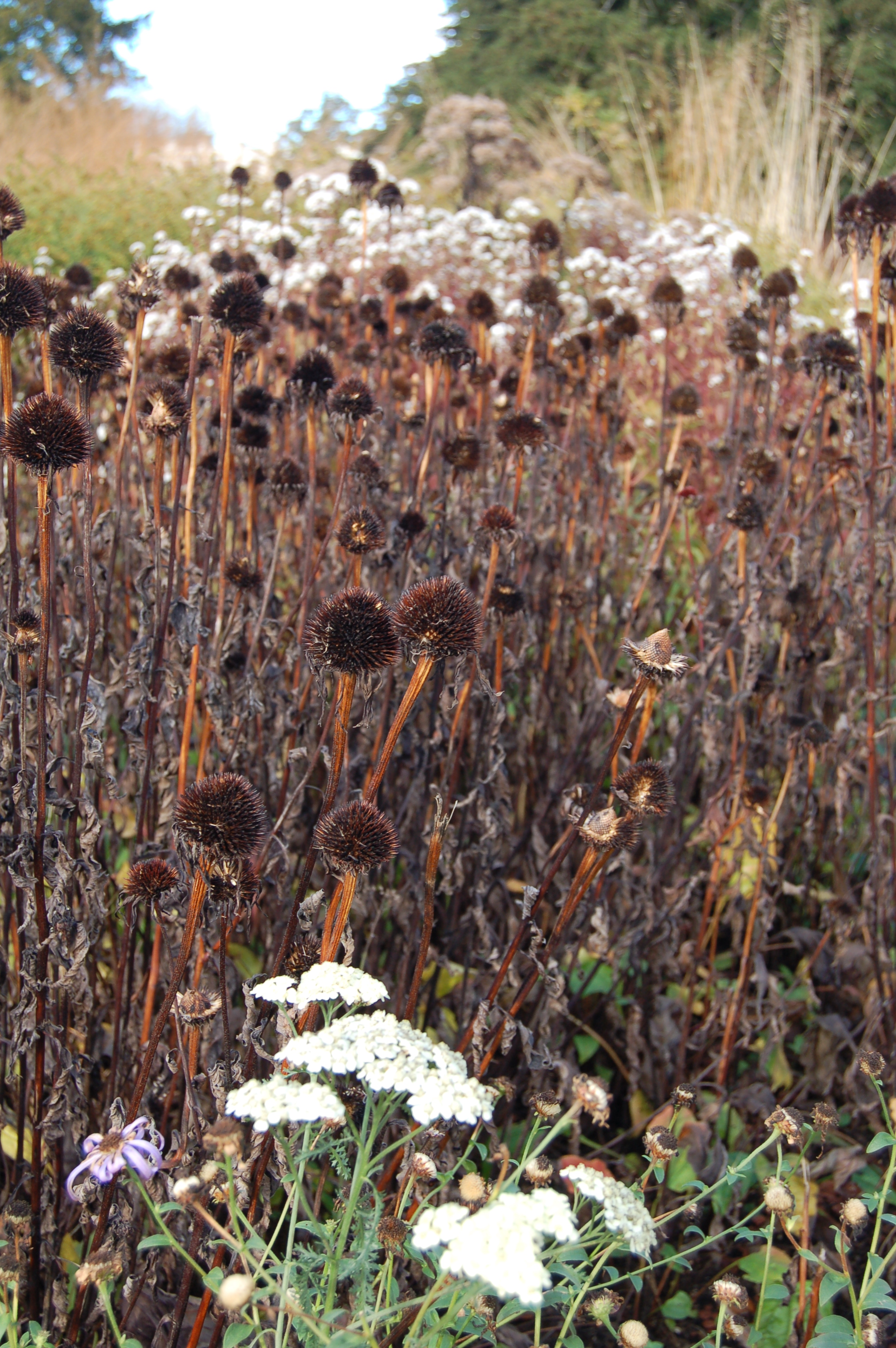
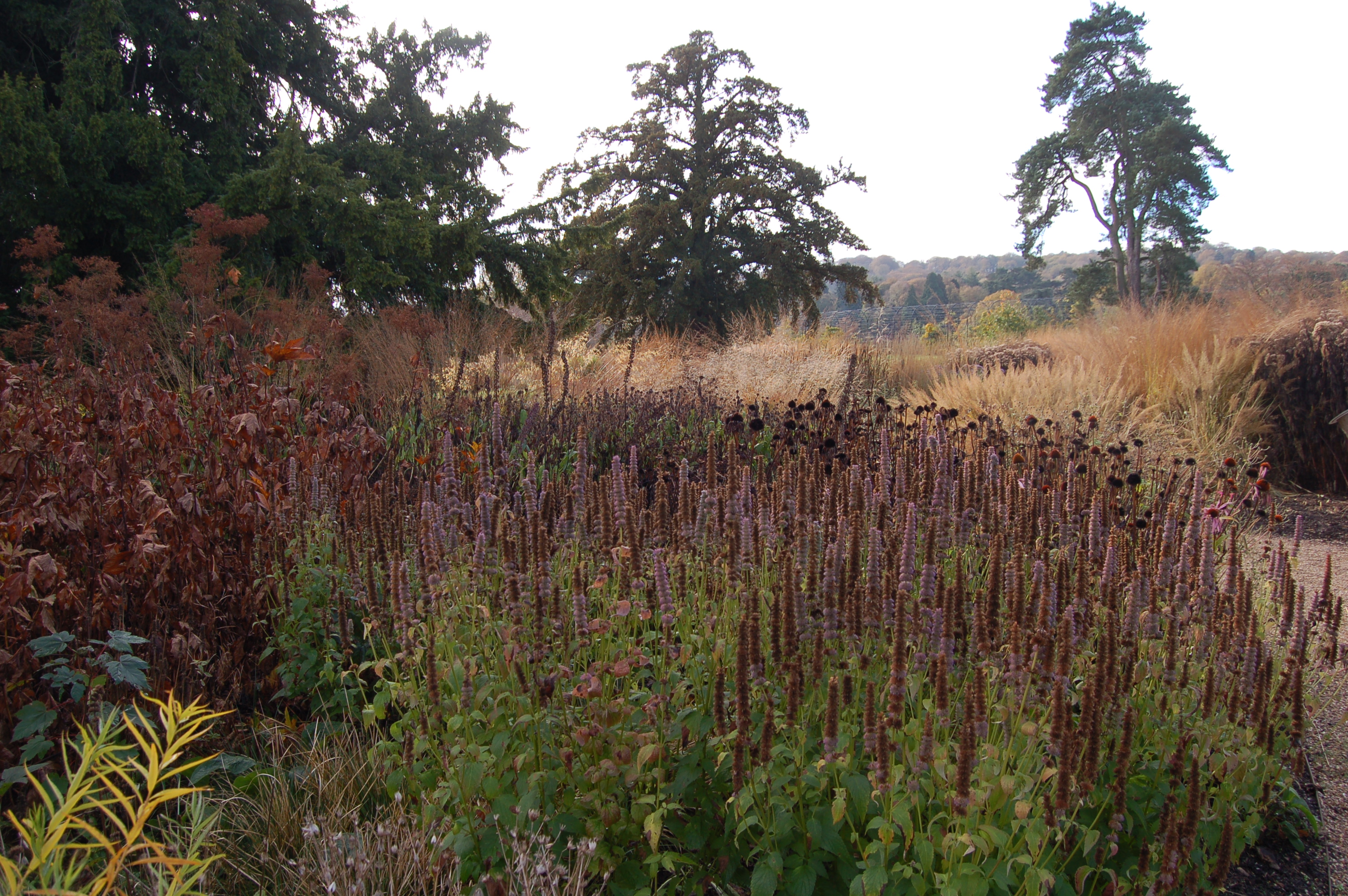
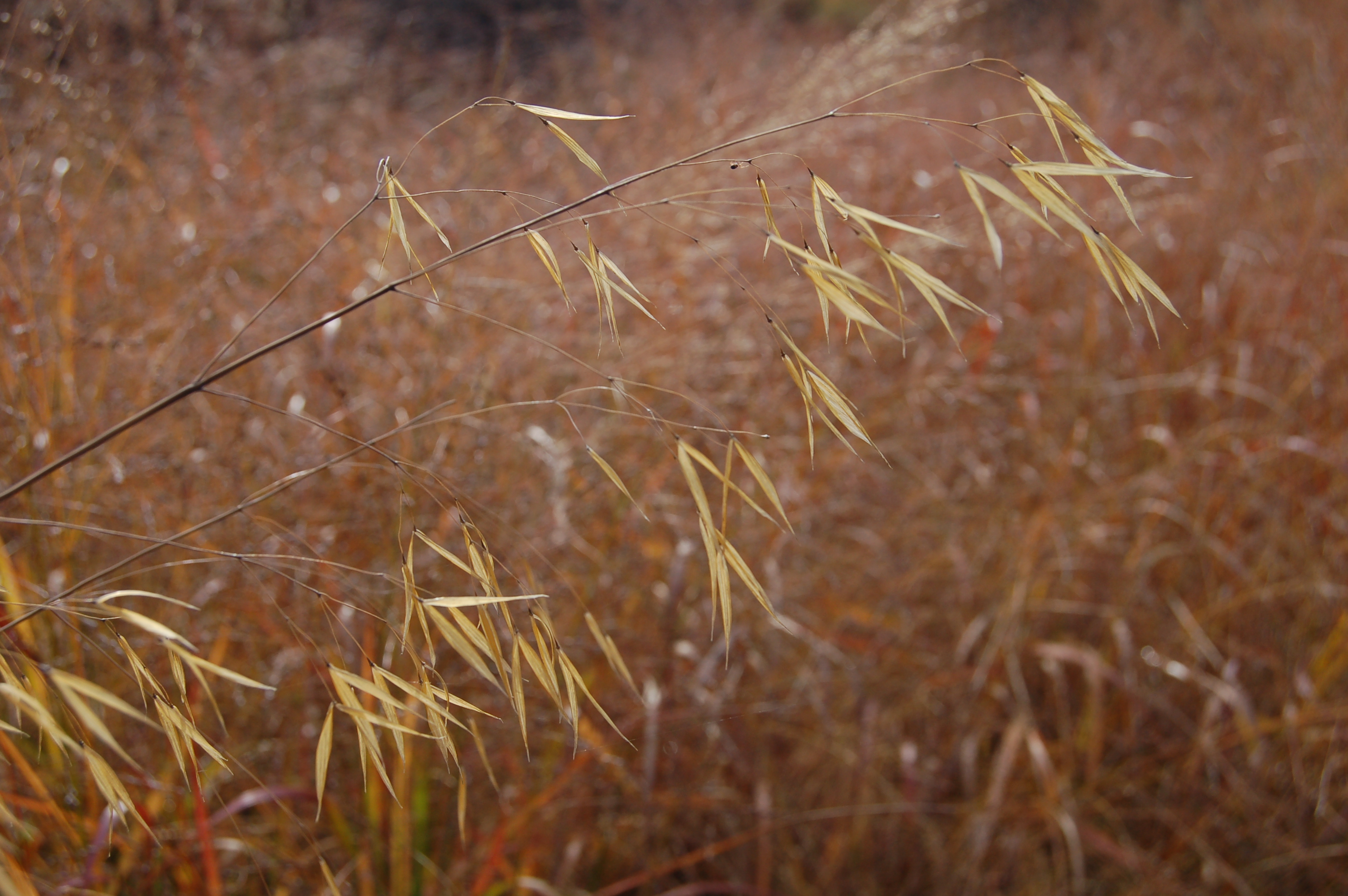
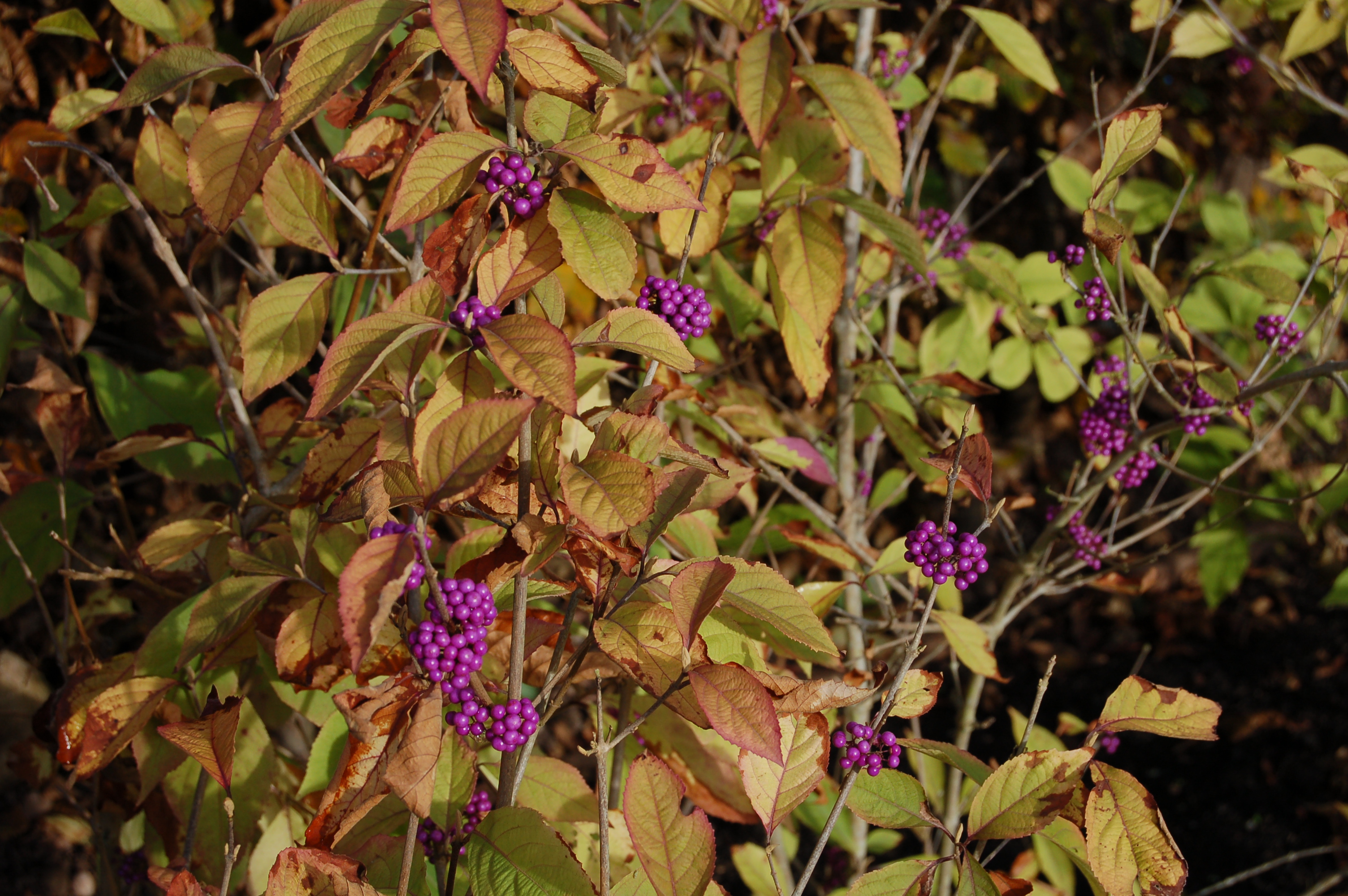
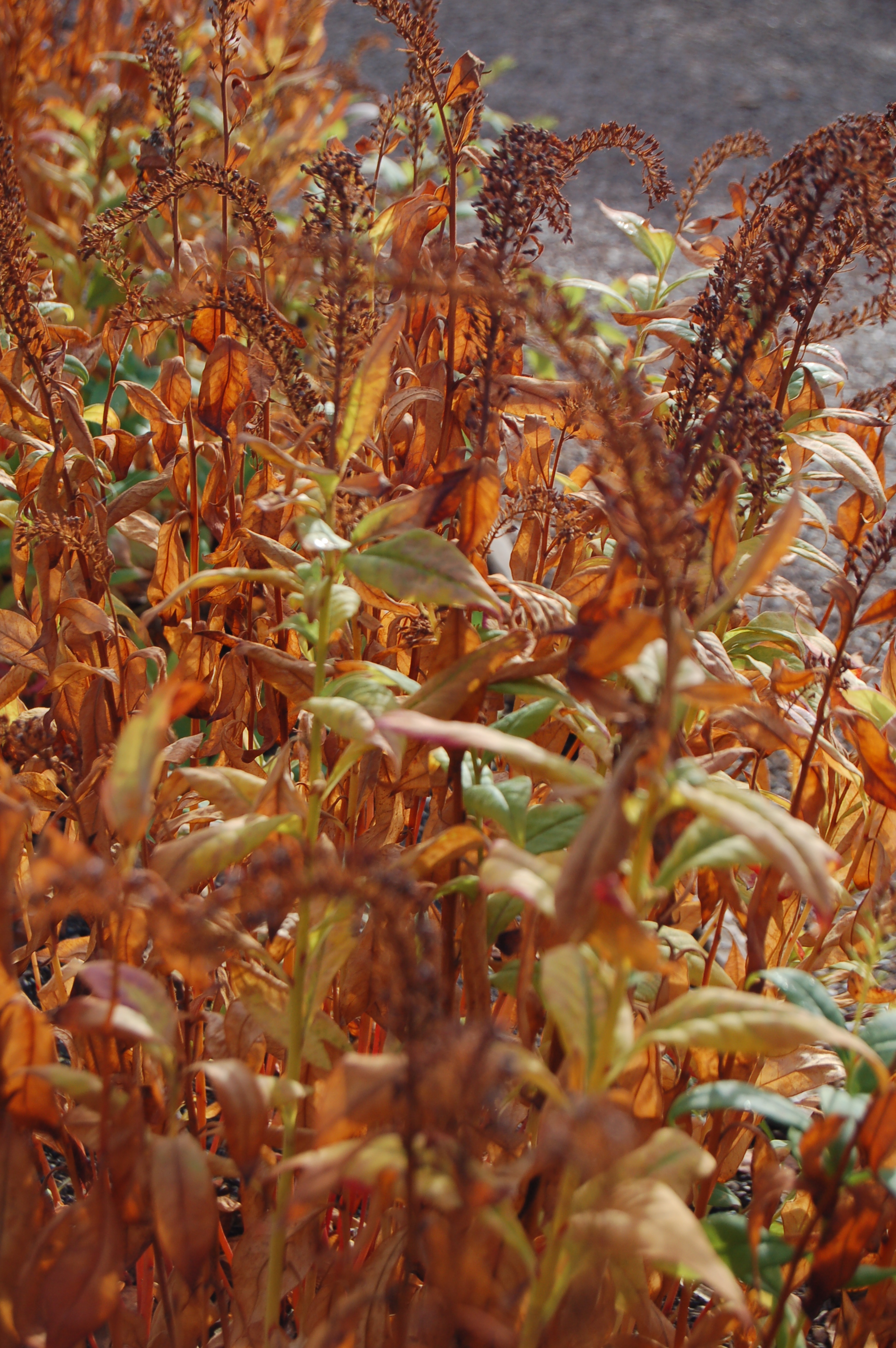
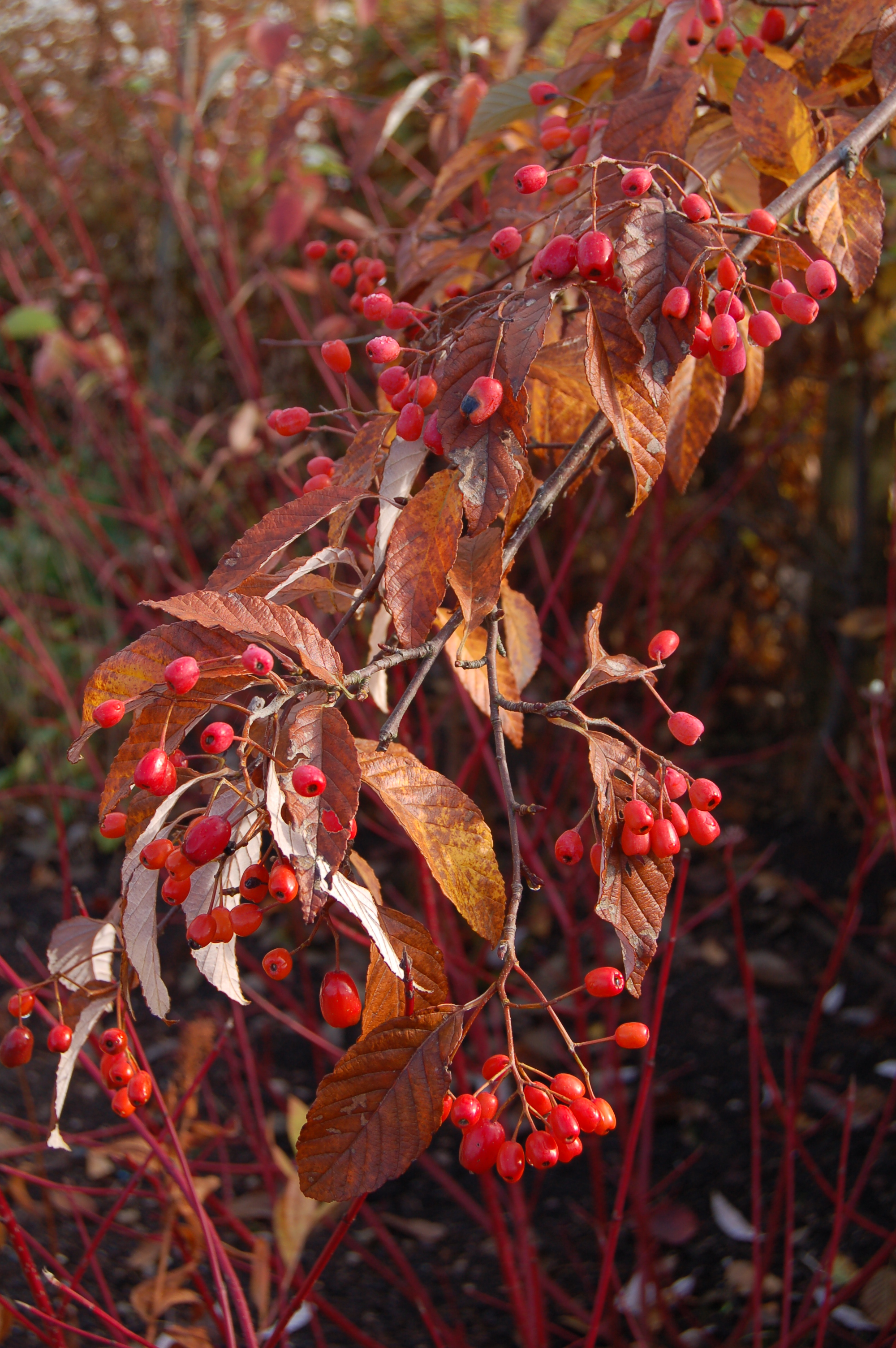
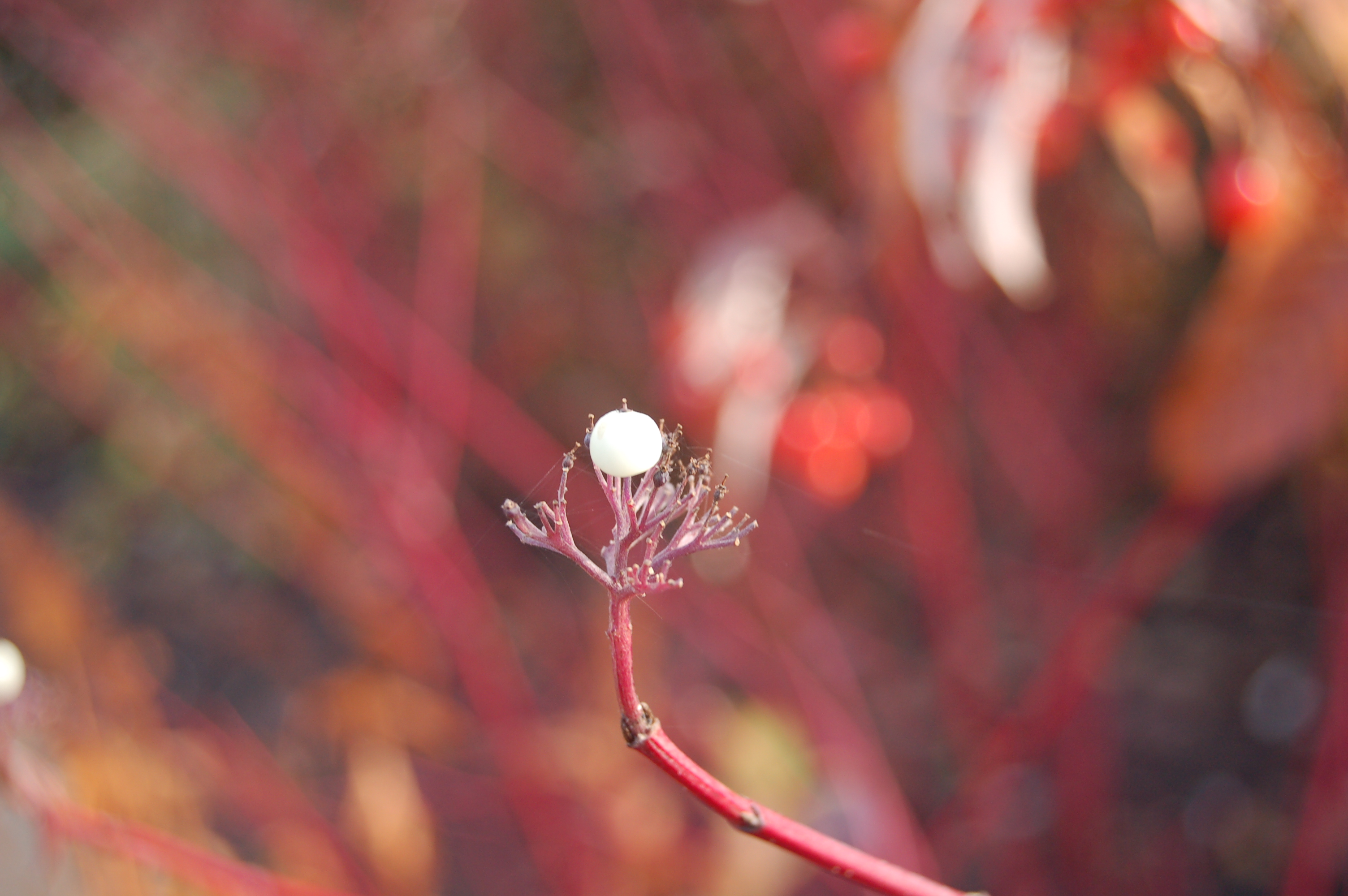
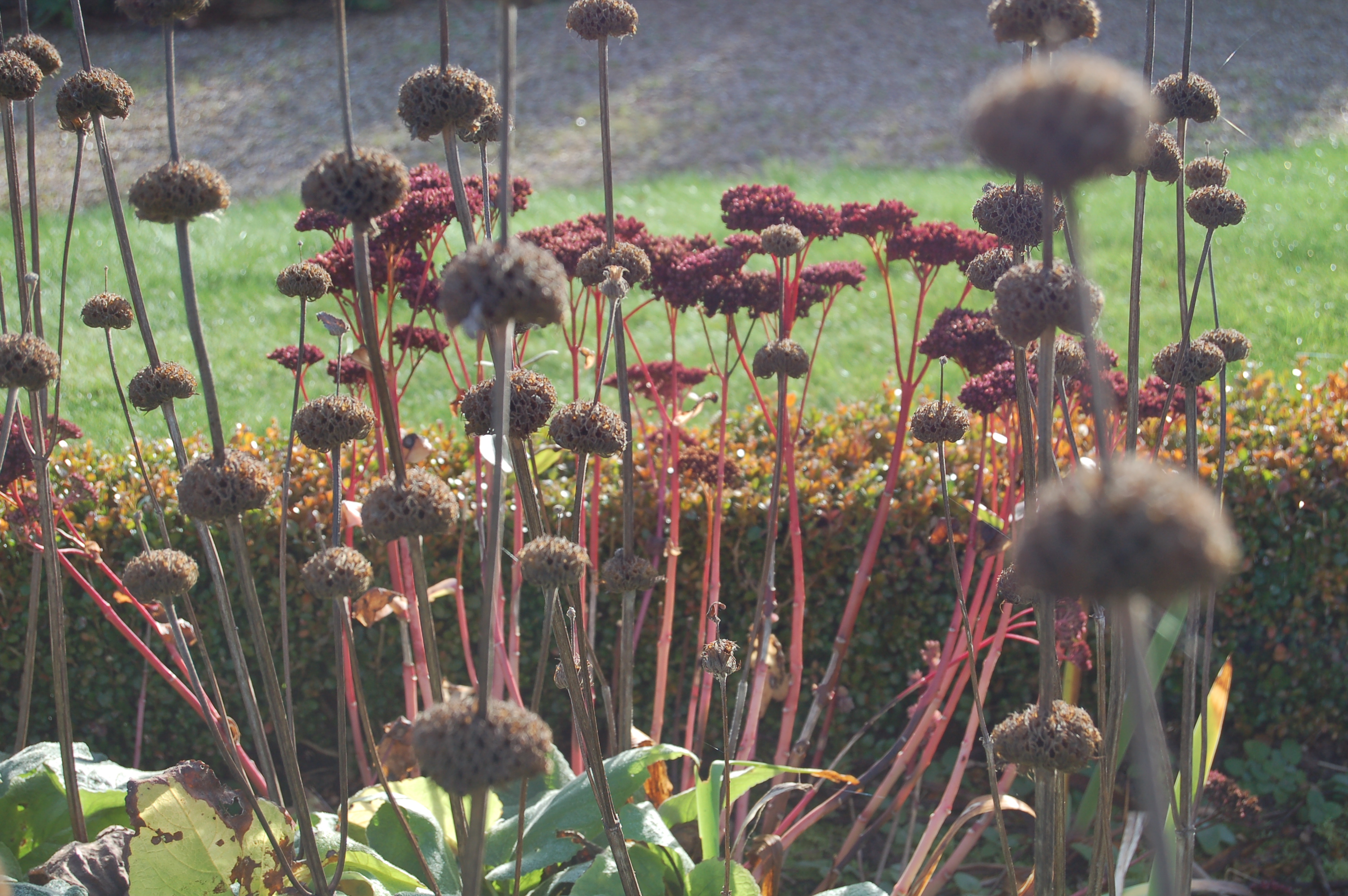
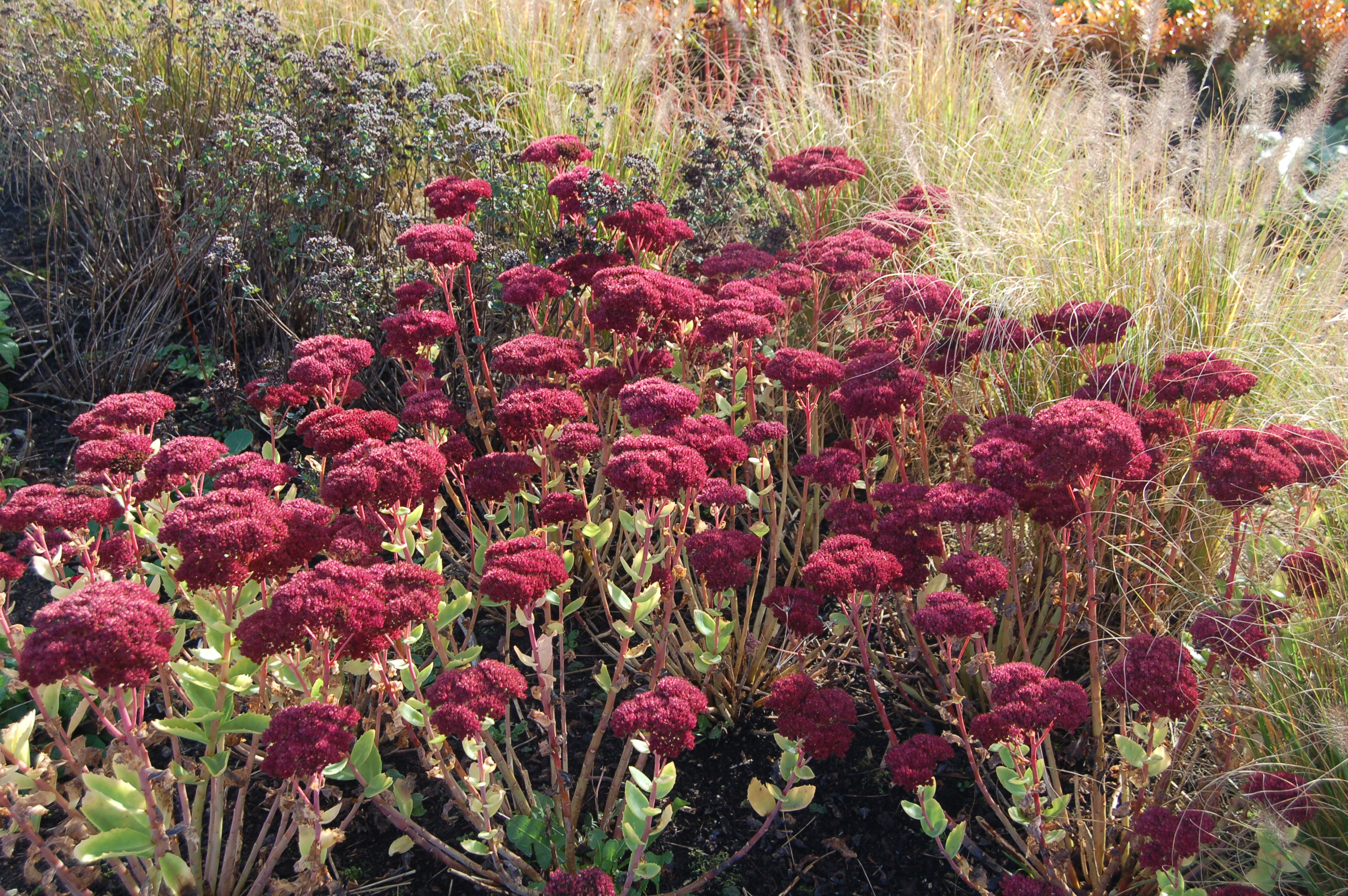
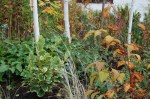
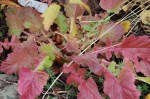
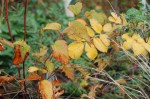
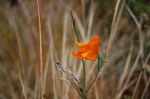
We have now reached the penultimate posting in this series where we have been looking at how Trentham Gardens in Staffordshire have changed through the months during 2014. Since our last visit in September Autumn has taken a strong grip on the gardens. Many leaves have taken on their auutmn hues and many have fallen. But it is amazing how much colour there still is to enjoy, colours in late flowers, dried stems and seed heads.

2014 11 04_7144 2014 11 04_7154 2014 11 04_7153 2014 11 04_7167 2014 11 04_7182

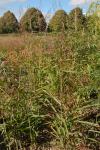
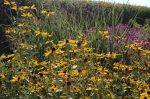
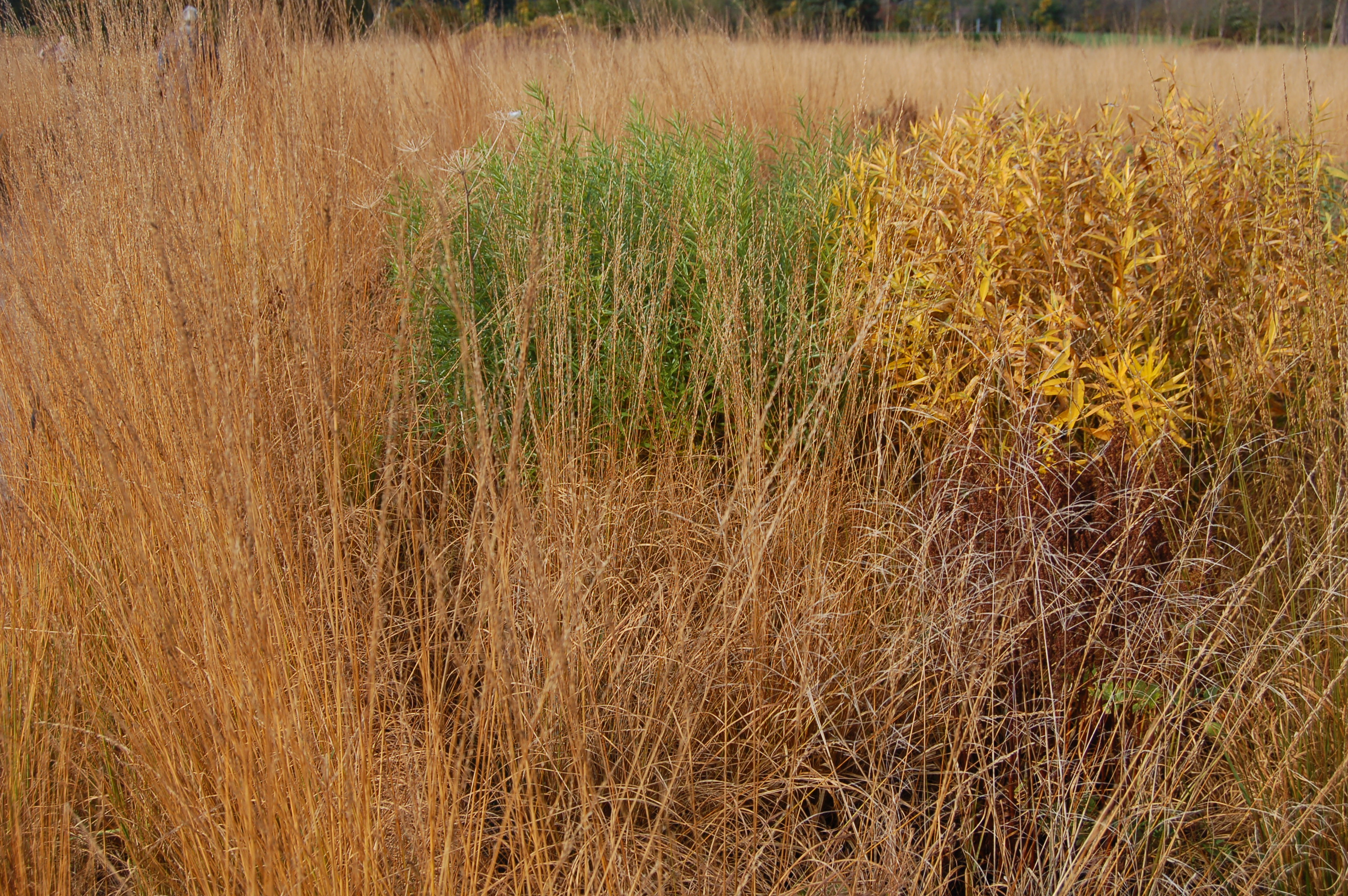
We always cross over the gently arching suspension footbridge over the River Trent full of anticipation. On our visit in early November we were presented with a sea of yellows, where Piet Oudolf’s River of Grasses had been transformed by the passage of time into a river of liquid gold.

2014 11 04_7143 2014 11 04_7144 2014 11 04_7145 2014 11 04_7146 2014 11 04_7147 2014 11 04_7148 2014 11 04_7149

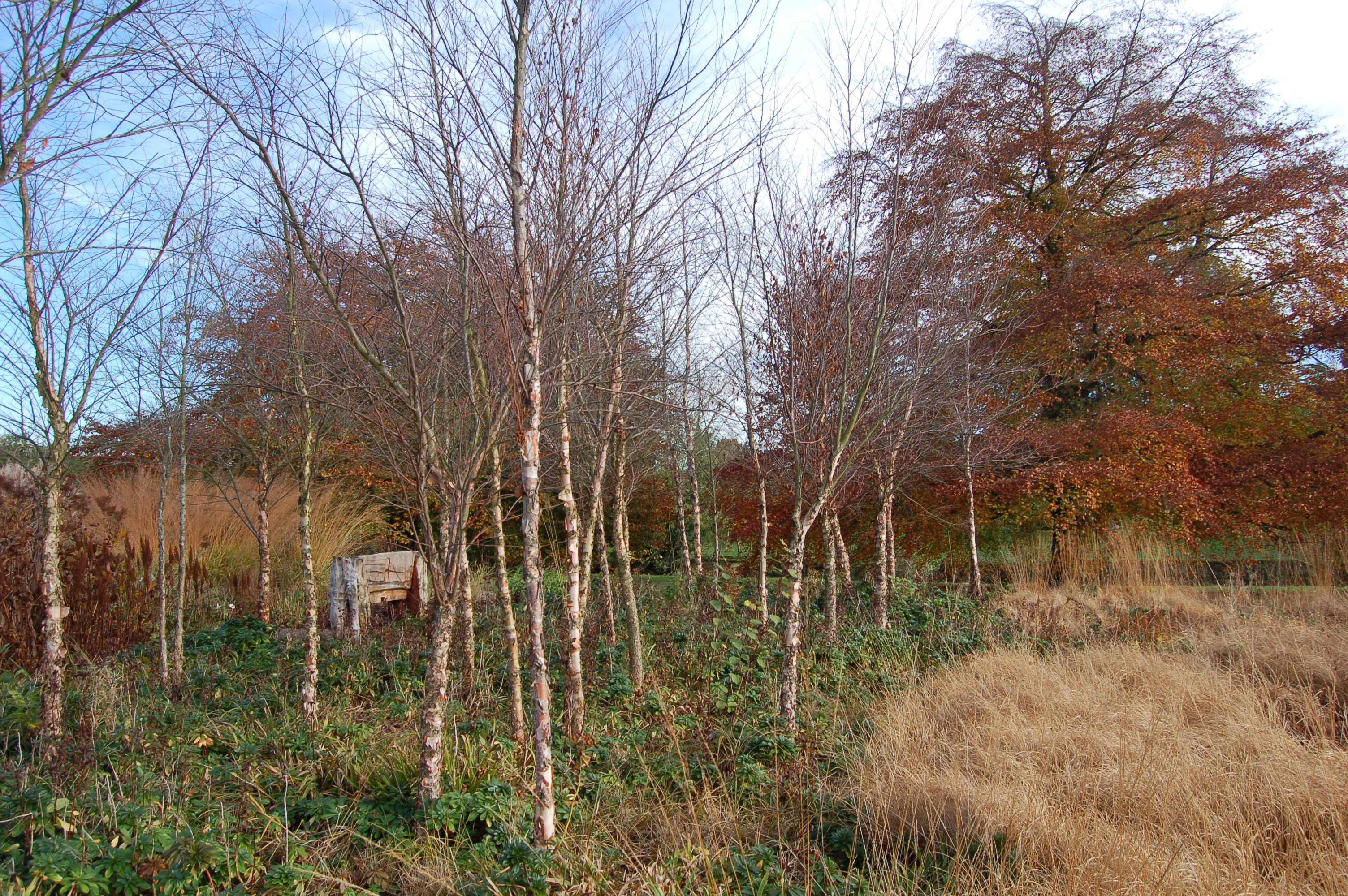
We wandered along the gravel path as it cut through the line of River Birch, Betula nigra in search of Oudolf’s prairie borders. These beautiful trees had already shed all their leaves but still drew our eyes as their bark was peeling and curling decoratively away from their trunks.
2014 11 04_7150

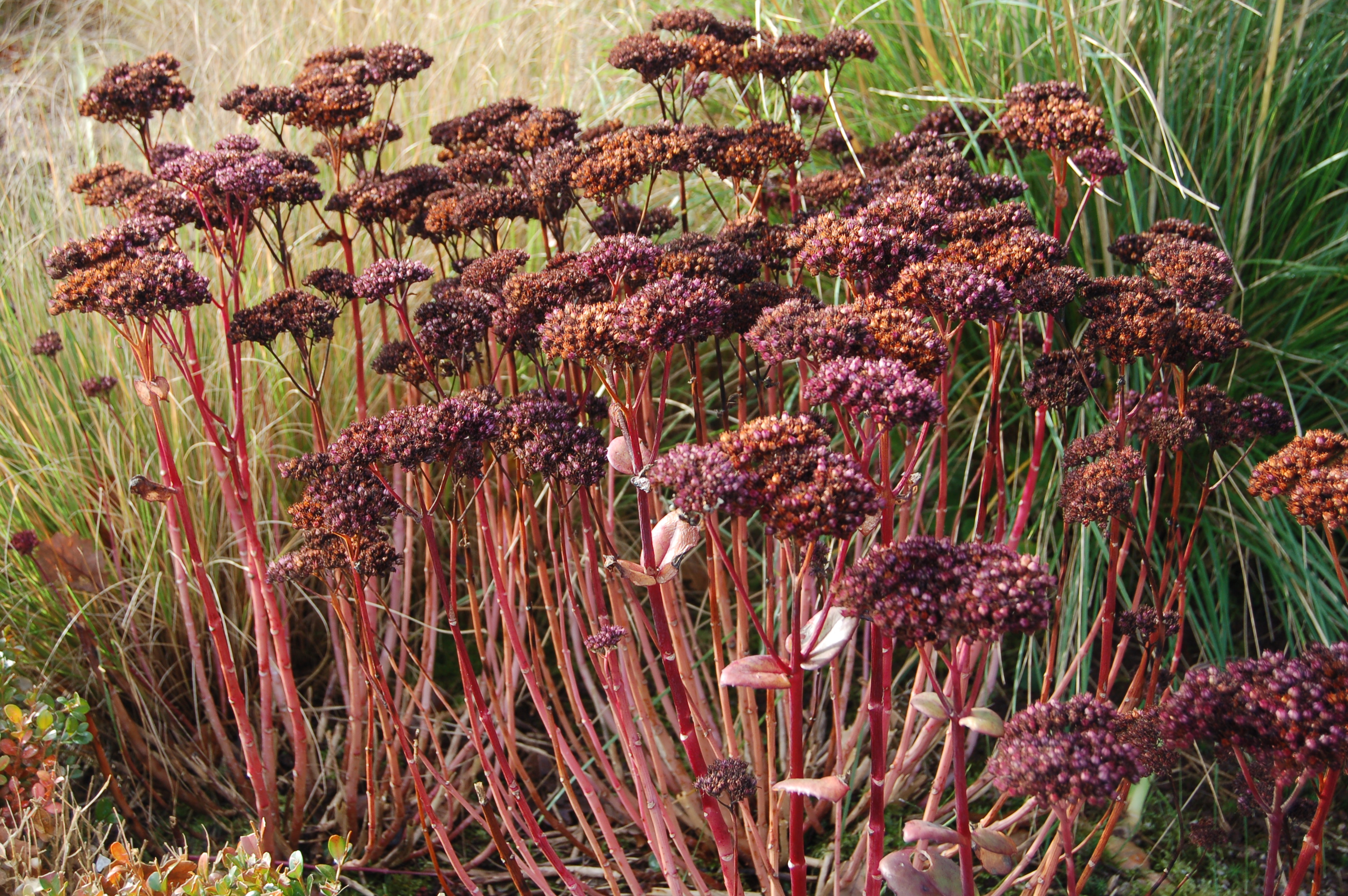
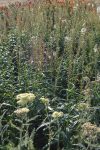
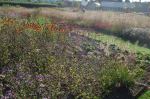
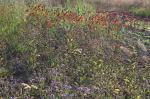
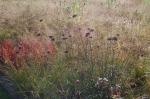
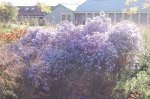
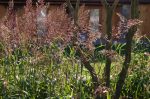
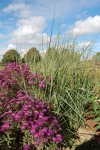
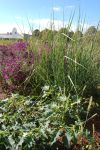
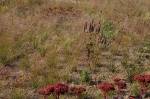
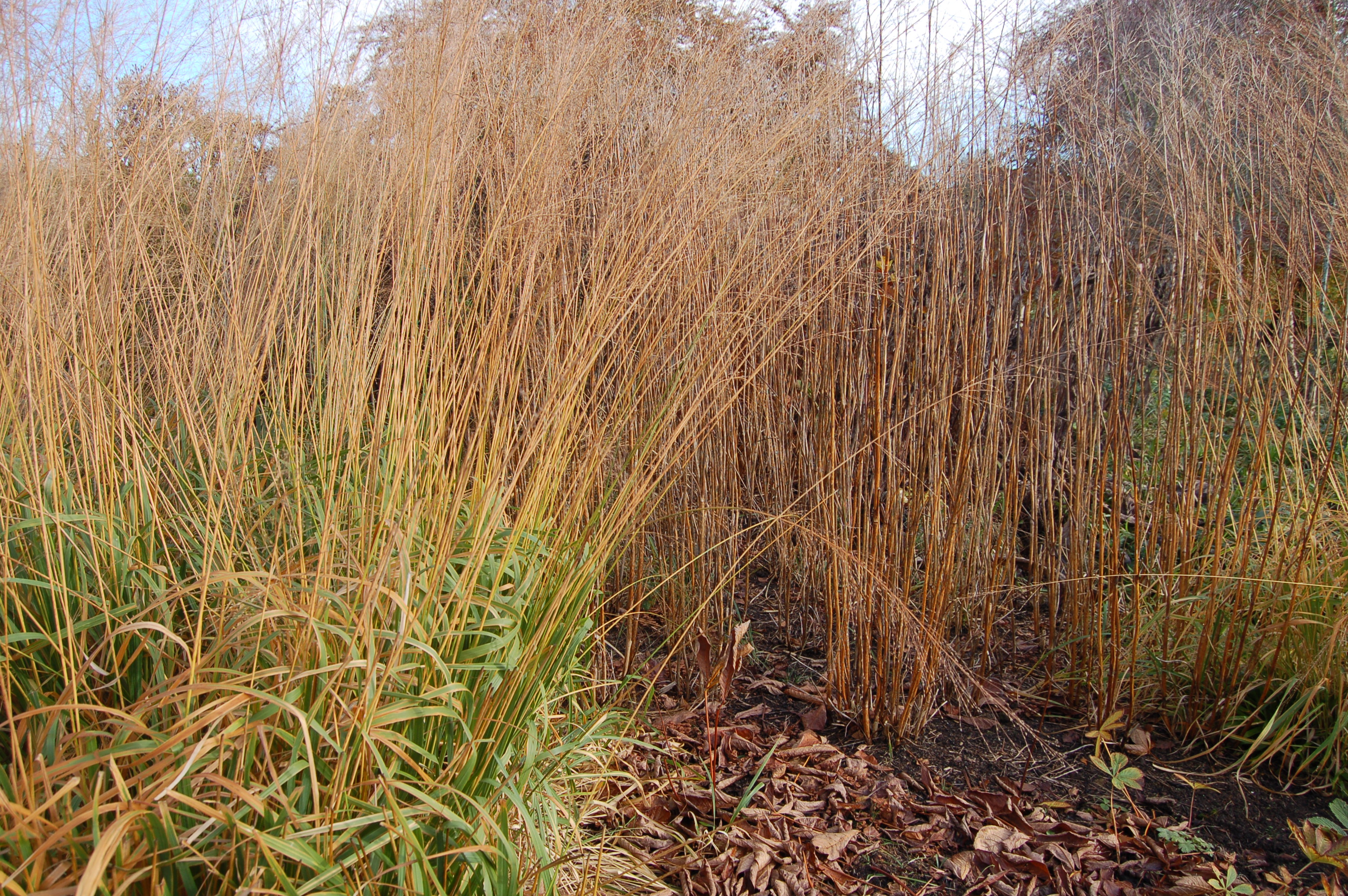
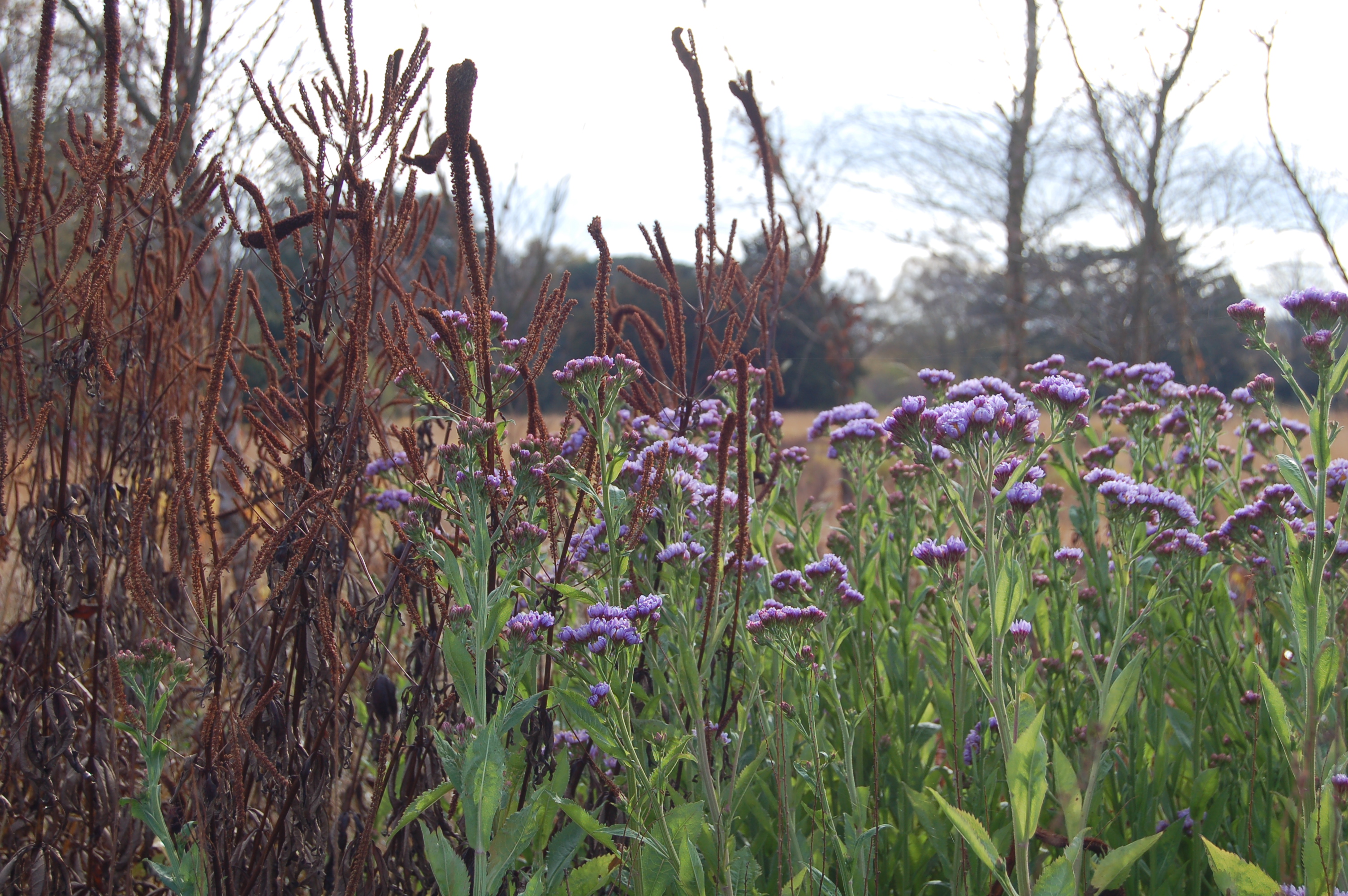
Once in amongst the prairie planting we immediately noticed that seed heads in every hue of brown and beige and bright patches of late colour had joined the lemons, mustards and golds of the grasses. Pale purples glowed in the dull light of autumn. This glow is their secret weapon to attract moths and other night flying pollinators.
2014 11 04_7151 2014 11 04_7152 2014 11 04_7153 2014 11 04_7154

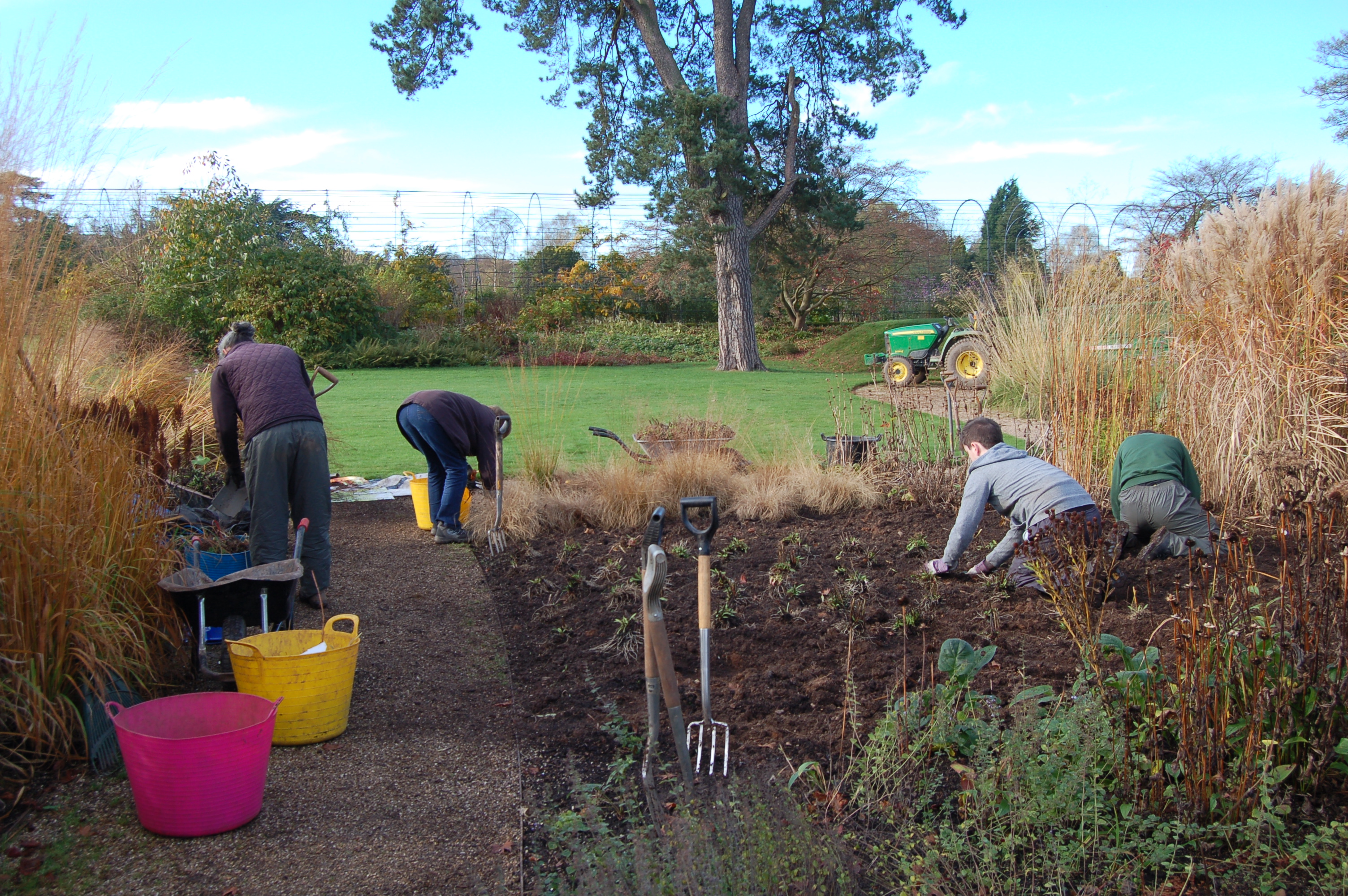
The gardening team were hard at working replanting a section of one of the borders. It must be a never ending task. I suppose it gives them the chance to keep improving things as well as keeping the gardens in top condition.
2014 11 04_7155 2014 11 04_7156

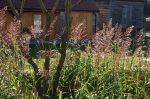
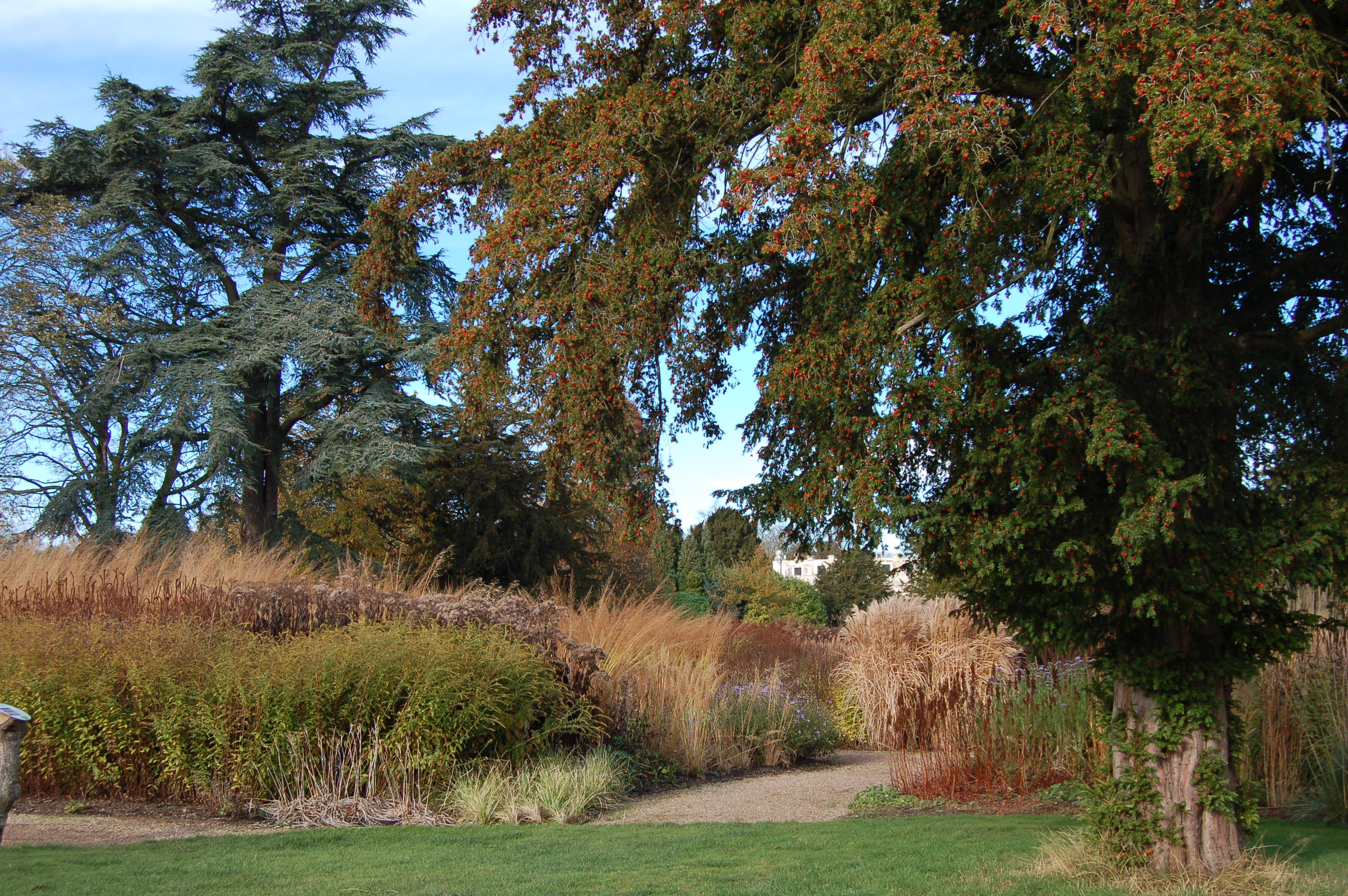
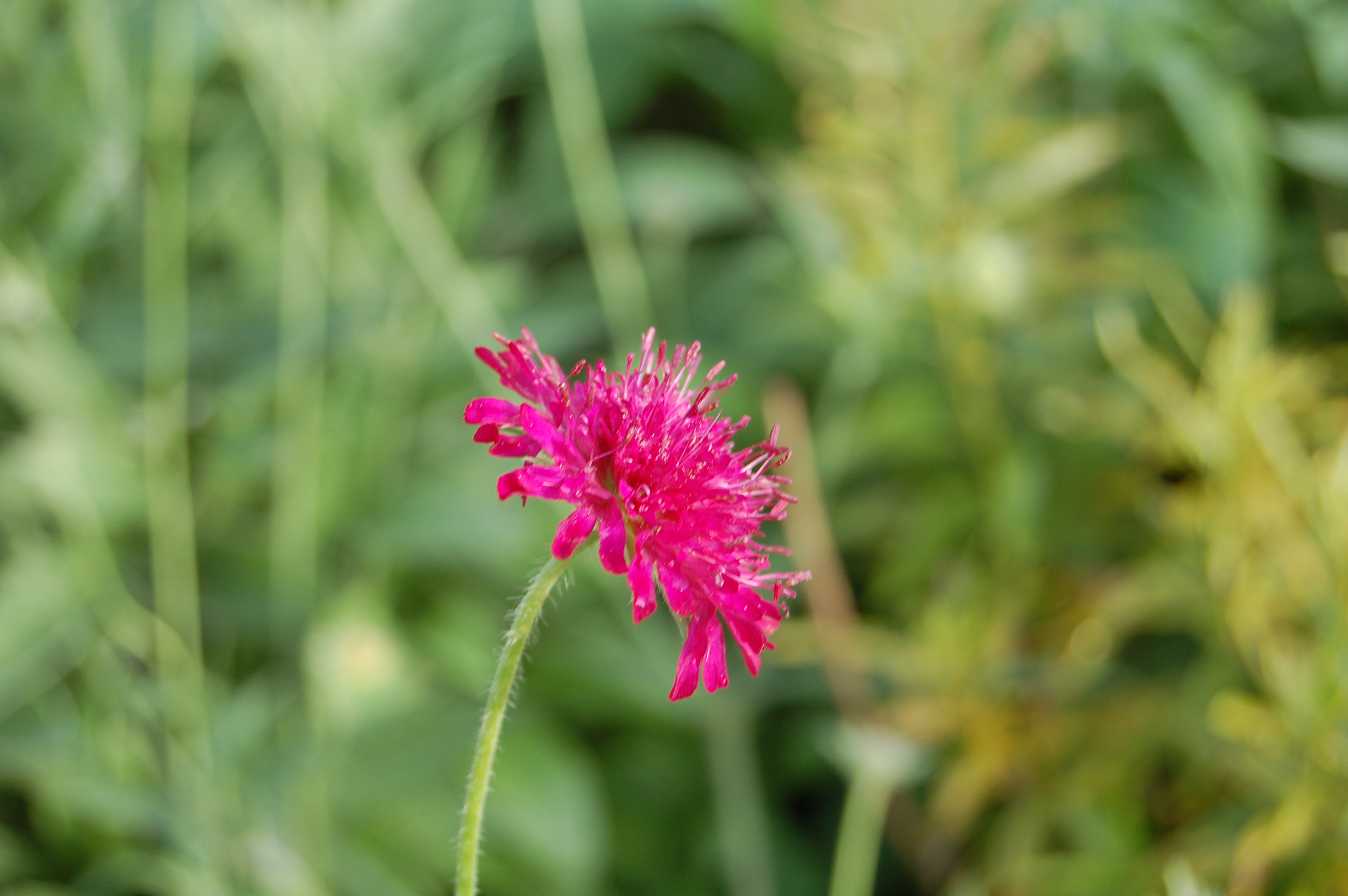
Deep pinks and cerise of the Persicarias and the Knautias catch the eye of every visitor. They look so good against the neutral shades that dominate gardens in the autumn.

2014 11 04_7157 2014 11 04_7158 2014 11 04_7159 2014 11 04_7160 2014 11 04_7161 2014 11 04_7162 2014 11 04_7164 2014 11 04_7166

2014 11 04_7165  2014 11 04_7167 2014 11 04_7168 2014 11 04_7169 2014 11 04_7171 2014 11 04_7172 2014 11 04_7173  2014 11 04_7174

This lovely old Tulip Tree caught our attention. It is the oldest of its kind we have ever seen and a notice close by warned of the danger of falling branches. It must be susceptible to winter storms but should it fall it would make a wonderful natural bridge over the Trent. The dome of Hornbeam over a bench is now a golden dome.

2014 11 04_7170 2014 11 04_7175

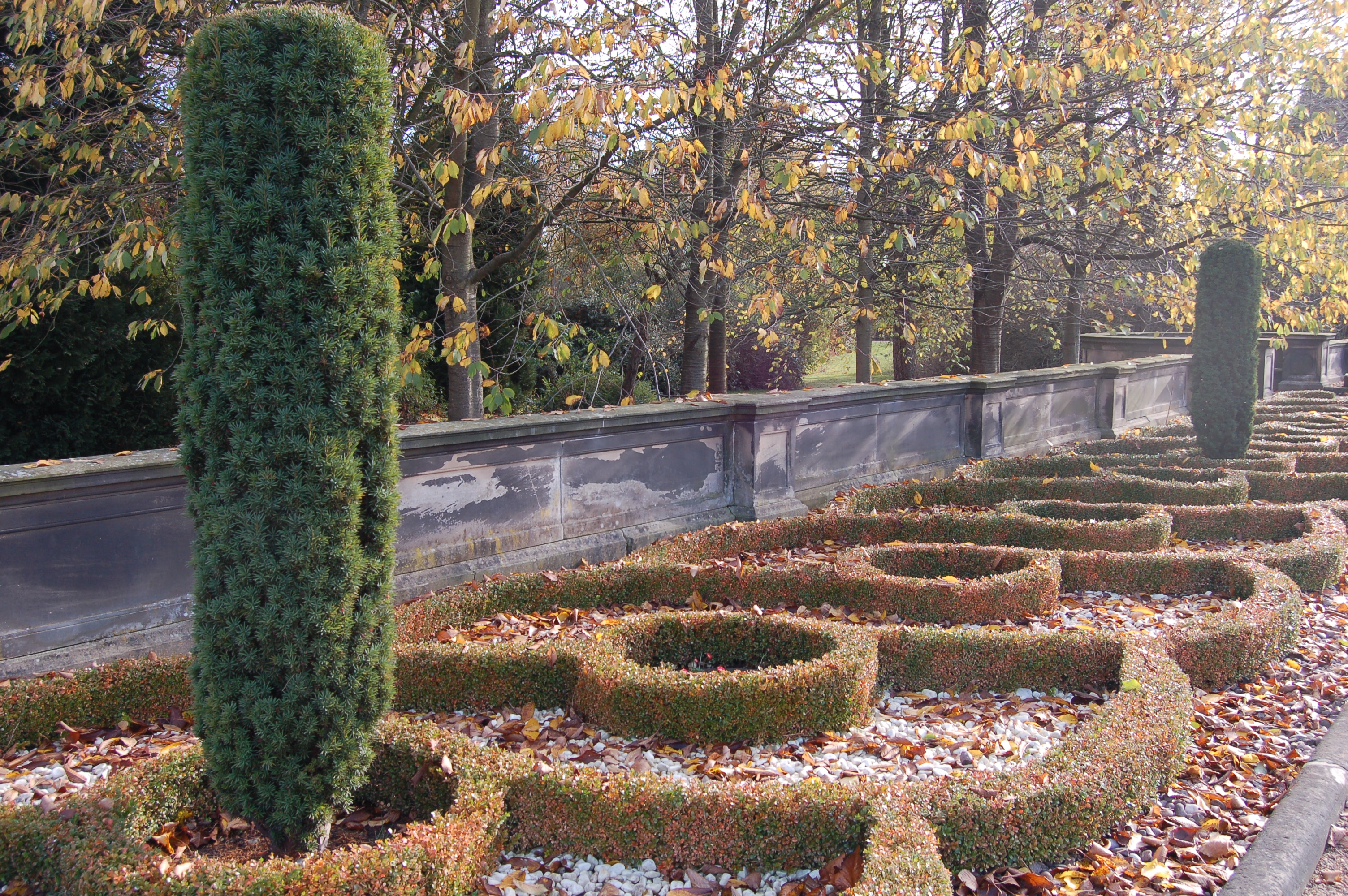
We made our way towards the formally planted Italian Parterre Garden, passing through an archway of Hornbeams on the way. Sunlight penetrated the coniferous plantings casting long shadows and creating bright patches. It lit up the little low box hedges of the  knot garden.

2014 11 04_7176 2014 11 04_7177

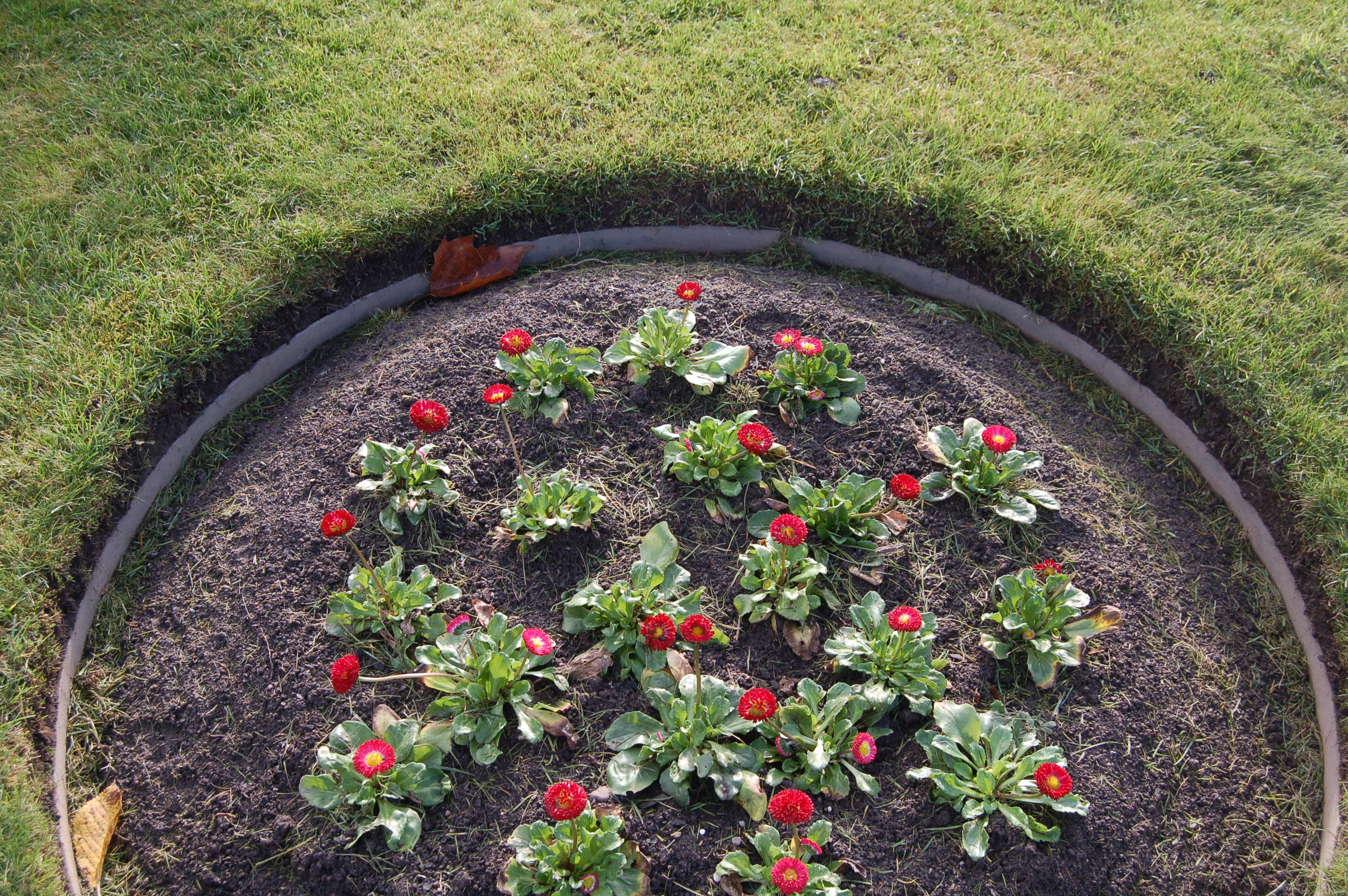
The summer bedding in the parterre has been consigned to the compost heaps and winter/spring plants has taken their place, primulas and a deep red Bellis perennis.

2014 11 04_7178 2014 11 04_7179 2014 11 04_7180 2014 11 04_7181

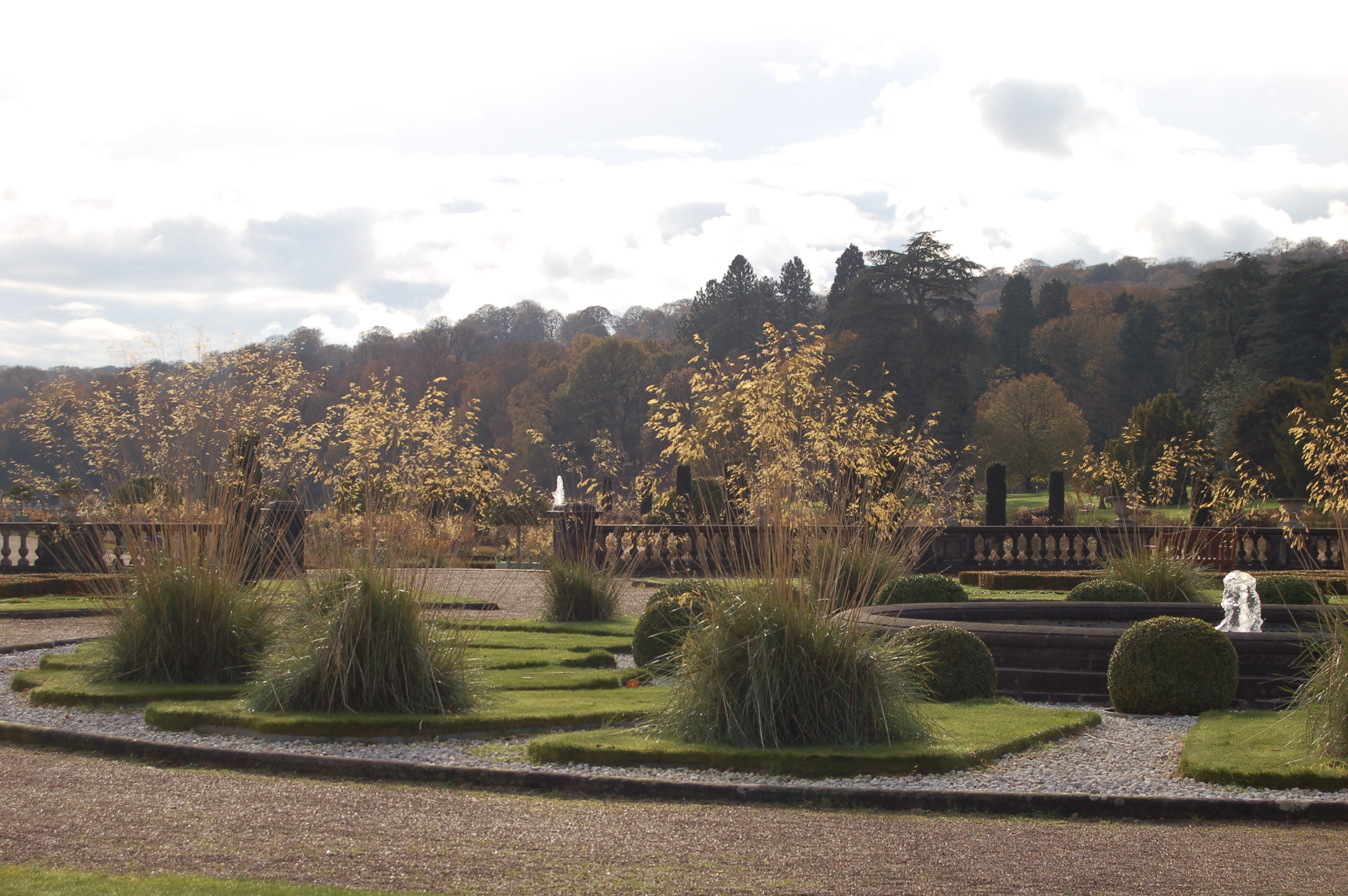
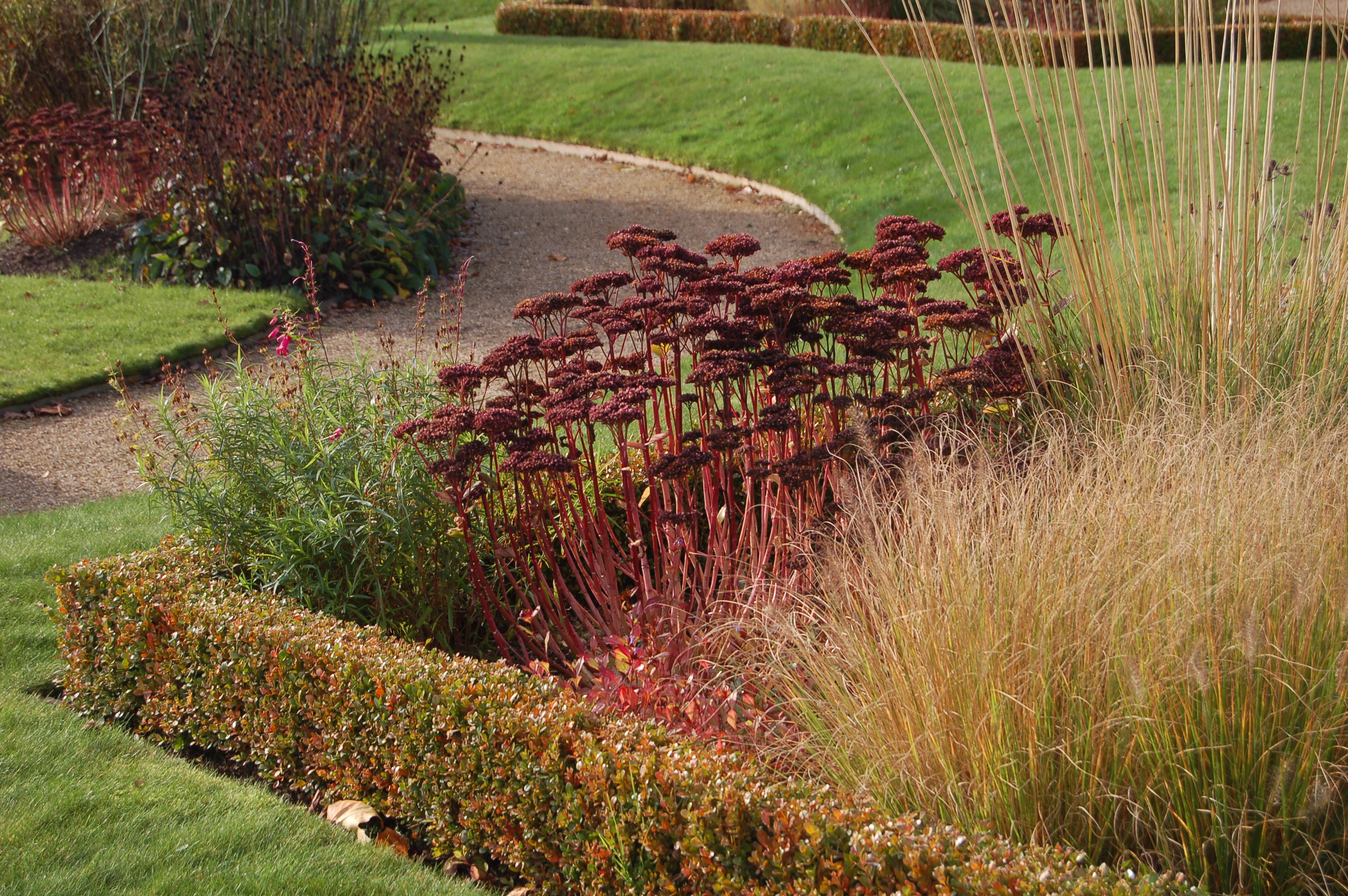
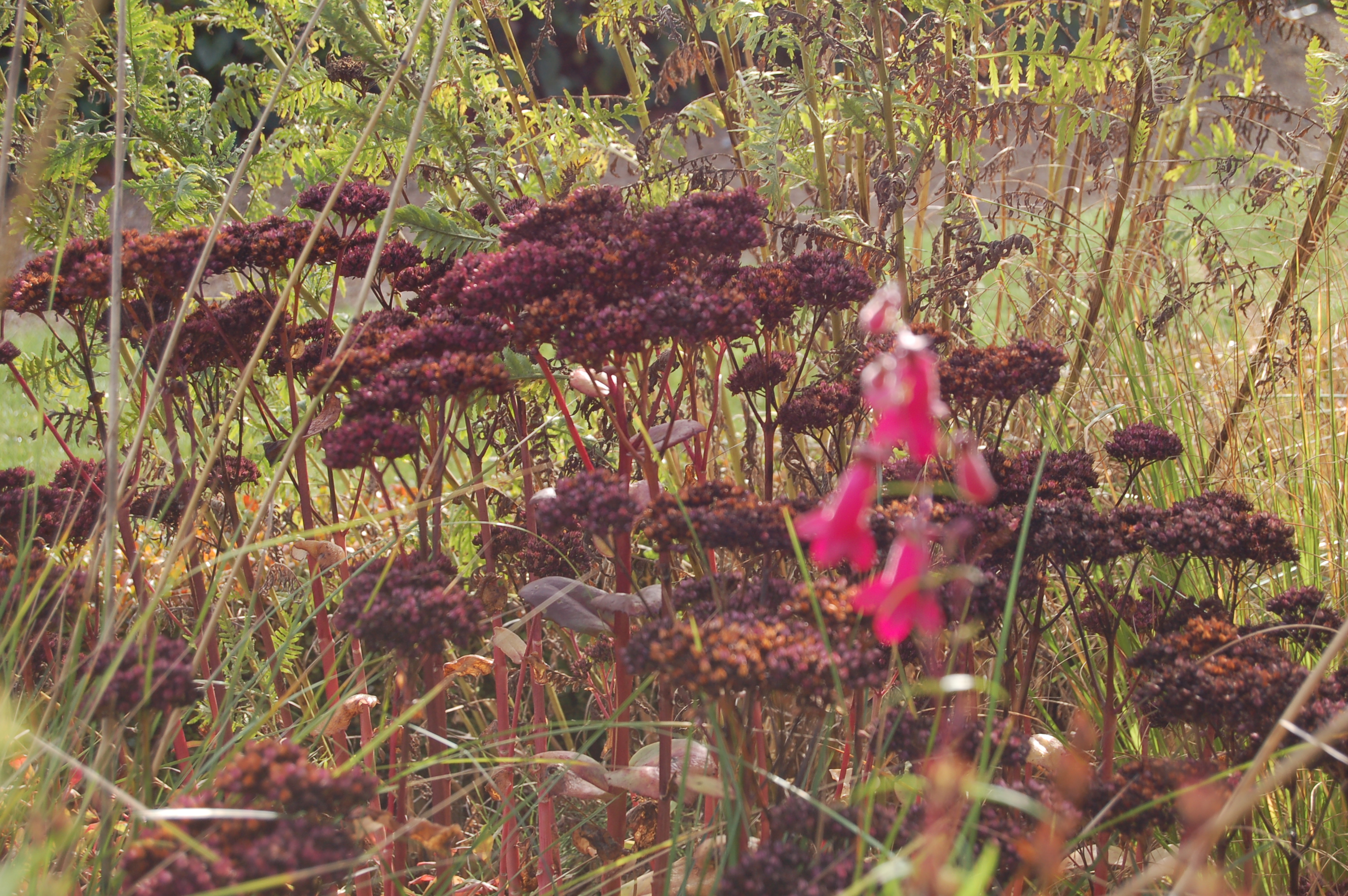
We always enjoy our first look out over the Tom Stuart-Smith gardens. We were not to be disappointed today.
2014 11 04_7182 2014 11 04_7183 2014 11 04_7184 2014 11 04_7185 2014 11 04_7186 2014 11 04_7187

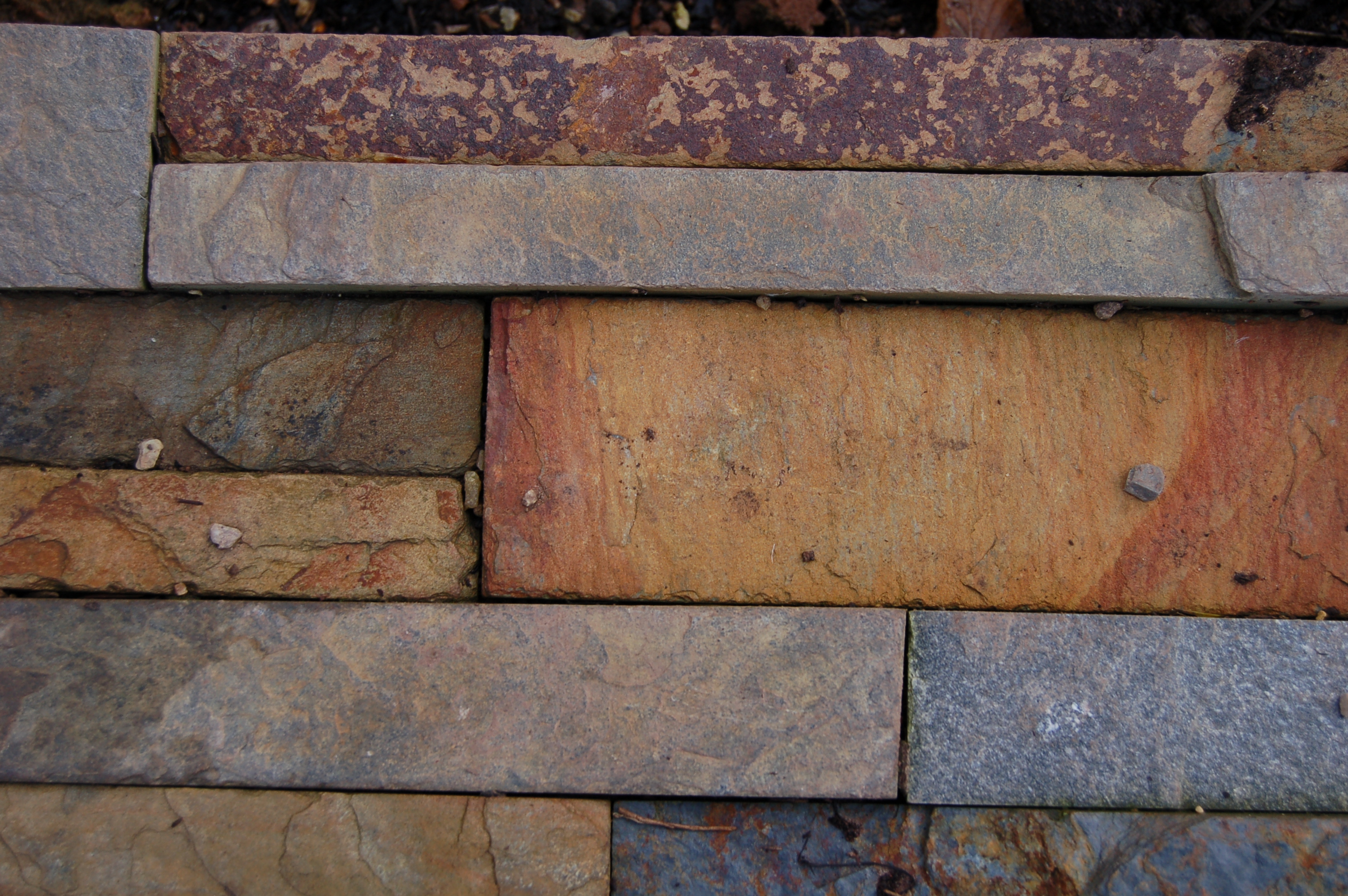
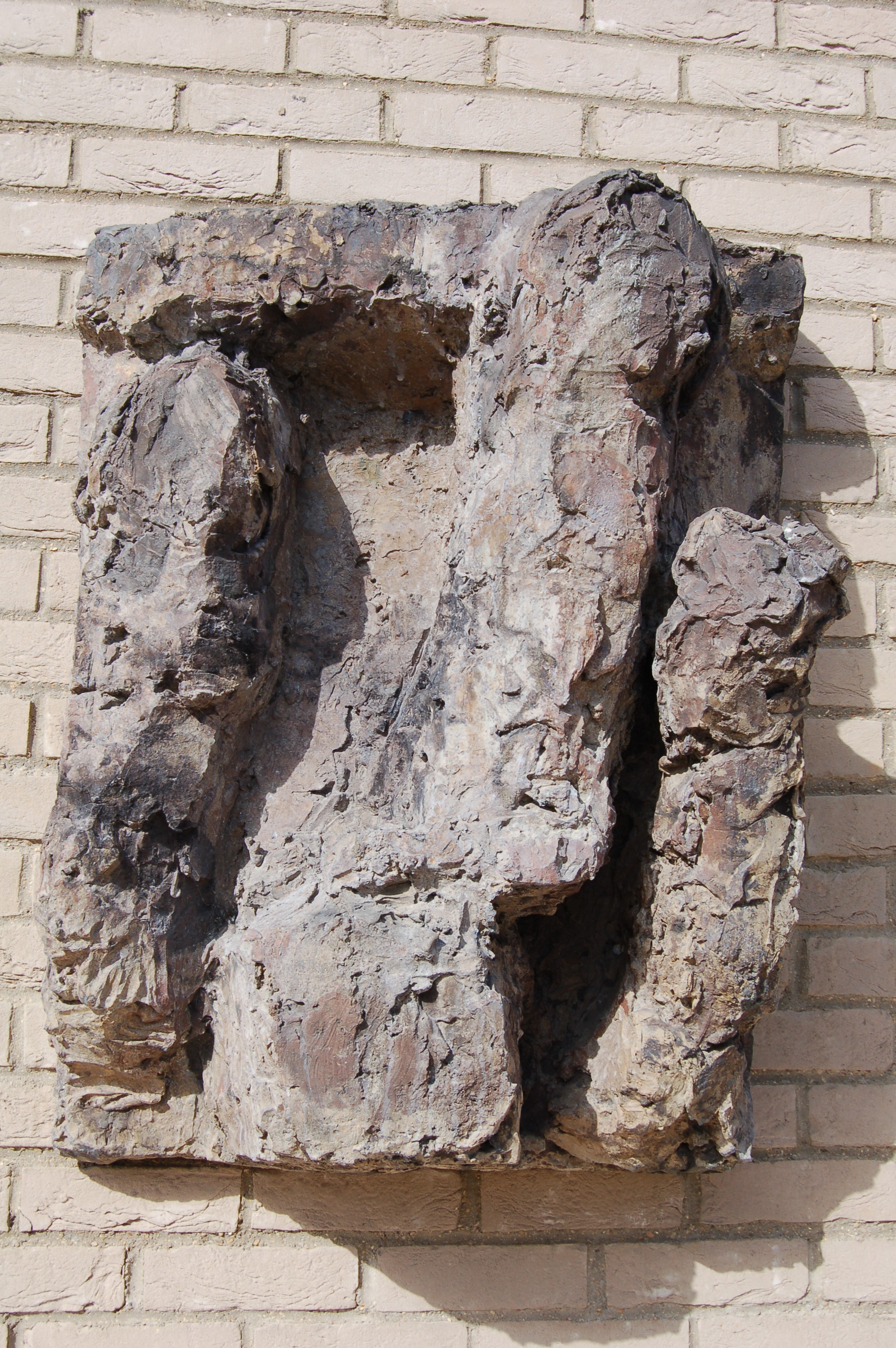
The autumn light emphasised the texture on this bronze sculpture and on the much newer tunnel archway which marks the way into the display gardens. It gave an all new look to the low slate walls around one of these gardens too. It again emphasised the texture but brought out extra colours too. The light similarly added colour to the plants and to the glass panels featured in another of the display gardens.

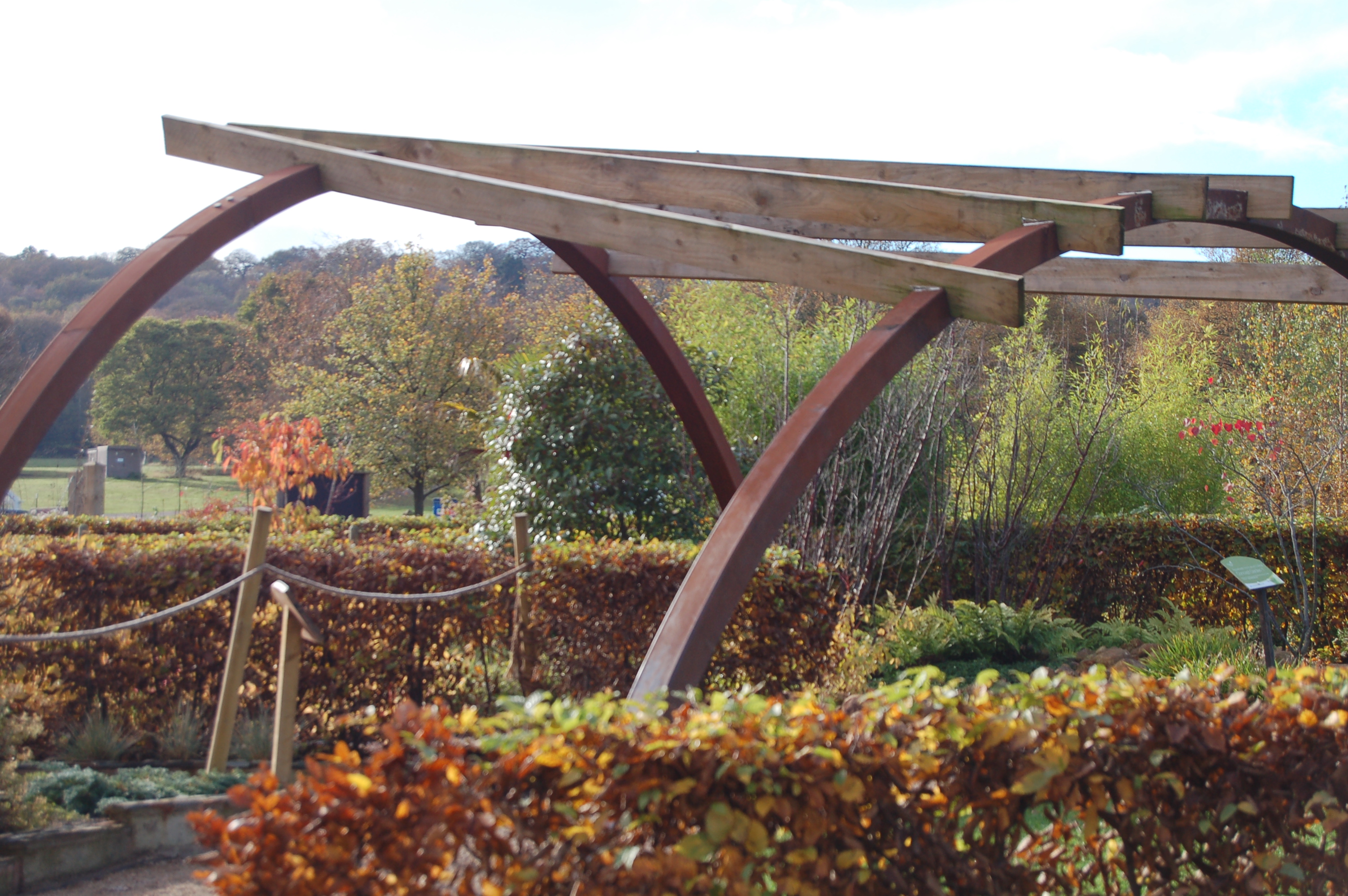
2014 11 04_7188 2014 11 04_7189 2014 11 04_7190 2014 11 04_7191 2014 11 04_7192 2014 11 04_7194 2014 11 04_7195 2014 11 04_7196 2014 11 04_7197 2014 11 04_7198 2014 11 04_71992014 11 04_7200 2014 11 04_7201

A wander back through the Stuart-Smith gardens gave us the chance to see the planting in a different light. As the afternoon had progressed the sun dropped down lower and was back-lighting the plants, giving a very different perspective.


2014 11 04_7202 2014 11 04_7203 2014 11 04_7204 2014 11 04_7205

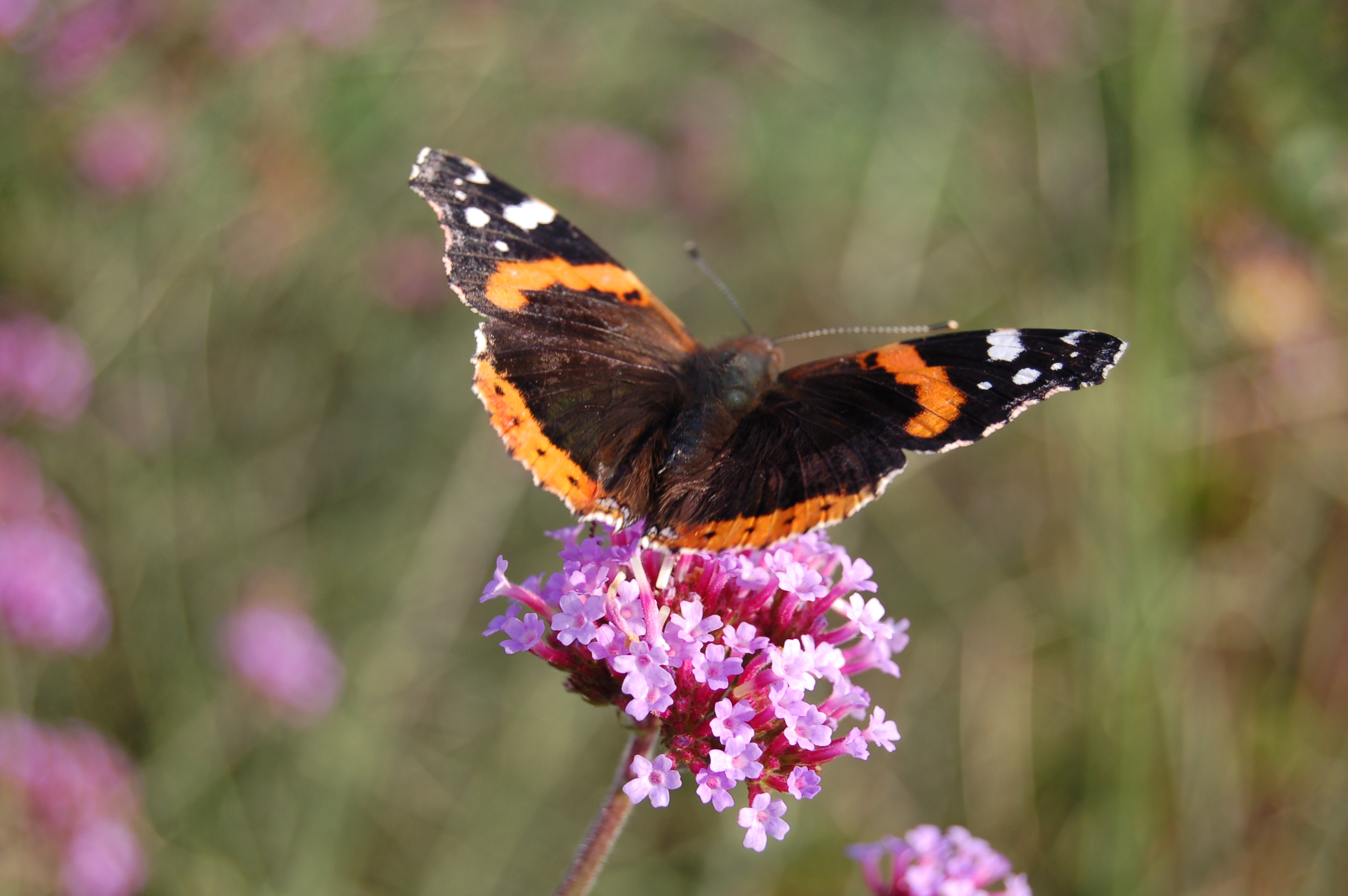
The Rose Walk was still remarkably colourful with Roses, Cleomes and Verbena bonariensis still putting on strong performances. Butterflies and bees were still busy here too, the blooms having attracted them as they emerged hunting for sustenance as the temperatures rose slightly in the afternoon sunlight. You can see our long shadows cast across the border.
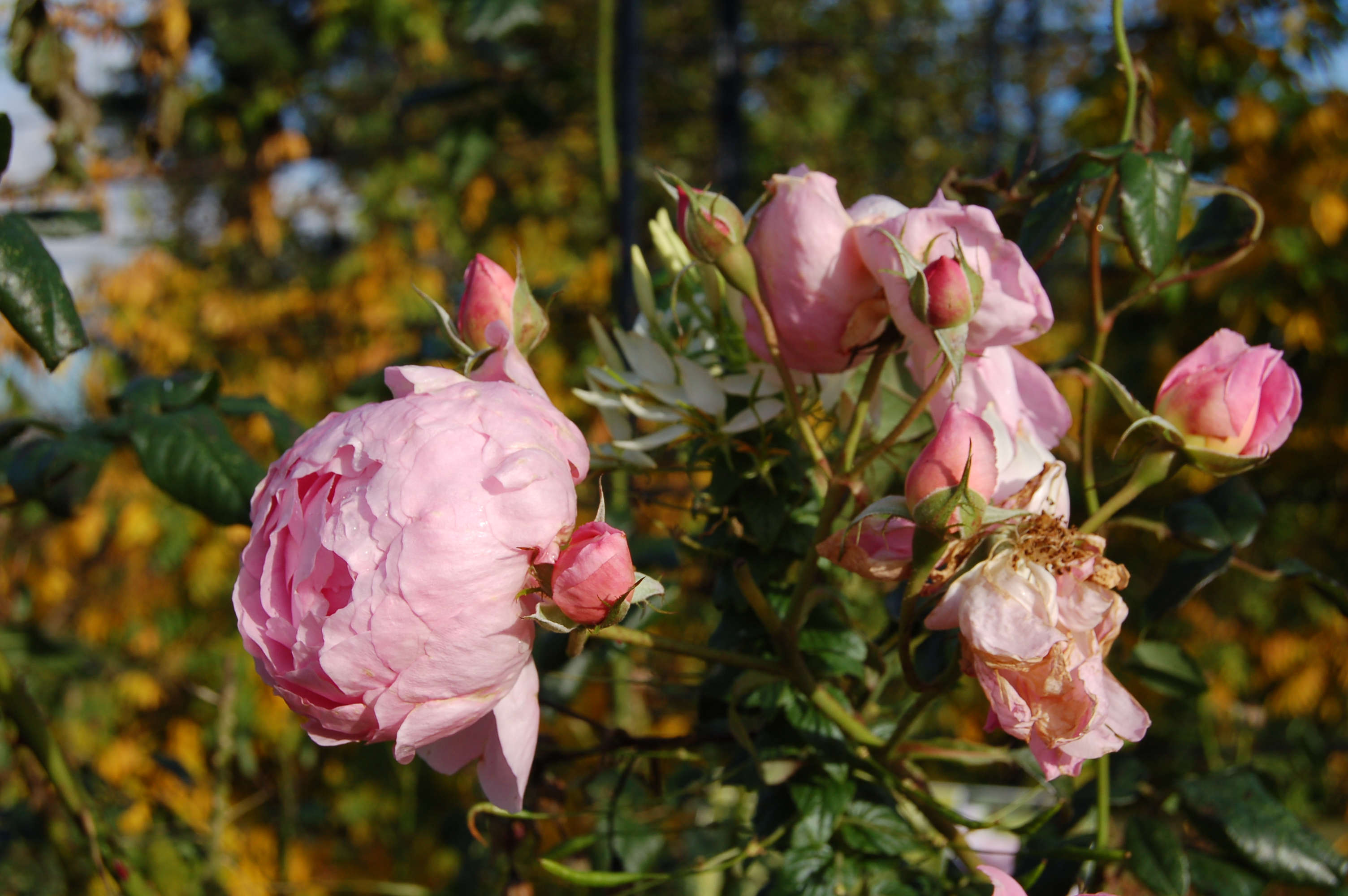
2014 11 04_7207 2014 11 04_72082014 11 04_7210 2014 11 04_7217


From the long metal pergola we looked back over the Oudolf gardens and at the shrubs nearby and the butter yellow leaves of the Wisteria climbing over the framework.
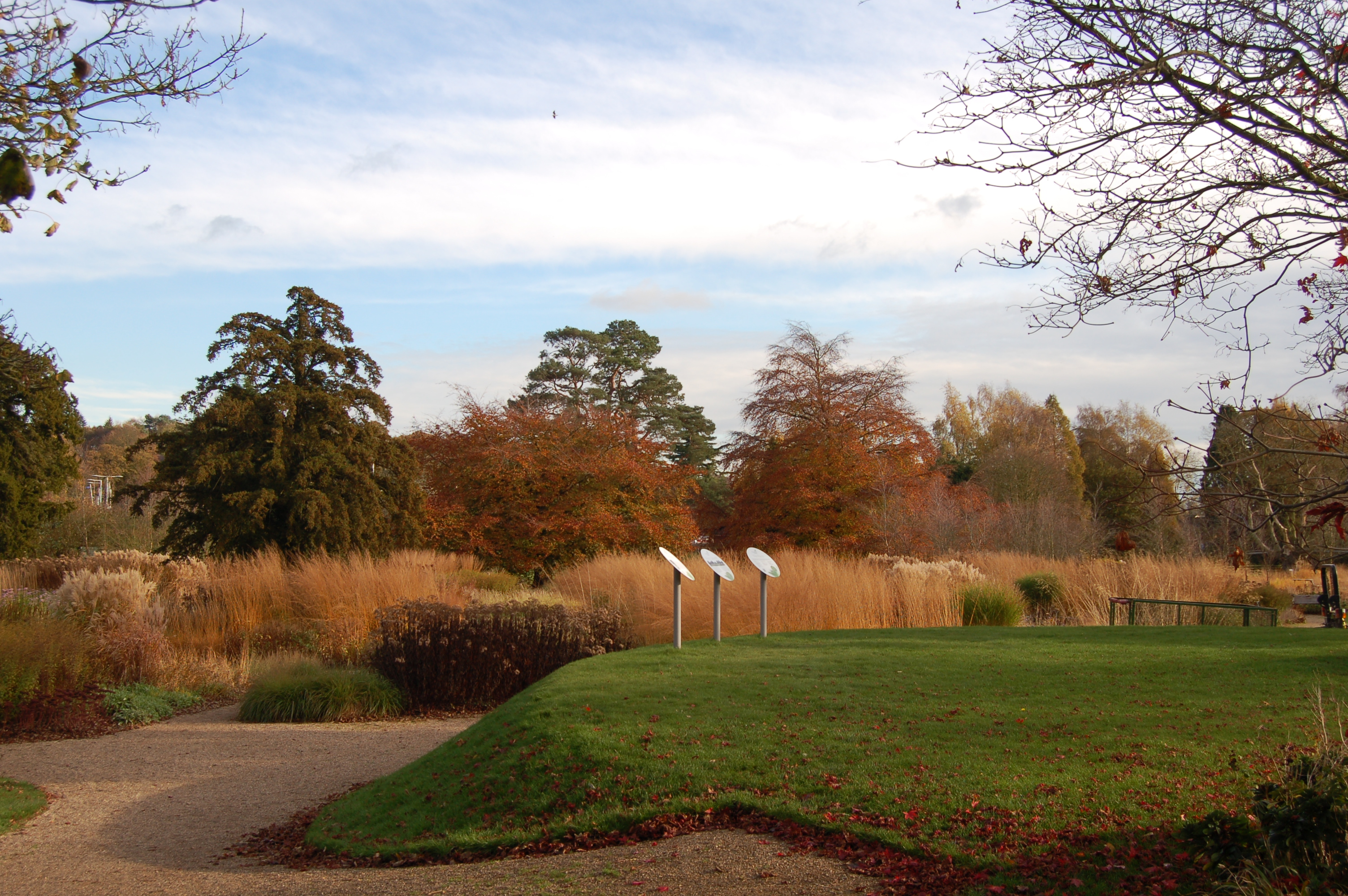
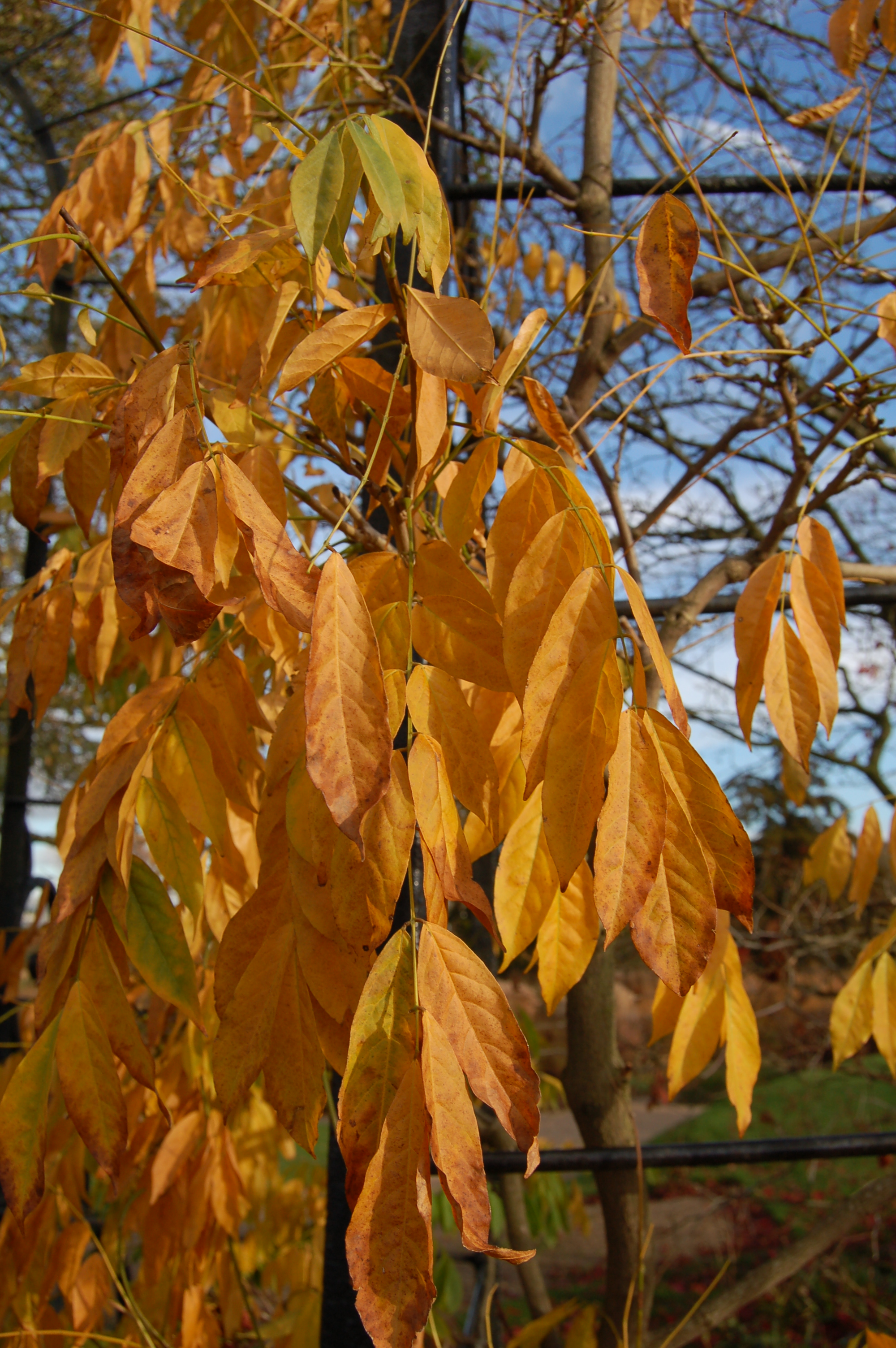
2014 11 04_7211 2014 11 04_7212 2014 11 04_7213 2014 11 04_7215 2014 11 04_7218 2014 11 04_7219


Now we can look forward to our final visit to Trentham for this year in readiness to publish the final episode in this series of posts. So far we have determined that gardens at Trentham are worthy of a visit any month of the year. Let us hope our December visit confirms it.

 

Categories
arboreta autumn autumn colours colours light light quality ornamental trees and shrubs outdoor sculpture trees woodland woodlands

Queenswood Arboretum – Part Three – the Redwoods

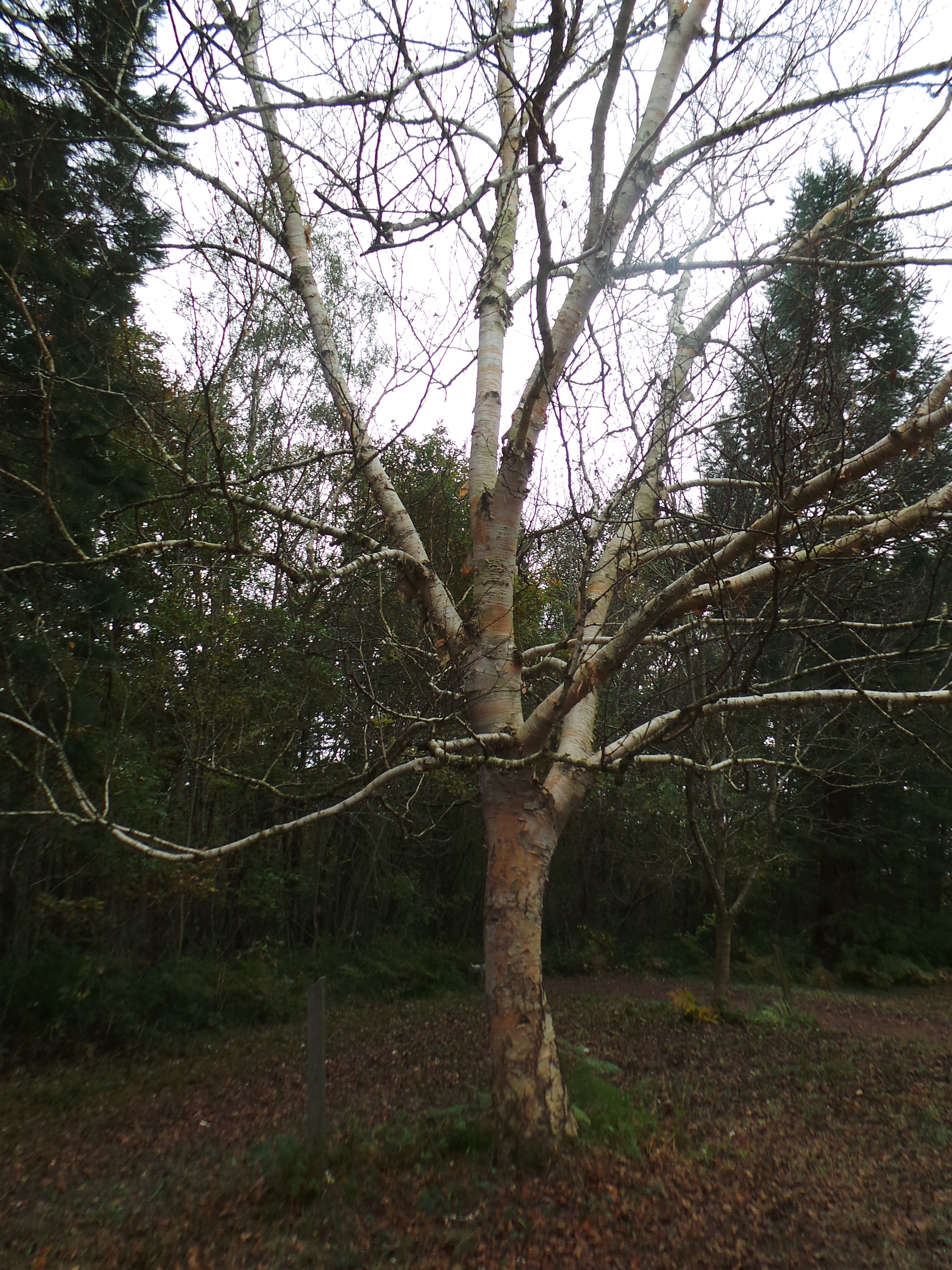
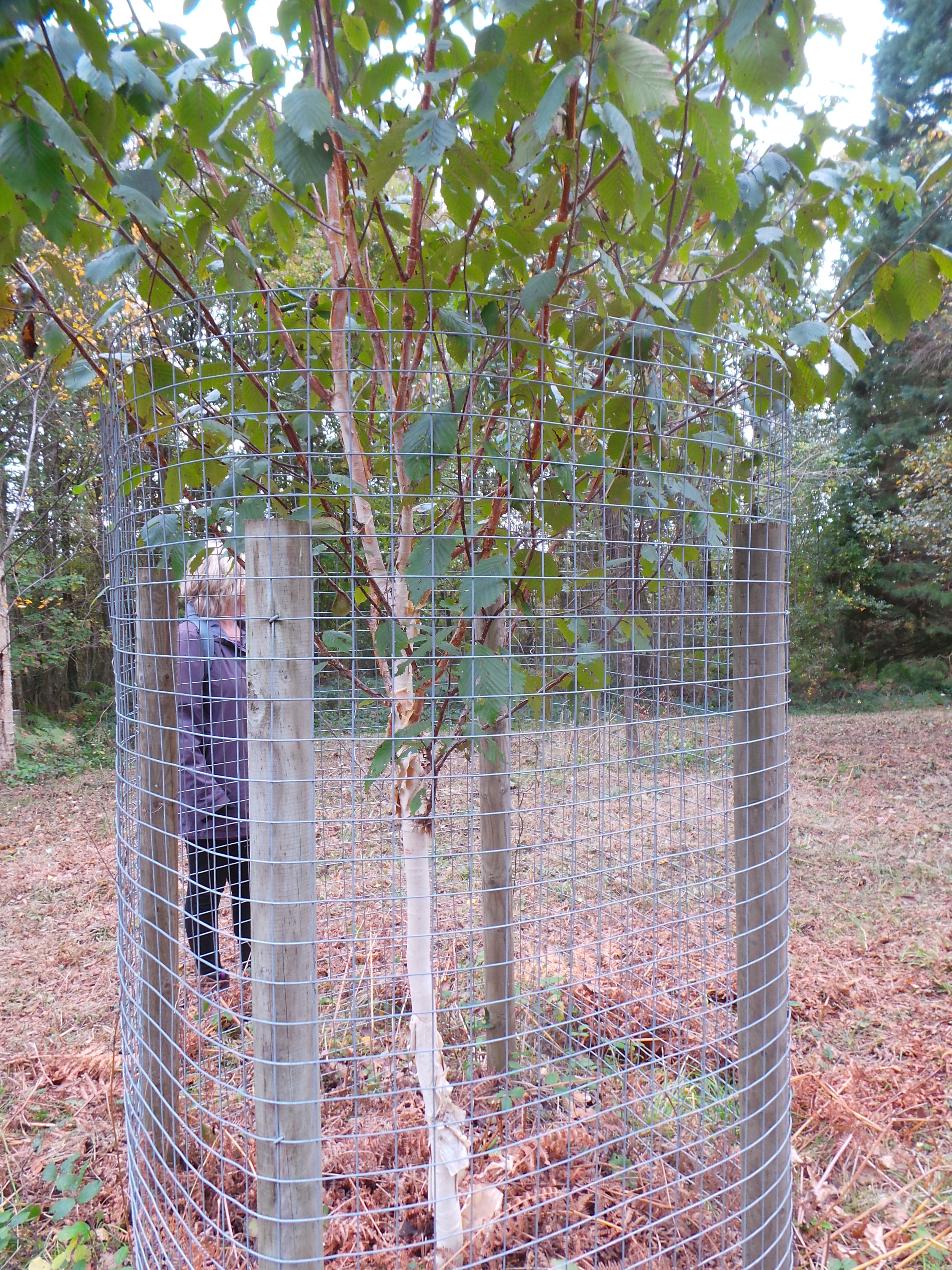
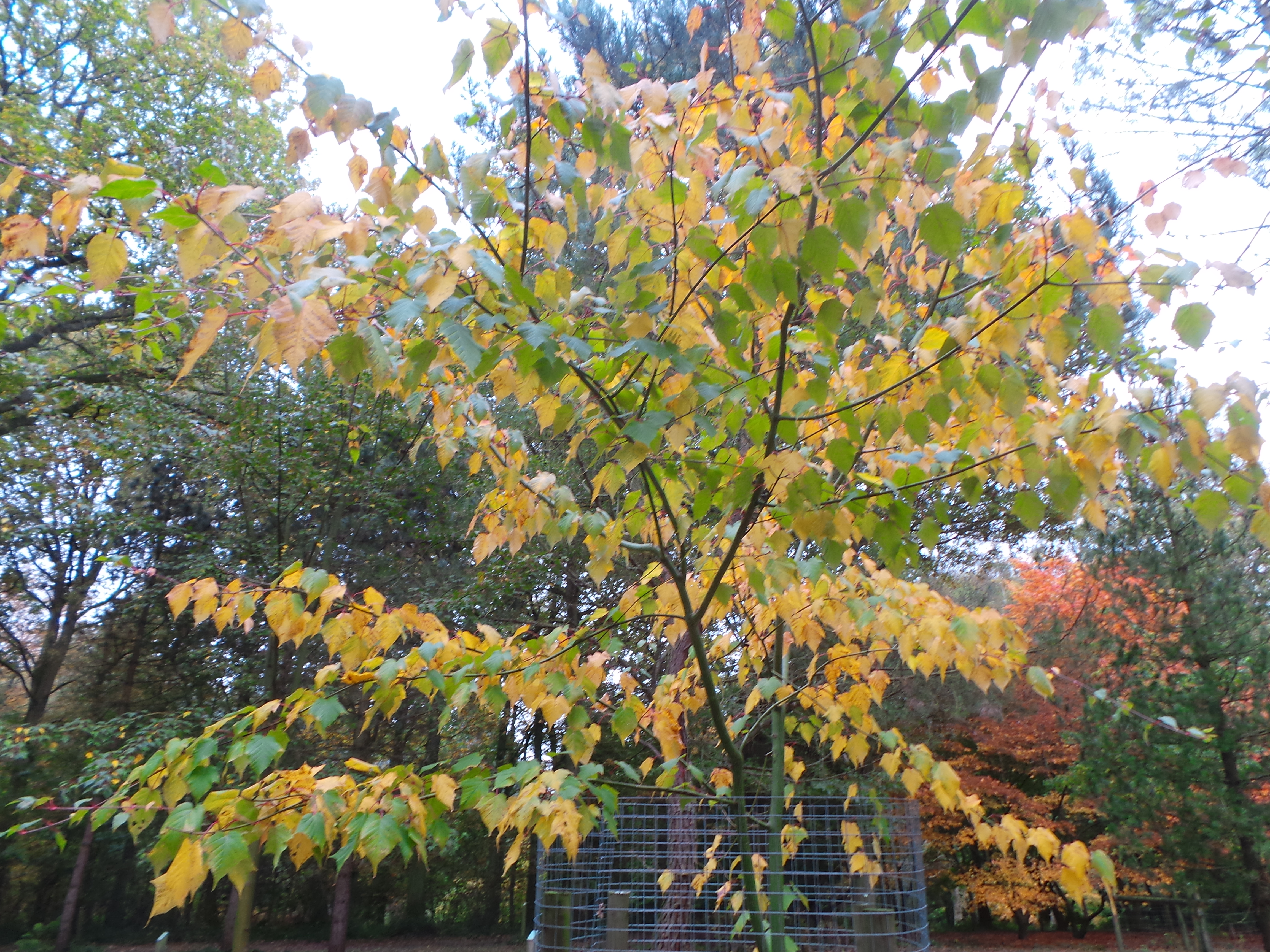
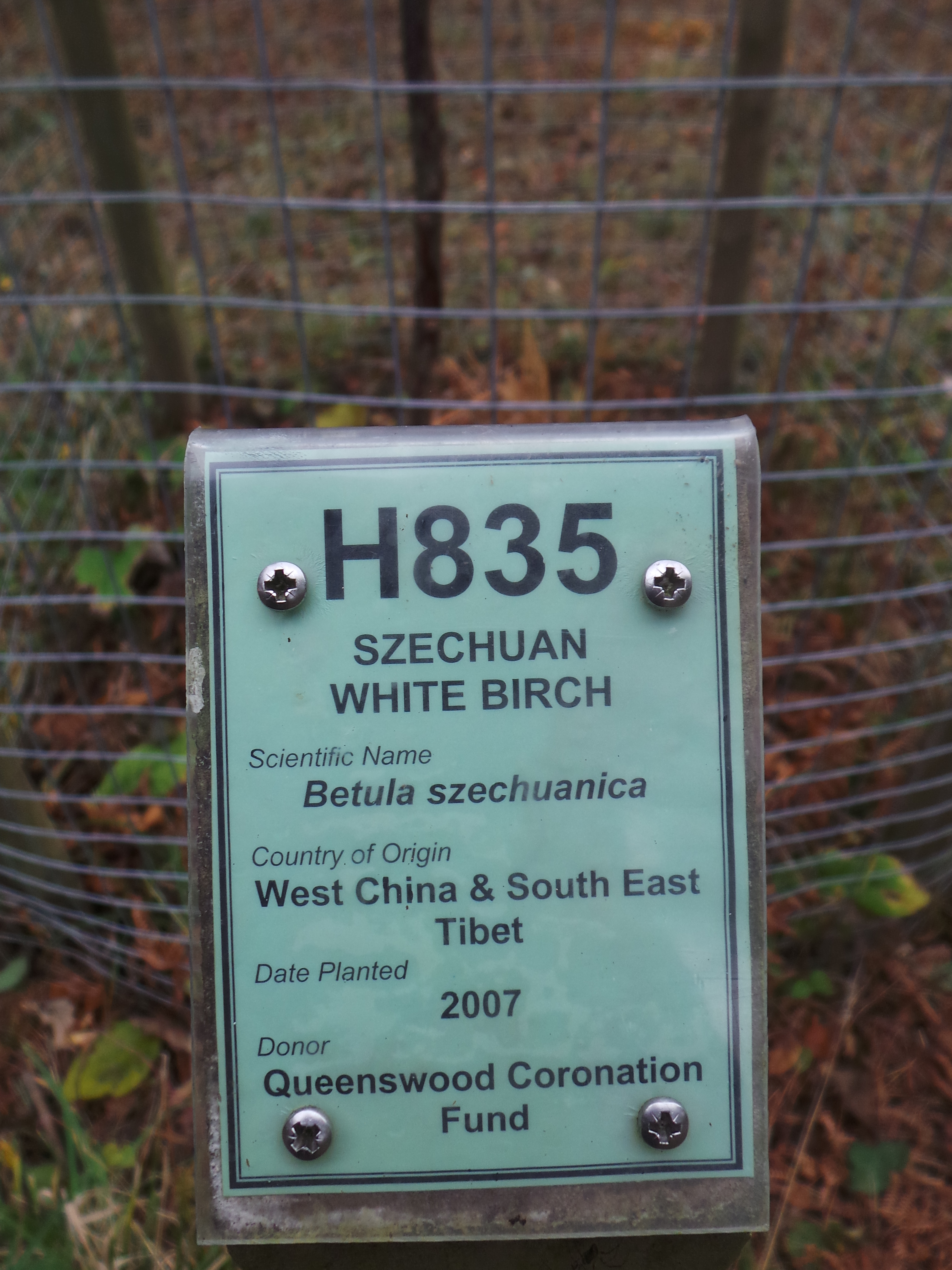
As we left the Oak Avenue behind and after we had enjoyed a quick look at the small Betula collection, we made our way slowly back to the car park. The sky began to get darker and drizzle began to fall. In the first shot included here you can see the bright autumn colours of the Birches through the line of huge pines. Many of them were small and still strongly guarded from the gnawing of the resident deer flock. I have also included a photo of one of the excellent, informative labels which is a great feature of this arboretum.

2014 10 23_6261

2014 10 23_6255 2014 10 23_6258 2014 10 23_6259 2014 10 23_62622014 10 23_6264 2014 10 23_6265

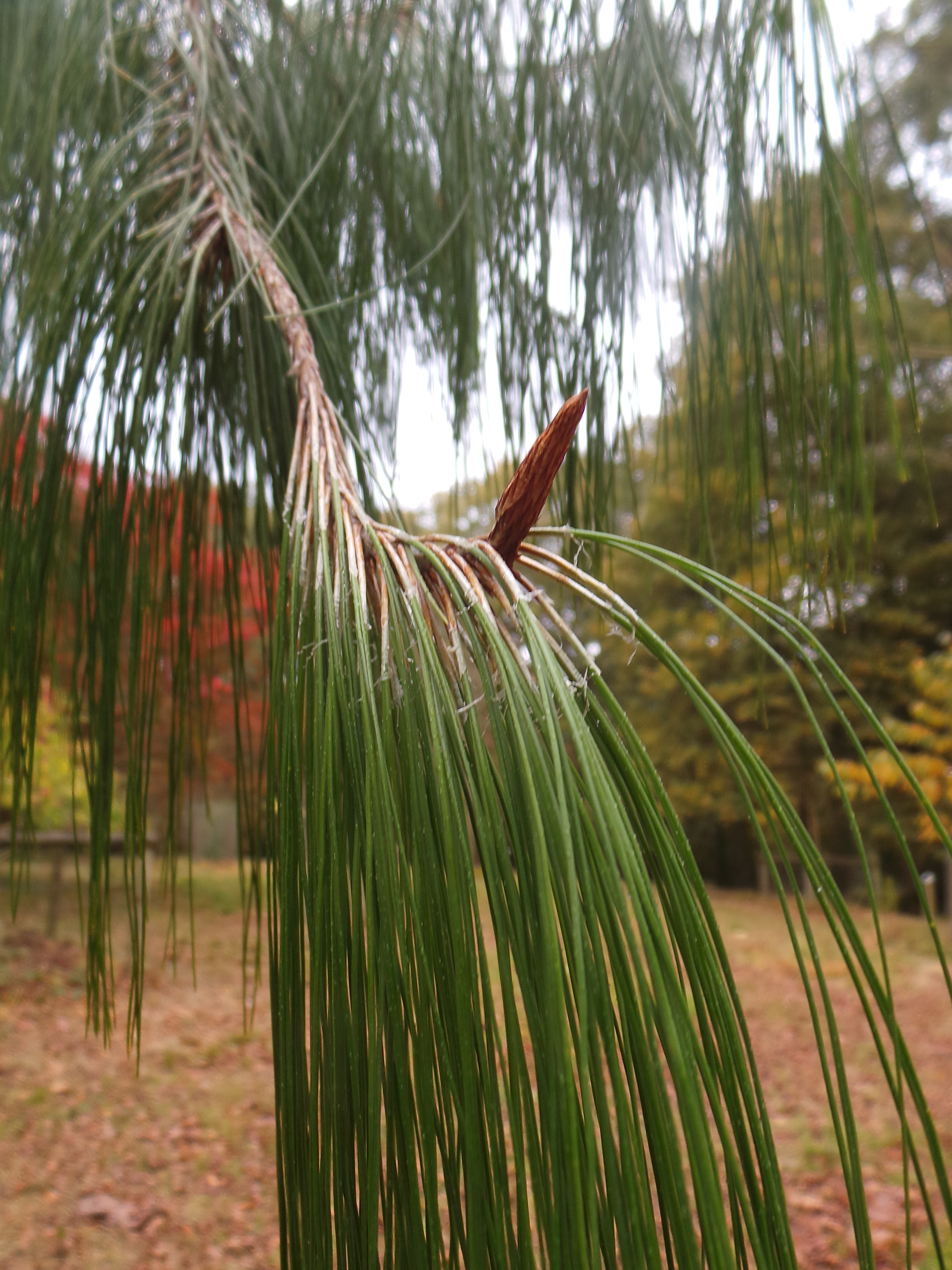
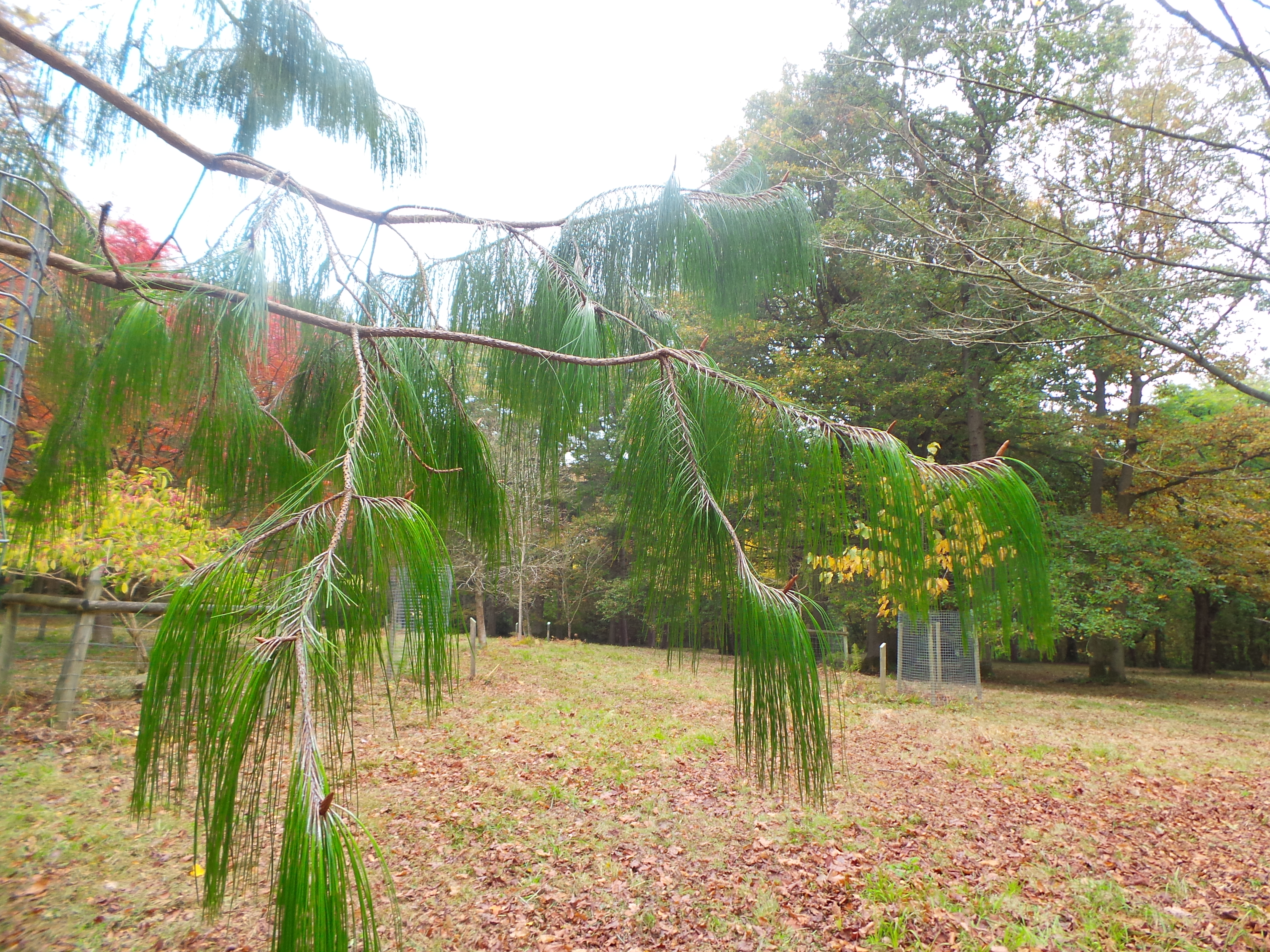
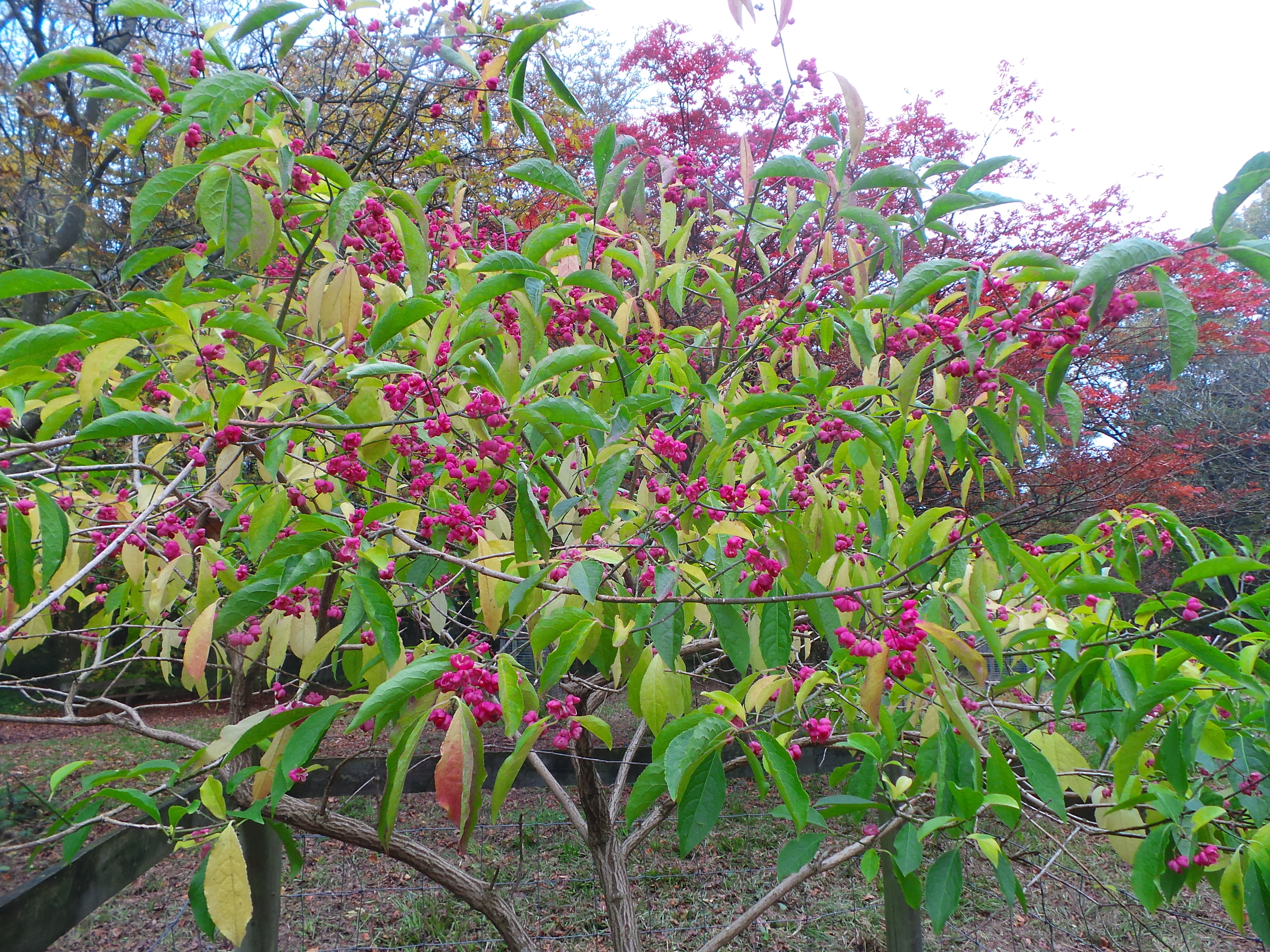
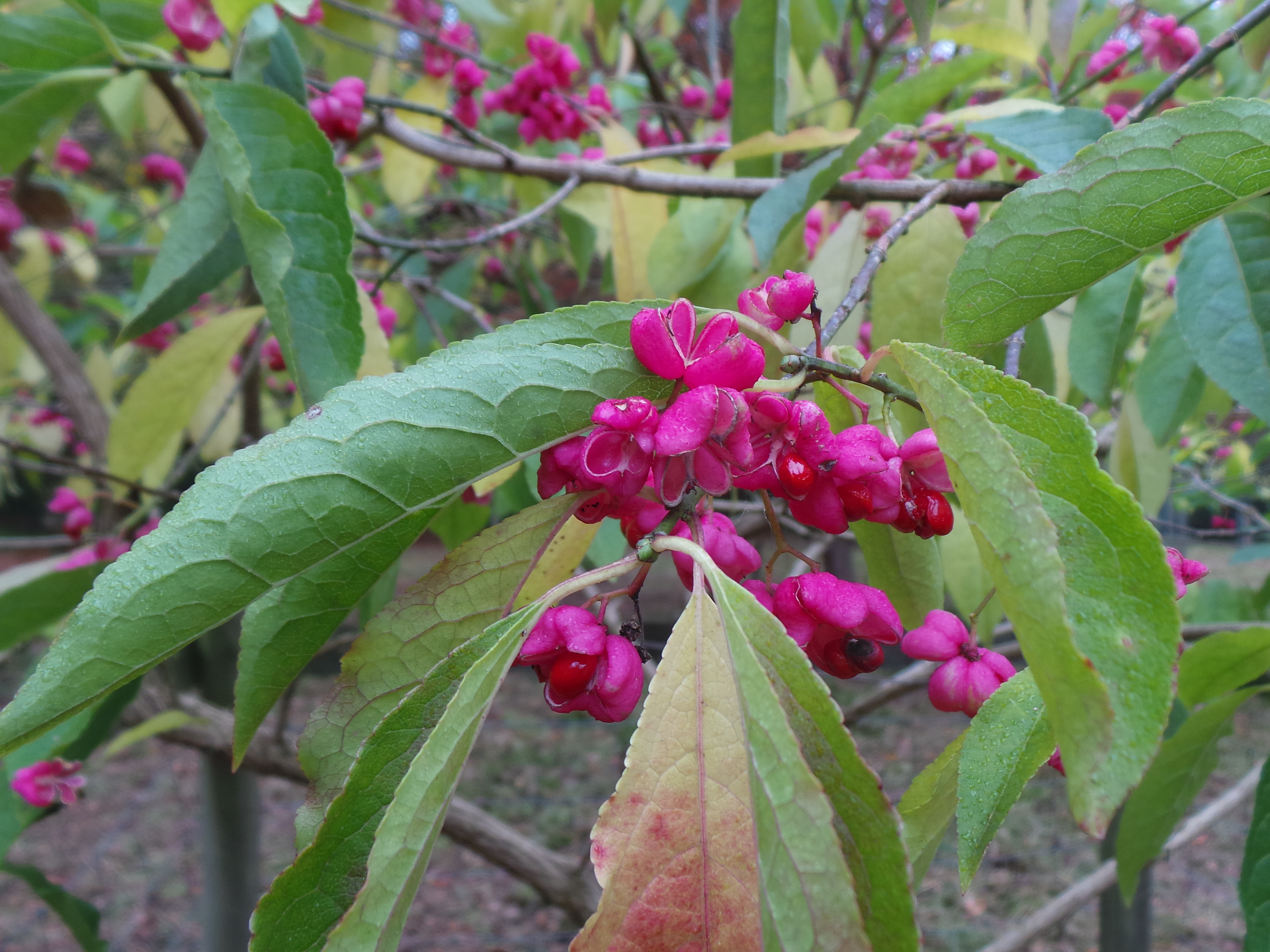
As the drizzle intensified we found some shelter under the older taller trees. We are not fans of conifers but we found this one fascinating with its long drooping needles. Pinus patula, better known as the Spreading Leaf Pine. Close by the strange but utterly beautiful cerise-flowered Euonymous europaeus glowed in the dull light.

2014 10 23_6266 2014 10 23_6267 2014 10 23_6269 2014 10 23_6270 2014 10 23_6271 2014 10 23_6272

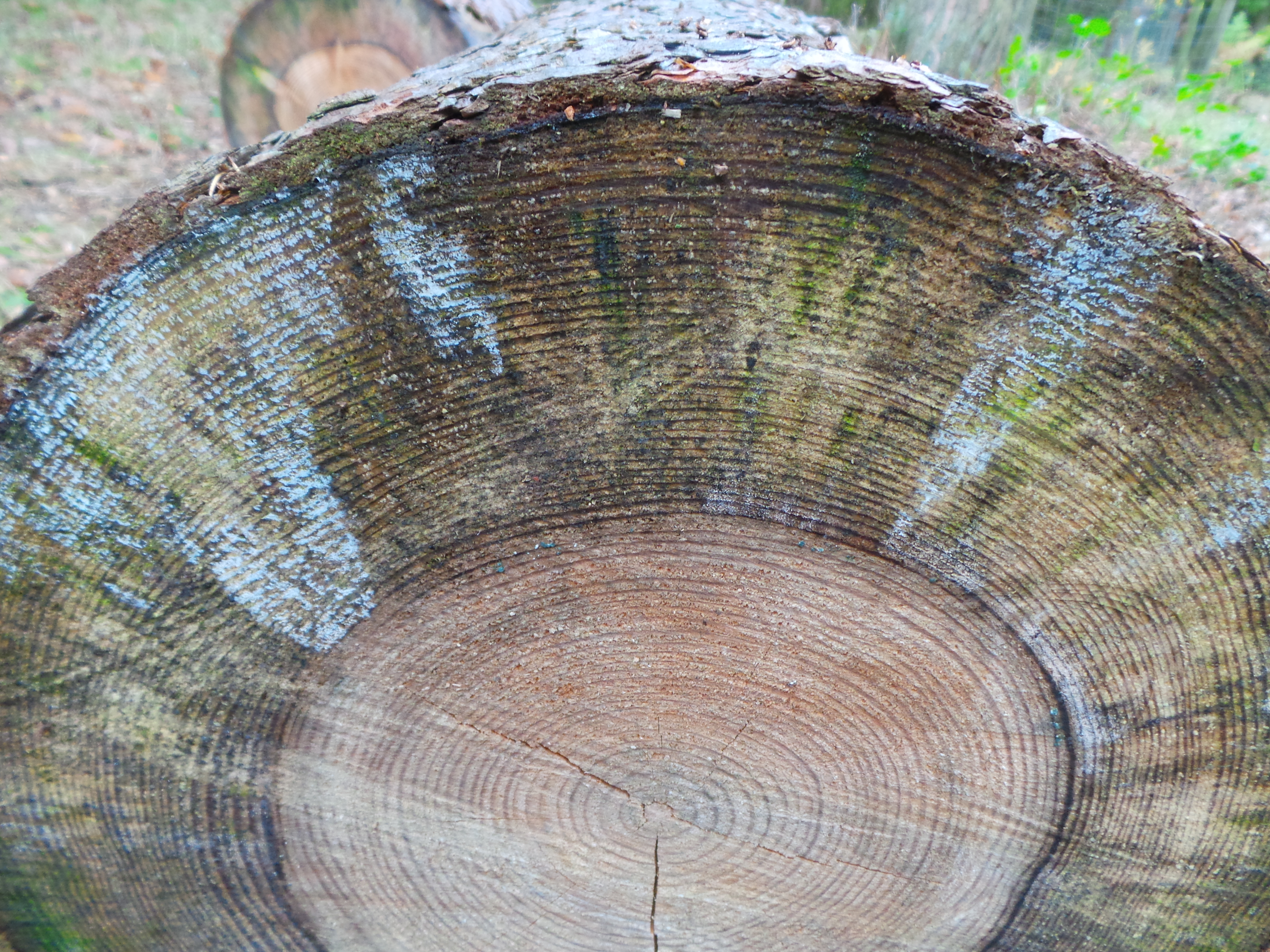
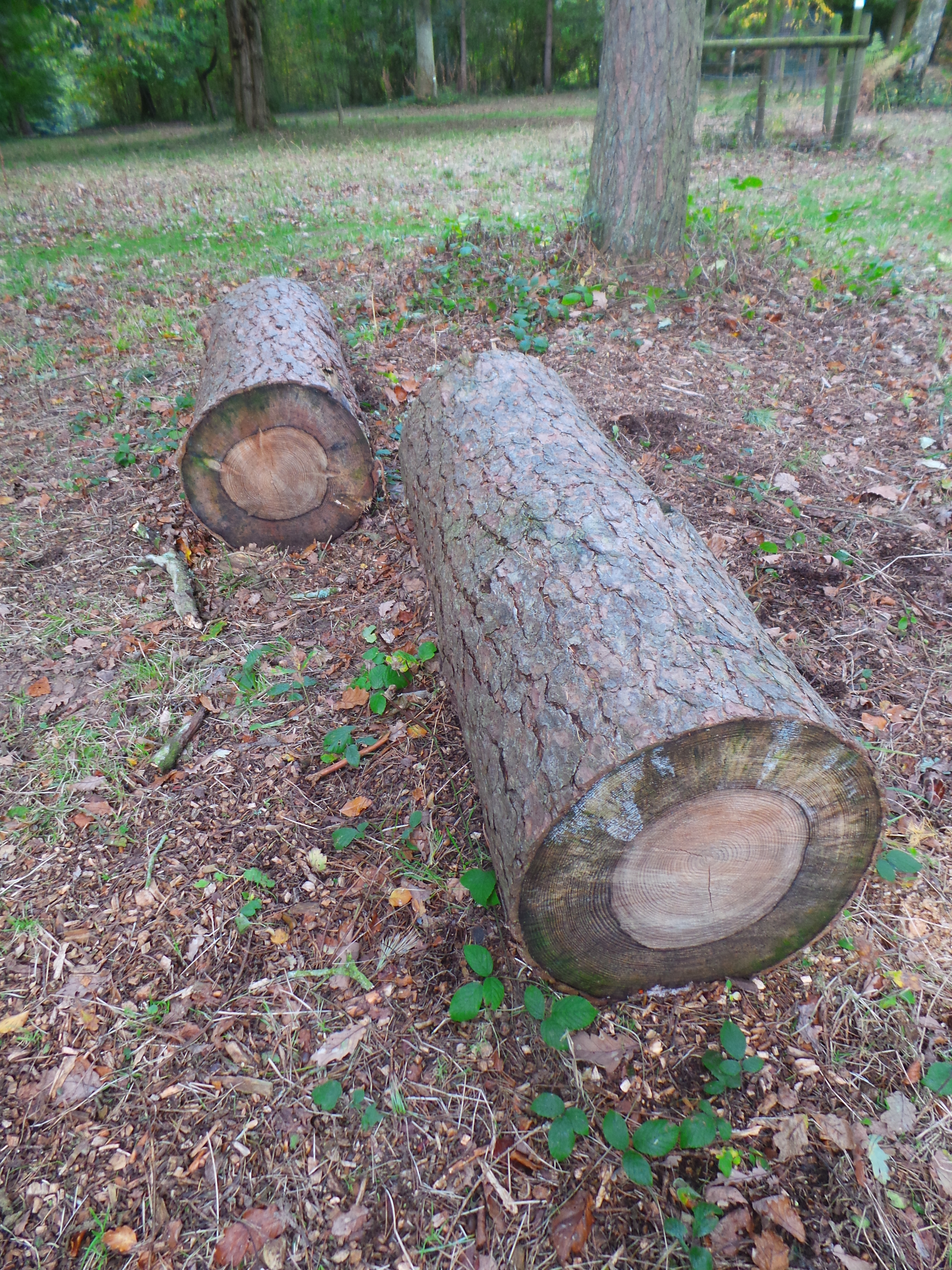
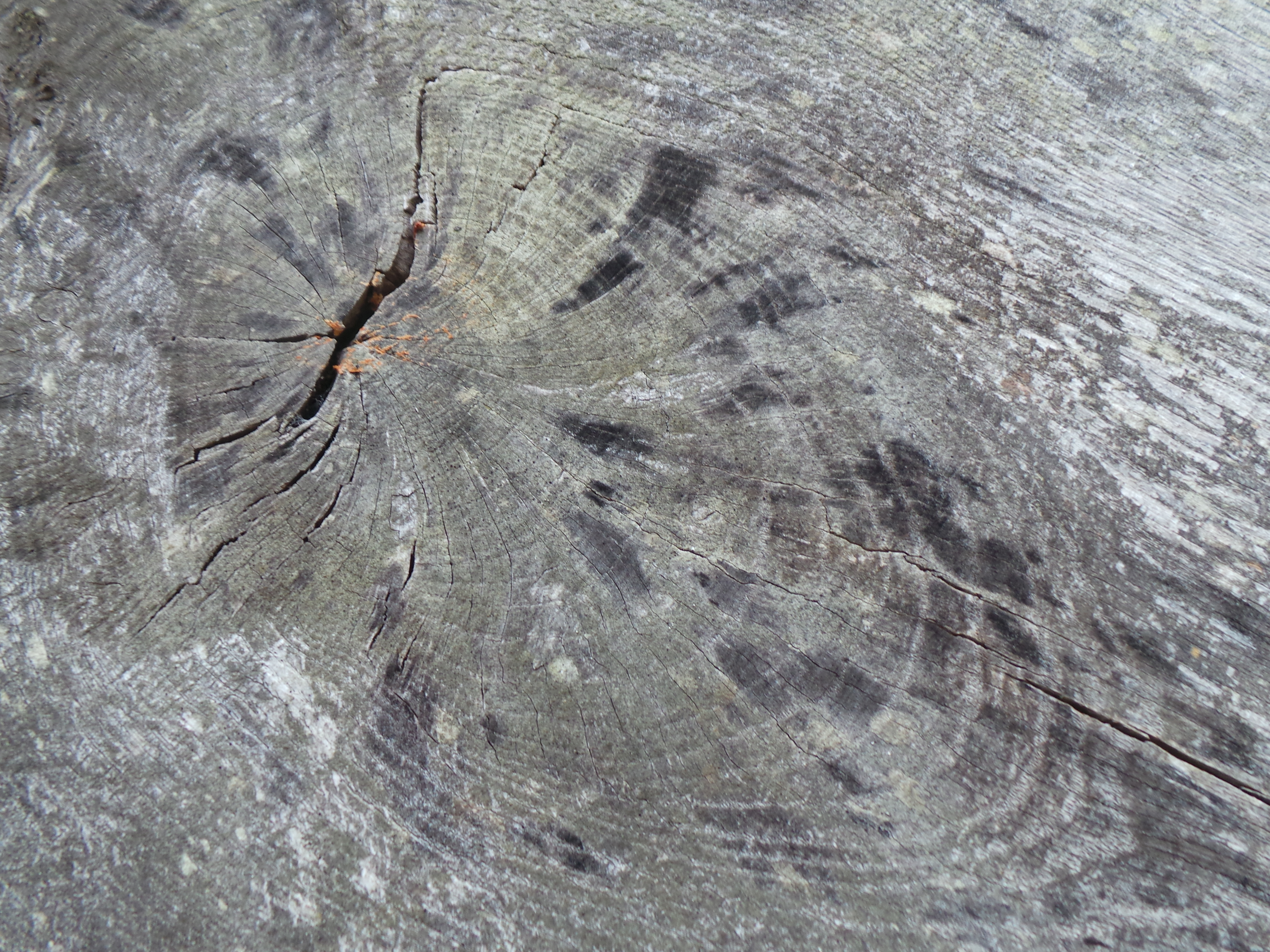
Felled tree trunks afford the weary wanderer a resting place and wildlife a place to search for food. The cut ends revealed the ages of the trees when they were felled, the number of rings now exposed by the chainsaw give away its secrets.

2014 10 23_6275 2014 10 23_6274

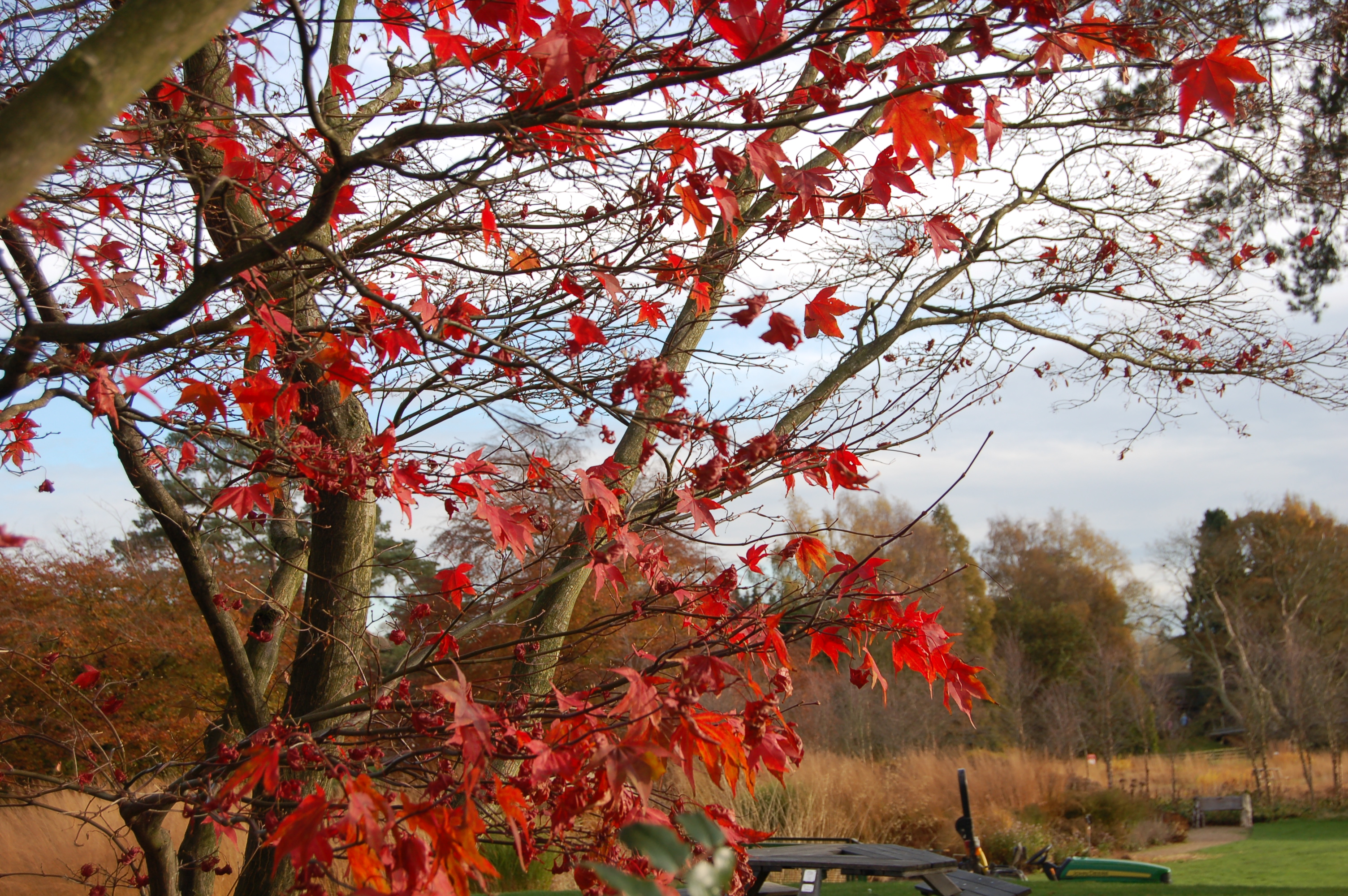
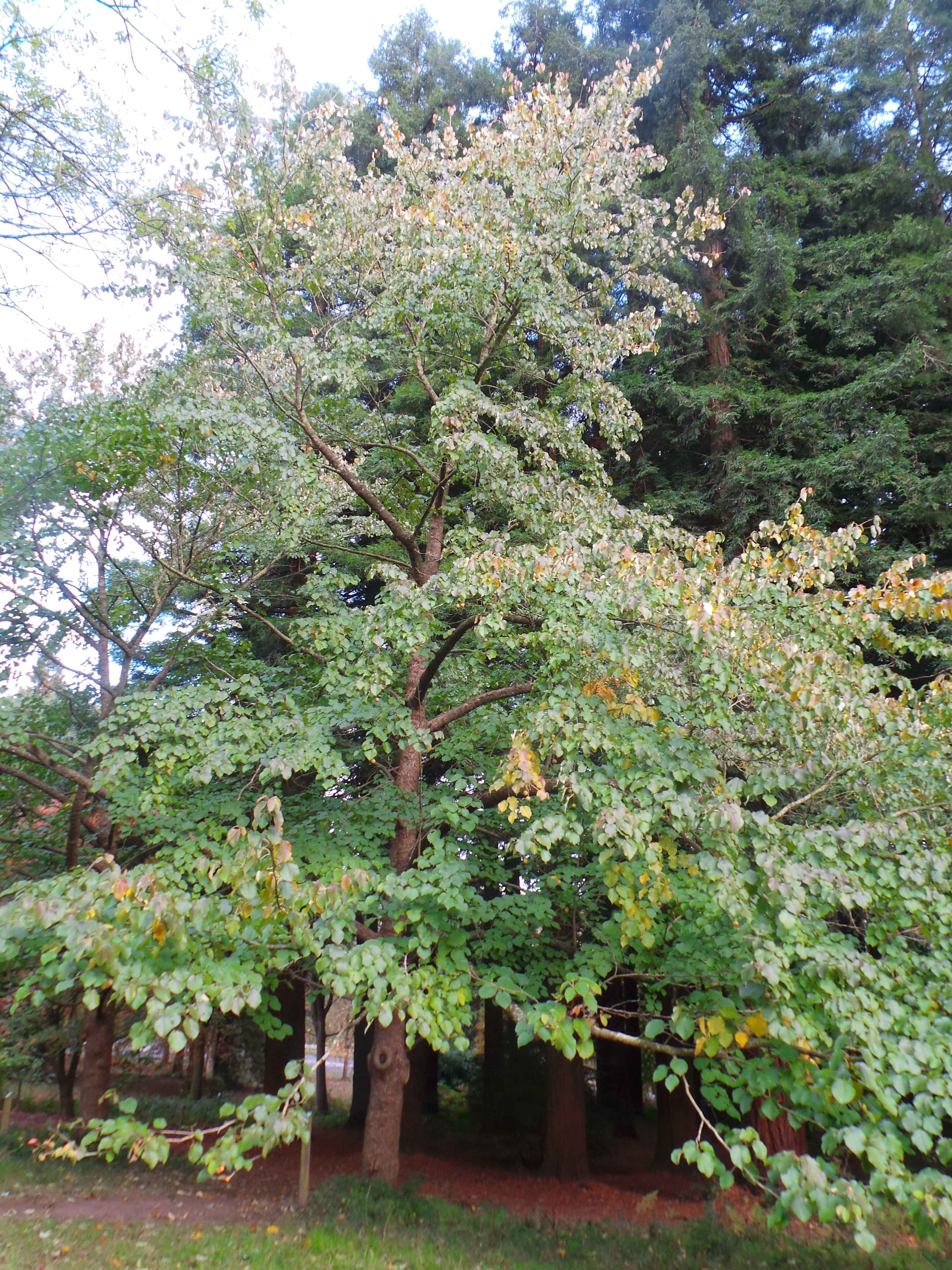
We continued to come across interesting Acers such as this Red Snake-Bark Maple, Acer capillipes and we passed many other fascinating specimen trees on our way to the stand of Redwoods.

2014 10 23_6276 2014 10 23_6278 2014 10 23_6279 2014 10 23_6280  2014 10 23_6282

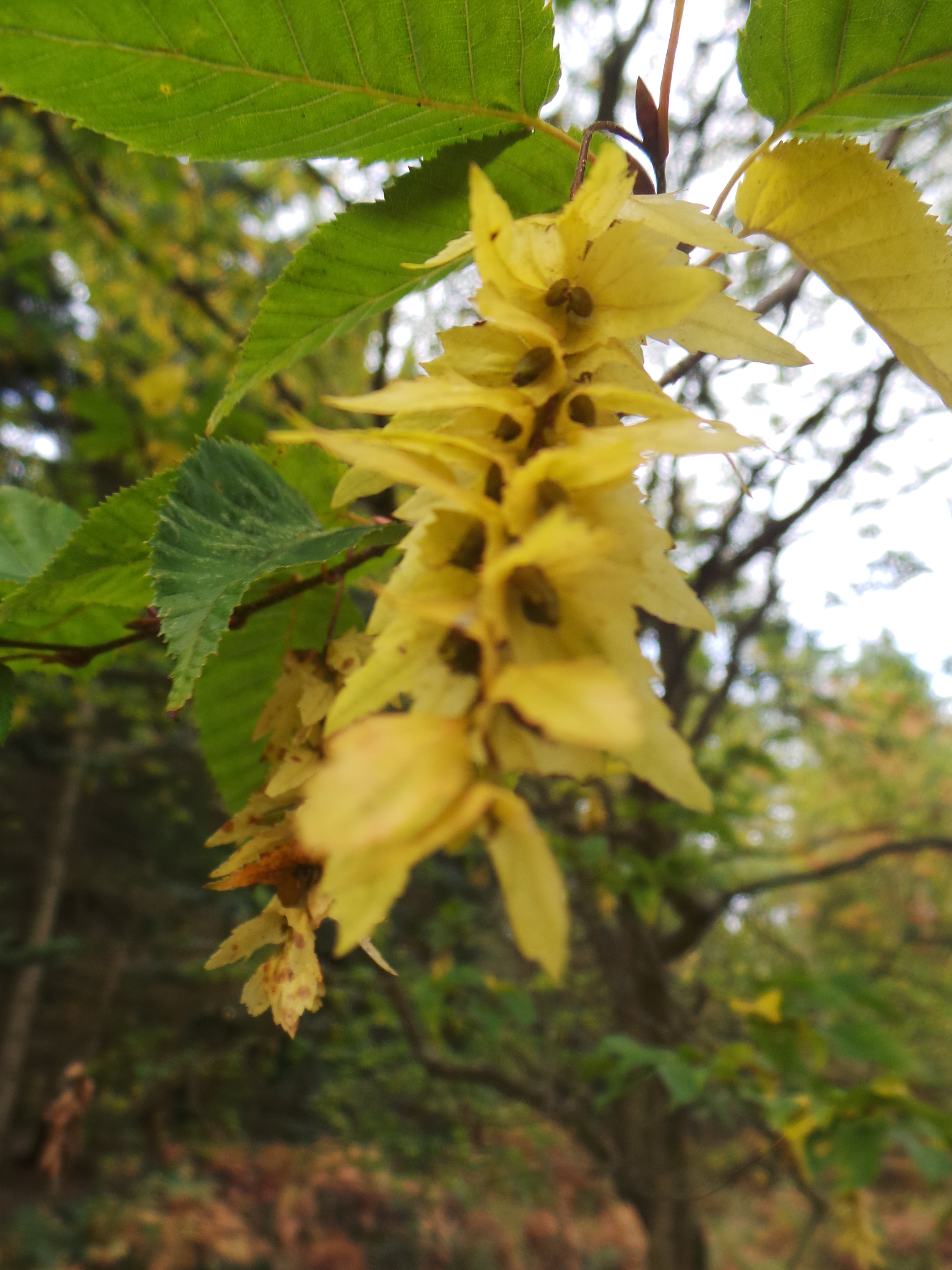
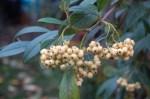
We were fascinated by the fruits of the Oriental Hornbeam and the Handkerchief Tree, Davidii involucrata. These two special trees were both fine specimens.

2014 10 23_6284 2014 10 23_6285 2014 10 23_6287 2014 10 23_6291

2014 10 23_6293 2014 10 23_6292

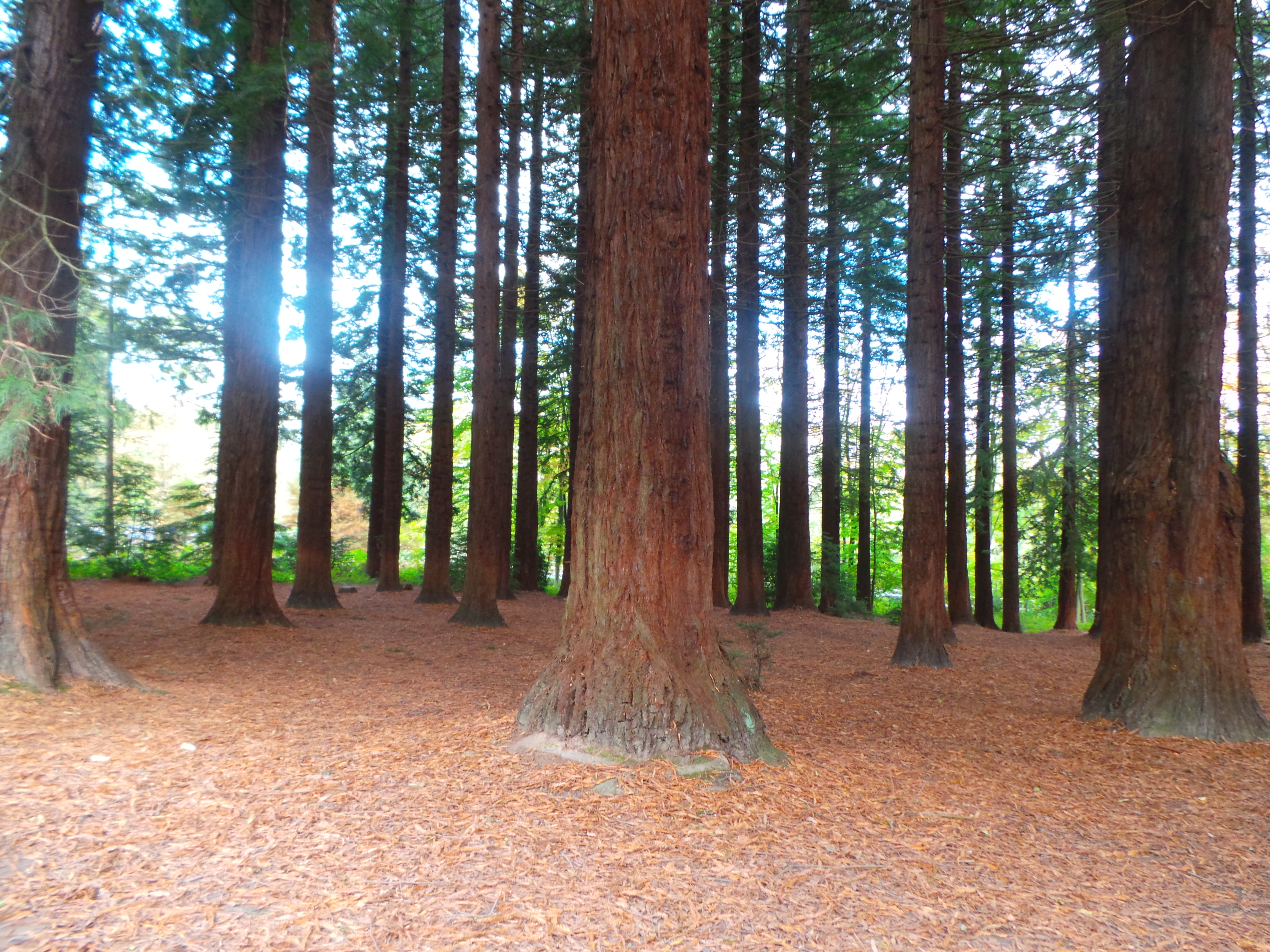
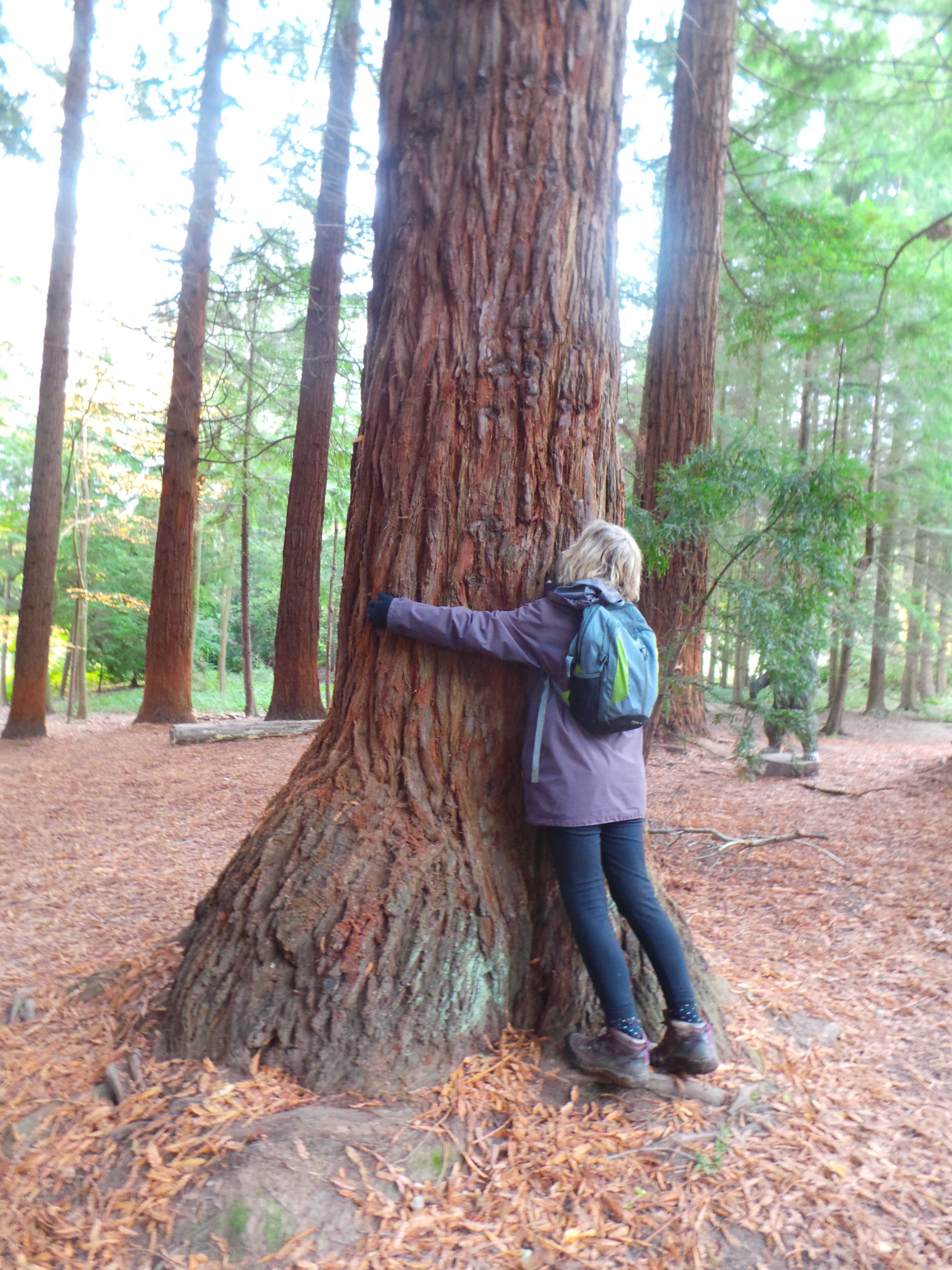
We followed the path as it dipped beneath the branches of the Handkerchief Tree and found ourselves in a different world, a darker world where light failed to penetrate. This meant that nothing grew beneath these Redwoods, giants of the tree world. We walked on a deep soft carpet of needles. The needles were gingery orange and seemed to glow in the gloom.

2014 10 23_6281    2014 10 23_62952014 10 23_6294  2014 10 23_6296 2014 10 23_6298 2014 10 23_6299

A drainage ditch cut through the Redwoods. It must have recently flooded badly and eroded away soil exposing the roots of trees growing alongside on its banks. Some creative visitors had found a way across by using some ingenuity and creativity – they had built a bridge from branches.

2014 10 23_6301 2014 10 23_6302 

Below are two pictures showing some unusual wildlife living beneath the Redwoods, on the left a mother bear searching for her youngster climbing a nearby tree and on the right a very rare Tree Hugging Jude the Undergardener.

2014 10 23_6300 2014 10 23_6297

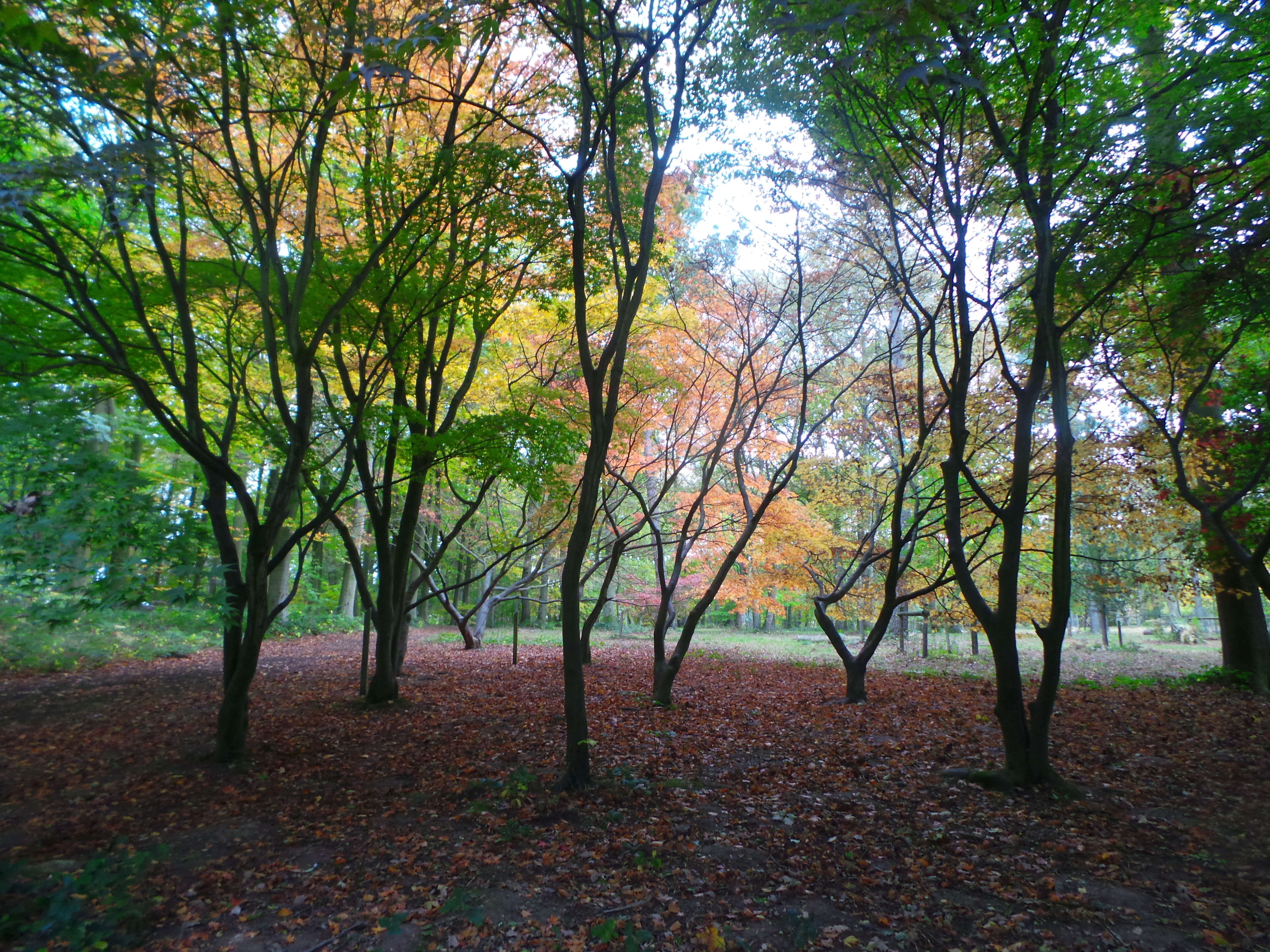
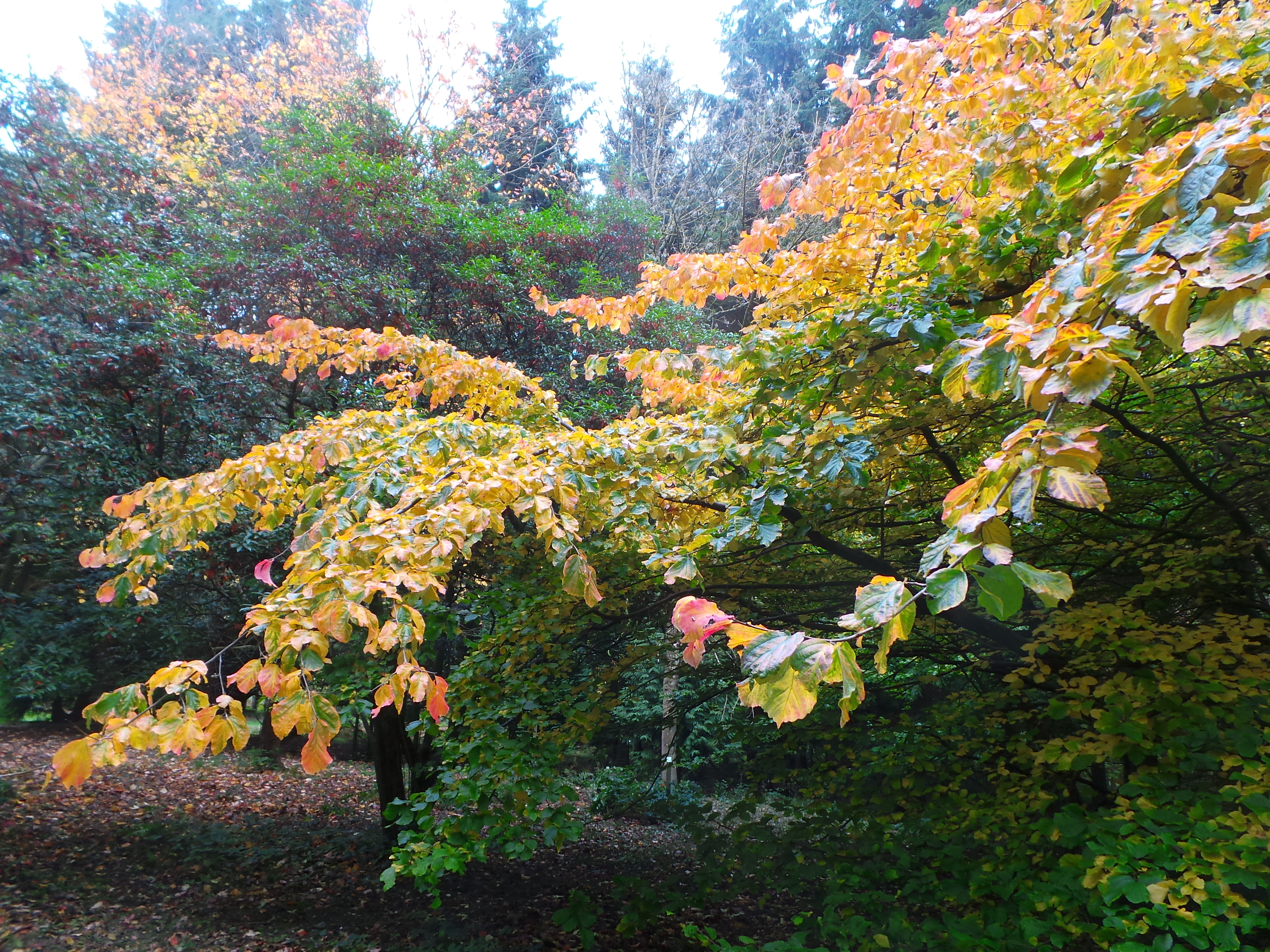
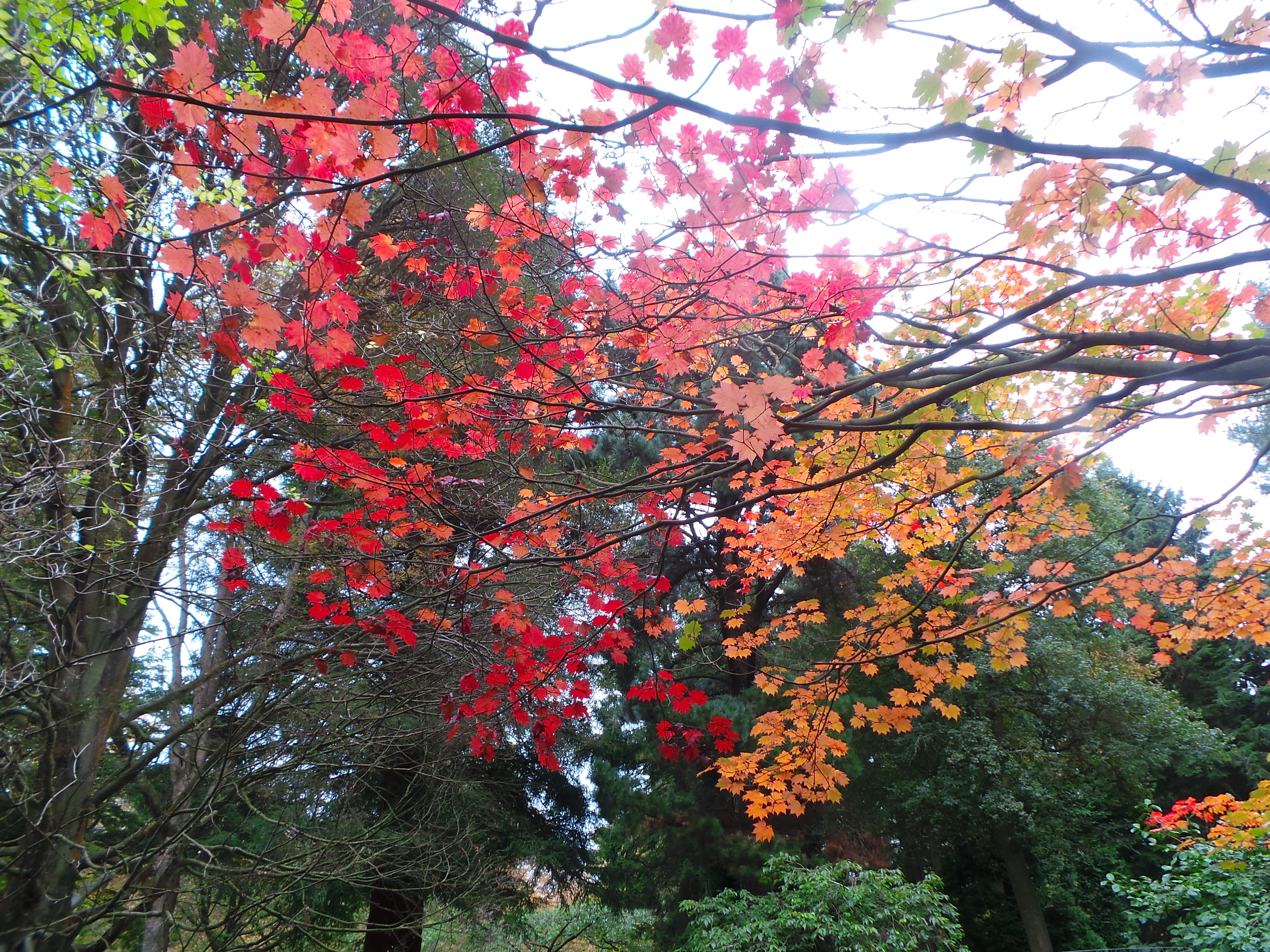
After exploring the dark world under the Redwoods we were glad to get back into daylight. Even though drizzle continued to fall and grey skies hung heavy it seemed so much brighter under the deciduous trees. The final Acer we passed looked as if it was on fire. A fitting finale to our day at Queenswood. As I always write when we have discovered a new exciting place to visit, “We will definitely be back!”

2014 10 23_6303

So that is Queenswood, 64 acres of wonderful trees from all over the world. Follow any of its waymarked trails and you will discover such a huge variety of trees, varying in size, growth habit, leaf shape, bark texture with some bearing flowers followed by berries, seeds or nuts. The bird life keeps you entertained too, singing and calling in the tree tops and undergrowth and flitting from tree to tree seeking out this vast array of food. Throughout our walk Ravens cronked overhead in unison with the gentler mewling of Buzzards. Whenever you visit there will be birds to entertain you and trees to delight the eye.


Categories
arboreta autumn autumn colours colours garden furniture garden seating light ornamental trees and shrubs outdoor sculpture trees woodland woodlands

Queenswood Arboretum – Part Two – the Oaks

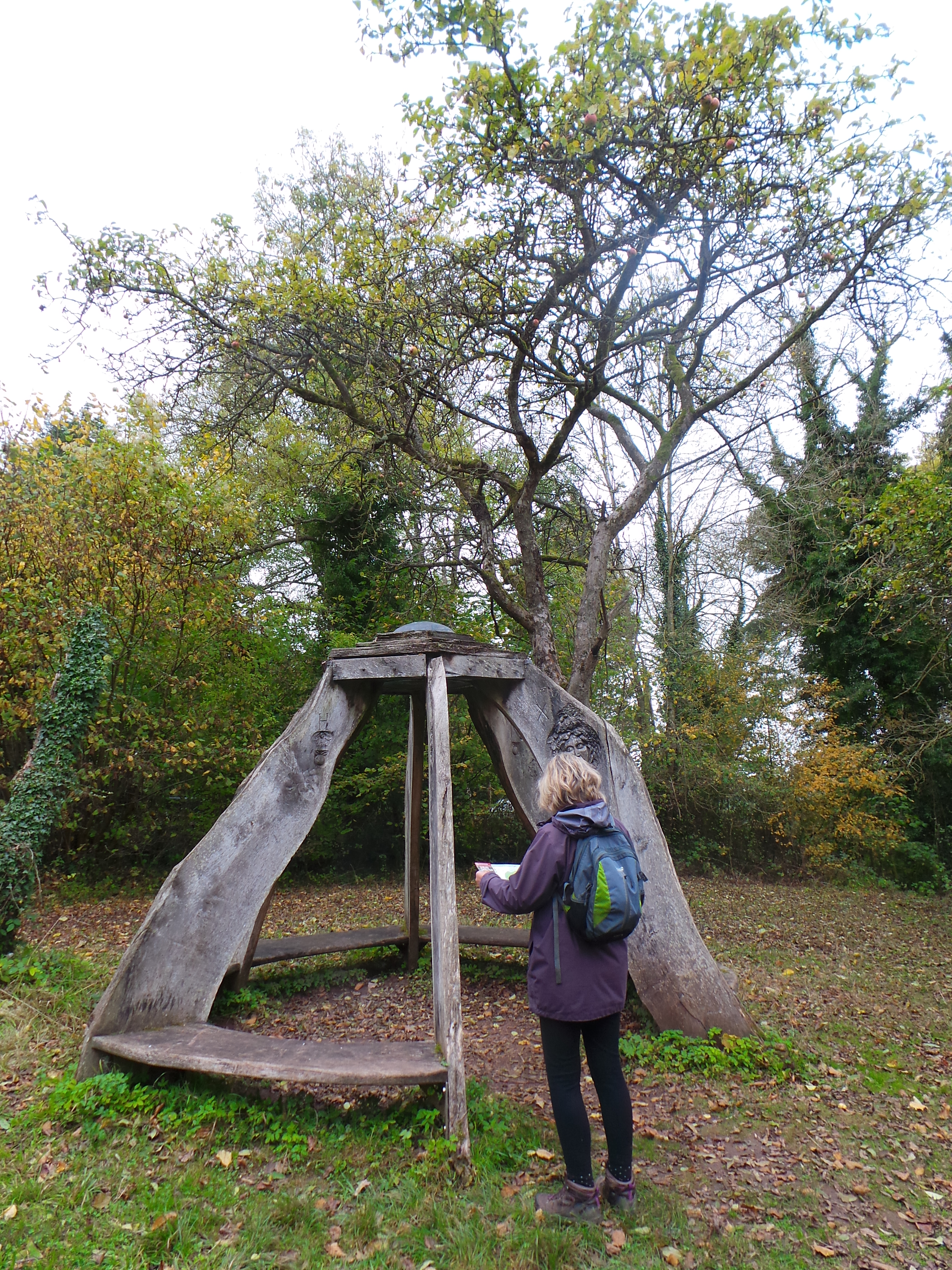
Having enjoyed the Autumn Garden we found a sign indicating a footpath to an “Old Orchard” and the “Readers Chair” which naturally took us in the opposite direction to our planned route. Diversions are good for you! Just see what we found by following this one!

2014 10 23_6208

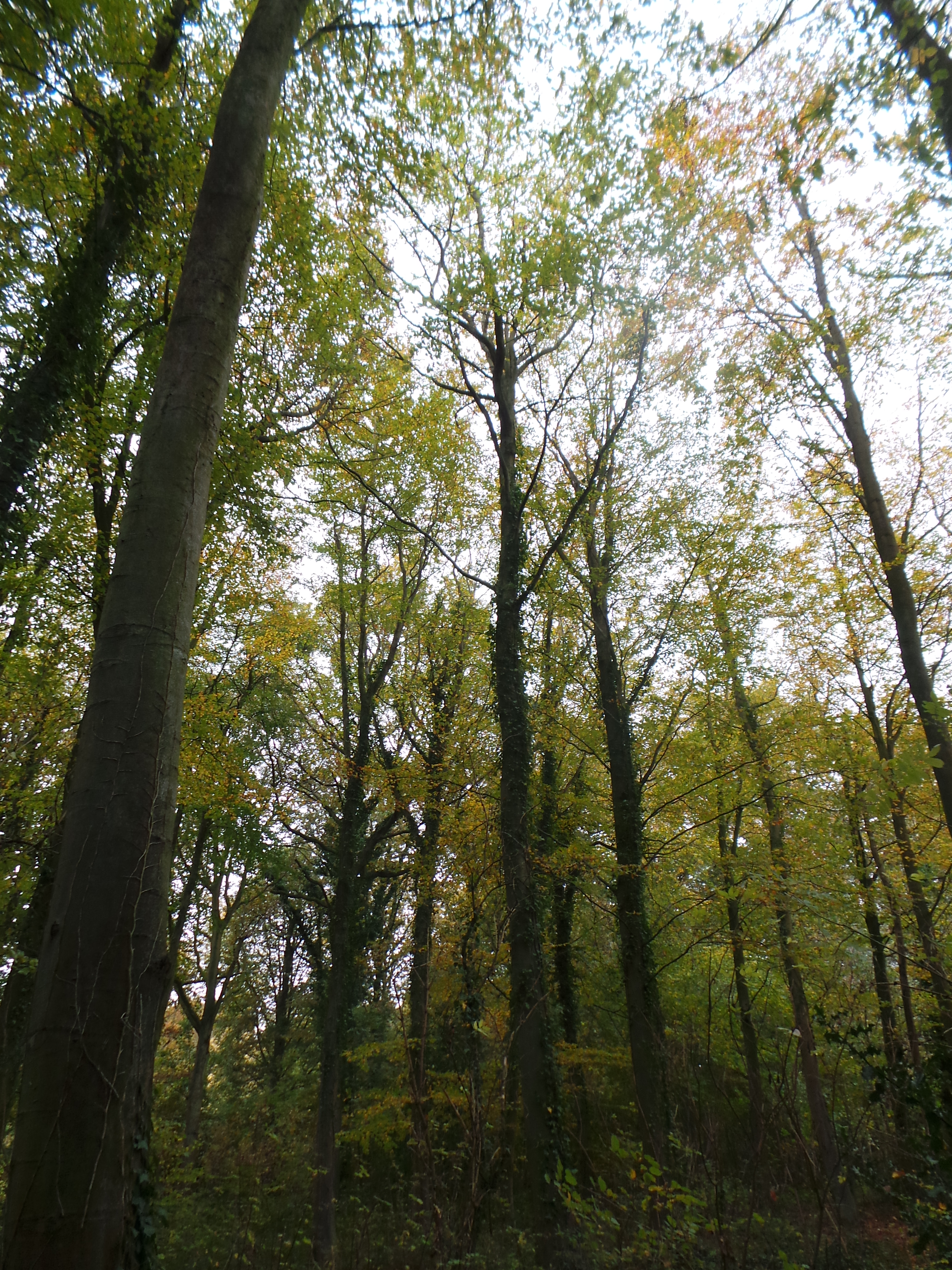
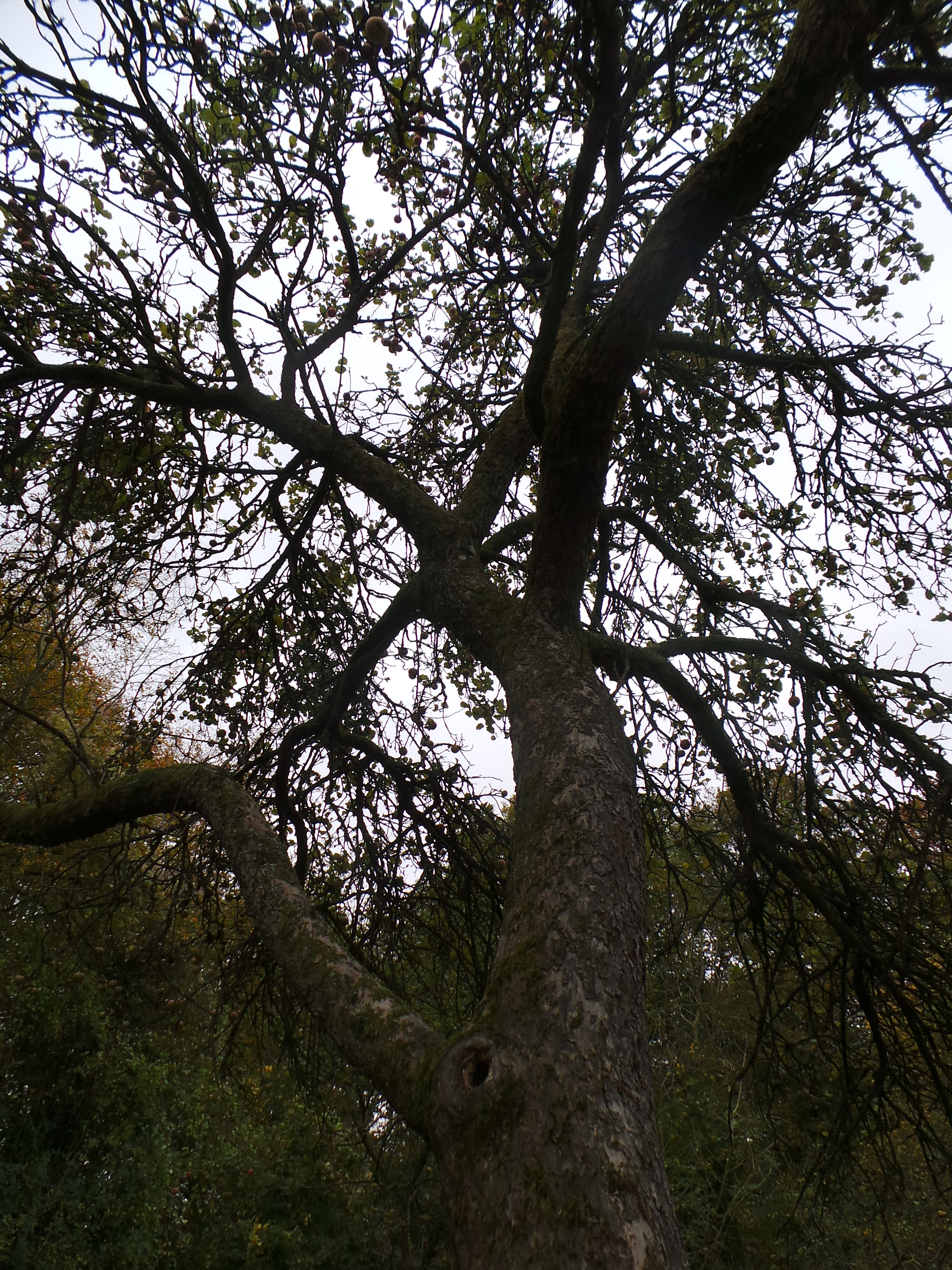
We followed the path beneath tall slender trees and found an orchard of ancient fruit trees.

2014 10 23_6186 2014 10 23_6187 2014 10 23_6188 2014 10 23_6189 2014 10 23_6190 2014 10 23_6191 2014 10 23_6192 2014 10 23_6193

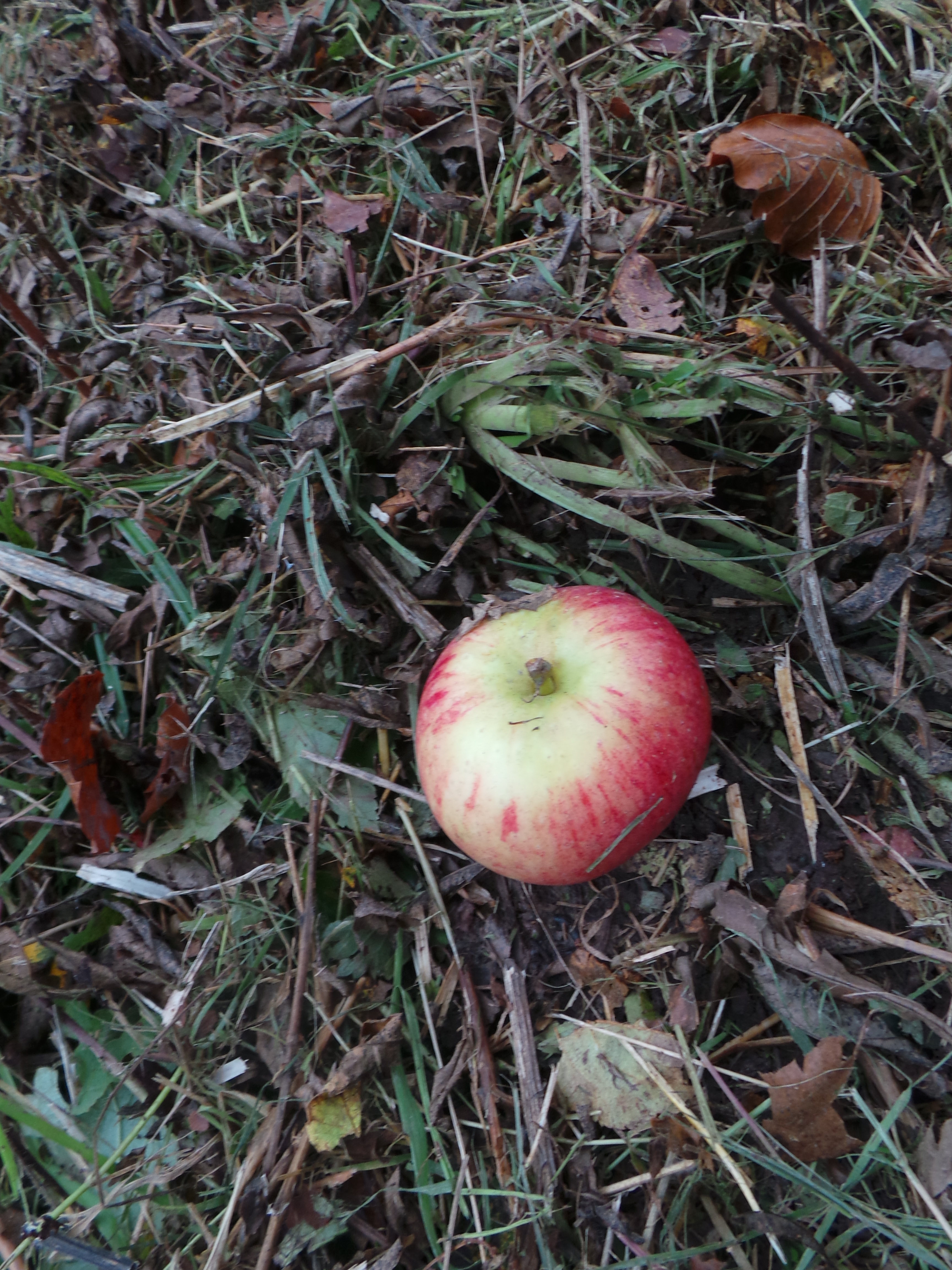
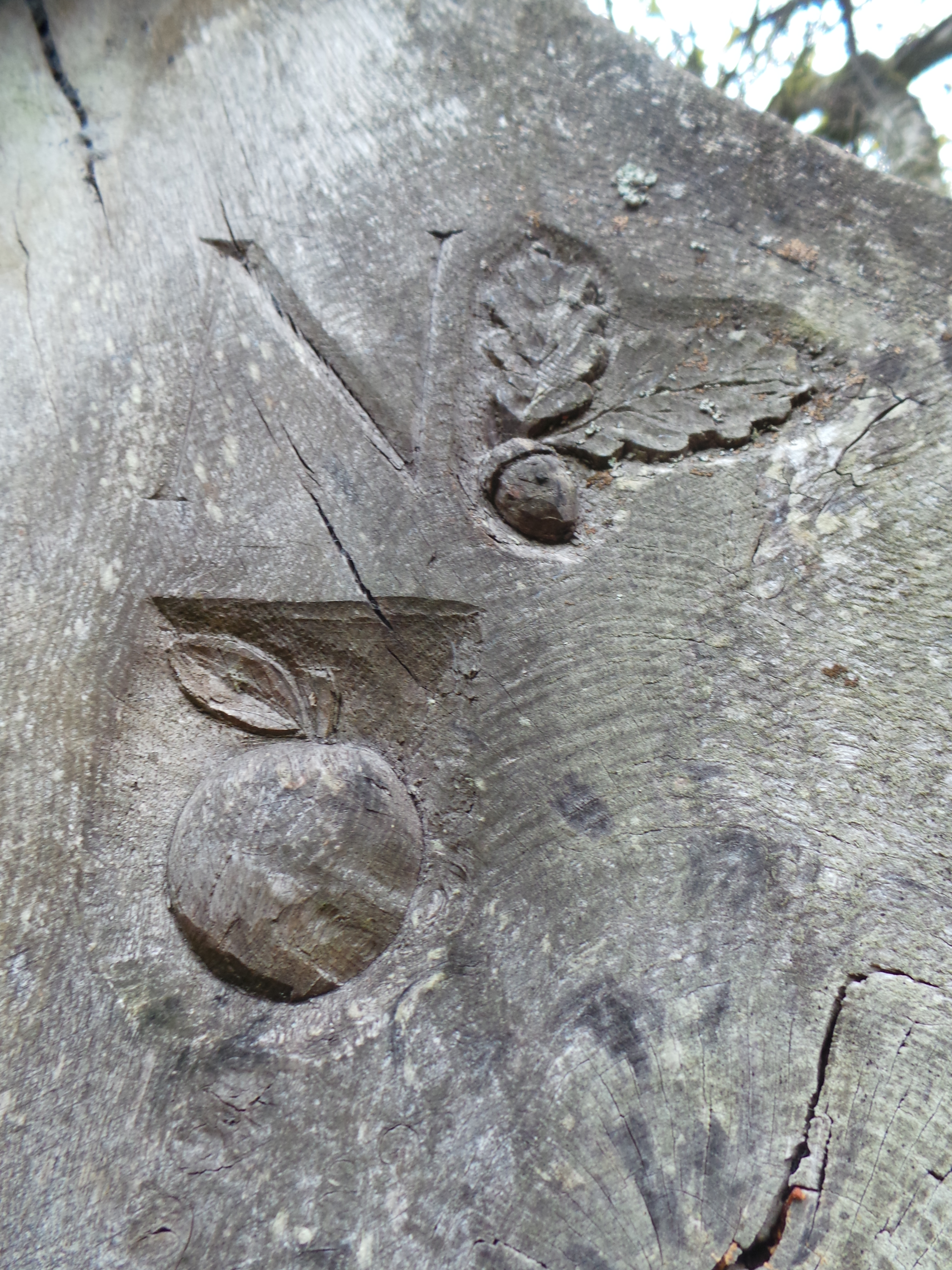
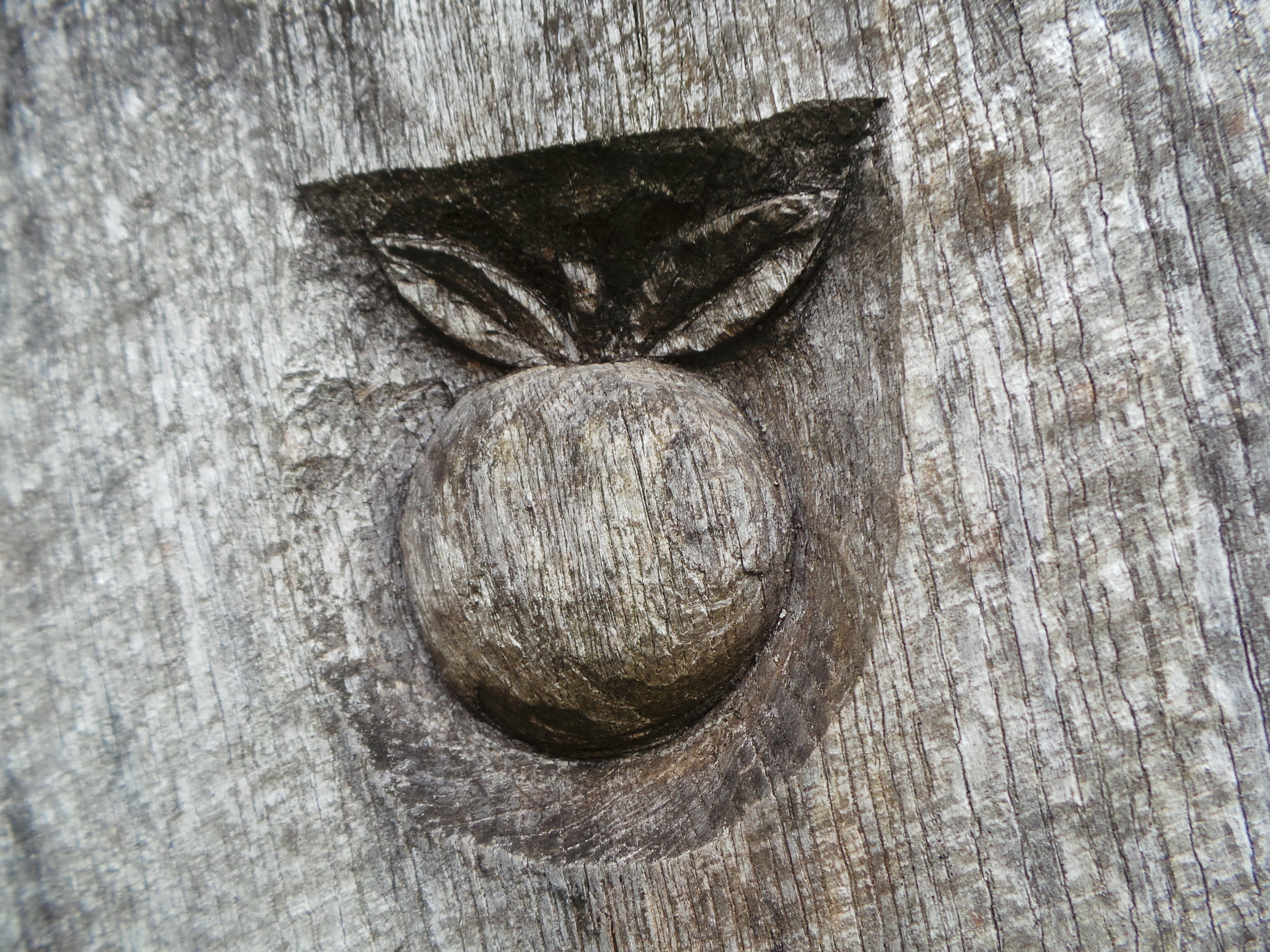
When we reached the centre of the old orchard with its sweet scent of rotting apples and fallen leaves we found out what the Reader’s Seat was. It was really a large piece of outdoor sculpture which was also a seat. I imagine the wood it was constructed from was oak as it was weathering to the most beautiful and palest of silver. The carvings were so beautifully sculpted into each face of the uprights which made up the canopy over the circle of seats.

2014 10 23_6194 2014 10 23_6202

2014 10 23_6205  2014 10 23_6196 2014 10 23_6198 2014 10 23_6195 2014 10 23_6197 2014 10 23_6198

We sat a while appreciating the craftsmanship of the seat with its carvings before exploring further the old orchard itself.

2014 10 23_6199 2014 10 23_6200 2014 10 23_6201 2014 10 23_6203 2014 10 23_6204 2014 10 23_6207

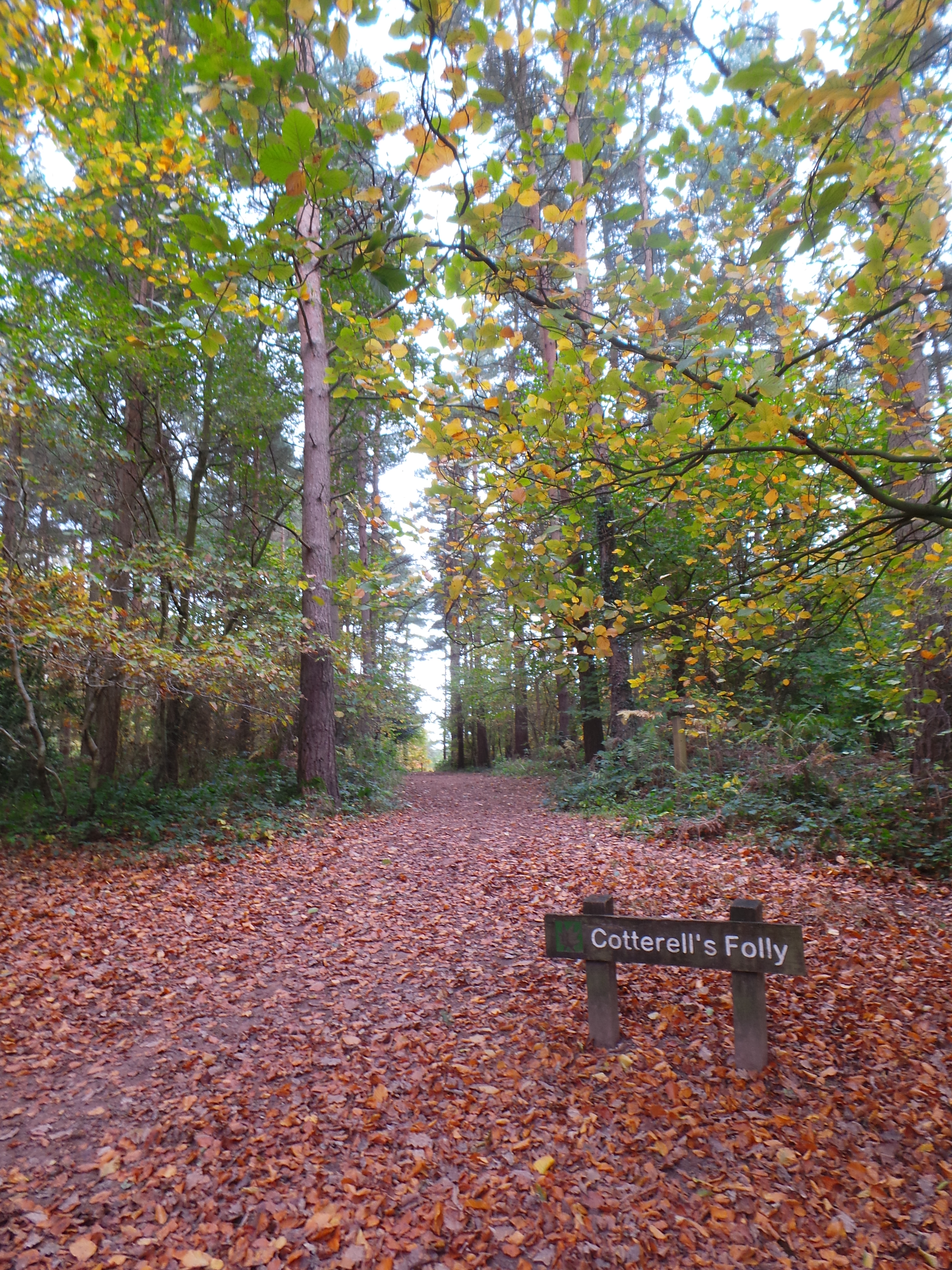
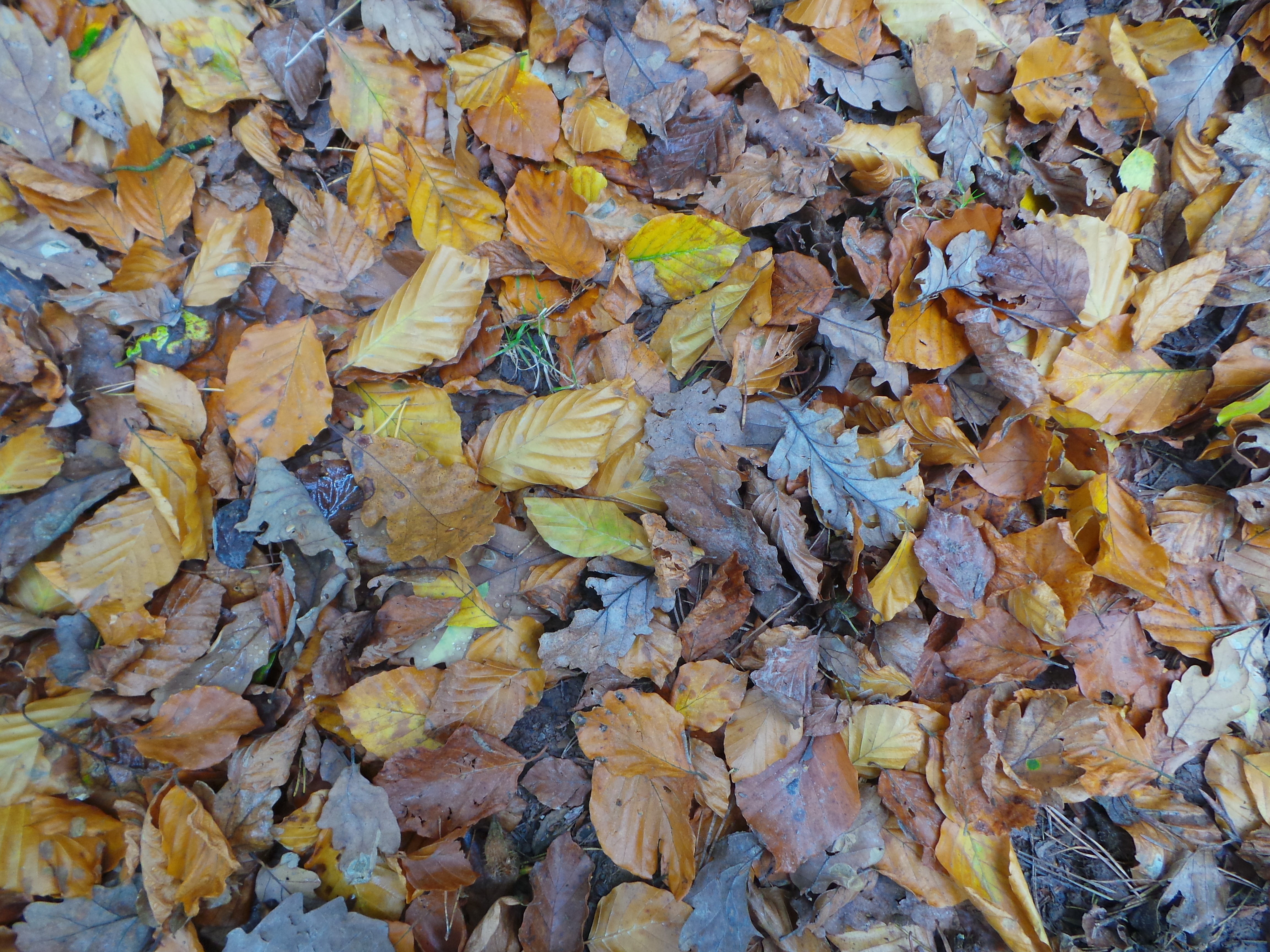
But where we we headed before the wooden sign post persuaded us to search for the Old Orchard and Reader’s Seat? We were off to find the Oak Avenue. We expected this to be a shaded walk between tow tall rows of ancient native oaks. How wrong we were! What we actually found was a small field with two rows of oaks from all over the world. Tall ones, short ones, fat ones, thin ones and even a shrub like one. There seemed to be an Oak from every corner of the world. But to get there we wandered through Cotterill’s Folly where huge Beech trees towered over the path and covered that path with their waxy tough leaves.

2014 10 23_6218 2014 10 23_6219

2014 10 23_6251  2014 10 23_6228

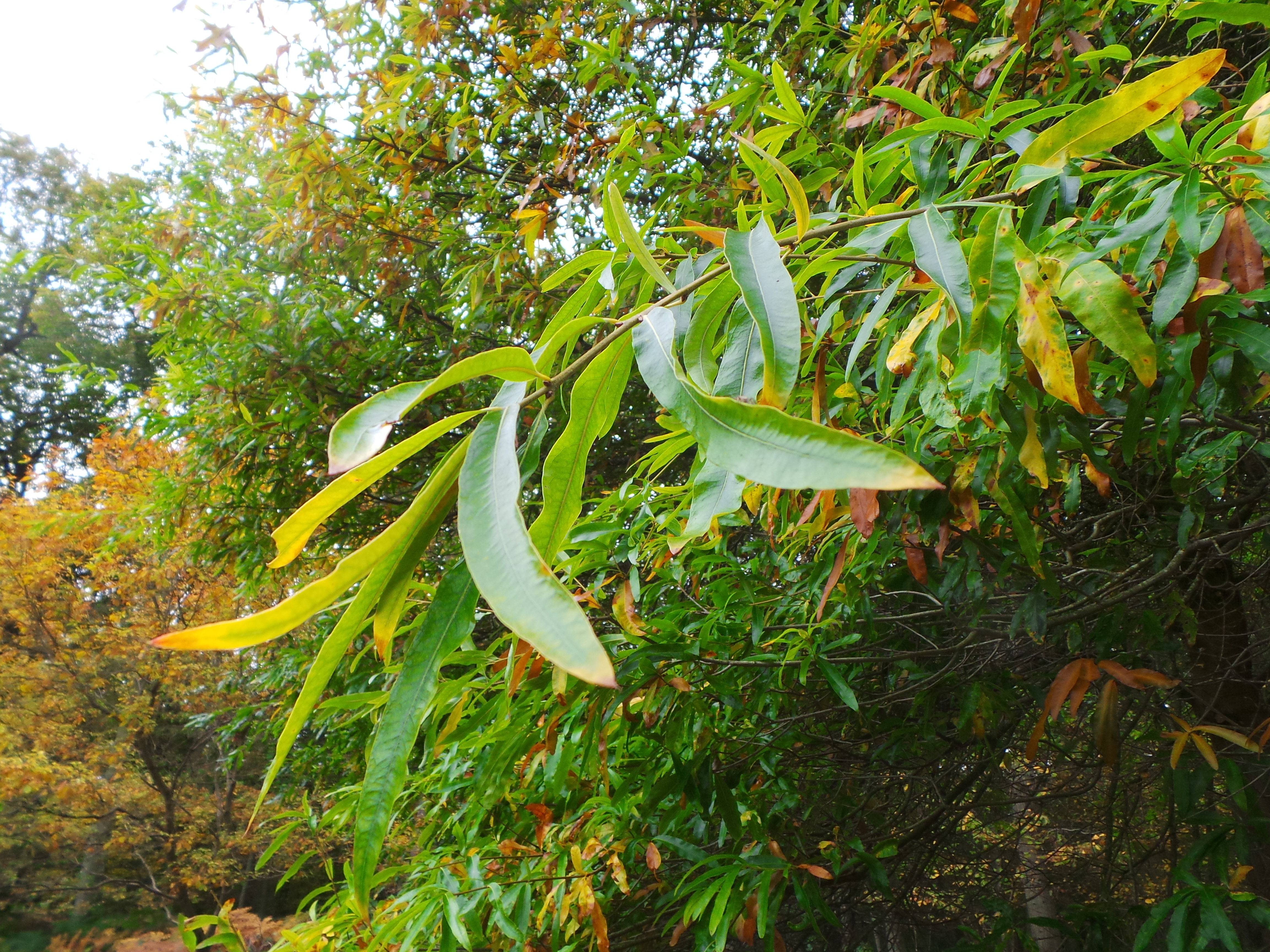
Our first oak surprise was this narrow-leaved tree with slightly pendulous branches, aptly called the Willow-leaved Oak. Its foliage looked so fresh and full of vitality, which was in stark contrast to the Armenian Oak we looked at next. This oak had large leathery leaves already coloured for autumn.

2014 10 23_6221 2014 10 23_6222 2014 10 23_6223 2014 10 23_6224 2014 10 23_6226 2014 10 23_6227

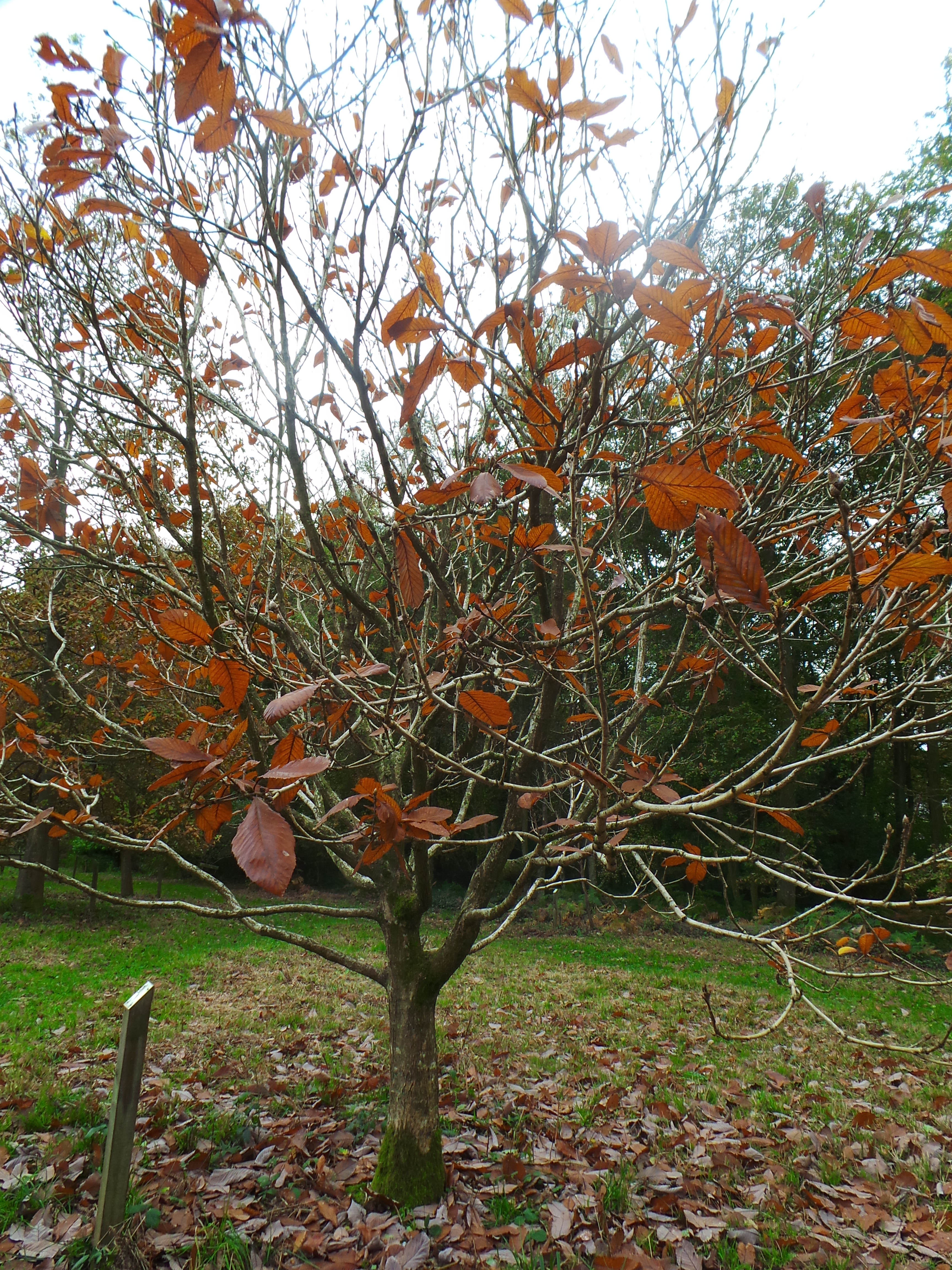
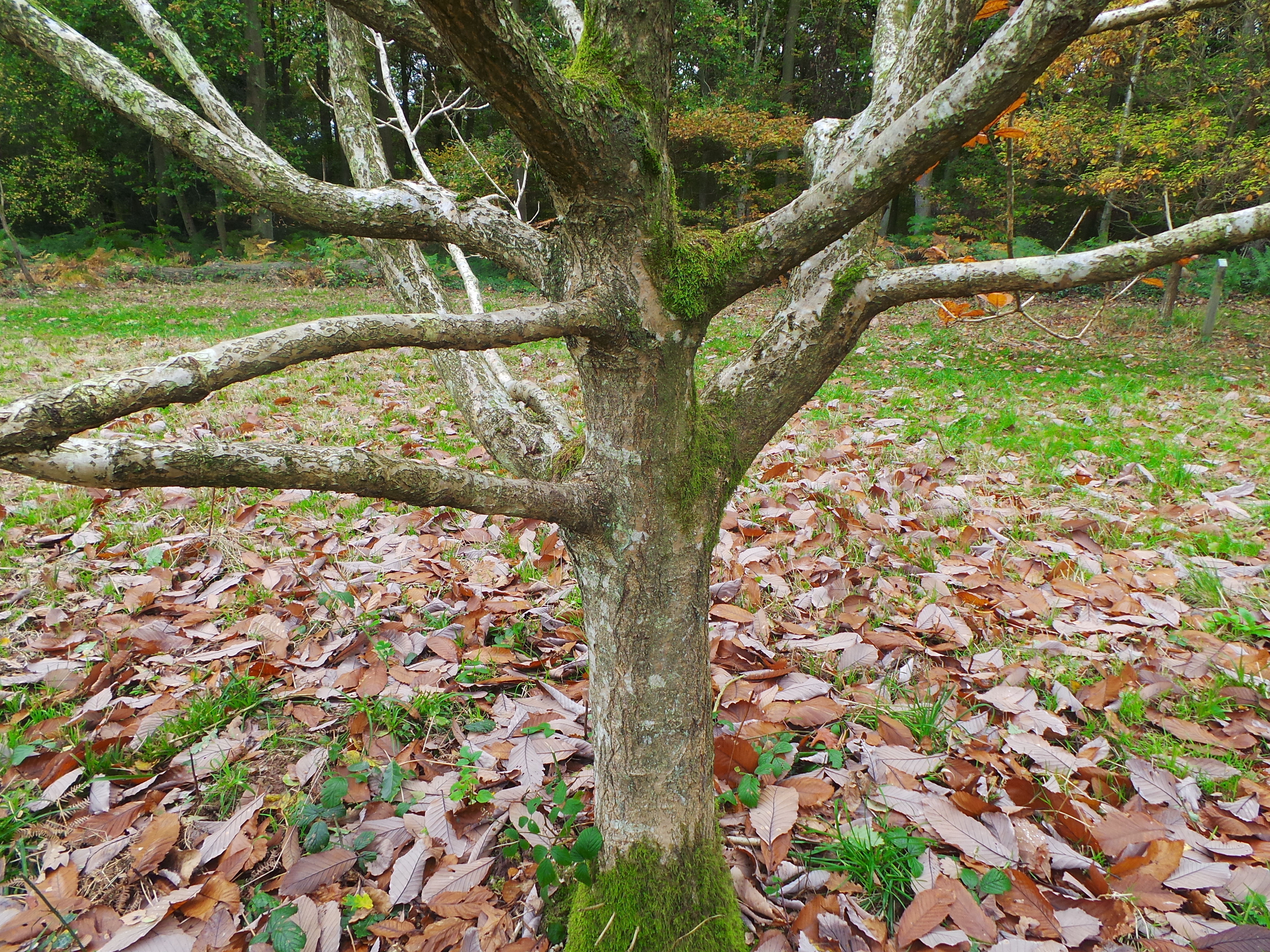
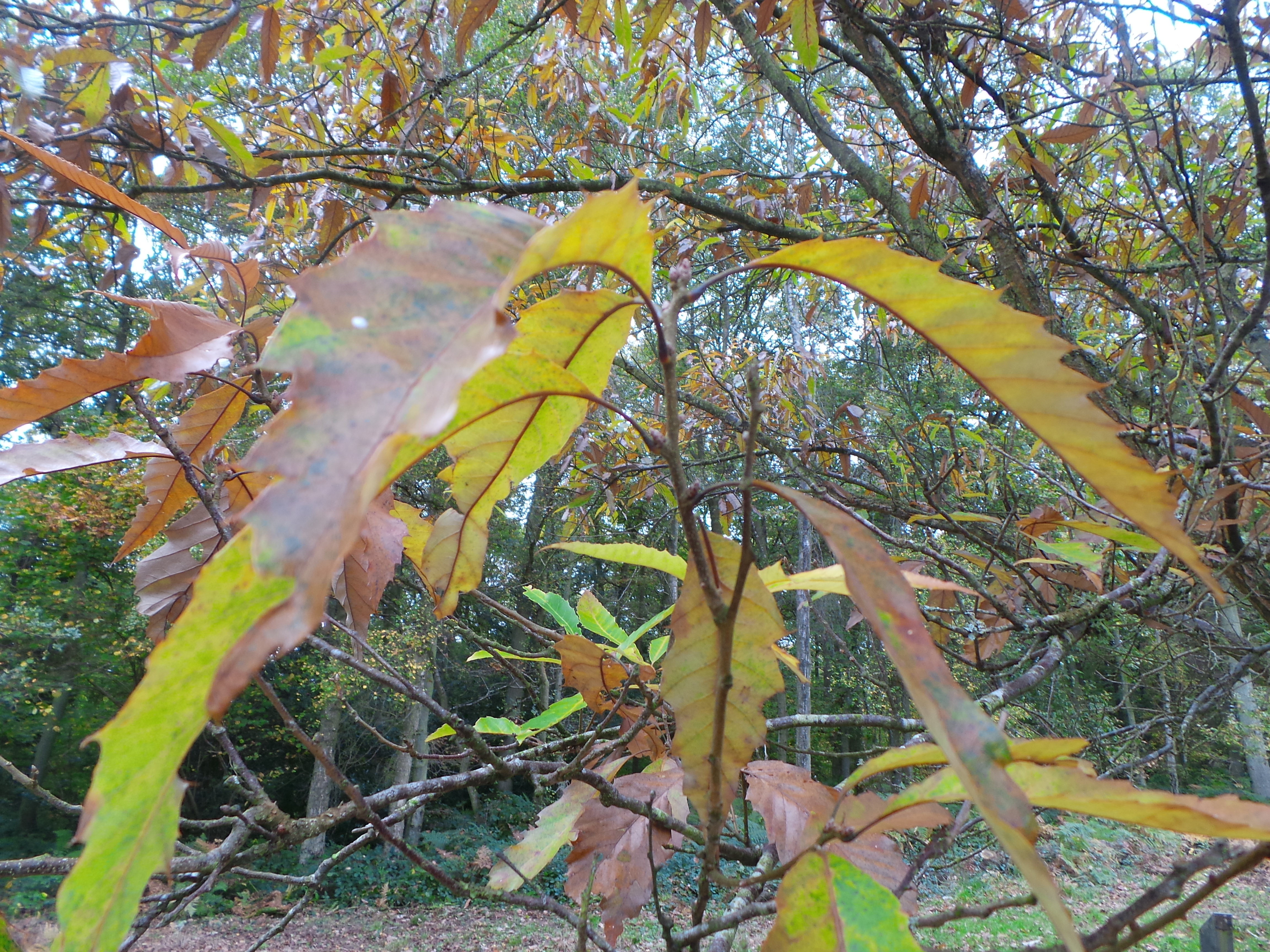
Our next oak was a small tree with leaves like those of a Sweet Chestnut.

2014 10 23_6229 2014 10 23_6230

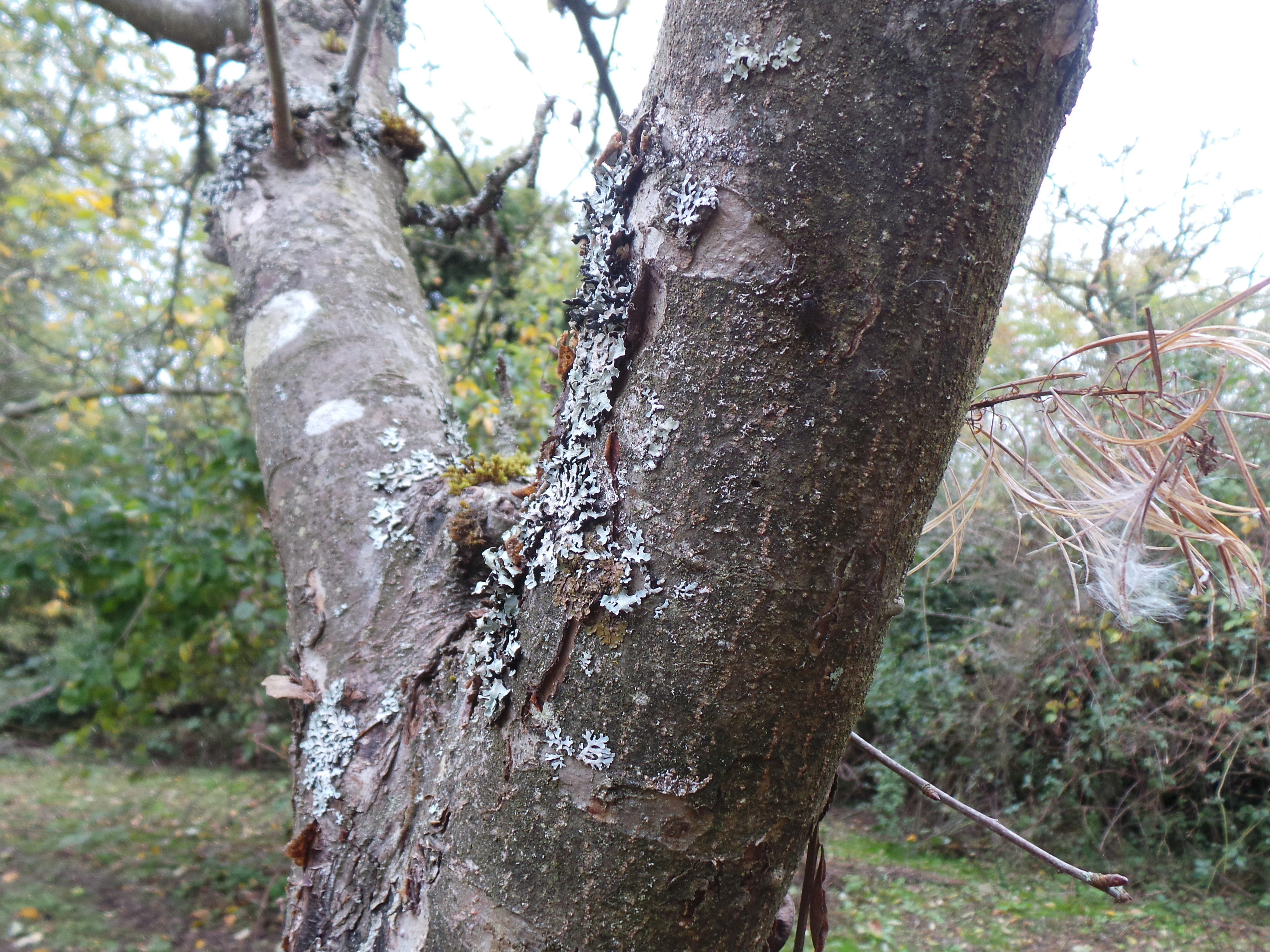
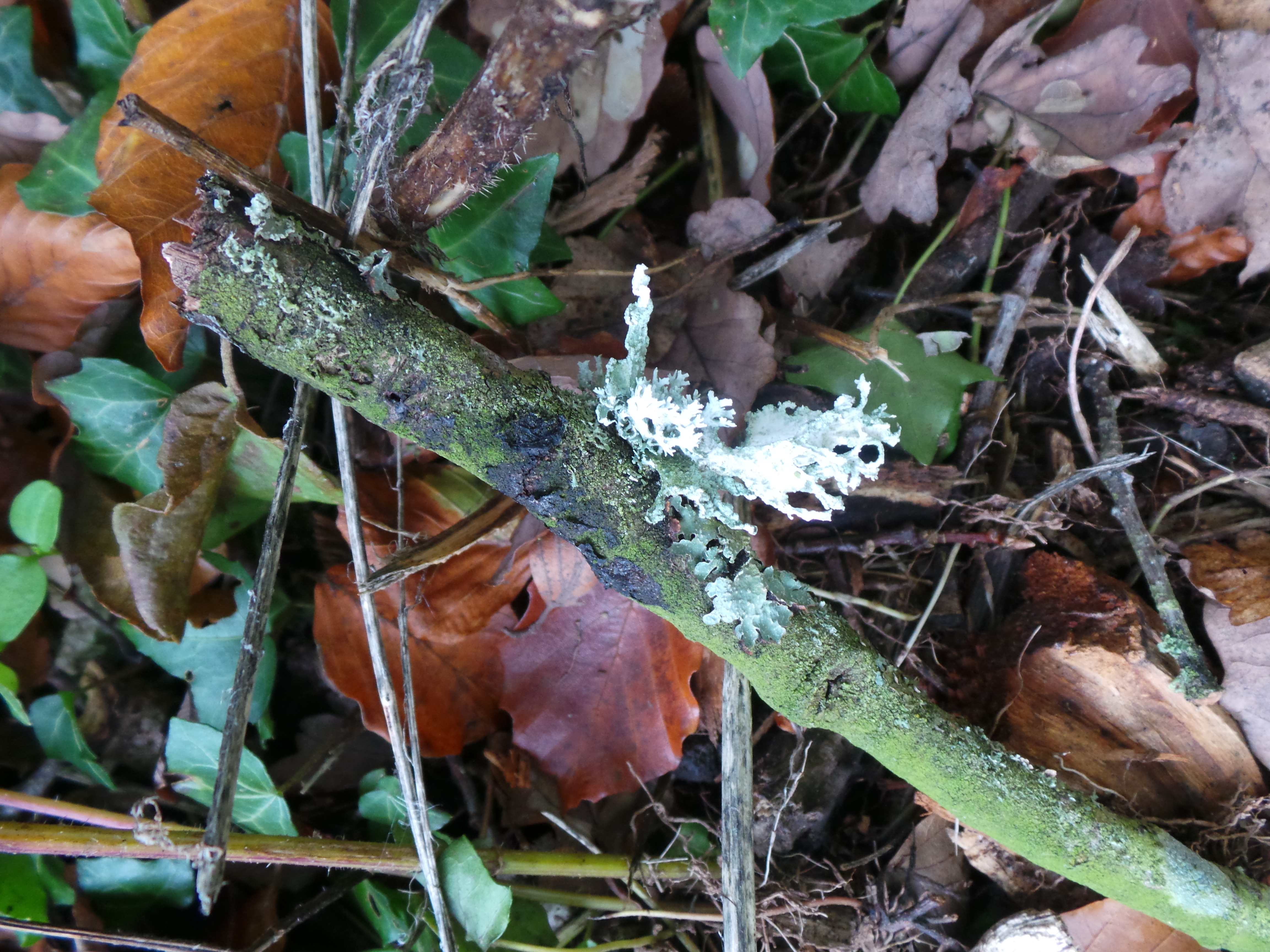
One thing that all oaks attract is lichen and we soon found this stunning glaucous example shaped just like stags antlers.

2014 10 23_6231

Our next Oak looked just like an Olive tree – it was just the right size and shape with glaucous leaves just like those of an Olive. But when we got closer and noticed its bark we knew straight away it was some sort of a Cork Oak. The label informed us that it was a Quercus variabilis, a Chinese Cork Oak.

2014 10 23_6233 2014 10 23_6234

We were so surprised to see the next of our Oaks as it was just four or five feet tall, a small shrub rather than a majestic old tree. Nuttall’s Oak, Quercus texana surprised us again when we noticed its beautifully shaped leaves, somewhat reminiscent of a Liquidamber.

2014 10 23_6235 2014 10 23_6237

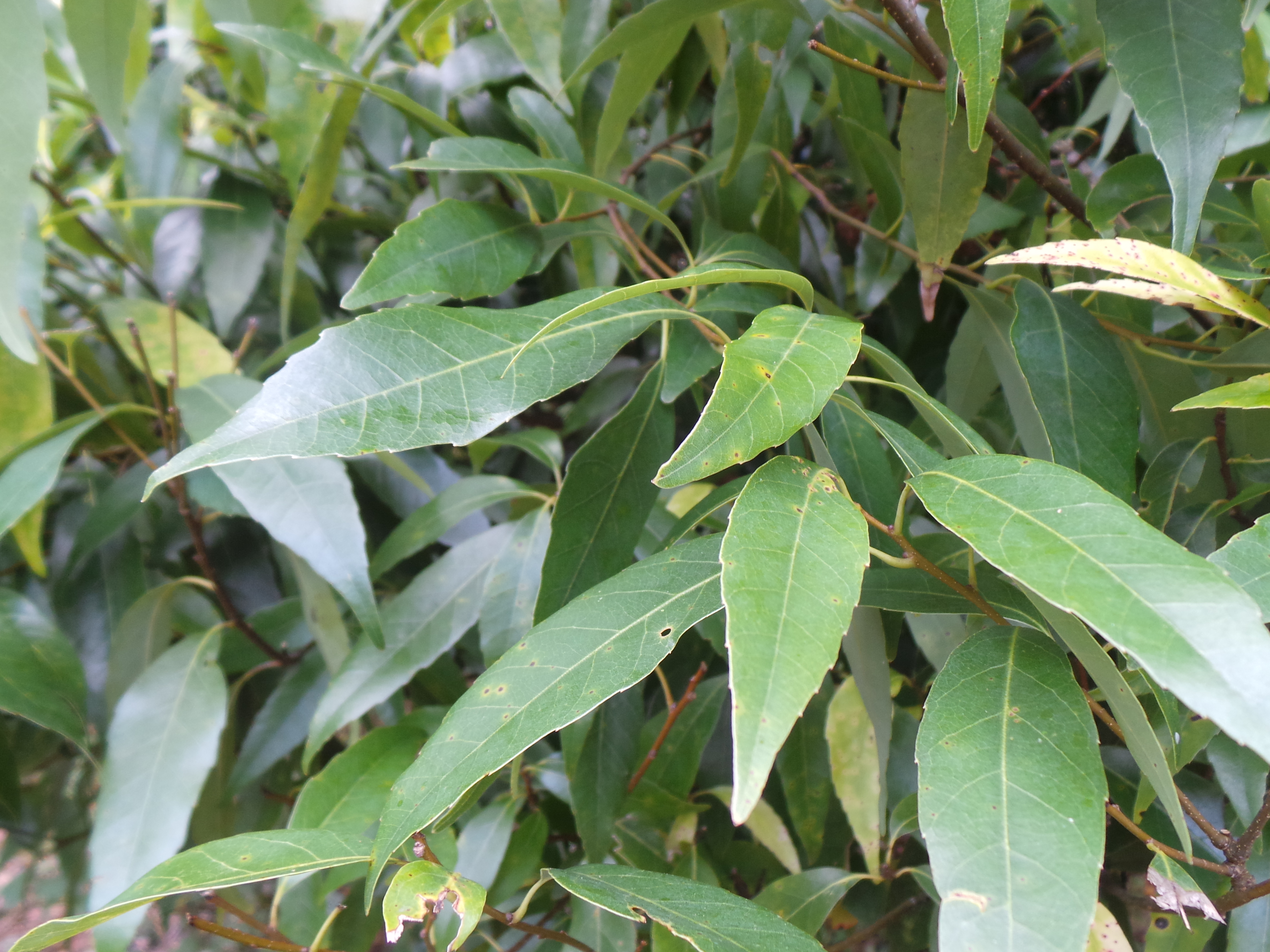
Close by we found another shrubby Oak but this one had a different growth habit. It was a solid looking bush with simple leathery foliage. This was a Bamboo Leaved Oak – very well named.

2014 10 23_6238 2014 10 23_6239

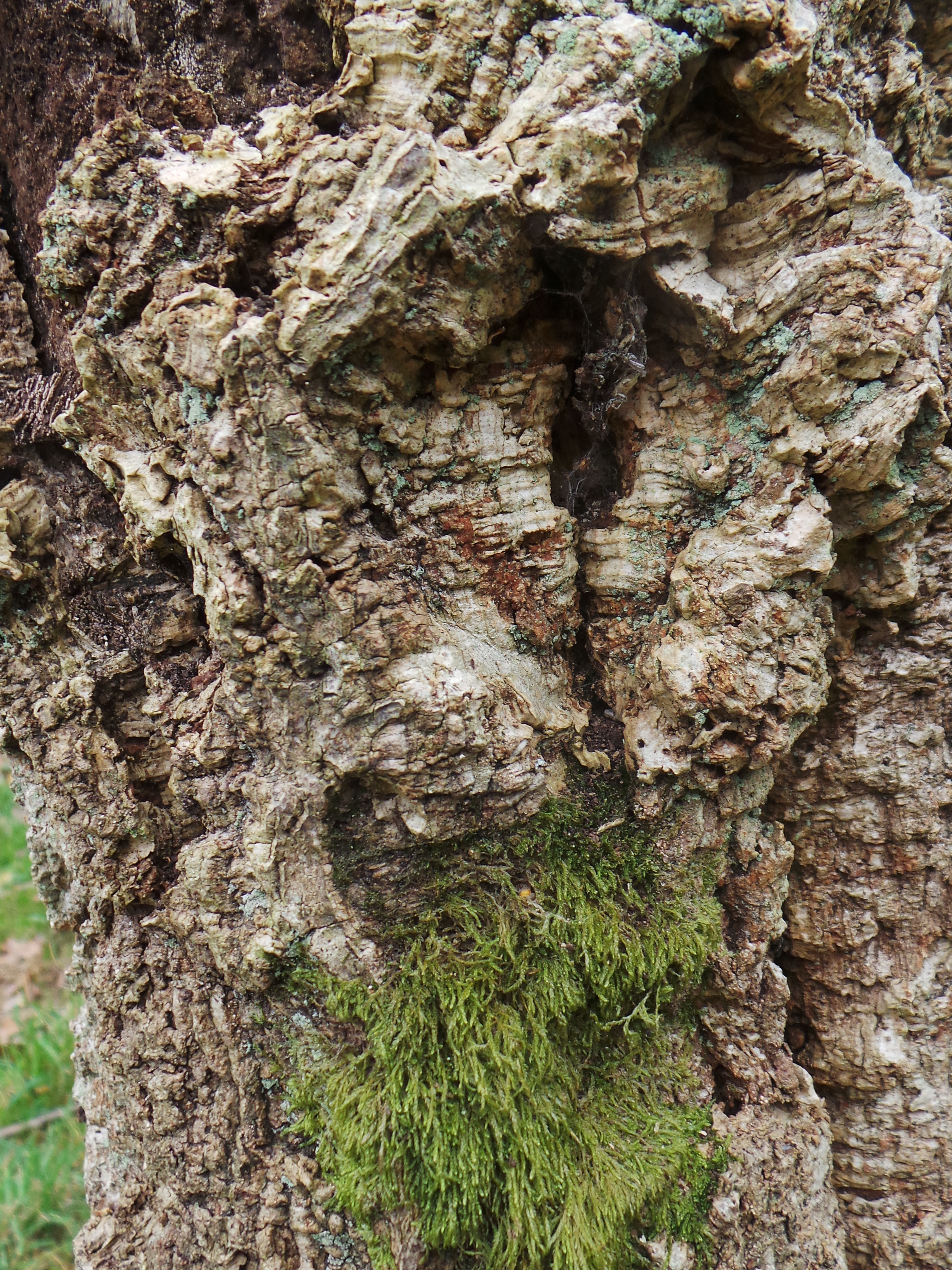
This old Cork Oak had died but in death presented itself as a piece of textured sculpture. But it did frame another autumn coloured Oak on the far side of the green area.

2014 10 23_6241 2014 10 23_6242 2014 10 23_6243

This neat small specimen on the left was an Algerian Oak and the equally neat one on the right was a Shumard’s Oak.

2014 10 23_6244 2014 10 23_6248

After enjoying discovering so many different oaks most of them new to us, we began to make our way back to the car park. We passed a Wild Service Tree one of our rarest native trees before moving on through a little plantation of Betulas and made our way towards a stand of Redwoods.

2014 10 23_6252

To share this last leg of our wander around Queenswood Arboretum just look at the third post in this series.


Categories
autumn autumn colours flowering bulbs garden design garden photography gardening grasses hardy perennials light light quality ornamental grasses ornamental trees and shrubs outdoor sculpture photography roses shrubs

Aiming for an all year round garden – our garden in October

We are now into autumn and the trees are looking very undecided about what to do with their leaves. Some trees are already showing their Autumn hues but some are still displaying their summer greens. The wind as usual blows hard in October and snatches coloured leaves off all too early but does make colourful “carpets” beneath.

Off into the garden with camera in hand in a break in the gloomy light I shot a series of photos to give you an idea of what is going on in our garden in October.

I have decided to single out one plant which has started flowering just the last few days whereas its cousins flowered months ago. It is a Toad Lily – Trycirtis hirta variegata. The flowers are much paler than our other varieties of Trycirtis but they do still have the lovely marking typical of the family. Flowering this late does mean though that the flowers are viewed against foliage that is not at its best, with the gold edged variegation looking very faded.

2014 10 21_6104 2014 10 21_61052014 10 21_6106

The best way for me to show you our October garden is probably via a gallery. So please just click on the first shot and navigate with the arrows. And enjoy!

Categories
architecture buildings colours garden design garden designers garden photography garden ponds garden pools garden seating gardens gardens open to the public grasses hardy perennials light light quality meadows ornamental grasses outdoor sculpture Piet Oudolf reflections sculpture Tom Stuart-Smith water garden water in the garden

Post 500 – Part Two – a further visit to the “Oudolf Field”

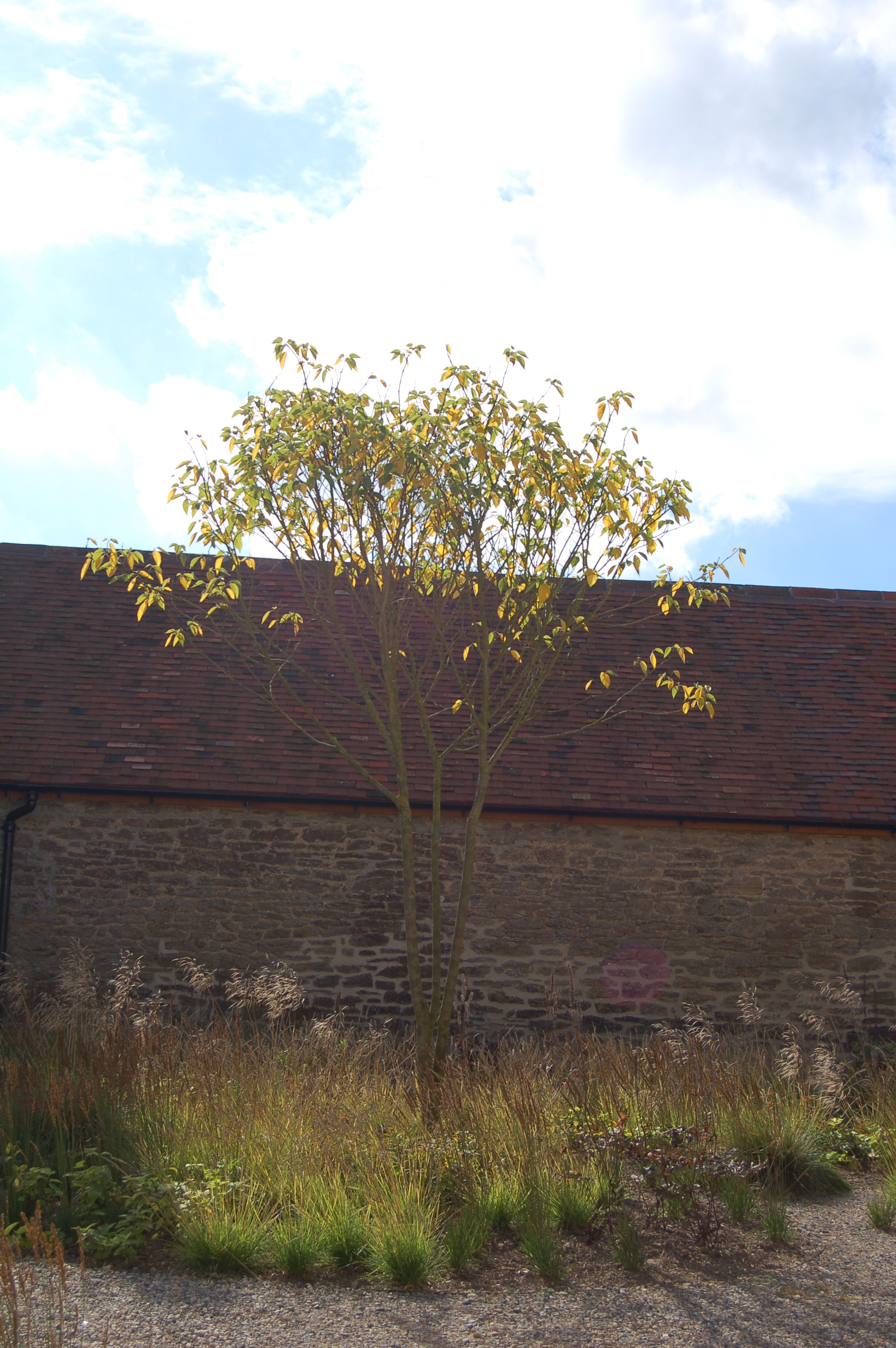
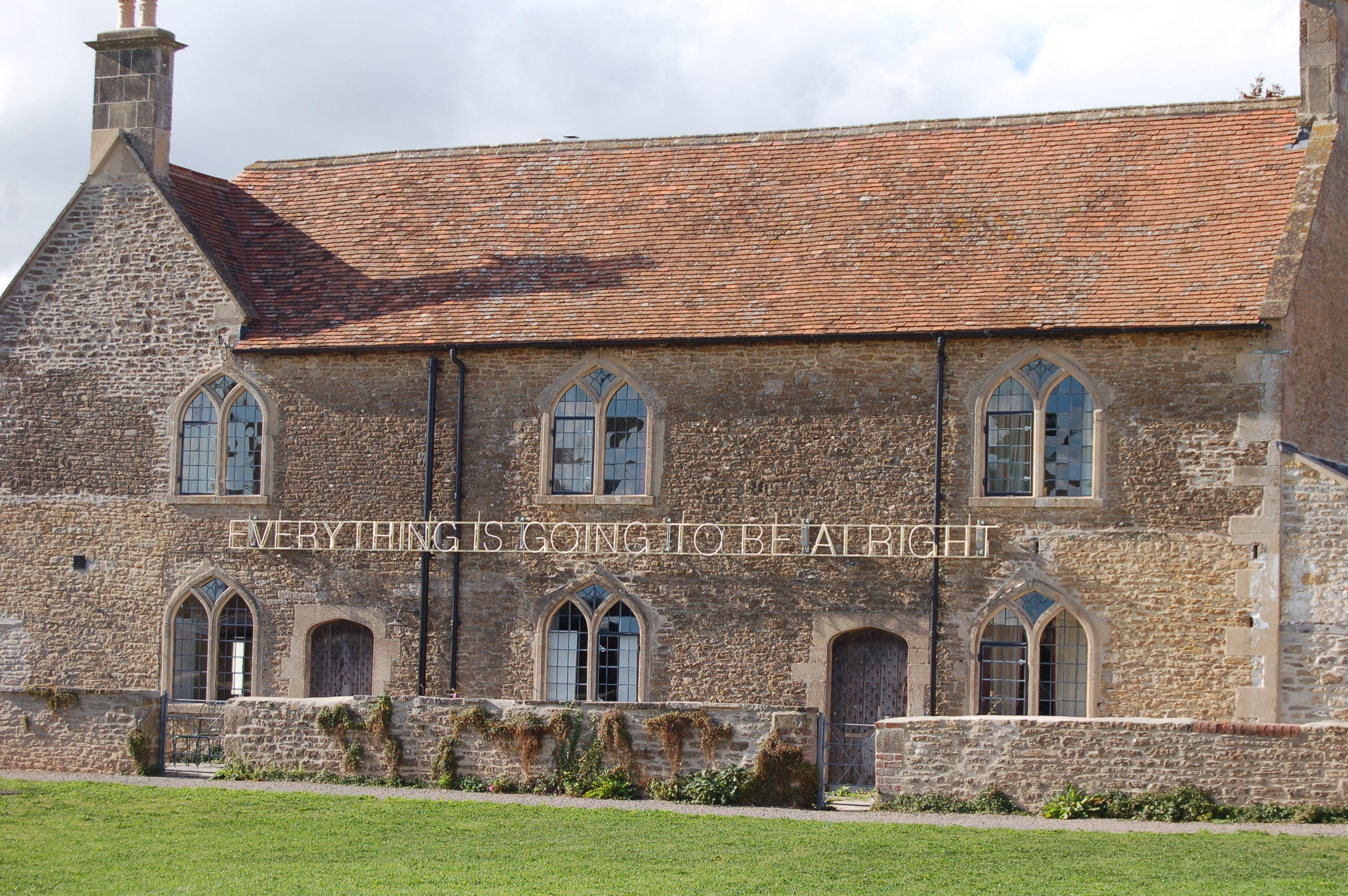
As promised I am returning to the beautiful county of Somerset where Jude and I spent a day exploring the exciting new “Oudolf Field” and the gallery buildings at the Hauser and Wirth’s Durslade Farm.

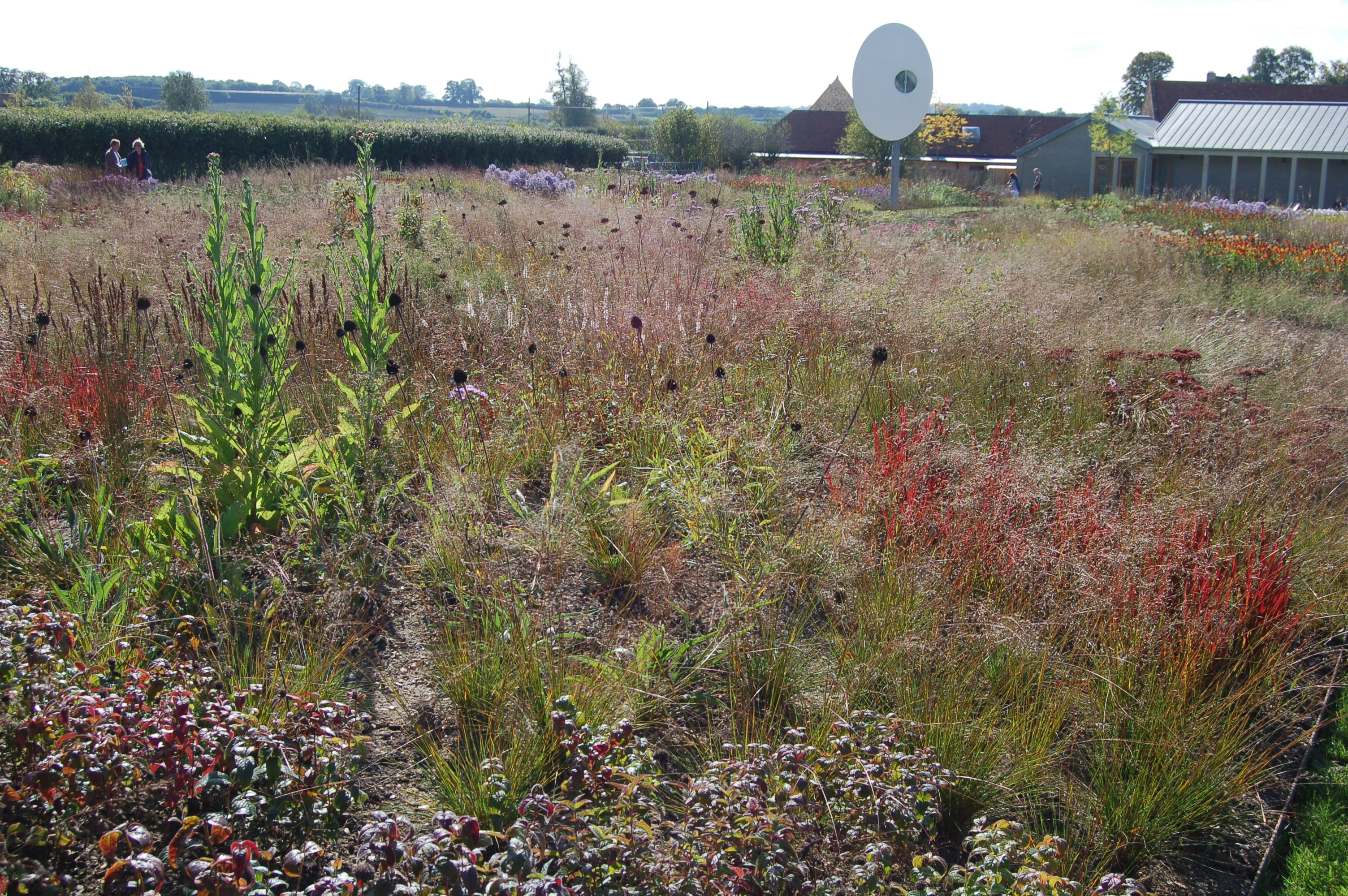
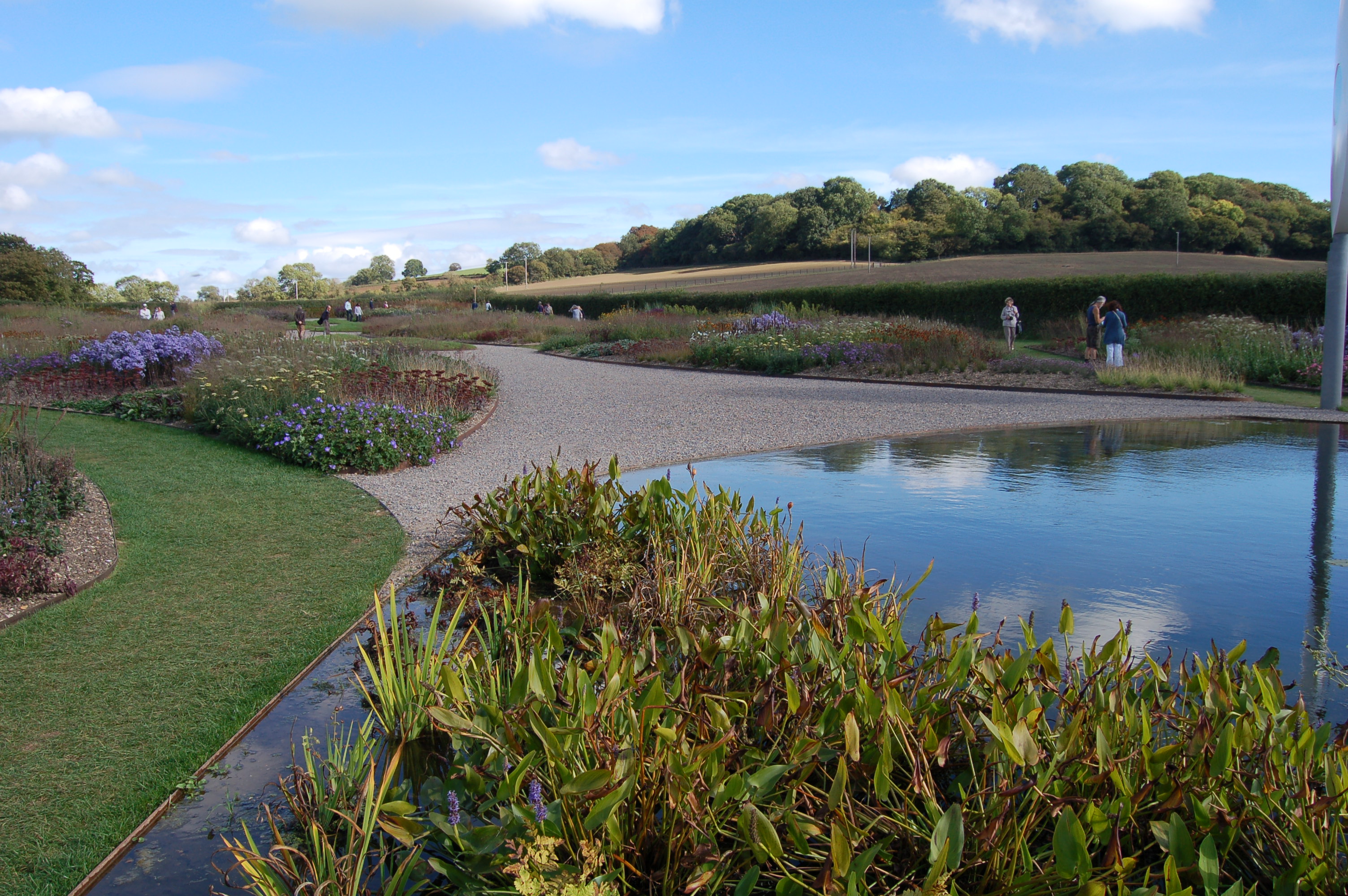
We left off as we were looking at the pool and giant clock. This is the first time we have seen any water designed into an Oudolf designed garden and indeed the first one to include a giant clock. The pool afforded clear reflections of the trees surrounding the site and was only planted around the margin closest to the buildings to give the maximum area of reflecting water.

2014 10 04_5465 2014 10 04_54832014 10 04_5487 2014 10 04_5481

The tall clock towers over the pool and its white face stands out against the brightness of the blue sky. I would imagine it would look great against black clouds too! It casts a beautiful lollipop shadow across the golden gravel. Its face looks like a big circular disc but it is in reality asymmetric in design, which causes the minute hand to move out into clear air as it moves into the narrow side.

2014 10 04_5488 2014 10 04_5486

Although the planting is lower than in his previous gardens Piet Oudolf still uses many of his favourite plants such as Sanguisorbas, Echinaceas, Verbenas and Heleniums.

2014 10 04_5471 2014 10 04_5470

2014 10 04_5478 2014 10 04_5479

2014 10 04_5473 2014 10 04_5476

We had a break for coffee and to look around the galleries before wandering the gardens again as the sun dropped slowly in the sky and the light gave the meadows a fresh look.

We were enthralled by a gallery where a display of Oudolf’s garden designs helps reveal how this garden designer’s mind works. We loved the designs and working drawings and “idea jottings” of this garden here in Somerset as well as those from the New York High Line and the Wisley Garden.

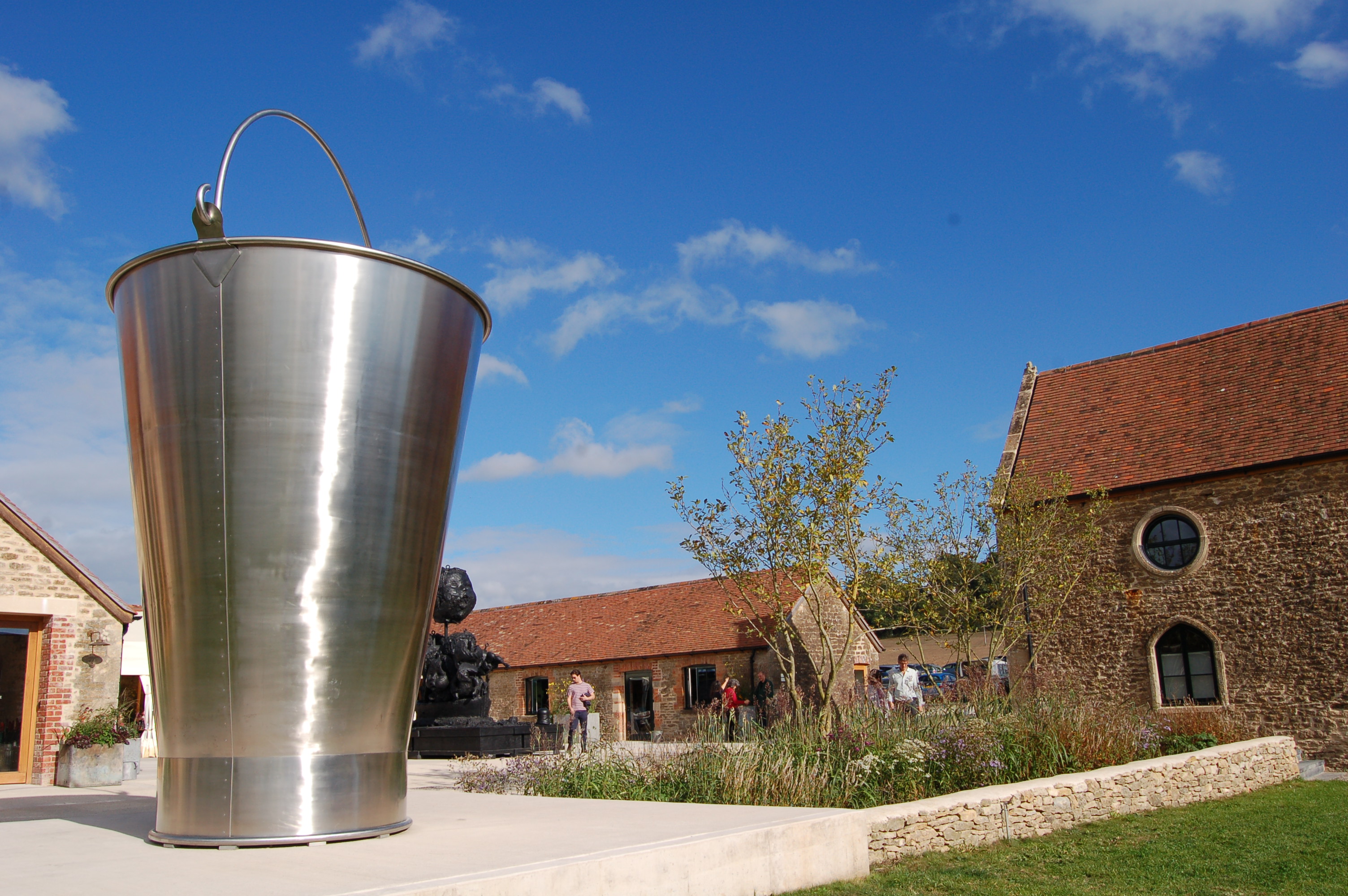
Moving from gallery to gallery each courtyard space is softened by more of Oudolf’s plantings, featuring trees underplanted with grasses and perennials. The sculptural pieces sit comfortably among the old farm buildings with their richly textured surfaces.

2014 10 04_5429 2014 10 04_5431 2014 10 04_5432 2014 10 04_5433 2014 10 04_5434 2014 10 04_5435 2014 10 04_5436 2014 10 04_5437 2014 10 04_5438 2014 10 04_5518 2014 10 04_5517

2014 10 04_5521 2014 10 04_5522 2014 10 04_5524 2014 10 04_5525 2014 10 04_5526 2014 10 04_5527 2014 10 04_5528 2014 10 04_55292014 10 04_5531 2014 10 04_5532

Enjoy the gallery of photos taken in the sparkling late afternoon light. It is amazing how different plantings can look as the light changes within just a few hours at this time of year.

The next post in my 500 Celebration series will find us over in Hertfordshire where Tom Stuart-Smith lives. We had the privilege of visiting his own garden and the one he designed for his sister.


Categories
garden design gardening gardens outdoor sculpture

Two New Little Gardens

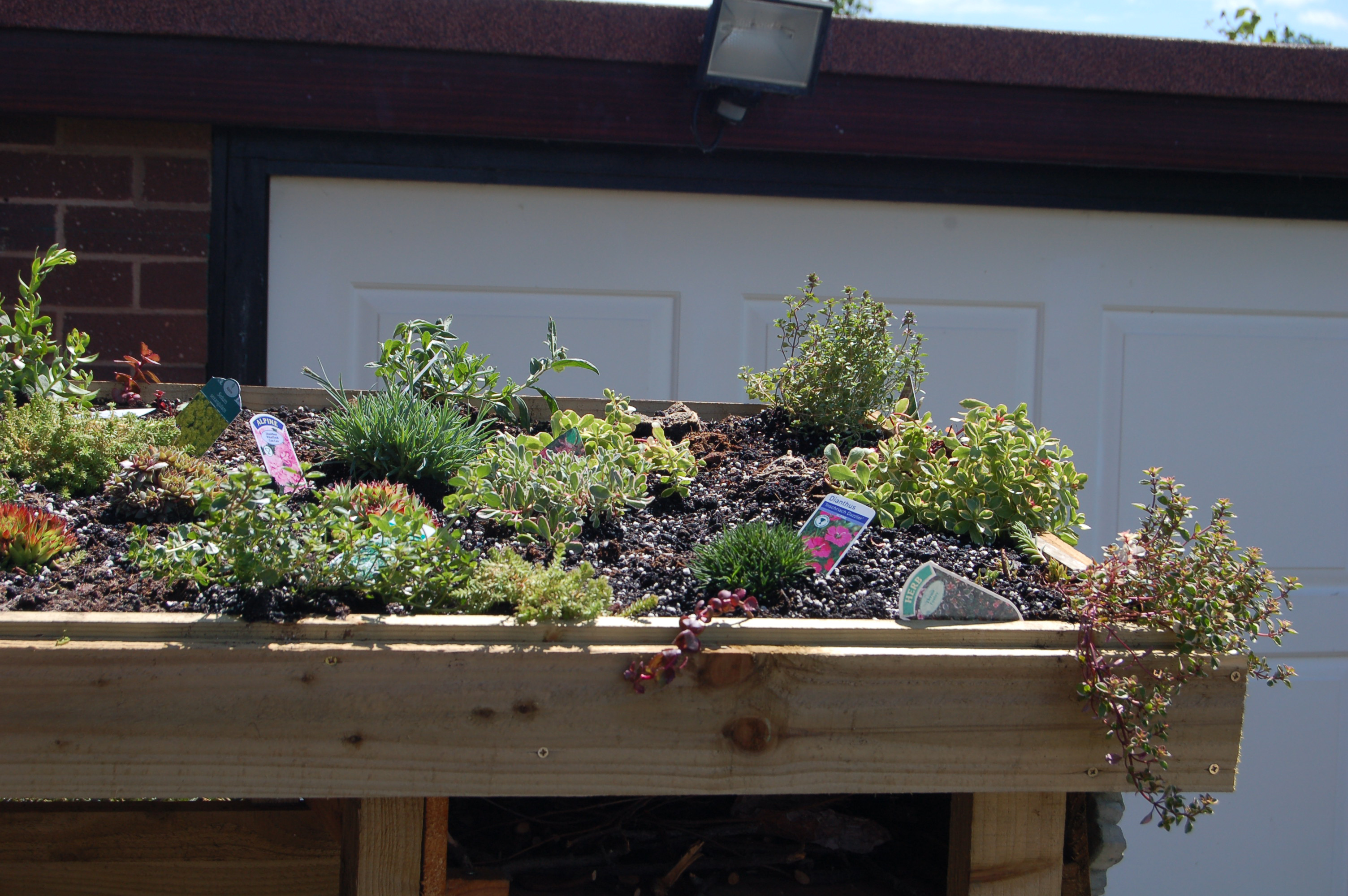
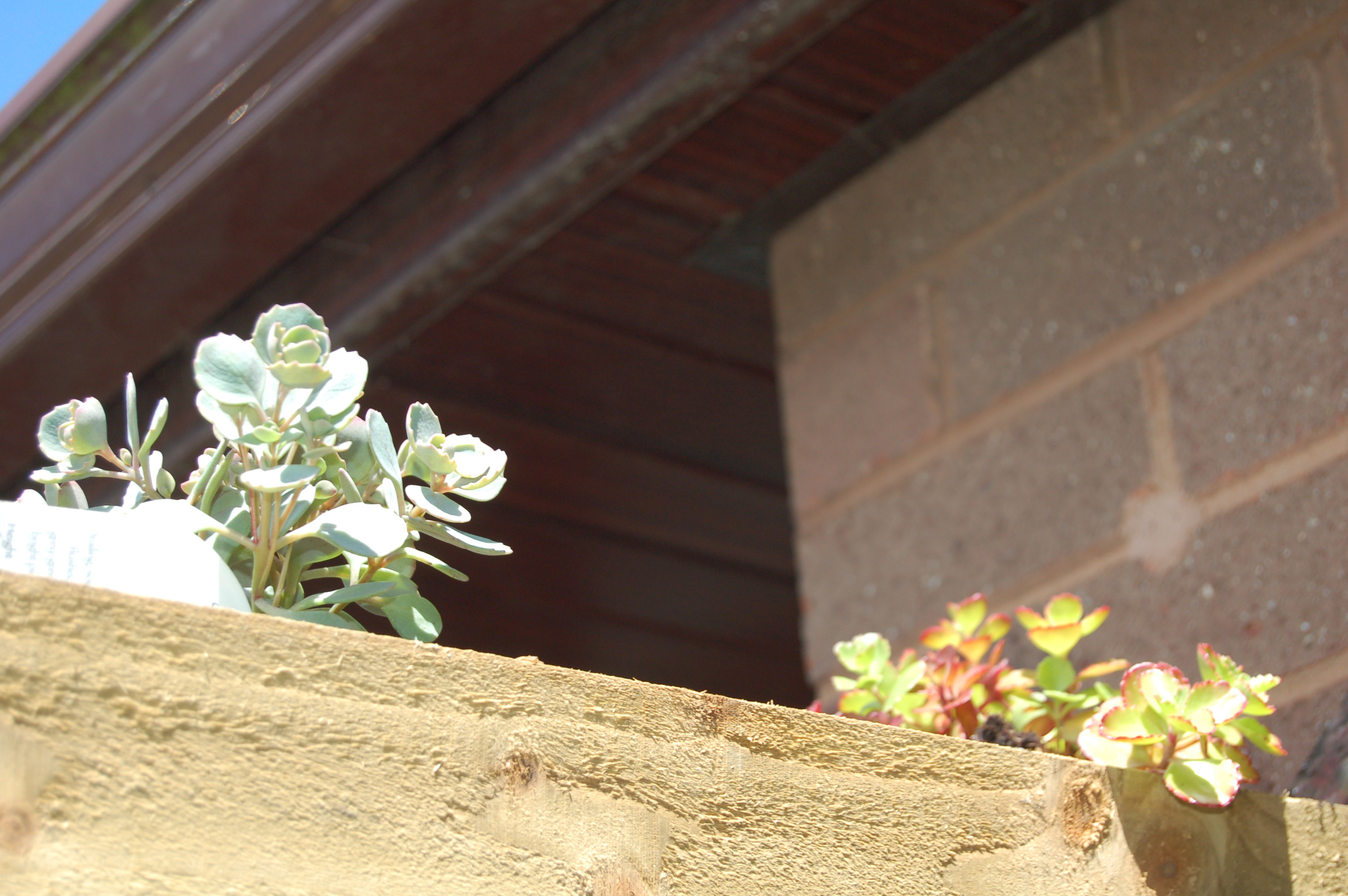
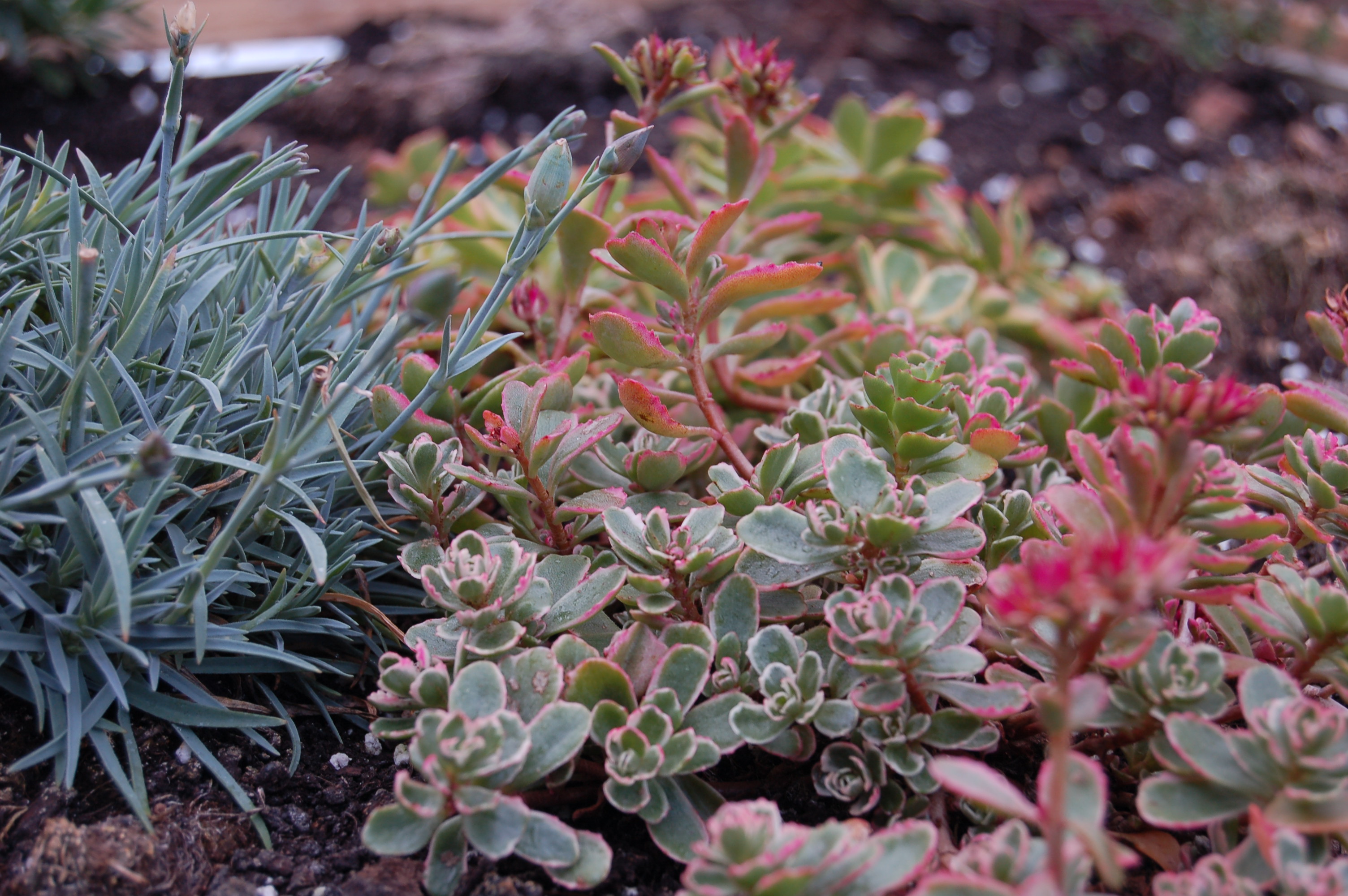
This summer we have added two new little gardens to our “Avocet” garden. In truth they are mini-gardens. We have created a roof garden on the wood store and a tiny alpine garden.

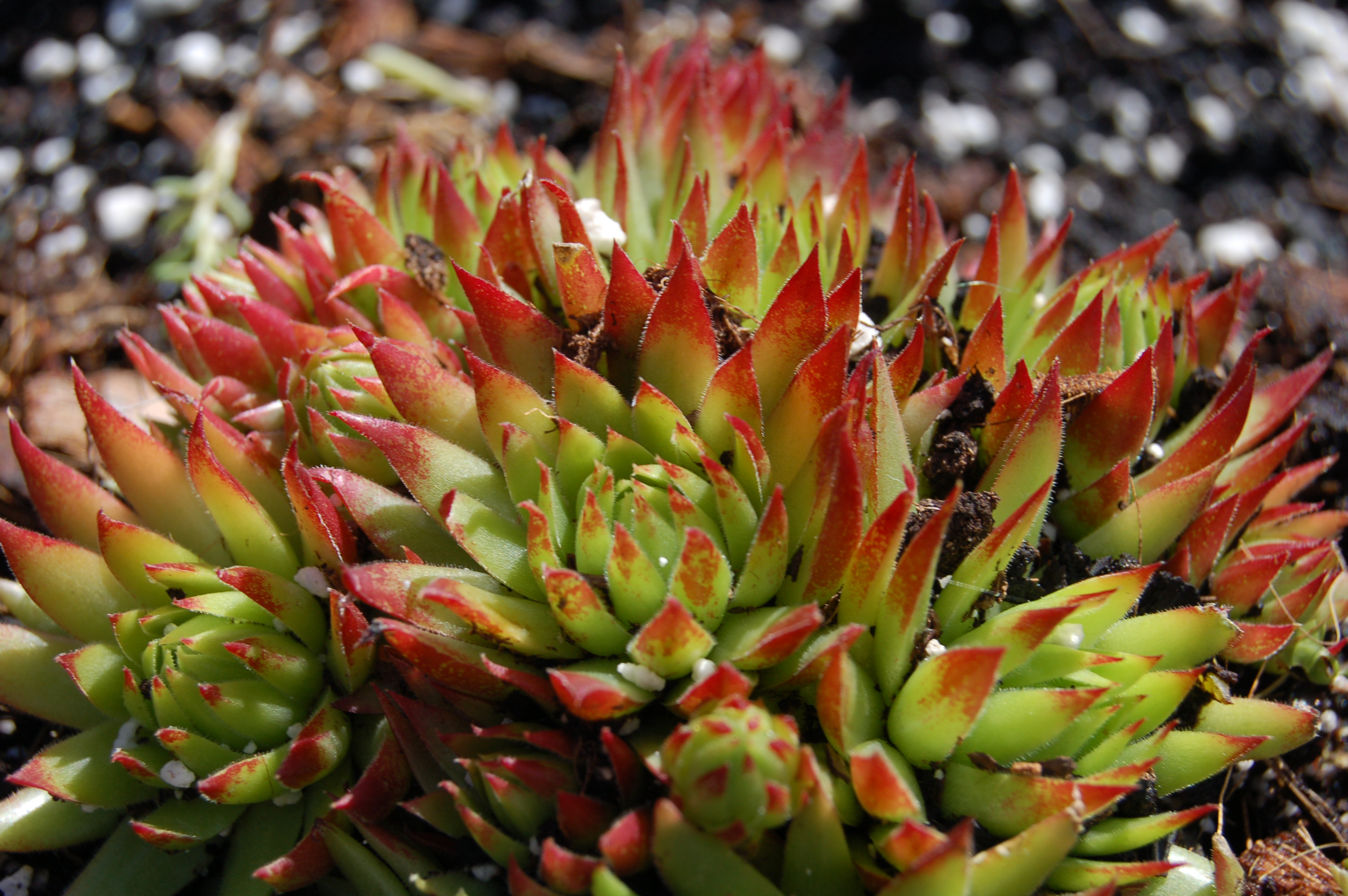
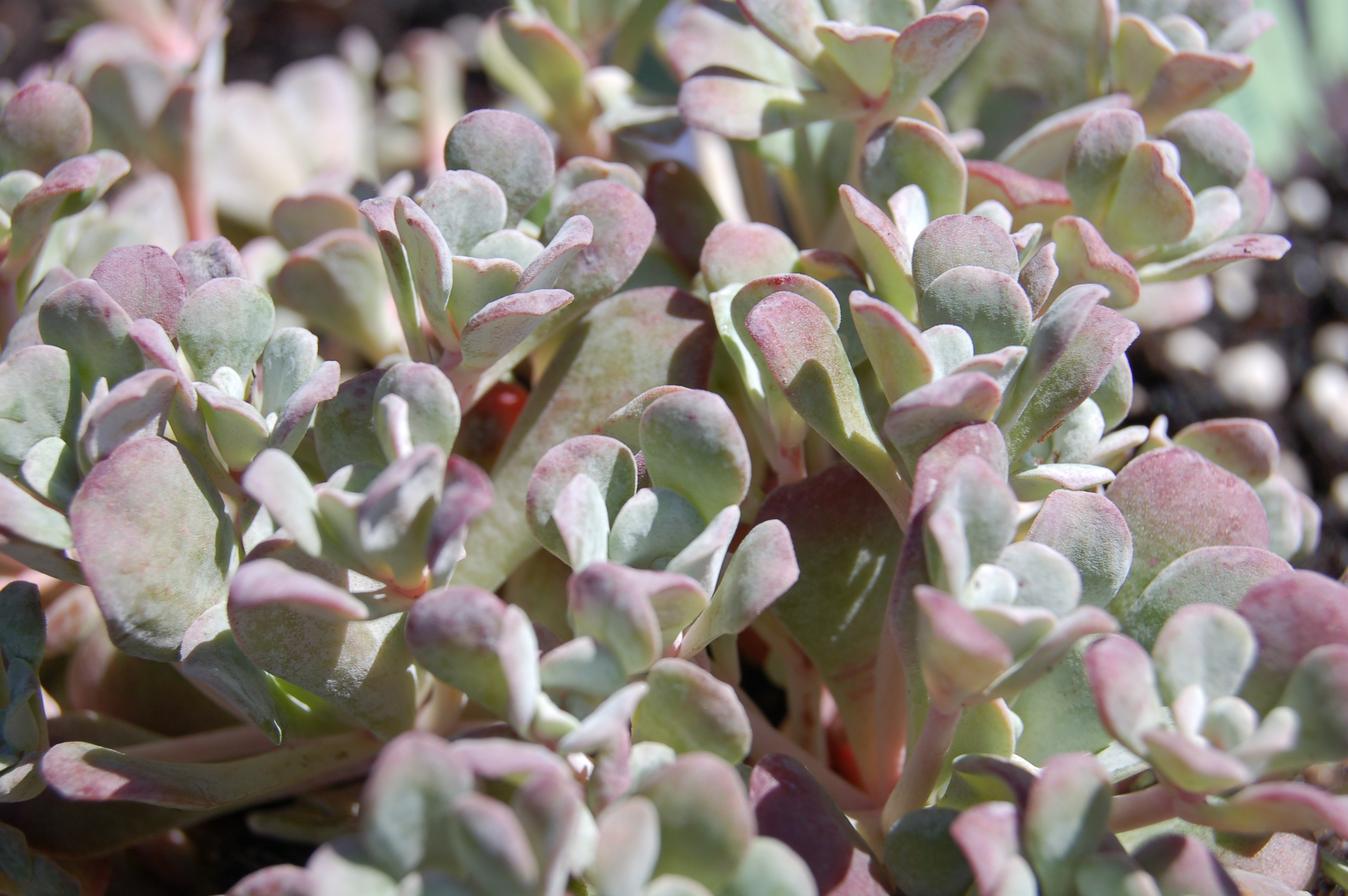
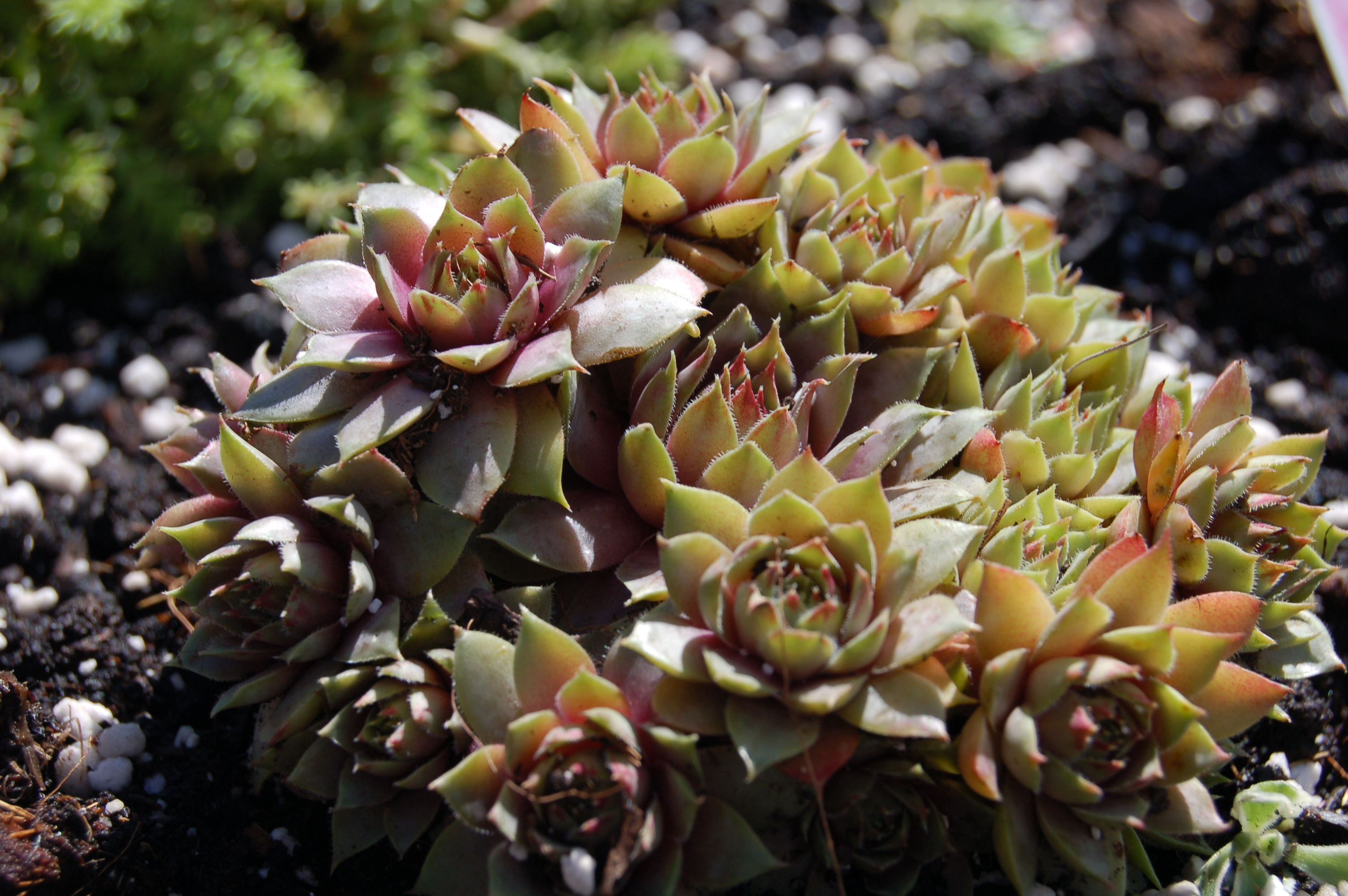
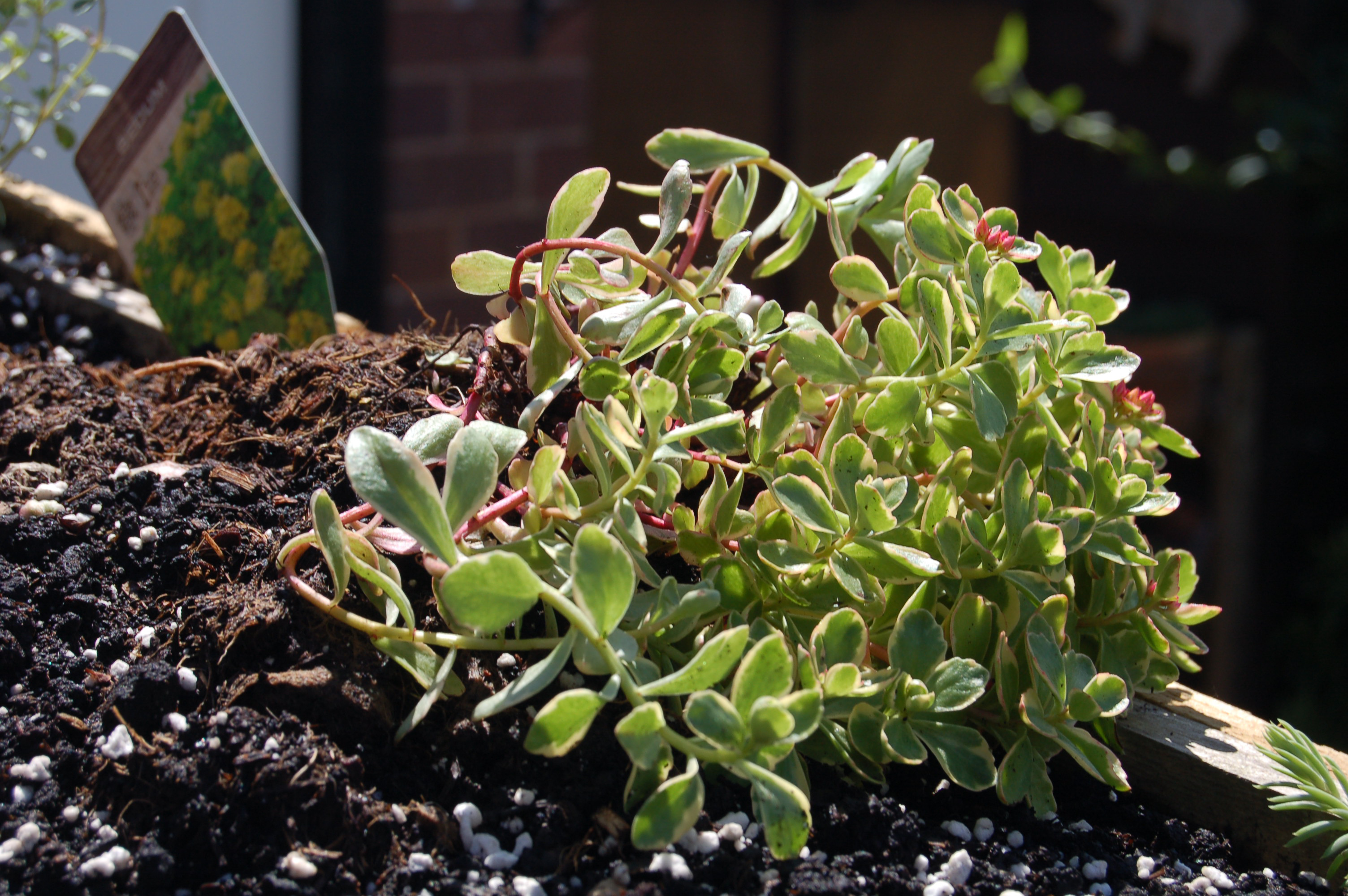
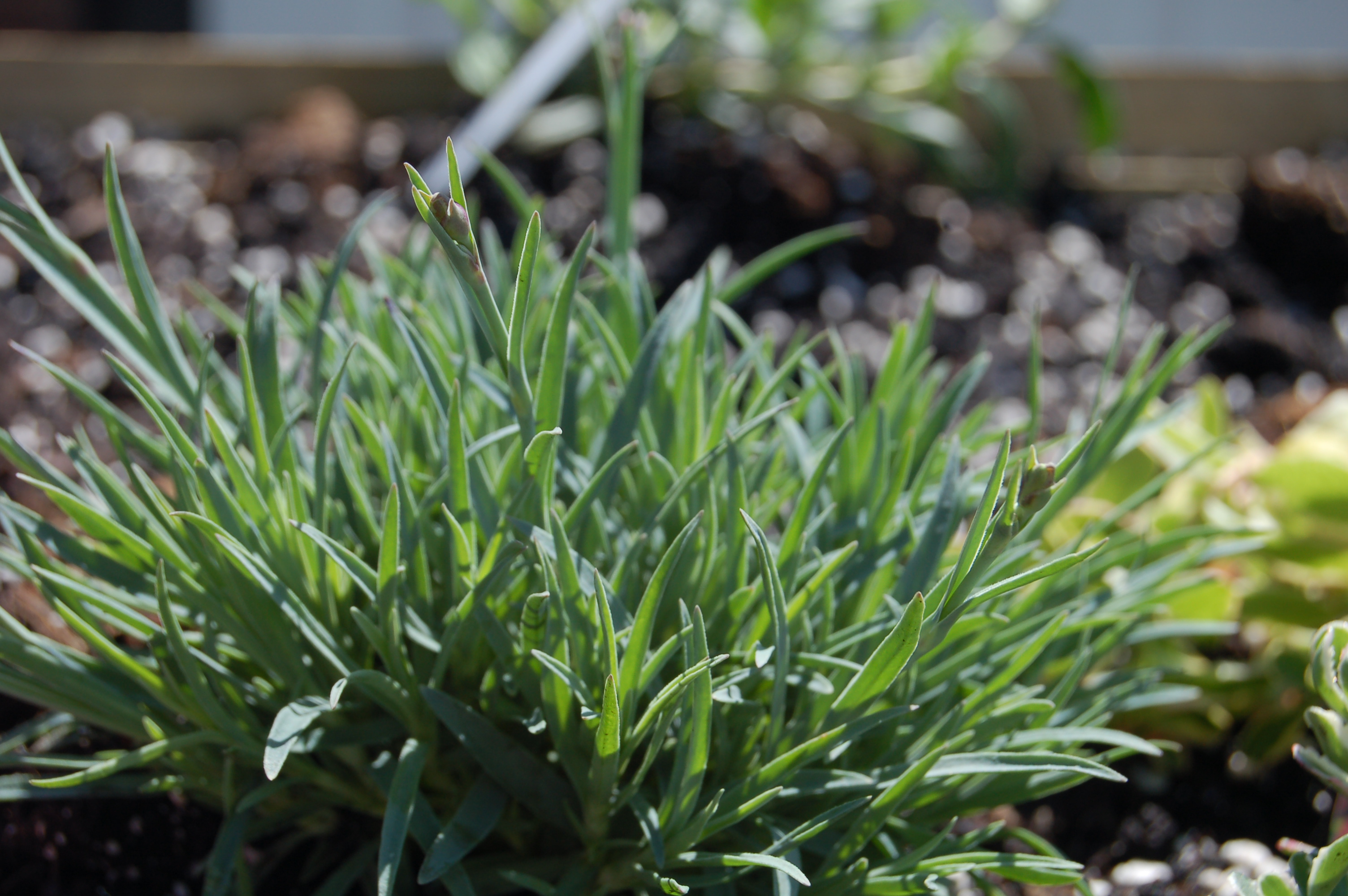
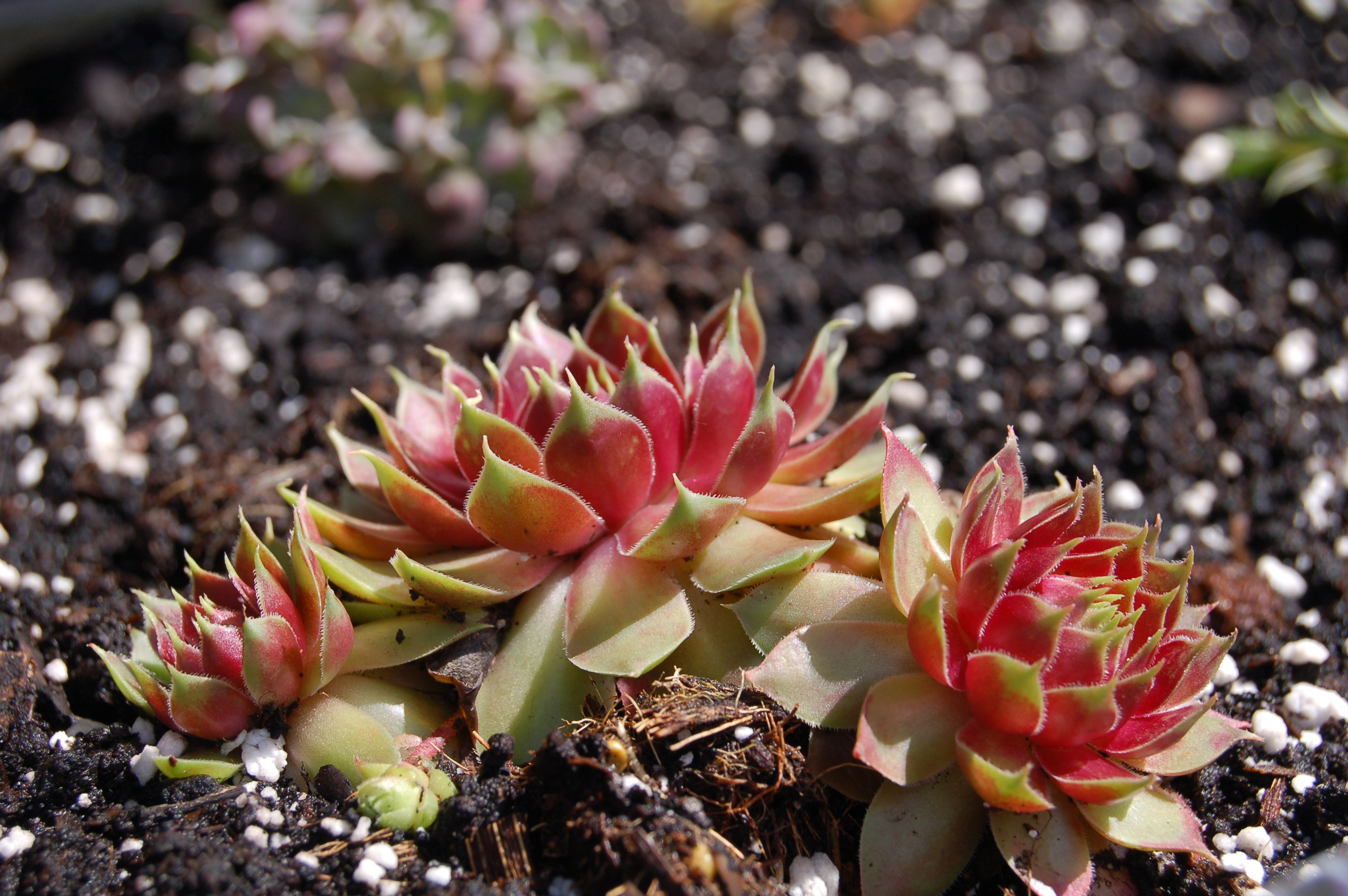
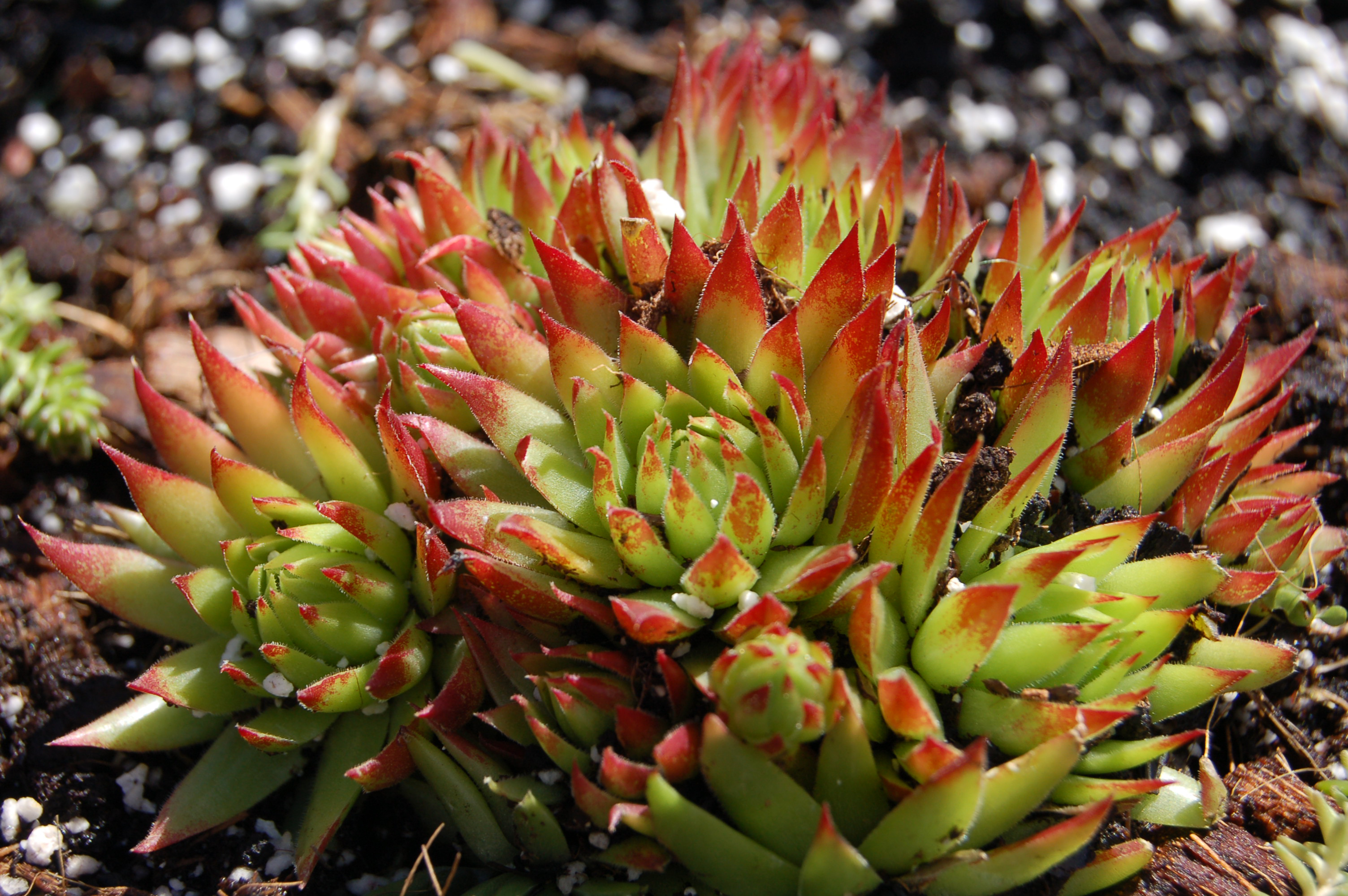
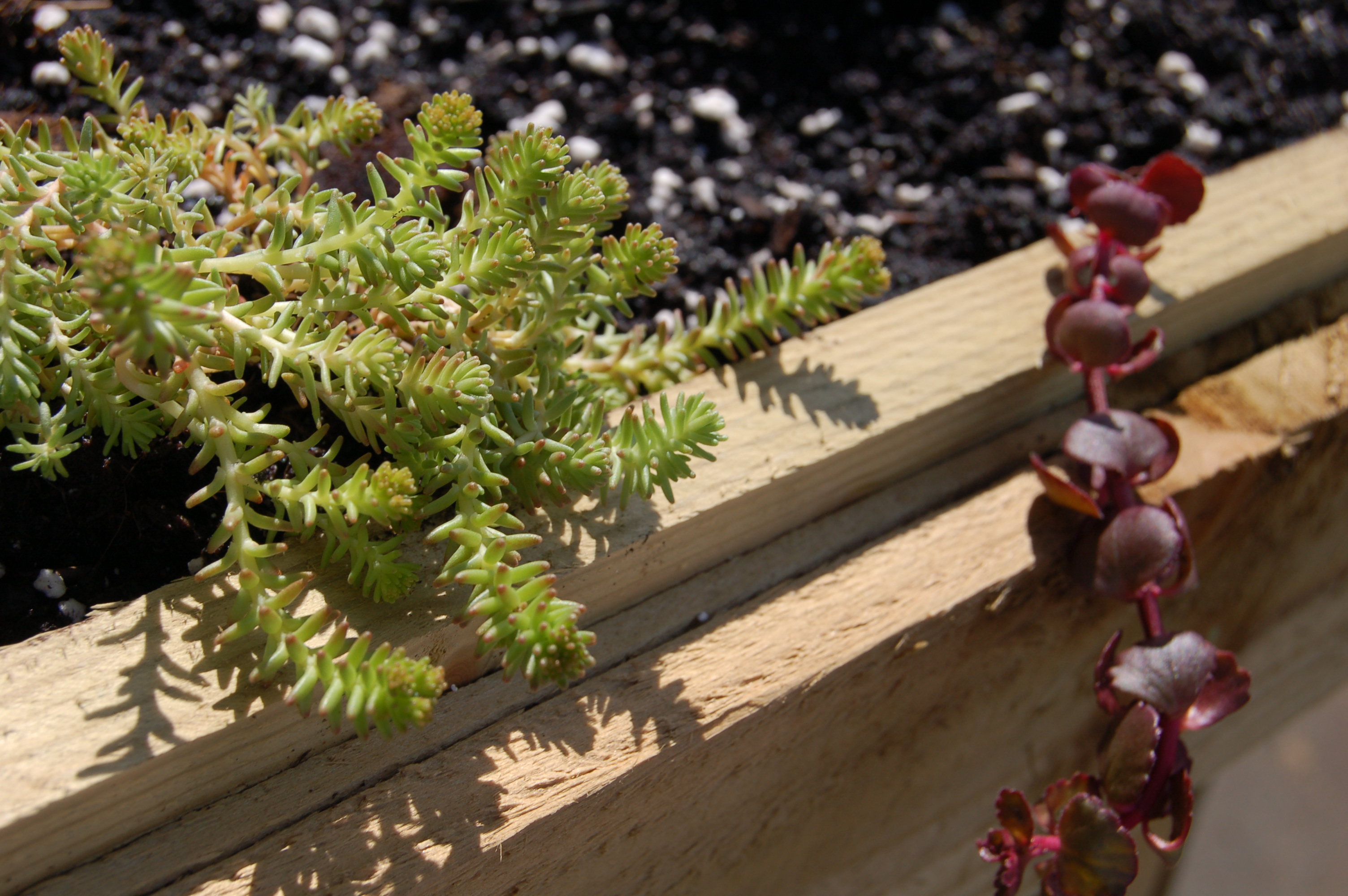
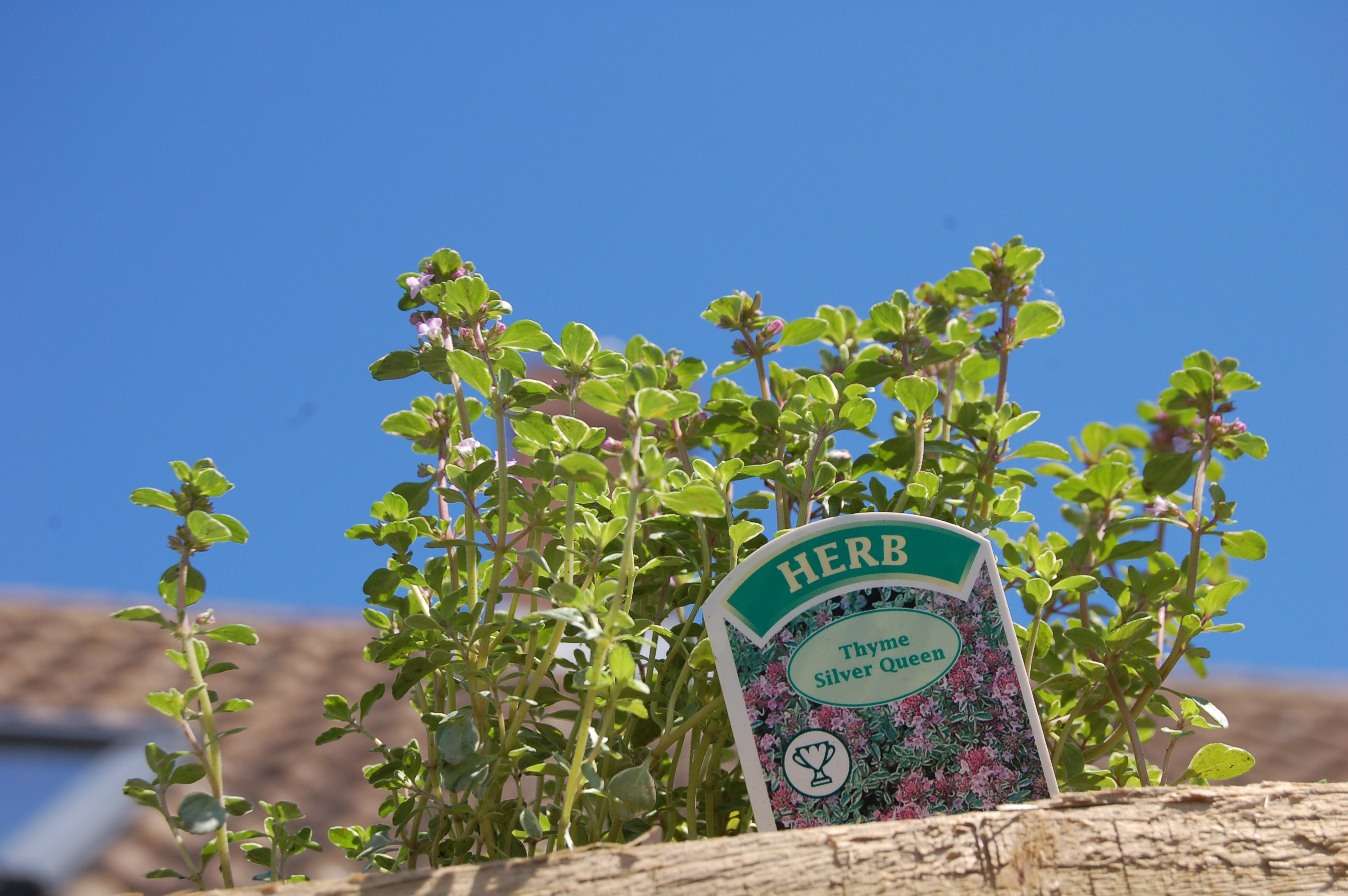
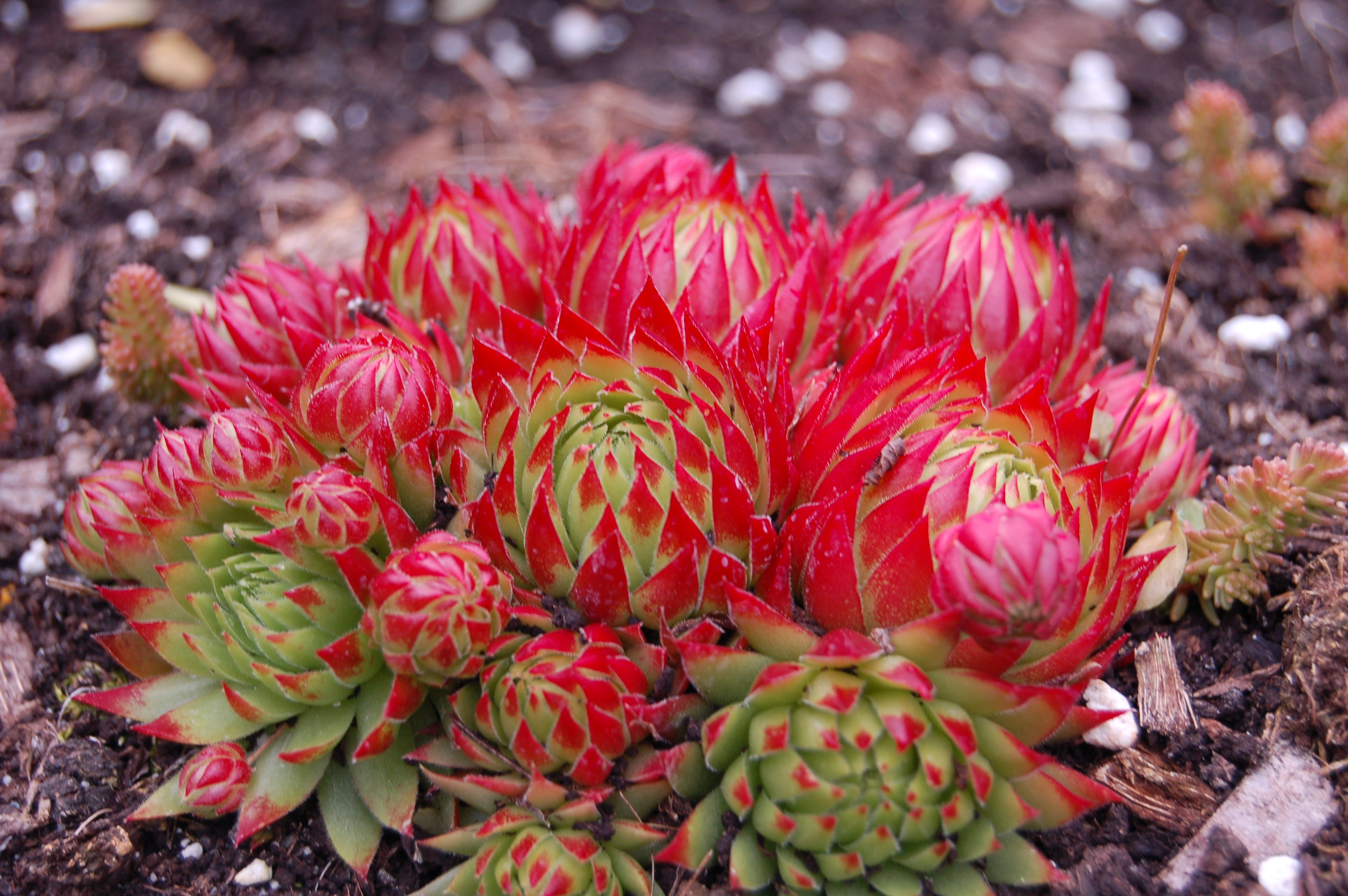
You may remember my post last year sharing with you how I made our log store. I built it with a roof garden in mind so it was already strong enough to take the weight. We mixed up a special mix of a lightweight multi-purpose compost and perlite. We began adapting the roof by adding a second layer of roofing felt before nailing in place strips of 6 inch wide strips of wood as an edging. We then fixed a layer of weed supressing membrane to help hold in the compost mix. Once the compost mix was added we had the pleasure of placing the plants ready for planting. After all the work building the new little garden in the air the planting was a delight. We used mostly alpines and succulents selecting those that could cope with a shallow root run. We used sedums, sempervivums, dianthus and thymes.

2014 06 12_0203-1 2014 06 12_0204-1 2014 06 12_0205-1 2014 06 12_0206-1 2014 06 12_0207-1 2014 06 12_0209-1 2014 06 12_0208-1 2014 06 12_0210-1 2014 06 12_0212-1 2014 06 12_0211-1 2014 06 12_0213-1 2014 06 12_0215-1 2014 06 12_0214-1 2014 06 12_0216-1 2014 06 12_0217-1 2014 06 12_0218-1 2014 06 12_0219-1 2014 06 12_0221-1 2014 06 12_0220-1 2014 06 12_0222-1 2014 06 12_0223-1 2014 06 12_0224-1

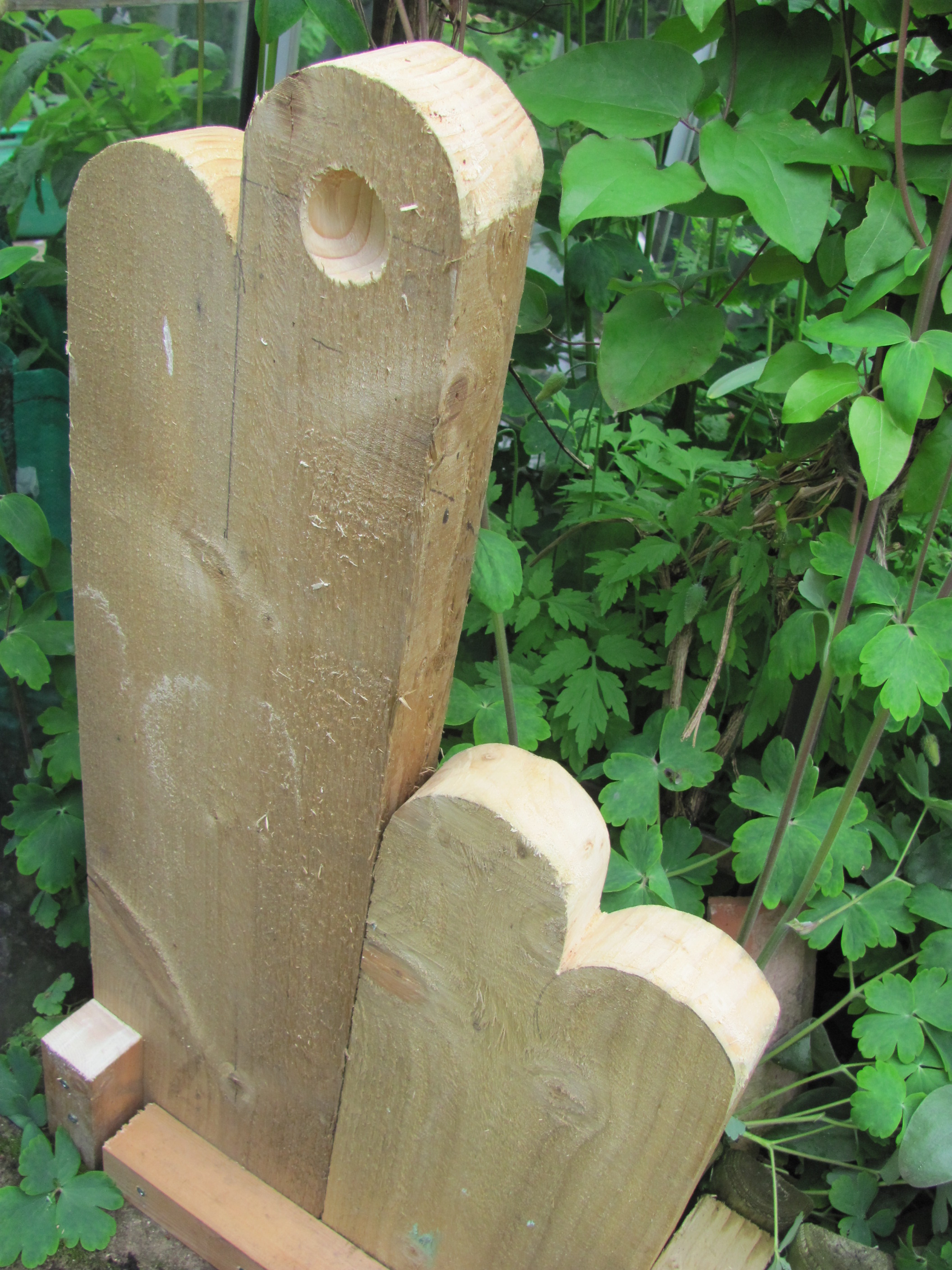
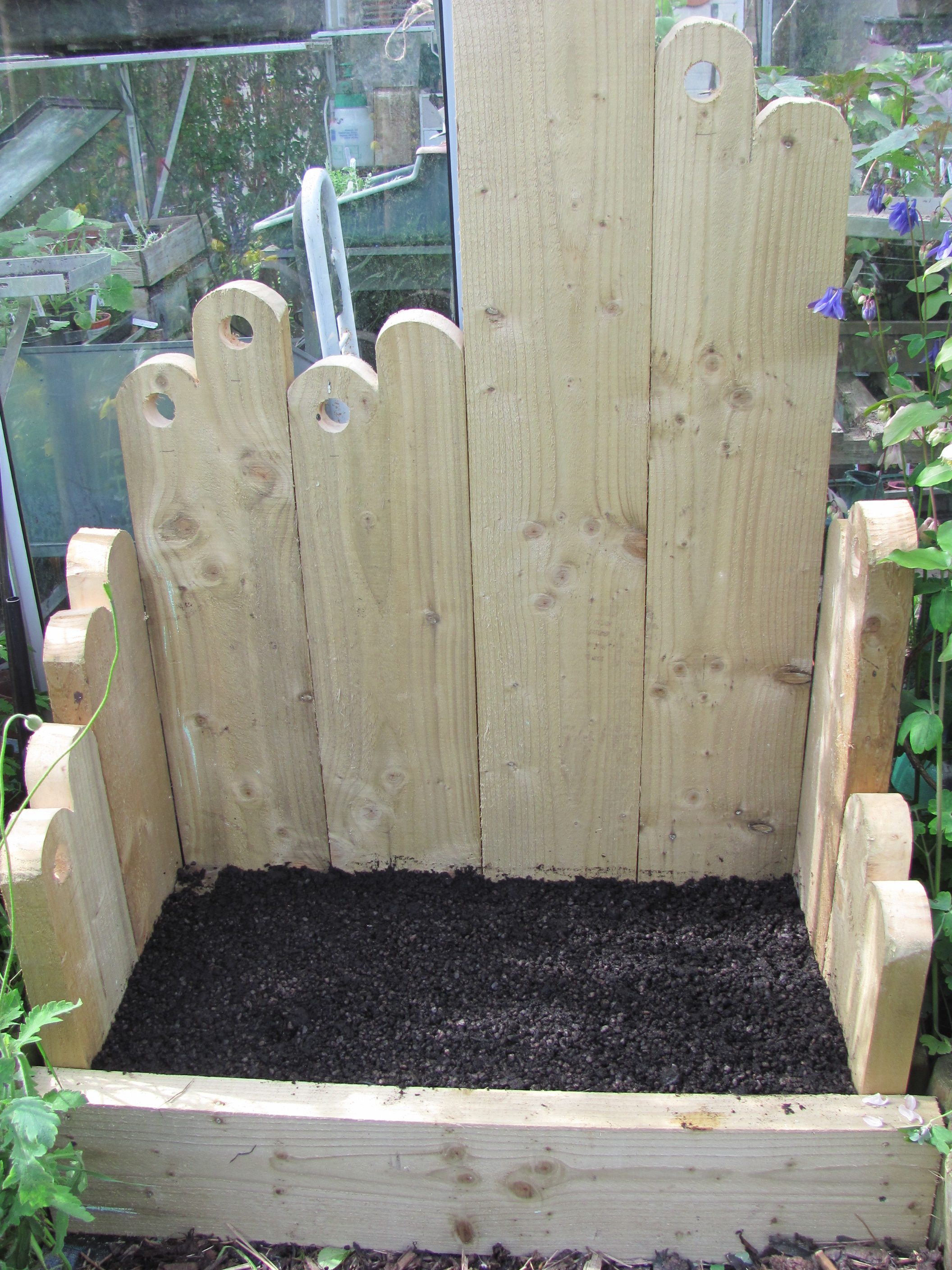
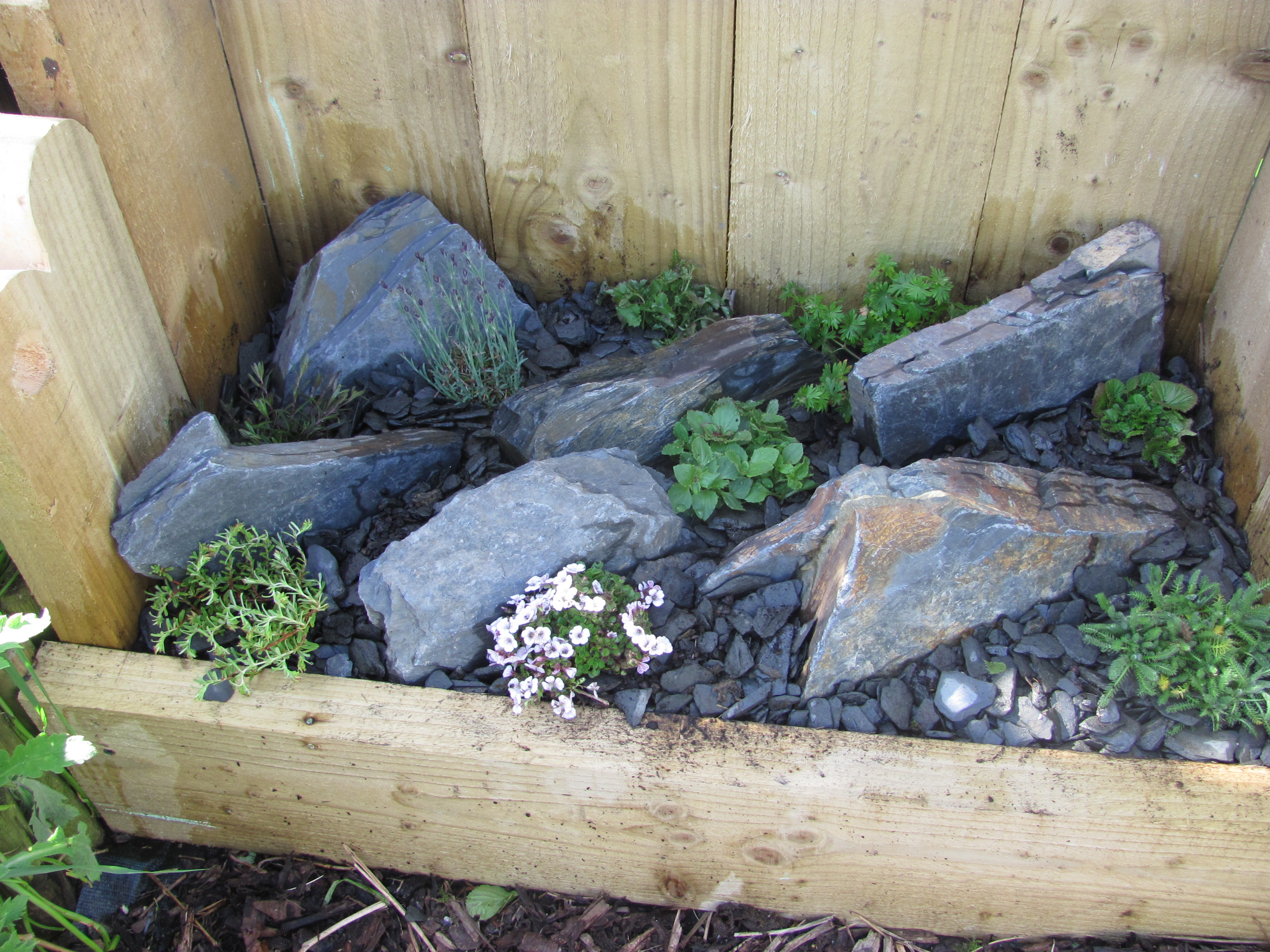
Our second little creation was an extra space for small alpines. We call it our “Alpine Throne” – once you see the photos you will realise why. It is situated within the “Sunken Garden”, although this garden is often now called the “Secret Garden”, in a wasted space below an arch over which our vine grows partnered by a clematis, up against the greenhouse. The space previously was home to a Euphorbia mellifera, the Honey Spurge, which we have to grow in a large container as it needs winter protection here. This beautifully scented shrub has now outgrown its allotted space and has relocated to a new home in the “Tropical Garden”.

2014 05 12_9304

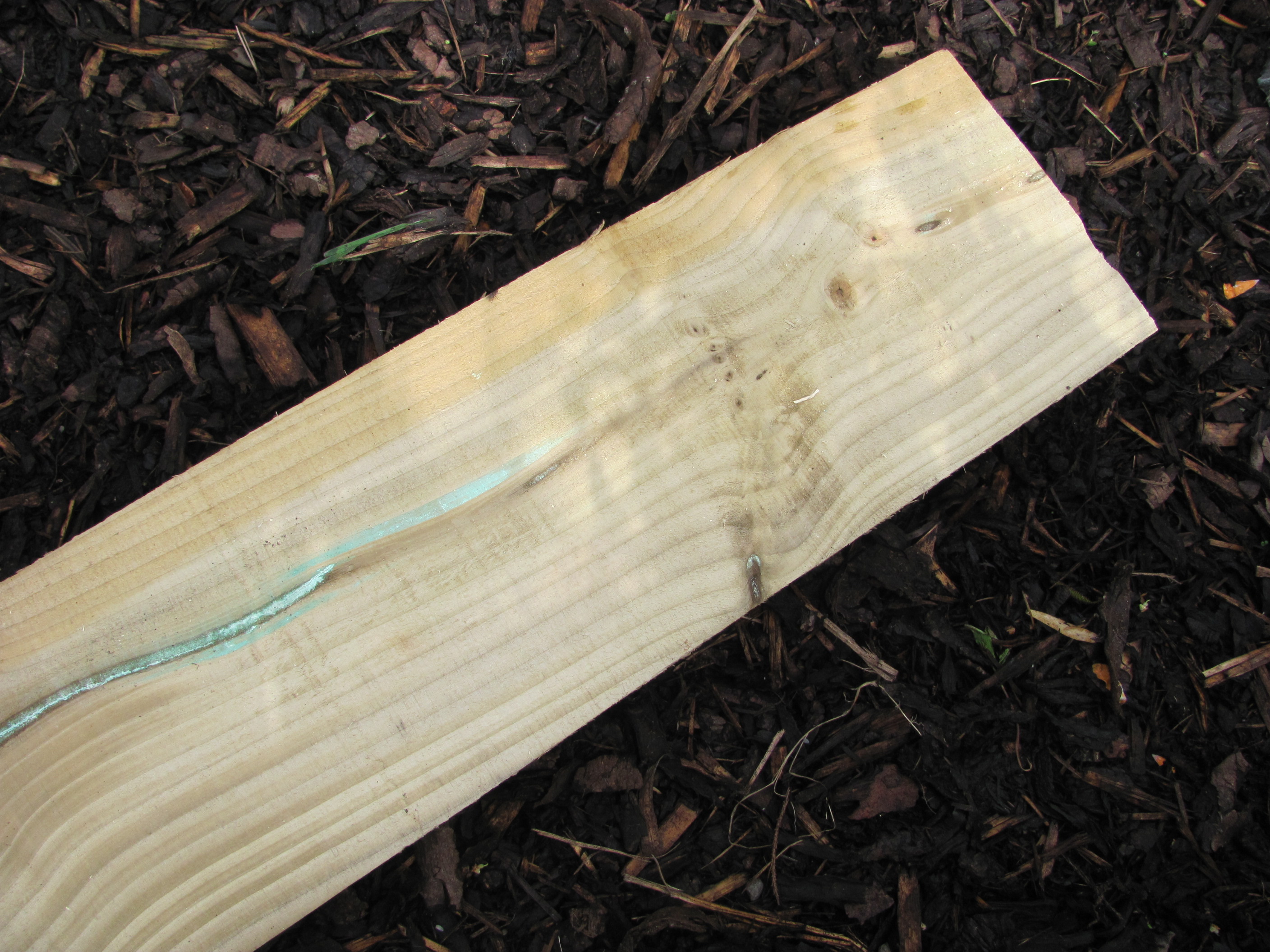
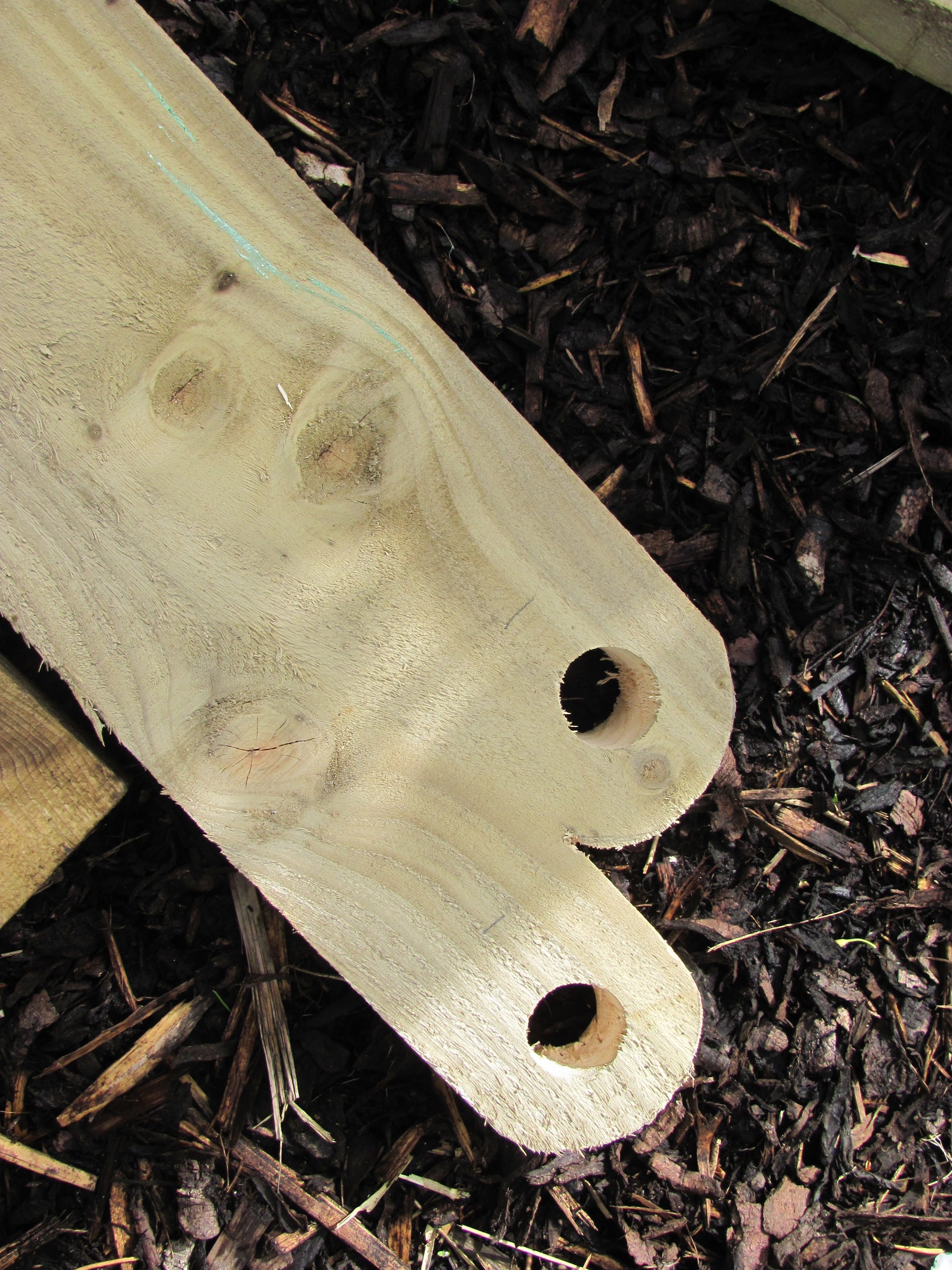
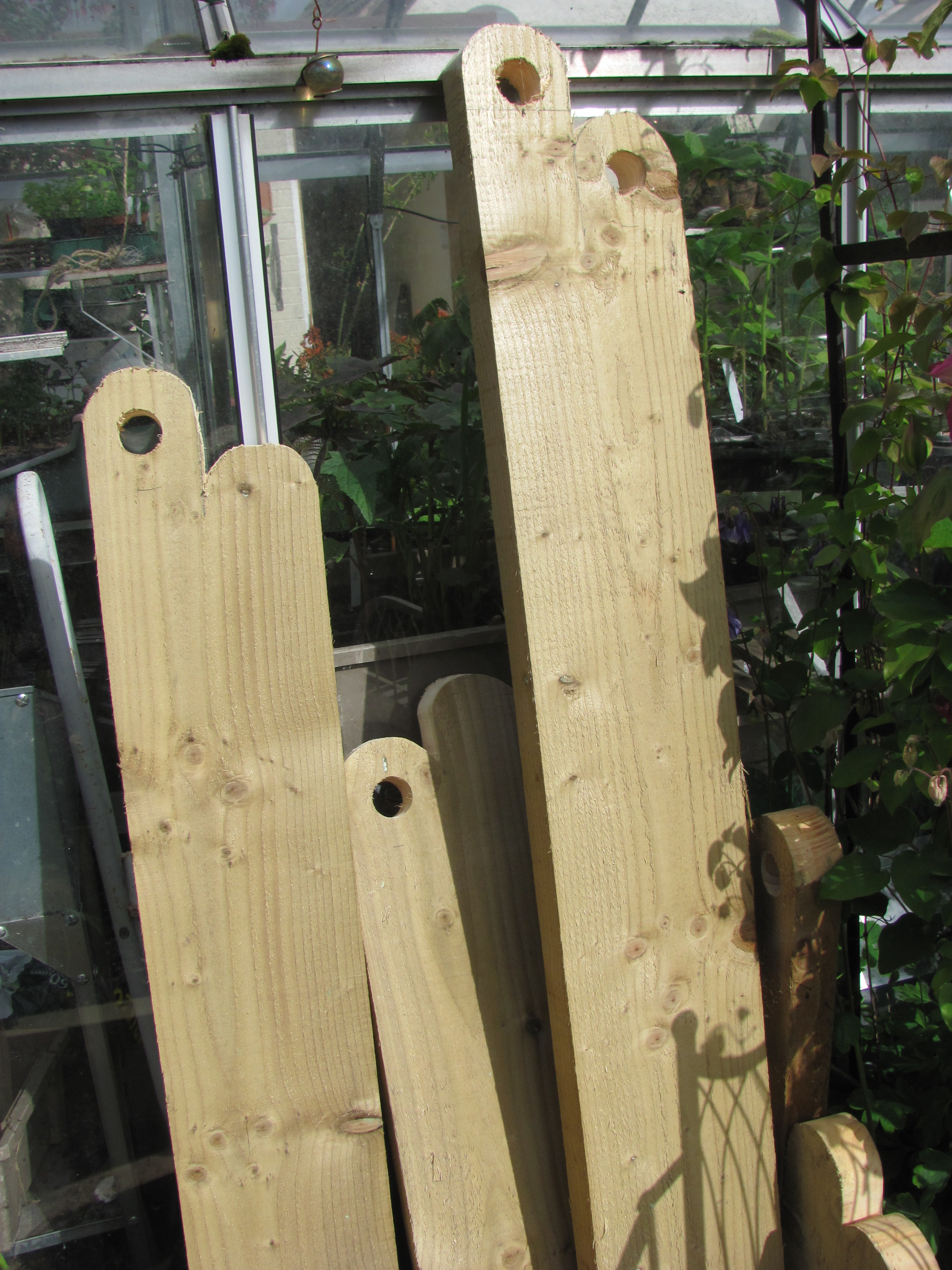
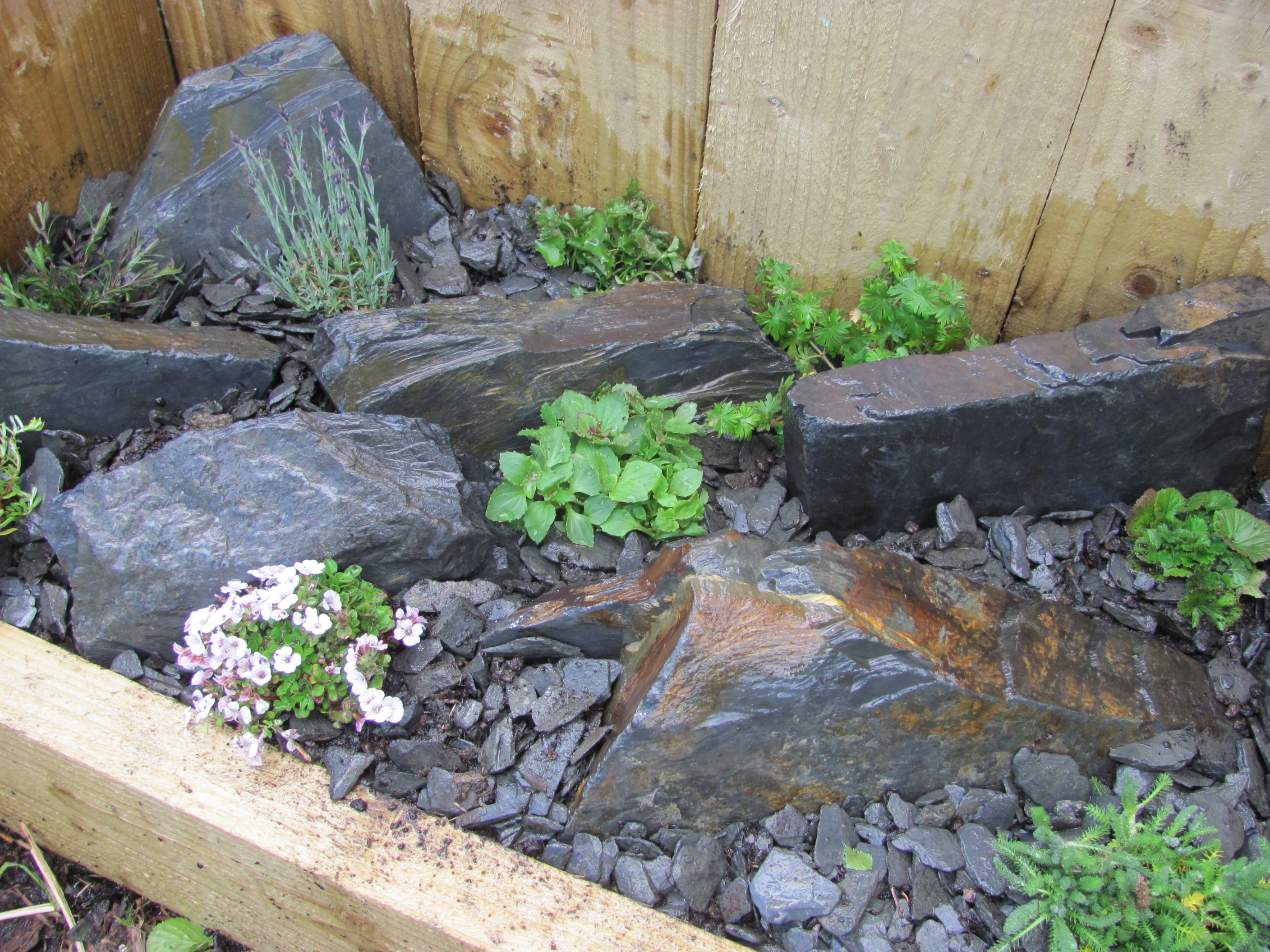
So we got together our materials, some 12 foot long 8 inch by 2 inch planks, which we cut to various lengths and shaped their ends. I then drilled holes in the ends for added interest. I wanted the feature to be a piece of garden sculpture as well as an alpine garden. We also got together some large pieces of Welsh slate carefully selected for shape, texture and colour.

2014 05 12_9299 2014 05 12_9301 2014 05 12_9300 2014 05 12_9302

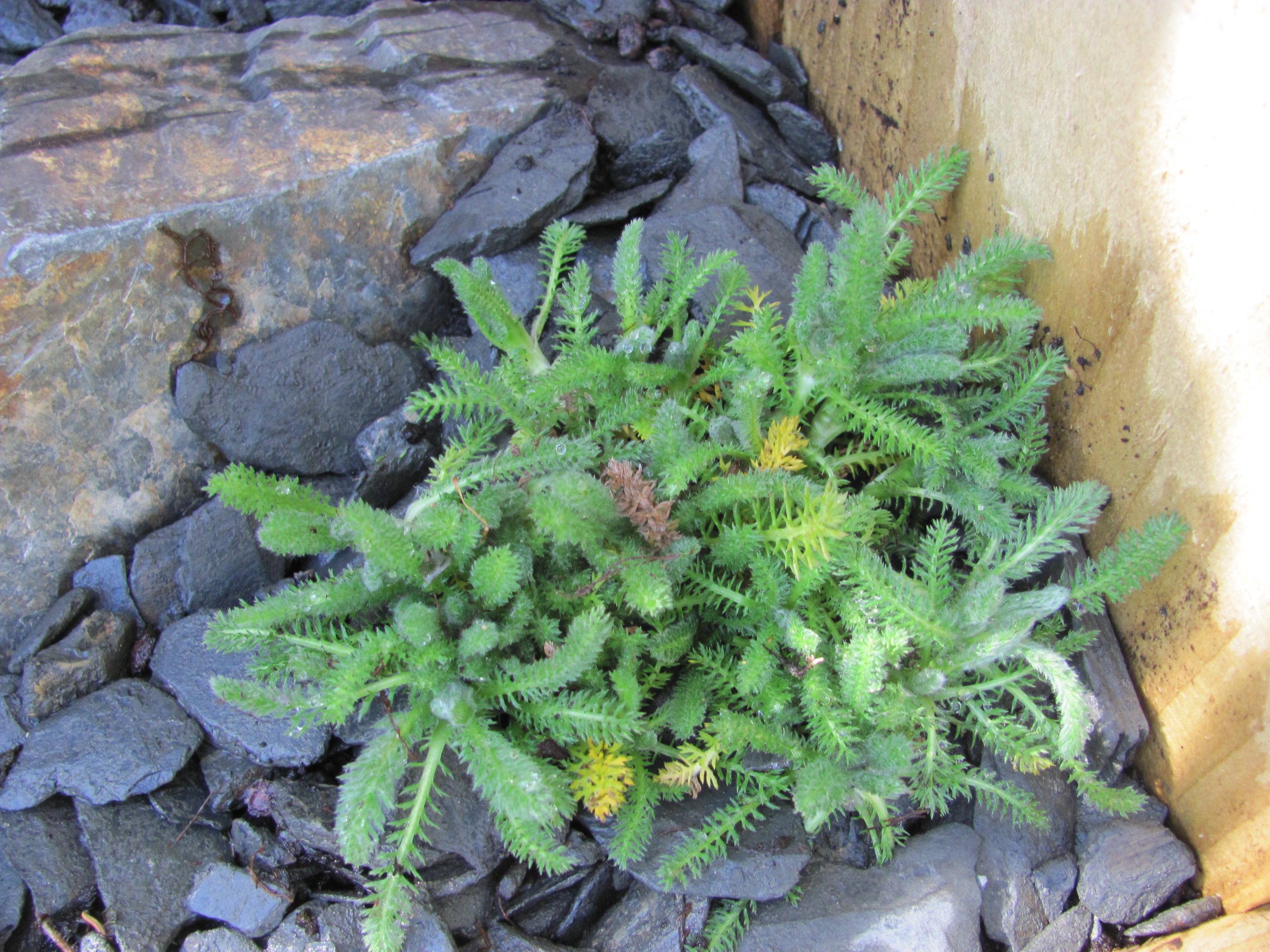
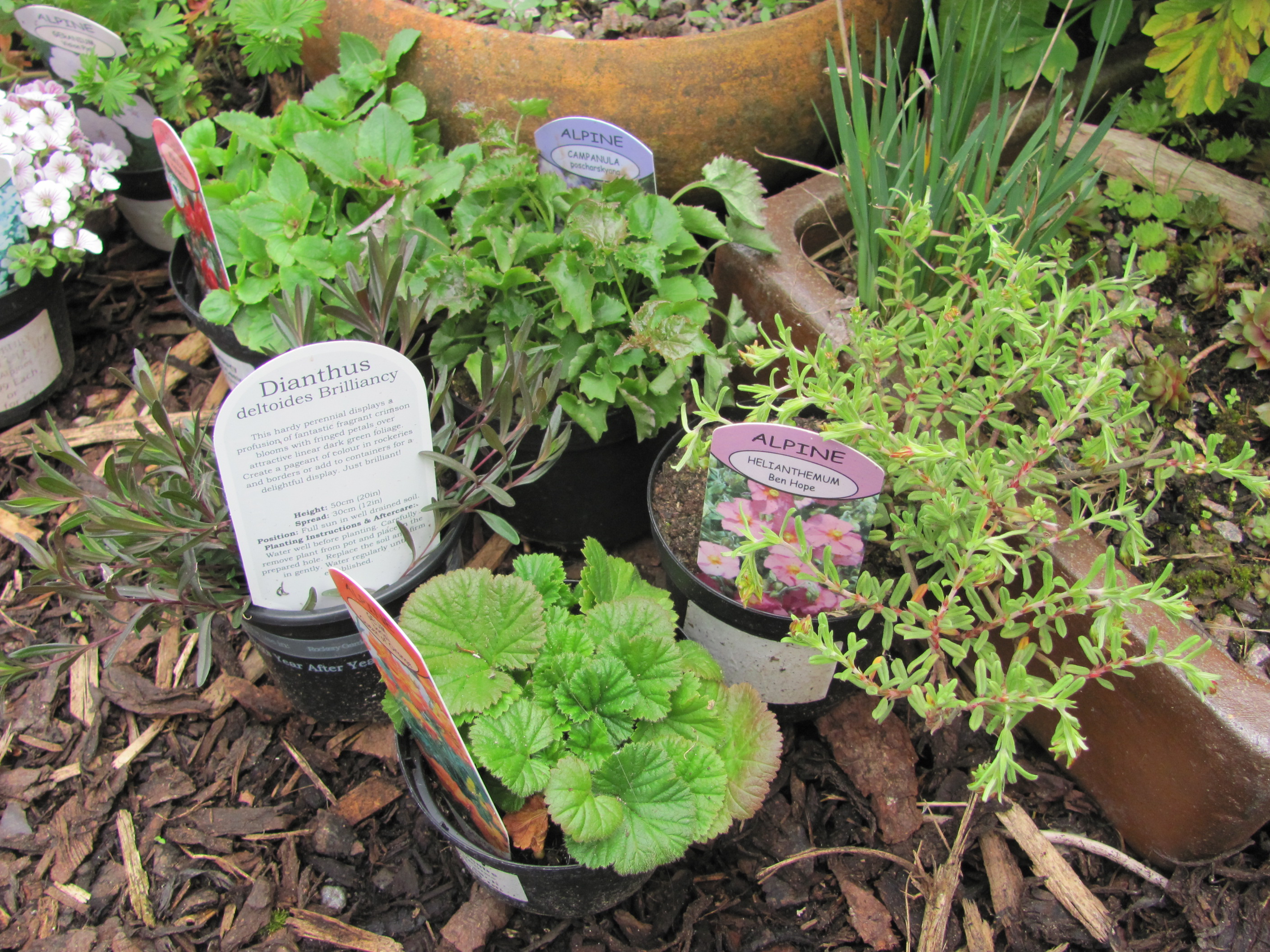
We needed some weed suppressing membrane and a selection of plants whose flowers complimented the slate. A few bags of fine alpine grit were required to mix with the compost and also to top-dress the finished garden.

2014 05 12_9303  2014 05 12_9305 2014 05 12_9306 2014 05 12_9283 2014 05 12_9284


2014 05 12_9285 2014 05 12_9286 2014 05 12_9287 2014 05 12_9289 2014 05 12_9290 2014 05 12_9291 2014 05 12_9292 2014 05 12_9293 2014 05 12_9294 2014 05 12_9295 2014 05 12_9296 2014 05 12_9297 2014 05 12_9288

A few months later our new little garden has settled down. It is a nice little feature to enjoy when we sit in one of our favourite sitting places. The roof garden has settled nicely too and the plants look happy and healthy.

2014 08 19_3977 2014 08 19_3978 2014 08 19_3980 2014 08 19_3981 2014 08 19_3982 2014 08 19_3983 2014 08 19_3979

Categories
colours garden design garden photography garden wildlife gardening gardens hardy perennials ornamental grasses ornamental trees and shrubs outdoor sculpture sculpture Shropshire shrubs succulents village gardens

Aiming for a year round garden – our garden in August.

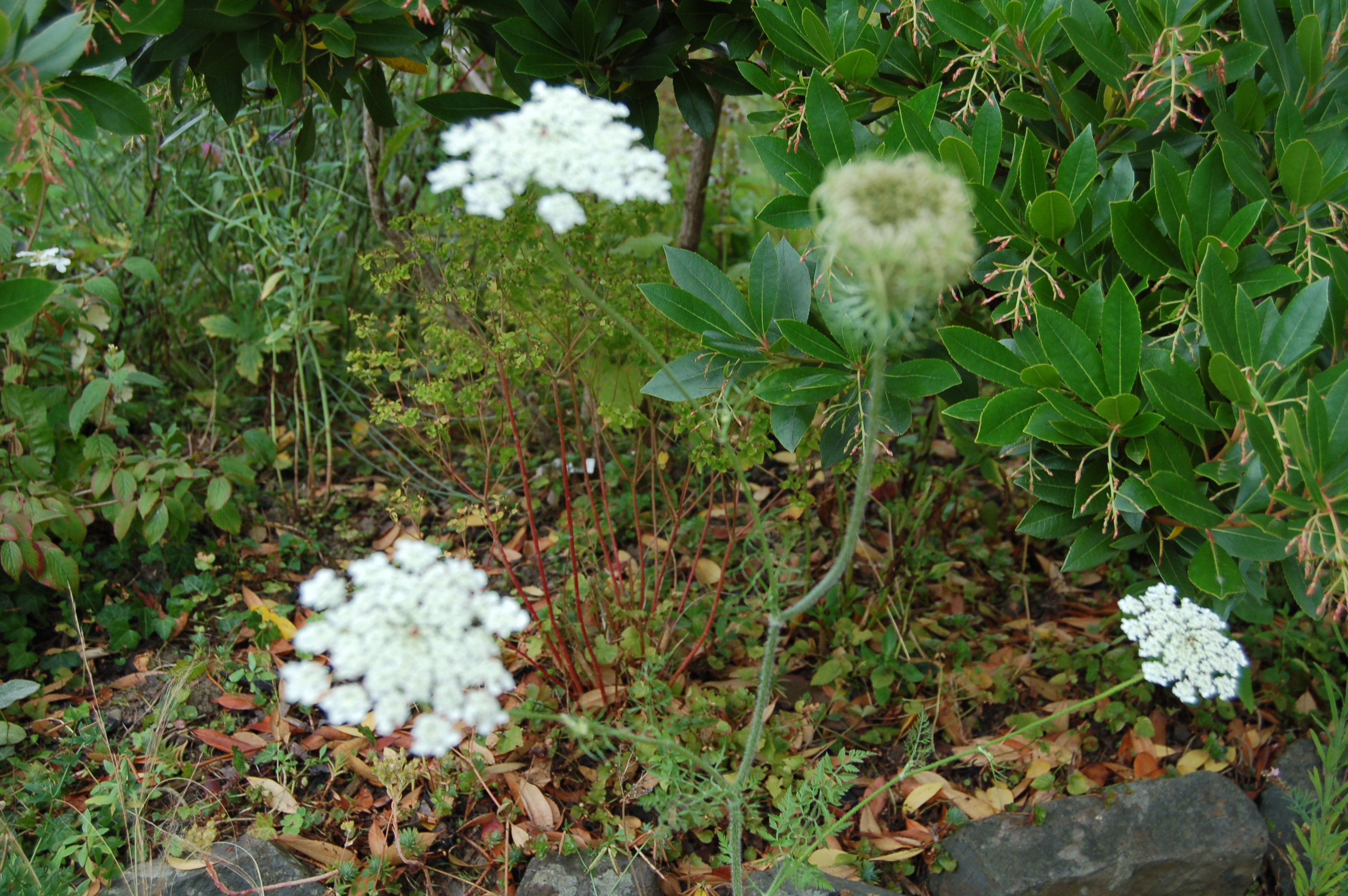
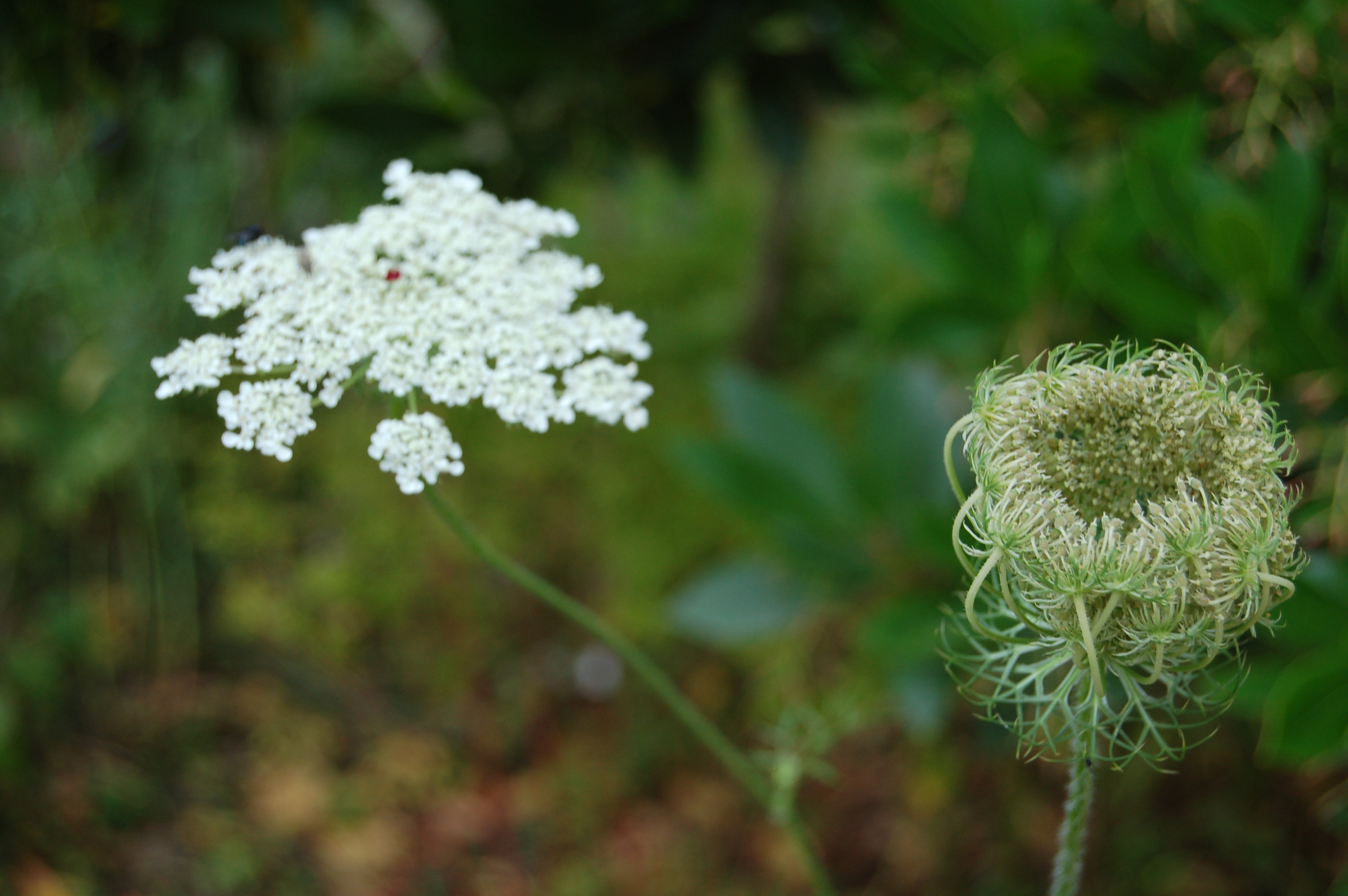
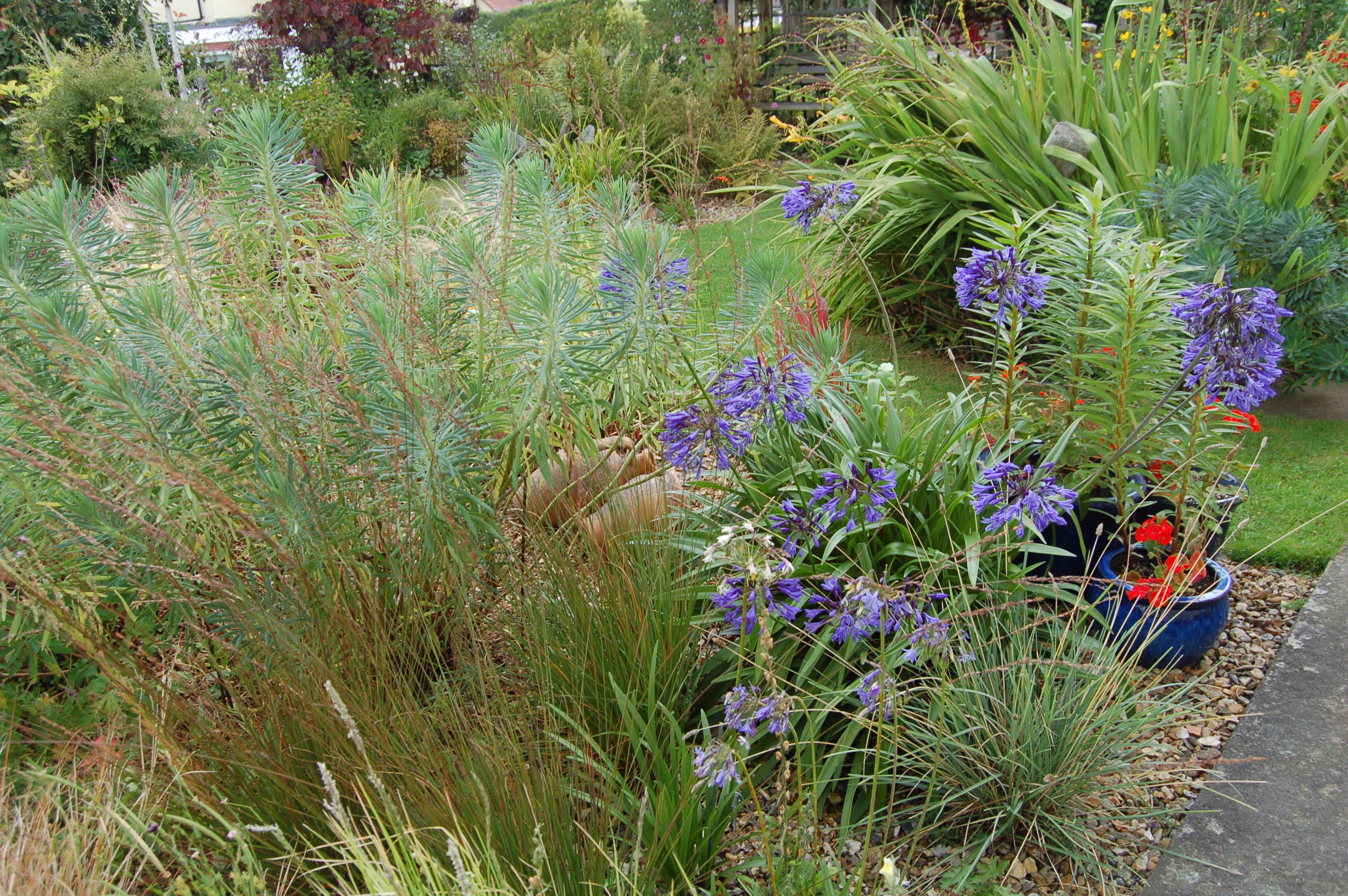
This series aims to check out if we have been successful in creating a garden for all seasons with interest throughout the year. In this post we look at our Avocet garden here in Plealey in the first week in August, a time when summer is going off a bit and autumn is trying to sneak in by the back door. The wild carrot below is beginning to set its seeds in our wildlife strip behind the lavender hedge alongside the lane.

2014 08 19_3880 2014 08 19_3881

We have one more garden group yet to visit us which happens in about a fortnight so this post as well as checking on how well we are achieving our aim of a year round garden will also be a way of checking out how it will look to our next visitors.

The” Beth Chatto Garden” still has plenty of interest but sadly the strange weather this year has meant that we have already had to cut down the Eophorbia griffithii Dixter which normally we can rely on for colourful winter stems of the brightest ruby red.

2014 08 19_3883 2014 08 19_3884 2014 08 19_3885 2014 08 19_3886 2014 08 19_3887 2014 08 19_3882

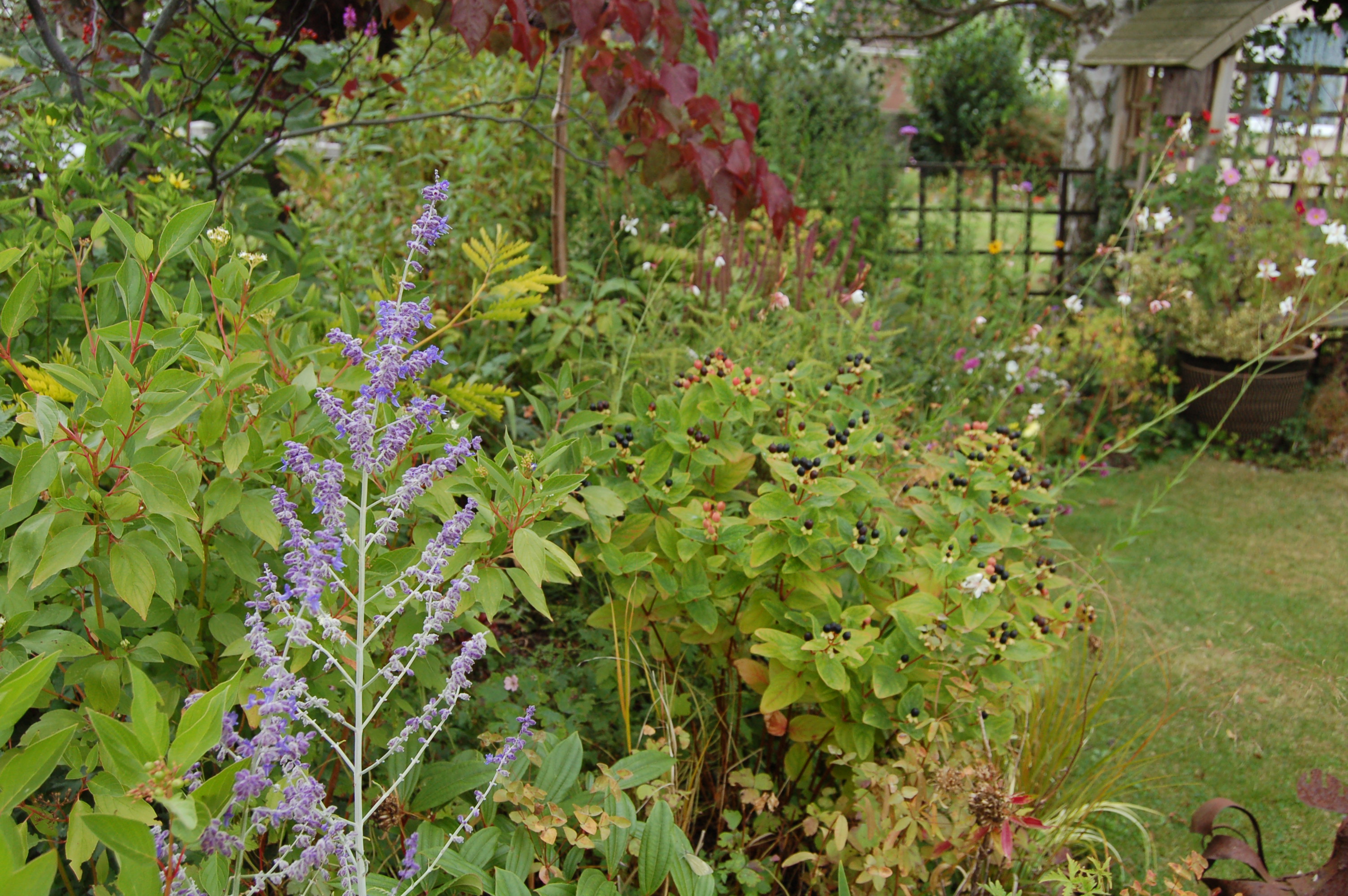
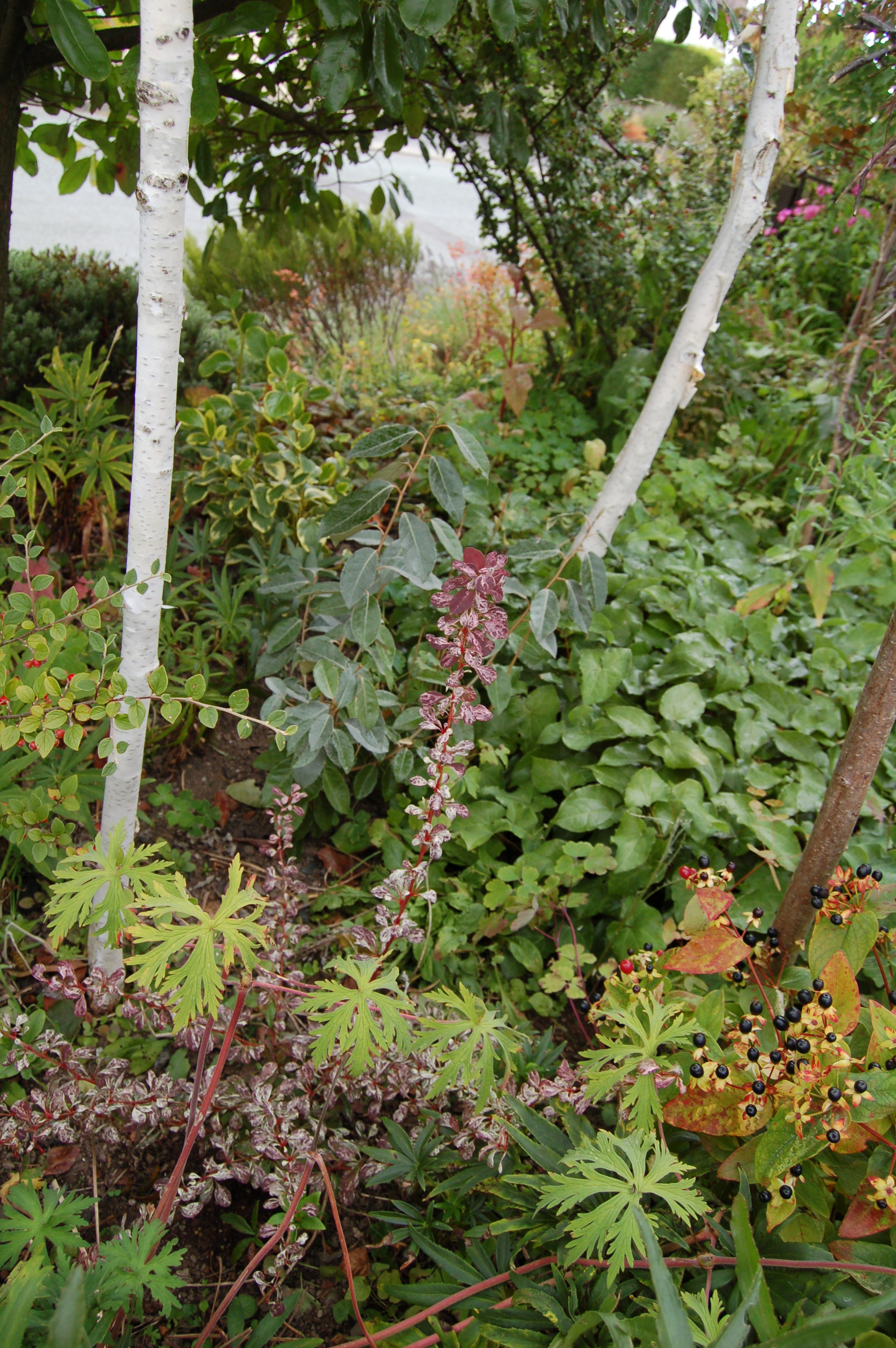
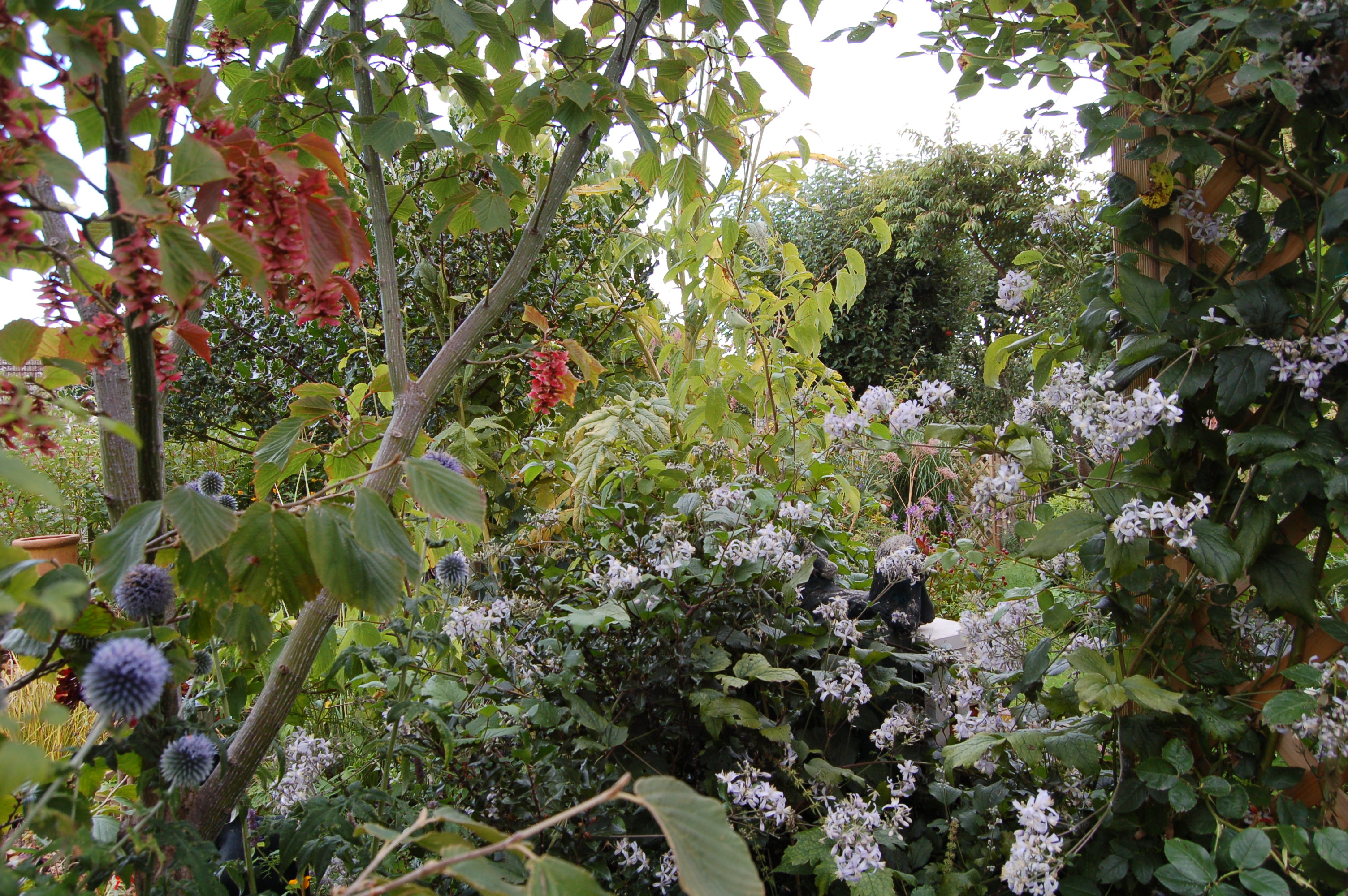
The other front garden borders still have patches of colour with the Perovskia’s pale blue flower spires looking good in a patch dominated by the white barked silver birches and purple leaves of Cercis Forest Pansy, Sambucus nigra Black Lace and Physocarpus Diablo.

2014 08 19_3888 2014 08 19_3889

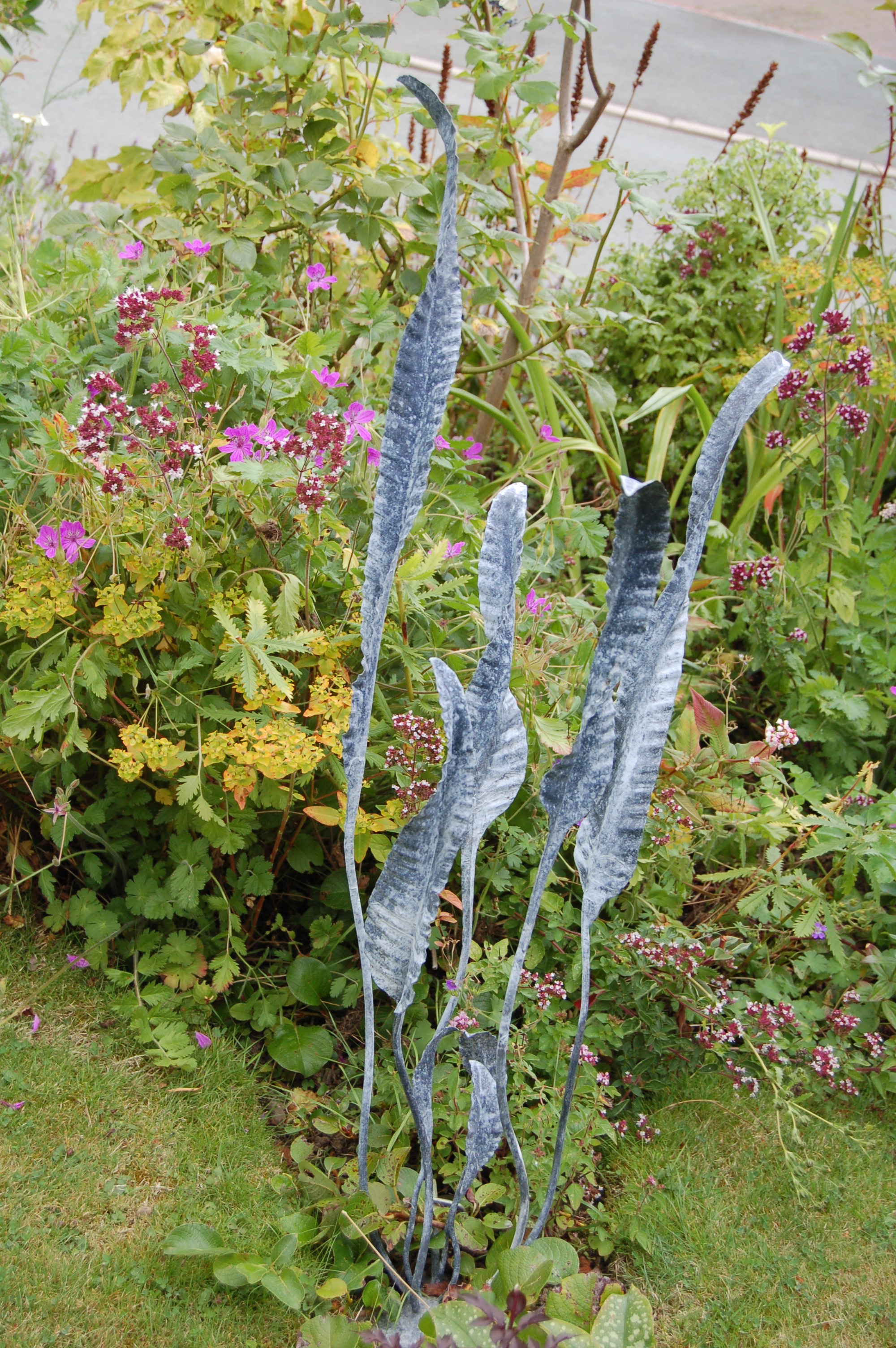
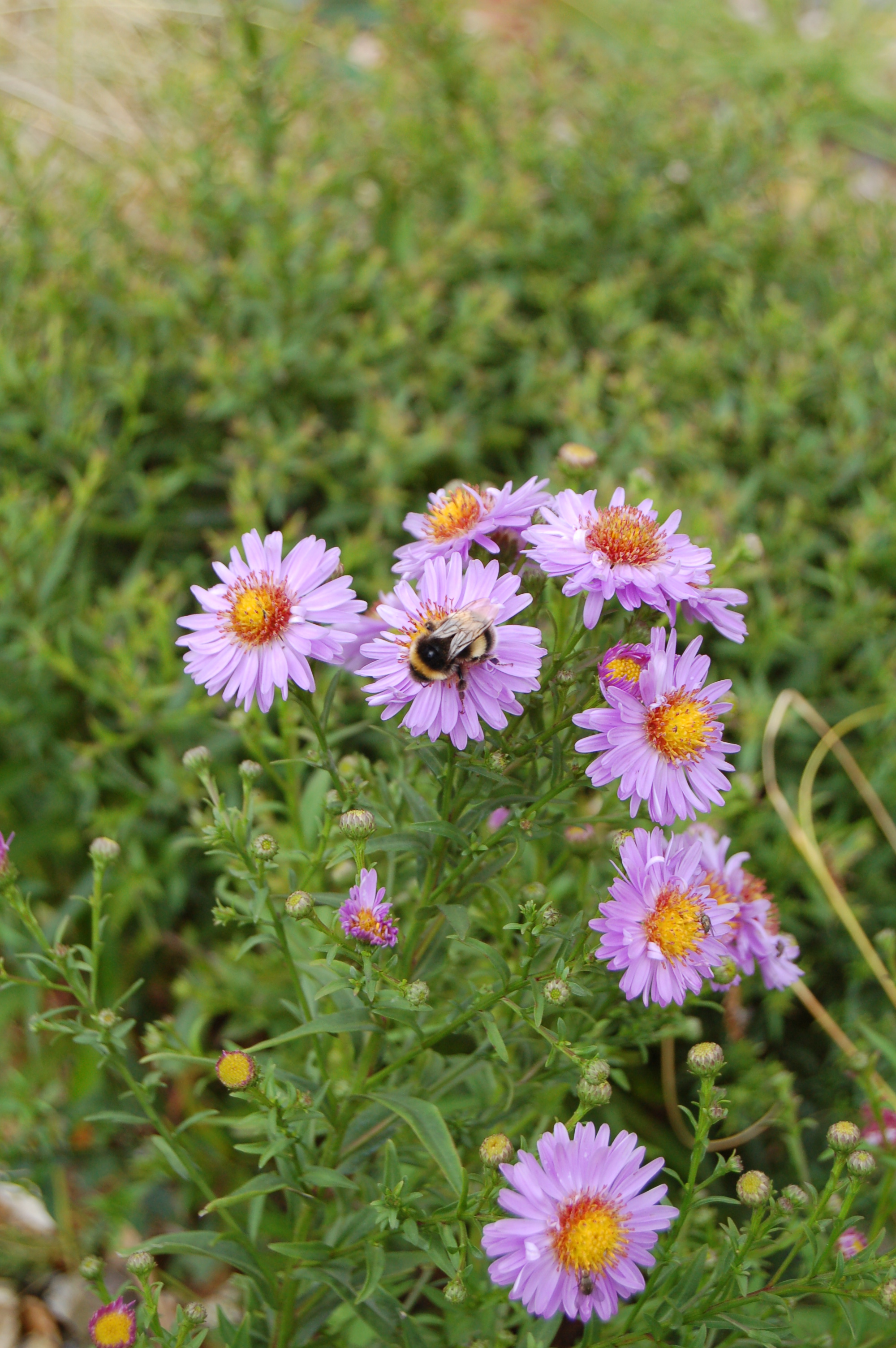
Our new sculptural piece is looking good starring with the flowers of Leucanthemum “Shaggy”, several Asters (sorry but I can’t yet accept their new botanical names!), Salvia uliginosa, Gaura linheimeri and various annuals that Jude the Undergardener grows from seed.

2014 08 19_3890 2014 08 19_3891

2014 08 19_3892 2014 08 19_3894

2014 08 19_3895 2014 08 19_3898

The photos below show two very different looking plants which are in fact both Lobelias, the one on the left a cardinalis and the one on the right Lobelia tupa.

2014 08 19_3901 2014 08 19_3904

It is good to see the wildlife busy on the blooms every time the sun shines.

2014 08 19_3893 2014 08 19_3899

The ferns border developed earlier this year is looking better as the ferns get more established. From there you can look back along the Shade Garden through the archway towards the Hot Garden.

2014 08 19_3905 2014 08 19_3906

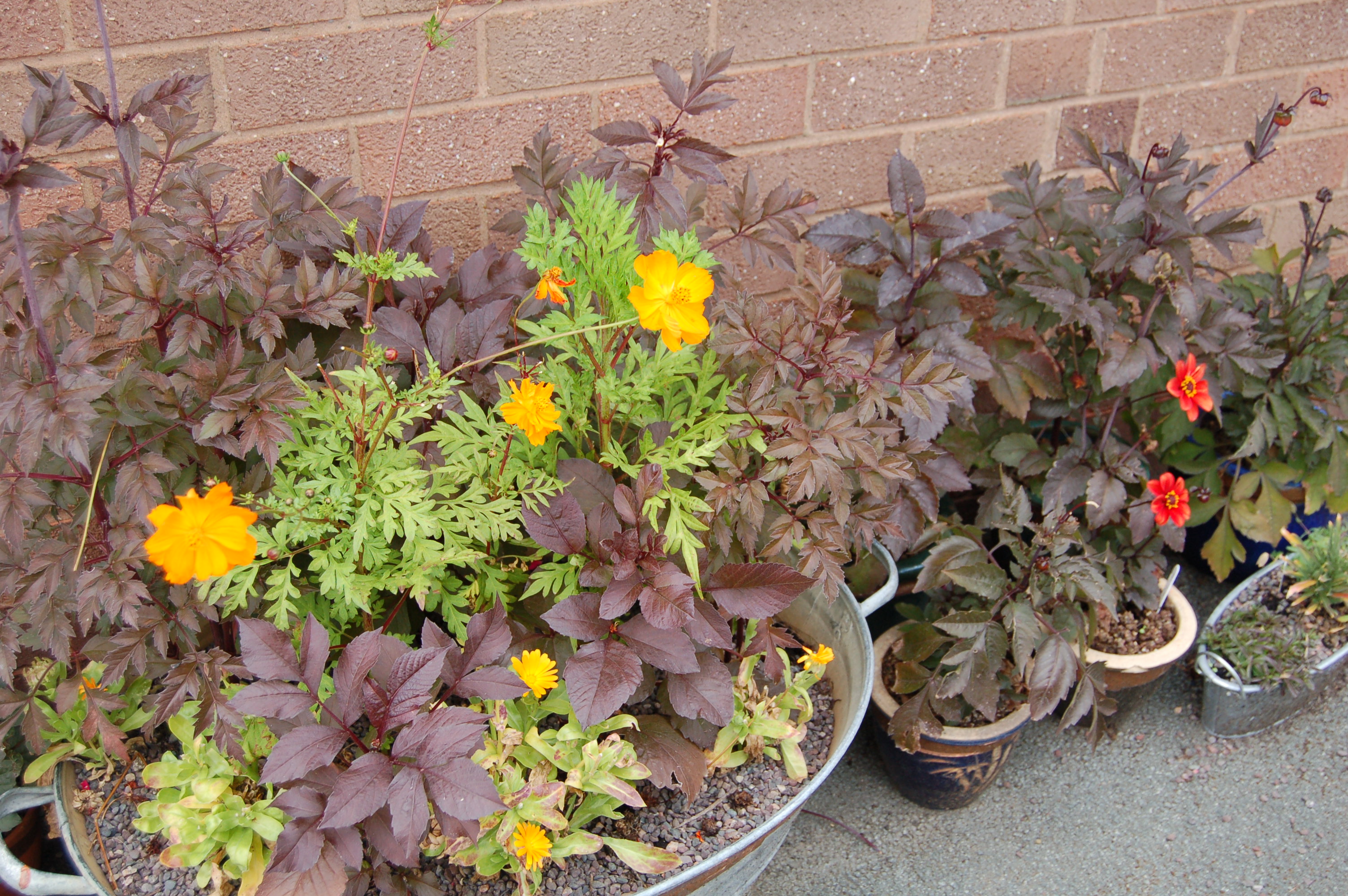
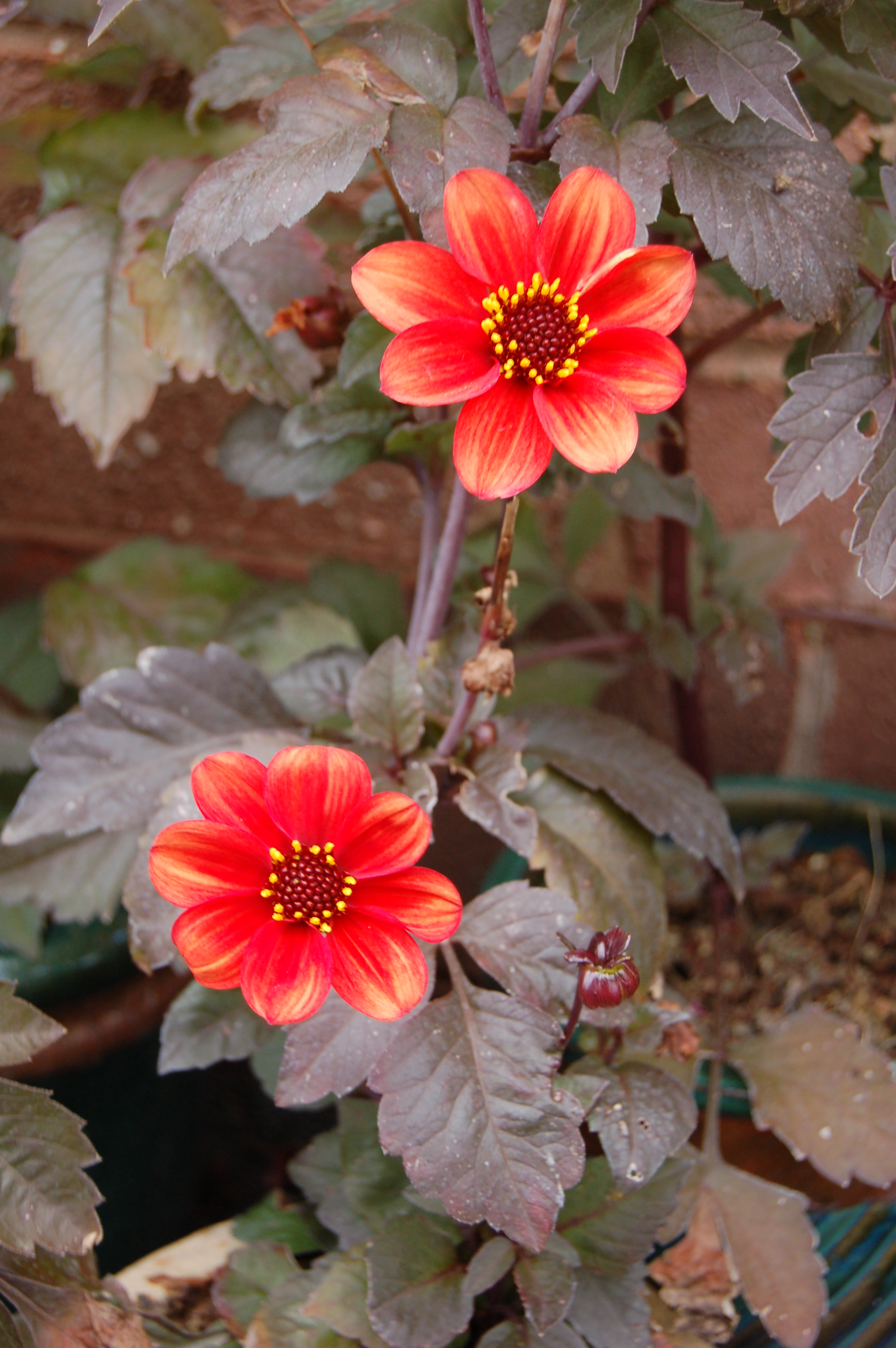
The Dahlias in the vintage galvanised containers along the house wall are still flowering but having a bit of a rest before hopefully producing more flower buds to delight the eye in a few weeks time.


2014 08 19_3907 2014 08 19_3908


Opposite them the” Freda Border” is looking cheerful with oranges and yellows and the odd white highlight of this honey-scented Buddleja.

2014 08 19_3913 2014 08 19_3914 2014 08 19_3915


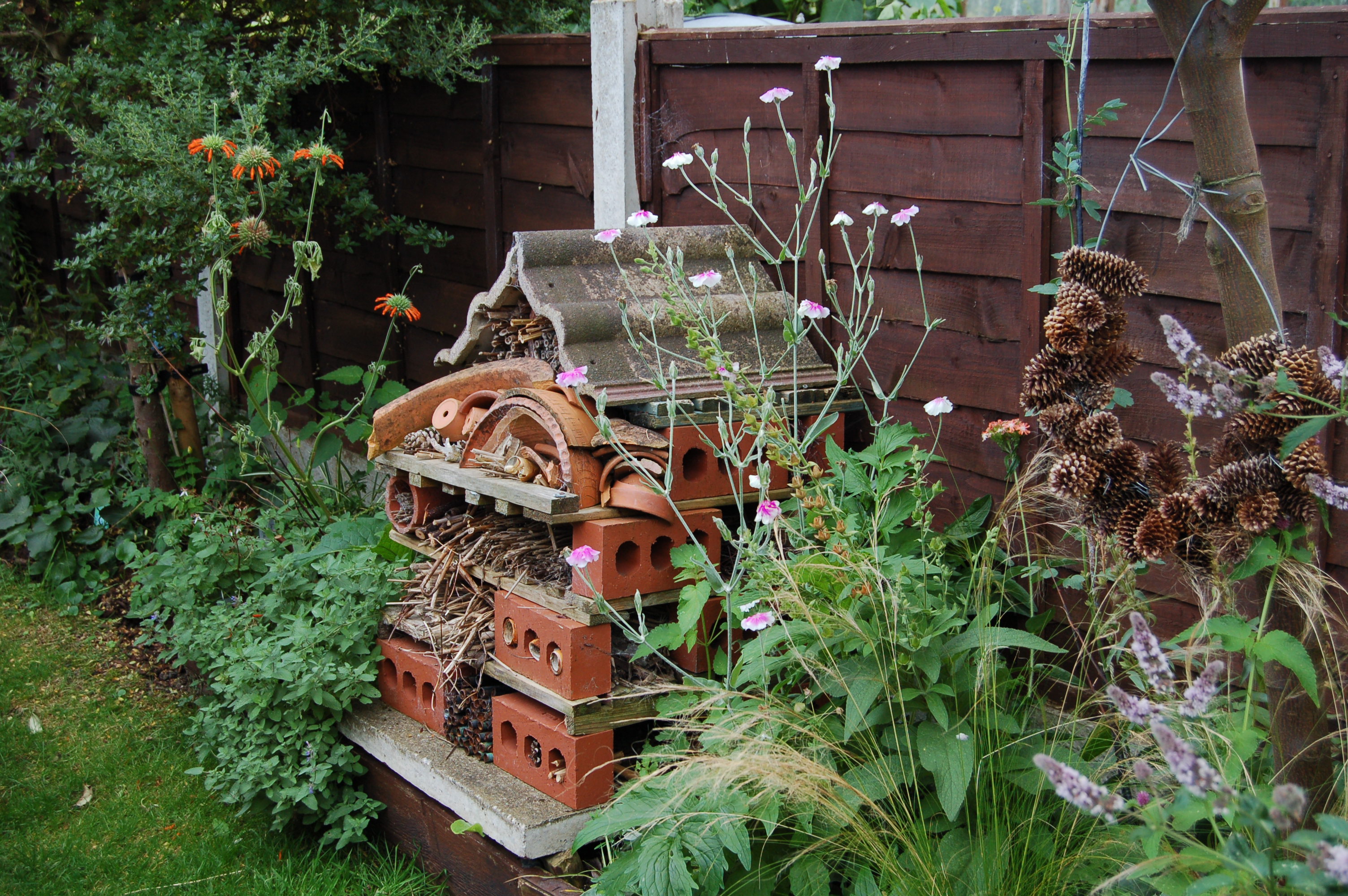
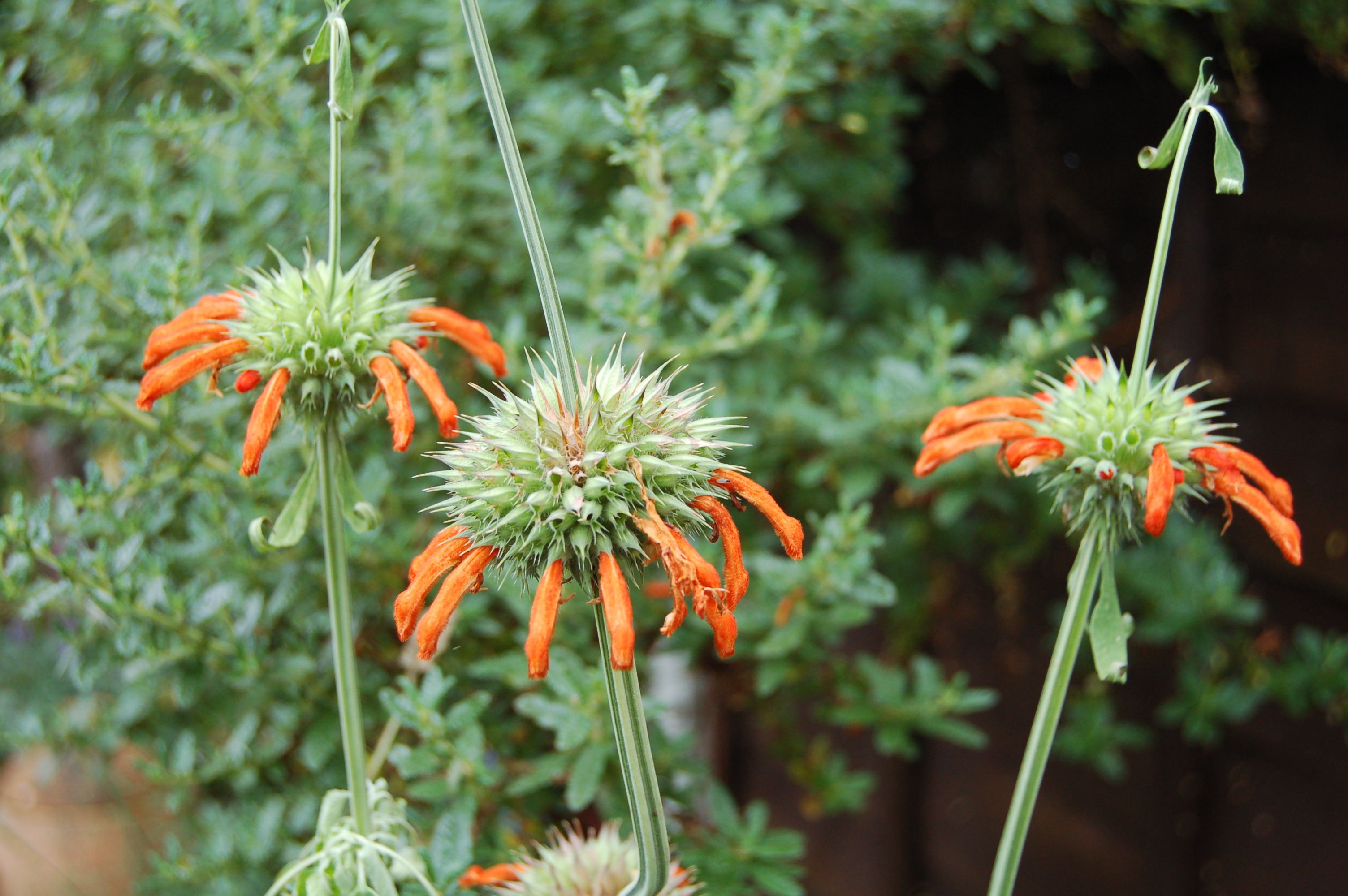
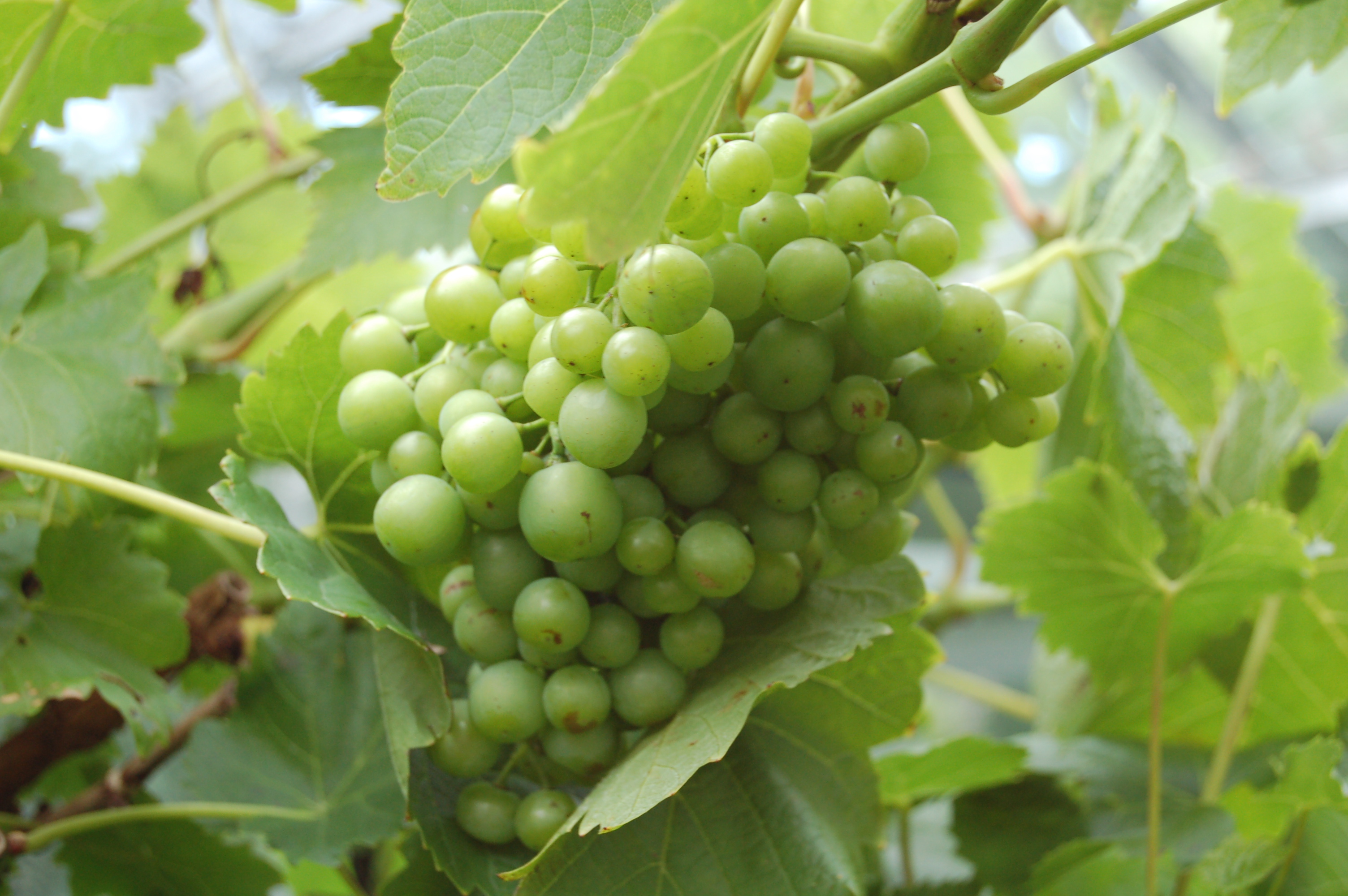
The Tulbaghias continue to produce their delicate pale lilac flowers on their wiry stems. Close by the insect hotel snuggles within the” Pollinator Border”. Here the brightest flower of all must be the annual Leonotis leonora, which has become a real favourite in the garden this year. Opposite the heavy cropping grape vine continues to produce “water shoots” which need regular pruning to let the sun access the fruit to ripen it. The harvest is looking hopeful!


2014 08 19_3916 2014 08 19_3917 2014 08 19_3918 2014 08 19_3920


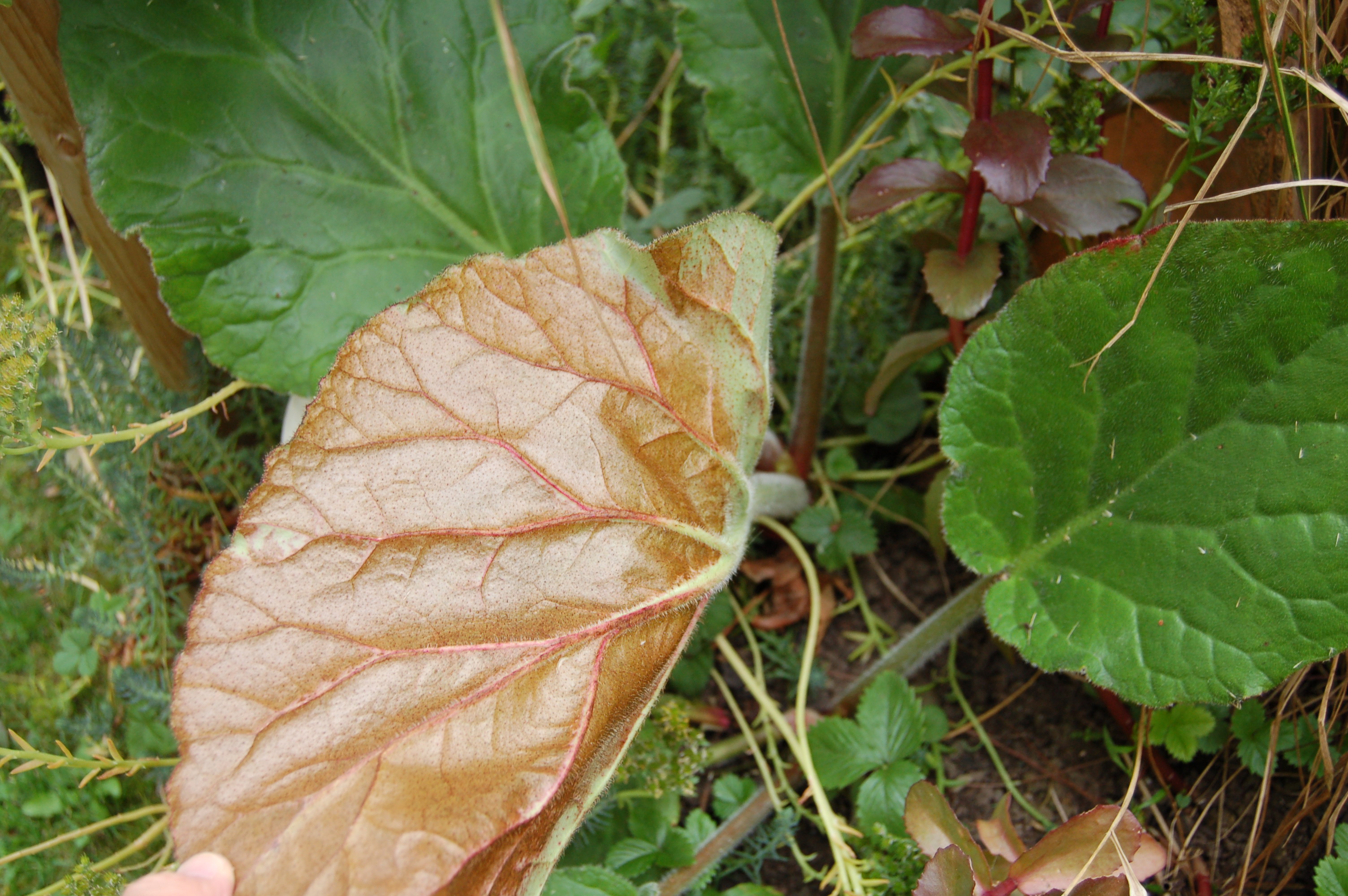
The pathway I take to feed the hens is full of plants that stop me on my way. Eryngium Miss Wilmott’s Ghost is turning from silver to biscuit and Geranium “Rosanne” clambers through any close plant. A real star of this pathway is the Bergena ciliata, a hairy leaved Bergenia with bronze colouring to the reverse of each leaf. I turn a leaf over each time I pass. It has big arching sprays of pale pink flowers in spring too! A great plant but rarely grown.

2014 08 19_3919 2014 08 19_3922 2014 08 19_3923 2014 08 19_3924

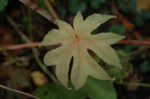
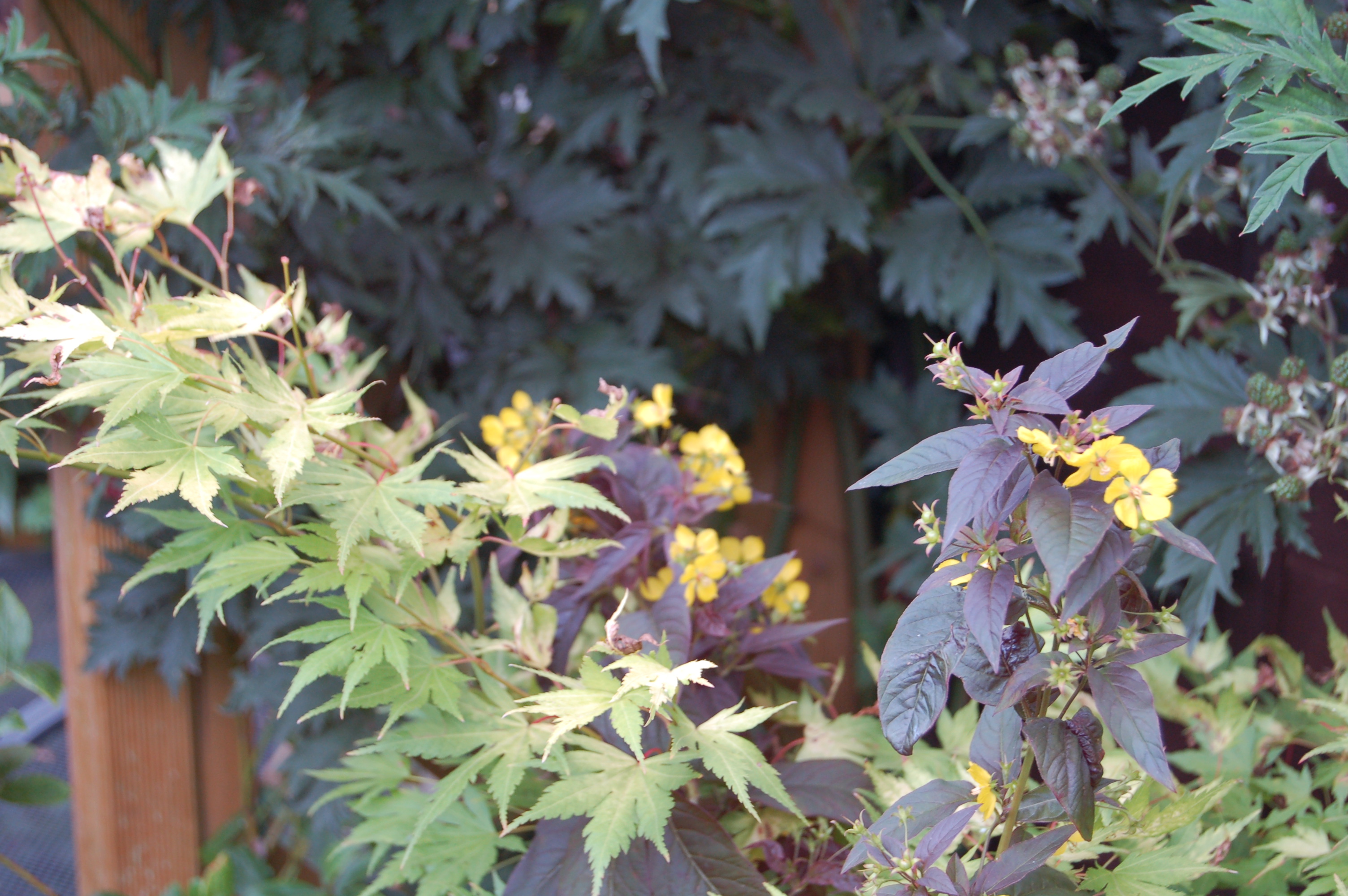
On the other side of this path we have the” Spring Garden” where the palmate leaves of the Acer japonica and Tetrapanax papyfer “Rex” sit close to each other. The Acer partners a couple of purple-leaved Lysimachia “Firecracker” and the deep green leaves of our thornless blackberry. The Tetrapanax is thowing up new leaves which are glossy but turn matt with the passing of time.


2014 08 19_3925 2014 08 19_3926

The Tropical Garden which was one of this year’s projects is looking particularly good at the moment. It is so full of contrasts. Contrasts in flower colour, leaf shapes, textures and colour.

2014 08 19_3929 2014 08 19_3930 2014 08 19_3931 2014 08 19_3932 2014 08 19_3933 2014 08 19_3934 2014 08 19_3935 2014 08 19_3936

The pale blue fish continue to swim through the Seaside Garden. Behind the chimenia a bright yellow flowered crocosmia seems to glow beneath the standard holly.


2014 08 19_3937 2014 08 19_3938

The Shed Bed has bright splashes of colour provided by Ricinus, Verbascum and Crocosmia.


2014 08 19_3927 2014 08 19_3928


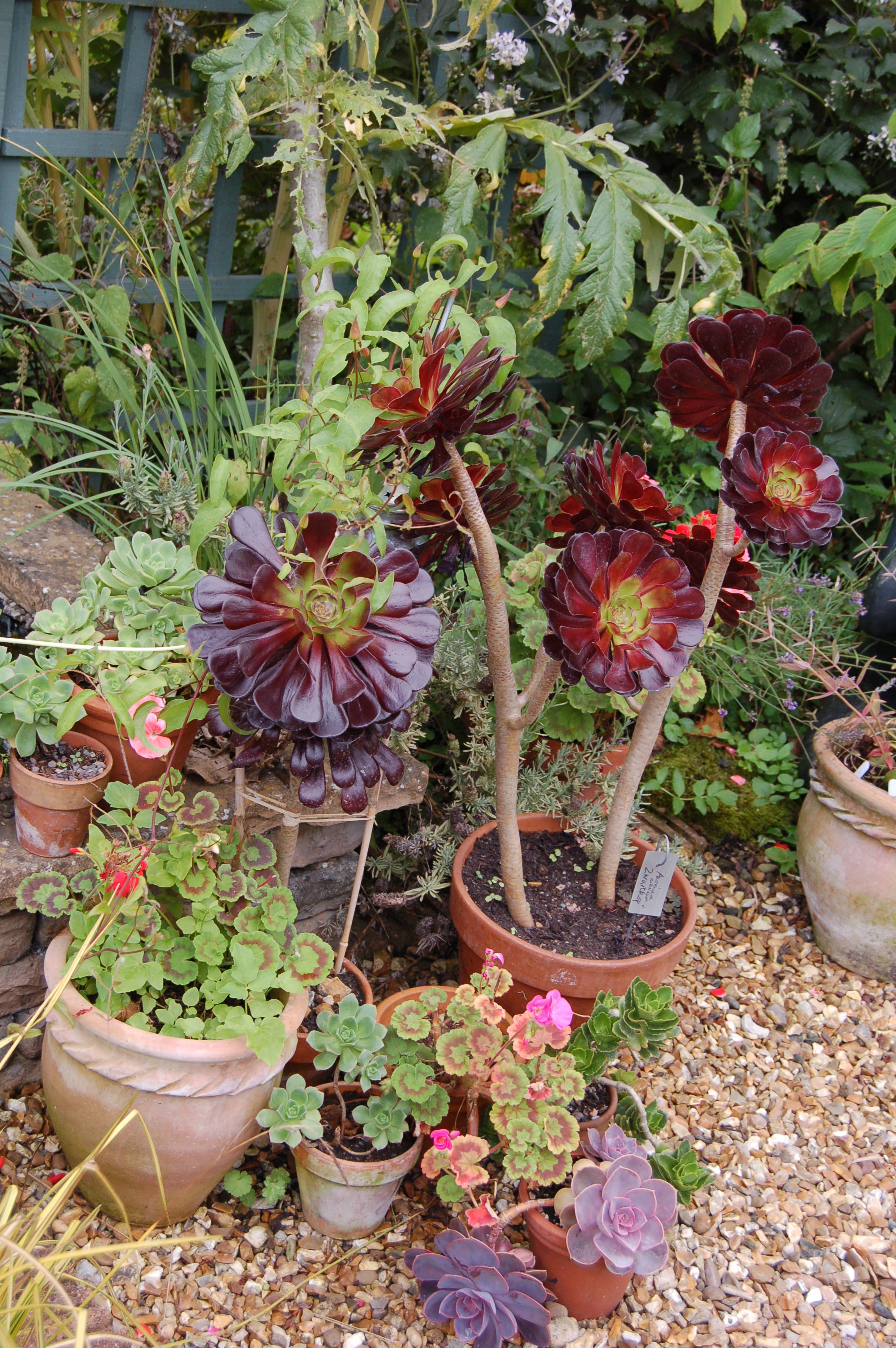
In the Rill Garden the Aeoniums are all doing well showing great leaf colour but best of all must be Aeonium arboreum” Schwarzkopf” which is tree like in form with the blackest glossiest leaves possible.

2014 08 19_3939 2014 08 19_3940 2014 08 19_3941

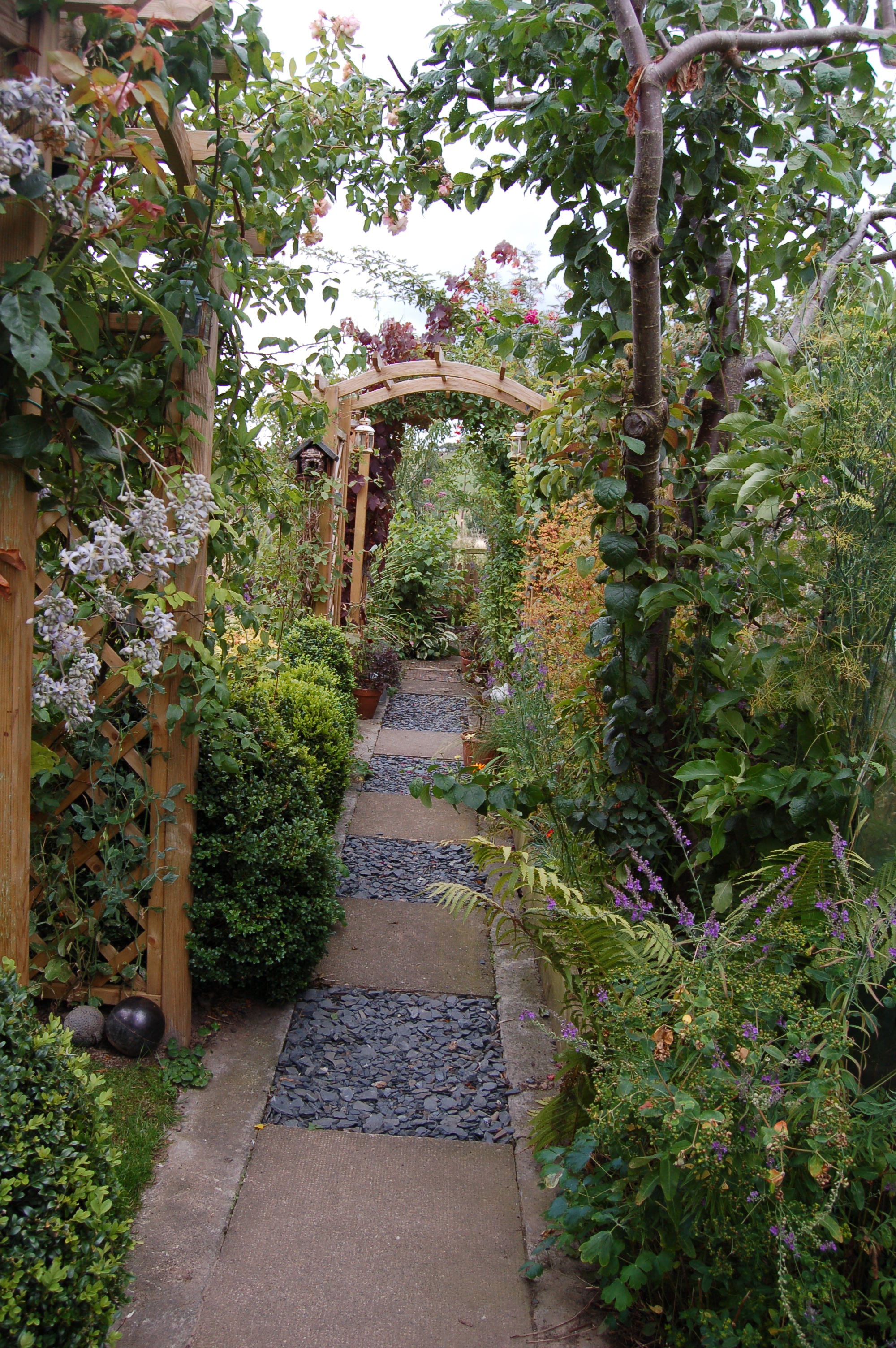
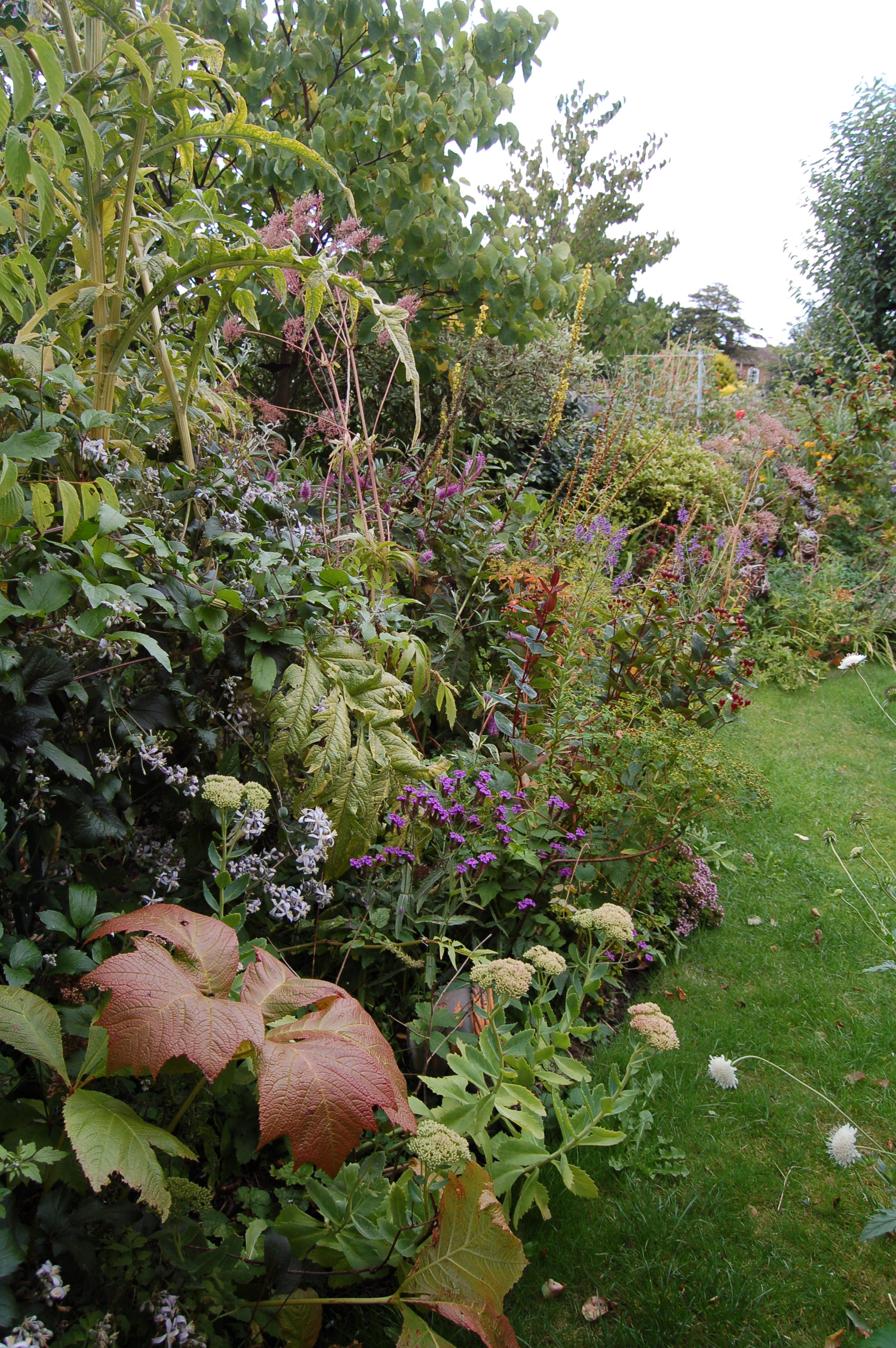
If we move further into back garden now we can look through the arches down the central path. Off this path to the left are the “Crescent Bed”, “L Bed” and the “Long Border”.


2014 08 19_3942 2014 08 19_3943 2014 08 19_3945 2014 08 19_3946 2014 08 19_3947 2014 08 19_3948 2014 08 19_3949


2014 08 19_3950 2014 08 19_3951

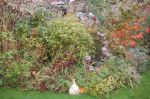
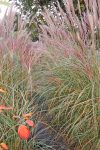
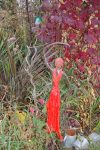
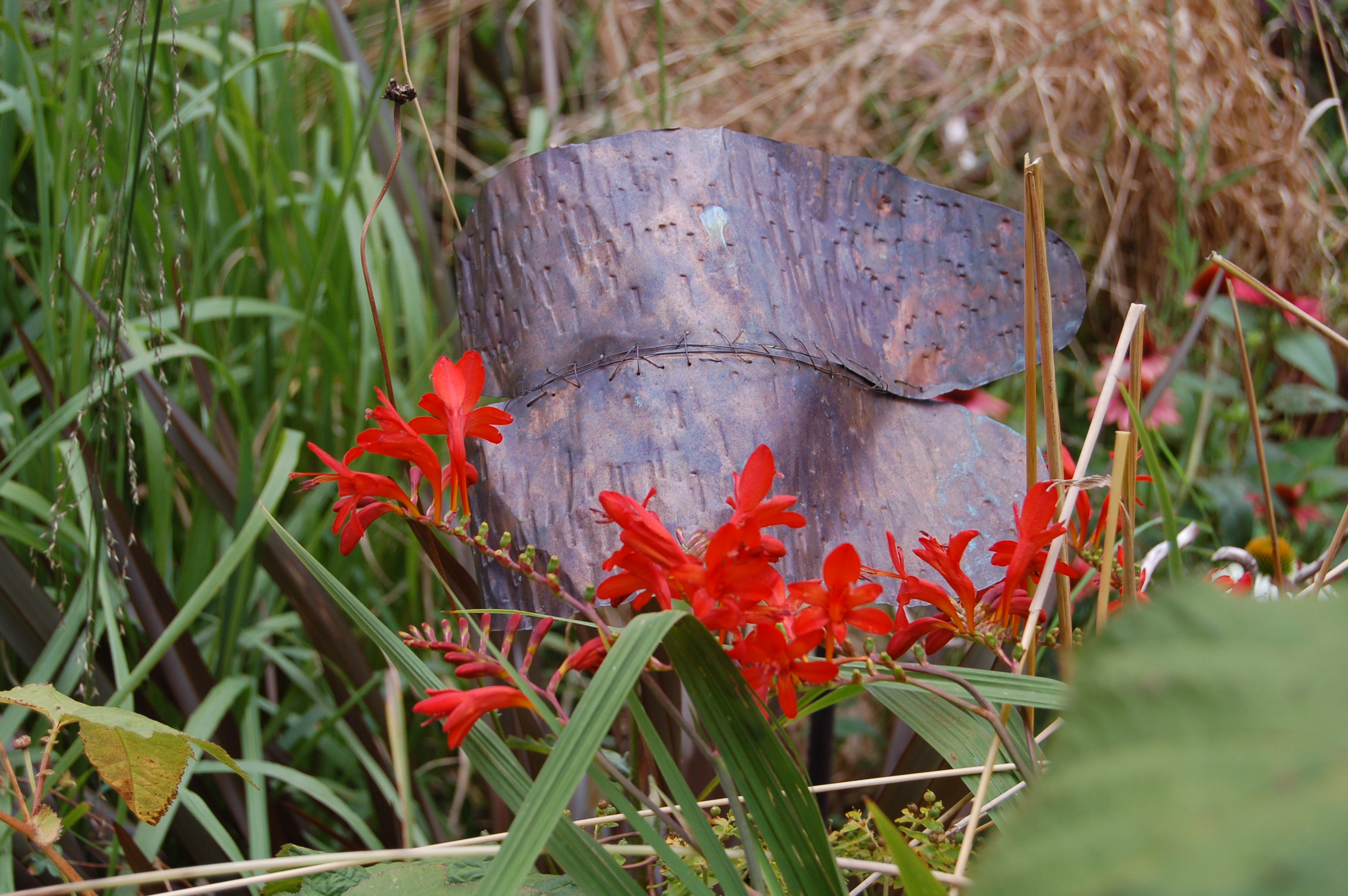
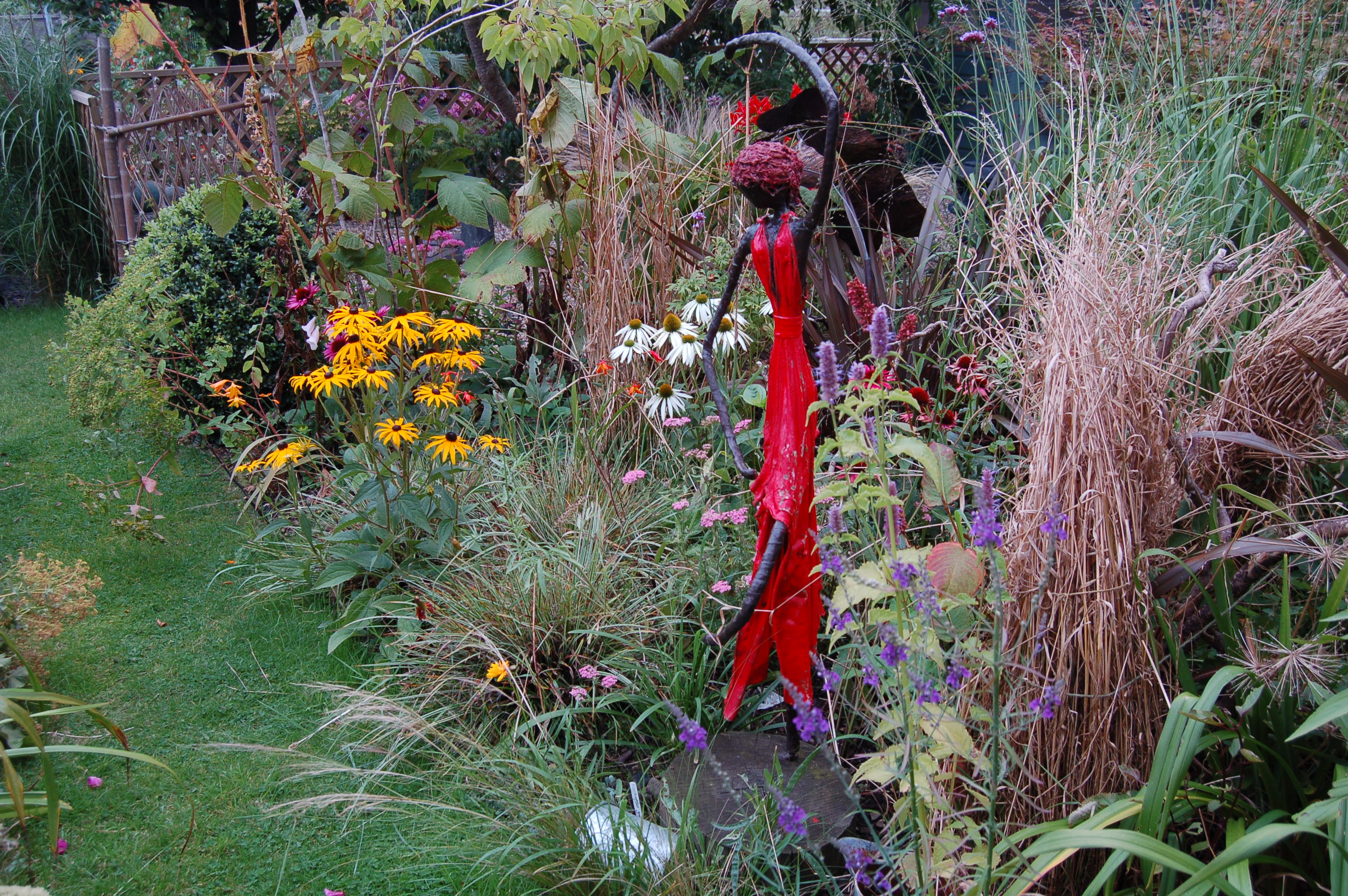
If we cross the grass path at the far end of this patch we enter the” Japanese Garden” with the” Prairie Garden” to the right, which features two of our sculptures, the Copper Leaves made by our daughter Jo and the dancing figure of “Amber” created by a local artist.


2014 08 19_3952 2014 08 19_3954 2014 08 19_3955 2014 08 19_3956 2014 08 19_3957 2014 08 19_3958


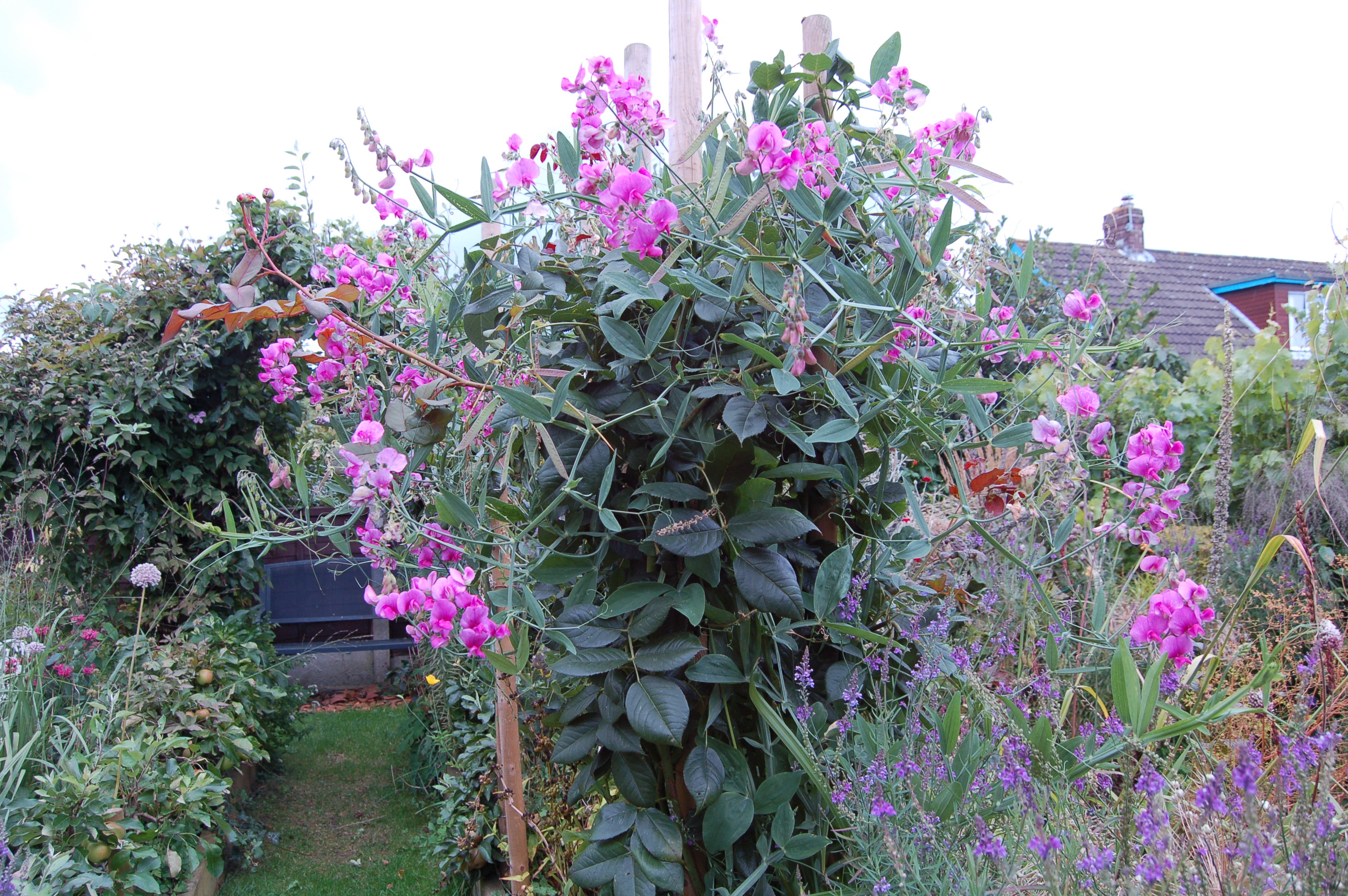
And finally across the central path again to the” Chicken Garden” and the” Secret Garden” which are still looking very colourful. The first photo is of our everlasting sweetpea which although perennial so easier to grow than the annuals it is sadly without scent. The red poker shaped flowers in the second photo are Persicaria amplexicaulis “Firetail” which is so long flowering and attractive to wildlife as a bonus.


2014 08 19_3959 2014 08 19_3960 2014 08 19_3961 2014 08 19_3962 2014 08 19_3963 2014 08 19_3964 2014 08 19_3965 2014 08 19_3966 2014 08 19_3967 2014 08 19_3968


So that is the study of our garden in August, hopefully still confirming that it is an all season garden. Next month we will probably be seeing the first signs of autumn colour and seedheads beginning to take on more importance.


Categories
community gardening garden design garden furniture garden seating garden wildlife gardening gardens gardens open to the public natural pest control outdoor sculpture poppies recycling sculpture wildlife Yellow Book Gardens

A Wonderful Community Garden

Returning from a few days away down south we made a diversion from the direct route home to visit a community garden in the Wiltshire town of Swindon, a town renowned in its heyday for manufacturing everything to do with railways at their peak in the era of steam.

As Jude, aka The Undergardener or Mrs Greenbench, and I are involved in running an allotment community garden we were keen to see what was going on at TWIGS, another community garden which like us open under the auspices of the National Garden Scheme.

TWIGS stands for Therapeutic Work in Gardening in Swindon, which proved to be a perfect reflection of what goes on in what we discovered to be an amazing and caring enterprise.

It was hard to find even though the directions in the NGS’s Yellow Book made it look simple. We navigated our way around the bypass searching for the right exits and often failing, until we found the right district. We wriggled through industrial and business parks in search of a garden centre which shared its grounds with TWIGS.

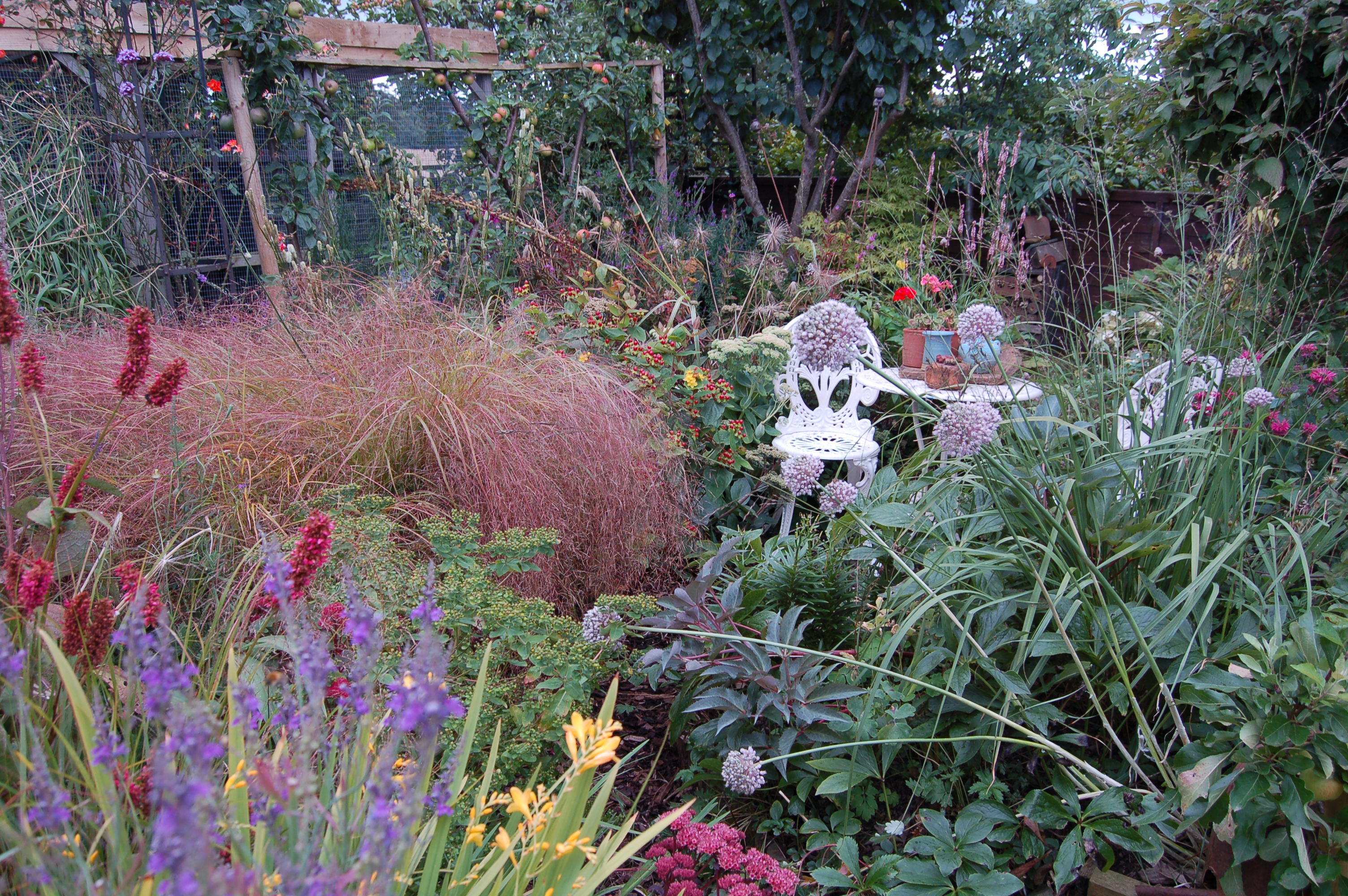
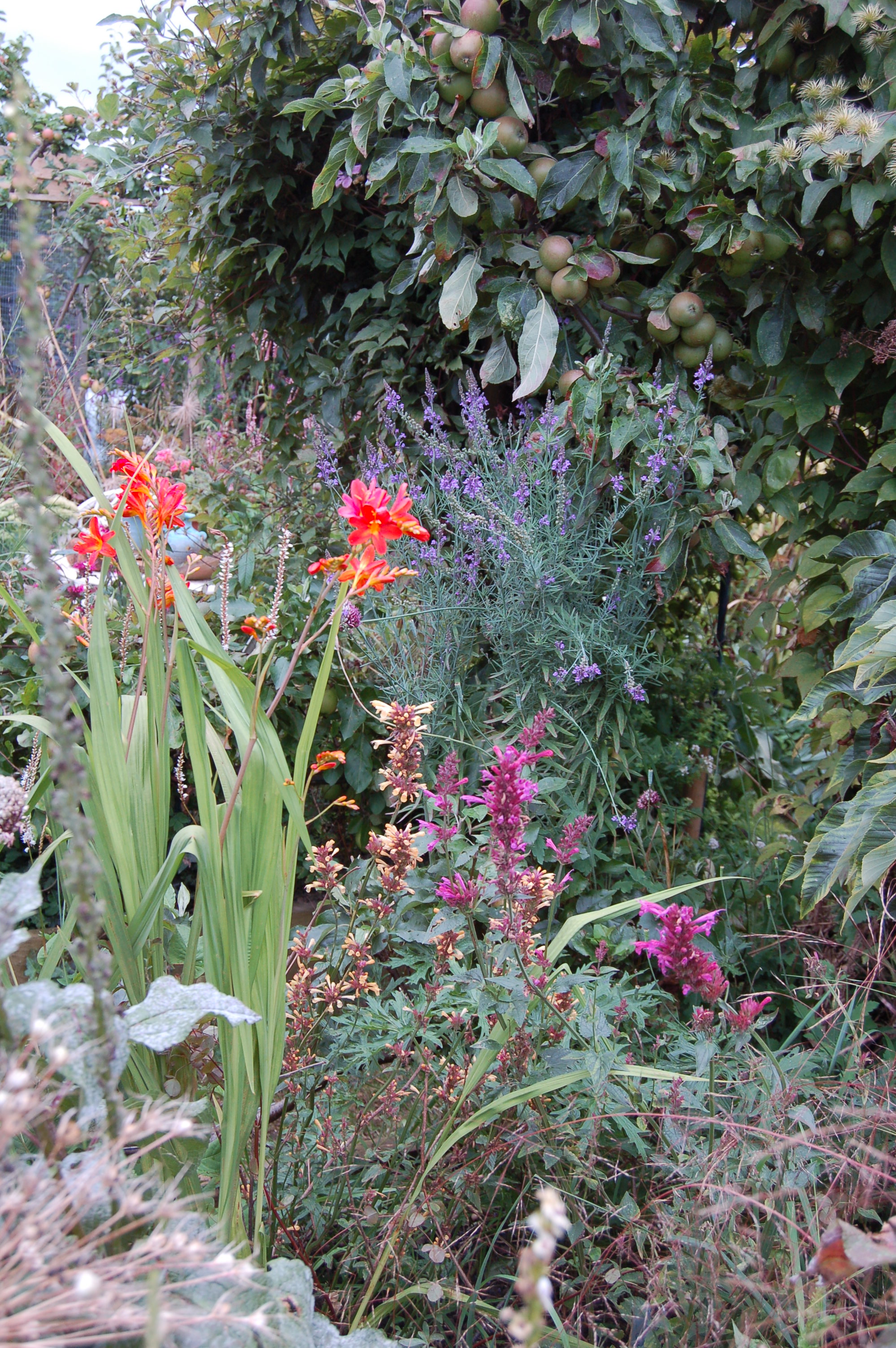
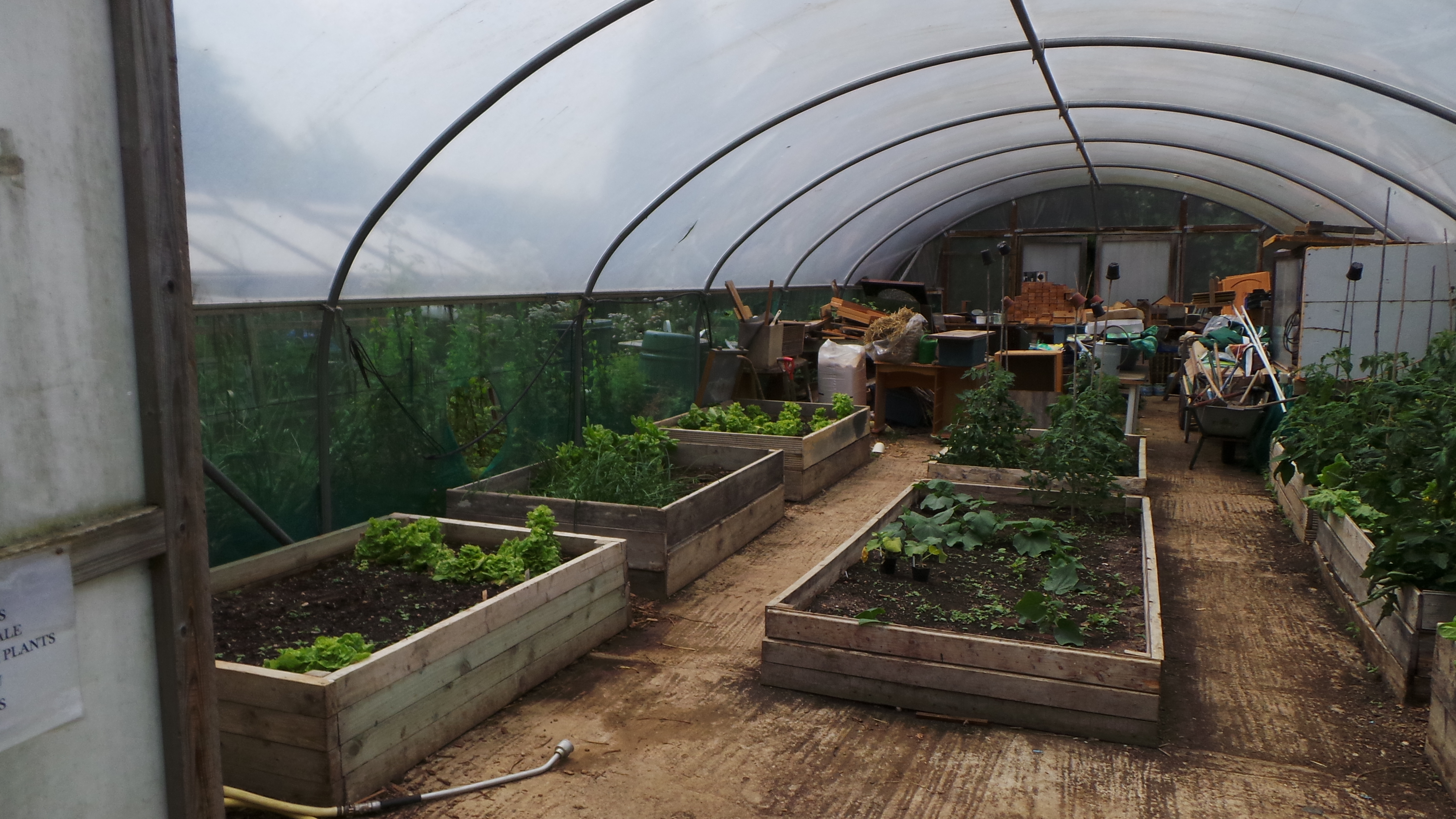
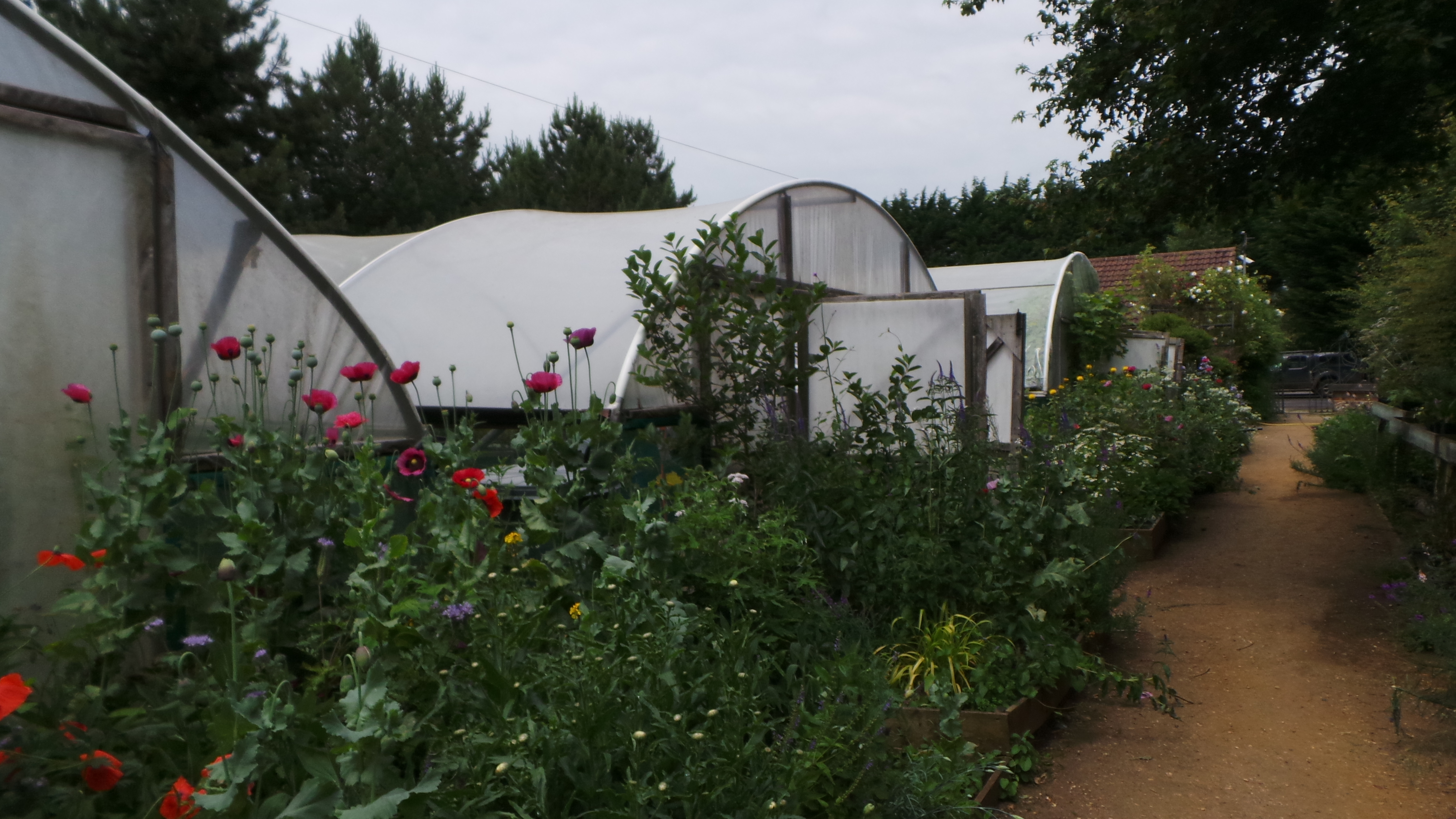
When we successfully arrived were welcomed by this cheerful planter alongside the gateway in. Once inside we immediately spotted colourful borders and rows of busy polytunnels.

2014 06 23_1061 2014 06 23_1062 2014 06 23_1063 2014 06 23_1064

Come around with us now as we wander the paths of TWIGS discovering their wonderful work.

2014 06 23_1065 2014 06 23_1067 2014 06 23_1068

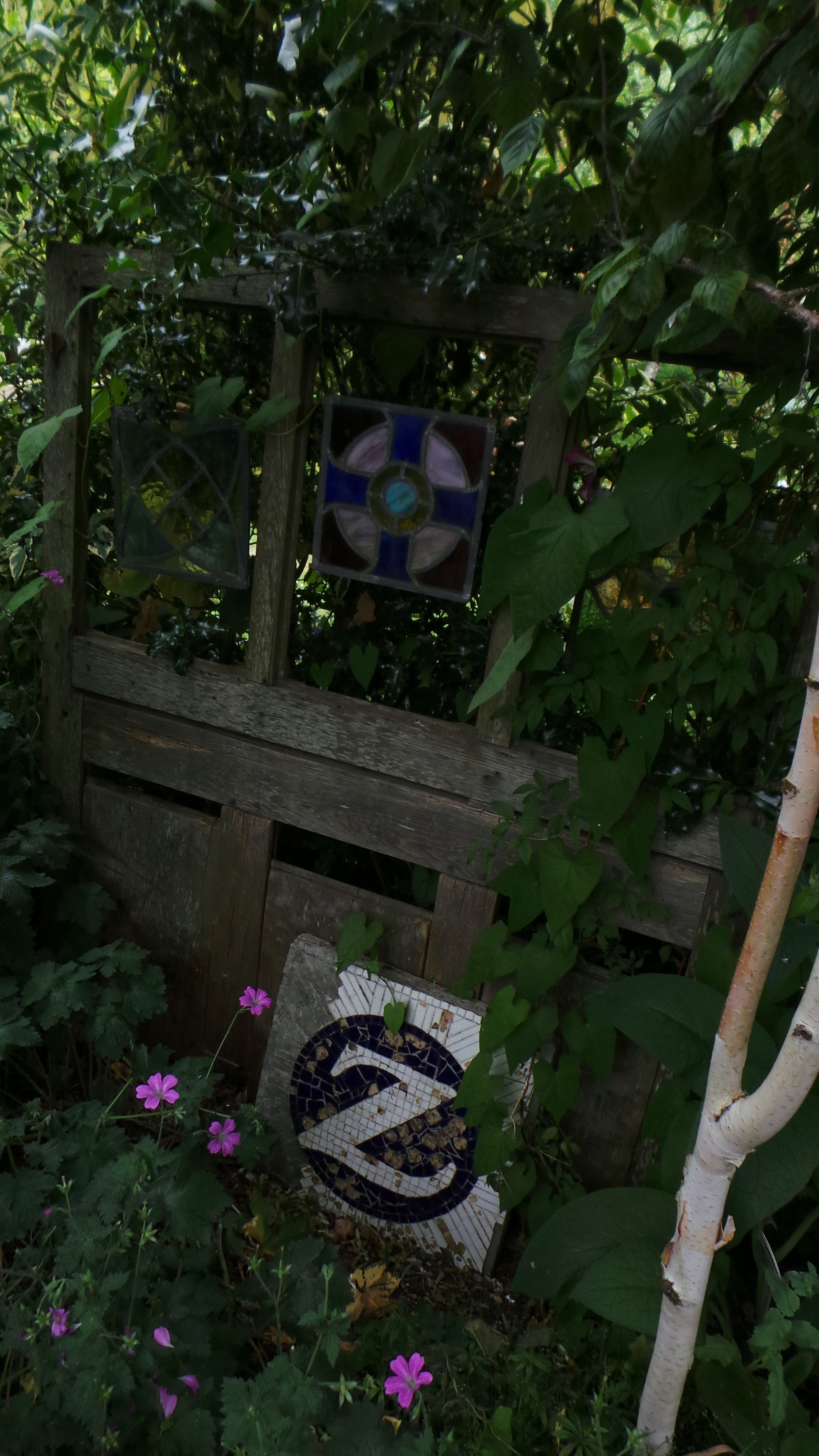
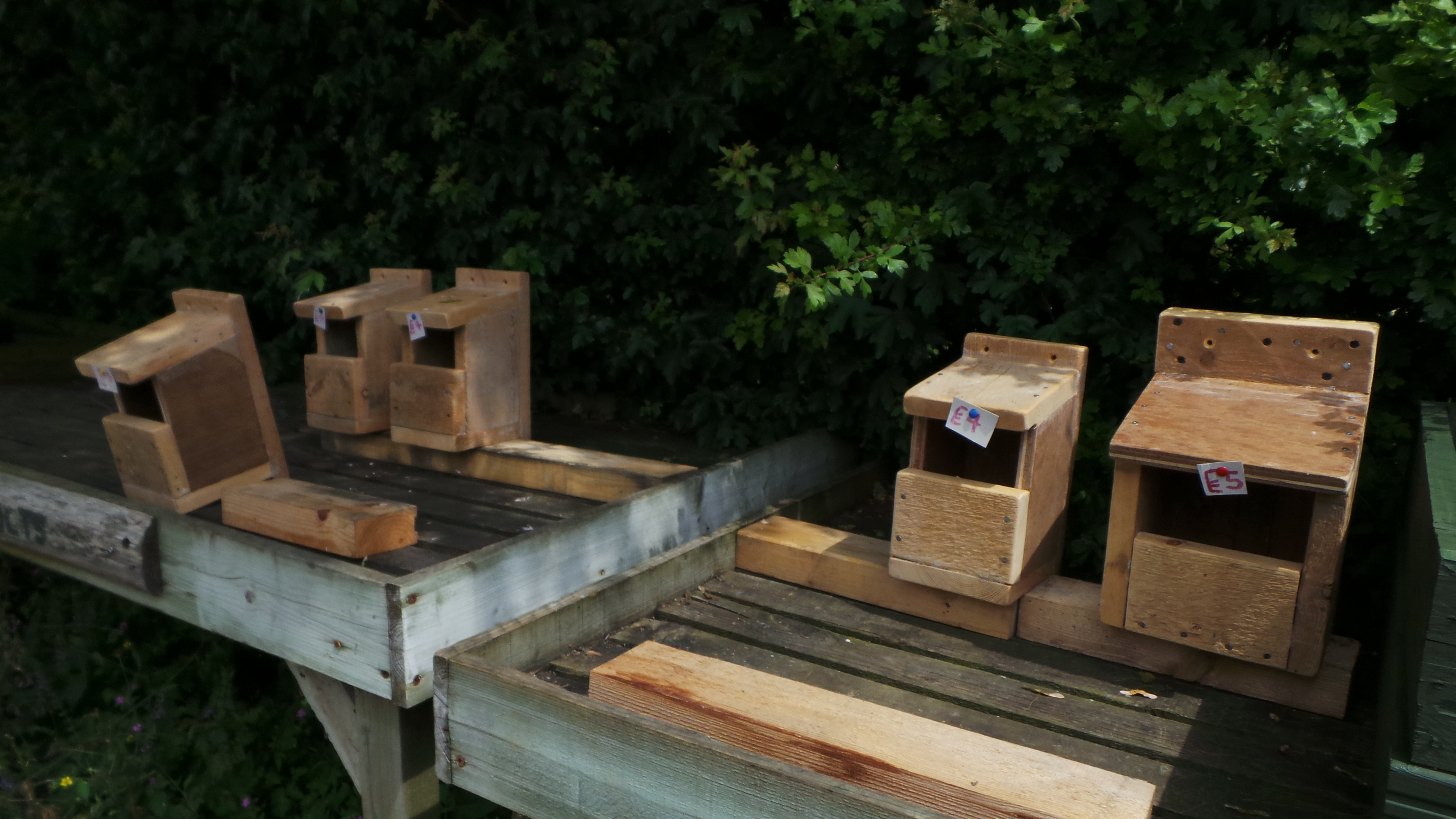
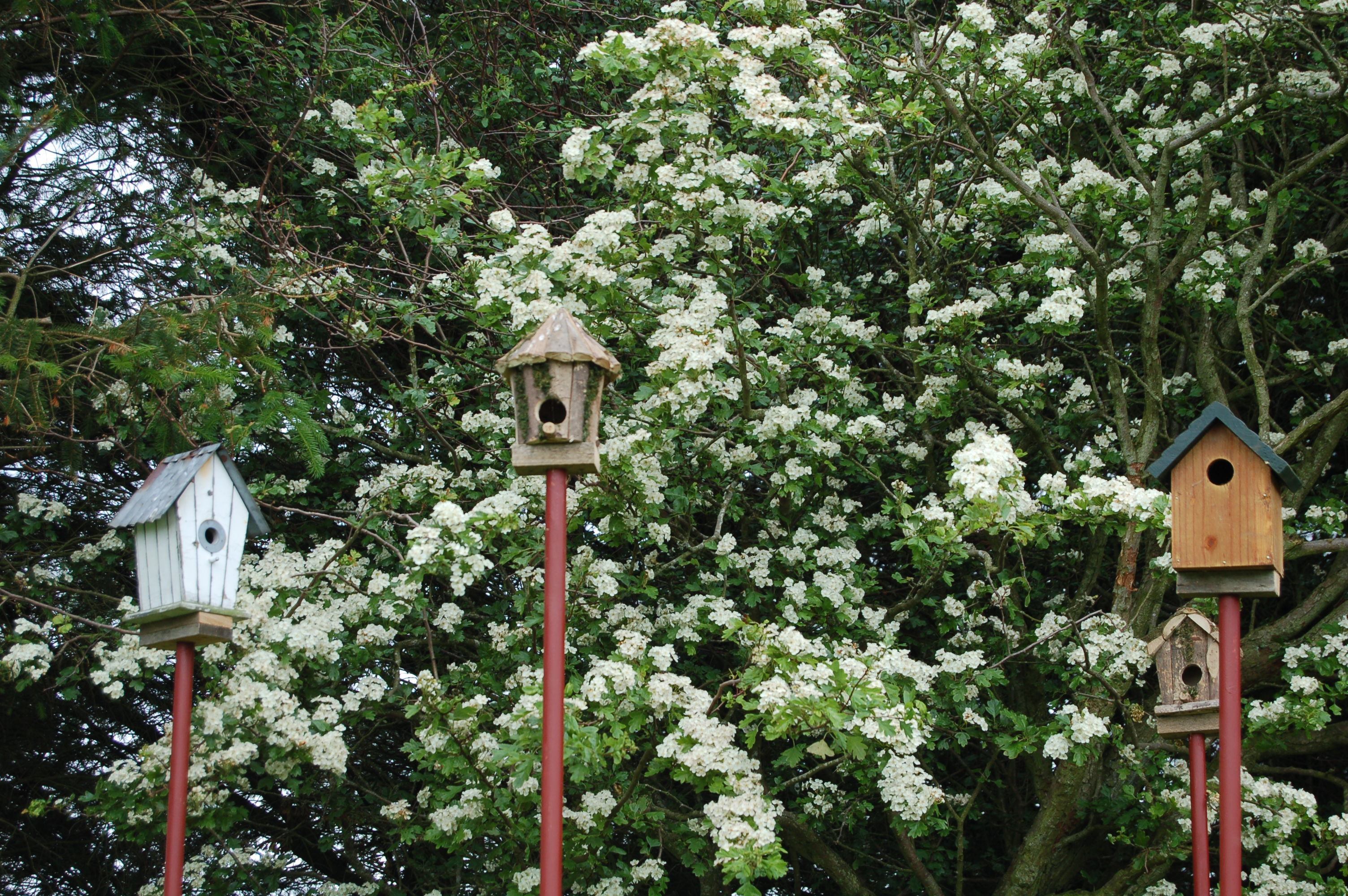
The staff and volunteers here help their clients who have problems of all sorts, to regain their pride and confidence through raising plants, looking after chickens, making bird boxes and insect homes, creating gardens and crafting sculptures and much more. The plants raised are used both in the gardens and for sale in the little nursery and the nestboxes and insect homes are found around the site to encourage wildlife as well as for sale to visitors.

2014 06 23_1069 2014 06 23_1070 2014 06 23_1071 2014 06 23_1073 2014 06 23_1074 2014 06 23_1076 2014 06 23_10872014 06 23_1081 2014 06 23_1086


2014 06 23_1092 2014 06 23_1094

2014 06 23_1093  2014 06 23_1101 2014 06 23_1138

The gardens themselves are peaceful places, calm and quiet and great places to relax in or retreat to. The gardens are managed using organic approaches and in partnership with nature. They must have such a strong effect on those who care for them or like us just visit them.

2014 06 23_1077 2014 06 23_1072 2014 06 23_1082


2014 06 23_1078 2014 06 23_1079 2014 06 23_1084 2014 06 23_1085 2014 06 23_1083 2014 06 23_1096

2014 06 23_1097 2014 06 23_1090 2014 06 23_1095 2014 06 23_1091

There were some original ideas here too created by the clients, such as this sedum planter.

2014 06 23_1088 2014 06 23_1089

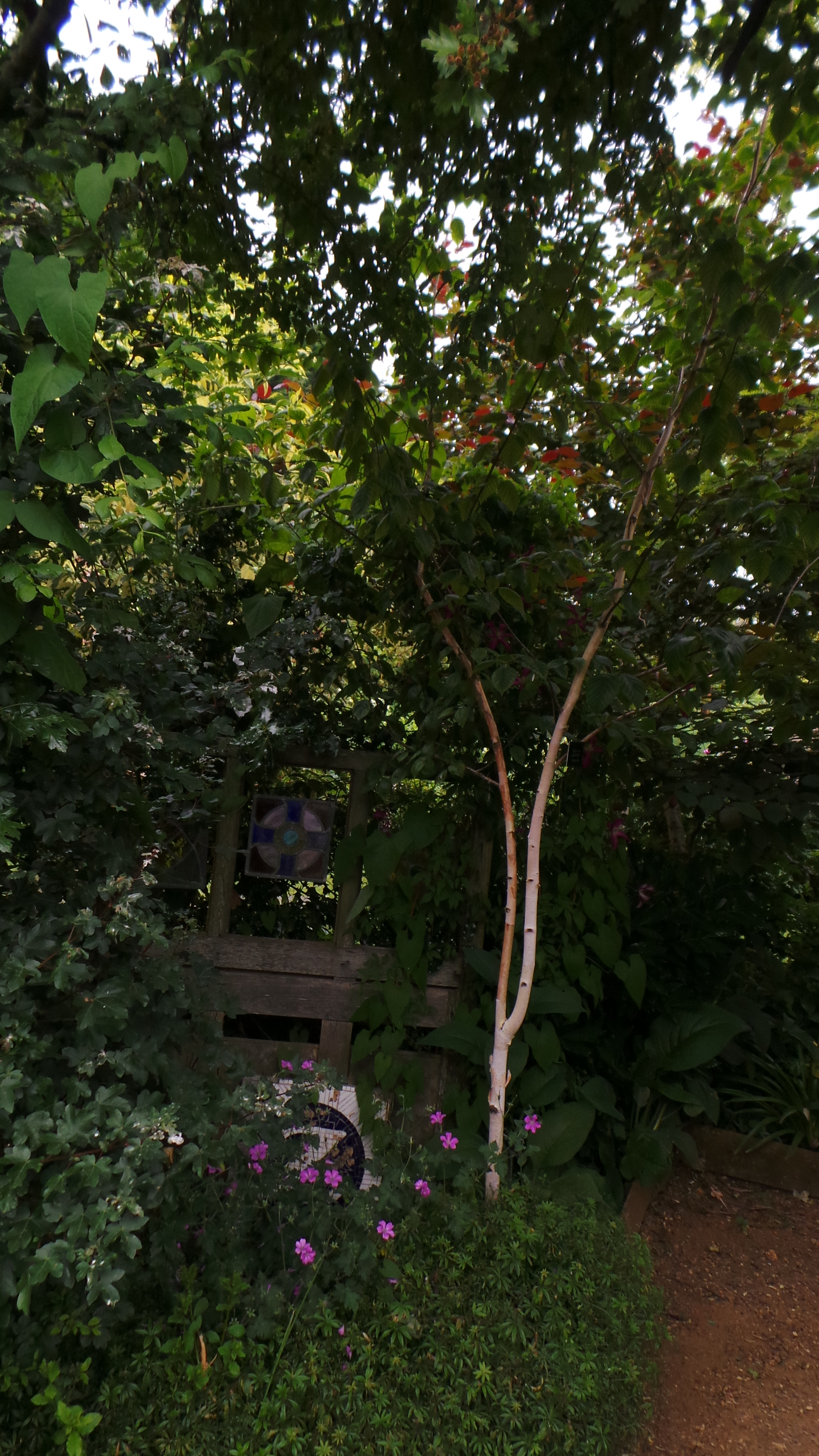
We found wandering around TWIGS a most enjoyable, relaxing and enlightening experience. It shows what can be achieved by dedicated people who want to use gardening and working with nature to improve the lives of others. It was good to visit another community garden which proved to be very different to our own at Bowbrook Allotment Community.I shall finish with this set of pictures which illustrate what TWIGS is all about. A sunken retreat had been designed by an artist in residence and built by the TWIGS clients using all recycled materials. It is a peaceful place to sit and widlife has found homes within it.
2014 06 23_1147 2014 06 23_1146 2014 06 23_1145


Categories
architecture buildings canals Church architecture outdoor sculpture photography renovation sculpture townscapes

Gloucester Docks

2014 06 25_1213 2014 06 25_1214

We had a weekend away recently and passing near to Gloucester on our way back decided to drop into the city and make a return visit to its historic docks. We had not been there for about 30 years and even then it was at the start of a rebirth. A few of the old dockside warehouses had been restored and given a new lease of life. We had gone specifically to see the “Opie Collection” which was an amazing collection of old packets and packaging. we were wondering how the development had fared and if it had an air of rebirth and vibrancy such as developments at Cardiff Dock and Merseyside’s Albert Dock had managed to achieve.

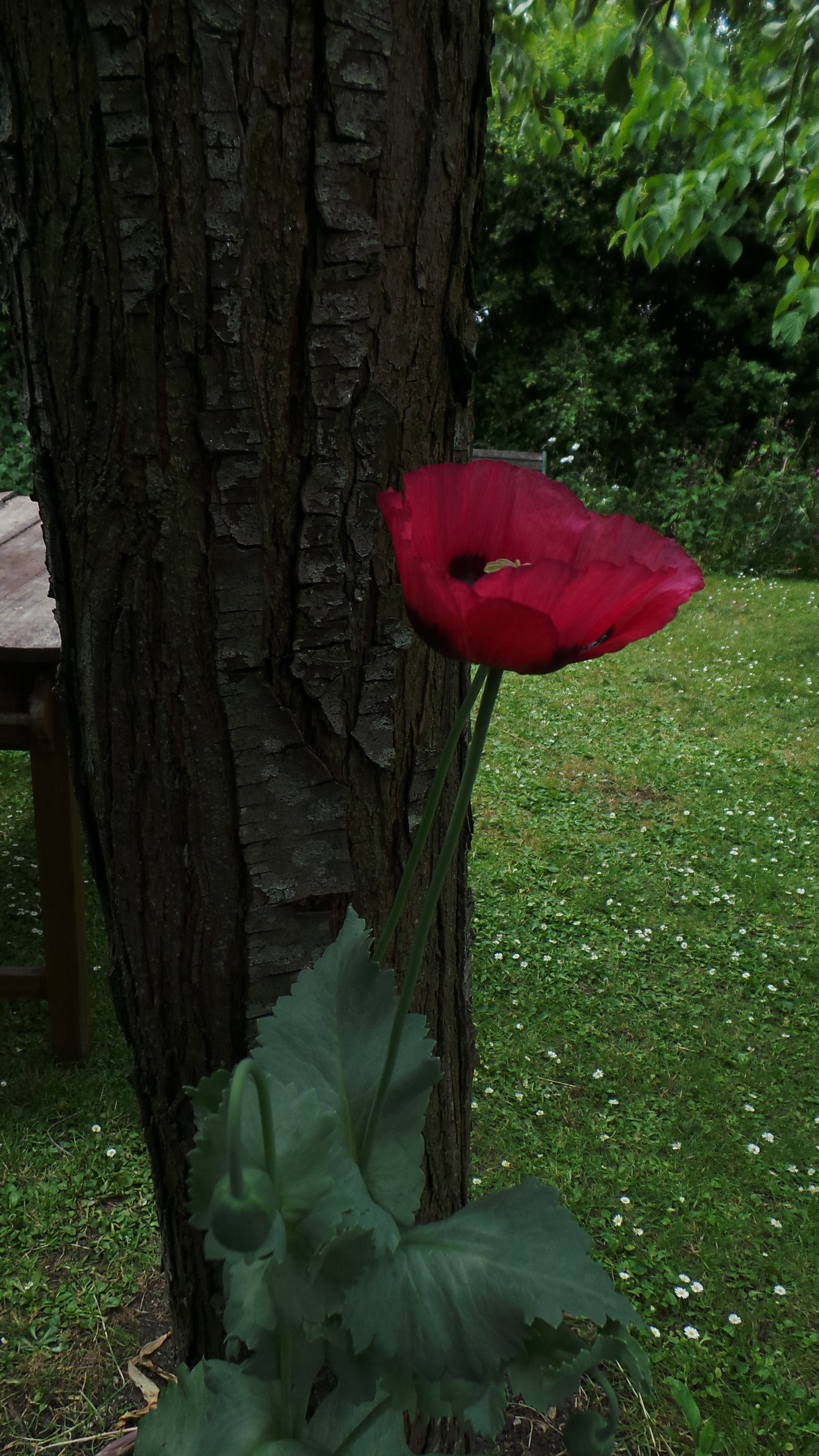
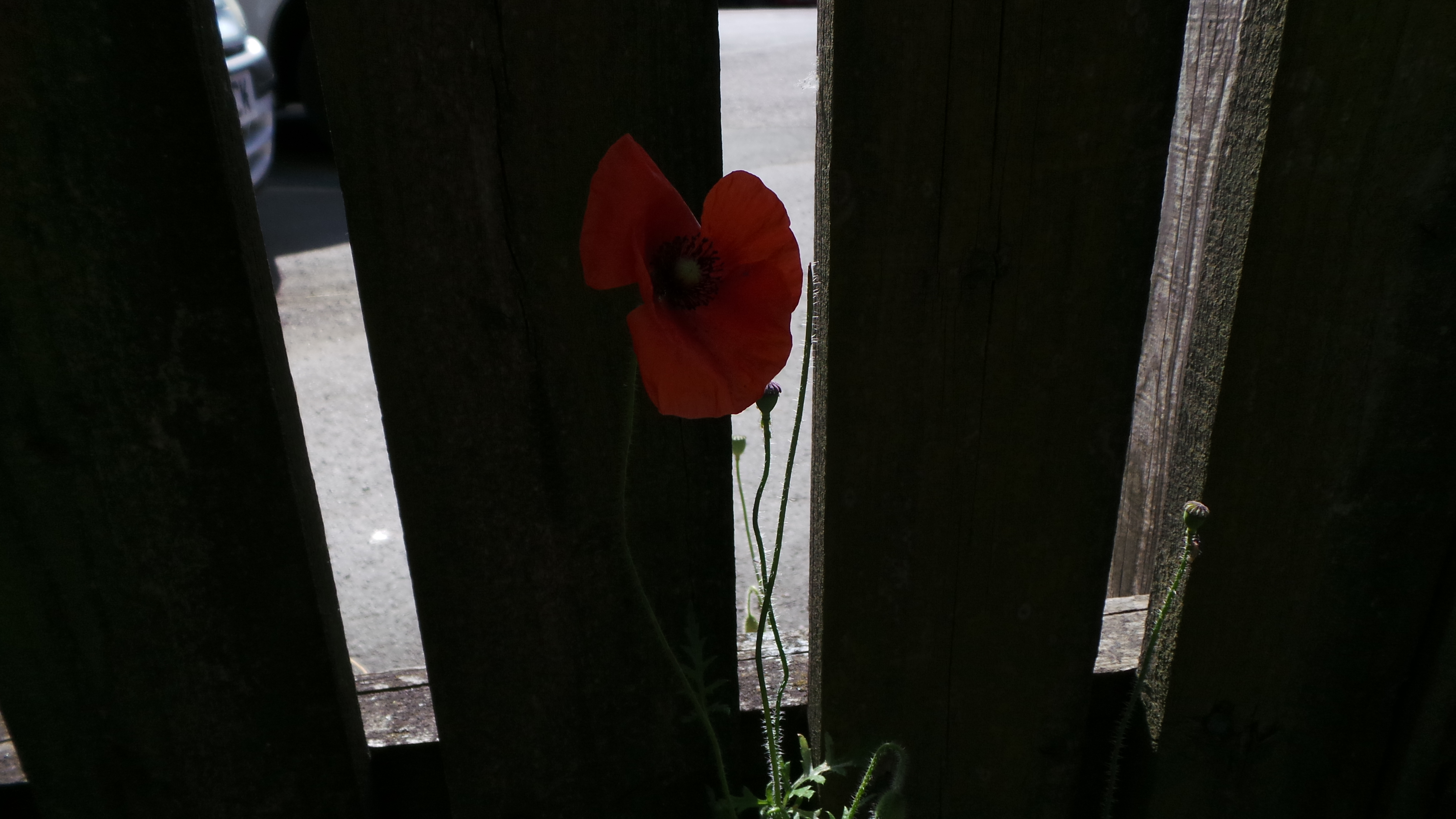
Trying to park was not easy – they hadn’t got that right! And the road signs all around were dreadful but we did manage to park and found our way to the dock area. It was definitely worth the effort. It seemed at first glance to be lively and well-used with little sign of the dereliction that curses most dock areas. On the walk from the car park to the docks I spotted these red poppies bursting with colour and energy through a crack in the pavement. They glowed against the black fence. I loved the image of nature breaking through the concrete and adding a touch of softness to the rigidity of man-made structures.
2014 07 27_2146 2014 07 27_2148

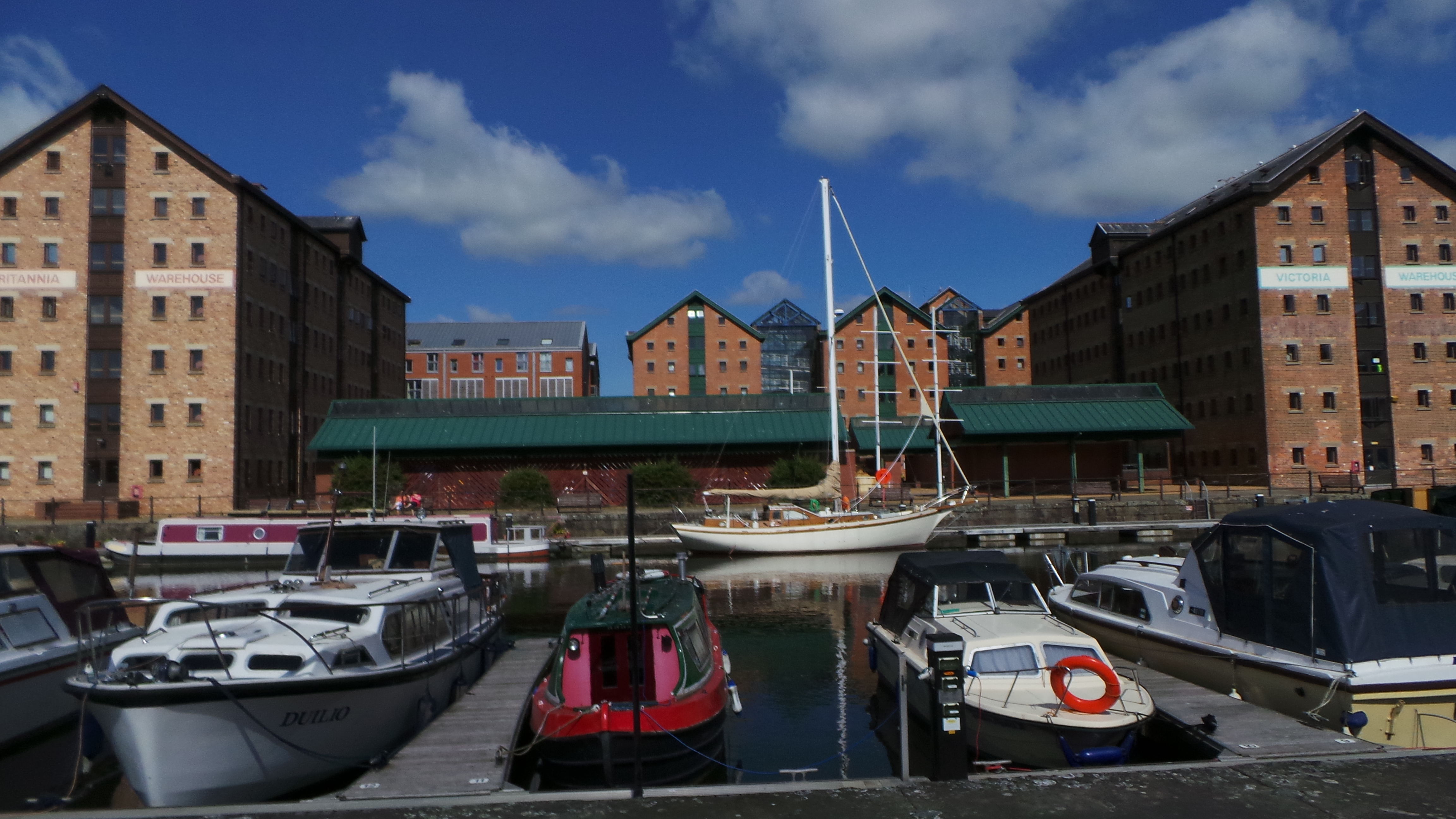
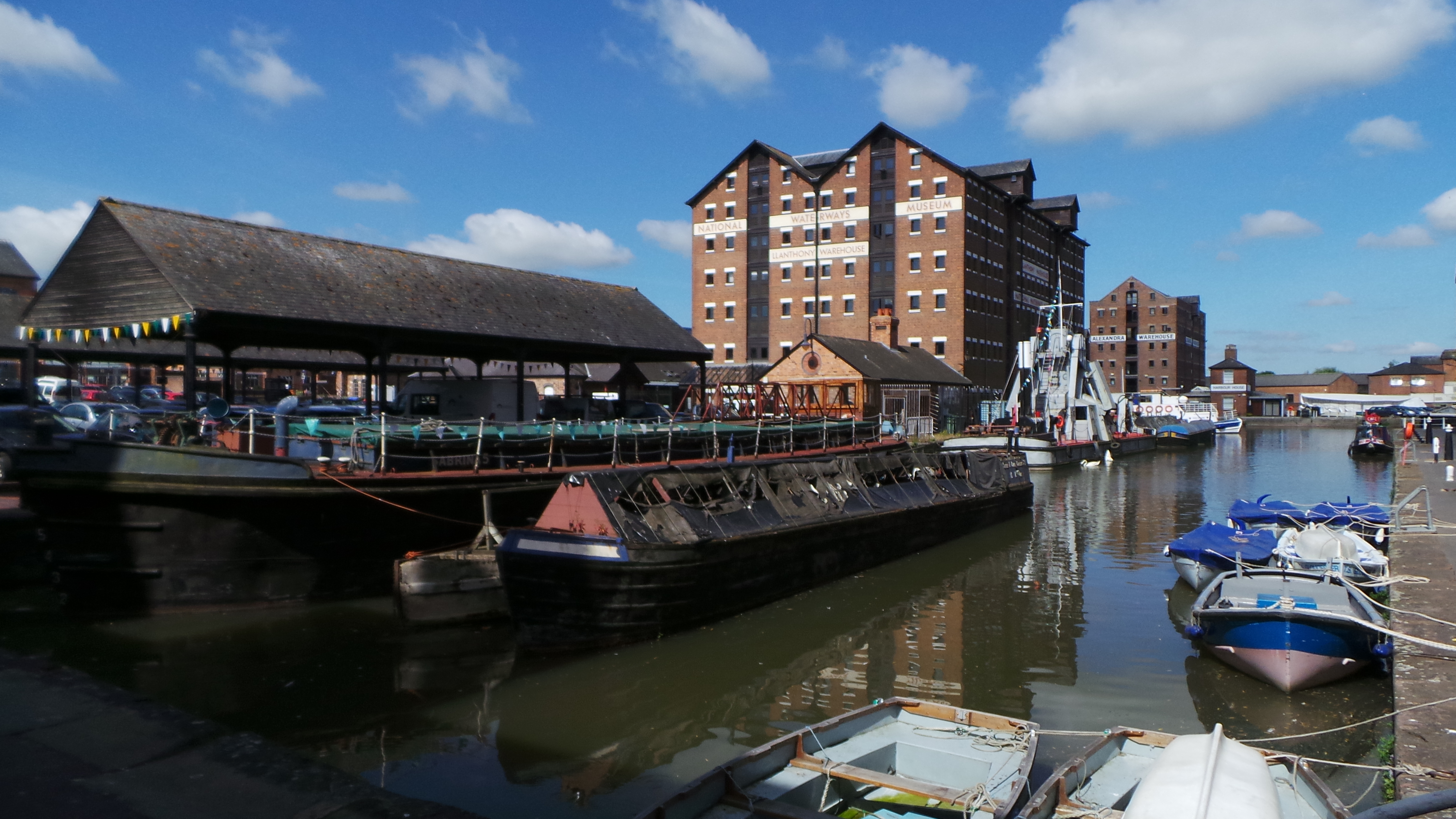
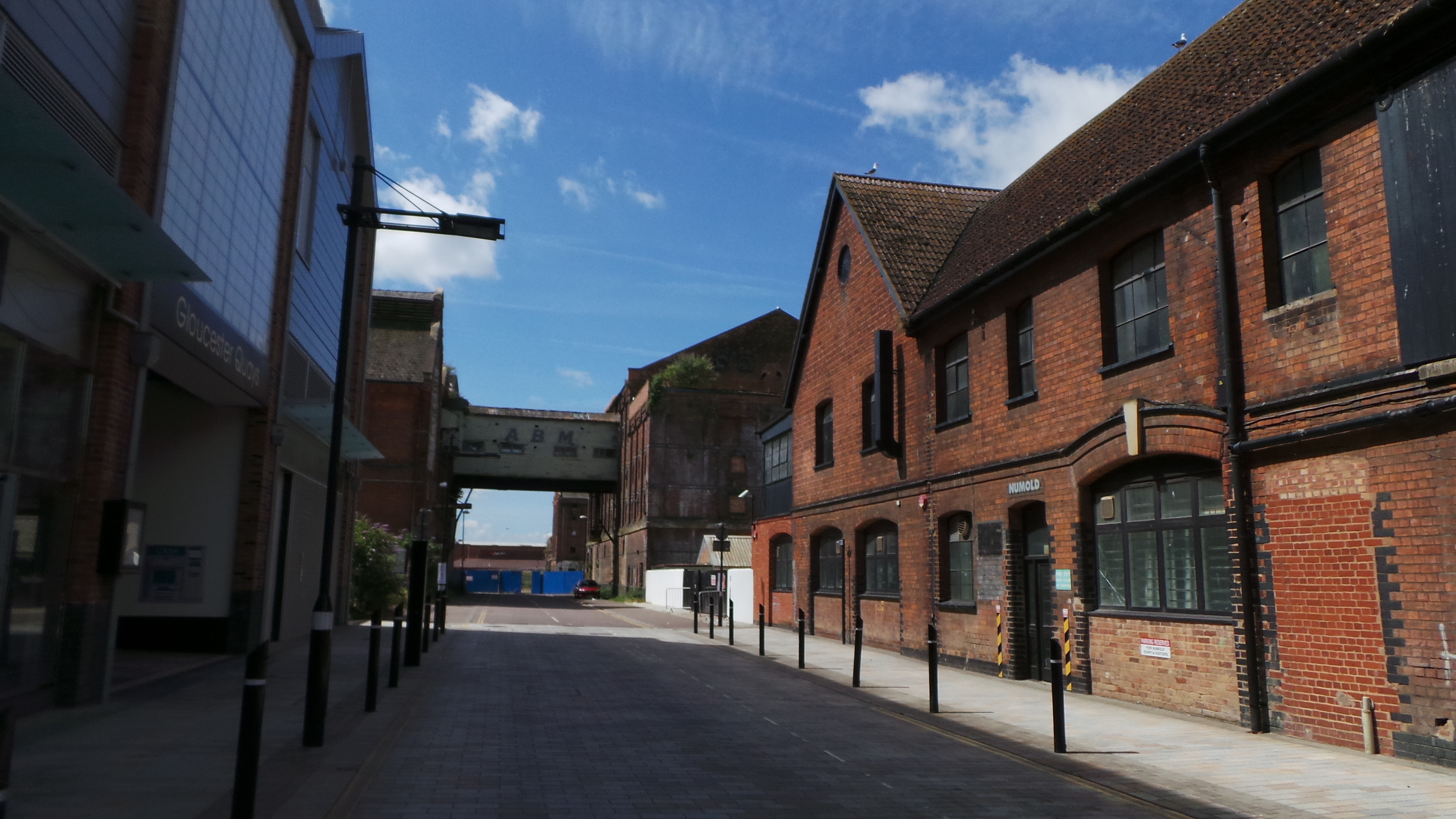
As we entered the docks themselves after a short walk we were instantly amazed by the lively feel of the place. New life had been given to dereliction and what once were working docks and warehouses had been given a second chance to burgeon as leisure, retail and new homes.

2014 06 25_1220 2014 06 25_1245

2014 06 25_1213 2014 06 25_1223


2014 06 25_1250


As usual in these reborn docks plenty of coffee shops beckoned. In the evening there are also plenty of restaurants to entice the evening visitors.

2014 06 25_1225 2014 06 25_1261


2014 06 25_1257 2014 06 25_1258


2014 06 25_1252 2014 06 25_1251

While we turn to restaurant and cafe for refreshment today, in times gone by when the docks were places of strenuous often dangerous labours the dockworkers and bargemen would have turned to religion so all of the larger docks provided a chapel. Gloucester was no exception.

2014 06 25_1253

2014 06 25_1254 2014 06 25_1255

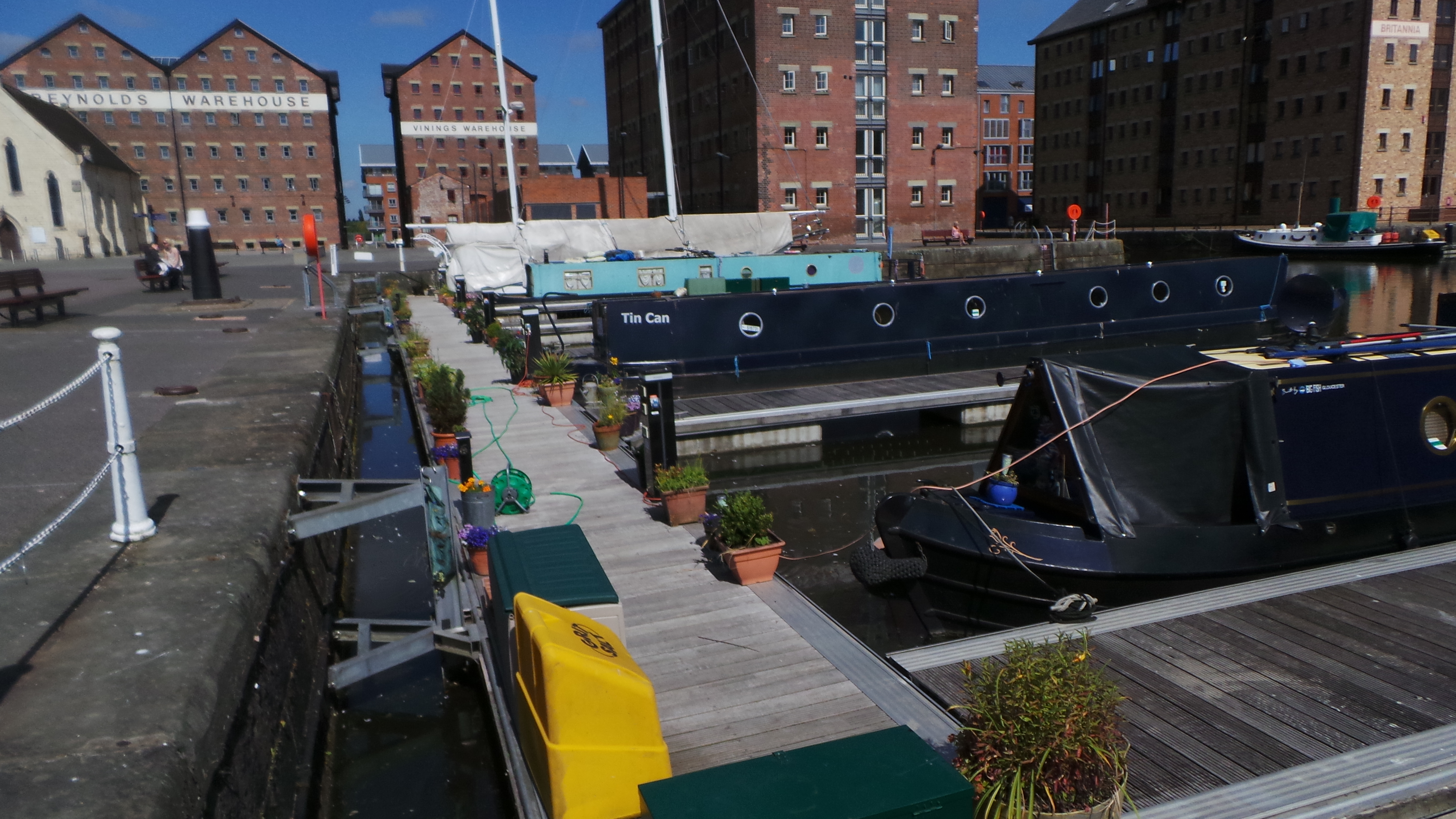
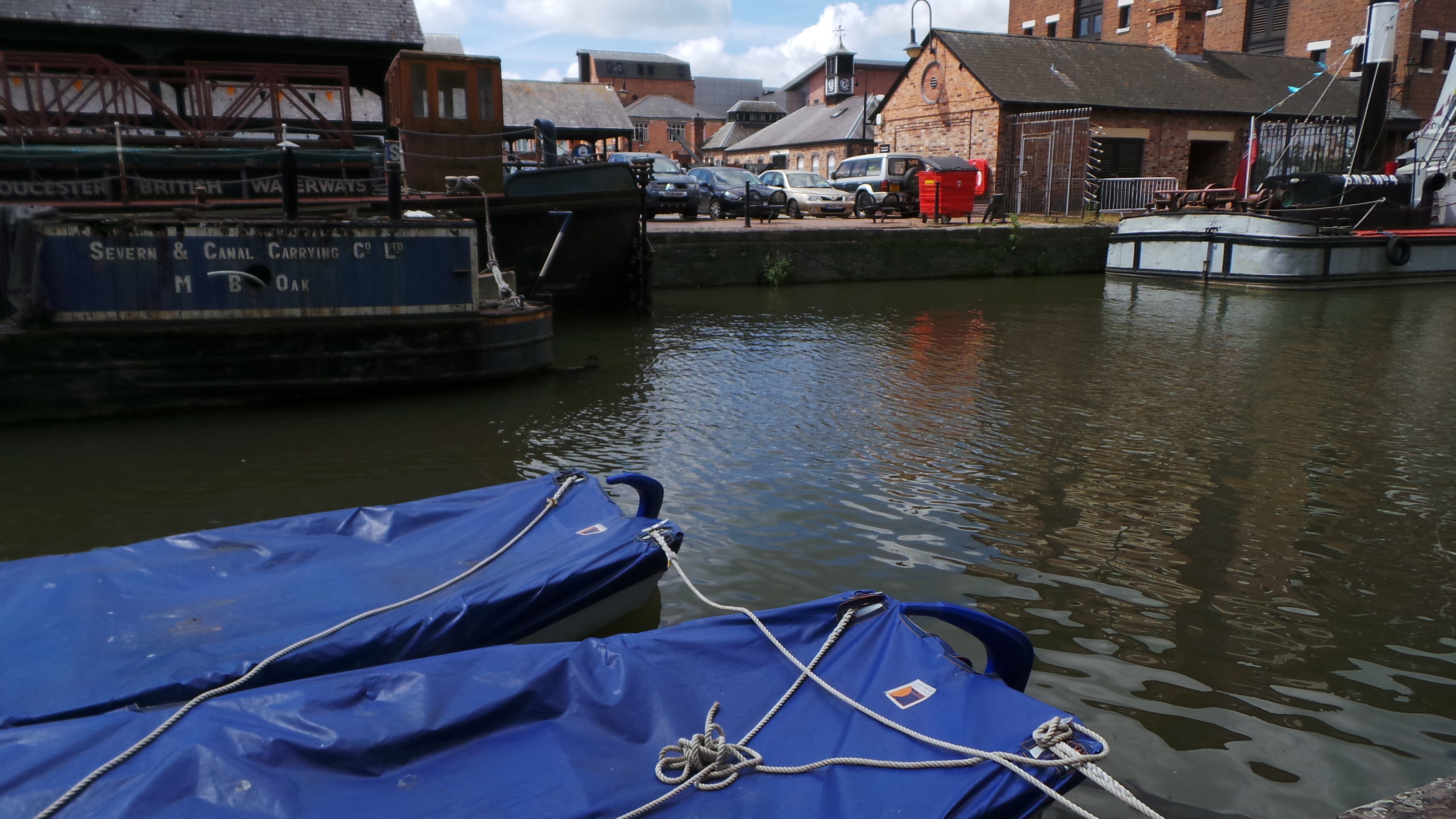
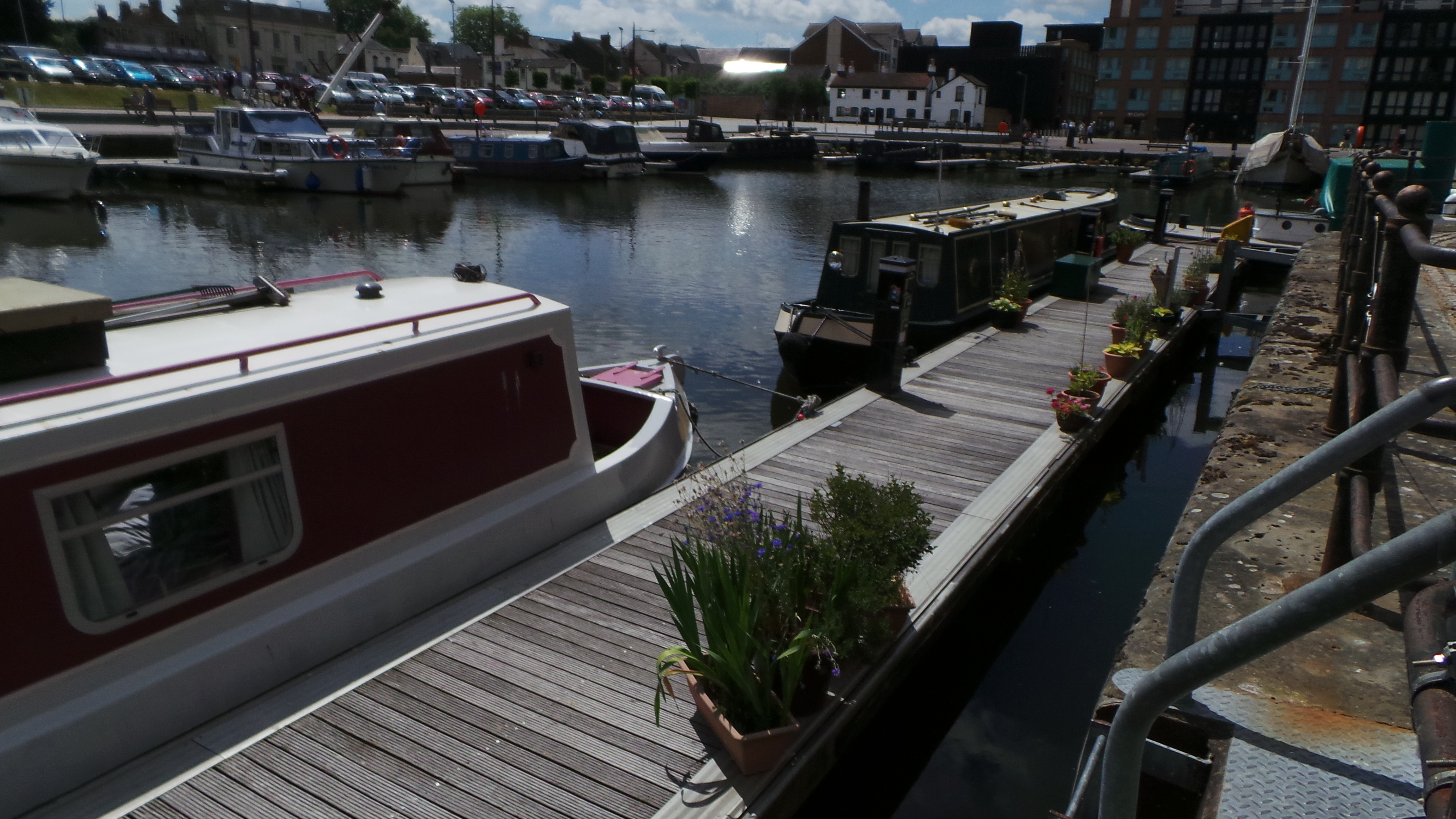
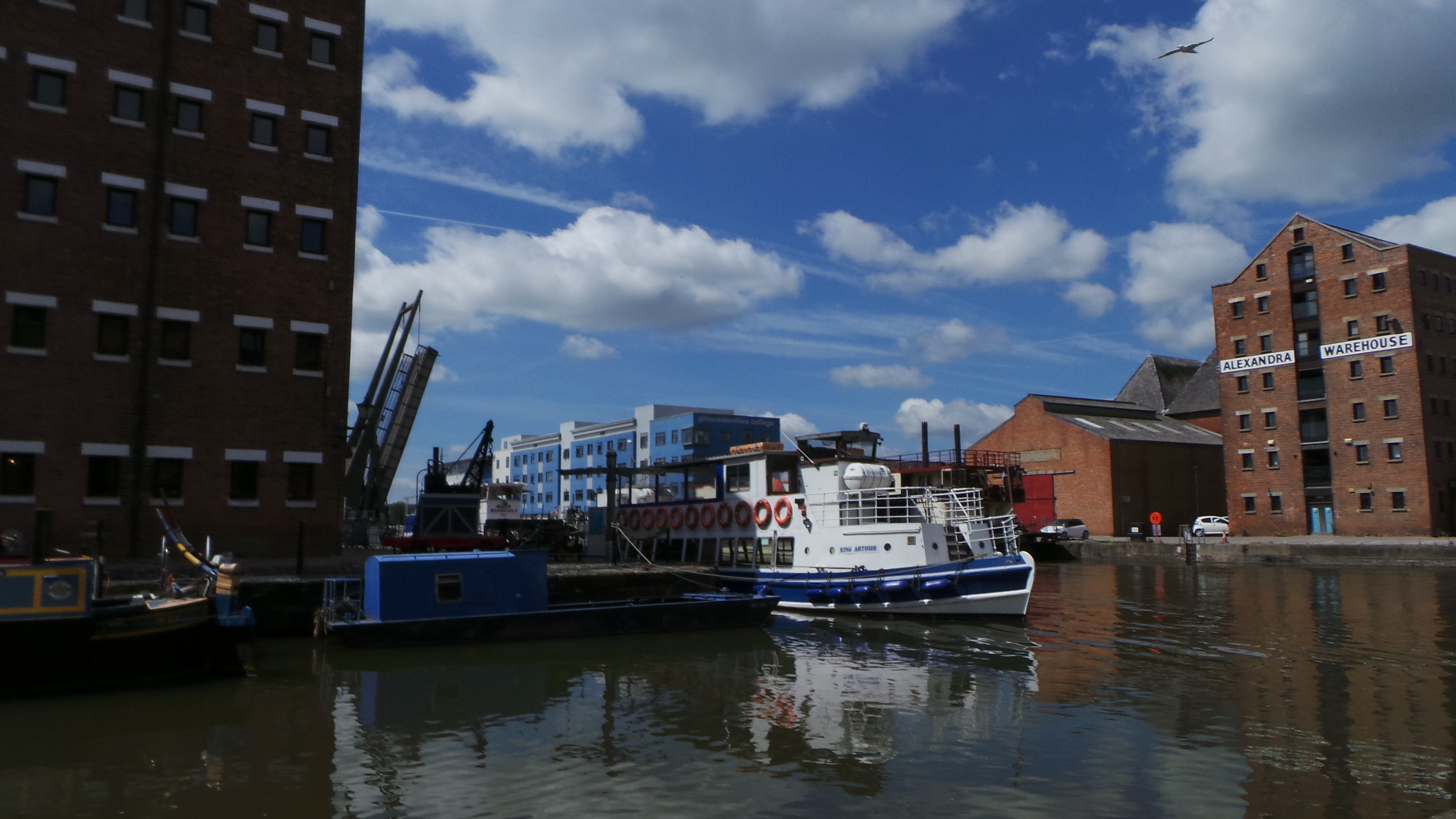
The craft that moor here now are are barges converted for leisure and pleasure and the odd tourist boats offering regular trips. It was hard to imagine the noise and constant movement of barges and their cargoes that must have moved through here every moment of every day when the docks were fully working.

2014 06 25_1222 2014 06 25_1227

2014 06 25_1224 2014 06 25_1260

2014 06 25_1259 2014 06 25_1256

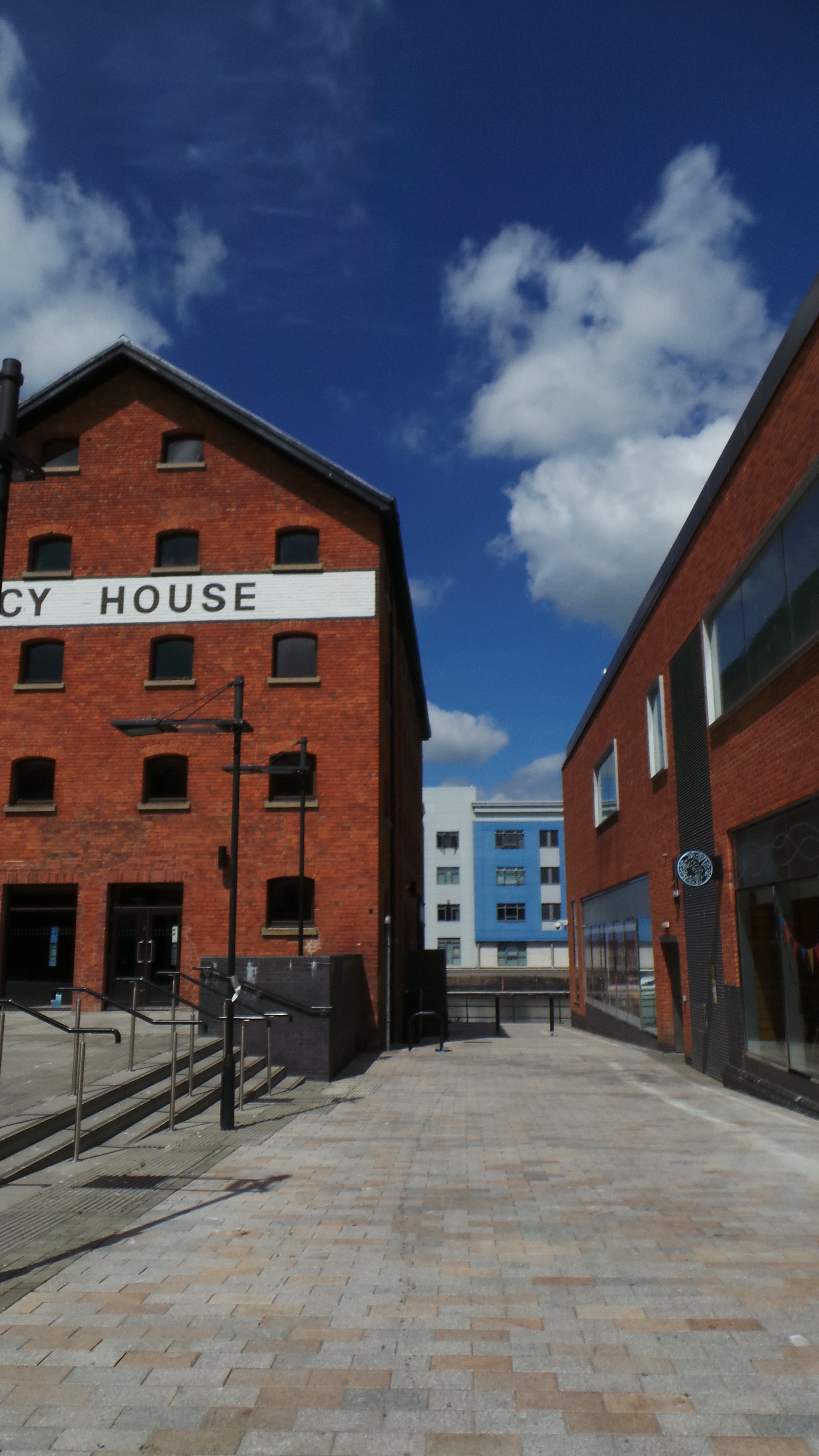
A favourite building of us both is the new Gloucester College of Art which sat in its blue and white crispness as a compliment to the blue of the sky and the white of the slowly passing clouds. When seen through the original dockland warehouses the college presented hope for the future.

2014 06 25_1242 2014 06 25_1229

2014 06 25_1228  2014 06 25_1226

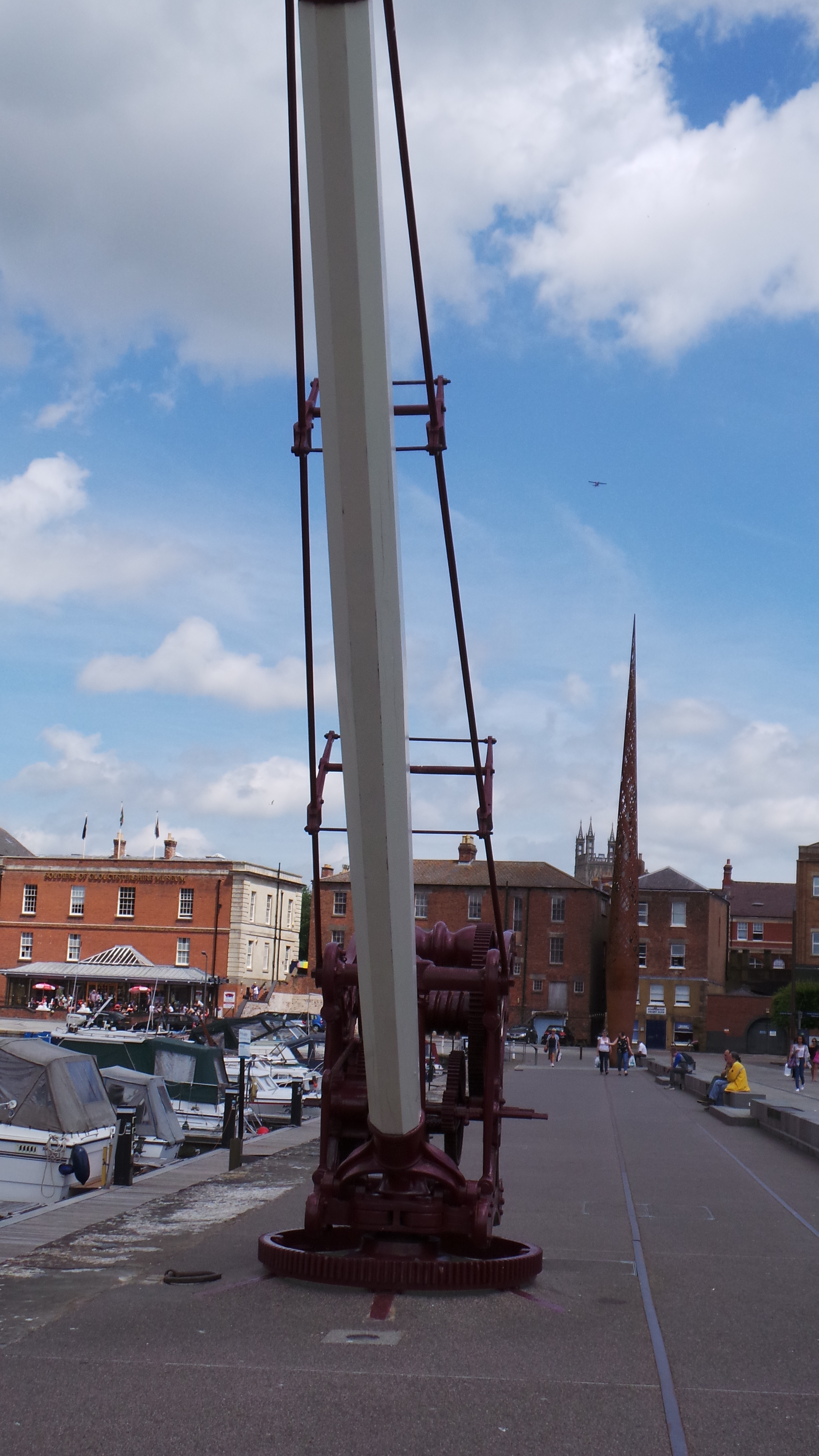
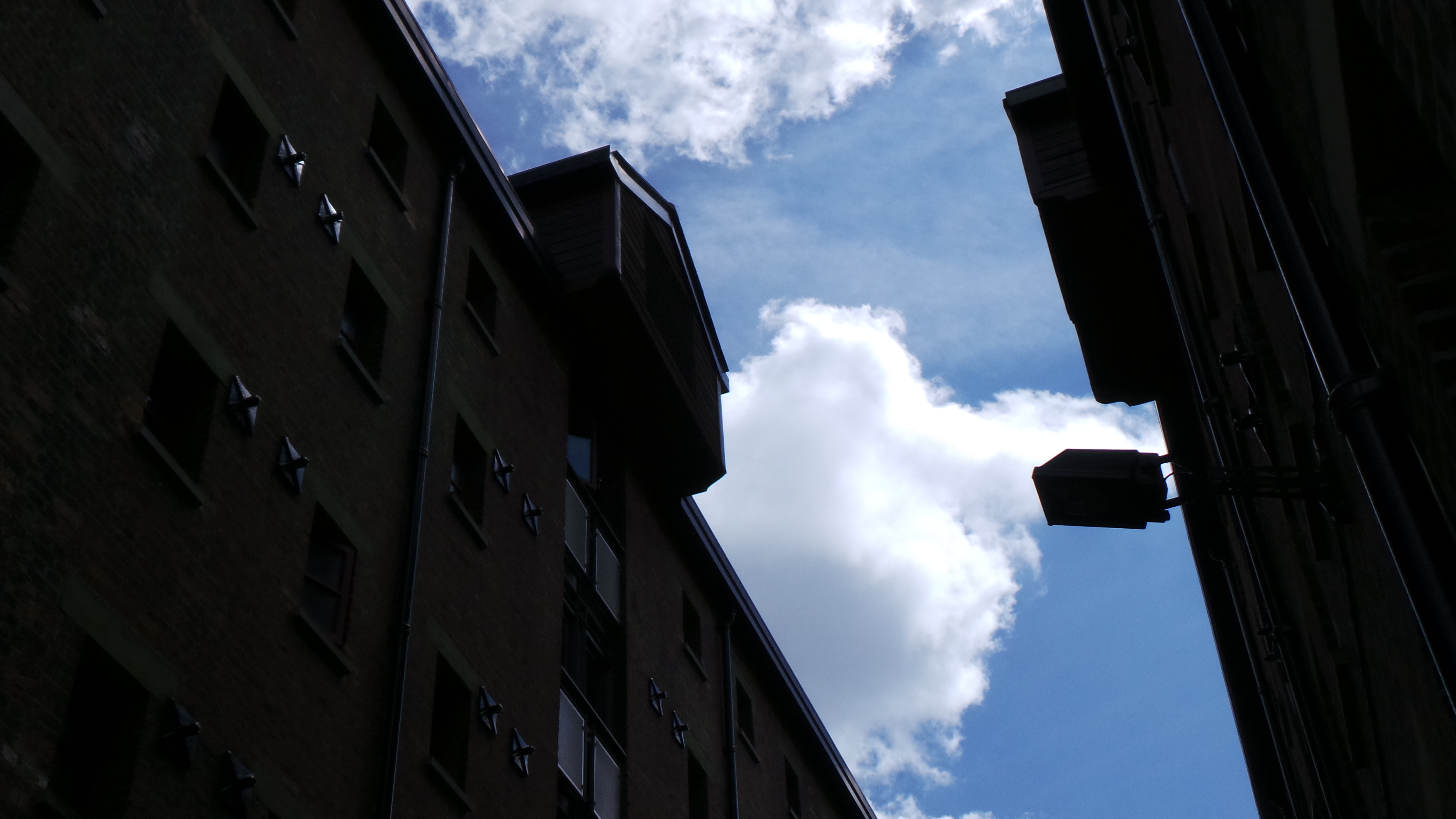
Signs of its bustling past remained and had been lovingly restored as sculptural memorials to its past and to the men and women who toiled there. They have a beauty all of their own.

2014 06 25_1221 2014 06 25_1262

New pieces of sculpture commissioned as tributes to the docks’ past sit alongside the remnants of its earlier industriousness. Some thrusting into the air indicating power while others subtly placed where feet trod and the occasional eyes fell to spot them.

2014 06 25_1215 2014 06 25_1217

2014 06 25_1218

The lift bridge was still toiling away lifting the road to allow water craft to enter or exit the docks. Where once the bridge would have lifted to give passage to working barges now the vessels passing below are pleasure craft manned by weekend sailors or tourists on trips along the waterway.

2014 06 25_1244 2014 06 25_1243

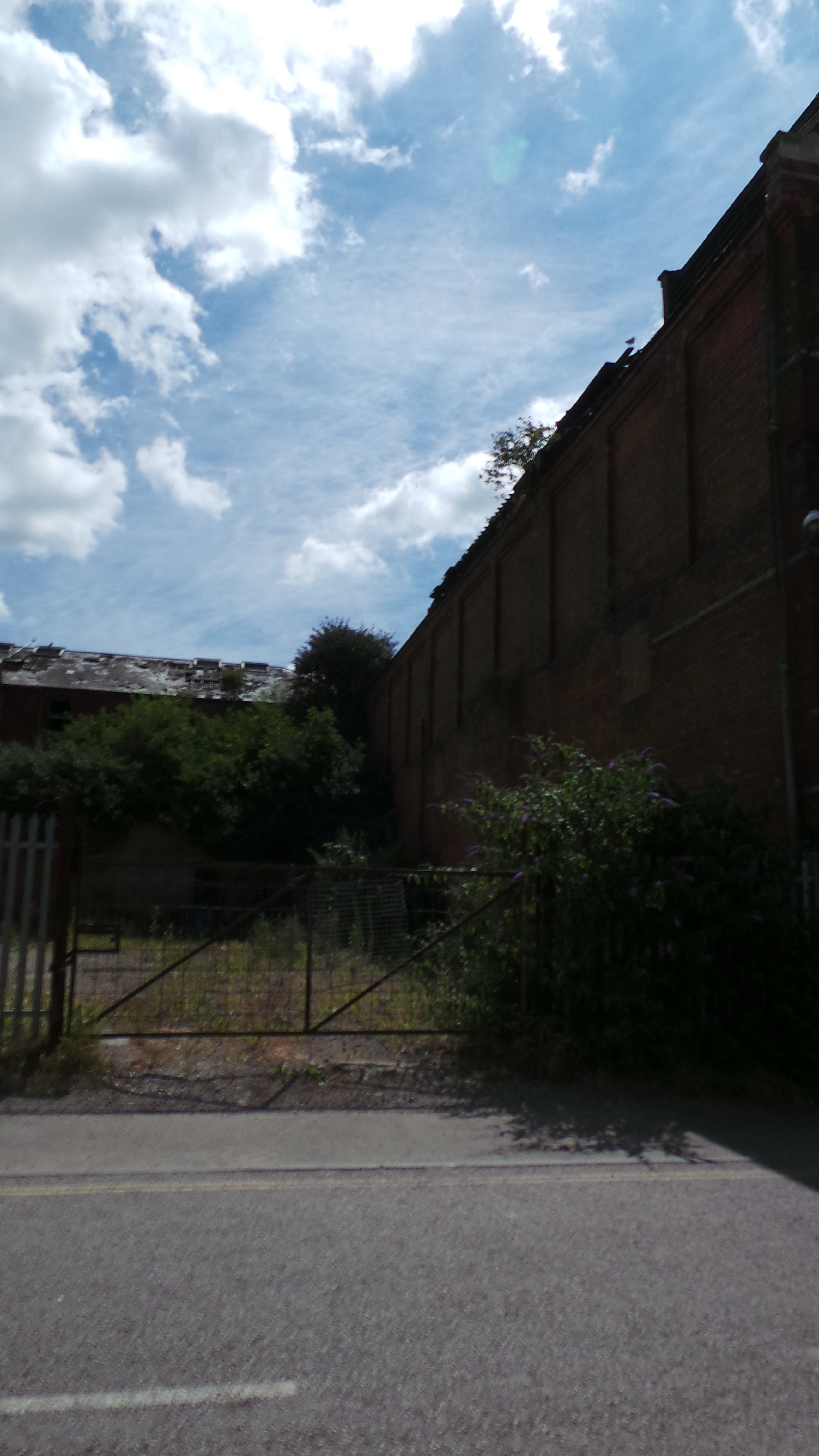
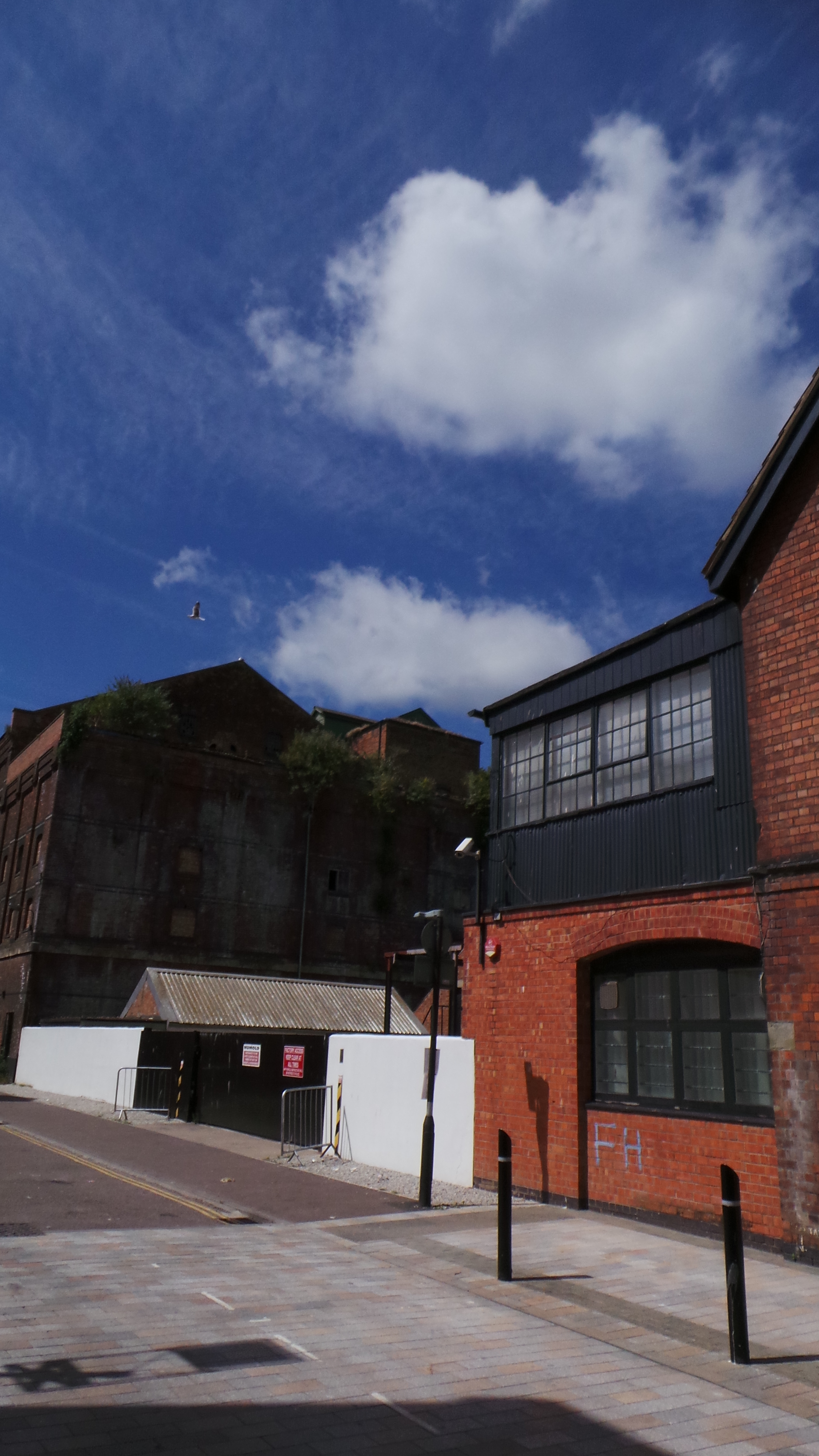
After dropping into a retail centre for coffee we wandered into an area of the docklands still undeveloped and this area presented a stark contrast to the newness we had been enjoying before. They seem to be patiently waiting their turn for fresh breath to be breathed into them them as thoughtless vandals paint graffiti on their doors and throw bricks through their windows.

2014 06 25_1246 2014 06 25_1241

2014 06 25_1237 2014 06 25_1234

2014 06 25_1235 2014 06 25_1238

This final trio of photos illustrates the sharp division between the developed and the symbols of the past.

2014 06 25_1236 2014 06 25_1232

2014 06 25_1230


As we took the path back to the car we stopped to get a close up look at this sculpture shooting skyward when we noticed a fingerpost directing us to the cathedral and, as we had never visited it, we naturally followed its invitation. We were impressed enough with a quick view of the outside to think we must come back for another visit.
2014 06 25_1263 2014 06 25_1264

2014 06 25_1265


Categories
countryside garden design garden furniture garden photography garden ponds garden pools garden seating gardening gardens hardy perennials hedgerows irises landscapes log piles meadows ornamental trees and shrubs outdoor sculpture Powis Powys sculpture Wales water in the garden Yellow Book Gardens

Three Welsh Gardens – Part Two – A Garden on Top of the World – Bryn Llidiart

Of course the garden we visited wasn’t really on top of the world, but it certainly felt that way as once more we made our way into the hills of Powys the other side of Welshpool, travelling along narrow single track lanes up steep hills and around sharp bend after sharp bend. It seemed to take ages to get nowhere and the journey did actually take twice as long as we had anticipated. We had to go in Jude’s little car as I had been in hospital the day before having a minor op on my hand so I couldn’t drive. We should have known better and Jude could have driven mine as its more powerful motor wouldn’t have minded the hills so much.

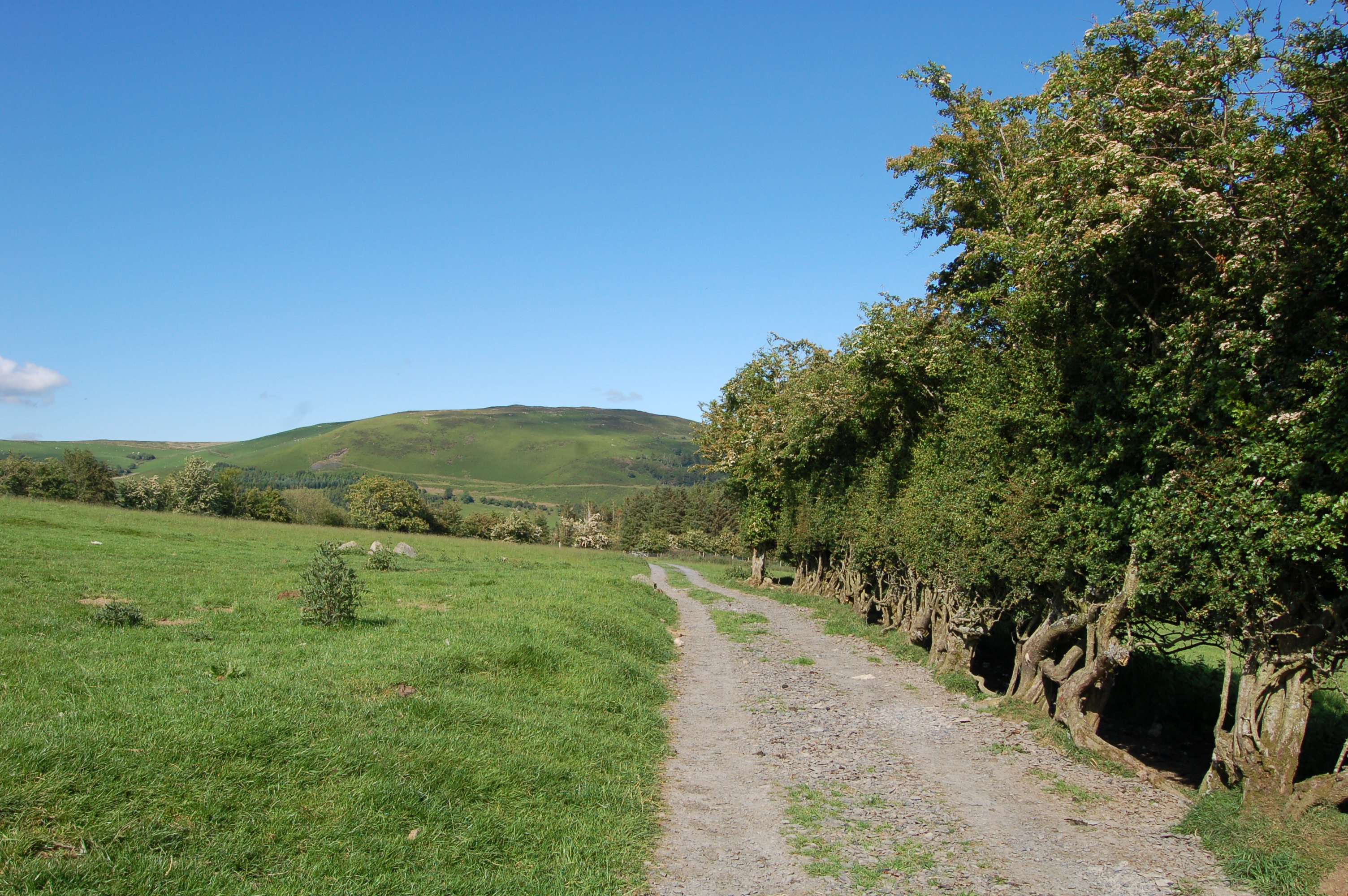
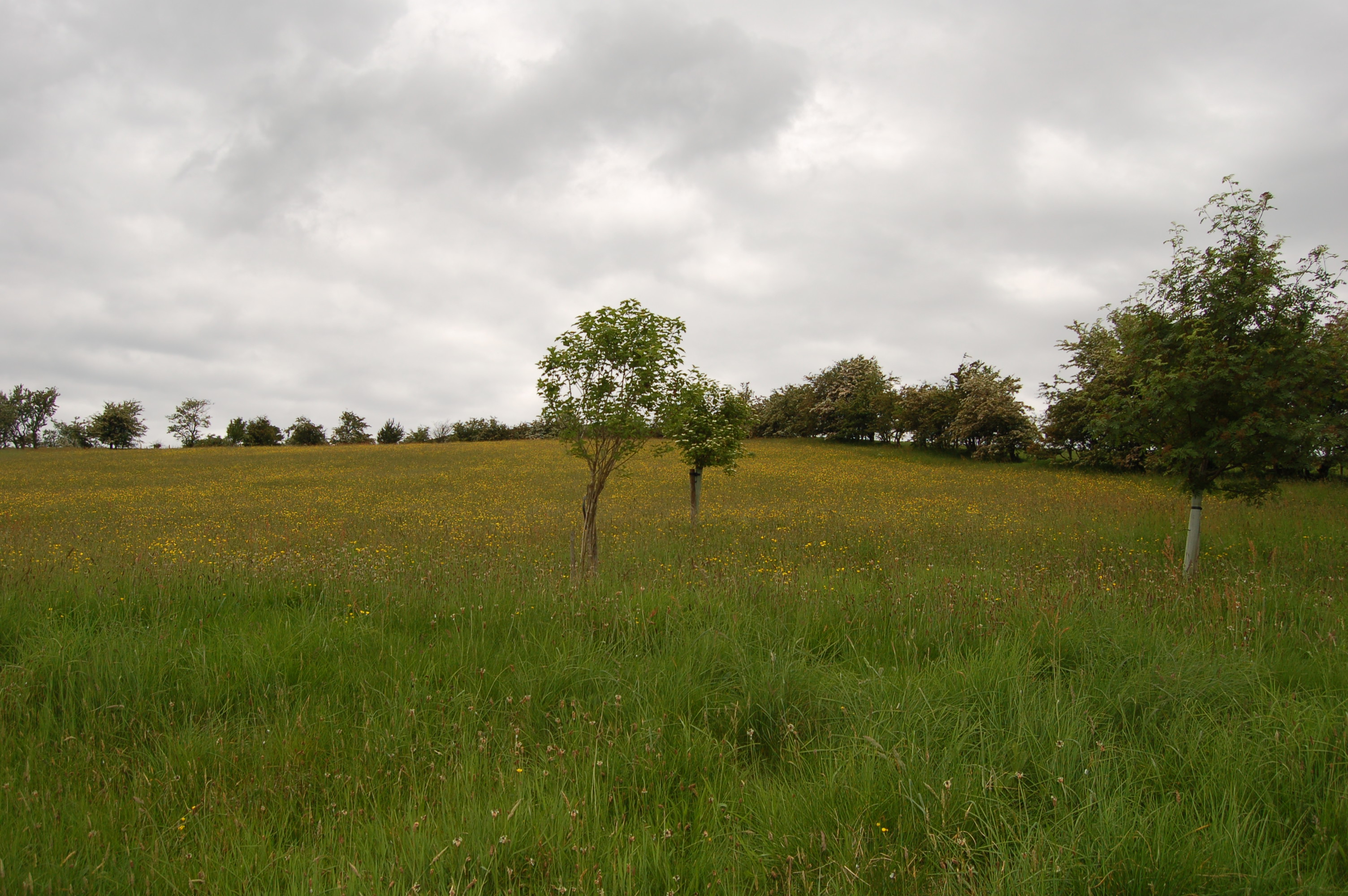
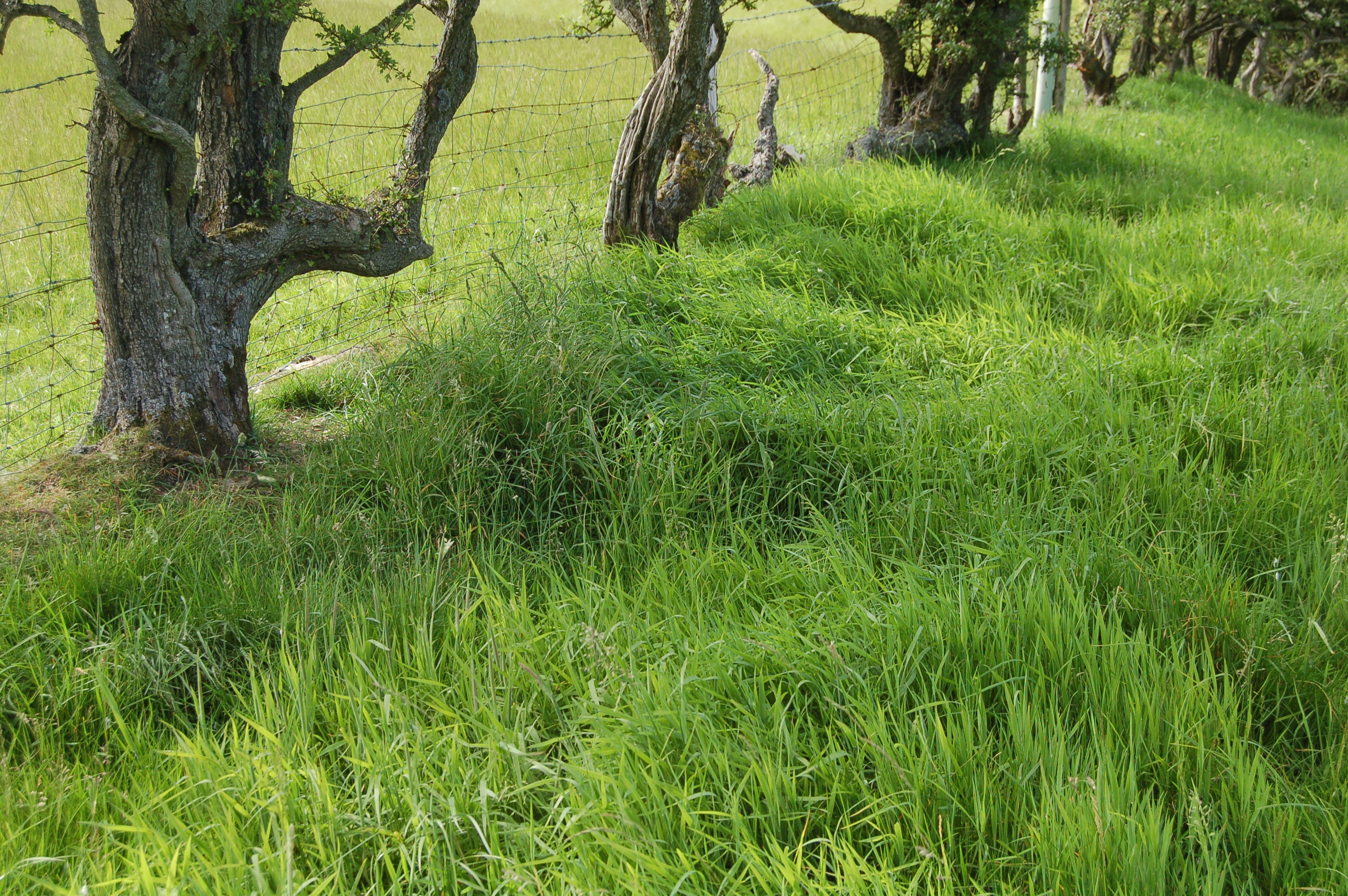
Once we got there however we knew we were in for a treat. Anyone brave enough to tackle the making of a garden in these harsh condition must be a very determined gardener indeed. As we neared our destination we turned up a very narrow lane where the hedges virtually touched the side of the car and we climbed steeply until the lane came to a halt. A gate in the stone wall was open on our right and a sign indicated that this was where we had to park up. On the left another track of rugged slate took us through fields grazed by sheep towards the garden.The gnarled old hedgerow Hawthorns were bowed over and twisted from years of being wind battered on this exposed hillside.
2014 06 14_0299 2014 06 14_0298 2014 06 14_0297 2014 06 14_0296


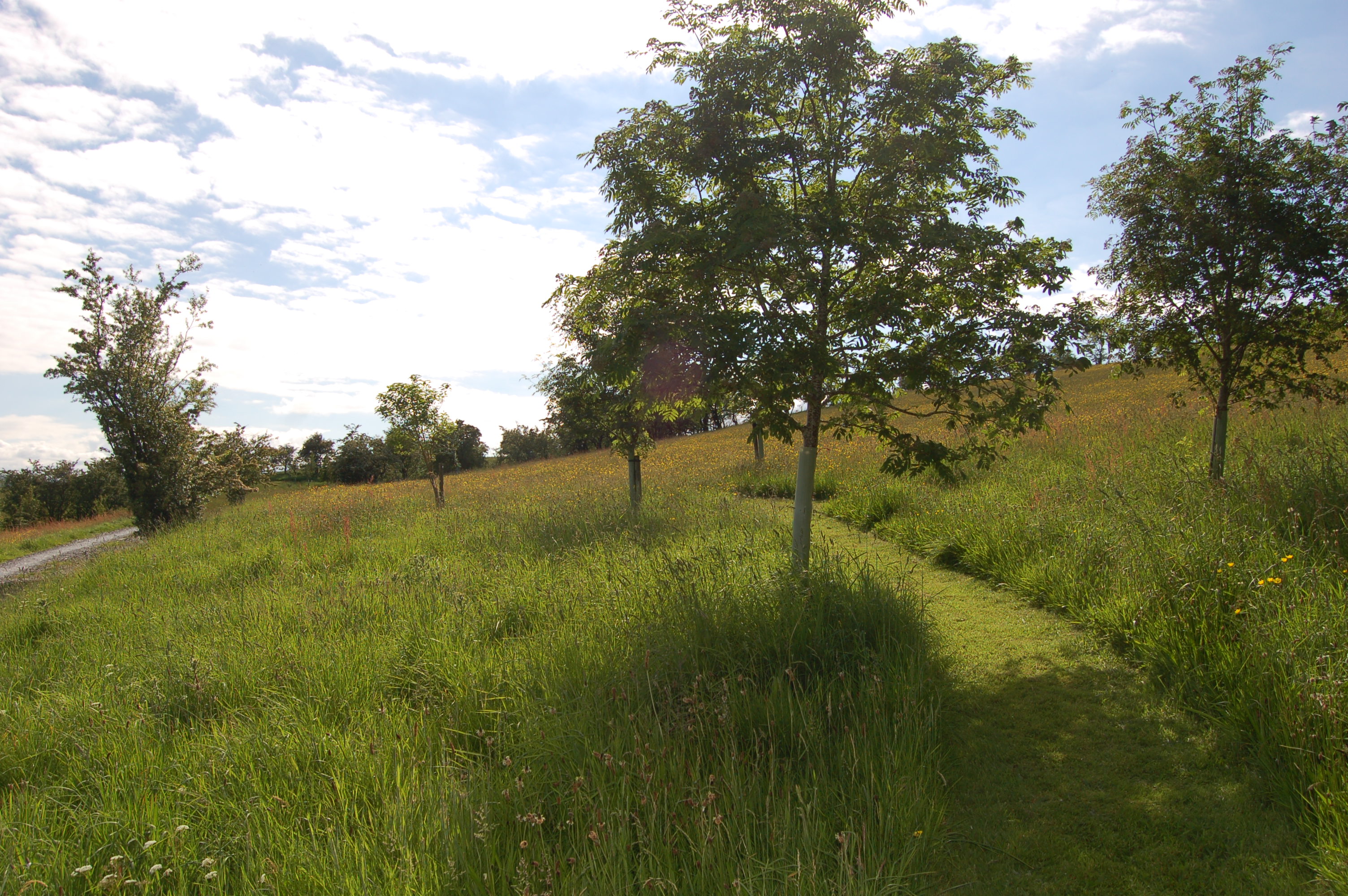
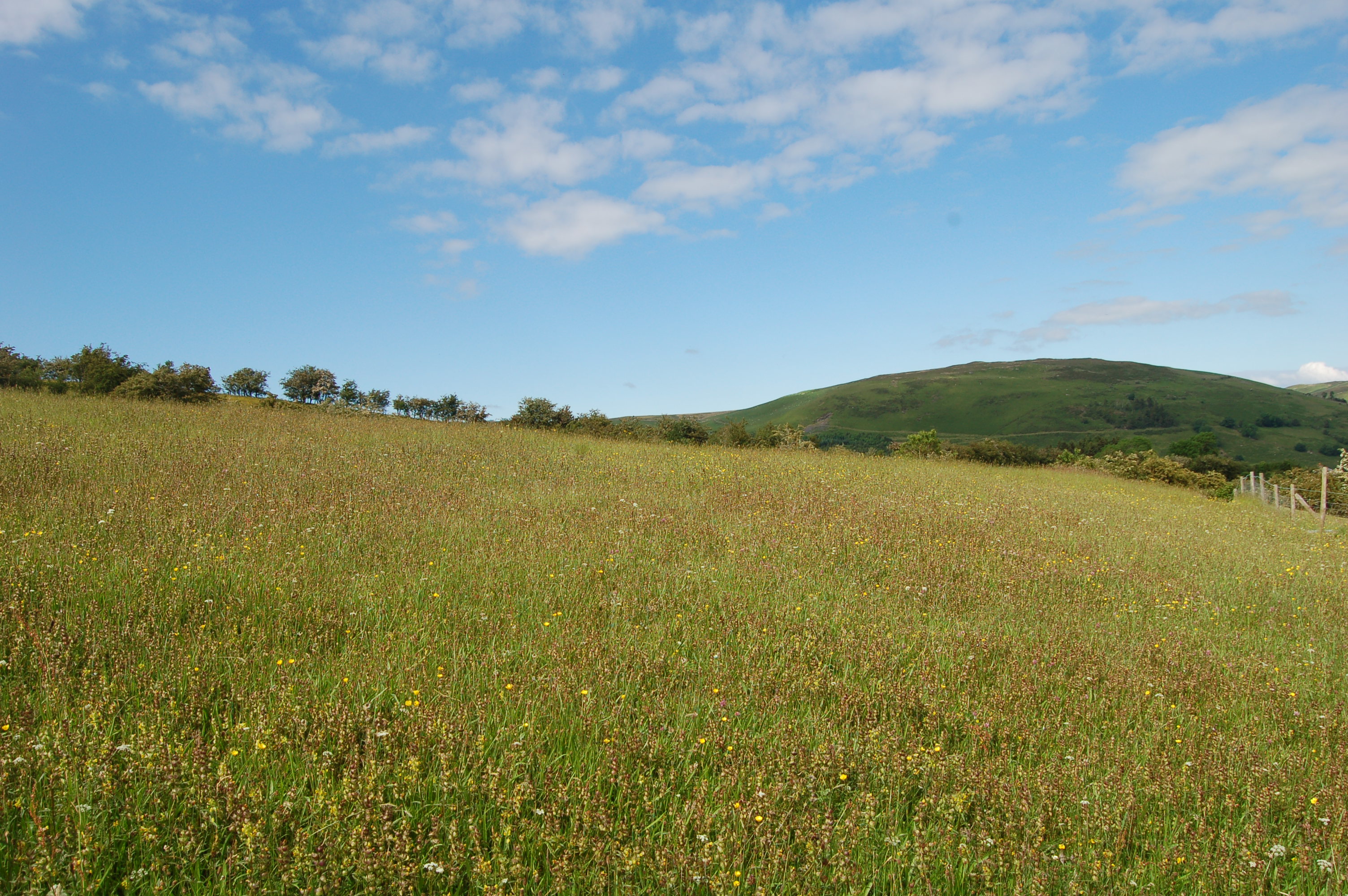
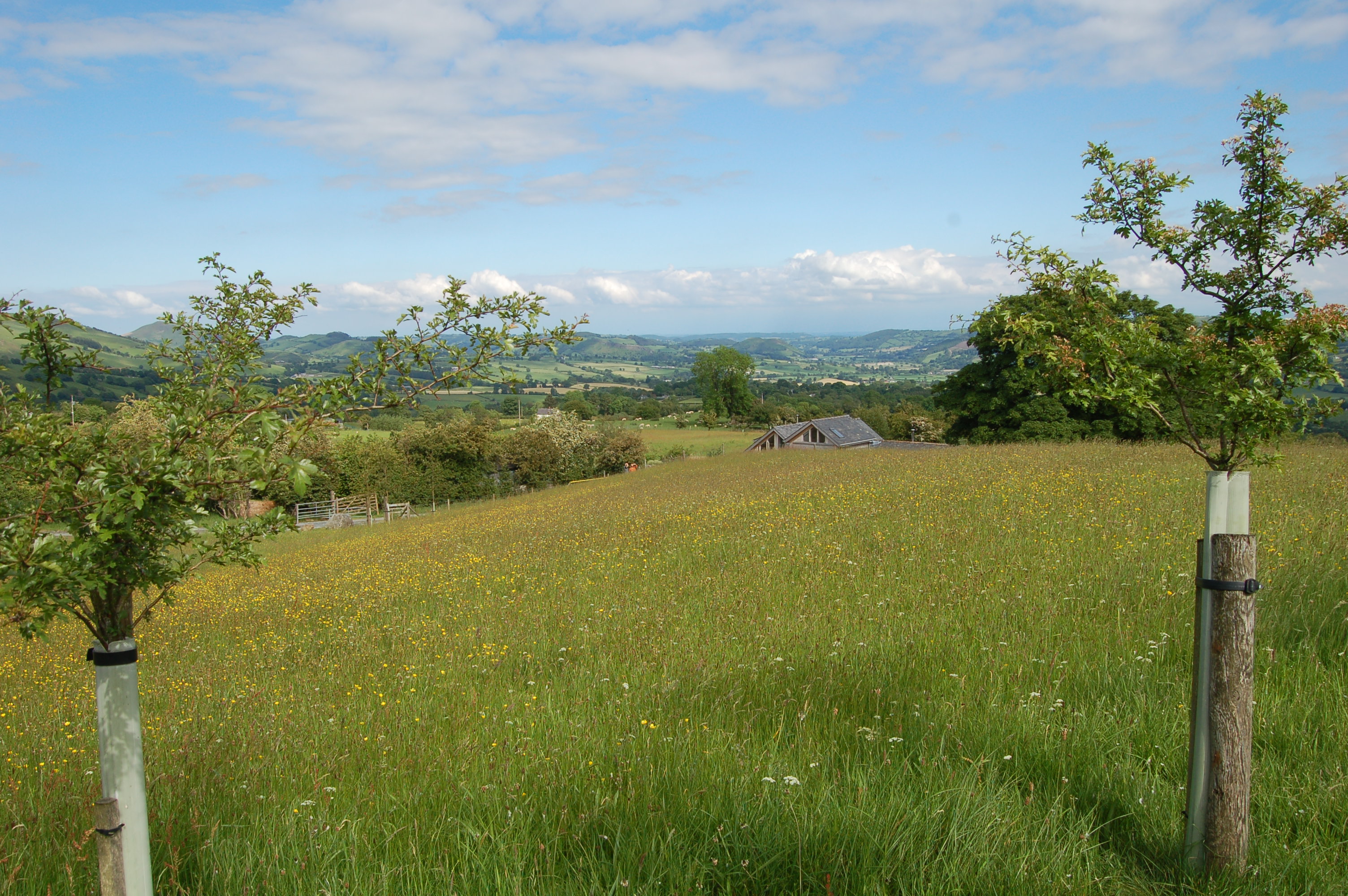
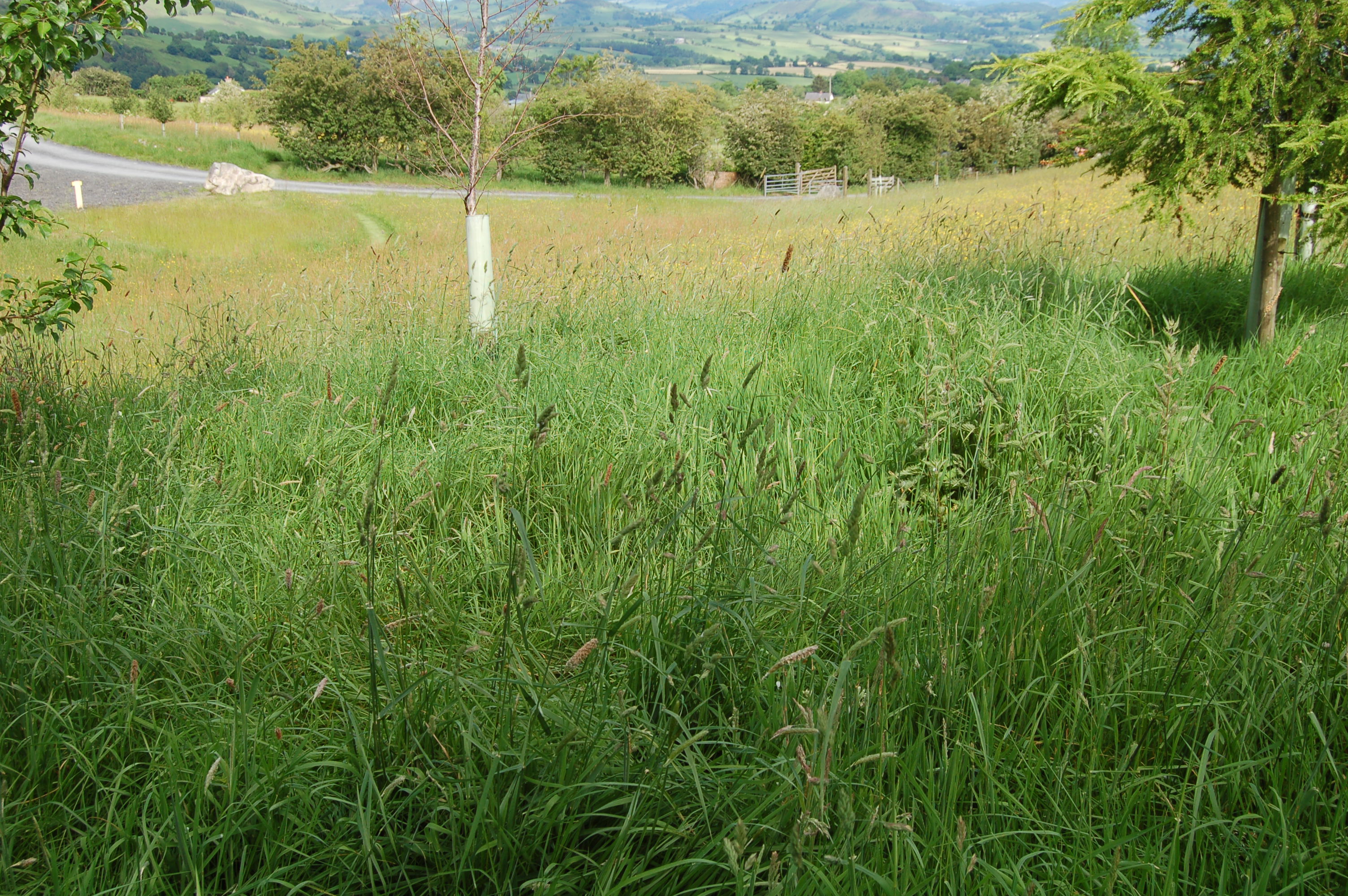
After a steep knee-aching walk across fields we realised we were getting close as the close cropped sheep pastures were replaced by recently planted flower meadows with neatly cut gently winding paths.

2014 06 14_0295 2014 06 14_0294 2014 06 14_0225 2014 06 14_0226

After walking the meadow edges we glimpsed the house ahead of us. From this distance it already looked tantalising.

2014 06 14_0227 2014 06 14_0228

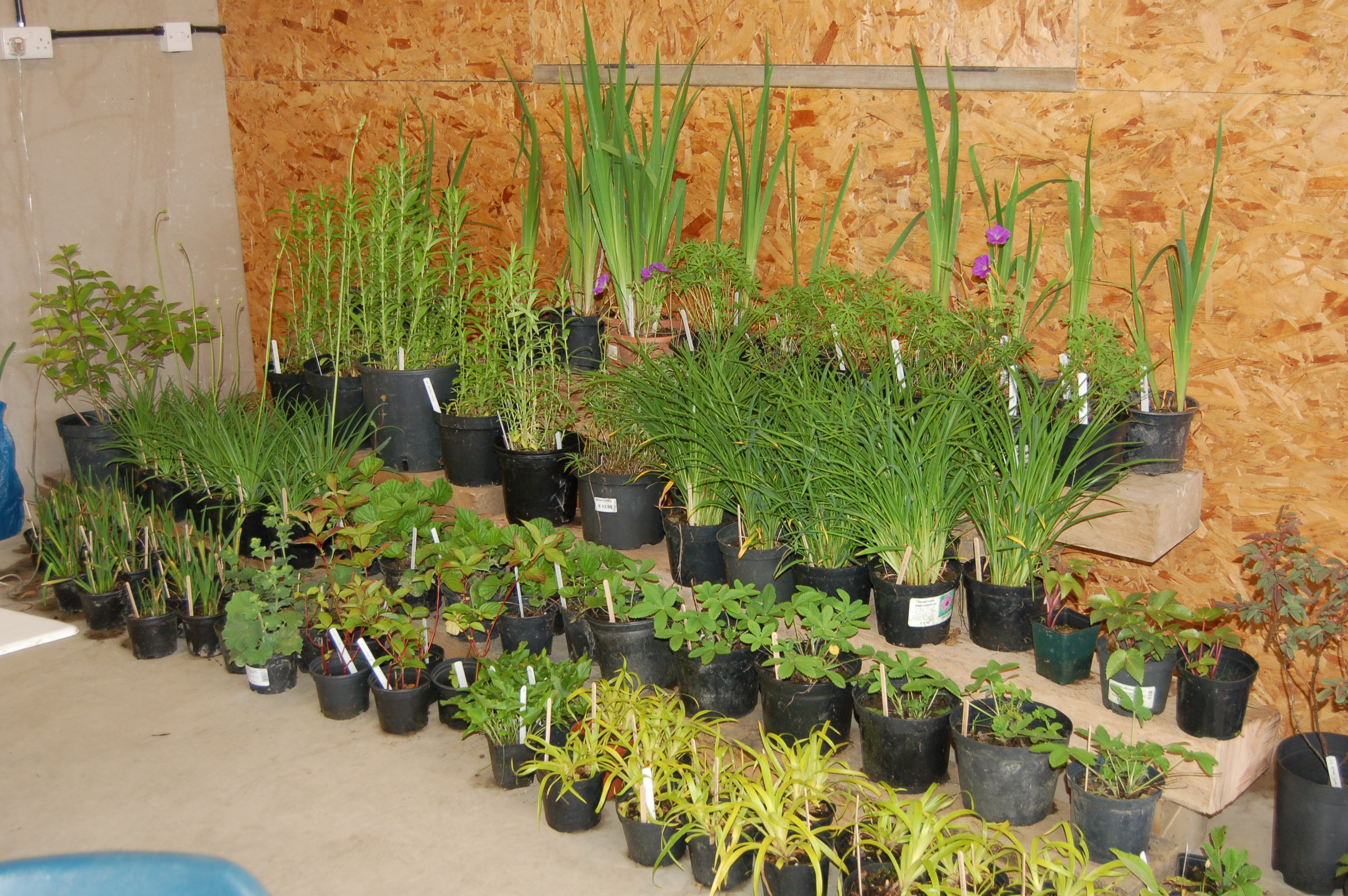
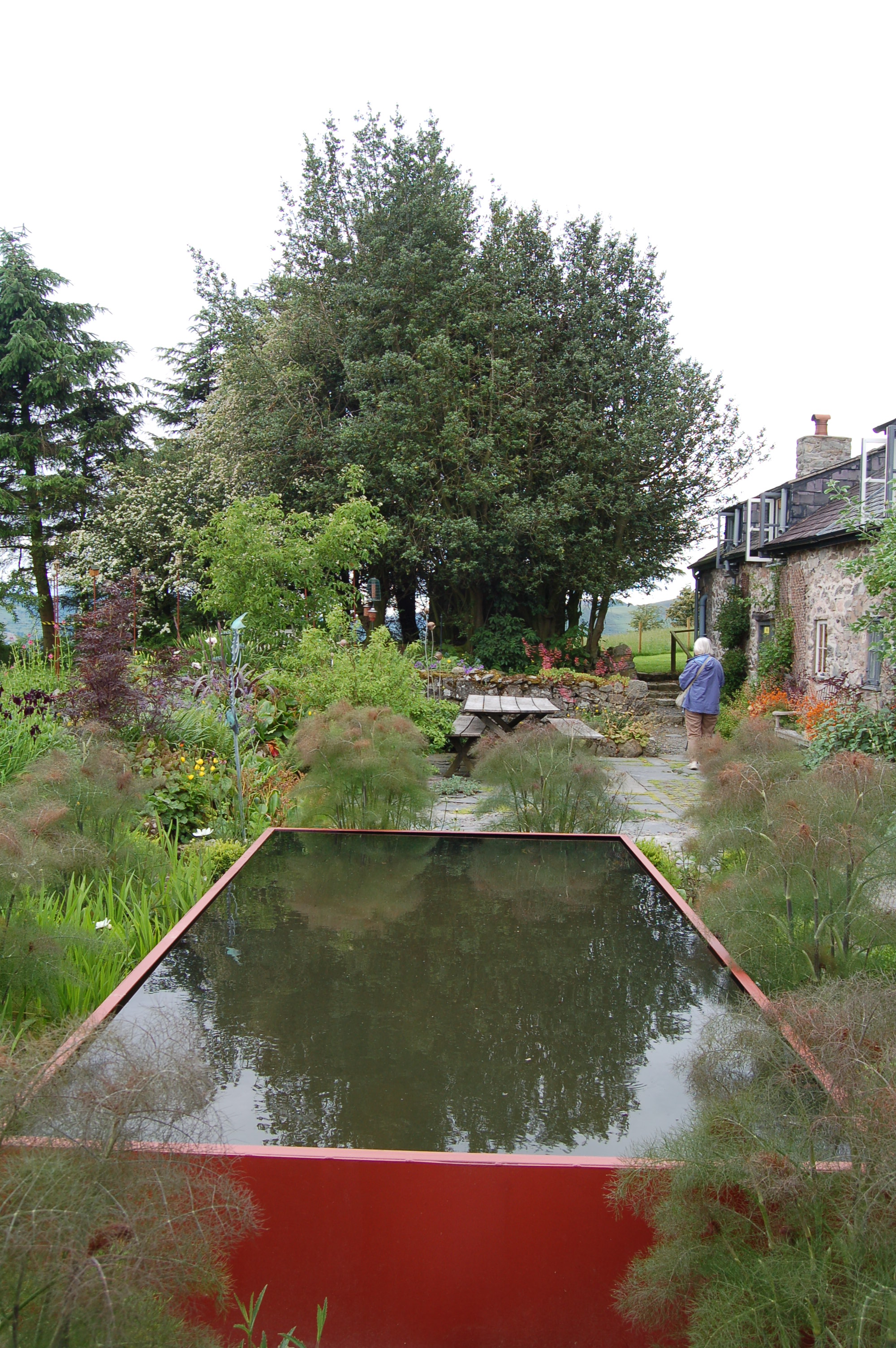
We found it to be a modernised and extended Welsh longhouse with its garden wrapped around it and just as well designed. Coffee and cake were enjoyed in an out building where plants from the garden were for sale. Only a few different plants but very well grown.

2014 06 14_0229 2014 06 14_0231 2014 06 14_0230

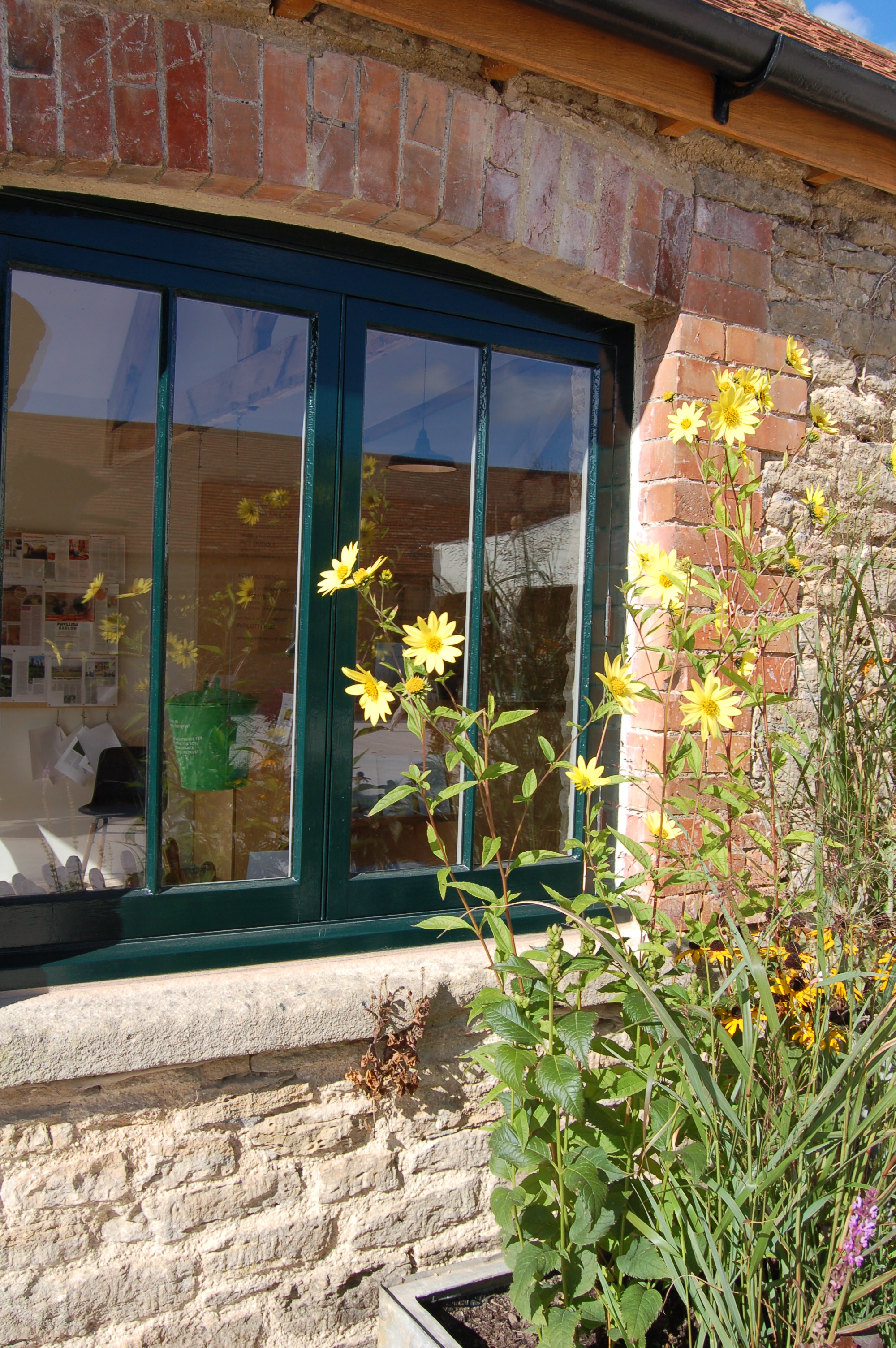
As we started to explore the garden it immediately became obvious that an artist was at work here. The planting with carefully selected combinations of texture and colour and scattered artifacts had the feel and look of the artist’s hand and eye at work.

2014 06 14_0235 2014 06 14_0236 2014 06 14_0237 2014 06 14_0238 2014 06 14_0239

2014 06 14_0240 2014 06 14_0241 2014 06 14_0242 2014 06 14_0243 2014 06 14_0244 2014 06 14_0245 2014 06 14_0246 2014 06 14_0247 2014 06 14_0248 2014 06 14_0249


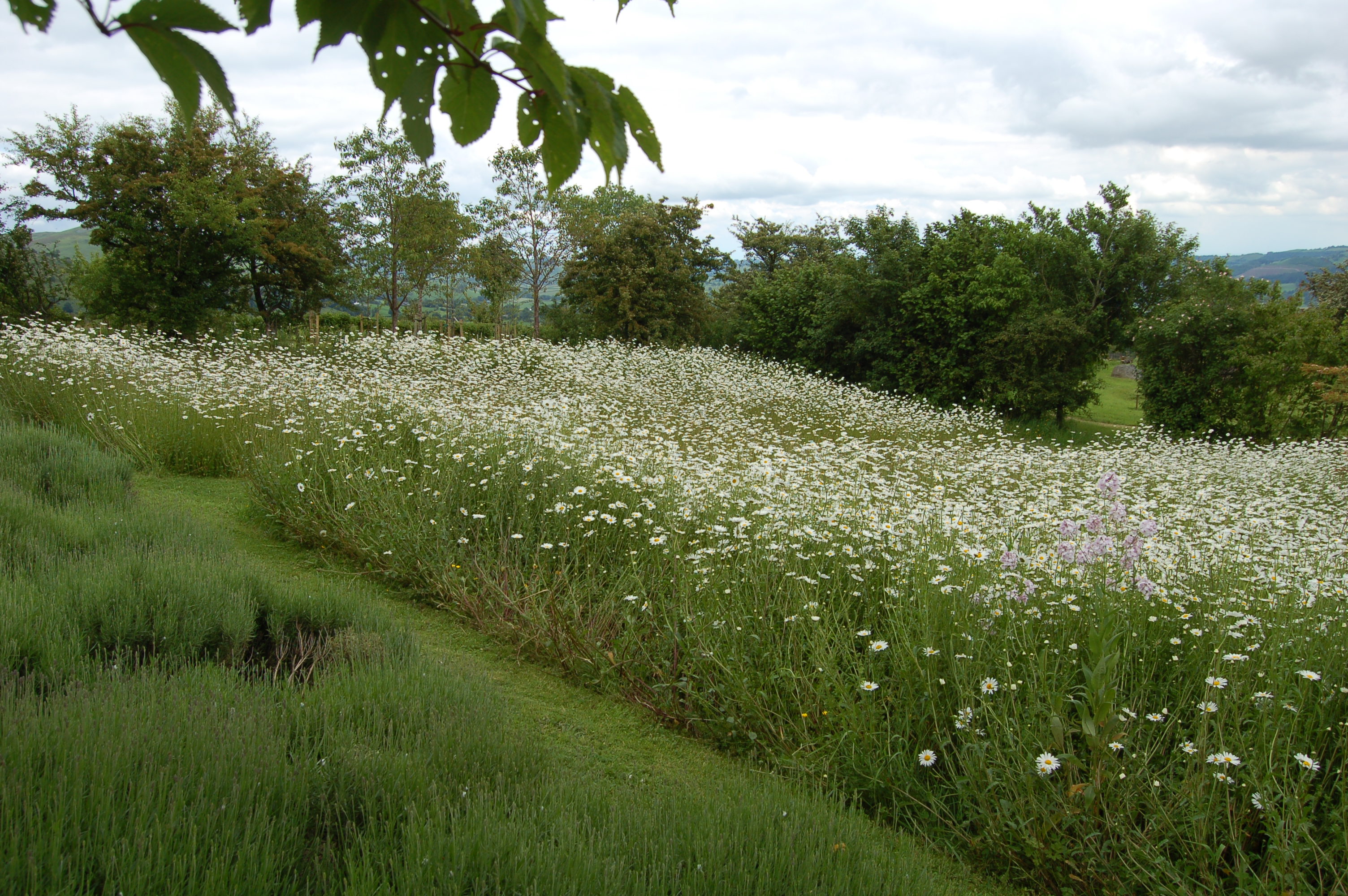
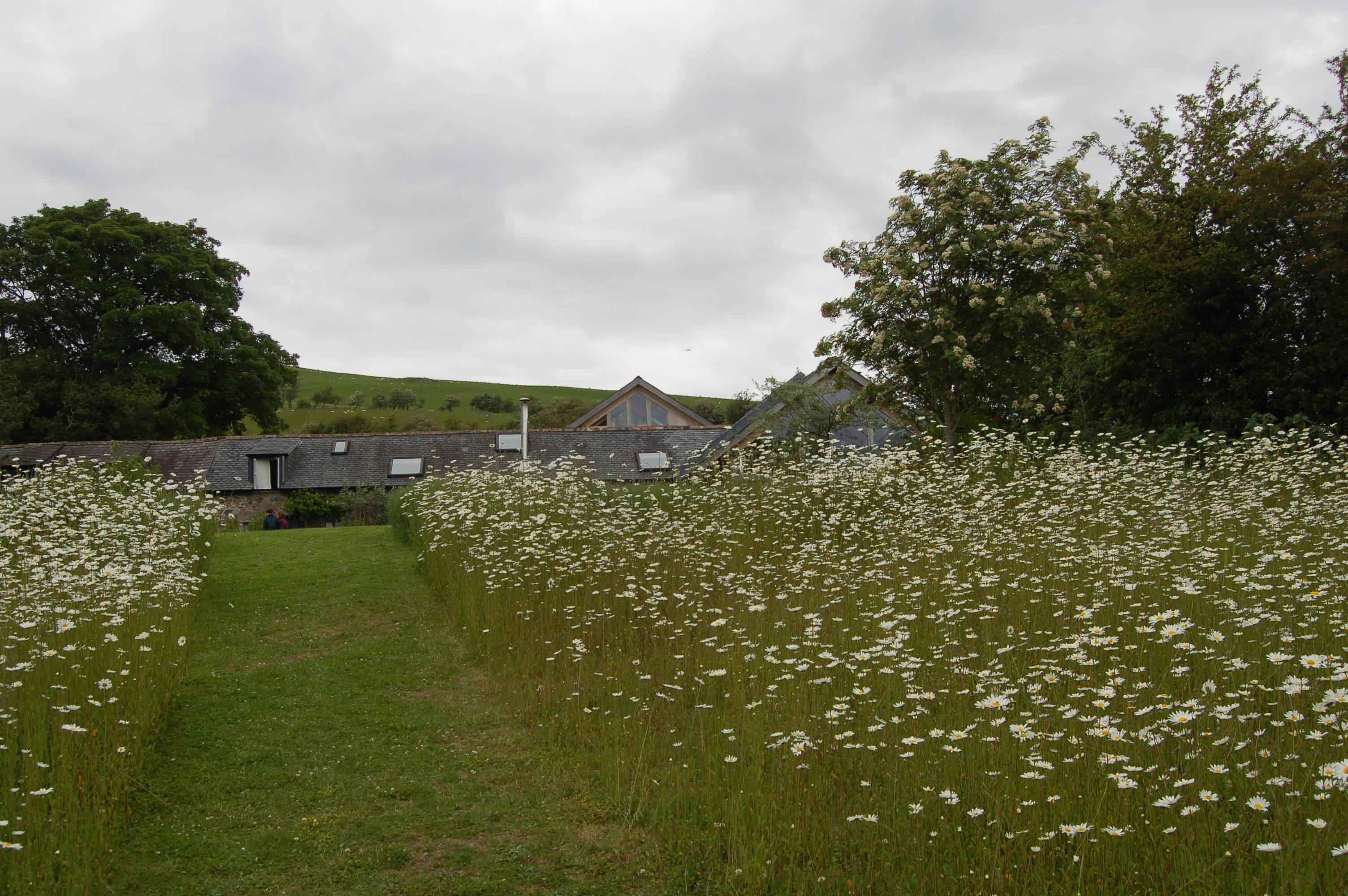
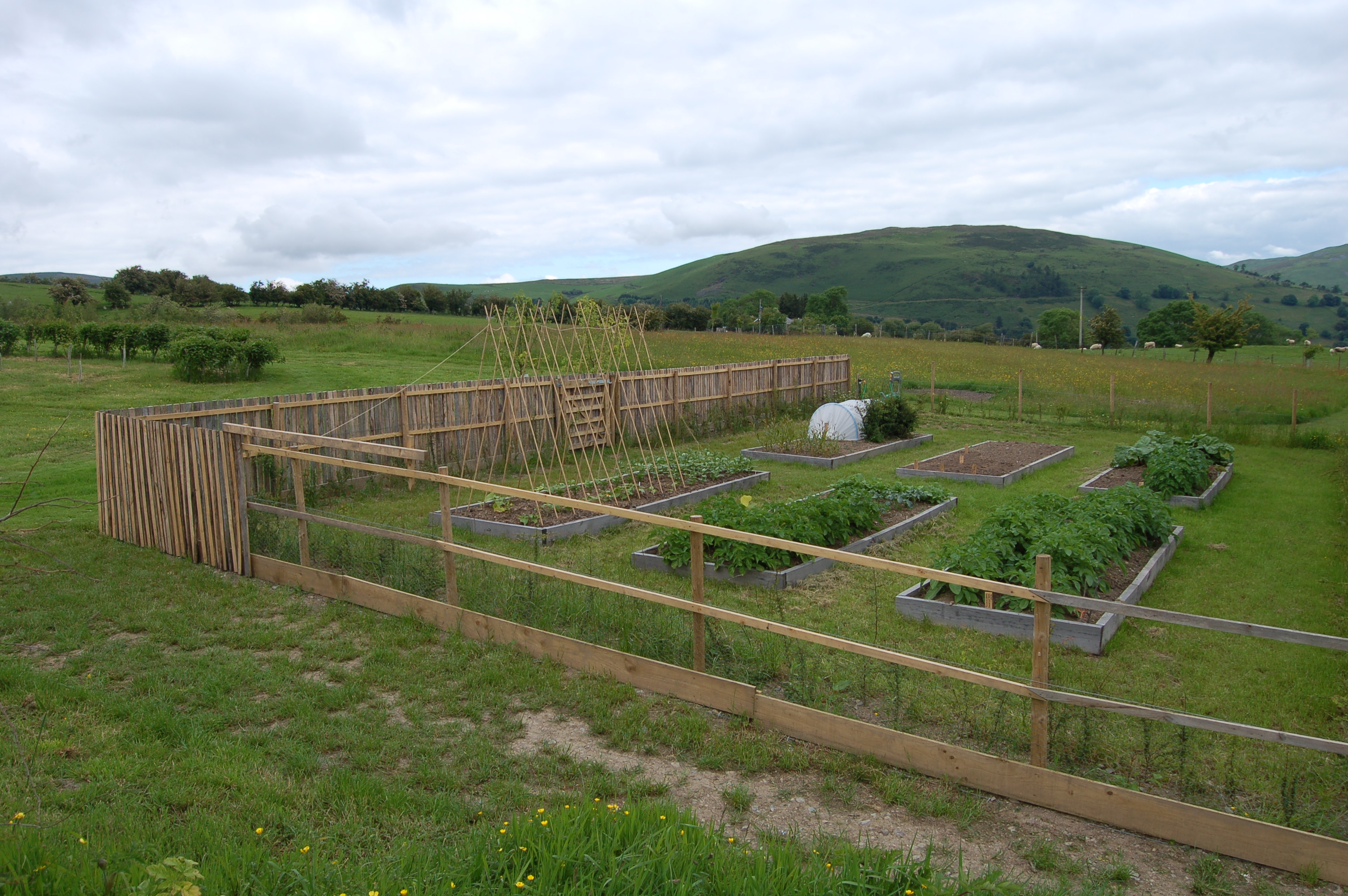
Moving further from the house, closely mown paths enticed us through meadows of white daisies to a curving bench of slate encircling a fire pit and on further to a small but neat productive patch.

2014 06 14_0250 2014 06 14_0251 2014 06 14_0252 2014 06 14_0253 2014 06 14_0254 2014 06 14_0256 2014 06 14_0257 2014 06 14_0258

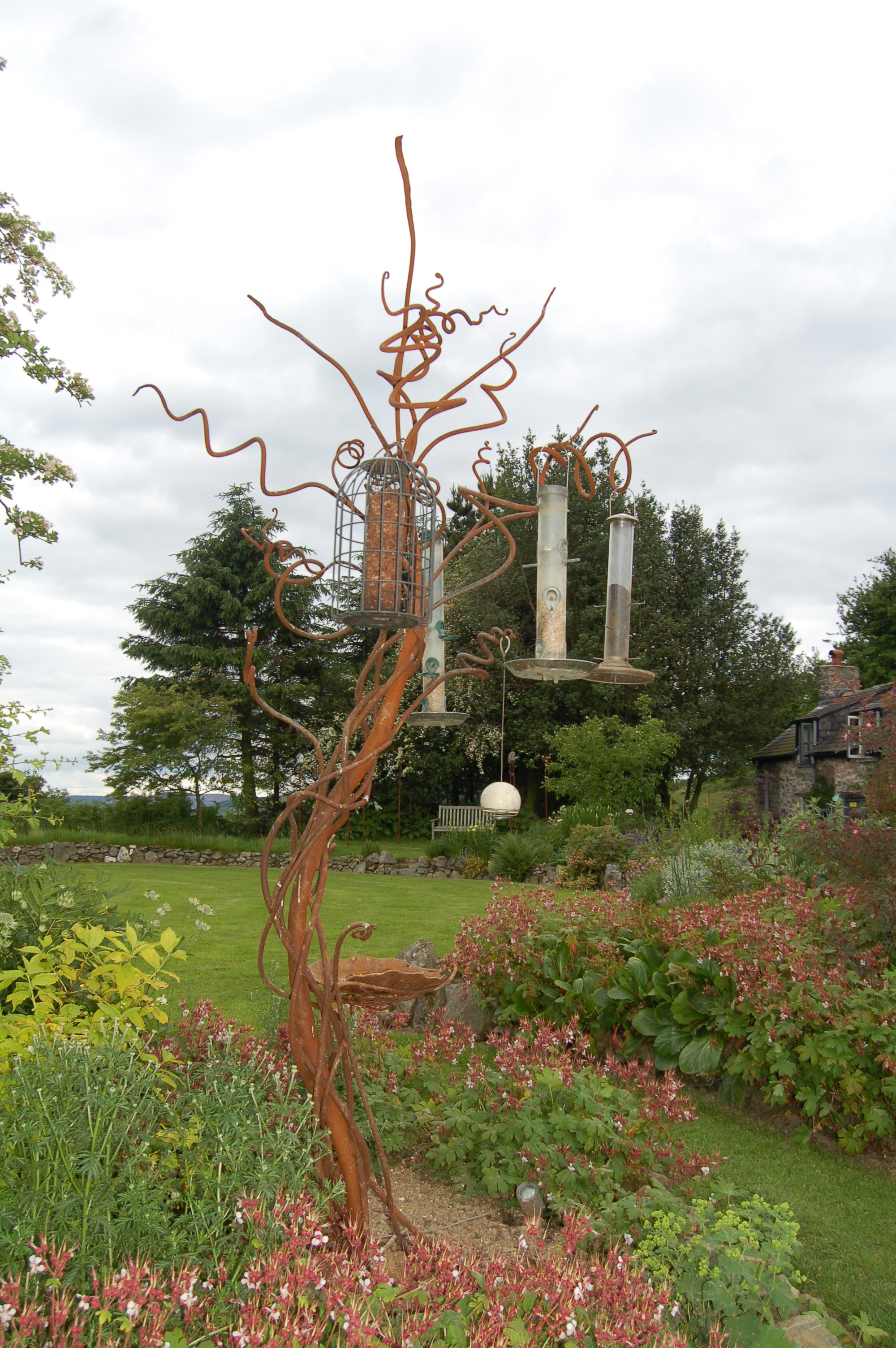
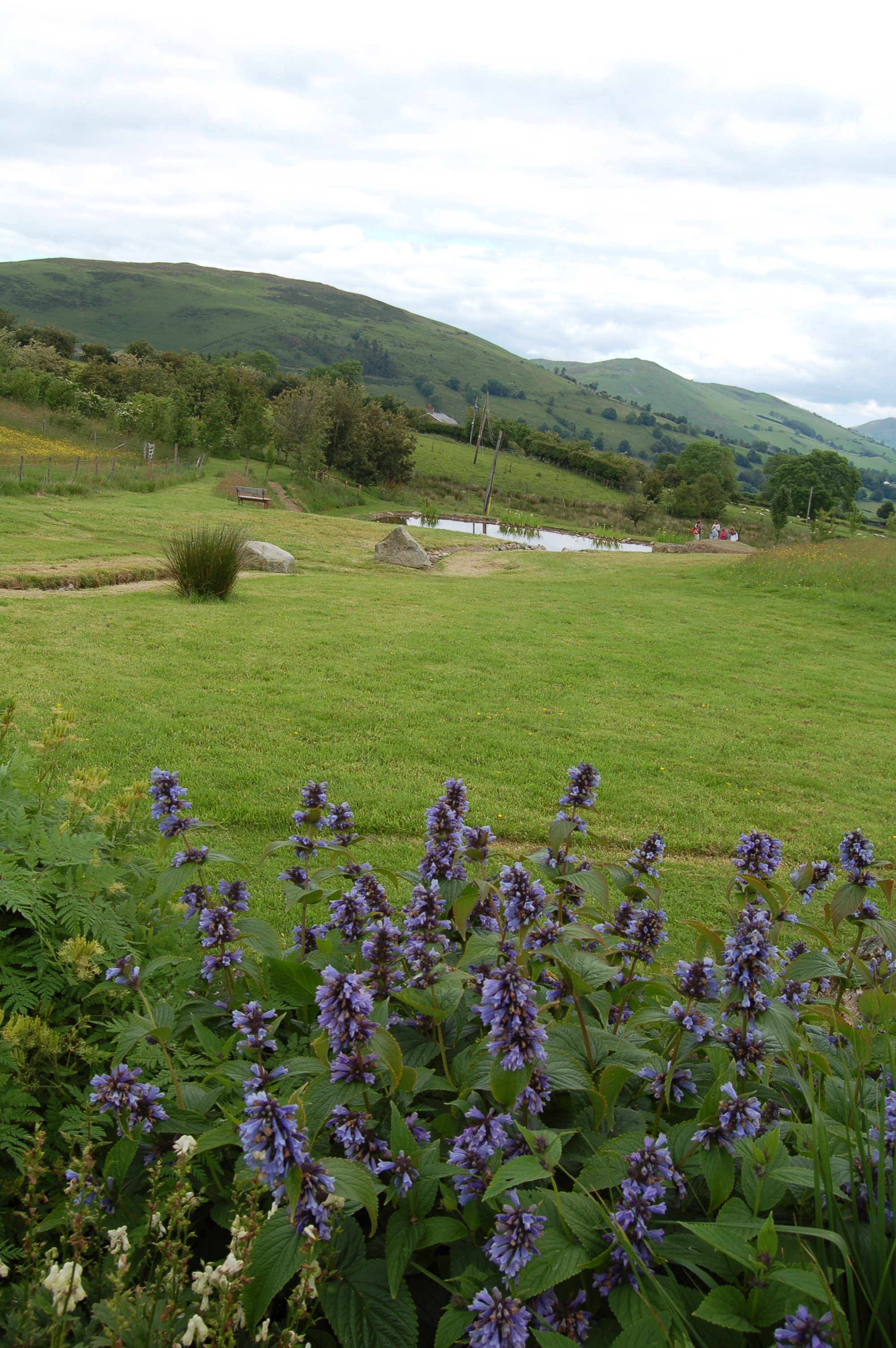
Moving back around winding paths towards a pool in the lower part of the garden we found more borders and this metal sculptural bird feeding station. Beyond every border were distant views of hillsides.

2014 06 14_0259 2014 06 14_0260 2014 06 14_0261 2014 06 14_0262 2014 06 14_0263 2014 06 14_0264

2014 06 14_0265 2014 06 14_0266

2014 06 14_0232 2014 06 14_0233

2014 06 14_0234

The pool and the stream garden running into it was a new venture and still in the early stages of development. We could see such possibility and vowed to return to see developments.

2014 06 14_0267 2014 06 14_0268

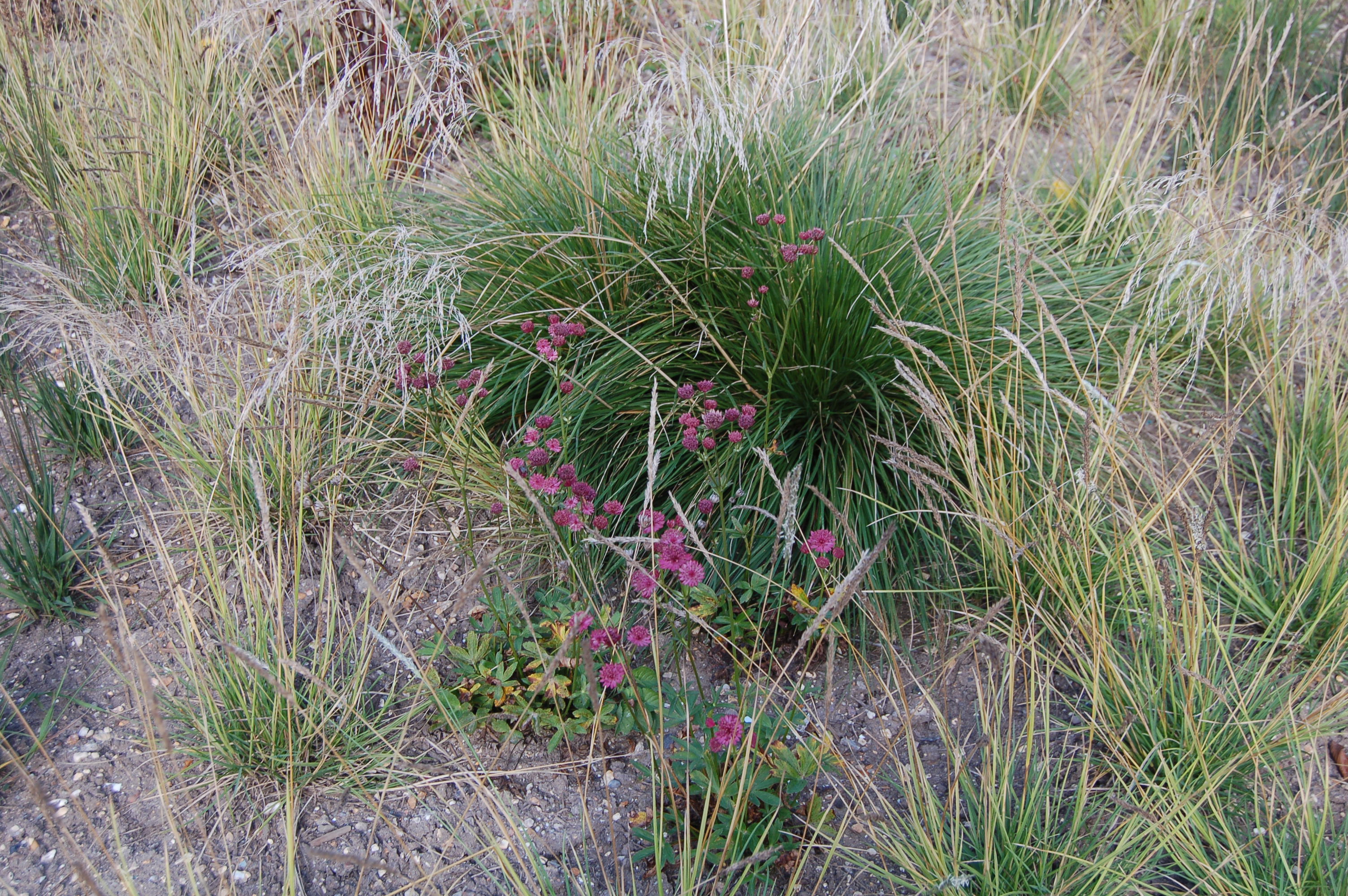
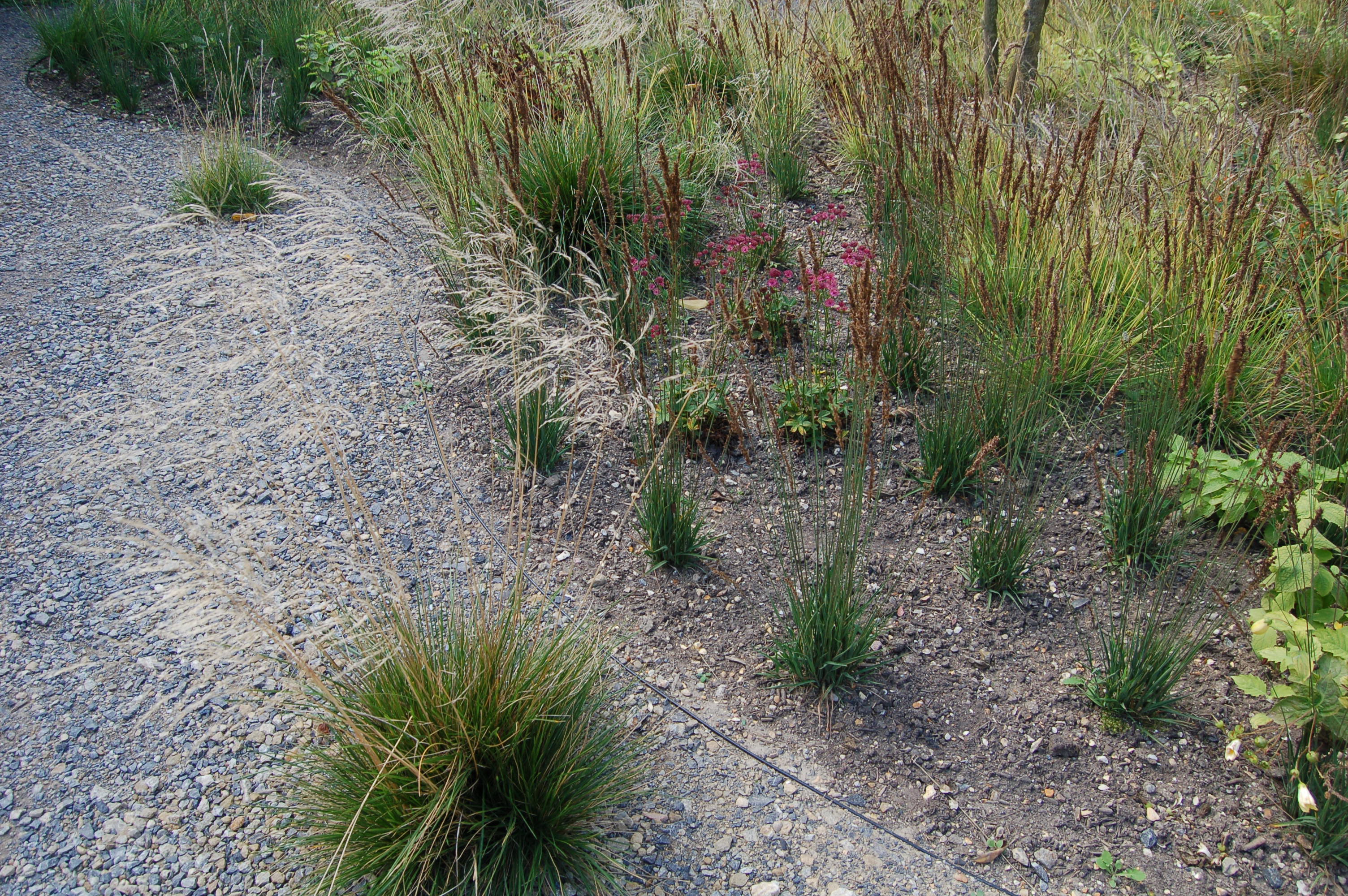
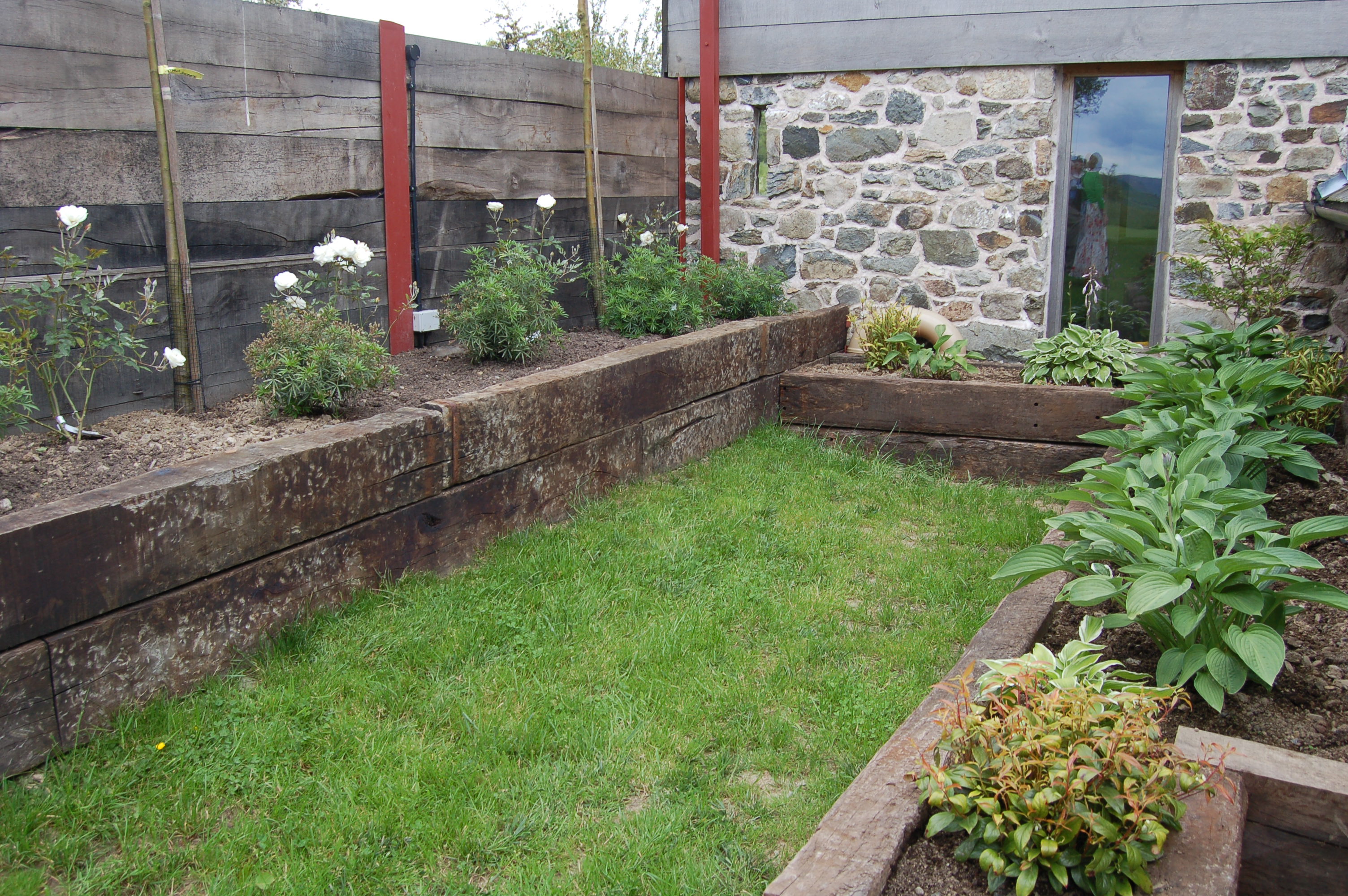
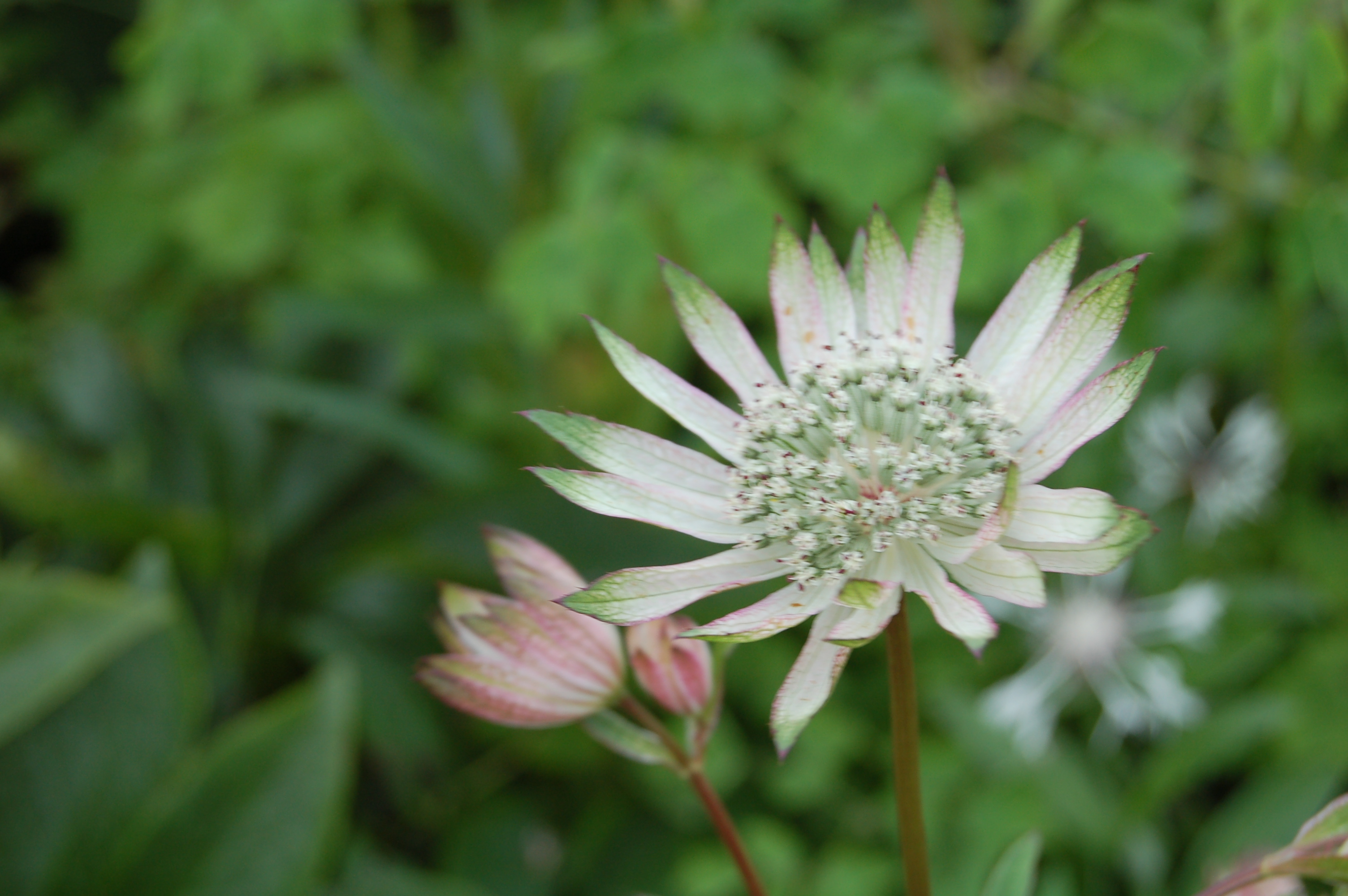
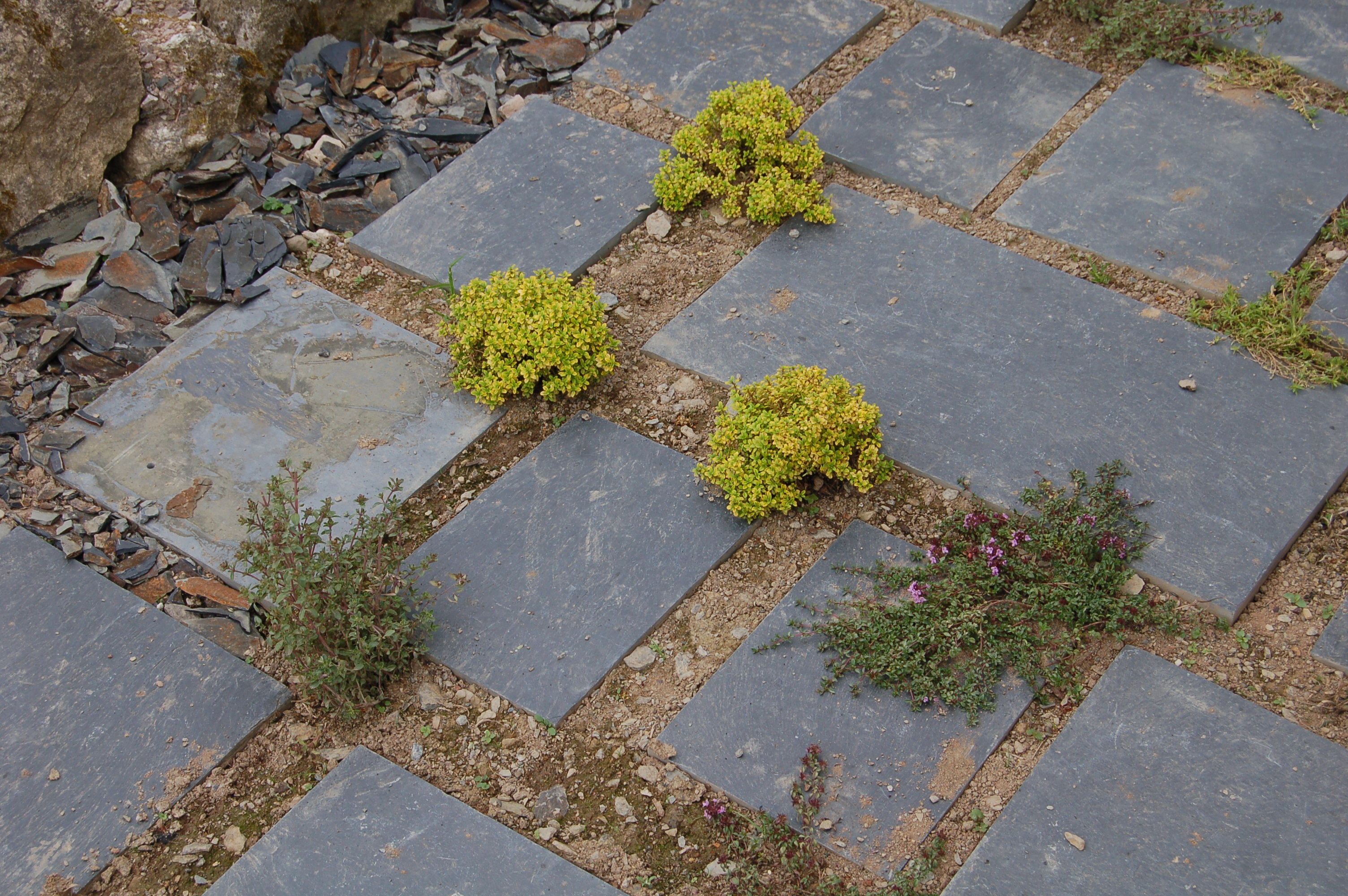
Slate paths through raised beds let us discover further interesting plant combinations. We were impressed in particular by the different Astrantias.

2014 06 14_0271 2014 06 14_0272 2014 06 14_0273 2014 06 14_0274

Gardens wrapped around the complex perimeter of the buildings and here more gentle plantings helped root the new building extensions into the land.

2014 06 14_0275 2014 06 14_0276 2014 06 14_0277 2014 06 14_0278 2014 06 14_0279 2014 06 14_0280

As we left the garden behind and anticipated the beauty of the meadows we noticed a green roof under which we must have been seated while enjoying our coffee and cakes. Wandering the close cut grass paths through the meadows was a very gentle way to finish off our visit to this developing garden. We looked forward to returning in the future.

2014 06 14_0281 2014 06 14_0283 2014 06 14_0284 2014 06 14_0285 2014 06 14_0286 2014 06 14_0288 2014 06 14_0289 2014 06 14_0290 2014 06 14_0291 2014 06 14_0292 2014 06 14_0293 2014 06 14_0295


This Veggie Life

A Vegetarian | Nature Lifestyle Blog

Rambling in the Garden

.....and nurturing my soul

The Arch City Gardener

Journeys In St. Louis Gardening and Beyond

Garden Dreaming at Châtillon

Consult the genius of the place

Storyshucker

A blog full of humorous and poignant observations.

gardeninacity

Notes from a wildlife-friendly cottage garden

PlayGroundology

...an emerging social science

The Official Blog of British Wildlife

'The most important and informative publication on wildlife of our times' - The Independent. This blog is a member of The UK & Ireland Natural History Bloggers group: www.uknhb.blogspot.com

iGrowHort

Inspire - Cultivate - Grow Native Plants - Restore Landscapes

Bishops Meadow Trust

To create and protect a semi-natural wild space for the people of Farnham to enjoy and experience an array of British wildlife in our town

Gardening with Children

The www.gardeningwithchildren.co.uk Blog

UKbirdingtimeline

birding through the seasons, why birds matter and how to conserve them

NATURE WALKER

with a camera in hand

Jardin

Transform your outdoor space

Eva's space

My allotment, cooking and other interests

Old School Garden

my gardening life through the year

LEANNE COLE

Trying to live a creative life

fromacountrycottage

trying to live as lightly as possible on our beautiful planet

Good Life Gardening

Nature lovers from Leicester living the good life.

mybeautfulthings

Finding the beautiful in the everyday

mawsonmichelle

Michelle's Allotment

In and Out of My Garden

thoughts from and about my garden

Greenhousing

Big plans for a small garden

The Scottish Country Garden

A Walled Country Garden in South East Scotland

The Fruity Chicken

Life at the fruity chicken

willowarchway

Off grid living. Self sufficient. "PERMAGANICS RULE".

St Anns Allotments

Nottingham's Grade 2* Listed Allotments and Community Orchard

Manifest Joy Harvests

a journey in suburban vegetable gardening

Allotmental

The madness of growing your own

Penny's Garden: a harvest beyond my front door

A novel approach to vegetable gardening

arignagardener

Sustainable living in the Irish countryside.

NewEnglandGardenAndThread

Master Gardener, amateur photographer, quilter, NH native, and sometimes SC snowbird

dianajhale

Recent work and work in progress and anything else that interests me

planthoarder

a chaotic cottage gardener

Lens and Pens by Sally

a weekly blog that creates a personal philosophy through photographs and words

Dewdrops and Sunshine

Stories from a sassy and classy Southern farmbelle.

The Pyjama Gardener

Simple Organic Gardening & Seasonal Living

gettin' fresh!

turning dirt into dinner

JOY...

today the world is created anew

Garden Birds

Notes from a Devon garden

ShootAbout

Life Through The Lens

Adapting Pixels

A photography blog showcasing the best photography pictures and videos on the internet

Wildlifegardening's Blog

Just another WordPress.com site

naturestimeline

personal observations from the natural world as the search continues for a new approach to conservation.

LATEBLOOMERBUDS

The Wonders of Life through my Eyes, my Heart, my Soul