Categories
conservation flower show garden design garden photography garden wildlife gardening hardy perennials July meadows ornamental grasses ornamental trees and shrubs photography RHS The National Trust wildlife

A Day at the RHS Flower Show Tatton Park

We have been to the Chelsea Flower Show, Harrogate Flower Shows and The Autumn and spring Malvern Flower Shows but the one we enjoy the most is always the one set in the grounds of Tatton Park. Luckily this is the RHS show closest to home. Although Chelsea is often called the greatest flower show, having visited once we have no desire to go again. But we frequently go to Tatton.

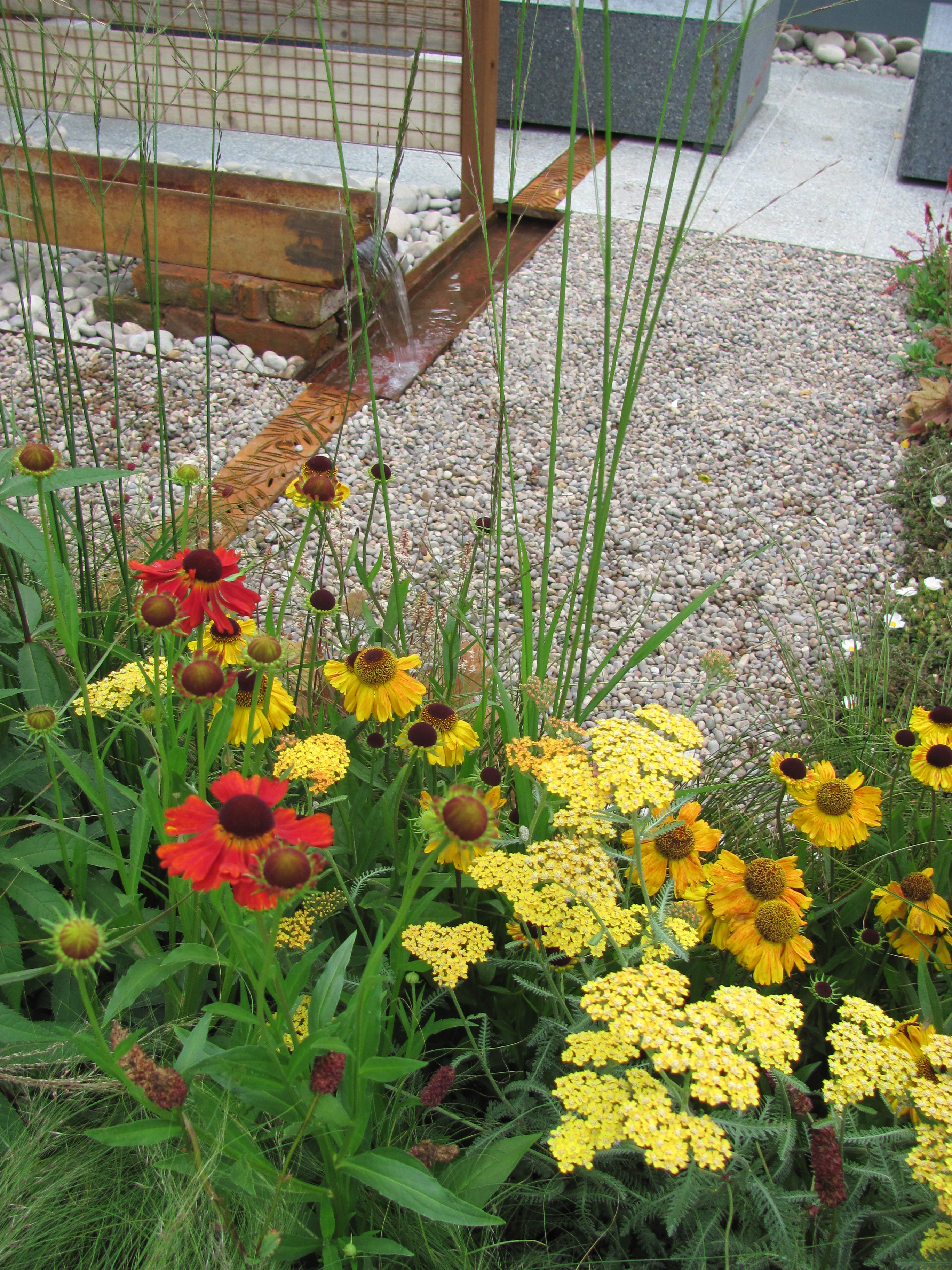
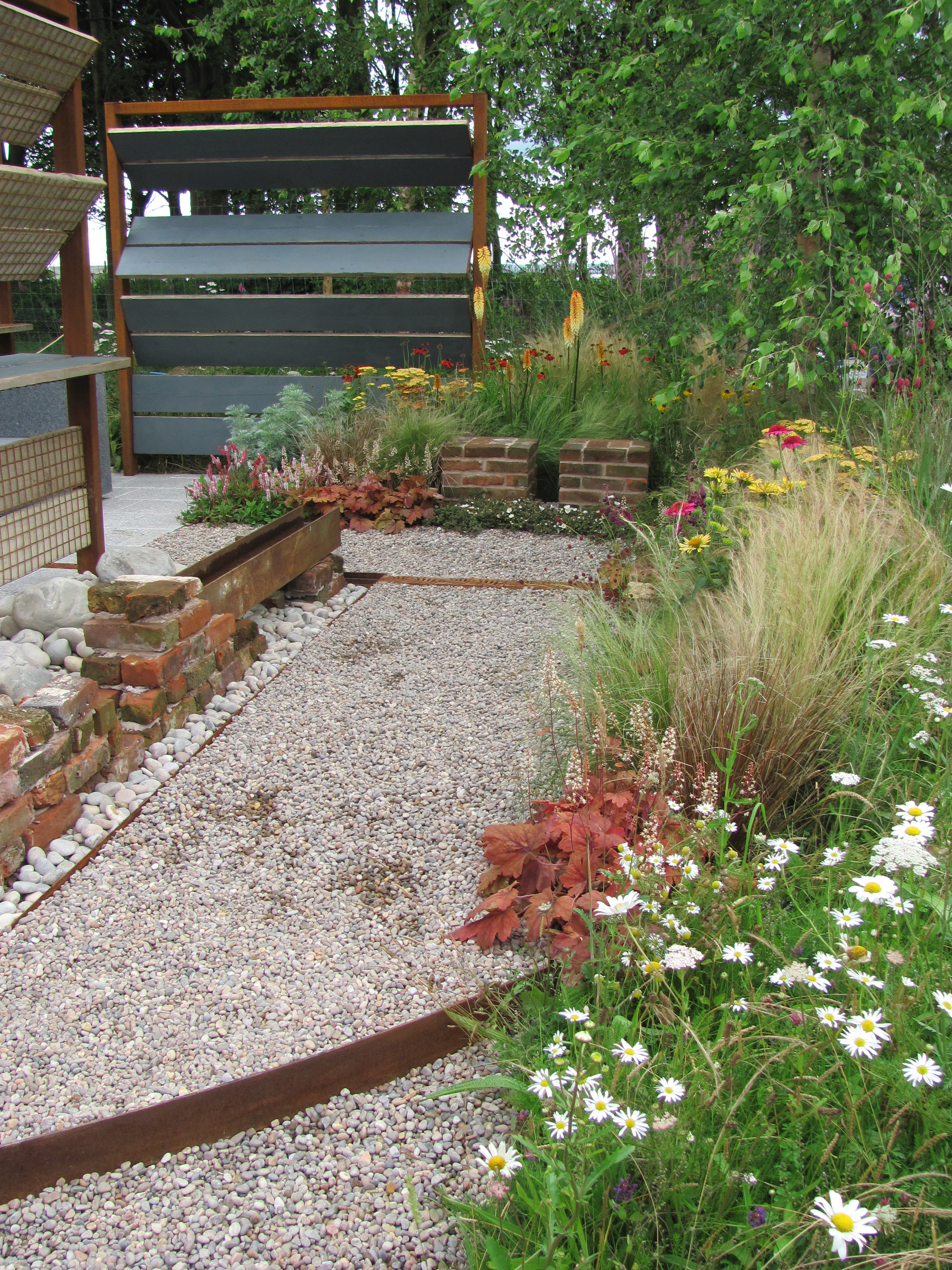
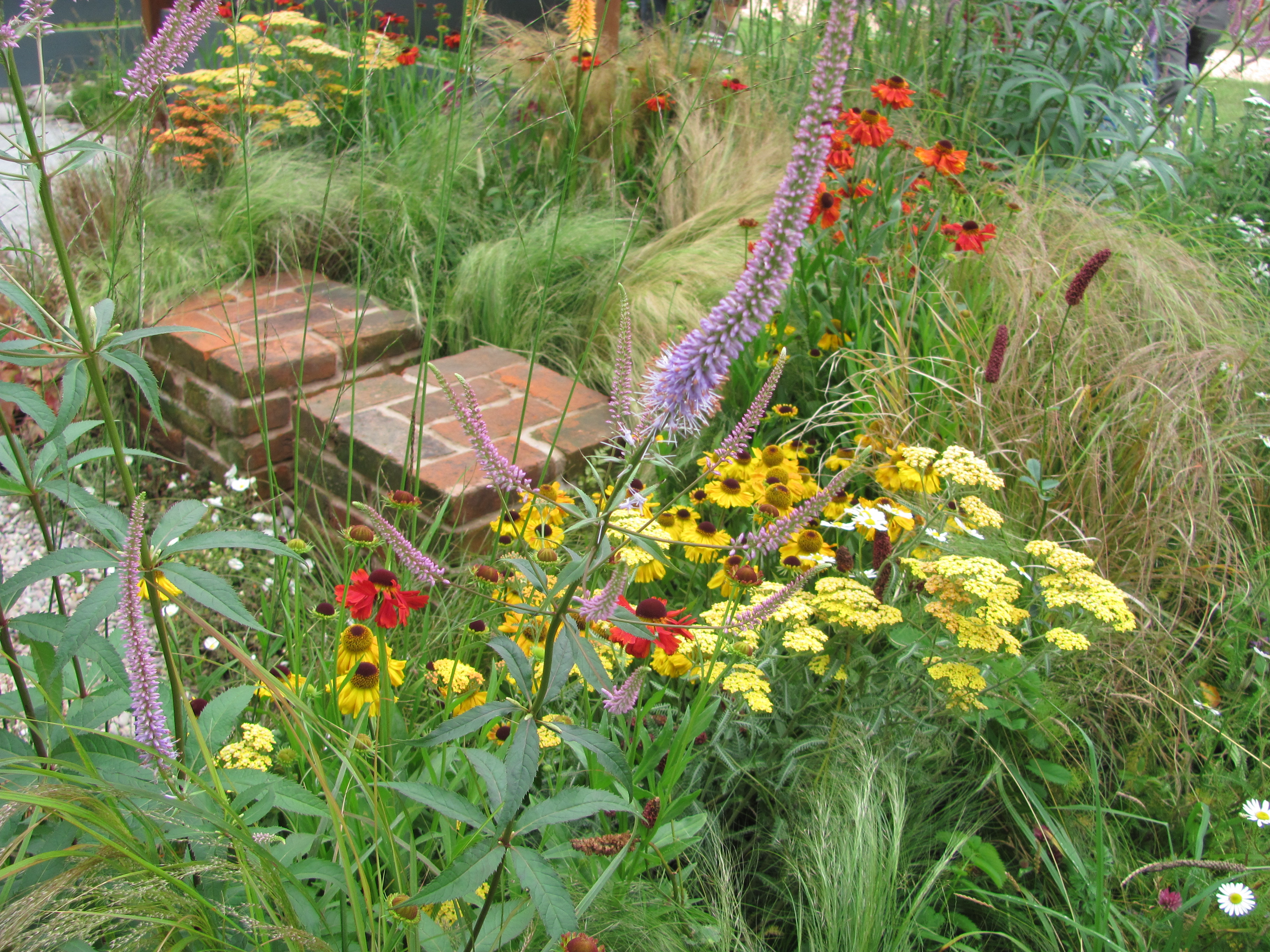
Tatton Park Show is described as “the North’s greatest garden party”. We enjoy its large show gardens, its “Back to Back” gardens and children’s gardens but most of all those designed by young garden designers. This is where the UK’s garden designs of the future lie and the standards are always so high. The designers have to be under 28 and this year their brief was to design a garden based on the theme of “colour”. We were so pleased when we learnt that the designer of our favourite one of these gardens had won the accolade of “RHS National Young Designer of the Year”. Tristen Knight designed this garden using recycled materials and it was full of interesting and original ideas and design feature. The colour of his planting of perennials and grasses was beautiful, all orange and biscuit. He studied for a BA in Industrial Design and Technology before training in garden design at Writtle College. He spoke with great enthusiasm and excitement about his garden and he told us about the materials he had chosen and how they were all items from building sites. For example the rill was formed from a an “H” beam and the flexible screening was created from scaffolding boards. I found it hard to take photographs that did justice to this brilliant young designer’s work. We enjoyed his garden and talking to him about it.
We moved on to the main large garden show gardens, some of which we liked whereas others we did not like at all. But that I suppose is what design is all about. If we all liked the same plants and designs wouldn’t gardens be boring?

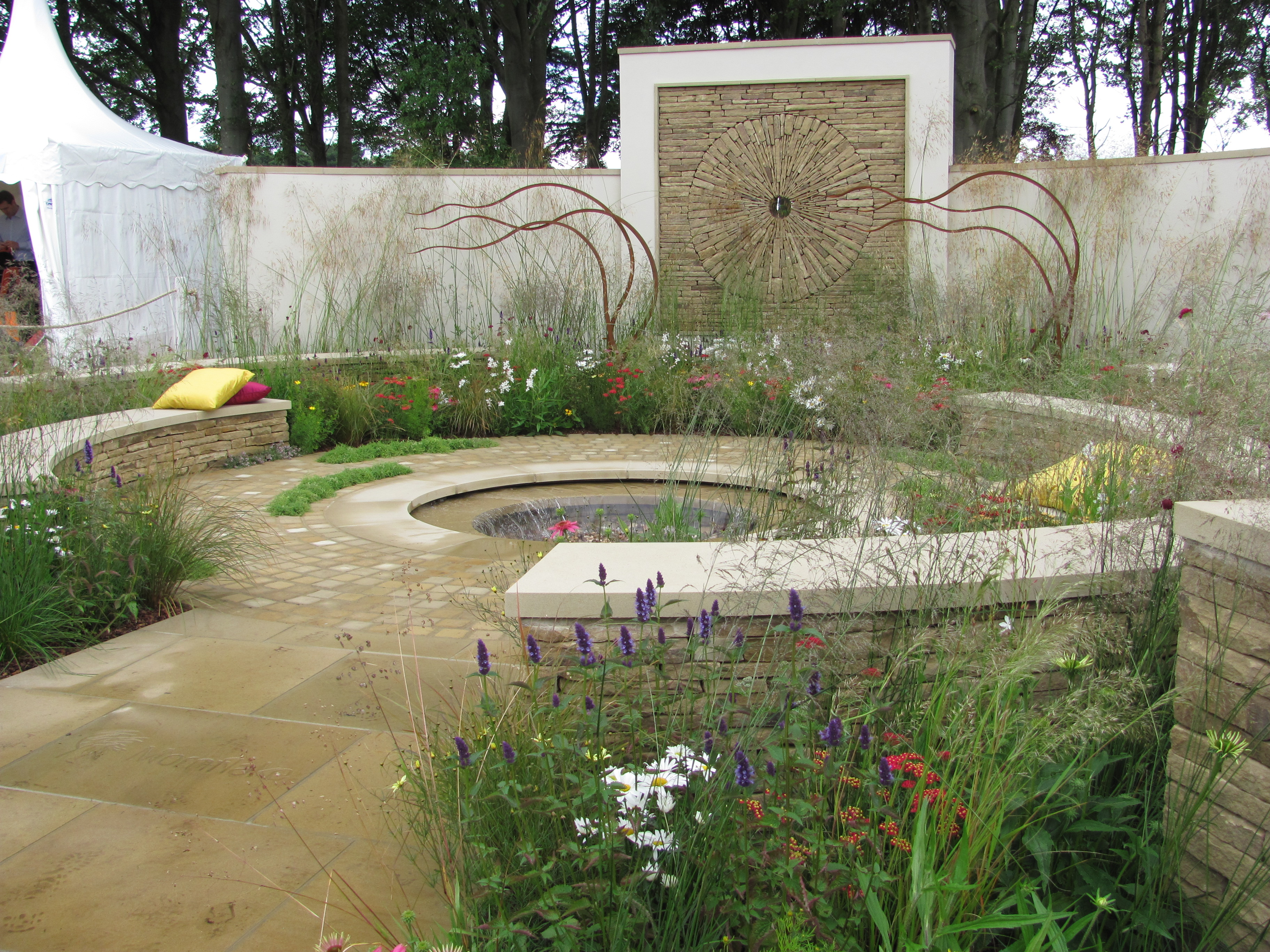
I begin looking at this set of gardens by featuring our favourite, a garden based on circles achieving a wonderful peaceful atmosphere through the planting which was light and wispy. It relied heavily on grasses to do so, with one planting area consisting of just grasses and one variety of allium.

It received the Best in Show award!
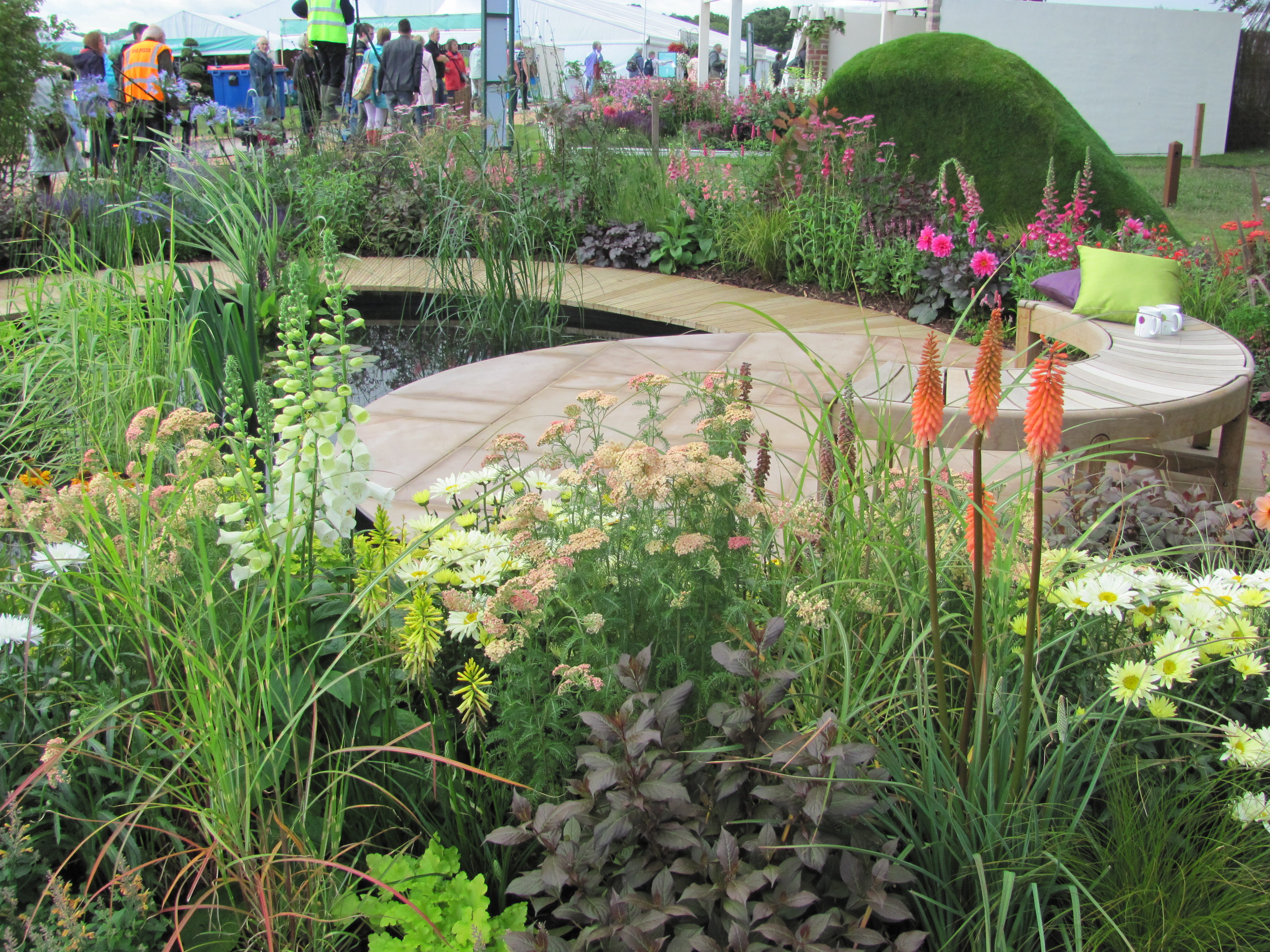
This show garden featured decking curves and colourful planting choice.
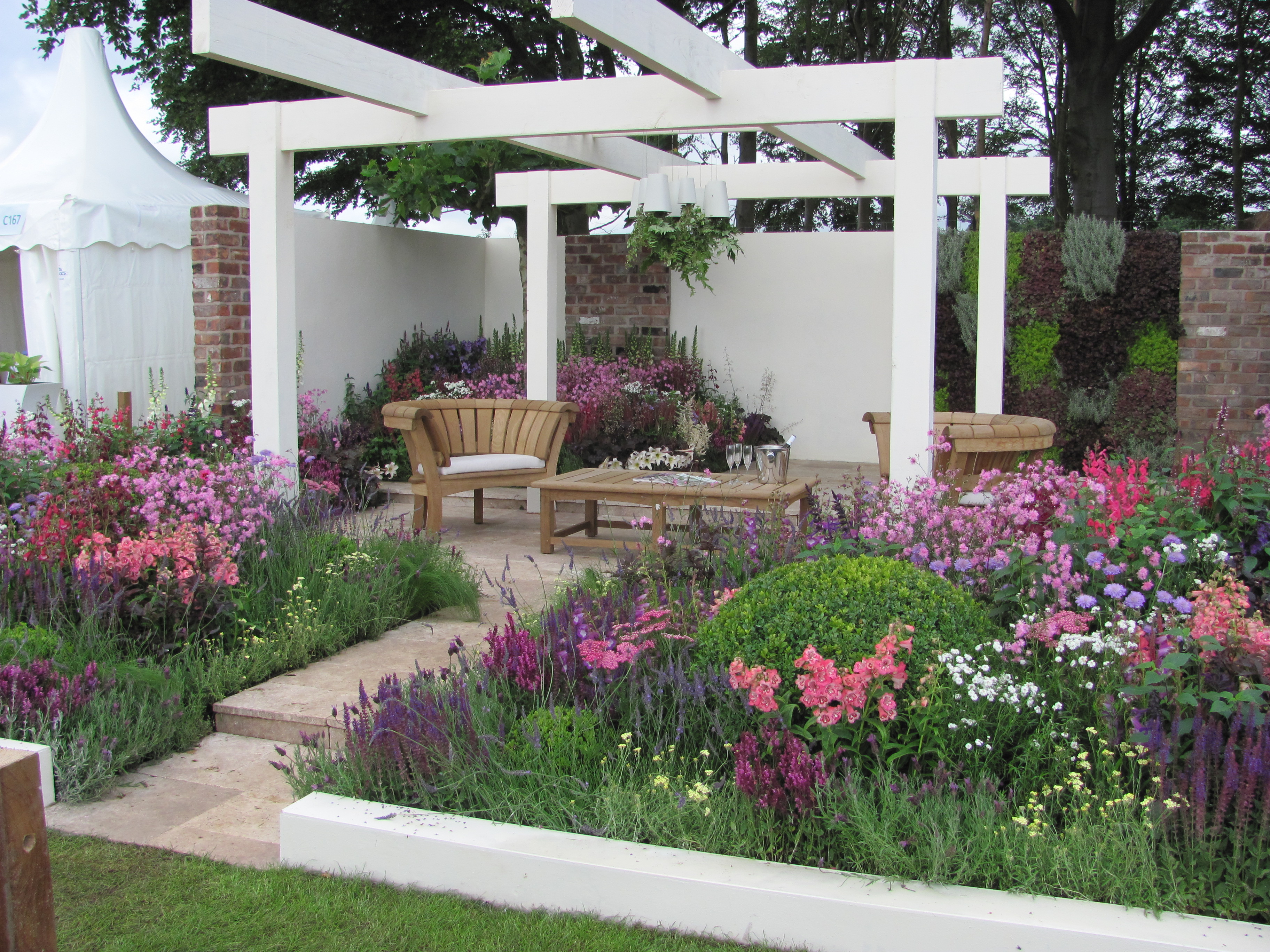
The next sequence of photos illustrates the wide variety of show gardens at Tatton. Enjoy the tour.
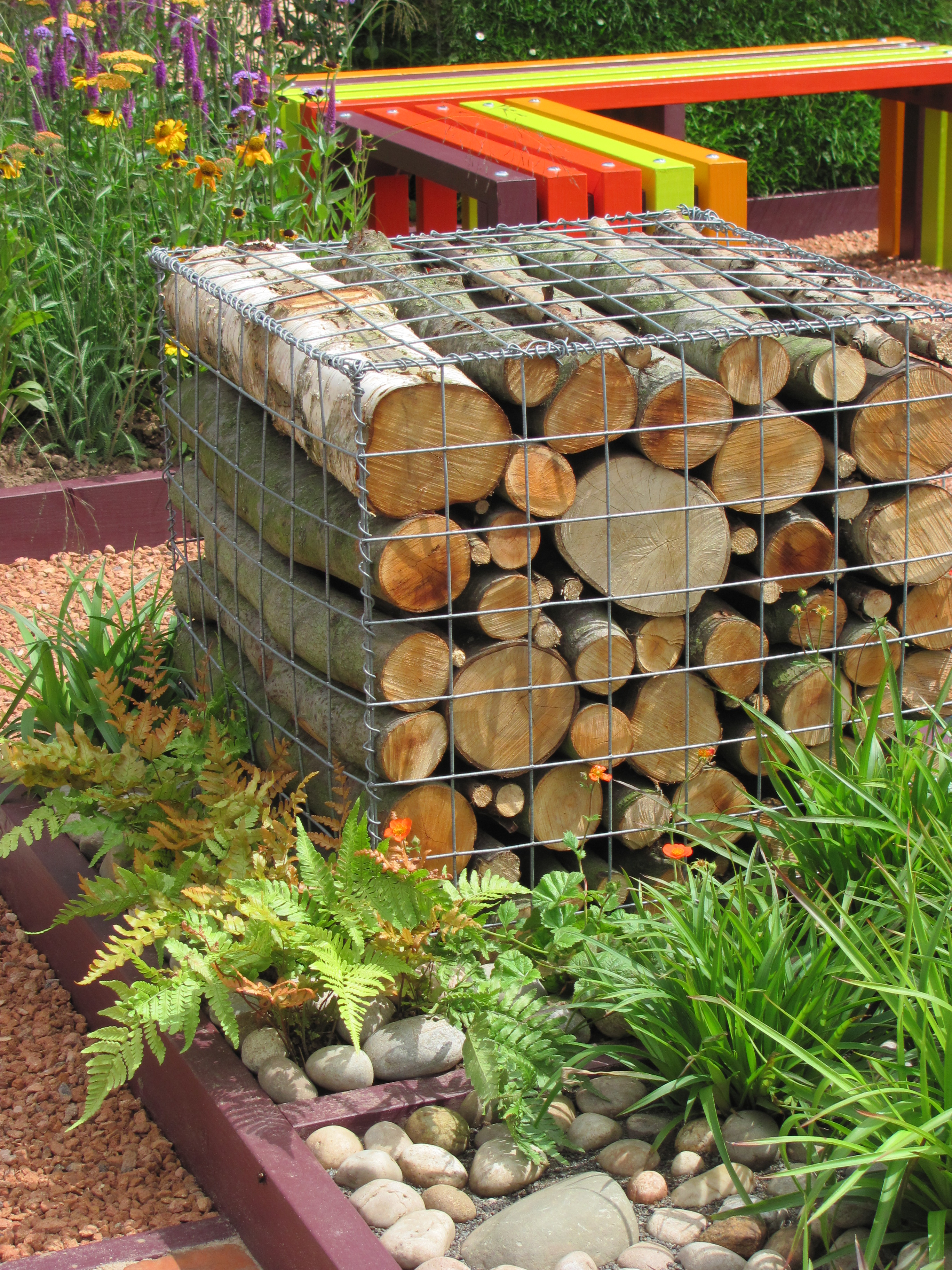
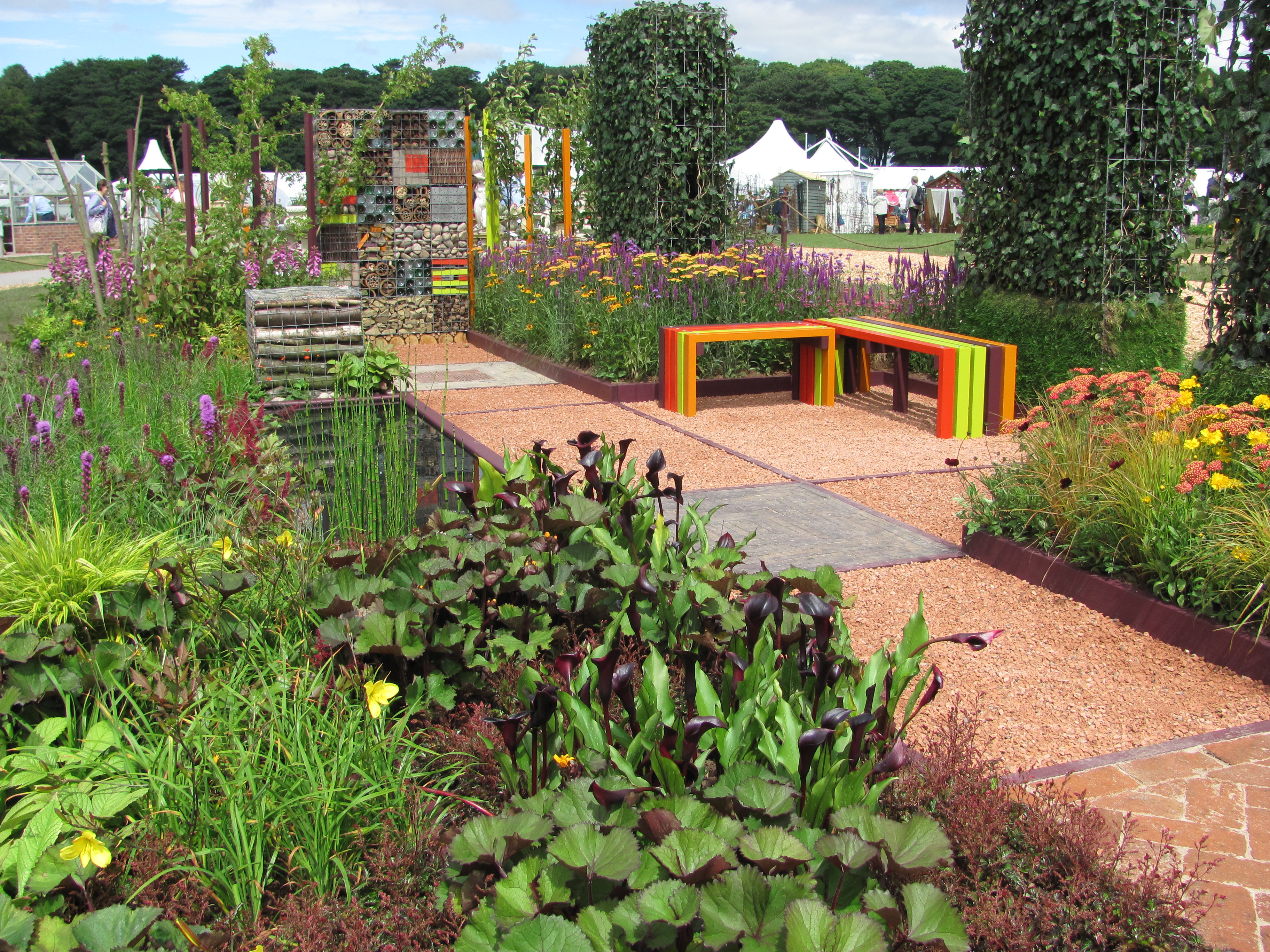
Once we had enjoyed the large show gardens we made a bee line for the garden designed by students and staff of Reaseheath College, partly because their garden is always so interesting with elements of attracting wildlife but also because this is the college where I followed some of my horticulture training several decades ago. This year their garden excelled, with such vibrancy in the planting and in its features. Again the design integrated beautiful features created to attract wildlife.
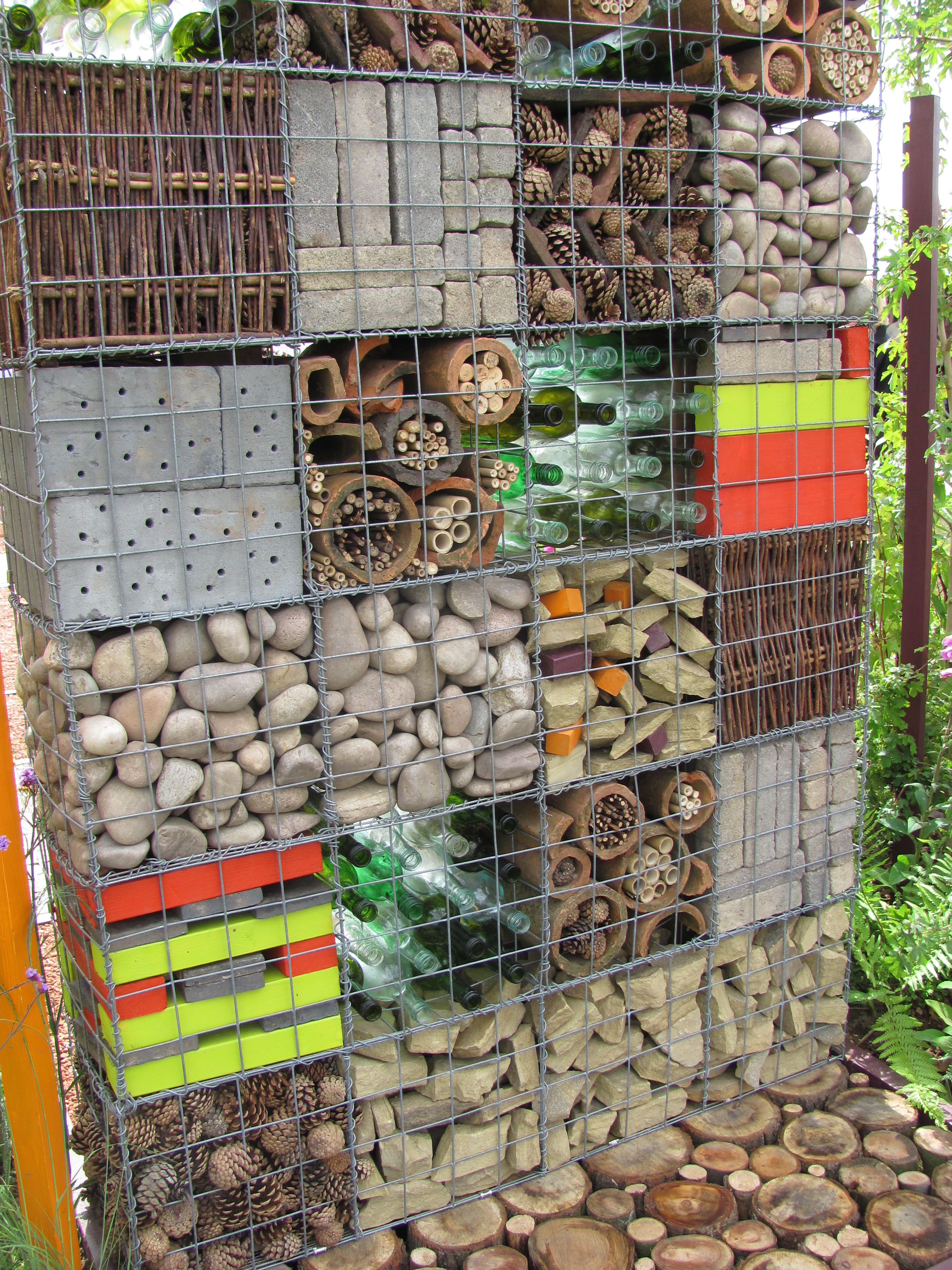
To finish my first post about the RHS Tatton Park Flower Show I want to share a couple of photos of children’s gardens celebrating the Queen’s Jubilee. In the next post we shall visit the Floral Marquee and the smaller show gardens.

Categories
garden design garden photography gardening hardy perennials photography roses Shropshire

Yellow in the Garden

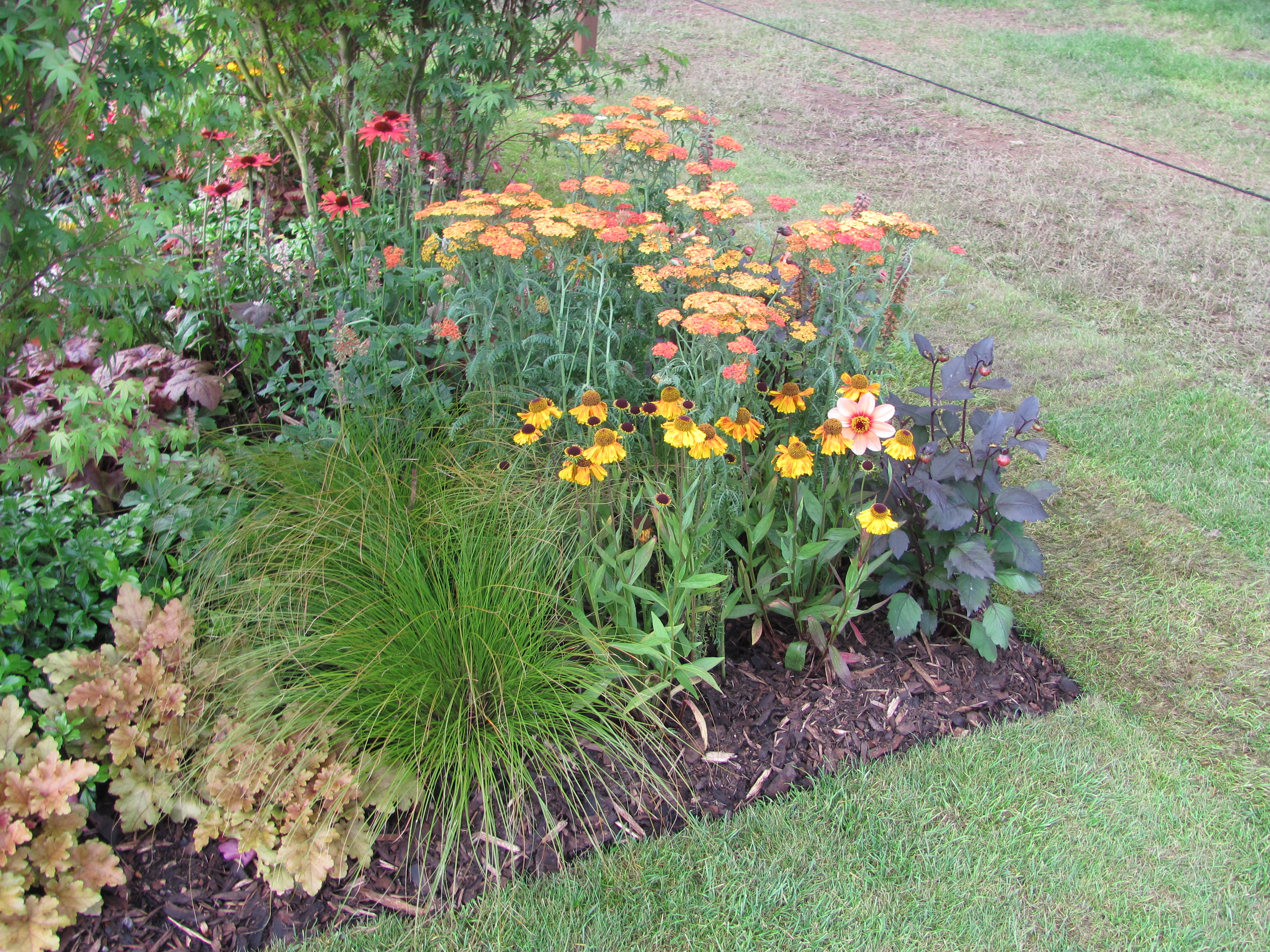
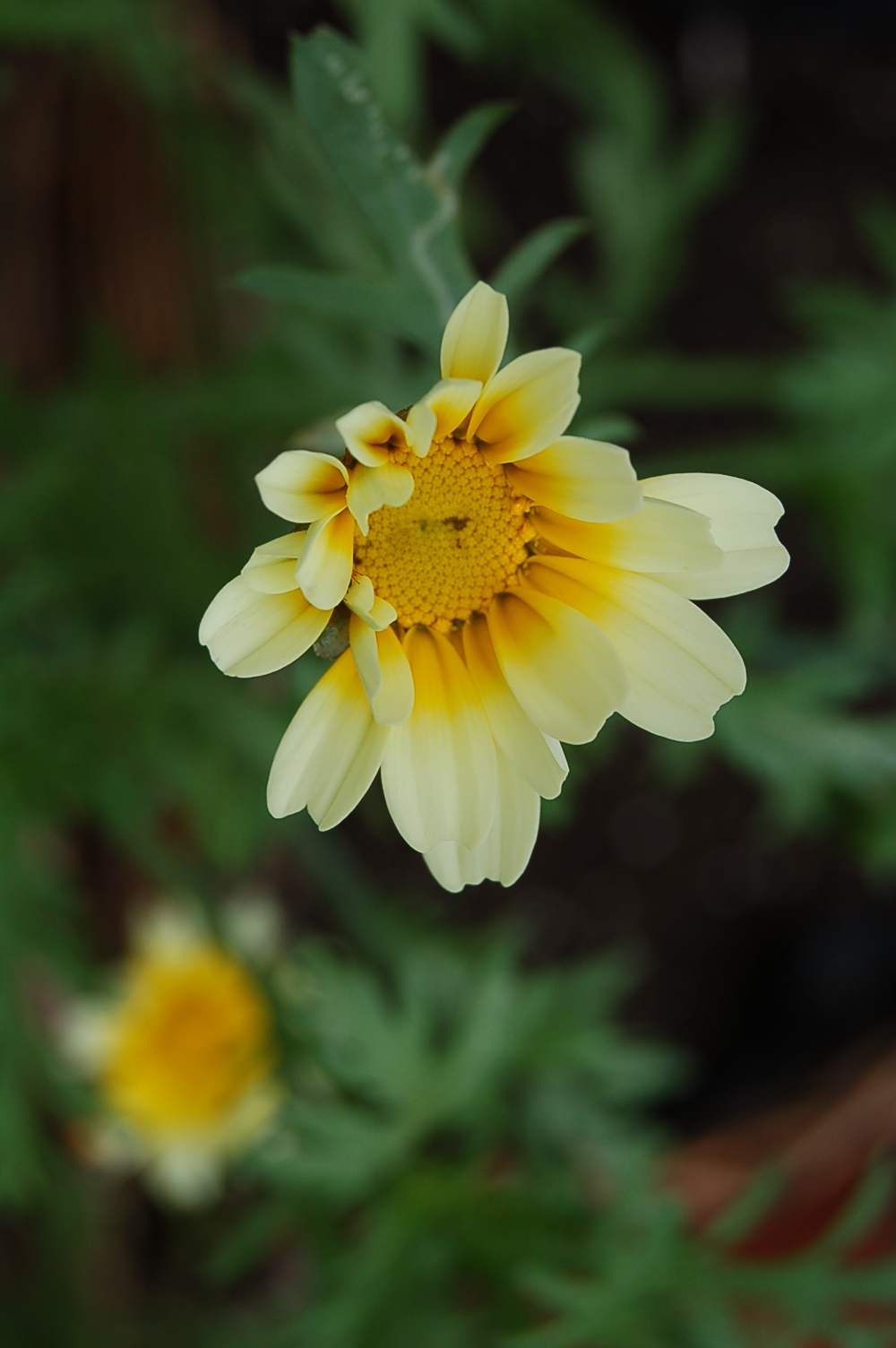
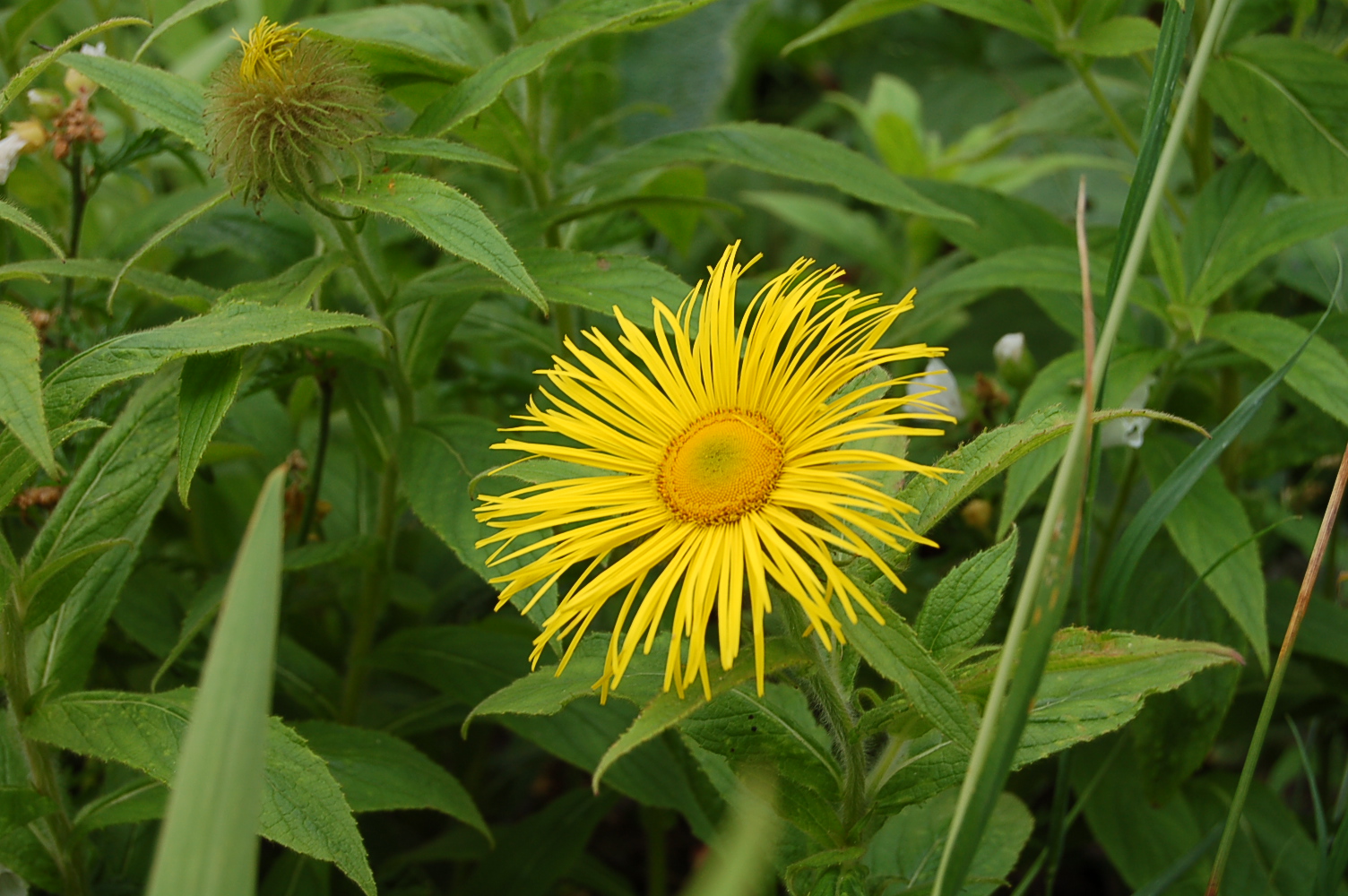
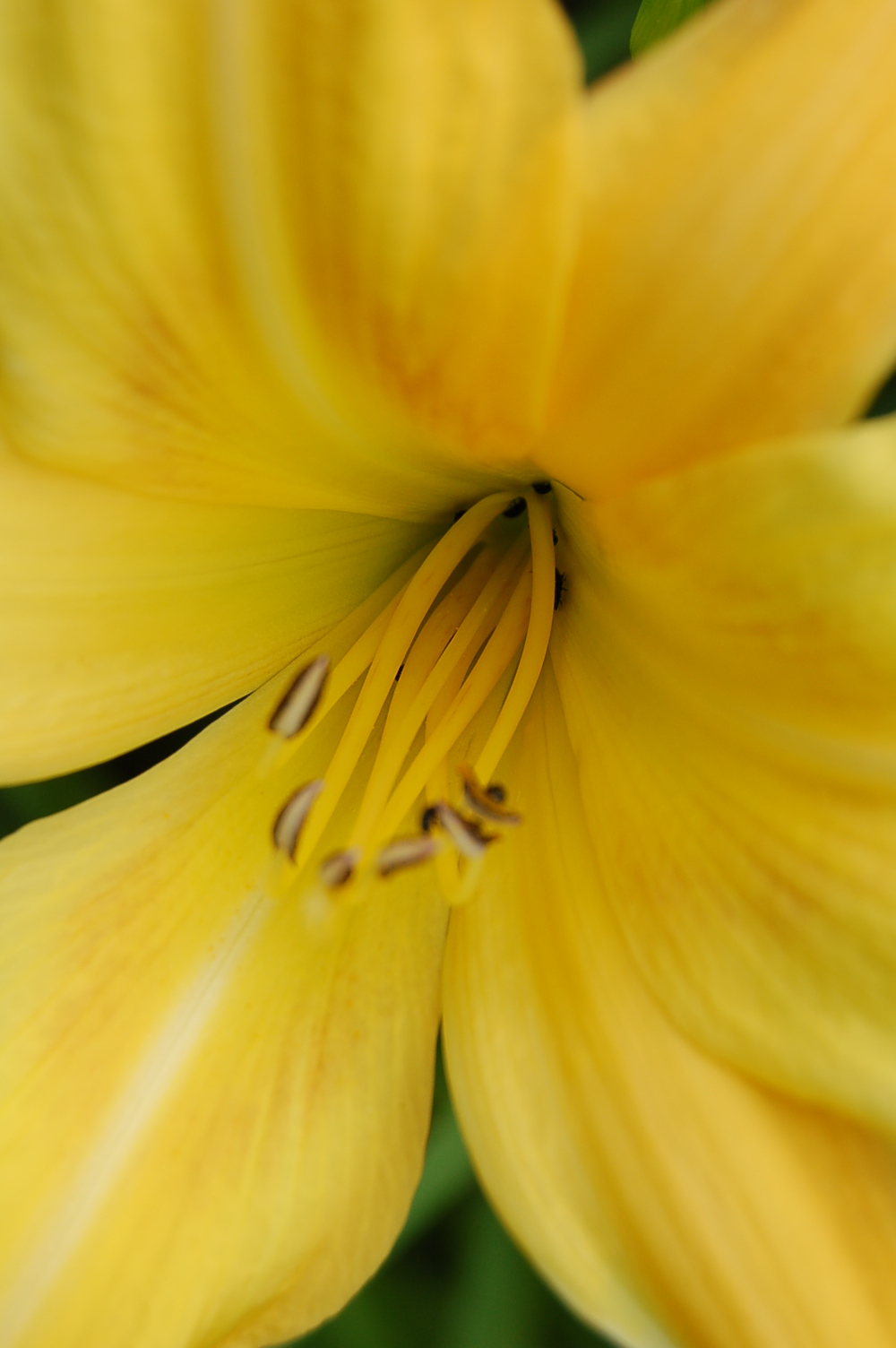
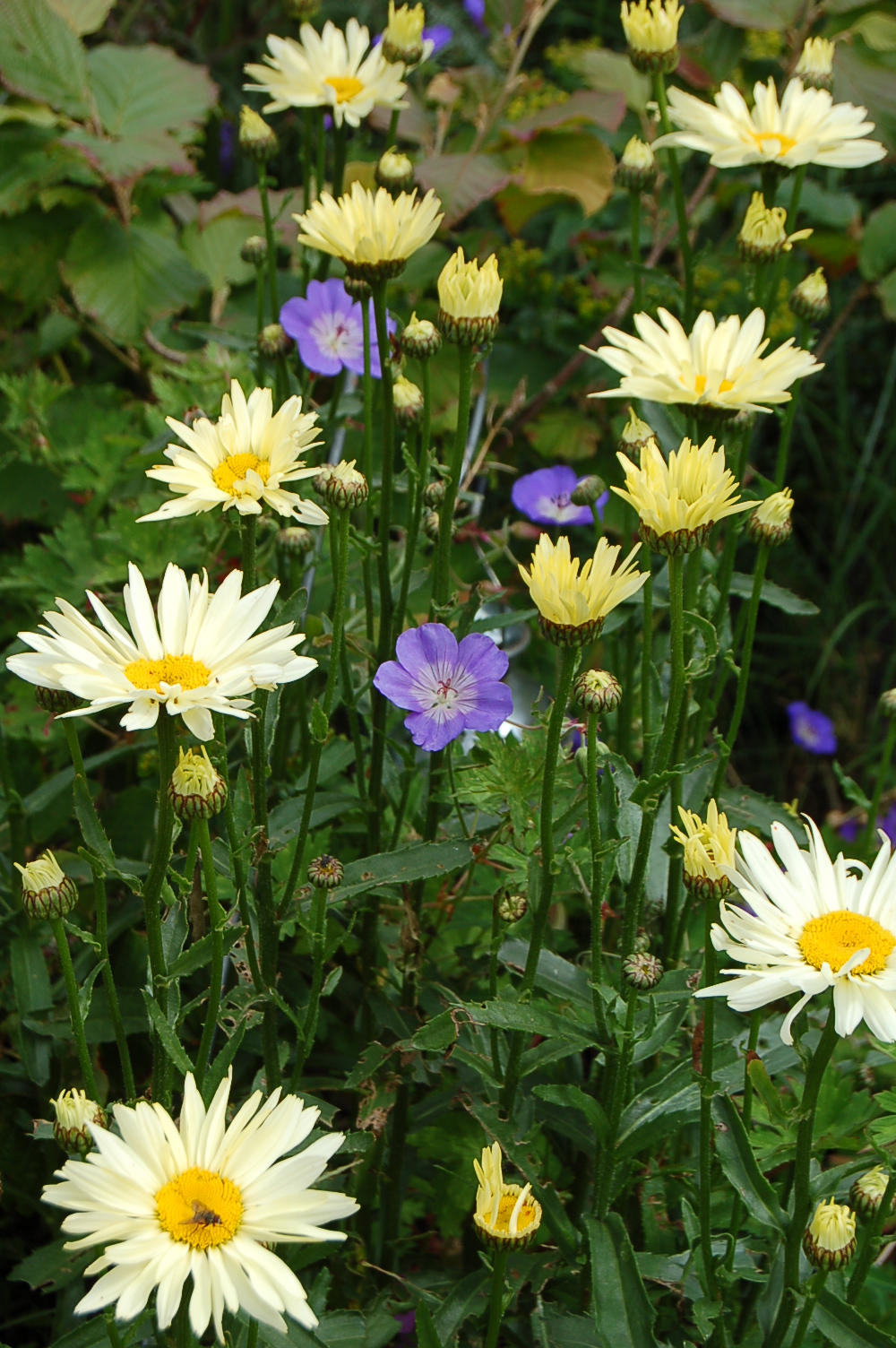
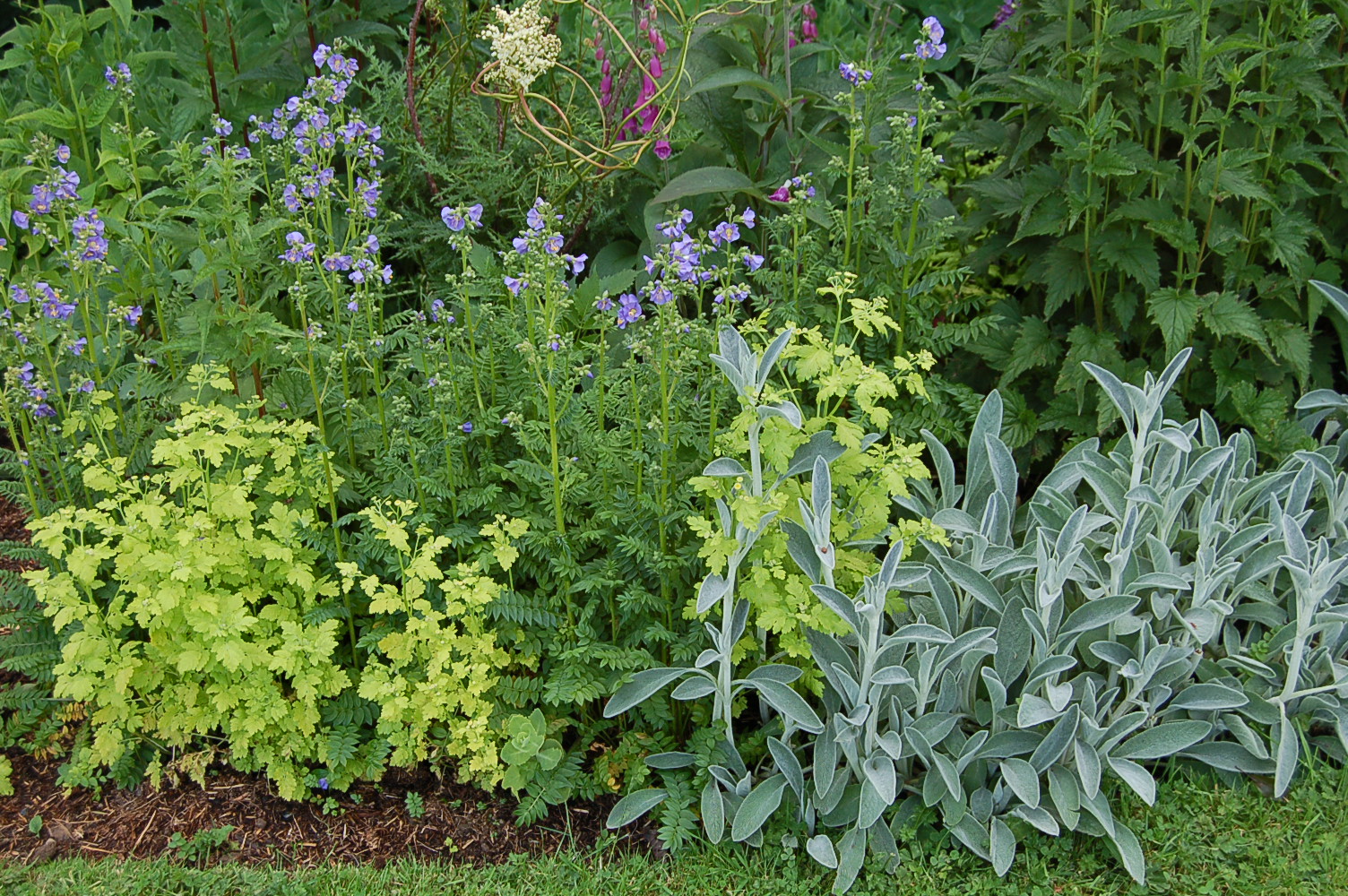
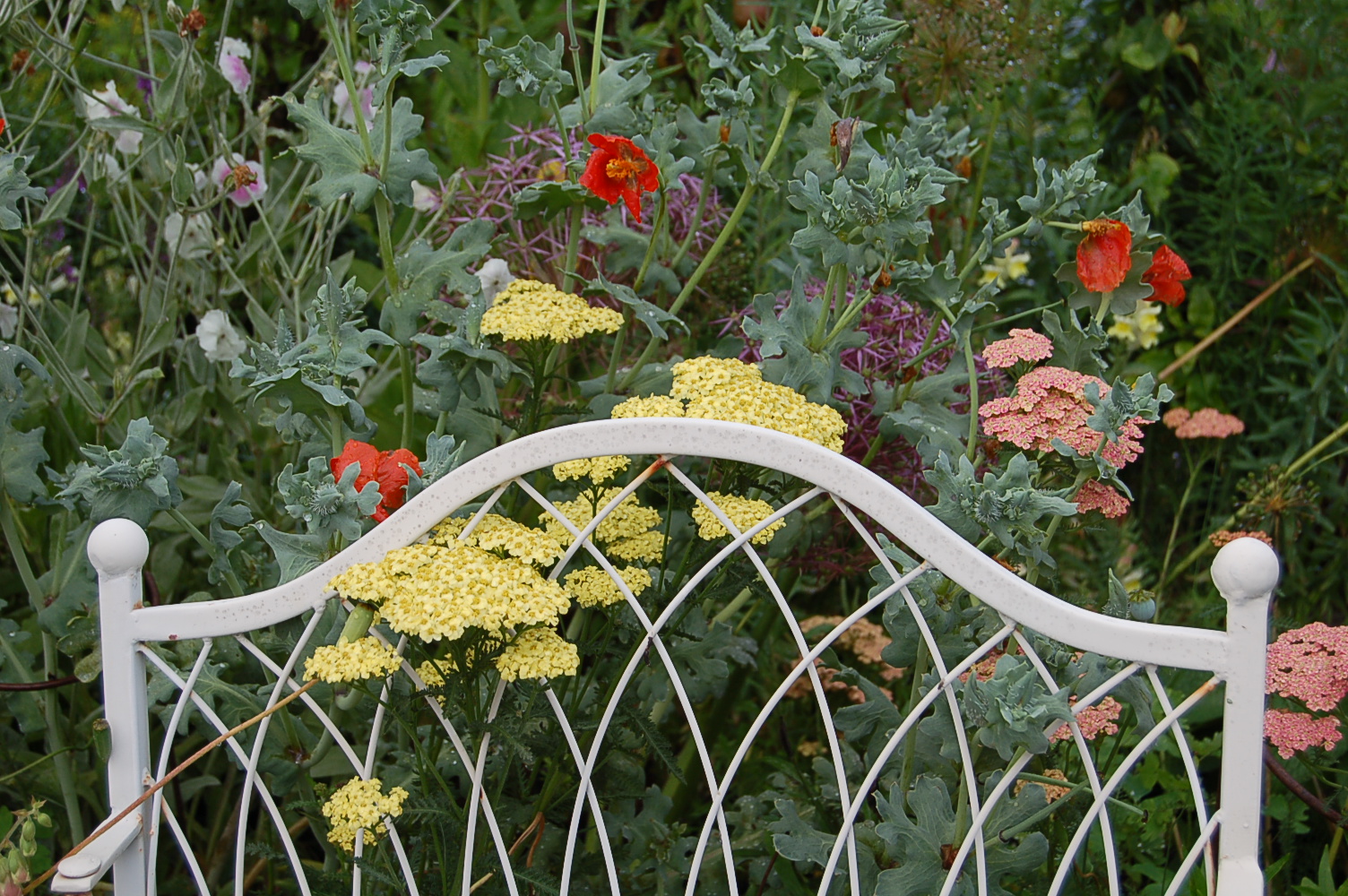
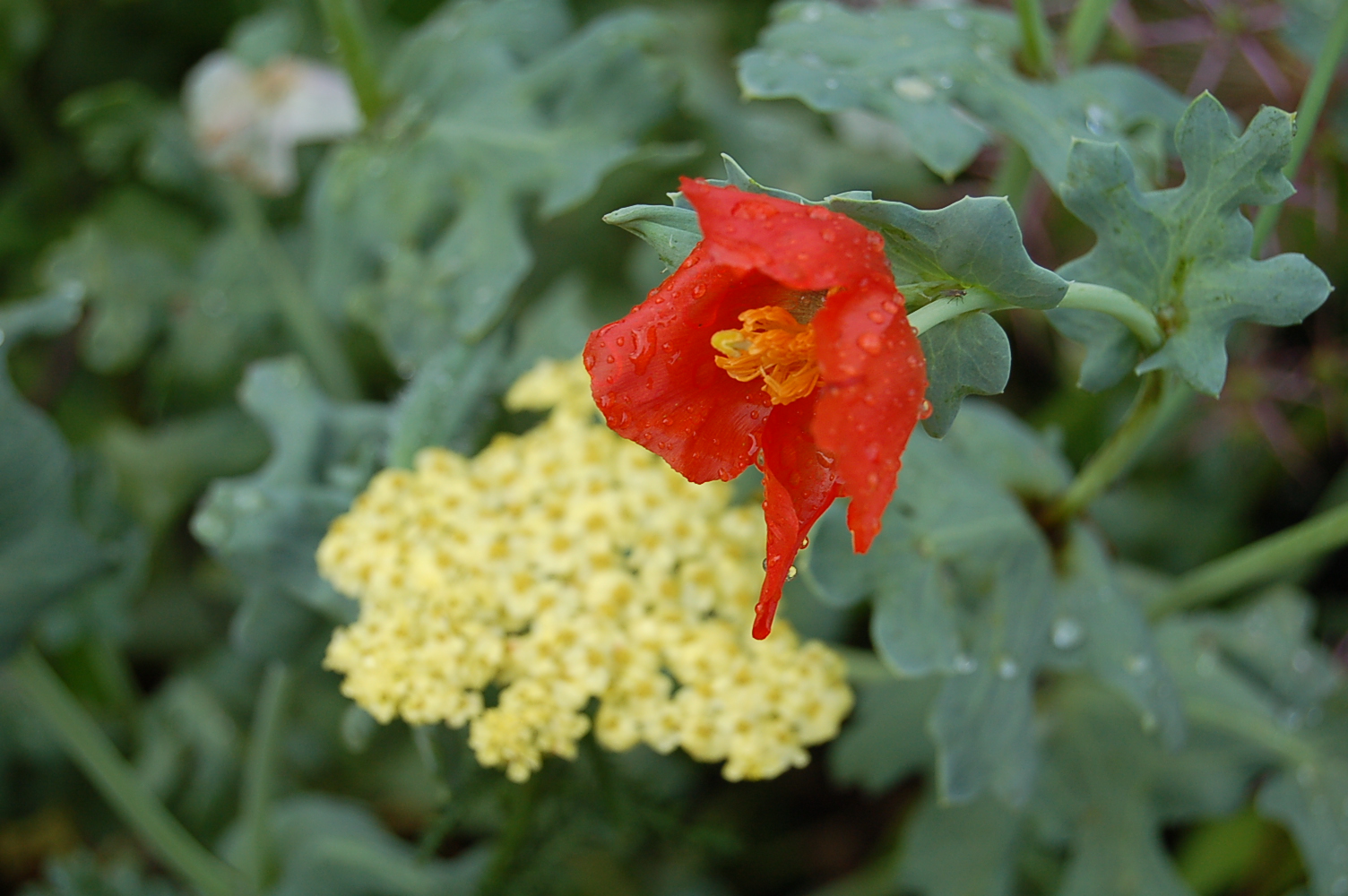
Recently I opened the window blinds to let in the early morning light and was struck by how many shades of yellow were glowing in the borders. I immediately rummaged in the camera bag and took out my trusty Nikon DSLR.

Categories
allotments fruit and veg garden photography gardening grow your own hardy perennials July ornamental grasses photography

A July Harvest

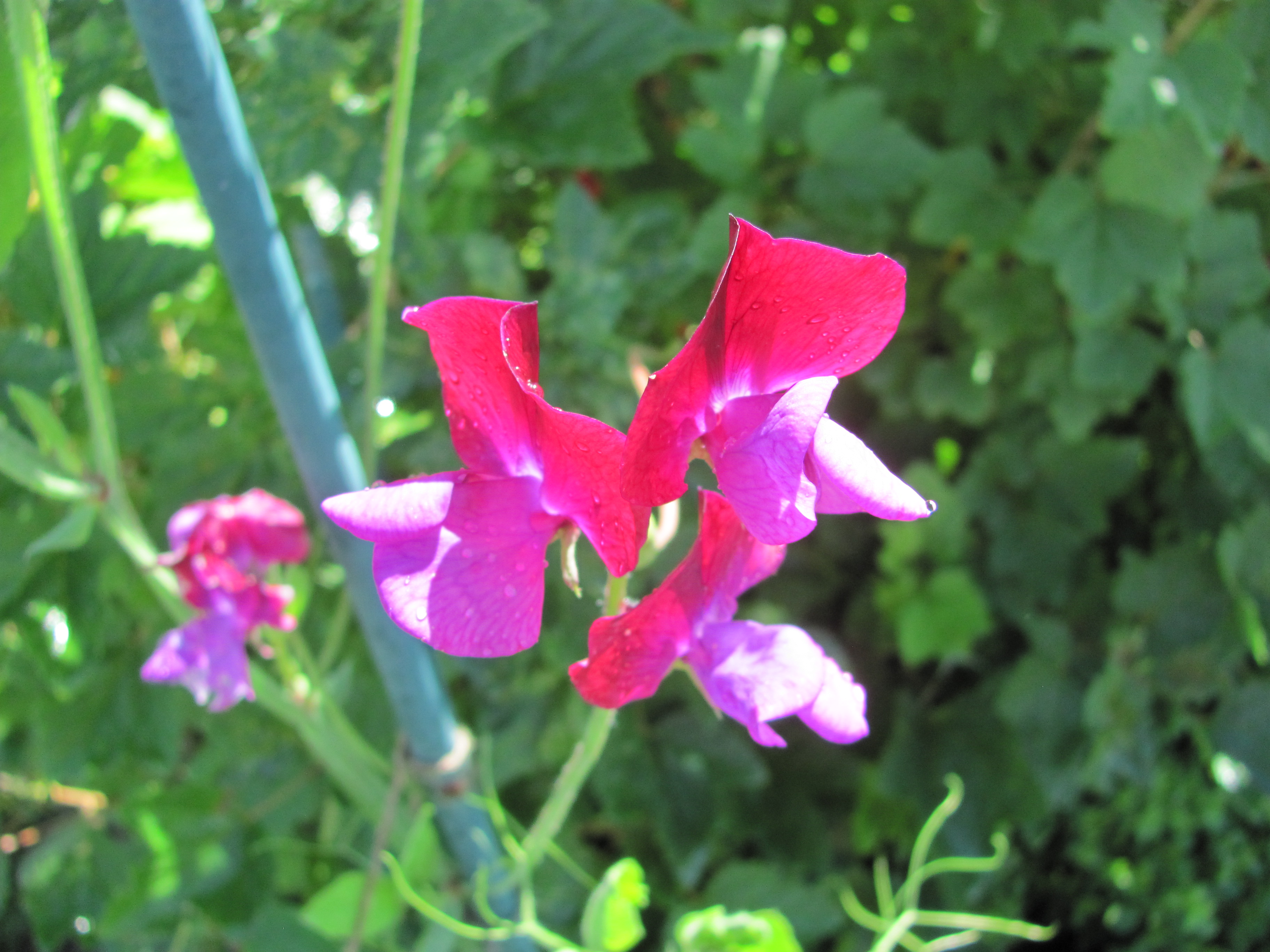
Today we visited the lottie to harvest veggies to use fresh and to store in the freezer for use in the less productive days of the winter and early spring, together with bunches of Sweet Peas and Dianthus.

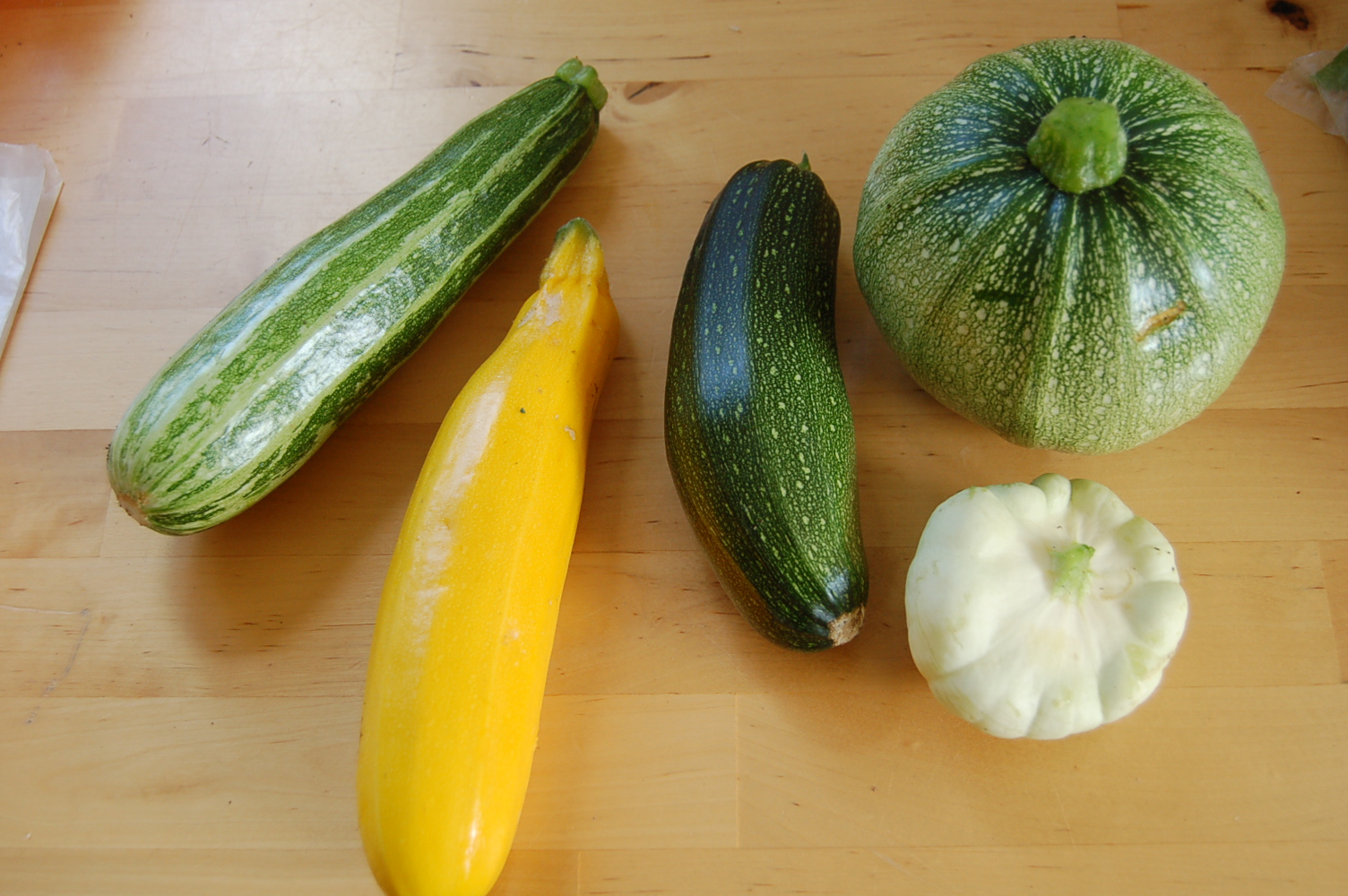
This year we have grown four different Courgettes including this round one, and little saucer-shaped patty pan squashes.

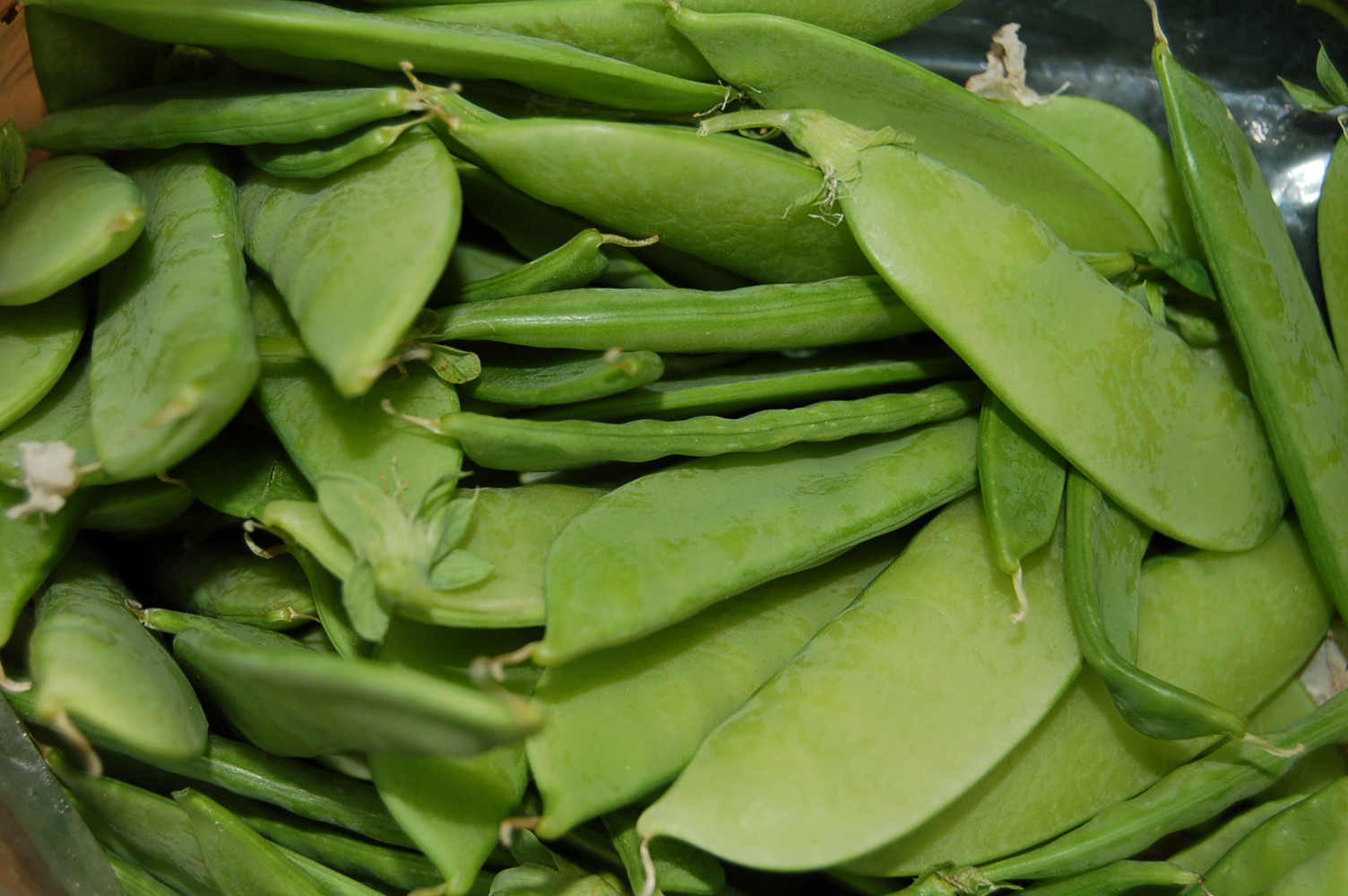
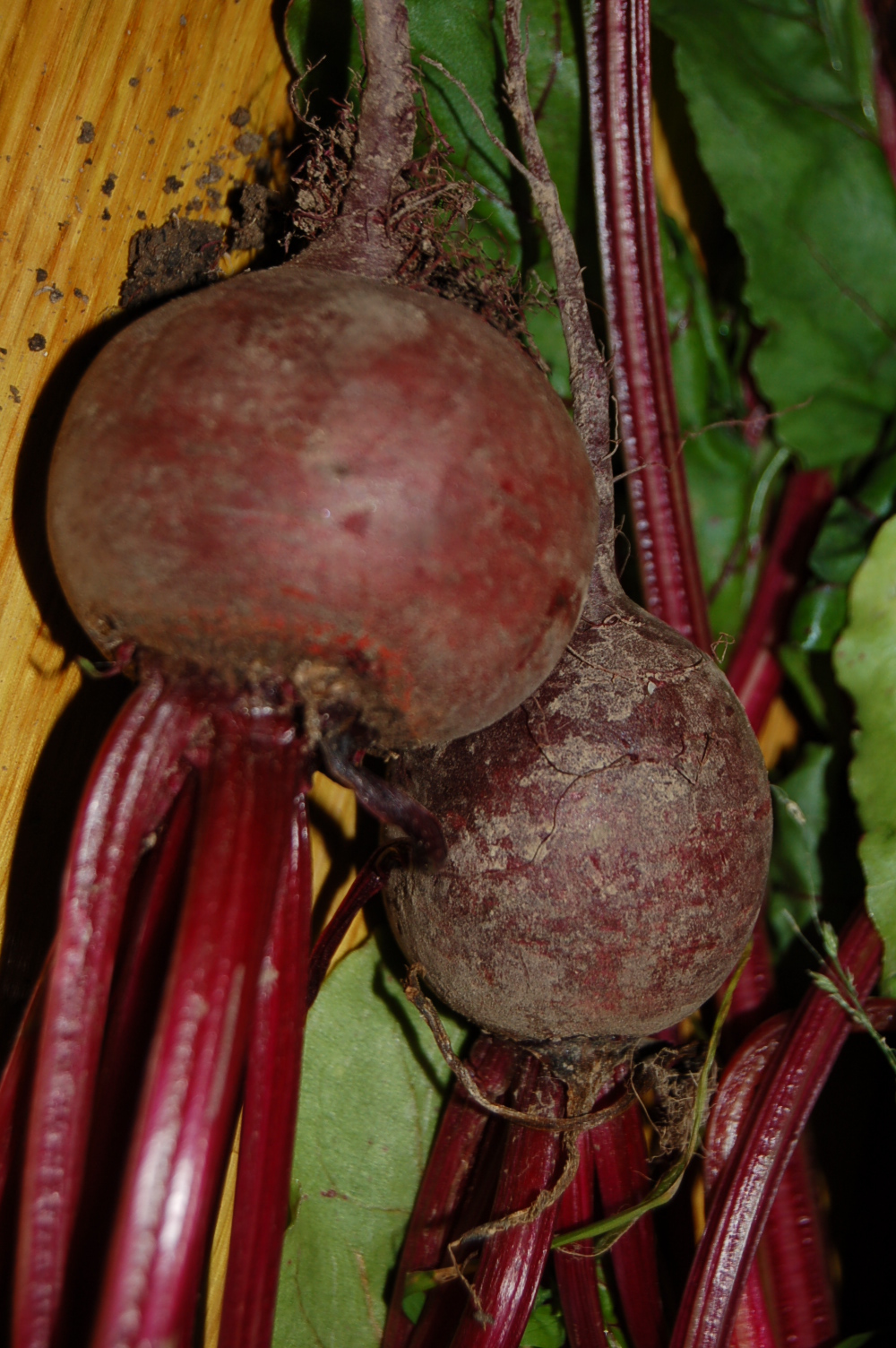
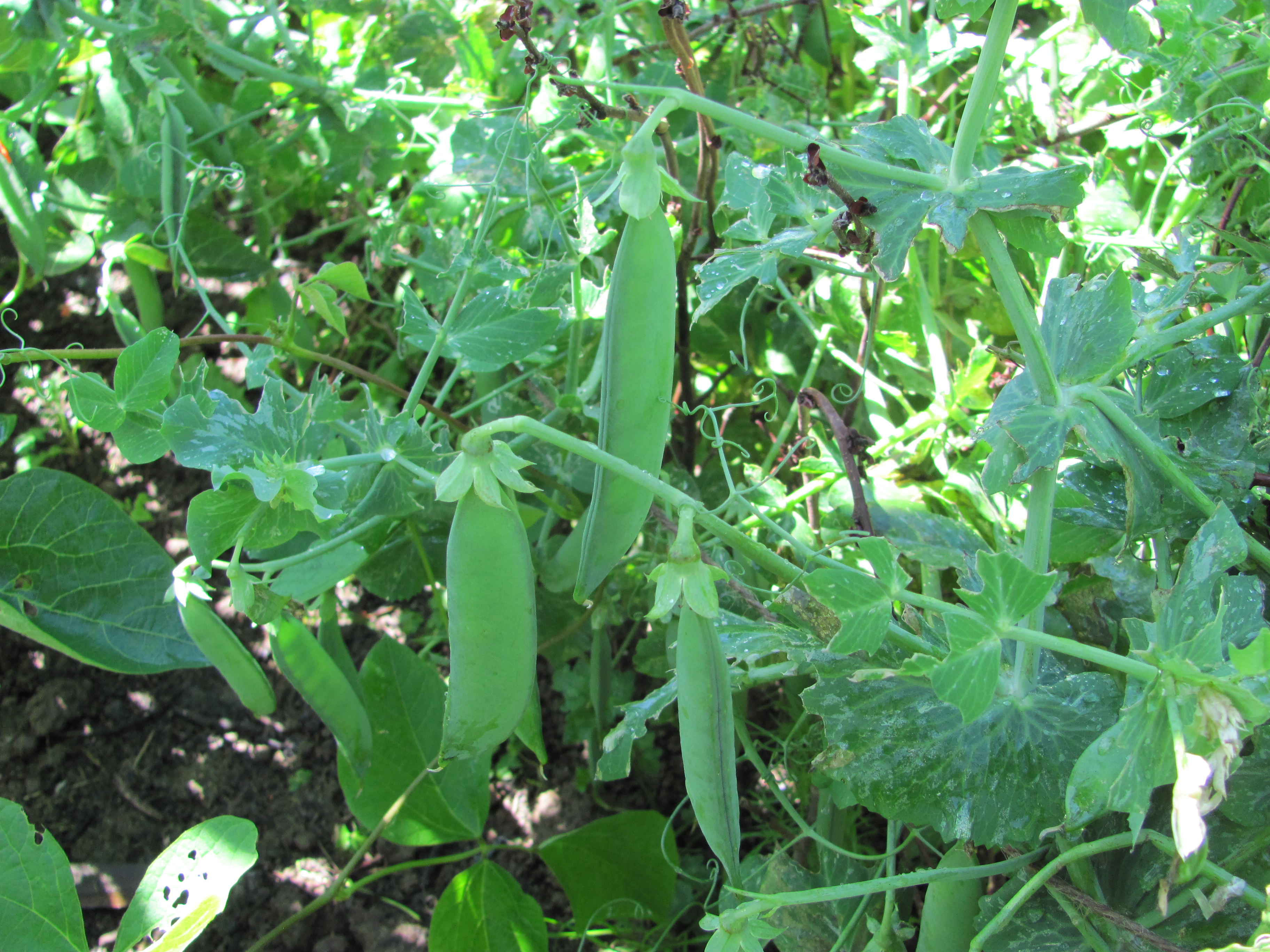
These sweet green peas are eaten in their pods and are wonderfully crunchy and juicy to eat raw or cooked. The dark purple roots of Beetroot are great boiled and used in salads or pickled to use in the winter. They are also ingredients for the sweetest of cakes and relishes. The Broad Beans are a variety called Green Windsor which gives green succulent beans to eat now or freeze for later.

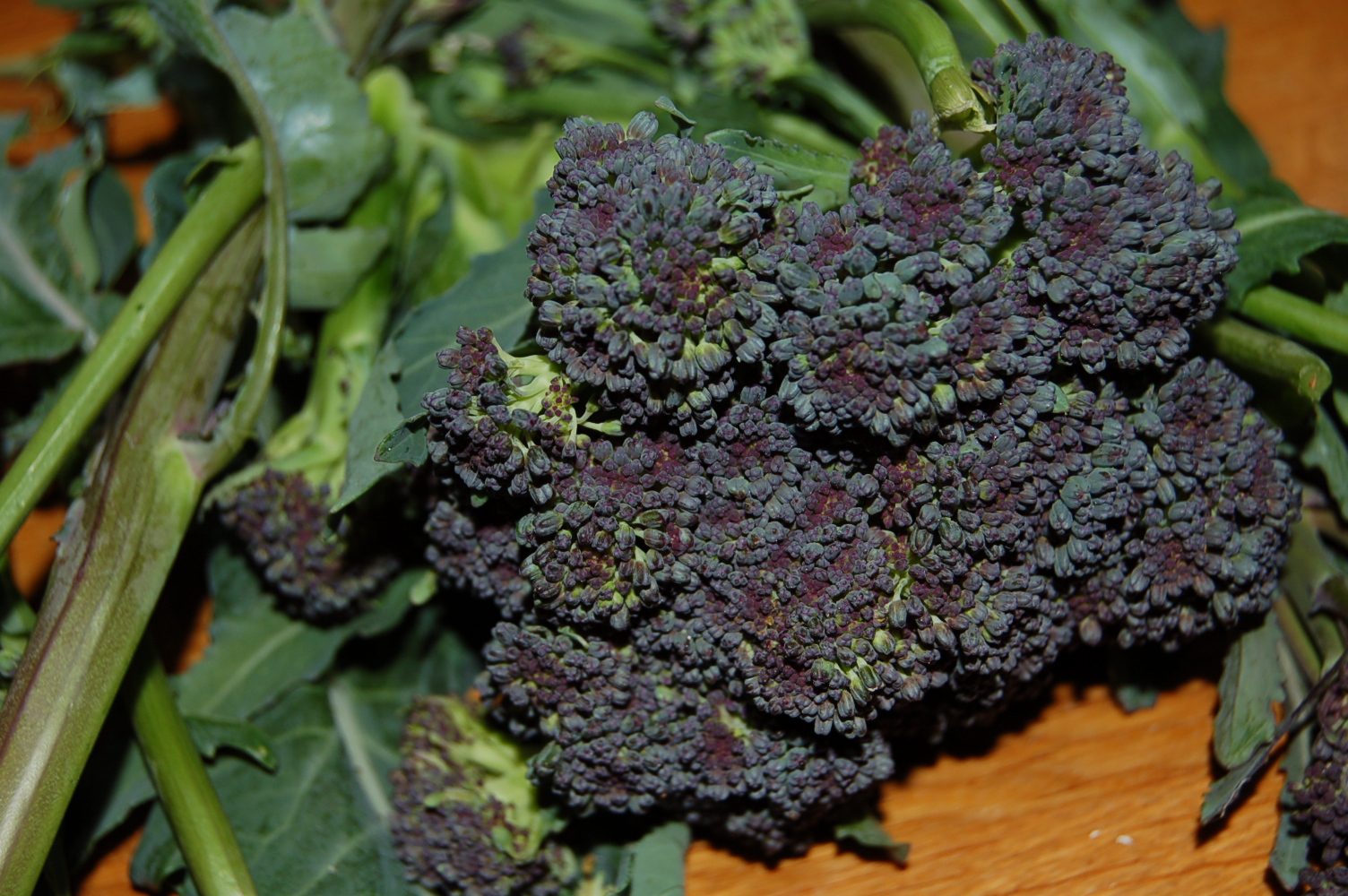
Purple Sprouting Brocolli is one of our favourite crops on the lottie but this year they are ready so early. We usually harvest them from December to April but have already been picking them for a month or so. Strange season!

The last harvest this year off our Rhubarb. The plants have served us well this year and we have enjoyed rhubarb pies and crumbles, and have lots in the freezer to make jam. We tend to freeze lots of our fruit to use in jams, relishes and chutneys, which we make when the weather deteriorates and we can’t get in the garden.

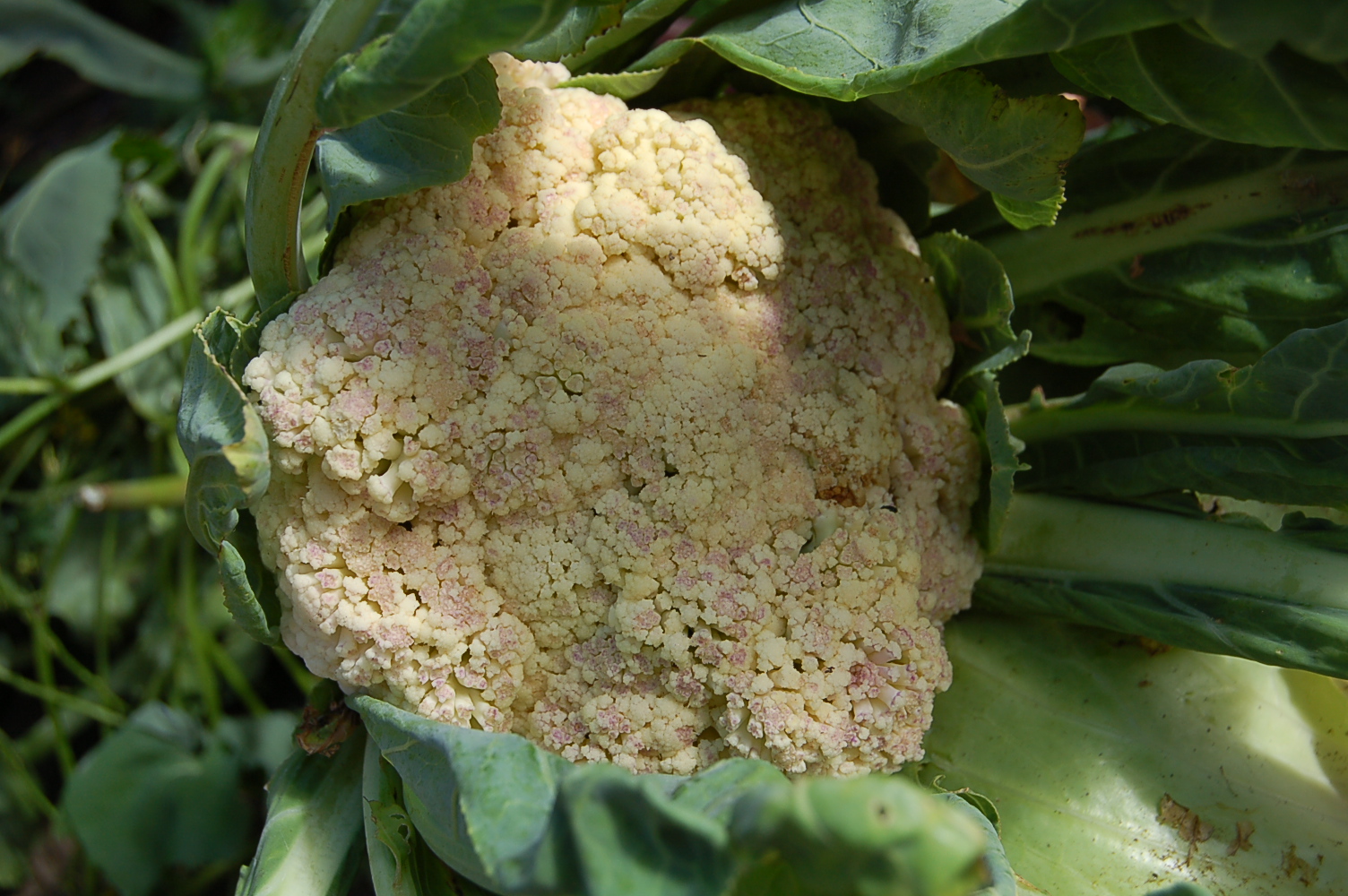
A lovely big, crunchy, sweet white cabbage and a failure of a cauliflower – a bit small and not very white!

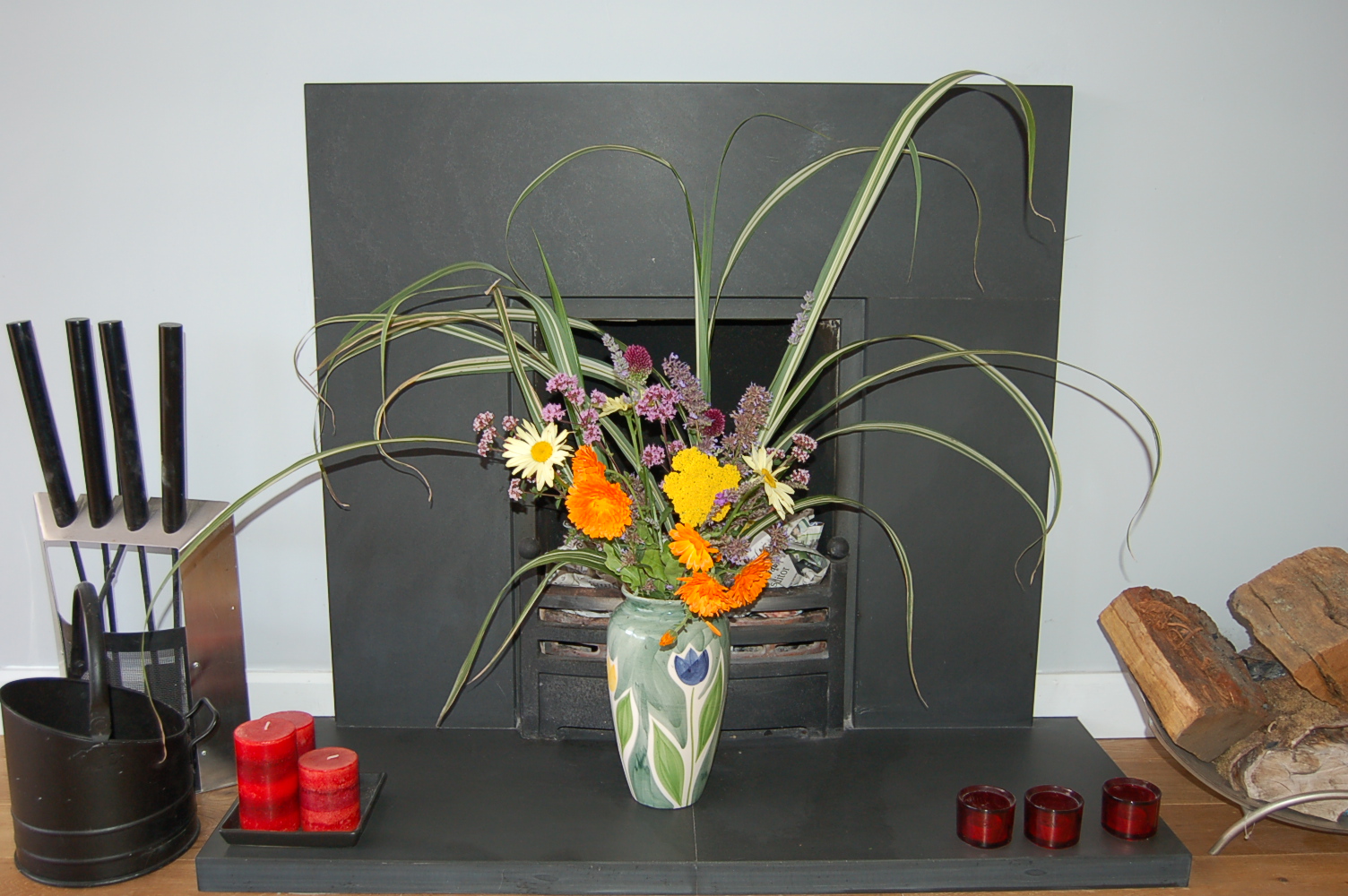
Once we returned home after a welcome refreshing cup of tea, and then took to the garden to pick a flowery harvest. Dramatic grasses and bright blooms of Calendula, Achillea and Anthemis mingle with purples of Alliums, Marjorams and Nepetas to give us a wonderful bouquet for our lounge fireplace.

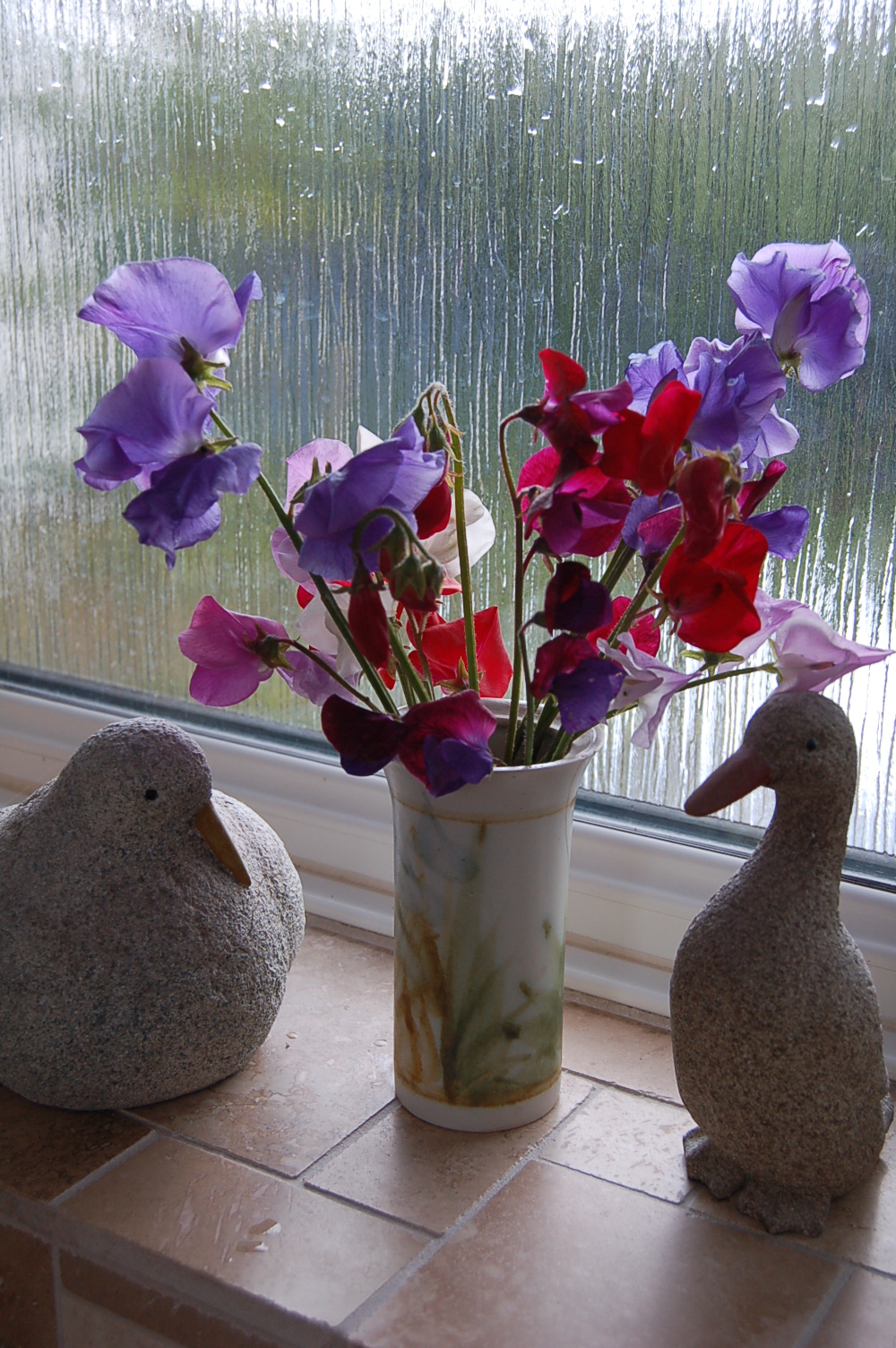
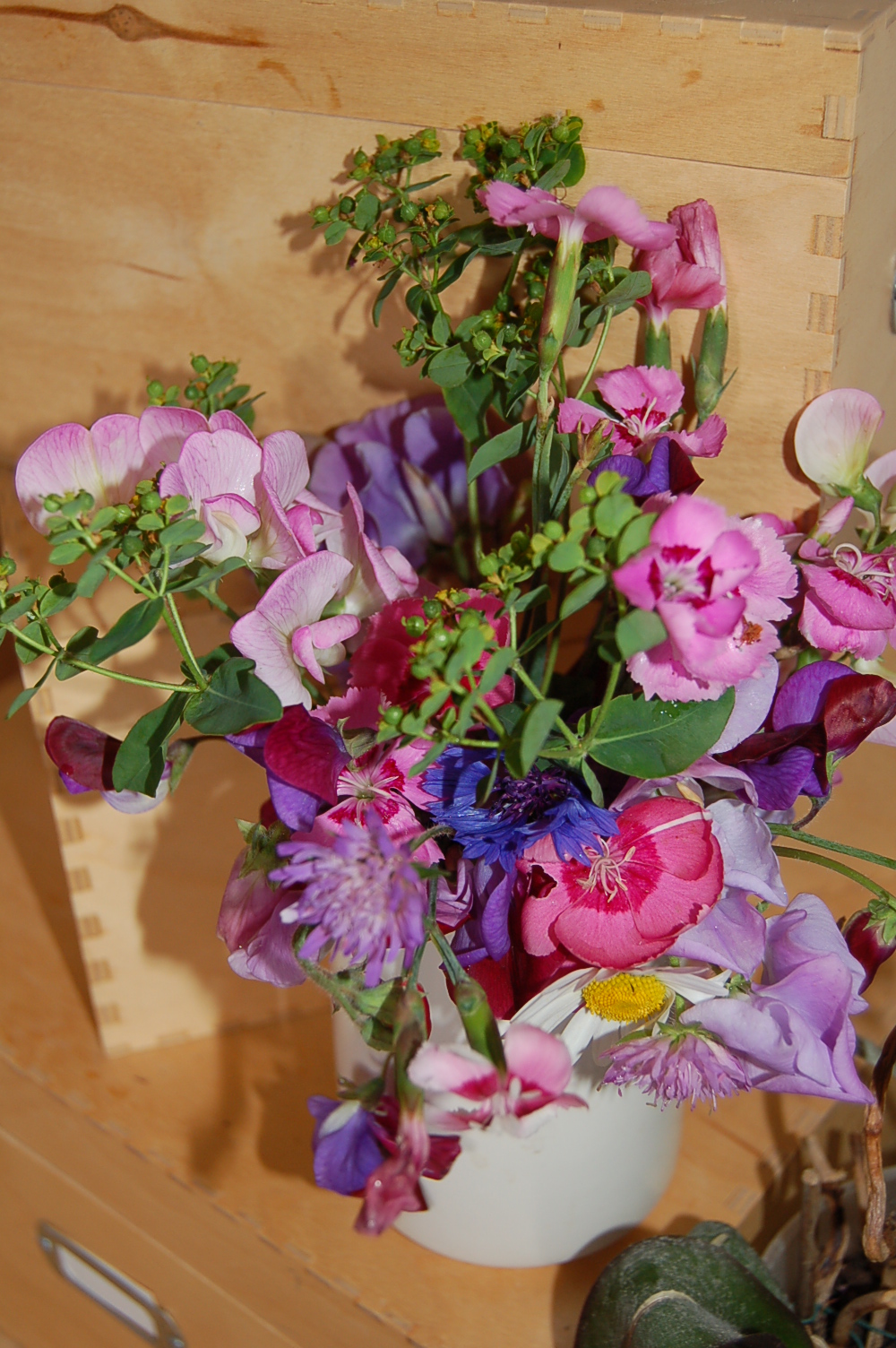
Sweet Peas and Dianthus scent the house, their sweet and clove-like aromas permeating every nook and cranny.

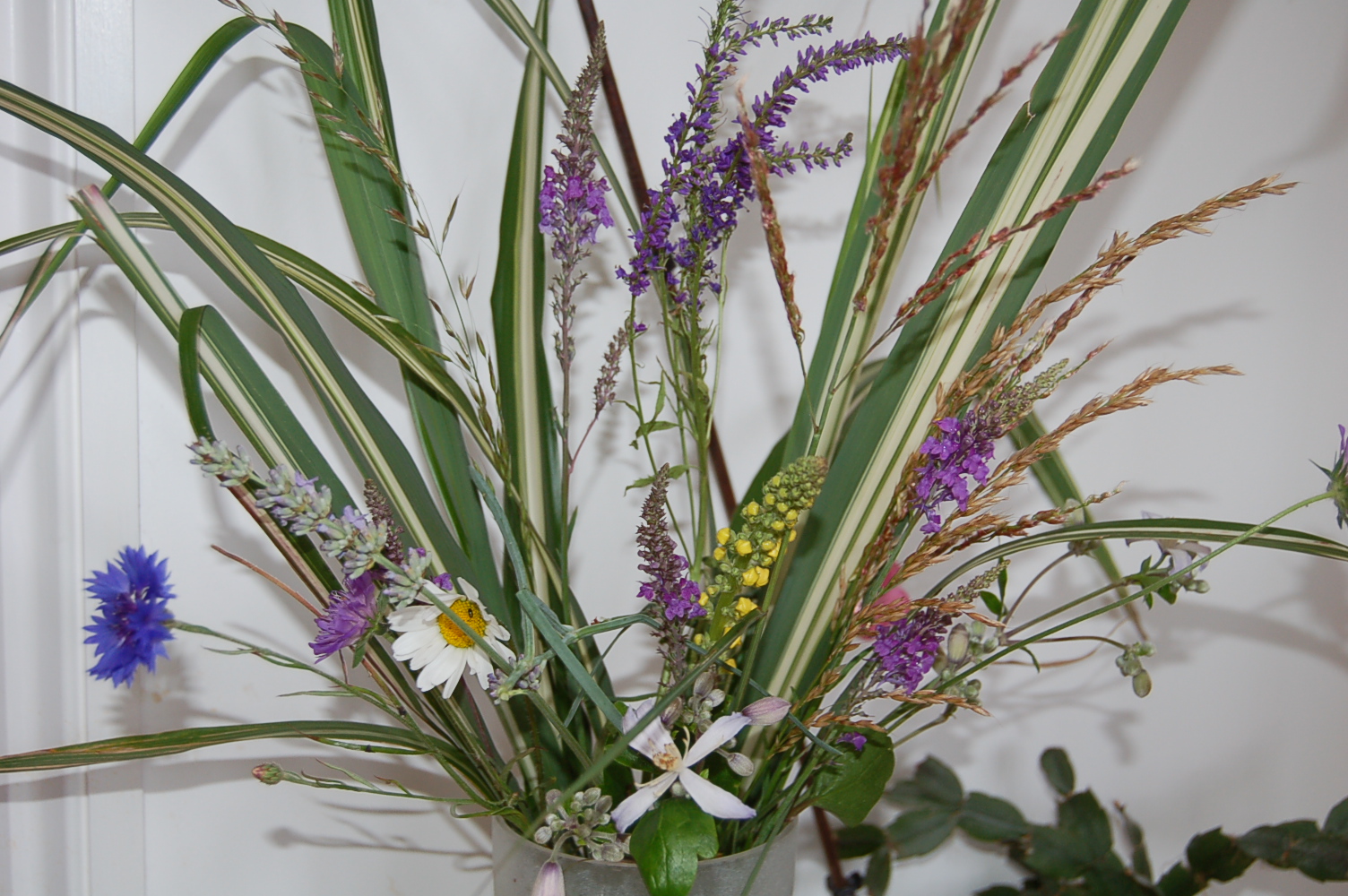
This very natural soft display links the long leaves of grass, Arundo donax variegata, with Lavenders, Linarias, Verbascum, delicate smaller grasses and daisies.

Categories
allotments community gardening fruit and veg garden photography garden wildlife gardening grow your own July meadows natural pest control photography roses Shropshire

A Wander around the Allotments in July.

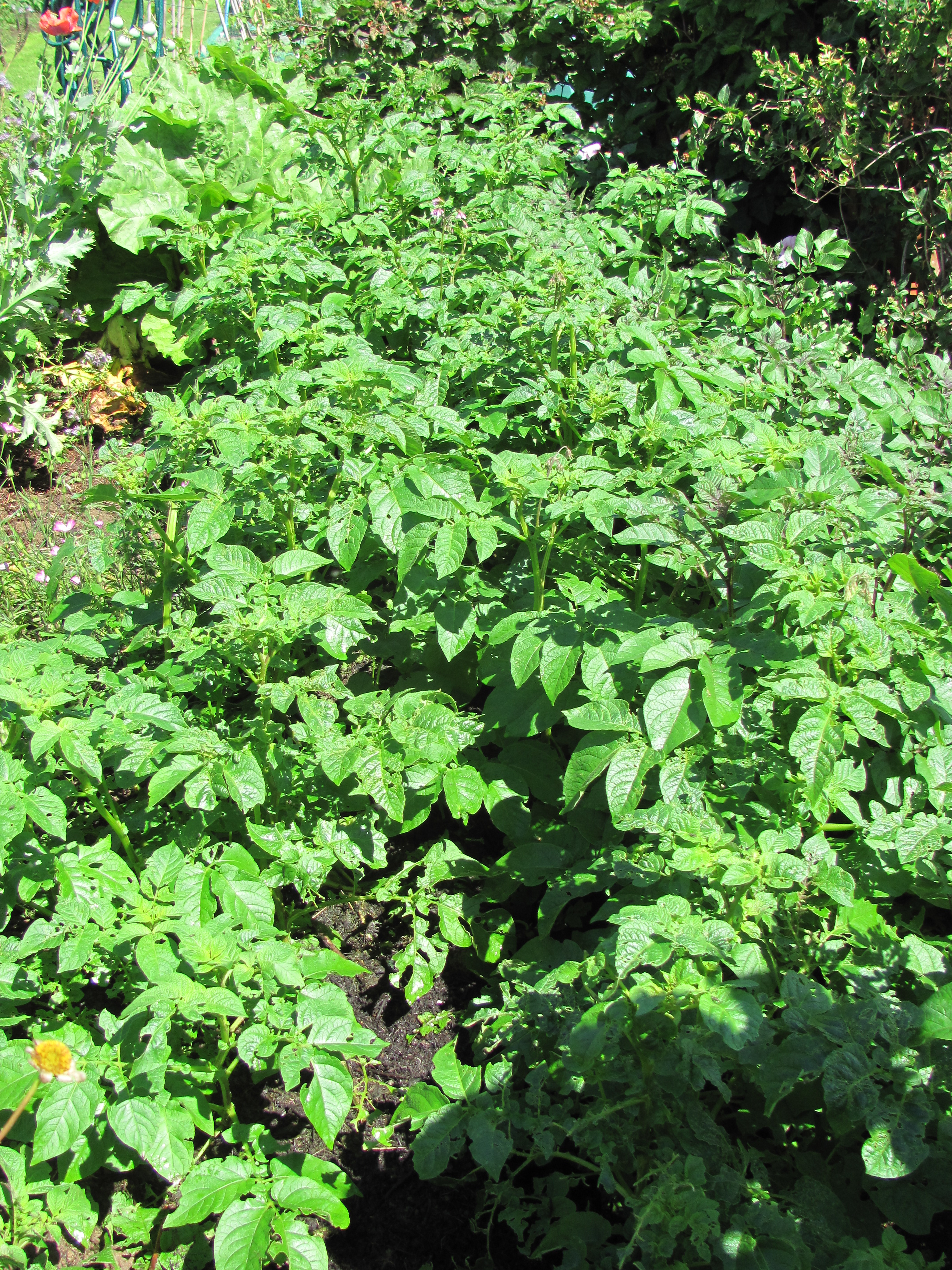
July on our allotment site has been a month of rain resulting in regular flooding. Now as the rain has disappeared for a while things are drying out. Amazingly potatoes are being dug up out of flooded plots and have given reasonable crops but on others crops have rotted below ground. On our own plot we have been harvesting good crops of carrots, beetroot, garlic, cabbages, broccoli, broad beans, peas and salad leaves. We regularly pick tayberries, rhubarb and gooseberries. Strawberries however are rotting before we get to pick them and even the blackbirds are missing out.

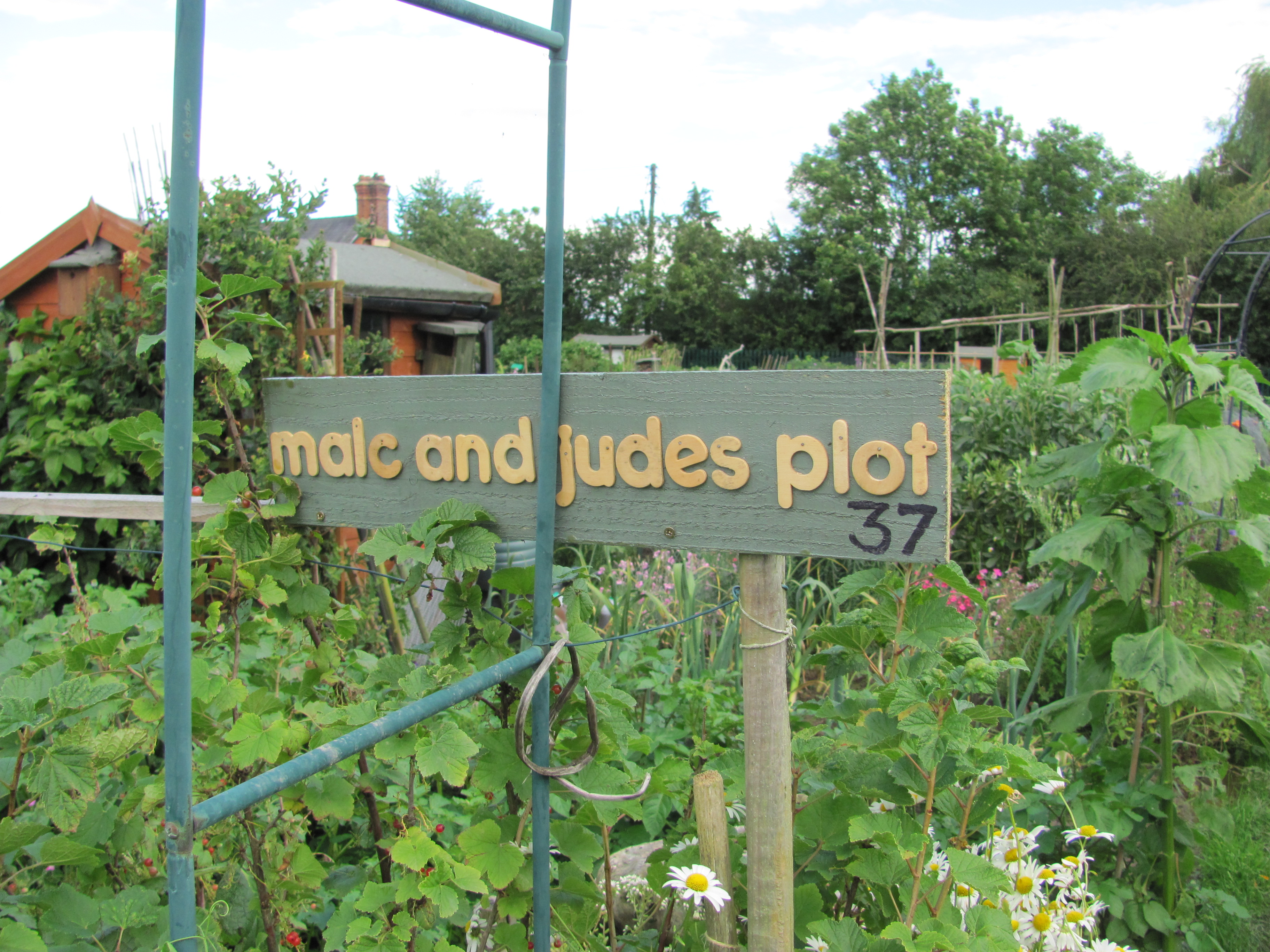
We shall as usual start our lottie wander on our own plot to see what is going on and with our new sign, the old one having fallen apart.

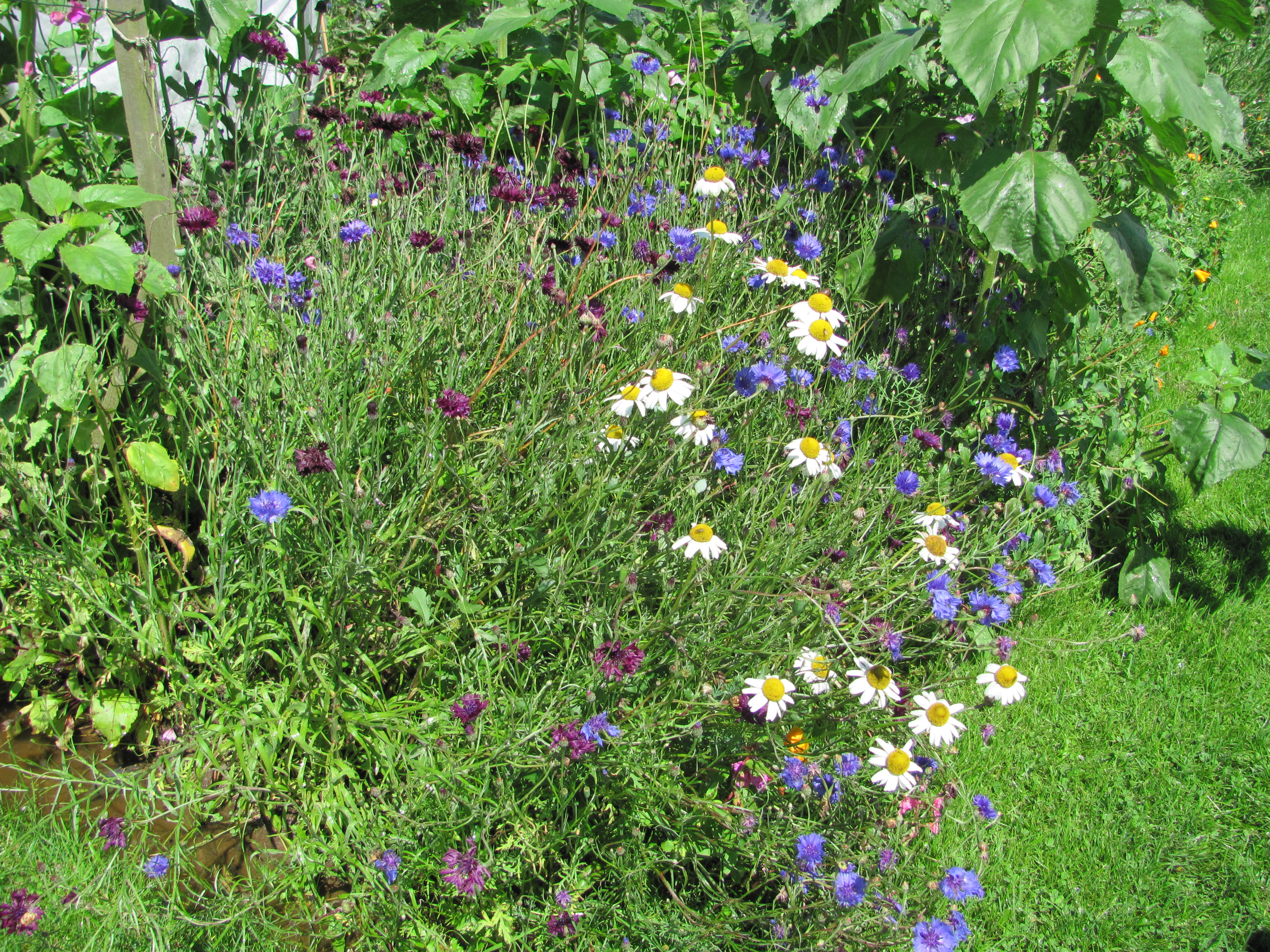
Our crops are mostly looking well and the “Bug Borders” bursting with colourful flowers, alive with bees, hoverflies and lots of other useful insects.

But in between the colourful lush plantings of veg, fruit and flowers standing water sat getting stagnant.

And this is our poor grass path.

Things are getting easier though and we have managed to get on the soil without damaging the structure too badly, so we cleared any weeds, loosened up the soil surface and sowed more crops such as beetroot and radish and planted out our seedling leeks.

Now we can start our wander around the site looking at what is happening on other plots and in the communal areas.

The Spring Garden and Summer Garden have come through the terrible weather with flying colours.

Of course the Willow features have enjoyed the wet around their feet and look so green and fresh, but they need a lot of pruning to keep them in trim shape.

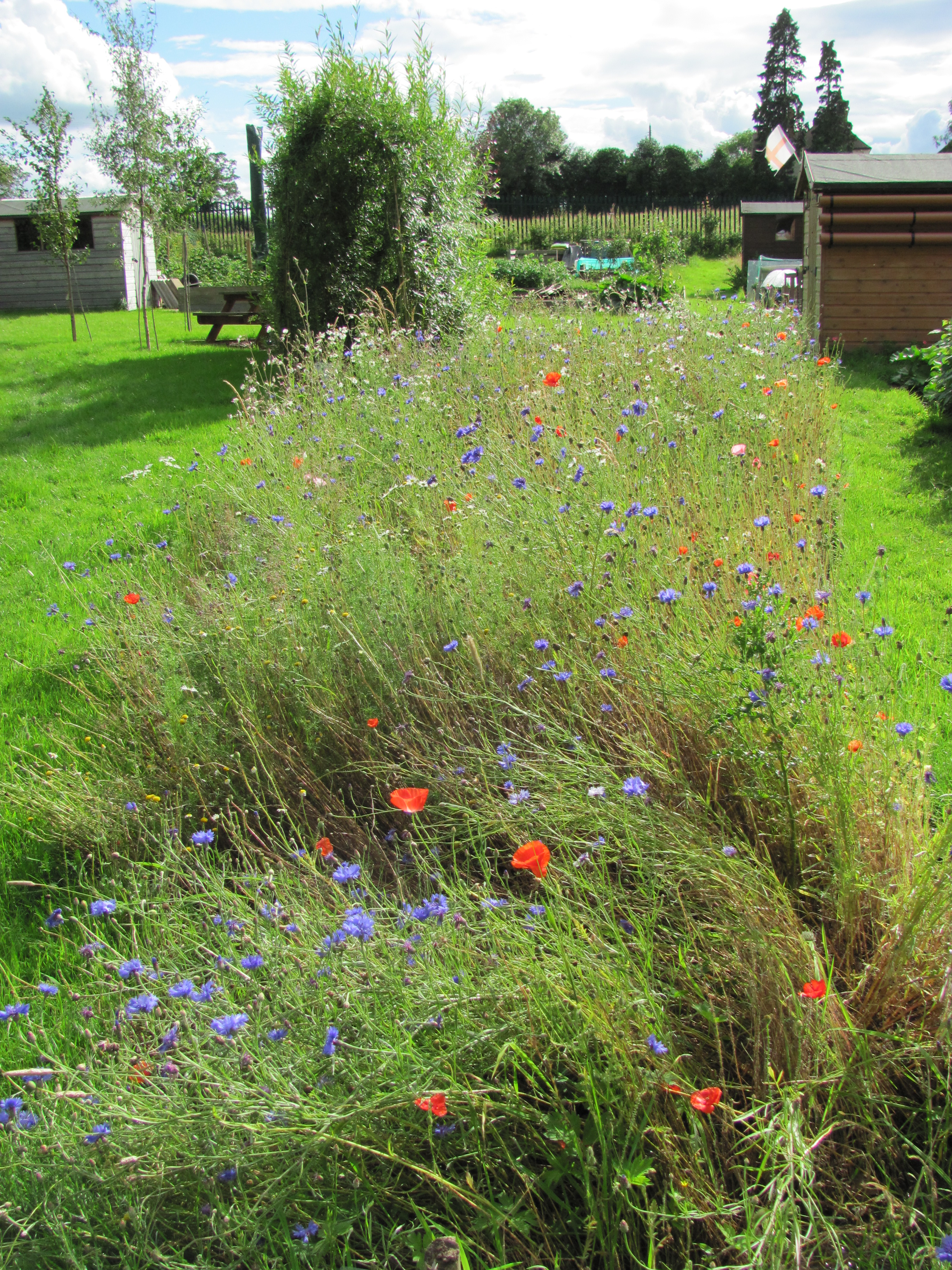
The meadows are flowering nicely now and flowers are giving colour on lots of the plots.

I shall finish this wander with a good idea. How about this for an idea for trying to foil the dreaded carrot rootfly – simply grow them up in the air hopefully above their maximum flight height.

Categories
community gardening garden design garden photography gardening hardy perennials July ornamental trees and shrubs photography Shropshire shrubs village gardens

A Village of Gardeners – part two, after the tea break.

We sat in the village hall enjoying our lemon drizzle cake and cups of tea, while we planned our route to see the afternoon gardens which, all but one, were out in the countryside, along narrow lanes.

So suitably refreshed and legs rested we made our way to the last of the gardens in the village itself, which was described as a small cottage garden. It didn’t disappoint!  After wandering up a narrow lush lane we crossed a ford where a shallow stream of crystal-clear water rushed over the tarmacadam. There were so many well-kept plants in busy planting schemes with narrow grass paths to lead you round. We loved it!

Once we had relished this lovely crowded cottage garden we returned through the ford and turned right where another narrow lane sent us up a gradual slope into the countryside away from the village, to the next garden. We passed this tumbling down barn the home to many swallows and colourful natural hedgerow borders.

This garden was larger than the last we visited, with sweeping areas of grass, an enclosed vegetable plot, interesting plant combinations and a beautiful wildlife area featuring a pond with woodland enhancing its banks.

Sadly the last two gardens we wished to visit were miles into the countryside at the foot of the Stretton Hills so we had to take the car. The first garden was one that invited you to wander with interesting  plantings.

The final garden was up a lane with grass growing down the centre and we had to park on a very soggy field. But it was worth it as a beautiful atmospheric garden sat alongside a rippling stream running through a wooded valley. The sound of bird activity around the feeding stations in an enclosed part of the garden and their song in the surrounding borders and woodland enticed us to sit comfortably with another cup of tea and another slice of home-baked cake.

We managed to visit just nine of the sixteen gardens open before we ran out of time. We enjoyed the variety of gardens created and maintained by a variety of gardeners. These gardeners all had the advantage of living in such a beautiful little village with a strong community spirit. The last garden we visited had the added benefit of an amazing view.

Categories
garden design garden photography gardening July photography Shropshire village gardens

A Village of Gardeners – part one, before the tea break.

A warm day seemed just what was needed when we visited the Shropshire village of Cardington just twenty minutes from home. We made this village garden pilgrimage last year as well and couldn’t wait to return, as we had been so impressed. This year there were extra gardens to enjoy too!

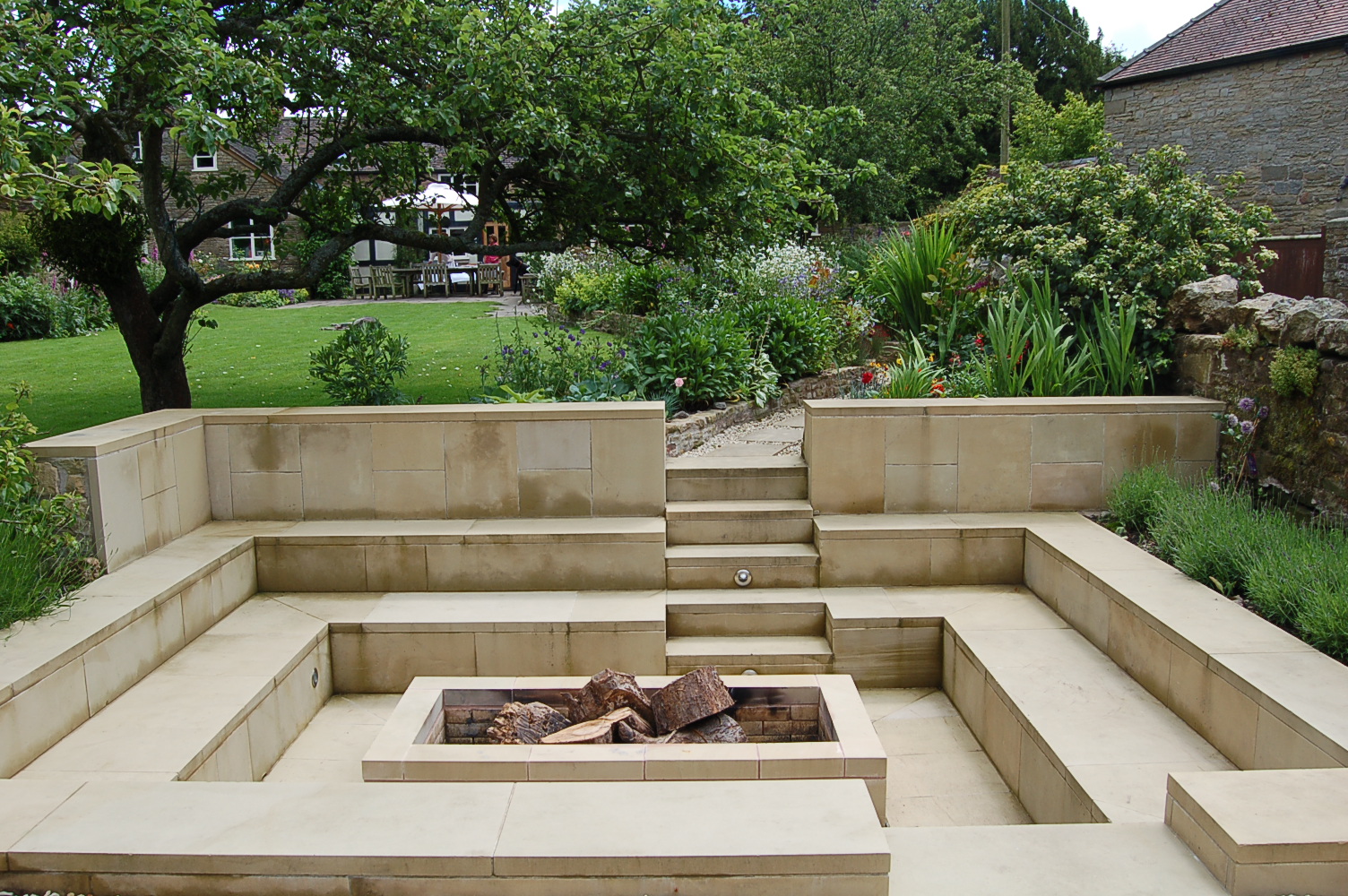
The first two gardens we visited were next door neighbours but oh so different. In the first garden there were few borders and much of the available space had been taken up by a huge stone built gym and swimming pool with decking around complete with hot tub. The formal fire pit area was interesting but I did wonder if it would have housed a nice pond.

Their neighbours however had wide expanses of well-maintained lawn with beds, both formal and informal cut into it. The garden looked a little dated but had a good pool area and some interesting sculpture and pots hidden in the borders.

Wandering through the village to the next garden we noticed interesting little cameos along the way. We were looking forward to the next garden as it was owned by one of our friends from the Shropshire Hardy Plant Society.

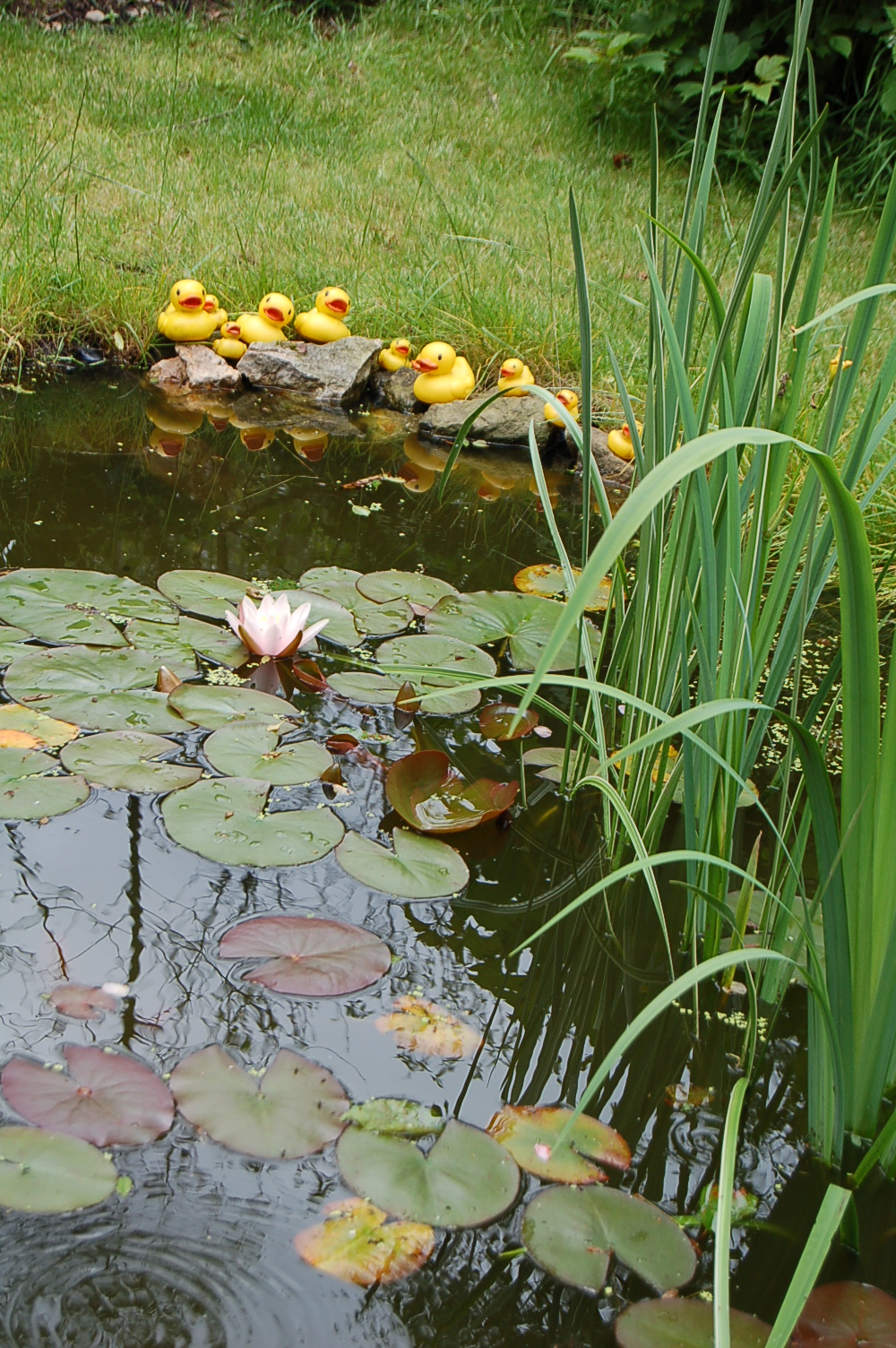
We weren’t to be disappointed. Her garden was one of interesting plants as one would expect, inspired little details and unusual places to sit, rest and enjoy the garden and the peace of the Shropshire countryside. (look out for the family of little plastic ducks!)

Once we had visited this selection of gardens we were ready for a return to the village hall where villagers had prepared teas, coffees and home-baked cakes. Part two follows after the tea break!

Categories
garden photography gardening ornamental trees and shrubs photography RHS shrubs trees

Who needs flowers when foliage will do?

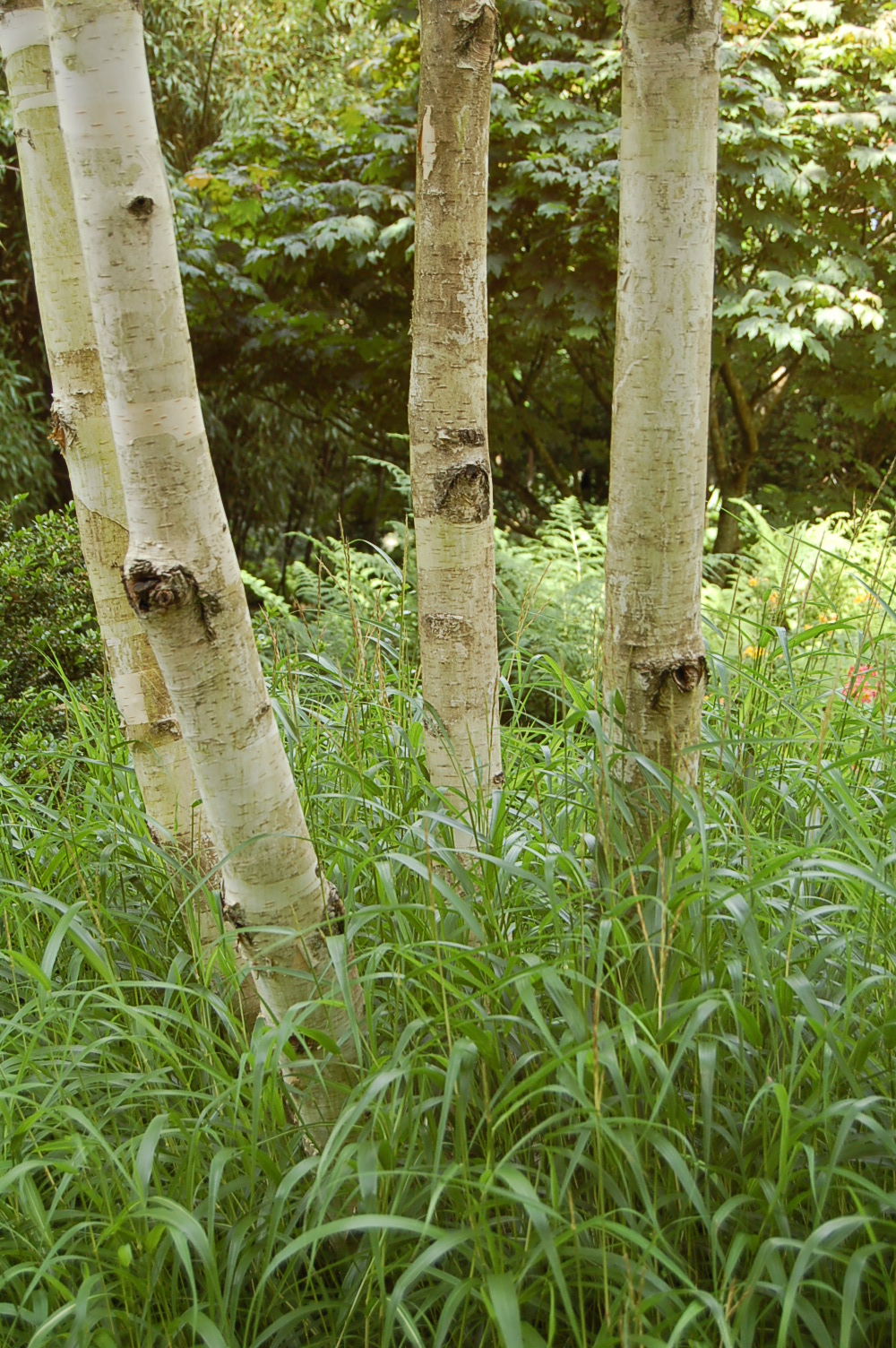
You will be glad to know this is a rhetorical question. If asked to find an answer it would be a simple response – we all do! But, on a recent visit to the Royal Horticultural Society’s garden in Devon, the wonderful Rosemoor, I took this collection of photographs featuring foliage with occasional interesting bark. Not a flower in sight.

Categories
photography Shropshire trees wildlife

A Walk along the Montgomery Canal – There and Back – Part 2 Back

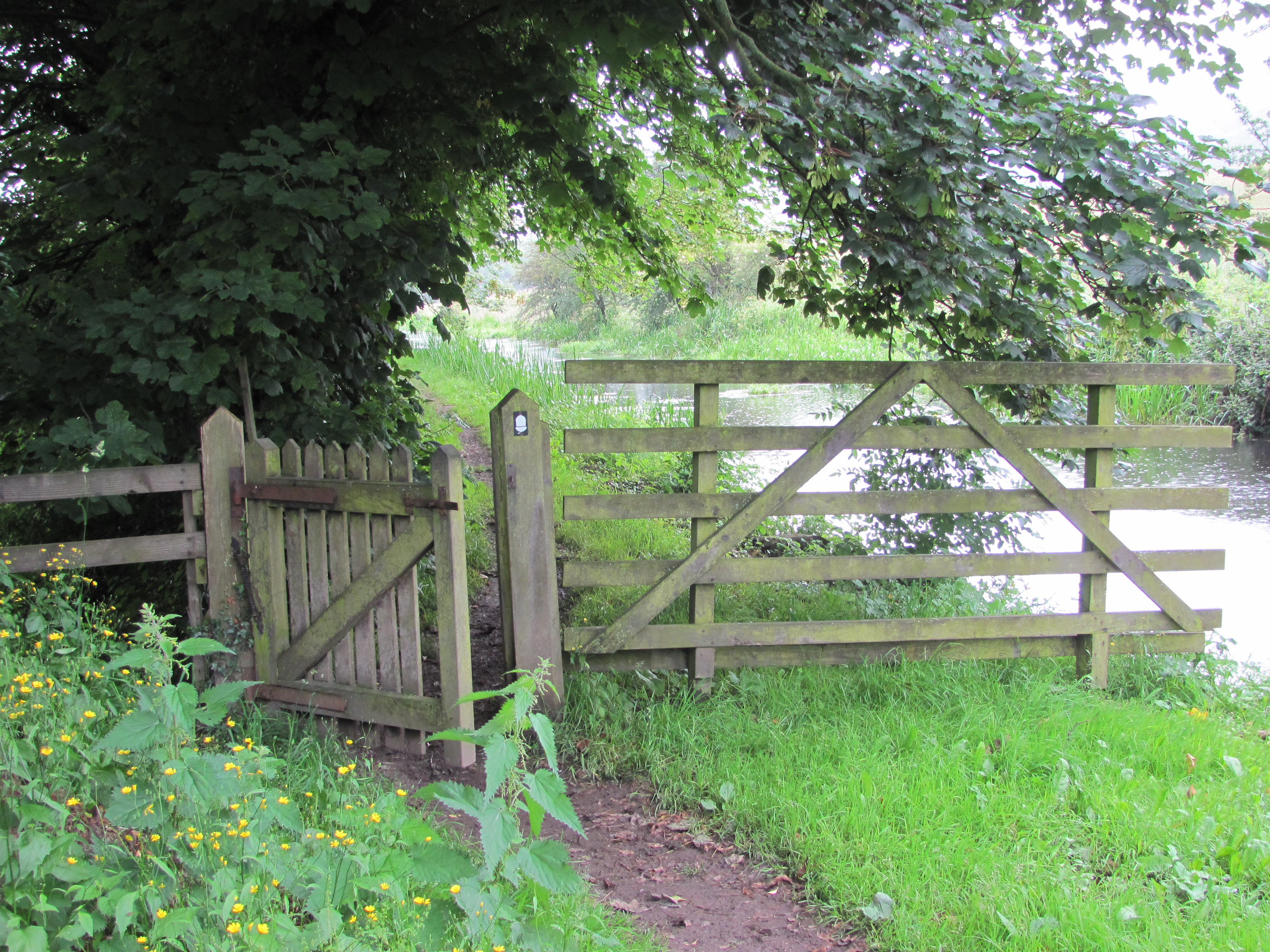
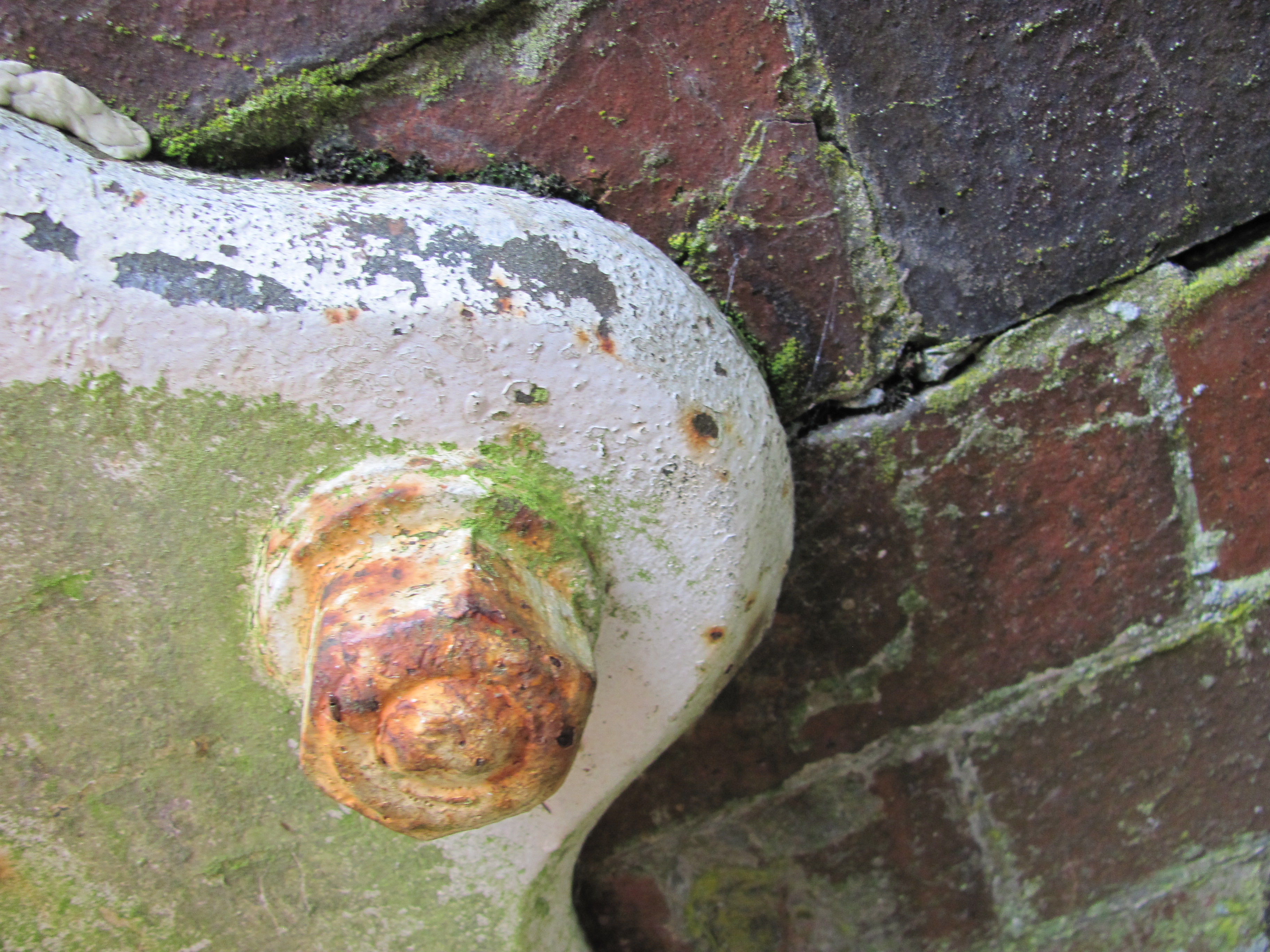
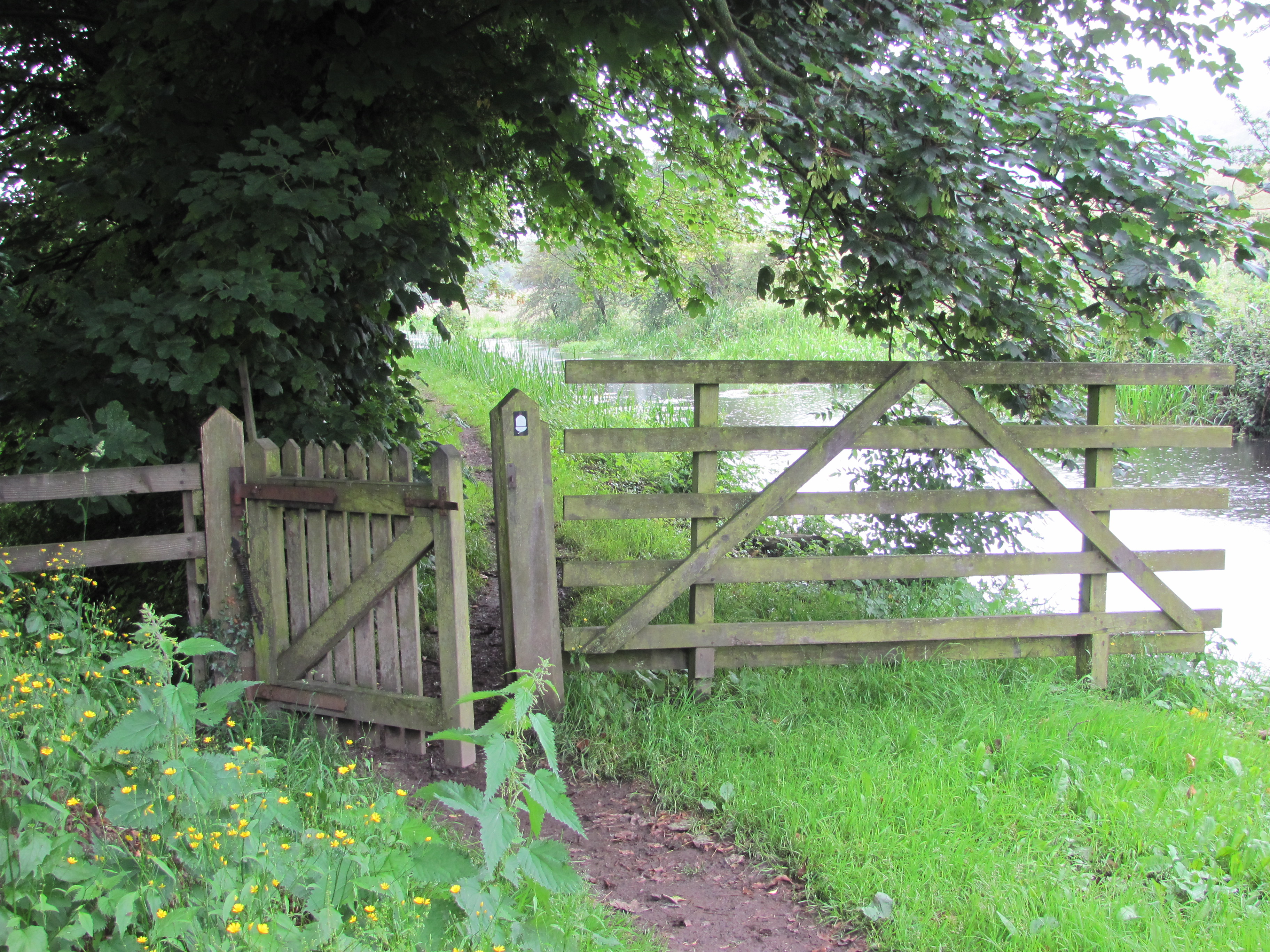
My last ramblings left us just as we retreated into the shelter of the wooded bank of the canal, through the little wooden gate. Inviting as the shelter was I was tempted to linger and photograph the silvered wood and rusted, pitted ironwork on the gate.

It always surprises me just how different a return journey can be. Different things catch the eye, different sounds invade the ear, different scents entice the nose for a closer appreciation. We found wild flowers, trees and bushes that we had not spotted on our way and enjoyed different reflections on the mirrored surface of the canal.

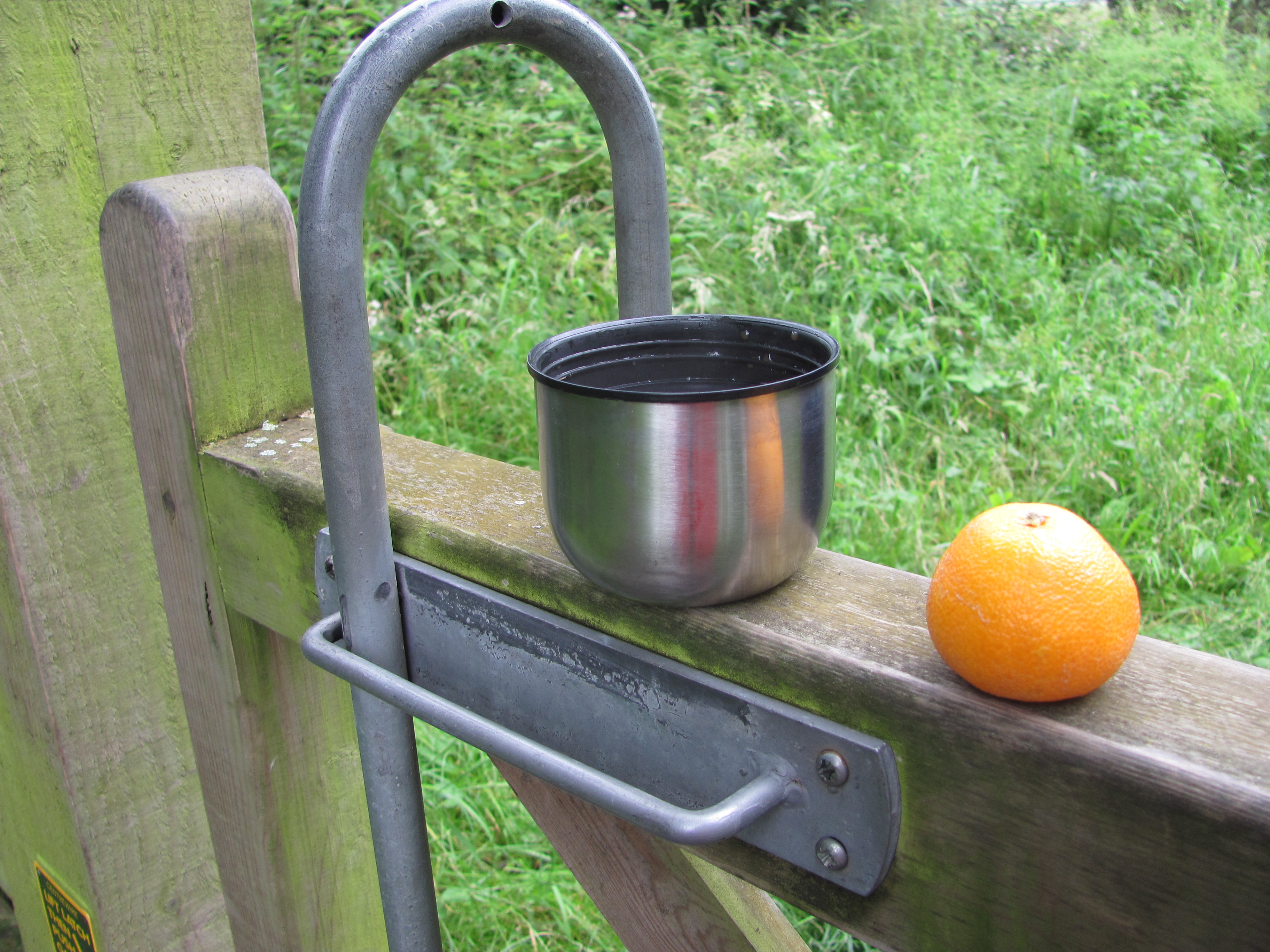
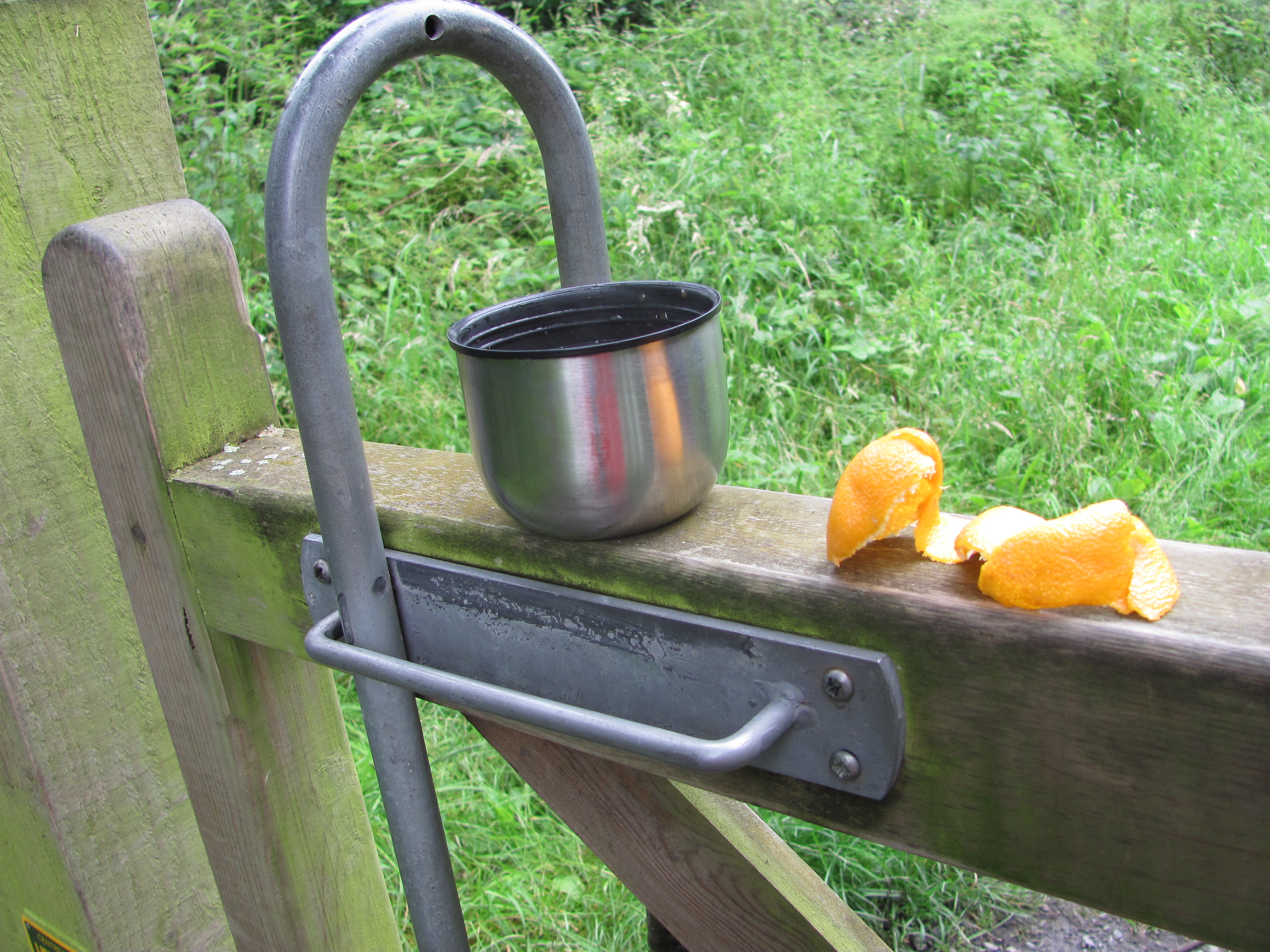
When we reached  the spot where we had stopped for a coffee break on the way we stopped once again and leant on the same gate, but it was not quite a case of deju vu.

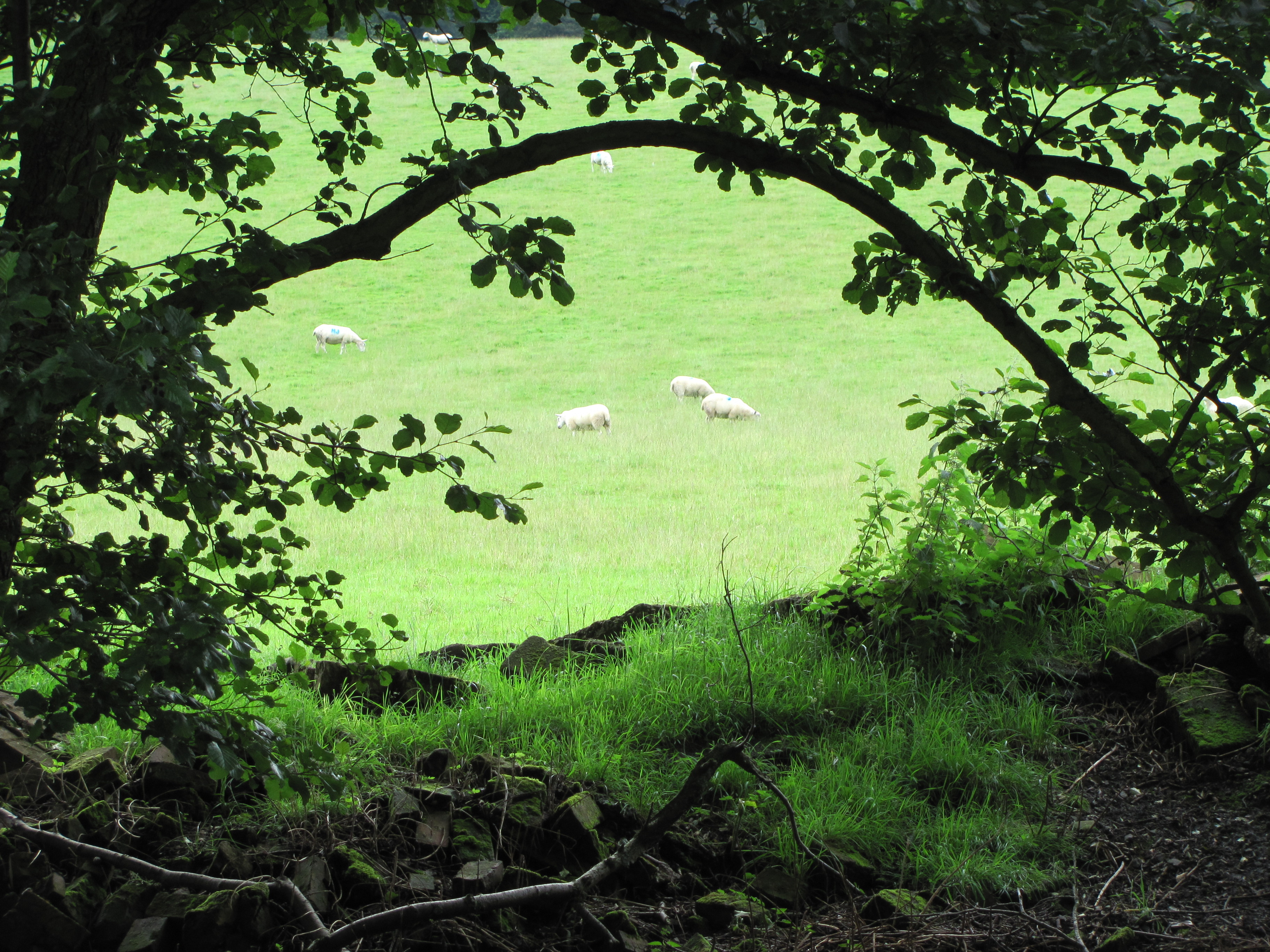
From our coffee-drinking, gate-leaning vantage point we  watched sheep grazing on the field beyond the far-bank trees and spotted a long, low red-bricked barn half way up the sloping field.

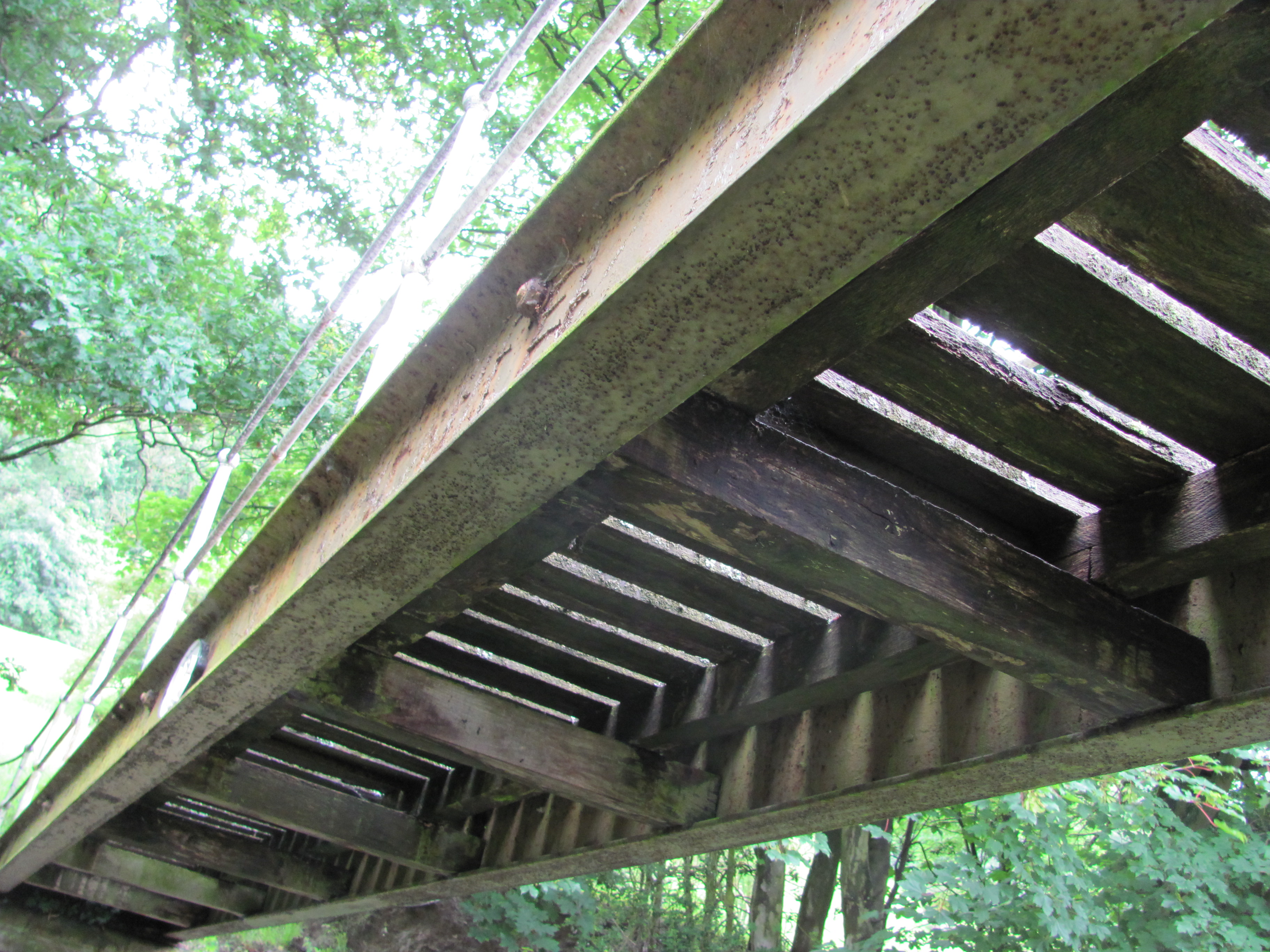
The footbridge that passed over our heads provided ample opportunities for some creative picture-taking.

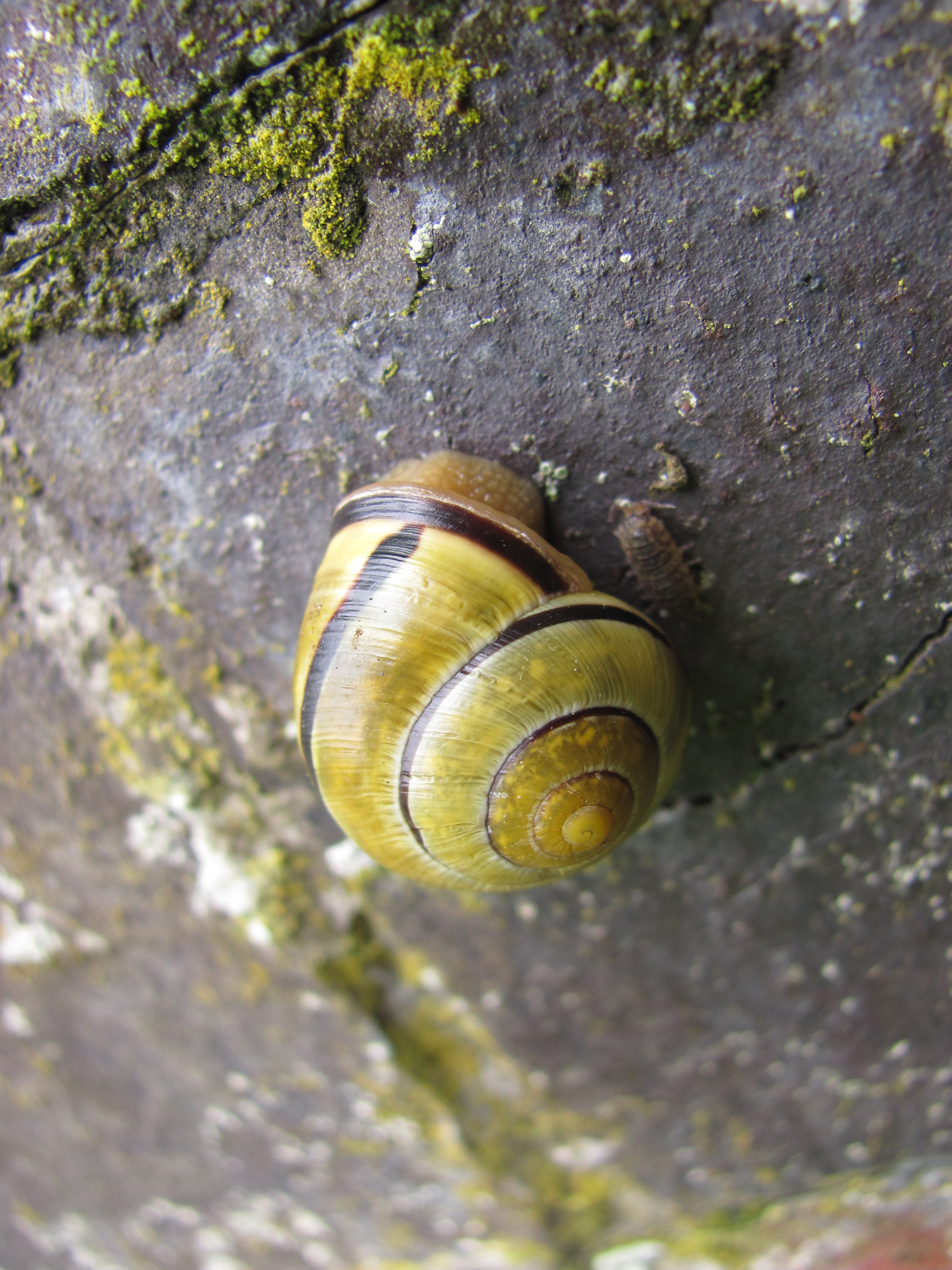
These little banded snails with their glossy coloured shells decorated with chocolate or black bands which followed the spiralling shape of their shell homes, began to appear after the shower of rain.

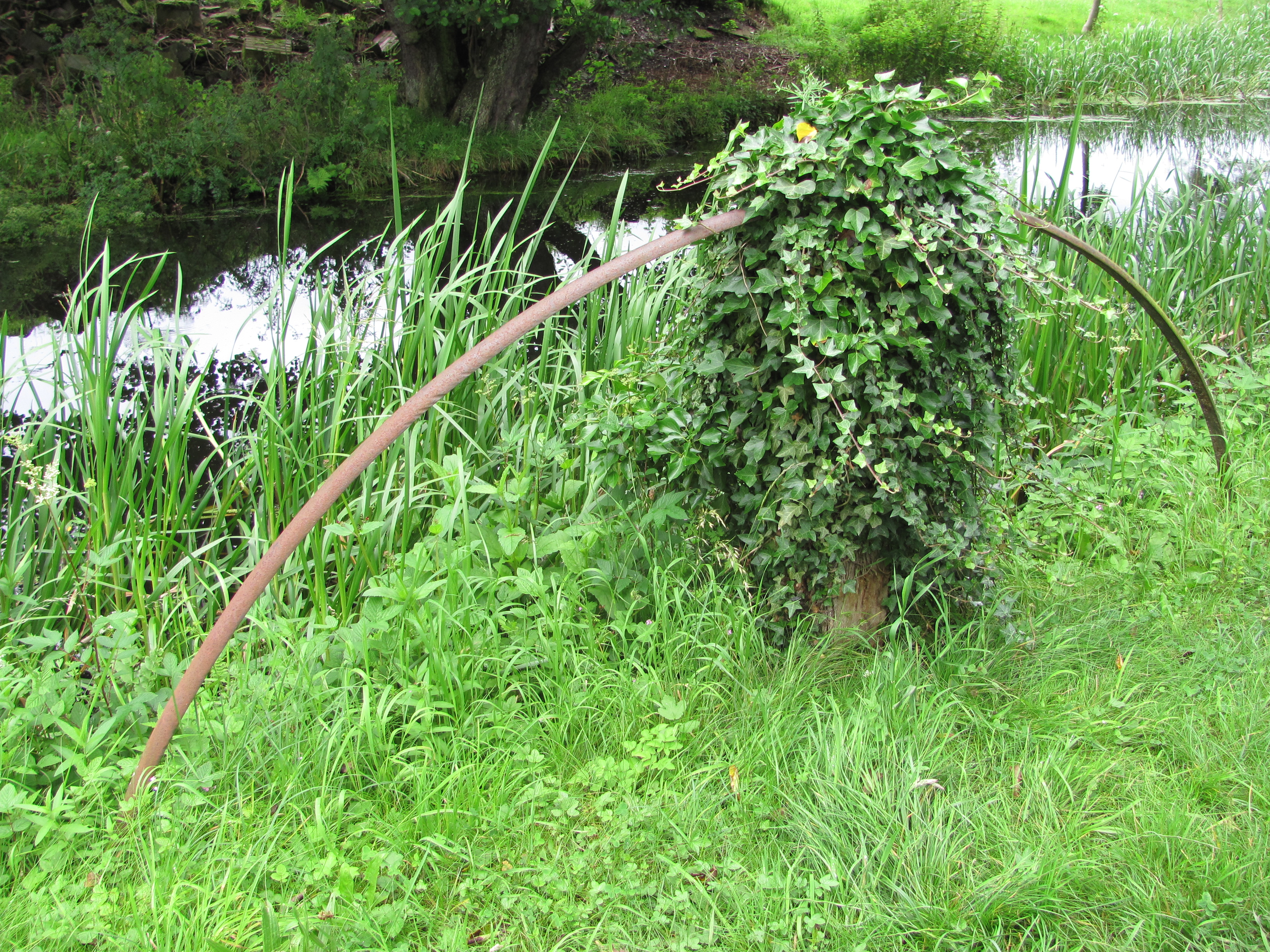
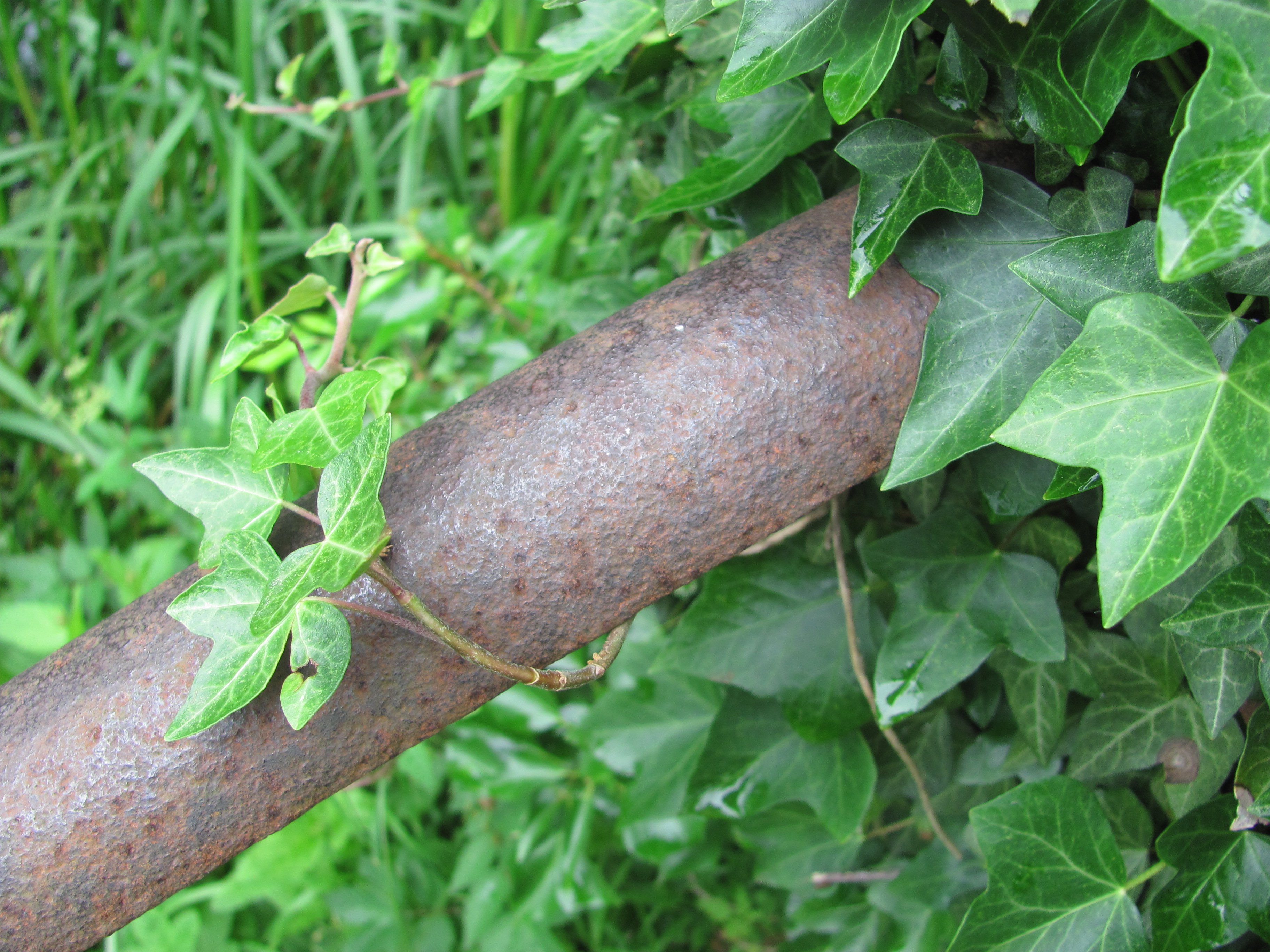
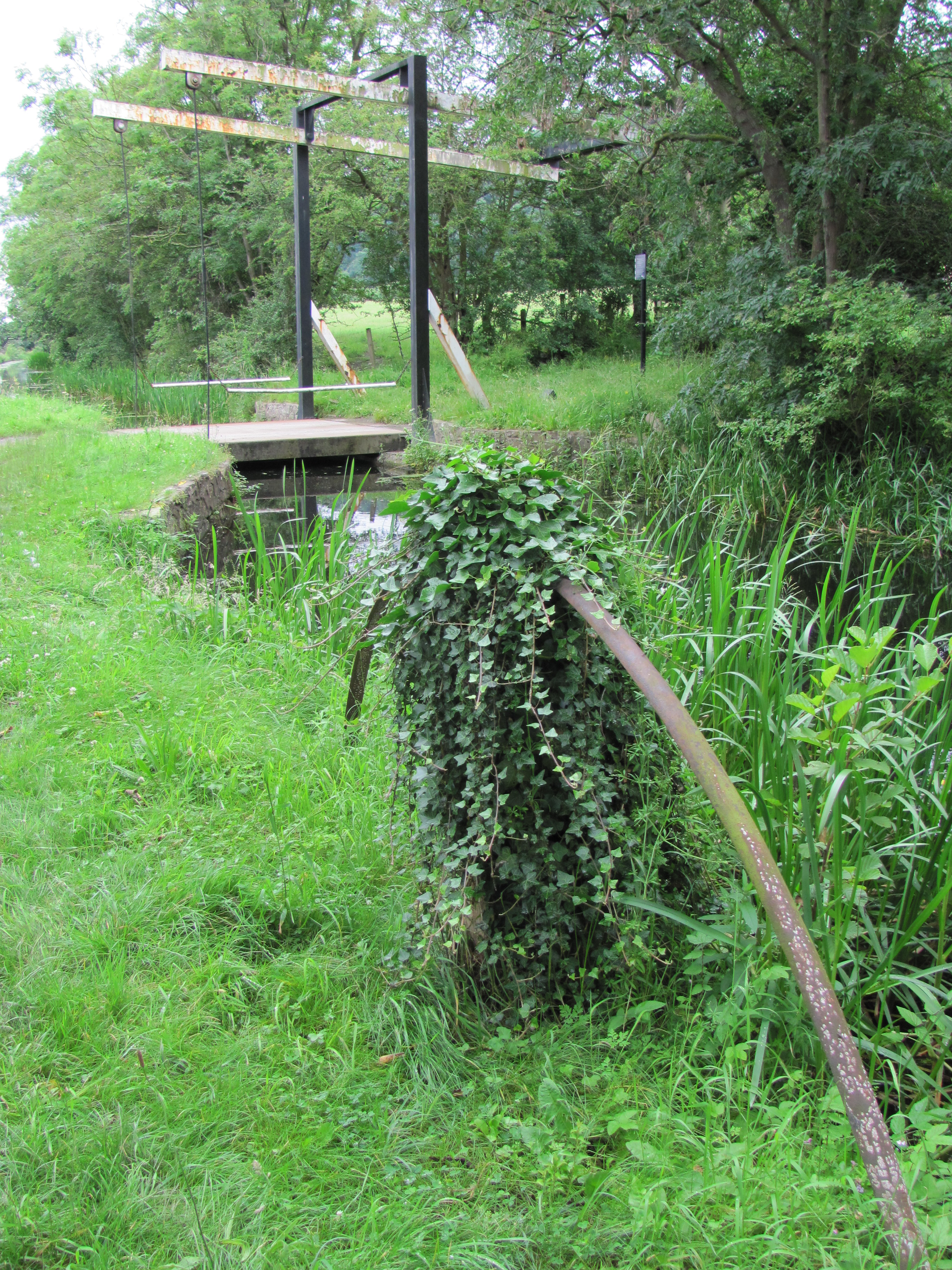
Canalside paraphernalia draws attention along any towpath walk, bringing to mind queries and questions of their uses and names. This first object was a simple arch of iron appearing from the ground and disappearing about a dozen feet further along the towpath. We couldn’t work out what its purpose  could possibly be but it did present a graceful archway in the grass.

As we follow the last stretch of the Montgomery Canal back to our starting point of a few hours earlier we can look at the different native plants we found and views of the canal that we enjoyed.

What an inspiring way to spend an afternoon that presented us with uninspiring weather. We enjoyed this wander very much were saddened to see that in such a beautiful place the selfishness and laziness of a few can leave their mark – plastic litter, probably one of the most damaging marks of man’s existence.

Categories
birds photography Shropshire trees wildlife woodland

A Walk along the Montgomery Canal – There and Back. – Part 1 There

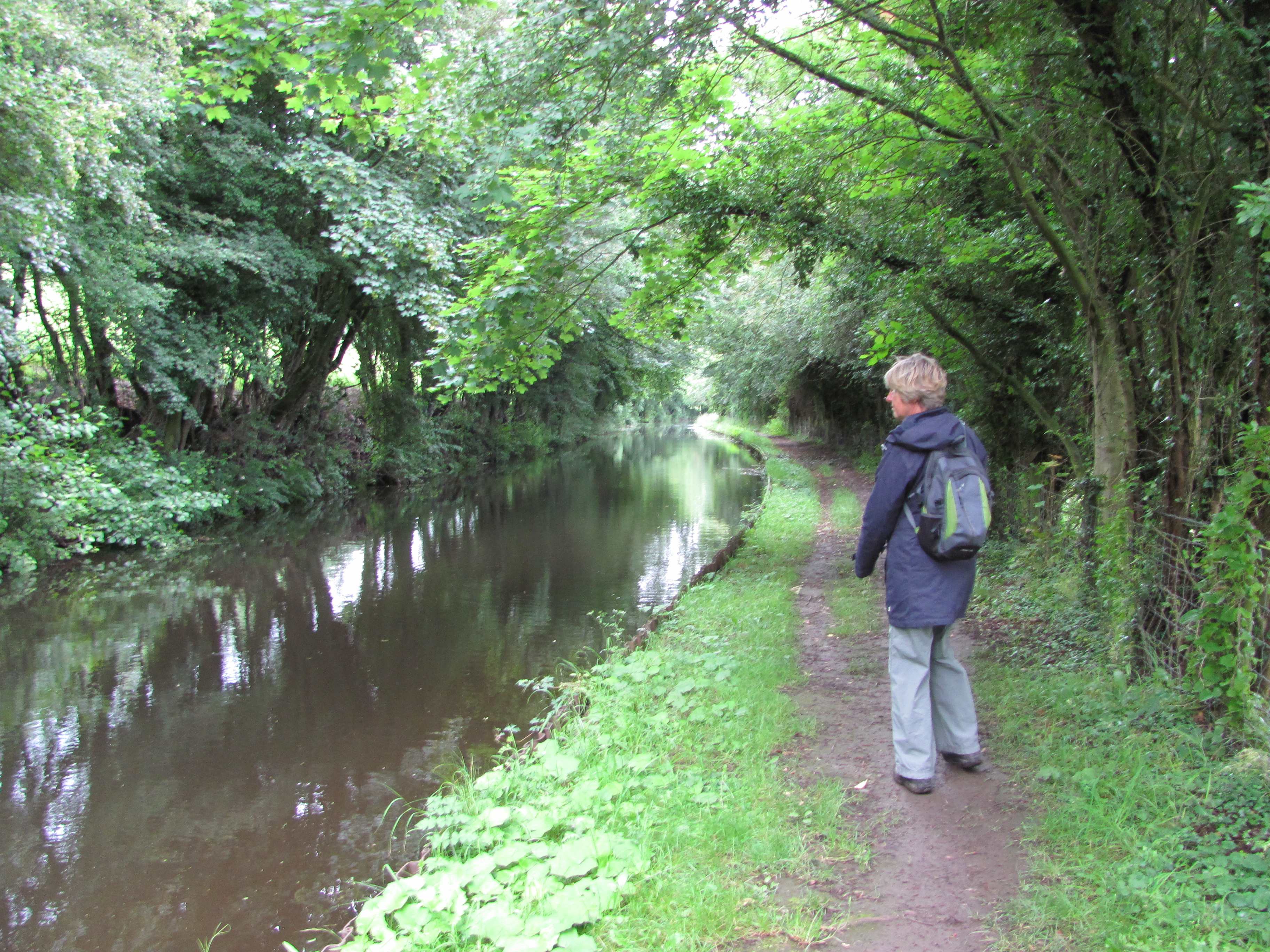
Fed up with the constant rain yesterday we decided we would defy it once again, get our walking boots and waterproof jackets on and go for a walk. We felt like wandering alongside water but as the nearby River Severn and Rea Brook were both flooded we set off for the Montgomery Canal. A half hour drive took us to Welshpool, just into Wales, and surprisingly as we got nearer the rain gave over and we were treated to a dry walk. Dry overhead but very wet and muddy underfoot. I had new walking boots to settle in and make sure they didn’t look new. This was just perfect conditions to knock the shine off them and make them look a bit more lived in and more loved.

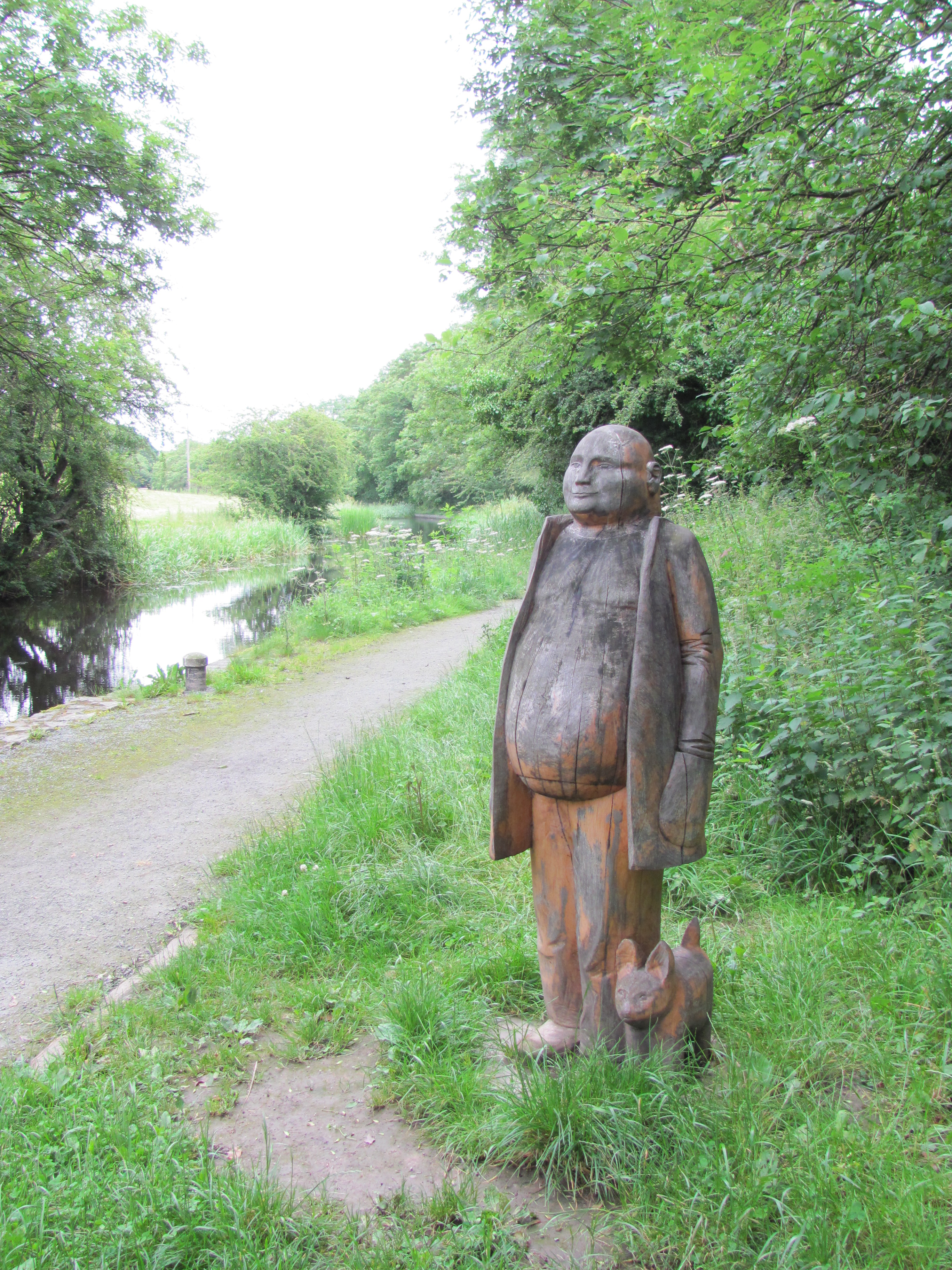
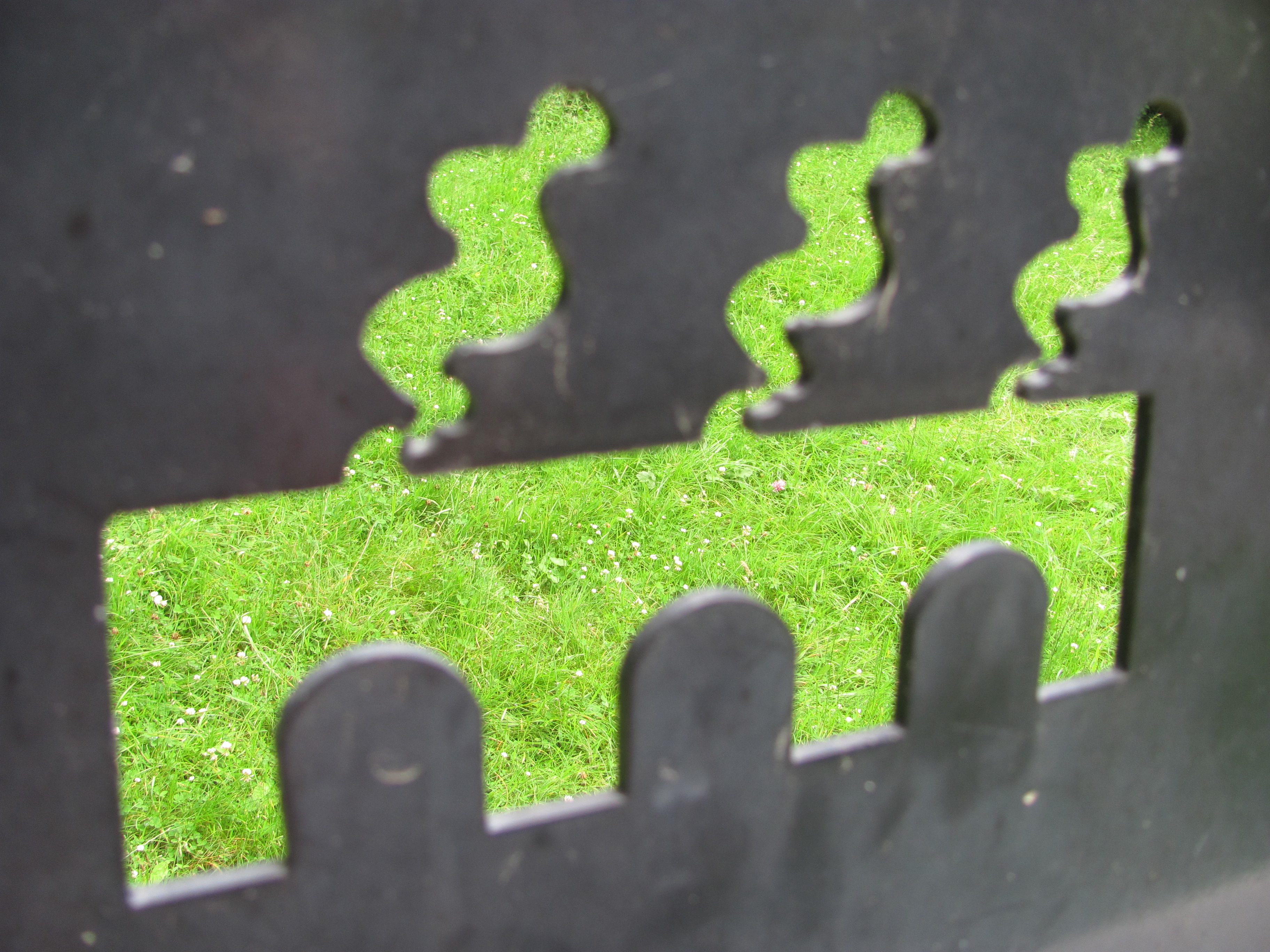
The tiny car park at Buttington Wharf holds a half-dozen or so cars and we were surprised to find three others parked up before us. Other lovers of the great outdoors fed up with the rain? On the banks of the canal just through the trees we spied this sculpture of a jolly looking character – David Jones. He was a lime-kiln owner and coal merchant back in the early 1800’s, and we found signs of the kilns nearby. No wonder he looked jolly – he must have been a rich man.  A symbol based on his working lime kilns was cut out of the metal information board.

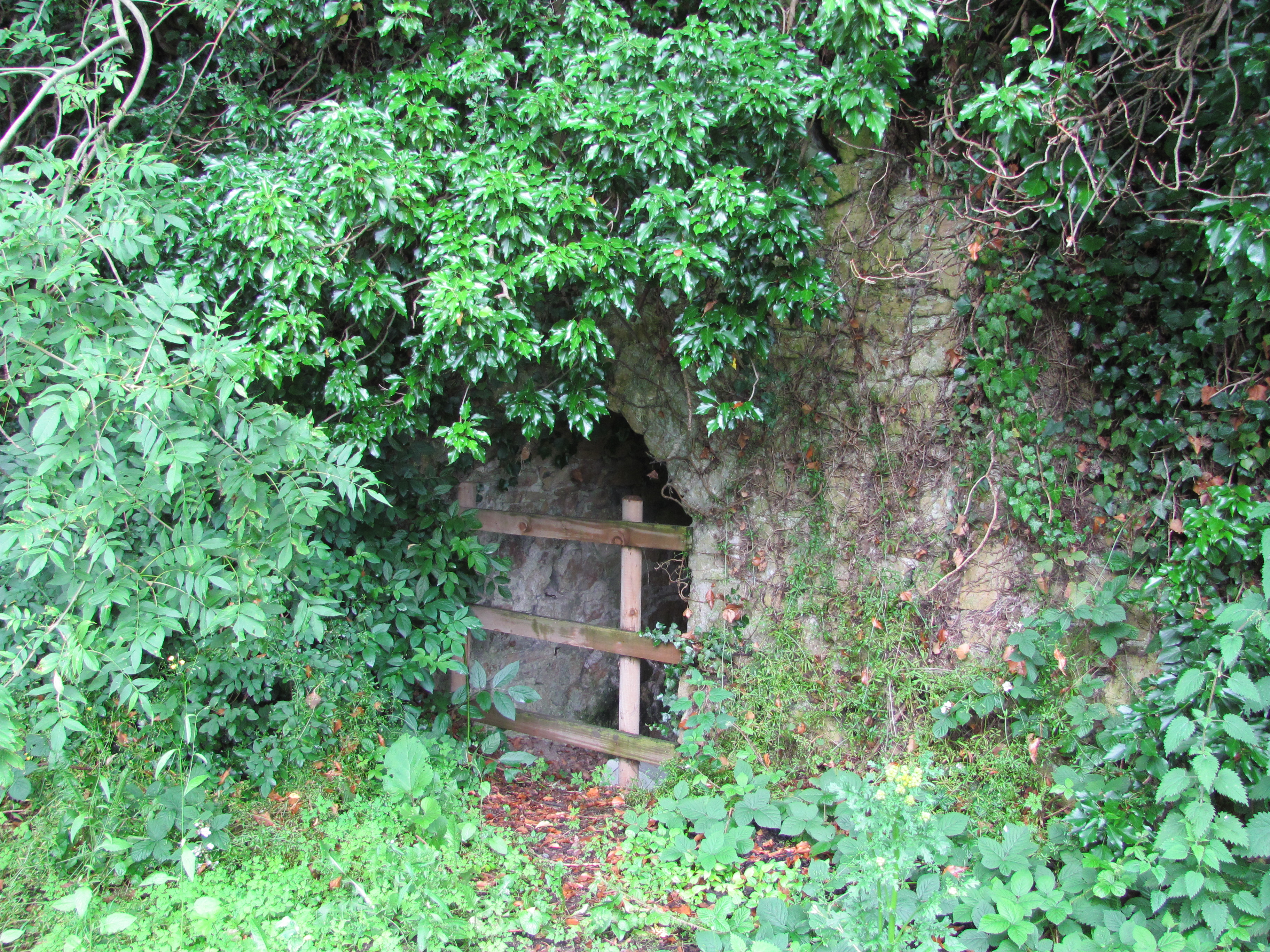
In the surrounding greenery, well-hidden under trees and bushes we found some old brickwork, the remains of the kiln entrances.

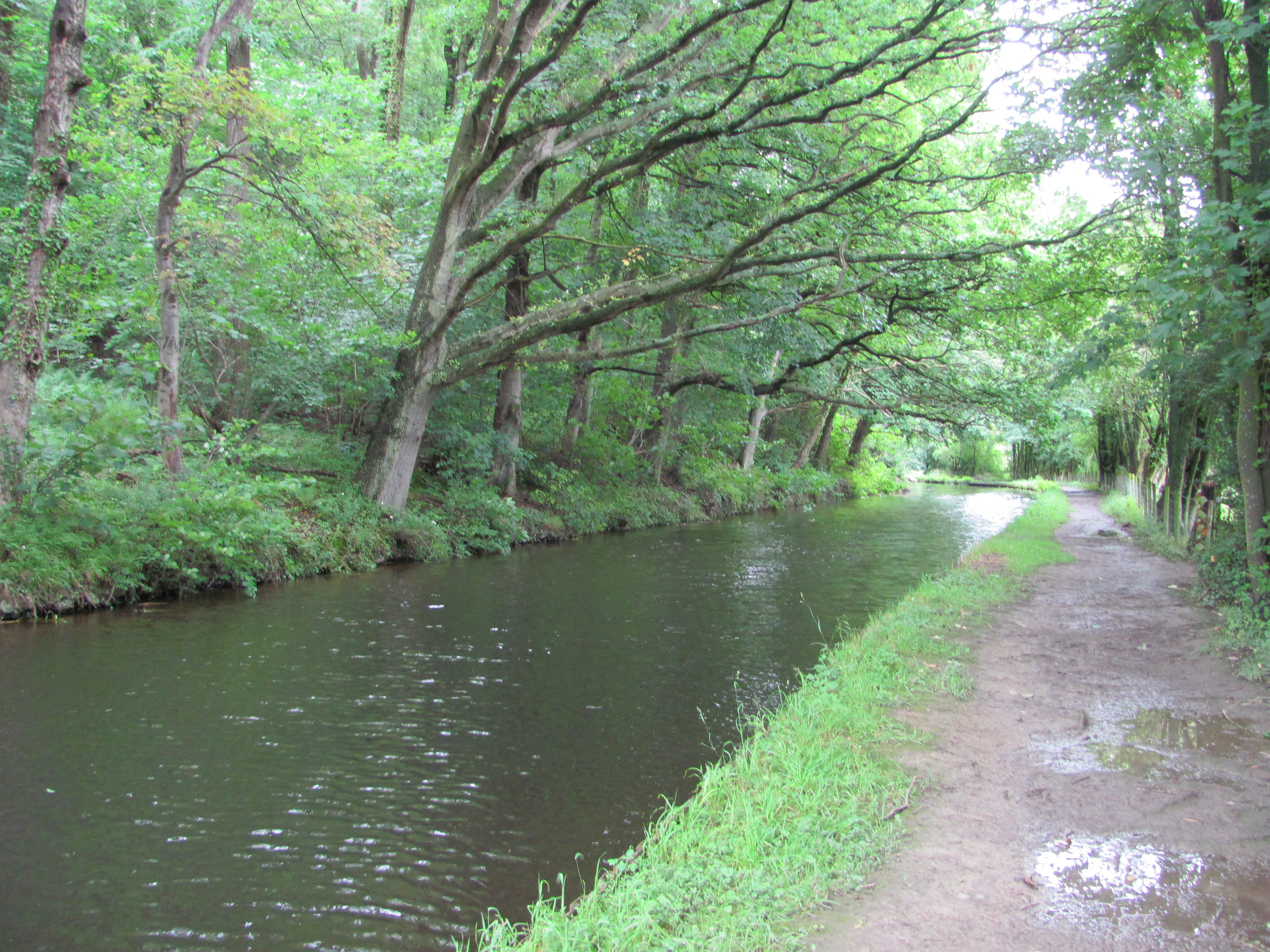
After this discovery  we set off along the mud of the towpath under the trees dripping with rain. It looked so inviting. It didn’t disappoint!

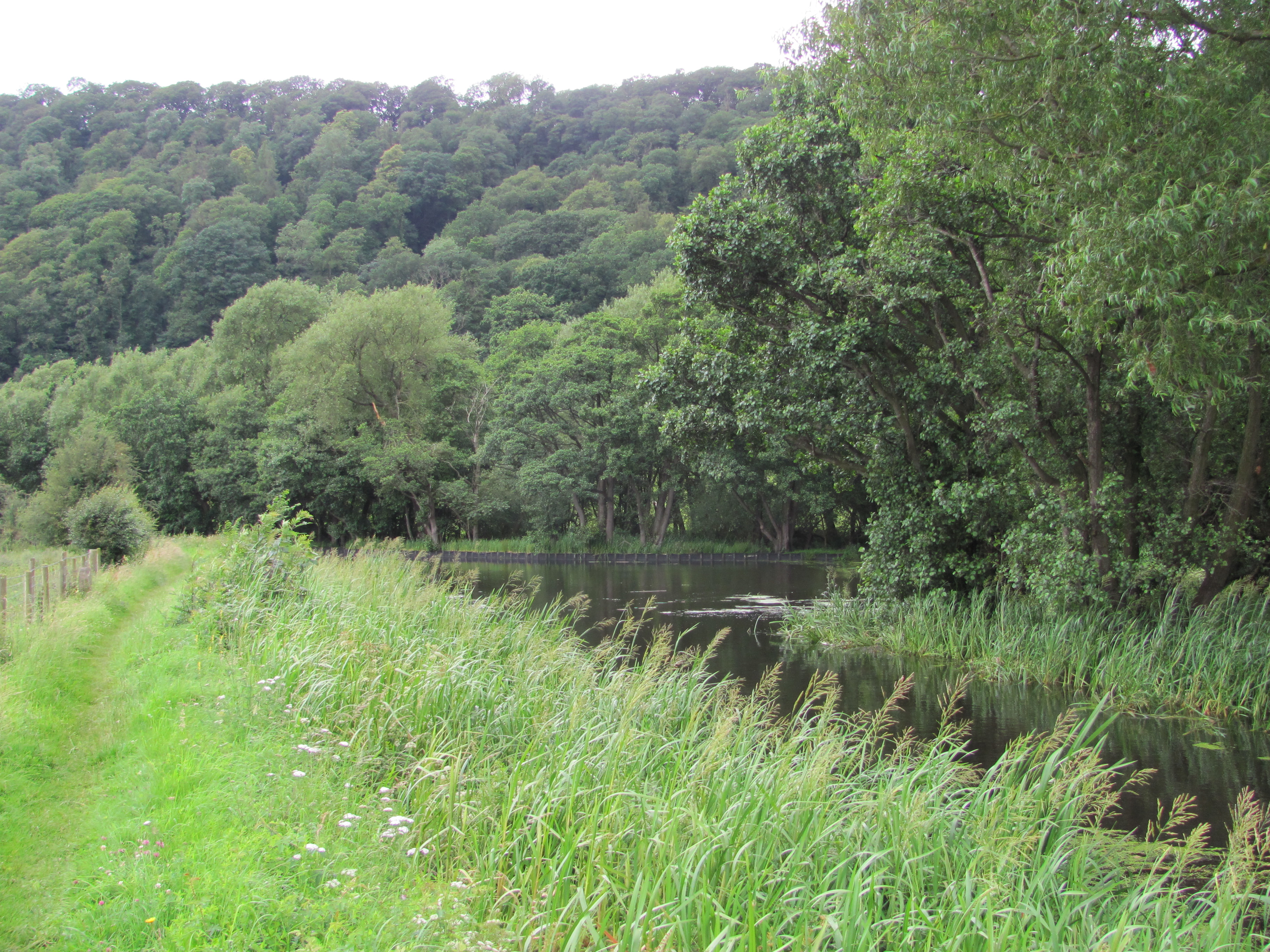
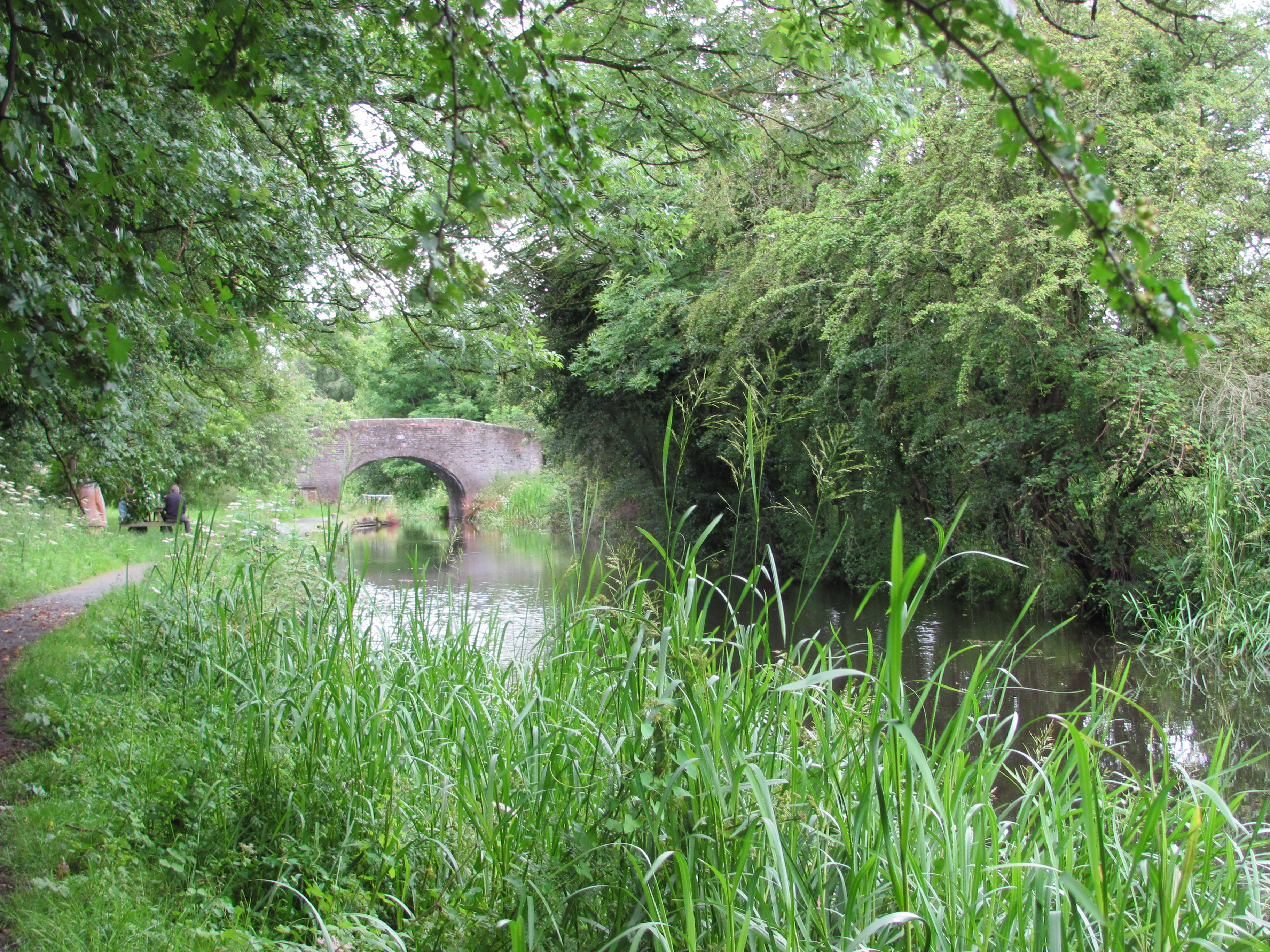
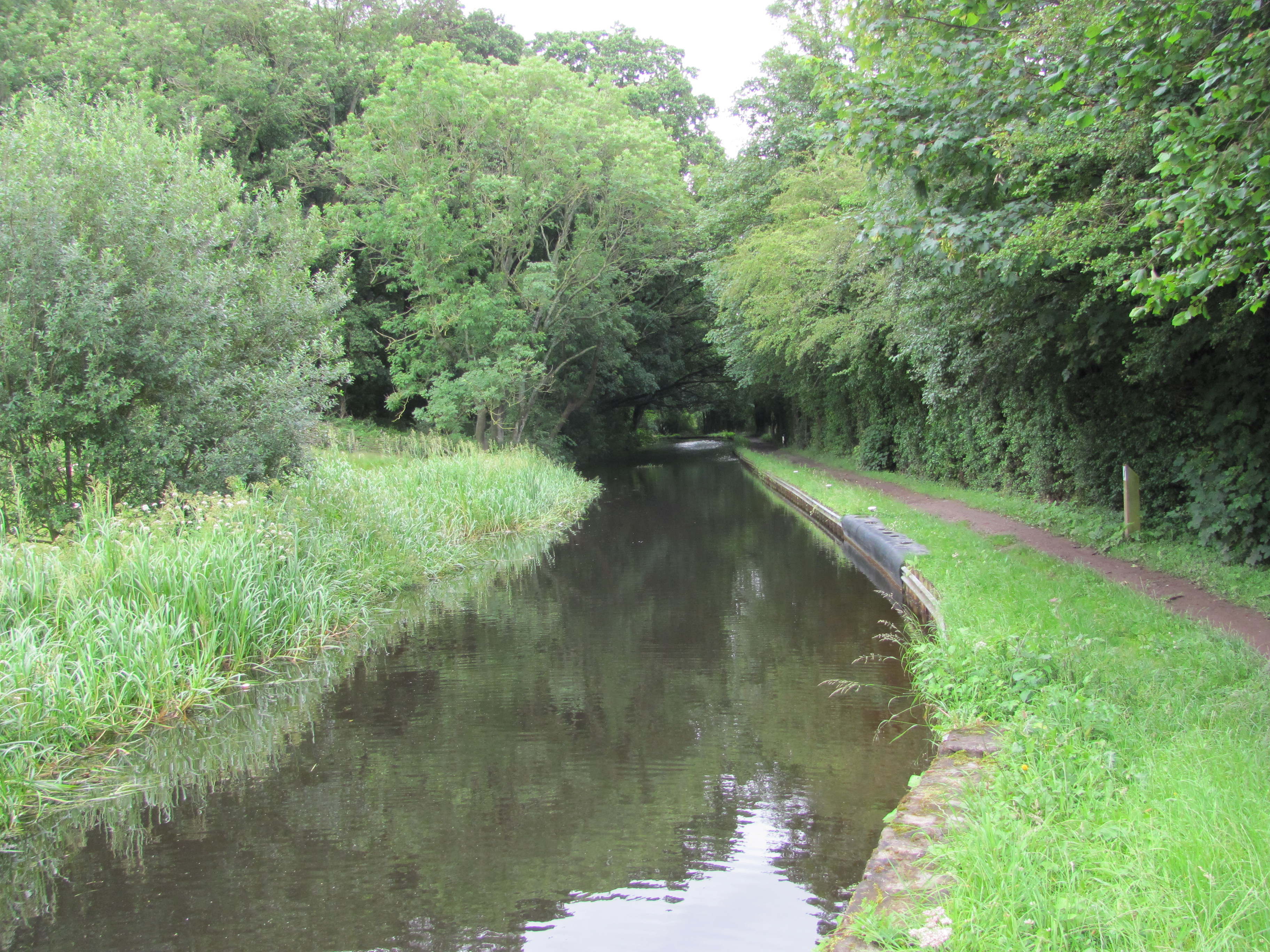
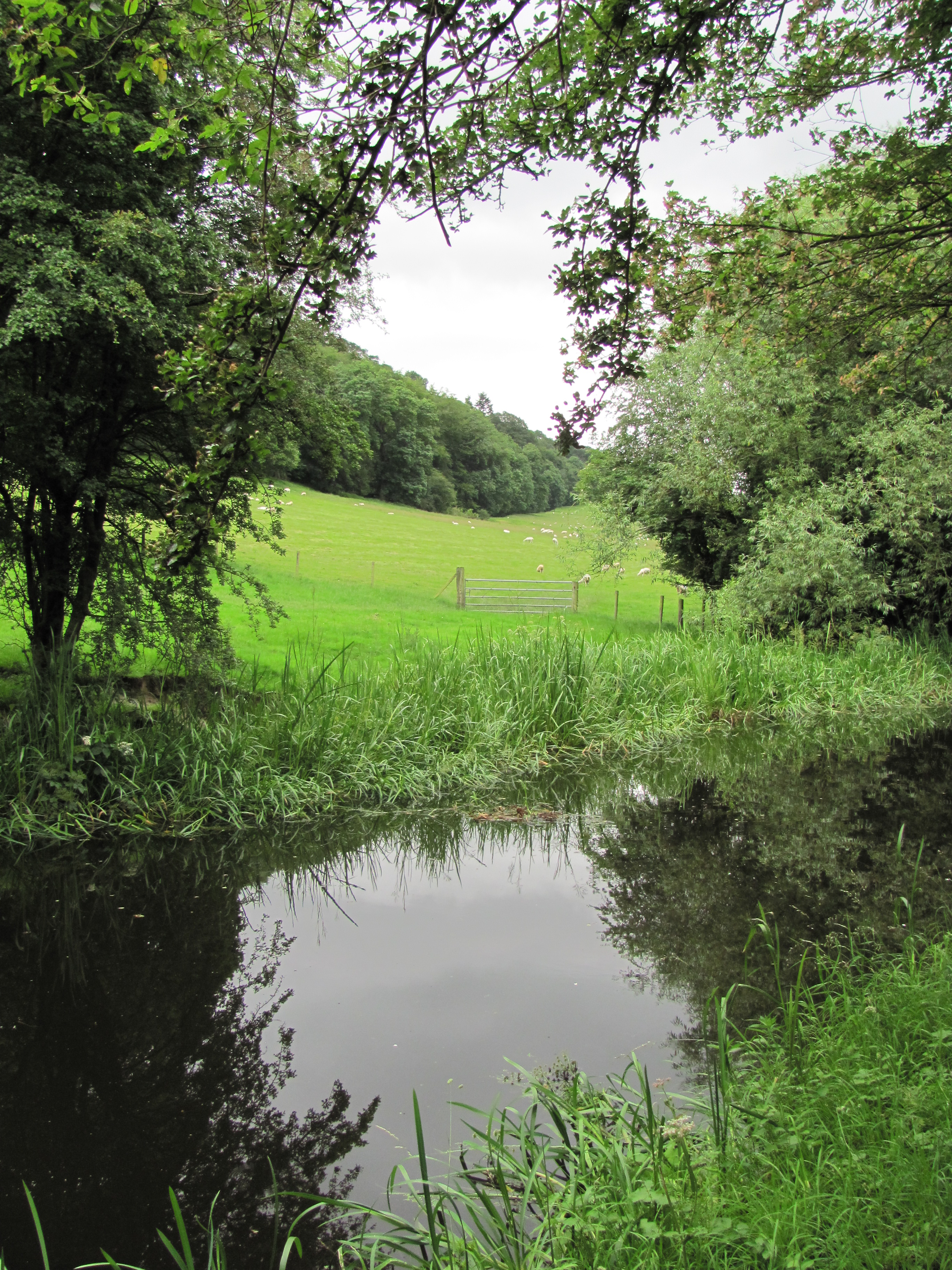
The canal side was lined with trees and mature hedgerows, which occasionally opened up to give windows onto the local Welsh countryside.

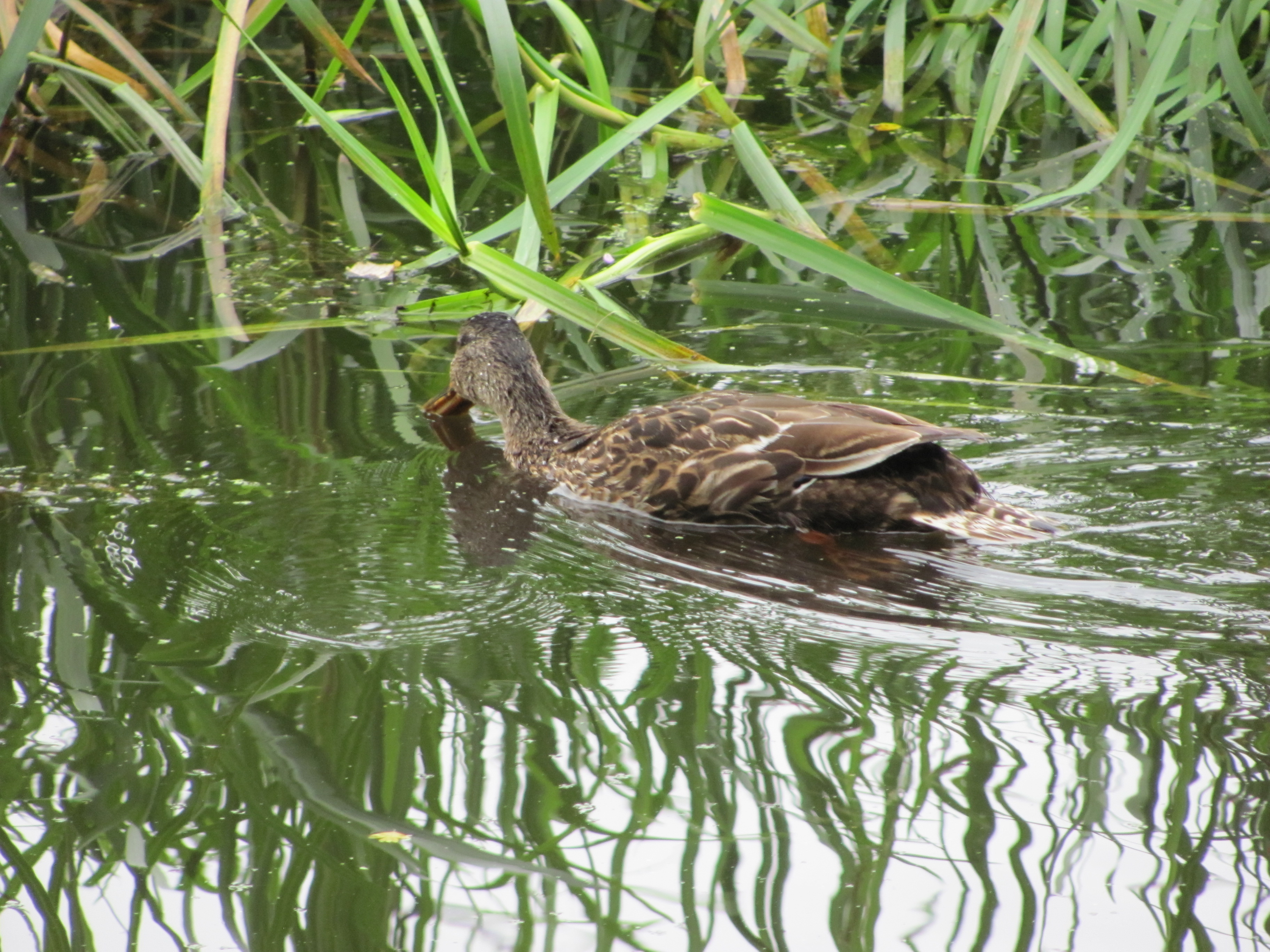
After the rough weather in the morning wildlife was not much in evidence, the skies empty and the trees quiet but this female Mallard fed busily in the far reed-lined margin. But as the day moved on and with the passing of time the weather improved, birds re-appeared and their celebratory song accompanied us for the rest of our waterside wandering. The Mallard created shimmering shapes in the reflections as she busied herself.

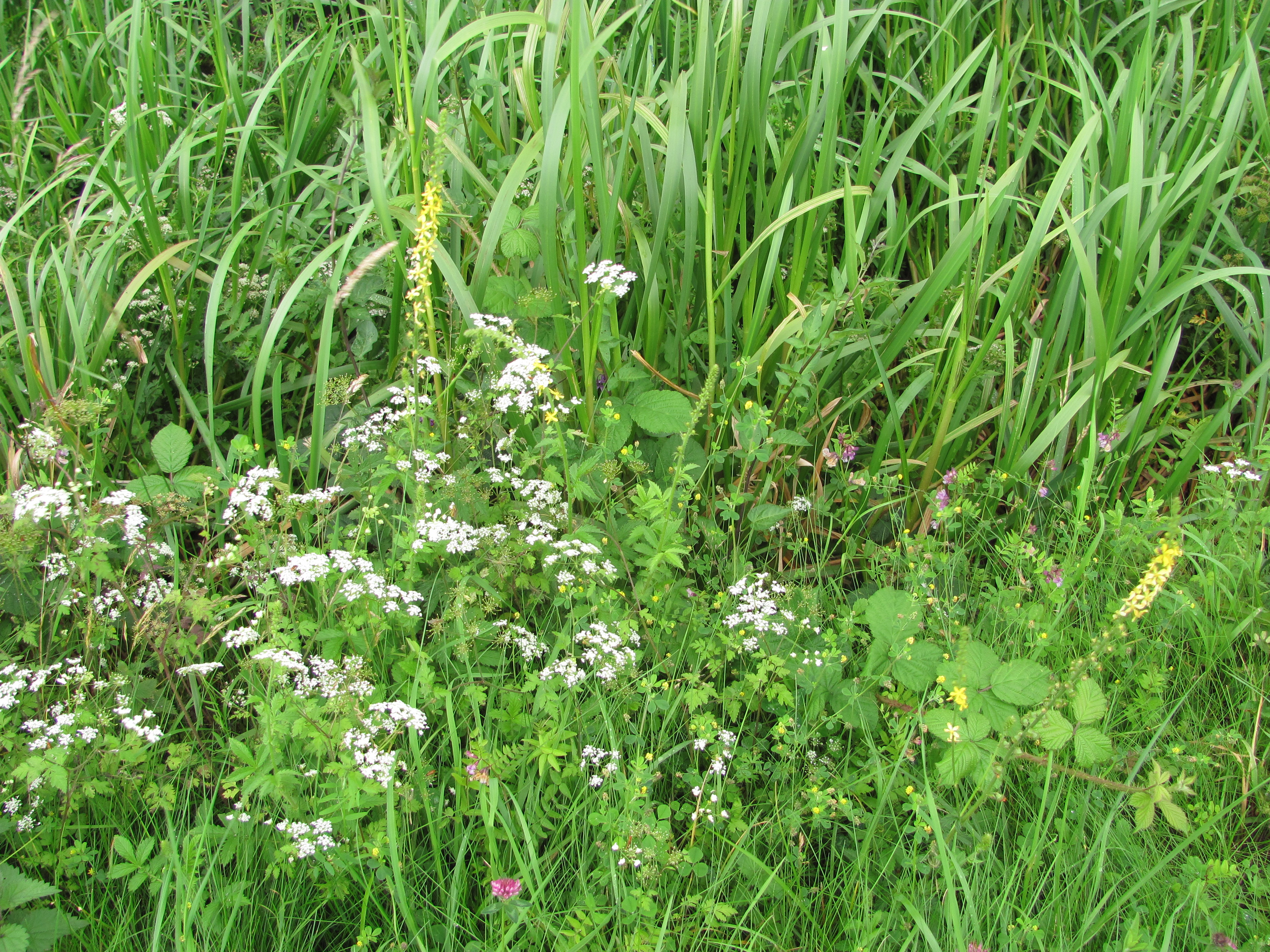
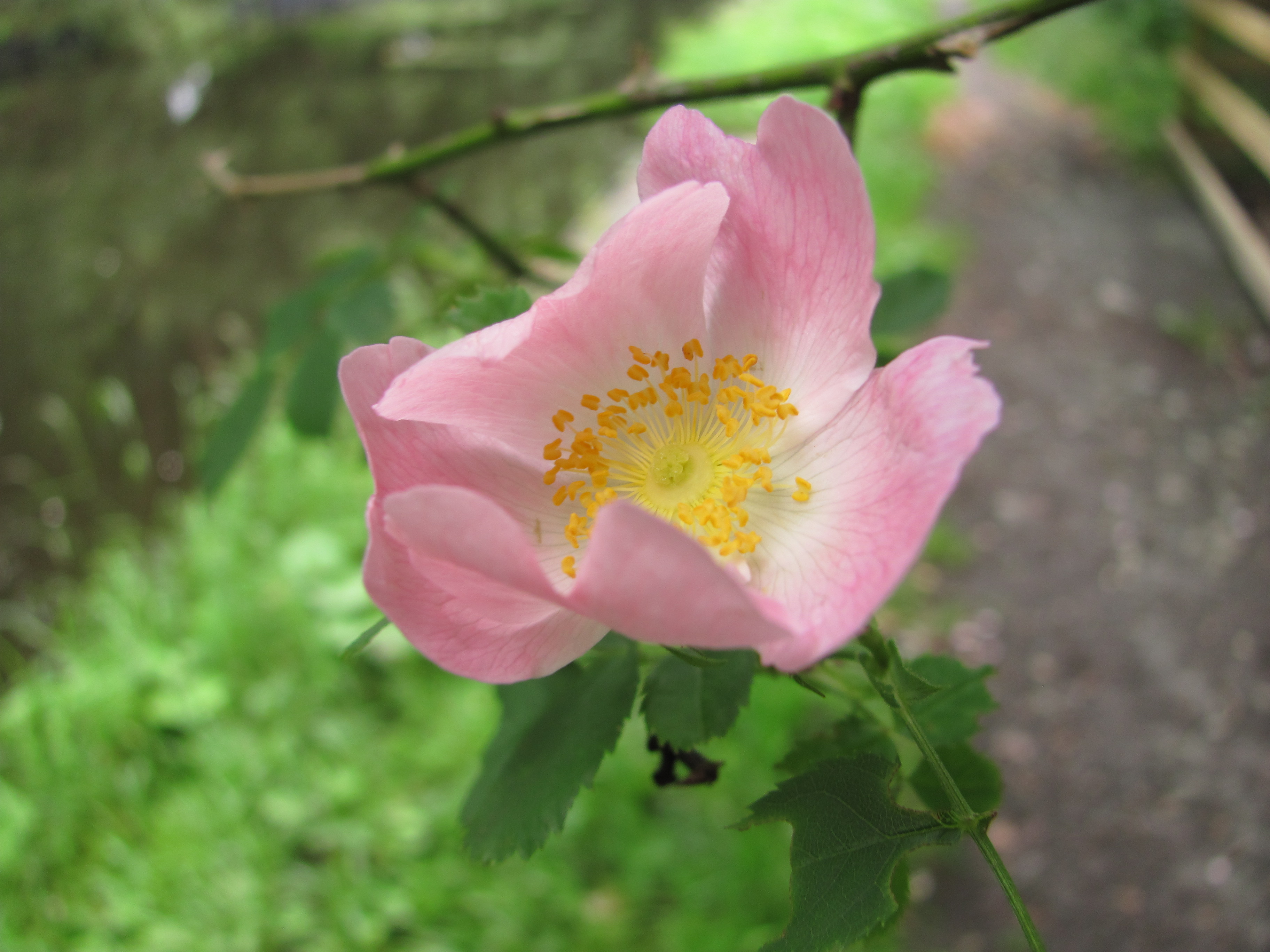
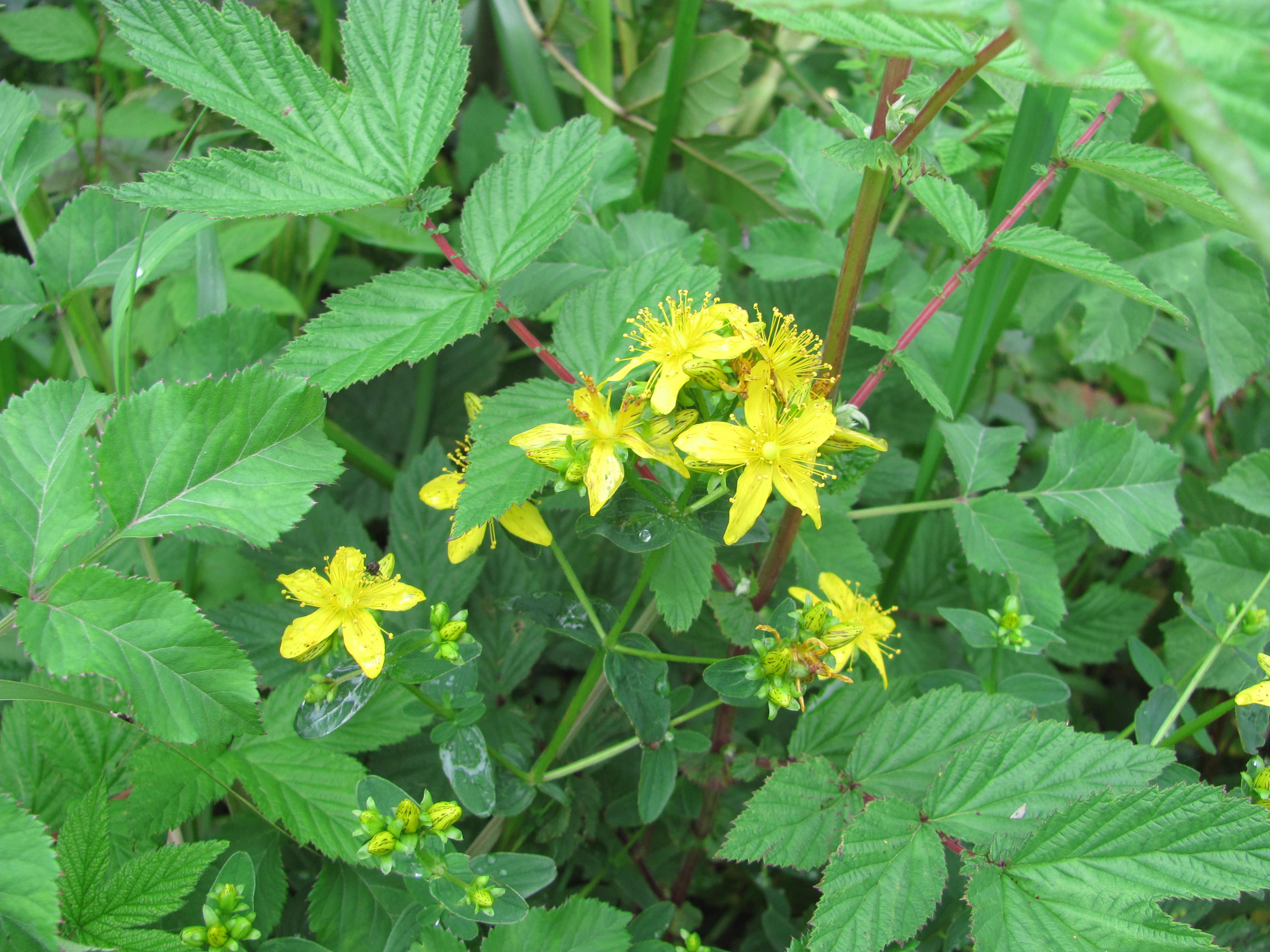
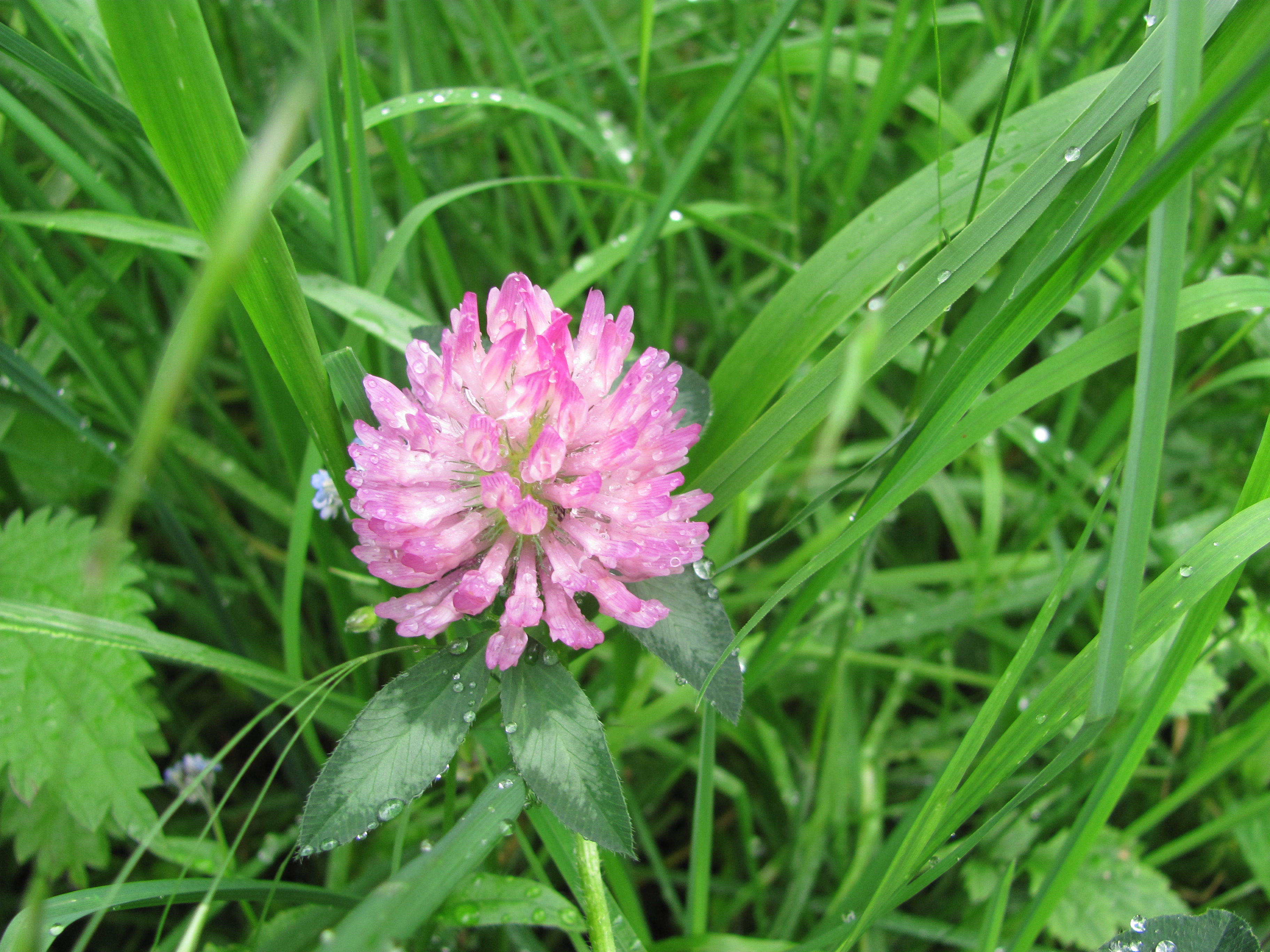
The wild flowers decorating the towpath and canal banks were like sparkling jewels glowing in the dull light.

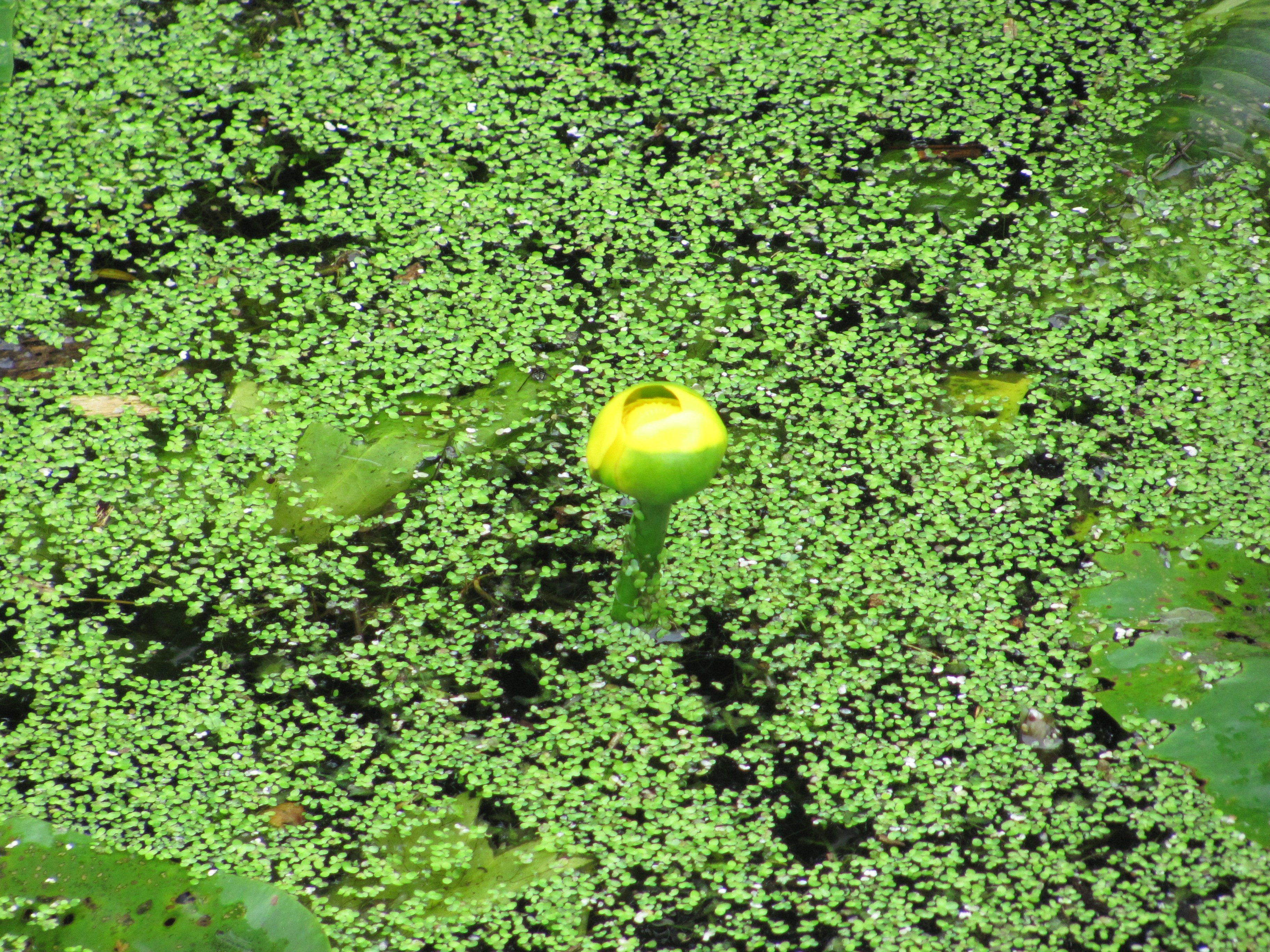
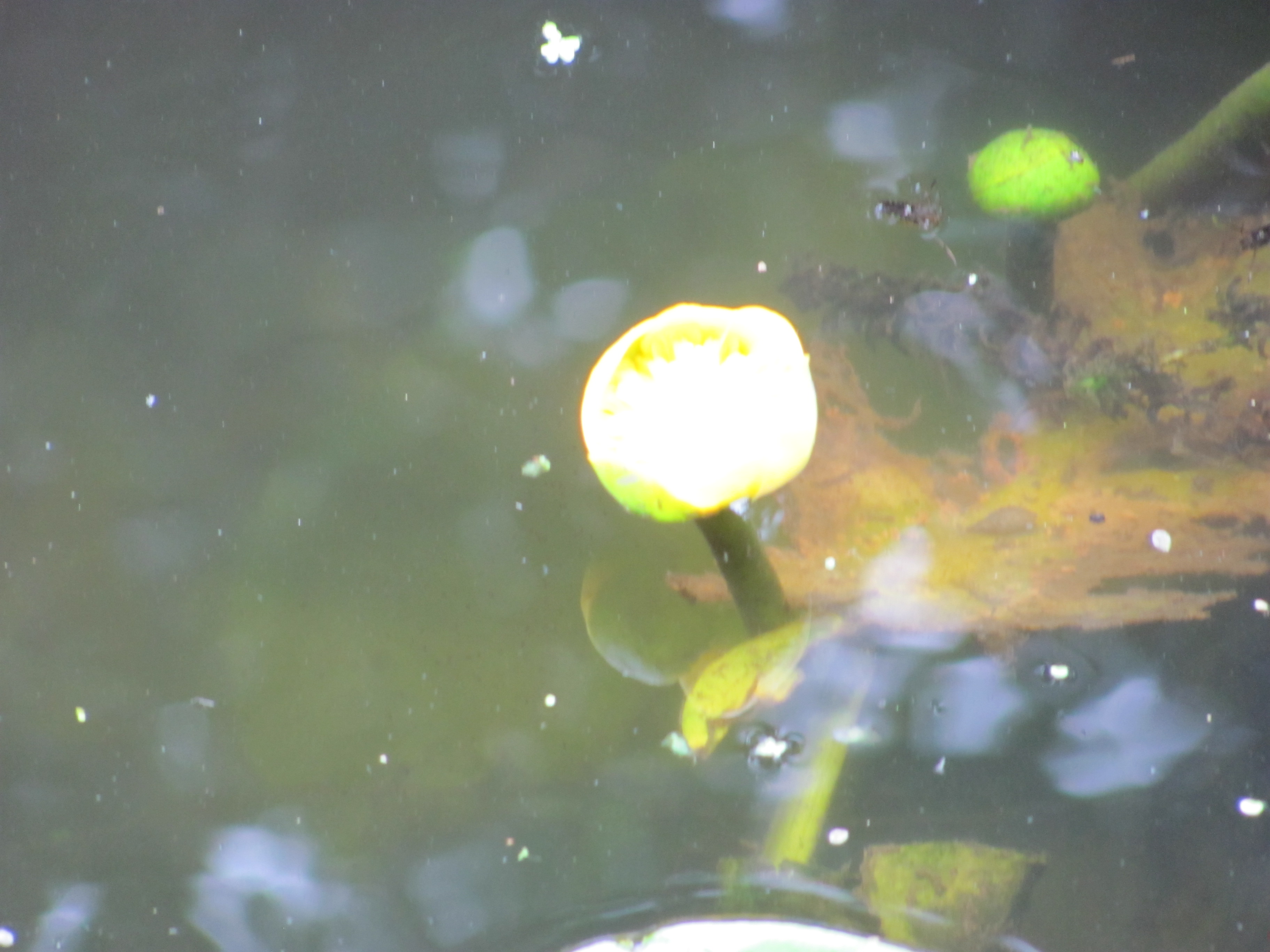
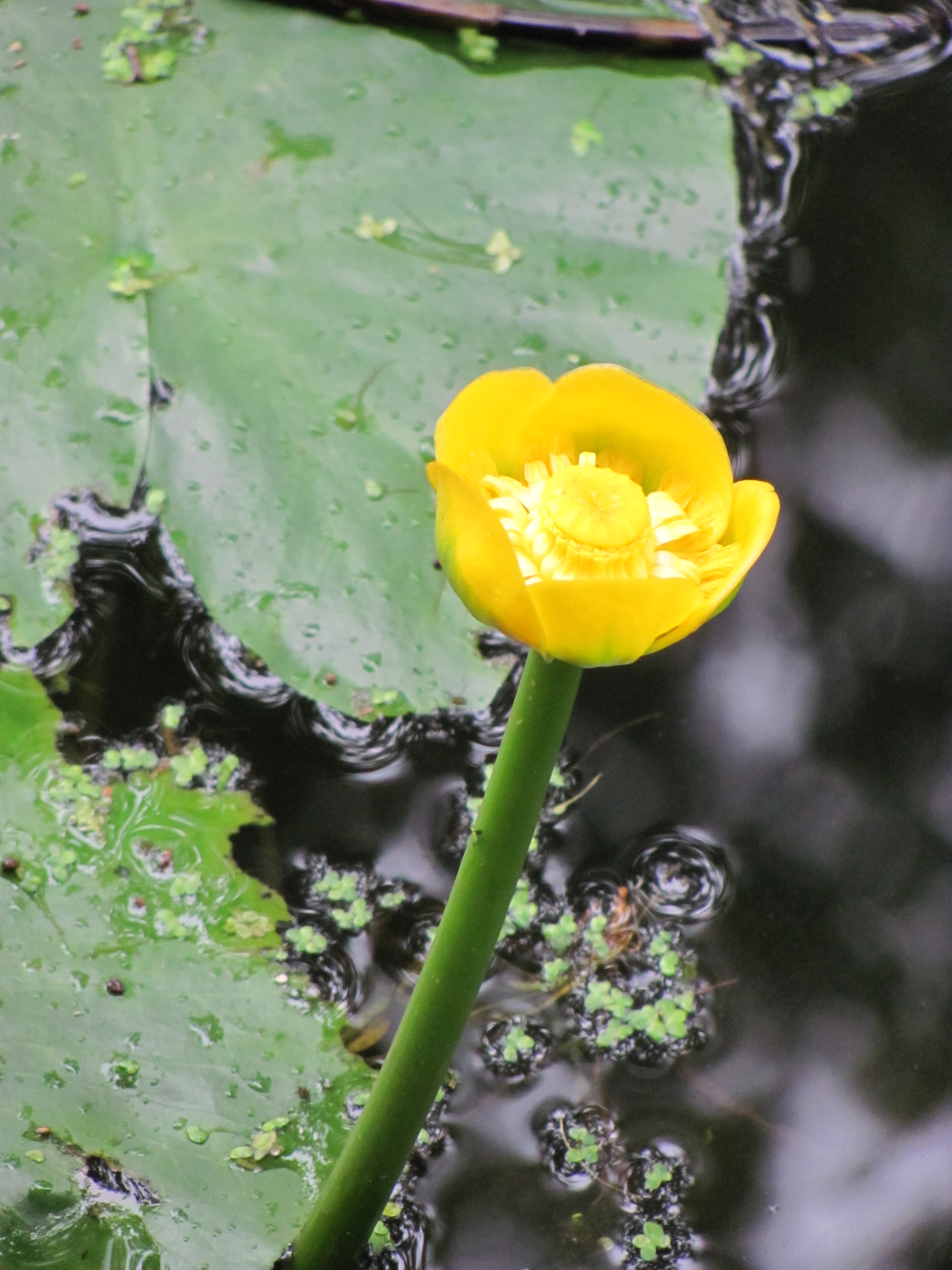
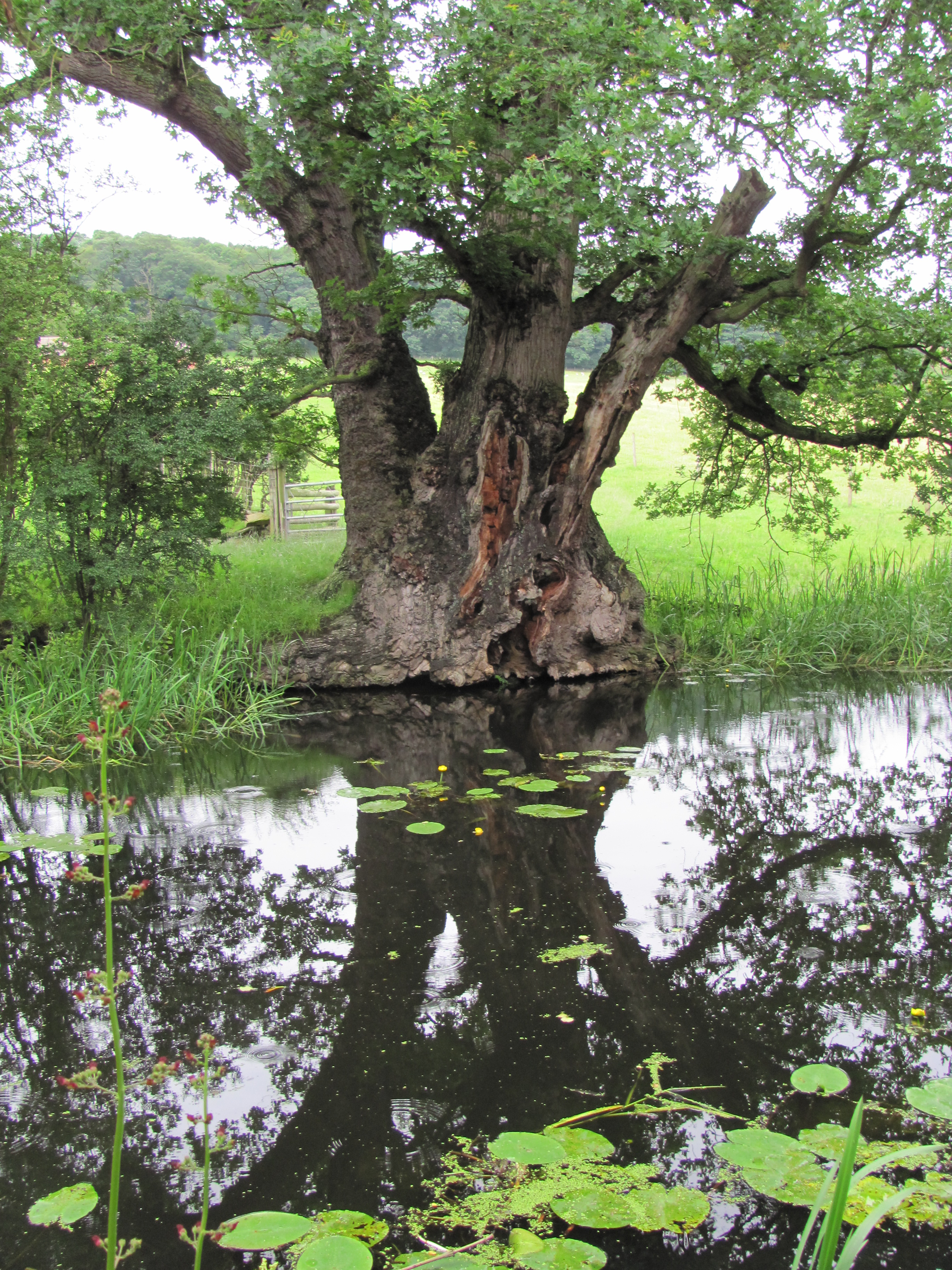
One wild flower shone out like a yellow globe having burst through the surface of the water – one of our native waterlilies.

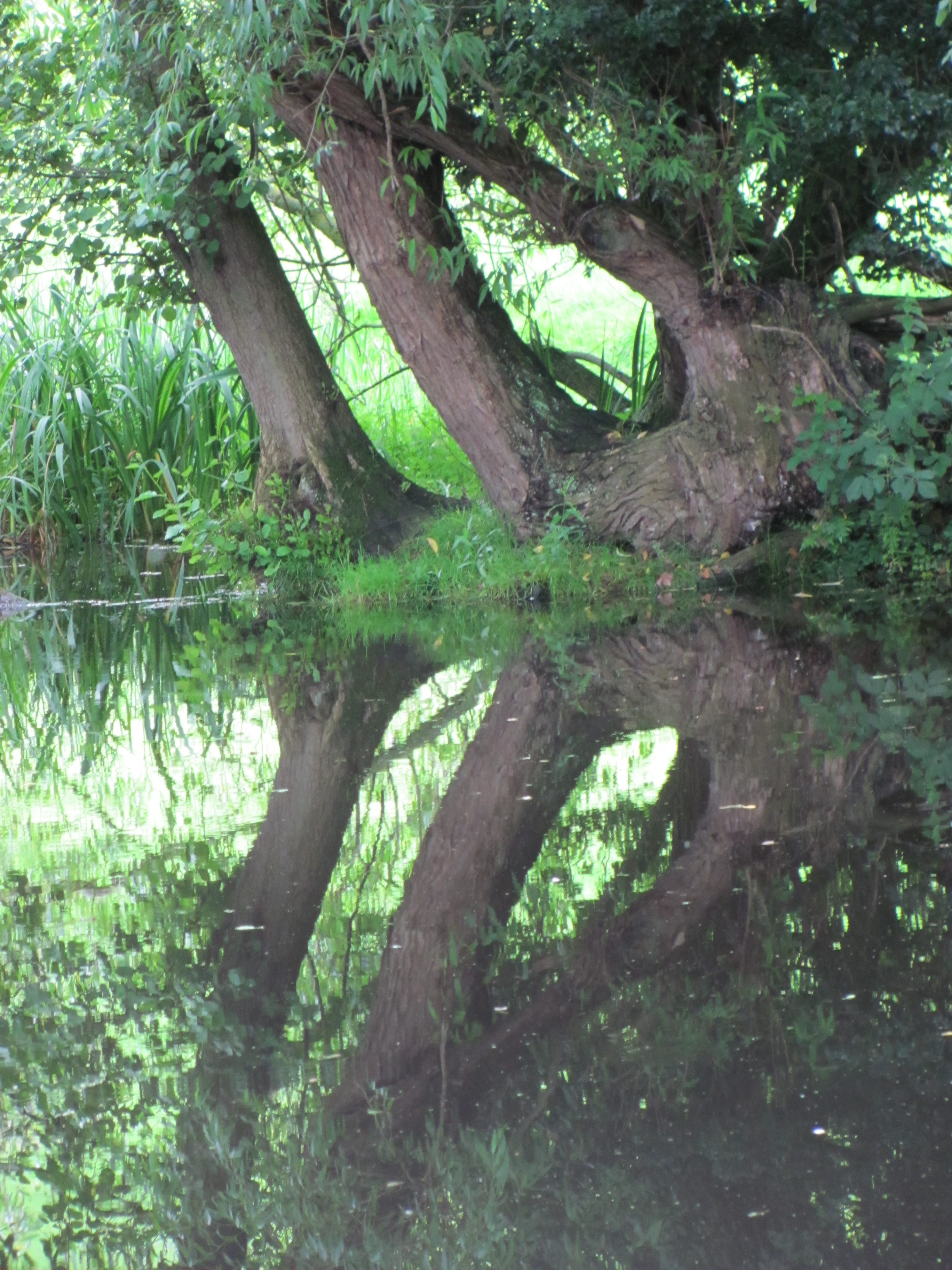
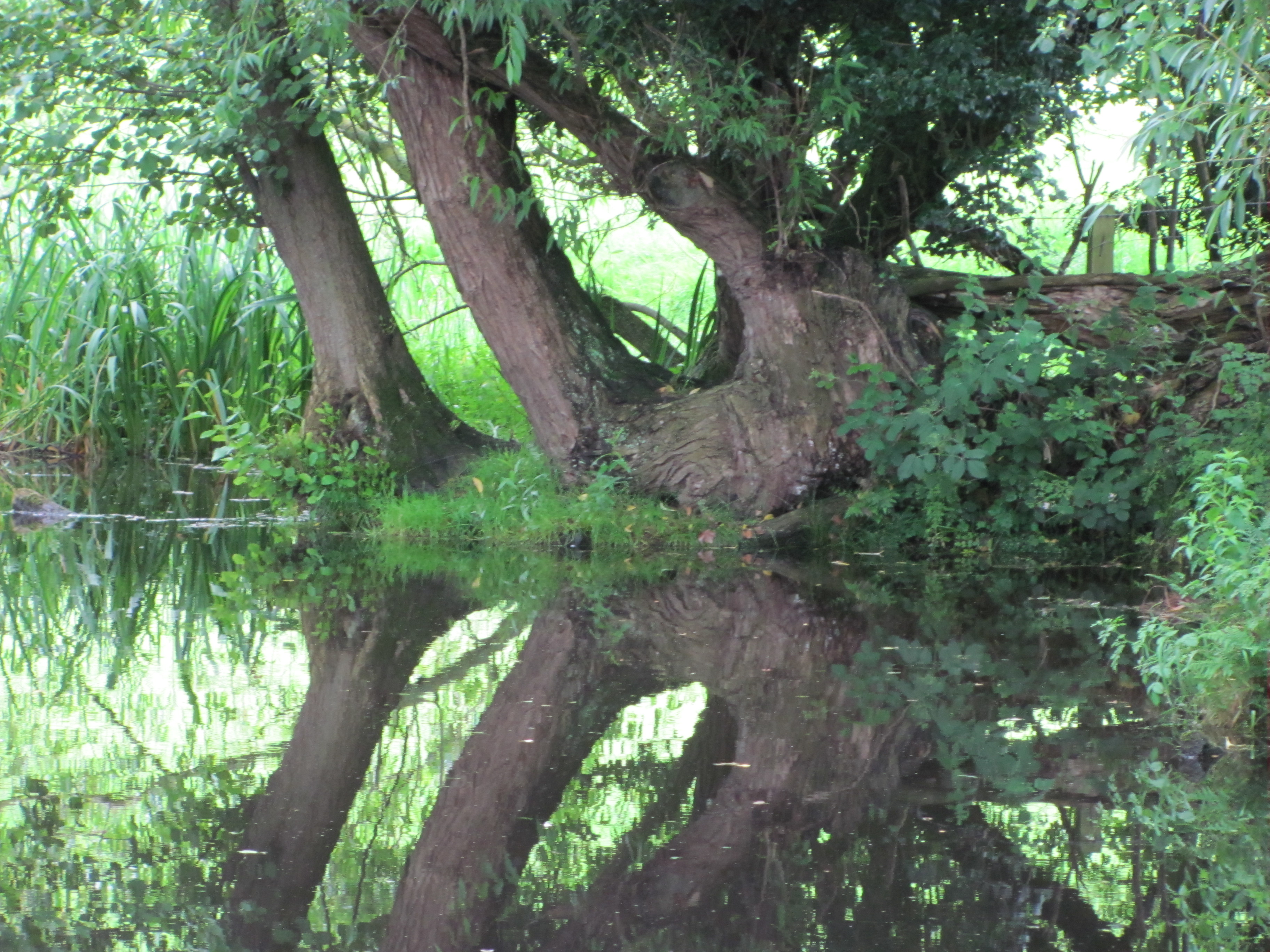
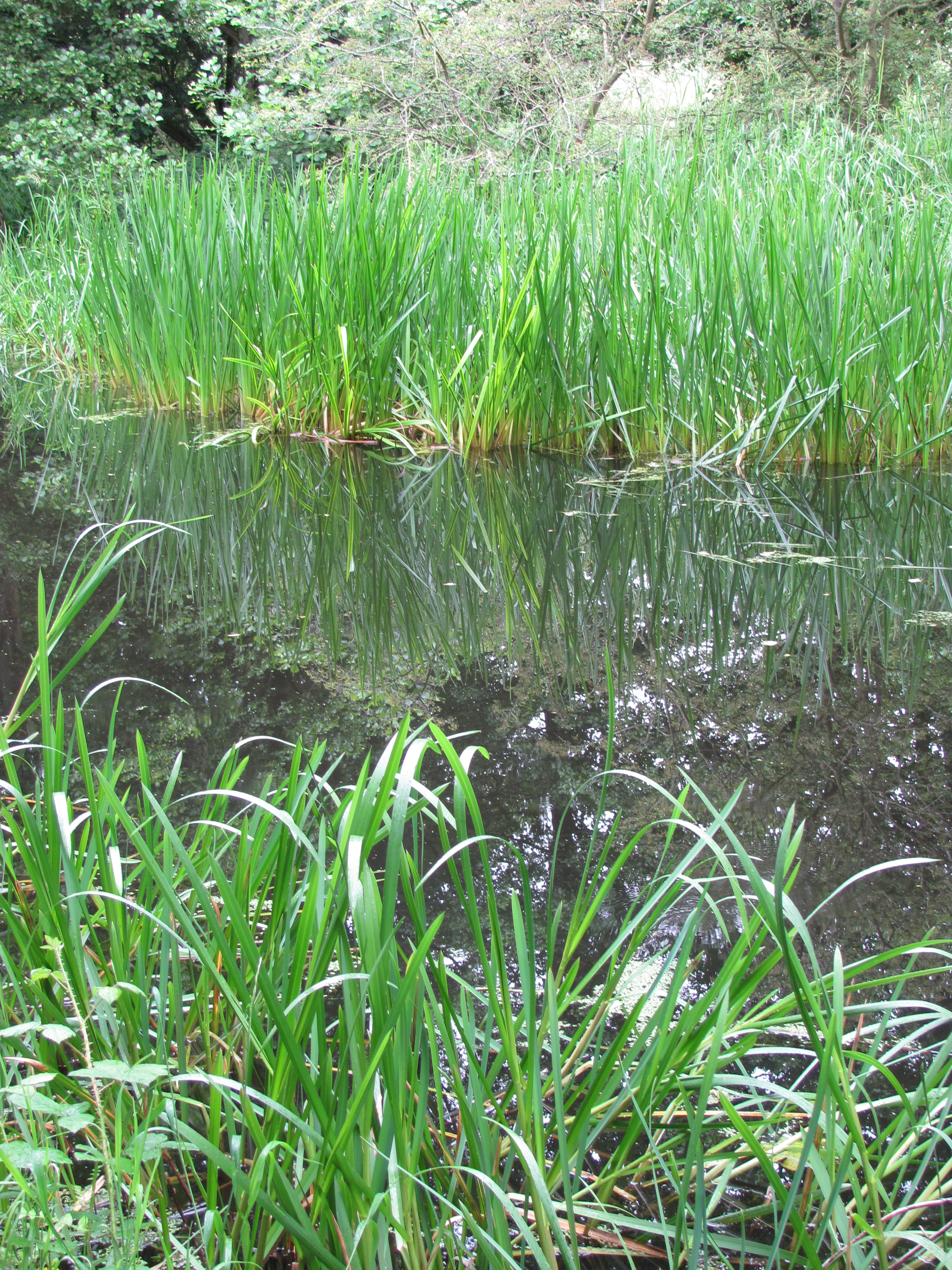
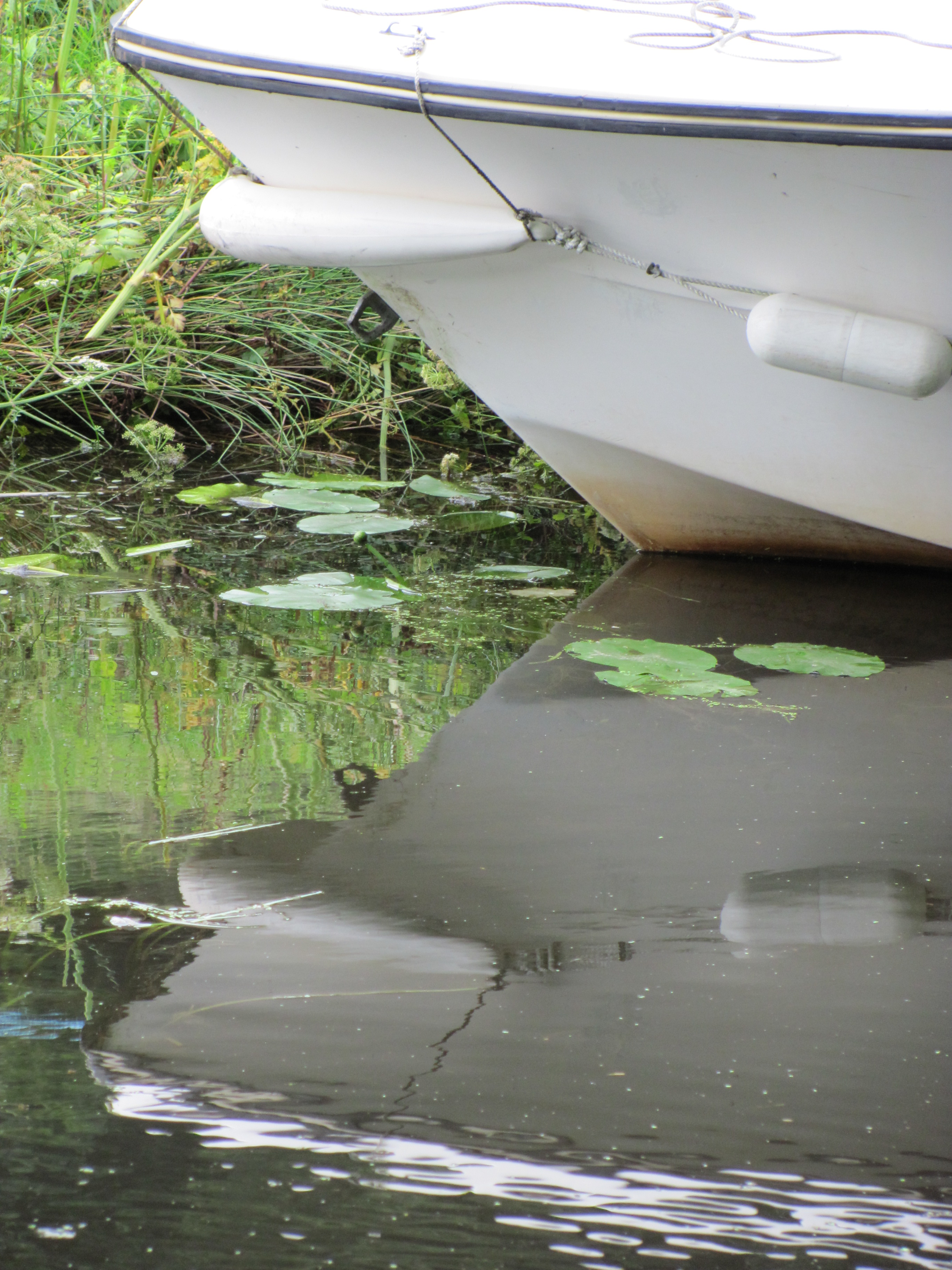
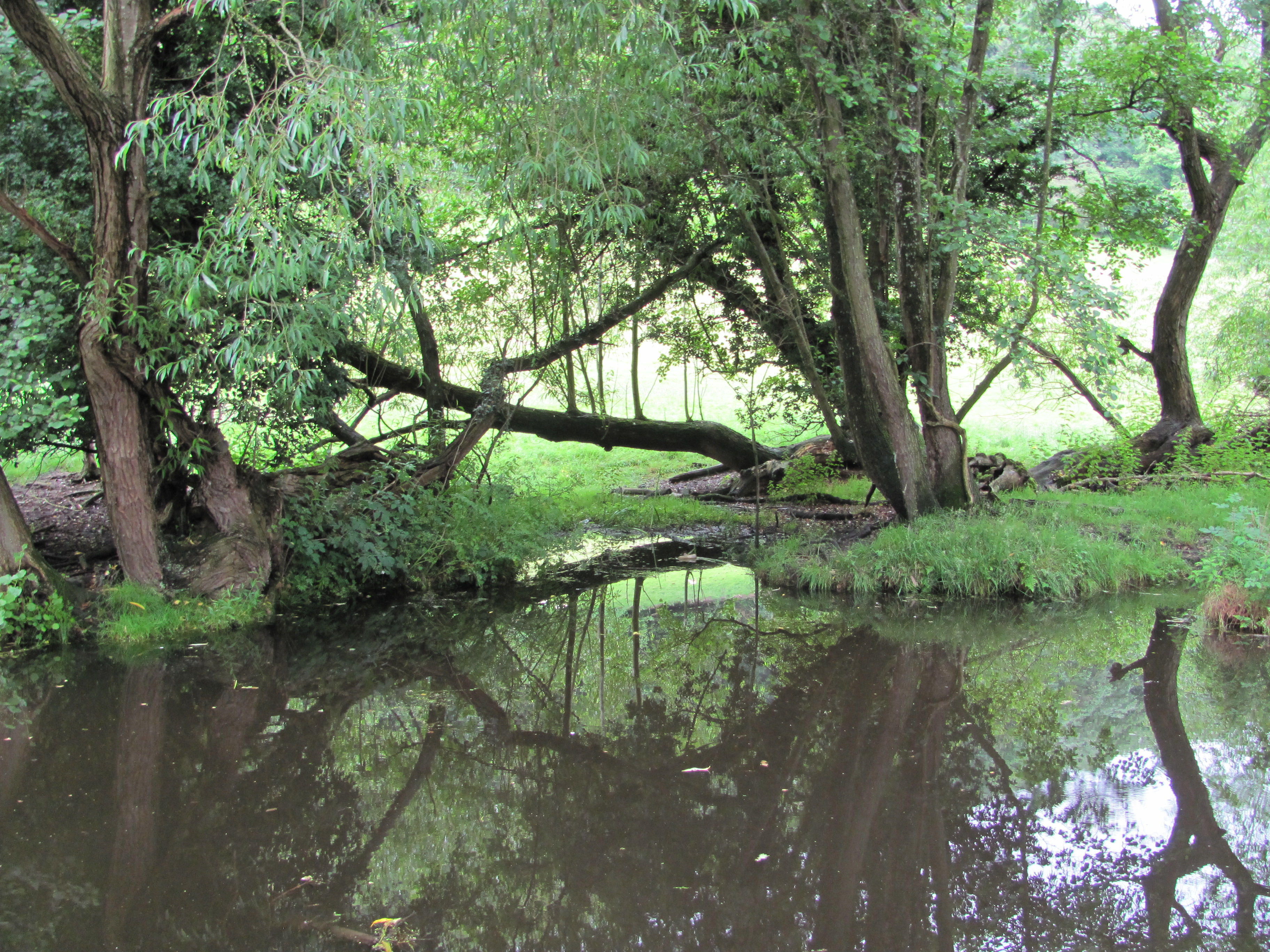
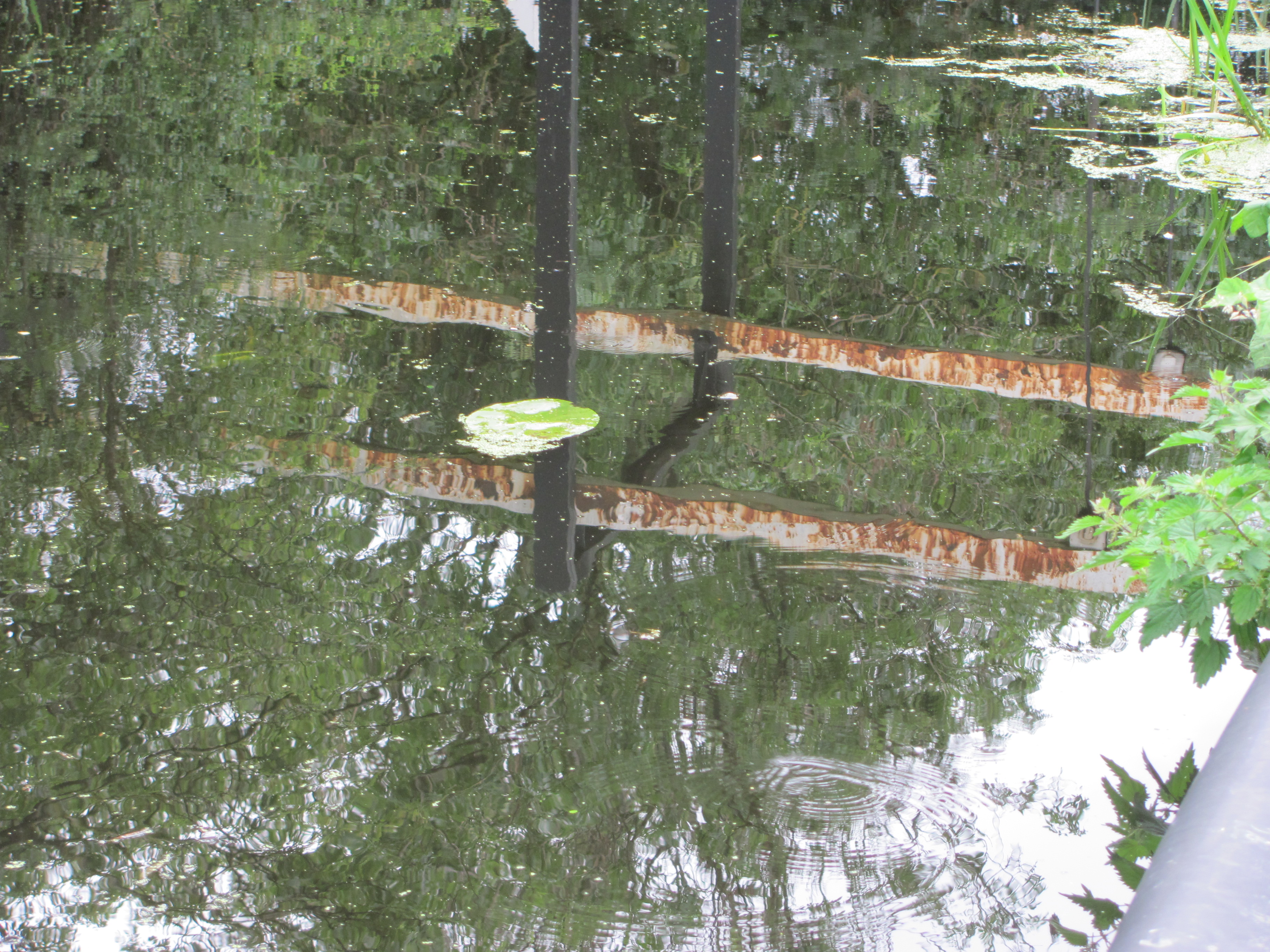
As we walked, on the light changed and the canal surface reflected the bankside vegetation, the boats moored up against its side and the canal structures.

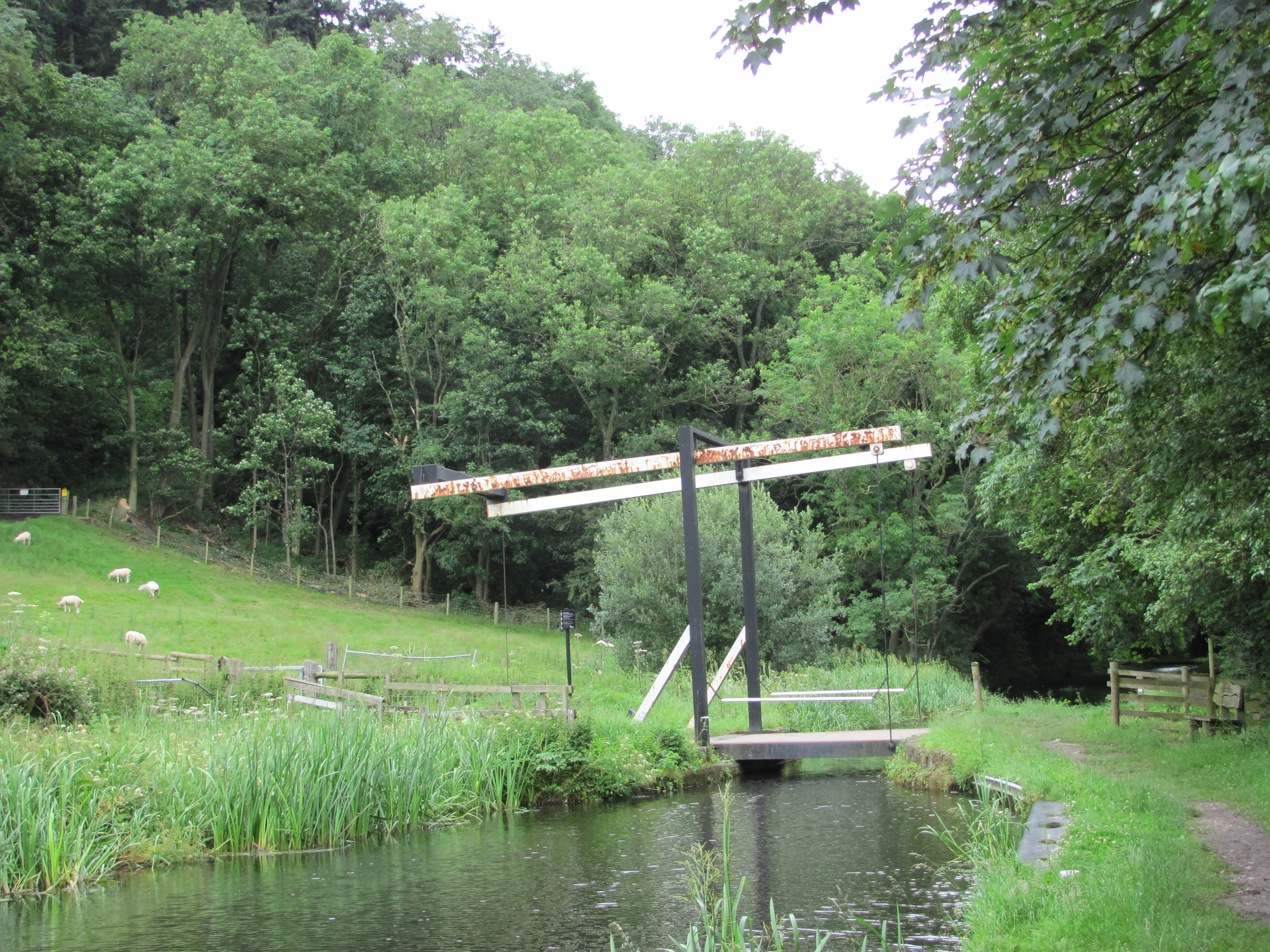
Half way along our outward journey a coffee stop called and we leant on a gate near a swing bridge and rested awhile.

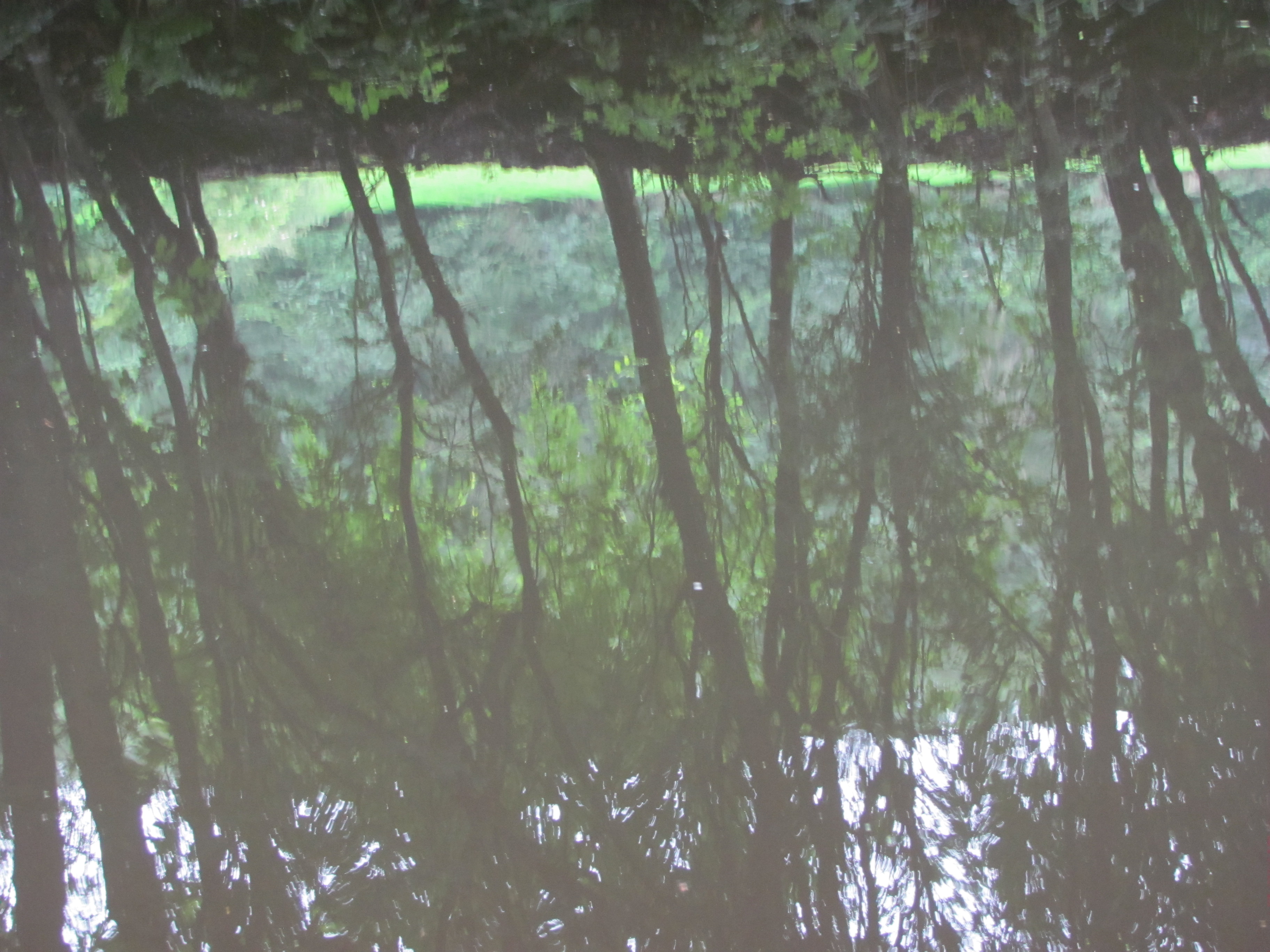
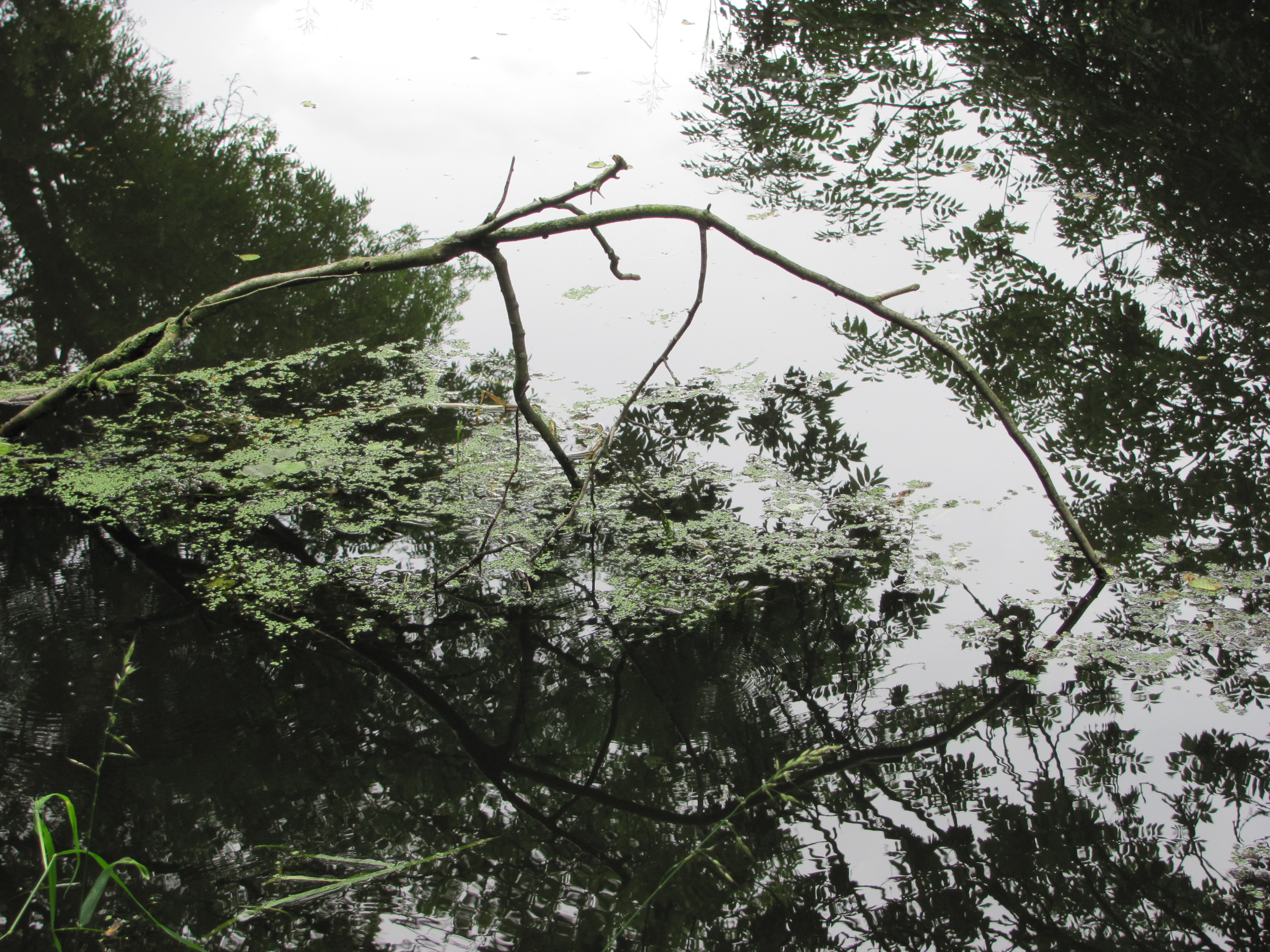
As we ambled onwards the land alongside the canal opened up and through bankside trees we could view farmland. The thin line of trees appeared as silhouetted sinuous shapes, emphasised by their reflections mirrored on the water. My camera and I enjoyed the challenge presented when trying to get a reasonable shot of reflections.

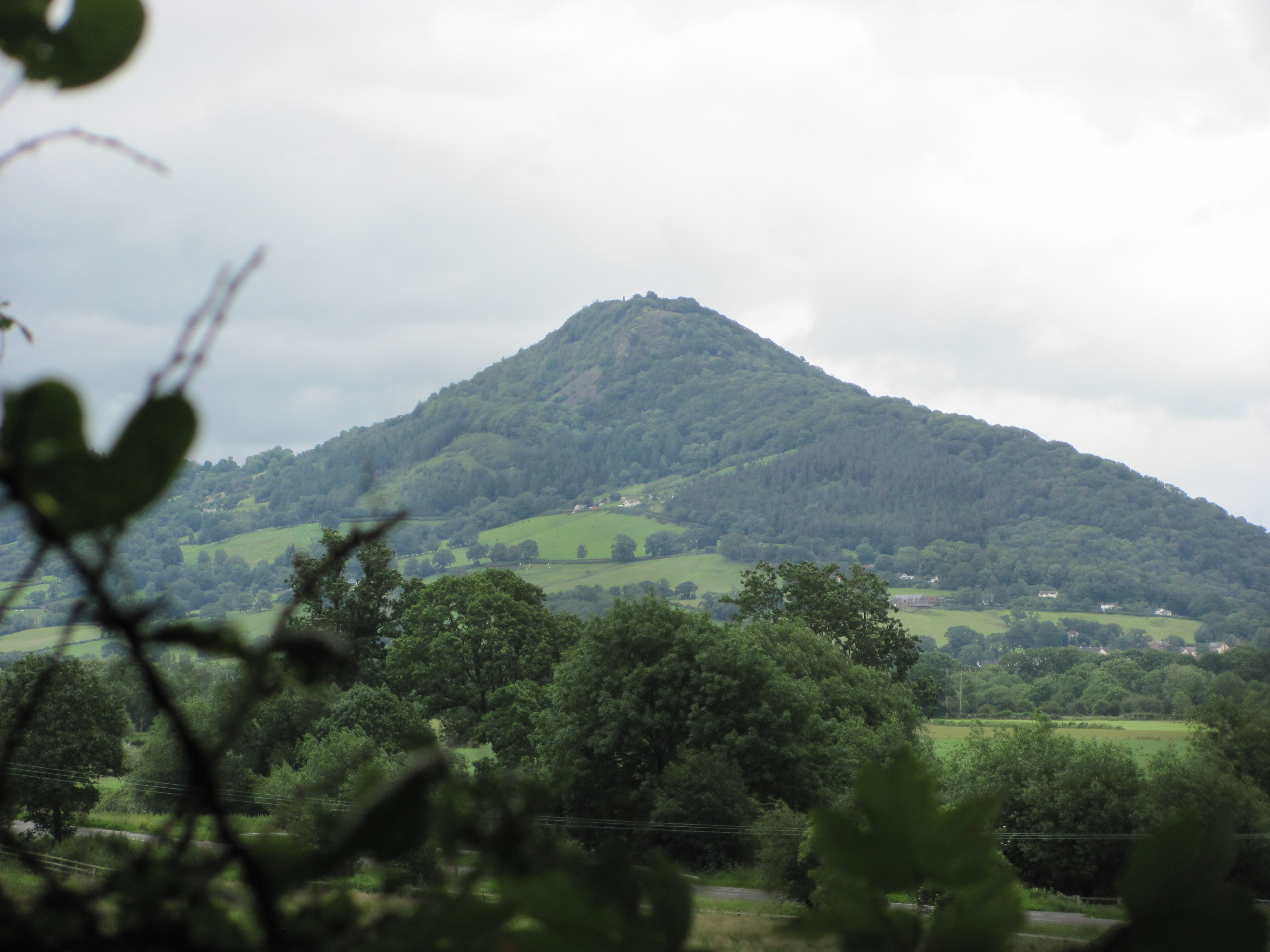
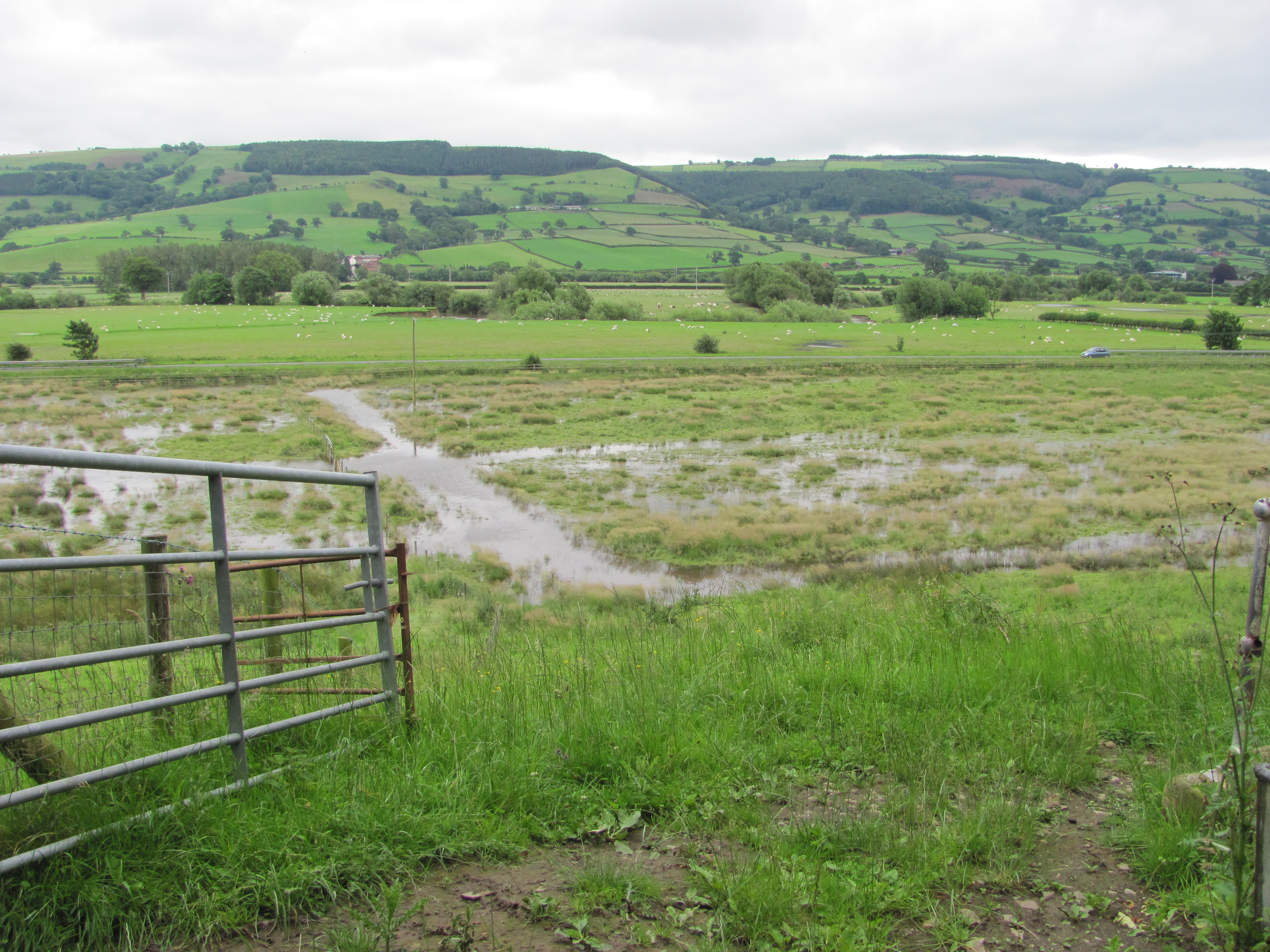
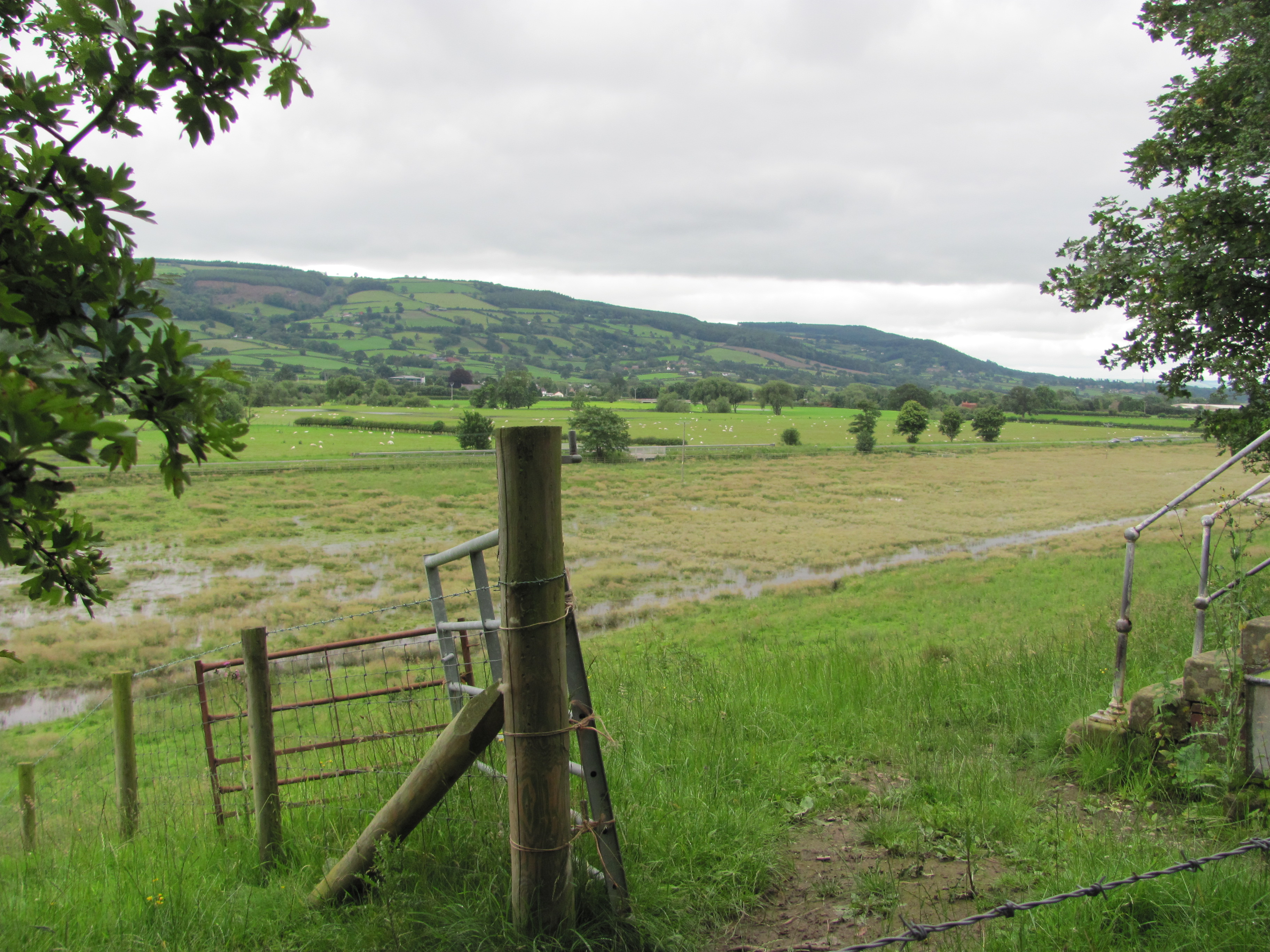
The countryside changed as we continued our ramblings and each opportunity of a broad landscape view, afforded us by breaks in the vegetation was appreciated.

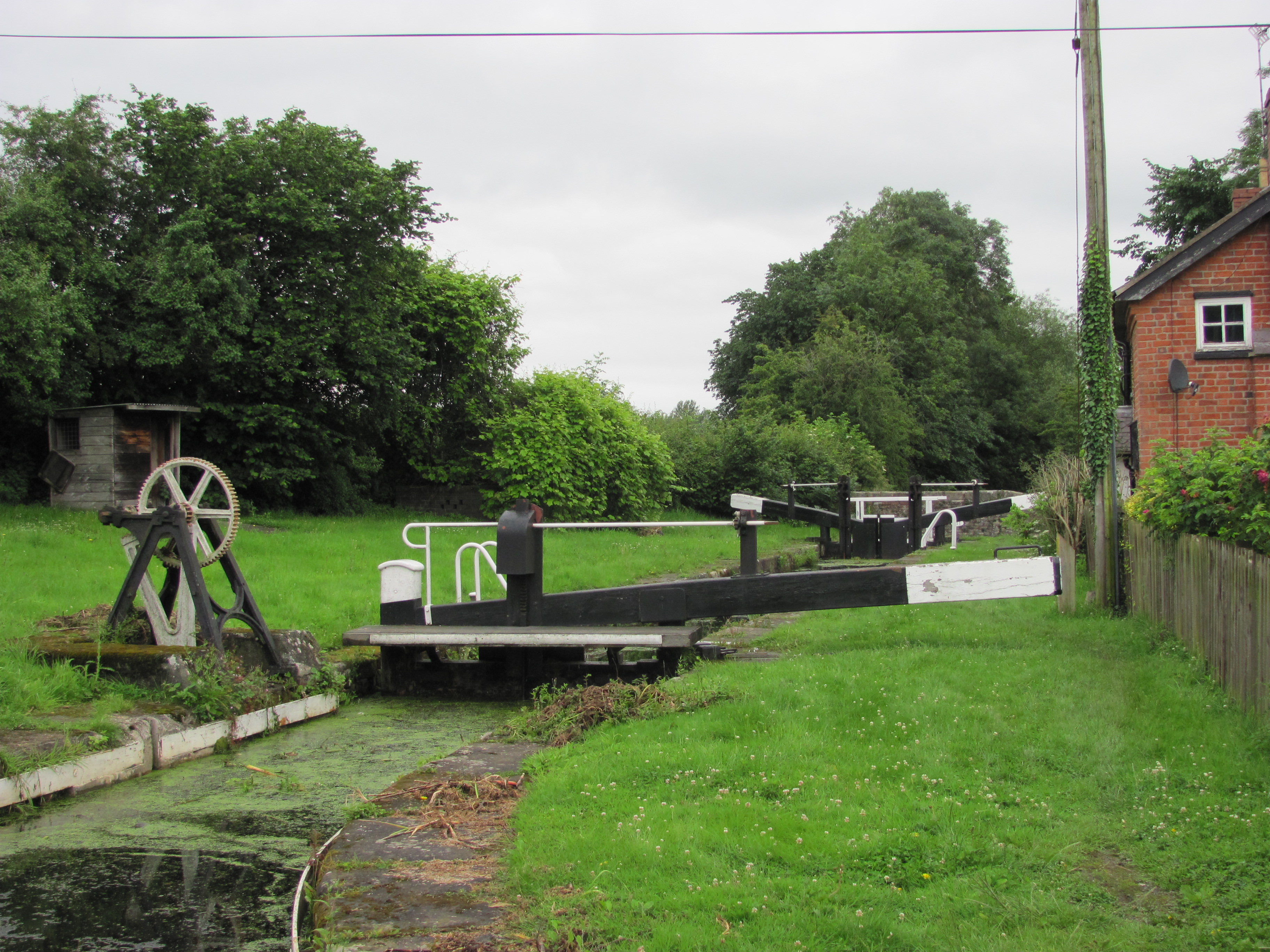
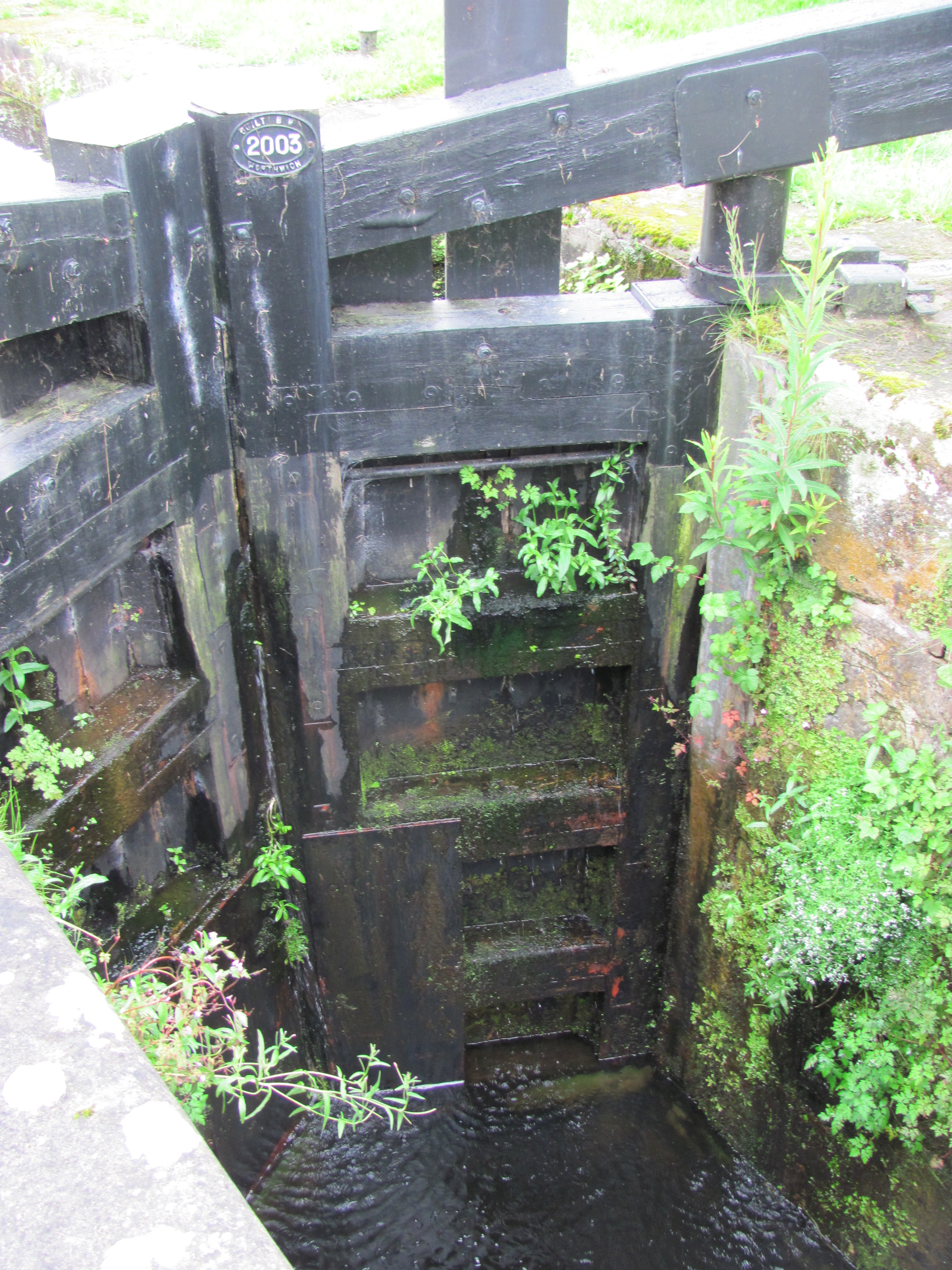
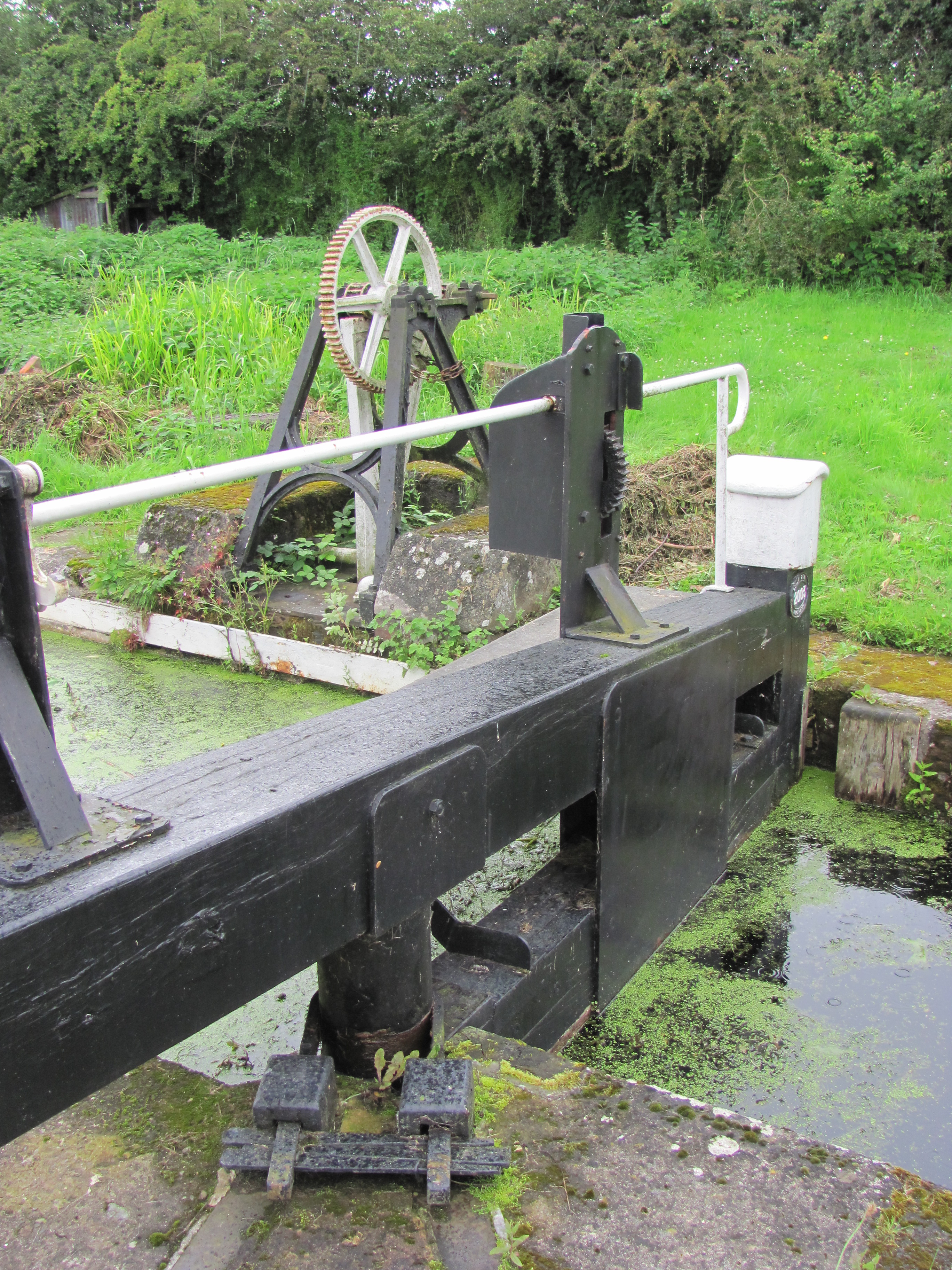
We reached the lock at Pool Quay, the point in our walk where we decided to turn back.

As we enjoyed our exploration of Pool Quay lock and the break from walking the rain returned. The little wooden gate invited us to begin our journey back especially as the tree-lined bank promised shelter.

Categories
garden design garden photography gardening grow your own hardy perennials July ornamental grasses ornamental trees and shrubs photography poppies roses Shropshire shrubs succulents trees

A Wander around our Garden in July

July in the garden so far has carried on where June left off – rain! The grass paths squelch as you wander, trees drip on you and herbaceous plants soak your legs. The plants have loved it relishing in the warmth and dampness. They grow tall and lush too quickly and do so without gaining strength. As a result they get knocked over in windy spells and any heavy showers.
As rain persists each day from dawn till dusk a moment of light and dry gave me an opportunity to take photos for my July wander. After waiting all day I finally took the following pics just before 9:00 in the evening.

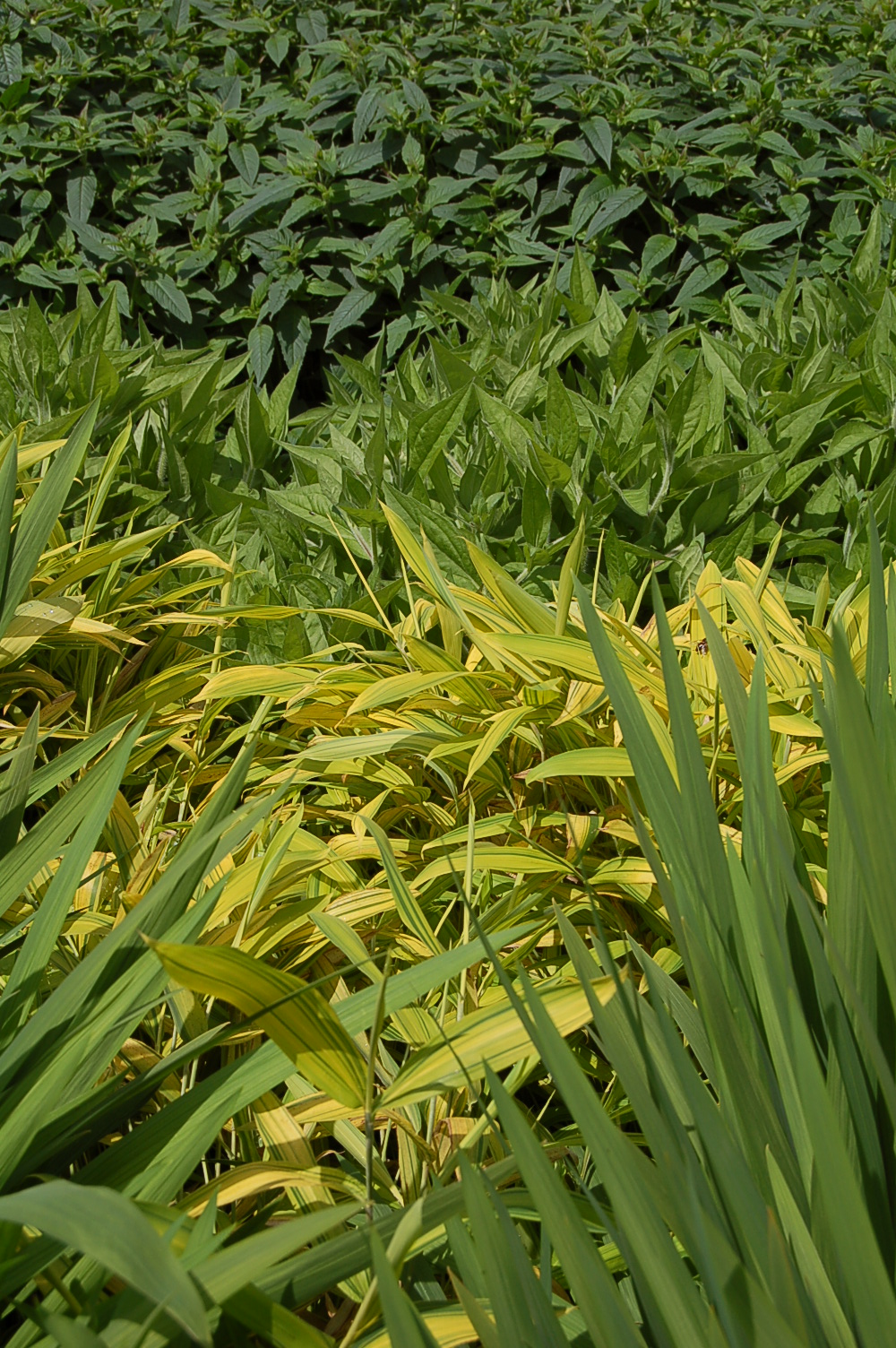
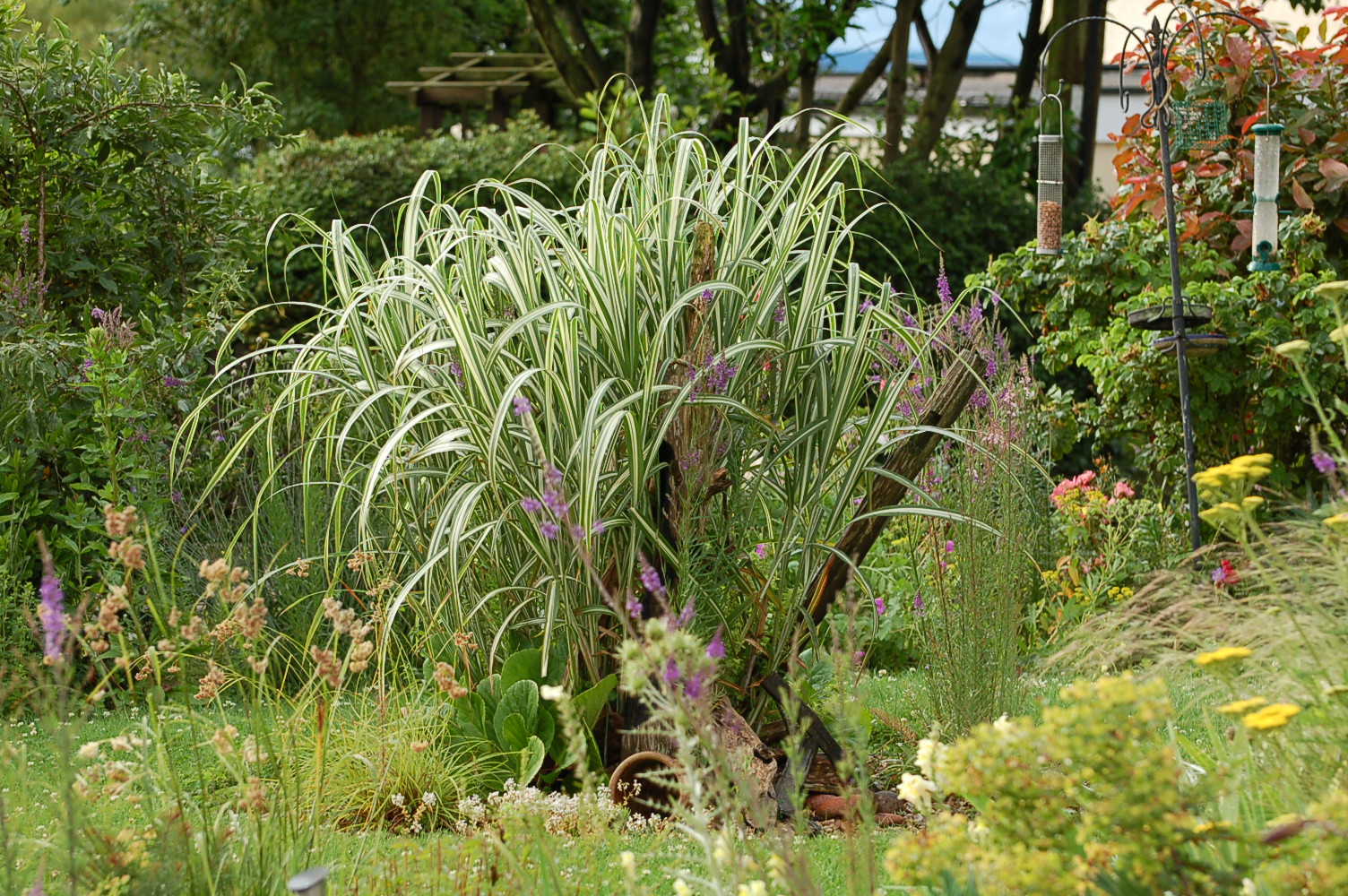
One plant that never fails is this wonderful tall grass with striped leaves. It is a good four foot tall and the long leaves are popular with the “Undergardener” to cut for flower arranging.

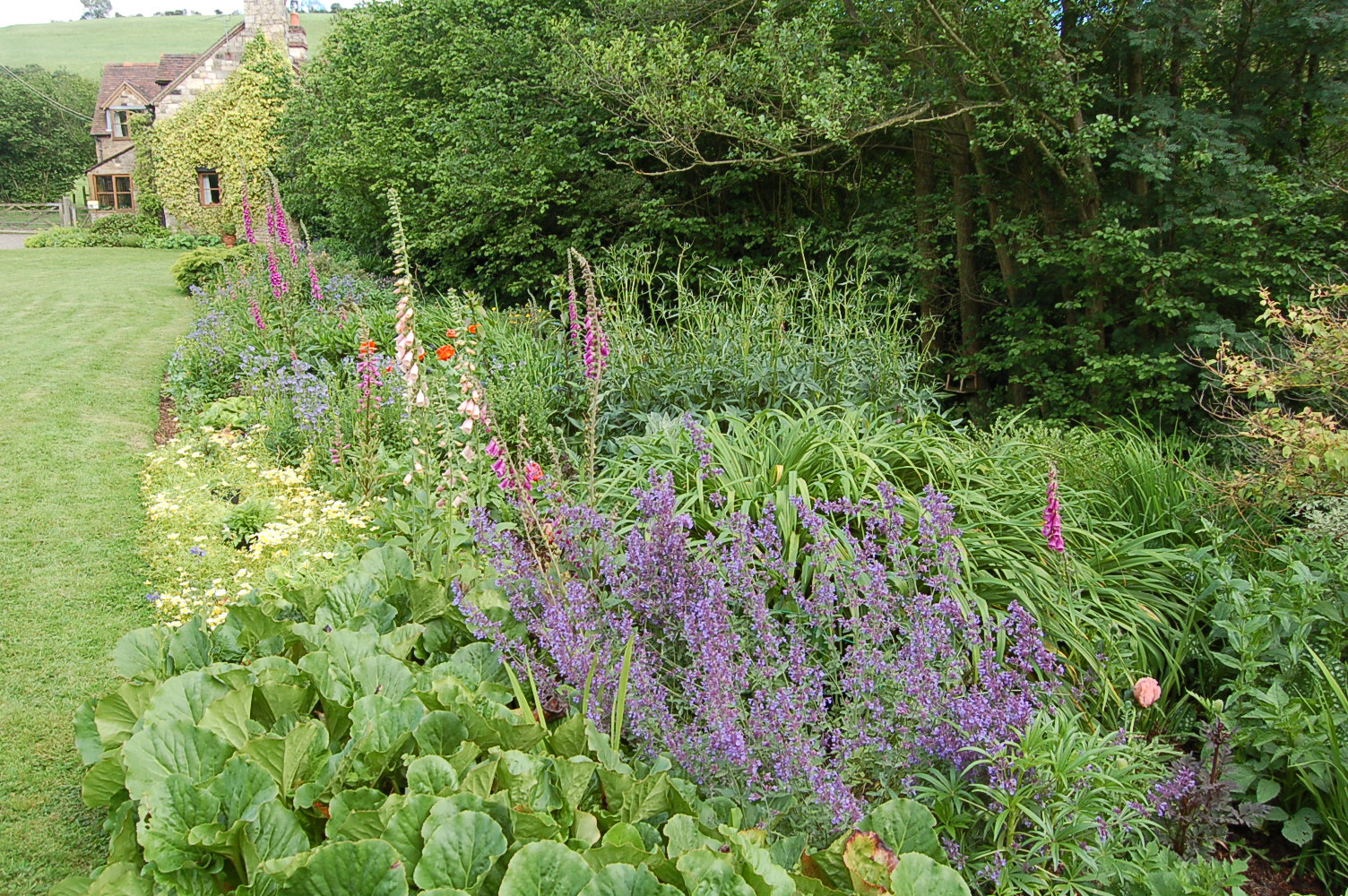
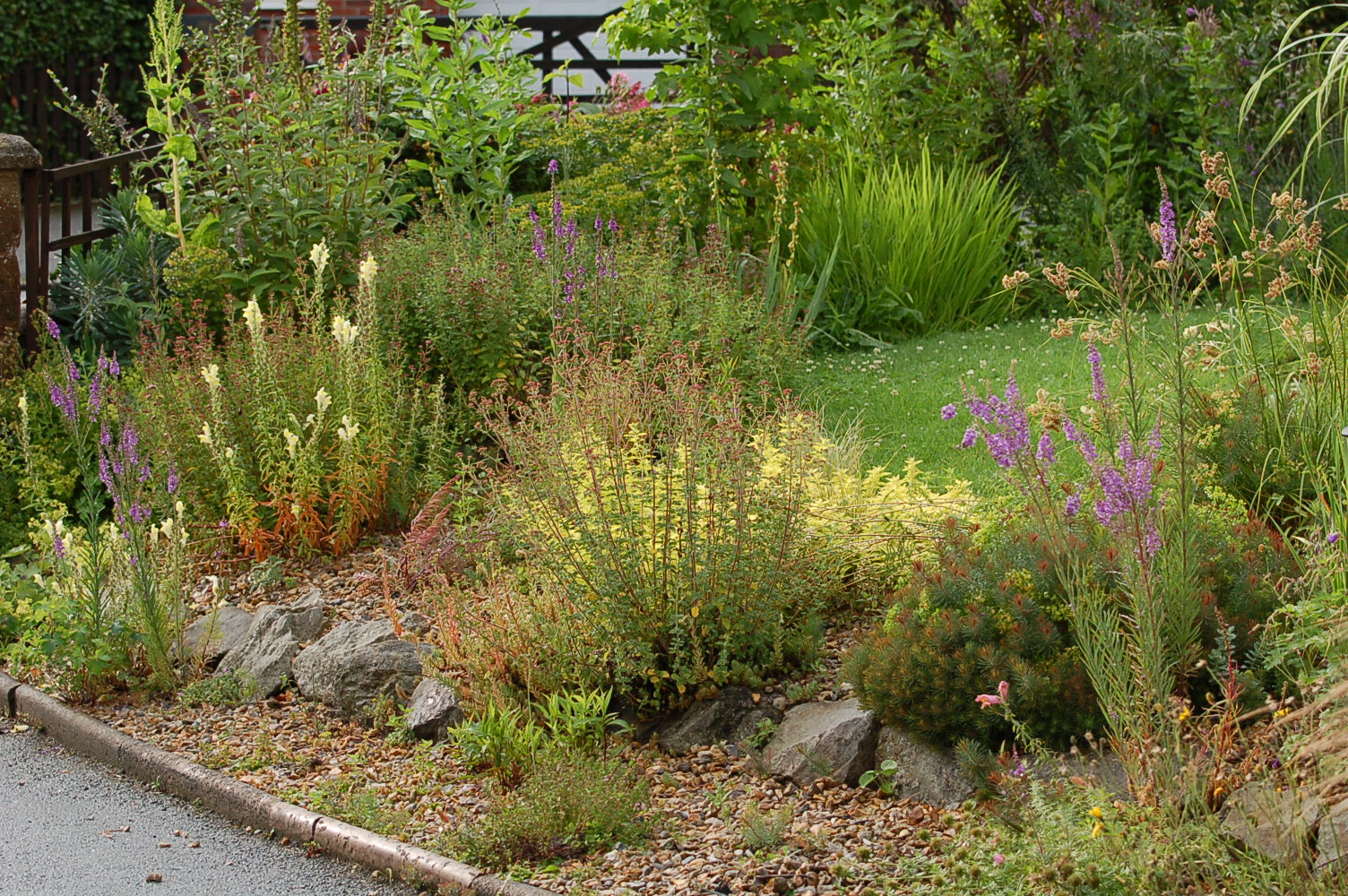
Our gravel garden, The Chatto Bed, is now full of colour, gentle yellows, pinks and purples. When the sun does come out for its short sessions the gravel bed is buzzing with bees. They are having a hard time this year with all this rain and wind.

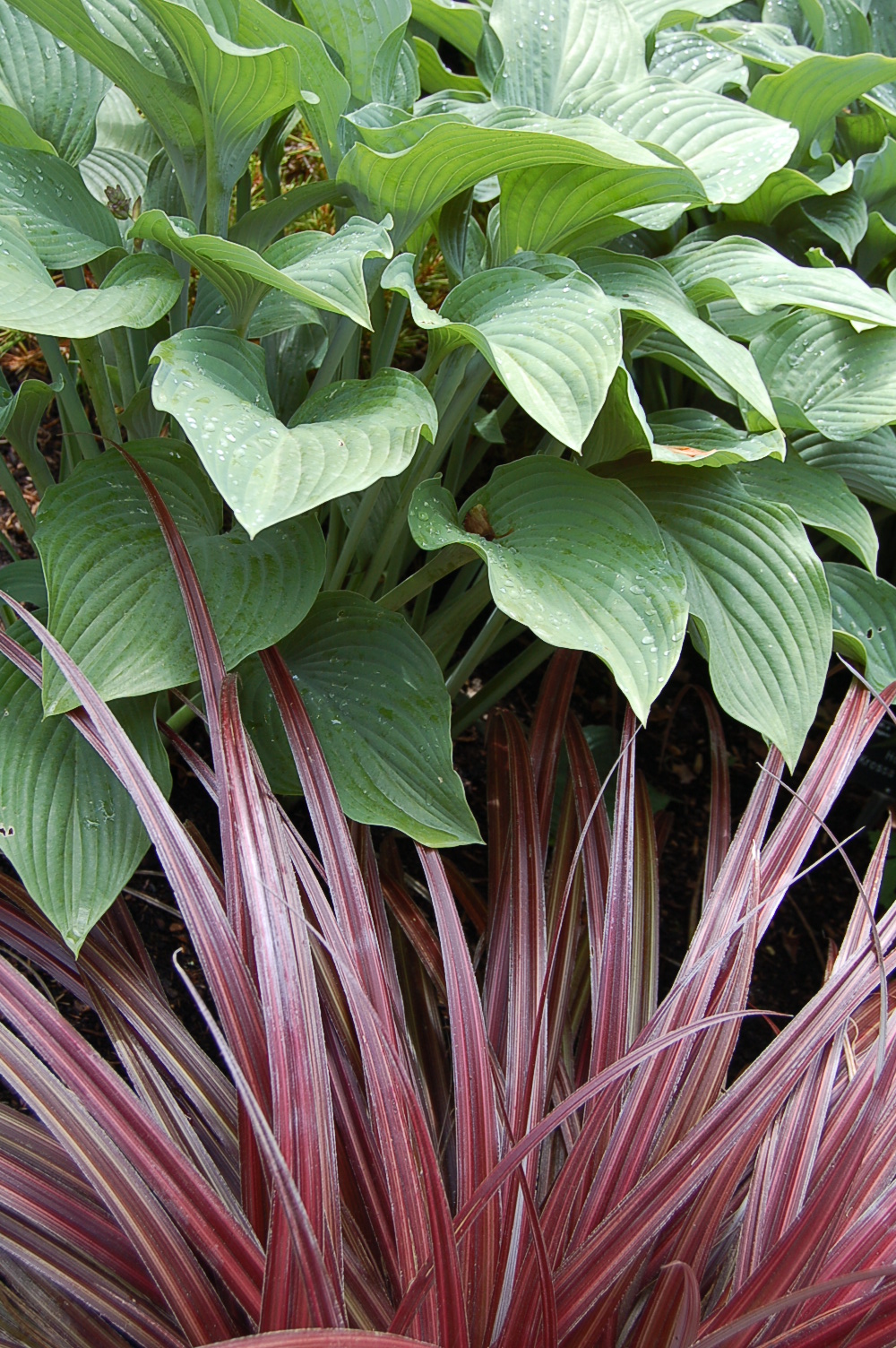
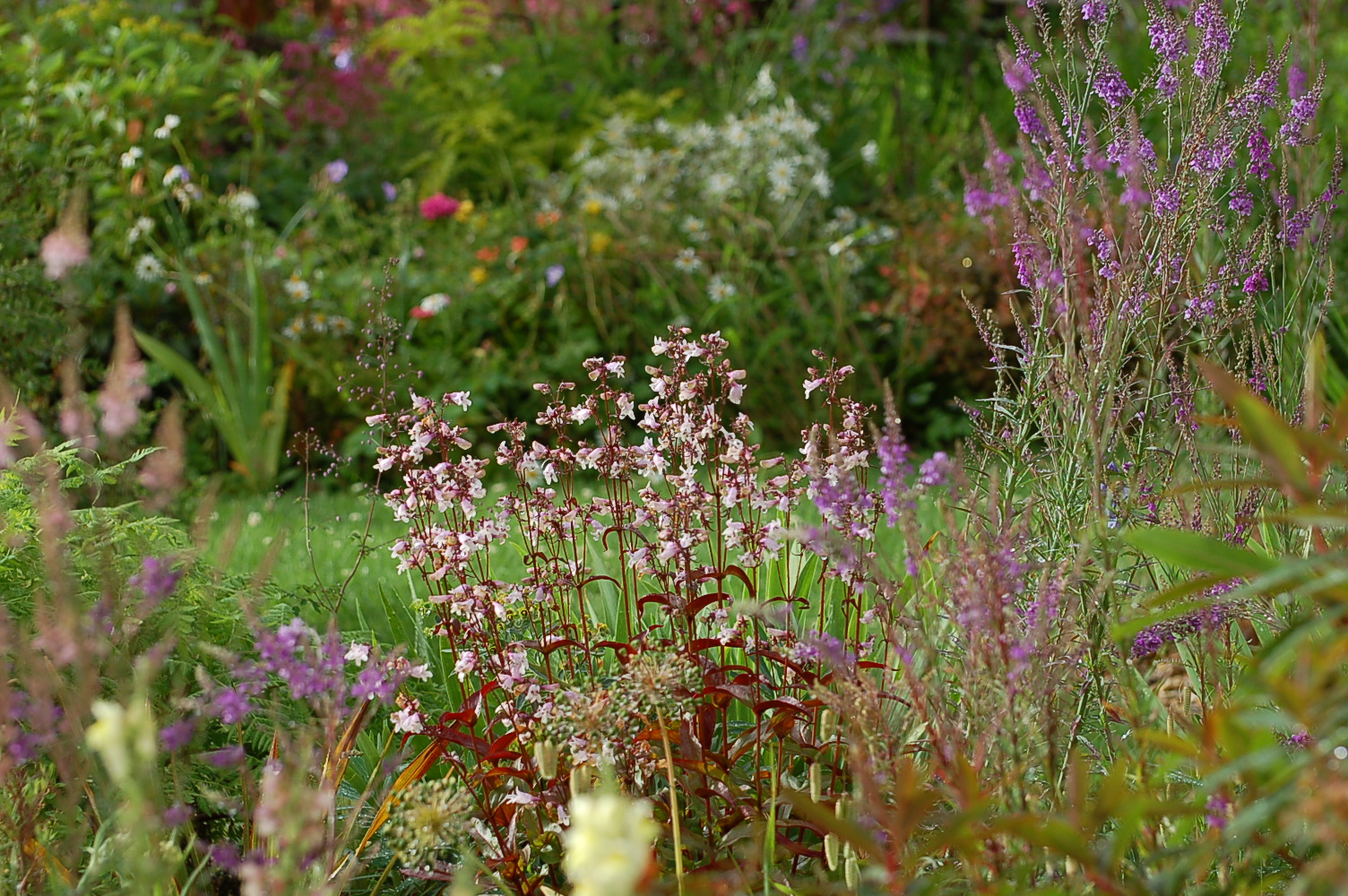
The Huskers Red Pentstemon is now at its best – what a beautiful plant it is – coloured foliage, dark stems and delicate contrasting pale flowers. Having grown this from seed sown a few years ago it feels good to see it looking so good.

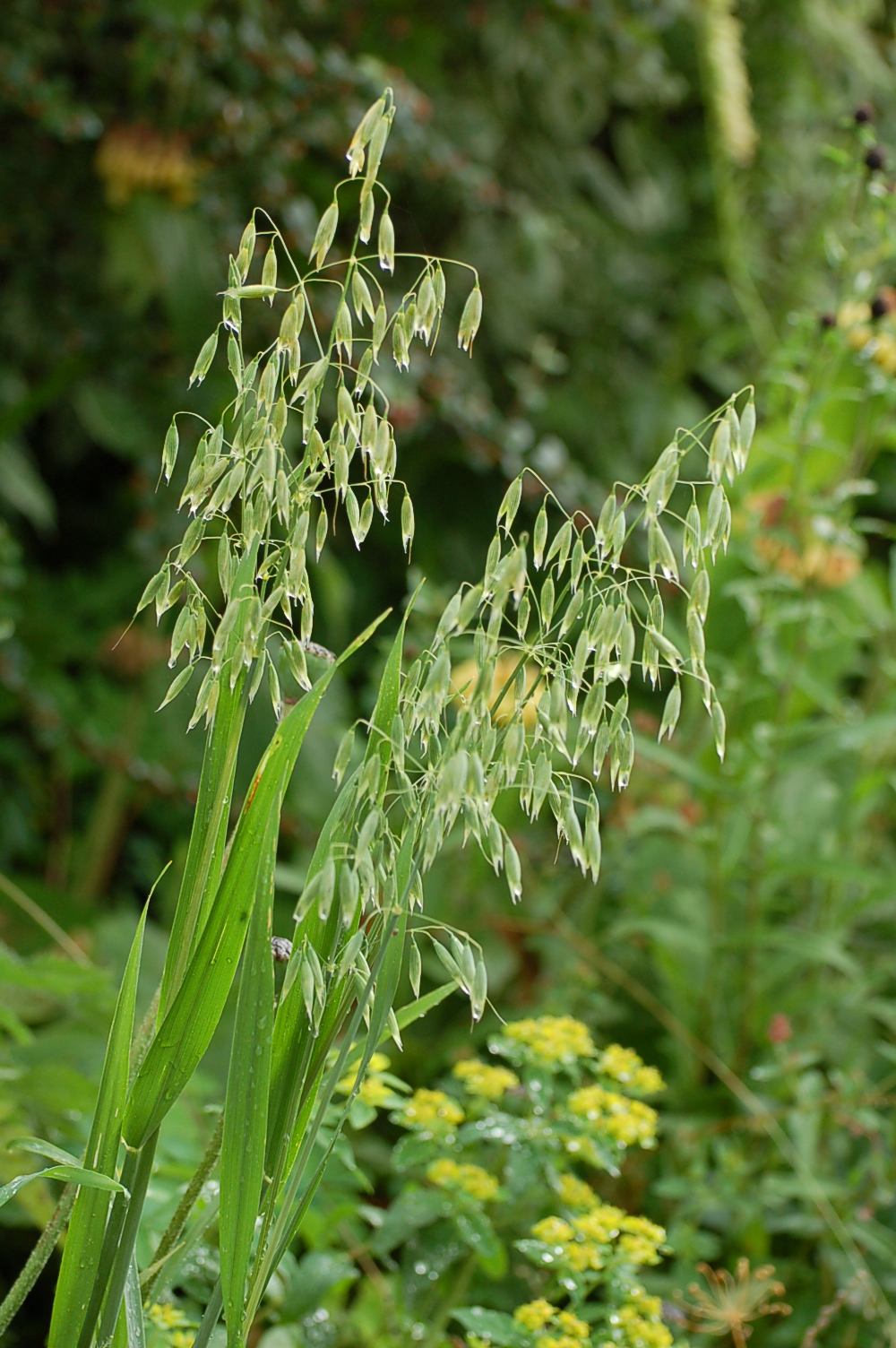
The Quaking Grass, Briza maxima is also known as Nodding Grass and Sparrow Grass, presumably because it simply can’t stay still in the slightest breeze.

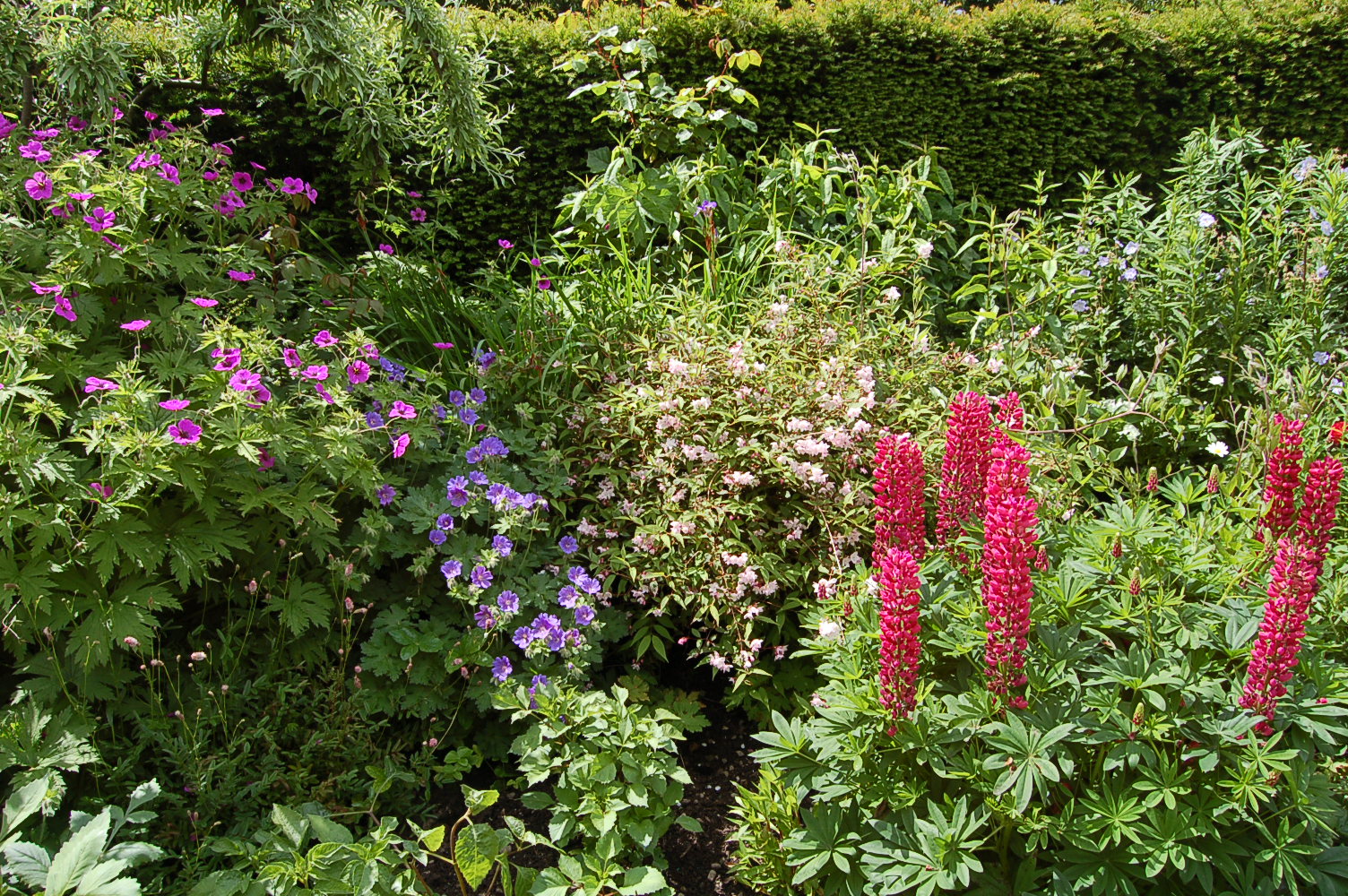
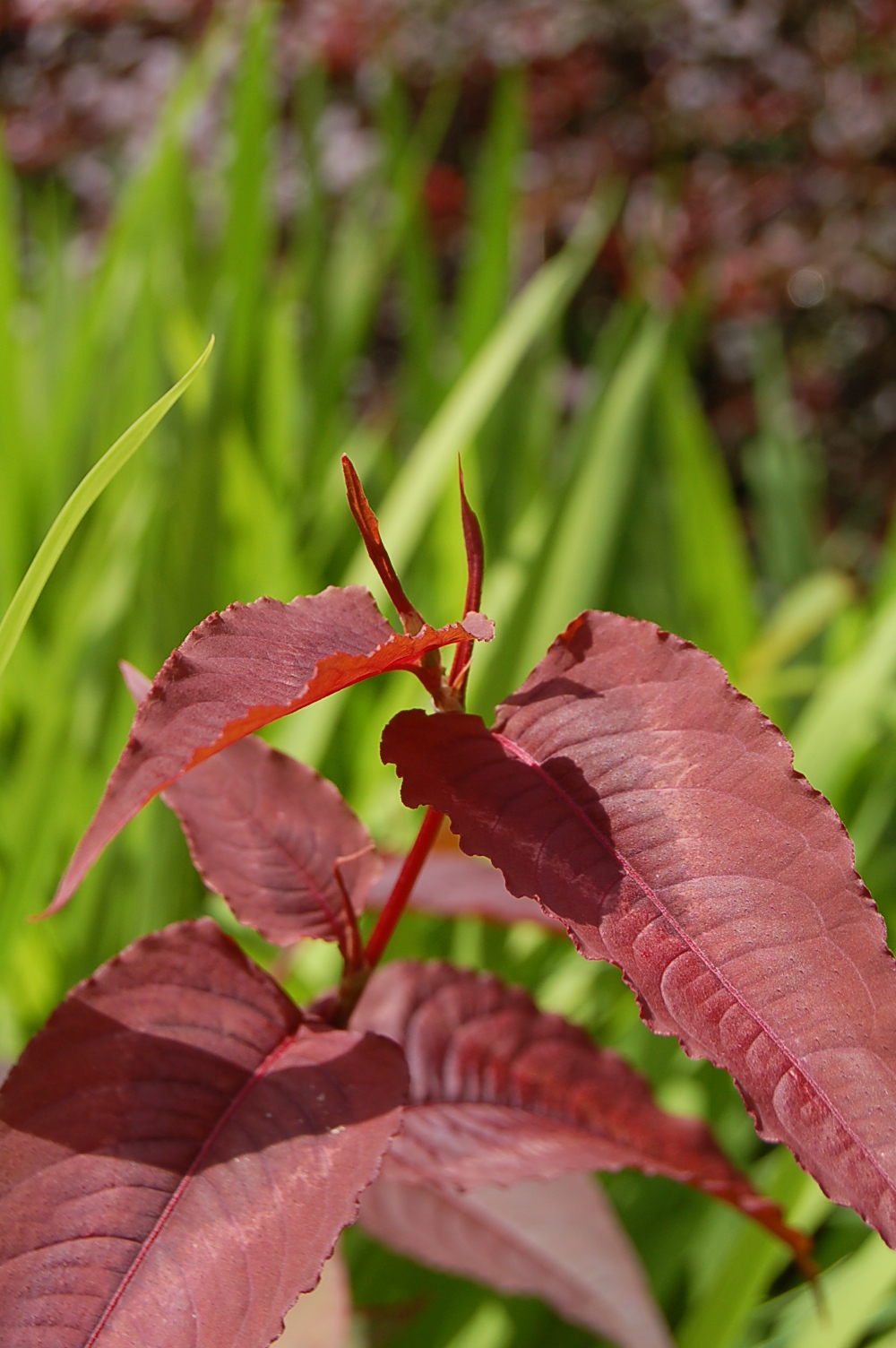
Jude’s Border is a rich combination of purple-leaved shrubs and contrasting perennials.

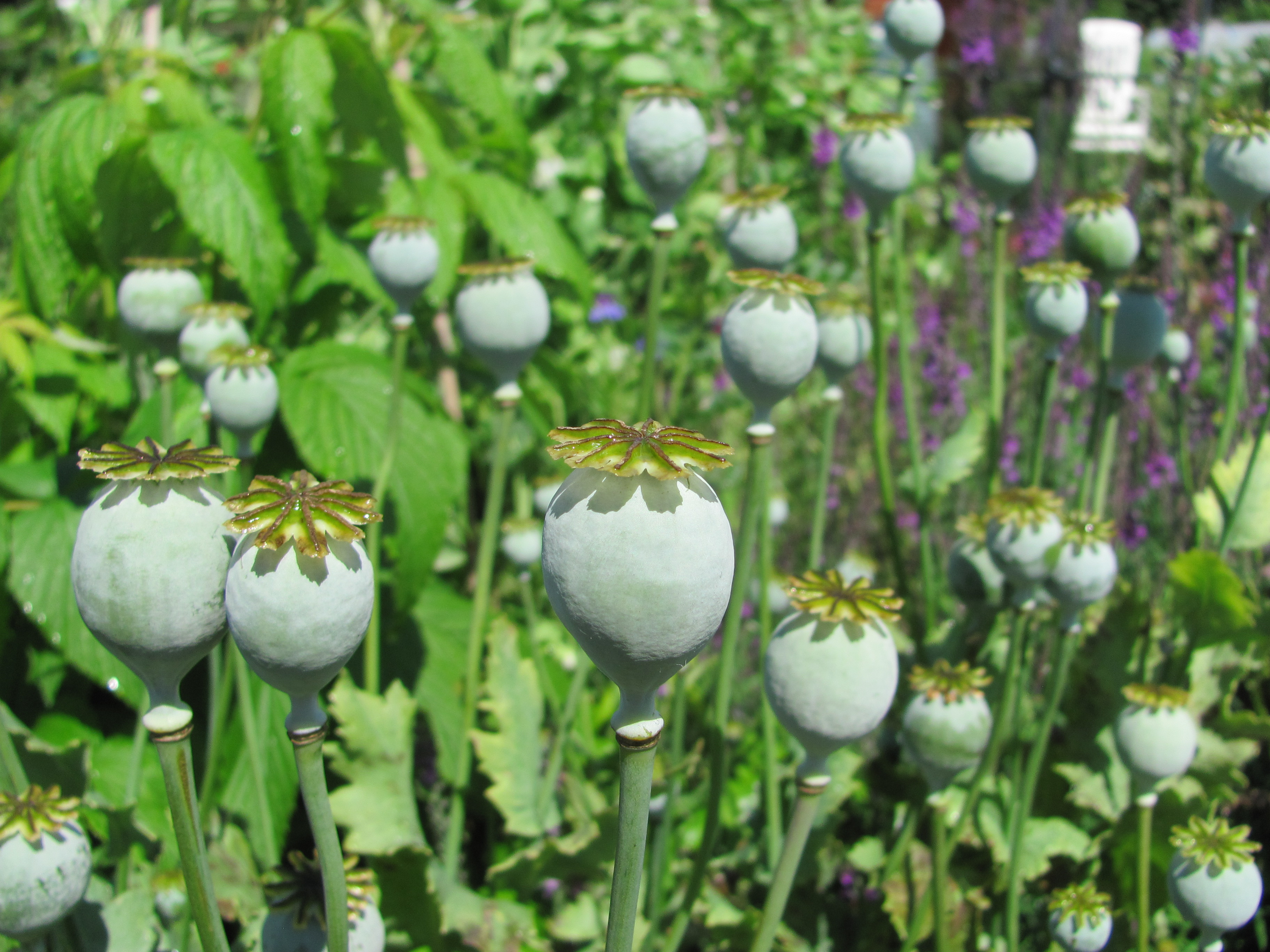
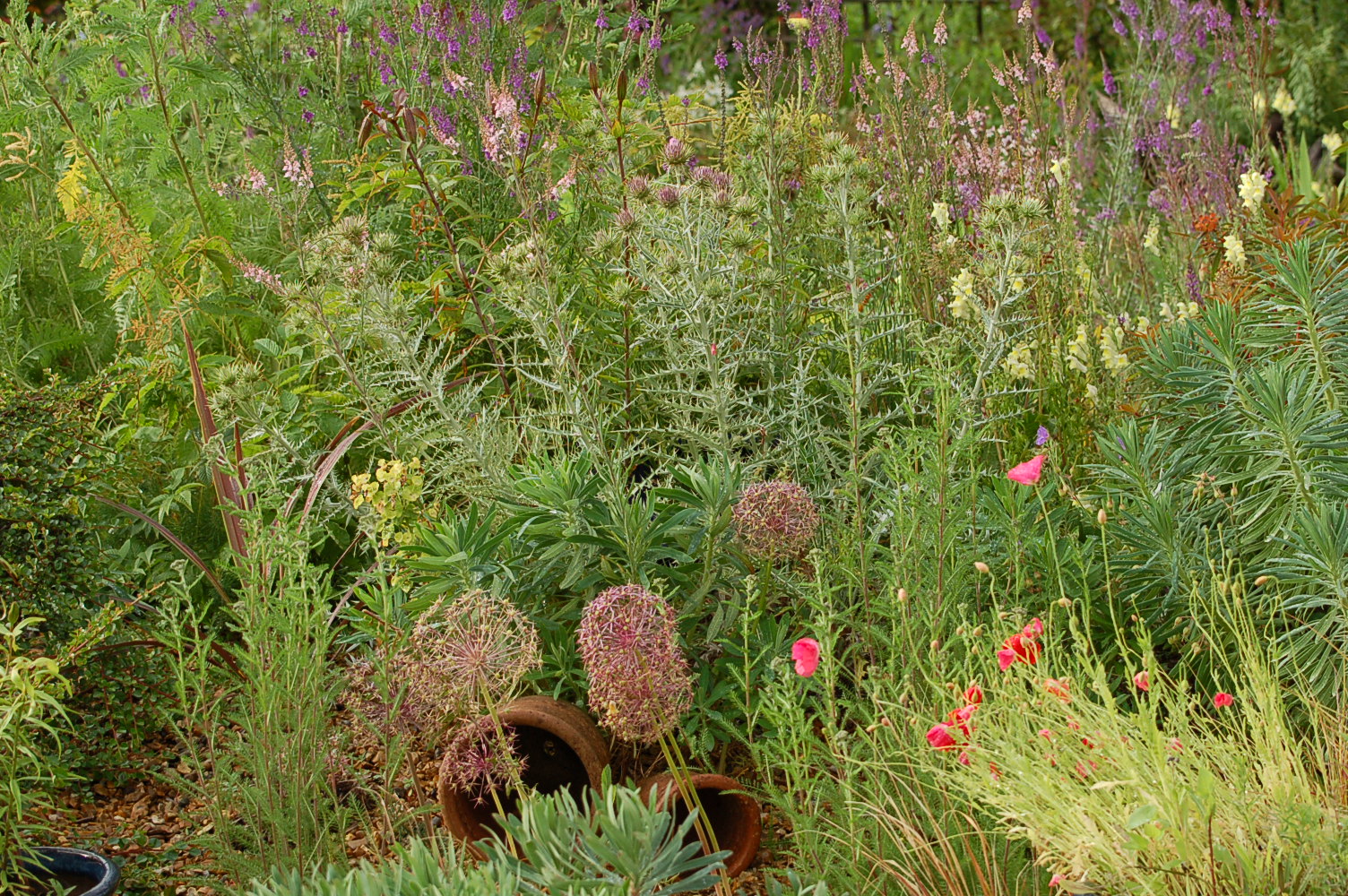
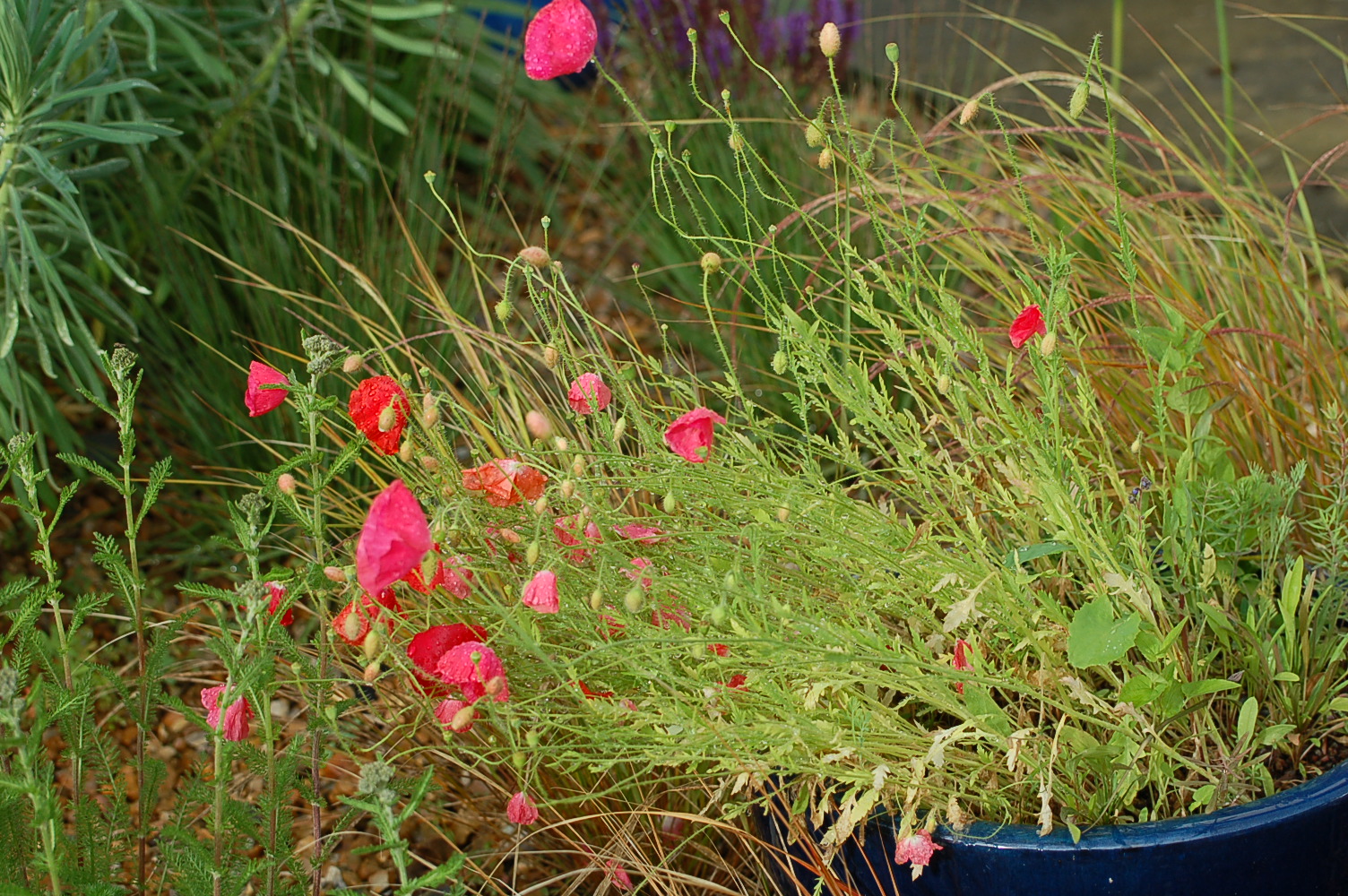
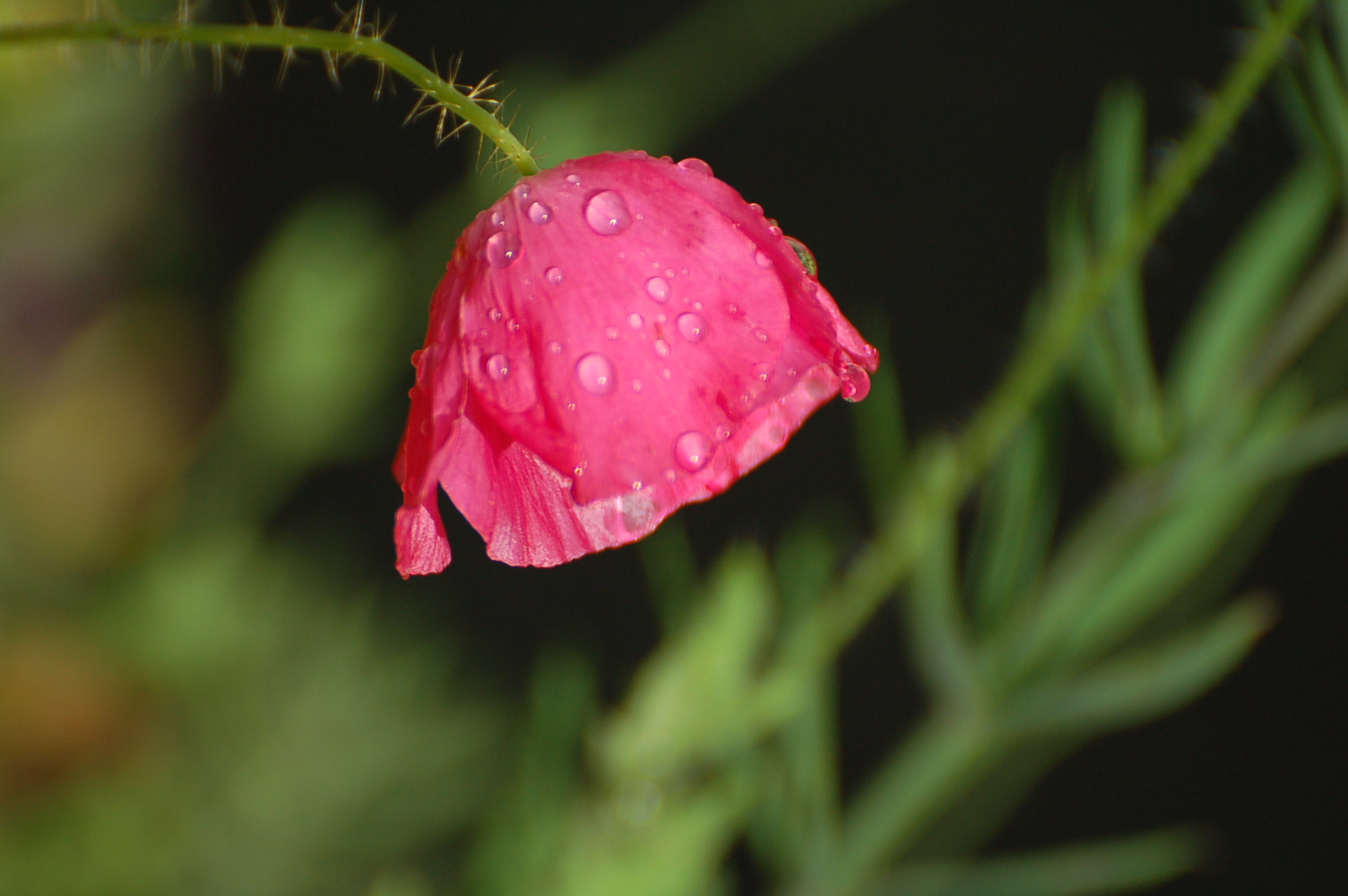
Our mini-meadows  sown in terra-cotta pots have been very successful. Different flowers appear each day. The pink poppy glows in the dullest of weather – a “dayglo” poppy.

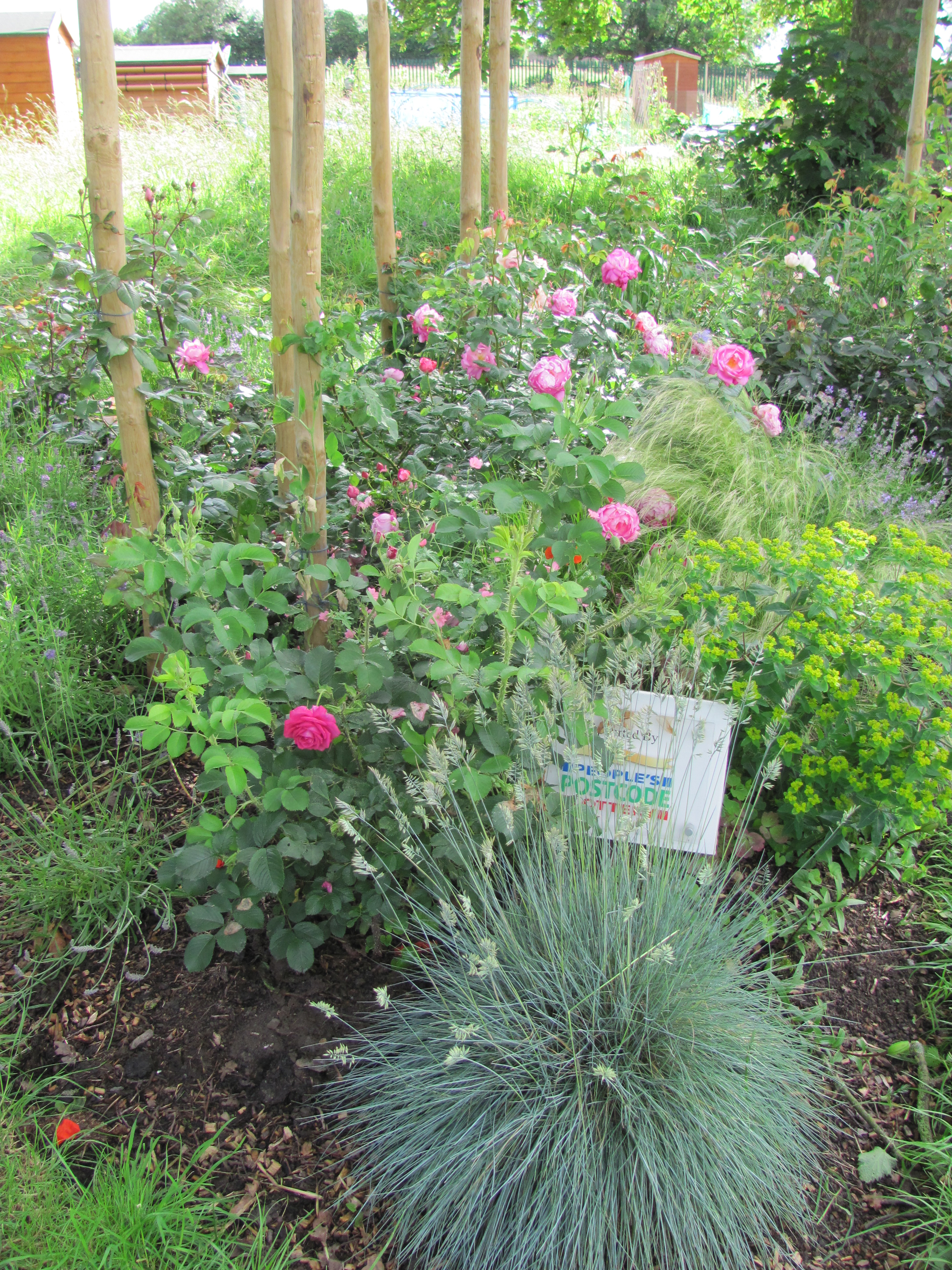
By our front door the “Freda Border” continues to provide colour in the perennials and gentle variegated foliage in the shrubs.


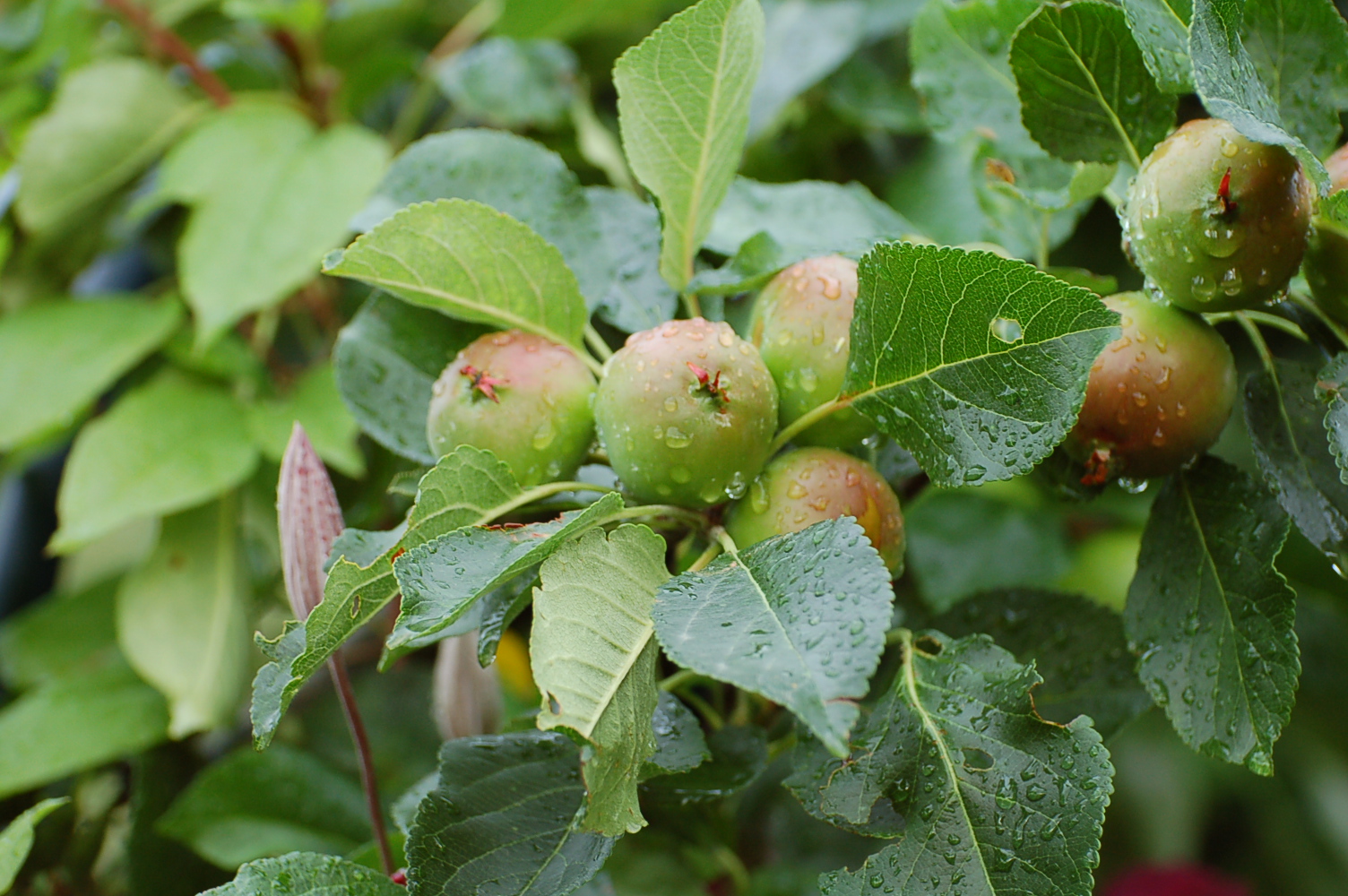
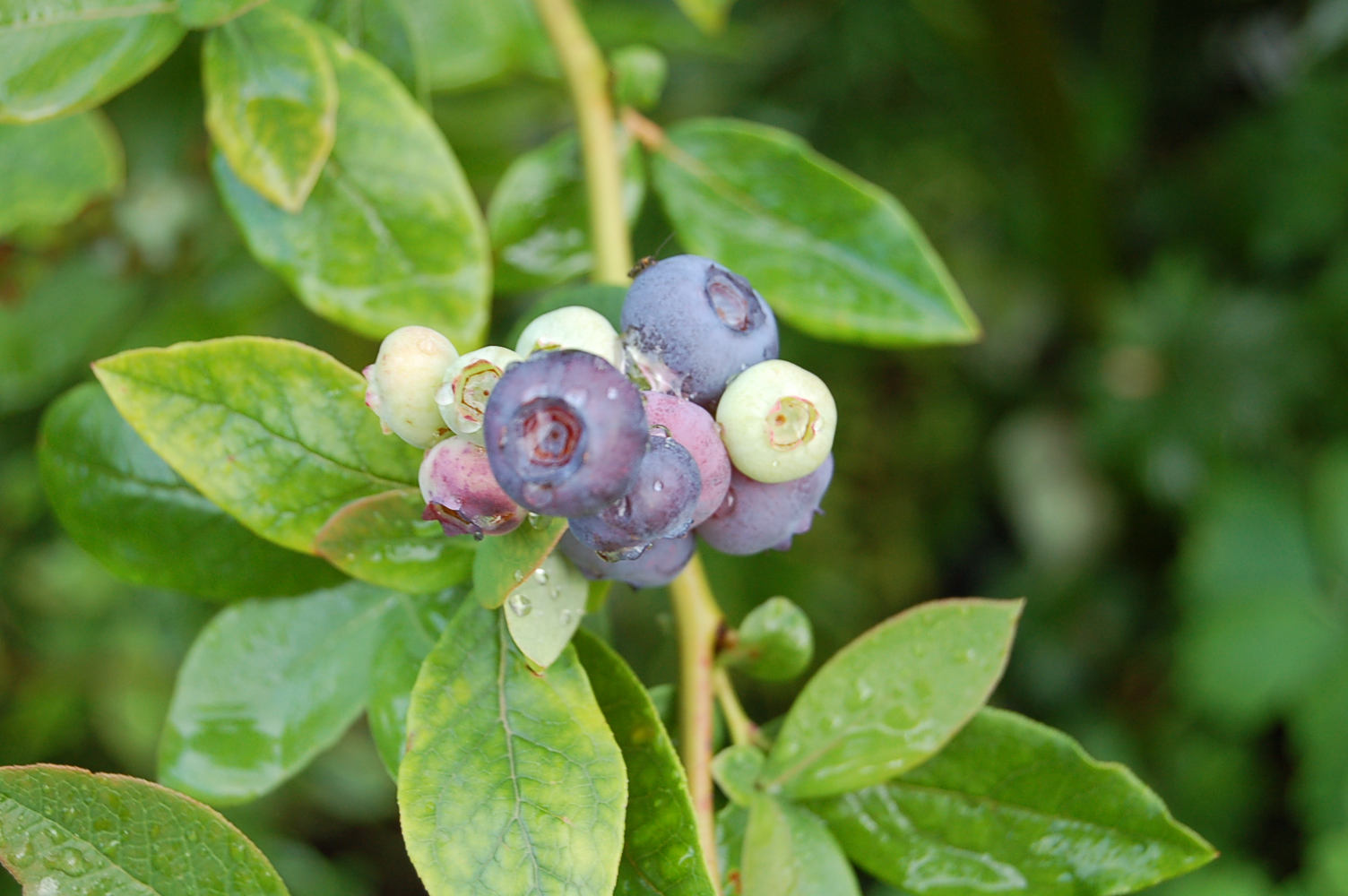
Let us now wander into the back garden and see what’s going on. Our apples are filling in nicely now and even getting a little rosiness as they start to ripen, while the Blueberries change from green to blue.

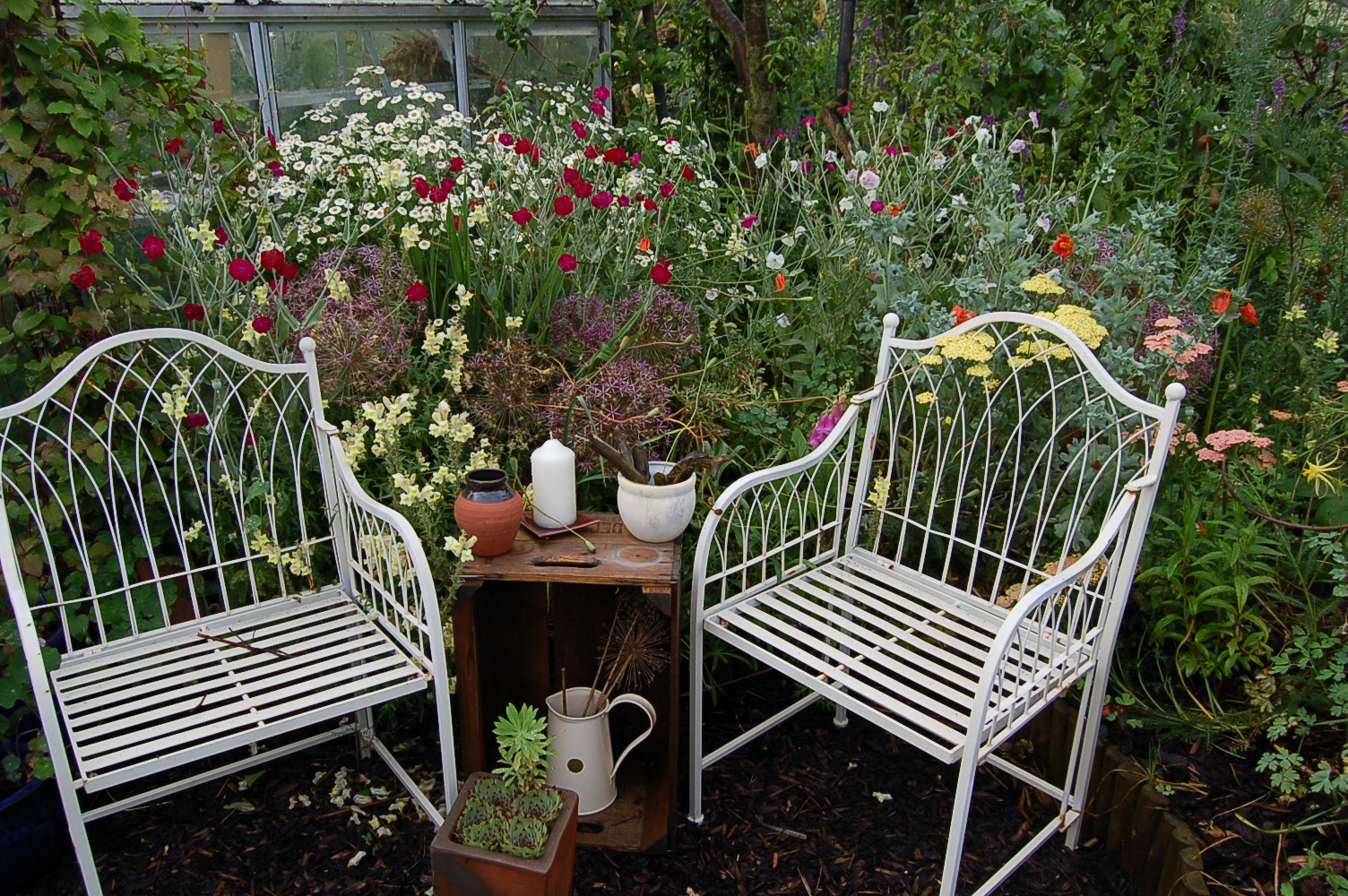
The secret garden is probably the most colourful patch at the moment.

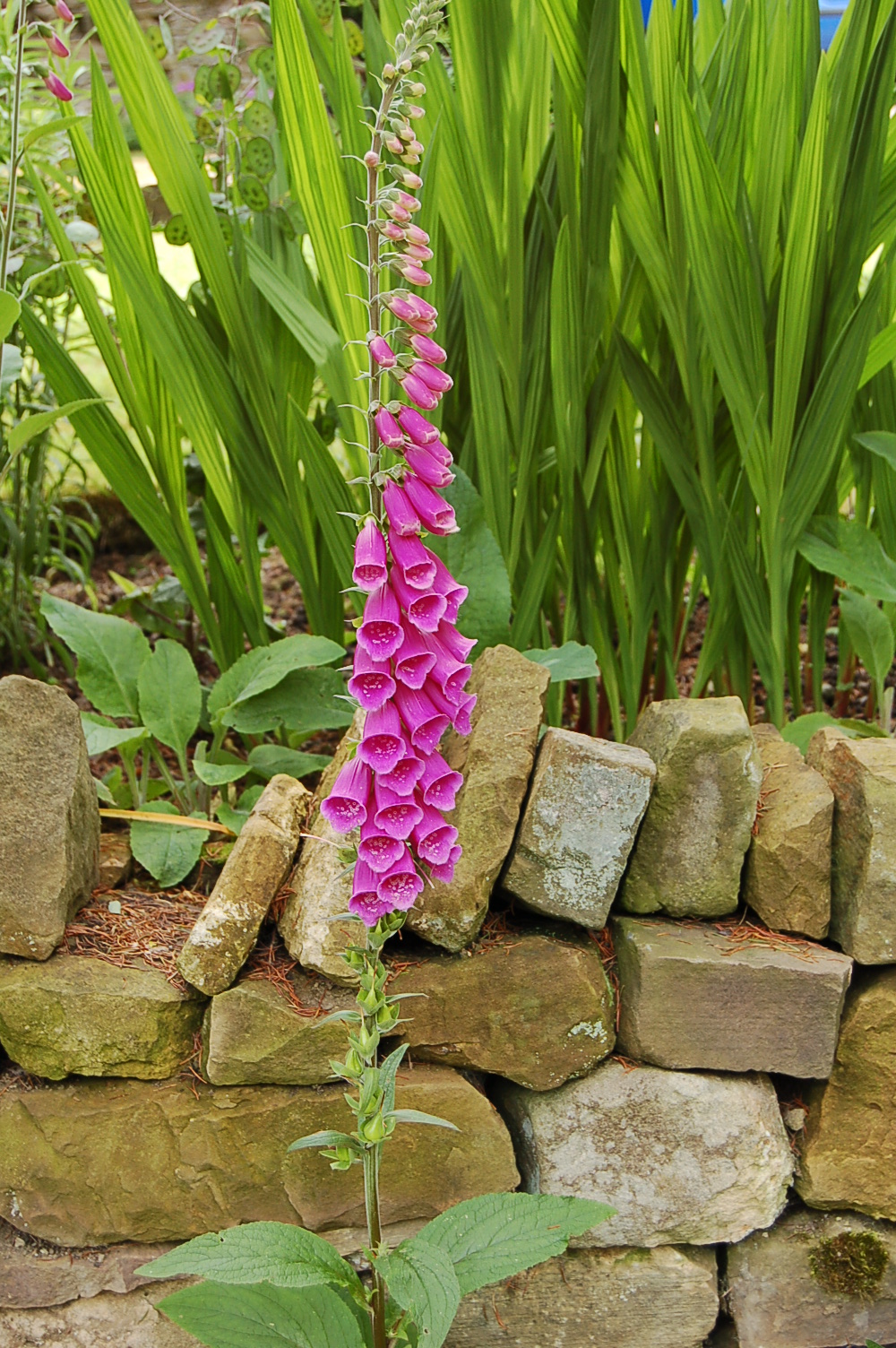
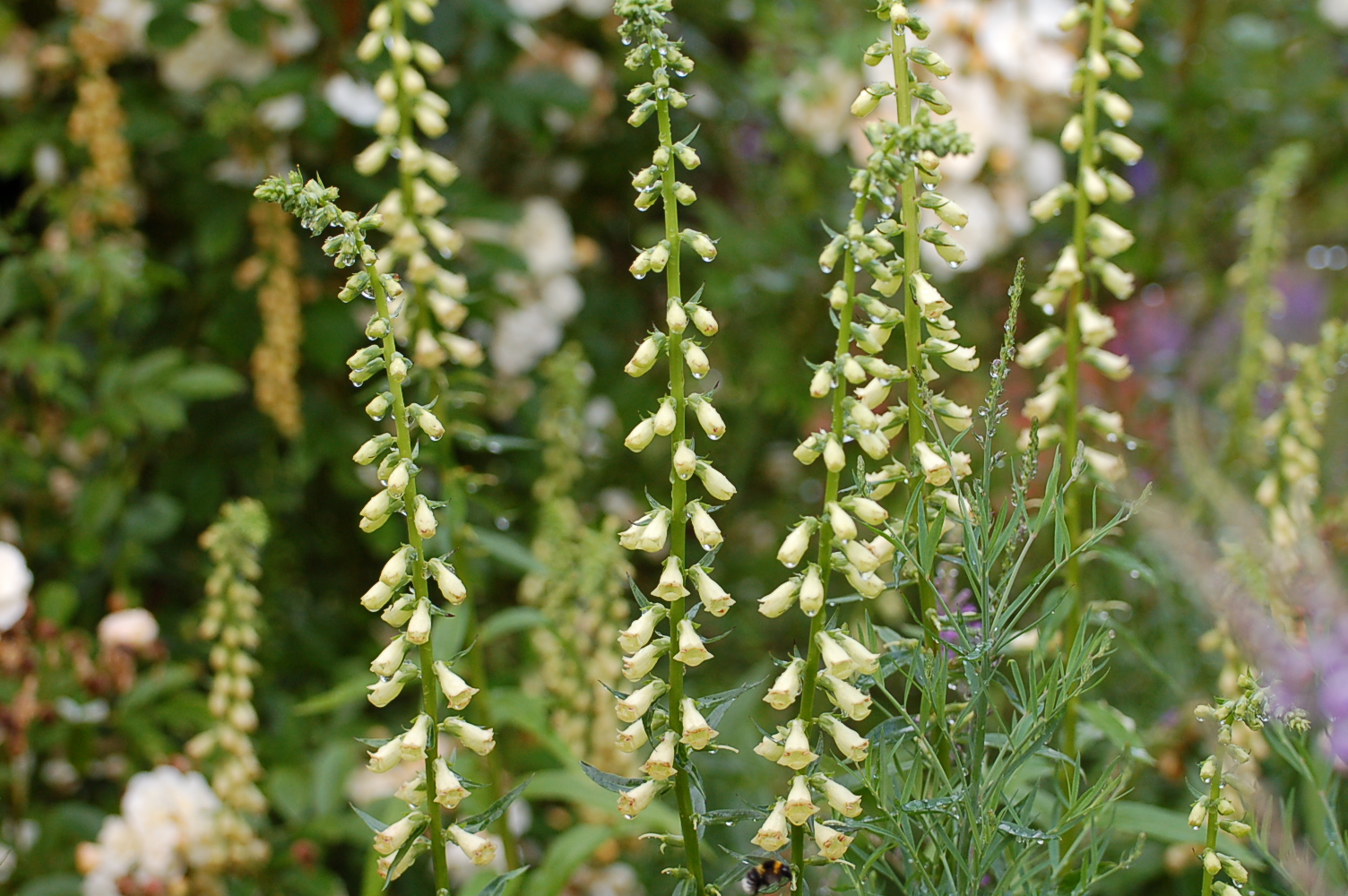
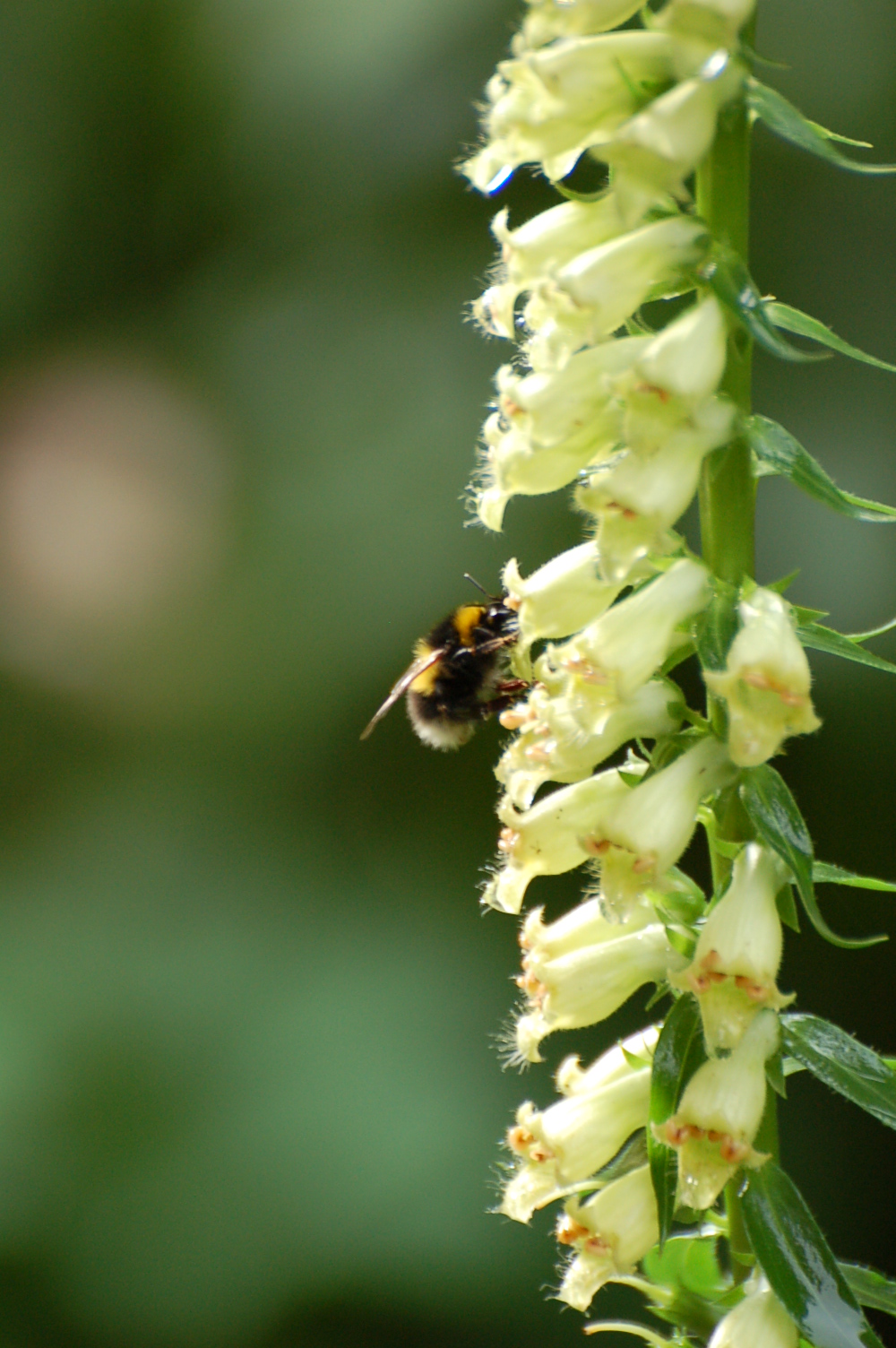
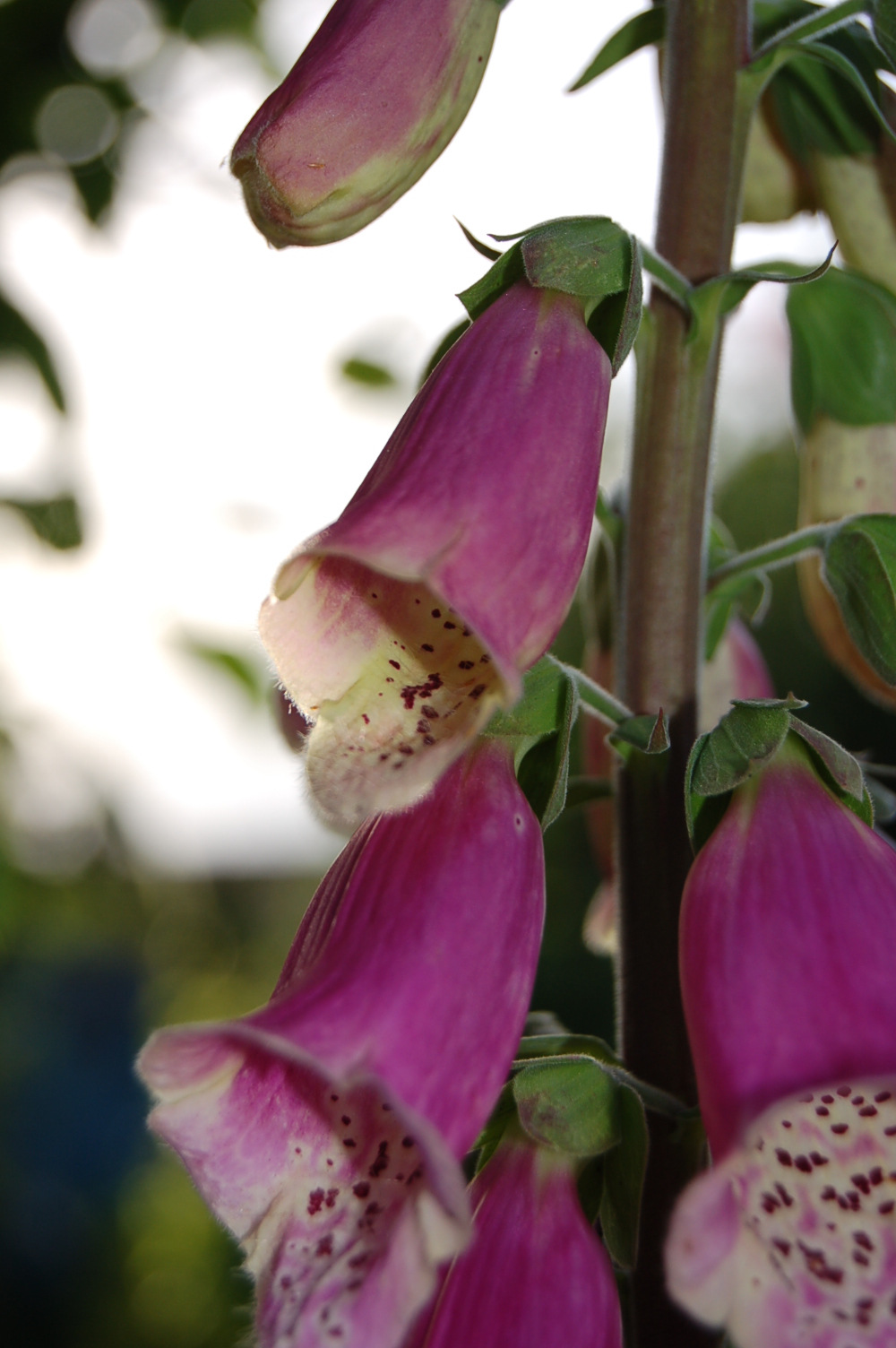
The “Chicken Garden” although less colourful at the moment as the alliums are losing their colour, has an impressive show of perennial foxgloves, favourites of the bees.

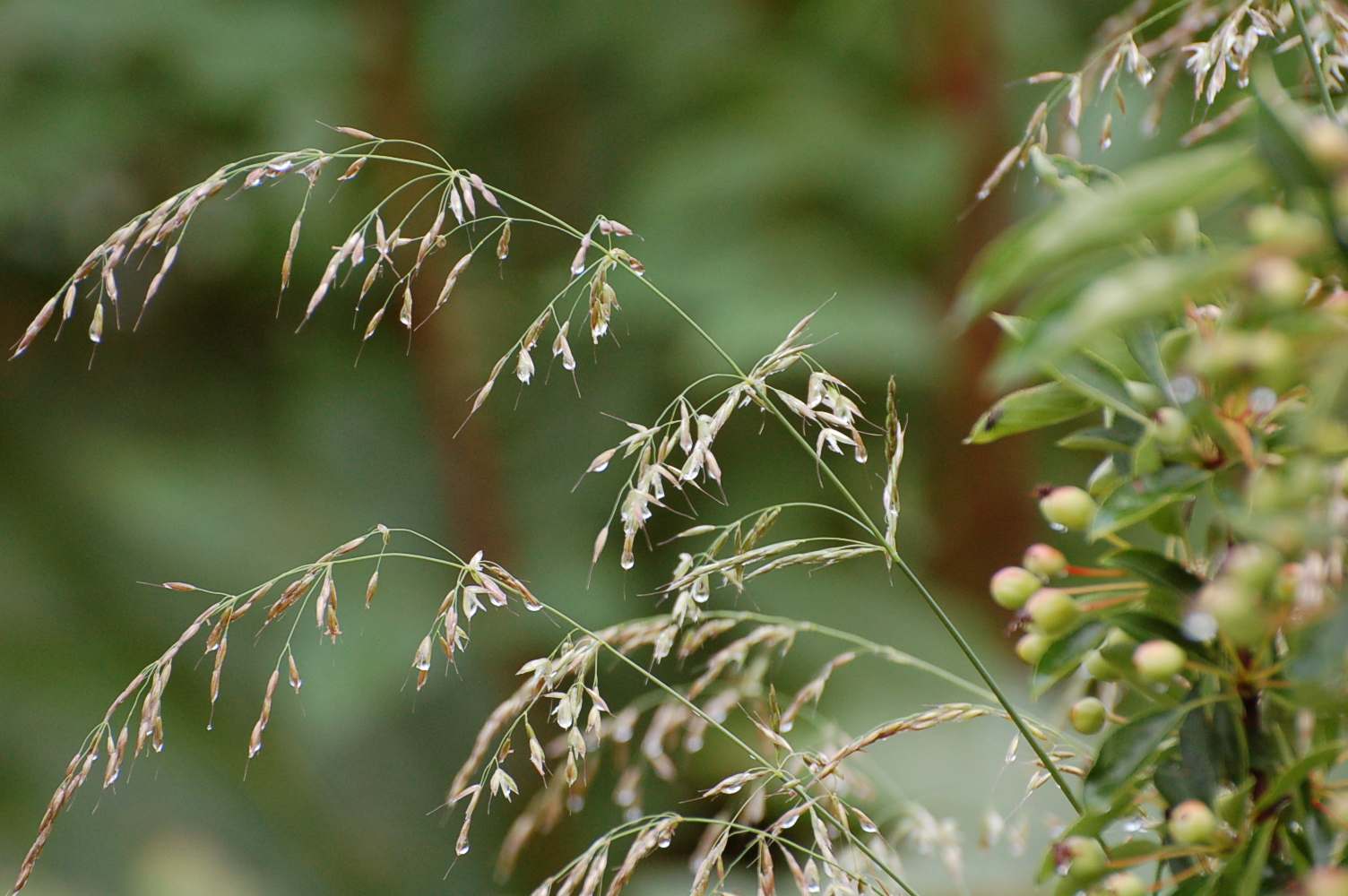
Grasses are flowering delicately in all the borders and often after a storm hold onto rain drops. The droplets of moisture act as prisms as light finds them.

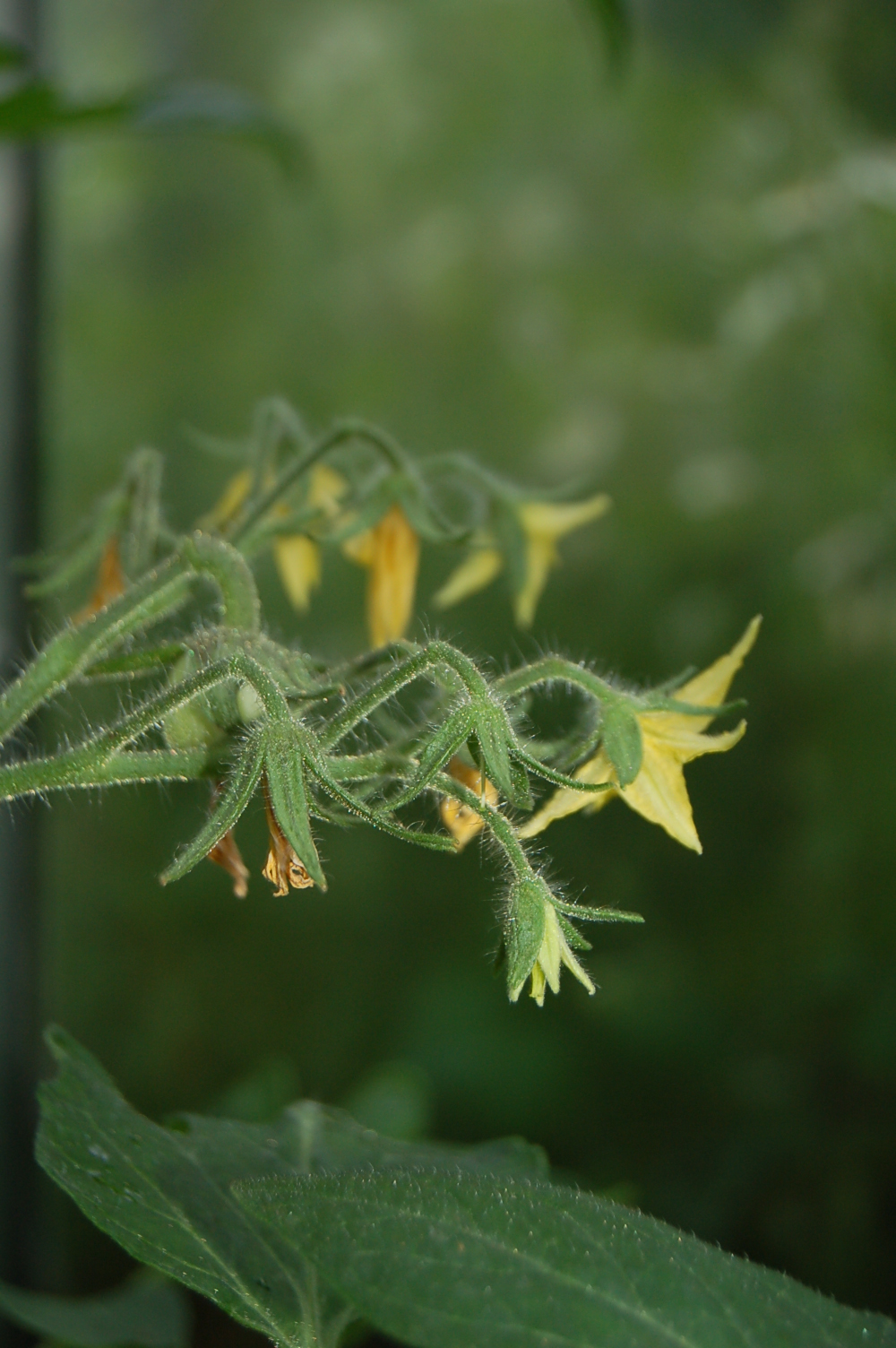
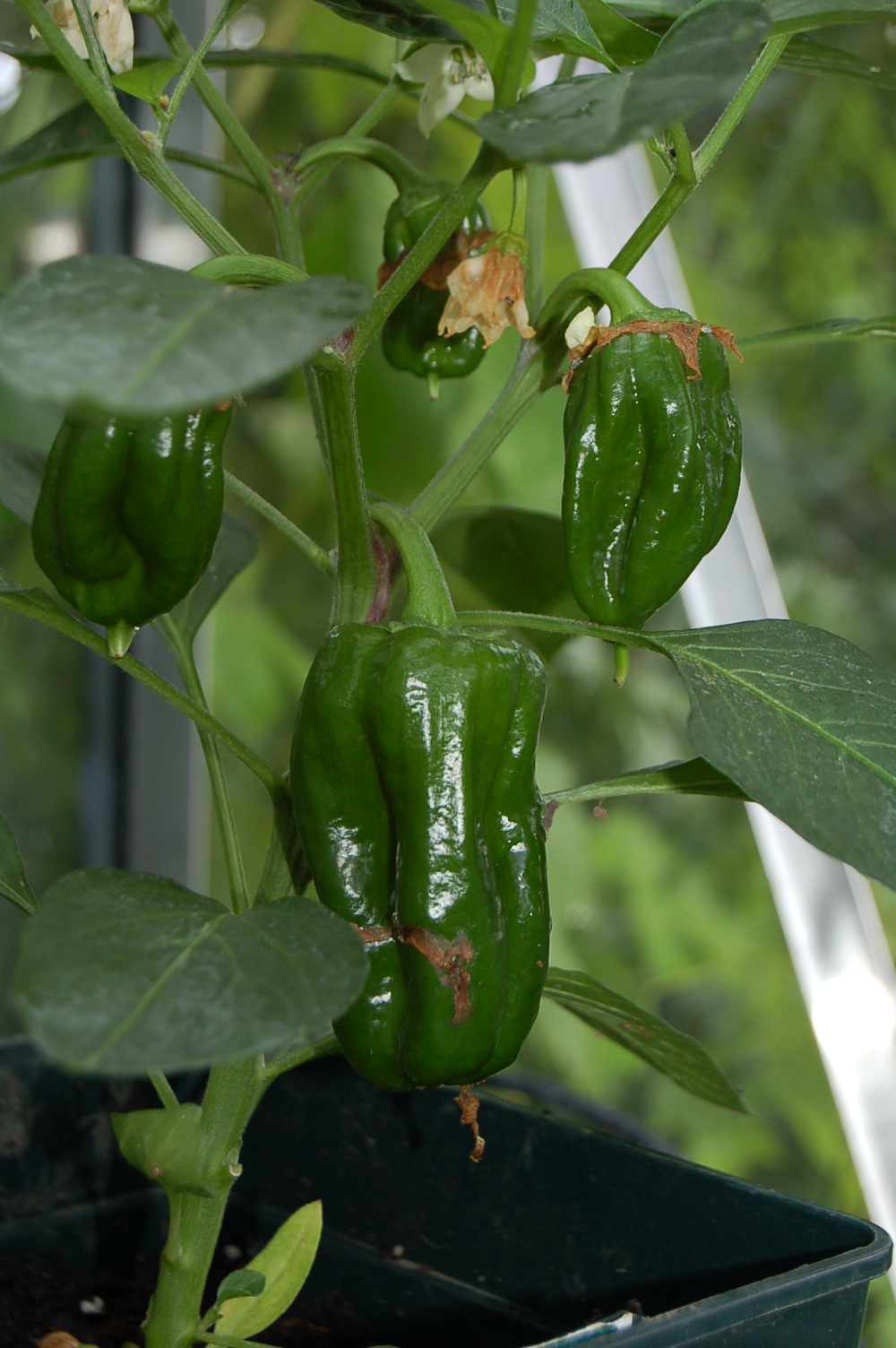
In the greenhouse tomatoes are forming on their trusses and further flowers open from their buds. Peppers like glossy green boxes promise sweetness to come.

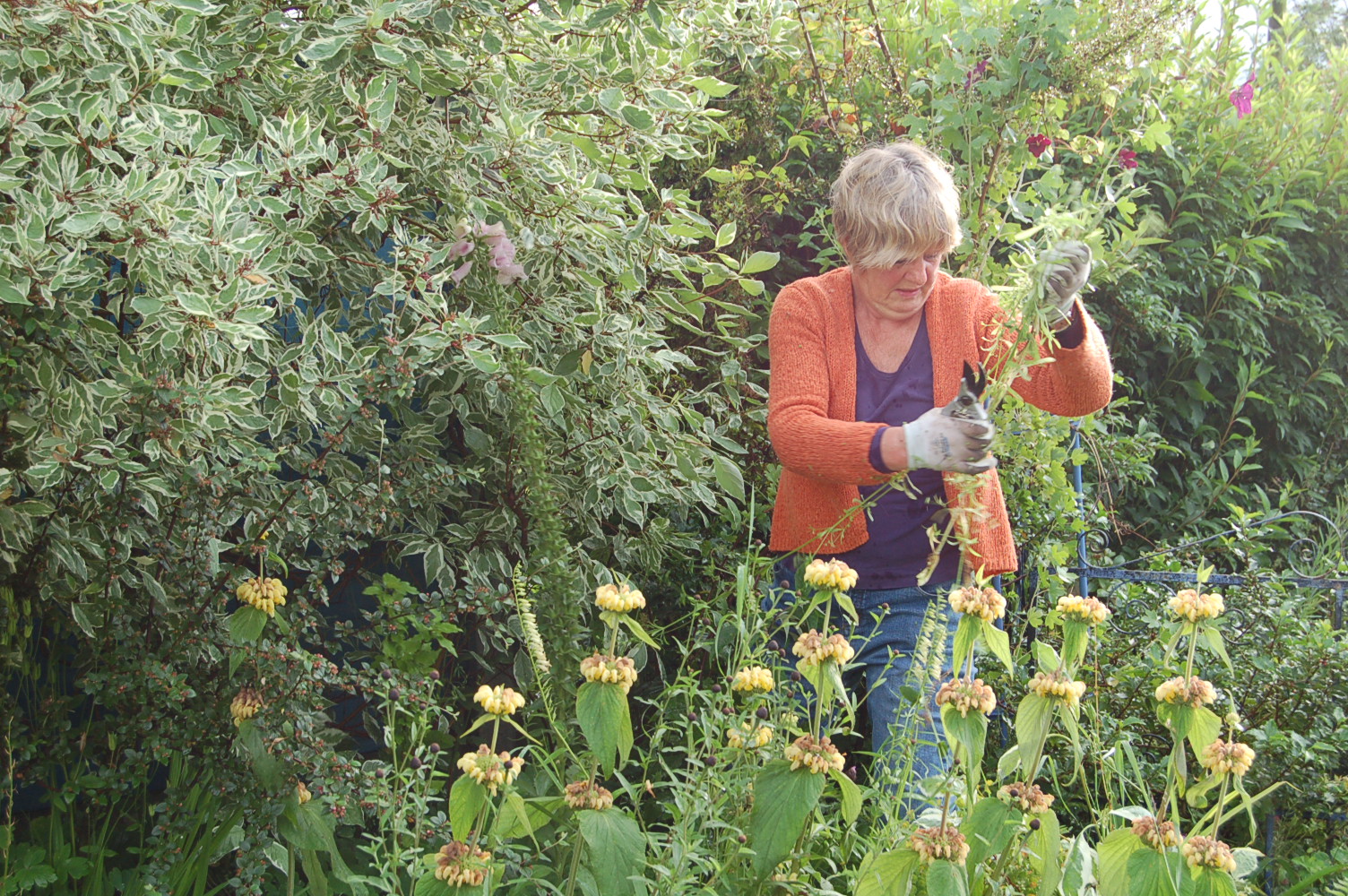
As we approach the middle of July we can but wonder what the rest of the summer can have in store for us. So far we have had the wettest summer months on record – it is hard to imagine that summer will truly arrive. It has been hard to keep up with maintenance in the garden this summer. There is so much growth that herbaceous plants need frequent deadheading and thinning and shrubs pruned to stop them overpowering the plants beneath. Jude, “The Undergardener” is pruning back the lower branches of the variegated dogwood to let light into the smaller plants below.

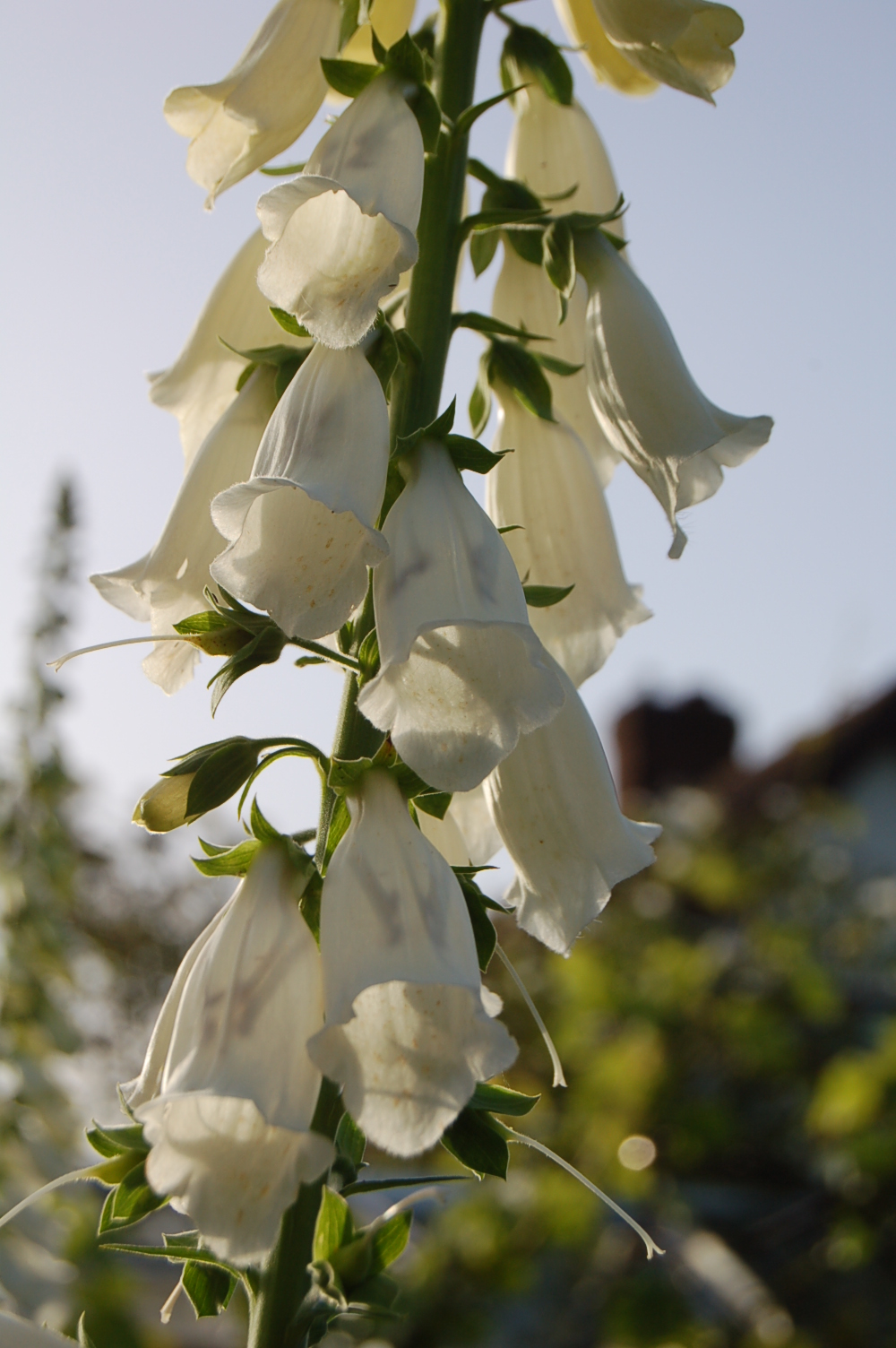
As the light began to fade I took a few photos to show it glowing through foxgloves.

This Veggie Life

A Vegetarian | Nature Lifestyle Blog

Rambling in the Garden

.....and nurturing my soul

The Arch City Gardener

Journeys In St. Louis Gardening and Beyond

Garden Dreaming at Châtillon

Consult the genius of the place

Storyshucker

A blog full of humorous and poignant observations.
gardeninacity

Notes from a wildlife-friendly cottage garden

PlayGroundology

...an emerging social science

The Official Blog of British Wildlife

'The most important and informative publication on wildlife of our times' - The Independent. This blog is a member of The UK & Ireland Natural History Bloggers group: www.uknhb.blogspot.com

iGrowHort

Inspire - Cultivate - Grow Native Plants - Restore Landscapes

Bishops Meadow Trust

To create and protect a semi-natural wild space for the people of Farnham to enjoy and experience an array of British wildlife in our town

Gardening with Children

The www.gardeningwithchildren.co.uk Blog

UKbirdingtimeline

birding through the seasons, why birds matter and how to conserve them

NATURE WALKER

with a camera in hand

Jardin

Transform your outdoor space

Eva's space

My allotment, cooking and other interests

Old School Garden

my gardening life through the year

LEANNE COLE

Trying to live a creative life

fromacountrycottage

trying to live as lightly as possible on our beautiful planet

Good Life Gardening

Nature lovers from Leicester living the good life.

mybeautfulthings

Finding the beautiful in the everyday

mawsonmichelle

Michelle's Allotment

In and Out of My Garden

thoughts from and about my garden

Greenhousing

Big plans for a small garden

The Scottish Country Garden

A Walled Country Garden in South East Scotland

The Fruity Chicken

Life at the fruity chicken

willowarchway

Off grid living. Self sufficient. "PERMAGANICS RULE".

St Anns Allotments

Nottingham's Grade 2* Listed Allotments and Community Orchard

Manifest Joy Harvests

a journey in suburban vegetable gardening

Allotmental

The madness of growing your own

Penny's Garden: a harvest beyond my front door

A novel approach to vegetable gardening

arignagardener

Sustainable living in the Irish countryside.

NewEnglandGardenAndThread

Master Gardener, amateur photographer, quilter, NH native, and sometimes SC snowbird

dianajhale

Recent work and work in progress and anything else that interests me

planthoarder

a chaotic cottage gardener

Lens and Pens by Sally

a weekly blog that creates a personal philosophy through photographs and words

Dewdrops and Sunshine

Stories from a sassy and classy Southern farmbelle.

The Pyjama Gardener

Simple Organic Gardening & Seasonal Living

gettin' fresh!

turning dirt into dinner

JOY...

today the world is created anew

Garden Birds

Notes from a Devon garden

ShootAbout

Life Through The Lens

Adapting Pixels

A photography blog showcasing the best photography pictures and videos on the internet

Wildlifegardening's Blog

Just another WordPress.com site

naturestimeline

personal observations from the natural world as the search continues for a new approach to conservation.

LATEBLOOMERBUDS

The Wonders of Life through my Eyes, my Heart, my Soul