Categories
garden design garden furniture garden photography garden seating gardening gardens Shropshire Staffordshire

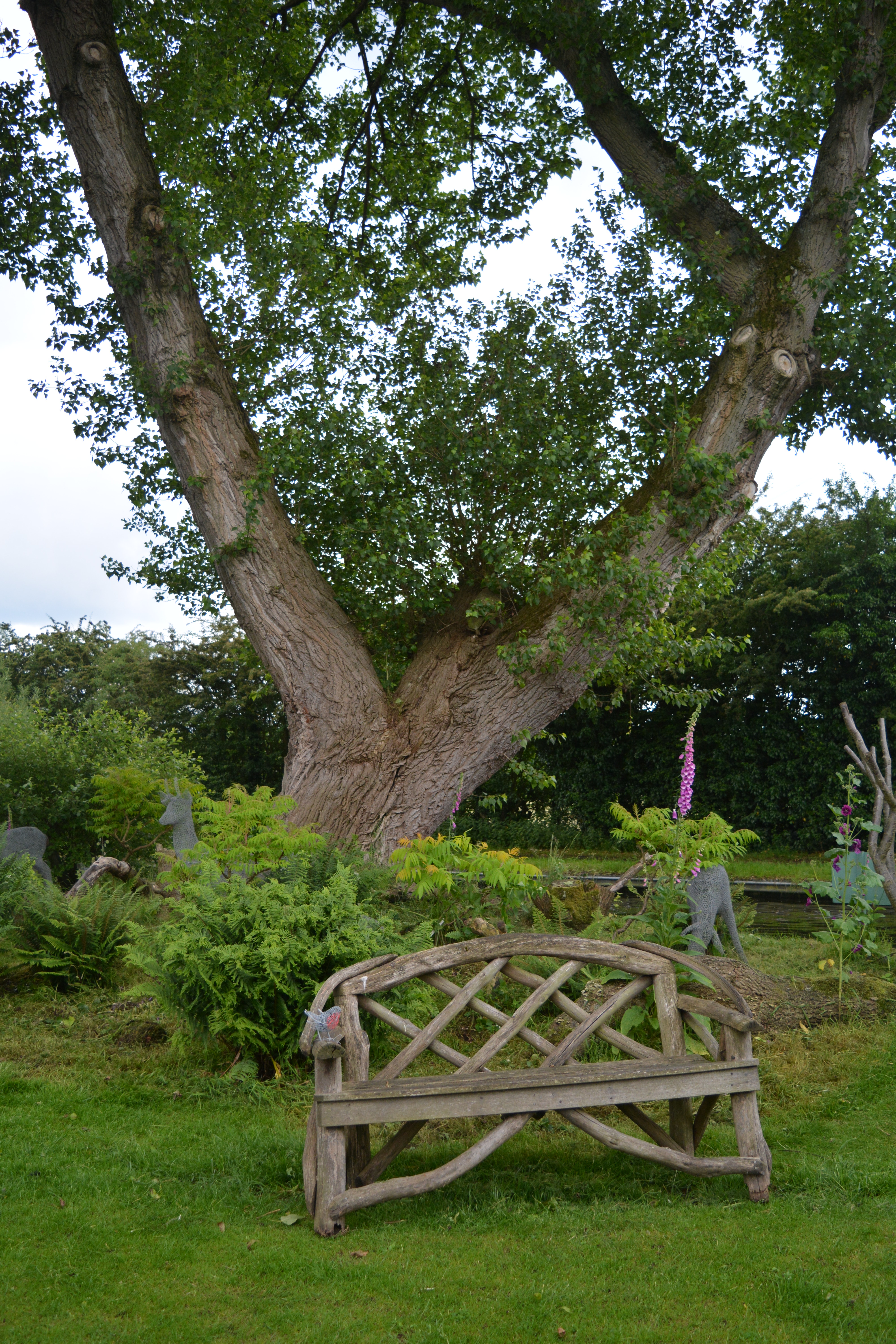
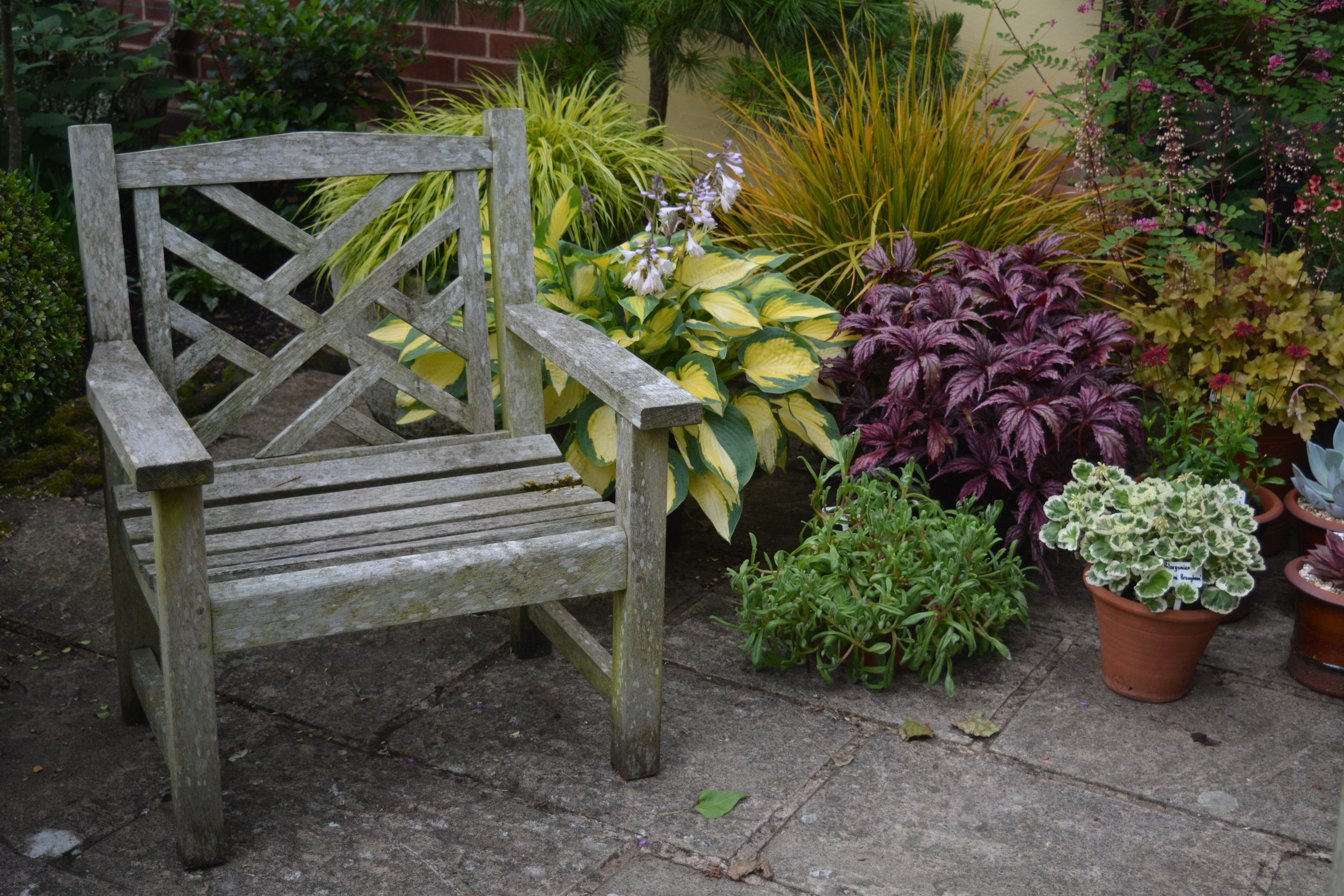
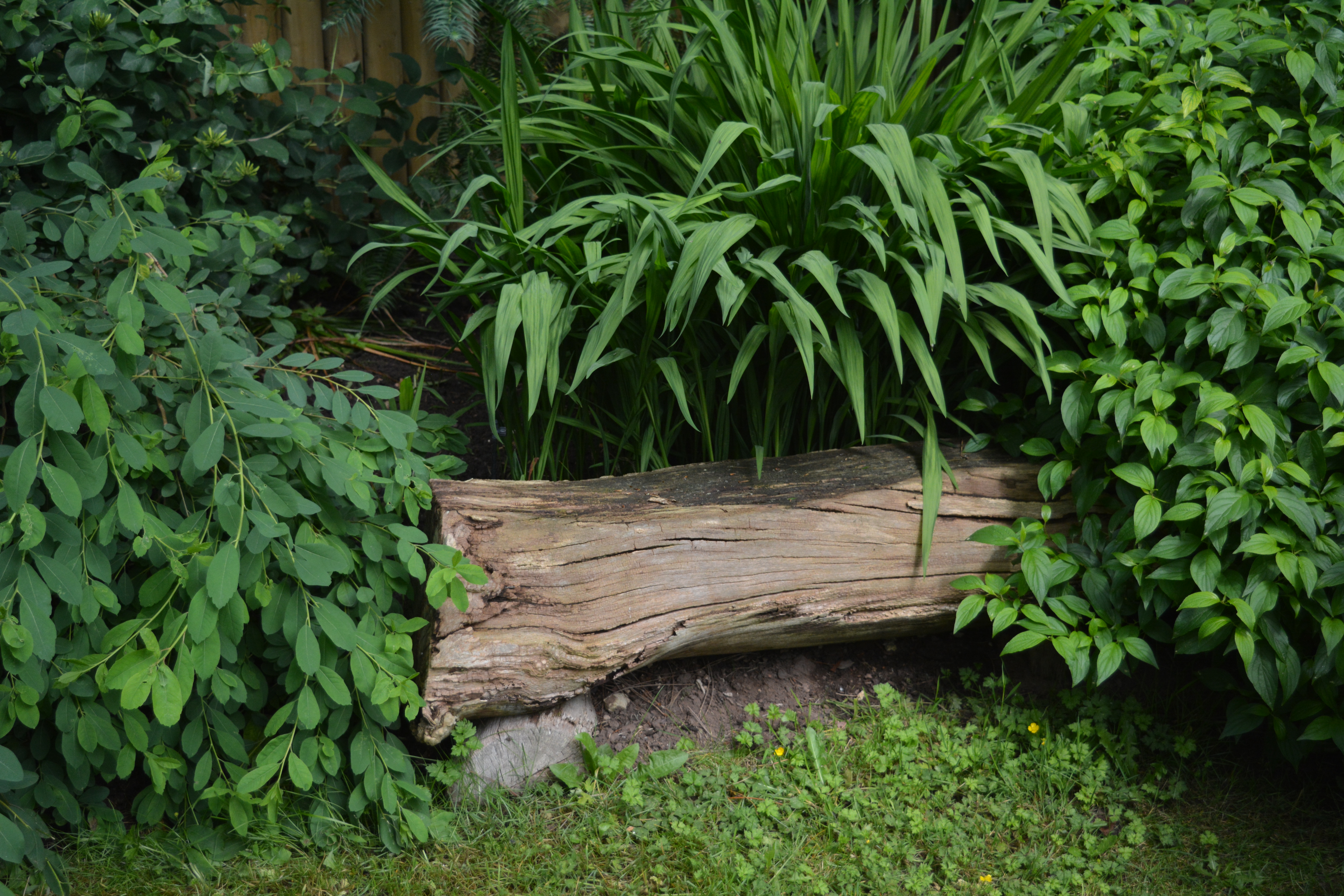
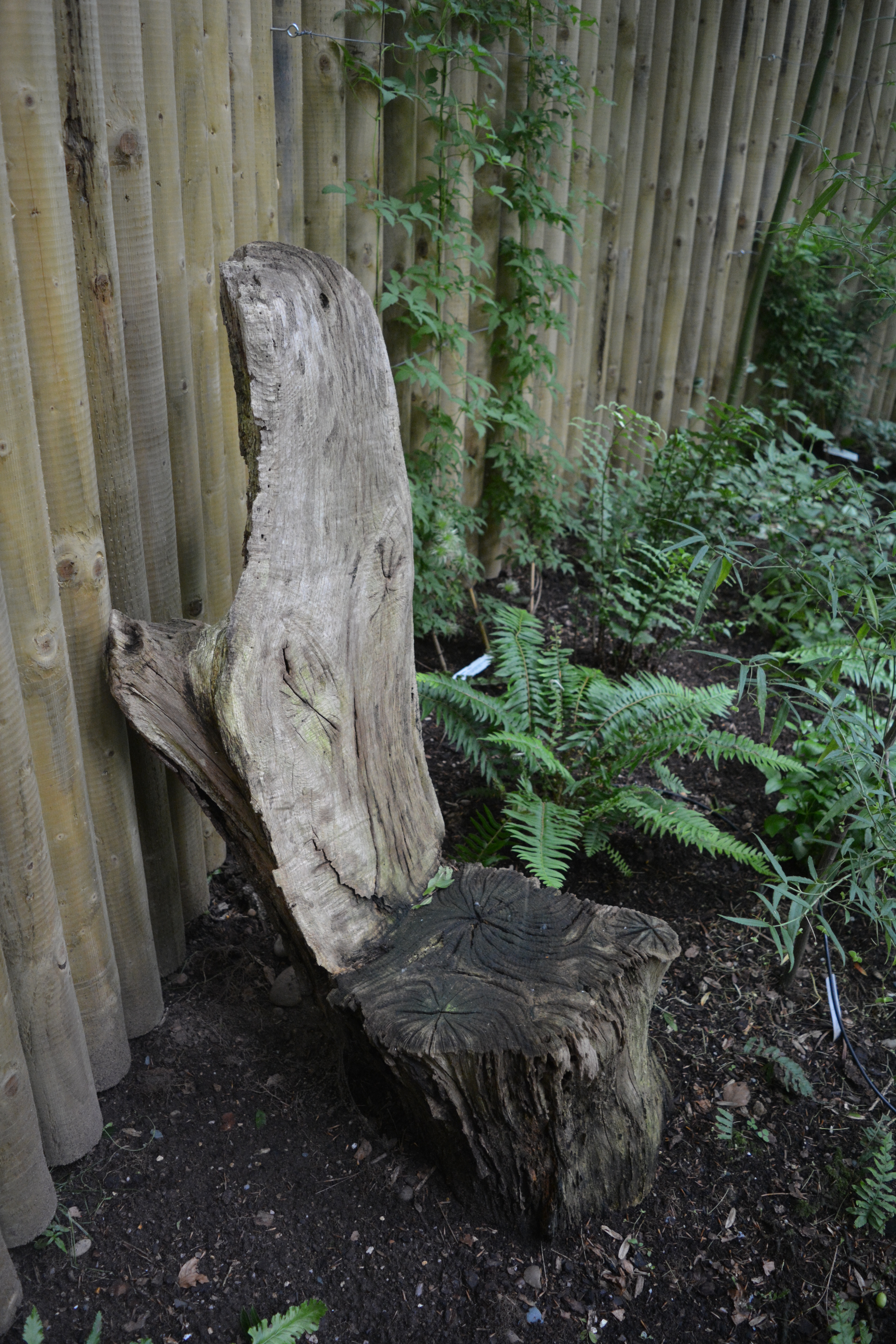
Are you sitting comfortably? Part 10 in a very occasional series.

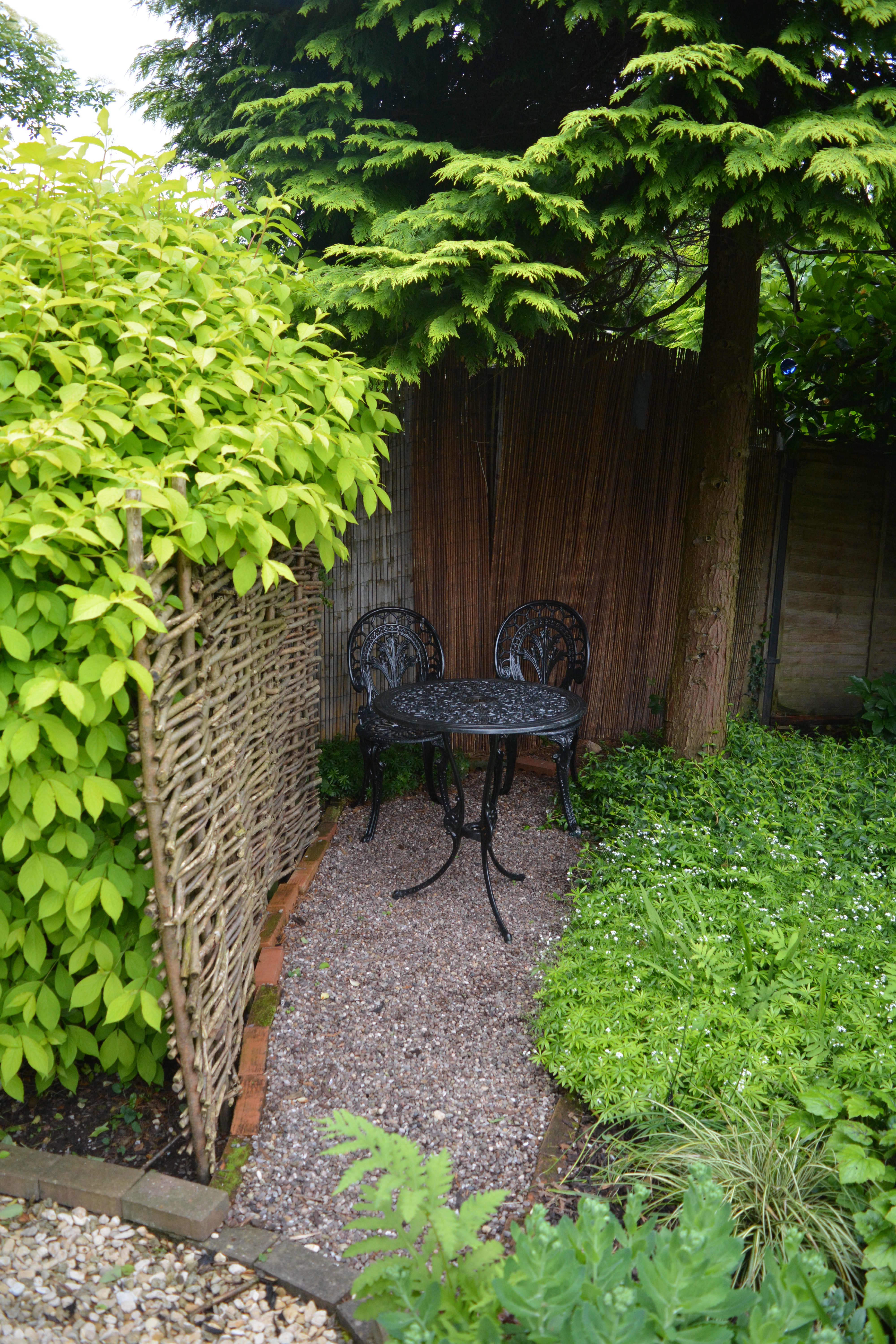
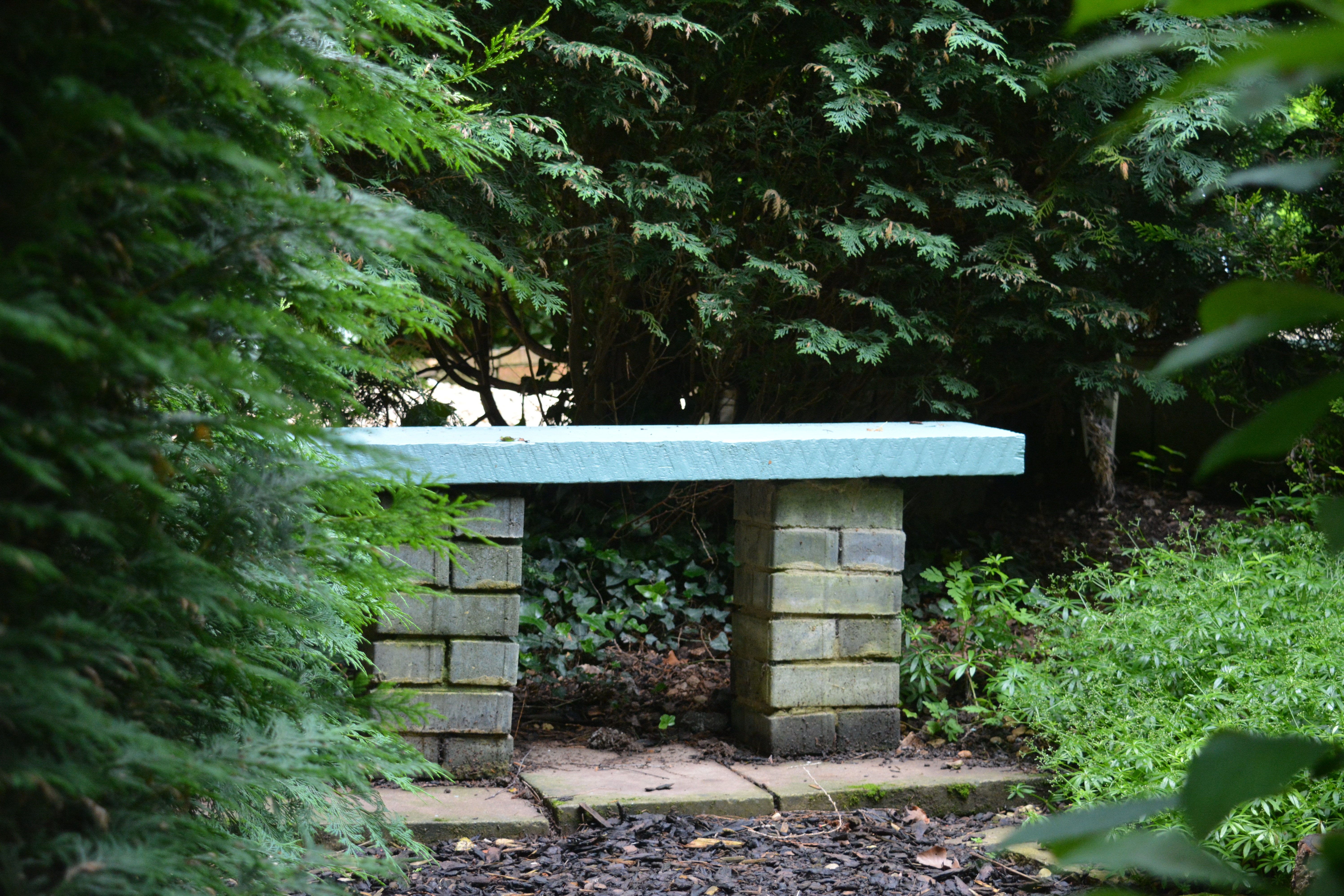
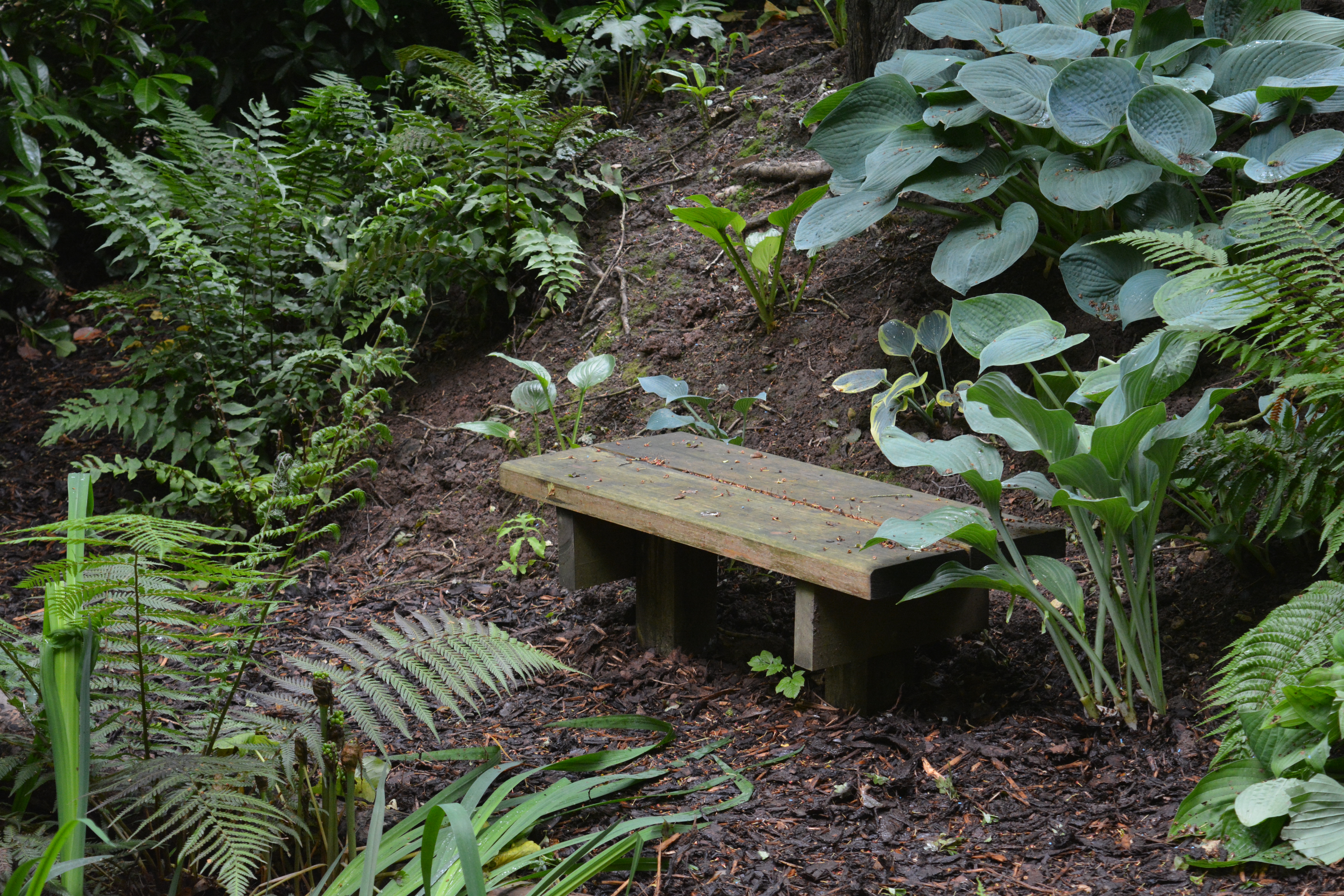
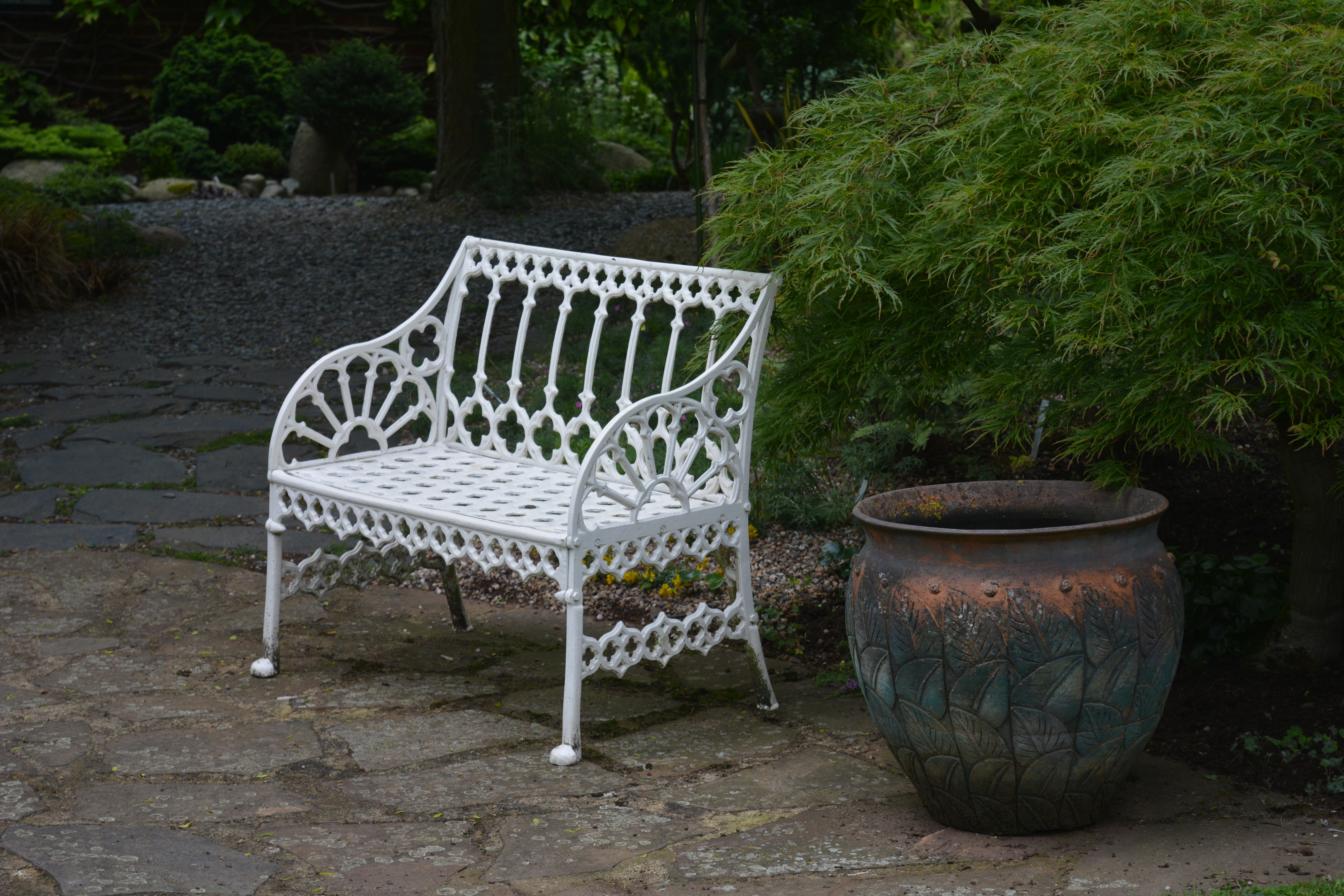
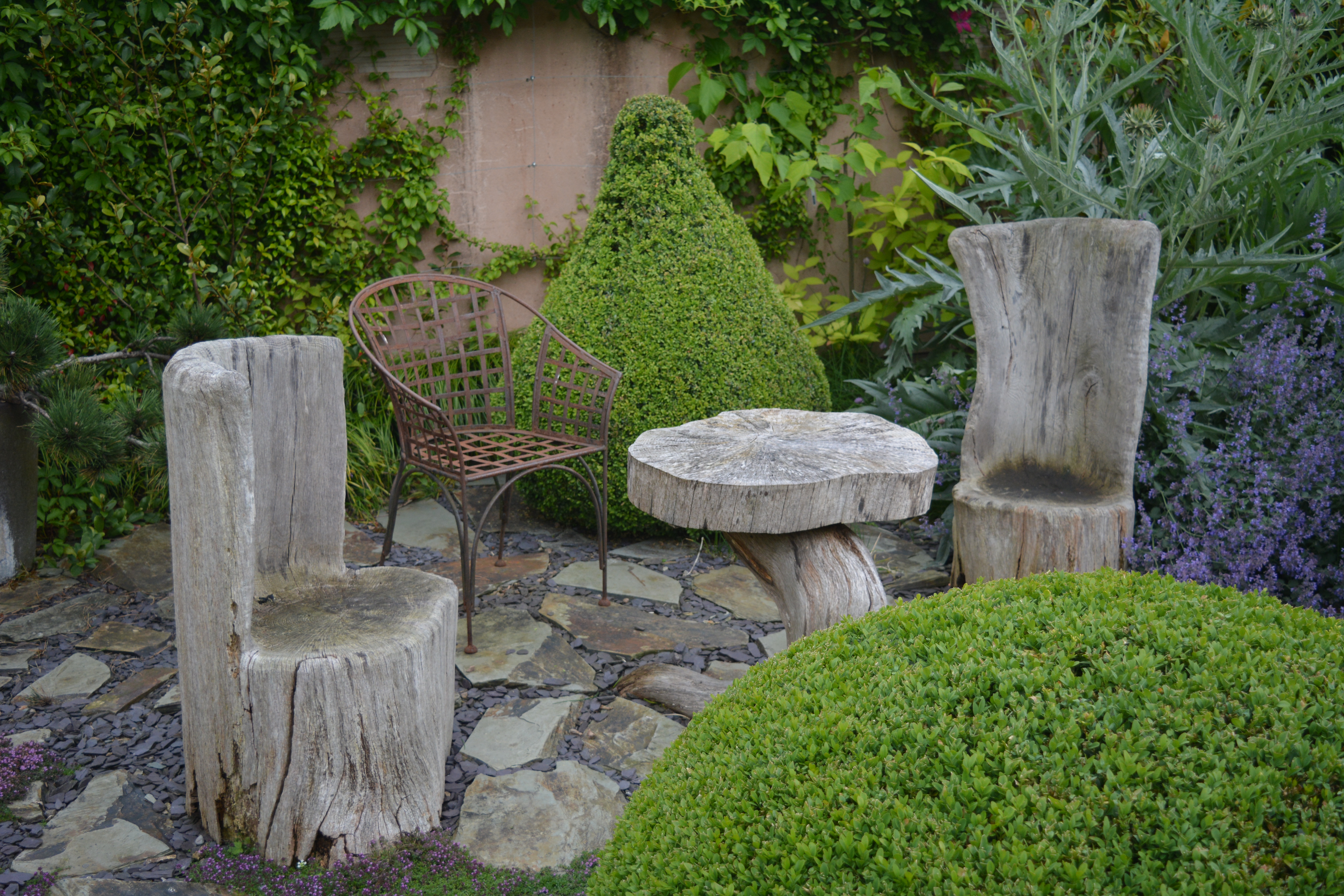
Here we are back with another selection of garden seats that we have discovered on our visits to two gardens last weekend, one small village garden and a larger garden attached to a nursery. Whatever size your garden is it deserves seats and so do the gardeners. A good gardener chooses seats that fit in where the gardener chooses to place them. Sometimes they simply look good as a point of interest but the best ones provide great places to sit and admire the patch.

This first batch of pics were taken in a Shropshire NGS garden called Ancoirean a small village garden with a big heart.

ancoirean-03 anc-02anc-1 anc-01 anc-03 anc-04 anc-05

A short twenty minute drive away is Ashwood Nurseries where the owner John Massey has developed his own private garden alongside. We were priveleged to be shown around by John and he shared his ideas behind hid creation and explained what it all meant to him. A great couple of hours – inspirational!

anc-06 anc-07 anc-08 anc-14 anc-09 anc-10 anc-11 anc-15 anc-12 anc-13   anc-16 anc-17 anc-18 anc-19 anc-21 anc-22

The next post in this very occasional series could take us anywhere! Only time will tell. It will definitely be to a selection of beautiful seats in beautiful gardens!

Categories
flower show flowering bulbs garden photography garden ponds gardening gardens gardens open to the public hardy perennials ornamental trees and shrubs roses Shropshire shrubs Staffordshire trees woodland

The Dorothy Clive Garden in May

Today we returned to the Dorothy Clive Gardens to see what was going on in May and to see what had changed since our last visit in March. We had to miss out on our planned April visit due to commitments of giving talks to garden groups and opening our own garden. It was worth waiting a little longer because we really enjoyed our visit discovering so many changes and new things to see.

dorothyclive-13dorothyclive-09-1dorothyclive-03-1dorothyclive-05-1

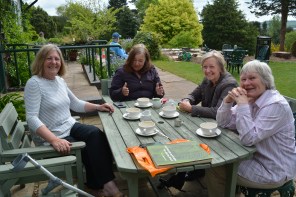
But an extra element for this visit was our arranged meeting with friends from college over 40 years ago. After meeting up again as a consequence of one of our college friends spotting me during my TV appearance in a gardening programme last year we now meet regularly at cafes and gardens.

dcmay-06 dcmay-04

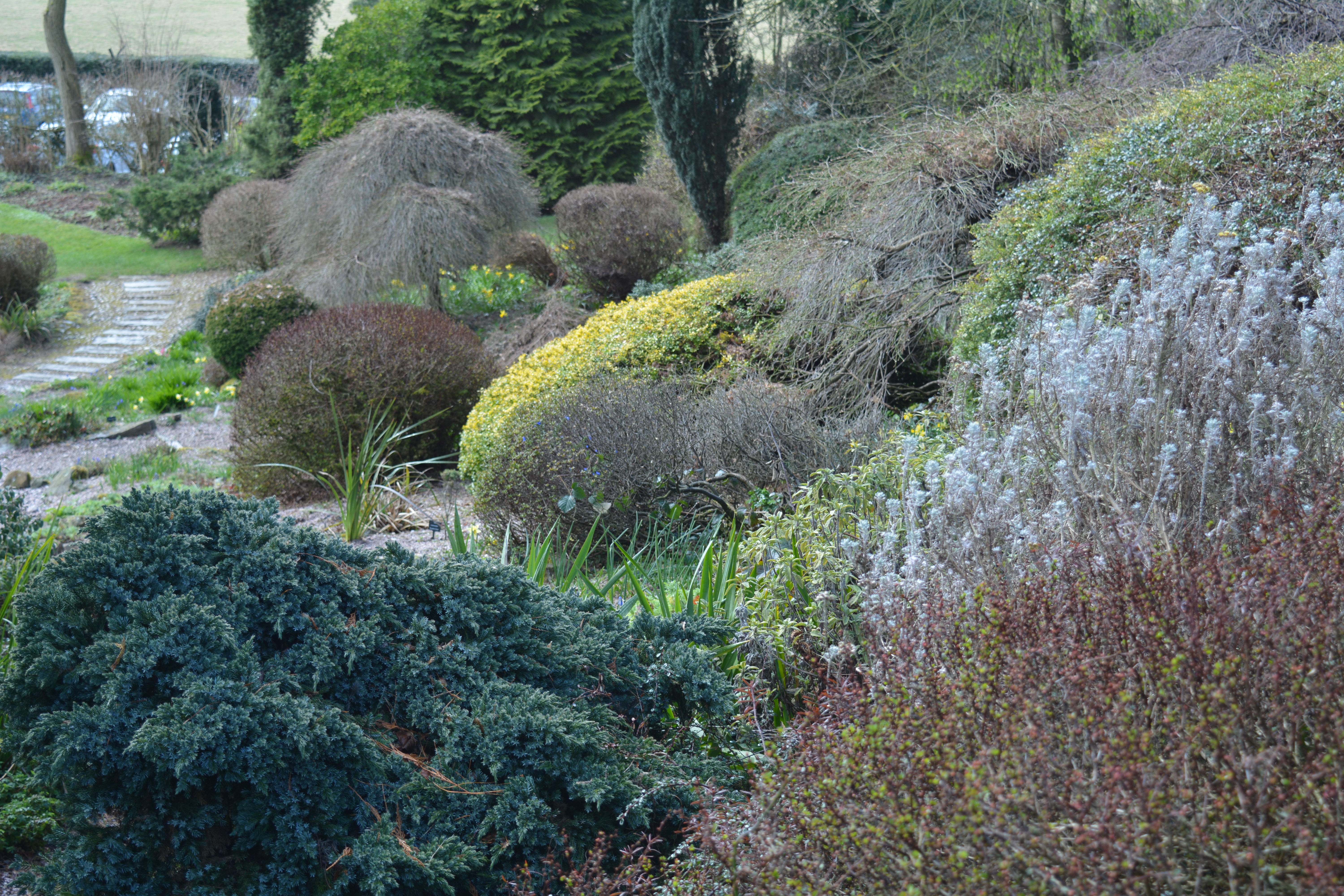
The mystery patch being developed this year is now beginning to take shape and we think it may eventually become a scree bed or gravel garden. We shall see. Time will tell.

dcmay-01

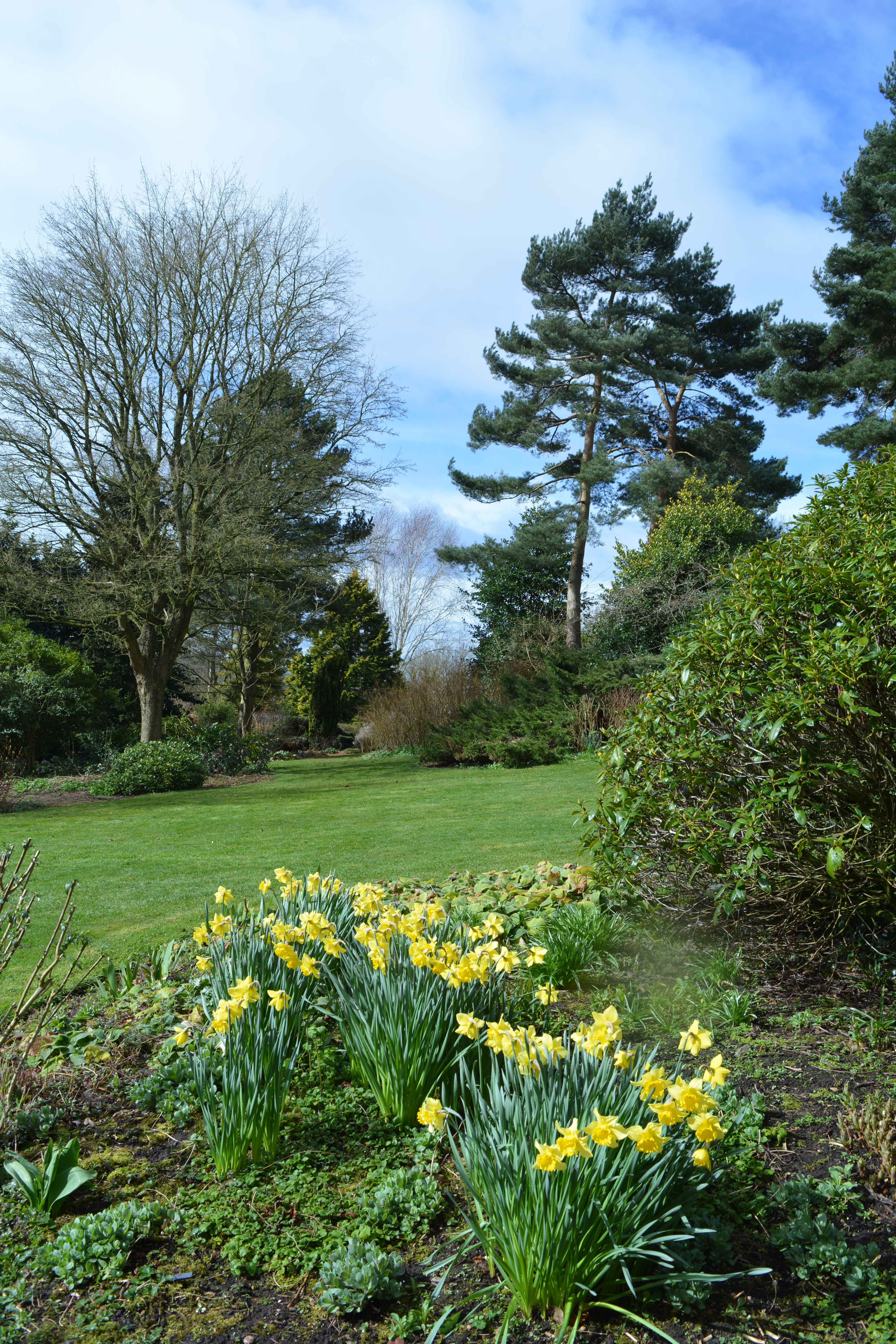
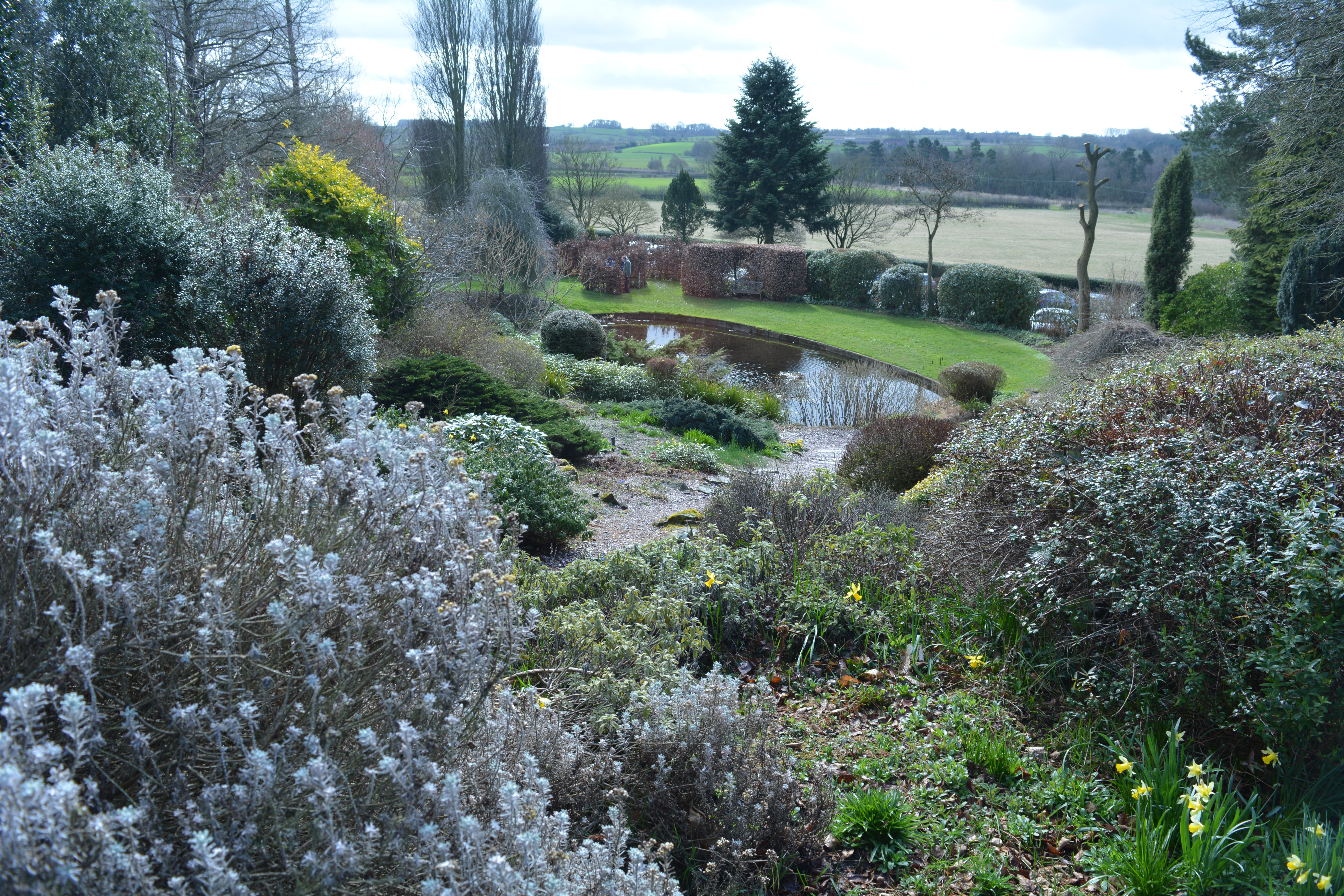
The first views of the garden showed a much greener scene. Deciduous plants were beginning to show colour in their leaves and the last of the spring bulbs continued to flower.

dorothyclive-01 dorothyclive-02-1 dorothyclive-04-1 dorothyclive-18-1 dorothyclive-18

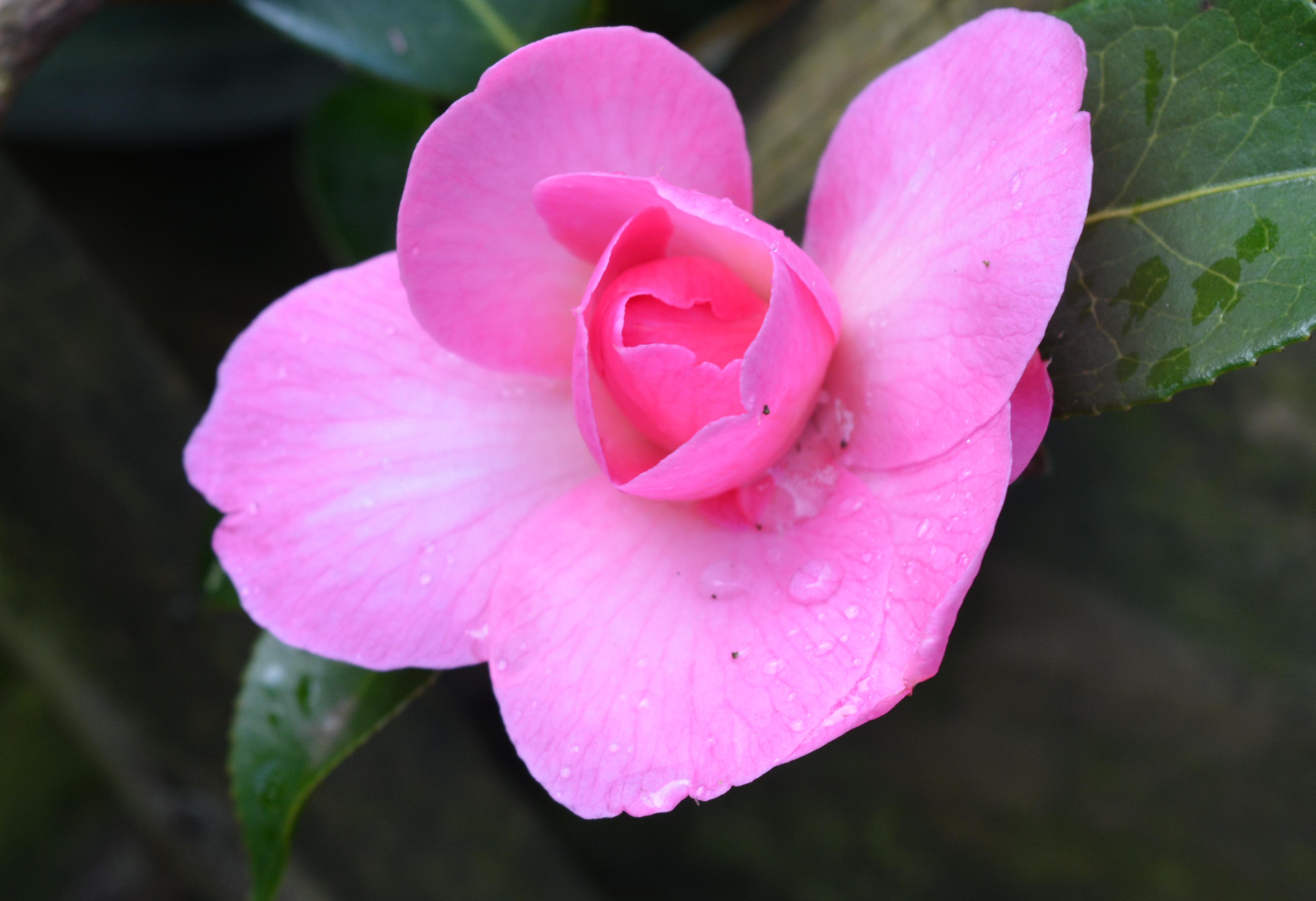
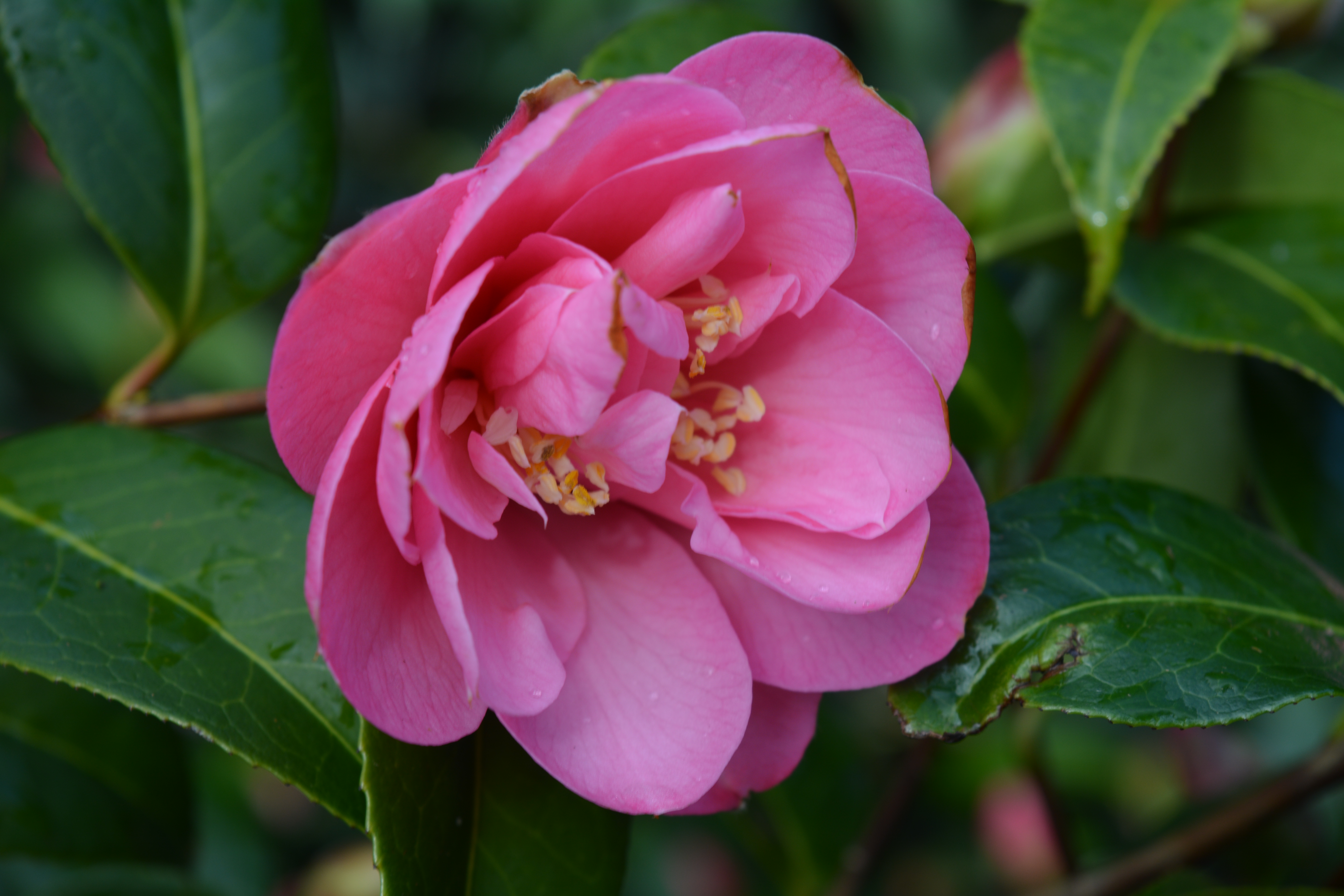
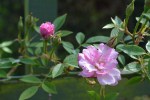
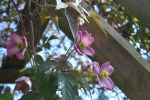
The area around the pond was gradually coming to life and the Camellia Walk shone pink.

dorothyclive-09 dorothyclive-10-1dorothyclive-13-1 dorothyclive-14-1

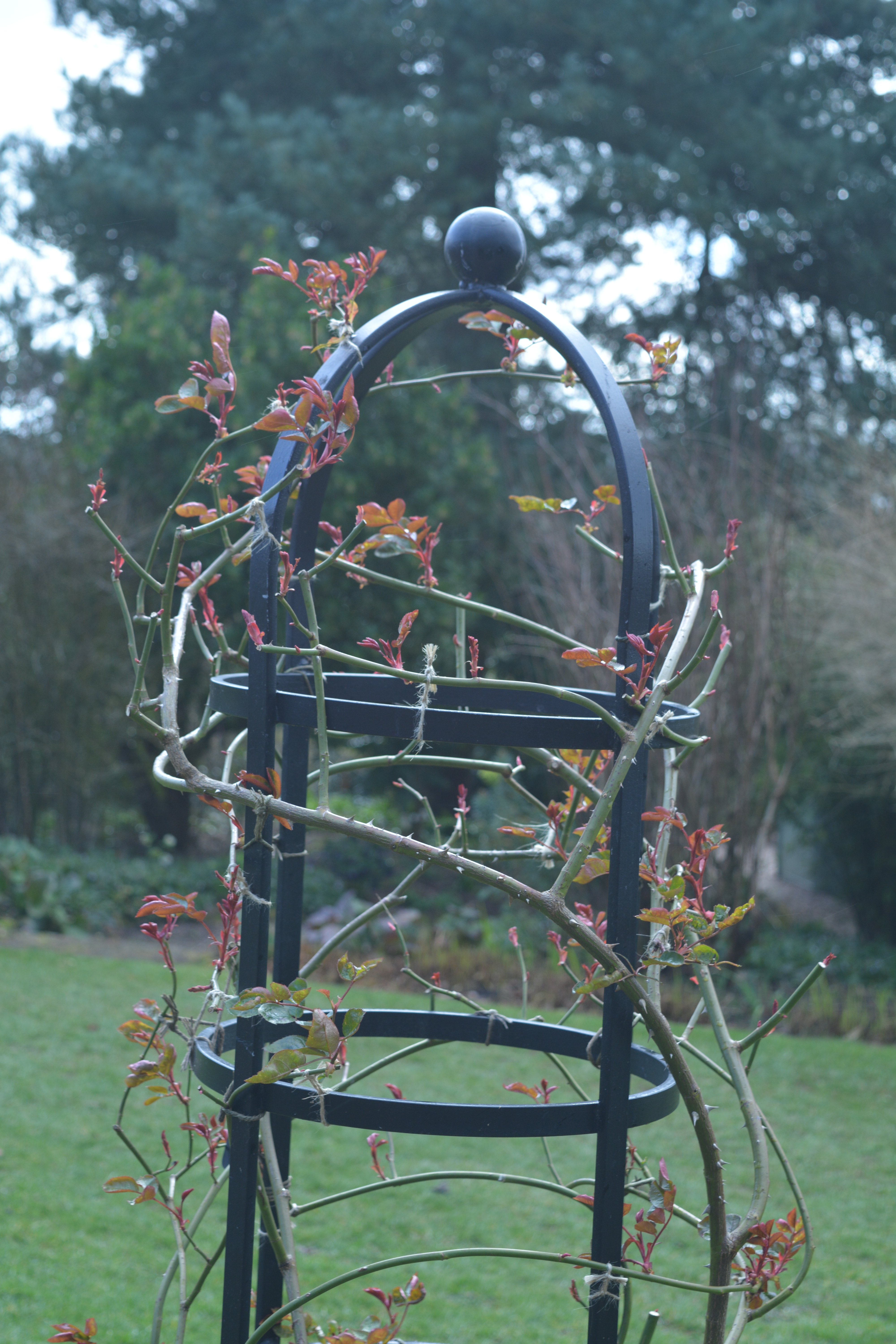
The first leaves were bursting from their buds in the Rose Garden and the productive areas showing promise.

dorothyclive-16 dorothyclive-22

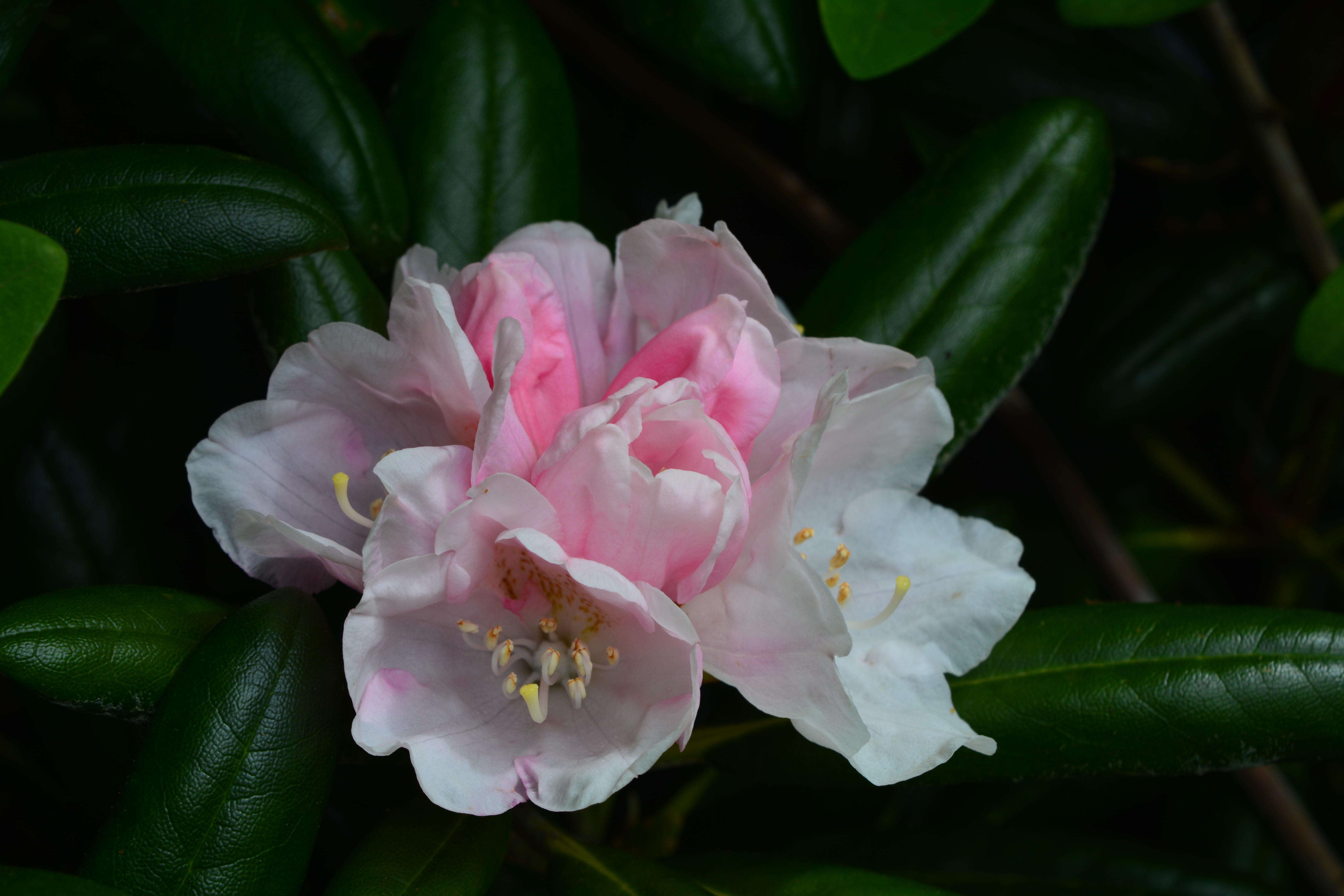
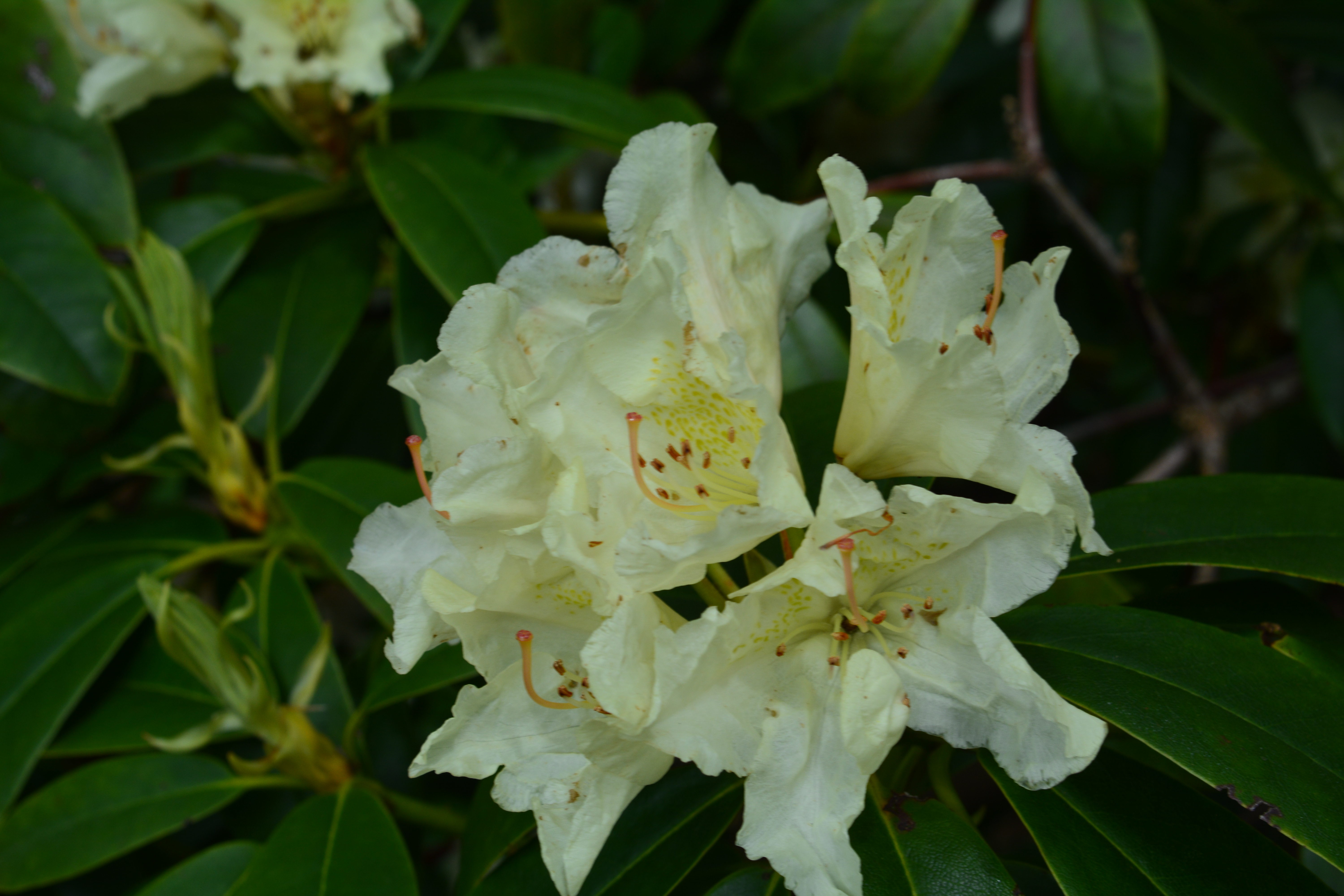
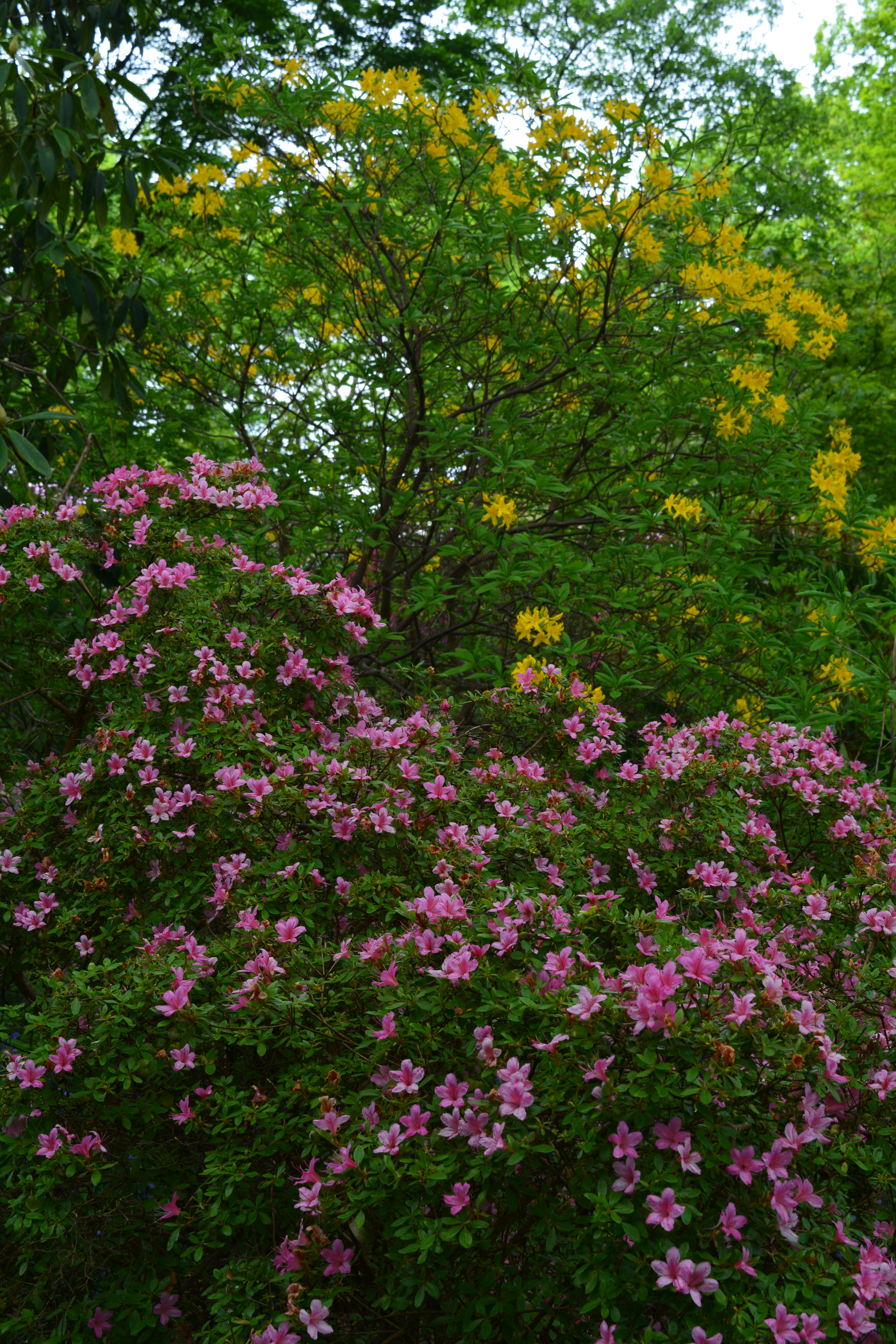
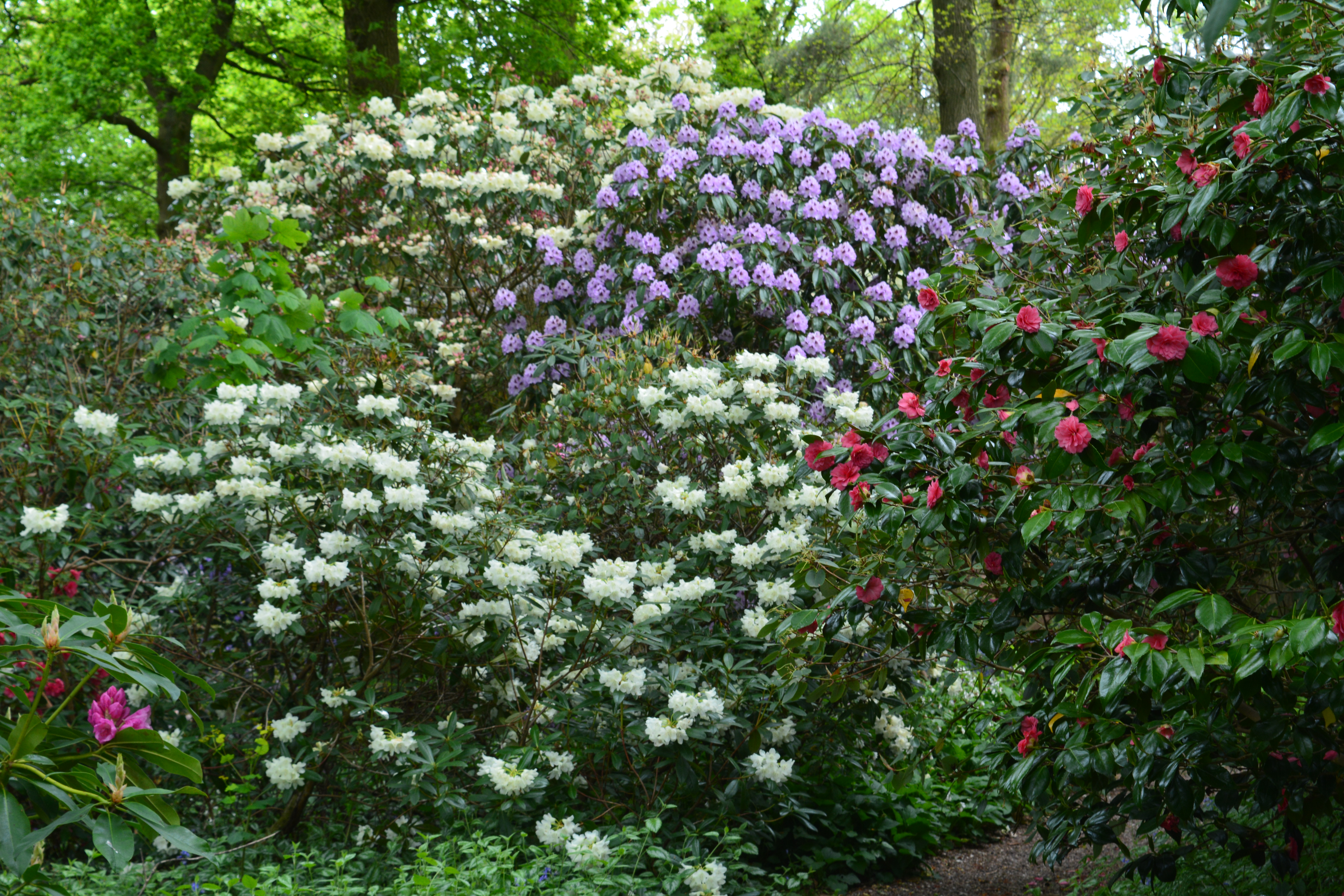
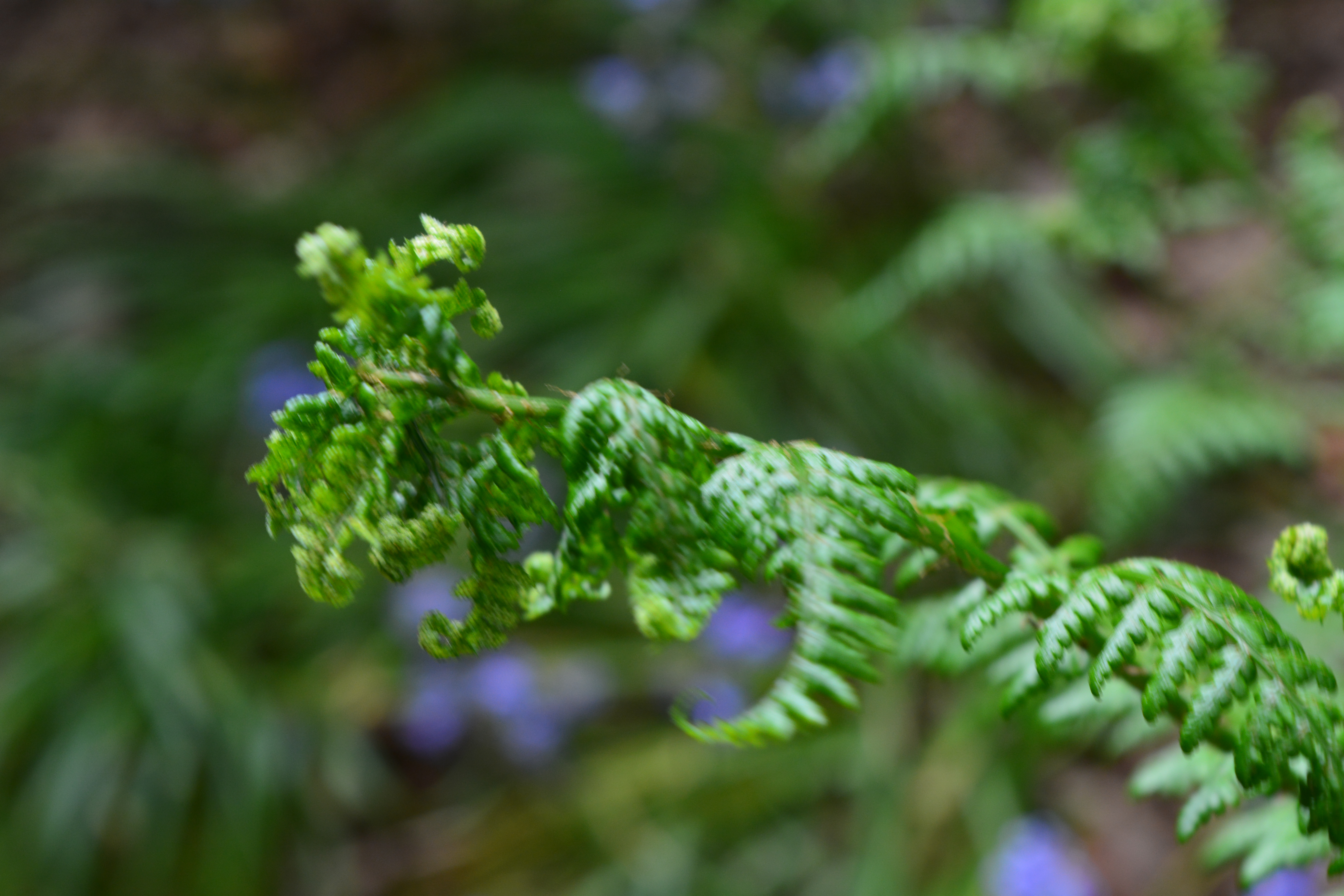
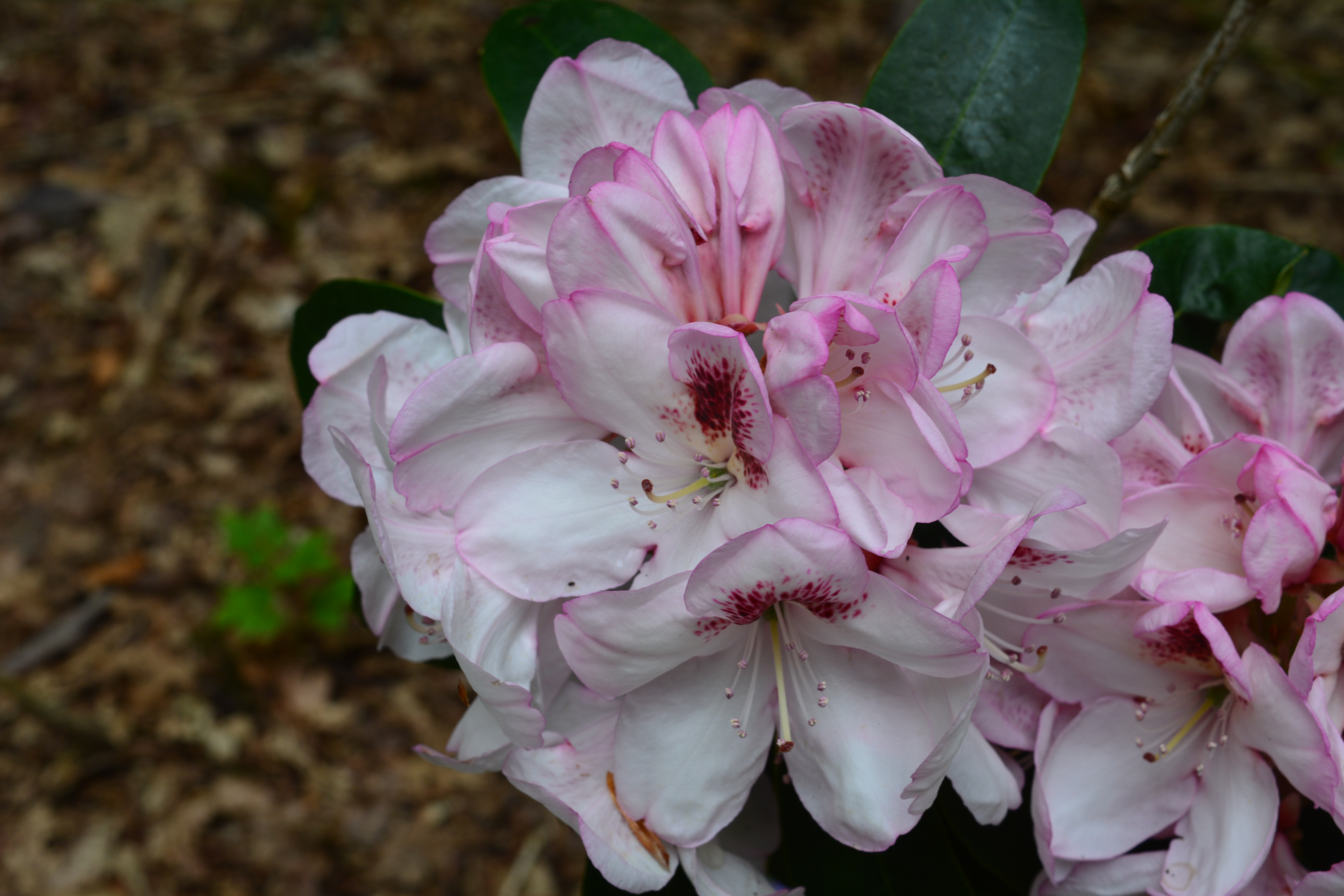
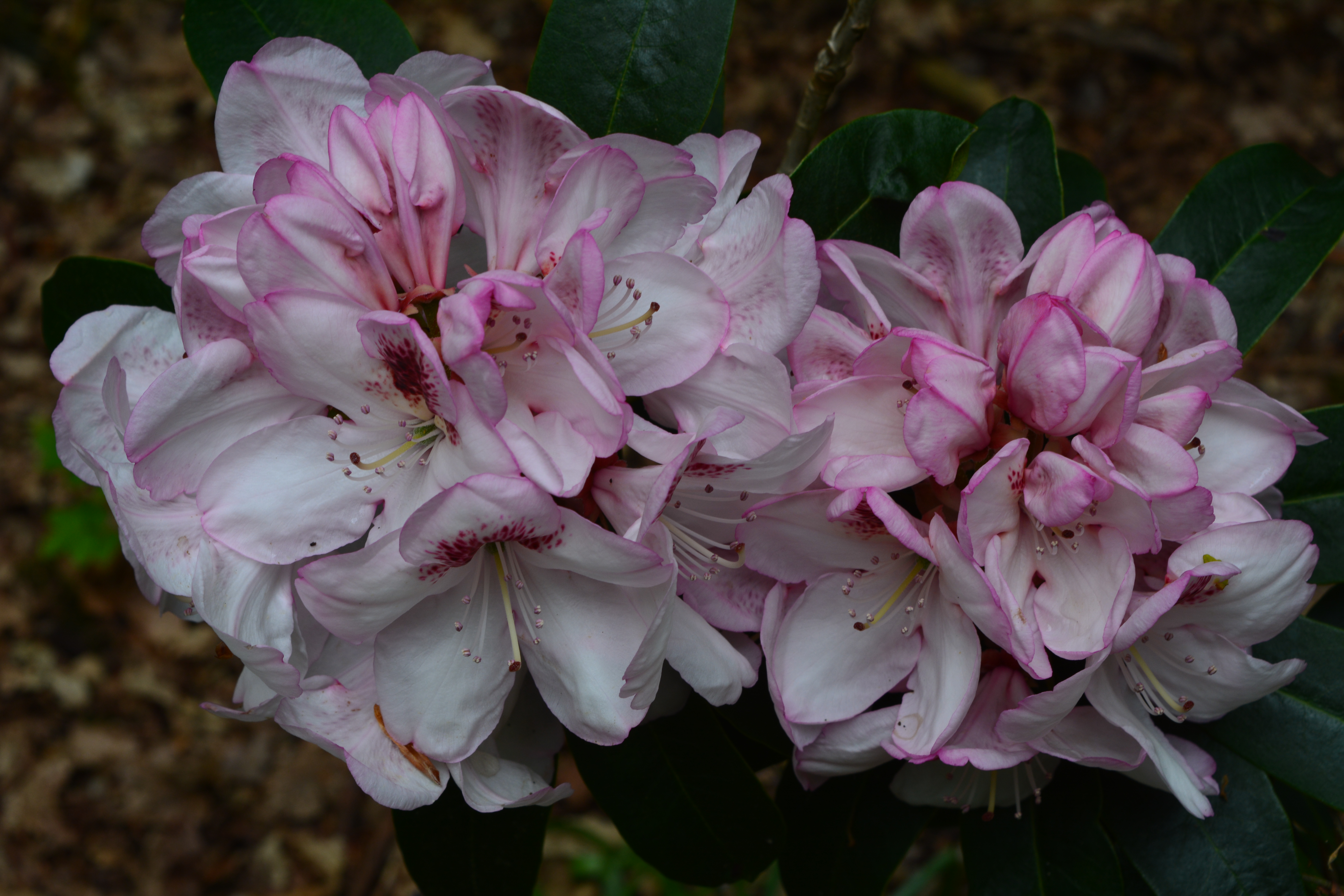
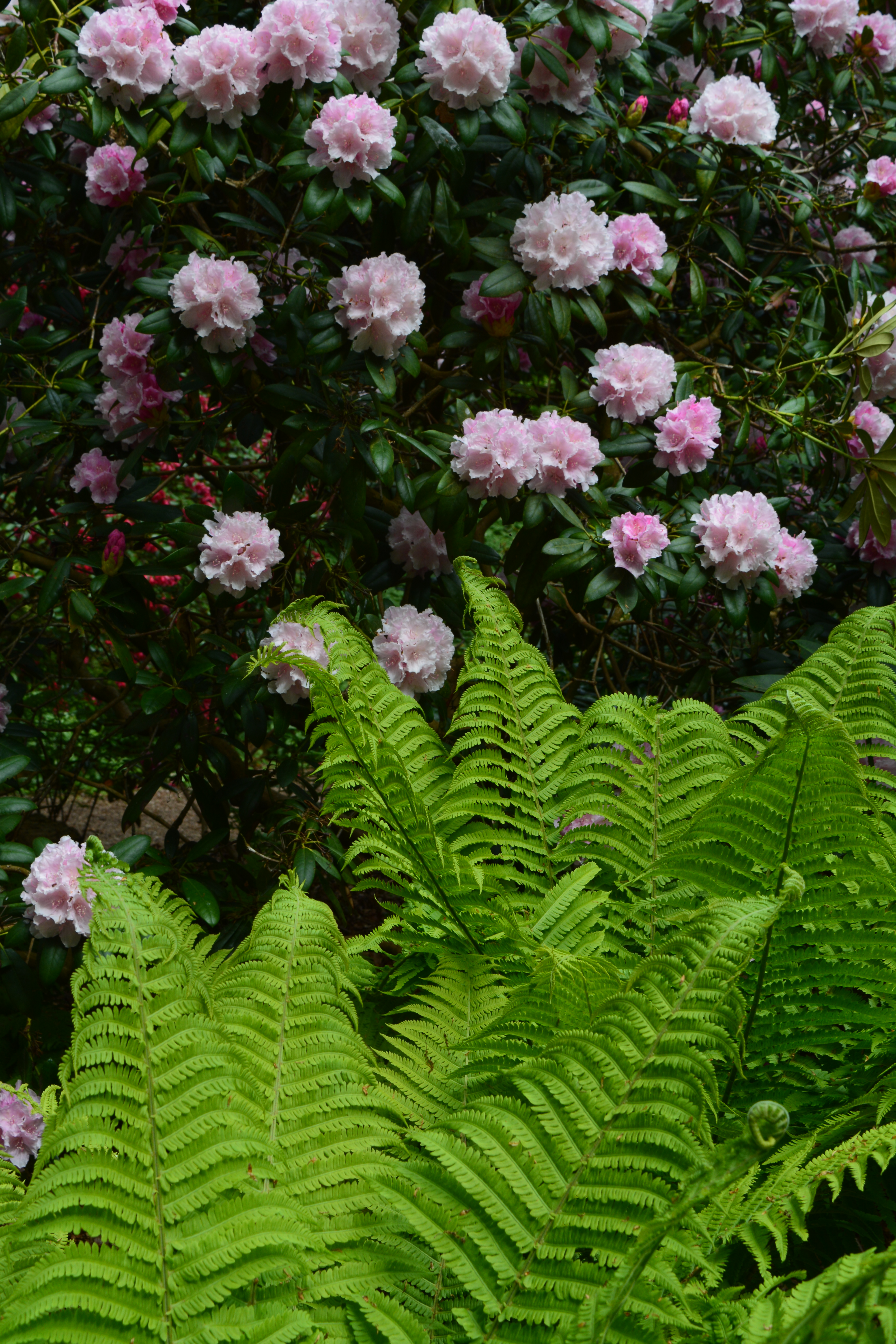
However the real star of the Dorothy Clive Gardens at this time of the year has to be the area called The Dingle, a woodland garden full of azaleas, rhododendrons and ferns, an area of bright colours and rich fresh greens. Enjoy wandering through the narrow winding gravel paths of The dingle with me, the Undergardener, our friends and of course my camera!

dcmay-05 dcmay-07  dcmay-10 dcmay-11 dcmay-12 dcmay-13 dcmay-14 dcmay-15 dcmay-16 dcmay-09 dcmay-17 dcmay-18 dcmay-19 dcmay-20dcmay-21 dcmay-24 dcmay-27dcmay-22 dcmay-23  dcmay-25 dcmay-26  dcmay-28 dcmay-29 dcmay-30 dcmay-32 dcmay-33 dcmay-34 dcmay-35 dcmay-36 dcmay-37 dcmay-38

We will return in June for our next excursion to the Dorothy Clive Gardens.


Categories
flowering bulbs garden design garden ponds garden pools gardening gardens hardy perennials irises National Garden Scheme NGS ornamental trees and shrubs outdoor sculpture sculpture Shropshire spring bulbs Yellow Book Gardens

Another NGS Yellow Book Garden – visiting a friend’s garden.

Our friend Mary and her husband Bob open their garden for the National Garden Scheme just as we do, so we were determined to go and see her garden this year. A few weeks before her open garden she told us she hoped her tulips would still look good. She had no reason to worry – they were a treat for the eye and lifted the spirits!

marysgarden-08

It was a perfect day for garden visiting, bright, warm and so sunny.

marysgarden-39

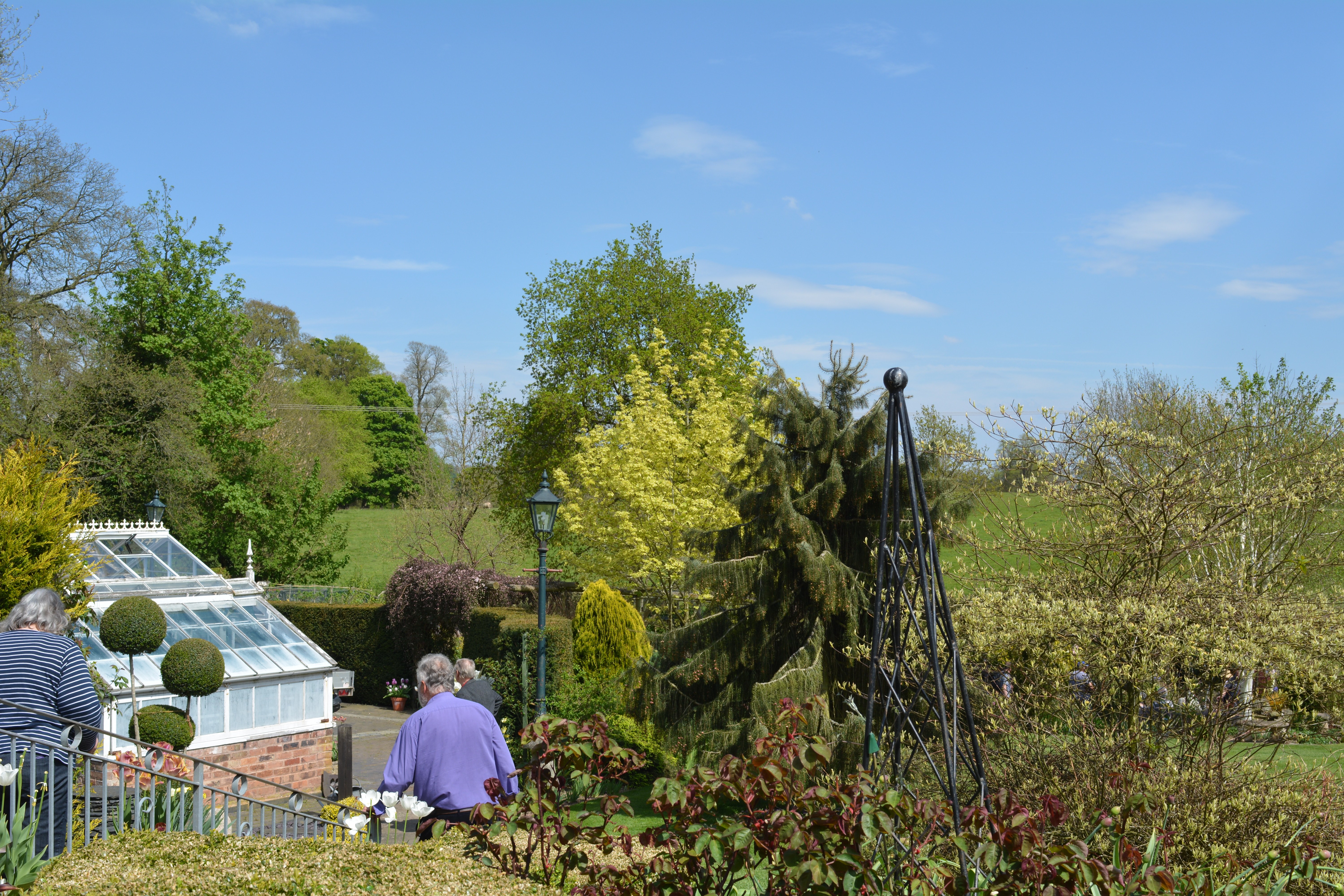
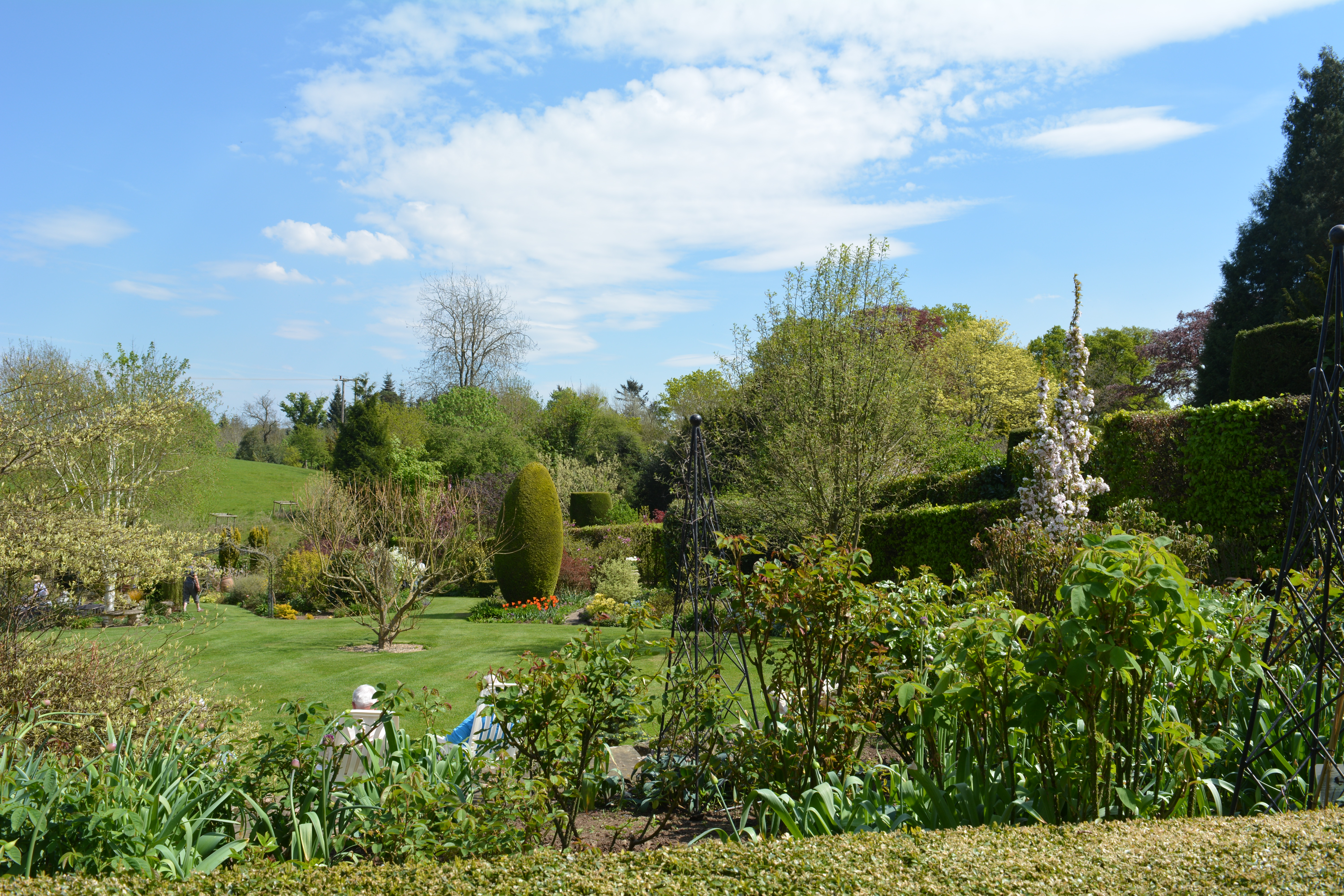
We began our visit with big hugs from Mary followed by our usual tea and cake and found a seat where we could enjoy views over Mary and Bob’s garden. From there we could see interesting plants that deserved a closer look and inviting winding paths and archways. We watched with interest the reactions of other visitors and which plants they made a beeline for. Once suitably refreshed we explored!

marysgarden-01  marysgarden-02 marysgarden-03 marysgarden-04

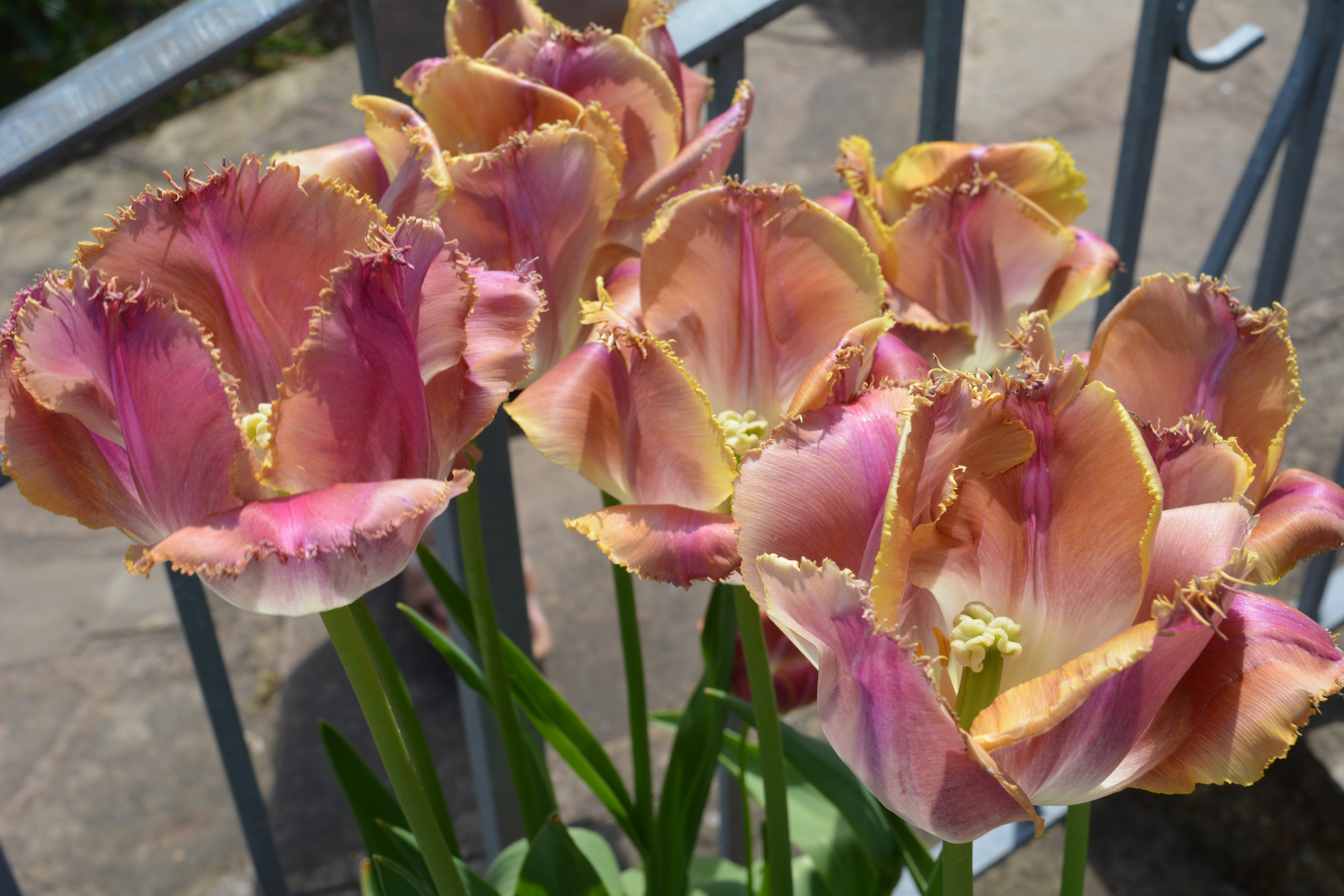
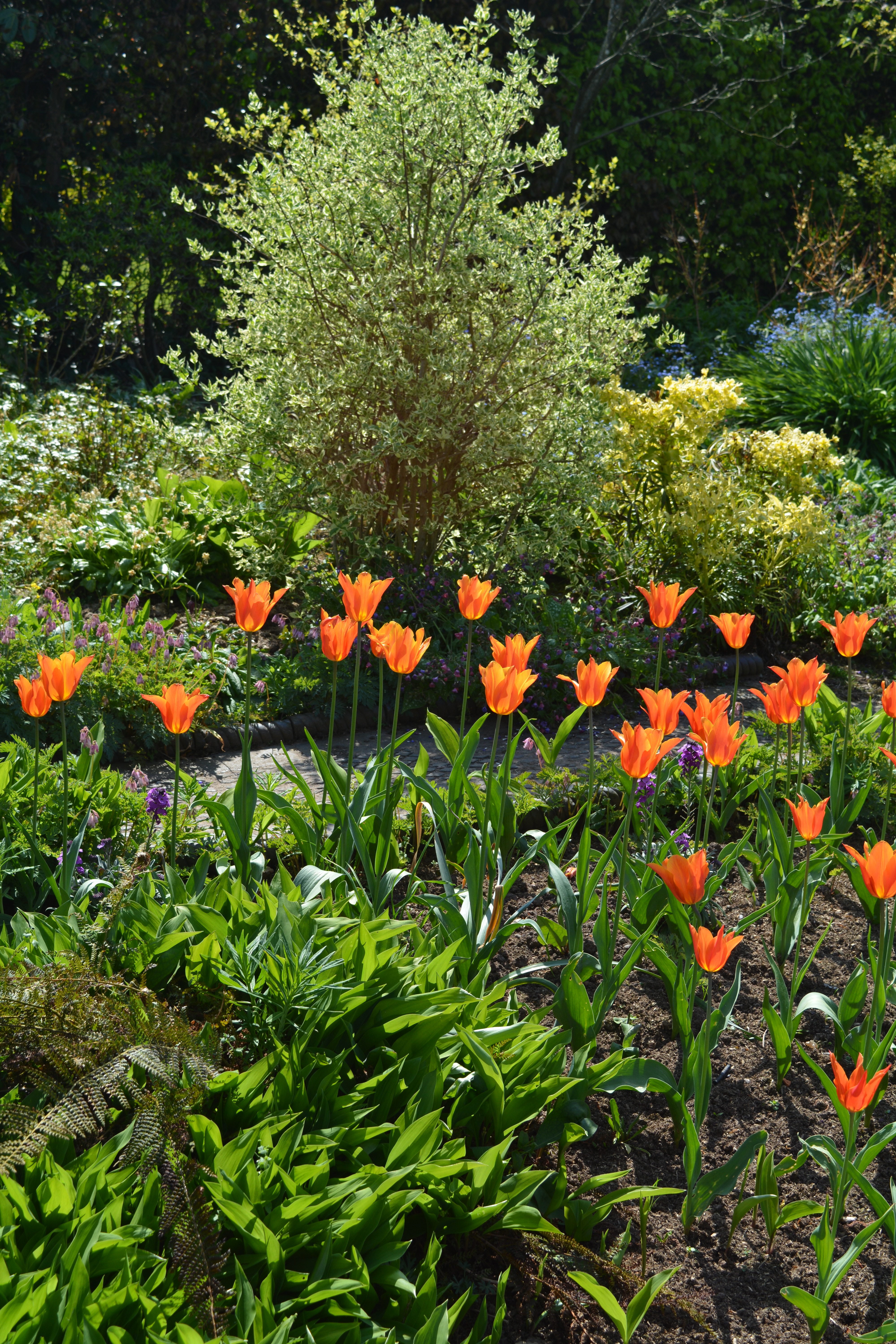
We found tulips throughout the borders some in exciting unusual colours. We enjoyed them all.

marysgarden-05 marysgarden-06   marysgarden-09 marysgarden-10 marysgarden-15 marysgarden-22 marysgarden-19 marysgarden-20marysgarden-12 marysgarden-13 marysgarden-14  marysgarden-16 marysgarden-18  marysgarden-21

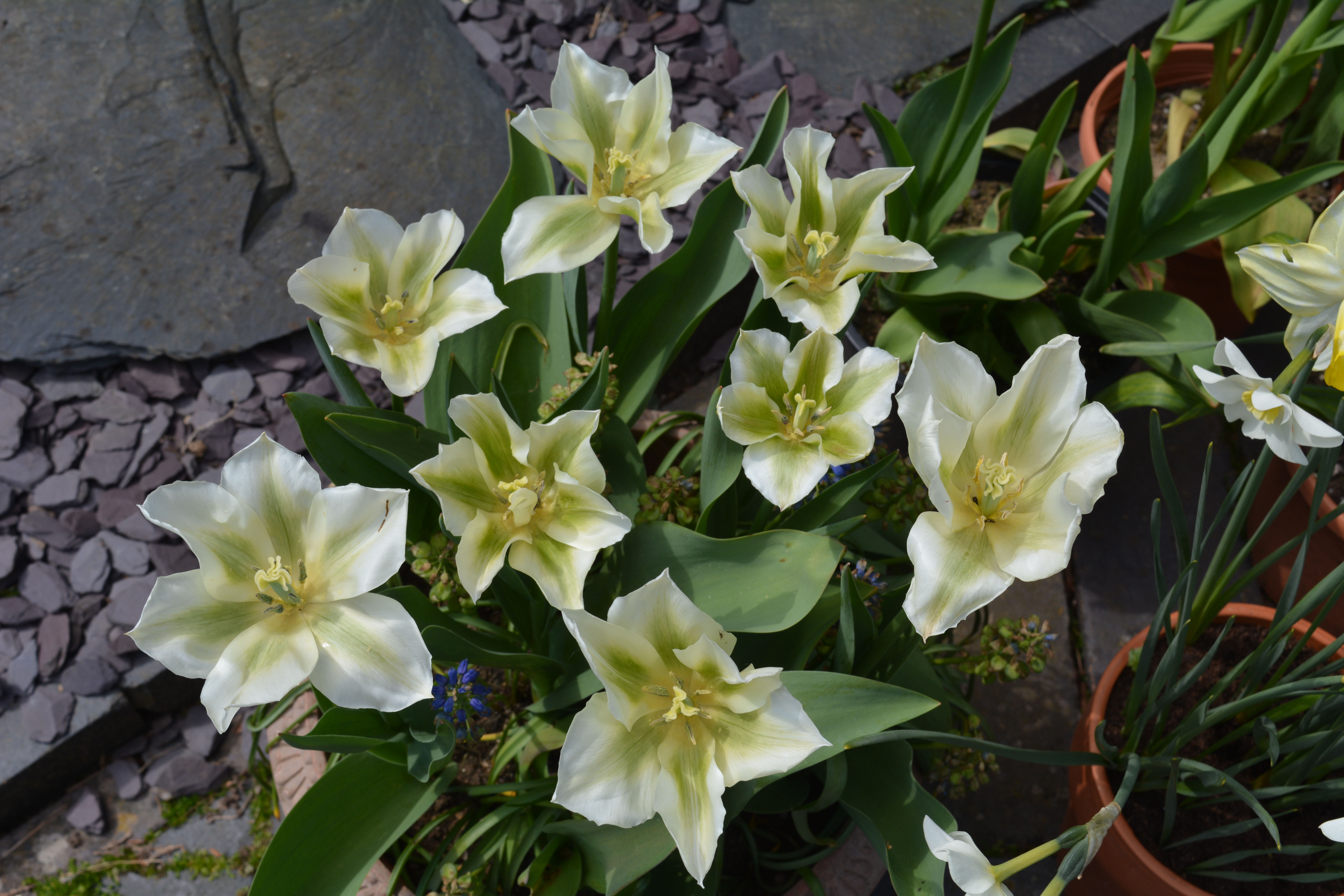
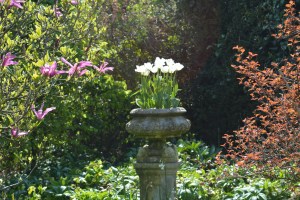
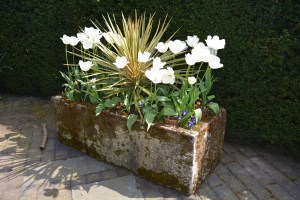
These purest of white tulips were beautifully displayed in their containers which raised them up and gave the afternoon sun the chance to light them up.

marysgarden-35 marysgarden-07

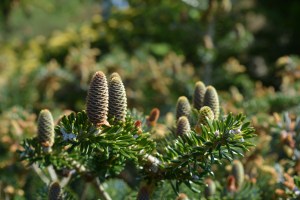
There was a lot more of interest here though than these beautiful tulips. Neither Jude the Undergardener or I are particular fans of evergreen coniferous plants and indeed have just a single alpine Pinus mugo “Mumpitz” in our patch, but the cones on Mary and Bob’s trees caught our attention.

marysgarden-24 marysgarden-05-1  marysgarden-07-2 marysgarden-49 marysgarden-34-1marysgarden-35-1  

I think the best way to see the rest of this lovely garden will be to enjoy the following gallery. As usual click on the first picture then navigate using the right hand arrow.


Categories
birds colours flowering bulbs garden design garden photography garden wildlife gardening gardens hardy perennials light light quality ornamental trees and shrubs Shropshire shrubs spring bulbs spring gardening trees

My Garden Journal 2016 – April

Here we are with my April look at my garden journal. I began as I often do with a look at the weather that was affecting our garden.

“April is known for its showery weather and we hope it is the first frost-free weeks of the year. This will allow us to begin hardening off our delicate plants that have hidden away in our greenhouse and summerhouse. Looking back at my first garden journal I notice that in early April birds were then showing signs of nest building. I wrote …Spring is here! Sometimes at least. Birds are collecting nesting materials, blackbirds, greenfinches and all the Titmice family.” This year birds are singing and calling well but we have seen no signs of nest building activities. The Titmice have given up their earlier explorations of our many birdboxes. We hope Spring will catch up and get wildlife stirring again.”

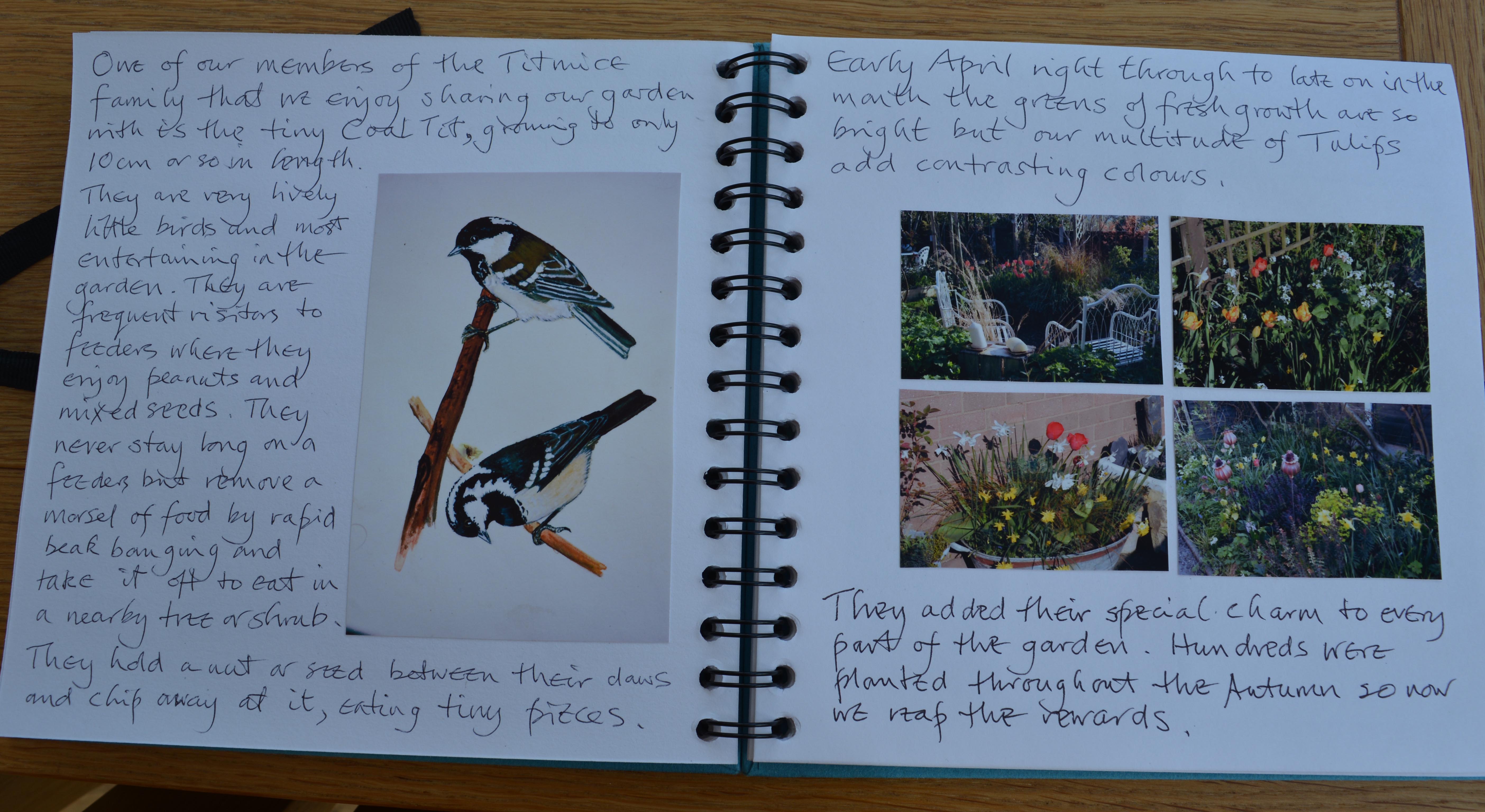
Over the page I continue by looking at one member of the Titmice family, the Coal Tit, and I included one of my gouache paintings of these active little birds.

apr-2

“One of our members of the Titmice family that we enjoy sharing our garden  with is the tiny Coal Tit, growing to only 10cm or so in length. They are very lively little birds and most entertaining in the garden. They are frequent visitors to feeders where they enjoy peanuts and mixed seeds. They never stay long on a feeder but remove a morsel of food by rapid beak banging and take it off to eat in a nearby tree or shrub. They hold a nut or seed between their claws and chip away at it, eating tiny pieces.”

coaltit-1

On the page opposite I take a look at the bright Tulips in our garden and what they add to it.

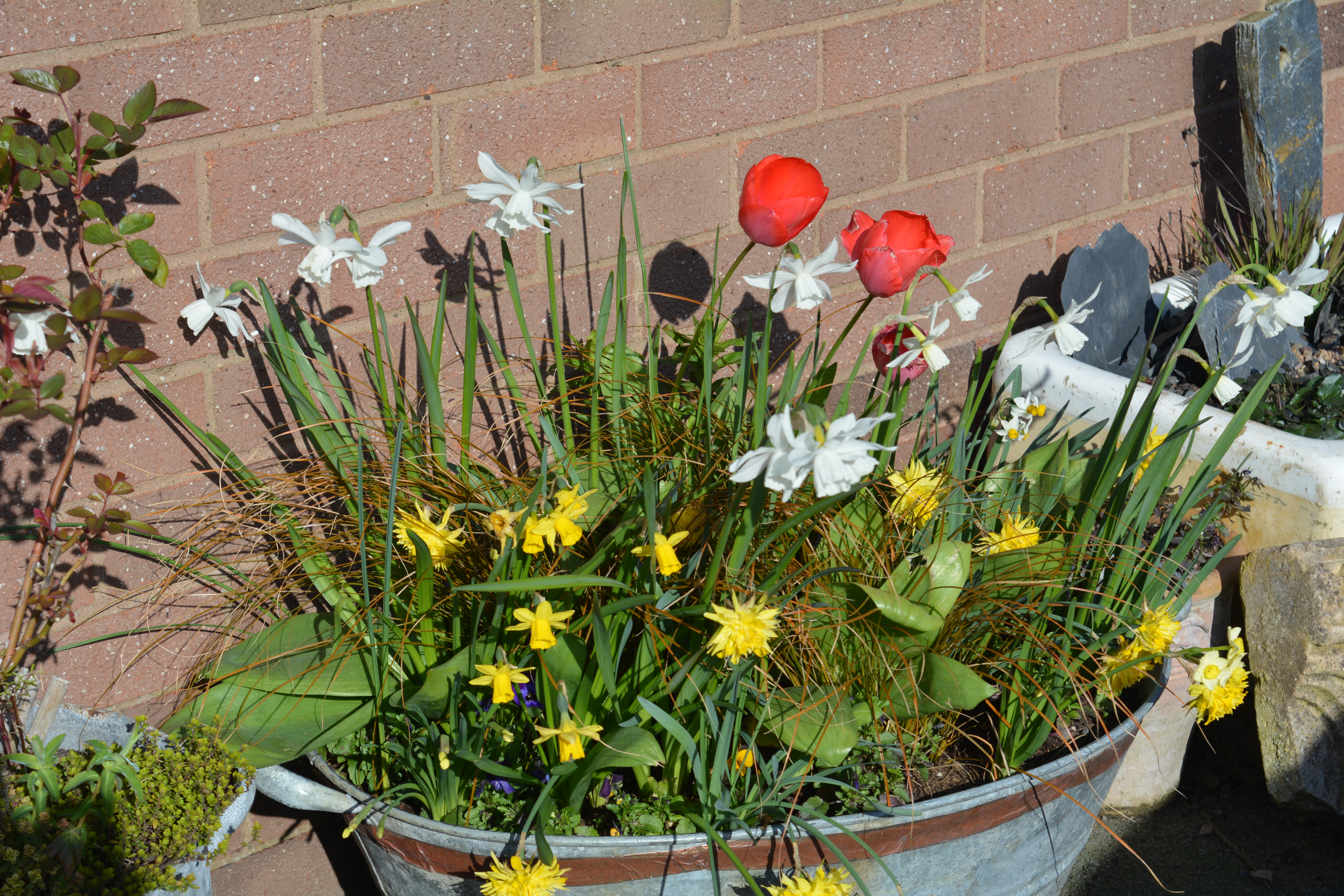
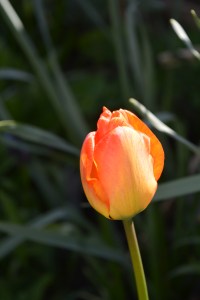
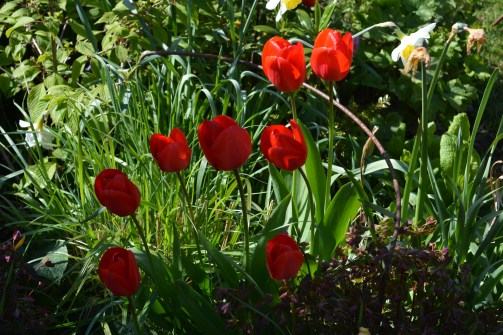
“Early April right through to late on in the month the greens of fresh growth are so bright but our multitude of Tulips add contrasting colours. They add their special charm to every part of the garden. Hundreds were planted throughout the Autumn so now we reap the rewards.”

aprilpics-22 aprilpics-17 aprilpics-29 aprilpics-30 aprilpics-14

Tulips and other bulbs continue to be featured on my next couple of pages.

apr-1

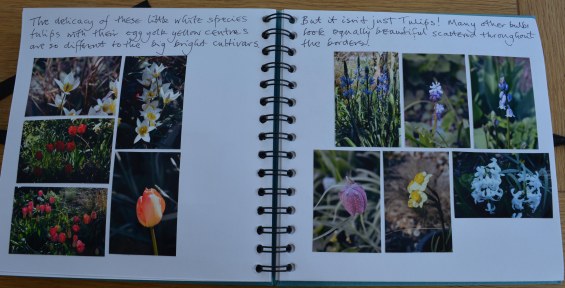
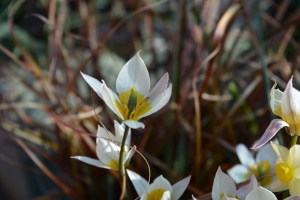
“The delicacy of these little white species Tulips with their egg yolk yellow centres are so different to the big bright cultivars.”

aprilpics-16 white tulip-1aprilpics-01 aprilpics-04aprilpics-10

“But it isn’t just Tulips! Many other bulbs look equally beautiful scattered throughout the borders.”

aprilpics-03 aprilpics-09 aprilpics-08aprilpics-15 aprilpics-27aprilpics-05 aprilpics-02

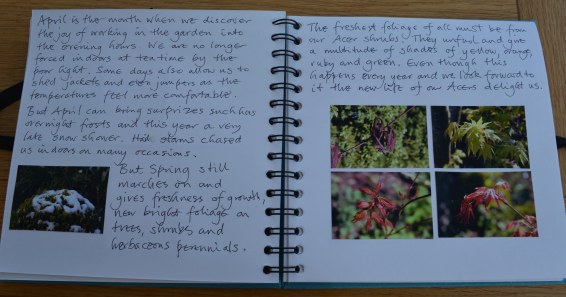
Turning the page we find a much wordier look with an odd photo to illustrate the words, followed by a look at some of our Acers.

apr-3

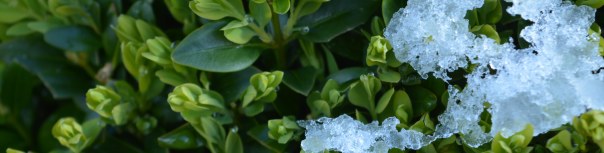
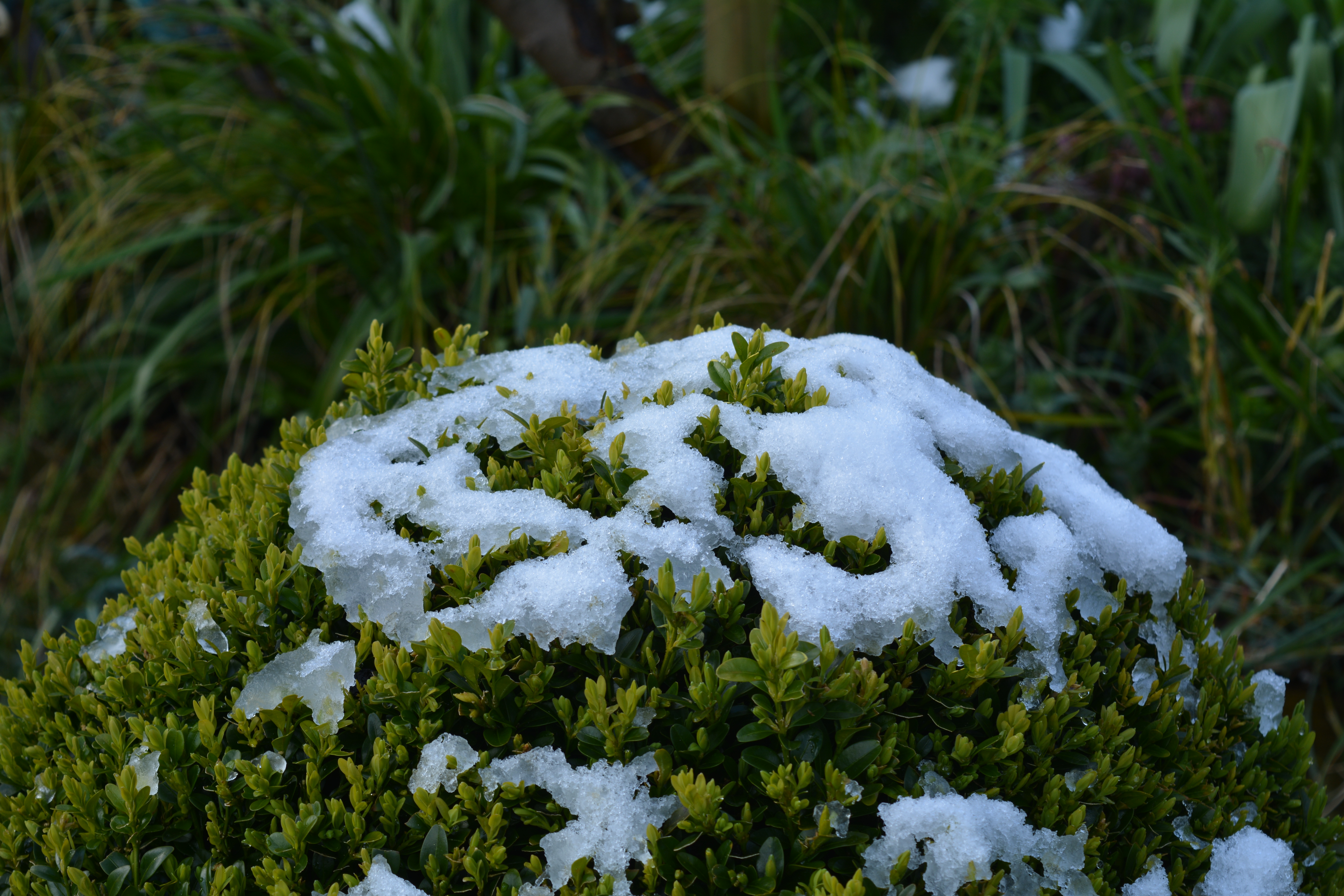
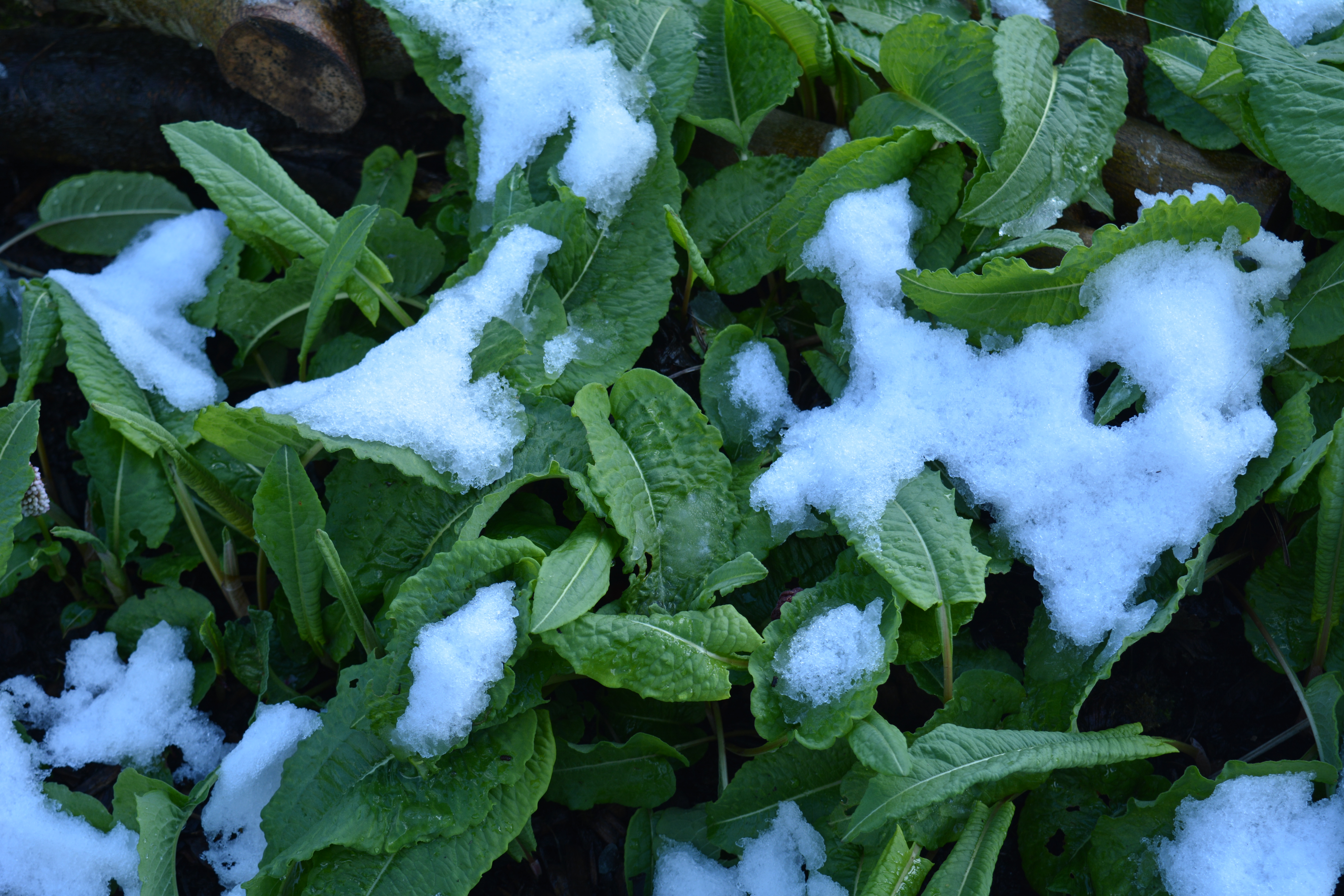
“April is the month  when we discover the joy of working in the garden into the evening hours. We are no longer forced indoors at teatime by the poor light. Some days also allow us to shed jackets and even jumpers as the temperatures feel more comfortable. But April can bring surprises such as overnight frosts and this year a very late snow shower. Hail storms chased us indoors on many occasions. But Spring still marches on and gives freshness of growth, new bright foliage on trees, shrubs and herbaceous perennials.”

snow box-8snow box-1 snow box-2 snow box-3 snow box-4

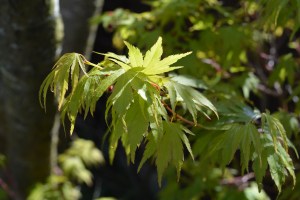
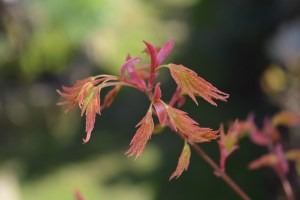
“The freshest foliage of all must be from our Acer shrubs. They unfurl their buds and give a multitude of shades of yellow, orange, ruby and green. Even though this happens every year and we look forward to it, the new life of our Acers delights us.”

aprilpics-13 aprilpics-07aprilpics-06 aprilpics-12

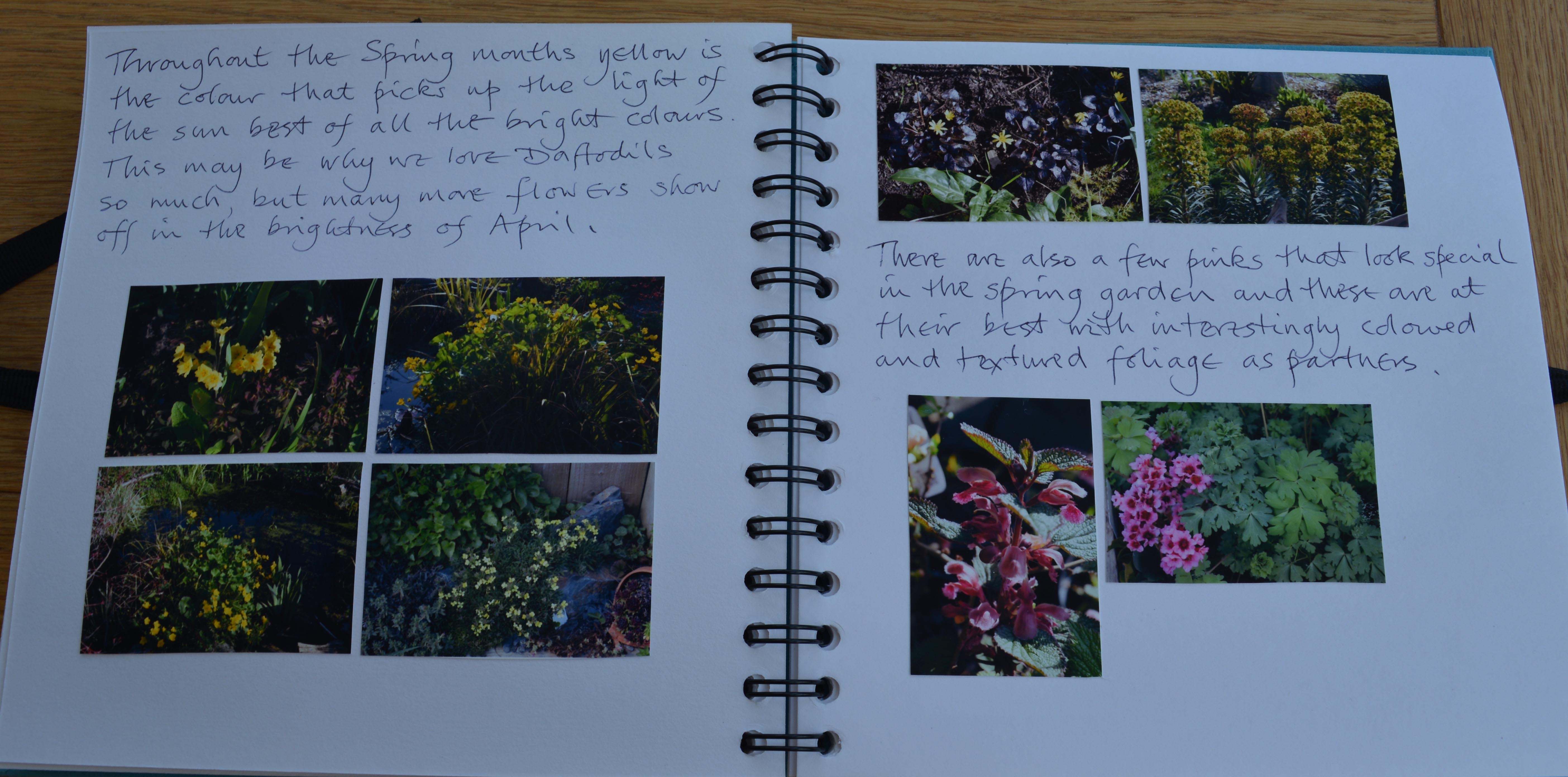
I then look at yellow in our garden.

april journal-4

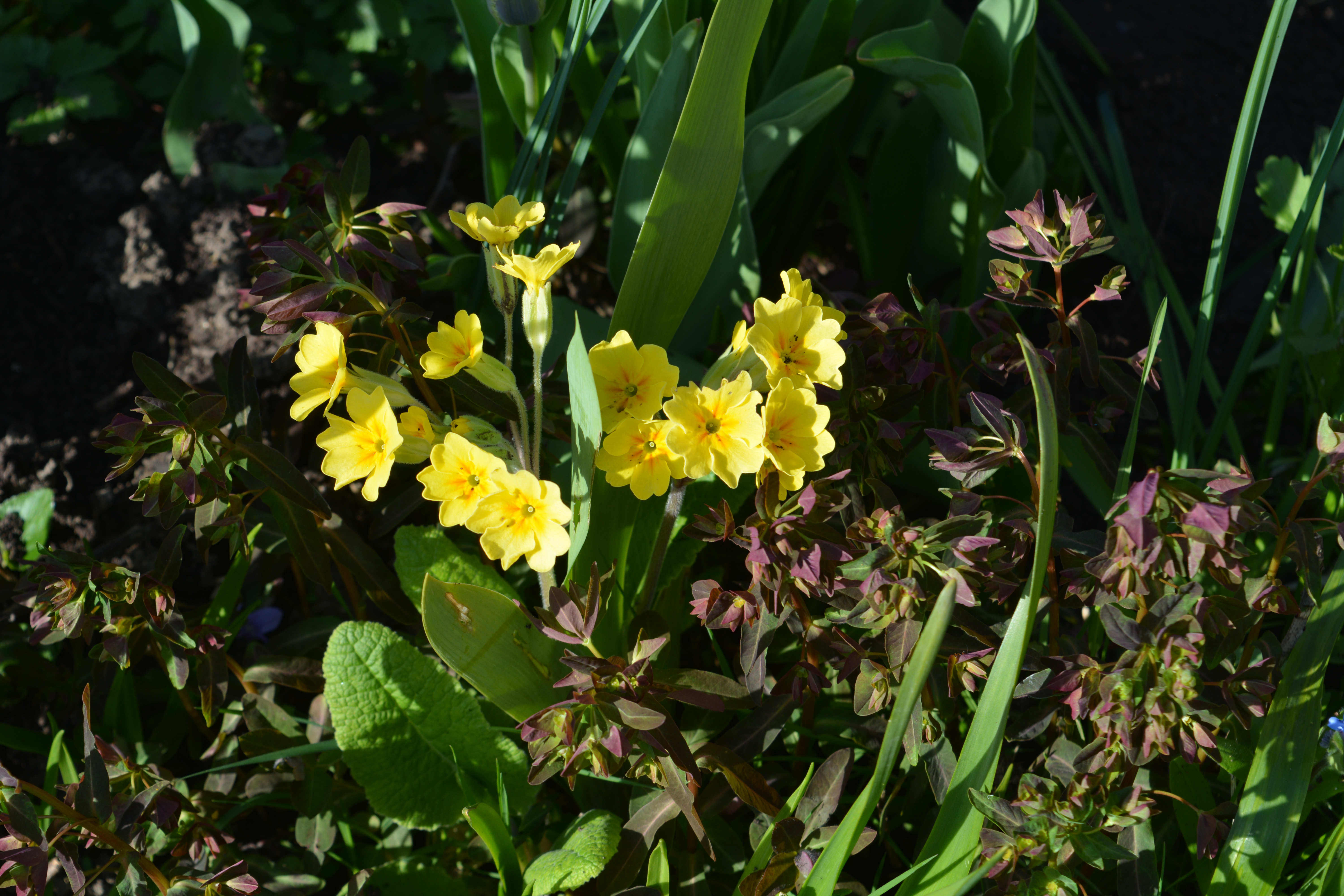
“Throughout the Spring months yellow is the colour that picks up the bright light of the sun best of all the bright colours. This may be why we love Daffodils so much, but many more flowers show off in the brightness of April.”    


aprilpics-20 yellow-4yellow-1 yellow-8aprilpics-18 yellow-9


“There are also a few pinks that look special in the Spring garden and these are at their best with interestingly coloured and textured foliage as partners.”

aprilpics-50 yellow-3

Blossom and the plants of cool shade appear on the final couple of my journal’s pages for April.

april journal-5

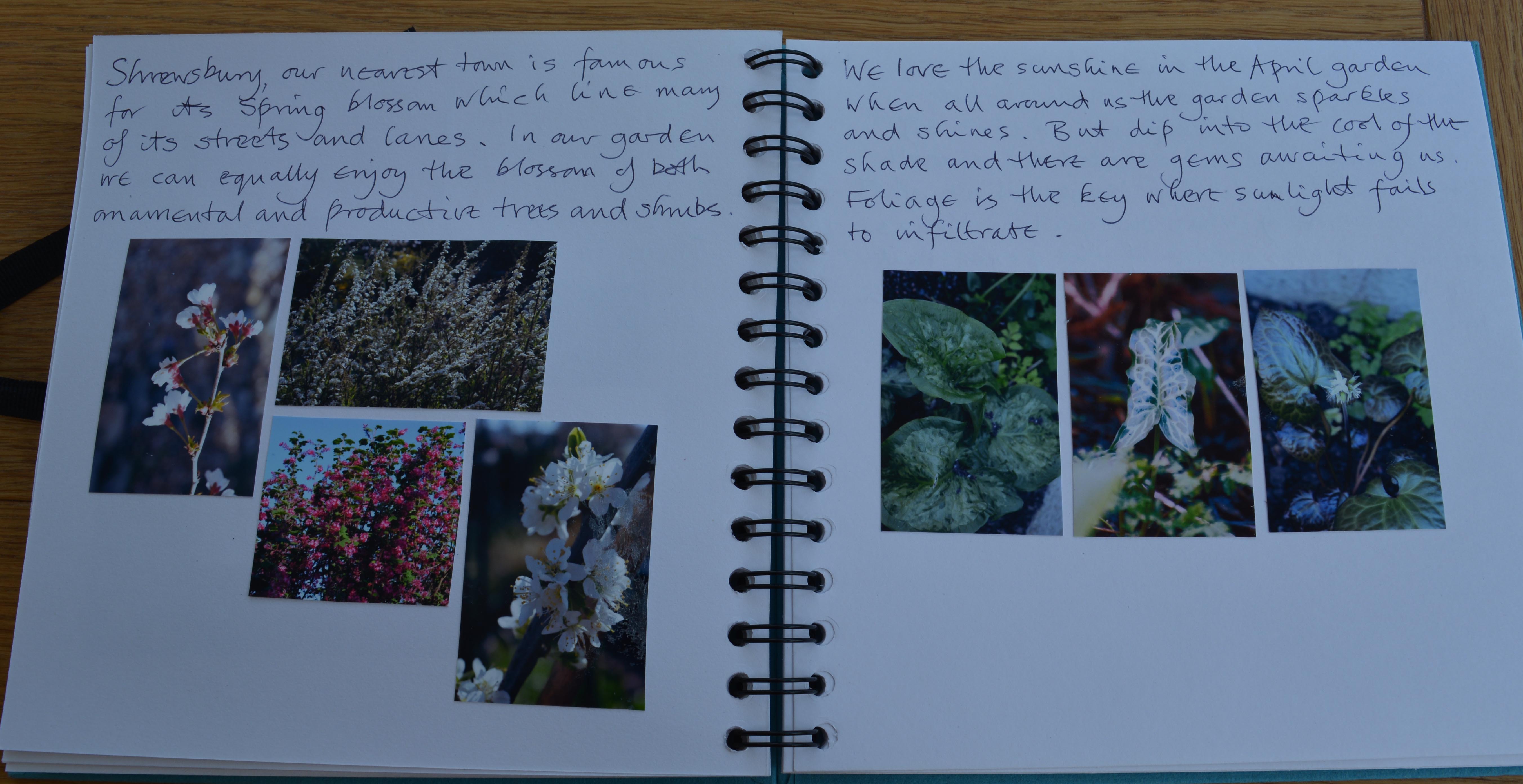
“Shrewsbury, our nearest town, is famous for its Spring blossom which lines many of its streets and lanes. In our garden we can equally enjoy the blossom of both ornamental and productive trees and shrubs.”

blossom-10aprilpics-19 ngs garden-104blossom-01 blossom-04 blossom-03 blossom-02 blossom-07


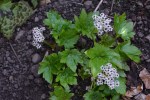
“We love the sunshine in the April garden when all around us the garden sparkles and shines. But dip into the cool of the shade and there are gems awaiting us. Foliage is the key where sunlight fails to infiltrate.”

ngs garden-102 blossom-11blossom-13 blossom-06

But any flowers that accompany this amazing foliage are tiny little star-like flowers.

ngs garden-100

ngs garden-103 ngs garden-101

So that is April in our garden. We now look forward to what May will bring!


Categories
birds colours flowering bulbs garden photography garden ponds garden pools garden wildlife gardening gardens irises log piles natural pest control ornamental trees and shrubs Shropshire spring bulbs spring gardening village gardens water garden water in the garden wildlife

My Garden Journal in 2016 – March

We were expecting March to bring some signs of spring but really our seasons remained confused and muddled. March has brought us warm sunny days, days with cold biting winds, days with heavy persistent rain and many combinations of these.

winchester-04

My March report started with references to the weather as it controlled when we gardenened and days when it prevented us from getting out in the garden.

“During the first 2 days, March had delivered so many different types of weather, clear skies, sunshine, dark heavy cloud cover, rain and sleet. I wonder what else this month might have in store. This unseasonal weather delayed the arrival of our frogs until March whereas February is more usual a time. They soon added large clumps of spawn down one side of the wildlife pond.”

winchester-19 winchester-20winchester-21 winchester-22

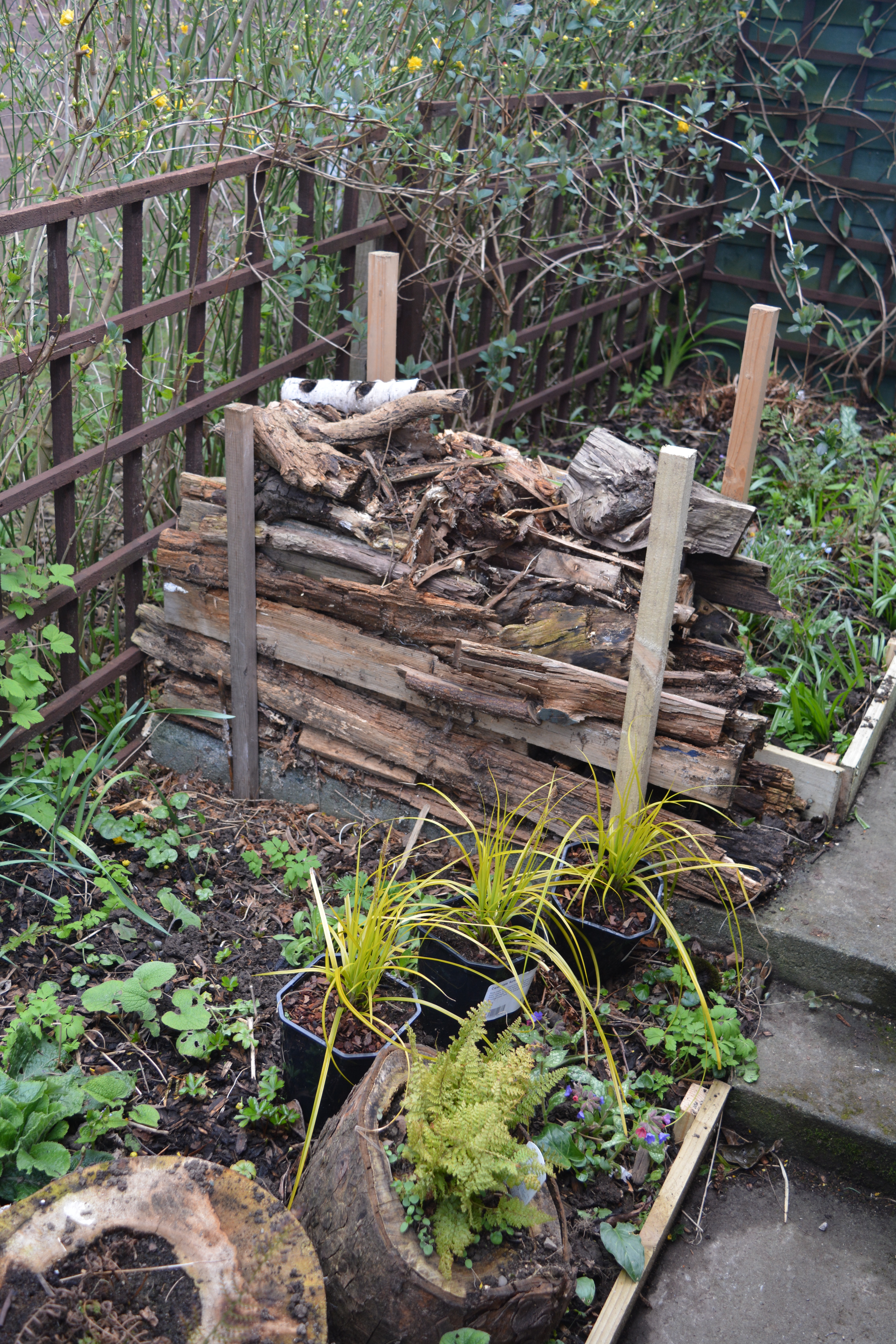
To help the smaller creatures that share our garden with us and help with pest control and pollination of our fruit we had great fun creating a new habitat for them, in the form of a log pile. The log pile is aimed specifically at beetles who are great pest controllers. We particularly appreciate their love of slug eggs!

winchester-01 winchester-02

On the page opposite my frog photos I feature some of our large collection of Hellebore.

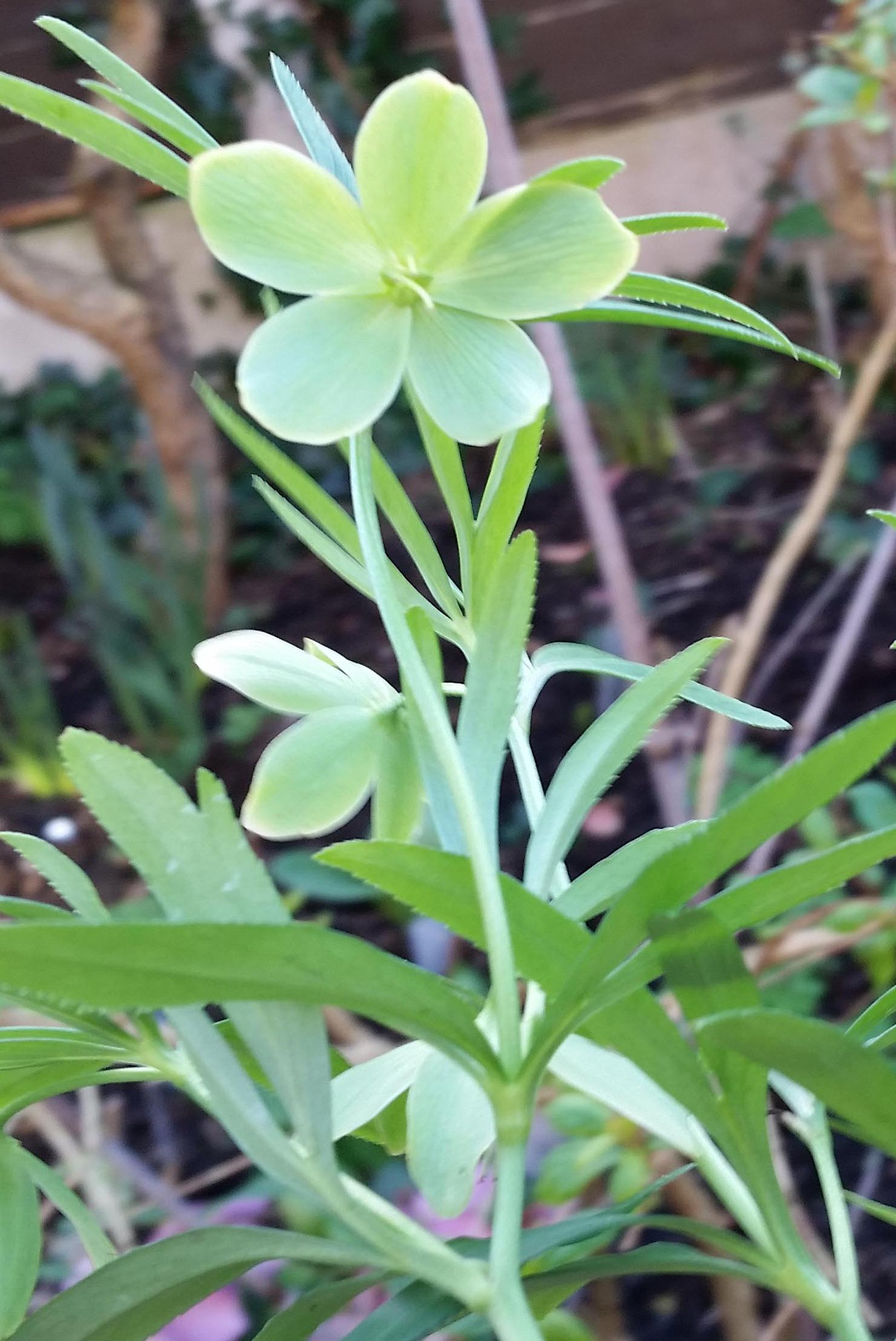
“Each year we add a few more Hellebores to our collection. This year is no exception! We are also getting a few interesting seedlings appearing, and some are worth keeping.”

winchester-47 winchester-11-2 winchester-14-1 winchester-10-2winchester-12-2

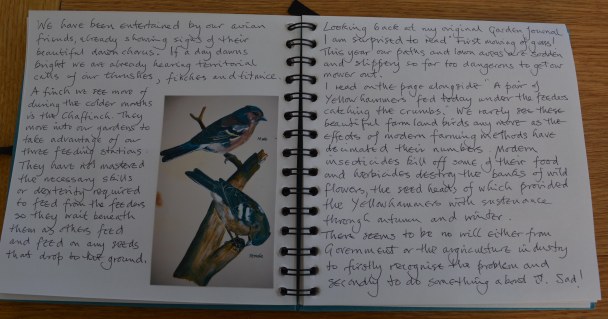
Turning the page I moved on to looking at the bird life we enjoyed in March, where I featured a gouache painting of a pair of Chaffinches and wrote about them.

winchester-05

“We have been entertained by our avian friends, already showing signs of their beautiful dawn chorus. If a day dawns bright we are already hearing territorial calls of our thrushes, finches and titmice. A finch we see more of during the colder months is the Chaffinch. They move into our garden to take advantage of our three feeding stations. They have not mastered the necessary skills or dexterity required to feed from the feeders so they wait beneath them as others feed and feed on any seeds that drop to the ground.”

B0000195

I then moved on to look back at previous garden journals from a decade or so ago.

“Looking  back at my original Garden Journal I am surprised to read “First mowing of grass! This year our paths and lawn areas are sodden and slippery so far too dangerous to get our mower out.

I read a page alongside, “A pair of Yellowhammers fed today under the feeders catching the crumbs.” We rarely see these beautiful farmland birds any more as the effects of modern farming methods have decimated their numbers. Modern insecticides kill off some of their food and herbicides destroy the banks of wild flowers, the seed heads of which provided the Yellowhammers with sustenance through autumn and winter. There seems to be no will either from Government or the agriculture industry to firstly recognise the problem and secondly to do something about it. Sad!”

I then reported on progress we had made with our recently constructed propagation bench.

winchester-06

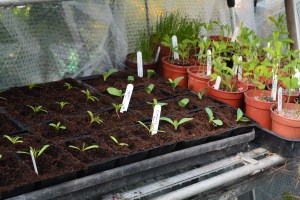
In my January entries to my journal I wrote about making a propagating bench in the greenhouse and then in February I looked at how we had prepared the greenhouse in readiness for seed sowing. Now in March we have seedlings showing well.”

winchester-45 winchester-46 winchester-36 winchester-35

Flowering shrubs feature over the next few pages, looking at those that flower and provide scent, starting off with the shrubs in the Ribes family.

winchester-06

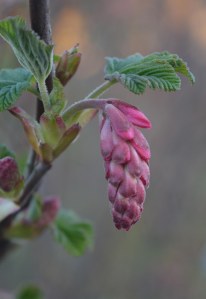
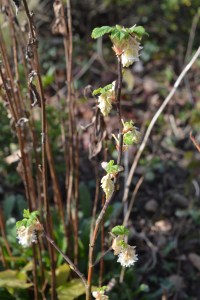
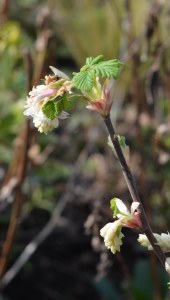
“The genus Ribes is a family of some 150 species of shrubs, mainly deciduous with just a few evergreens. We grow 3 species on our allotment to give us Redcurrants, Blackcurrants and Gooseberries. In the ornamental garden at home we grow 5 species and 4 of these are flowering in March, Ribes sanguineum “King Edward VII” and Ribes s. “Elkington White”.

winchester-40 winchester-41winchester-31 winchester-33 winchester-32

The other two March flowering Ribes are very different to the Ribes sanguineums. Ribes laurifolium has thick evergreen foliage, each leaf shaped and textured just like those oa a Laurel, hence its name. The flowers at first glance appear white but close up they are pale cream with a hint of green – absolutely beautiful! Beautiful and scented! The final Ribes to flower in March is Ribes speciosum with crimson flowers. To be fair though this Ribes species shows flowers on and off all year. It is generally evergreen for us as we planted it in a sheltered spot. Its flowers are like tiny Fuschias hanging along most of its branches. The downside? Every inch of every stem is covered in thin spines, so pruning can be difficult. On our open days so many visitors ask about Ribes speciosum.”

winchester-27 winchester-28winchester-02-2

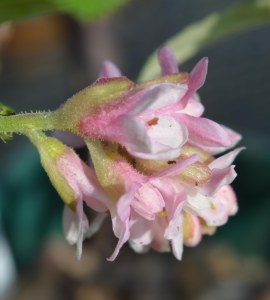
“In the autumn we took cuttings of Ribes s. King Edward VII. What a surprise we had when one of them produced these pale gentle pink flowers. One more shrub of the Ribes family still has not yet flowered, Ribes odorarum.”

winchester-09-1

My journal then tells of other unusual flowering shrubs we grow here at Avocet.

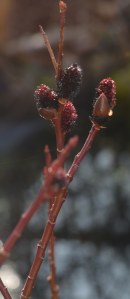
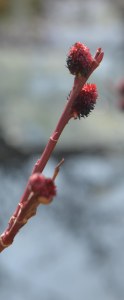
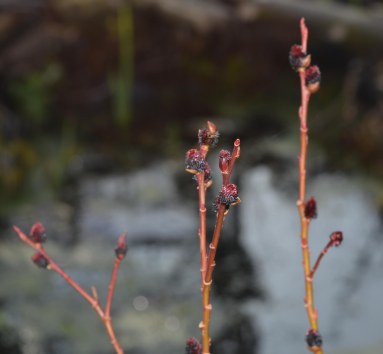
“Abnother unusual shrub we grow for March interest is a special willow. Salix gracilistyla melanostachyla has amazing flowers, red and black catkins. Early flying bees love them.”

winchester-08

winchester-23 winchester-24 winchester-25winchester-26

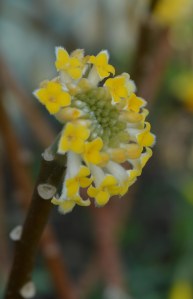
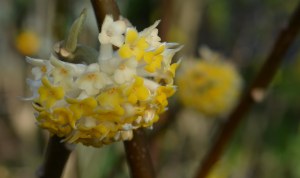
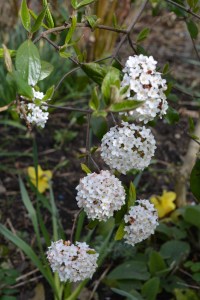
“Two other March flowering shrubs are grown for their large umbels of flowers but also their scent. The first, Edgeworthia chrysantha grandiflora, has unusual bright yellow flowers which add scent to the late winter and early spring garden. Their second is a Viburnum, Viburnum x burkwoodii, which does not open its flower buds until late March.”

winchester-11-1 winchester-10-1winchester-11 winchester-12

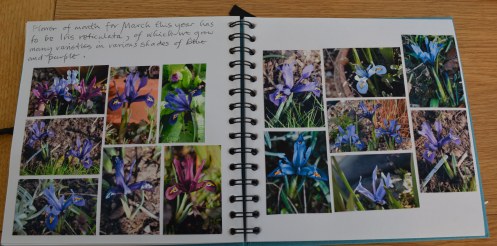
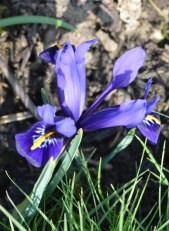
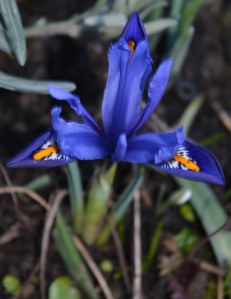
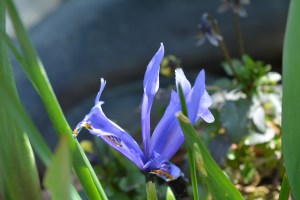
Turn over the page of my journal and you will be delighted by photos of Iris reticulata in all their glorious shades of blue and purple.

winchester-09

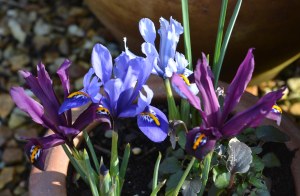
“Flower of the month for March has to be Iris reticulata, of which we grow many varieties in various shades of blue and purple.”

winchester-04-1 winchester-14winchester-29 winchester-12-1 winchester-39winchester-30 winchester-38 winchester-15winchester-03-1 winchester-05-1winchester-07-1 winchester-08-1winchester-13 winchester-17 winchester-16winchester-37 winchester-06-1

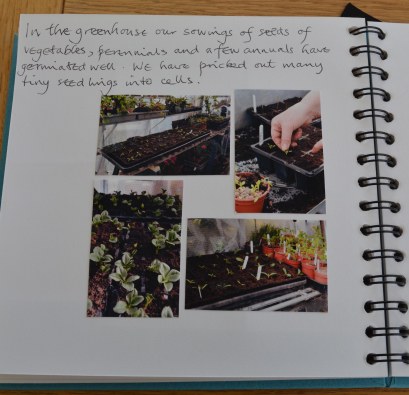
My final page for March takes another look at what is going on in the greenhouse as the month comes to an end.

winchester-10

“In our greenhouse our sowings of seeds of vegetables, perennials and a few annuals have continued to germinate well and grow strongly. We have pricked out many tiny seedlings into cells.”winchester-03-2 winchester-06-2

winchester-05-2 winchester-04-2

Our next visit to my garden journal will report on what will be happening in our garden at Avocet in April, the month traditionally associated with showers.

Categories
flowering bulbs garden photography garden ponds garden pools garden wildlife gardening grasses hardy perennials light light quality ornamental grasses ornamental trees and shrubs Shropshire shrubs spring bulbs water in the garden Winter Gardening winter gardens

My Garden Journal 2016 – February

Back with the second post sharing my 2016 Garden Journal, we will look at what it holds for February.

2016 02 13_8659_edited-1

On the first page for the month I mention the changing light values that occurs during February.

2016 02 24_9066_edited-1

“This is the month when light values really start to improve. We also get longer days when the weather allows. This change in light coupled with slowly rising temperatures encourages birds to change their songs and calls. The Great Tit is the master of calls with its huge repertoire. Luckily they are very frequent visitors to our garden. They are great entertainers! Their song in February is a “see-sawing ditty with mechanical overtones.” (Collins Bird Guide)

I added my gouache painting of a pair of Great Tits.

2014 12 21_8971_edited-1

On the opposite page I carried on talking about our continued development of our greenhouse.

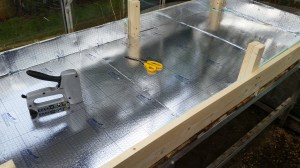
Having completed the construction of our new heated propagation bench last month we then sorted out our pots, trays, pans and cells ready for the new sowing and growing season. We ensured we have plenty of labels as well as sowing compost and horticultural grit. Jude finished putting up insulation bubble wrap.”

2016 02 02_8119-1 2016 02 02_8120-12016 02 02_8121-1 2016 02 02_8131-1 2016 02 02_8122-1

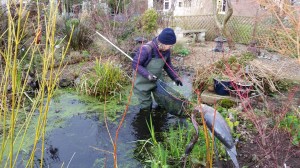
From greenhouse gardening to pond gardening, my next page features two photos of Jude the Undergardener in her waders playing in our wildlife pond.

2016 02 24_9069_edited-1

“Mid to late February is the time each year when our Common Frogs come to sing, mate and then leave balls of spawn in our wildlife pond. Thus early this month Jude donned her chest waders and cleaned up the pond. She removed Duckweed, Blanket Weed and fallen leaves, then thinned out the water plants.

2016 01 26_8057-1 2016 01 26_8056-1

We tidied up the narrow border that edges the pond, pulling a few hardy weeds and taking up seedlings of our Cornus “Midwinter Fire”. It was heartening to discover how workable our soil was, this being the result of a decade of improving it with the addition of our own garden compost and the regular mulching deeply with organic matter.”

I continued onto the next page discussing the welcome appearance of sunshine in the February.

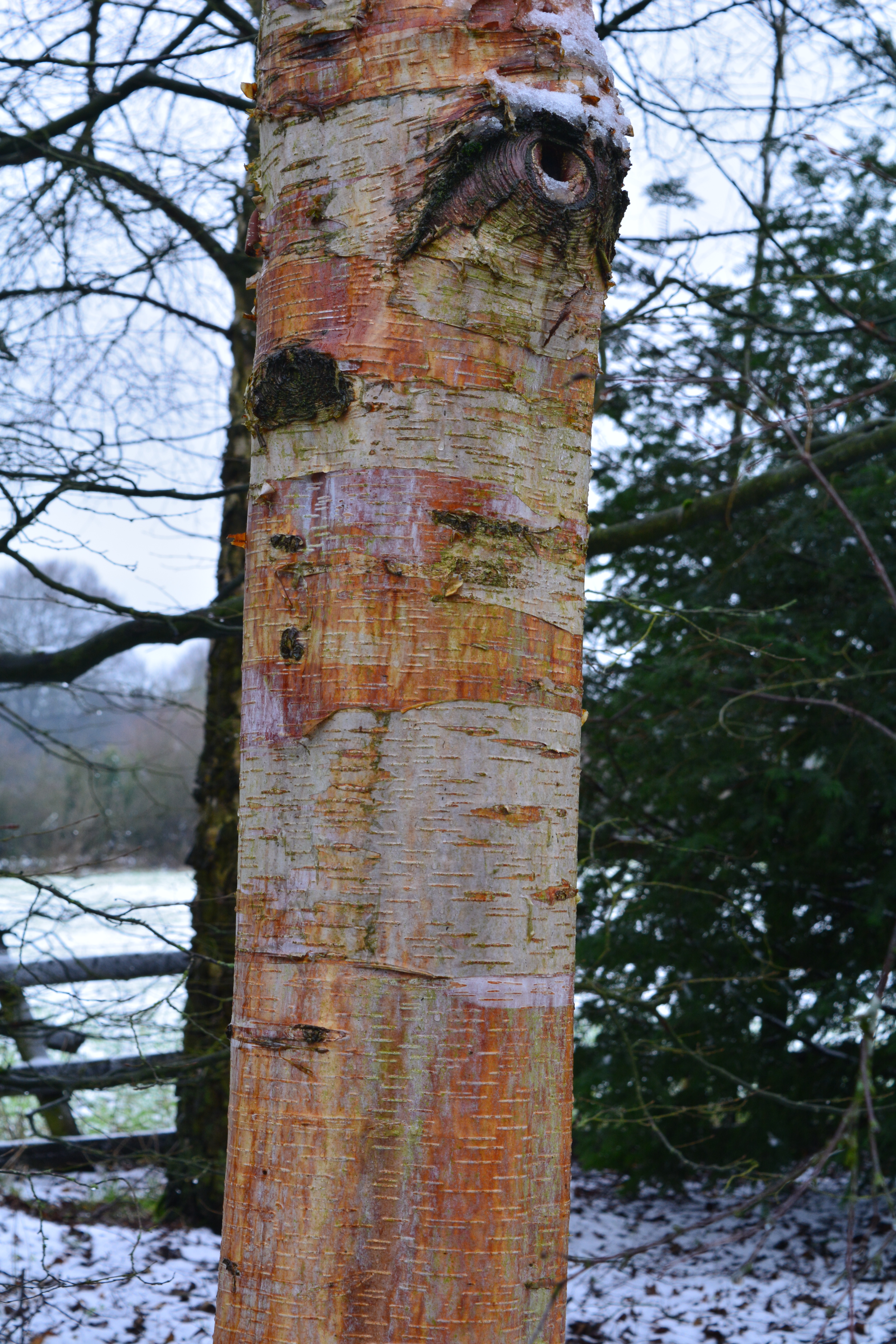
“Sunshine is not often in evidence this February but when it does make an appearance its effects are magical. It highlights the peeling bark of our trees and directs a spotlight on blossom and glossy foliage.”

2016 01 22_8035_edited-1 2016 01 22_8034_edited-12016 02 02_81162016 01 22_8024 2016 01 22_8008 2016 01 22_8009-1 2016 01 22_8018

As I turn the page I see that I have written about cold temperatures and on the opposite page and on the following double page spread I share the amazing number of plants in flower on one day in February.

2016 02 24_9070_edited-12016 02 24_9073_edited-1

“A sudden overnight plunge in temperature can have drastic looking effects on our early flowering plants. The flowering stem of this Bergenia can be standing to attention during the day but cold at night can make it droop, with the flowers almost touching the cold soil”.

2016 01 17_7930-1 2016 01 08_7763

“The following day when the sun has driven away any frost and added a degree or two to the temperature, the Bergenia flower slowly rises again and returns to its former pink glory.”

February flowers are celebrated over the next three pages. I hope you enjoy sharing this selection of plants that keep us cheerful and the garden colourful.

2016 02 18_8904_edited-1 2016 02 18_8901_edited-12016 02 18_8891_edited-1 2016 02 18_8878_edited-12016 02 18_8872_edited-1 2016 02 18_8879_edited-12016 02 18_8867_edited-1 2016 02 18_8847_edited-1 2016 02 18_8869_edited-1 2016 02 18_8863_edited-12016 02 18_8913_edited-1 2016 02 18_8871_edited-12016 02 18_8912_edited-1 2016 02 18_8866_edited-1 2016 02 18_8854_edited-1 2016 02 18_8853    2016 02 18_8887_edited-1 2016 02 18_8873_edited-1  2016 02 18_8902_edited-1 2016 02 18_8855_edited-1

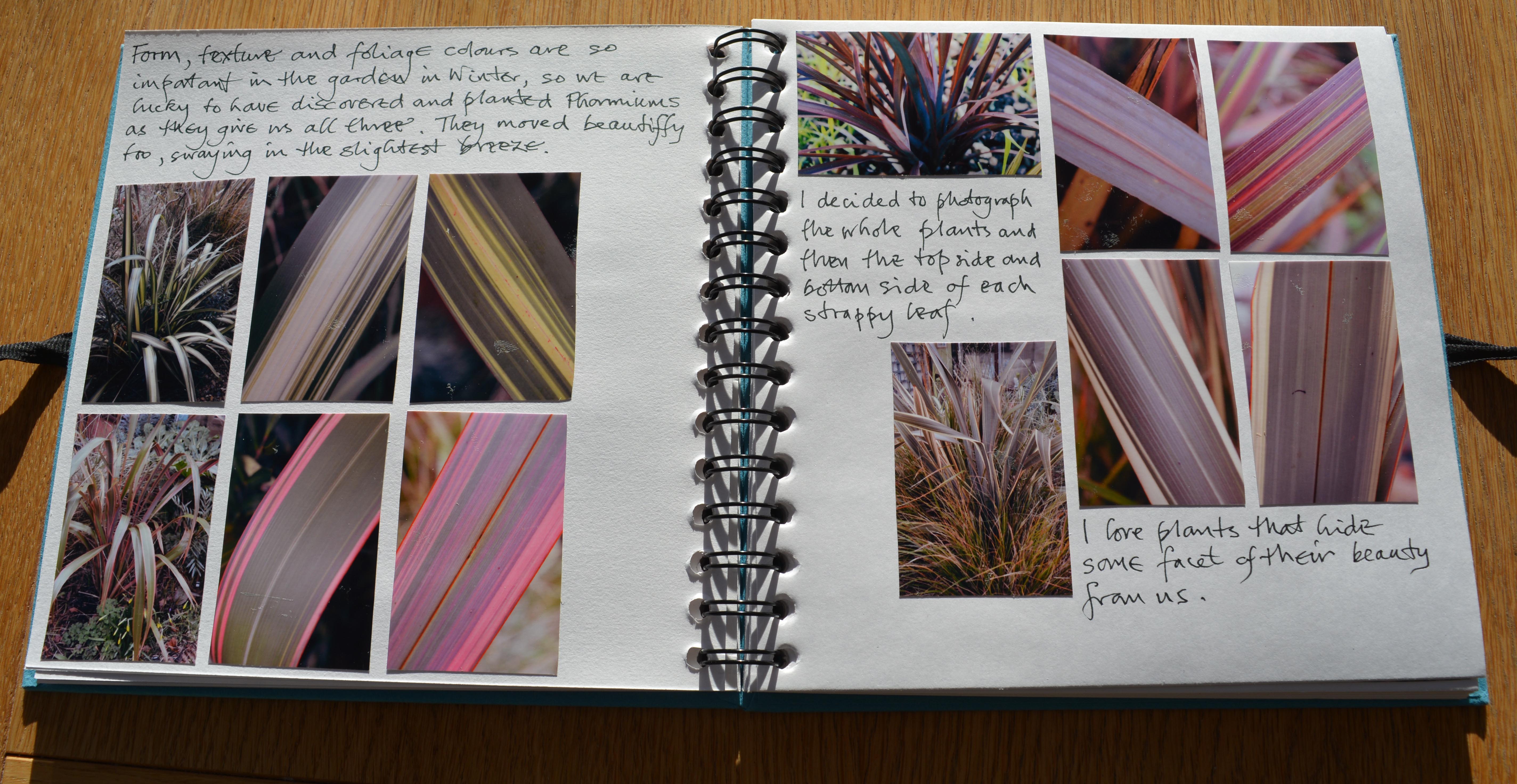
These pictures certainly illustrate how colourful and interesting the garden can still be in the depths of winter. From flowers I moved on to foliage, as on my next double page spread I celebrate Phormiums and how important they are to the winter garden.

2016 02 24_9074_edited-1

“Form, texture and foliage colours are so important in the garden in winter, so we are lucky to have discovered and planted Phormiums as they give us all three. They move beautifully too, swaying in the slightest breeze.”

2016 02 13_8632 2016 02 13_8640 2016 02 13_8651


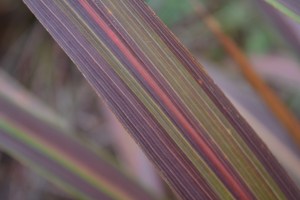
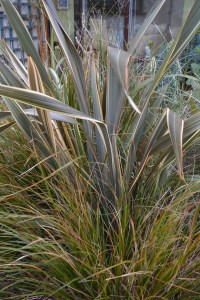
For some of our Phormium I took a shot of the whole plant and then one of the top surface of their leaves and finally the final surface. Their two surfaces are usually very different.

“I love plants that hide some facet of their beauty from us”.

2016 02 13_8633 2016 02 13_8634 2016 02 13_86352016 02 13_8630 2016 02 13_8639 2016 02 13_8638

2016 02 13_8655 2016 02 13_86532016 02 13_8654

2016 02 13_8631 2016 02 13_8637 2016 02 13_8636

In the final pages of my February entries in my Garden Journal I wrote about coloured stems and look back at my first garden journal to see what I had put for my February entry.  I discovered that I was writing about grass and grasses.

2016 02 24_9077_edited-1

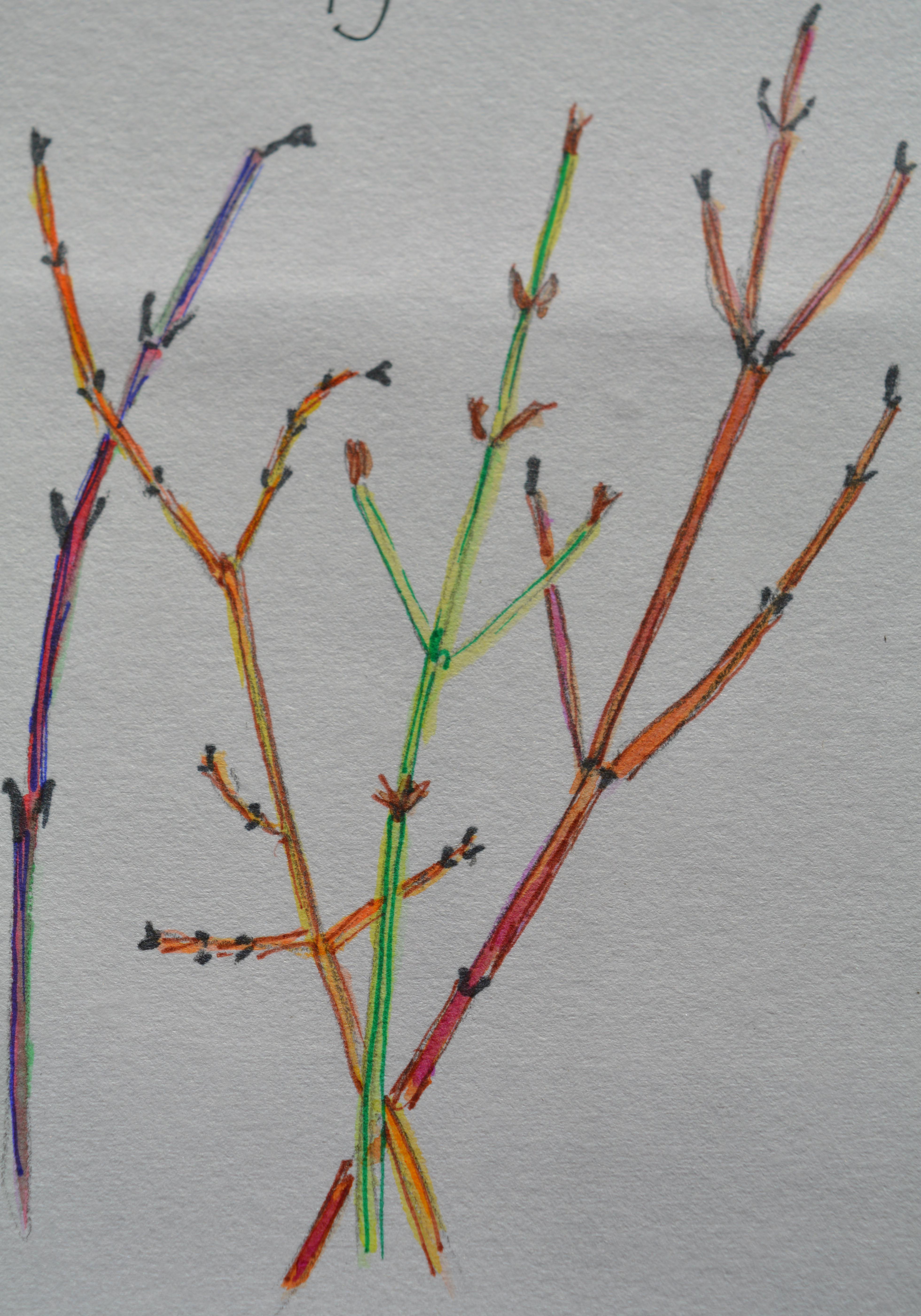
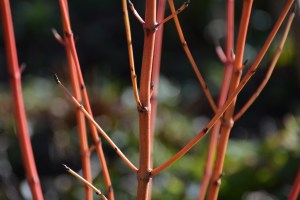
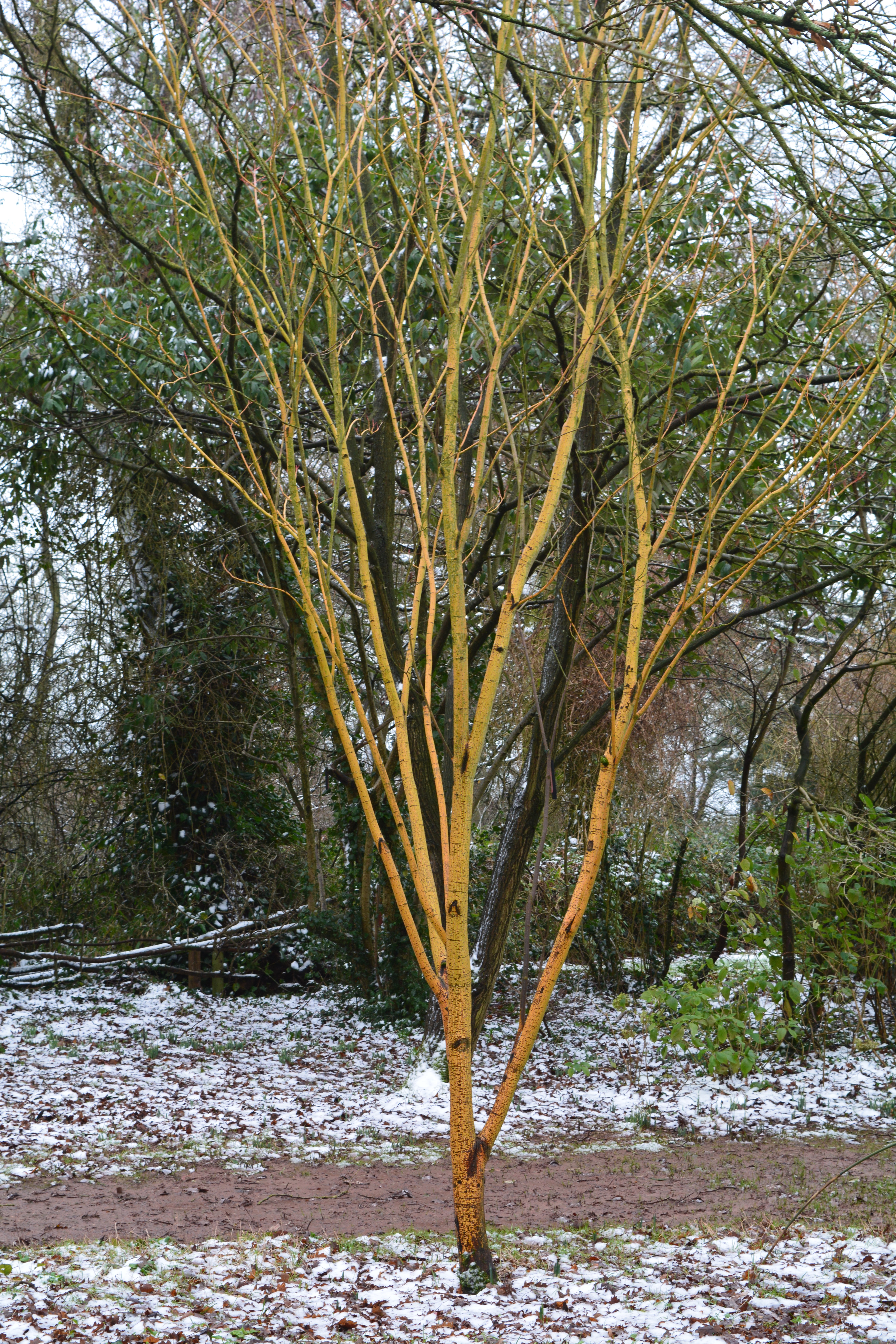
“It is in the dull times of February that we appreciate the brightly coloured stems of our Cornus, Salix and Acers. Once their leaves drop the colours, yellows, oranges and reds begin to intensify. I then shared a watercolour painting of a selection of these stems from our garden alongside a trio of photos.”

2016 02 24_9078_edited-1 2016 02 18_88972016 02 18_8874 2016 02 18_8898

Looking back at my original Garden Journal, I notice that I had commented “14th February and the grass gets its first cut. As the North wind died out the strength of the winter sun meant a good day could be had doing general maintenance work.” This year our grassed areas are wet and slimy and definitely too slippery to get a mower on. But the grass has continued to grow slowly so it is in need of its first cut. Meanwhile our ornamental grasses continue to delight.”

2016 01 22_8033 2016 01 22_8032     2016 01 22_7998-1 2016 01 22_7999-1

So that is it for another month. Next time we make a visit to my Garden Journal we will be in March and maybe we shall be seeing signs of spring.


Categories
birds diy garden photography garden wildlife gardening gardens grasses hardy perennials ornamental grasses ornamental trees and shrubs roses Shropshire shrubs

My Garden Journal 2016 – January

I will once again be keeping my garden journal during 2016 recording my thoughts on our own garden here at Avocet in the tiny hamlet of Plealey situated just inside the Area of Outstanding Natural Beauty, the South Shropshire Hills. I will share the sounds, sights and aromas of our garden and make mention of the wildlife that shares the garden with us. In 2015 I found a quote every month from a little book, ” Led by the Nose” written by Jenny Joseph. In 2016 I will look back at what I recorded in my first garden journal which I began in the first full year of living in Plealey. Although we moved here in August 2004 my journal began in January 2005. It will be interesting to compare 2005 with 2016.

So, welcome to our “Avocet” garden in 2016. I hope you enjoy the journey through the months with me.

2016 02 02_8154_edited-1

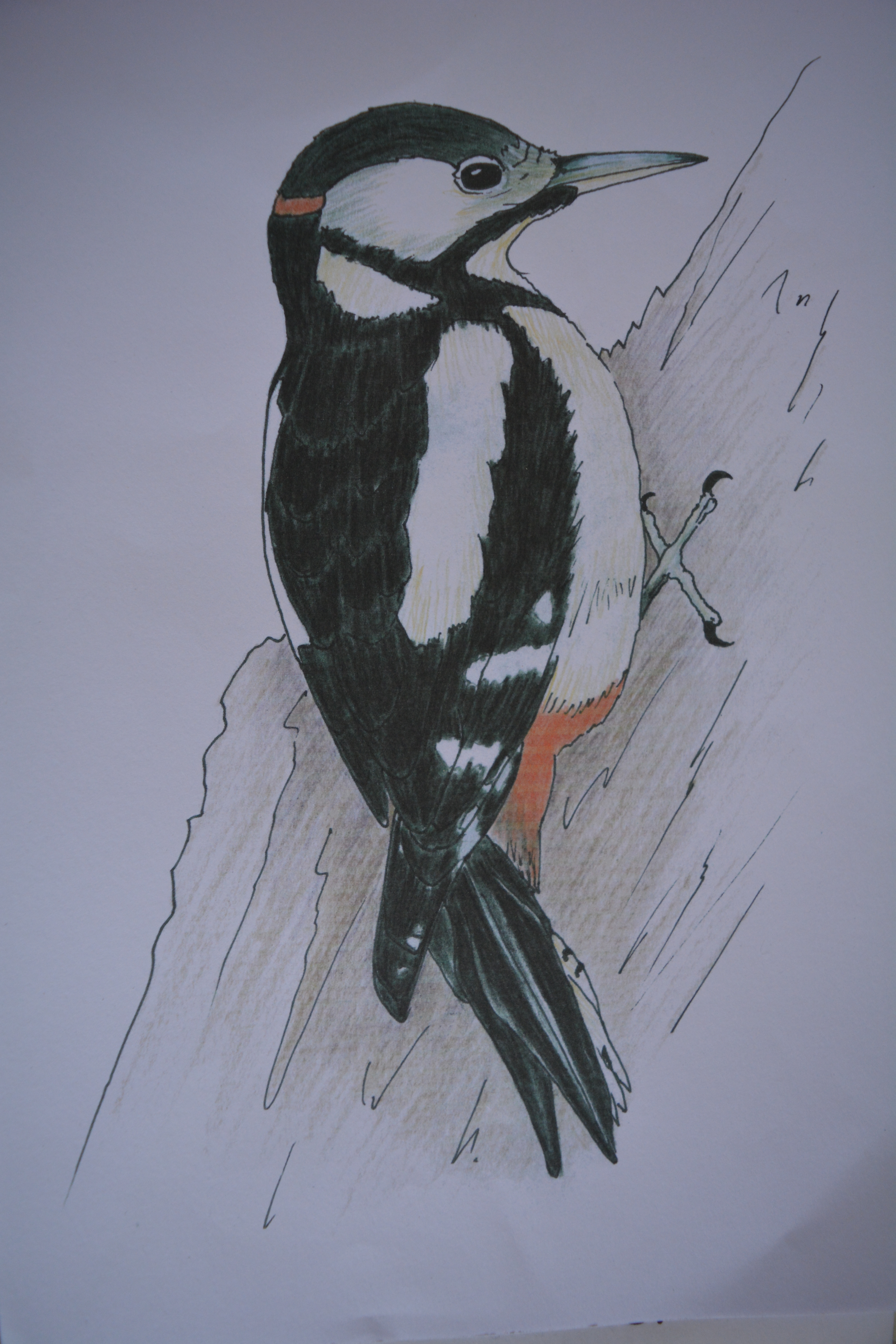
My first page for 2016 features my gouache painting of a Great Spotted Woodpecker and a few words about this charismatic garden visitor.

2016 02 02_8156_edited-1

“The Great Spotted Woodpecker makes its presence felt in our garden. It is black and white with splashes of bright red. It announces its arrival with a loud call as it flies in with its undulating flight. It hits the bird feeders hard so they swing around. These hungry birds stay feeding for far longer then any other bird.”

2014 12 21_8978

On the opposite page I write “Gardeners often pose the question“What is your favourite season in the garden?” It is easier for some to answer this question and they quickly give a definitive answer, while others find the choice impossible to make. For me? Well, I admit  I always answer “The one we are in.” Not many gardeners will say “winter” viewing it as a “non-time” in their gardens. Many put their gardens to bed for the winter by chopping a huge percentage of the plants to the ground. Their interest only returns when spring bulbs burst into flower. I absolutely love the winter garden!”

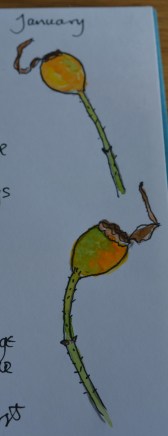
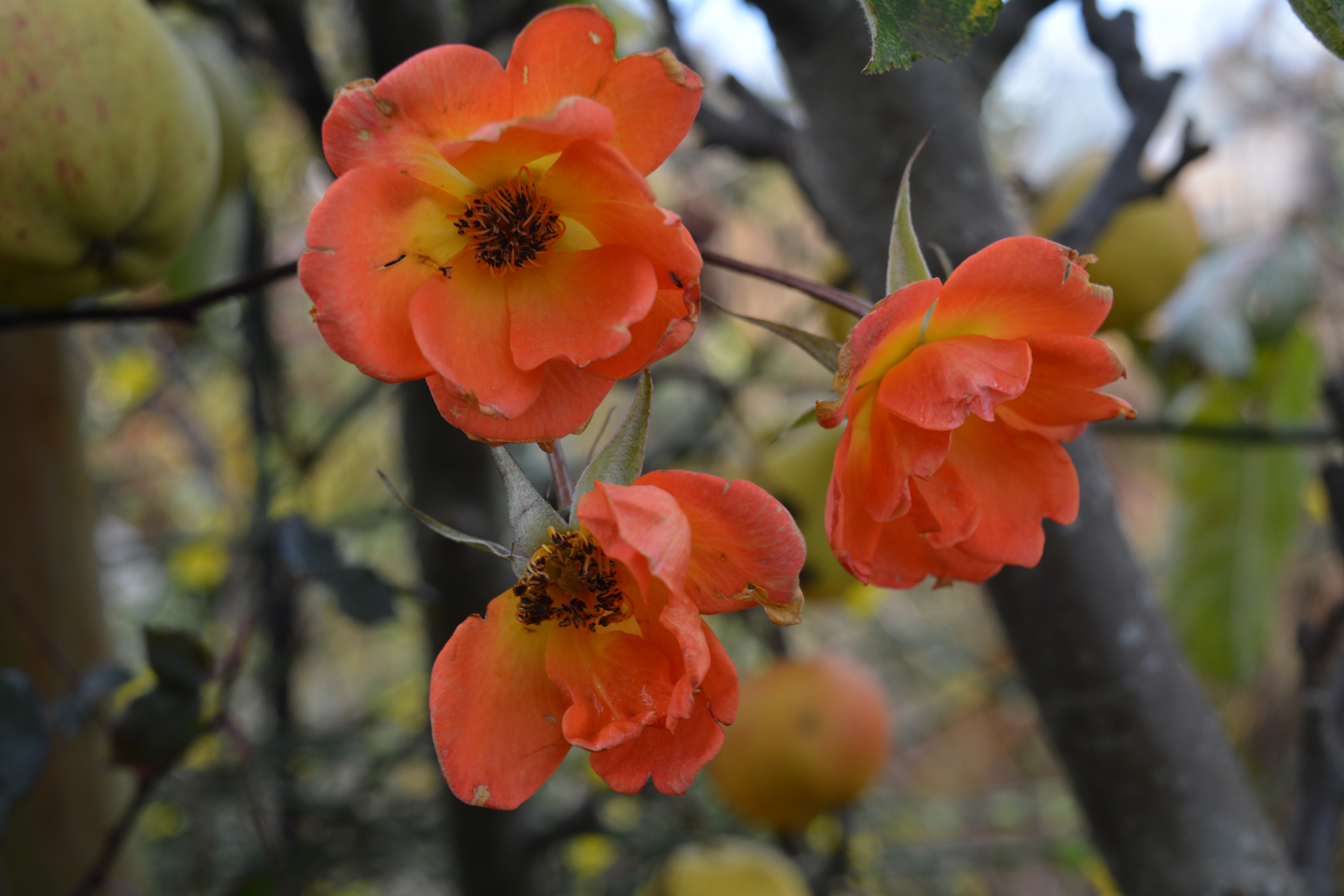
I illustrate the page with my watercolour painting of two hips from Rosa “Graham Thomas”, a David Austin New English Rose which we grow as a climber. It gives joy to the gardener for many months of the year with its profuse golden sunny yellow blooms and when it finally gives up in December it begins to produce its green hips which quickly turn to yellow then orange.

2016 02 02_8157_edited-1

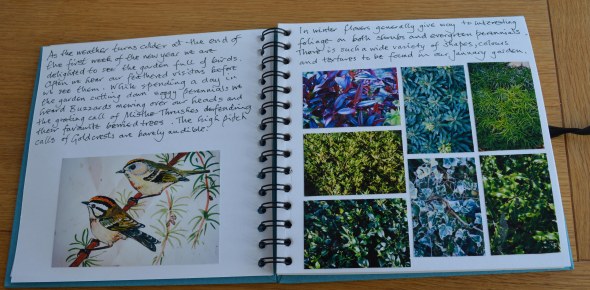
Turning the page over I write “As the weather turns colder at the end of the first week of the new year we are delighted to see the garden full of birds. Often we hear our feathered visitors before we see them. While spending a day in the garden cutting down soggy perennials we heard the Buzzards mewing over our heads and the grating call of Mistle Thrushes defending their favourite berried trees. The high pitch calls of Goldcrests are barely audible” Below these words we find my gouache painting of a pair of Goldcrests.

2014 12 21_8970_edited-12016 02 02_8158_edited-1

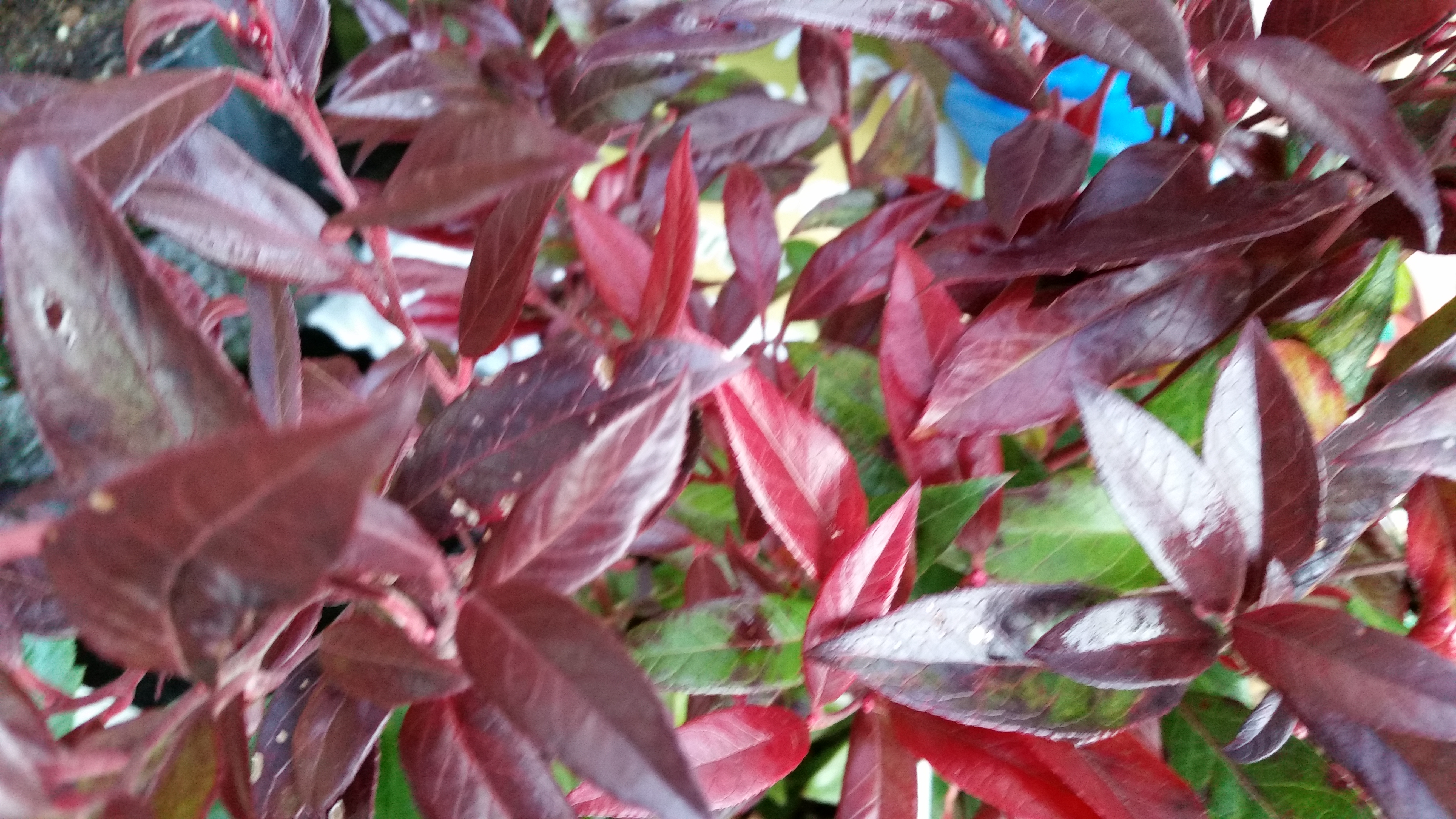
Foliage features on the opposite page where I write “In winter flowers generally give way to interesting foliage on both shrubs and evergreen perennials. There is such a wide variety of shapes, colours and textures to be found in our January garden”.

A selection of photographs which I took in the garden on the same morning follows.

2016 01 26_8079 2016 01 22_79952016 01 22_7997 2016 01 22_80262016 01 22_8001 2016 01 22_7994       2016 01 22_8010 2016 01 22_8009

Turning the next page my text is all about the scents of winter flowering shrubs.

2016 02 02_8159_edited-1

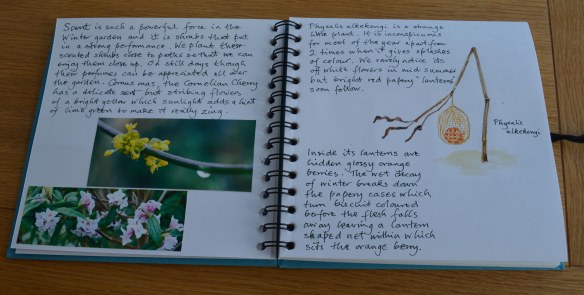
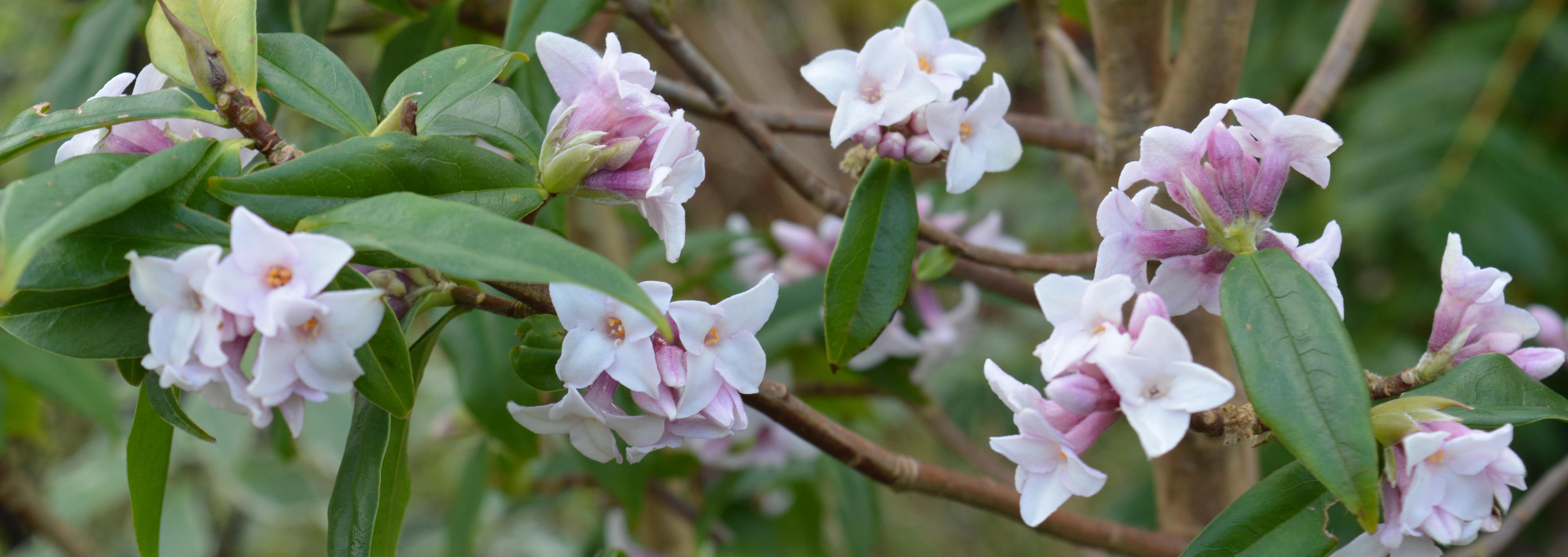
“Scent is such a powerful force in the winter garden and it is shrubs that put in a strong performance. We plant these scented shrubs close to paths so that we can enjoy them close up. On still days though their perfumes can be appreciated all over the garden. Cornus mas, the Cornelian Cherry, has a delicate scent but striking flowers of a bright yellow to which sunlight adds a hint of lime green to make it really zing.” 

A much more strongly scented winter flowering shrub grows close to the main path in our back garden and is generous with its scent spreading it all over nearby borders, is Daphne bhuloa “Jacquiline Postill”.

2016 01 04_7675_edited-1 2016 01 05_7740_edited-1

On the page opposite I put the spotlight on a plant called “Physalis alkenengi” as I had come across the skeletal remains of its fruiting head while gardening in the Hot Garden.

2016 02 02_8162

I write “Physalis alkekengi is a strange little plant. It is inconspicuous for most of the year apart for twice when it gives splashes of colour. We rarely notice its off-white flowers in mid-summer but bright red papery “lanterns” soon follow. Inside its lanterns are hidden glossy orange berries. The wet decay of winter breaks down the papery cases which turn biscuit coloured before the flesh falls away leaving a lantern shaped net within which sits the orange berry.”

I illustrated this page with a watercolour painting of this little garden treasure. It was a great challenge!

2016 02 02_8161

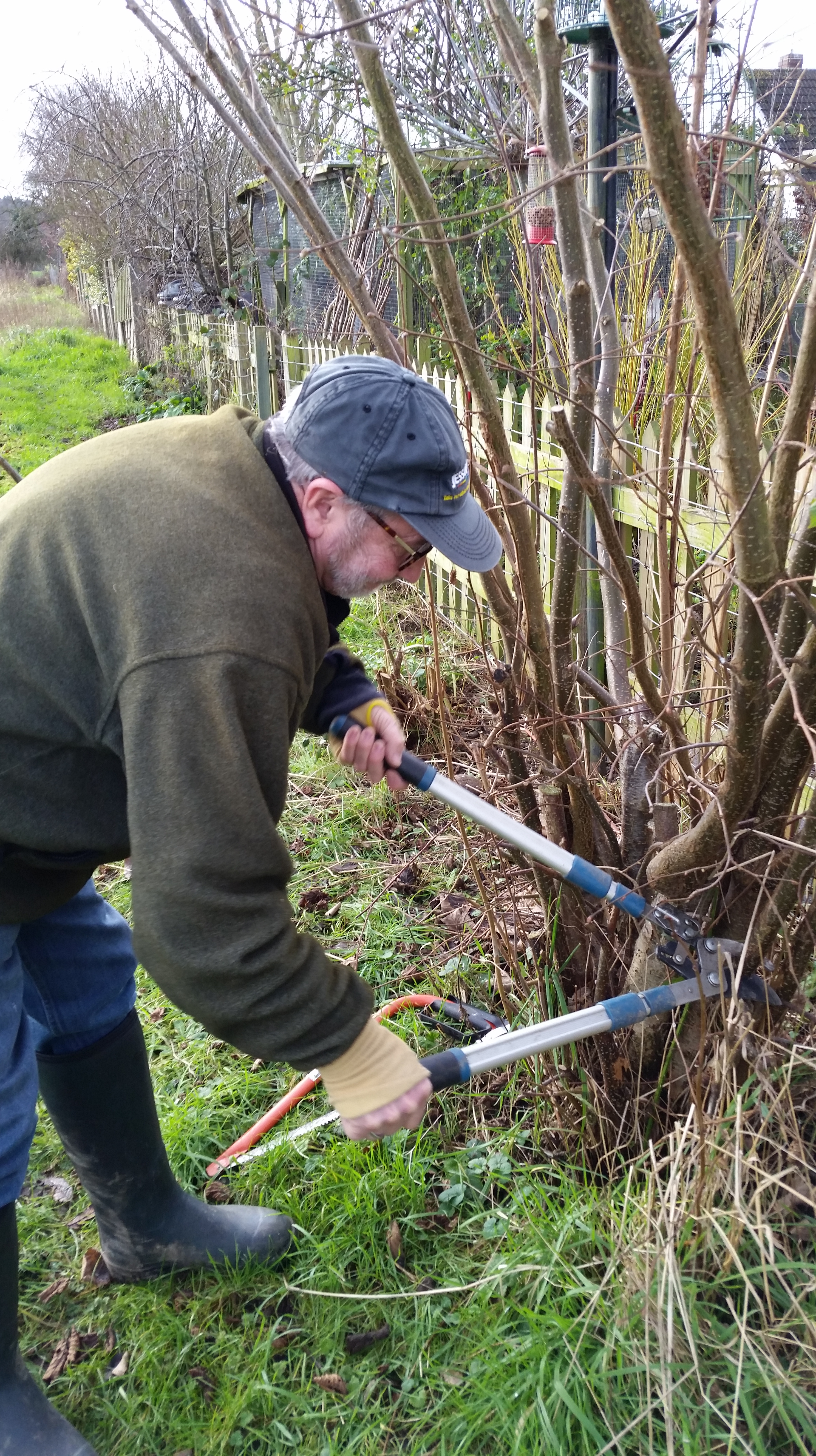
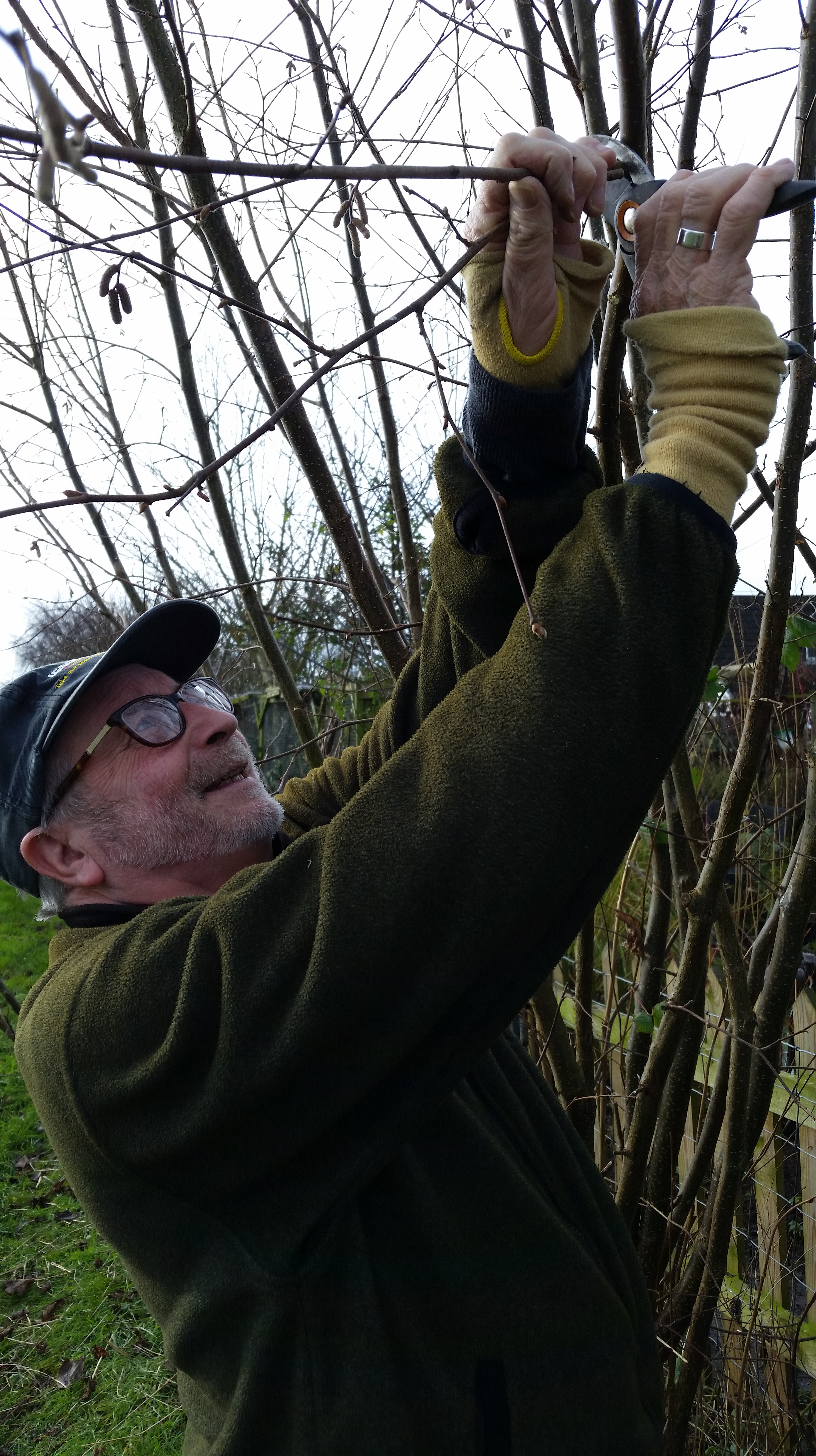
My next page is about two gardeners at work. Jude the Undergardener and I produce our own bean poles and pea sticks to use on our crops which we grow on our allotment plot.

2016 02 02_8163_edited-1

“Bean Poles and Pea Sticks

We have reached the stage now where our garden has matured enough to allow us to produce our own bean poles and pea sticks to use on our allotment. Our two Hazels provide us with the majority, but other shrubs add to our stash when we prune them.”

2016 01 26_8041 2016 01 26_8040 2016 01 26_8038 2016 01 26_8044 2016 01 26_8054 2016 01 26_8049

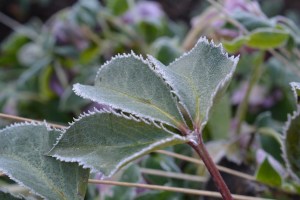
On the page opposite I share my photos of the first frost of 2016.

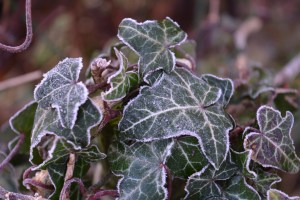
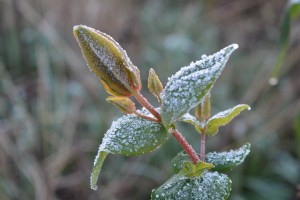
“The first frost of the year arrived in the third week of January. It added a new white dimension to foliage which sported rims of tiny white crystals.”

2016 01 17_7925-1 2016 01 17_7928-12016 01 17_7915-1 2016 01 17_7923-12016 01 22_8011 2016 01 17_7927-1

My final words and pictures in my January entry in my garden journal look back at my 2005 garden journal and a current garden project.

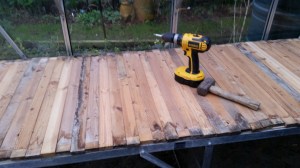
“Looking back at my January entries in my garden journal of 2005, I notice that I was then building a heated propagator in our new 14 foot by 8 foot greenhouse. This has served us well over the years making seed germination so much easier. This year I am making a much bigger propagating bench. For this version I will need support of my Undergardener, Jude.”

I hope you enjoy my photographic journey through this most enjoyable two day project. It was a good task to do while the weather outside was too cold, windy and wet to get any outdoor gardening done. The greenhouse was warm and snug so a good place to be working.  When describing our efforts I used short captions for each photograph.

2016 02 02_8150 2016 02 02_8151

Using recycled wood we made a new bench. We checked it was perfectly level.”

2016 02 02_8136 2016 02 02_8137

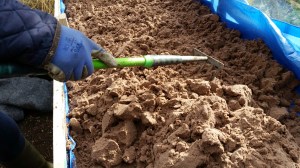
“We fixed in a double layer of insulation boards after adding an edge of 6 inch board. Then we fixed on a layer of plastic sheet.”

2016 02 02_8142 2016 02 02_8133

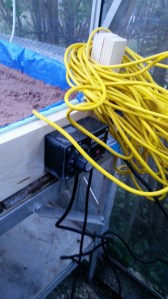
“We added a 2 inch layer of soft sand. The control box, thermostat and probe were fixed to the box.”

2016 02 02_8127 2016 02 02_8128

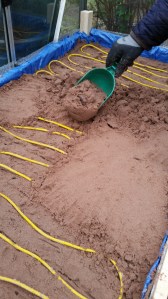
“Then we laid out our heating cable carefully. The cable had to be covered in soft sand.”

2016 02 02_8129 2016 02 02_8118

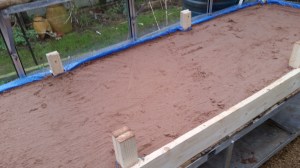
A second layer of soft sand was added to a depth of 2 inches. We carefully made it level. The final touch – a layer of capillary matting”.

Here ends the entries from the first monthly entry into my Garden Journal for 2016. See you in February when we will start to use our newly constructed heated propagation bench.


Categories
colours flowering bulbs garden photography gardening gardens gardens open to the public grasses hardy perennials ornamental grasses ornamental trees and shrubs Shropshire Staffordshire trees Winter Gardening winter gardens

The Dorothy Clive Garden Month by Month – January

This is the report of our first visit to this year’s featured garden, the Dorothy Clive Garden. We have been making occasional visits to this beautiful garden for about forty years now and have enjoyed many new developments for this is not a garden to rest on its laurels. It is affiliated to the Royal Horticultural Society and is run by the Friends of Willoughbridge Garden Trust.

2016 01 17_7903_edited-1

The garden was born way back in 1940 when Harry and Dorothy Clive lived in the large white house, Elds Gorse. The first area to be tackled was the old quarry which is now a richly planted Dingle Garden. Harry Clive created this first part of the garden so that his wife, who was suffering from Parkinson’s Disease could take daily exercise in a beautoful garden. Sadly she died in 1942 and Harry continued to develop the garden as a tribute to his wife. In 1958 the Willoughbridge Trust was founded to ensure that the garden continued for ever as a place of “rest and recreation” for the public.

2016 01 17_7843_edited-1

We made the one hour journey to the Dorothy Clive Garden on a very cold morning in mid-January. We were surprised to drive through areas of snow and arrived at the garden to find snow covering the garden in a shallow layer. We left our tracks in the snow as did a Grey Heron before us.

2016 01 17_7785 2016 01 17_78002016 01 17_7846

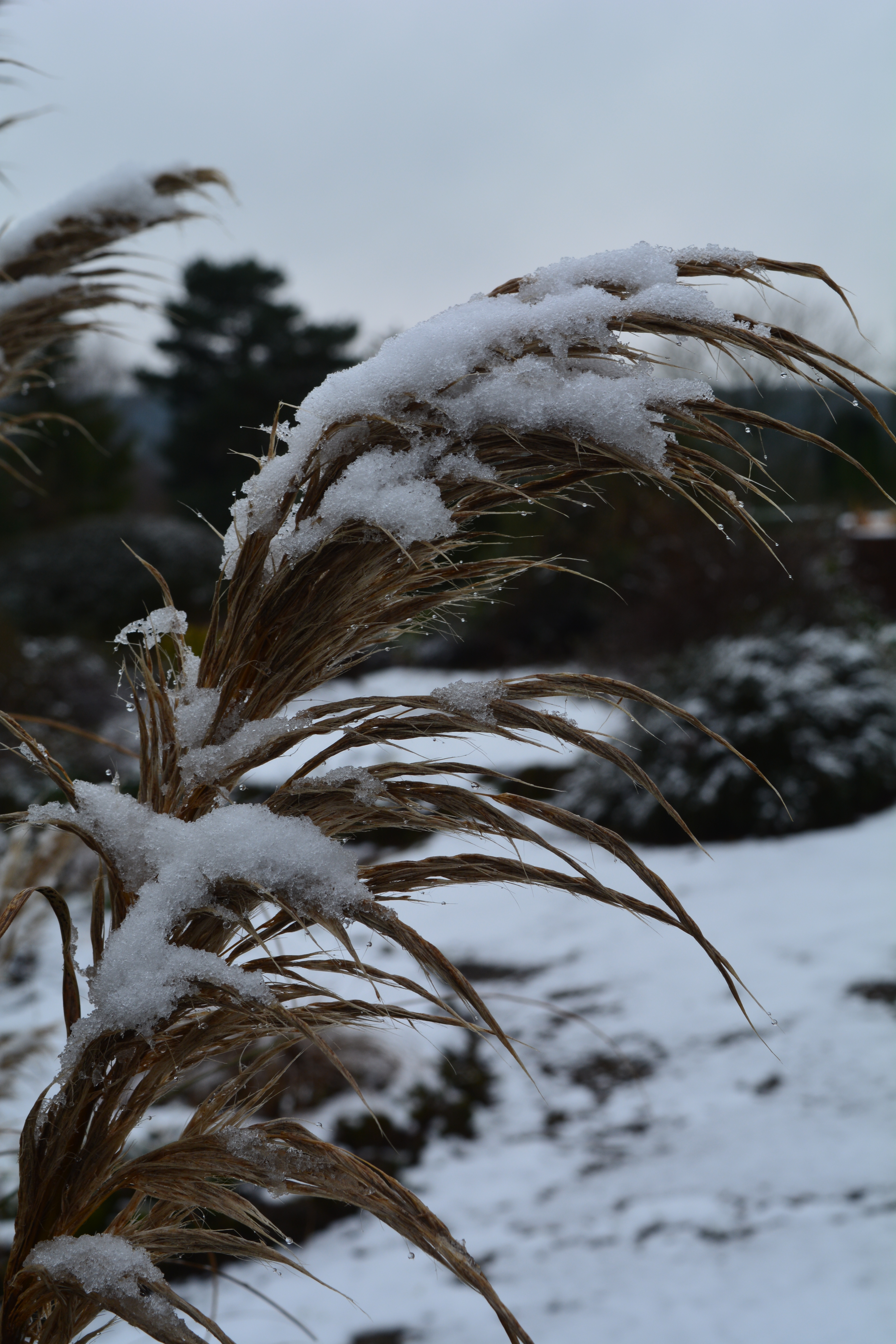
Snow decorated the foliage of trees and shrubs where later in the year we will discover the colours and scents of their flowers. The weight of wet melting snow bent grasses down towards the ground and gave the plants a graceful shape.

2016 01 17_7786 2016 01 17_7788 2016 01 17_7789 2016 01 17_7791 2016 01 17_7792 2016 01 17_7793  2016 01 17_7794 2016 01 17_7807

The first view of the garden opened up before us as we climbed a gently sloping path towards the tea shop which in winter doubles up as the ticket office. Naturally we were tempted by the aroma of warm coffee and the sight of home made cakes. The little flower arrangements in the centre of each table added to the warm welcome we received from the staff.

2016 01 17_7790 2016 01 17_7798

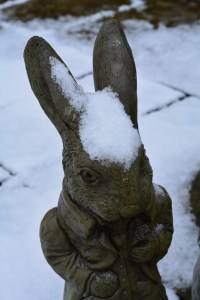
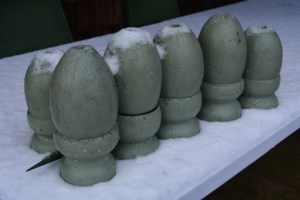
Just outside the tearoom the little nursery area held plants hidden under snow and sculptures of rabbits and hares wearing hats of snow. The gardeners had been painting acorn fence-post tops a gentle shade of green.

2016 01 17_77952016 01 17_7796 2016 01 17_7797

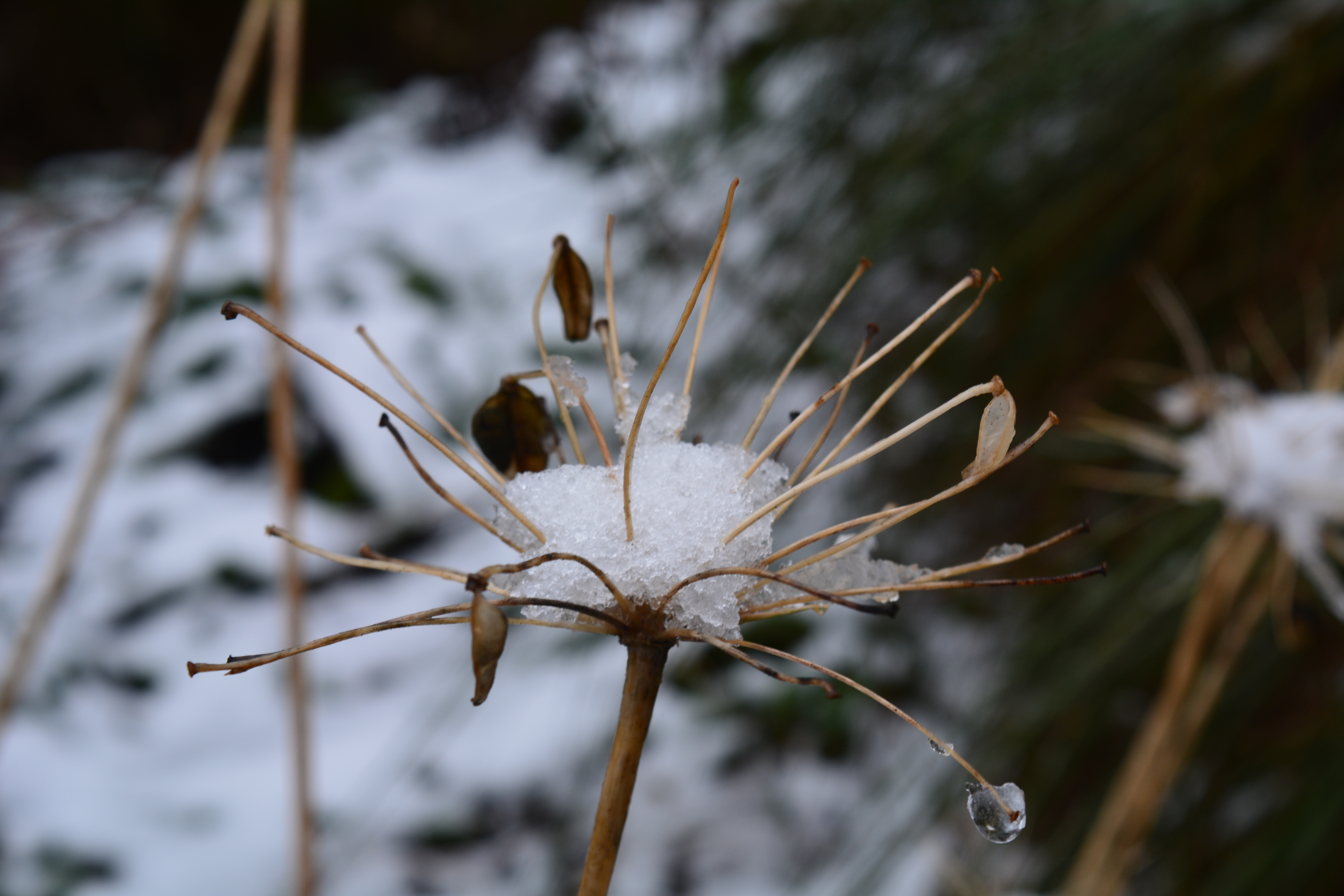
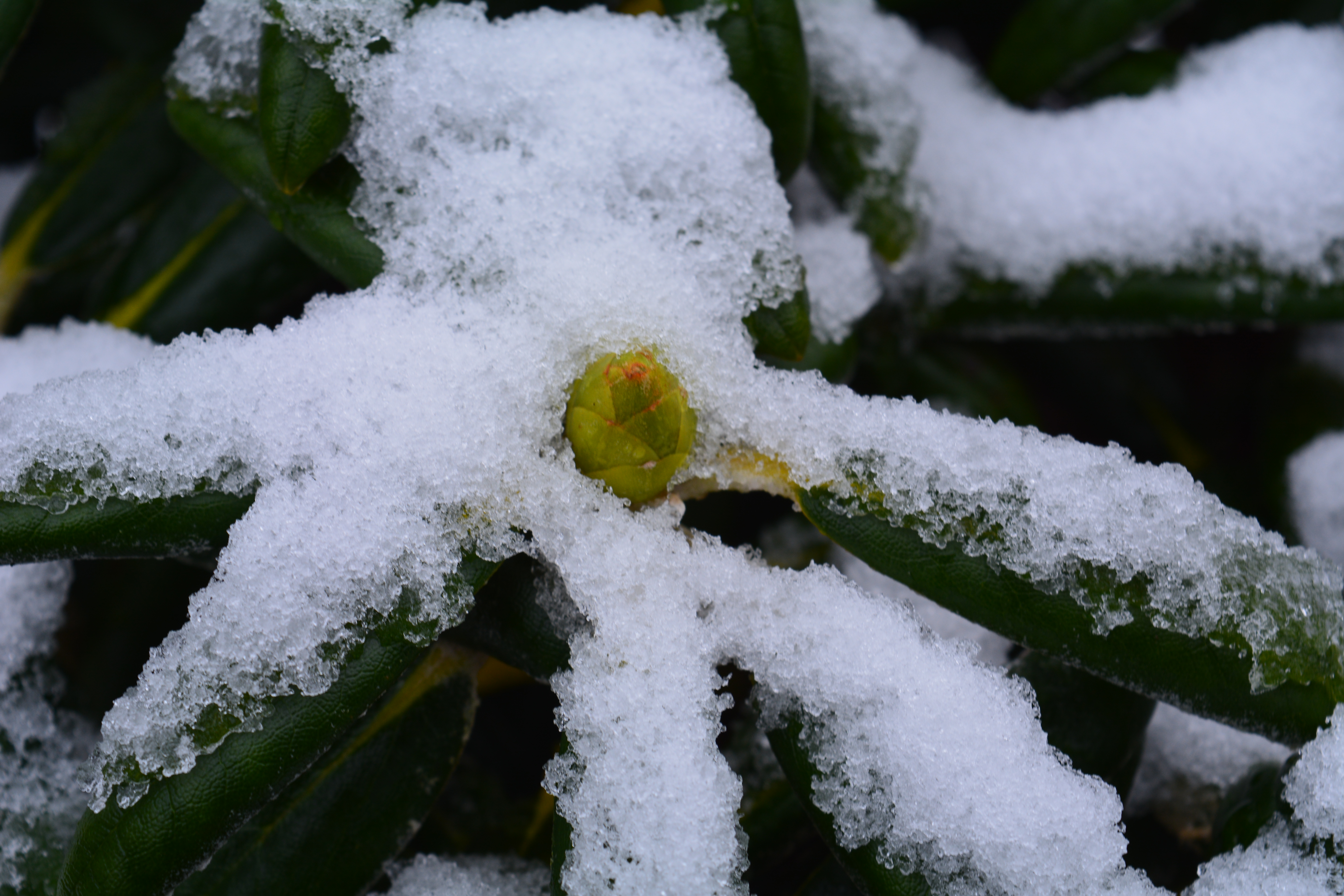
We left the tea shop and mini-nursery to walk towards the Dingle Garden an area of woodland garden created in an old quarry. Snow topped off the buds and leaves of Azaleas and Rhododendrons and the seed heads of the occasional herbaceous perennials.

2016 01 17_7804 2016 01 17_7870 2016 01 17_7874 2016 01 17_7815 2016 01 17_7808 2016 01 17_7813

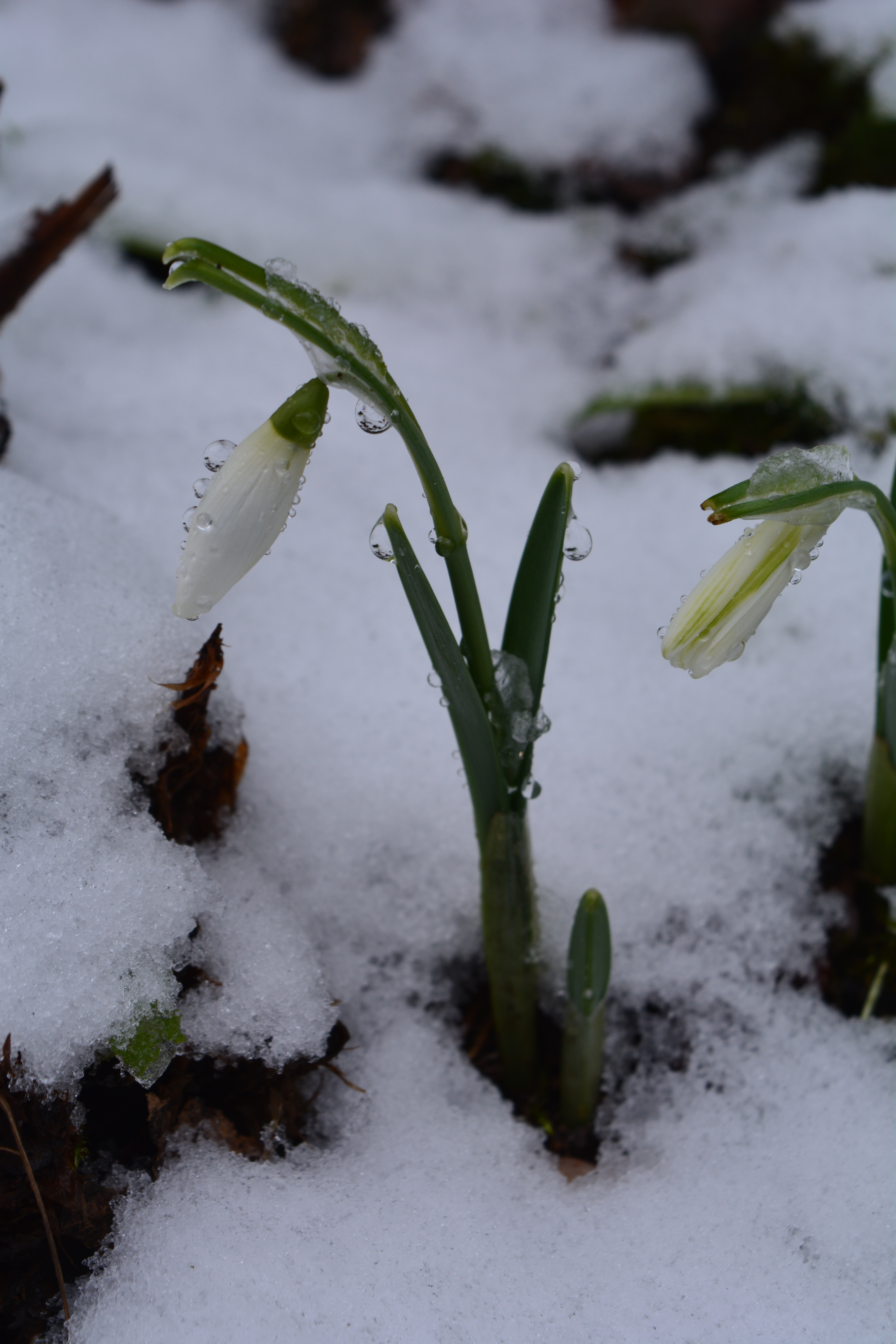
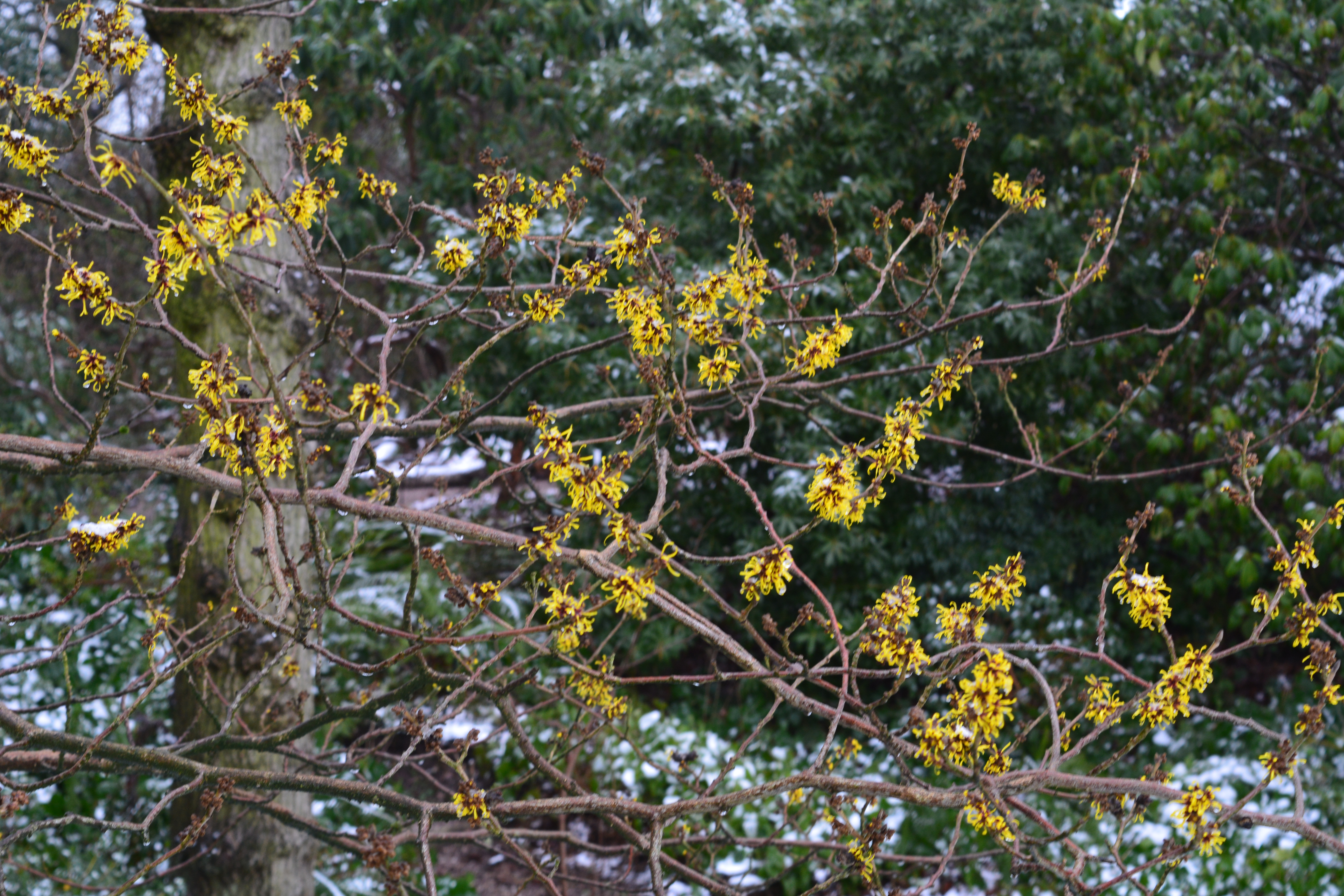
But we were particularly delighted to find flowers out, the simplest of Snowdrops with droplets of melted snow hanging from their stems, the occasional Rhododendrons and Camellias and Witch Hazels in sunshine colours.

2016 01 17_7809 2016 01 17_7810 2016 01 17_7811 2016 01 17_7836

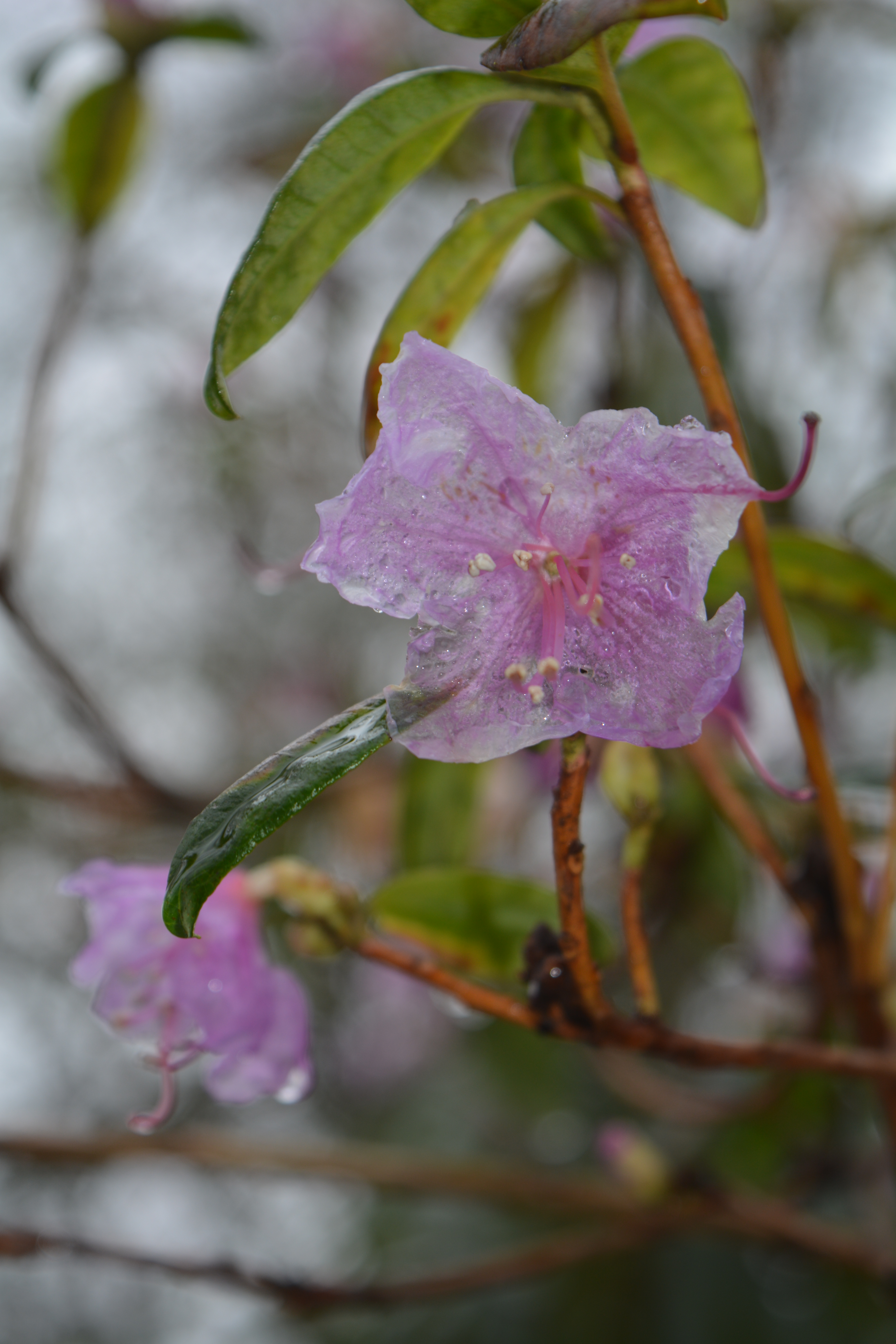
The overnight snow and ice had turned this pink Rhododendron translucent and delicate, while the flowers in the Camellia Walk were just managing to hang on. The pink scented flowers of this Daphne however shrugged off the cold and looked fresh and cheerful.

2016 01 17_7827 2016 01 17_7818_edited-12016 01 17_7902 2016 01 17_79052016 01 17_7881_edited-1

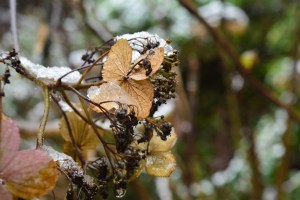
Hydrangeas looked as good covered in seed heads as they do in flower with gentle biscuit and ginger hues.

2016 01 17_7819 2016 01 17_7825

During the winter when undergrowth has died away and low growing deciduous shrubs have dropped their leaves the trunks of Rhododendrons and Azaleas are exposed. We can then appreciate their amazing scrolls and curlicues.

2016 01 17_7821 2016 01 17_7822 2016 01 17_7830 2016 01 17_7823 2016 01 17_7824 2016 01 17_7868

The new winter garden at the Dorothy Clive Garden was a surprise to us as it is totally new so we didn’t know it existed. A great surprise! The Laburnum Arch through which we left the Winter Garden has been a popular feature of the garden for many years.

2016 01 17_7837 2016 01 17_7838 2016 01 17_7842 2016 01 17_7844 2016 01 17_7845 2016 01 17_7847

The colours and textures of trees can add so much to any garden and the gardeners at Dorothy Clive certainly know how to choose them and place them to best advantage.

2016 01 17_7850 2016 01 17_7857 2016 01 17_7860 2016 01 17_7864 2016 01 17_7866 2016 01 17_7869

You only need the tiniest touch of light on berries to make them sparkle. The last drops of melting snow hung on many.

2016 01 17_7898 2016 01 17_7897_edited-1

Mahonias are always a good plant in any garden with their glossy evergreen leaves which show rich autumn colours and in the winter yellow scented flowers appear to be followed by black berries with a white floury dusting.

2016 01 17_7885 2016 01 17_7891

We shall return for part two of this January visit to our feature garden of 2016 to see what other treats the Dorothy Clive Garden has in store for us.


Categories
autumn autumn colours colours garden photography gardening hardy perennials ornamental trees and shrubs poppies roses Shropshire shrubs Winter Gardening

My Garden Journal – November

The penultimate visit to my garden journal for this year is here already, and I write this as November comes to a close. The strong winds of November howl around the house and roar down our chimneys. The rain has persisted for virtually every day of the month along with the strong winds.

My journal for the dreary month of November began “Our wonderful, heart warming Indian Summer lasts until the very last day of October, so we waited for the first day of November hoping for the continuation of warm, bright days. The eleventh month is usually a time of mists, fog and heavy dews.”

Jenny Joseph wrote of November, “Much of November belies the dread attached to its reputation, the shutting down, the gloom, the fog, the dark wet, the cold and the colds, autumn shrinking into winter.”

2015 11 30_7310_edited-1

On November 1st we woke to a heavy dew, thick fog and the rest of the day was damp and dreary. The whole first week was the same. Oh dear!

Thank goodness for our garden which on the dreariest of days provided bright, colourful sparks. In every border there is a flower blooming its heart out to please us and of course any brave bees out on the wing in search of pollen and nectar.

All the photos below were taken on the same day in late November.

2015 12 01_7376_edited-1 2015 12 01_7361_edited-1 2015 12 01_7412 2015 12 01_7406 2015 12 01_7398 2015 12 01_7389 2015 12 01_7387 2015 12 01_7382 2015 12 01_7384 2015 12 01_7383 2015 12 01_7381 2015 12 01_7380 2015 12 01_7379 2015 12 01_7378 2015 12 01_7374 2015 12 01_7372 2015 12 01_7371 2015 12 01_7370 2015 12 01_7343 2015 12 01_7346

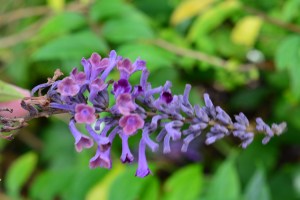
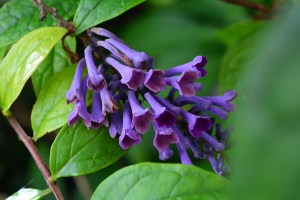
I next wrote about a real favourite plant of mine, a shrubby Buddleja rarely grown but oh so beautiful! Buddleja lindleyana.

We grow an unusual Buddleja, which is still flowering this month. Buddleja lindleyana hails from china and boasts beautiful two-tone purple flowers. Racemes arch from the tip of every arching stem. Sadly it is rarely grown. I take cuttings every November to give to friends. They love it too!”

2015 11 30_7311_edited-1

I enjoyed painting it too!

2015 11 30_7312_edited-1

I took a couple of photos as well which you may like to see, as they illustrate the colour range found within the flowers.

2015 10 28_6954 2015 10 28_69552015 09 21_5471 2015 09 21_5469

On the opposite page from my Buddleja lindleyana painting I have featured another special plant again rarely grown. This one though is a tree, an Acer.

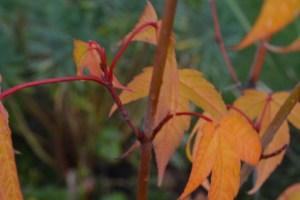
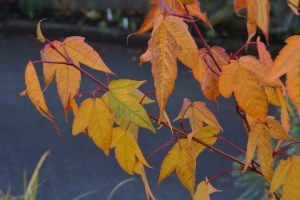
“A young Acer tree is growing in our front garden. At this time of the year its leaves turn into the colours of fire. Its leaf petioles glow red. Acer pectinatum – a very special tree!”

2015 10 26_6826-2 2015 10 26_6830-22015 10 26_6827-2 2015 10 26_6838-2

Turning the journal’s page over we have a mouth watering page about apples! and on the opposite page I look at our Viburnums.
2015 11 30_7313_edited-1

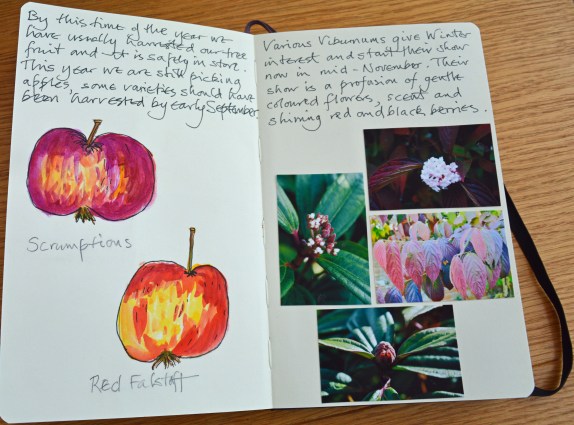
“By this time of the year we have usually harvested our tree fruit and it is safely in store. This year we are still picking apples, some varieties should have been harvested by early September.” 

I reveled in the chance to get out the watercolours and study two tasty and very colourful apples, Scrumptious and Red Falstaff which grow one either side of the green house door.

2015 11 30_7314_edited-1

I moved on to consider the Viburnum shrubs putting on performances in our garden this month. “Various Viburnums give Winter interest and start their show now in mid-November. Their show is a profusion of gently coloured flowers, scent and shining red and black berries.”

2015 12 01_7341 2015 10 26_6950-22015 12 01_7375-1 2015 09 24_5834 2015 09 24_5888 2015 09 24_5836

More shrubs graced the next few pages too, deciduous Euonymus and a Hydrangea.

2015 11 30_7315_edited-1

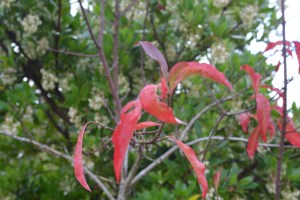
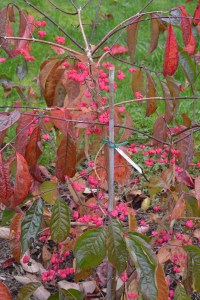
“Our deciduous Euonymus give us so many shades of pink as they metamorphose into their Autumn personas.”

2015 10 19_6224-1  2015 10 26_6749-2 2015 10 26_6837-2

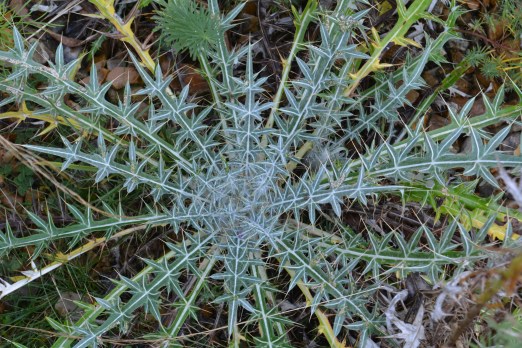
At the bottom of this page beneath the Euonymus I just found room for a pic of the thistle-like Silybum maritimum.

“The teal-green and silver foliage rosette will give us these colours through the winter. In Spring flowering shoots will creep upwards full of promise.”
2015 10 26_6839-2

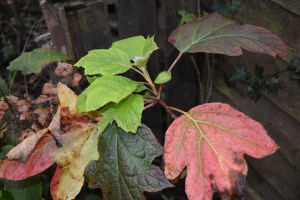
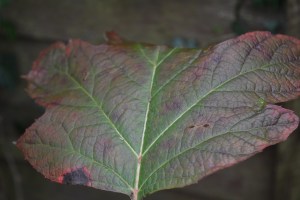
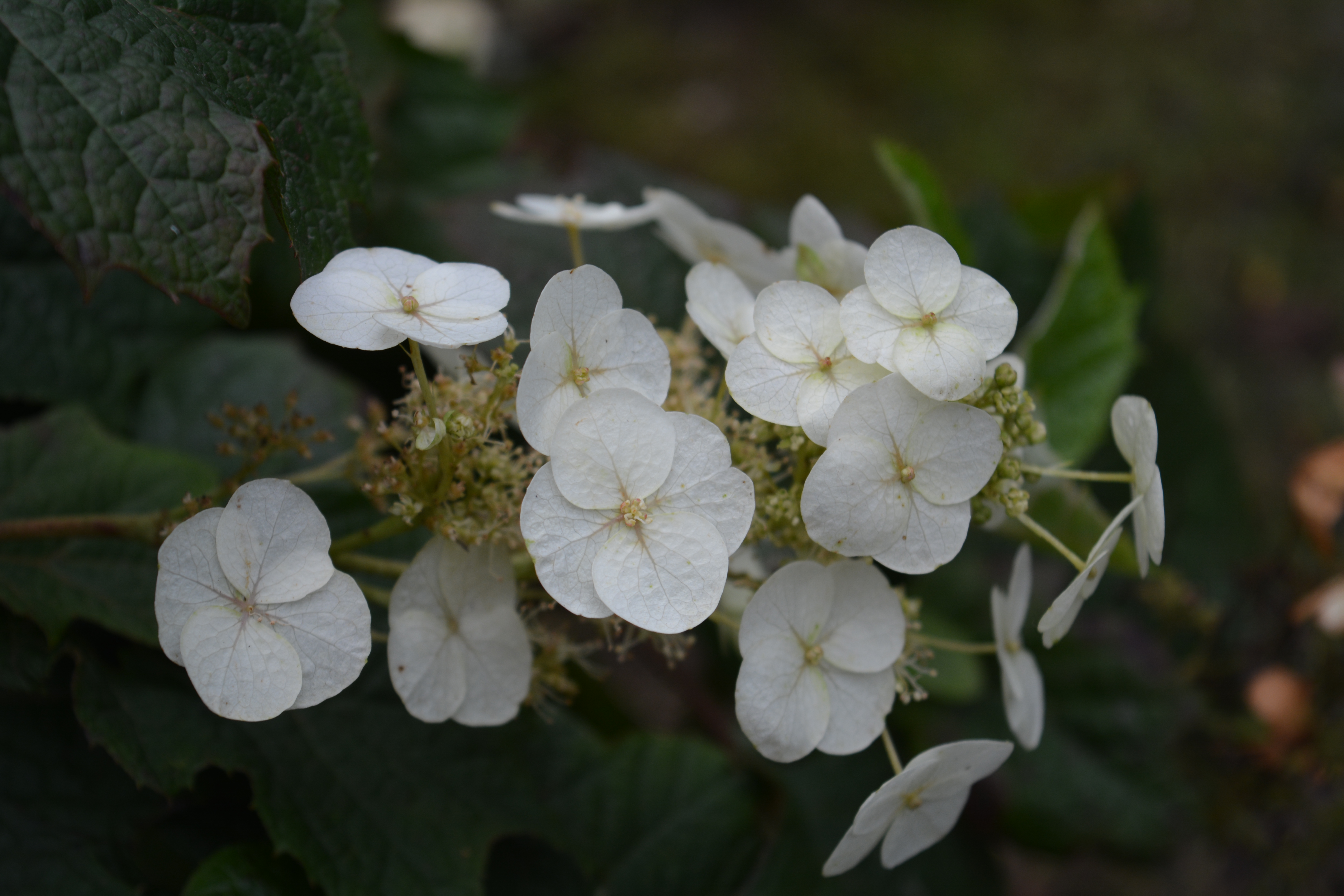
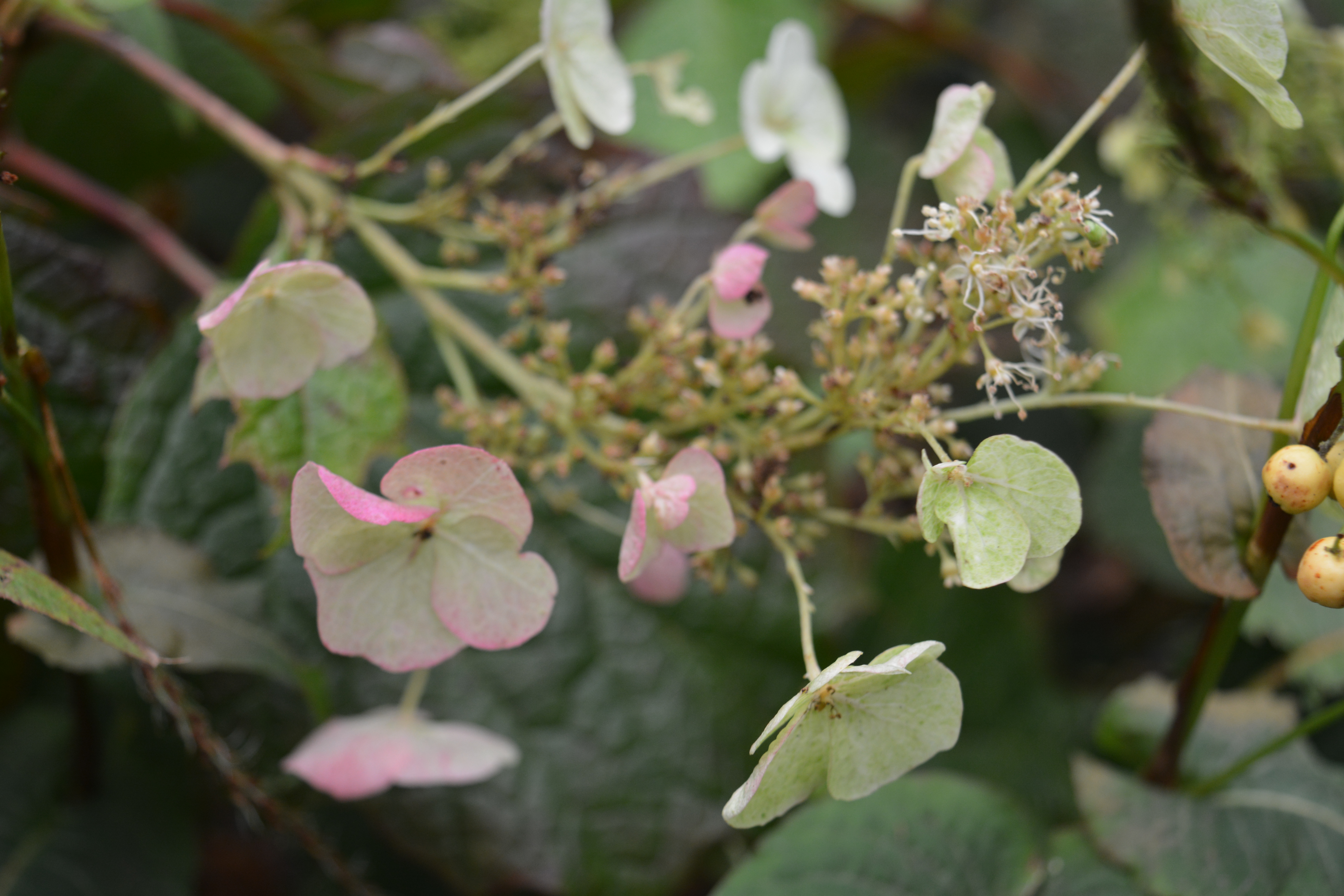
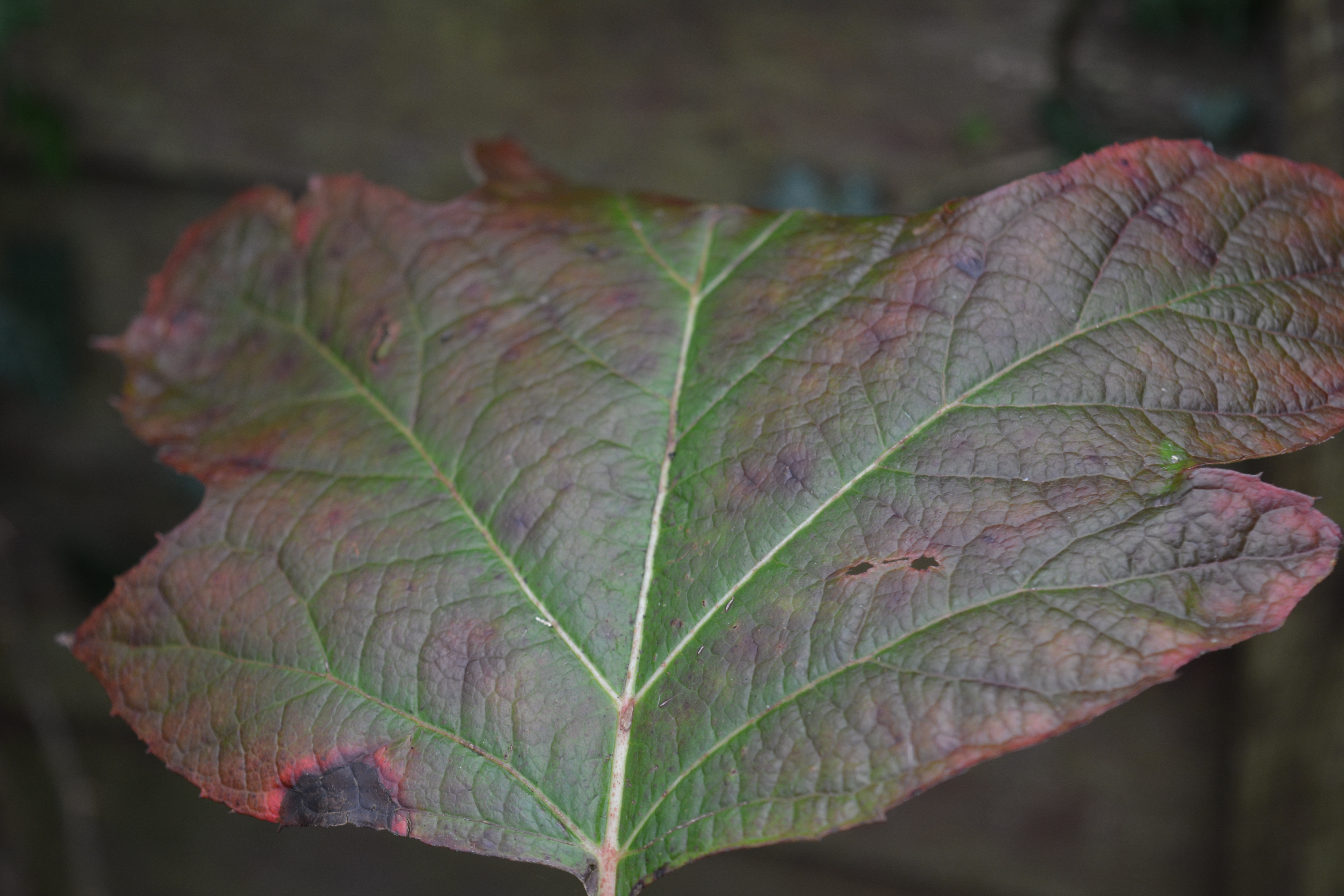
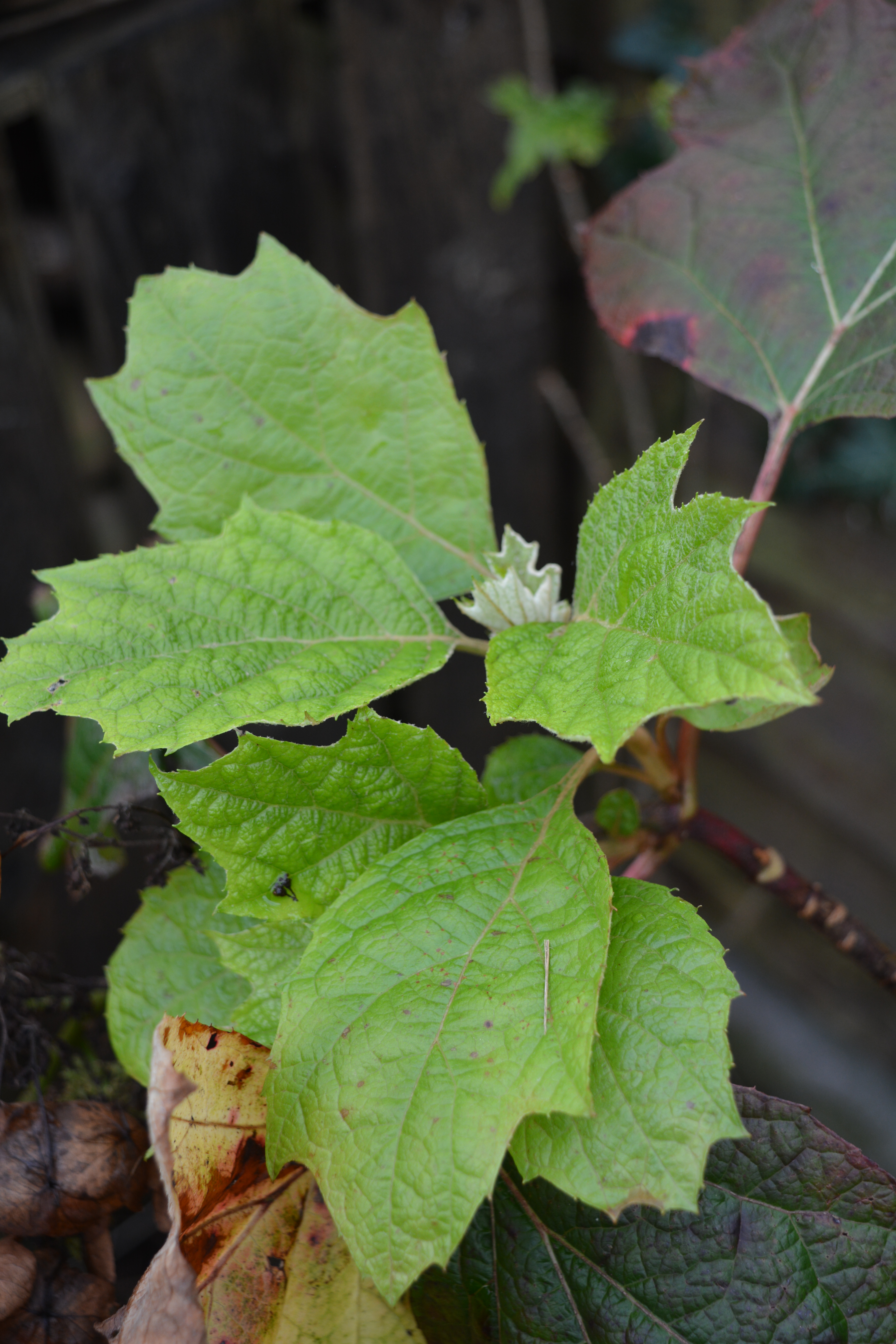
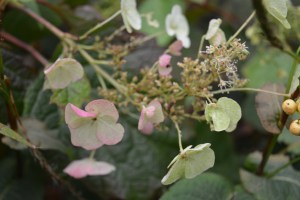
Another all time great of the shrub world is featured on my next page in the journal, A Hydrangea that gives us flowers that change colour, foliage that changes colour and a most unusual shaped leaf for a Hydrangea. It is Hydrangea quercifolia.

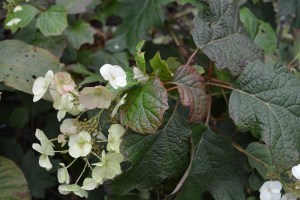
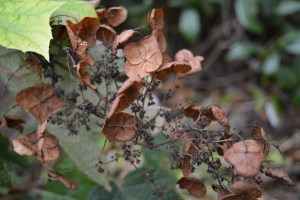
I wrote of it, “Hydrangea quercifolia is giving its all in the garden with white flowers turning pink and then finally rust. Autumn turns its leaves from bright apple green through to ruby red.” 

Its name gives a clue to its leaf shape as quercifolia means simply “oak leaved”. Our specimen has an extra attribute in that in Summer on humid days it emits a sweet honeyed scent. As far as I know they are not supposed to be graced with scent of any kind let alone one so special.

2015 11 27_7283 2015 11 27_7284 2015 11 27_7285 2015 11 27_7286 2015 11 27_7280 2015 11 27_7281 2015 11 27_7282 2015 12 01_7401-1

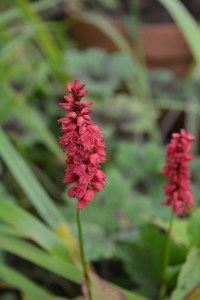
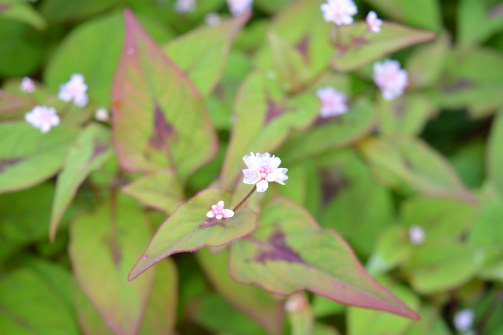
My last double page spread is all about Persicarias, a really useful perennial for any garden with hints of the new perennial movement or a nod towards the Prairie style planting. We love both these styles so we grow several different ones.

2015 11 30_7316_edited-1

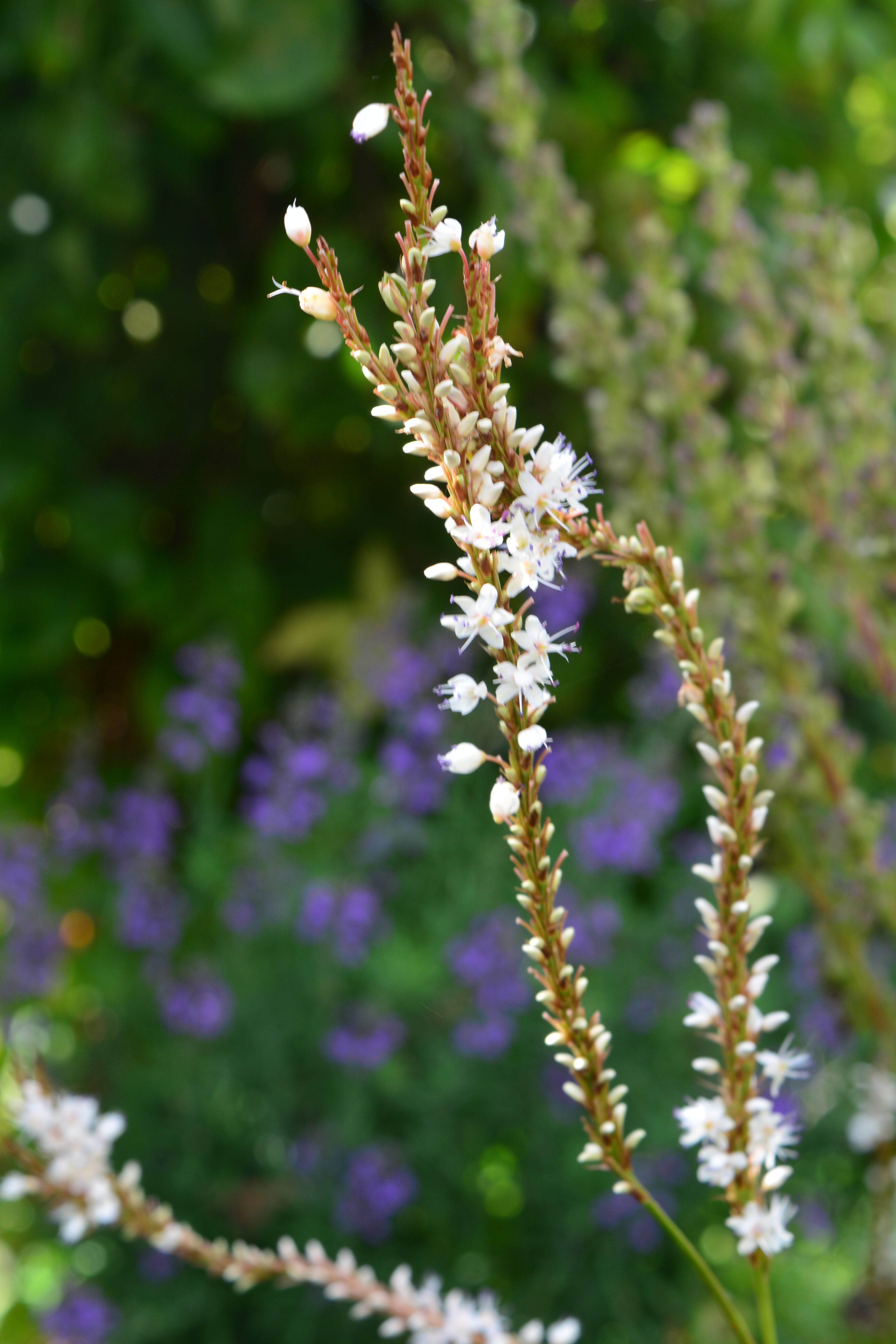
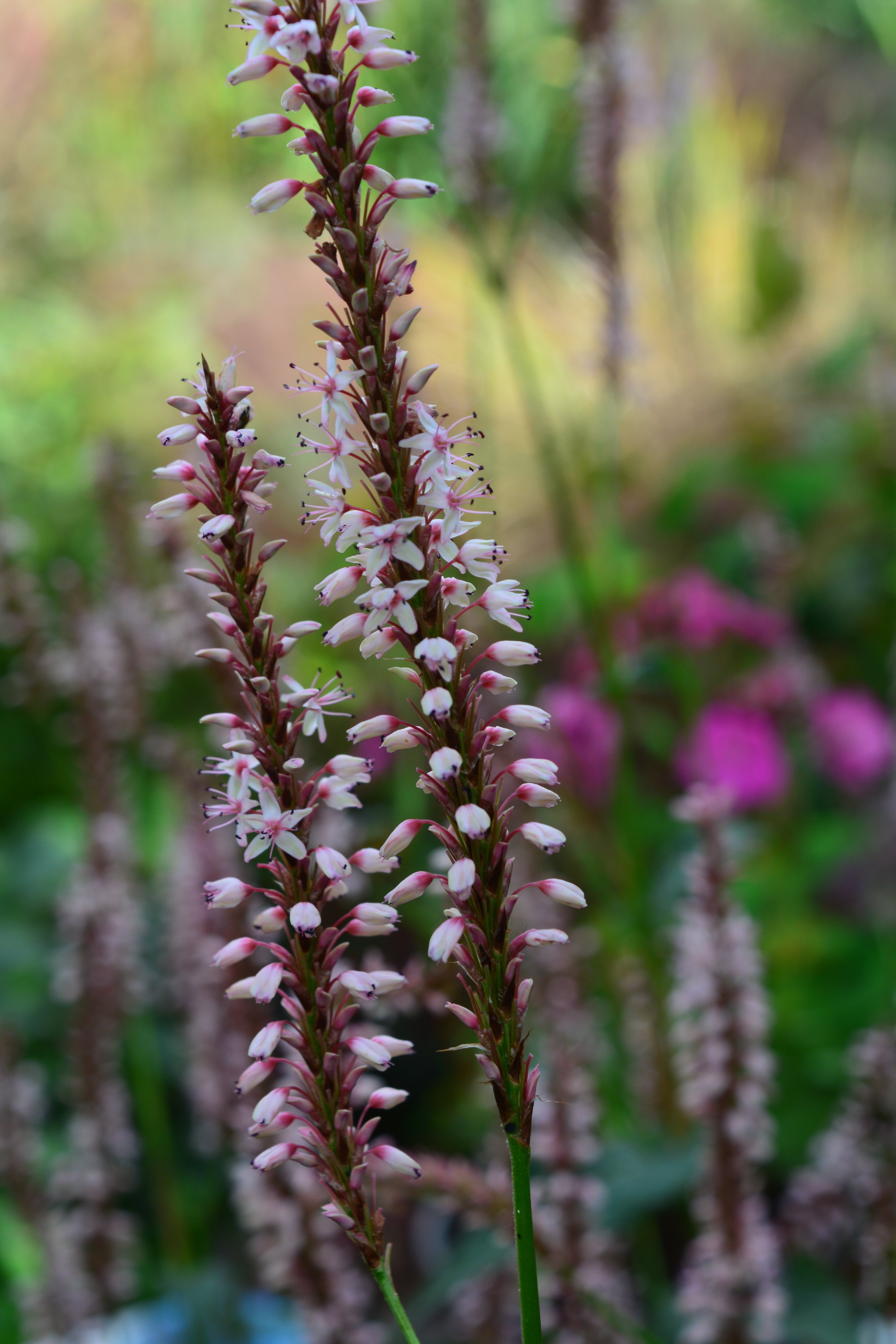
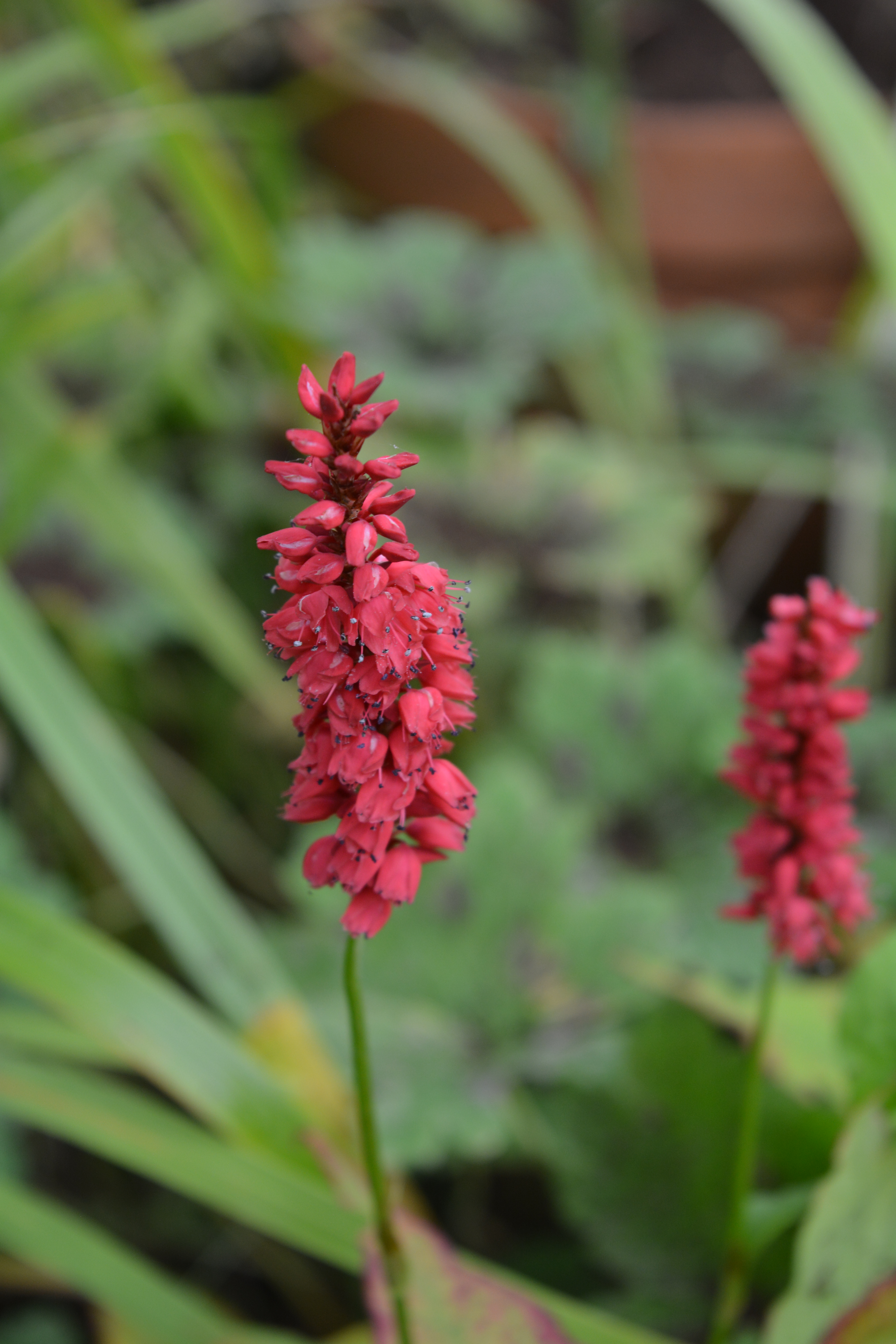
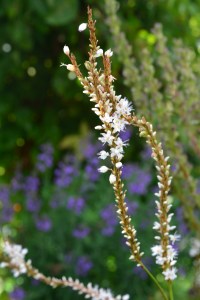
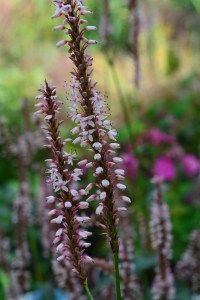
“A plant that gives us great pleasure in the Autumn is the Persicaria. We grow one type for its flowers and seed heads and another for its incredibly coloured and marked foliage. Persicaria amplexicaulis have poker-like flowers in various shades of red, pink and white followed by chocolate coloured seed heads.”
2015 12 01_7346 2015 09 21_5514 2015 09 21_5511 2015 09 21_5509 2015 10 10_5932 2015 10 10_5948

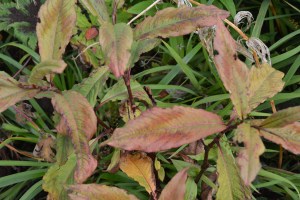
“Persicaria virginata gives us wonderfully coloured and unusual marked foliage with the addition of tiny white flowers.”
2015 10 10_5949 2015 10 10_5921 2015 10 11_5996 2015 10 11_5998 2015 10 11_5997

So that is the November visit to my journal. Next month will see me fill up my lovely little “Moleskine” note book as my December thoughts, photos and paintings bring the journal to an end for 2015.
Categories
gardens open to the public log piles logs National Trust outdoor sculpture sculpture Shropshire The National Trust trees woodland woodlands

Getting Creative in the Woodlands

In my last post we looked at what we discovered was going on in the old Walled Garden at Attinham Park and I finished just as we left the walled garden behind and began wandering around the woodlands.
2015 11 08_7199

So here is the second part of our Attingham Park  autumn adventure.
2015 11 08_7203

When taking a wander along the woodland trails at our local National Trust property, Attingham Park, we were amazed to come across this little art installation close to the soft surfaced woodchip path. Woodlands are like the seashore as they often seem to bring out creativity in people, perhaps even a return to making things which was last enjoyed in childhood. At the sea people often pile up pebbles to make simple sculptures, collect together mixed objects from the surf line and carefully put them together. This simple little piece sits beautifully in its surroundings and stopped many people walking by to have a closer look. No-one touched it, but simply looked, smiled, made a comment to their companions and walked on. It is a beautiful piece of sculpture, made anonymously and left for others to enjoy.

 2015 11 08_7242 2015 11 08_7154

We wandered on into the woods along winding paths beneath towering trees above while at our feet the orange, yellows and reds of fallen leaves. Fallen leaves always bring the children out in Jude and I and we kicked our feet through them, enjoying the sounds and woody aromas.

2015 11 08_7200 2015 11 08_7202  2015 11 08_7204

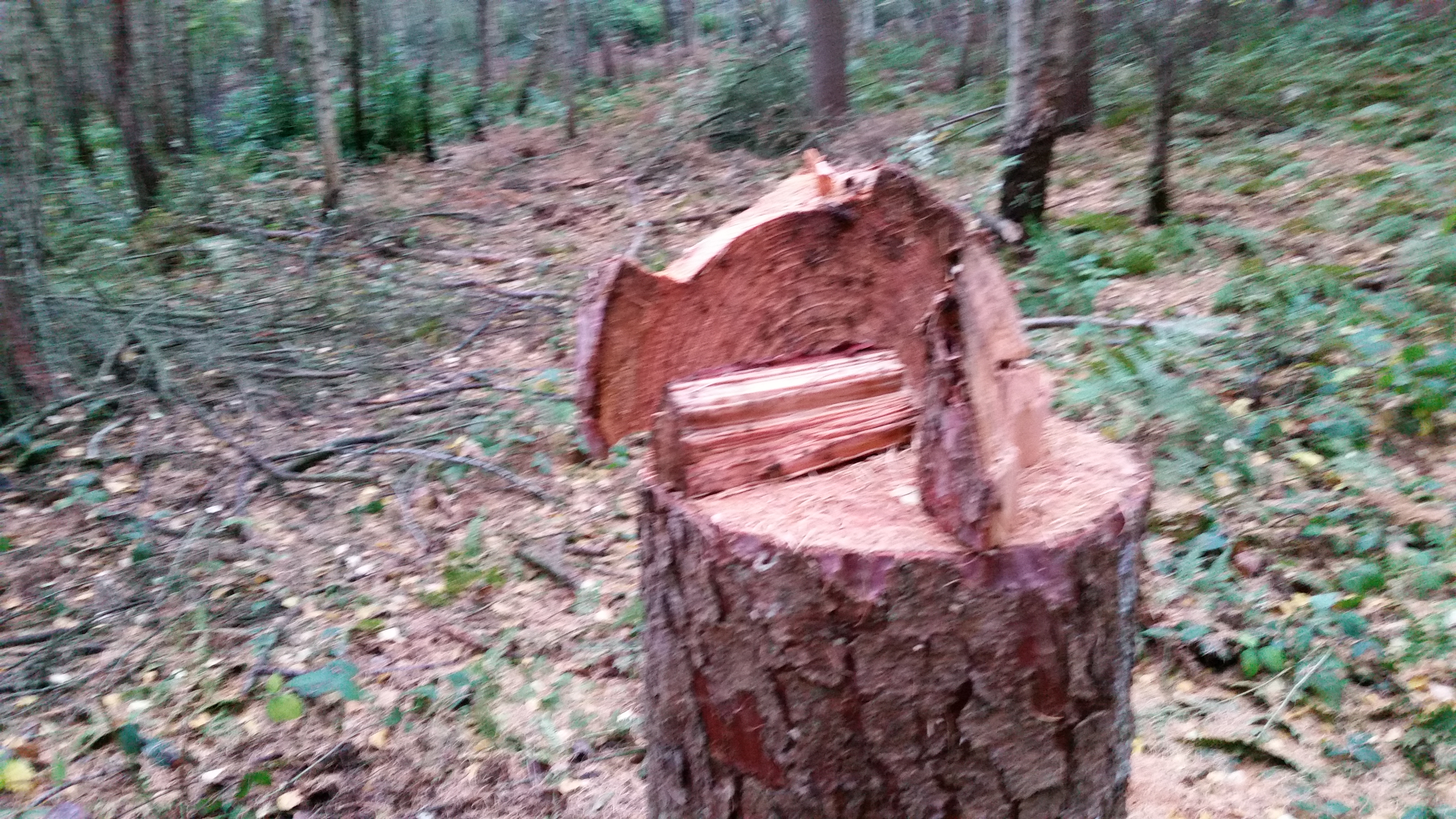
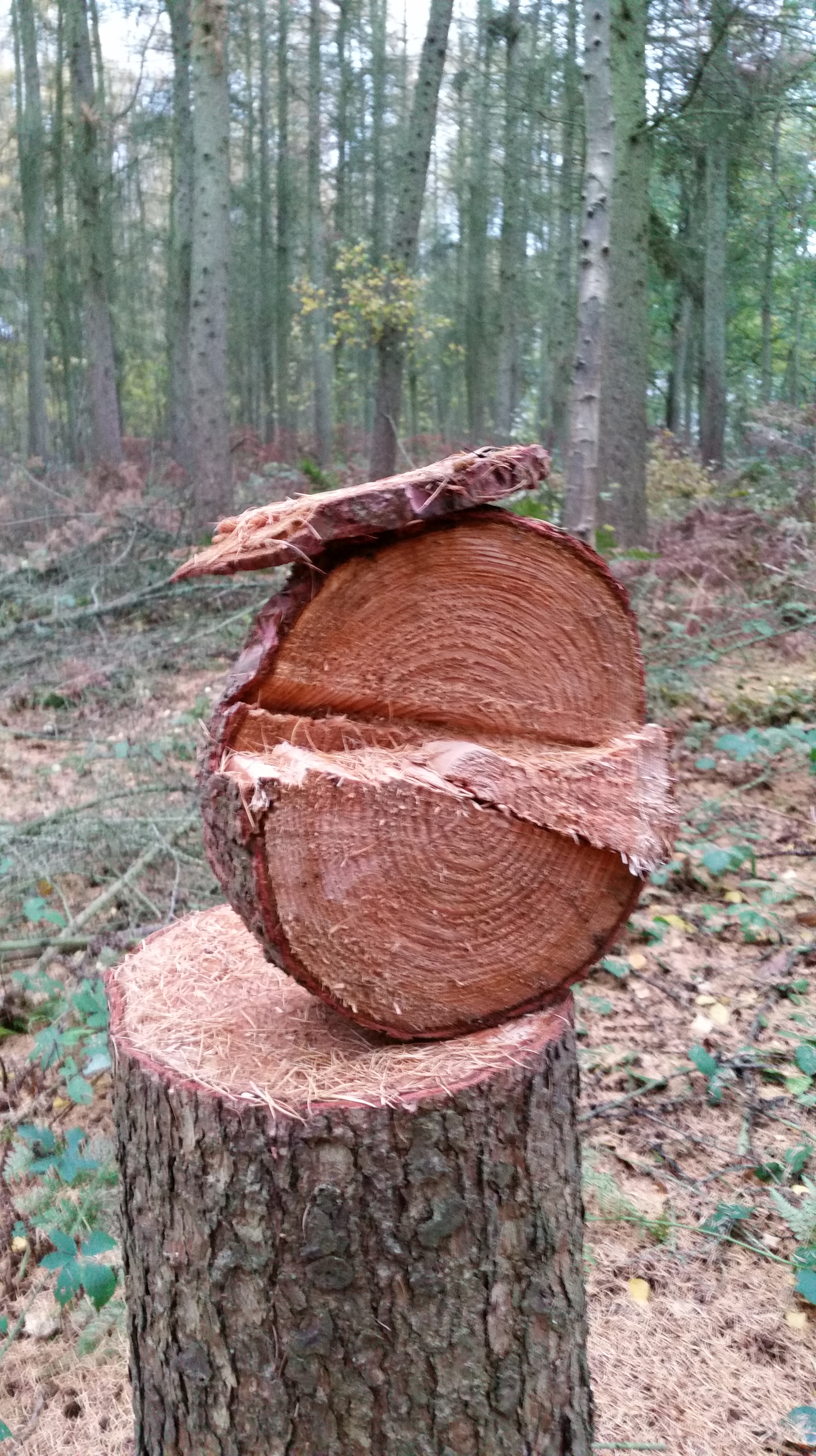
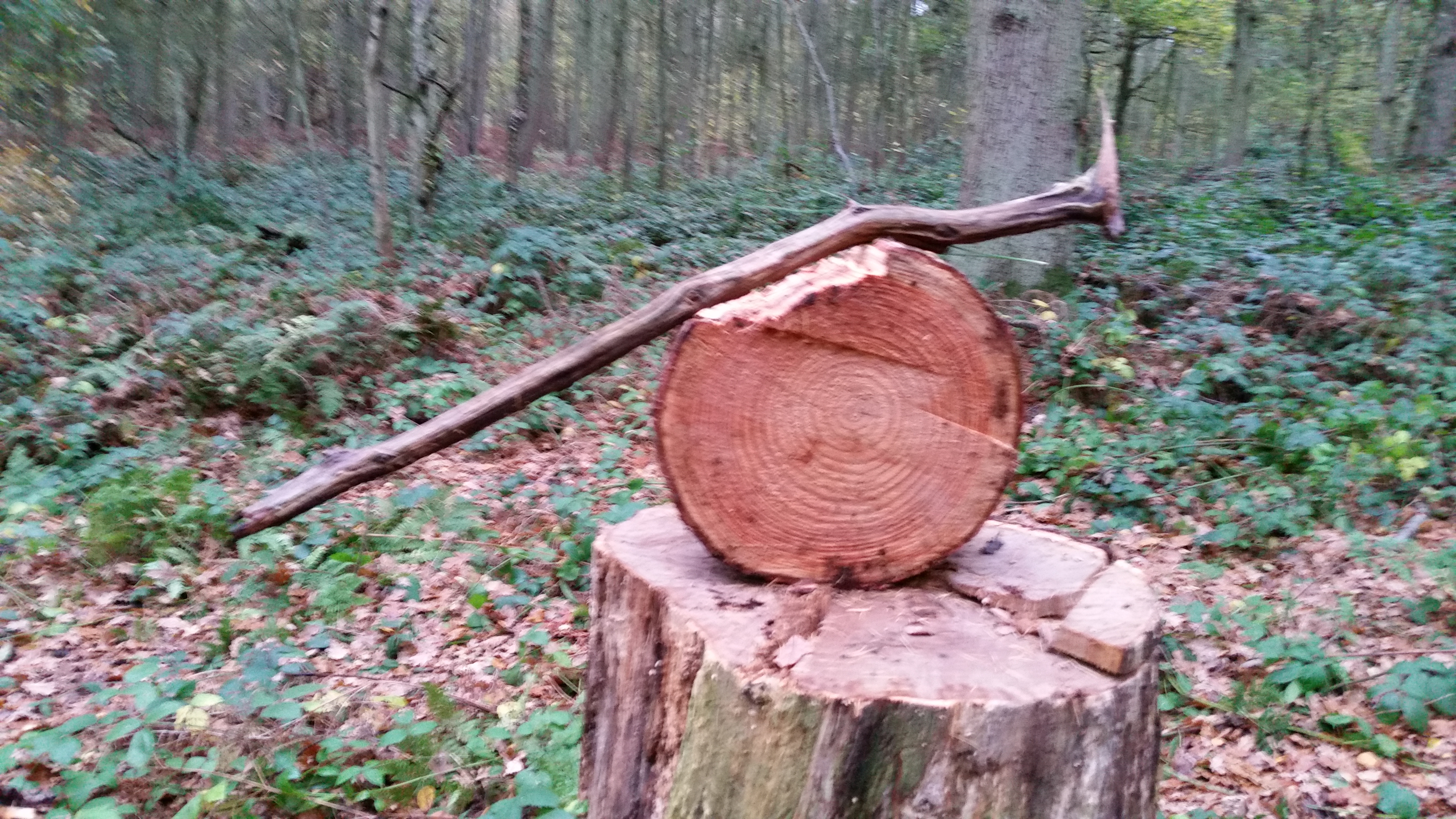
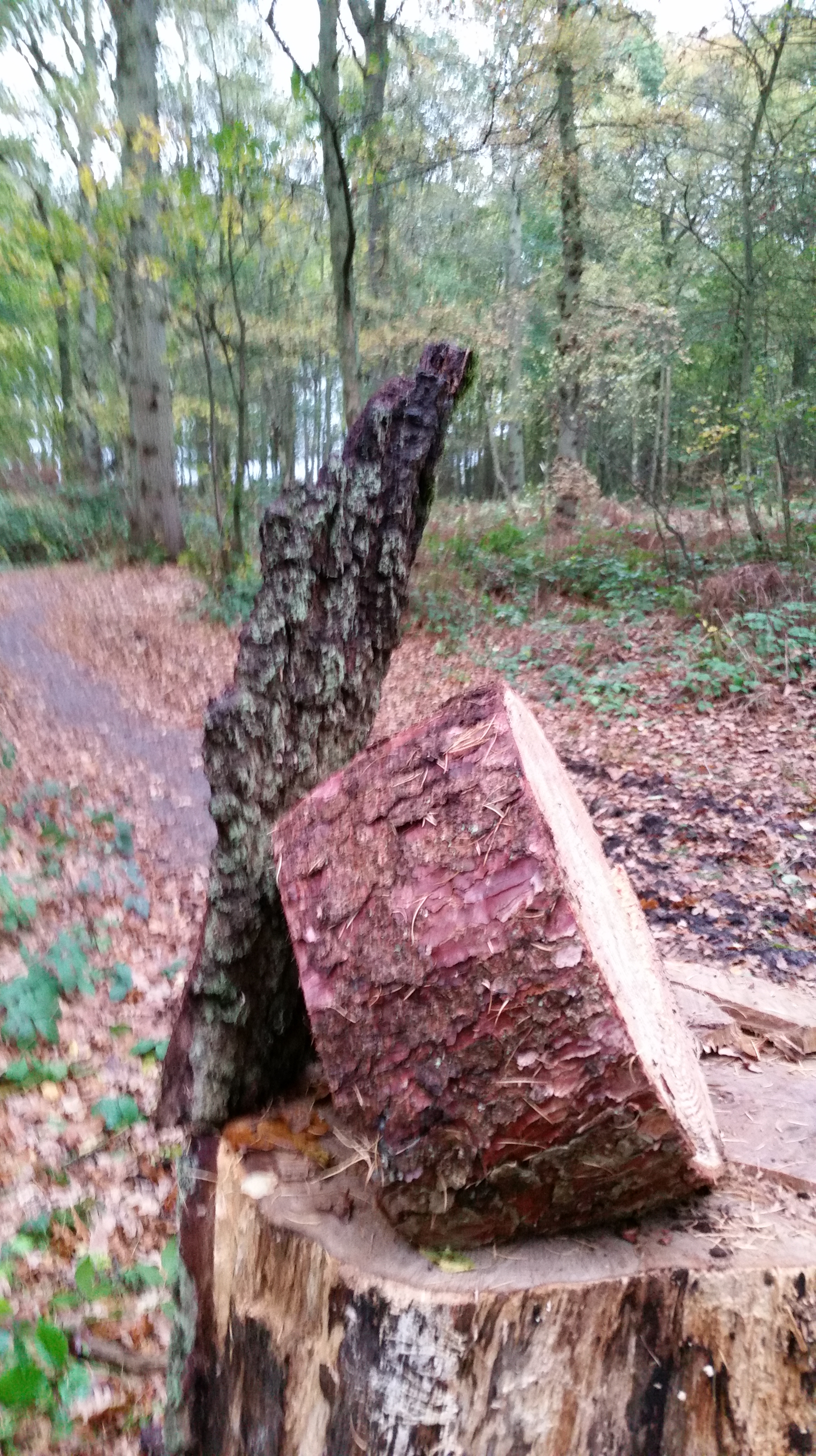
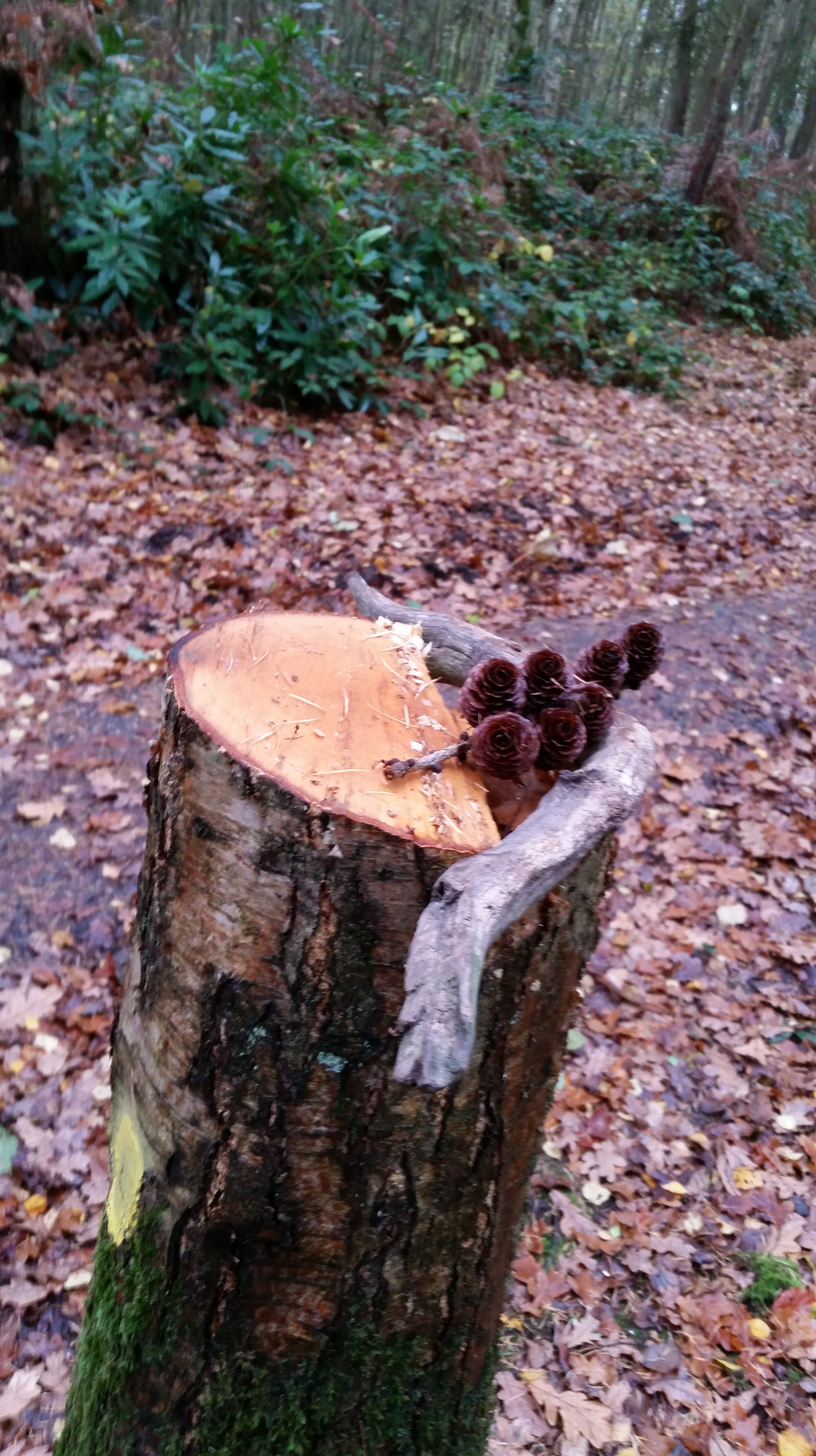
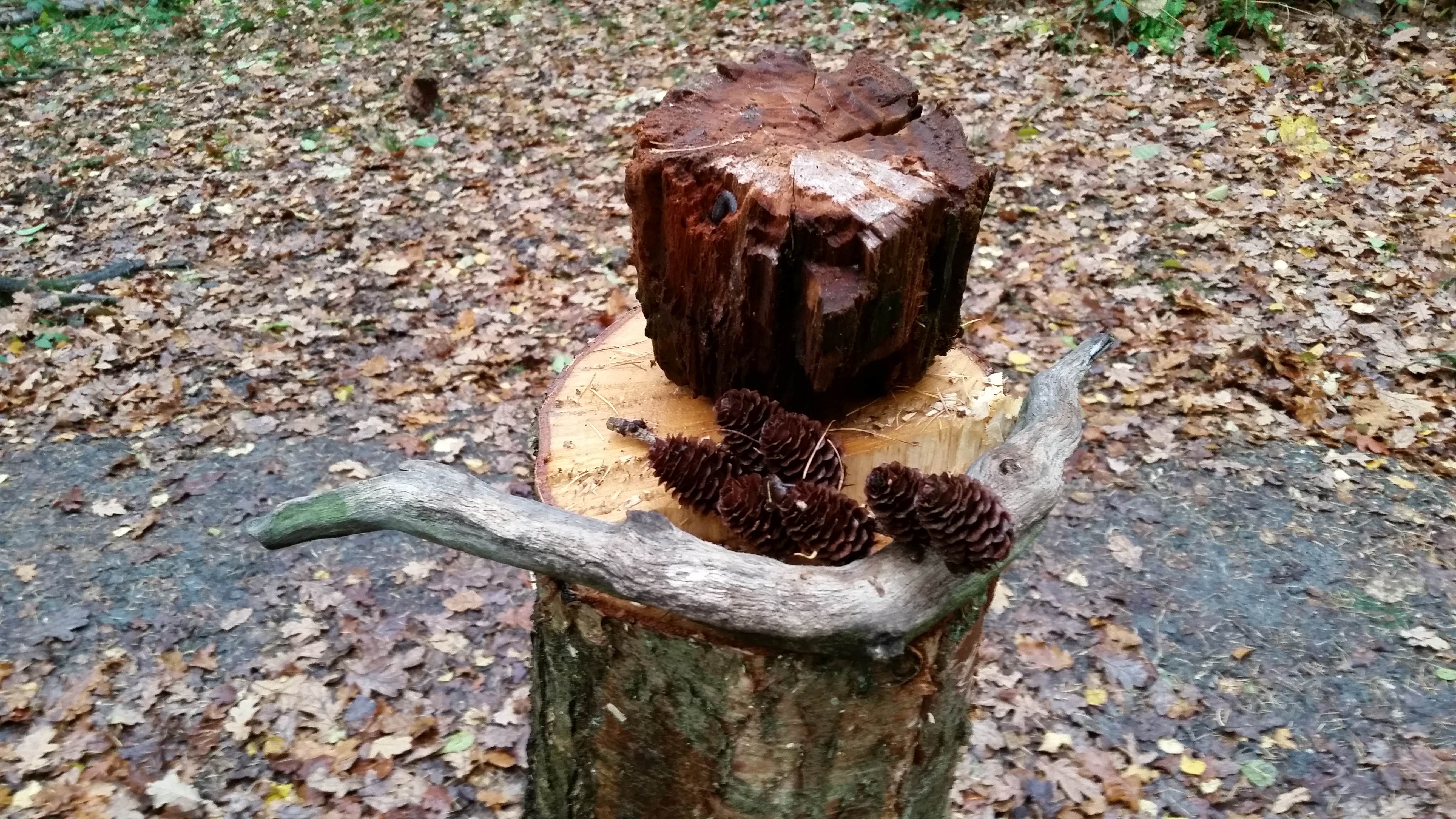
The woodsmen who had been working on autumnal maintenance work left behind them little blocks and wedges of wood. Following on from the piece of found object sculpture we discovered and enjoyed earlier we both started to follow their initiative and got creative. The stumps left behind gave us ready-made plinths to work on.

2015 11 08_7209 2015 11 08_7227

We collected bits and pieces of wood left by the woodsman or by Mother Nature and made various compositions on top of our wooden stump plinths. We couldn’t stop smiling as we played with the wood and loved the wonderful sweet aroma of fresh cut wood and leafmould. An outdoor studio! What a treat!

2015 11 08_7205 2015 11 08_7206 2015 11 08_7208  2015 11 08_7210 2015 11 08_7211 2015 11 08_7212

2015 11 08_7213 2015 11 08_7214 2015 11 08_7215

2015 11 08_7216 2015 11 08_7217 2015 11 08_7218

2015 11 08_7219 2015 11 08_7220 2015 11 08_7221 2015 11 08_7222

As we completed each set we wandered on. Looking back through the trees we spotted other walkers stopping and taking photos of what we had left for them to enjoy, just as we had when we found that piece close to the walled garden.

2015 11 08_7223 2015 11 08_7224 2015 11 08_7225 2015 11 08_7226

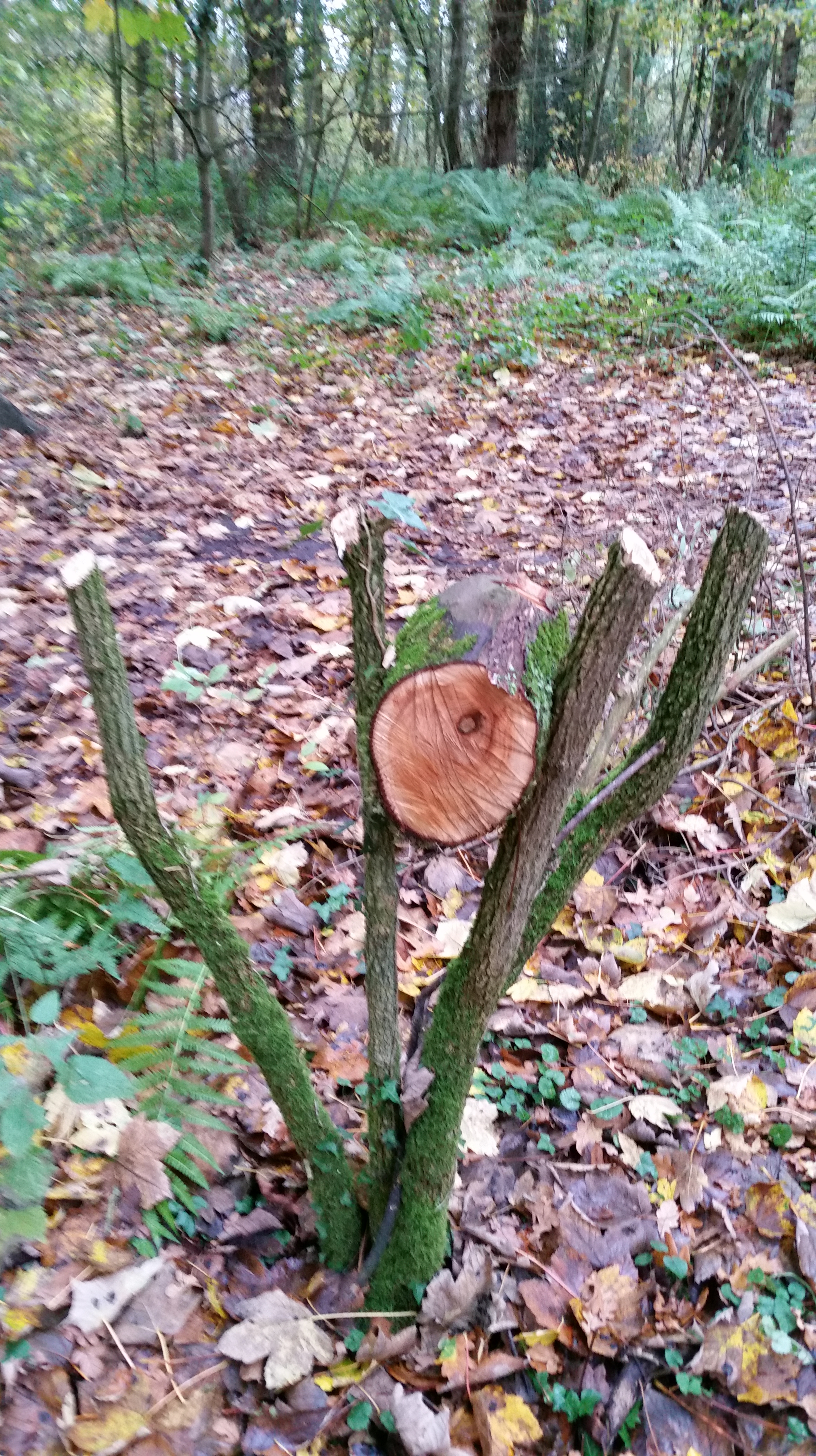
Moving further into the woodland the woodsmen had left areas cleared for coppicing, leaving multi-stemmed trees cut low to encourage regrowth. They reminded me of sculpture by Barbara Hepworth which are exhibited among trees at the Yorkshire Sculpture Park.

2015 11 08_7228 2015 11 08_7229

I found slithers, slices and wedges of freshly cut wood and placed them among the stumps.

2015 11 08_7230 2015 11 08_7231 2015 11 08_7232

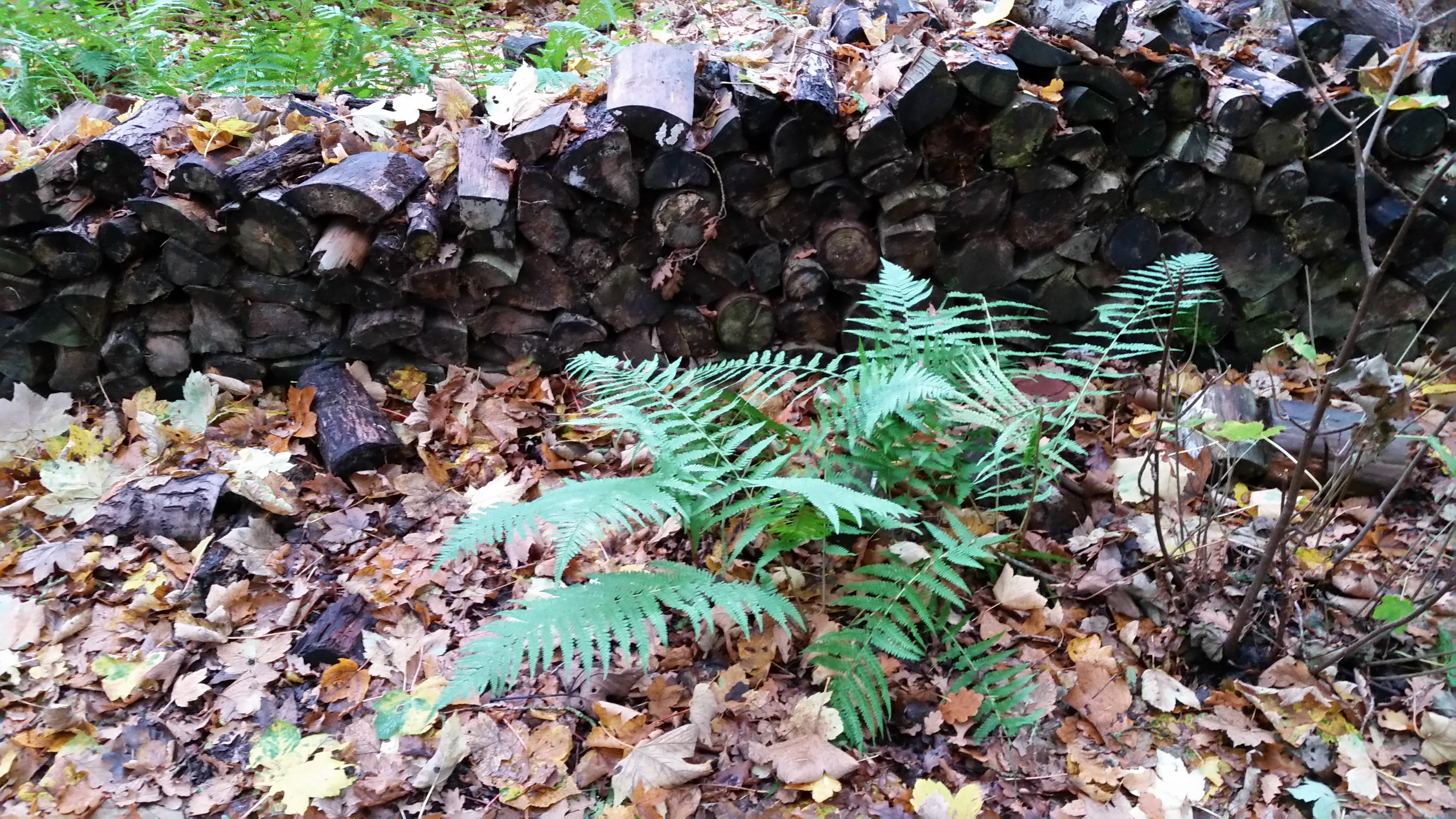
Logs had been piled up to create habitats for wildlife winding wooden walls through the trees. The aroma here was of rotting wood, dampness and fungi.

2015 11 08_7234 2015 11 08_7235 2015 11 08_7233

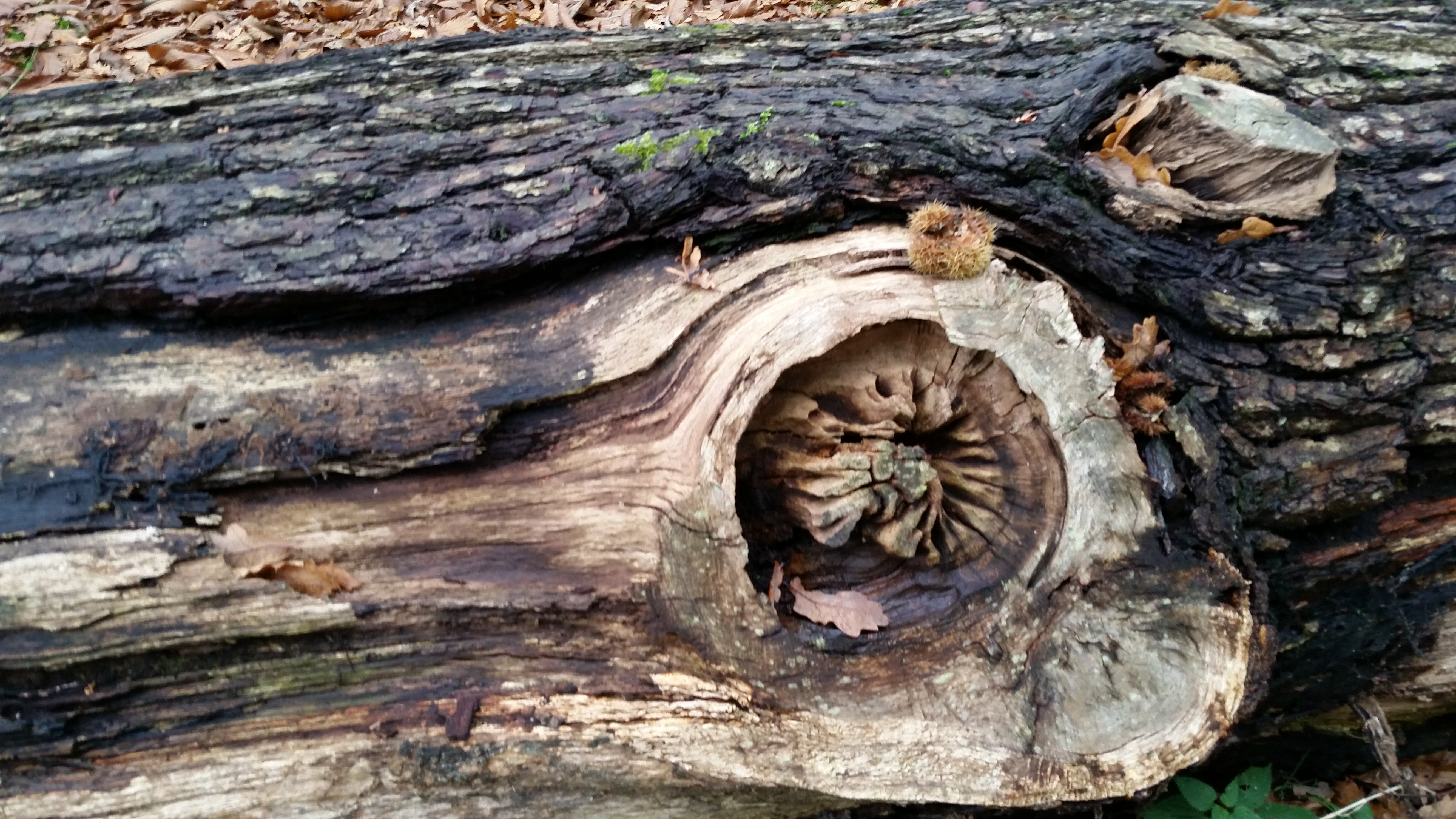
A huge old tree trunk felled years ago and left to rot providing shelter, food and homes for wildlife, had been sculpted by the weather, rain, wind, ice and snow, worked upon by insects, invertebrates and fungi to present us with a beautiful softly carved piece of Mother Nature’s sculpture.

2015 11 08_7238 2015 11 08_7239 2015 11 08_7240 2015 11 08_7241

We loved finding this nest box beautifully and thoughtfully positioned on top of a rotting tree stump. We shall watch this in the spring to see if any birds like it as much as we did.

2015 11 08_7236

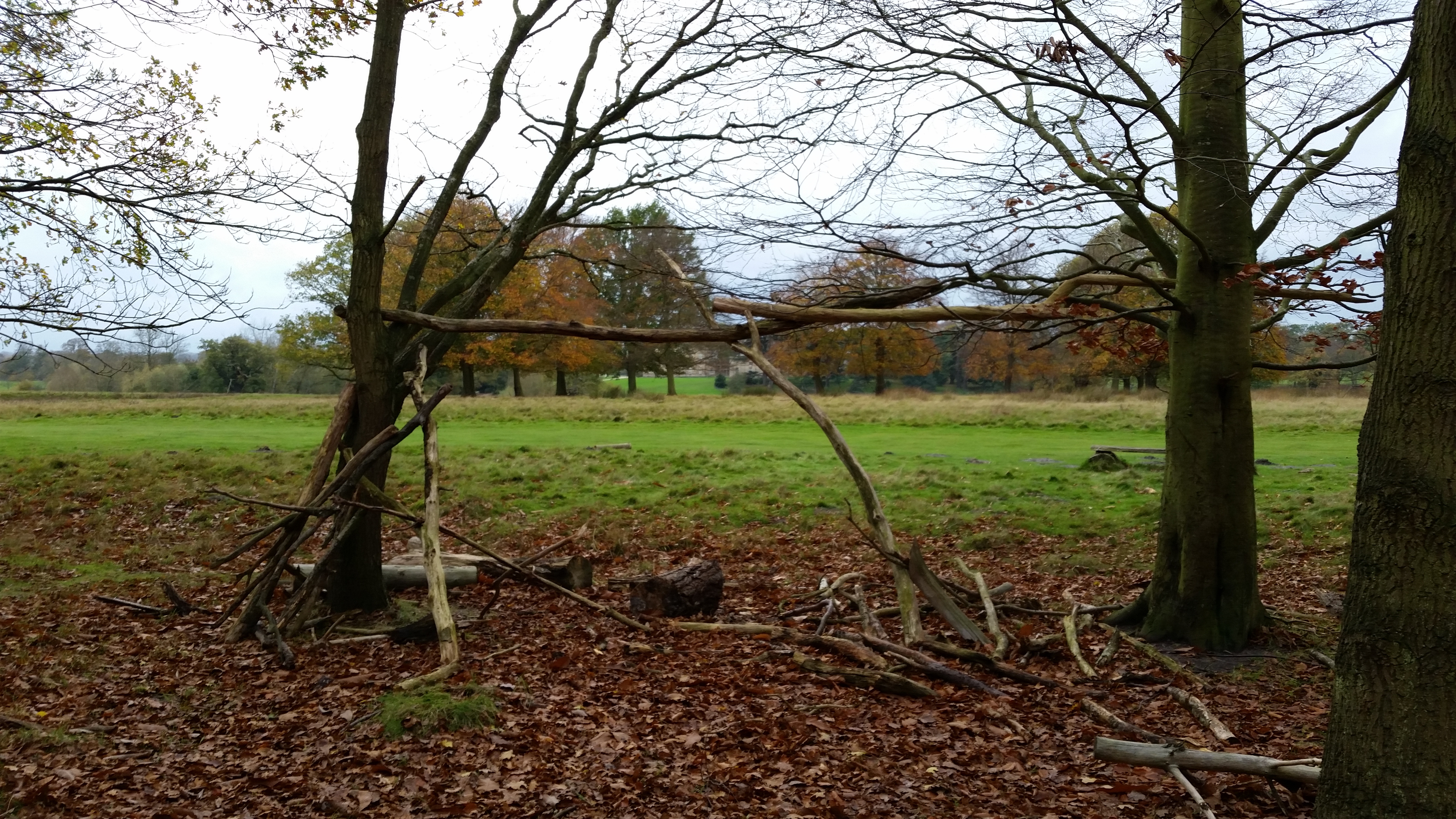
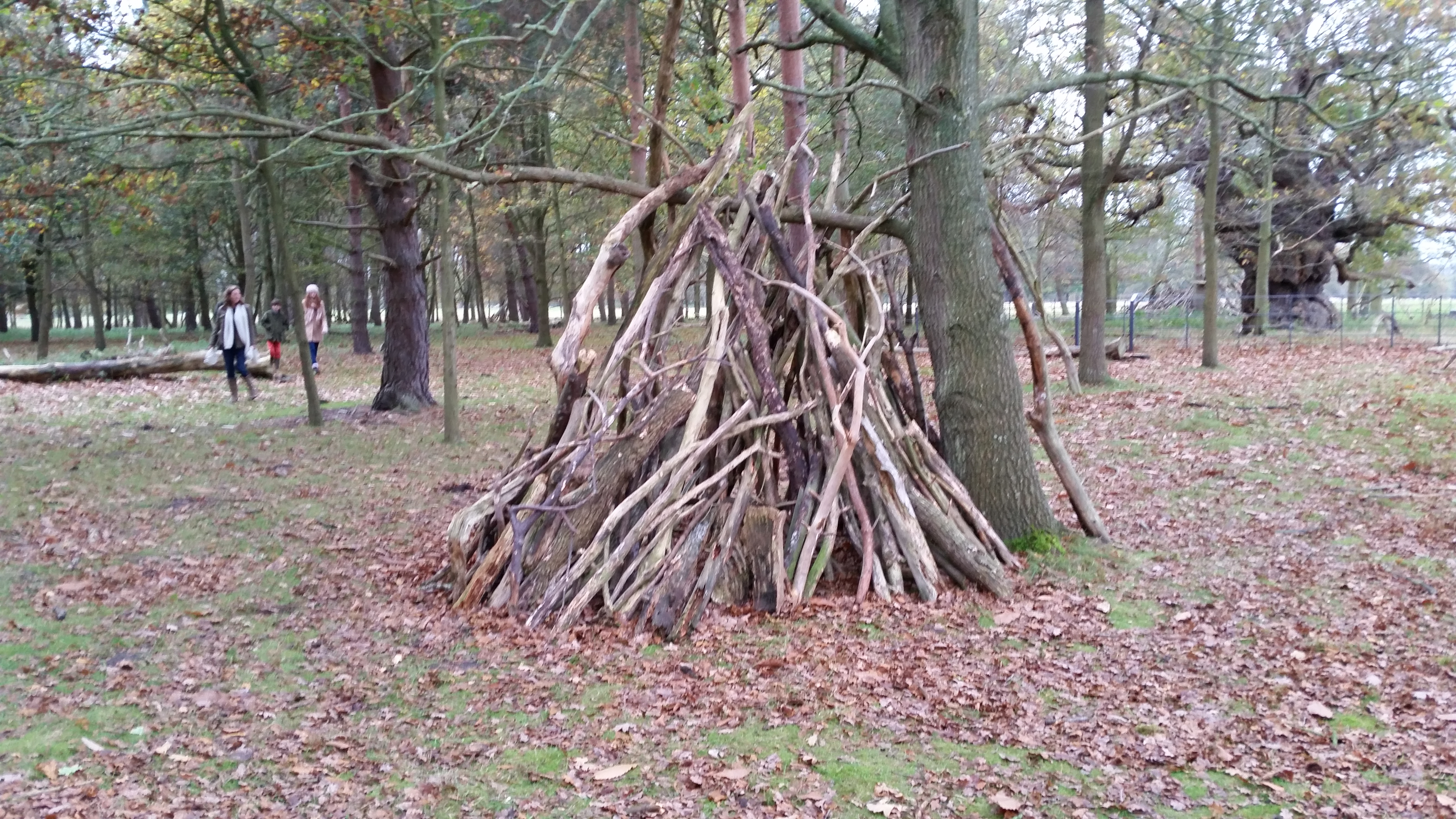
As we left the woodland we moved into the deer park where trees were much further apart separated by tracts of bright green grass. Here fallen branches, trunks and brash had been left for children to make dens from. Another form of sculpture created by youngsters using wood from the surrounding trees. The dens had their own beauty and naivety. Each time we visit Attingham these dens change, new ones appear, the oldest begin to fall apart and some just seem to get bigger and bigger. Well done to the National Trust for encouraging such creativity for the visiting youngsters and for affording them the opportunity to get in touch with nature.


2015 11 08_7243 2015 11 08_7244 2015 11 08_7245 2015 11 08_7247 2015 11 08_7250


2015 11 08_7246 2015 11 08_72492015 11 08_7251 2015 11 08_7252 2015 11 08_7271  2015 11 08_7273

I hope you have enjoyed sharing our spell of creativity in the woodlands at Attingham Park. When we next visit it will be interesting to see if any of our pieces remain intact after the winter storms and to discover how the children’s dens have been transformed by nature or by other children.

2015 11 08_7276 2015 11 08_7272 2015 11 08_7275

This Veggie Life

A Vegetarian | Nature Lifestyle Blog

Rambling in the Garden

.....and nurturing my soul

The Arch City Gardener

Journeys In St. Louis Gardening and Beyond

Garden Dreaming at Châtillon

Consult the genius of the place

Storyshucker

A blog full of humorous and poignant observations.

gardeninacity

Notes from a wildlife-friendly cottage garden

PlayGroundology

...an emerging social science

The Official Blog of British Wildlife

'The most important and informative publication on wildlife of our times' - The Independent. This blog is a member of The UK & Ireland Natural History Bloggers group: www.uknhb.blogspot.com

iGrowHort

Inspire - Cultivate - Grow Native Plants - Restore Landscapes

Bishops Meadow Trust

To create and protect a semi-natural wild space for the people of Farnham to enjoy and experience an array of British wildlife in our town

Gardening with Children

The www.gardeningwithchildren.co.uk Blog

UKbirdingtimeline

birding through the seasons, why birds matter and how to conserve them

NATURE WALKER

with a camera in hand

Jardin

Transform your outdoor space

Eva's space

My allotment, cooking and other interests

Old School Garden

my gardening life through the year

LEANNE COLE

Trying to live a creative life

fromacountrycottage

trying to live as lightly as possible on our beautiful planet

Good Life Gardening

Nature lovers from Leicester living the good life.

mybeautfulthings

Finding the beautiful in the everyday

mawsonmichelle

Michelle's Allotment

In and Out of My Garden

thoughts from and about my garden

Greenhousing

Big plans for a small garden

The Scottish Country Garden

A Walled Country Garden in South East Scotland

The Fruity Chicken

Life at the fruity chicken

willowarchway

Off grid living. Self sufficient. "PERMAGANICS RULE".

St Anns Allotments

Nottingham's Grade 2* Listed Allotments and Community Orchard

Manifest Joy Harvests

a journey in suburban vegetable gardening

Allotmental

The madness of growing your own

Penny's Garden: a harvest beyond my front door

A novel approach to vegetable gardening

arignagardener

Sustainable living in the Irish countryside.

NewEnglandGardenAndThread

Master Gardener, amateur photographer, quilter, NH native, and sometimes SC snowbird

dianajhale

Recent work and work in progress and anything else that interests me

planthoarder

a chaotic cottage gardener

Lens and Pens by Sally

a weekly blog that creates a personal philosophy through photographs and words

Dewdrops and Sunshine

Stories from a sassy and classy Southern farmbelle.

The Pyjama Gardener

Simple Organic Gardening & Seasonal Living

gettin' fresh!

turning dirt into dinner

JOY...

today the world is created anew

Garden Birds

Notes from a Devon garden

ShootAbout

Life Through The Lens

Adapting Pixels

A photography blog showcasing the best photography pictures and videos on the internet

Wildlifegardening's Blog

Just another WordPress.com site

naturestimeline

personal observations from the natural world as the search continues for a new approach to conservation.

LATEBLOOMERBUDS

The Wonders of Life through my Eyes, my Heart, my Soul