Categories
garden design garden paths garden photography garden pools garden seat garden seating gardening gardens gardens open to the public hardy perennials lakes National Garden Scheme NGS ornamental trees and shrubs outdoor sculpture pathways Shropshire shrubs spring gardening trees Yellow Book Gardens

The NGS get together at Hodnet

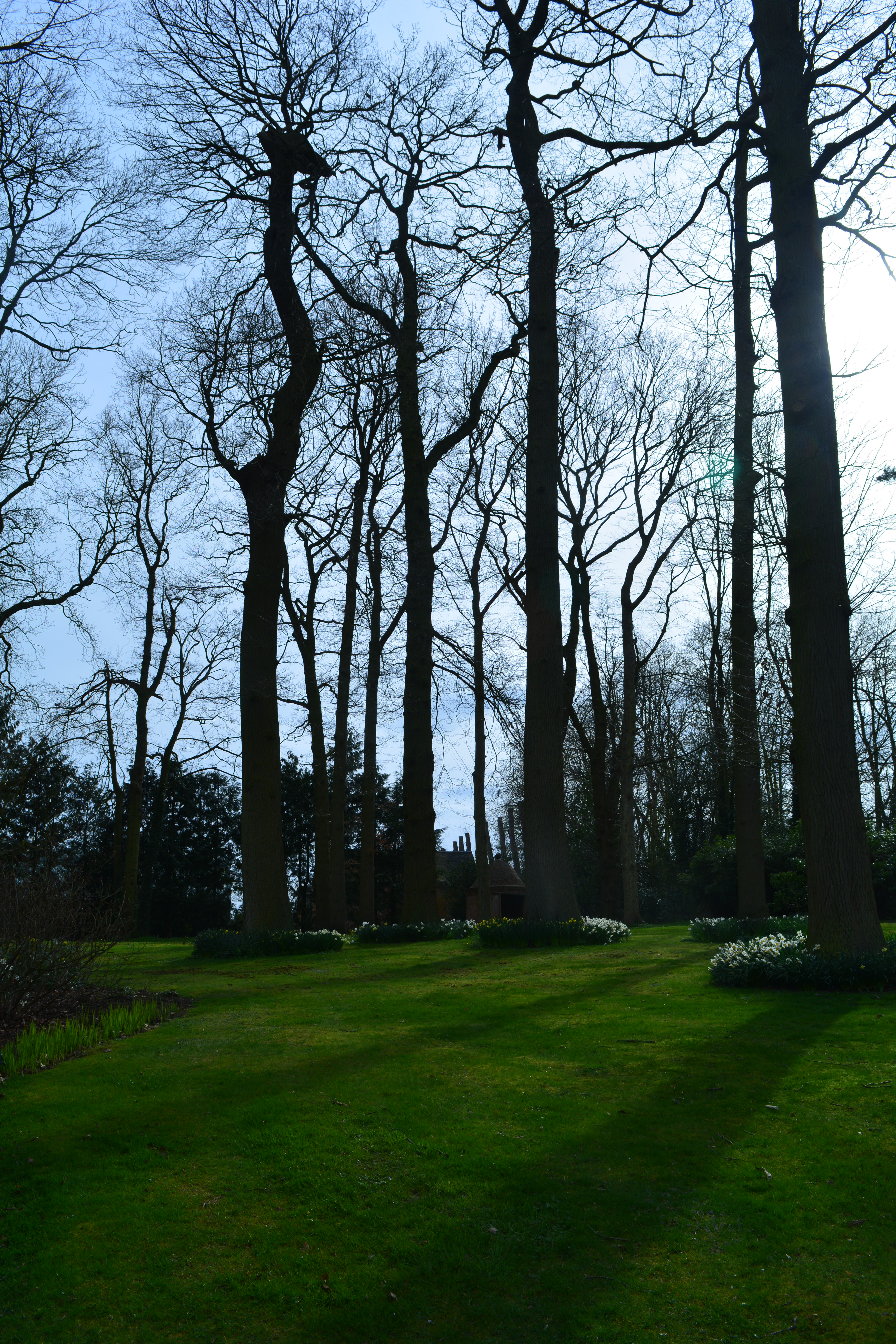
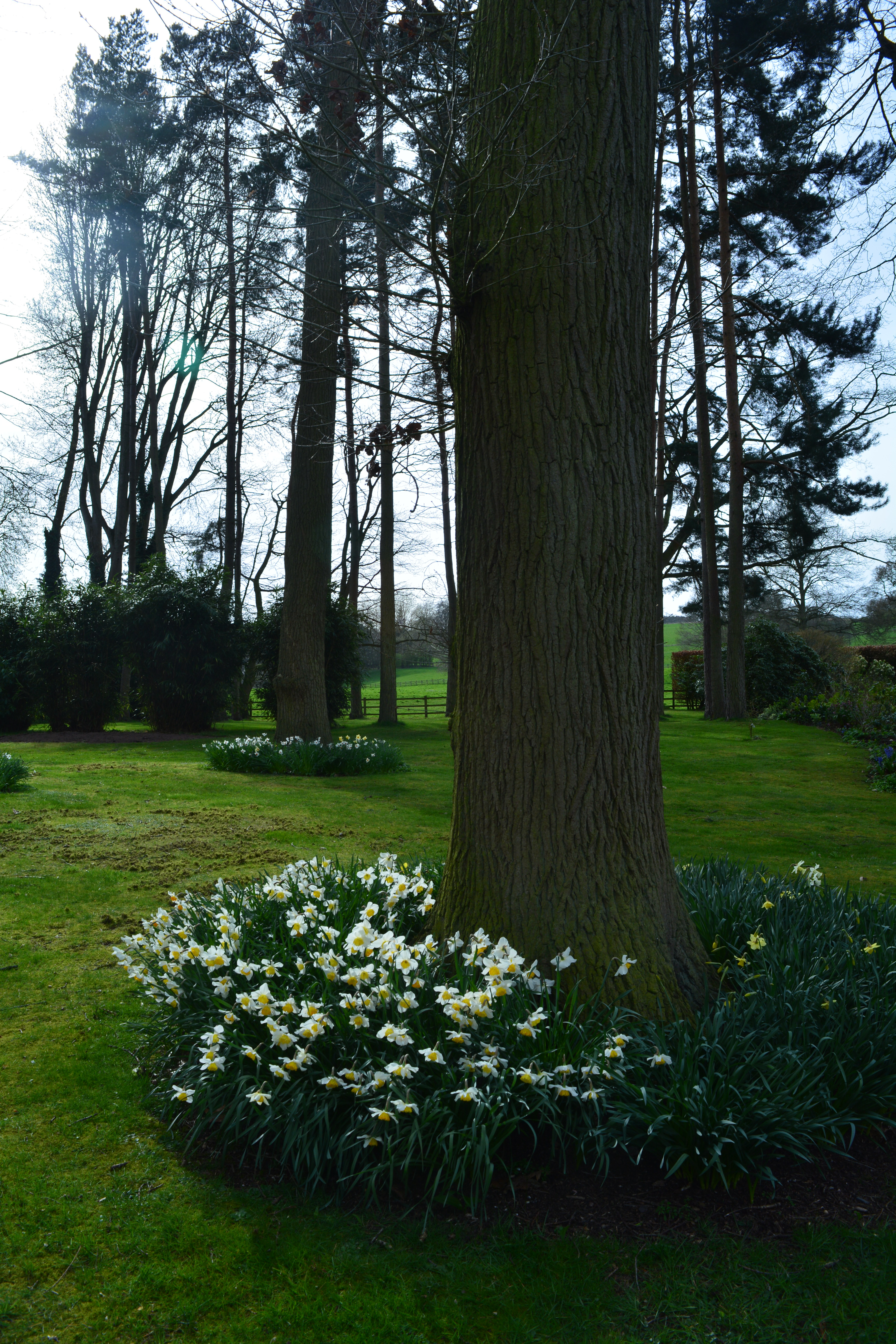
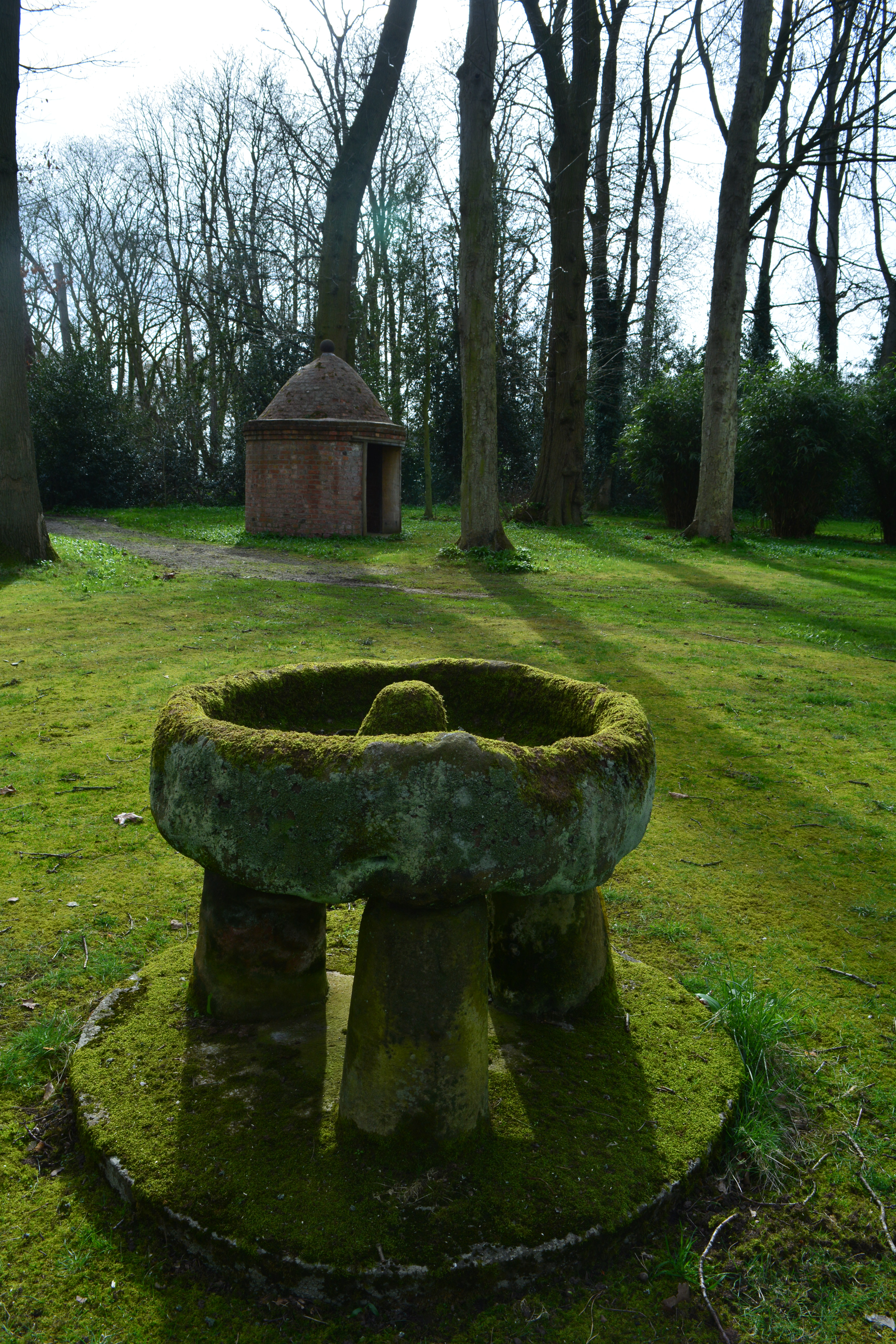
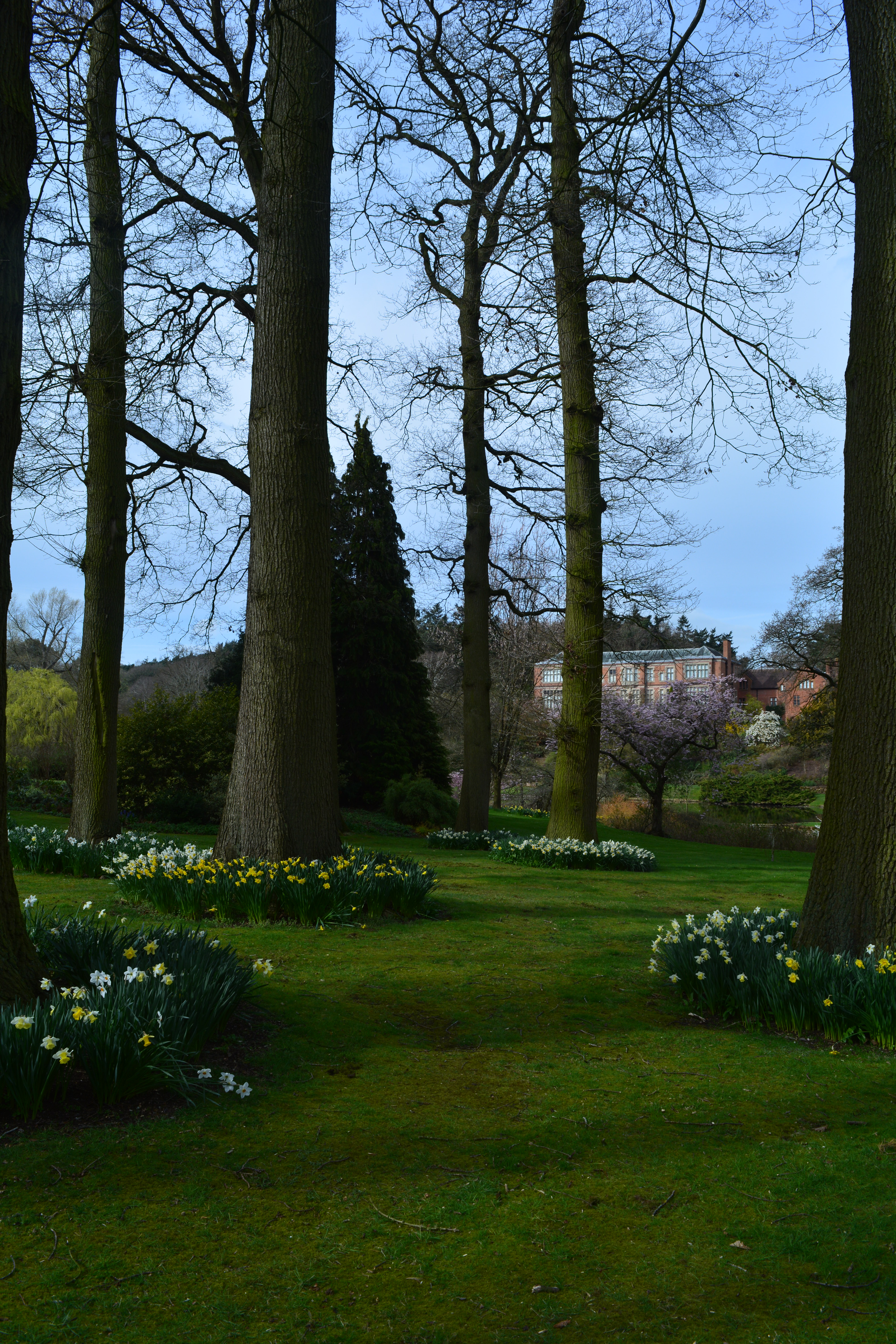
Every year in late March we attend a get together with the NGS county organiser and the garden openers. This year was our friend Allison’s first year as county organiser and as her garden is small she had to arrange an alternative venue. To everyone’s delight the owner of Hodnet Hall and Gardens offered the use of his restaurant and also allowed us free range of the gardens. We were in for a treat!

To start off with we were warmly greeted by the car park attendants, Martin and George, then after parking up as we reached the courtyard fronting the restaurant building, we received more warm welcomes from Allison, our County Organiser, and Sir Algernon Heber-Percy the owner of the hall and its garden. He formally welcomed us all with a humorous speech. After informative talks by representatives of MacMillan Nurses and Horatio’s Gardens we indulged in a sumptuous meal.

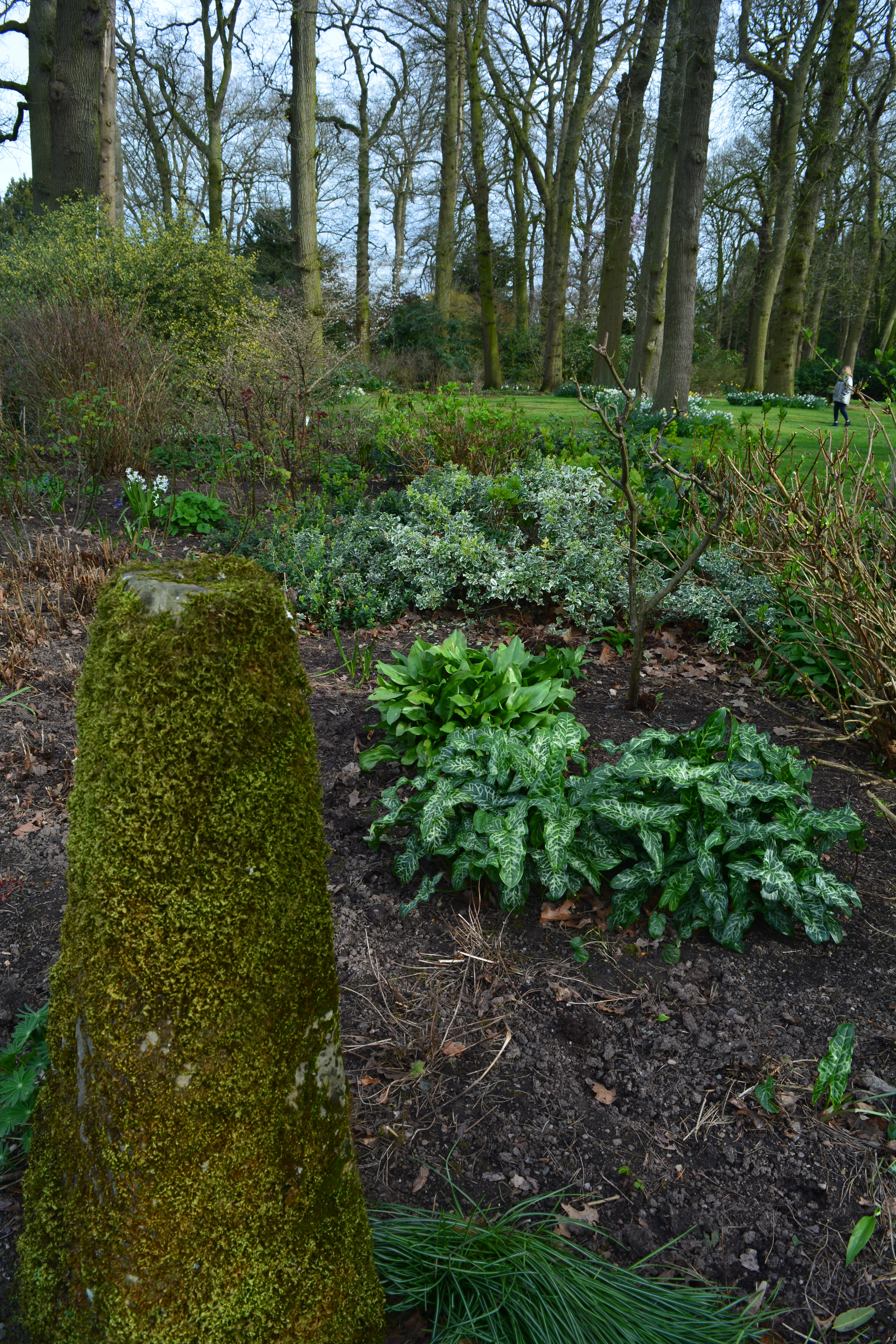
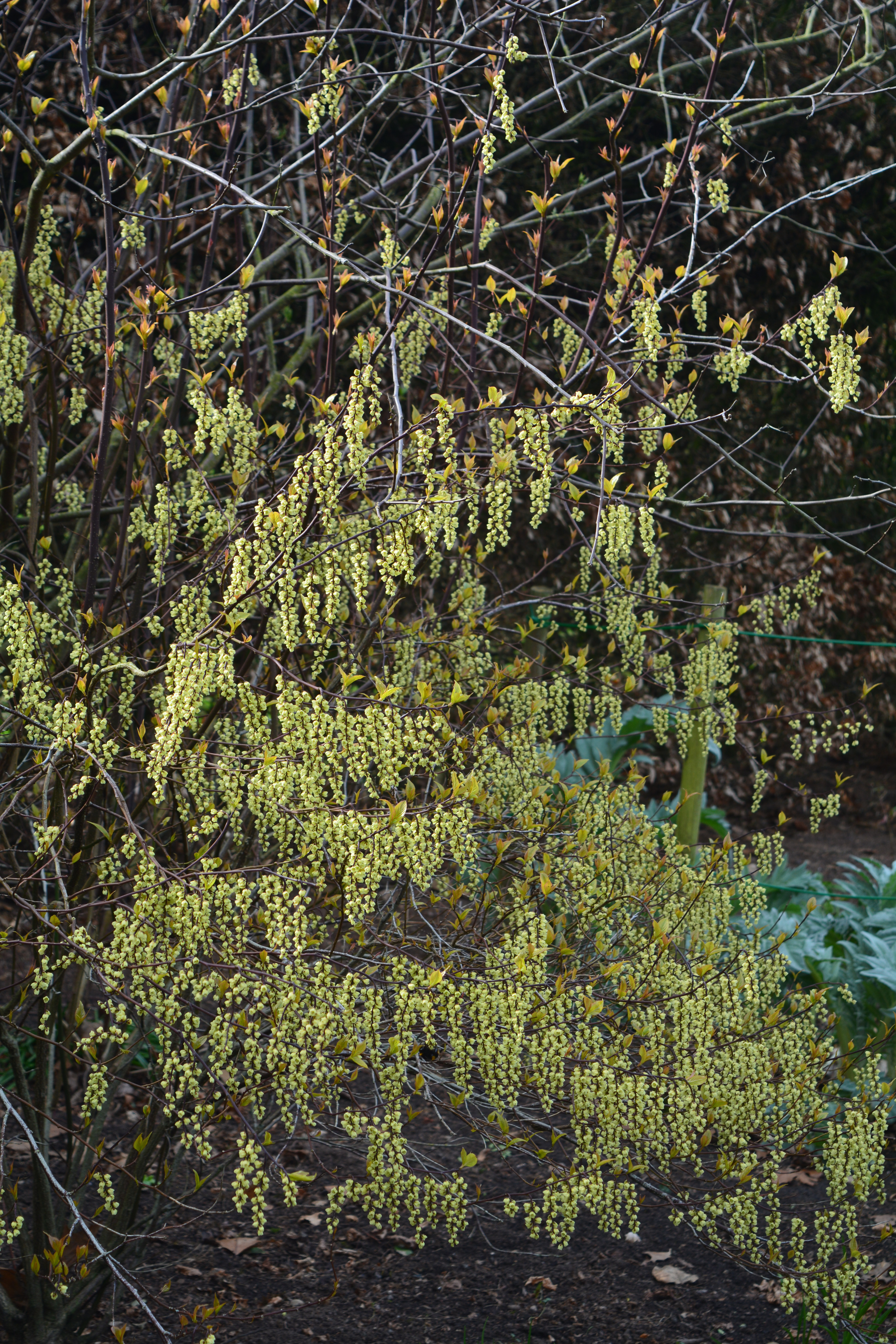
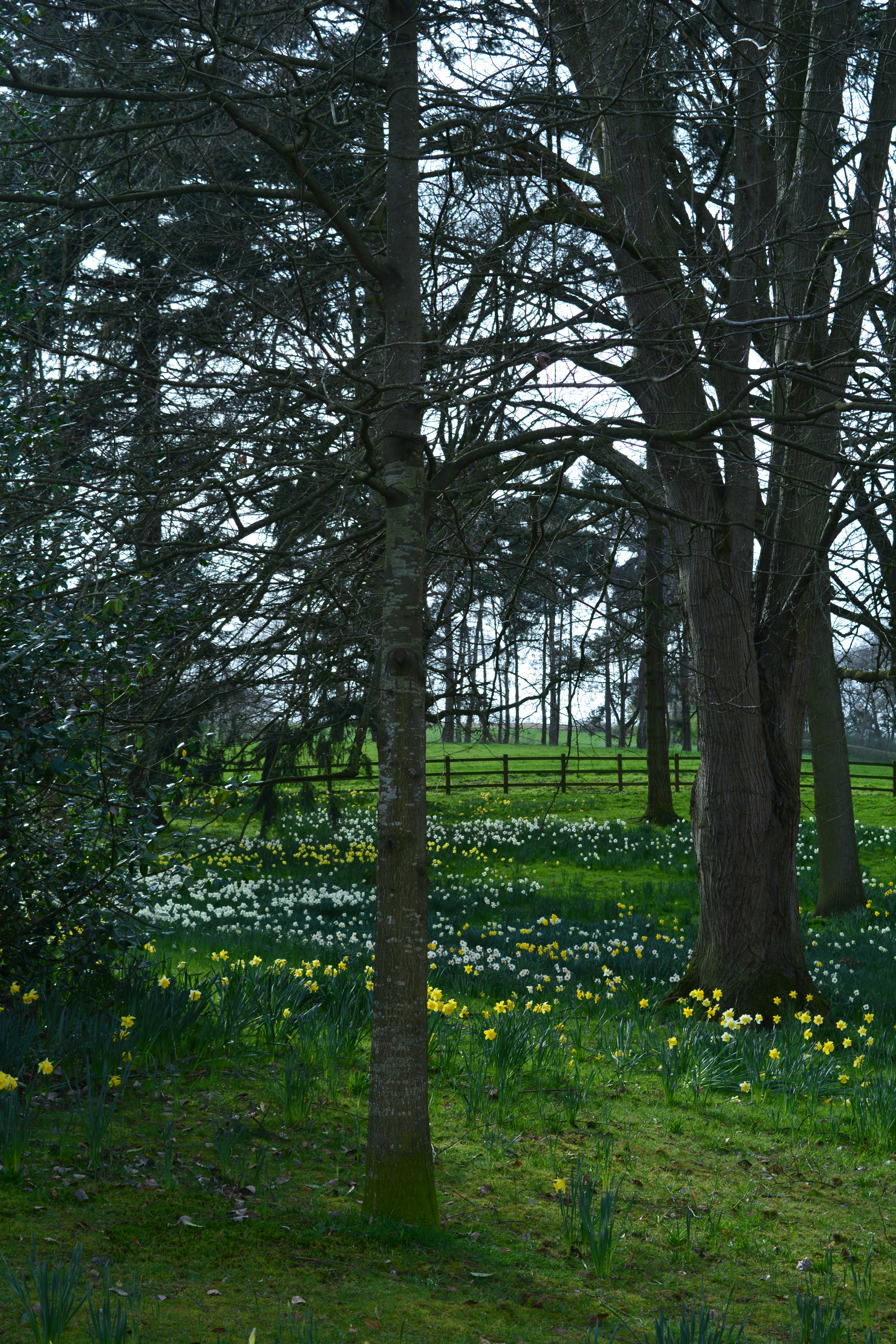
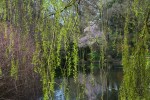
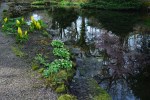
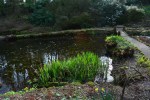
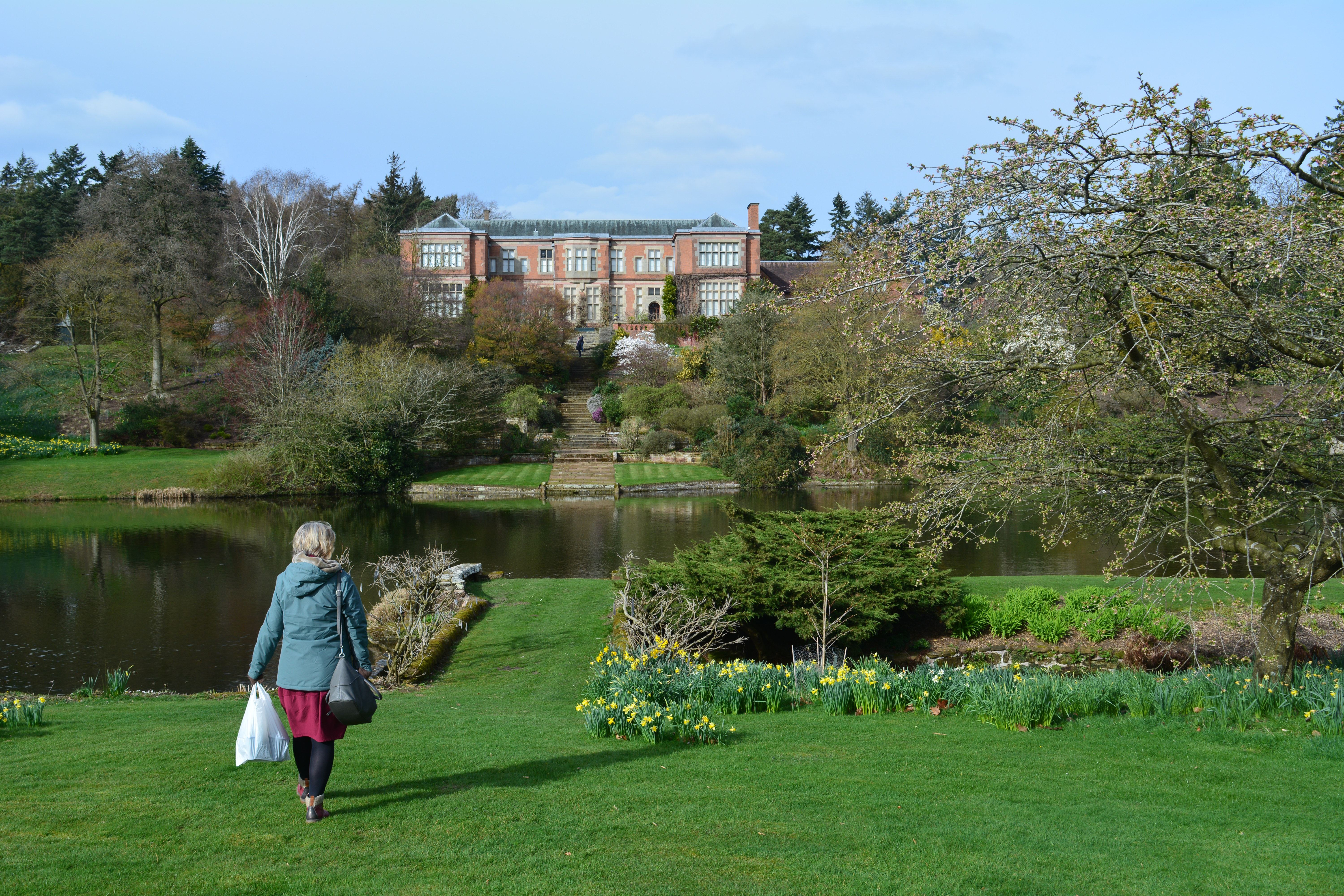
Then we were left to explore the gardens, all 60 acres of it! We began our exploration by following a small flight of stone steps into an area of tall mature trees and then moved on to take a slow wander around the string of lakes and back to the borders below the hall itself.

I will continue the tour by sharing a gallery of photographs with you. As usual click on the first pic and navigate using the arrows.

So that was our day out at Hodnet Hall – a great time was had by all! I wonder what next year’s NGS get together will entail!

For information Hodnet Hall is open for the NGS but does have other opening dates throughout the year so do check them out.

Categories
colours flowering bulbs garden design garden photography gardening gardens grasses hardy perennials ornamental grasses ornamental trees and shrubs Shrewsbury Shropshire shrubs spring bulbs

My Garden Journal 2019 – March

It is already time for sharing my third month’s entries in my garden journal. So here are the March pages for you to enjoy and for you to see what the garden has been up to and what we have been up to in the garden.

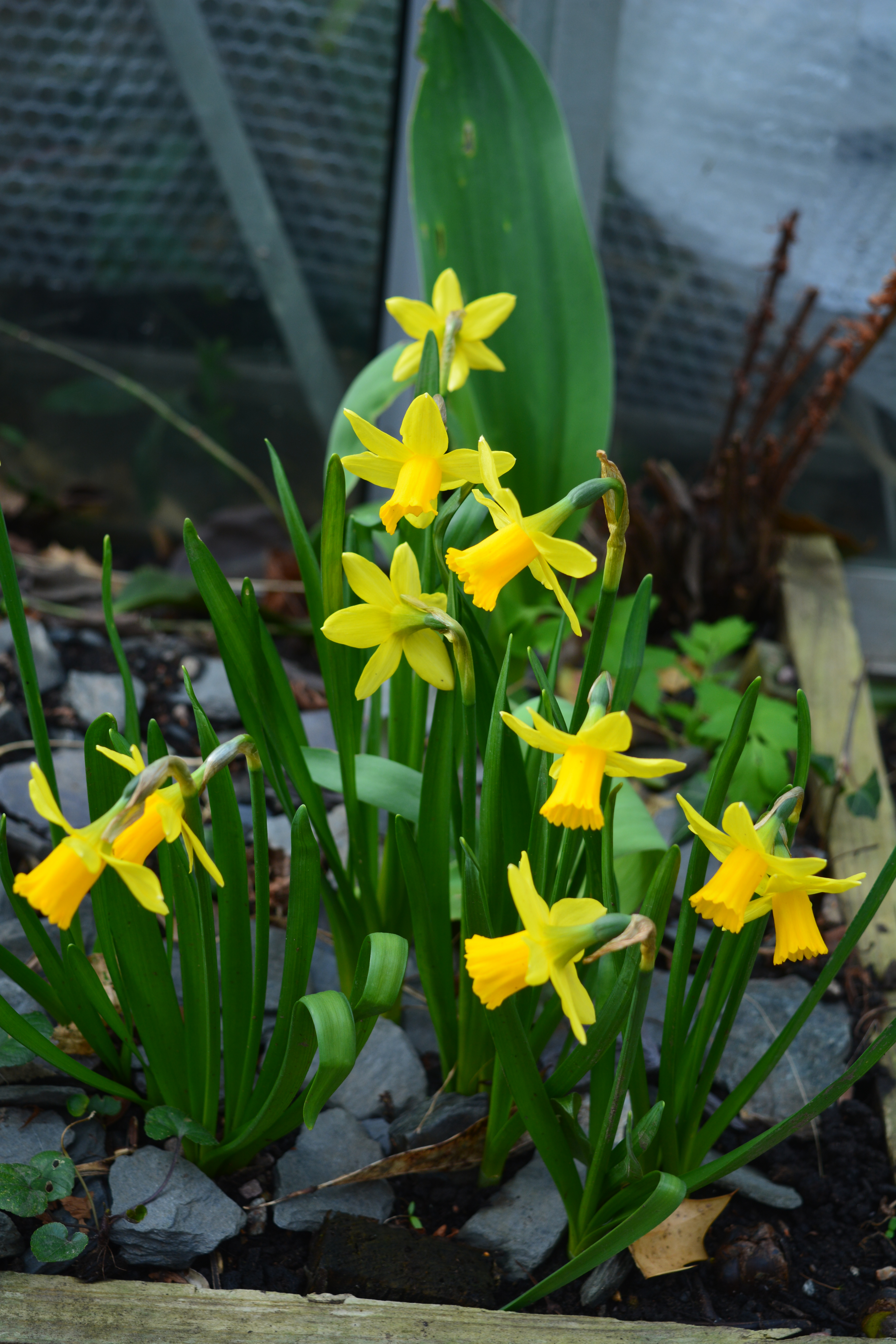
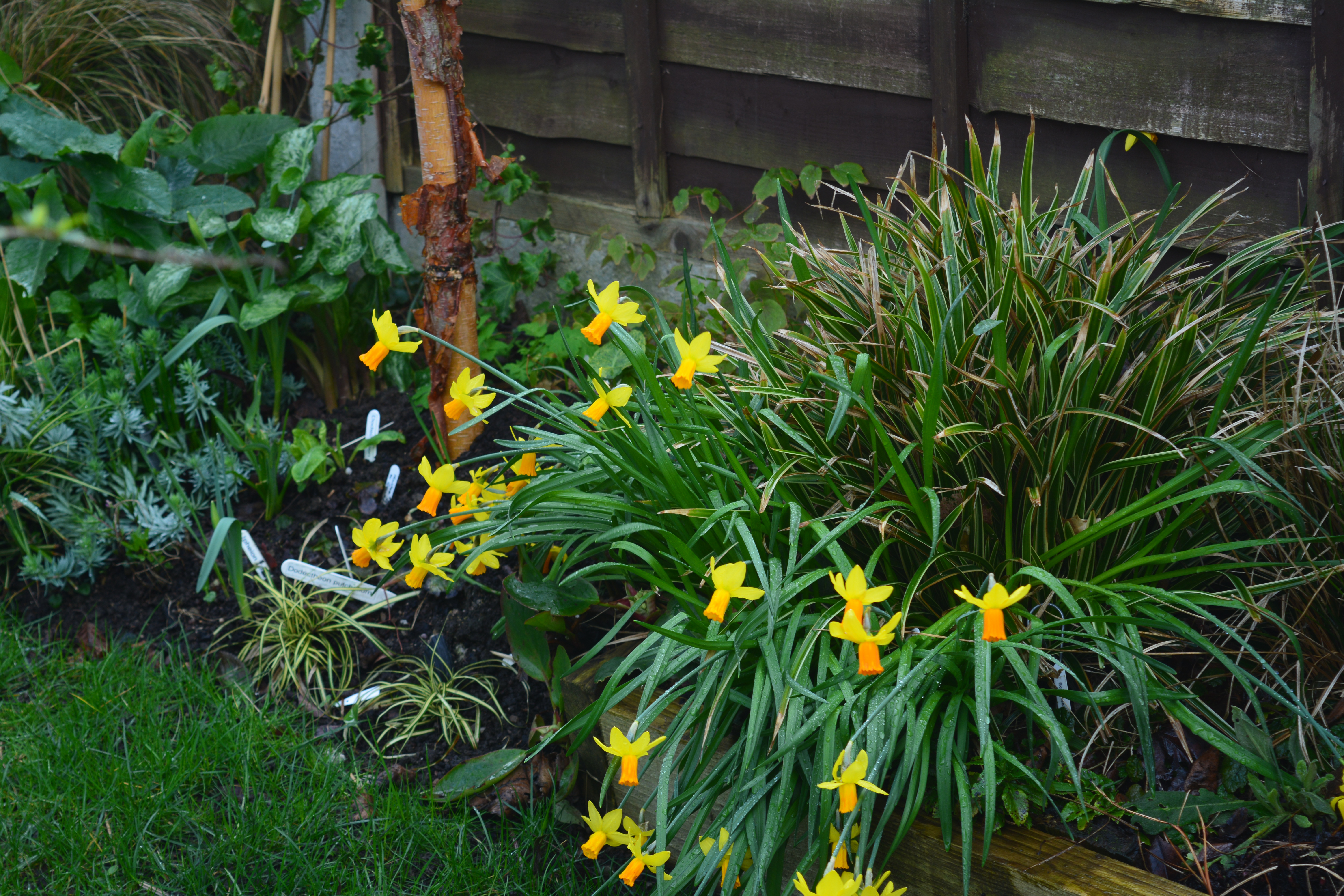
I began by writing, “March came on the scene dull, grey and lifeless looking. After the mild temperatures of the last few weeks with virtually no rain, the last day of February was very wet. Thank goodness for Daffodils, the spring bulbs that can cheer up the dullest of days.”

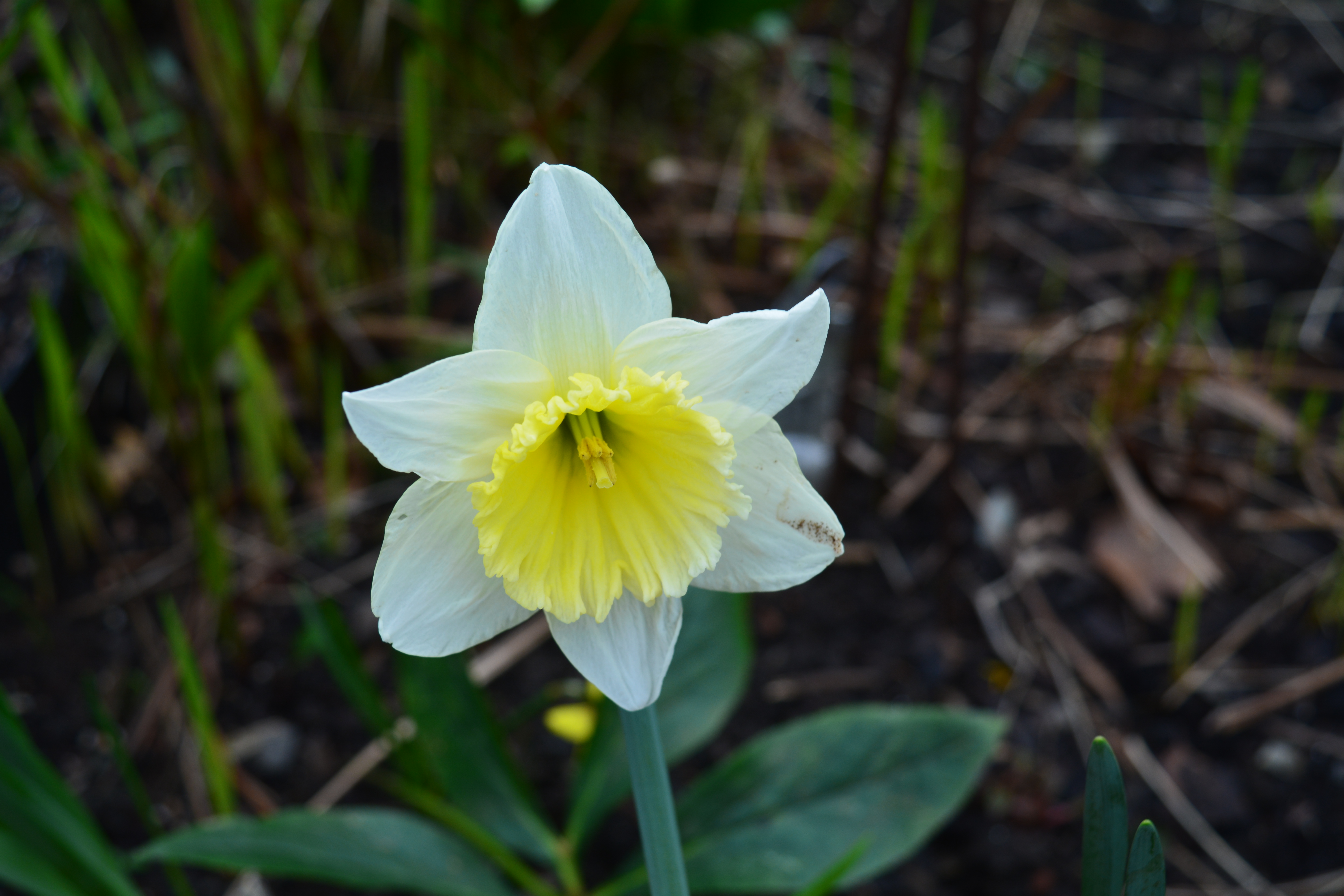
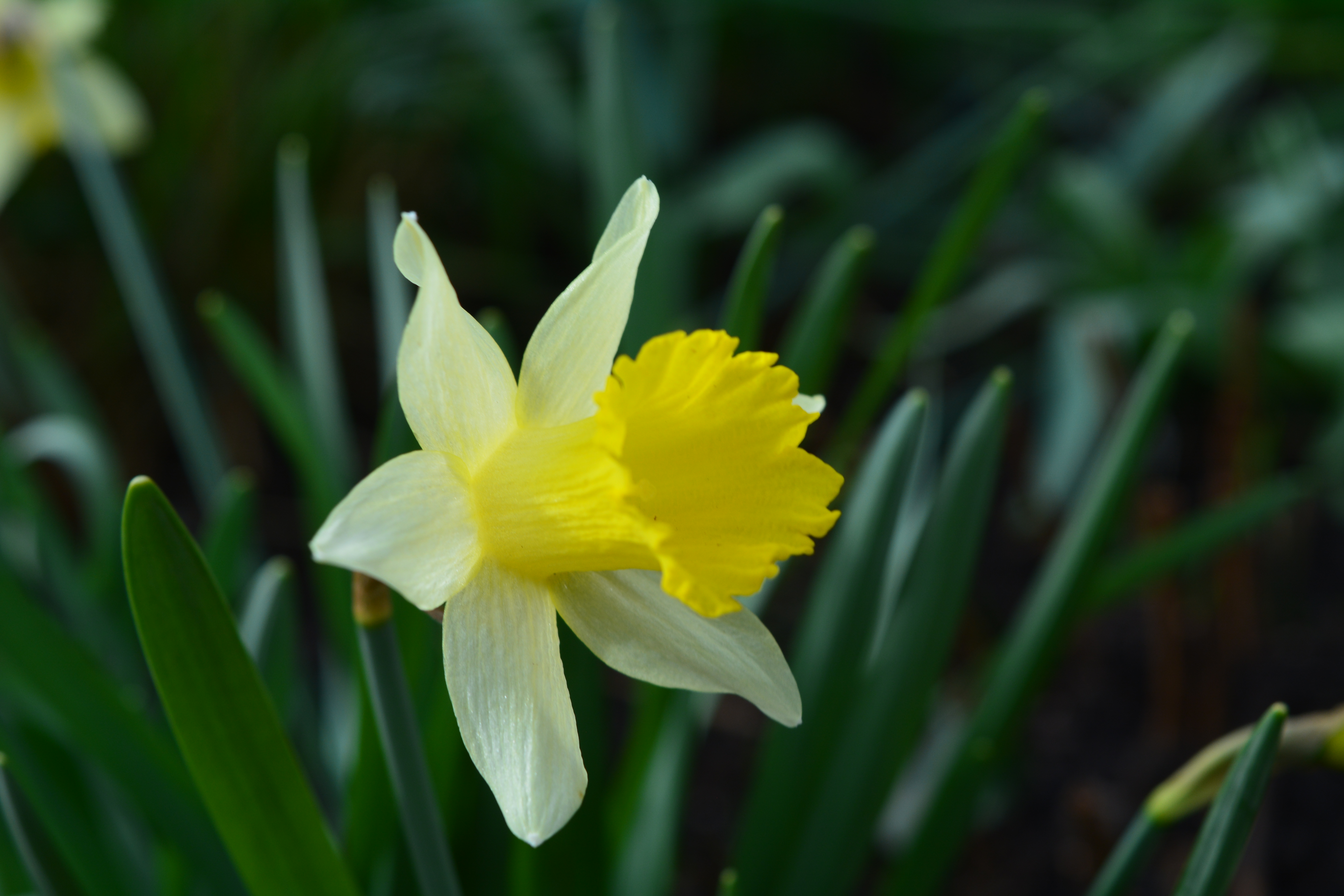
I then showed 9 photos of our wonderful early daffodils, mostly miniature narcissi.


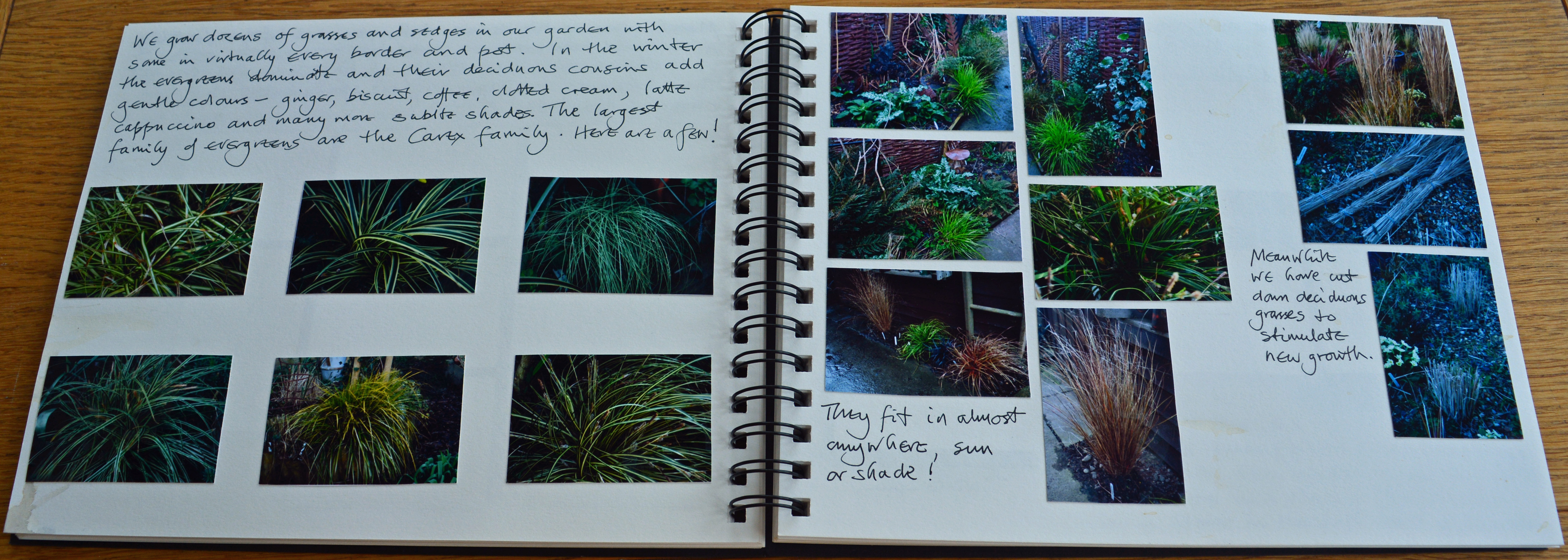
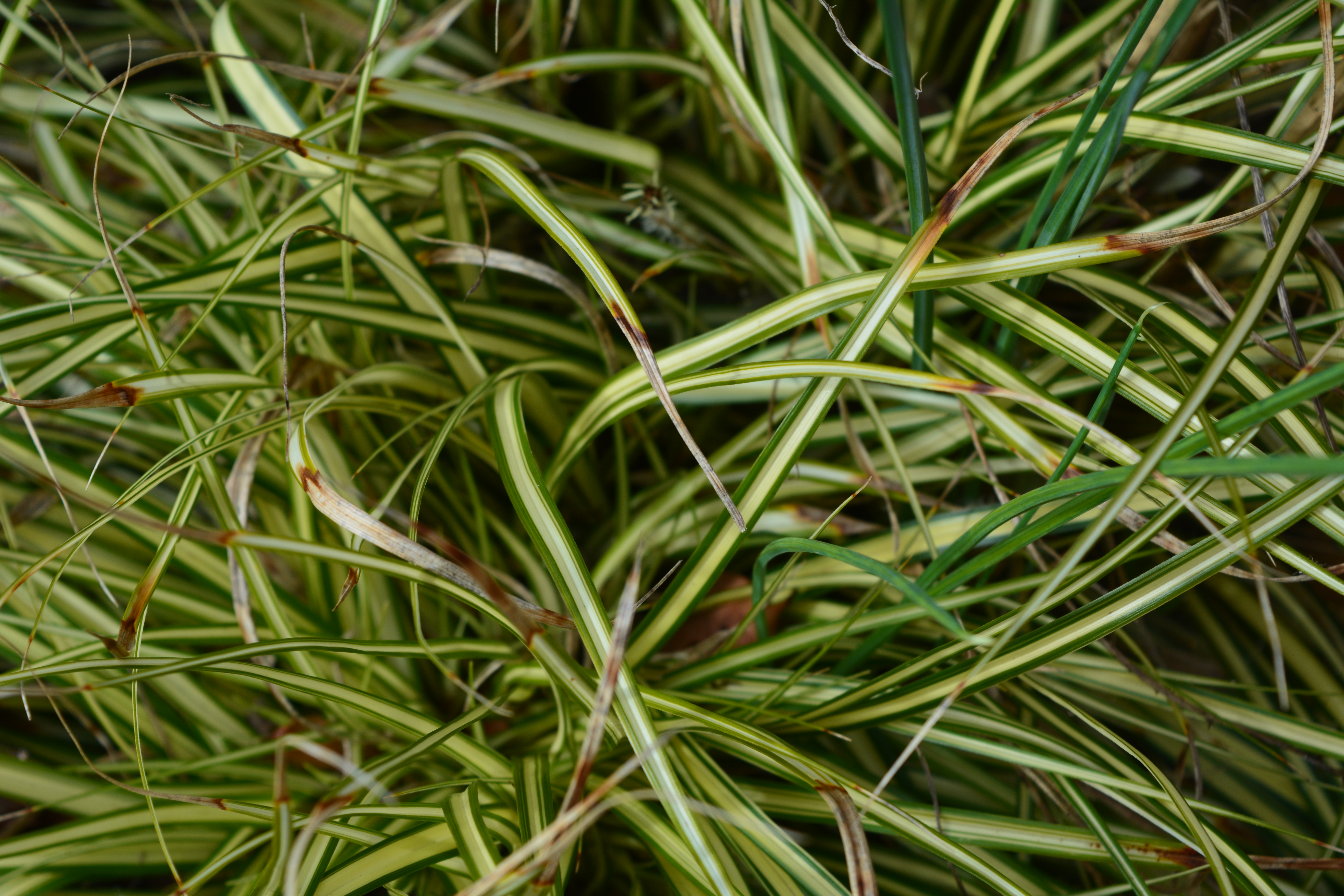
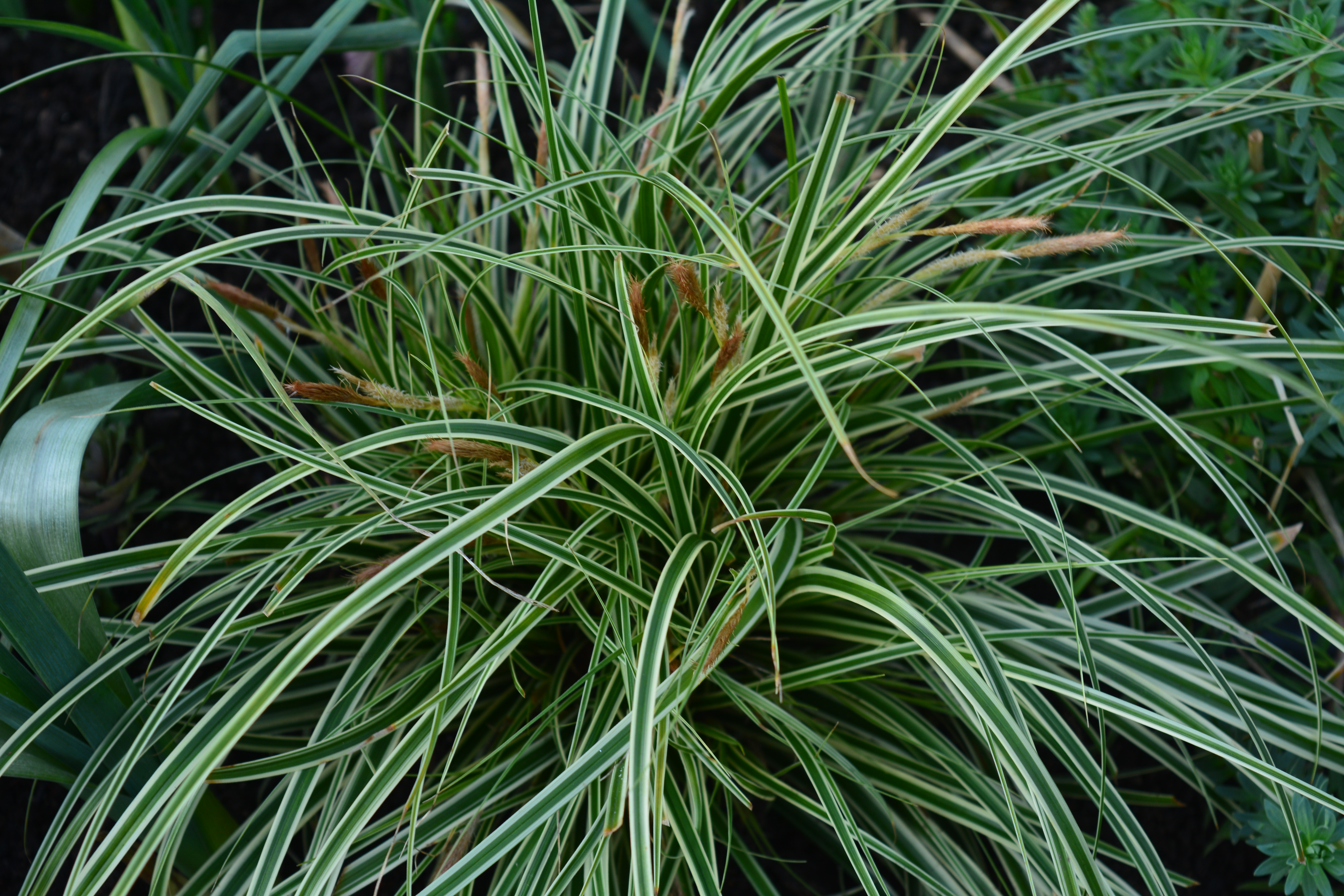
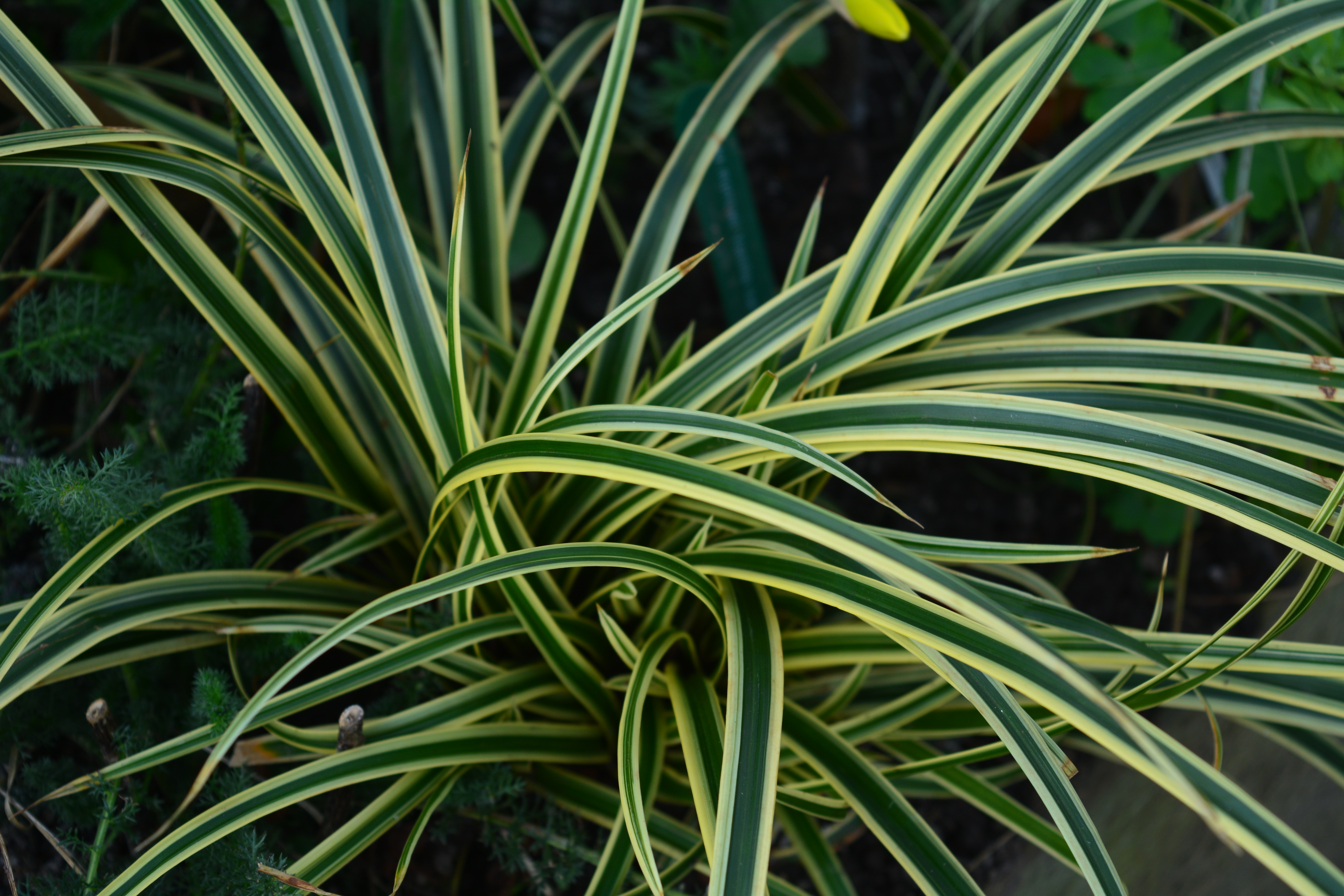
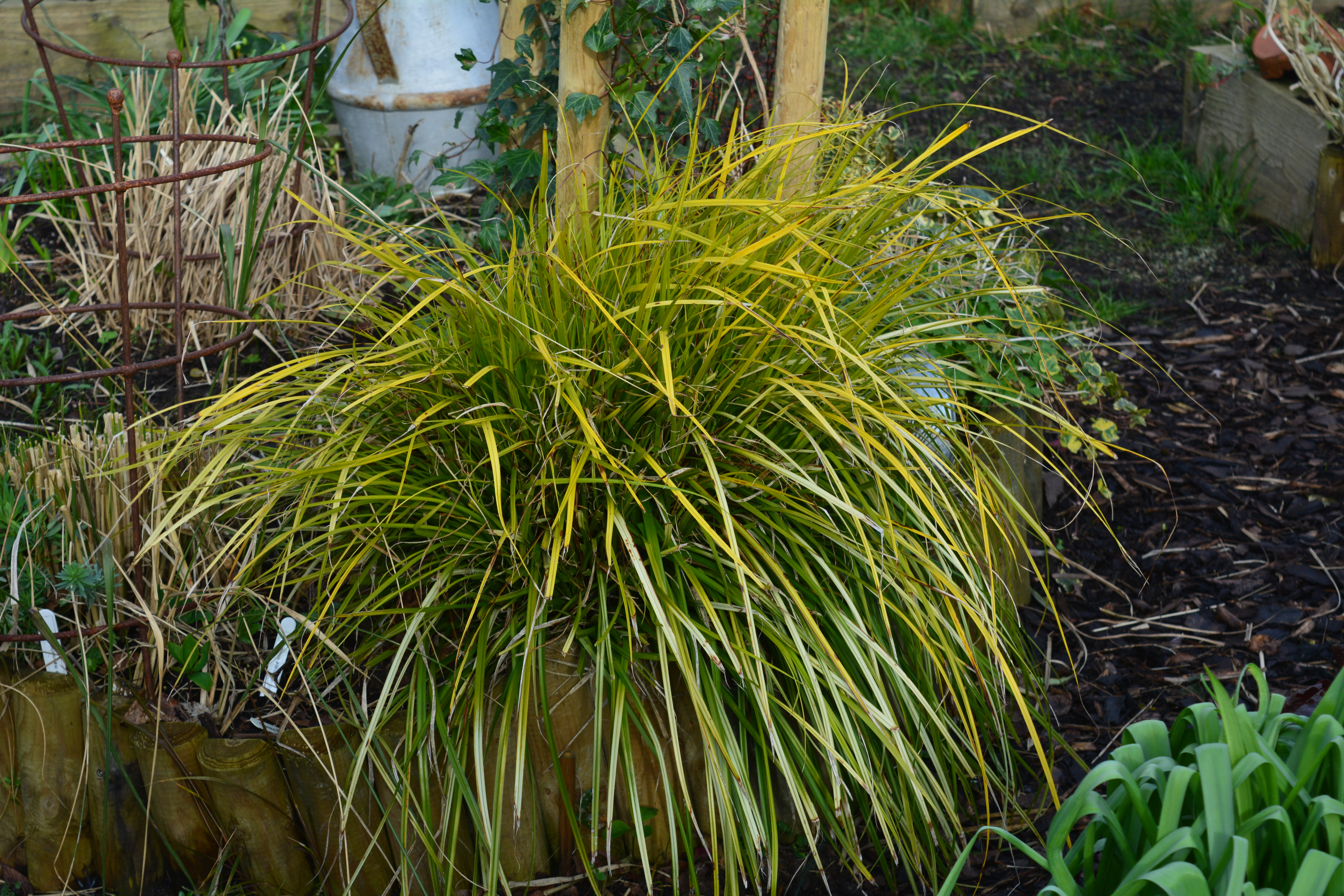
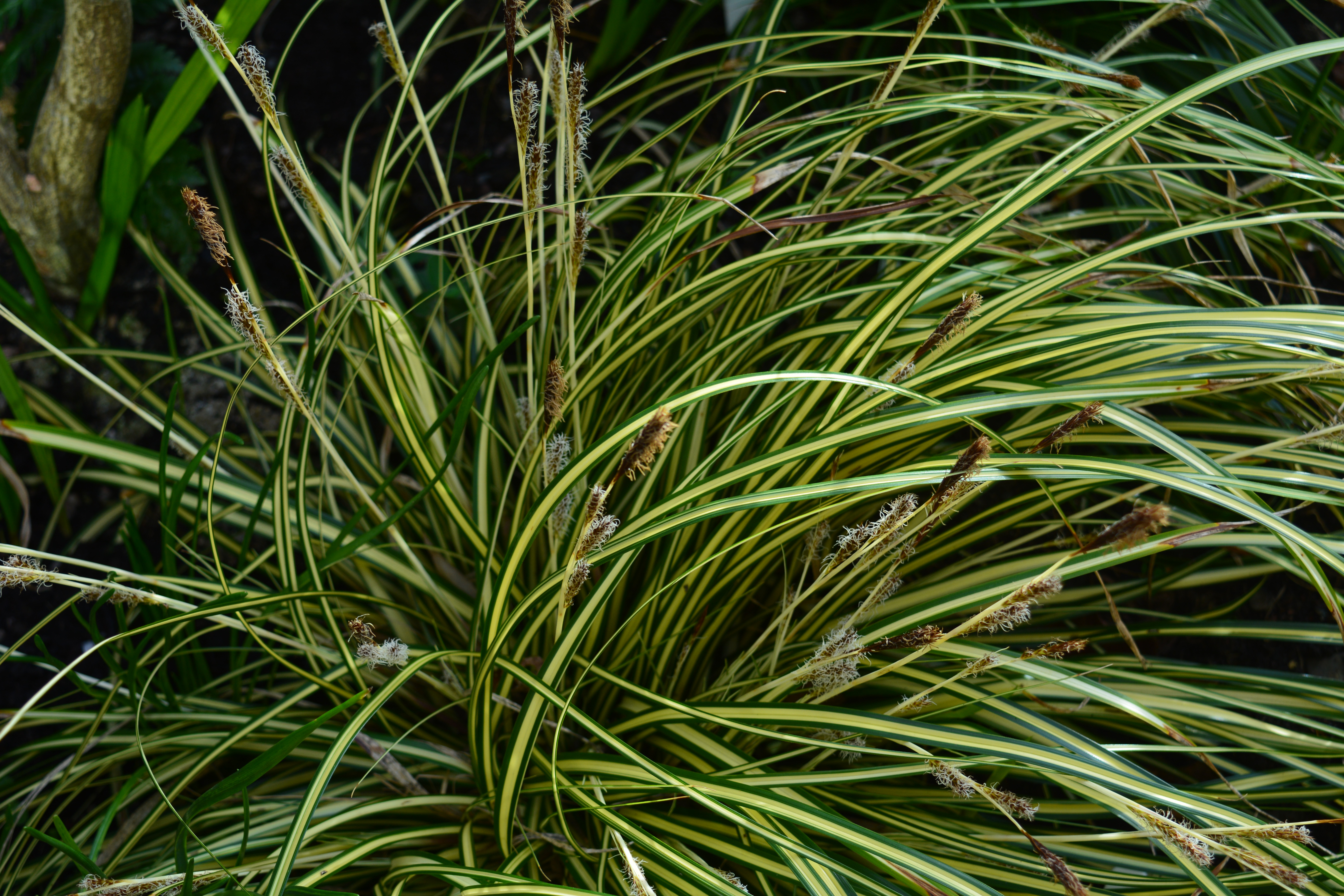
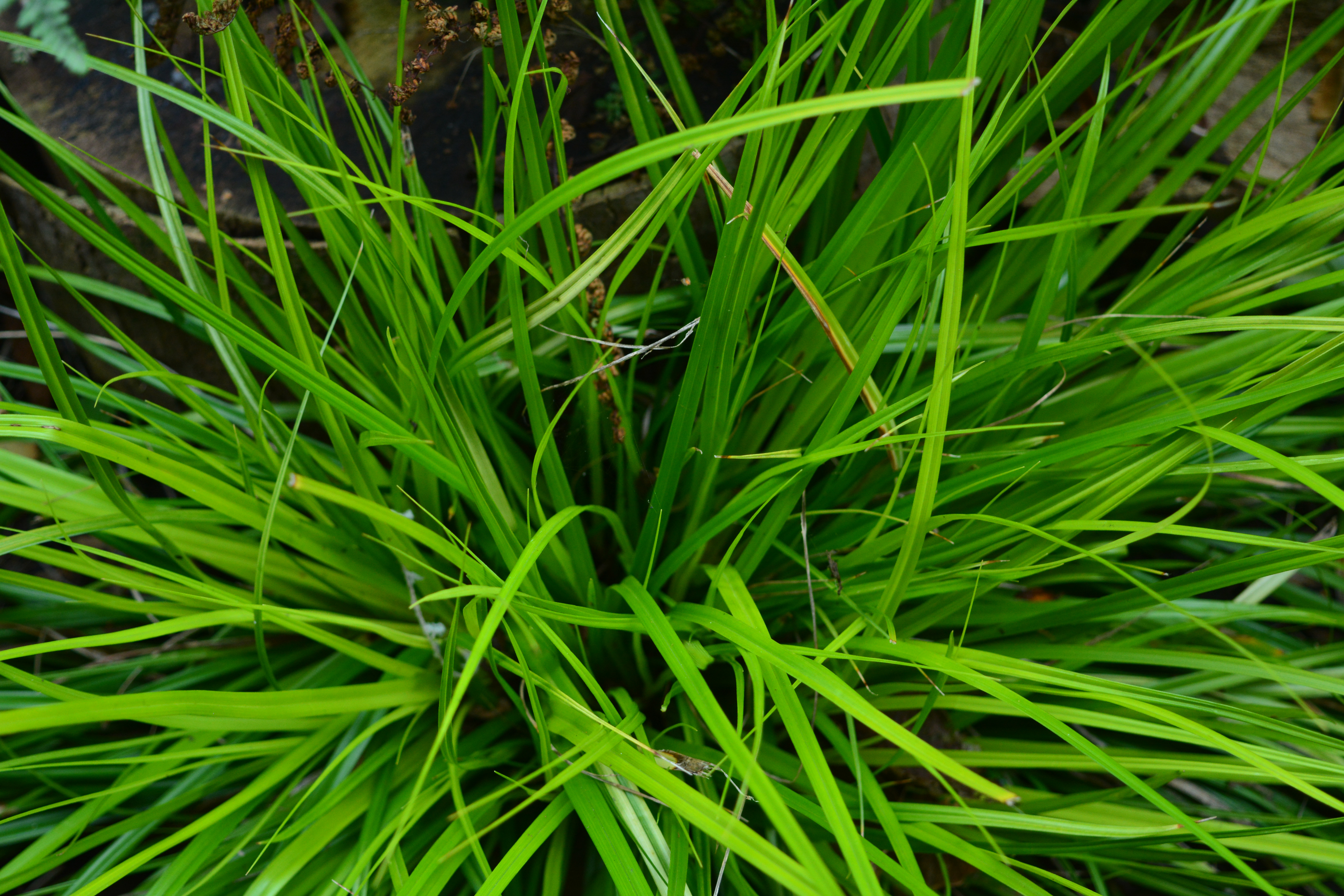
On the next page I looked at our selection of Carex.

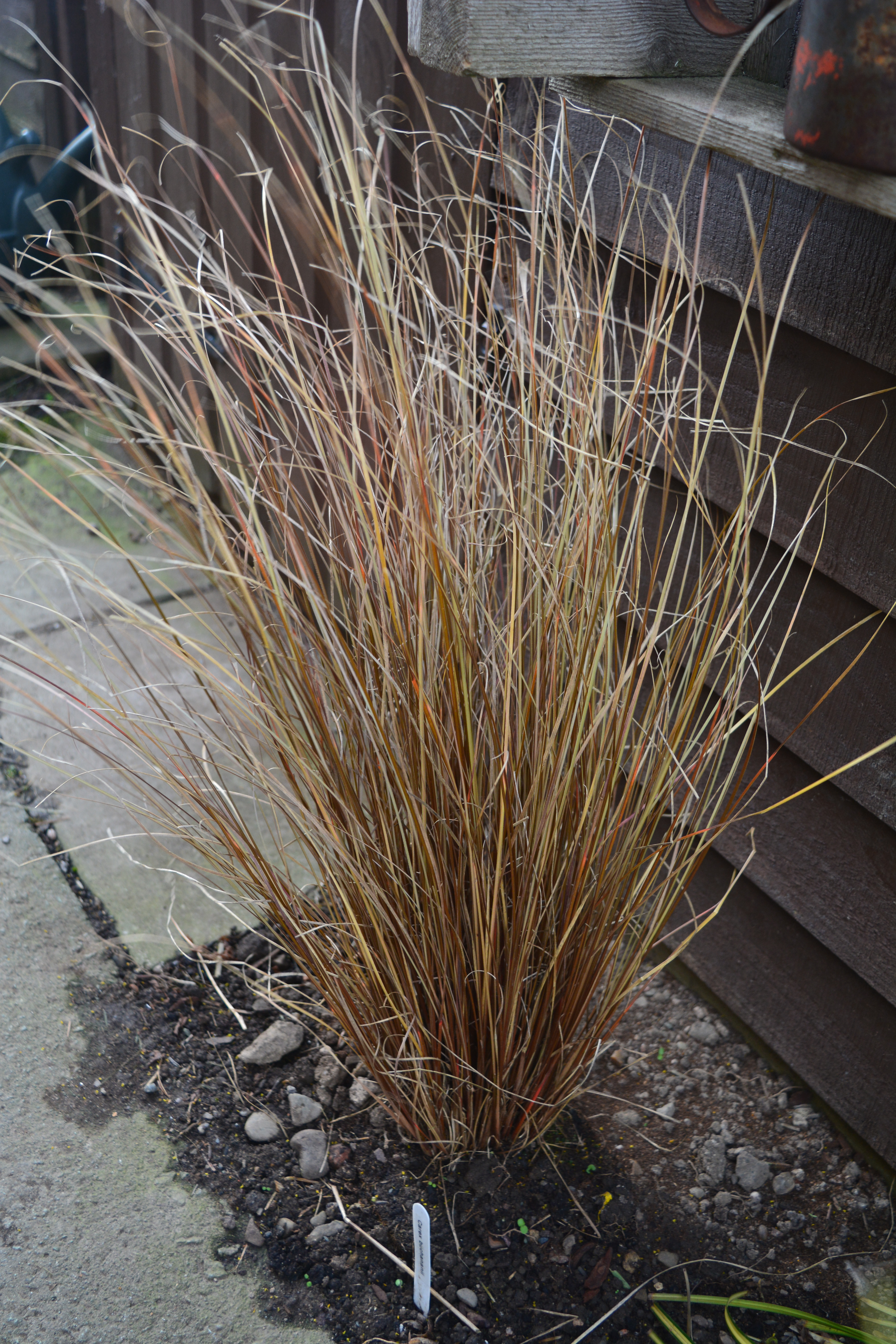
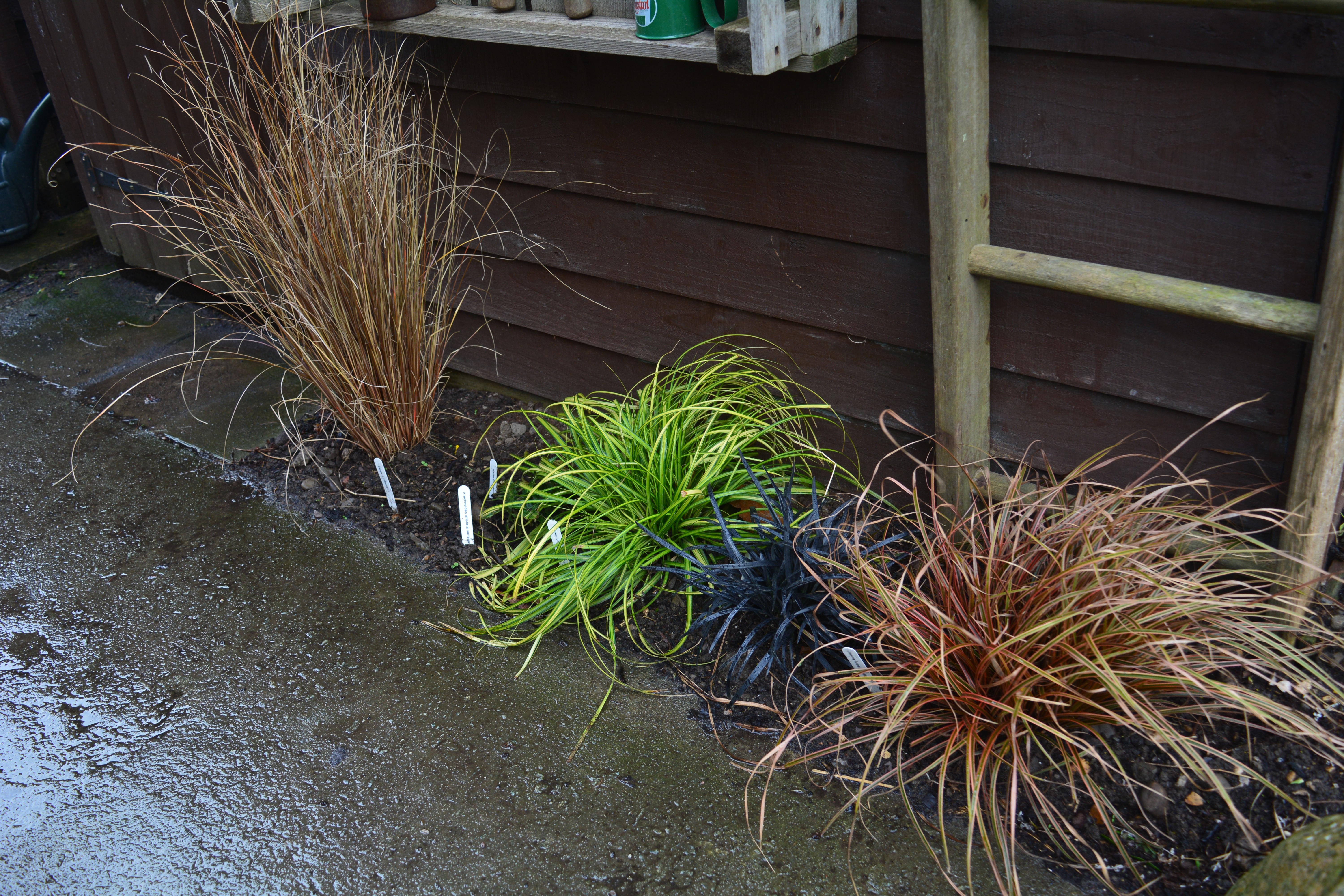
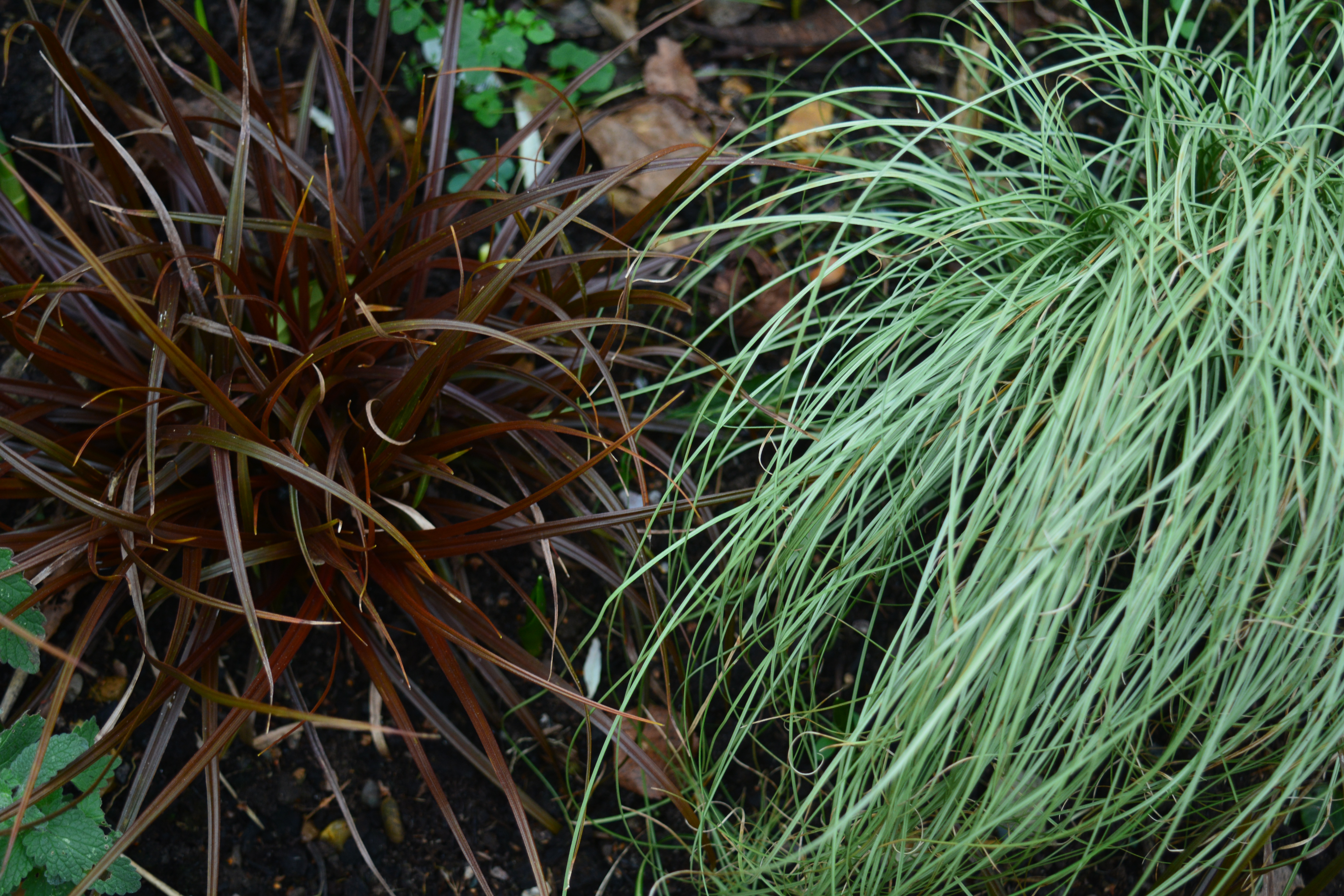
“We grow dozens of grasses and sedges in our garden with some in virtually every border and container. In the winter the evergreens dominate and their deciduous cousins add gentle colours – ginger, biscuit, coffee, clotted cream, latte, cappuccino and many more subtle shades. The largest family of evergreens are the Carex family. Here are just a few that we grow!”

Here is a selection of the many Carex we grow.

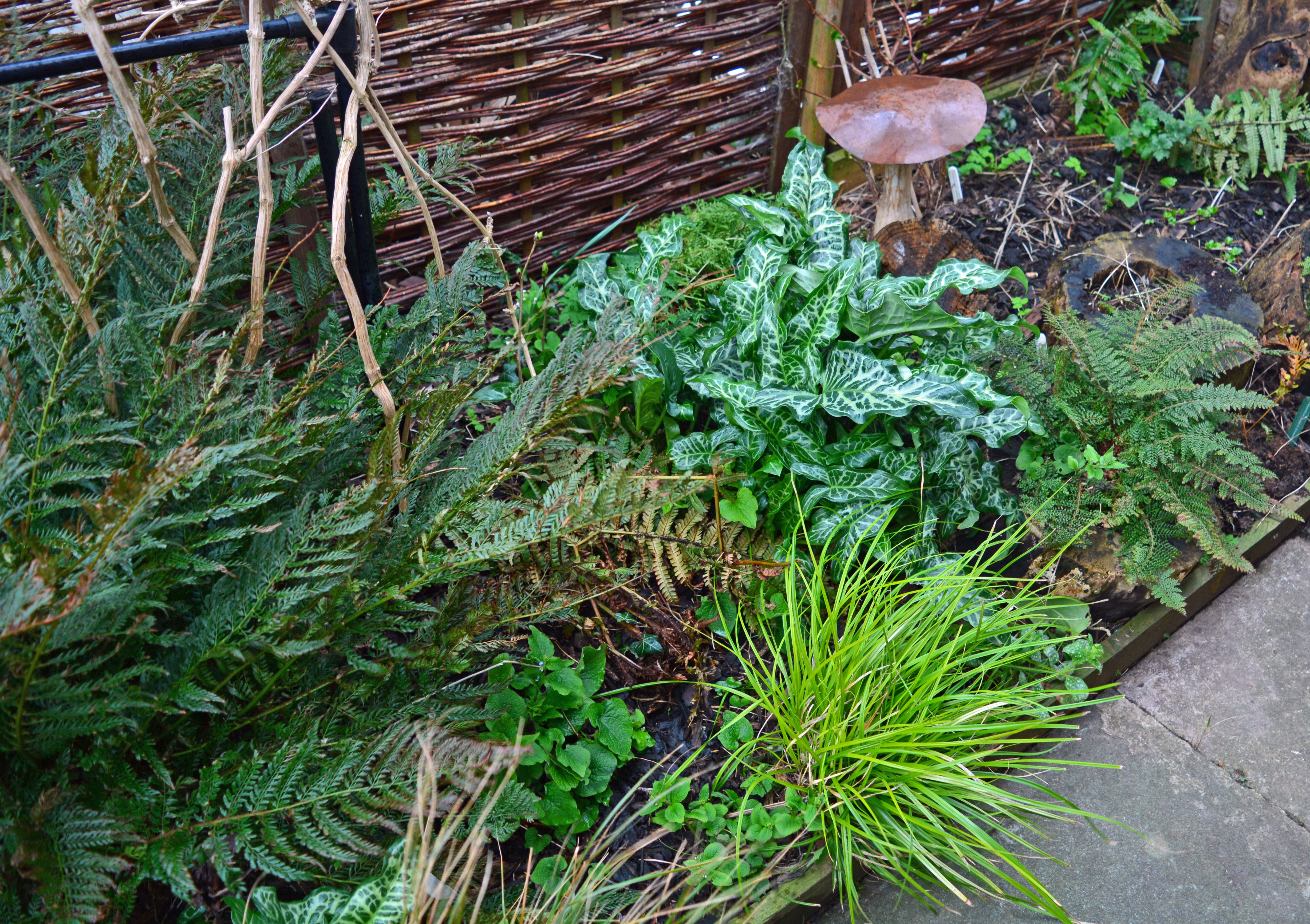
On the opposite page I consider how well the Carex family of grasses fit in with other plants and plant combinations. I wrote, “They fit in almost anywhere, sun or shade!”


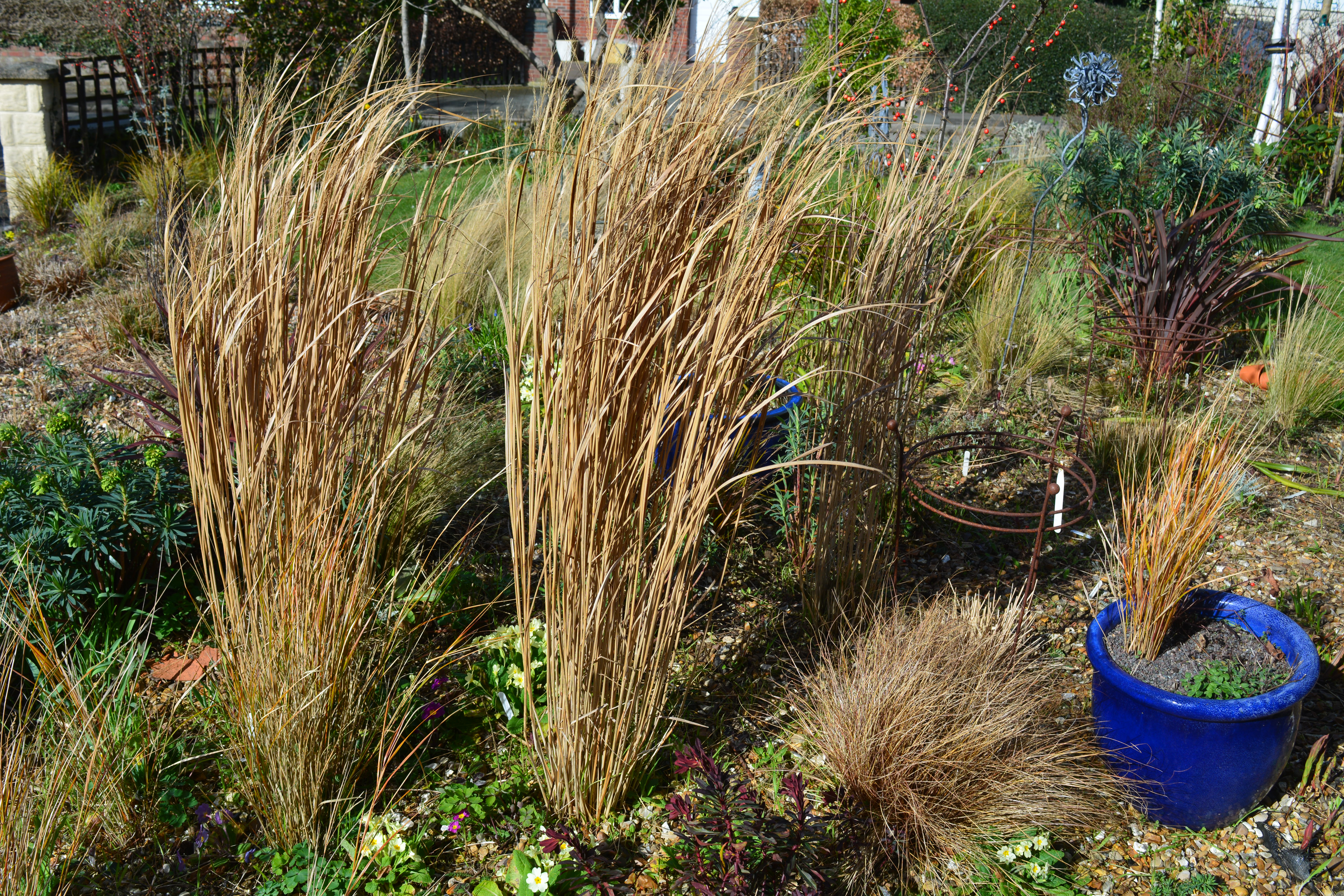
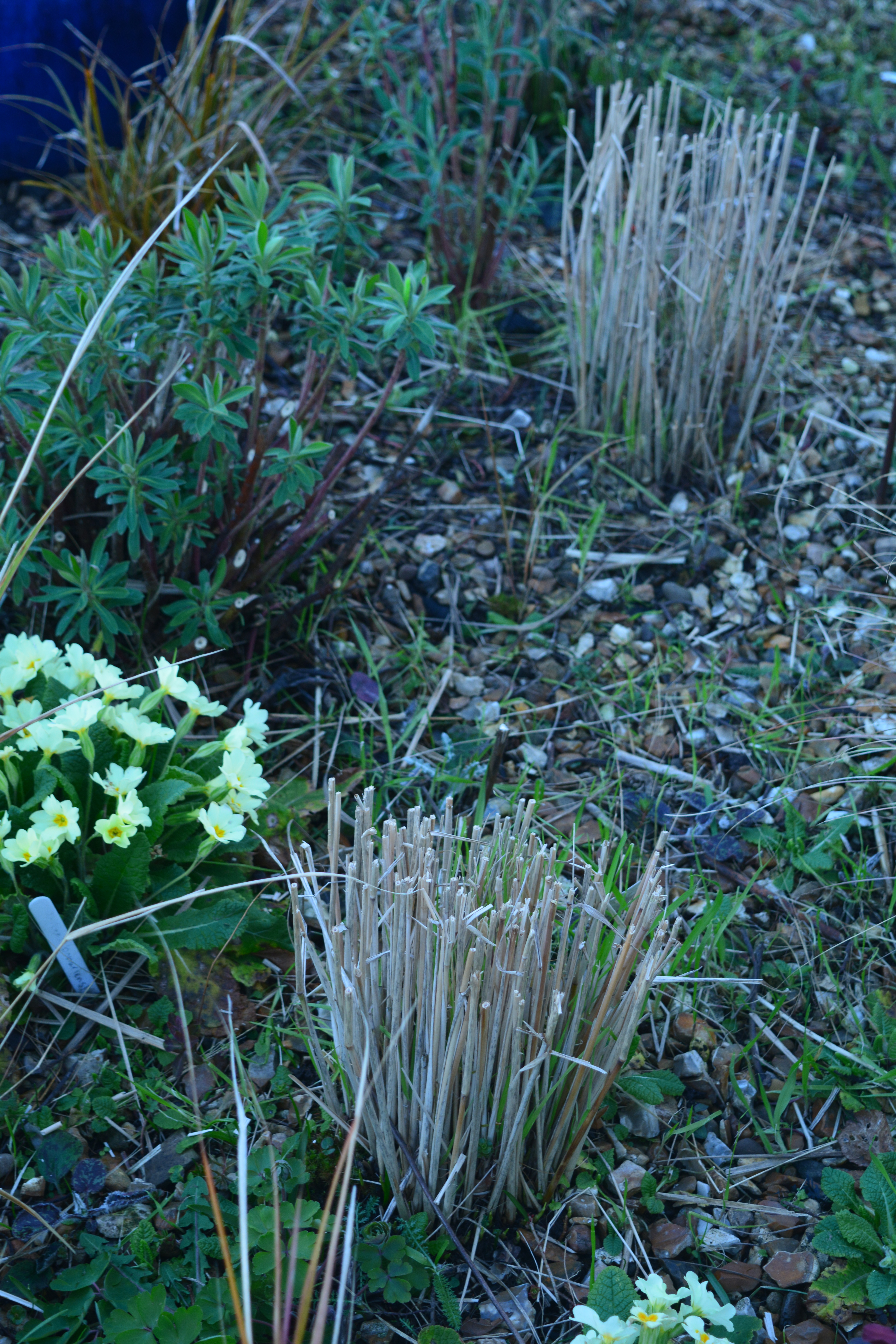
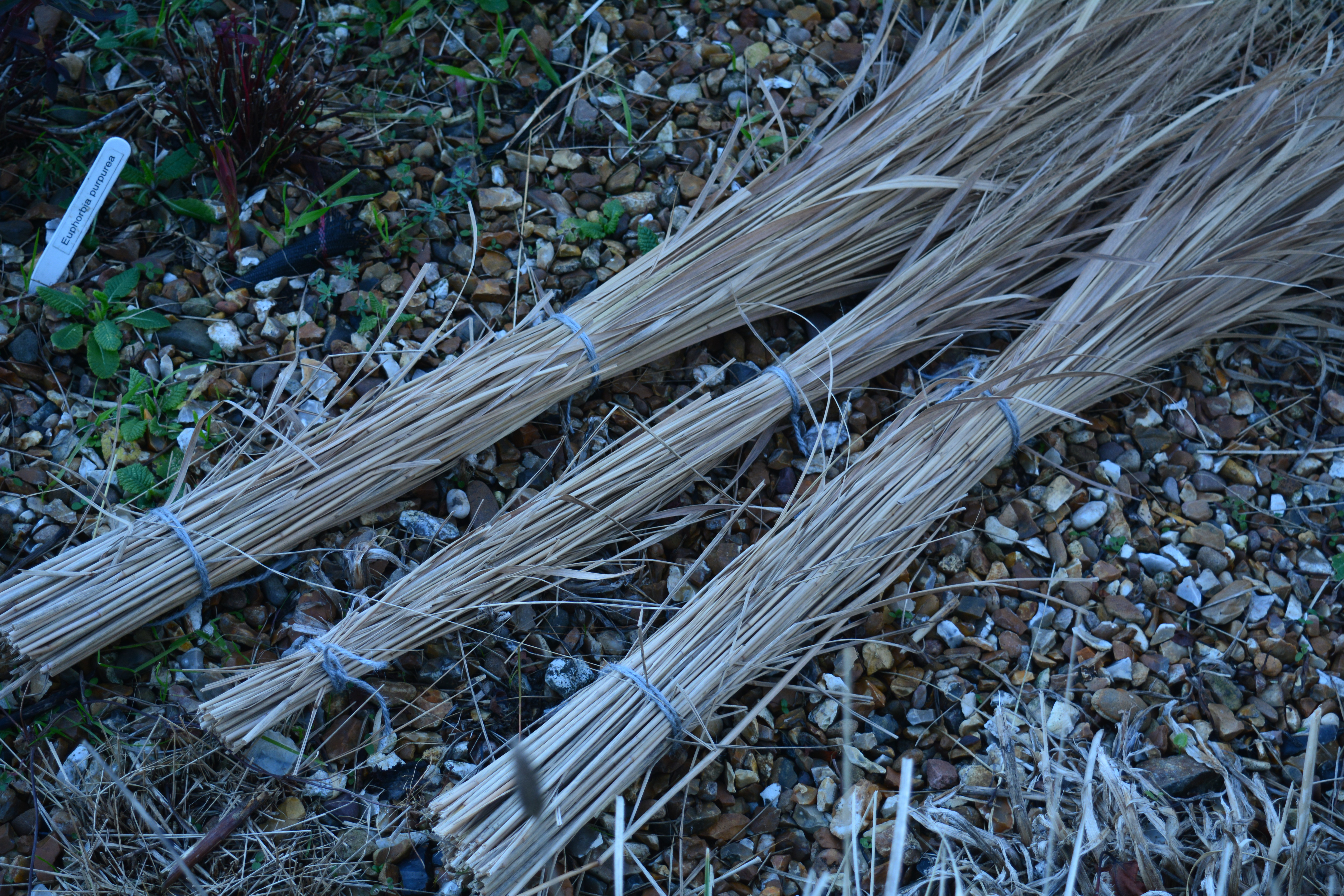
“Meanwhile we have cut down deciduous grasses to stimulate new growth.”

Turning over to the next double page spread I have a look at a couple of under-appreciated plants.

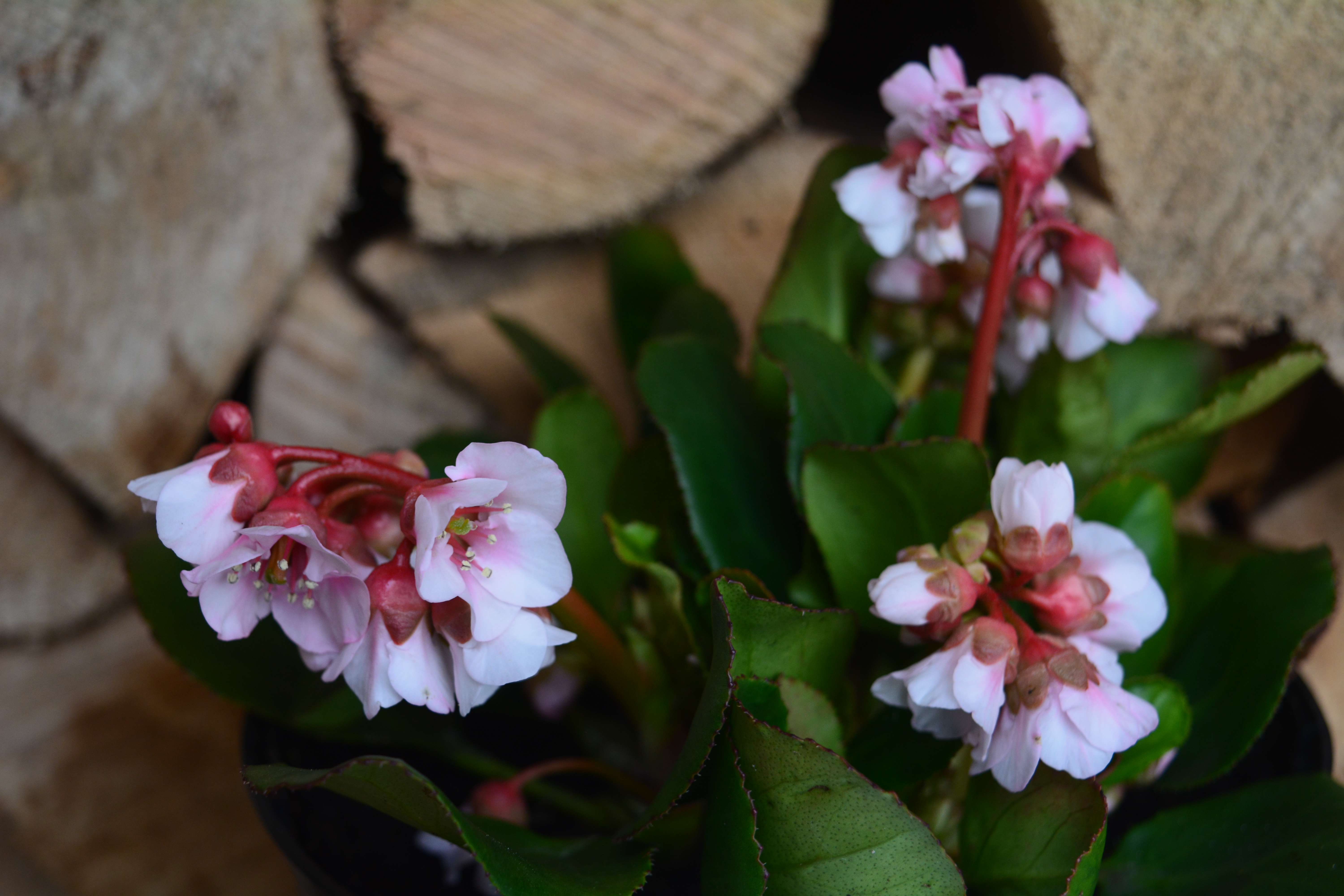
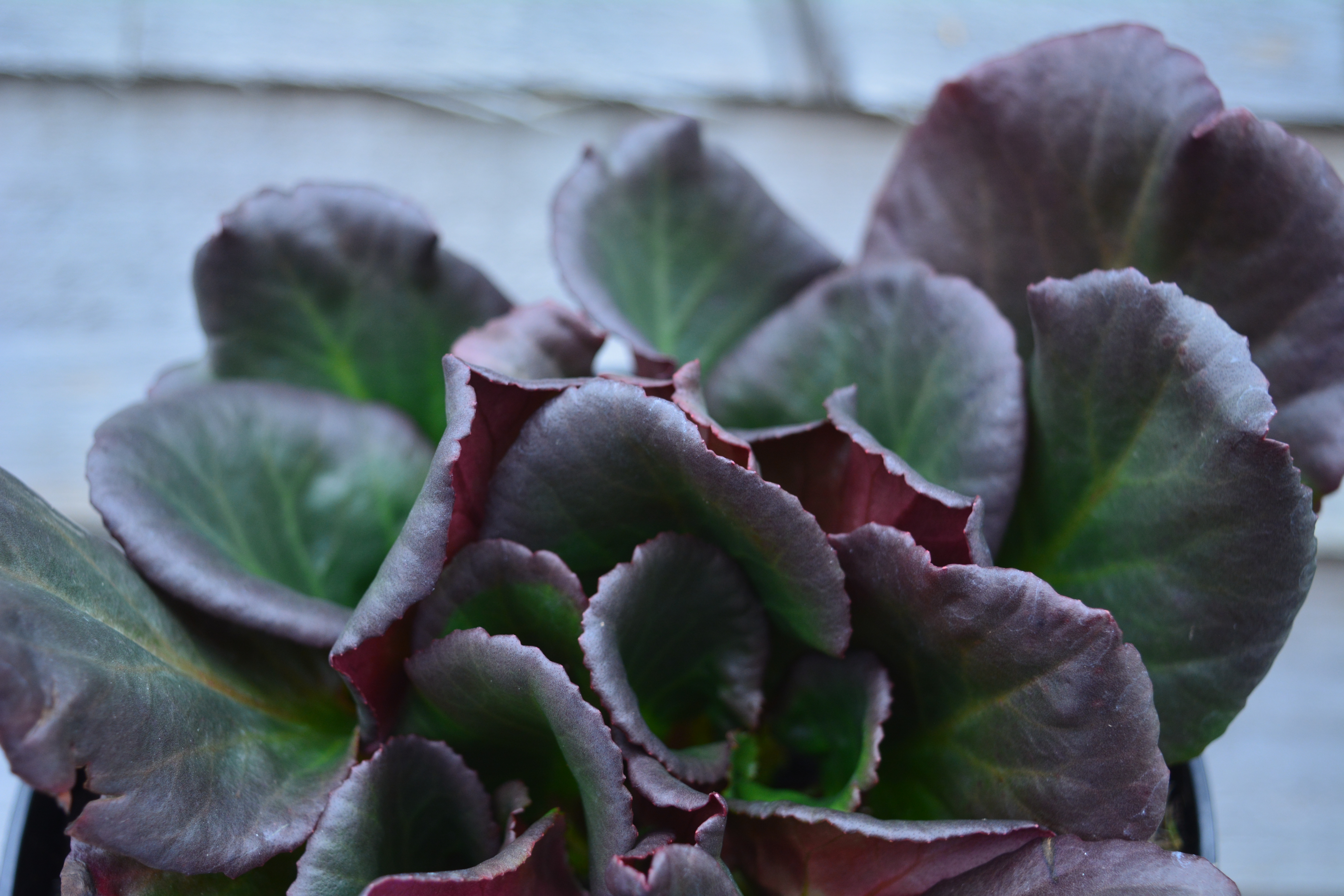
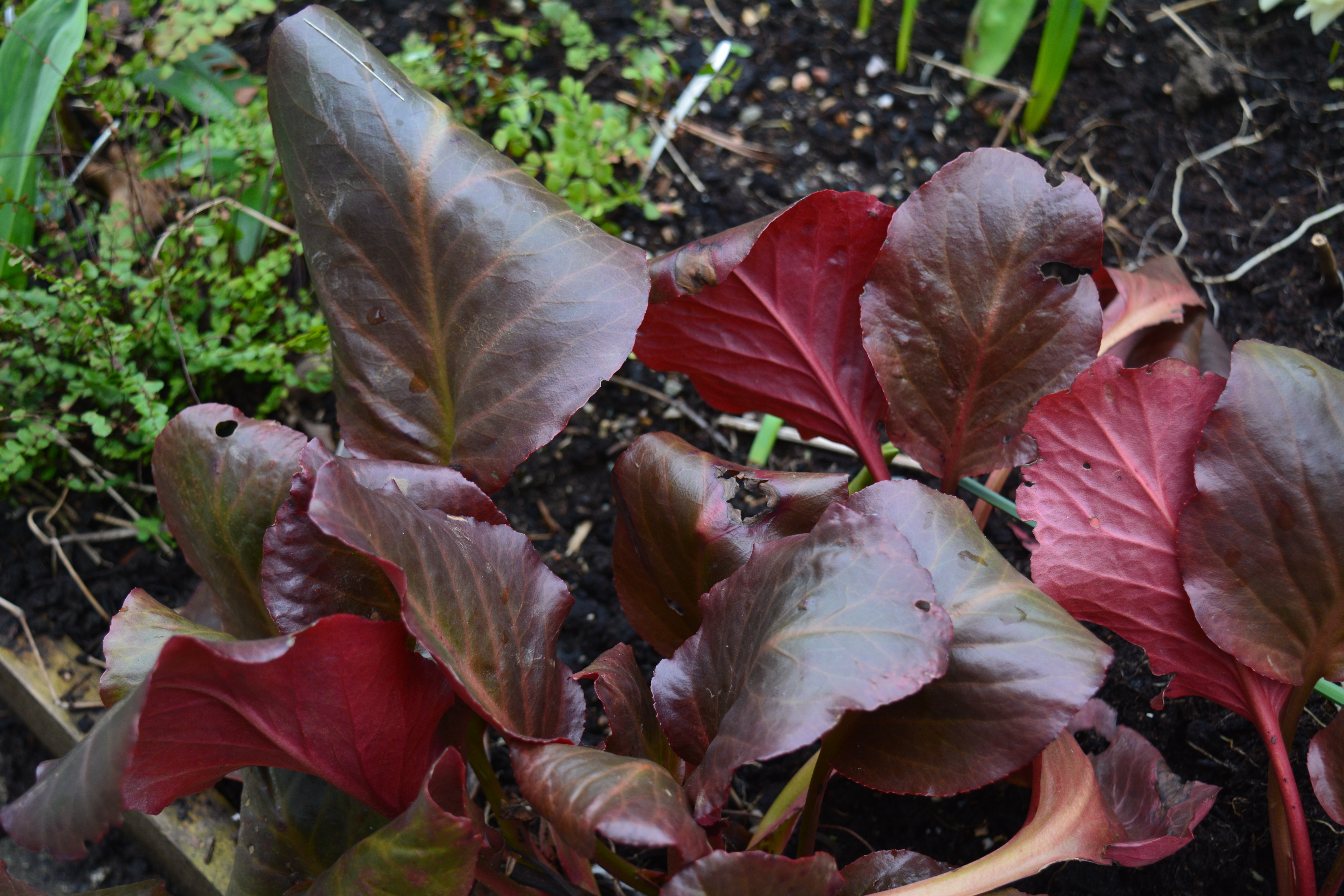
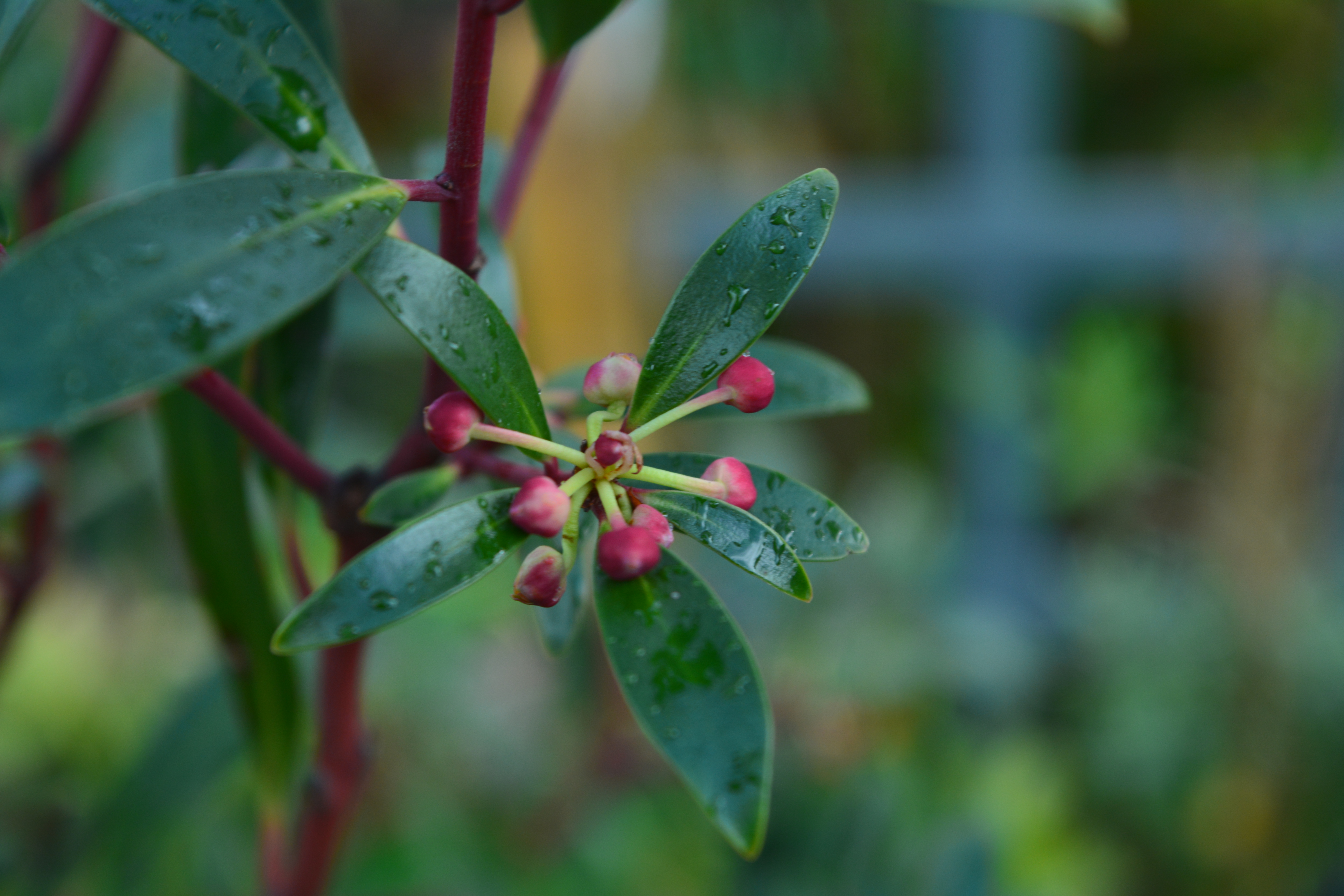
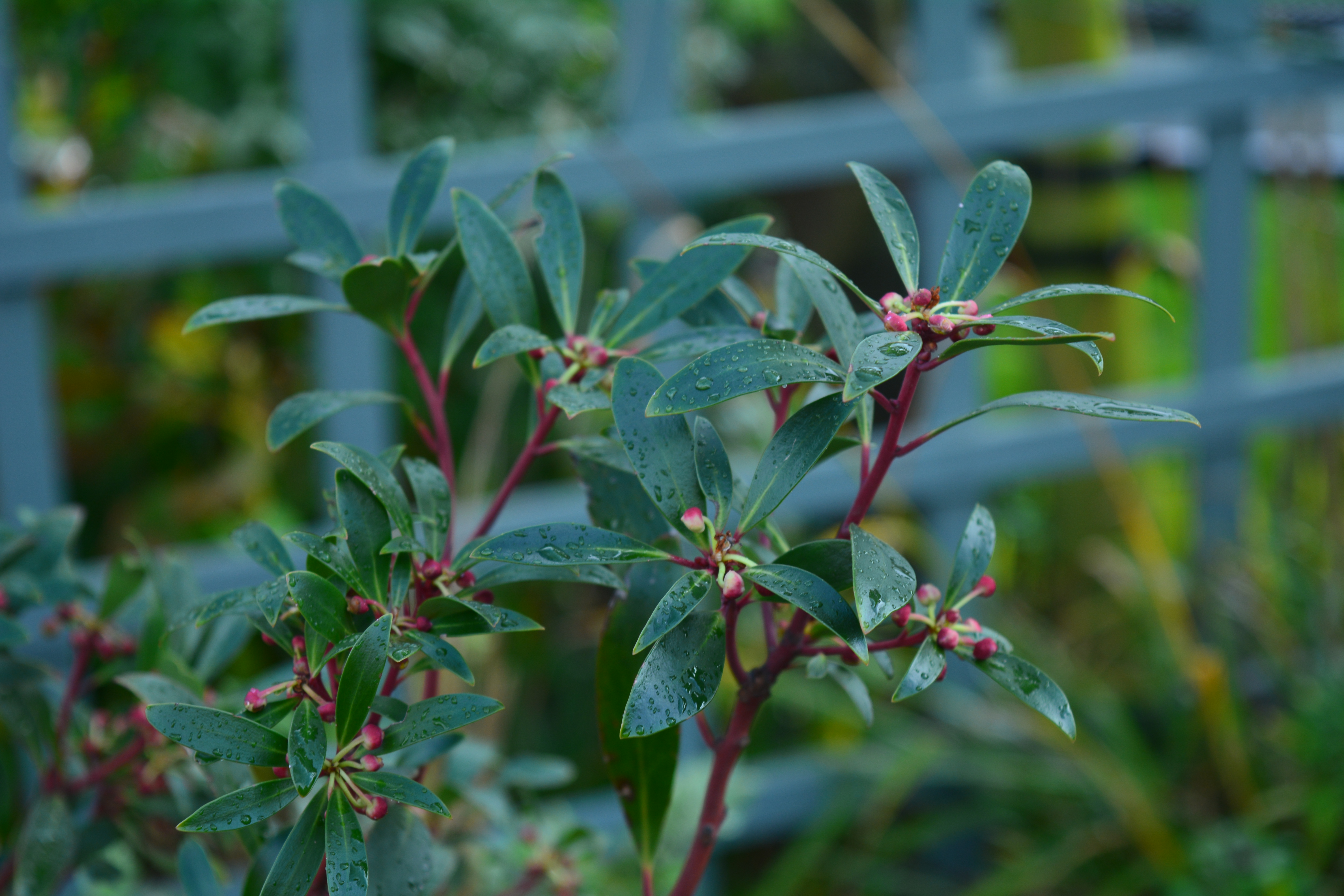
I wrote, “An unknown plant and an under appreciated plant, both stalwarts of the March garden, Bergenias and Drimys. I love them both!”

“Drimys lanceolata ‘Winter Spice’.

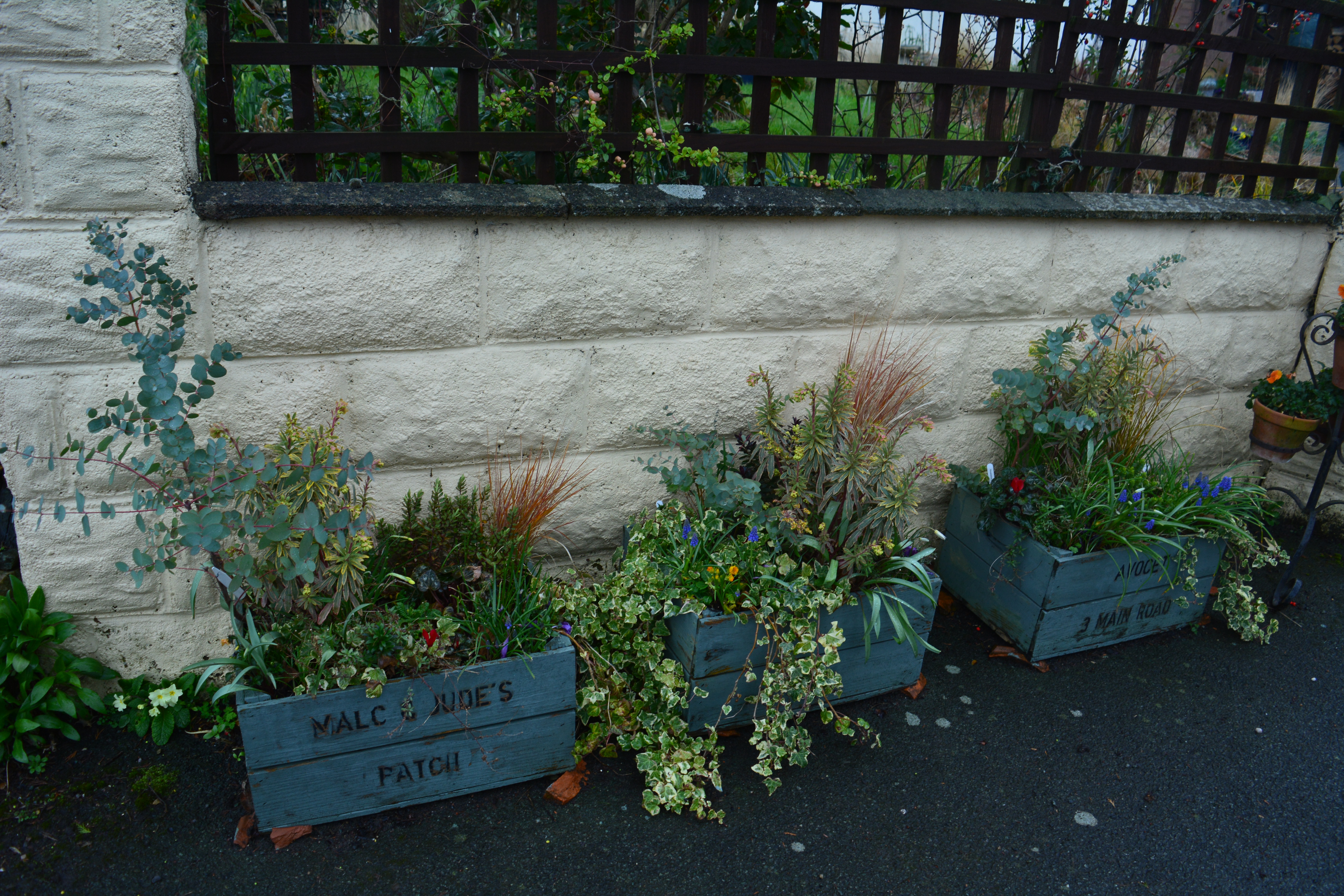
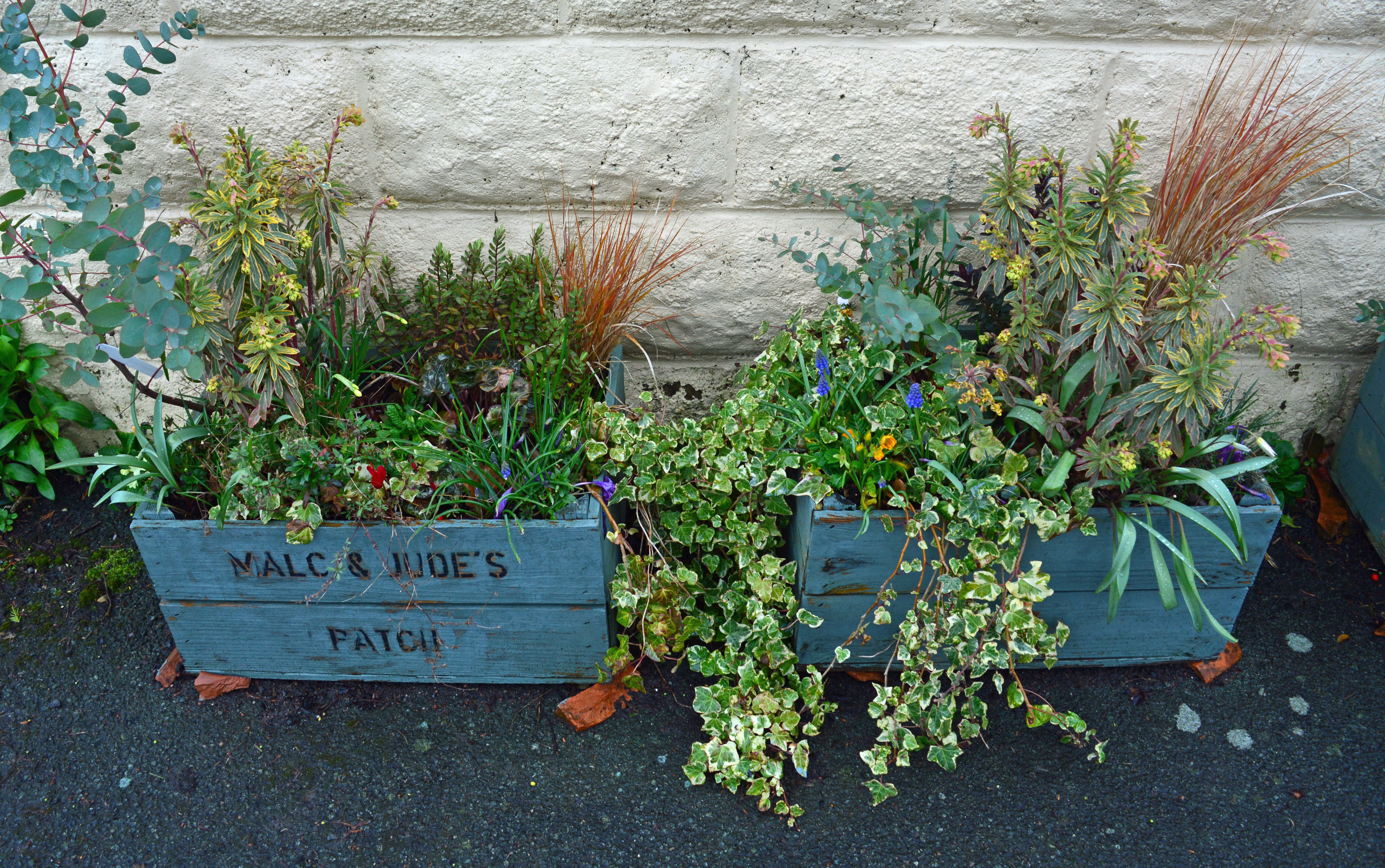
On the opposite page I looked at two places of warmth, a warm welcome and the warm greenhouse. Firstly I wrote, “A warm welcome to your garden is essential throughout the year. We welcome visitors to our Avocet patch using three fruit boxes planted up with interesting seasonal plants. Here they are in March.”

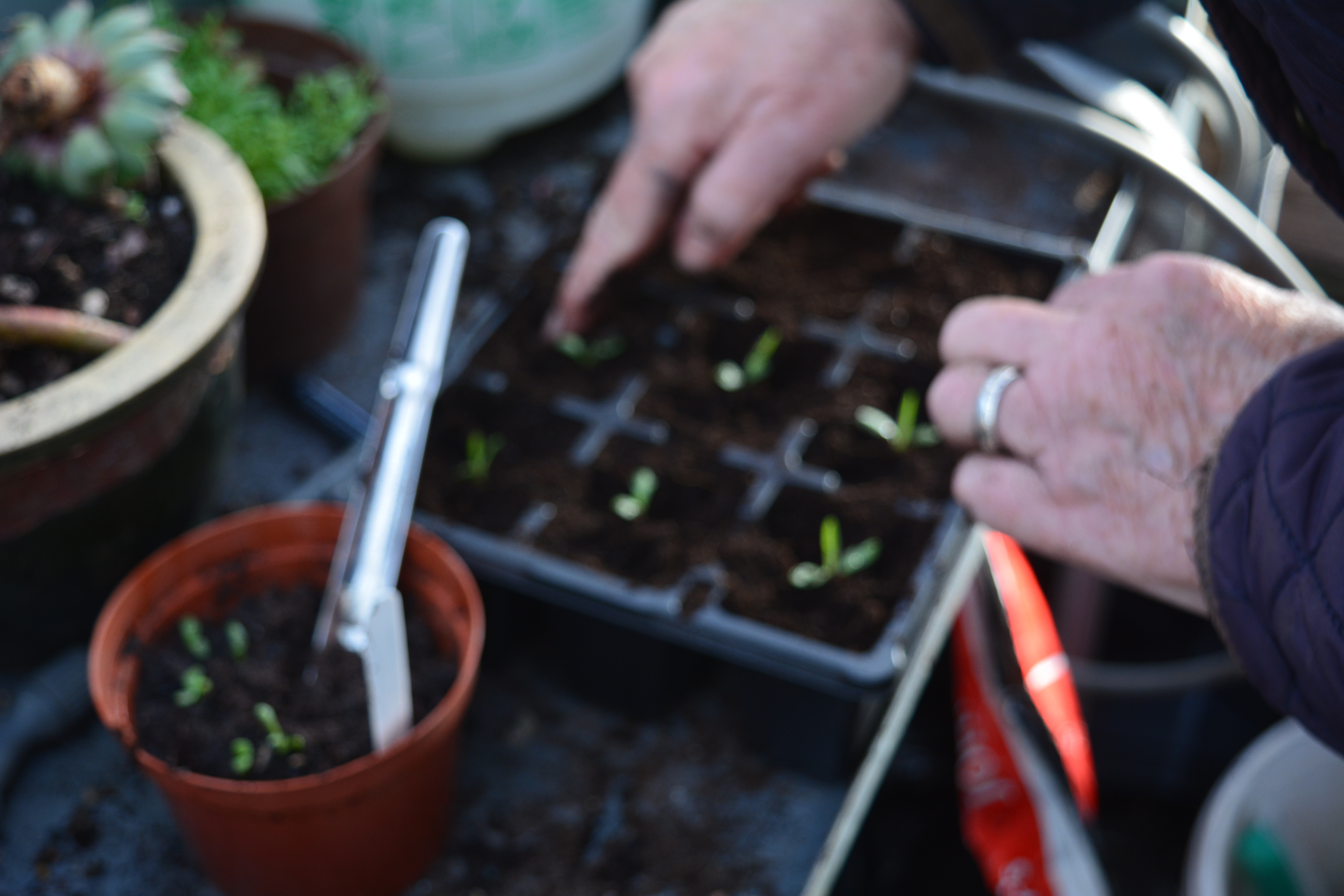
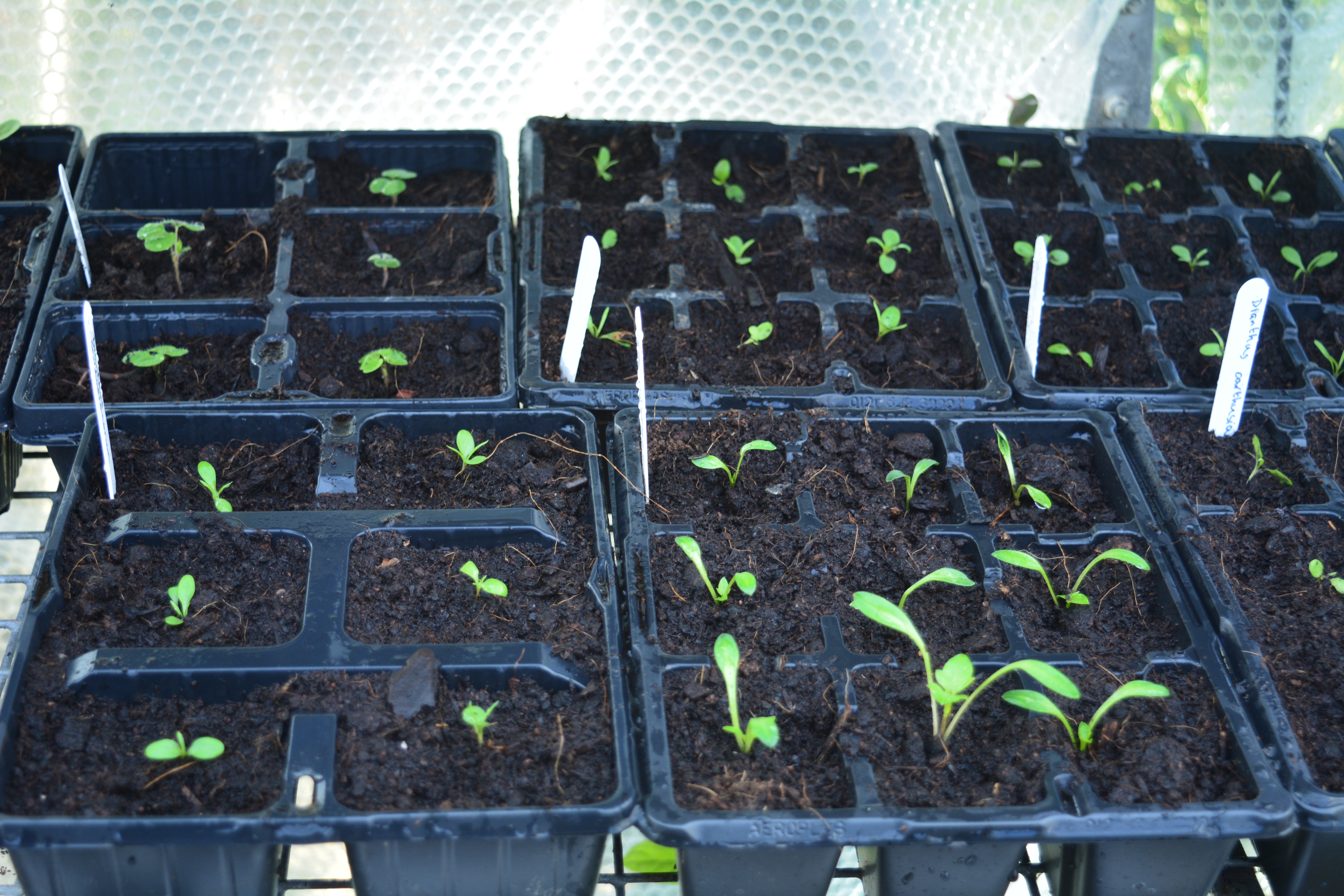
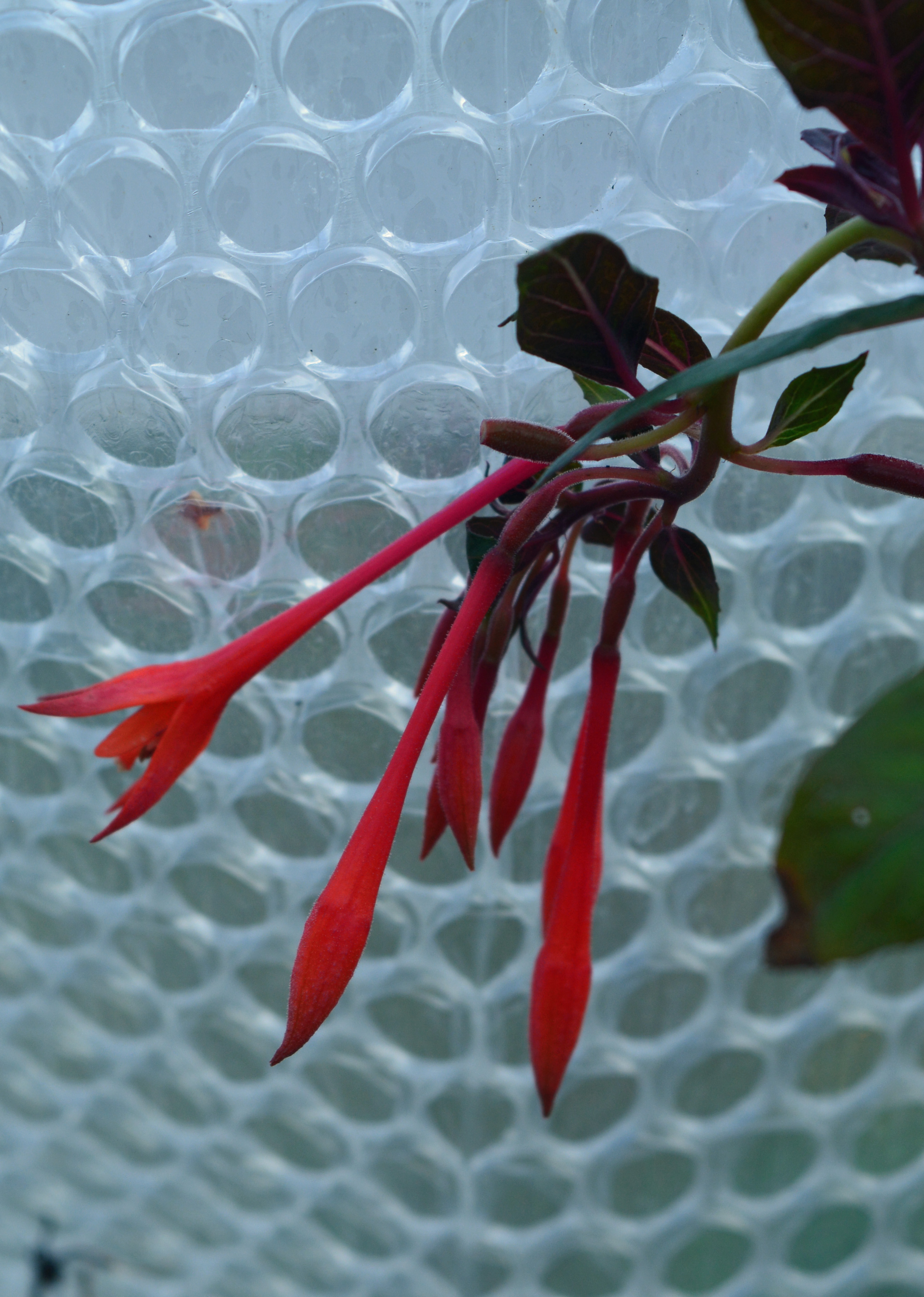
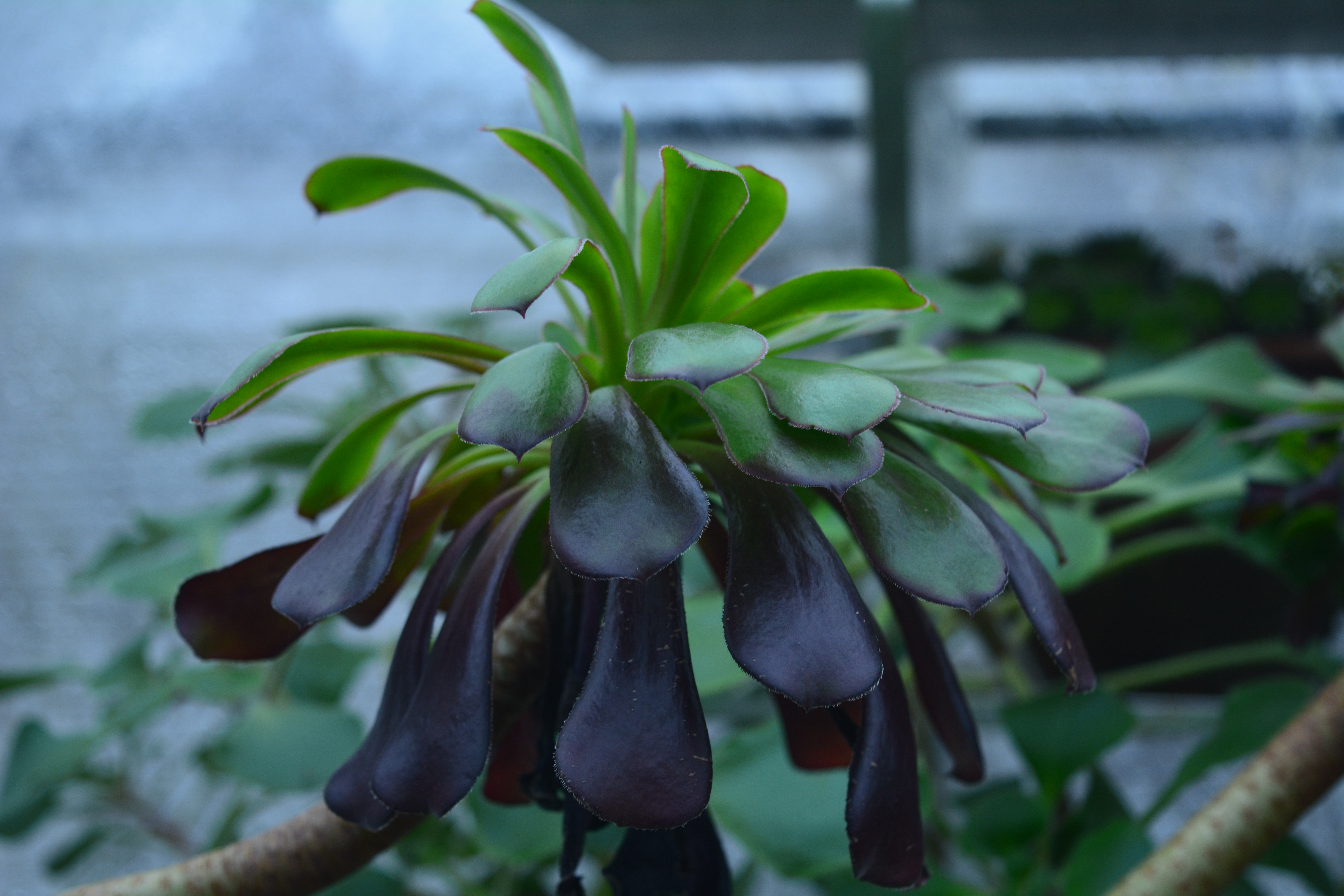
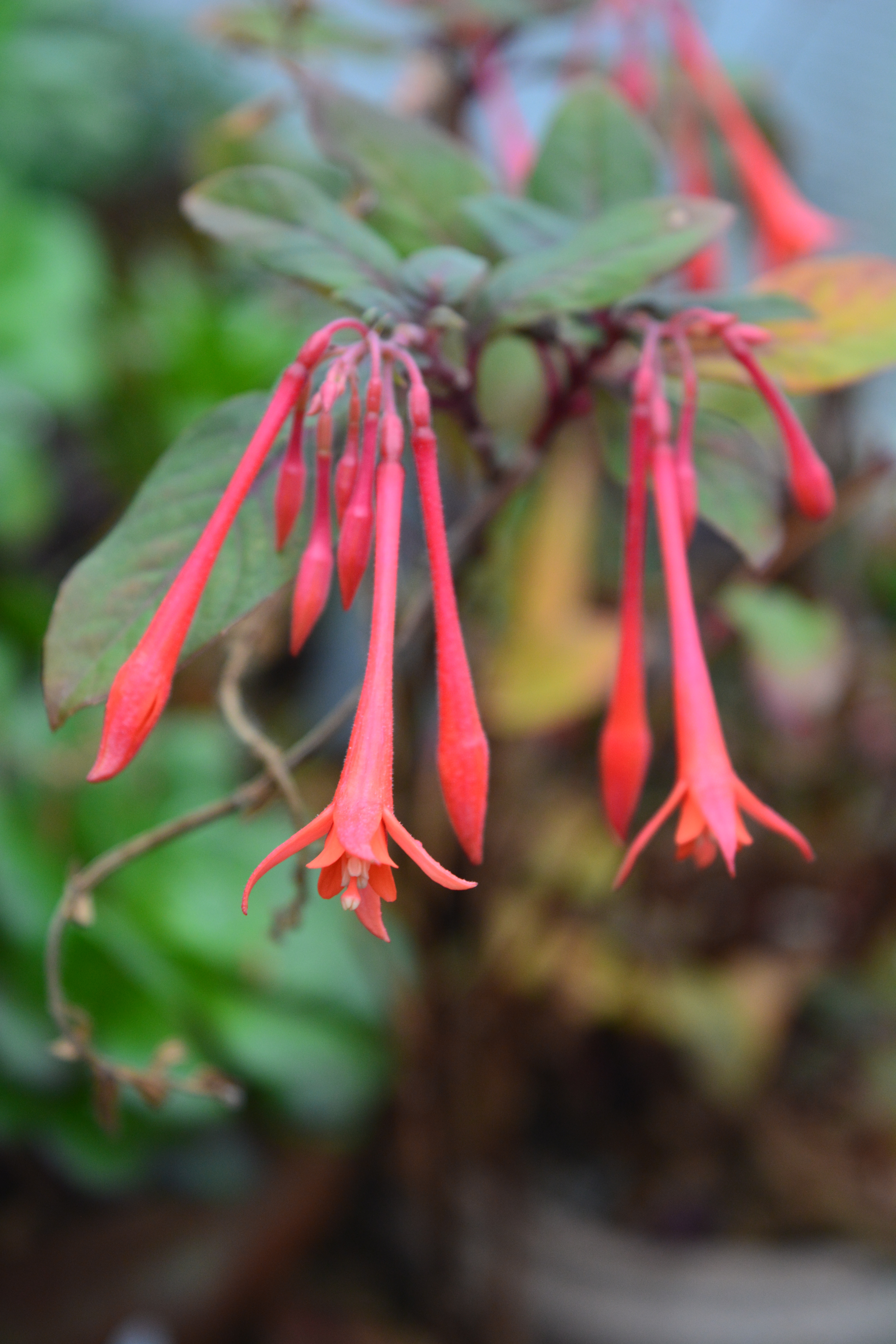
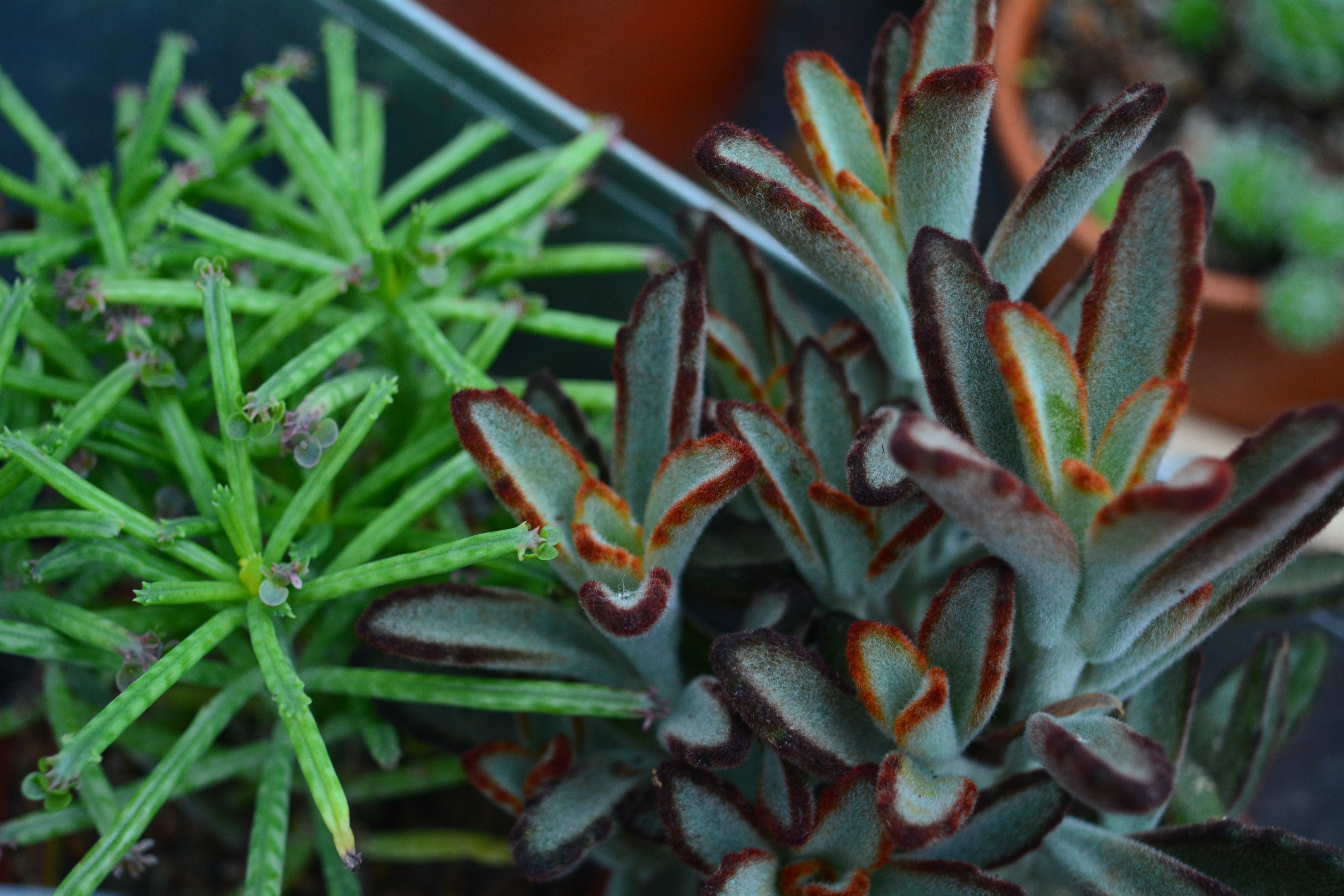
“When winter weather gets too much we retreat to the greenhouse where Jude has been pricking out seedlings and I have been nurturing my delicate succulents and Fuschia thalia which is in flower in the first week of March.”


On the next couple of pages I consider March pruning and some flowers we enjoyed in our March garden.

Of pruning I wrote, “March is a busy month in our garden. As well as cutting deciduous grasses rather drastically almost down to the ground we have to coppice or pollard Salix and Cornus to ensure we will enjoy their coloured stems next winter.”

“Flowers are appearing, some expected but others well out of their season.”


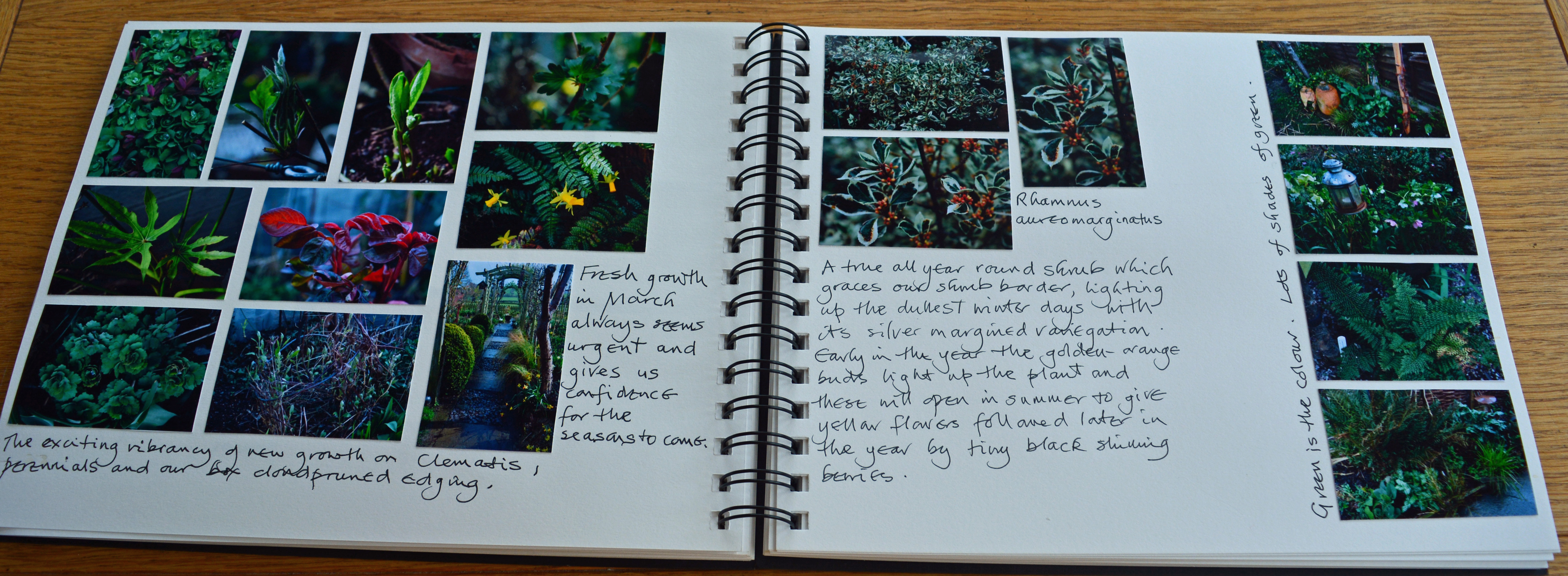
Over the page I moved on to consider the fresh growth appearing throughout the garden during March.

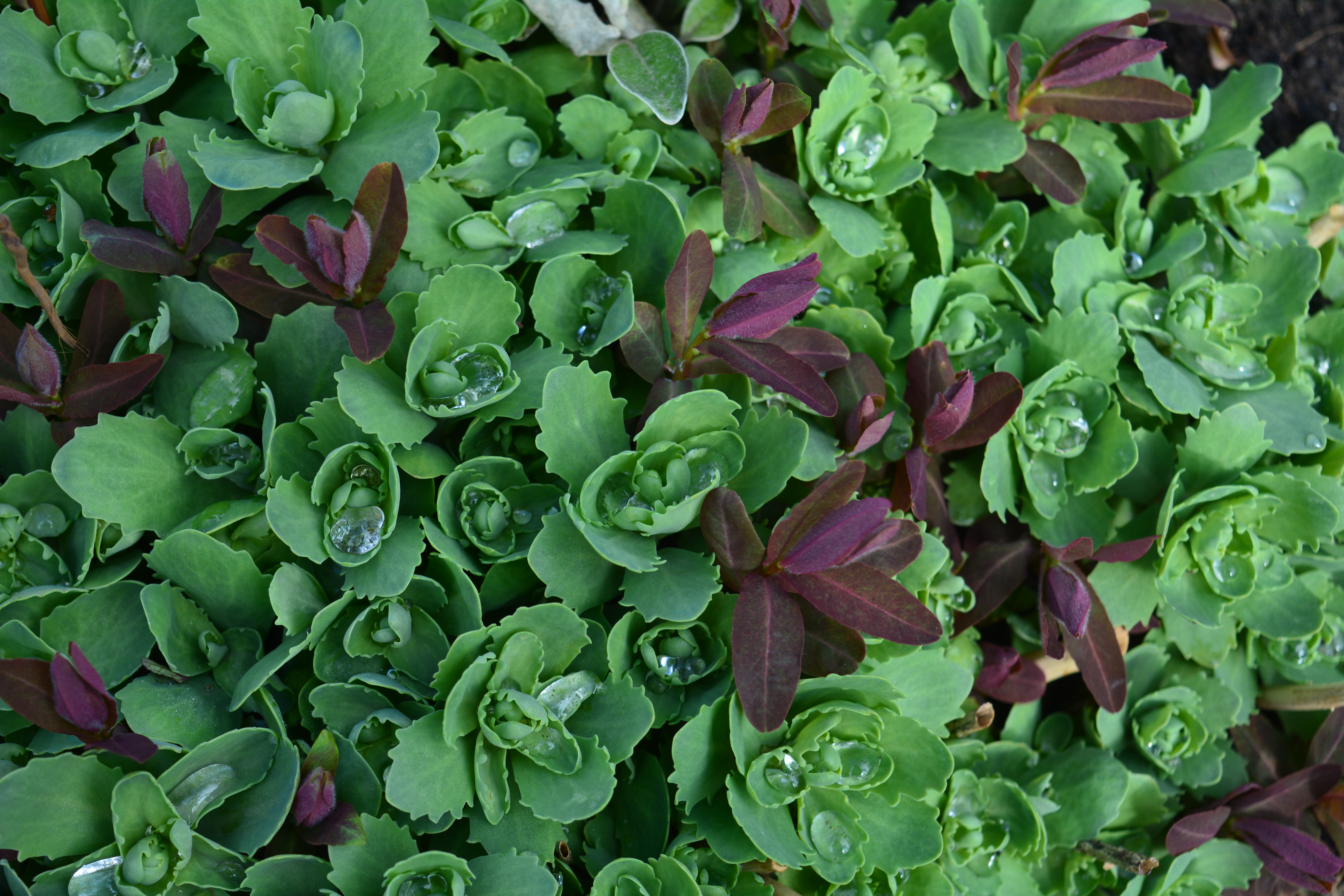
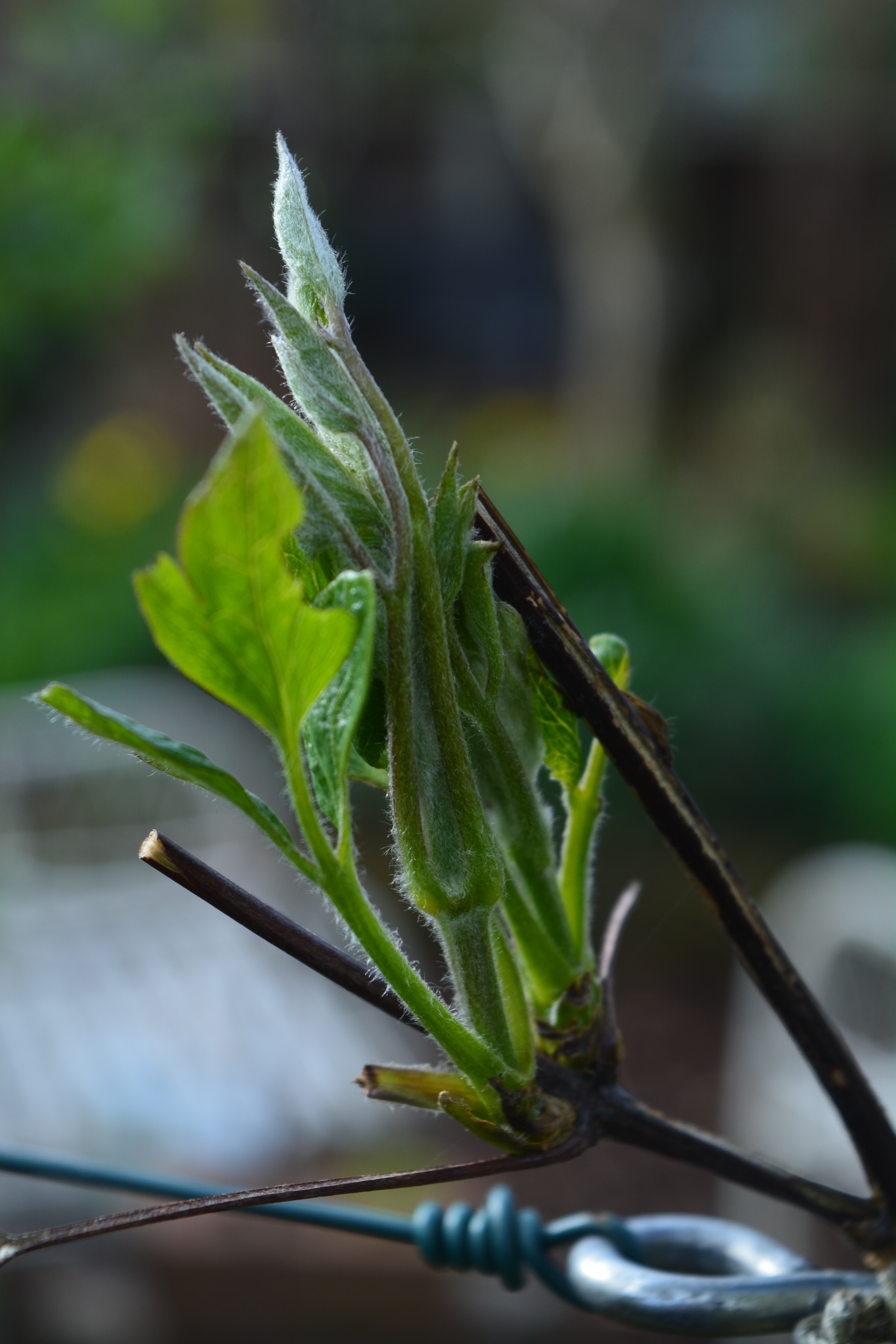
I wrote, “Fresh growth in March always seems urgent and gives us confidence for the seasons to come. The excitement and vibrancy of new growth on Clematis, perennials and our cloud-pruned box edging.”

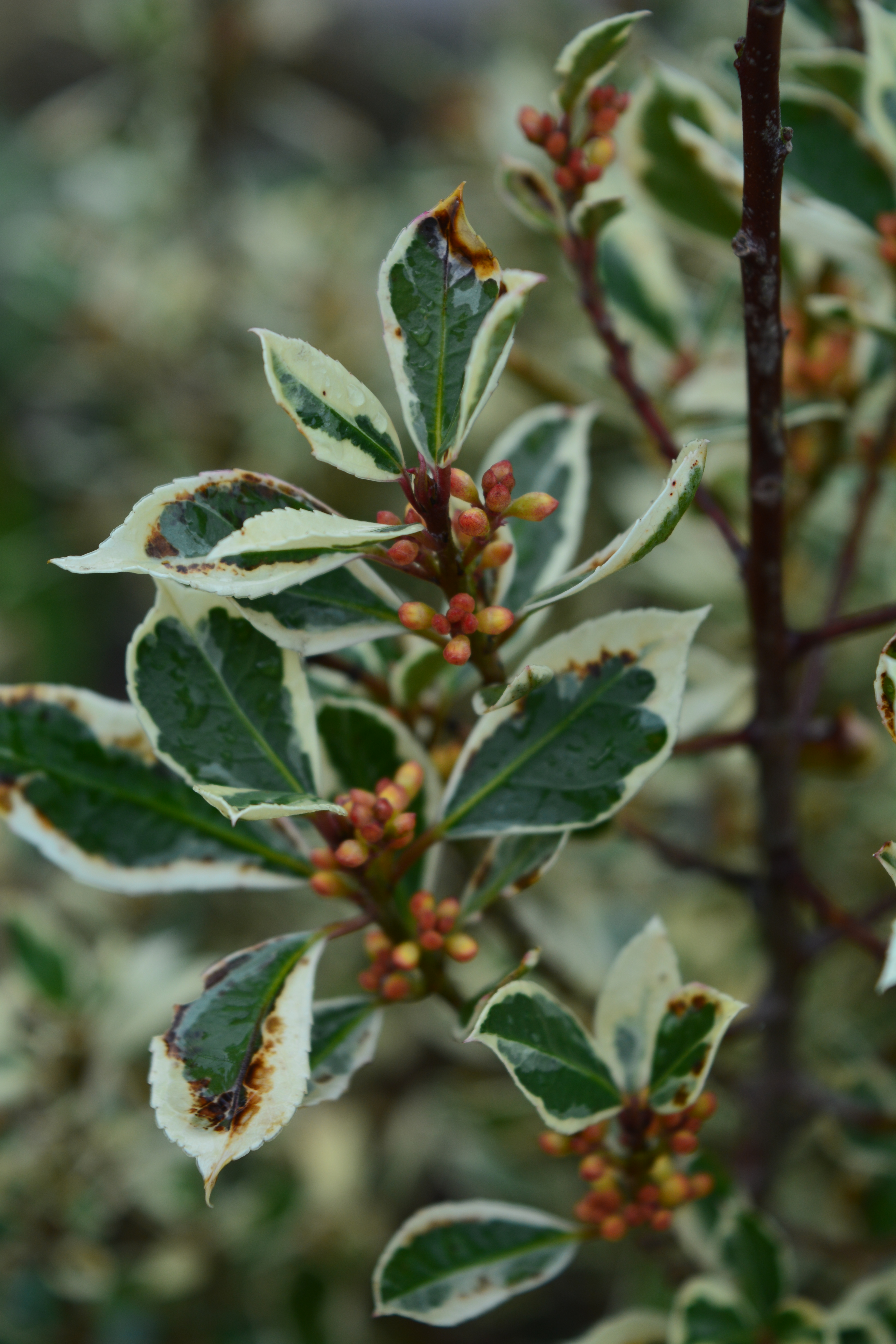
On the opposite page I considered a favourite shrub growing in our “Shrub Border”, Rhamnus aureomarginatus, and looked at the importance of all the greens in our March garden. About Rhamnus I wrote, A true all year round shrub which graces our shrub border, lighting up the dullest winter days with its silver margined variegation. Early in the year the golden-orange flower buds light up the plant and these will open in summer to give yellow flowers followed later in the year by tiny black shining berries.”


Opposite I wrote, “Green is the colour. Lots of shades of green.”


So that is it for my March gardening report so in a few days it will be time to start on April’s entries.


Categories
colours flowering bulbs garden design garden photography gardening gardens grasses hardy perennials ornamental grasses Shrewsbury Shropshire South Shropshire Winter Gardening winter gardens

My Garden Journal 2019 – January

Back with my new journal for a new year, my Garden Journal 2019. January is often described a s a quiet month in the garden and gardeners are often told to keep inside in the warm, order seeds from catalogues, clean their sheds and sharpen bladed tools and clean up all tools. But in reality a good garden is a good garden for 12 months of the year and a good gardener keeps his bladed tools sharp continously, all his tools are cared for througout the year and there is plenty to look at and enjoy in the garden and plenty of interest to be found in plants.

I begin my January journal entries with the words, “What is in flower in our Avocet patch early in January? A quick wander around on a calm, dry day with camera in hand provides the answer. I thought I wouls be out in the garden for 10 minutes or so but there was so much t lok at that it was three times longer.” 

I shared a set of 8 photos showing “Violas, Cyclamen, members of the Primula family and even an adventurous Rose.”


I then went onwards with my camera into the greenhouse which is not yet heated at all, so we are simply keeping things ticking over. Soon we will put heat on and the heated propagating bench in readiness for the exciting task of seed sowing. I wrote, “The greenhouse is a busy place in the winter full to overflowing with over-wintering sensitive plants, autumn seedlings ticking over and cuttingstaken late in the year.”

Examples of these sorts of plants are shown in the set of photos, including seedling Achilleas, Fuschia thalia and Sedum Matrona cuttings.

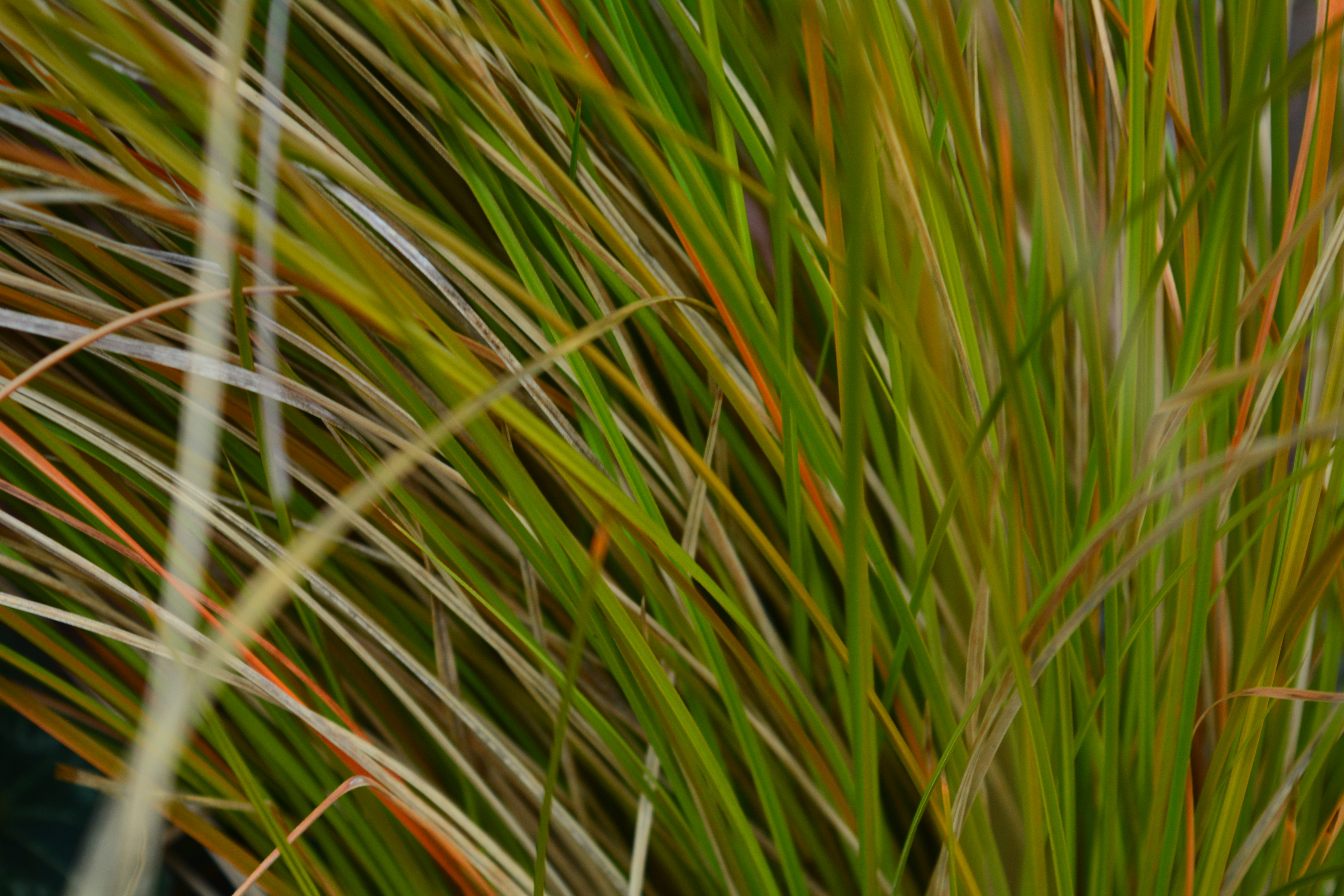
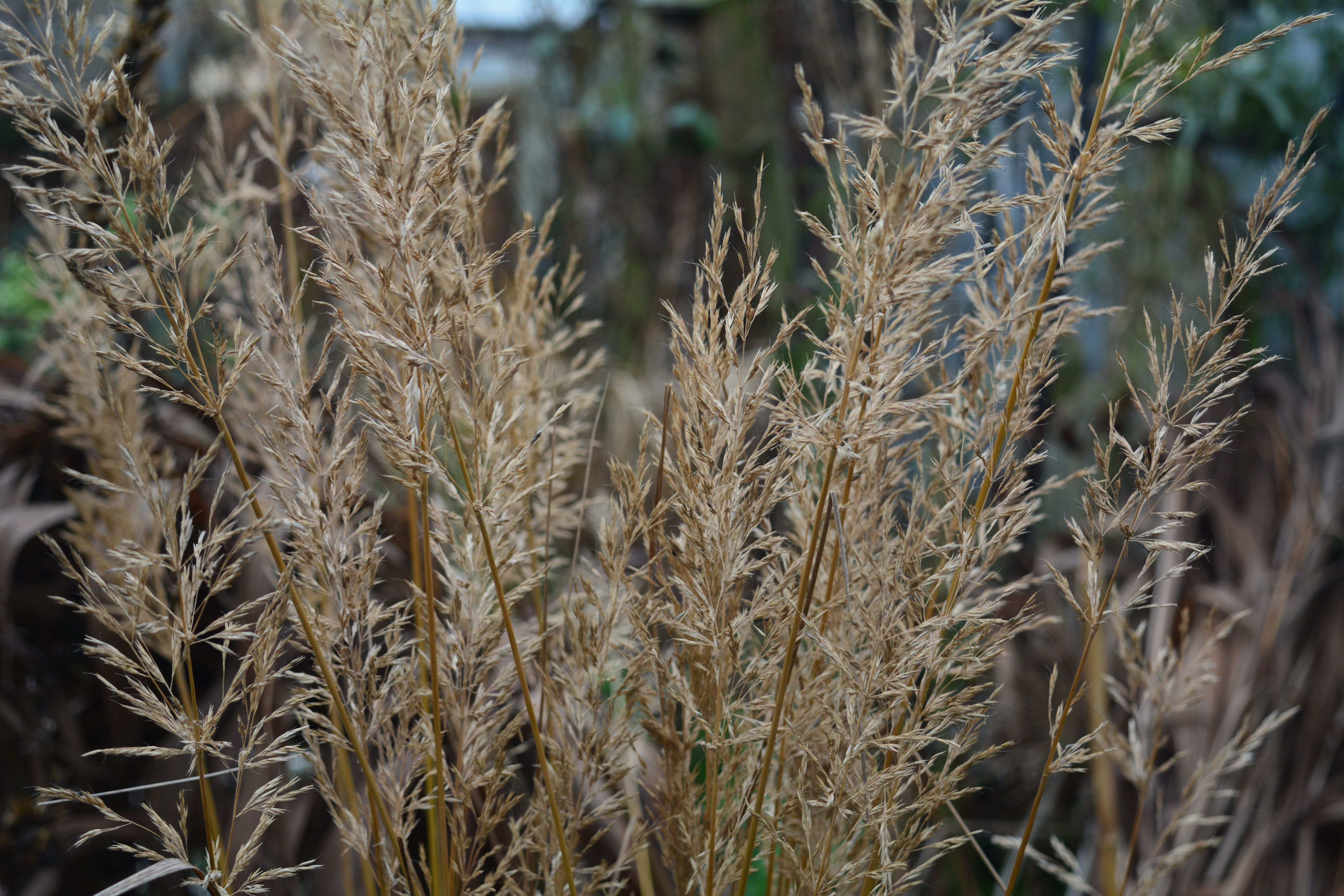
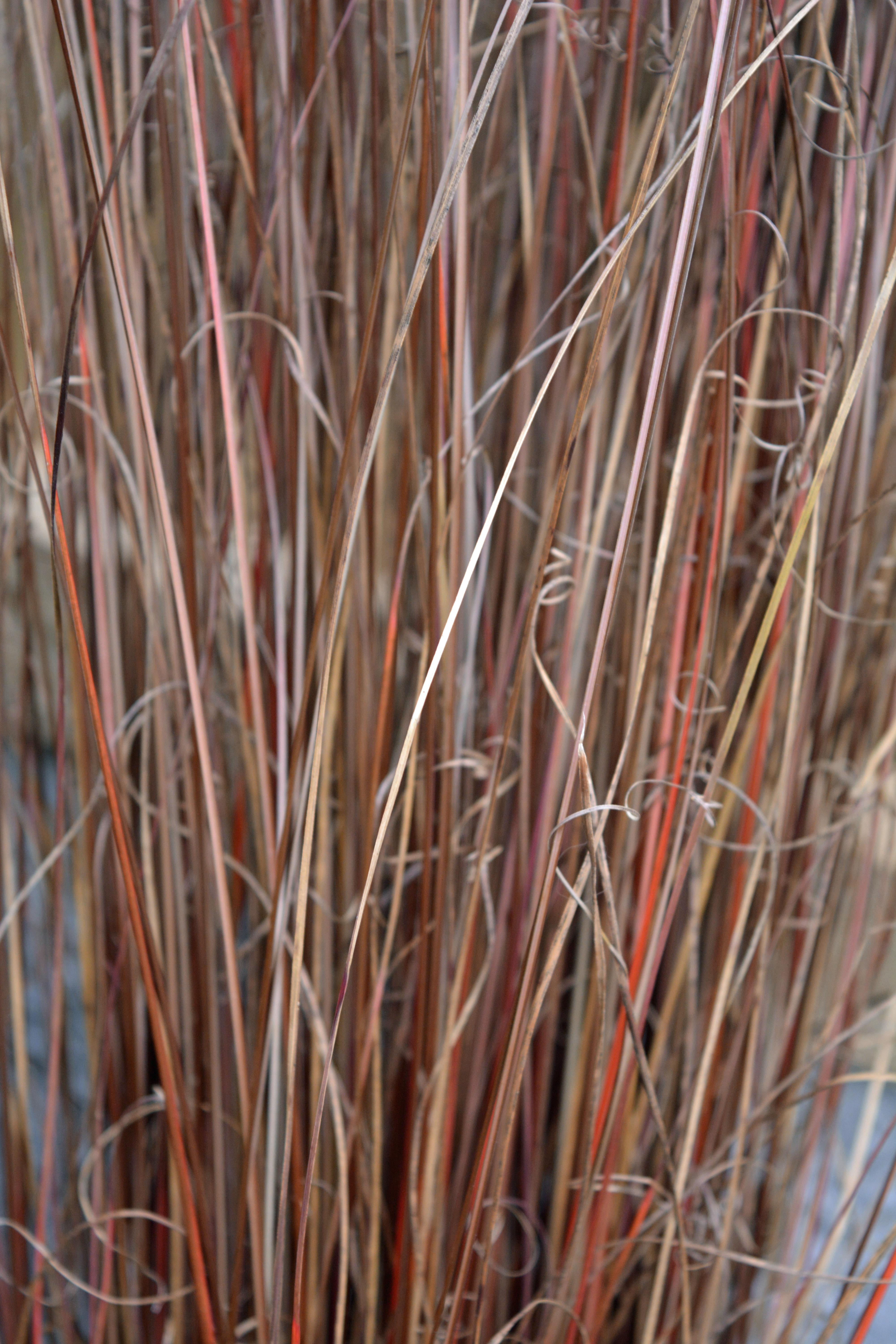
On the opposite page I looked at some of our many grasses that shine in January and shared a set of pics. “Grasses come into their own in January both deciduous and evergreen. Carex are exceptionally valuable winter grasses.”


Carex elata aurea                                                Carex elata aurea

Calamagrostis “Northwood”    Miscanthus sinensis         Carex “Evergold”

Carex elata “Evergold”                             Uncinia rubra       Carex “Frosted Curls”


Carex elata “Bowles Gold”                                Anemalanthe lessoniana


Calamostris brachytricha                                                        Carex buchanii

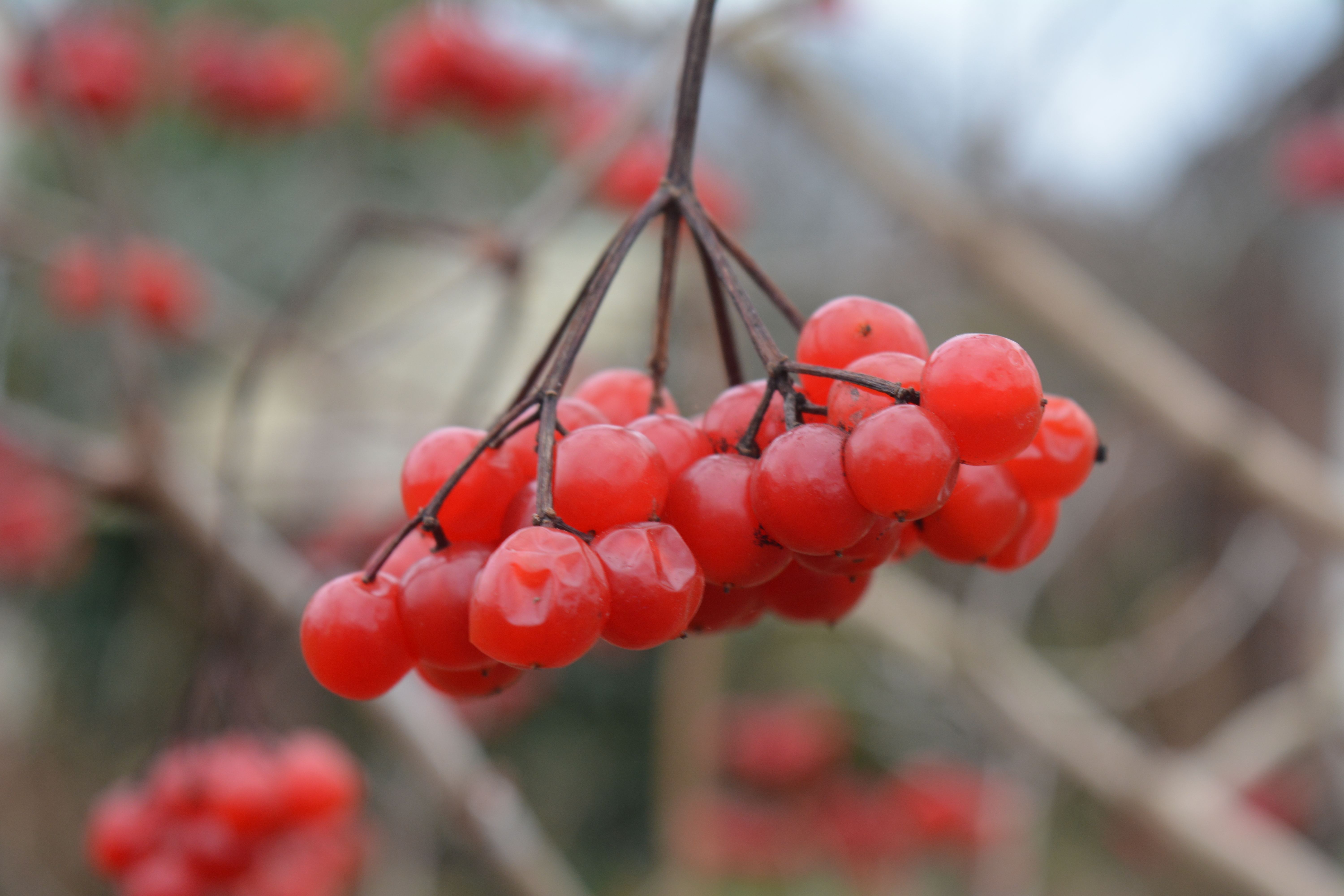
On the following double page spread I moved on to look at some of our berries and foliage plants giving interest in January. On the first page I wrote, “Throughout the winter birds especially members of the Thrush family enjoy gorging on the berries on our trees and shrubs. We grow berrying plants for the birds to eat as well as for our own visual feast. By January a few are still left over.”


Guelder Rose                                                Mahonia “Winter Sun”


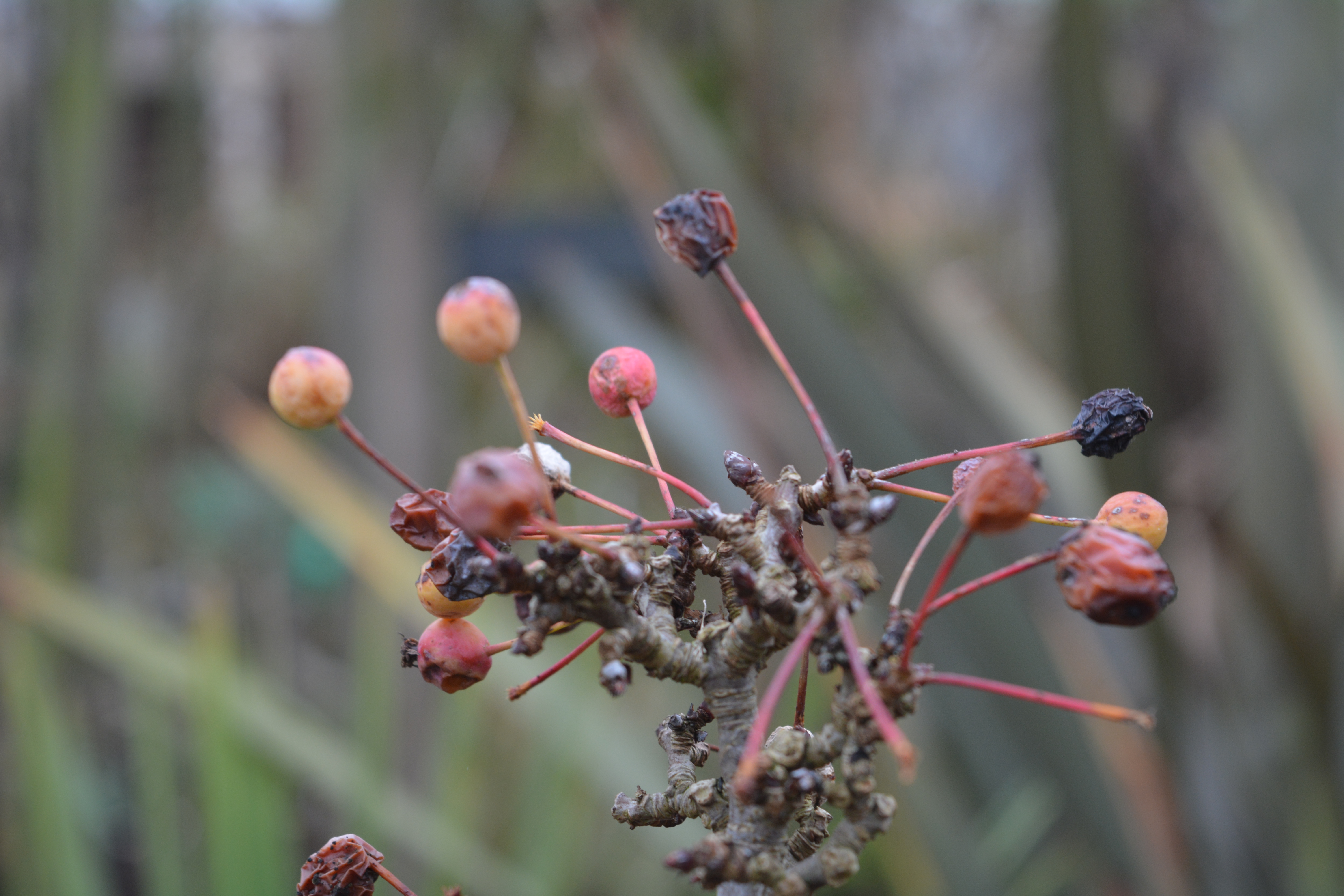
Honeysuckle berries                                  Malus “Admiration”


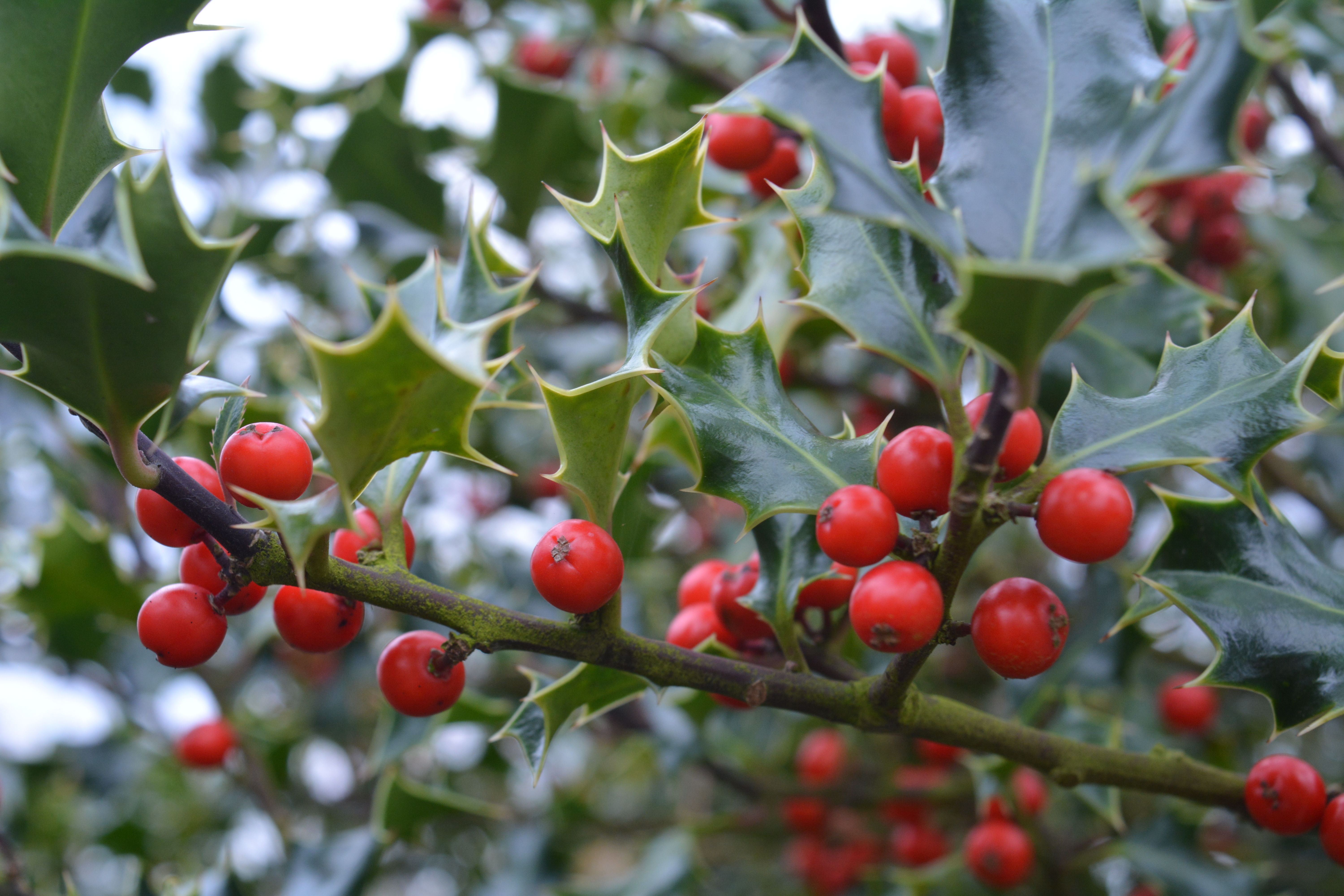
Native Holly                                                  Iris foetidissima

Cotoneaster                                                    Libertia

Sarcococa confusa

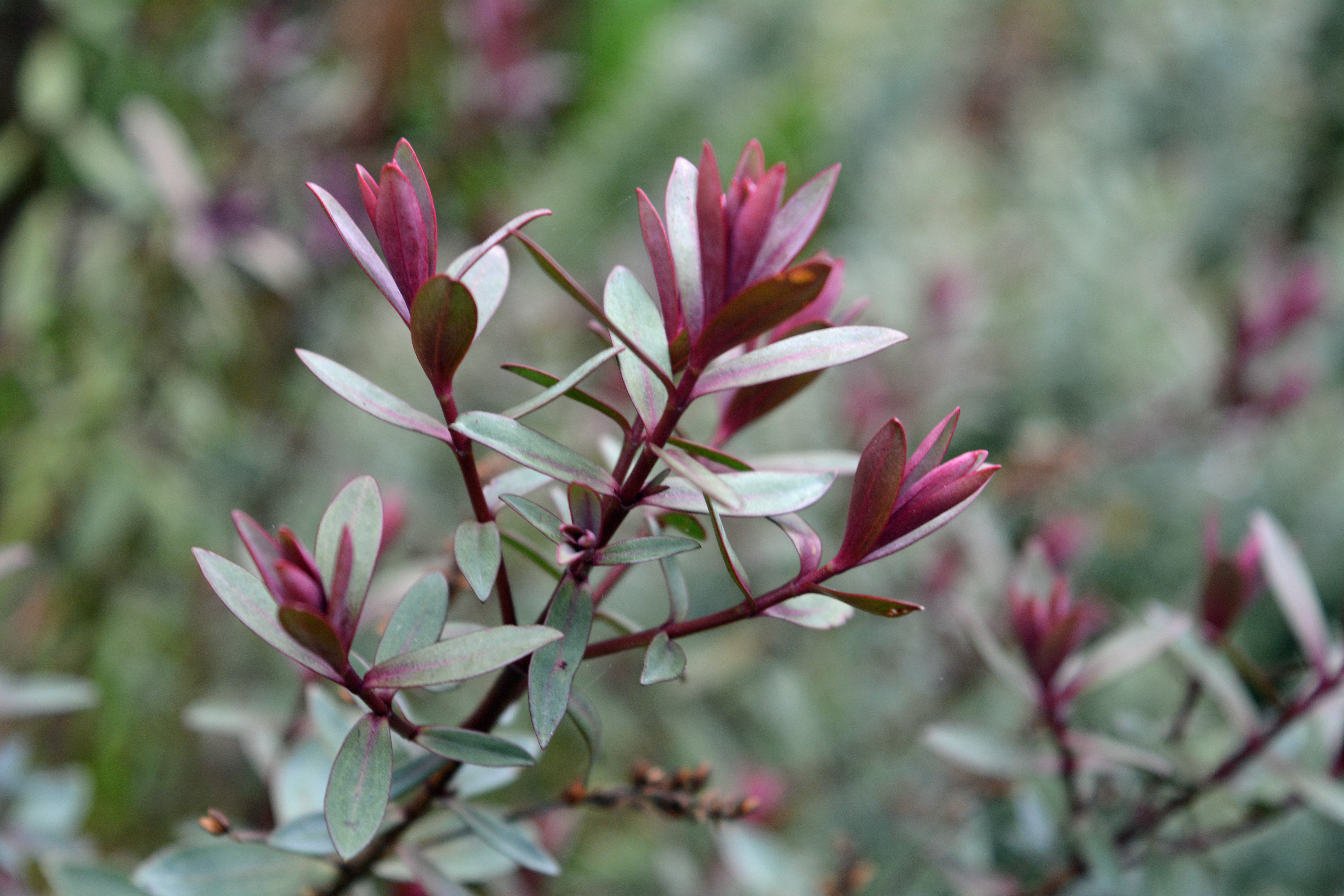
We can now look at the opposite page and consider some of our interesting foliage, where I wrote, “In January interesting foliage catches the eye, variegation, dusting with silver, glaucous or ruby coloured.”

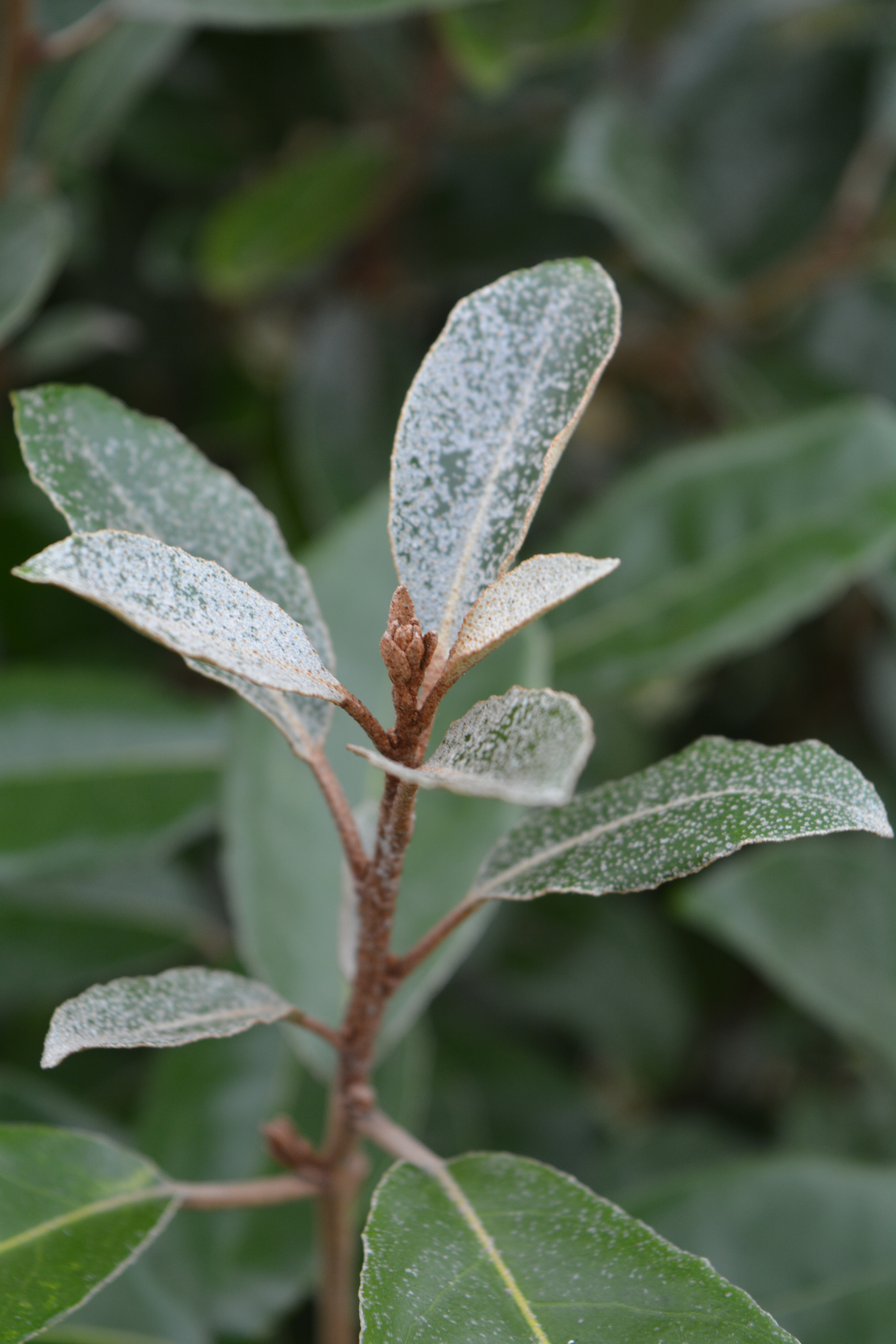
Eucalyptus parvula               Rhamnus aureomarginata         Eleagnus ebbingei

Coprosmia “Pacific Night”     Pinus mugo “Mumpitz”

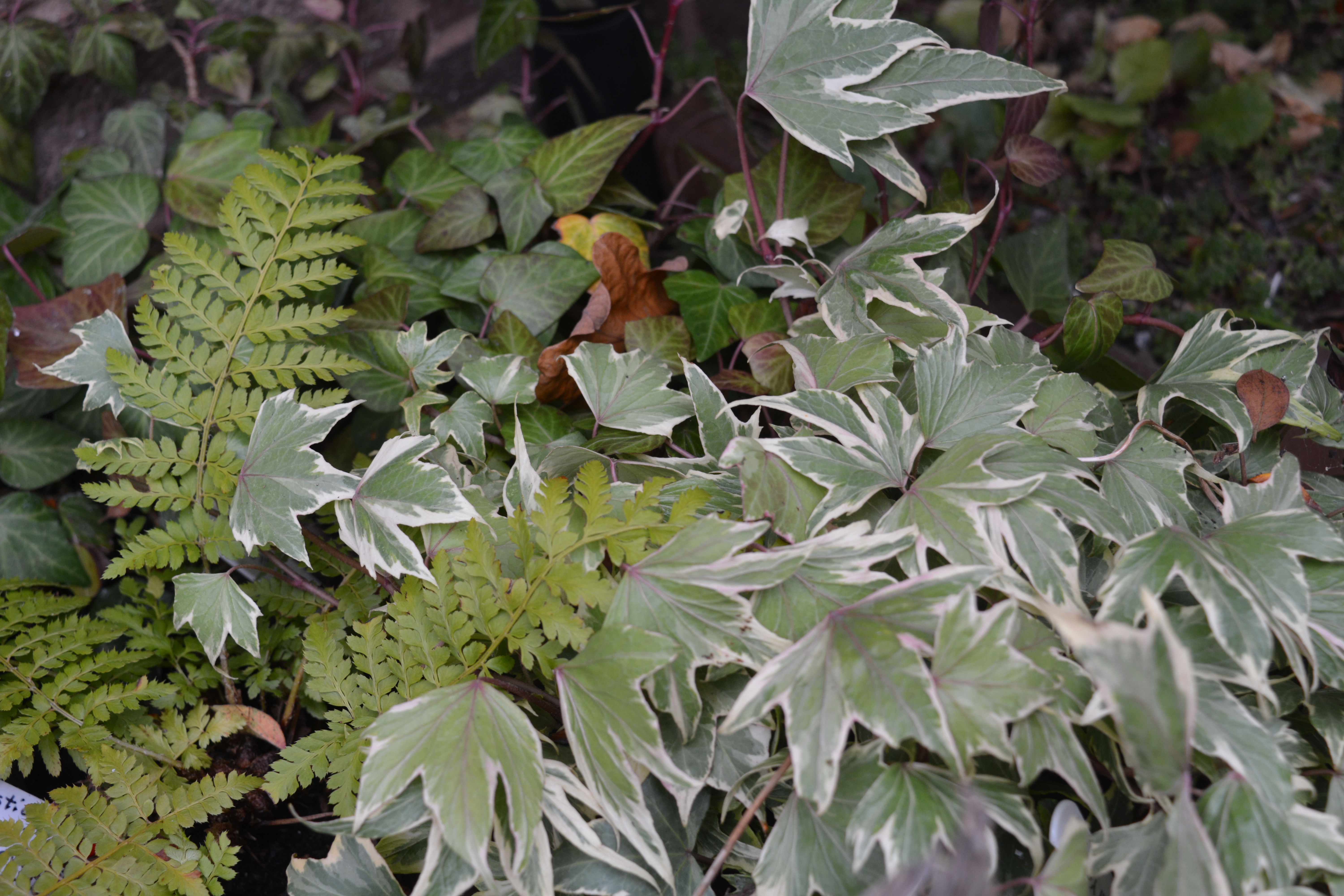
Hedera helix “Long Trail Yellow”         Hebe 

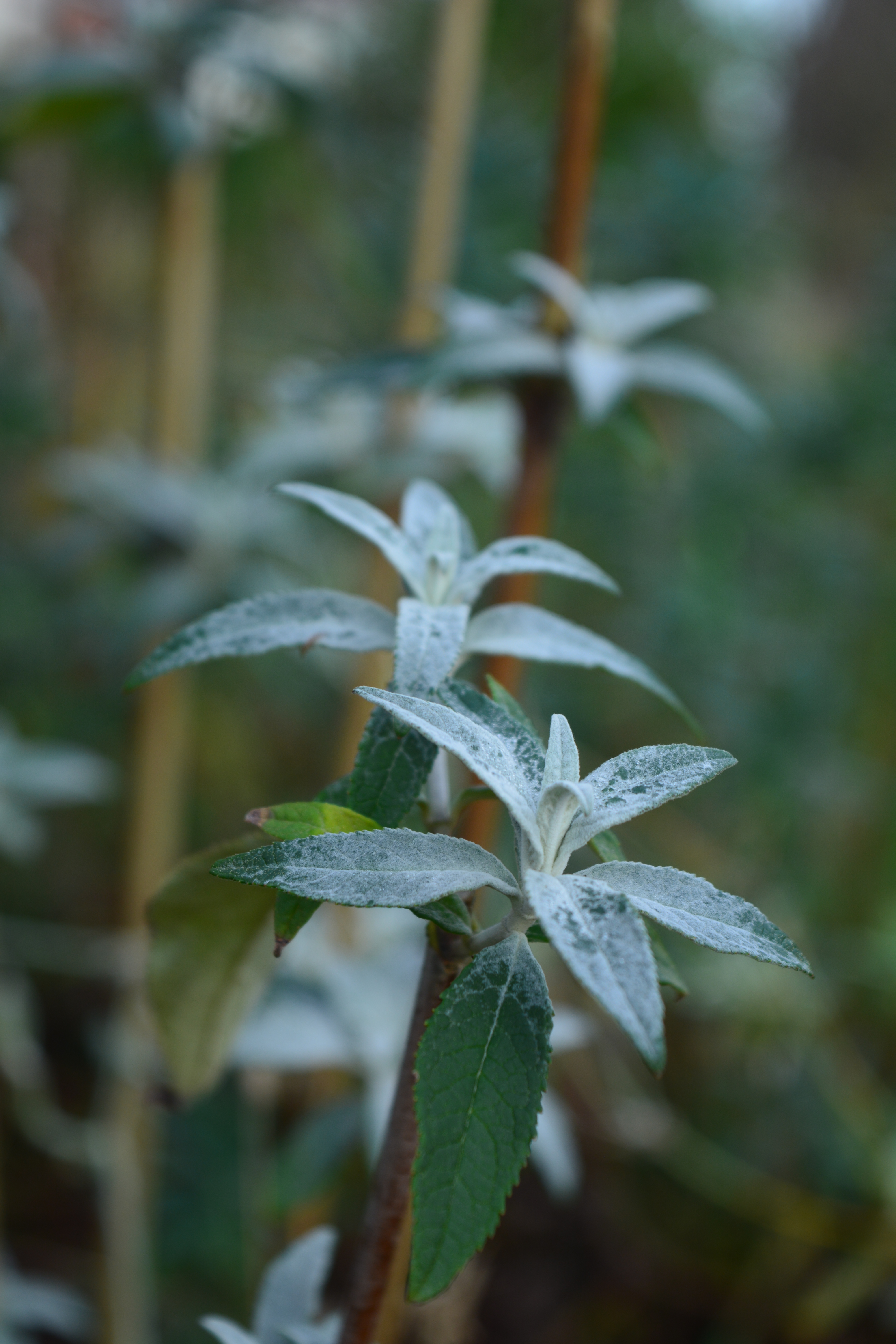
Budleja “Lochinch”                                    Euphorbia lathyris

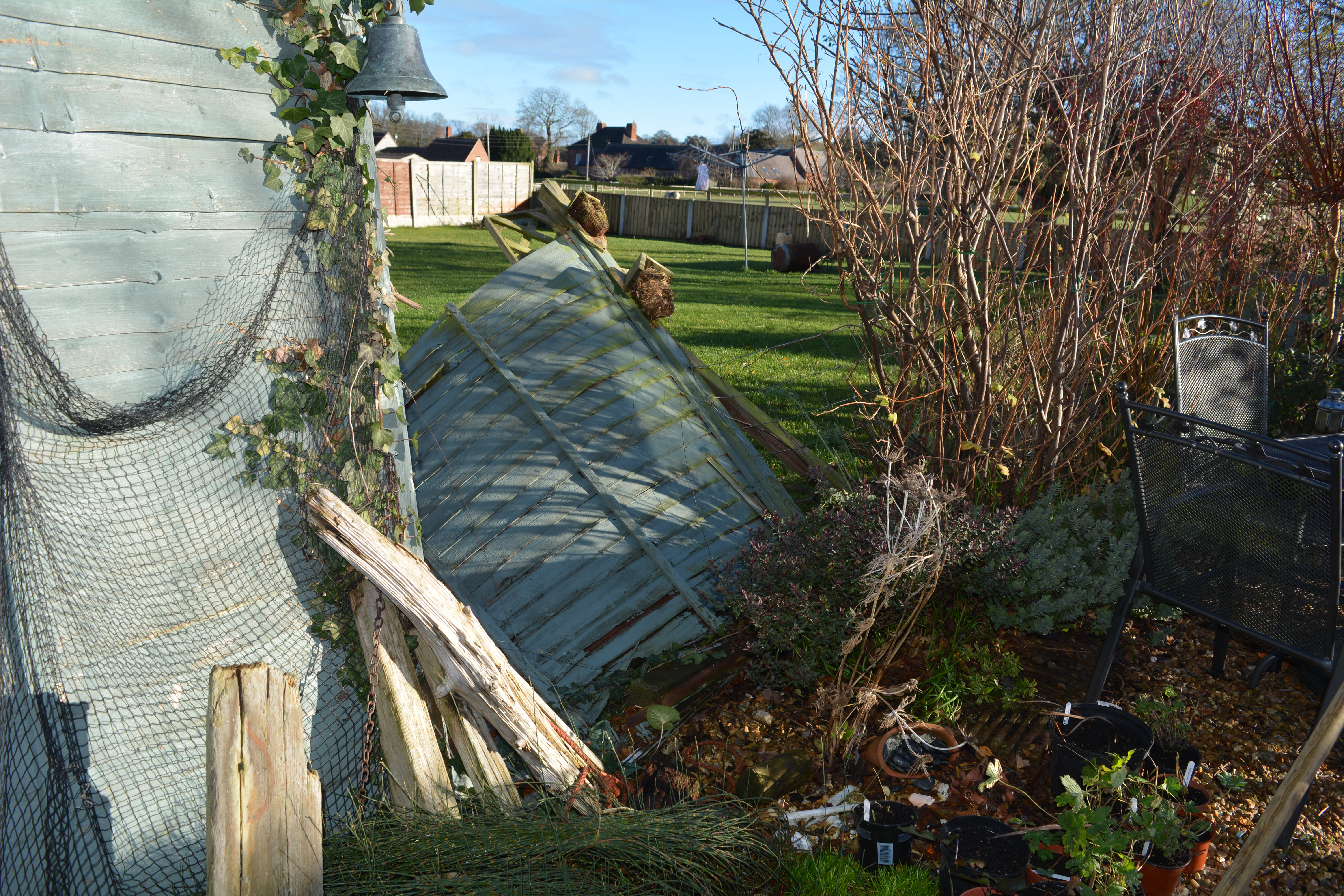
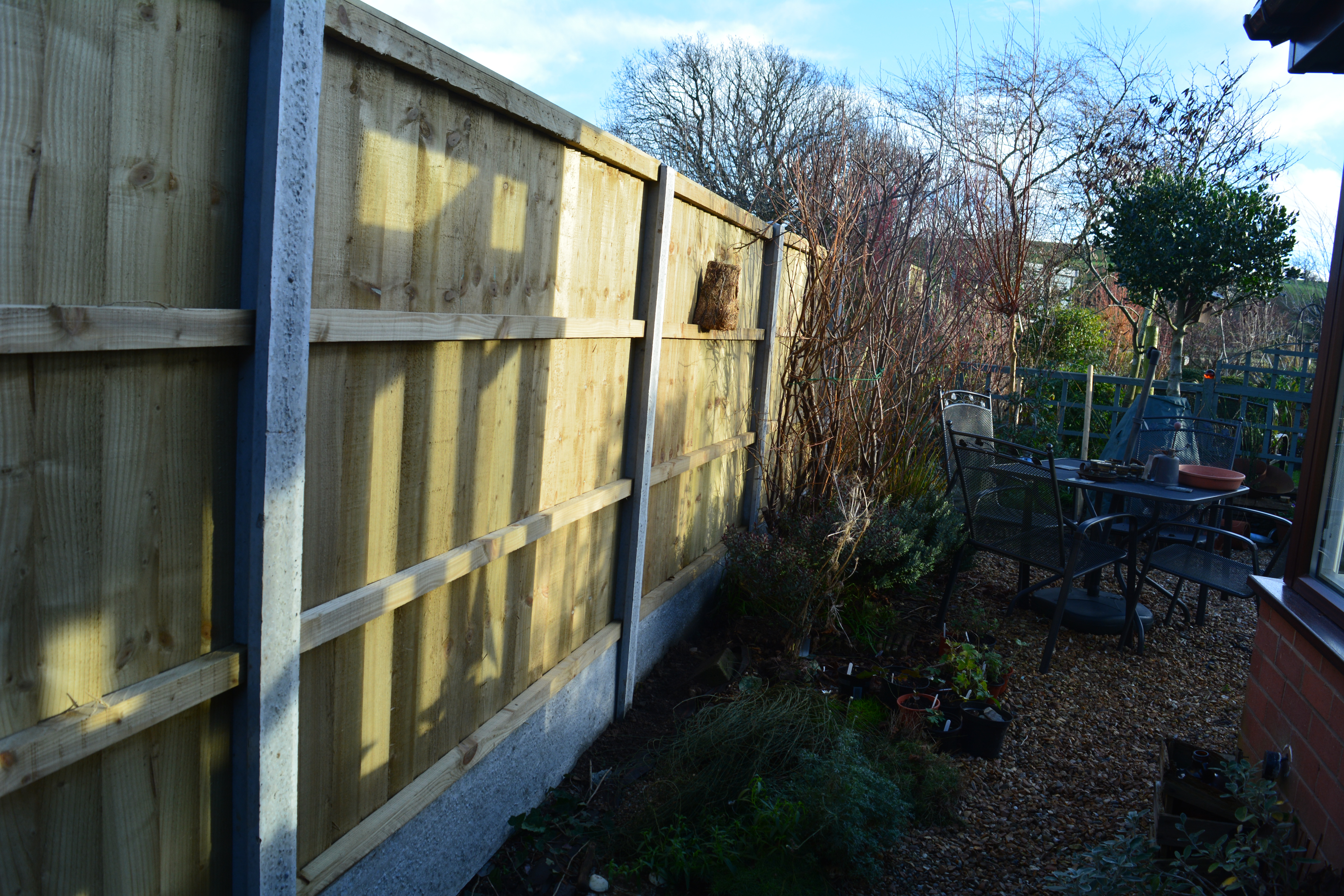
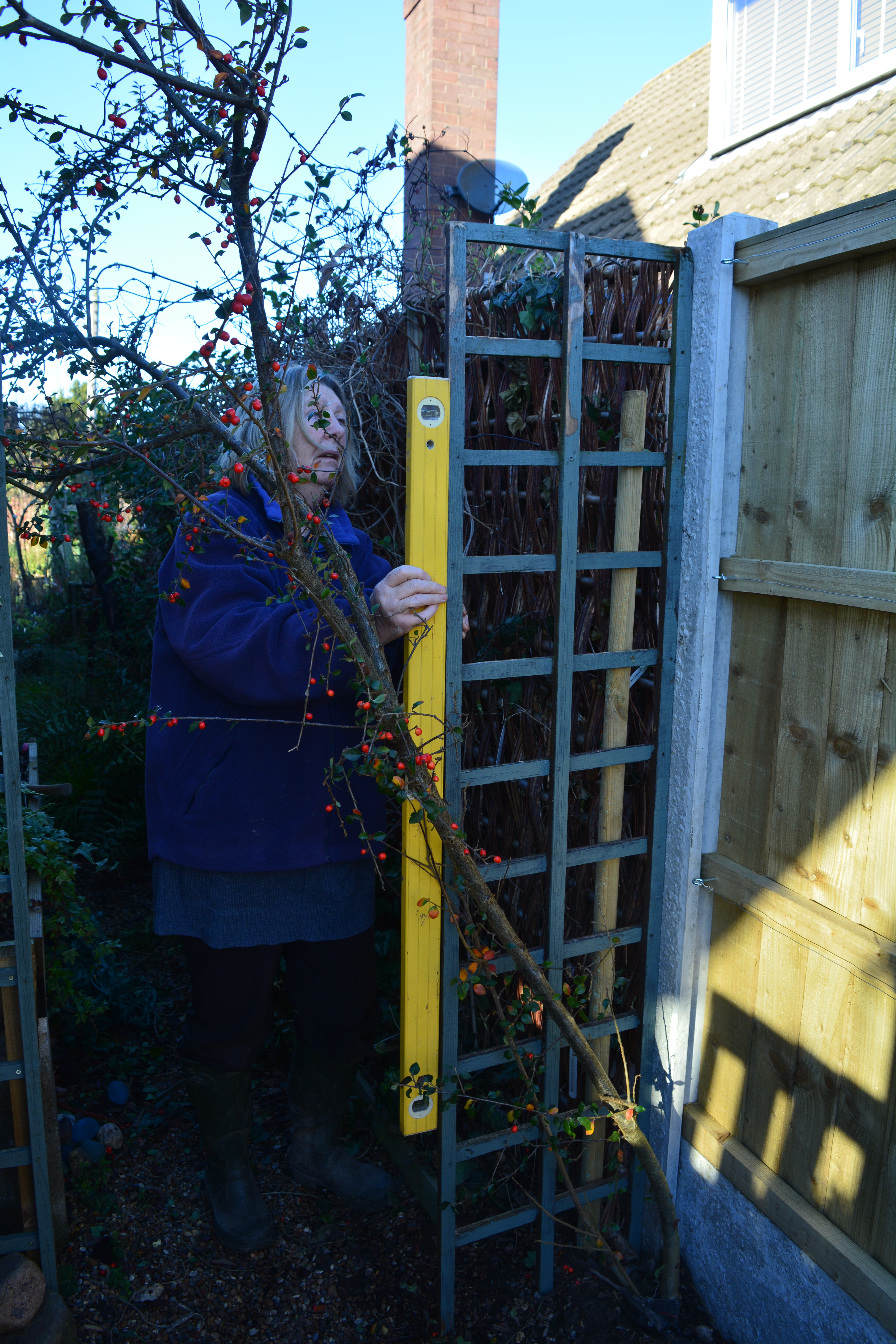
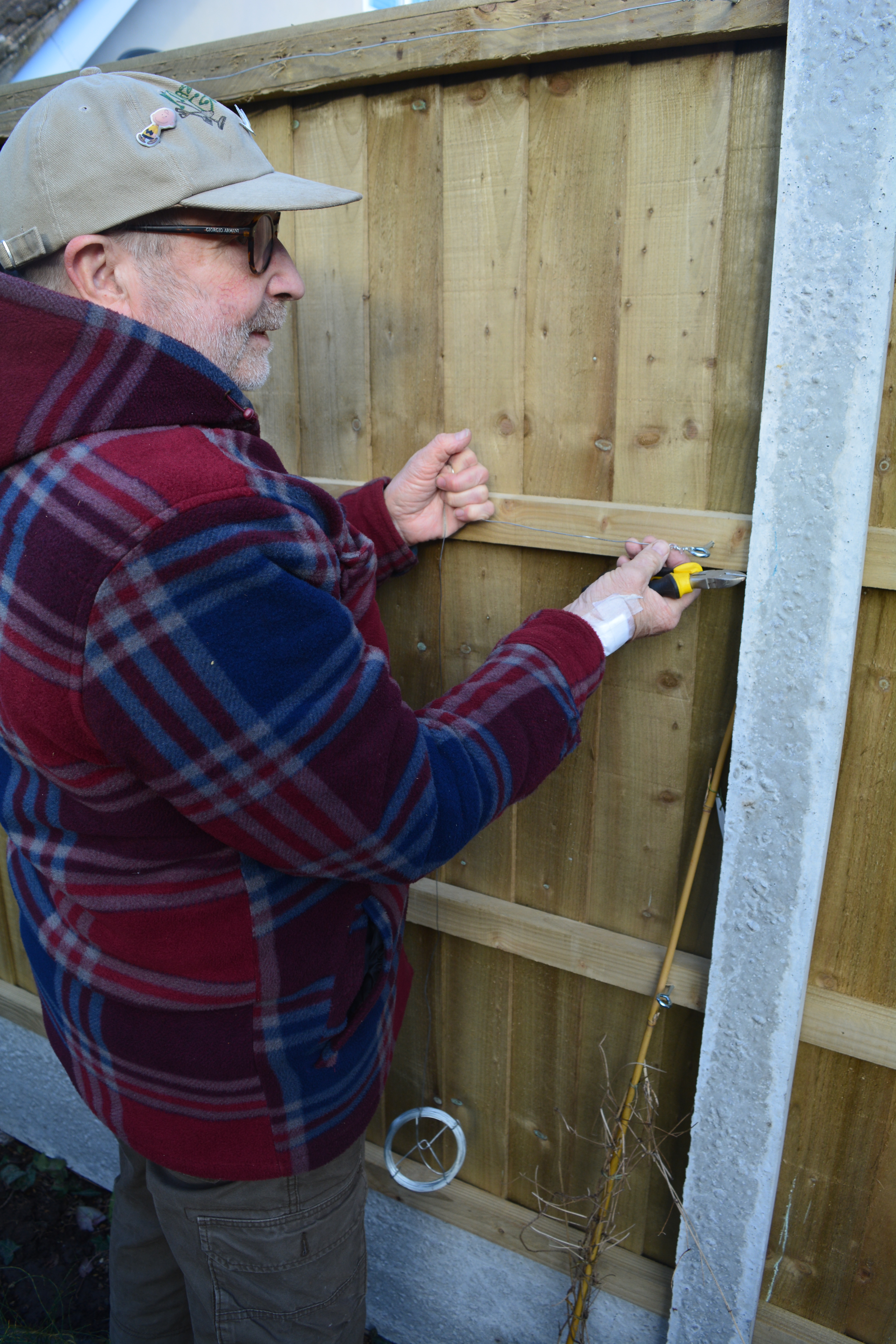
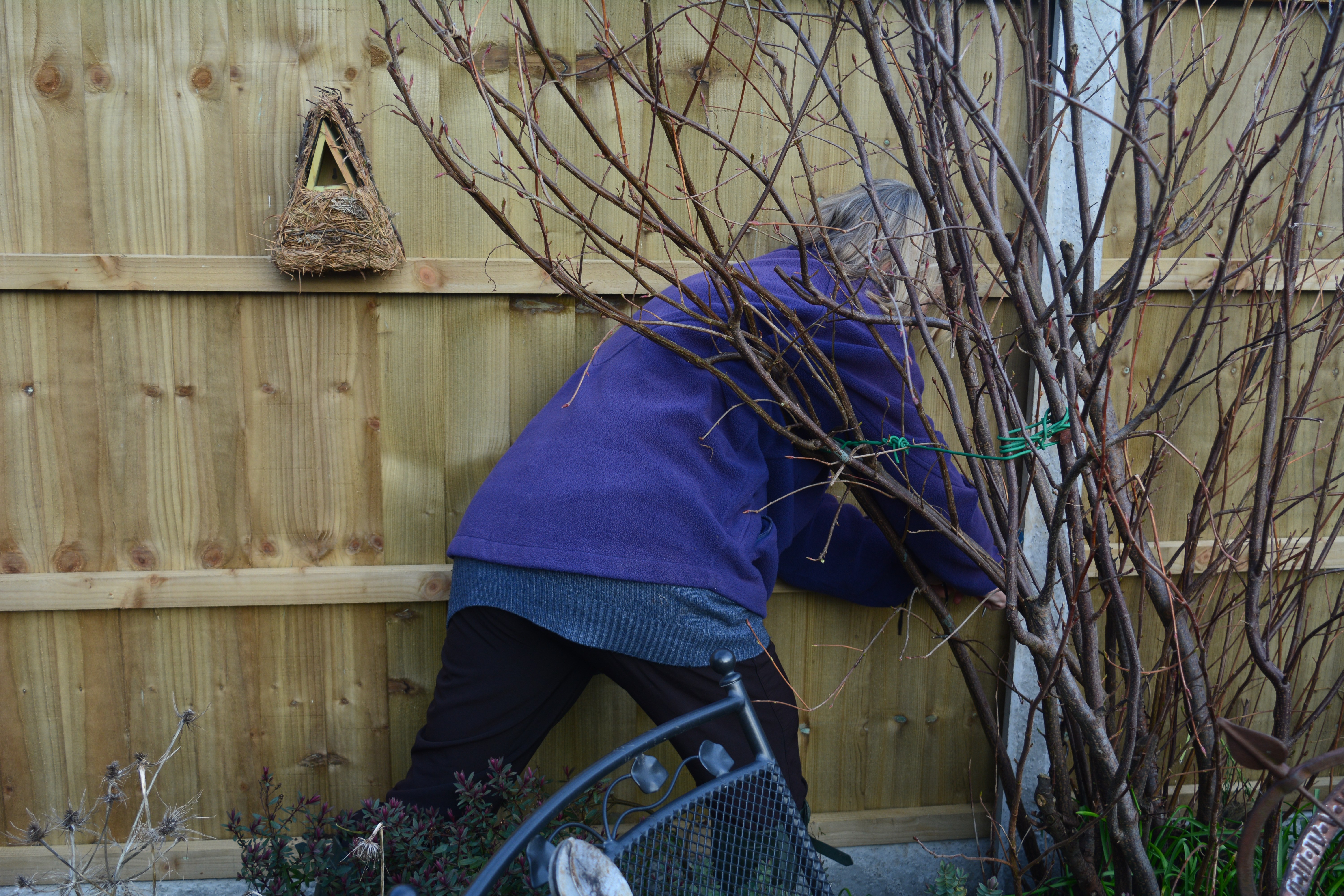
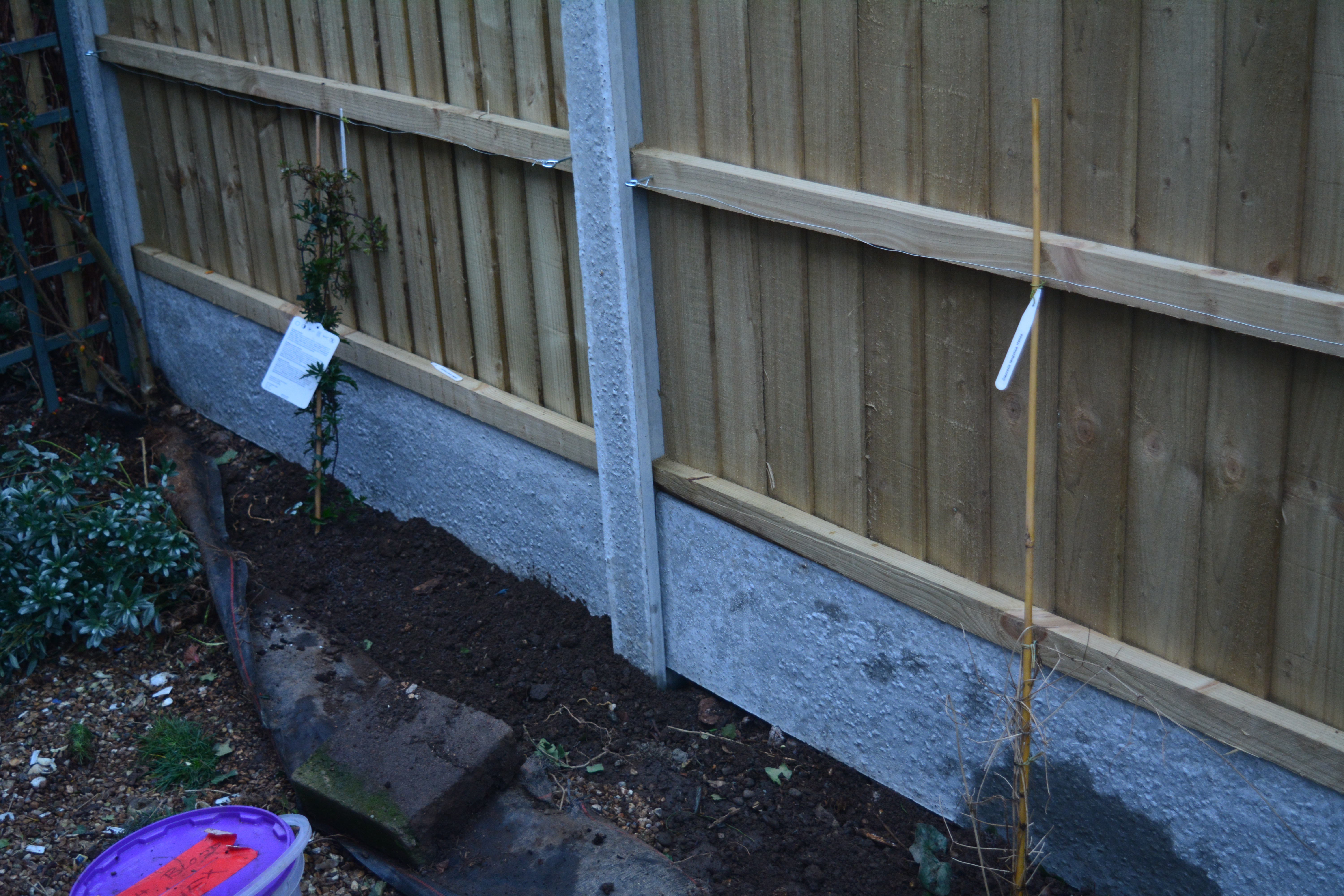
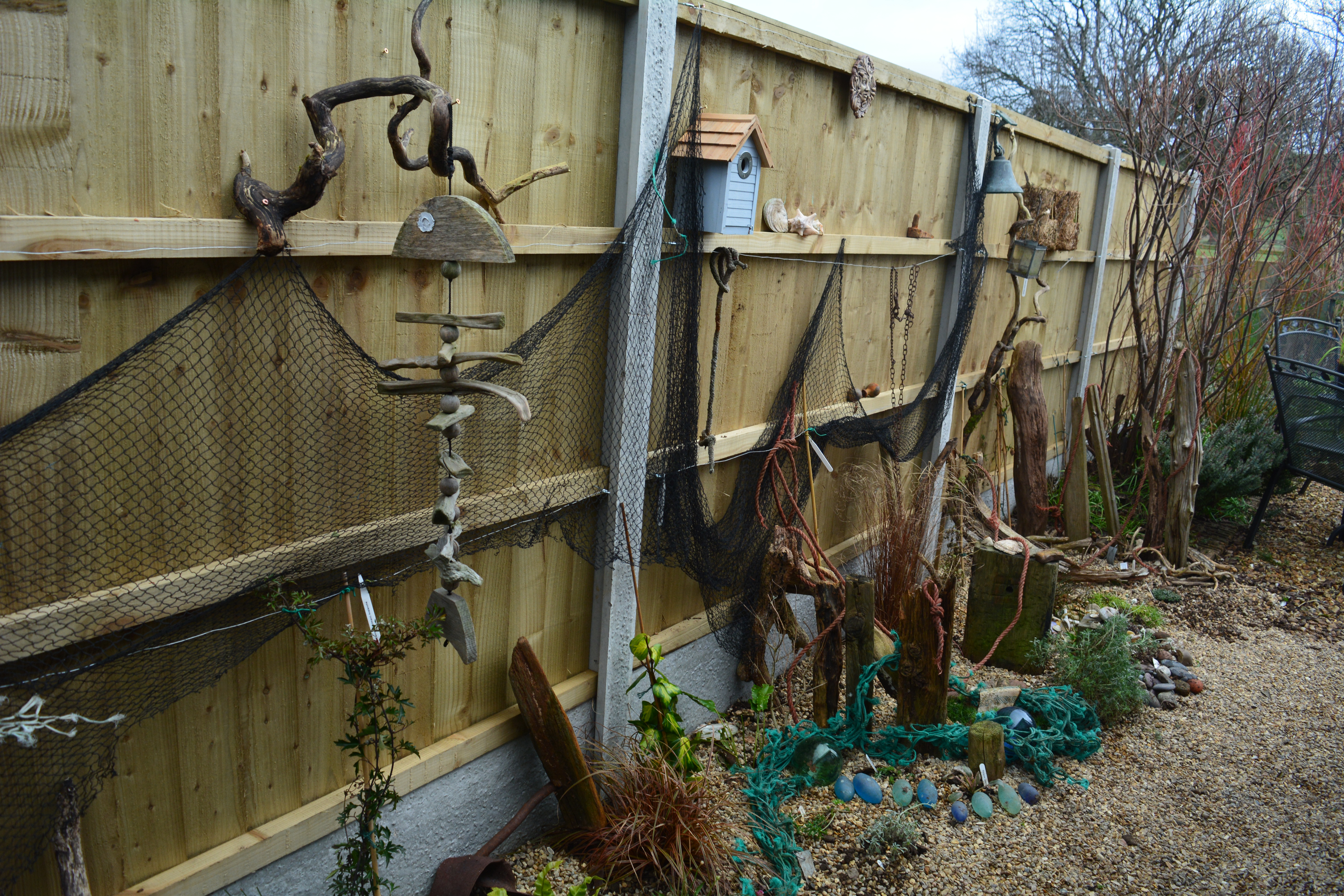
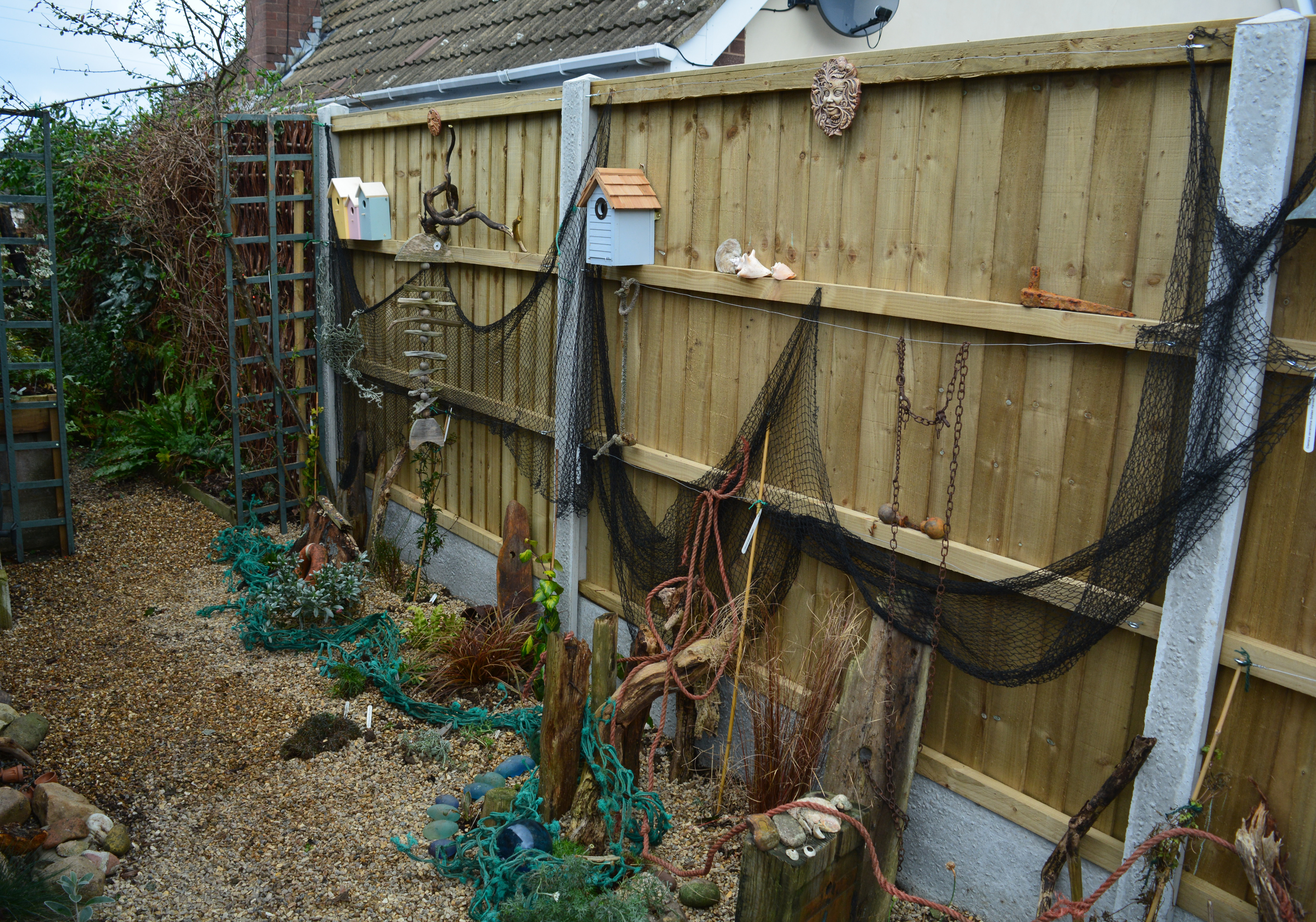
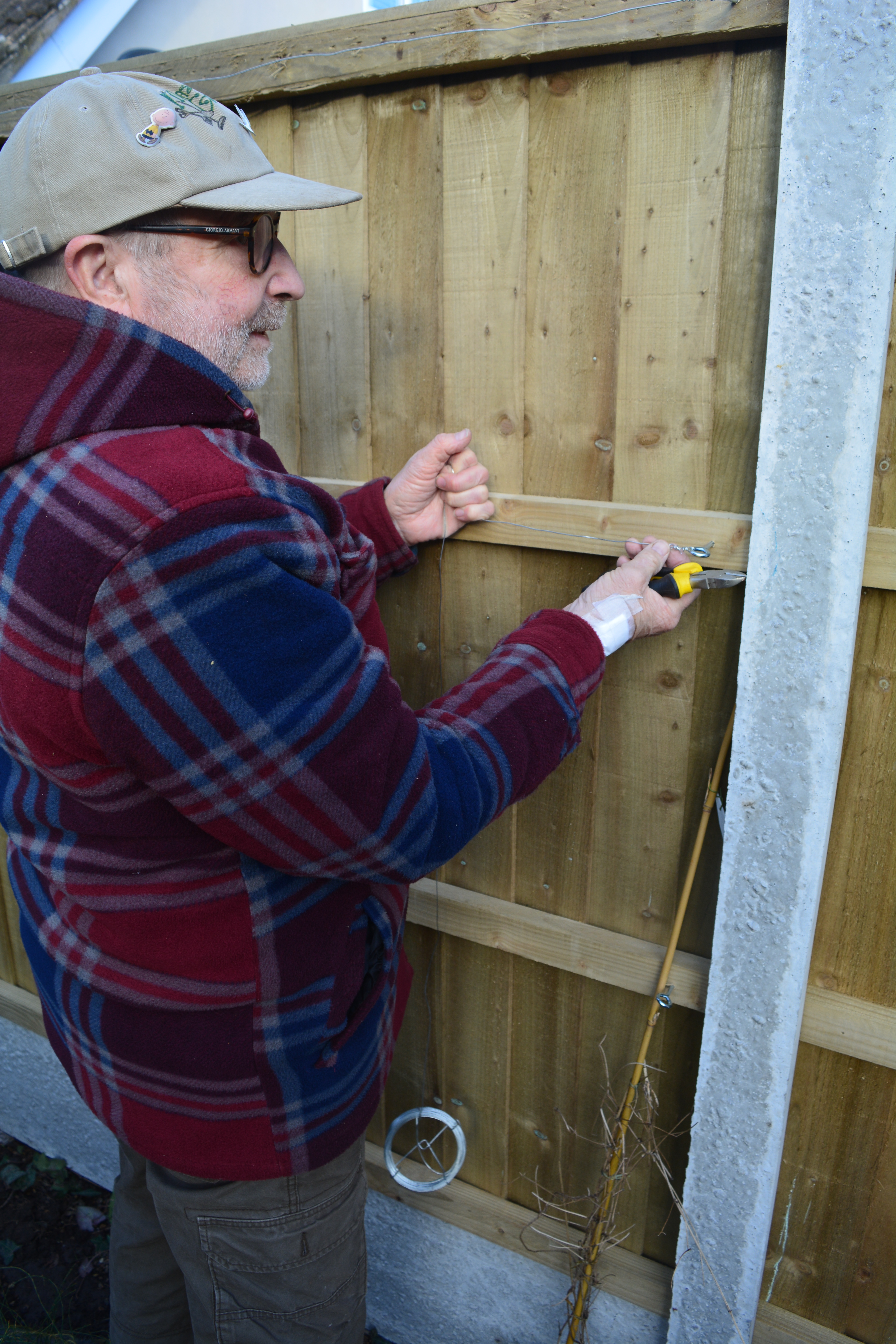
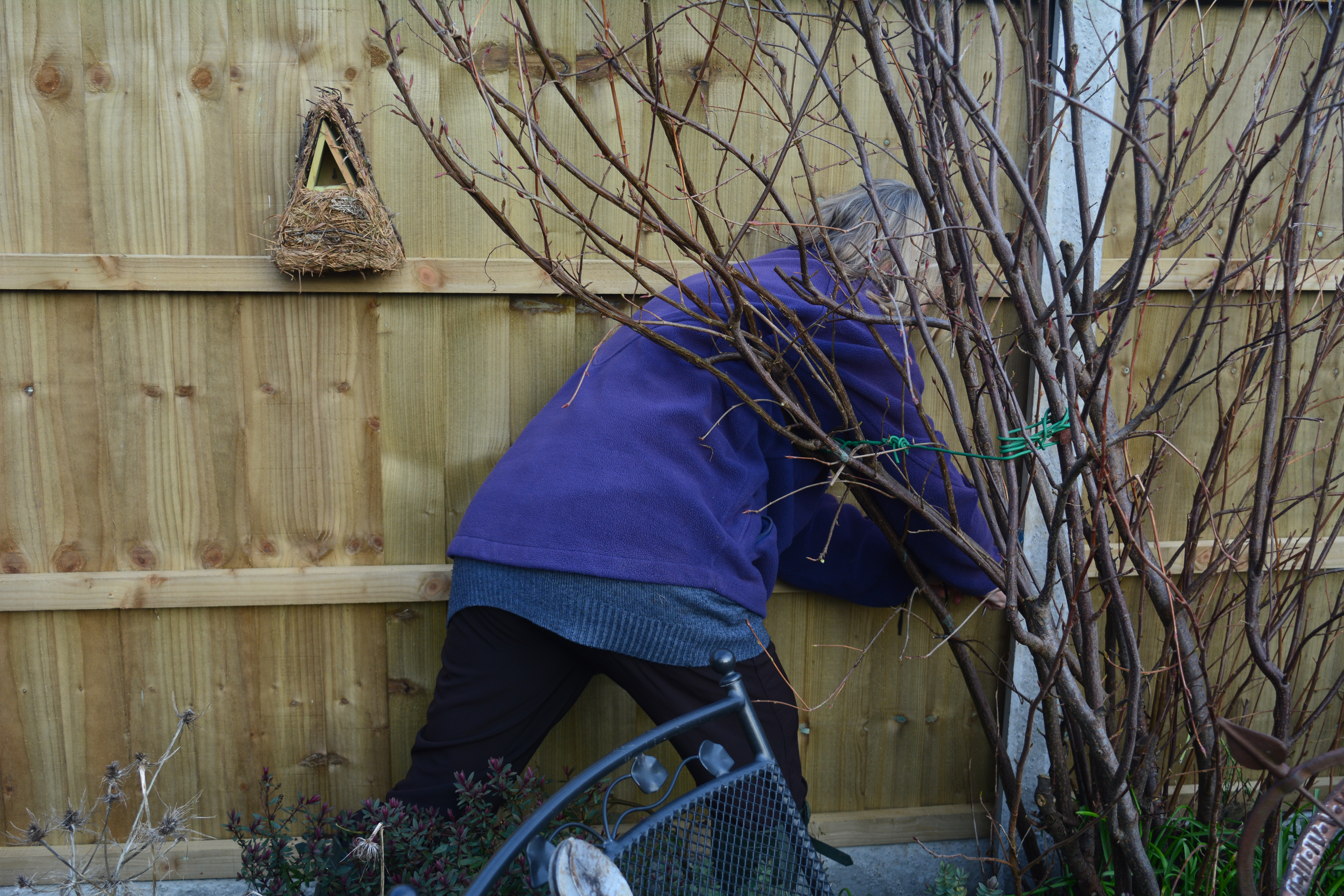
Over the page I wanted to share the disaster we had with our old fence that backed our Seaside Garden. I wrote, “I shall now report on the progress we have made with our winter projects and look at work in progress too. You will not be surprised that strong winds broke down the fence panels backing the Seaside Garden so this area neededa complete renovation. The old fence was soon replaced jointly with our neighbours and the new, better quality fence presented opportunities to put up vine eyes and wires. We planned to plant plenty of new climbers as well as renew and replenish the other plants and artefacts. We decided to include more plants this time.”


The new fence ………………….


The trellis goes back up and the vine eyes and wires are being fixed up.


The climbers are planted ……………. and grasses soon join them.

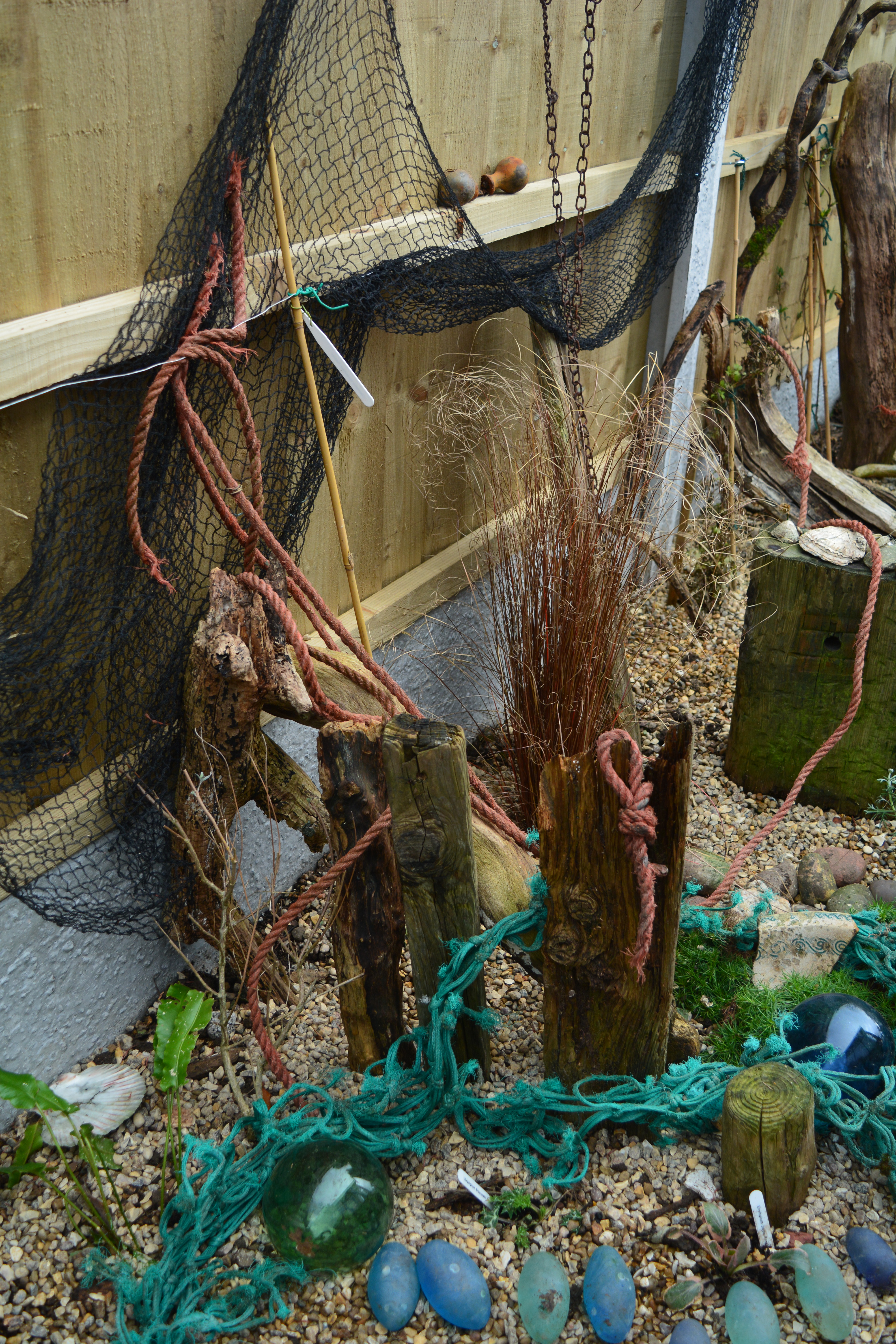
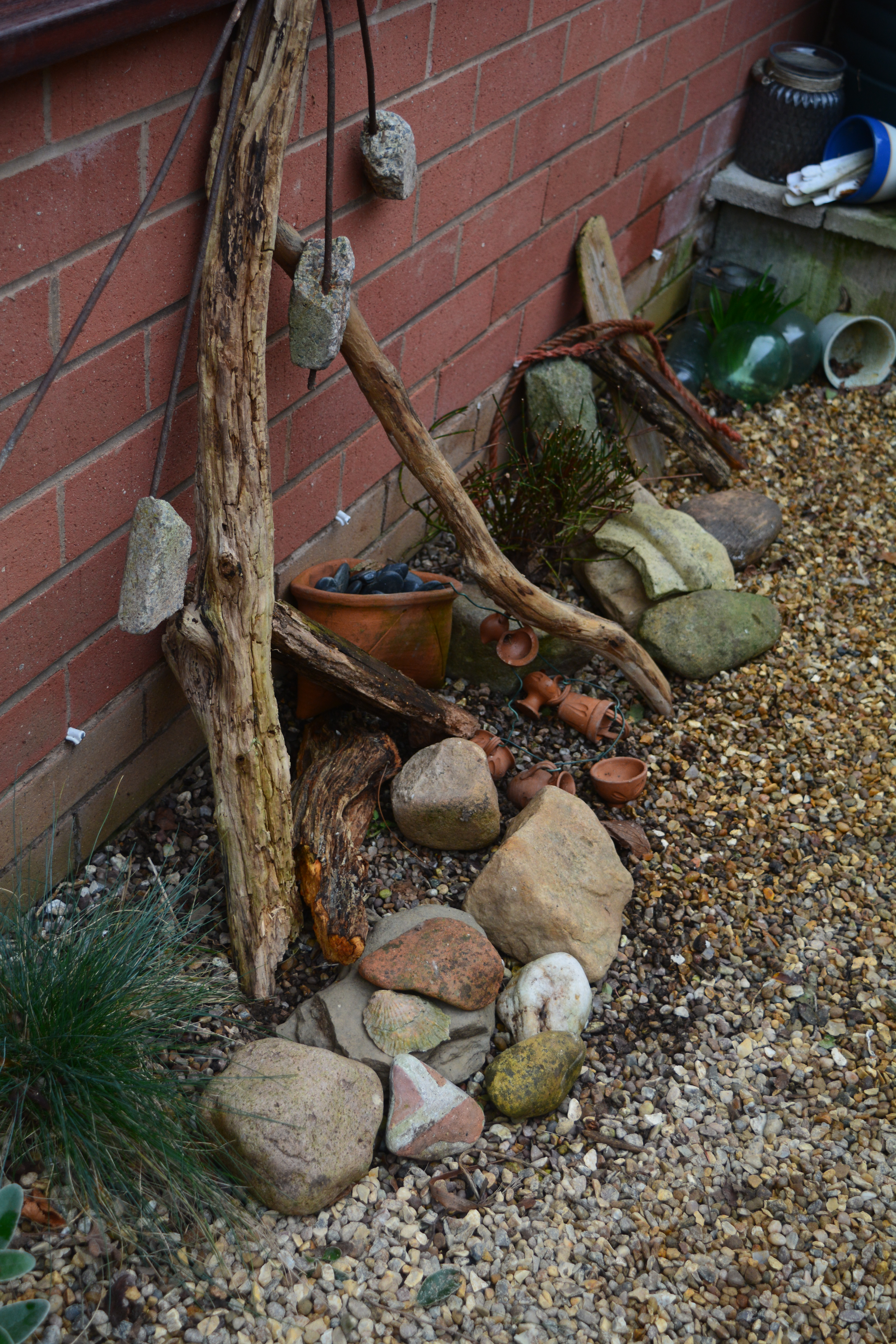
To finish the month of January off, we can have a quick look at what the finished revamped seaside garden ended looking like, ready for the growing season ahead.

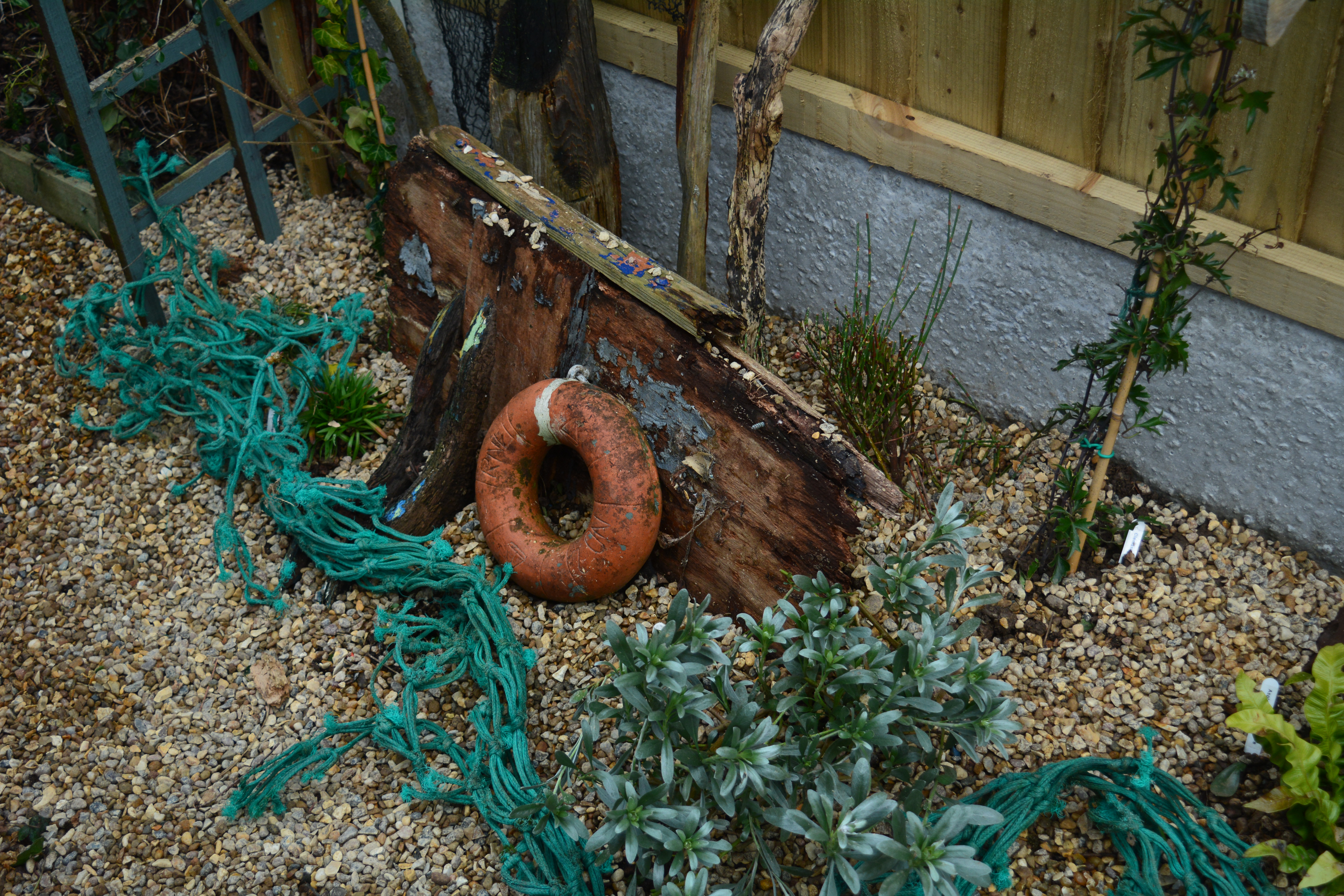
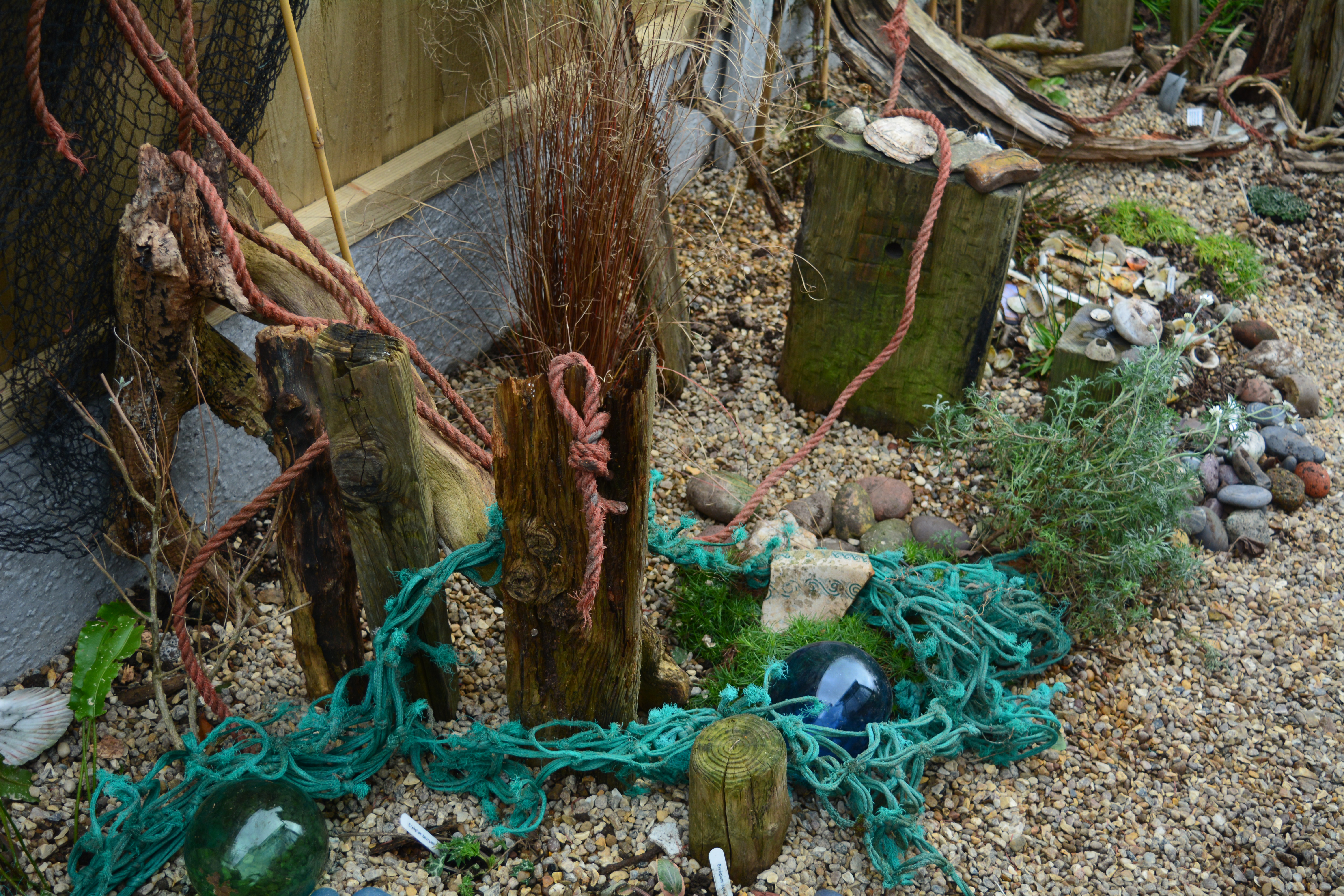
I wrote, “We had great fun rebuilding the Seaside Garden despite cold temperatures made more severe by the icy cold winds. So, wrapped up well against this typical January weather we put up old fishing nets from Scotland, sea-washed driftwood from Devon and Anglesey plus shells and pebbles.”


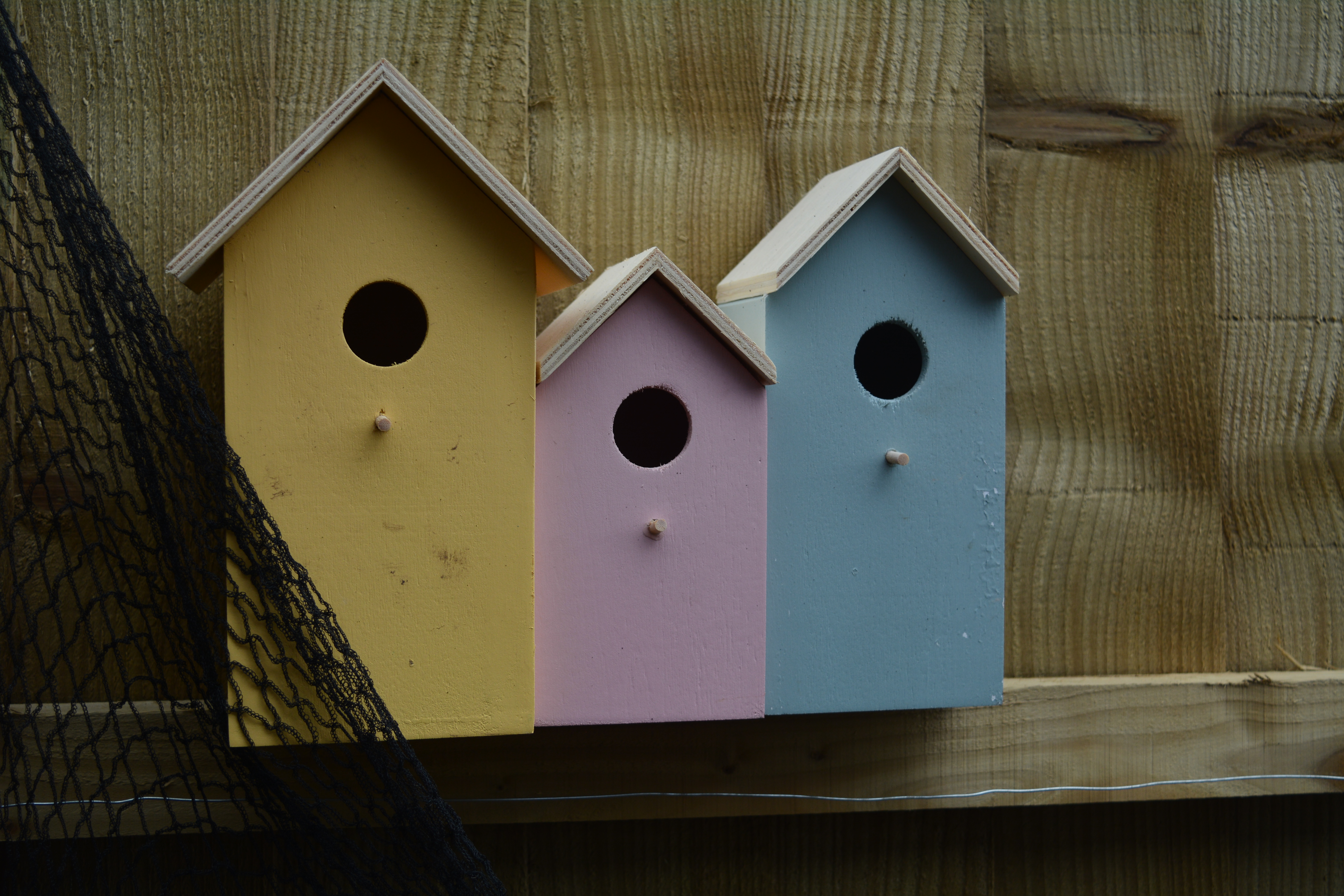
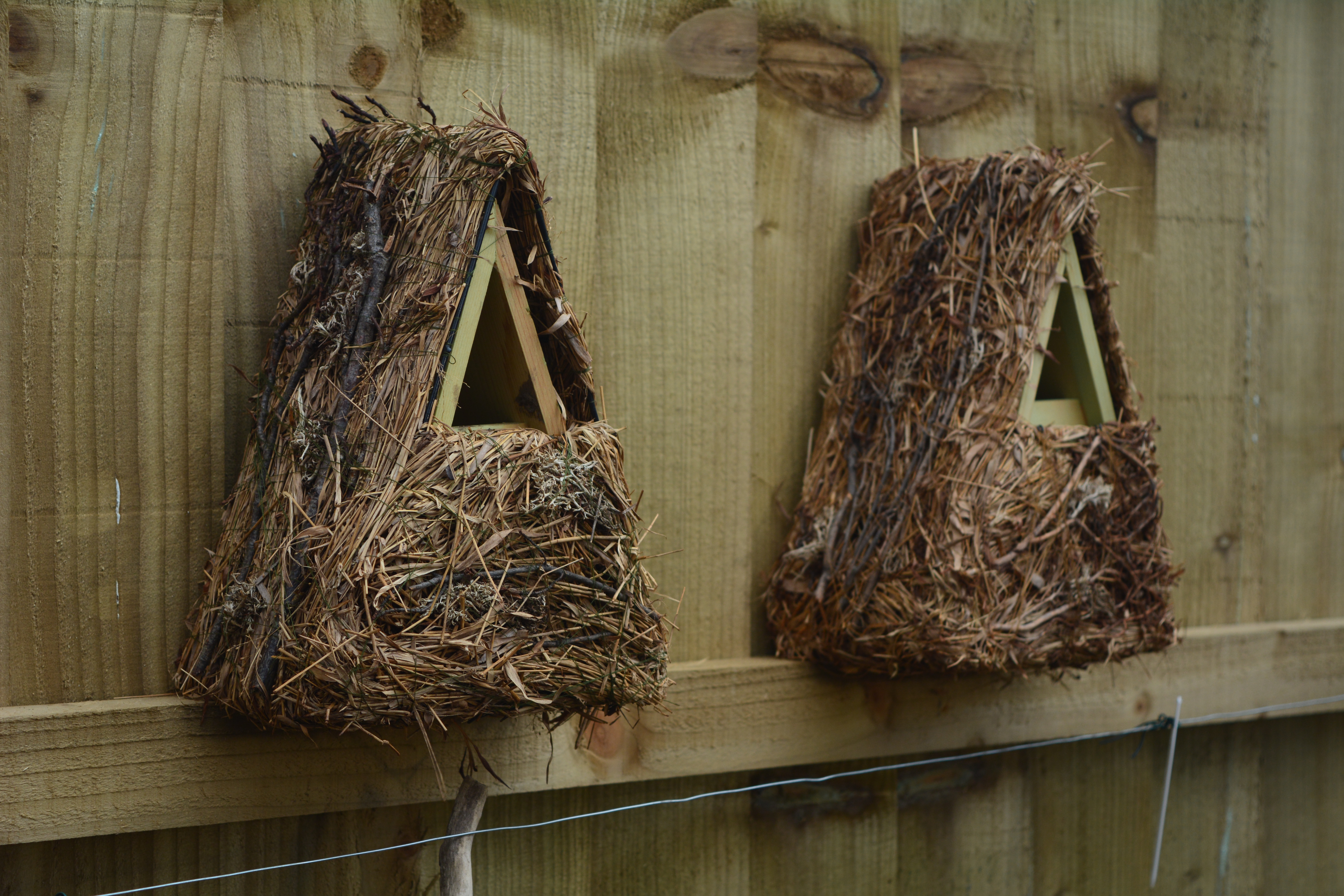
“Avian des res!”


“House Sparrows”

“Titmice”

“Wrens”


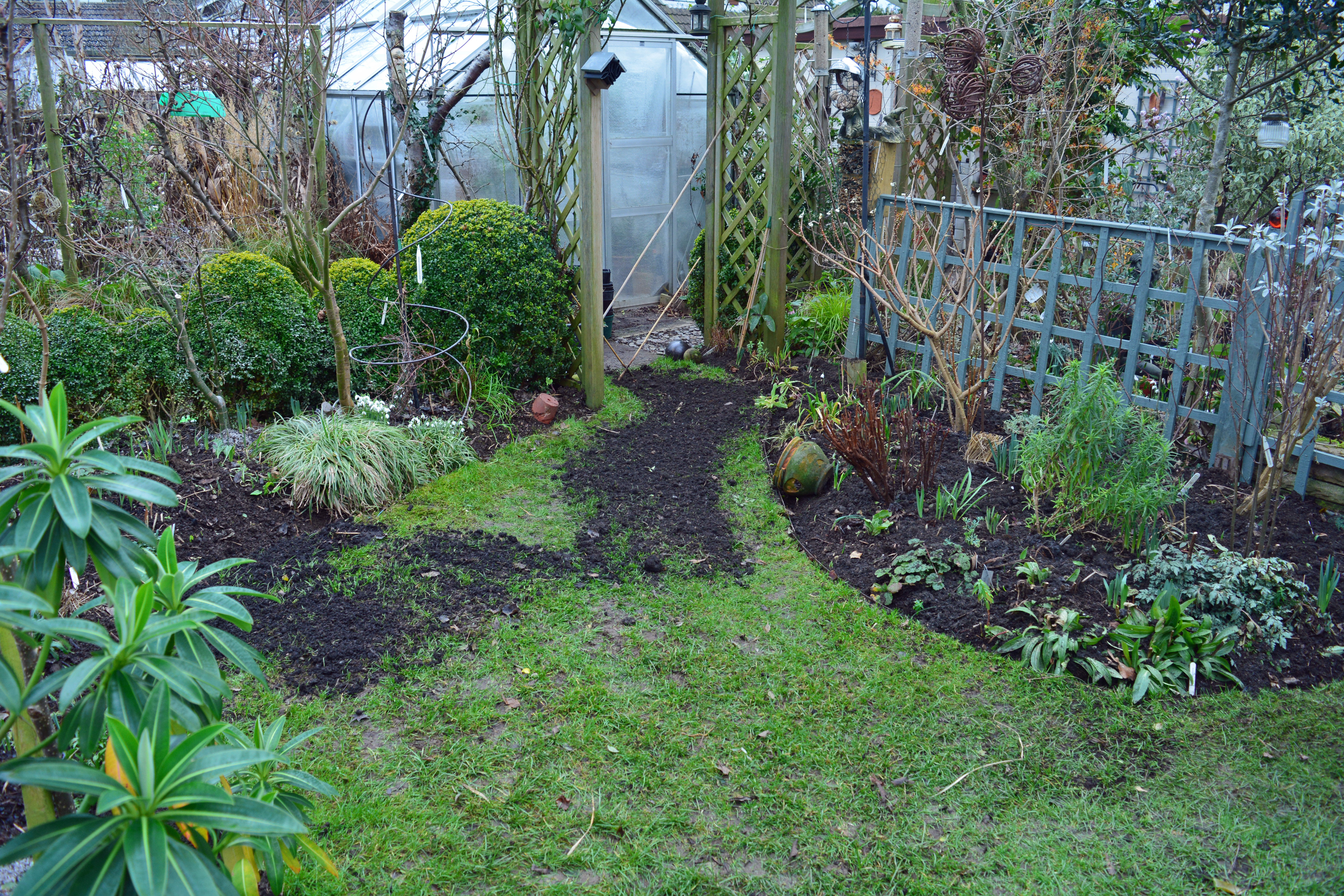
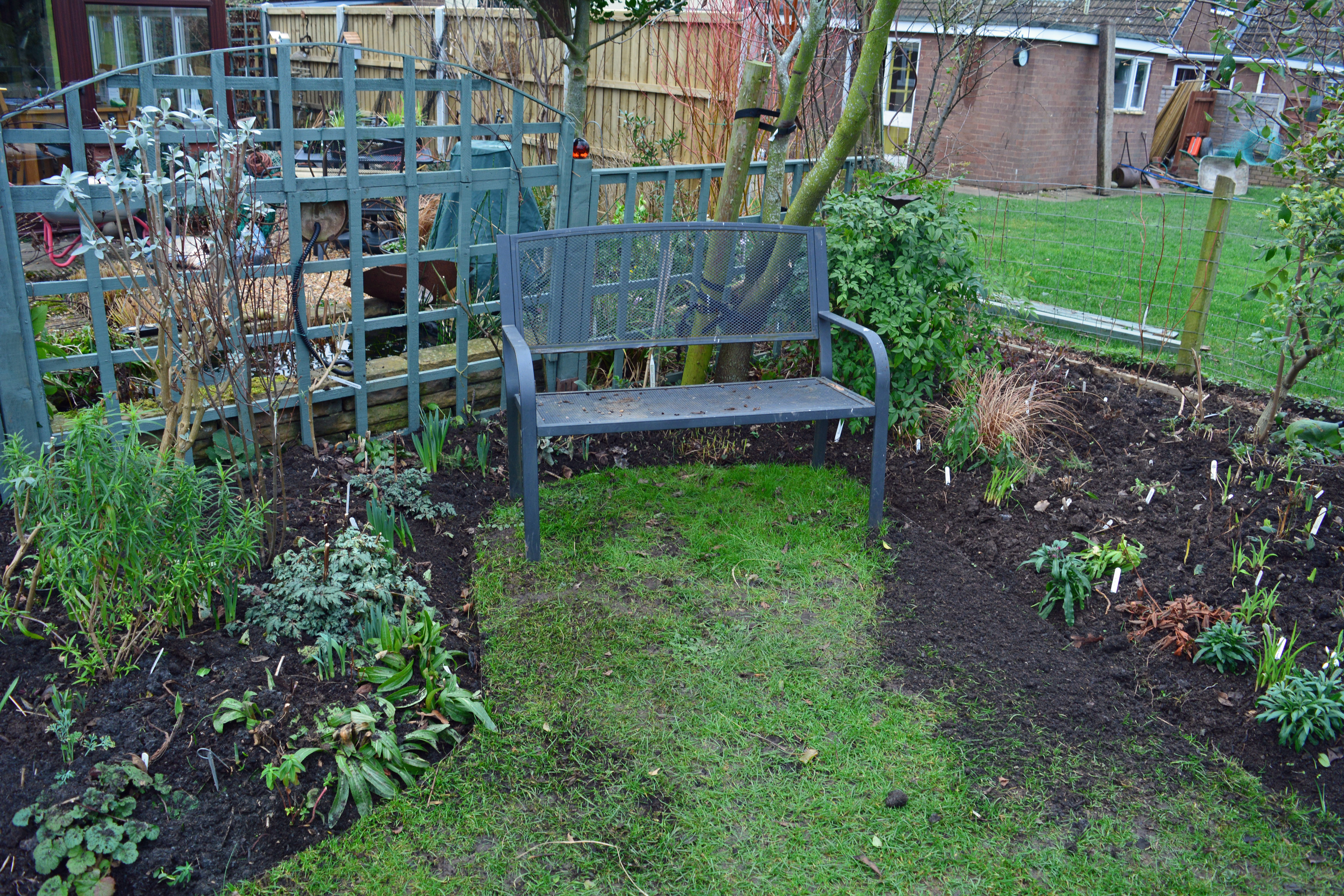
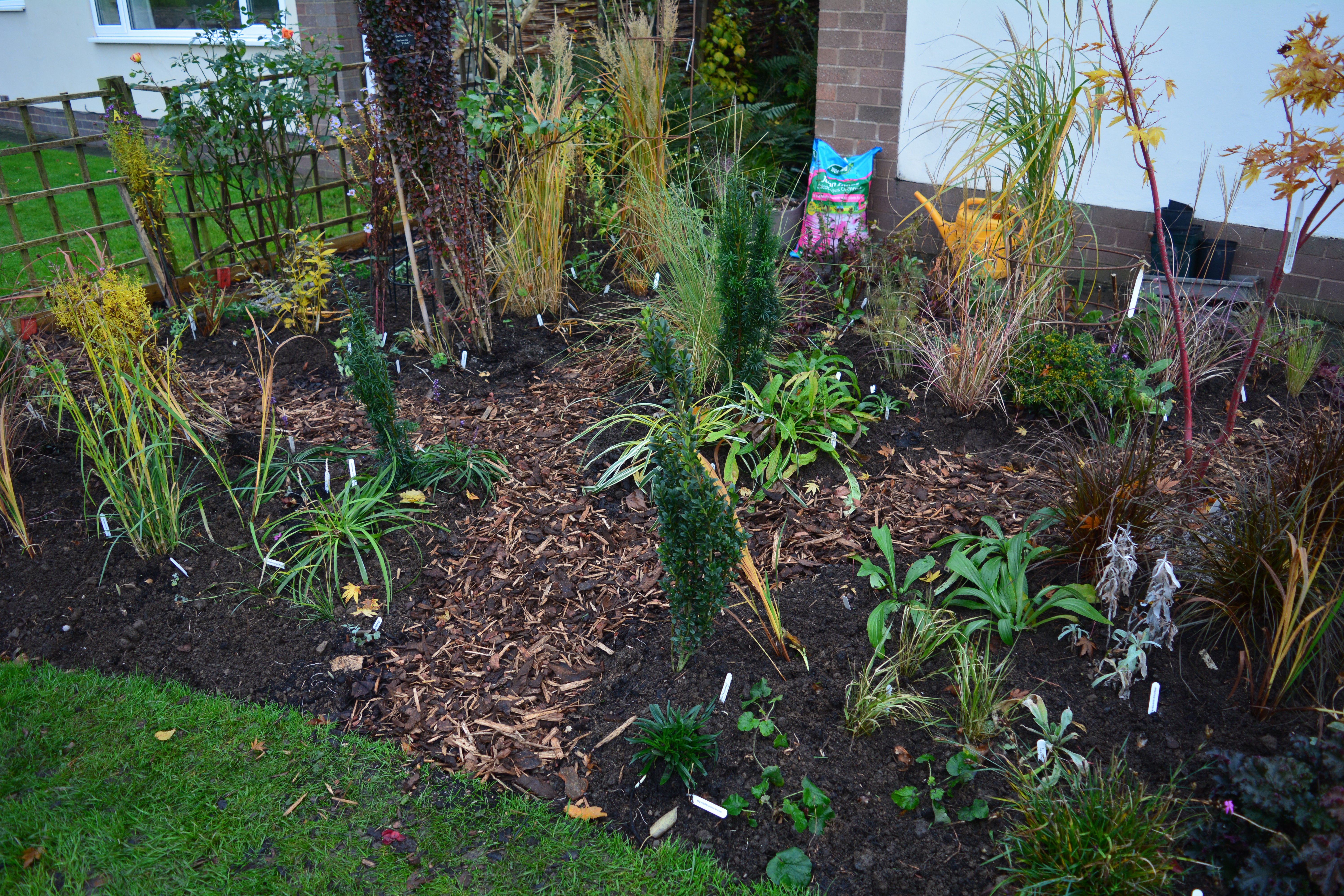
“Meanwhile we continued to change the 3 beds around the back grass into a new hot garden. Sadly we messed up the grass so had to also prepare this for repair. We have now finished planting the new plants and repaired the grass area ready for seeding in March.”


So there we have my entries for January in my 2019 garden journal.


Categories
autumn autumn colours garden design garden paths garden photography garden ponds gardening gardens hardy perennials National Garden Scheme natural pest control nurseries ornamental trees and shrubs outdoor sculpture Shropshire shrubs town gardens trees Yellow Book Gardens

Another NGS Yellow Book Shropshire Garden – Sunningdale

I would like now to look back to the summer gone to share some visits and re-visits to other National Garden Scheme (NGS) gardens from a town garden to a huge old garden in North Wales.

The garden at Sunningdale is a half acre town garden in the north Shropshire market town of Wem. Friends had recommended the garden to us so as the garden opening season is coming to an end we decided to make the half hour journey northward up the A49.

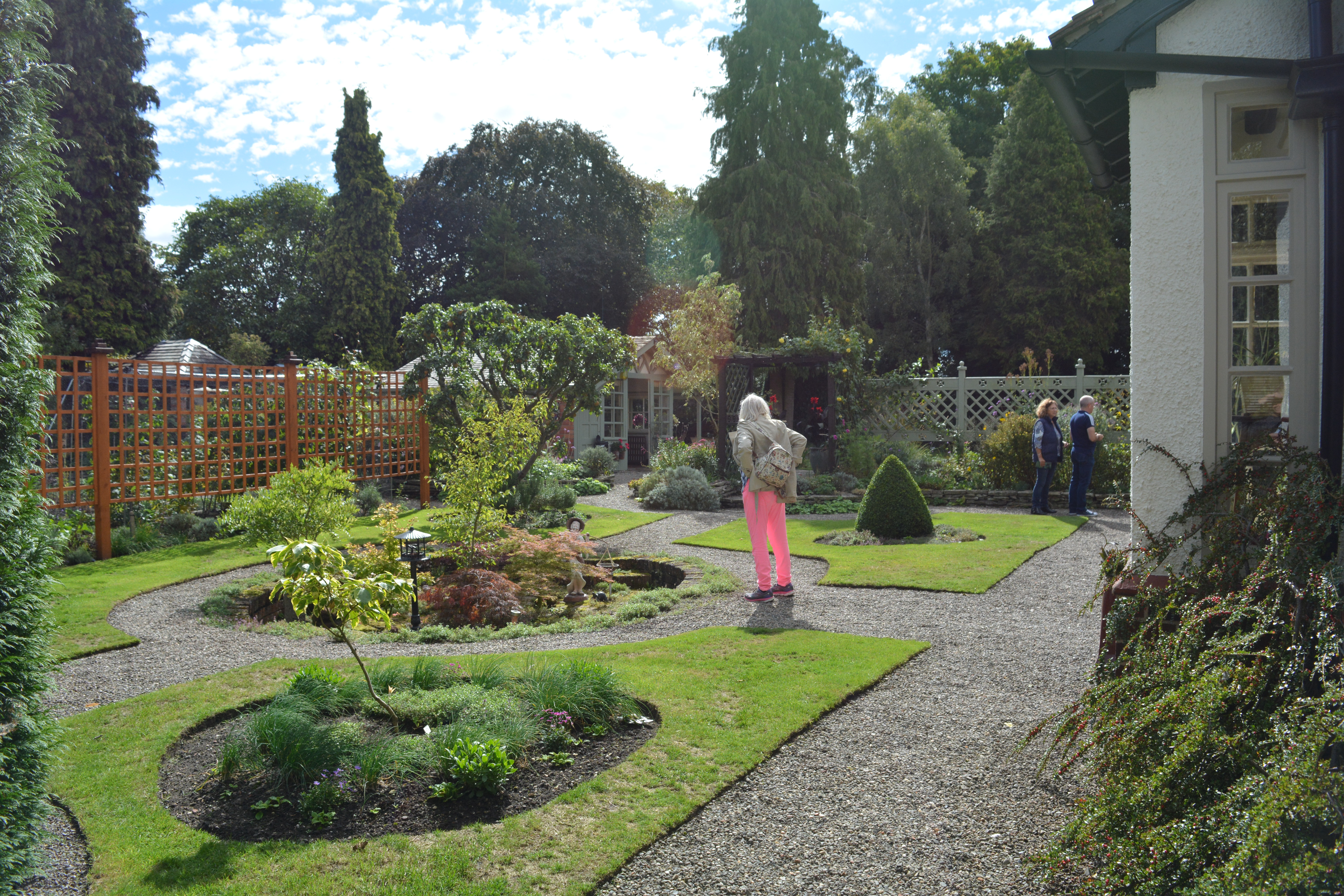
We received a warm and very cheerful welcome as we took a path through an open gateway, which took us around the side of the house to reveal a garden that invites visitors to wander. We discovered some interesting bits and pieces on our way around the side of the villa. Plus of course some exciting colours from flowering plants.


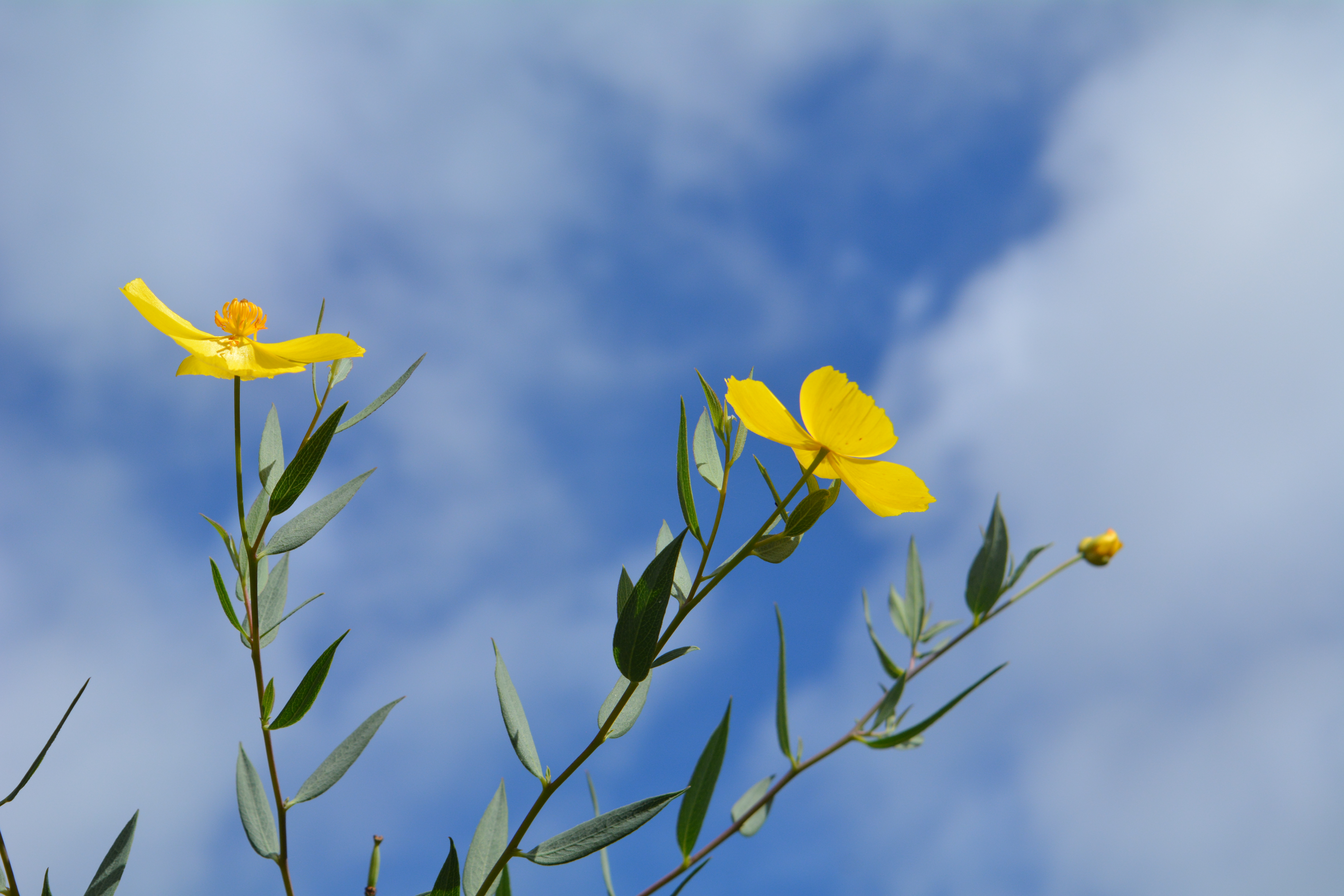
This delicate tall elegant yellow flowered plant was unknown to us and luckily labelled, Dendromecon rigida, the Poppy Tree. What a treat it always is to discover new plants.


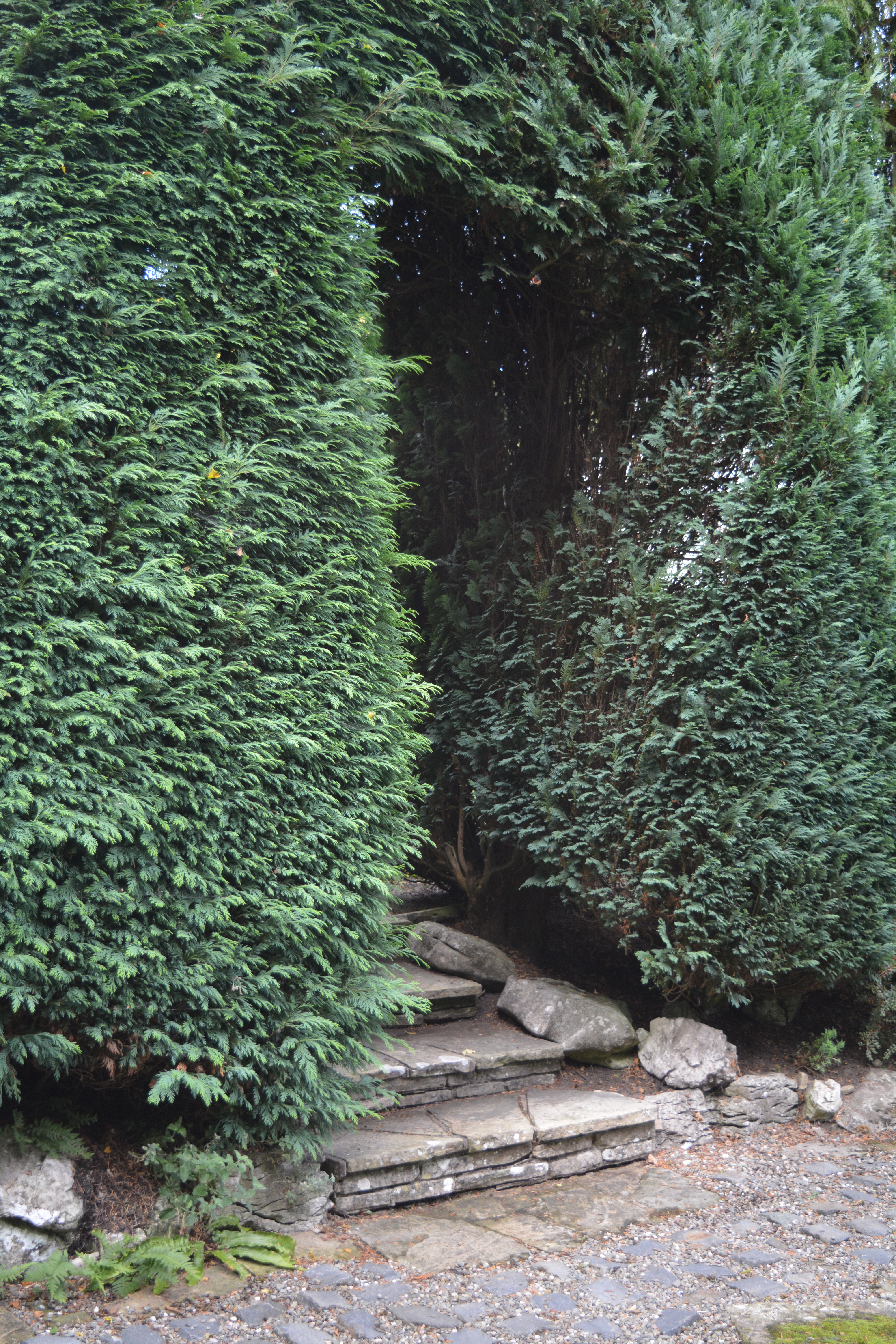
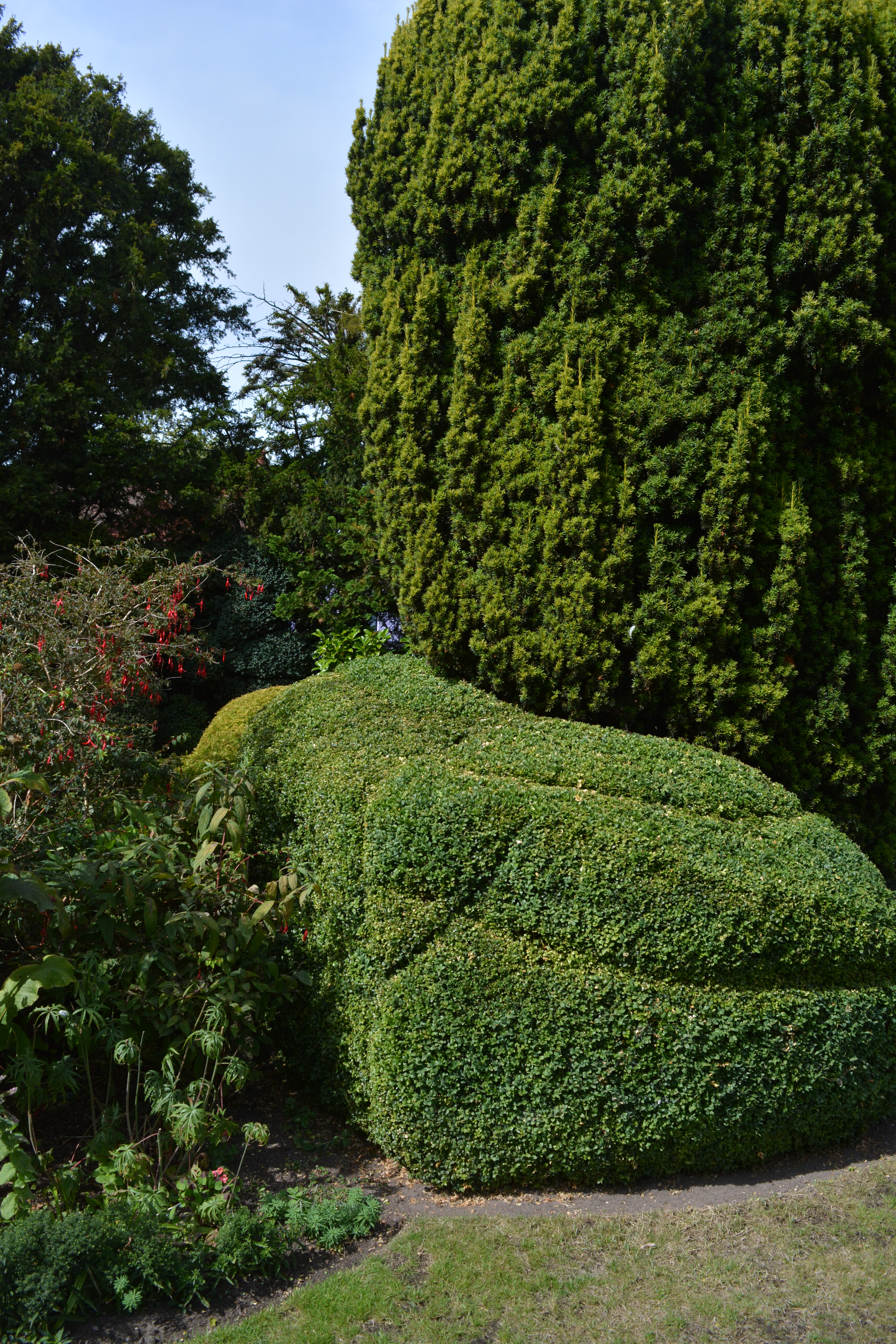
Interesting pruning techniques and styles by the owners had breathed new life into otherwise rather dull conifers. Conifers are carved into recesses for seats or entranceways to another part of the garden, or simply to frame a piece of sculpture.

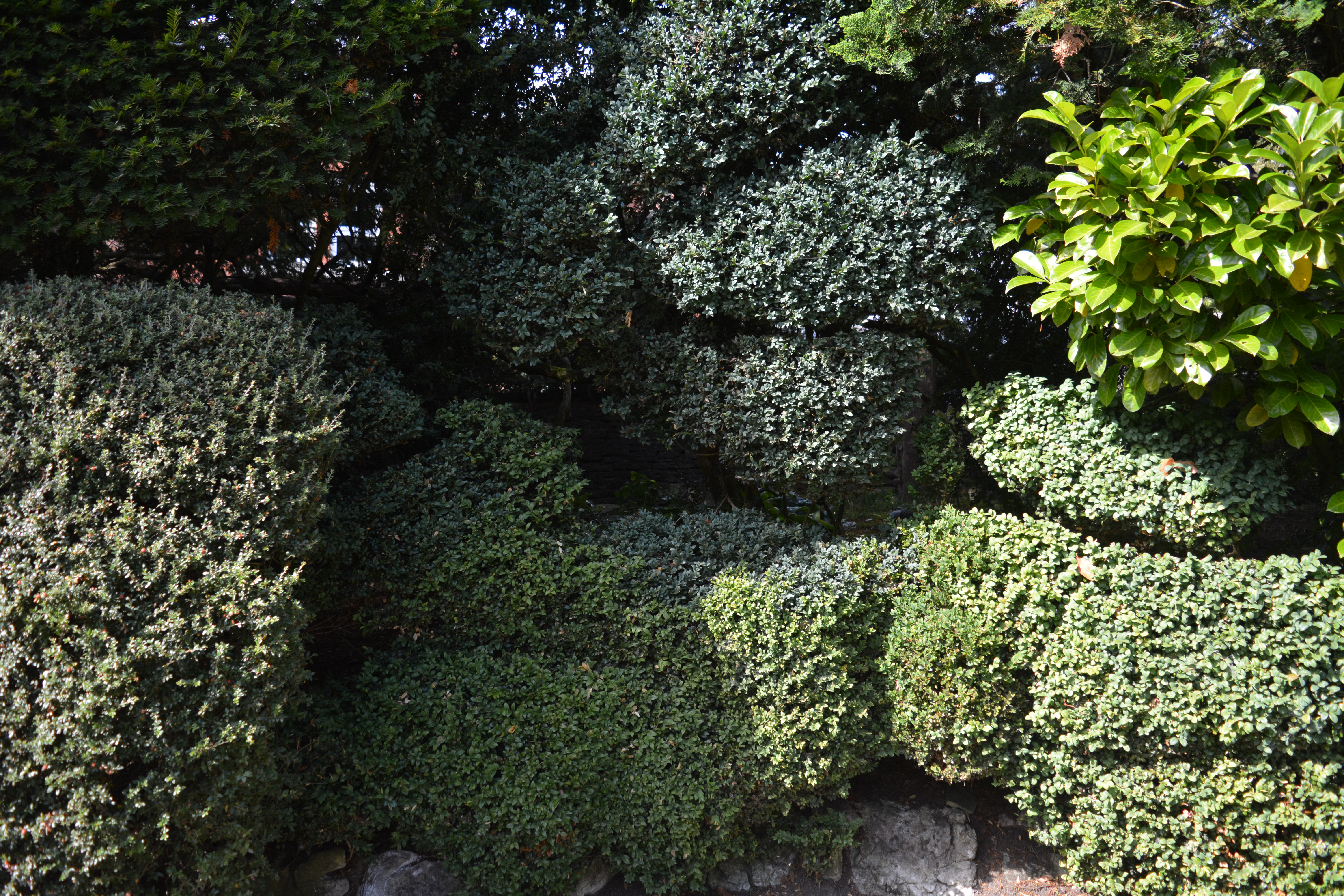
These solid conifers have been carefully trimmed in a way that implies almost drawing with shears.  Beautiful!

To share the rest of this lovely garden I shall finish of with a gallery which follows our wanderings discovering so many different aspects of the garden. Enjoy by simply clicking on the first photo then navigating using the arrows.


Categories
colours garden design garden photography gardening gardens hardy perennials light light quality ornamental grasses ornamental trees and shrubs outdoor sculpture sculpture Shrewsbury Shropshire trees

My Garden Journal 2018 – December

Here we are with the final visit to my Garden Journal 2018, as we discover what has been going on at out Avocet patch in December. It has been a year of difficult weather for us gardeners with freezing winds, a wet spring followed by a drought in the summer. It has been a bit of a trial really encouraging things to grow and struggling to get new plants established. But of course none of this spoilt our enjoyment of our garden and gardening itself.

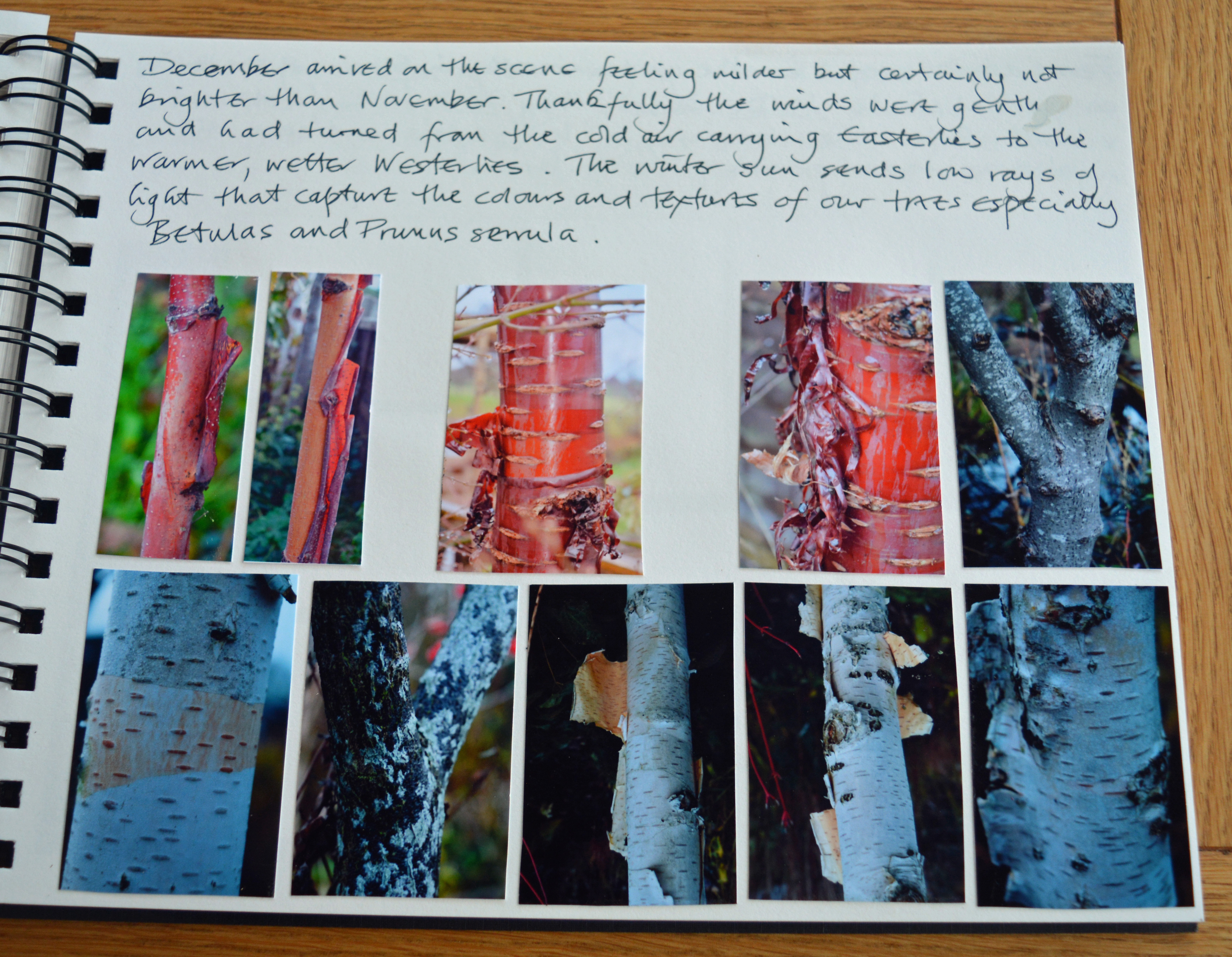
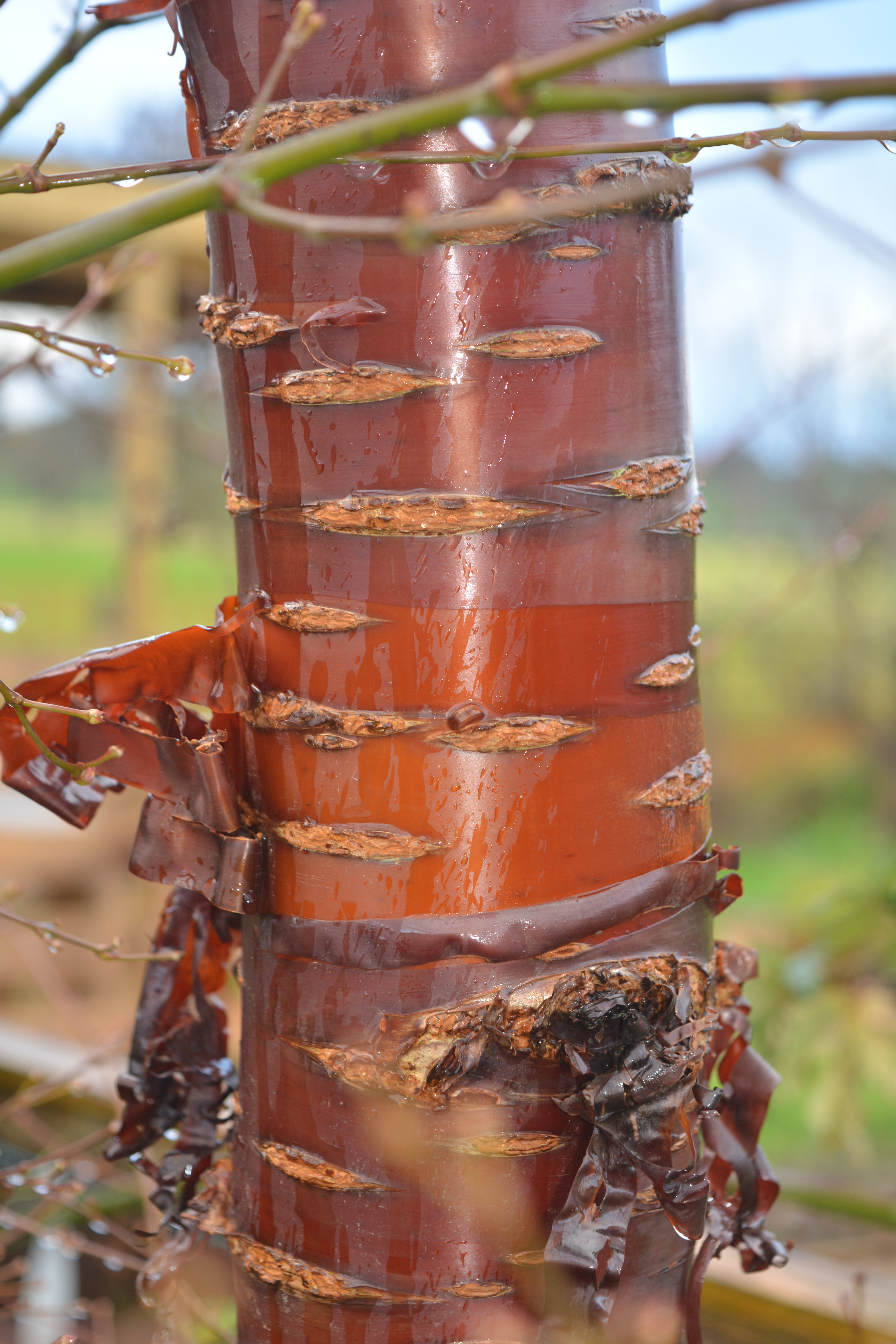
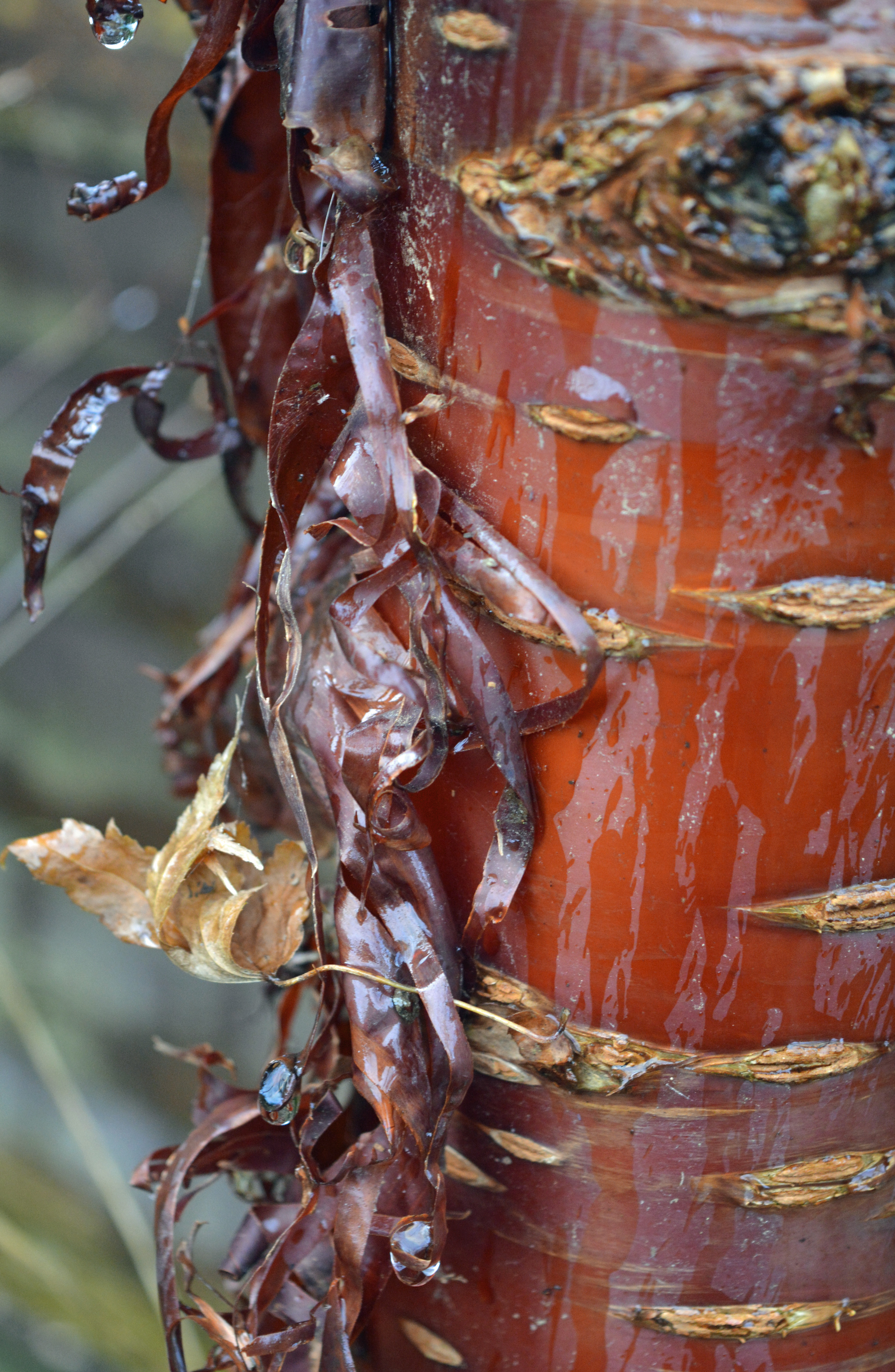
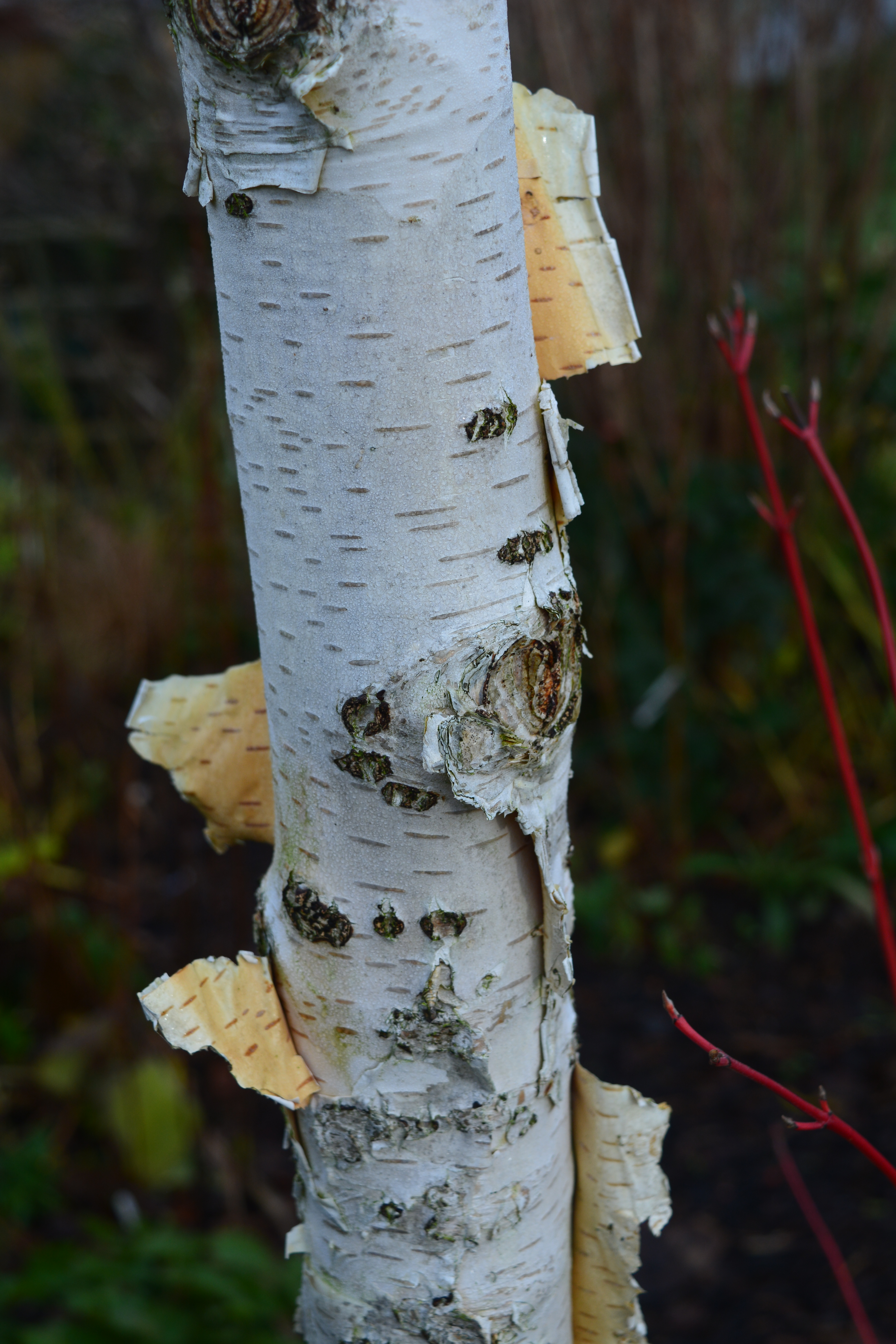
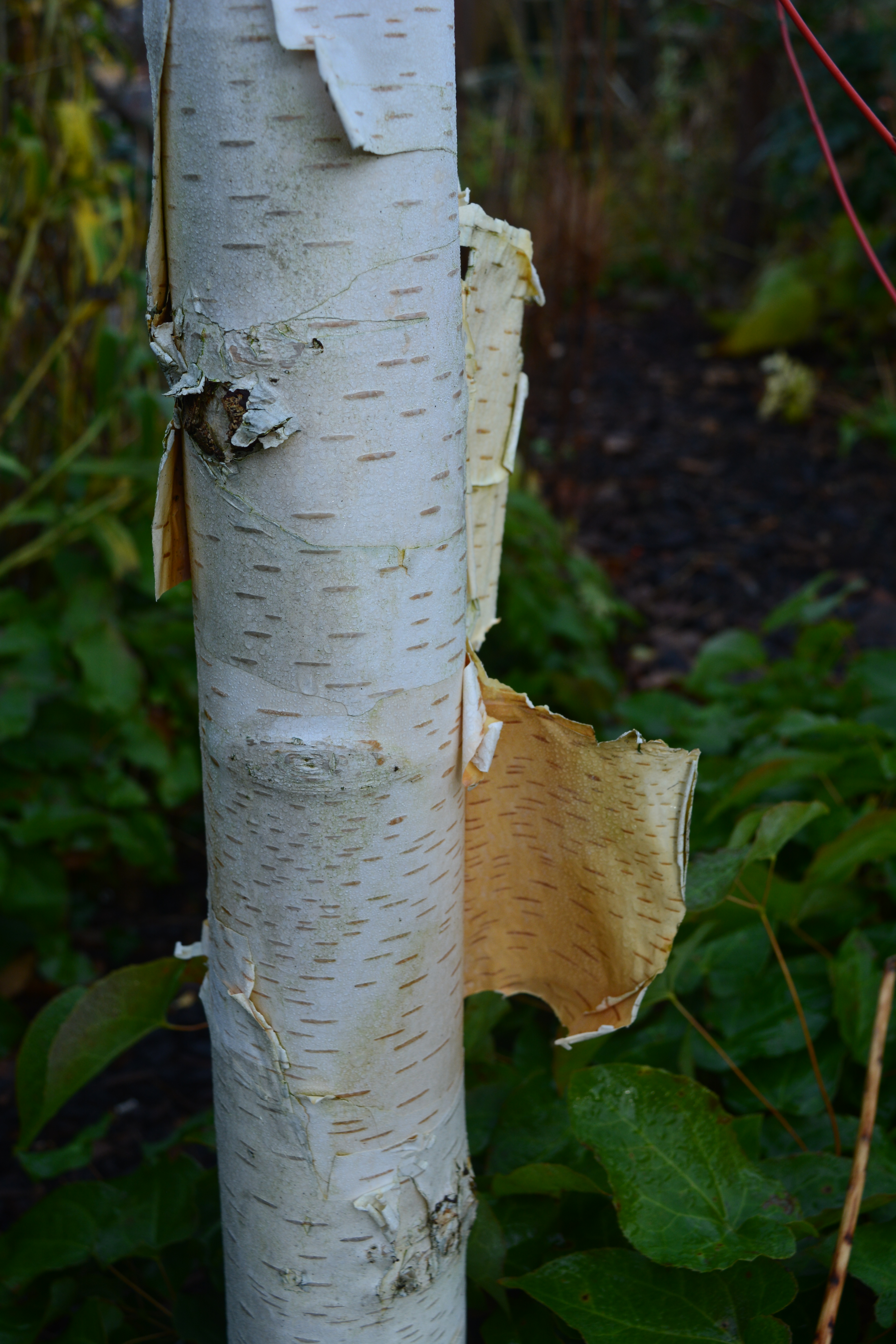
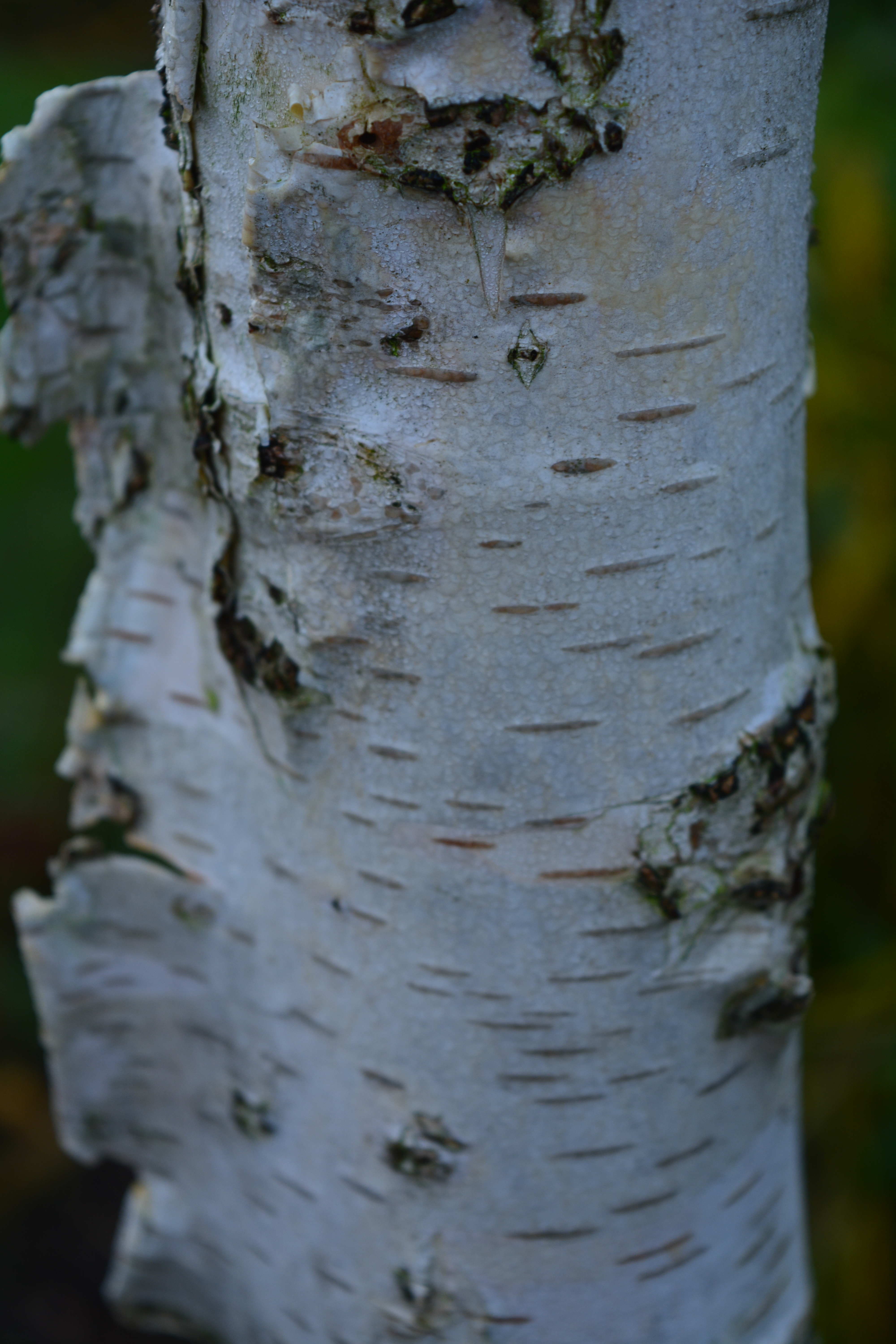
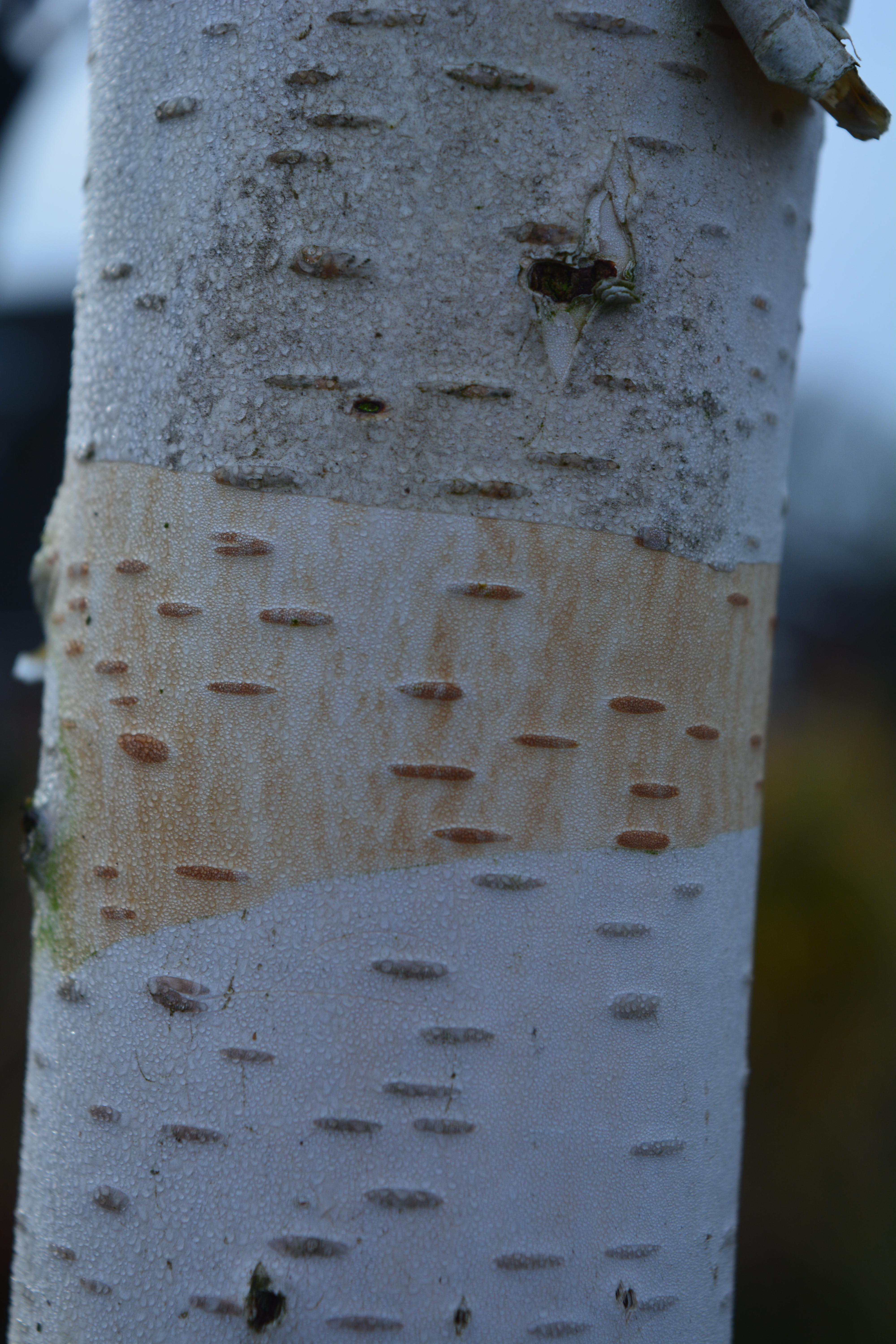
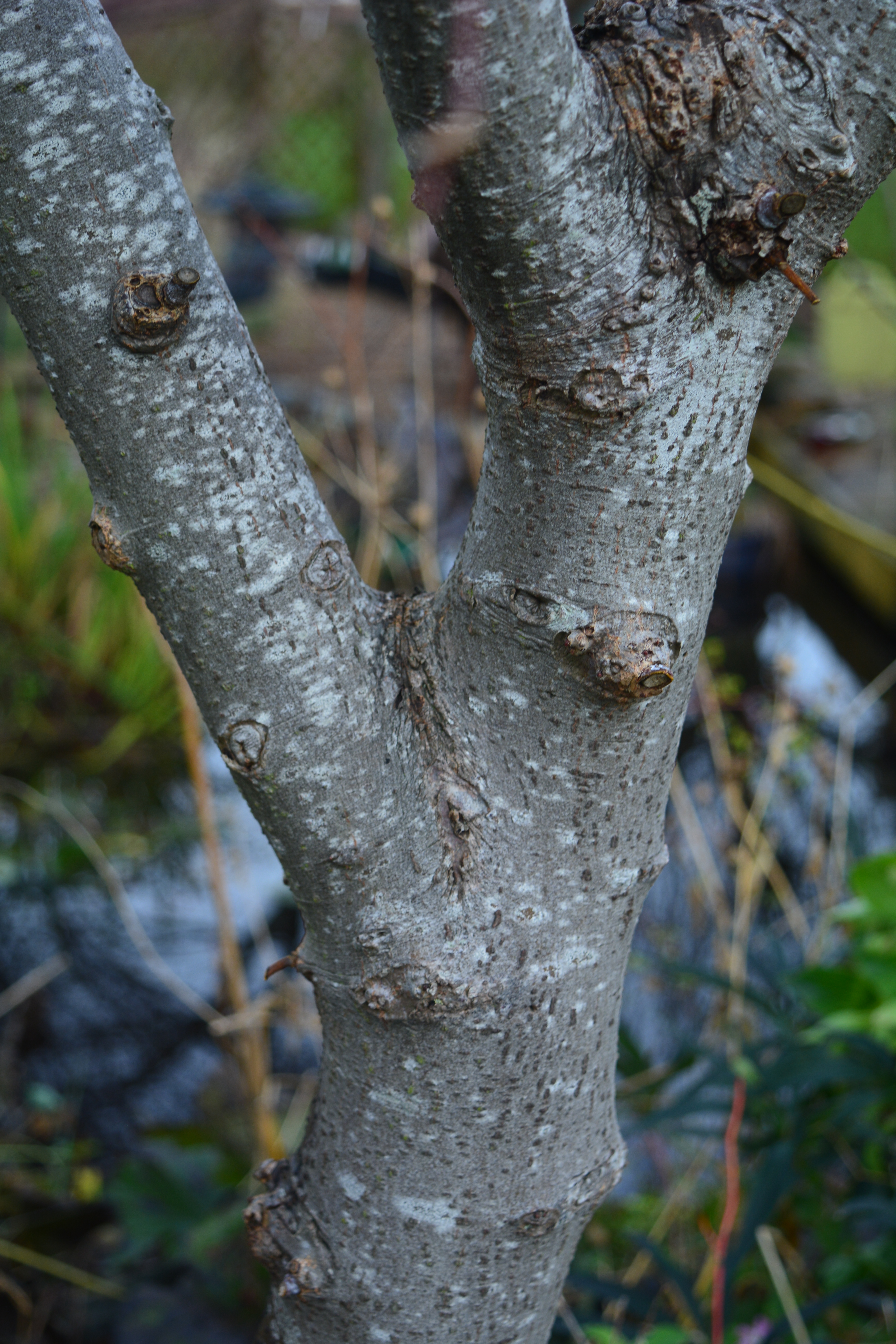
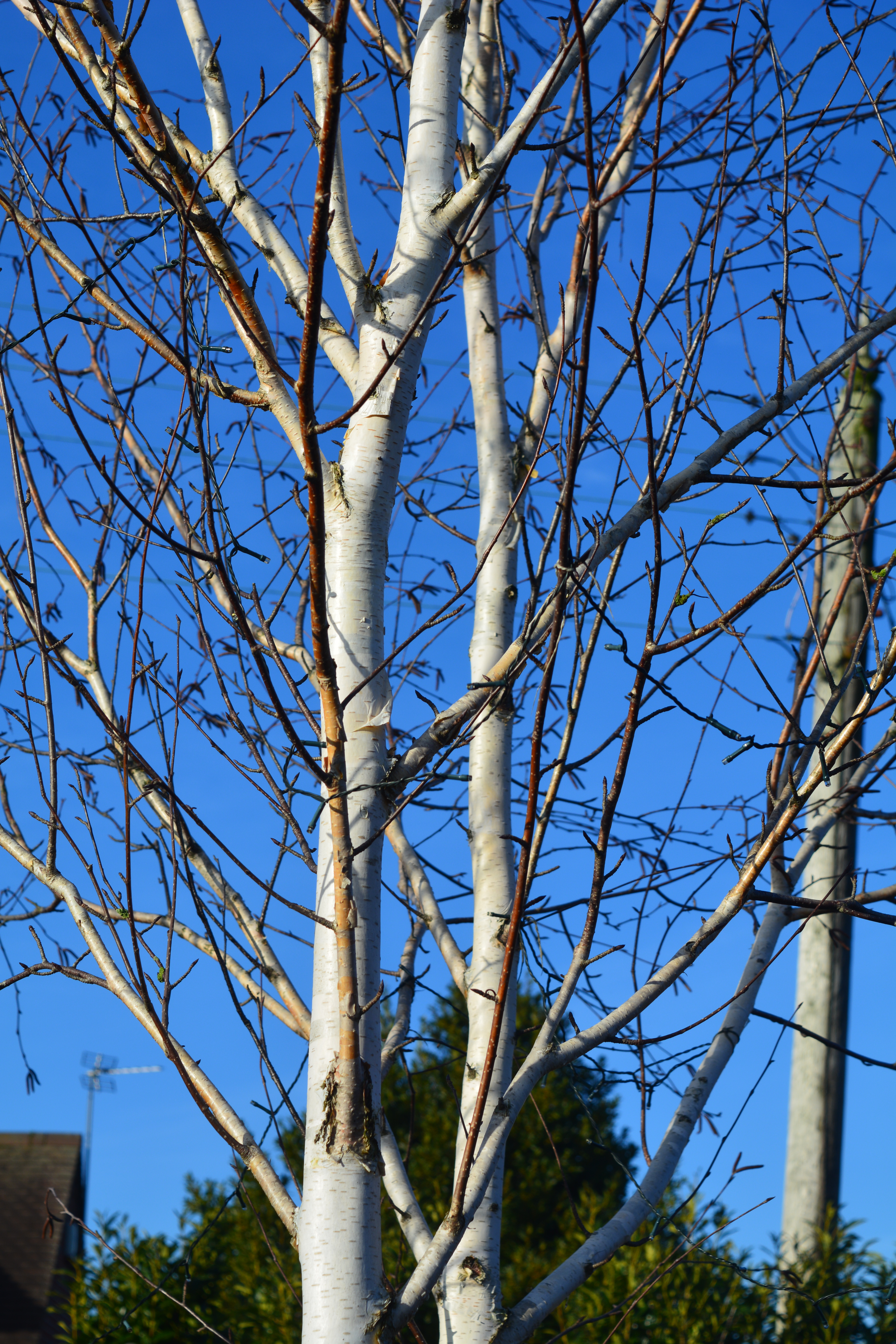
I began my entries for December by writing, “December arrived on the scene feeling milder but certainly not brighter than November. Thankfully the winds were gentle and had turned from the cold air carrying Easterlies to the warmer, wetter Westerlies. The winter sun sends low rays of light that capture the colours and textures of our trees especially Betulas and Prunus serrula.” I then featured photographs of our Prunus serrula and some of our Betulas.

Over the page I moved on to look at our ferns and then small shrubs with many coloured foliage.

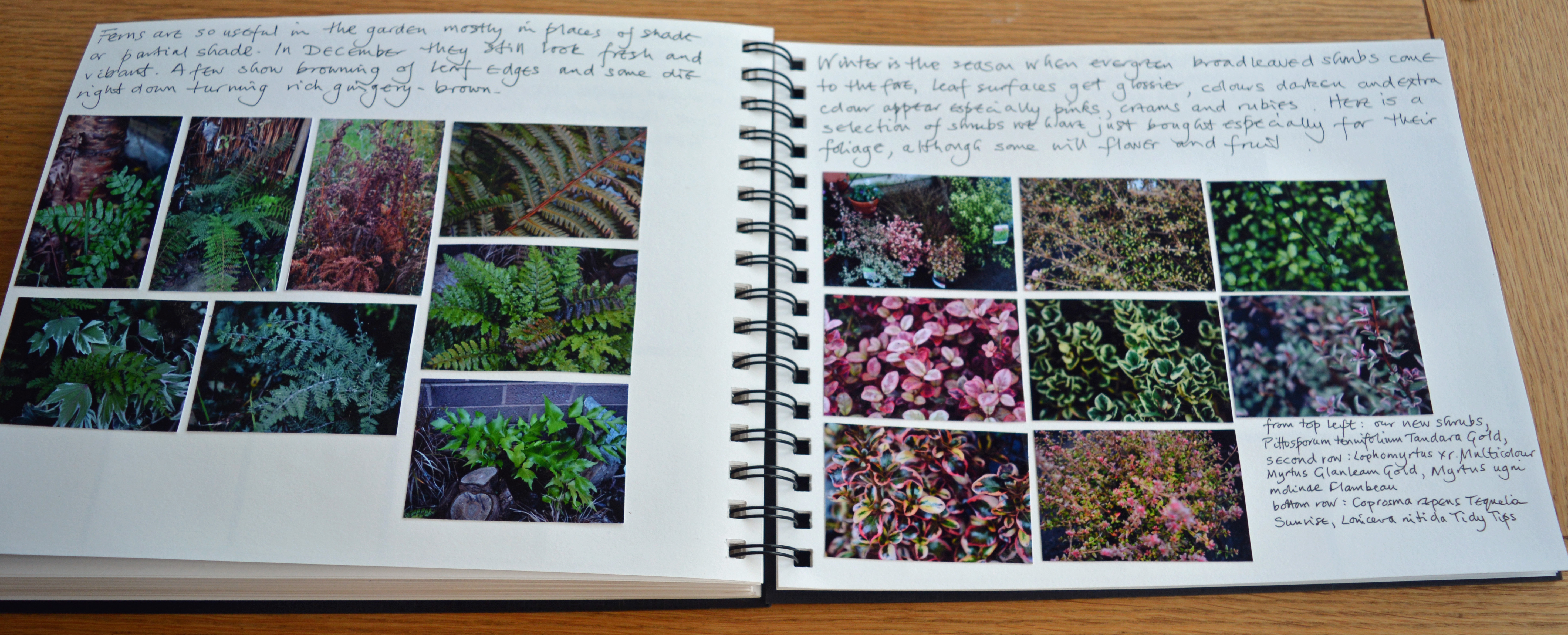
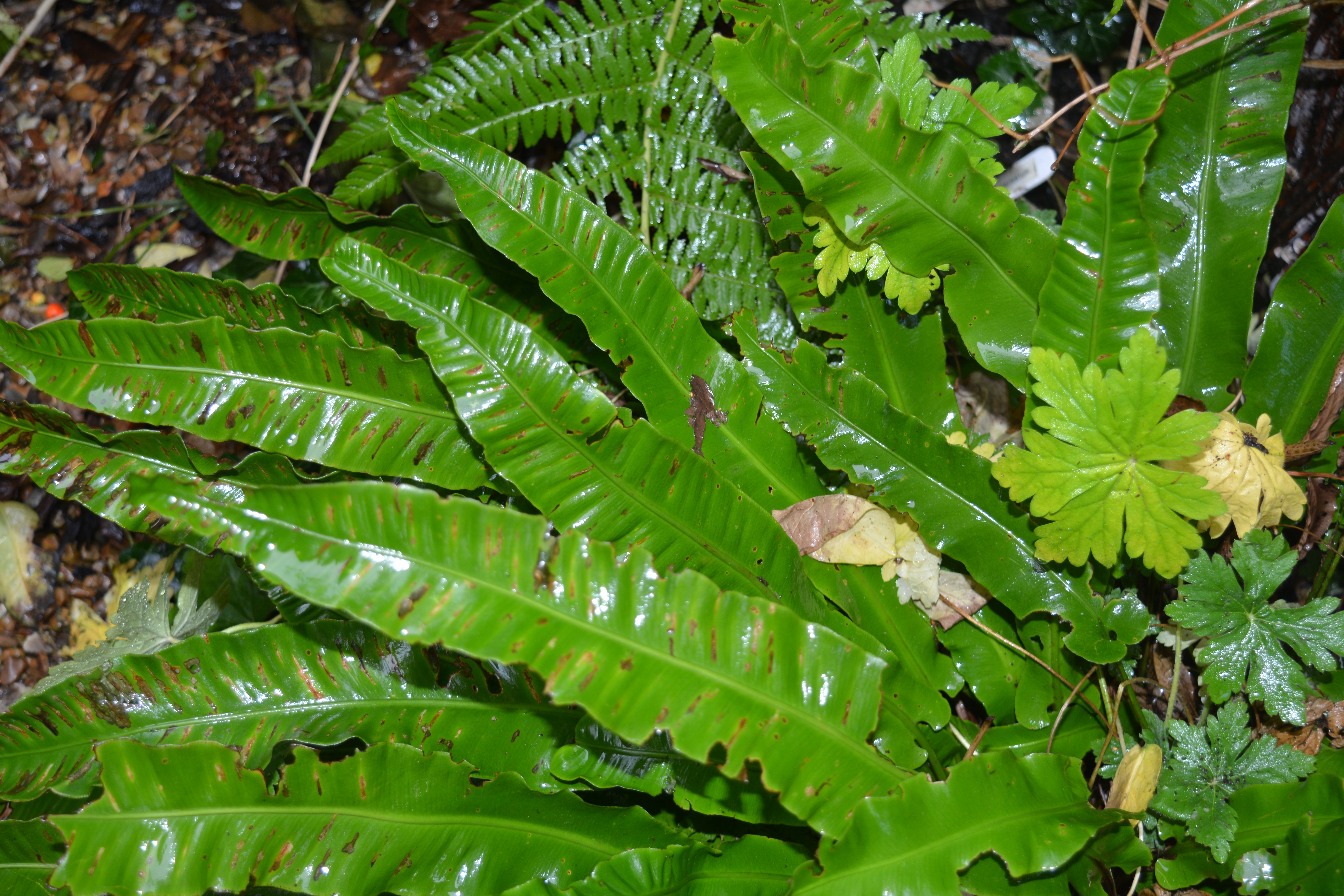
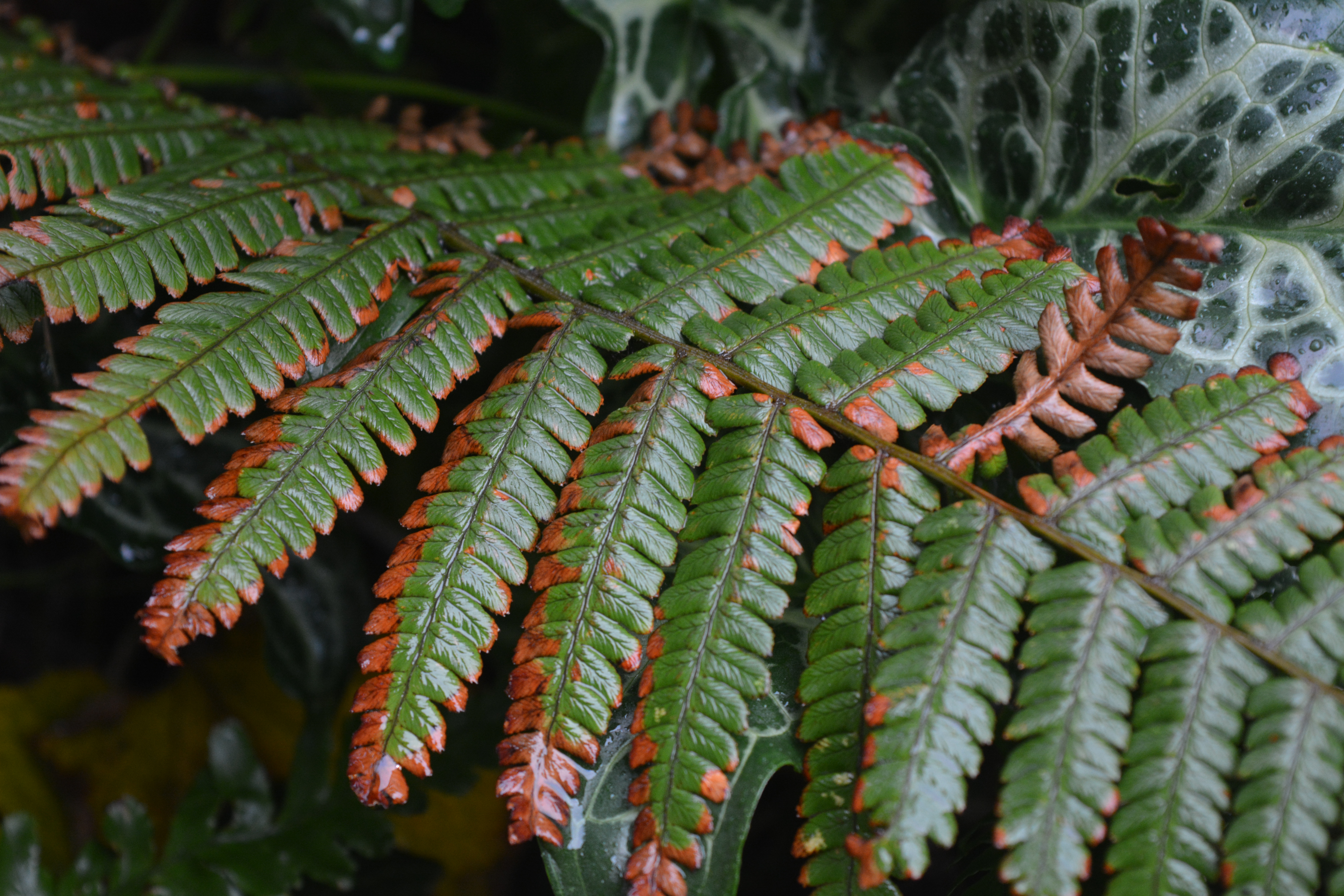
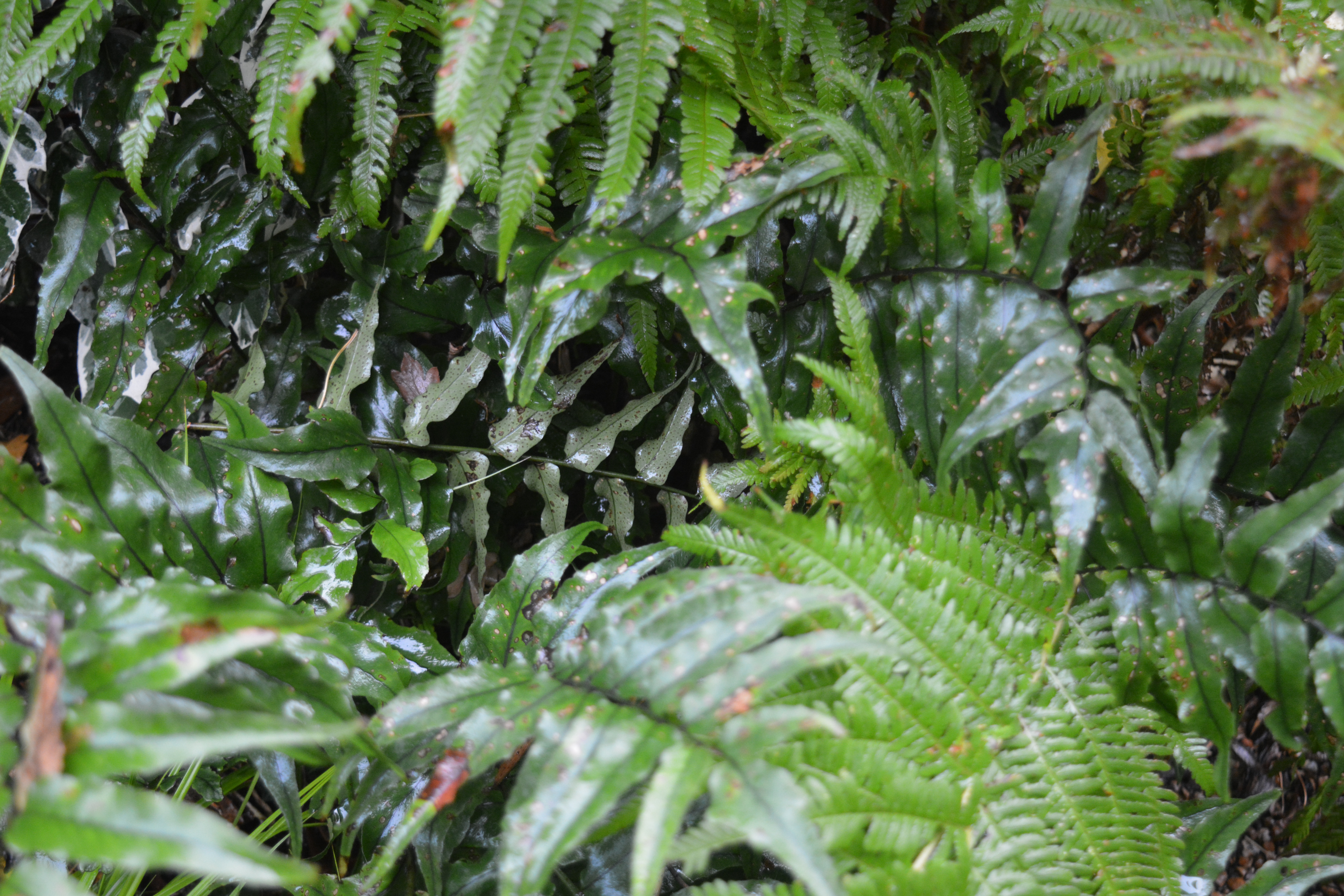
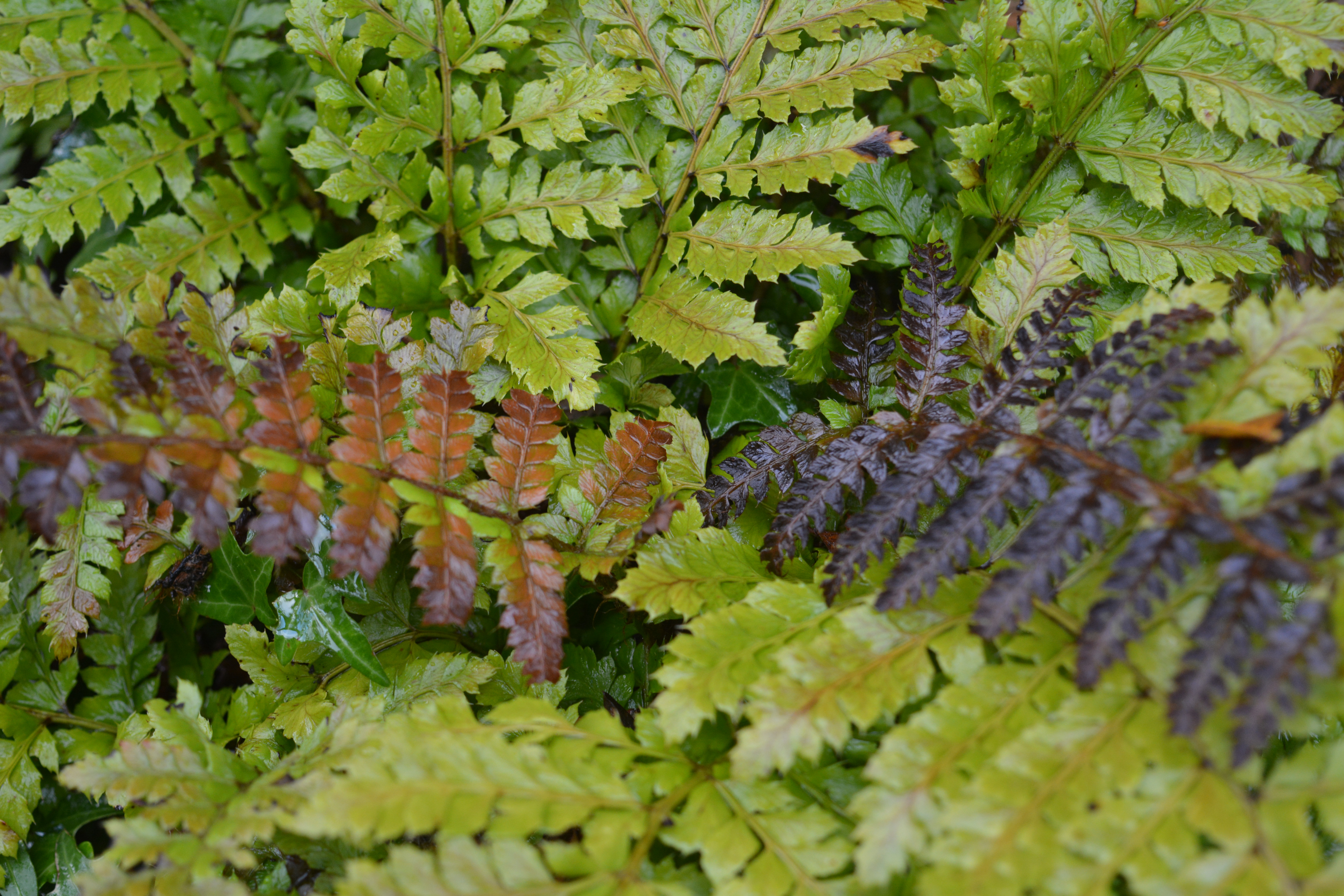
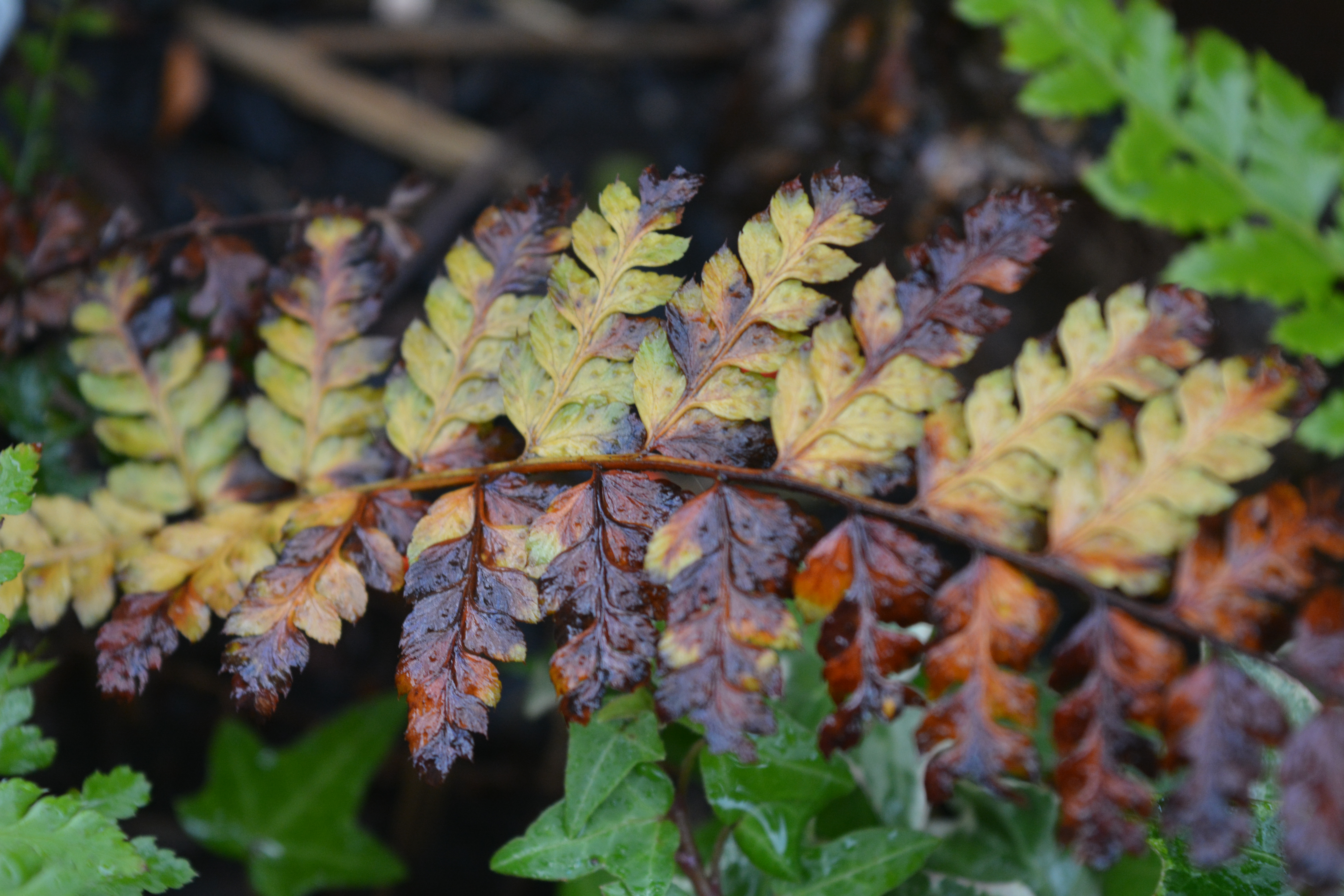
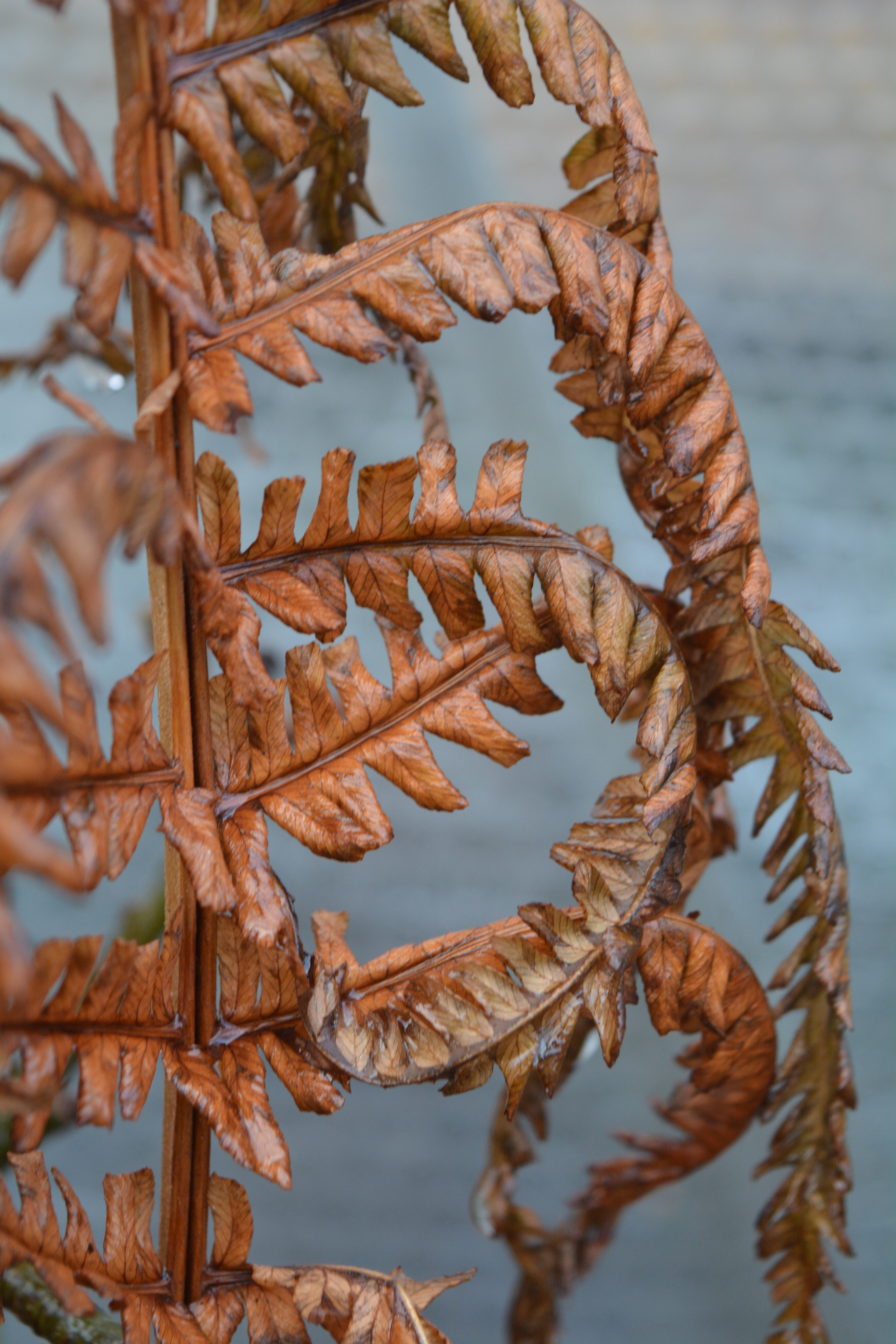
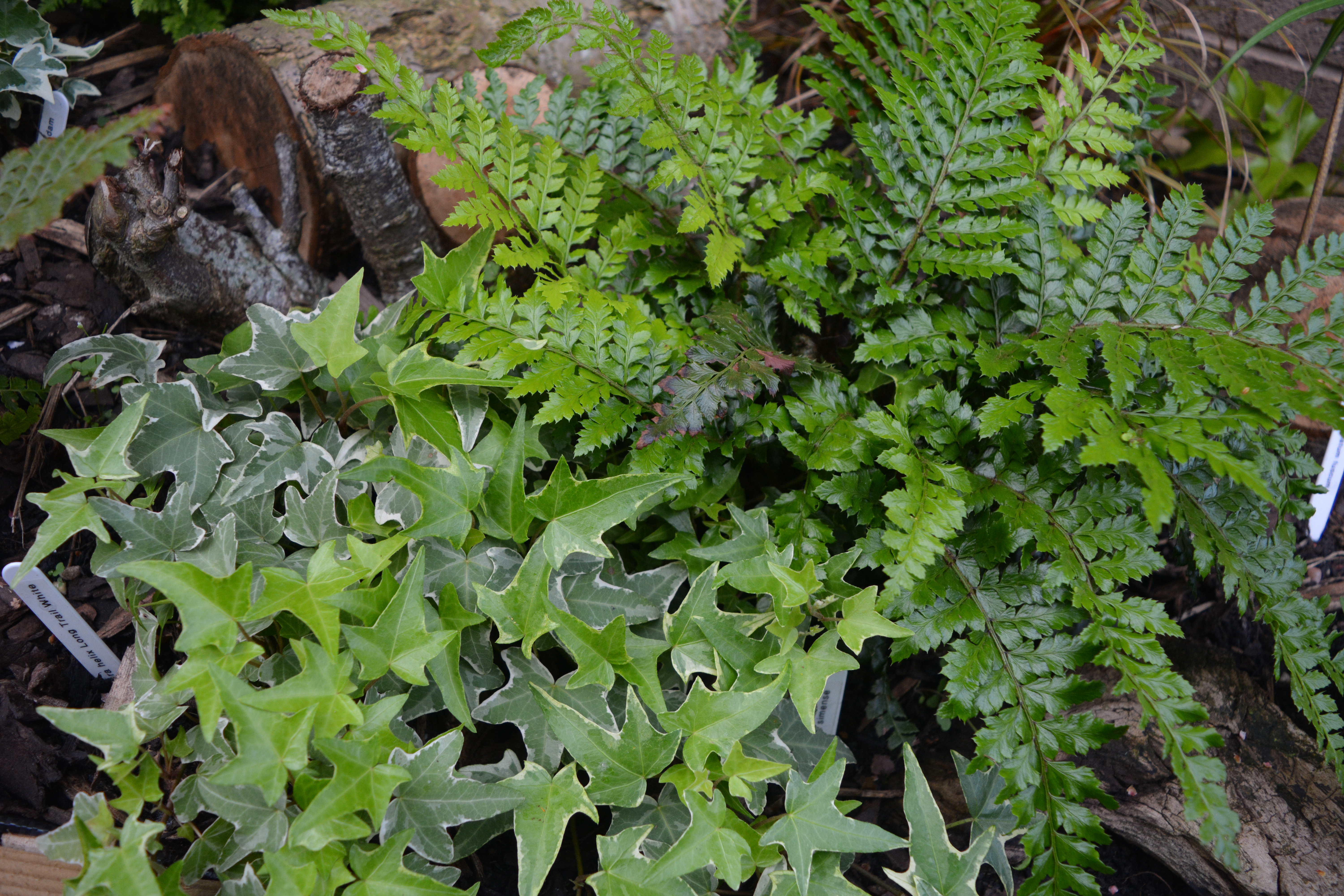
I wrote, “Ferns are so useful in the garden mostly in places of shade or partial shade. In December they still look fresh and vibrant. A few though show browning of leaf edges and some die right down turning a rich gingery-brown.” Then I shared a selection of photos of some of our ferns.

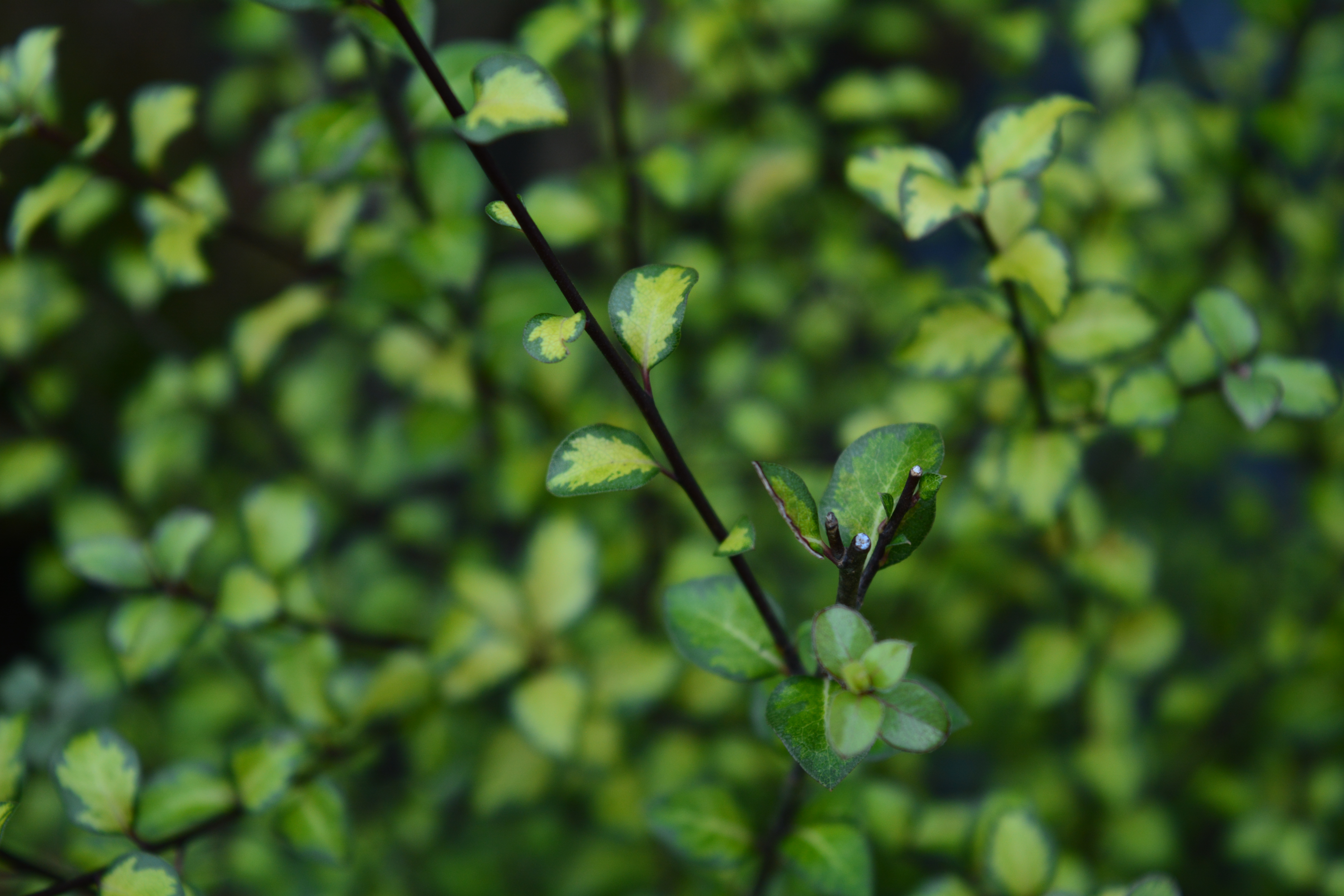
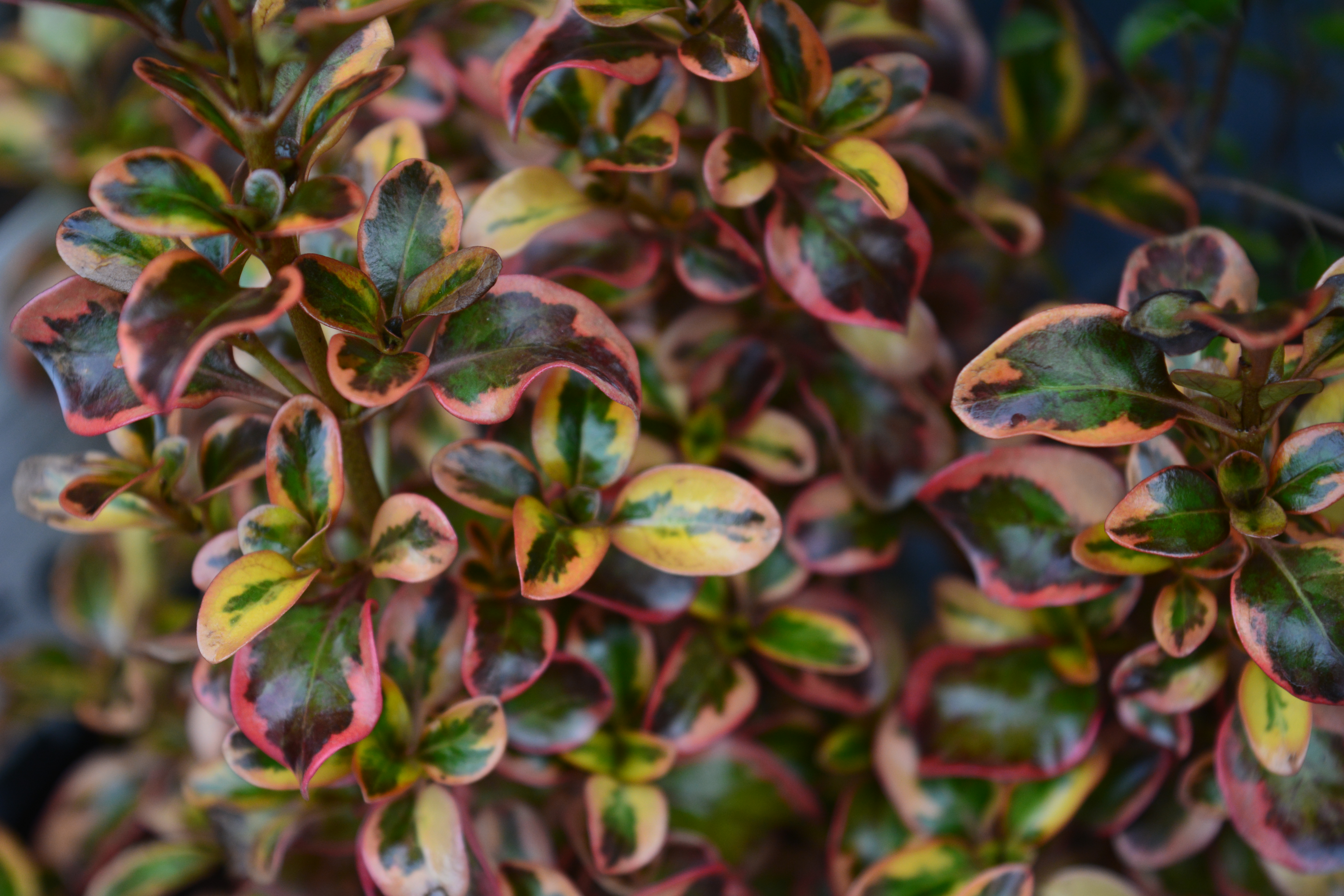
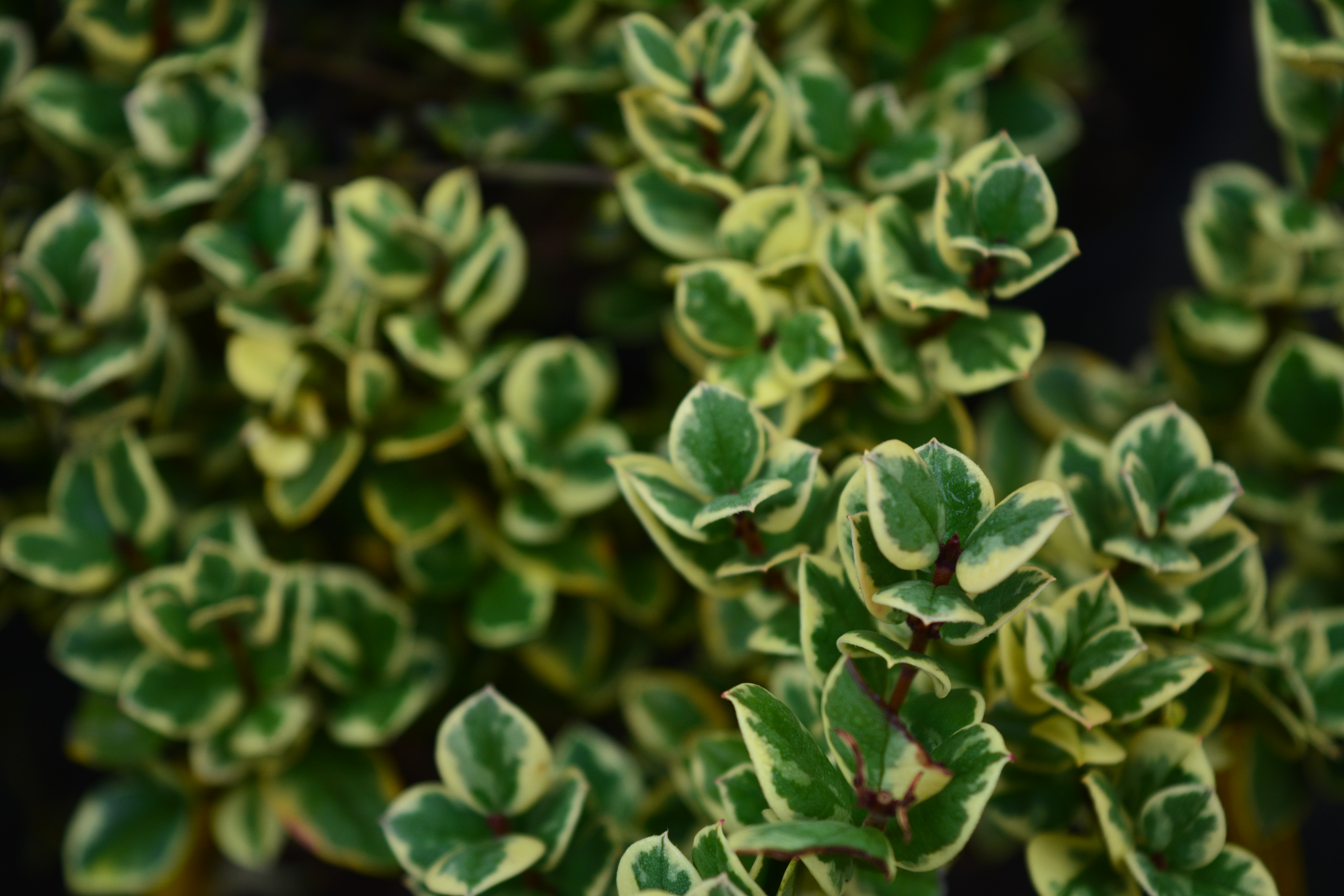
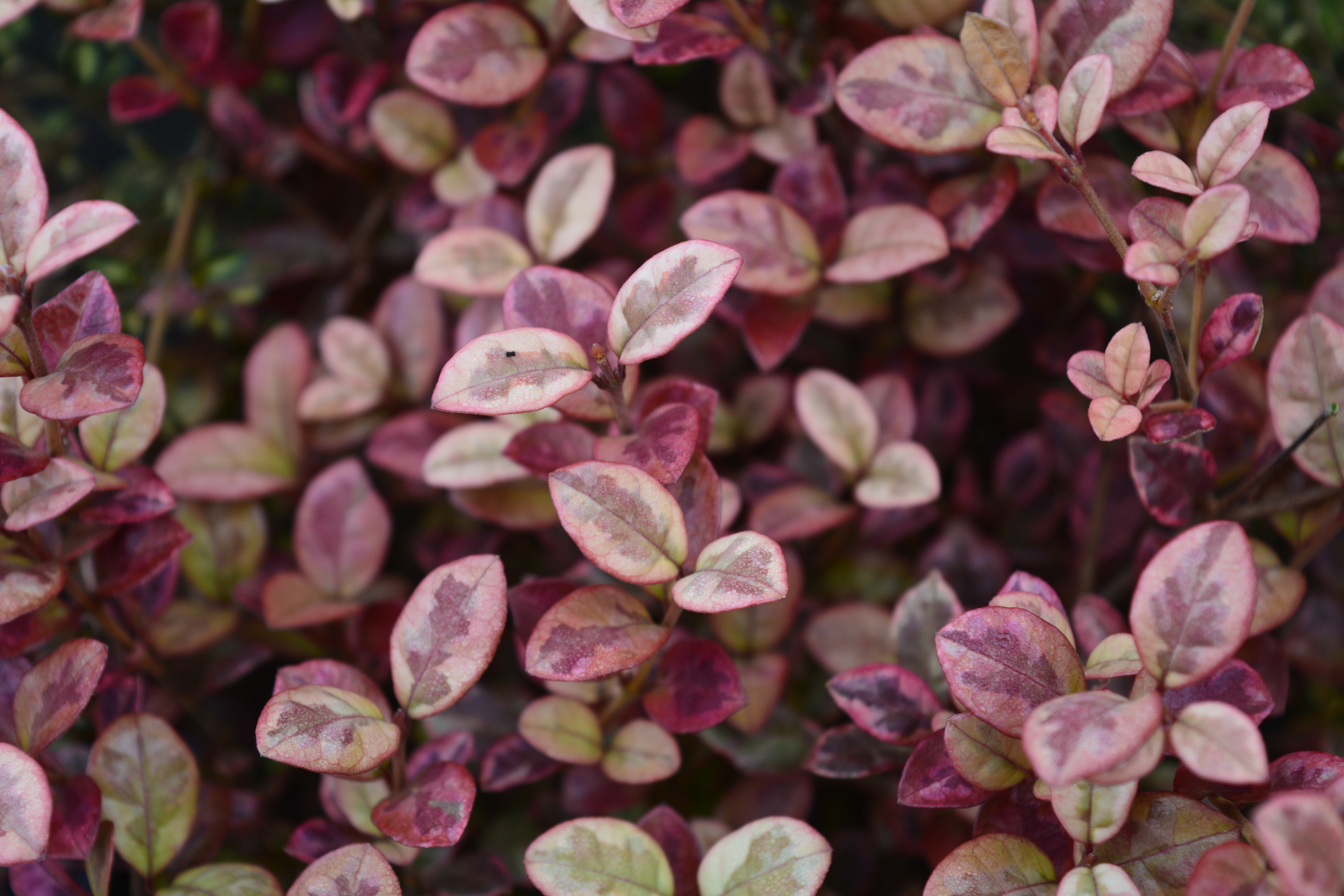
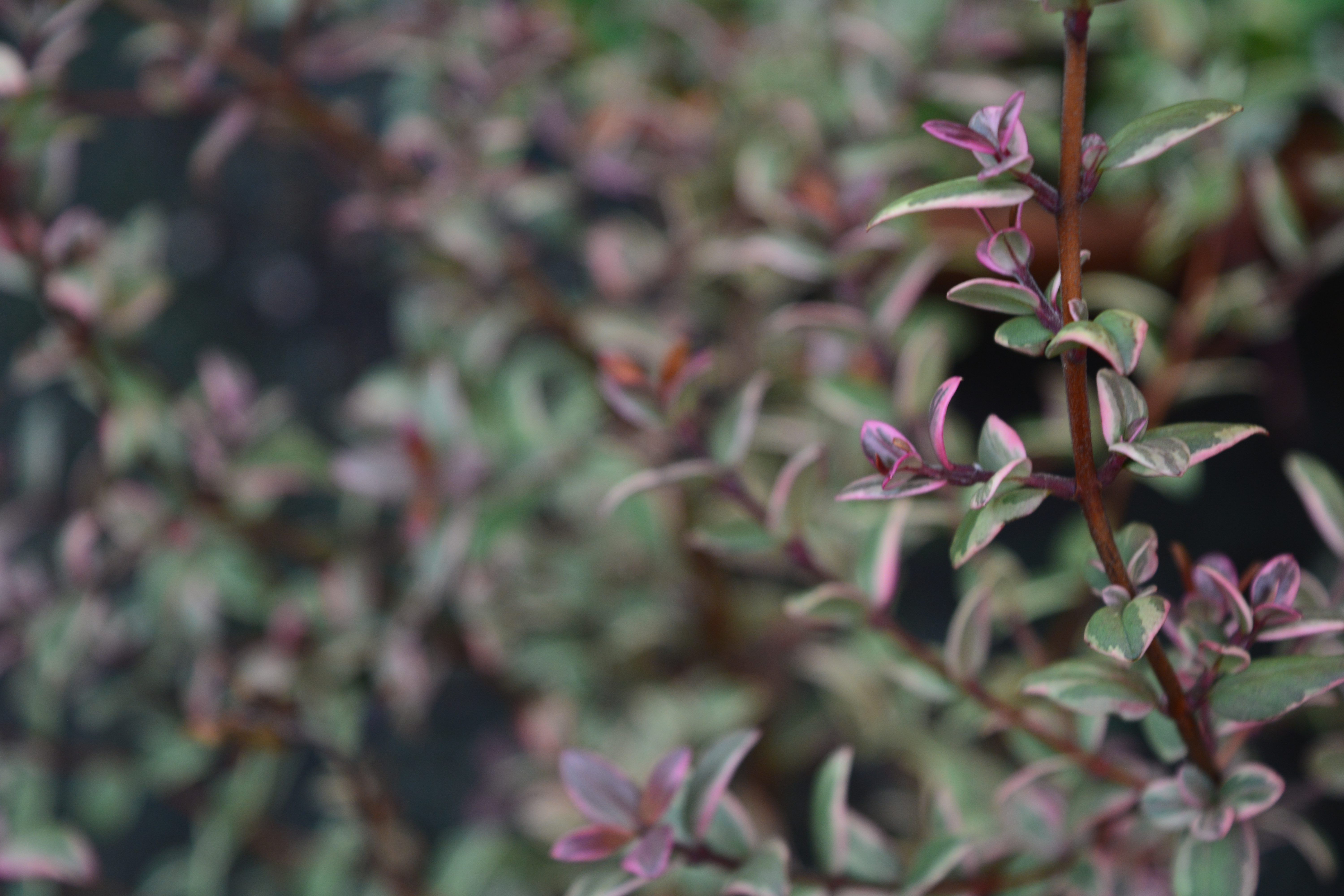
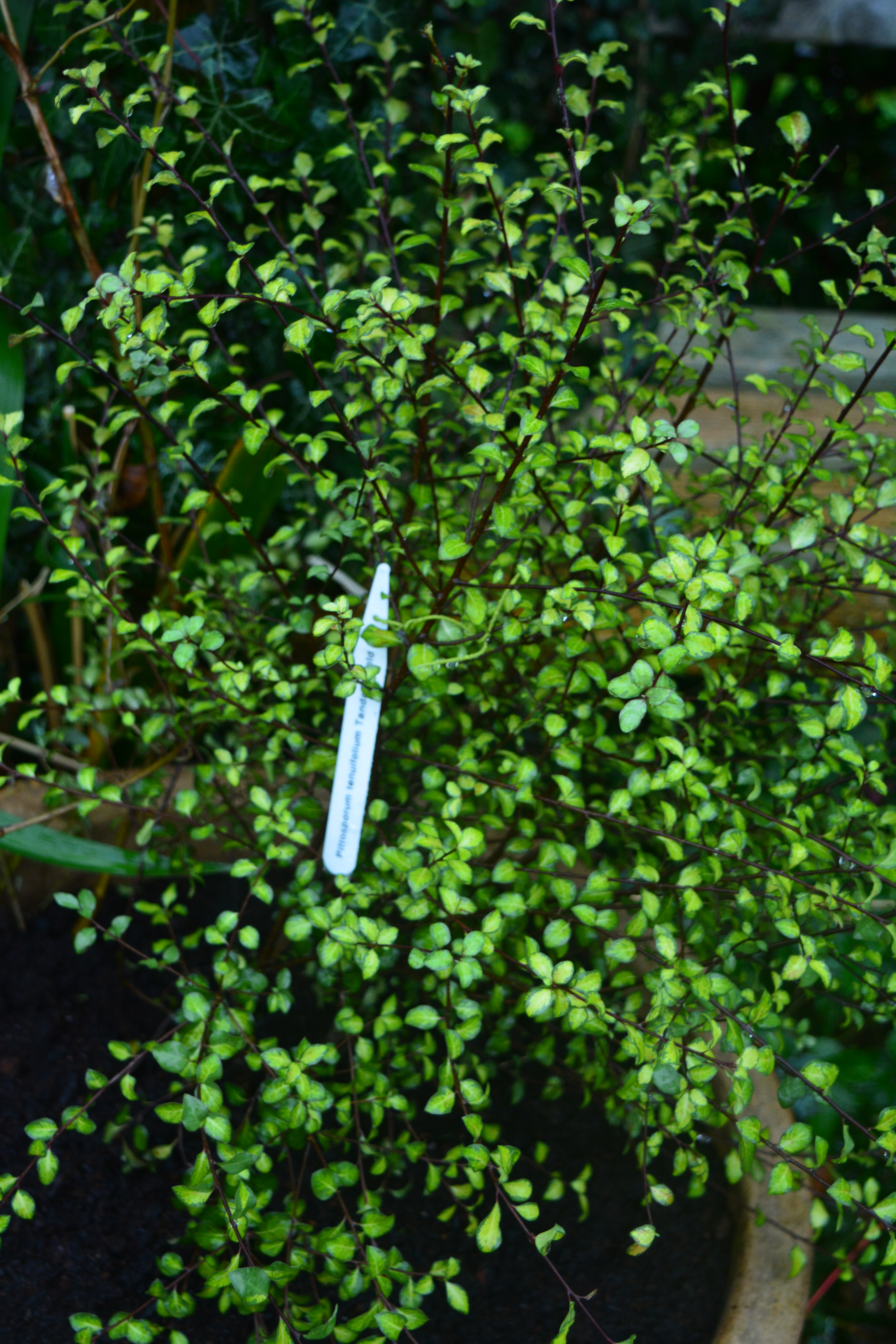
On the opposite page it was our small shrubs that sport interesting foliage that featured. We have only recently started using low growing shrubs for their foliage as we are discovering how much interest they can add to a border when flowers are lacking. I wrote, “Winter is the season when evergreen broadleaved shrubs come to the fore, leaf surfaces get glossier, colours darken and extra colour appears especially pinks, creams and rubies. Here is a selection of shrubs we have just bought especially for their foliage, although some will also flower and fruit.”


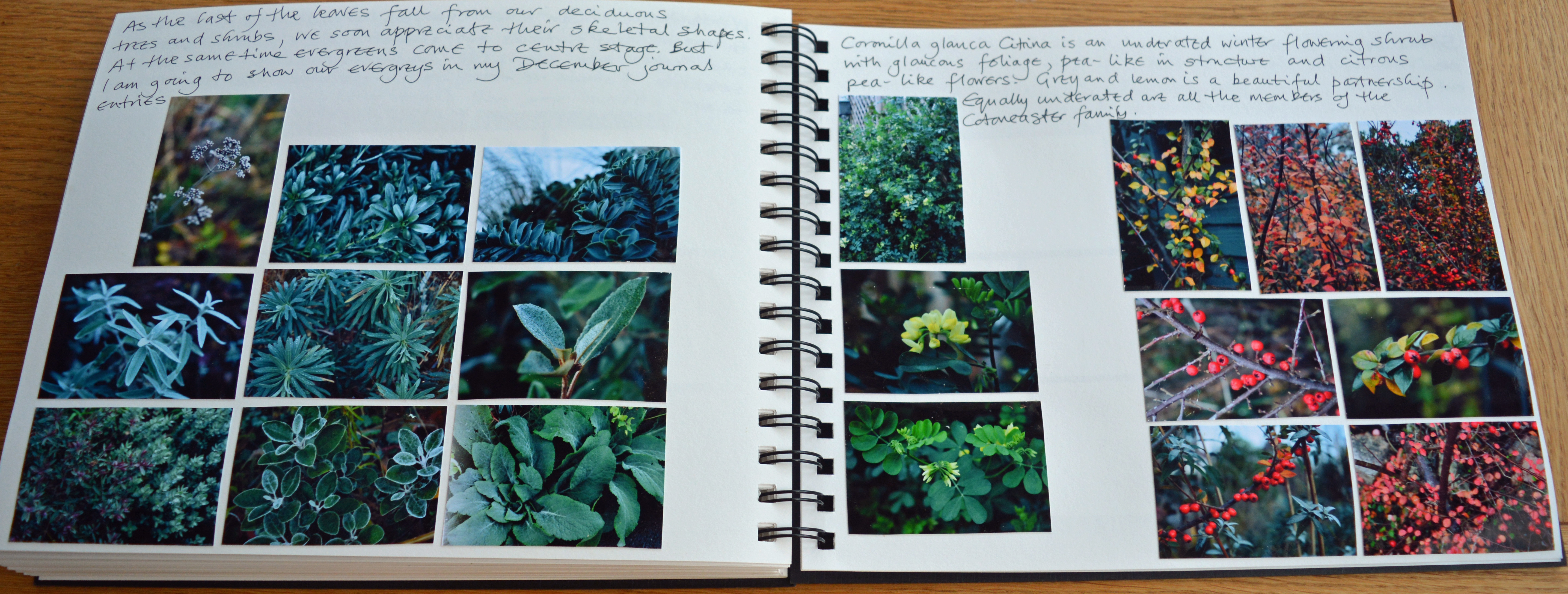
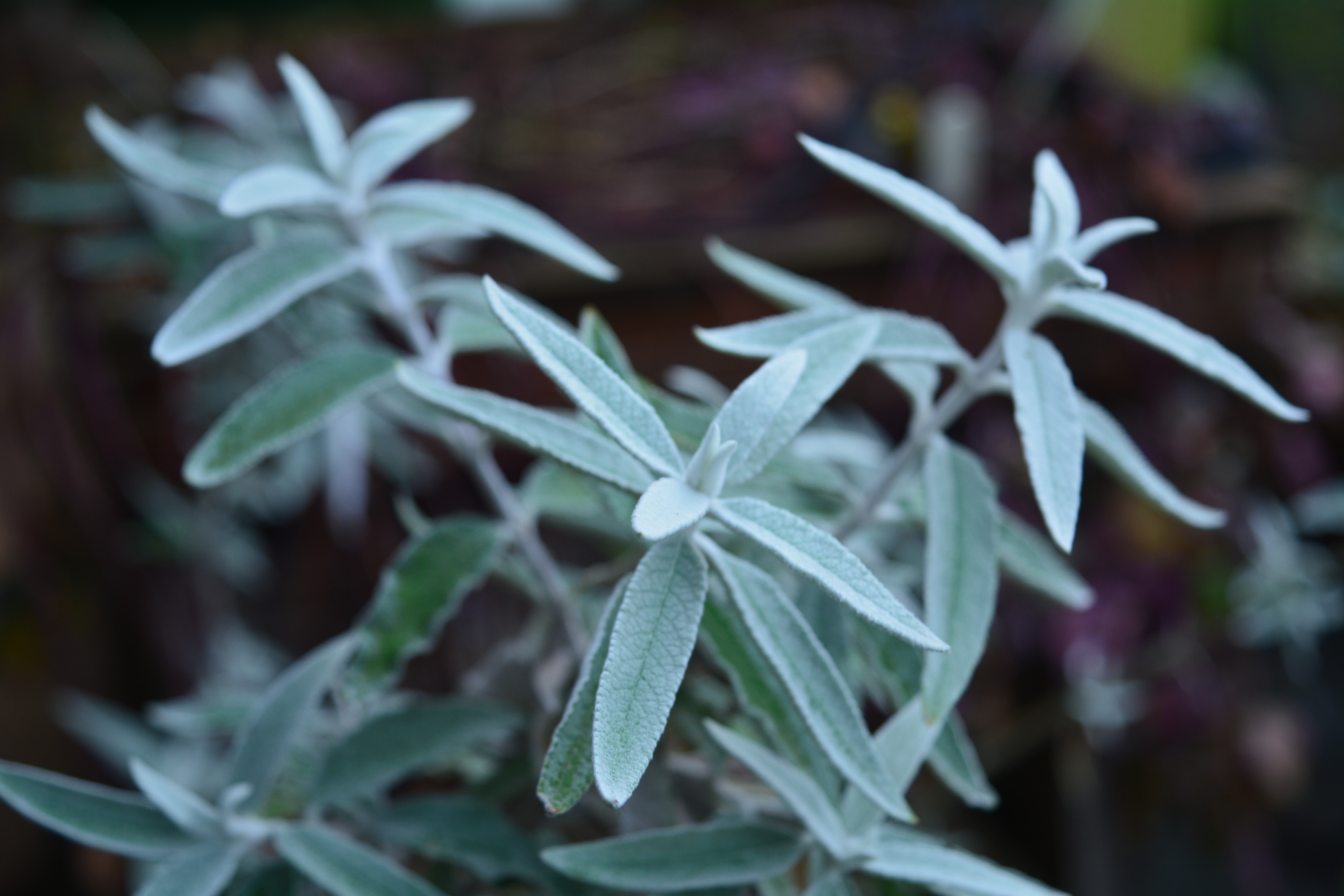
Turning over the page we can see glaucous foliage being featured. I wrote, “As the last leaves fall from our deciduous trees and shrubs, we can appreciate their skeletal shapes. At the same time evergreens come to the centre stage. But I am going to show our evergreys in my December journal entries.”

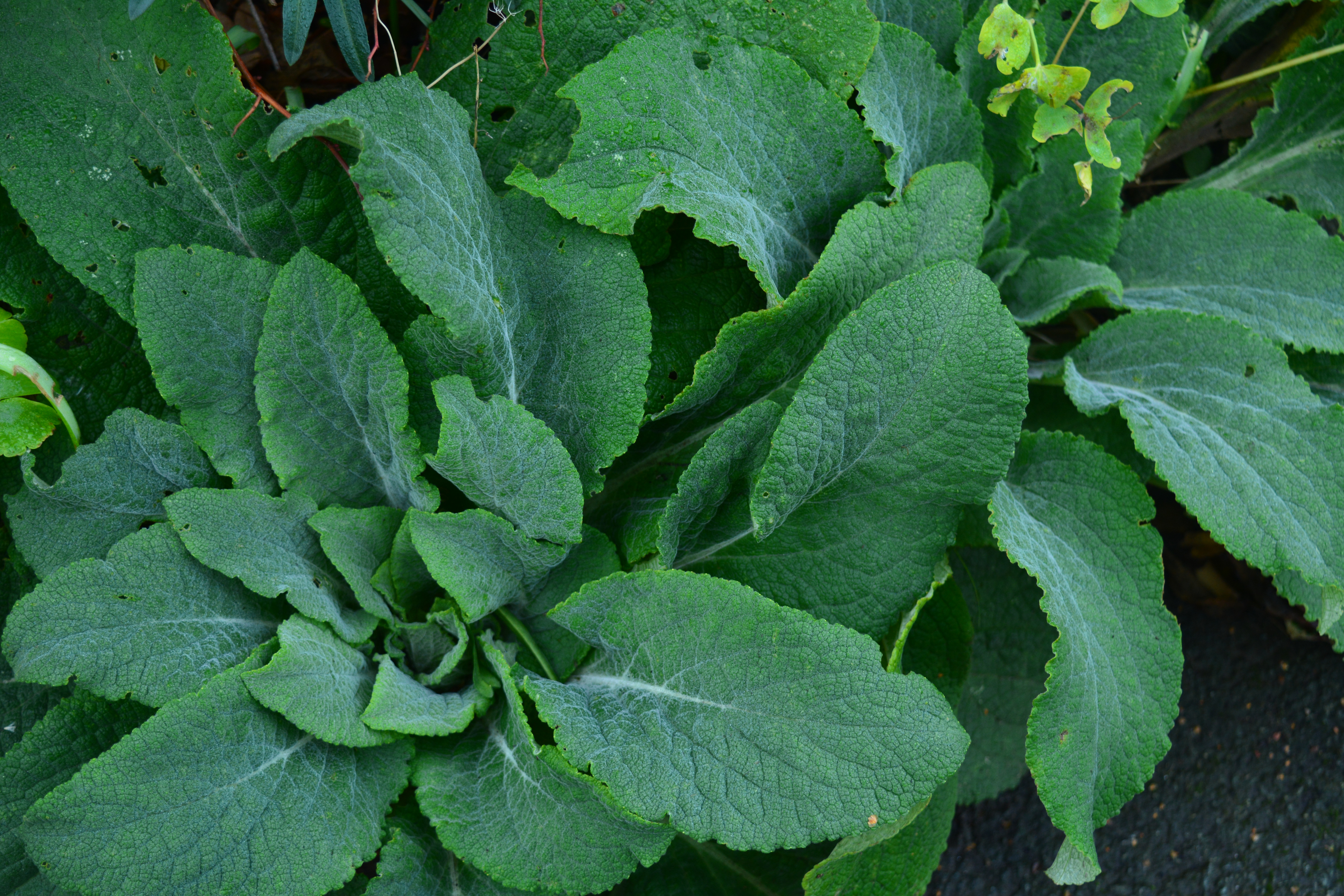
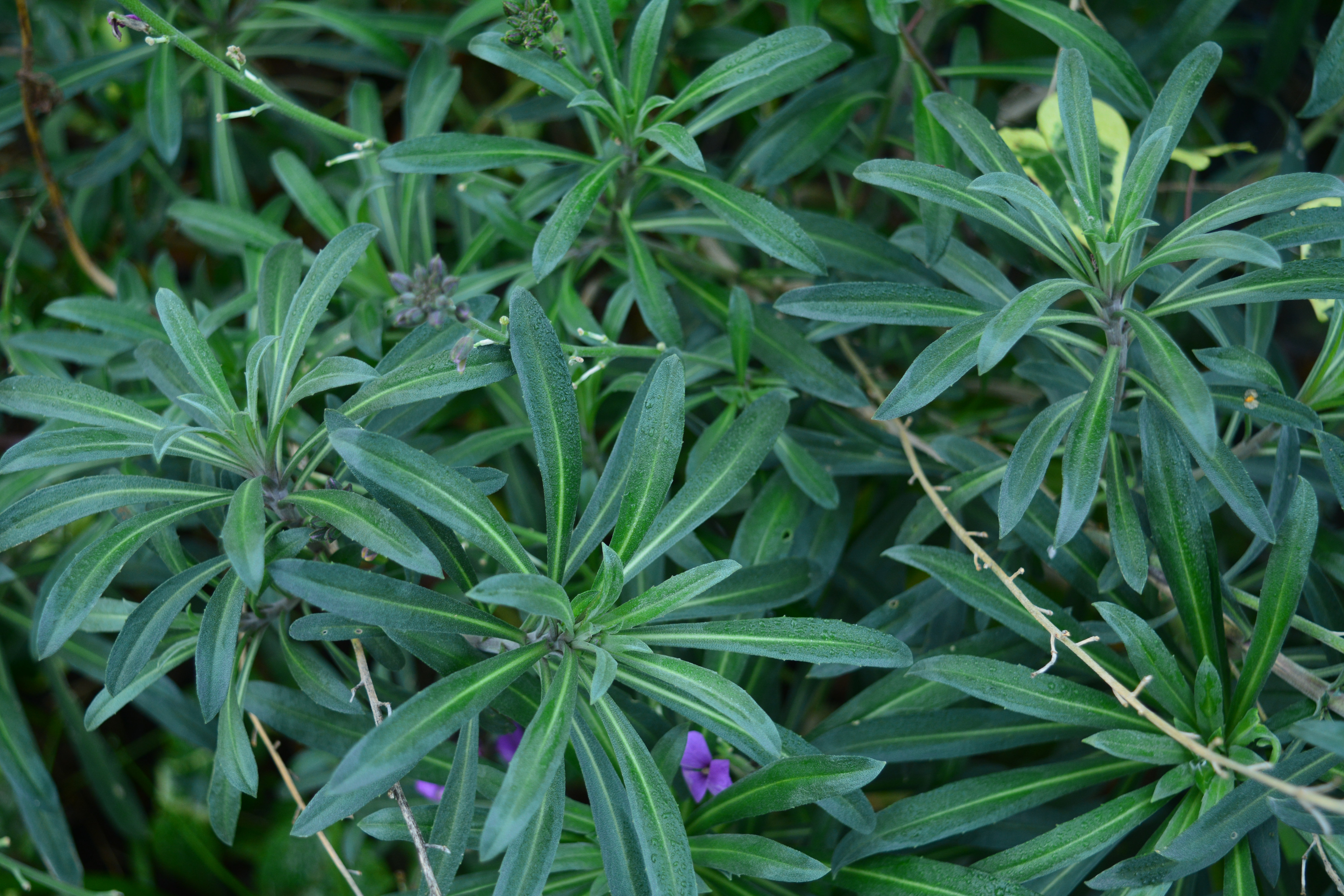
Here is a selection of photos of some of our many glaucous foliaged plants, a climber, some shrubs and some herbaceous perennials.

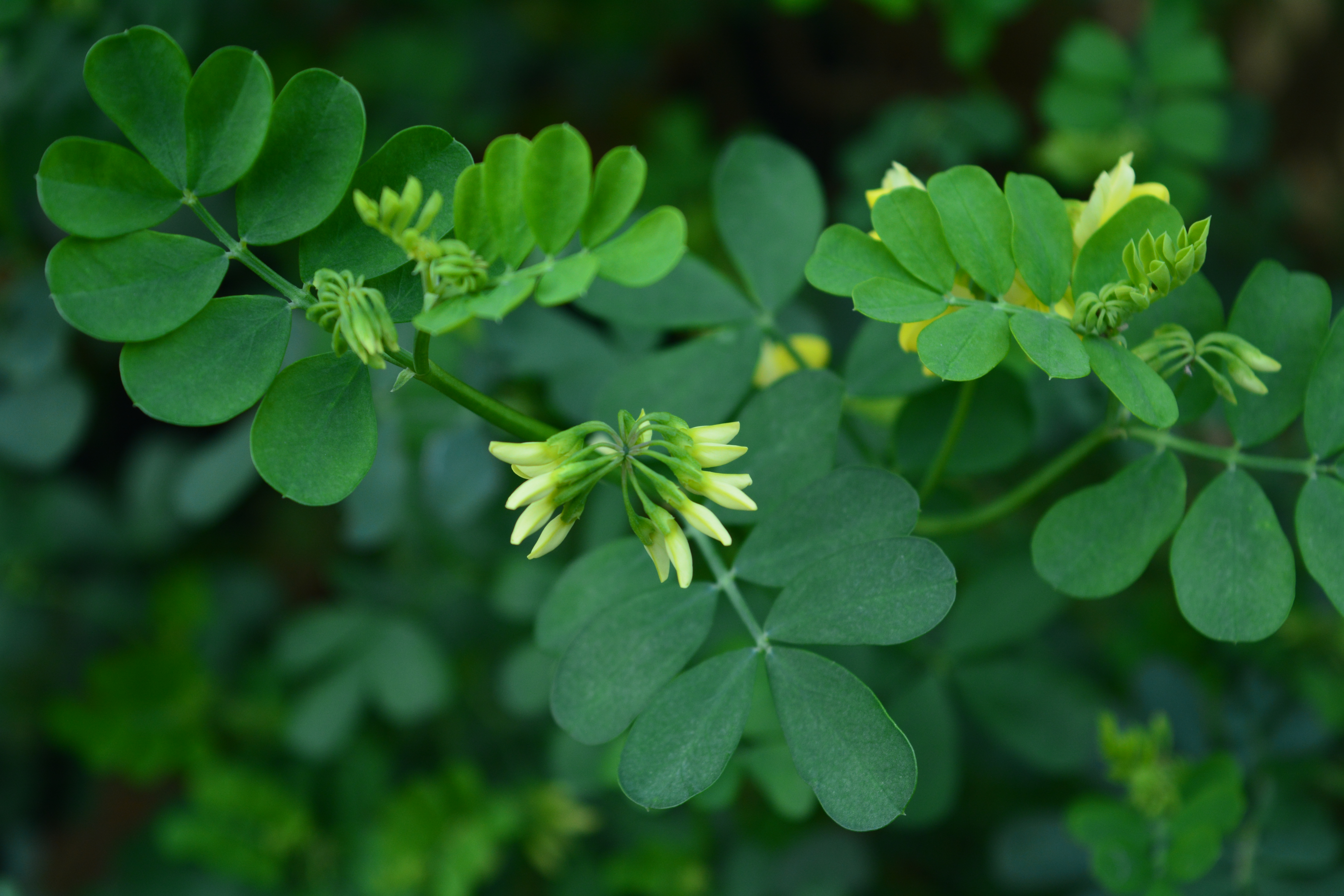
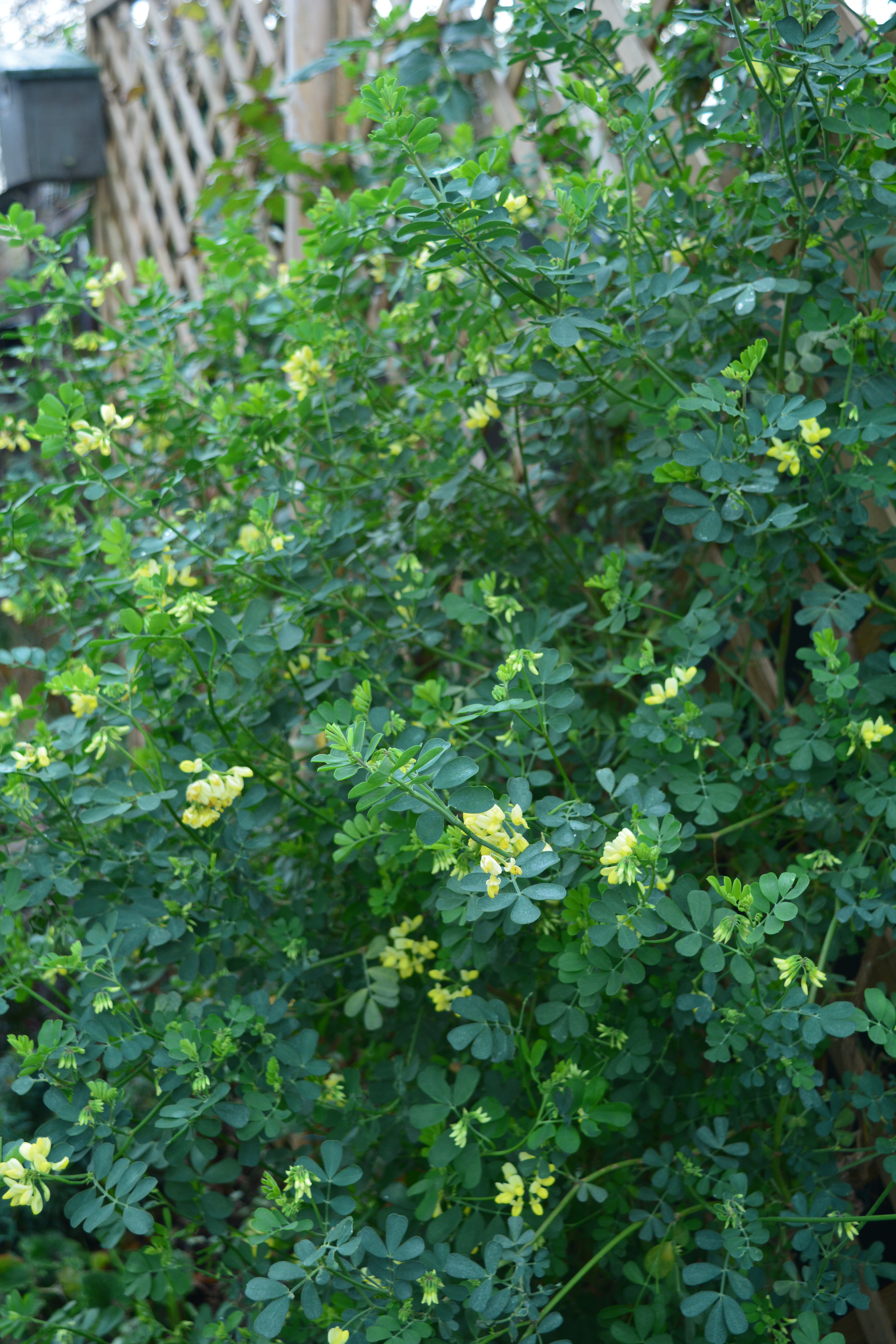
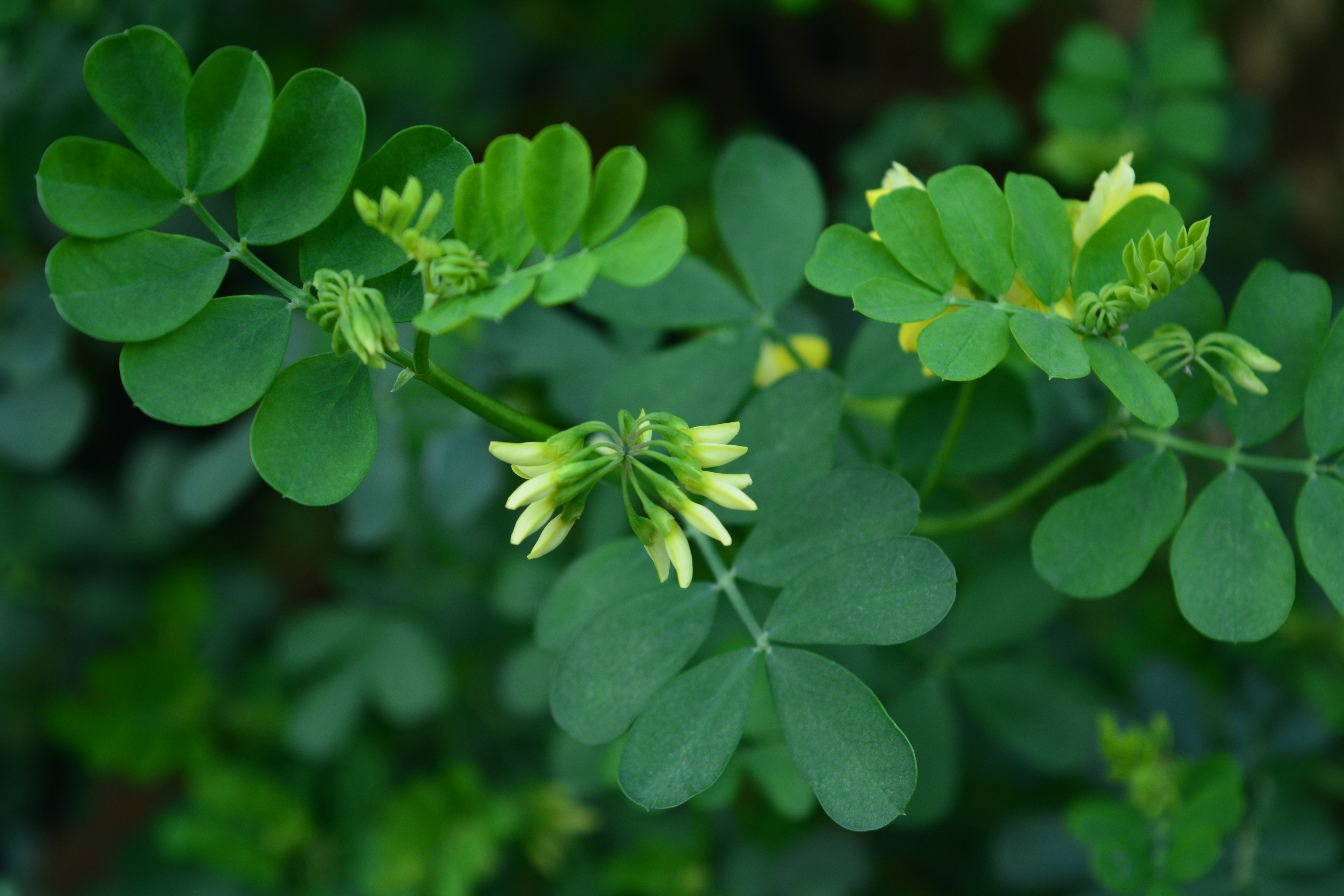
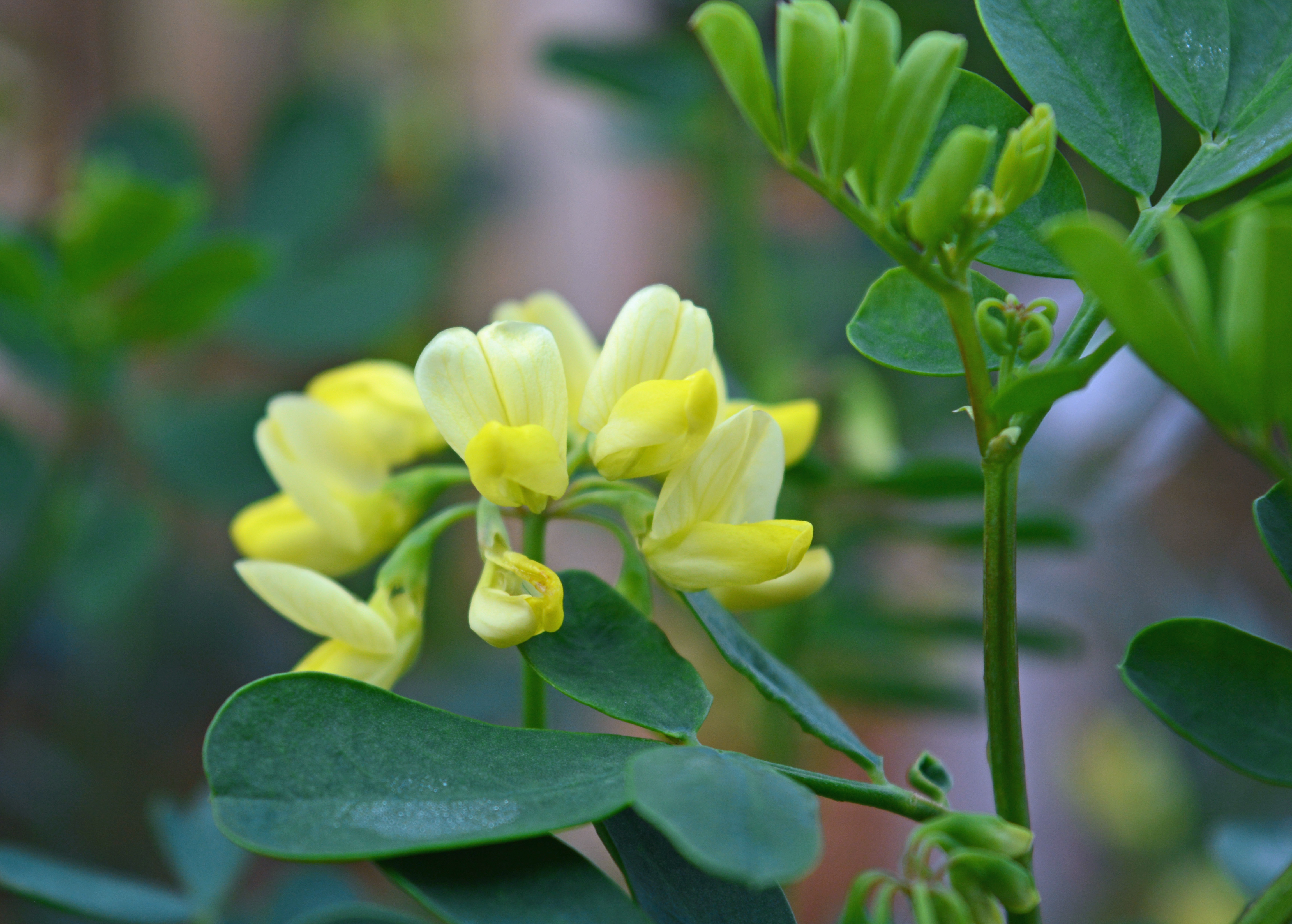
One of our recent plant discoveries that we have been absolutely deilghted with is Coronilla glauca Citrina, a wonderful shrub that we grow as a climber on the trellis around our oil tank. In my journal I wrote, “Coronilla glauca Citrina is an underated winter flowering shrub with glaucous foliage and citrous coloured pea-like scented flowers. Grey and lemon together is a beautiful partnership. Equally underated are all the members of the Cotoneaster family.”


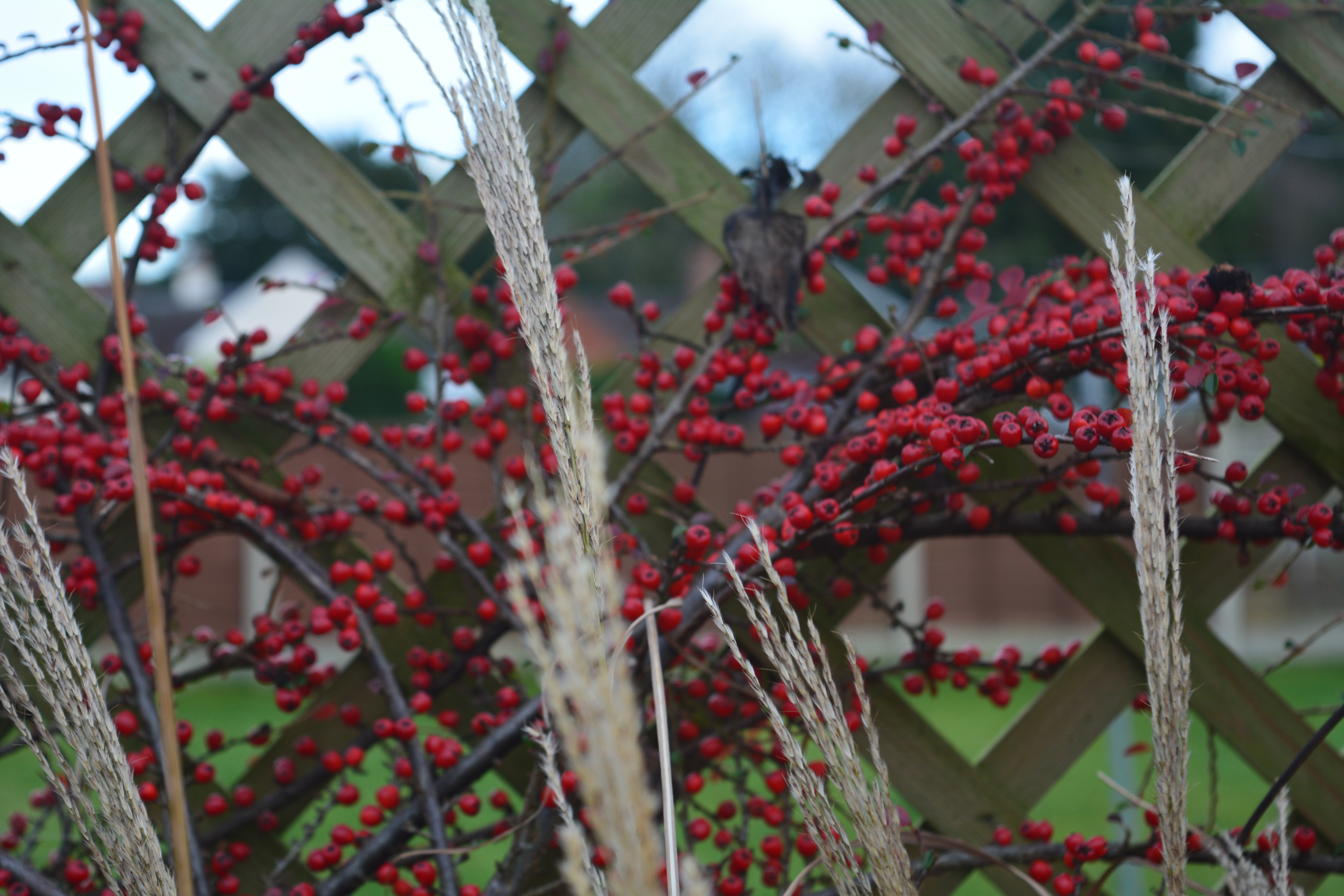
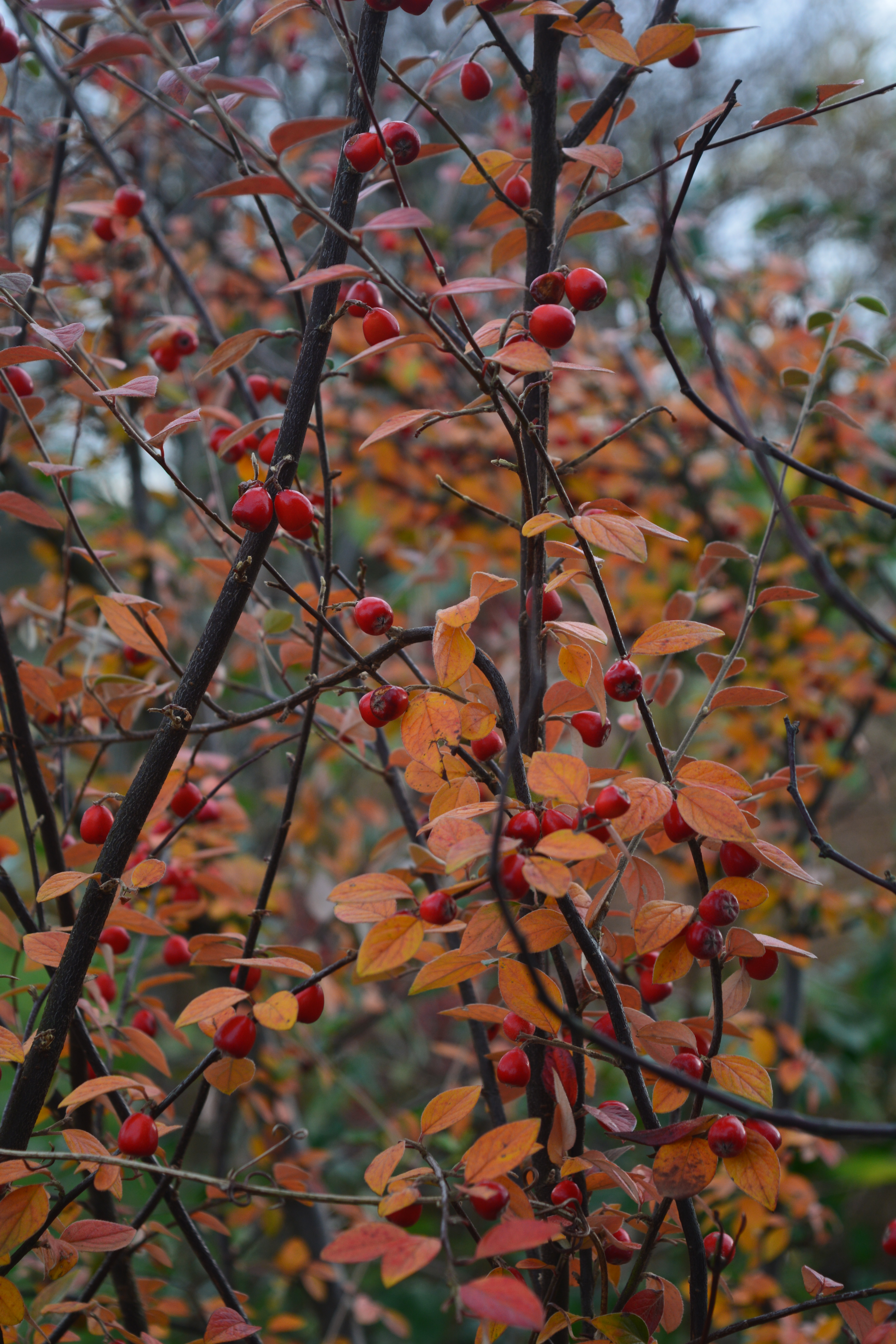
And here are a few of our many Cotoneasters, a family of shrubs we have grown in every garden we have ever had.


Turning over once more we discover two pages concerning our ongoing garden projects whch we started in the autumn.

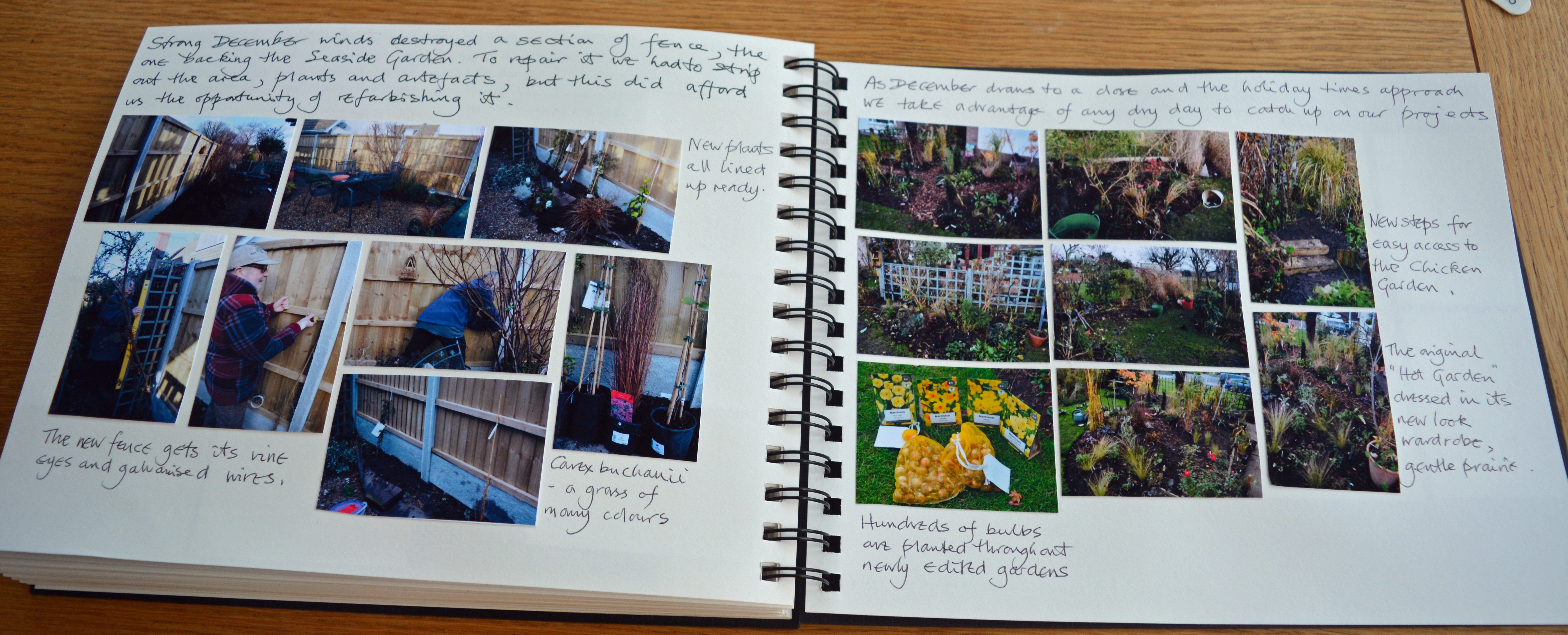
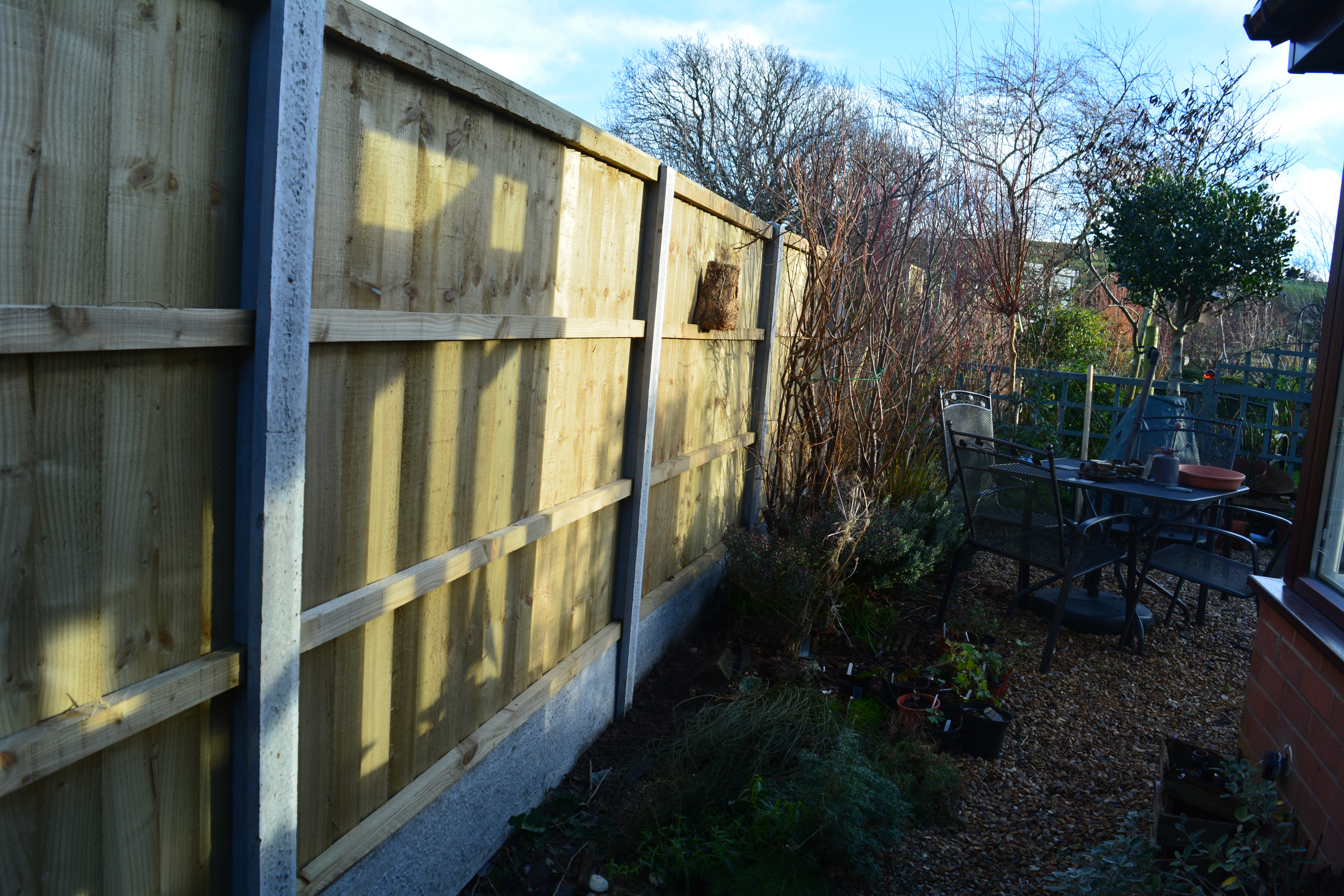
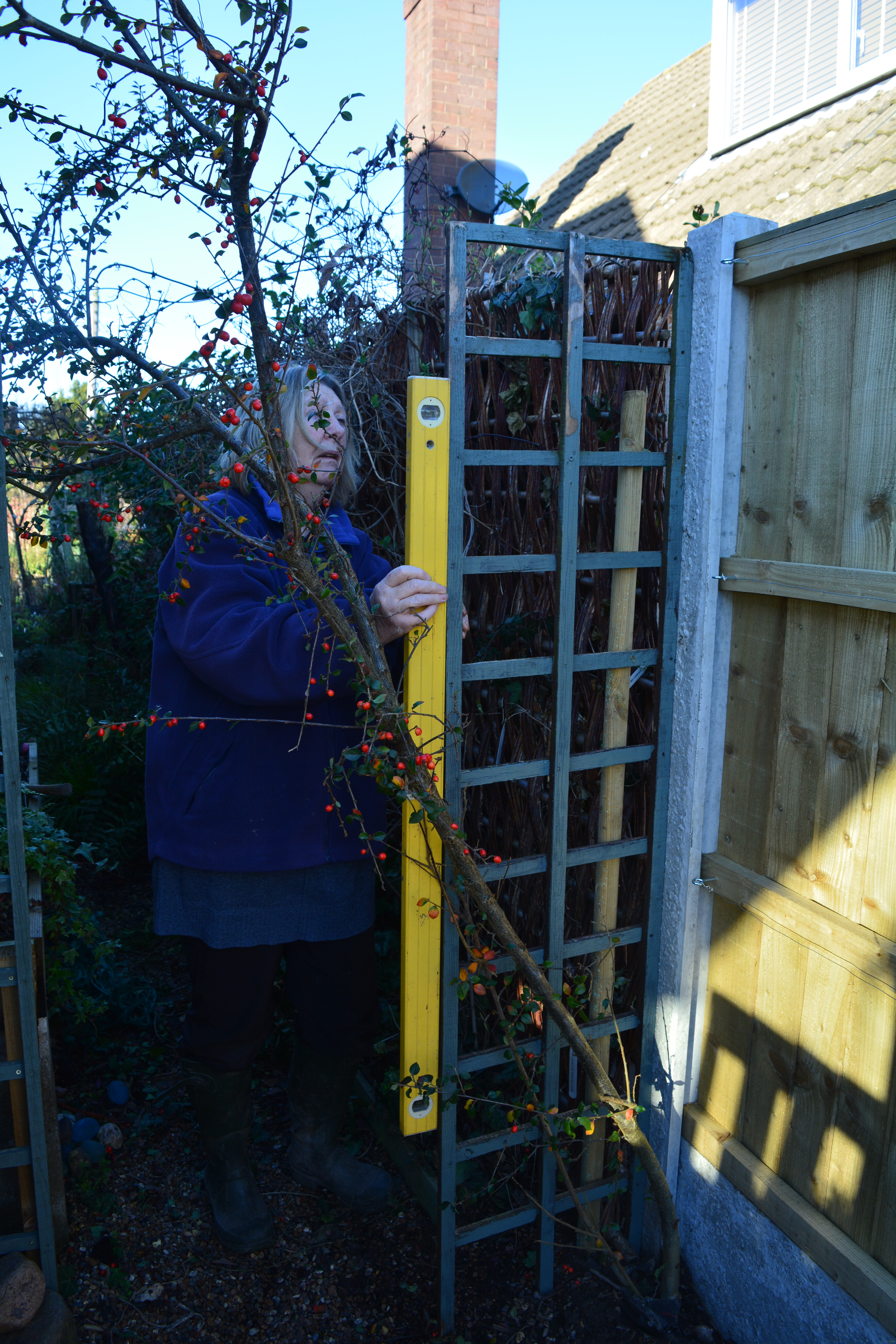
We were forced by circumstances to rebuild our Seaside Garden when gale force winter winds broke the fence behind it. With our next door neighbours we soon got new ones back up. Seeing every negative happening as an opportunity we saw this new longer fence as a great place for interesting climbers and we decided to start the Seaside Border all over again. So at the end of the month we got started, but there is lots more to keep us occupied through part of January. I wrote, “Strong December winds destroyed a section of fence, the one backing the Seaside Garden. To repair it we had to strip out the area, plants and artefacts, but this did afford us the opportunity of refurbishing it.”


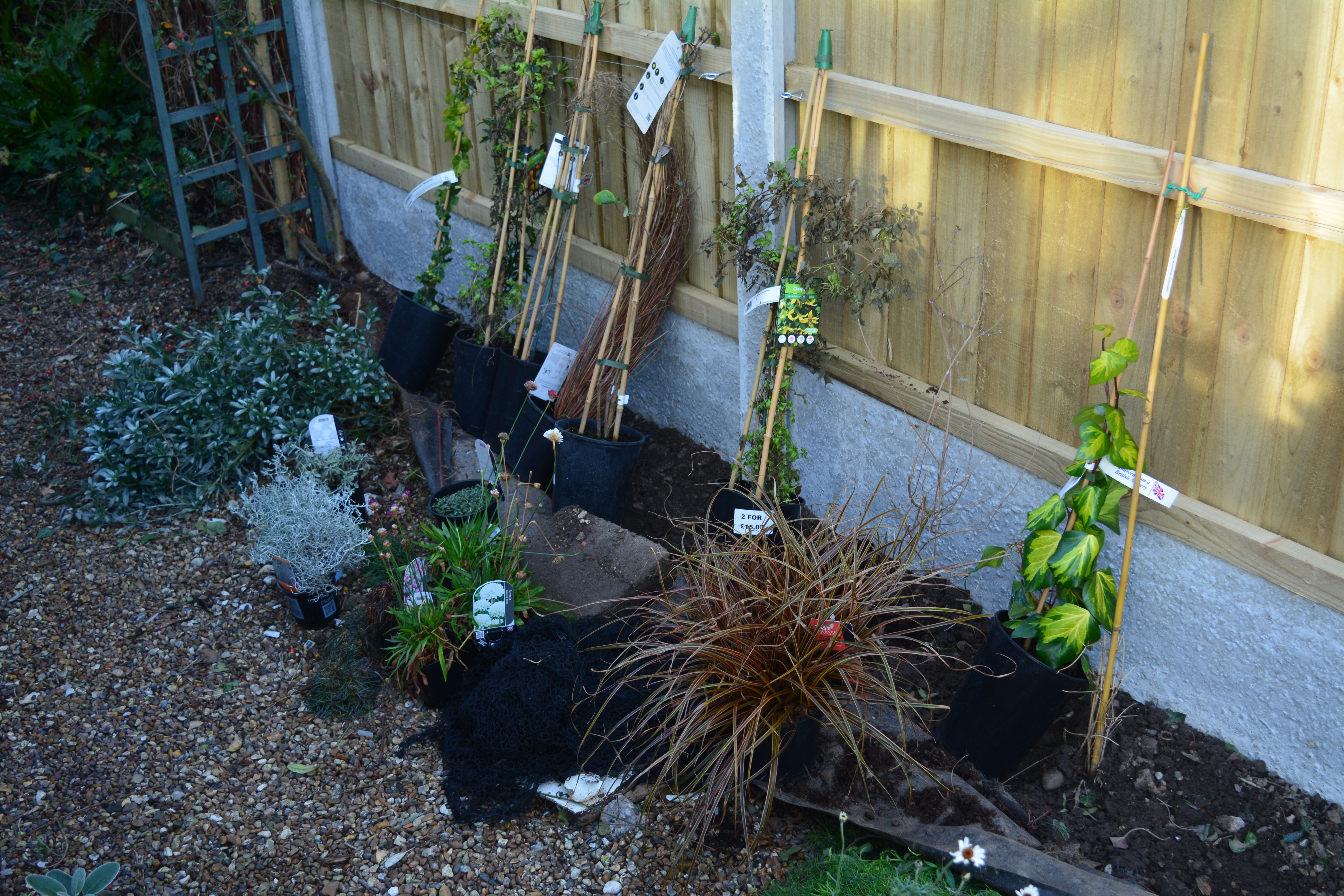
Here are some of the new plants waiting to go into the “new” Seaside Garden to join those we saved.

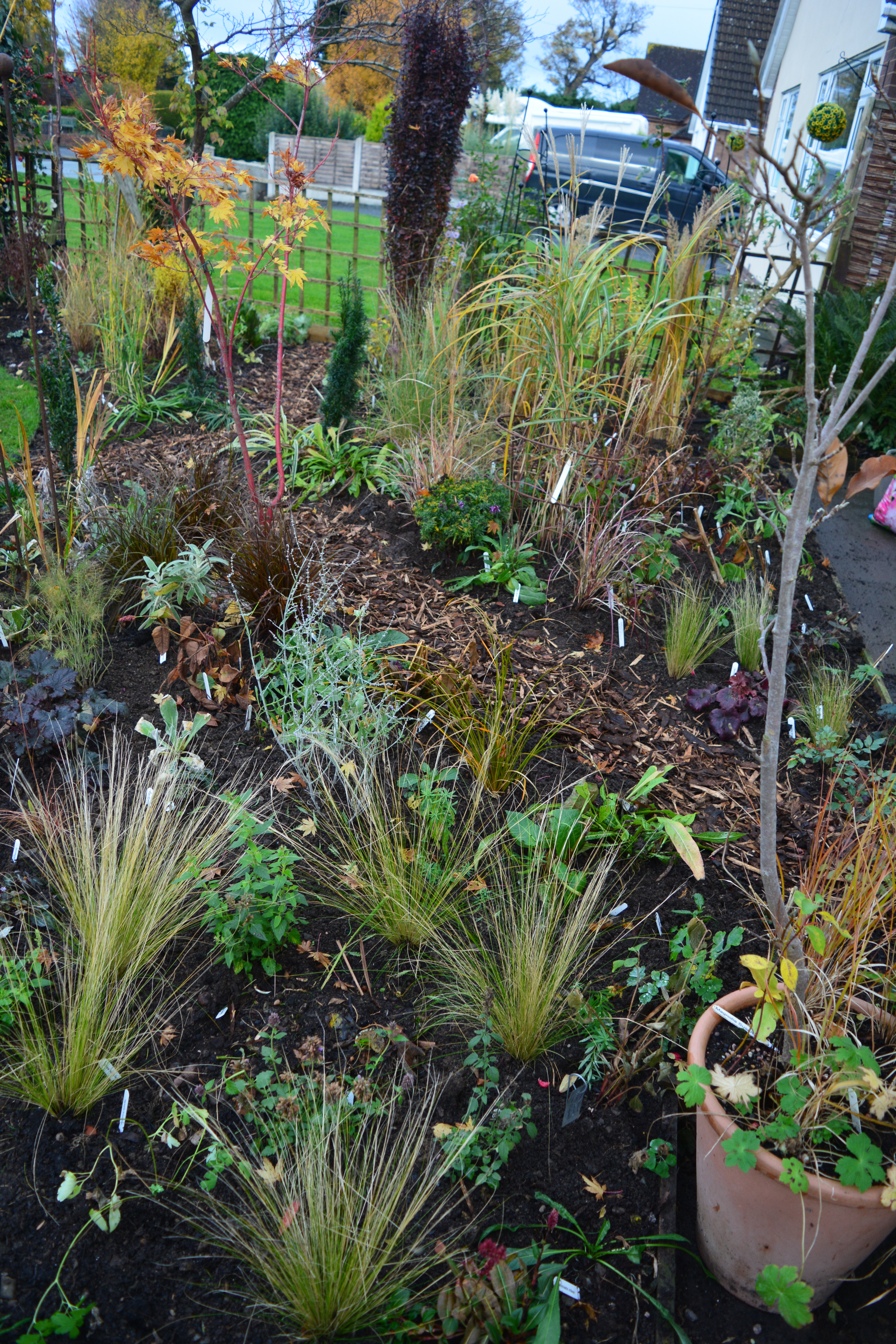
On the opposite page I talk about carrying on with our other editing jobs that we started in the autumn. I wrote, “As December draws to a close and the holiday times approach we take advantage of any dry days to catch up with our projects, new steps for the Chicken Garden, planting hundreds of bulbs and replanting the Hot Garden in its new position.”


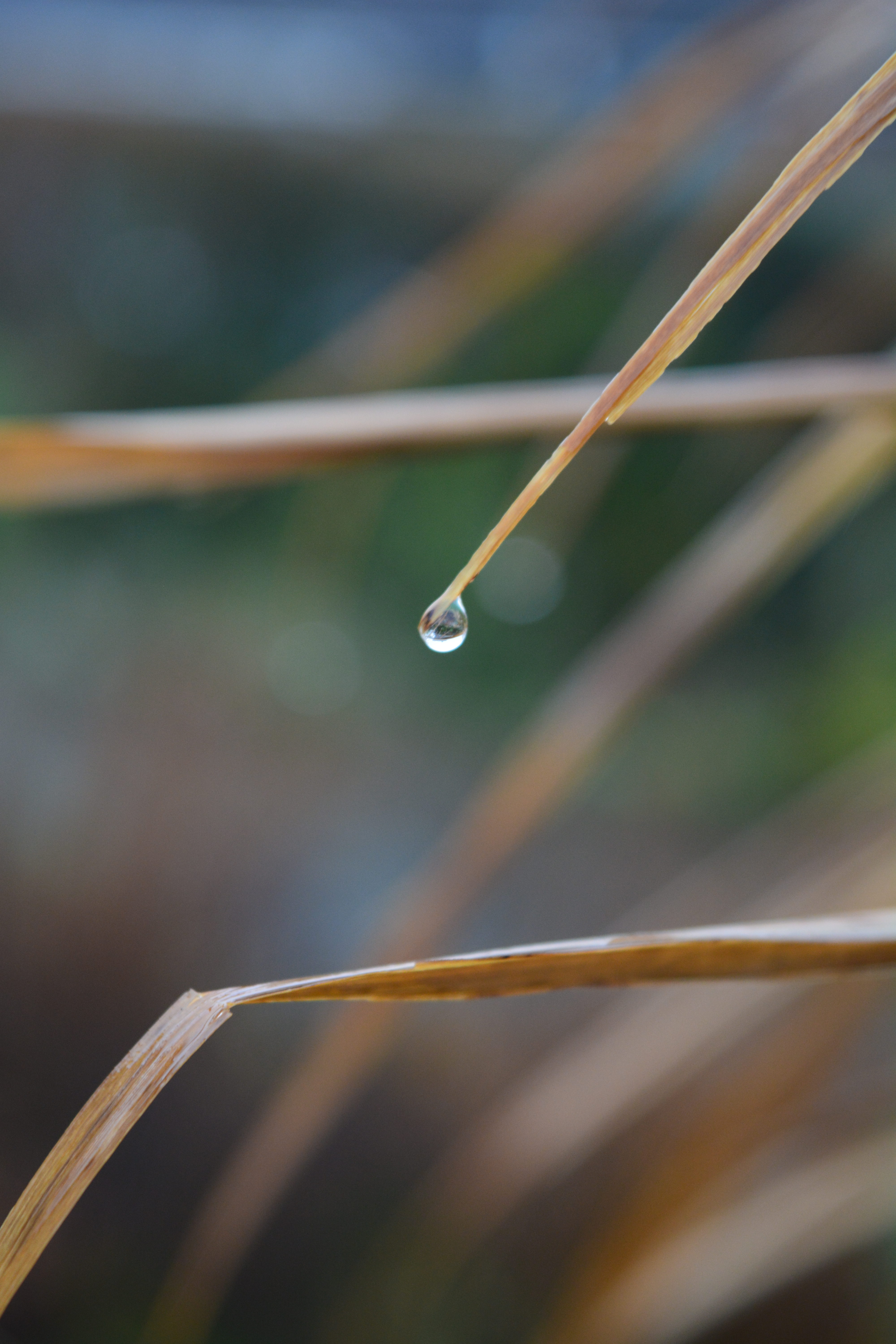
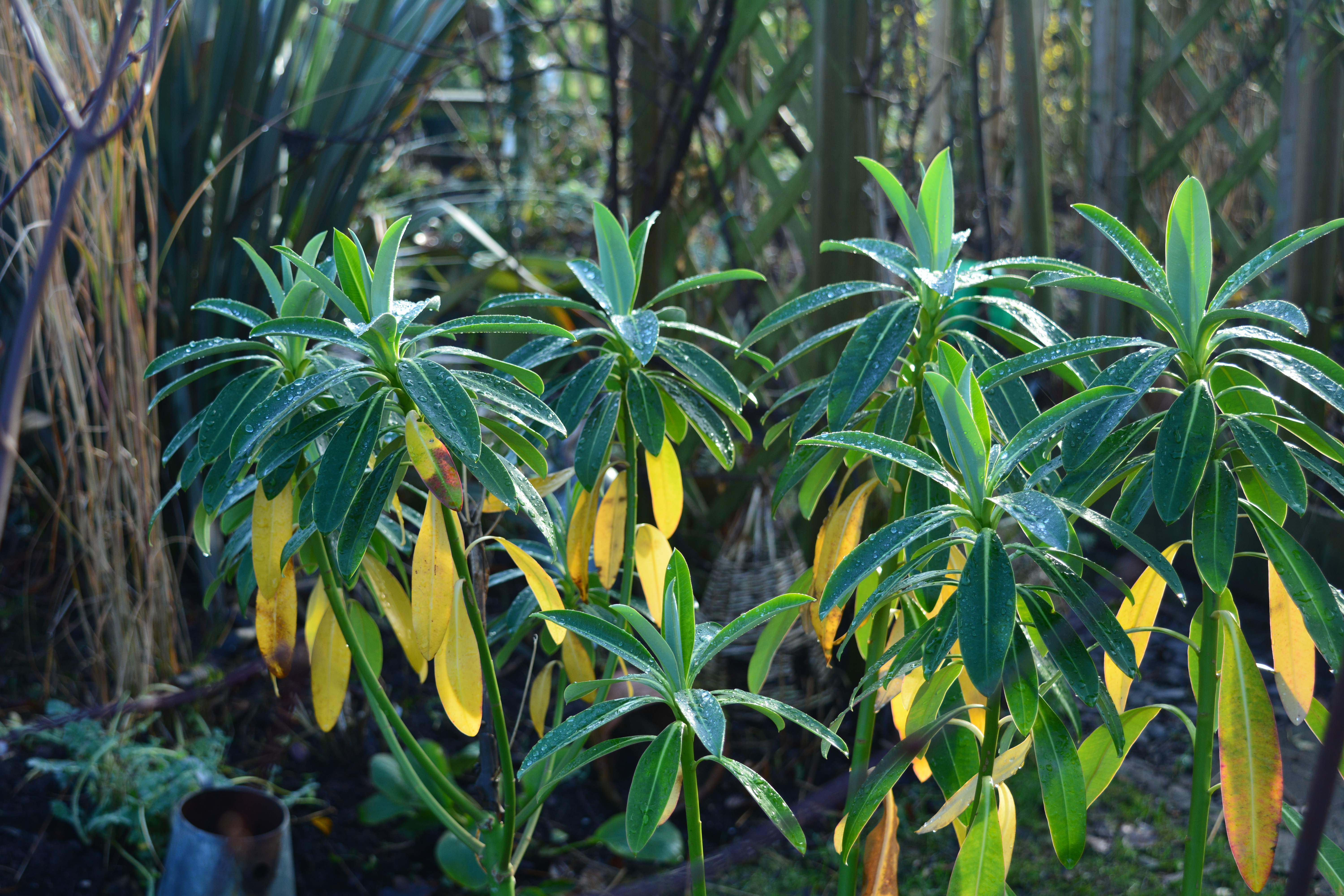
And so to the last page of my 2018 Garden Journal, when I wrote, “December ended frost free. Sunshine caught special features of plants while raindrops hung on leaves, twigs and sculptures.”

Here is the final selection of photos for 2018, showing winter sunshine working its magic on foliage and droplets of rain caught after a shower.


“The end of my 2018 Garden Journal.”

Categories
autumn autumn colours climbing plants colours garden design garden photography gardening gardens grasses hardy perennials light light quality ornamental grasses ornamental trees and shrubs pelargoniums Shropshire shrubs South Shropshire

My Garden Journal 2018 – October

Here we are in October, my 10th visit to my garden journal this year. I love October, with its special rich light and the fire and flame colours of foliage on trees, shrubs and perennial plants alike.

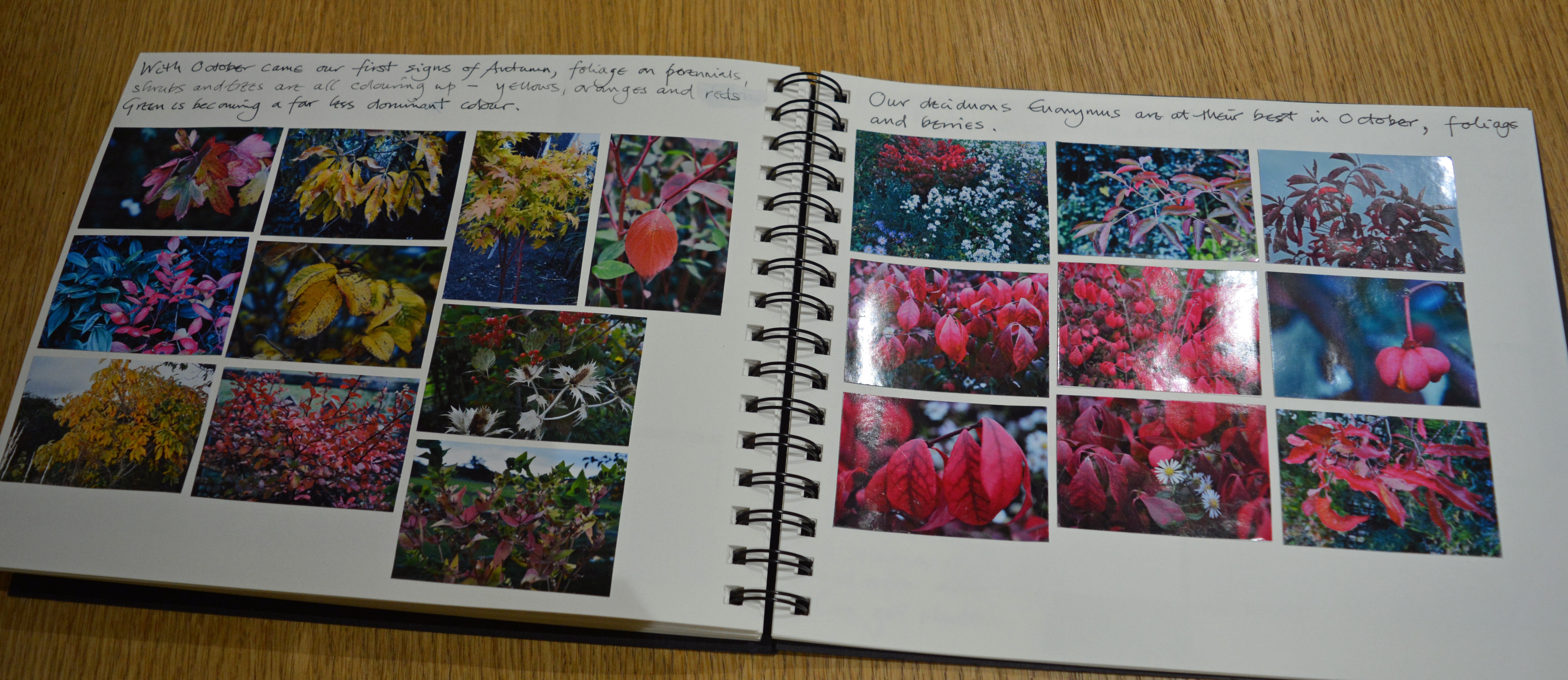
The first words in my October journal were, “With October came our first signs of Autumn, foliage on perennials, shrubs and trees are all colouring up – yellows, oranges and reds. Green is becoming a far less dominant colour.” I have taken lots of colourful photos to share what we can see each time we wander out into our garden.


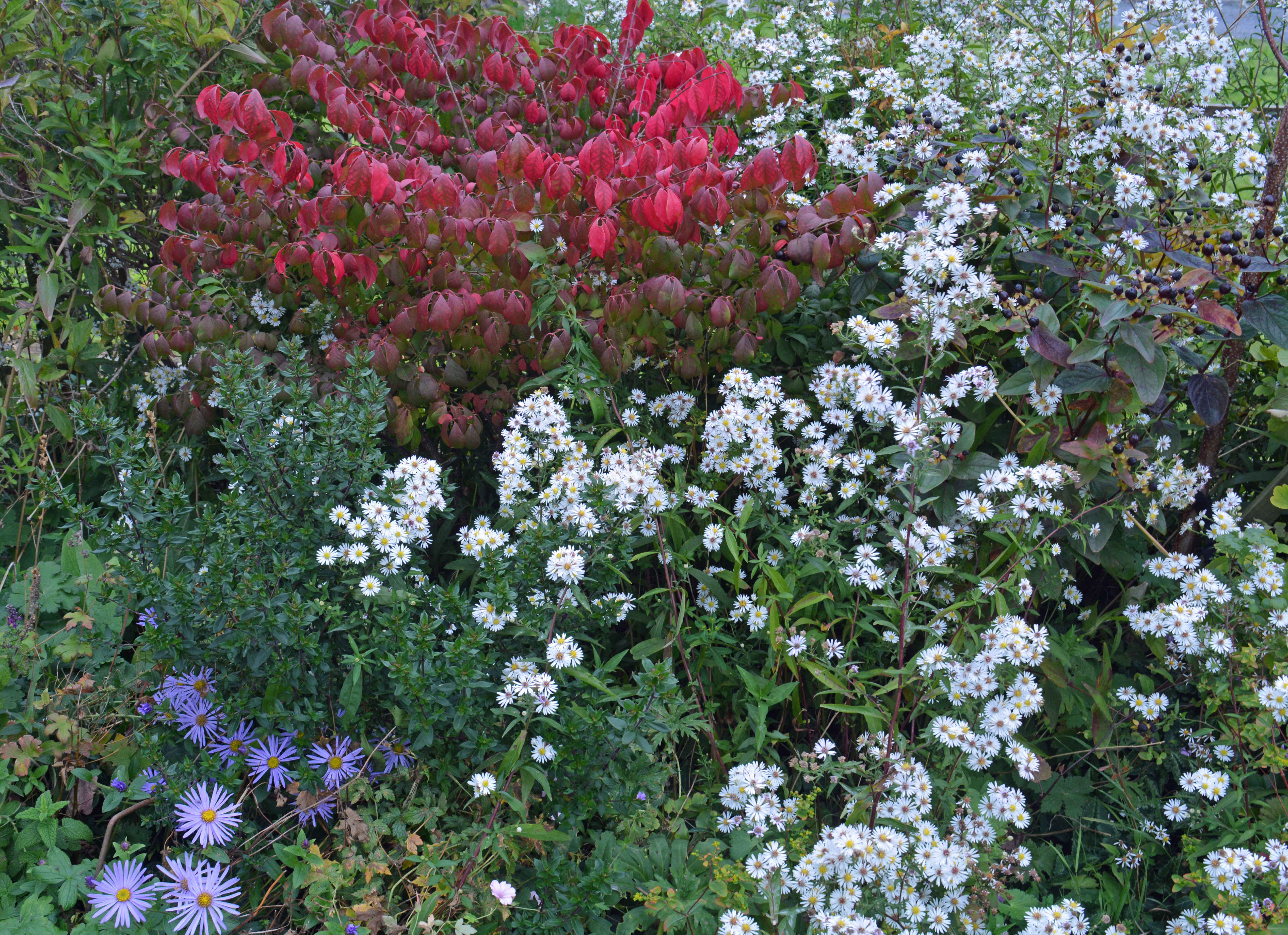
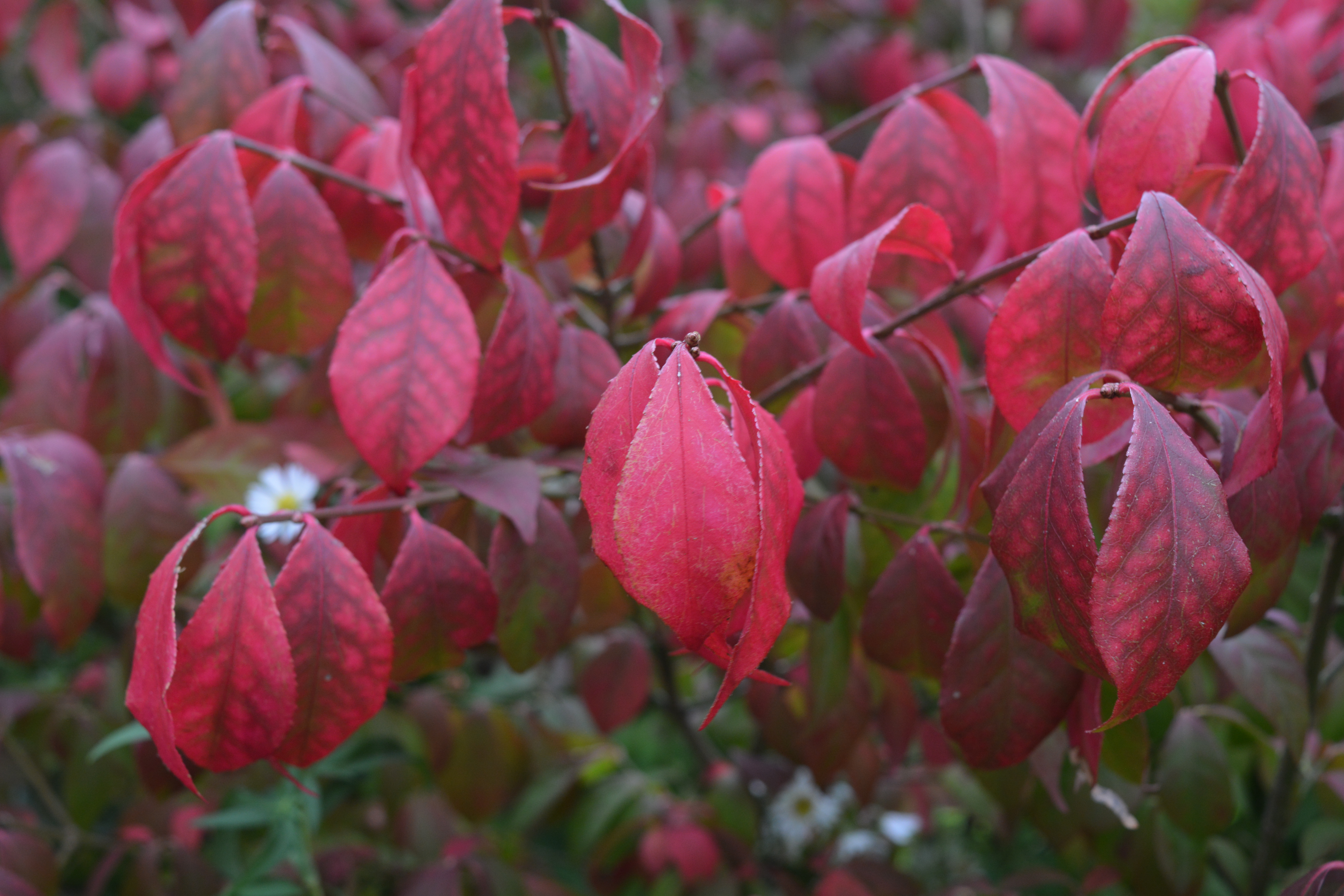
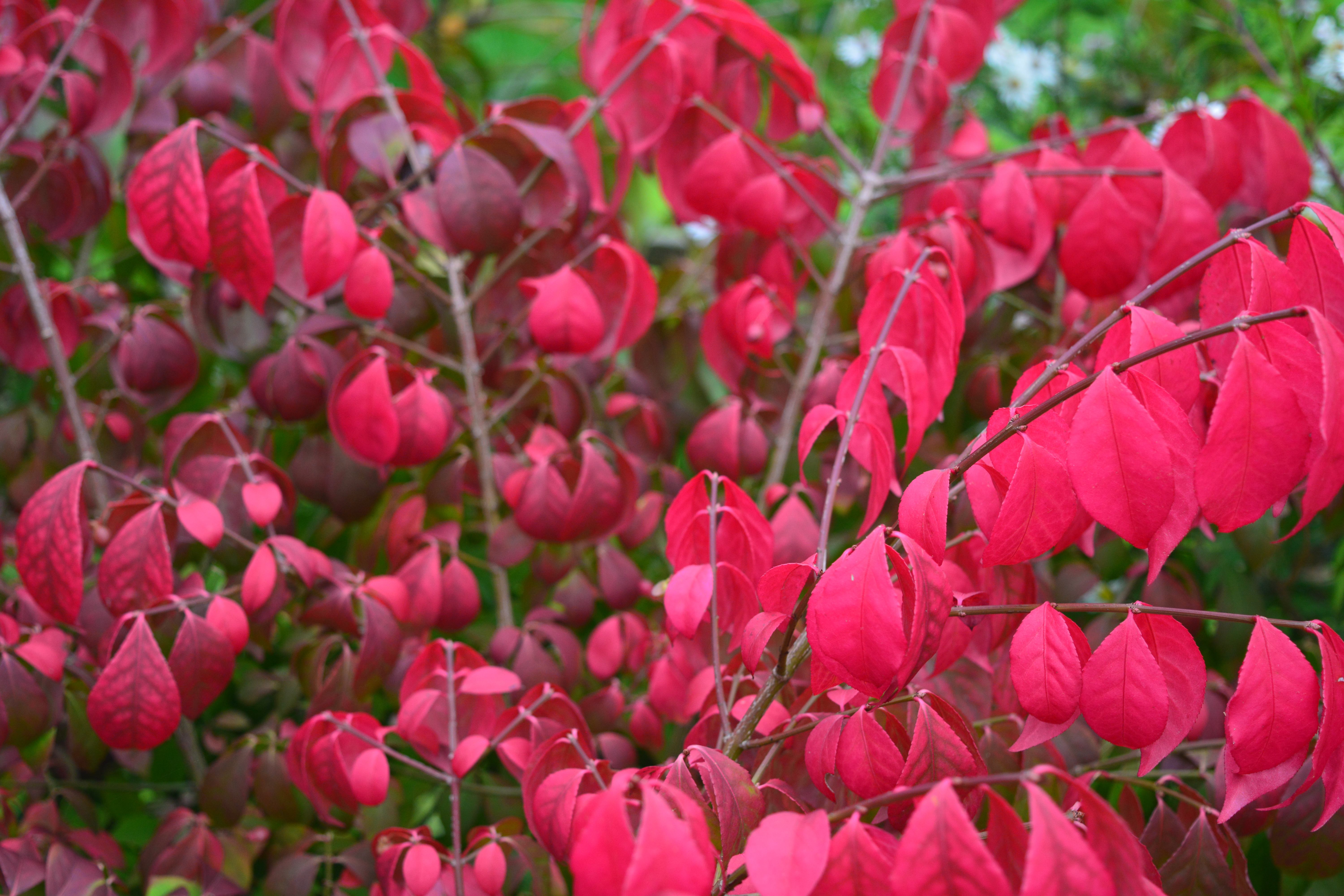
On the next page my photos one of the most colourful of all autumnal shrubs, the deciduous Euonymus, and I wrote, Our deciduous Euonymus are at their best in October, foliage and berries.”


Over on the next double page spread and on the following page too, I continued to look at our current projects.

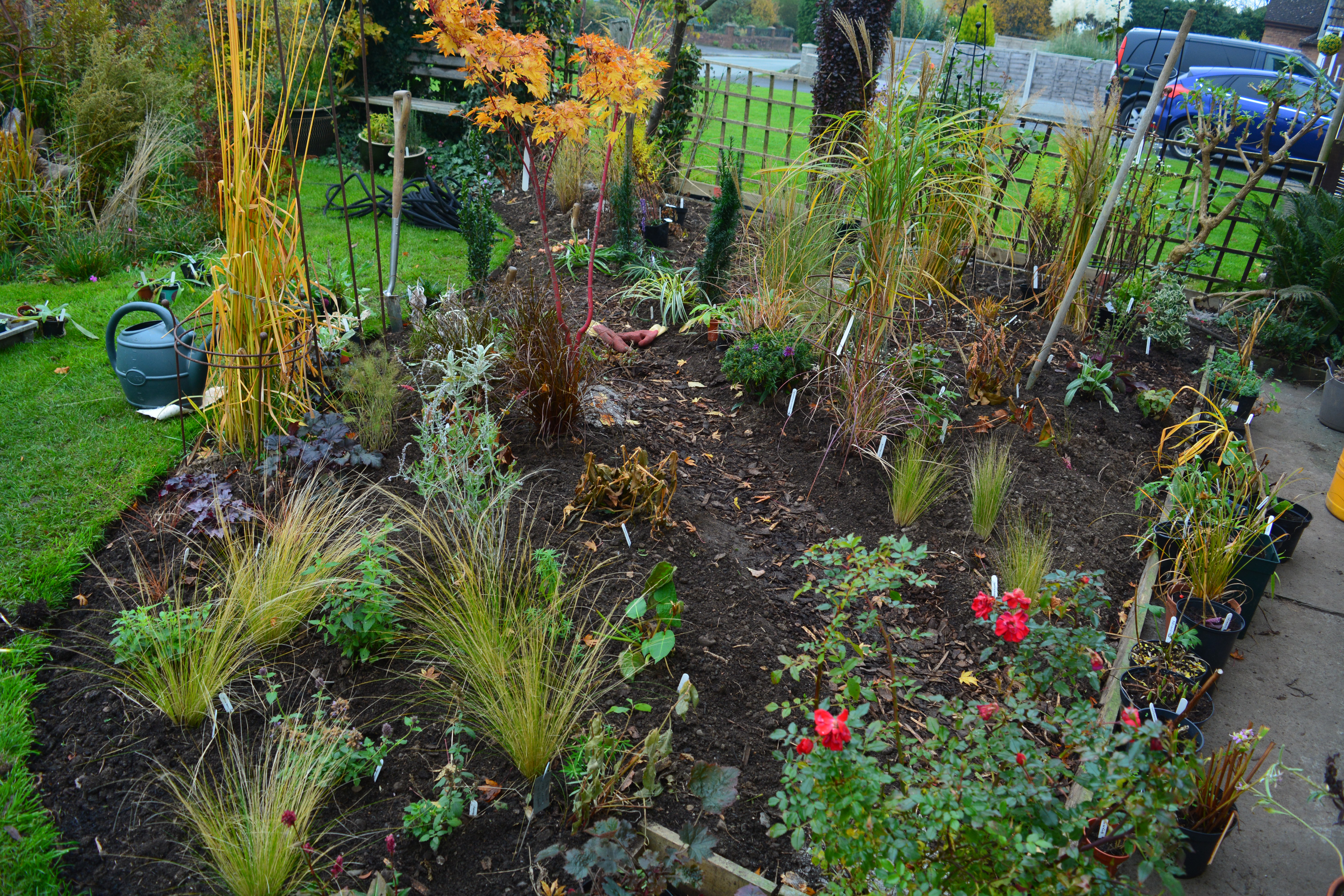
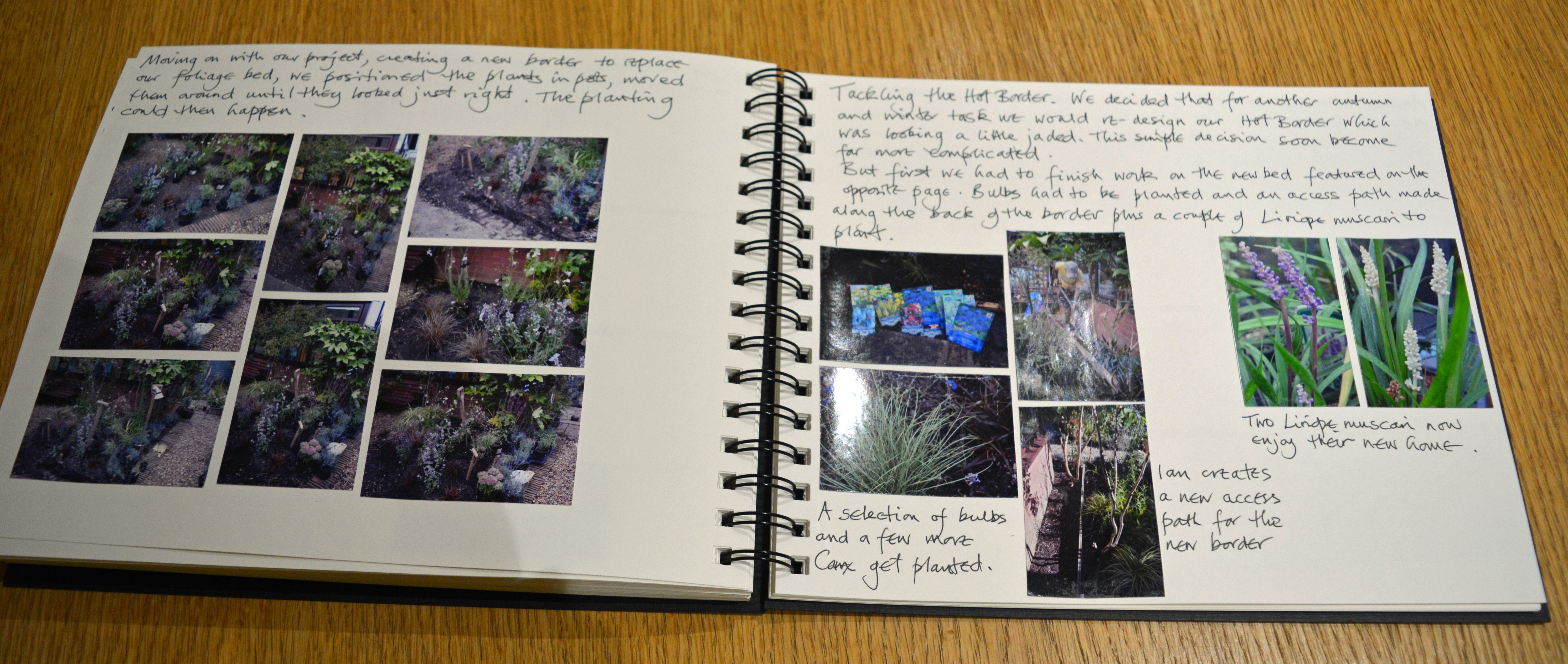
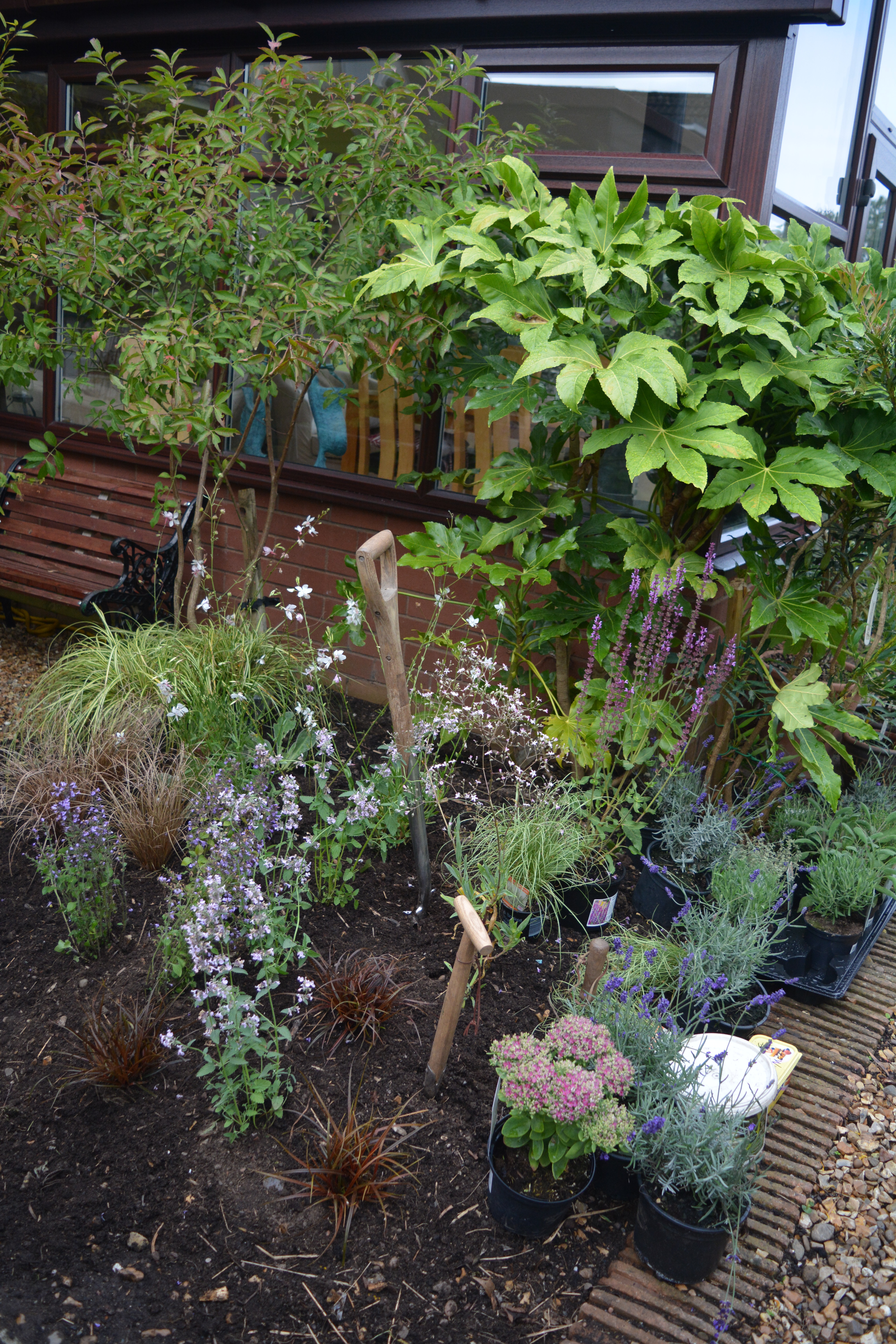
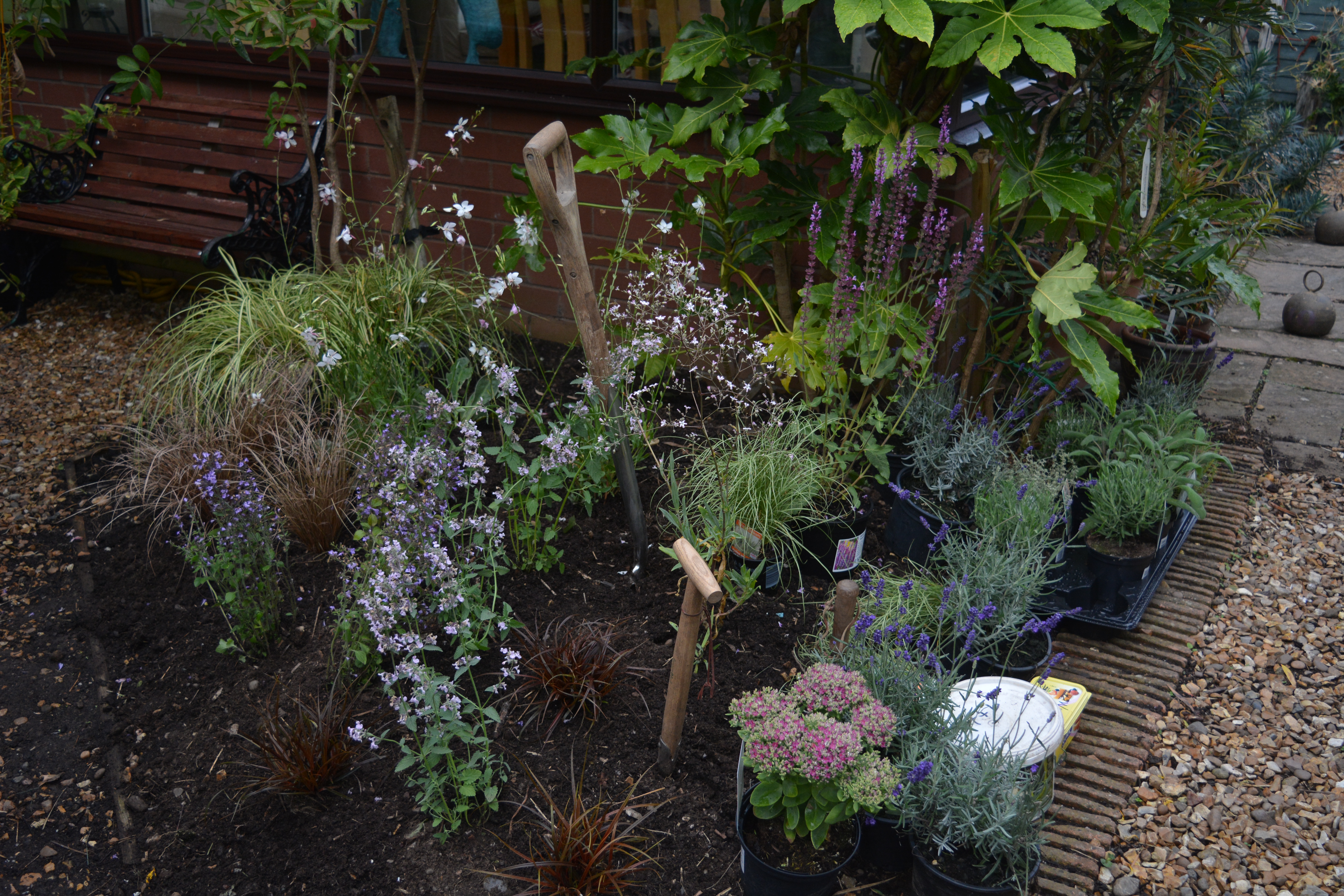
I wrote, Moving on with our project, creating a new border to replace our rather jaded foliage bed, we positioned the plants in pots, moved them around until they looked just right. The planting could then get underway.”

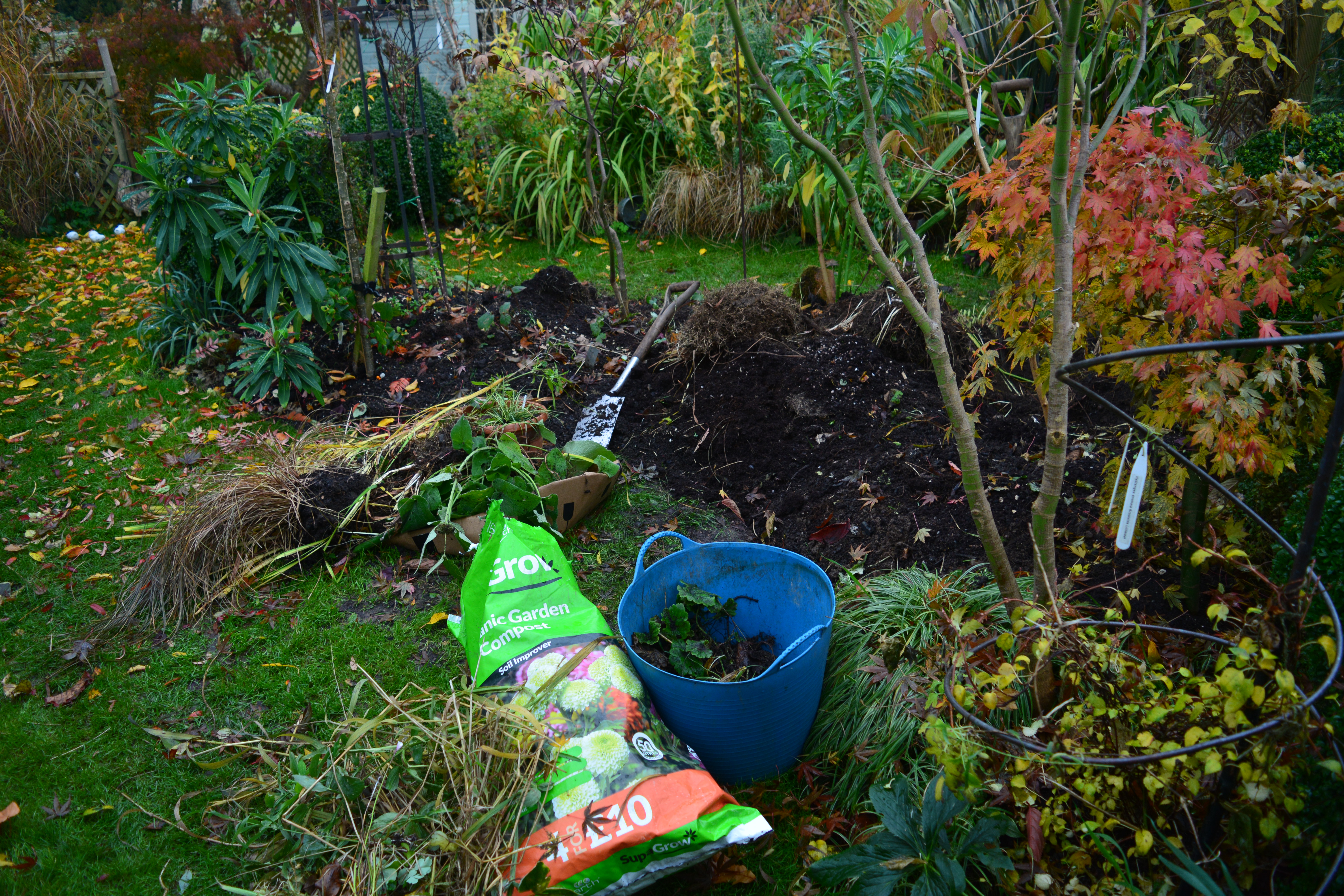
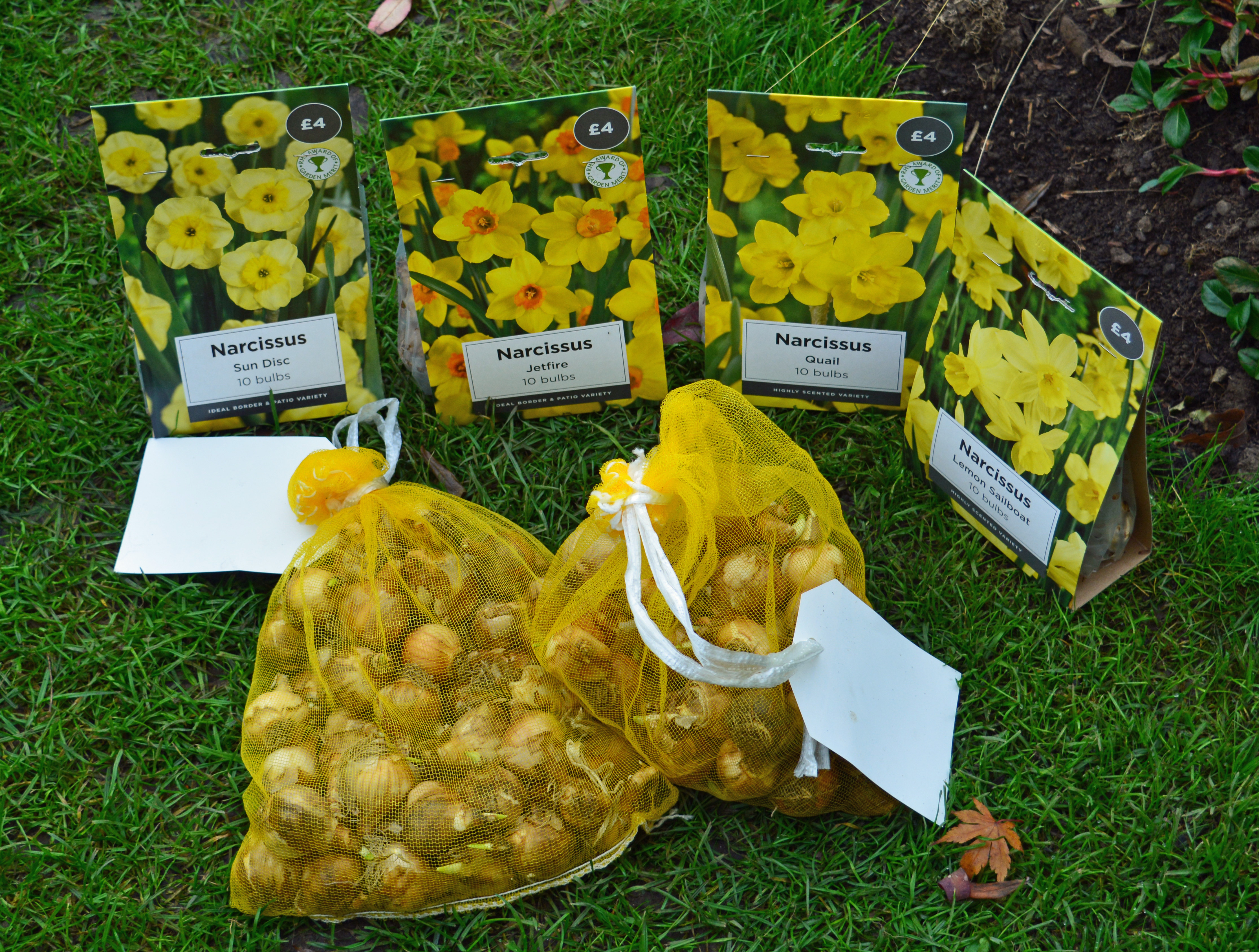
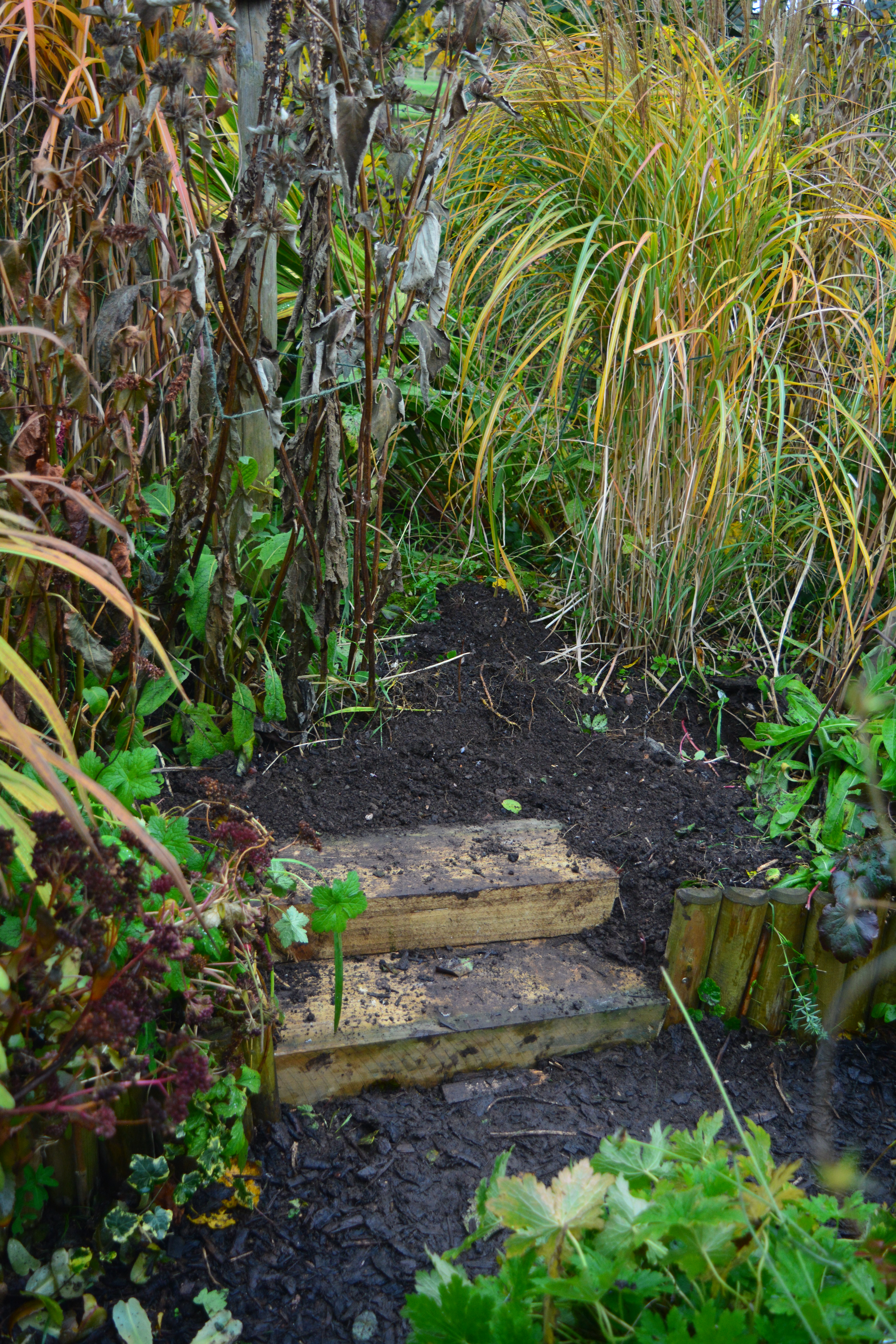
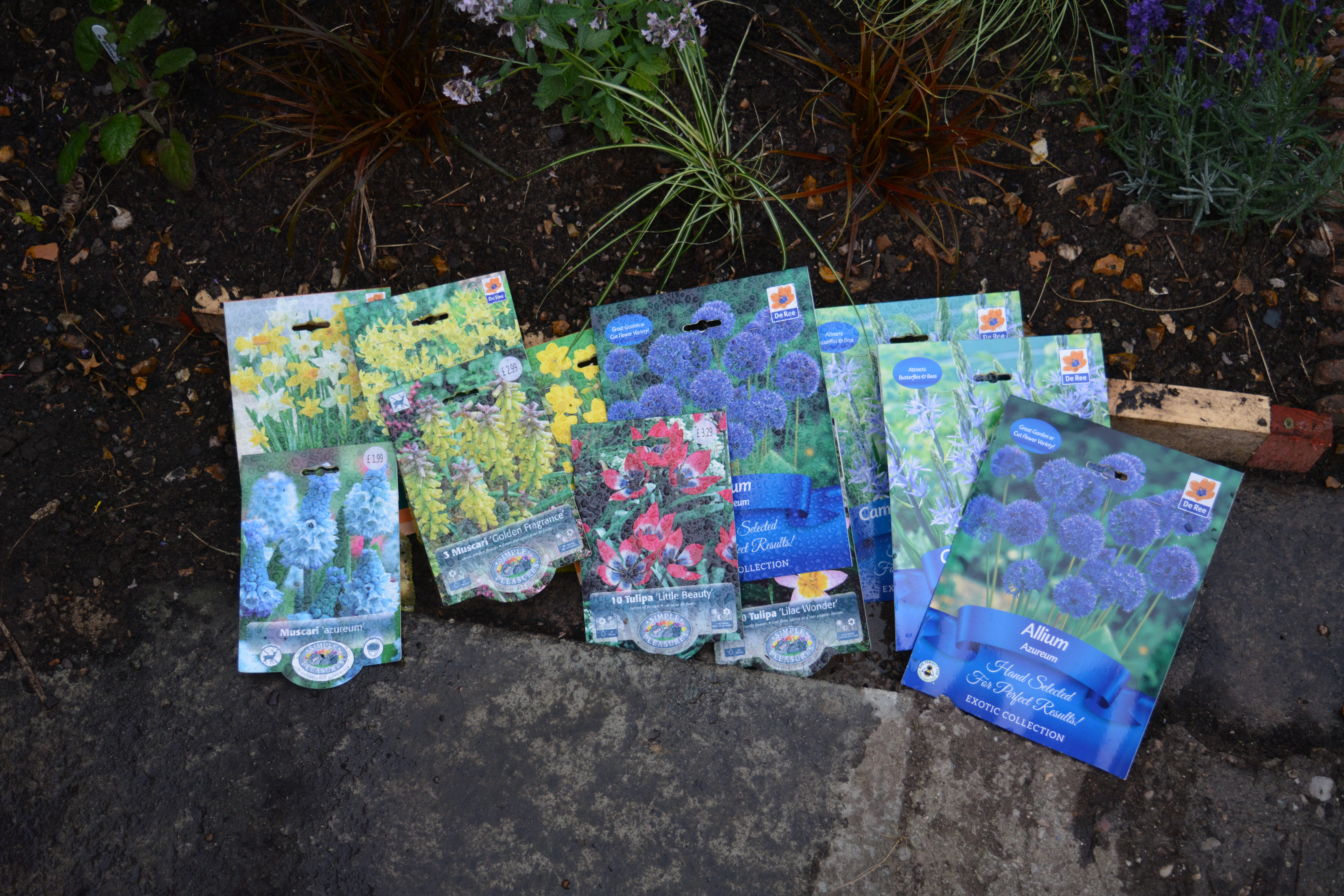
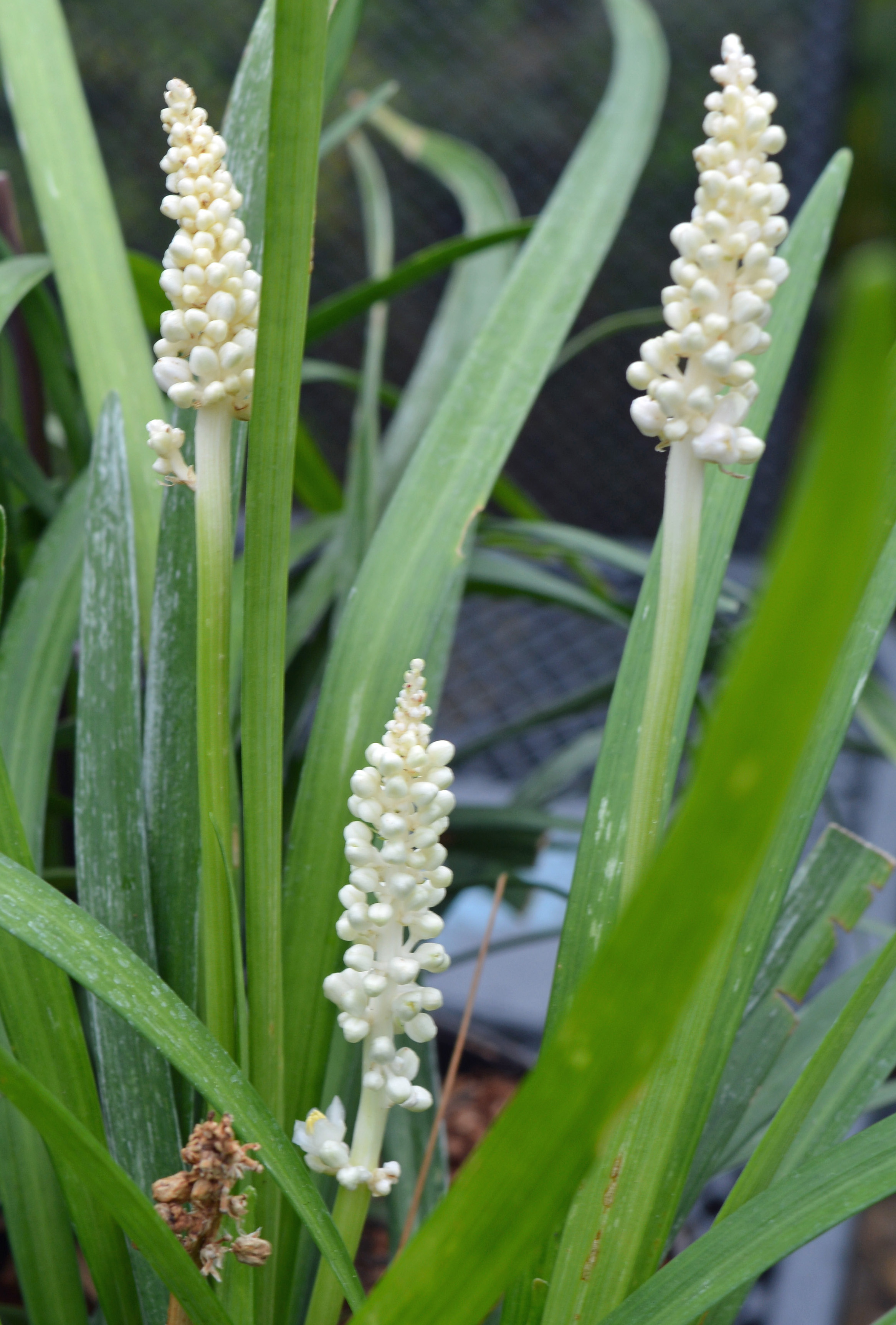
“We decided that for another autumn and winter task we would re-design our Hot Border which was looking a little jaded. This simple decision soon became far more complicated.  We ended up making the bold decision to move the new Hot Garden to a completely different part of our patch. But first we had to finish work on the new bed featured on the opposite page. Bulbs had to be planted and an access path made along the backof the border plus a couple of Liriope muscari needed planting.”

“A selection of bulbs and a few more Carex get planted.”


“Ian, our gardener, creates a new acess path for the back of the new border.”


“Two Liriope muscari now enjoy their new home.”

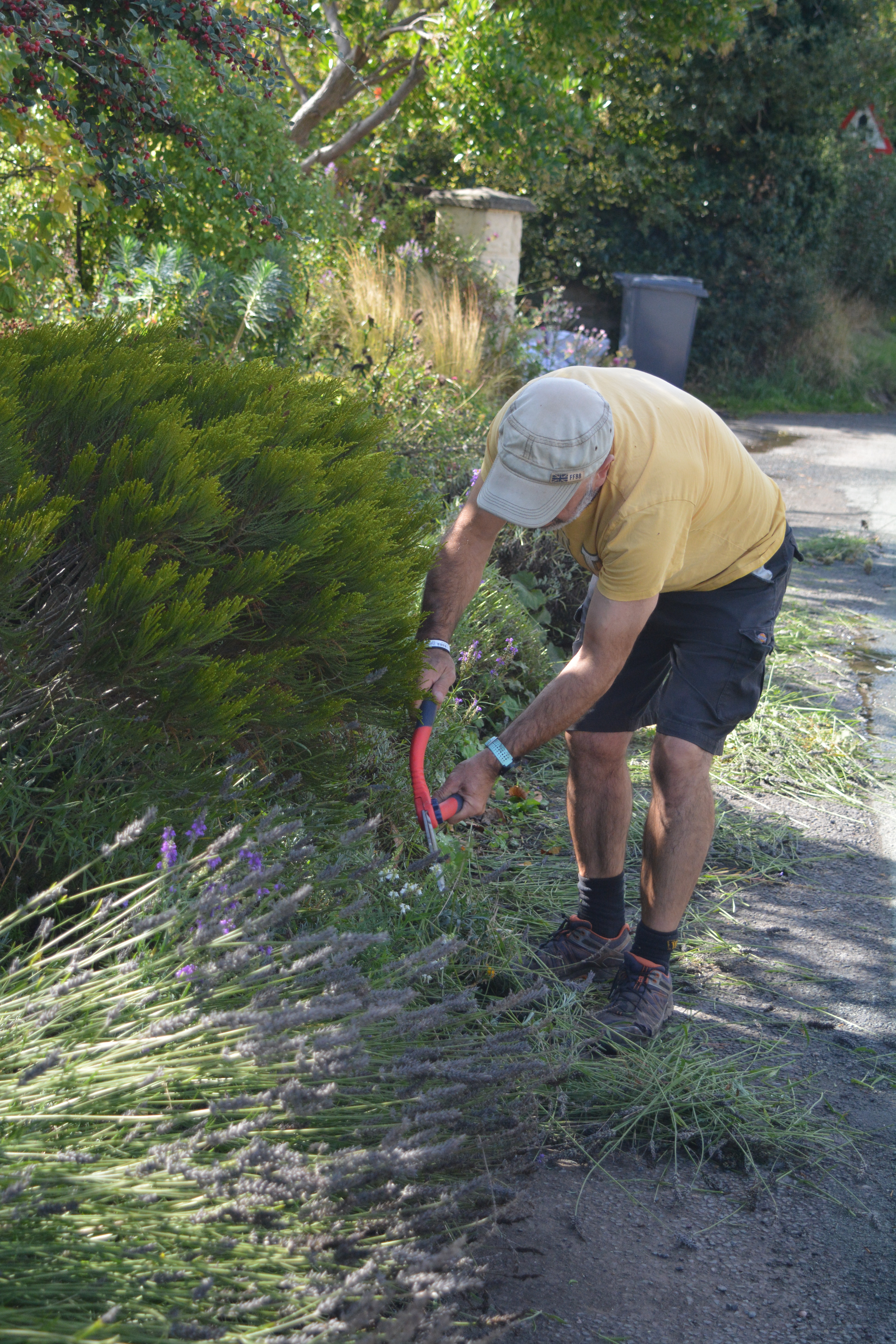
Moving on to the next double page spread I share the beginnings of developing the new front border to replace the original Hot Garden. I wrote,“As Ian trimmed our Lavender Hedge, I began stripping out the original Hot Border. As I dug plants up, Jude repotted any we wished to keep, if necessary splitting them up too.”


The front border soon looked empty and Ian improved the soil by double digging and and incorporating organic compost and forking it all through. It is now easily workable and feels a perfect texture.

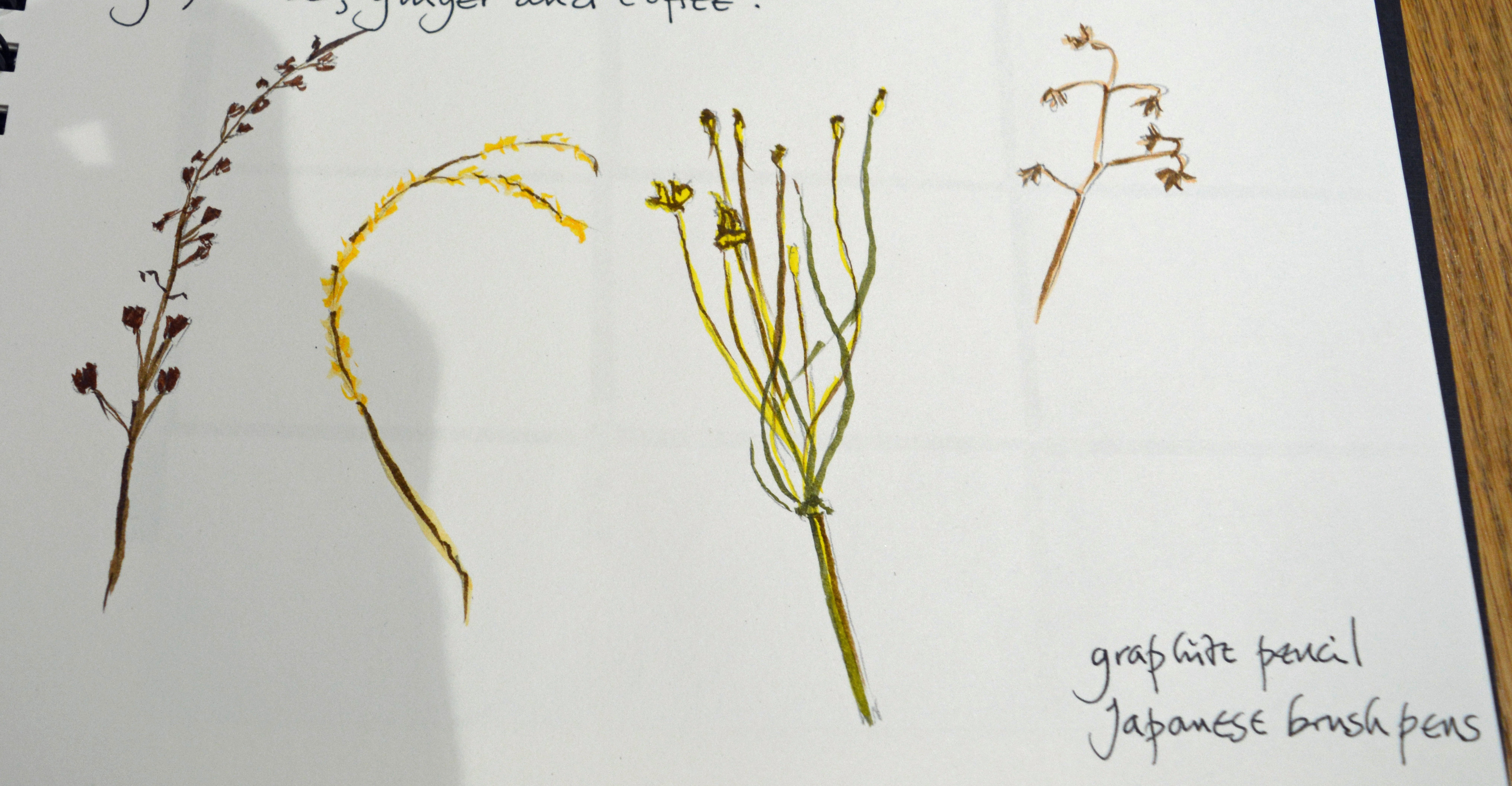
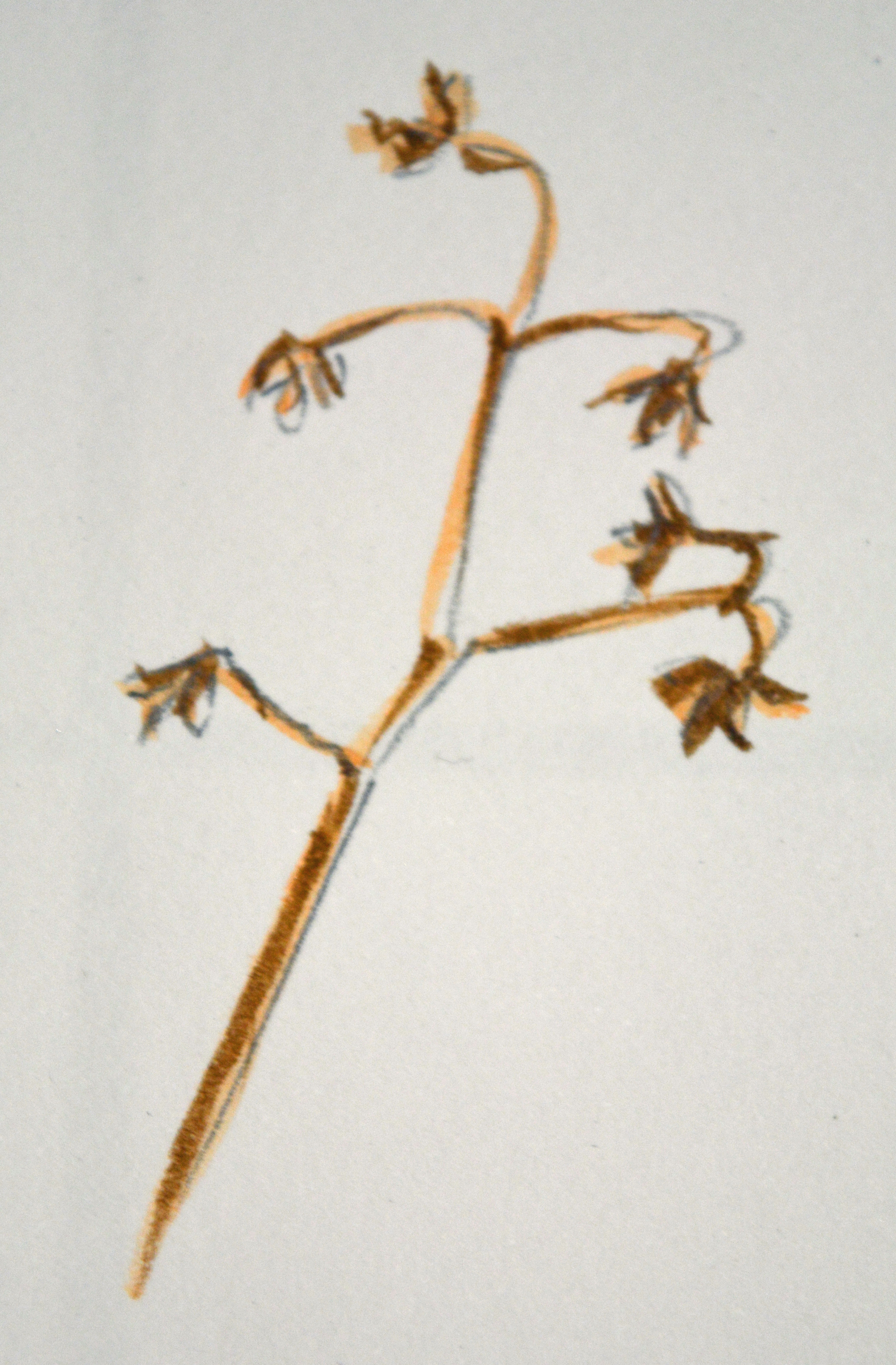
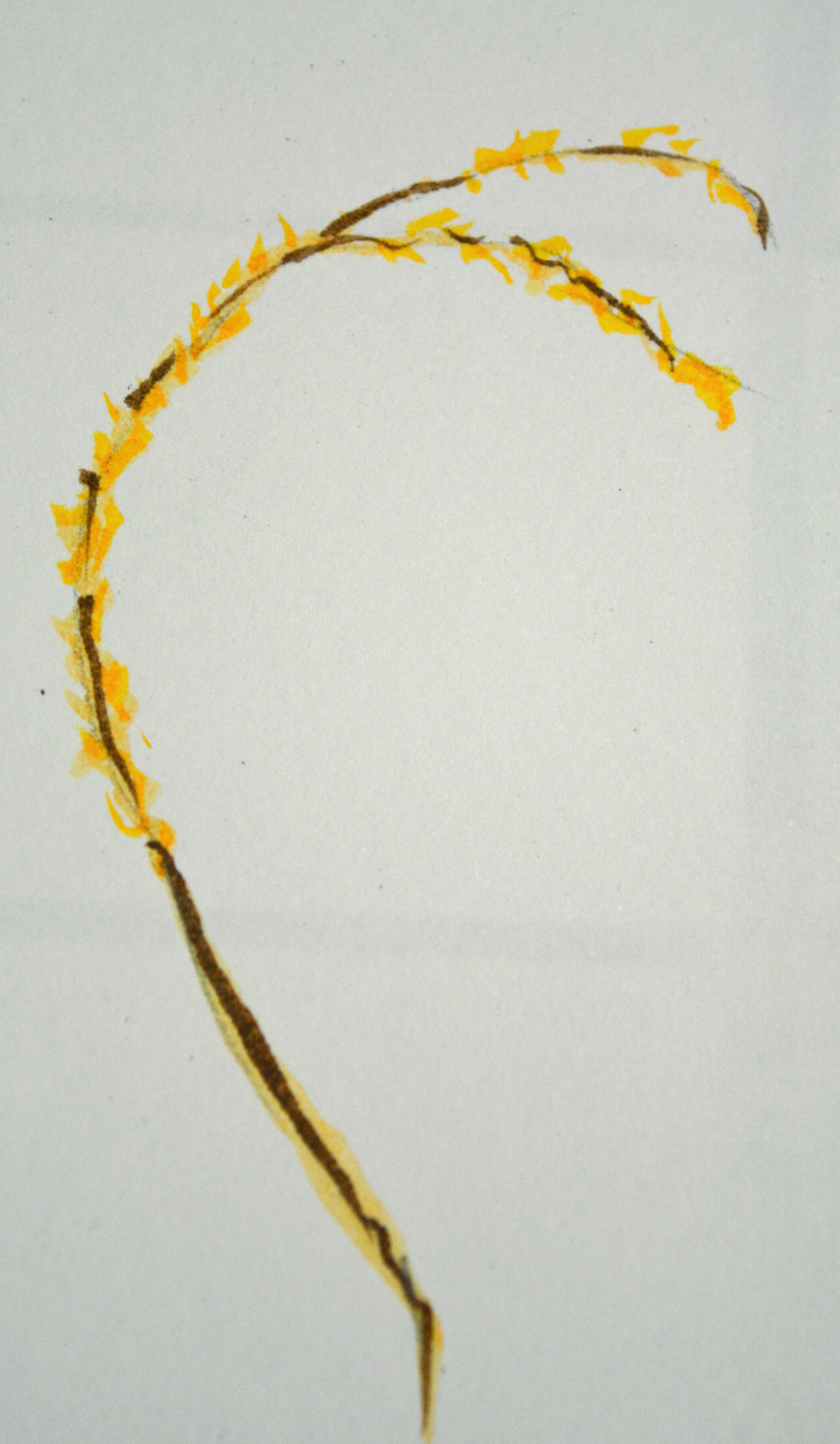
On the opposite page to our front border adventures I shared some of my paintings of October seedheads, created using graphite pencil and Japanese water colour brush pens.

I wrote, “When the sun shines bright on a dry October day, its rays catch each delicate seedhead atop the fine stems of perennials. The slightest breeze invite these lightweight beige, bronze, ginger and coffee seedheads to dance.”

The final double page spread brings colour back as we look at what is in flower during the last few days of the month. I wrote, “In contrast to the subtle colours of dried grasses and seed heads our late flowering climbers, shrubs and perennials are so bright!”


“Sharp contrasts give the garden added depth as the autumn sum dips lower in the sky.”


So we see the end of October with reasonable temperatures holding up and plenty of dry days to get out into the garden and get busy.


Categories
climbing plants drought garden photography gardening gardens hardy perennials Shrewsbury Shropshire South Shropshire

My Garden Journal 2018 – July

Here is my garden journal entries for the month of July, a month when the garden continued to suffer the effects of the drought.

My opening words were, “July begins as June ended, in a heatwave with temperatures in the upper twenties. And sadly for the garden, still no rain. Rainless time has now lasted for a month and very little for the previous month.”

I featured a set of photos of our Passion flower which grows in our greenhouse.

“We grow our passion-flowers in the greenhouse as we are too cold here for them to survive outside. We train them along the side of the greenhouse  where they can shade our tomato plants. Natural shading!”

On the opposite page I moved on to look at the digitalis we grow here in our Avocet garden.

“We grow so many different foxgloves in our patch, with several grown from seed by Jude. Our native Digitalis purpurea in both its forms of purple and white, enjoying spreading themselves around our borders, deciding for themselves where to settle down. Dan Pearson writes of Digitalis in “National Selection”,

“I like the way vertical lines of foxgloves draw the eye like an exclamation mark. They are delicate, using only as much ground as they need, but providing plenty of bang for your buck with the upward motion.”

Turning over to the next double page spread, I featured photos of a selection of the moths we trapped in our live trap.

“Butterflies and moths have been in short supply so far this year, but both appeared as July arrived. Our first session of live-trapping moths showed how many we had in our garden and how varied they are. We always delight at getting close up to the surreal Elephant Hawk Moths.”

Elephant Hawk Moths


Master of Disguise

These tiny moths are equally fascinating.


A myriad of moths.


The next double page spread features Tulbaghias, Leucanthemum, Helenium and several different Hemerocallis.

“Tulbaghias seem to enjoy the weather, whatever it does. These look great in dappled shade beneath the outer limbs of a Quince tree.”

“Leucanthemum and Helenium catch the light so well. Their shaded petals add extra depth.”


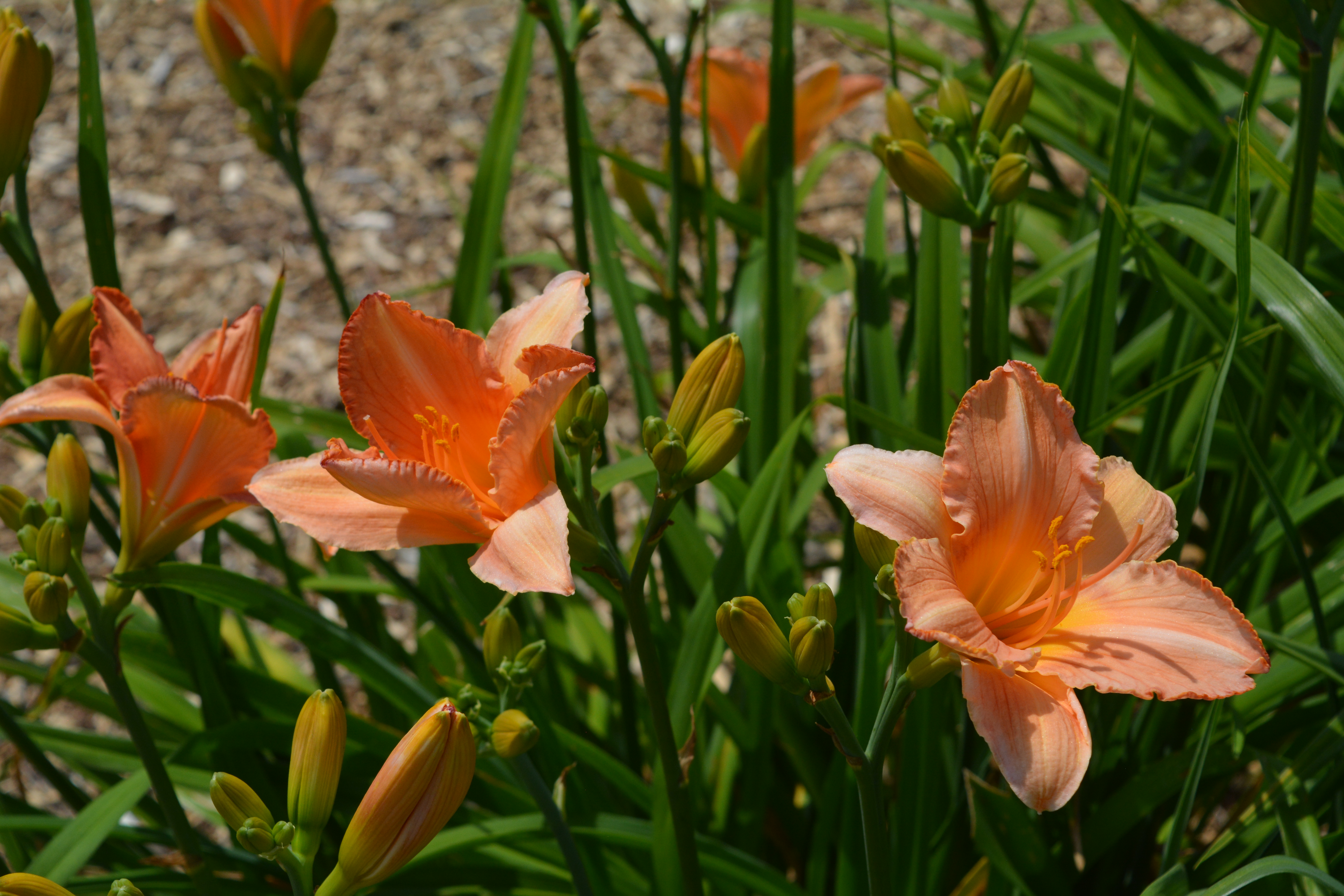
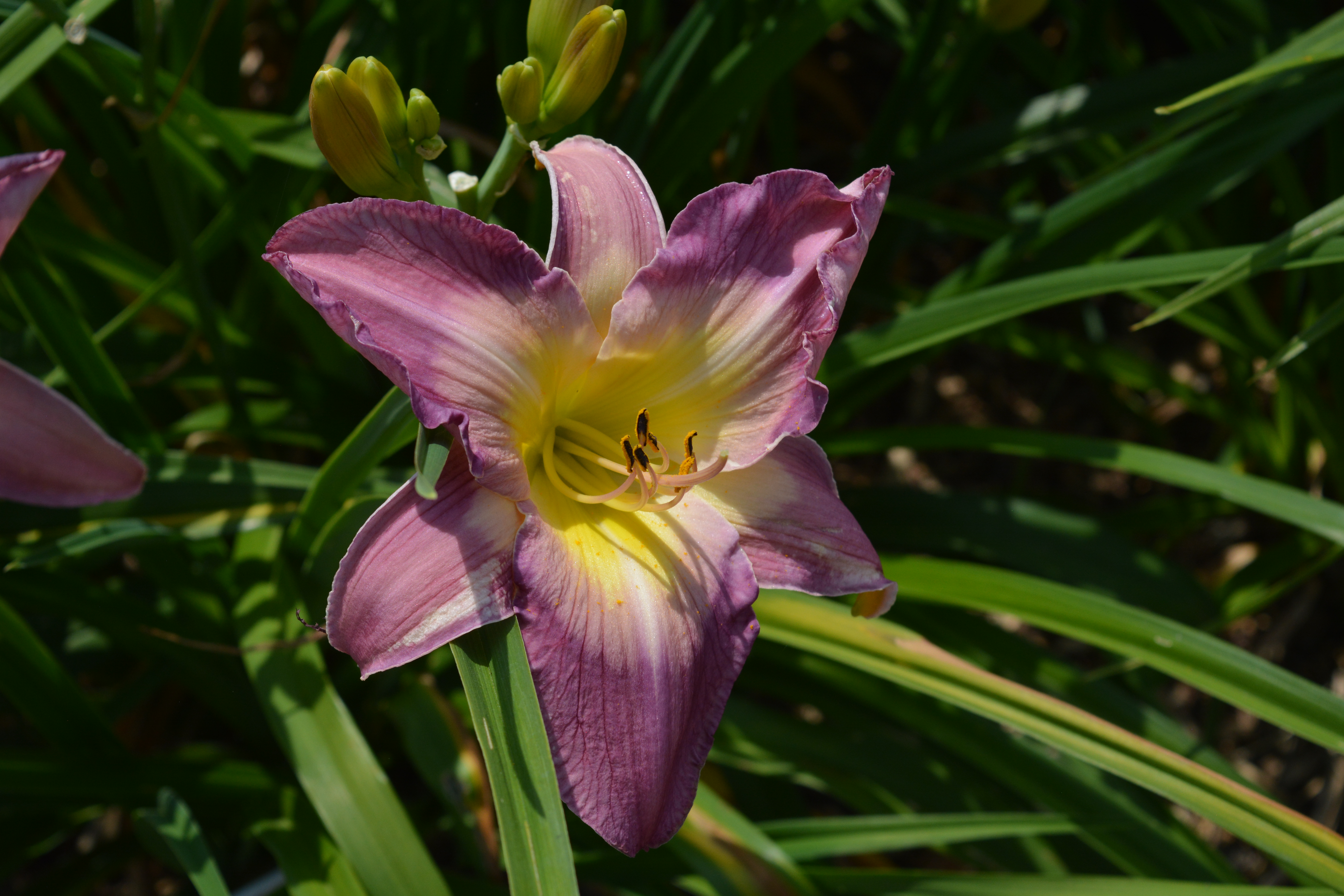
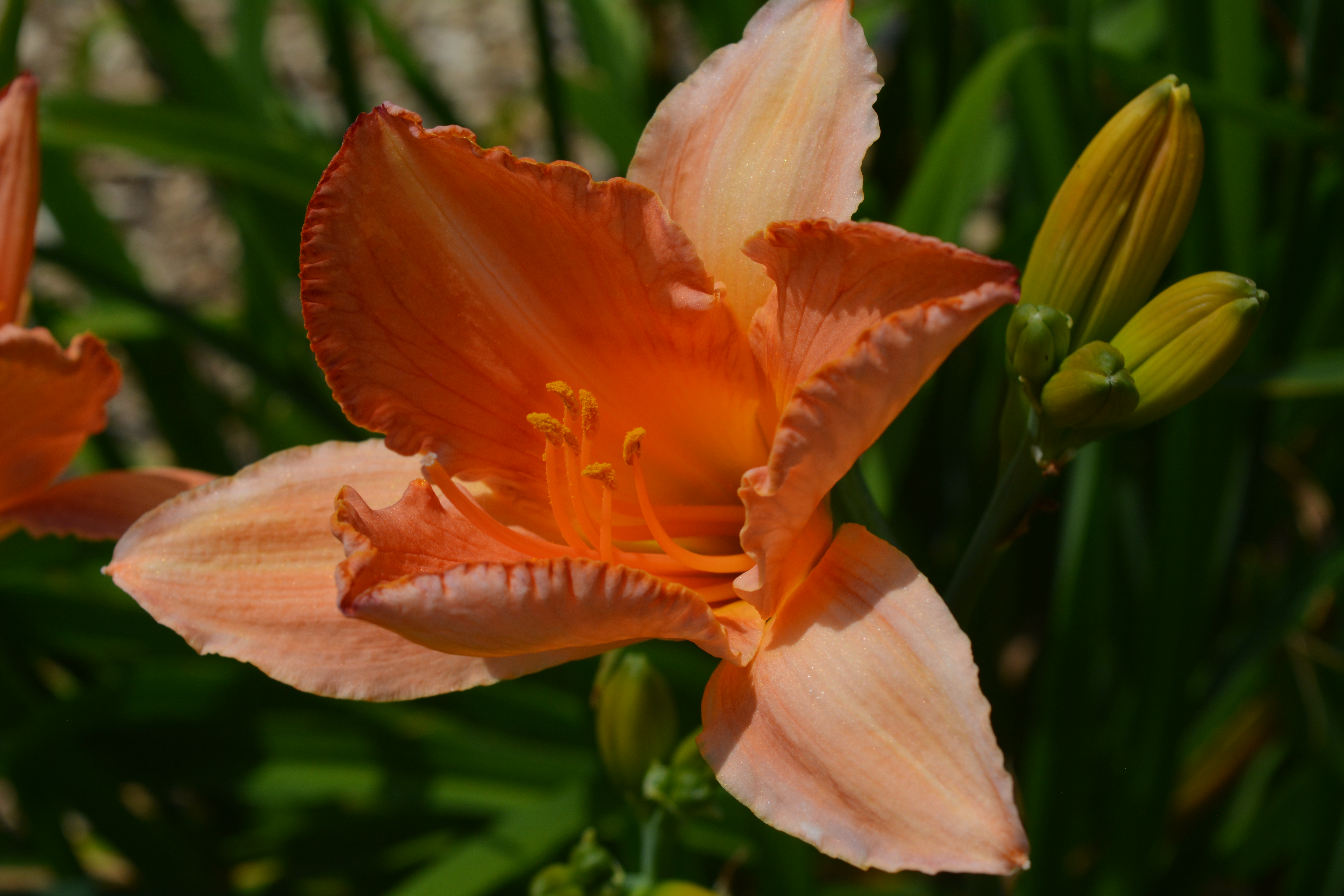
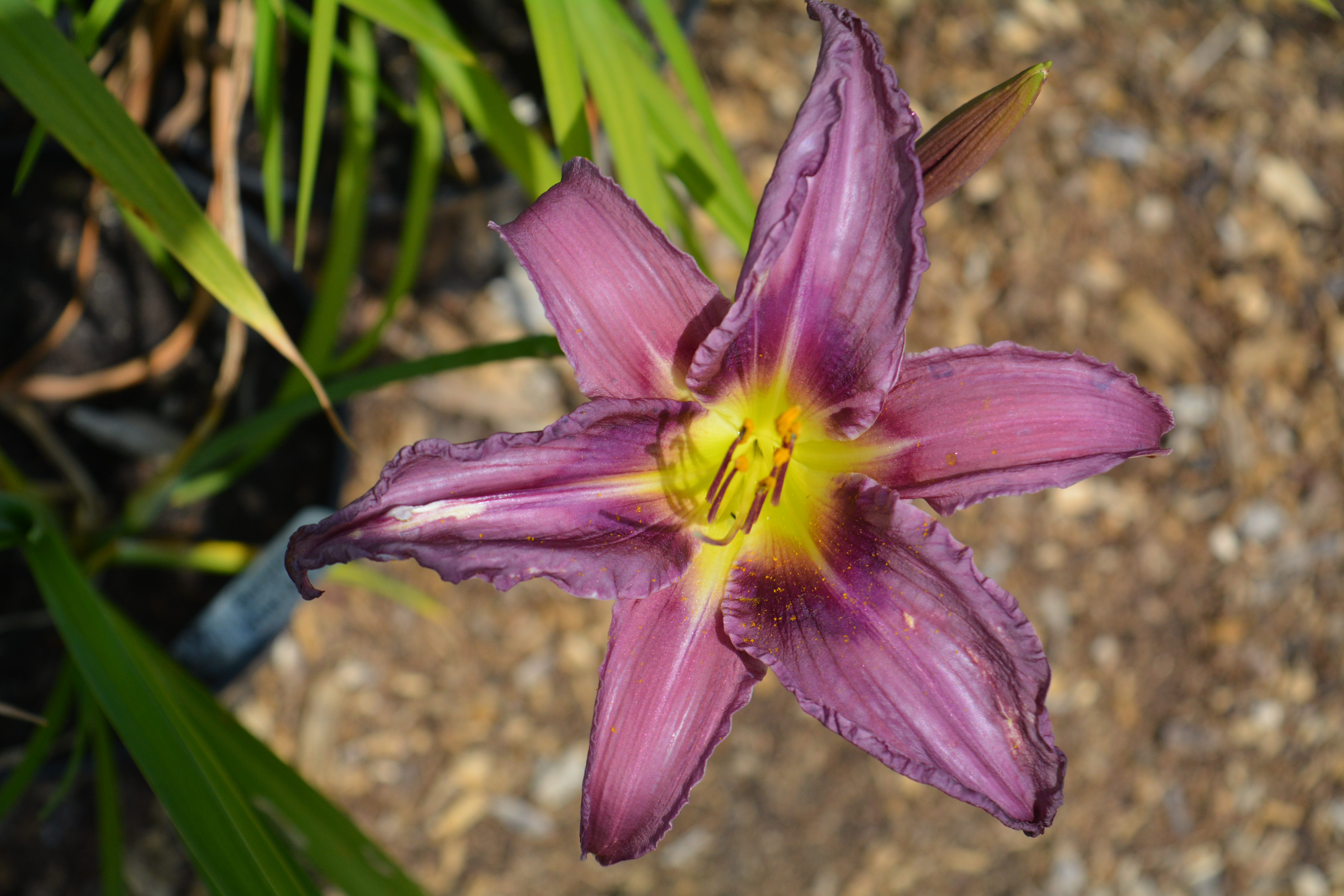
I next featured a whole page of photos of Day Lilies, Hemerocallis.

“In the middle of the month we visited our friend Mark (Zennick) with his wonderfully colourful collection of Hemerocallis. As always we came away with a good selection from his nursery.”

Next we take a look at how the garden is being adversely effected by the dry hot weather, and then I share my paintings of Camassia seed heads.

I wrote, “Another quote from Dan Pearson, upon his return from a trip to the Hawaiian Islands ………”I returned to a wet English summer, where the smells were crisp and clean.” Anyone returning to England this July would be met by golden dried-up lawns, trees with wilting leaves and dead leaves on herbaceous perennials.”

Opposite I used water-based pencil crayons to record the different stages as the flowering stems of Camassias were drying out.

“As well as their beautiful spires of blue, cream or white  flowers, Camassias have lovely green pods which dry slowly to digestive biscuit colours.”

My final page for July in my Garden Journal 2018 show a few plants that seem to thrive in the dry conditions.

“July moved on still without rain and the garden continued to suffer. Flowers bloomed but lasted a very short time. The lawn simply remained brown and stopped growing. A few plants though performed really well.”


Agastache                              Scrophularia


Erigeron and Hebe                                    Clouds of Achilleas

Two deep purple Clematis

As I finished my journal entries for July there was still no sign of any appreciable rainfall, just occasional short-lived showers which hit the ground and evaporated immediately. August will hopefully be kinder to our Avocet garden and its resident plants.

Categories
colours garden photography hardy perennials nurseries Shropshire South Shropshire

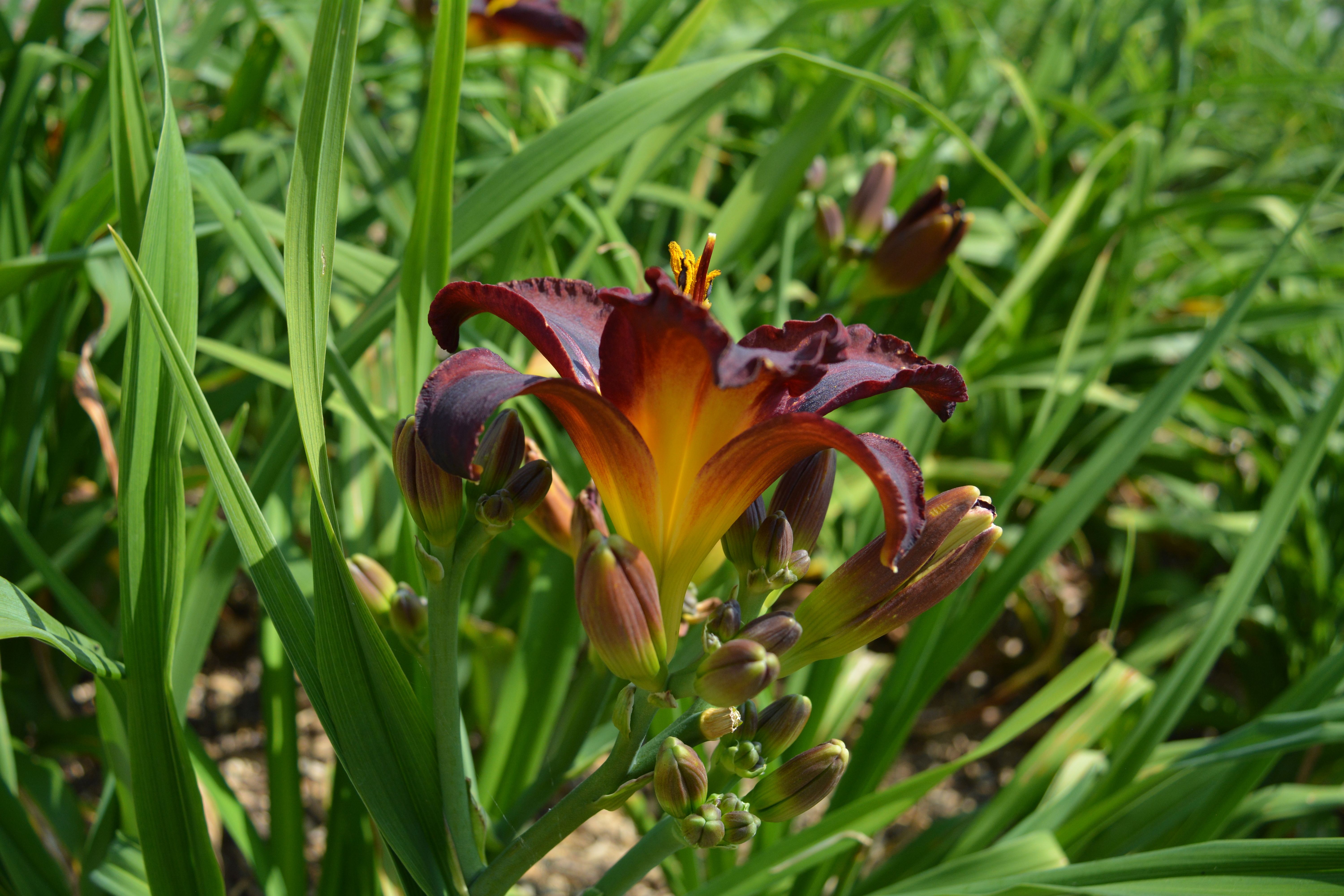
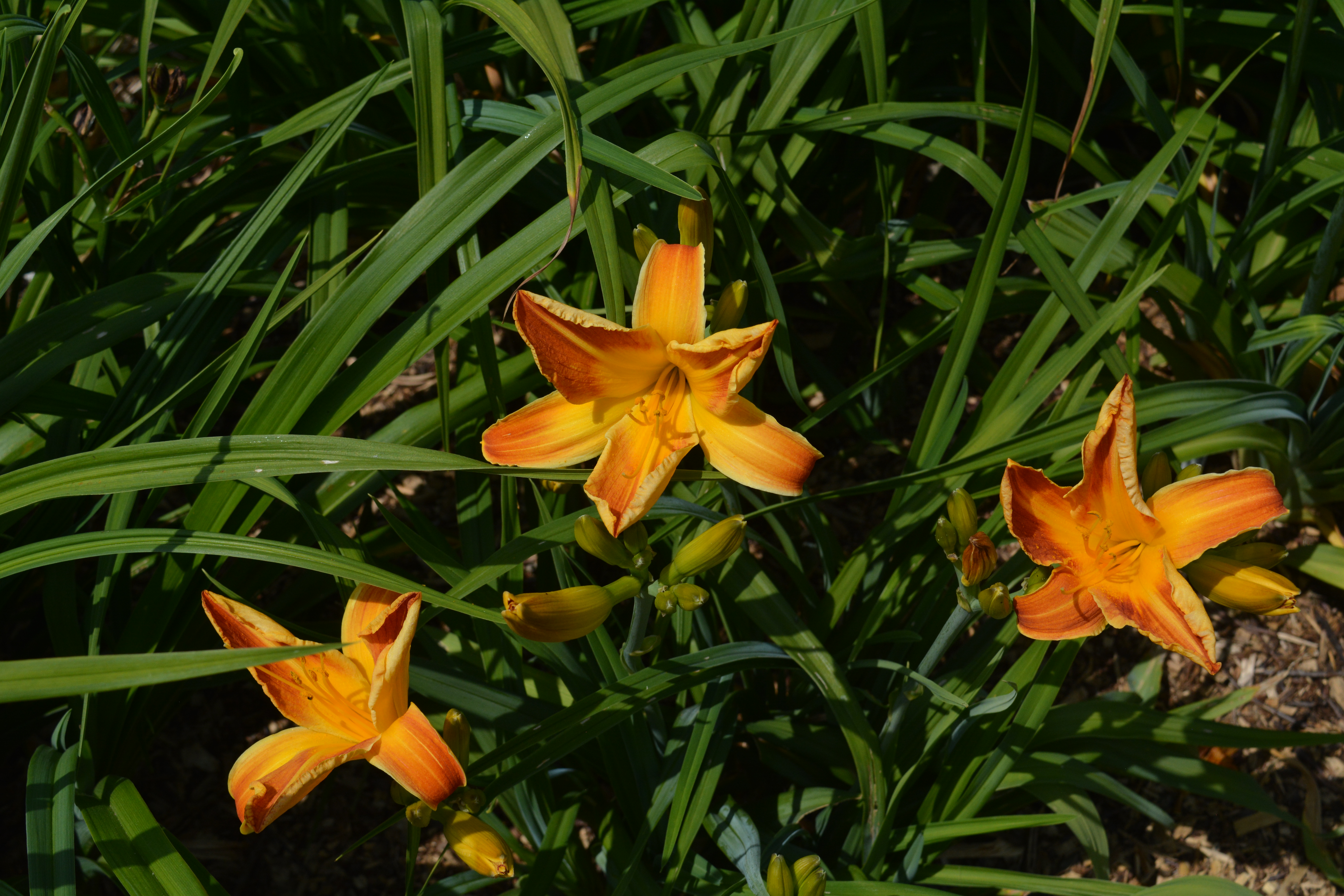
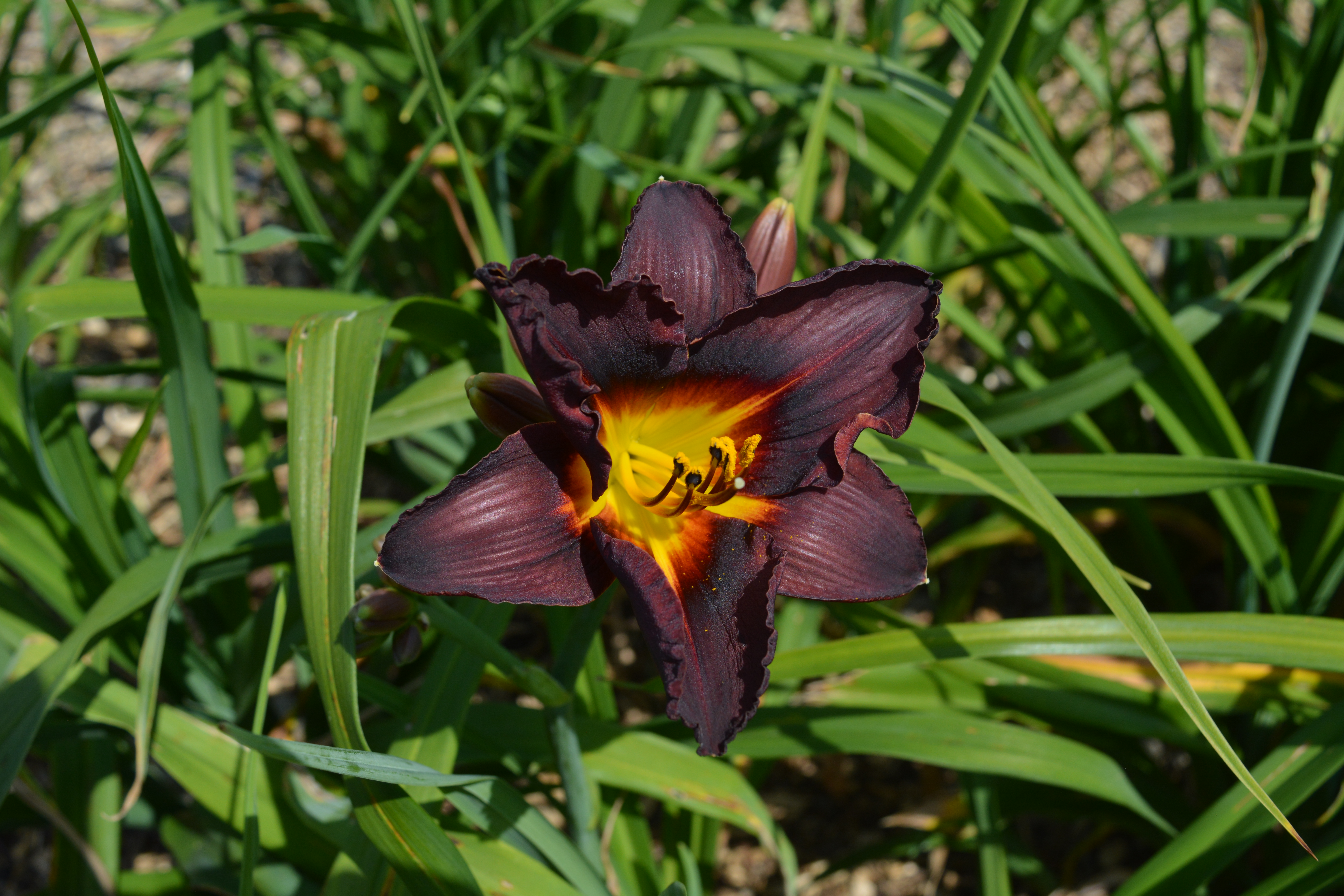
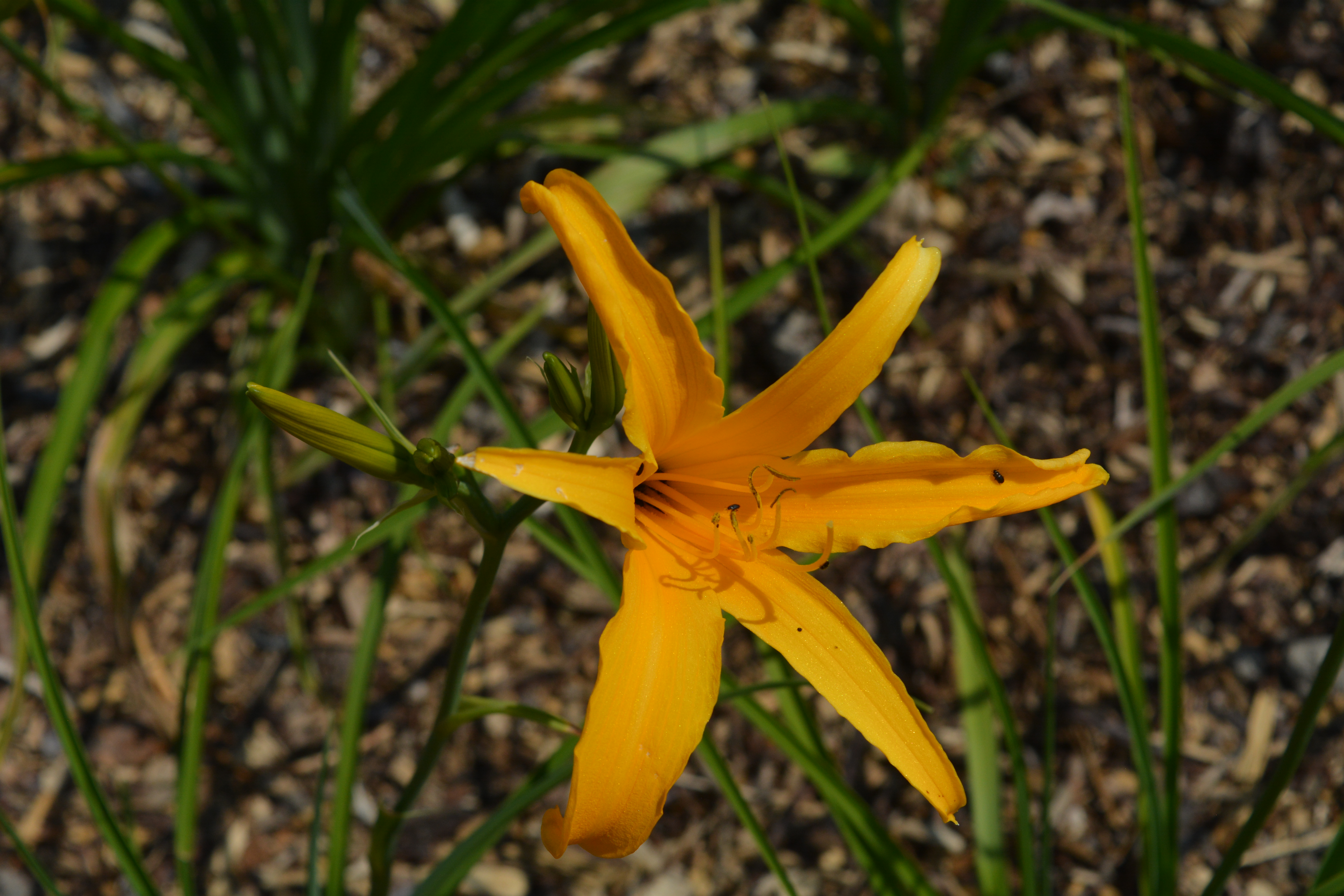
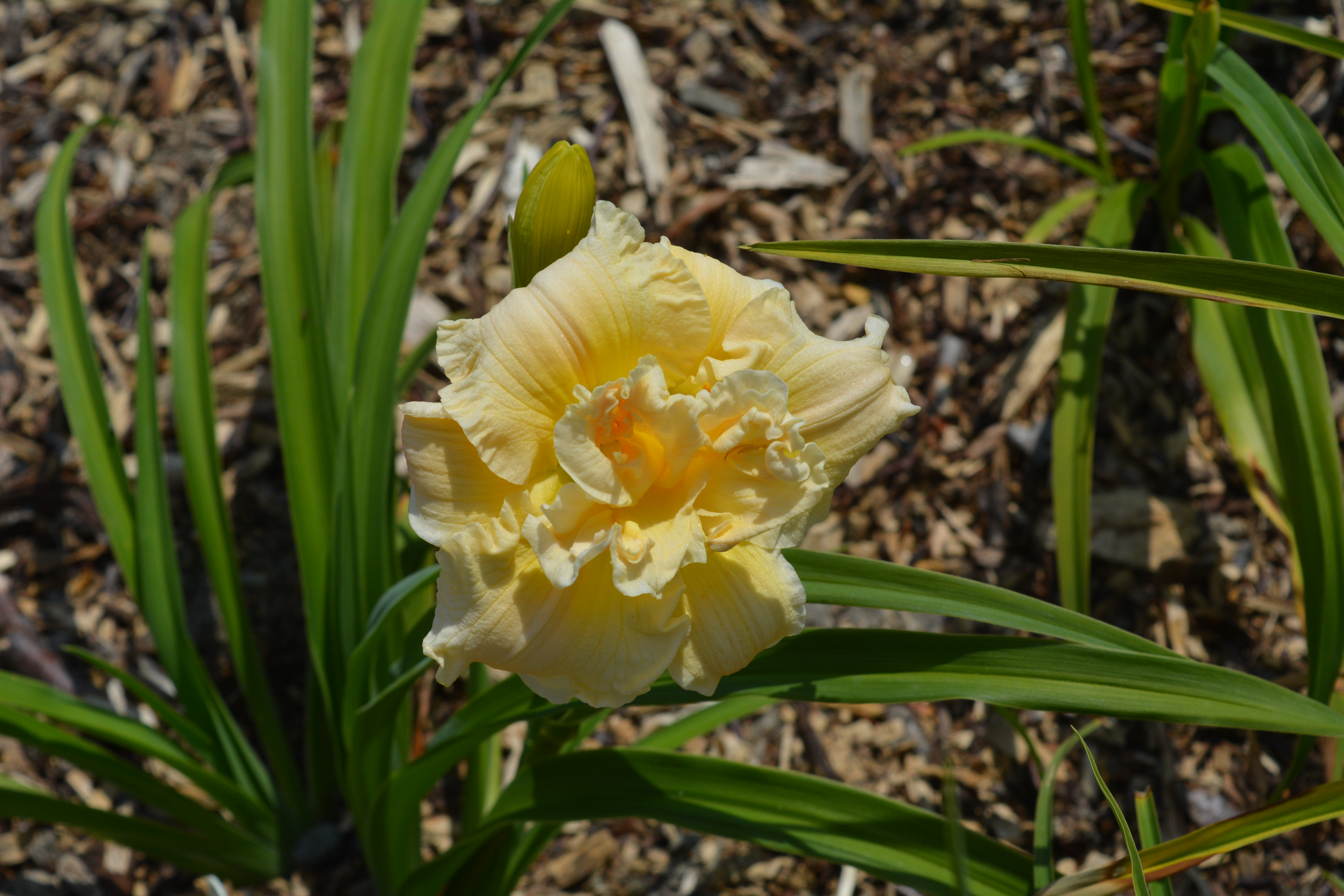
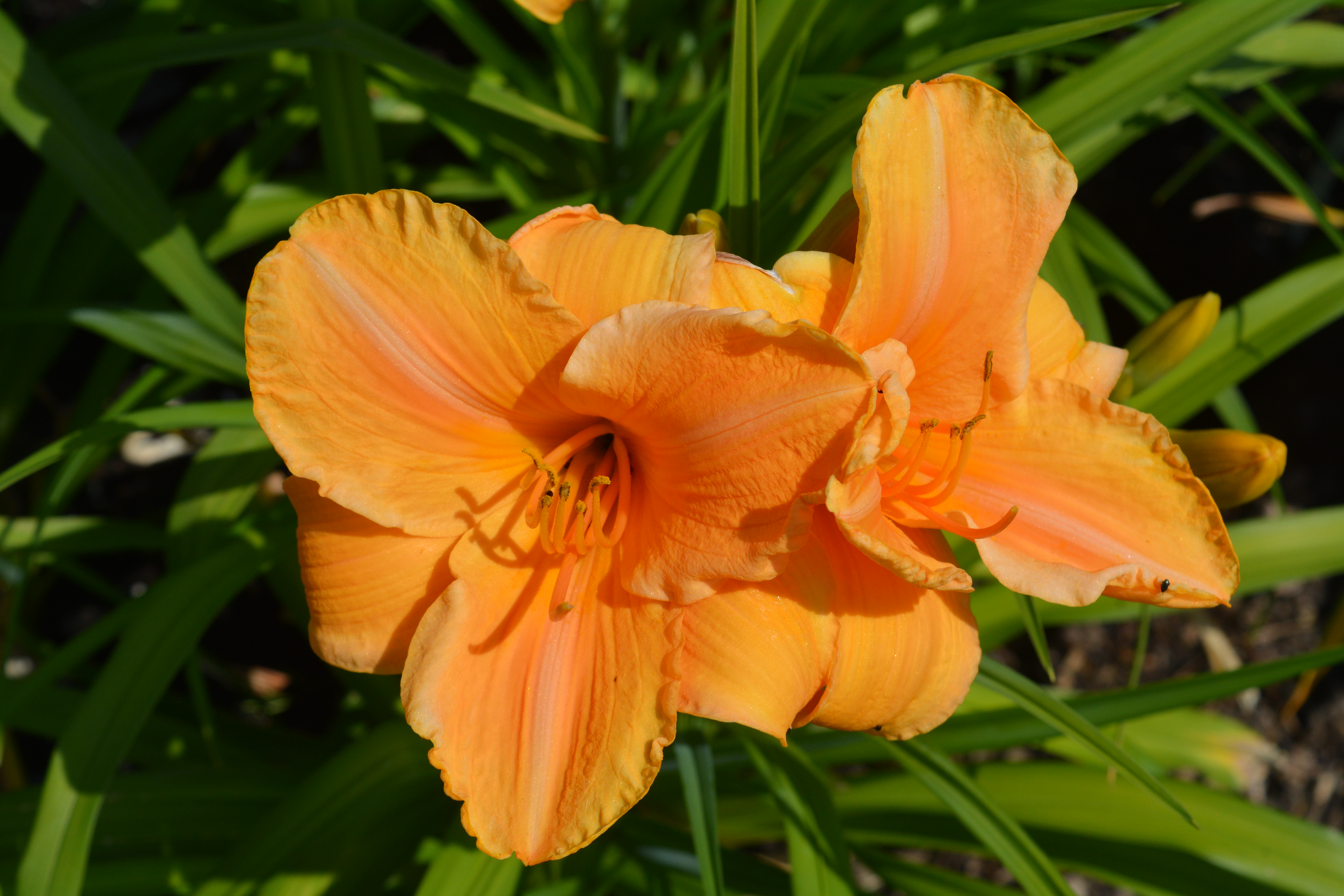
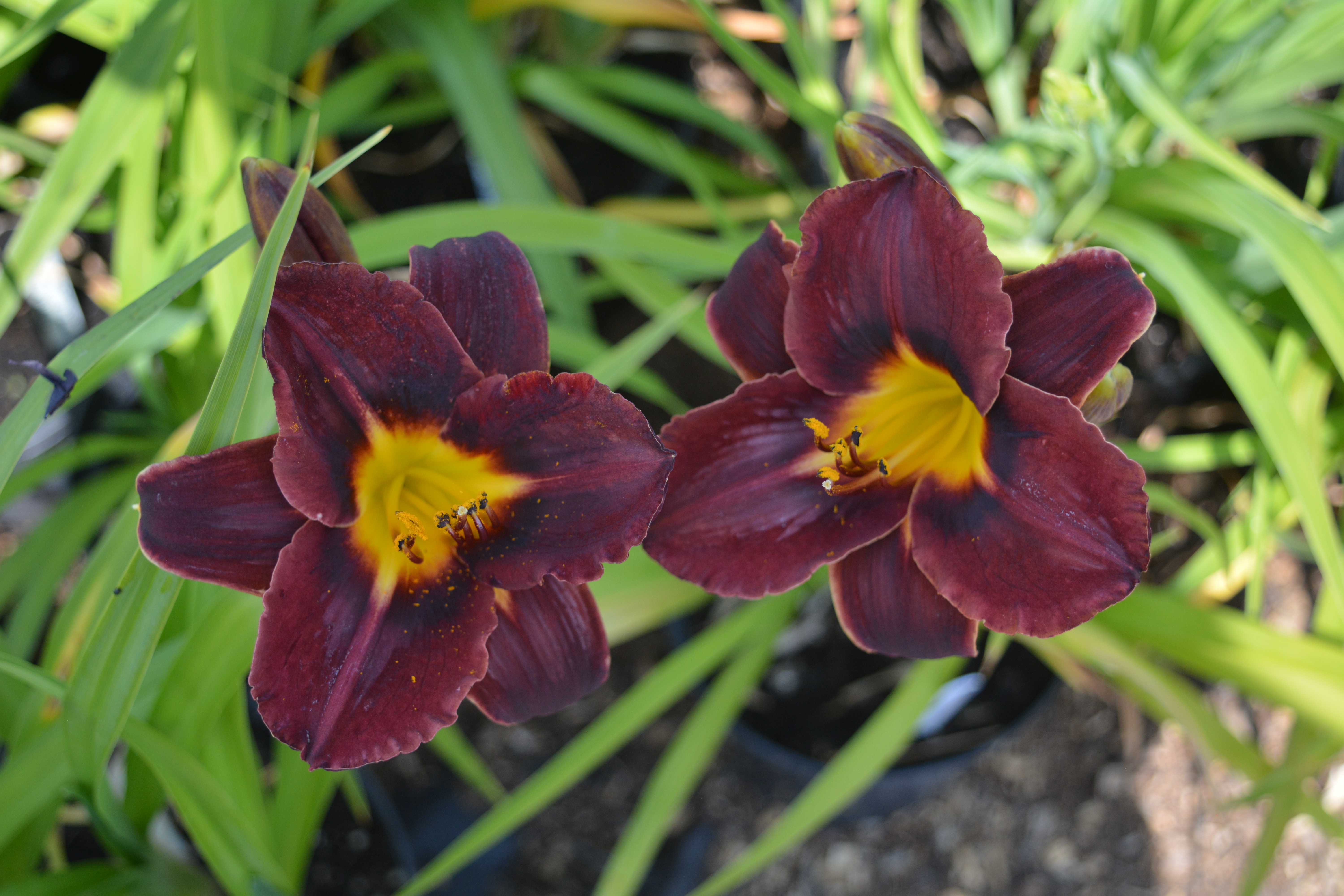
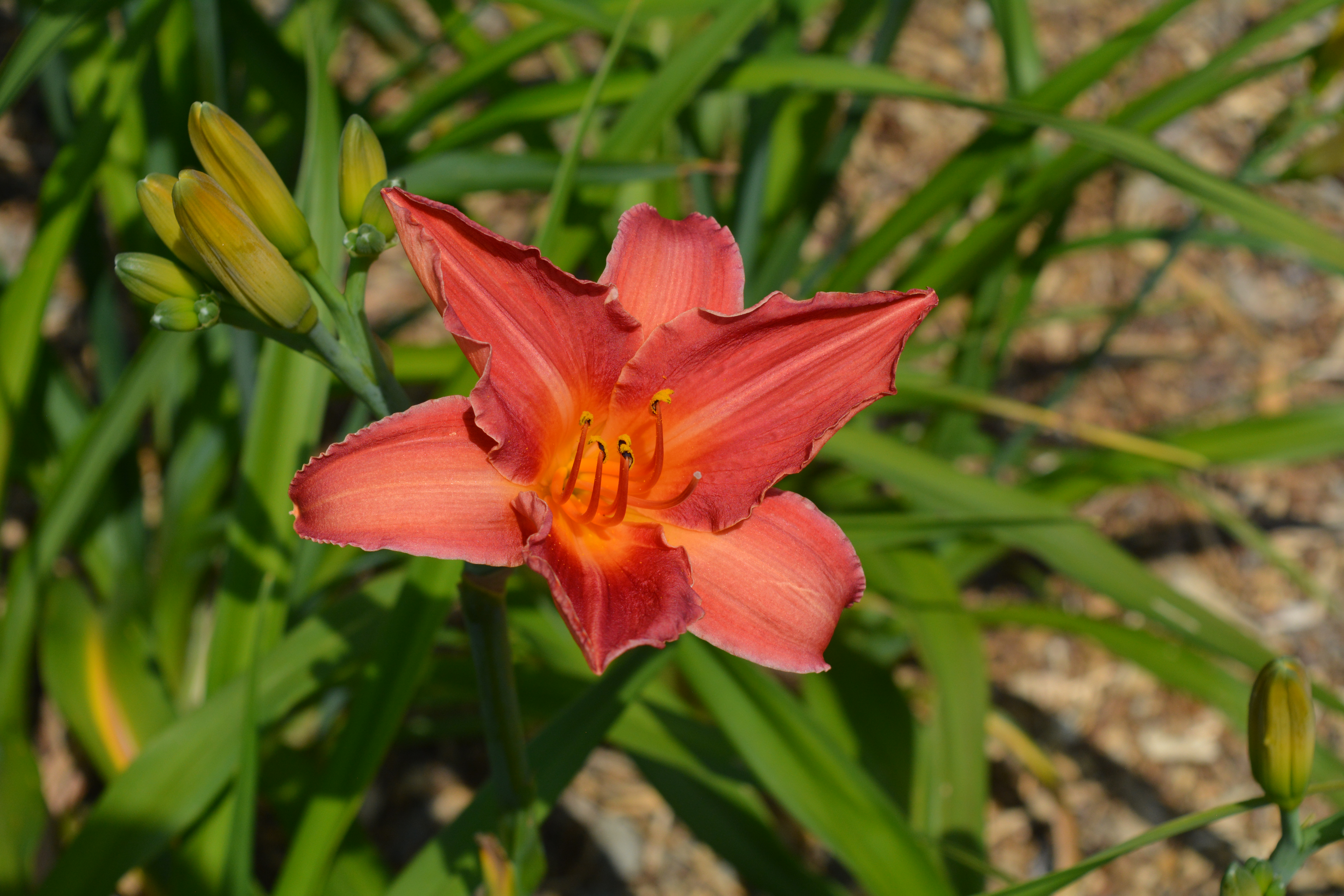
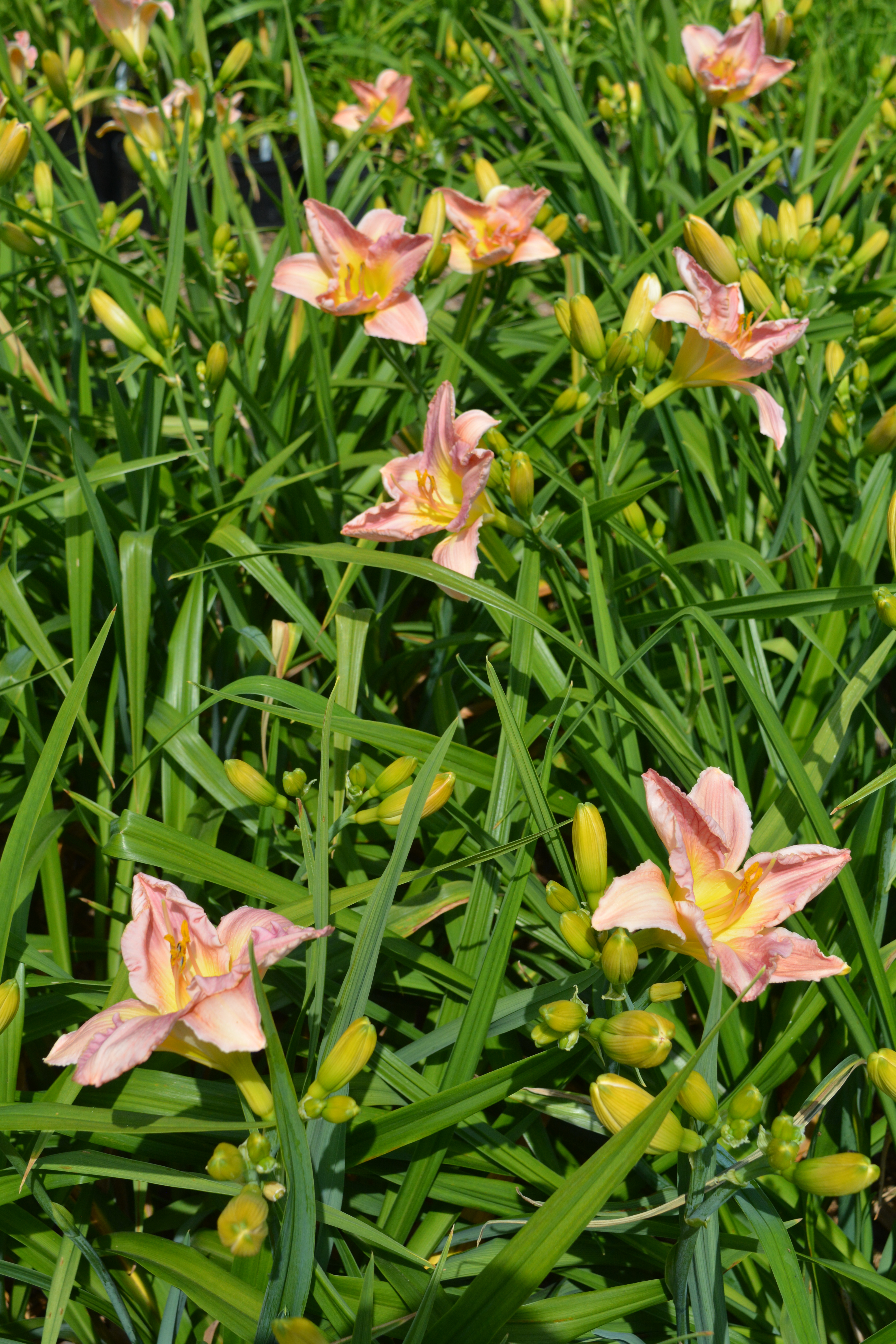
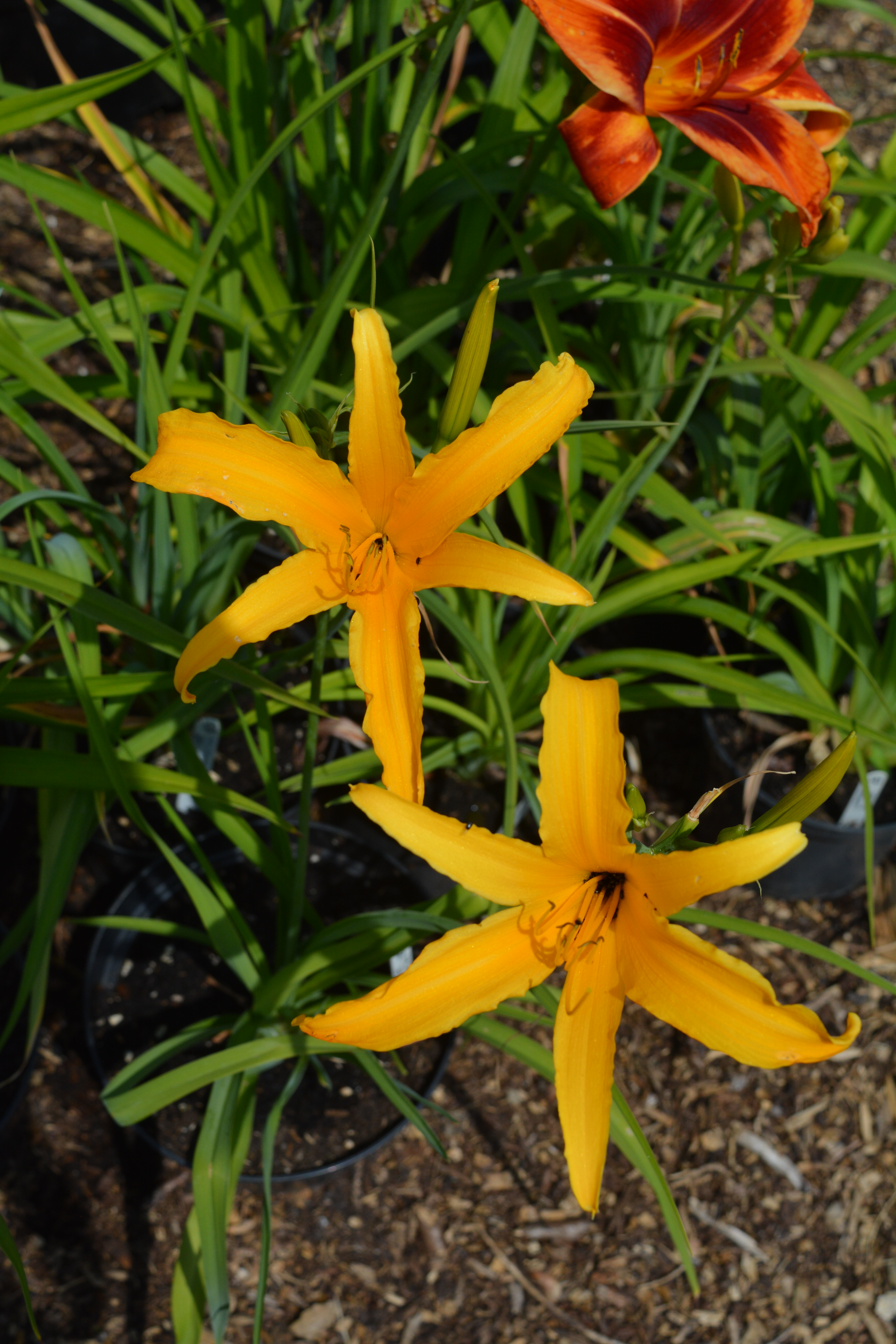
Return to Mark’s New Hope Gardens’ Day Lilies

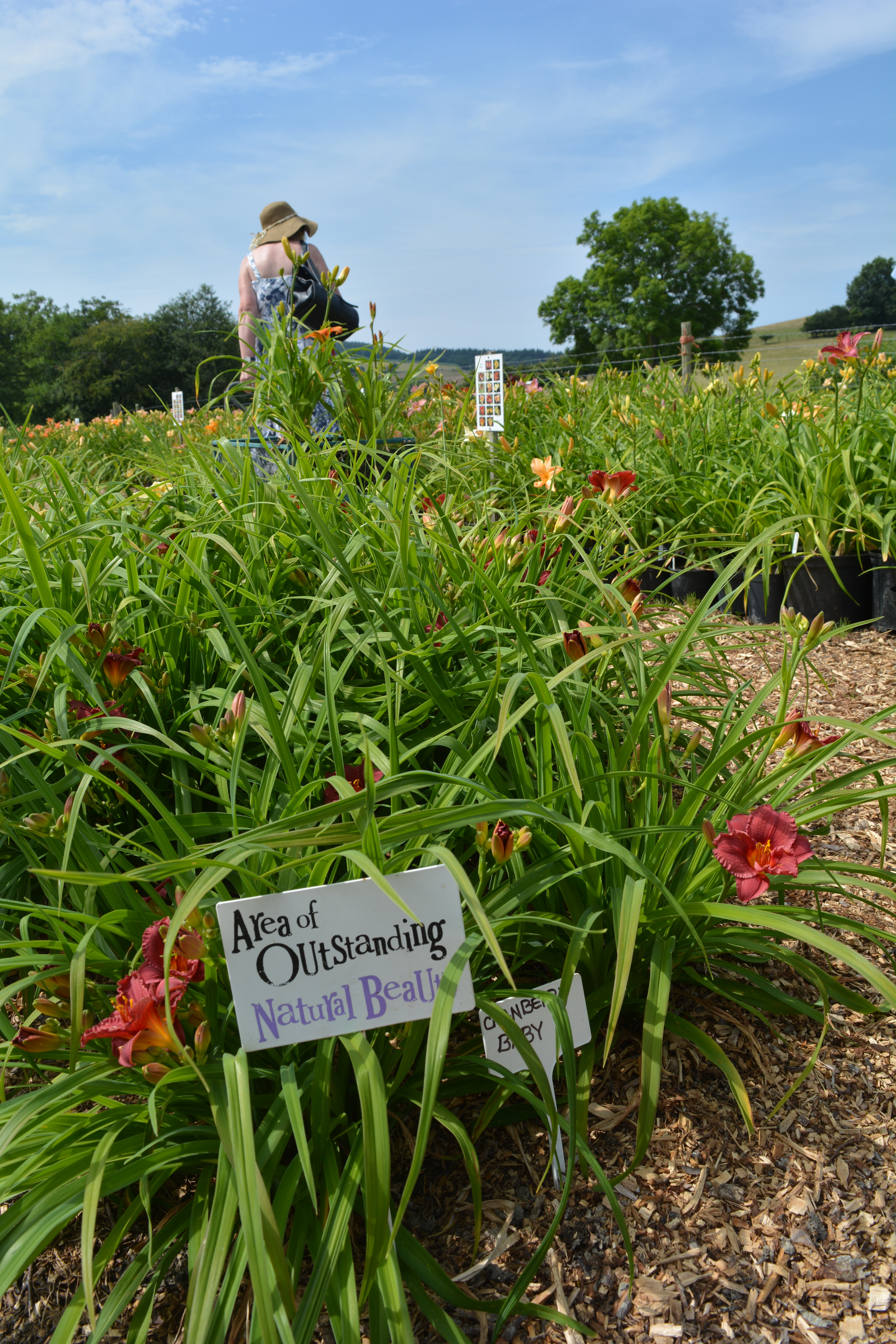
Friend Mark Zennick, is well known for his wide range of Hemerocallis or Day Lilies and he has many varieties for sale at his nursery not far from Plealey. He began his love for Day Lilies while still living in his native US.

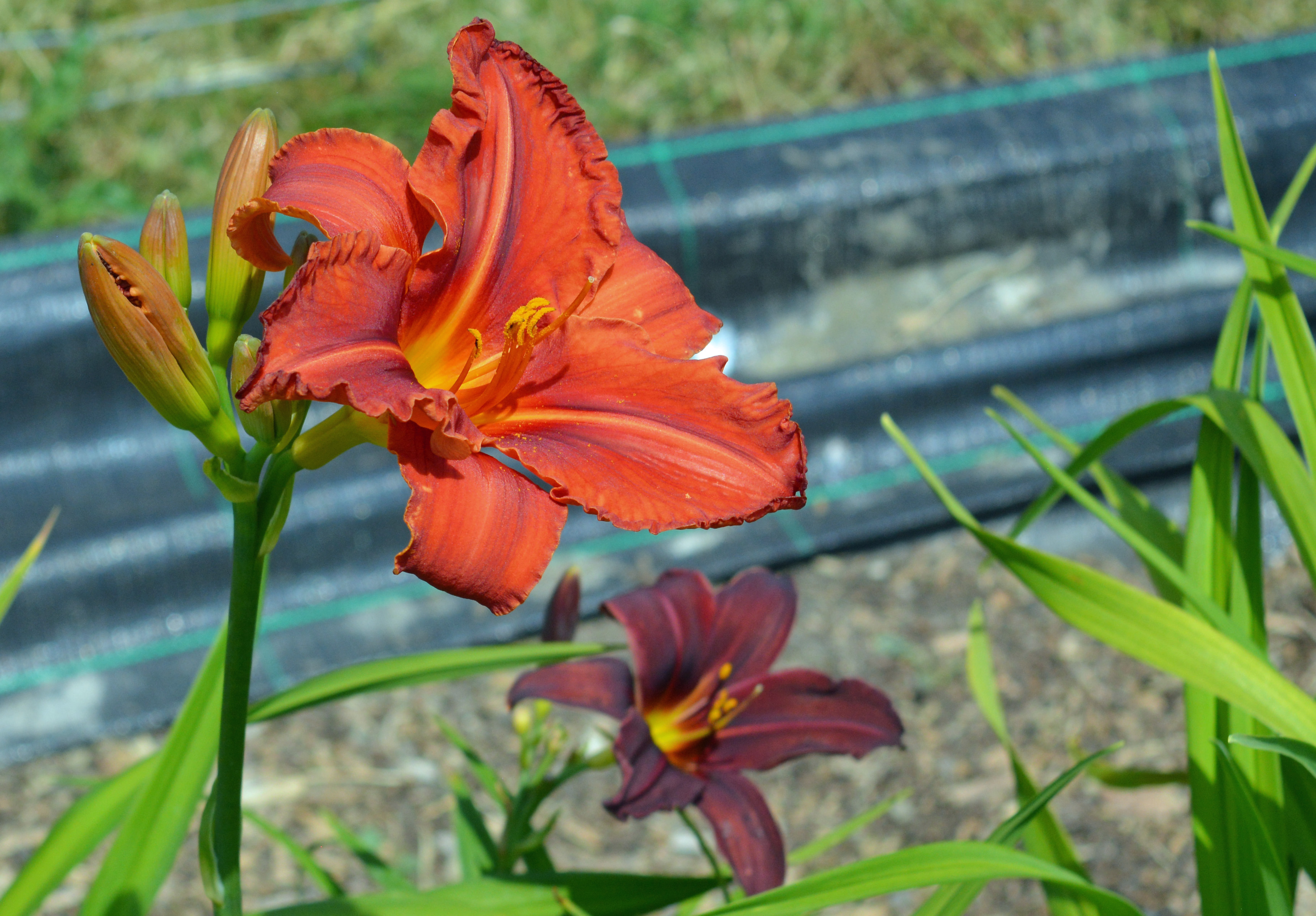
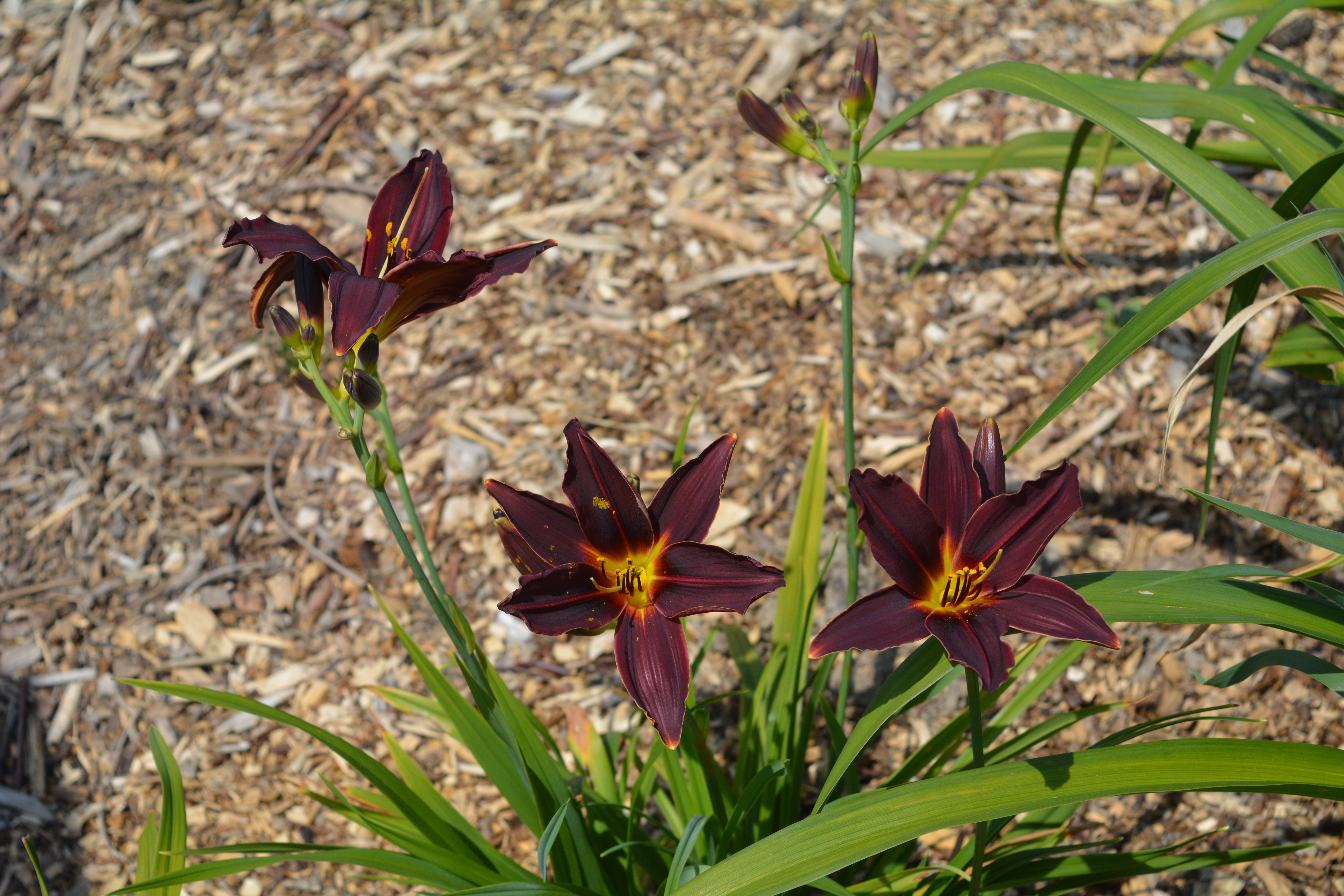
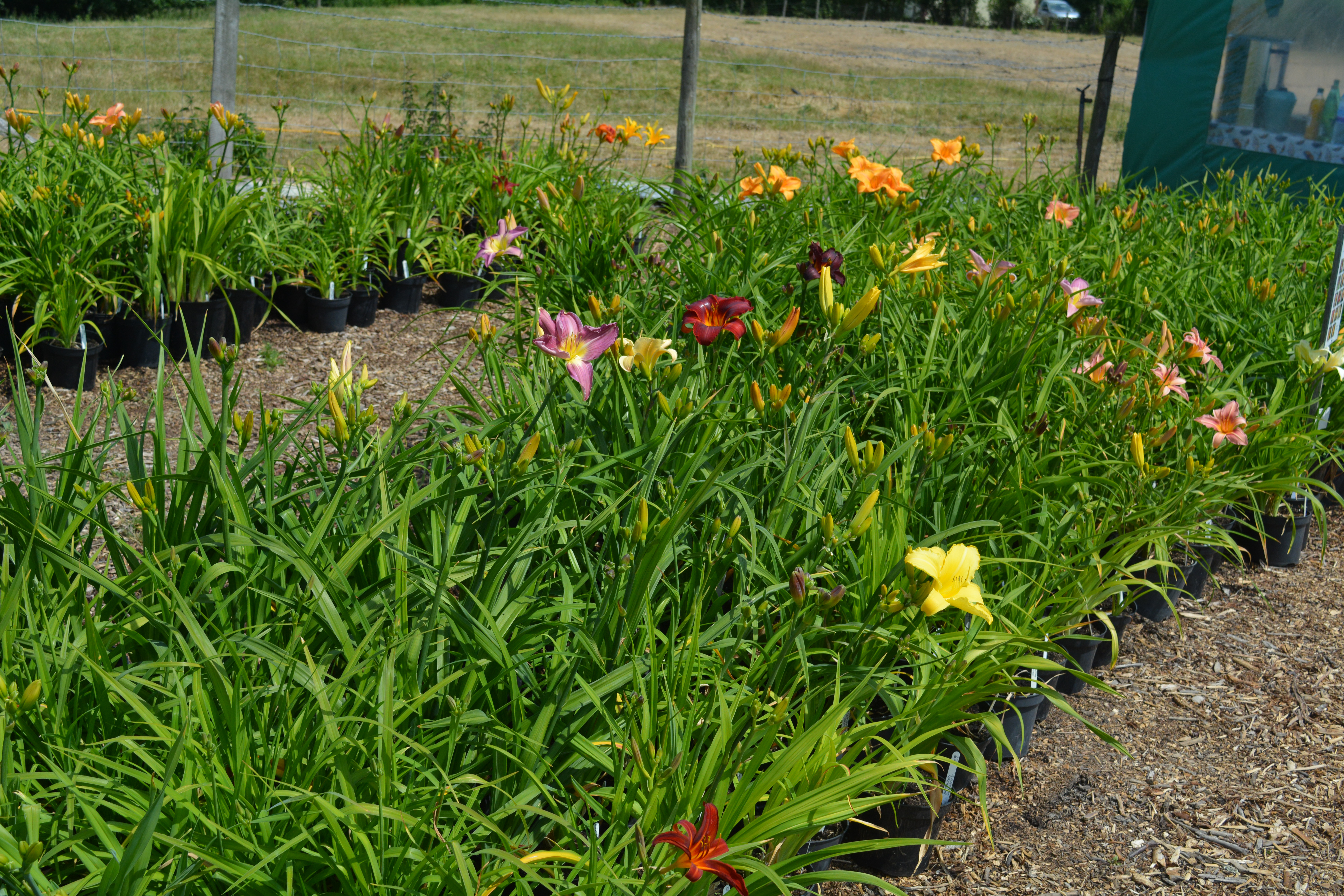
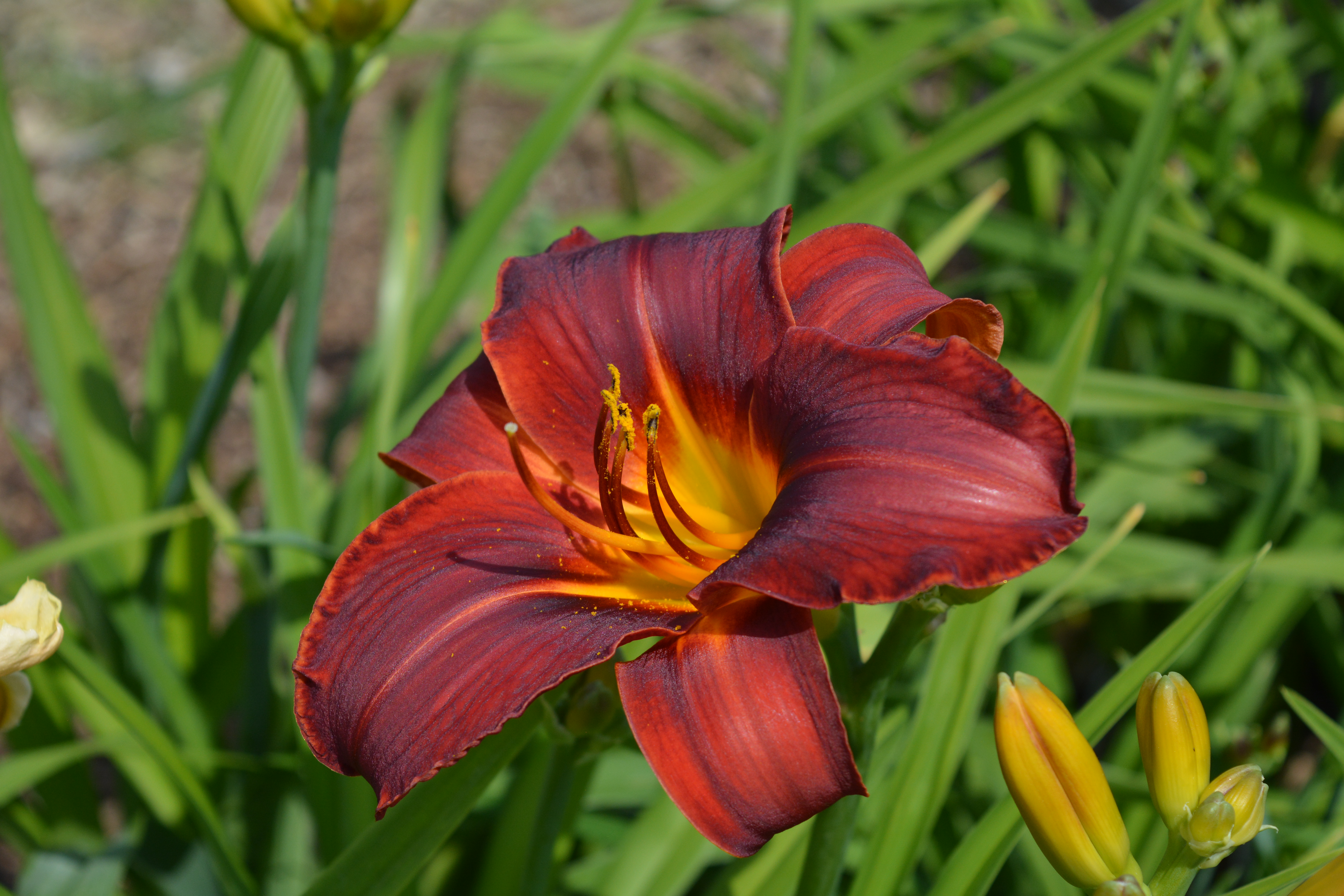
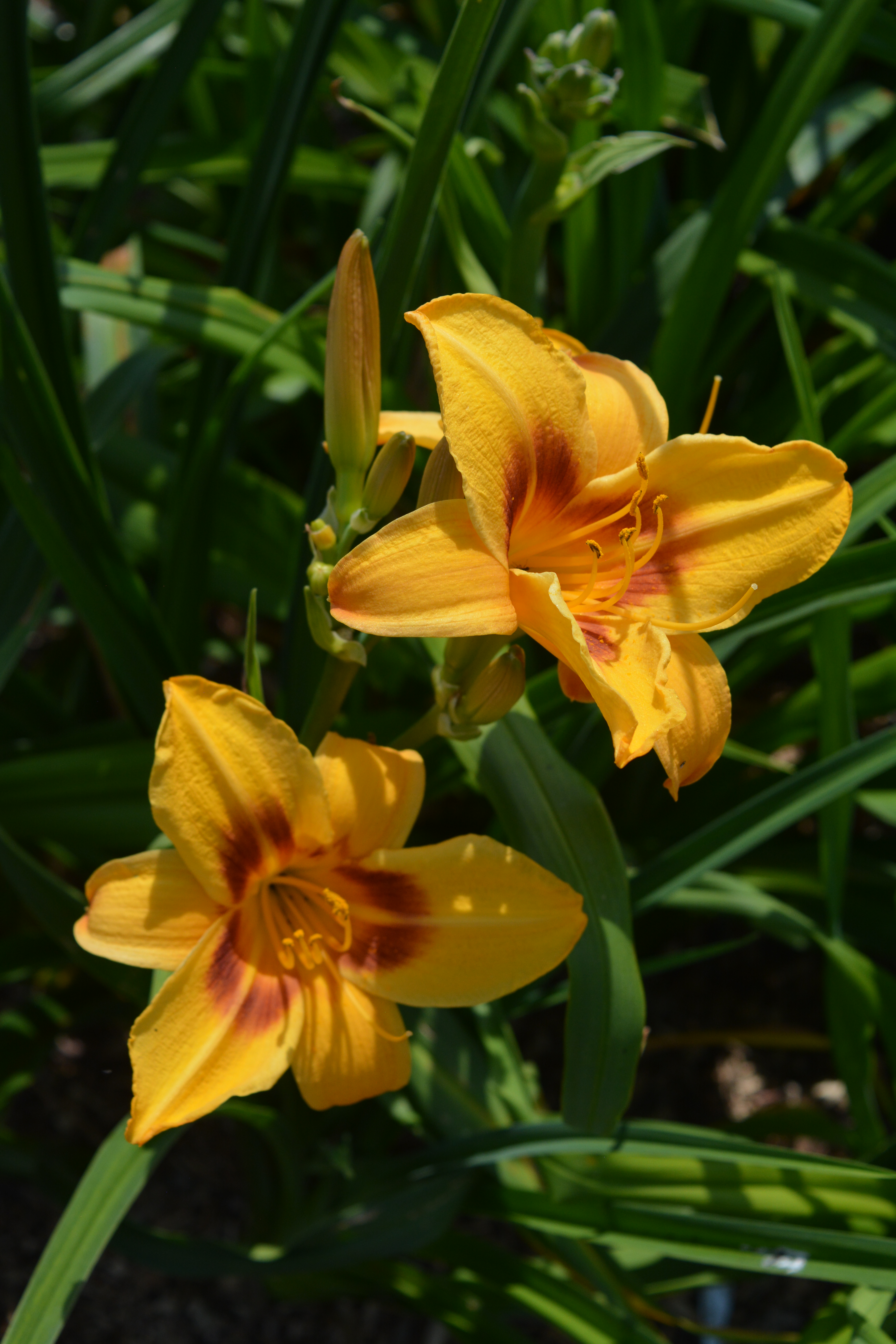
We find it by taking a lane for just three quarters of a mile to the A488 road towards Bishops Castle and Clun. After passing through the Hope Valley and the outskirts of Bishops Castle we soon found Mark’s little specialist nursery on our right. We had come to collect a particular cultivar called Alabama Jubilee and it is featured in the first photo below. We love it for the intense orange colours and the darker areas like shading. As always though we were tempted by several more, especially the dark flowered ones.


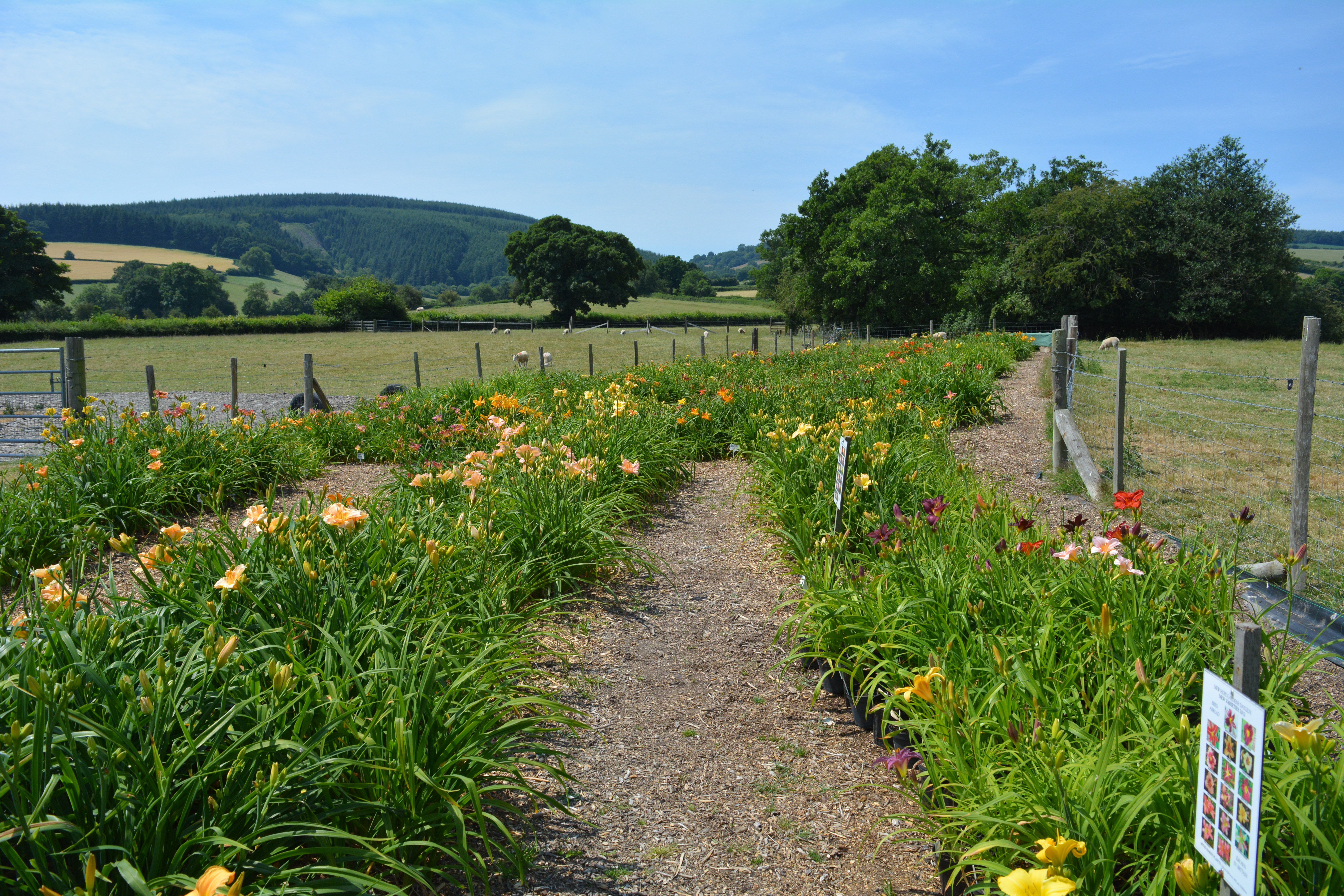
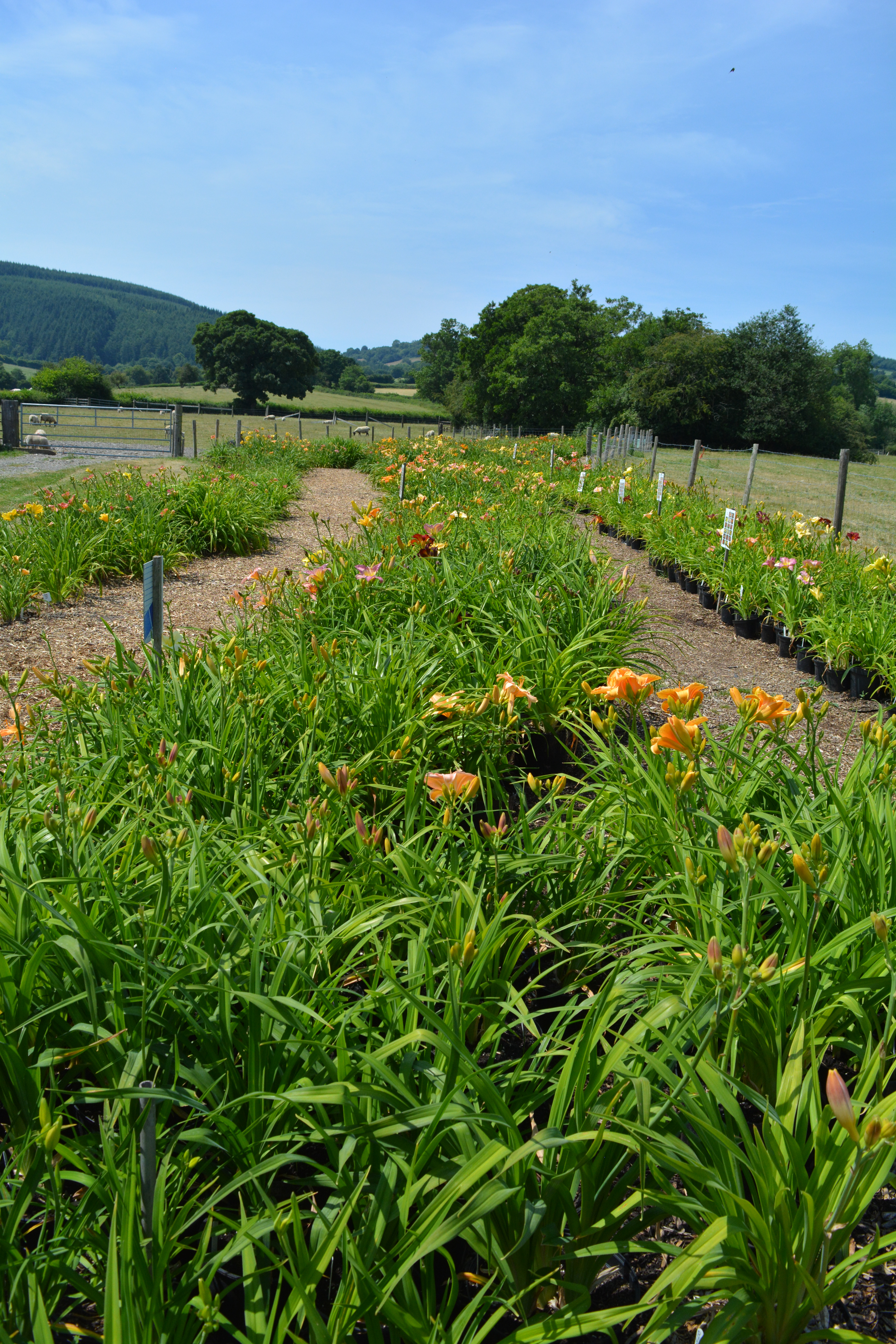
We were greeeted with a broad smile and a warm welcome, from both Mark and his trusty old Labrador. Behind him the colours of row upon row of Day Lilies stretch out away from the car park. So much colour in such a small nursery! These rows led our eyes out to the beautiful countryside surrounding the nursery.


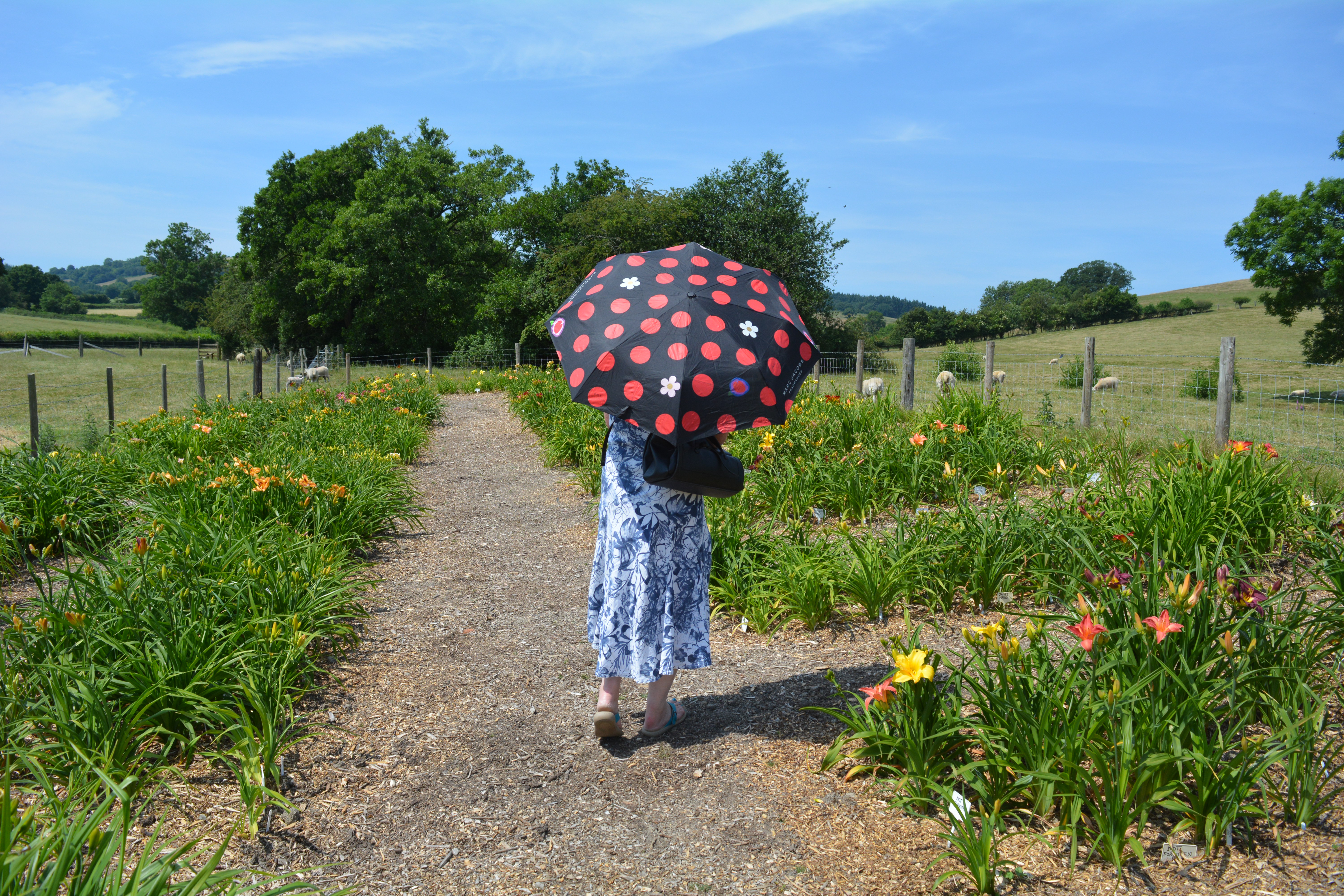
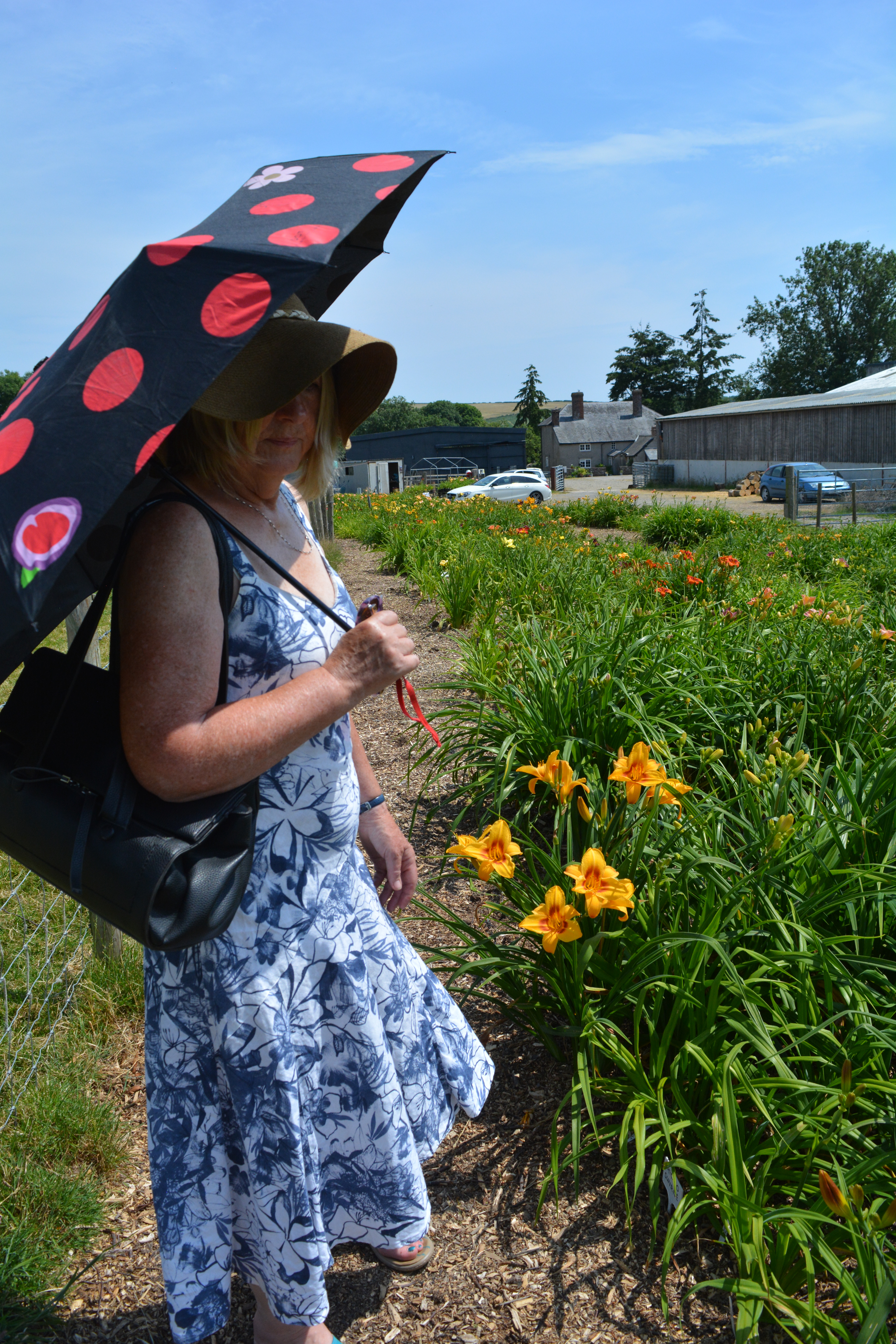
It was so hot and bright that Jude the Undergardener used her ladybird umbrella to keep the sun off, which amused Mark. Crazy English lady! I promised to send him a photo!


We wandered very slowly up and down each row of plants making notes on the order form Mark had given us for that purpose. The list of “wants” kept getting bigger and we had to start some editing. We decided that shortening the list was such a difficult task that we would allow ourselves ten plants maximum!

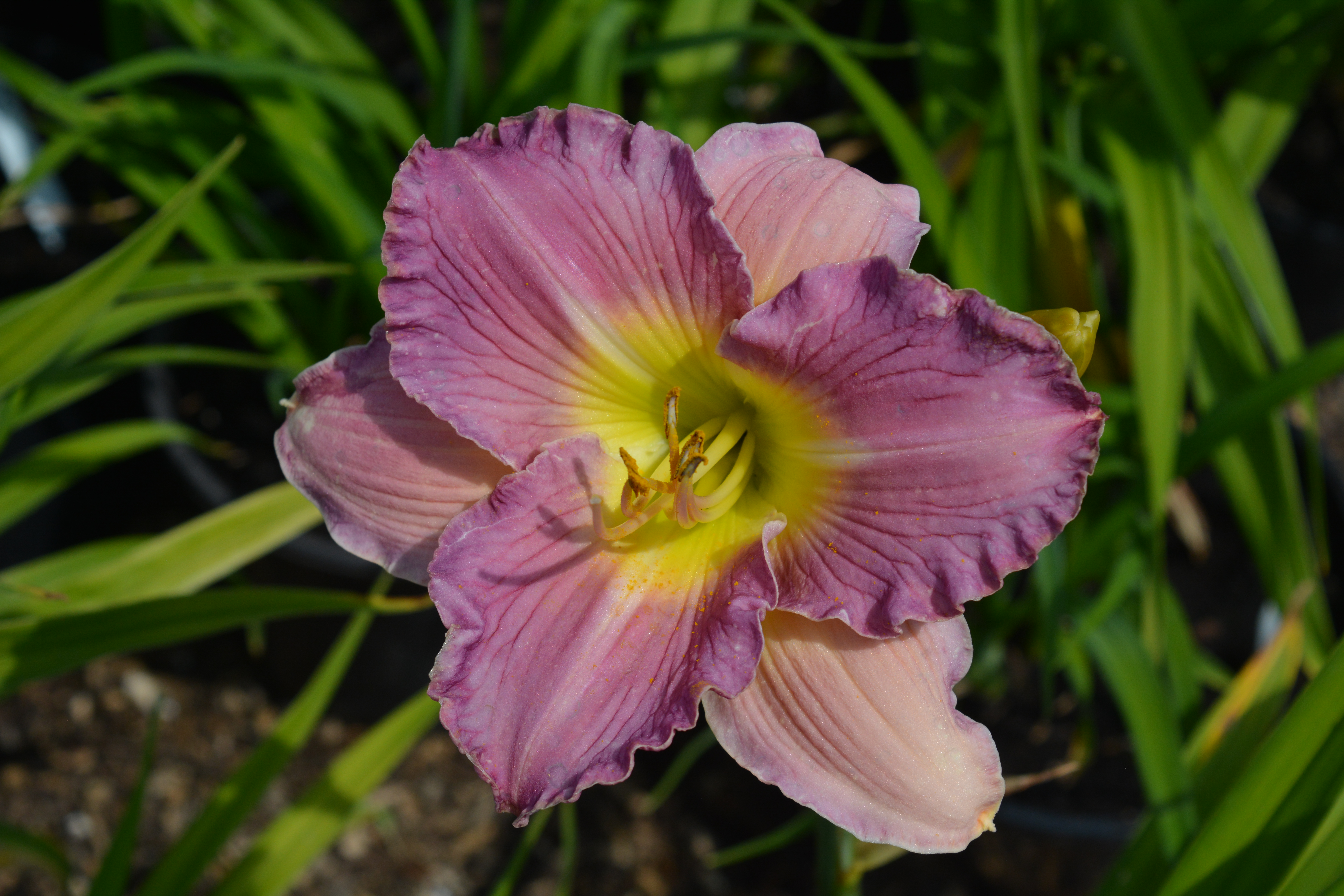
There was so much choice, diffirent colours, flower shapes, habit and flwering period. Here is the selection we started off with. We eventually left with eleven plants.


Mark made us promise to return soon when even more of his special plants would be flowering. How many Hemerocallis will we be tempted by then I wonder?


Categories
colours garden photography garden wildlife gardening gardens hardy perennials ornamental trees and shrubs roses Shropshire shrubs wildlife

My Garden Journal 2018 – June

I finished my latest entries into my garden journal just as we reach the mid-point of the year. June has once again been a month of mixed up weather and the garden plants have continued in their state of confusion.

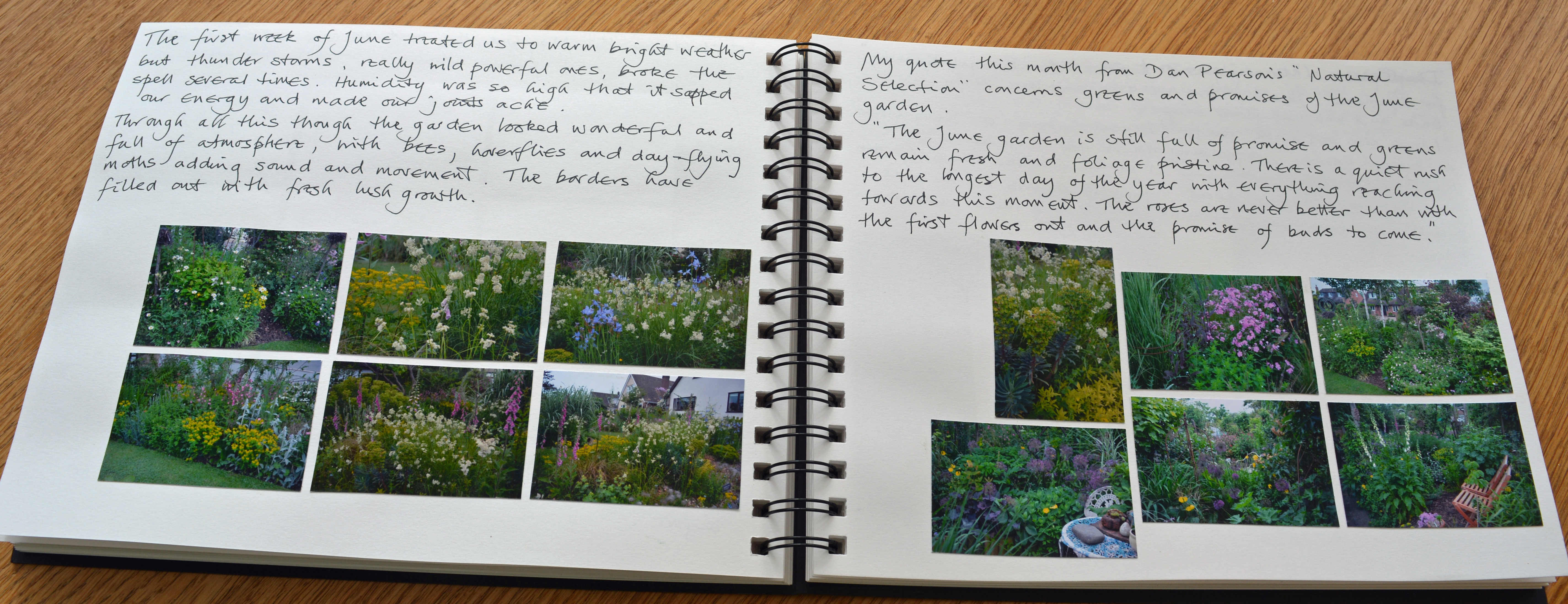
My first words for June were positive words about the weather, a rare occurence to use such words this year. “The first week in June treated us to warm bright weather but thunderstorms, really wild powerful ones, broke the spell several times. Humidity was so high that it sapped our energy and made our joints ache.

Through all this the garden looked wonderful and full of atmosphere, with bees, hoverflies and day-flying moths adding sound and movement. The borders have filled out with fresh lush growth.”

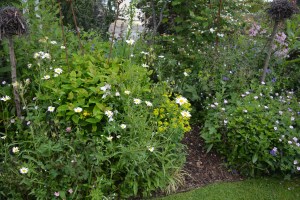
I used six photos to illustrate this lushness.
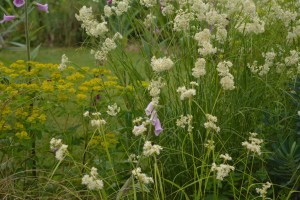
   

On the opposite page I continued in the same vein using my quote this month from Dan Pearson, “My quote this month from Dan Pearson’s “Natural Selection” concerns greens and promises of the June garden. 

“The June garden is still full of promise and greens remain fresh and foliage pristine. There is a quiet rush to the longest day of the year with everything reaching towards this moment. The roses are never better than with the first flowers out and the promise of buds to come.”

I followed on with another six photos.
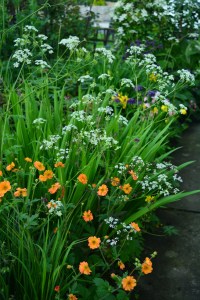
   

Turning to the next double page spread I considered our roses and add a few more words from Dan Pearson.

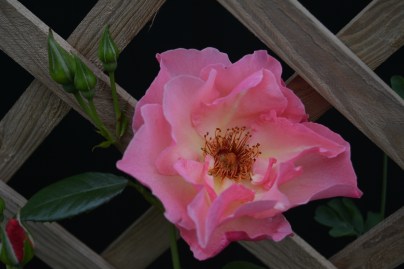
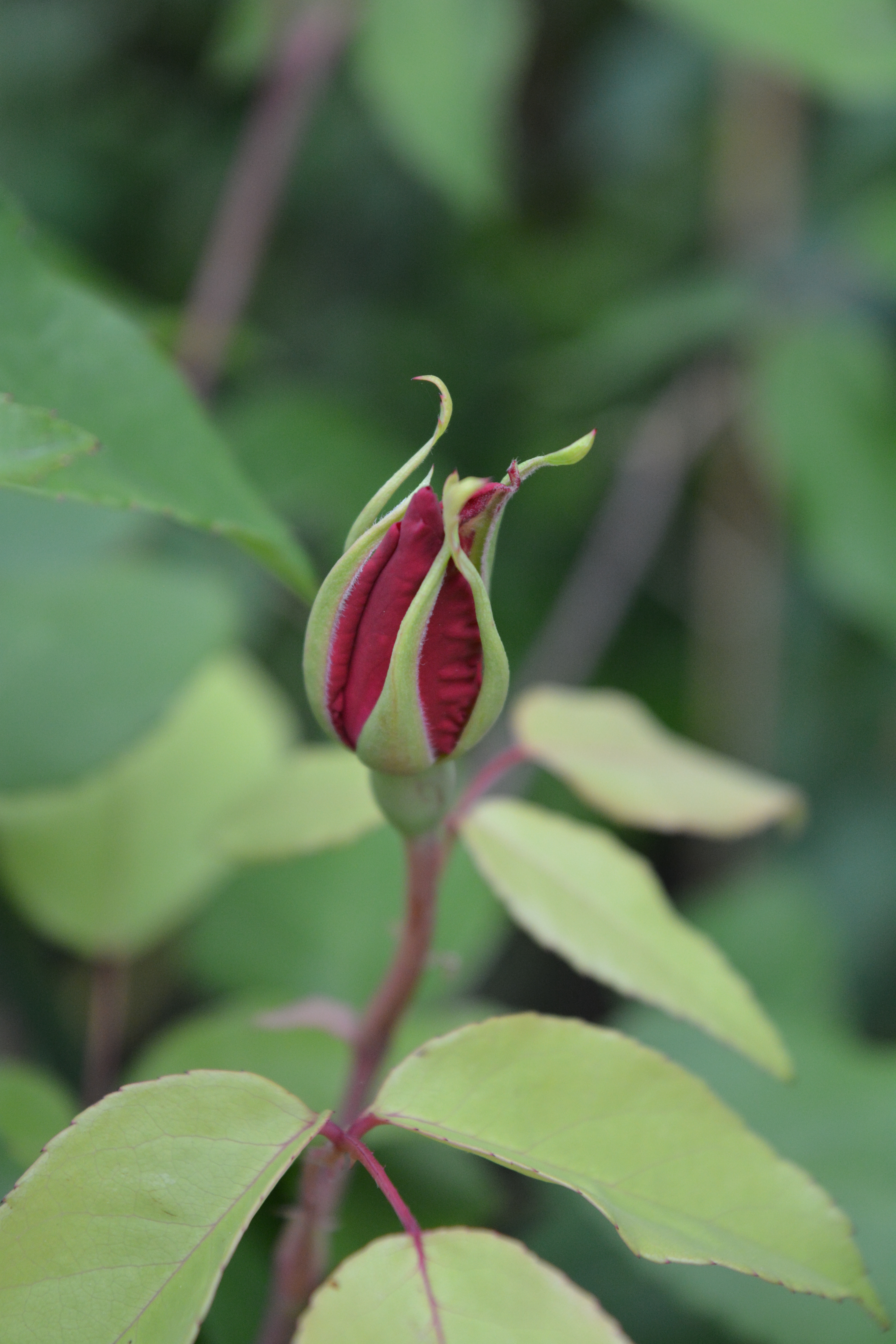
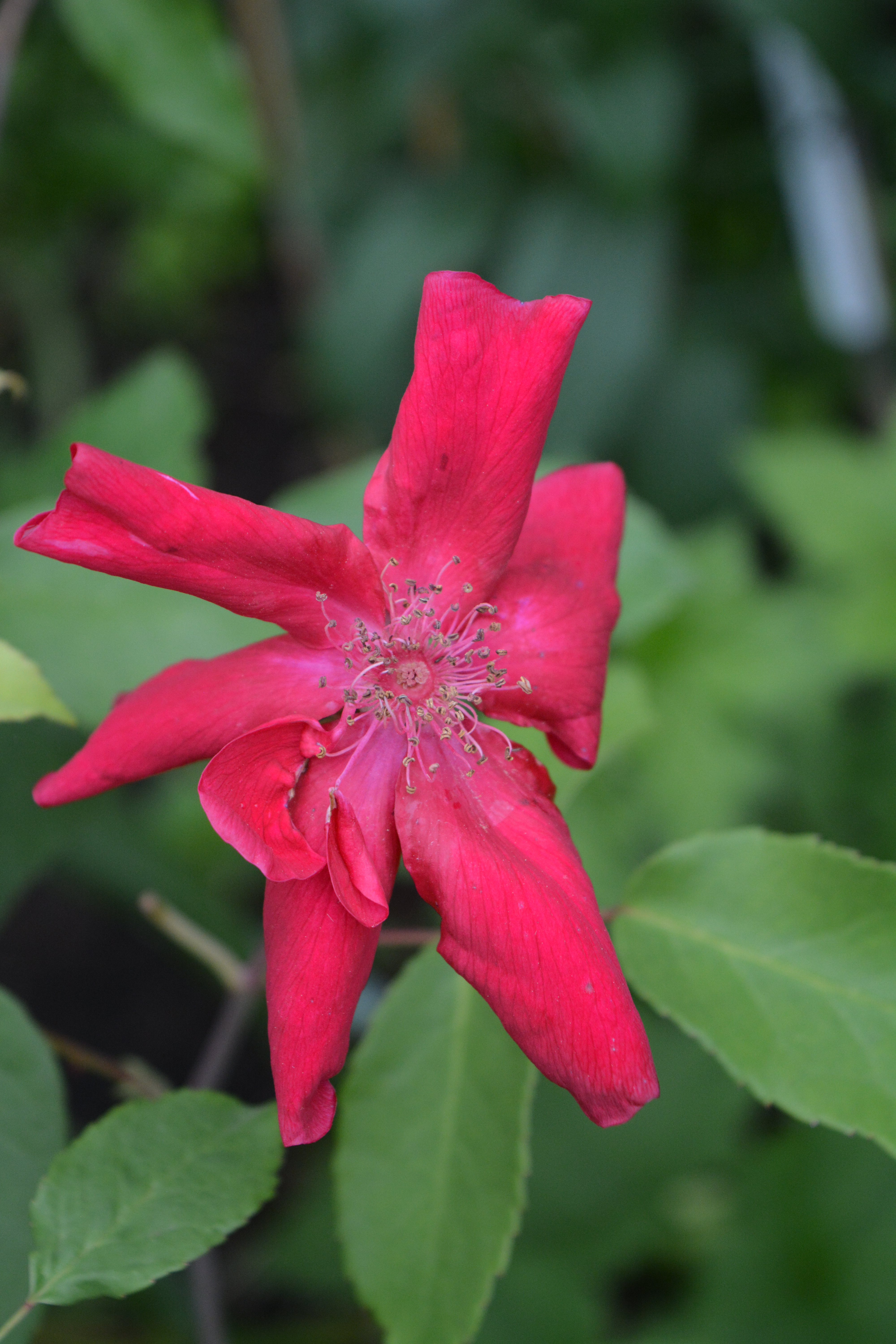
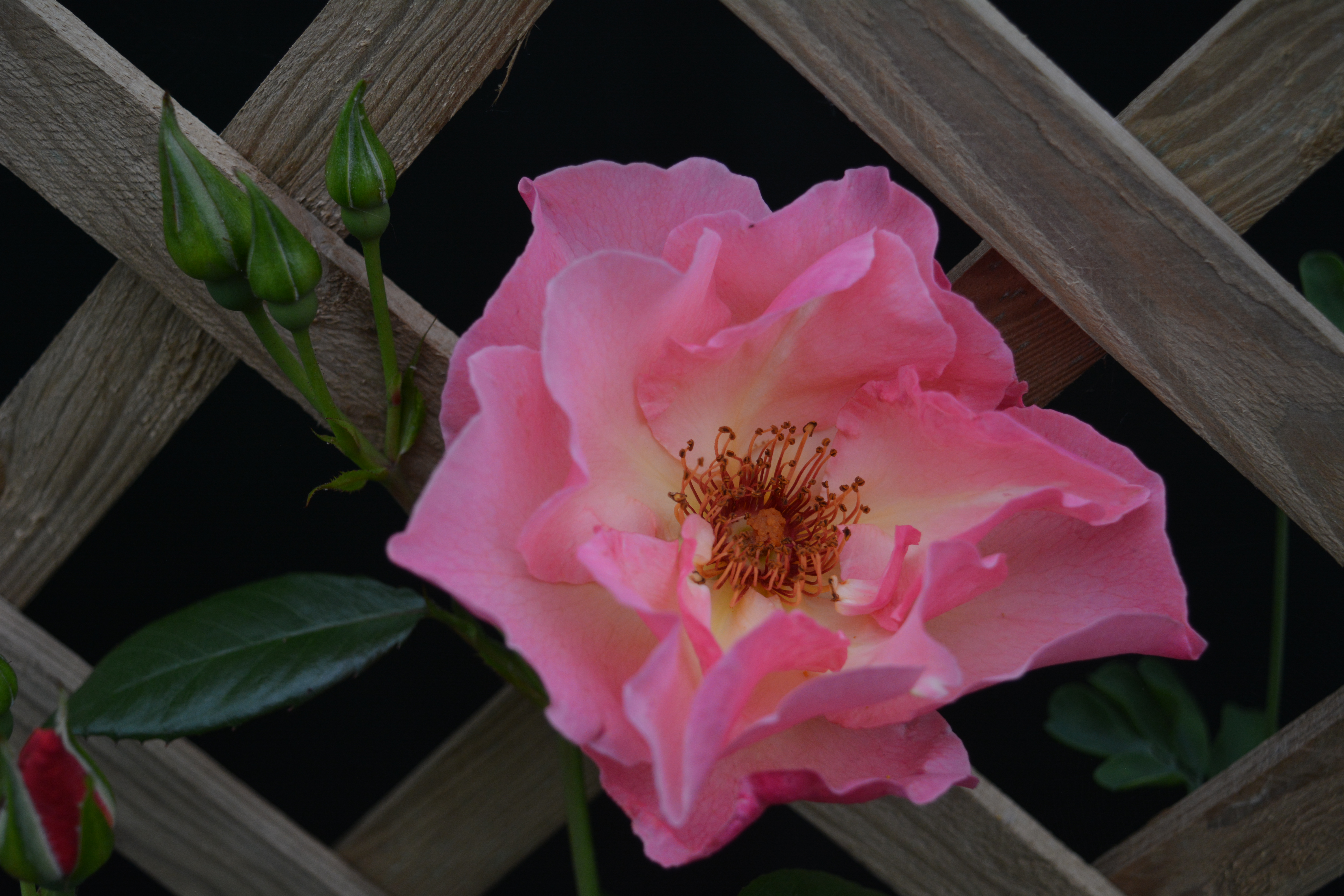
“Dan Pearson later singles out one Rose, “Bengal Beauty”,  for comment. This is a rose we grow and love it for its buds and unusual flower shape.”

Pearson wrote, “I have also set aside room for “Bengal Crimson” (or “Bengal Rose” or “Bengal Beauty”, depending where you read about it). I was first smitten when I saw it at the Chelsea Physic Garden years ago, but forgot all about it.” He recalls how he was gifted a specimen as a present for opening their summer fair.”
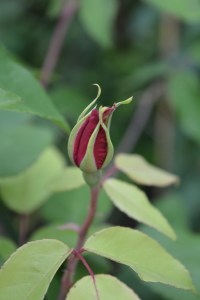
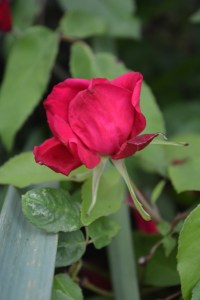


“Dan Pearson describes Bengal Beauty as “a delightful, informal bush and all the names describe it well – its single cherry-red flowers splayed wide and recoiled on themselves as if they were stretching are like sweet wrappers scattered over the bush.”

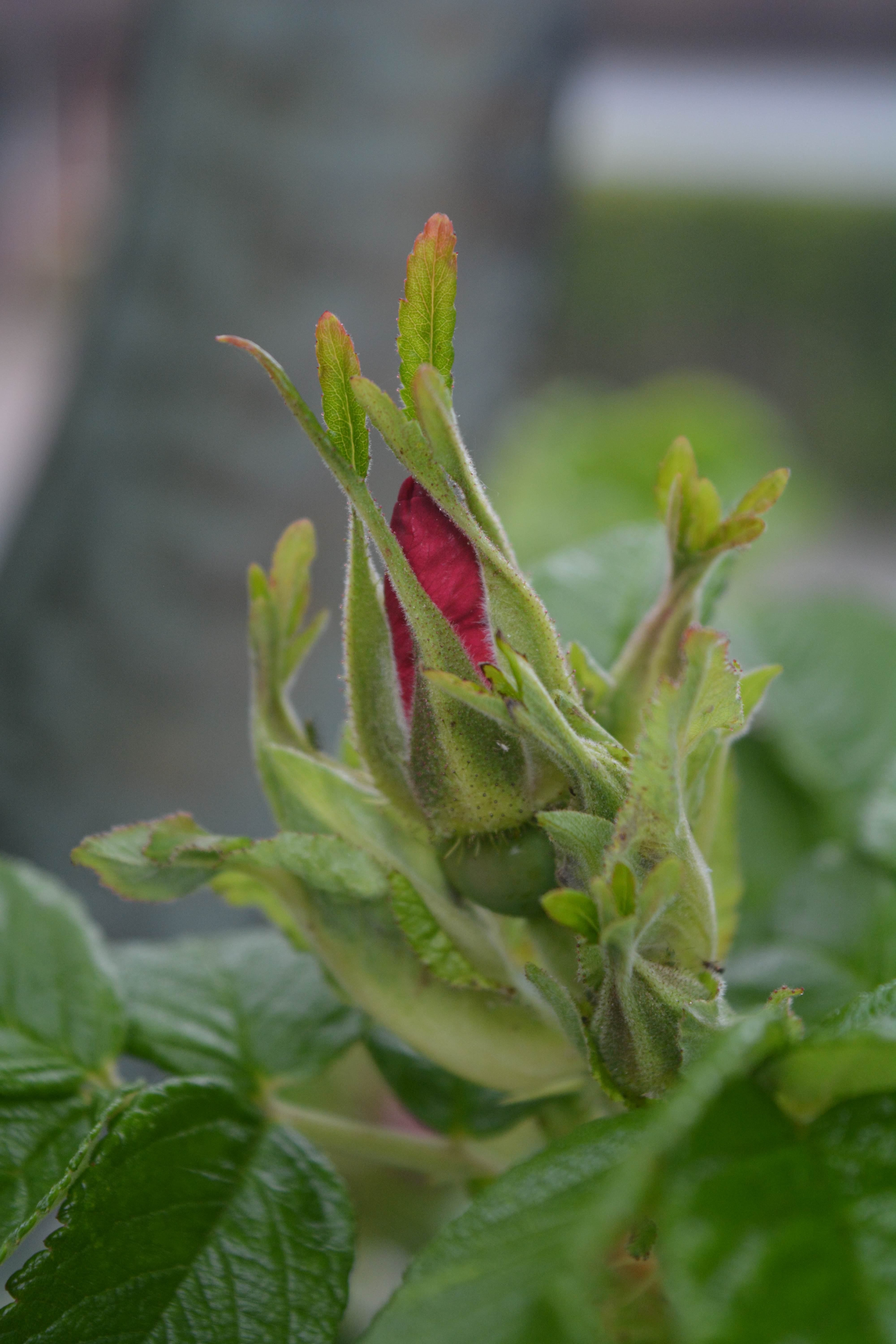
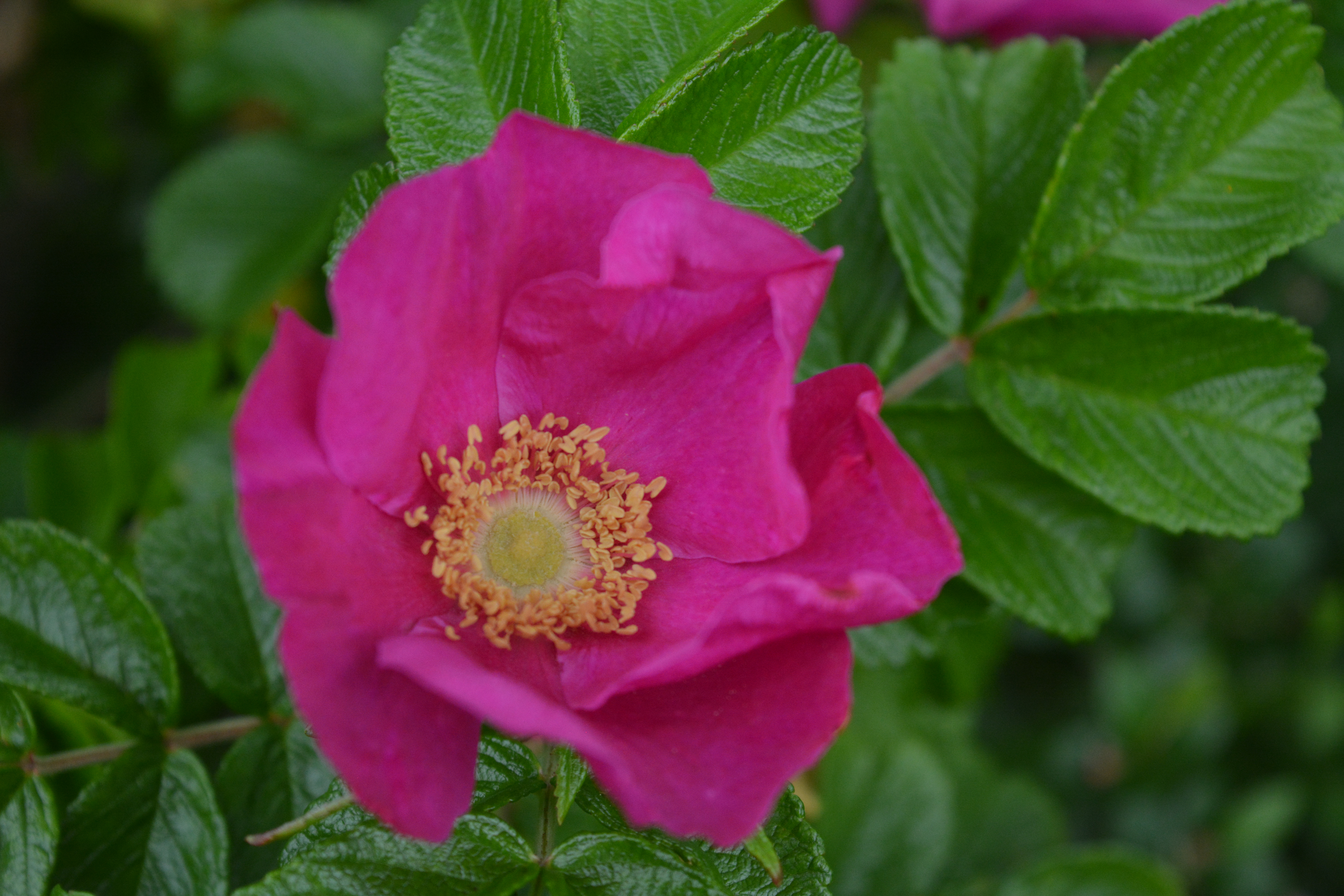
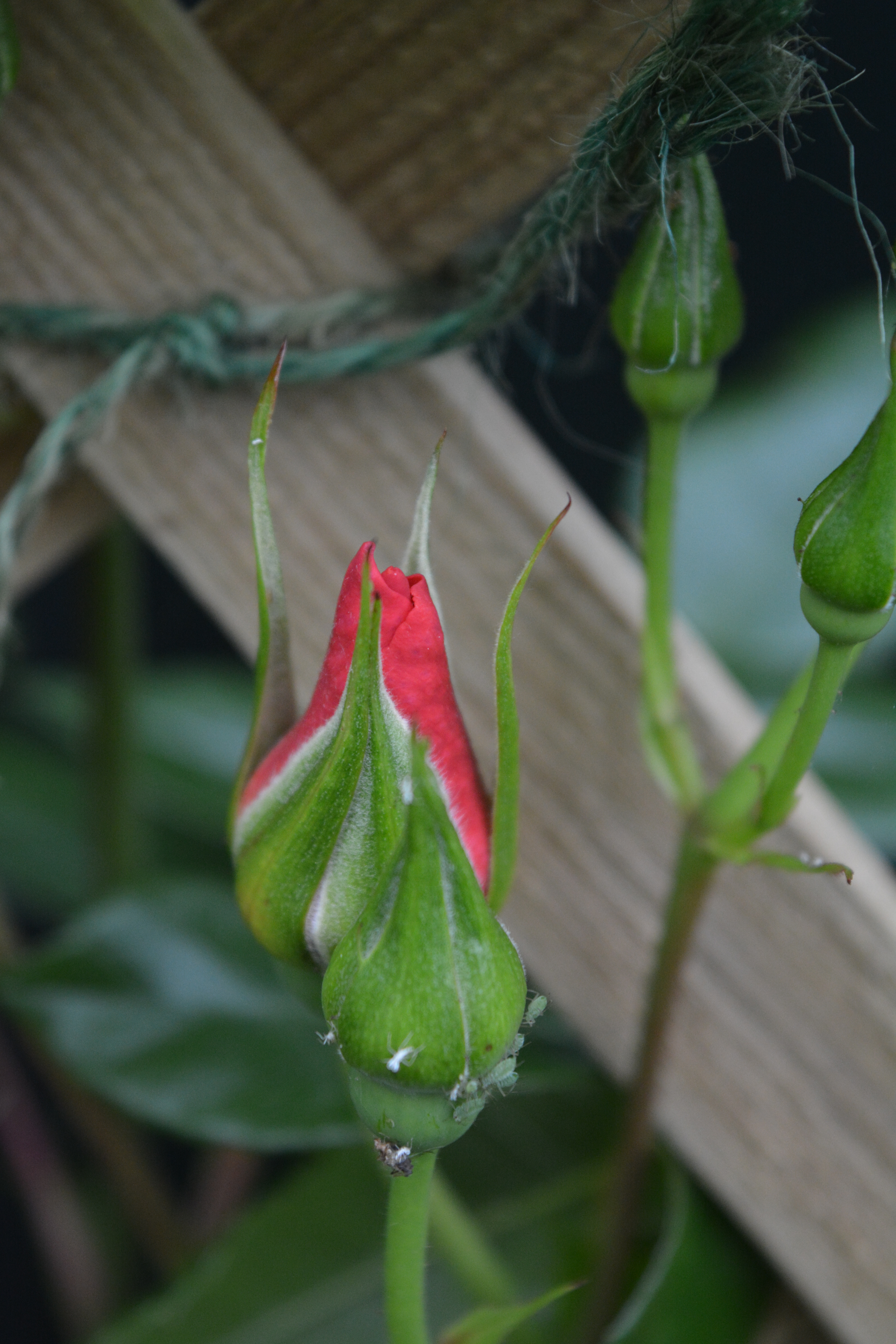
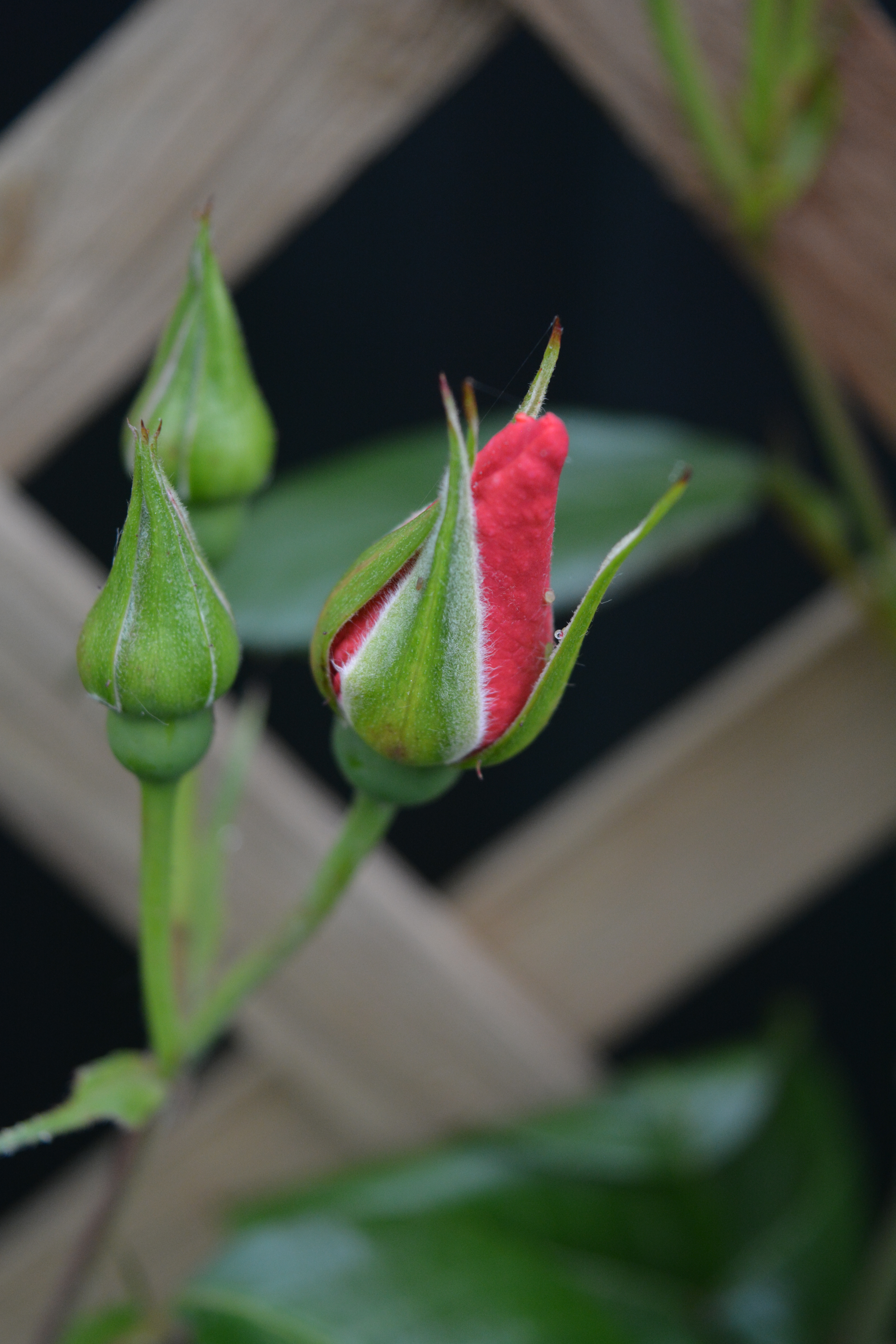
I then included photos of Rosa rugosa and Rosa “Summer Wine” in flower and in bud.


“Rosa rugosa”
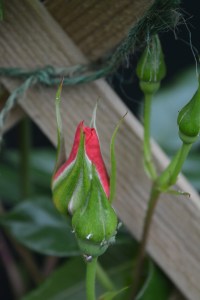
 

“Rosa Summer Wine”

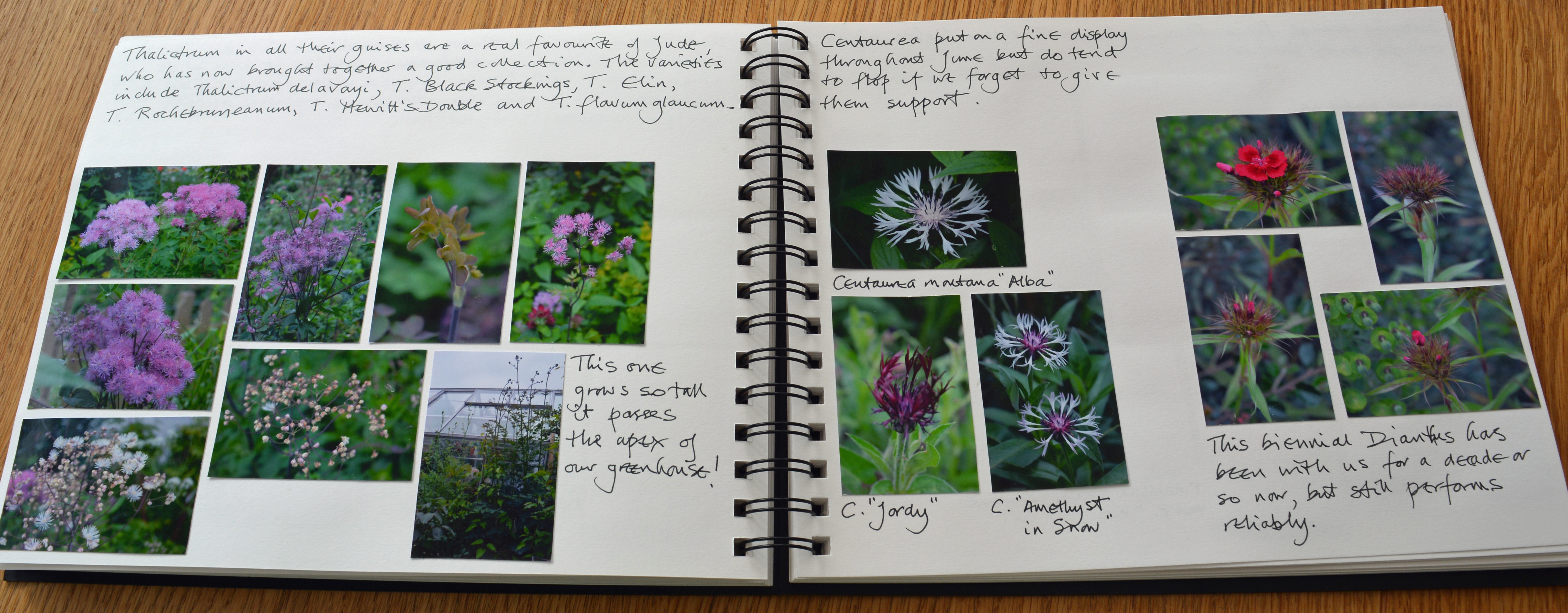
Over onto the next two ages I looked at Thalictrum, Centaurea and Gypsy Dianthus.
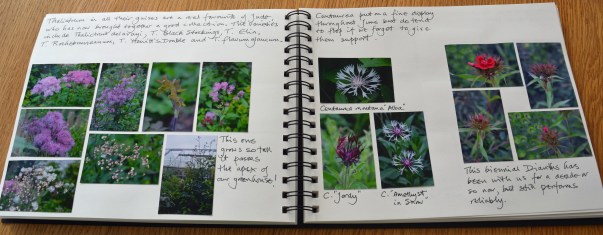
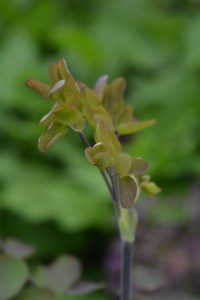
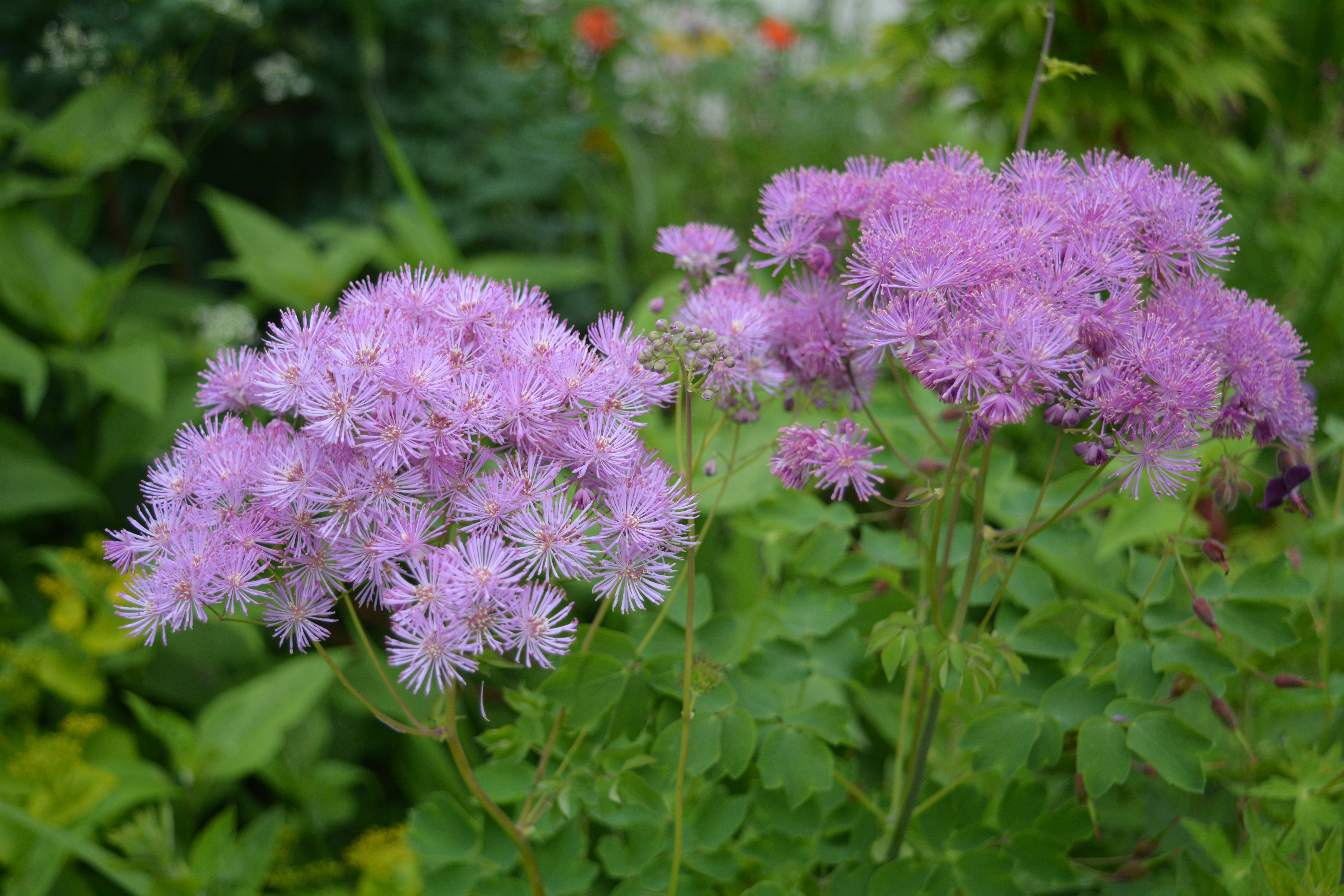
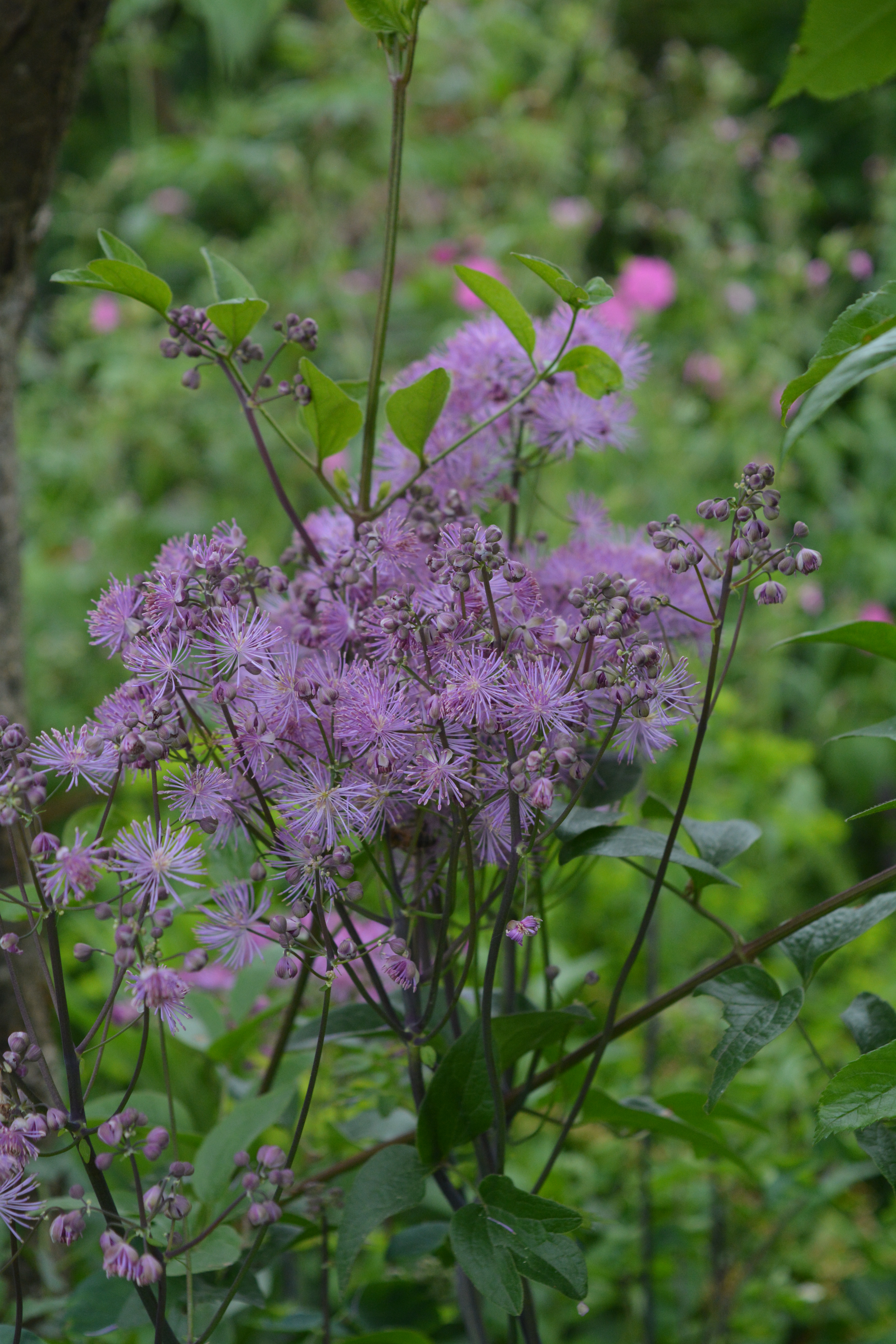
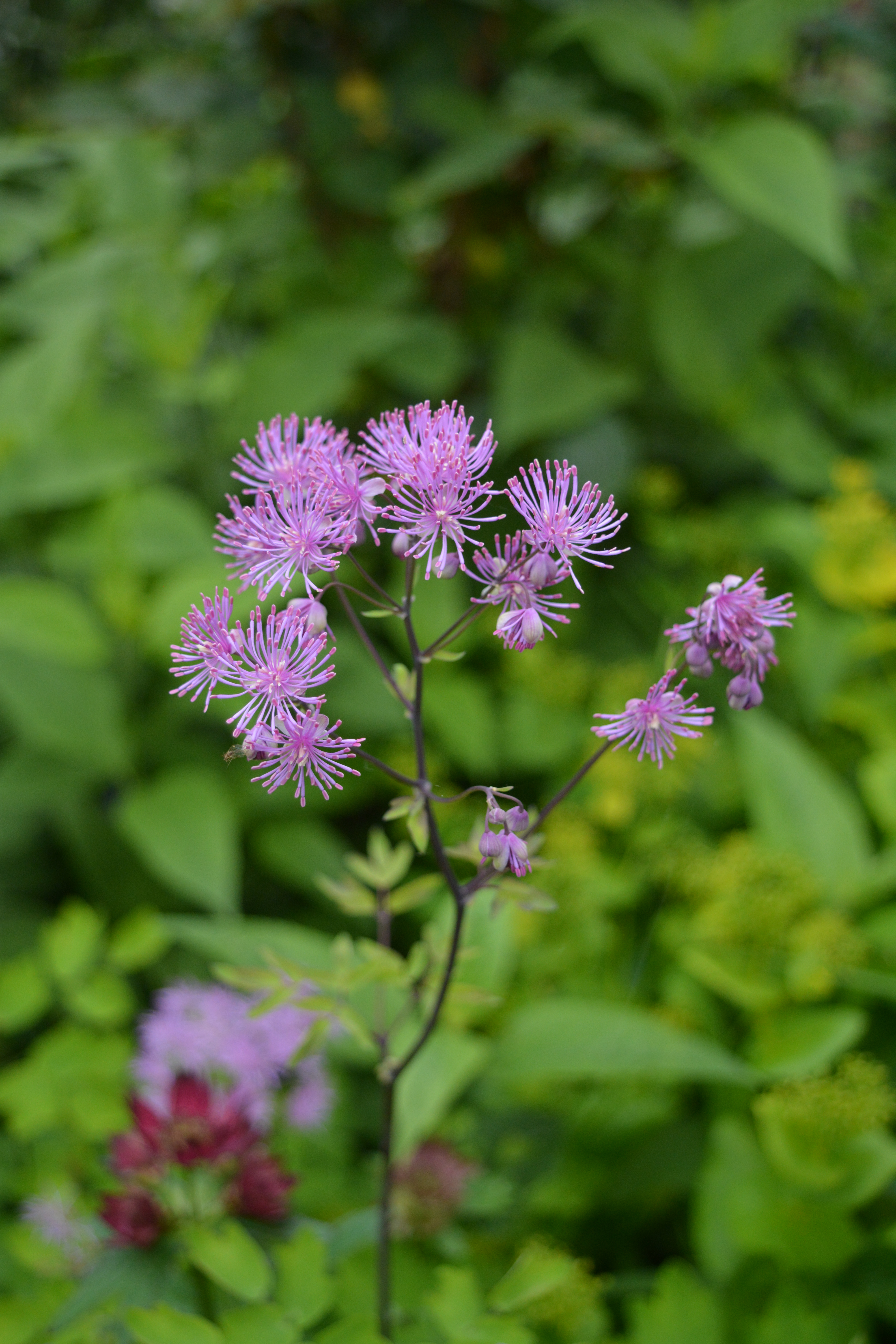
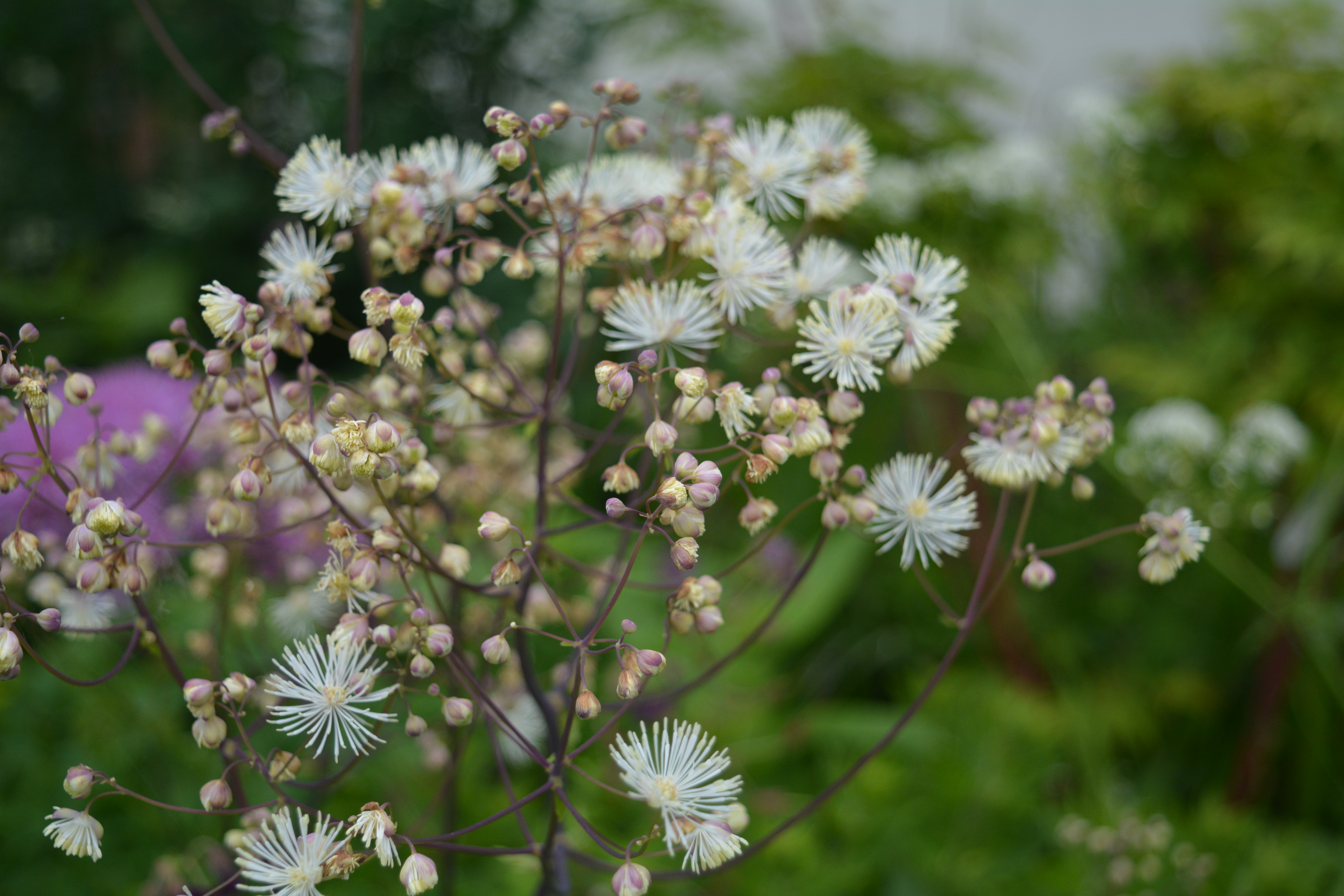
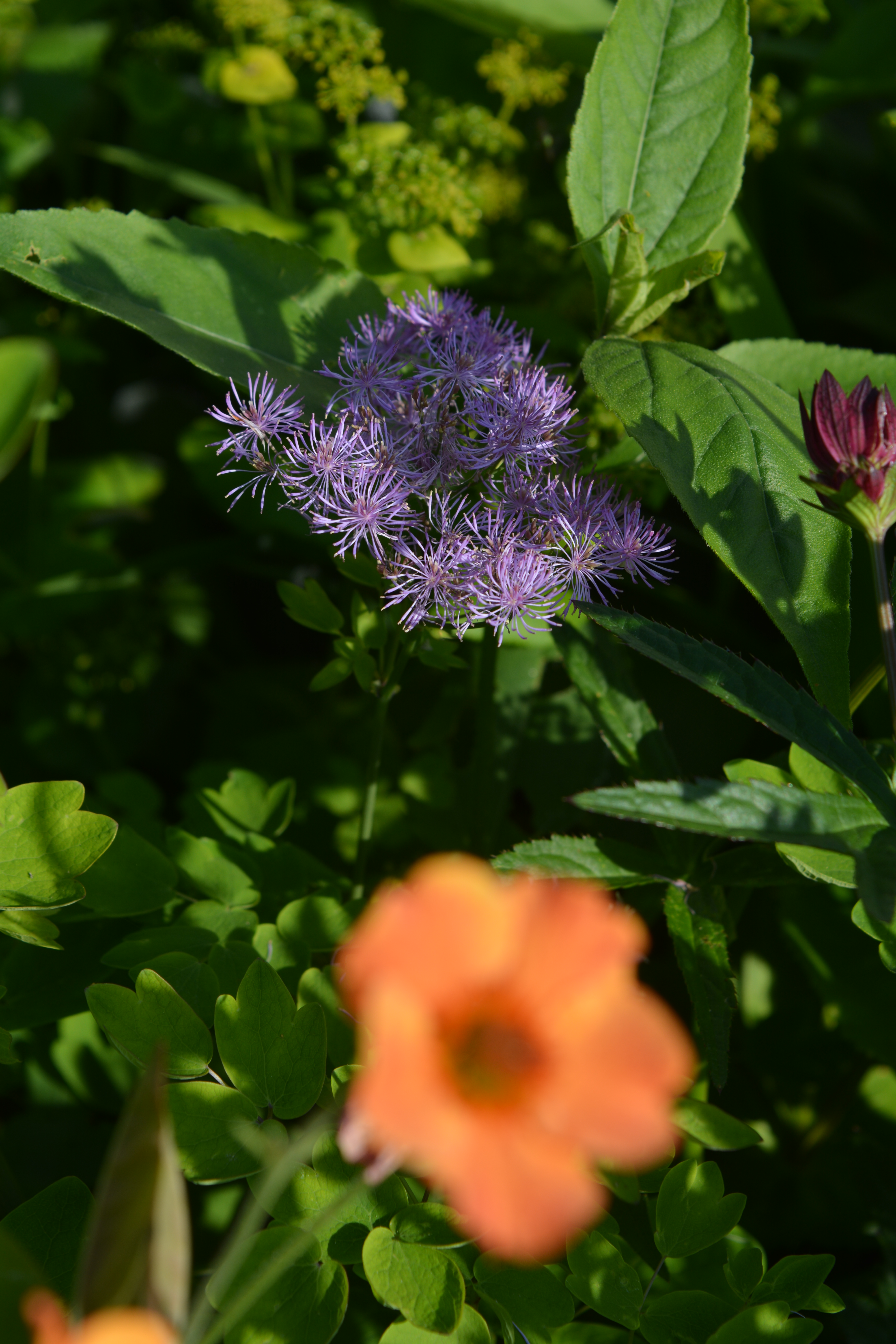
I wrote, “Thalictrum in all their guises are a real favourite of Jude, who has now brought together a good collection. The varieties include Thalictrum delavayi, T. Black Stocking, T. Elin, T. Rochebruneanum, T. Hewitt’s Double and T. flavum glaucum.”
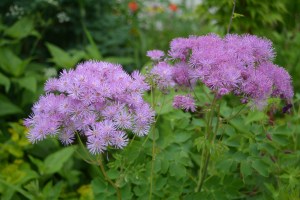
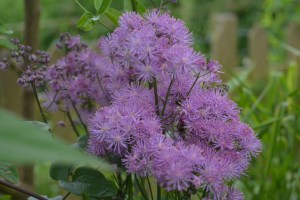
    

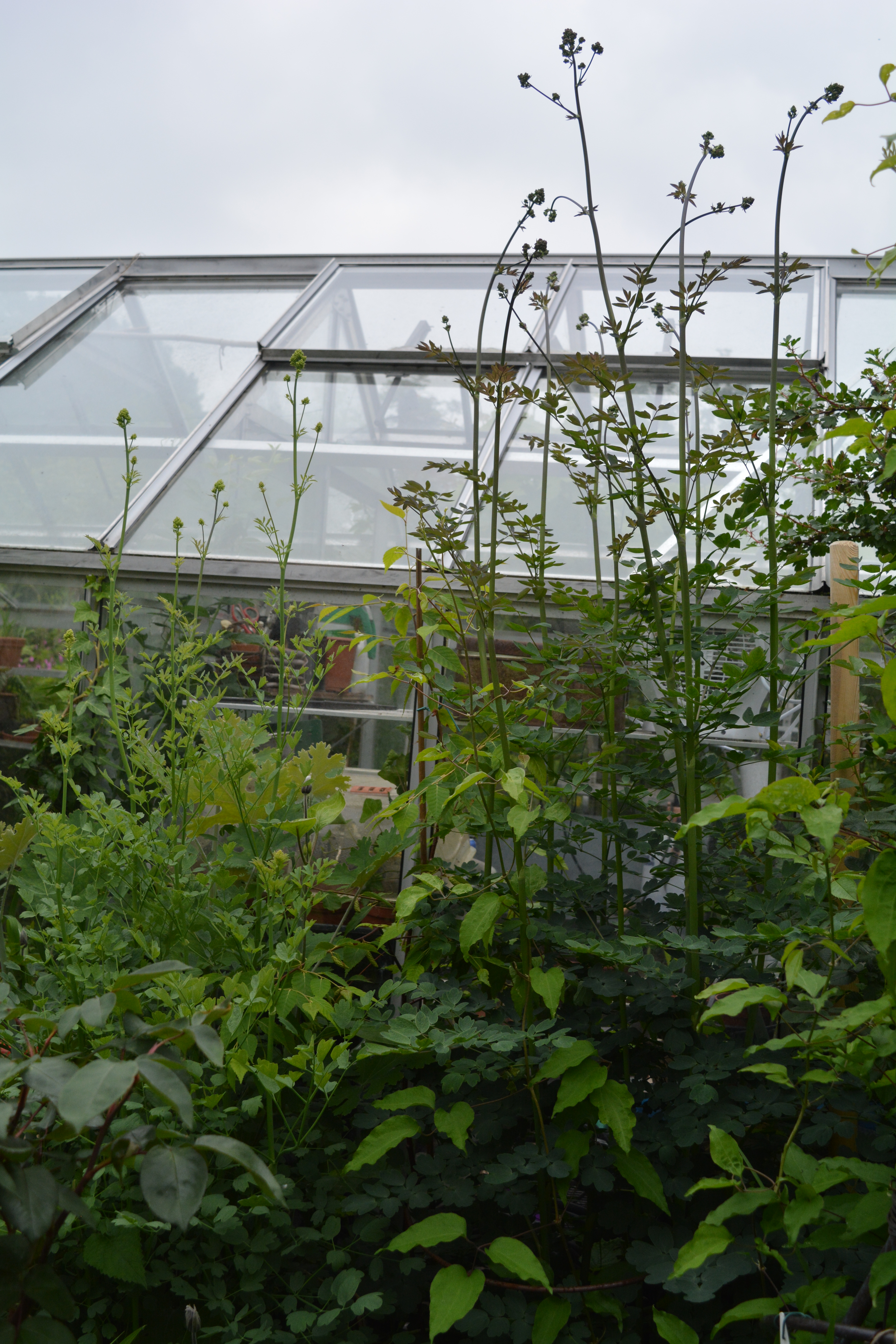
“This Thalictrum has grown so tall it passes the apex of our greenhouse!”


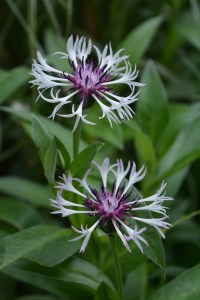
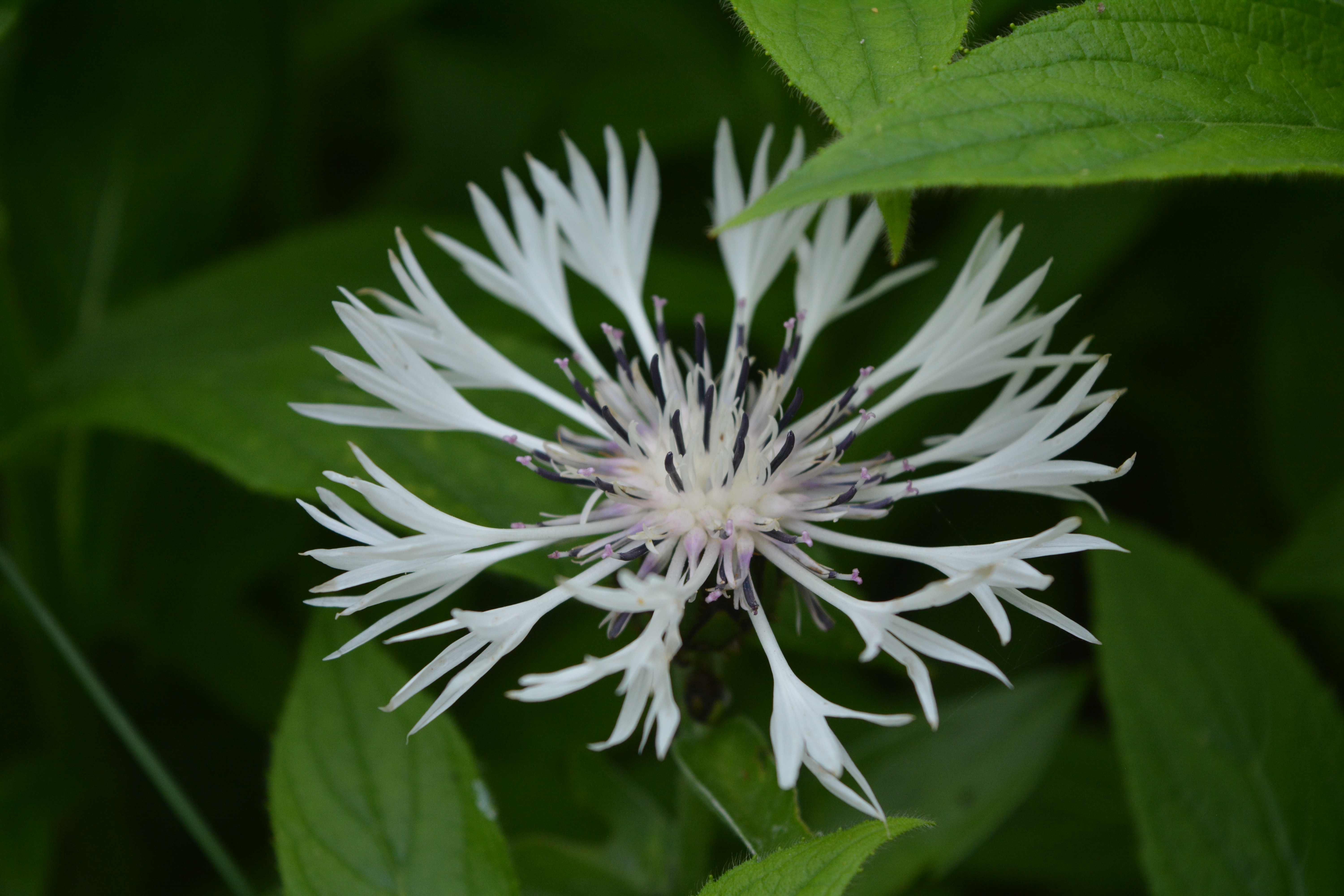
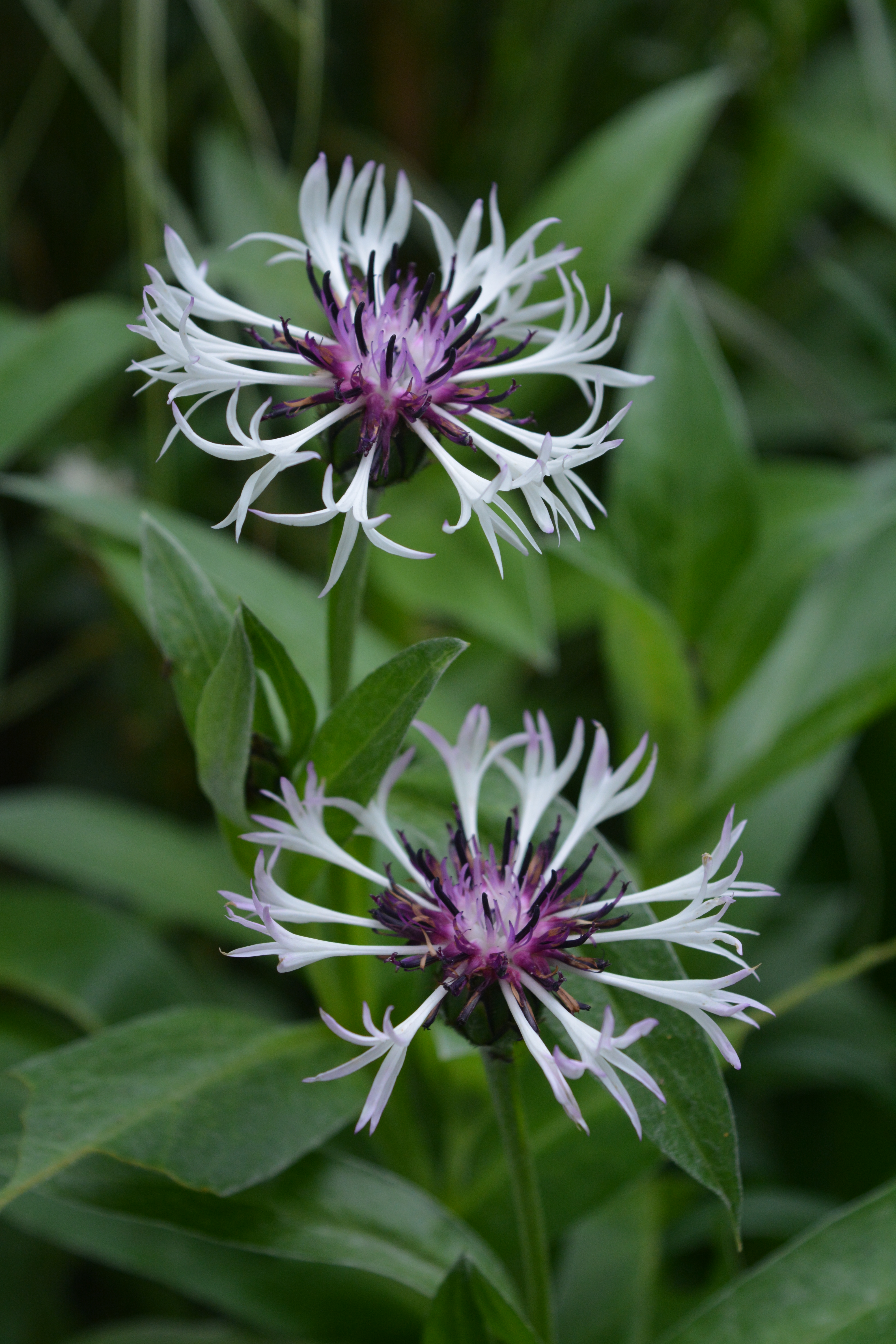
“Centaurea put on a fine display throughout June, but do tend to flop if we forget to give them support”


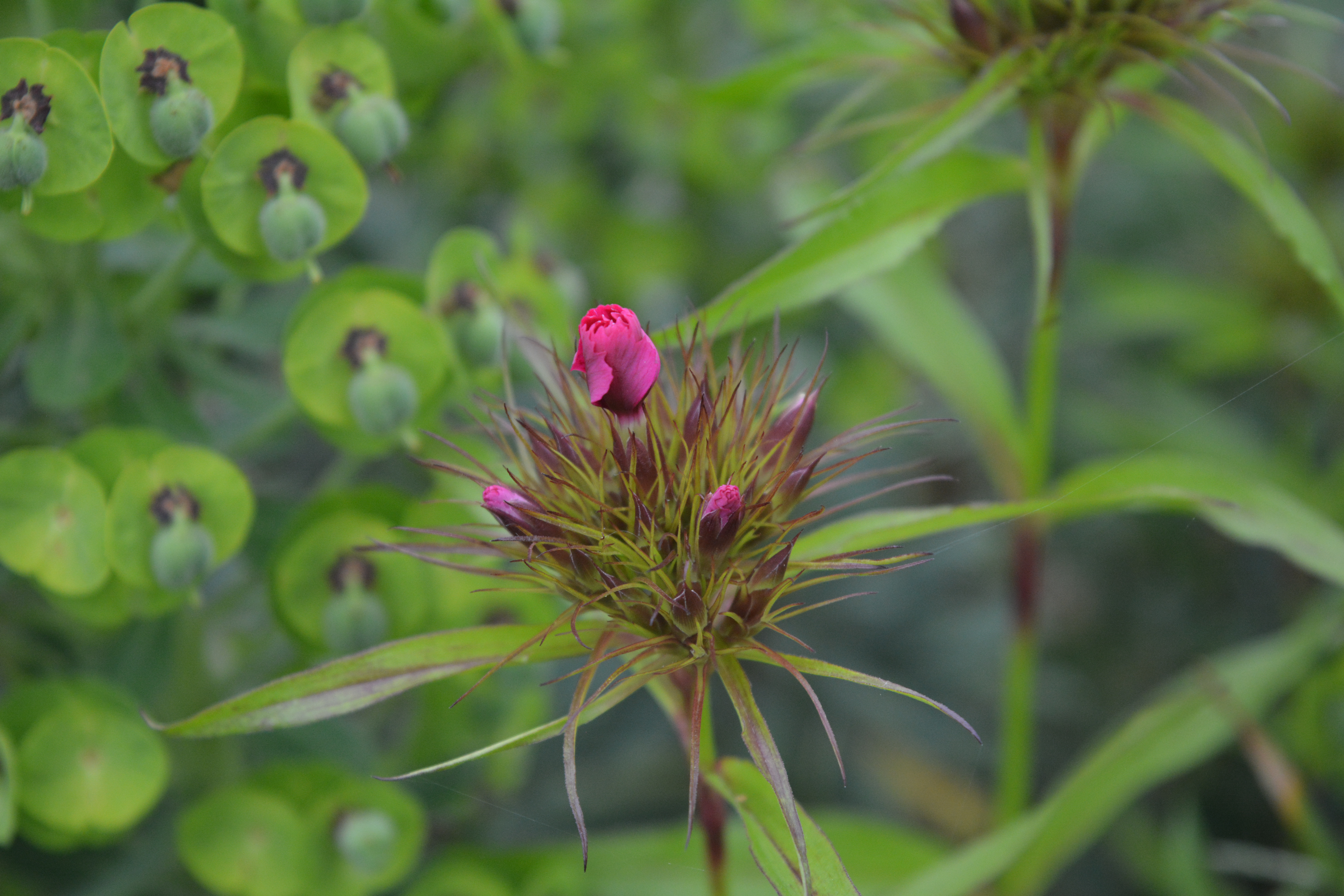
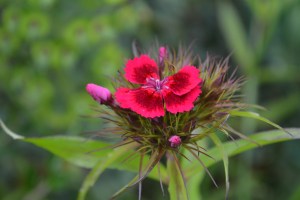
“This biennial Dianthus has been with us for a decade or so now, but still performs reliably and beautifully.”
 

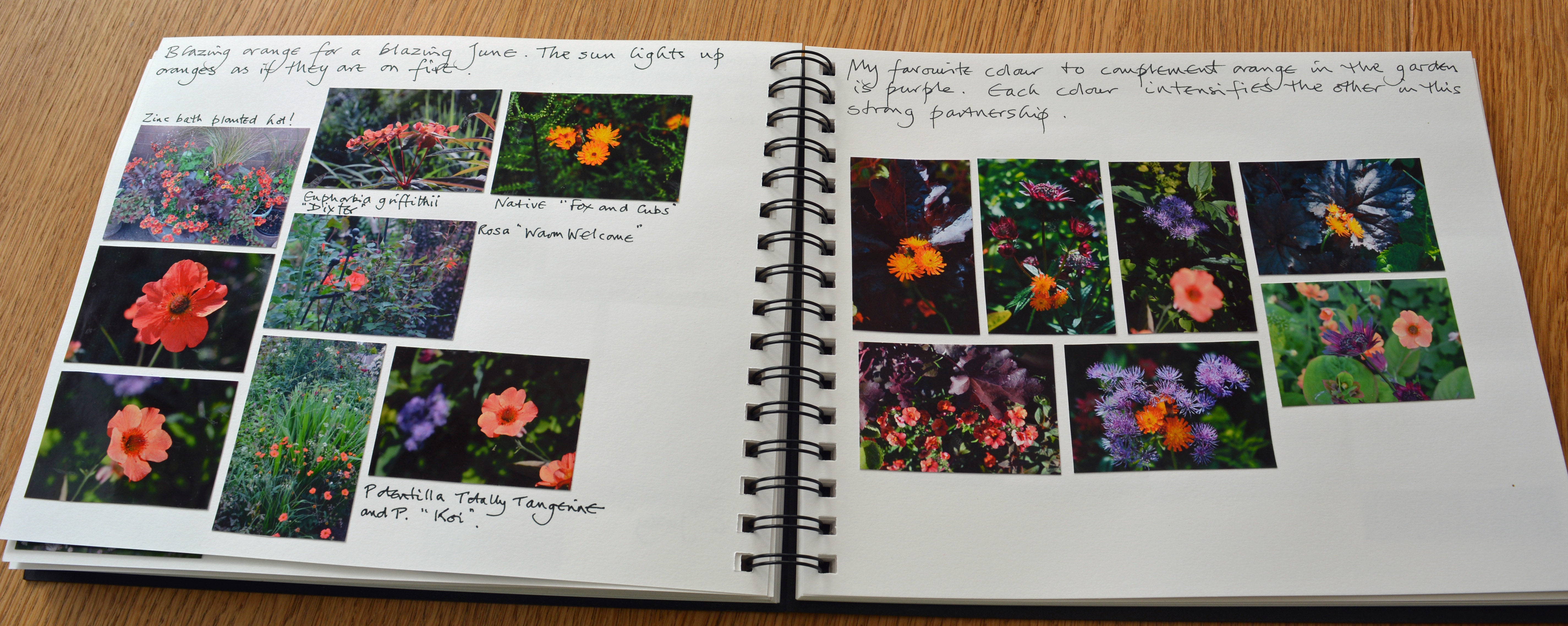
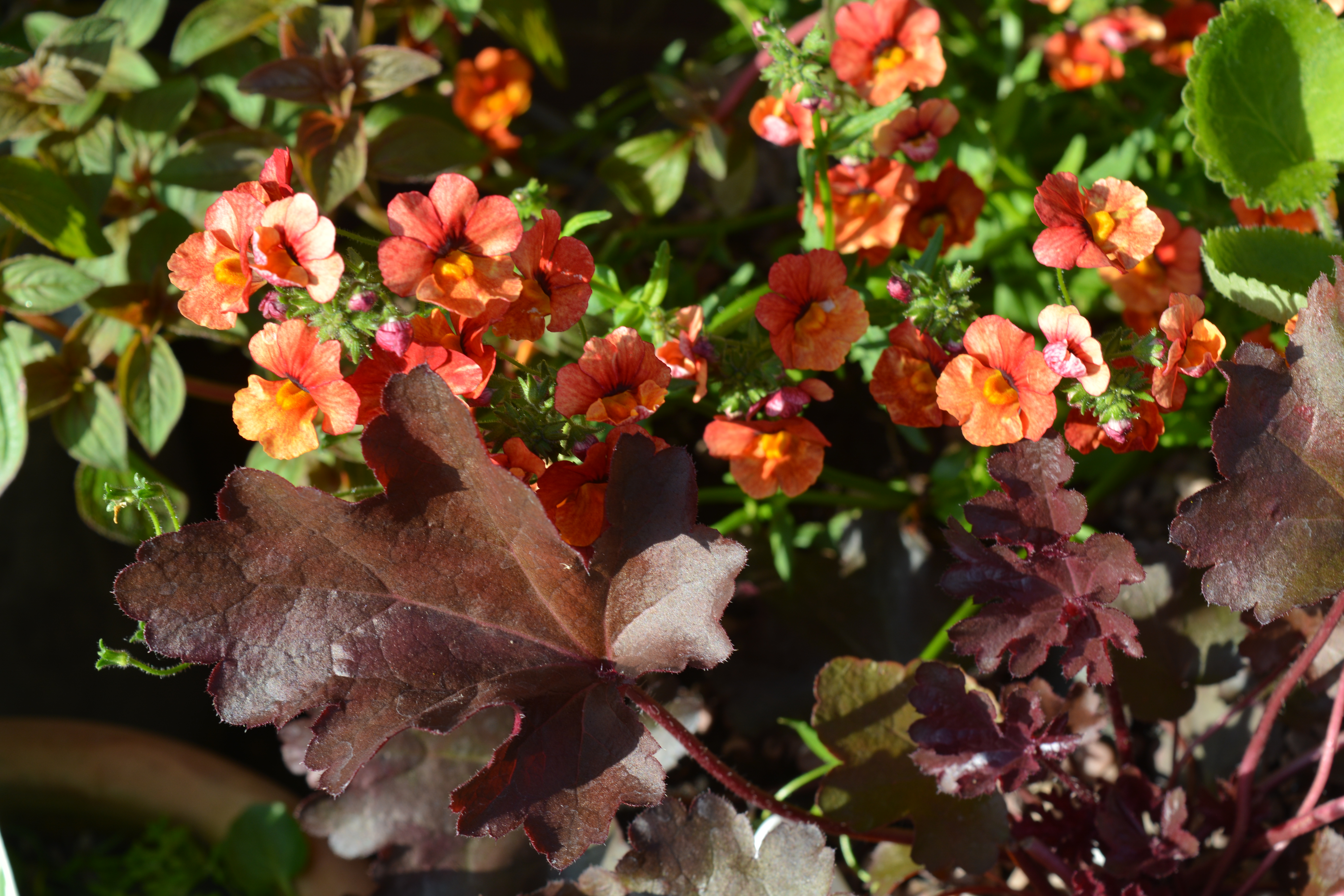
My next double page spread considers the colour orange in the garden and complimenting it with purple.
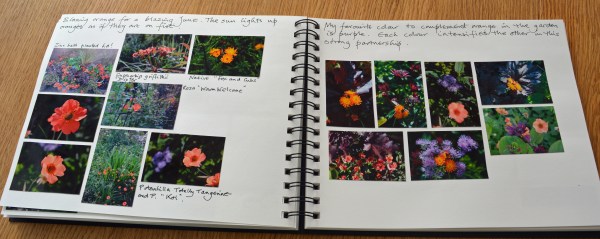
“Blazing orange for a blazing June. The sun lights up oranges as if they are on fire!”

“The zinc bath planted hot!”

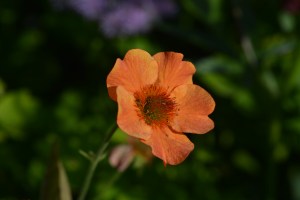
  

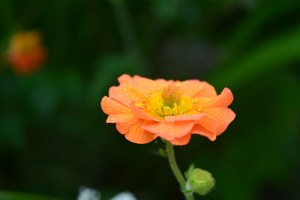
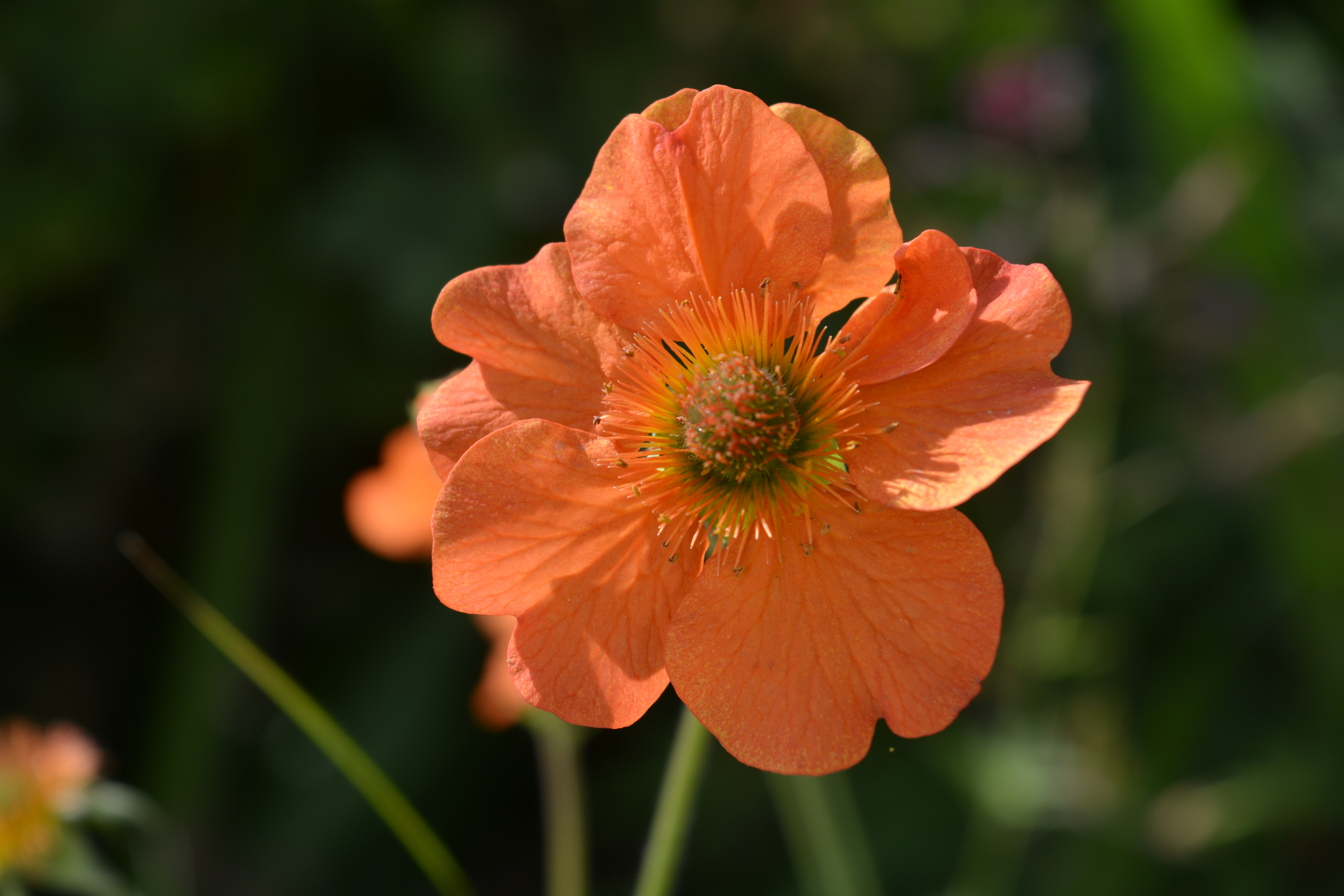
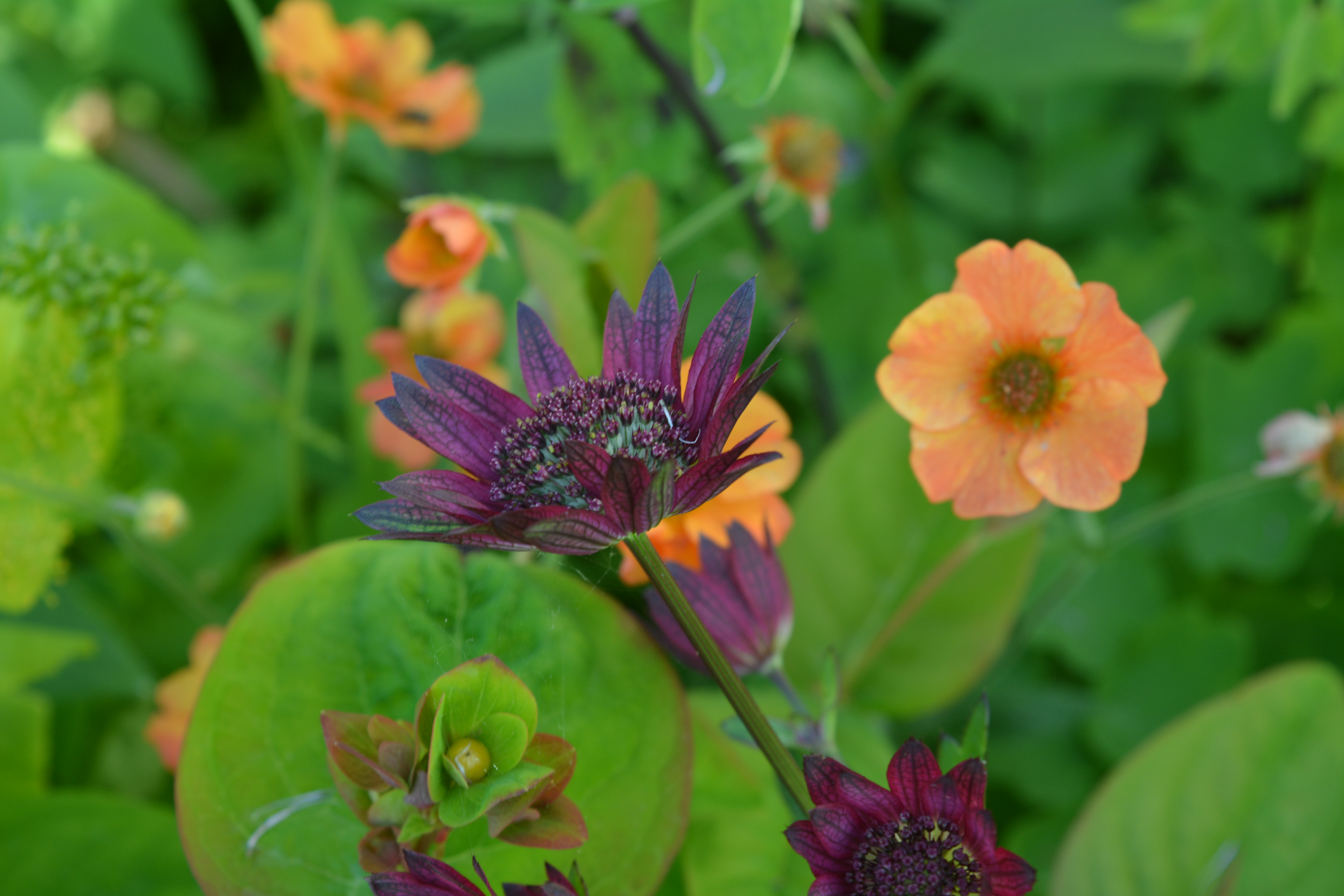
“Geum Totally Tangerine and G. Koi


“Euphorbia griffithii “Dixter”
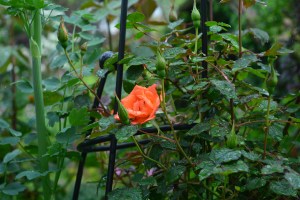
 

“Rosa Warm Welcome”

“My favourite colour to compliment orange in the garden is purple. Each colour intensifies the other in this strong partnership.”


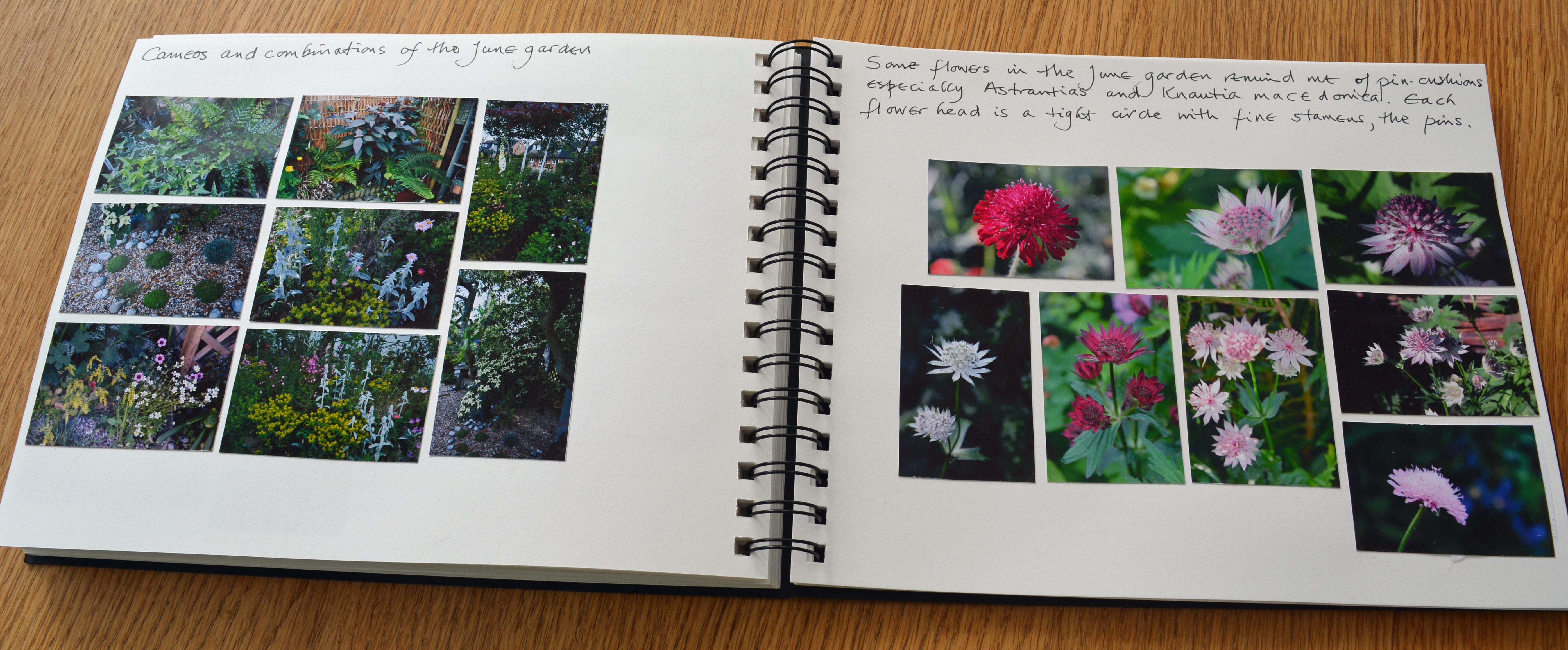
To finish off my June entries I shared some of our cameos and combinations to be found in our garden during the month, and on the opposite page I had a quick look at “pin cushion” plants.
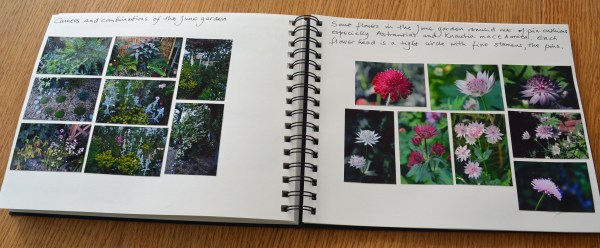
First here are my photos of “Cameos and combinations of the June garden.”


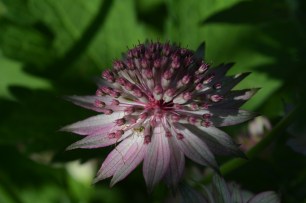
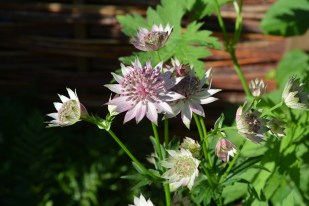
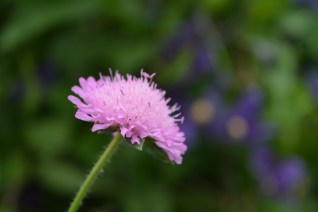
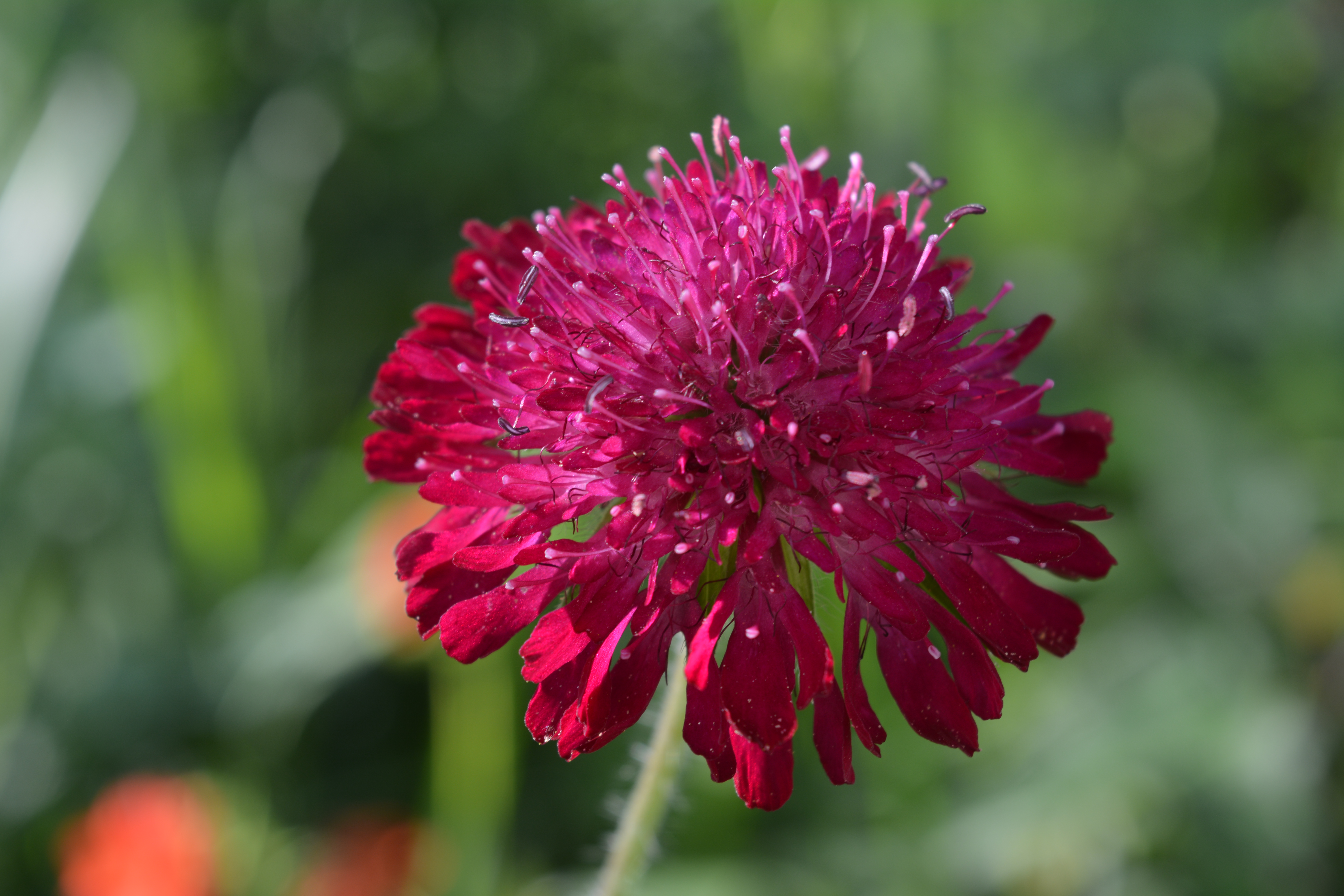
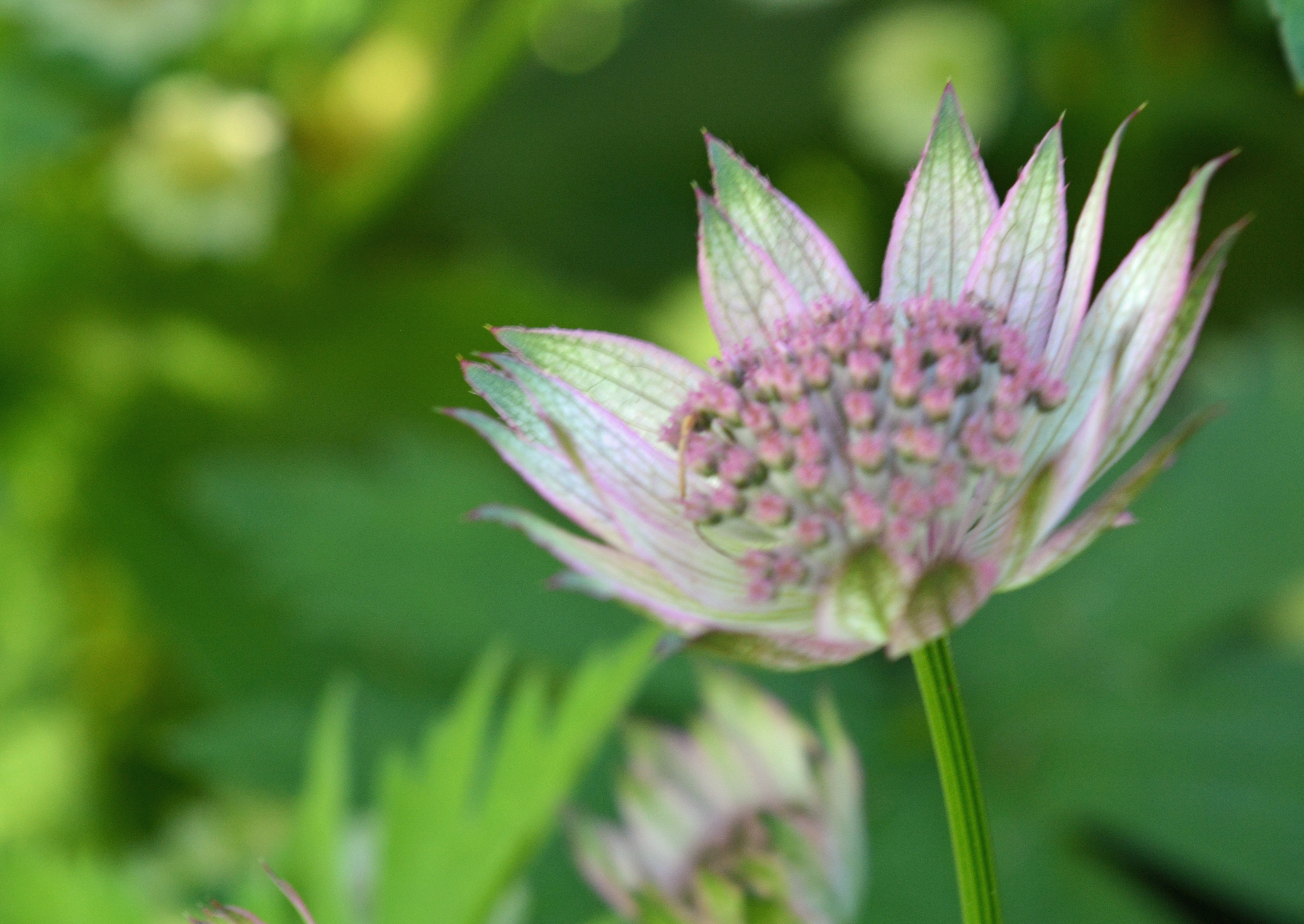
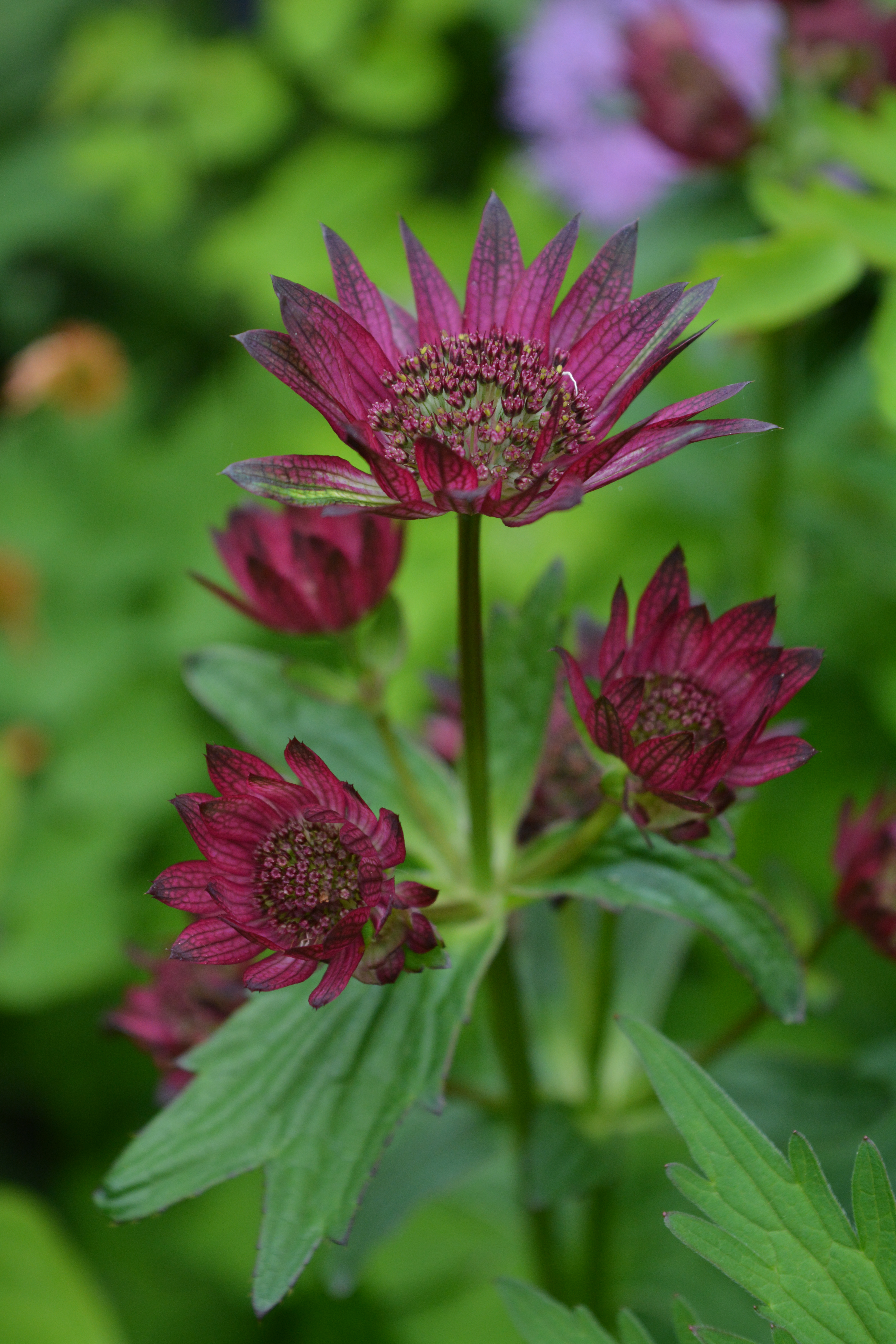
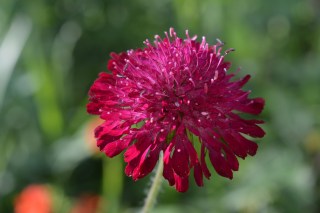
“Some flowers in the June garden remind me of pin-cushions especially Astrantias and Knautia macedonica. Each flowerhead is a tight circle with fine stamens, the pins.”
     

June this year ended with a fortnight of high temperatures and beautiful blue skies, two weeks of the beginning of a heat wave. Next time we return for a look at my 2018 Garden Journal we will be into the second half of the year. Things may have changed a lot in the garden by then. Perhaps we might even get a splash or two of rain!

 

Categories
climbing plants fruit and veg garden design garden photography garden ponds garden pools garden seat garden seating gardening gardens hardy perennials Hardy Plant Society HPS kitchen gardens roses Shrewsbury Shropshire village gardens water in the garden

A little village garden – Von’s garden.

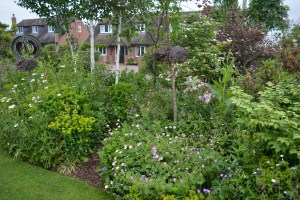
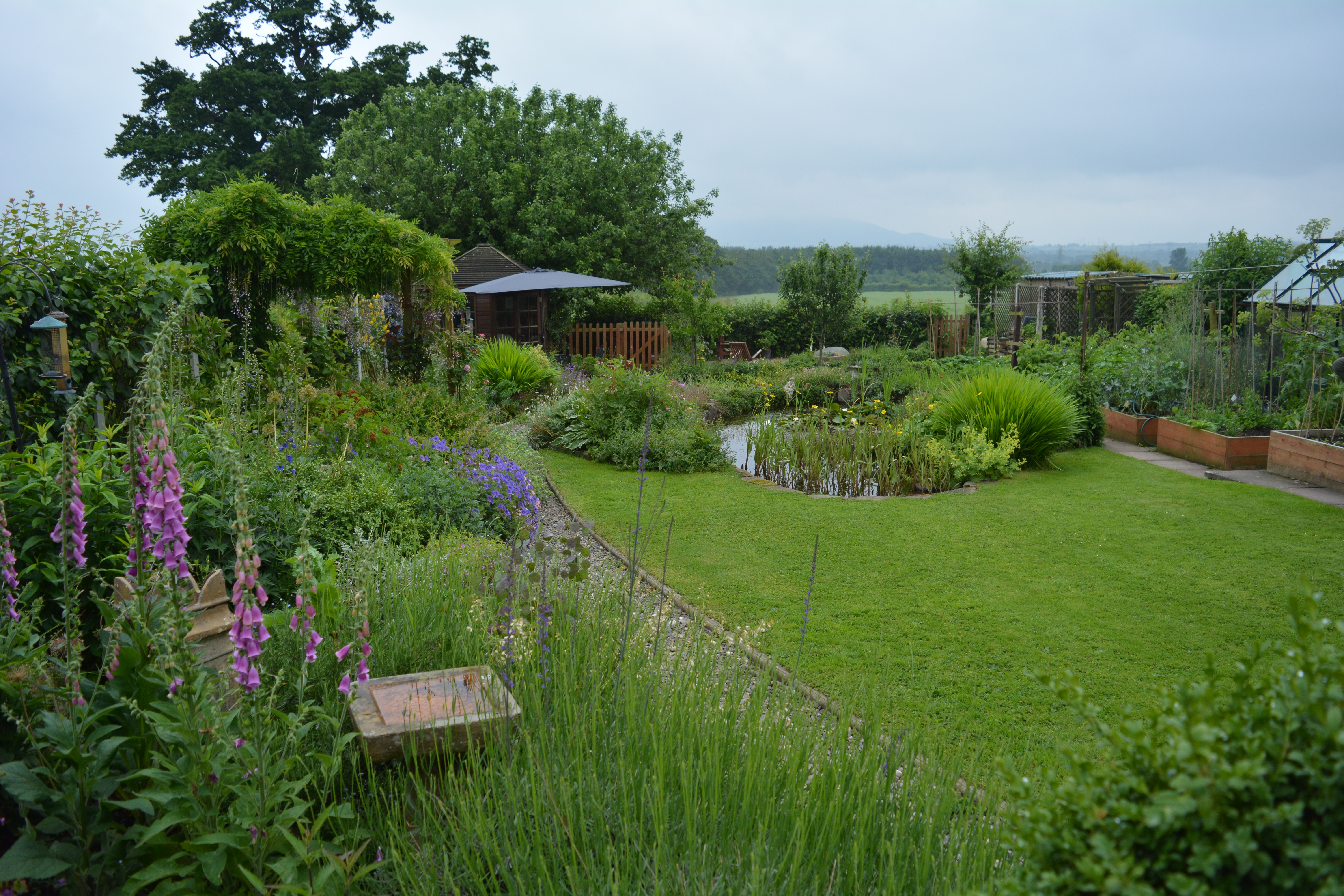
We have lots of gardening friends with gardens of all types and sizes and in all sorts of locations. One of our most enjoyable garden related activities is to visit a garden belonging to a friend. On a wet dull day in mid-June we visited the village garden of friend Yvonne, more often called Von. It is a garden with a beautiful view across the Shropshire countryside and a garden that happily sits in its environment.

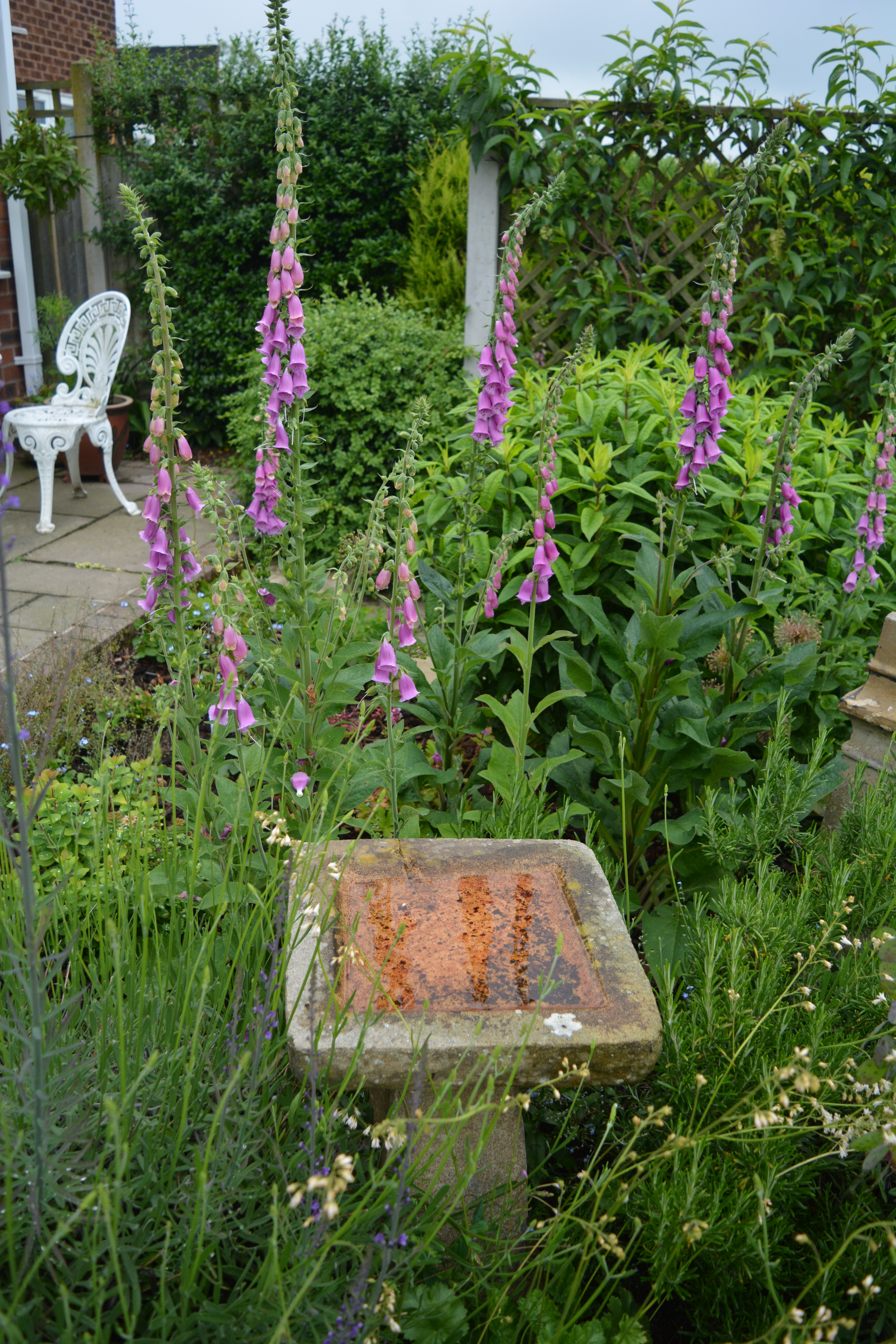
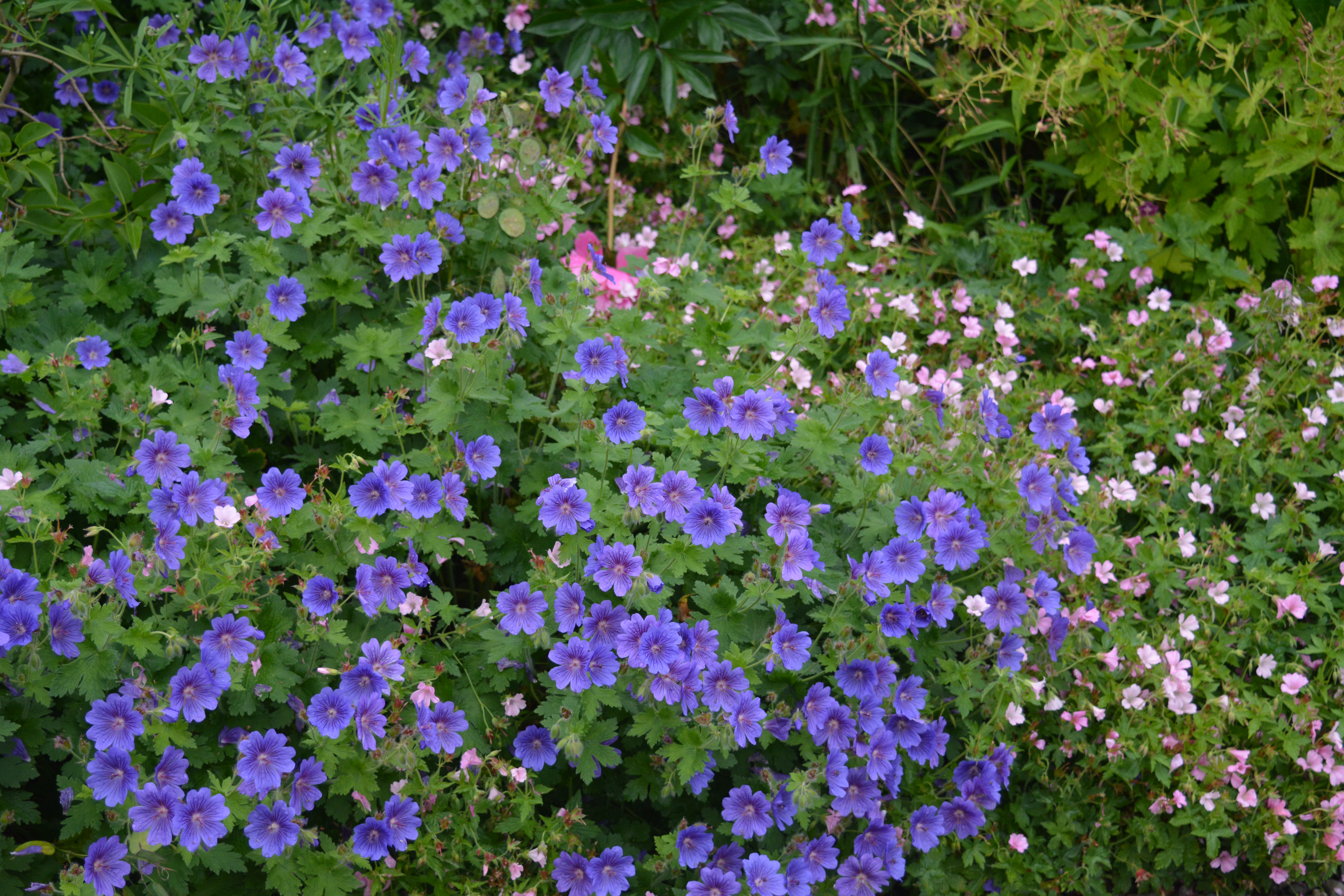
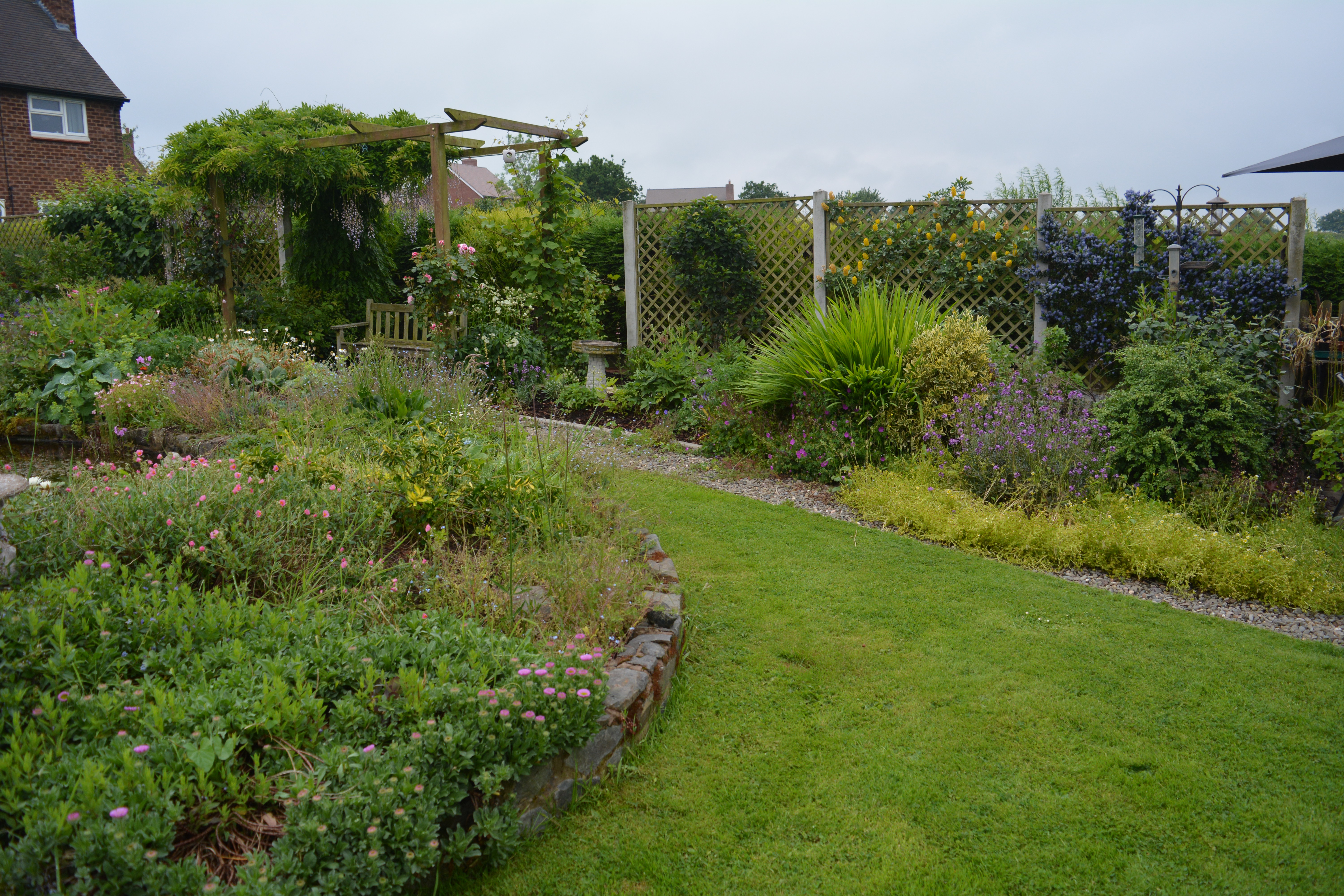
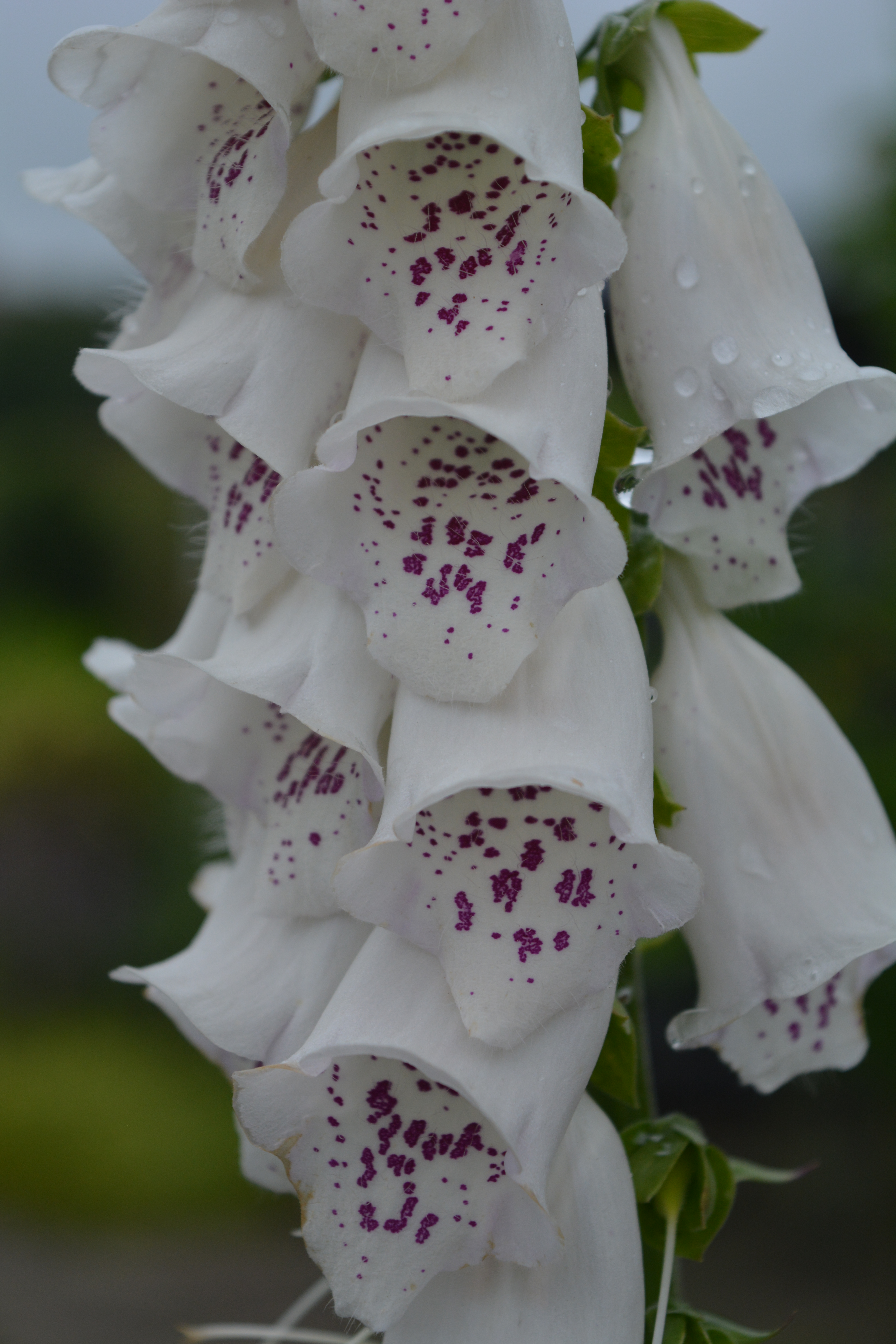
I hope you enjoy my photographs taken in poor light and drizzling rain but the plants shone through. A gravel path leads us alongside a delicately planted border with softly curved shapes. The spires of tall-growing foxgloves and delphiniums shine through the gloom matching the colours of geraniums that soften the path edges.


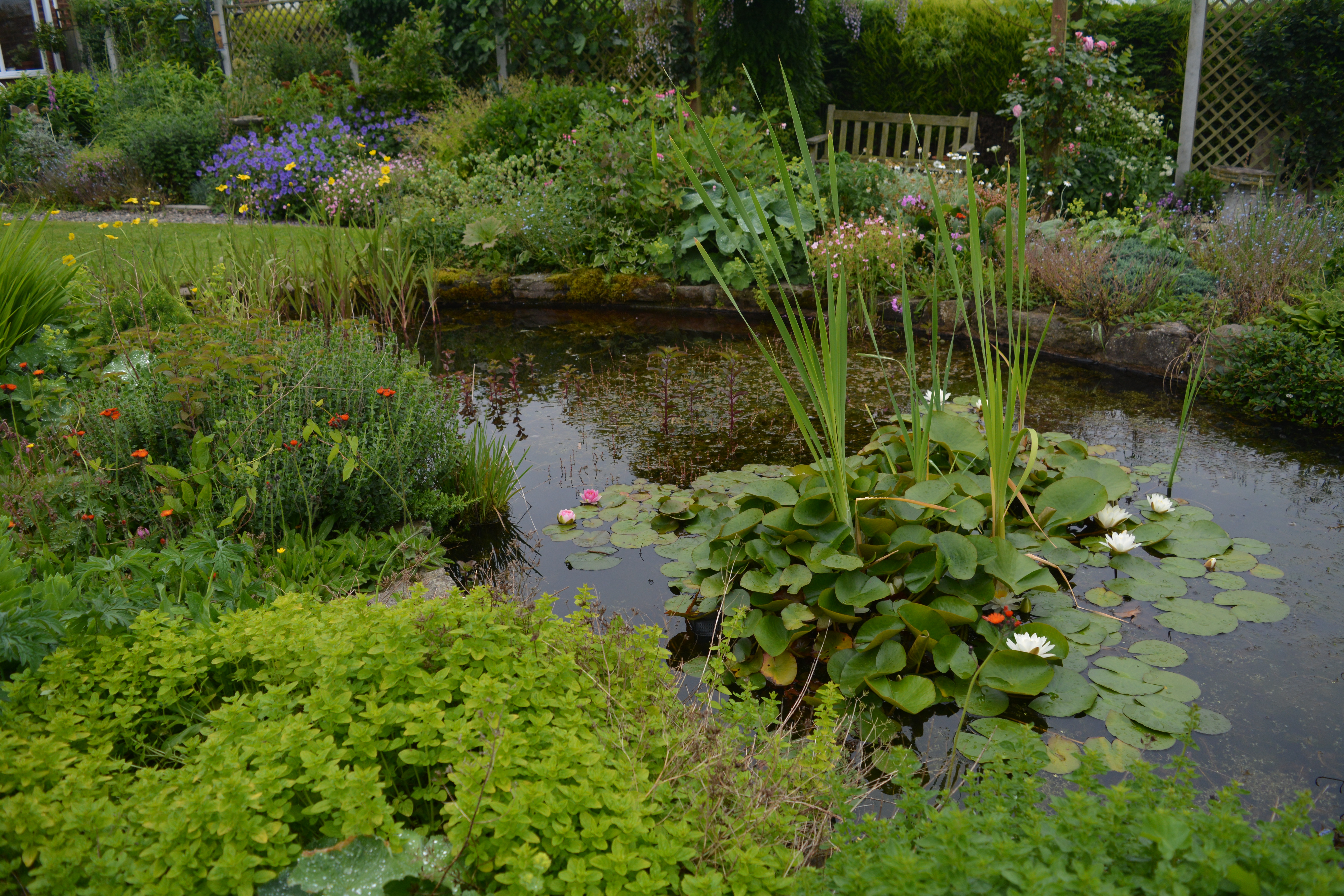
Centrally placed in the garden is a softly shaped pool surrounded by beautiful planting.


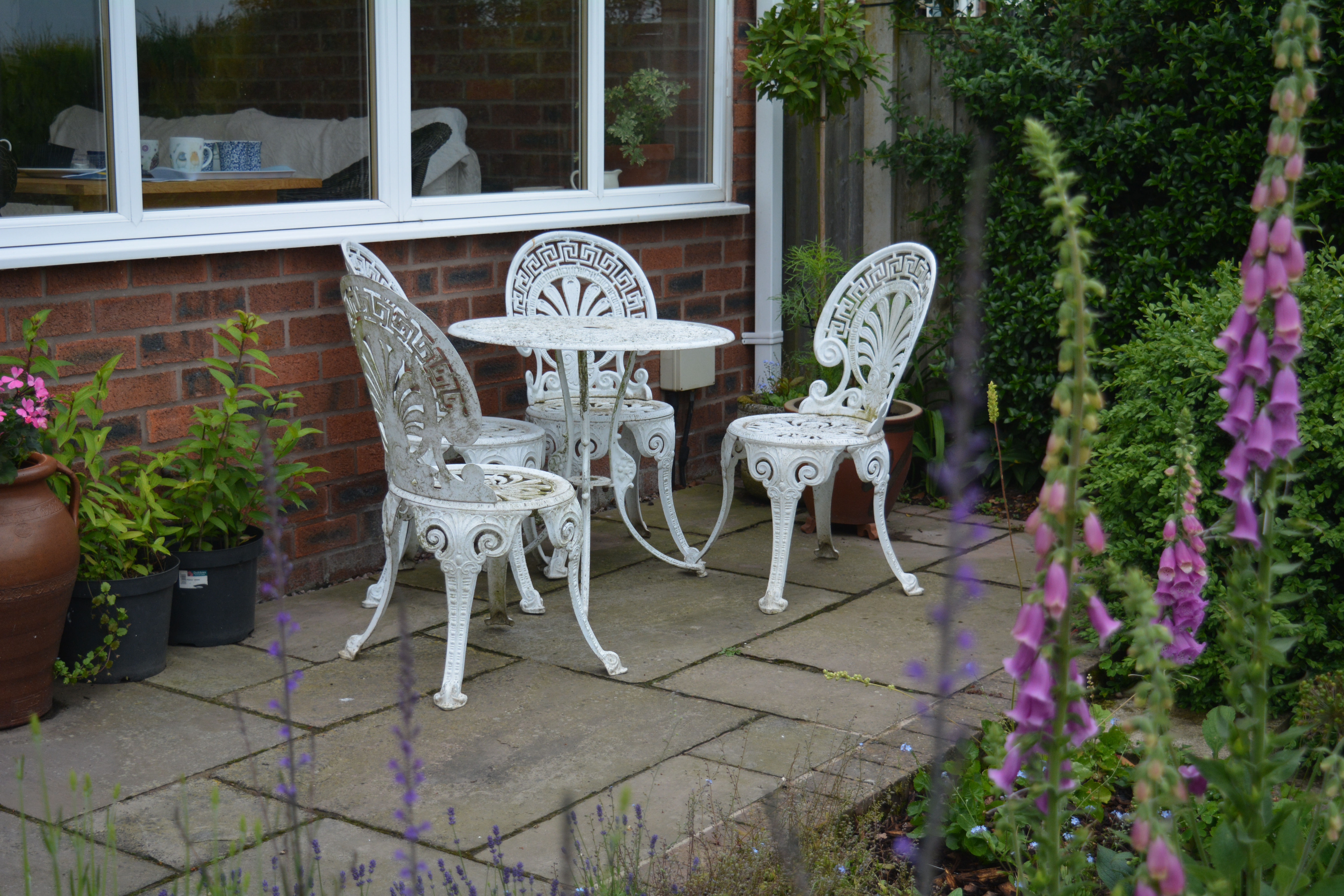
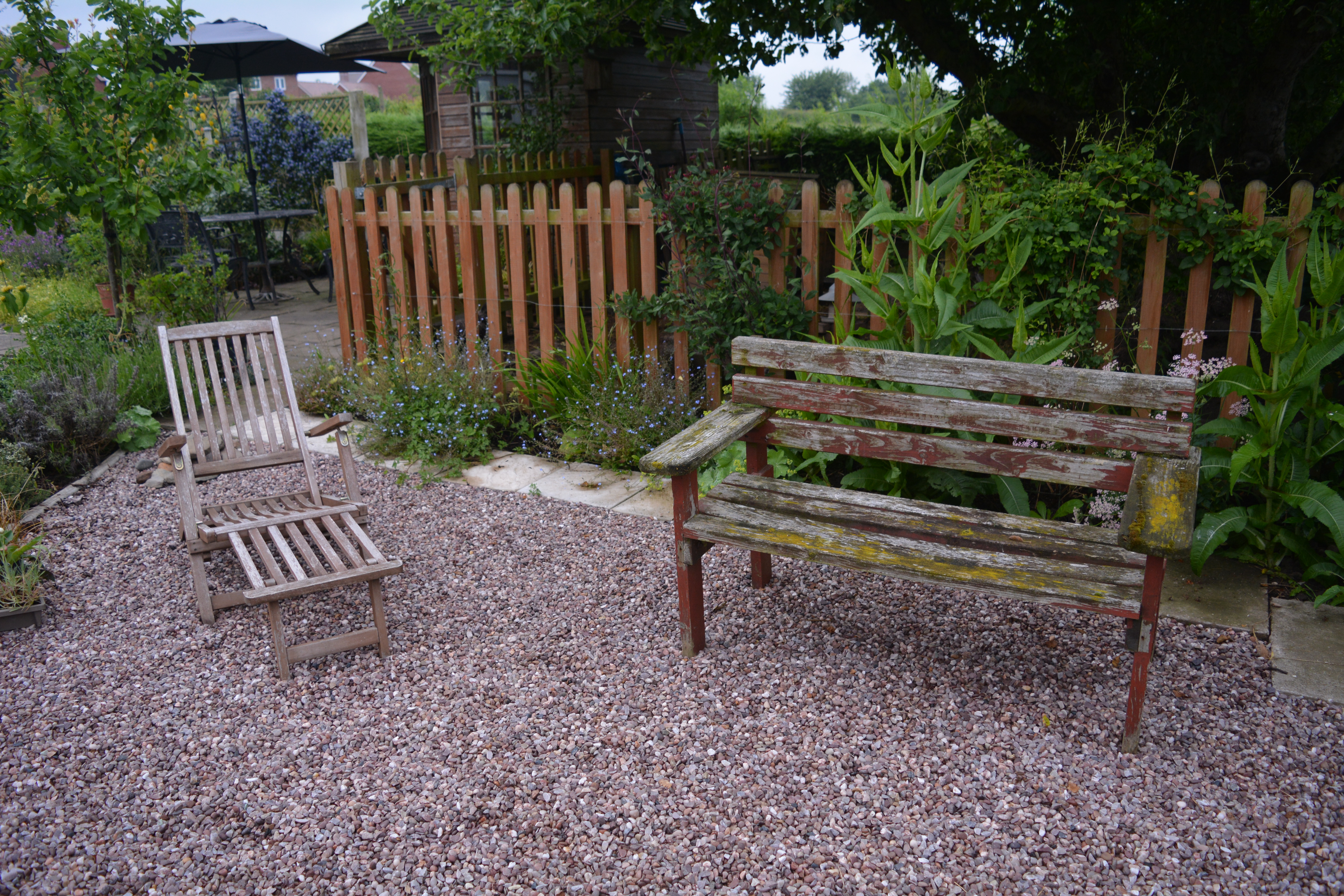
There are well-placed seats throughout the garden each with special views including some that look out of the garden across the surrounding countryside.


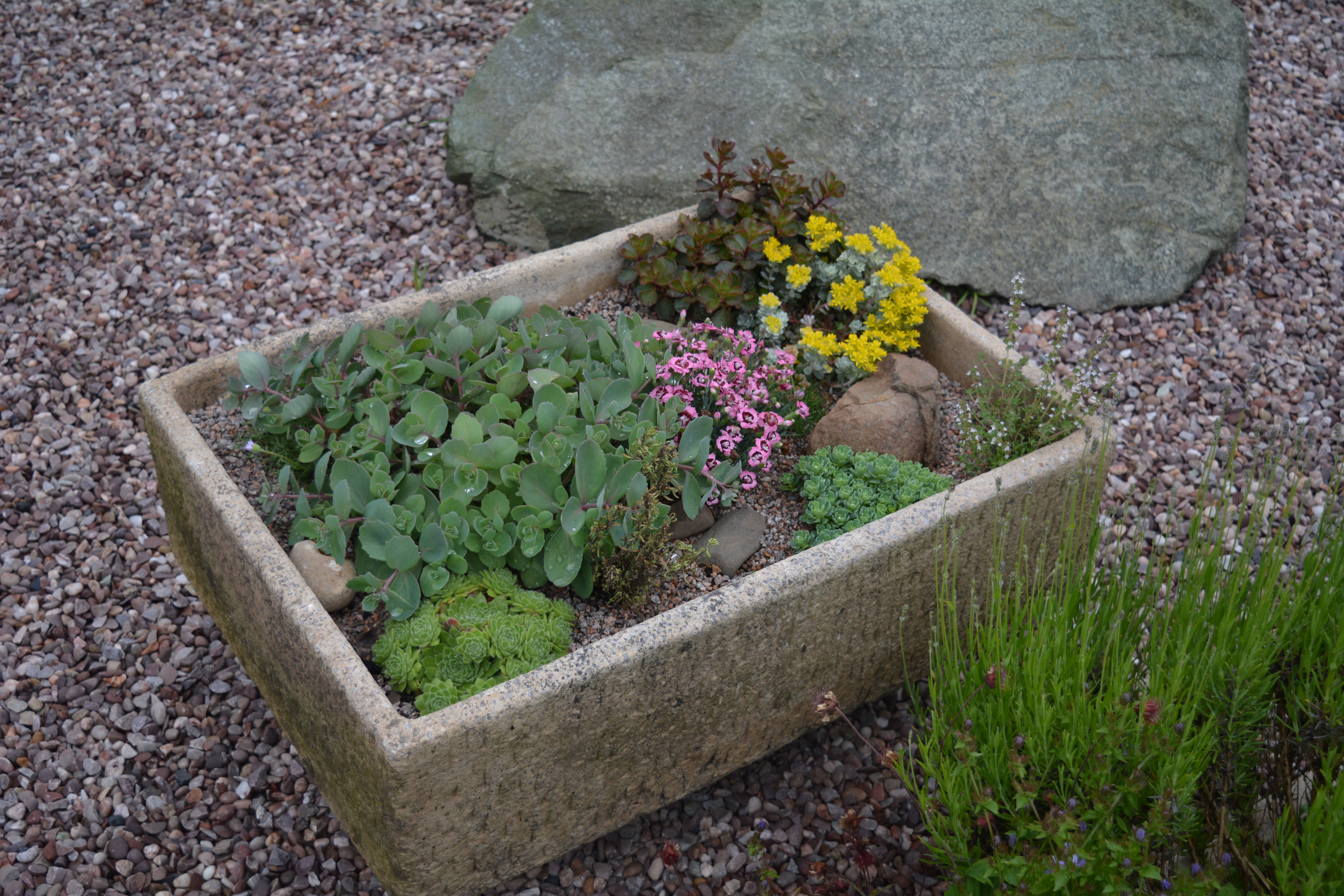
These seats are situated on a gravel patch which boasts a large boulder with a smaller partner, a terracotta pot housing a saxifrage alongside an alpine sink.


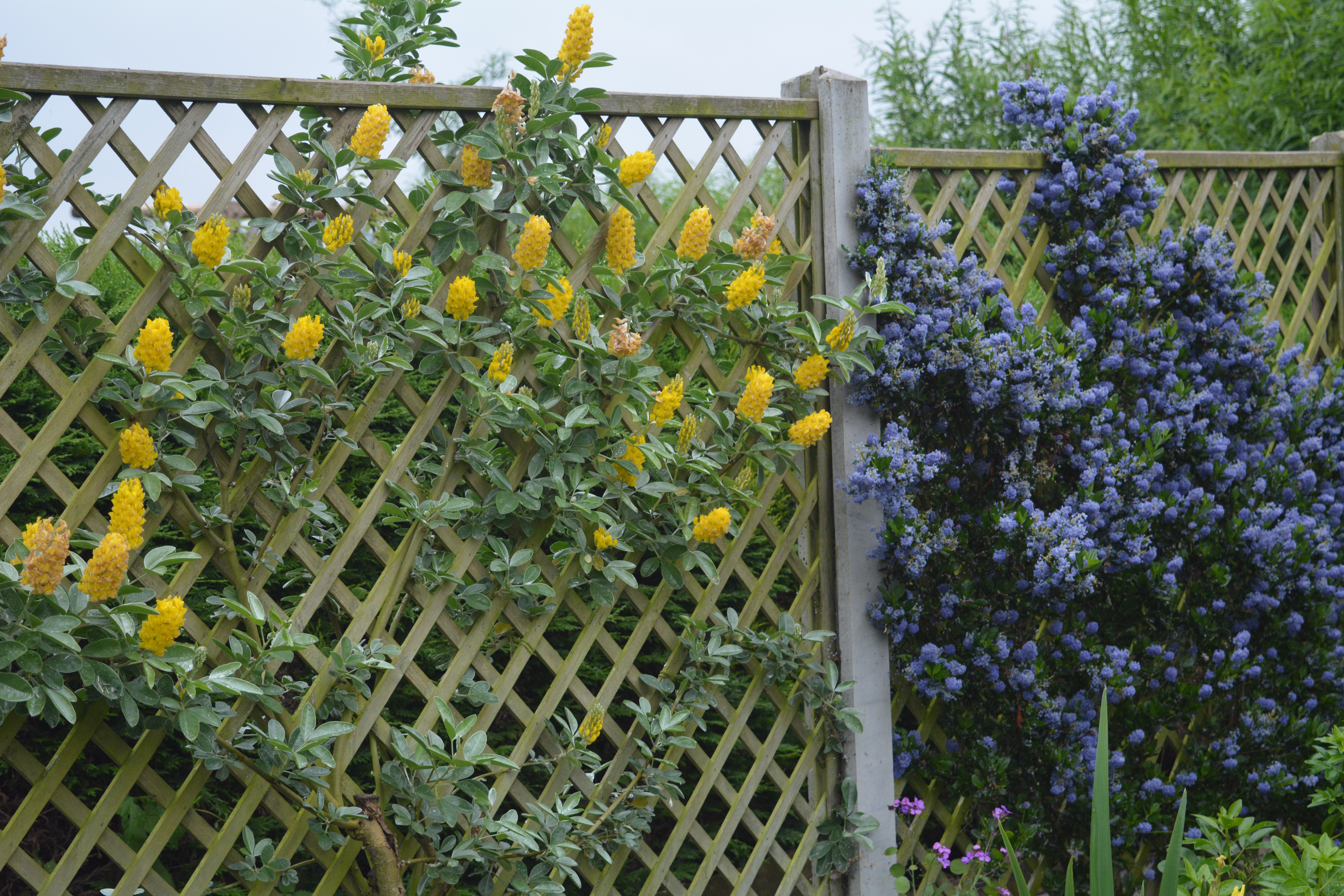
Von loves plants so much that every vertical surface is covered with plants, ceanothus, honeysuckle and ivy.


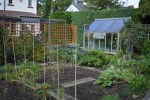
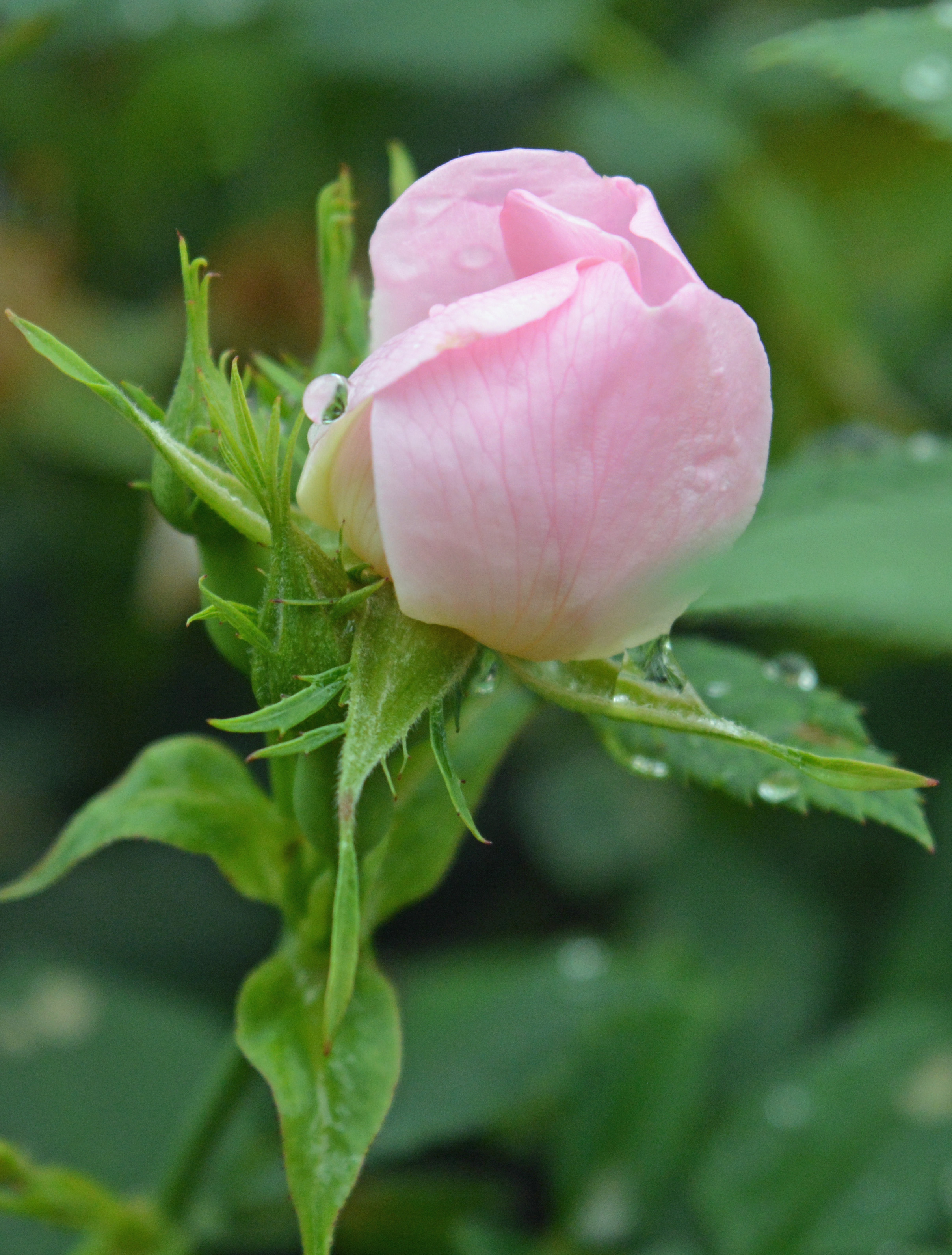
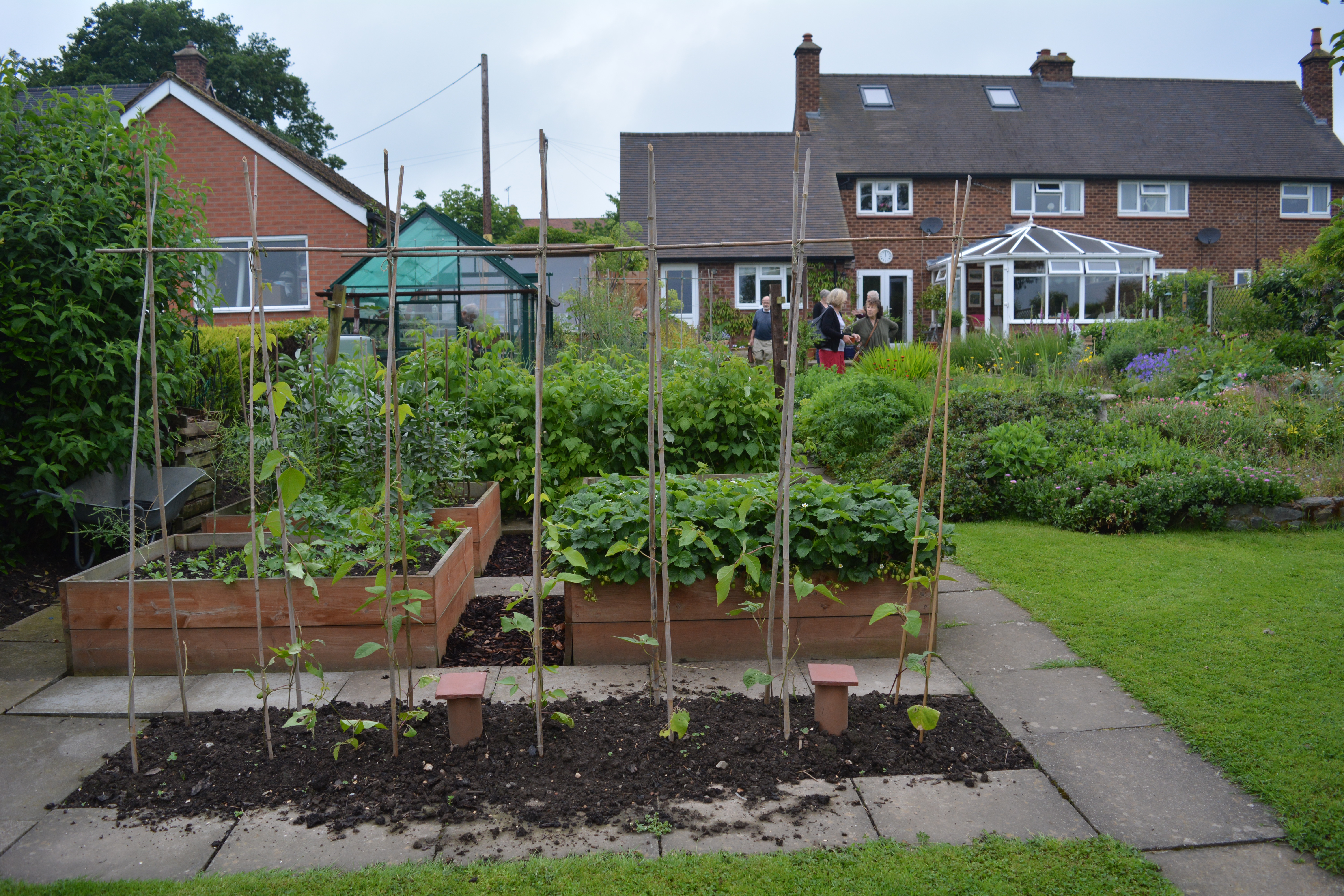
Reaching the bottom of the garden there is a native hedge decorated with soft pink dog roses. Looking back up towards the house we get a different view of the garden and notice a very productive veg patch with neat raised beds.


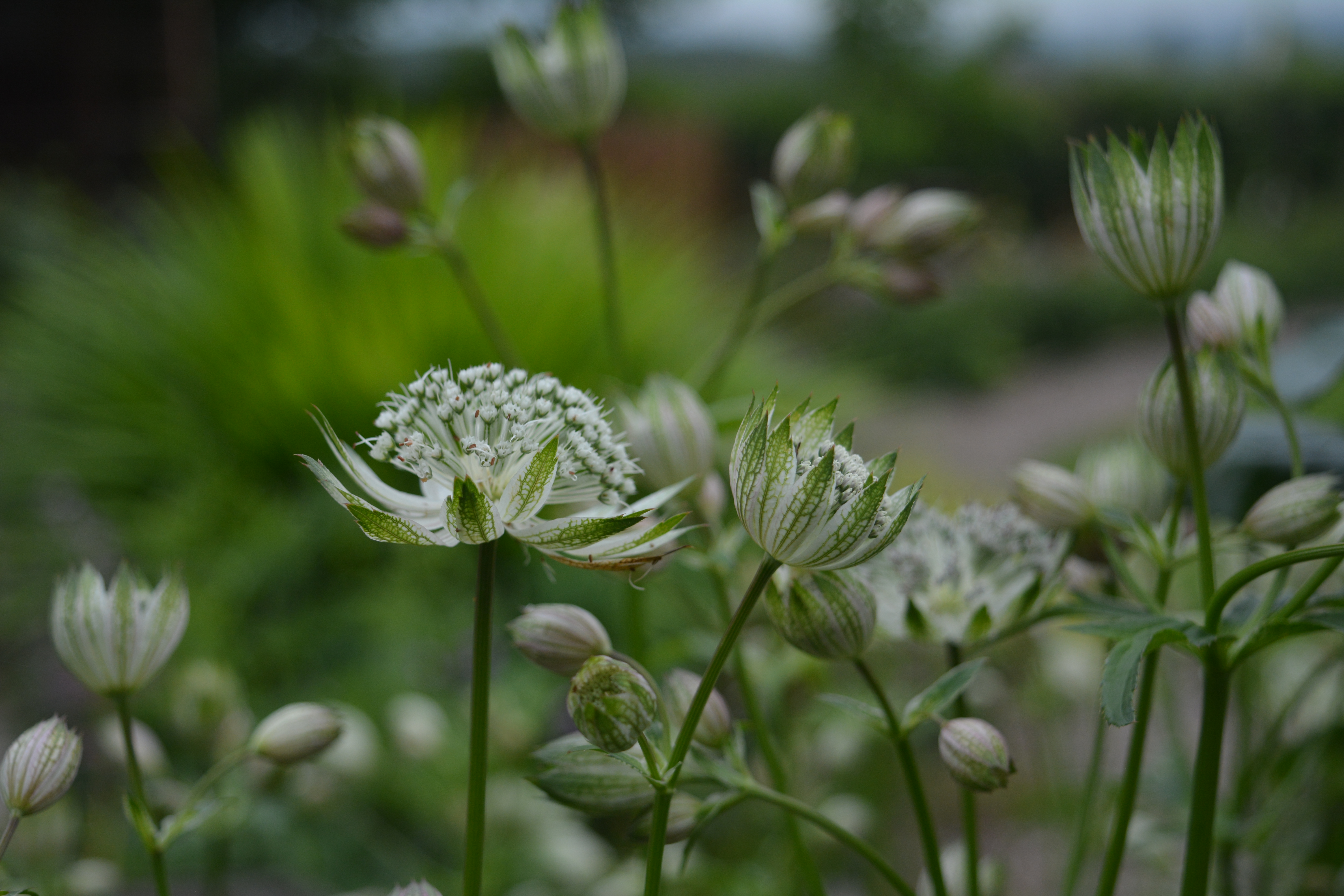
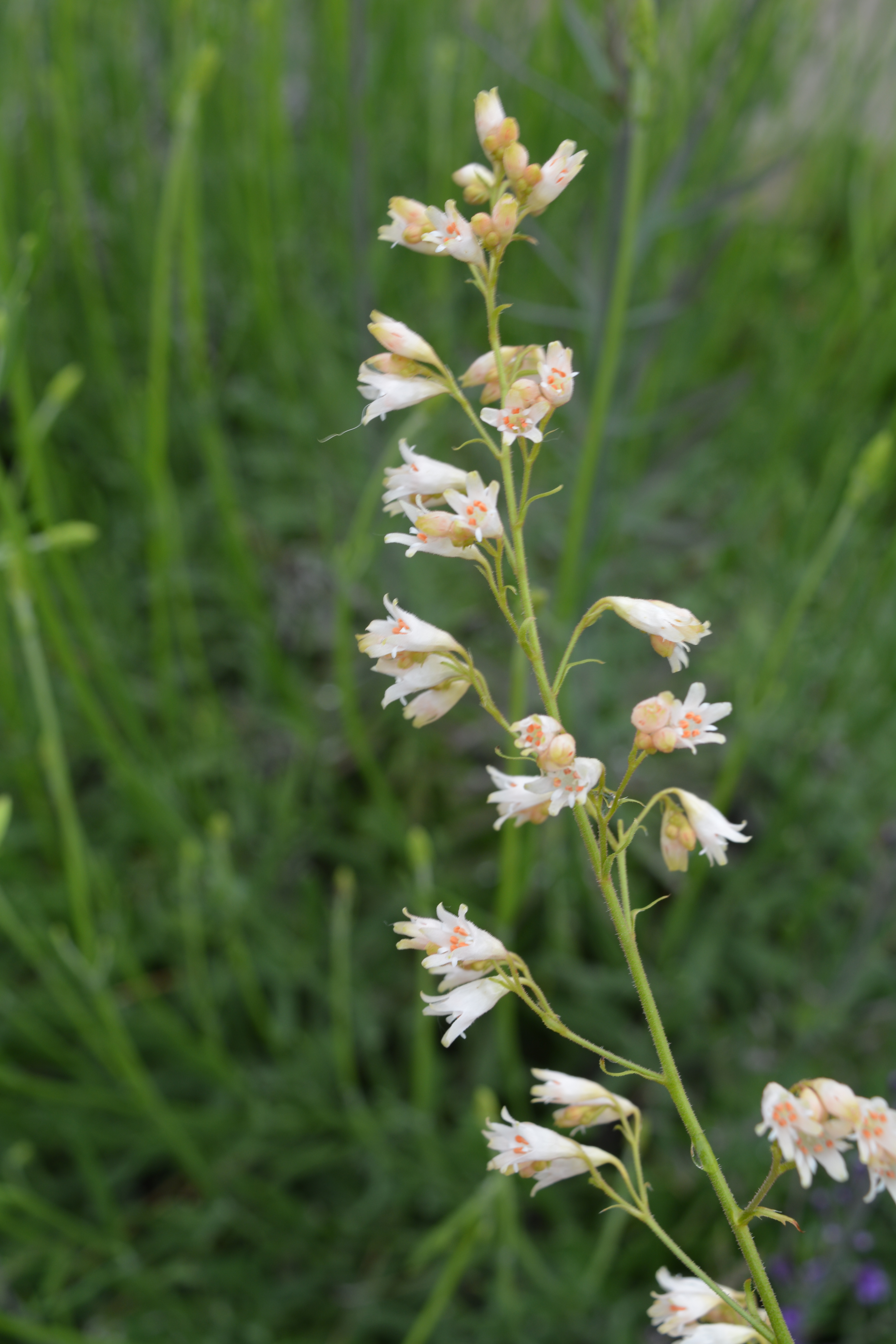
As with any garden the stars are the plants and here there are many of interesting specimen deserving of more than a glance.


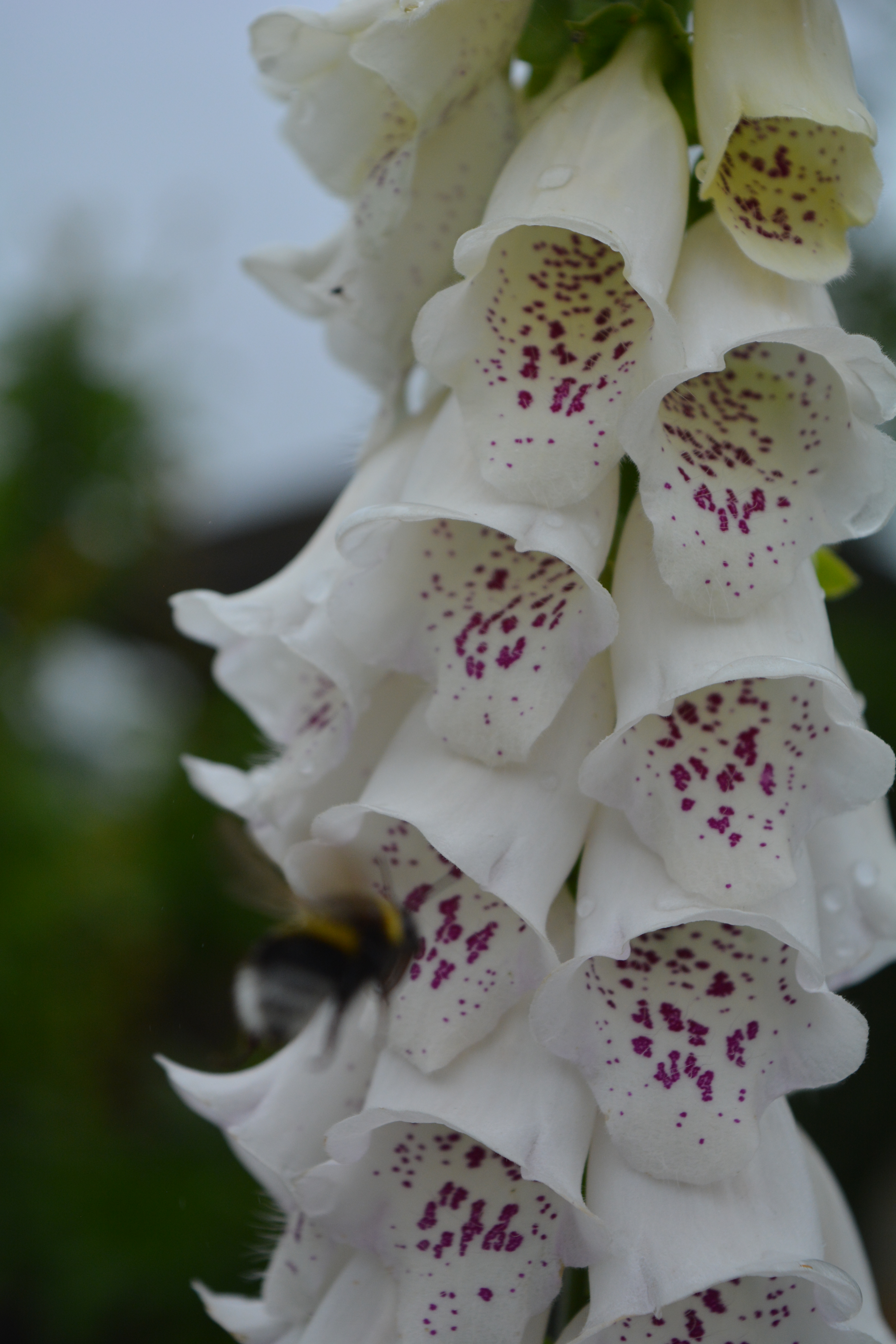
Wildlife enjoys this garden too. While taking a shot of this white and purple-spotted foxglove a bee arrived and set about exploring each little glove. A great finish to our visit, which will definitely not be the last.

This Veggie Life

A Vegetarian | Nature Lifestyle Blog

Rambling in the Garden

.....and nurturing my soul

The Arch City Gardener

Journeys In St. Louis Gardening and Beyond

Garden Dreaming at Châtillon

Consult the genius of the place

Storyshucker

A blog full of humorous and poignant observations.

gardeninacity

Notes from a wildlife-friendly cottage garden

PlayGroundology

...an emerging social science

The Official Blog of British Wildlife

'The most important and informative publication on wildlife of our times' - The Independent. This blog is a member of The UK & Ireland Natural History Bloggers group: www.uknhb.blogspot.com

iGrowHort

Inspire - Cultivate - Grow Native Plants - Restore Landscapes

Bishops Meadow Trust

To create and protect a semi-natural wild space for the people of Farnham to enjoy and experience an array of British wildlife in our town

Gardening with Children

The www.gardeningwithchildren.co.uk Blog

UKbirdingtimeline

birding through the seasons, why birds matter and how to conserve them

NATURE WALKER

with a camera in hand

Jardin

Transform your outdoor space

Eva's space

My allotment, cooking and other interests

Old School Garden

my gardening life through the year

LEANNE COLE

Trying to live a creative life

fromacountrycottage

trying to live as lightly as possible on our beautiful planet

Good Life Gardening

Nature lovers from Leicester living the good life.

mybeautfulthings

Finding the beautiful in the everyday

mawsonmichelle

Michelle's Allotment

In and Out of My Garden

thoughts from and about my garden

Greenhousing

Big plans for a small garden

The Scottish Country Garden

A Walled Country Garden in South East Scotland

The Fruity Chicken

Life at the fruity chicken

willowarchway

Off grid living. Self sufficient. "PERMAGANICS RULE".

St Anns Allotments

Nottingham's Grade 2* Listed Allotments and Community Orchard

Manifest Joy Harvests

a journey in suburban vegetable gardening

Allotmental

The madness of growing your own

Penny's Garden: a harvest beyond my front door

A novel approach to vegetable gardening

arignagardener

Sustainable living in the Irish countryside.

NewEnglandGardenAndThread

Master Gardener, amateur photographer, quilter, NH native, and sometimes SC snowbird

dianajhale

Recent work and work in progress and anything else that interests me

planthoarder

a chaotic cottage gardener

Lens and Pens by Sally

a weekly blog that creates a personal philosophy through photographs and words

Dewdrops and Sunshine

Stories from a sassy and classy Southern farmbelle.

The Pyjama Gardener

Simple Organic Gardening & Seasonal Living

gettin' fresh!

turning dirt into dinner

JOY...

today the world is created anew

Garden Birds

Notes from a Devon garden

ShootAbout

Life Through The Lens

Adapting Pixels

A photography blog showcasing the best photography pictures and videos on the internet

Wildlifegardening's Blog

Just another WordPress.com site

naturestimeline

personal observations from the natural world as the search continues for a new approach to conservation.

LATEBLOOMERBUDS

The Wonders of Life through my Eyes, my Heart, my Soul