Categories
colours flowering bulbs garden design garden furniture garden photography garden ponds garden pools garden seat garden seating gardening gardens gardens open to the public grasses hardy perennials light light quality NGS ornamental grasses ornamental trees and shrubs photography sculpture shrubs spring bulbs trees water in the garden Winter Gardening winter gardens Yellow Book Gardens

A canal-side garden in winter – John’s Garden Part 1

We have visited “John’s Garden” before in the height of summer and really enjoyed it, so much so that we were determined to re-visit at different times of the year. We imagined it would be an effective all-year garden. Mid-February and John opened his garden on a cold and wet winters day, so we went along with garden-loving friends Pete and Sherlie.

We started with a hot mug of coffee in the nursery coffee shop to warm us up, so with added warmth and lots of excitement and anticipation we wandered down the drive from Ashwood Nurseries to his own 3 acre-garden.

The garden has the advantage of boasting a canal, the Staffordshire and Worcestershire Canal, running along its length – not many gardeners could say that about their patch!

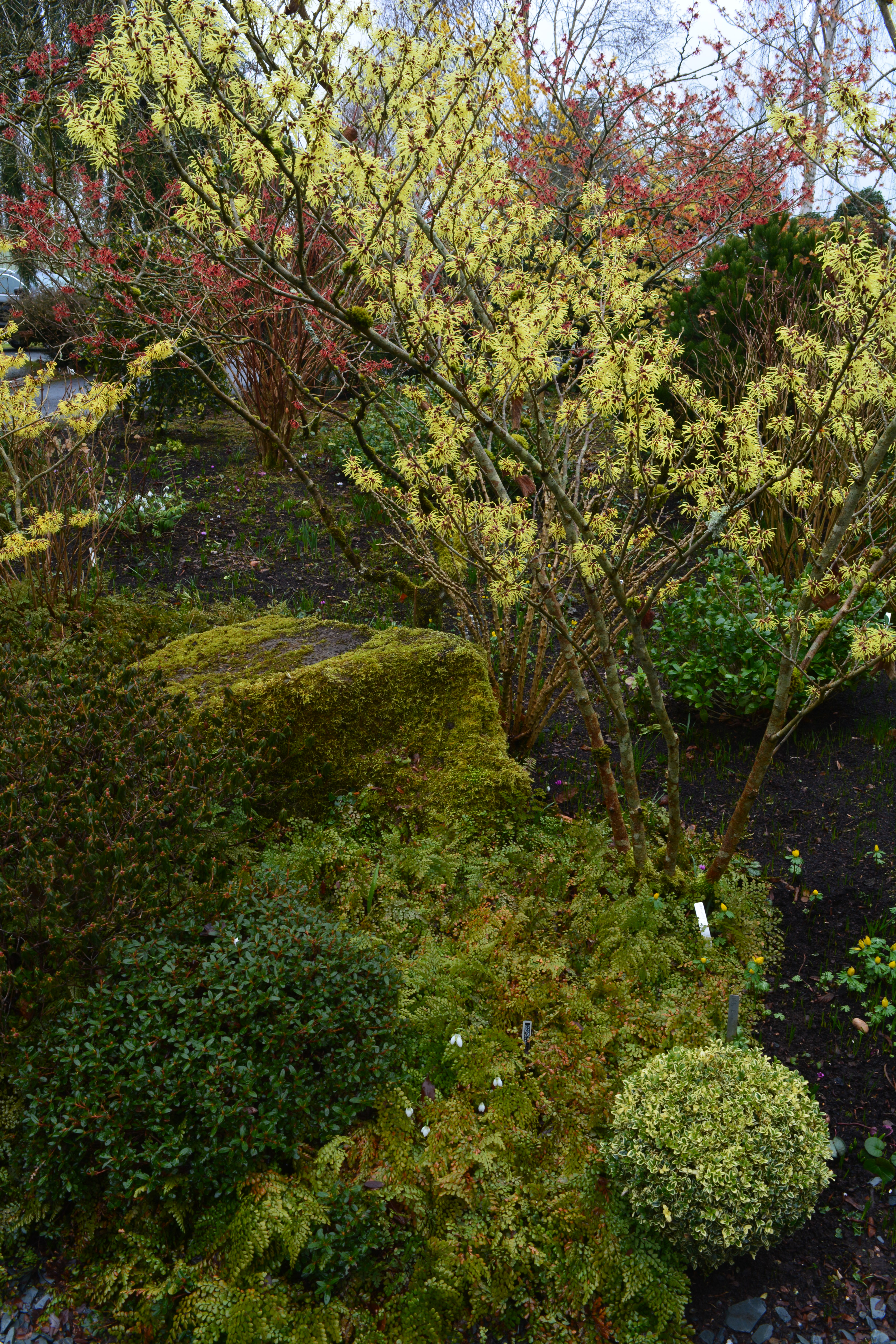
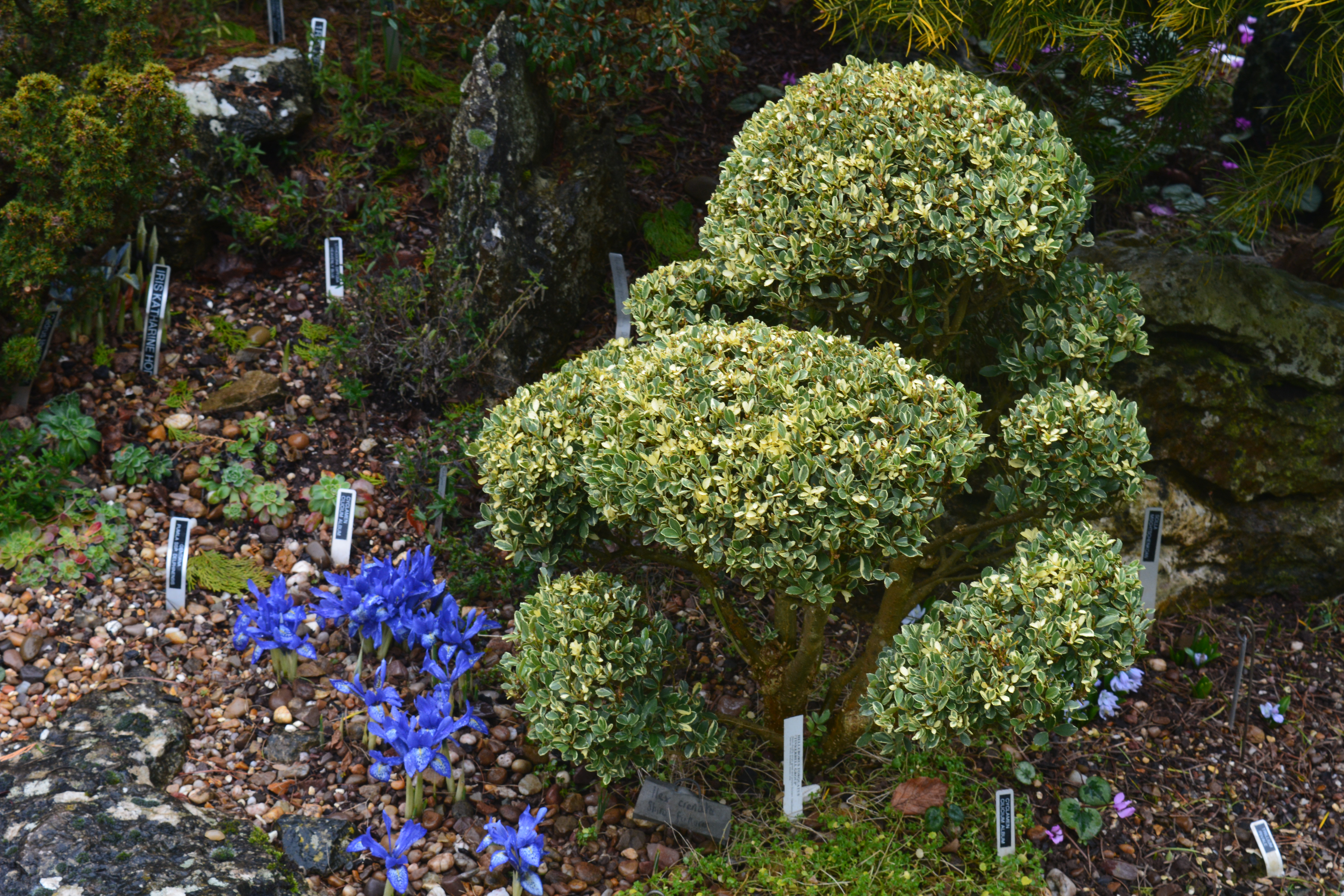
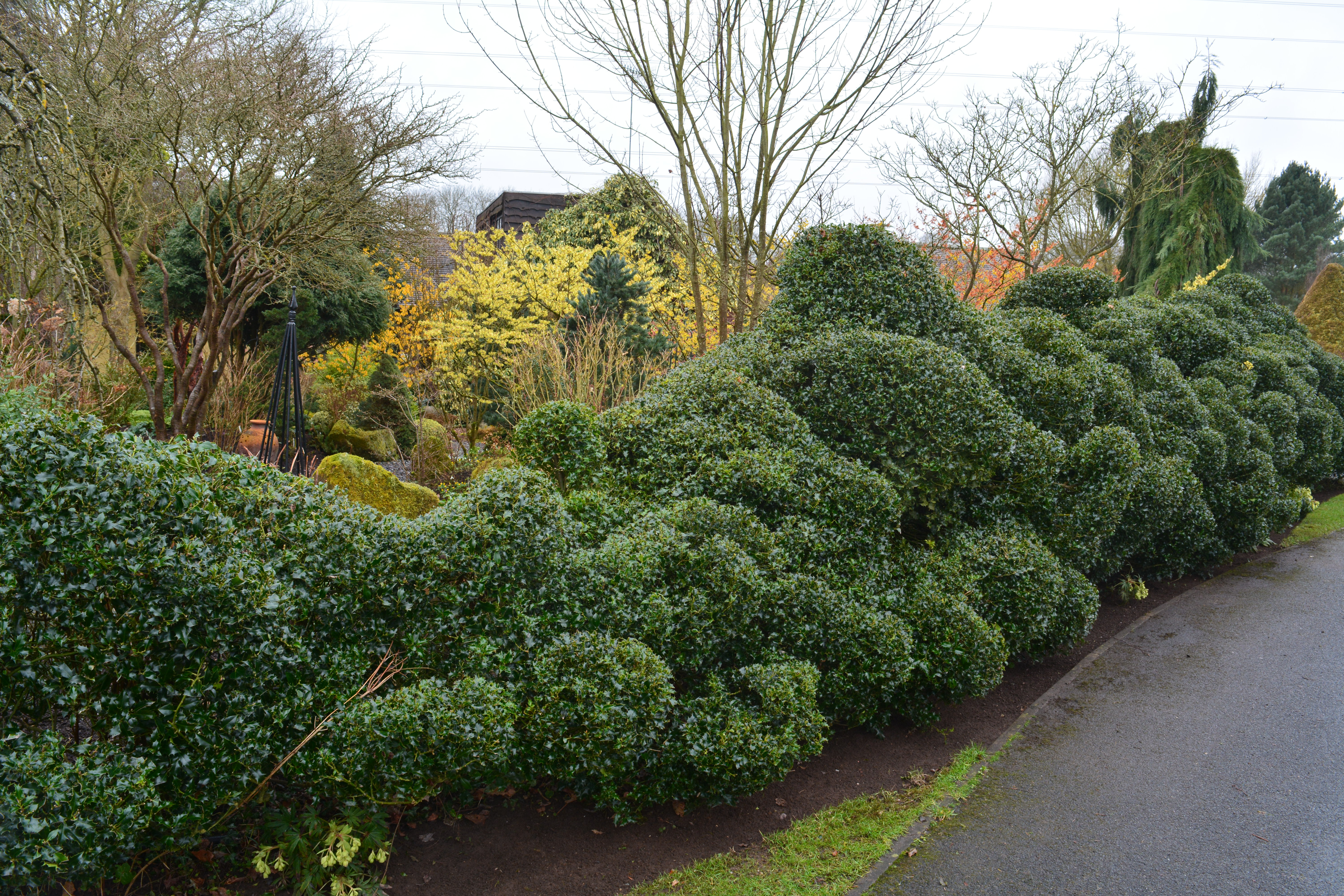
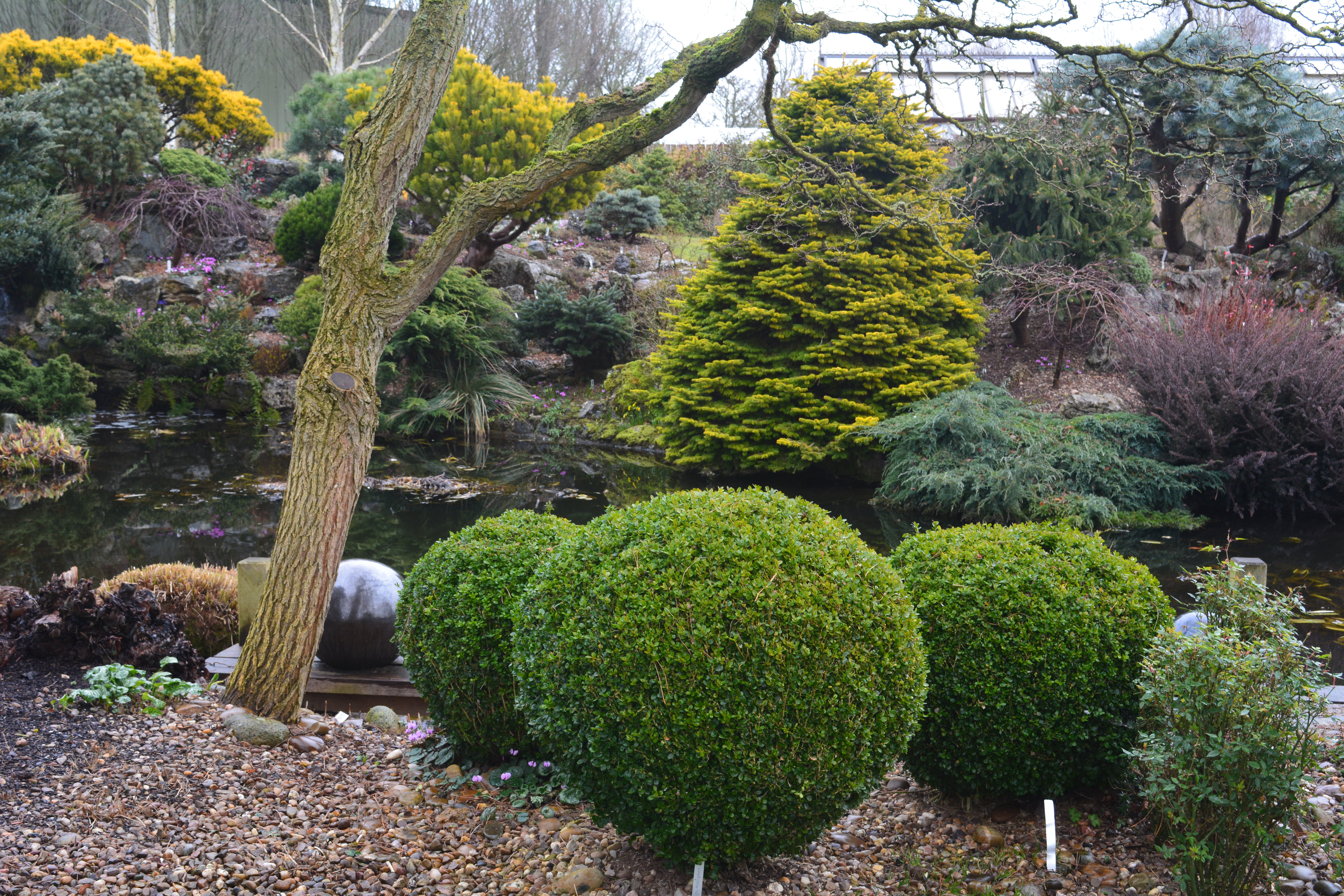
An unusual hedge greeted us as we entered the garden, a long cloud pruned hedge, beautifully sculpted. A slate pathway at its end took us into a colourful area full of winter interest. Hamamelis and small deciduous trees were the stars, supported ably by ferns, bergenias, snowdrops and a variety of small-leaved shrubs trained as spheres.
   

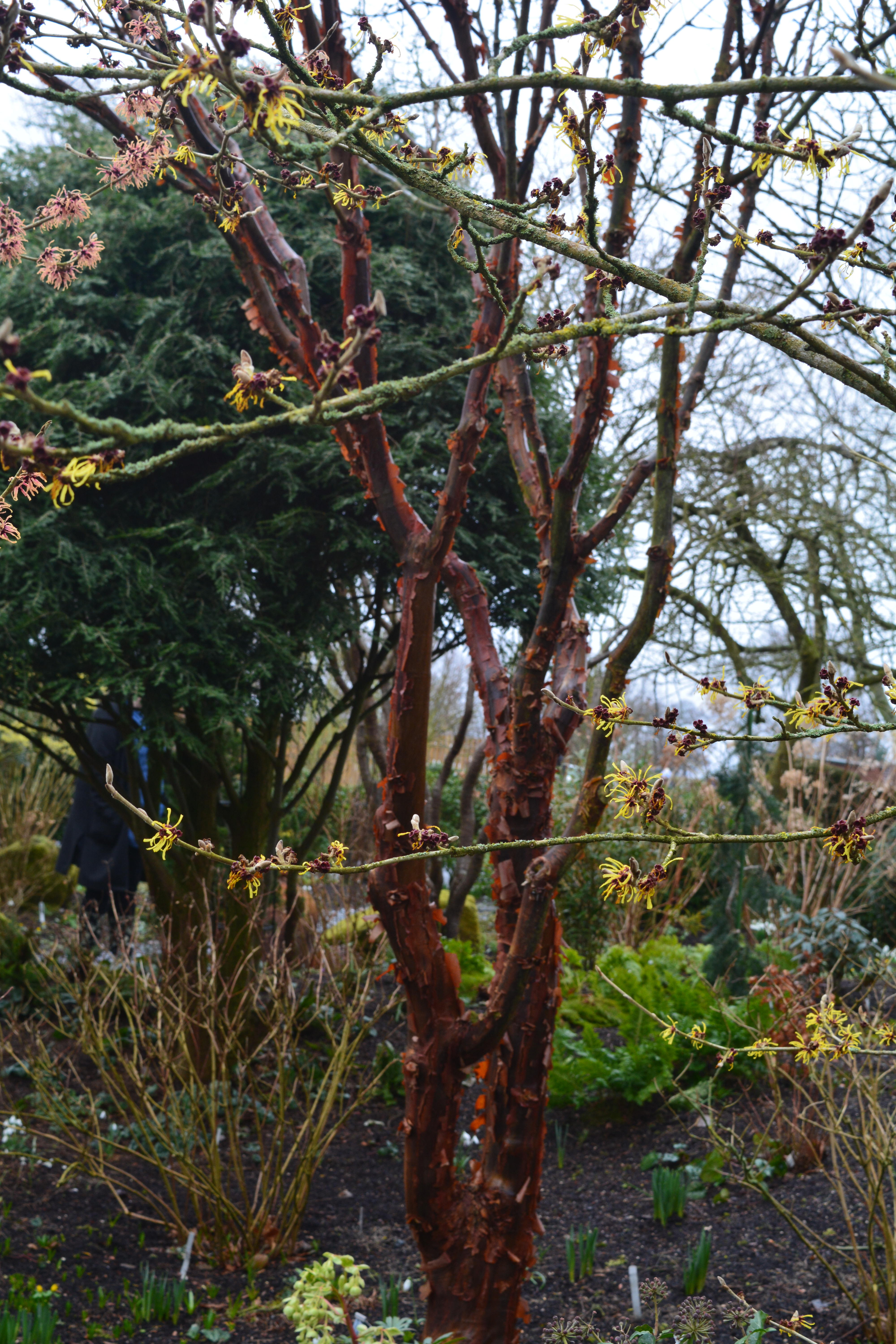
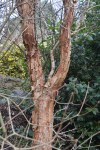
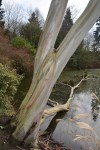
We left this little garden behind and crossed an open lawned area dotted with topiary specimens and trees with interesting bark, coloured, textured or peeling. We joined up with the gardens bordering the canal, the sort of background gardeners can only dream of.


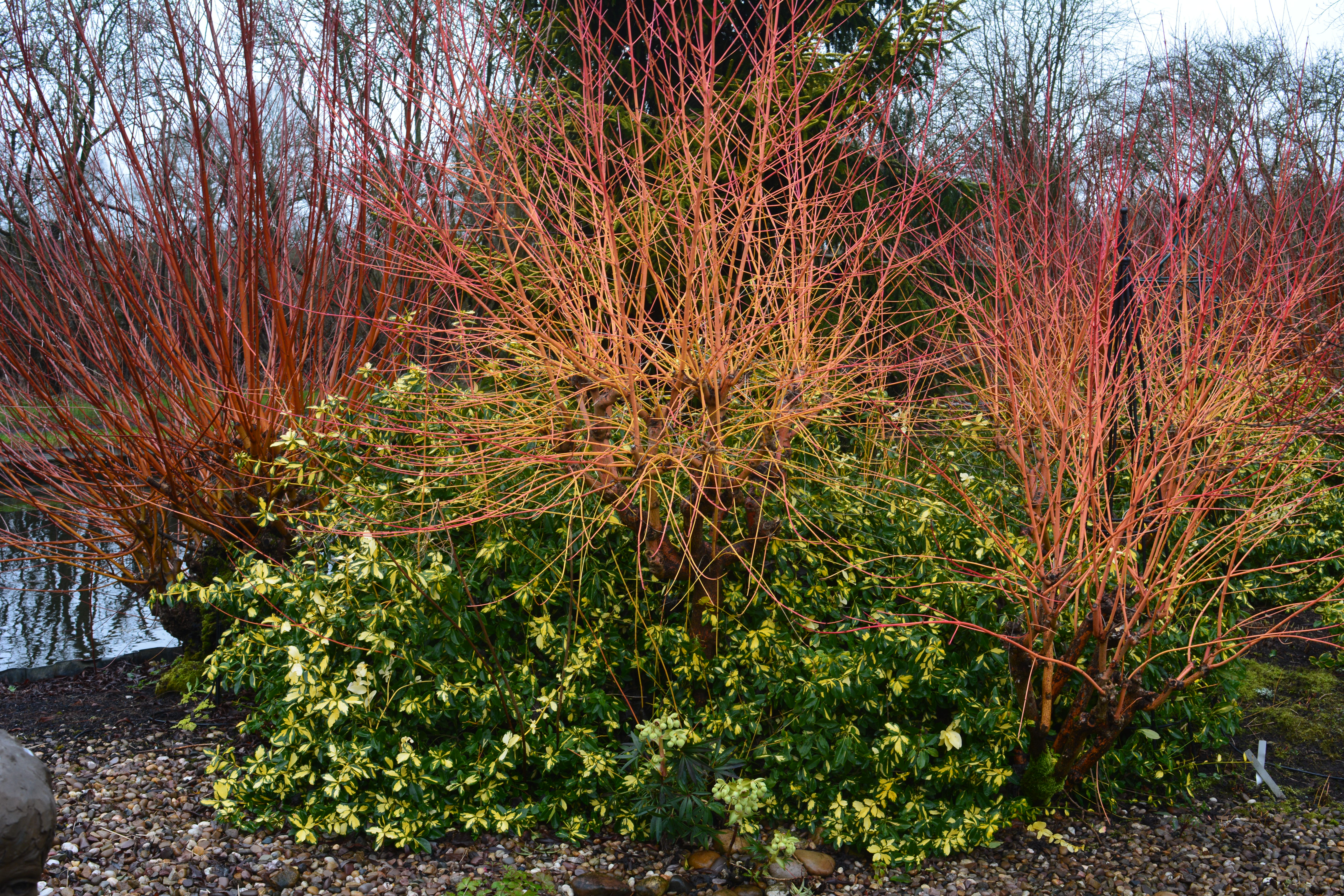
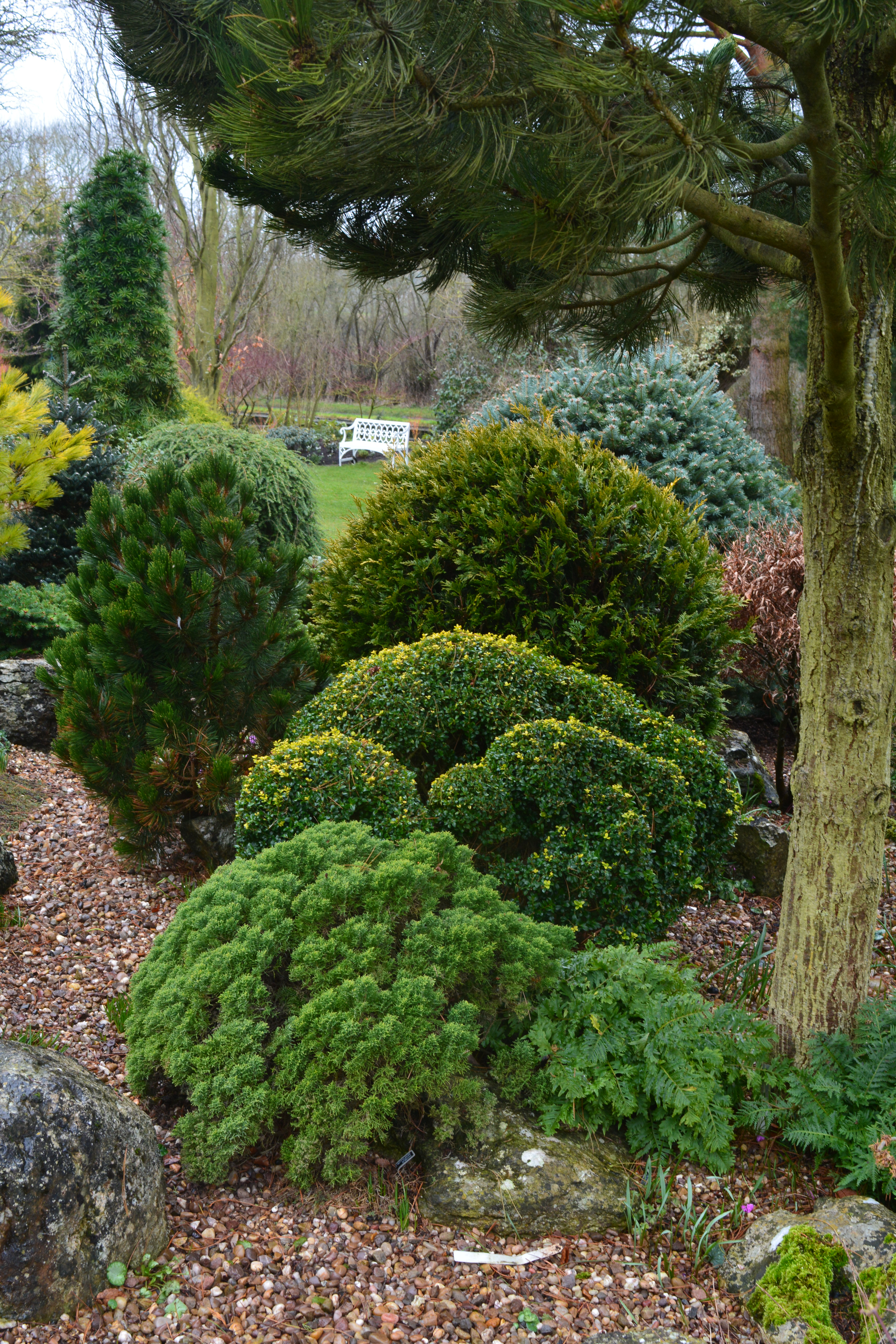
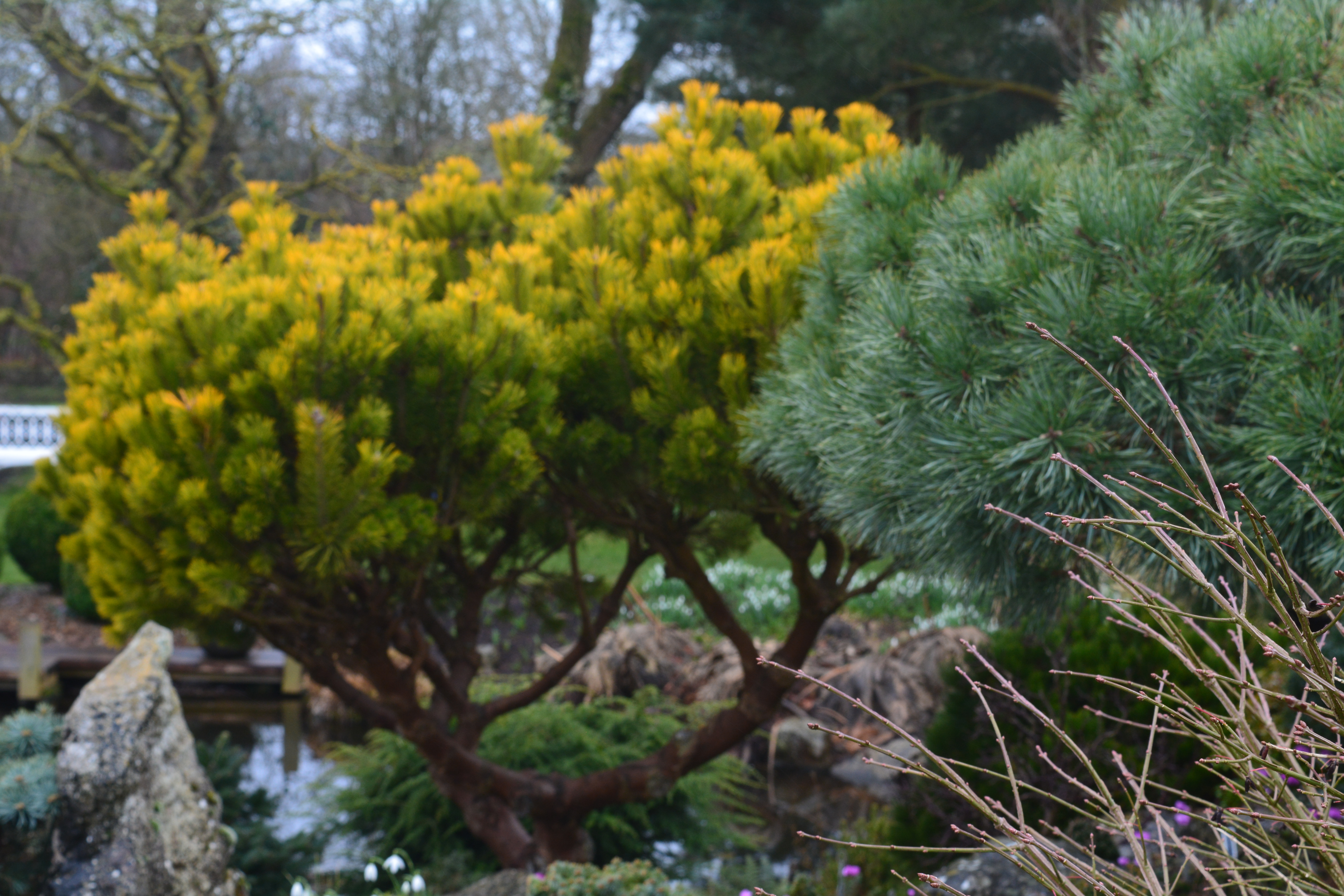
After a close up look at these trees and touching their bark, we followed the canal-side borders into the main gardens. Here grasses mingled with dogwoods and Willows, both pollarded and coppiced to enhanced their stem colours. Conifers of all sorts of shapes, colours and sizes began to appear here becoming strong features of this garden during the winter months. John is a master at transparency pruning which brings out the trees attributes. Interestingly he prunes both deciduous trees and shrubs and coniferous specimens too, which makes them look so much more interesting and they add so much to borders.

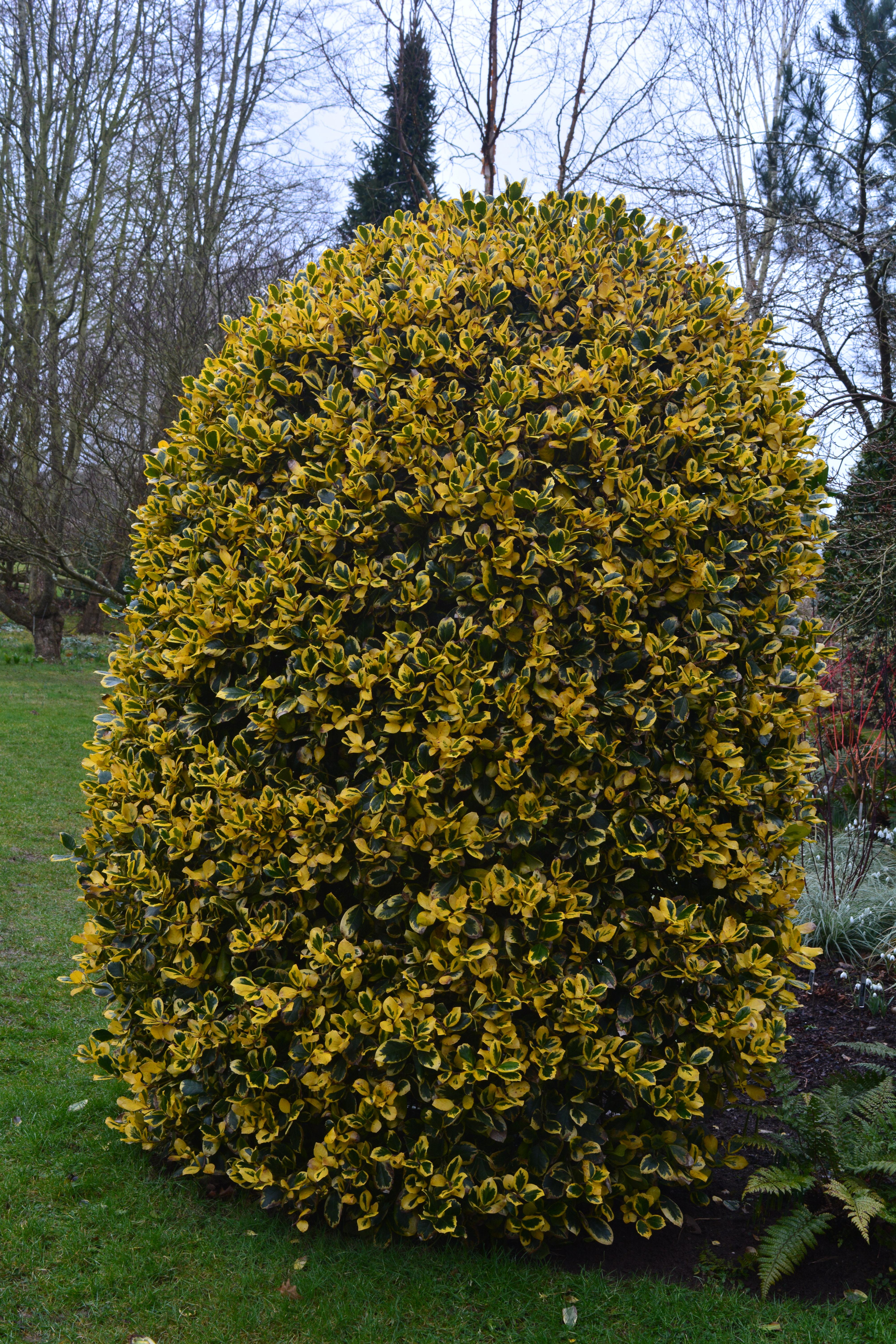
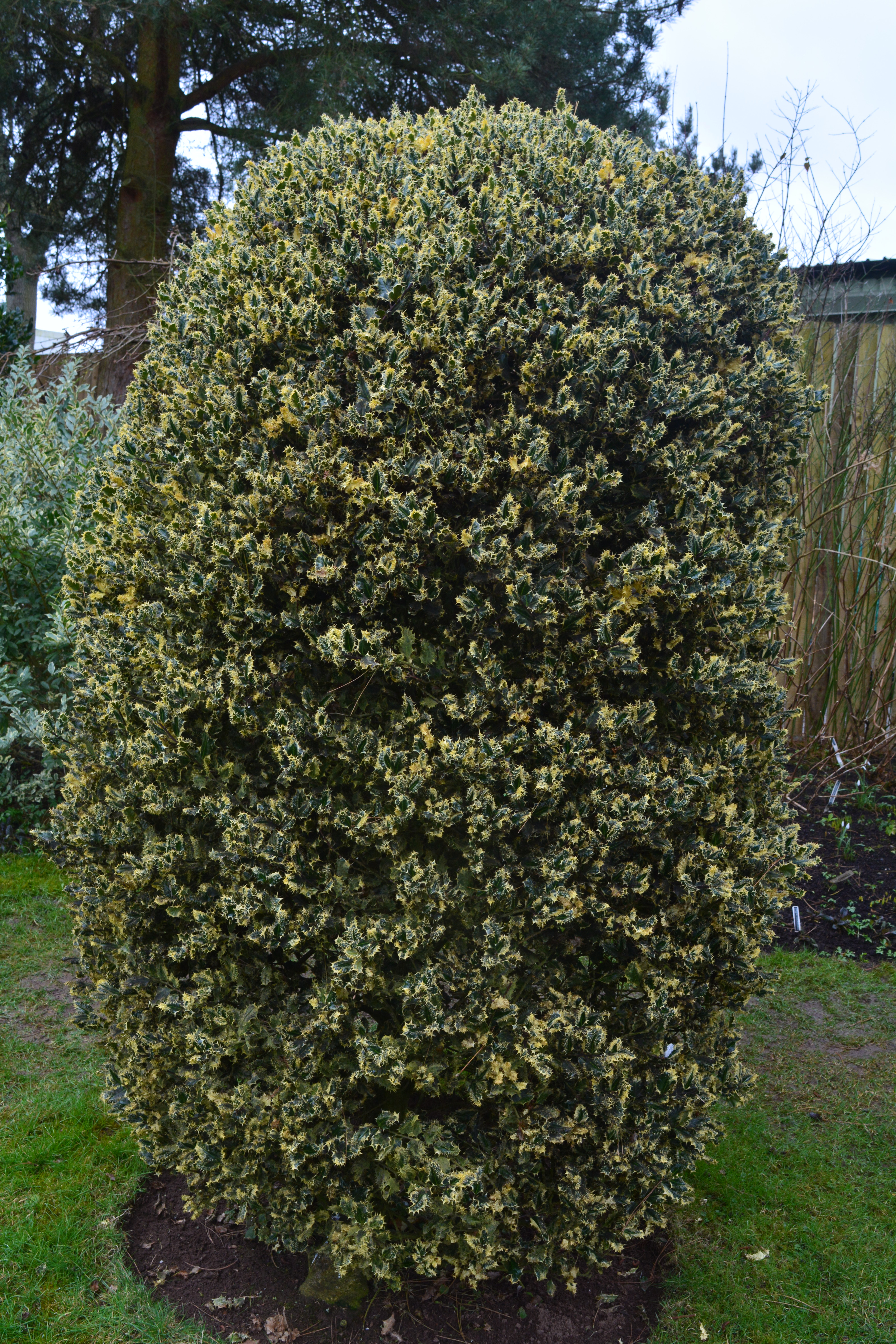
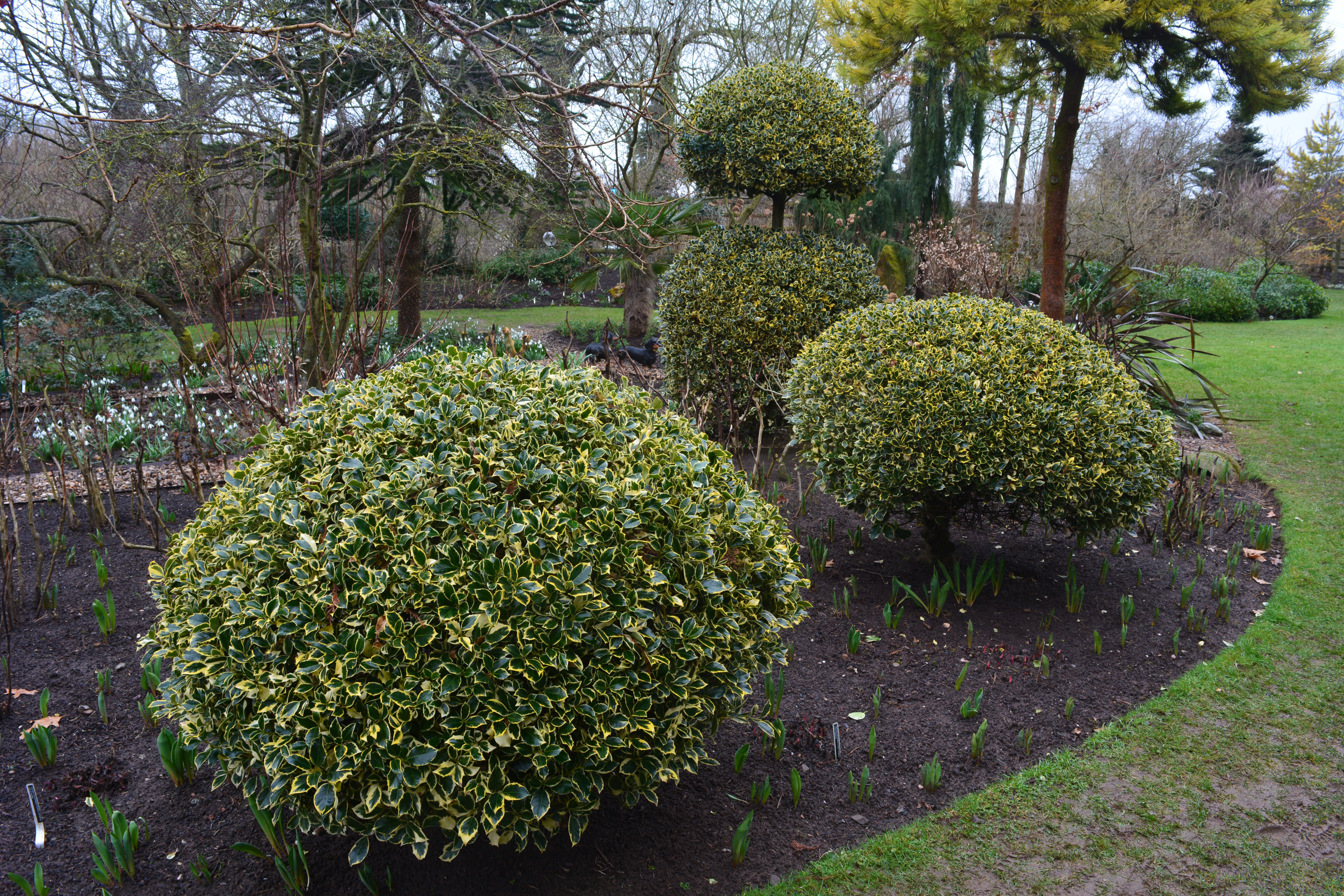
John is also a master of topiarising shrubs to emphasise their beauty and give structural elements throughout the garden. All sorts of conifers and evergreen shrubs have been given this treatment.
    

In part two of my post all about our winter visit to John’s Garden, we will move along the canal borders before returning along the opposite side of the patch, while along the way discovering a pool, sculpture and a terrace and lots more exciting plants and plant pairings.


Categories
colours flowering bulbs garden design garden photography gardening gardens grasses hardy perennials irises light light quality ornamental grasses ornamental trees and shrubs roses Shrewsbury Shropshire shrubs South Shropshire spring bulbs Winter Gardening winter gardens

My Garden Journal 2018 – February

Part two of my 2018 Garden Journal sees us still freezing cold and struggling to get time in the garden.

I opened my February entries by noting, “February is the month when we feel that the quality of the light improves and makes us feel better and there are definite signs of the days lengthening. Early bulbs begin flowering and others are showing strong leaf growth.”


I next sought out another quote from Dan Pearson’s book, “Natural Selection” and was pleased to find this one, “Making room for the winter garden is every bit as important as managing a garden that draws your attention in the dark months.”


Turning over to the next double page spread I write about newly acquired plants.


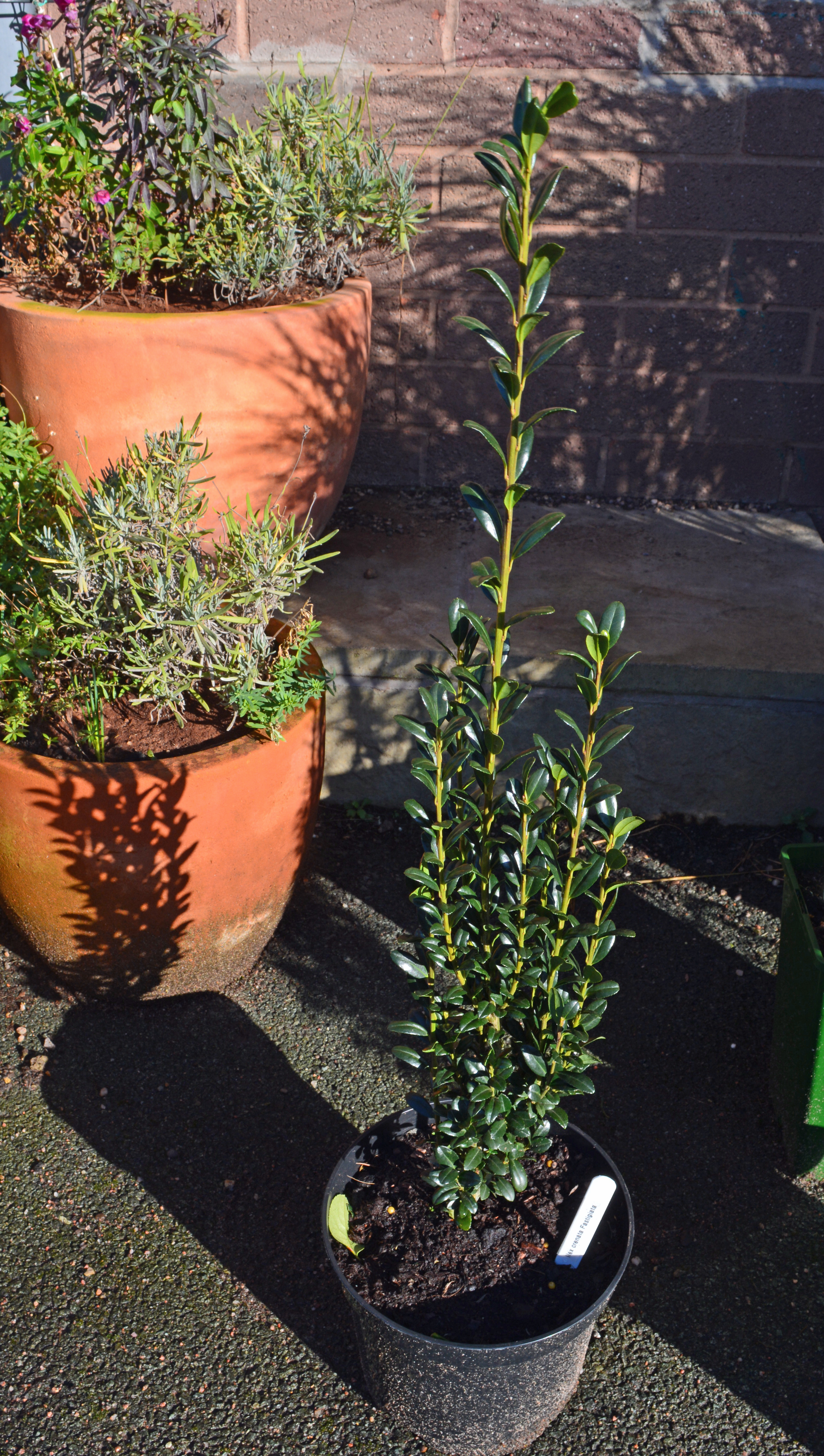
“It is always an enjoyable time planting newly acquired plants but it is an extra-special experience doing so in February. We were delighted to find good healthy specimens of two fastigiate plants, a Taxus baccata “Fastigiata Robusta” and an Ilex crenata “Fastigiata”. The only two fastigiate plants we have already established at Avocet are a Berberis and an Oak, Berberis thunbergia fastigiata atropurpurea “Helmond Pillar” , (a tall thin shrub  with a long thin name!” and Quercus palustris “Green Pillar” which despite its name is grown for its deep red autumn colour.”


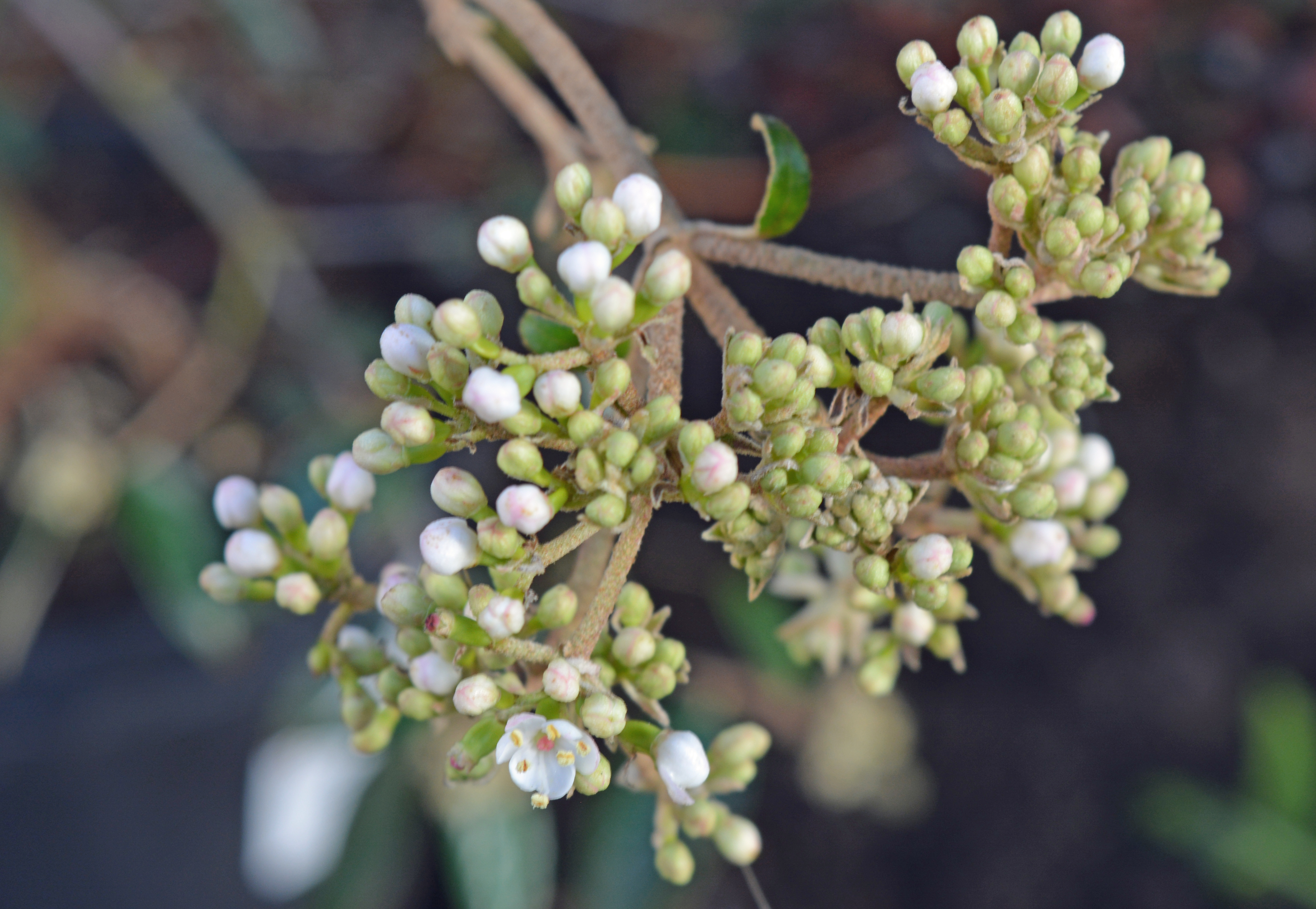
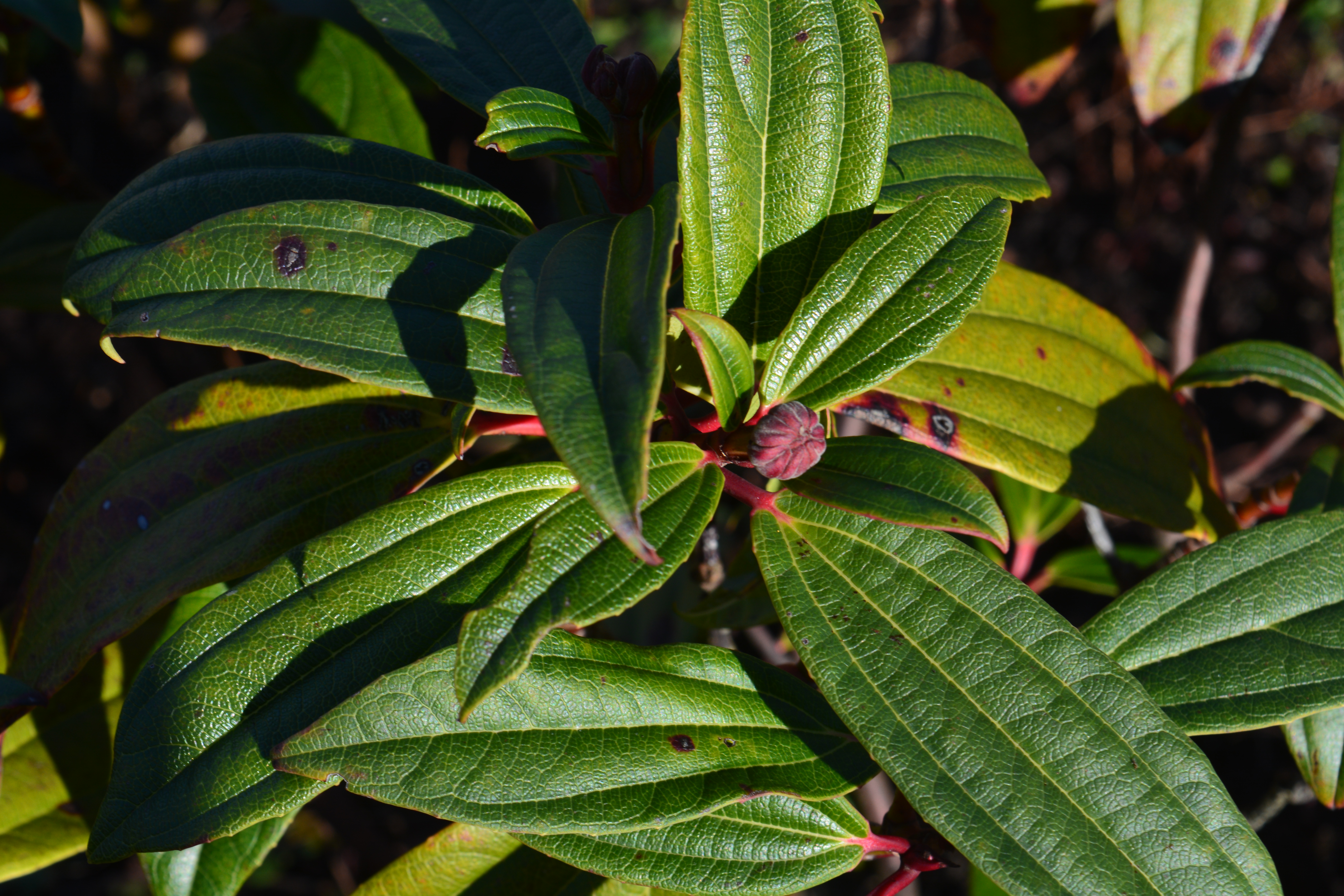
We also recently planted a Viburnum with a very different growth habit to our fastigiate purchases. It is a low growing shrub with a very open, airy growth and sweetly scented flowers in April. It is also described as “almost evergreen”, so we will wait and see exactly how ours behaves. We already have a good collection of Viburnums around our Avocet patch.”


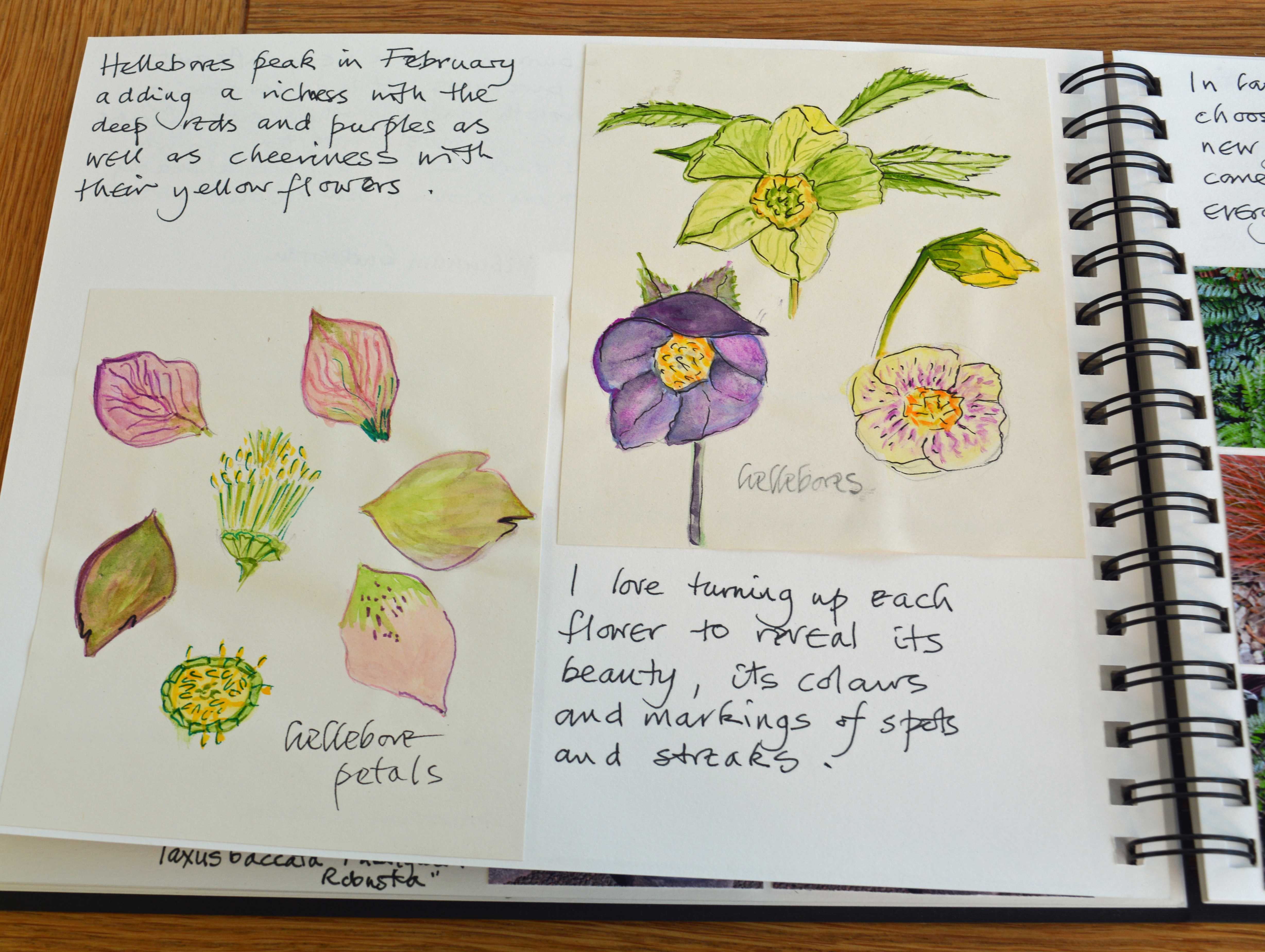
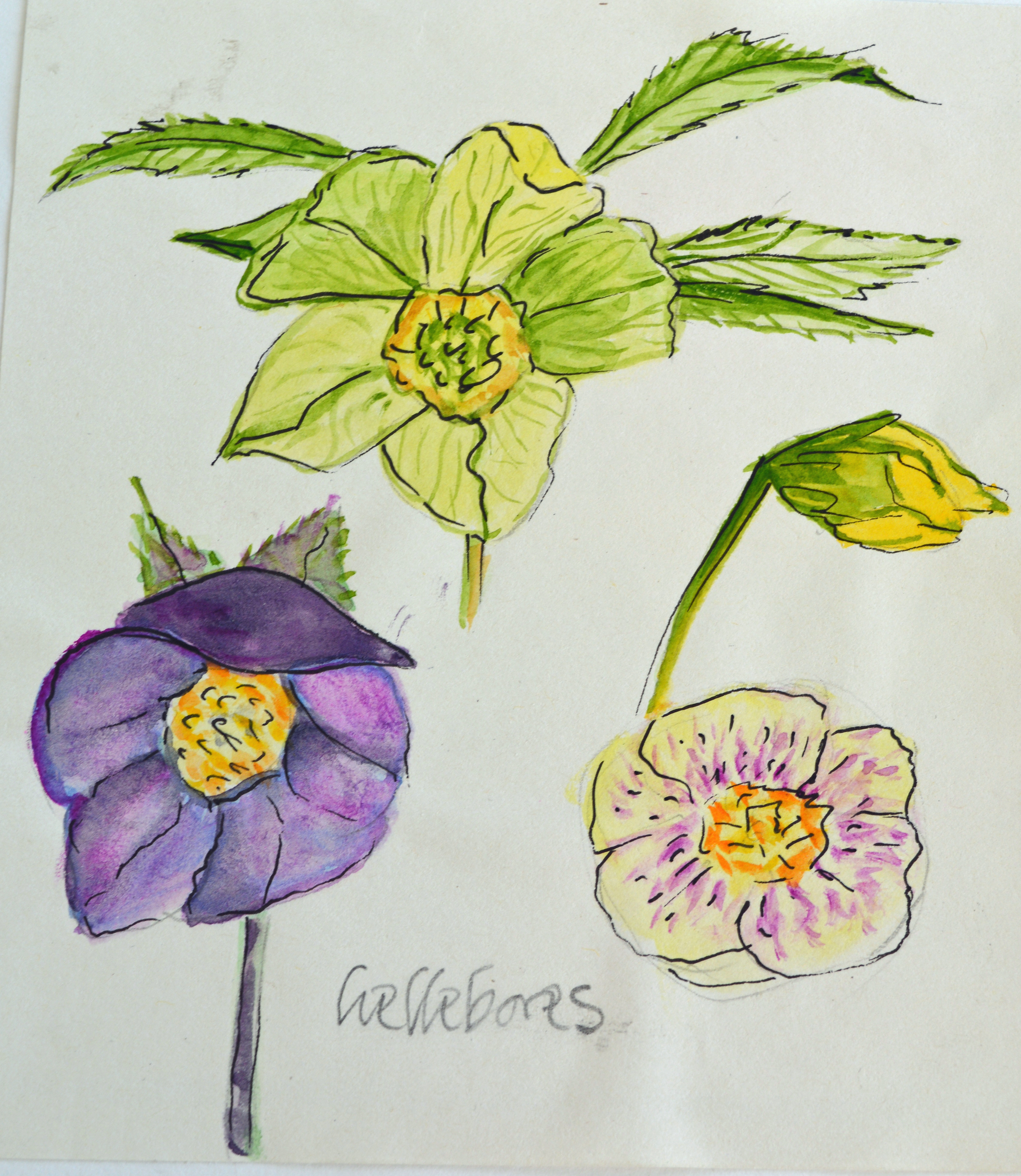
Some of my watercolour sketches of Hellebores and details of their petals feature on the next page.


“Hellebores peak in February adding a richness with the deep reds and purples as well as cheeriness with their yellow flowers.”

“I love turning up each flower to reveal its beauty, its colours and markings of spots and streaks.”


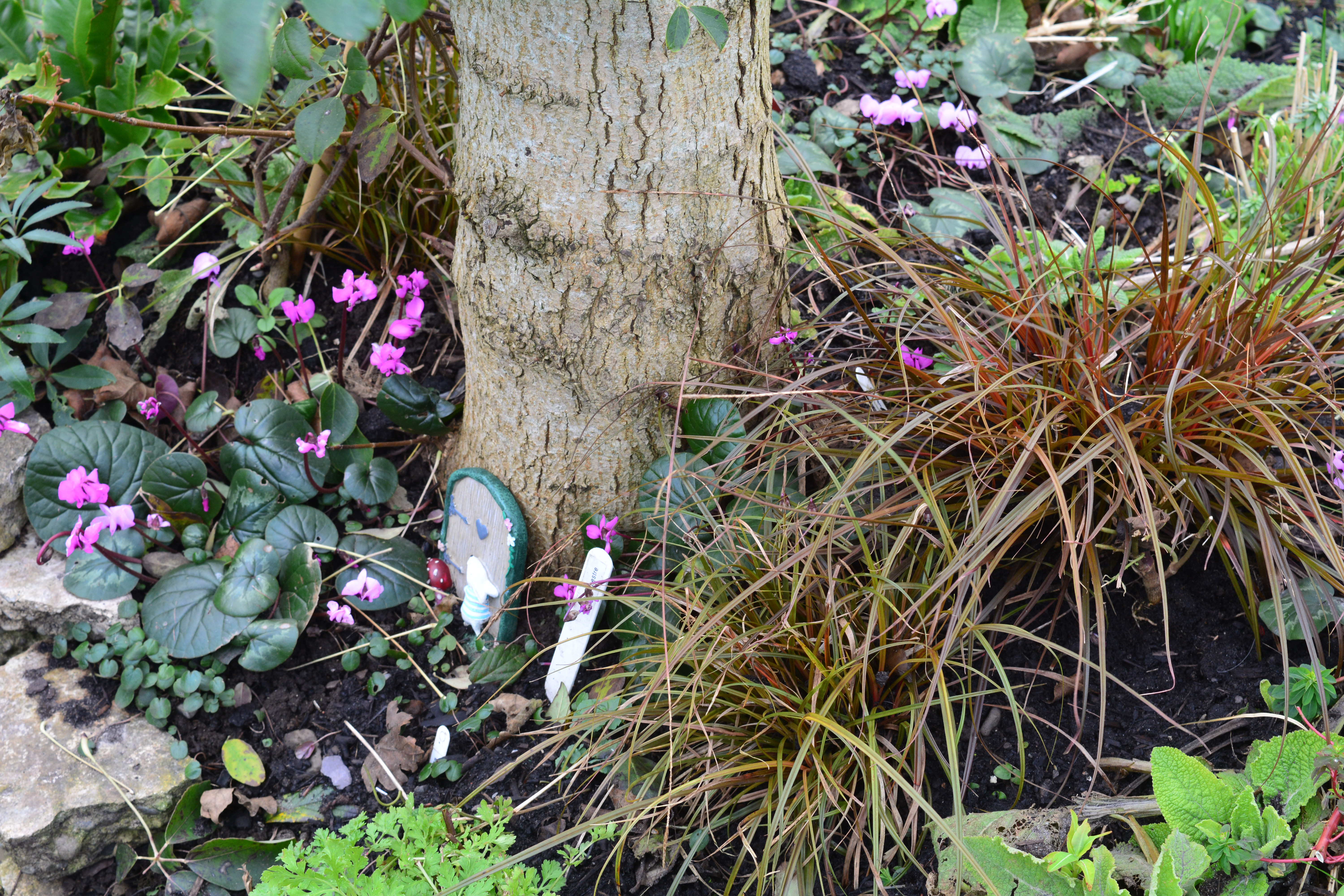
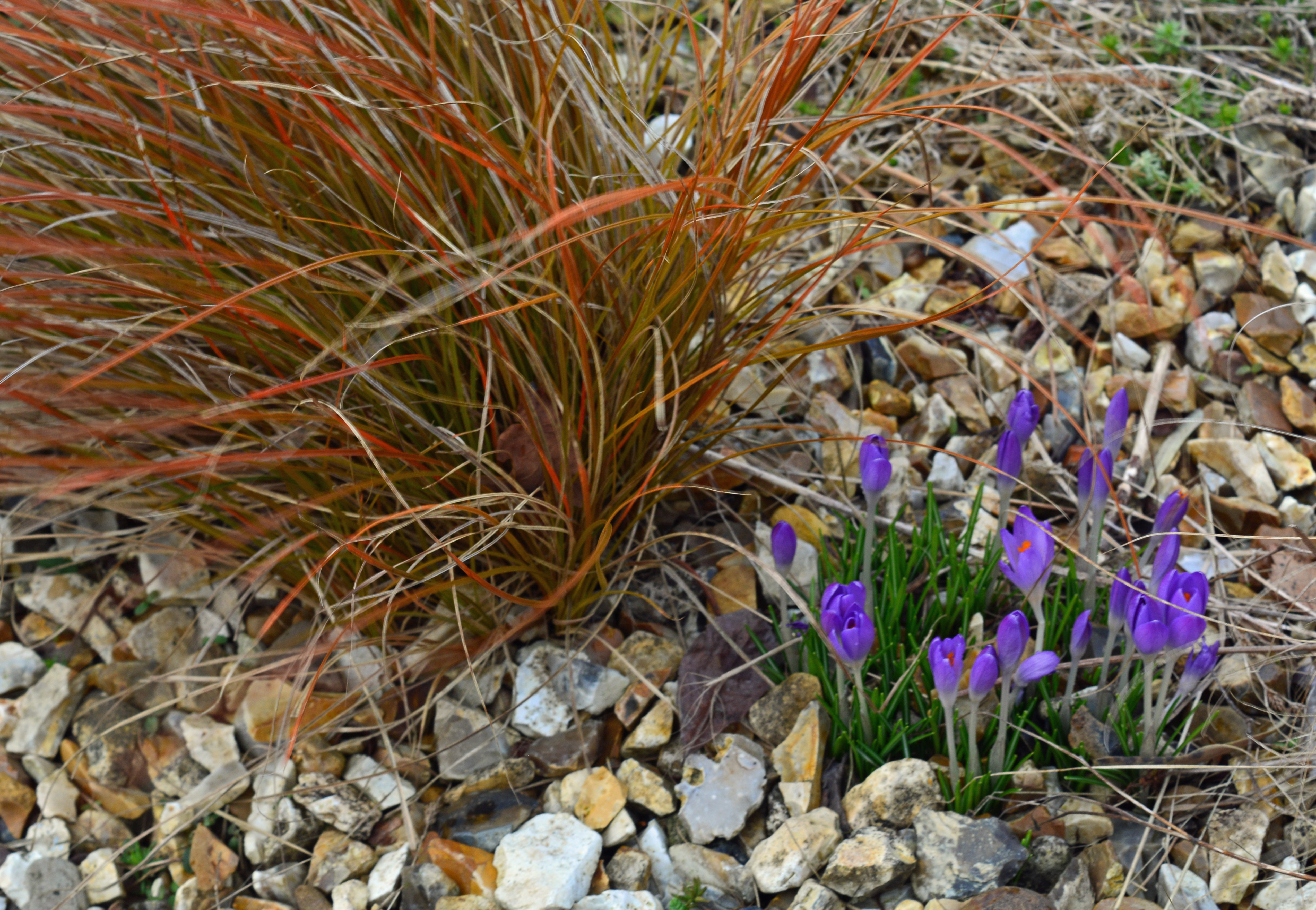
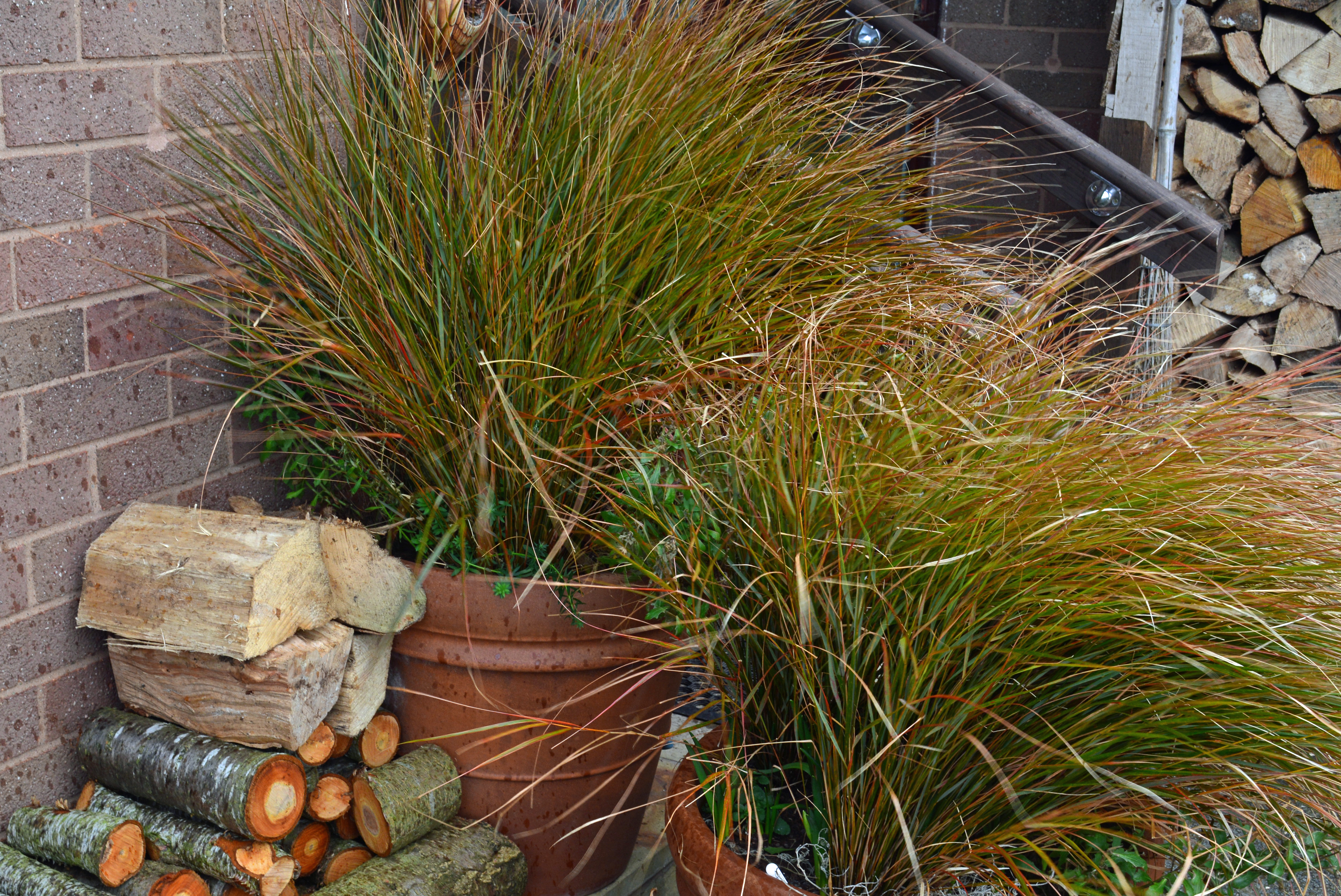
On the opposite page I looked at some of our grasses with winter interest and share some photos of them.

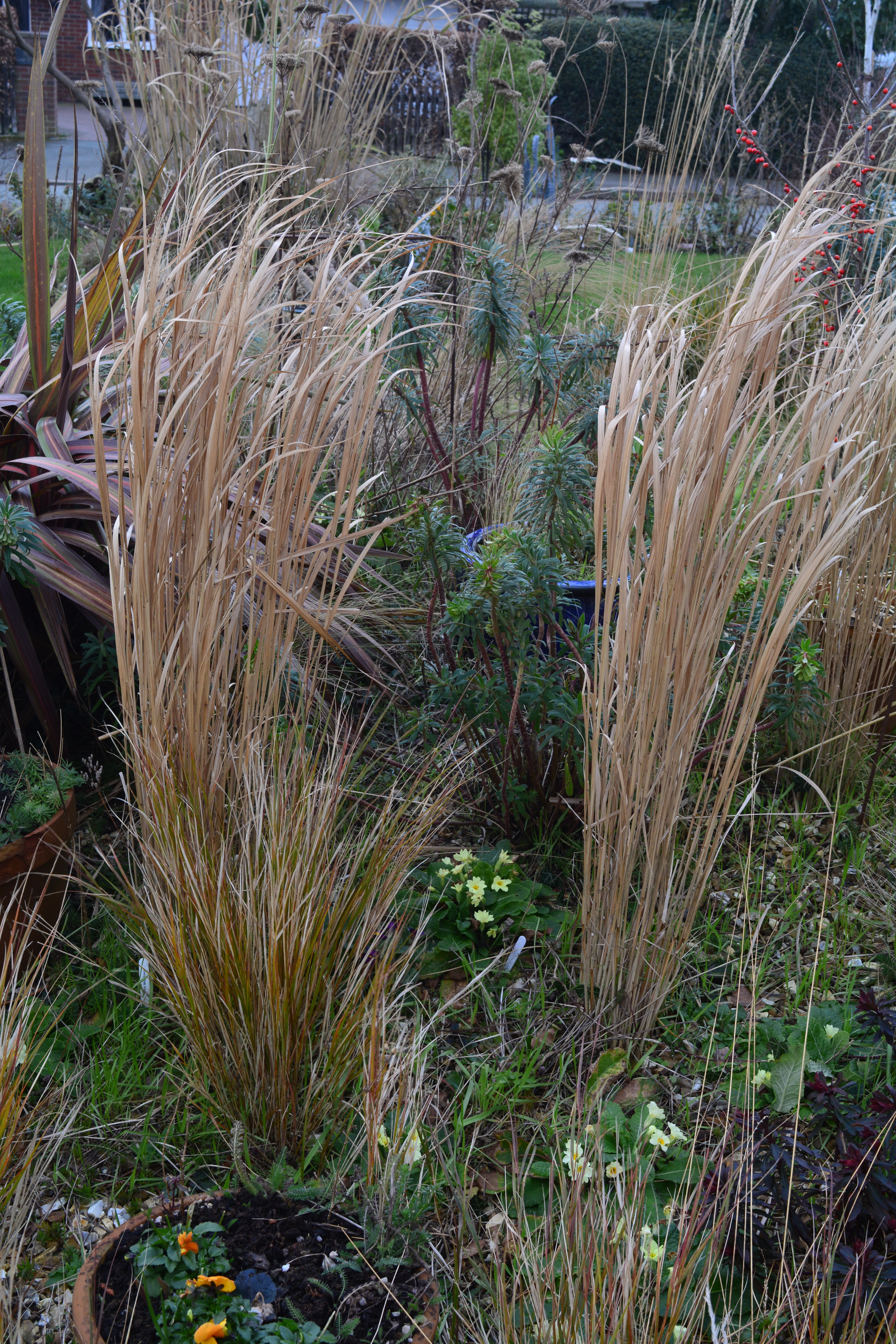
“In late February we begin to cut down “deciduous” grasses, choosing the right time to avoid cutting through this year’s new growth. Evergreen grasses especially varieties of Carex  come into their own especially when partnered with evergreen foliage plants such as ferns, bergenias and arums.”


Moving on to the final double page spread for February, I considered coloured stemmed Dogwoods and a look at roses as they give their final points of interest before they are pruned and begin to grow anew for this year.

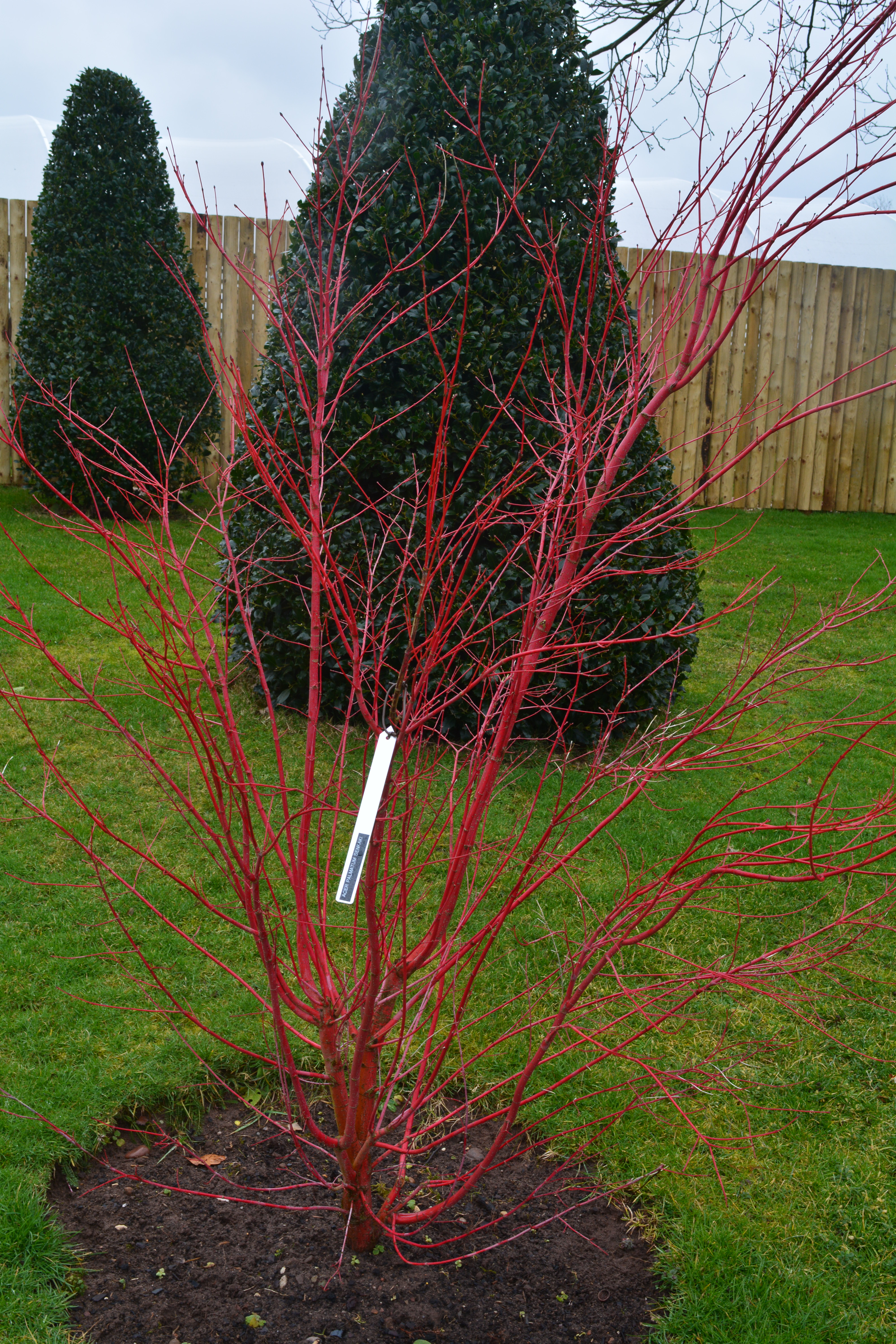
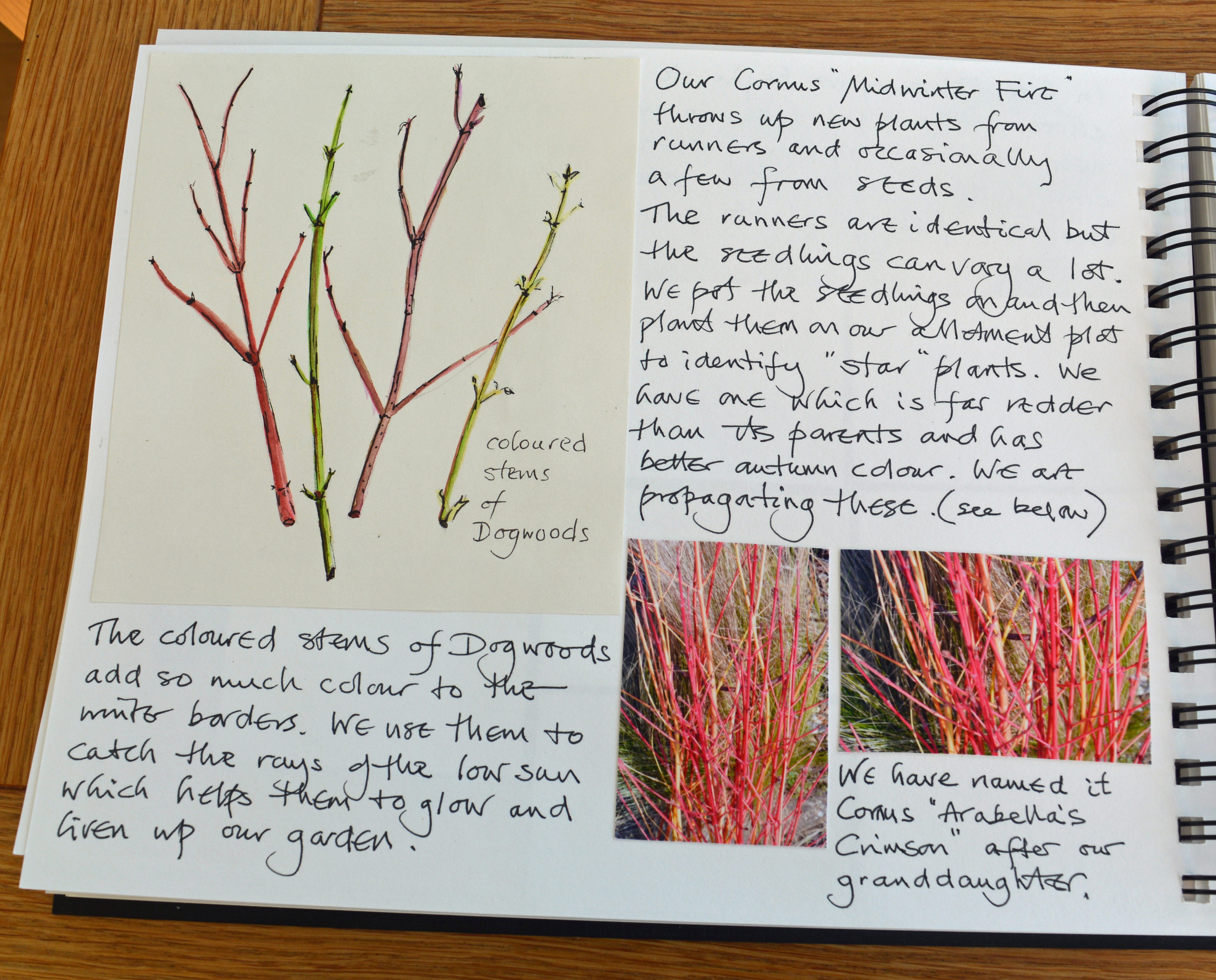
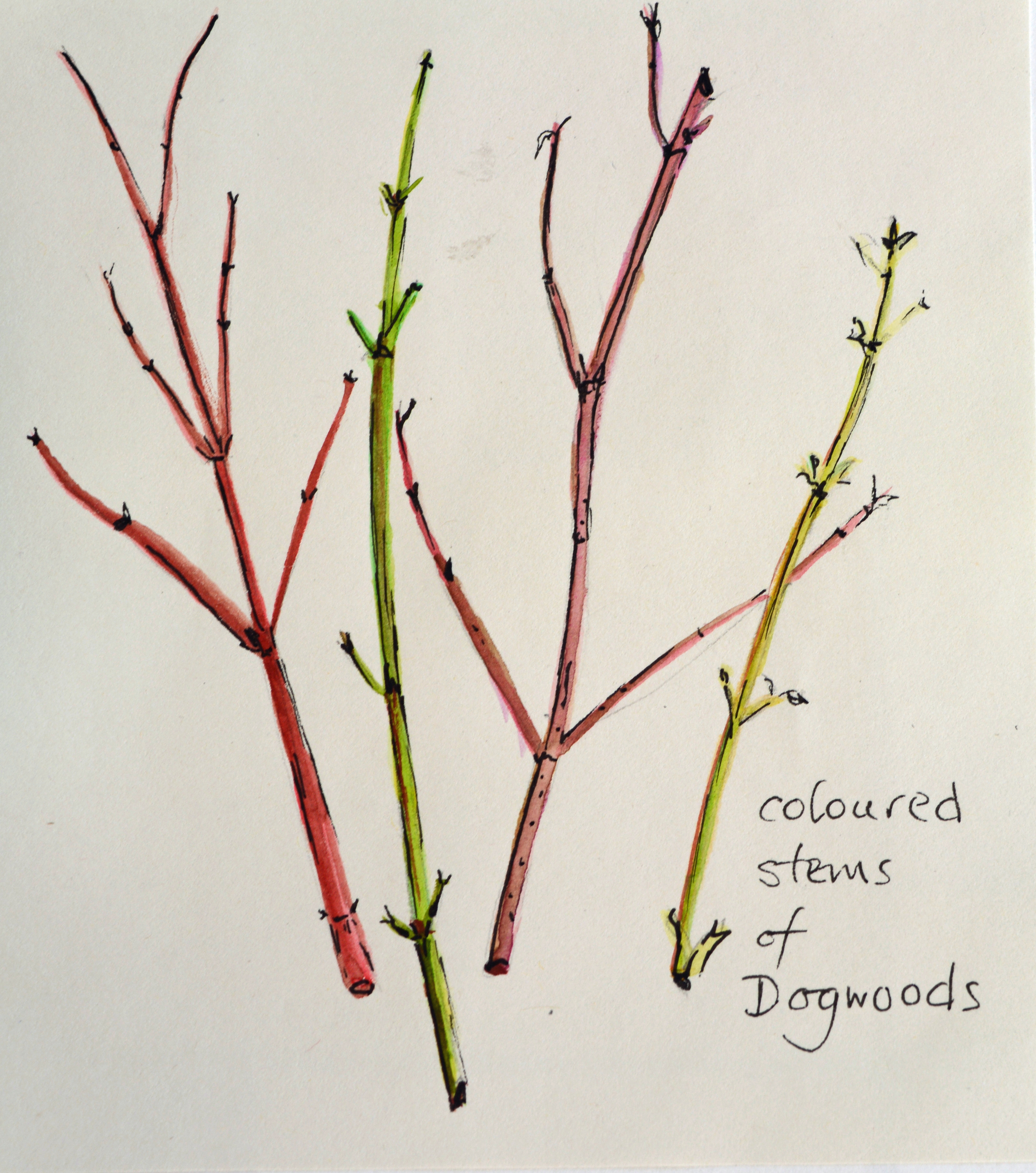
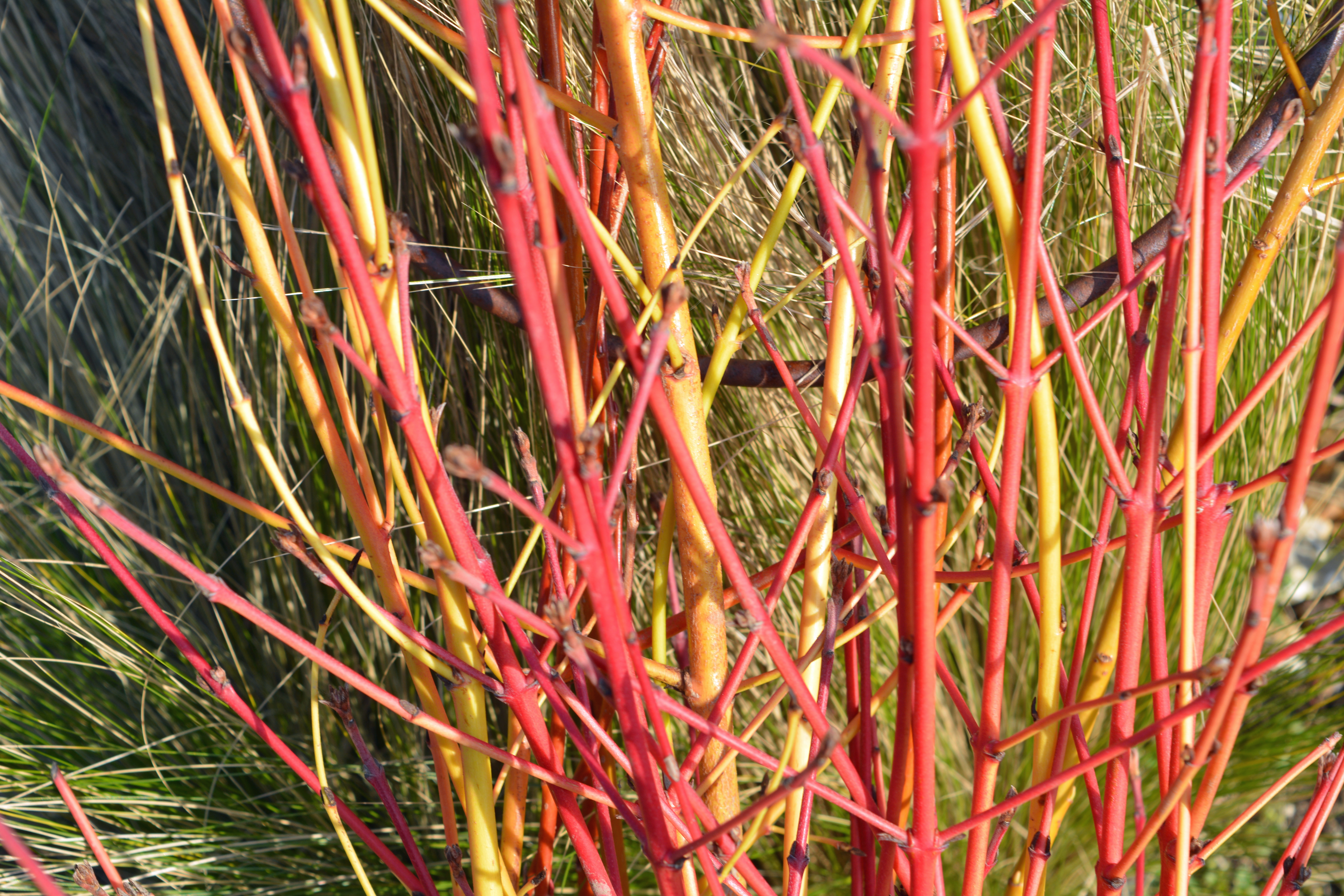
“The coloured stems of Dogwoods add so much colour to the winter borders. We use them to catch the rays of the low sun which helps them to glow and liven up our garden.”


I finished off my February journal entries by featuring roses and a very special plant, special because it is a dogwood that occurred in our garden as a chance seedling of Midwinter Fire crossed with one of our other Cornus plants. We have grown it on and now take lots of cuttings hoping to bulk it up. We hope to be able then to sell them at our open days. Very exciting!

I wrote, “Our Cornus Midwinter Fire throws up new plants from runners and occasionally a few from seed. The runners are identical to the parent plant but the seedlings can vary a lot. We pot the seedlings on and then plant them out on our allotment plot to allow us to identify “star plants”. We have one which is far redder than its parents and has better autumn colour. We are propagating these (see below). We have named it Cornus “Arabella’s Crimson” after our granddaughter.”

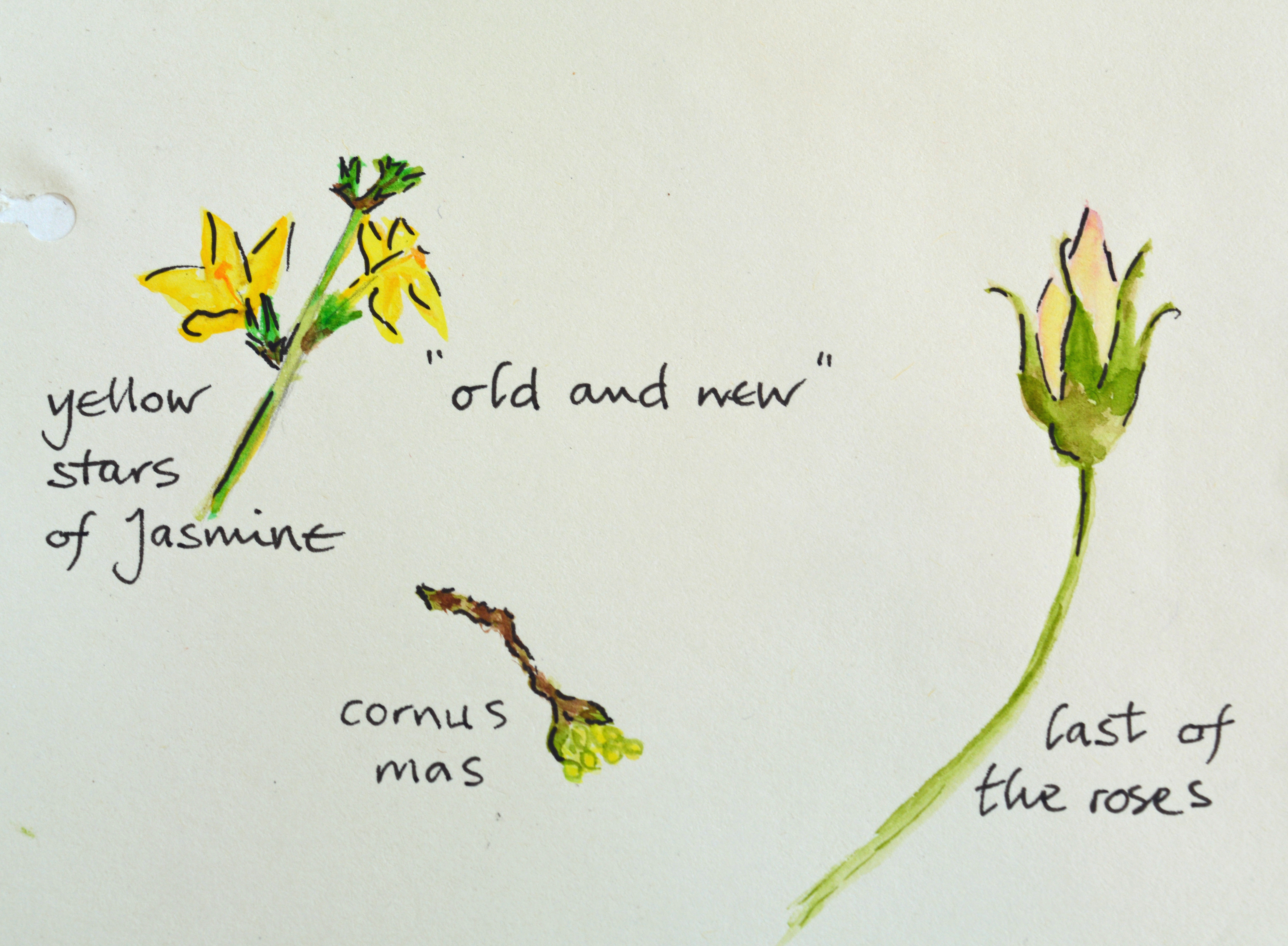
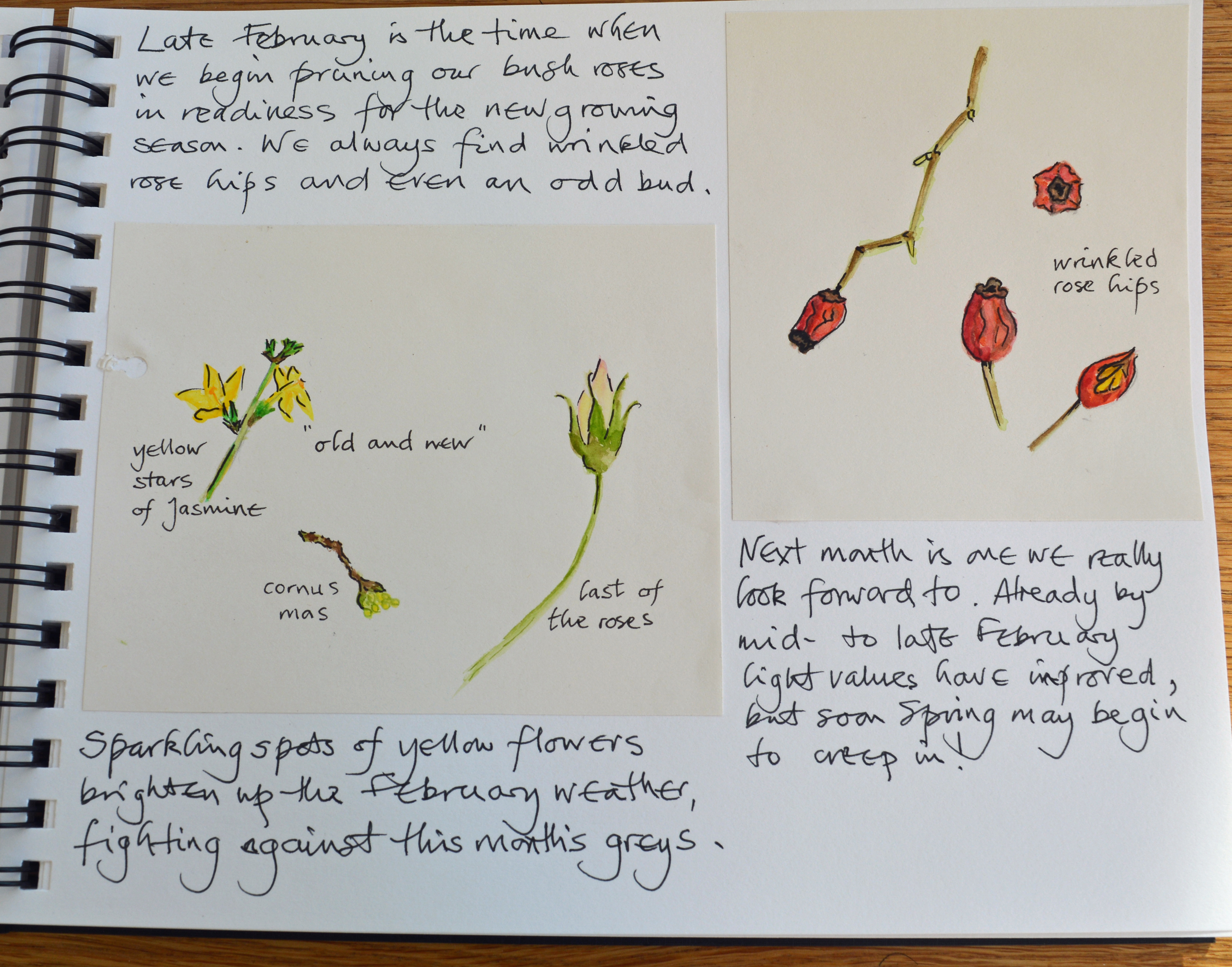
My final page is about roses and yellow flowers of the February garden. The yellow flowers are Jasminum nudiflorum, Cornus mas and a pale yellow rose bud. I wrote “Sparkling spots of yellow flowers brighten up the February weather, fighting against this month’s greys.”

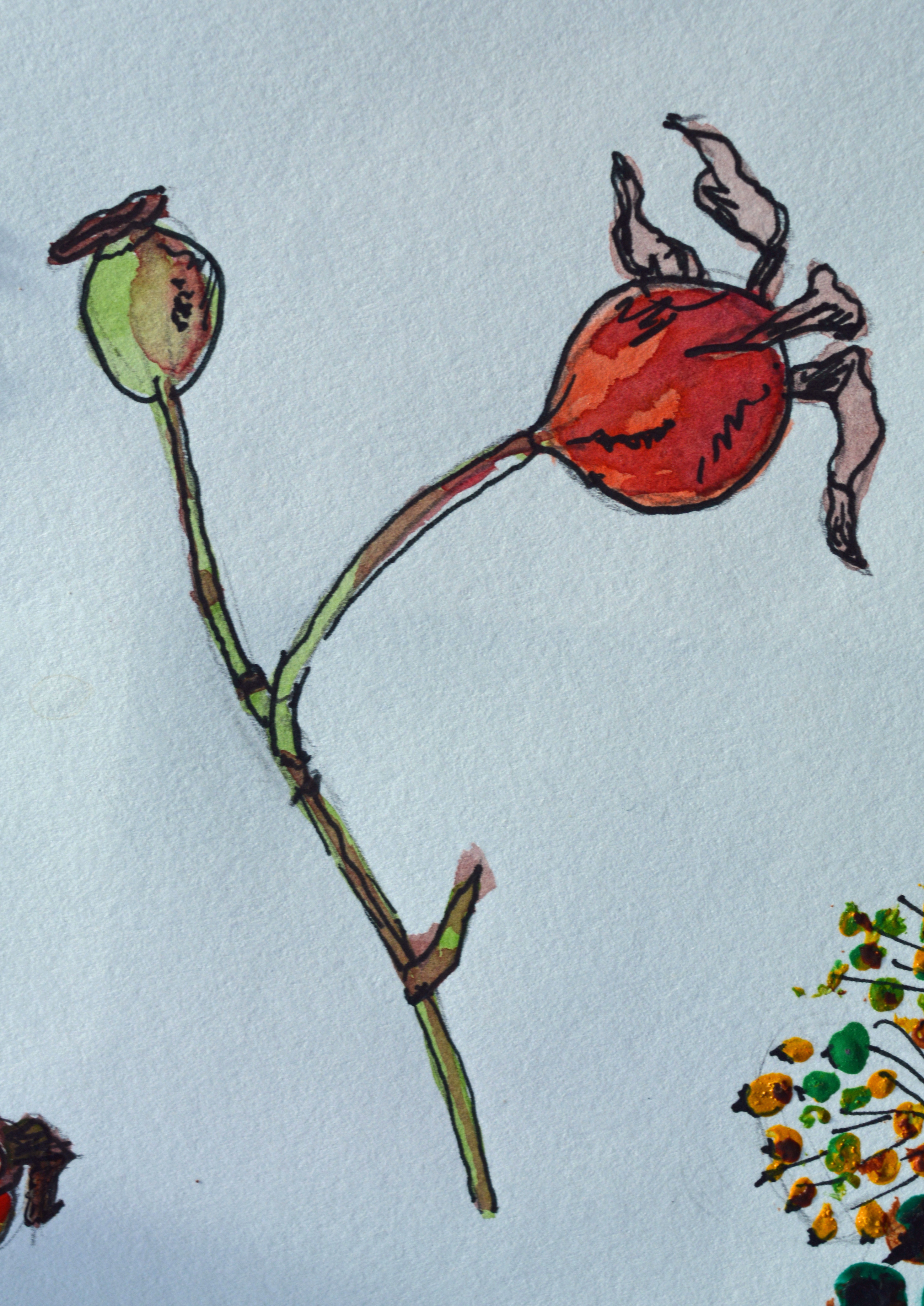
“Late February is the time when we begin  pruning our bush roses in readiness for the new growing season. We always find wrinkled rose hips and even the odd flower bud.


“Next month is one we really look forward to. Already by mid-February light values have improved, but soon Spring may begin to creep in!”


Categories
climbing plants flowering bulbs garden photography garden wildlife gardening hardy perennials shrubs spring bulbs Winter Gardening winter gardens

My Garden Journal 2018 – January

Welcome to another year of my garden journal. This first post is all about a very cold January, but we decided to defy the weather and garden anyway. So let’s see what is going on at Avocet and share with you our jobs successfully achieved.

On my first double page spread I share the new materials I will be using this year and mention that my journal this year will be created in a larger, landscape format a Daler-Rowney art book.

I will keep my notes in a beautiful blue notebook, a gift from a friend and will write my monthly musings with another fine gift, this time from daughter, Jo and son-in-law, Rob, an Art Pen by Rotring. My notes will be written using a bamboo mechanical pencil and pen a gift from Jude’ sister, Pauline and brother-in-law Steve.


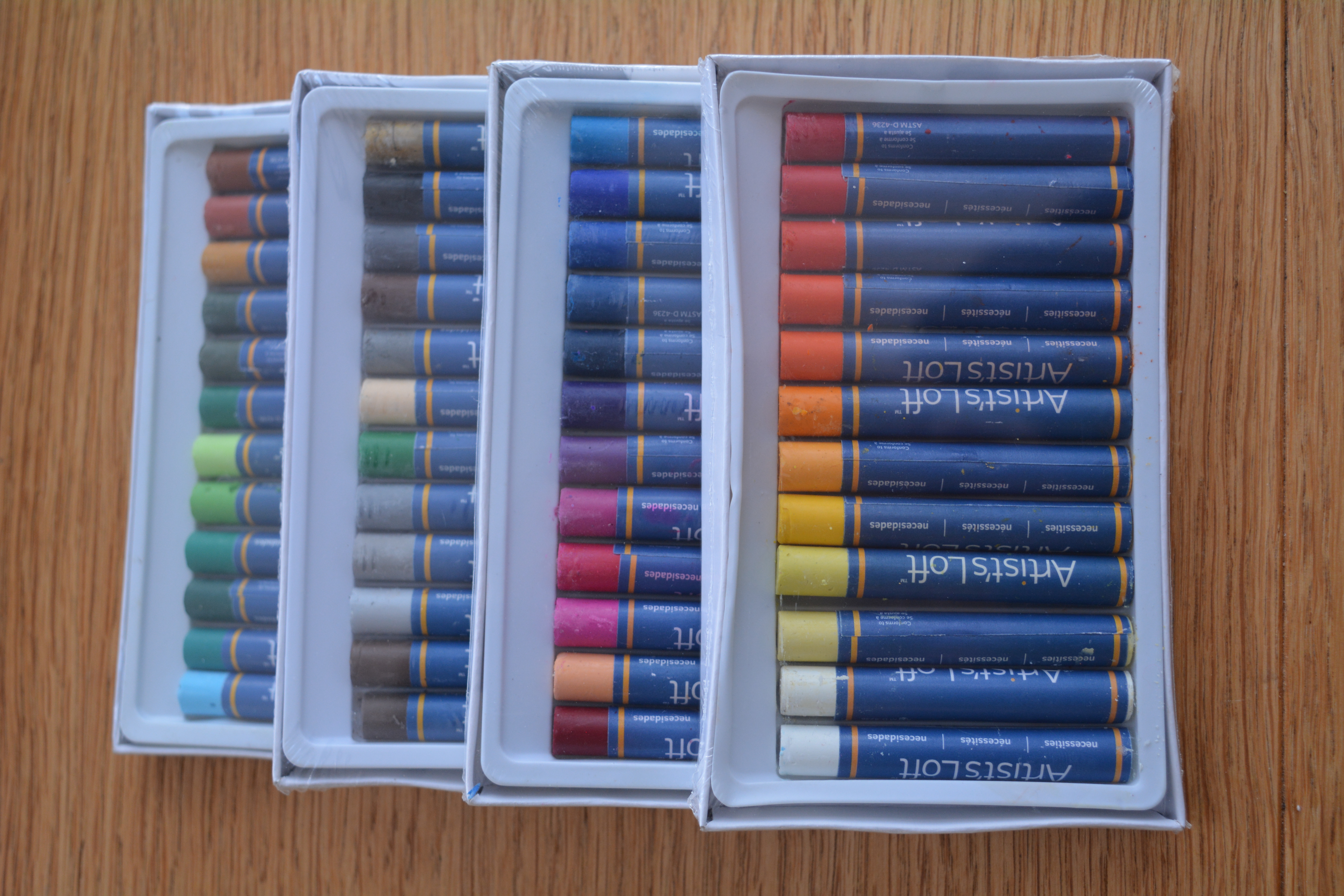
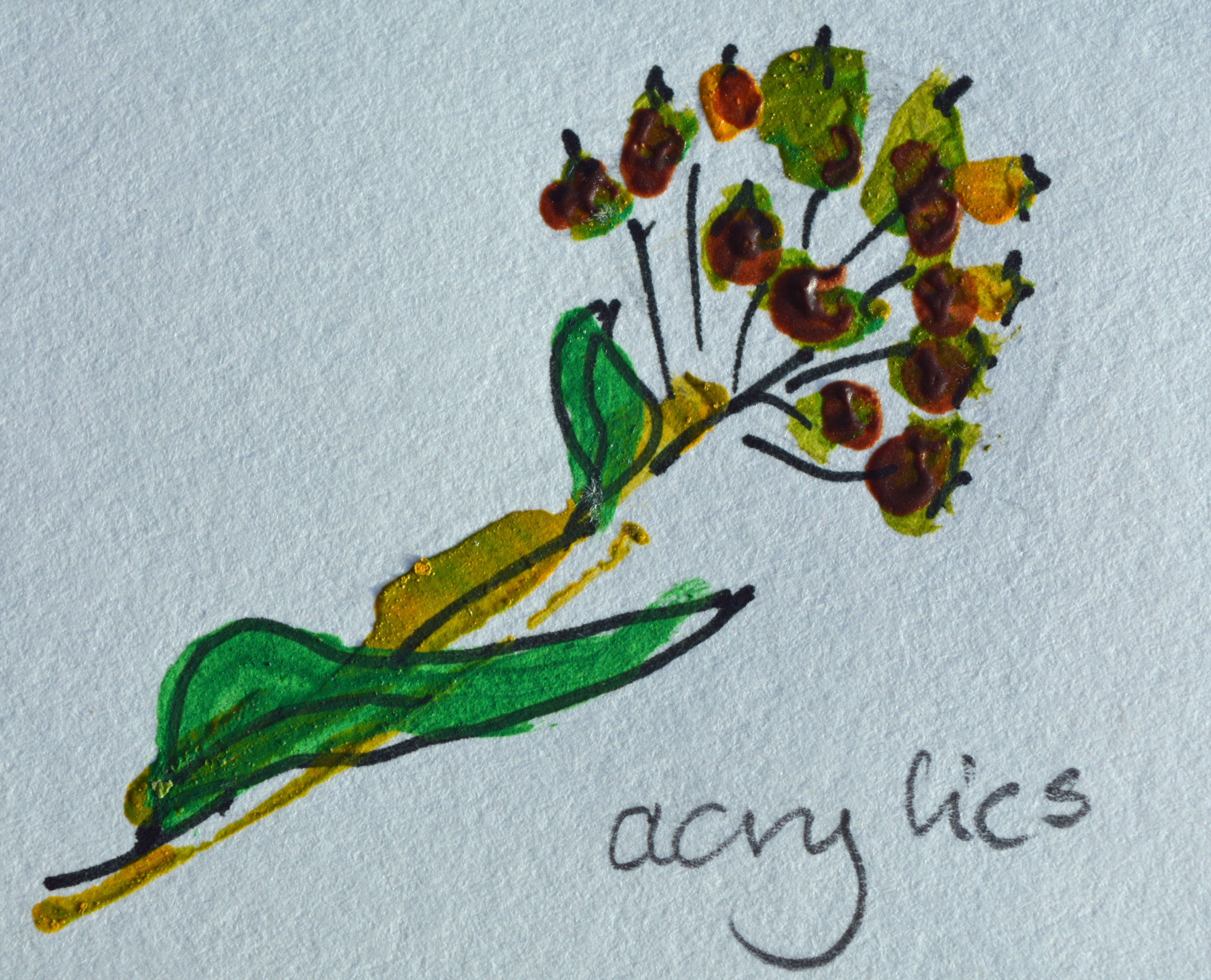
During 2018 I aim to try out different art media and techniques to help illustrate my written words, tubed watercolours, soft pastels and acrylics. I may also use two of these media together, and perhaps try some collage pieces. Over the page I shall get this 2018 journal started by looking at our many cultivars of Ivies.

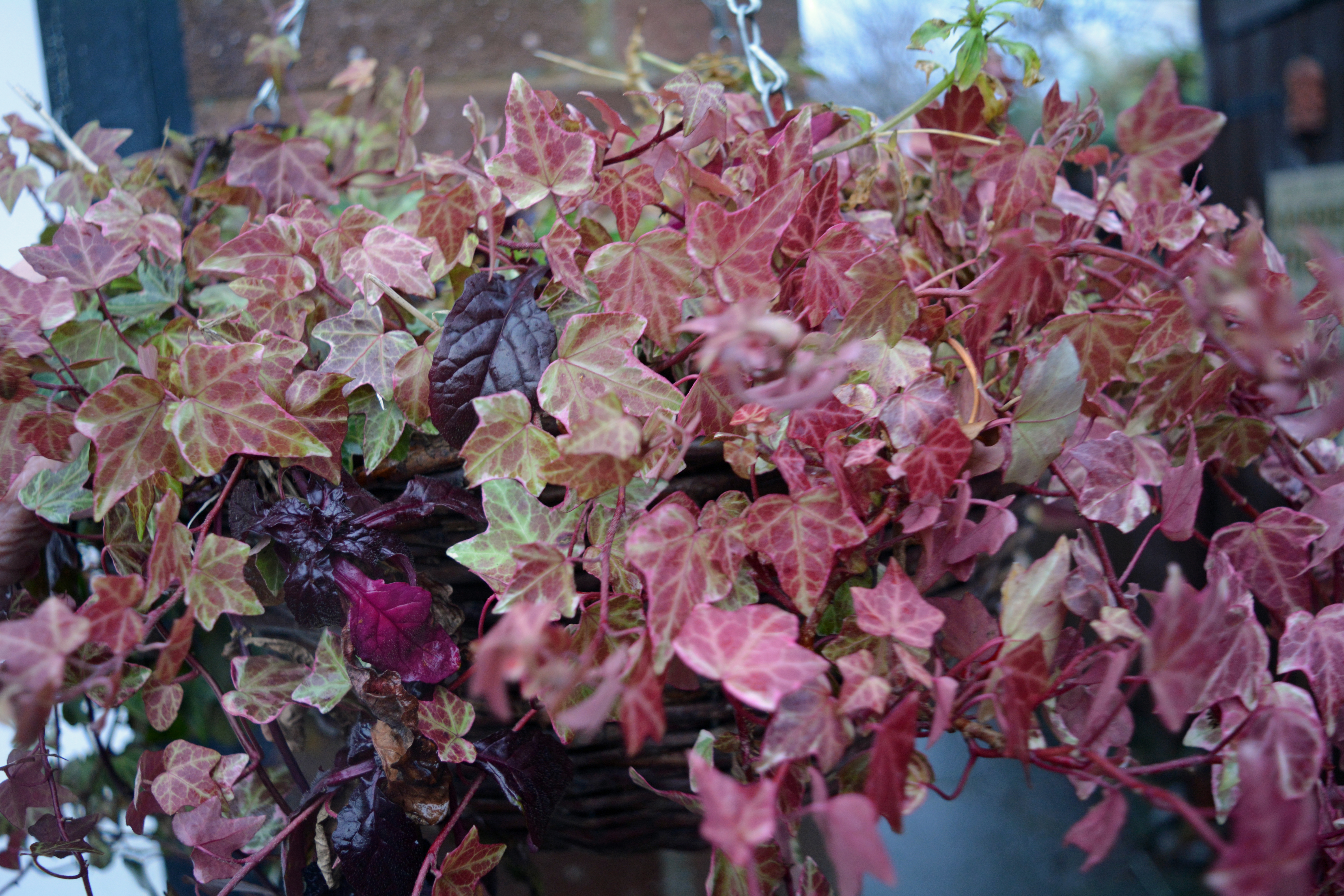
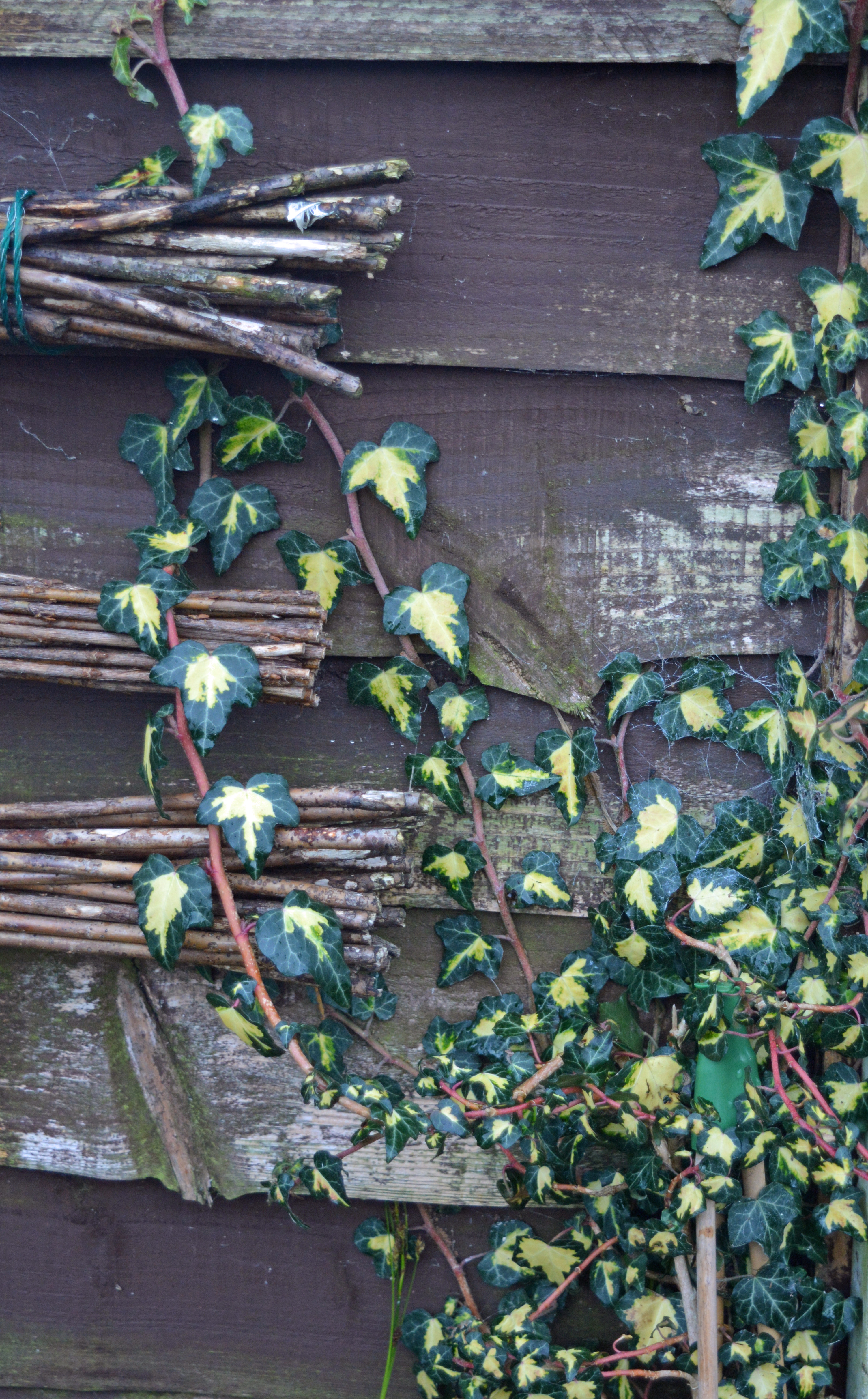
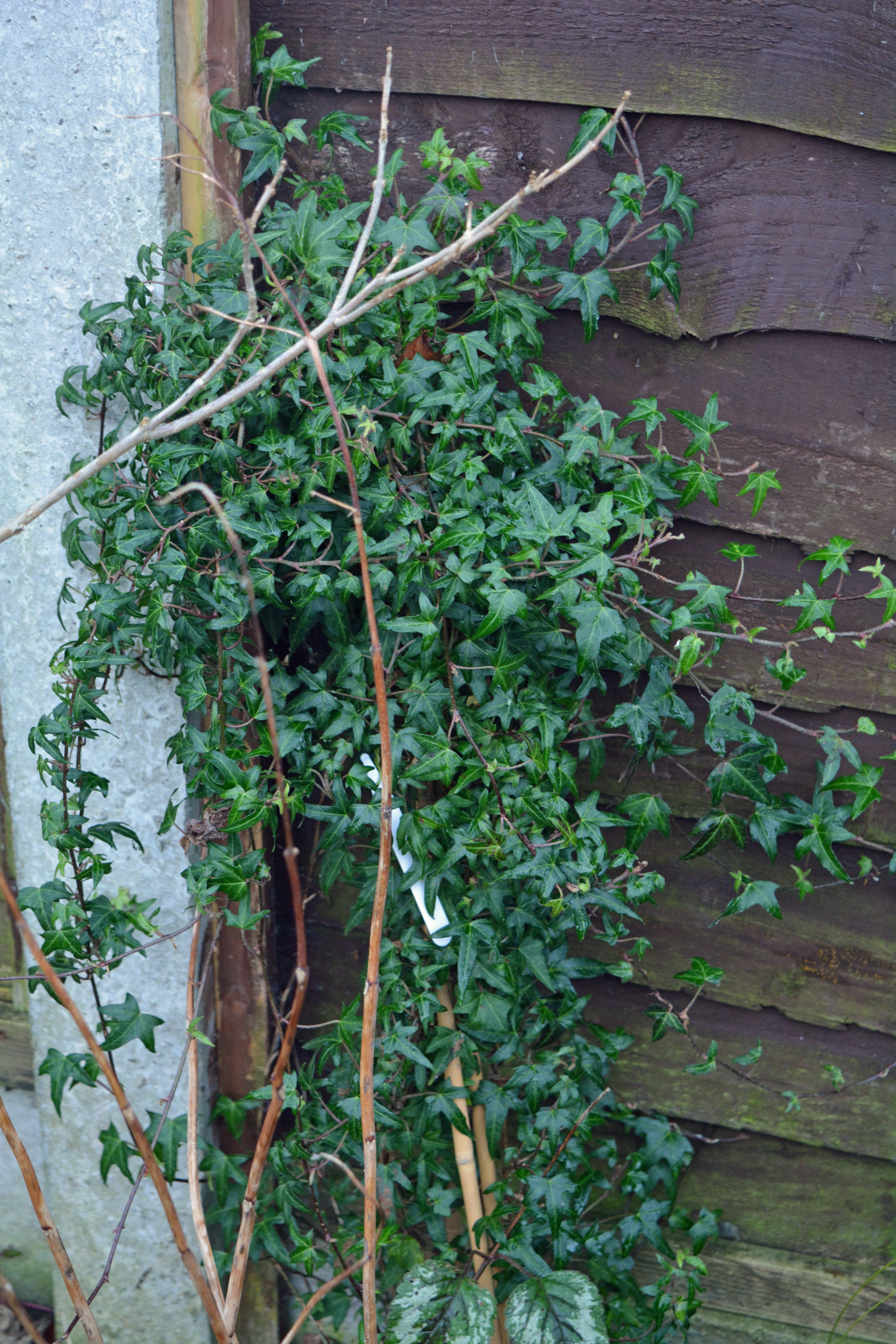
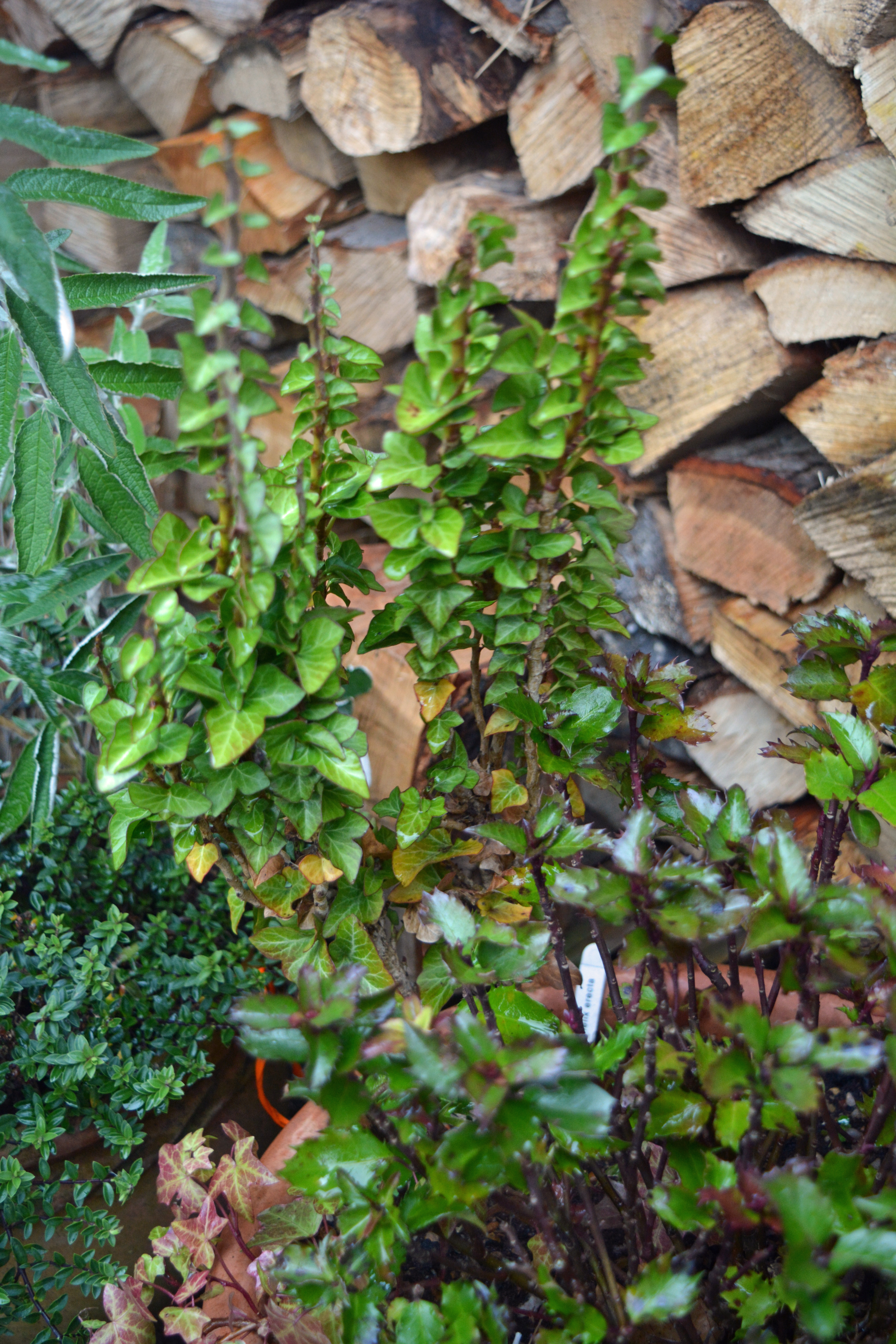
“We always consider Ivy to be a stalwart of the Winter Garden, they cheer us up with their silver and gold variegations. They keep our wildlife happy too providing shelter, berries and their late flowers which appear when few plants are providing pollen.”


On the right hand page I painted foliage of some of the varieties we grow around our garden, using tubed watercolours.

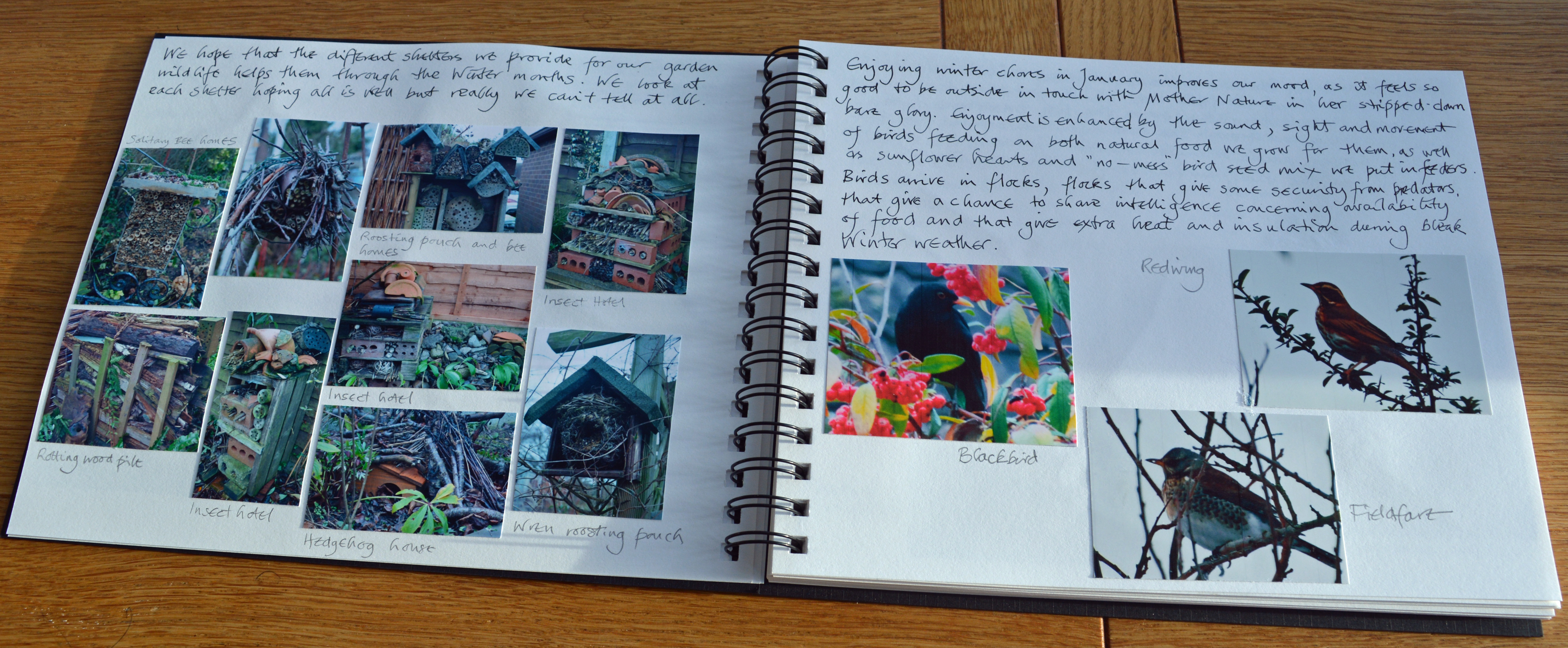
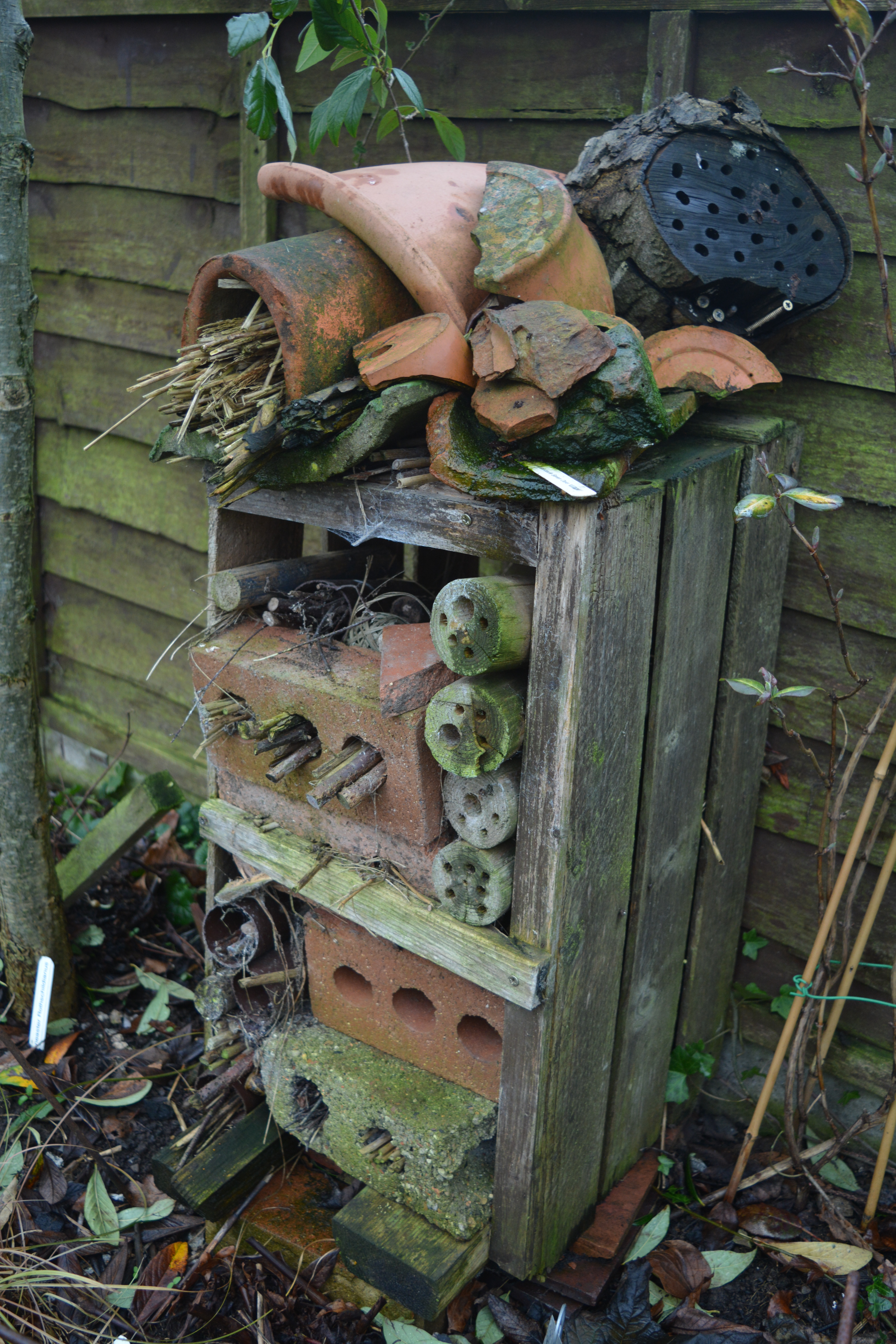
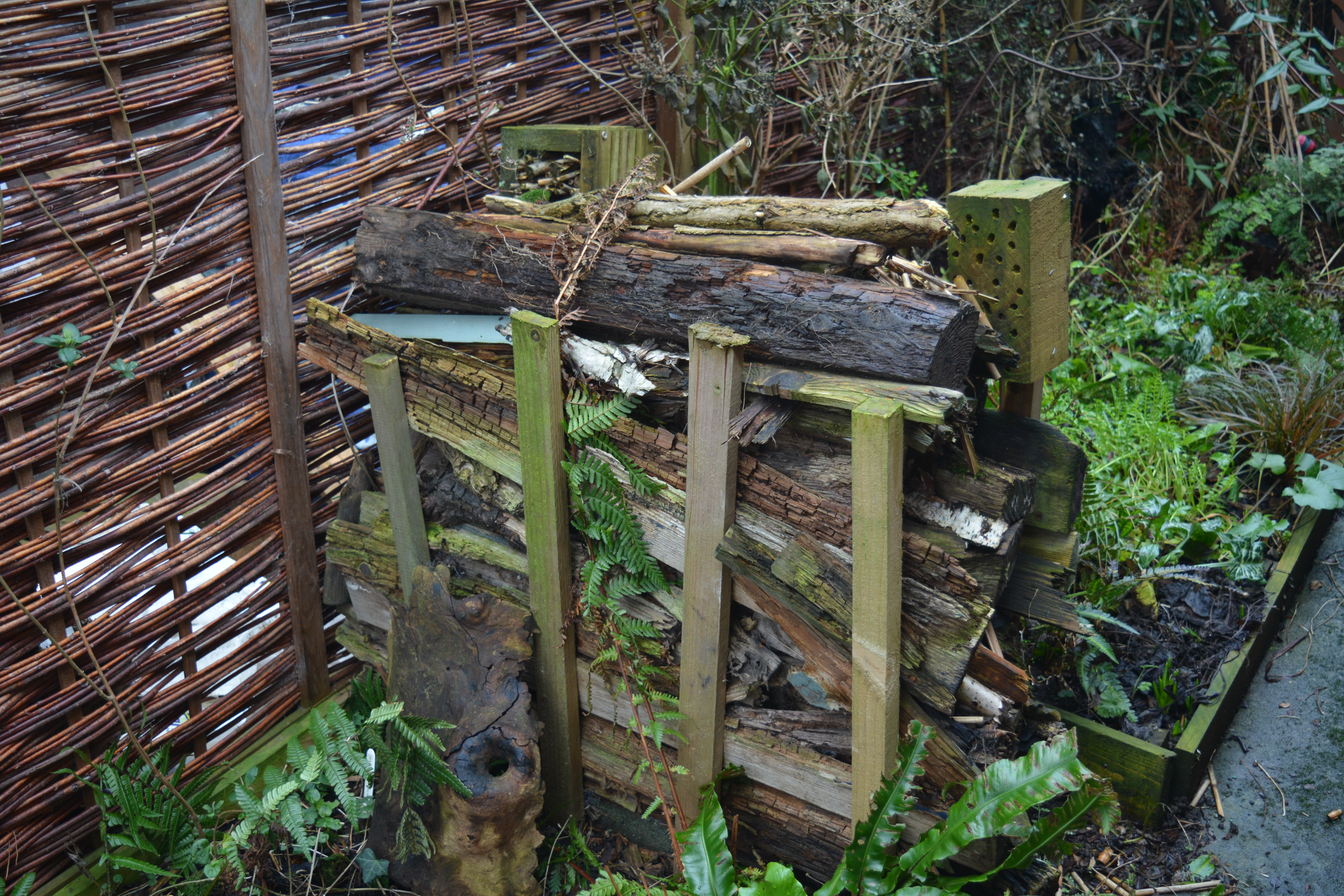
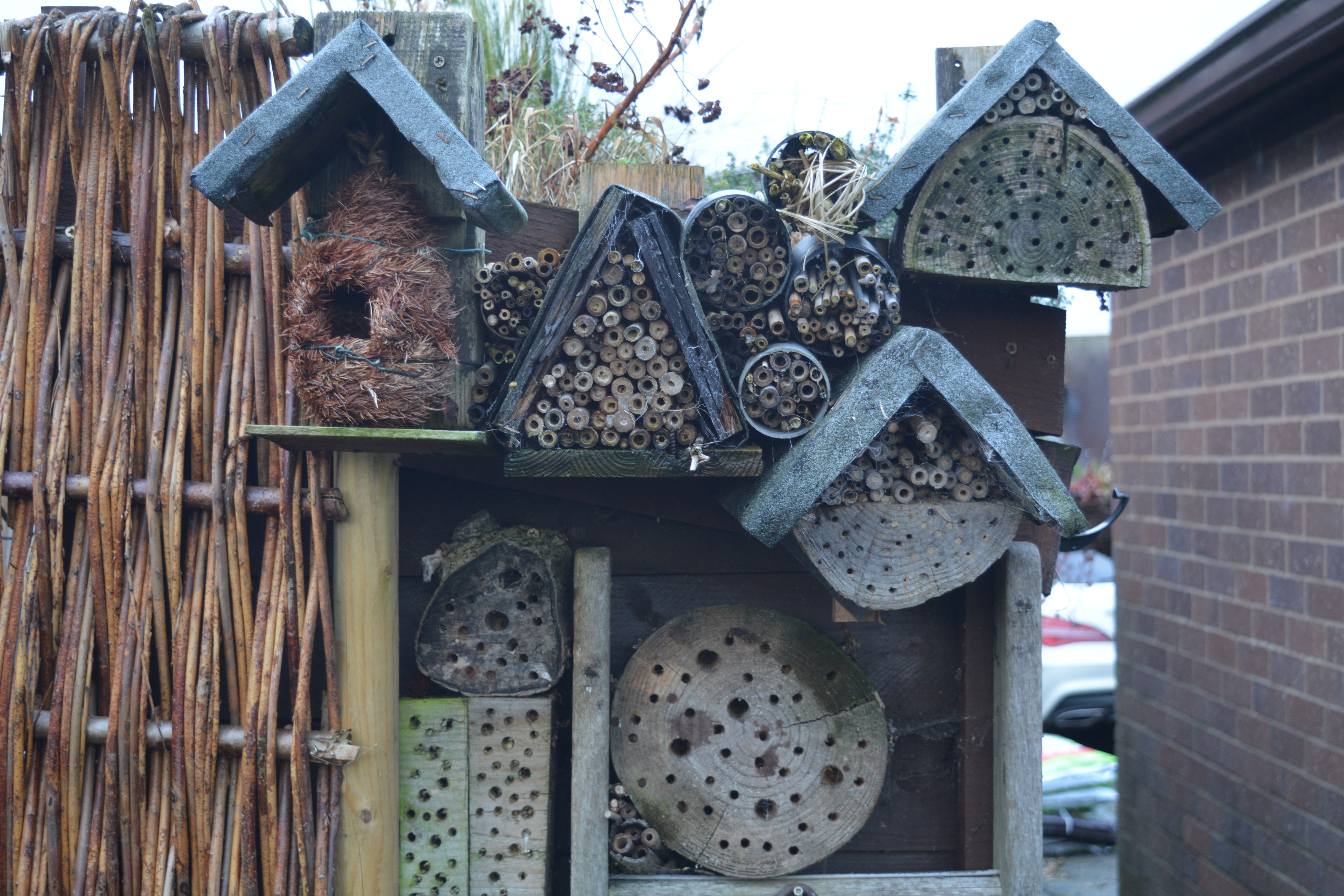
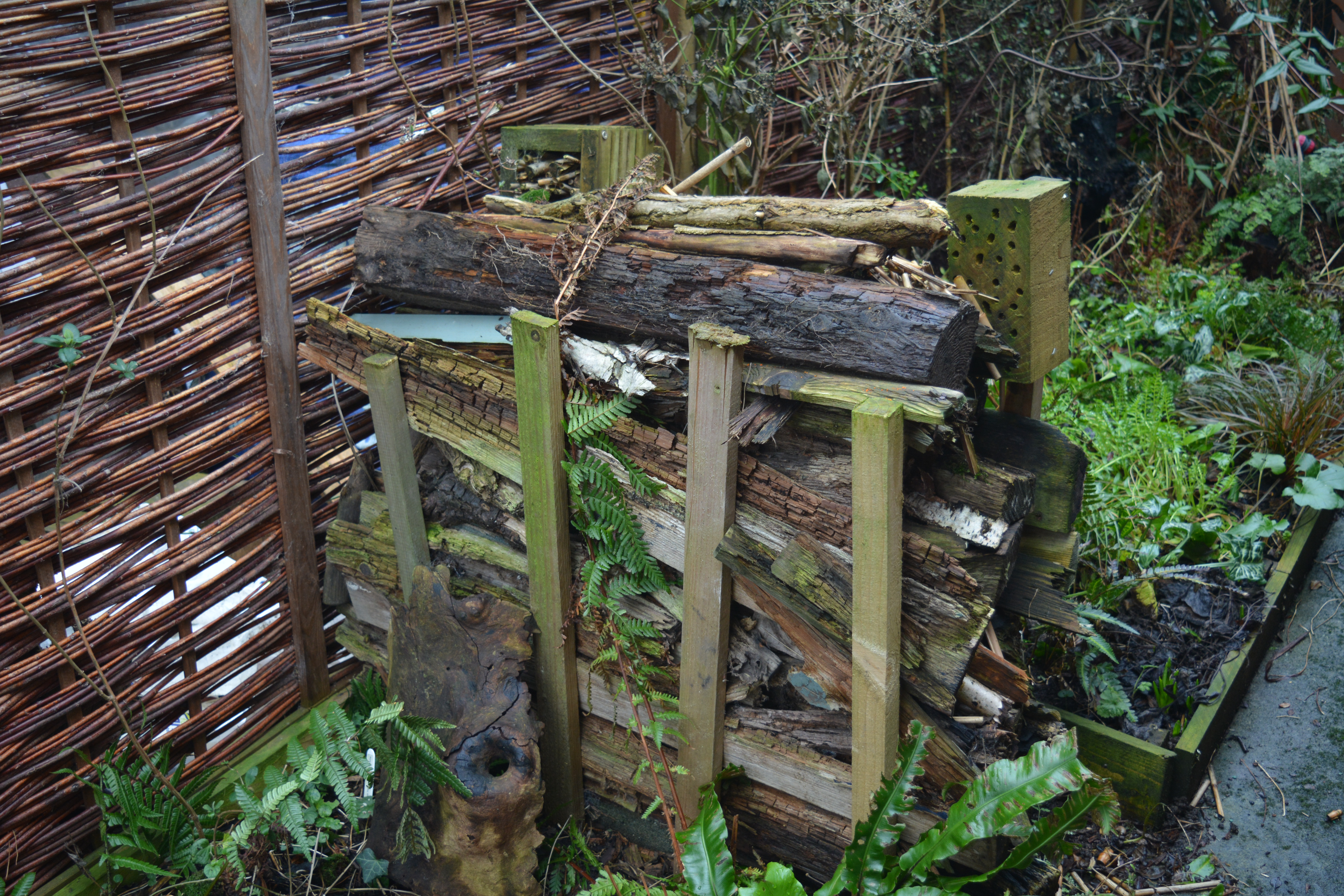
Over the page I take a look at some of our wildlife and the habitats and shelters we provide for them. I wrote, “We hope that the different shelters we provide for our garden wildlife helps them through the Winter months. We look at each shelter hoping all is well but really we can’t tell at all.”


“Enjoying winter chores in January improves our mood, as it feels so good to be outside in touch with Mother Nature in her stripped-down bare glory. Enjoyment is enhanced by the sound, sight and movement of birds feeding on both the food we grow for them, as well as sunflower hearts and “no-mess” bird seed mix we put out in feeders. Birds arrive in flocks, flocks that give some security from predators, that give a chance to share intelligence concerning availability of food and to give extra heat and insulation during bleak winter weather.”

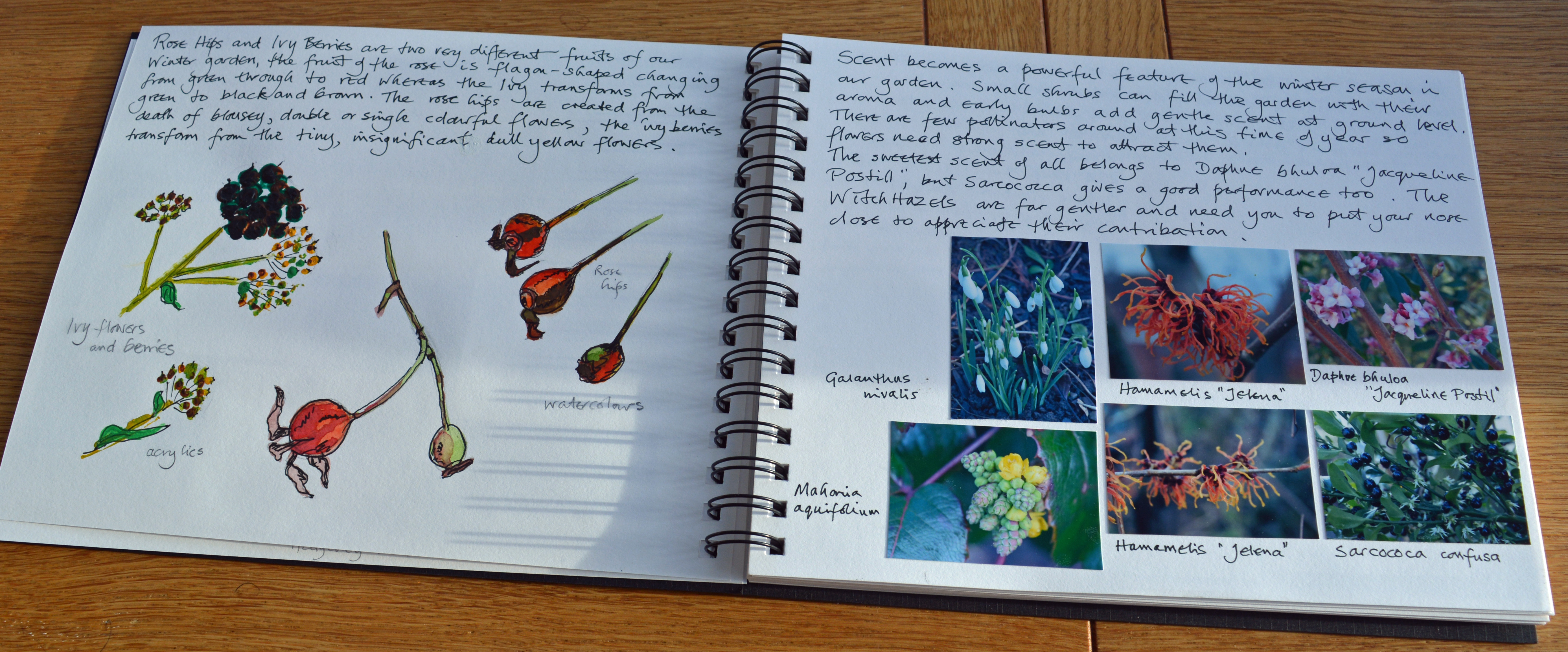
Turning over the page to the next double-page spread, on the left I looked at some fruits we grow and opposite a look at some scented plants.

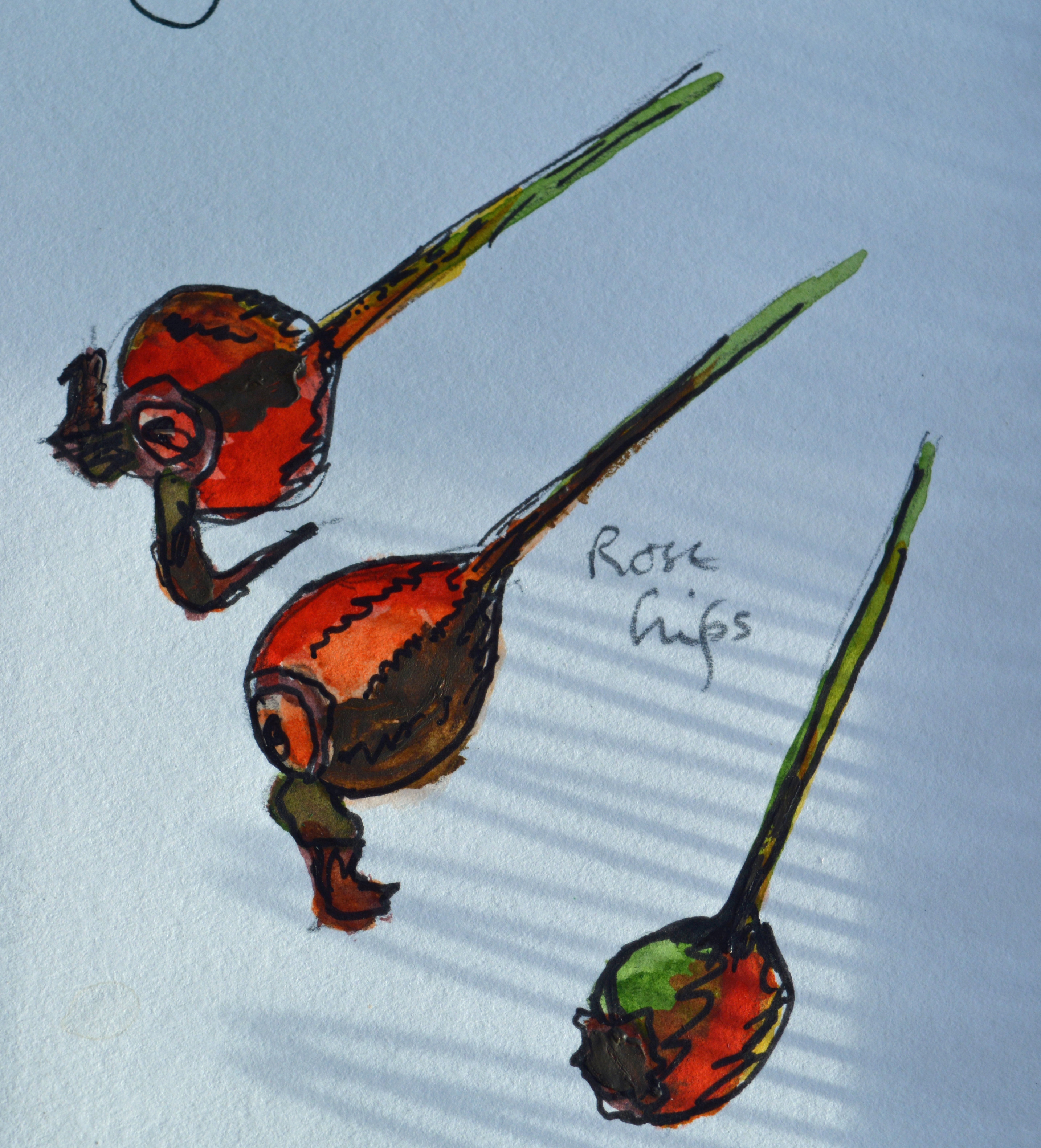
“Rose hips and Ivy berries are two very different fruits of our Winter garden, the fruit of the rose is flagon shaped changing from green through to red whereas the Ivy transforms from green to black and brown. The rose hips are created from the death of blousy, double or single colourful flowers, the Ivy berries transform from the tiny, insignificant dull yellow flowers.”


“Scent becomes a powerful feature of the winter garden season in our garden. Small shrubs can fill the garden with their aroma and early bulbs add gentle scent at ground level. There are few pollinators around at this time of year so the flowers need strong scent to attract them.

The sweetest scent of all belongs to Daphne bhuloa “Jacqueline Postill”, but Sarcococca gives a good performance too. The Witch Hazels are far gentler and need you to put your nose close to appreciate their contribution.”

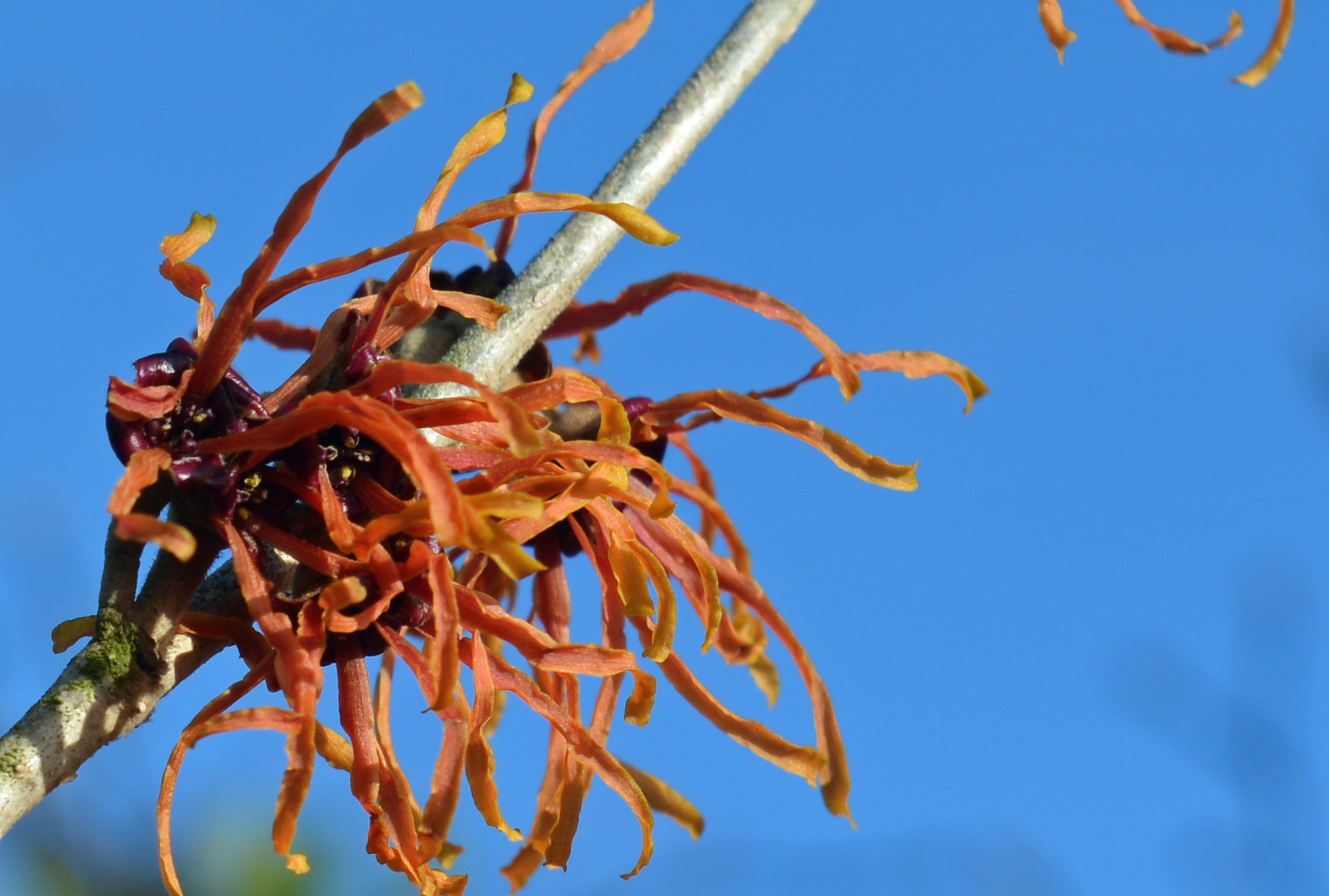
Hamamelis is the star of my next page and in particular Hamamelia intermedis “Jelena”

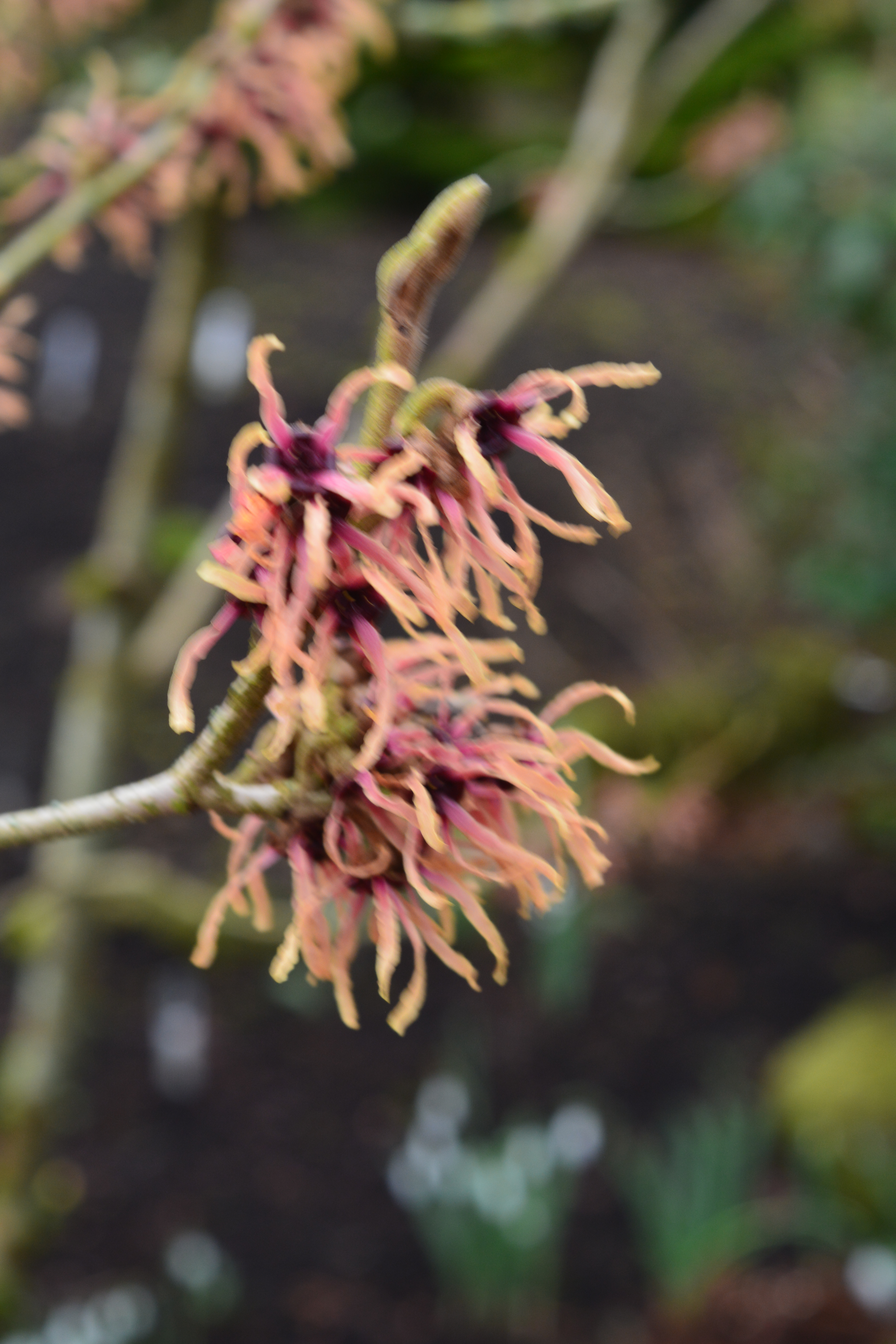
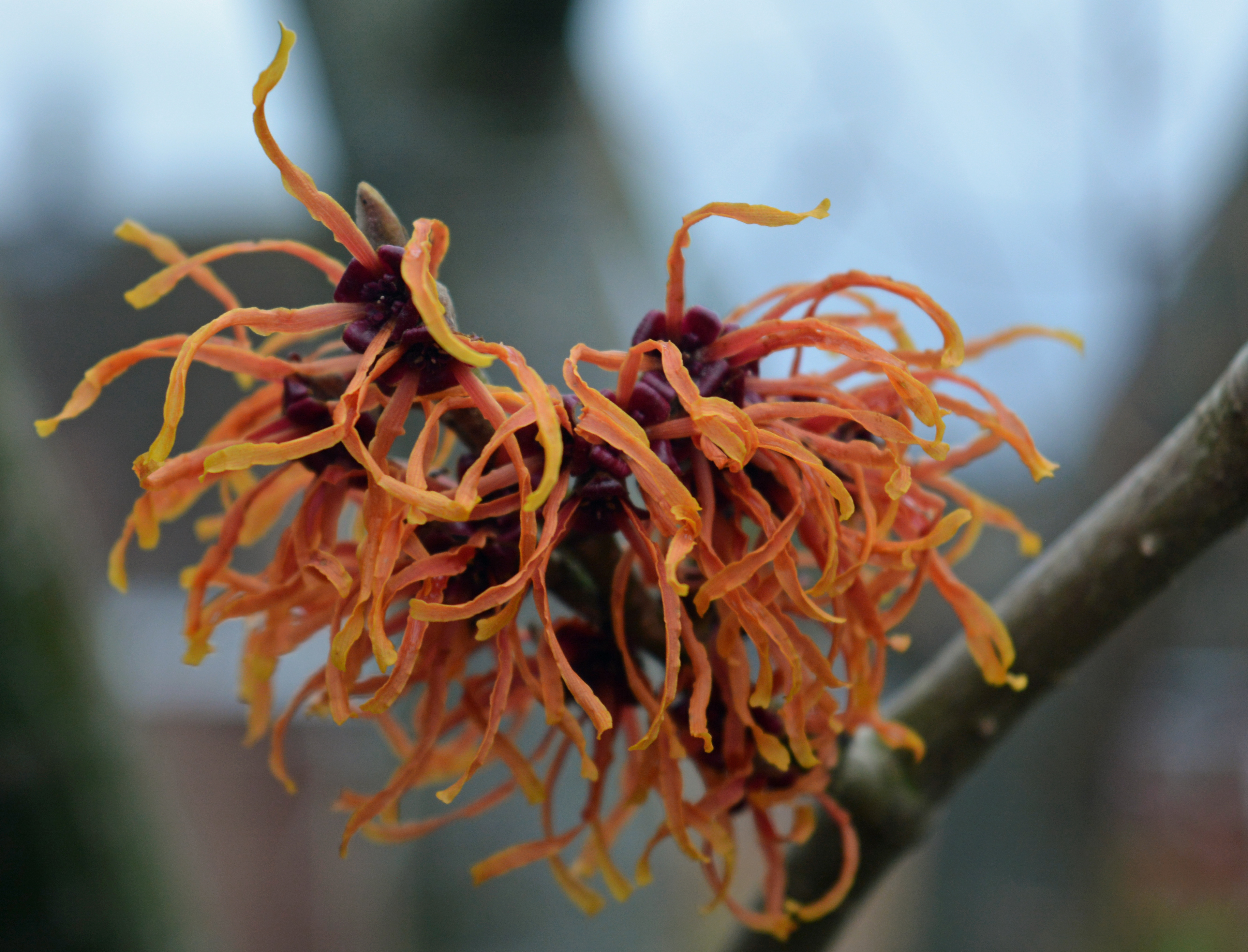
“Hamamelis, a winter flowering shrub we would never be without, with its brightly coloured and scented flowers in yellows, oranges and reds. Each flower is a burst of delicate ribbons bursting from a purple centre. We grow the deep orange flowered “Jelena” and the deep red flowered “Diane”, with Jelena  flowering early at the beginning of January and Diane coming into bloom weeks later.”


” There are still plenty of jobs to enjoy in the garden here in January. Nothing is more satisfying than wrapping up warm and defying the weather, going outside with a mug of warming coffee in gloved hands. It makes us true gardeners! We are helped by a Robin who accompanies us enjoying any grubs we unearth and his watery winter song is constantly in the background.

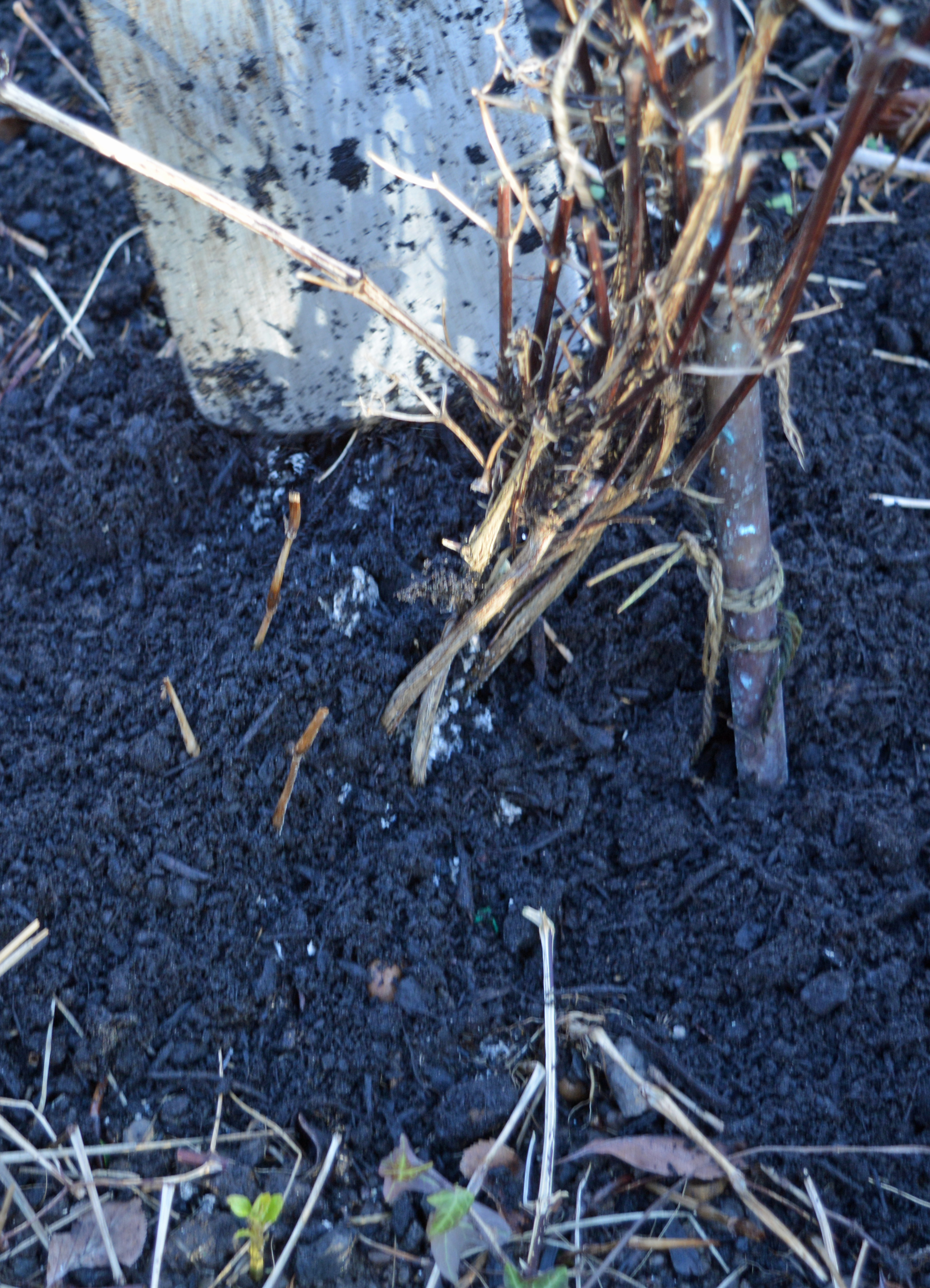
We prune climbing and rambling roses this month and tidy up Acers and Betulas. Perennials are left until early March but now we remove any that collapse or go slimy. As we do this we mulch the borders with a few inches of compost to slowly feed the soil and improve its texture. Wood ash from our wood-burning stove is scattered around all of our trees and shrubs. Group 3 clematis are pruned down to a foot just above strong, healthy buds which are already showing green colouring. The rich aromas from the winter-flowering shrubs lift our spirits and put smiles on our faces.”

I will be back soon reporting on my February ramblings from our garden.

Categories
colours garden design garden photography garden ponds gardening gardens gardens open to the public light log piles National Garden Scheme NGS nurseries ornamental trees and shrubs outdoor sculpture Powis Powys shrubs trees Wales Winter Gardening winter gardens Yellow Book Gardens

The Dingle Gardens Welshpool – January

Here we are back visiting our chosen garden each month, with our garden for 2018 being the attached garden at The Dingle Nurseries near Welshpool. This garden is of a totally different scale, atmosphere and style to Attingham Park, our garden for 2017. The garden is open every day of the year bar Christmas Day and on odd days the fees go to the National Garden Scheme.

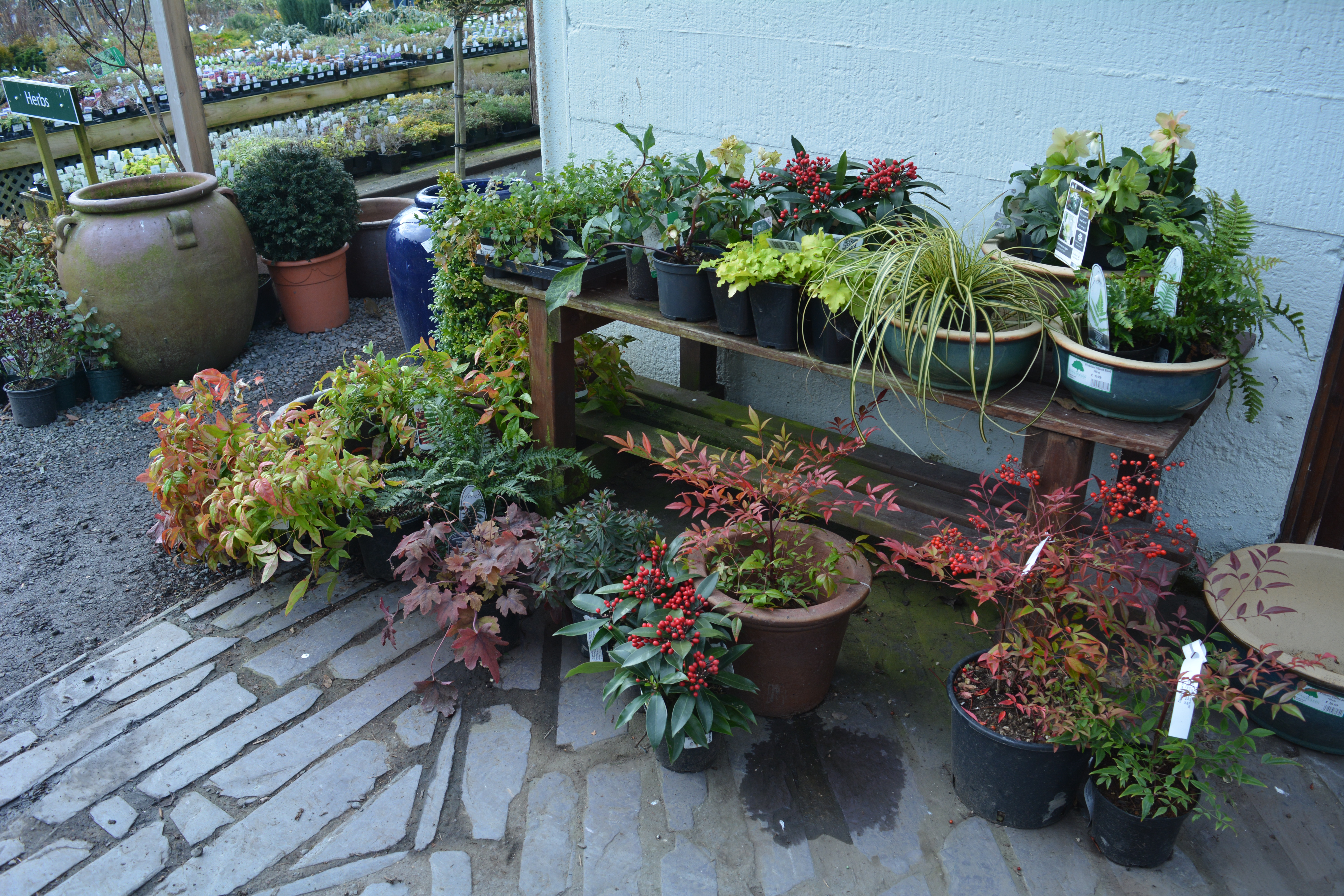
The nursery is stocked with perennials, shrubs and trees but specialises mostly in the last two, and it is from here that we tend to buy our trees and shrubs. This is a nursery we are delighted to have on our dooorstep. As we move through the entrance we always enjoy the displays of plants with current interest and similarly plants for winter interest and displayed in the first few rows of plants.


So, here we are on the 14th January with our first visit to our new garden, arriving on a dull lightly overcast day. Having never visited before this deep into winter, we entered through the wooden gate green with algae and followed the gravel paths into the garden, not quite knowing what to expect. We enjoy surprises in the gardens we visit!

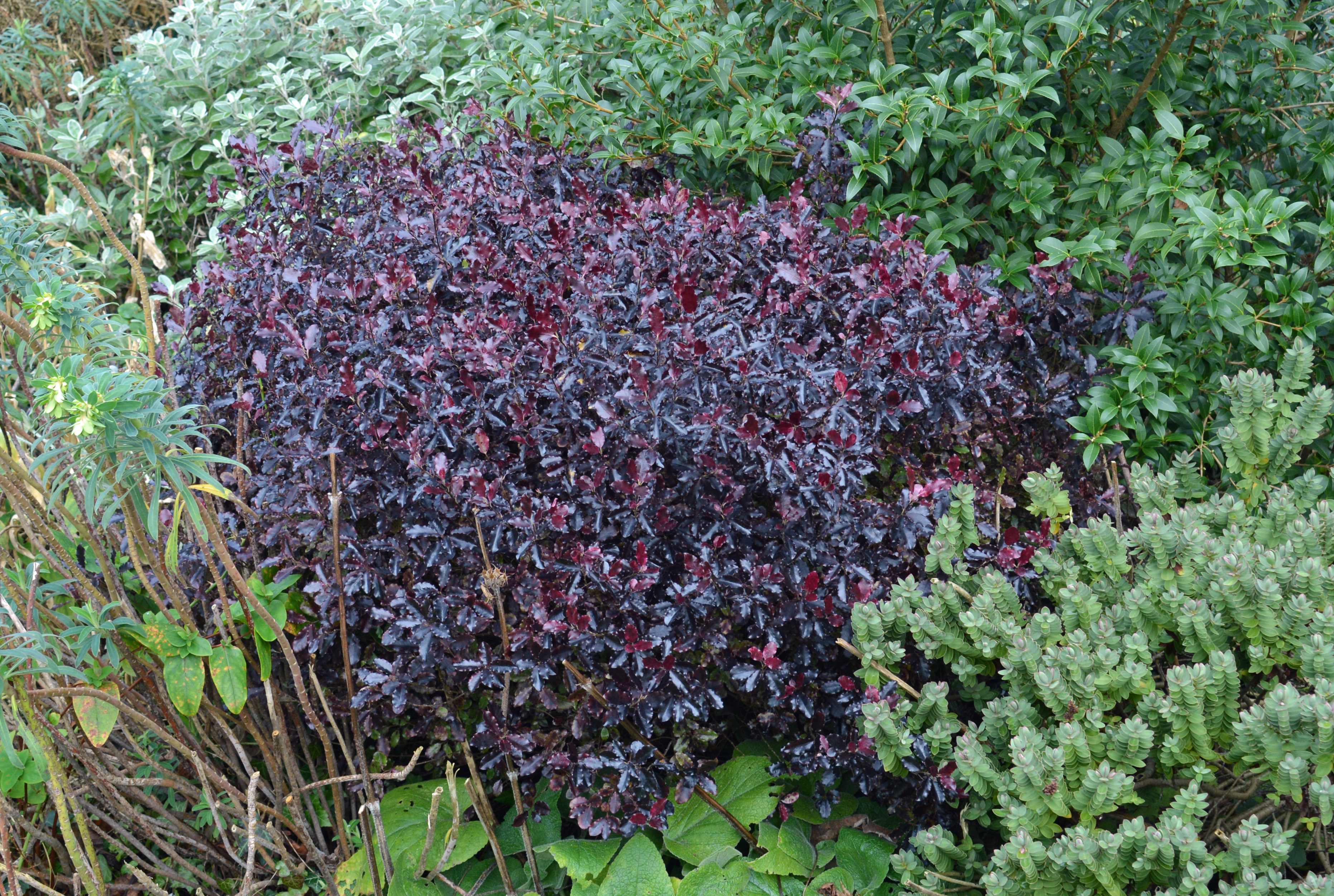
Evergreens both coniferous and broadleaves lined the paths and are planted in thoughtful groupings. In the first photo a dark, glossy leaved Pittosporum “Tom Thumb” sits comfortably with a Euphorbia, a Brachyglottis and a Hebe. In the second picture two conifers illustrate how different they can be in texture, colour and form.
 

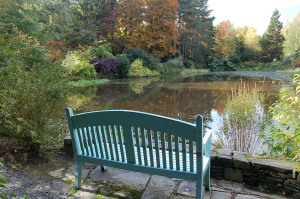
Early in our wanderings we found this lovely rustic seat which is slowly being eroded away by the weather. Close by the seat glowed the pale green flowers of a Helleborus foetidus.


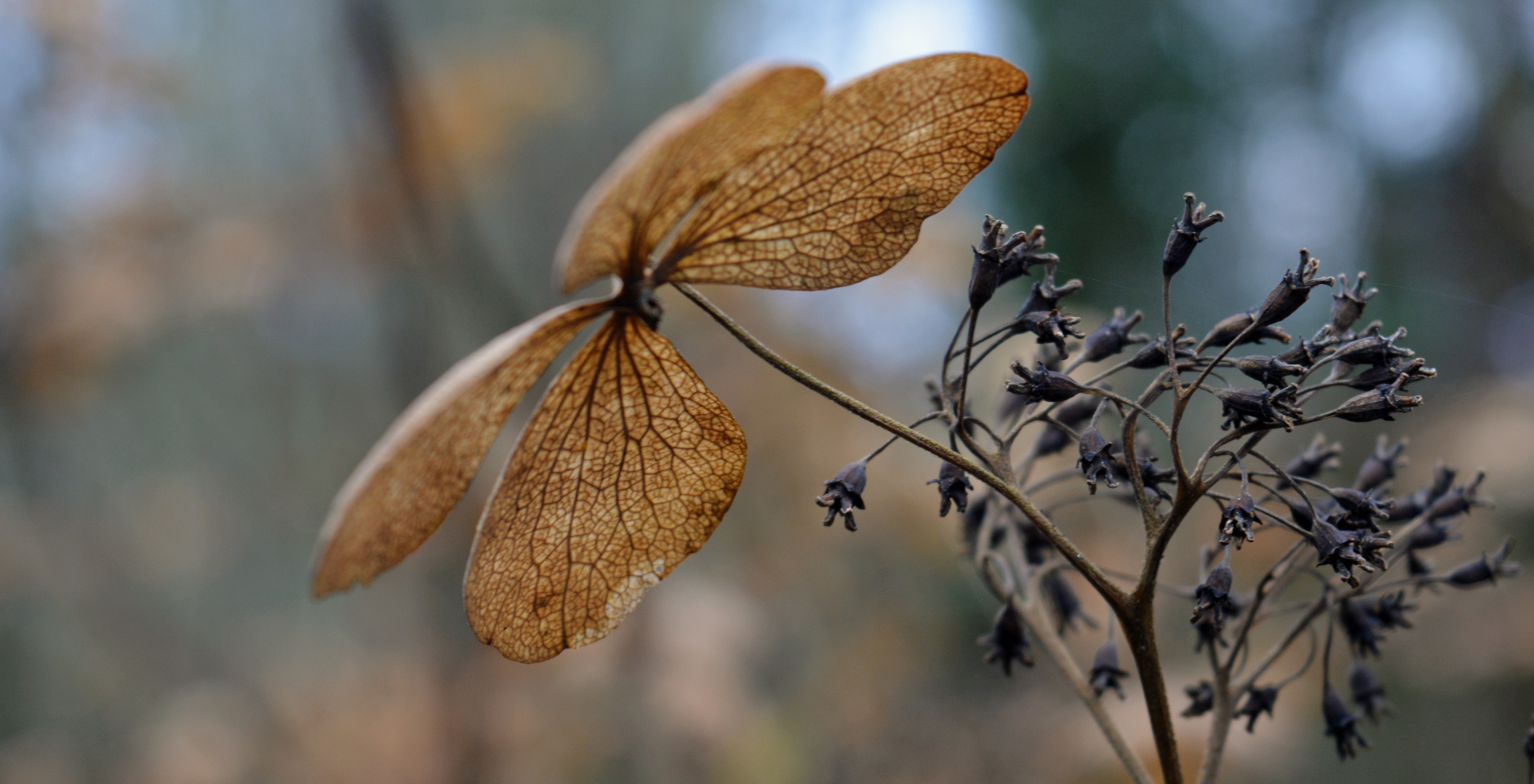
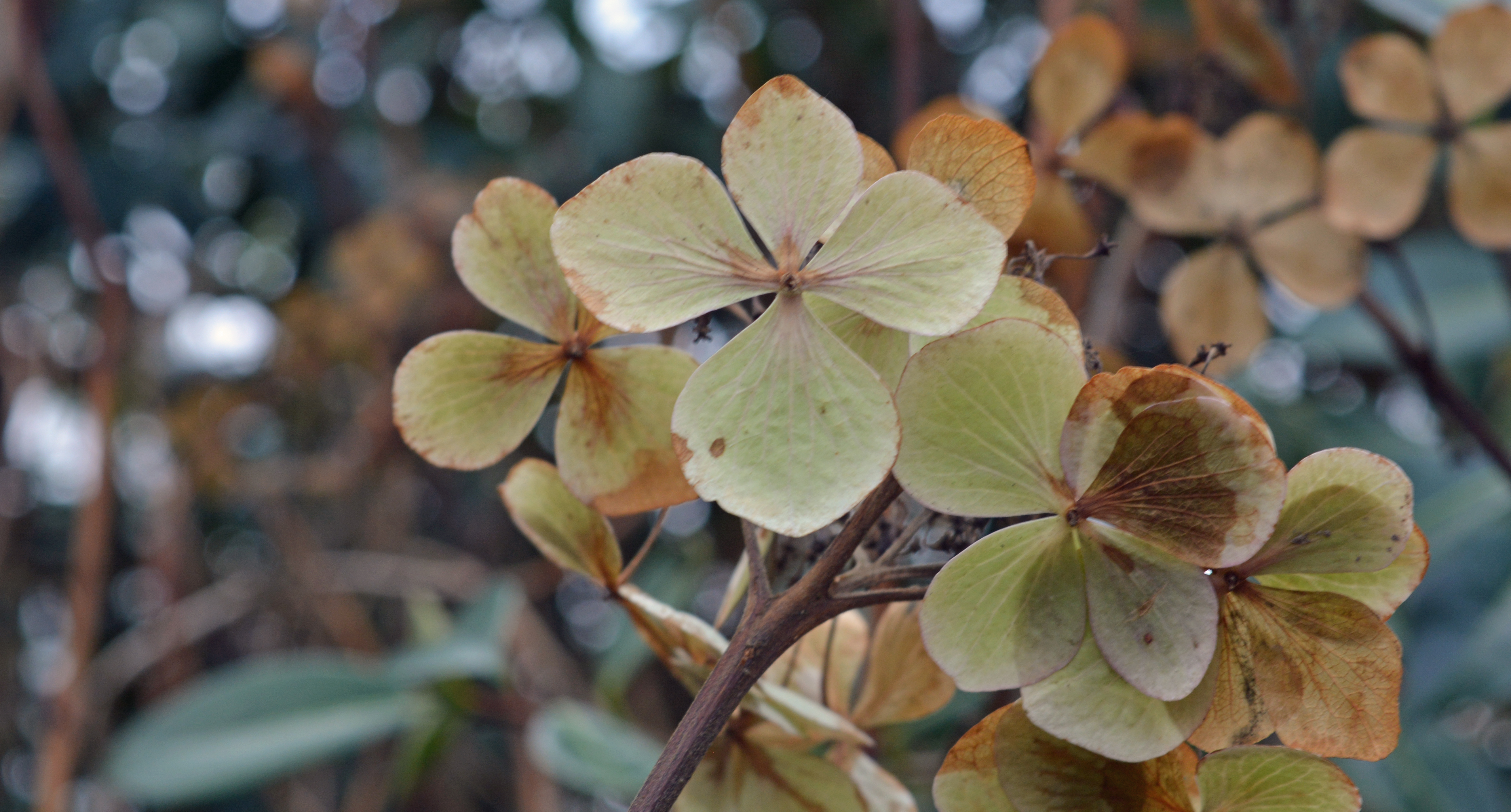
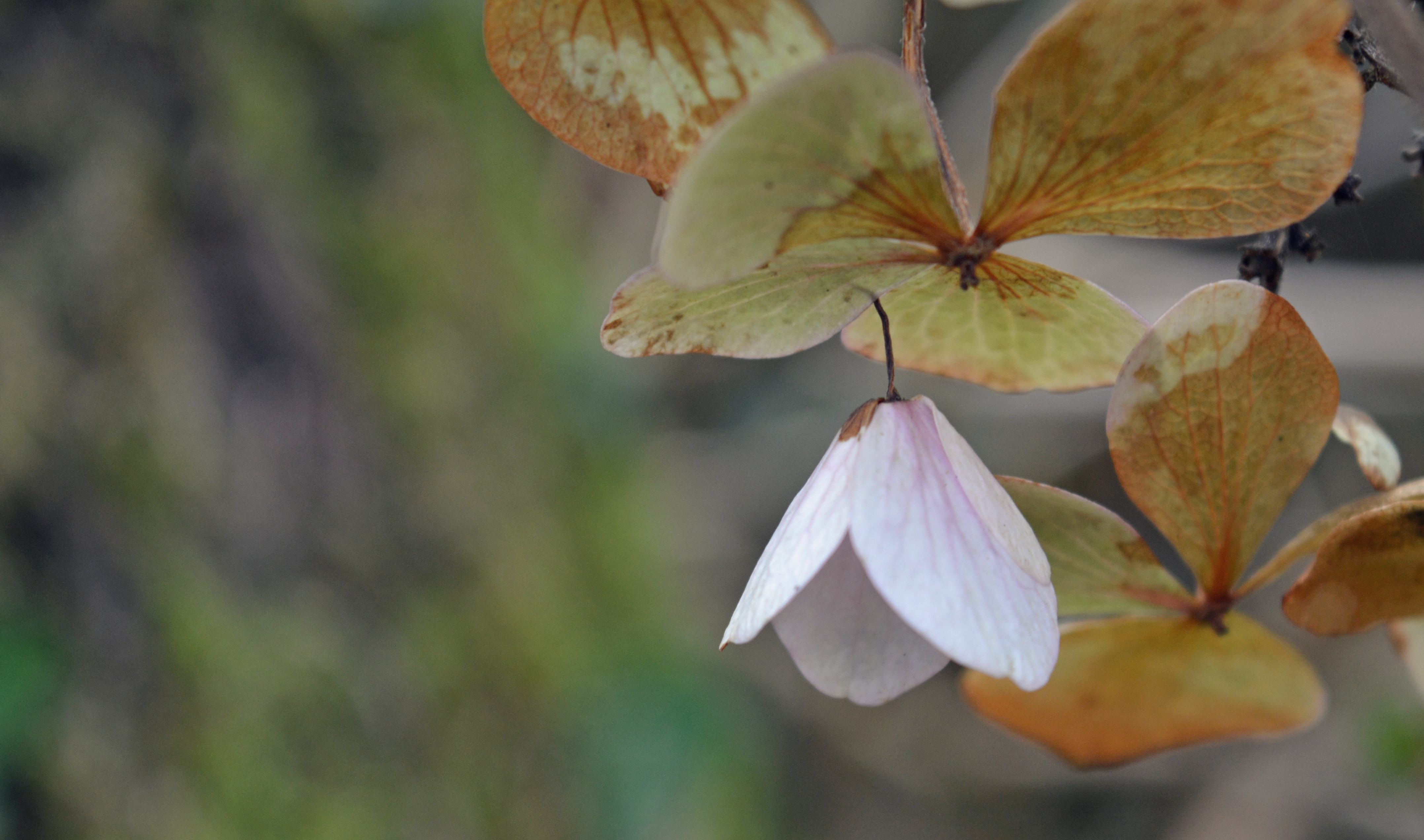
Hydrangeas appear throughout the garden in the autumn showing their colourful inflorescences in pinks, white and blues, while throughout the winter these colours fade to biscuits, gingers and ivory. In some flowers hints of blues and pinks remain.


Out of season flowers appear here and there on odd shrubs, on others leaf buds promise fresh growth in the spring while berries hang as remnants of their winter harvest.

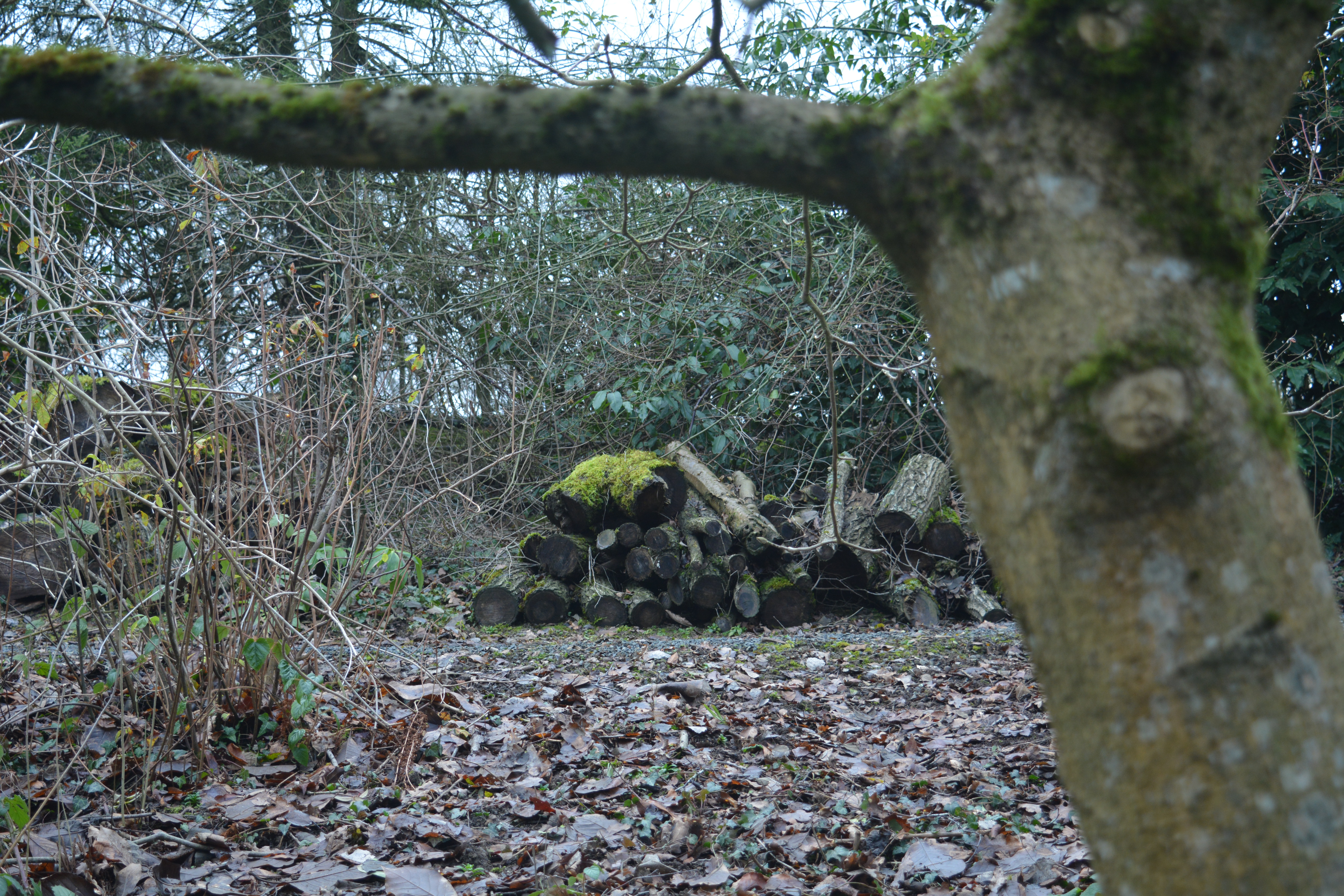
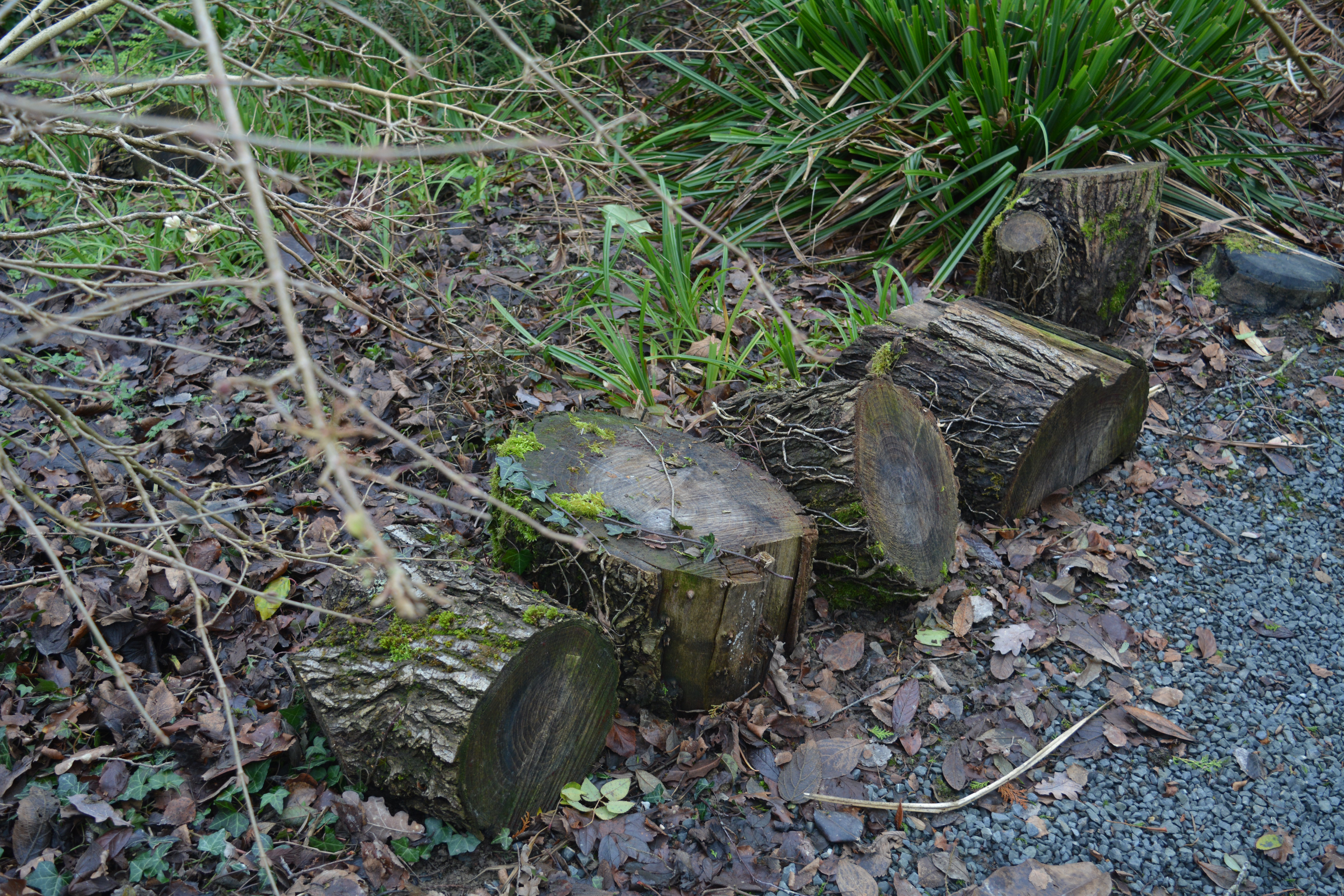
When tree surgery work is carried out in the Dingle Garden logs are left as habitats for the many forms of wildlife that maintain a healthy ecosystem in the garden.


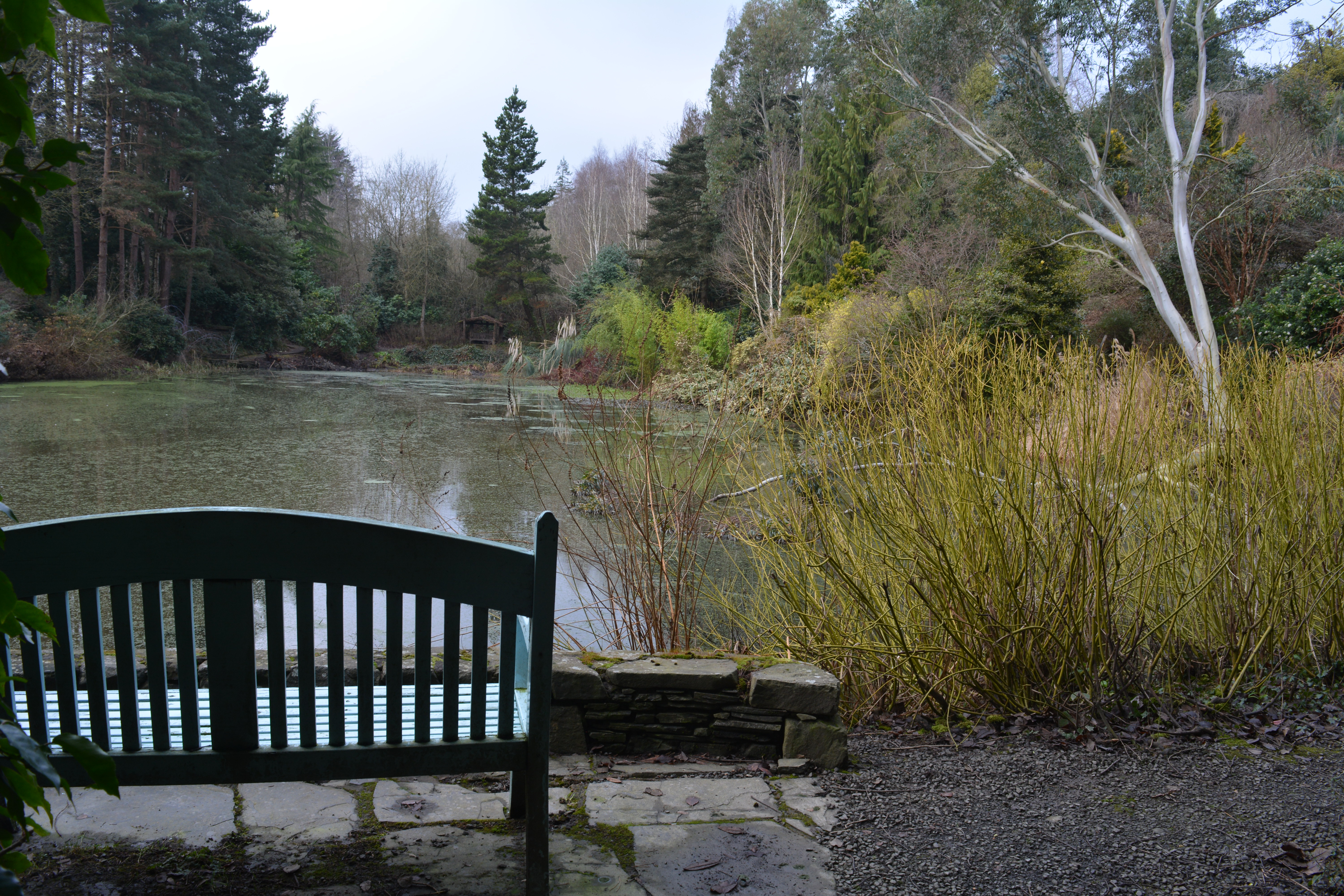
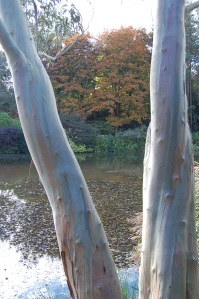
At the lowest point of the gardens a calm lake affords us a place to stop awhile to look around its banks. A bog garden at one end looks dull and dark at this time of year, with just the deep brown of dead leaves of Gunnera and Lysichiton americanus rising above the mud.

Recent heavy snowfall has caused damage to trees and shrubs, breaking branches of all sizes and crushing foliage. Strong winter winds have added to the damage.


To share more of my photos taken during our wandering and enjoyment of the gardens at the Dingle I have created the following gallery. Enjoy the pictures. The next visit to this garden will be in February.


Categories
autumn autumn colours garden design garden photography gardening gardens gardens open to the public lakes National Garden Scheme NGS nurseries ornamental trees and shrubs Powis Powys shrubs trees Wales water in the garden Yellow Book Gardens

The Dingle Gardens Month by Month 2018

My chosen garden f0r my monthly visits in  2018 is so much smaller than Attingham Park which we enjoyed throughout 2017. The Dingle is a Nursery just over the border into Wales situated on the edge of the market town of Welshpool. The garden is accessed through a little wooden gate in the bottom left corner of the nursery where a large selection of Acer shrubs are displayed for sale. It is a garden centred around a huge collection of shrubs and trees, many unusual, growing on a gentle slope down to a lake.

The garden like ours opens at times under the auspices of the National Garden Scheme, but opens every other day of the year bar Christmas Day. I have already featured the gardens four times in my past posts. Here are a few photos to give you a taste of what we might discover during the year.


I hope these few photos will give you an appetite for the 12 posts to come about The Dingle in 2018.

Categories
birds colours flowering bulbs garden photography garden wildlife gardening gardens grasses hardy perennials irises roses Shrewsbury Shropshire shrubs village gardens wildlife Winter Gardening winter gardens

My Garden Journal – December 2017

I decided to post my final Garden Journal 2017 post for my Christmas post this year. I hope you enjoy it. Have a great Christmas time!

Here is the final episode of my 2017 Garden Journal, my entries for December. I have already been to my art suppliers and purchased books to become my 2018 Garden Journal. As usual I have changed the size and gone for a larger landscape bound drawing book. But for now let me share my December pages.

I began by looking at the bird-life feeding in our garden in December and in particular the characterful Tawny Owl. I did a painting of these wonderful owls using fine fibretip pens and Japanese watercolour pens.


I wrote, “Birdlife in our garden in December is generally quiet. Squeaks of Dunnocks sneak out from the shrubbery and Robins share their watery liquid winter song. Winter migrant Thrushes soon fill the garden with chatter.

Most noisy of all are our Tawny Owls who call loudly when the light fails and darkness overpowers the garden. We open the patio doors to listen more intently and drink in  the atmosphere these owl calls create.”

Turn over the page and we find a double page spread looking at garden editing and seedheads and I include a great quote from one of my favourite garden designers, Dan Pearson.

“December for us is a key month in our garden editing period. It is when we move plants, take plants out that are past their best and completely re-design and re-plant some areas. I was so pleased to read in his book, “Natural Selection”, that Dan Pearson thinks the same.”

“Editing the garden is a gradual process of  elimination, and I like to let nature take its course and for foliage to find its way back into the ground in its own time….. I savour many perennials for their winter seedheads,  form and structure, and this is what I edit back to so that there is plenty for the winter sunshine for the winter sunshine to fall upon.

Removing the clutter lets you see the things in a new light, but you need to retrain your eye in winter to see things in a more economical way. It is good to understand the structure of a garden  and to aim for it to be as handsome as it can be.”

“Seed heads of perennials take centre stage in our garden this month. When snow arrives our seed heads completely change their character. They appear strong enough to withstand snow’s weight.

Snow in December has become a rare occurrence in recent years as our climate changes. In fact we have not seen any December snow since 2010 and 2011. This year saw this all change. A foot of snow fell in a two day period and the garden looked weighed down, slumped and bent low”.


“We love to see how the snow changes the characters of our pieces of sculpture by strengthening their shapes and sometimes creating silhouettes”.


Turning over the page we meet lots of colour, winter bedding plants and our plant of the month.

I wrote “We like to use winter bedding plants in pots to add extra colourful, bright patches to our winter borders. Violas and Cyclamen are two of our favourites often linked with the gentle colour and textures of grasses.”


“Our plant of the month for December is Hesperantha which flower strongly at this time of year, glowing bright pinks and reds.”


My final page in my Garden Journal 2017 is all about the surprises that the garden treats us to in December, bright colours that lift the heart. You will notice that I have included more pictures in the post than were originally in the journal, but I simply ran out of space in my book. I hope you enjoy the extras!

“Red surprises in the winter garden can warm the heart and souls of the garden and the gardener alike. Joined by splashes of oranges these colours warm us up nicely.”

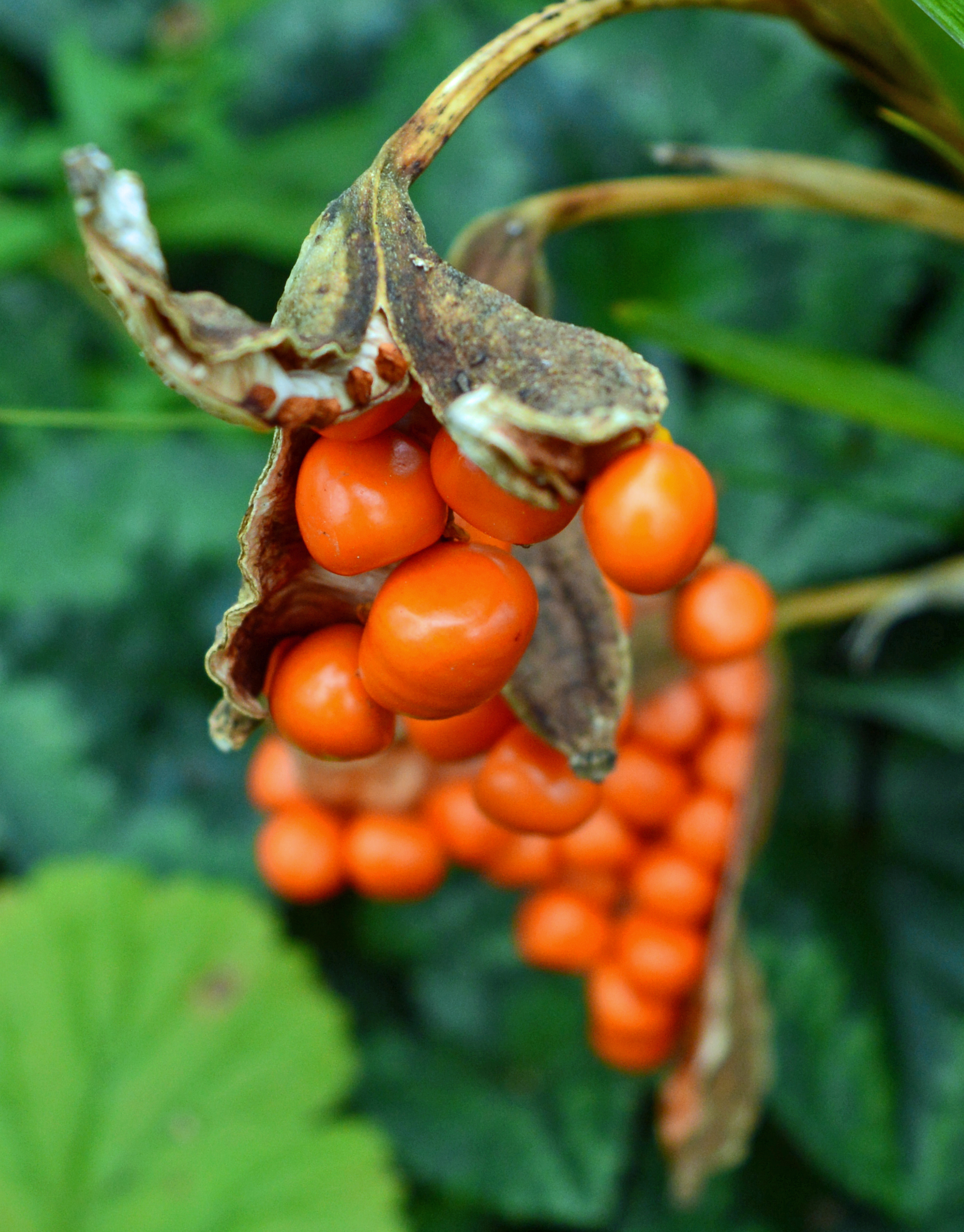
The reds and oranges are provided by coloured stems of shrubs, odd blooms on roses, the berries of Iris foetissima and the late colours in Acer leaves. So much colour to end the year.


It is good to finish my year of reports on such a positive colourful note. My Garden Journal will return next year!


Categories
colours garden design garden photography gardening gardens grasses hardy perennials light light quality ornamental grasses ornamental trees and shrubs outdoor sculpture roses sculpture Shrewsbury Shropshire shrubs Winter Gardening winter gardens

After the Storm – snow in December

Mid-December saw the sudden arrival of snow a rare occurrence in recent years. The last time we can remember having any appreciable snow fall in December was back in 2010 and 2011. Sadly I am still recovering from my surgery so really haven’t been able to get out there and enjoy the white stuff. However it did give me the chance to send Jude the Undergardener out with my trusty Nikon, so this post will feature all her photographs.


They are pretty good for someone who says she can’t use a camera! Methinks the lady objects too much! Jude the Undergardener has such a good eye for a picture!

Seedheads of perennials gain caps of snow and ice, and light finds places to make sparkle.


Twiggy skeletons of shrubs that had lost their leaves managed to catch balls of snow in their branches.


Evergreen trees and shrubs gather much more snow and ice around them like thick duvets.


Sculptures scattered around the garden change as they absorb the snow.


Surprise flowers add tiny patches of colour among the whiteness, roses throwing up surprises through to the end of the year. Similarly the colours of fruits and berries pop up from the snow like “jack-in-the-box”, but this will only last until our winter thrushes consume them.


Structures that blend into the background for the rest of the year come to the fore when winter arrives but even more so when snow covers the garden in white. These structures include trained fruit trees, trellises, evergreen climbers and pollarded trees.


Looking out of the garden into our borrowed landscape showed that the countryside too had put on a new coat. Looking into the garden there are very special moments in time to catch. This leaf may at any time fall to the ground in a gentle breeze.


Categories
autumn colours climbing plants colours flowering bulbs garden design garden photography garden wildlife gardening gardens half-hardy perennials hardy perennials irises light light quality log piles logs natural pest control ornamental trees and shrubs roses Shrewsbury Shropshire shrubs South Shropshire spring bulbs succulents trees

My Garden Journal 2017 – November

The penultimate visit to my garden journal for 2017 is here – hope you enjoy it. I began by referring back to a development we started in the garden back in September which we finished off in November. We are very pleased with how it has turned out and look forward to seeing the new plants flourish.

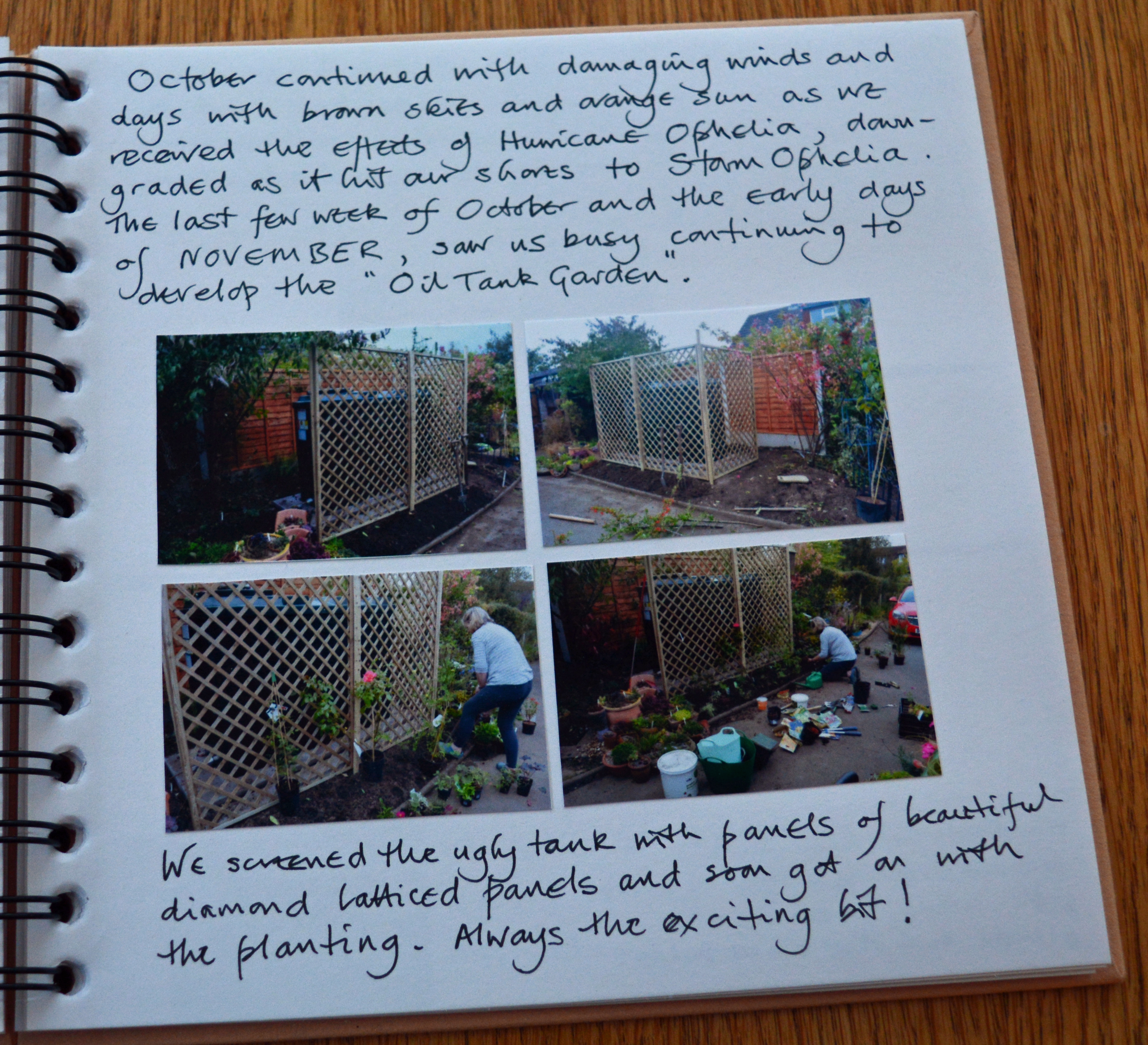
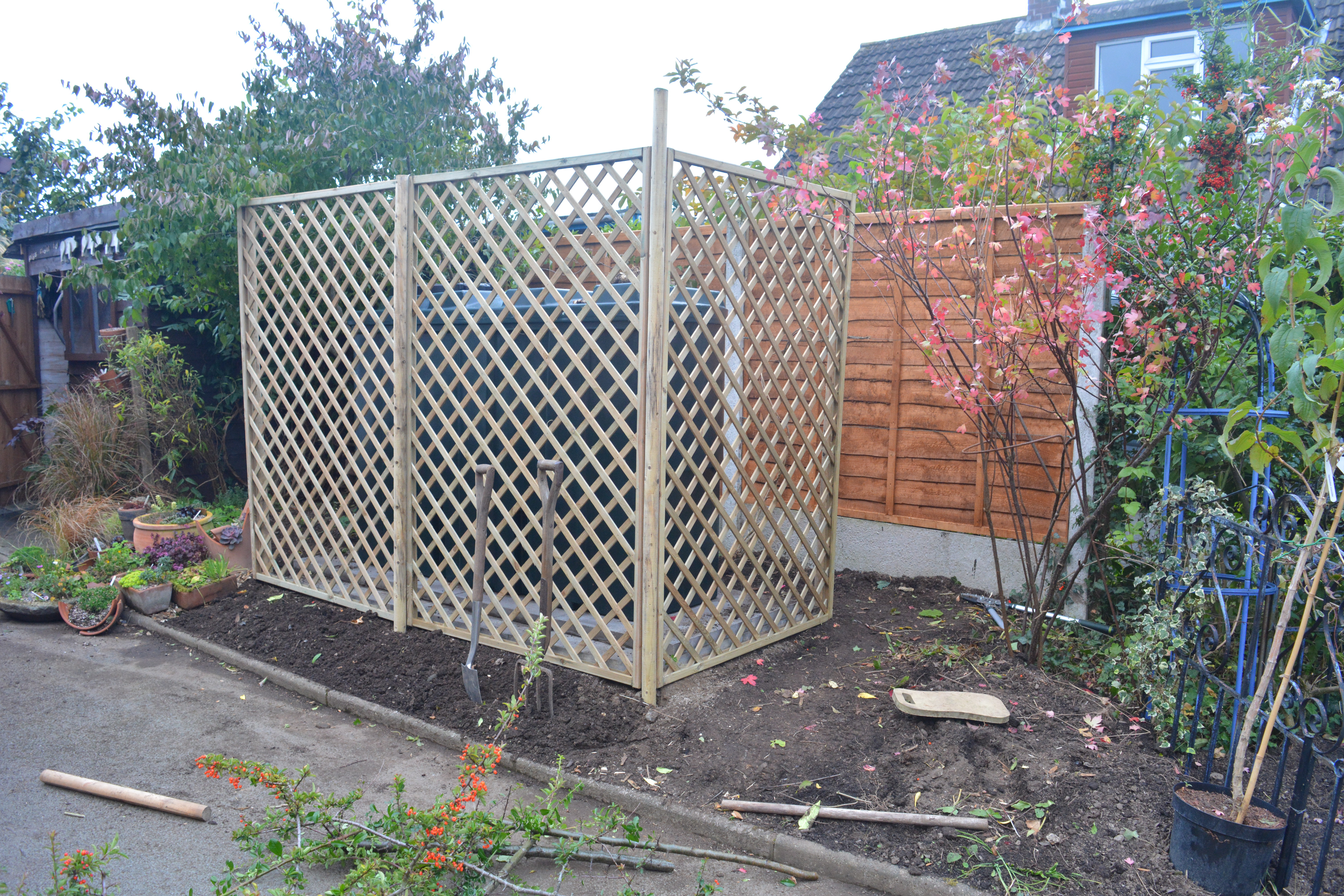
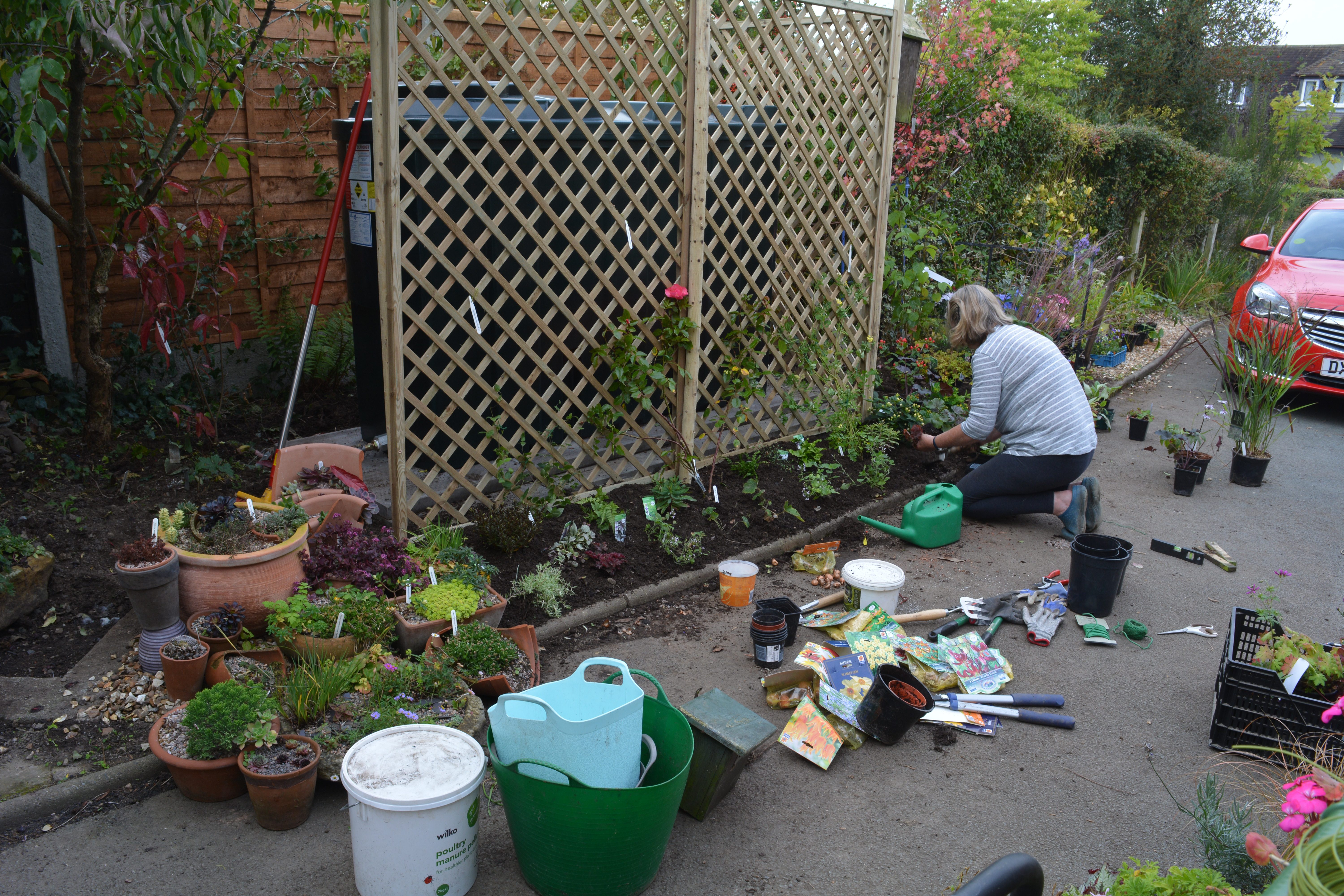
“October continued with damaging winds and days with brown skies and orange sun as we received the effects f Hurricane Ophelia, downgraded to Storm Ophelia as it hit our shores. The last few weeks of October and the early days of November, saw us busy continuing develop our “Oil Tank Garden”.


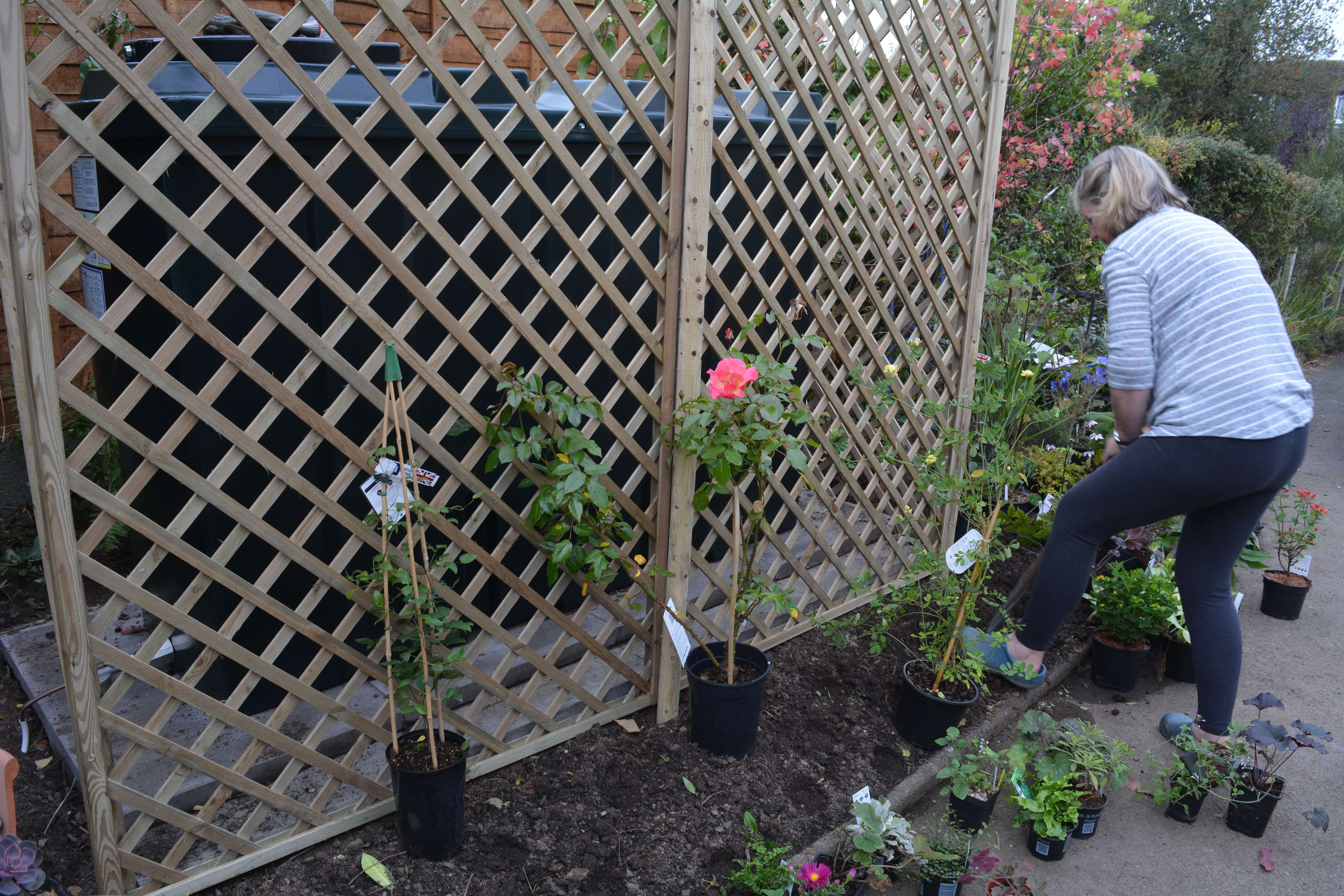
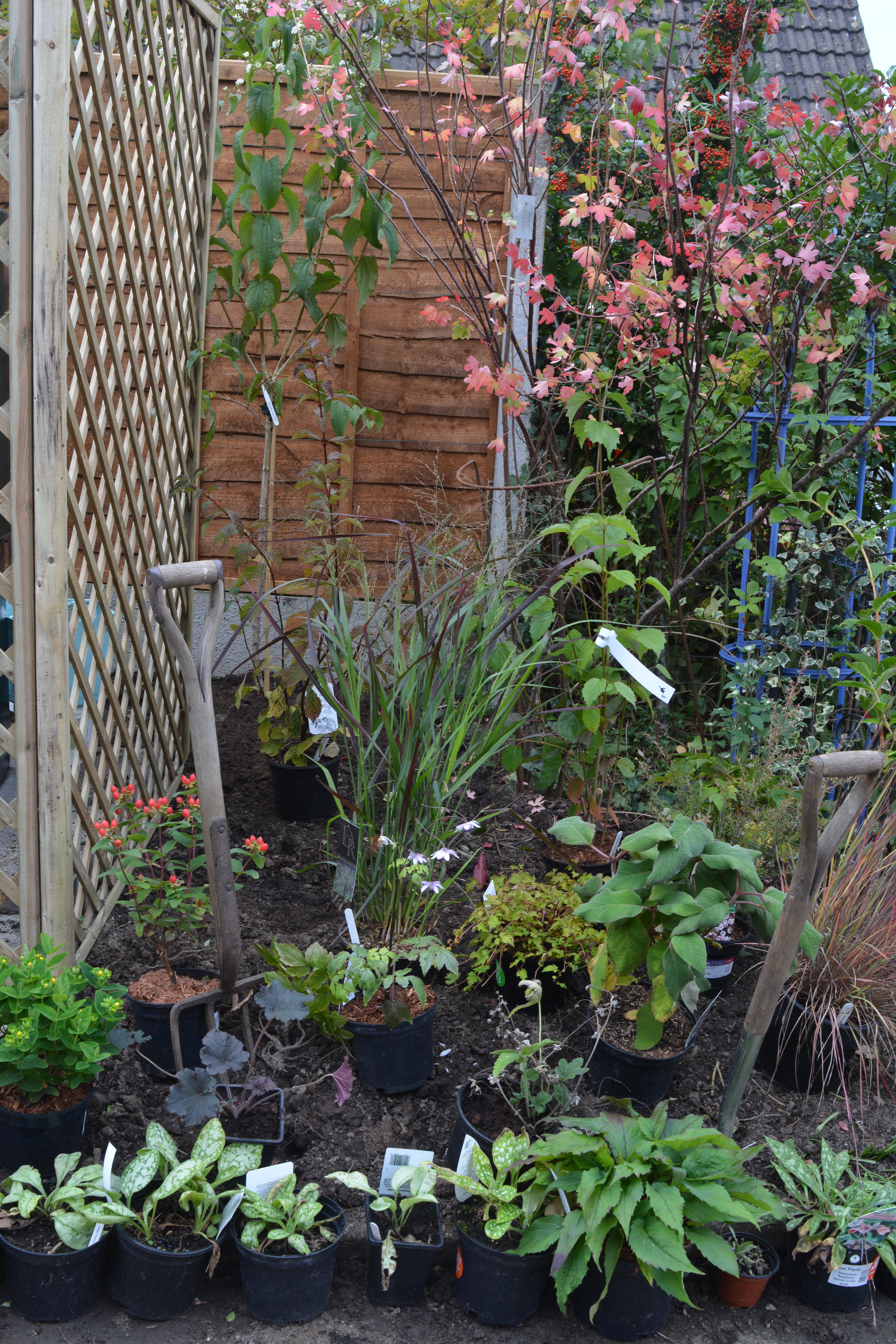
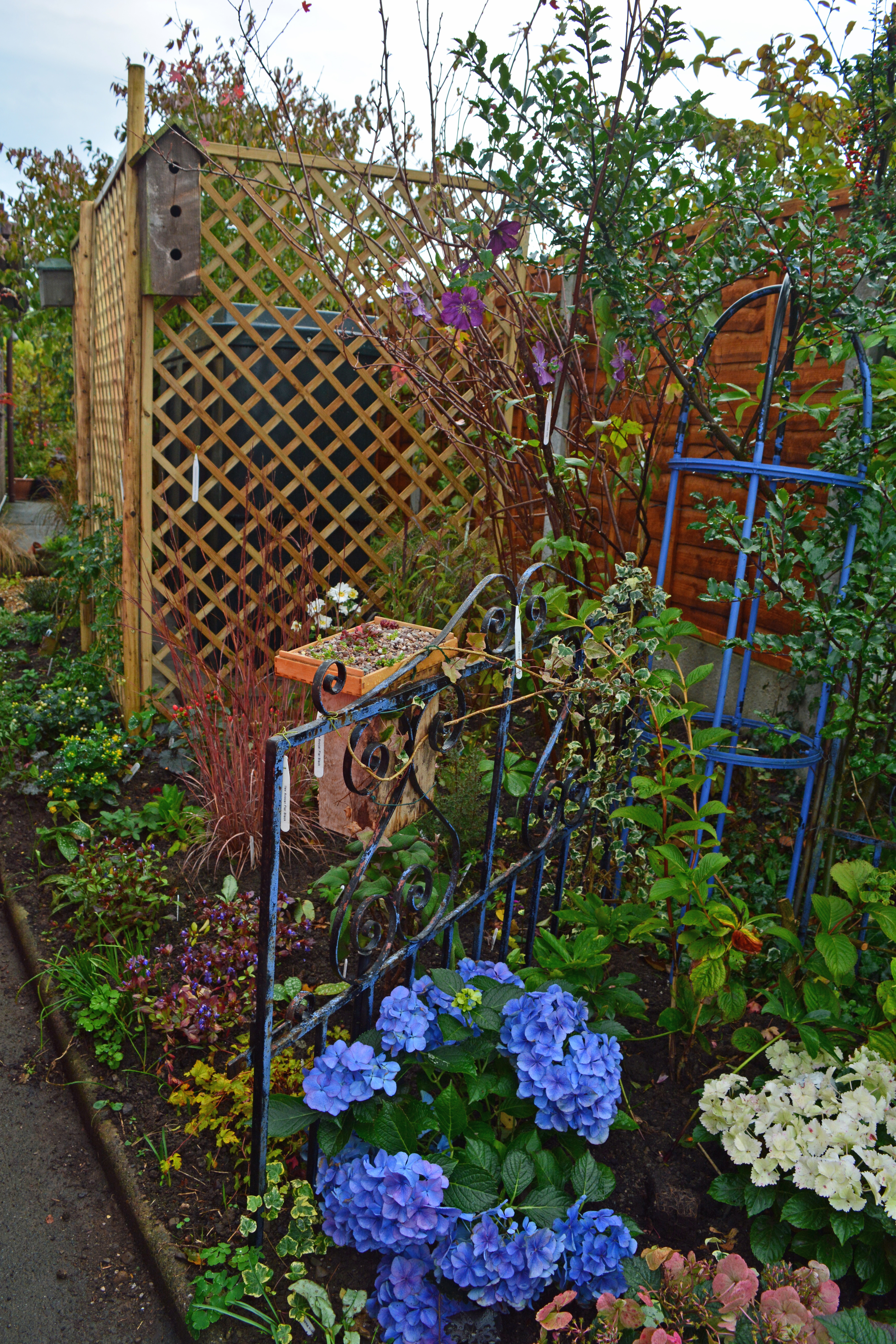
“We screened the ugly tank with panels of beautiful diamond latticed panels and soon got on with the planting. Always the exciting bit!”

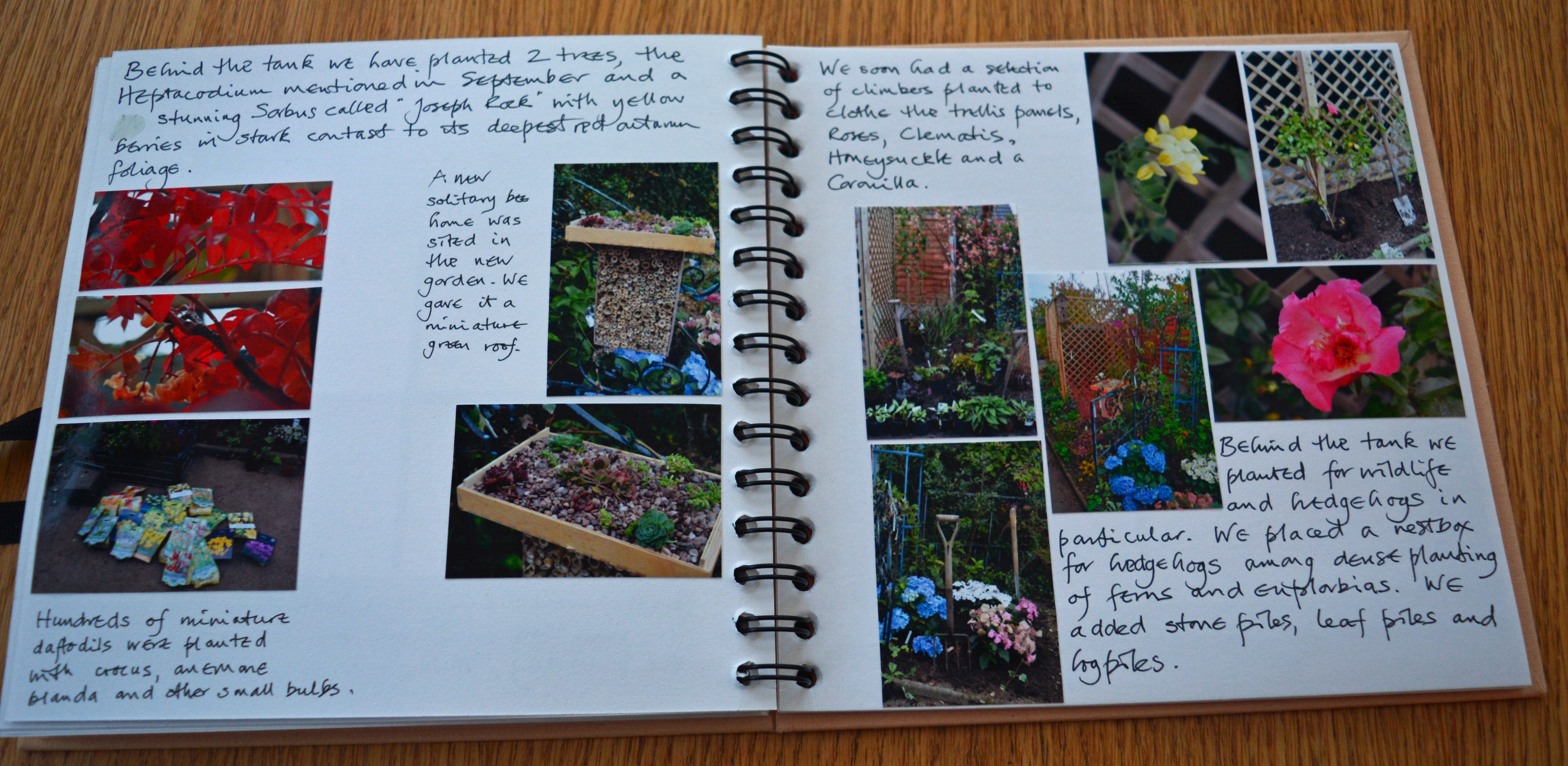
Over the page I continue to describe our development of this border and wrote “Behind the tank we have planted two trees, the Heptacodium mentioned in September and a stunning Sorbus called Joseph Rock with yellow berries in stark contrast to its deepest red autumn foliage.


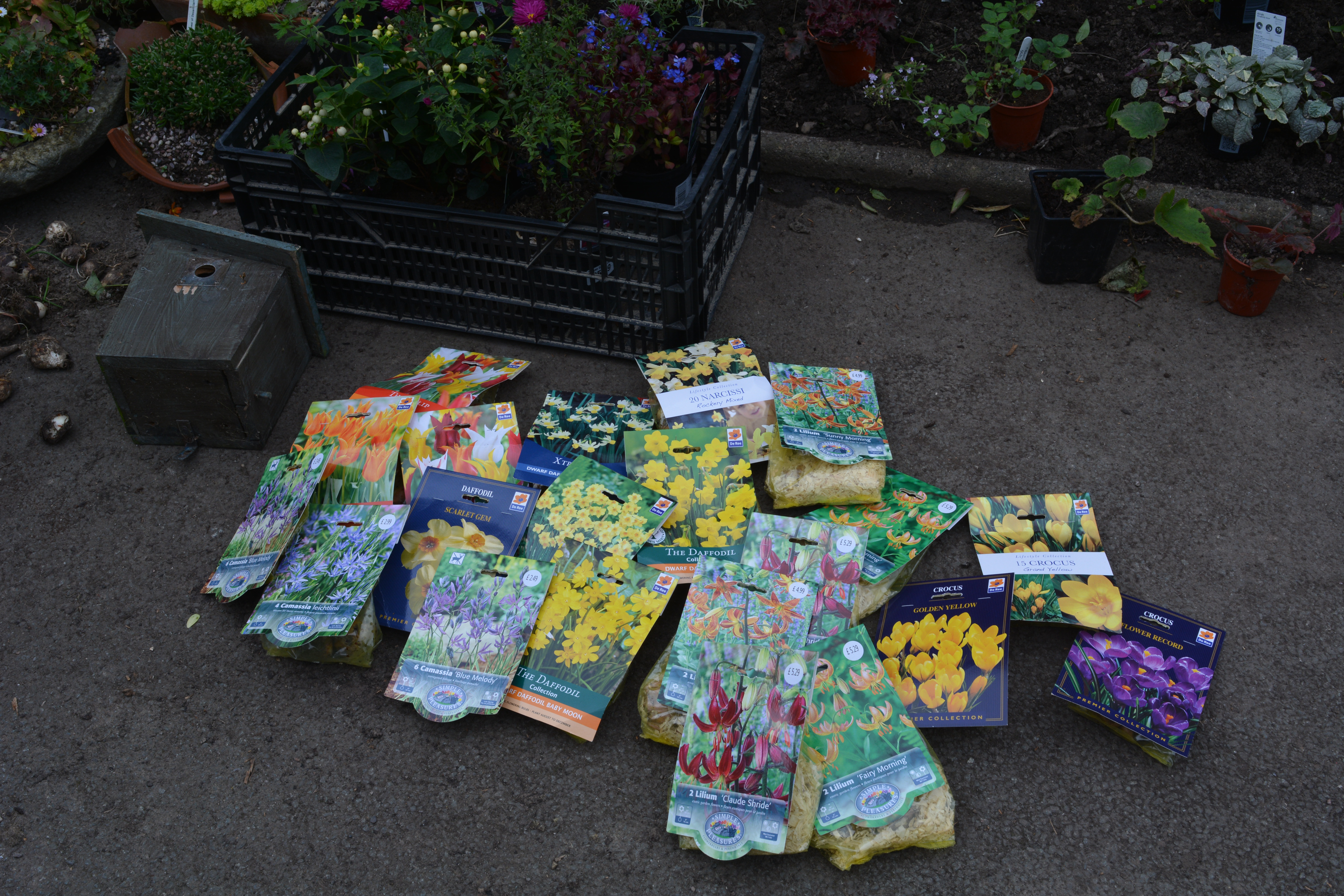
“Hundreds of miniature daffodils were planted with crocus, Anemone blanda and other small bulbs.”

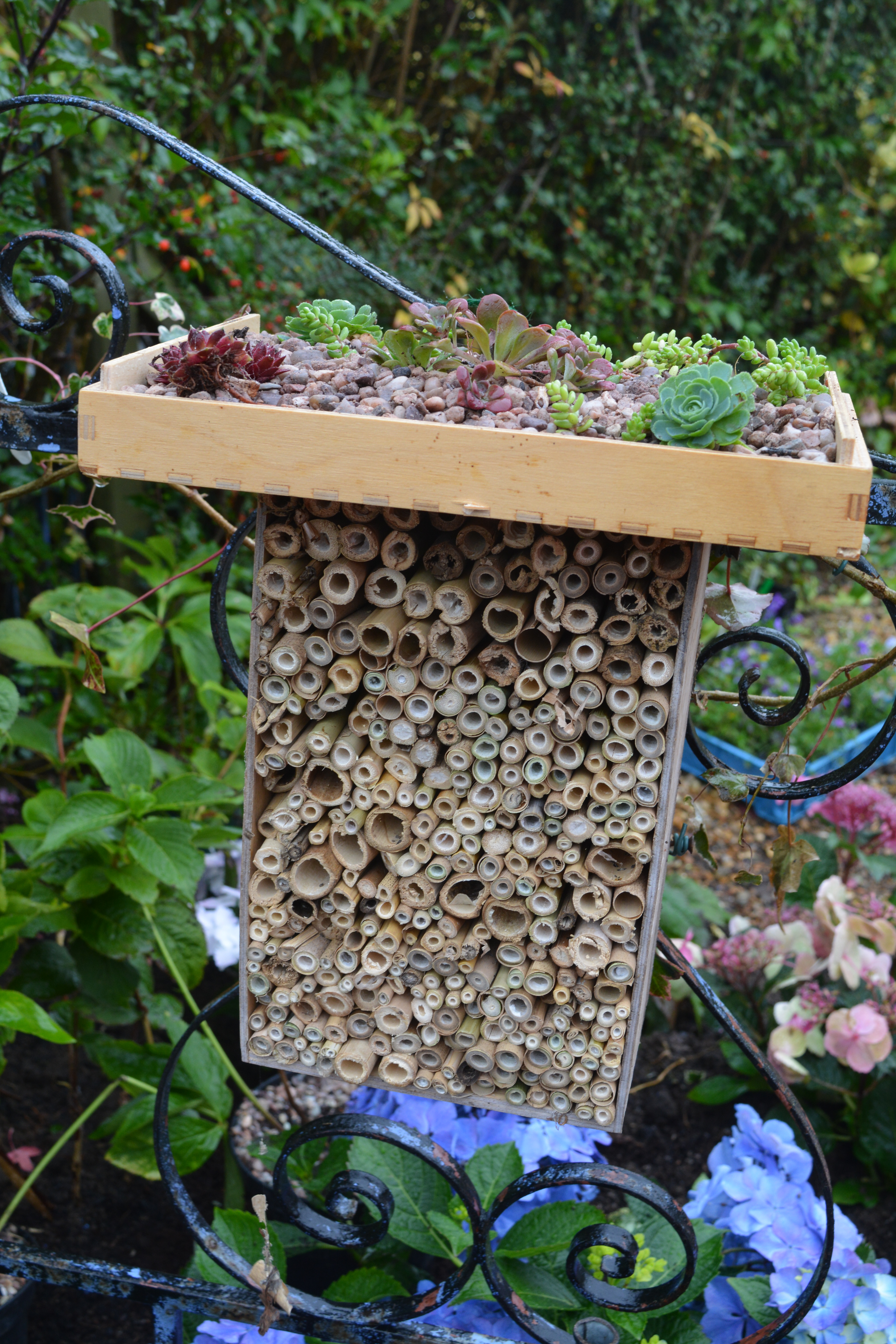
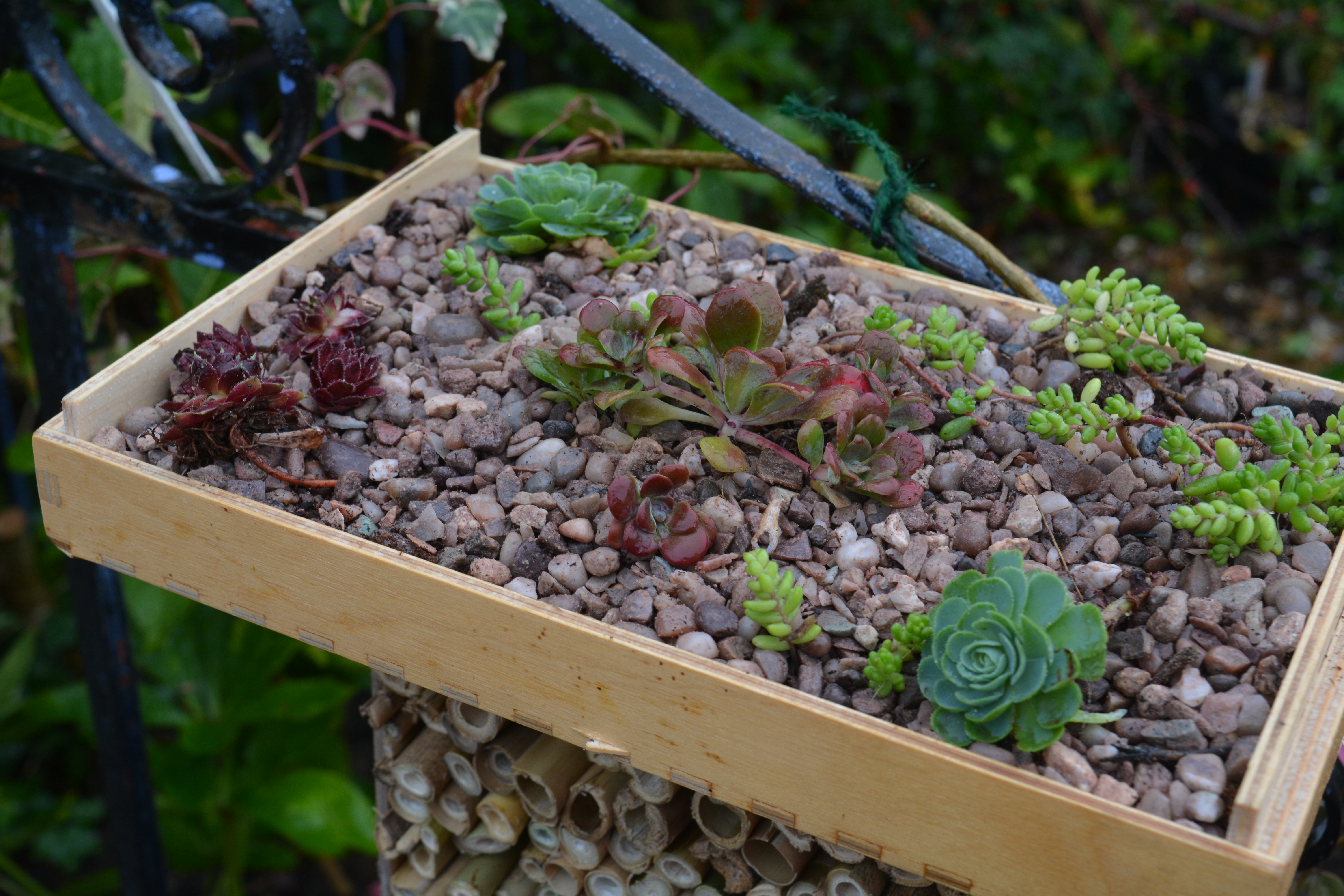
“A new solitary bee home was sited in the new garden. We gave it a miniature green roof!”

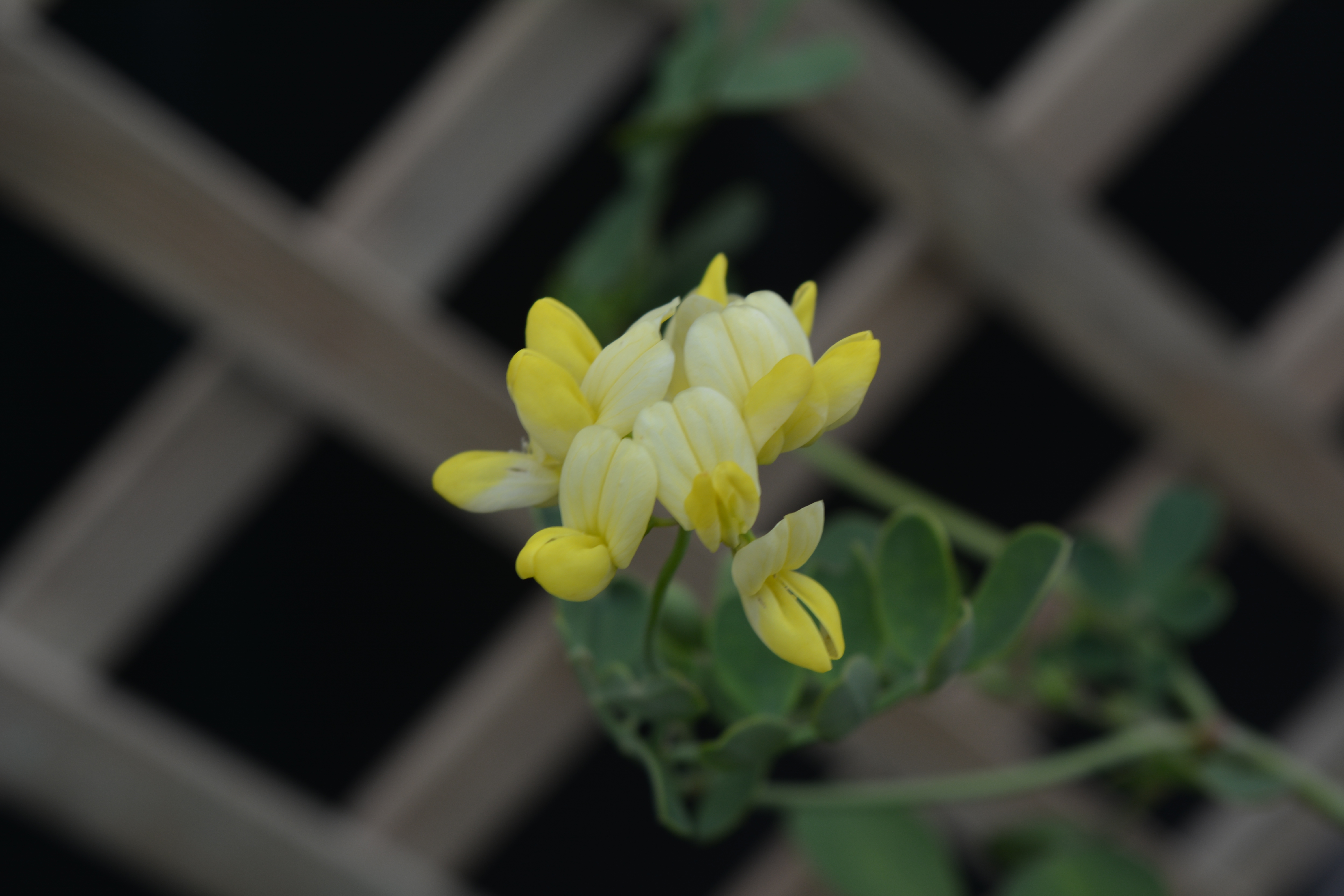
“We soon had a selection of climbers planted to clothe the trellis panels, Roses, Clematis, Honeysuckle and a Coronilla”.


“Behind the tank we planted for wildlife and hedgehogs in particular. We placed a nestbox for hedgehogs among dense planting of ferns and Euphorbias. We added stone piles, leaf piles and log piles.”

Turning over another page I featured some words by Dan Pearson and looked at some autumn flowering plants.

“Taking a look at Dan Pearson’s writings about Autumn in his “Natural Selections” book he wrote,

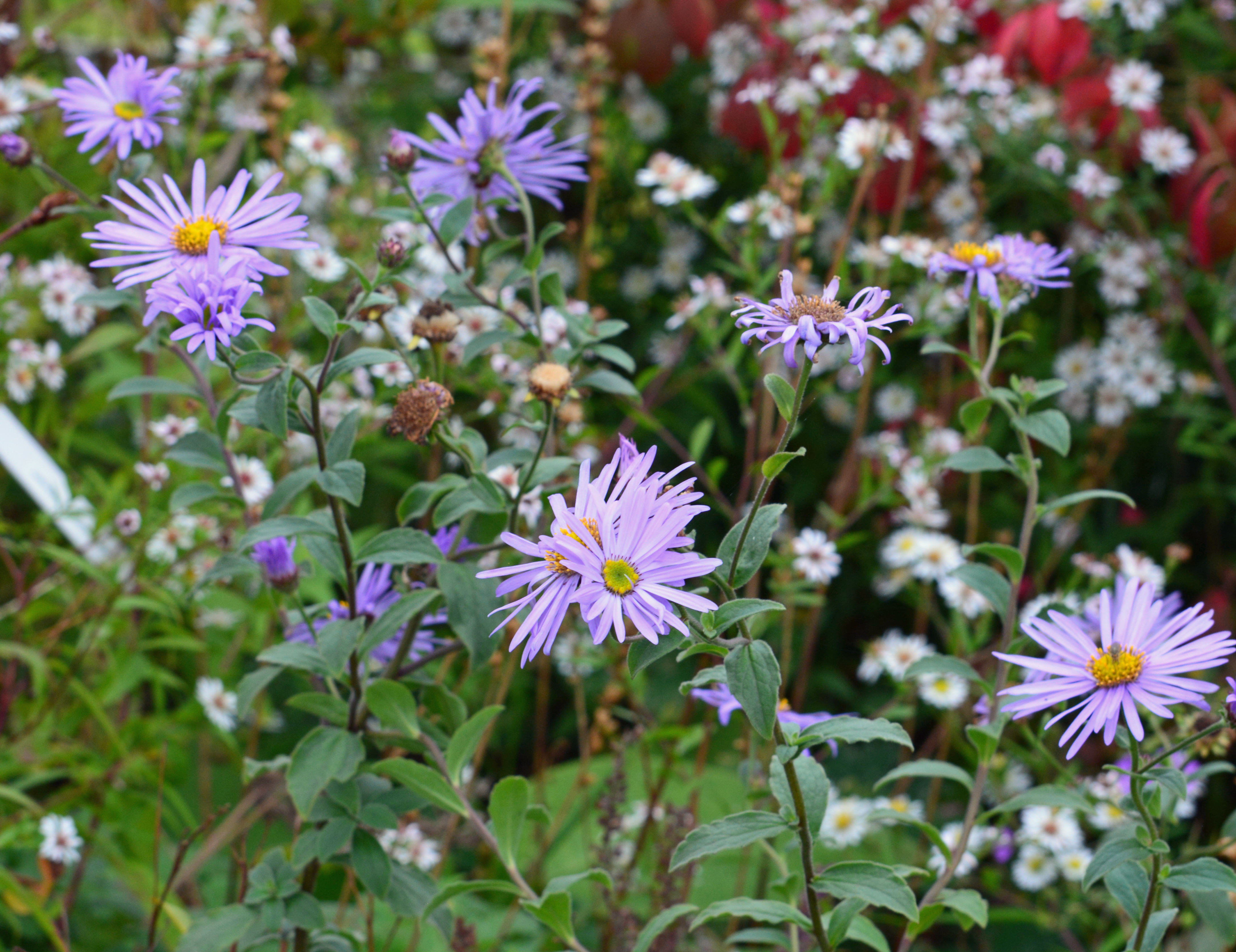
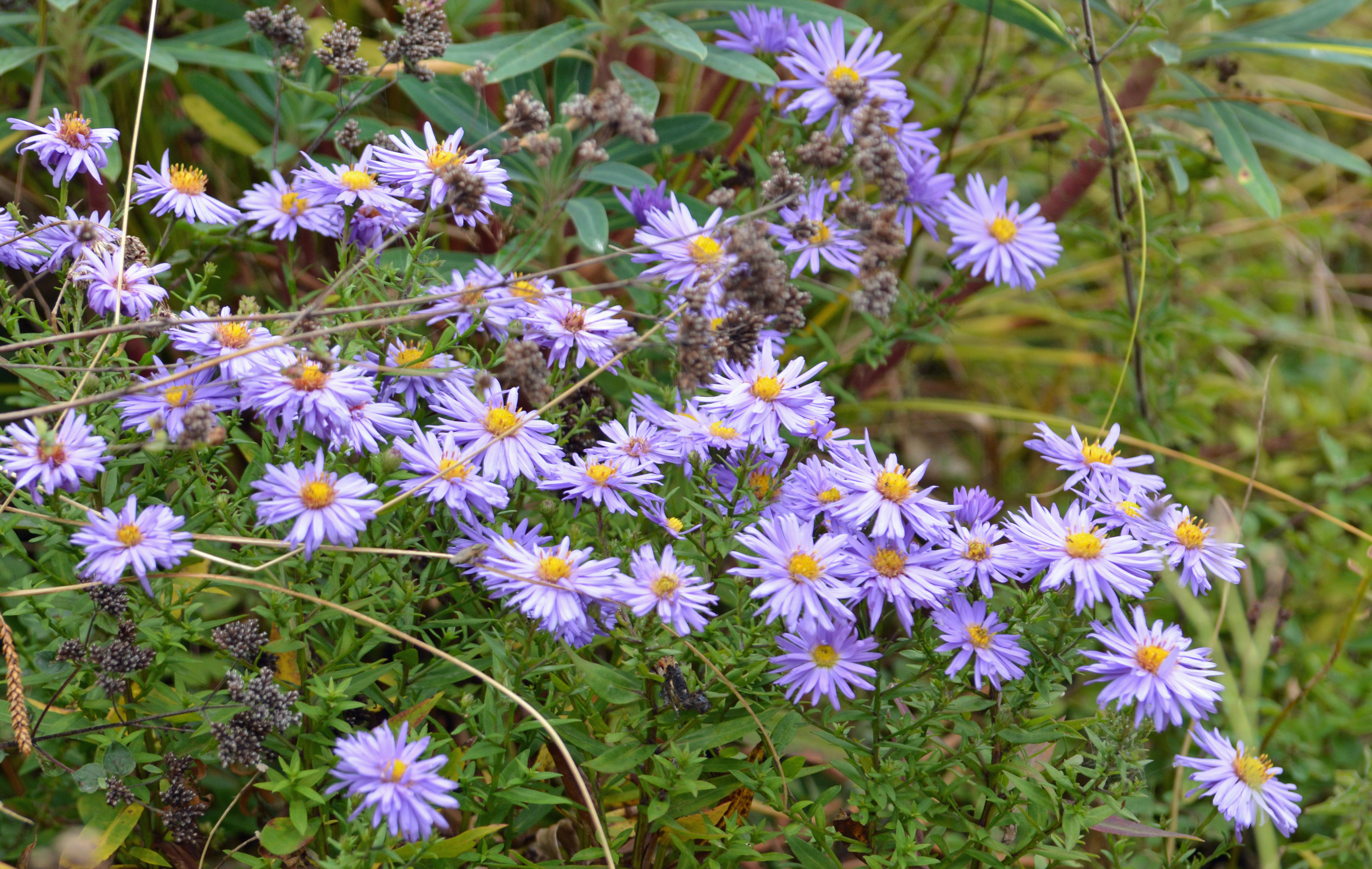
I want to invite the seasons into the garden, vividly and in layers. I use asters, autumn crocus and gentians at ground level, and shrubs that perform for this season to take the eye up and away, to straighten the back. I weave berrying trees and shrubs into the garden as much for their jewel-like fruit as for the birds which flock down to gorge when the fruit is ready for feasting upon.”

We aim to do exactly the same in our Avocet patch. Below are a few of our Asters which feature in our “Shrub Border”,  a border that brings Autumn in.”


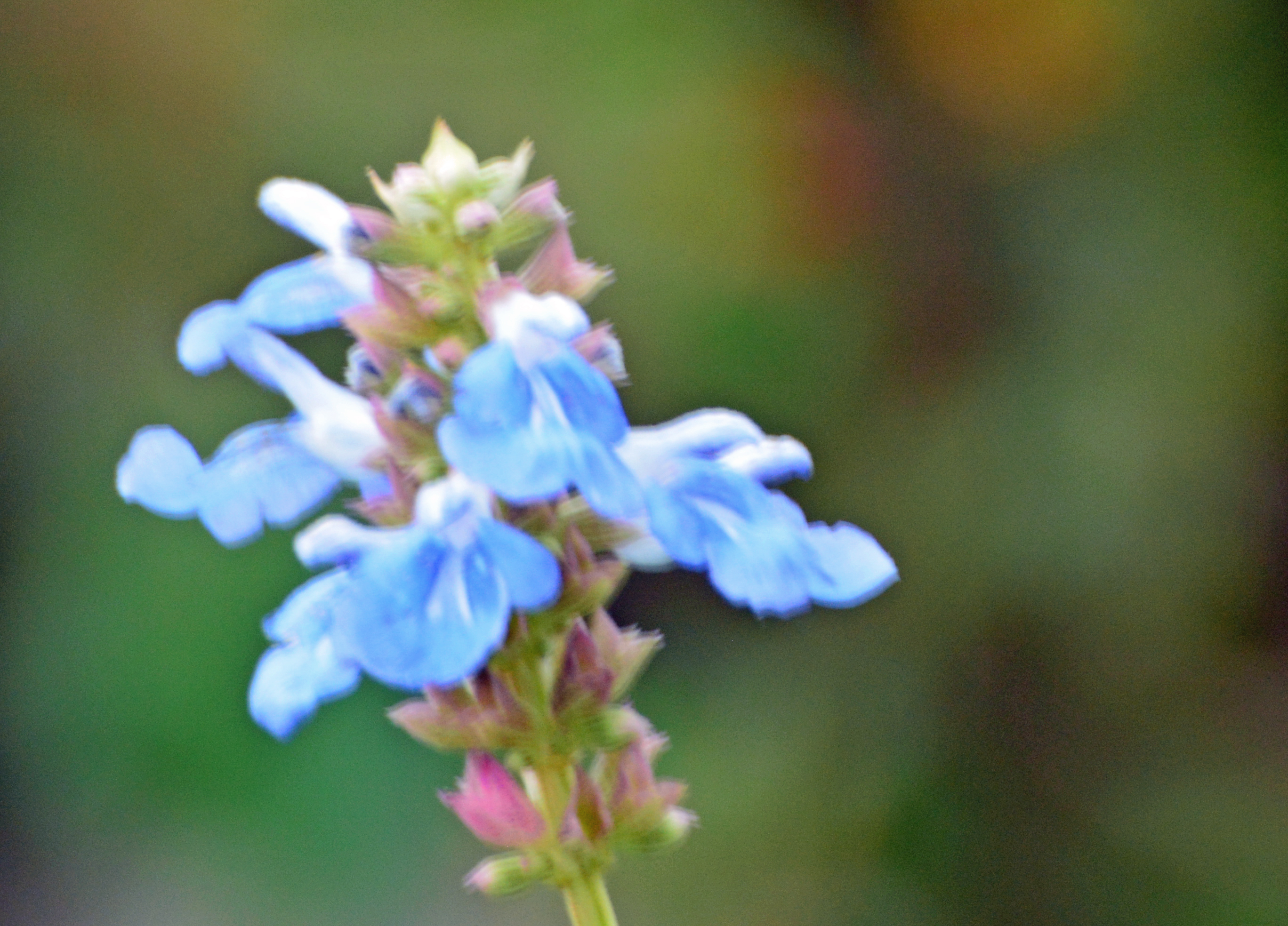
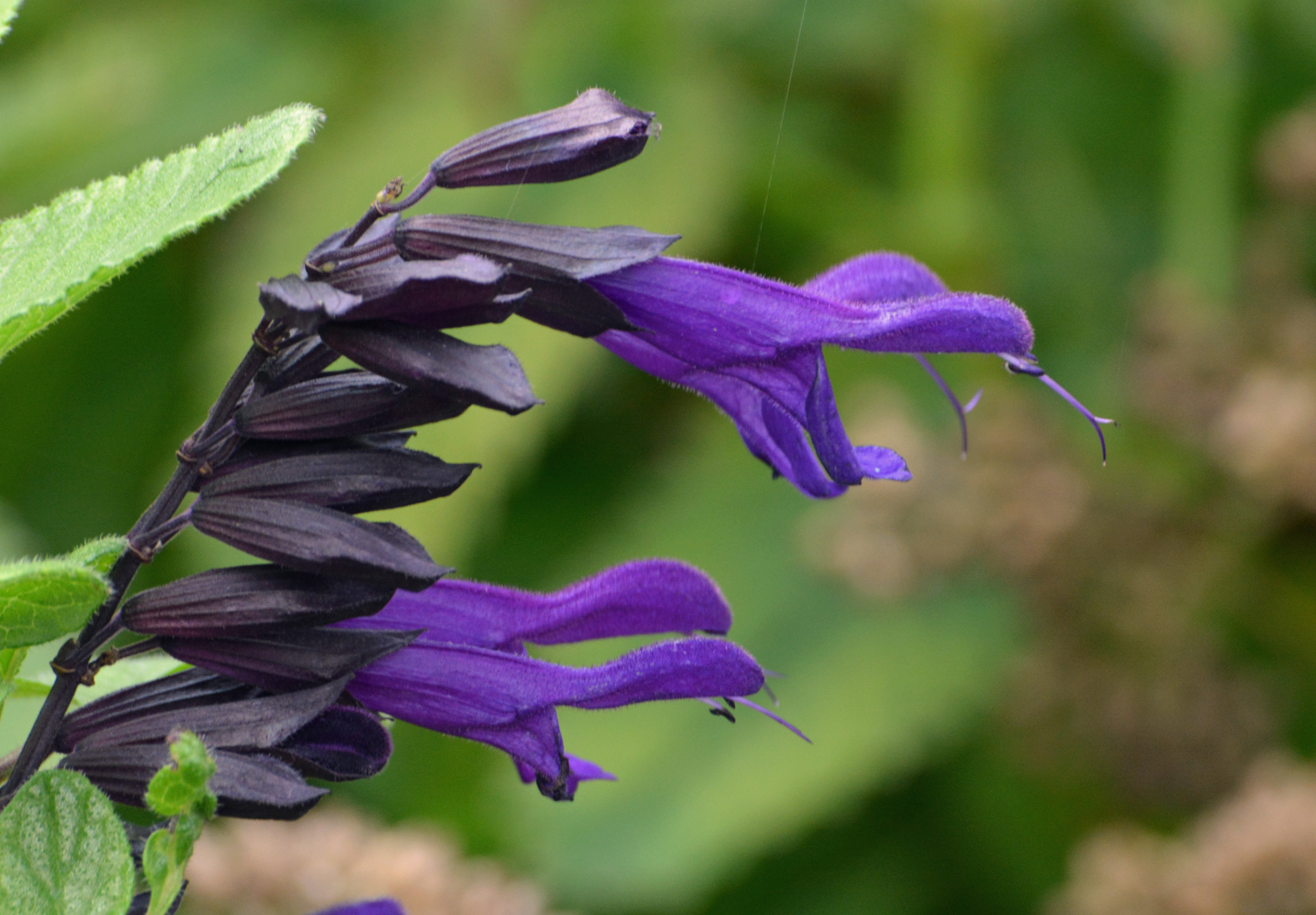
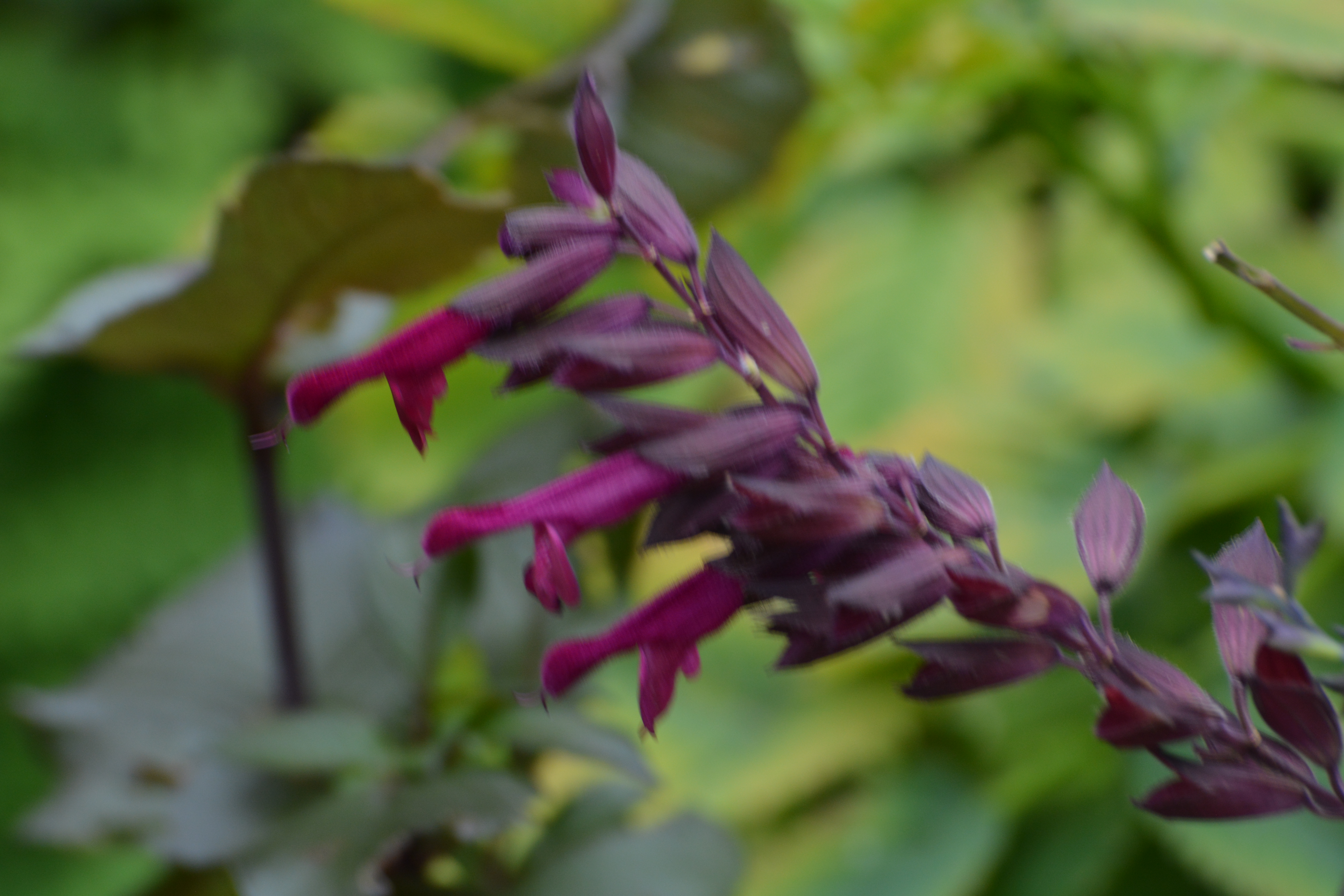
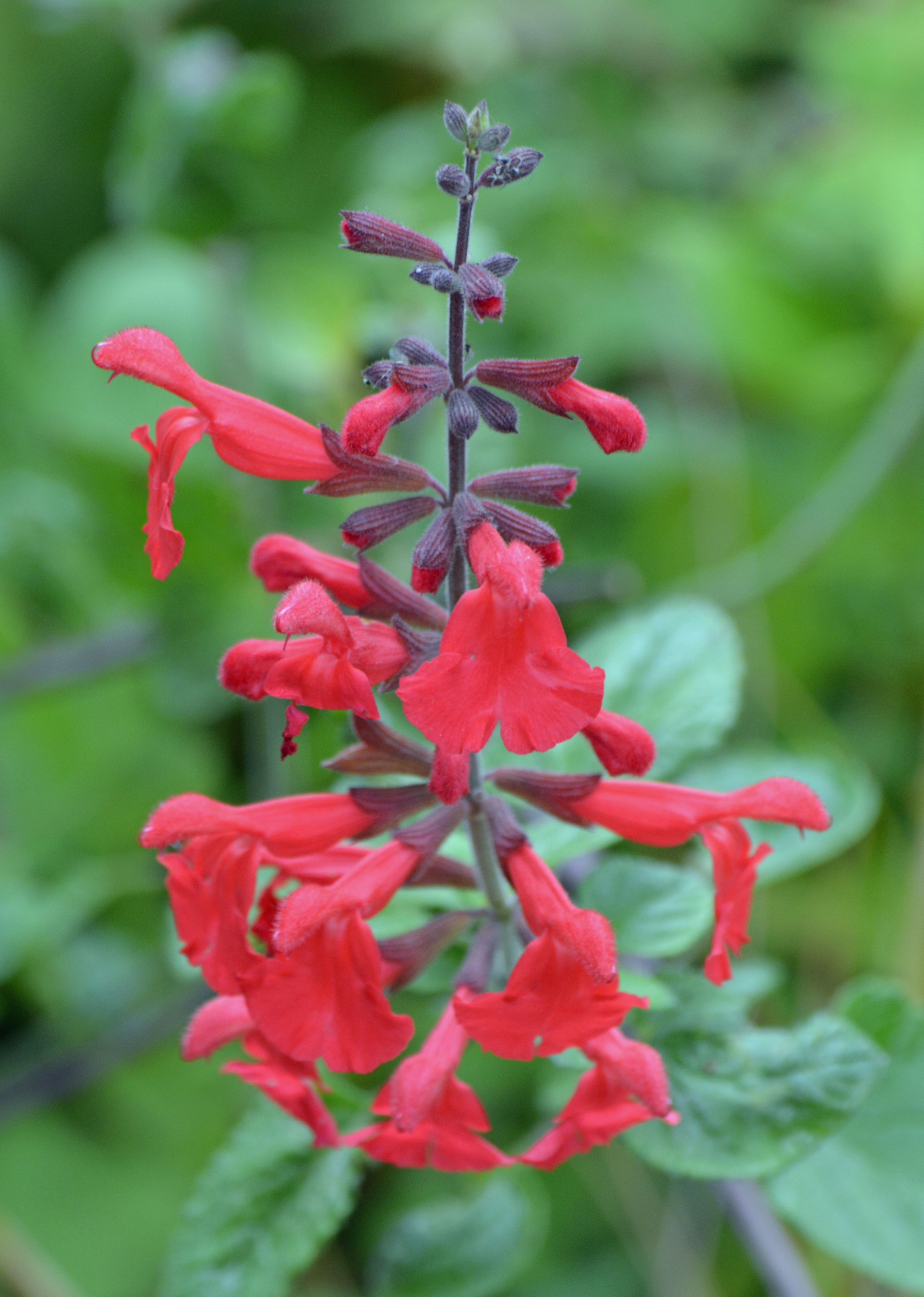
“Another herbaceous perennial that features strongly in our November garden are the Salvias. We leave a few to over-winter in the garden but most will be brought into the cool greenhouse.”


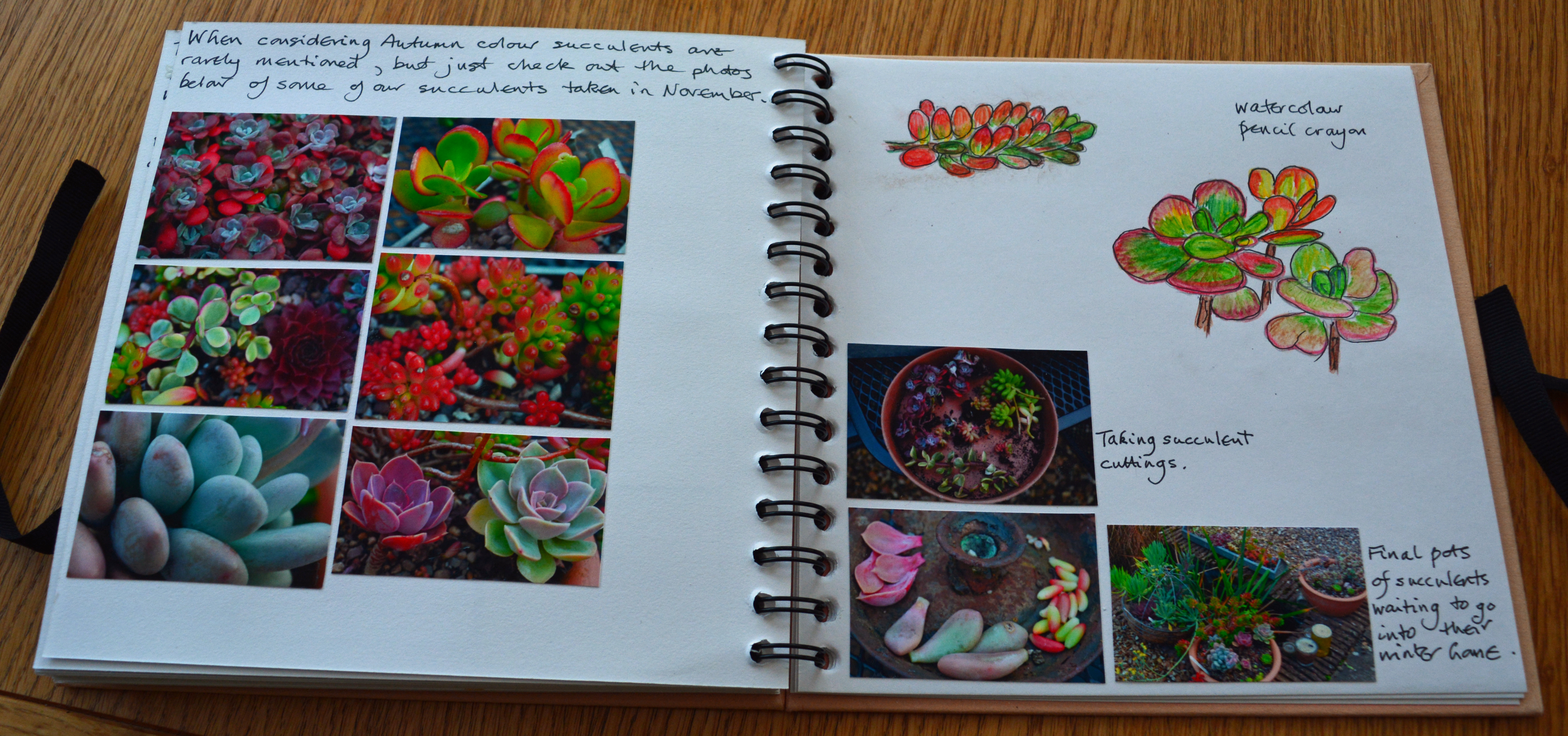
Turning over again I take a look at succulents, plants rarely mentioned in the context of the autumn garden.

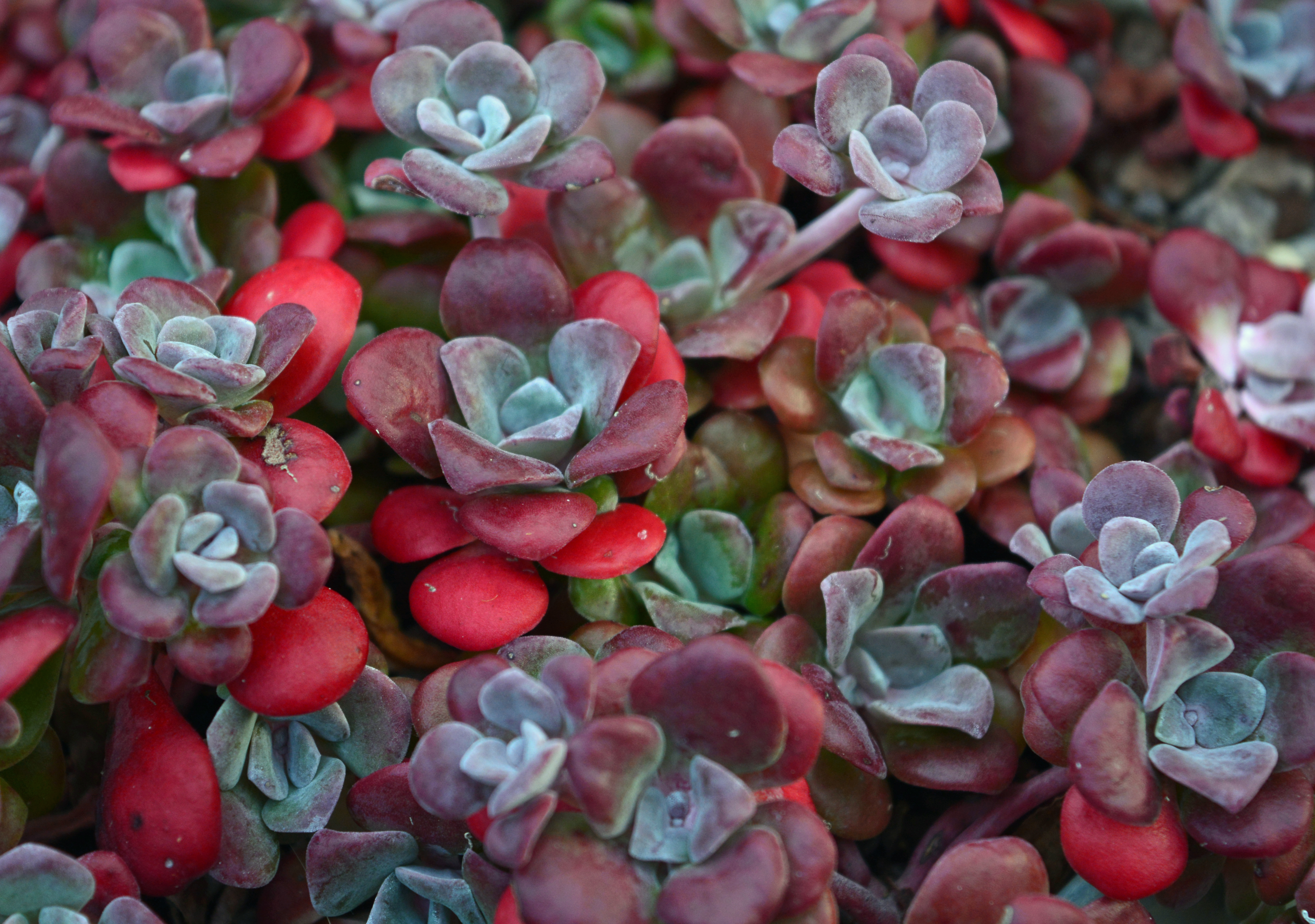
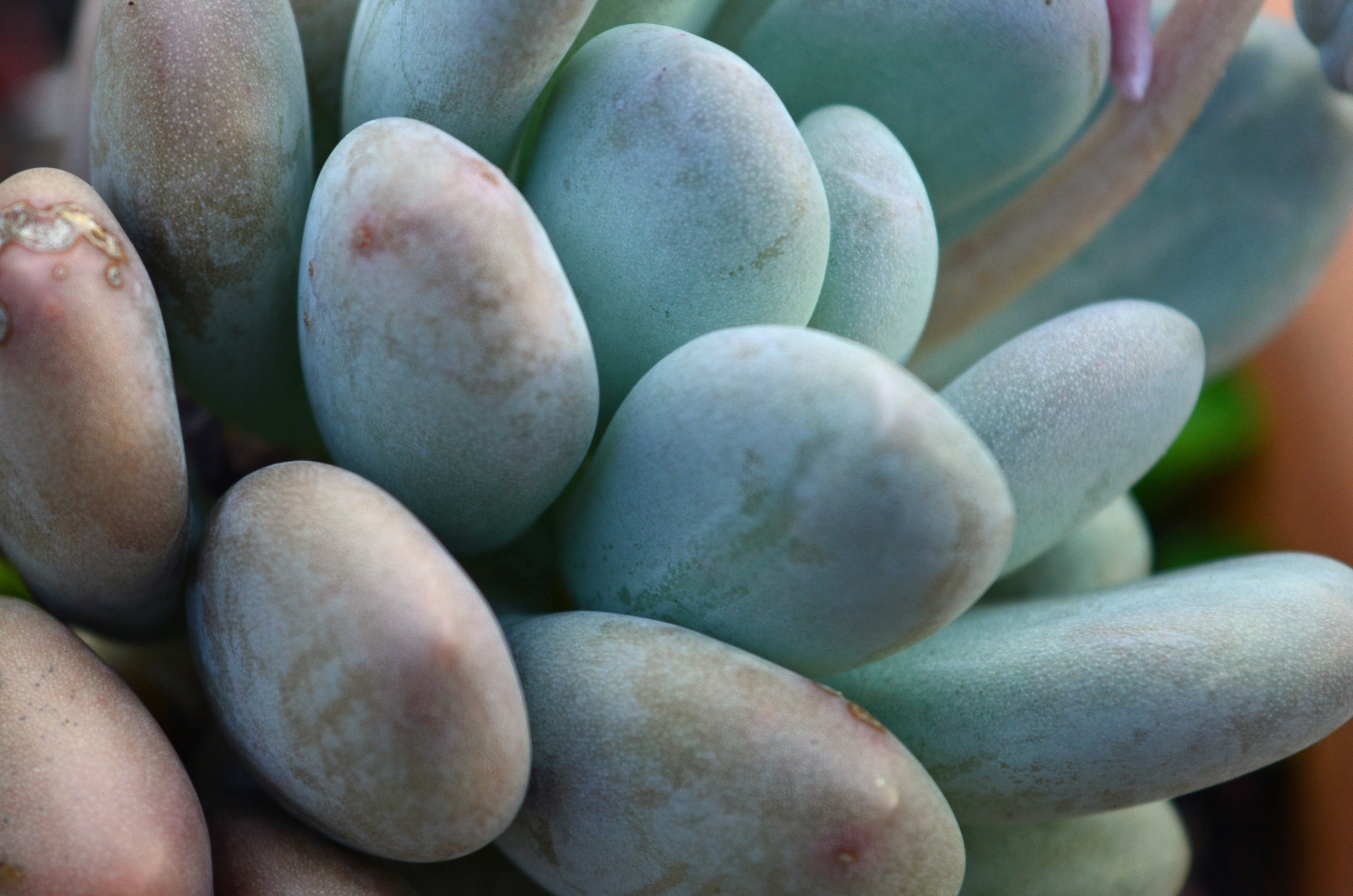
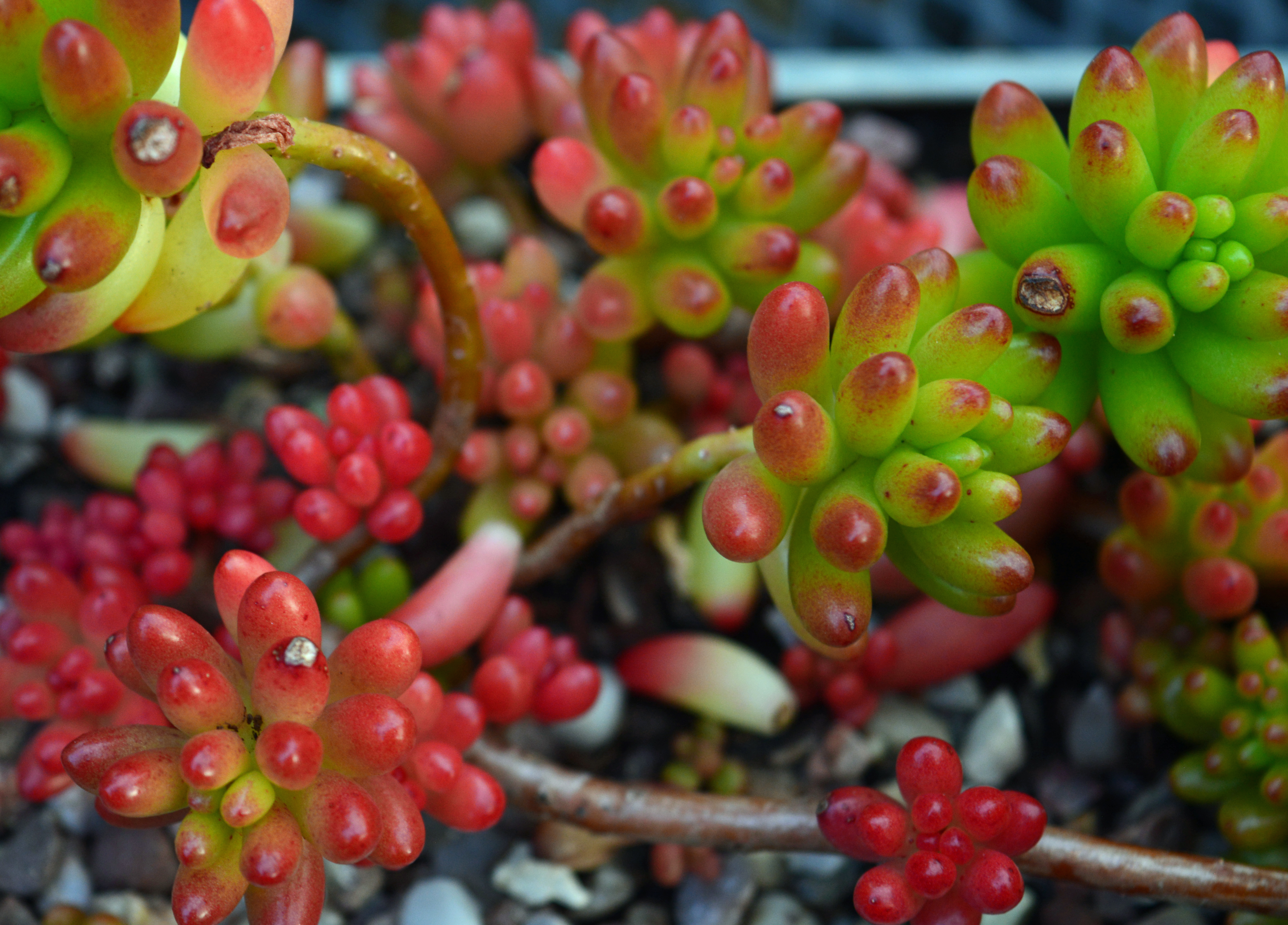
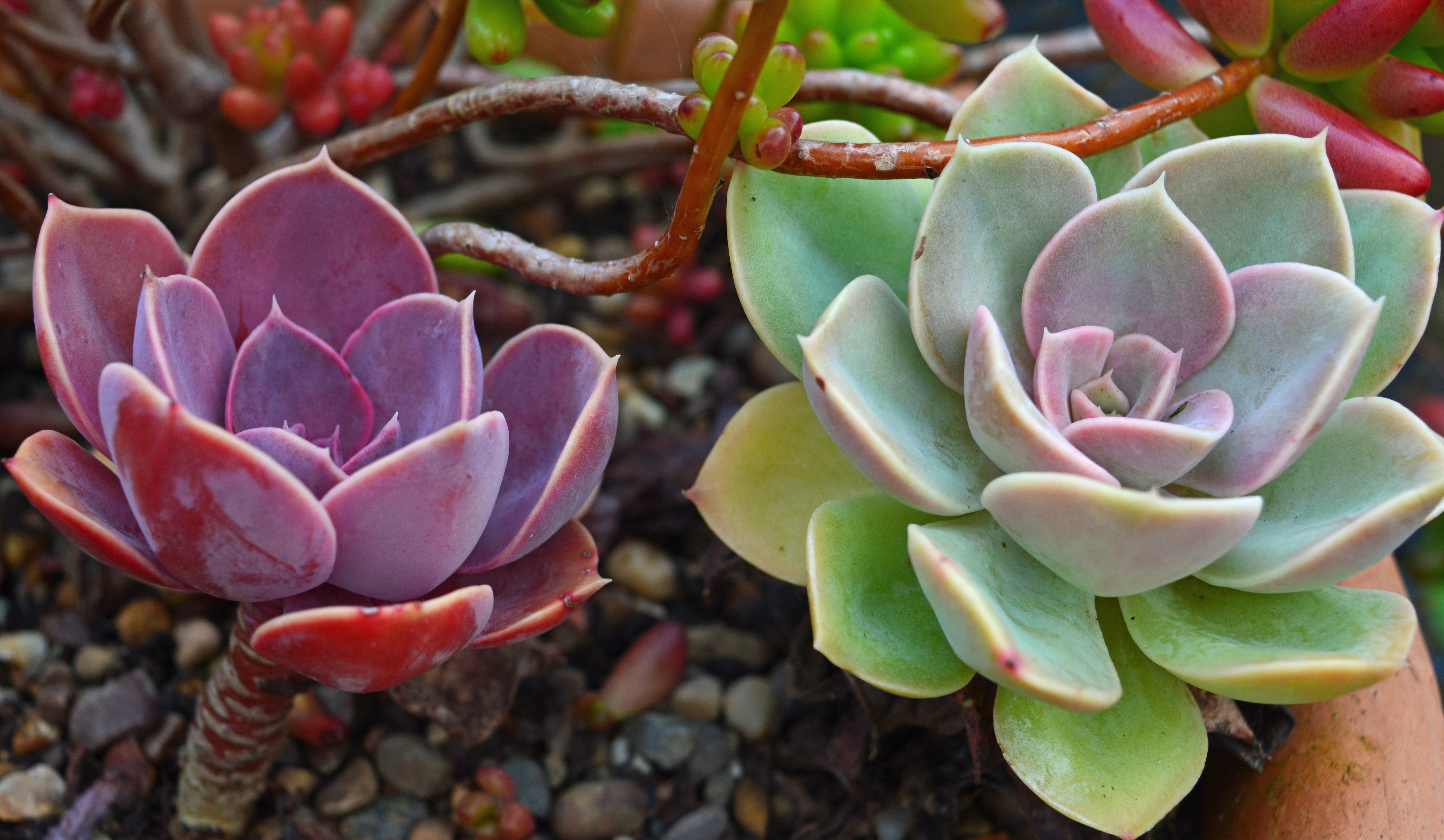
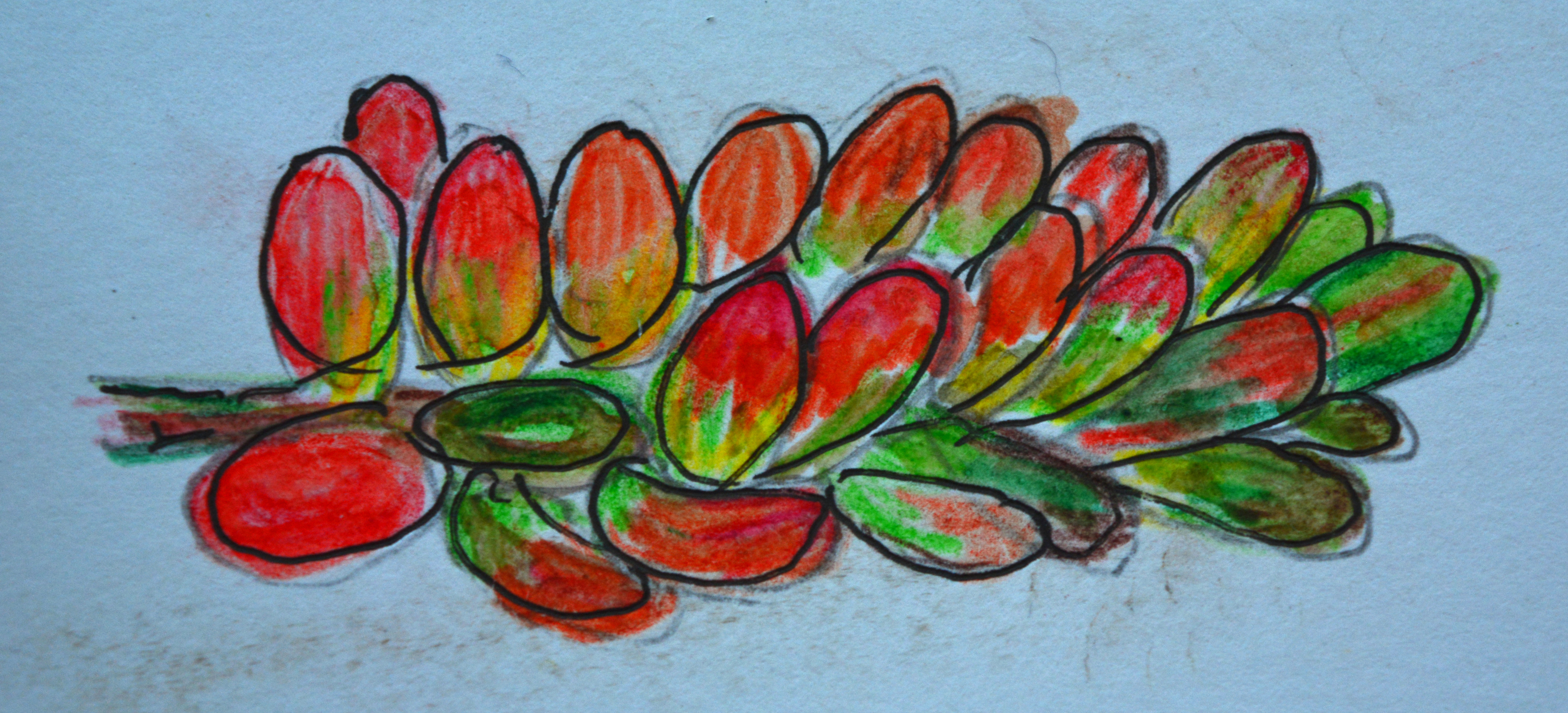
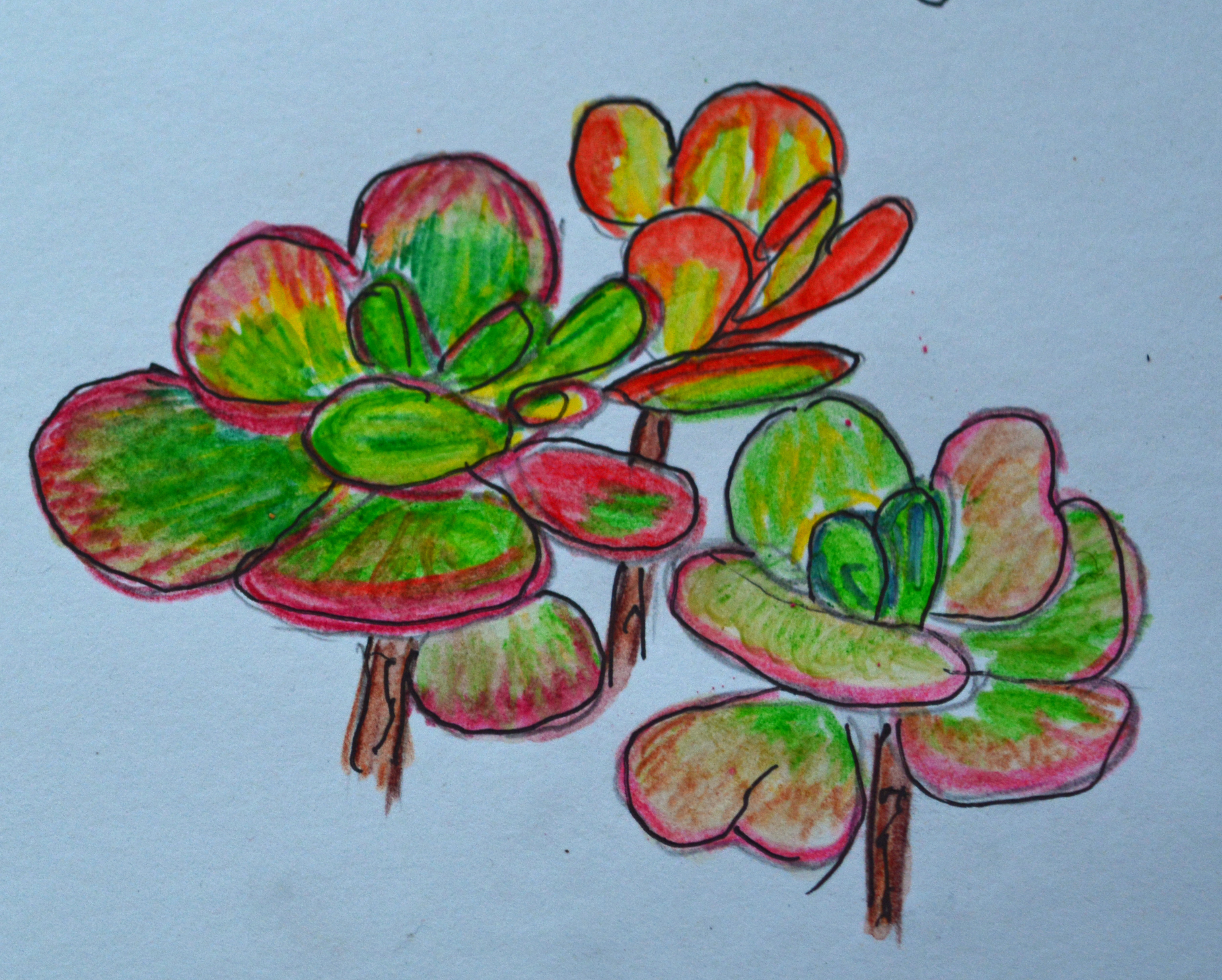
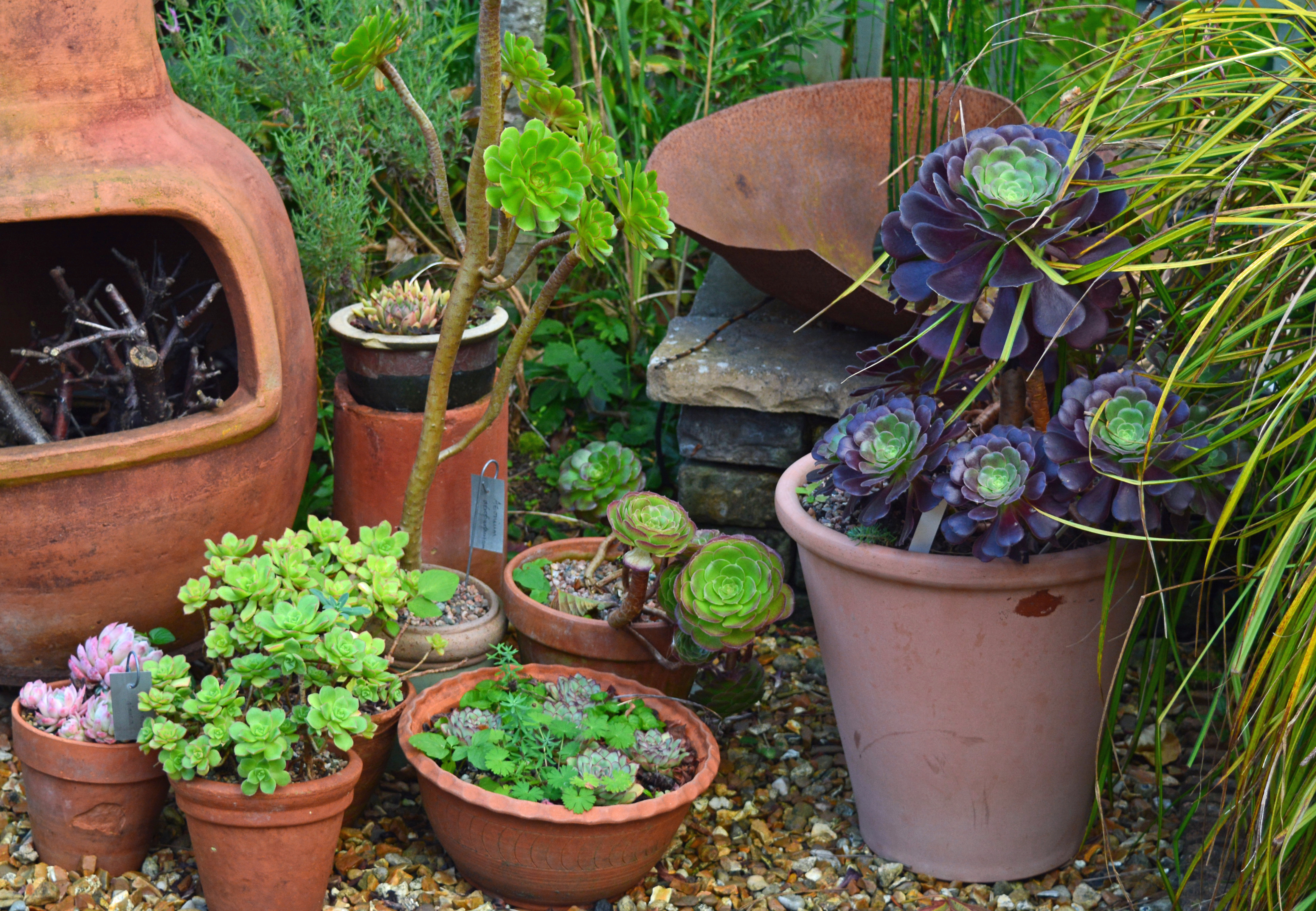
“When considering Autumn colour, succulents are rarely mentioned, but just check out the photos below of some of our succulents taken in November


Below are my paintings/drawings of two multi-coloured succulent stems which I created with water soluble pencil crayons.

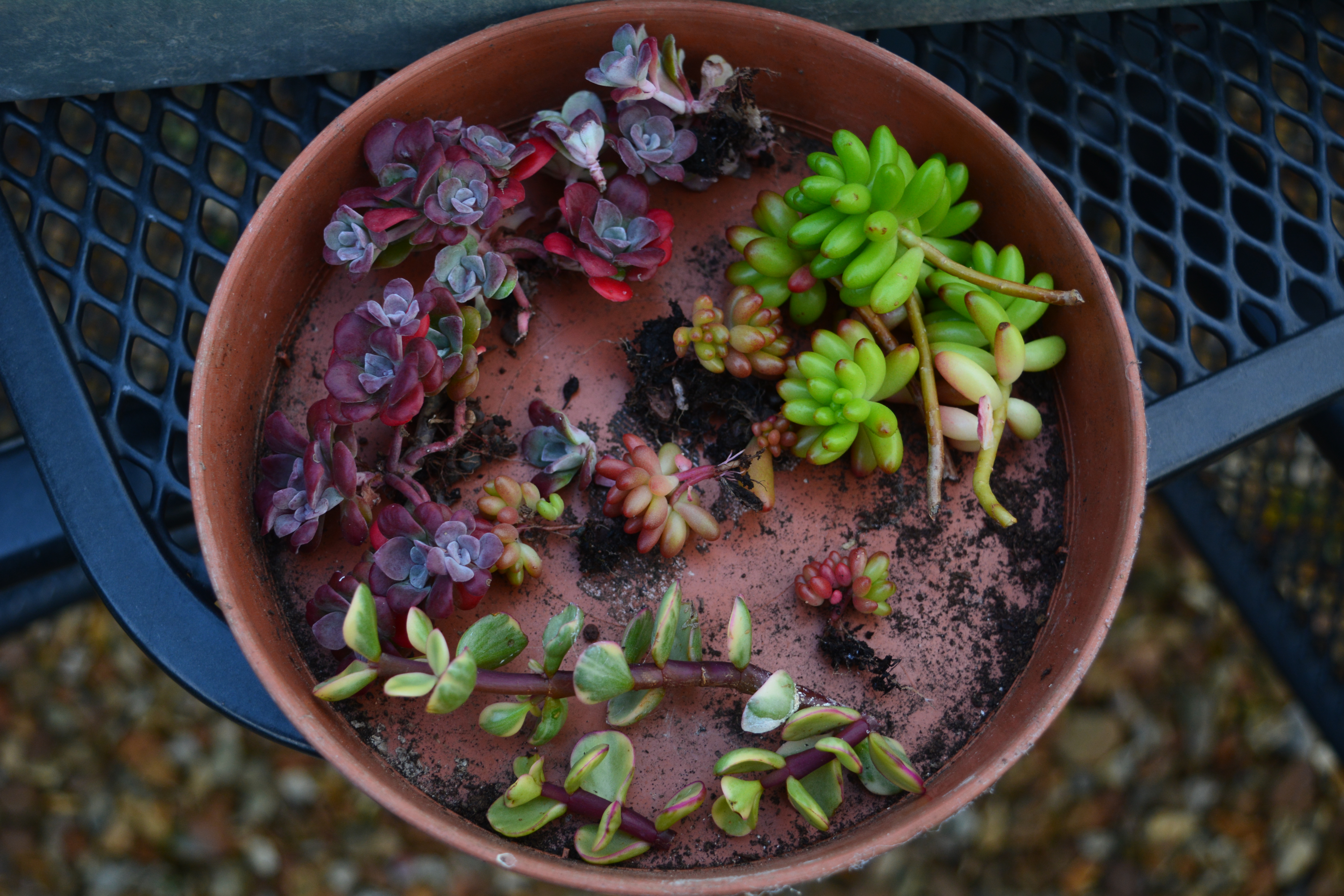
“Taking succulent cuttings.”


“Final pots of succulents waiting to go into their winter home.”


The final page of my November entries in the Garden Journal celebrates my “Plant of the Month”, which is one of only two Irises native to the UK, Iris foetidissima.


The next visit to look at my Garden Journal in 2017 will be the last one for the year, December.

Categories
autumn autumn colours colours garden design garden photography gardening gardens grasses hardy perennials light light quality ornamental grasses ornamental trees and shrubs roses Shrewsbury Shropshire shrubs village gardens

My Garden Journal 2017 – October

We can now look at what I wrote about, photographed and painted during October in my Garden Journal.

On the first page of my October Garden Journal I proposed a “fifth season” for us gardeners, a special one just for us  gardeners, but unfortunately I have so far been unable to think up a suitable name. I have spoken to a few other gardeners about this and they understood exactly what I was talking about. See what you think!

“October, the tenth month of the year, but what season is it in? But before I even look at the appropriate season there is some already some confusion over the name October, which derives from the Latin “octo” meaning eight. October was indeed the eighth month in the Roman calendar.

So let me look at the seasons again and consider where October sits. Is it the end of summer, so we can say October is in “Late Summer” or is it the first month of Autumn so then we can identify October being in “Early Autumn”.

I believe that with the changes to our climate and the developments in garden design and the increases in plant availability at this cross-over period we need a fifth garden season, comprising just September and October. Whatever name we could label it by, it would definitely be my favourite season! As for a suitable name? Perhaps we could call it the “Indian Summer” …… unless someone comes up with a fresh name, a more expressive one!”

On the opposite page I chose a few pics to show the special feel of this new season and I wrote, Our Avocet patch looking special and full of atmosphere in its “5th Season”.

Over the page I continued to look at this time in the garden with its special colours in foliage and seed heads.

“Flowers colours are changing as plants begin to form seeds. The new colours are more subtle and perhaps even subdued, but the low light of this month gives them special qualities. Insects still search plants for the final diminishing supplies of  nectar and perhaps a few drops of pollen.”


“The big show-stoppers of October though are the colours of fire and sunsets that appear as leaves lose their chlorophyl and allow new colours to take over.”


Turning over I move away from the garden in autumn and have a look at the changing fortunes of shrubs in our gardens.

“Shrubs are making a comeback in gardening and definitely in our garden. Over the last few years we have been adding many shrubs into our borders to add a layer of interest between trees and herbaceous planting. Garden centres stock only a limited range of common generally dull shrubs most of which have been around for decades. We are lucky to have two nurseries close to us just over the border into Wales close to the town of Welshpool. The Dingle and The Derwen just ten minutes drive apart are owned by the same family and specialise in trees and shrubs. They are our source of  inspiring plants.”

Some shrubs are grown for their dense foliage and growth habit which let us grow them as a hedge. We use our Buxus (Box) shrubs as a hedge we can shape in whatever form we want.”

“Other shrubs we grow for flowers and berries.”


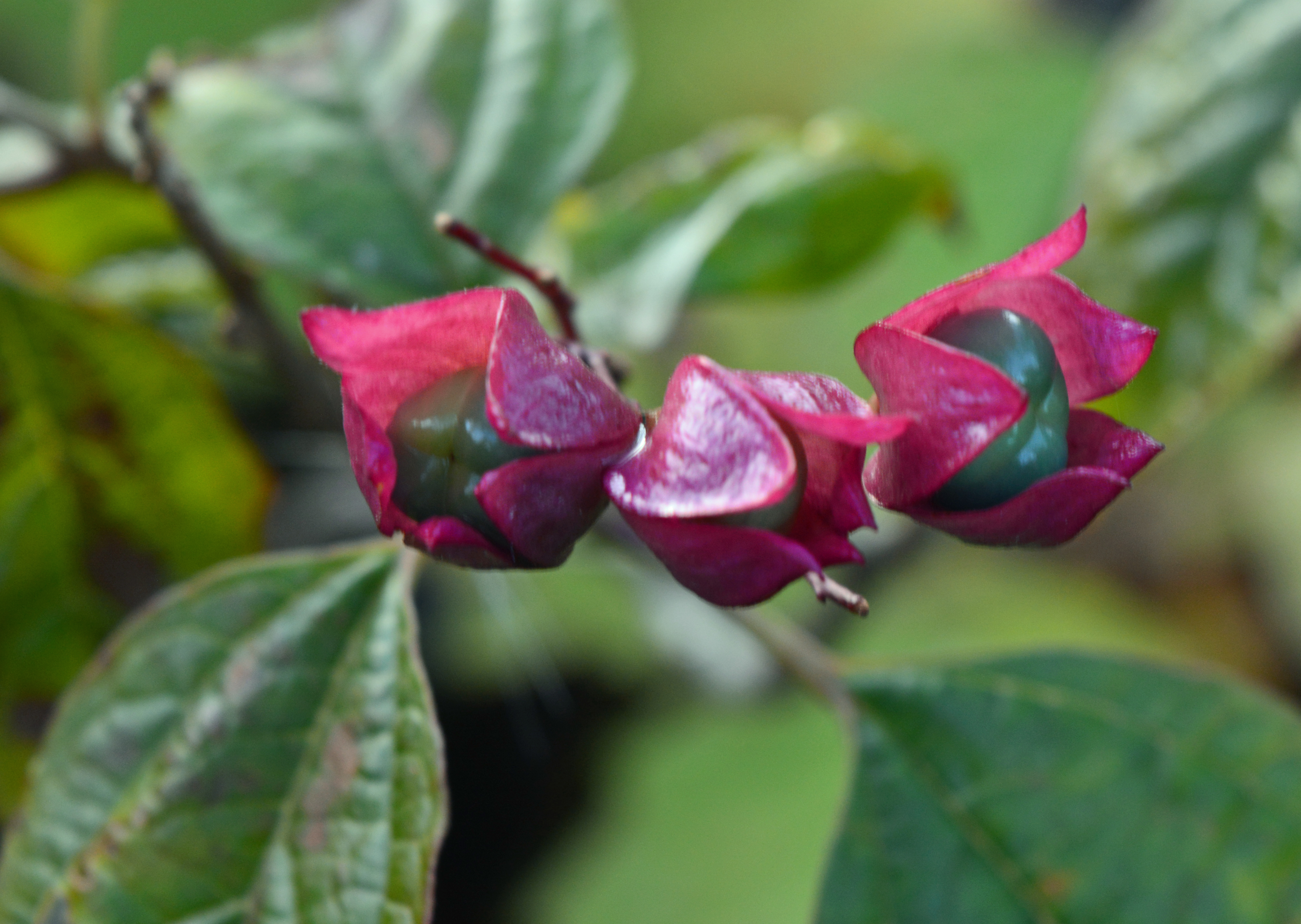
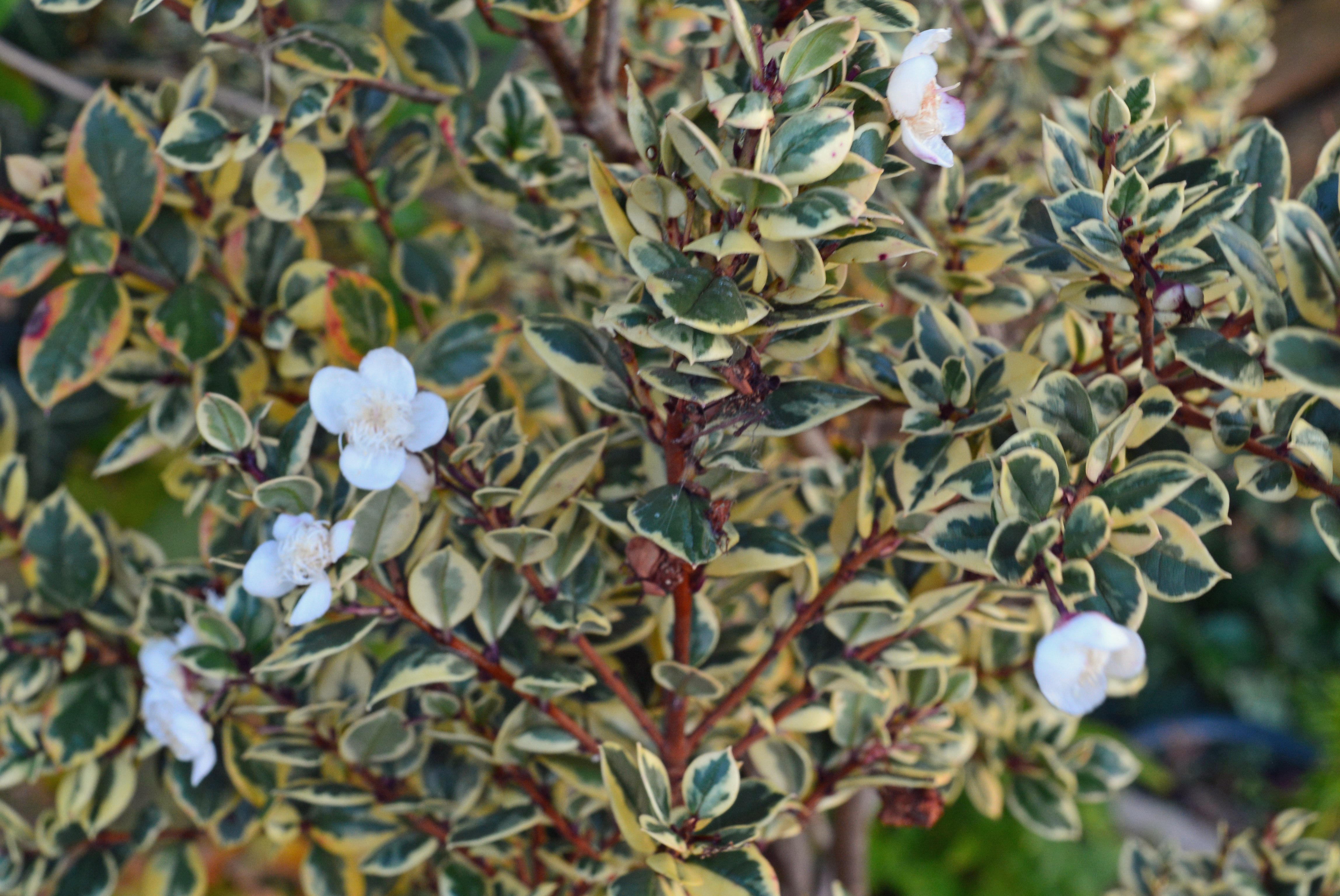
Clerodendron trichitoma fargesii, grown for its eccentric flowers and berries. Luma apiculata grown for variegated foliage, coloured stems and white scented flowers.”


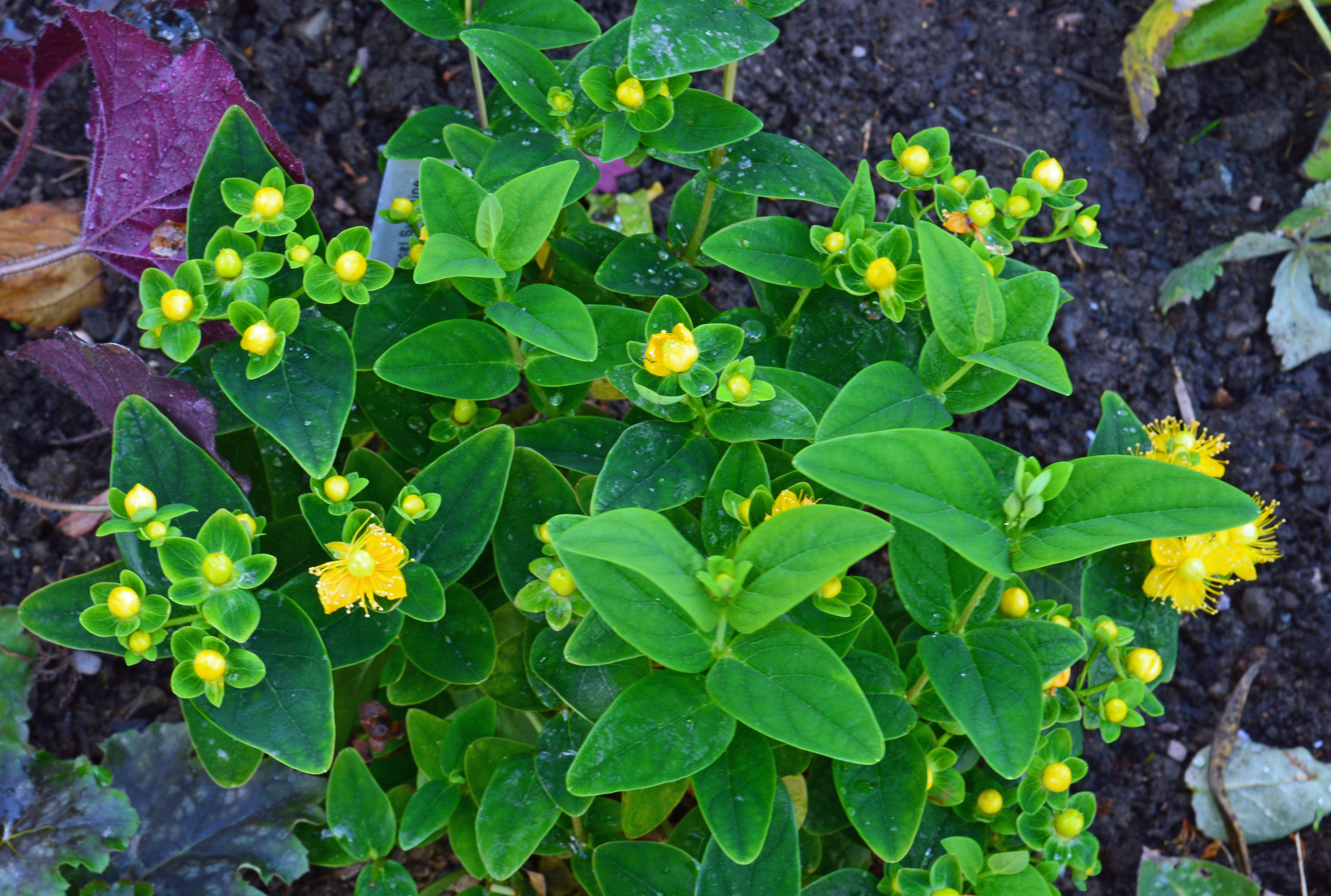
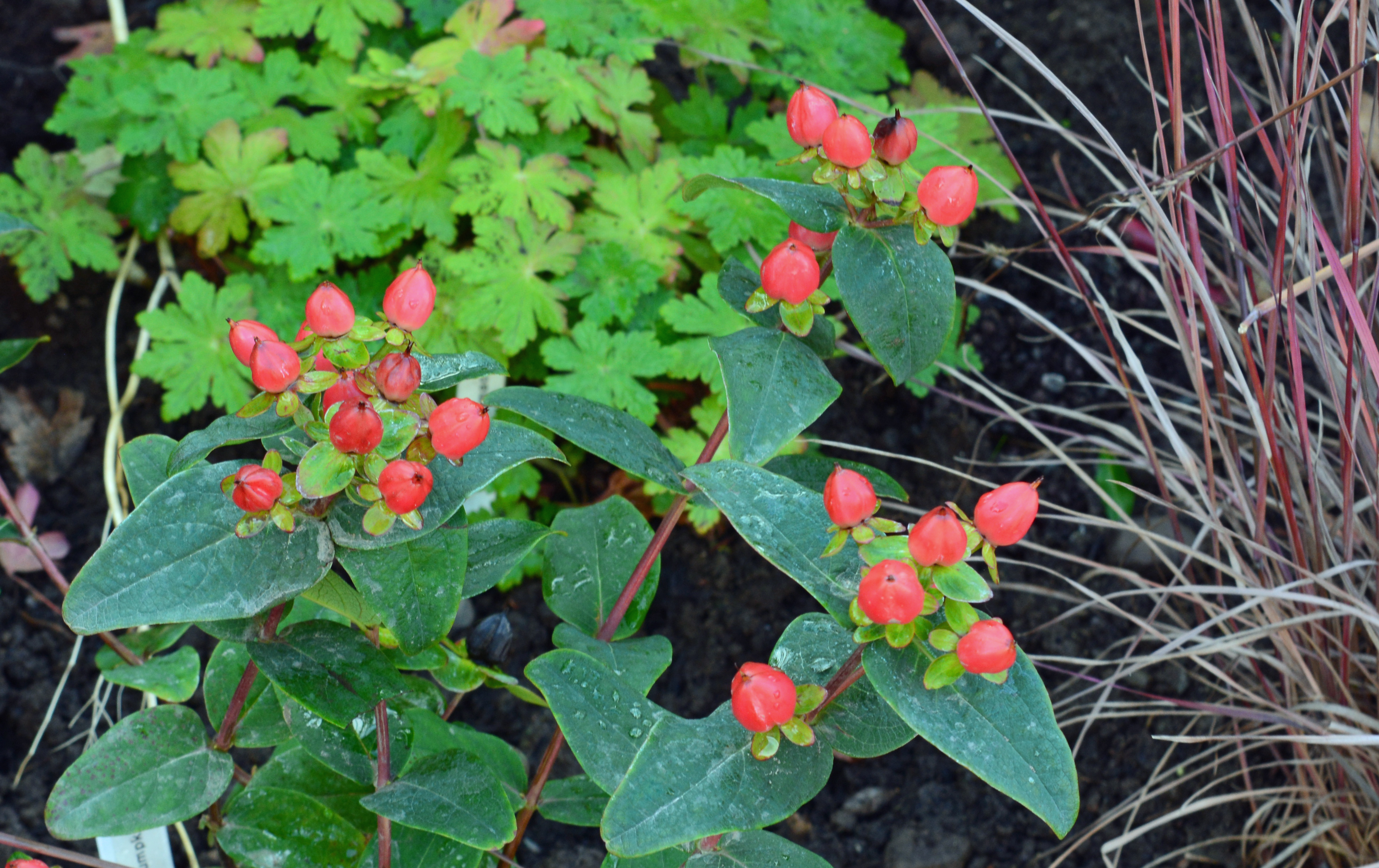
“Hypericum are grown for stunning flowers and berries. Hypericum inodorum give us yellow flowers and all sorts of  colours of berries.” 

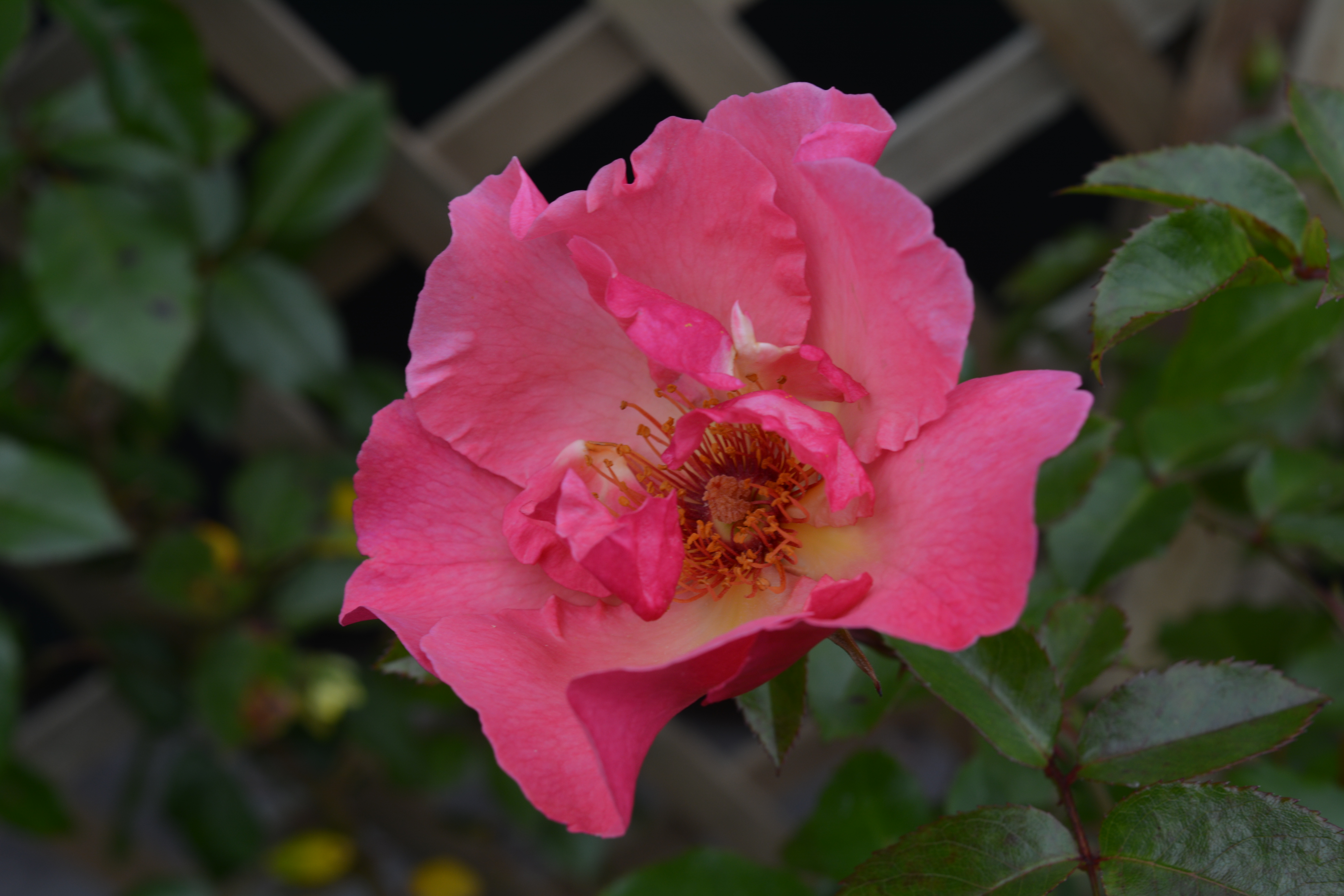
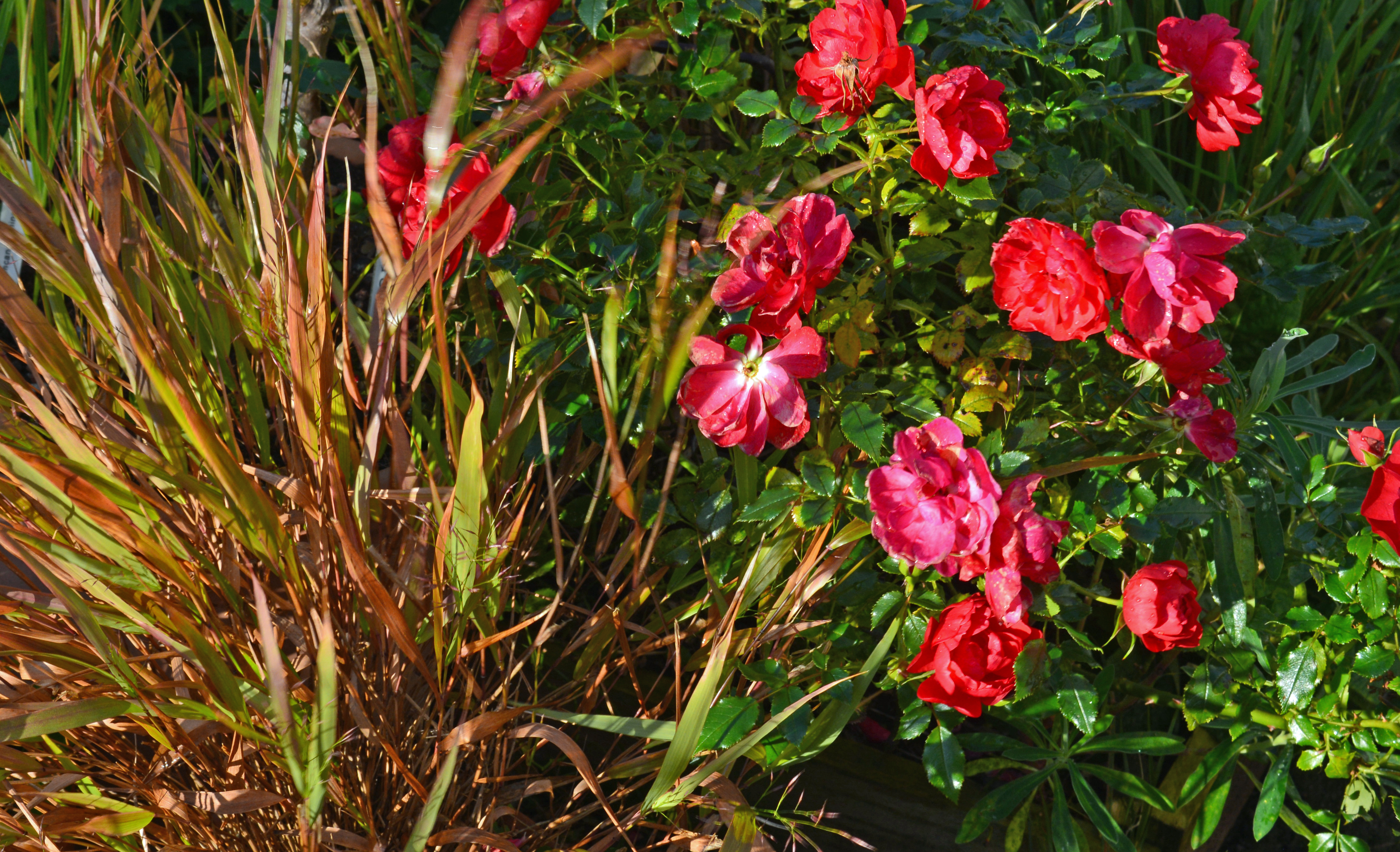
“Roses provide flowers, scent and hips. Mahonia Winter Sun shines with yellow scented flowers in autumn  followed by purple-black berries in the winter.”

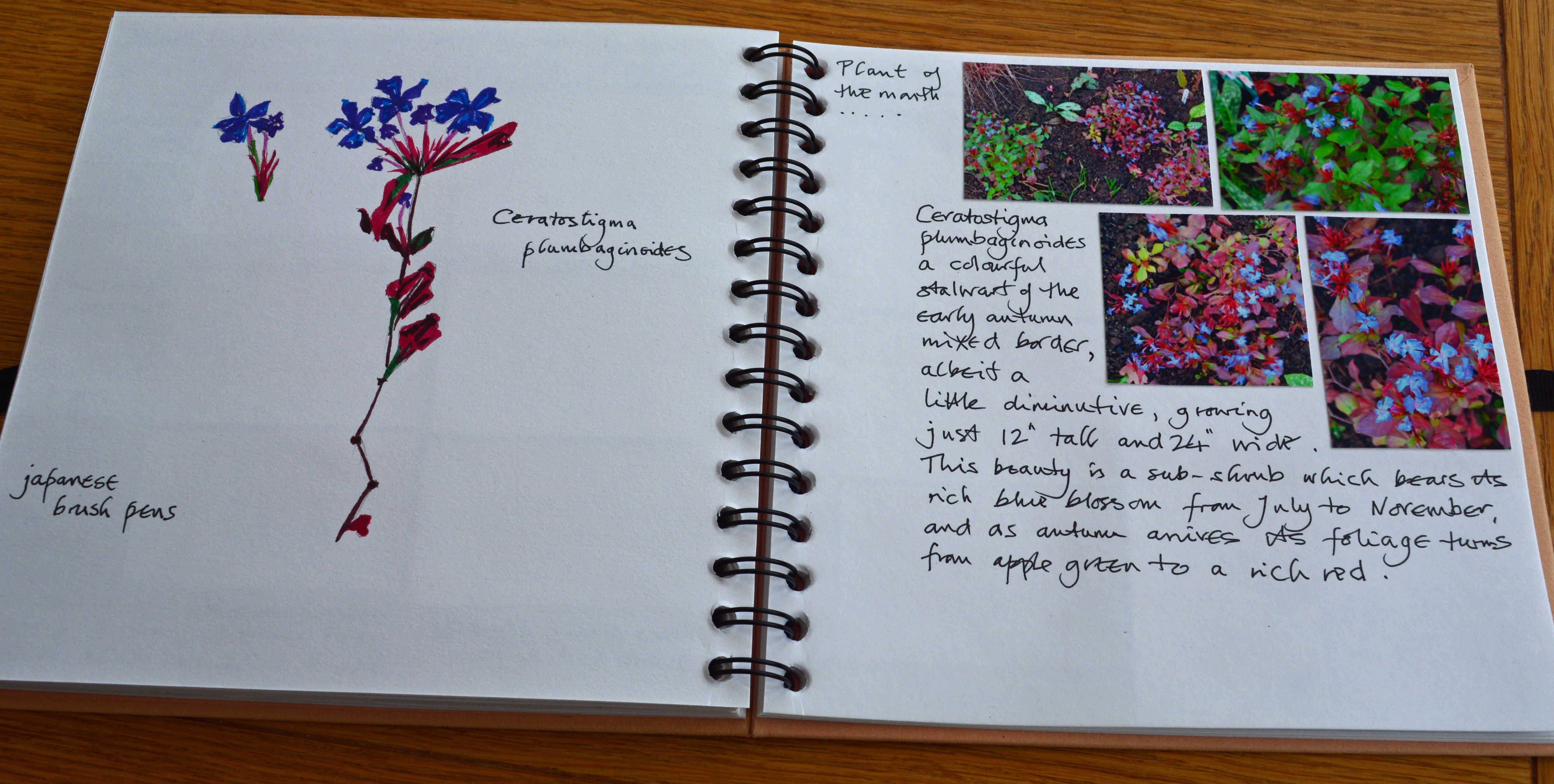
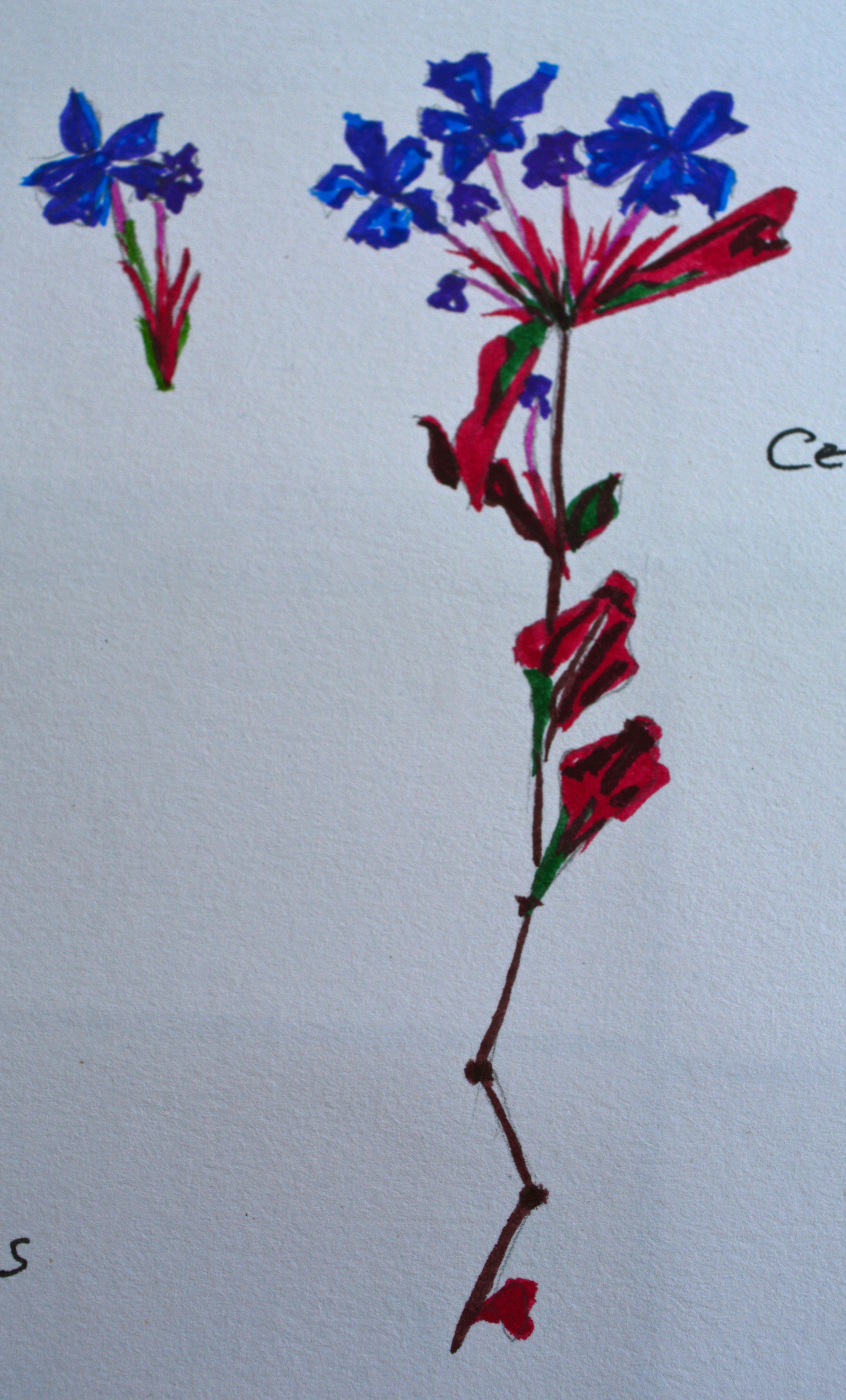
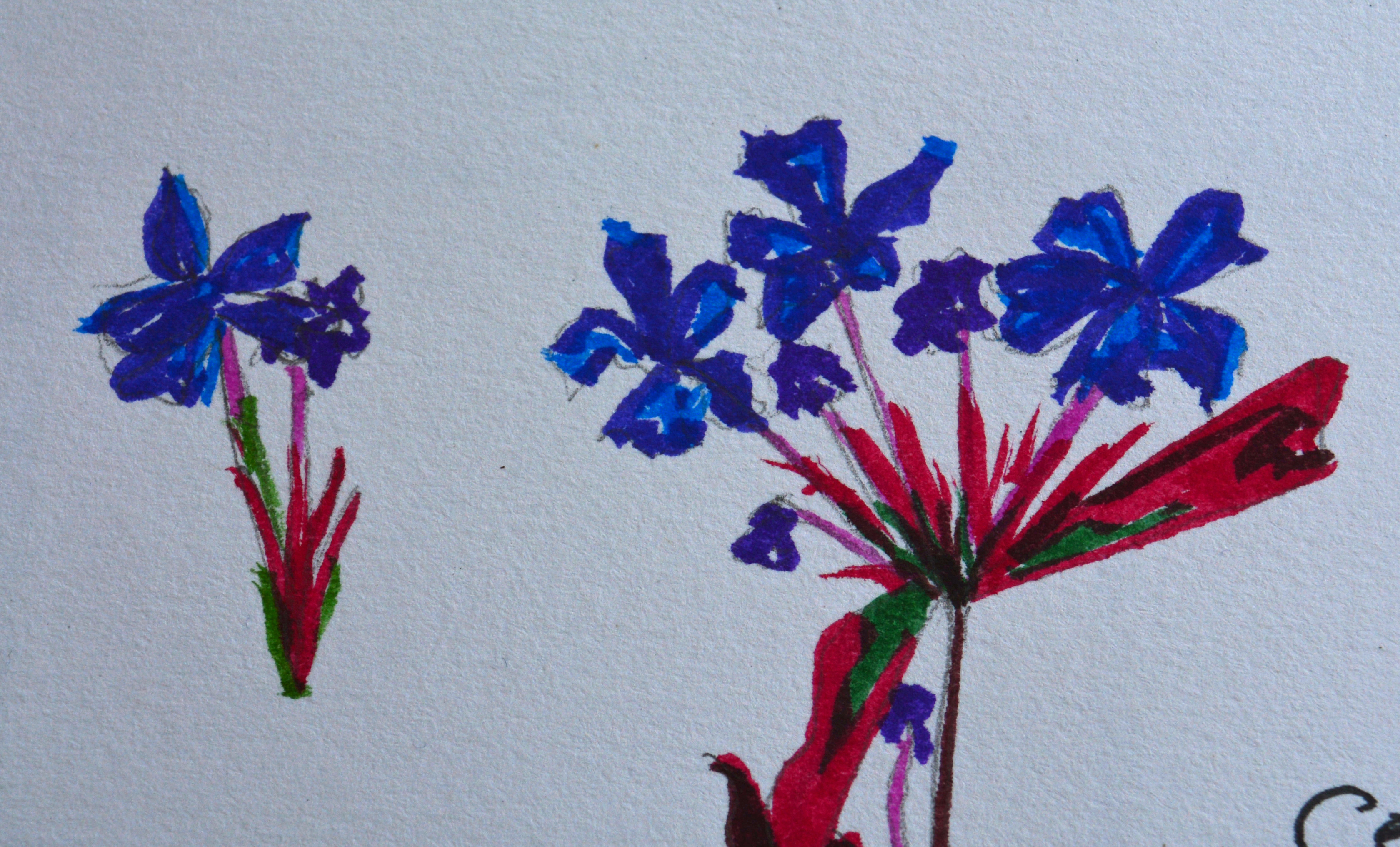
My next double page spread features the wonderful miniature shrub Ceratostigma plumbaginoides which I painted with my new set of Japanese brush pens.

I hope you enjoy looking at my paintings as much as I loved creating them.


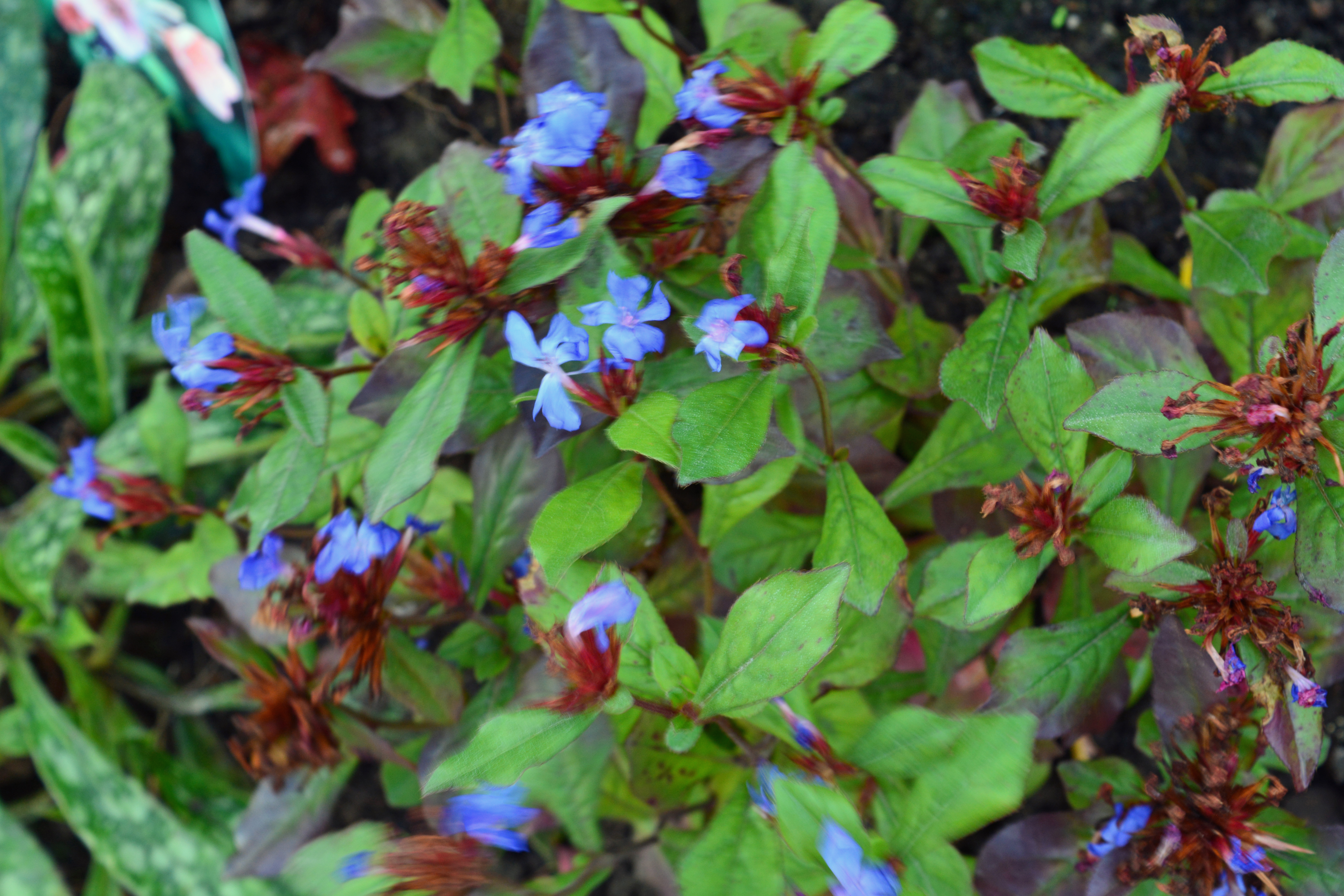
I also chose Ceratostigma plumbaginoides as my plant of the month for October.


“Ceratostigma plumbaginoides is a colourful stalwart of the early autumn mixed border, albeit a little diminutive, growing to just 12 inches tall and 24 inches wide. This beauty is a sub-shrub which bears its rich blue blossom from July to November, and as autumn arrives its foliage turns from apple green to rich red.”

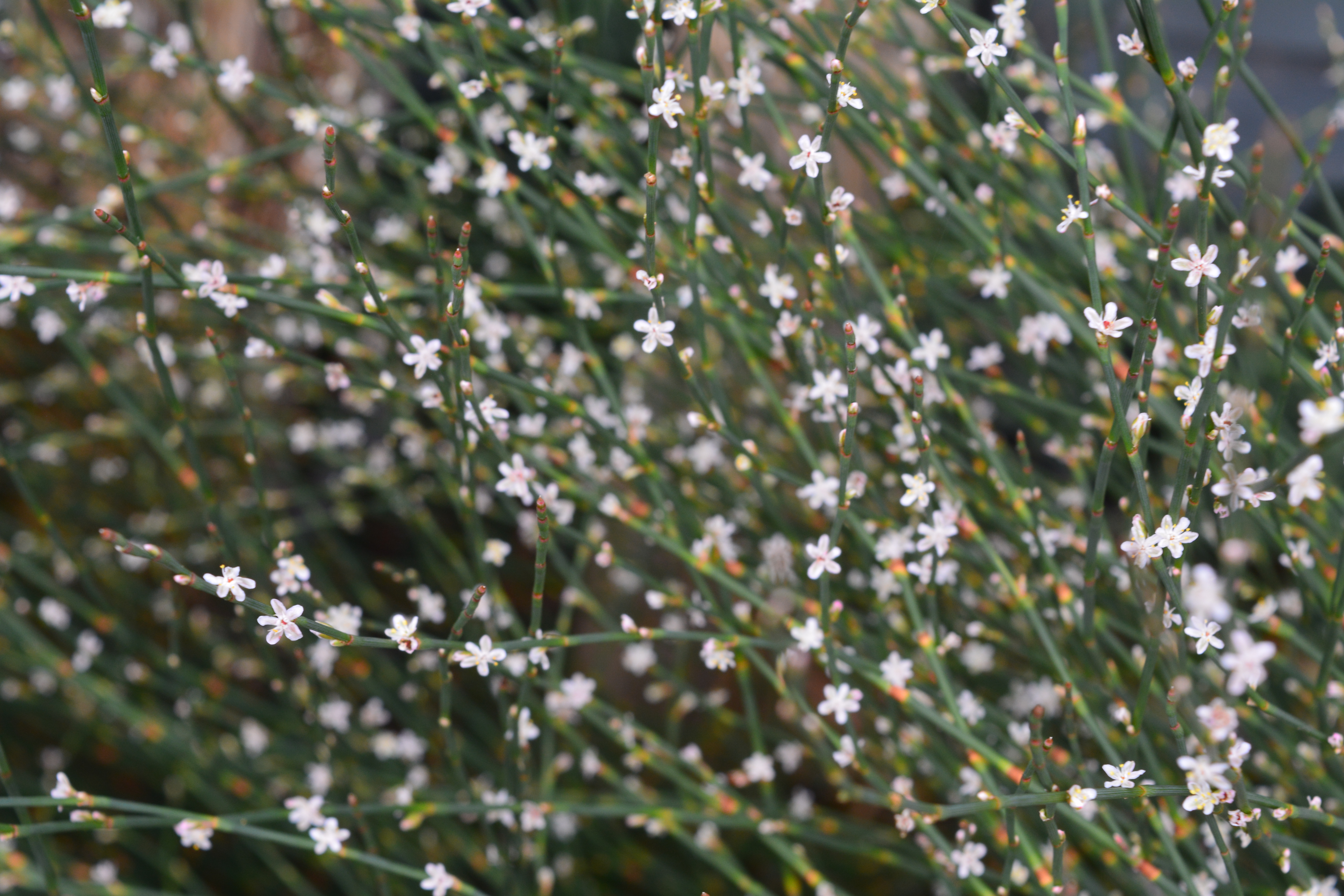
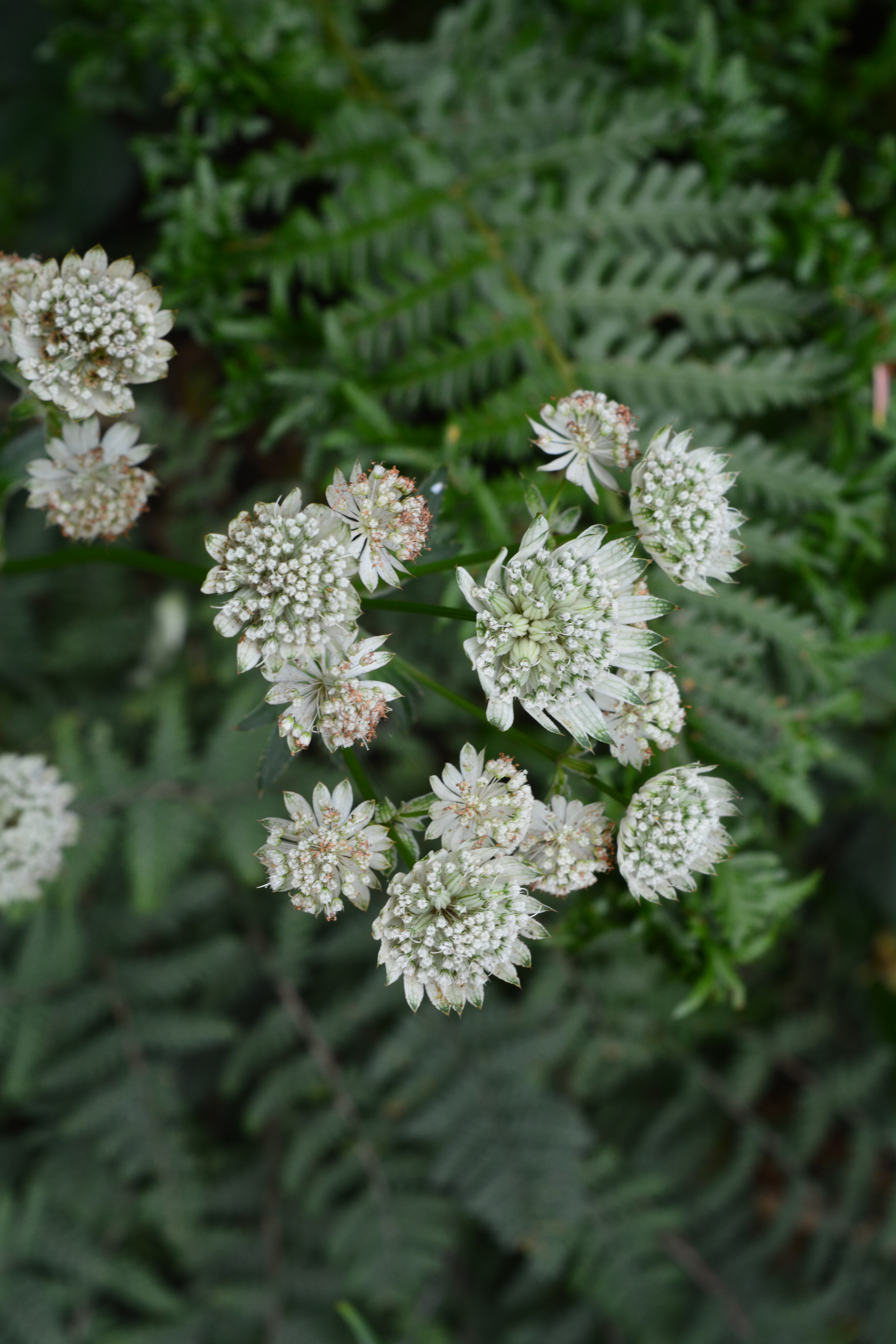
For the final page this month I take a look at white in the garden and wrote, “I have never been a fan of white in the garden be it furniture or flowers, but in October I see quite a few plants featuring white have crept in.”

Here are just a few!


Next time we pay a visit to my Garden Journal we will be in the penultimate month of 2017, November. I wonder what our eleventh month will bring?


Categories
autumn autumn colours colours garden design garden photography gardening gardens gardens open to the public half-hardy perennials hardy perennials National Trust ornamental trees and shrubs photography Powis Powys shrubs The National Trust trees Wales

A Visit to the Wonderful Gardens of Powys Castle – 1

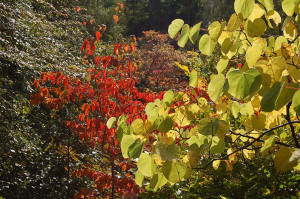
We are so lucky to be able to get to Welshpool within half an hour or so because here we find our favourite plant nurseries. Very close by is the National Trust property, Powys Castle with a most wonderful garden. We like to wander around late summer and early autumn when the flowering plants area at their best and trees and shrubs are colouring up adding an extra layer of interest.

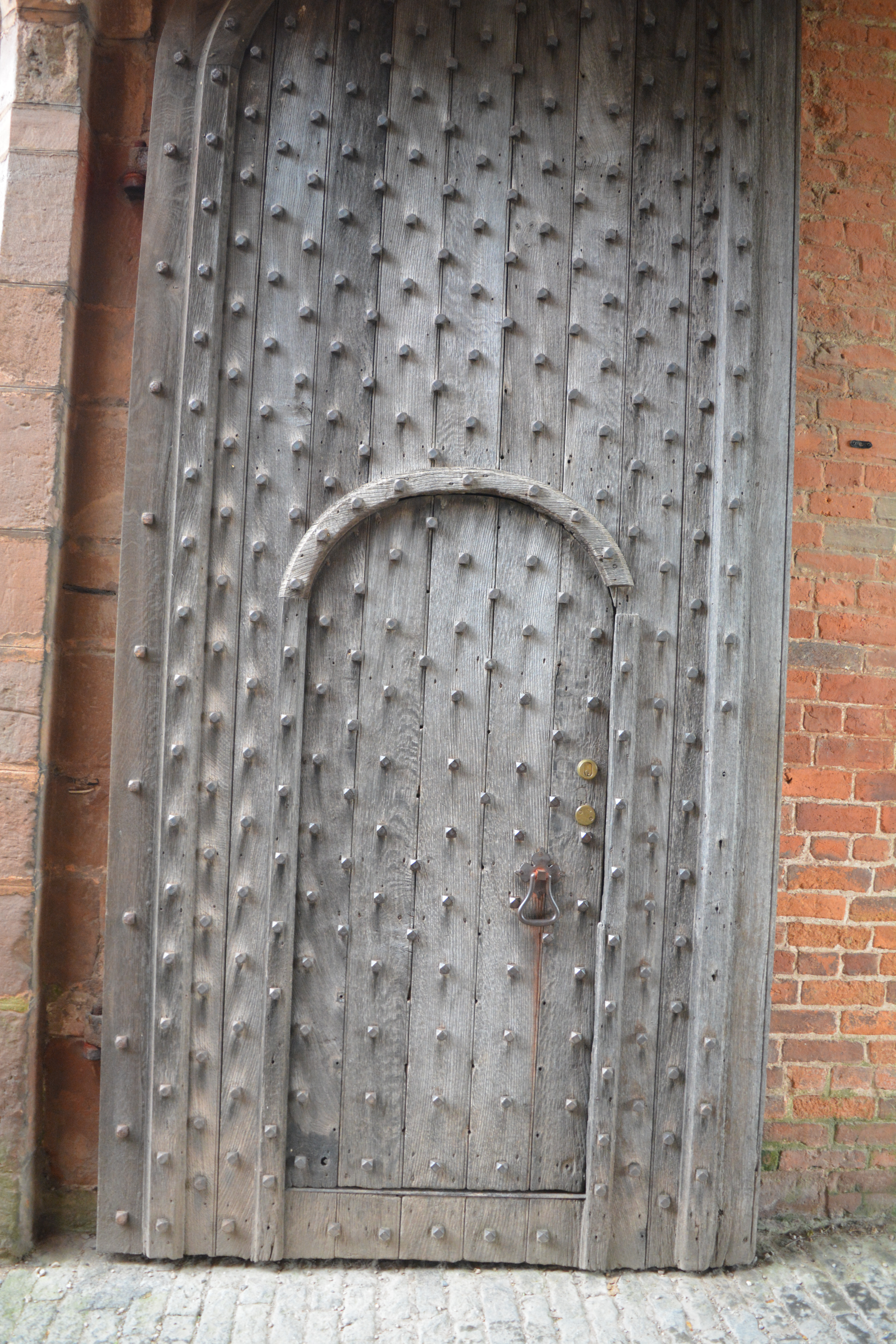
The gateway into the castle courtyard, where the coffee shop is to be found, was most impressive with its stone archway towering above our heads. Passing through the gateway we noticed this little mysterious door, but the answer to its purpose was written on the wall.


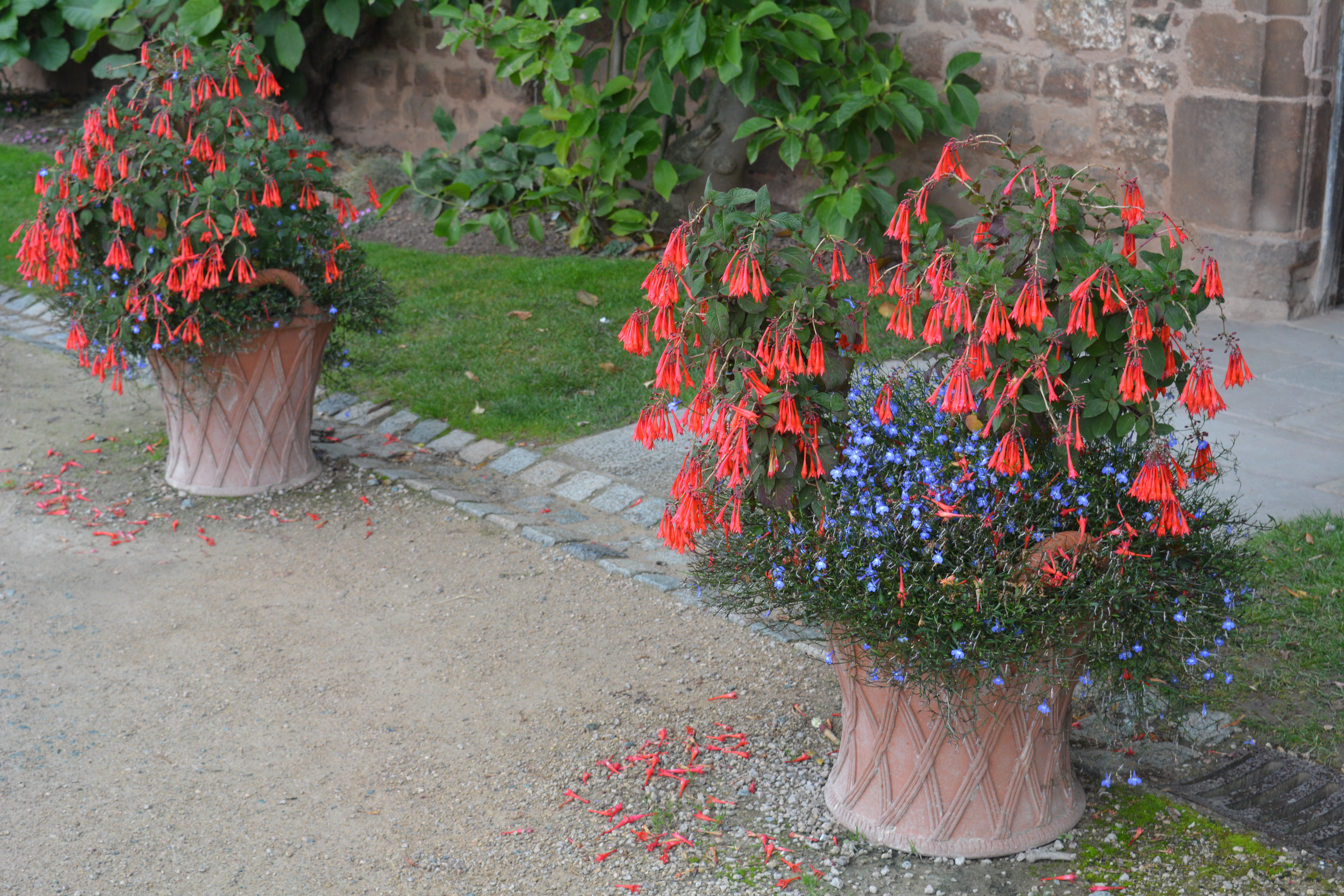
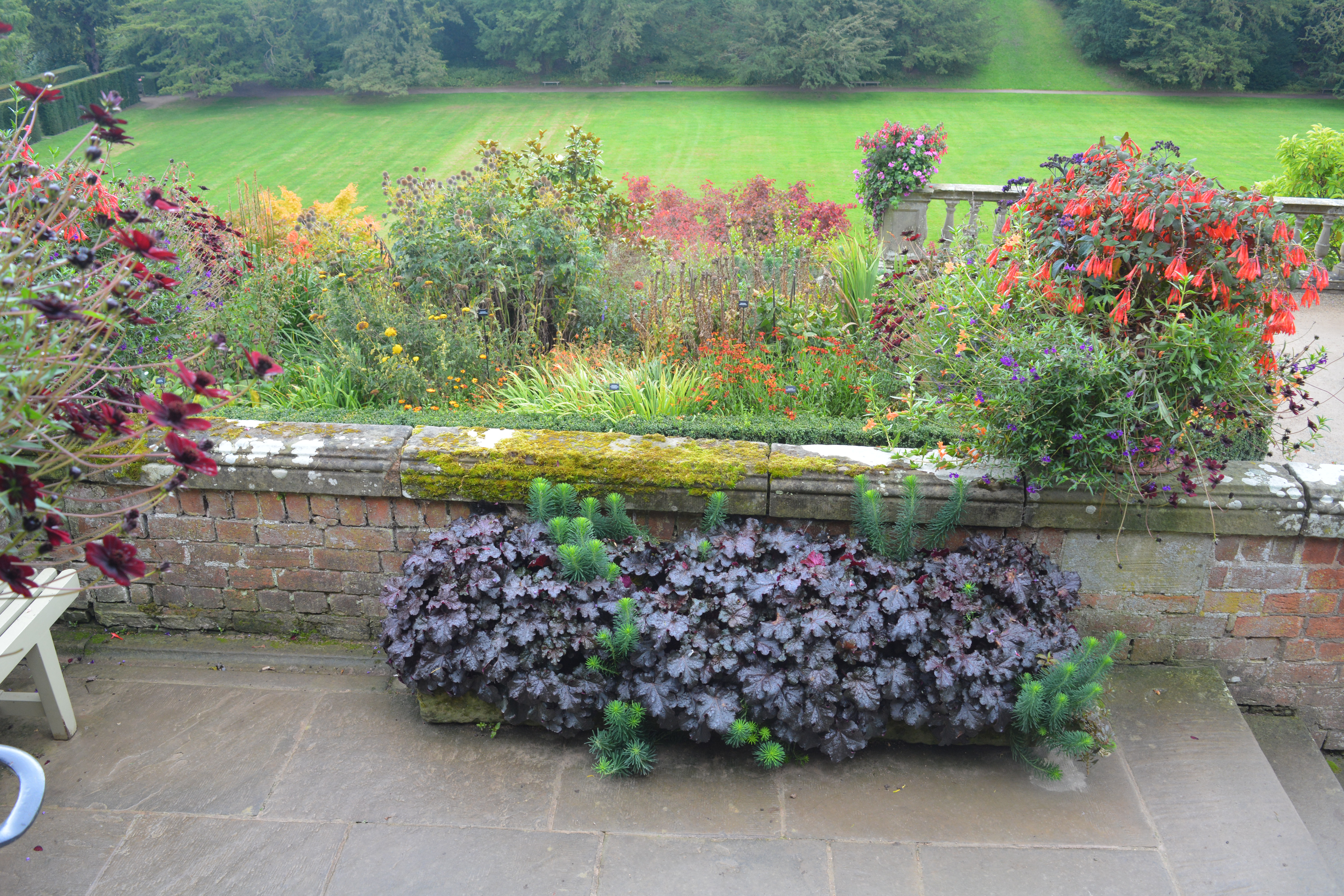
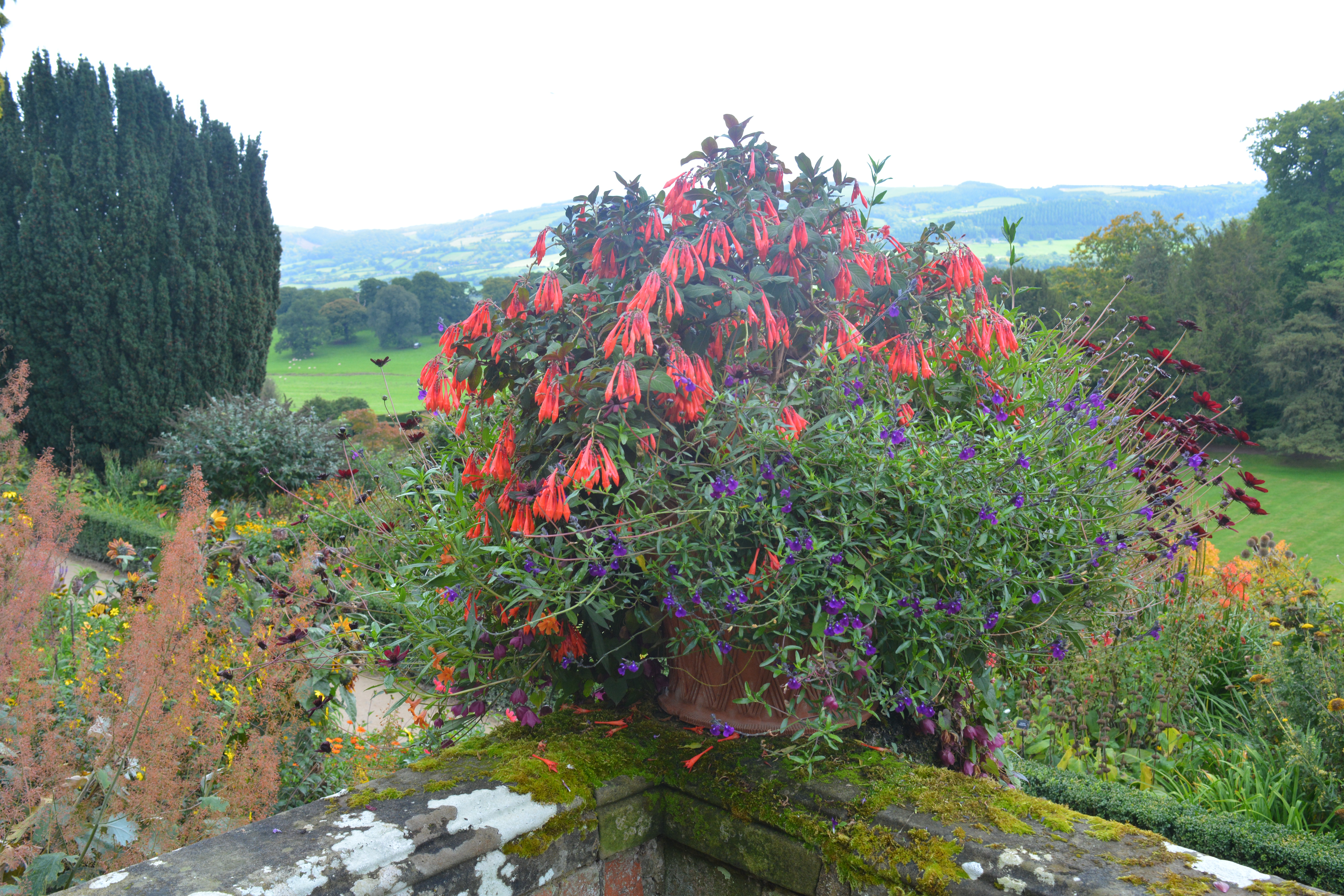
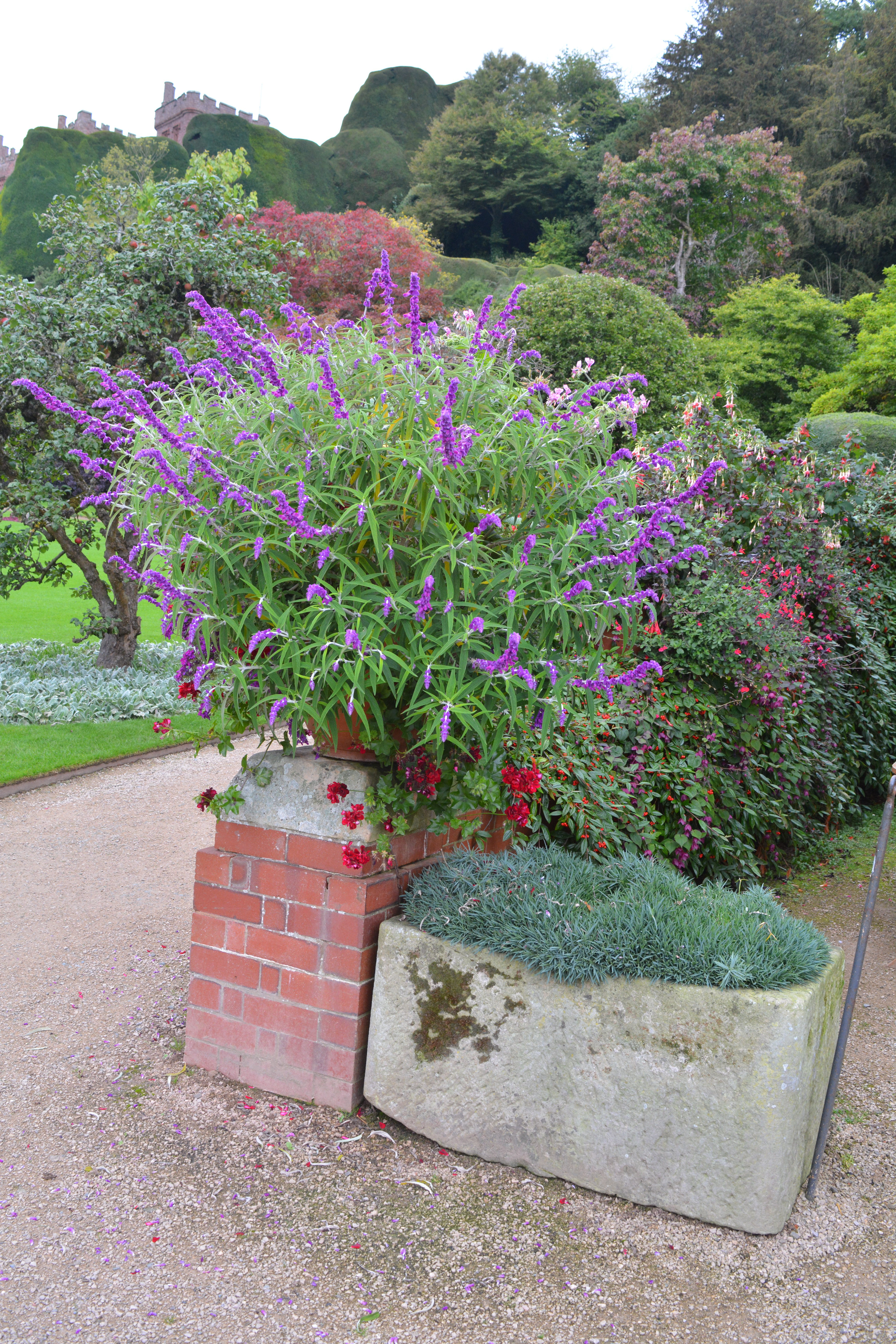
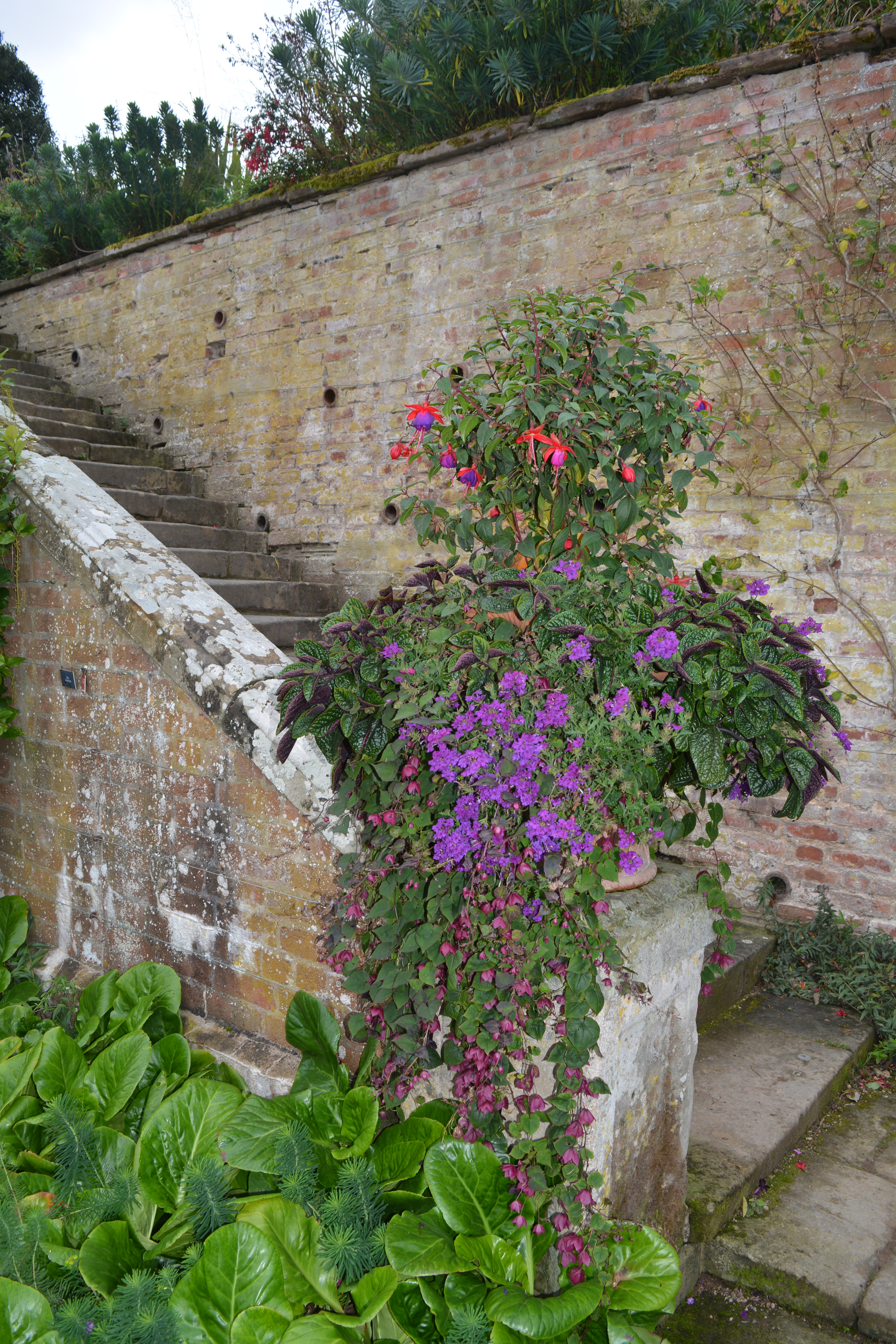
The gardens are well-known for the colourful imaginatively planted containers and pots.


Recesses built into the massive sandstone walls were probably designed to hold statuary but now display most impressively planted containers.

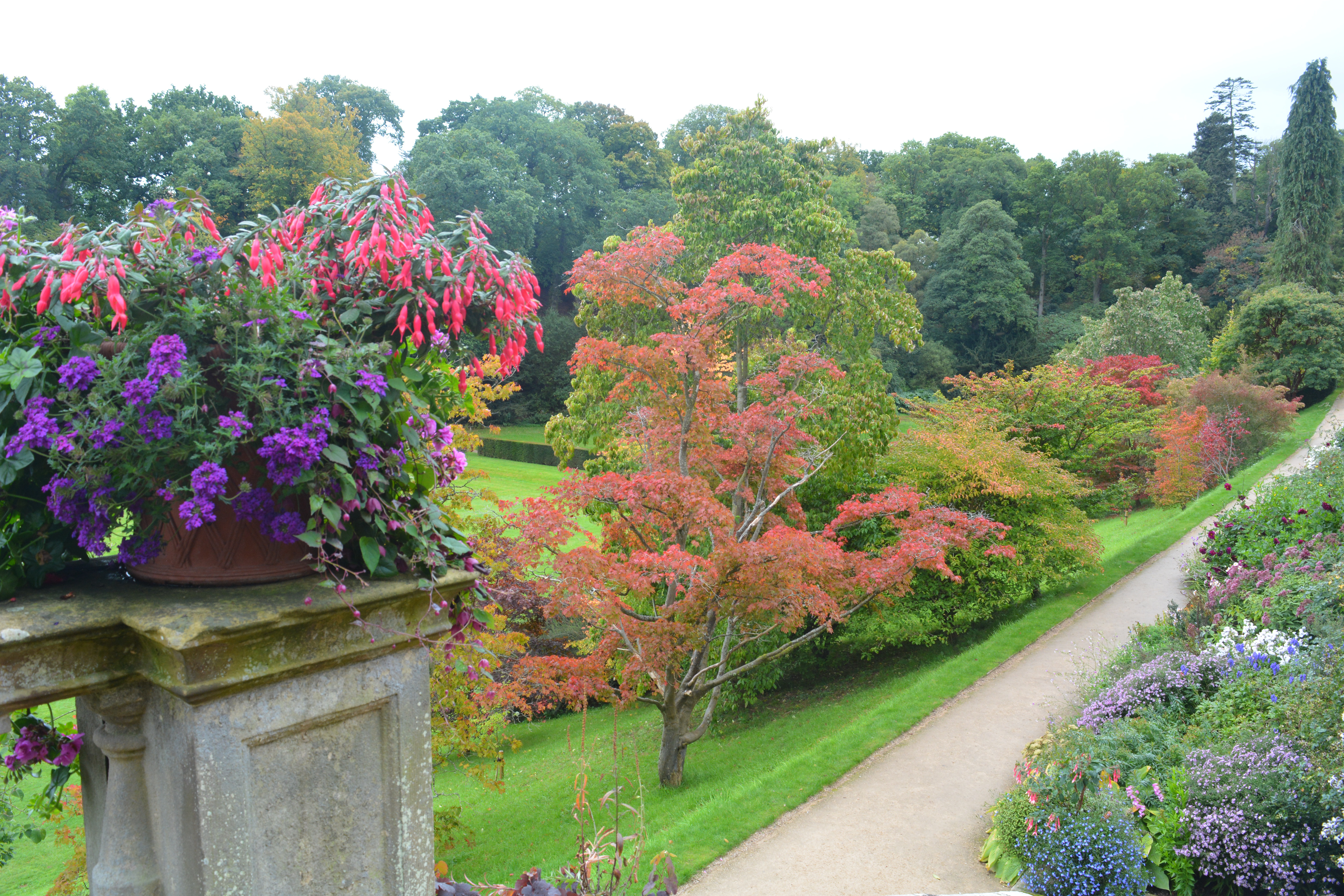
The upper garden is based on three parallel terraces, each accessed by wide stone walls whose pillars supported more planted containers. From the terraces we were delighted with the views presented to us.


Even at the lowest part of the gardens we were delighted by the quality of planting in containers.

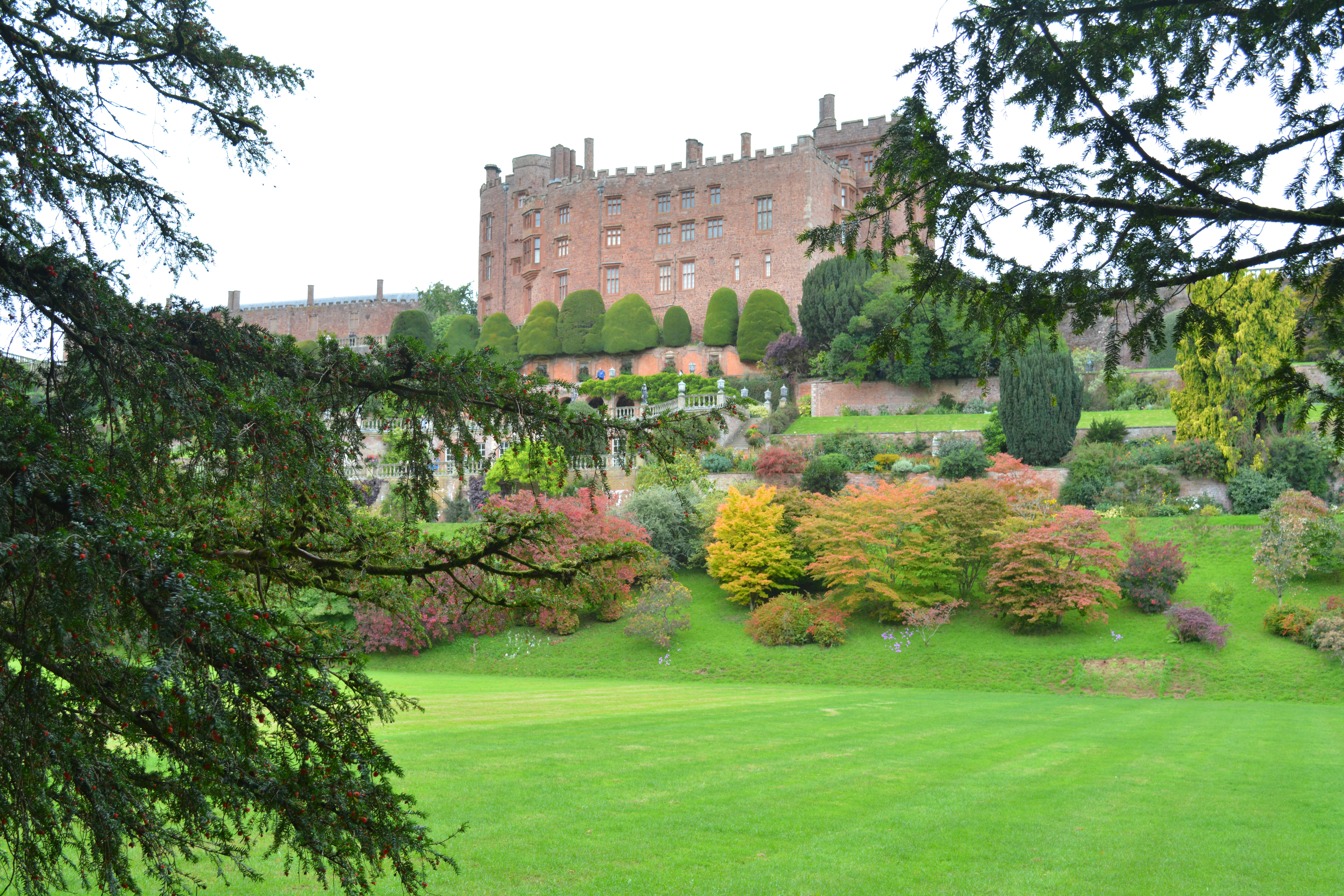
From the lower garden we enjoyed expansive views of the castle sat on its sandstone outcrop, giving it a look of power and dominance. The photo illustrates the need for terracing well and although functional the terracing gives the garden strong design.


In part 2 of this report on our visit to the gardens of Powys Castle I share share with you the different planting combinations and highlight some of the more unusual plants growing on the warm slopes.


This Veggie Life

A Vegetarian | Nature Lifestyle Blog

Rambling in the Garden

.....and nurturing my soul

The Arch City Gardener

Journeys In St. Louis Gardening and Beyond

Garden Dreaming at Châtillon

Consult the genius of the place

Storyshucker

A blog full of humorous and poignant observations.

gardeninacity

Notes from a wildlife-friendly cottage garden

PlayGroundology

...an emerging social science

The Official Blog of British Wildlife

'The most important and informative publication on wildlife of our times' - The Independent. This blog is a member of The UK & Ireland Natural History Bloggers group: www.uknhb.blogspot.com

iGrowHort

Inspire - Cultivate - Grow Native Plants - Restore Landscapes

Bishops Meadow Trust

To create and protect a semi-natural wild space for the people of Farnham to enjoy and experience an array of British wildlife in our town

Gardening with Children

The www.gardeningwithchildren.co.uk Blog

UKbirdingtimeline

birding through the seasons, why birds matter and how to conserve them

NATURE WALKER

with a camera in hand

Jardin

Transform your outdoor space

Eva's space

My allotment, cooking and other interests

Old School Garden

my gardening life through the year

LEANNE COLE

Trying to live a creative life

fromacountrycottage

trying to live as lightly as possible on our beautiful planet

Good Life Gardening

Nature lovers from Leicester living the good life.

mybeautfulthings

Finding the beautiful in the everyday

mawsonmichelle

Michelle's Allotment

In and Out of My Garden

thoughts from and about my garden

Greenhousing

Big plans for a small garden

The Scottish Country Garden

A Walled Country Garden in South East Scotland

The Fruity Chicken

Life at the fruity chicken

willowarchway

Off grid living. Self sufficient. "PERMAGANICS RULE".

St Anns Allotments

Nottingham's Grade 2* Listed Allotments and Community Orchard

Manifest Joy Harvests

a journey in suburban vegetable gardening

Allotmental

The madness of growing your own

Penny's Garden: a harvest beyond my front door

A novel approach to vegetable gardening

arignagardener

Sustainable living in the Irish countryside.

NewEnglandGardenAndThread

Master Gardener, amateur photographer, quilter, NH native, and sometimes SC snowbird

dianajhale

Recent work and work in progress and anything else that interests me

planthoarder

a chaotic cottage gardener

Lens and Pens by Sally

a weekly blog that creates a personal philosophy through photographs and words

Dewdrops and Sunshine

Stories from a sassy and classy Southern farmbelle.

The Pyjama Gardener

Simple Organic Gardening & Seasonal Living

gettin' fresh!

turning dirt into dinner

JOY...

today the world is created anew

Garden Birds

Notes from a Devon garden

ShootAbout

Life Through The Lens

Adapting Pixels

A photography blog showcasing the best photography pictures and videos on the internet

Wildlifegardening's Blog

Just another WordPress.com site

naturestimeline

personal observations from the natural world as the search continues for a new approach to conservation.

LATEBLOOMERBUDS

The Wonders of Life through my Eyes, my Heart, my Soul