Categories
autumn autumn colours colours countryside landscapes light light quality outdoor sculpture photography trees wildlife woodland woodlands

Walking in the New Forest – part one

We decided we would take an Autumn break so went down to the New Forest for a short mid-week break. We loaded the car with coats, waterproofs and warm clothes thinking we were planning for whatever the weather had in store for us. We got it totally wrong for as we went further southward the weather improved and we ended up enjoying warm sunny weather. A real treat!

We have driven through or past the New Forest, Britain’s smallest National Park, several times and vowed we would holiday there some day. So as we arrived we had great expectations and we were not to be disappointed.

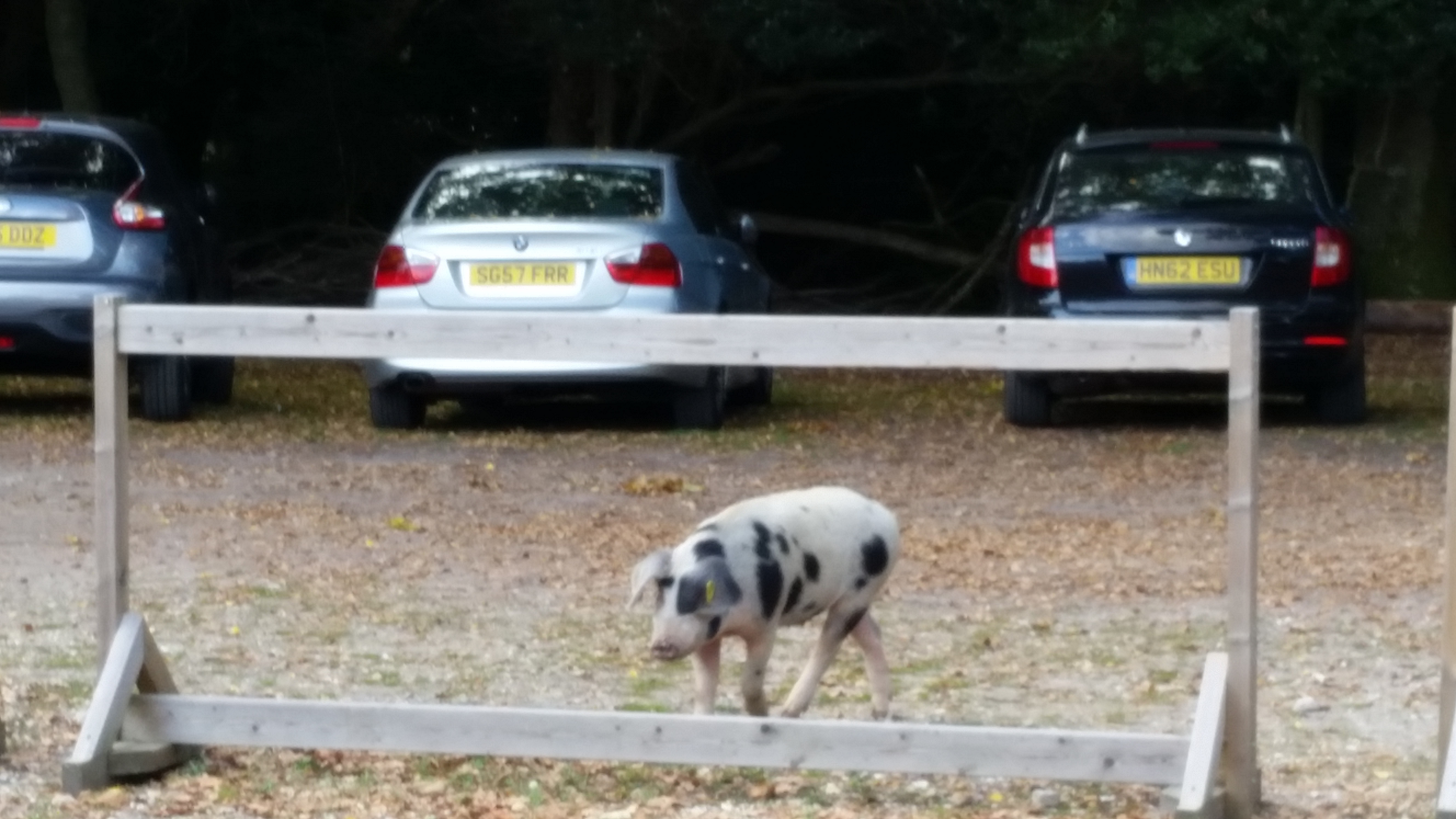
The New Forest proved to present the unexpected. Traffic jams and delays were not caused by vehicles but by livestock, cattle, pigs, donkeys and of course the famous New Forest Ponies. So here are a few shots of the many critters we encountered as we drove around the forest.

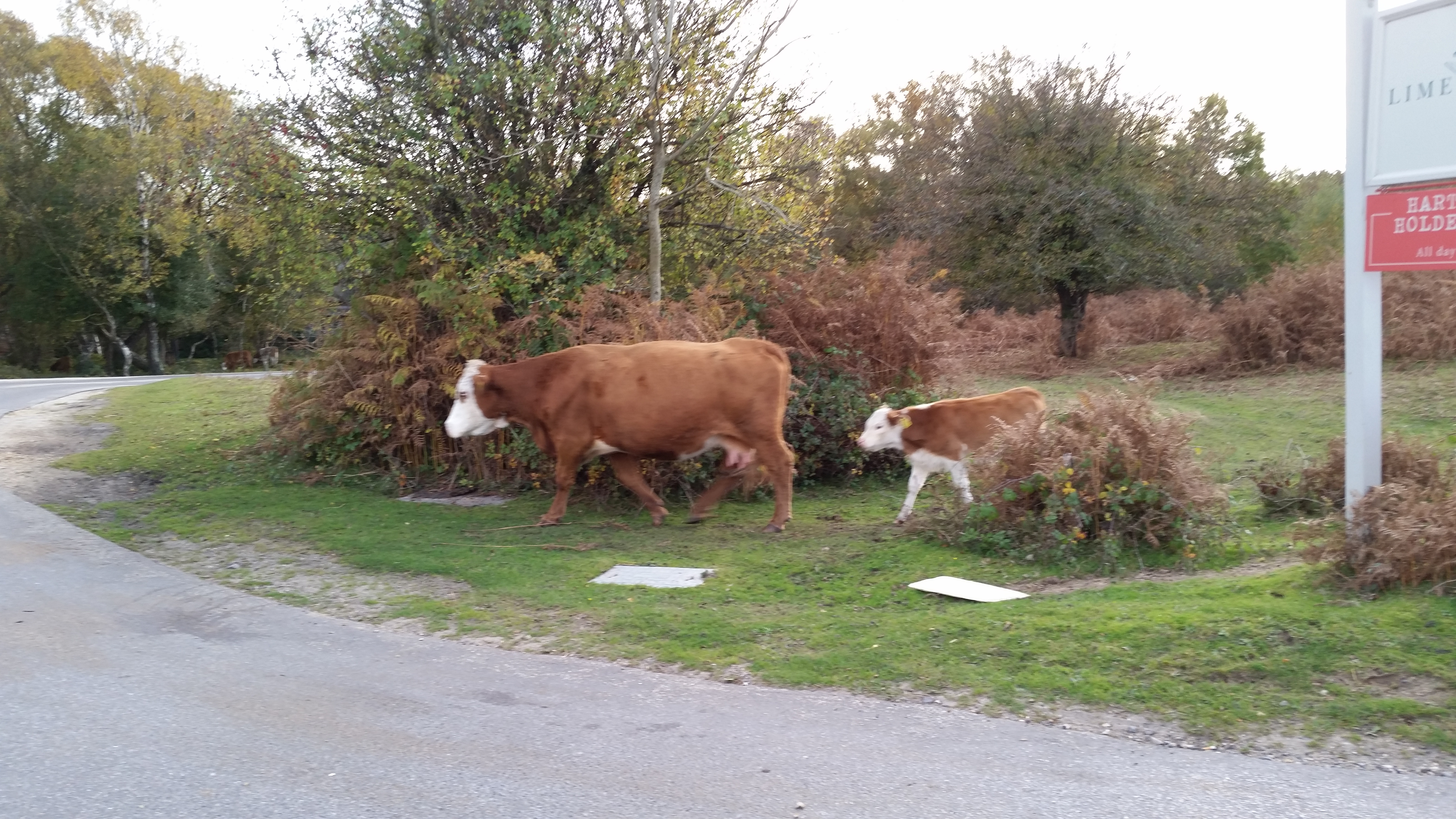
2015 10 24_6642 2015 10 24_6641 2015 10 24_6640 2015 10 24_6639 2015 10 24_6638 2015 10 24_6637 2015 10 24_6636 2015 10 24_6635 2015 10 24_6634 2015 10 24_6633

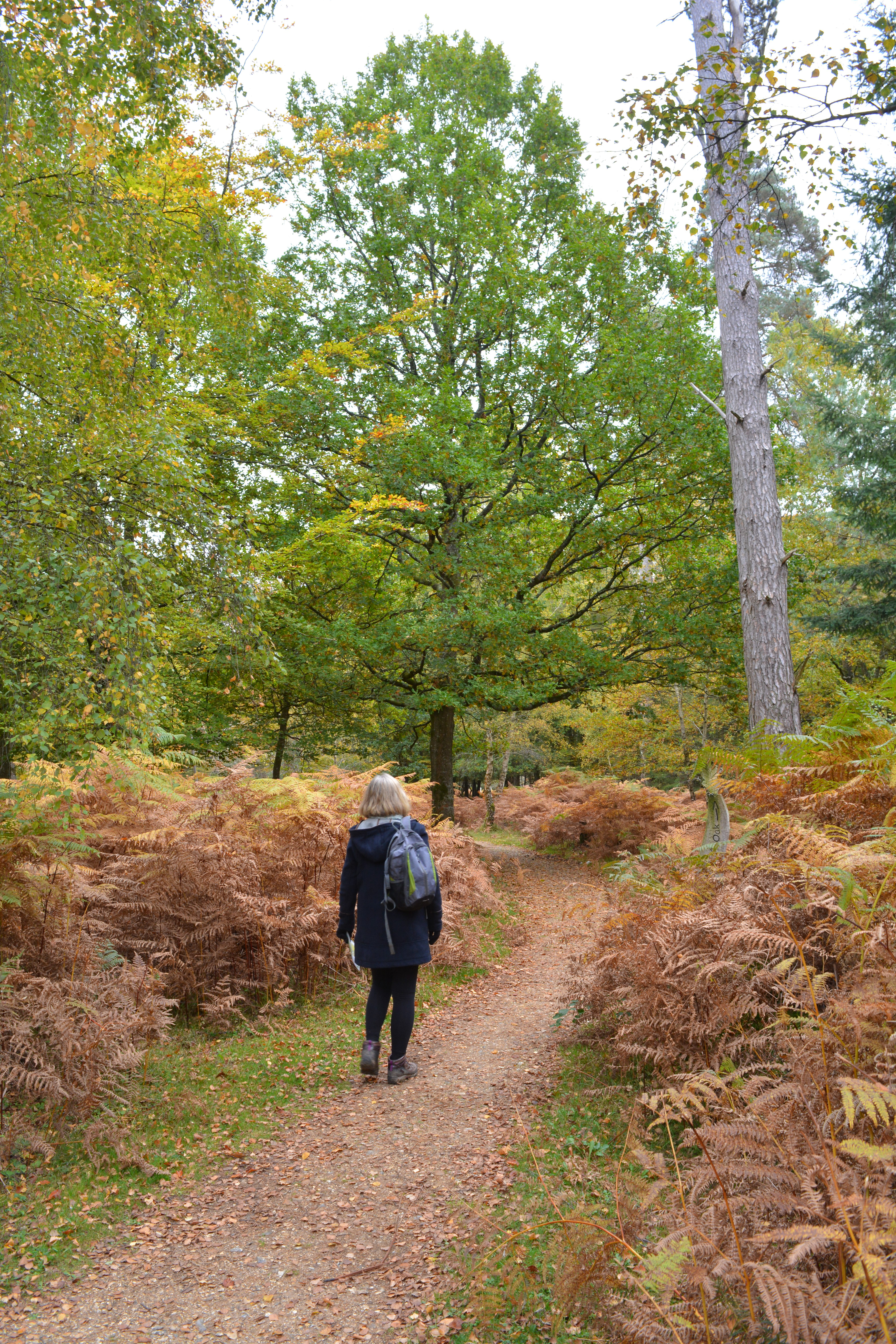
Our first day excursion was to a Forestry Commission area of woods and heathland with way-marked walks winding through it.
2015 10 19_6158

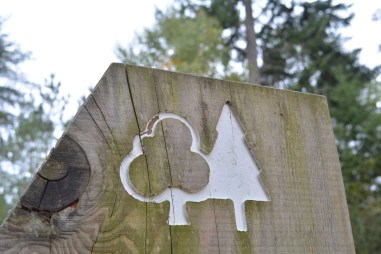
We set off firstly in search of the Knightwood Oak the oldest oak in the New Forest which reached maturity during the reign of Henry VIII. We followed the posts marking the way, rather beautiful way markers carved in wood.

2015 10 19_6064 2015 10 19_6065 2015 10 19_6066 2015 10 19_6067 2015 10 19_6069 2015 10 19_6070

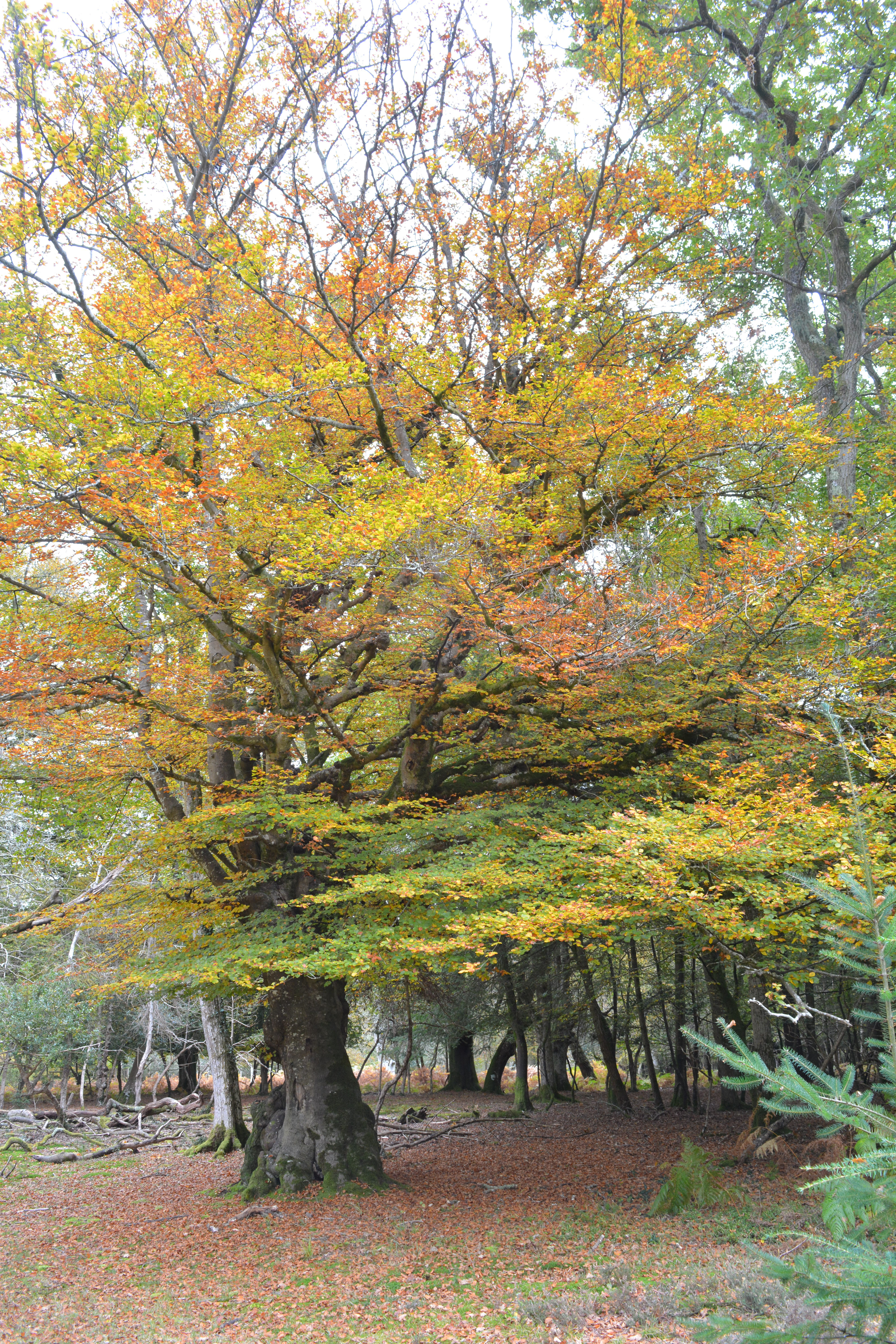
Among the hundreds of oak trees here we passed two other significant oaks on the way, celebrating important moments in the forest’s history. Firstly the Queen’s Oak was planted by Queen Elizabeth II to commemorate the 900th anniversary of the founding of the forest by William I in 1079. Secondly the Deputy Surveyor’s Oak planted to mark the contribution of a former Deputy Surveyor of the forest, Donn Small. The second oak was planted as a sapling from the Knightwood Oak itself. The ancient oak itself was surrounded by a chestnut paling fence to keep the public away from falling branches and to prevent the public from getting too close to the tree.
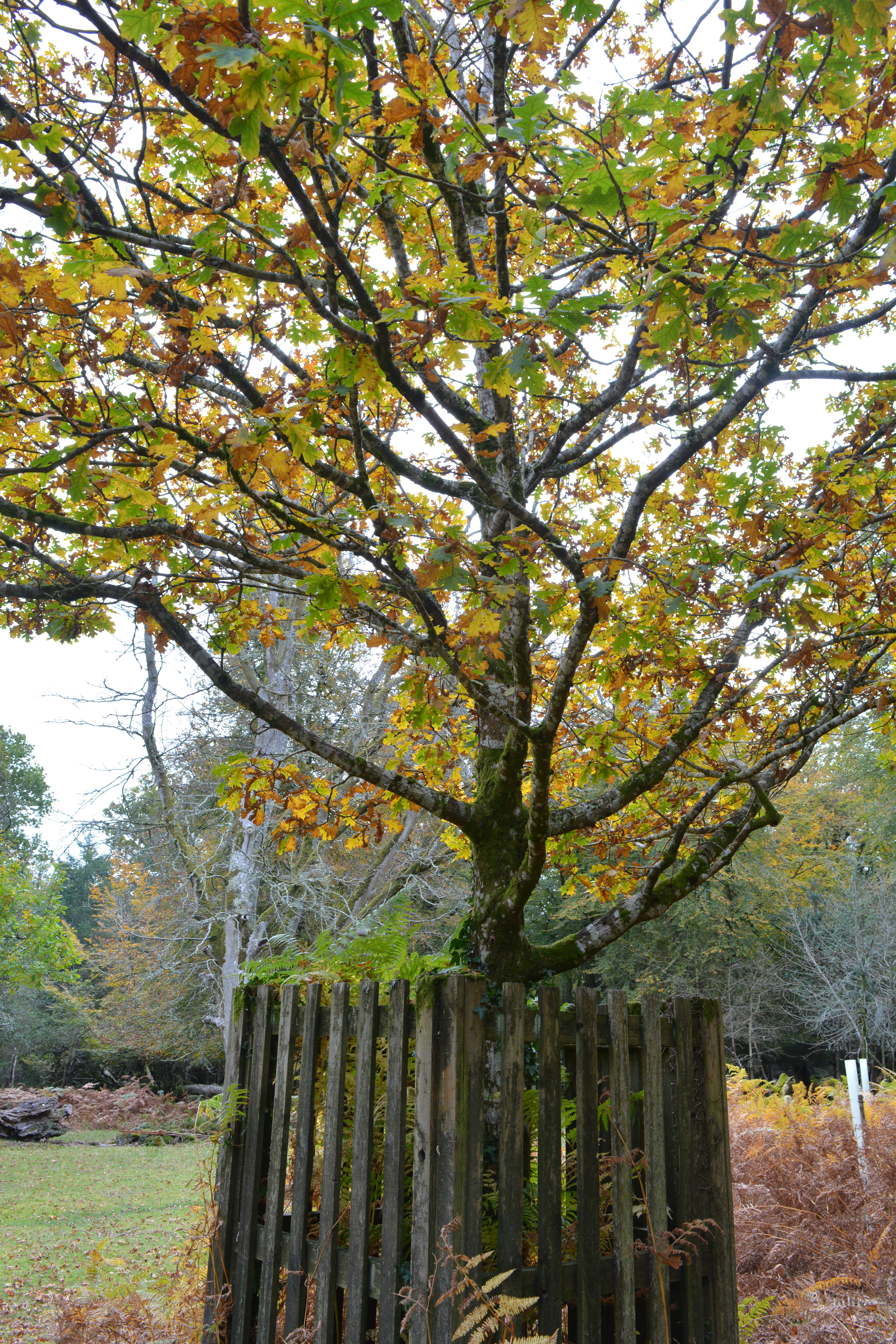
2015 10 19_6073 2015 10 19_6074 2015 10 19_6075  2015 10 19_6076 2015 10 19_6083

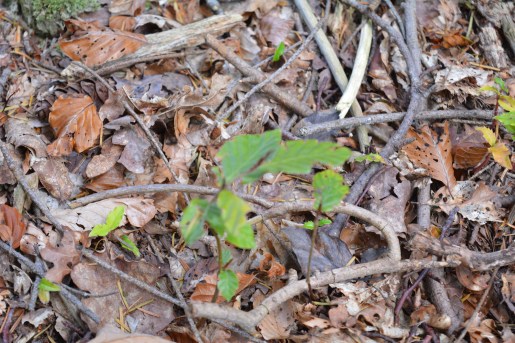
Although this was a forest of mature trees there were signs of regeneration throughout, little saplings of all the main species of trees, so its future looks secure.

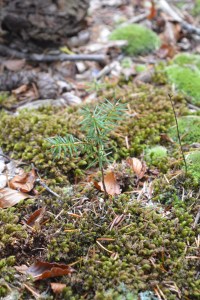
2015 10 19_6078 2015 10 19_6094 2015 10 19_61432015 10 19_6096

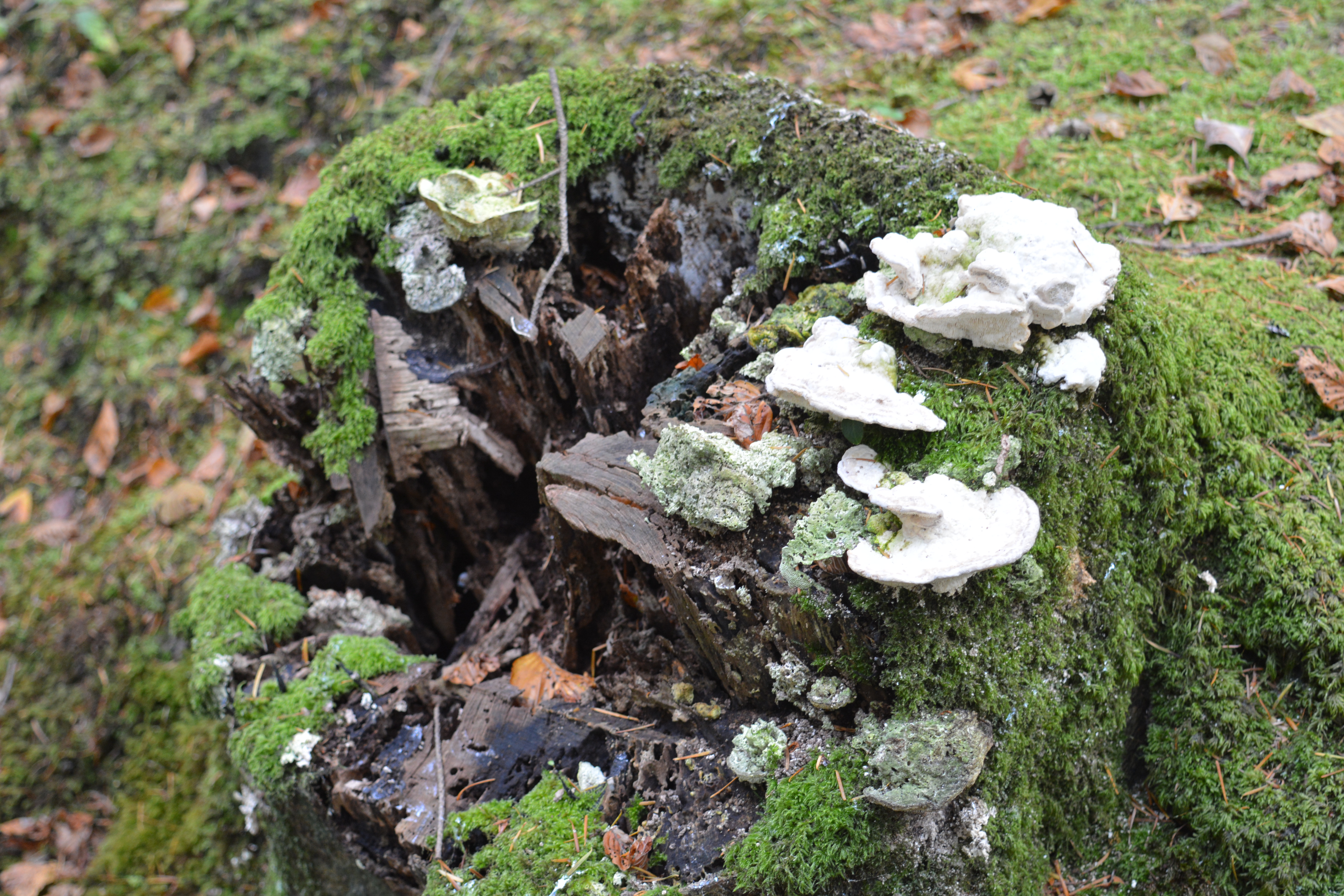
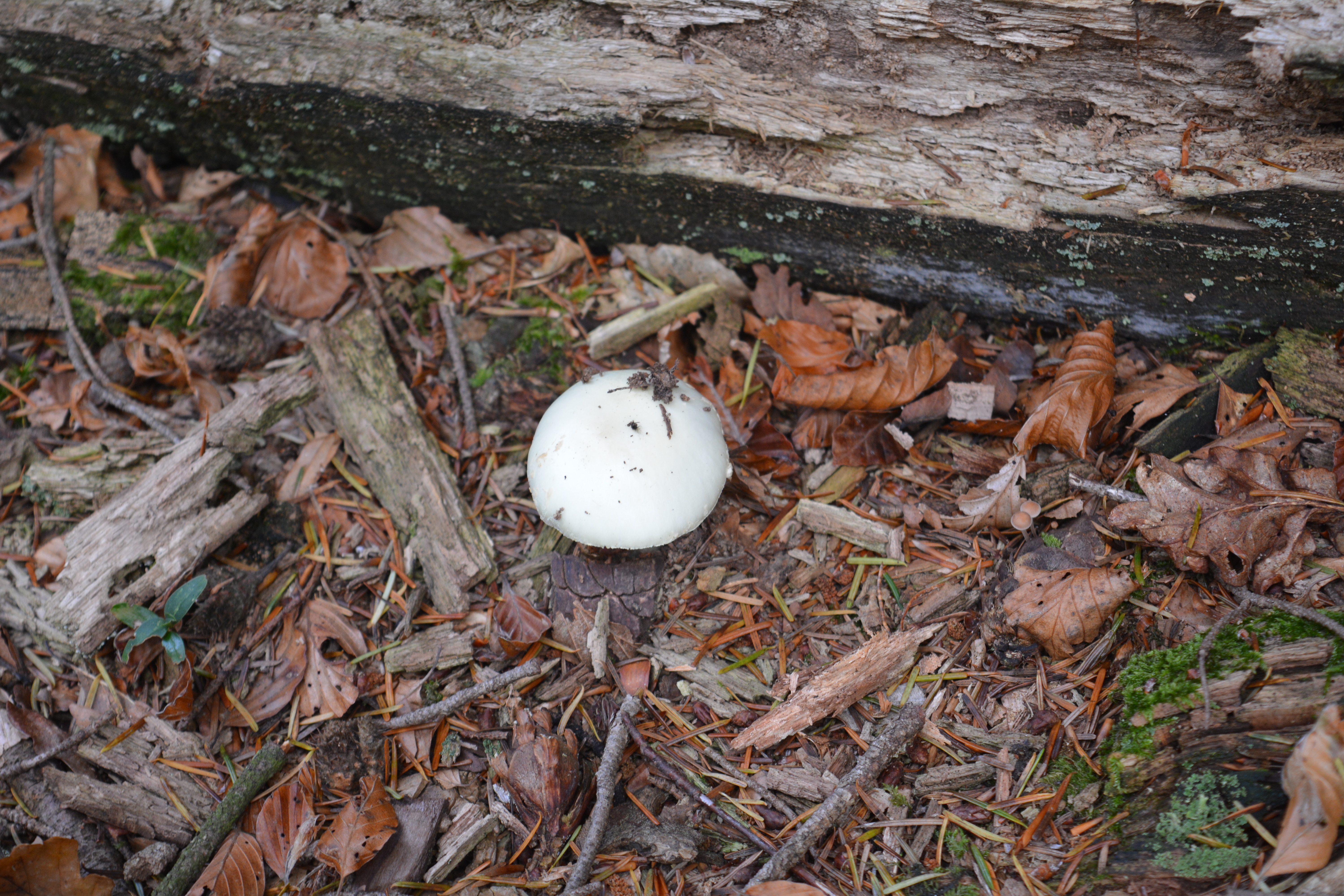
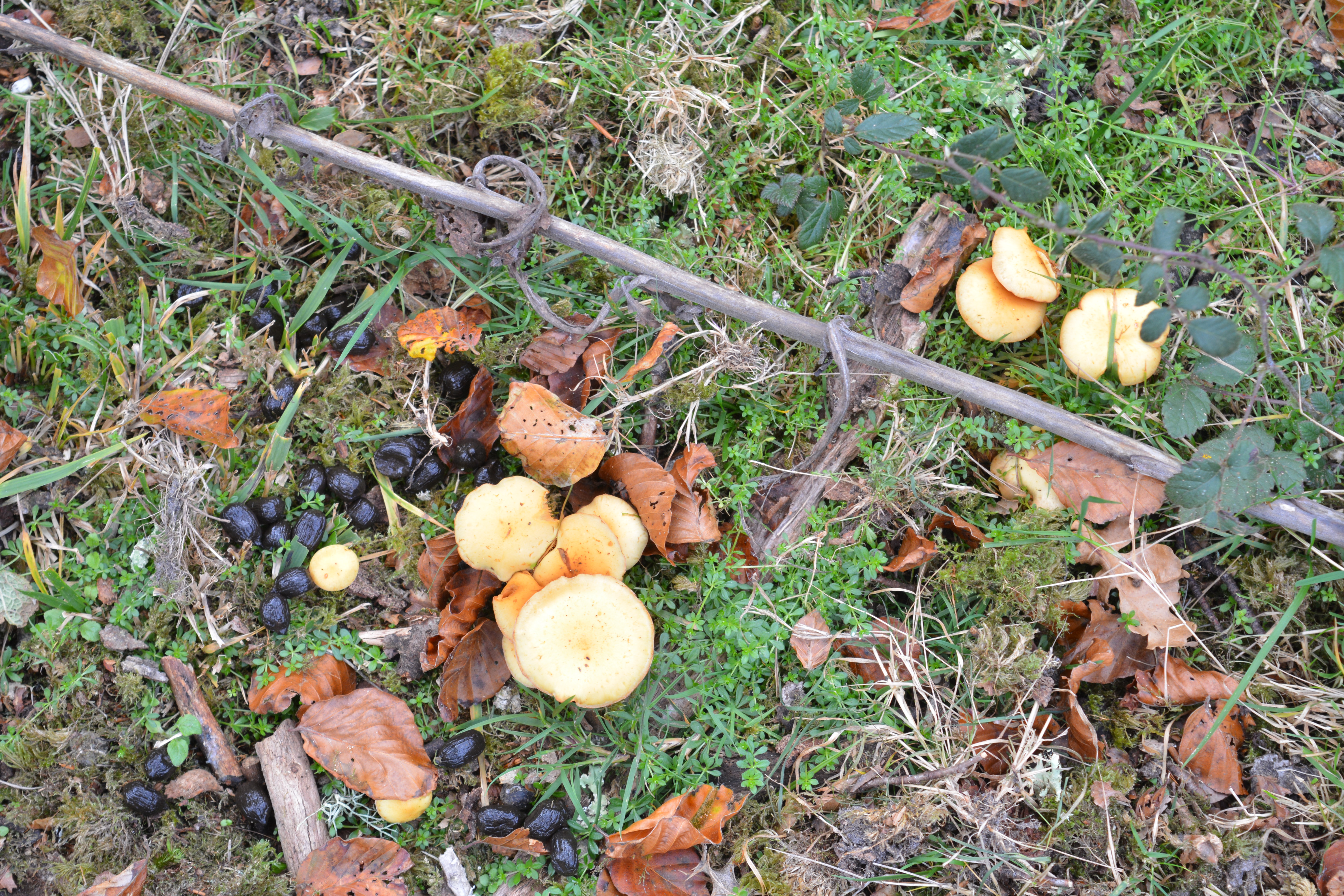
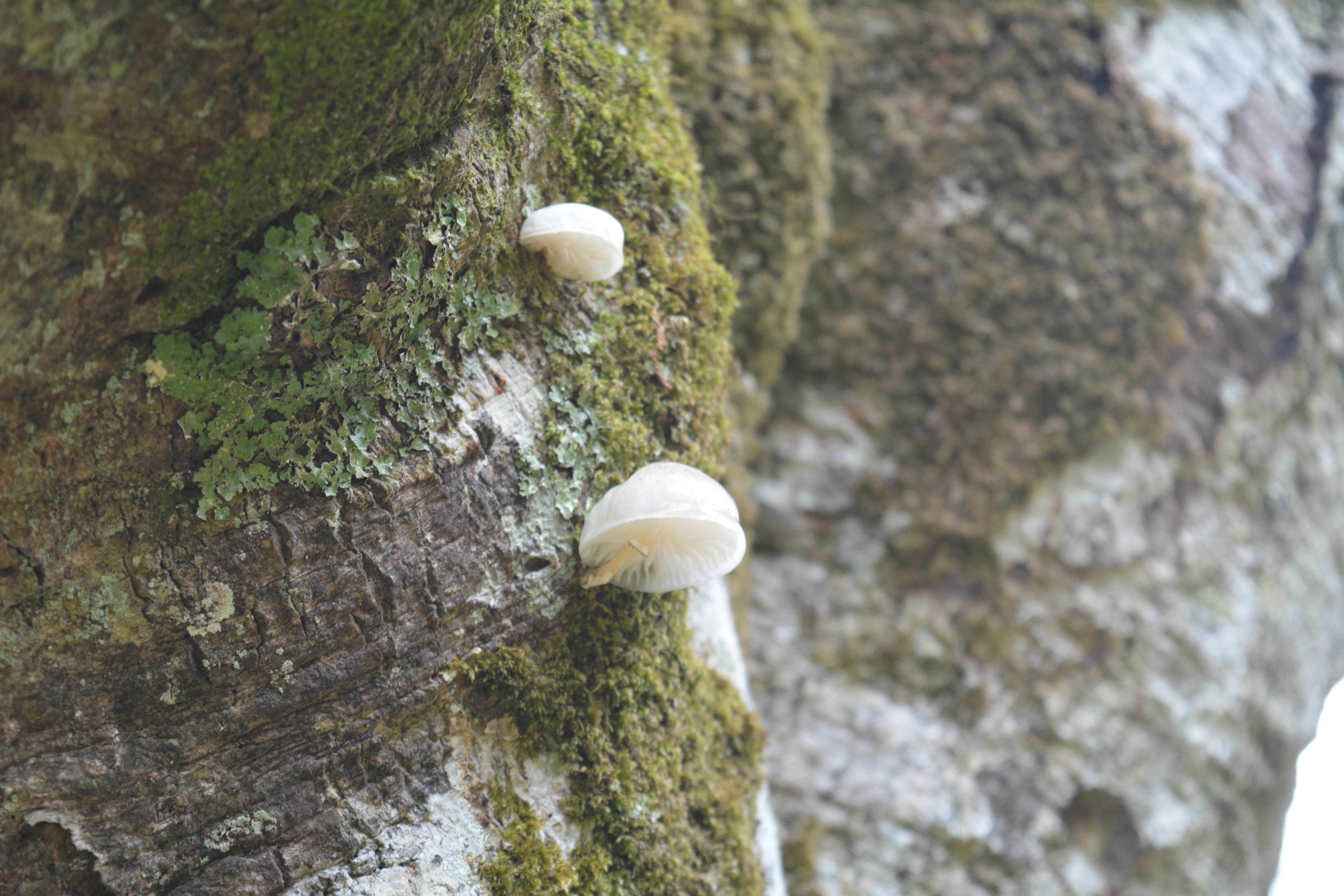
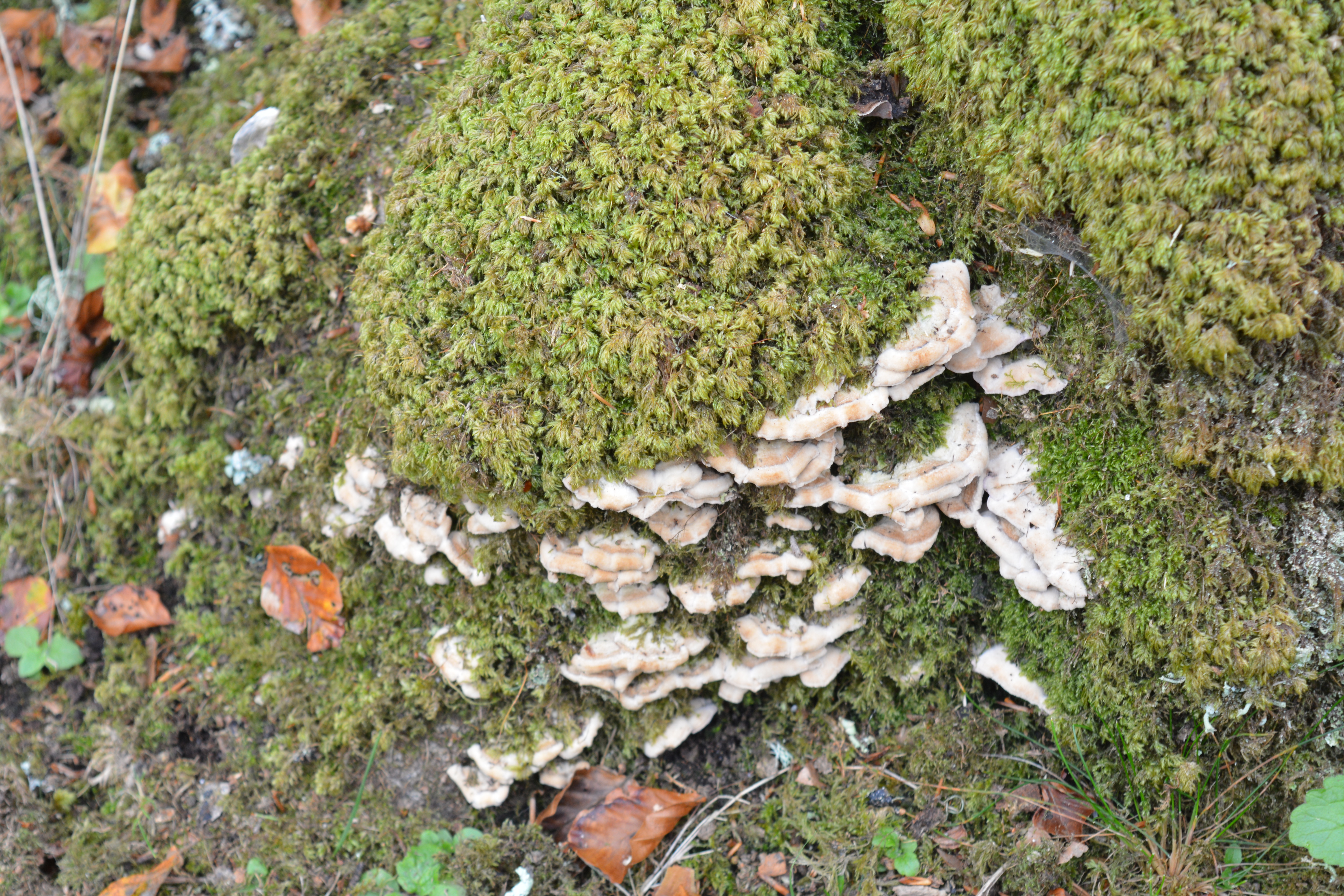
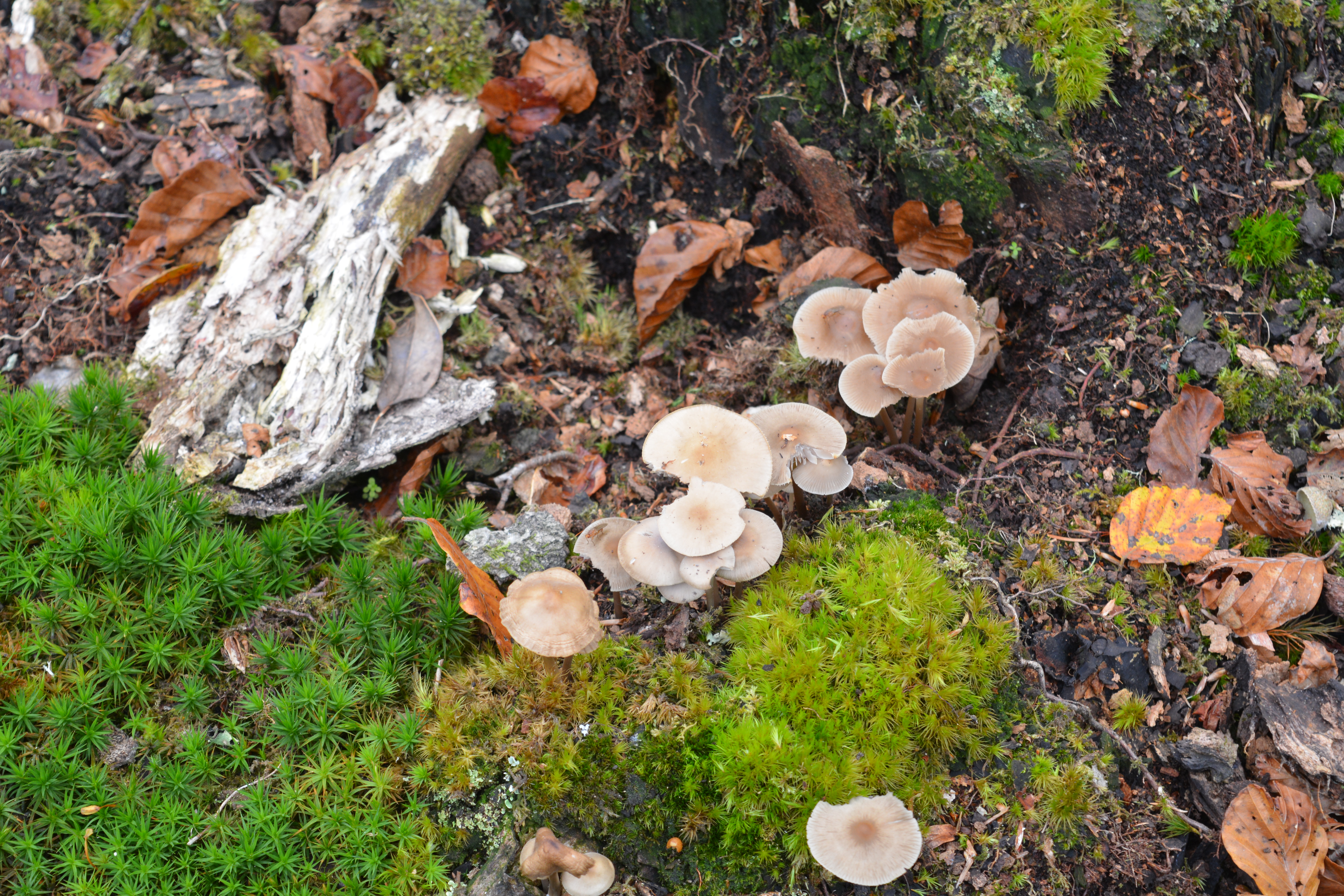
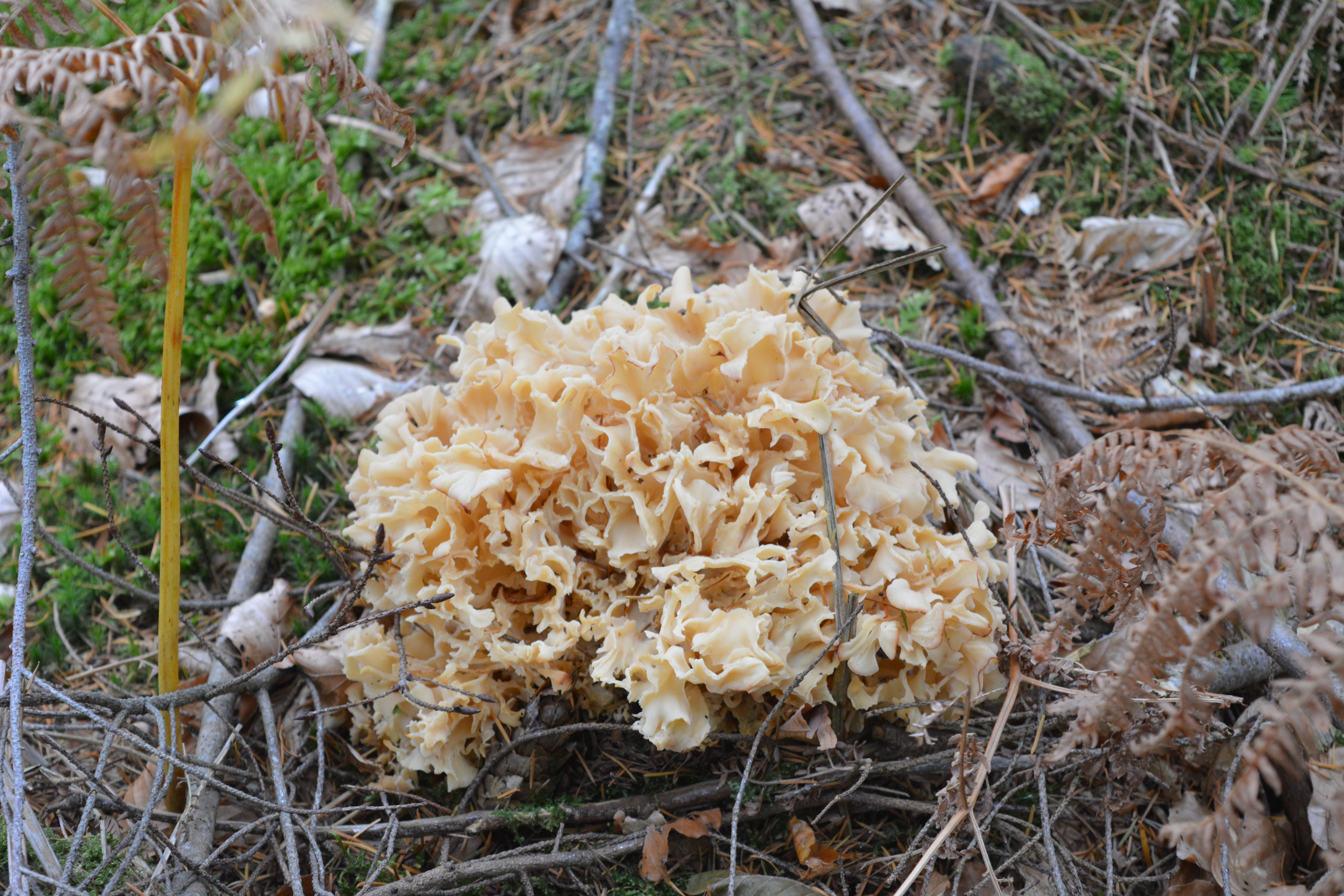
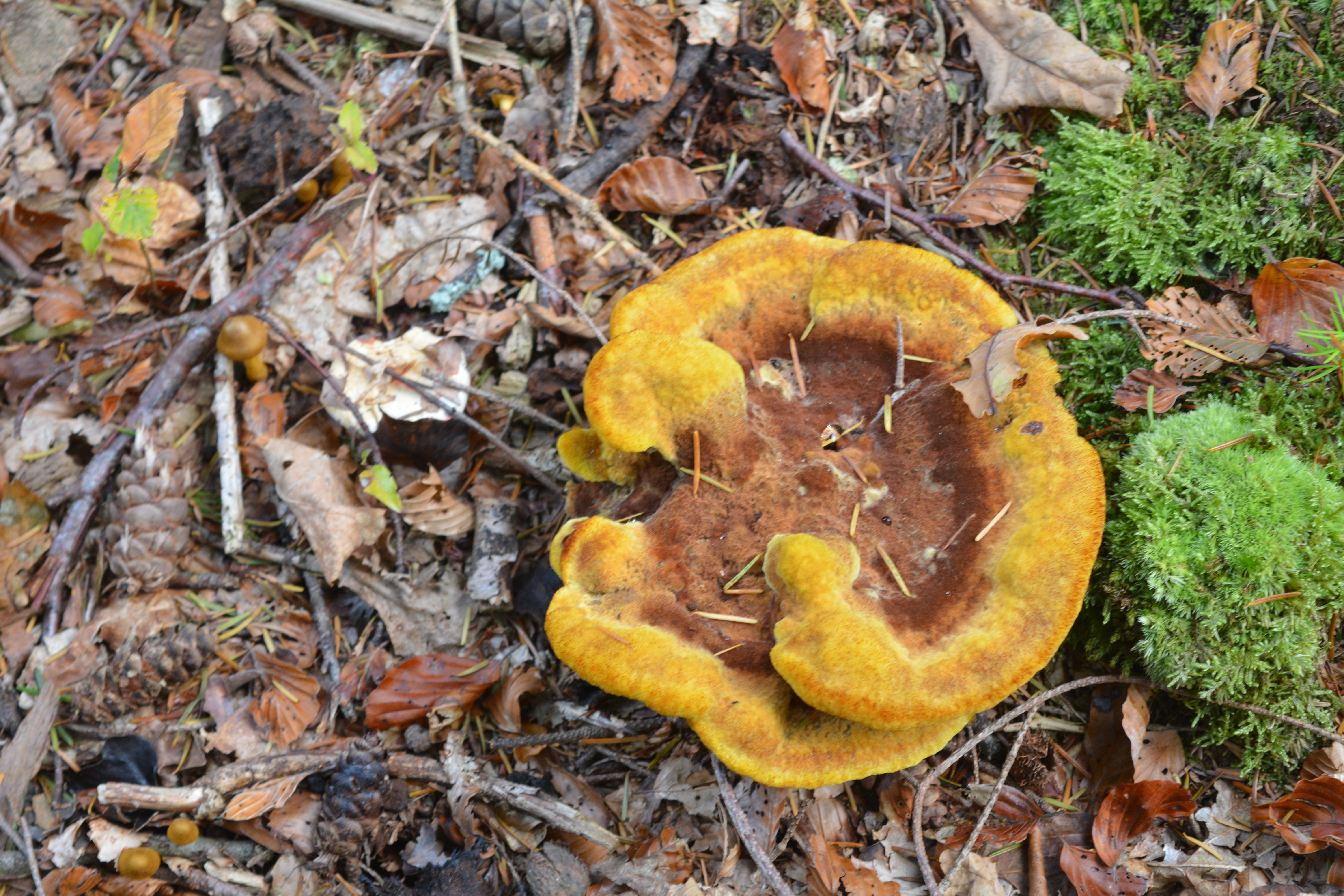
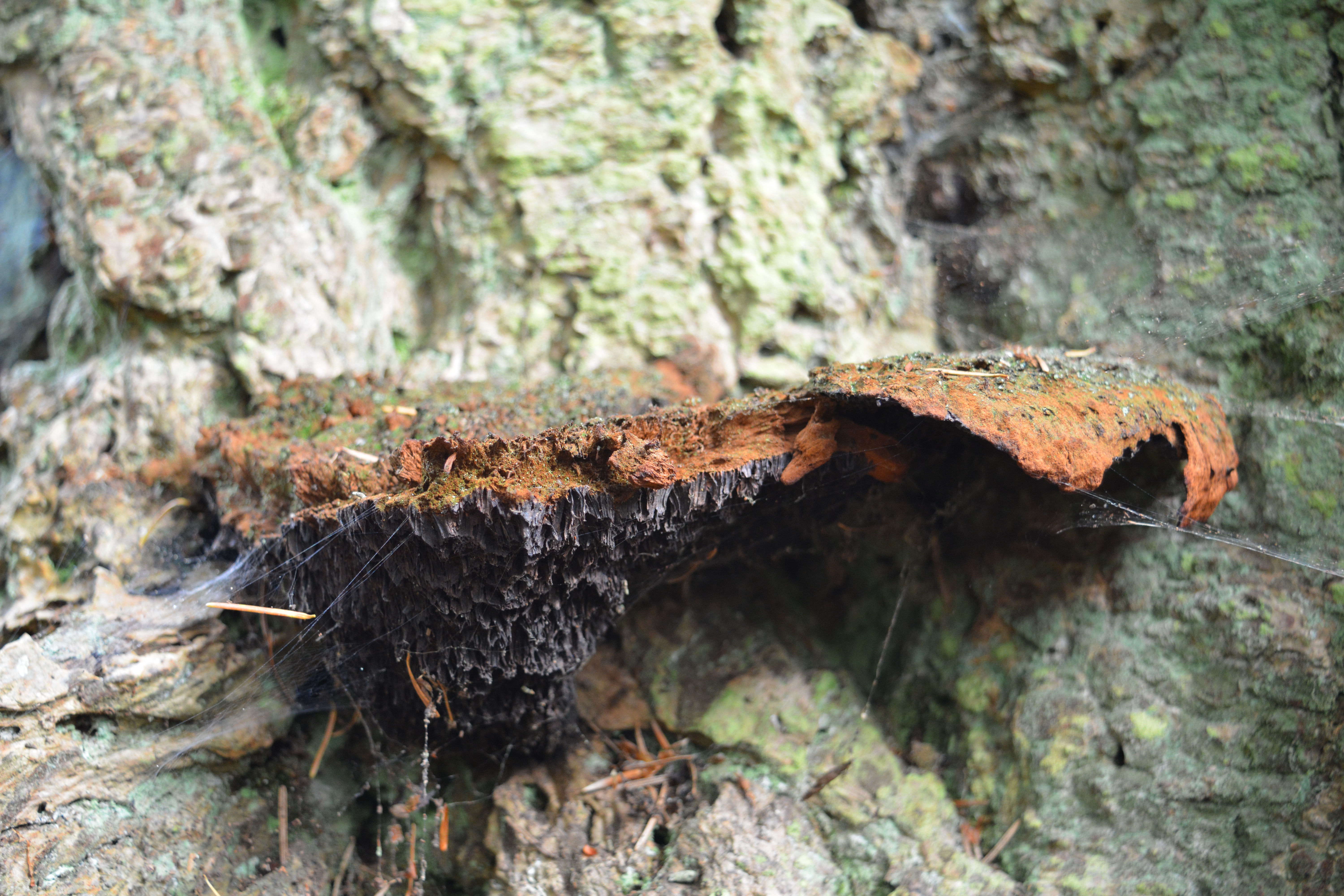
At the other end of the age scale we were pleased to see that dead and dying trees were being left for the benefit of wildlife, insects, birds and of course the many fungi that live in woodlands breaking down and decomposing dead wood.
2015 10 19_6089 2015 10 19_6093 2015 10 19_6095 2015 10 19_6130 2015 10 19_6101 2015 10 19_6099 2015 10 19_6098 2015 10 19_6082 2015 10 19_6081 2015 10 19_6080 2015 10 19_6079 2015 10 19_6131

In my next post about the New Forest we will continue walking this walk deeper into the woodland and across heathland until we found our way back to the car park.
Categories
autumn autumn colours birds colours flowering bulbs garden photography garden wildlife gardening grasses half-hardy perennials hardy perennials house martins light light quality migration ornamental grasses ornamental trees and shrubs Shropshire swallows trees

My Garden Journal – September

The September pages of my garden journal sees the first signs of autumn creeping in, colours changing, light creeping in at a lower level and our summer migrant birdlife disappearing. The skies are empty and quiet now that the Swallows and Martins have left us for warmer climes. We are missing the sight and sounds of Warblers flitting among the trees and shrubs but hopefully some Garden Warblers and Chiffchaffs will decide to stay with us. Climate change seems to be encouraging more migrants to remain in the UK all year through.

2015 10 22_6619_edited-1

Being a British gardener I start by talking about the weather! “The “Met Office” weathermen tell us that September is the first month of Autumn, but we hope it will be the continuation of Summer. This year September is unlike Summer, and is not even an Indian Summer. It is a dismal month of heavy skies and rain. Every flower that fights its way through the gloom is a ray of sunshine.”

Next comes my usual piece of writing from Jenny Joseph’s little book, “Lead by the Nose”.

For September, it is harvesting and clearing what is there on the one hand, with a great deal of sharp acrid savoury smells from dead-heading, disentangling, weeding, cutting down leaf and stalk, digging up roots.”

2015 10 22_6620_edited-1

I move on to consider a special group of plants which Jude and I love in our garden, the airy, whispy plants that can’t help but move in the gentlest of breezes, the “Windcatchers”.

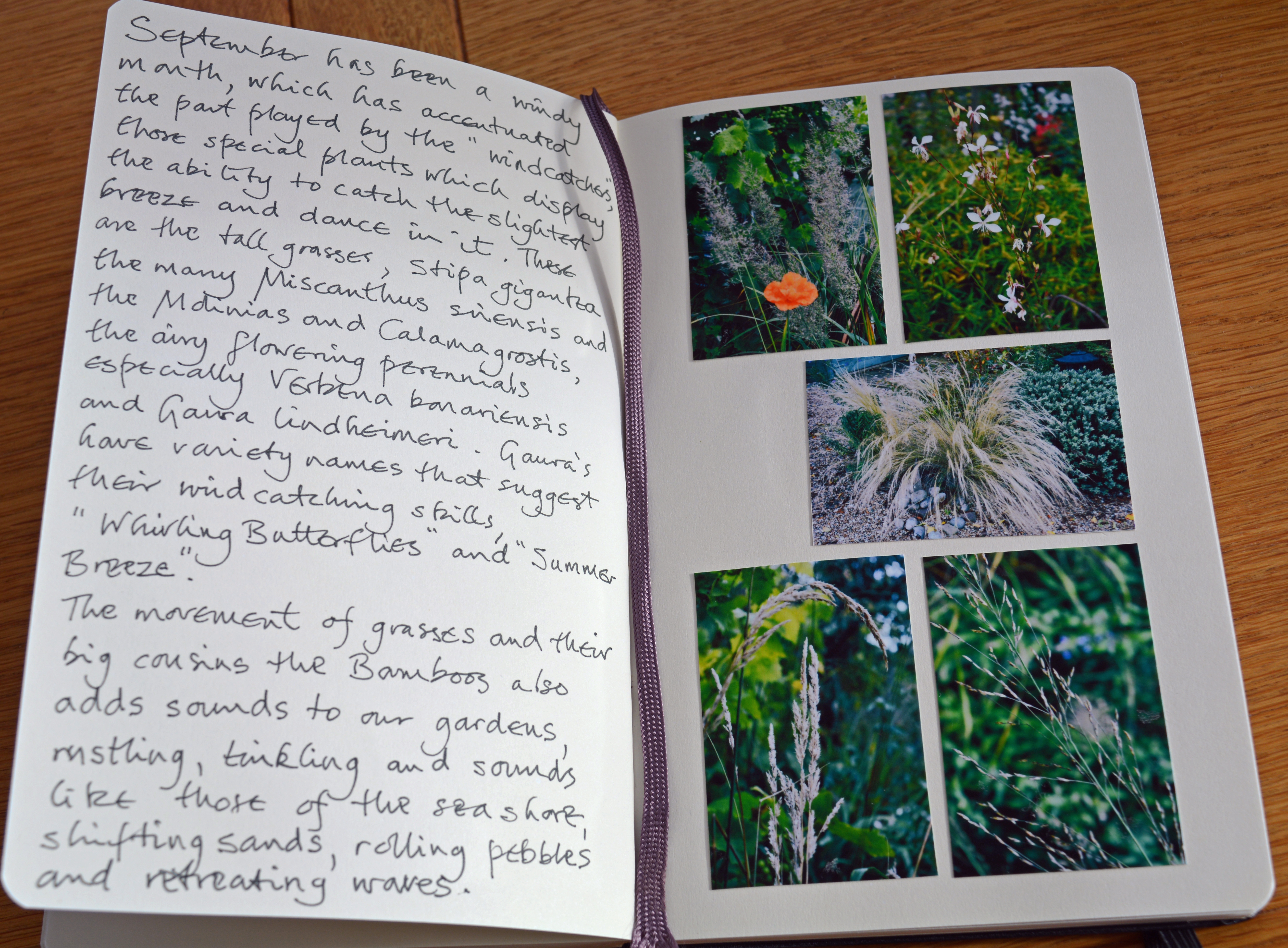
“September has been a windy month, which has accentuated the part played by the “Windcatchers”, those special plants which display the ability to catch the slightest breeze and dance in it. These are the tall grasses, Stipa gigantea, Miscanthus sinensis and the Molinias and Calamagrostis, the airy flowering perennials especially Verbena bonariensis and Gaura lindheimeri. Gauras have variety names that suggest their windcatching skills, “Whirling Butterflies” and “Summer Breeze”. 

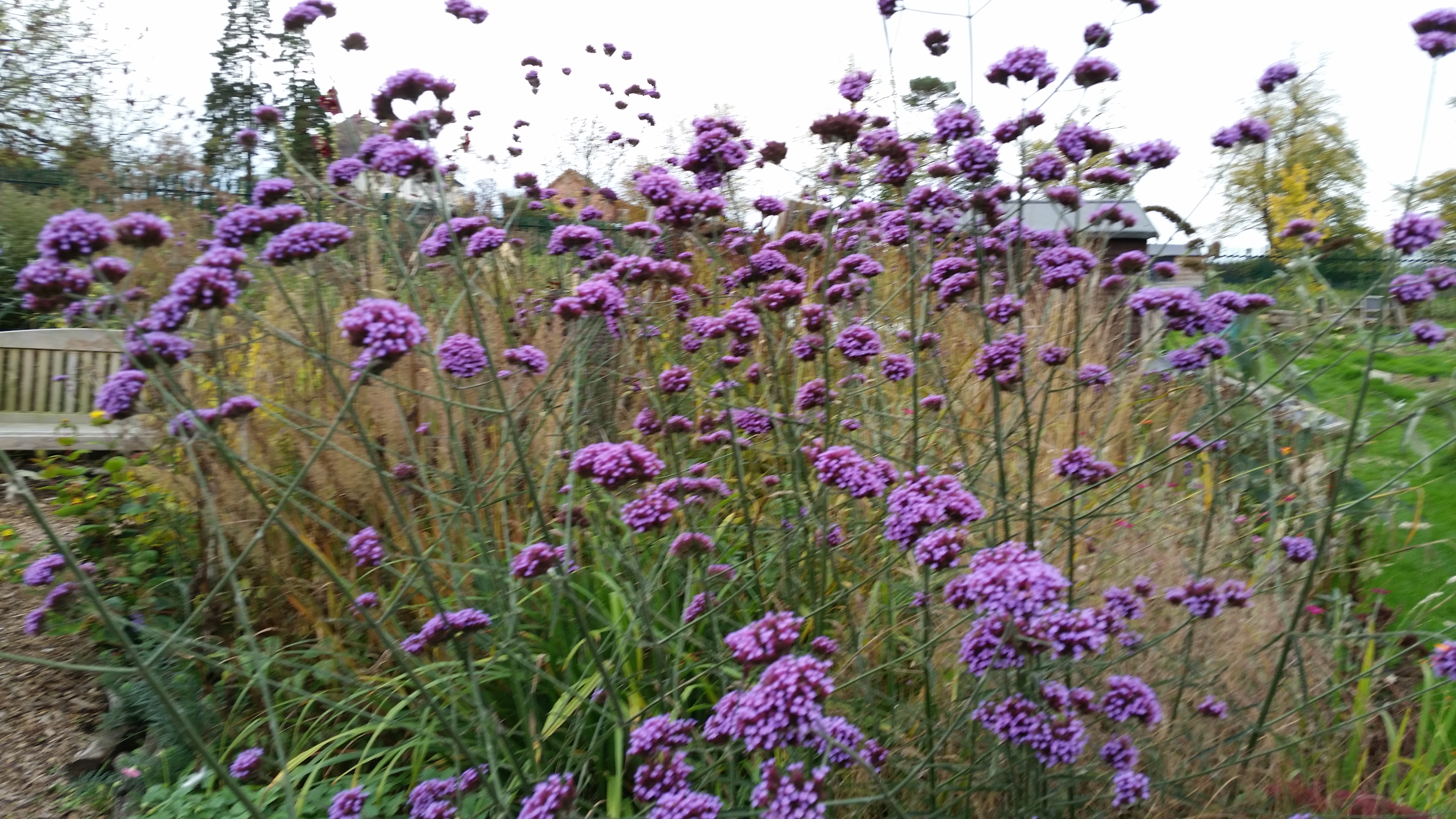
The photos below show what a beautiful plant Verbena bonariensis is with its bright purple flower heads nodding in the breeze atop its stiff thin stems. It is a true wildlife magnet too attracting Butterflies and Moths, Bees and Hoverflies and many other flying insects. As the light fades in the evening the flowers glow and their scent intensifies to attract night flying insects and a miriad of Moths.

2015 10 24_6629 2015 10 24_6628

The movement of grasses and their big cousins the Bamboos also adds sounds to our garden, rustling, tinkling and sounds like those of the seashore, shifting sands, rolling pebbles and retreating waves.”

Grasses are such an important element in our garden and help create an all year round garden. From their fresh green leaves emerging in the spring right through to their flowers and on to their seedheads which stand right through the winter.

2015 10 10_5937 2015 10 10_5938 2015 10 10_5943  2015 10 10_5935 2015 10 10_5929 2015 10 10_5930 2015 10 10_5928

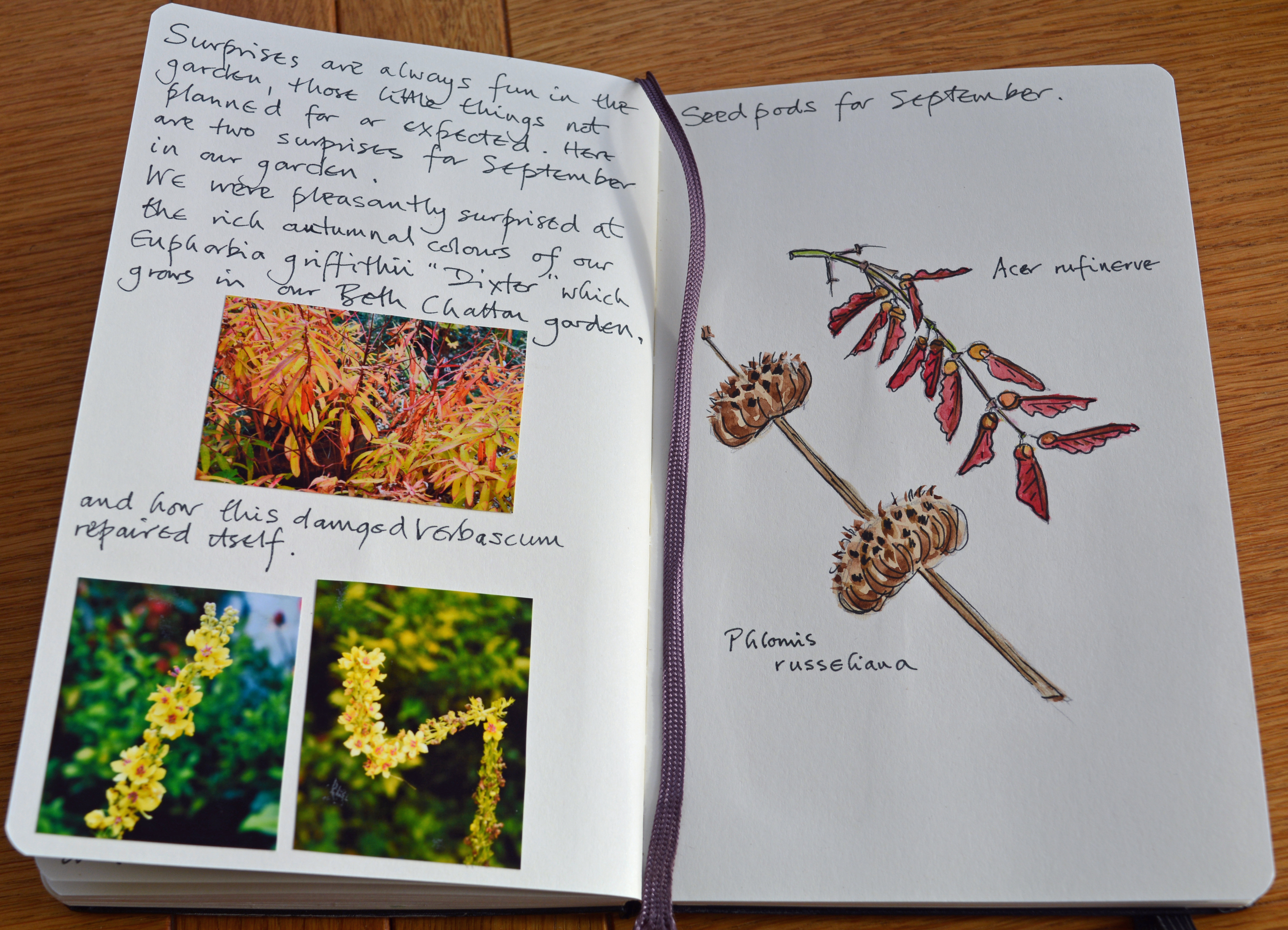
Surprises are the subject of my next page.

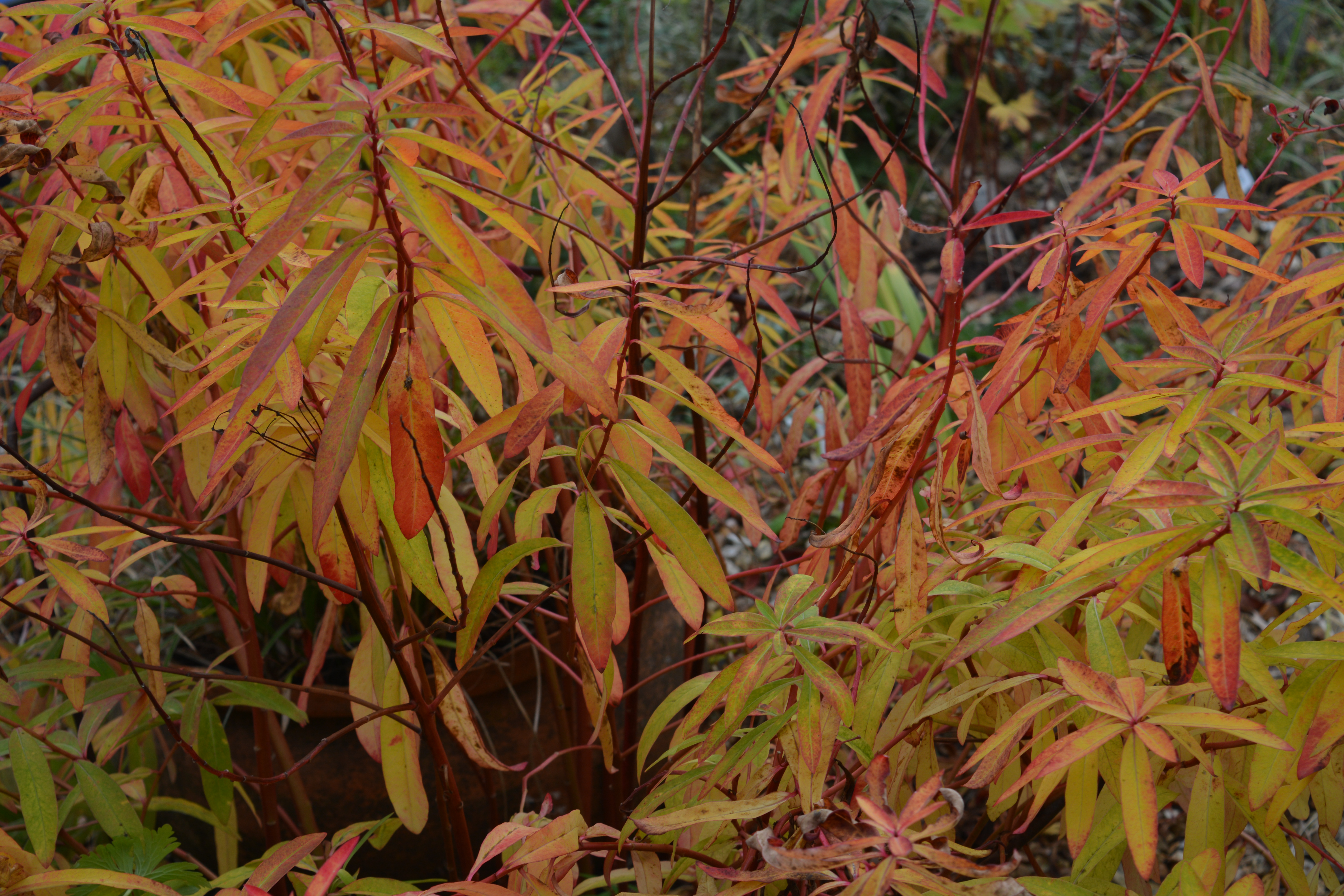
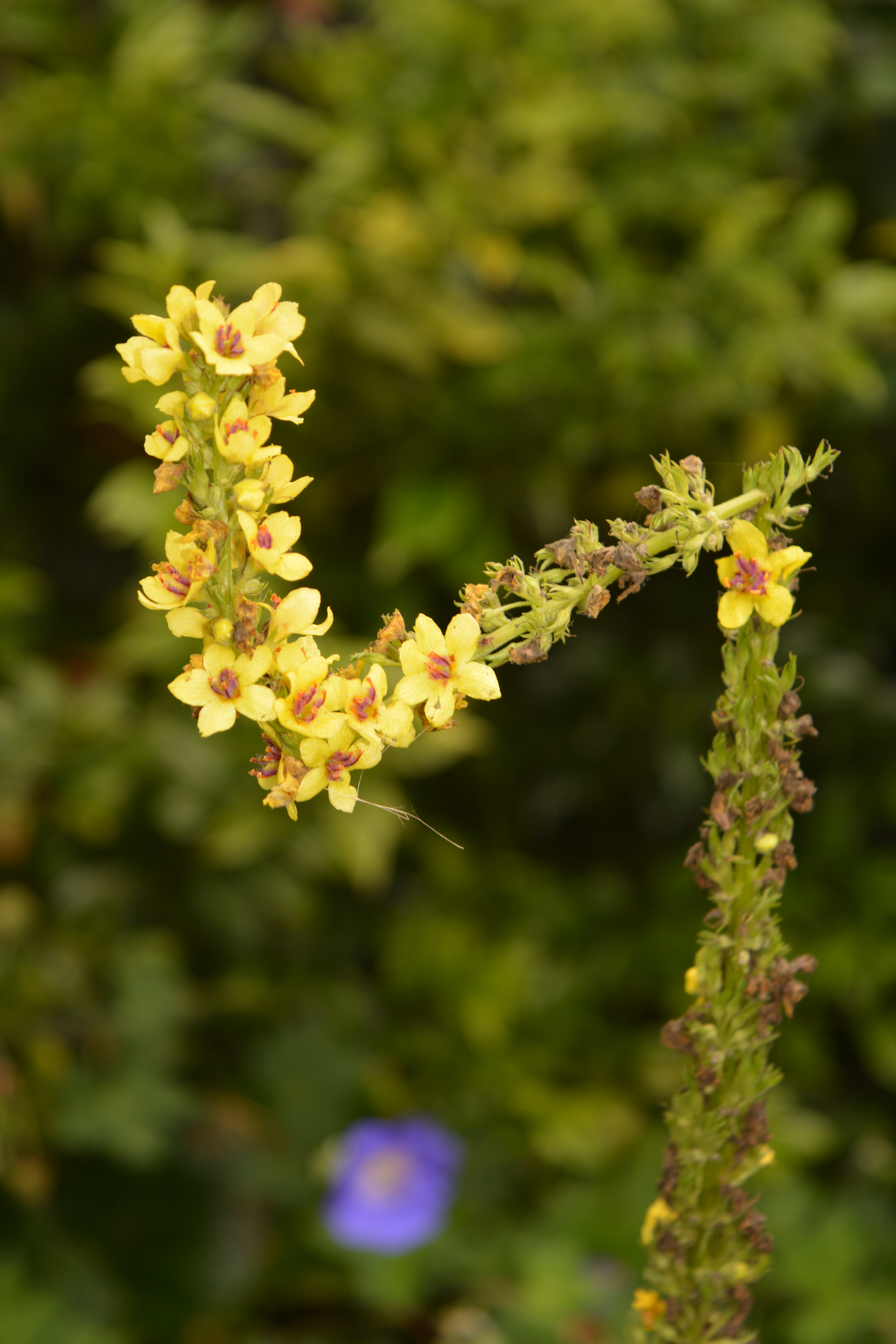
Surprises are always fun in the garden, those little things not planned for or expected. Here are two surprises for September in our garden.

We were pleasantly surprised at the rich autumnal colours of our Euphorbia griffithii “Dixter” which grows in our Beth Chatto garden, and how this damaged Verbascum repaired itself.”

2015 10 22_6621_edited-1

2015 10 10_5942 2015 10 10_5919 2015 10 10_5920

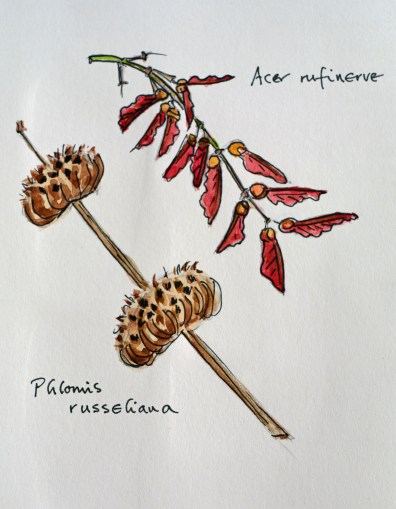
My watercolour paintings of Acer rufinerve and Phlomis russeliana feature on the next page titled “Seedpods for September”. These seeds are capsules of promise, time capsules. The wing-like Acer seeds are shaped and moulded to allow a gentle descent in the wind, each maple key parachuting down to find a place to germinate. The pompom seedheads of the Phlomis are tightly packed balls of rough textured seeds designed to stick to any passing creature who will wander off and drop it away from the parent plant where it can find space to become a herbaceous plant with hairy heart shaped leaves and yellow-orange balls of flowers. 

2015 10 22_6623_edited-1

We now move on to the end of the month when the weather surprised us as it changed for the better, change to good gardening weather and good weather for appreciating gardens.

2015 10 22_6624_edited-1

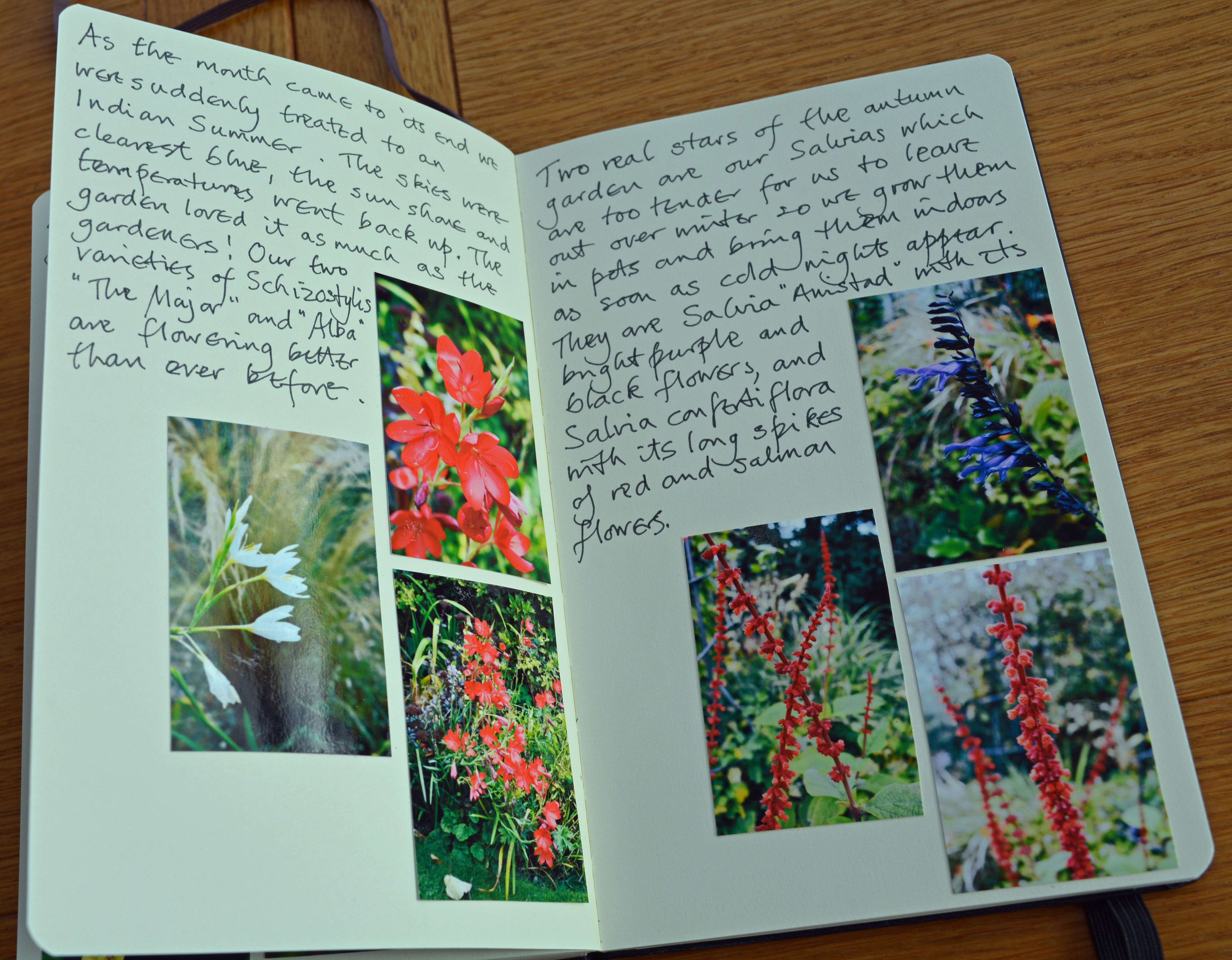
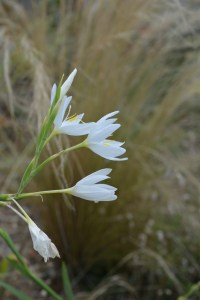
“As the month came to its end we were suddenly treated to an “Indian Summer”. The skies were clearest blue, the sun shone and temperatures went back up. The garden loved it as much as the gardeners! Our two varieties of Schizostylus, “The Major” and “Alba”are flowering better than ever before.”

2015 10 10_5944 2015 10 10_5926 2015 10 10_5925

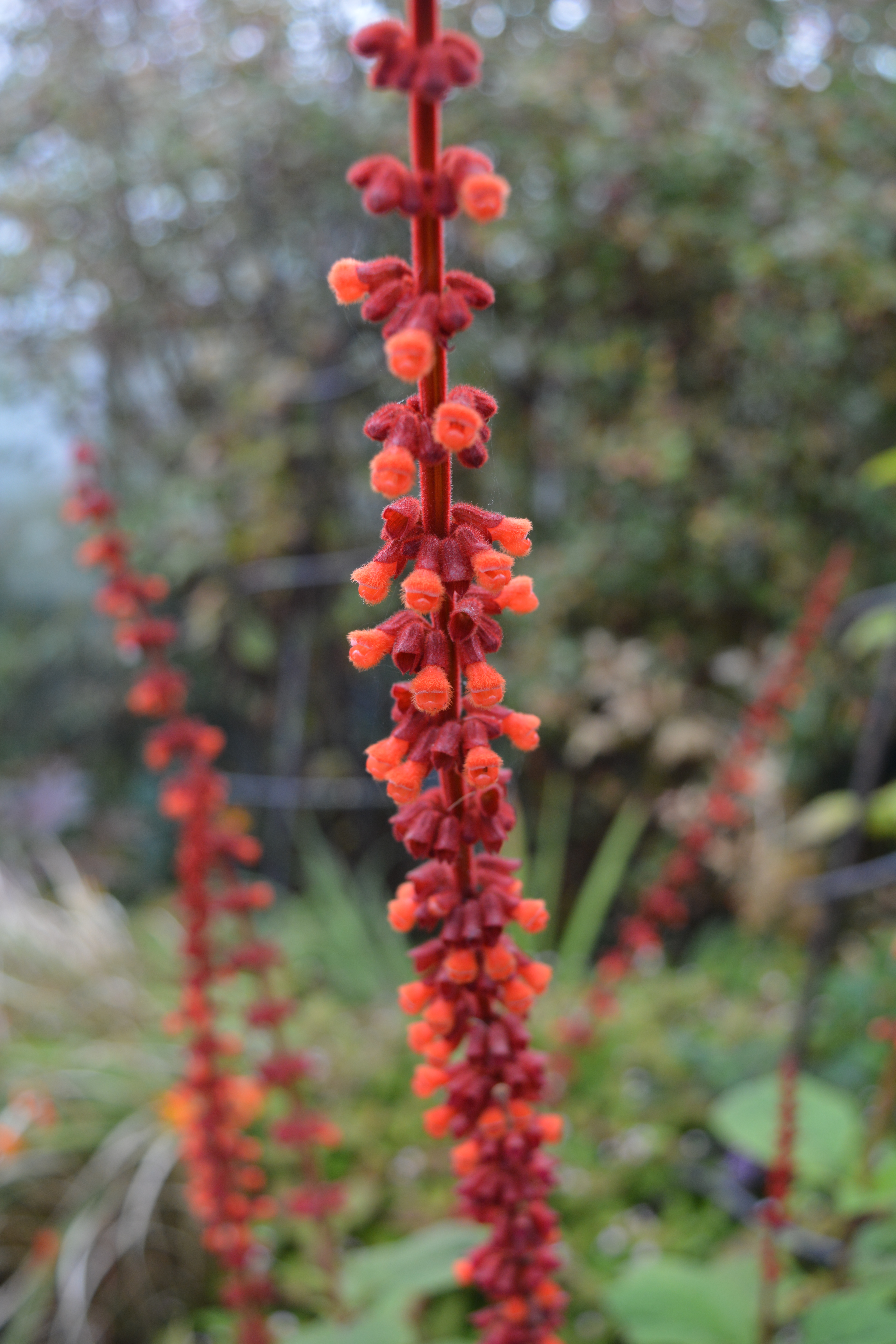
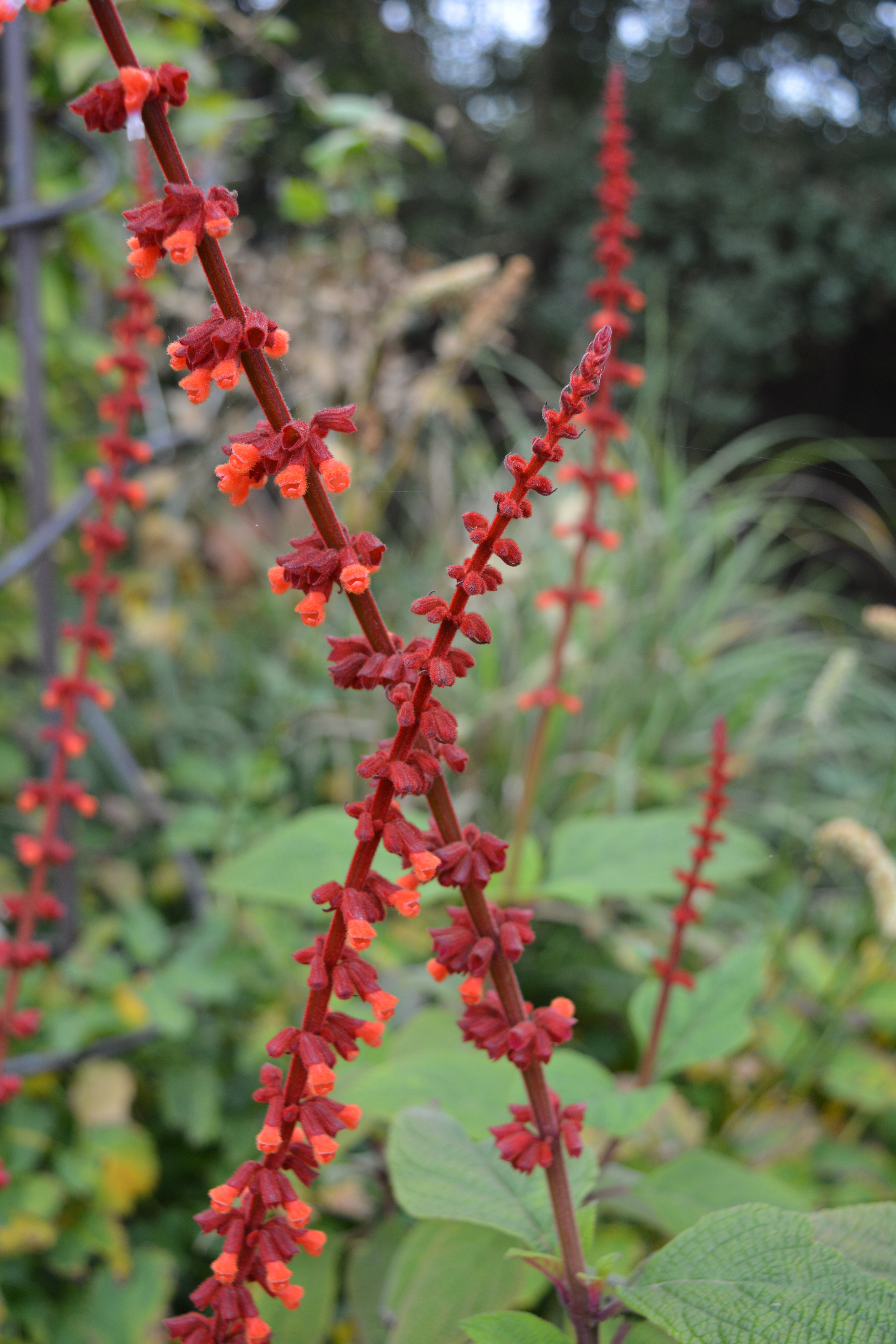
“Two real stars of the autumn garden are our two Salvias that are too tender for us to leave out over our winters, so we grow them in pots and bring them indoors as soon as the cold nights appear. They are Salvia “Amistad” with its bright purple and black flowers and Salvia confertiflora with its long spikes of red and salmon flowers.”

2015 10 10_5952 2015 10 10_5953 2015 10 10_5954

So that is my journal all about our garden in September. I am already writing and painting my entry for October so that will be the next episode of “My Garden Journal”.

Categories
arboreta garden photography ornamental trees and shrubs Shropshire trees

Richard’s Trees

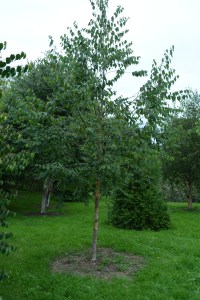
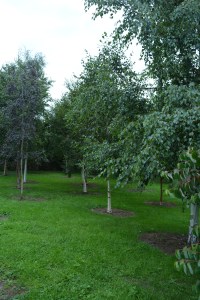
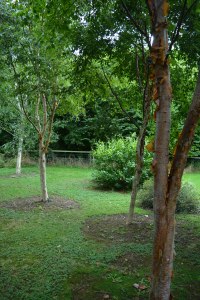
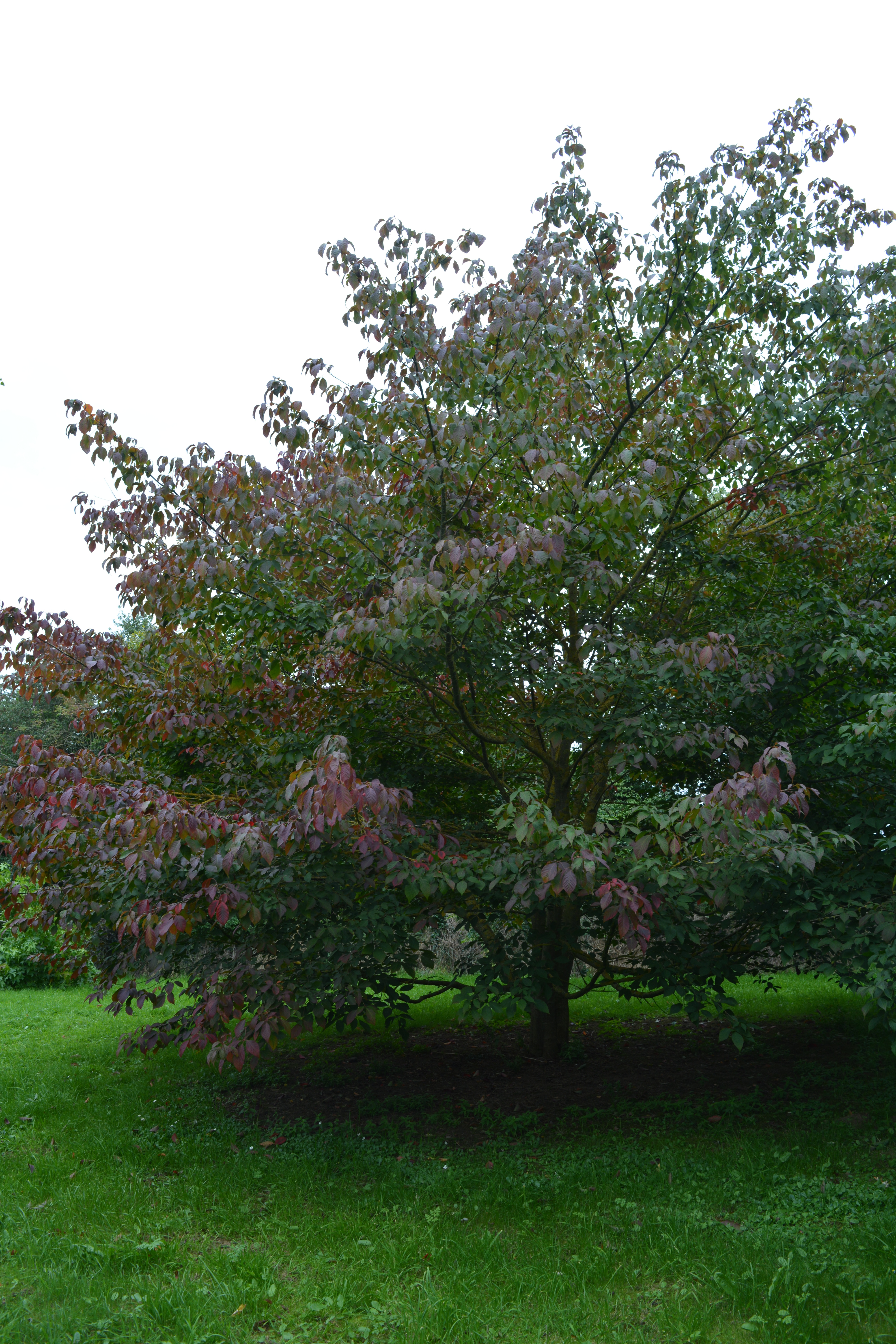
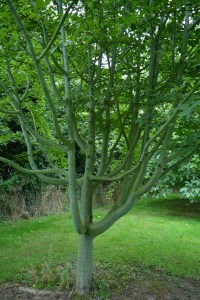
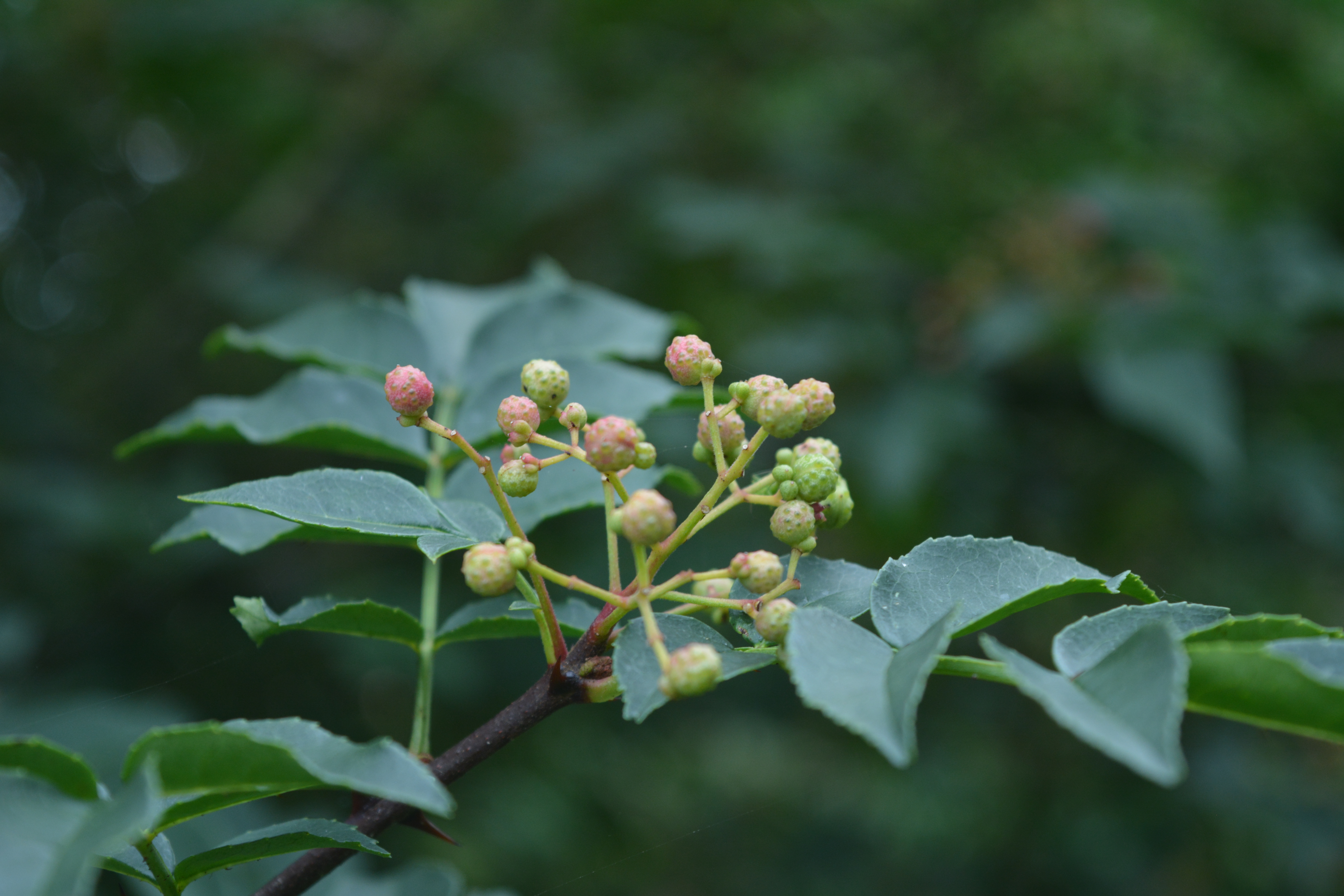
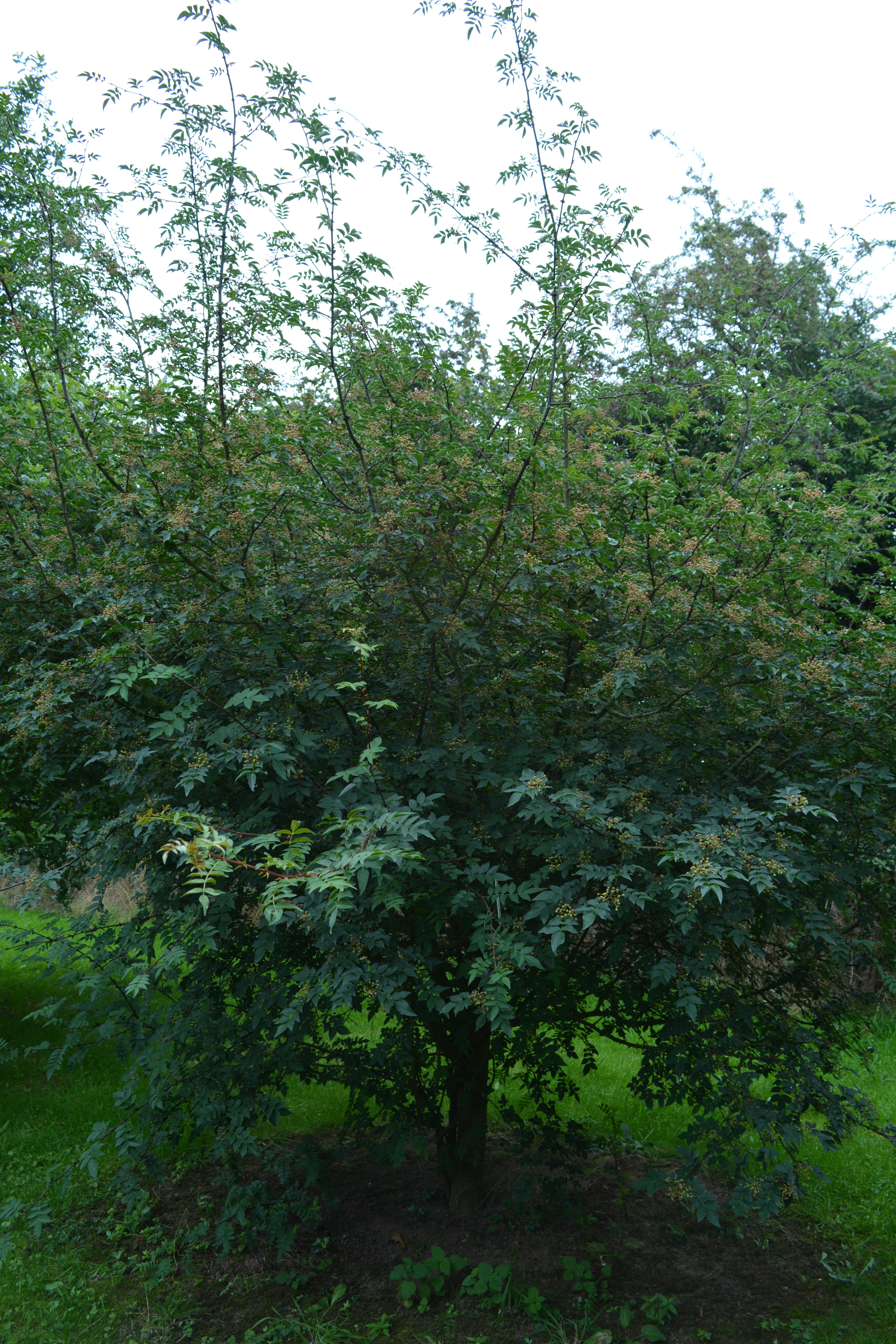
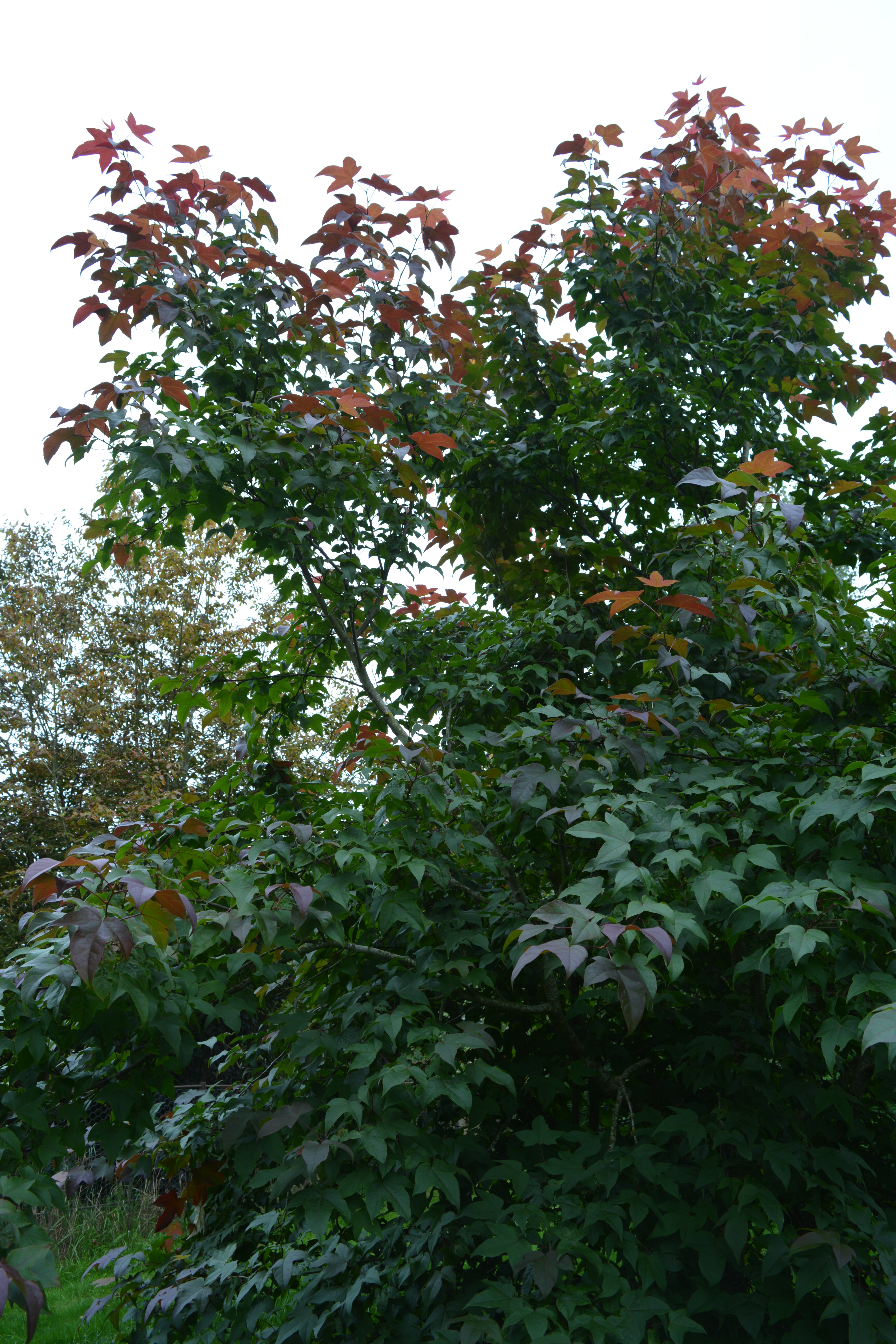
We are lucky to have a good friend who has built up his own arboretum, a personal collection of the trees he loves, Elms, Liquidambers, Oaks, etc etc. But most of all our friend Richard loves Birches so he has built up a huge collection of Betulas from around the world. To get an invitation for a personal tour of Richard’s arboretum was a privilege and an exceptional honour.

So in mid-September we travelled a short distance to Ruyton-XI-Towns just north of Shrewsbury. Richard told us to look out for a lane outside the village and keep going along it until we spotted their yellow farmhouse. A beautiful bright red climbing rose greeted us as we entered their gravel driveway, and we soon received a very warm welcome from Richard and his wife Anne.

While touring the arboretum Richard’s knowledge and love for his trees became obvious to us. He knew the names of every tree and shrub, their botanic name, common name, their place of origin and even the name of the nursery or plantsmen from whom the trees had been sourced. He loved every tree and was proud of them too.

2015 09 12_5344 2015 09 12_5346 2015 09 12_5370

Even though Richard could tell us the name of every tree he ensured that each was accurately and clearly labeled.

2015 09 12_5335 2015 09 12_5348

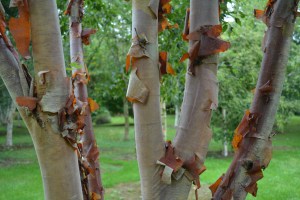
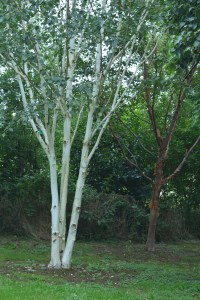
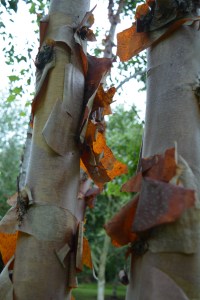
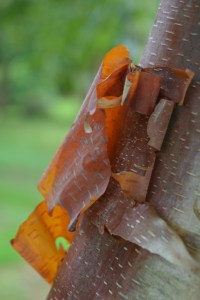
Although he has collected many different trees his true love is the Betula family. Here is a small selection of this wonderful collection. As regular readers of my blog will know I am mad about Betulas so to be able to get close up to so many different ones from around the world was very special to me.

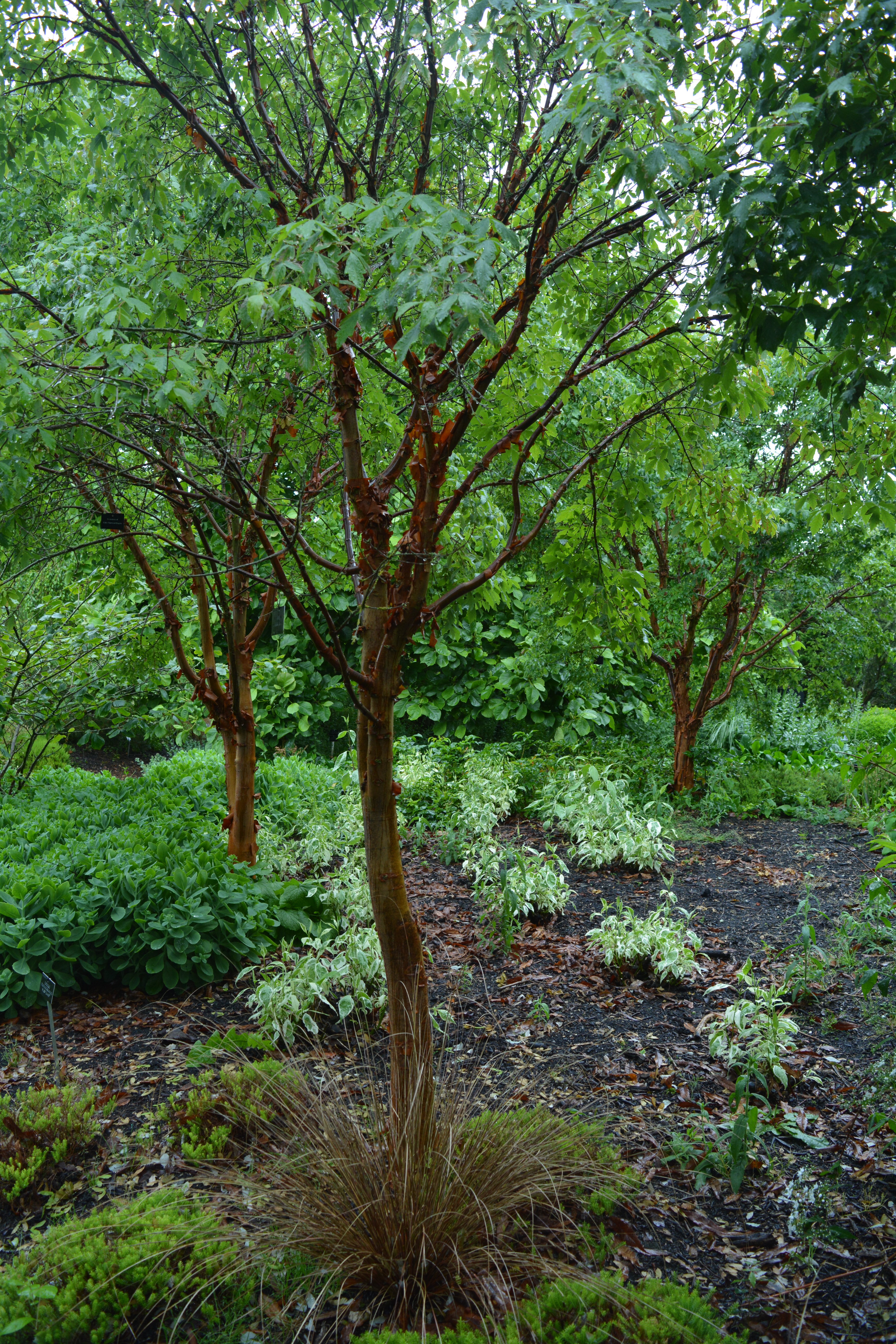
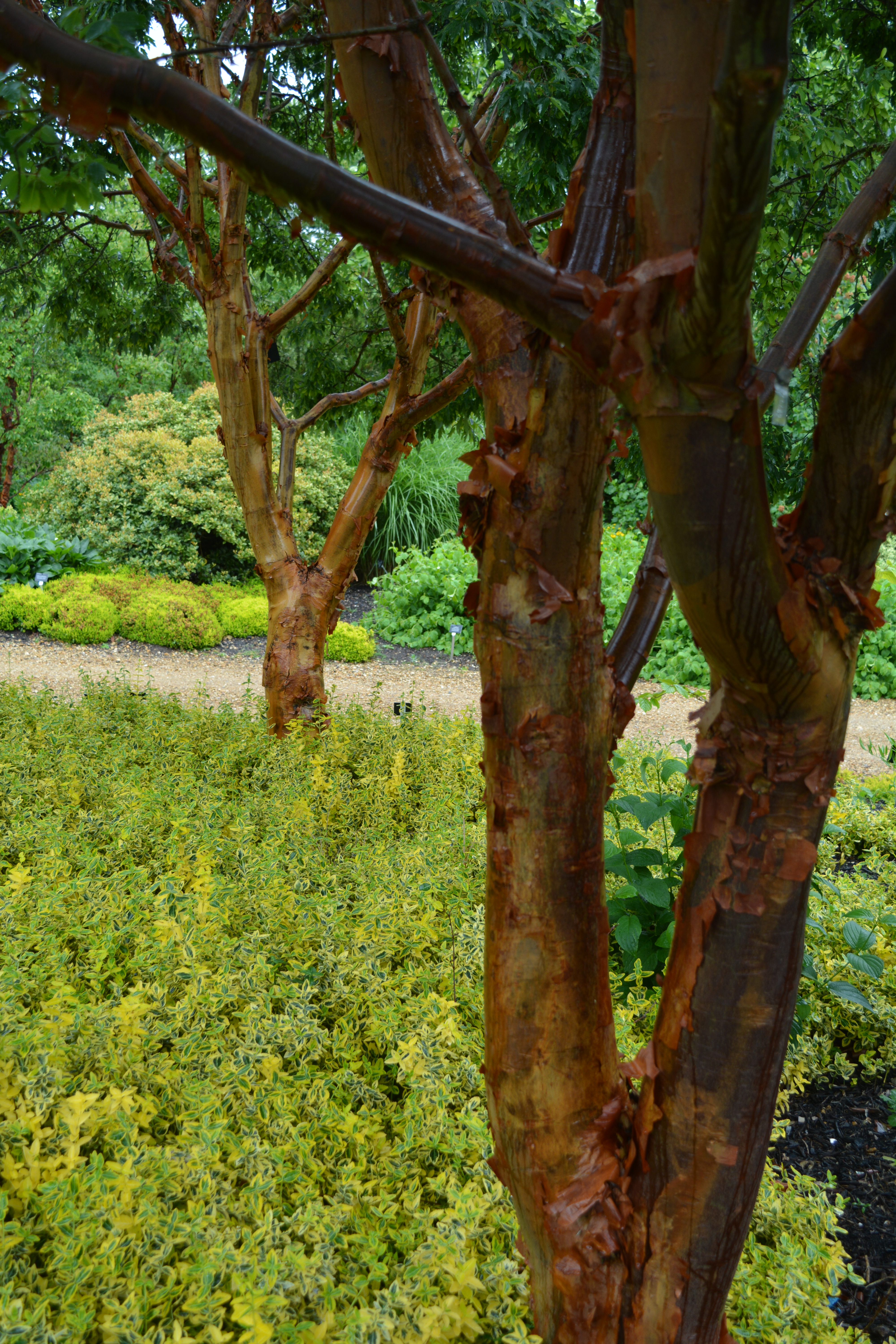
2015 09 12_5347 2015 09 12_53542015 09 12_5345 2015 09 12_5349 2015 09 12_53532015 09 12_5350 2015 09 12_5351 2015 09 12_53522015 09 12_5355 2015 09 12_5356 2015 09 12_53582015 09 12_5357 2015 09 12_5359 2015 09 12_53602015 09 12_5363 2015 09 12_5361 2015 09 12_53622015 09 12_5369 2015 09 12_5364

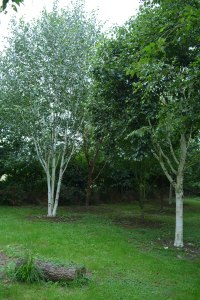
But there was more to this arboretum than Birches. Just check out the selection below.

2015 09 12_5328 2015 09 12_5329 2015 09 12_5330 2015 09 12_5331 2015 09 12_5332 2015 09 12_5334 2015 09 12_5333  2015 09 12_5336 2015 09 12_5337 2015 09 12_53432015 09 12_5338 2015 09 12_5339 2015 09 12_5340 2015 09 12_5341 2015 09 12_5342       2015 09 12_5365 2015 09 12_5366 2015 09 12_5367 2015 09 12_5368

That is just a small selection of the amazing range of trees to be found at Richard’s arboretum! There are so many delights you feel honoured to visit. To have a friend with his own arboretum is pretty special but to have a friend who also loves Betulas is even better. We have been invited back for another wonderful wander around Richard and Anne’s garden and arboretum in the autumn to see their trees in their autumnal costumes.

Categories
arboreta colours garden buildings garden design garden photography gardens gardens open to the public hardy perennials light light quality ornamental trees and shrubs outdoor sculpture sculpture trees

Harold Hillier in Hampshire – Part 2

So here we are back in Hampshire and still wandering around the miles of paths along which we explored the Sir Harold Hillier Gardens.

2015 06 23_3141 2015 06 23_30932015 06 23_30952015 06 23_3109

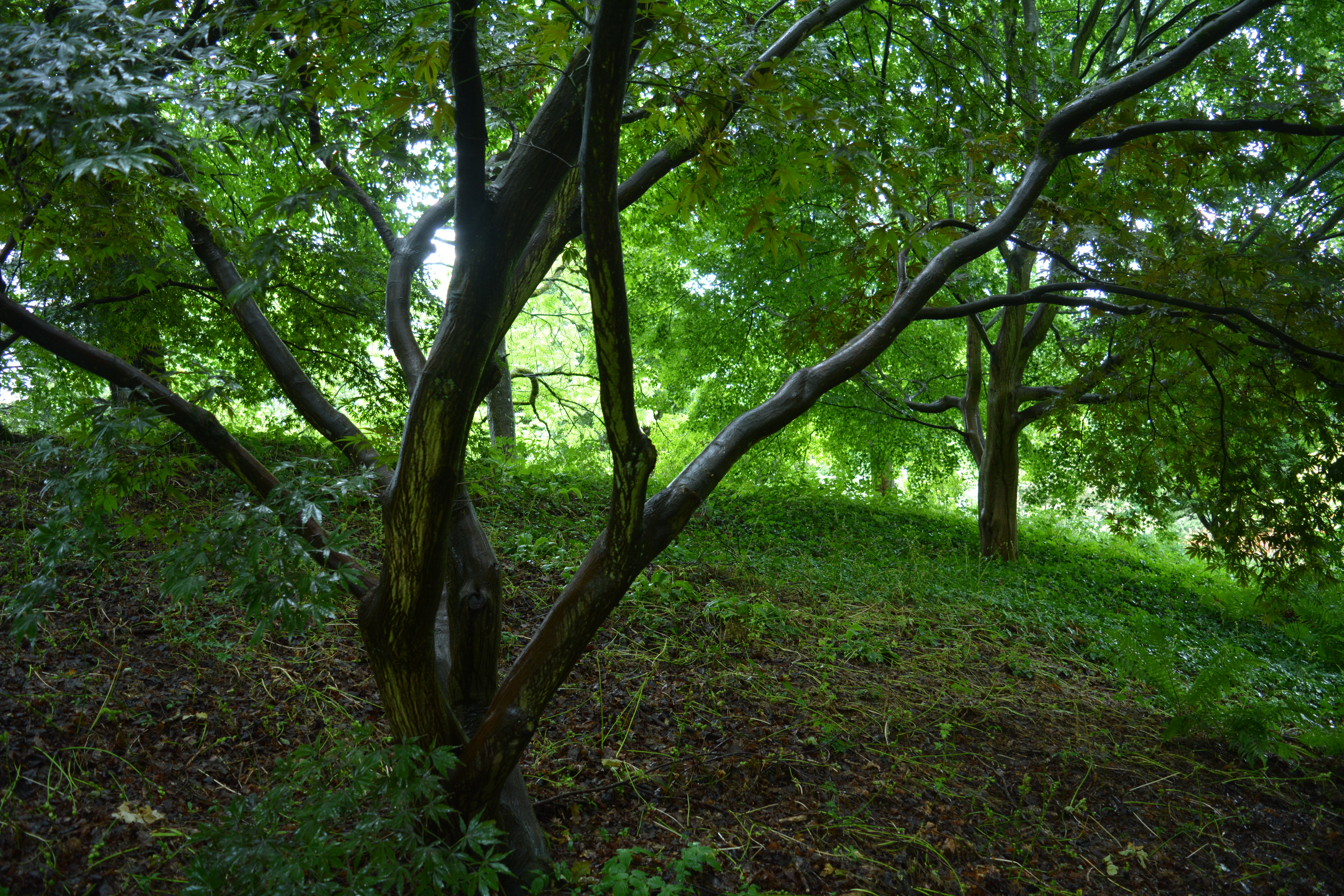
The Acer Grove was full of colour when the sun hit the foliage after the dullness of the rains.

2015 06 23_3033 2015 06 23_30342015 06 23_3035 2015 06 23_3096

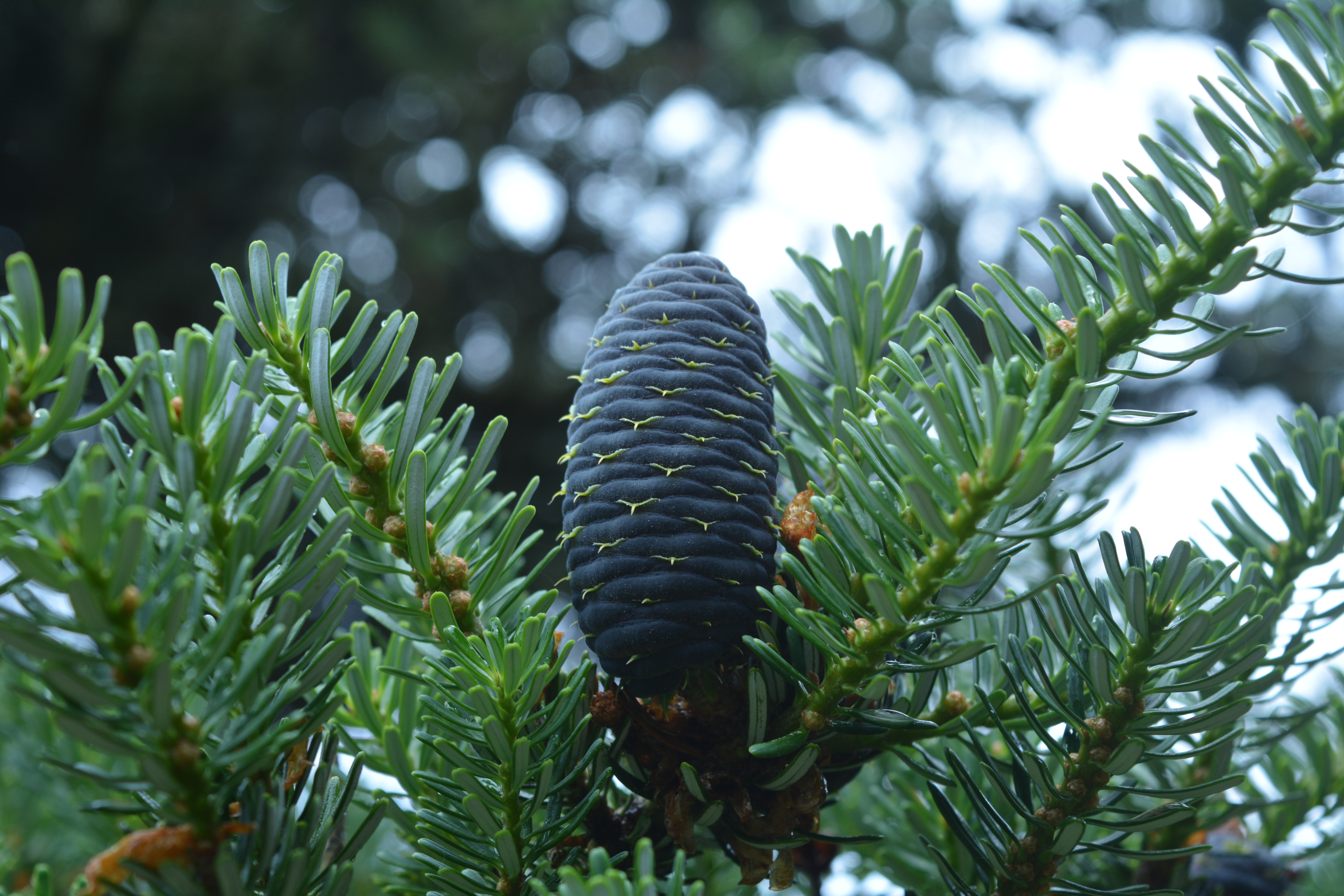
The Pinetum was a wonderful place to explore the many shapes of the trees and the texture and colour of their needles. Cones added even more interest. Not a great lover of conifers I felt myself enjoying being among their rich variety.

2015 06 23_3036 2015 06 23_3037

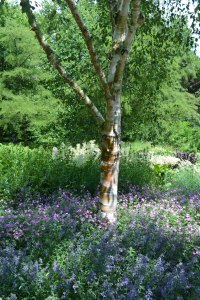
But the broadleaved trees were my stars of the gardens with their colourful bark, flowers and the leaves.

2015 06 23_3041 2015 06 23_30442015 06 23_3048 2015 06 23_3051 2015 06 23_30832015 06 23_3106

Jude was easily distracted by this wonderfully sculptural swing!

2015 06 23_3046 2015 06 23_3050

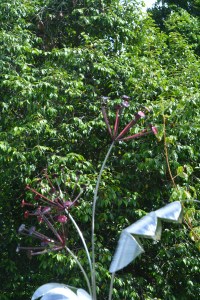
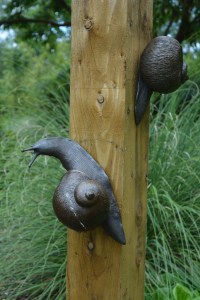
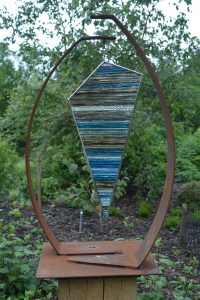
We continued to discover a huge variety of sculptural pieces along every path and around every corner.

2015 06 23_3101 2015 06 23_3098 2015 06 23_3100 2015 06 23_3097 2015 06 23_30432015 06 23_3090 2015 06 23_30872015 06 23_3053 2015 06 23_30522015 06 23_3038 2015 06 23_3039 2015 06 23_3080

But there was so much more than trees and sculpture to enjoy at these amazing gardens – we found so many interesting colourful flowering plants too.

2015 06 23_3112 2015 06 23_31102015 06 23_3108 2015 06 23_3102 2015 06 23_30922015 06 23_3107 2015 06 23_3103

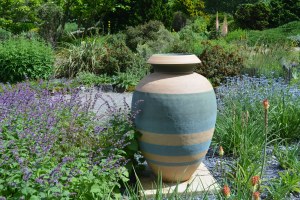
I will finish part two of our visit to the Harold Hillier Gardens with these photos of an amazing archway over a path and a beautifully coloured and shaped pot.

2015 06 23_3085 2015 06 23_3089

Categories
arboreta garden design garden photography gardens gardens open to the public ornamental trees and shrubs outdoor sculpture sculpture trees

Harold Hillier in Hampshire

We have had the Harold Hillier Gardens in Hampshire on our bucket list of places to visit for a few years now so we decided that the summer of 2015 was the time to go. We had great expectations! But did it live up to them?

2015 06 23_3141

We arrived in heavy rain so made straight for the cafe and dawdled for even longer than usual over coffees and cake while keeping an eye, a “weather eye”, on what the rain was up to through the windows. We gave up waiting for a lull in the rain so donned waterproofs and wandered into the garden clutching the garden plan that was to get soggier and soggier as the day wore on.

The garden was simply brilliant so took our minds off the weather. When you wait so long to visit a place you feel set for disappointment but no such things here at the Hillier Gardens.

As we expected the trees were the stars. We wandered through the Winter Garden and on through the Acer Dell and stopped frequently to enjoy close up views of the huge range of trees. Within the trees though splashes of herbaceous colours shone through the gloom of the overcast and very wet morning.

2015 06 23_3009 2015 06 23_3010 2015 06 23_3011 2015 06 23_3013 2015 06 23_3014 2015 06 23_3015 2015 06 23_3016 2015 06 23_30282015 06 23_3012 2015 06 23_3032

We seem to have the knack of visiting gardens when there are sculpture exhibitions on and it happened to us again here. Sculpture always looks so good against trees and flowers. There was a huge variety of subject, material and style in the selection.

2015 06 23_3019 2015 06 23_3008 2015 06 23_30272015 06 23_3017 2015 06 23_3020 2015 06 23_3021 2015 06 23_3023 2015 06 23_3024 2015 06 23_3026  2015 06 23_3004 2015 06 23_3006

Spot the metal sculpture of a Little Owl among matching metallic leaved conifers.

2015 06 23_3025

The rain gave way to clouds mixed with sunny periods and we enjoyed the sight of raindrops on foliage. In part two we will continue our wanderings.

2015 06 23_3029 2015 06 23_3030


Categories
birds climbing plants flowering bulbs garden photography garden ponds garden pools garden wildlife gardening hardy perennials ornamental trees and shrubs trees water in the garden wildlife

My Garden Journal – August

Here we are with part 8 of my monthly series looking at what I have put into my garden journal. August has been a disappointing month weatherwise, with winds, rain and dull skies, and the plants have responded with short flowering periods and even our roses have failed to repeat flower.

I began my August entries, “The month of school holidays when families make their way to the seaside, is not a holiday in the garden. We have to keep dead-heading and tidying to make sure it looks its best.” and continued with my monthly quote from Jenny Joseph“August is a time of vegetables and smells of leaves and roots as we clear: dusty, musty smell of old growth. What flowers we have in August depends on how diligent you’ve been at dead-heading earlier.”

I continued, “We dead-head our Roses most days in an attempt to keep them in bloom, and cut back dying perennials to encourage both fresh blooms and fresh growth from below.” 

2015 09 03_5007_edited-1

I next referred to our fun activity which takes us back to our childhoods, pond dipping, “An early dip in the pond with our net revealed that young Newts are still very much in evidence. We discovered the shell of a Dragonfly larva and a strangely bodied surface dwelling insect, its shape like an elongated diamond.” I wonder what a pond dipping session will reveal in September as autumn will then be creeping in.

2015 09 03_5014_edited-1 2015 09 03_5015_edited-1

Our Cercis siliquastrum tree featured again as we turn the page of my journal just as it has done in my May entries.

2015 09 03_5008_edited-1

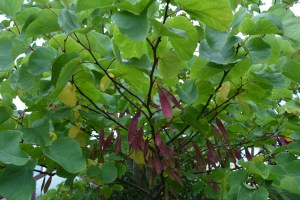
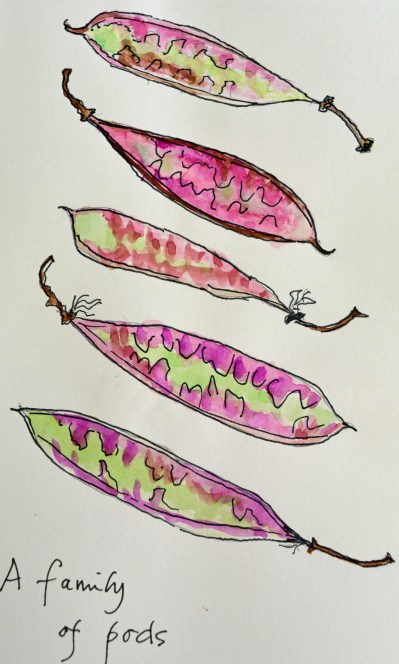
“Discovering new points of interest in the garden is always refreshing. We have always loved our Cercis siliquastrum for its mass of pink flowers in May, but this year we have rows of seed pods hanging from branches like celebratory bunting or prayer flags from Tibet.”

2015 08 10_4637 2015 08 10_4636 2015 08 10_4639 2015 08 10_4638

I attempted to paint a watercolour of a selection of pods and this proved to be a real challenge with the subtle variations of green and pink from pod to pod.

2015 09 03_5016_edited-1

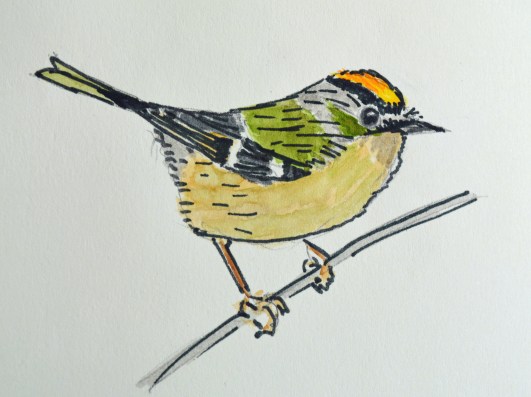
Further notes about the wildlife in our August garden followed on at the turn of the next page, where I noted, “Gardening in August is done with the sounds of Swallows and House Martins wheeling over our heads. Two very contrasting wildlife sounds add to the soundtrack, the deepest croaking grunt of our Toads and the highest pitched song of all our garden birds, the diminutive Goldcrest.” In my painting I tried to capture the character of the Goldcrest, cheerful, jittery and sparkling with life.

2015 09 03_5009_edited-12015 09 03_5018_edited-1

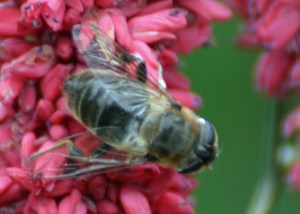
More sounds featured on the facing page, “Gentle, almost inaudible sounds emit from every border, the sounds of Hoverflies. Gentle humming from above flowers, rapid beats make wings almost invisible, the Hoverfly moves in sudden sharp changes of direction. They can be wasp-like, bee-like or fly-like, masters of mimicry and disguise”. I love taking photos of the wildlife that shares our garden and insects and have hundreds in my Photoshop storage space. I have found a few featuring a few of the many different species of Hoverfly to share with you.

2015 08 27_4717-1 2015 08 27_4718_edited-1-12015 08 27_4719_edited-1-1 2015 08 27_4720_edited-1-12015 08 27_4714_edited-1-1

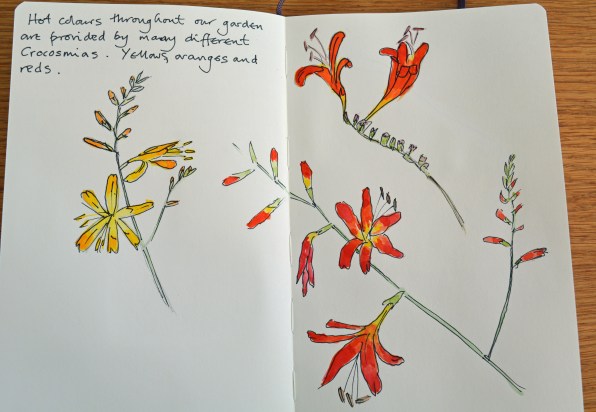
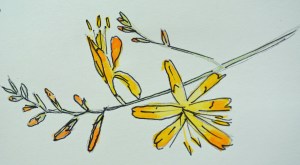
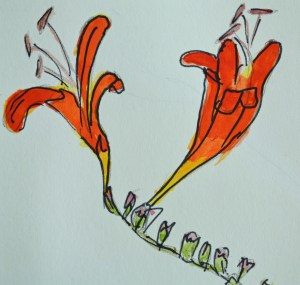
It is one of my favourite families of plants that I featured on the next double page spread, the Crocosmias. “Hot colours throughout our garden are provided by many different Crocosmias. Yellows, Oranges and Reds.” I enjoyed the challenge of creating watercolour paintings of three of our cultivars.

2015 09 03_5019_edited-12015 09 03_5020_edited-1 2015 09 03_5021_edited-1

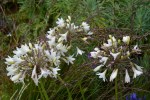
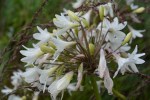
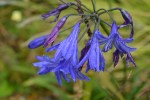
From one bulbous rooted plant to another, from Crocosmias to Agapanthus. “Remember those Aganpanthus buds of July? Well, just look at them now!”

2015 09 03_5011_edited-1

I hope you enjoy this little gallery of photos of our Agapanthus. Just click on the first photo and use the arrows to move on through.

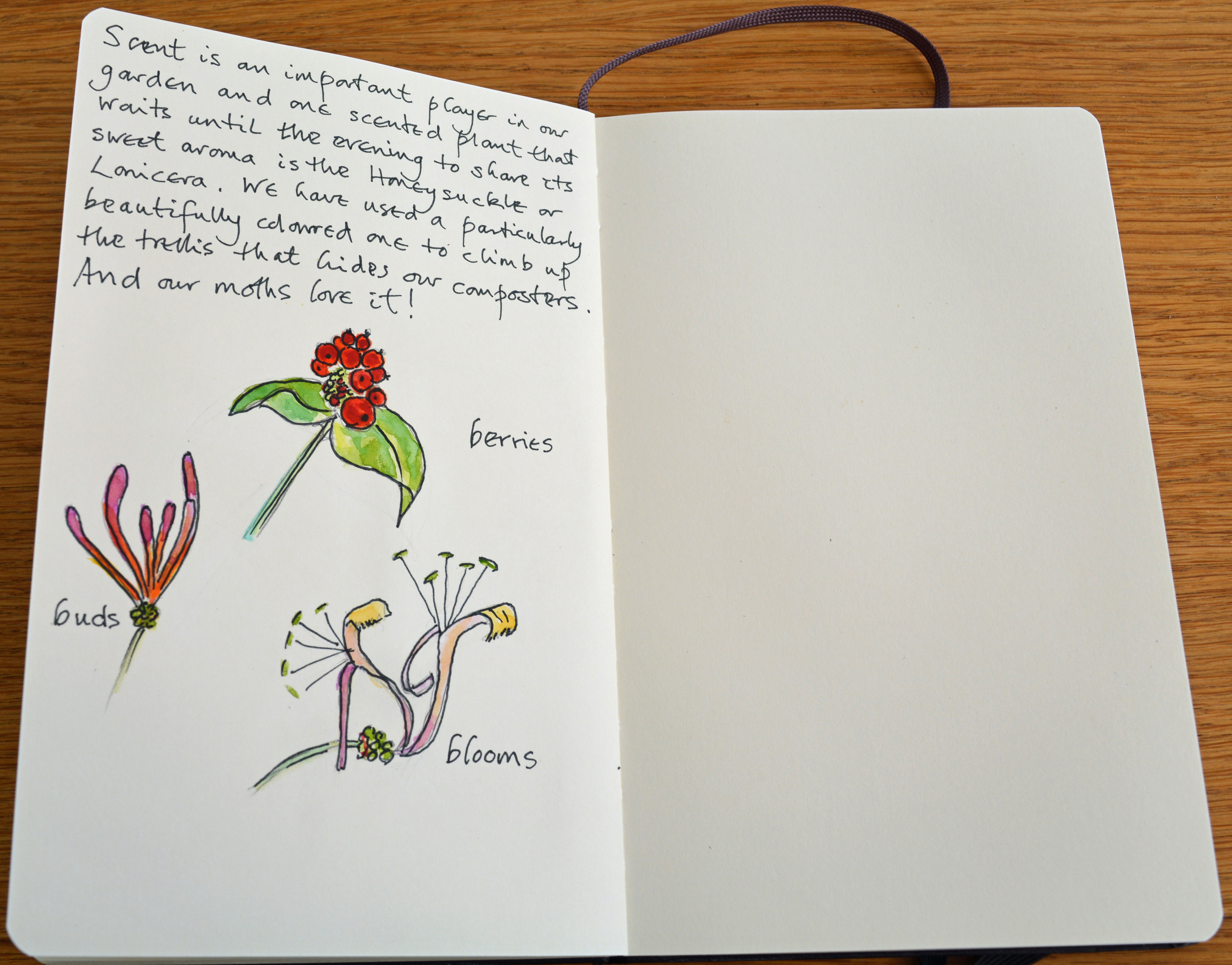
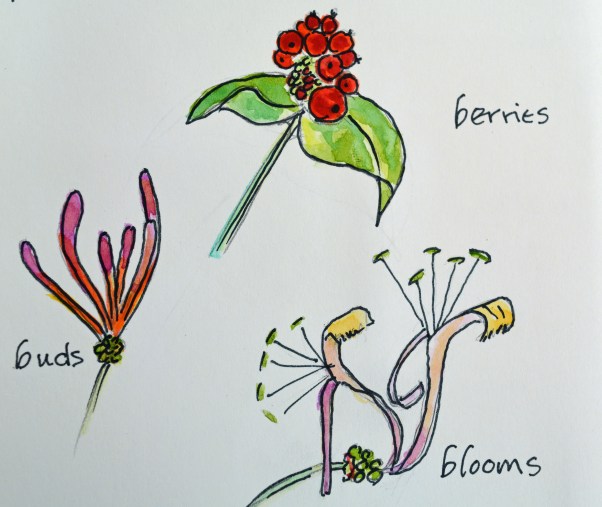
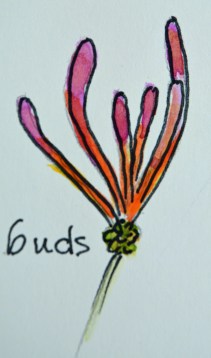
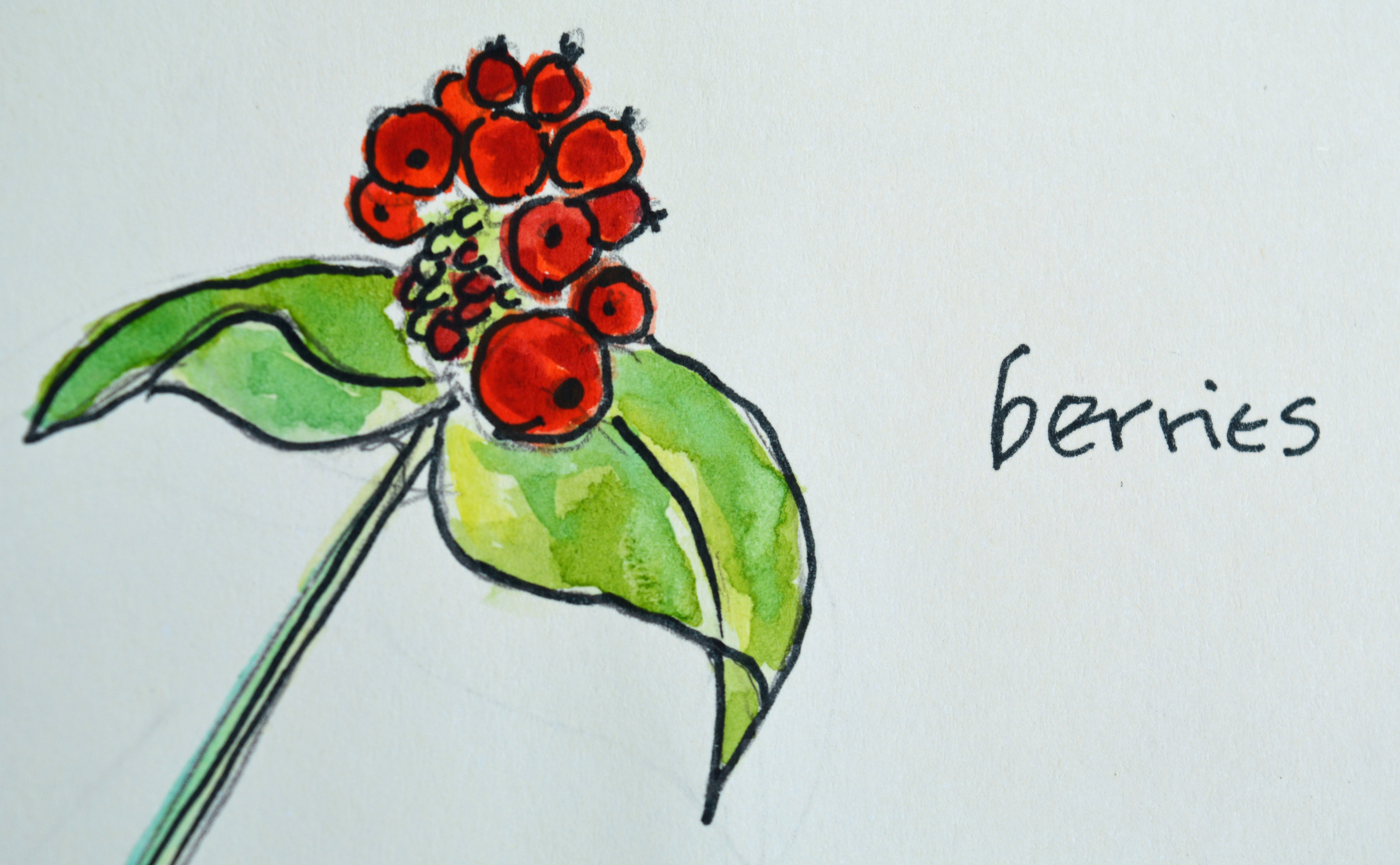
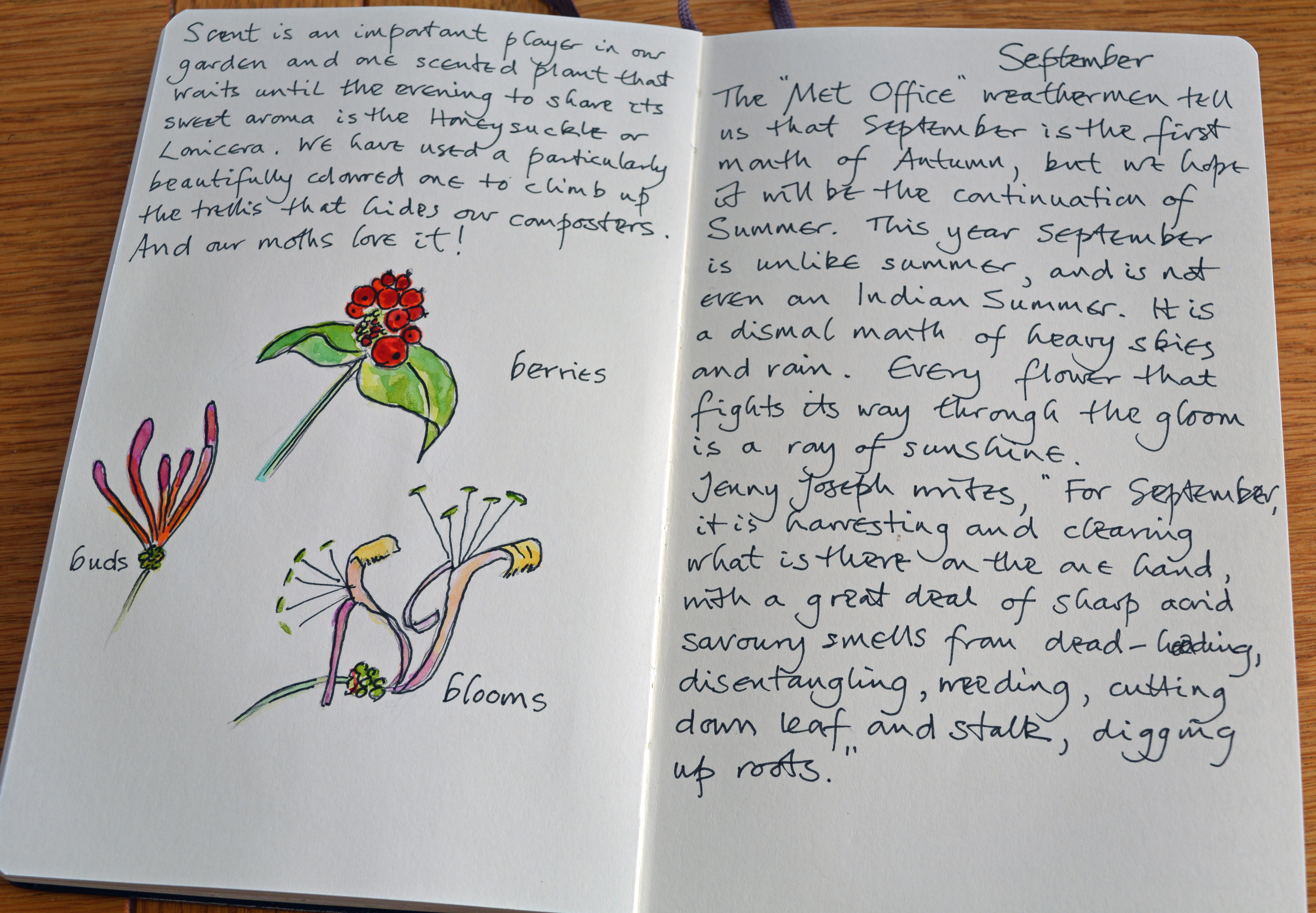
My final page for August featured another garden favourite, this time a climber, the Honeysuckle. I wrote “Scent is an important player in our garden and one scented plant that waits until the evening to share its sweet aromas is the Honeysuckle or Lonicera. We have used a particularly beautifully coloured one to climb up the trellis that hides our composters. And our moths love it!” I turned once again to my beautiful wooden box of watercolour paints to create a little series of pictures of the buds, blooms and berries of the Honeysuckle.

2015 09 03_5012_edited-1   2015 09 03_5025_edited-12015 09 03_5024_edited-1 2015 09 03_5022_edited-1 2015 09 03_5023_edited-1

The next look at my garden journal will be in September when we may be seeing the early signs of Autumn.

Categories
architecture colours garden buildings garden design garden photography garden pools gardens gardens open to the public hardy perennials National Garden Scheme NGS ornamental trees and shrubs outdoor sculpture roses shrubs trees water in the garden Yellow Book Gardens

Miserden Park, a Gloucestershire Garden

We were journeying south towards Hampshire and searched for a place to break our journey. We were pleased to discover Miserden Park was close to the road we travelled. We expected it to be easy to find as we knew which village it was on the outskirts of but poor signage directing us firstly to the village and then to the garden itself made it difficult.

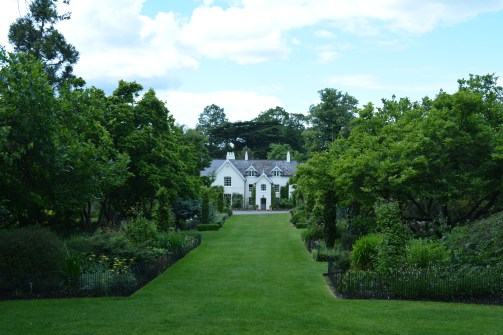
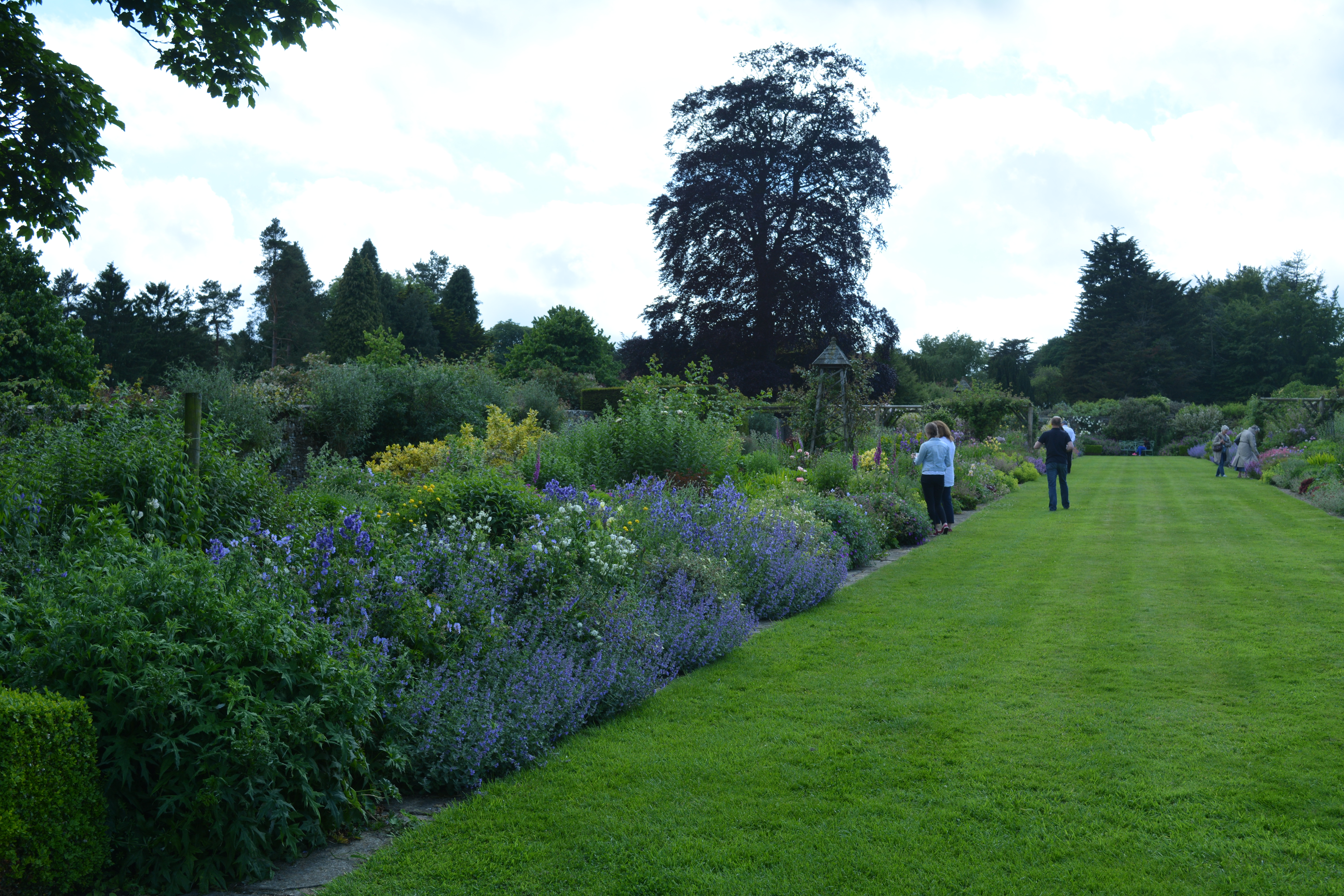
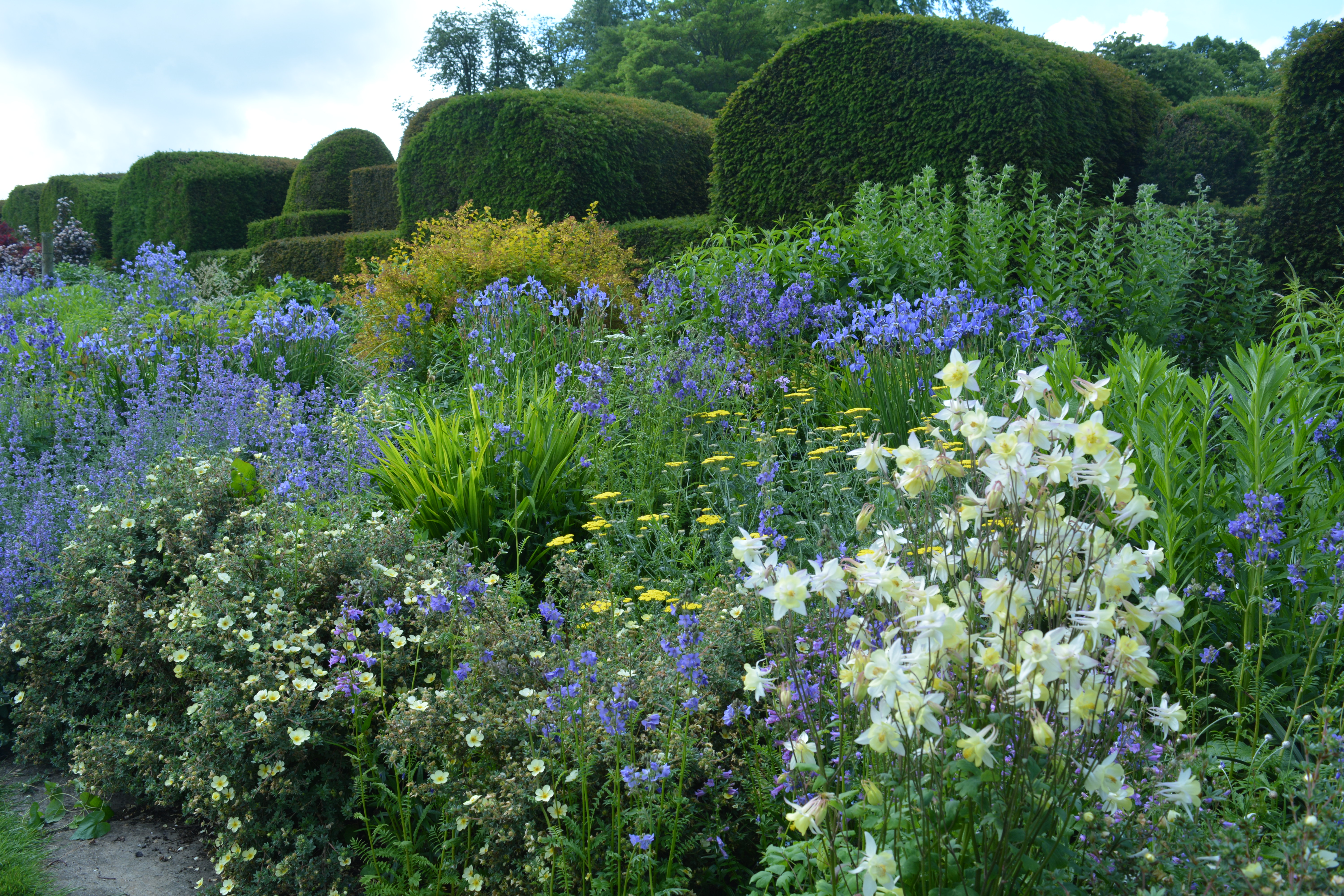
When we saw the house at Miserden we were impressed with the way the gardens around it helped it sit so comfortably in the landscape. The pale blue planting looked so good with the pale limestone of the building.

2015 06 21_2889 2015 06 21_2890

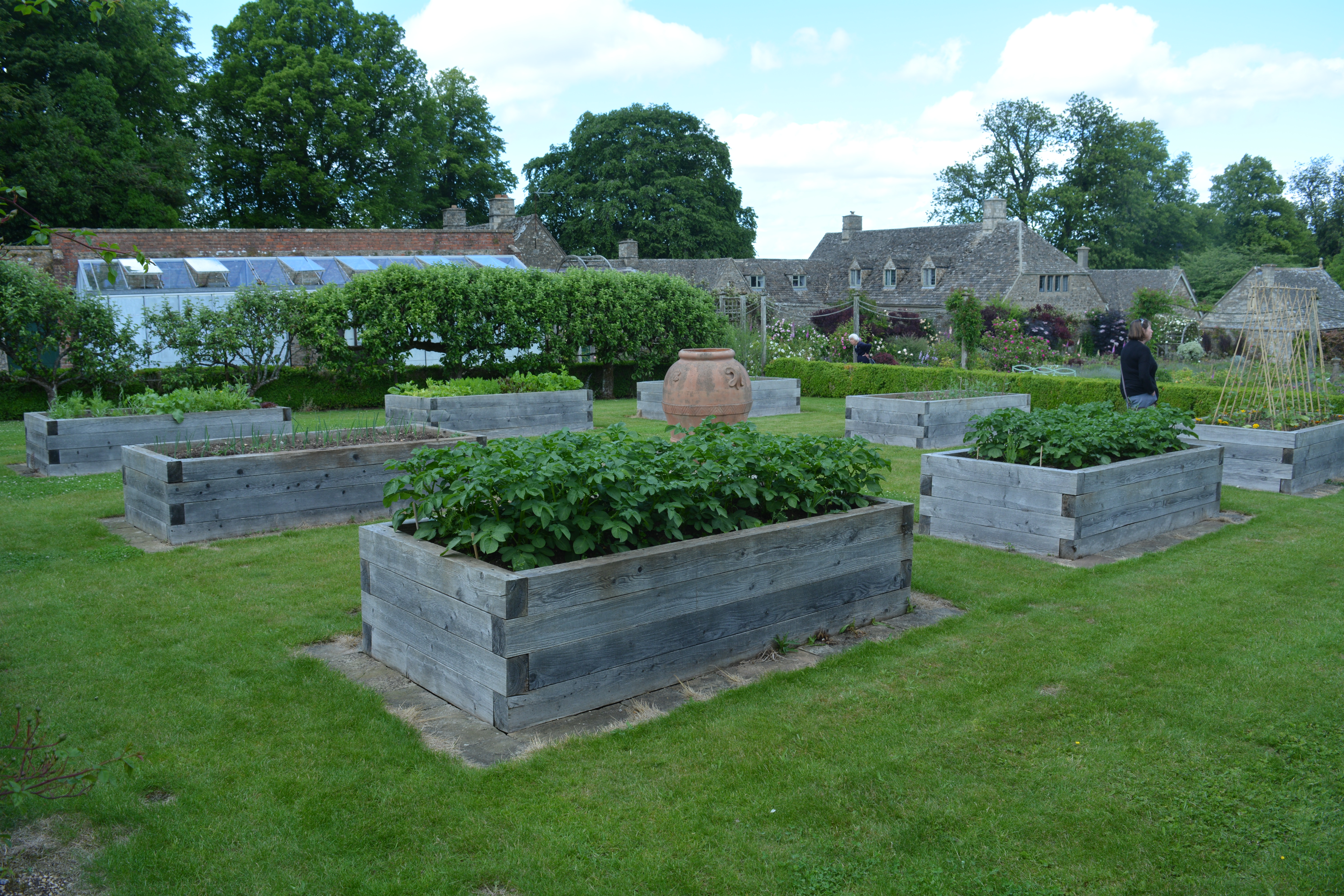
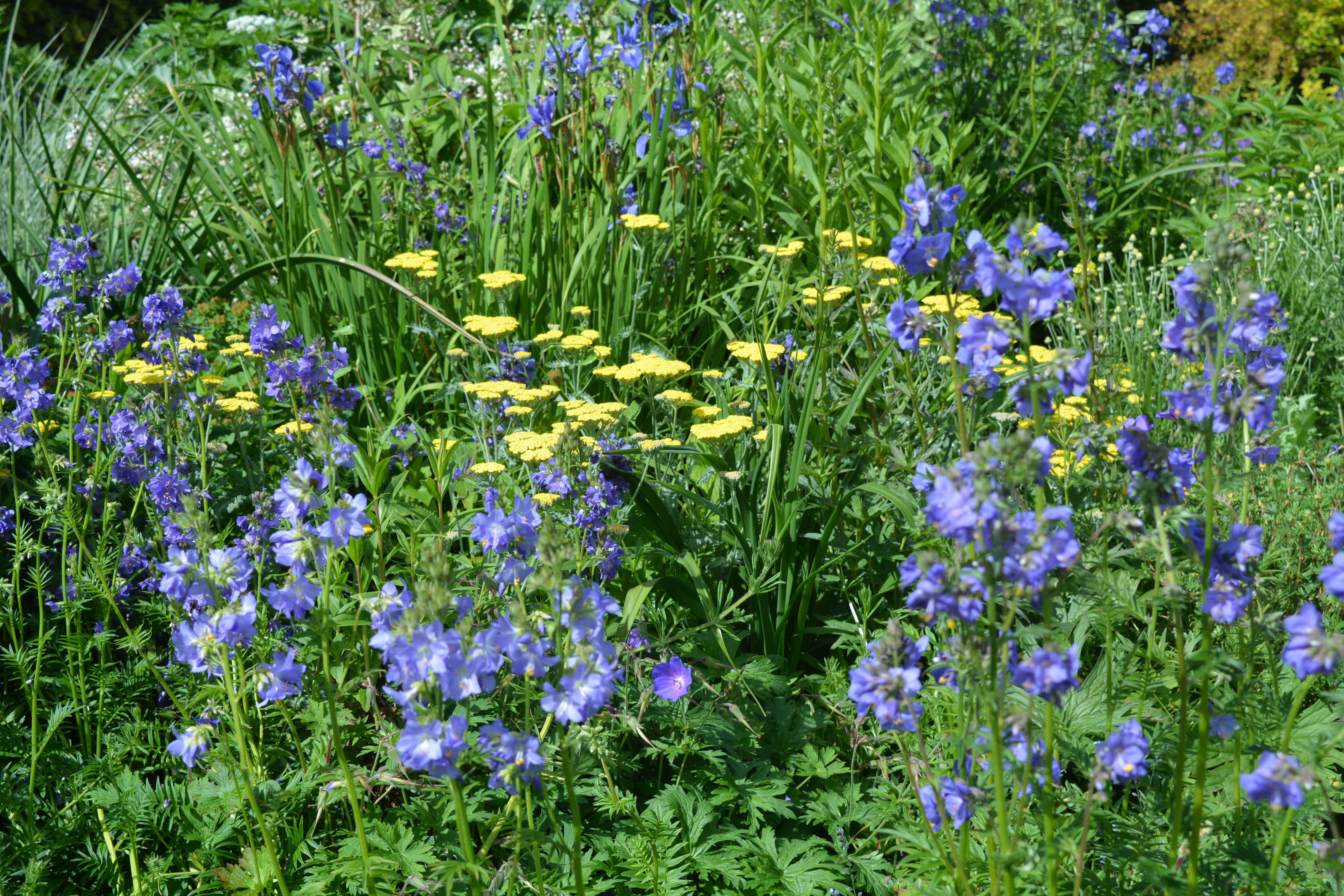
We soon realised that this was one of those gardens which impressed with the tiny details of individual plants and colour combinations but also with the bigger pictures it presented.

2015 06 21_2896 2015 06 21_2893

2015 06 21_2887 2015 06 21_2894

2015 06 21_2888

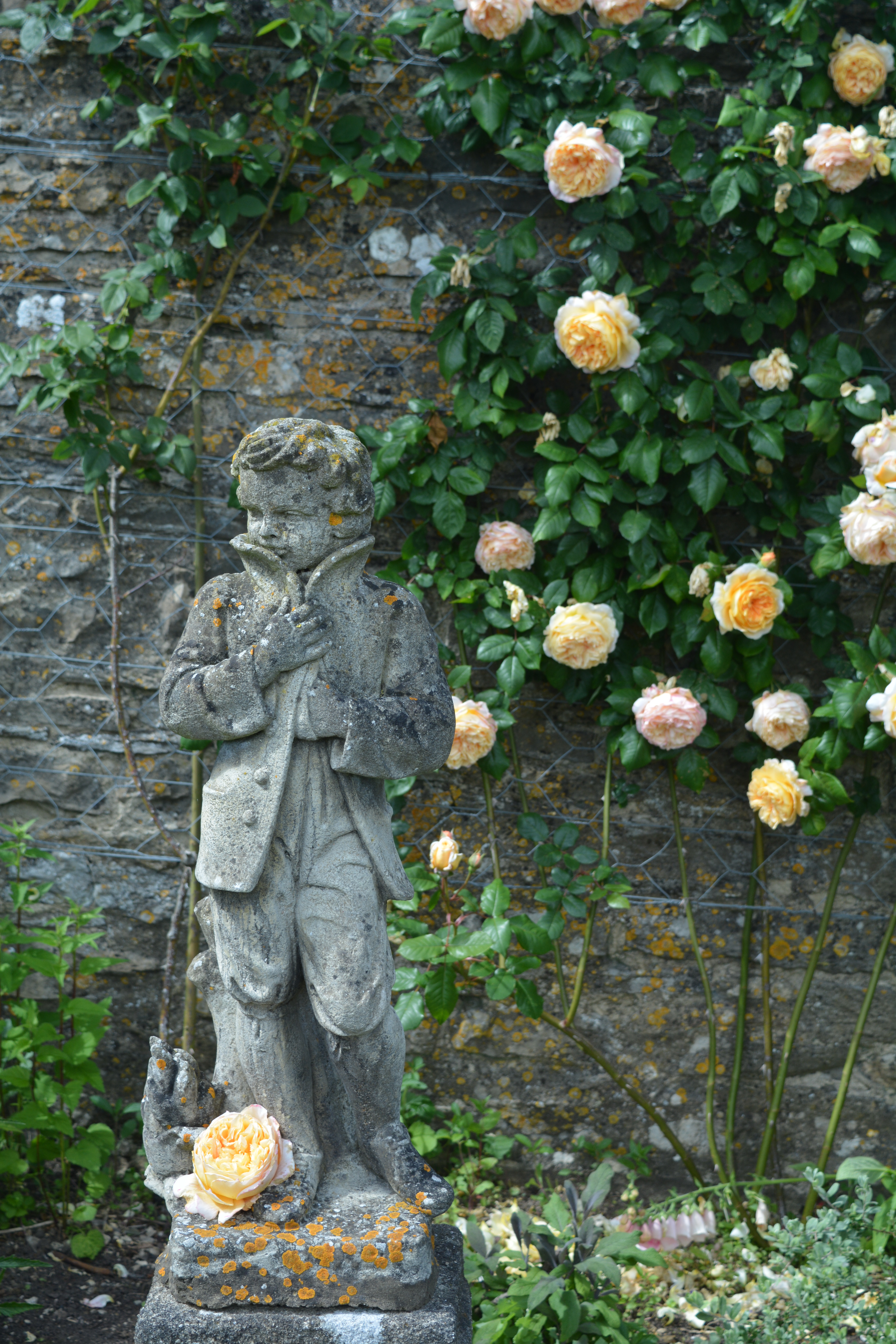
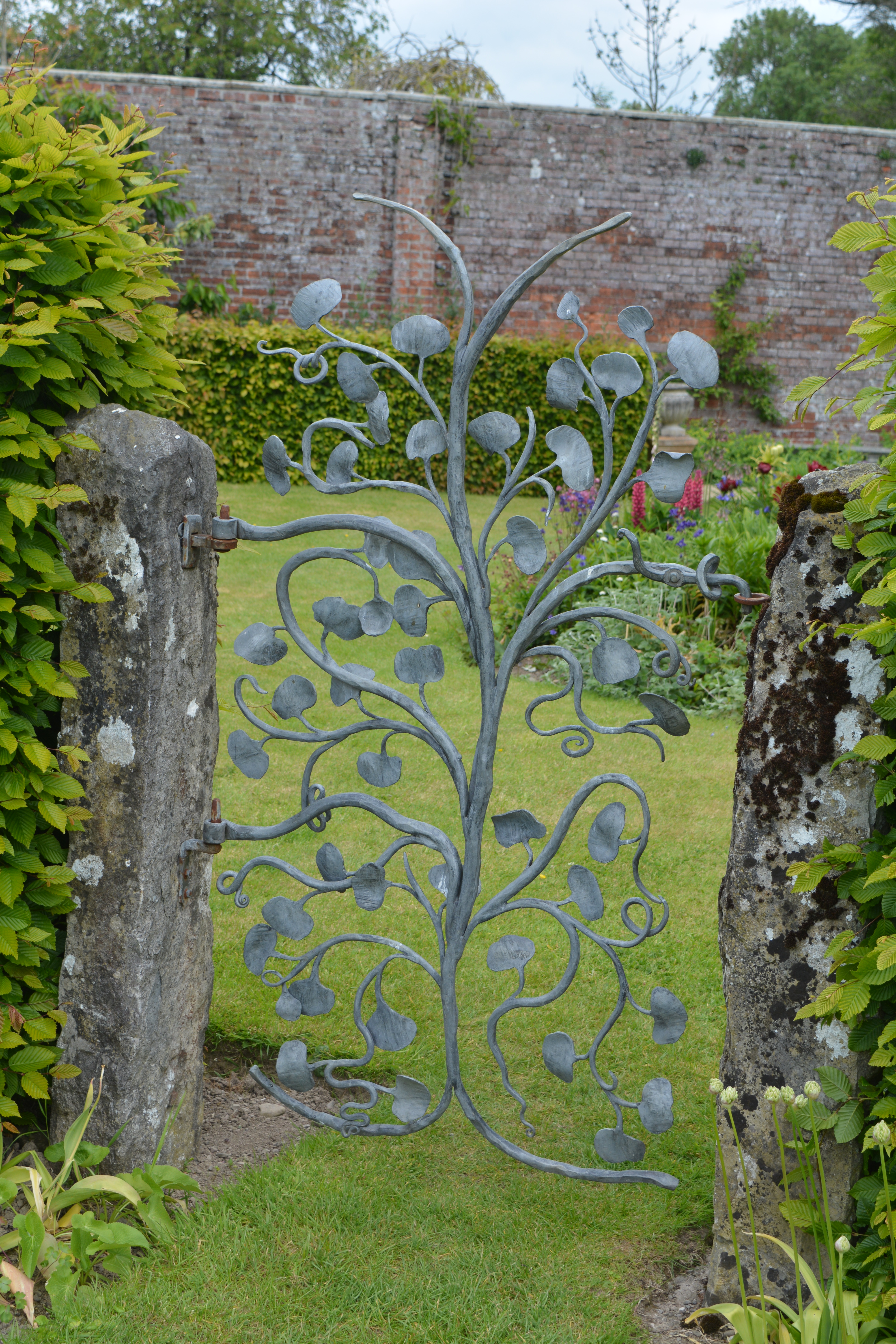
Metalwork impressed us from the imposing gates to the intimate seats.

2015 06 21_2886 2015 06 21_2884

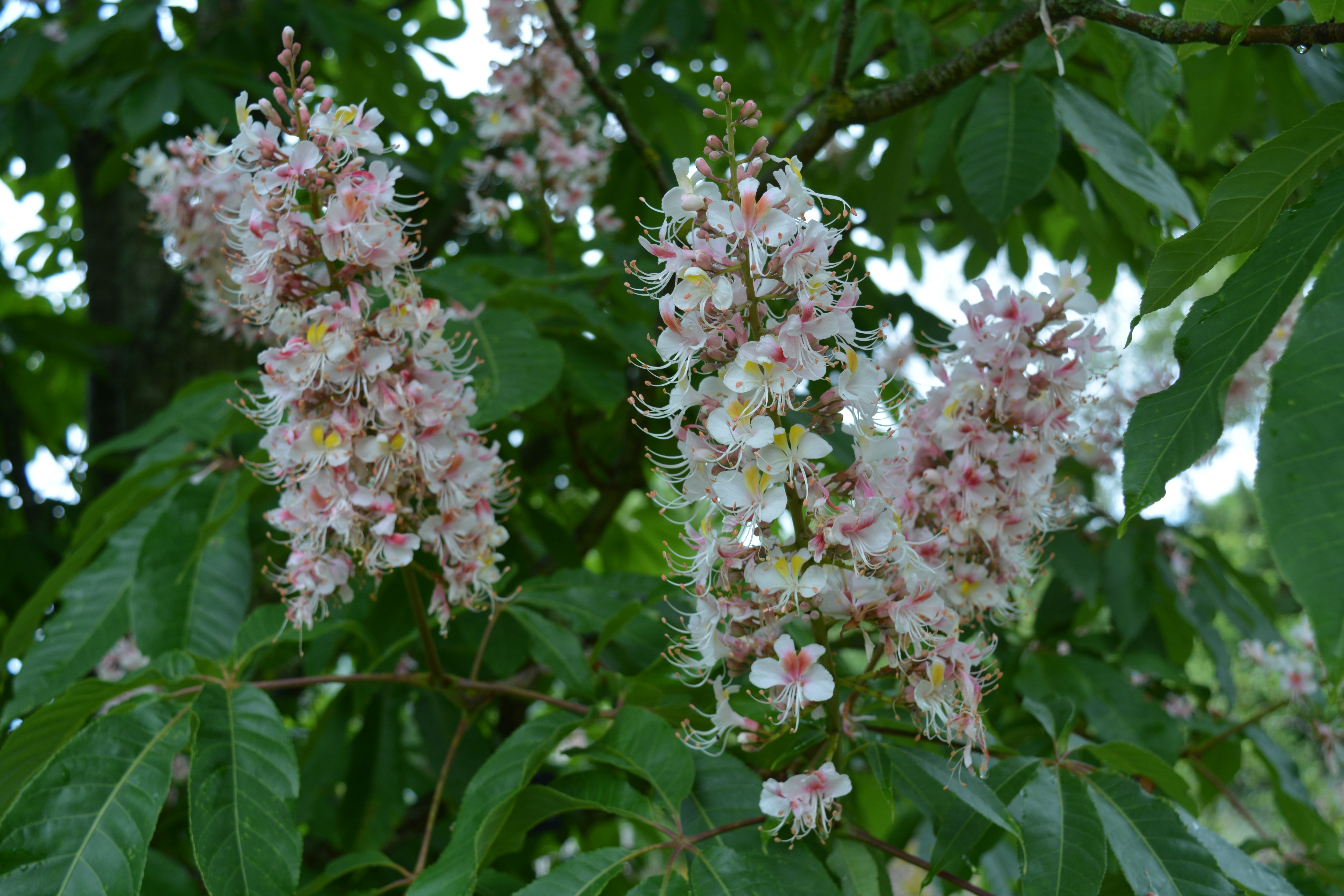
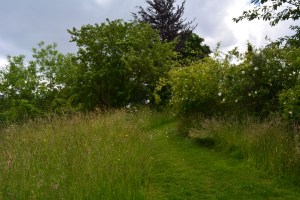
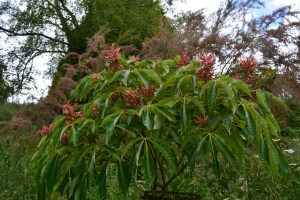
We loved the contrast between the formal gardens and the wilder “Robinsonian” areas. Paths mown through the long grass in these wilder areas led us to surprise plants to appreciate such as this Aesculus.

2015 06 21_2891 2015 06 21_2892

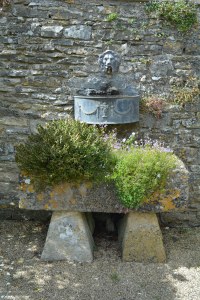
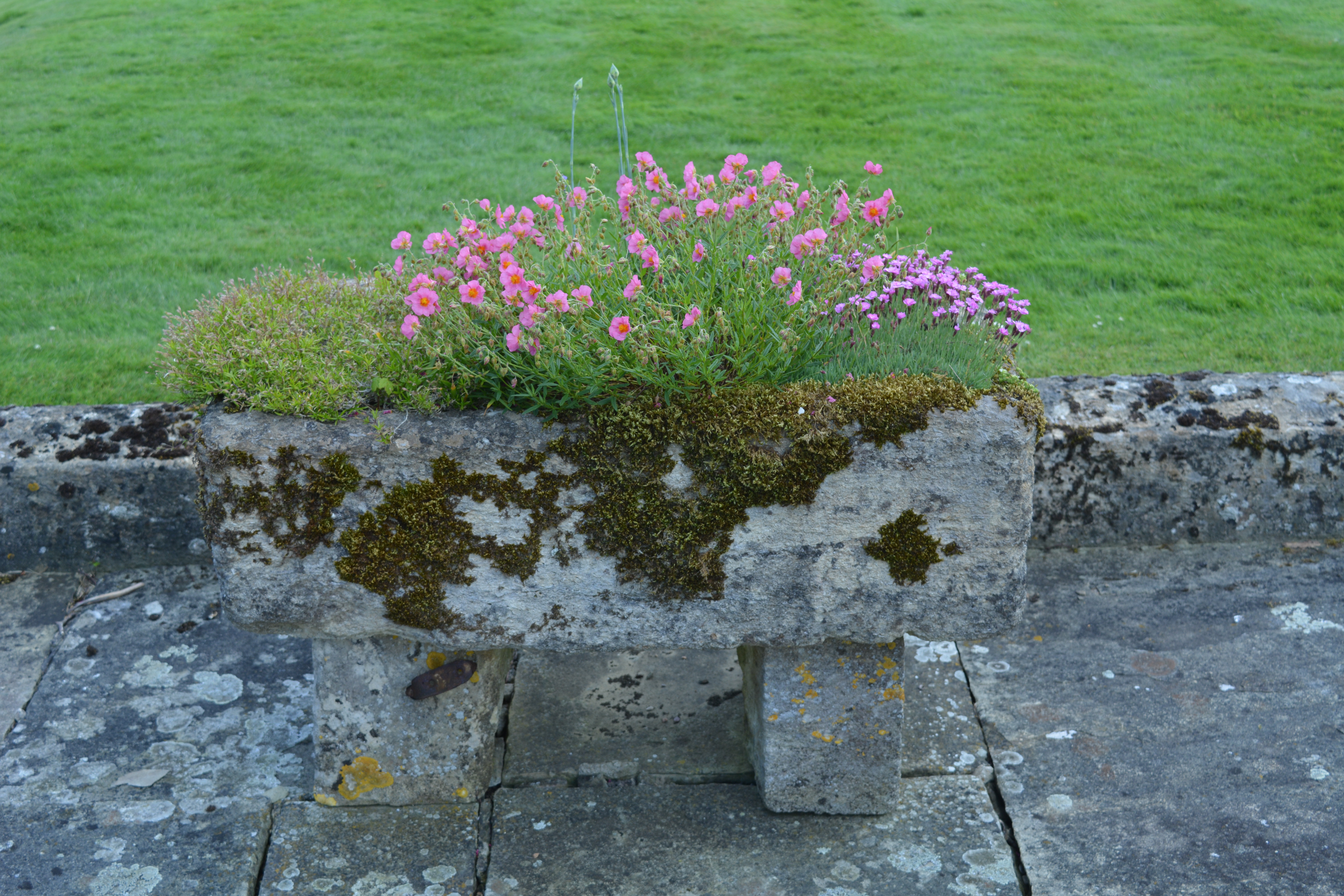
On the paved area which surrounded the house containers planted up with gently coloured plants enhanced the colour of the stonework.

2015 06 21_2911 2015 06 21_2898 2015 06 21_29012015 06 21_2900

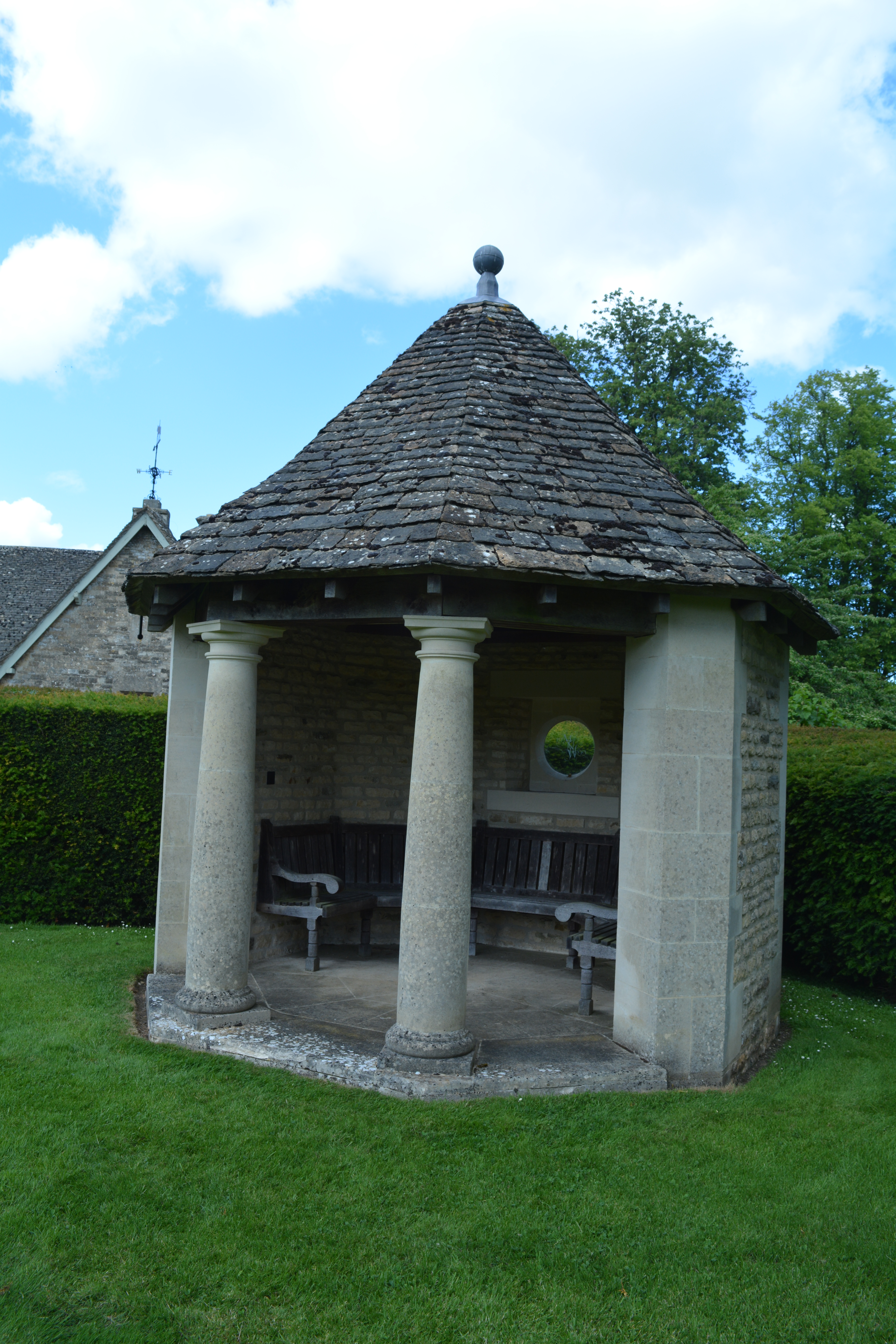
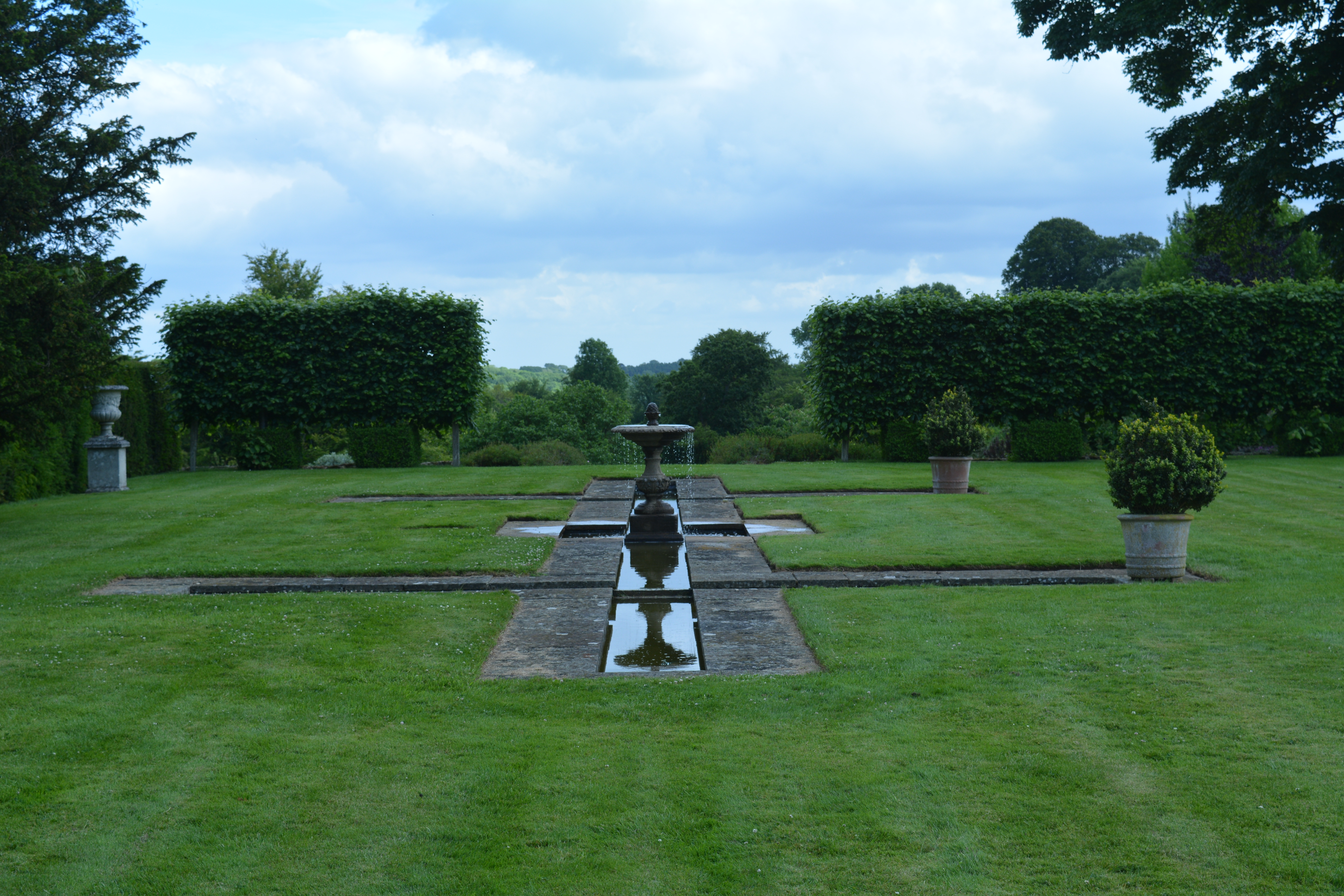
An unusual rill garden had been created to celebrate the Millenium and a nearby conveniently positioned summer house gives visitors a good chance to rest awhile and admire it.

2015 06 21_2907 2015 06 21_2905


2015 06 21_2909 2015 06 21_2910

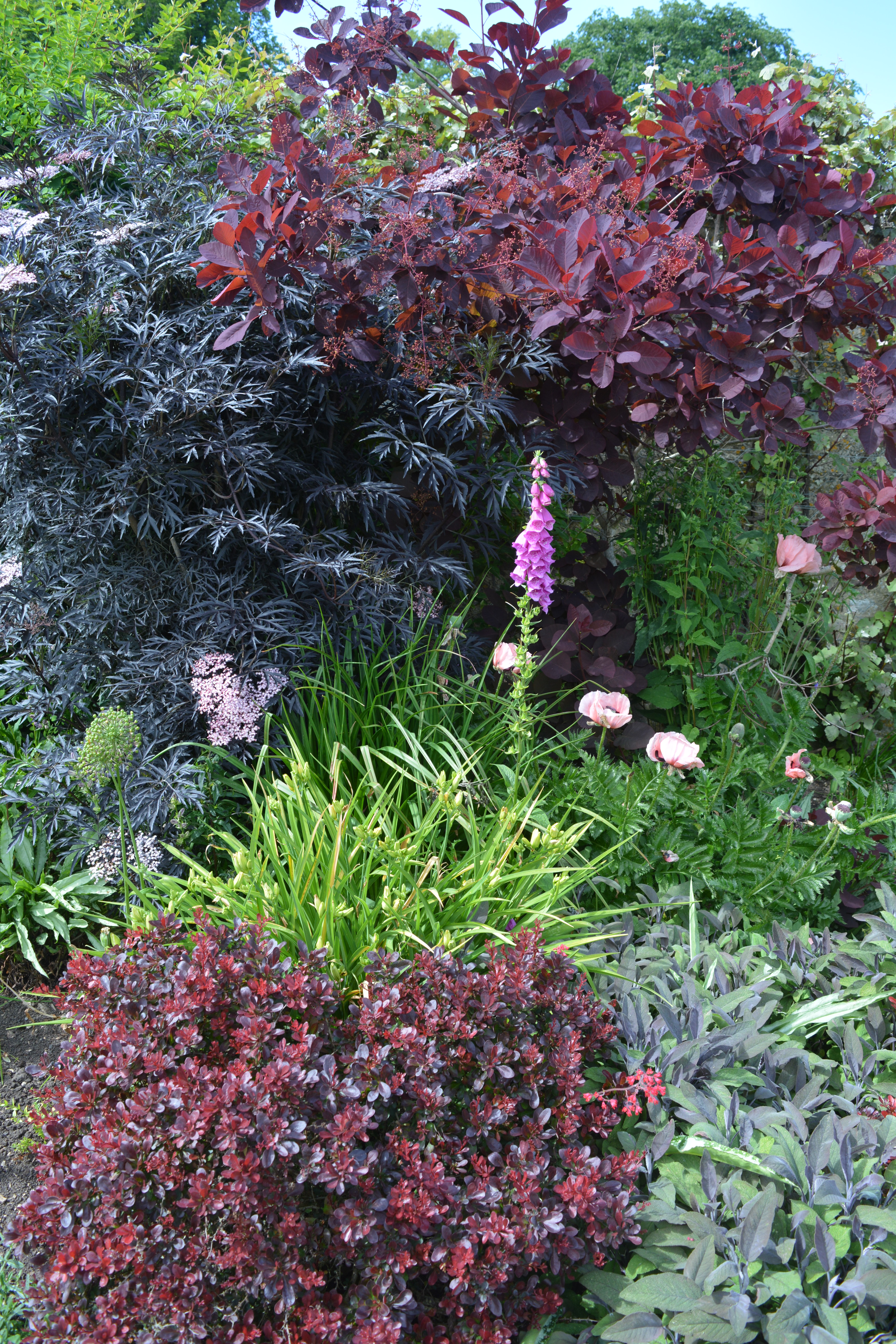
A shrub border full of deep purple leaves provided a rest for the eyes after studying brighter coloured plantings.


2015 06 21_2912 2015 06 21_2915

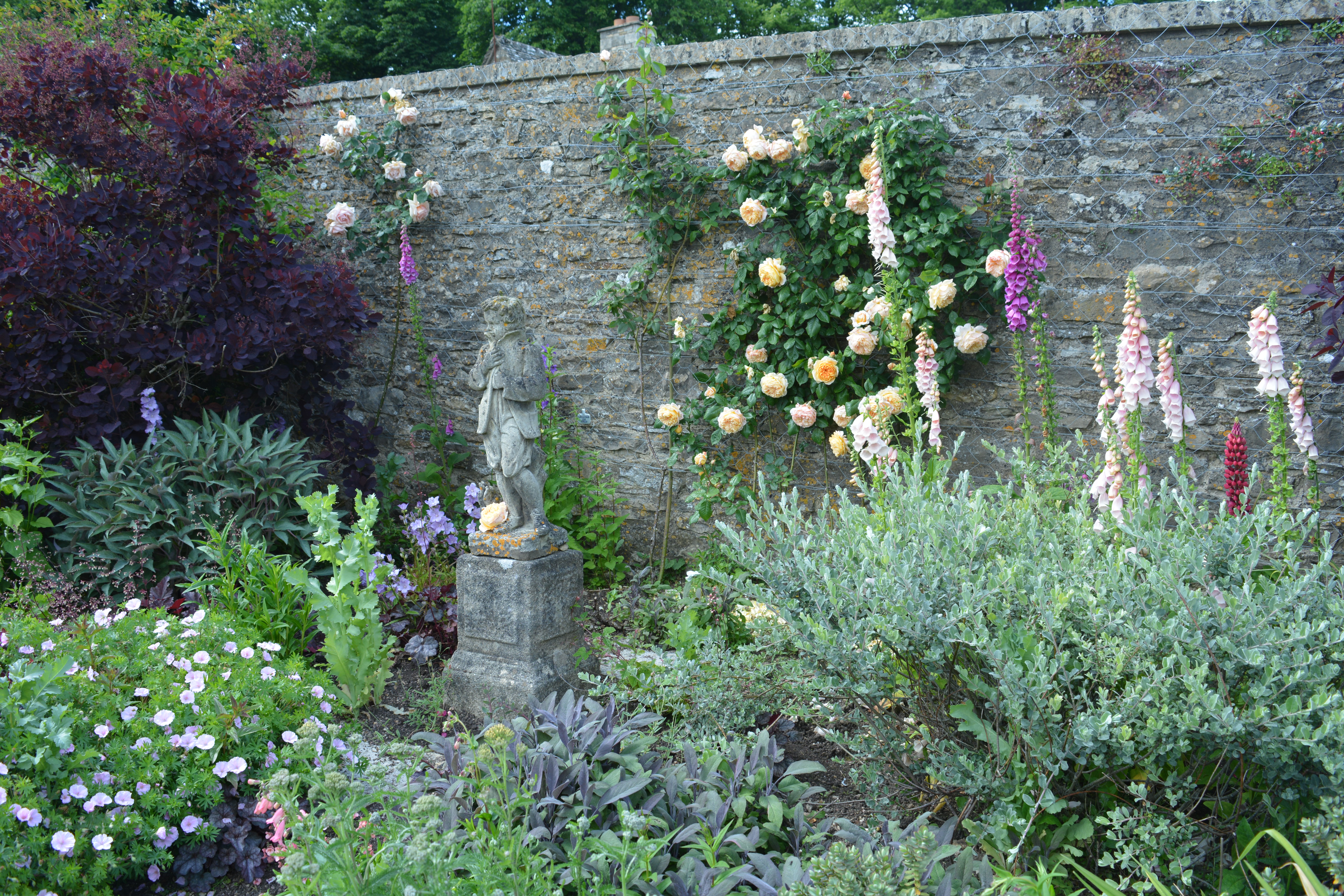
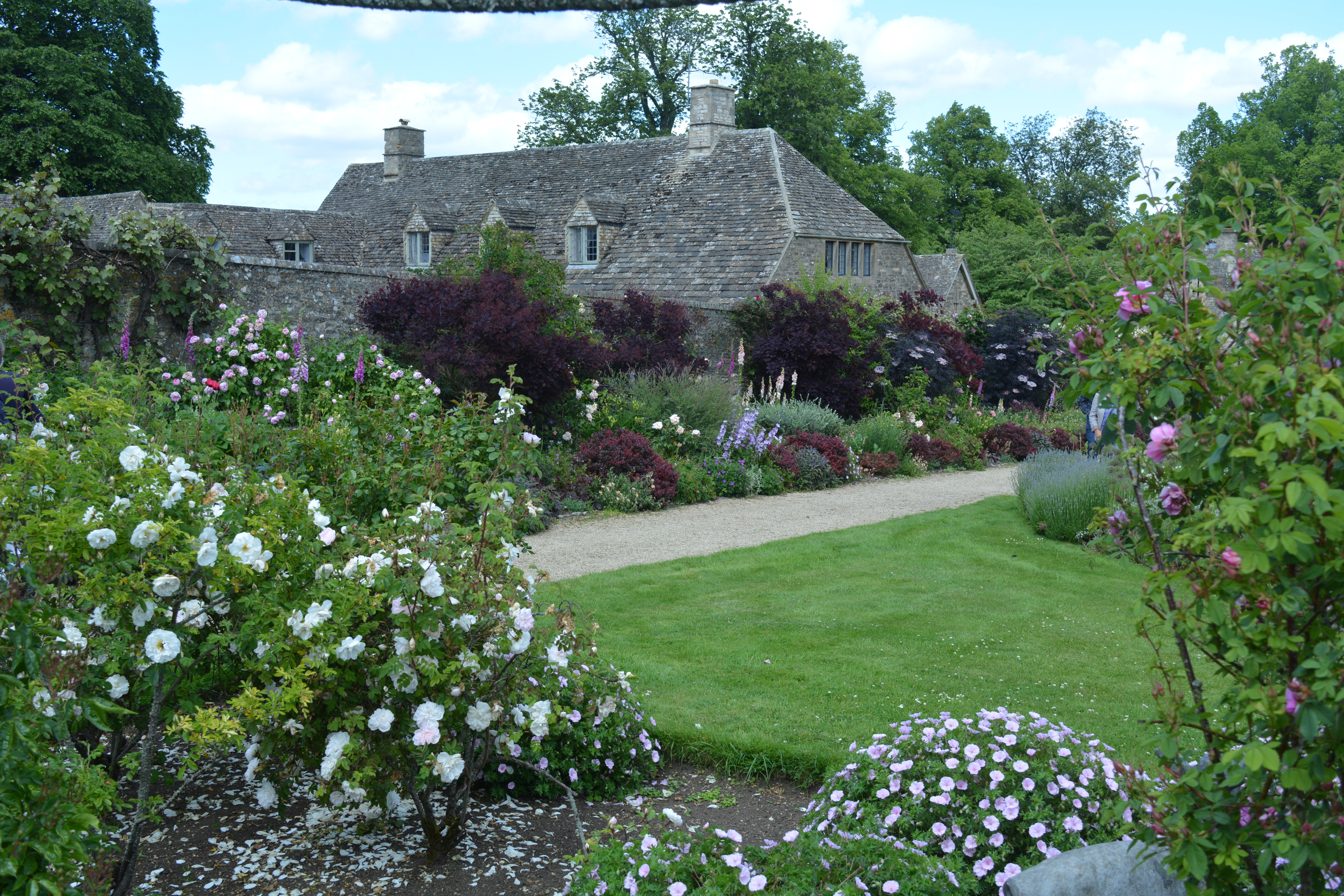
The grey stone walls of local limestone were a perfect foil for gentle coloured roses.


2015 06 21_2916 2015 06 21_2917


One area had been developed much more recently and afforded impressive contrasts of style.

2015 06 21_2918 2015 06 21_2919 2015 06 21_2920 2015 06 21_2921

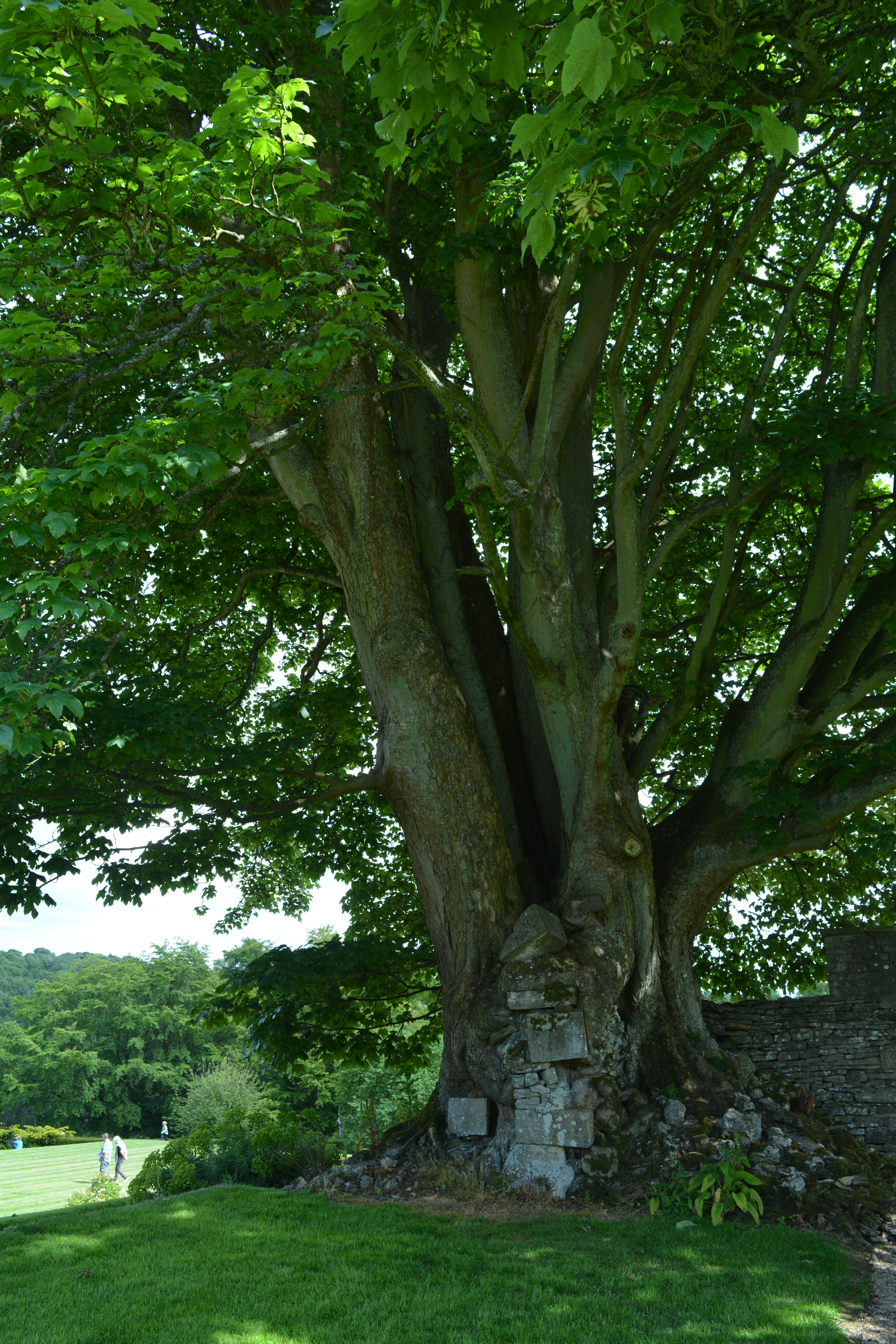
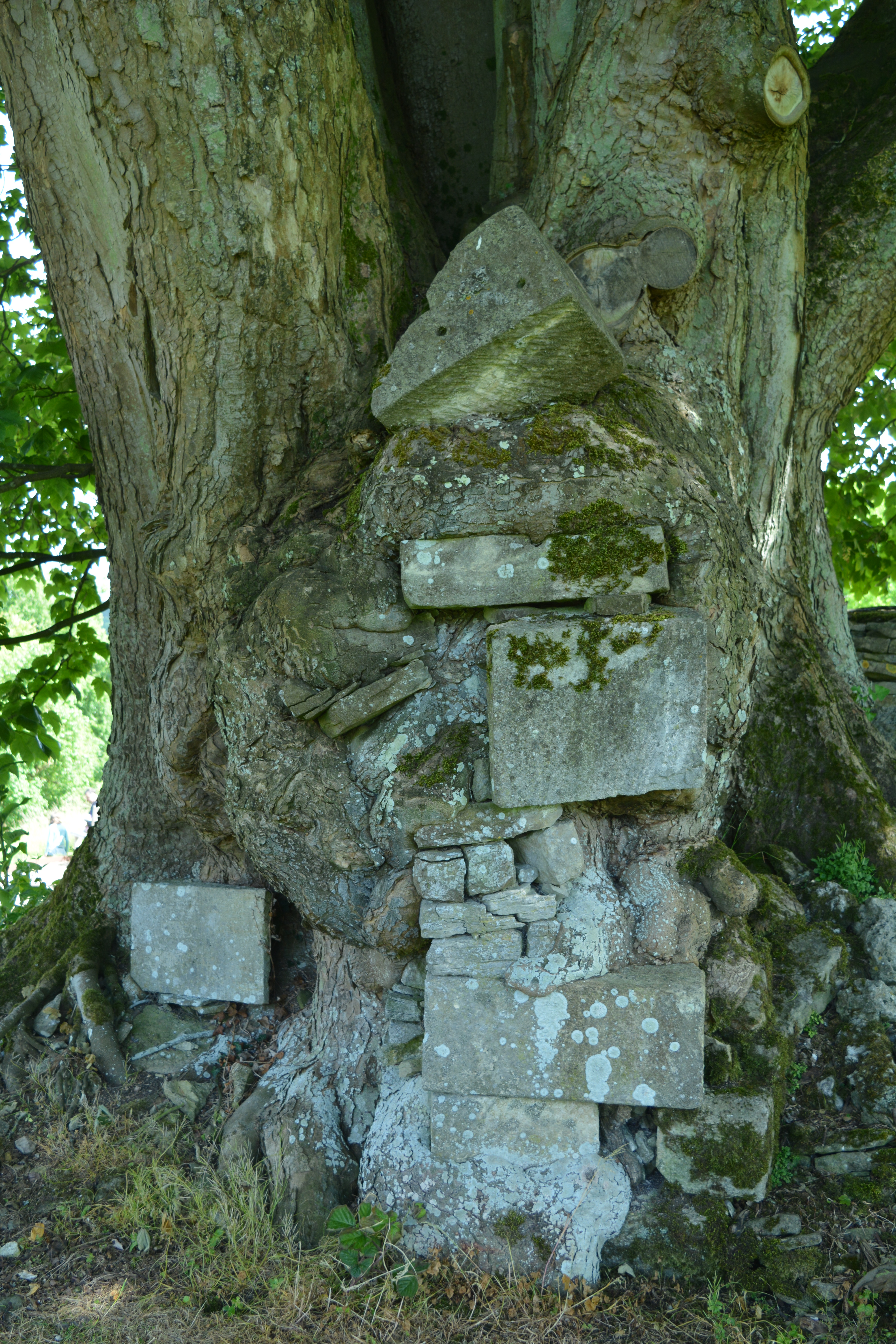
We couldn’t really work out what this strange stonework integrated into the base of an ancient tree was all about.

2015 06 21_2923 2015 06 21_2924

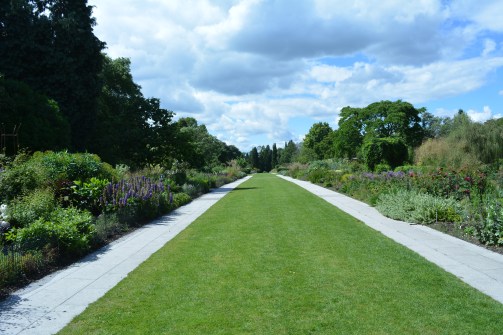
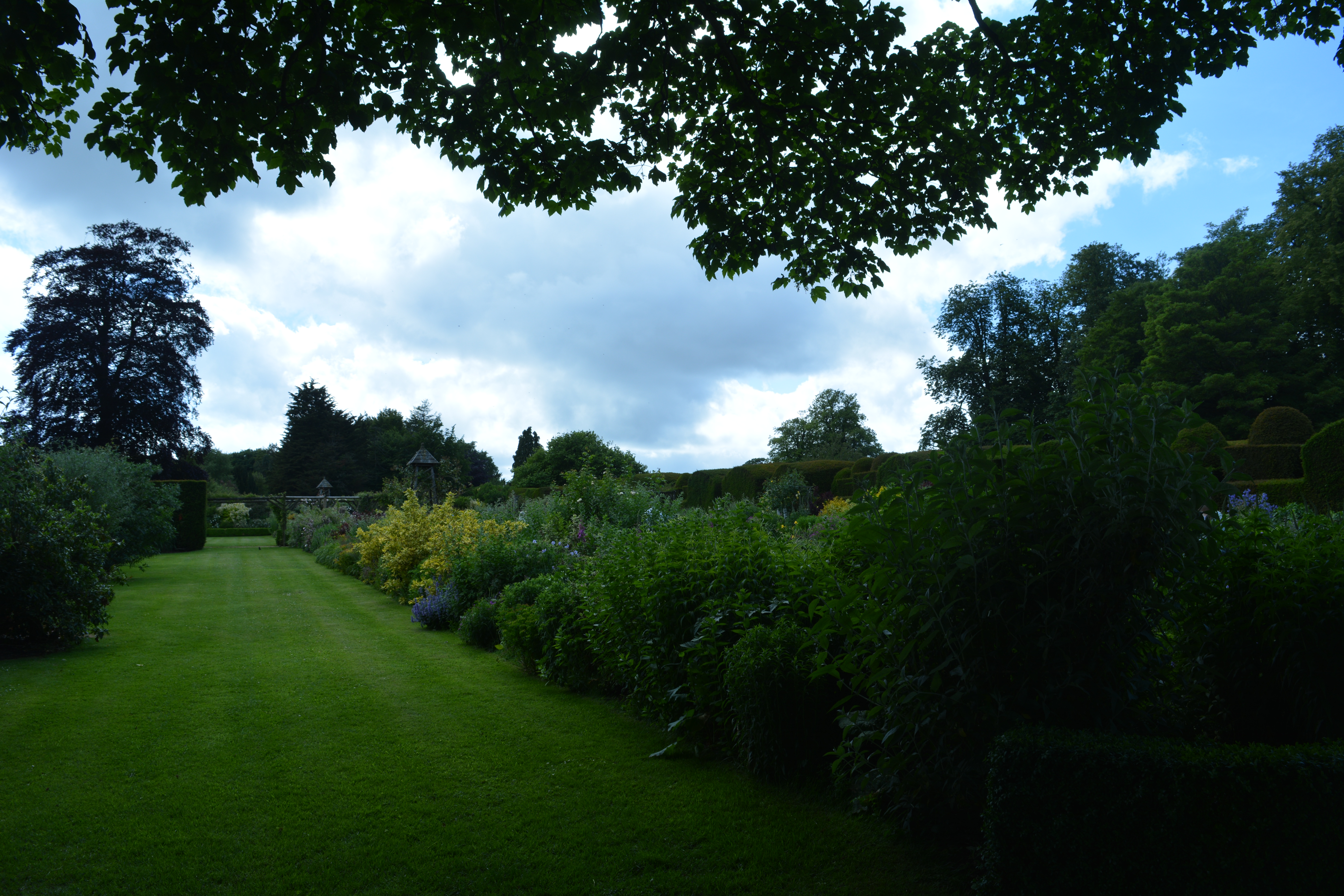
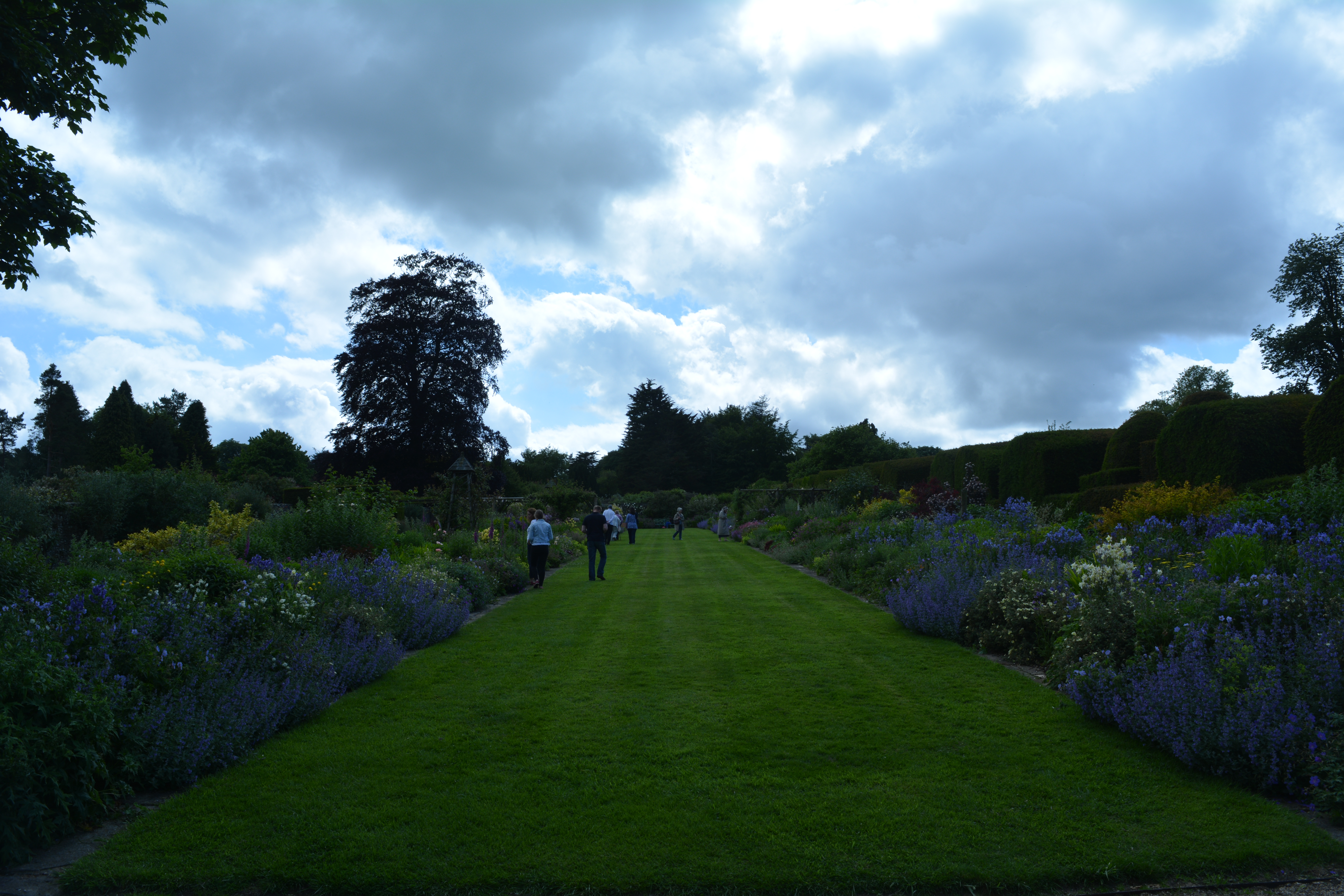
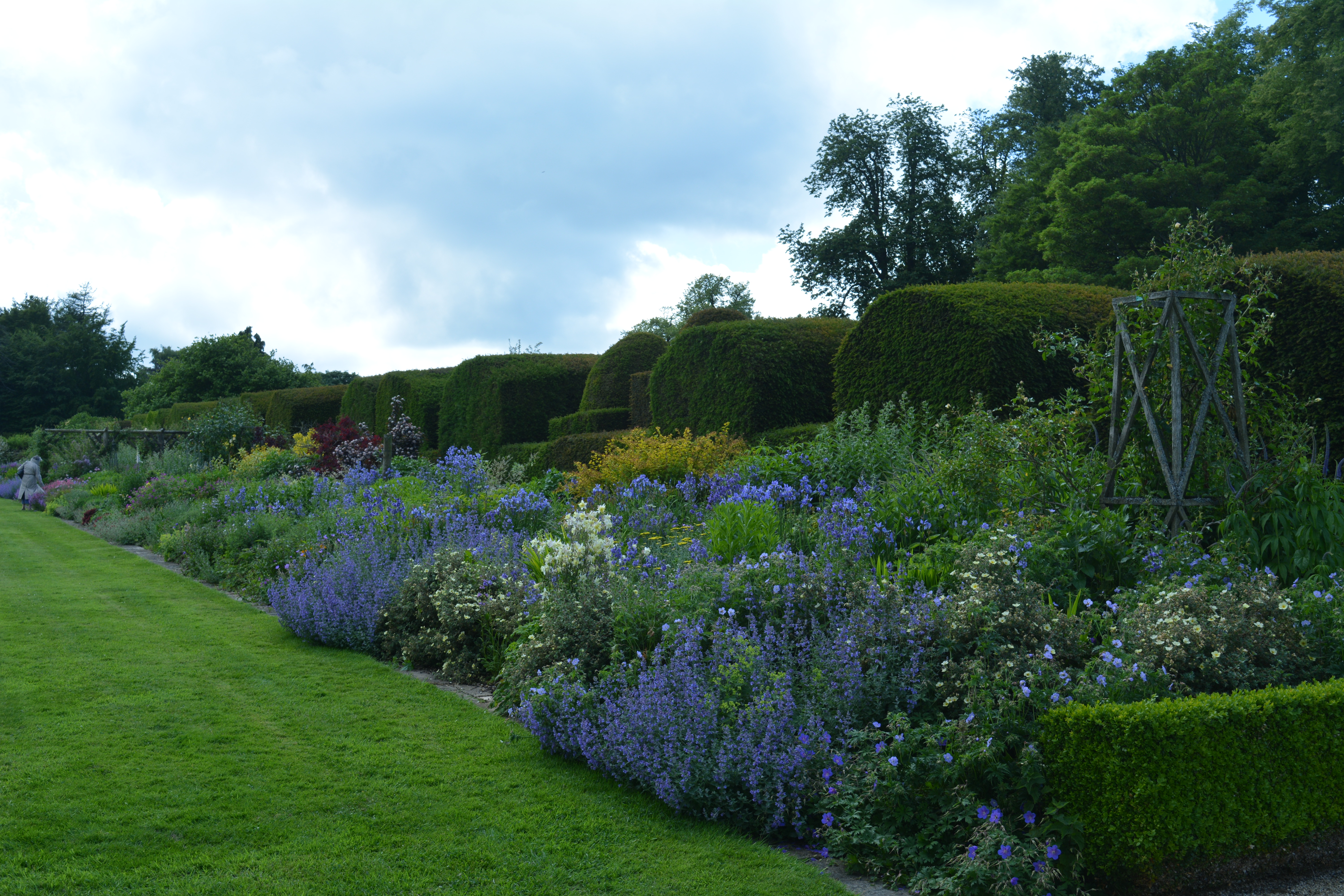
We finished our tour of the gardens at Miserden with a long slow walk along the double herbaceous borders.


2015 06 21_2925 2015 06 21_2926 2015 06 21_2927 2015 06 21_2928 2015 06 21_2929 2015 06 21_2930 2015 06 21_2931 2015 06 21_2932


It is always a bonus to visit a good garden when taking a break in a journey further afield. Miserden was well worth stopping to explore.

Categories
buildings gardens gardens open to the public ornamental trees and shrubs outdoor sculpture roses The National Trust trees

Roses, roses and yet more Roses – Mottisfont.

We had planned to visit the National Trust garden at Mottisfont to see its rose garden for many years so took advantage of being in Hampshire for a short break in June. Little did we know that hoards of others were planning the same visit! The car park was overflowing when we arrived but we managed to find a space. Why had we not realised that this garden is famous for roses so most people would visit in the month of roses, June?

2015 06 23_31542015 06 23_3217

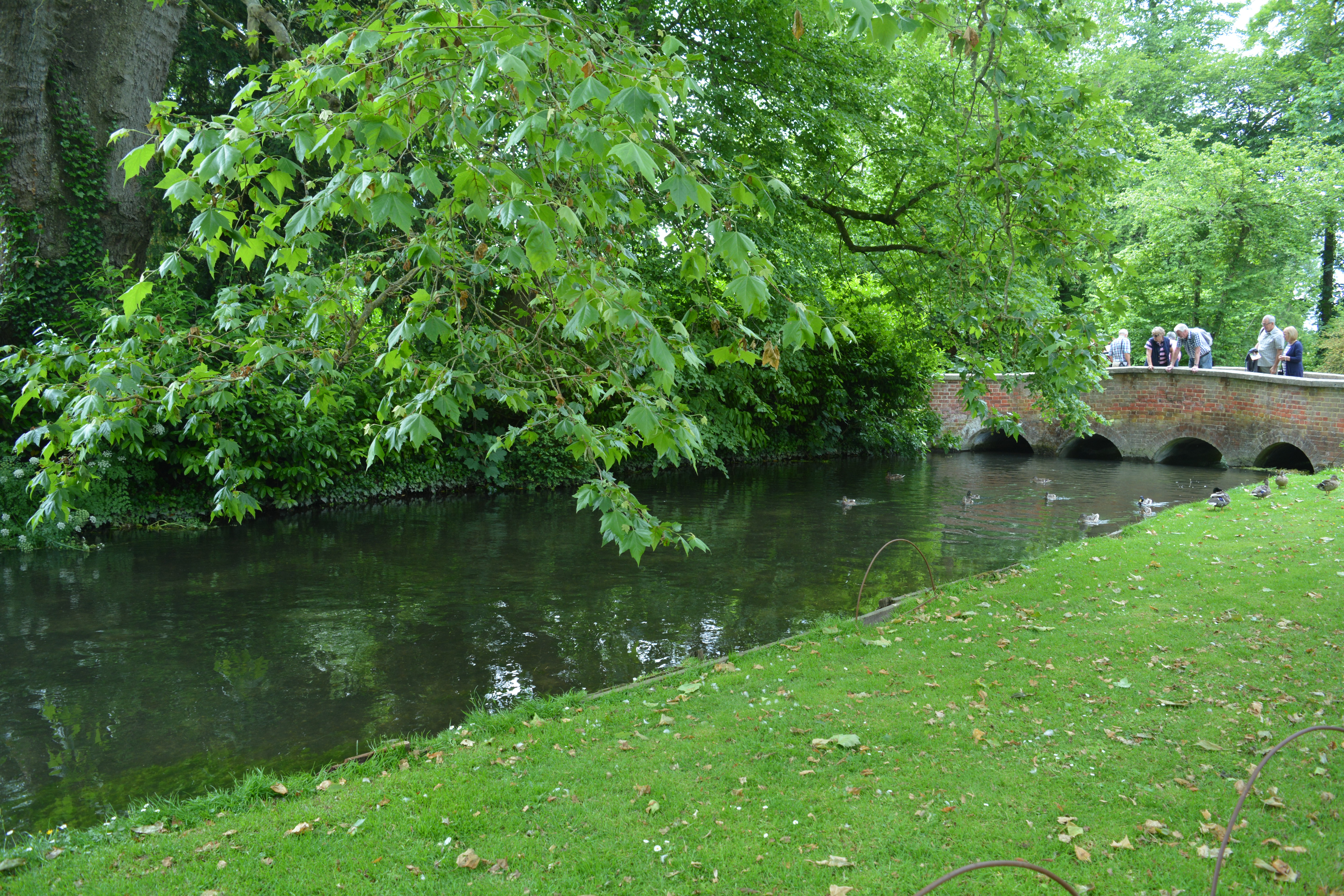
A short wander from the car park into the garden took us over the River Test via an old stone bridge. As a fisherman seeing the River Test is an exciting thing! Peering down from the bridge we spied big Brown Trout seeking out flies and other insects right below us. These were “Brownies” that anglers dream of!

2015 06 23_3142 2015 06 23_3143

The building at Mottisfont was originally a monastery and a quick look inside soon revealed its past. We found ancient dark vaulted cellars and even a mason’s mark. Outside roses clambered over the ruins of stone buildings.
2015 06 23_3144 2015 06 23_3145 2015 06 23_3146 2015 06 23_3147

A  mosaic decorated a section of wall created by the artist Boris Anrep to depict the likeness of the mistress of the house Maud Russell in the 1930’s. The style was far from modern.

2015 06 23_3148 2015 06 23_3149

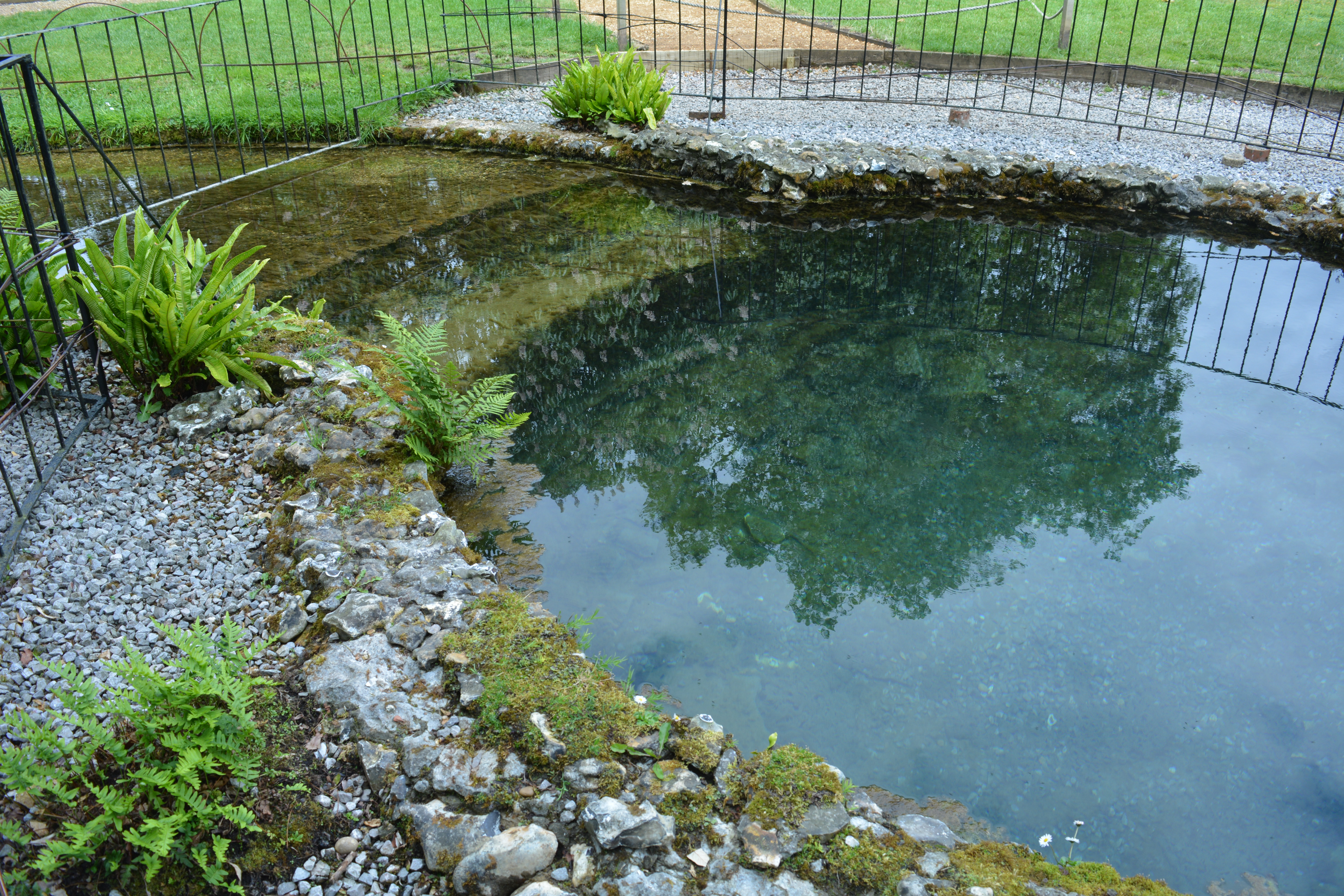
We made our way towards the walled garden where Mottisfont’s collection of roses is grown. On the way we found a dipping well fed by a tiny clear stream, a diversion from the Test.

2015 06 23_3151 2015 06 23_3152

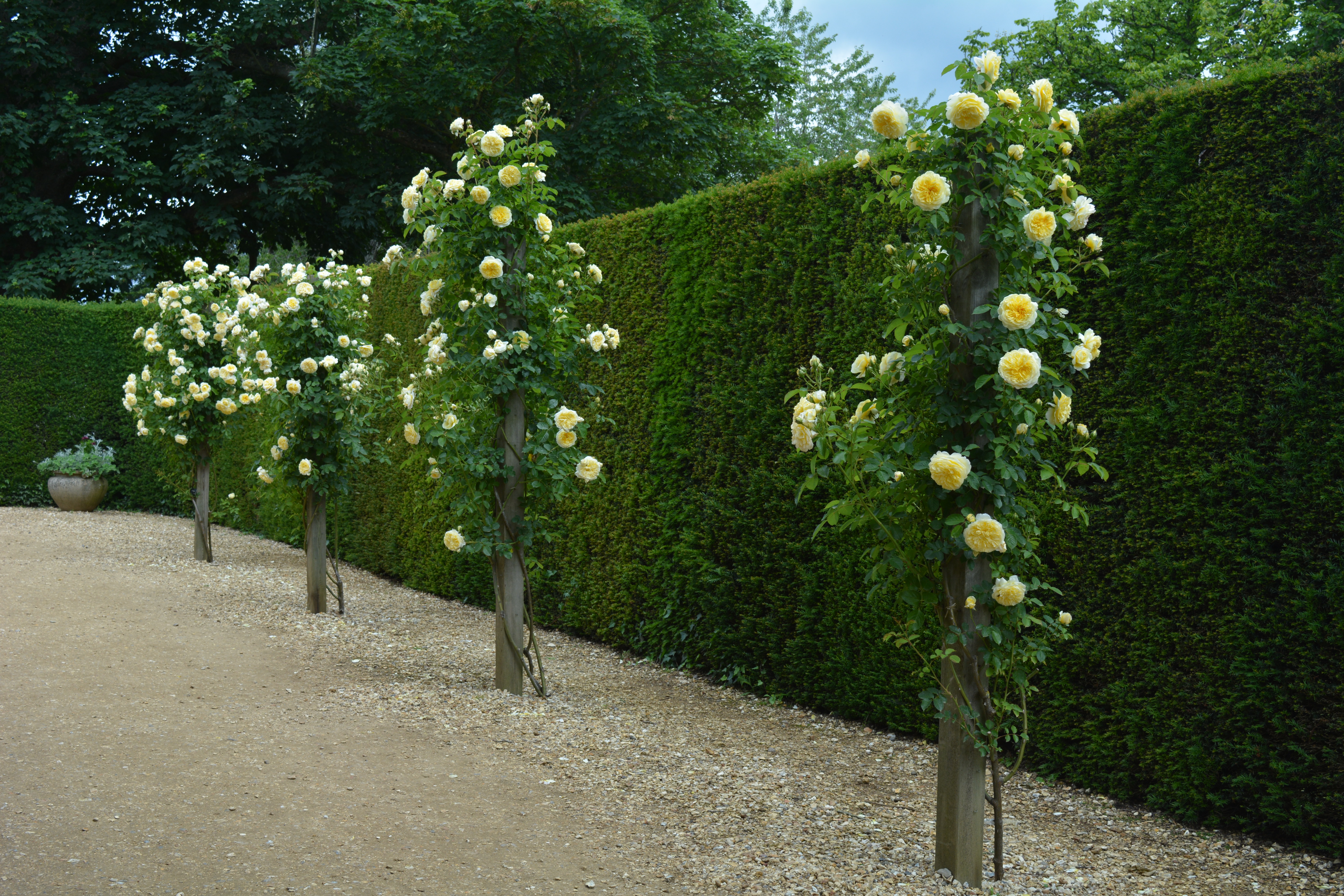
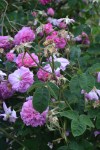
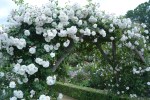
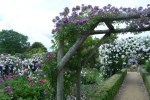
A walkway featuring cream coloured roses trained up pillars took us into the richly coloured and scented rose garden. Insects found the roses as appealing as the visitors and we enjoyed spotting all the bees and hoverflies feeding delicately on the nectar and pollen.

Luckily there were plenty of herbaceous perennials to add variety of shape and colour and give the nose a break from the scents.

2015 06 23_3155 2015 06 23_3156

Please enjoy my gallery of roses. There were so many people looking at and smelling the roses that taking these pics was a real challenge. Click on the first photo and take a tour by clicking on the arrows.

The walled garden was not only full of roses but also of people. We were not the only visitors who thought it a good time to make the journey to Mottisfont! After a while we found the volume of people just too much and left the Roses in search of other interesting things. Surely there must be more than Roses!

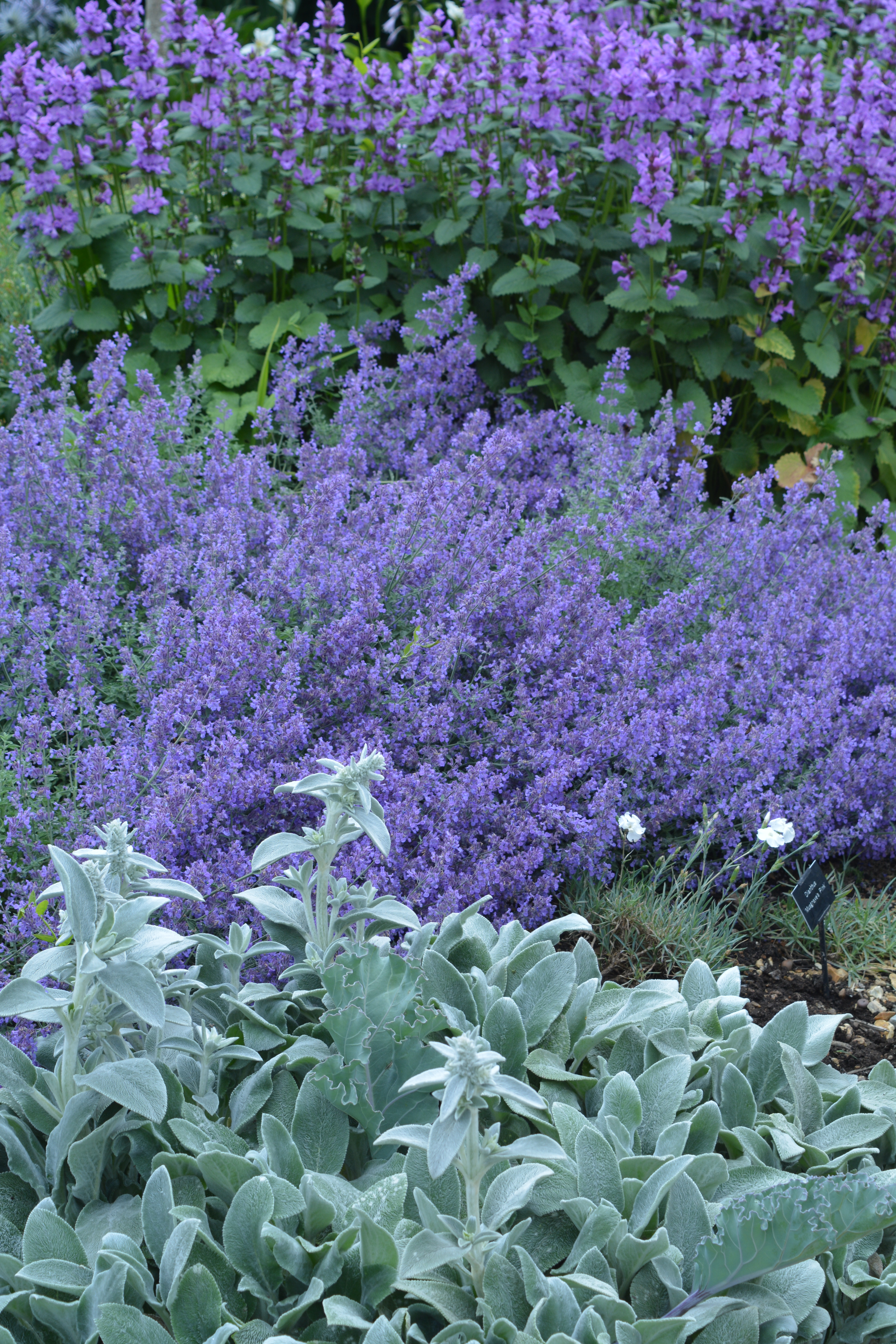
We decided to make our way back towards the River Test and follow the riverside walk. As we left the Rose Garden the gentle colours of this group of perennials was a relief after too many roses. This was just the first of several interesting features here beyond the Rose Garden.

2015 06 23_3204

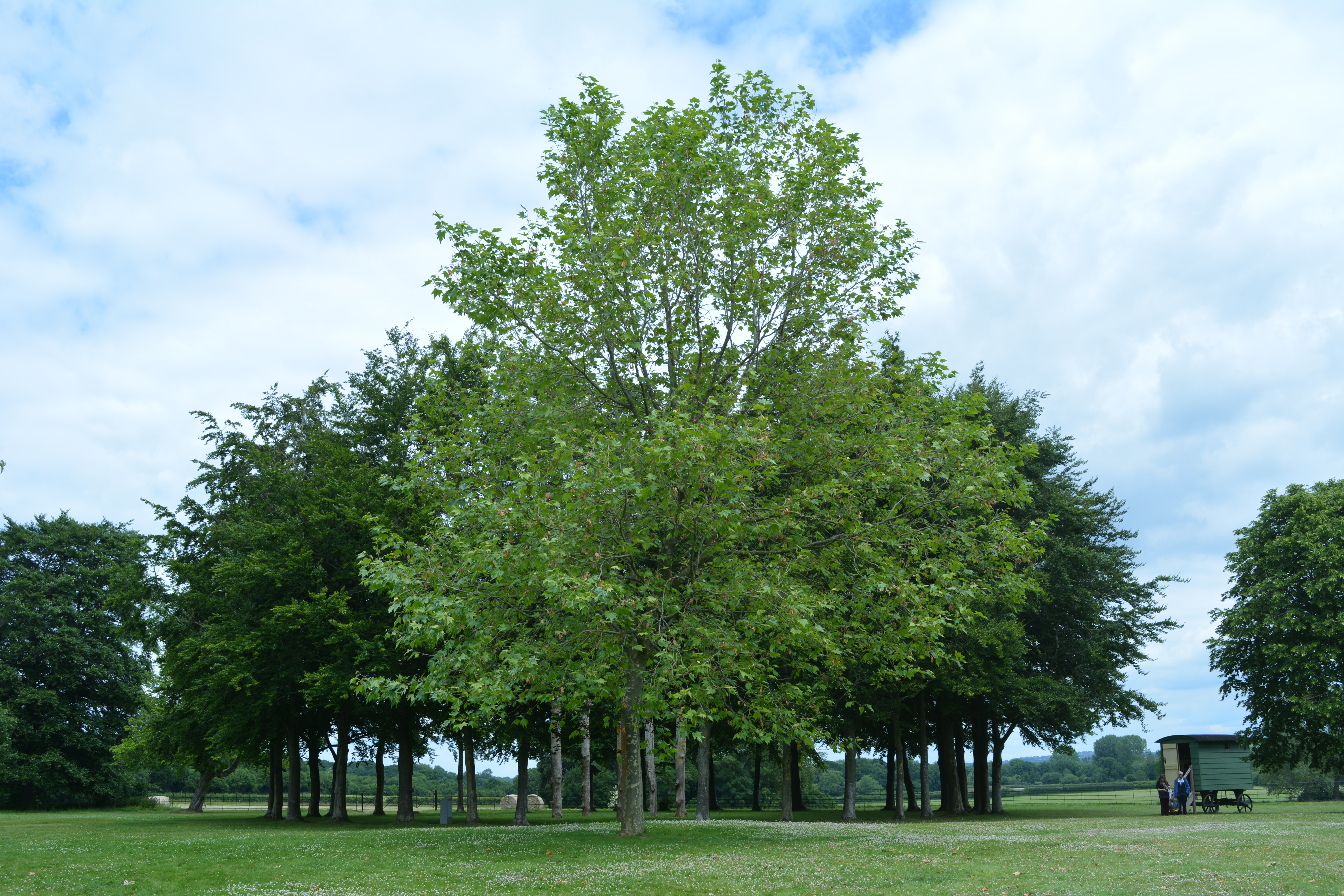
Walking away from the walled garden we spotted in a large area of lawn this intriguing group of trees and to its right an old wooden trailer.


2015 06 23_3205 2015 06 23_3207

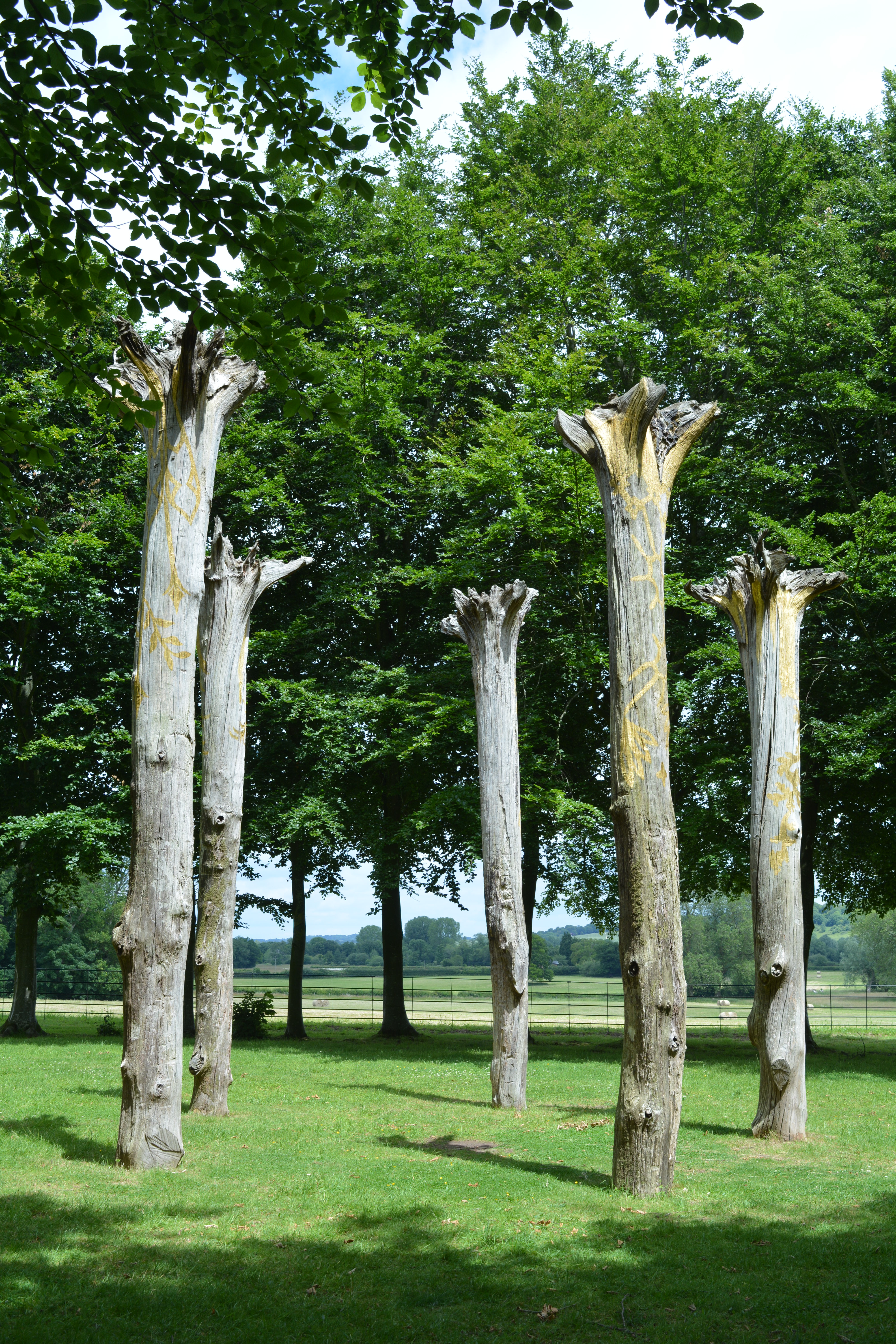
A wide circle of tall, mature trees encircled a smaller circle of dead trees inserted upside down in the earth. Some were decorated with gold leaf.


2015 06 23_3208 2015 06 23_3209 2015 06 23_3210 2015 06 23_3211

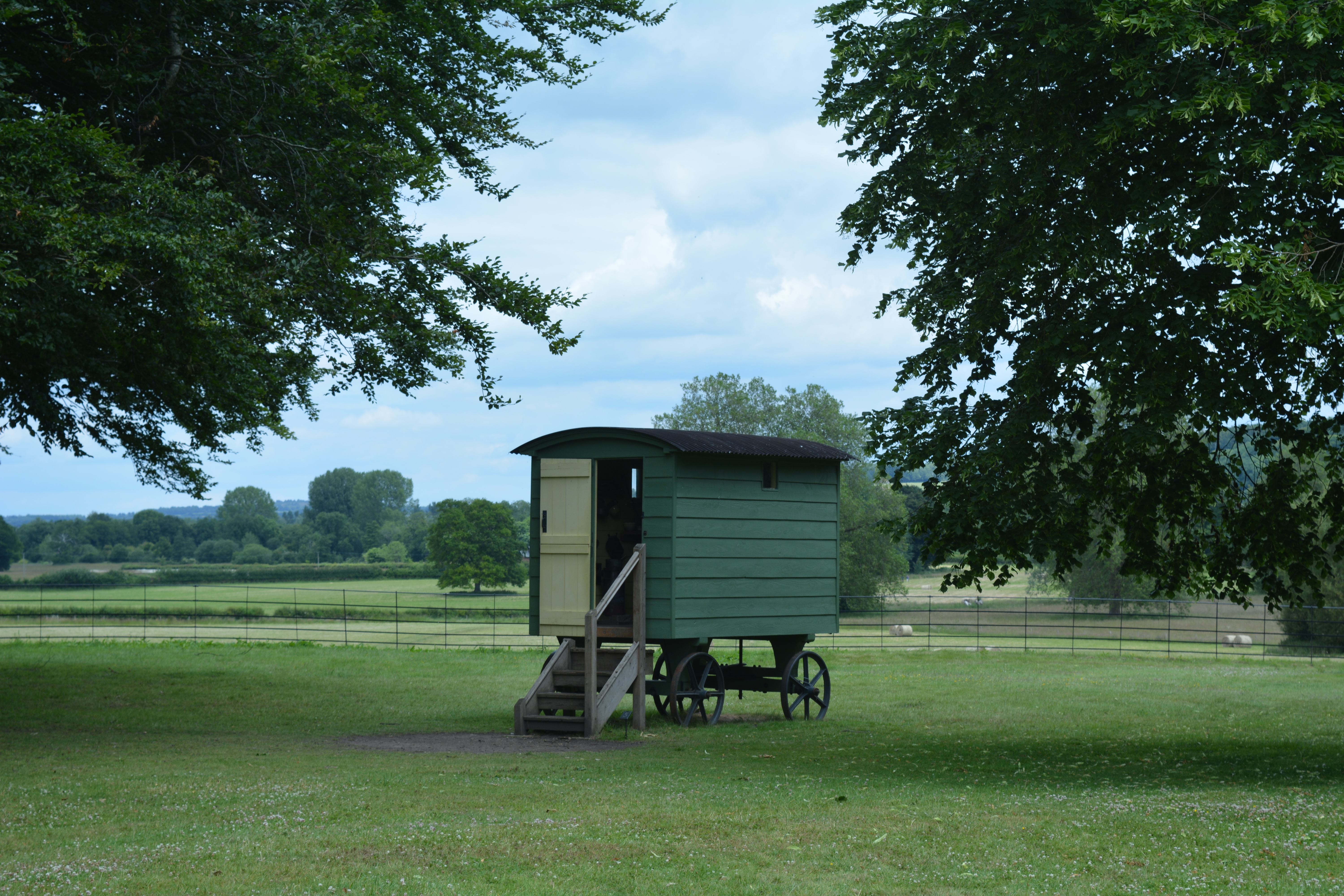
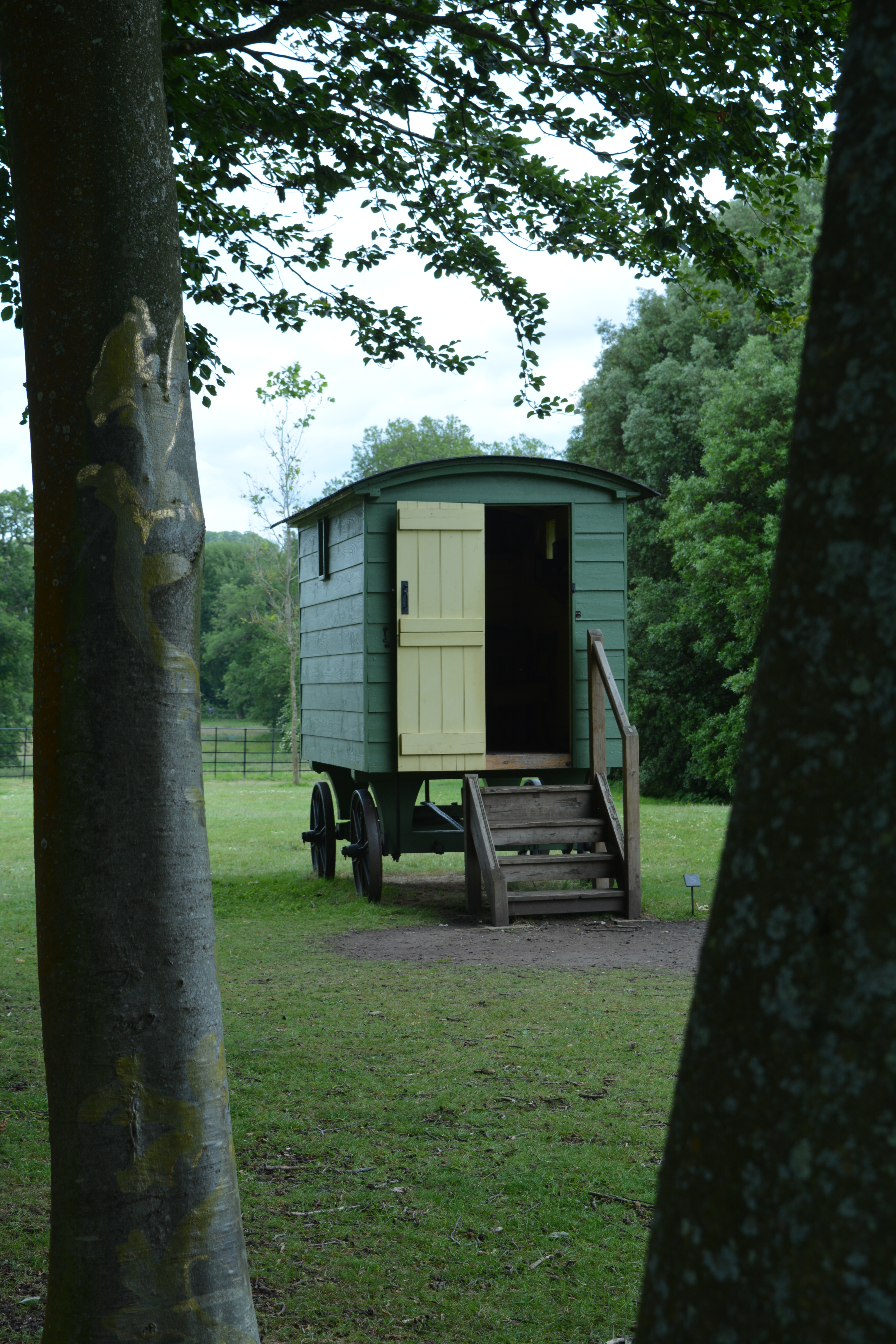
The little wooden caravan turned out to be a shepherd’s hut used during lambing time. It contained a bed, heater, stove and all the basic home comforts.


2015 06 23_3212 2015 06 23_3213 2015 06 23_3214


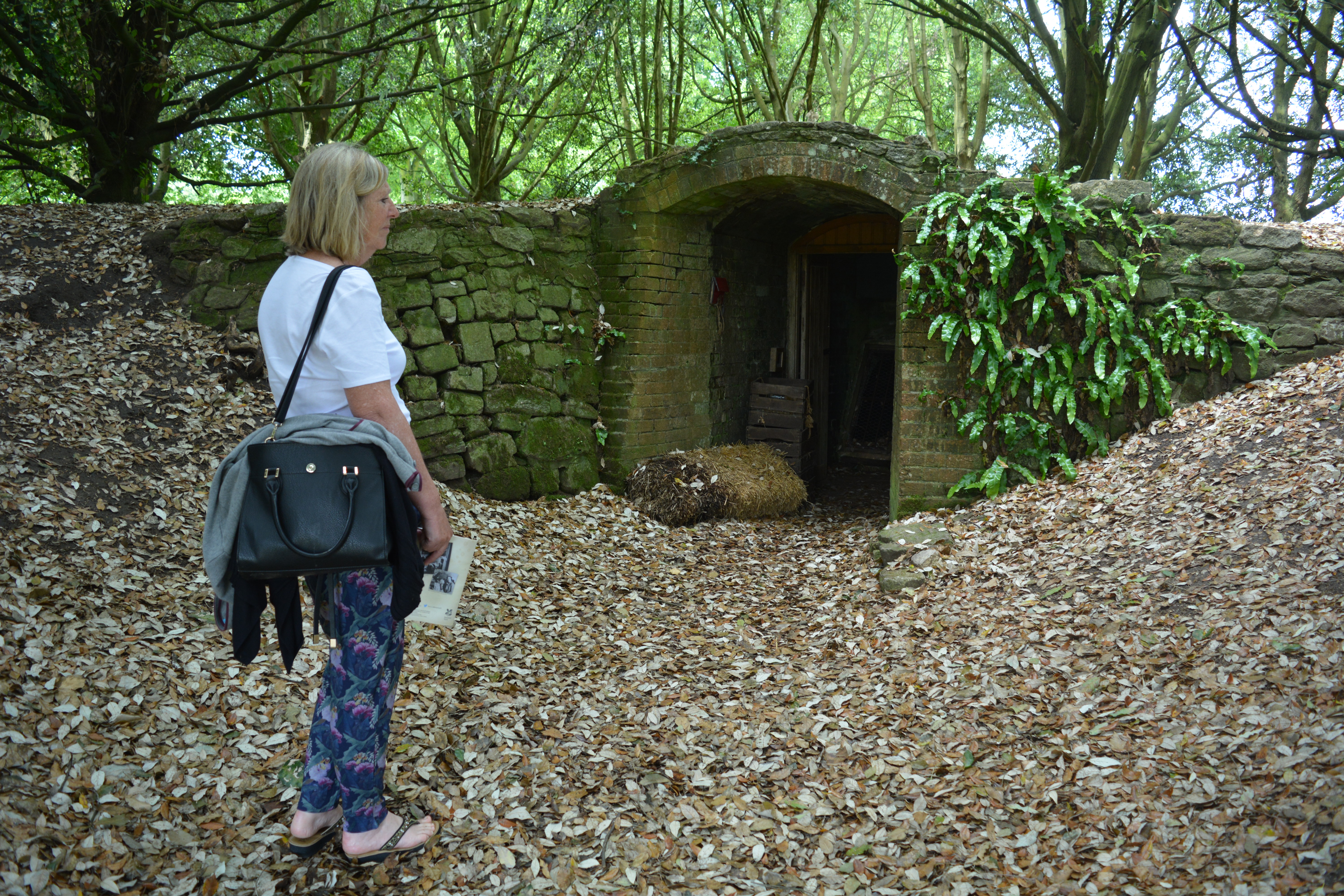
The Ice House was hiding in a group of trees whose shade added a few degrees of cooling. The storage area was much larger than we expected and as we peered inside we could feel the coolness which was used to keep food cool and to keep ice frozen for a while.

Leaving the Ice House we passed a neatly planted avenue and continued on our way towards the riverside walk.


2015 06 23_3215 2015 06 23_3216

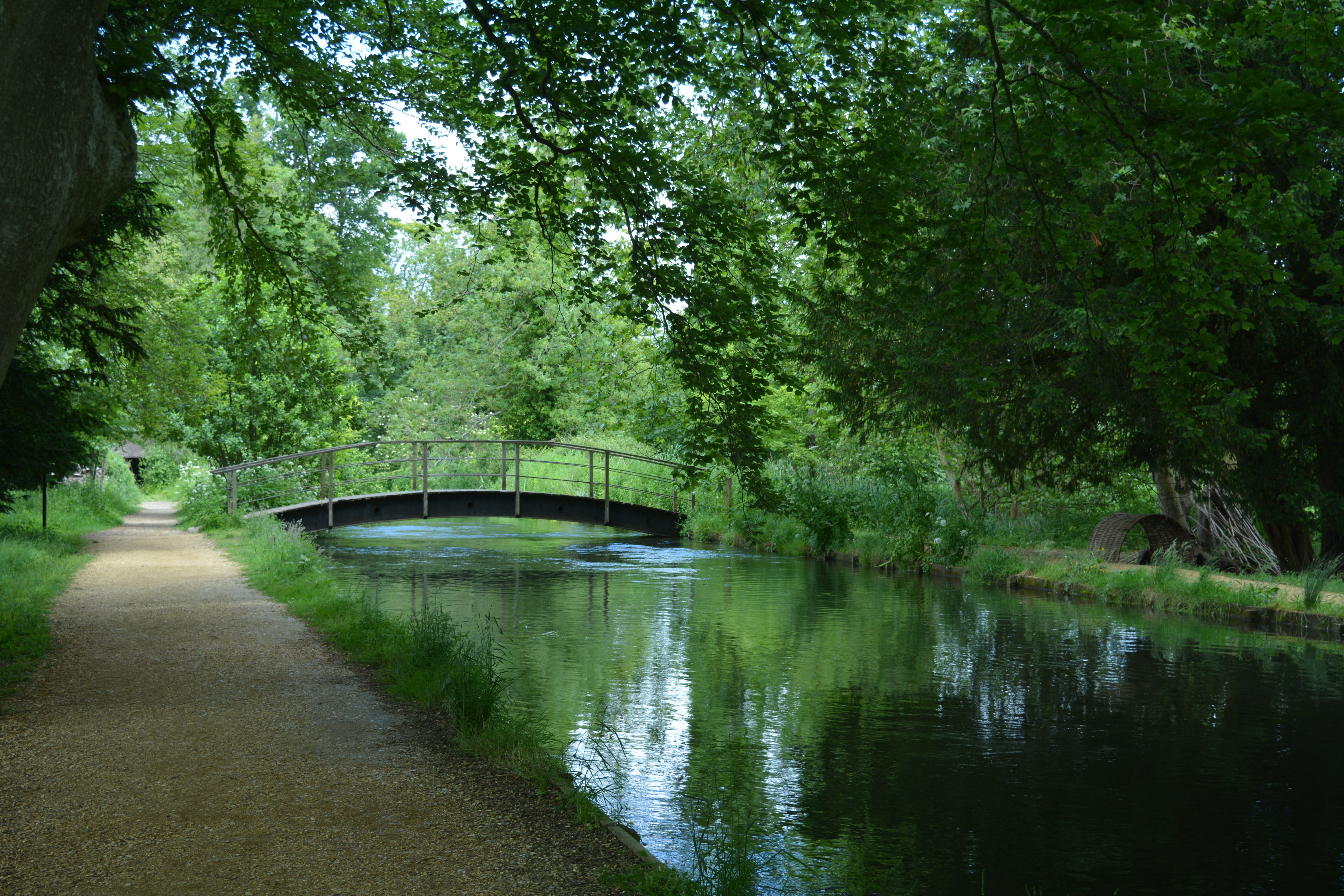
The cool shade afforded by the trees along each bank of the Test was welcome after the heat out in the open. We wandered alongside the clear waters of the fast moving river enjoying occasional glimpses of impressively sized Brown Trout leaping for flies passing overhead. Can you spy this big old Brownie hanging in the flow of the river?

2015 06 23_3232


This was the home of dry fly fishing and considered by most anglers to be the best fly-fishing river in the world.

2015 06 23_3218 2015 06 23_3219

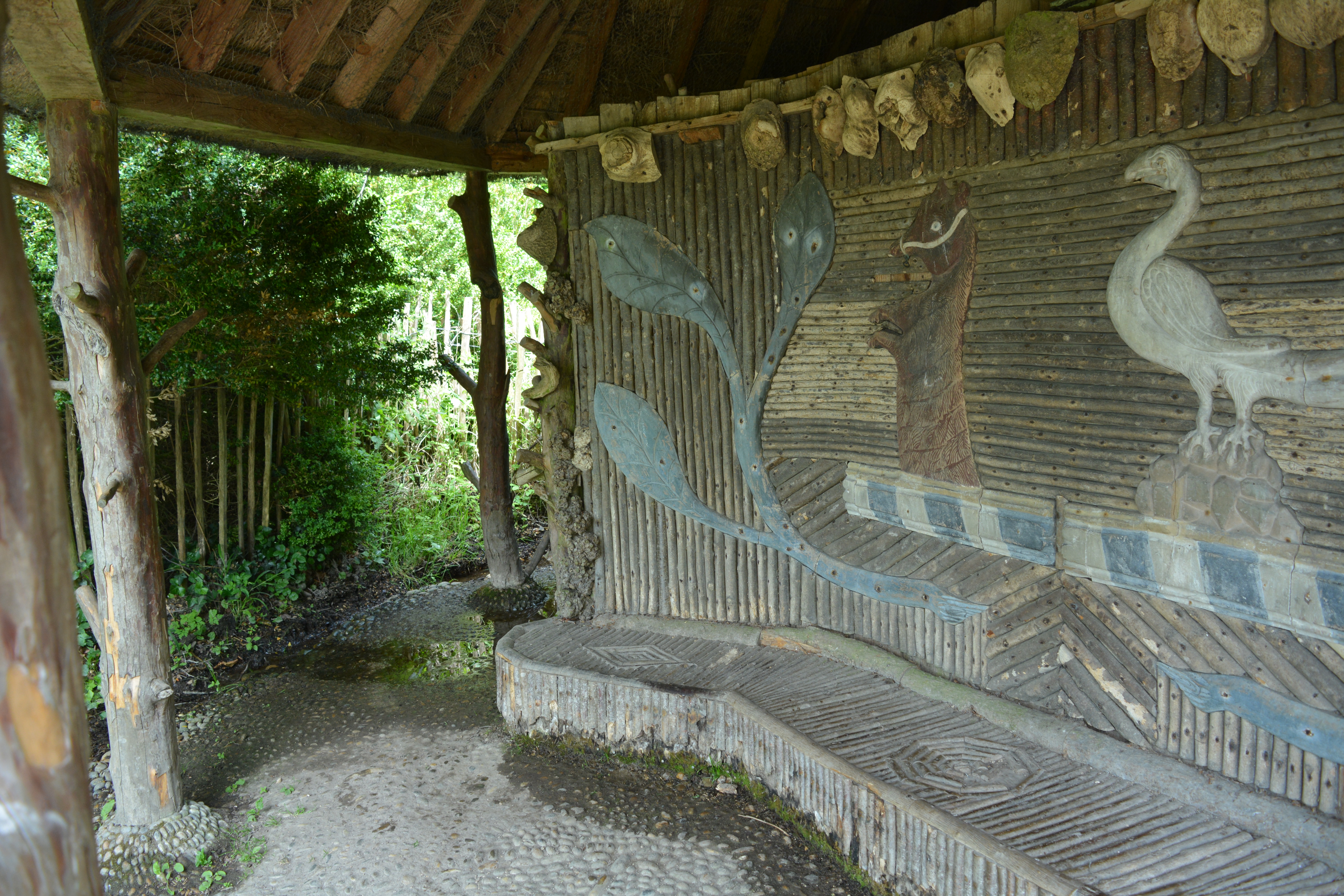
It felt like touching angling history to explore the old fisherman’s lodge. An old creel hang from the wall among other fishing memorabilia.


2015 06 23_3220 2015 06 23_3221 2015 06 23_3222 2015 06 23_3223

We found interesting objects such as these two very different but equally impressive chairs made from willow harvested from the river banks.


2015 06 23_3224   2015 06 23_3227 2015 06 23_3228 2015 06 23_3226

As much as we enjoyed the roses at Mottisfont we were delighted to find there was lots more to see and appreciate.

Categories
countryside landscapes meadows trees

Somerset Willows

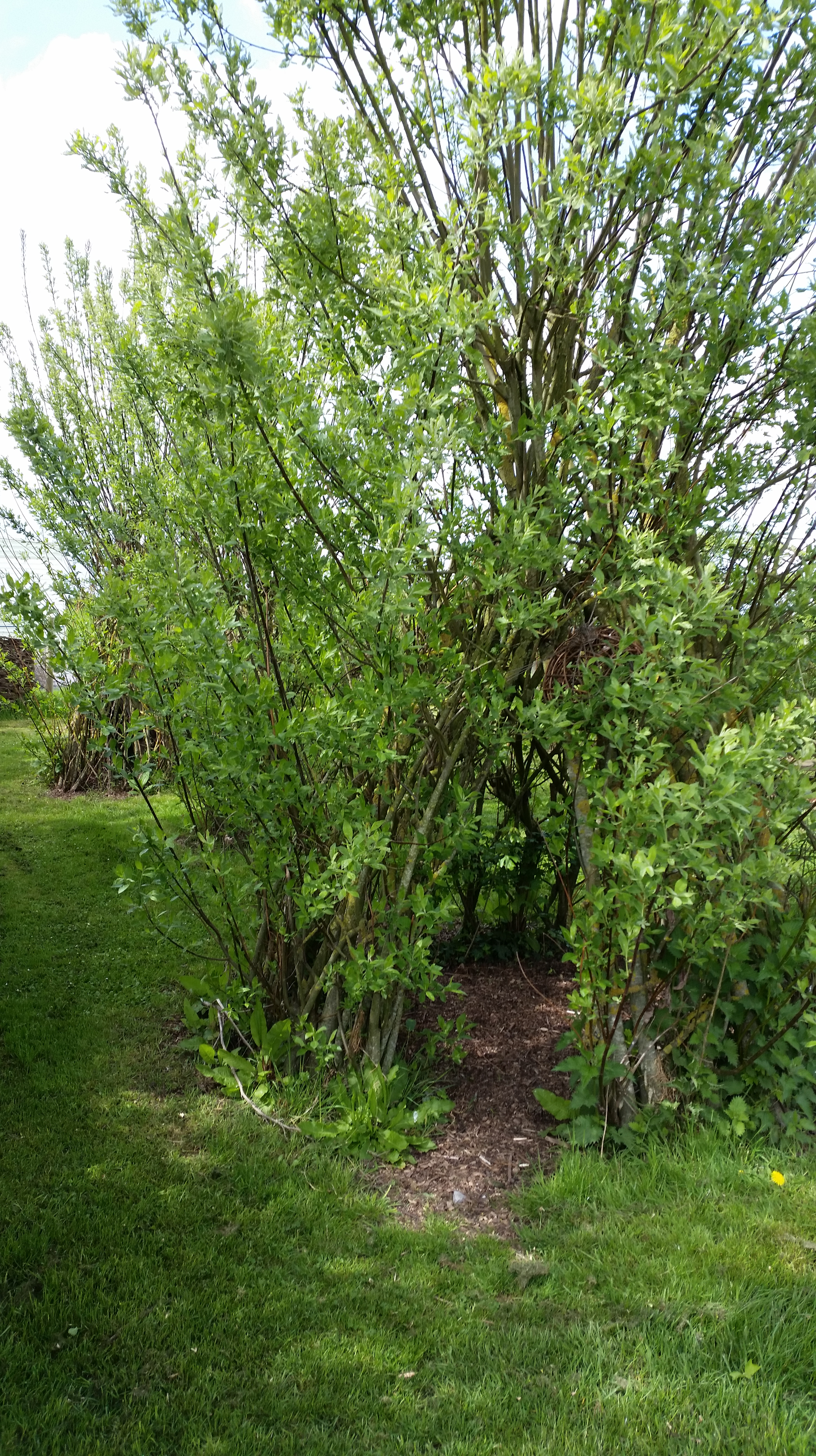
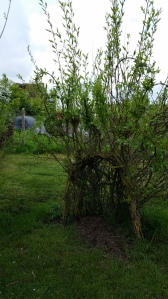
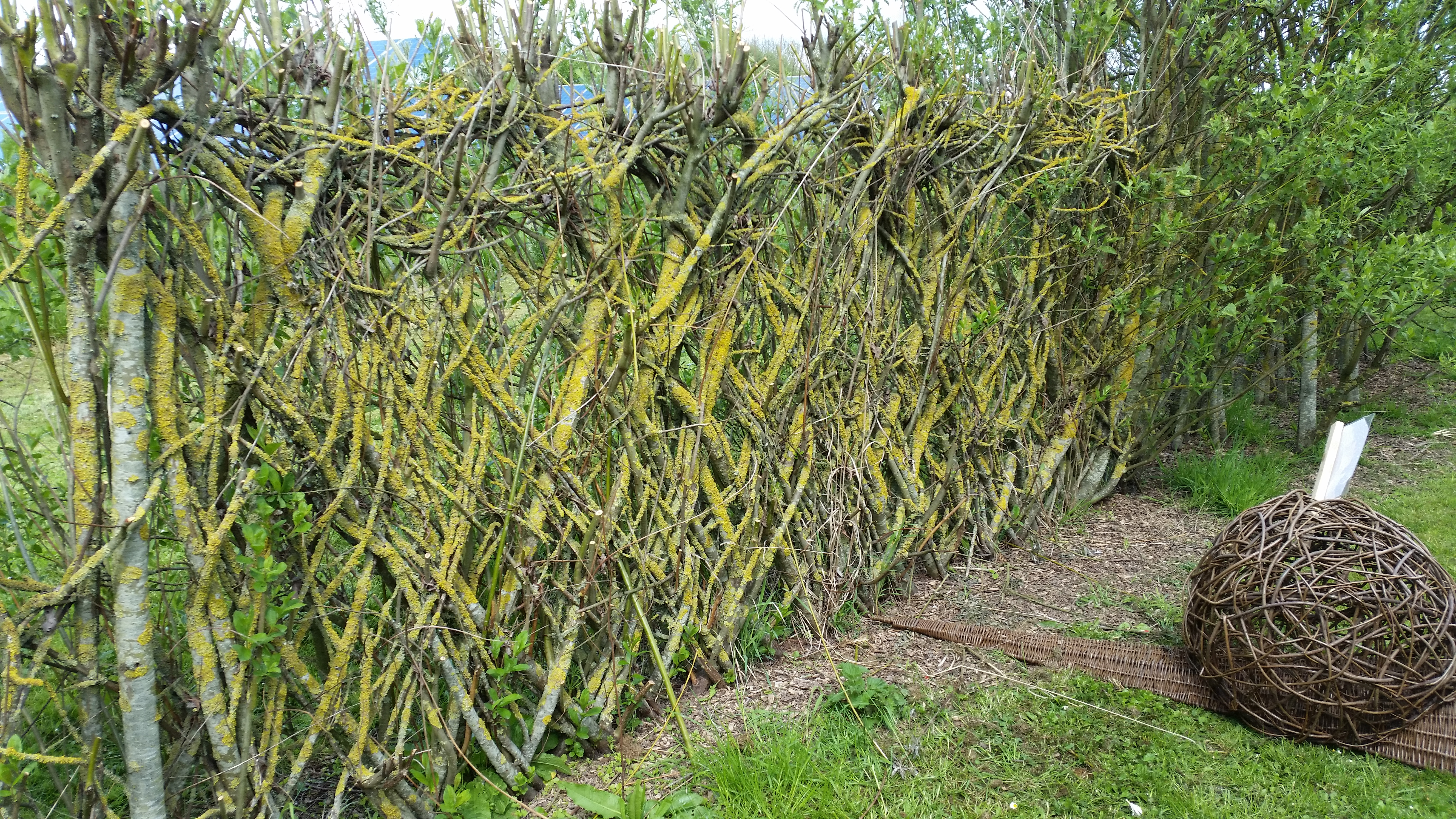
I love Salix (willows) – they are one of my favourite trees almost on a par with Betulas (Birches). I always have liked them, our own native species and the garden varieties we can grow. We have several at home in our garden and use them on our allotment communal gardens where we have a Withy Bed with 17 different varieties with different coloured stems and leaves. From these we have made a Fedge, which is a living hedge and a Willow Dome and Willow Tunnel for the children.

I used to like seeing them as a child when I fished a local stream. We moved from one ancient gnarled willow to another. Many were hollow pollarded specimens completely open on one side. We explored the hollow ones as we could often get inside them and look up at the sky. They were great shelters when rain showers stopped us fishing.

When we found ourselves in Somerset we realised that we were close to the Wetland and Willows Centre, so we just had to drop by and have a wander.

2015 05 11_1519

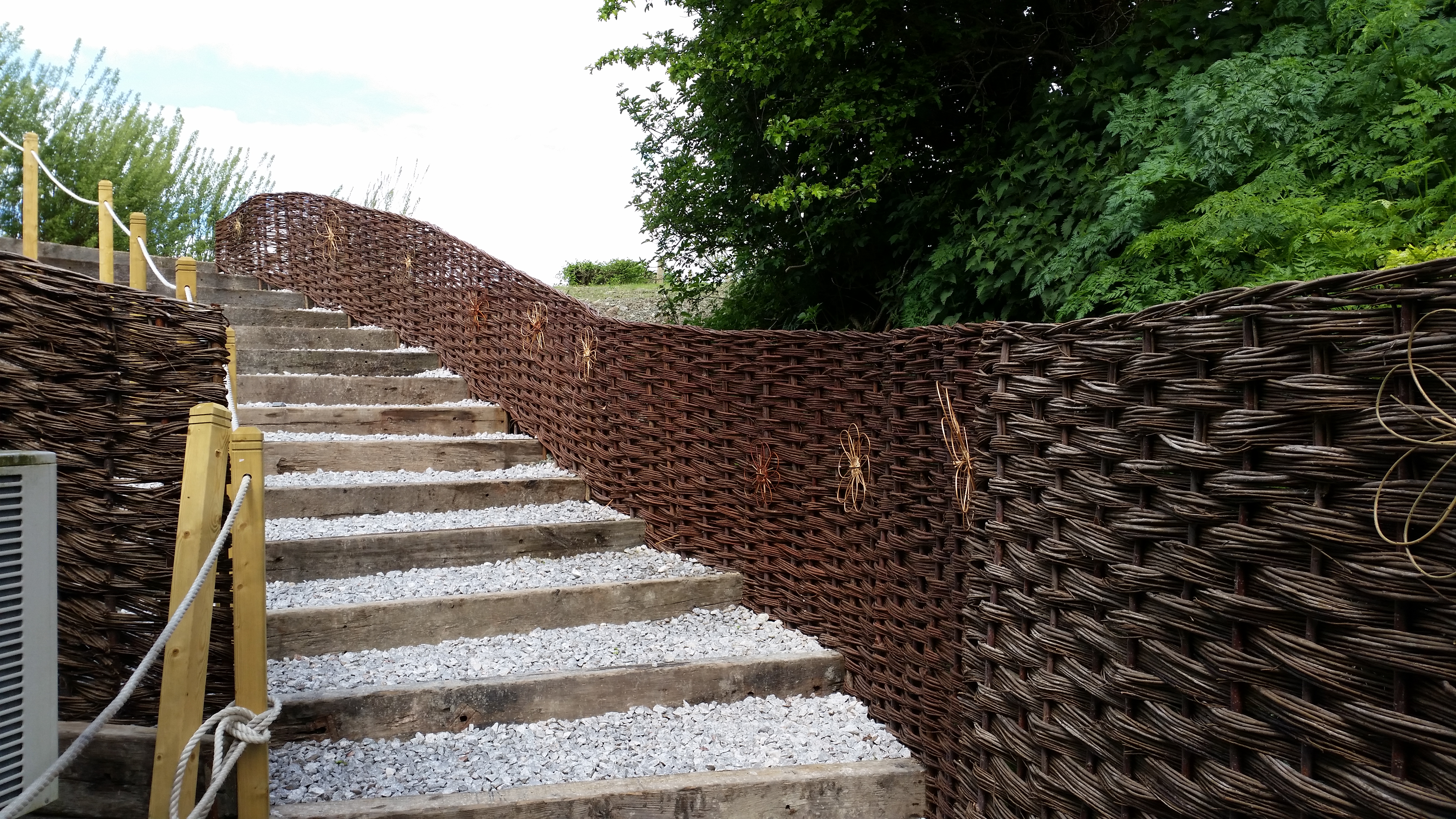
We followed  a sign taking us for a tour around the productive land around the centre. We passed over a bridge with sides constructed from willow with decorative willow features within.

2015 05 11_1465 2015 05 11_1466

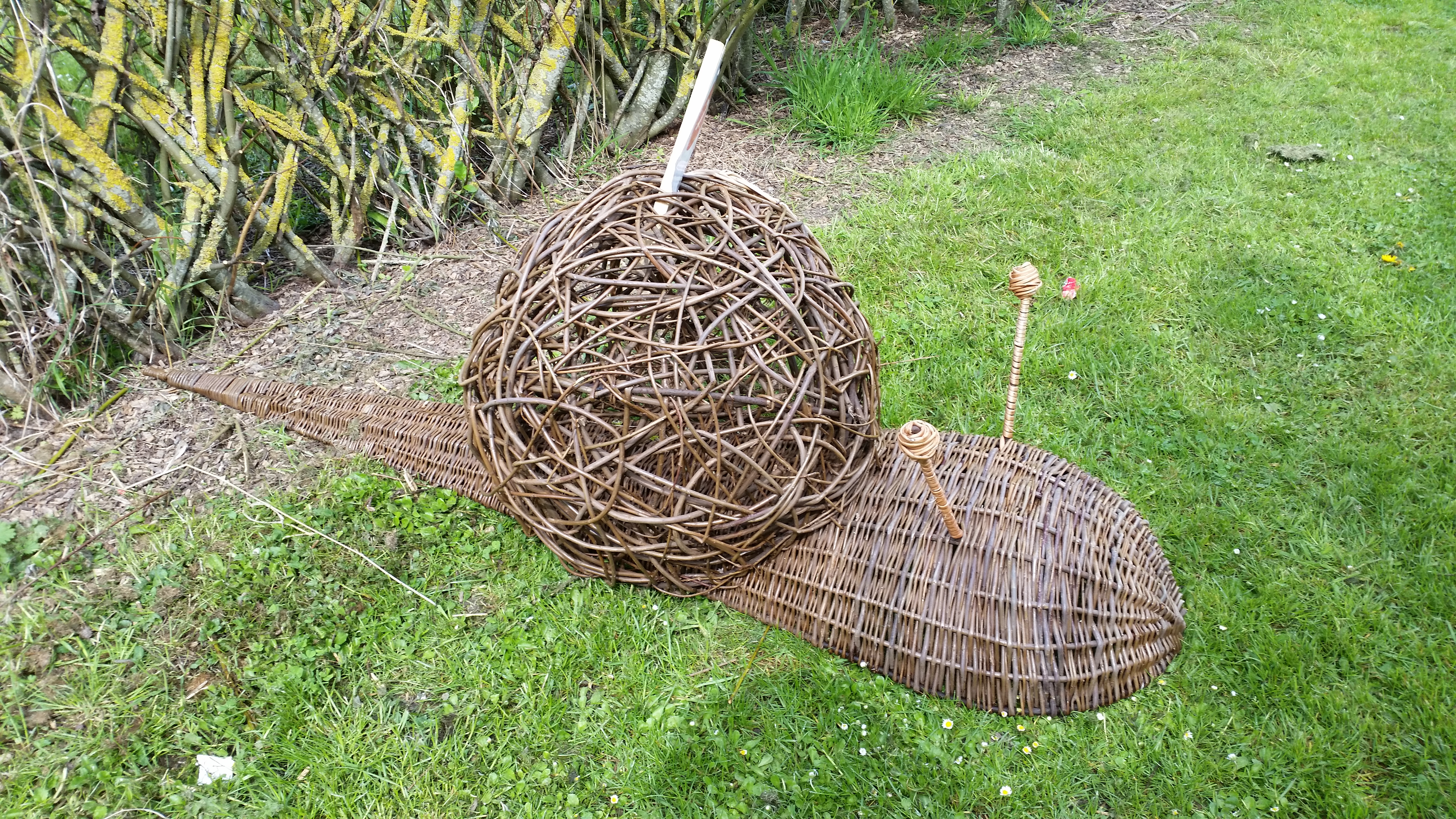
The path took us to an area full of willow structures mainly places for children to explore, even including a willow snail!

2015 05 11_1467 2015 05 11_1468 2015 05 11_14702015 05 11_1469  2015 05 11_14742015 05 11_1472 2015 05 11_1473


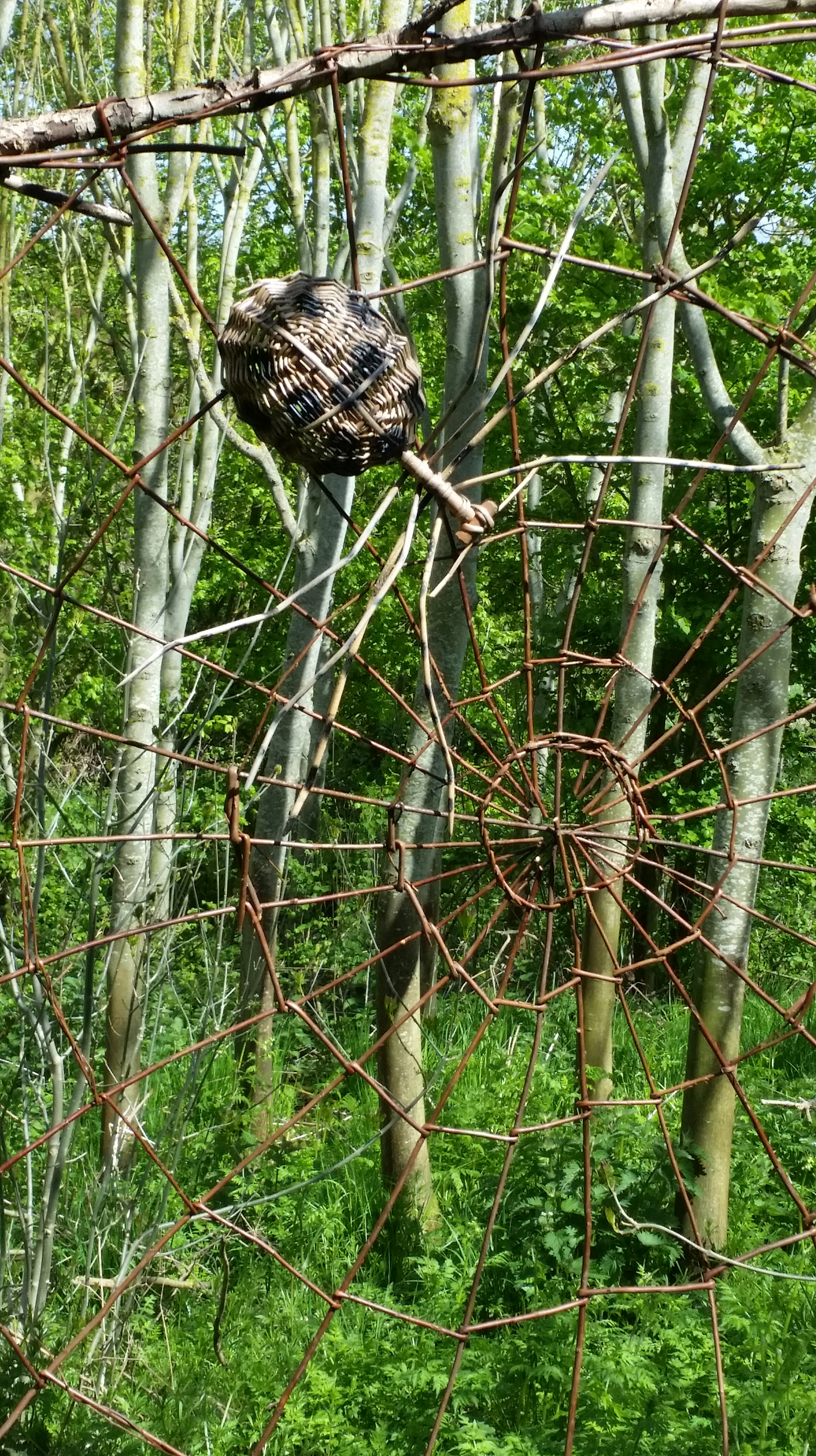
As we moved on we came across a willow drying fence where the harvested willows were hung out to dry. A little further on as we made our way through a wooded area we found this willow spider in its web, a beautiful hedgehog and a buzzard flying through the branches.

2015 05 11_1476 2015 05 11_14782015 05 11_1481

2015 05 11_1483 2015 05 11_1484 2015 05 11_1485

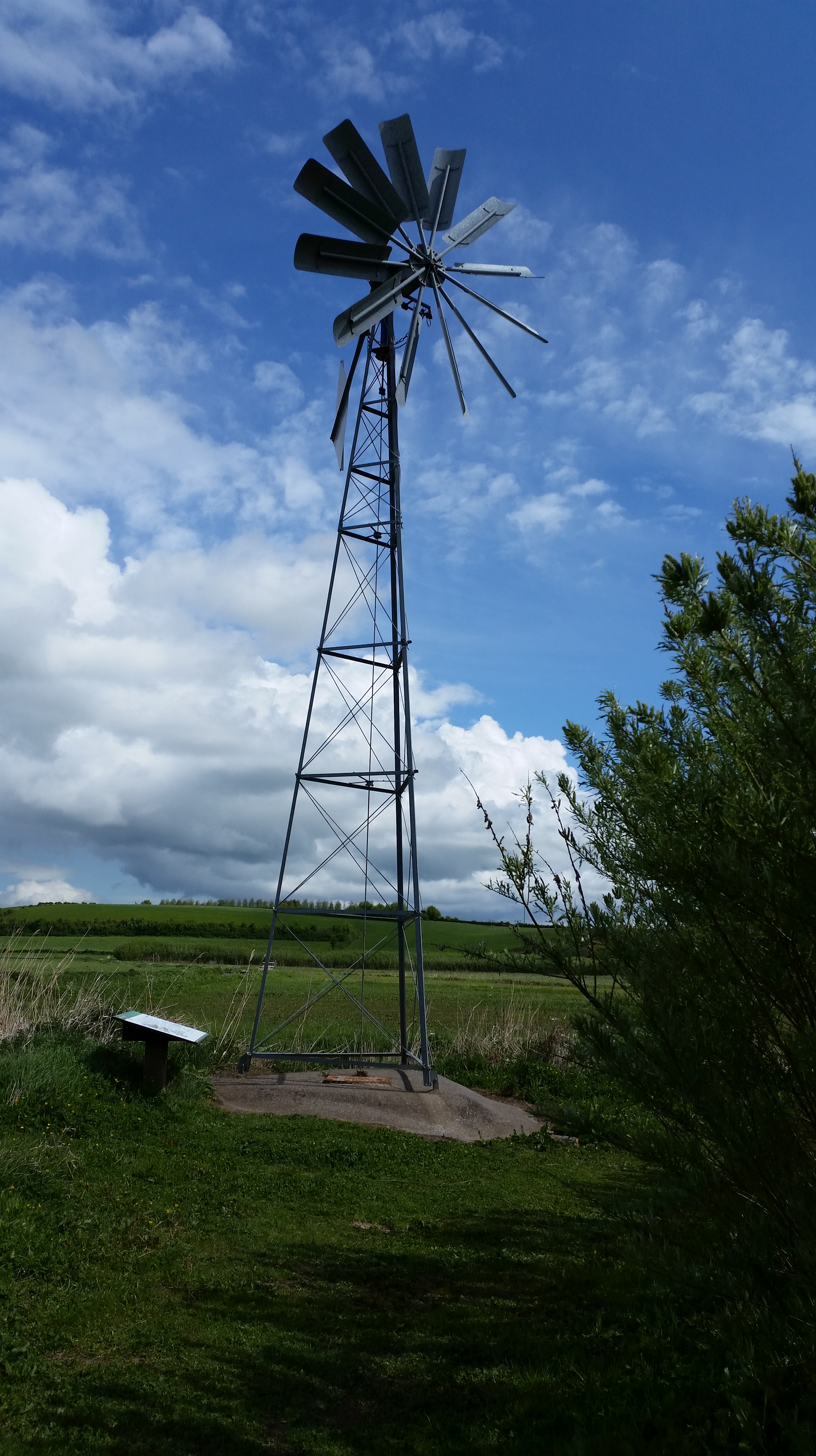
Leaving the wood we found ourselves walking through the wetlands, the drainage of which was controlled by windmills, sluices and a series of ditches. Large areas were willow plantations, the productive heart of the wetlands.


2015 05 11_1486 2015 05 11_1487 2015 05 11_1488 2015 05 11_1489 2015 05 11_1490 2015 05 11_1492


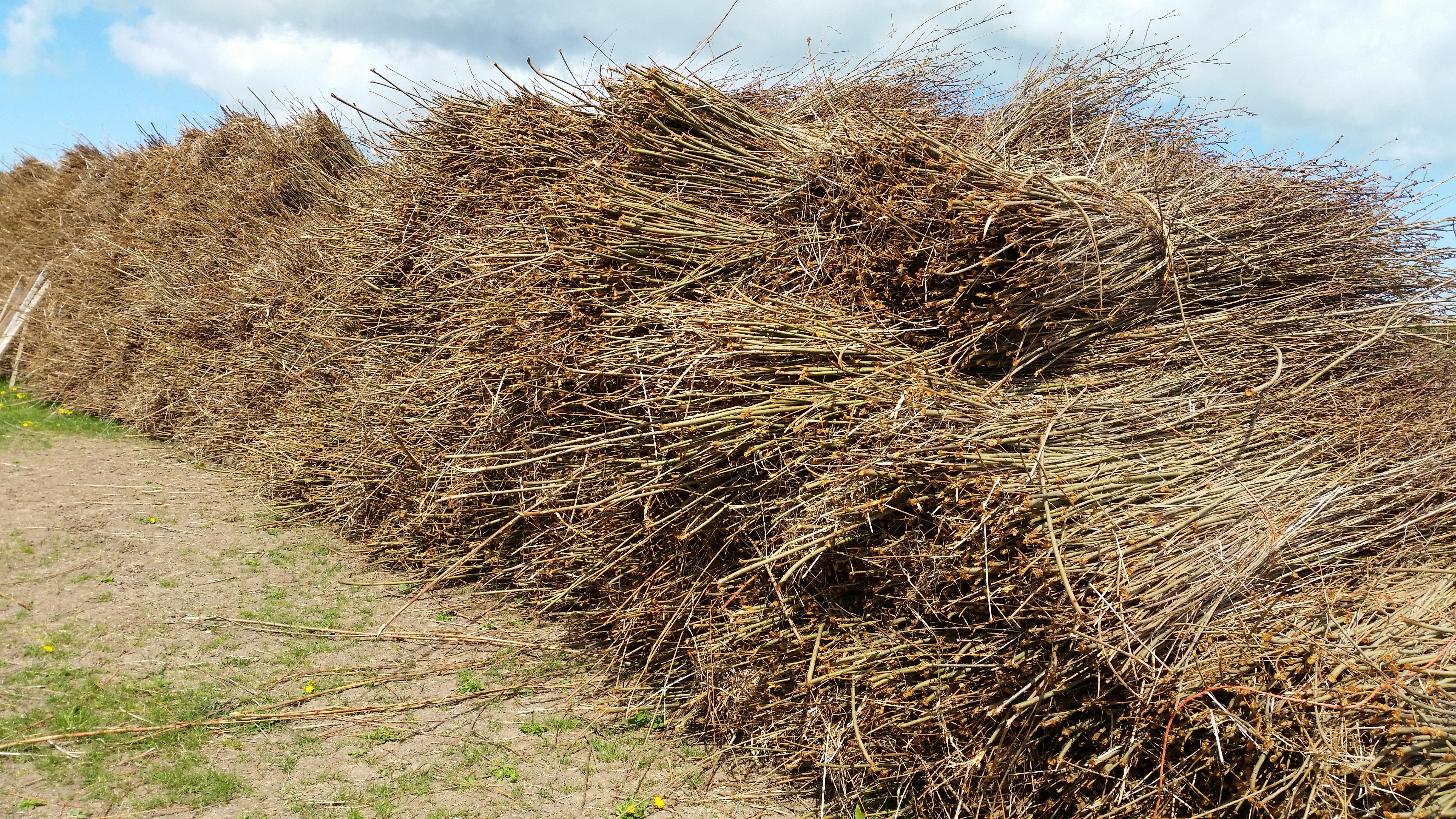
As we were reaching the end of our tour of the wetlands we discovered the drying racks where the harvested willow wands were left to dry.

2015 05 11_1501 2015 05 11_1500

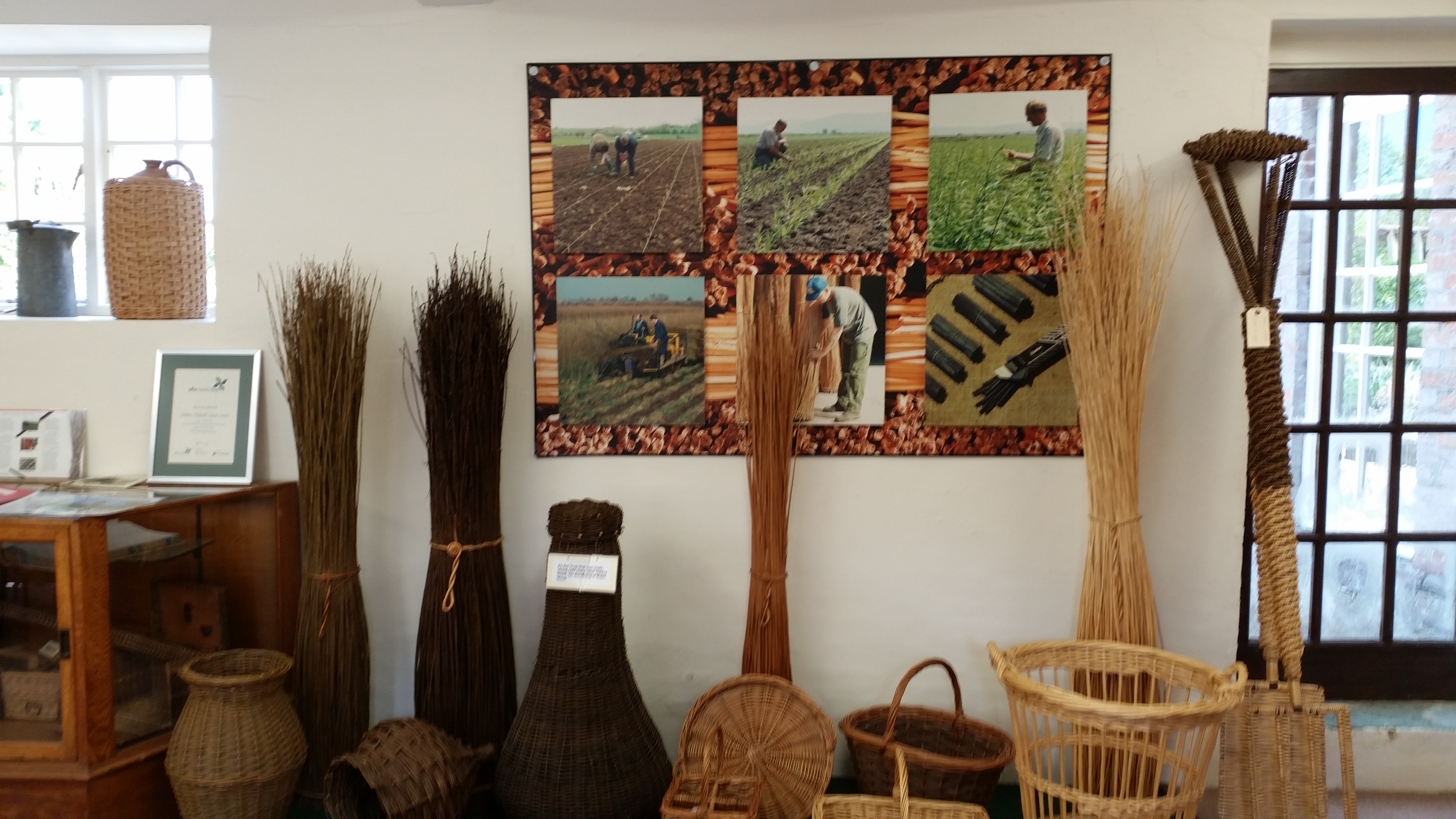
Before leaving we just had to look at the centre’s museum. We were amazed at how many things are made from willow and all the other items from the past. My first museum photo gives a taster of the delights in the museum. To find out more look through the gallery below. To enjoy my gallery just click on the first picture and use the arrows to negotiate your way through.

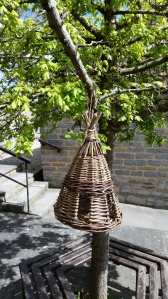
We enjoyed our visit to find out more about willows and came away simply amazed! We came away with this unusual willow bird table.

2015 05 11_1518

2015 05 11_1503


Categories
climbing plants colours flowering bulbs garden design garden photography garden pools gardens gardens open to the public lakes meadows ornamental trees and shrubs outdoor sculpture Powis Powys trees water garden water in the garden

A garden reborn – Glansevern Hall

In this post we will be looking back to a garden visit we made in mid-May when we visited a garden near Welshpool just over the border into Wales but still only a half hour drive away. The last time we had visited the gardens at Glansevern Hall was about ten years ago when the current owners had just started to rejuvenate the run down gardens.

We arrived to find everything improved so much so that some areas were hard to recognise. It is now a garden of real atmosphere, a truly romantic garden. After parking up in a car park which was a clearing among beautiful mature trees, we entered the garden through a courtyard which would have originally have been the stable block of the hall. Planting in narrow borders at the base of the wall included some interesting plants and some great ironwork.
2015 06 10_2776 2015 06 10_27772015 06 10_2816_edited-1

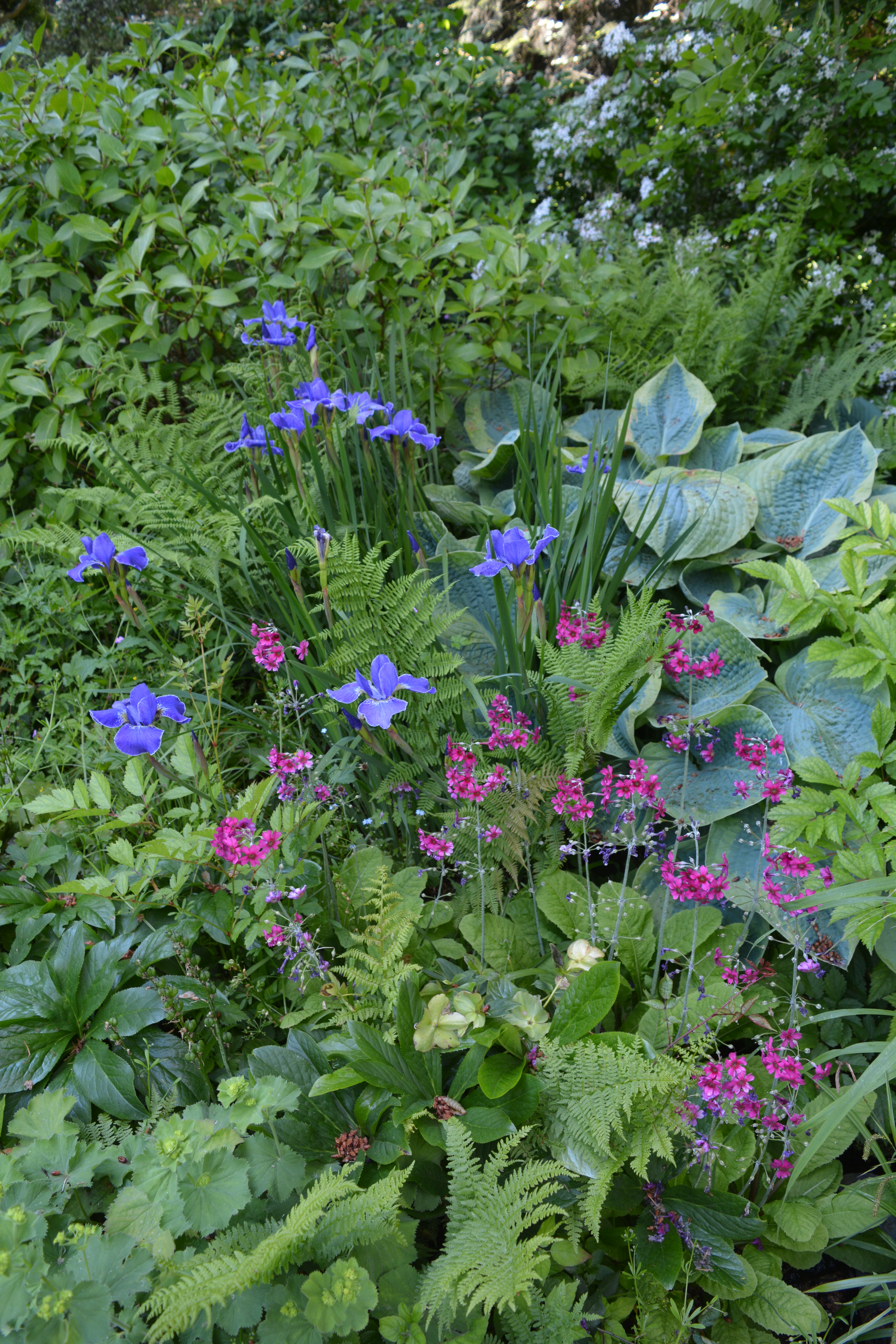
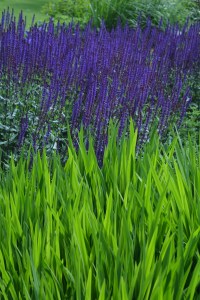
Once outside the courtyard several garden rooms contained exciting plant combinations and swathes of colour and texture.
2015 06 10_2779 2015 06 10_2785 2015 06 10_27812015 06 10_2780 2015 06 10_2782 2015 06 10_2783 2015 06 10_2784  2015 06 10_2786 2015 06 10_2787

We discovered more wonderful ironwork too!

2015 06 10_2789 2015 06 10_2792

In contrast to the irregularly shaped beds we came across circular beds planted in very different styles.
2015 06 10_2791  2015 06 10_2794

A pergola covered in Laburnum with its bright yellow racemes was a real surprise to find as we began finding our way to the informal meadow areas and their collection of interesting trees and shrubs.

2015 06 10_27962015 06 10_2797 2015 06 10_2798 2015 06 10_28052015 06 10_2799 2015 06 10_2800 2015 06 10_2804

This weeping specimen tree took some identifying. We had never seen one before but eventually came to the conclusion that it was a Weeping Mulberry, Morus alba pendula. A real beauty. The sculpture and the Viburnums were much easier to identify.

2015 06 10_2795 2015 06 10_2807 2015 06 10_2808

The gardens close to the hall itself were much more formal and had an “arts and crafts” feel to them. The colours of the planting were most unusual in different pale shades of  blue around the front and shades of yellow along the side borders.

2015 06 10_2809 2015 06 10_28102015 06 10_2812 2015 06 10_2820

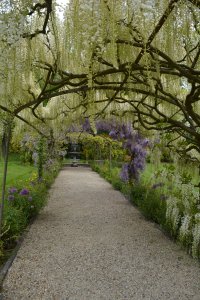
Moving away from the hall we walked beneath a wonderfully colourful and highly scented pergola swathed in Wisteria with its long white and blue racemes of flowers. Beneath the narrow borders were full of purple headed Alliums.

2015 06 10_2811  2015 06 10_2813 2015 06 10_2814 2015 06 10_2815

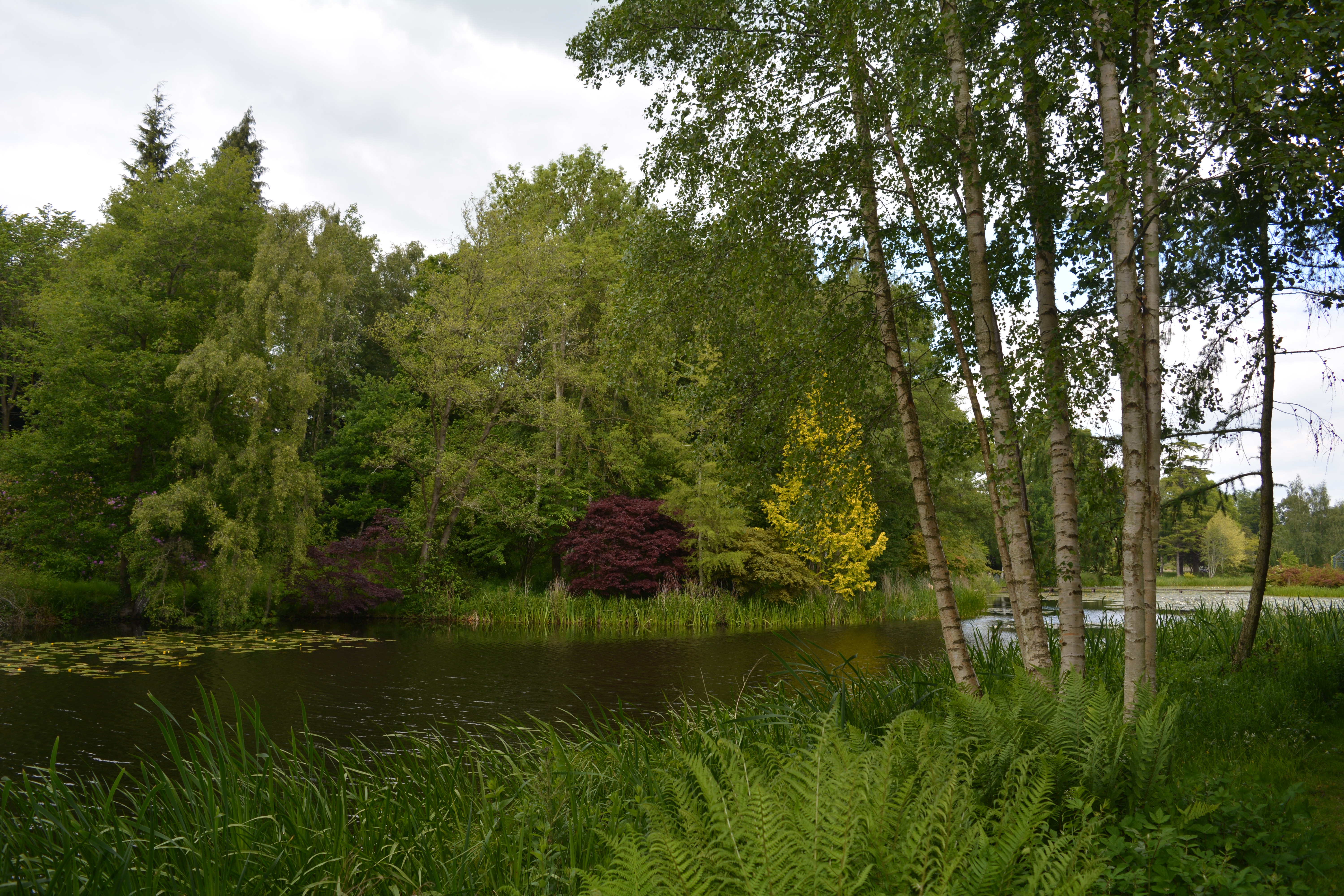
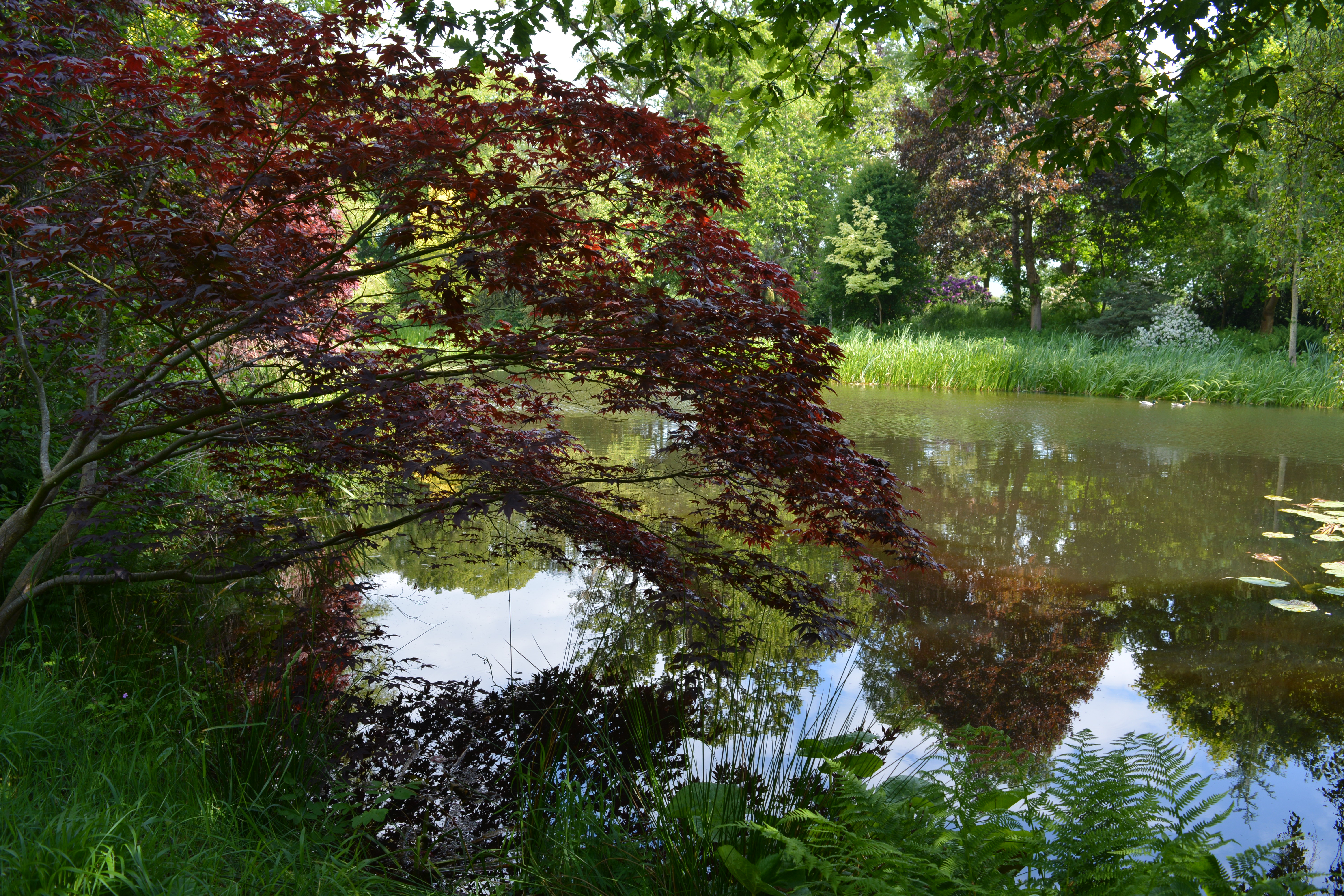
After a quick break for coffee and cakes we traced the path around the lake which was surrounded by specimen trees many rare or unusual, some we had never seen before and a couple we had never even heard of!

2015 06 10_2823 2015 06 10_2824 2015 06 10_2825 2015 06 10_2826 2015 06 10_2827 2015 06 10_2828 2015 06 10_2829 2015 06 10_2831

We had a great day at Glansevern and came away amazed at how much work had been done developing the gardens into such a romantic place.

This Veggie Life

A Vegetarian | Nature Lifestyle Blog

Rambling in the Garden

.....and nurturing my soul

The Arch City Gardener

Journeys In St. Louis Gardening and Beyond

Garden Dreaming at Châtillon

Consult the genius of the place

Storyshucker

A blog full of humorous and poignant observations.

gardeninacity

Notes from a wildlife-friendly cottage garden

PlayGroundology

...an emerging social science

The Official Blog of British Wildlife

'The most important and informative publication on wildlife of our times' - The Independent. This blog is a member of The UK & Ireland Natural History Bloggers group: www.uknhb.blogspot.com

iGrowHort

Inspire - Cultivate - Grow Native Plants - Restore Landscapes

Bishops Meadow Trust

To create and protect a semi-natural wild space for the people of Farnham to enjoy and experience an array of British wildlife in our town

Gardening with Children

The www.gardeningwithchildren.co.uk Blog

UKbirdingtimeline

birding through the seasons, why birds matter and how to conserve them

NATURE WALKER

with a camera in hand

Jardin

Transform your outdoor space

Eva's space

My allotment, cooking and other interests

Old School Garden

my gardening life through the year

LEANNE COLE

Trying to live a creative life

fromacountrycottage

trying to live as lightly as possible on our beautiful planet

Good Life Gardening

Nature lovers from Leicester living the good life.

mybeautfulthings

Finding the beautiful in the everyday

mawsonmichelle

Michelle's Allotment

In and Out of My Garden

thoughts from and about my garden

Greenhousing

Big plans for a small garden

The Scottish Country Garden

A Walled Country Garden in South East Scotland

The Fruity Chicken

Life at the fruity chicken

willowarchway

Off grid living. Self sufficient. "PERMAGANICS RULE".

St Anns Allotments

Nottingham's Grade 2* Listed Allotments and Community Orchard

Manifest Joy Harvests

a journey in suburban vegetable gardening

Allotmental

The madness of growing your own

Penny's Garden: a harvest beyond my front door

A novel approach to vegetable gardening

arignagardener

Sustainable living in the Irish countryside.

NewEnglandGardenAndThread

Master Gardener, amateur photographer, quilter, NH native, and sometimes SC snowbird

dianajhale

Recent work and work in progress and anything else that interests me

planthoarder

a chaotic cottage gardener

Lens and Pens by Sally

a weekly blog that creates a personal philosophy through photographs and words

Dewdrops and Sunshine

Stories from a sassy and classy Southern farmbelle.

The Pyjama Gardener

Simple Organic Gardening & Seasonal Living

gettin' fresh!

turning dirt into dinner

JOY...

today the world is created anew

Garden Birds

Notes from a Devon garden

ShootAbout

Life Through The Lens

Adapting Pixels

A photography blog showcasing the best photography pictures and videos on the internet

Wildlifegardening's Blog

Just another WordPress.com site

naturestimeline

personal observations from the natural world as the search continues for a new approach to conservation.

LATEBLOOMERBUDS

The Wonders of Life through my Eyes, my Heart, my Soul