Categories
bird watching birds photography RSPB the sea the seaside the South trees wildlife

Go South 4. Dungeness RSPB Reserve.

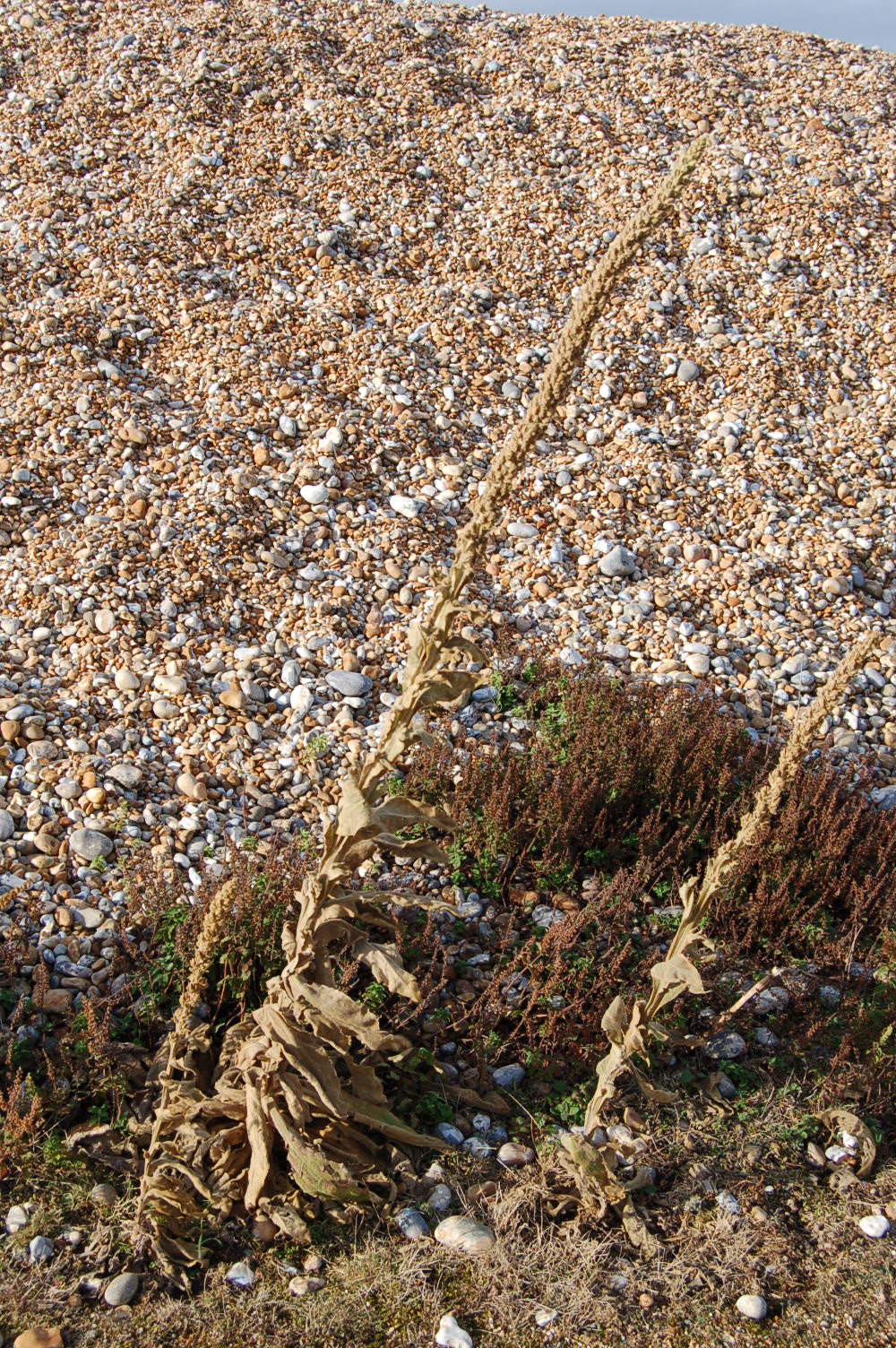
Our plans to explore the shingle slopes of Dungeness soon came somewhat adrift. The wind increased to gale force. We decided to defy it and take the walk along the fisherman’s boardwalk across to the water’s edge. This was a stupid idea to say the least – the strongest gusts blew us off the boardwalk. We understood what it was like to be the “tumbleweed” of Dungeness, the dried Sea Kale plants.

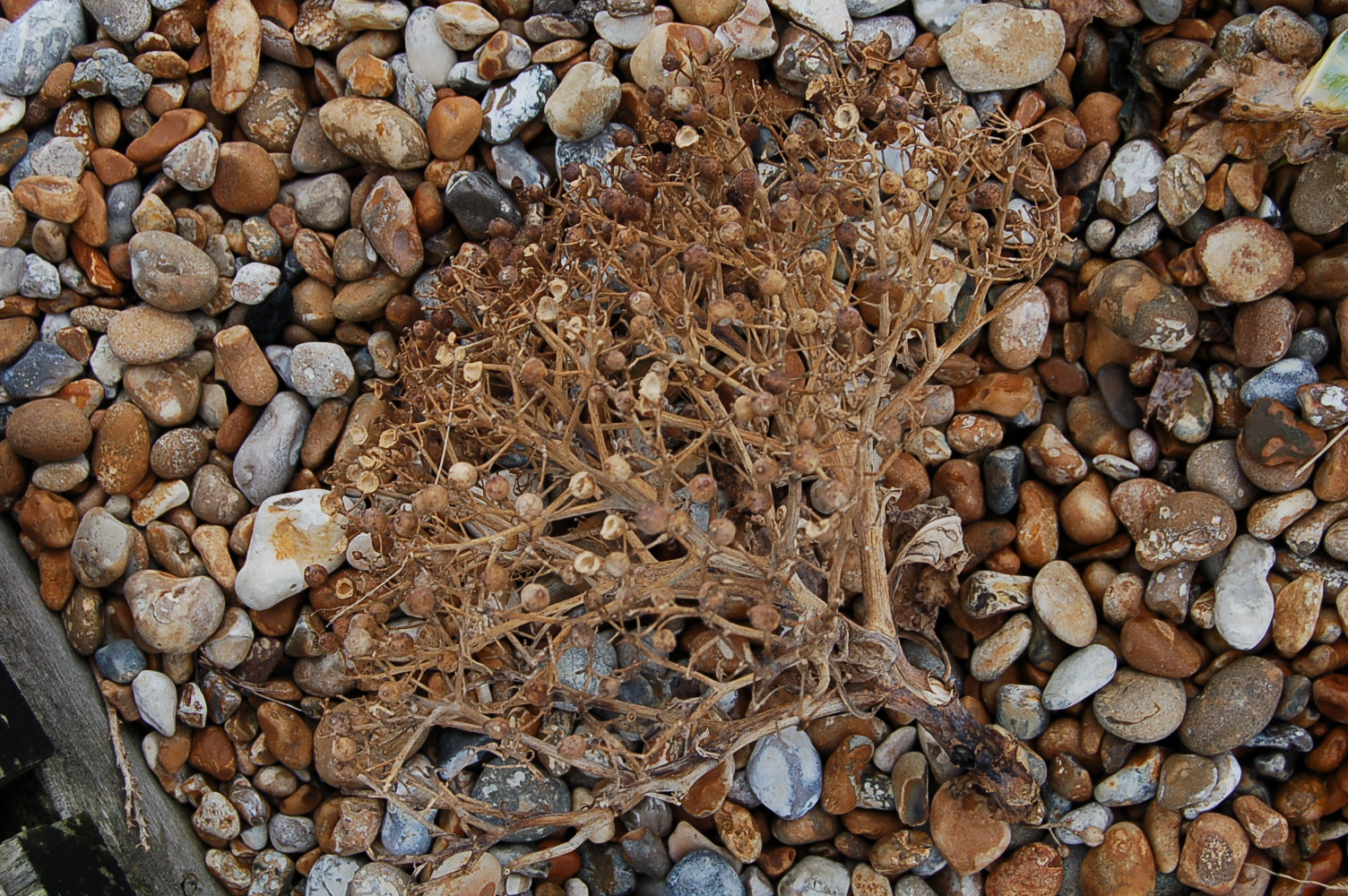
We eventually struggled to the end by holding onto each other and making slow progress and tried to walk along the water’s edge. We couldn’t move as every step we moved forward the wind blew us straight back.

We gave up, went back to the car and drove along the coast a little to the RSPB Dungeness Reserve, situated in a more sheltered area. We vowed to return to Dungeness itself when the wind had calmed down.

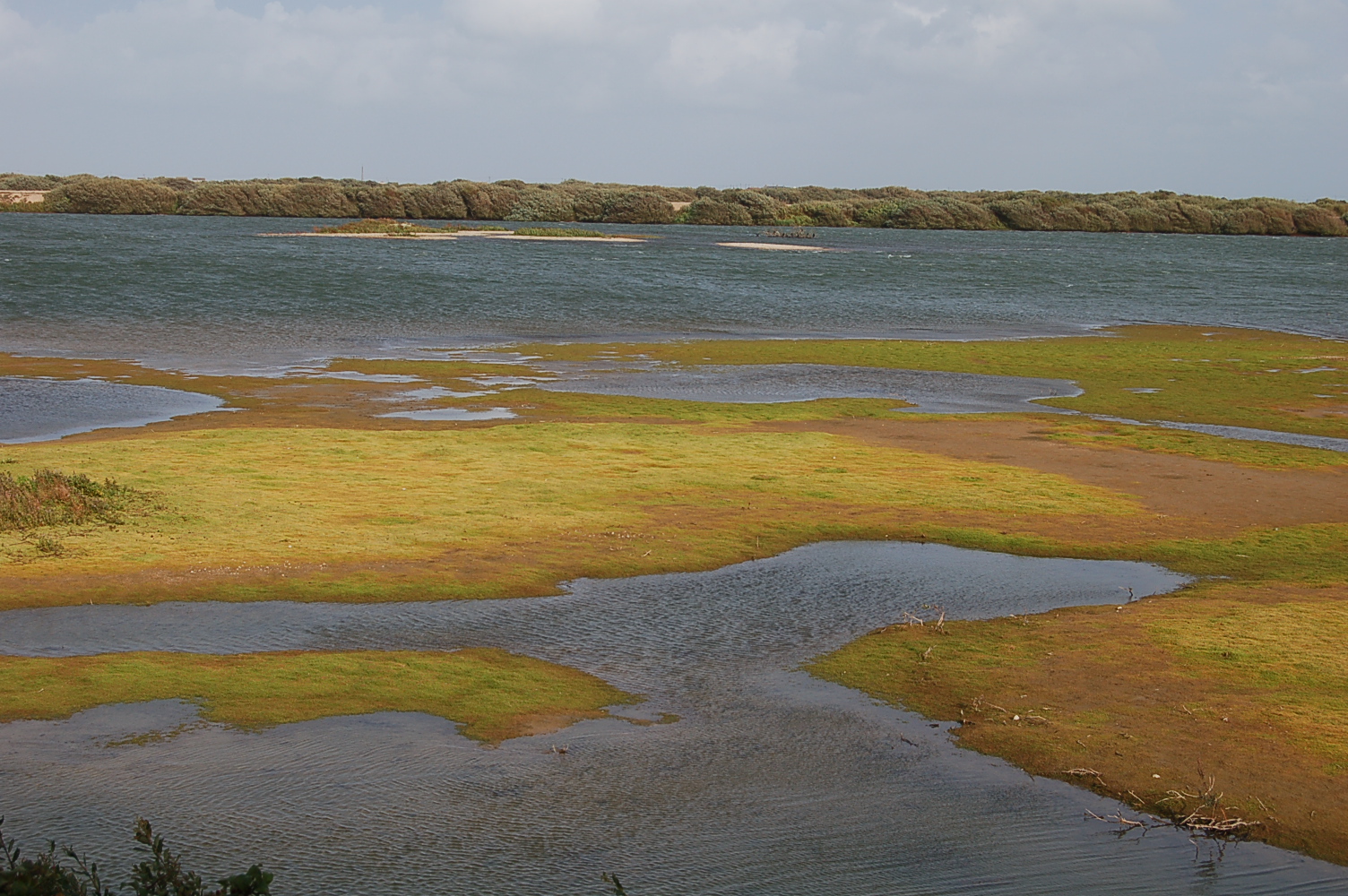
The reserve was worth a visit so in the end we didn’t mind the diversion. Here was a strange watery landscape where unusual plants grow and unusual birds live and visit.
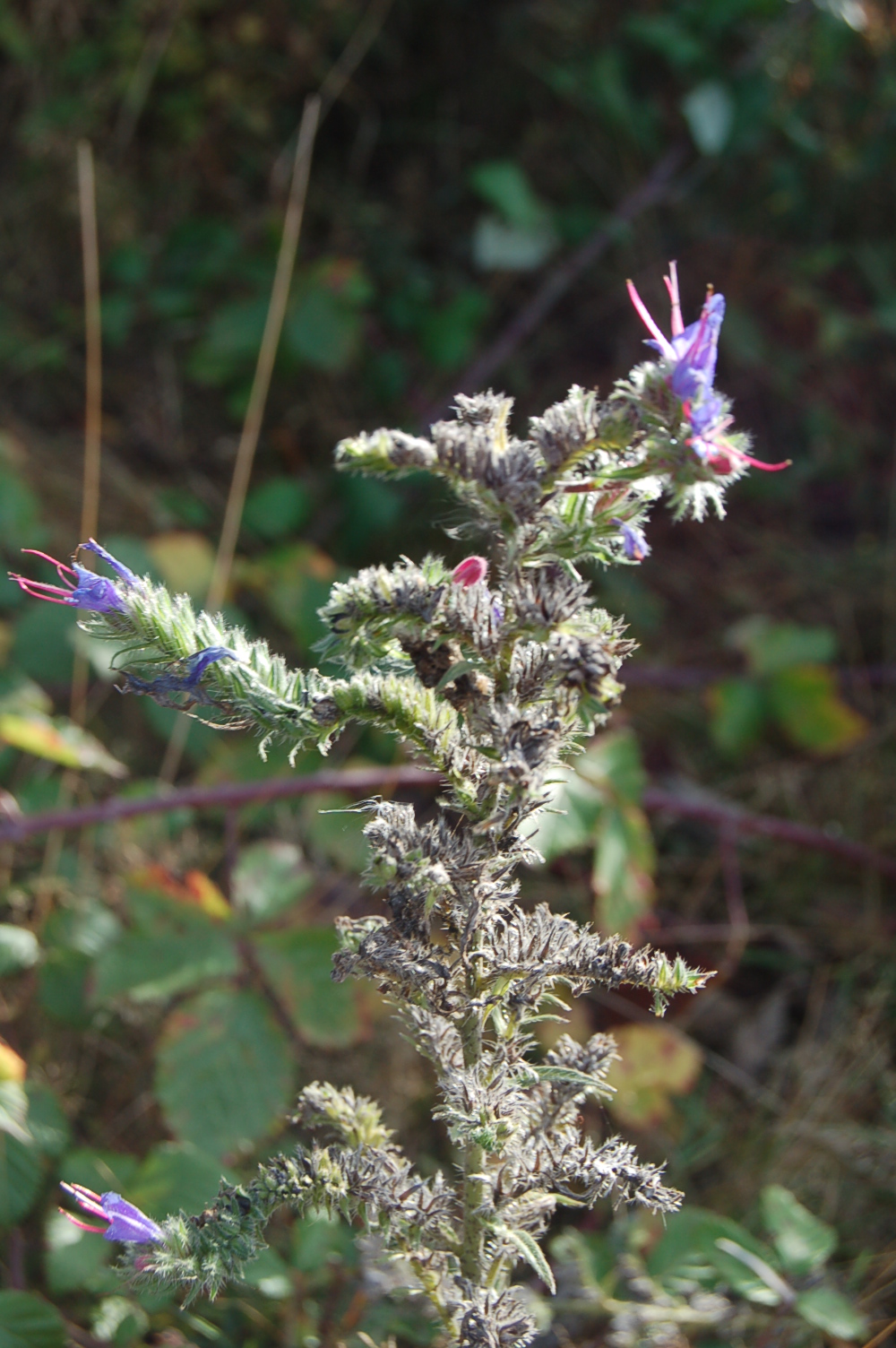
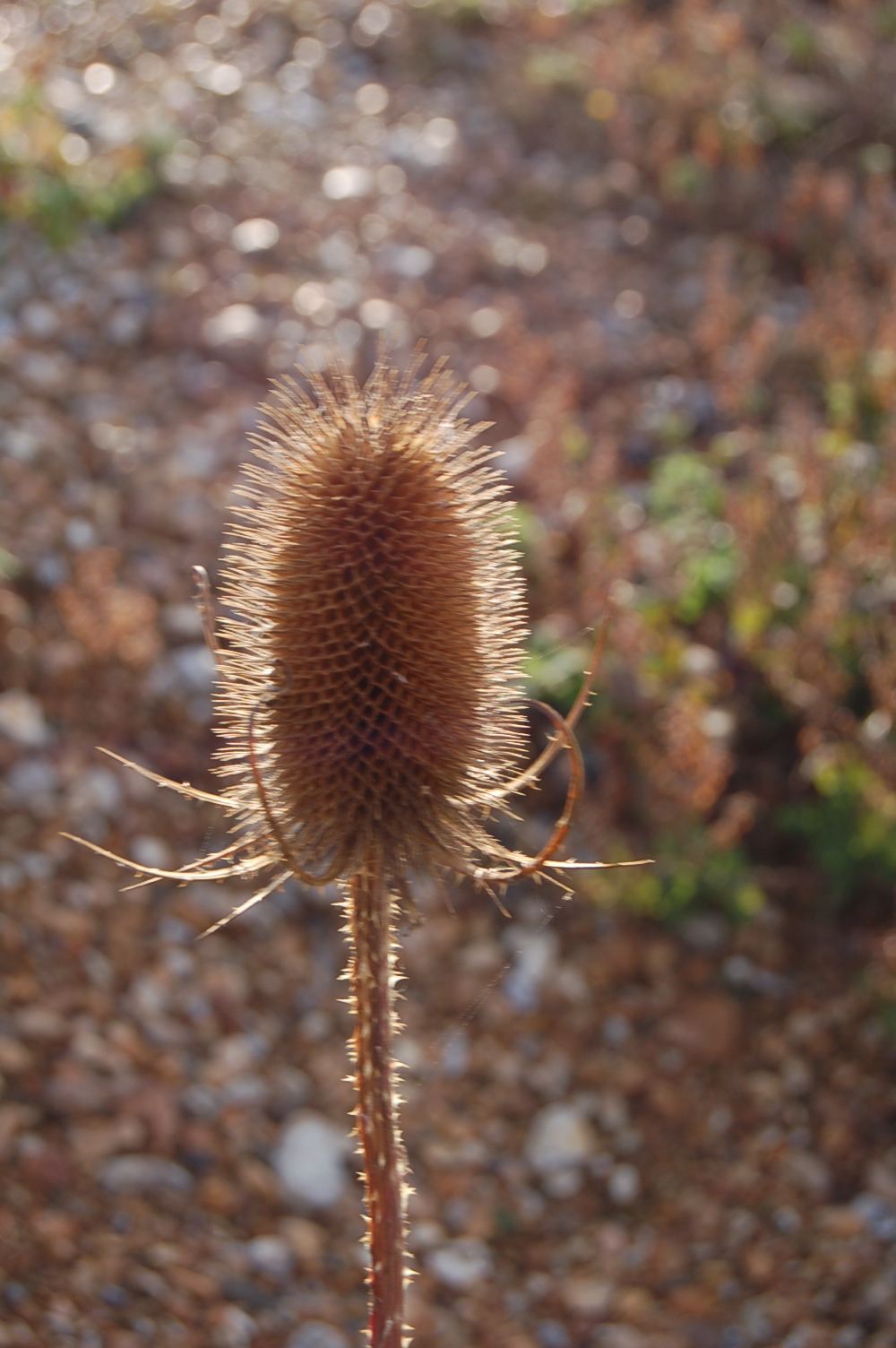
We particularly loved seeing the Vipers Bugloss in flower with its bright blue petals and strange structure. The dramatic seed heads of the Teasels and Mulleins looked so architectural and strongly structural, and would feed the finches as the cold weather set in.
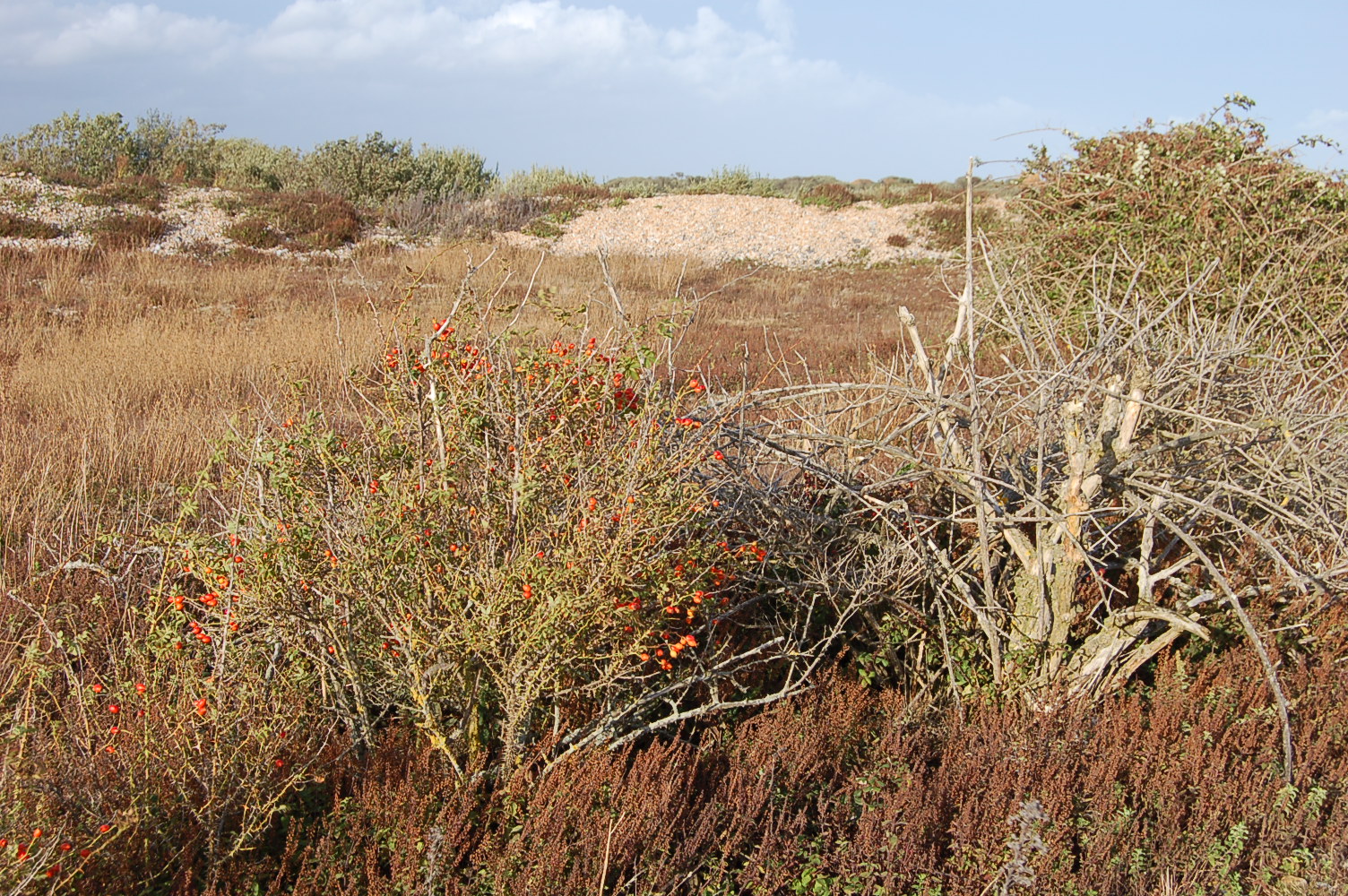
The harsh environment created distorted trees and bushes twisted and stunted like bonsai creations.

I am forgetting what the RSPB is all about – the birds. Dungeness did not disappoint for despite the extreme winds which kept birds down on the ground we did manage to see a first ever bird, the Great Egret. We are getting used to seeing Little Egrets in the UK wherever there is a large expanse of water but we had never seen its much larger cousin. This was a red-letter day as we saw pairs of both species on the same lagoon.

After an hour walking around the reserve the wind appeared to be calming down so we bravely decided to give Dungeness another try.That will be the theme of the post “Go South 5. The Magic and Mystery of Dungeness”.
Categories
bird watching birds photography Shropshire trees wildlife

From One Bridge to Another – a wander along the River Onny.

In South Shropshire the little rapid river called the Onny passes through the market town of Craven Arms. To the south of the town the Onny passes through the Secret Hills Centre featured in an earlier post called “A walk in the grounds of “The Secret hills” published in April of this year.

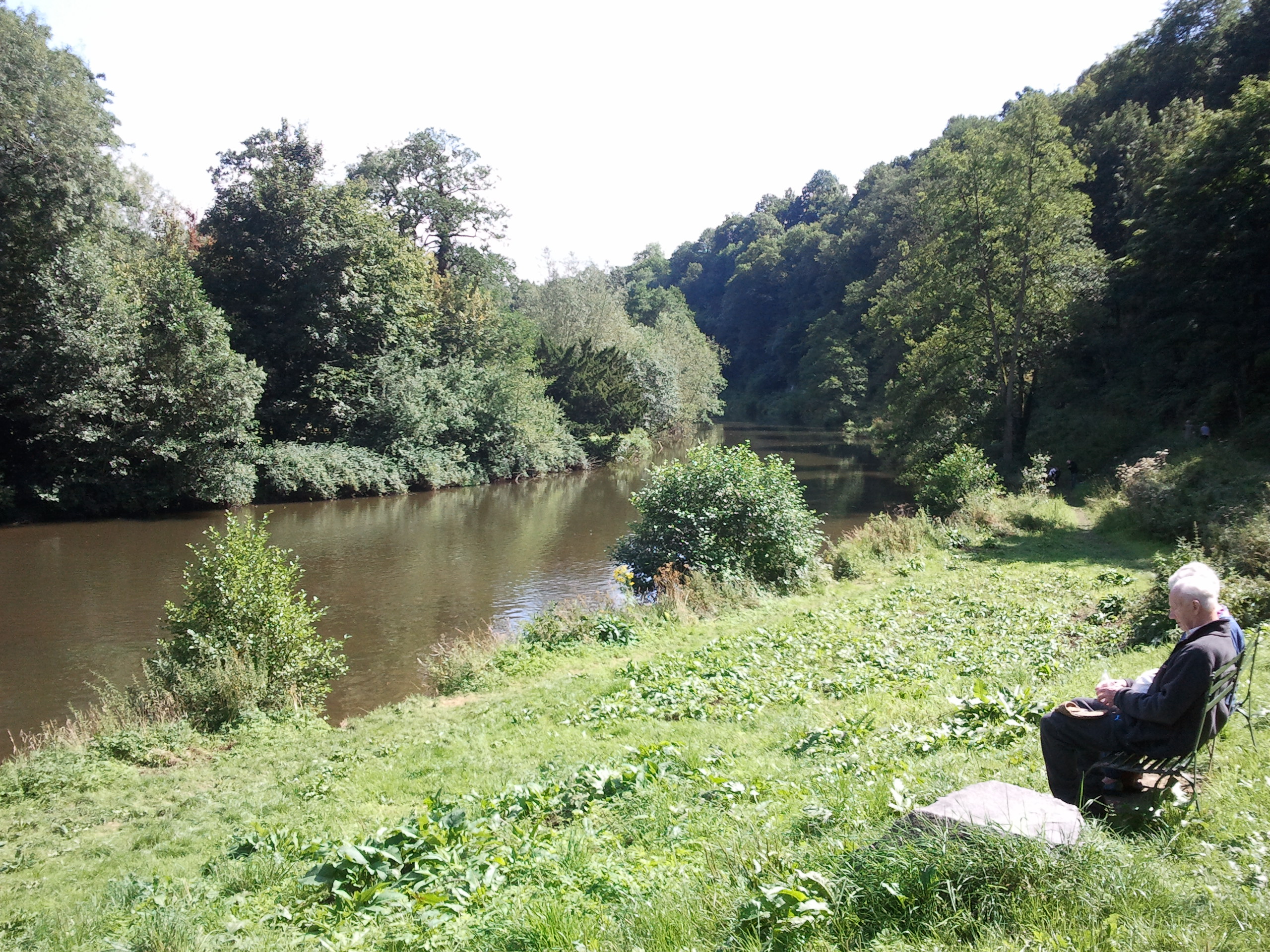
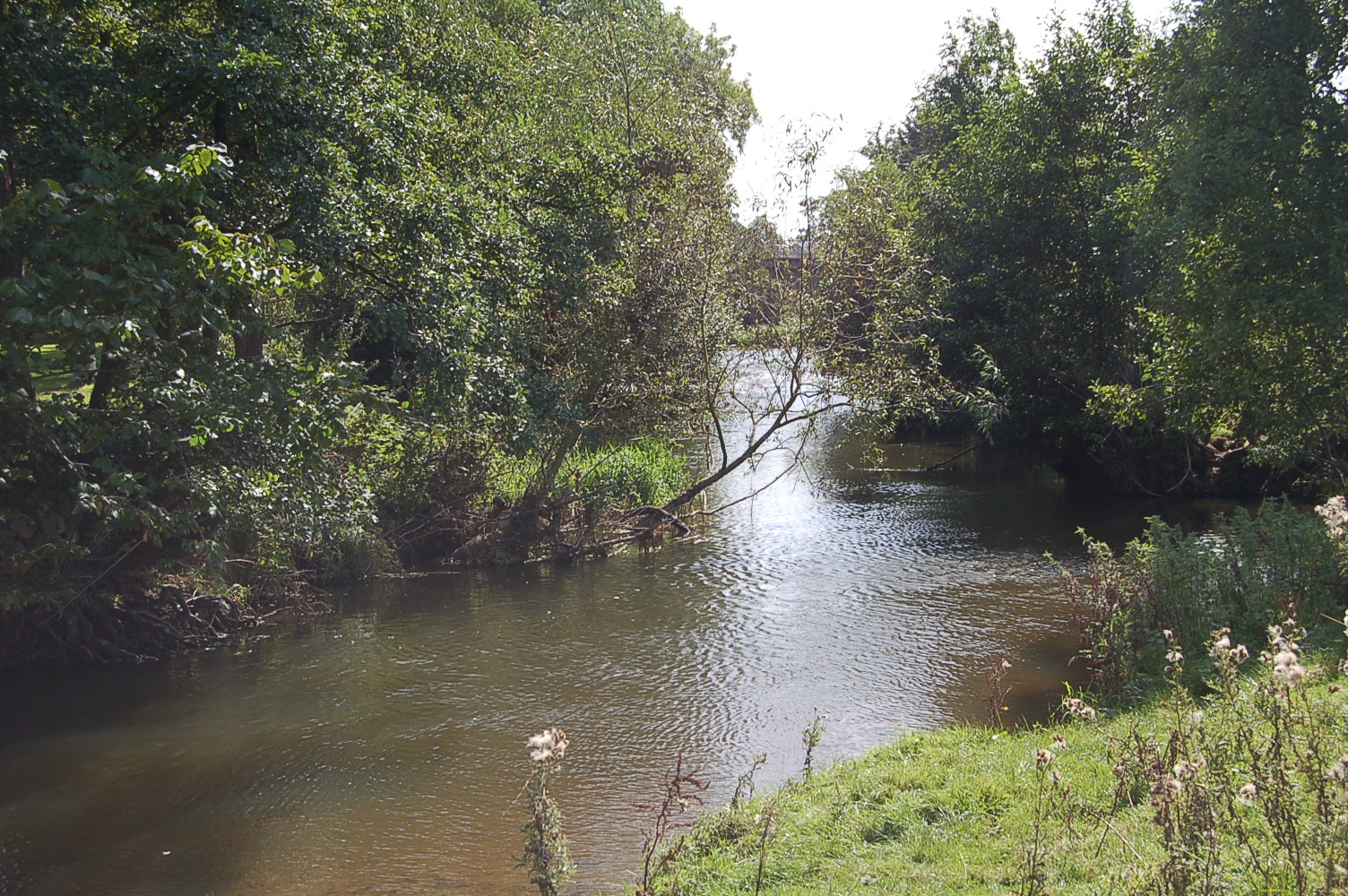
For this short riverside walk we decided to pick up the river as it wove through farmland to the north of the town. We followed the River Onny starting from the road bridge to a footbridge, as it passed through pastures where cattle and horses grazed.

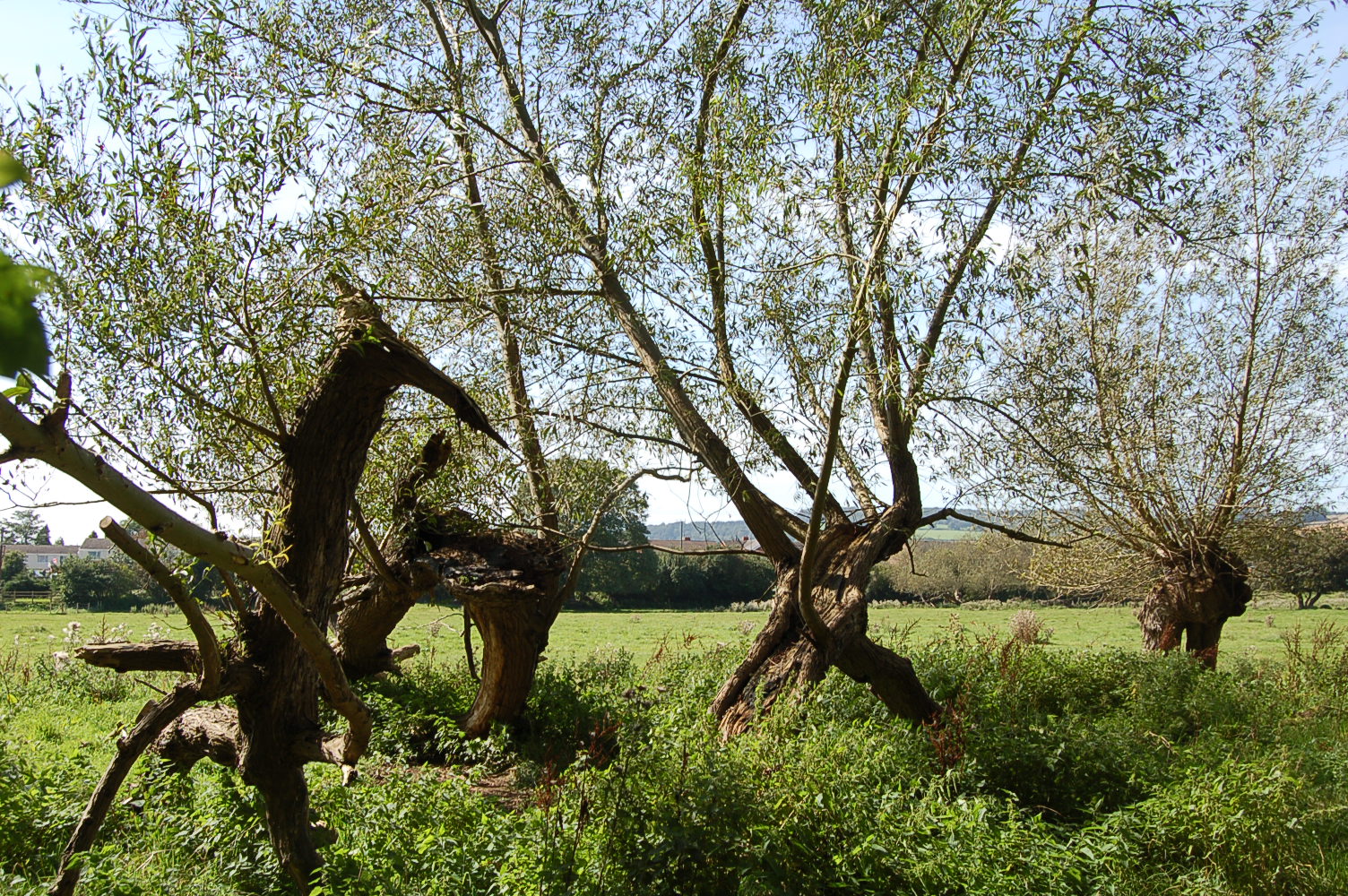
Along its banks like ancient old hunched men on a slow march were the remains of pollarded willows.

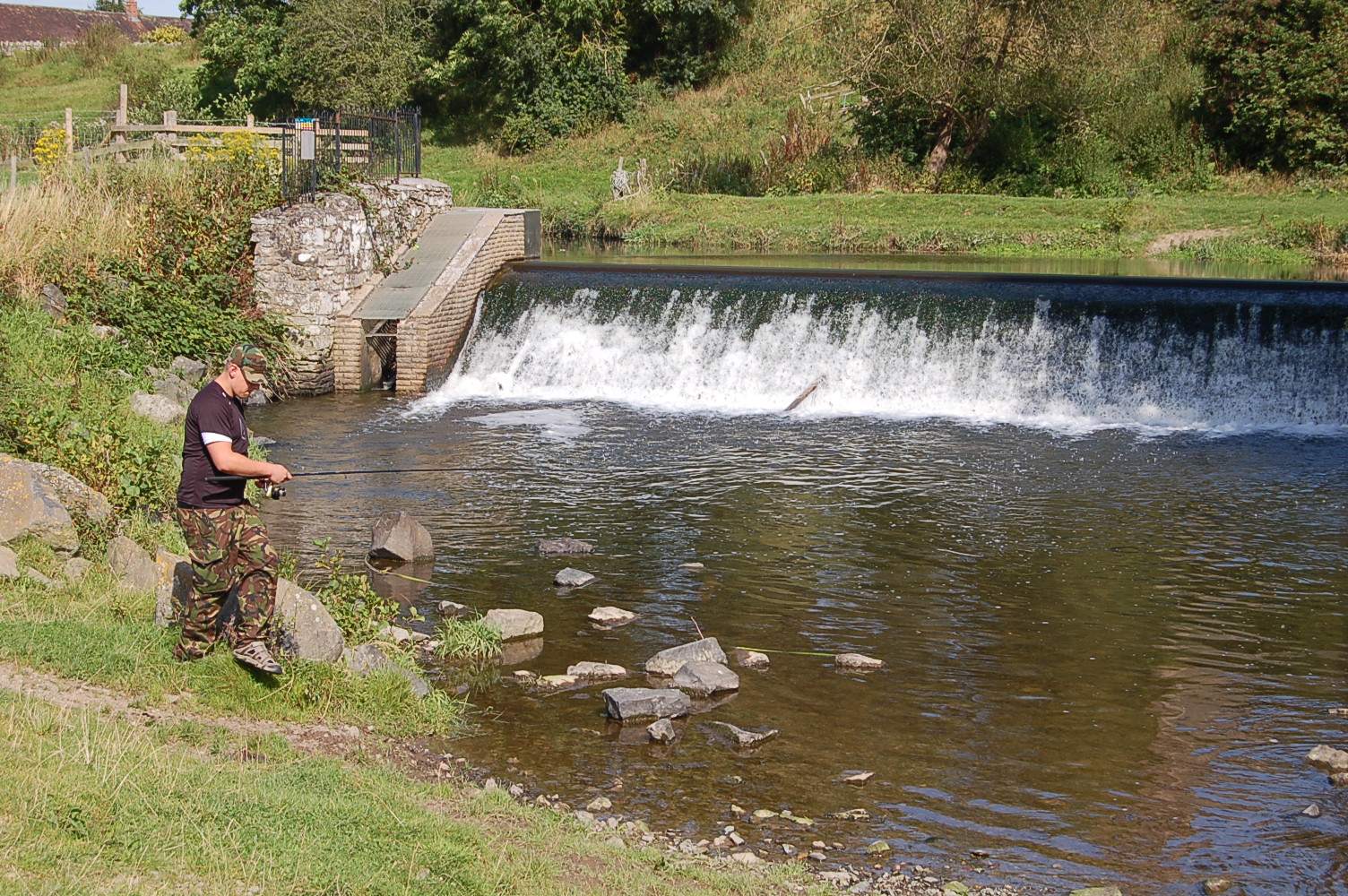
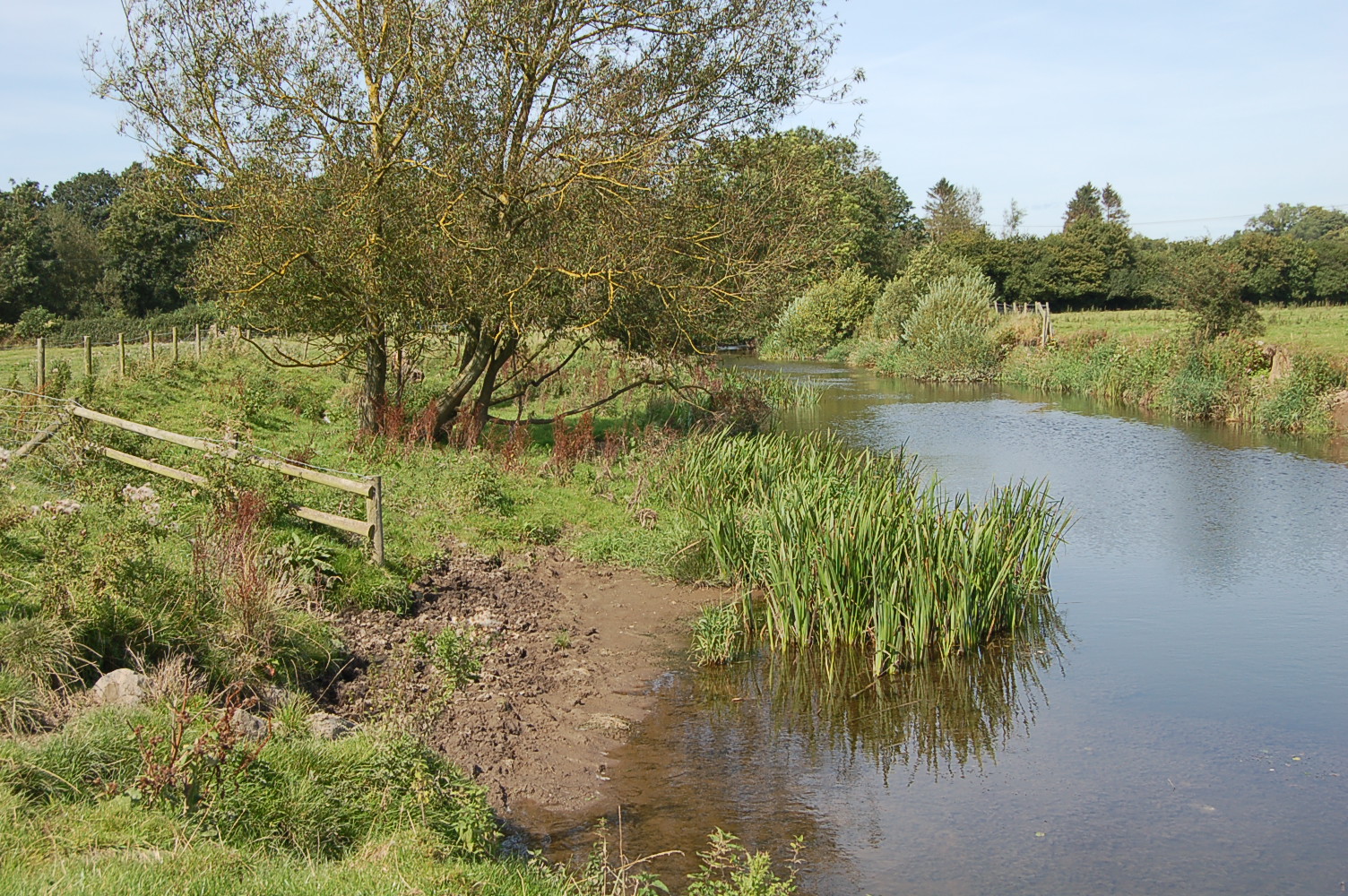
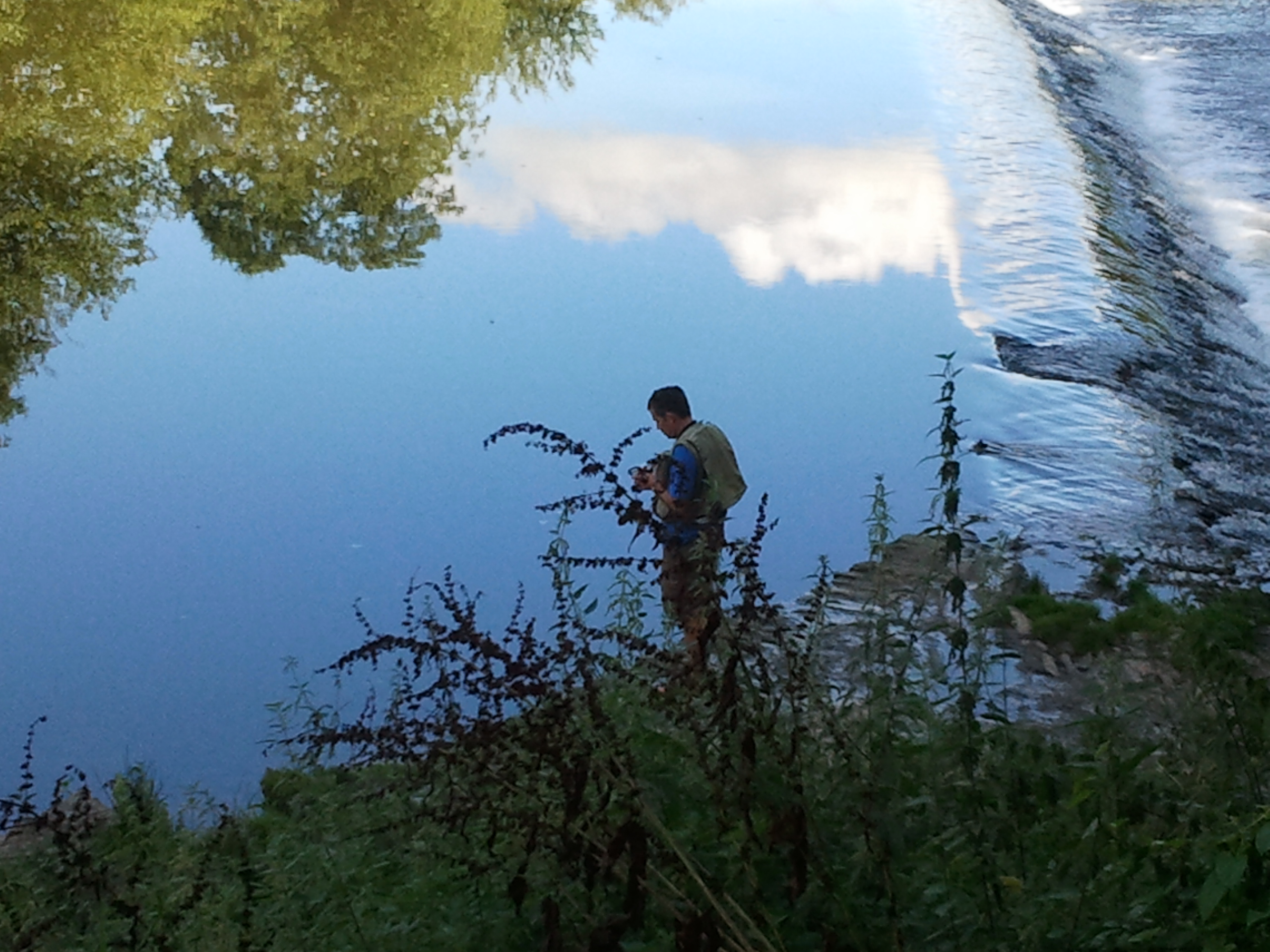
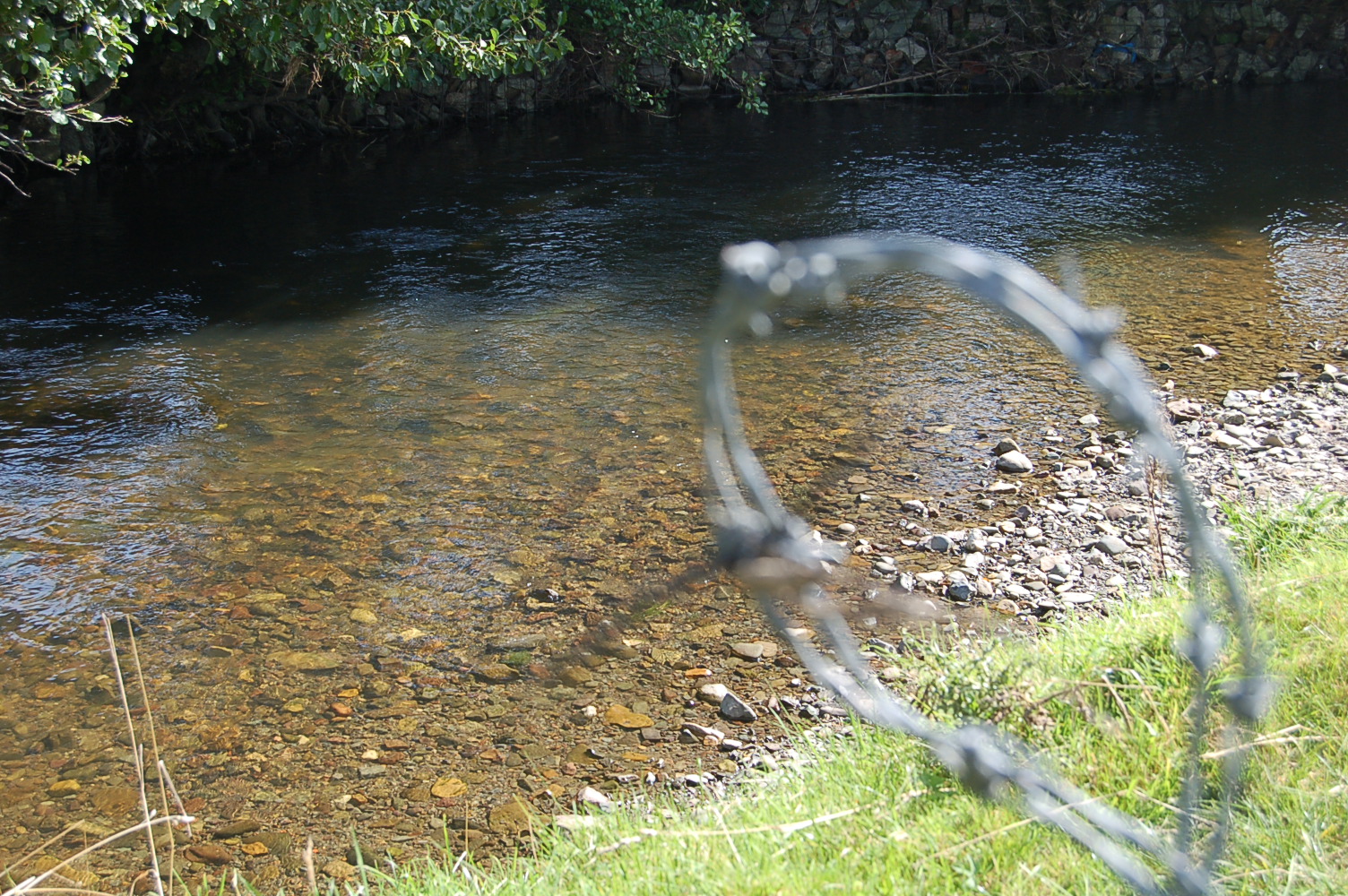
The river was shallow and fast-moving at first, rushing and bubbling over gravel and boulders. The water was clear enough to afford views of bright green ribbons of weed. Its character changed as we passed a weir where an unlucky fisherman cast his lure for trout.

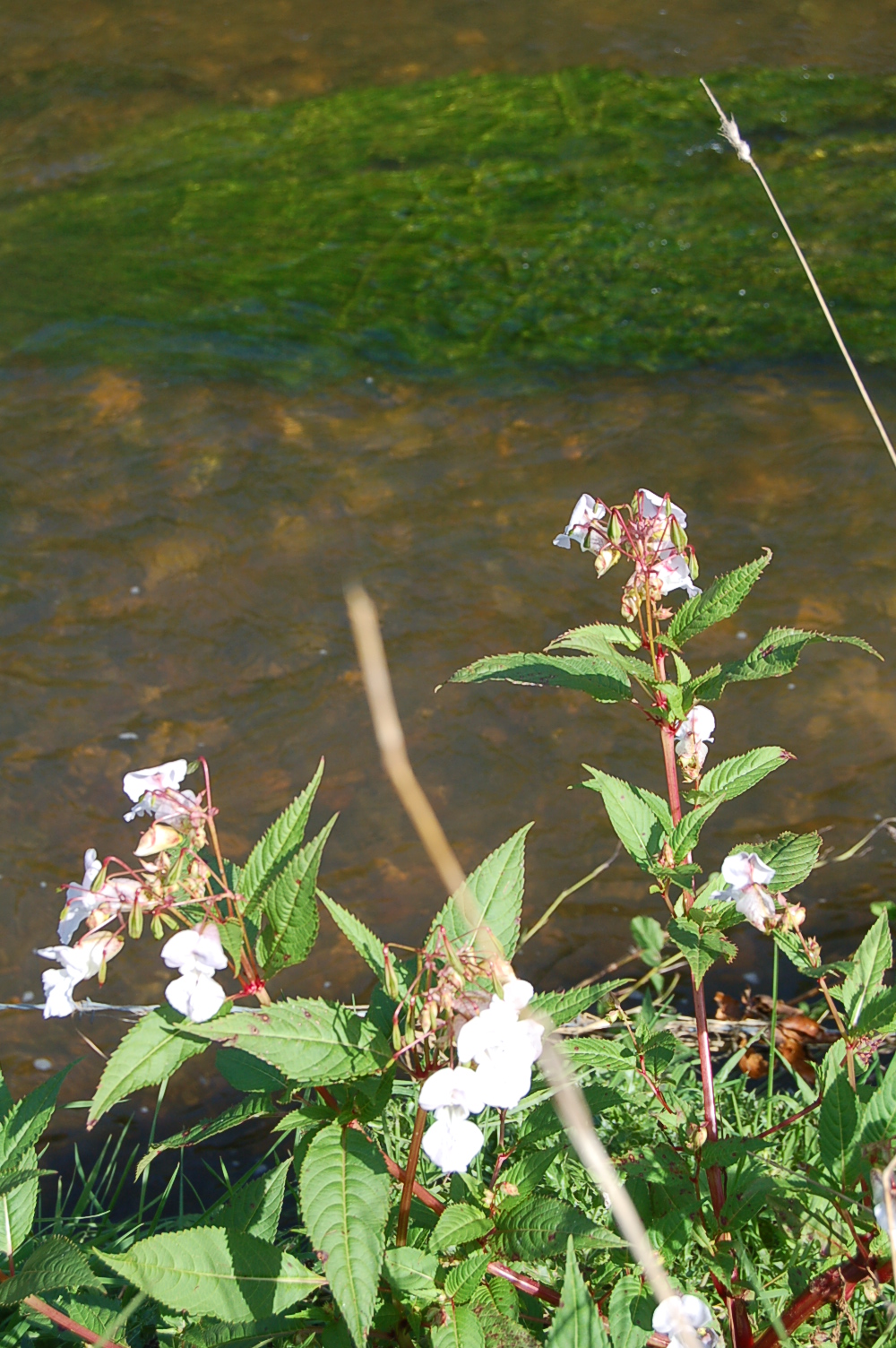
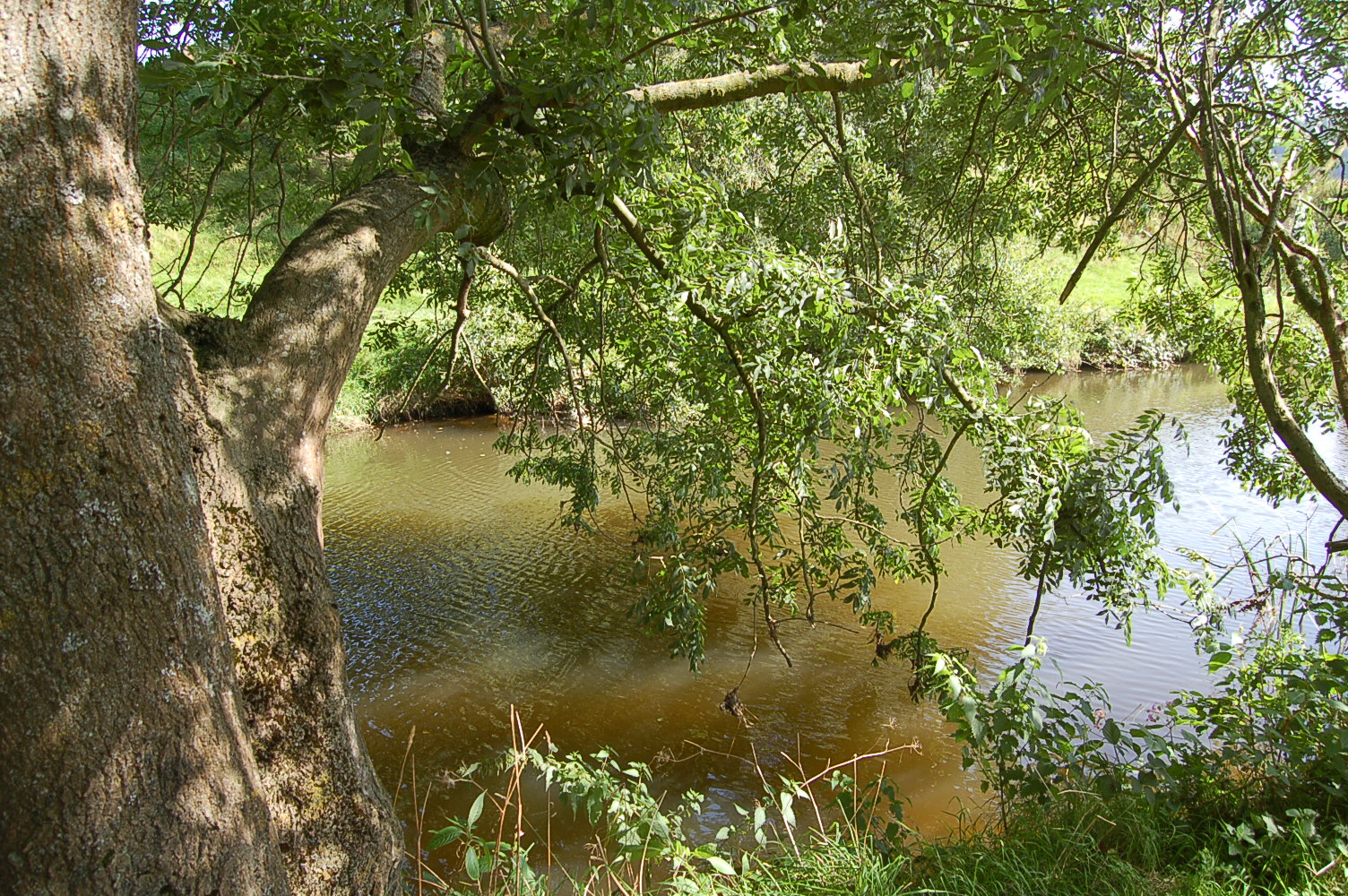
From here the flow slackened and the water deepened allowing waterside plants to flourish.

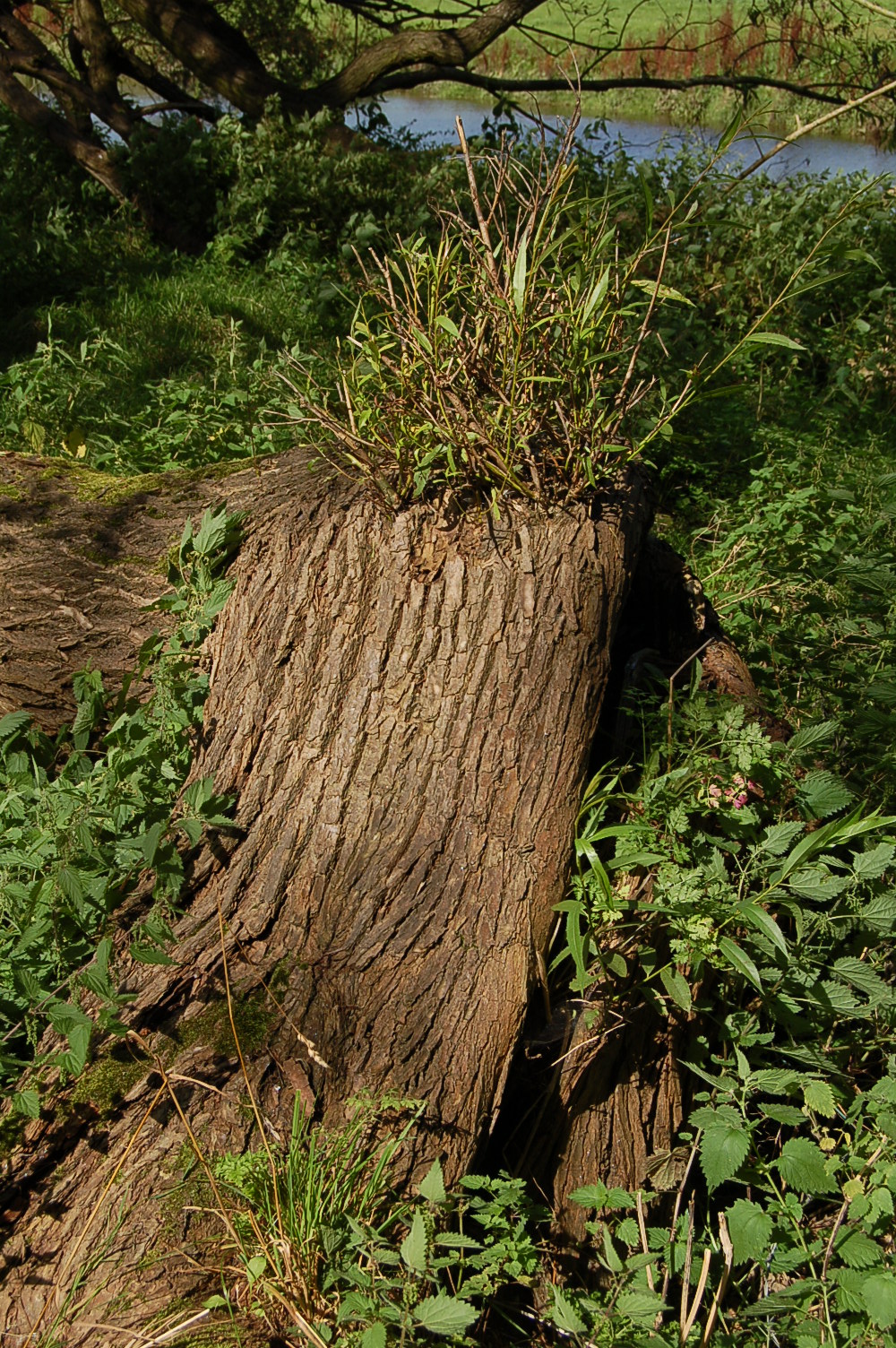
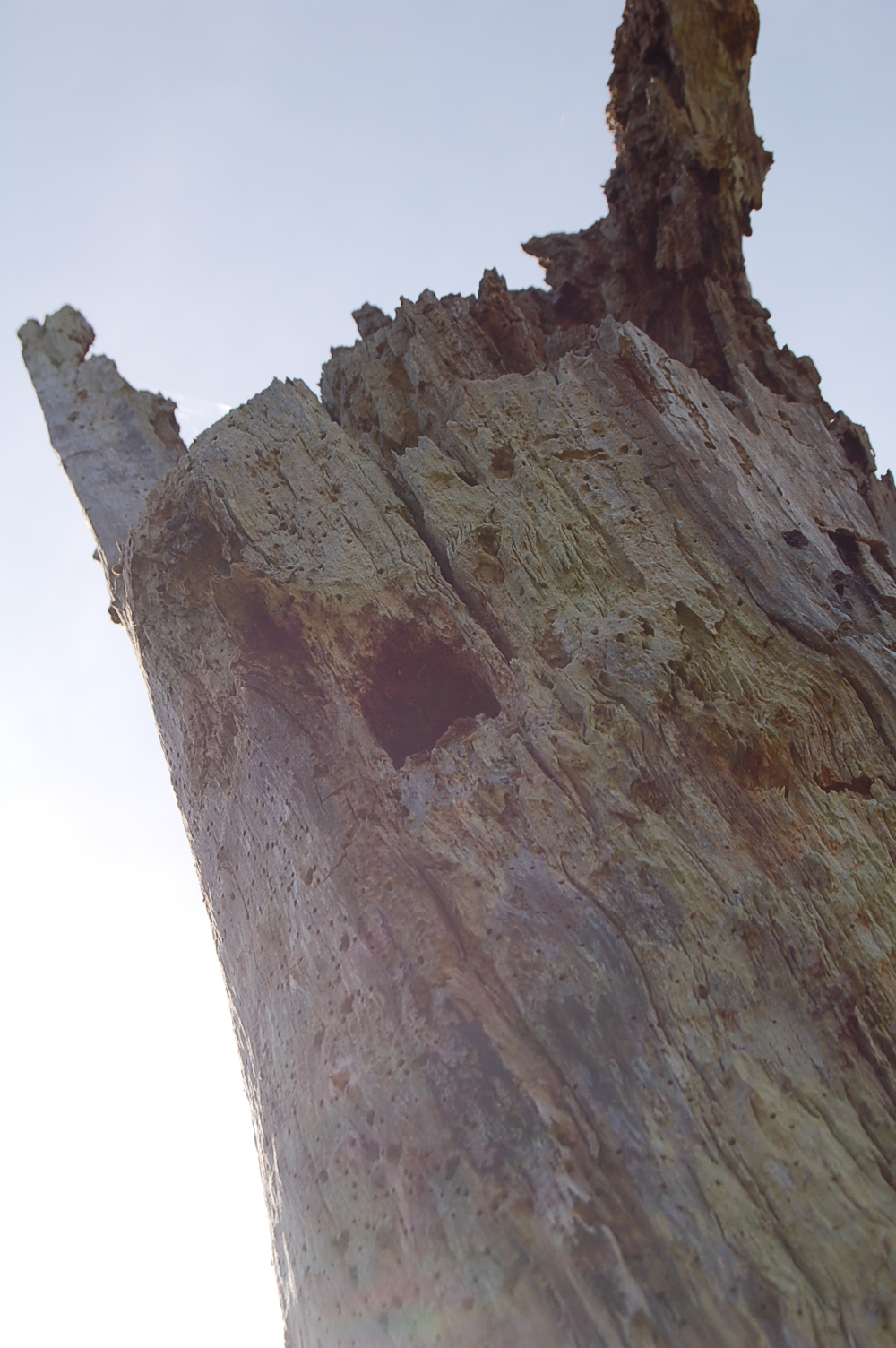
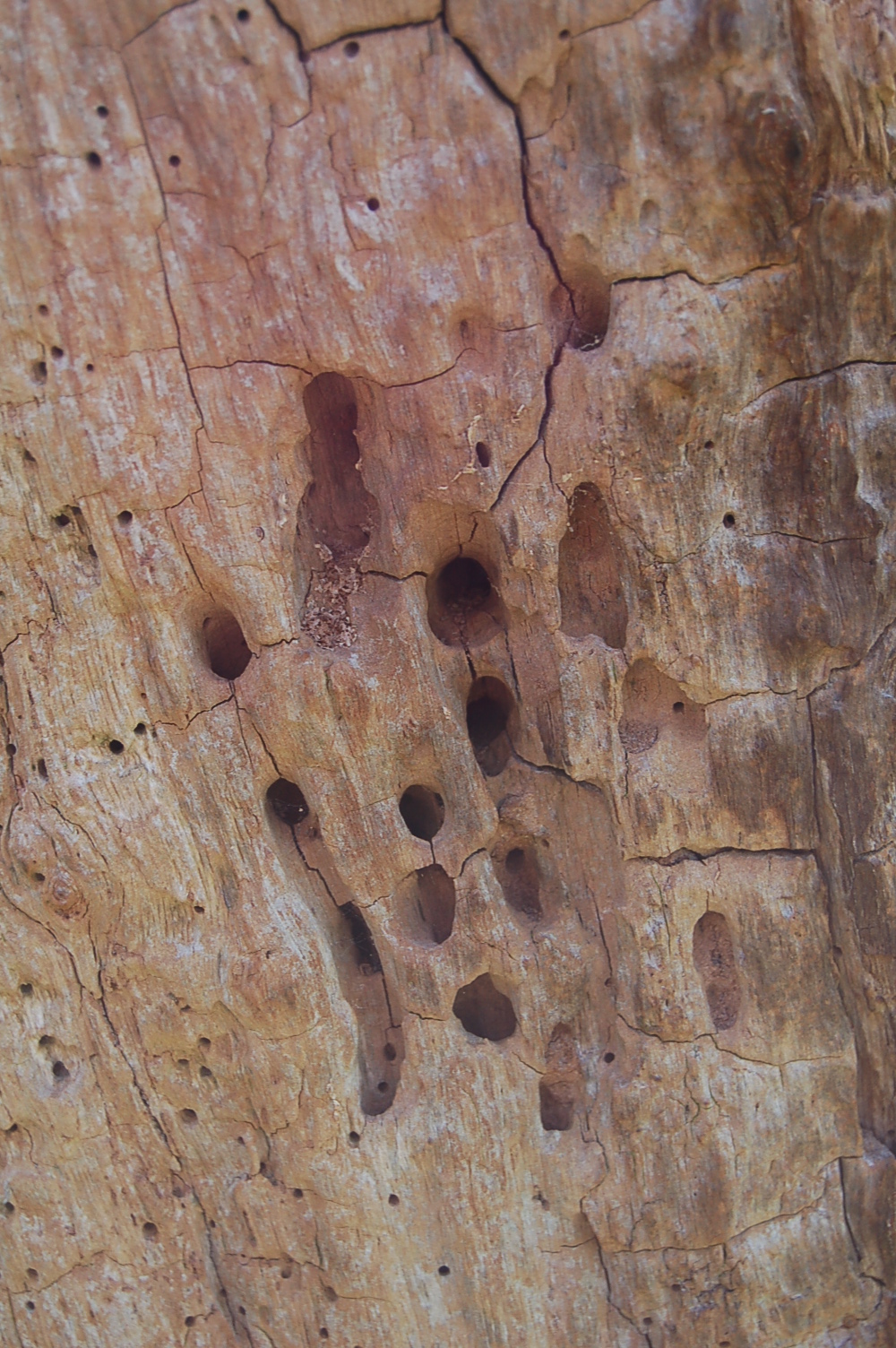
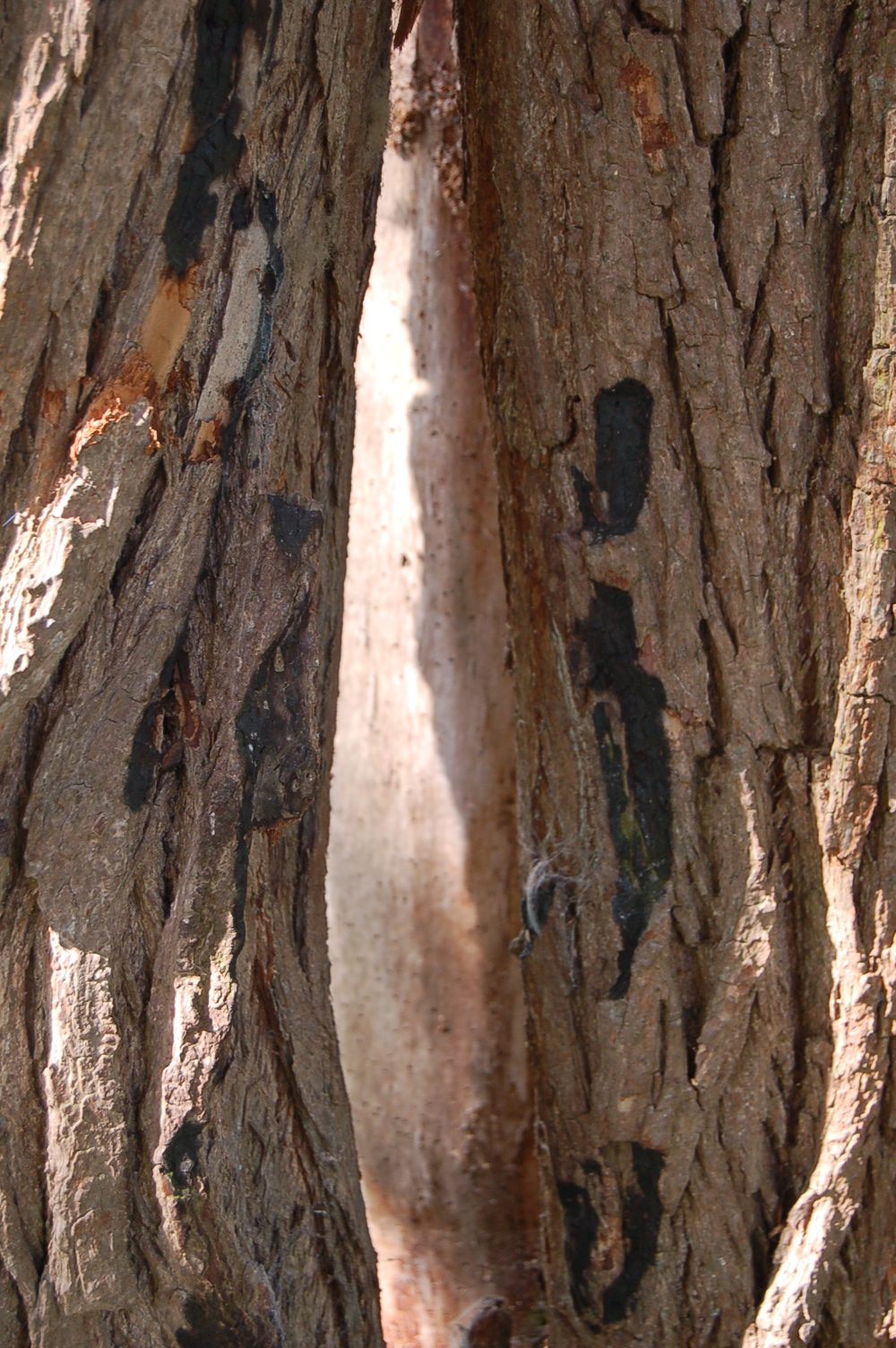
Every tree along our walk seemed old, rotting or falling over. Their bark was deeply textured. Exposed wood has been bored into by insects and birds.

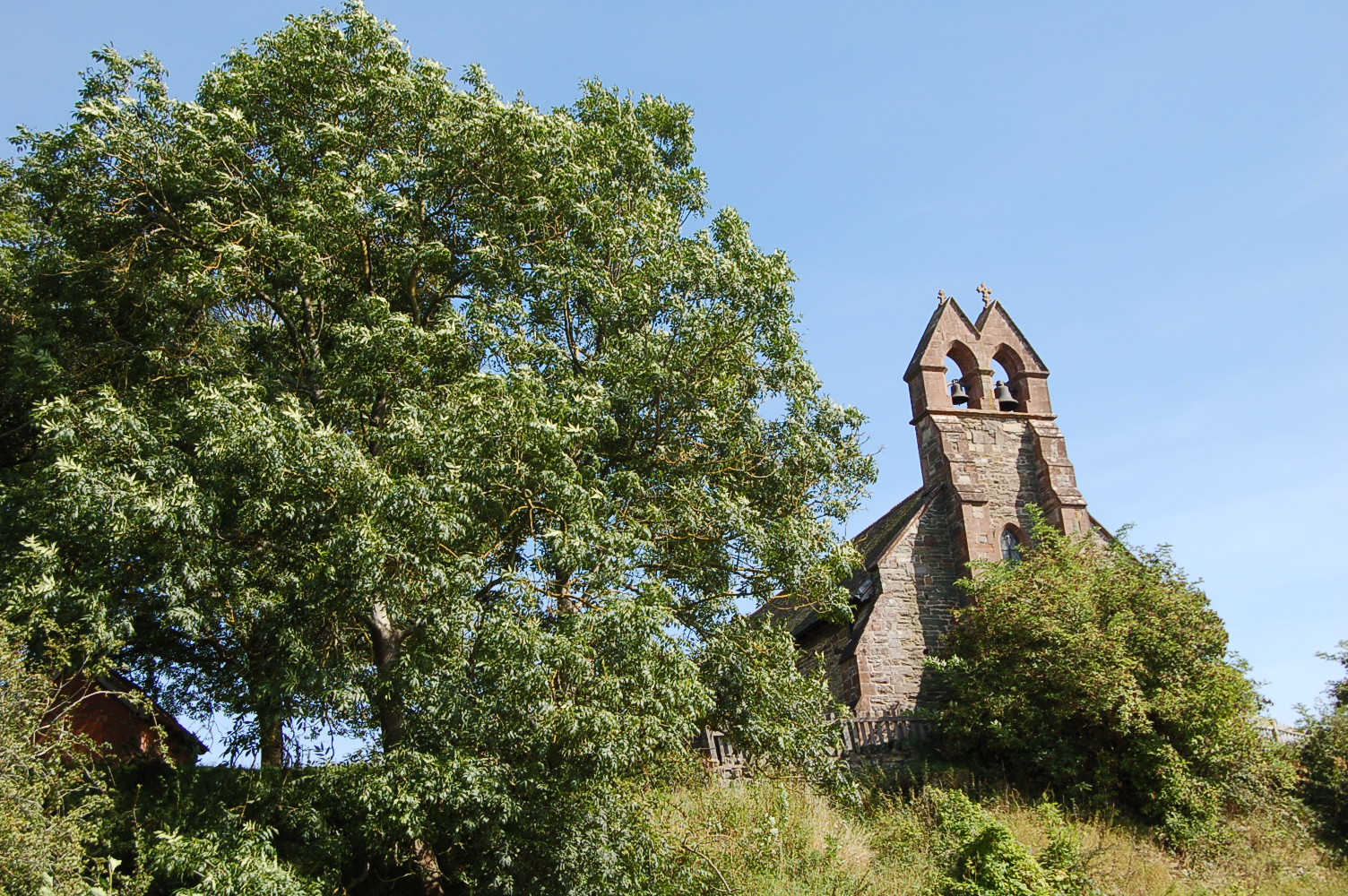
Walking on from the weir we enjoyed a view of Holford Church standing closely and comfortably with a clump of trees.

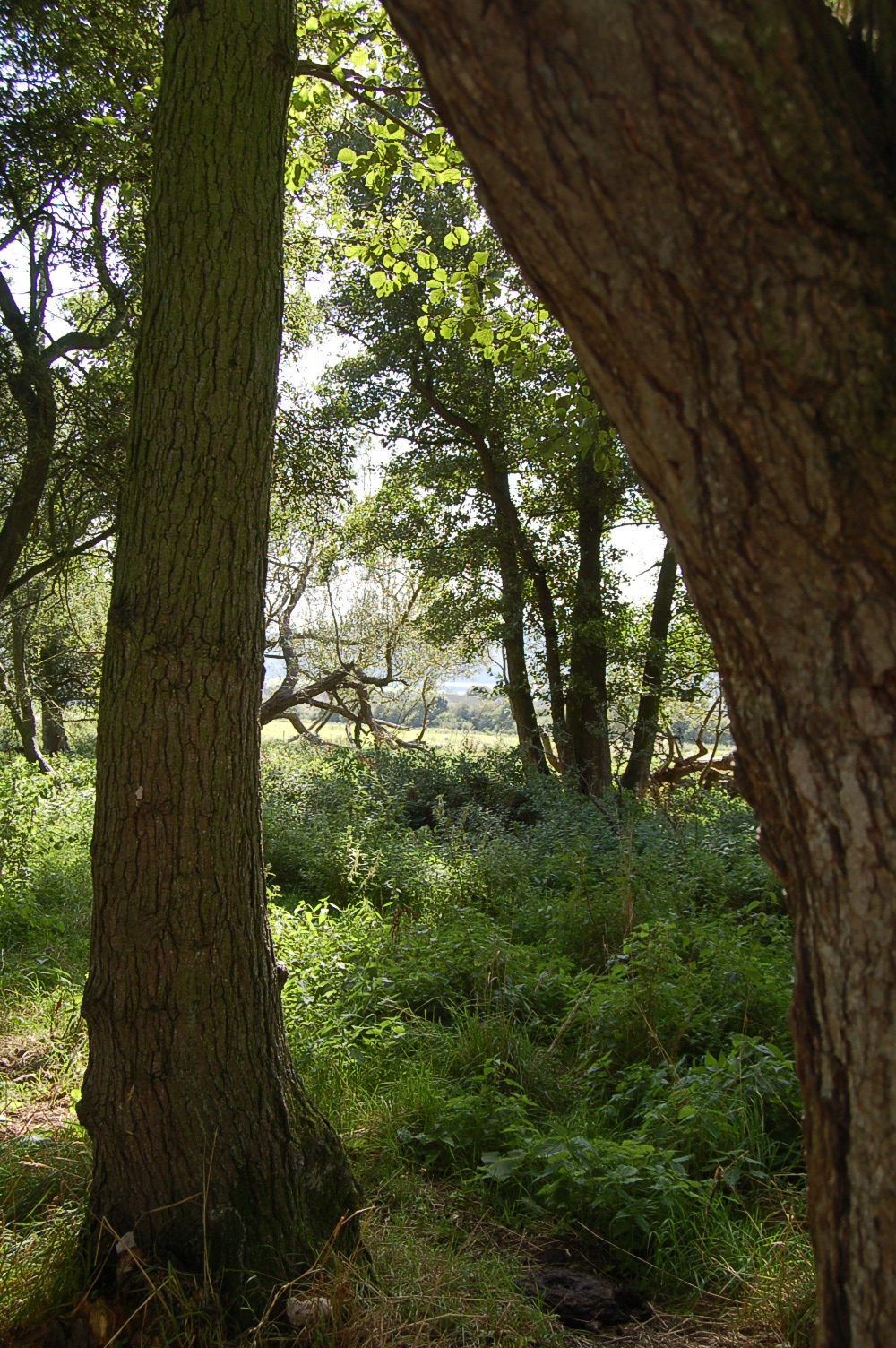
The riverside here moved through an area of damp land where floods often settled. Trees grew in sculptural shapes creating natural arches for us to pass under.

Leaving the trees behind us the Onny began meandering tightly through open fields where large flocks of Sand Martins swooped close to the water searching out insects and Linnets fed greedily on large patches of thistles with their fluffy seed heads.

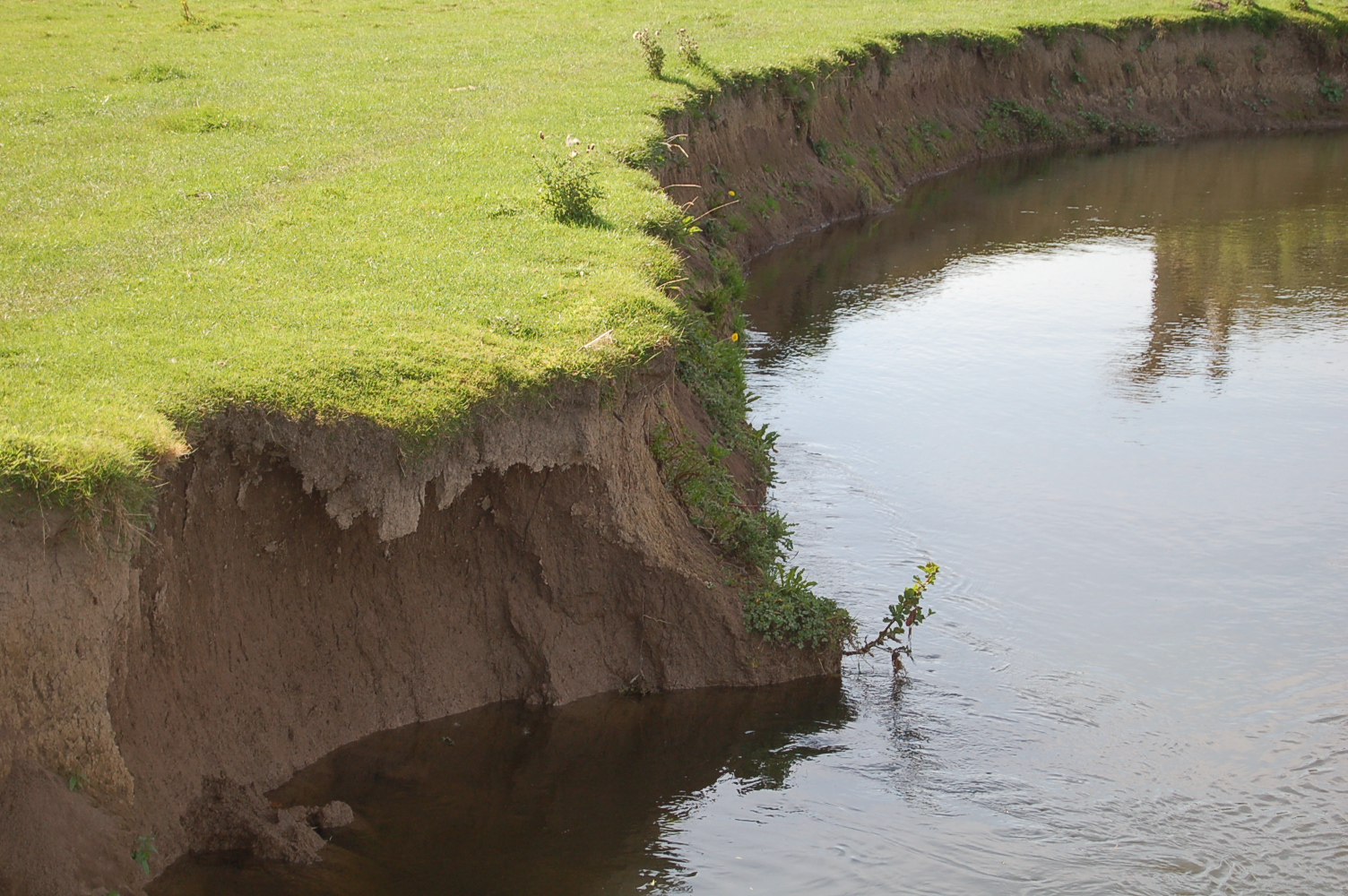
The banks are eroding daily and now look as if huge bites have been taken out of them.

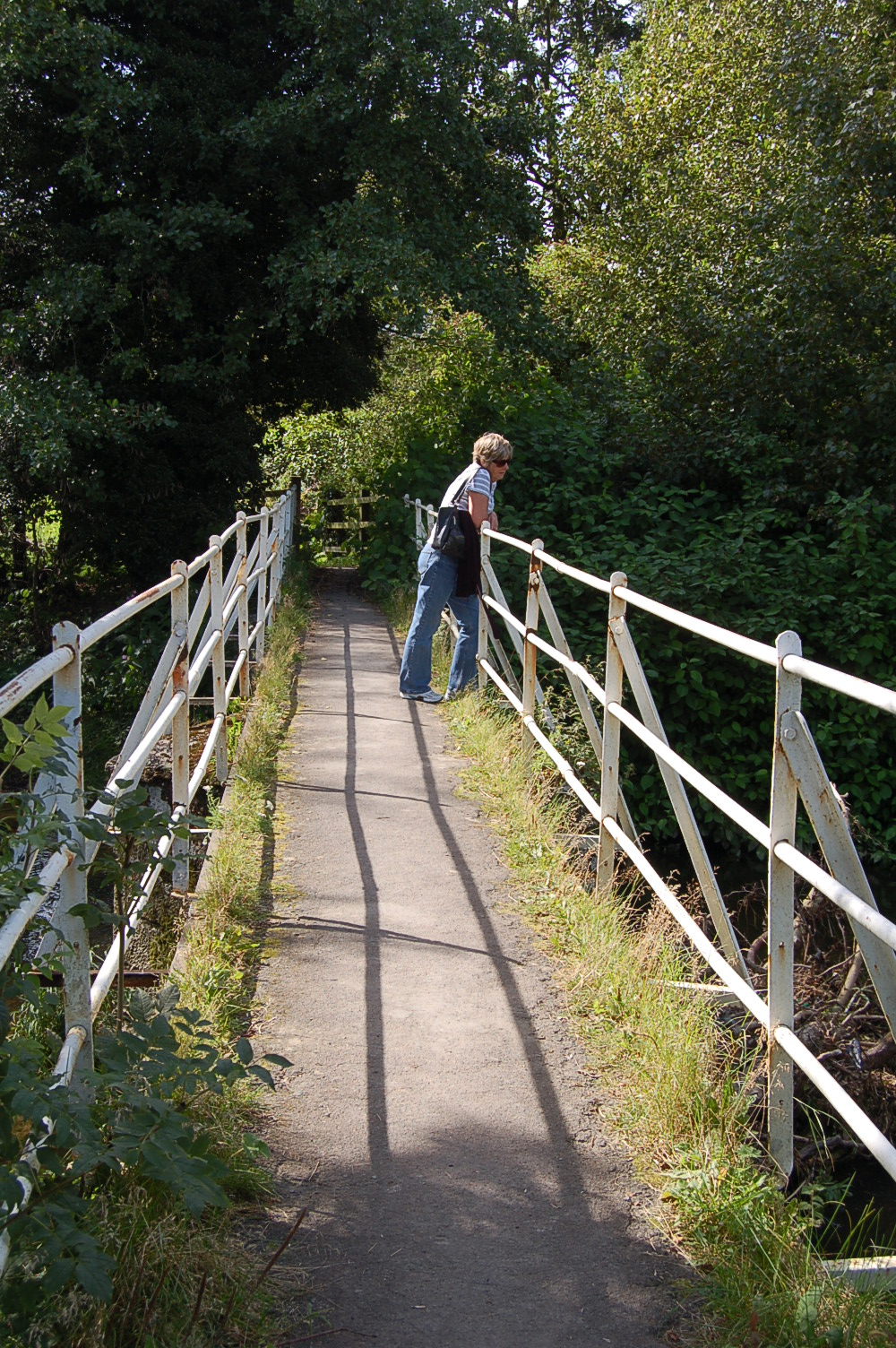
As we approached the bridge where our walk was to end we entered a wooded area and felt the air turn cooler. This bridge was a narrow footbridge. We looked over into the water searching for trout but saw only our shadows.

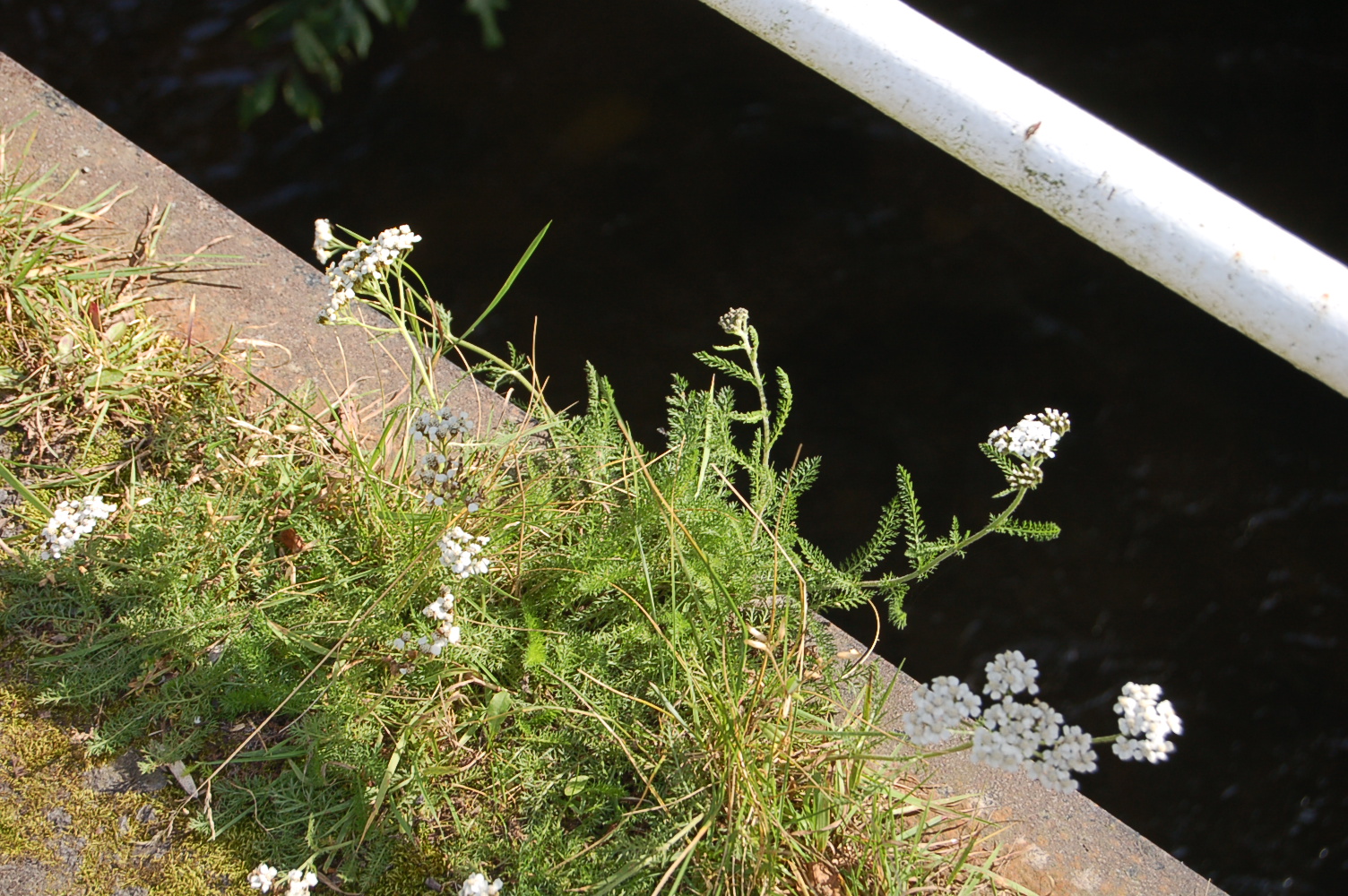
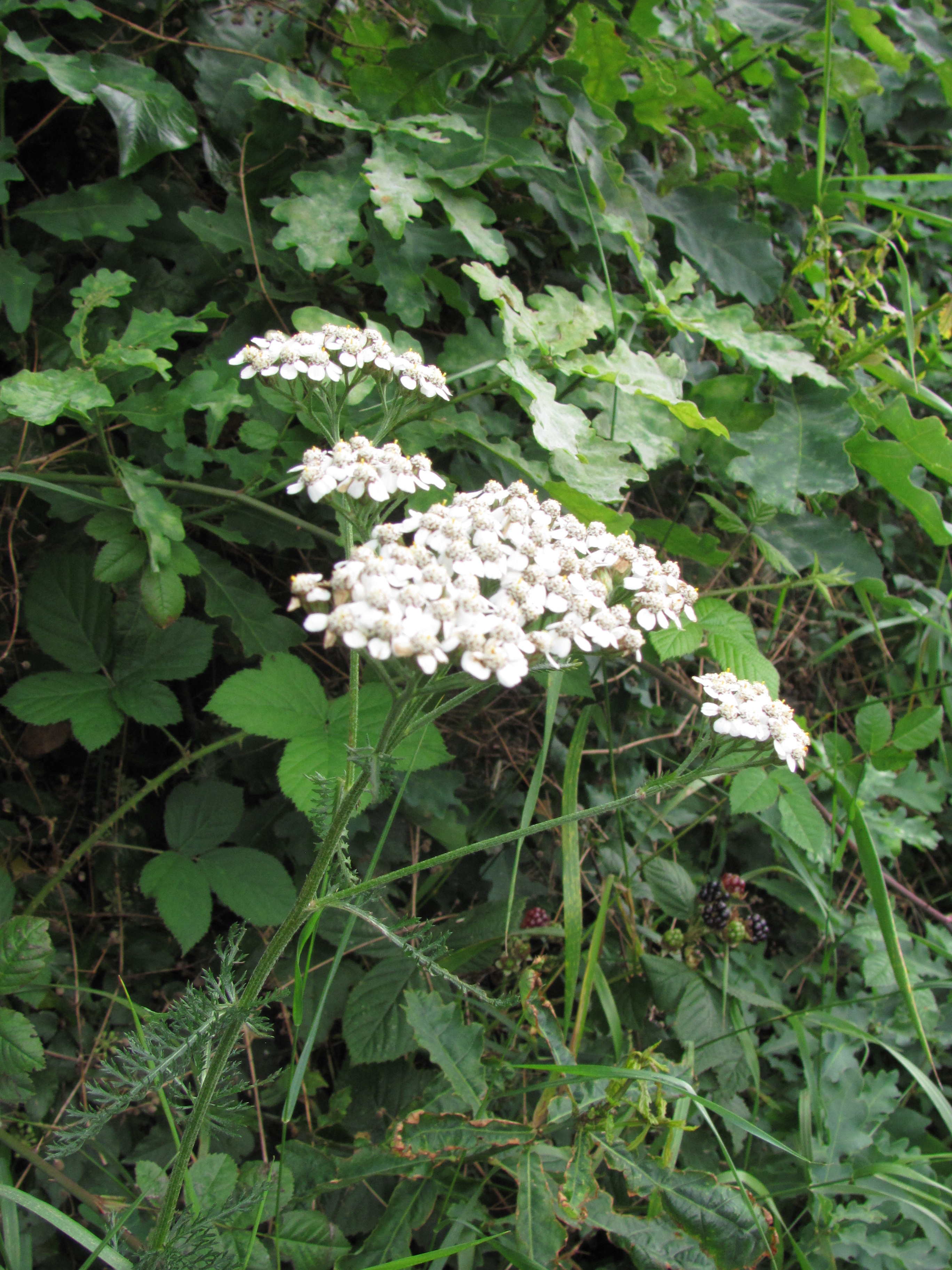
Along the edge of the path over the bridge the native Achillea, the Yarrow, had found a foothold and was successfully flowering.

From the bridge we could look back over the pastureland we had walked through. After a cool break in the tree’s shade around the bridge we made our way back along the river.

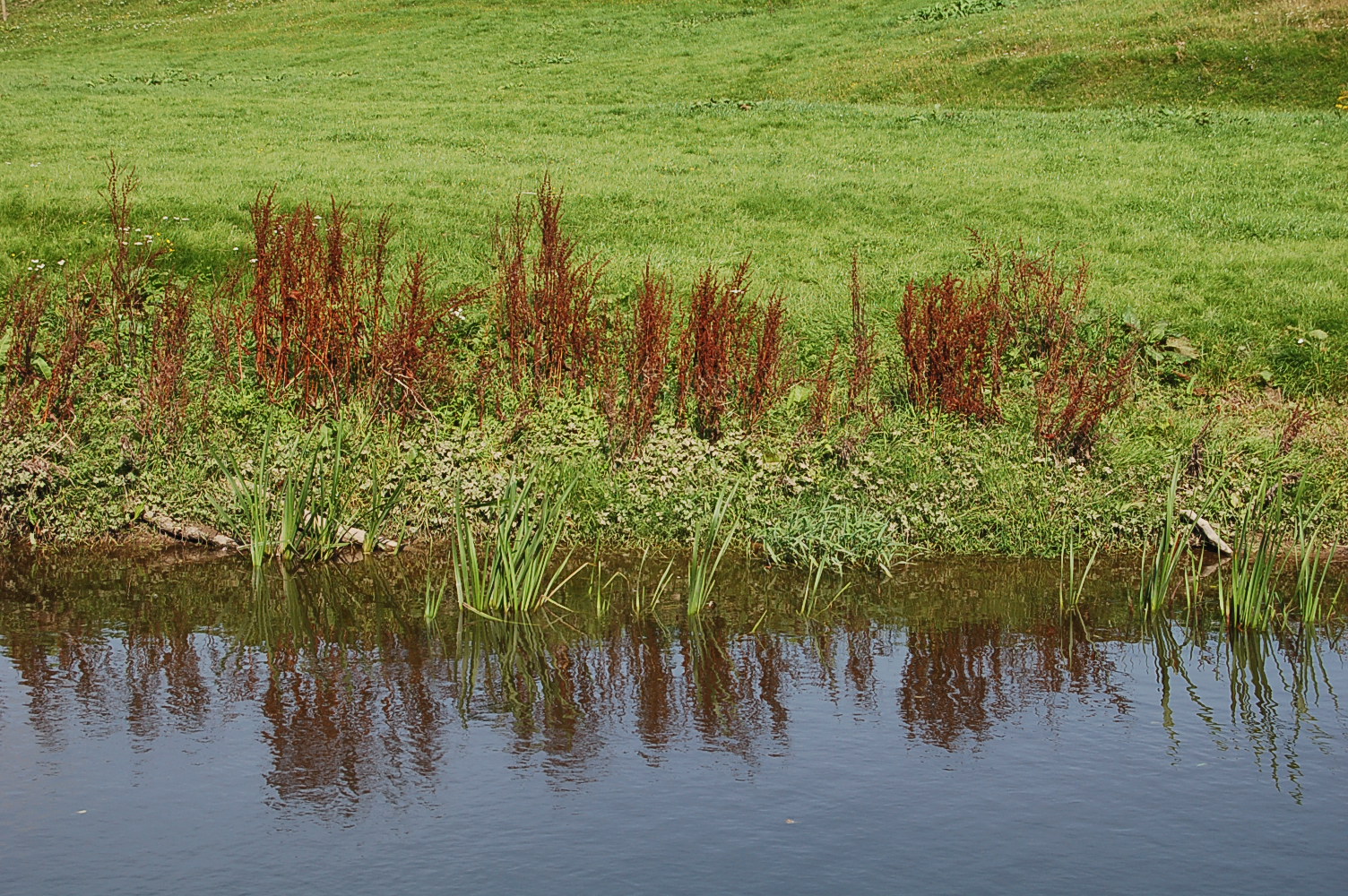
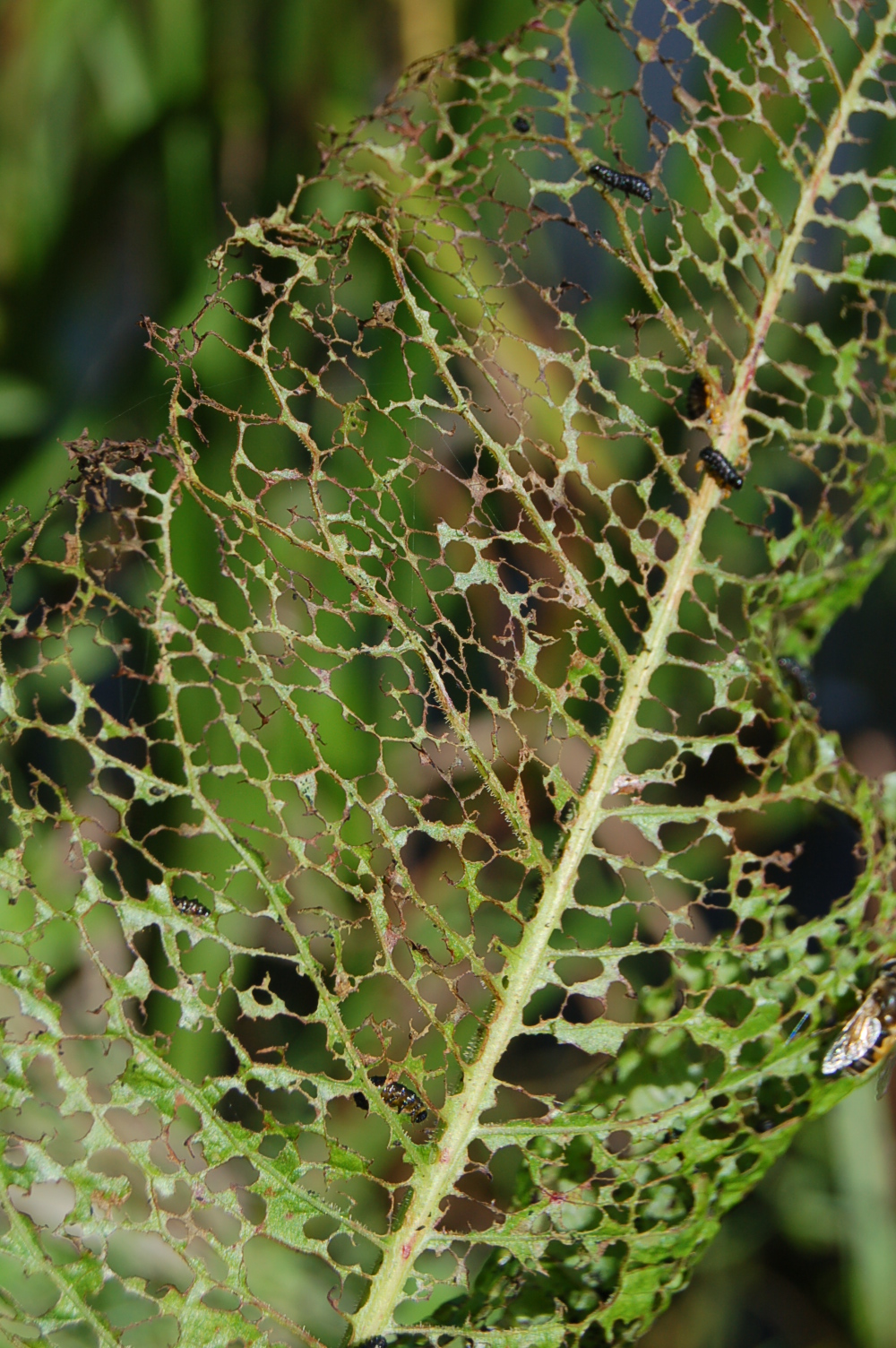
We had time to stop and appreciate the flora of the river banks, including a Dock whose leaves had been turned into a skeleton by a caterpillar of some sort.

Categories
photography Shropshire trees wildlife woodland

Walking the Teme – a riverside walk.

What a way to start a walk – a long latte and a thick slice of coffee cake in a riverside cafe! Here in South Shropshire above the River Teme sits the town of Ludlow. An historic market town with a reputation as a town of food, Ludlow has more Michelin Star restaurants of anywhere outside London. It is the home of organic, locally produced food.

We visited today for a walk along its trout river, the Teme. We crossed a beautiful old stone bridge, called Dinham Bridge before finding the riverside track. From the bottom of the valley we could enjoy views of the town’s castle in one direction and along the river in the other. As we crossed the bridge we looked down into the rapidly moving water to see a pair of swans glowing white against the dark shadow of the bridge’s arches. They became a blur as they moved into the reflections of the sun.

The blue of the clear sky added extra colour to the reflections of the overhanging trees on the opposite bank. It was a warm day so walking within the shade of the Teme’s deep valley sides was a cooling luxury.

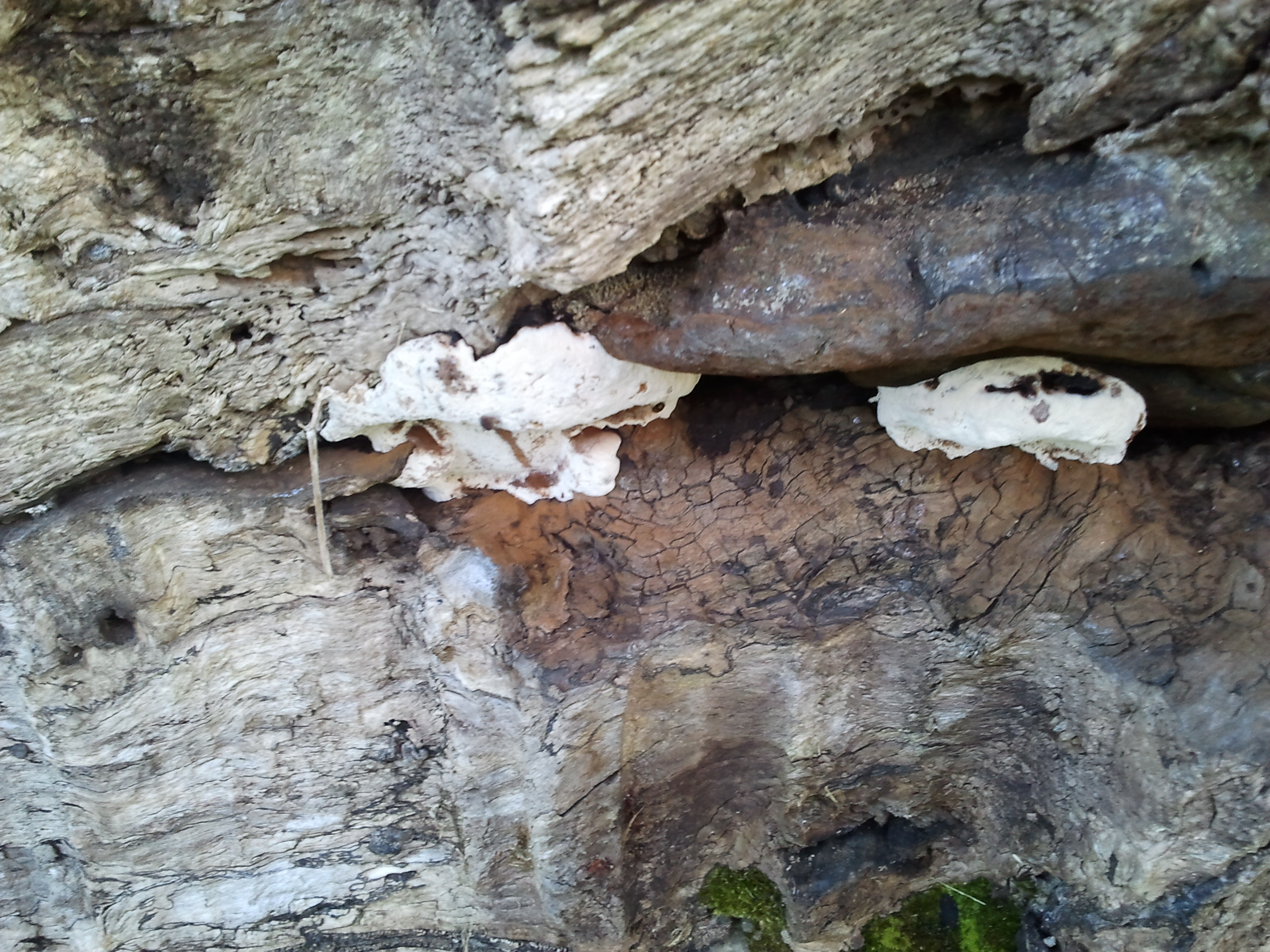
On the steeply sloping valley side erosion from rainwater rushing down, had exposed the massive roots of the tall trees. Within the exposed roots white fungi grew looking like chewing gum pushed into cavities.

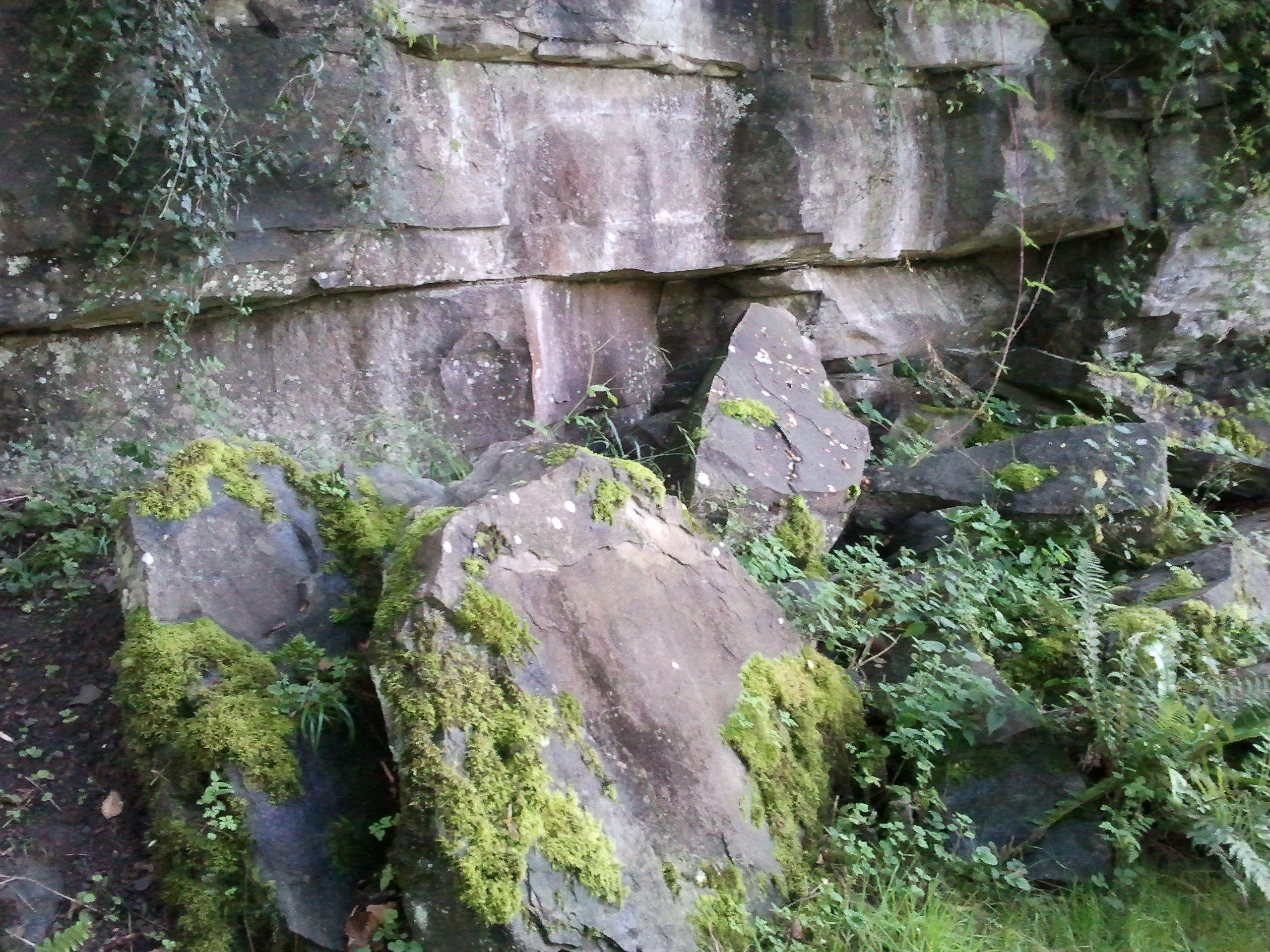
Similarly, water seeping through the rock strata of the steepest slopes coupled with the freeze-thaw action of the severe winter weather of South Shropshire, has attacked the rocky outcrops. Large chunks of stone have broken away and exposed fossils. On the gentler slopes the rocks have been smoothed by the action of surface water.

It is a popular place for fisherman, both course and fly.

We walked as far as the weir where our path rose steeply through woodland. My legs decided it was safer not to go on.

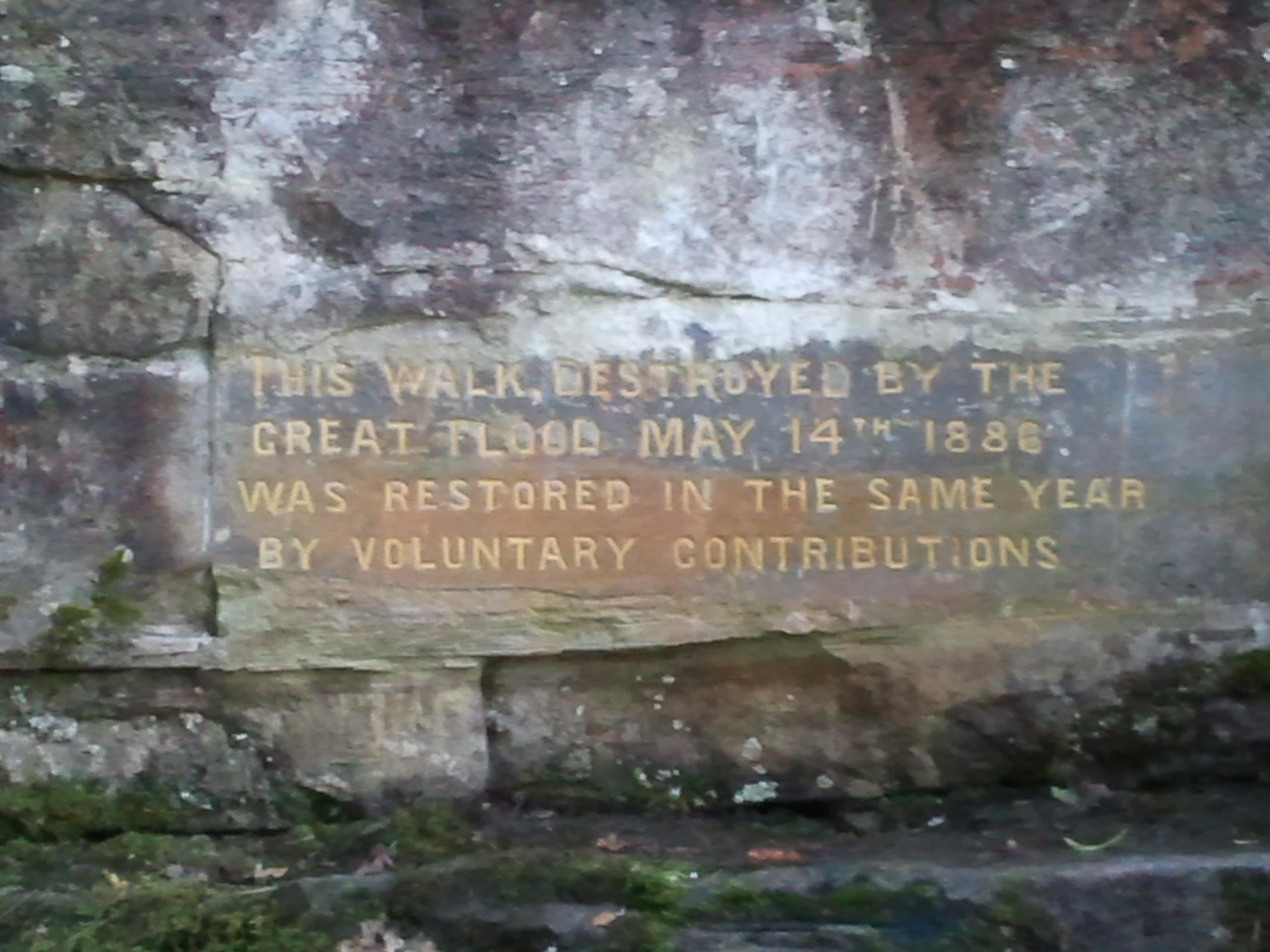
Just where we turned back we found this interesting old stone plaque, emphasising the power of the water along which we were walking.

Categories
climbing plants garden design garden photography gardening hardy perennials Land Art ornamental trees and shrubs outdoor sculpture photography roses Shropshire trees

A day out with the Shropshire Hardy Plant Society

Today was a special day spent with friends from the Shropshire Branch of the Hardy Plant Society, with the morning spent visiting a plantsperson’s garden and the afternoon listening to a talk with photographs of a botanist’s garden.

The garden was called Stevenshill close to Wenlock Edge venue of our recent woodland walk featured in a recent post. The owners were so full of enthusiasm and plant knowledge, and the garden full of rare and colourful delights.

It had far-reaching views of Wenlock Edge and plenty of varied, comfortable places to sit and enjoy the scents and sights of the plants.

It was one of those gardens with lots of plants to confuse and mystify even the most experienced hardy planters. Lots of head scratching about unknown and forgotten plants. Luckily the garden’s owners have put lots of labels in and have good memories for plant names. Their plant sales table held some unusual specimens and many went home in the hands of hardy planters, including ourselves. We selected a hairy leaved bergenia, Bergenia ciliata and a shrubby Teucrium, Teucrium “Paradise Delight”. Now where are we going to place those?
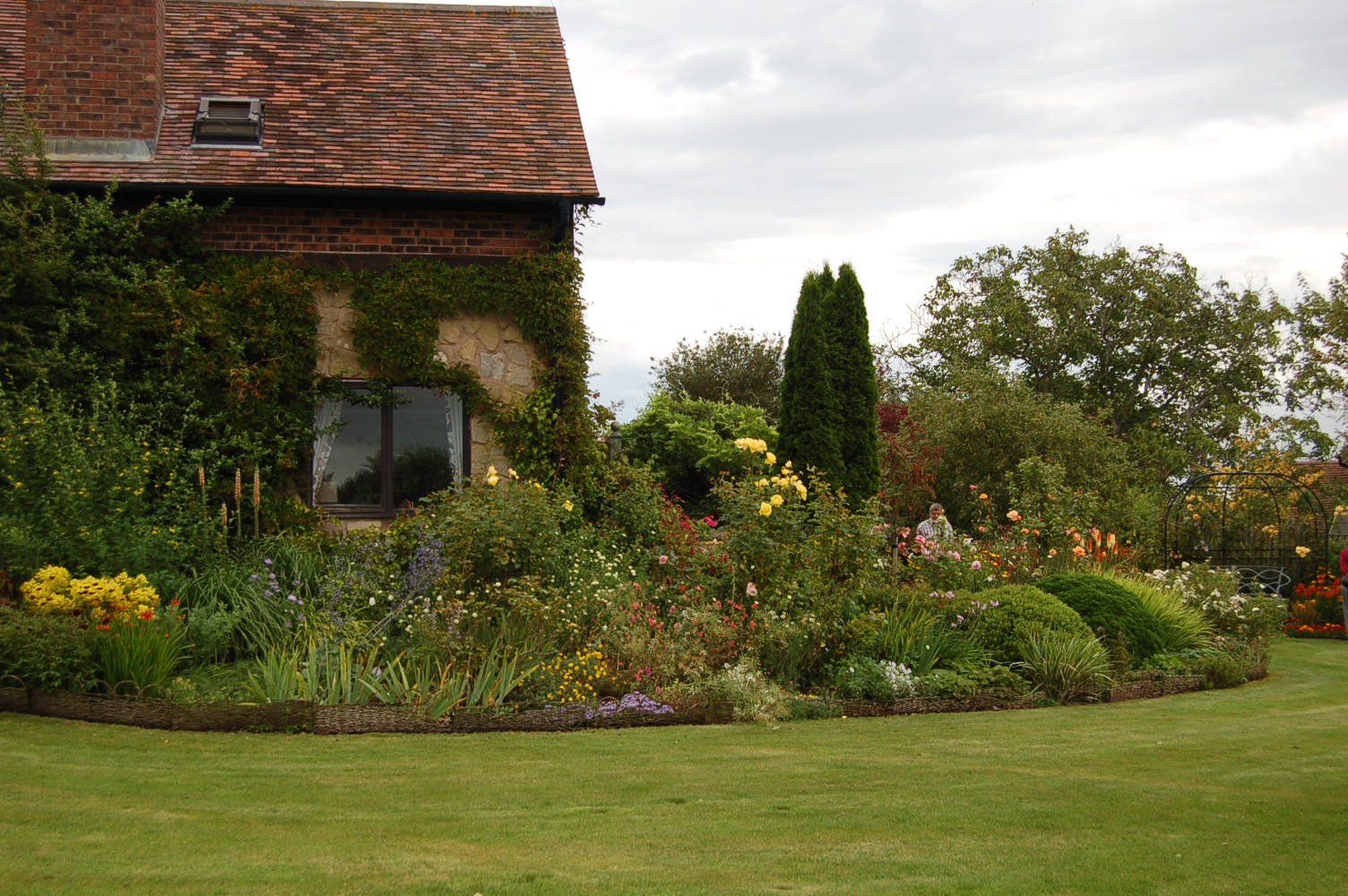
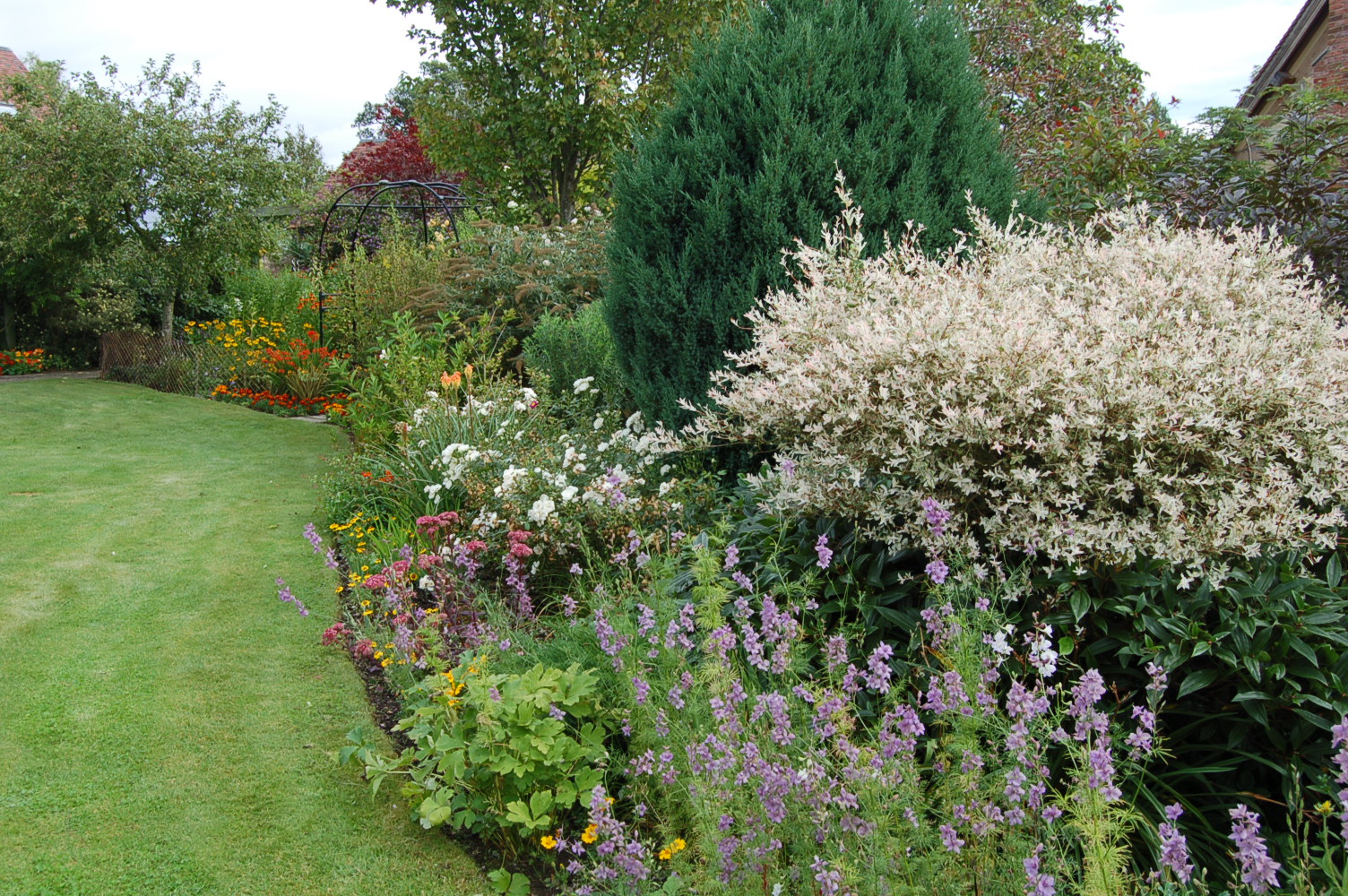
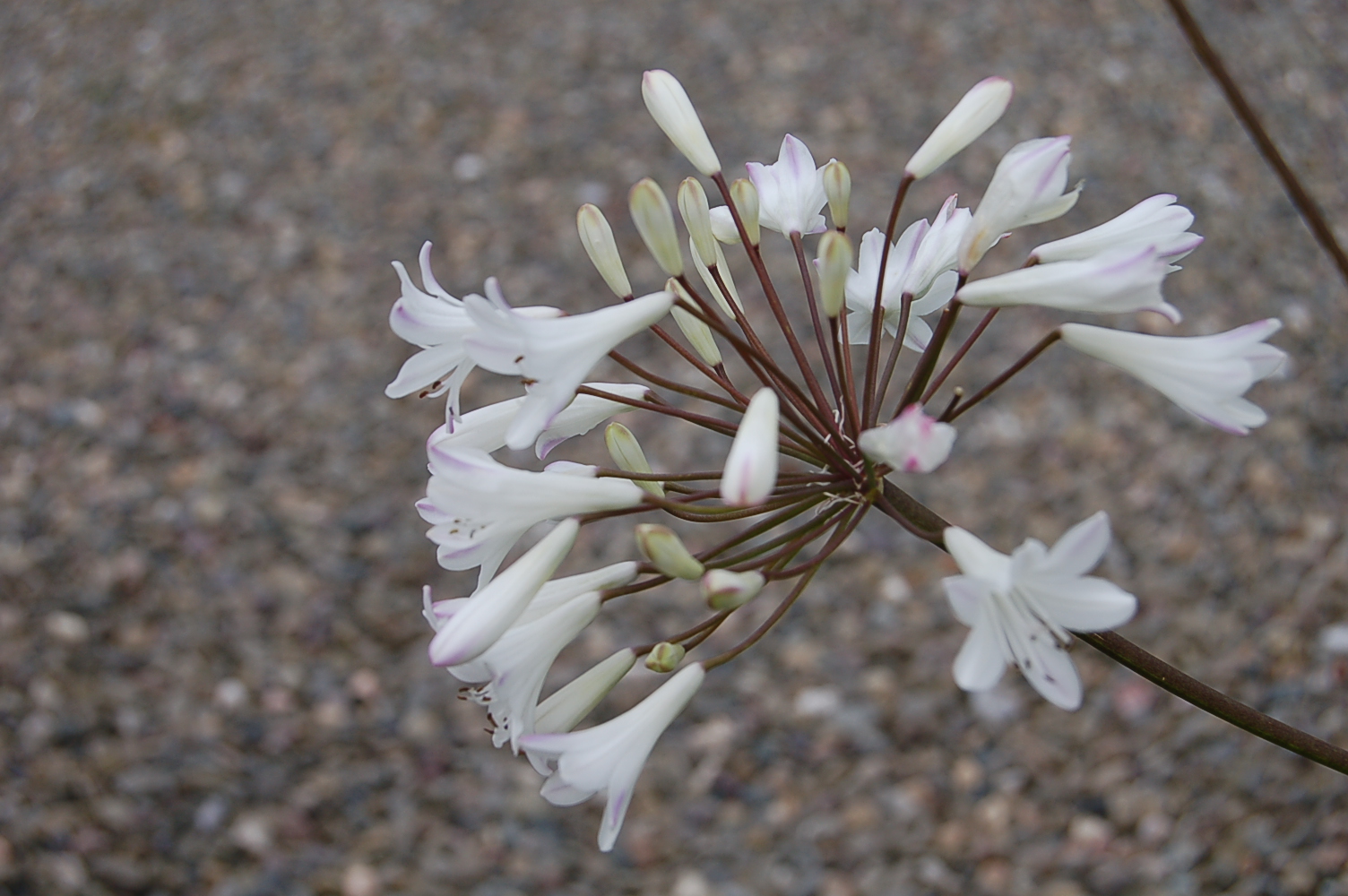
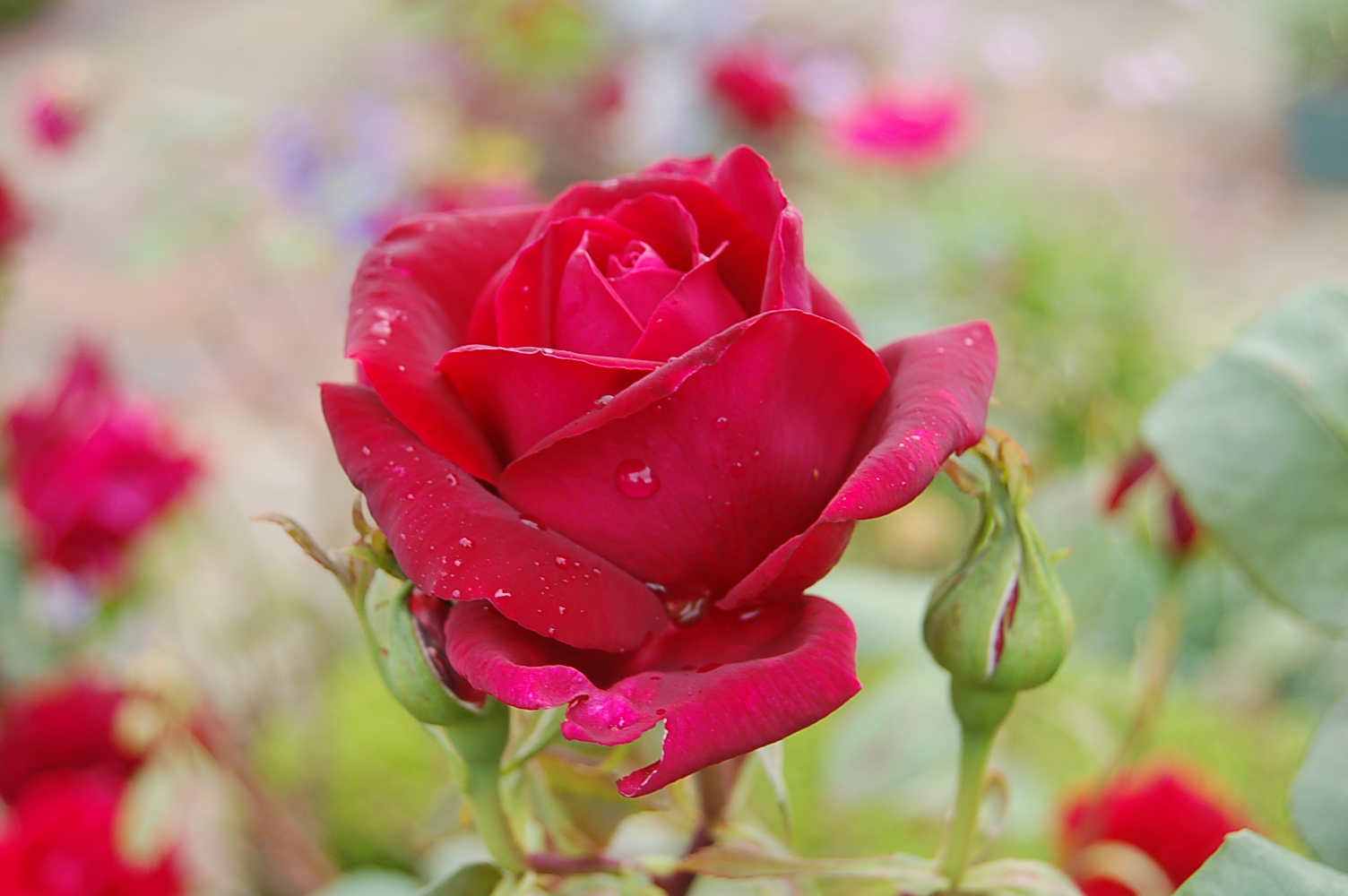
Throughout the garden were sumptuous Agapanthus and deeply coloured, richly scented roses often strategically placed next to enticing seating.
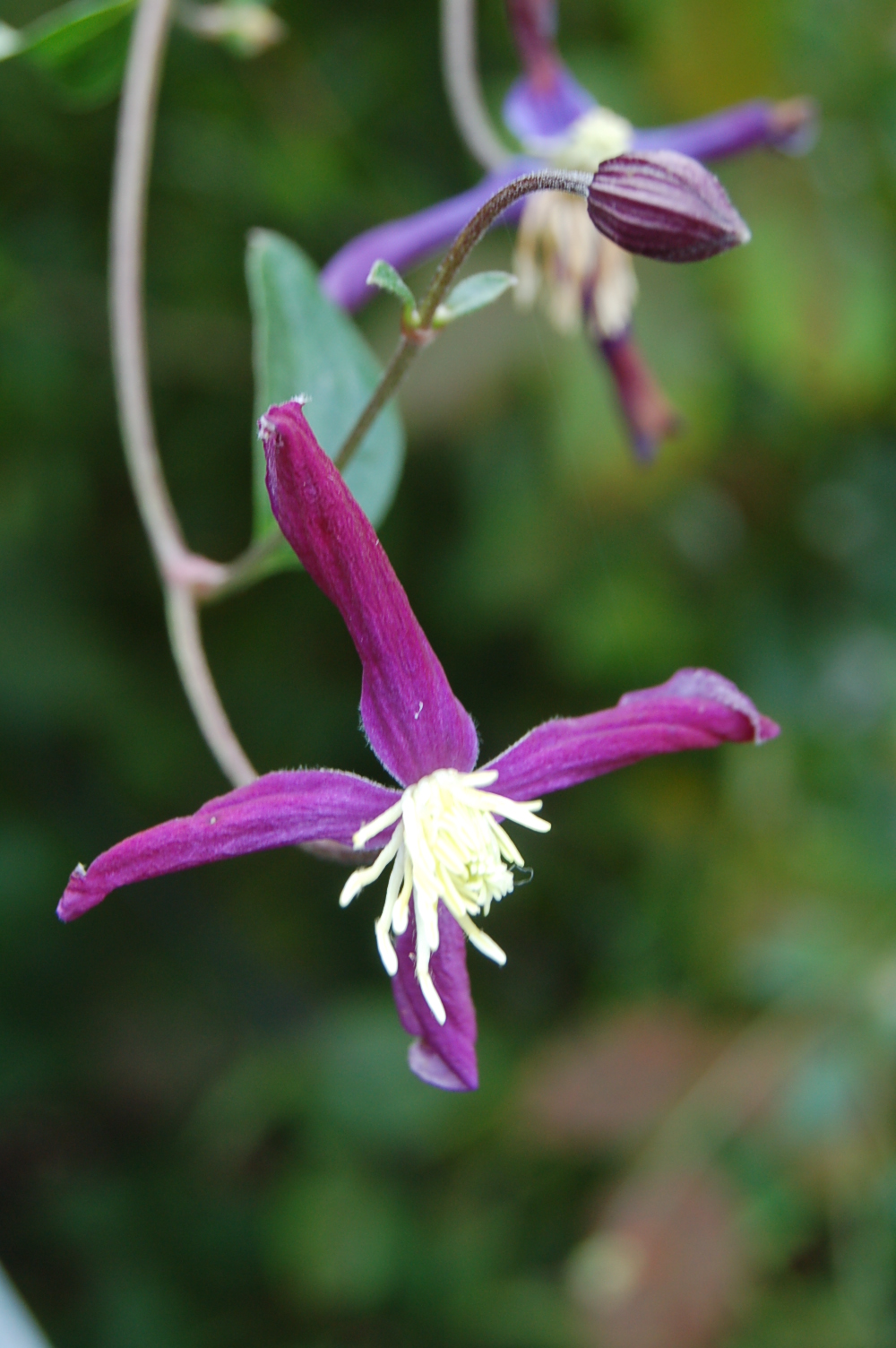
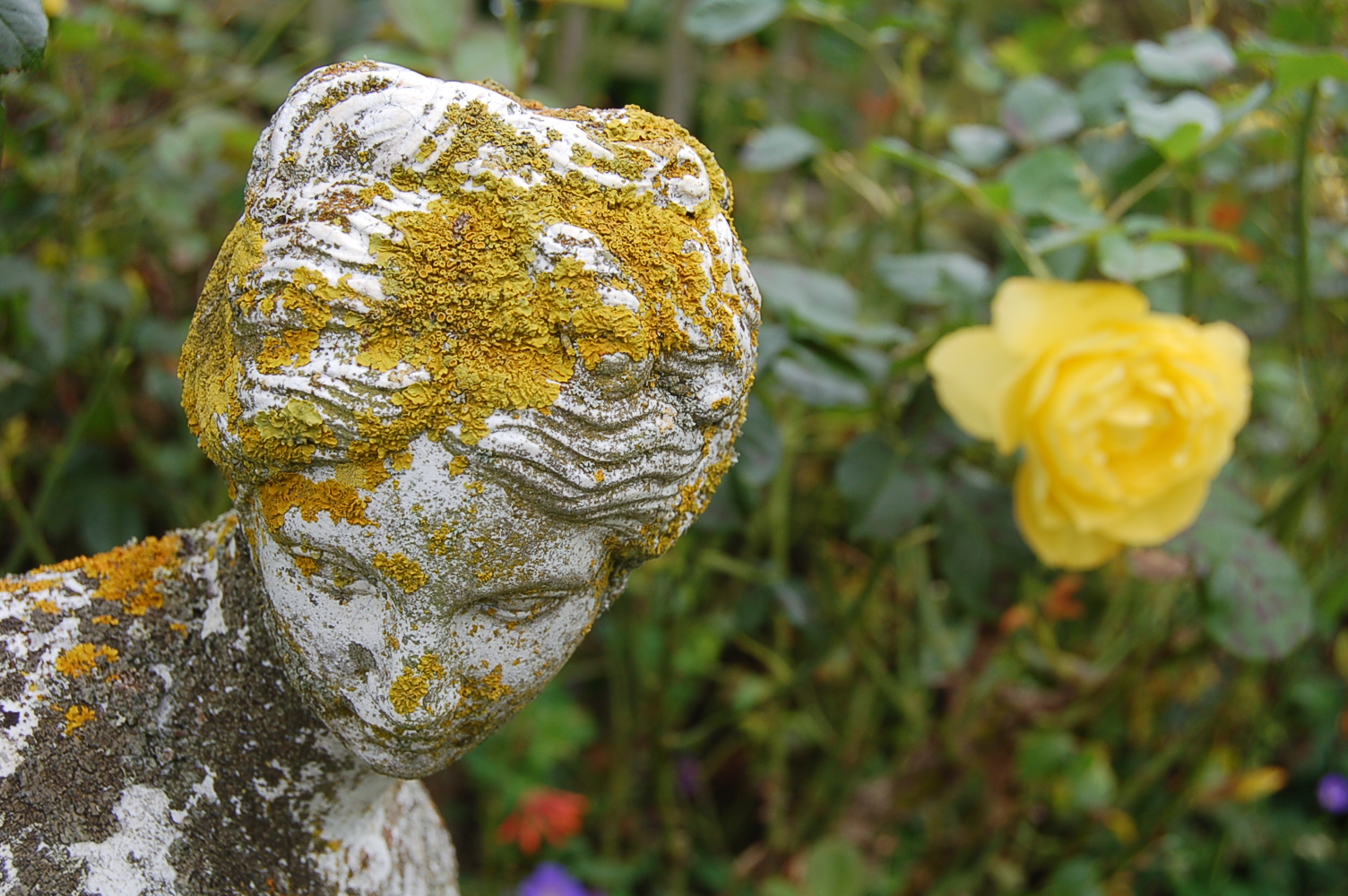
This yellow rose graced an arbour over a seat in the hot border. It was strongly scented. With it was planted Clematis aromatica with its tiny simple purple flowers scented with mouth-watering vanilla.

Buddleias were scattered in the borders giving height and attracting hoards of butterflies.

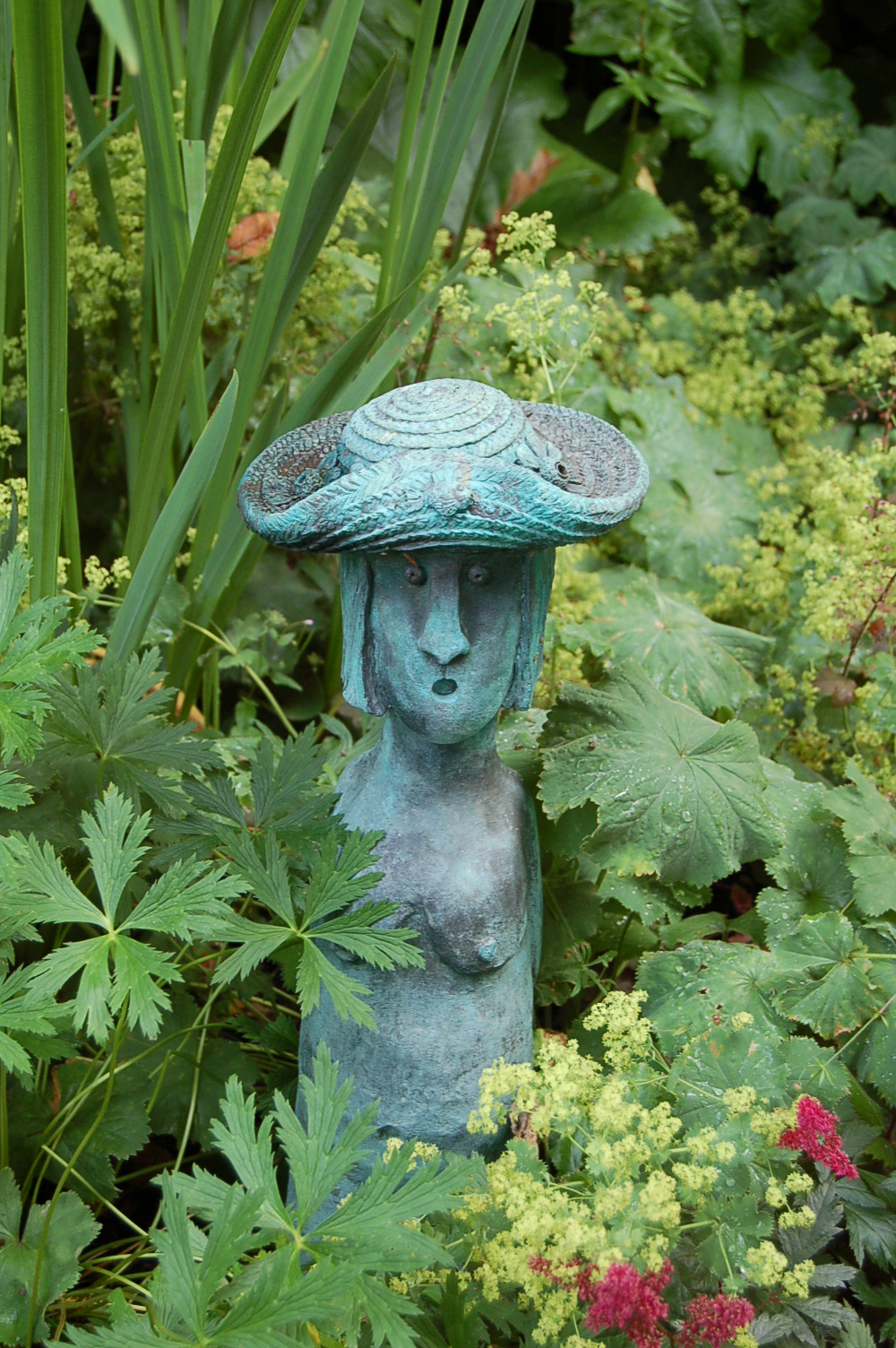
A selection of sculpture gave another layer of interest, from this classical figure to sinuous modern metal pieces.

But the true stars of this garden were the plants.

After a break for tea and cakes we travelled over to Bicton Village Hall where we hold our meetings, where we were looking forward to a talk entitled “A Botanist’s Garden” presented by John Grimshaw who until recently was Head Gardener at Colebourne in Gloucestershire, a garden famous for its mass displays of unusual snowdrops. In the last few weeks he has moved to Yorkshire for a new challenge, to develop the arboretum at Castle Howard. The talk was as good as we had hoped for. John illustrated his talk with a Powerpoint presentation featuring photos of the highest quality. We came away enthused and carrying another plant, Sedum telephium “Arthur Branch”.

To find out more about John and to see some of his beautiful photos visit his Garden Diary blog, www.johngrimshawsgardendiary.blogspot.com.
Categories
allotments fruit and veg garden design garden photography garden wildlife gardening grow your own hardy perennials ornamental grasses ornamental trees and shrubs outdoor sculpture photography roses trees wildlife

Barnsdale – a garden of memories

We return to Barnsdale Gardens every few years on a trip down memory lane. Barnsdale was the garden of TV gardener Geoff Hamilton the nation’s  favourite gardener for many years. He was the gardener on the BBC’s “Gardeners World” programme so he visited many gardeners’ homes every Friday evening for years. He was the first truly organic TV gardener and as such he promoted these sound garden principles and backed them up by conducting experiments and sharing the results on his show.

As well as Gardeners World he made several series of gardening programmes based on making gardens such as “The Cottage Garden” and “The Paradise Garden”.

He sadly died at a young age when taking part in a sponsored cycle ride for charity, but he has never been forgotten.

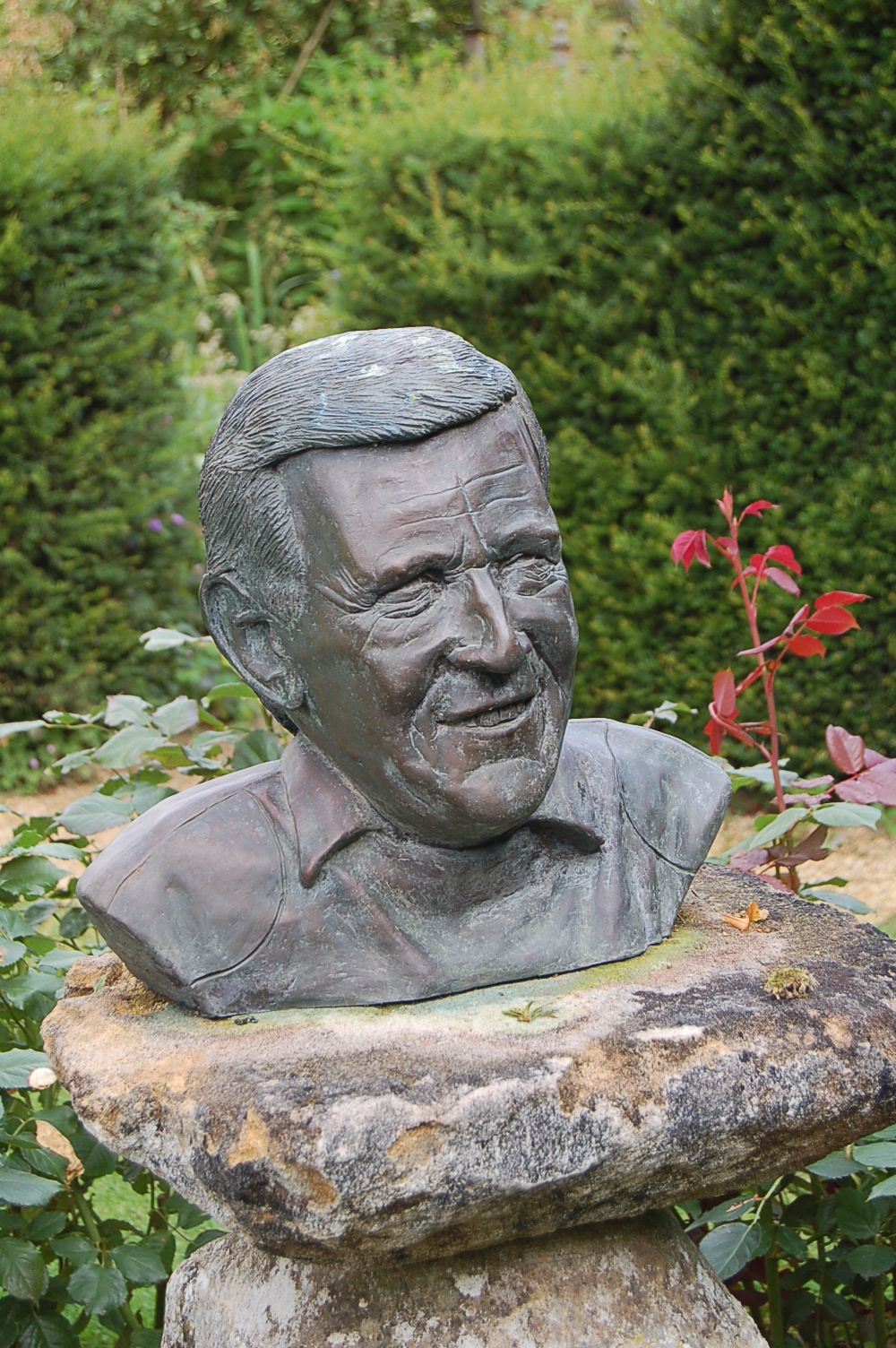
The Barnsdale Gardens still display all the model gardens Geoff made and others have been added since his death. The garden and the nursery attached  are run by his son and daughter-in-law. His other son created this bronze sculpture that graces the garden.

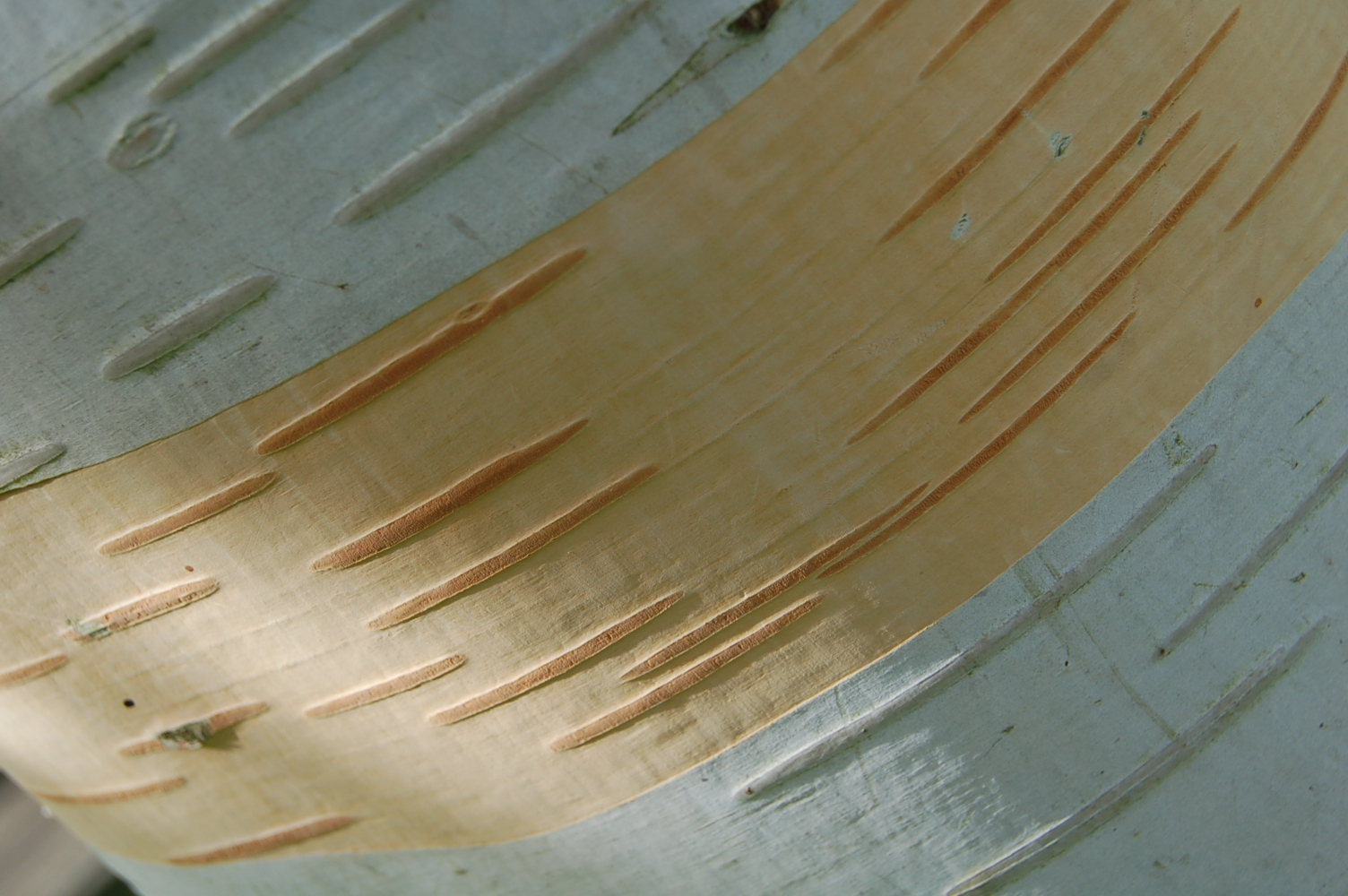
The trees that we saw Geoff plant many years ago are now impressive specimens and display interesting bark colours and textures.

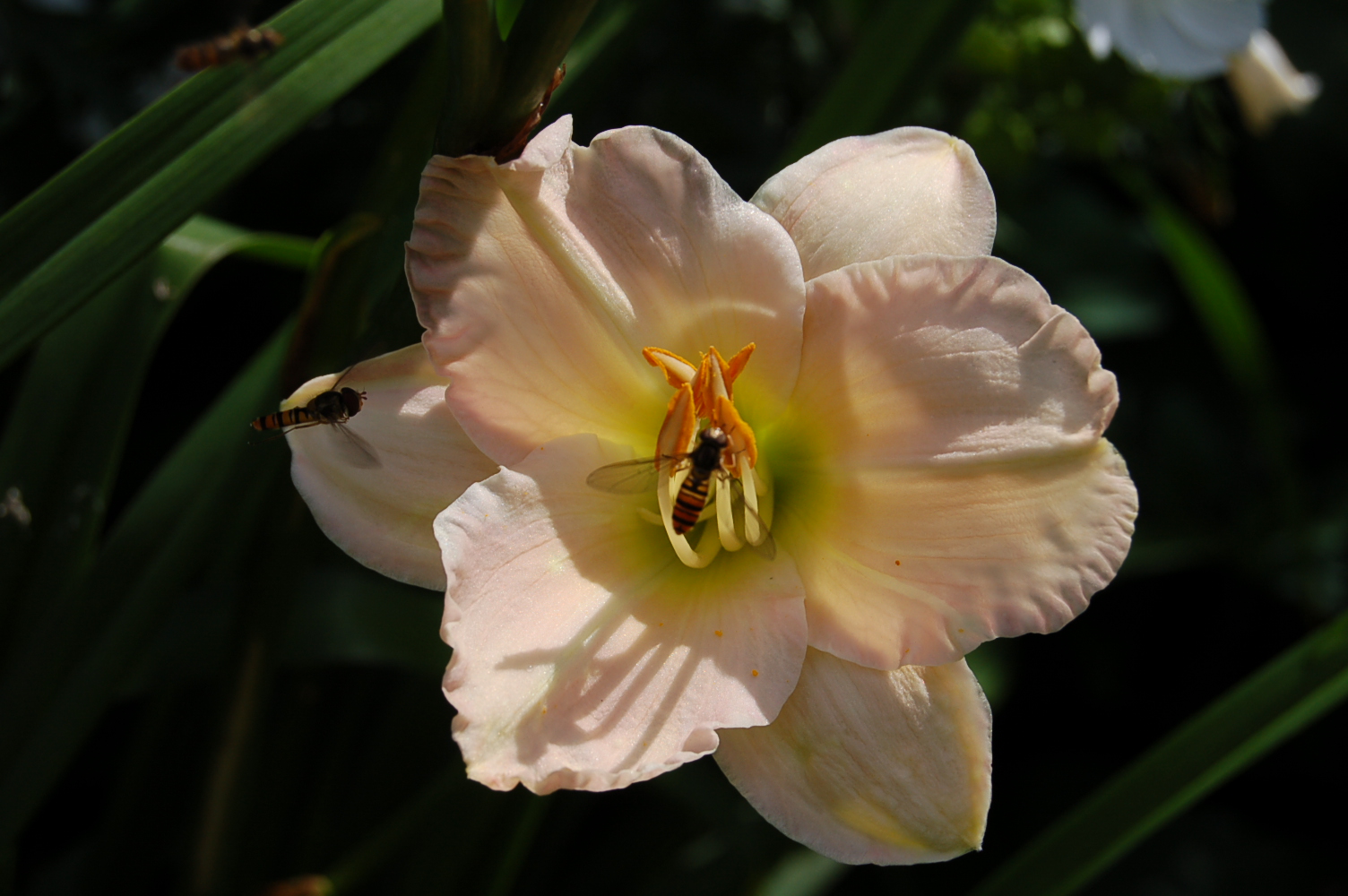
One of his favourite flowers was the Day Lily and many remain in the gardens still. Coming a close second as his most popular garden plant must be the rose.

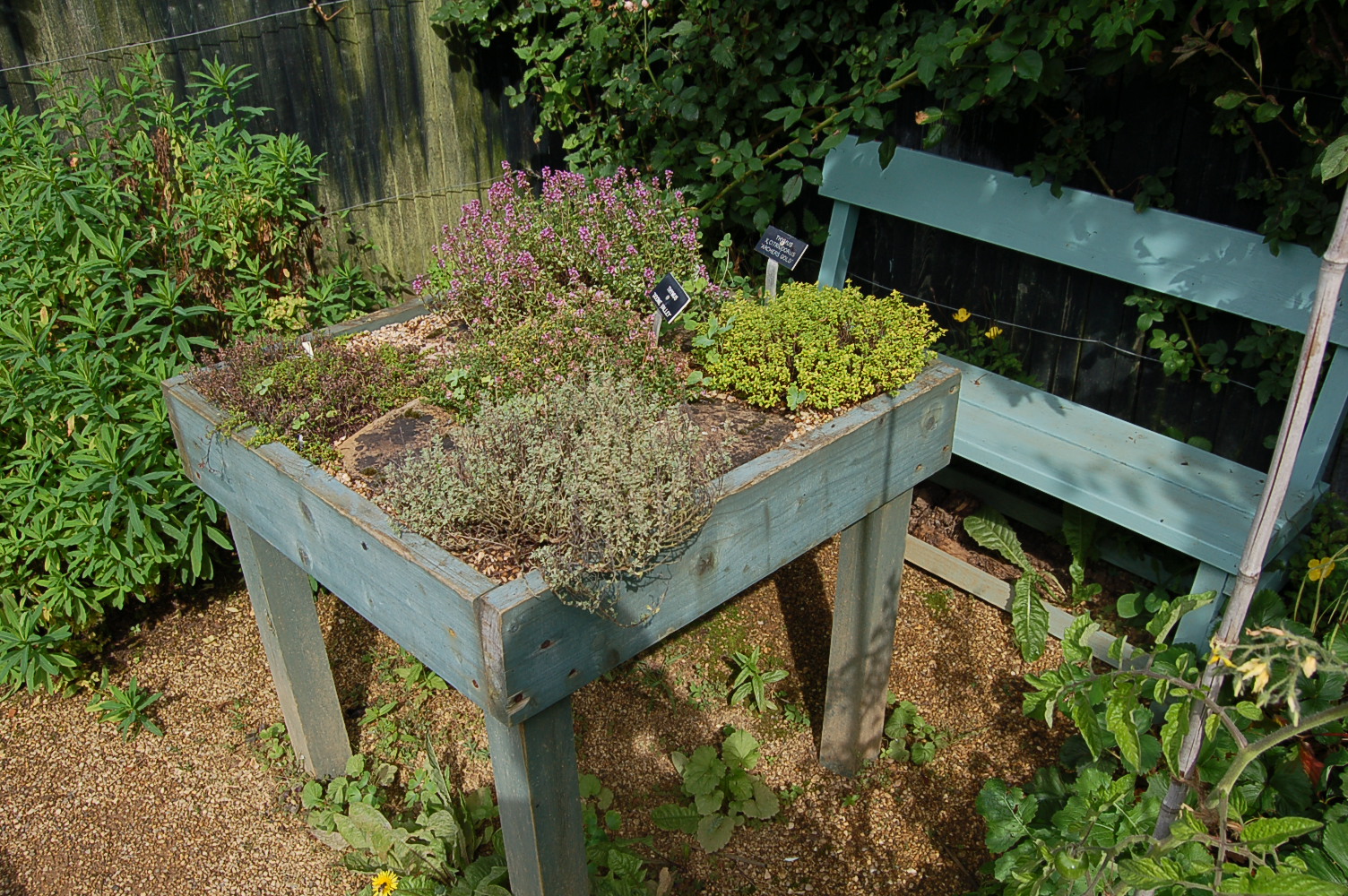
A popular feature of “Gardeners World” was Geoff’s do-it-yourself projects – he was always making furniture and garden features, to try to save his viewers money. Below is his garden bench with matching herb coffee table made from recycled pallets with old roof slates built in as coasters.

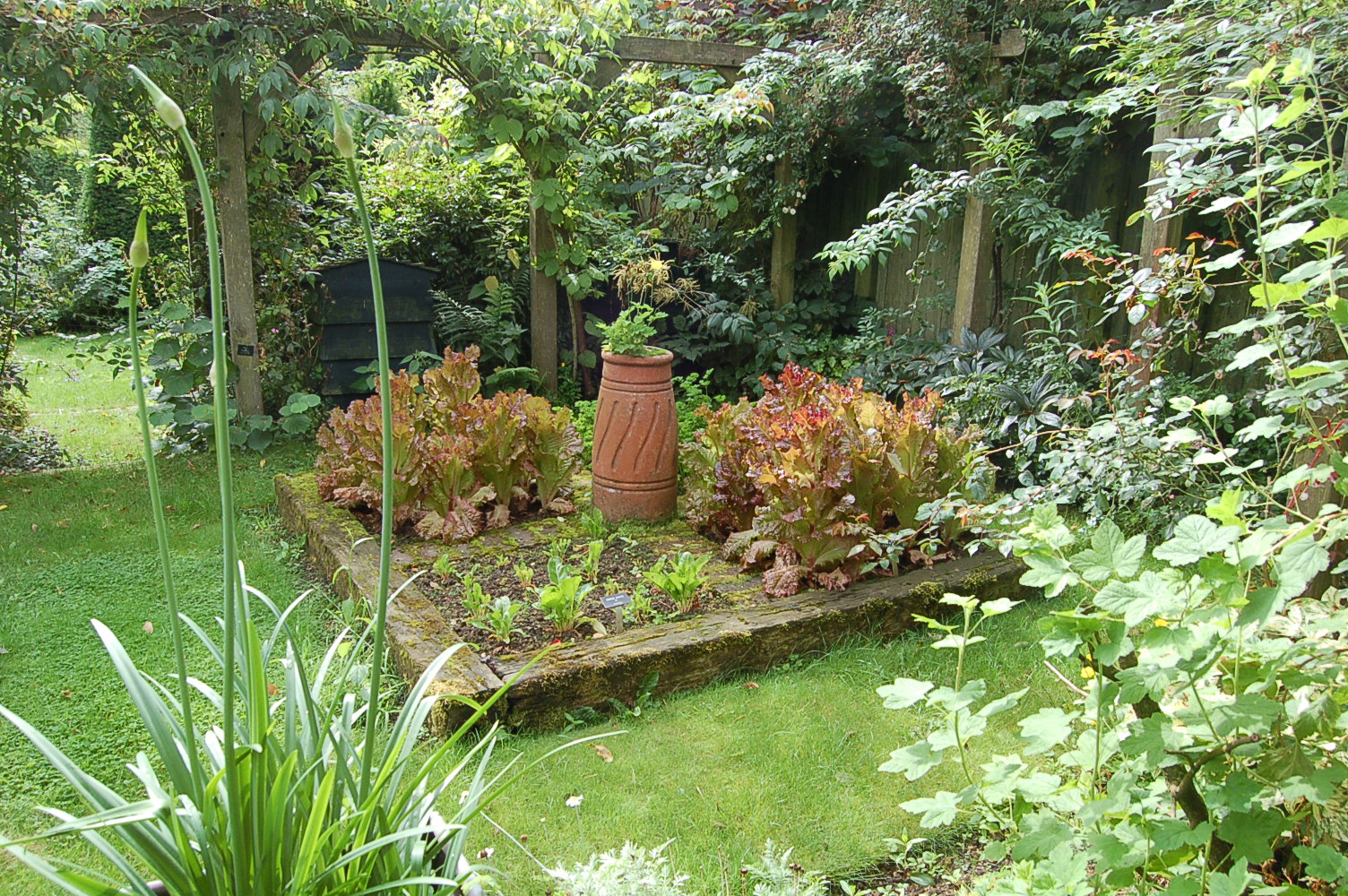
He also constructed this compost bin disguised as a beehive and accompanying garden store, both created from recycled wood.

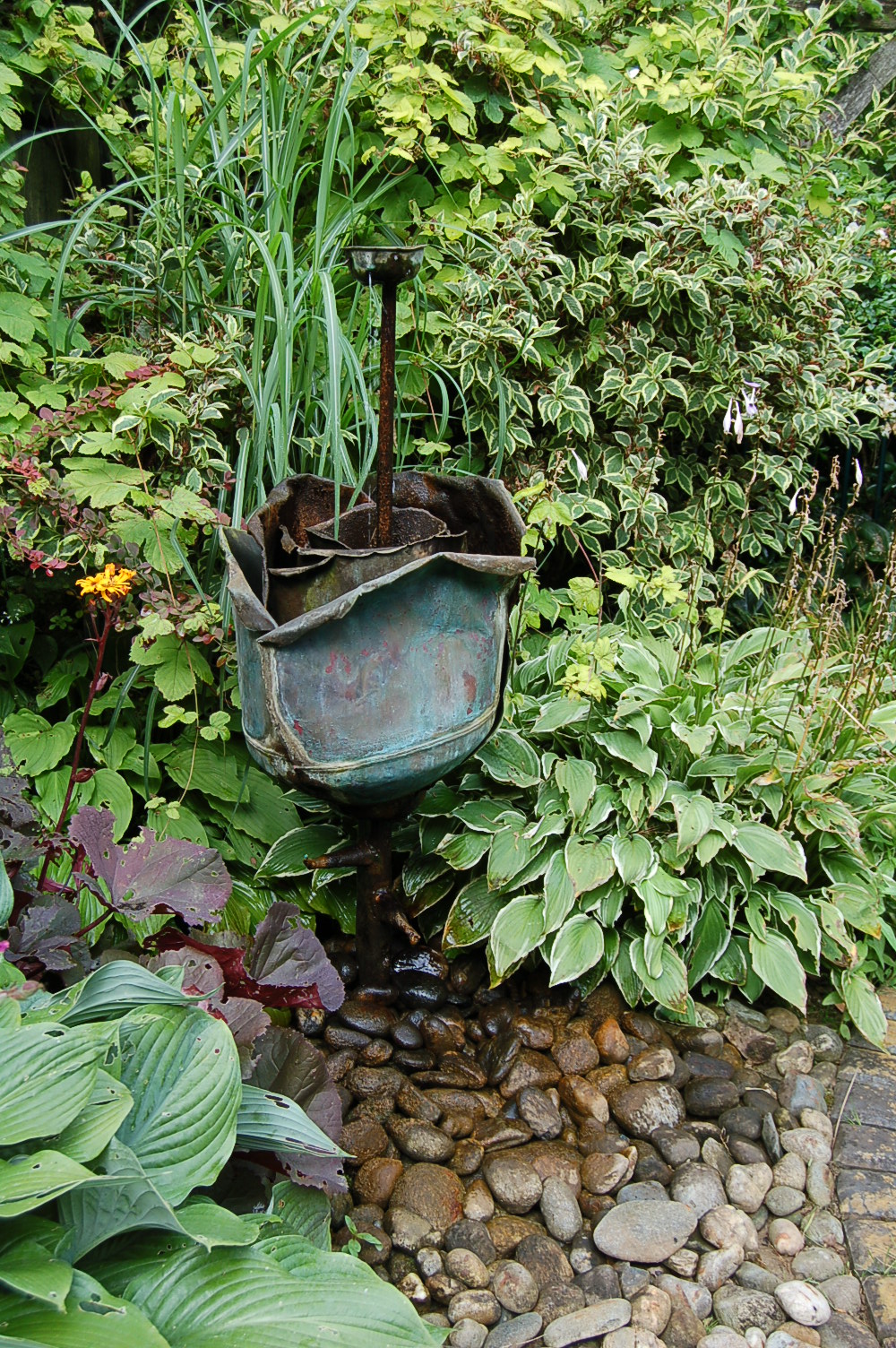
He even made a water feature from an old copper water cylinder!

Although he encouraged gardeners to construct things for their own gardens he also extolled the virtues of craftsmen and his garden diaplays many works by craftsmen local to Barnsdale. In particular he brought locally made furniture into the garden.

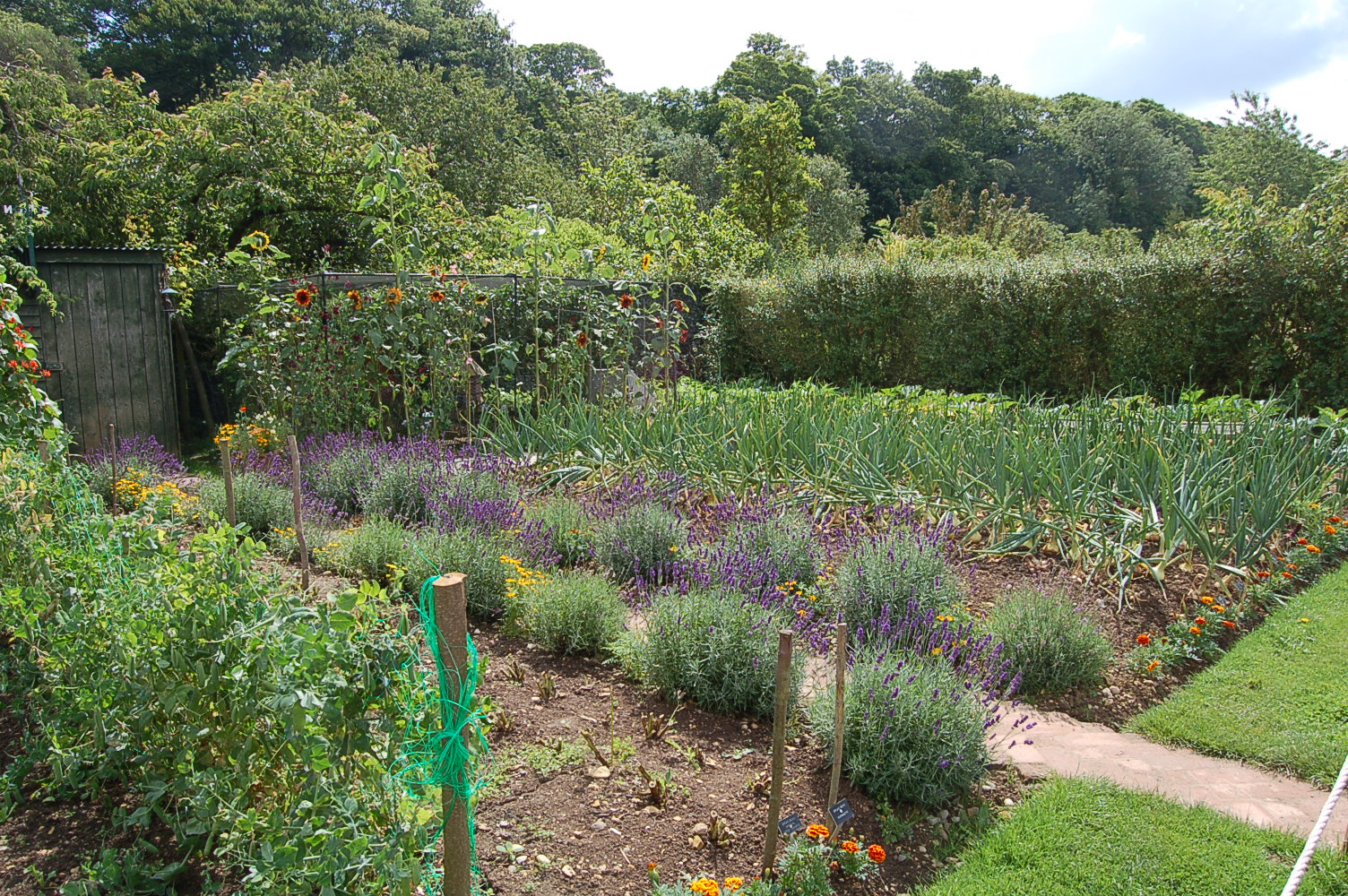
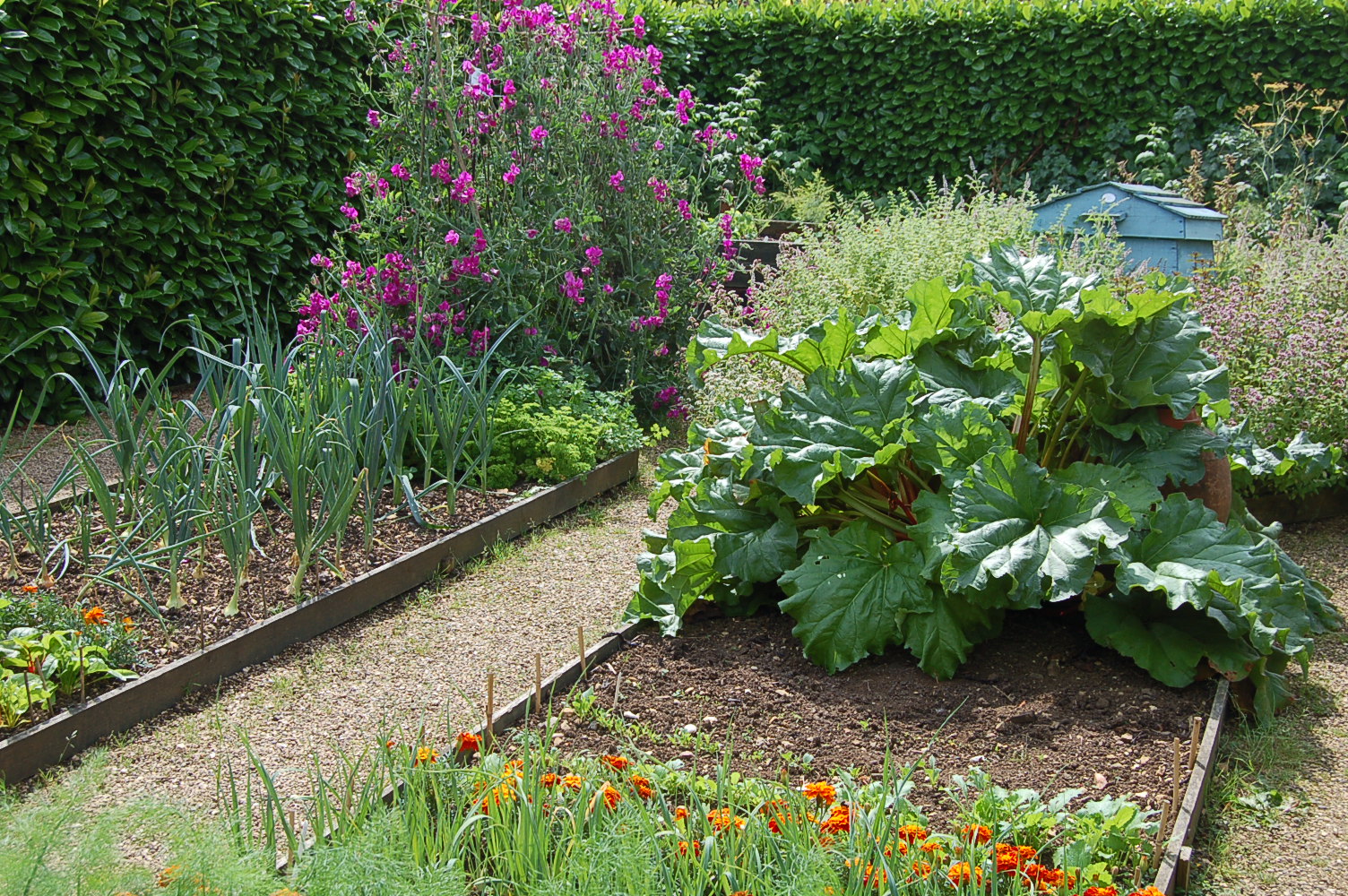
Productive gardening – fruit, veg and herbs – played a big part in his programmes, magazine articles and books. Several of his productive plots are still at Barnsdale, such as an allotment, the Ornamental Kitchen Garden, an Elizabethan Vegetable Garden. the Fruit Orchard, an Apple Arch and Herb Garden.

Geoff was definitely ahead of his time, encouraging organic principals and attracting insects into the garden. he recognised them as pollinators and predators of garden pests.

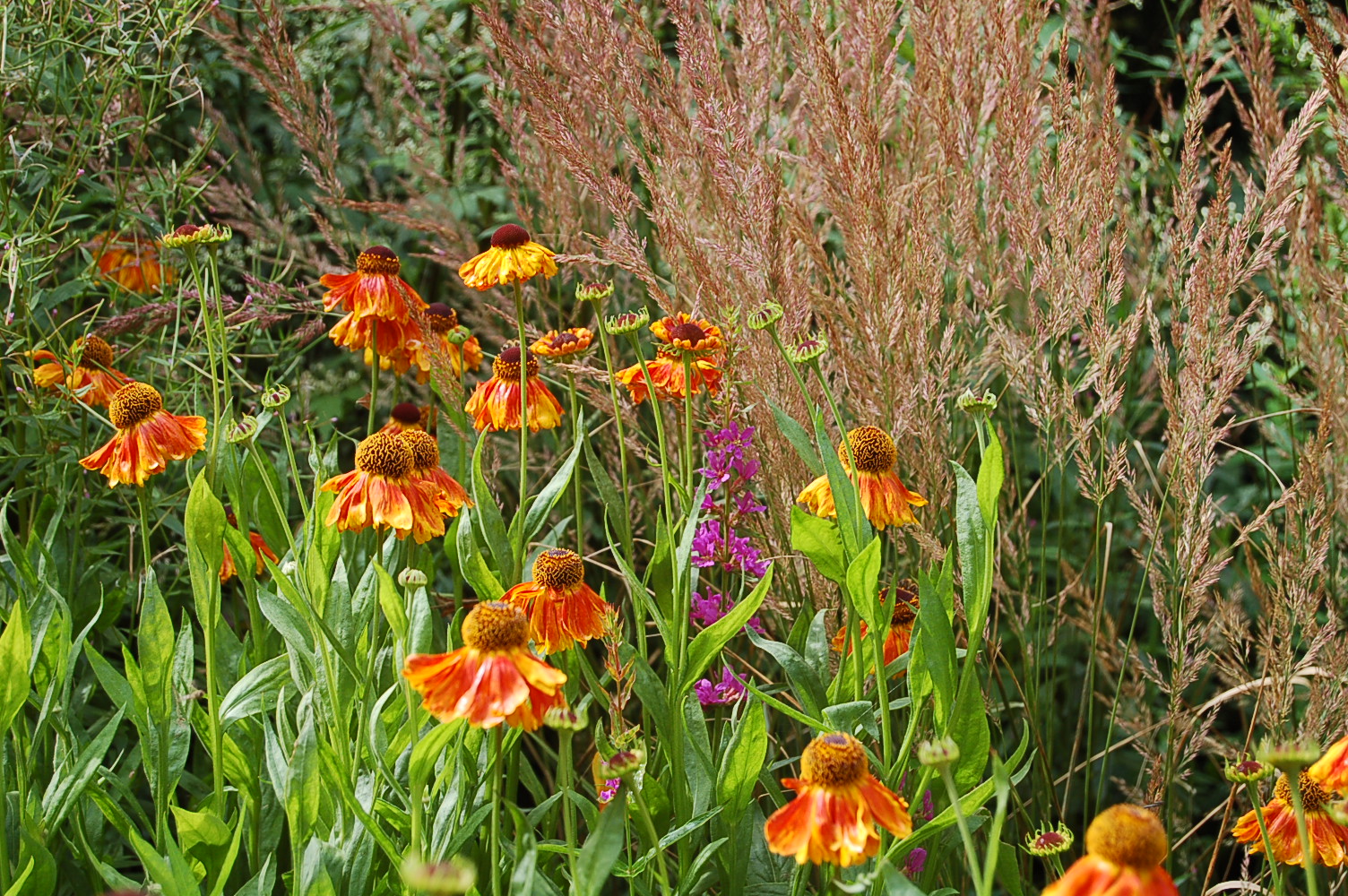
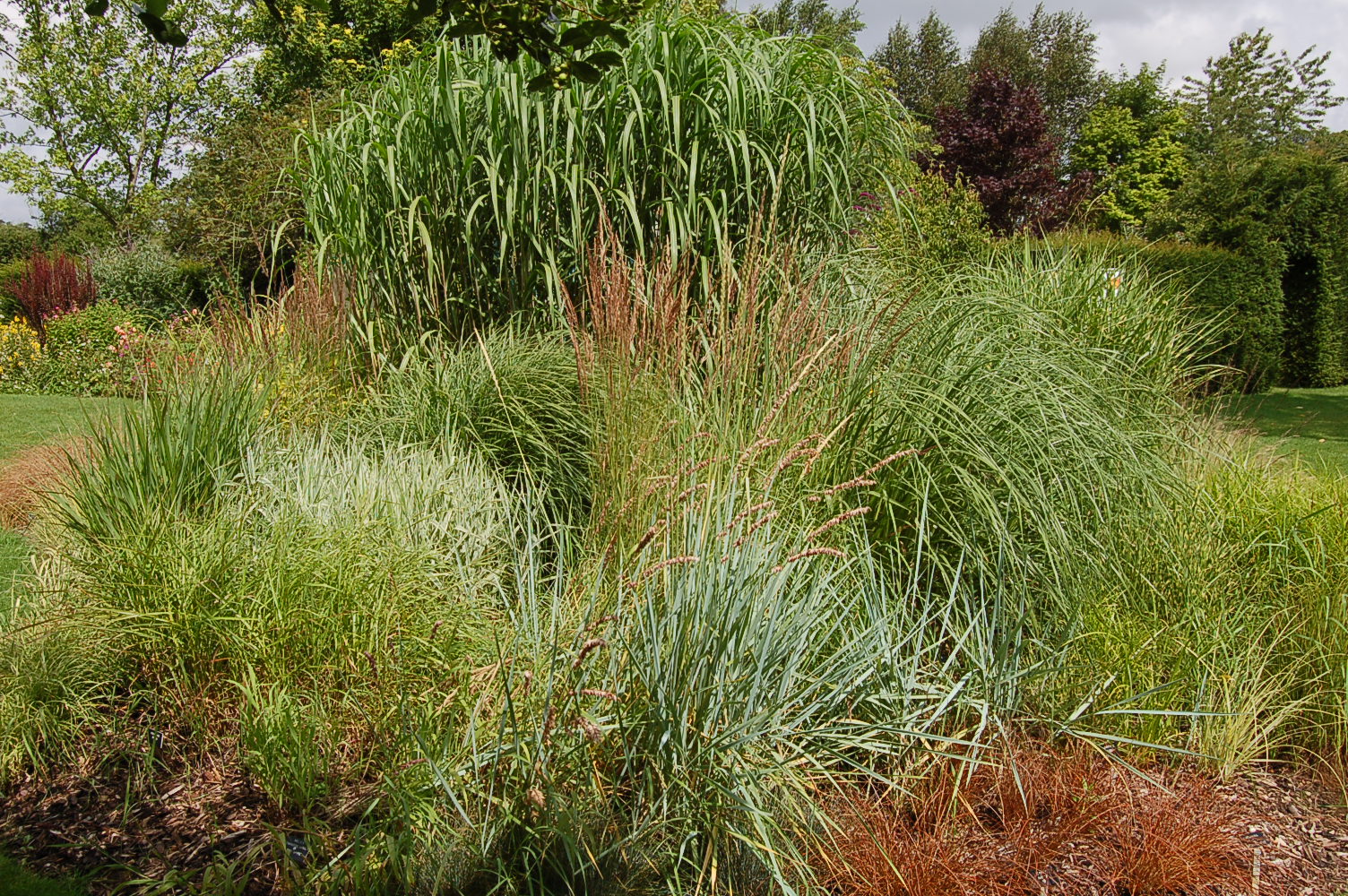
He featured plants such as Achilleas, Heleniums and other hot coloured flowers, and using lots of different grasses. These are all popular now.

Since Geoff’s untimely death the garden has continued to develop. His son, Nick and daughter-in-law have created new gardens so now Barnsdale is described as “39 inspiring gardens, all in one place”

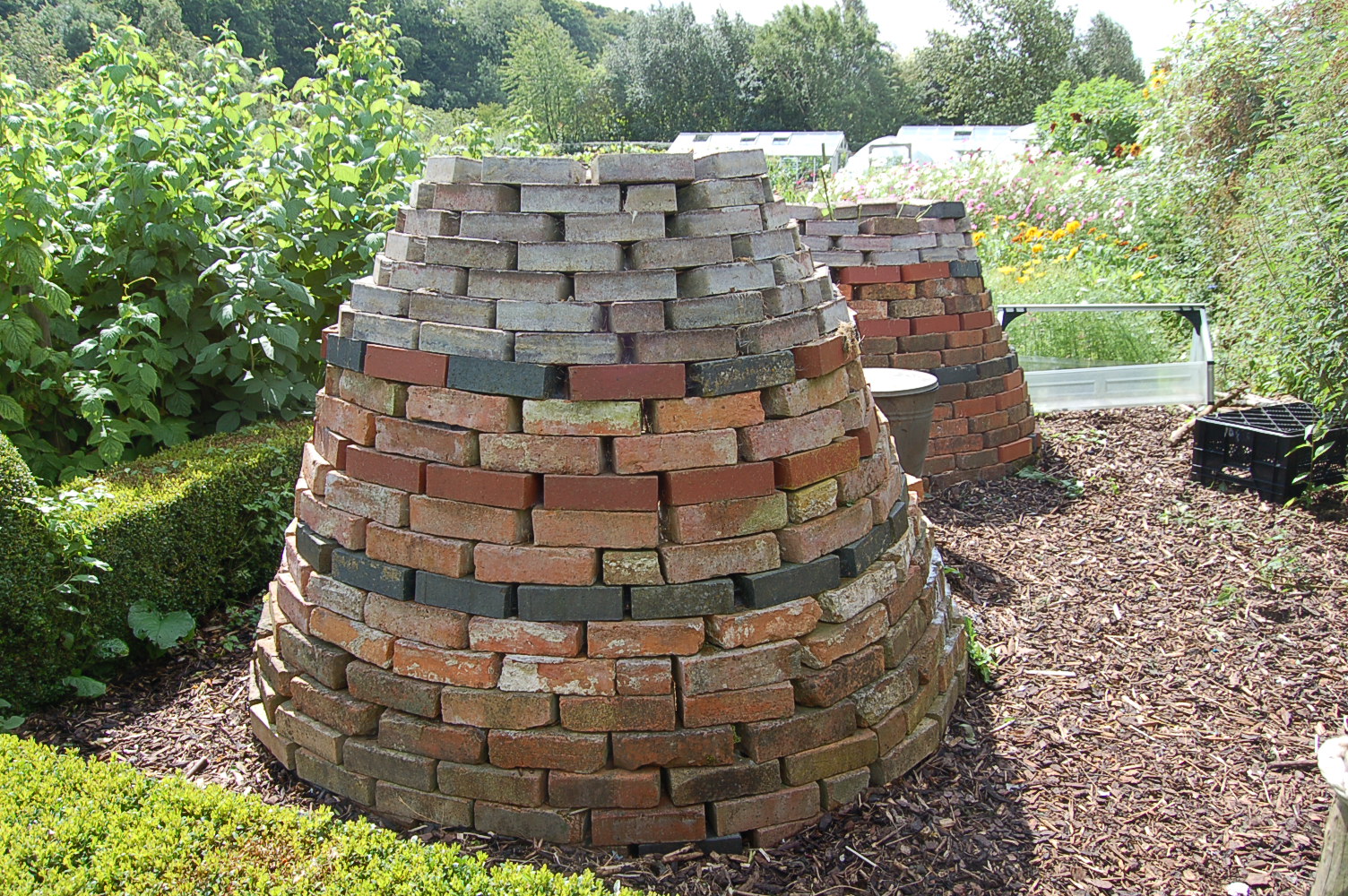
A sign of just how popular and influential Geoff Hamilton was is the fact that his book on Organic Gardening is still in print and has been updated and revised on several occasions. He was a great believer in the importance of compost and found all sorts of ways of making it efficiently. How about this brick-made composter. The bricks would absorb warmth from the sun and heat up the composting material inside and speed up its decomposition.

I shall end this visit to Geoff Hamilton’s Barnsdale with a few more views of the garden.

Categories
birds climbing plants photography Shropshire trees wildlife woodland

Through the Garden Gate – part two – getting lost!

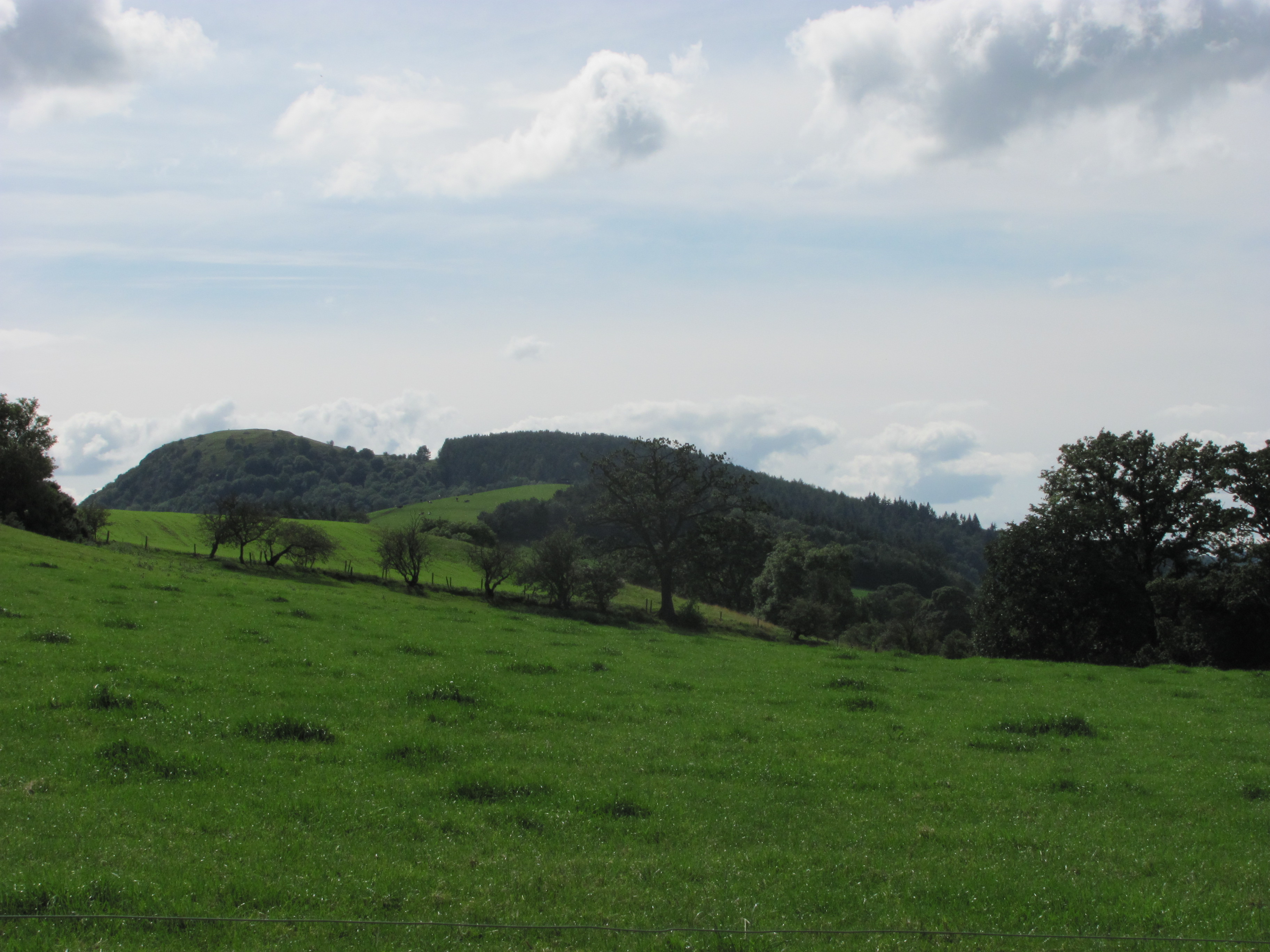
From the pool we could look back at the wood we had just left and enjoy a different view of the hill that we usually look at from our garden and over which we watch Buzzards riding the thermals created by its slopes.

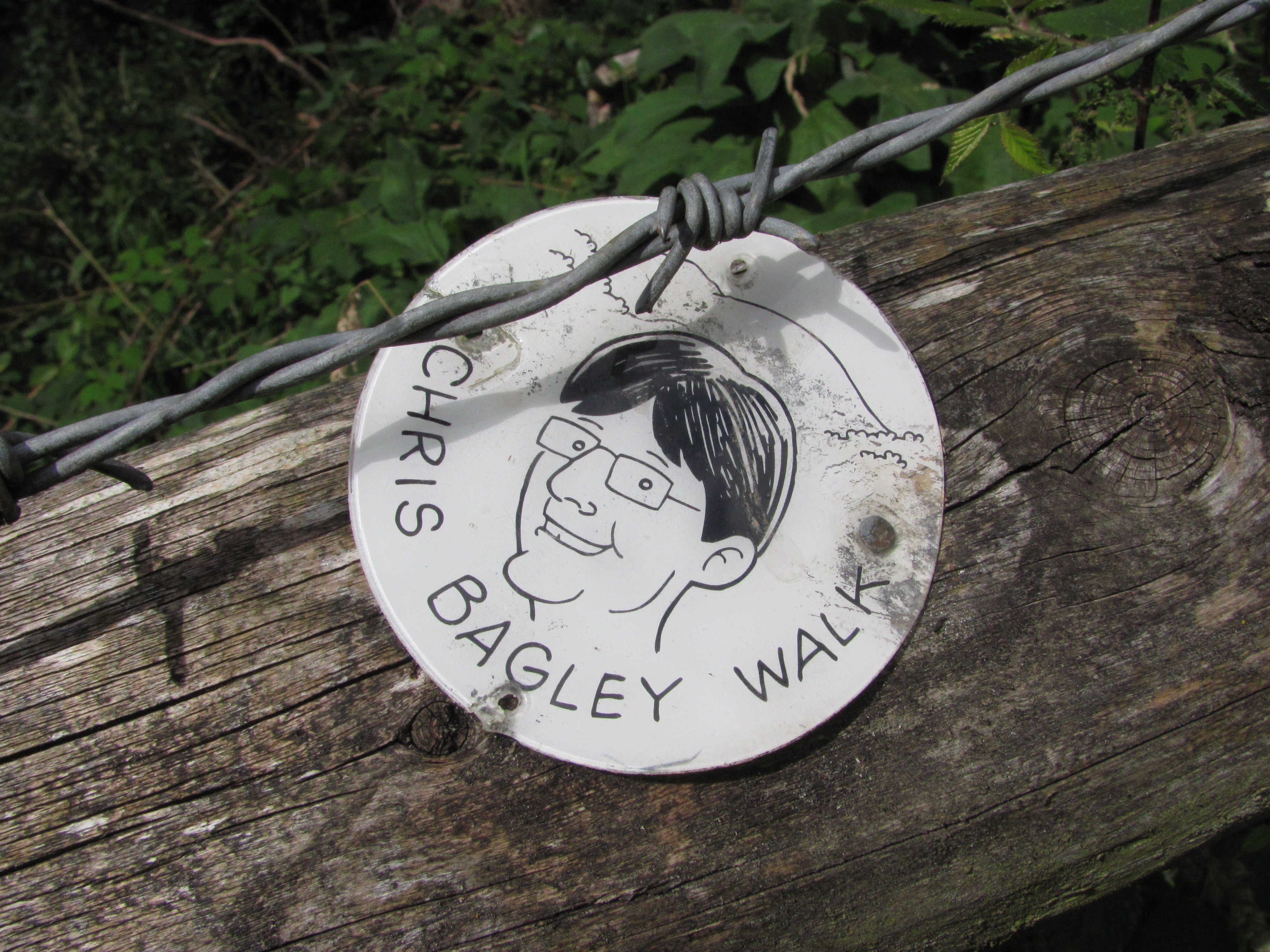
Well we may never have been more than a mile from home on this walk from our garden gate, but we did manage to get lost. The footpath signs kept disappearing, or that is our excuse. Our wander took us along sections of the long distance path, “The Shropshire Way” and on a local path “The Chris Bagley Walk”.

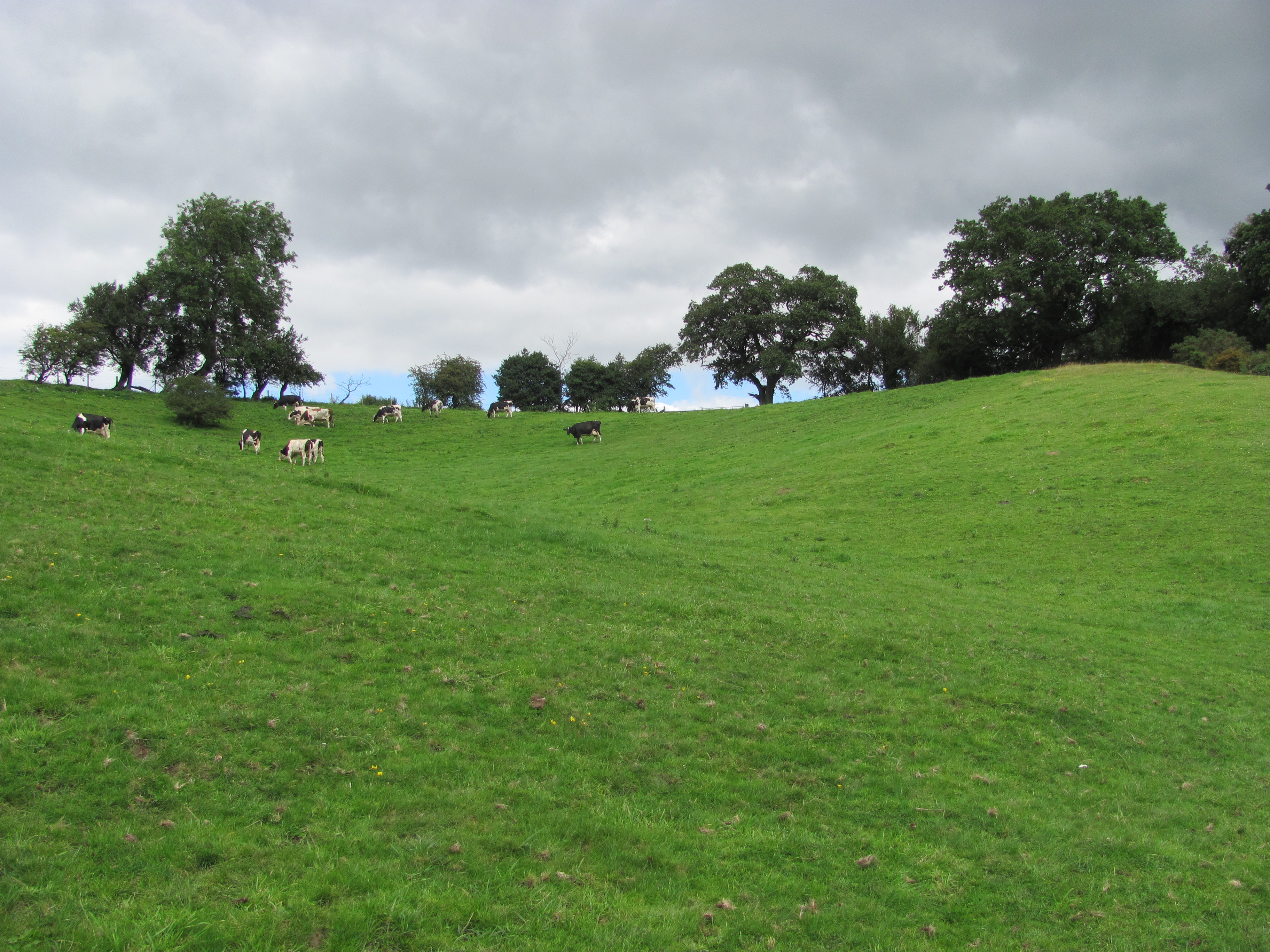
Leaving the fishing pool we followed the valley of the stream that fed it. The grassland here was rich and was being enjoyed by dairy calves, who watched our every move as we passed close to them.

The valley widen out but the wooded slopes and tiny stream running through it kept it intimate. The fields of grass on which the calves fed was a lush green but was devoid of wild flowers, a sad sign of modern farming practices. we followed the path until it took us up a gentle slope away from the stream and up into a wood which was partly coppiced.

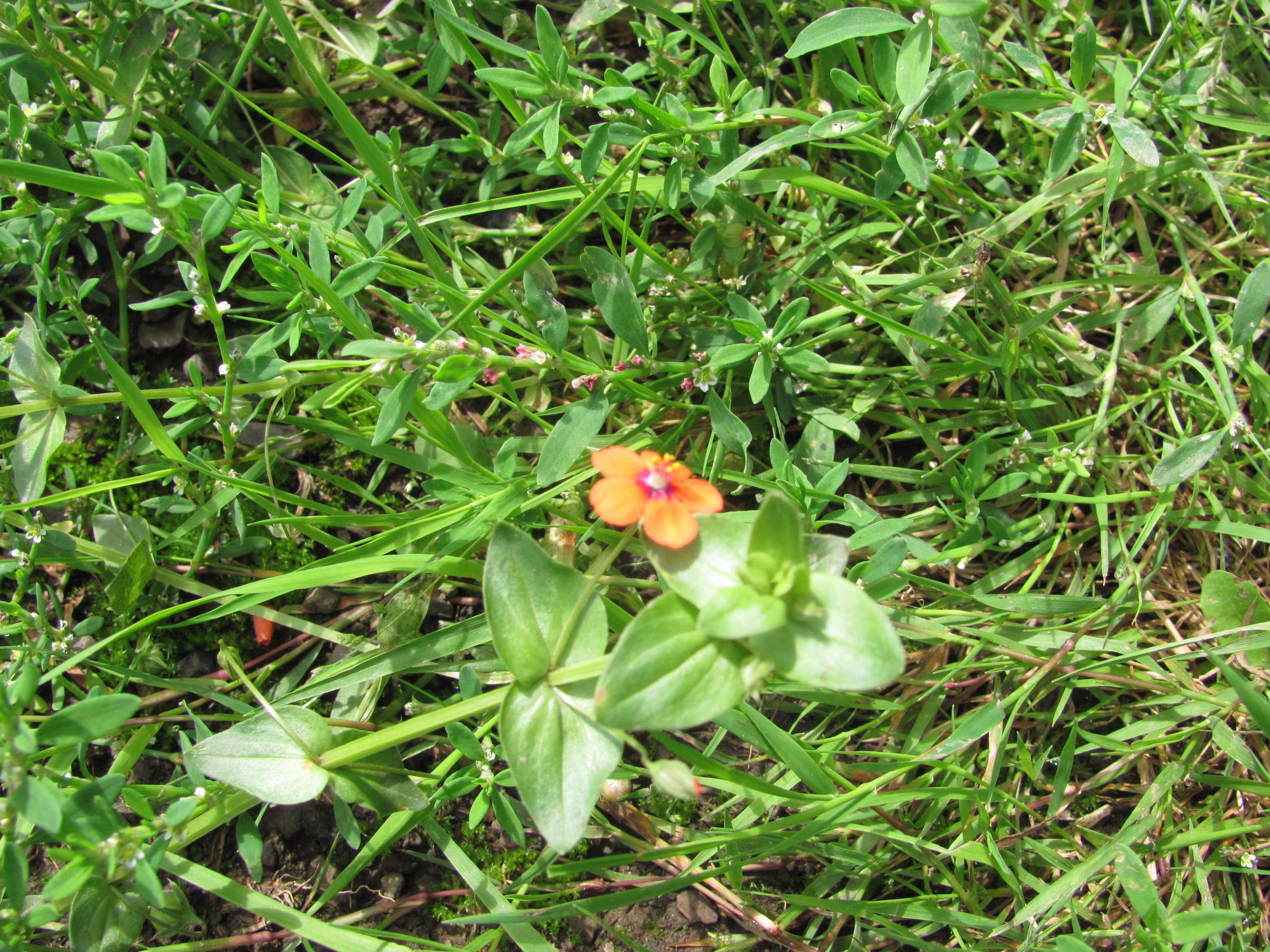
On the slope up to the wood we spotted this Scarlet Pimpernel in flower on the pathway beneath our feet. Although only a tiny flower its orange petals glow so it can be seen from a distance. We now lost the footpath and had to consult maps on the smart phone, which rescued us nicely.

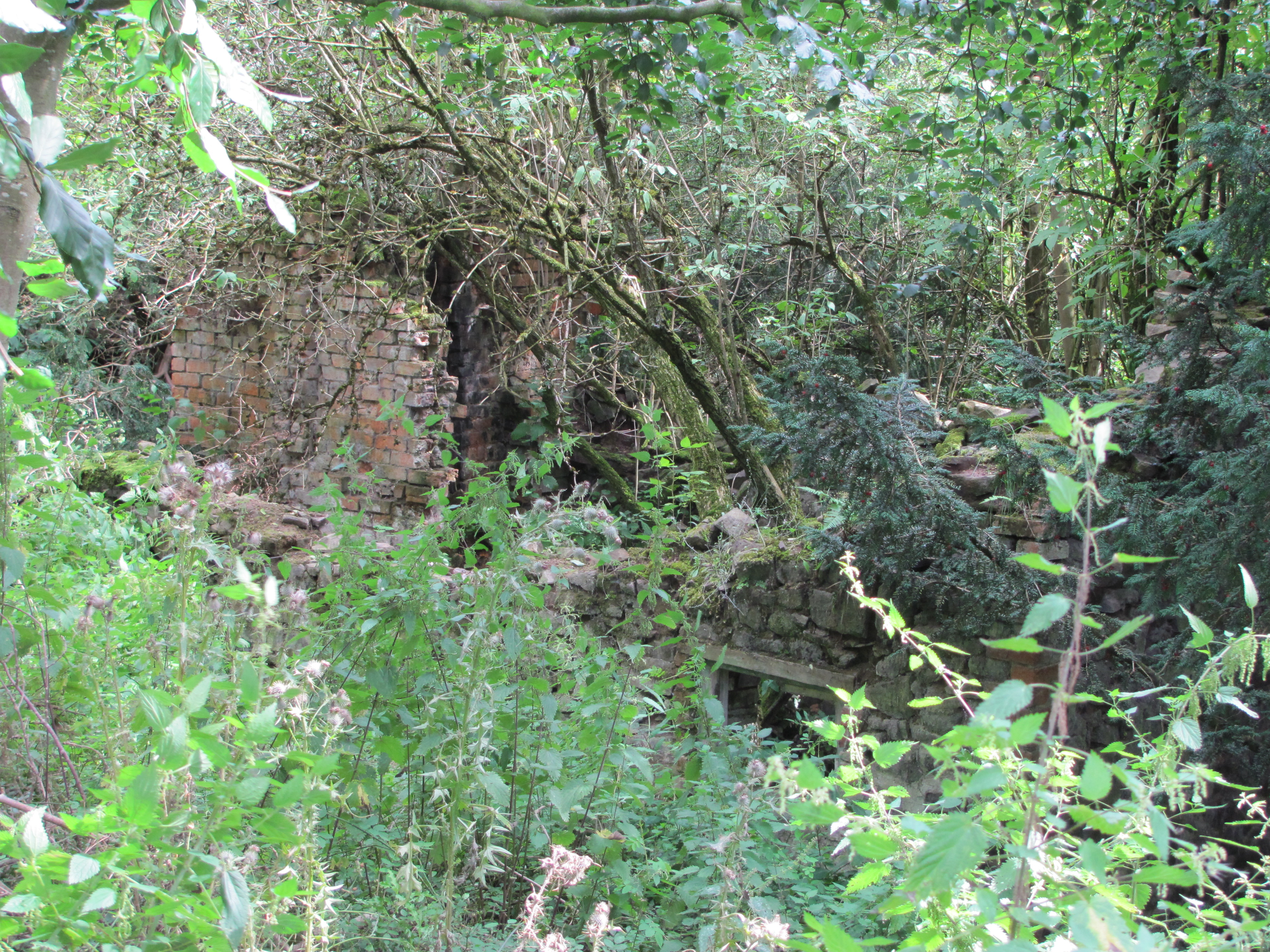
The wood gave away its past. Signs of the work of woodlanders abound. Their homes were now mere ruins covered in Ivy as Mother Nature reclaims her woodland. A clearing showed signs of coppicing.

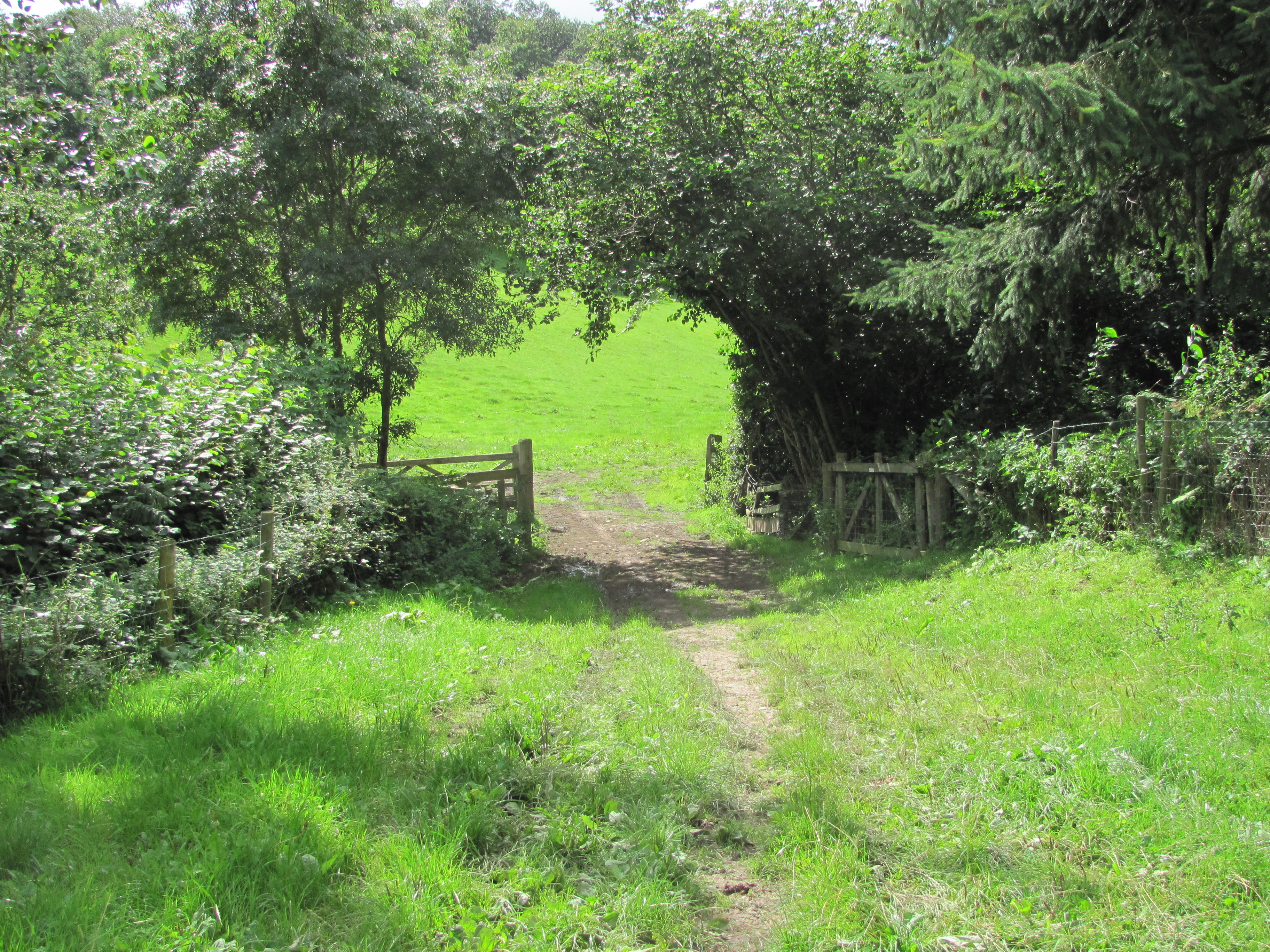
The darkness of the wood and its cooler atmosphere was in stark contrast to the brightness and warmth that greeted us as we left it behind and returned to farmland. The path narrowed and took led us around a field edge where the sterility and silence of the arable farming on our left clashed with the natural exuberance of the hedge and the wildflower filled verges.

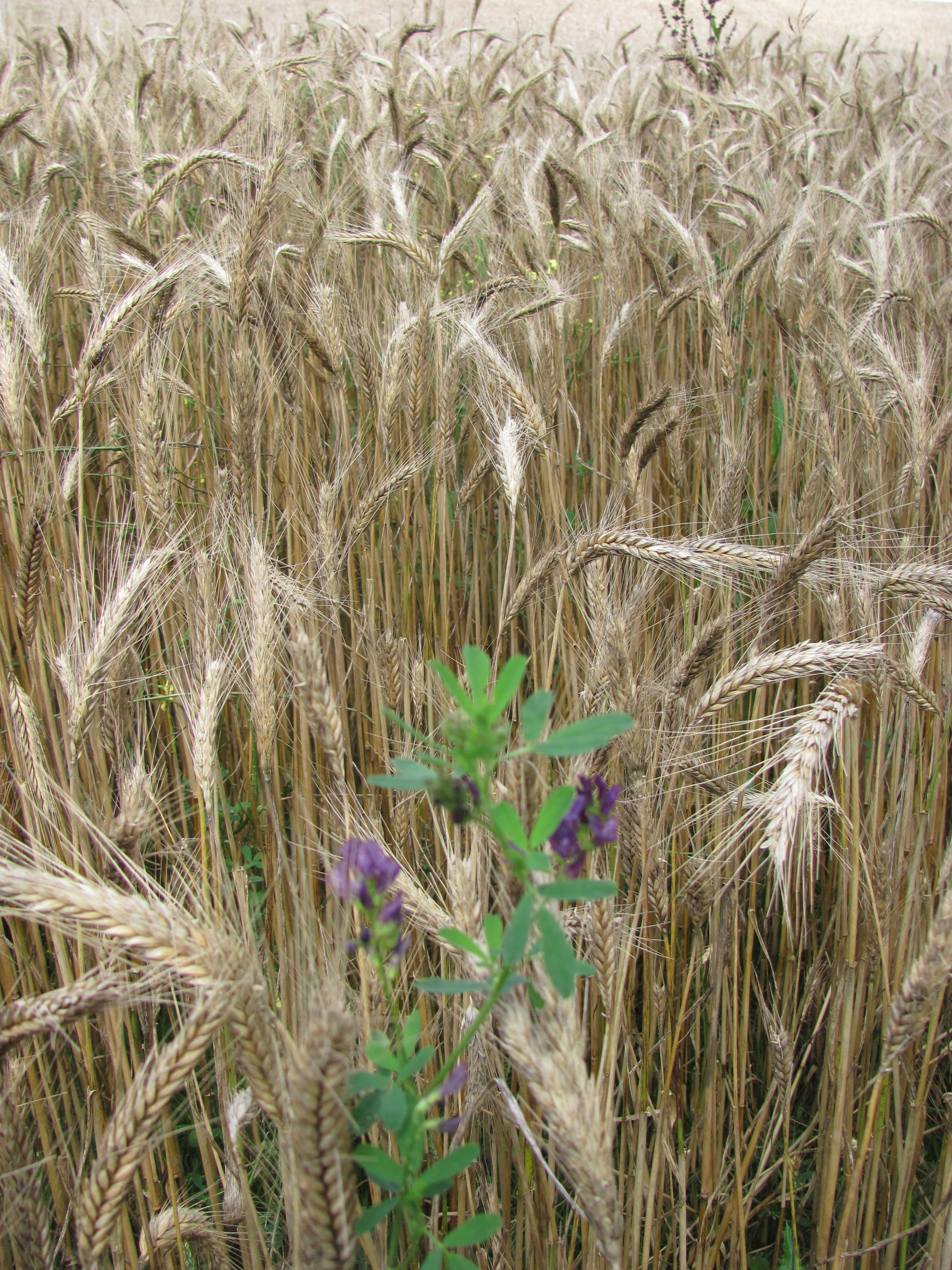
This was modern agricultural practice at its worse. We crossed over several of these fields and saw no signs of life apart from two Wood Pigeons flying overhead. The only flowers were a few yellow Rape plants from a previous crop and brave purple flowered Vetches attempting to clamber the Barley stalks close to the path. Years of pesticide and herbicide use coupled with monoculture has wiped out wildlife from these acres of land. To illustrate the point a small group of Swallows flew over the crop in search of insects, but it was in vain and they quickly moved on. At least until the footpath signs disappeared once more and we relied again on the smart phone maps to rescue us.

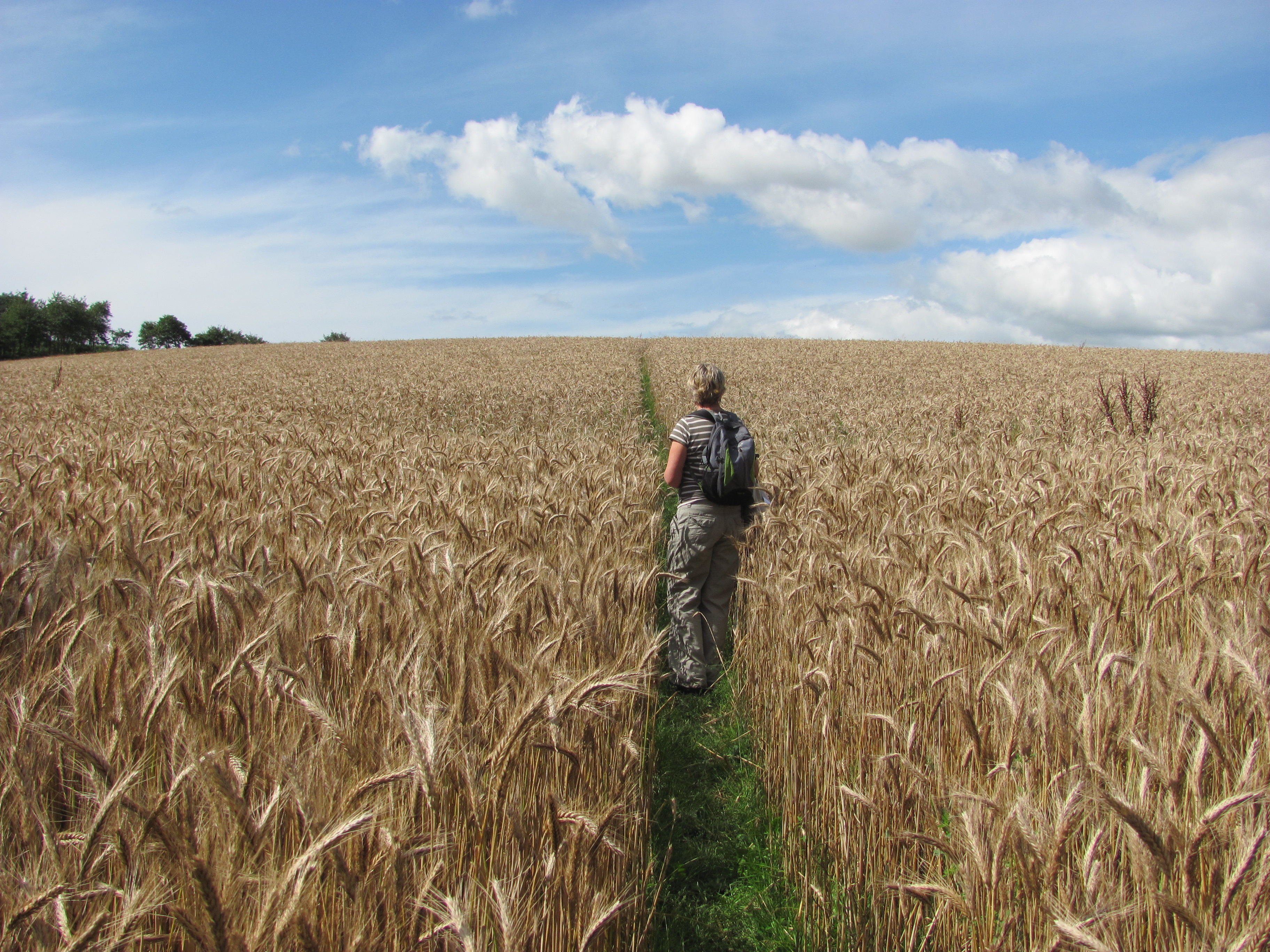
The path crossed one of these fields creating a narrow band of green which cut through the drab grey-yellow of the Barley. The only good part of crossing this desert was the rattling sound that the ears of Barley made as our elbows brushed past them.

Walking across the field we aimed for a style in the distant hedge. It seemed a long way across as there was little to look at or to listen to. The style in the hedge turned ou to be a double style, one each side of a thick, dense, tall hedge. there was a different world awaiting us on the other side. The grassland here was full of clovers and there were many different grasses, not just the ryegrass we had walked through earlier.

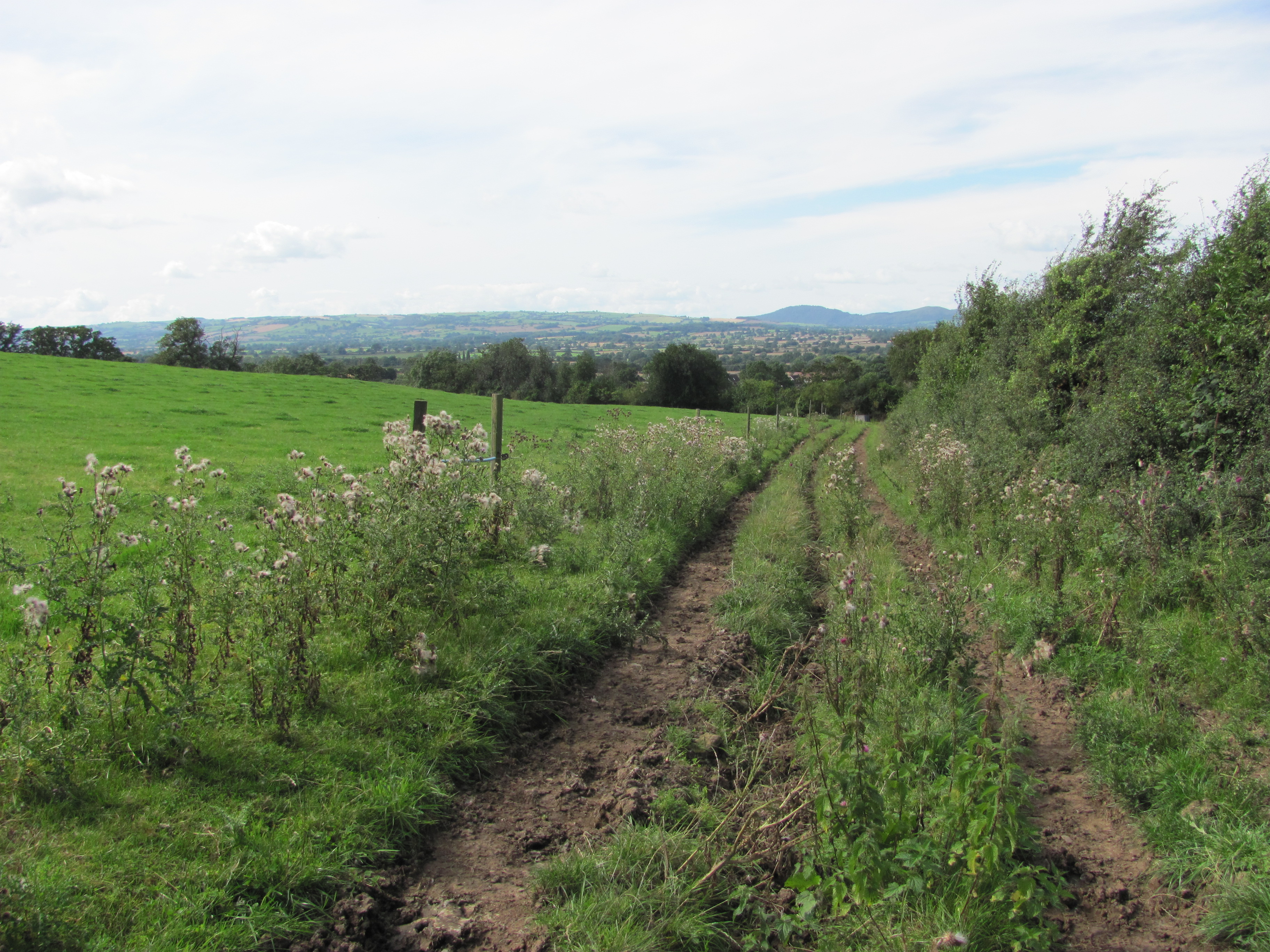
We were now within the land of our local organic dairy farmer. The hedgerows had deep verges full of wildlflowers, thistles, mallows and vetches. No hedges had been removed and the fields were much smaller.

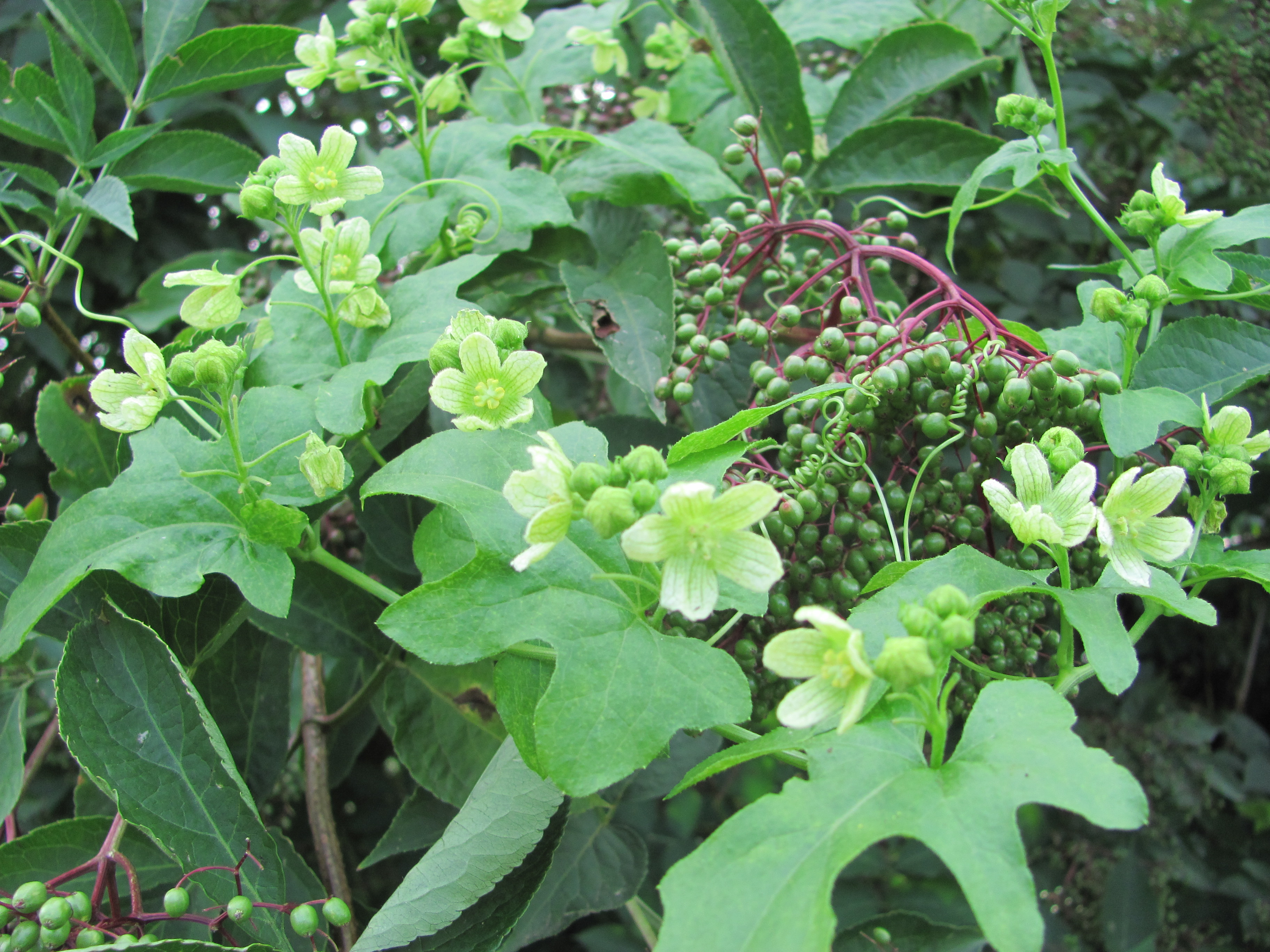
As we passed through to another field we were hit by a sweet. rich aroma from the hedge. It took us a while to find the source – a Sweet Bryony clambering over an Elder.

It was downhill now all the way home and we enjoyed lovely views through gaps in the tall hedges.

As we left the final field of pastureland we spied our house across the hayfield. We had to pass our big old oak tree which we admire from out back garden. As we walked along the fence to the garden gate we called out to the chickens. They looked totally confused – we were the wrong side of the fence.

Categories
birds meadows photography Shropshire trees wildlife woodland

Through the Garden Gate – part one – to the Pool.

This post features a wander in the countryside beyond our garden gate. We literally walk down to the bottom of the garden, past the chucks, go through the wooden gate and enter our borrowed landscape. We ambled for four hours spending much of the time standing, looking and listening or sitting and taking in the atmosphere. At no time were we more than a mile from our home.

An alternative title for the post could be “Why we live where we live and why we love where we live.” Join us as we wander around our local patch, our own personal bit of countryside.

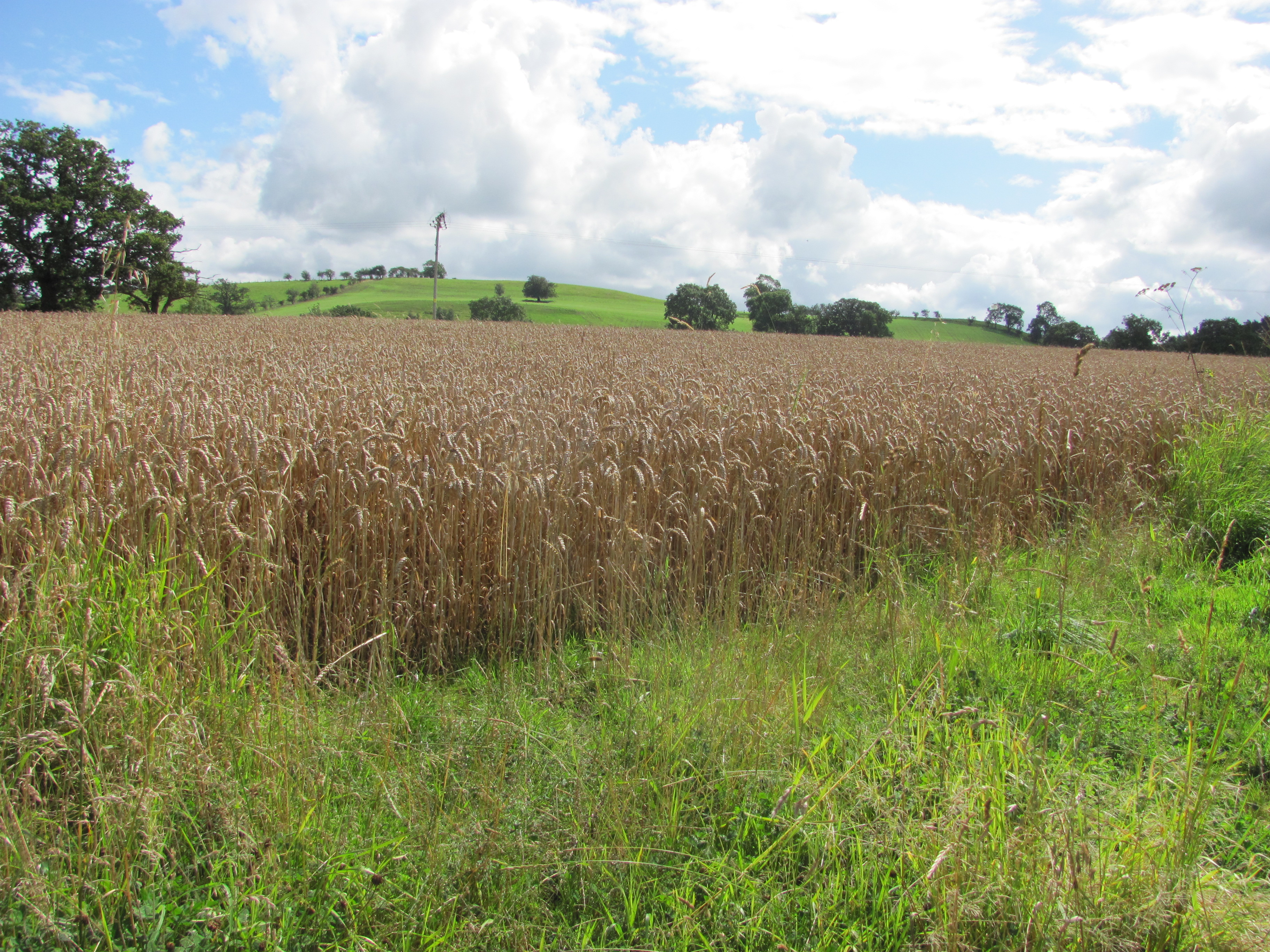
We walked alongside the fence line along the paddock to join the public footpath which led us diagonally across a field of winter wheat. Reaching the far side of the field we looked back to get a view of our home snuggled within the short row of houses.

Looking back across the field we have just crossed gives us a different view of one of the hills we can see from the garden.

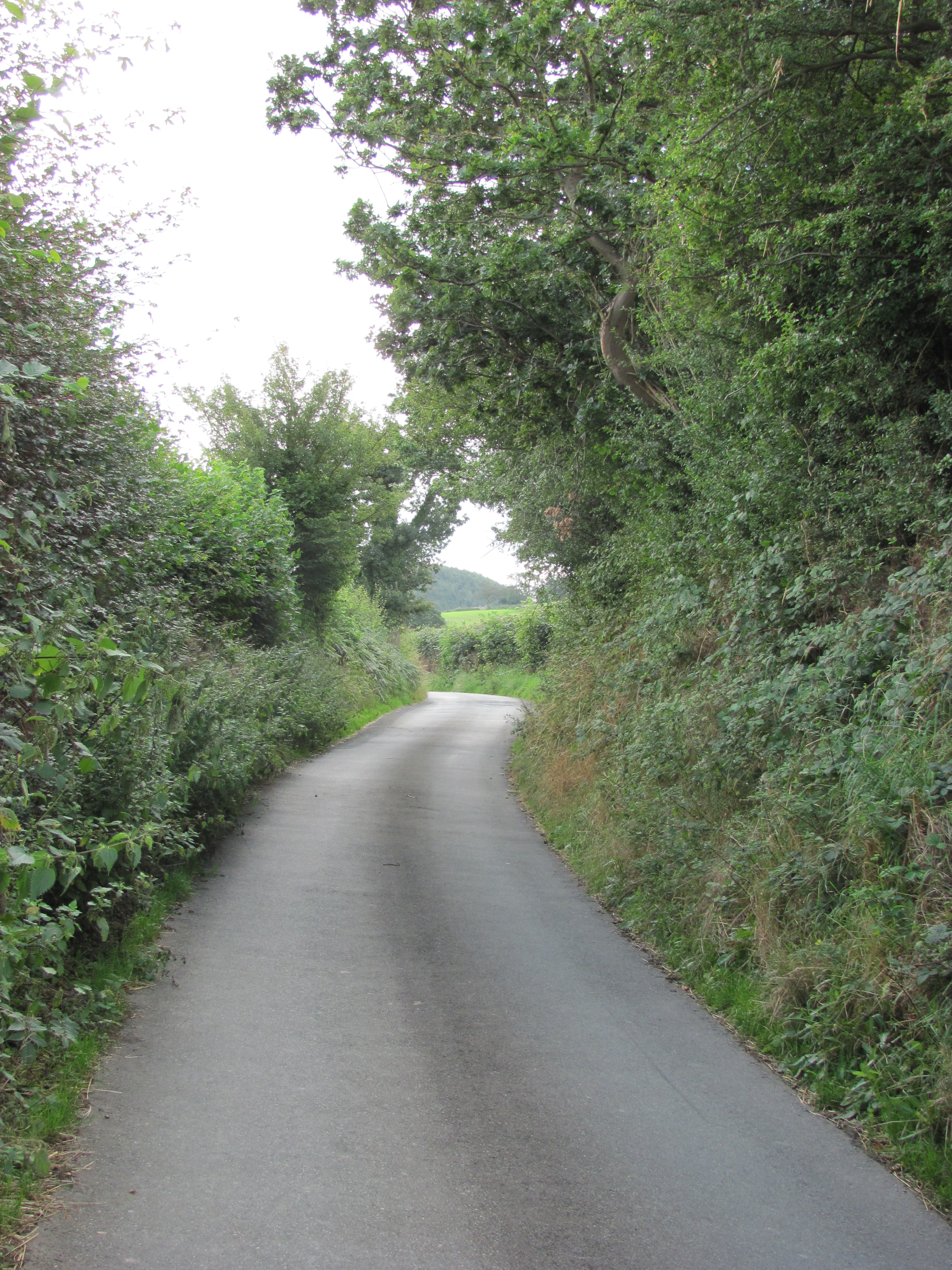
We needed now to walk along a lane for a while, a narrow lane with high hedges on each side and verges full of wildflowers. Climbers clambered over the hedging bushes.

A bonus was the appearance of the first ripe blackberries. We enjoyed them and thanked the blackbirds for sharing their larder with us.

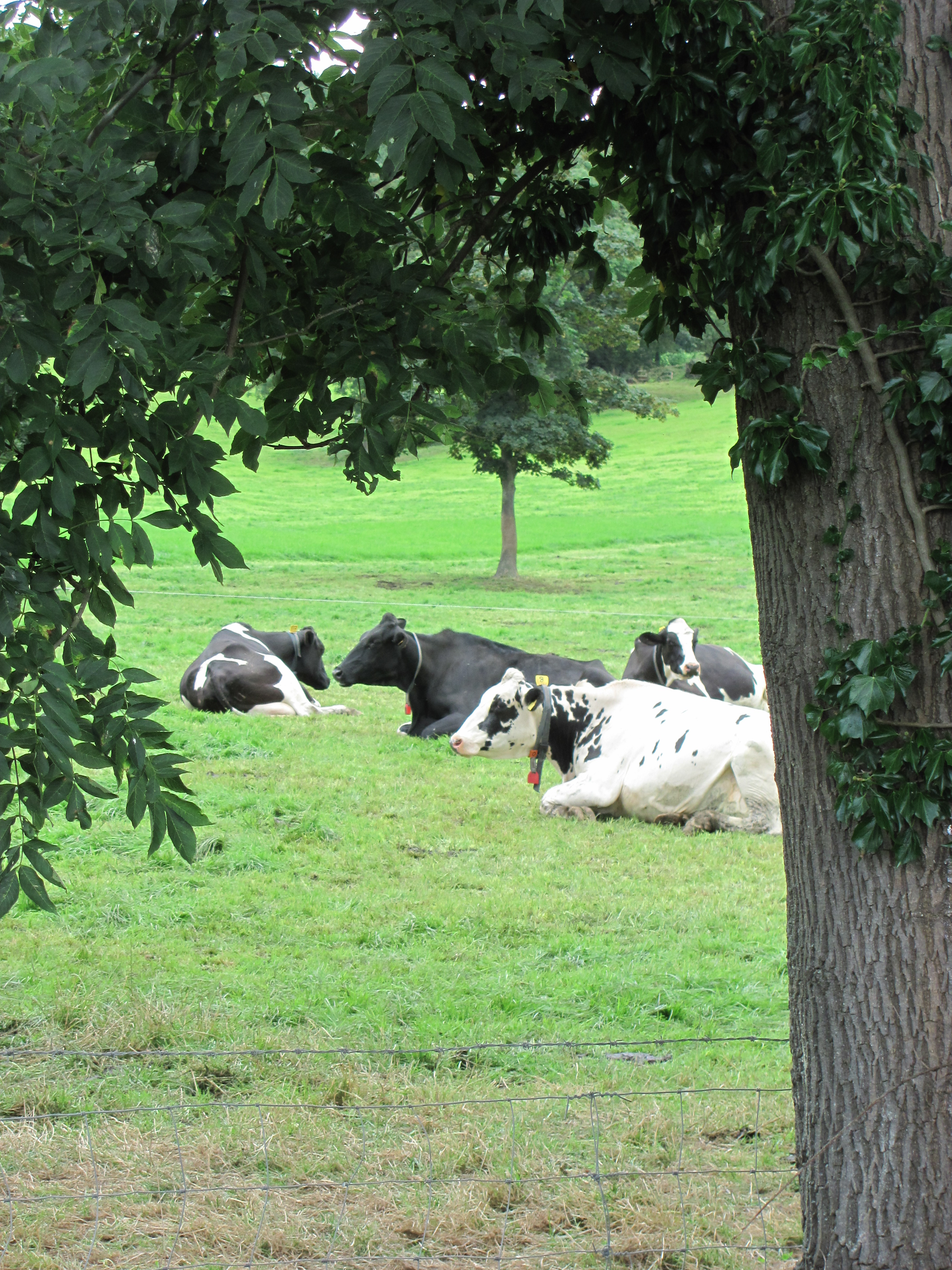
Luckily this gently uphill trek on tarmac was short-lived and we soon clambered over the hedge via a wooden style and revelled in walking with the feel of soft grass beneath our feet. Here the land is rich pastureland enjoyed by dairy cattle. The cows here were all lazily sitting down chewing their cud.

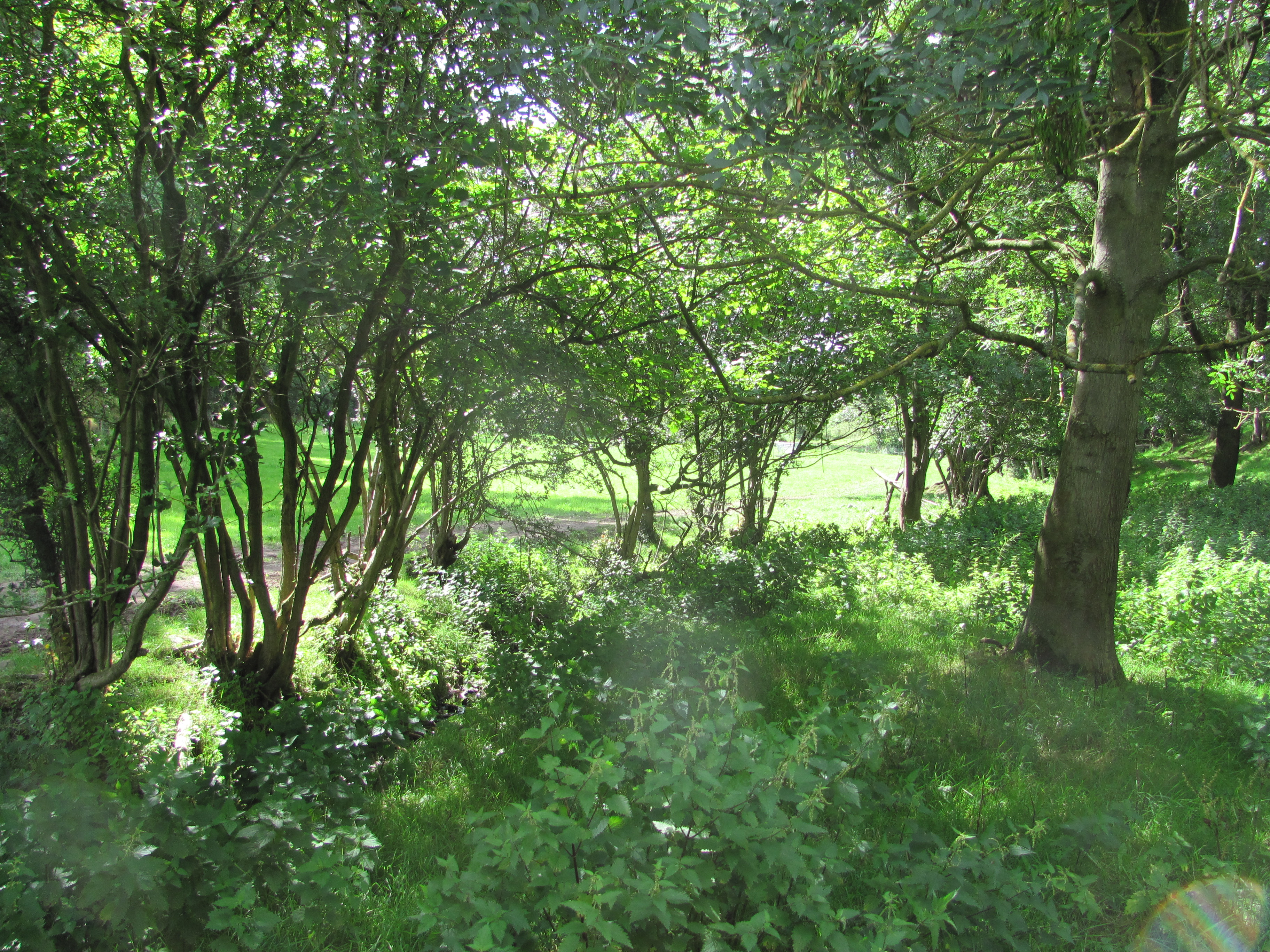
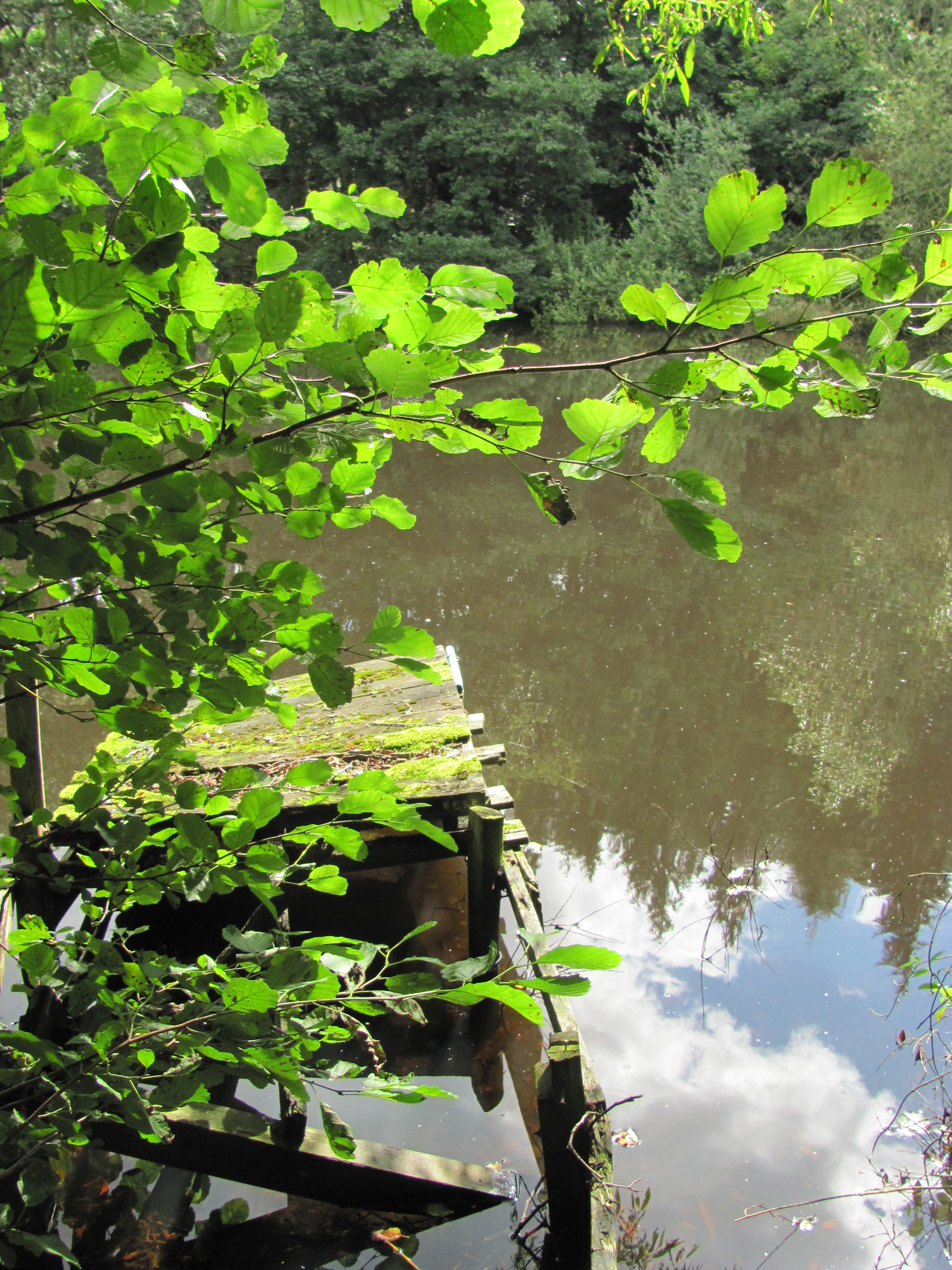
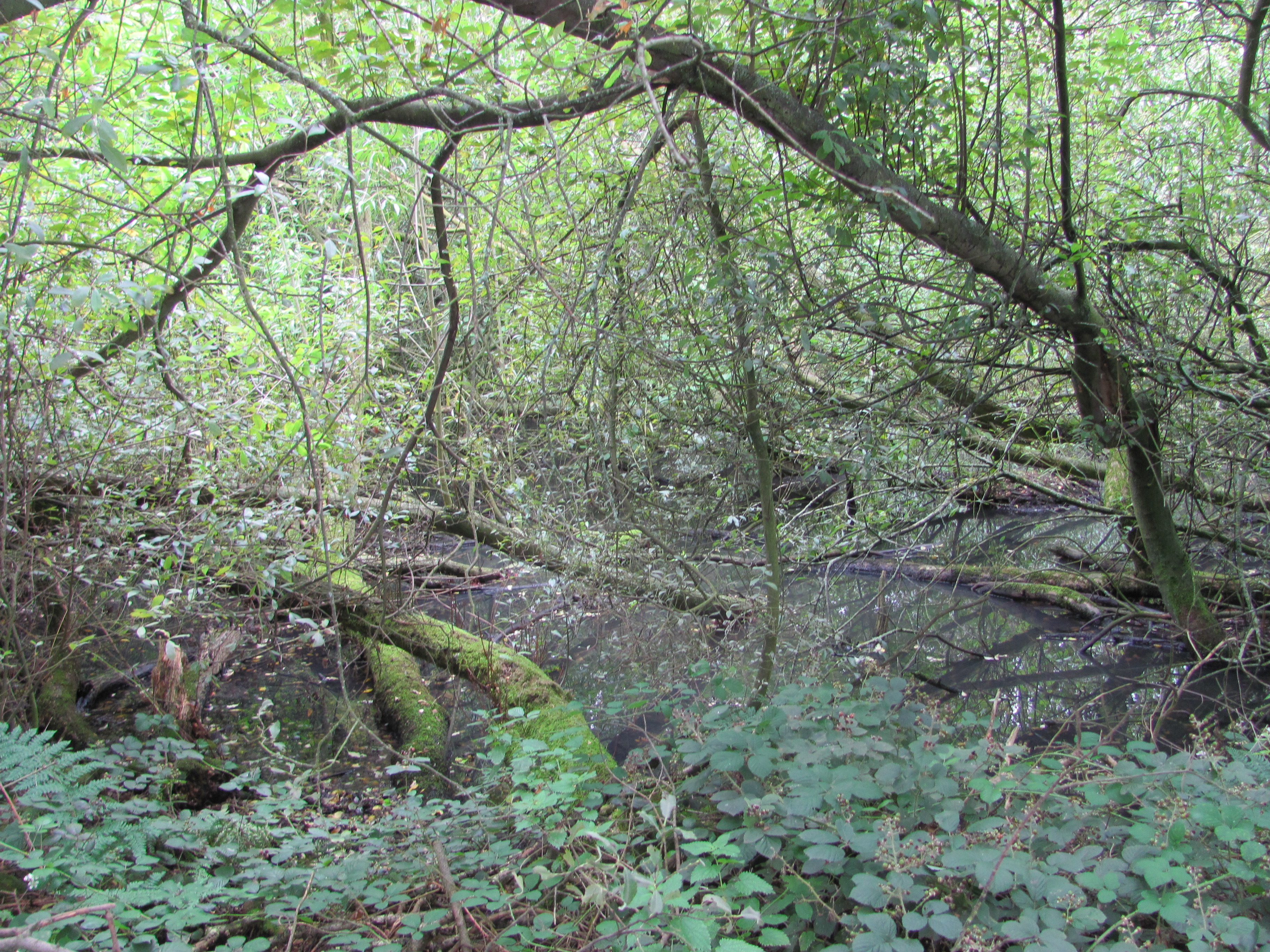
A tiny stream acted as our guide across the pasture and to the edge of our secret wood with abandoned fishing pools now overgrown and in places looking more like swamp land.

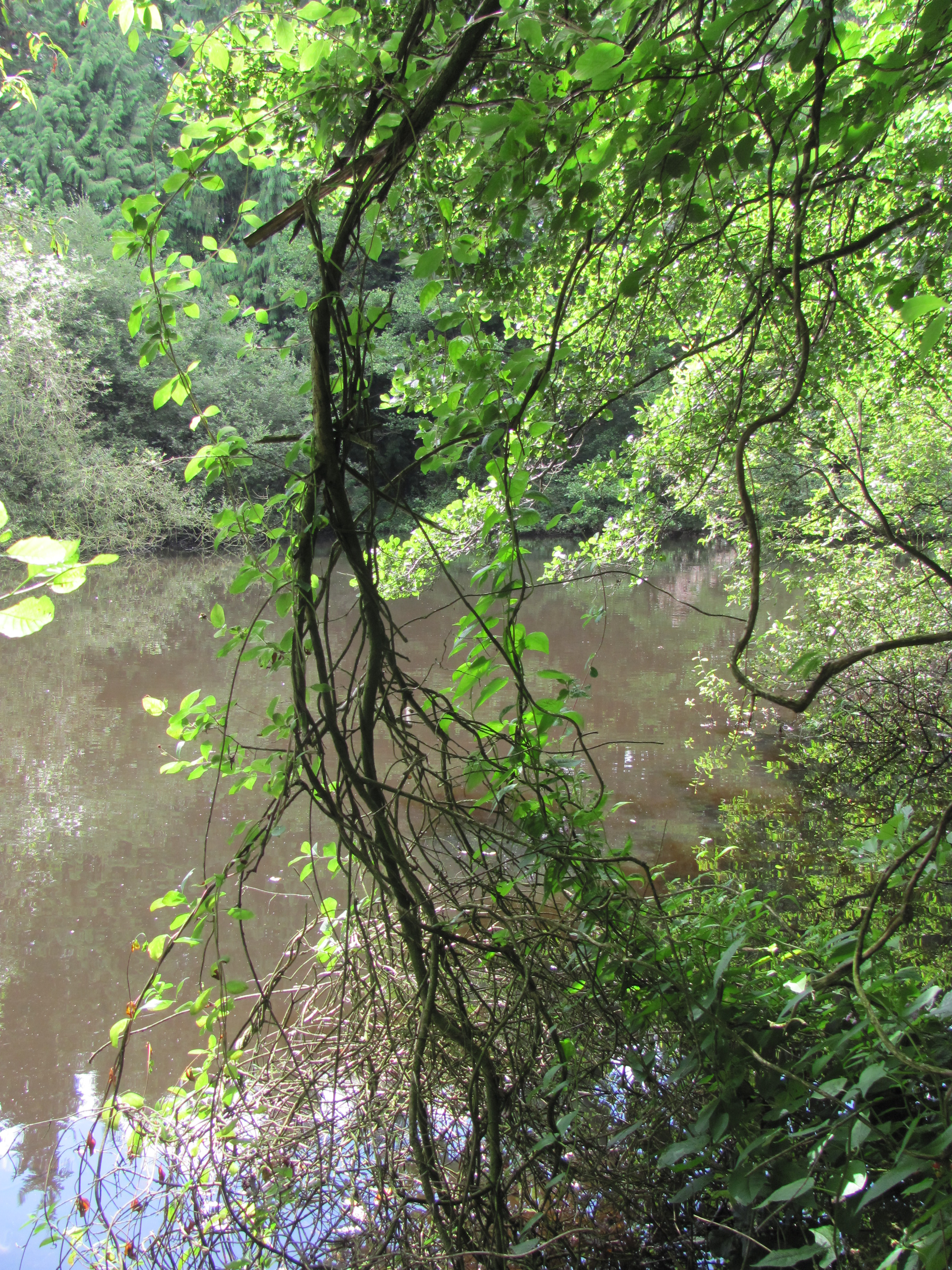
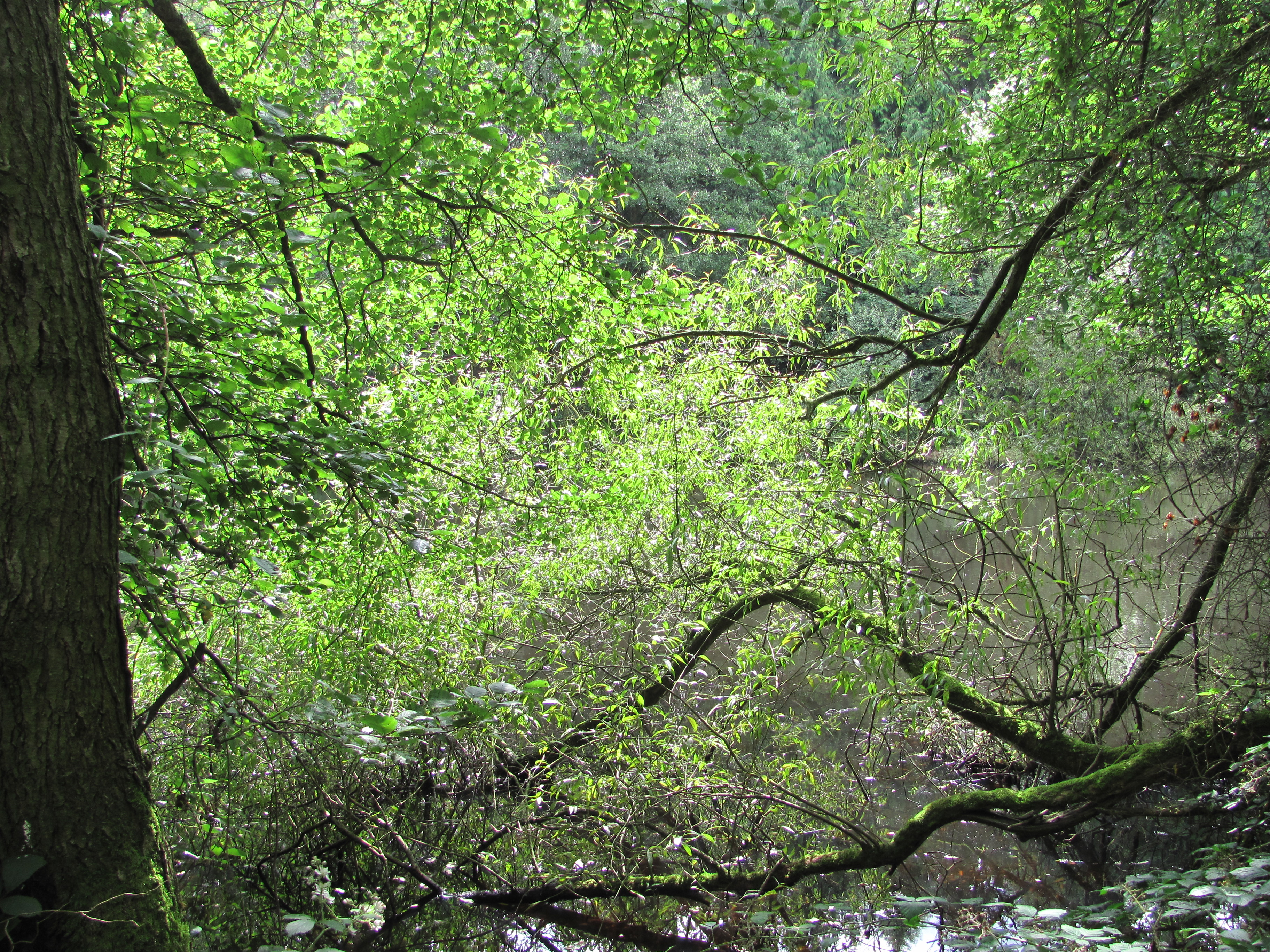
Whenever we walk this wood, whatever the time of year and whatever the weather, the light has a special quality which lights up the overgrown pools and turns trees and bushes into silhouettes.

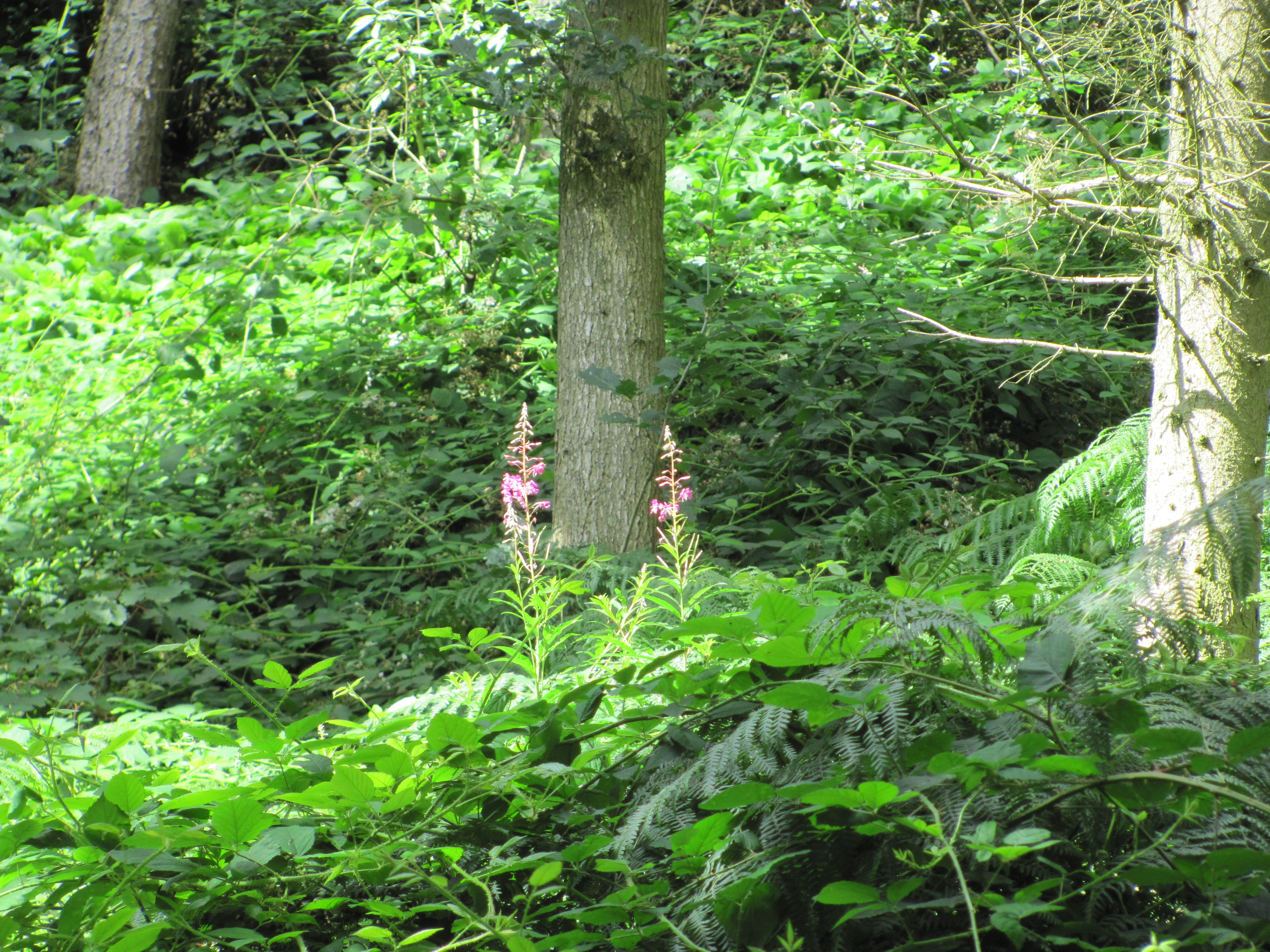
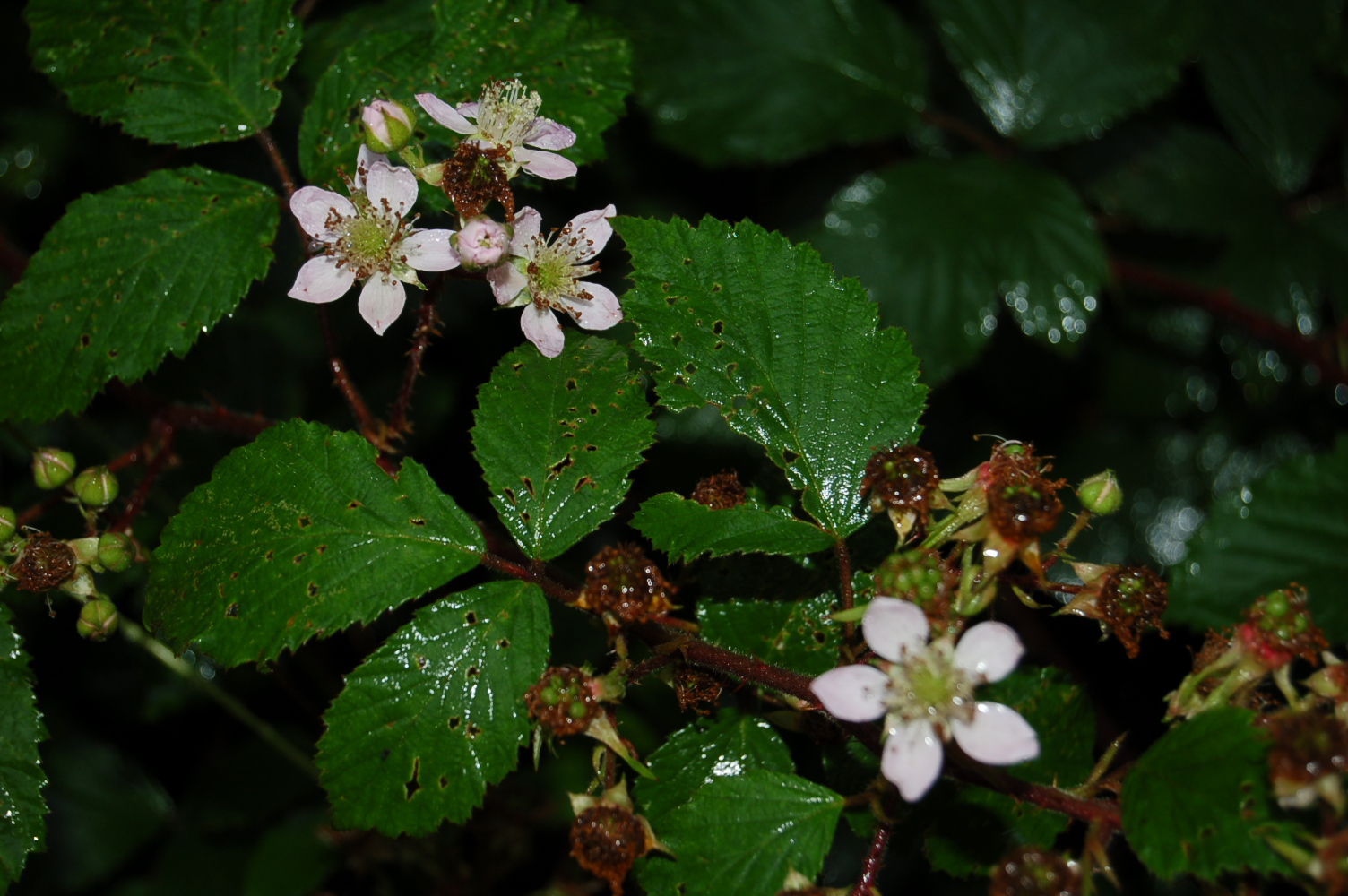
We can look up into the tree canopy of the steep valley sides as we walk along the water’s edge and appreciate just how tall some of the trees are. Below them is a thick carpet of brambles displaying their white flowers with hints of pink and their glossy, black fruits. Occasionally a tall rose-coloured flower spike of Rosebay pushes up through the bramble carpet. The trees are busy with mixed feeding flocks of Warblers and Titmice, the brambles resonating to the powerful song of Wrens and Dunnock.

As we reached the end of the wood walk an old wooden gate invited us back into open countryside. Jude the Undergardener glimpses the next part of our walk leaning on the gate as she waits for me as I finish taking photos.

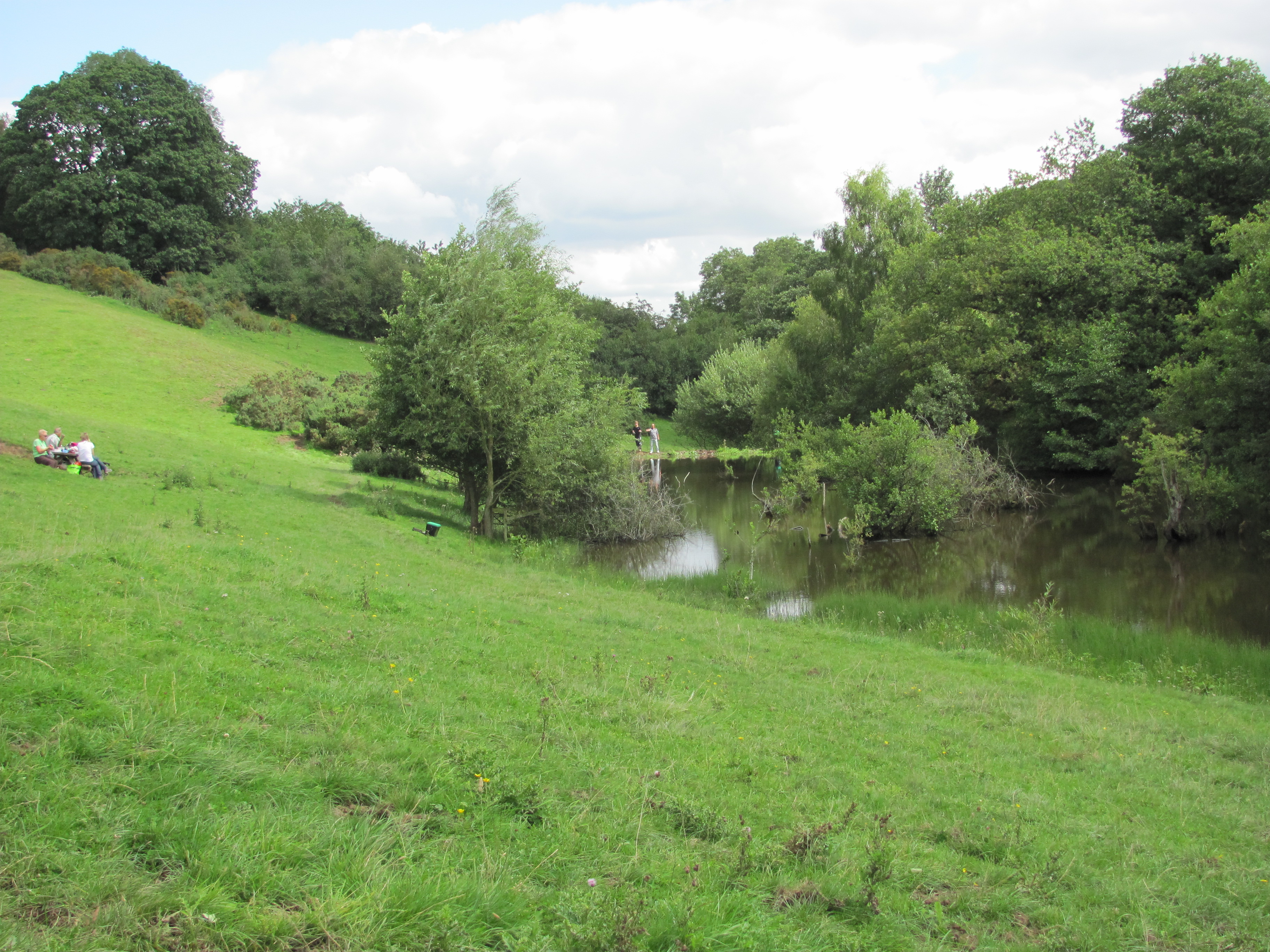
A walk across a sloping field on ground churned up by the feet of cattle takes us to the fishing pool, our halfway point and the perfect place to sit on the grass slope and enjoy our usual fruit and coffee. By the pool the farmer has provided a picnic bench and today a family are enjoying a picnic and three generations are doing a spot of fishing.

Categories
birds climbing plants garden design garden photography garden wildlife gardening hardy perennials ornamental grasses ornamental trees and shrubs photography Shropshire trees village gardens wildlife

A Wander around our Garden in August

Our garden in August is a bright, colourful place full of lush growth, rich scent and so much wildlife to enjoy. Our wild birds are mostly quiet at present as August is the time when they hide away as they go through their annual moult. They have gone to ground and gone silent.

Above our heads however avian activity is busy and exciting. The Swallows and House Martins are feeding up in anticipation of their migration south. The sky is full of them, but the screaching of Swifts is absent as they began their own long journey a few weeks ago. For a few days there is a gap in the sounds – we miss them for their excited calls and aerial displays.

The calls of the young Buzzards can be heard above the Swallows and Martins, as they excitedly search out thermals and discover the joy of riding them. The Peregrines have reappeared now that their breeding season is over so we can watch the adult pairs rising in ever-higher circles until they disappear from view. Our eyes become incapable of seeing them as they become smaller, become dots and are then gone. They have the luxury of far better long distance vision than us – they will see the movement of their prey from hundreds of feet up in the air. A real treat is to spot them as they stoop, travelling down at speeds of over 200 miles per hour with a pigeon in their sights.

Yesterday when deadheading in one of our borders we were surprised by a low-flying, high speed Green Woodpecker who zoomed close to us, just a few feet away. A real treat!

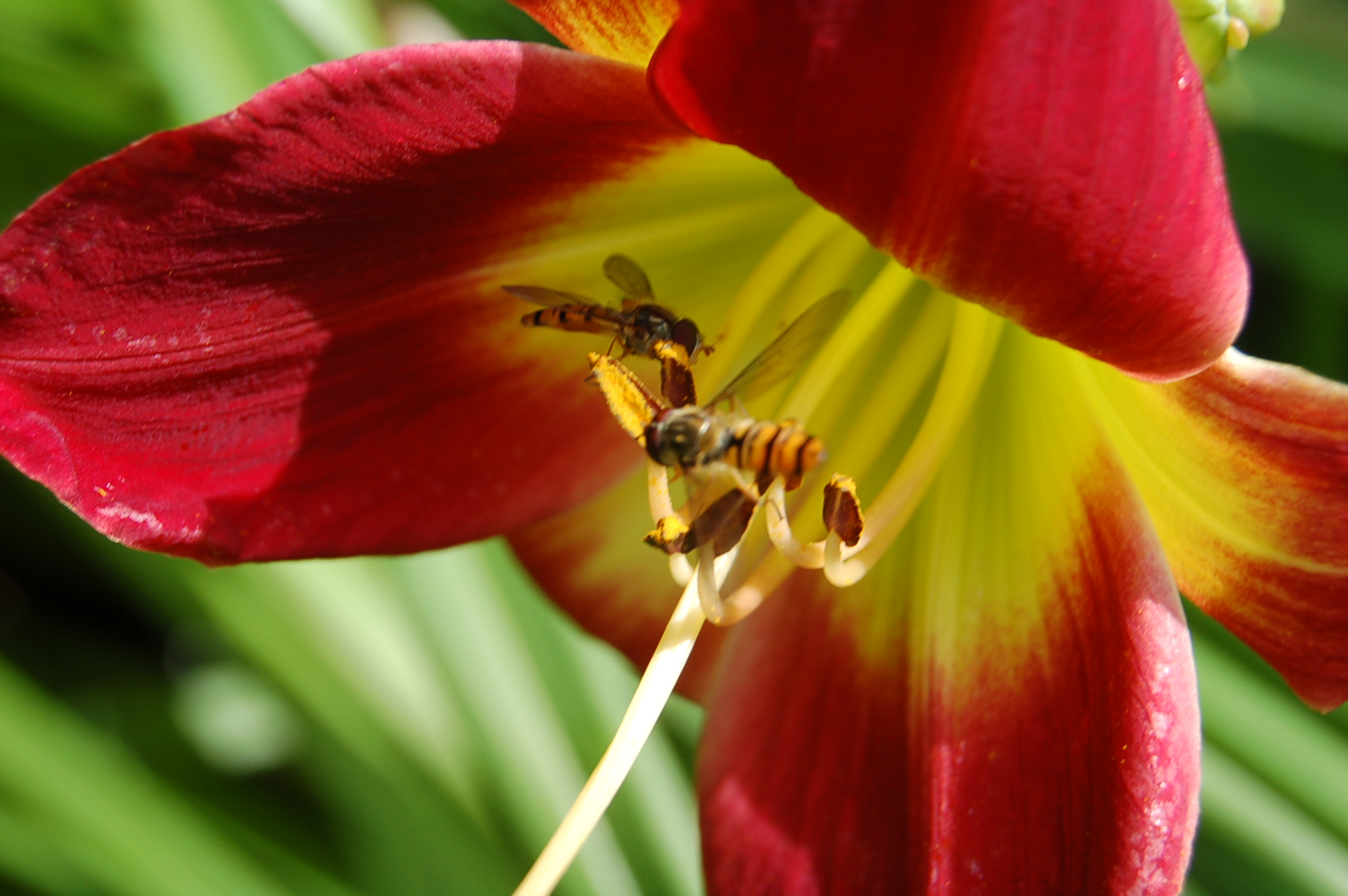
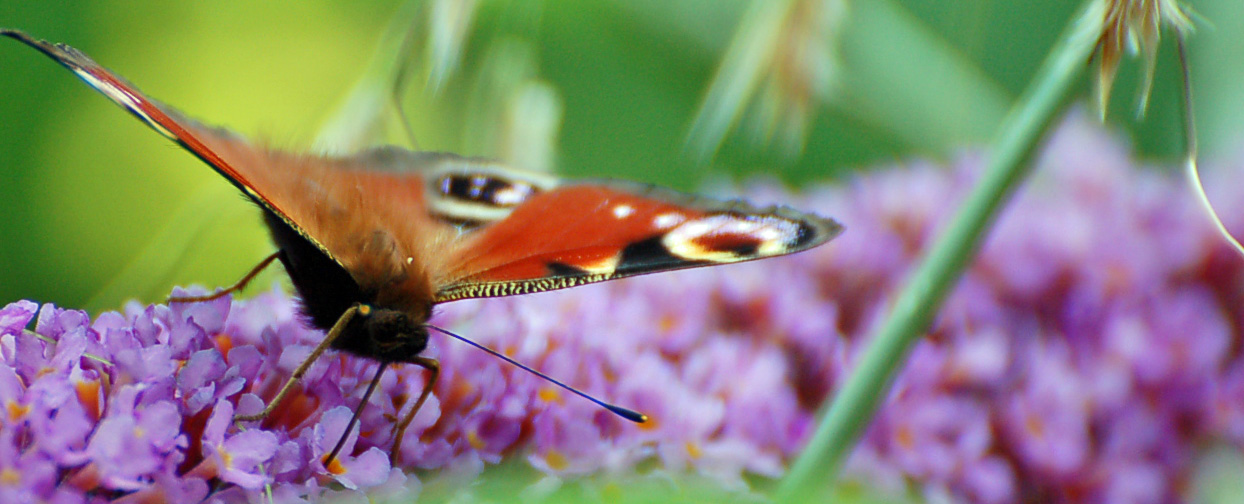
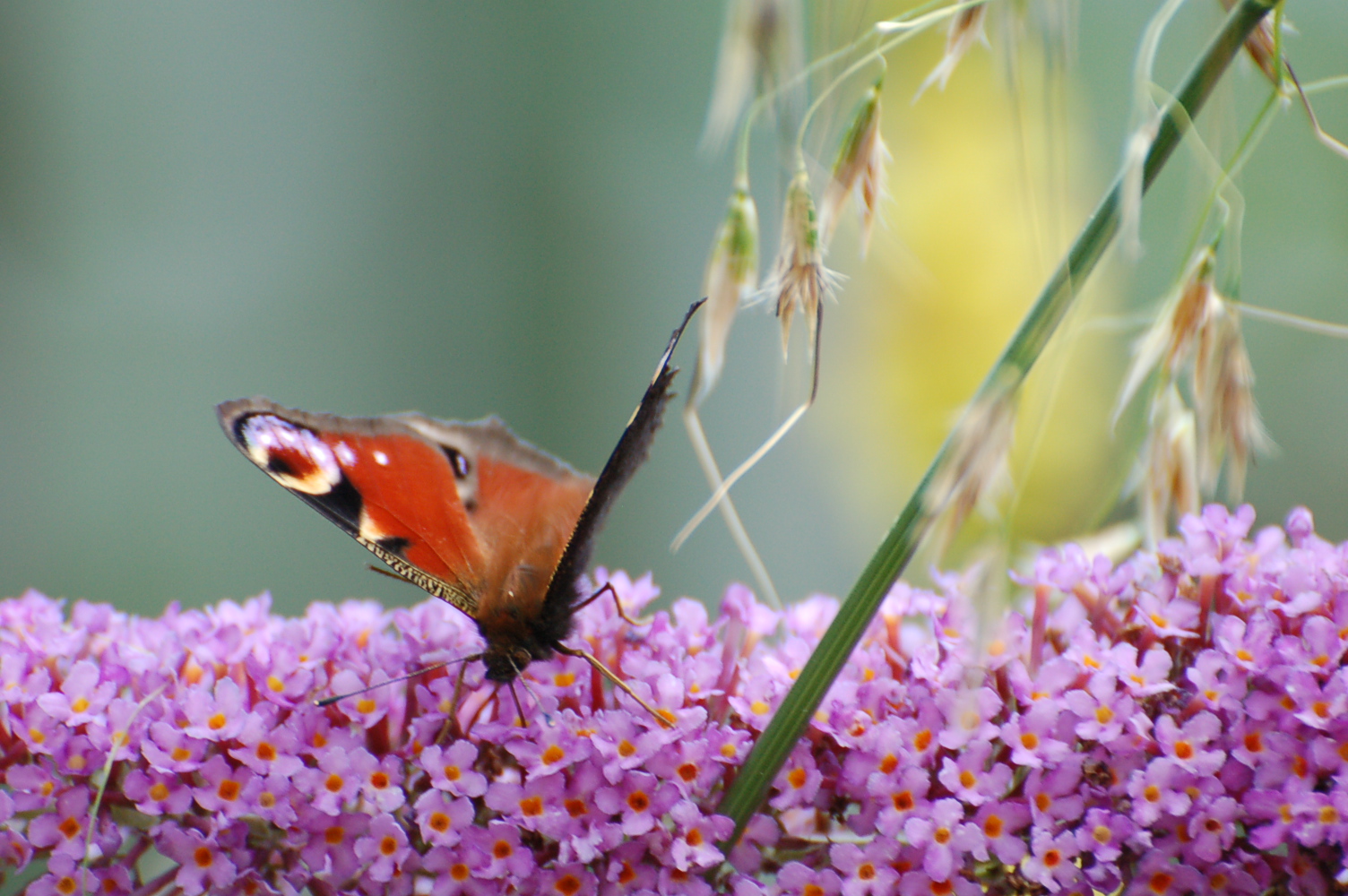
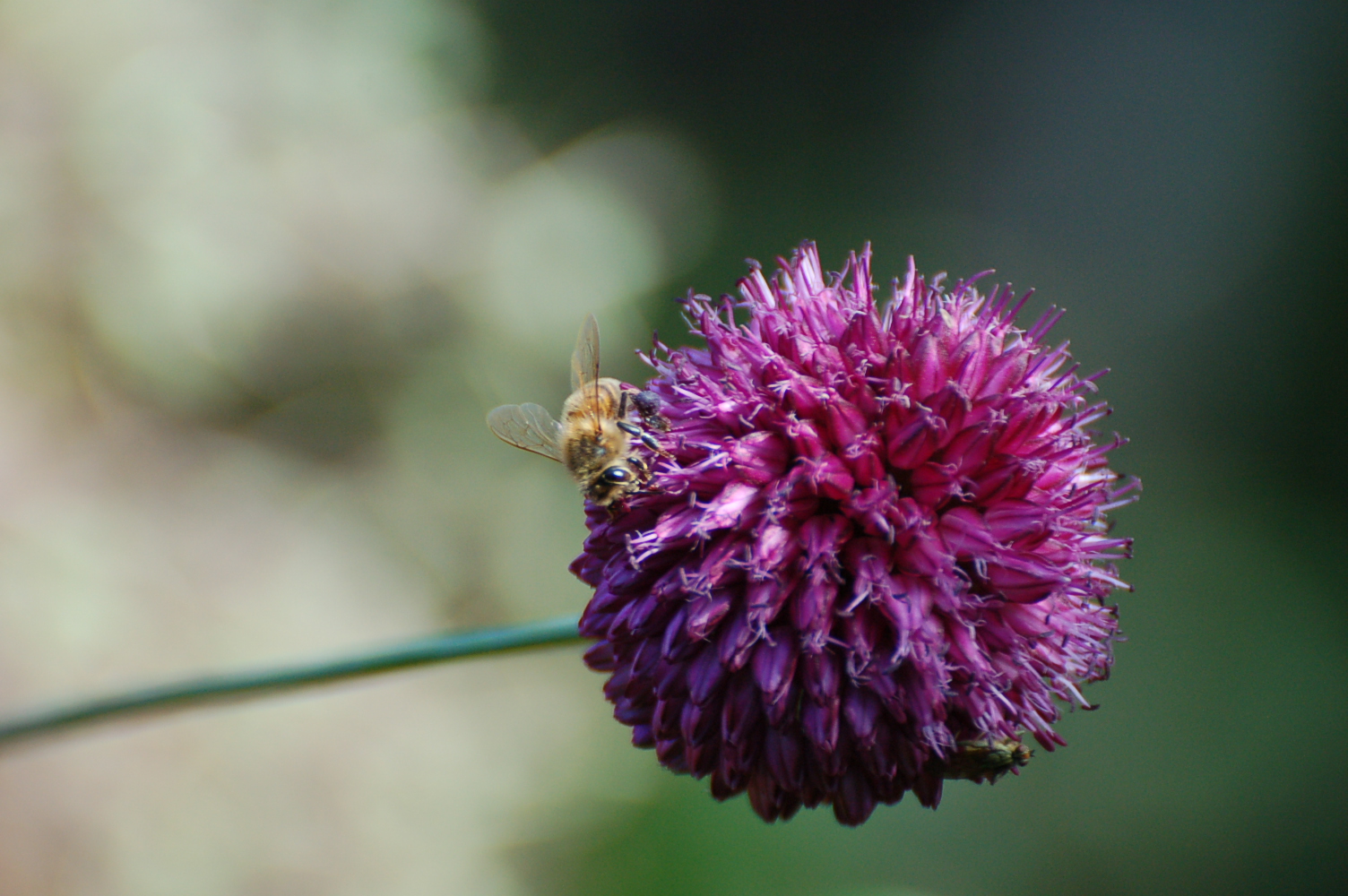
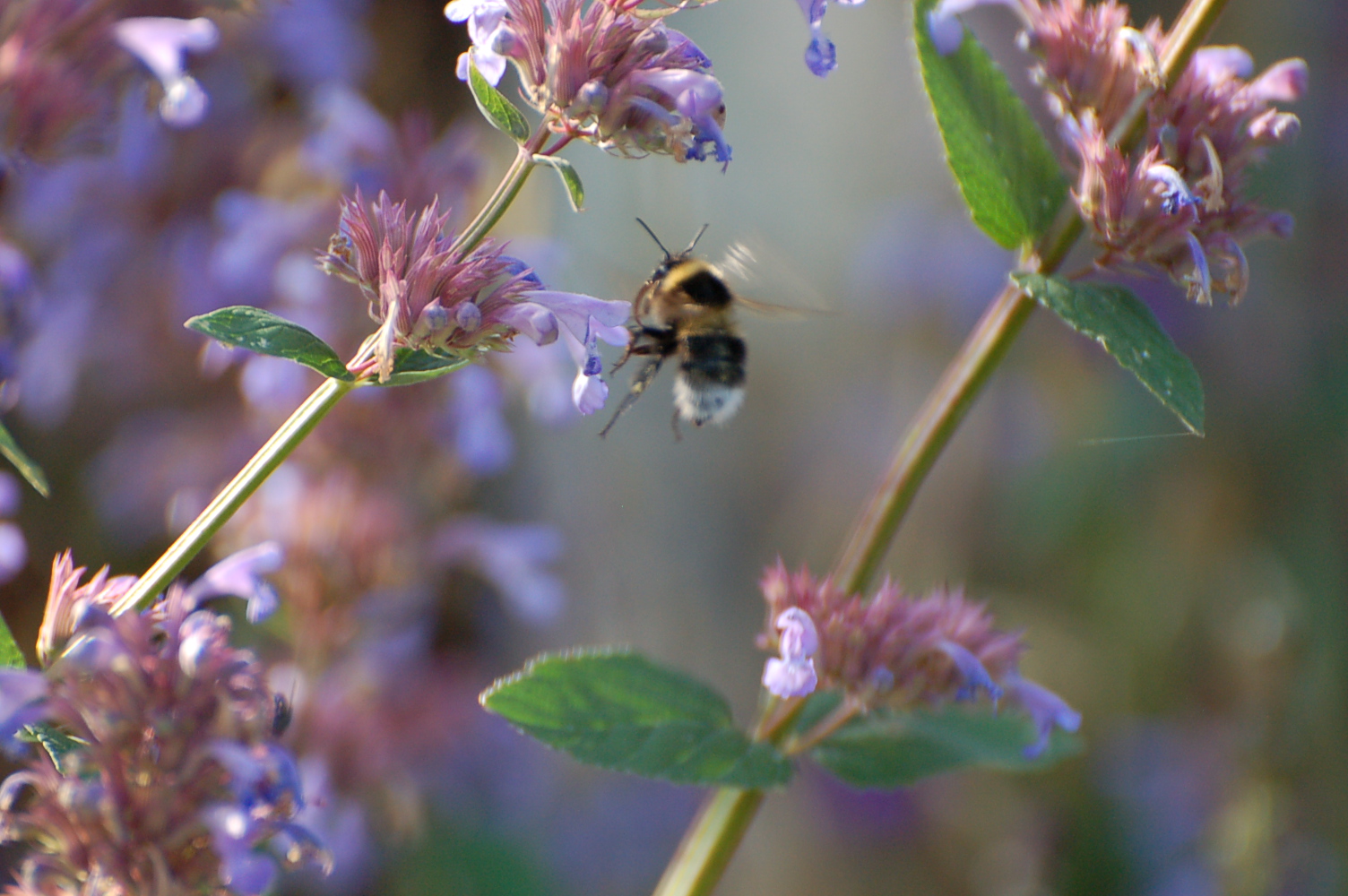
Insect life is flourishing. On any warm bright day a variety of insects can be seen hunting out nectar and pollen. Butterflies, bees and hoverflies are attracted to Buddleias, Alliums, Salvias, Nepetas, Lavenders and Echinops. There are so many Peacock Butterflies around at the moment but you can’t have too many of them. The Holly Blues are much scarcer and flit continuously rarely seeming to settle.

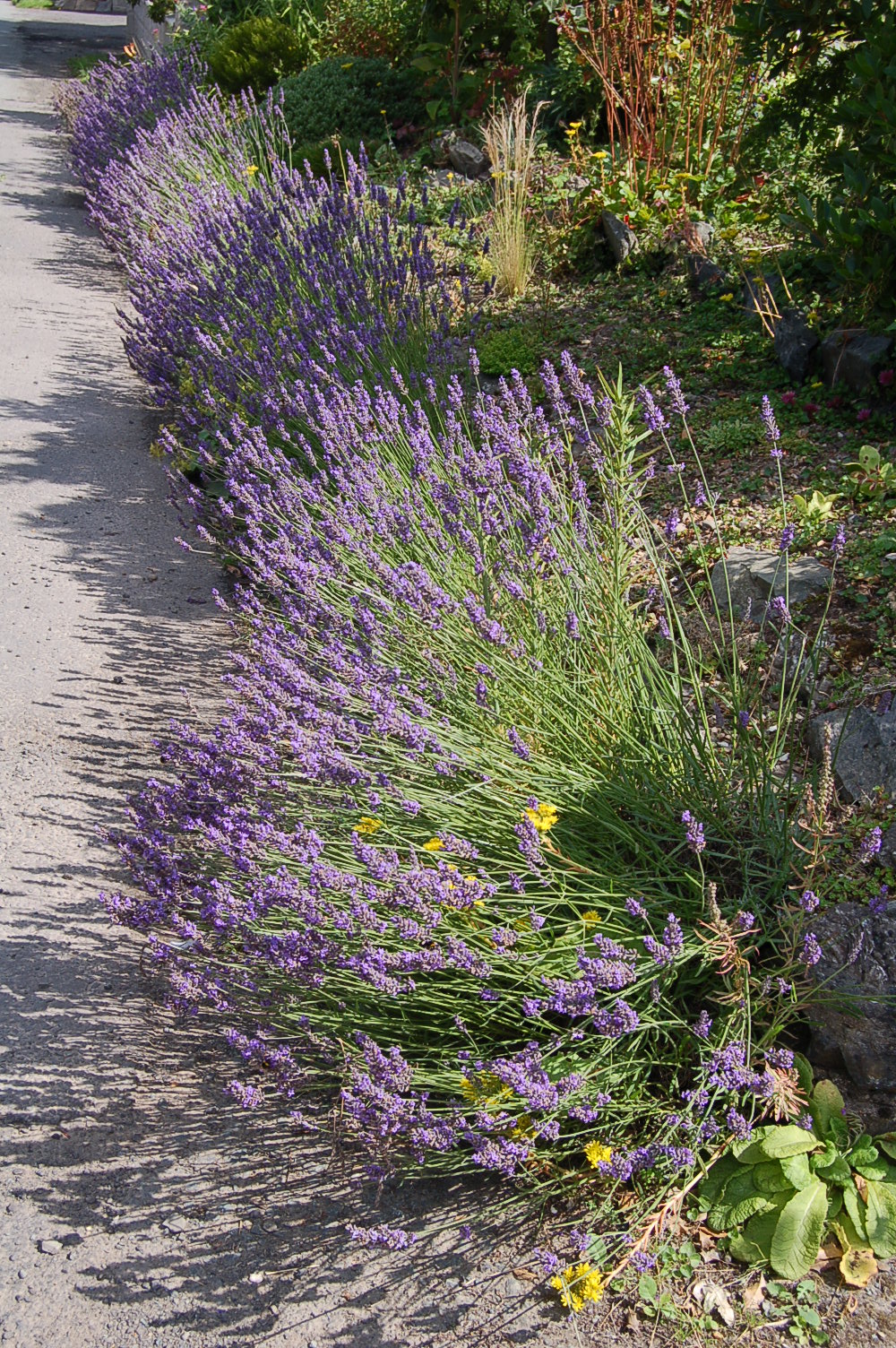
Bees and hoverflies are attracted to our Lavender hedge which borders the lane which passes in front of our garden.

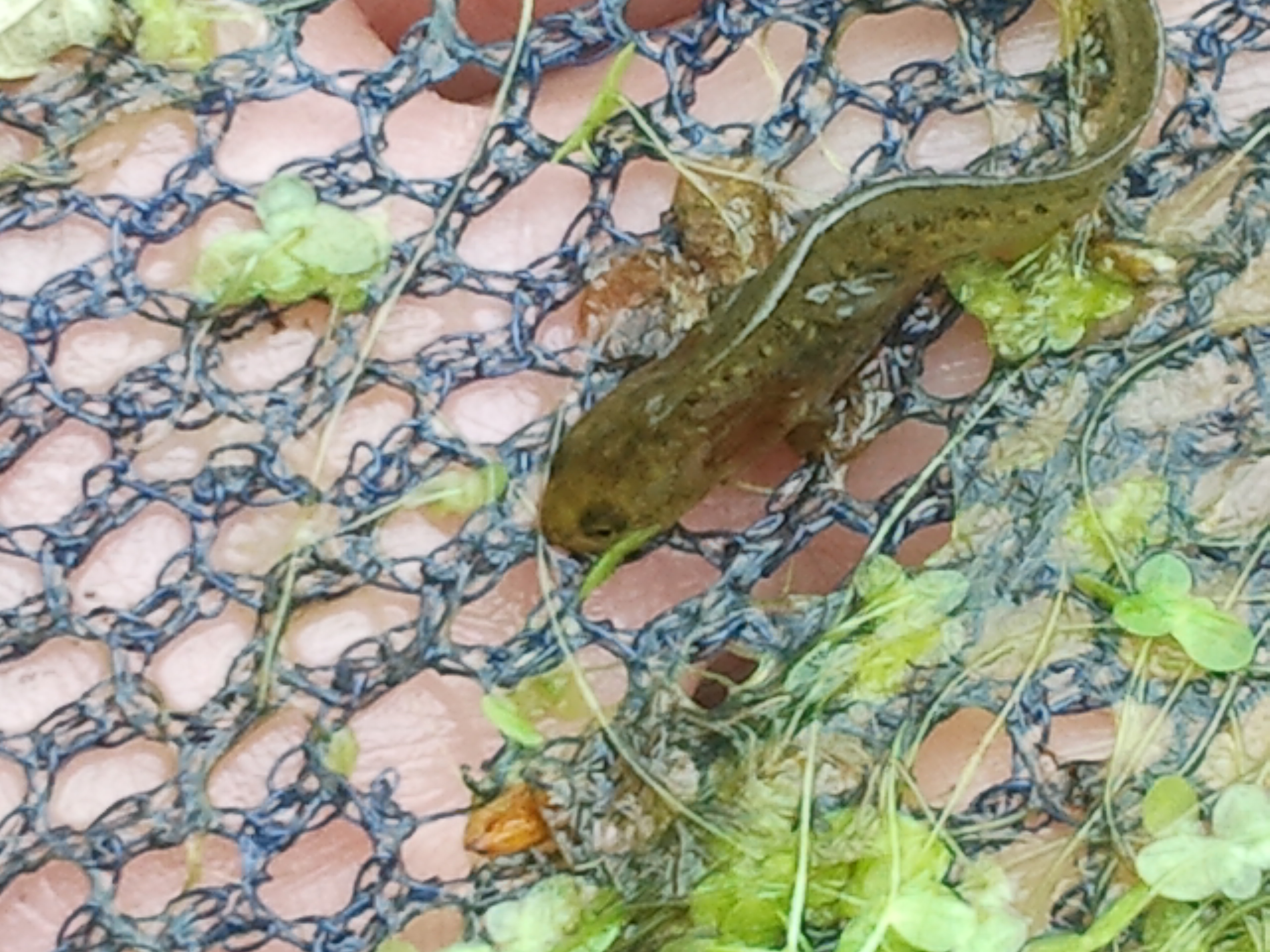
The ponds are full of life with shoals of young fish basking in the shallows, diving Beetles and Boatmen moving up to the surface and back to the bottom regularly. On the surface Pondskaters pace out the length and breadth of the pond surface. Young newts regularly appear at the surface take a gulp of air and drop back down. When Jude the Undergardener nets the duckweed and blanket weed from the pond she catches newts every time. She is delighted with every newt that graces her net. I am convinced that removing the weed is an excuse for her newt catching exploits. In August the majority of newts Jude catches are youngsters.

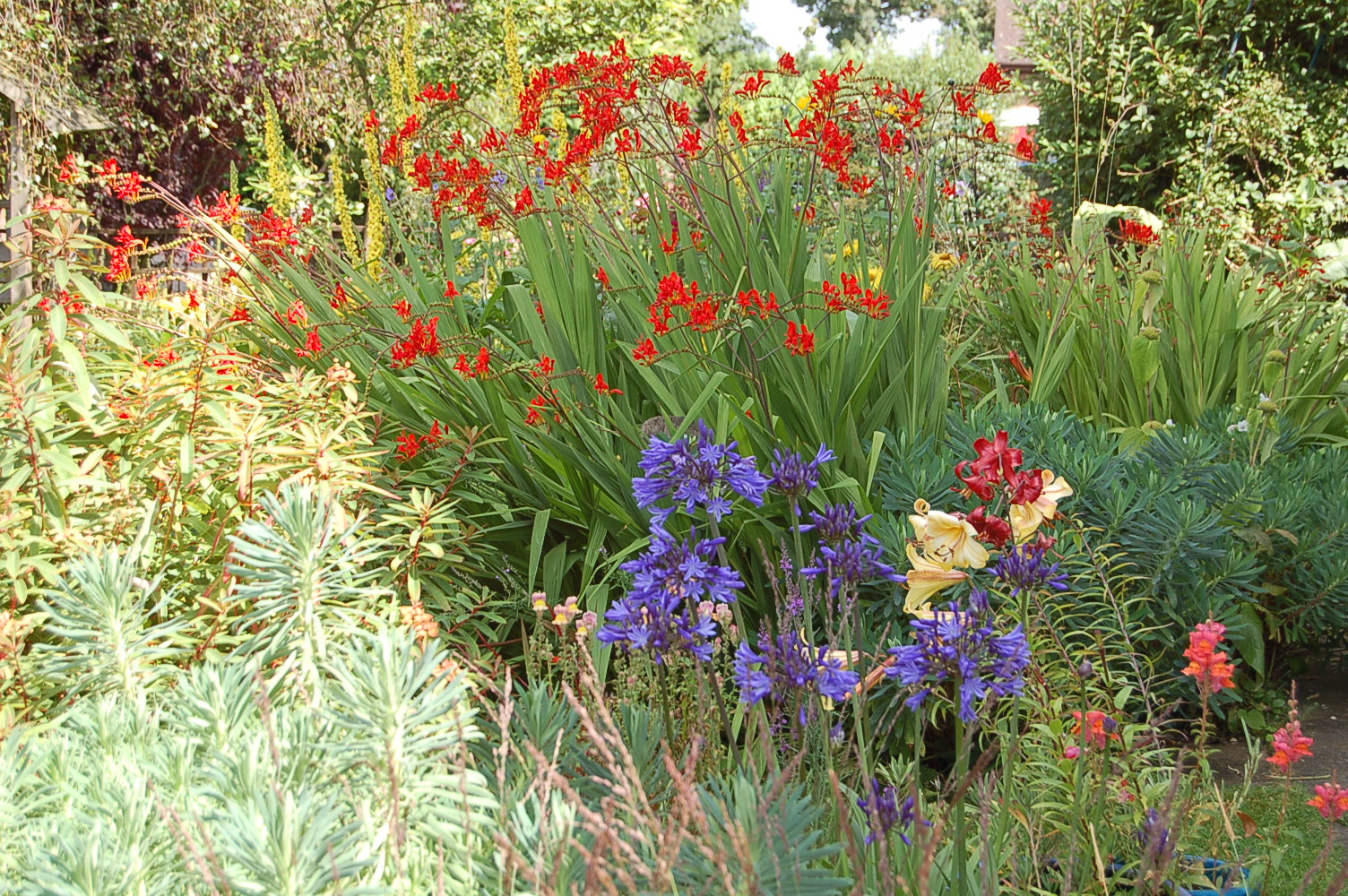
The front garden is looking good! So much colour! The Hot Border is HOT!

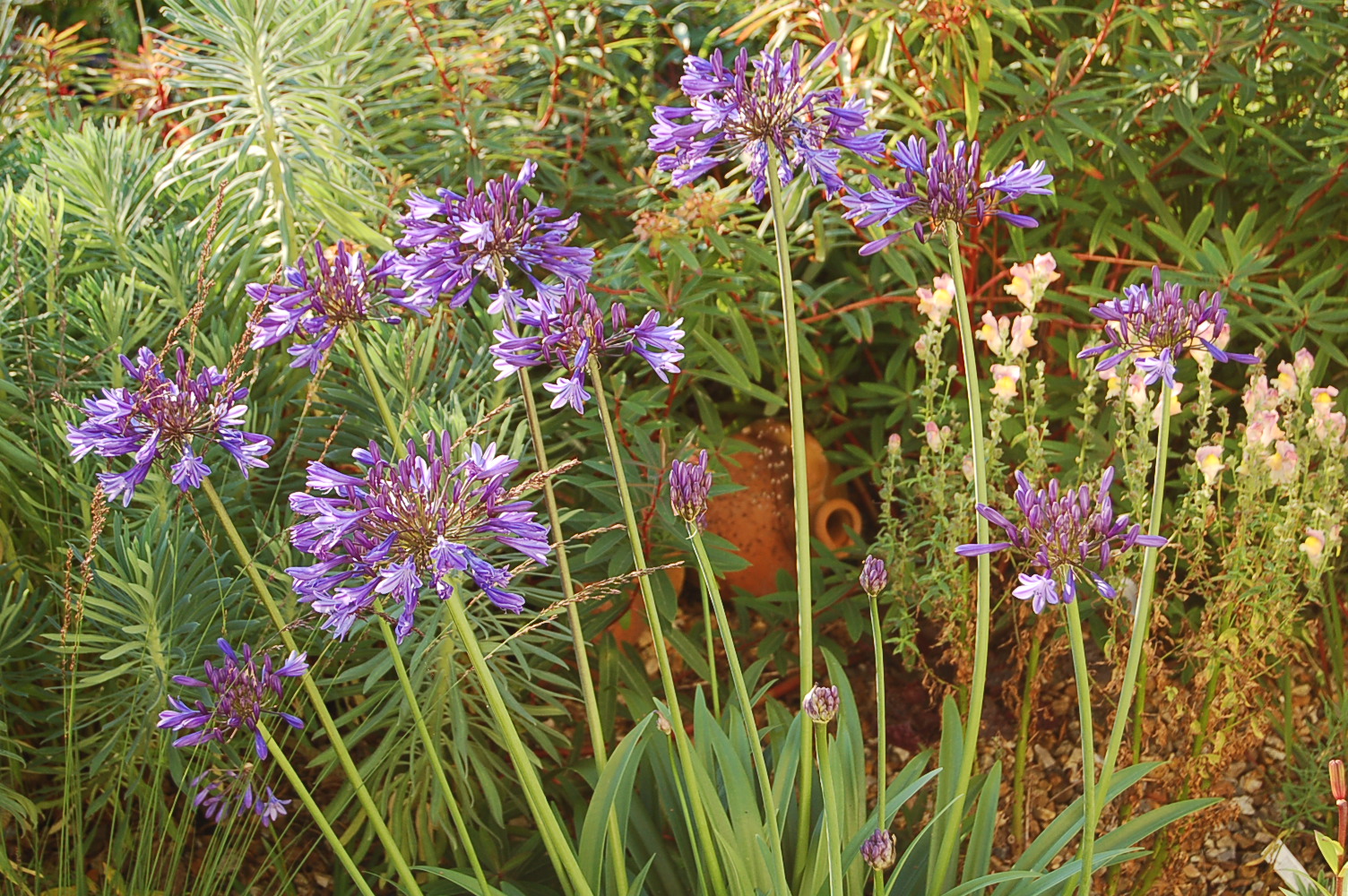
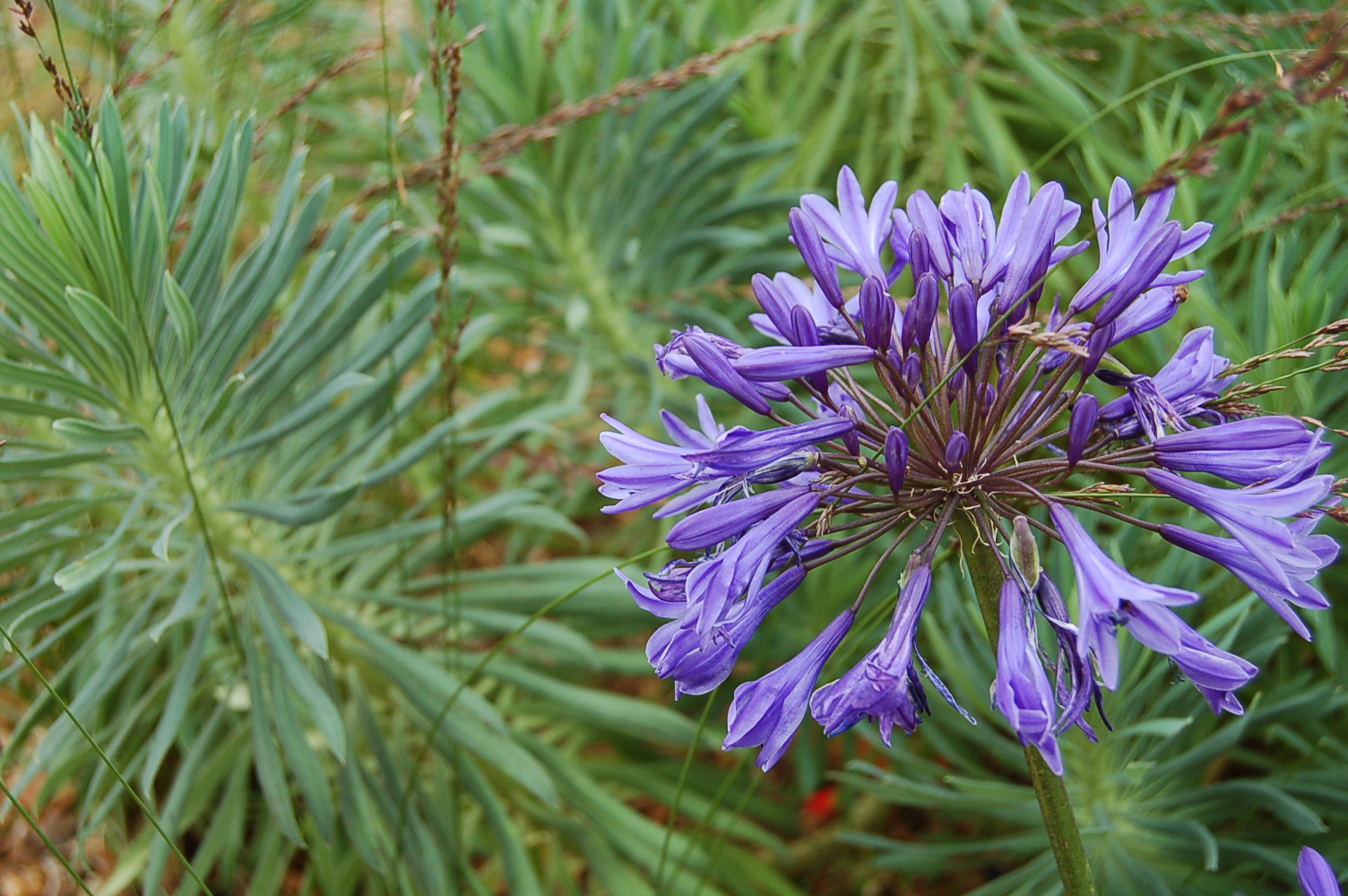
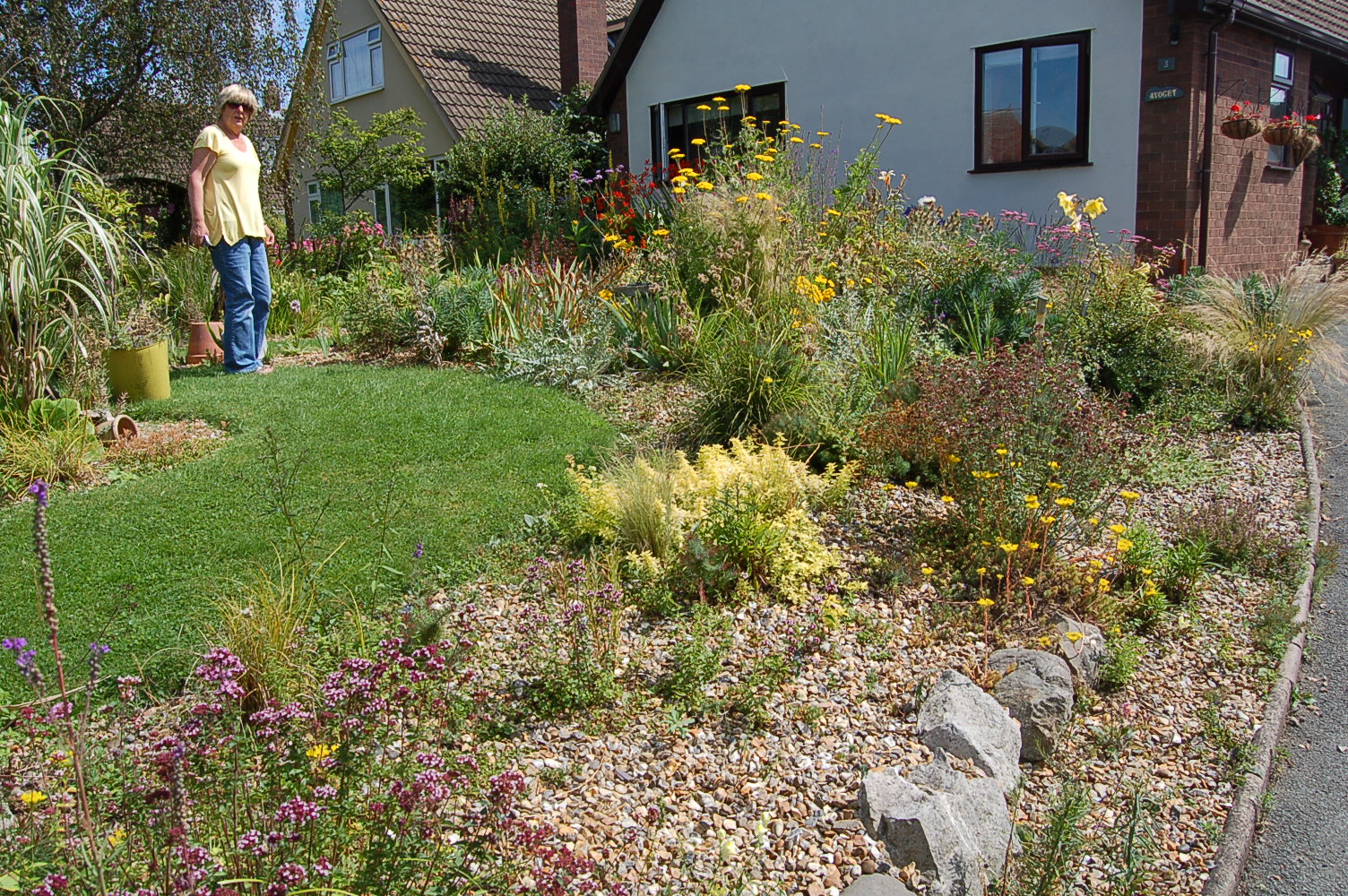
The “Beth Chatto Garden”, our gravel garden, is full of interest with Agapanthus taking centre stage. These Agapanthus were actually bought from the Beth Chattos Gardens nursery.

Early in August the front garden was dominated by yellow – even Jude the Undergardener was wearing yellow – but after a few weeks all the other colours caught up.

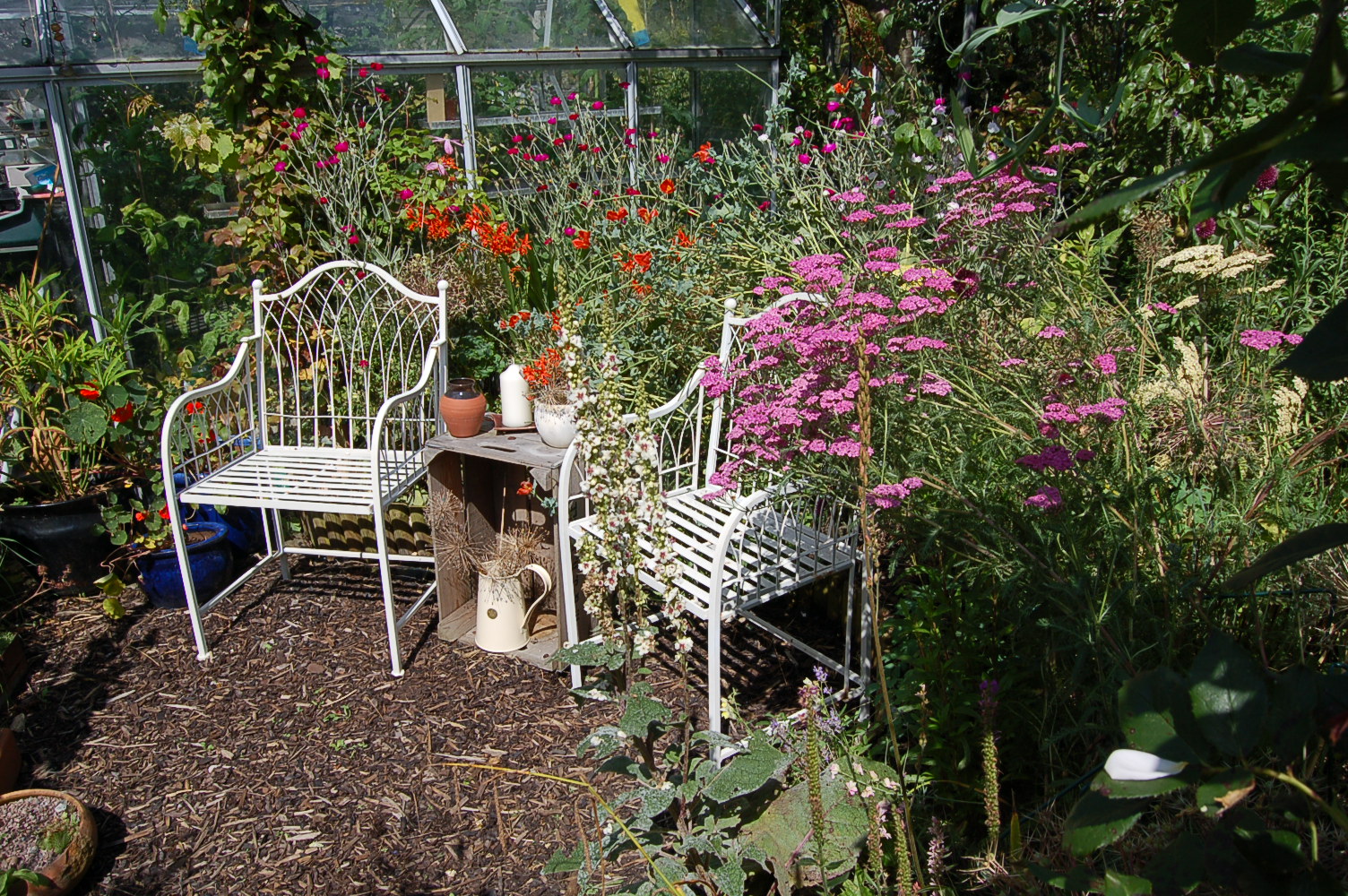
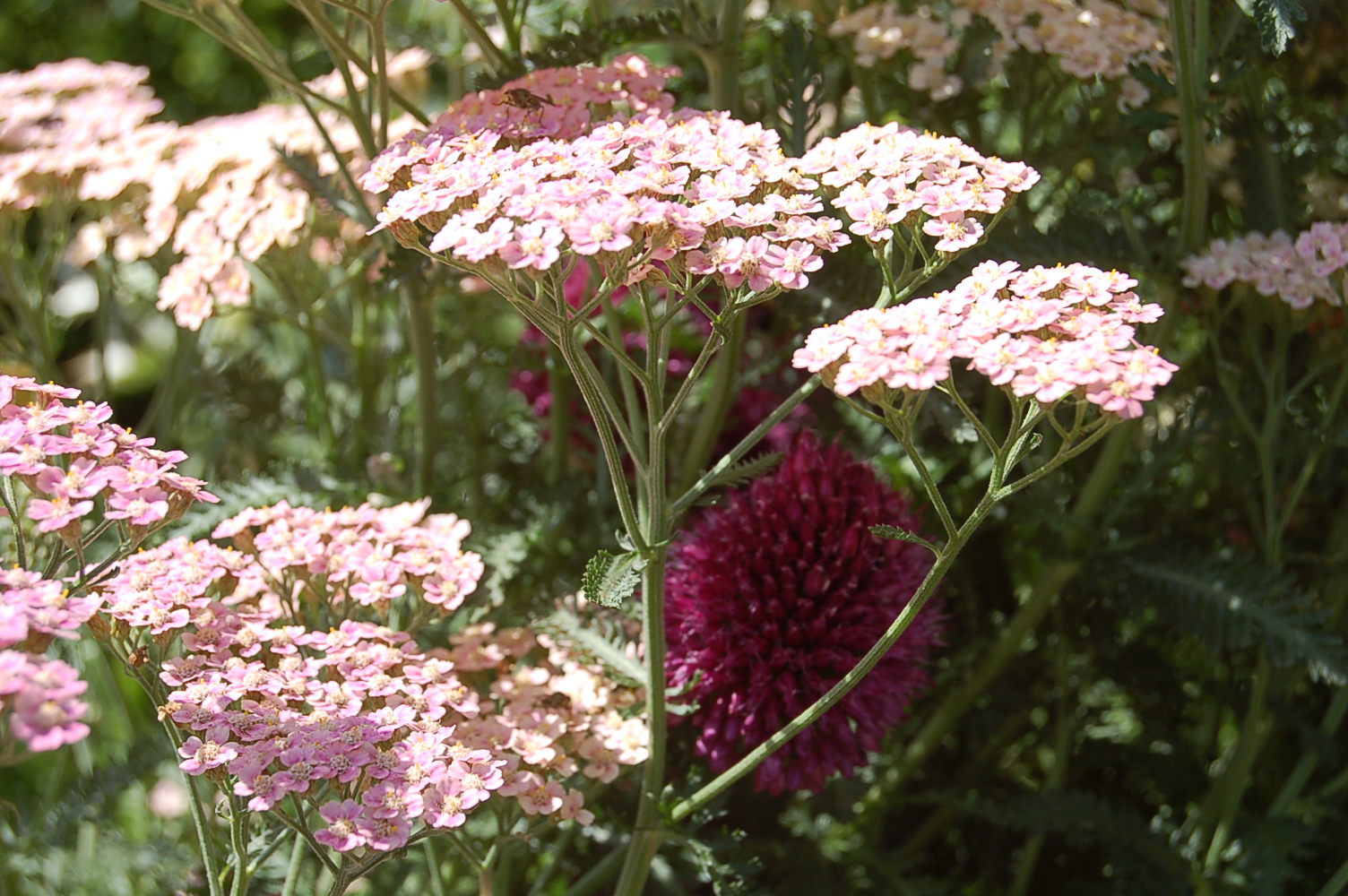
In the back garden the growth in our Secret Garden is exuberant to say the least. The foxgloves are going over but the achilleas, lychnis and alliums are still giving us a full performance.

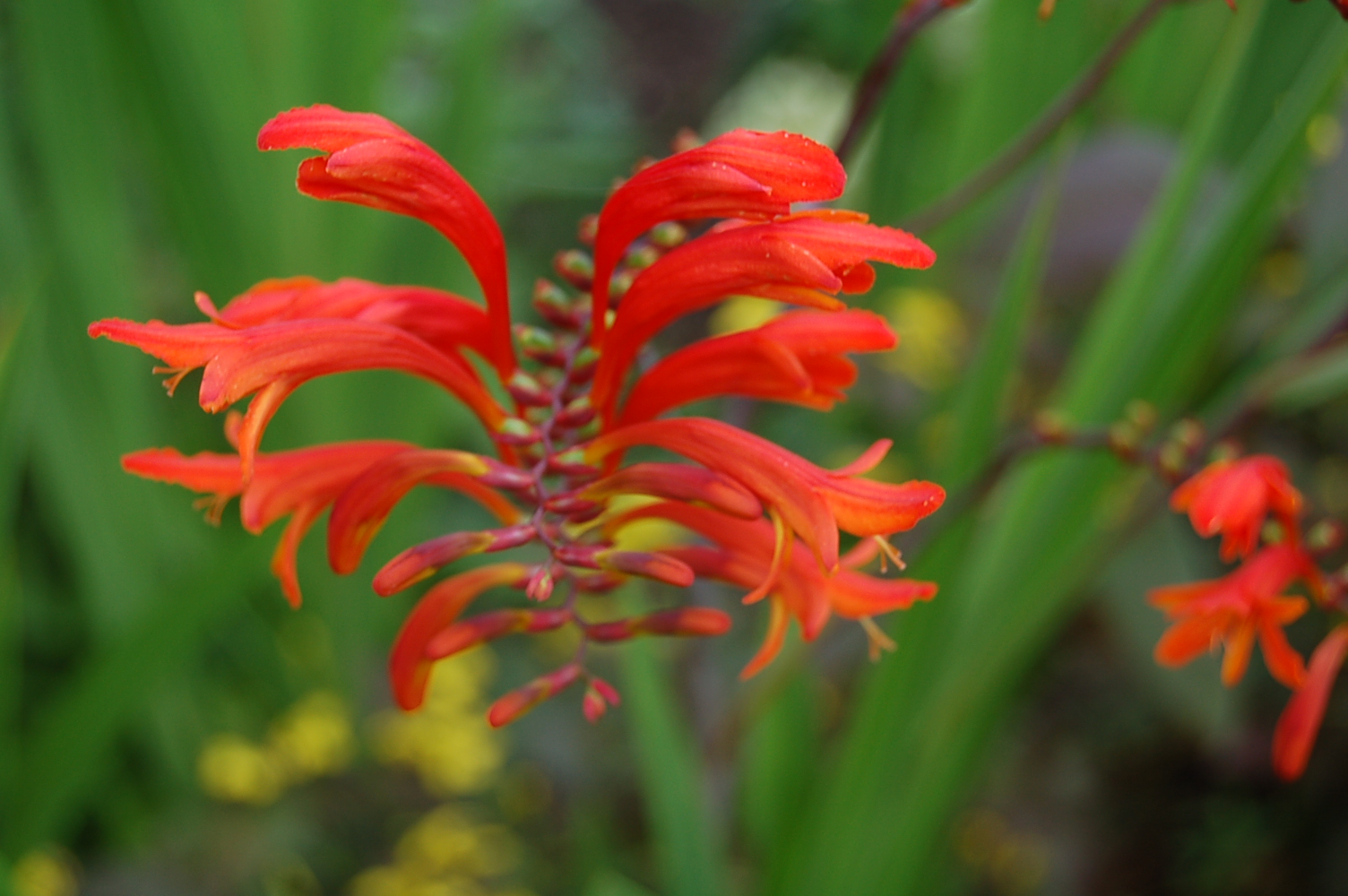
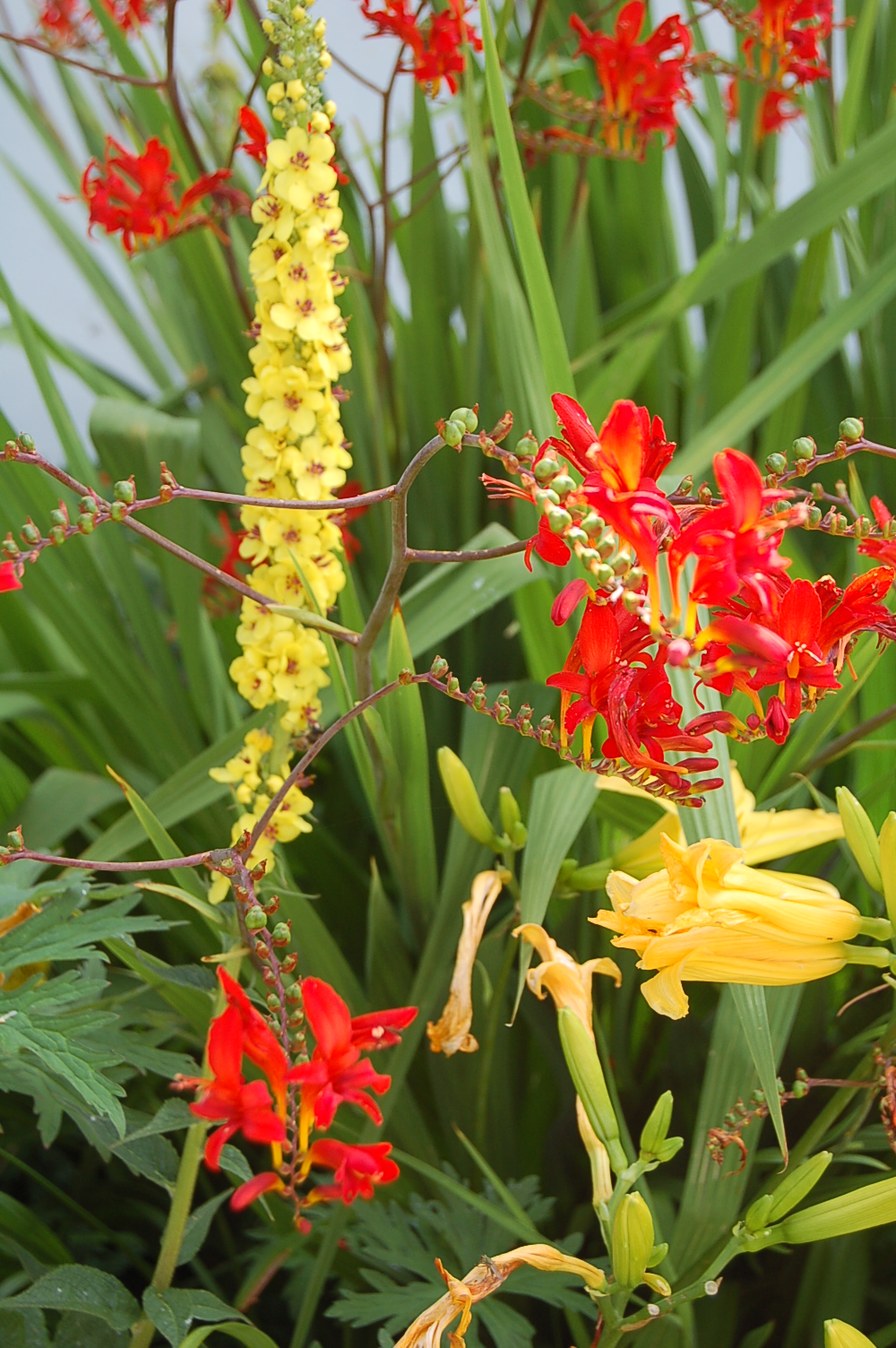
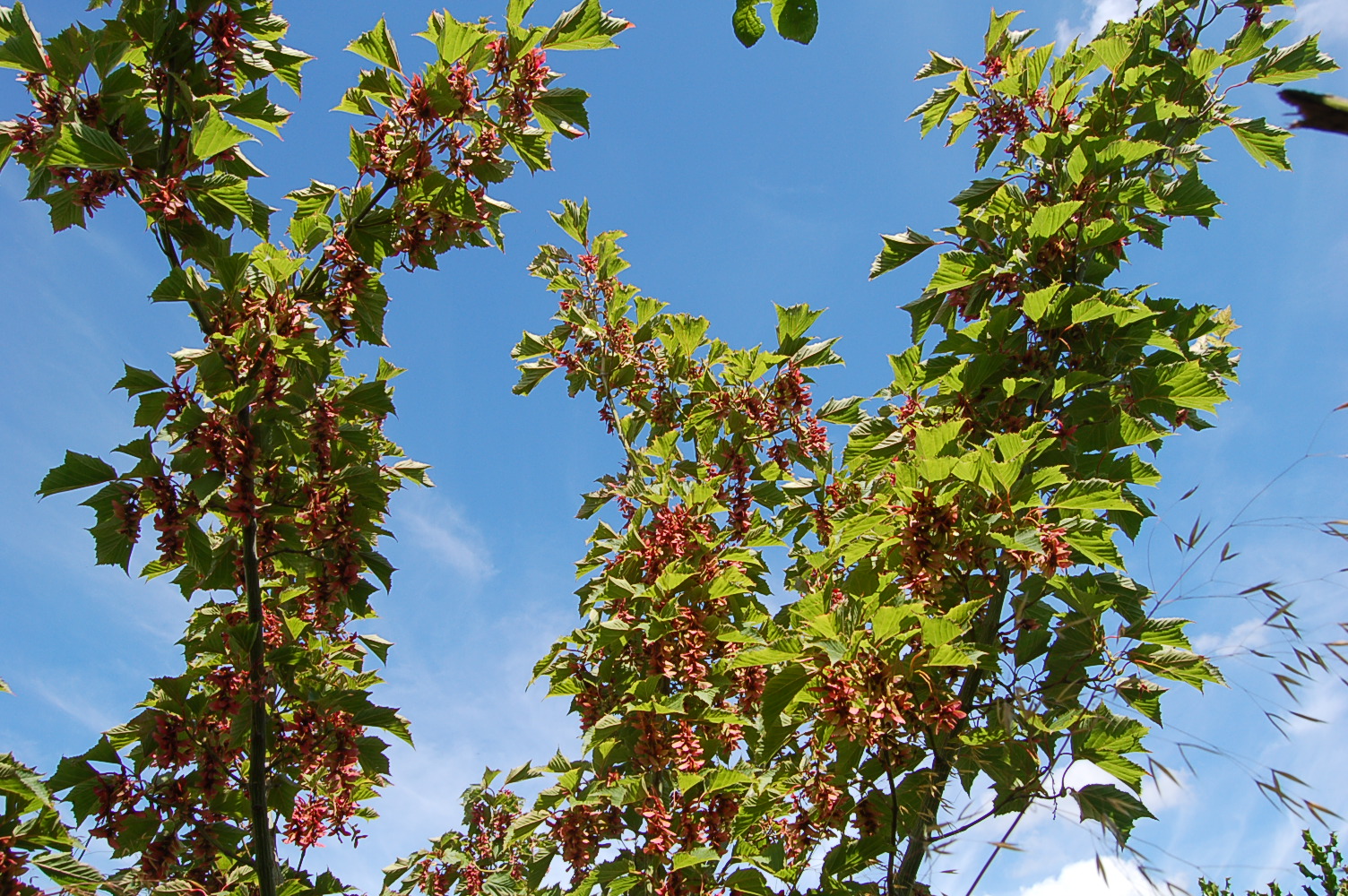
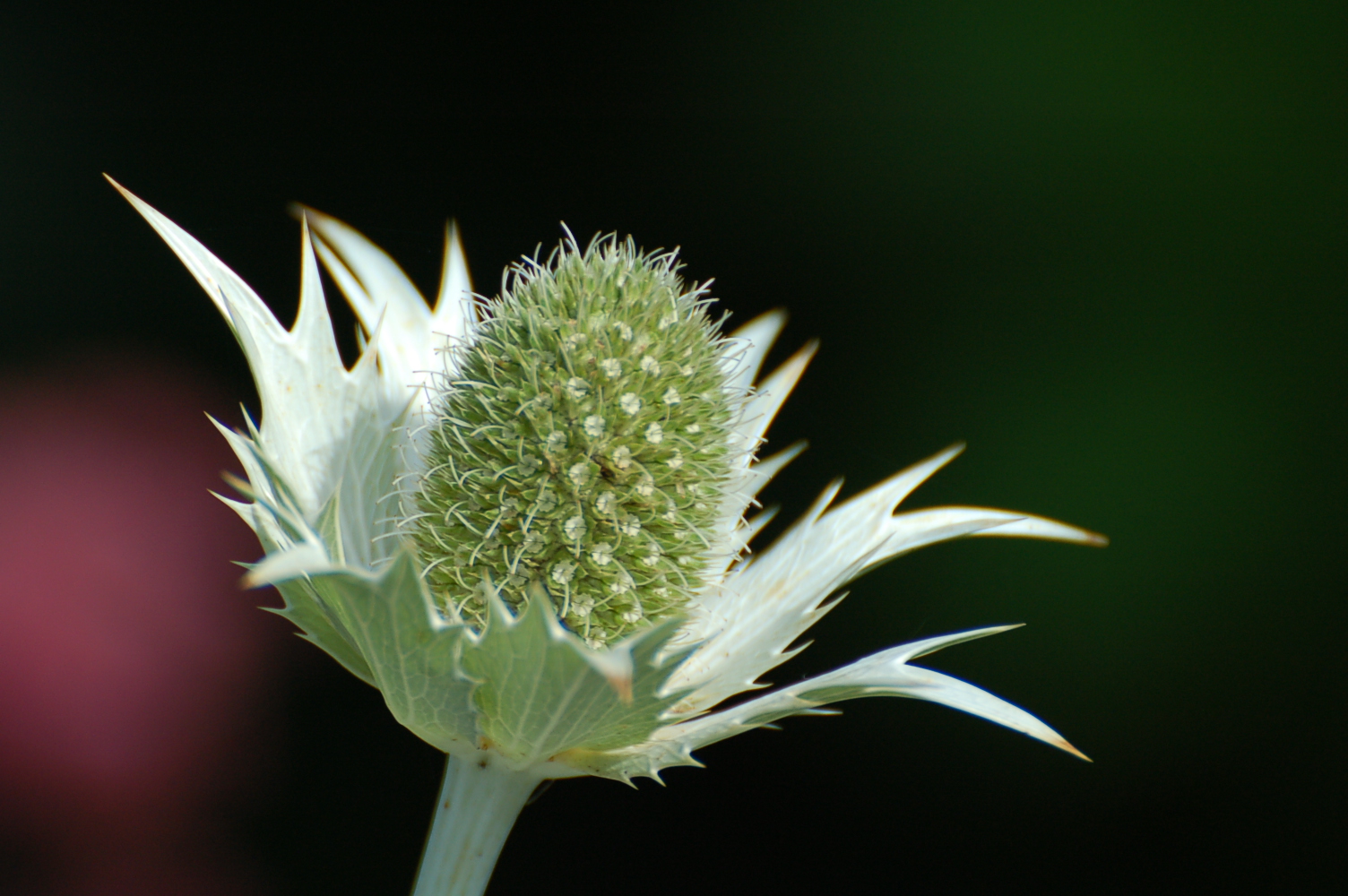
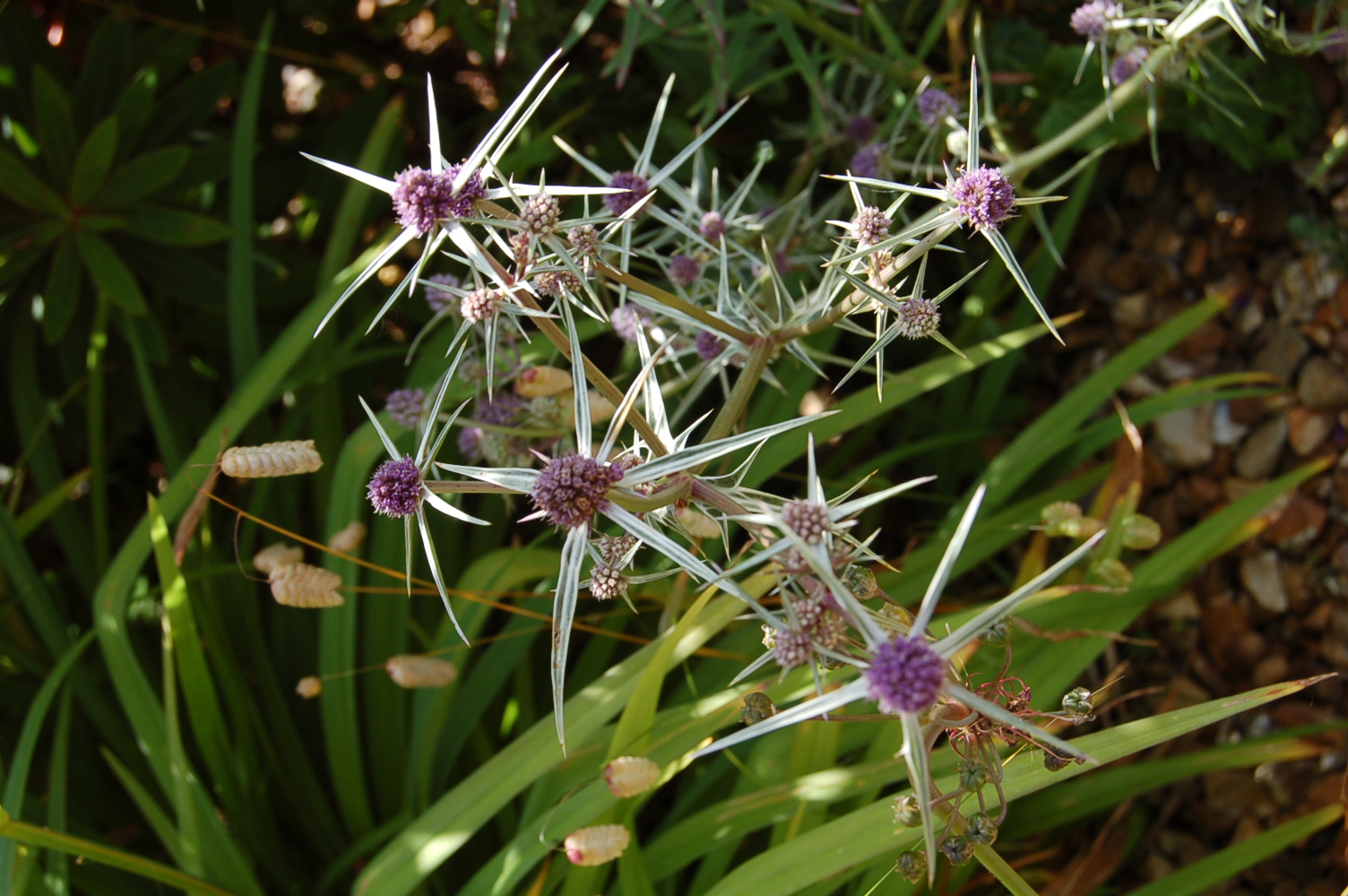
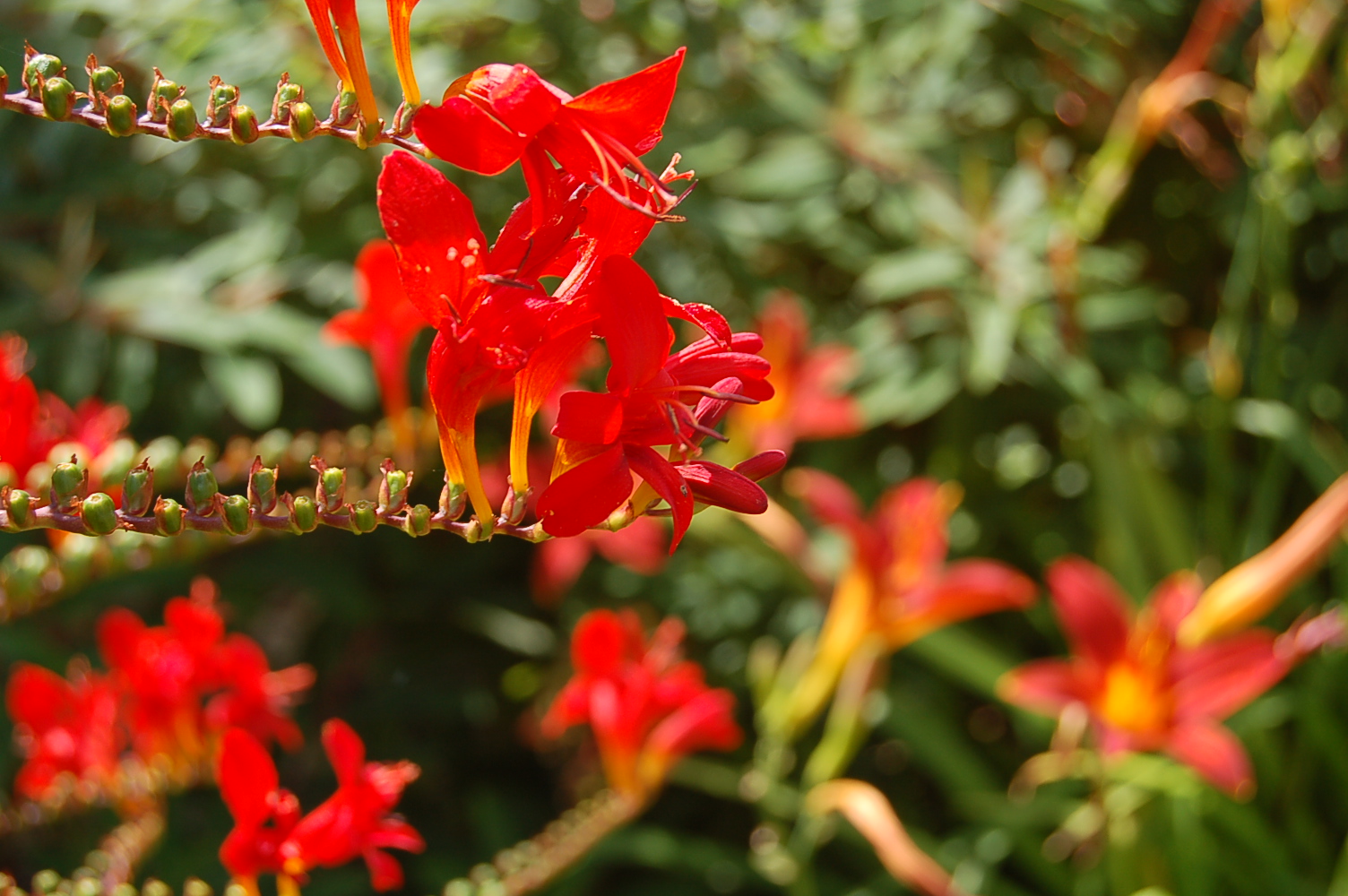
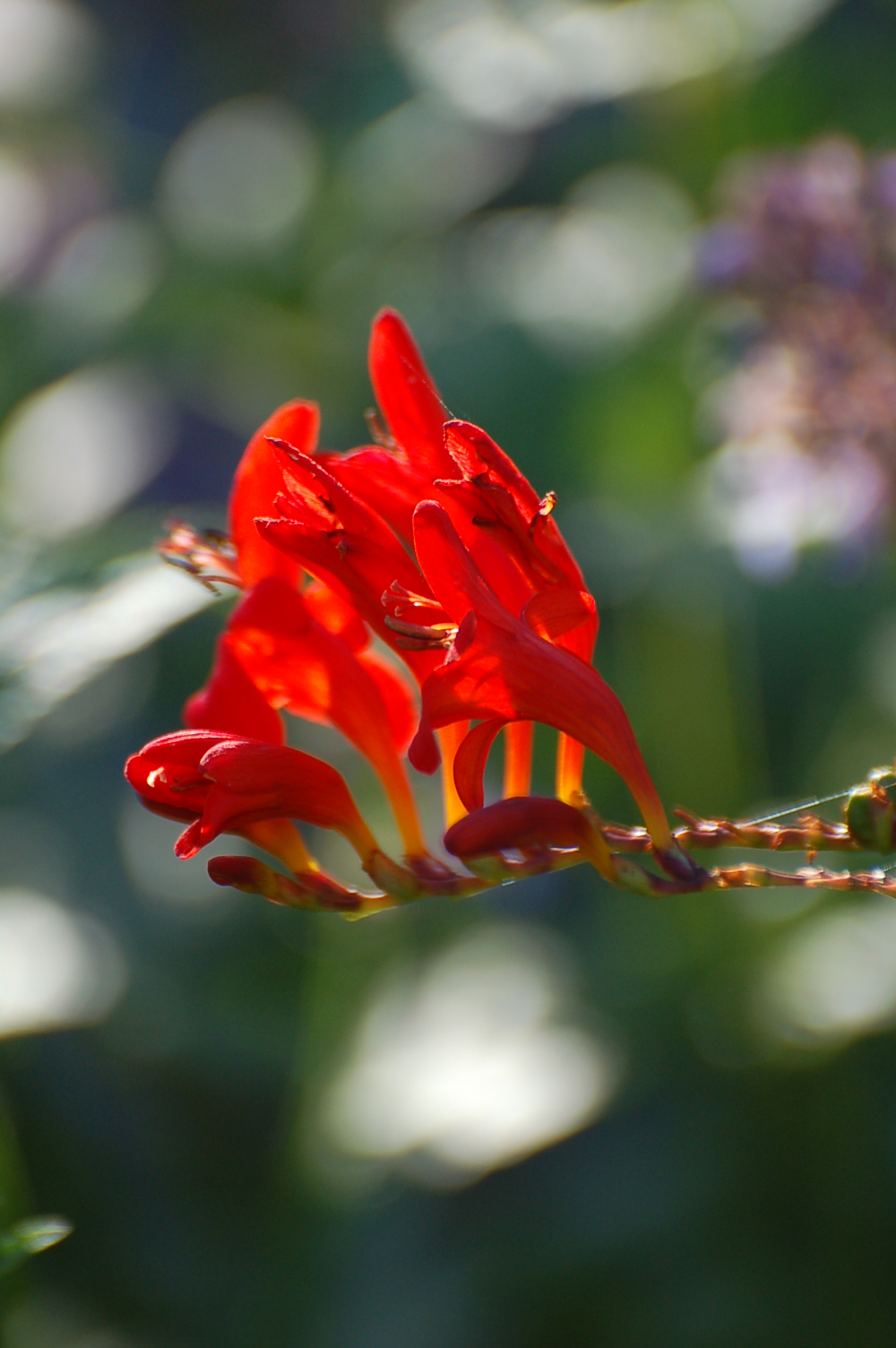
Elsewhere in the borders of the back garden the seedheads of our Snakebark Acer add rich reds, Crocosmias give every shade of yellow, orange and red, Achilleas add subtlety and the spiky Erigeron flowers provide silver.

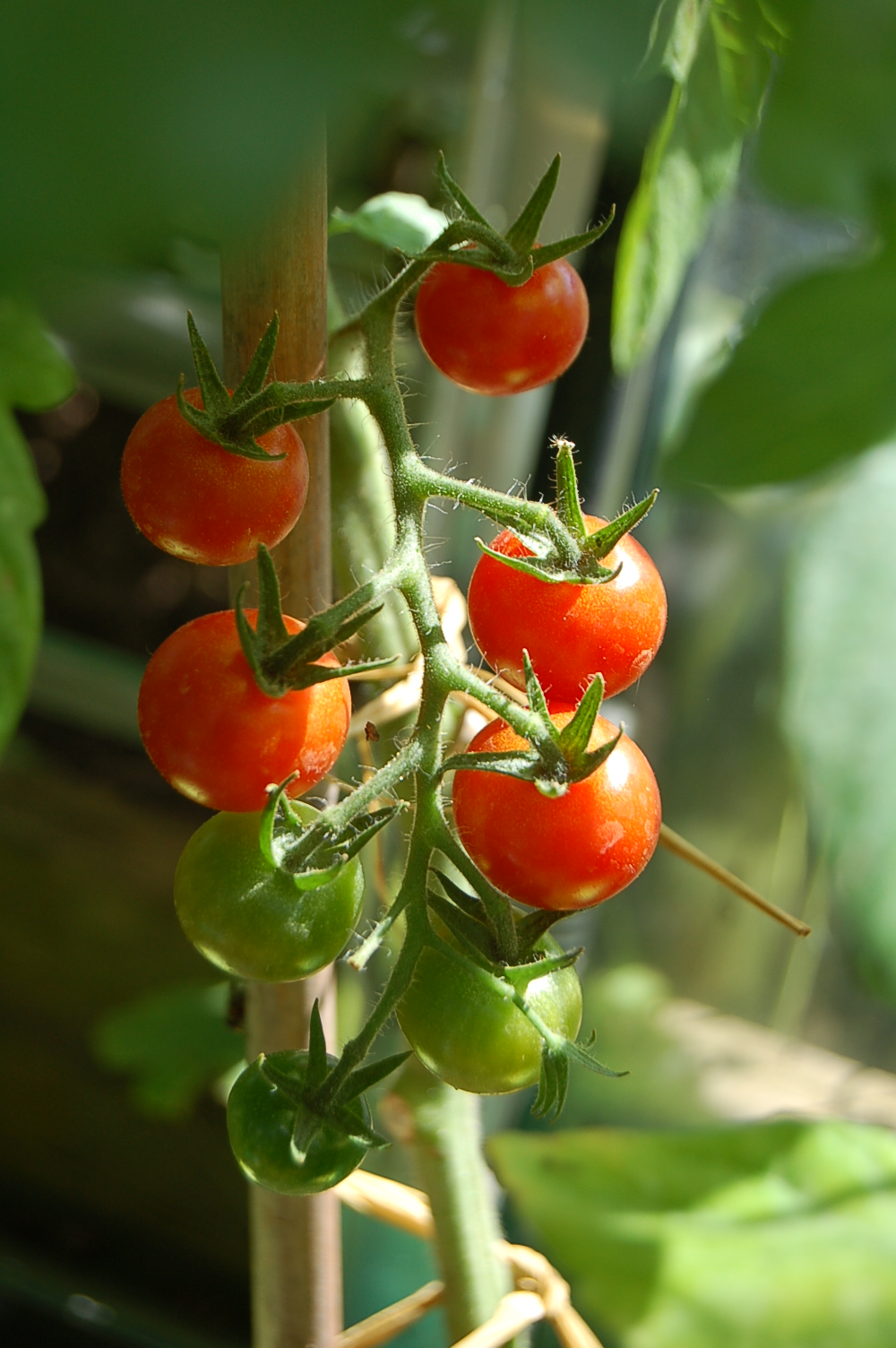
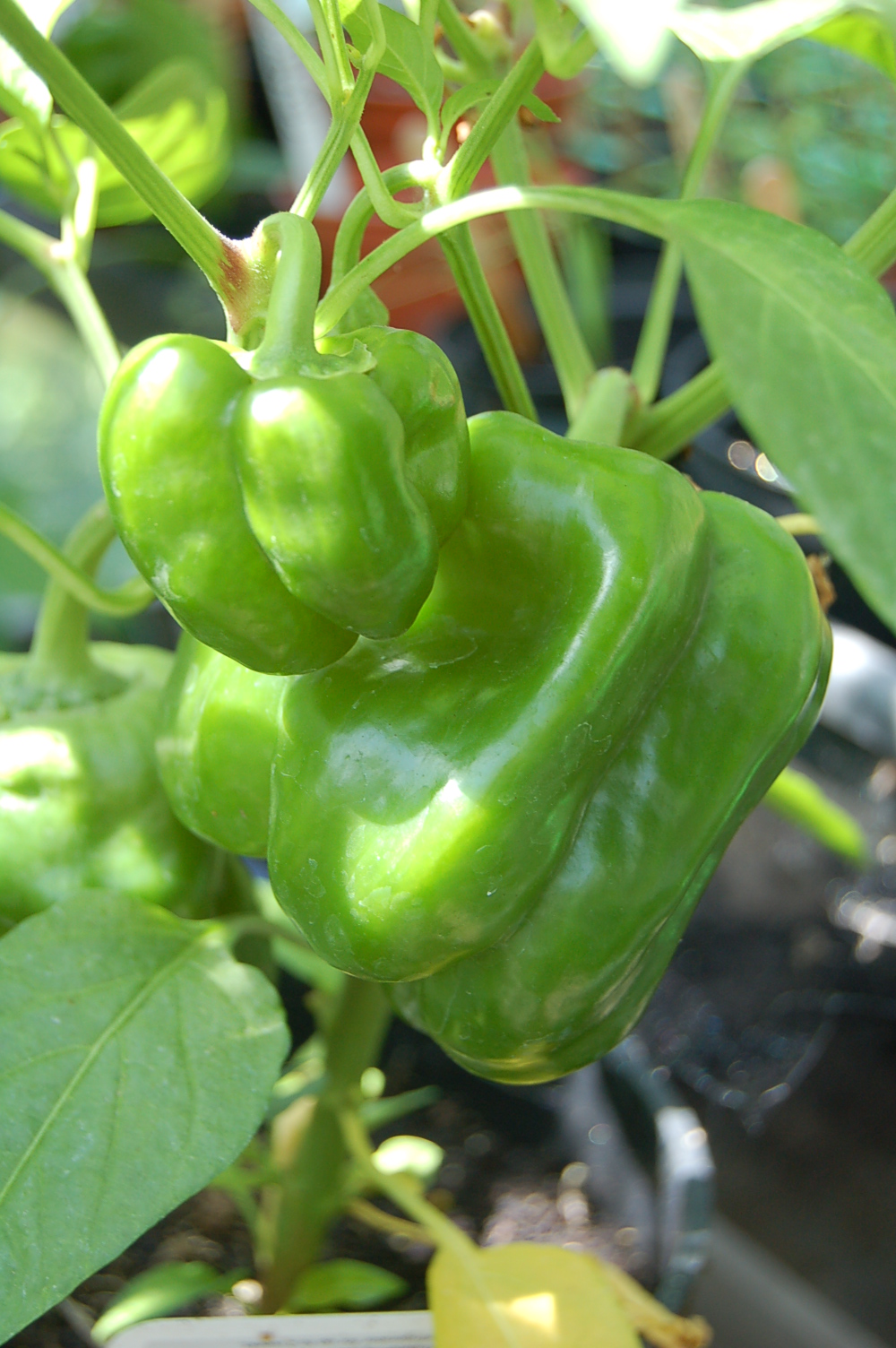
In the greenhouse tomatoes, cucumbers and capsicums are adding sweetness and freshness to the cut-and-come-again mixed leaves of ours summer salads.

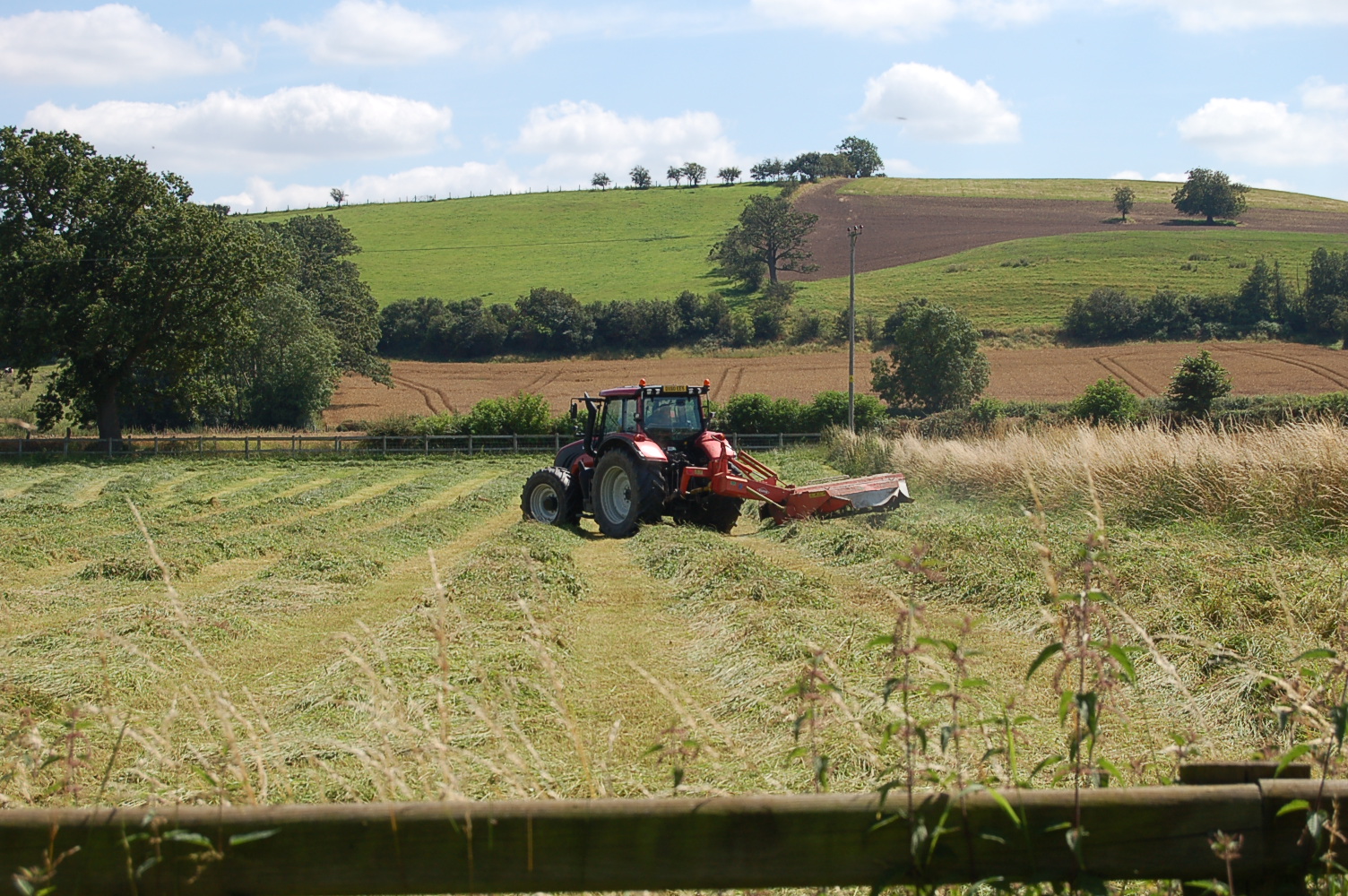
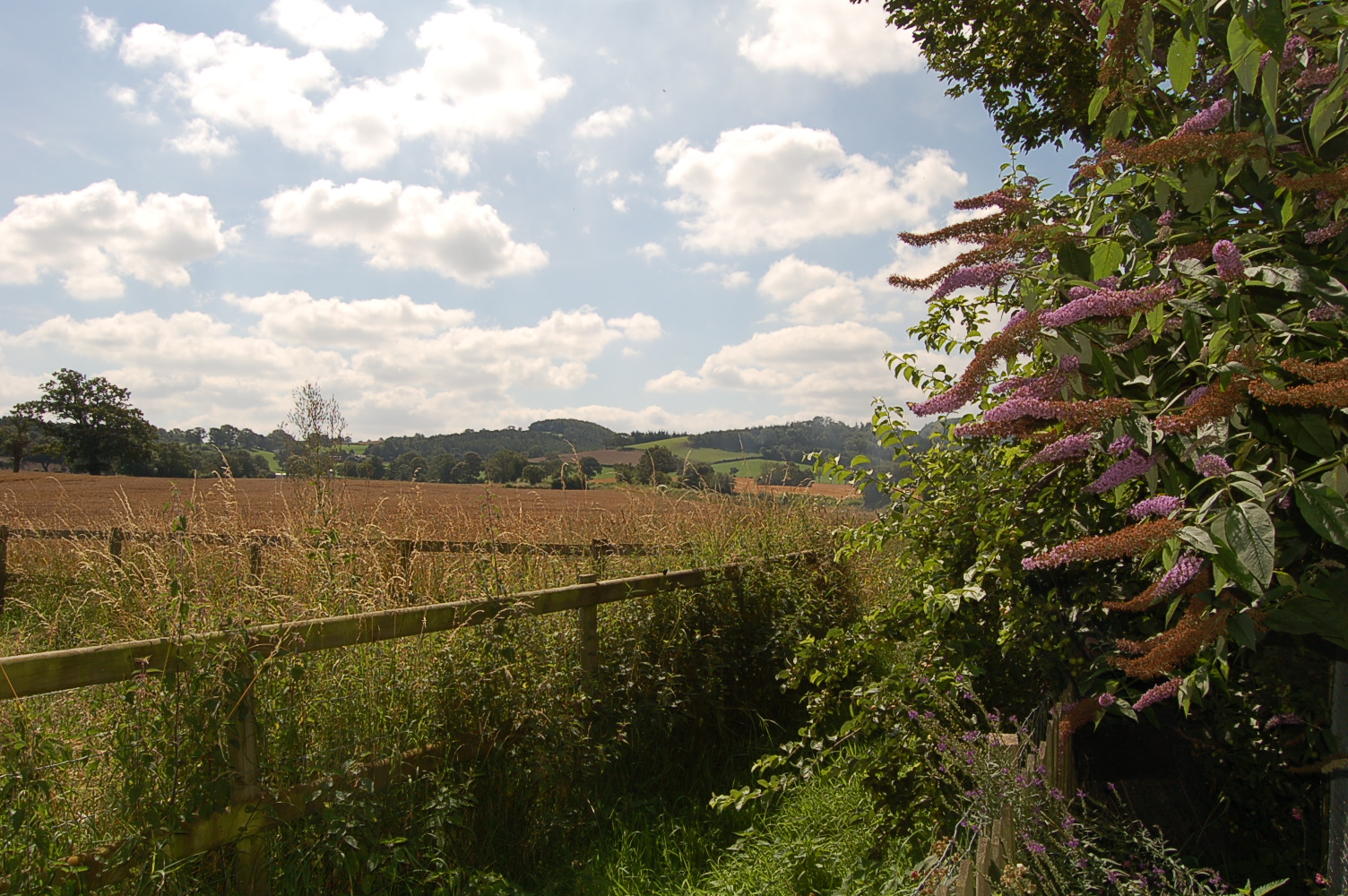
The world beyond our garden is changing this month as in our borrowed landscape the hay in the paddock has been cut and baled and the wheat fields turn gold and are being harvested one by one. By the time my September garden wander comes around the skys will seem empty as the Swallows and Martins will be on their way to warmer climes, but the garden will be getting busier with mixed feeding flocks of titmice and Goldcrests, and others of mixed finches.

Categories
bird watching birds climbing plants conservation photography Shropshire Shropshire Wildlife Trust trees wildlife woodland

Wandering in a Wet Woodland

It is pouring with rain – continuous heavy miserable rain pouring down from a dark grey headache-inducing sky. Humidity clings to us. Too wet even for us rain-defying gardeners to get out and garden, too hot and humid to work in the greenhouse. so what to do today? Go for a walk and just get wet of course.

So off for a half hour drive down flower edged lanes to a wood on Wenlock Edge, a place enjoyed when our two children were young. Edge Wood. We park the car in a clearing – it is so dark and the rain continues to bang on the roof of Jude’s little car.

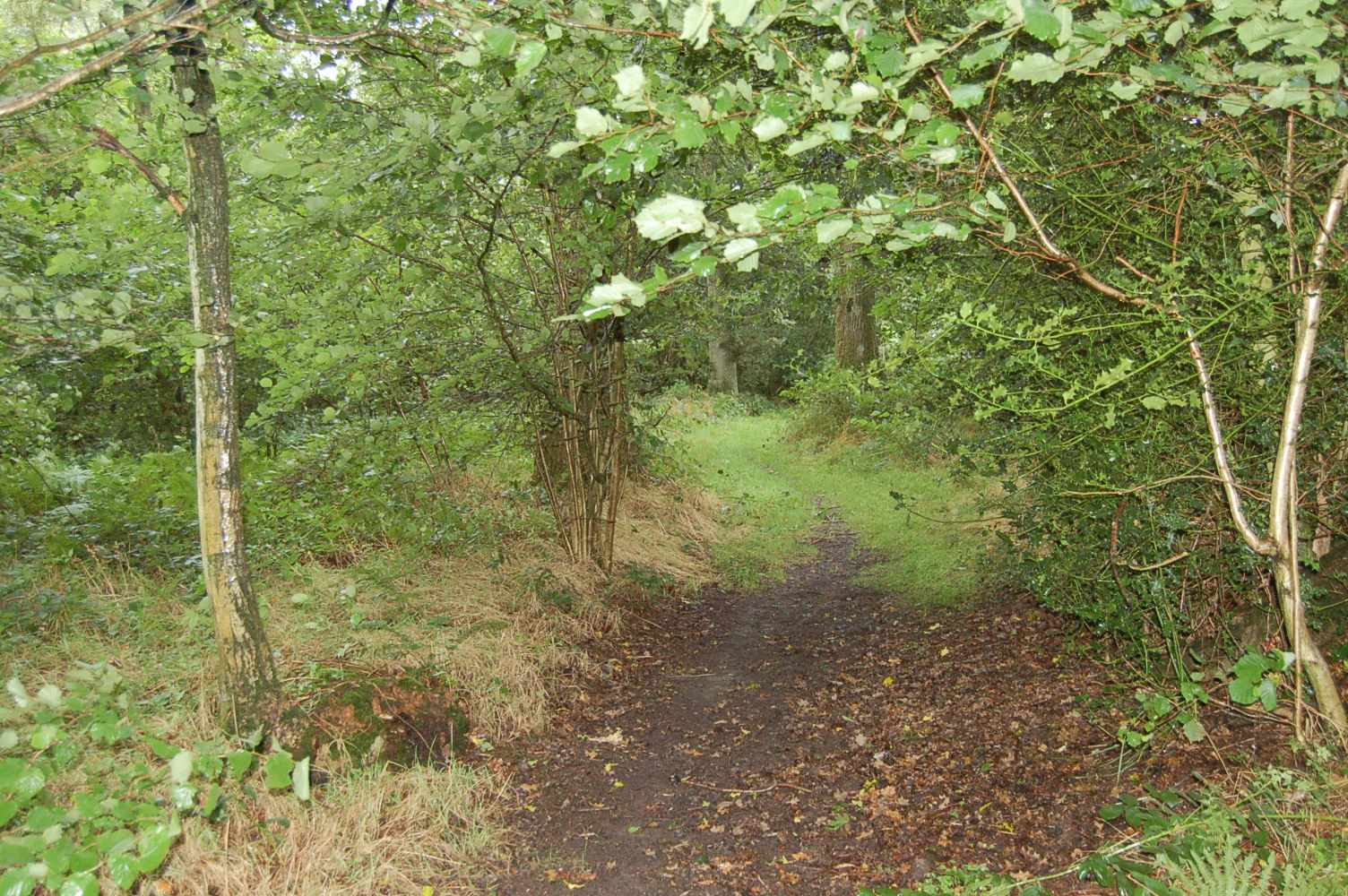
Waterproofs are donned and the camera hangs around my neck hidden from the rain under my jacket. We set off along rutted paths, the mud has been churned up by the hooves of horses so we struggle through mud and deep ruts off into the canopy of trees, taking dark photos of a dark day.

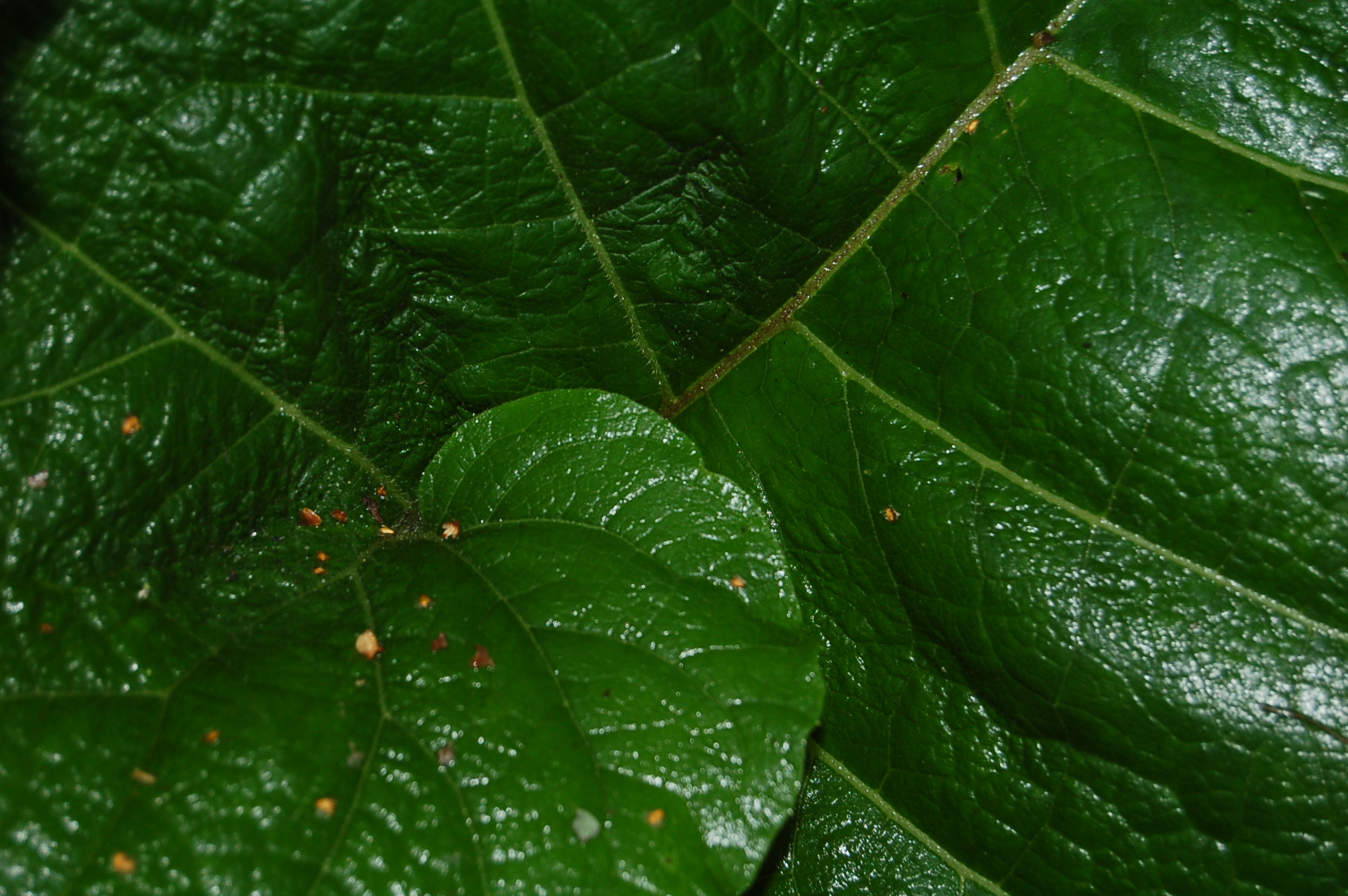
Every leaf surface is shining with wetness and the tip of every leaf has a droplet of rain hanging waiting to drip, matching the drips on the edge of the peak of my cap and on the end of my nose.

The wet surface of foliage serves to emphasise their textures and shapes, increasing their individual beauty.

This little wood is home to 250 different wildflowers but today only a handful are in evidence. It is late in the season and the darkness is not enticing buds to open and display their flowers.

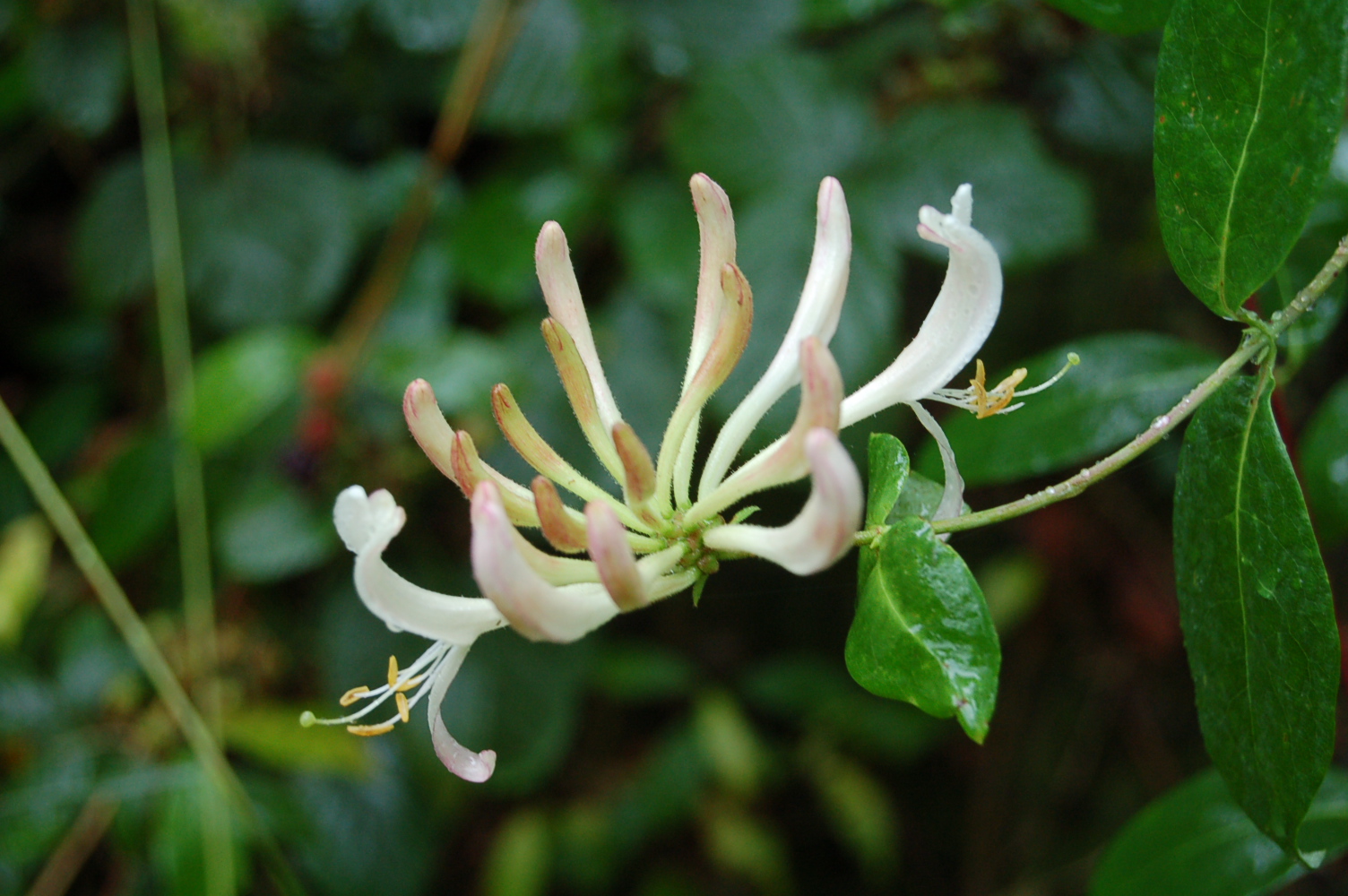
The Woodbine, our native Honeysuckle, clambers up many of the tree trunks and display flowers at nose height encouraging us to enjoy their scent. But in the daytime the scent is hardly discernible from the wet wood smells, for it does not give off scent for us, it will wait until the evening draws in and intensify the scent, a special scent to draw in night-flying moths who will do the Woodbine’s bidding and pollinate the blooms.

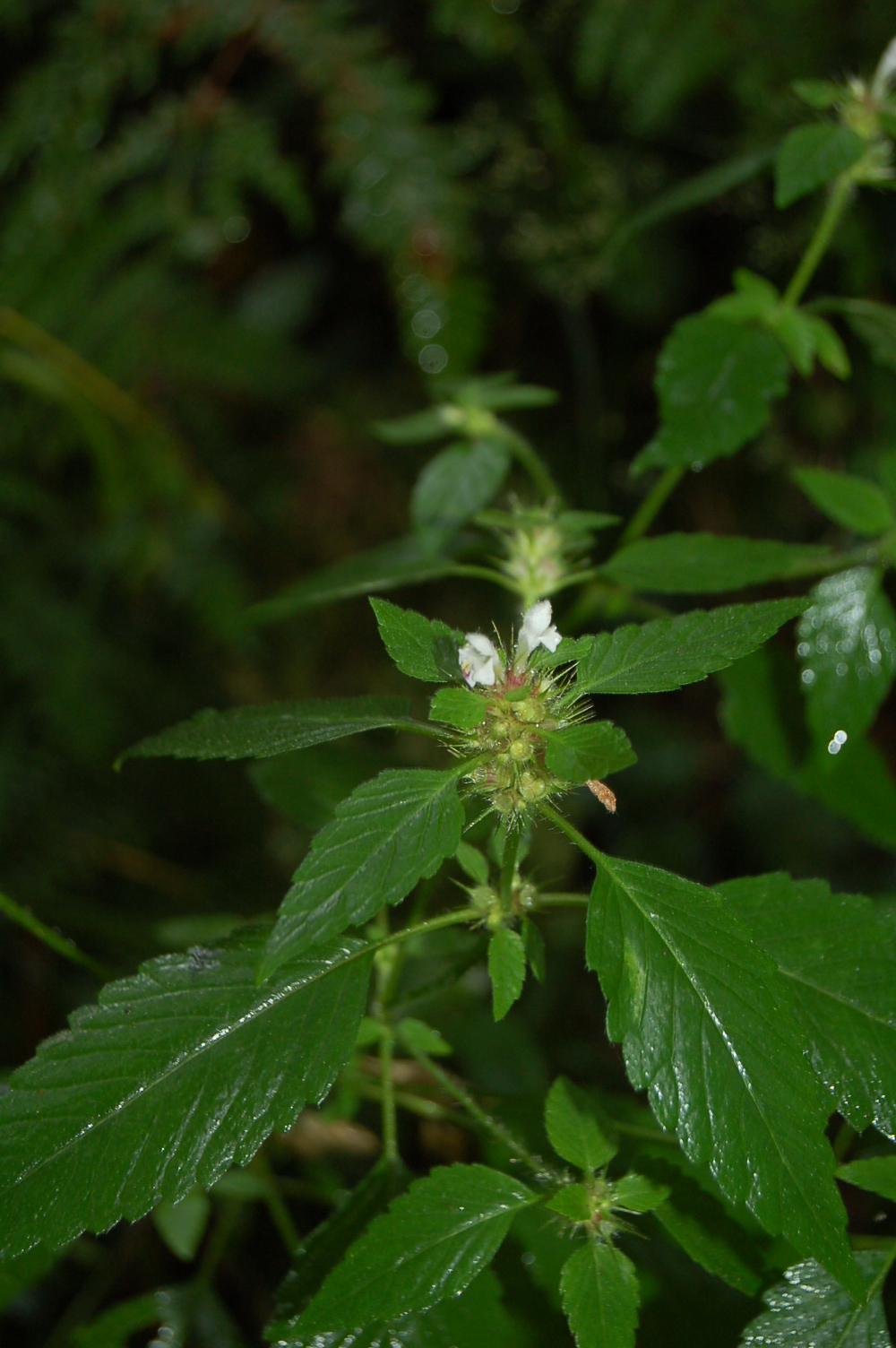
This little white gem shone like stars in the night sky – Gipsy Wort. The green of the foliage is so fresh and whitens the flowers even more.

The most floriferous of all plants in the wood in August are the grasses and sedges displaying a rich diversity of shapes and structures in their flowering.

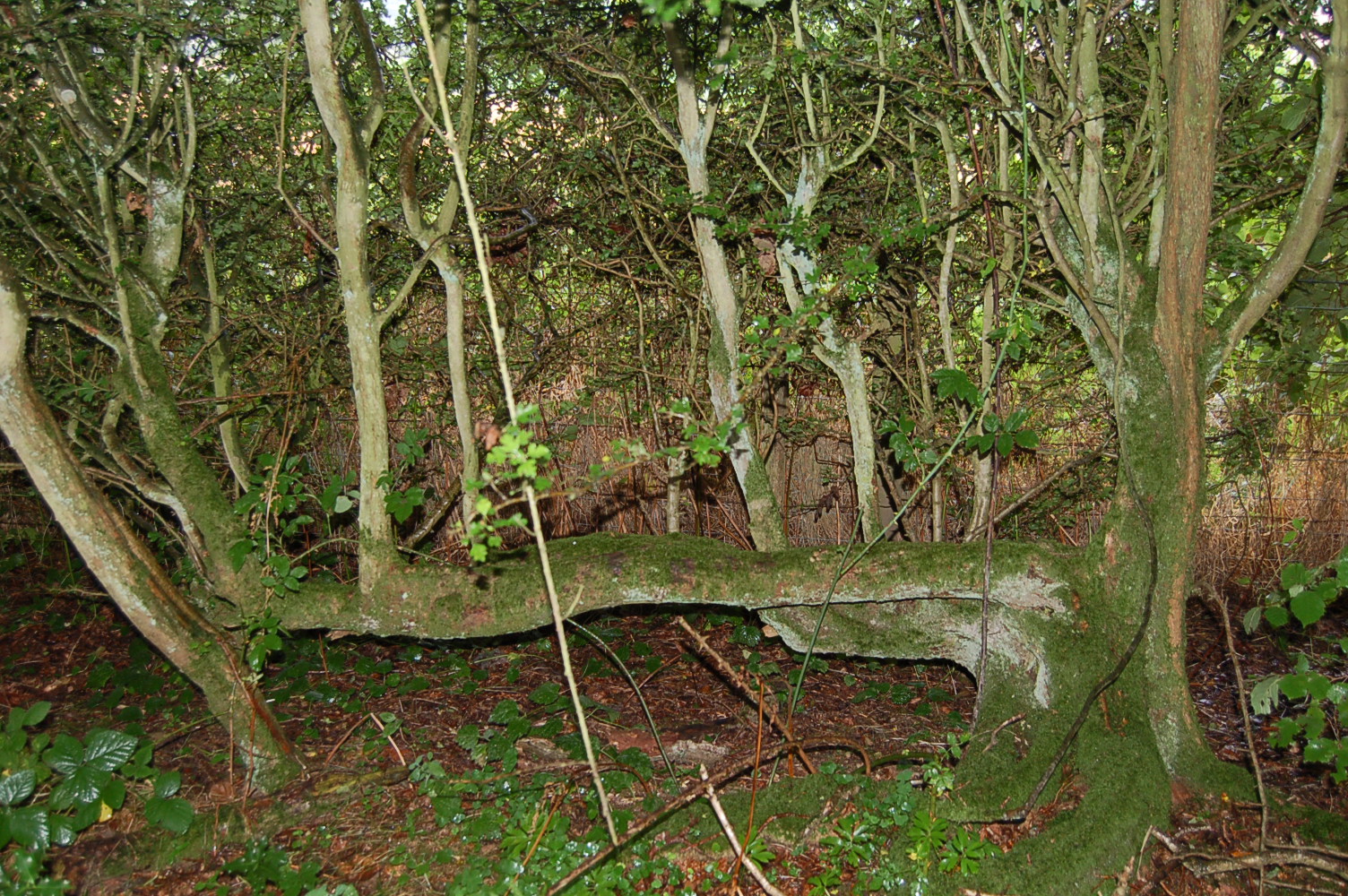
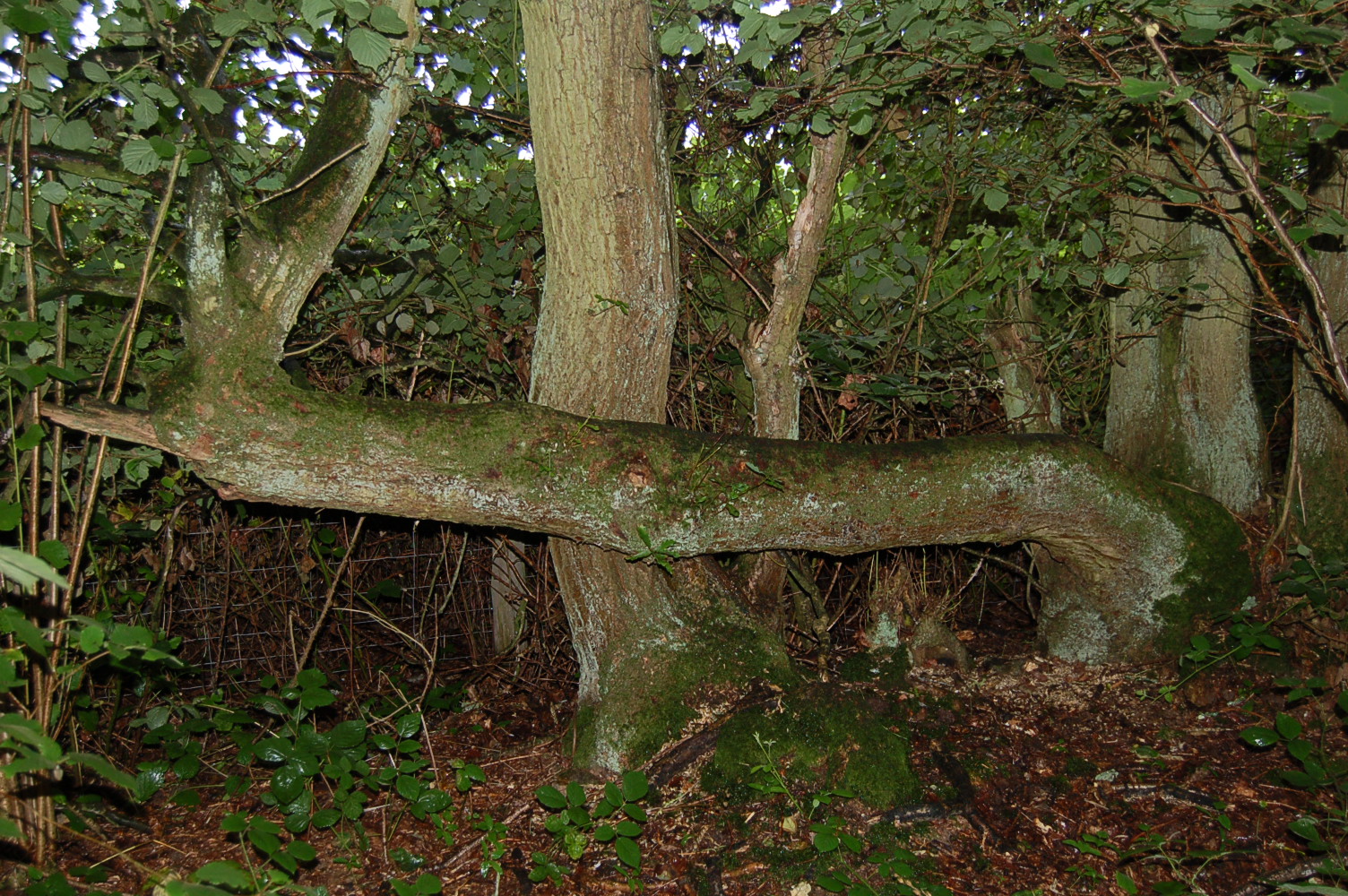
There are signs of man’s influence hidden away in the wood, evidence of coppicing, an old hedgerow, layered hedging gone wild and trees felled. There are clues of man’s past presence, working woodsman and farmers. The hand of man is now being rubbed out by the heart of nature.

As we wander through the wet wood we get regular glimpses of the Shropshire countryside through gateways and gaps in the hedges and trees. The rain is softening the landscape and hiding hills from view.

The wood is home to a couple of rare mammals, dormice and the Yellow-necked Mice. Nestboxes are provided to encourage the dormice to breed and roost.

The tree canopy is mostly silent, the birds in moult keep out of sight ashamed of their scruffy appearance and worried that they are more susceptible to predators. In odd places the calls of small birds show they are moving about high above us, Goldcrests, Treecreepers, Siskin and Titmice in variety.

The paths lead us through the wood almost around its perimeter.

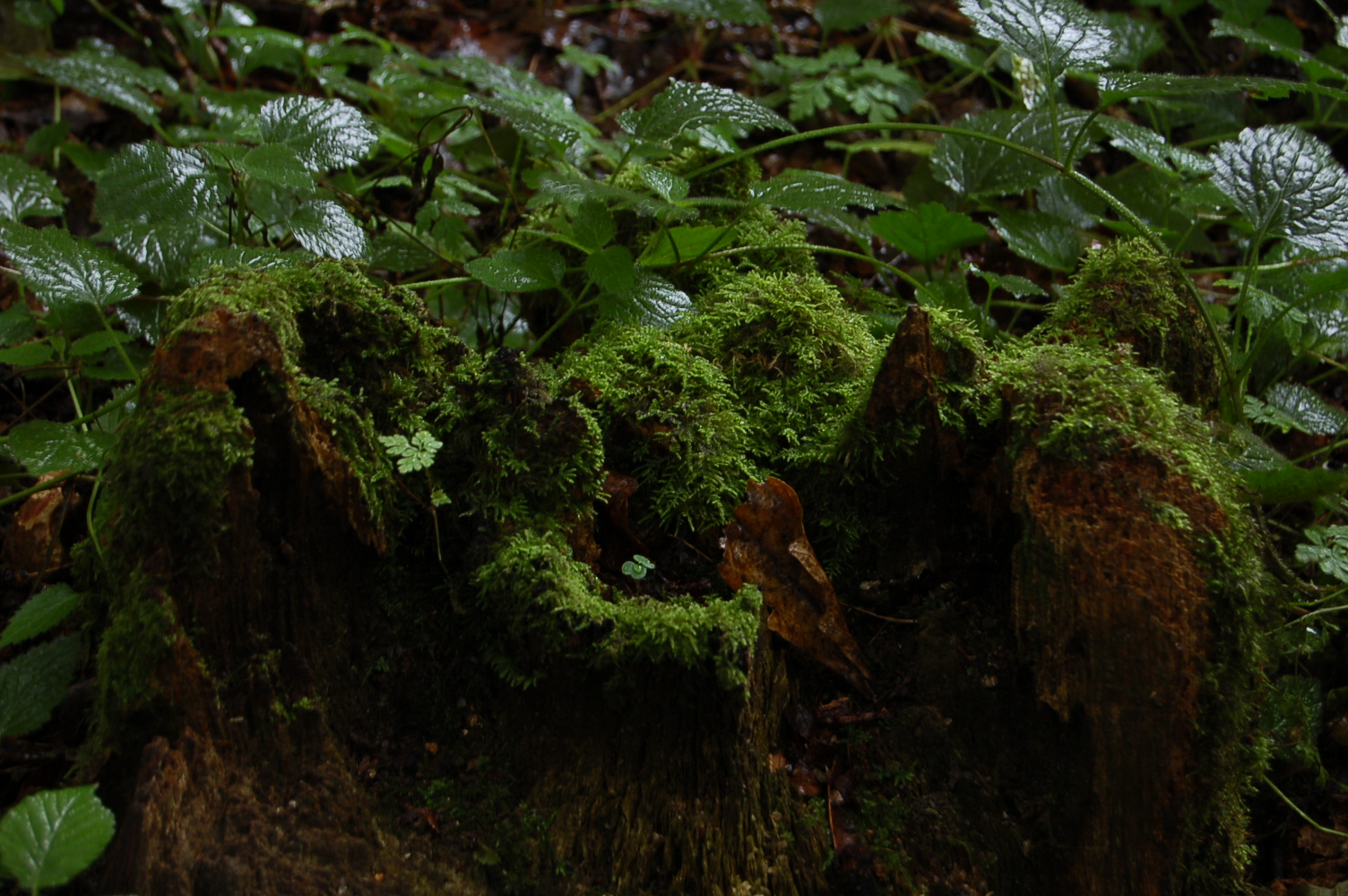
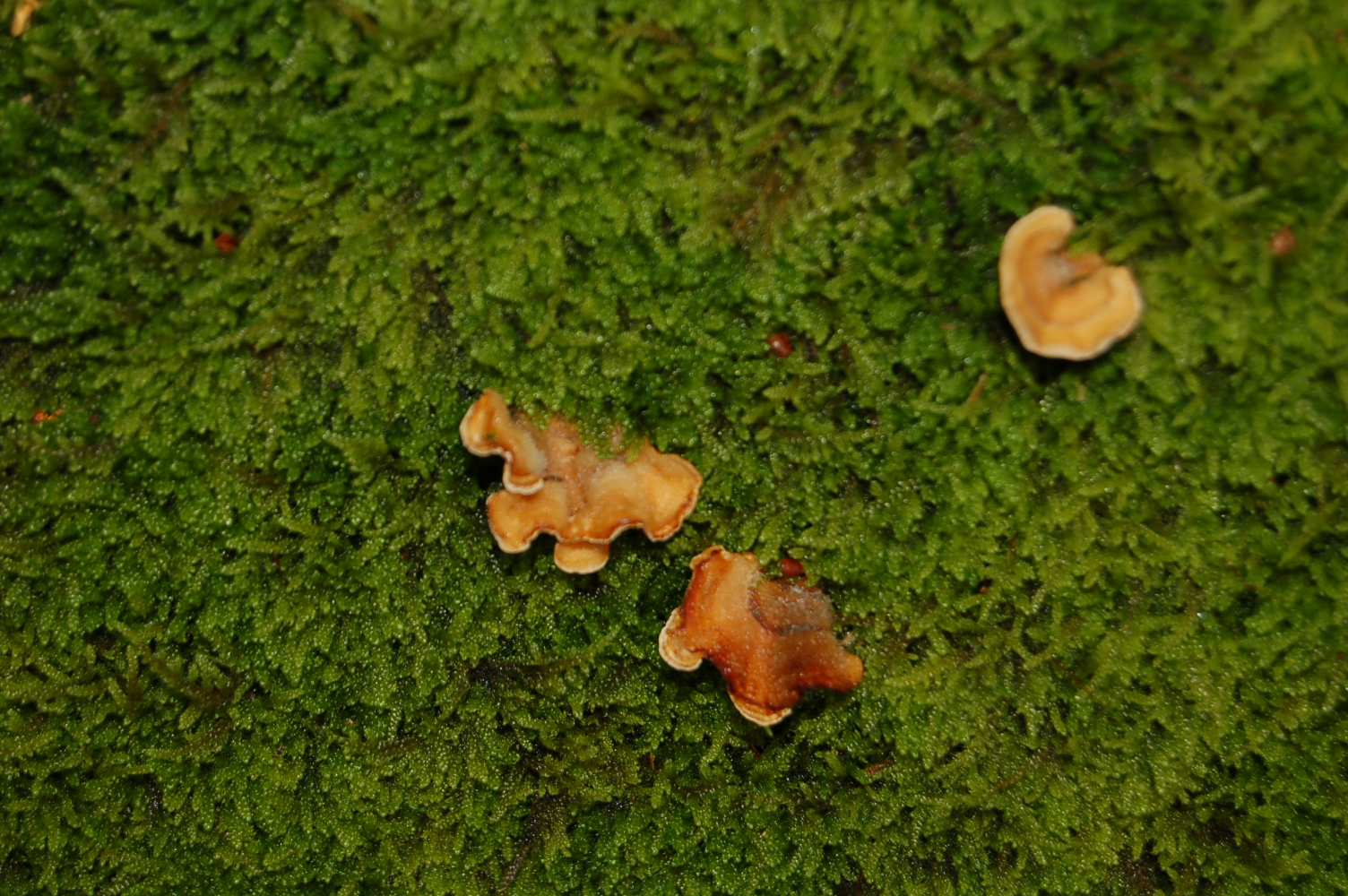
At times little cameos of nature’s work present themselves to us, little details giving glimpses of woodland beauty.

Sometimes being in a dark wood getting wet is the best place to be!

Categories
garden photography gardening ornamental trees and shrubs photography RHS shrubs trees

Who needs flowers when foliage will do?

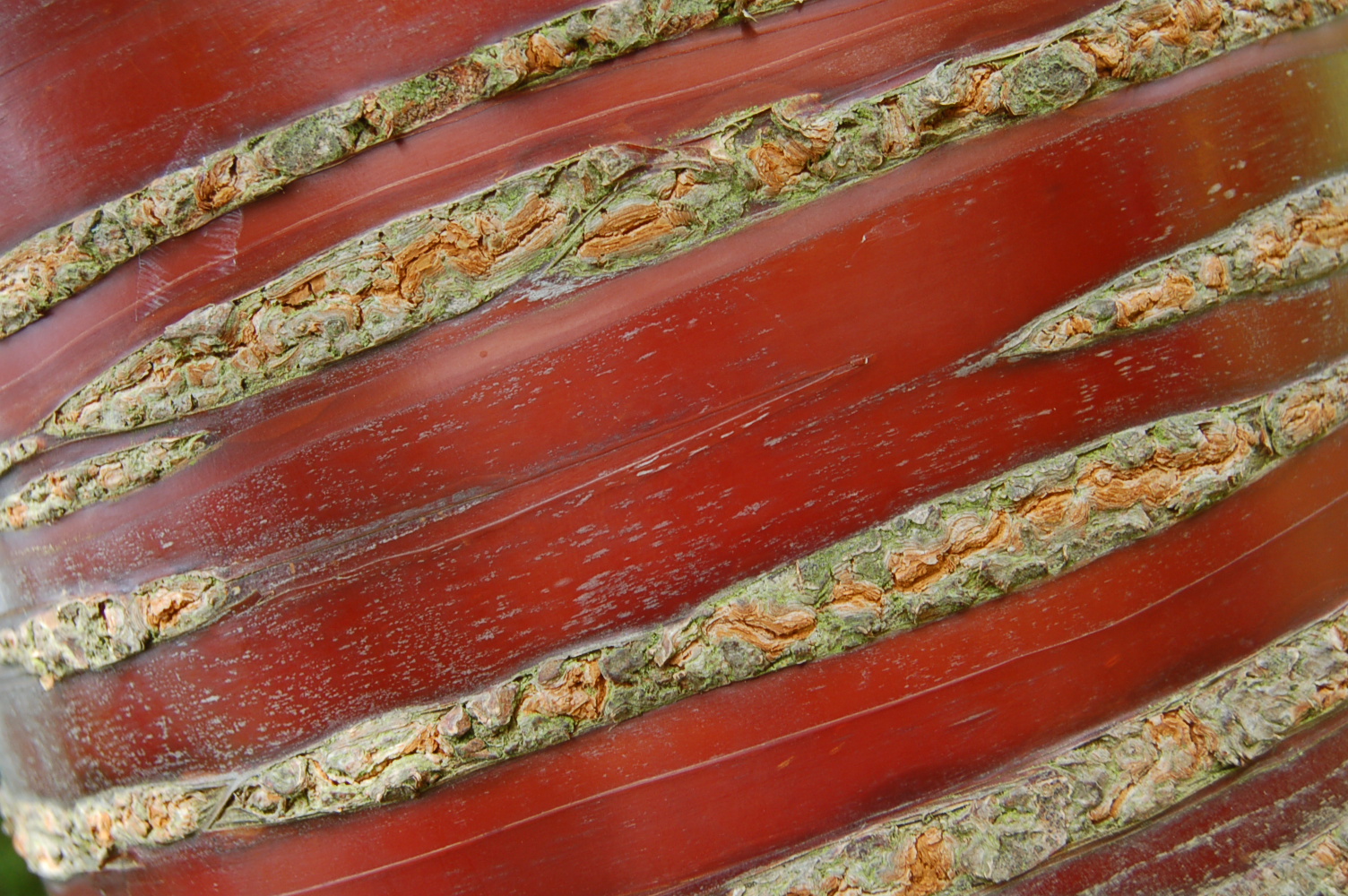
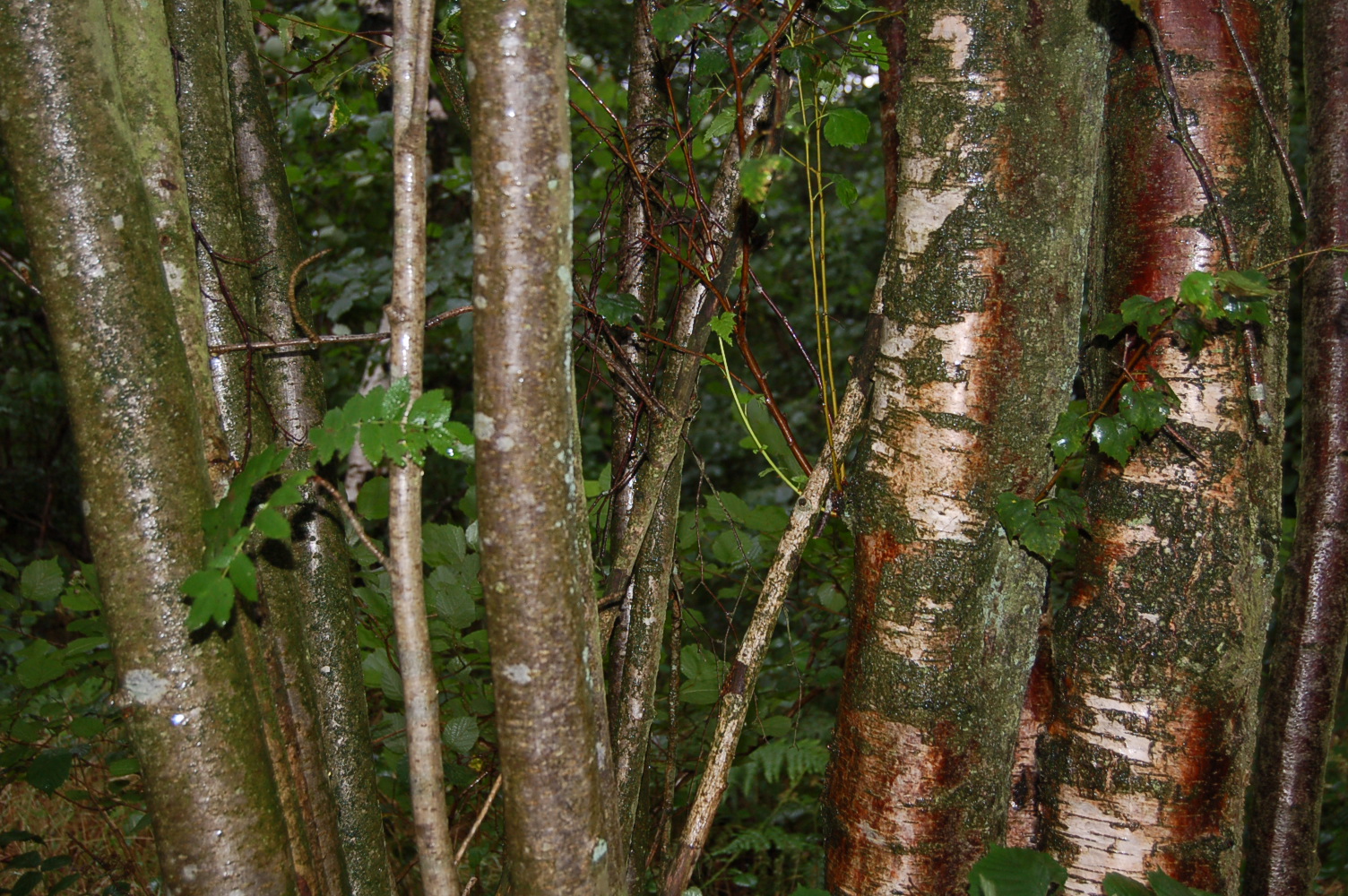
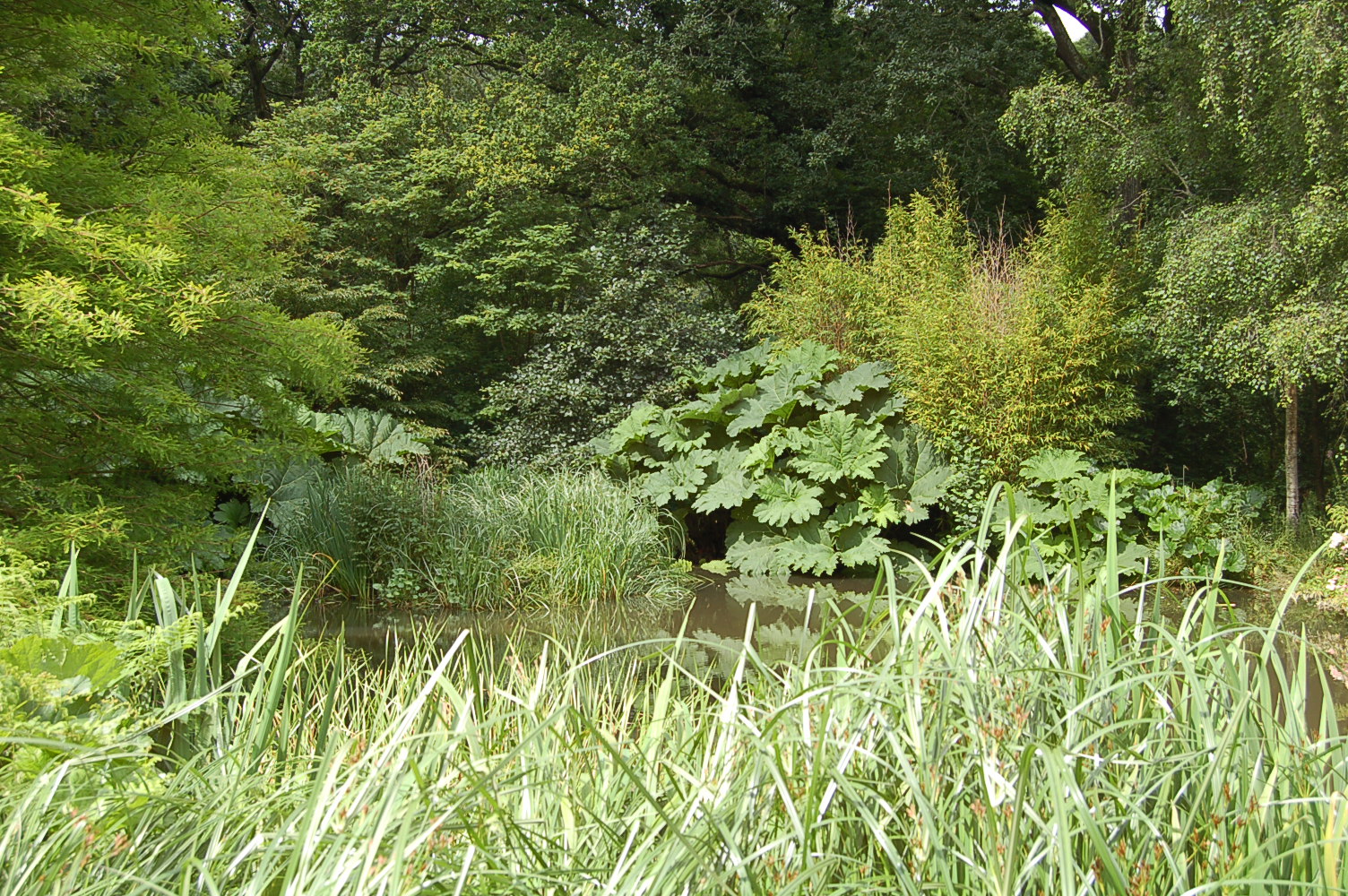
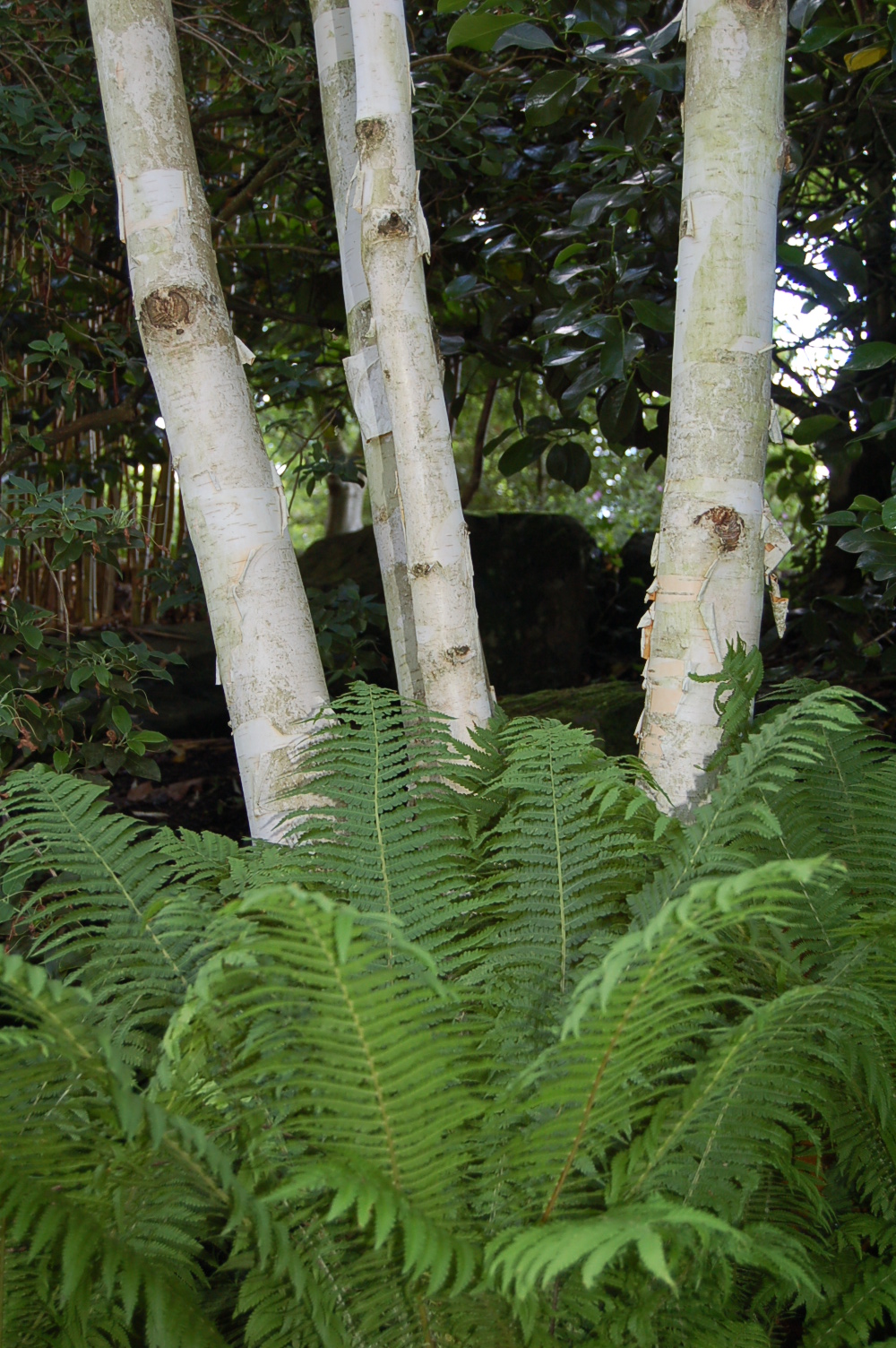
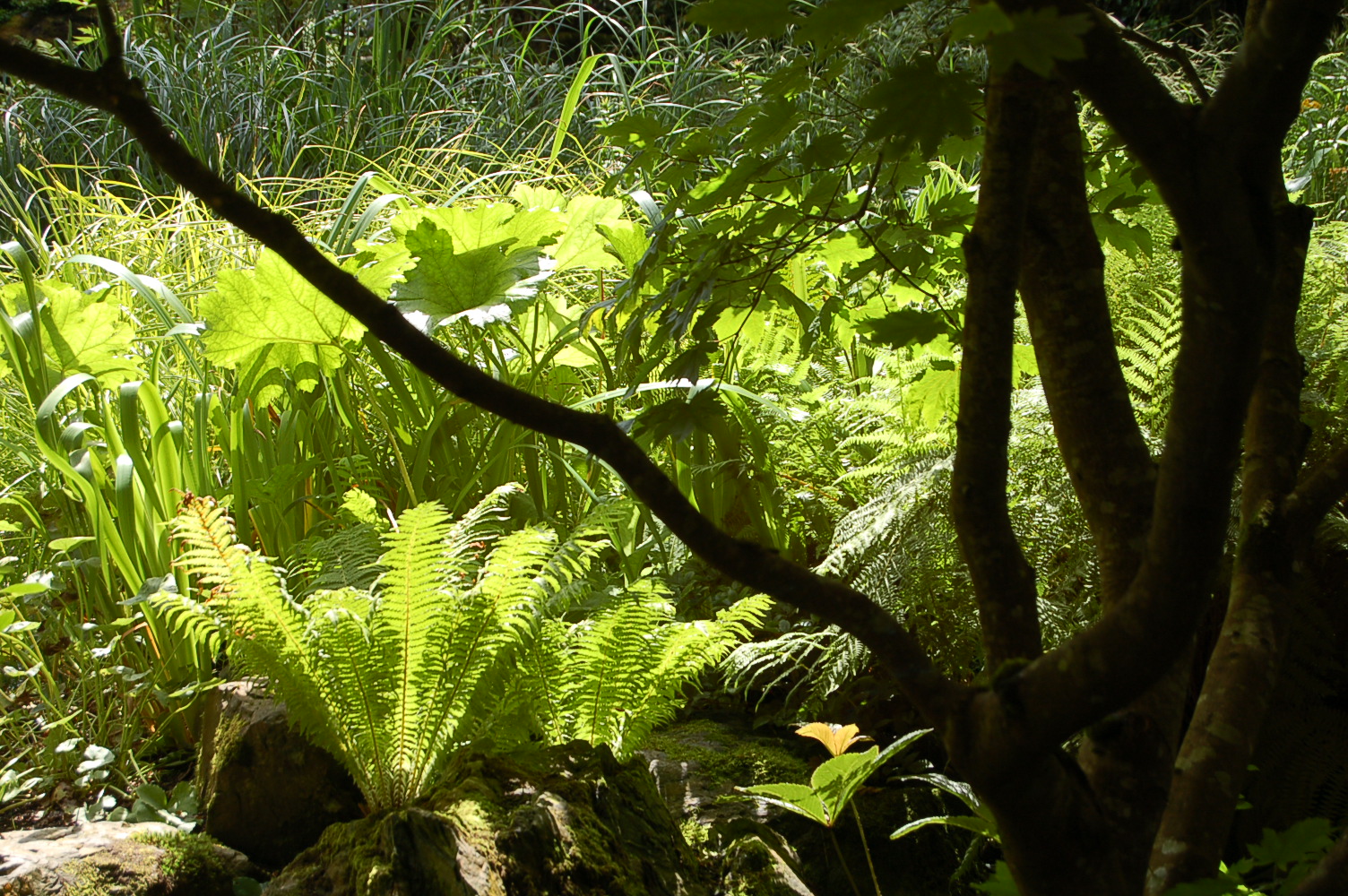
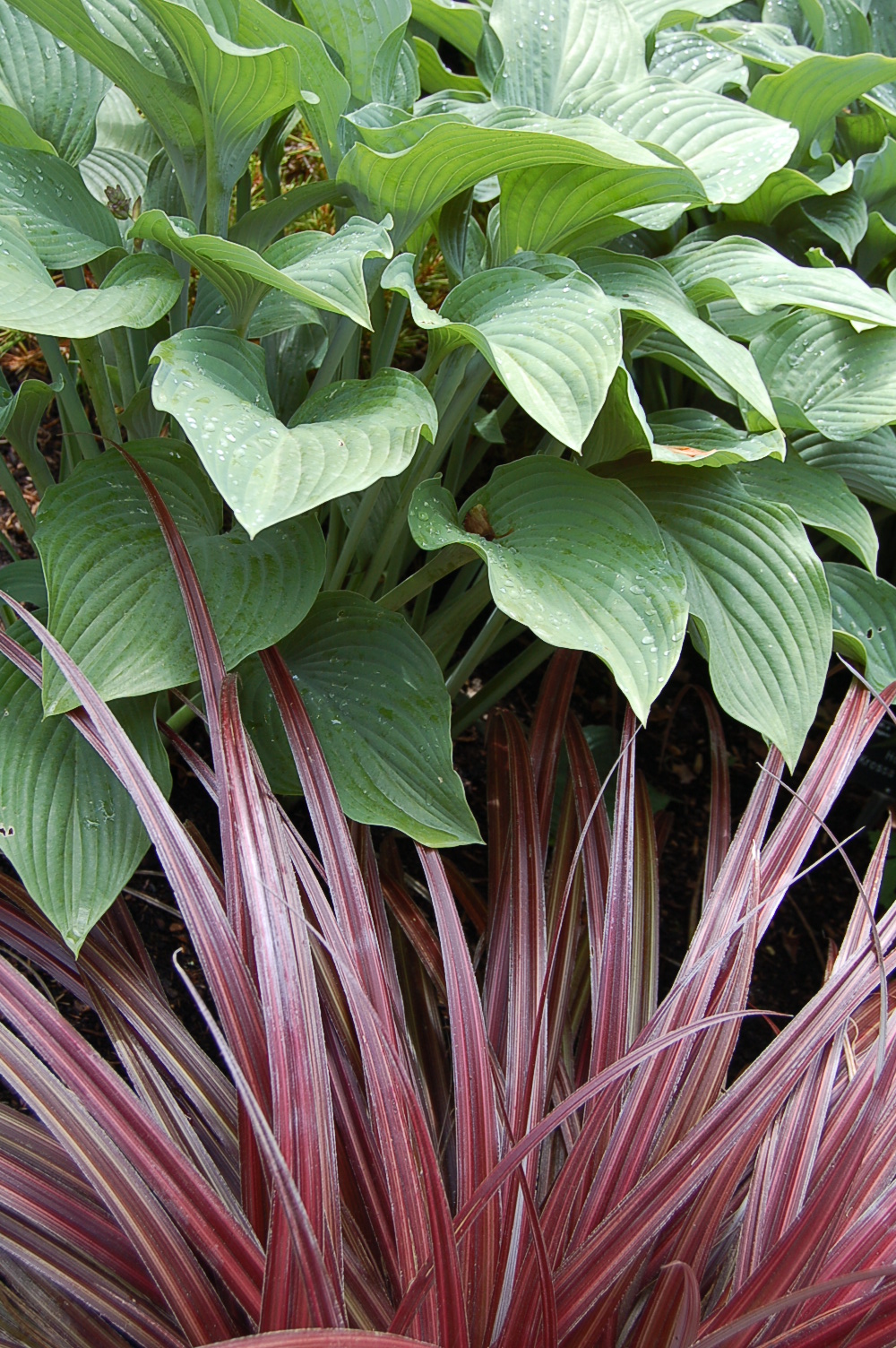
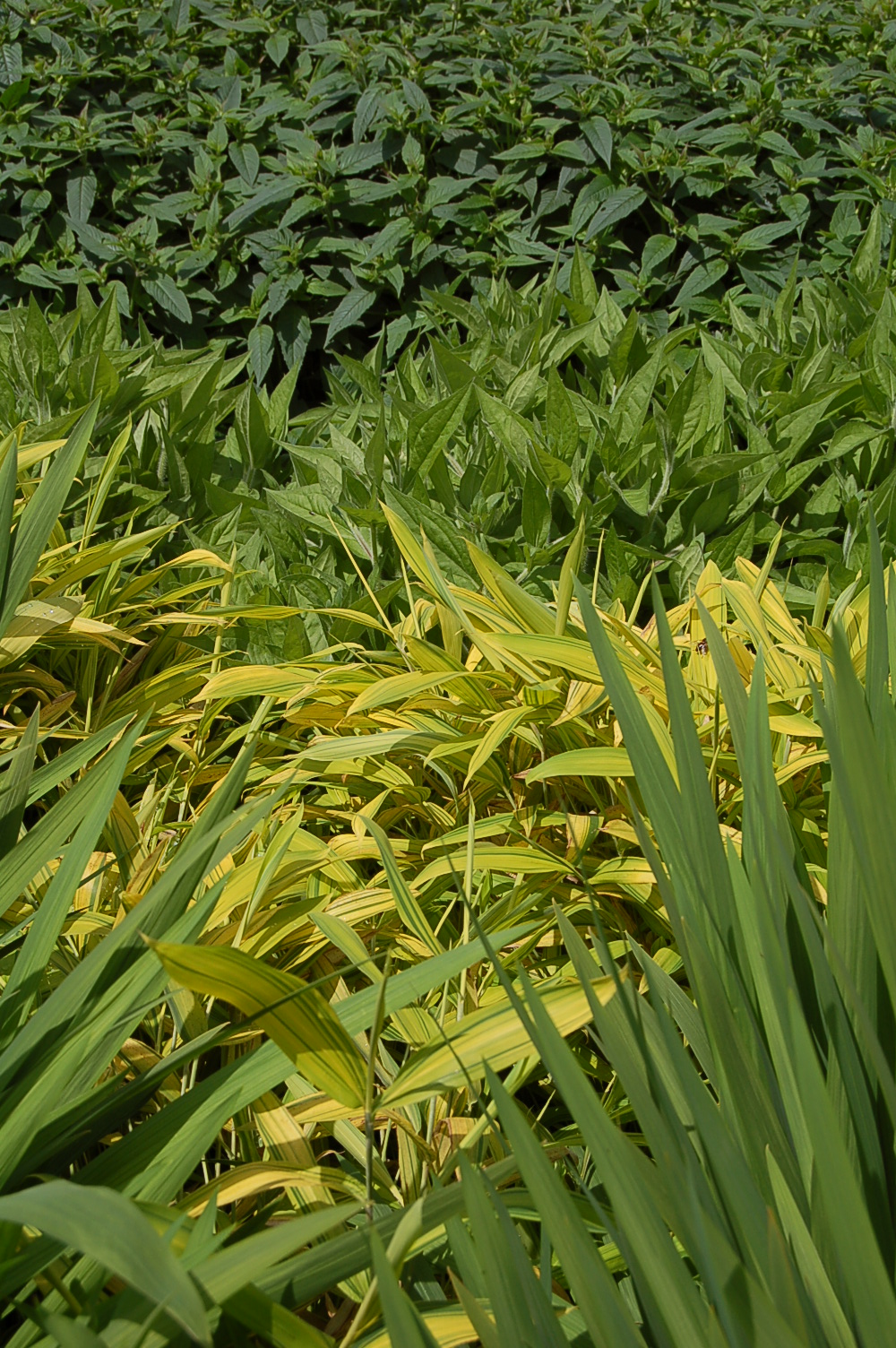
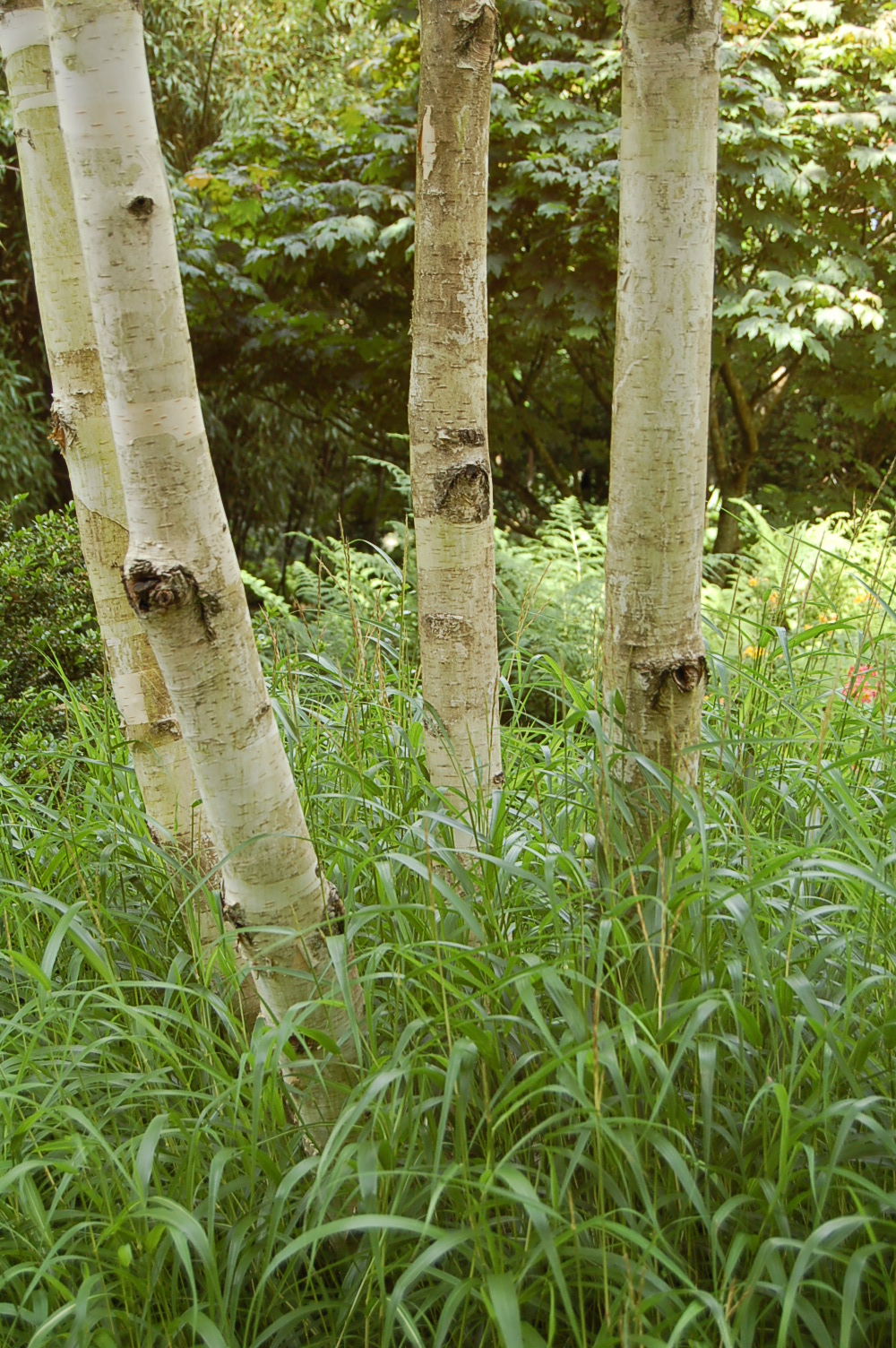
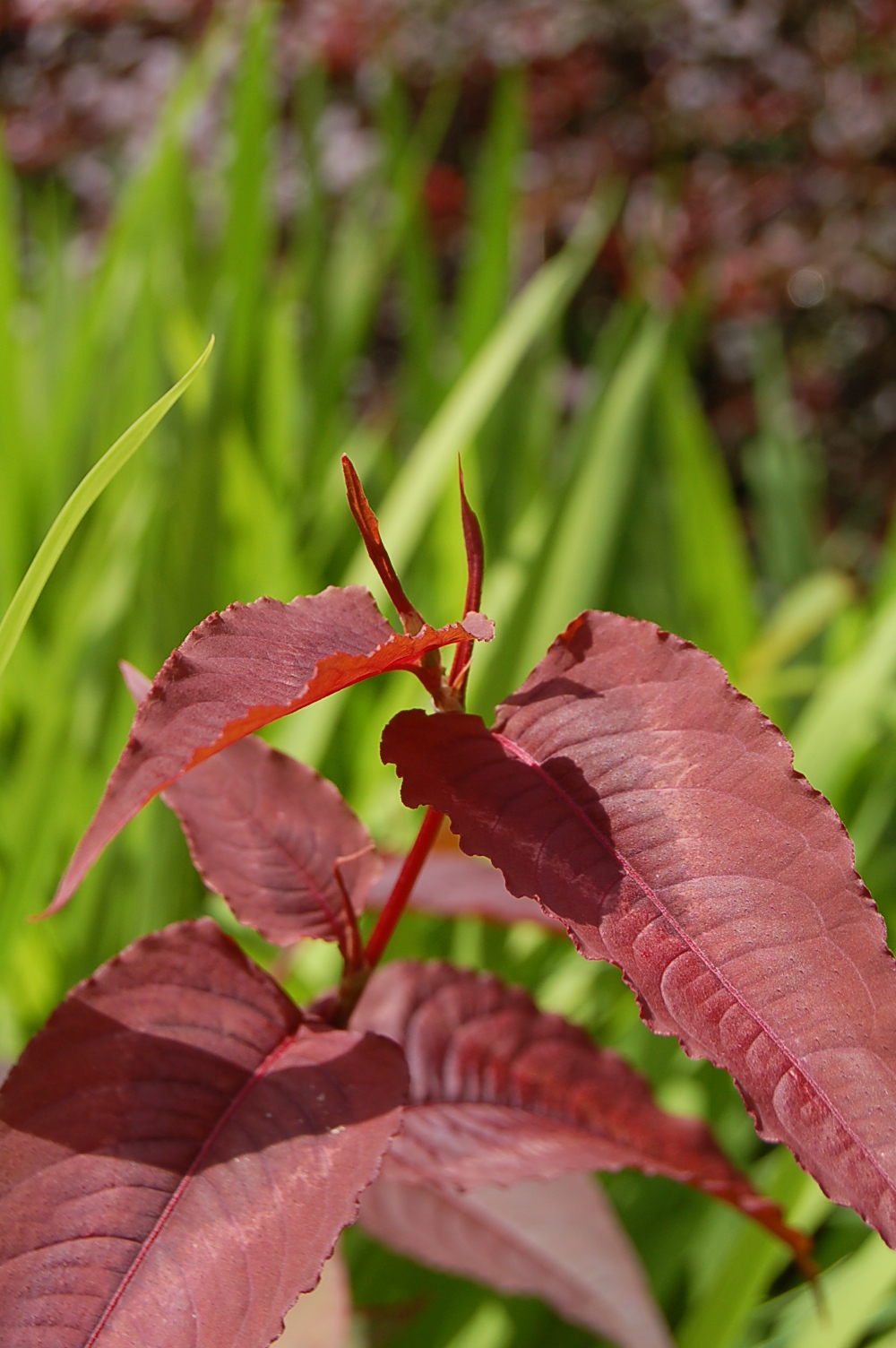
You will be glad to know this is a rhetorical question. If asked to find an answer it would be a simple response – we all do! But, on a recent visit to the Royal Horticultural Society’s garden in Devon, the wonderful Rosemoor, I took this collection of photographs featuring foliage with occasional interesting bark. Not a flower in sight.

This Veggie Life

A Vegetarian | Nature Lifestyle Blog

Rambling in the Garden

.....and nurturing my soul

The Arch City Gardener

Journeys In St. Louis Gardening and Beyond

Garden Dreaming at Châtillon

Consult the genius of the place

Storyshucker

A blog full of humorous and poignant observations.

gardeninacity

Notes from a wildlife-friendly cottage garden

PlayGroundology

...an emerging social science

The Official Blog of British Wildlife

'The most important and informative publication on wildlife of our times' - The Independent. This blog is a member of The UK & Ireland Natural History Bloggers group: www.uknhb.blogspot.com

iGrowHort

Inspire - Cultivate - Grow Native Plants - Restore Landscapes

Bishops Meadow Trust

To create and protect a semi-natural wild space for the people of Farnham to enjoy and experience an array of British wildlife in our town

Gardening with Children

The www.gardeningwithchildren.co.uk Blog

UKbirdingtimeline

birding through the seasons, why birds matter and how to conserve them

NATURE WALKER

with a camera in hand

Jardin

Transform your outdoor space

Eva's space

My allotment, cooking and other interests

Old School Garden

my gardening life through the year

LEANNE COLE

Trying to live a creative life

fromacountrycottage

trying to live as lightly as possible on our beautiful planet

Good Life Gardening

Nature lovers from Leicester living the good life.

mybeautfulthings

Finding the beautiful in the everyday

mawsonmichelle

Michelle's Allotment

In and Out of My Garden

thoughts from and about my garden

Greenhousing

Big plans for a small garden

The Scottish Country Garden

A Walled Country Garden in South East Scotland

The Fruity Chicken

Life at the fruity chicken

willowarchway

Off grid living. Self sufficient. "PERMAGANICS RULE".

St Anns Allotments

Nottingham's Grade 2* Listed Allotments and Community Orchard

Manifest Joy Harvests

a journey in suburban vegetable gardening

Allotmental

The madness of growing your own

Penny's Garden: a harvest beyond my front door

A novel approach to vegetable gardening

arignagardener

Sustainable living in the Irish countryside.

NewEnglandGardenAndThread

Master Gardener, amateur photographer, quilter, NH native, and sometimes SC snowbird

dianajhale

Recent work and work in progress and anything else that interests me

planthoarder

a chaotic cottage gardener

Lens and Pens by Sally

a weekly blog that creates a personal philosophy through photographs and words

Dewdrops and Sunshine

Stories from a sassy and classy Southern farmbelle.

The Pyjama Gardener

Simple Organic Gardening & Seasonal Living

gettin' fresh!

turning dirt into dinner

JOY...

today the world is created anew

Garden Birds

Notes from a Devon garden

ShootAbout

Life Through The Lens

Adapting Pixels

A photography blog showcasing the best photography pictures and videos on the internet

Wildlifegardening's Blog

Just another WordPress.com site

naturestimeline

personal observations from the natural world as the search continues for a new approach to conservation.

LATEBLOOMERBUDS

The Wonders of Life through my Eyes, my Heart, my Soul