Categories
garden design garden paths garden photography gardening gardens gardens open to the public hardy perennials Herefordshire indoor plants ornamental trees and shrubs pelargoniums trees

Return to the gardens at Hergest Croft

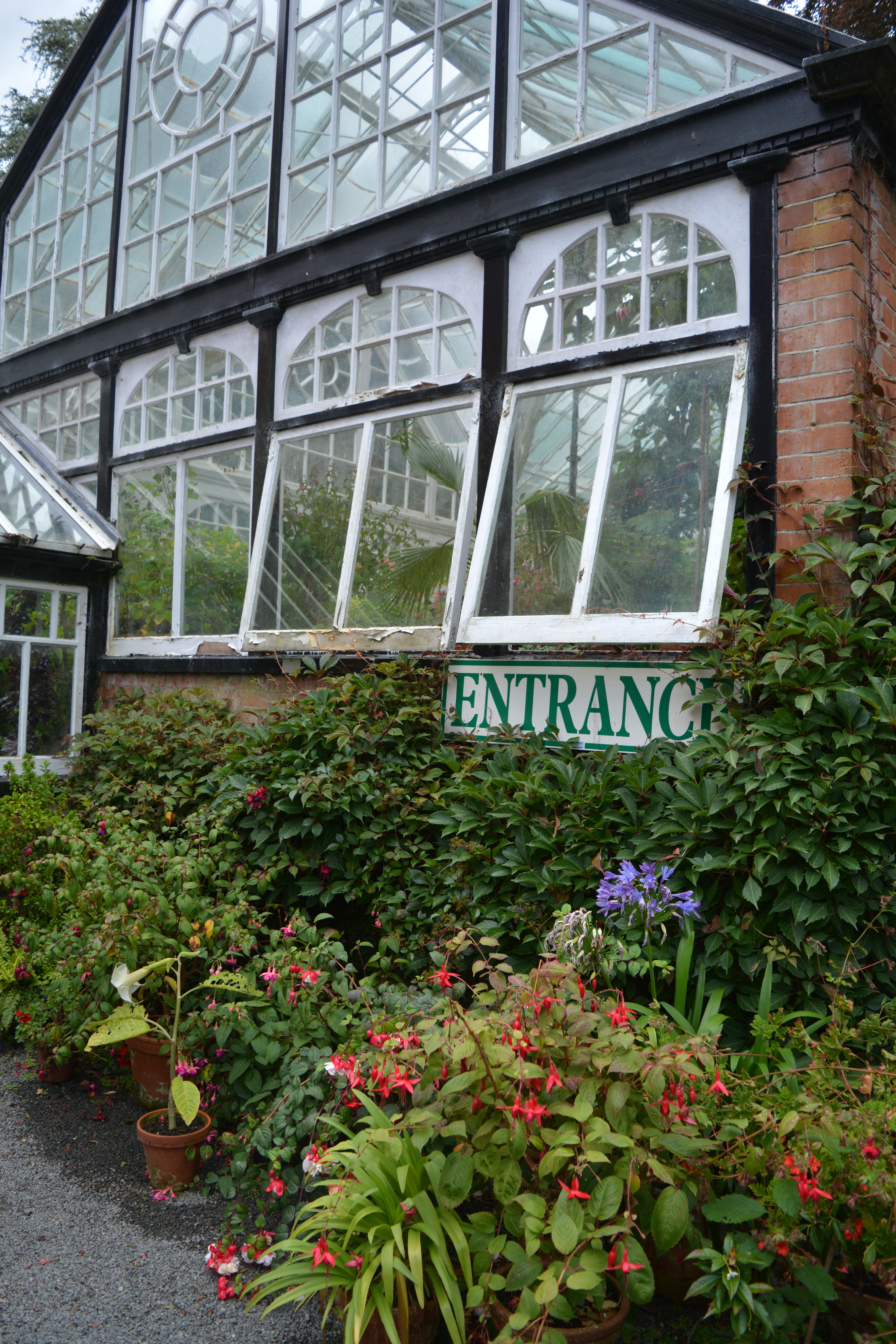
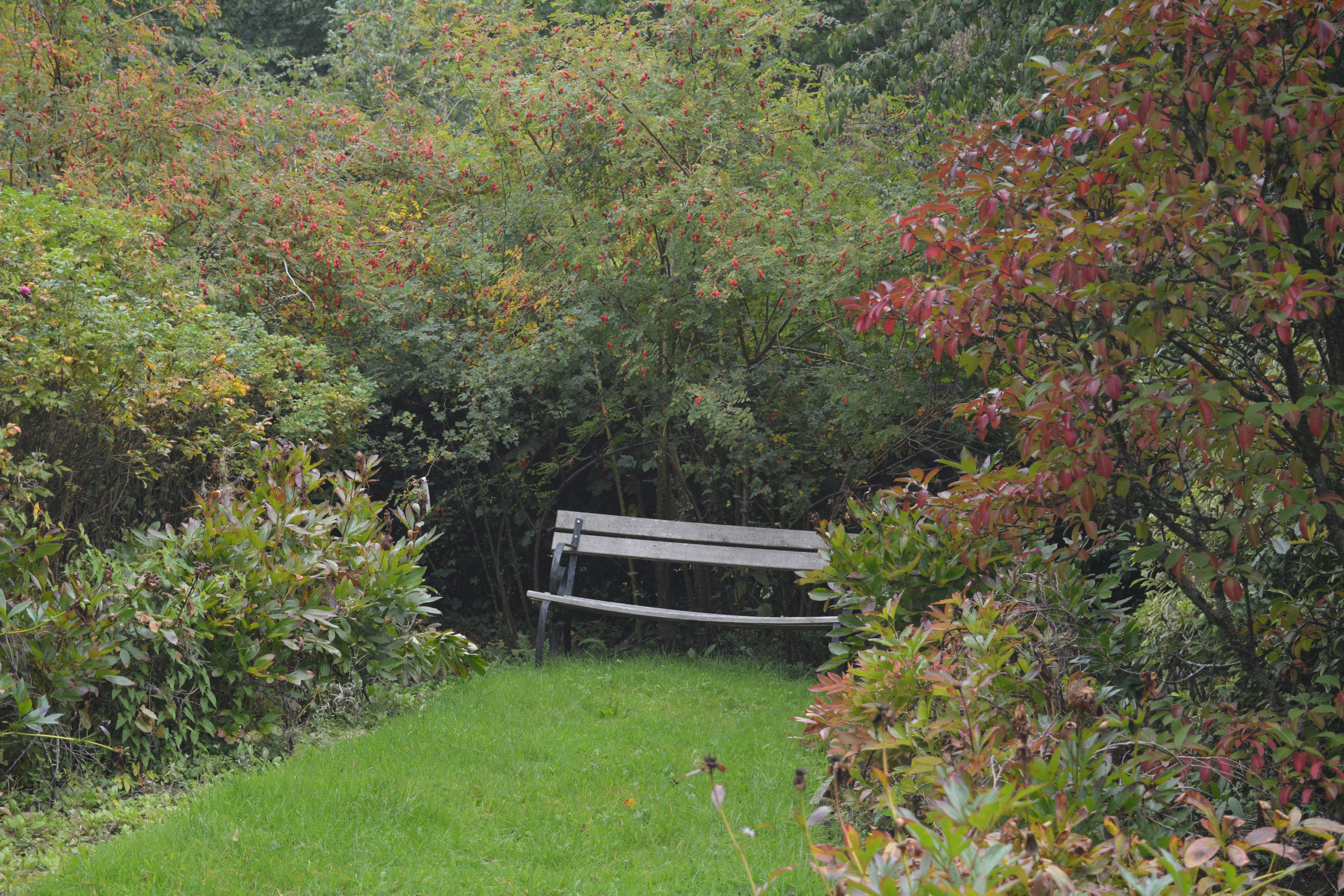
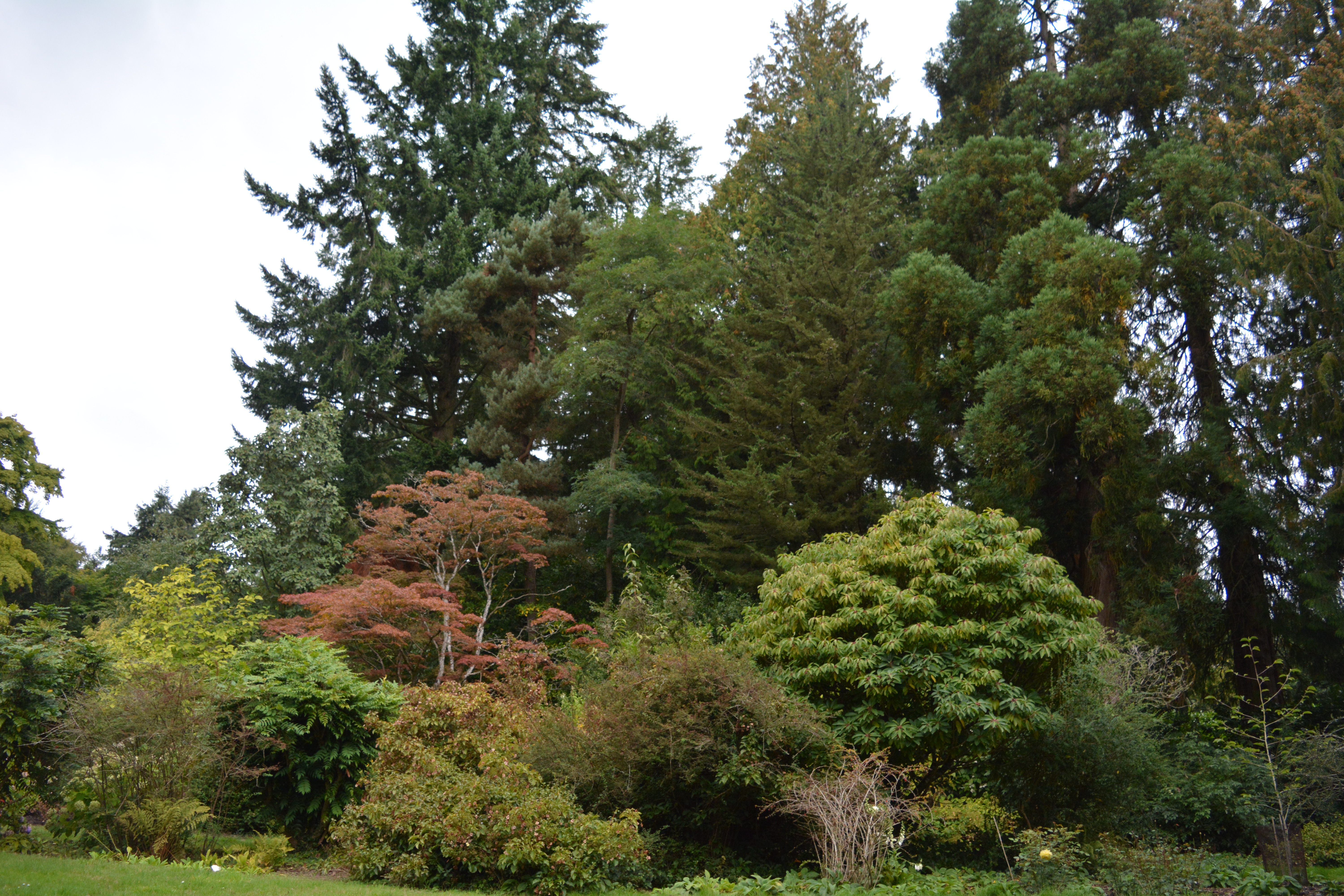
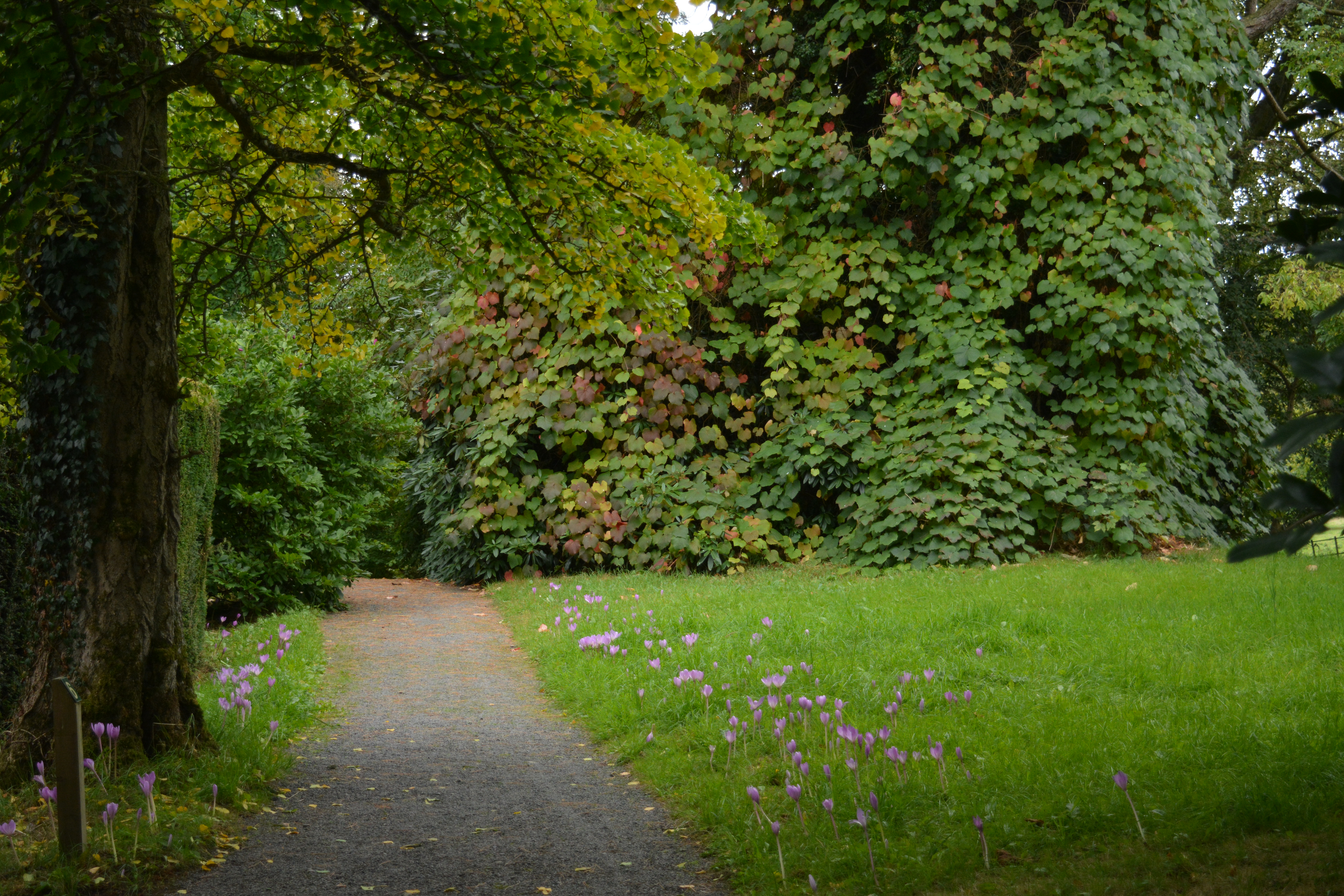
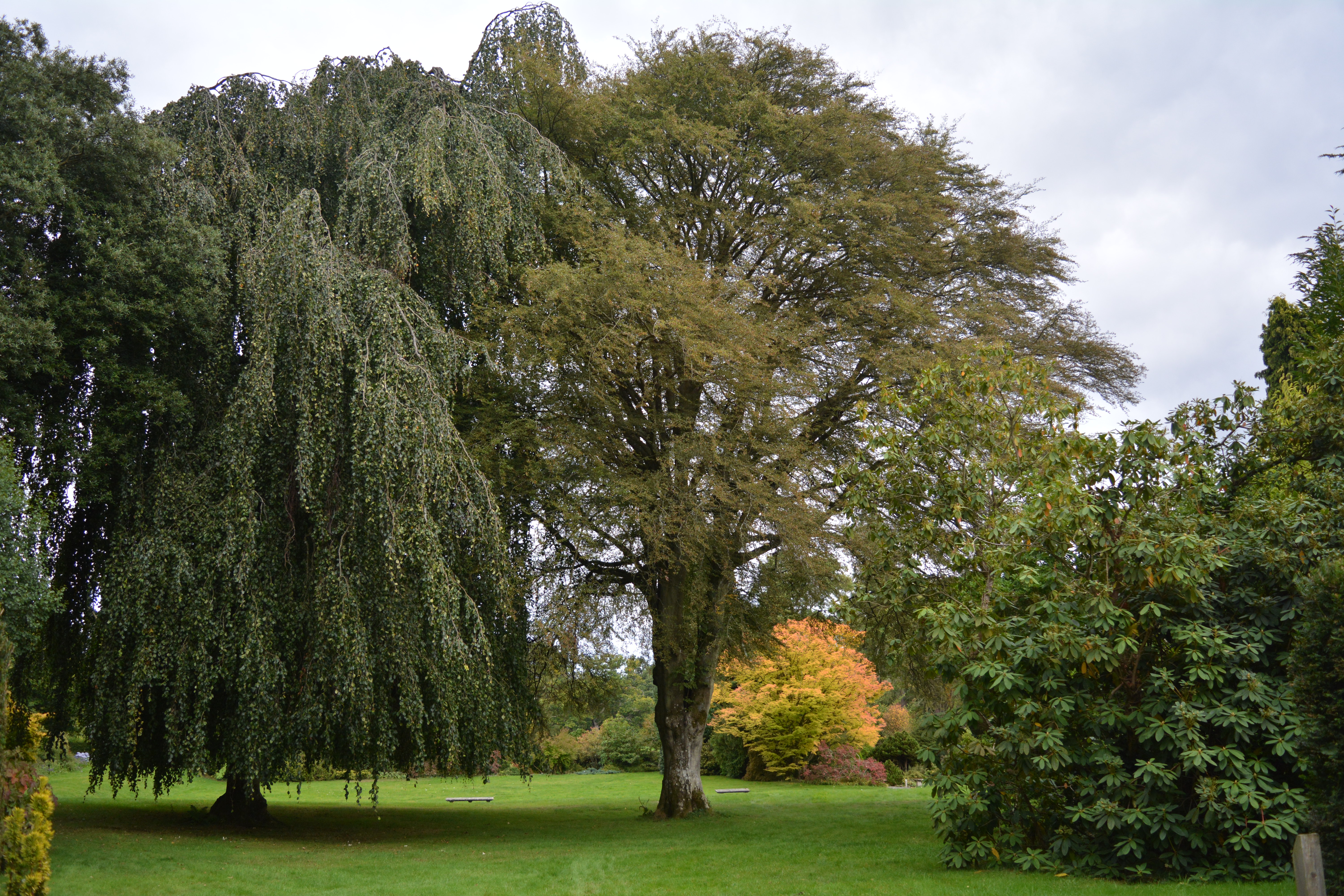
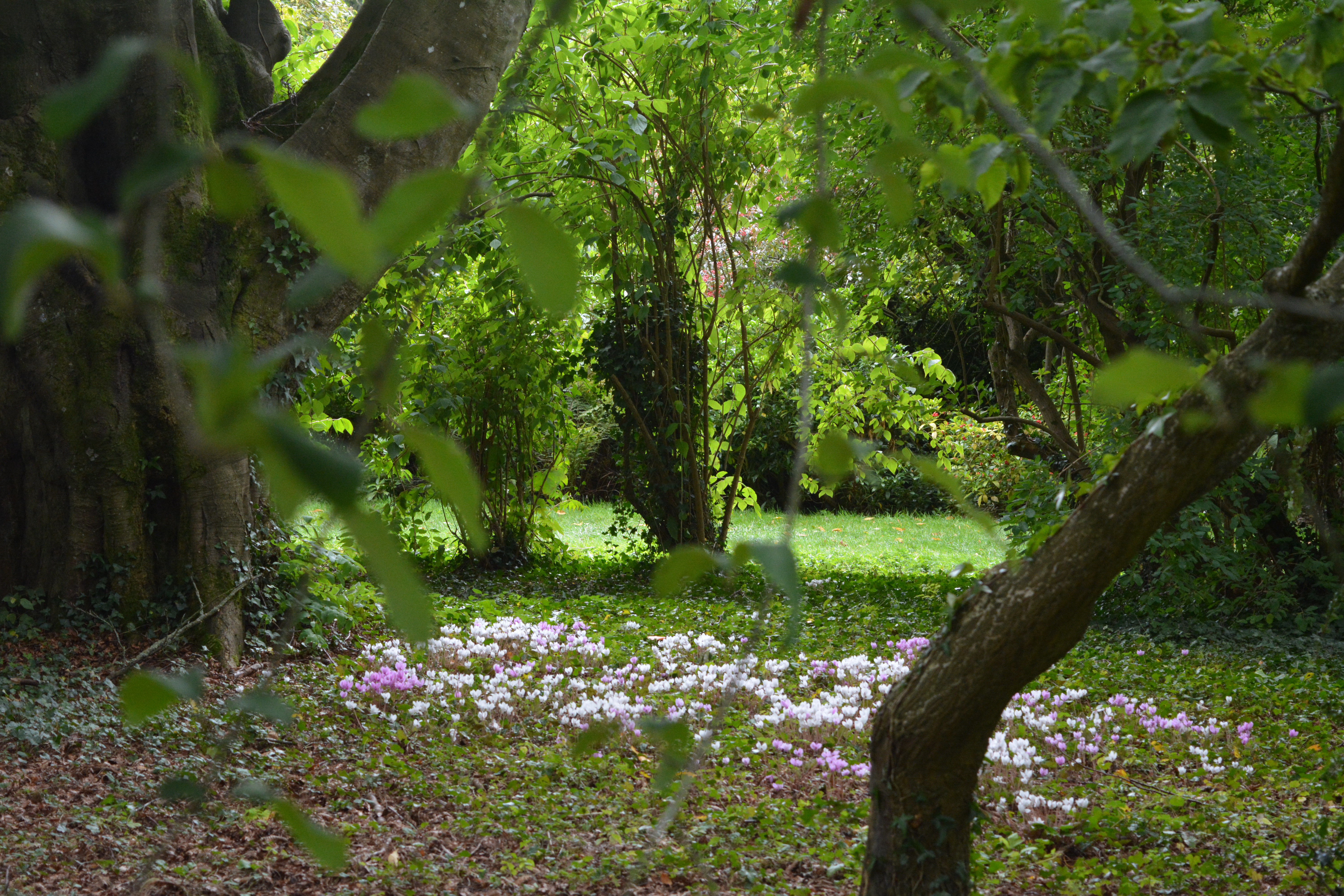
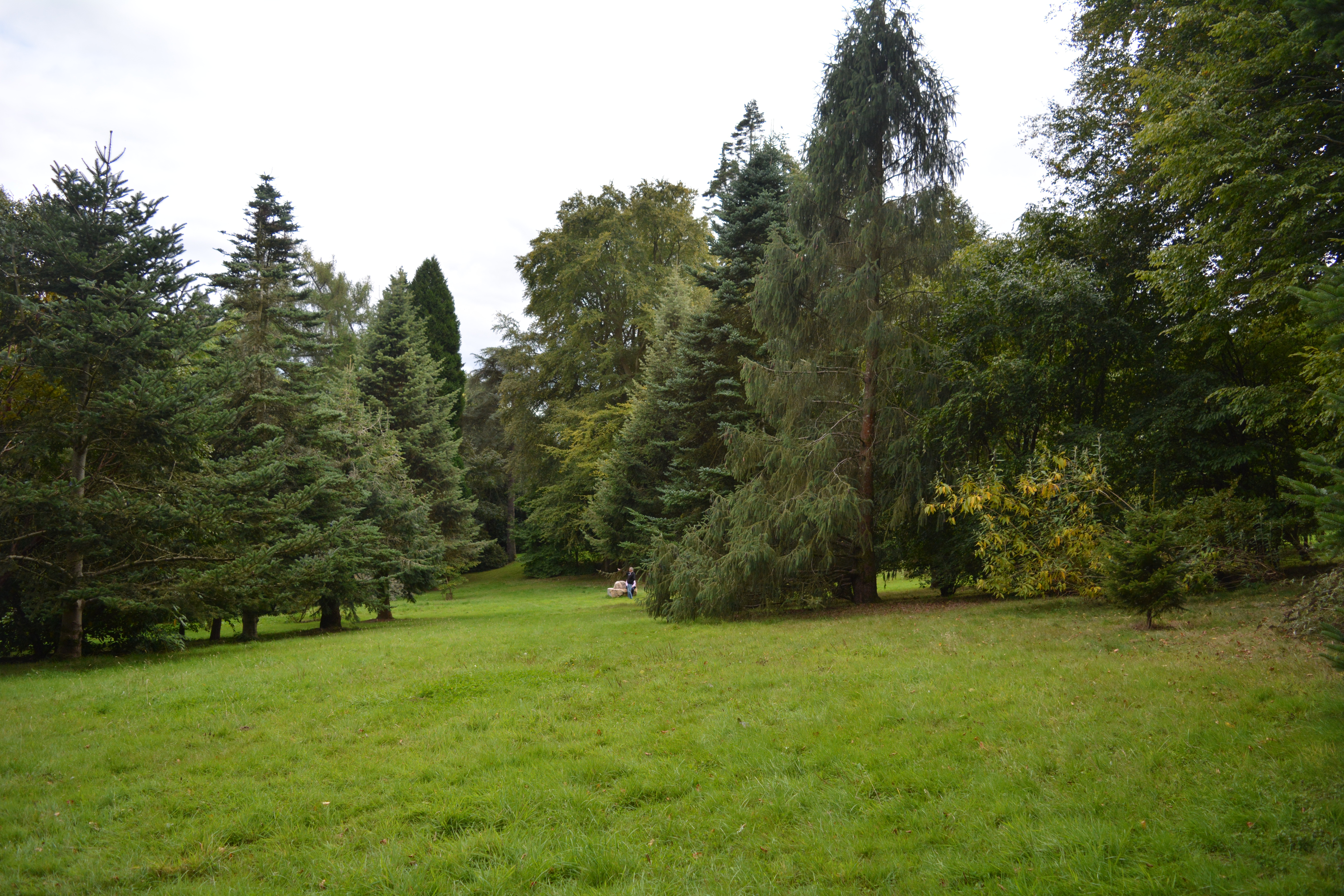
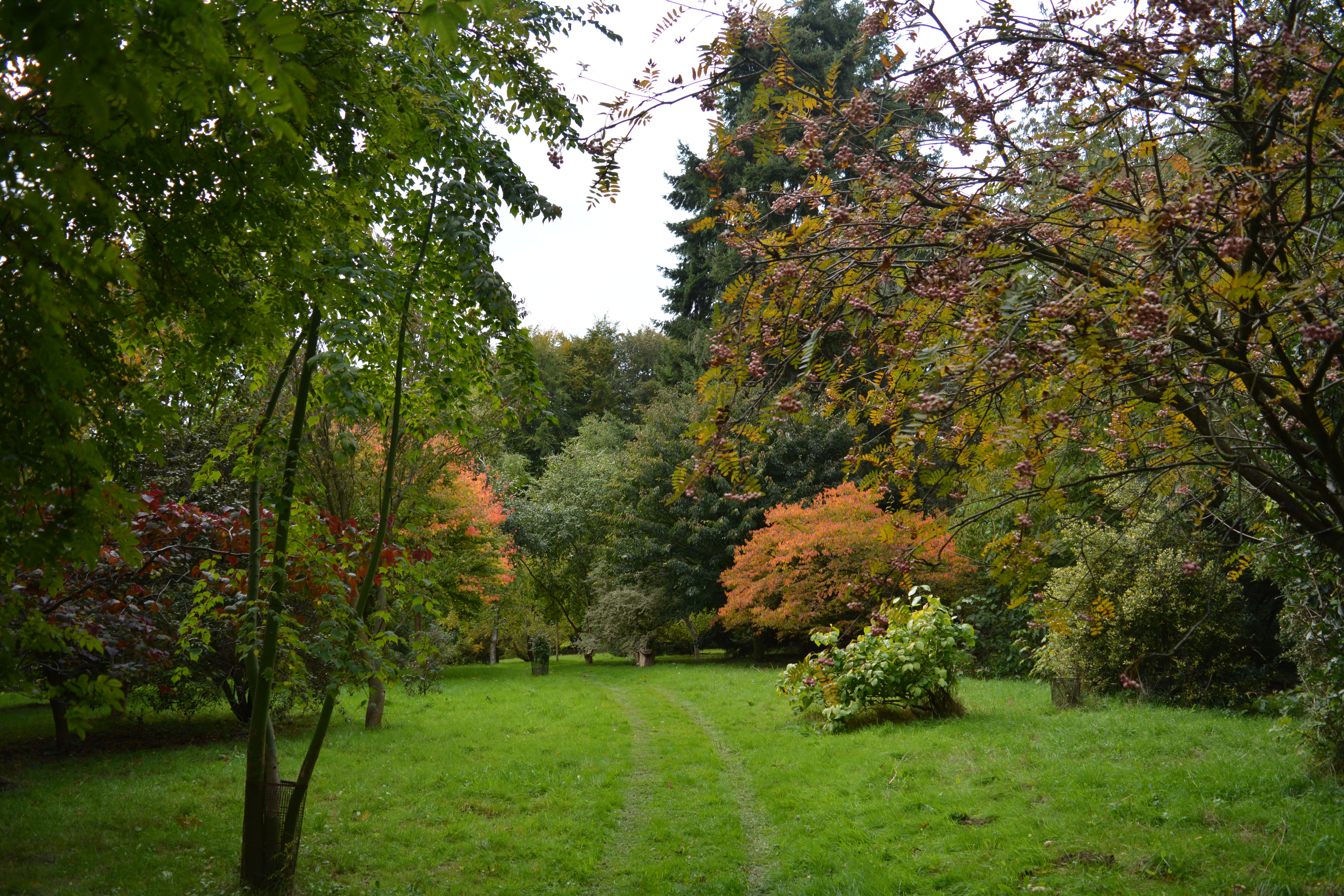
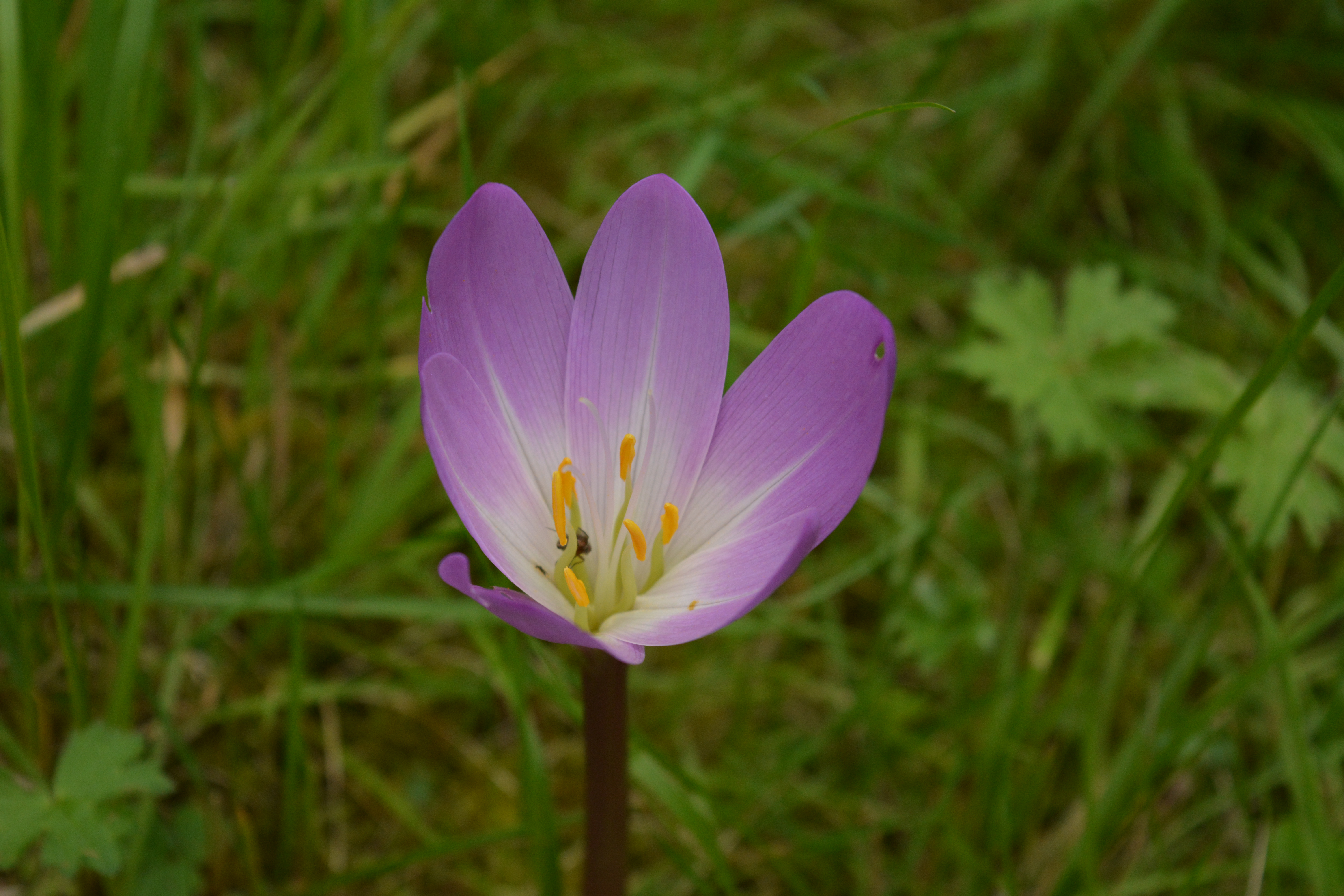
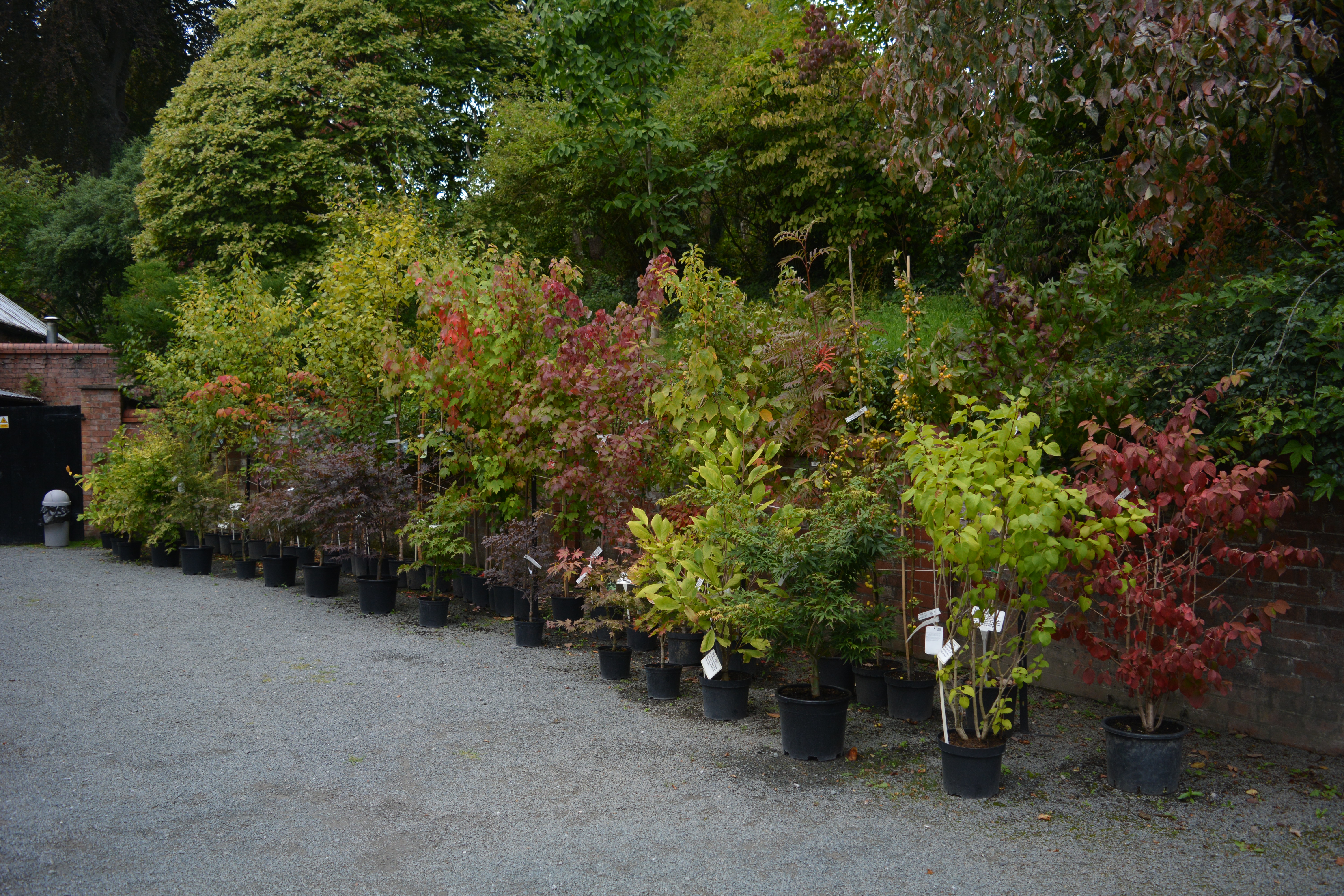
We always enjoy returning to visit and explore gardens we have loved discovering before. Hergest Croft gardens are one of our favourite places to visit and we have visited at several different times of year. In 2018 we made a journey down into Herefordshire in the middle of September for an early autumn/late summer visit.  The building itself is a beautiful “arts and crafts” style villa of brick with features and details to give it a special look. The driveside provides a good place to house plants for sale particularly trees and shubs propagated from the garden’s specimens and some interesting herbaceuos plants. Alongside the entrance is a stunning glasshouse that matches the main house wonderfully and it is here that we begin each visit, after of course coffee and cakes in the tea room. This tea room has a special extra, a lovely outdoor seating space, a covered veranda.


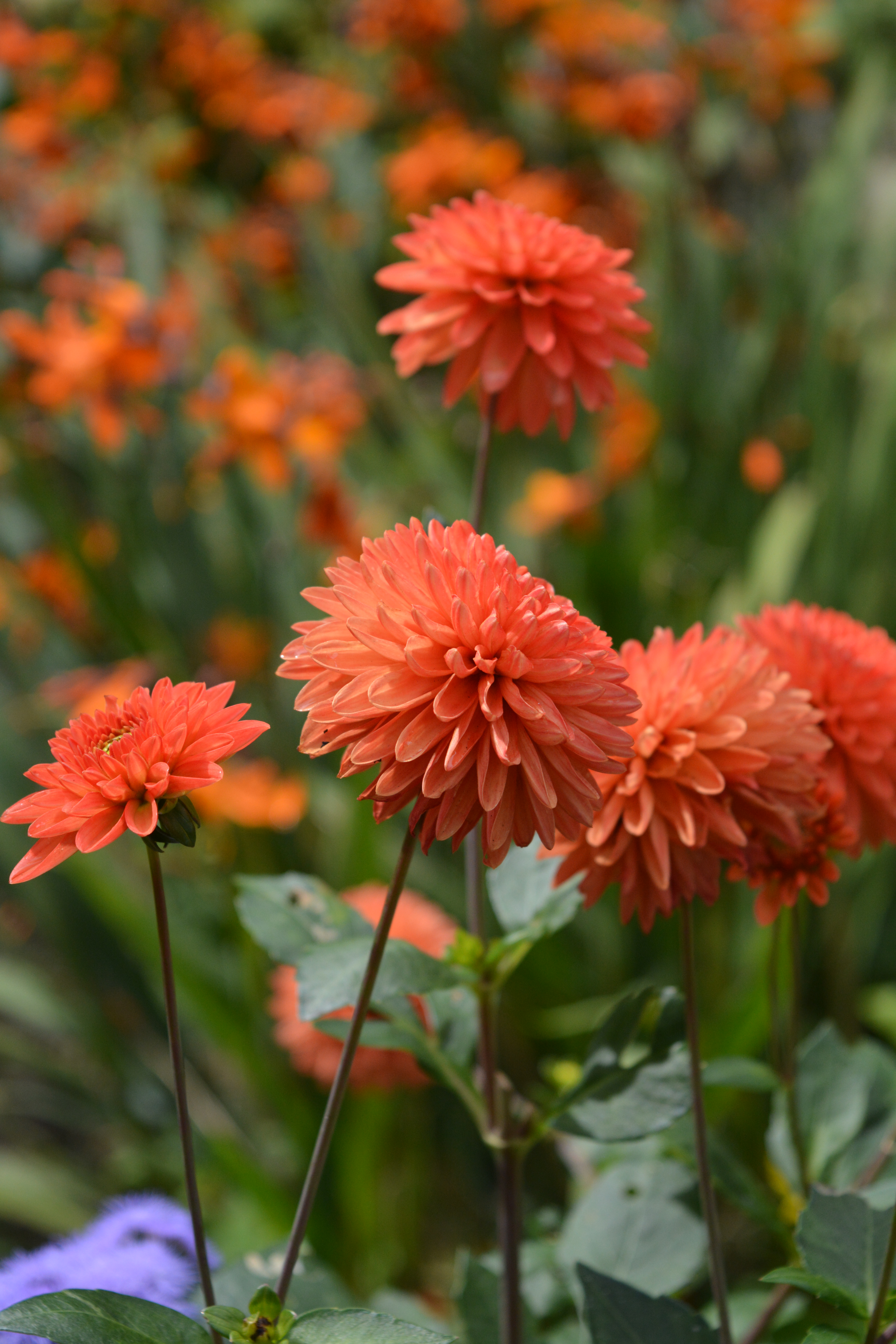
Beneath the veranda we enjoyed looking at a border of dahlias and over the top of the border to the borders surrounding the lawn. Here we spotted the first of a series of artworks created on slates, very delicate botanic drawings.


More plants for sale grace the walkway along the side of the house, again interesting plants propagated on site from their own plant material.

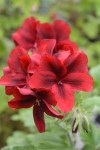
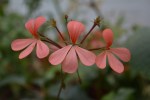
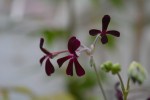
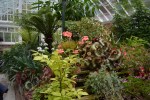
We next moved into the glasshouse where we always enjoy perusing the delicate plants flowering away happily. Let me share this little gallery with you. Please click on the first pic then use arrows to navigate.

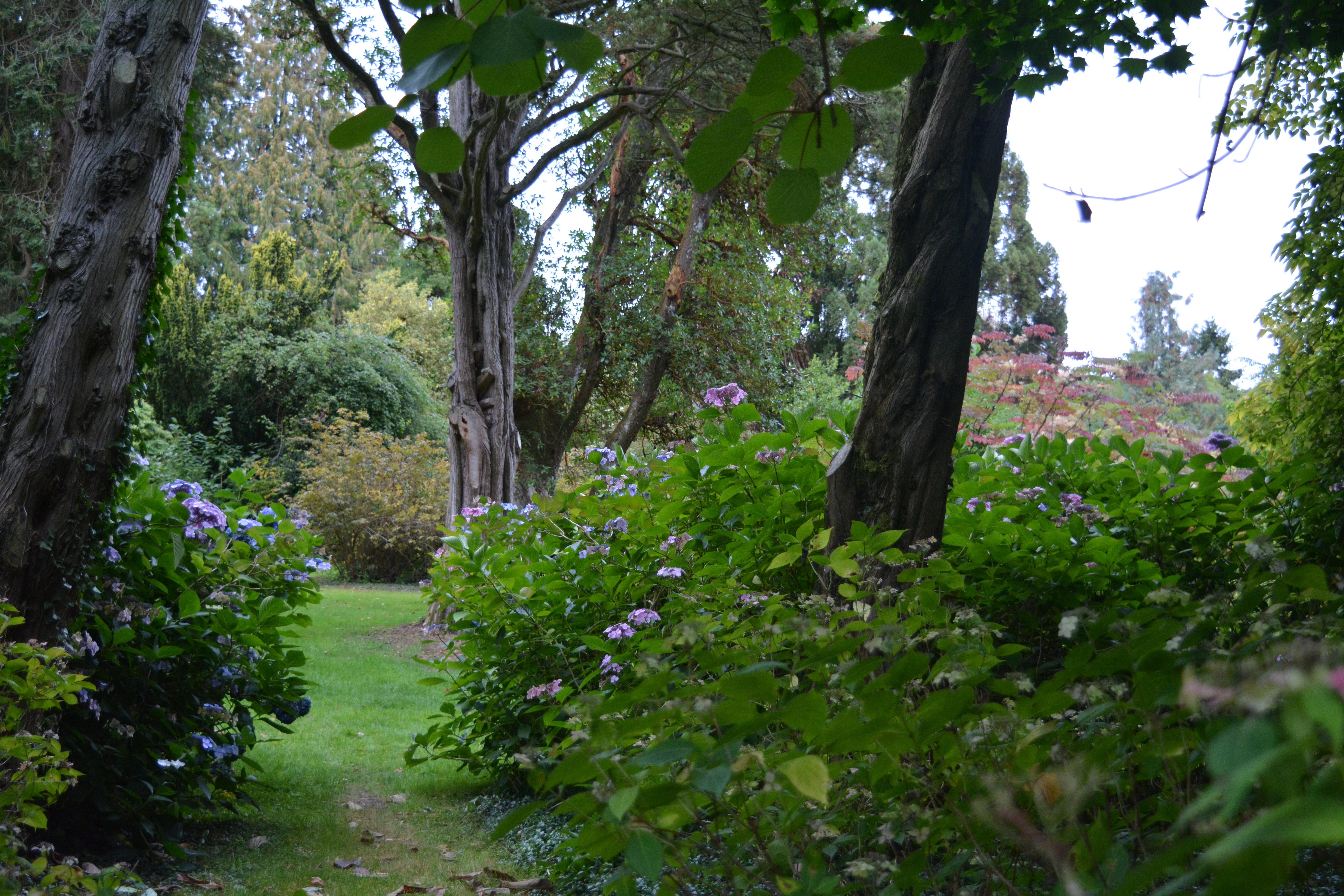
Here is a selection of the photos I snapped as we wandered around Hergest Croft gardens, which helps to illustrate how varied the garden is and what a wide selection of plants are grown there. There is a huge collection of rare and unusual trees here including several “Champion Trees” which guaranteed plenty of interest as we wandered the pathways.


There is just so much at Hergest Croft it is hard to do it justice, but I shall finish with a few selected photos of the many I took to help give a taste of this wonderful Herefordshire garden.

Categories
architecture autumn autumn colours colours garden design garden furniture garden paths garden photography garden seat garden seating gardens gardens open to the public light light quality ornamental trees and shrubs pathways Powis Powys roses shrubs trees Wales Yellow Book Gardens

Gregynog – a garden with woodland walks

Another NGS garden we visited last summer is called by the wonderful name Gregynog.

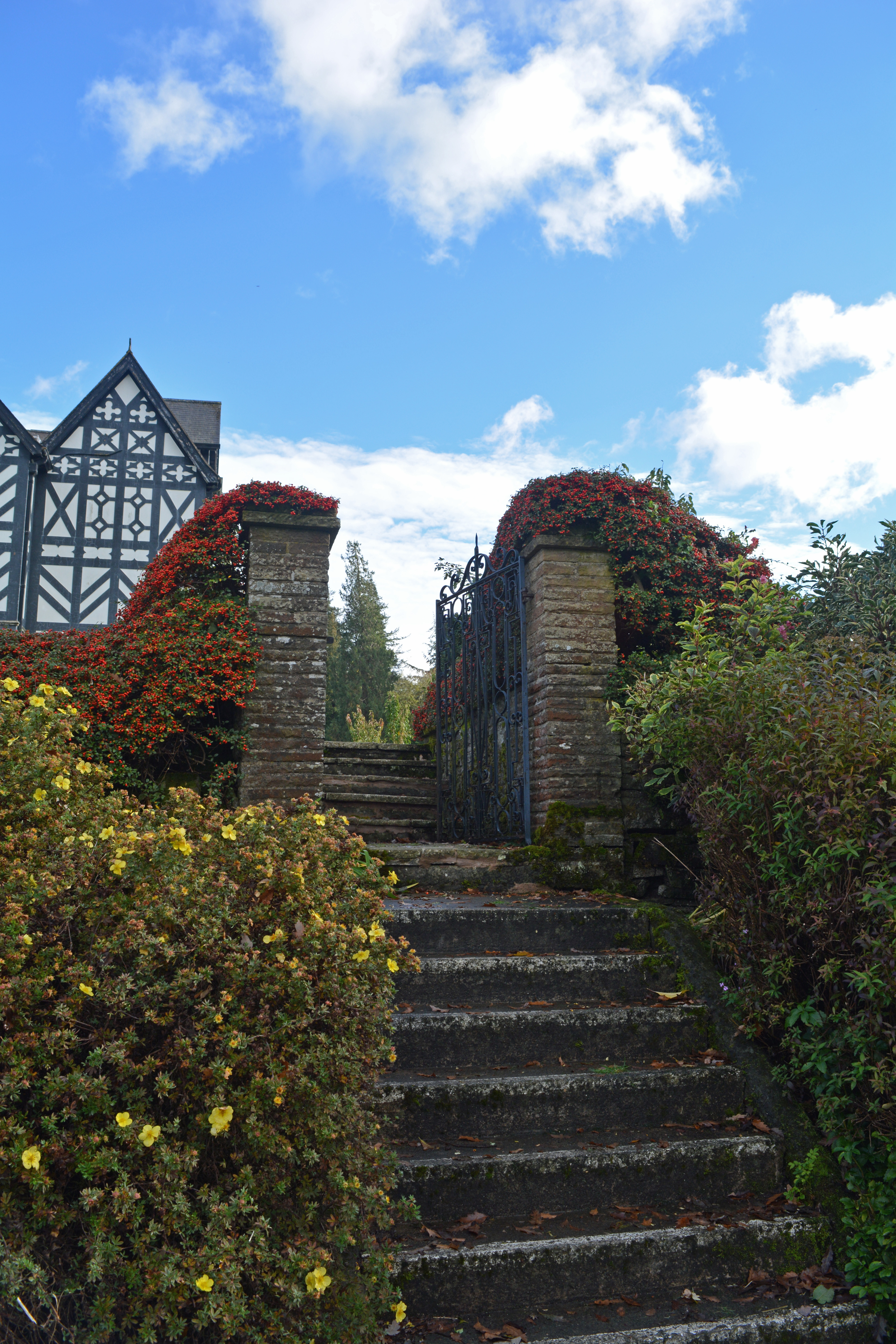
Gregynog is situated in the county of Powys and just has to be worth a visit sporting such a magical name, like something out of the Hobbit or a Hans Christian Anderson tale. Winding lanes eventually led us to a scented drive lined with roses. Here we gained the first glimpses of the half-timbered hall itself and the brick-built reception buildings. October light helped us to appreciate the garden, woodland and buildings.


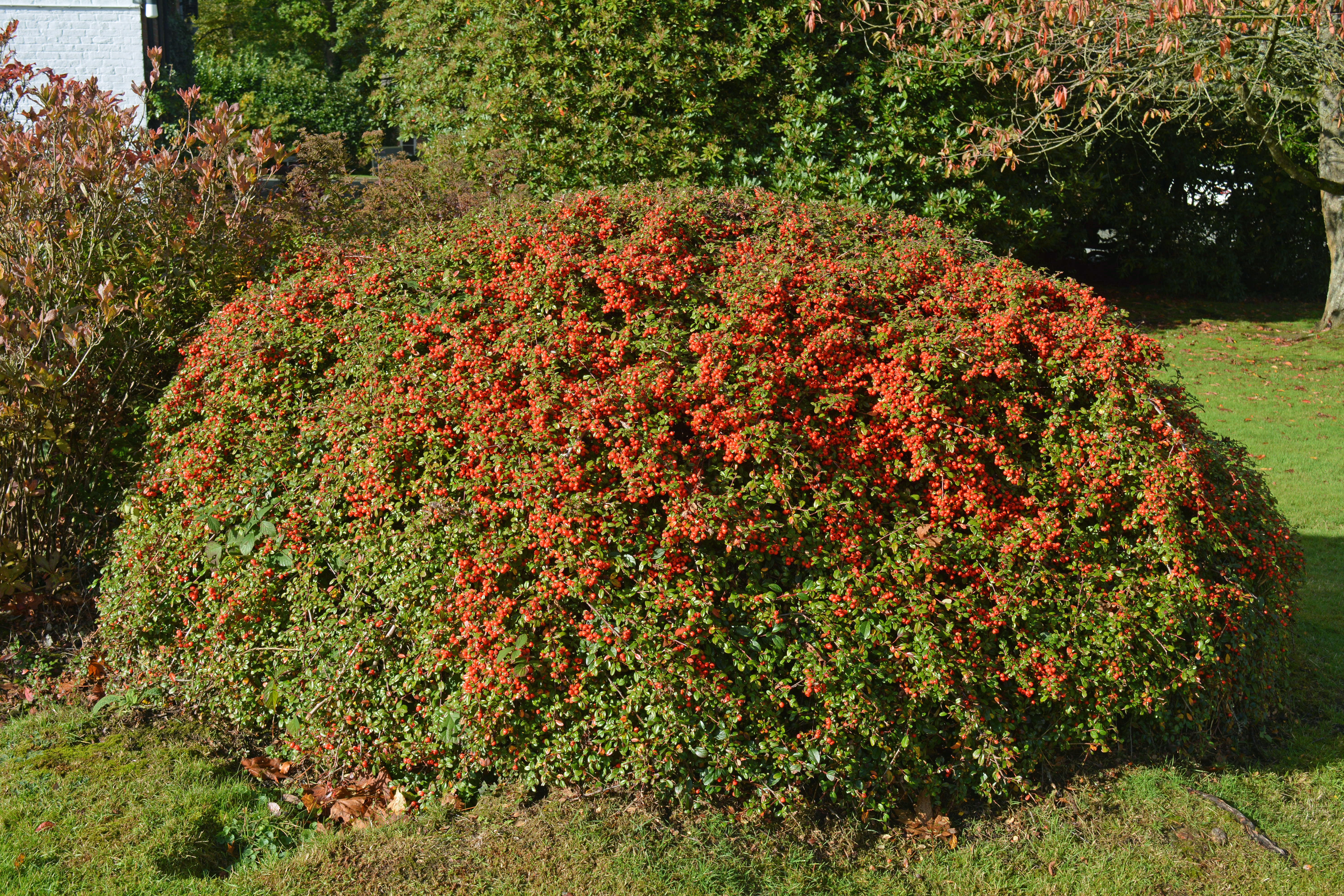
The gardeners here certainly know how to prune and shape common shrubs to give them an extra edge. The first two photos are of Cotoneaster, trimmed to domes.

The garden around the front of the hall afforded us more opportunities to enjoy the gardeners’ pruning and trimming work.

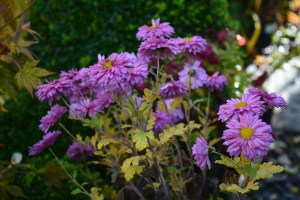
The low sunlight caught this stand of asters lighting it up from a distance and as we walked closer to look we spotted this wonderful old seat, carved from a fallen tree.

We continued around the building all the time getting views of the hall above us.

We then came to a walks sign directing us to choose a walk to follow and we chose to make our way to the woodland walks and lake. We walked back alongside the hedge of scented roses at the side of the driveway, taking in their delicate colours and rich aromas.

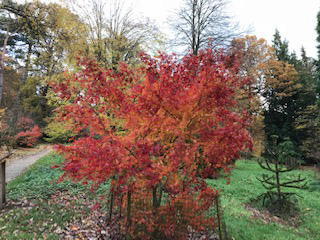
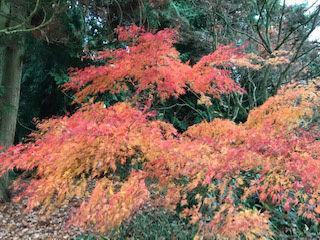
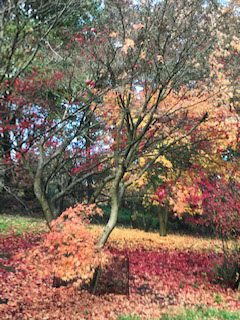
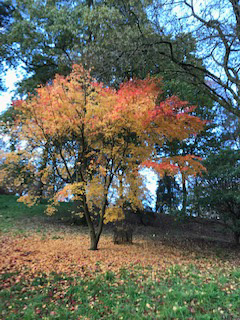
As we reached the end of the row of roses we turned towards the woodland walk, aiming  towards the lake, passing an Acer grove along the way, but this is all in part 2 of these posts about our visit to Gregynog.

Categories
autumn autumn colours garden design garden paths garden photography garden ponds gardening gardens hardy perennials National Garden Scheme natural pest control nurseries ornamental trees and shrubs outdoor sculpture Shropshire shrubs town gardens trees Yellow Book Gardens

Another NGS Yellow Book Shropshire Garden – Sunningdale

I would like now to look back to the summer gone to share some visits and re-visits to other National Garden Scheme (NGS) gardens from a town garden to a huge old garden in North Wales.

The garden at Sunningdale is a half acre town garden in the north Shropshire market town of Wem. Friends had recommended the garden to us so as the garden opening season is coming to an end we decided to make the half hour journey northward up the A49.

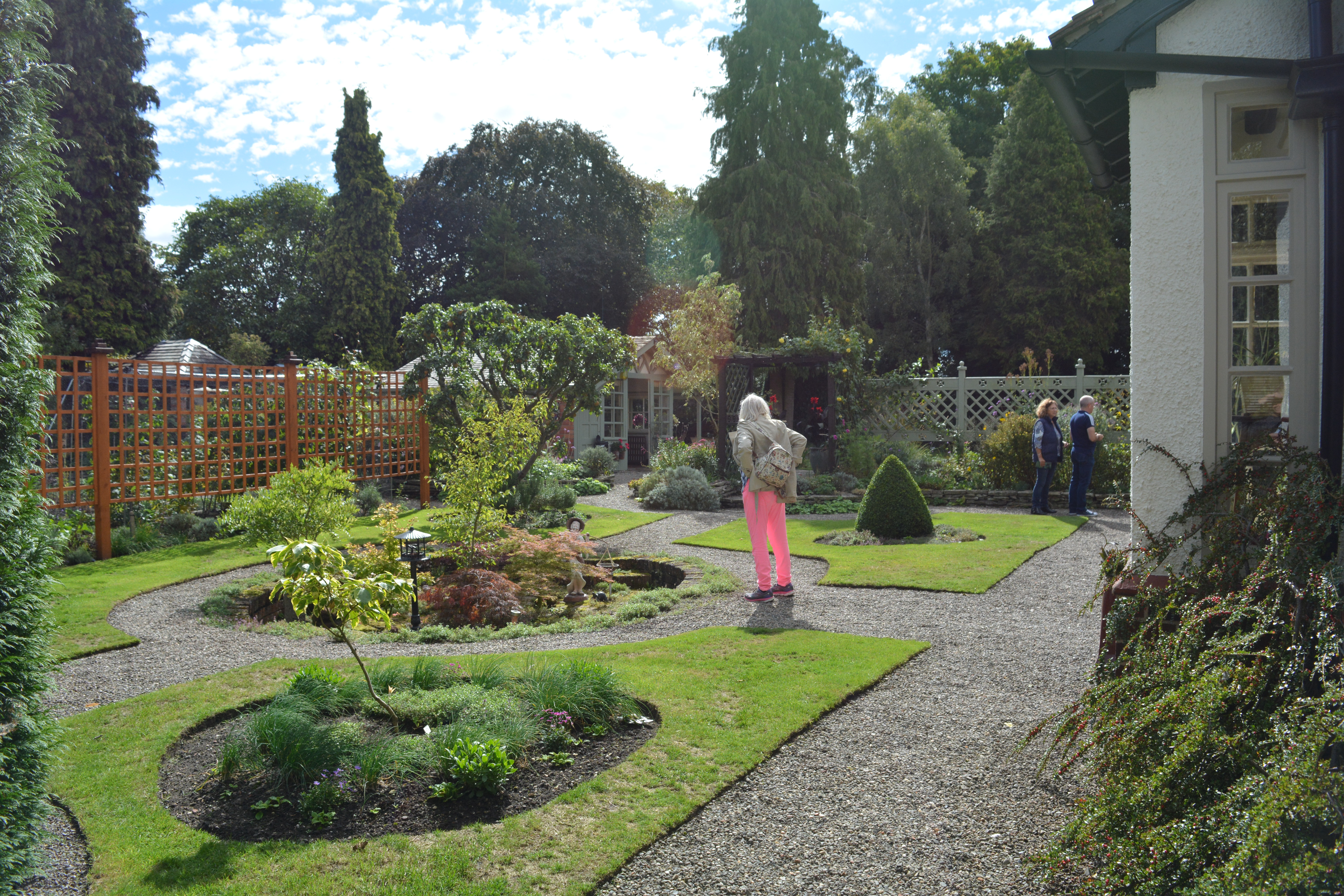
We received a warm and very cheerful welcome as we took a path through an open gateway, which took us around the side of the house to reveal a garden that invites visitors to wander. We discovered some interesting bits and pieces on our way around the side of the villa. Plus of course some exciting colours from flowering plants.


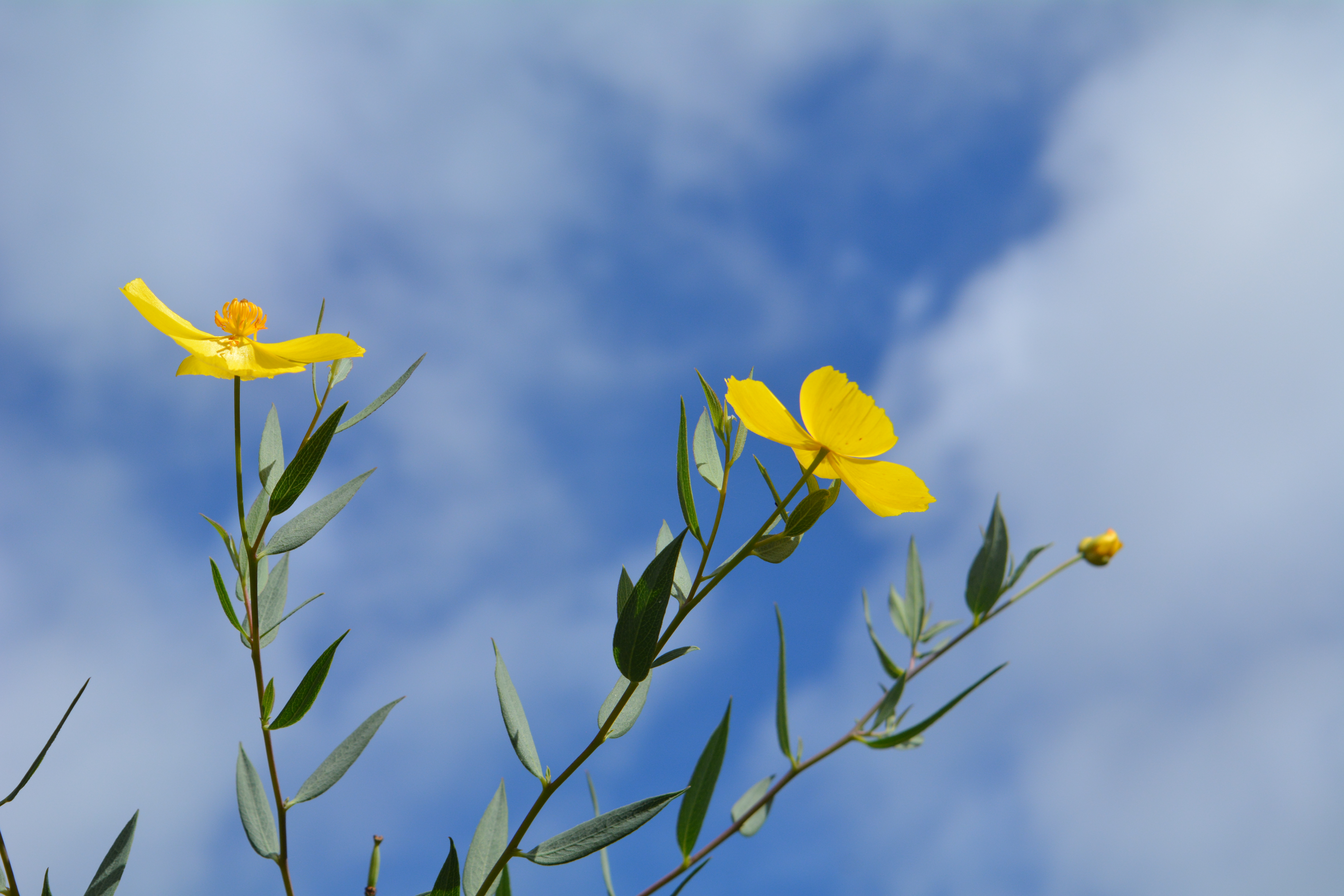
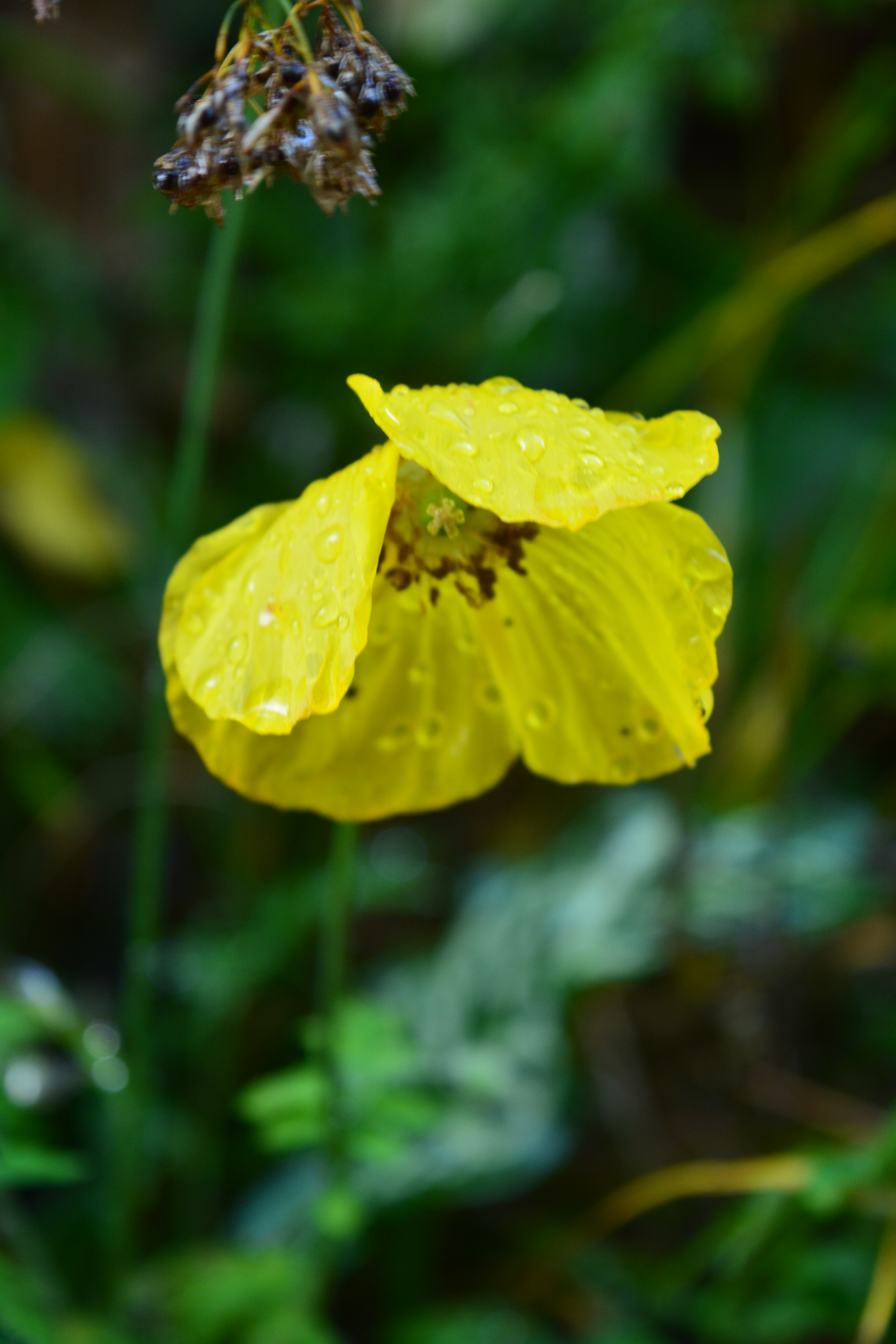
This delicate tall elegant yellow flowered plant was unknown to us and luckily labelled, Dendromecon rigida, the Poppy Tree. What a treat it always is to discover new plants.


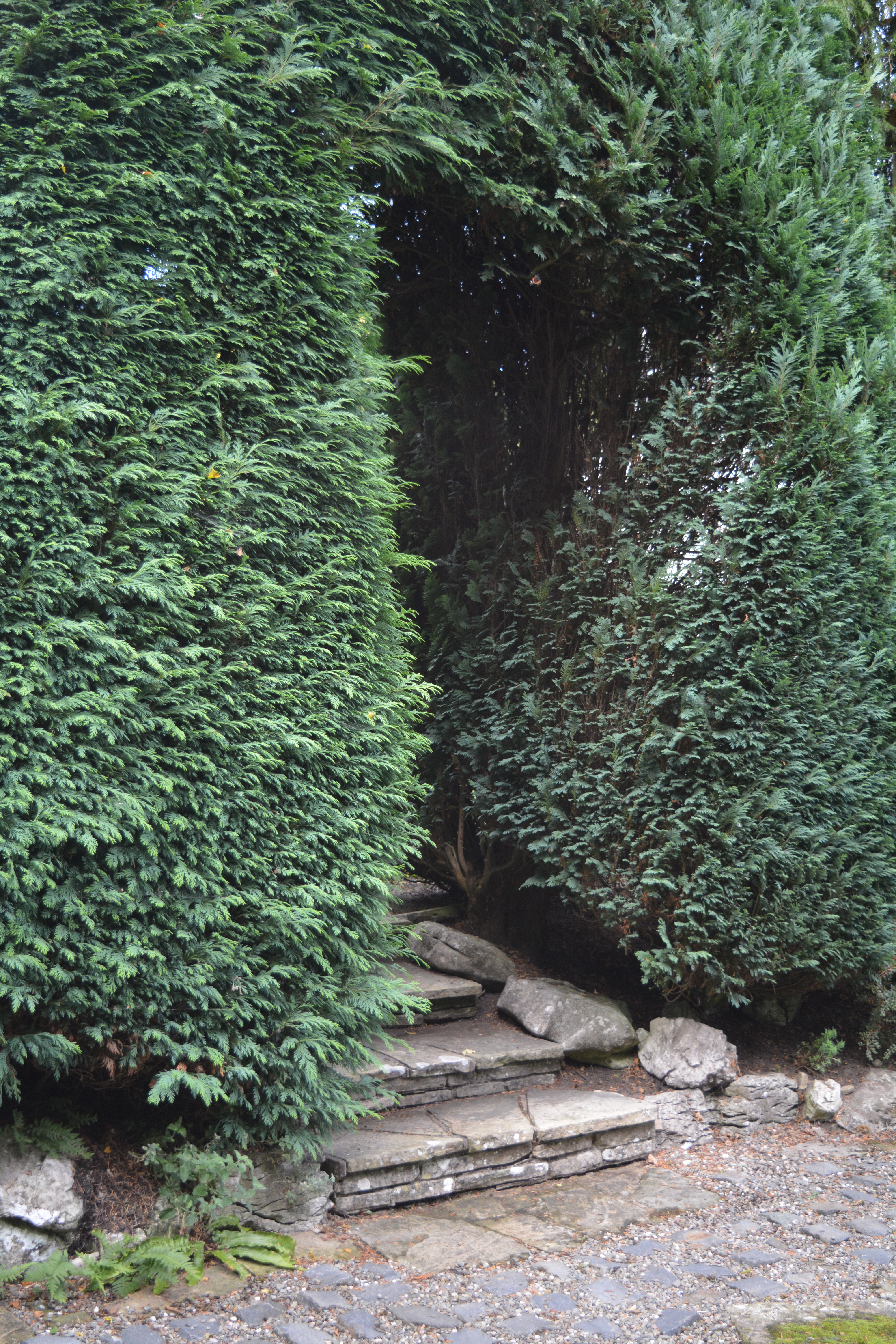
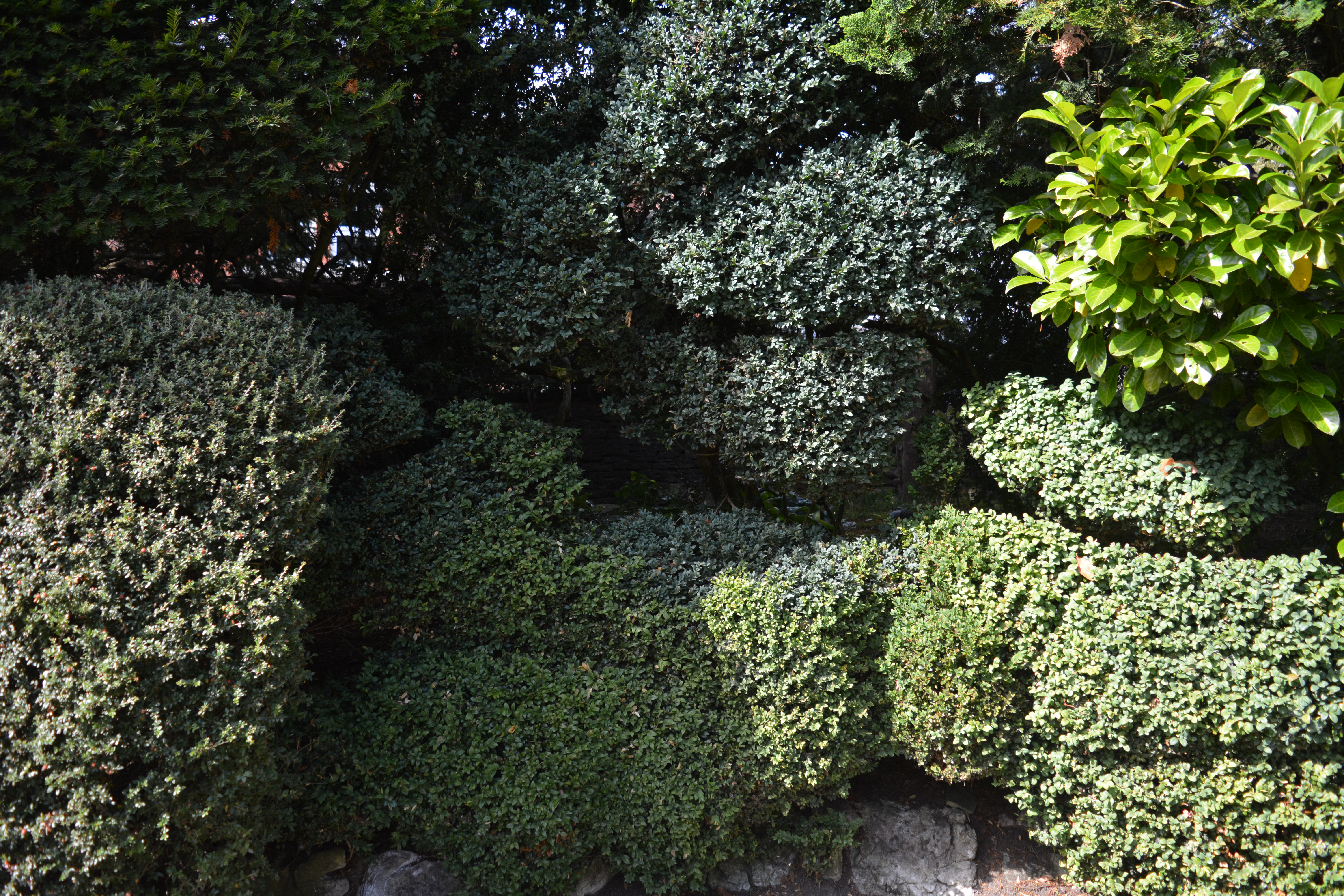
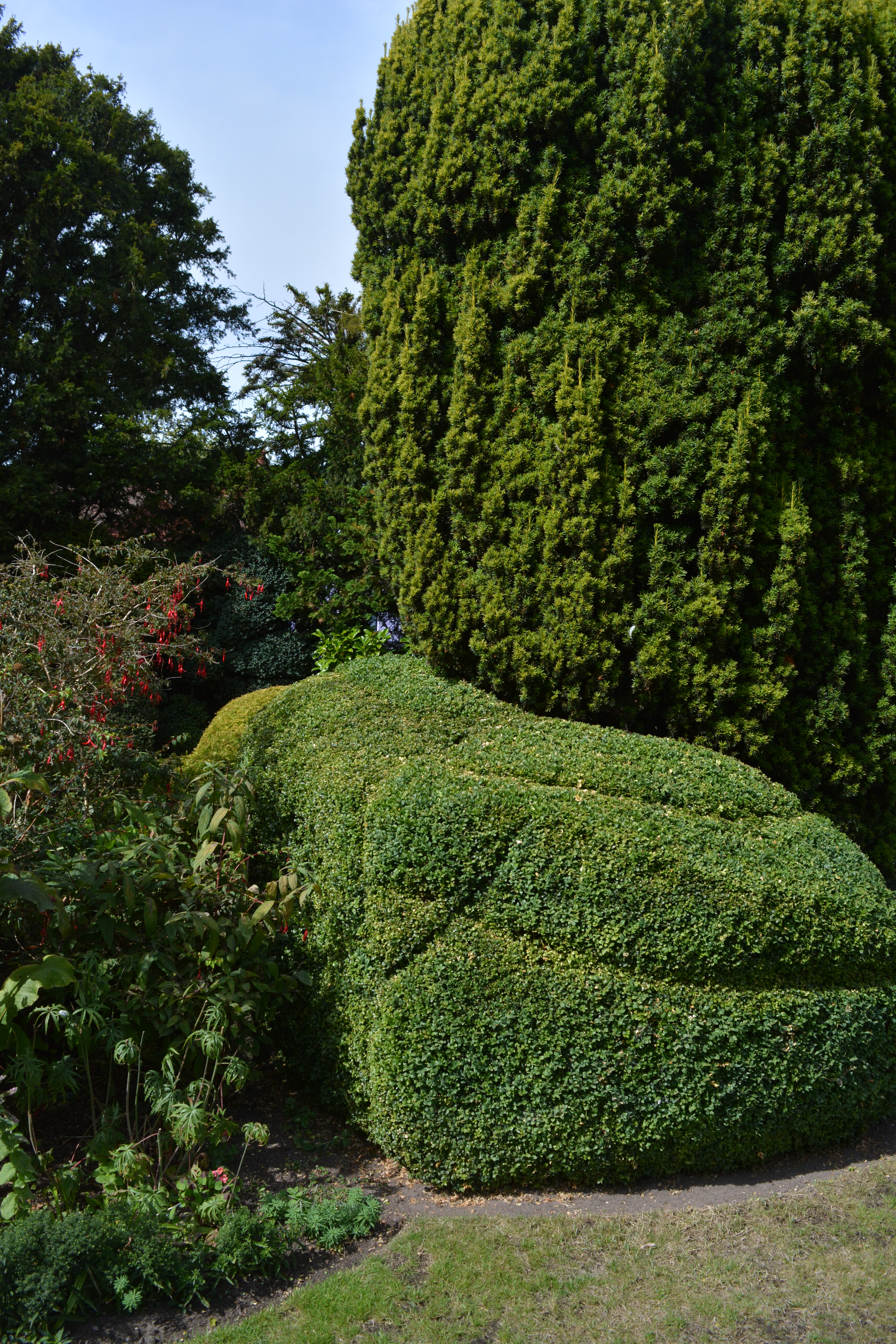
Interesting pruning techniques and styles by the owners had breathed new life into otherwise rather dull conifers. Conifers are carved into recesses for seats or entranceways to another part of the garden, or simply to frame a piece of sculpture.

These solid conifers have been carefully trimmed in a way that implies almost drawing with shears.  Beautiful!

To share the rest of this lovely garden I shall finish of with a gallery which follows our wanderings discovering so many different aspects of the garden. Enjoy by simply clicking on the first photo then navigating using the arrows.


Categories
colours garden design garden photography gardening gardens hardy perennials light light quality ornamental grasses ornamental trees and shrubs outdoor sculpture sculpture Shrewsbury Shropshire trees

My Garden Journal 2018 – December

Here we are with the final visit to my Garden Journal 2018, as we discover what has been going on at out Avocet patch in December. It has been a year of difficult weather for us gardeners with freezing winds, a wet spring followed by a drought in the summer. It has been a bit of a trial really encouraging things to grow and struggling to get new plants established. But of course none of this spoilt our enjoyment of our garden and gardening itself.

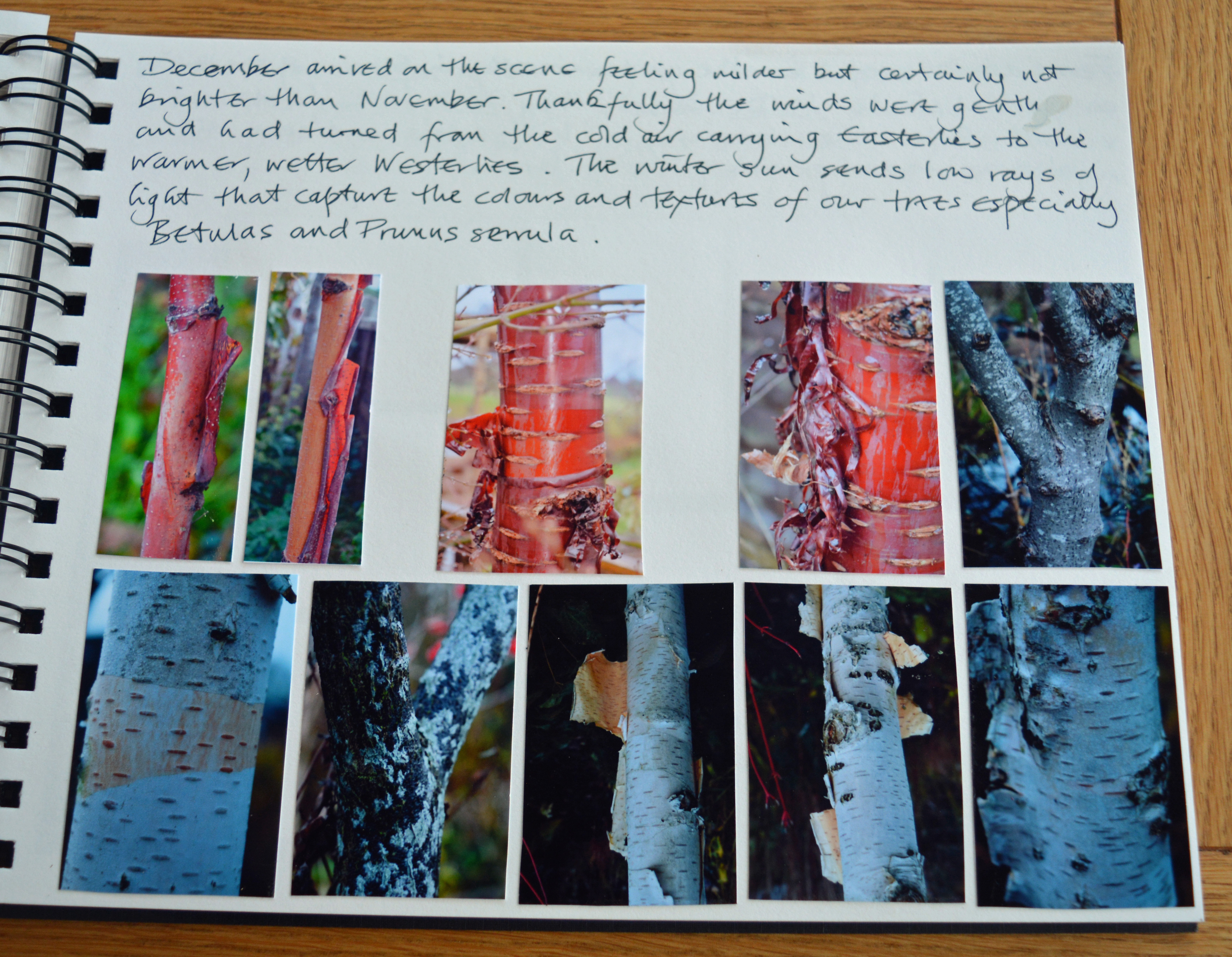
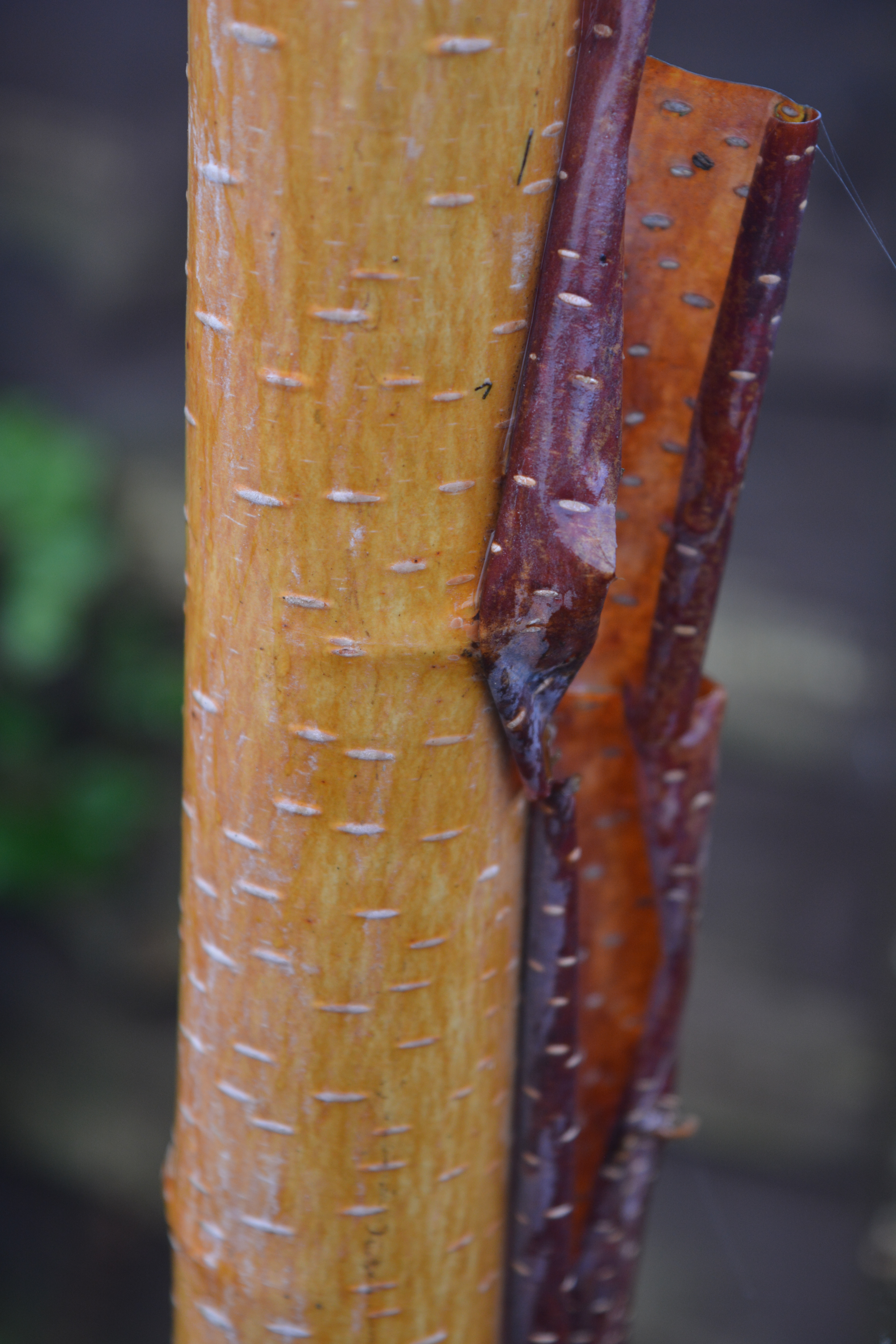
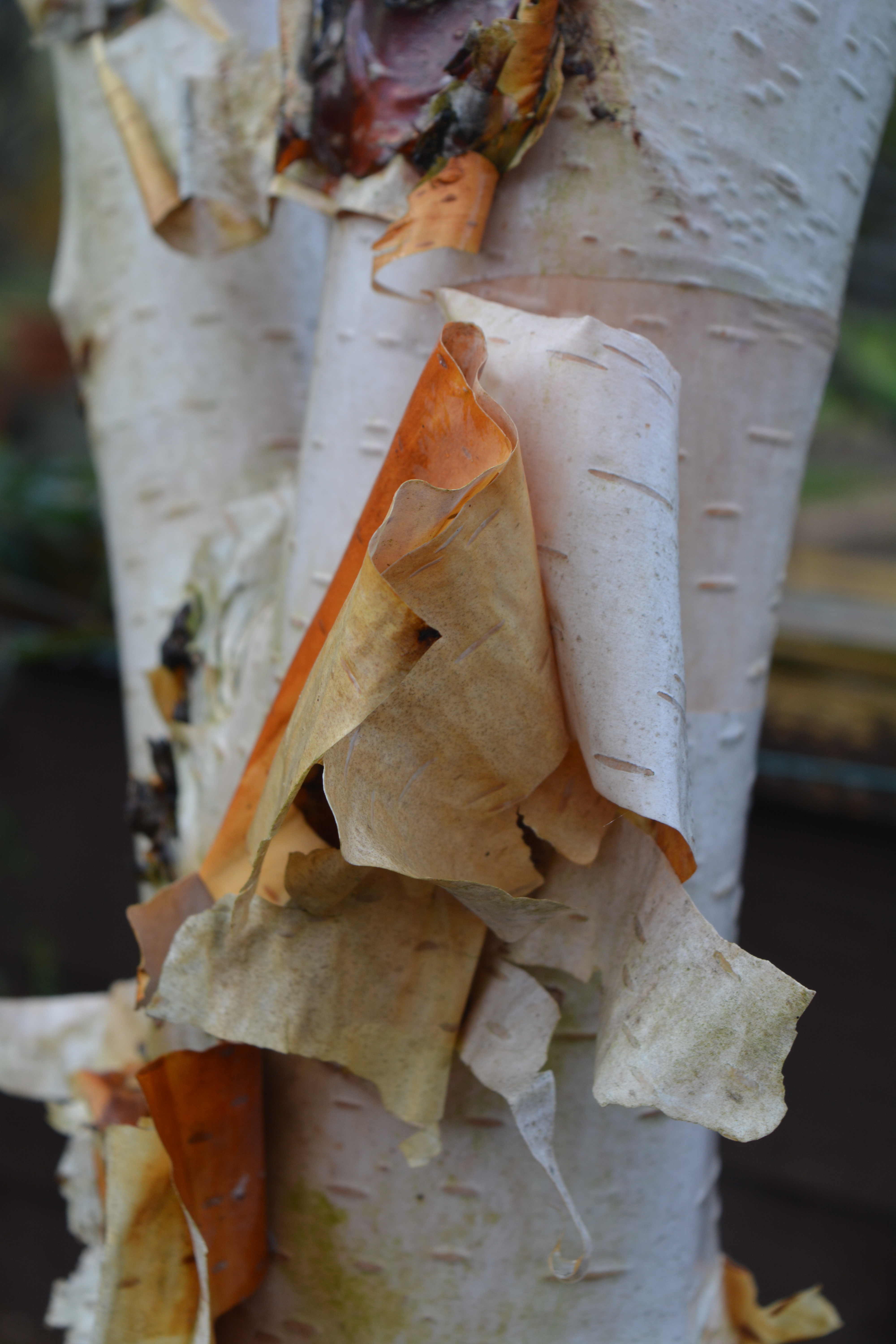
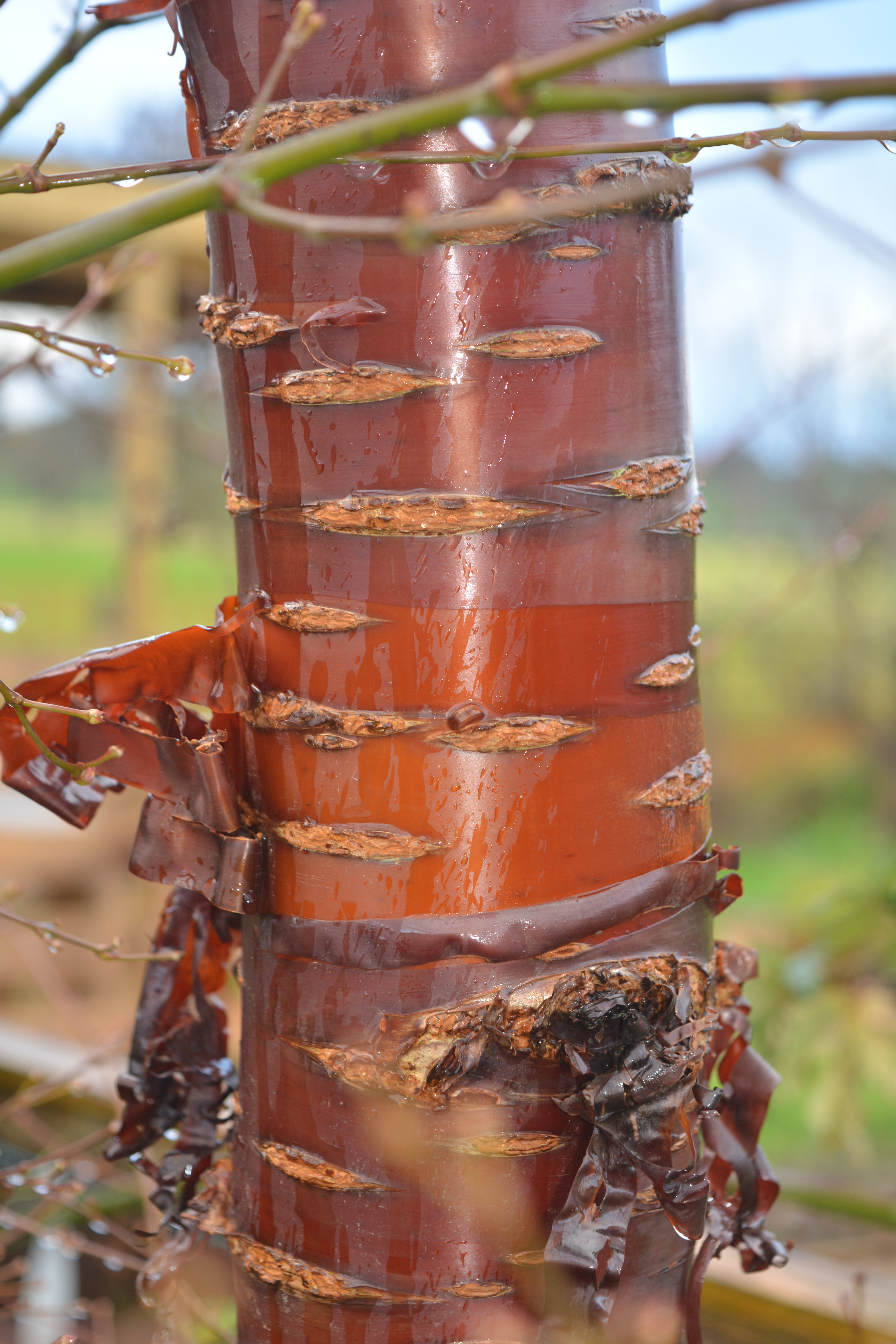
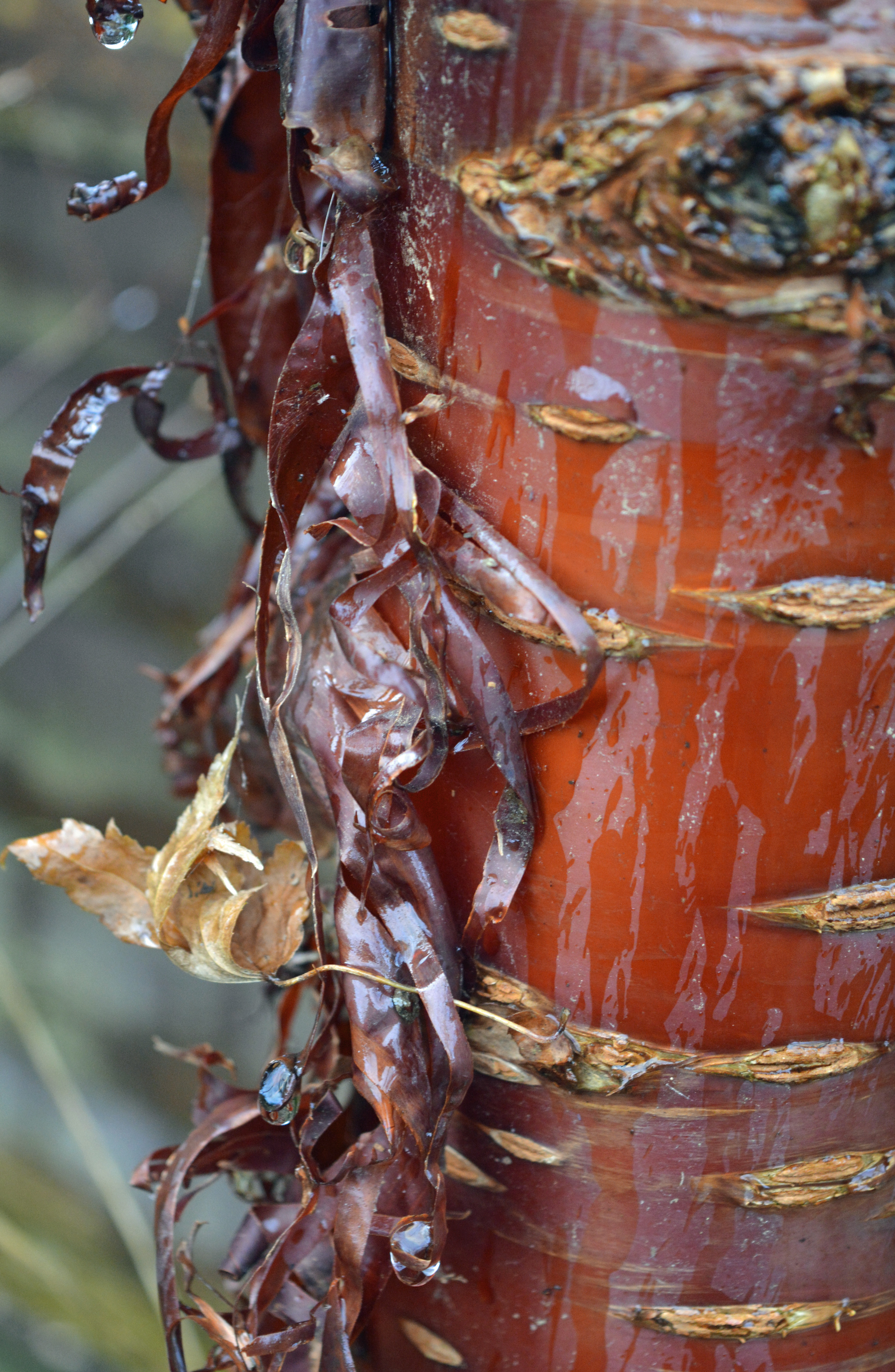
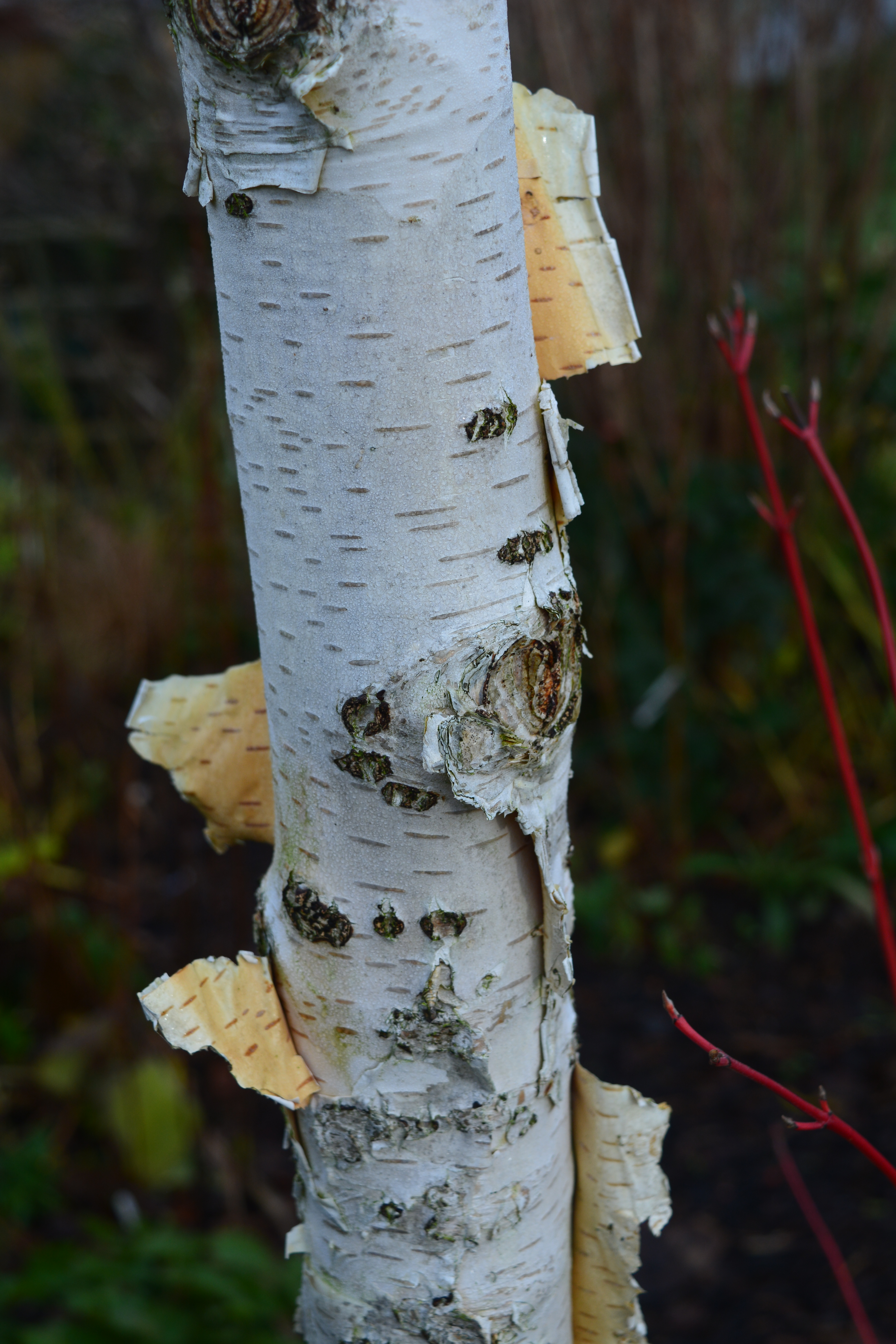
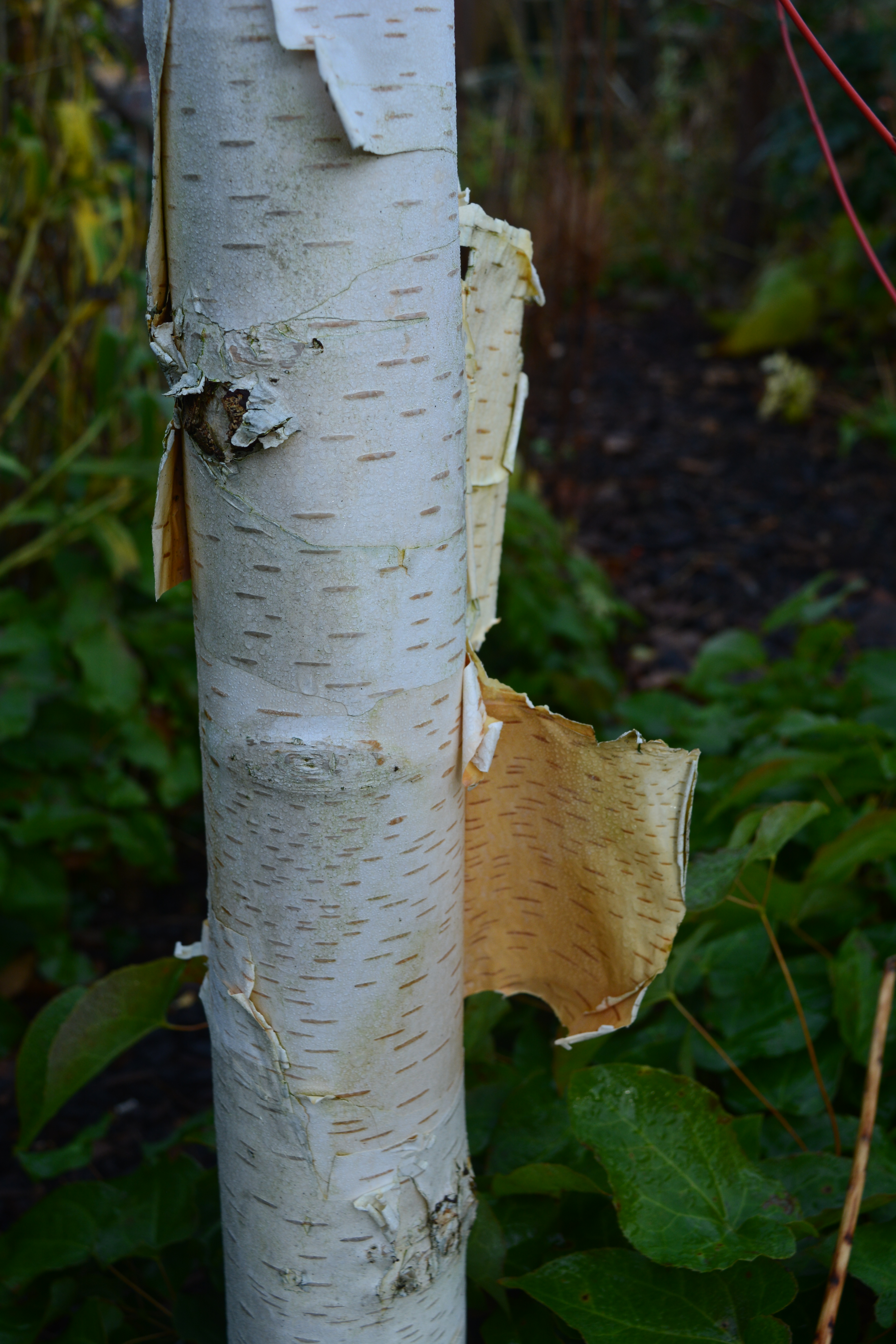
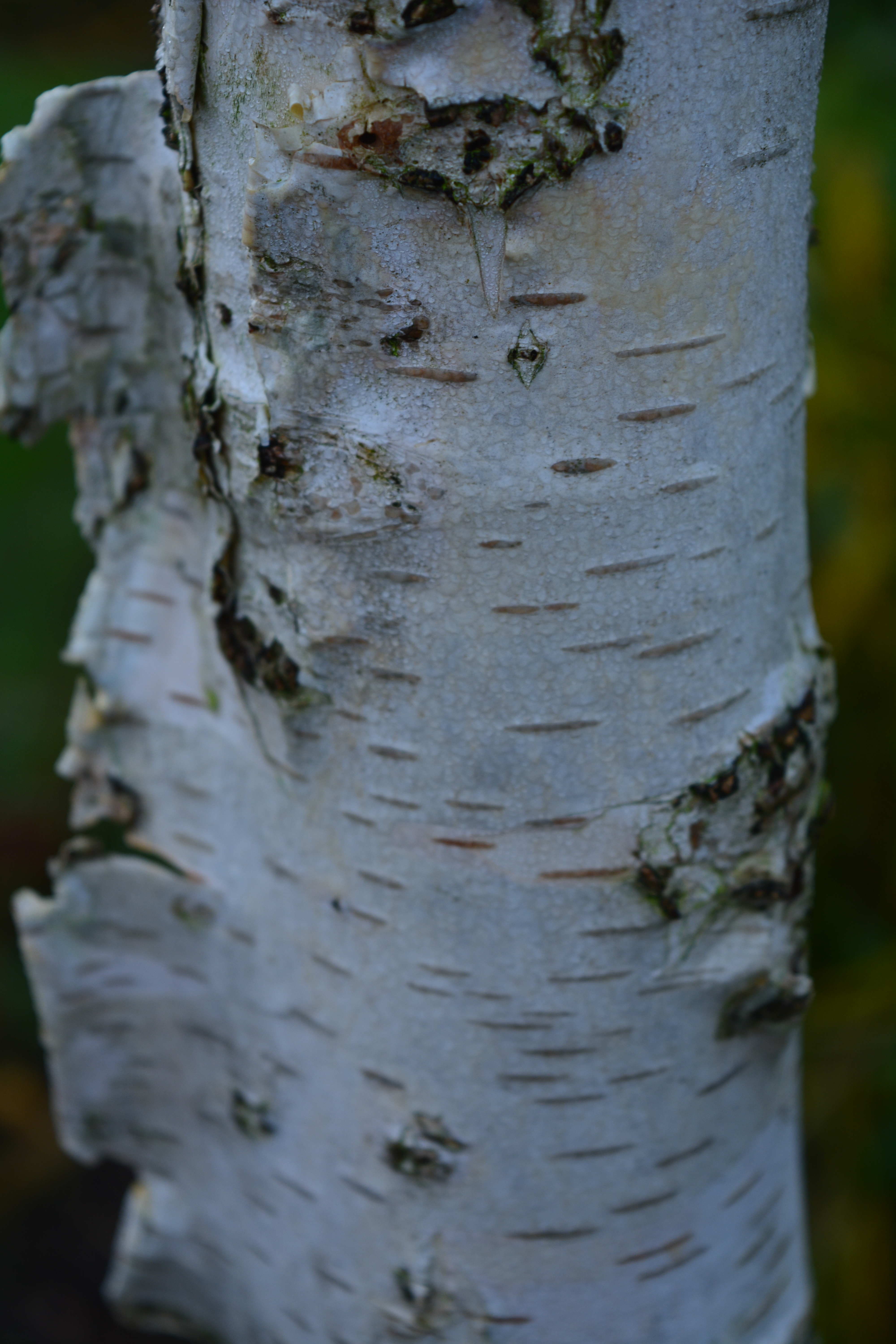
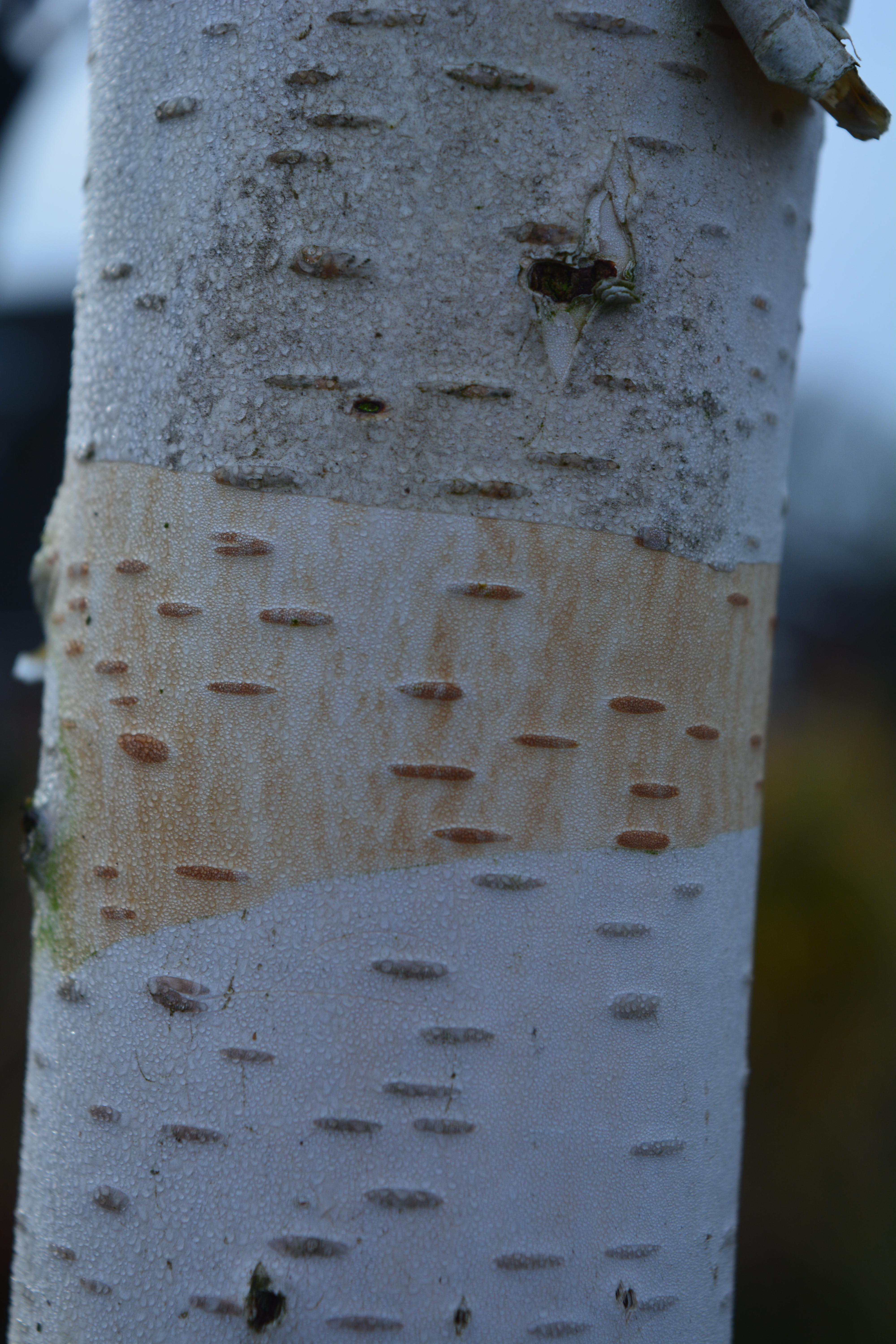
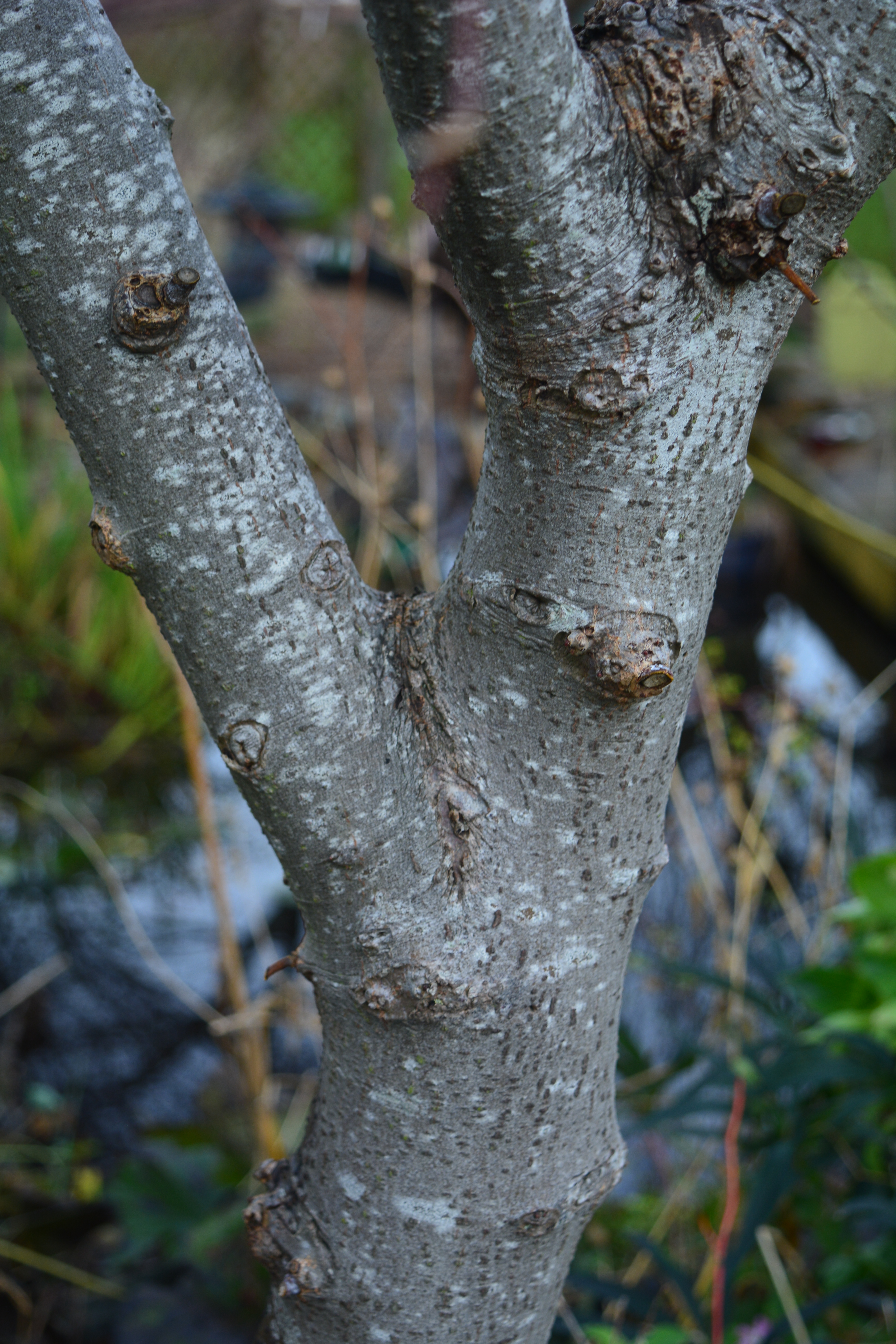
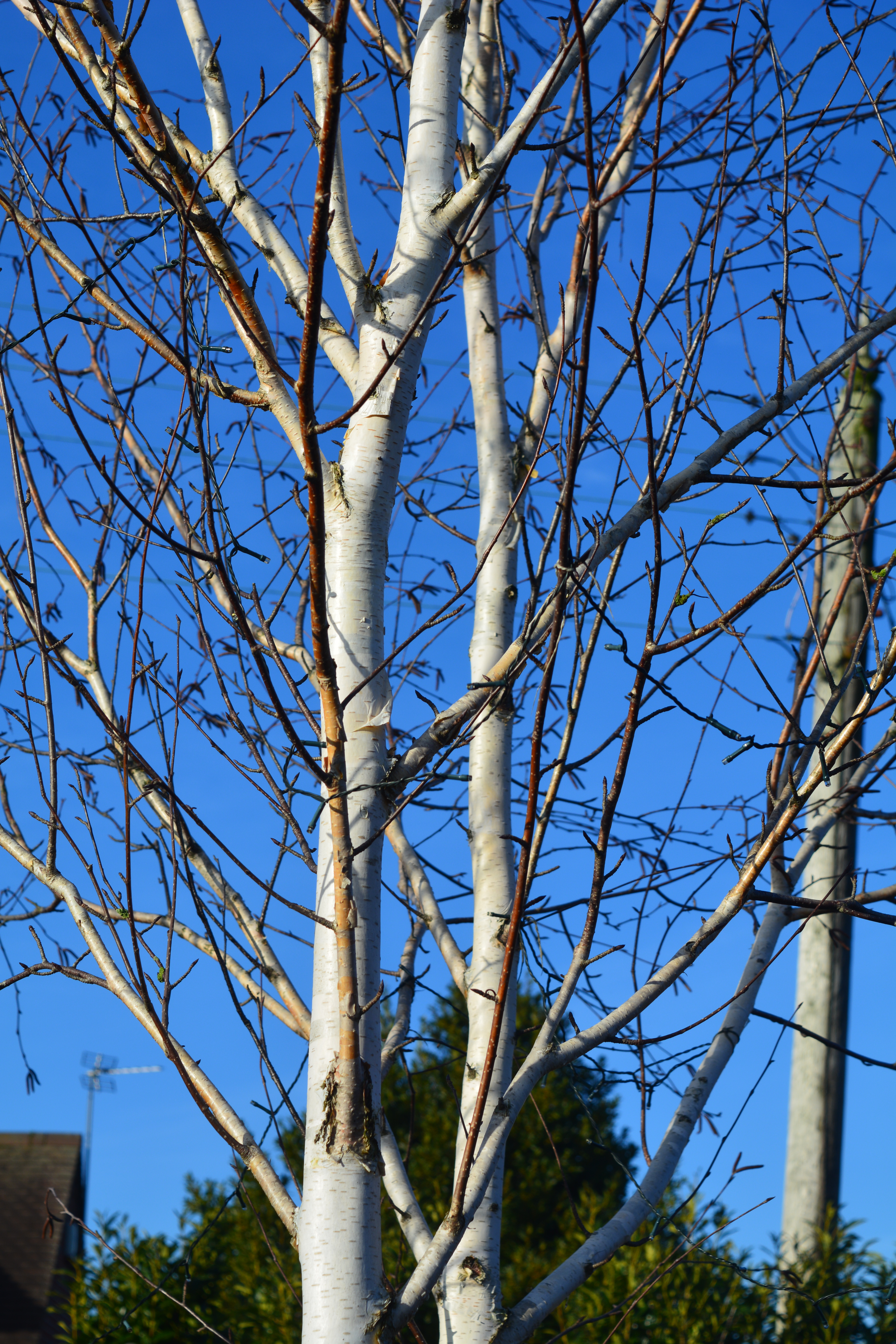
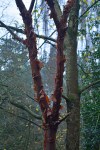
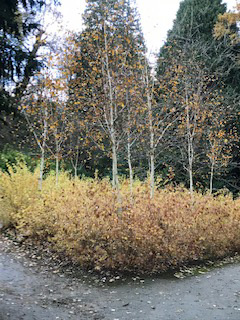
I began my entries for December by writing, “December arrived on the scene feeling milder but certainly not brighter than November. Thankfully the winds were gentle and had turned from the cold air carrying Easterlies to the warmer, wetter Westerlies. The winter sun sends low rays of light that capture the colours and textures of our trees especially Betulas and Prunus serrula.” I then featured photographs of our Prunus serrula and some of our Betulas.

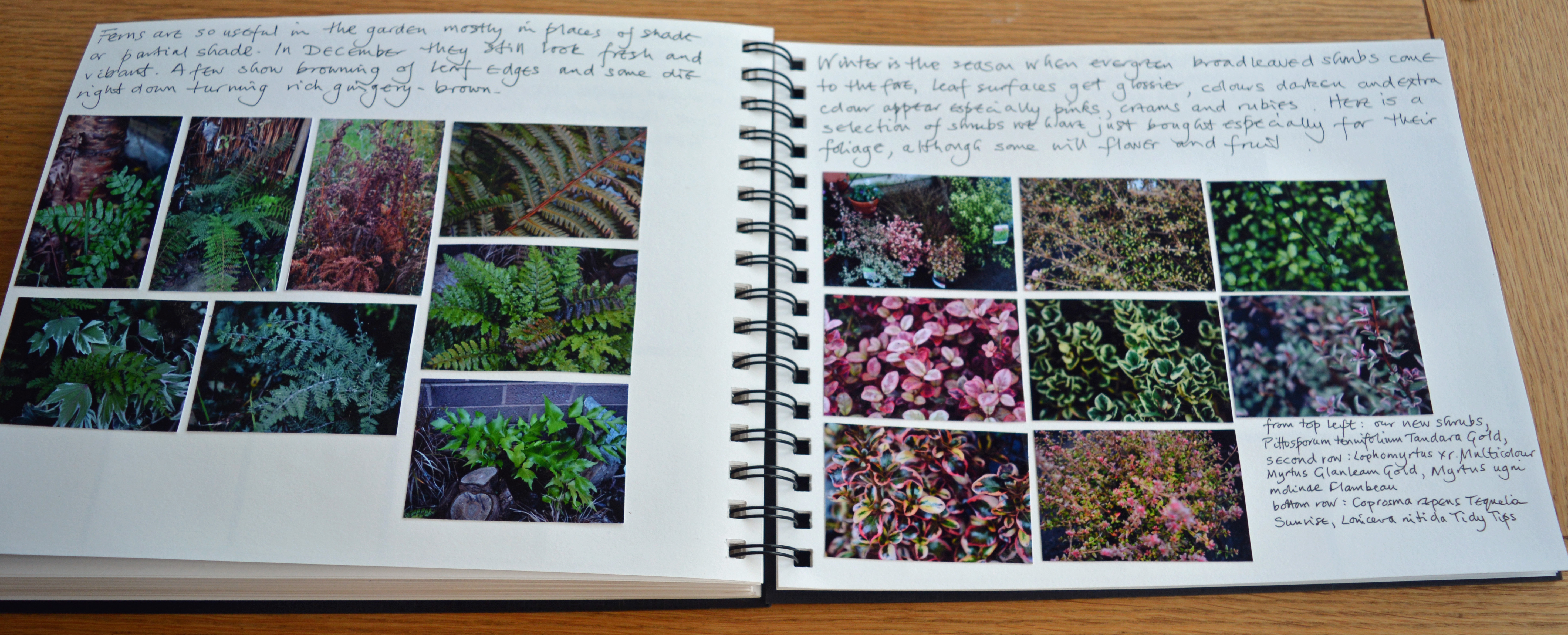
Over the page I moved on to look at our ferns and then small shrubs with many coloured foliage.

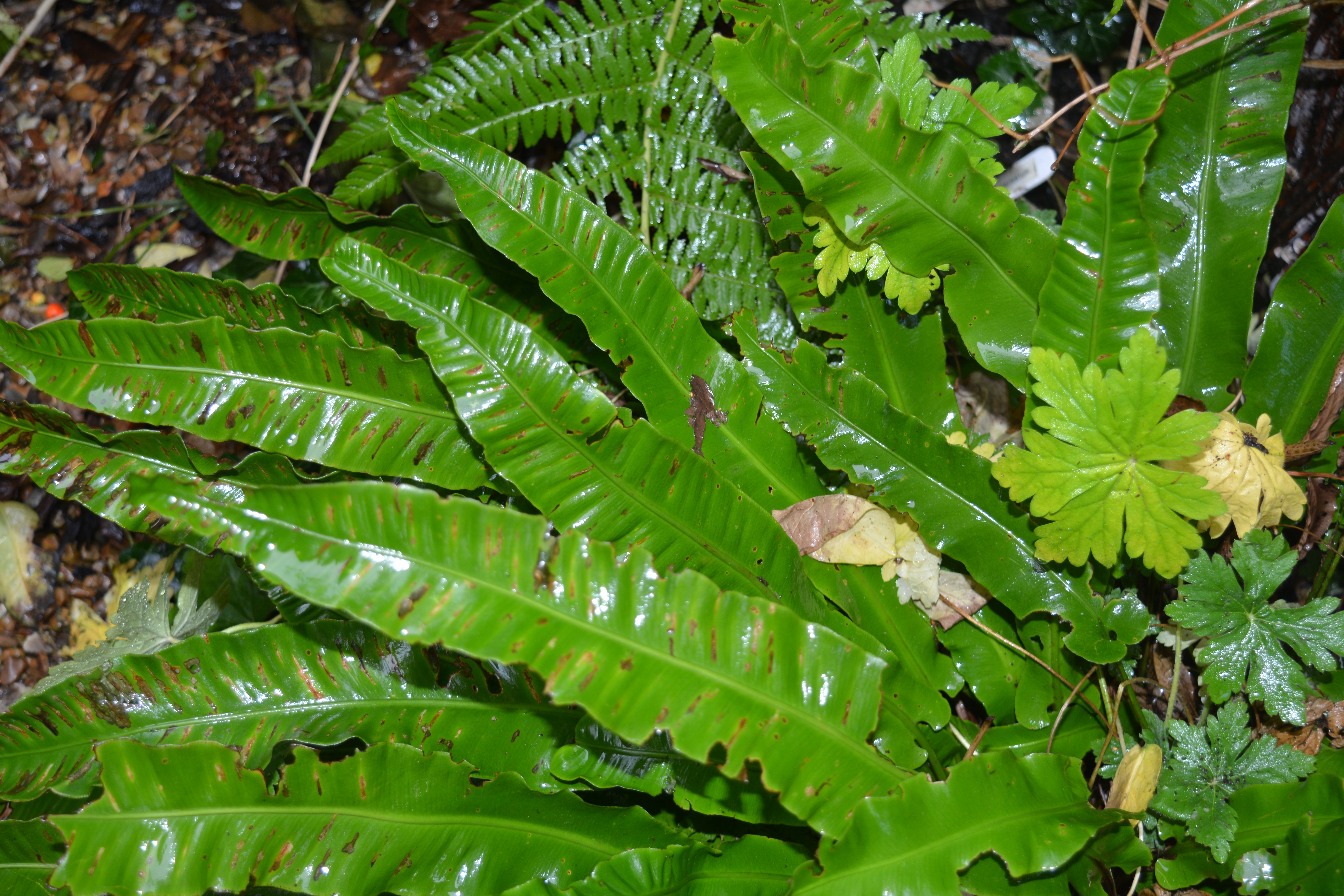
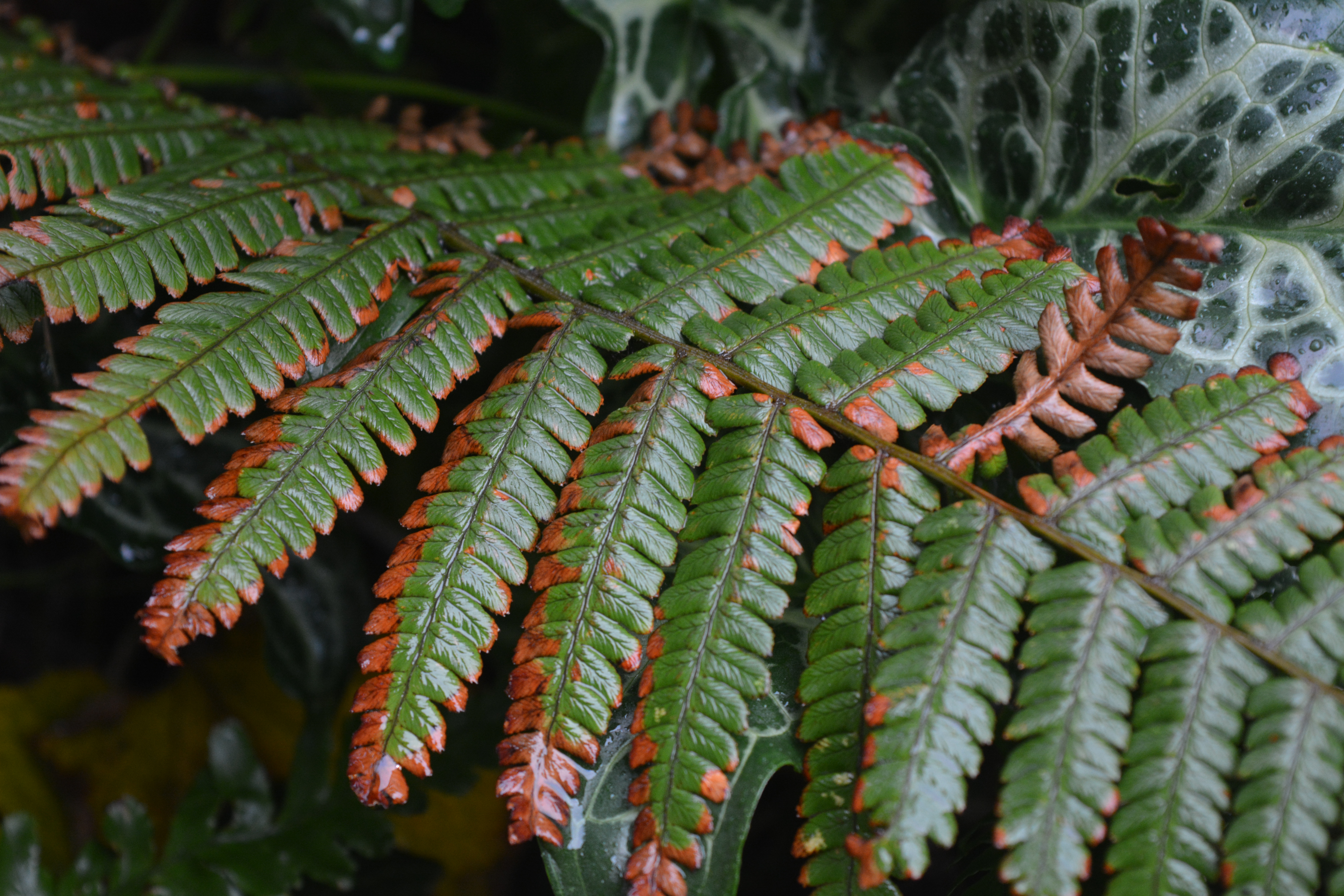
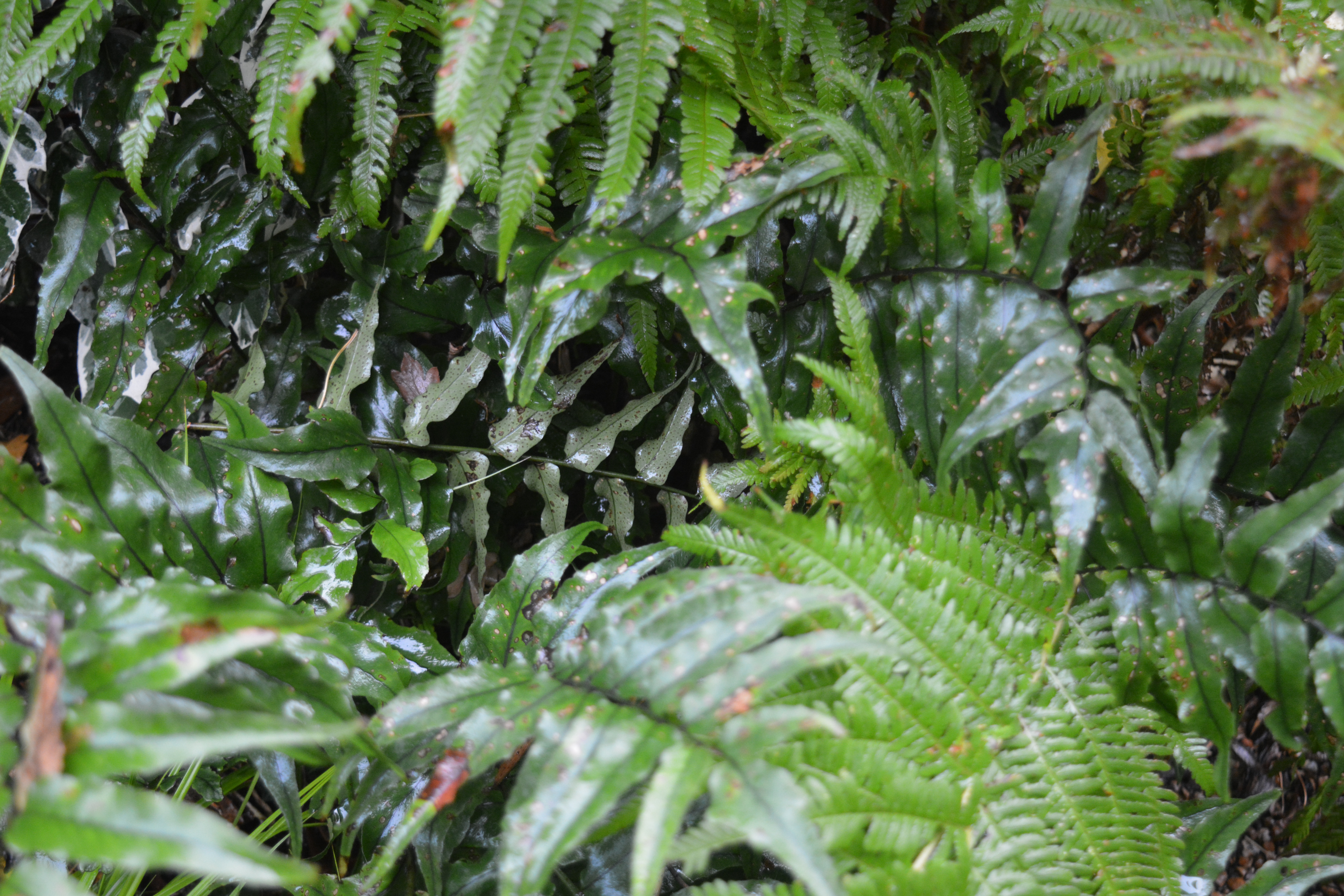
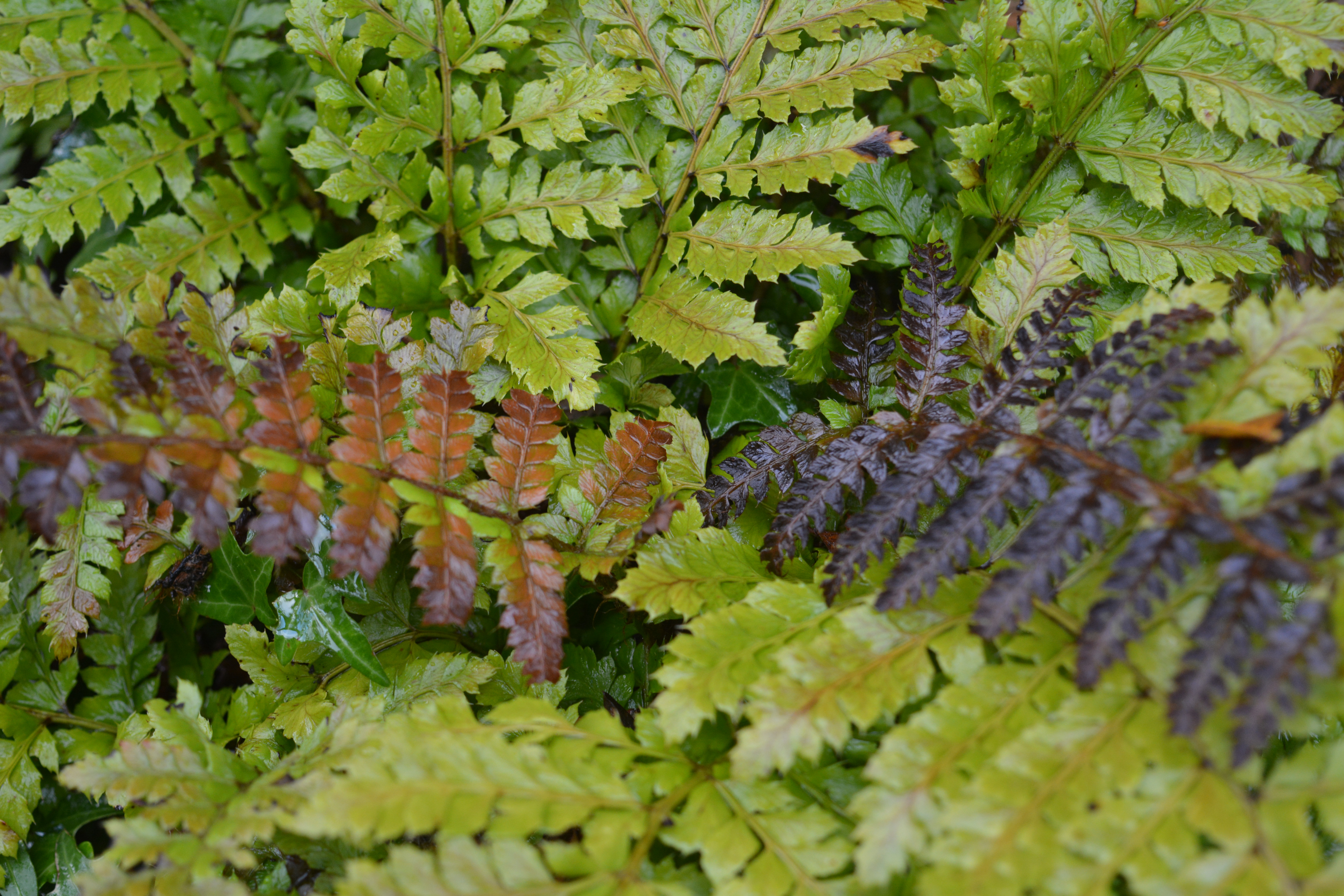
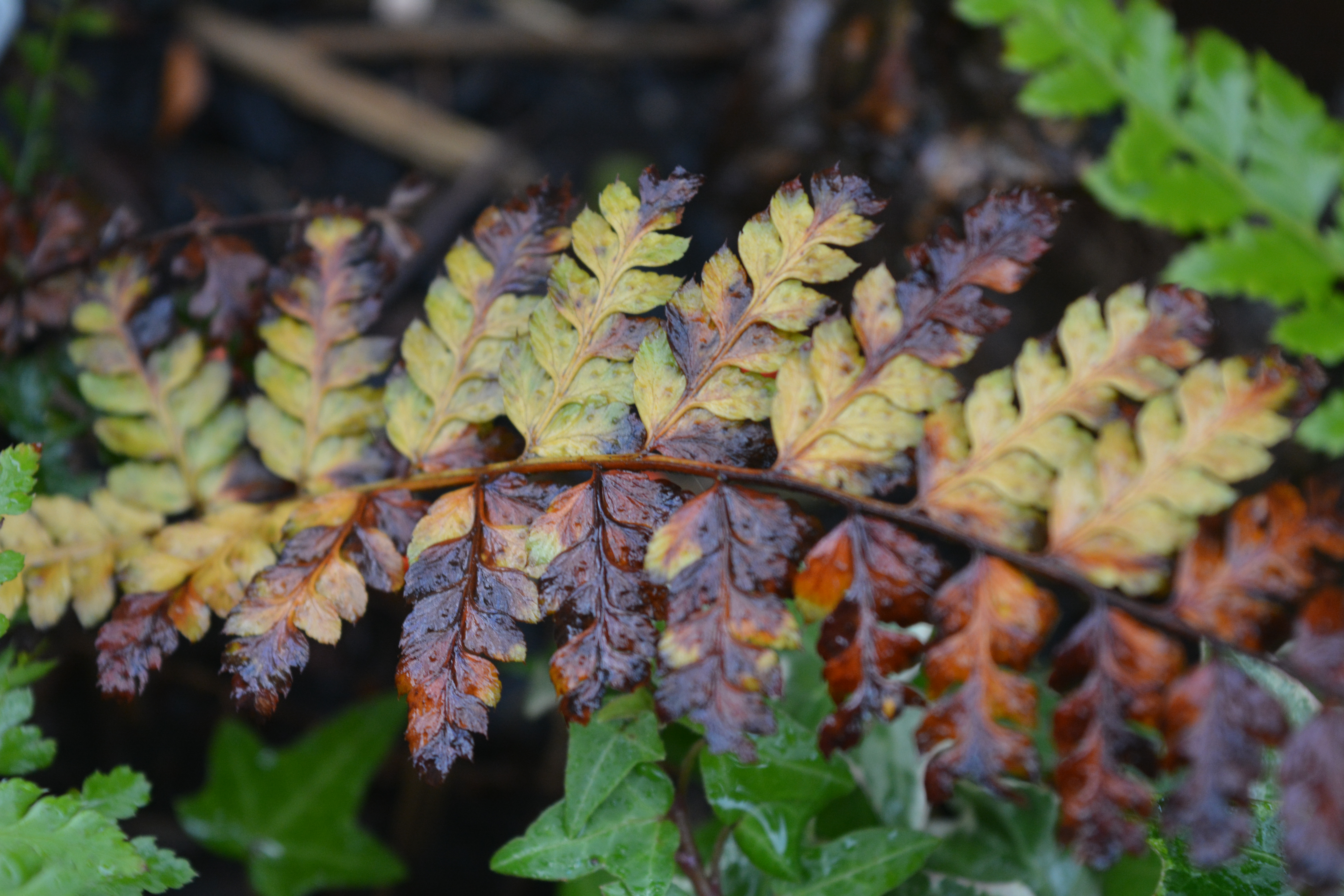
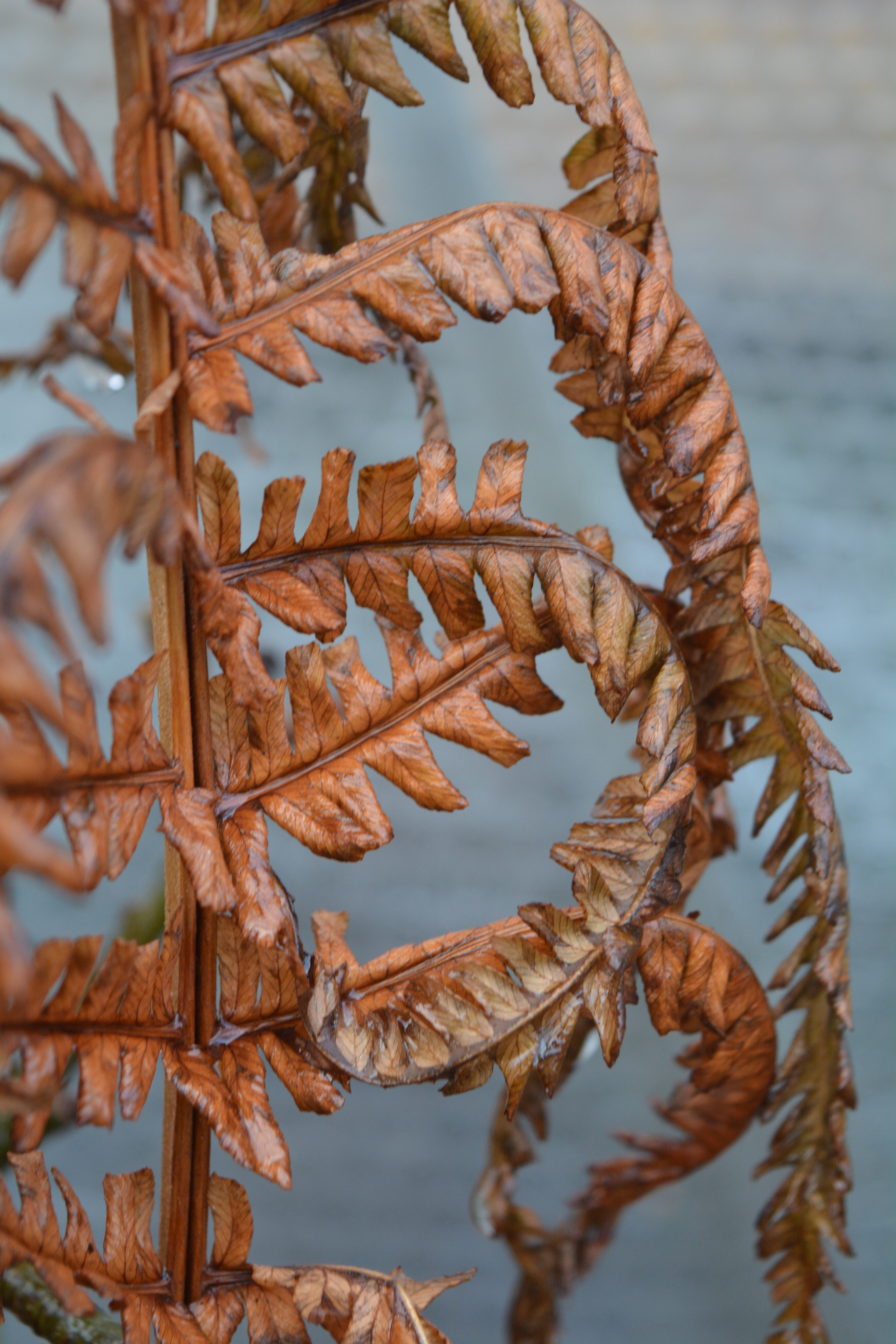
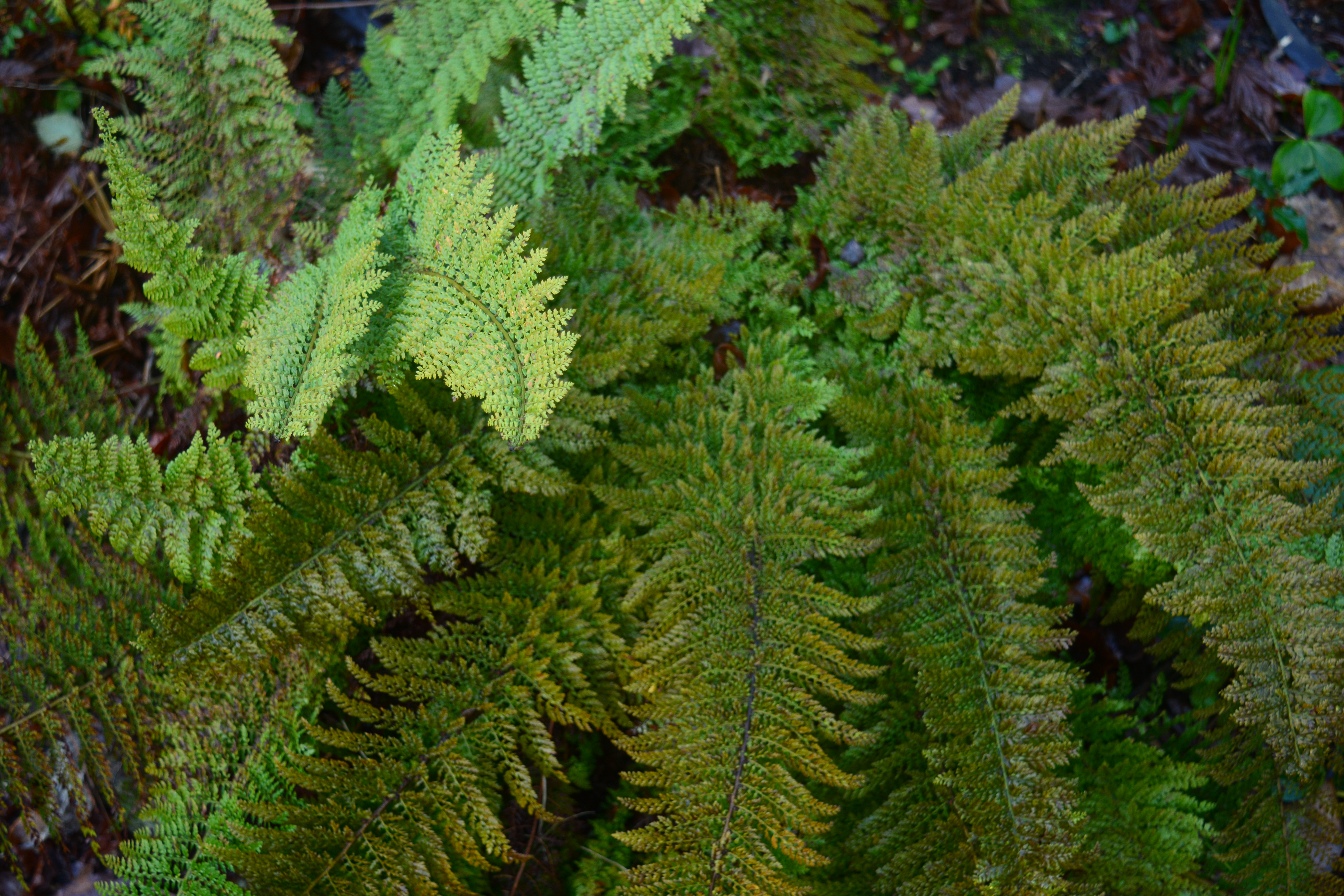
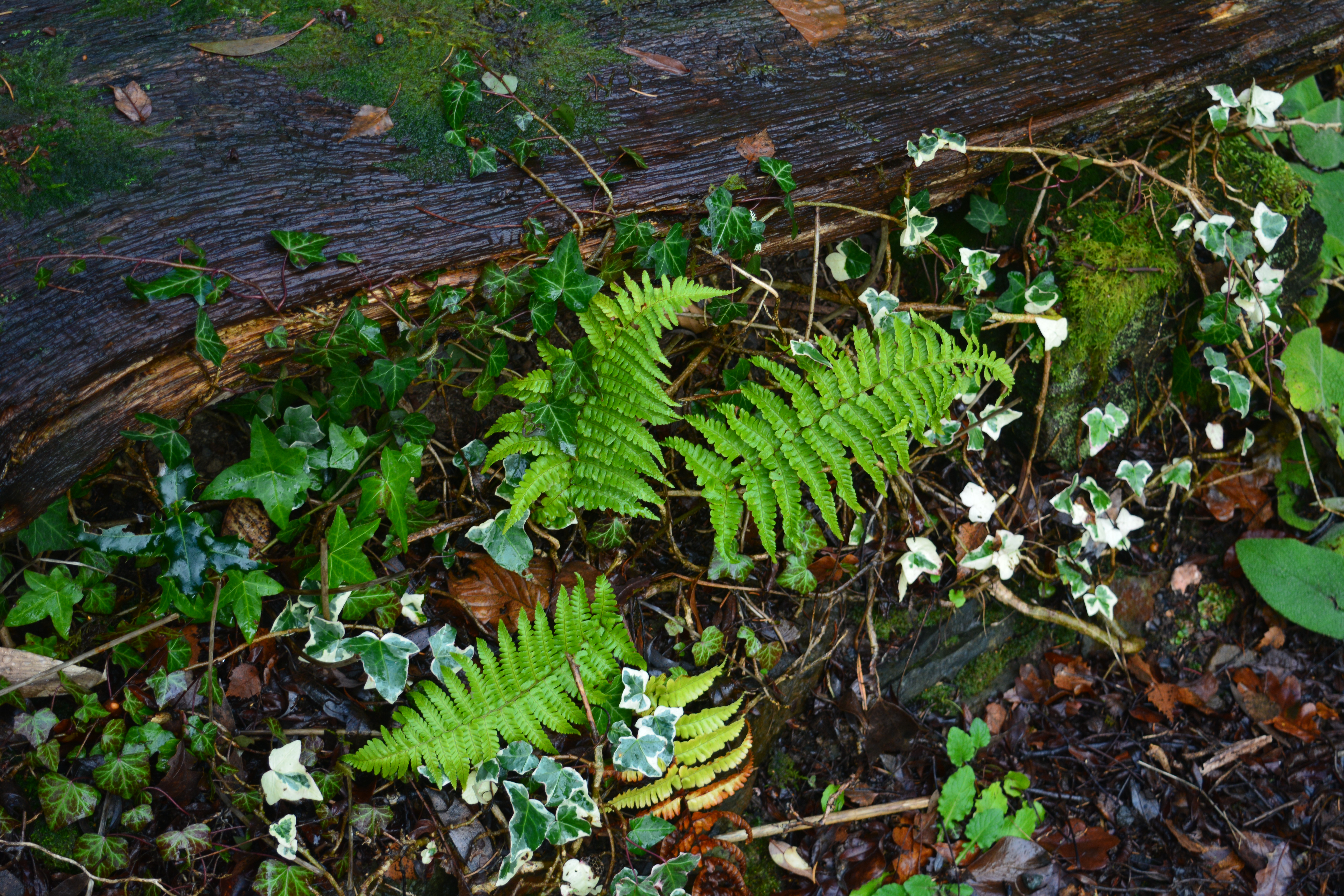
I wrote, “Ferns are so useful in the garden mostly in places of shade or partial shade. In December they still look fresh and vibrant. A few though show browning of leaf edges and some die right down turning a rich gingery-brown.” Then I shared a selection of photos of some of our ferns.

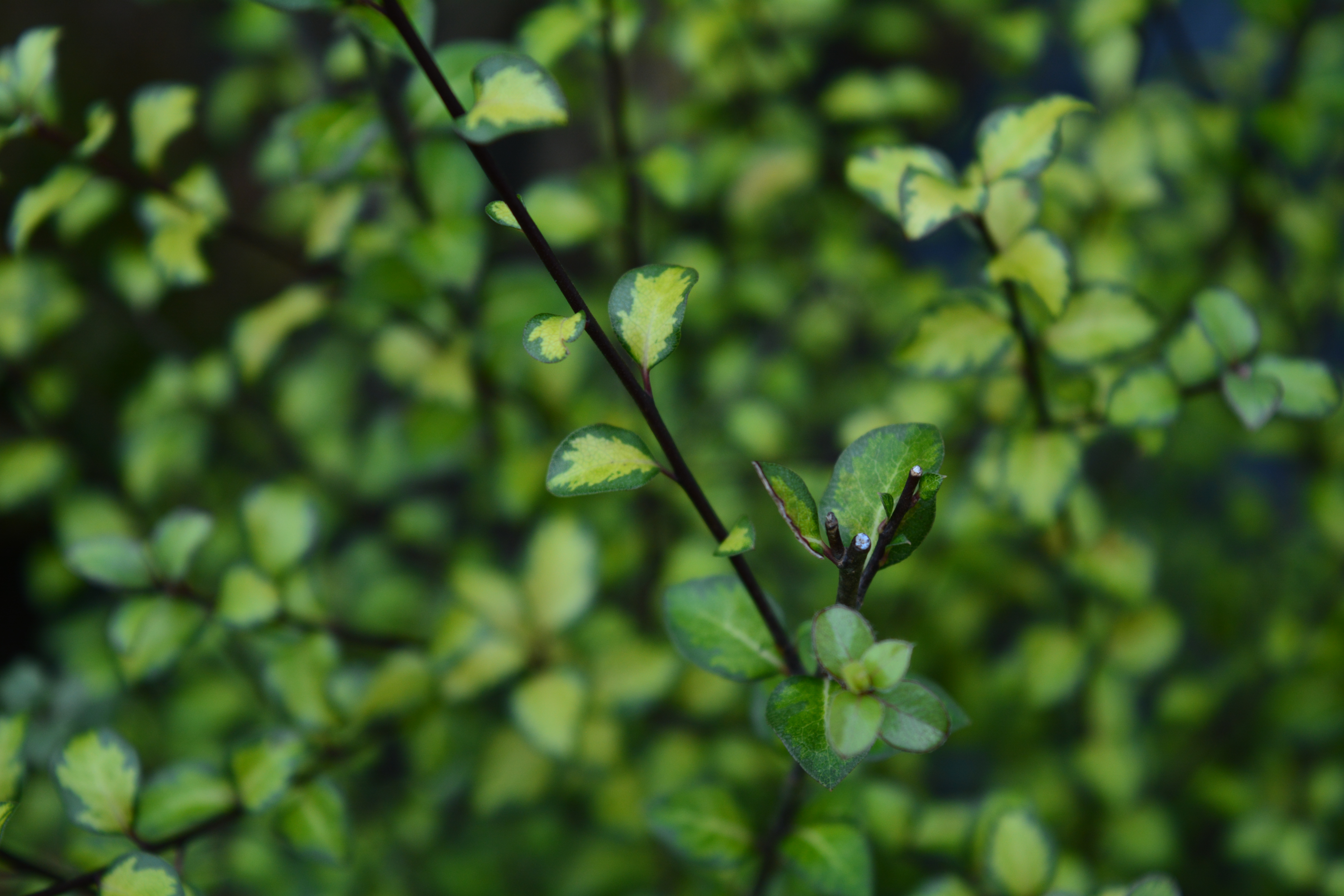
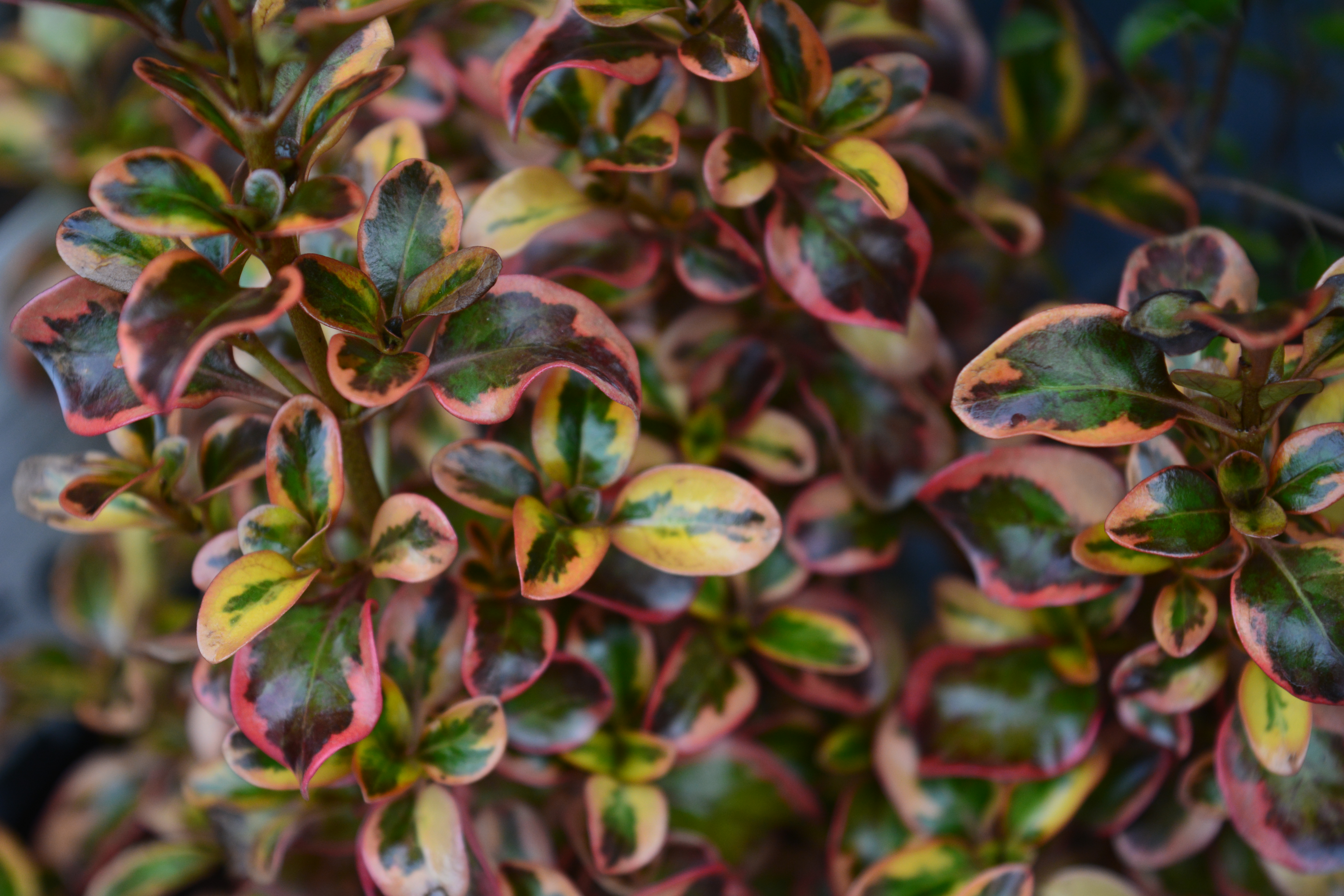
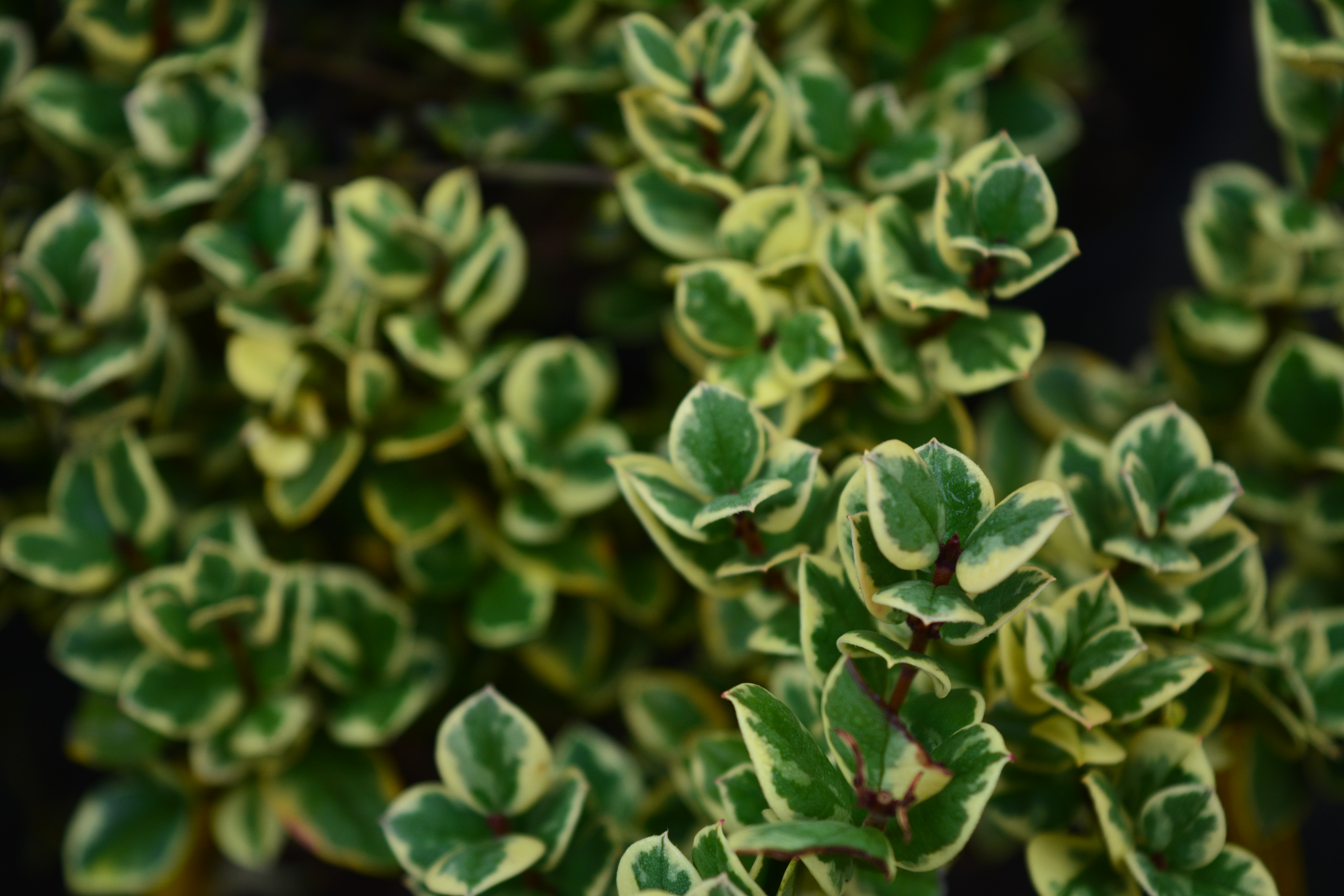
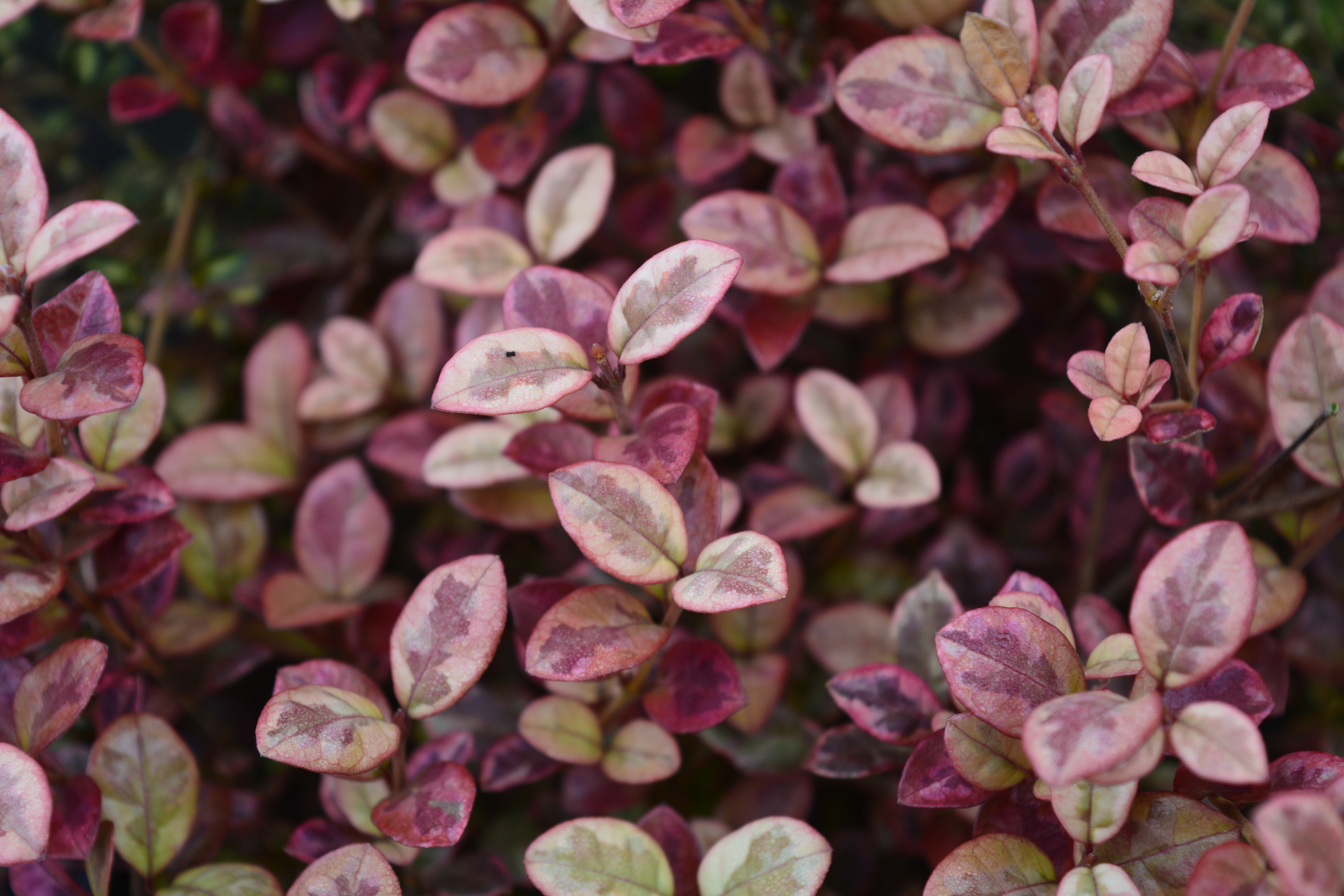
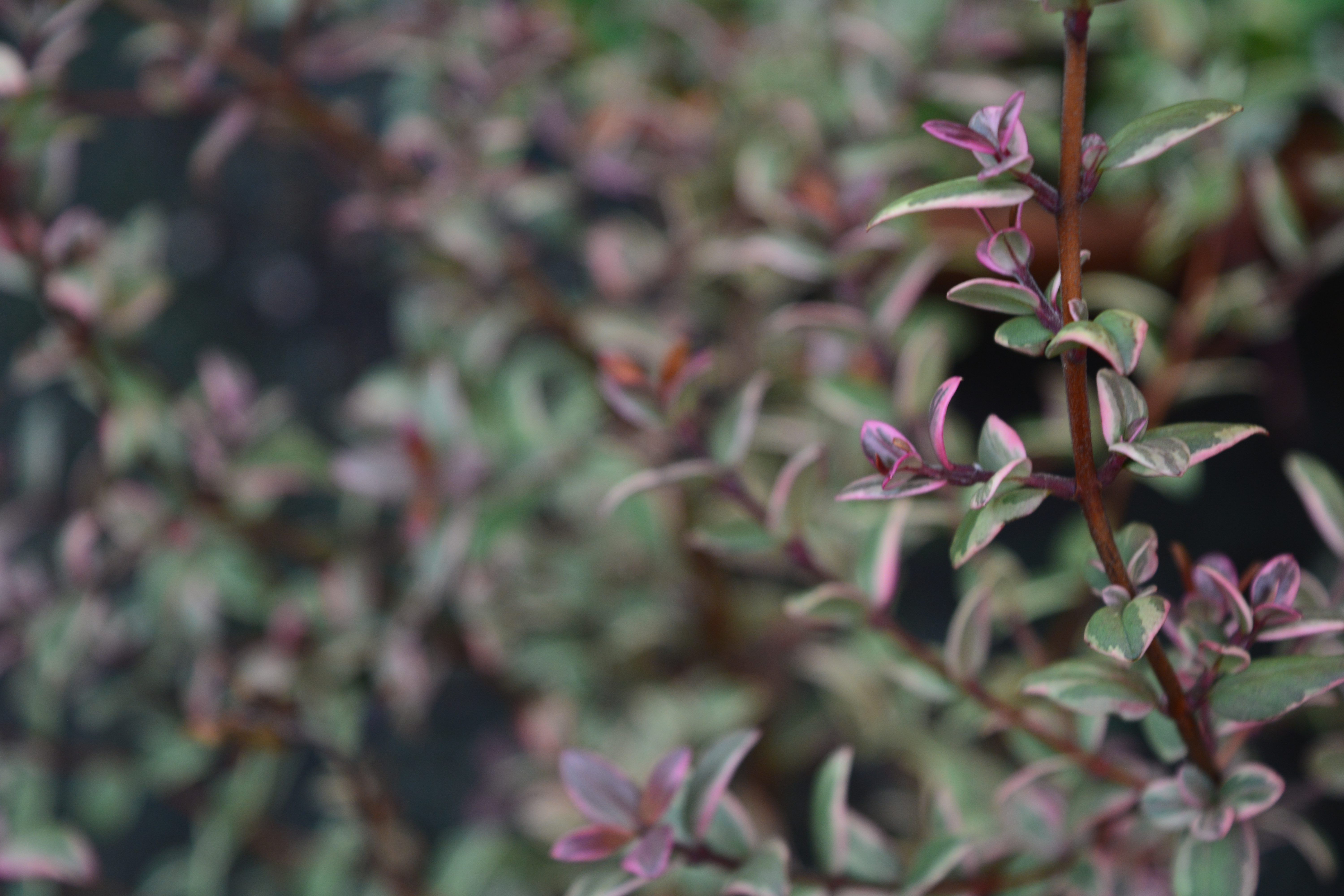
On the opposite page it was our small shrubs that sport interesting foliage that featured. We have only recently started using low growing shrubs for their foliage as we are discovering how much interest they can add to a border when flowers are lacking. I wrote, “Winter is the season when evergreen broadleaved shrubs come to the fore, leaf surfaces get glossier, colours darken and extra colour appears especially pinks, creams and rubies. Here is a selection of shrubs we have just bought especially for their foliage, although some will also flower and fruit.”


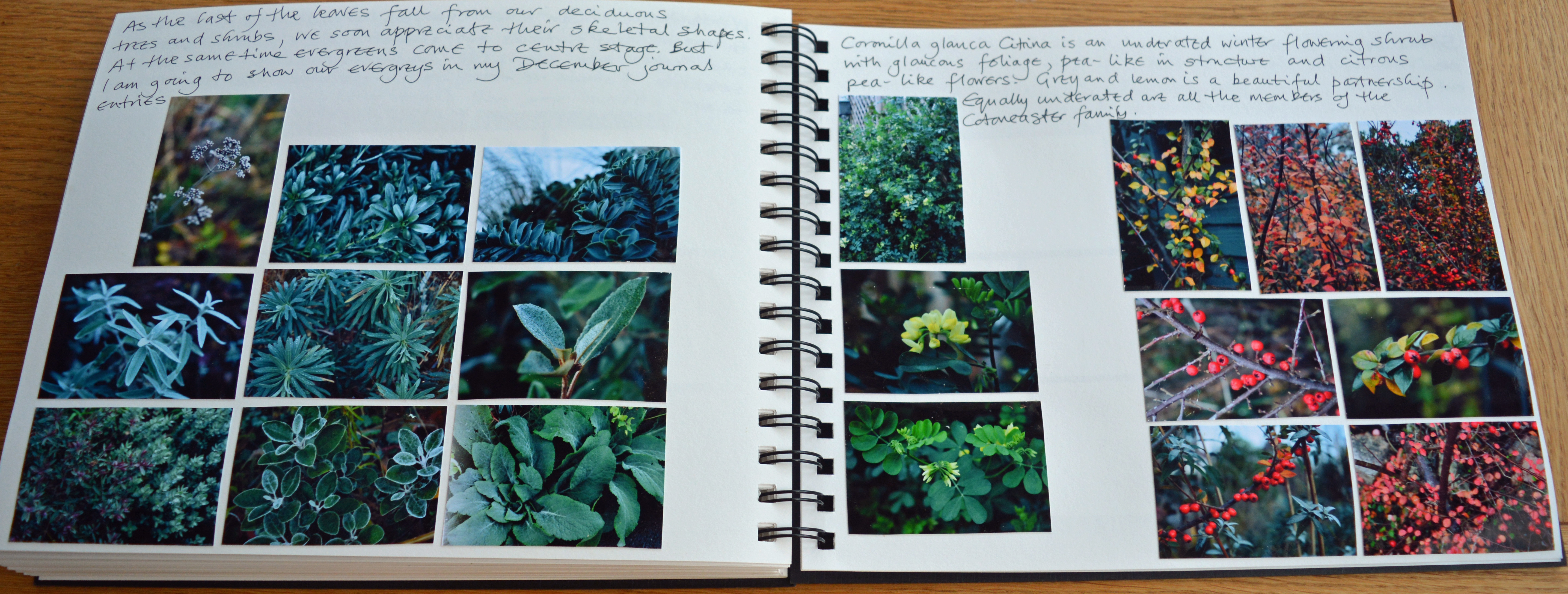
Turning over the page we can see glaucous foliage being featured. I wrote, “As the last leaves fall from our deciduous trees and shrubs, we can appreciate their skeletal shapes. At the same time evergreens come to the centre stage. But I am going to show our evergreys in my December journal entries.”

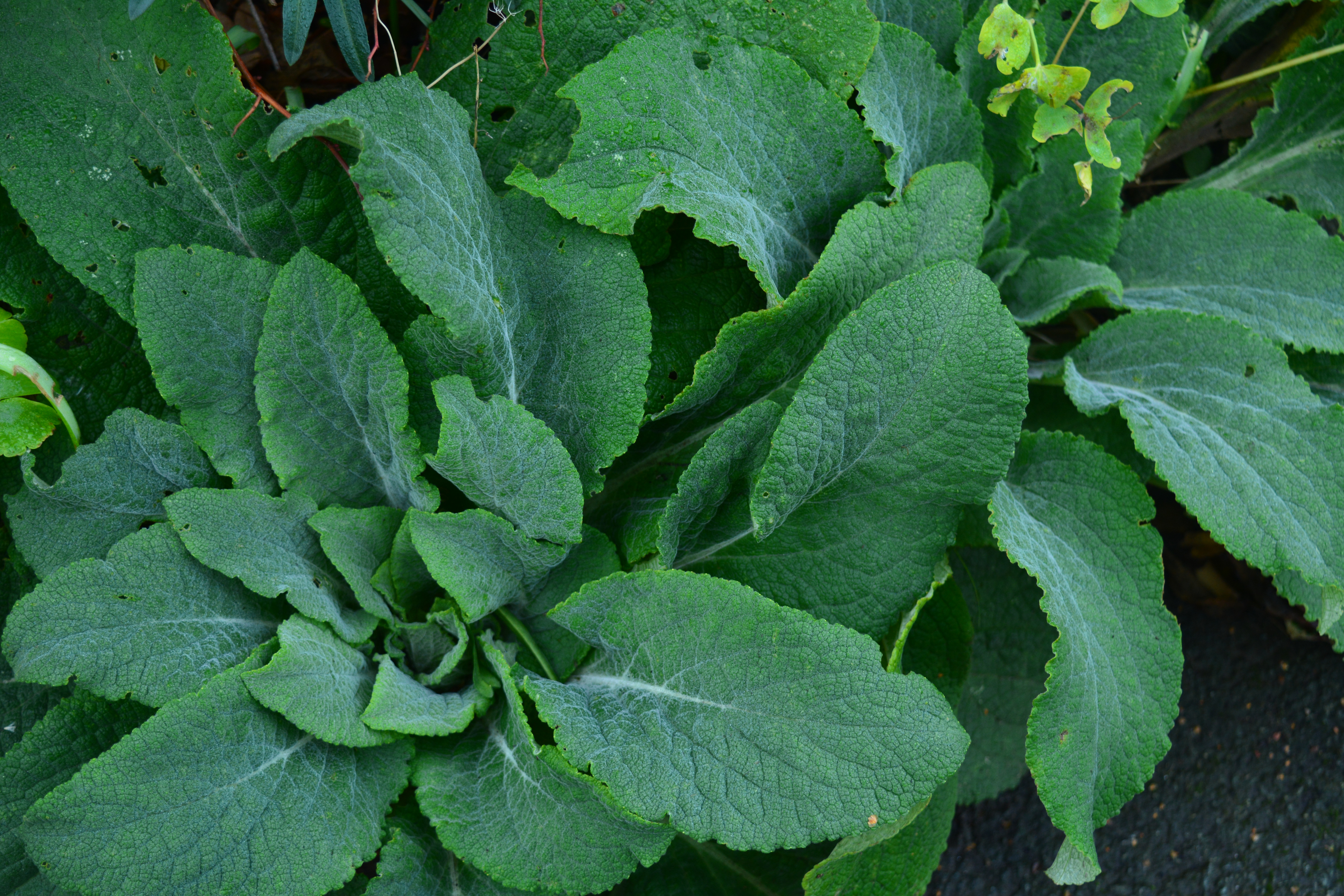
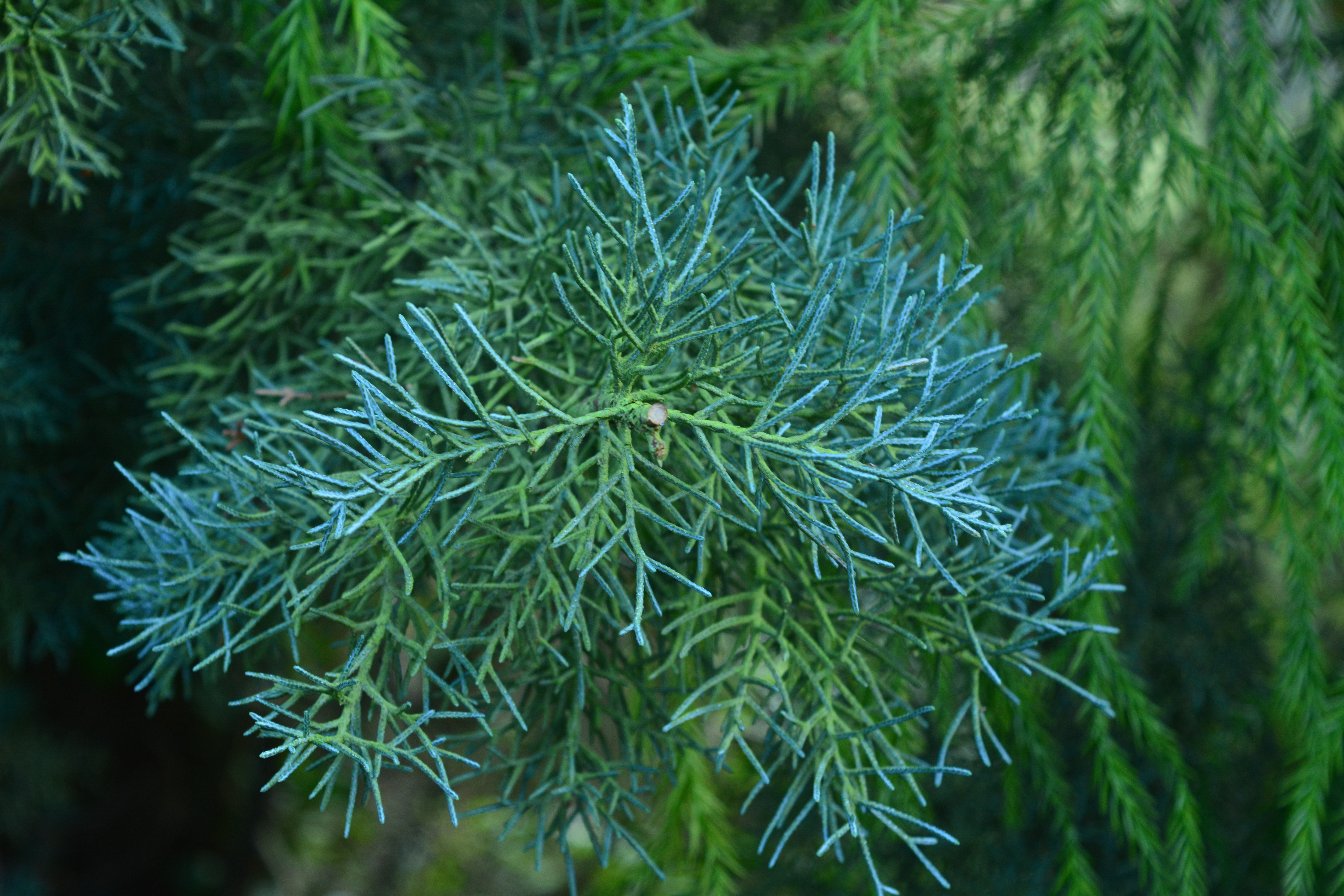
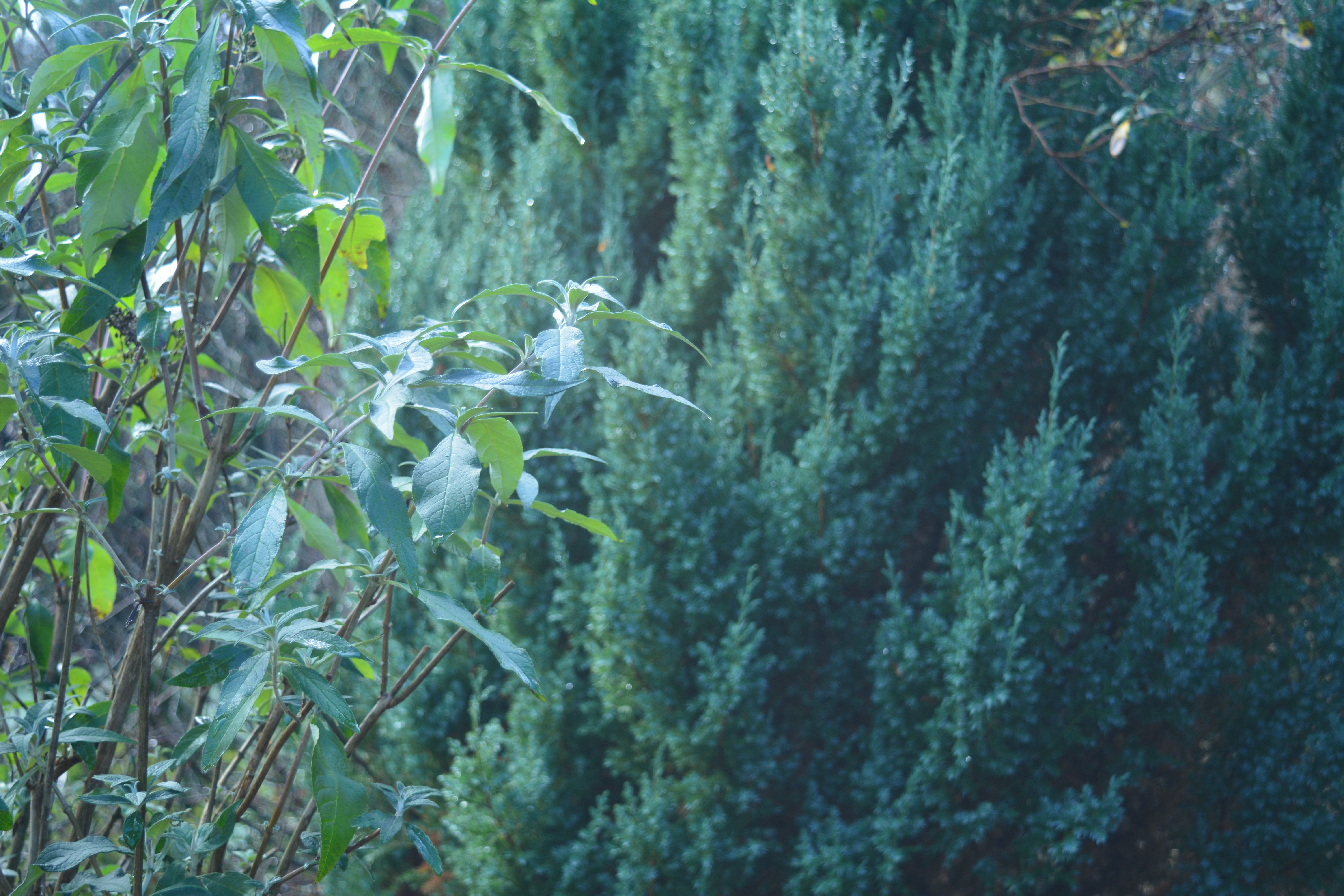
Here is a selection of photos of some of our many glaucous foliaged plants, a climber, some shrubs and some herbaceous perennials.

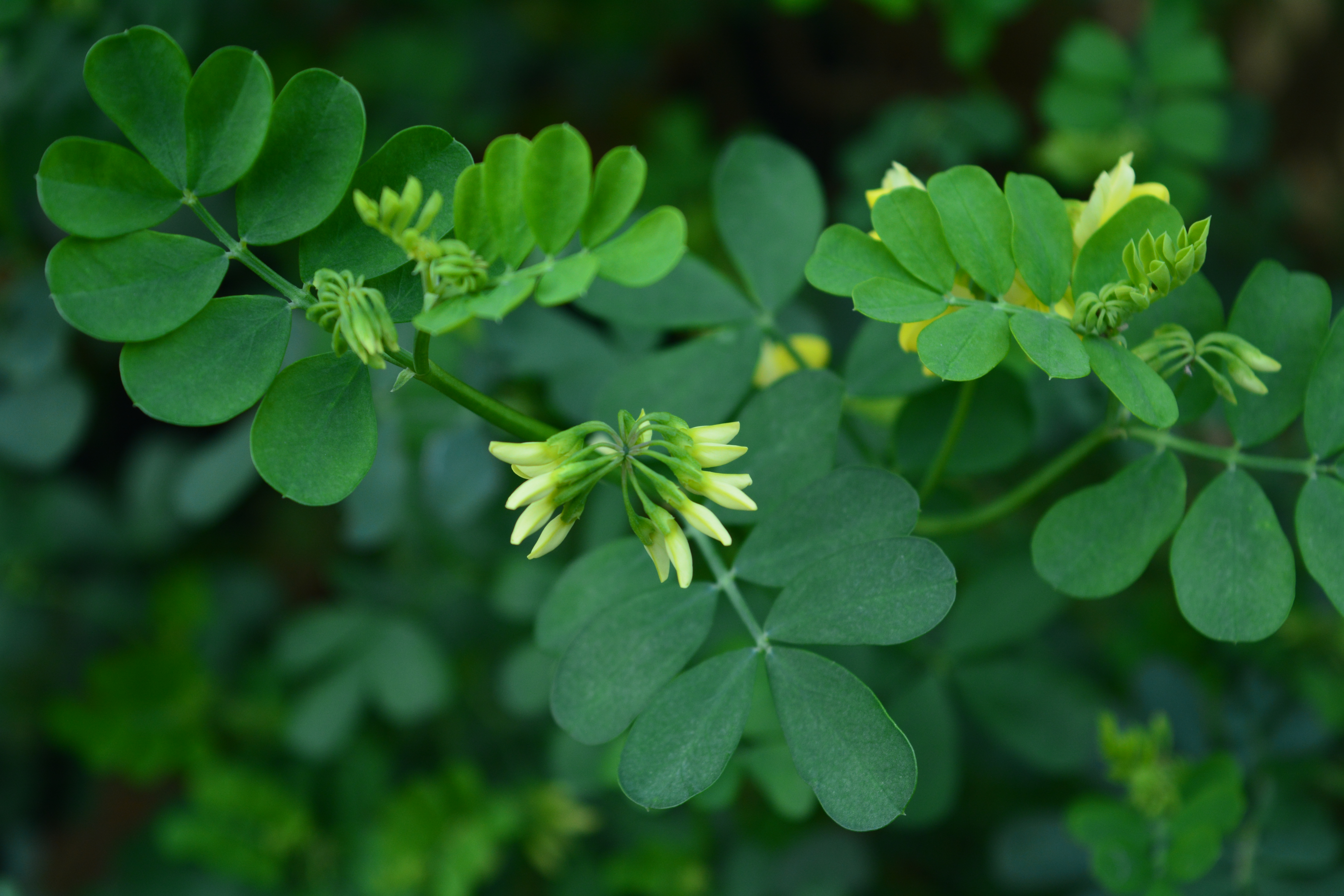
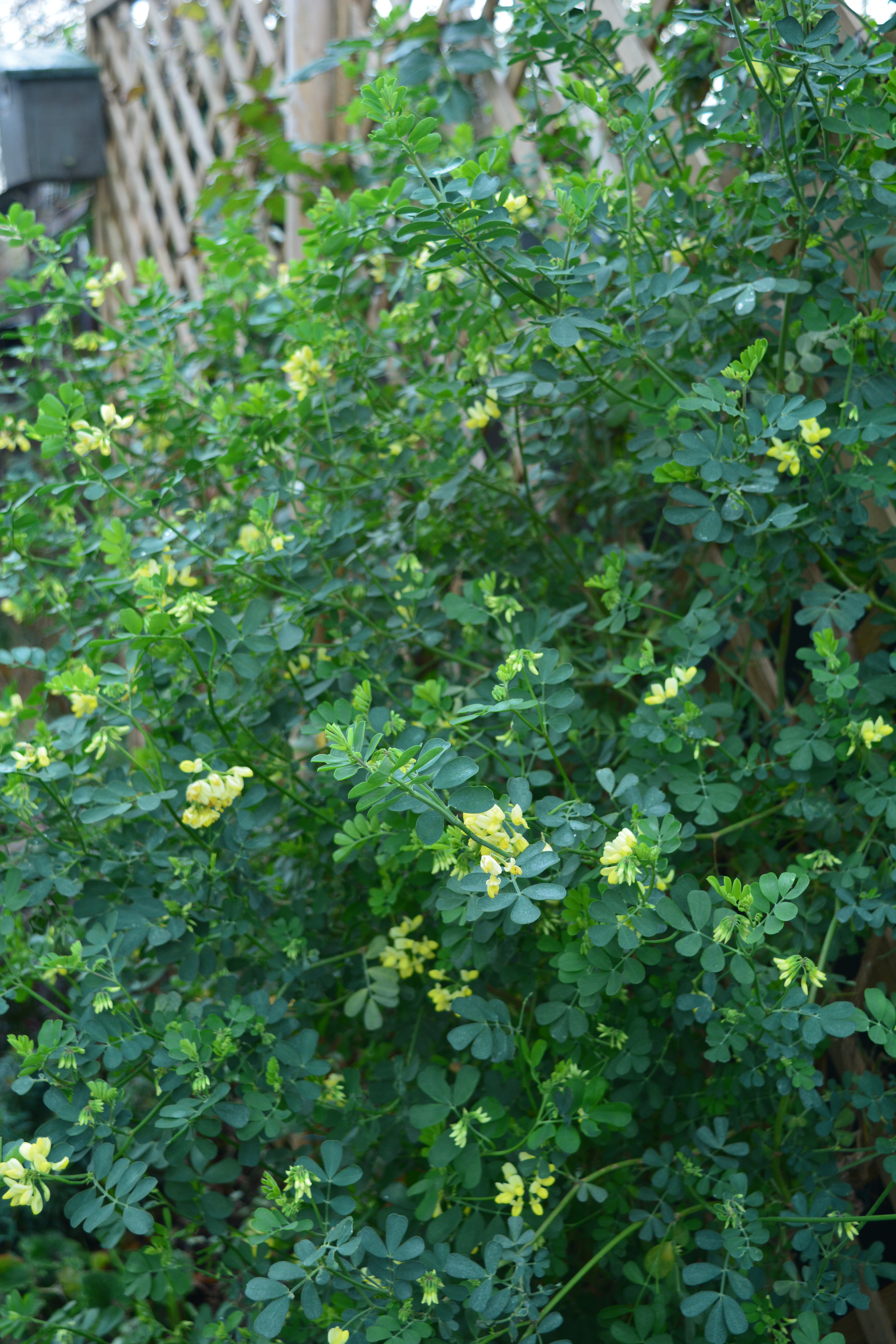
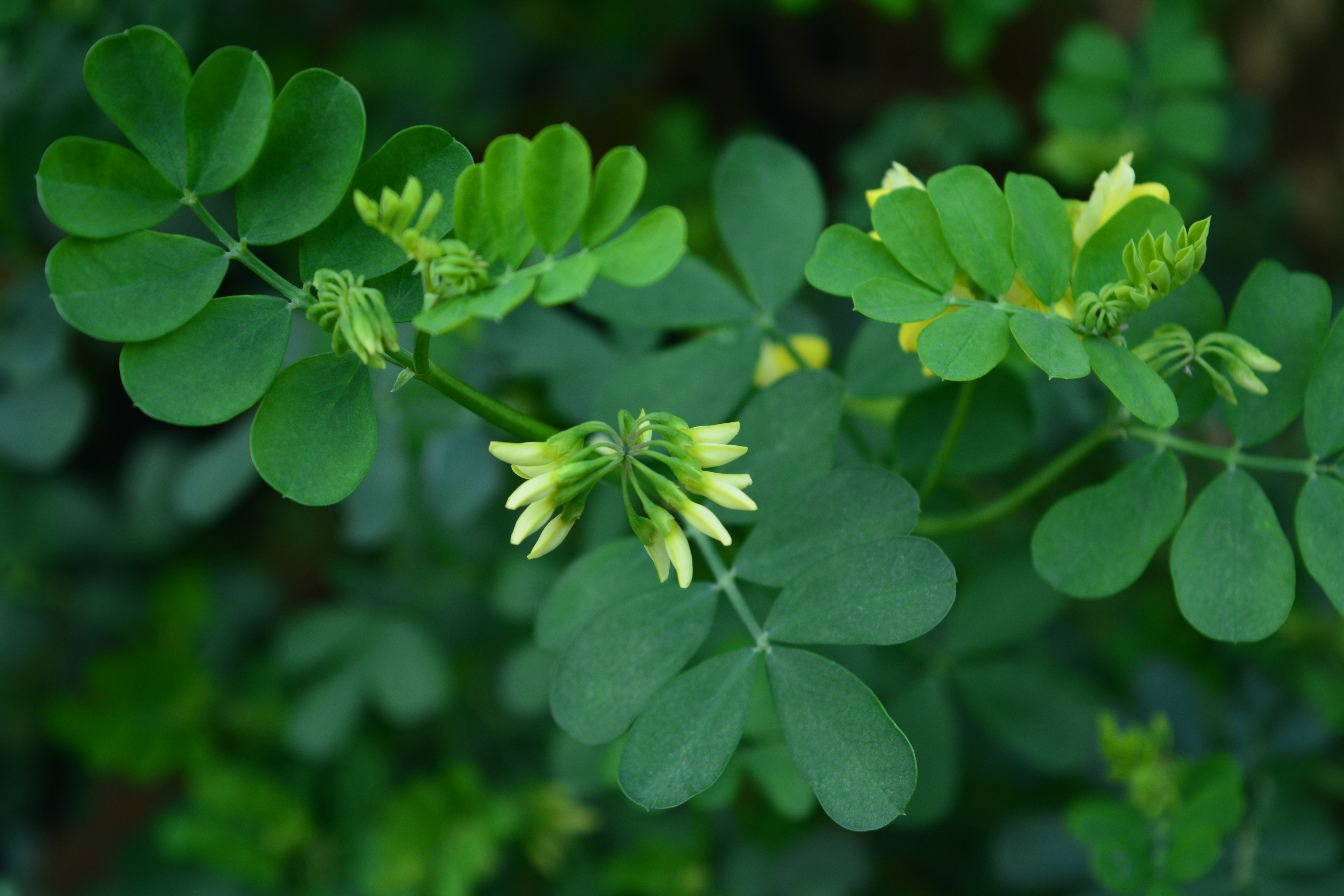
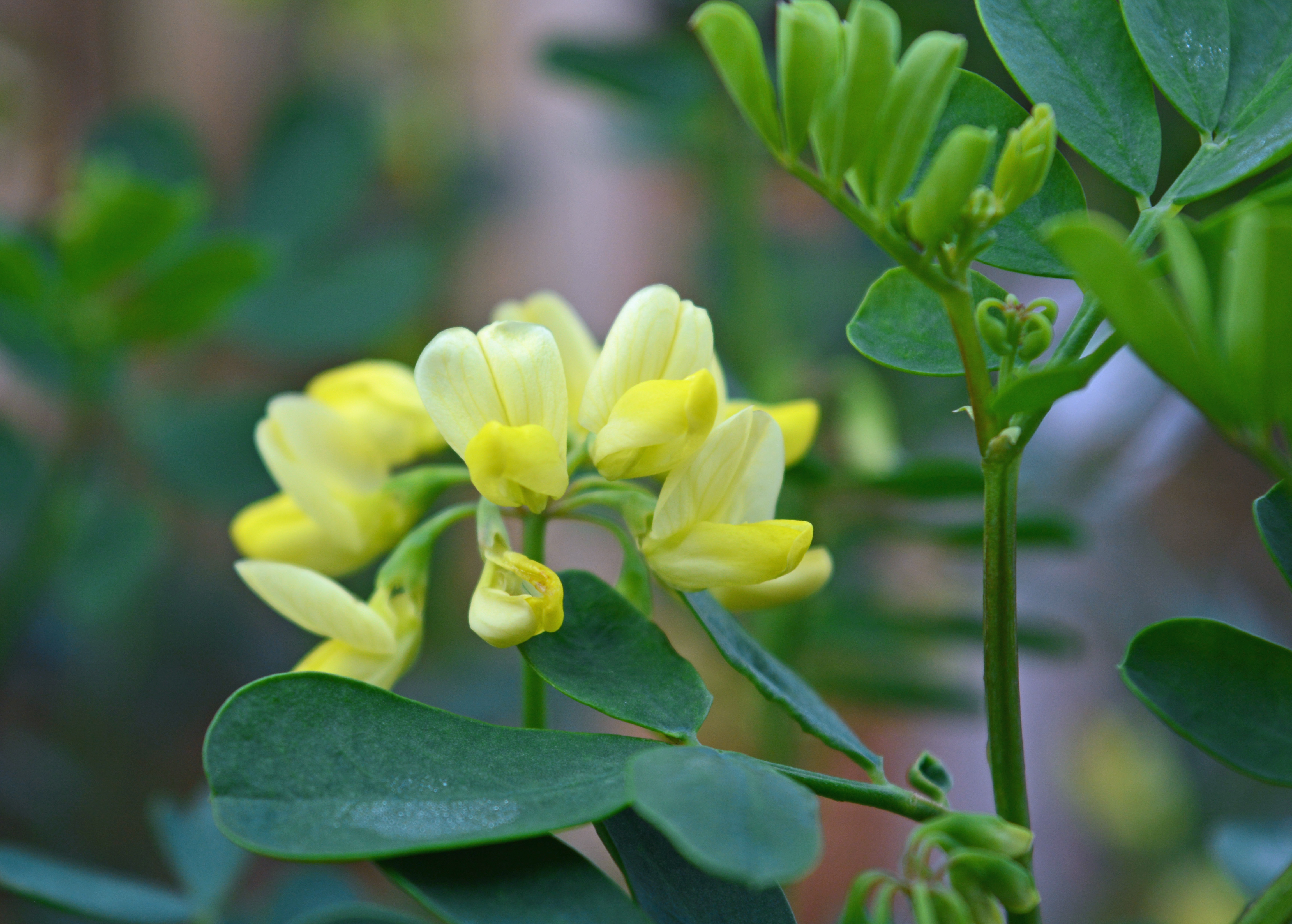
One of our recent plant discoveries that we have been absolutely deilghted with is Coronilla glauca Citrina, a wonderful shrub that we grow as a climber on the trellis around our oil tank. In my journal I wrote, “Coronilla glauca Citrina is an underated winter flowering shrub with glaucous foliage and citrous coloured pea-like scented flowers. Grey and lemon together is a beautiful partnership. Equally underated are all the members of the Cotoneaster family.”


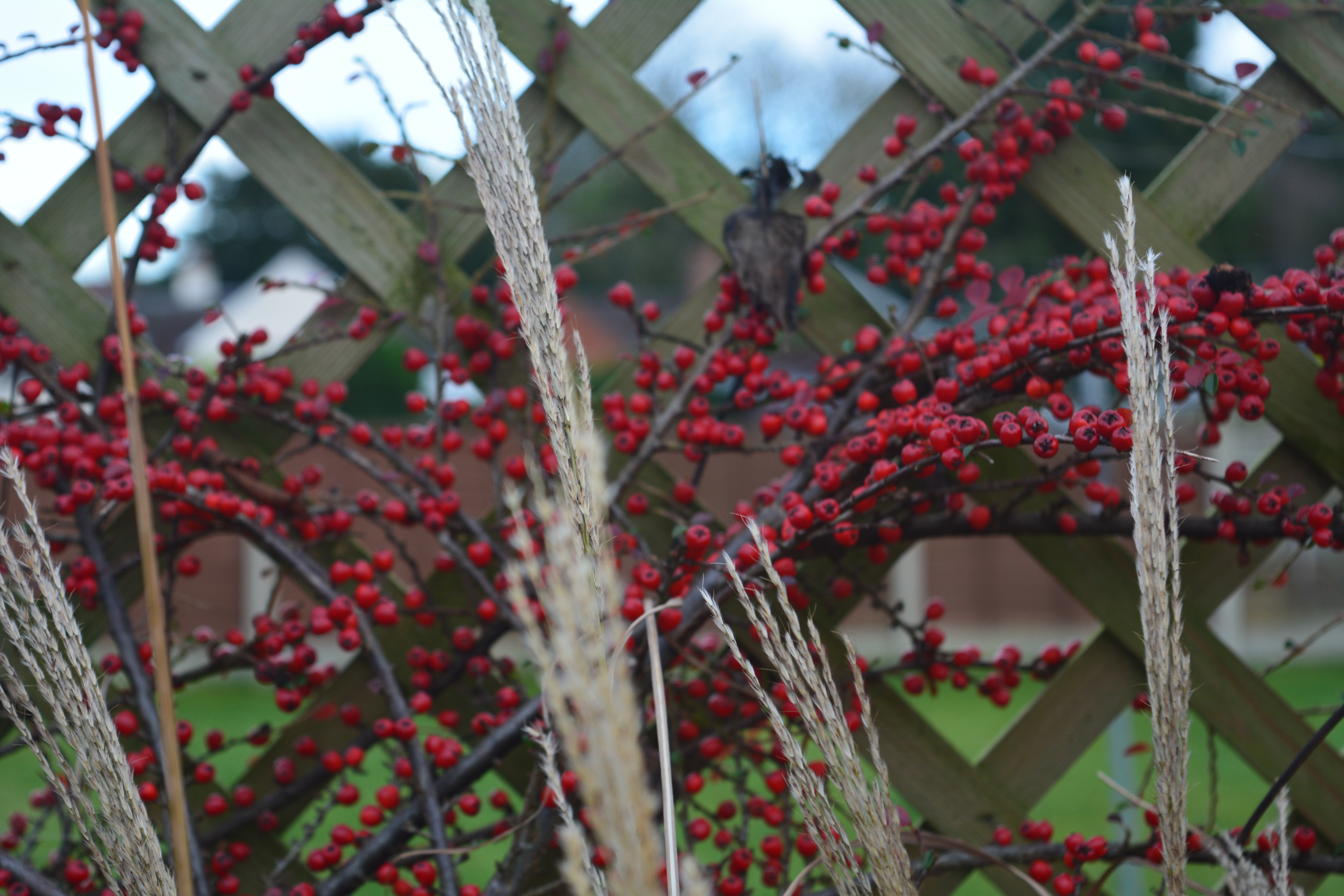
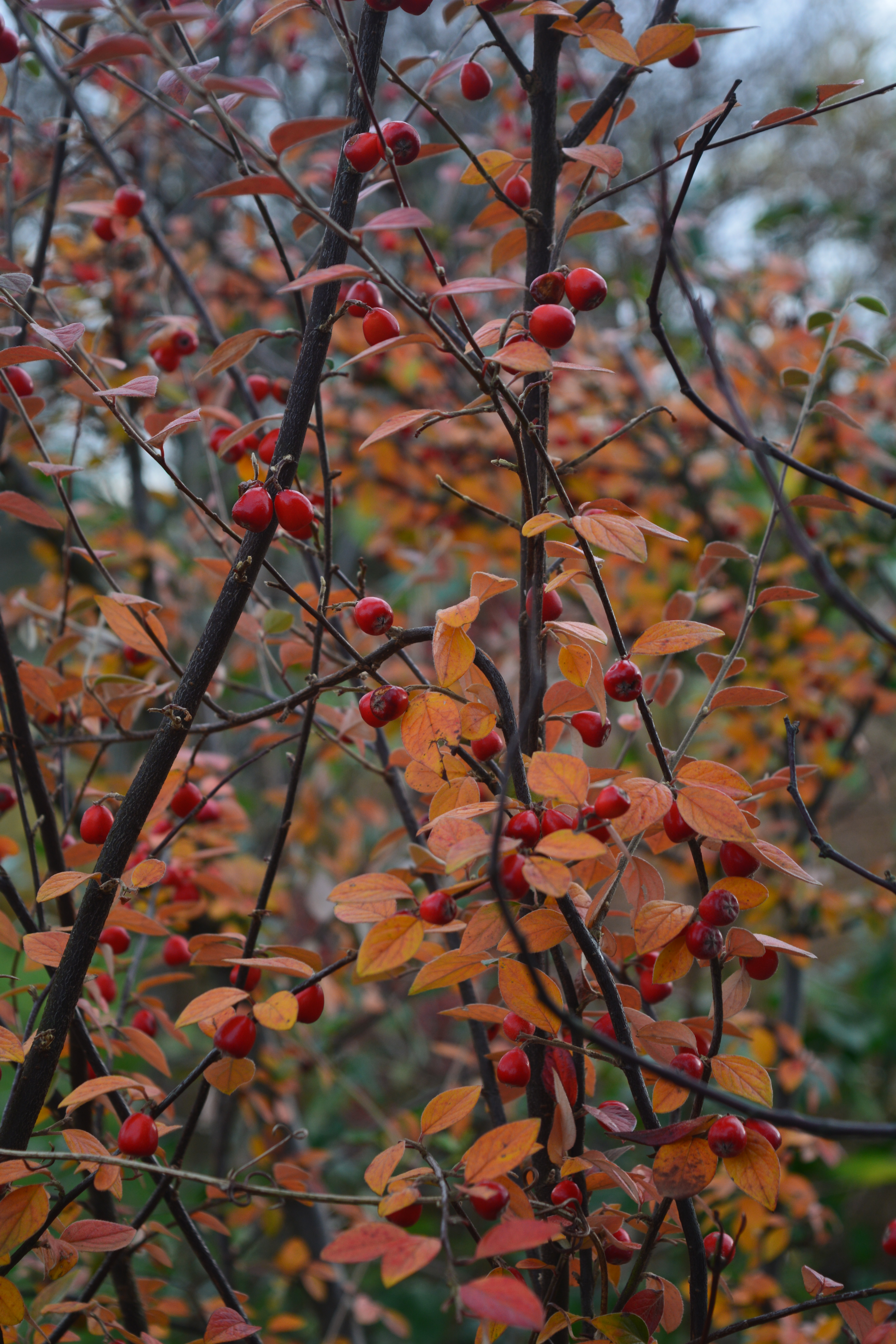
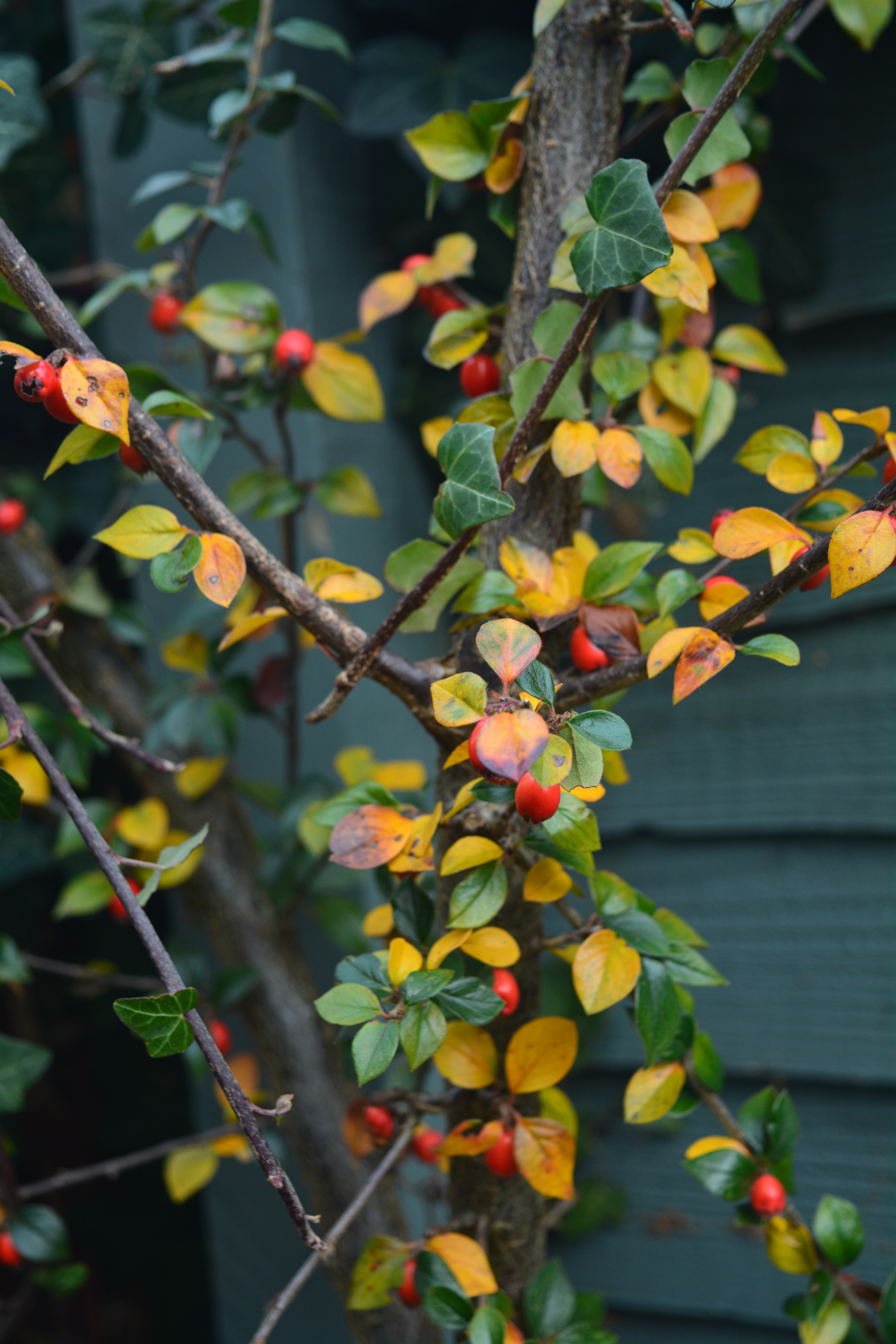
And here are a few of our many Cotoneasters, a family of shrubs we have grown in every garden we have ever had.


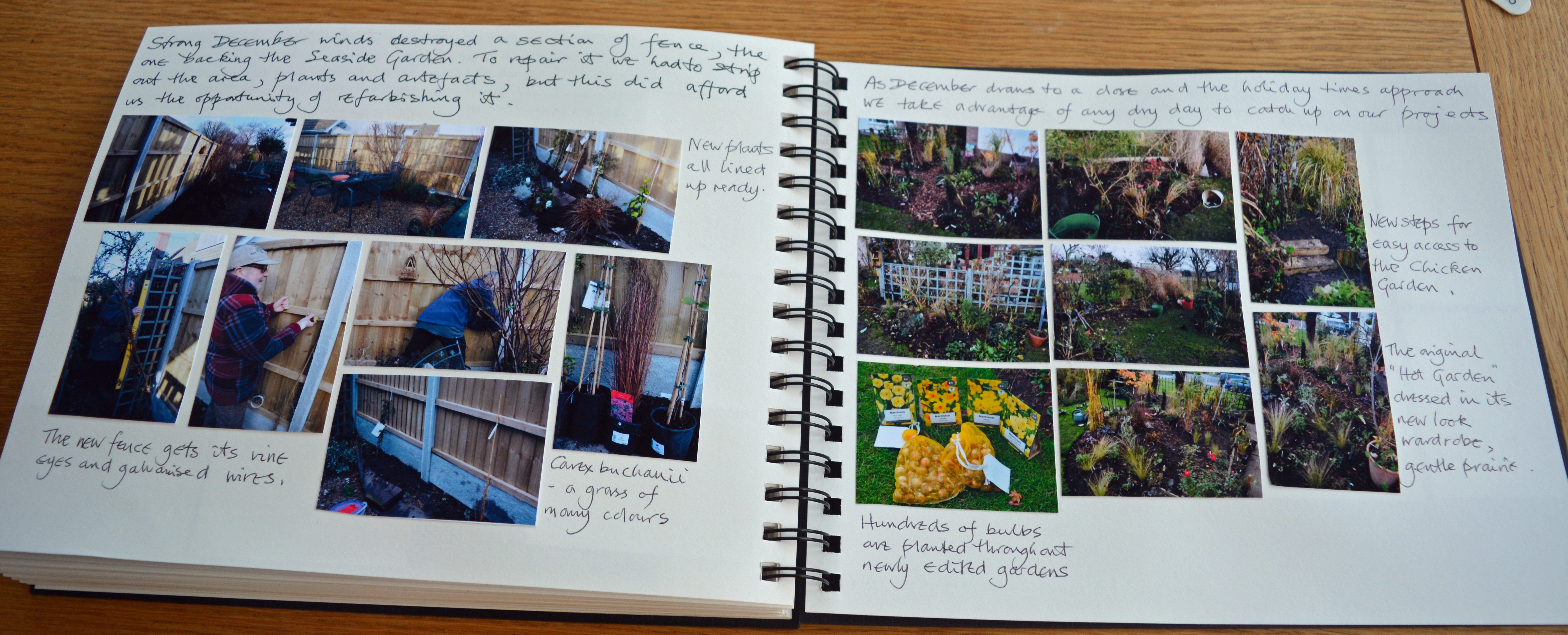
Turning over once more we discover two pages concerning our ongoing garden projects whch we started in the autumn.

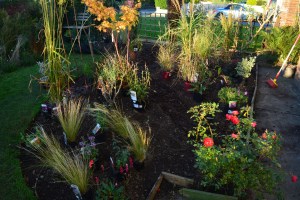
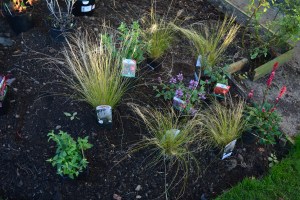
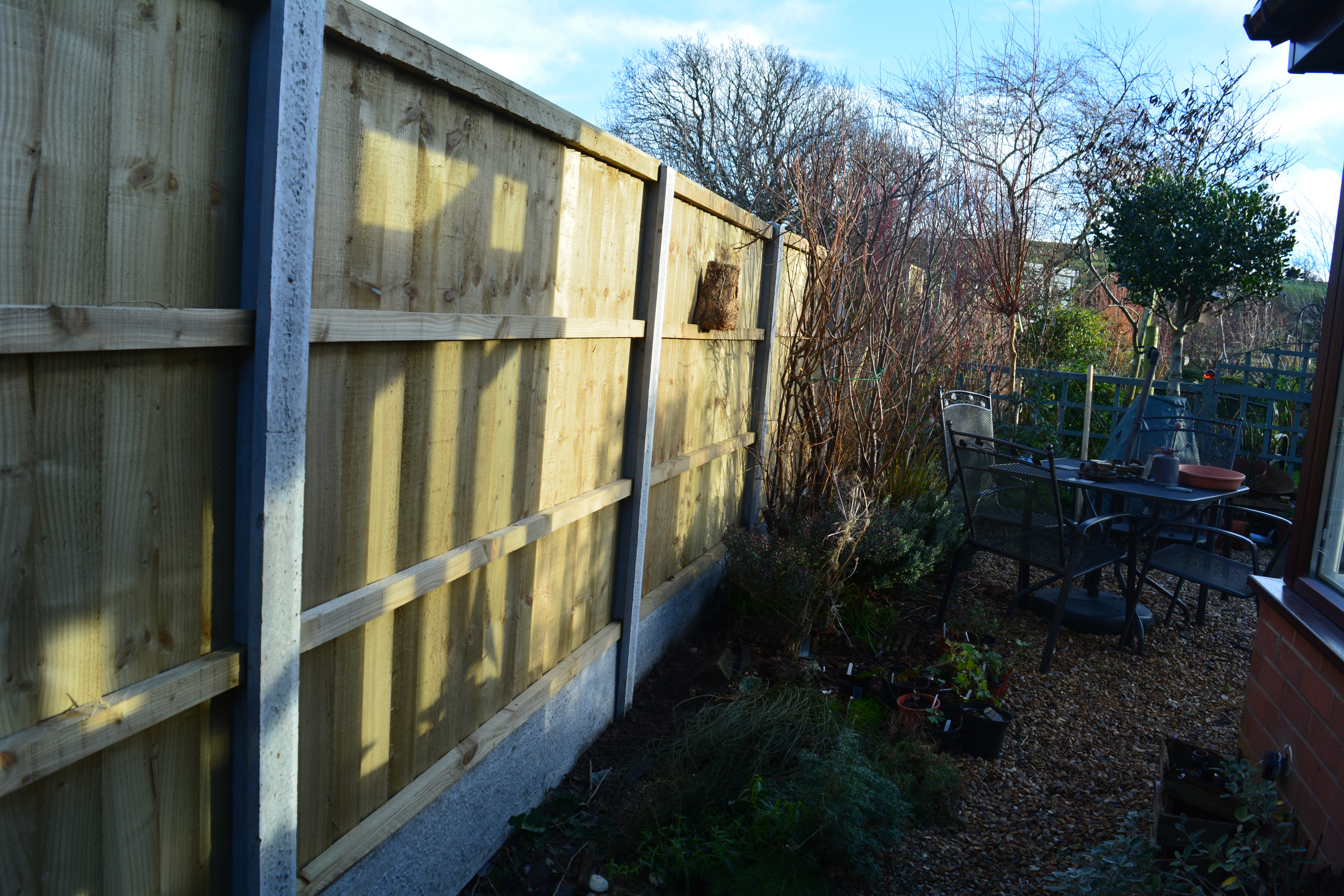
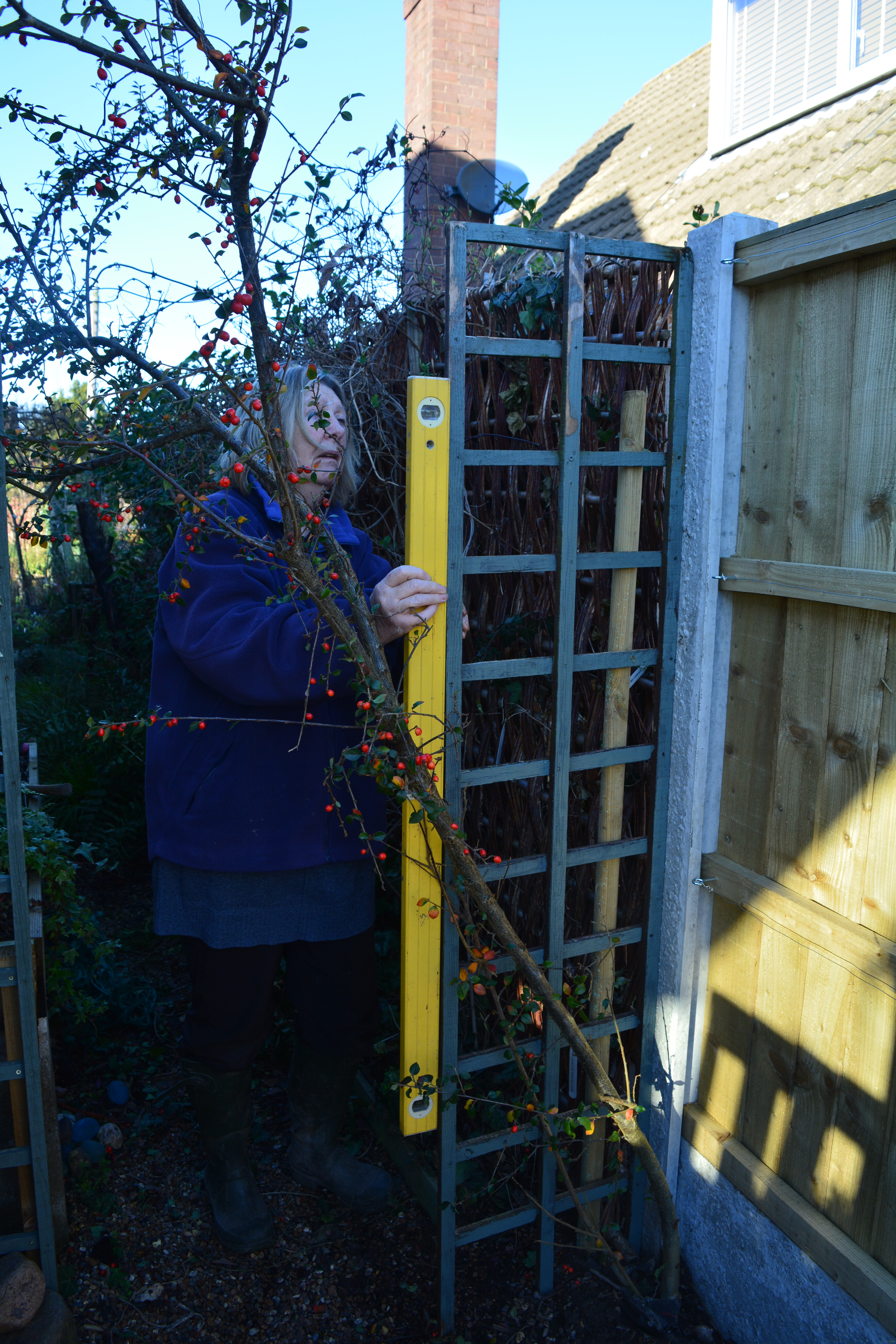
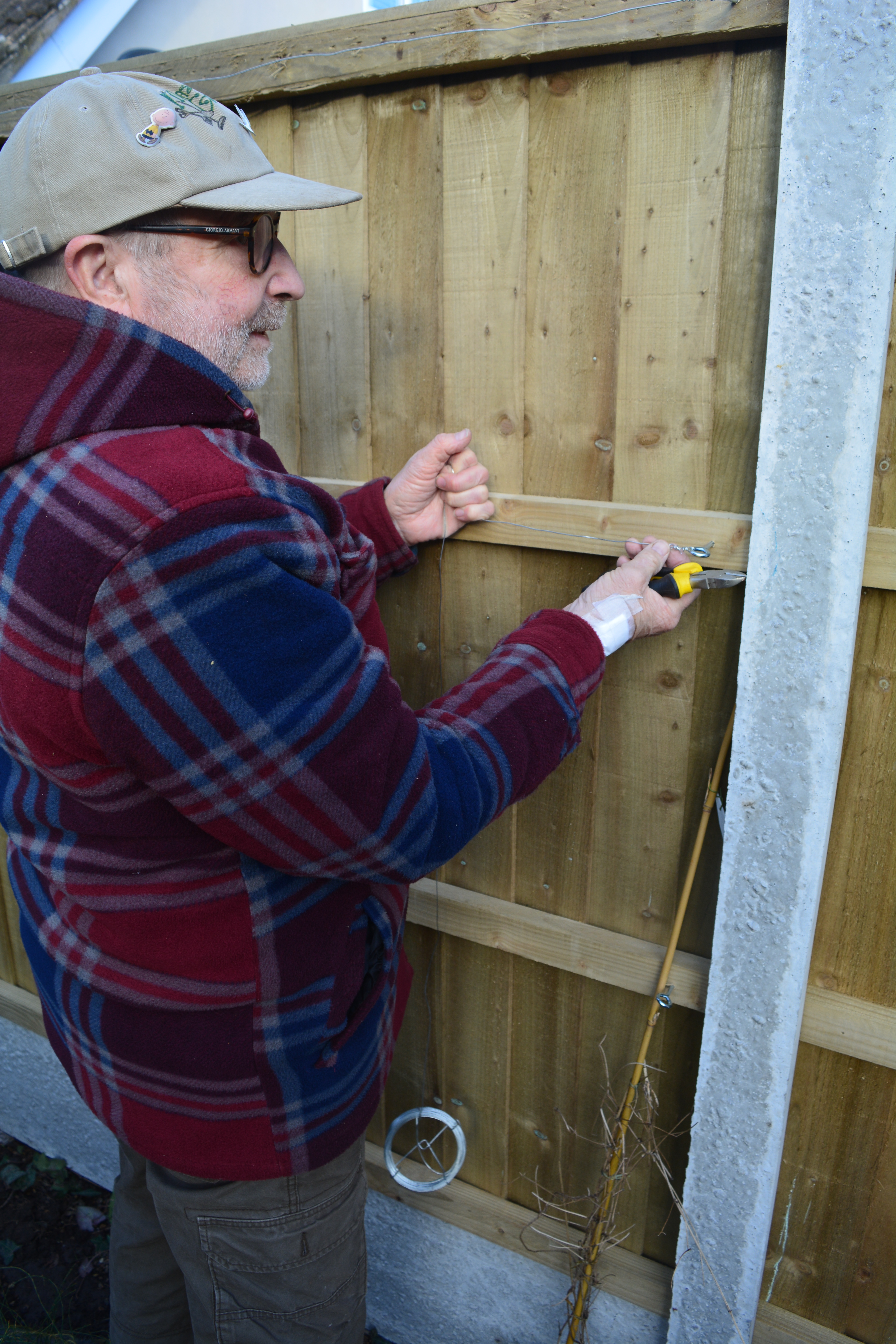
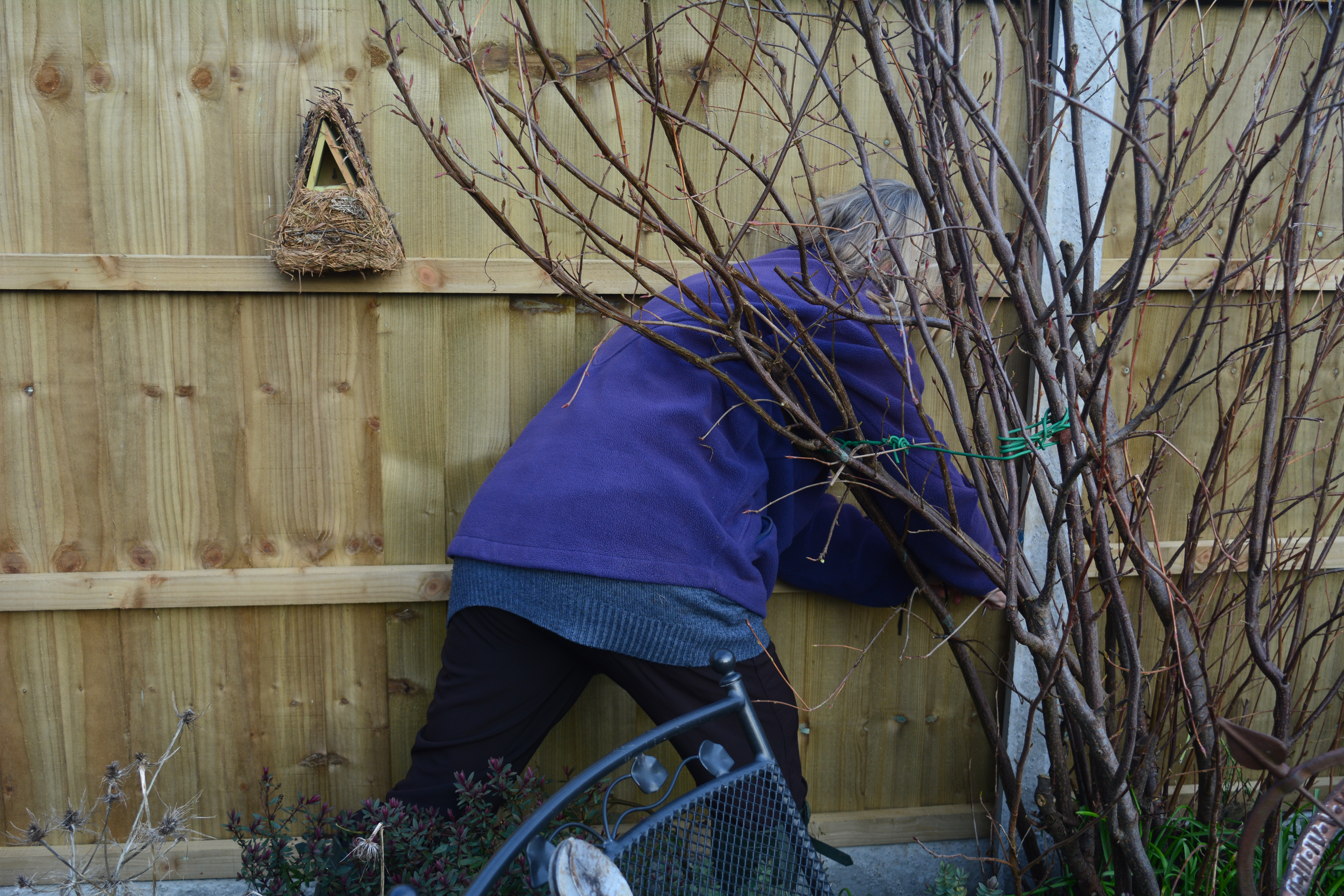
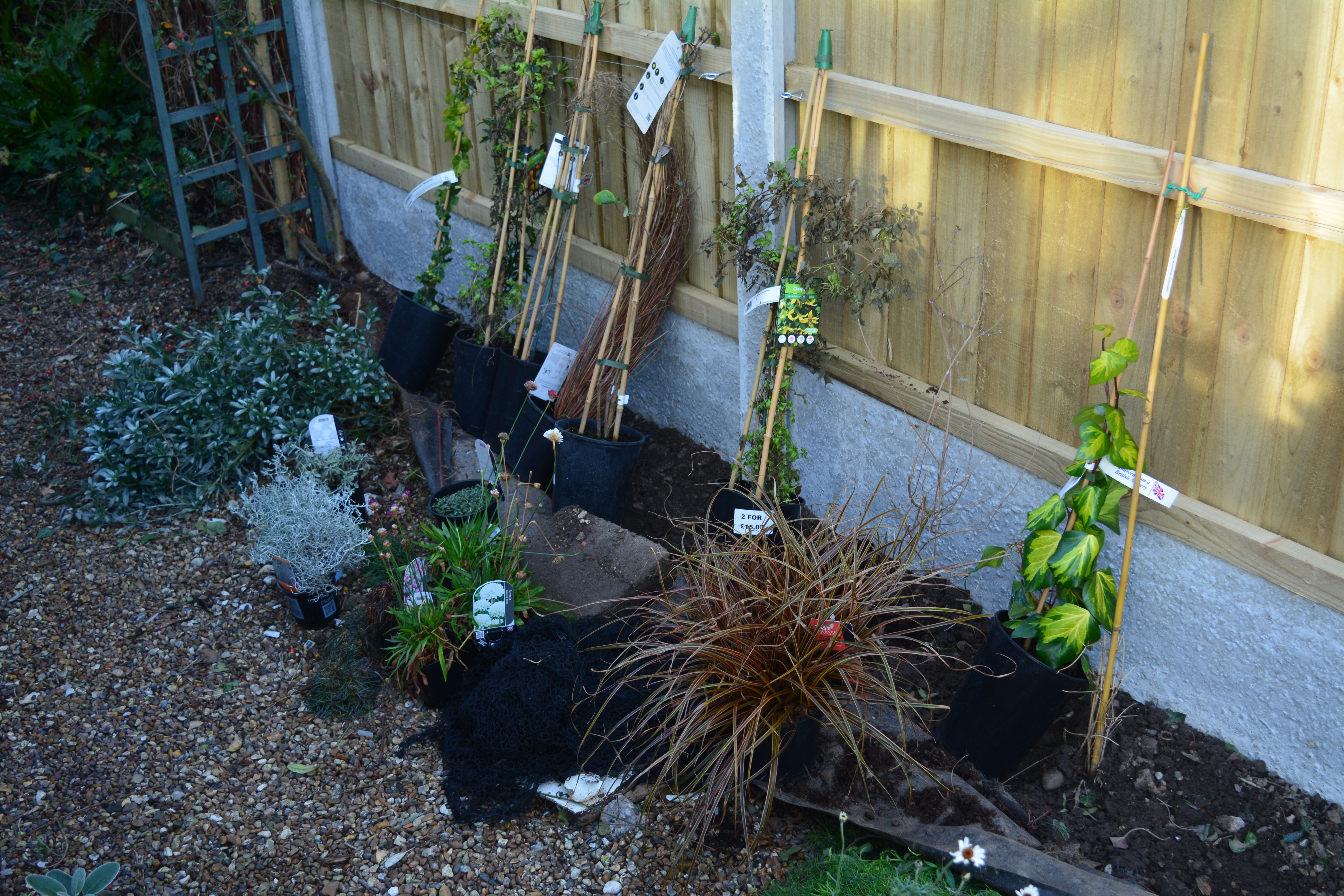
We were forced by circumstances to rebuild our Seaside Garden when gale force winter winds broke the fence behind it. With our next door neighbours we soon got new ones back up. Seeing every negative happening as an opportunity we saw this new longer fence as a great place for interesting climbers and we decided to start the Seaside Border all over again. So at the end of the month we got started, but there is lots more to keep us occupied through part of January. I wrote, “Strong December winds destroyed a section of fence, the one backing the Seaside Garden. To repair it we had to strip out the area, plants and artefacts, but this did afford us the opportunity of refurbishing it.”


Here are some of the new plants waiting to go into the “new” Seaside Garden to join those we saved.

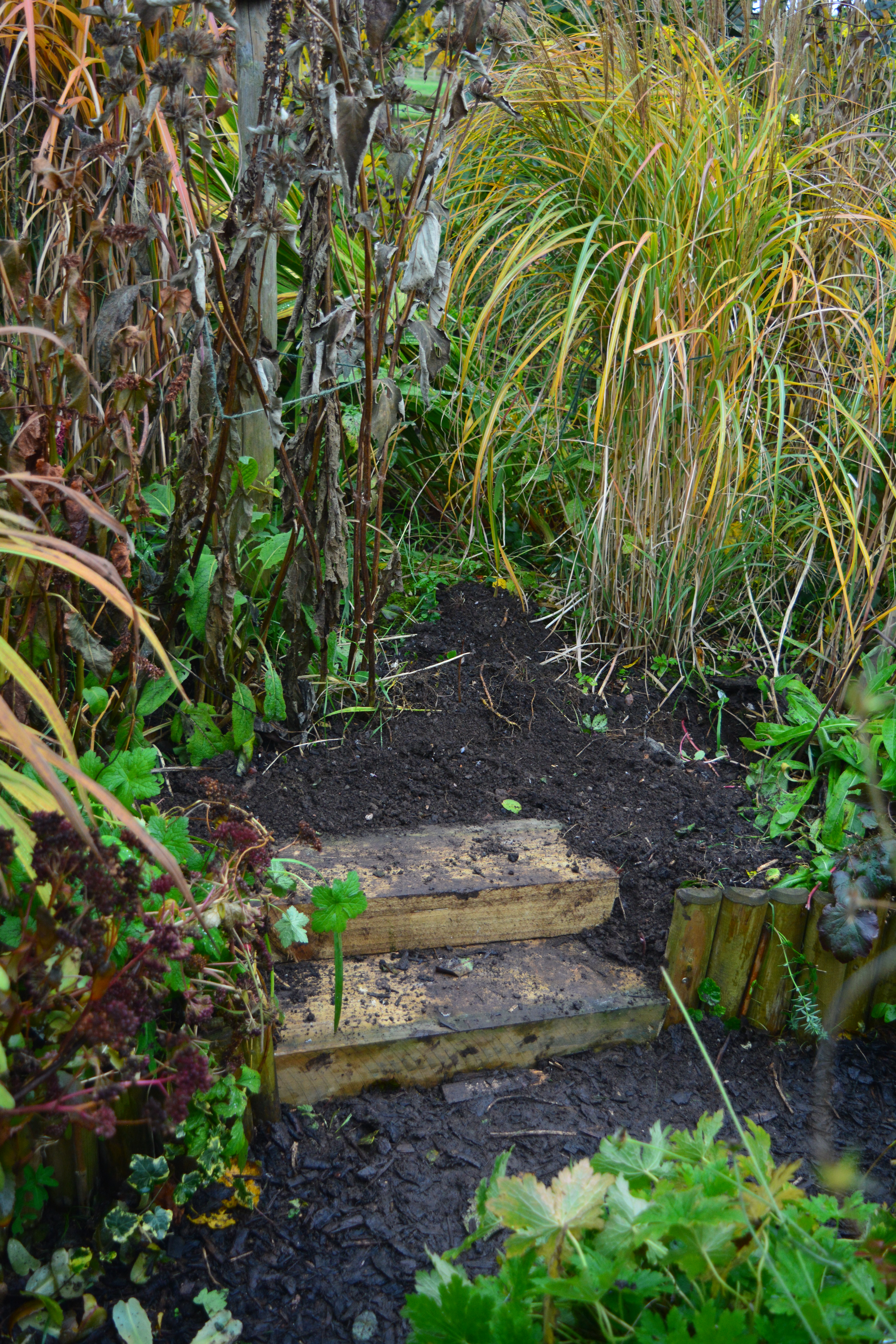
On the opposite page I talk about carrying on with our other editing jobs that we started in the autumn. I wrote, “As December draws to a close and the holiday times approach we take advantage of any dry days to catch up with our projects, new steps for the Chicken Garden, planting hundreds of bulbs and replanting the Hot Garden in its new position.”


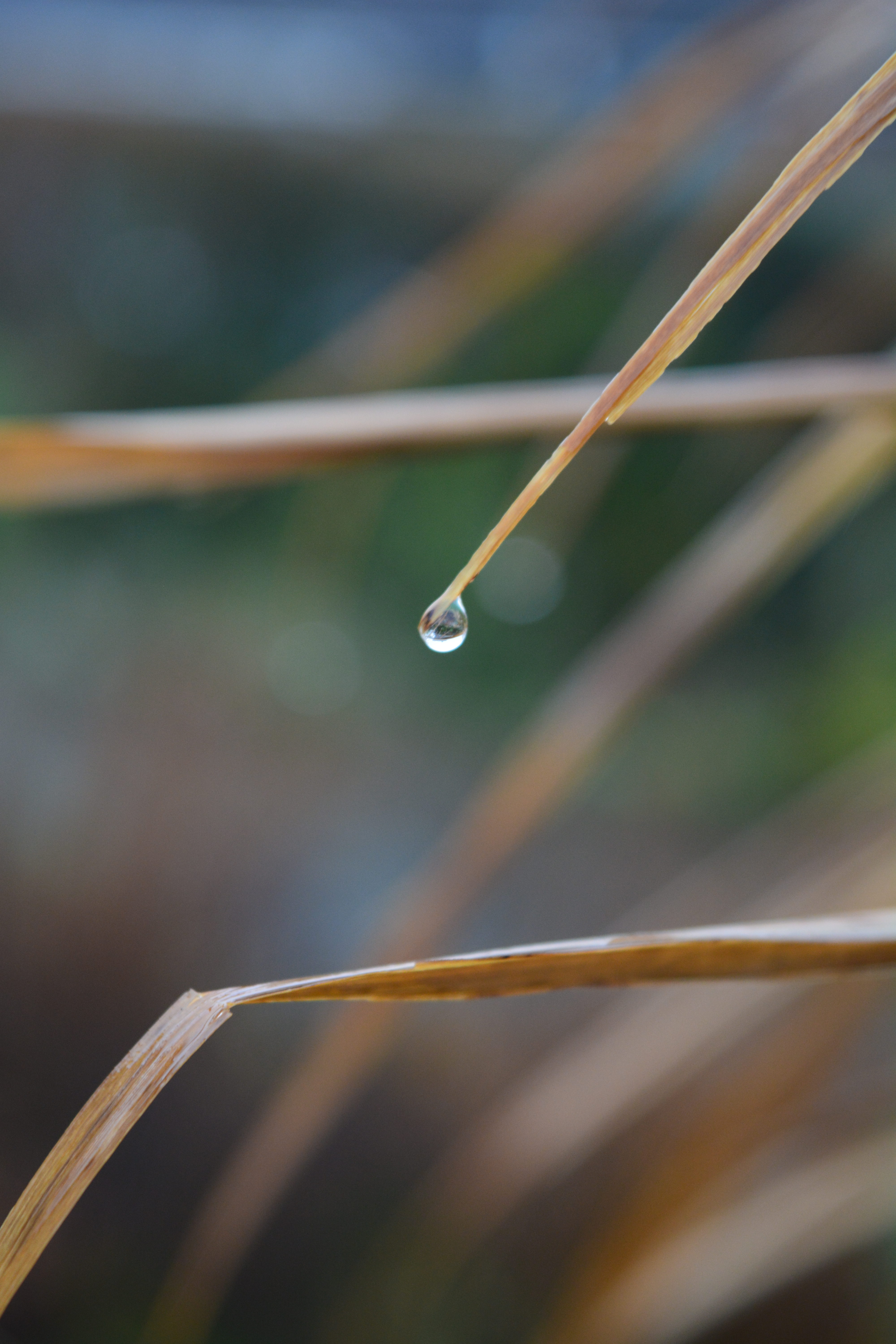
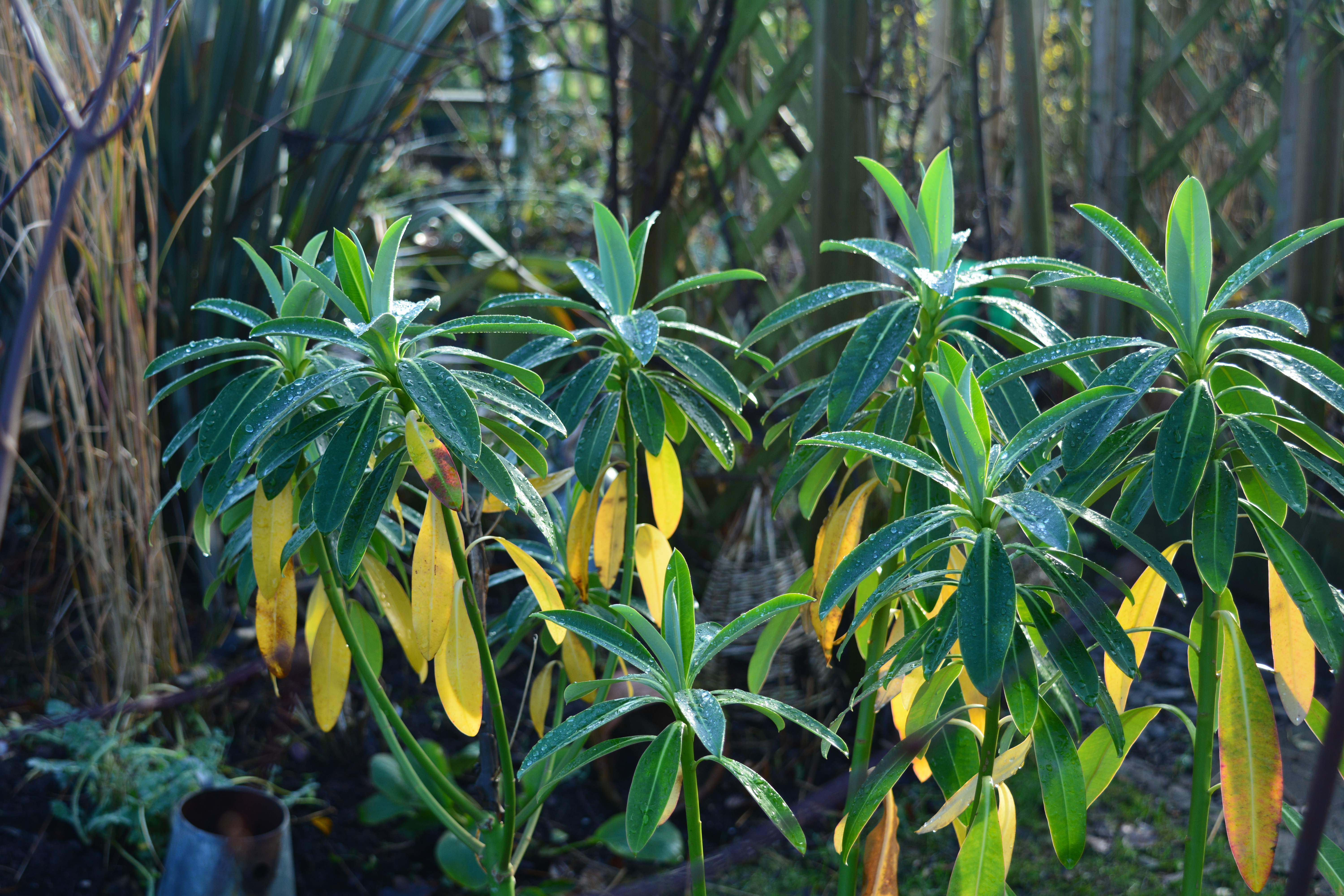
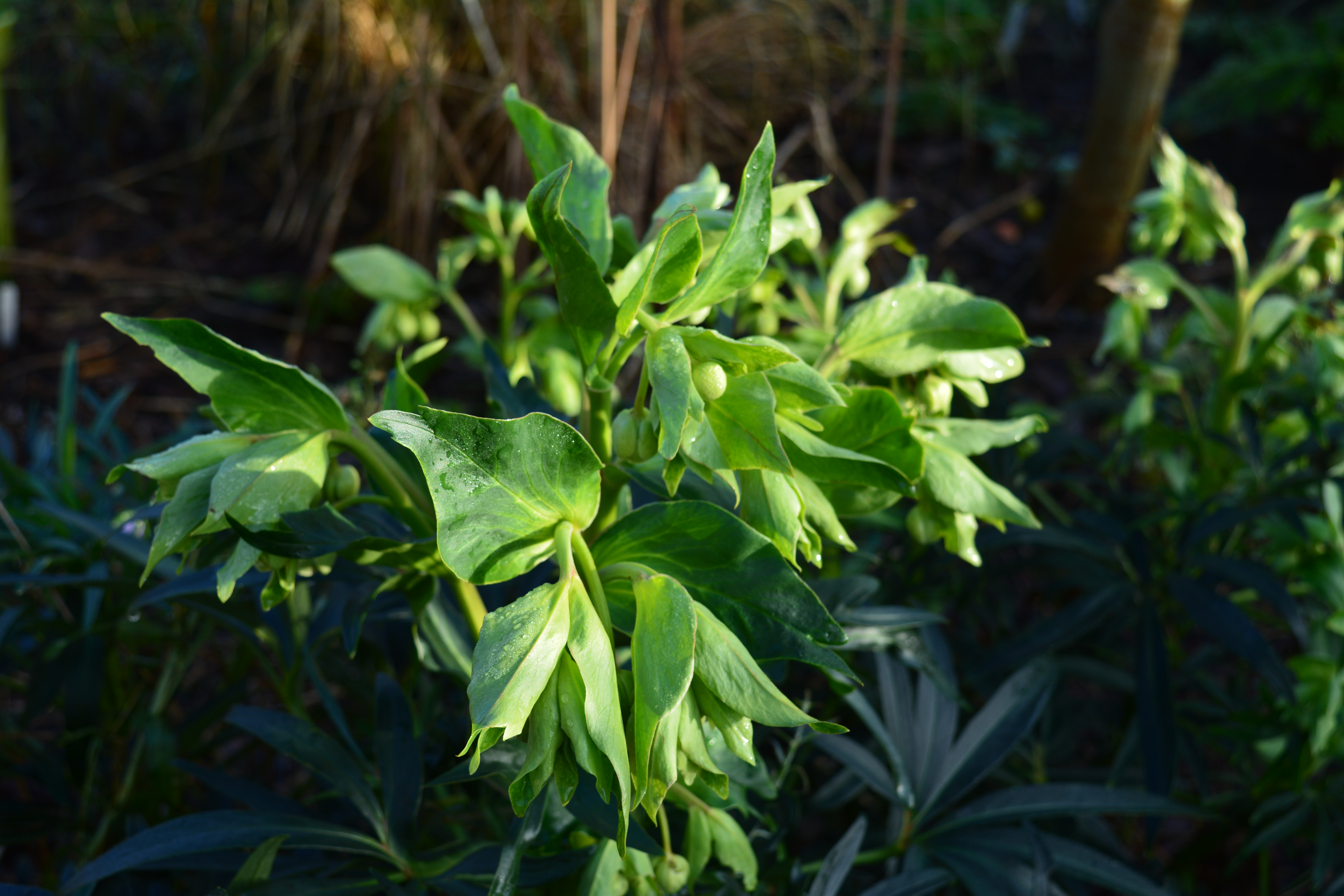
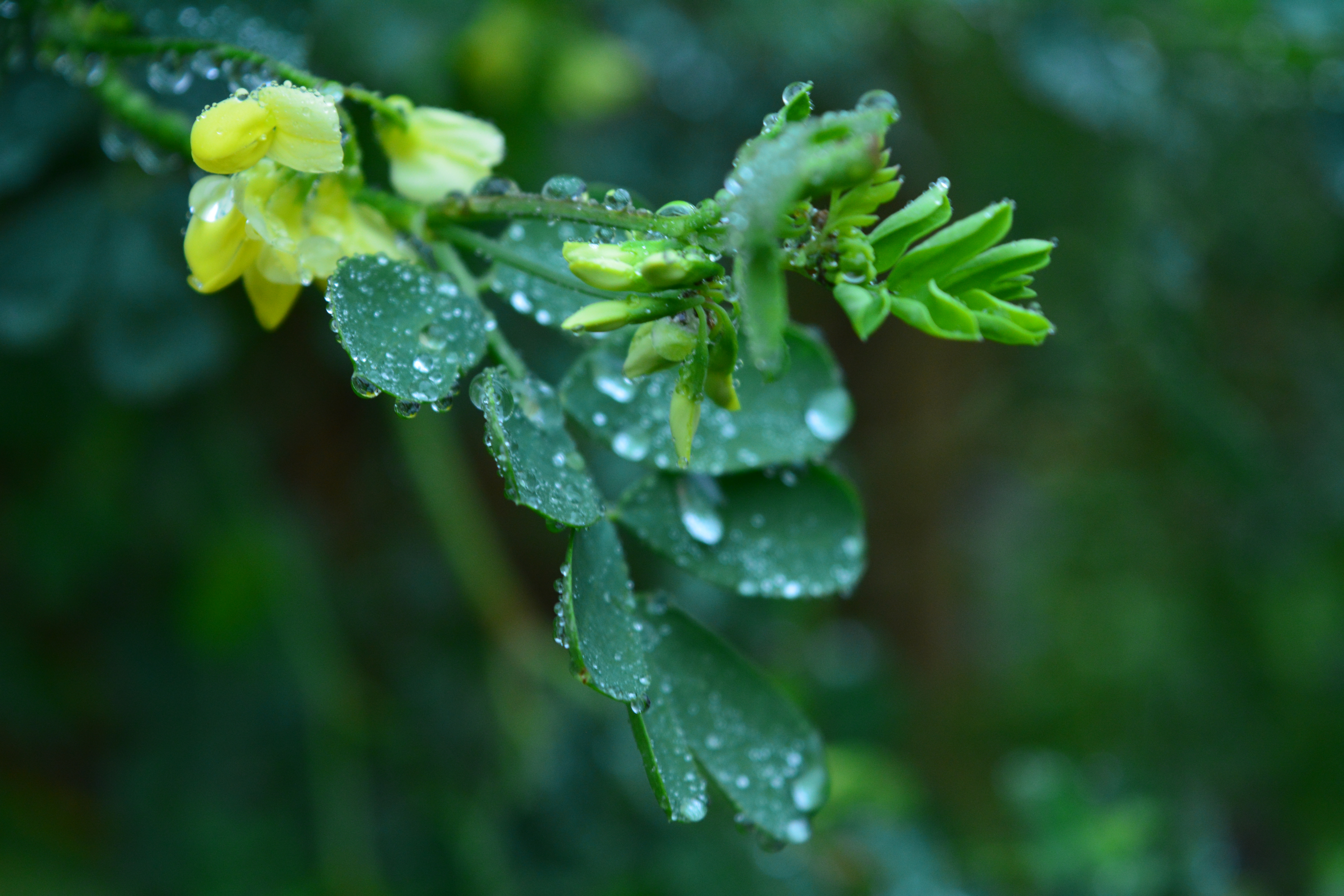
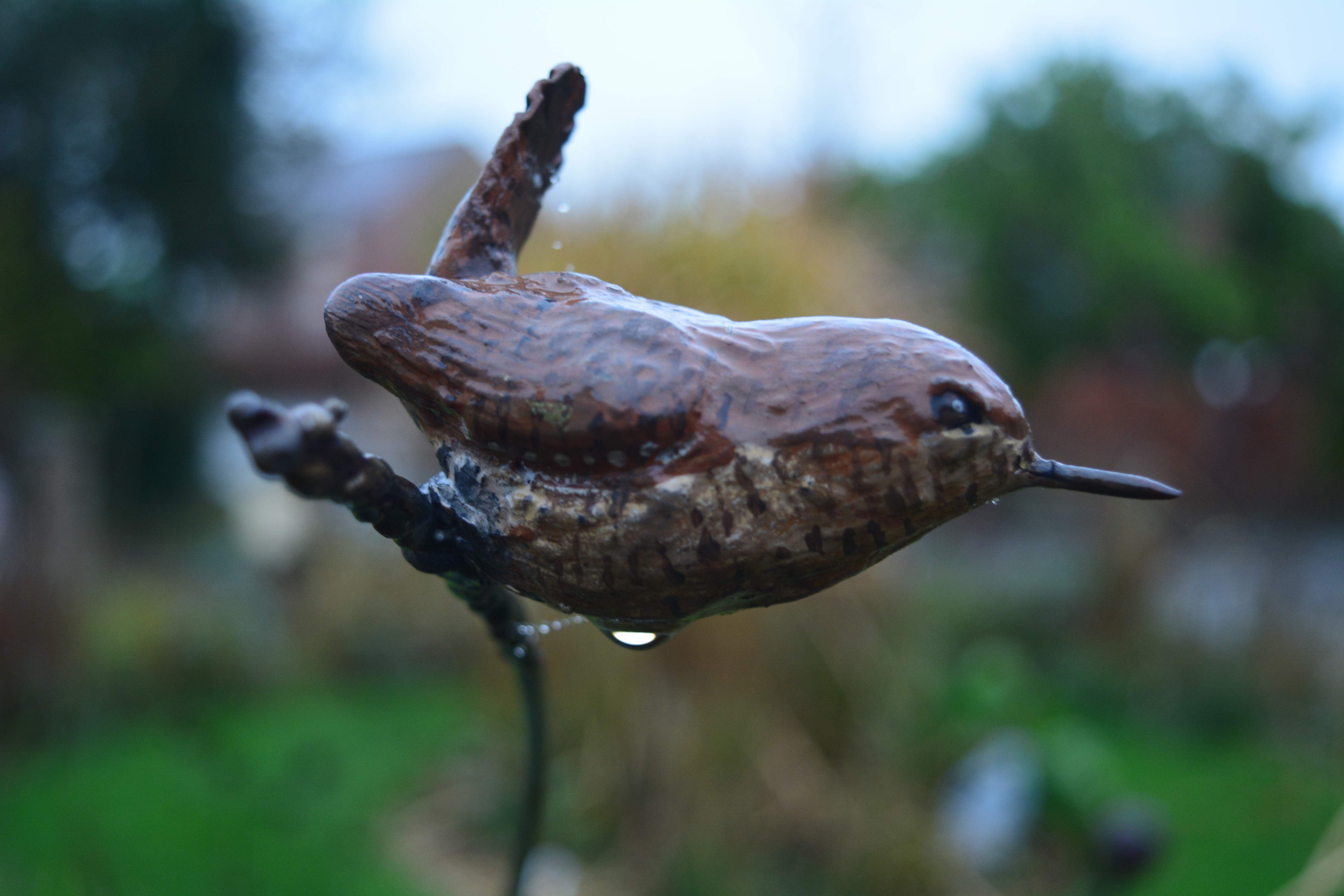
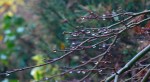
And so to the last page of my 2018 Garden Journal, when I wrote, “December ended frost free. Sunshine caught special features of plants while raindrops hung on leaves, twigs and sculptures.”

Here is the final selection of photos for 2018, showing winter sunshine working its magic on foliage and droplets of rain caught after a shower.


“The end of my 2018 Garden Journal.”

Categories
colours garden design garden paths garden photography gardening gardens gardens open to the public lakes light light quality ornamental trees and shrubs Powis Powys shrubs trees Wales water in the garden woodland woodlands

The Dingle Garden in December

Here we are with the final report of our monthly visit to the Dingle Gardens near Welshpool. As we drove down to Welshpool the weather just could not make its mind up what it was going to do, sunny with blue skies one minute, showers of cold rain the next. But once we were actually wandering around the gravel paths of the garden, it settled and we had a dry period for most of our walk. A few minutes of rain arrived just as we finished.

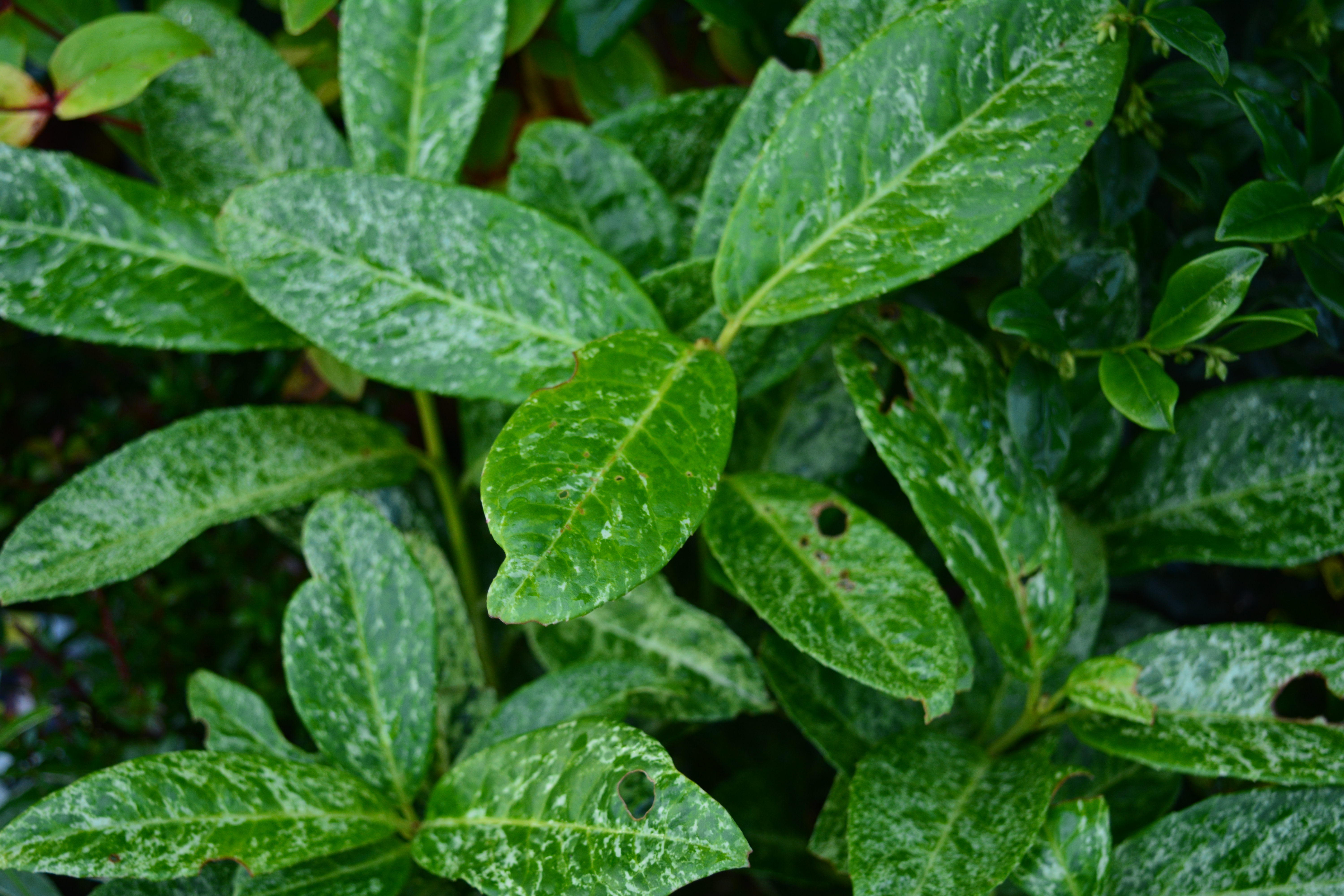
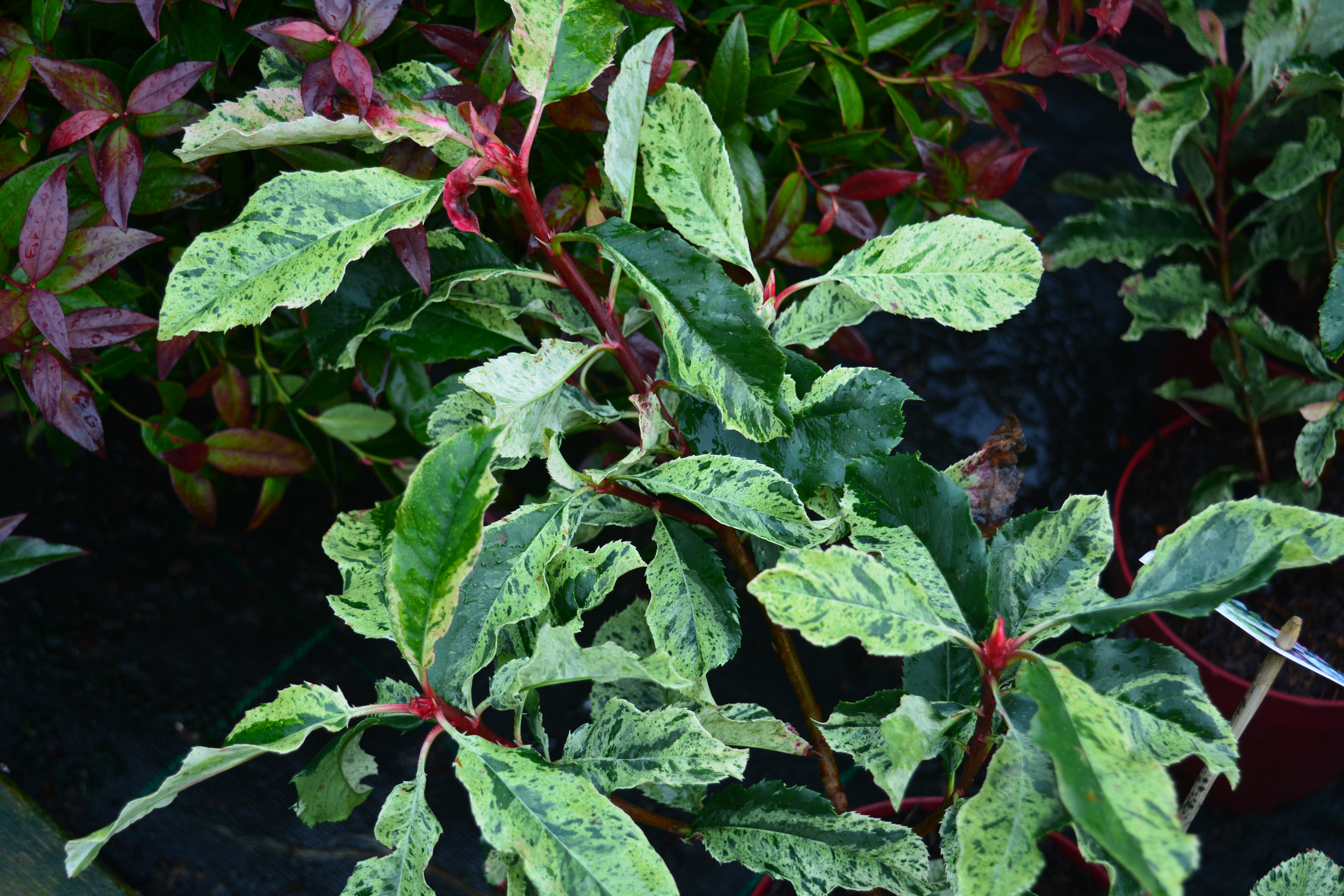
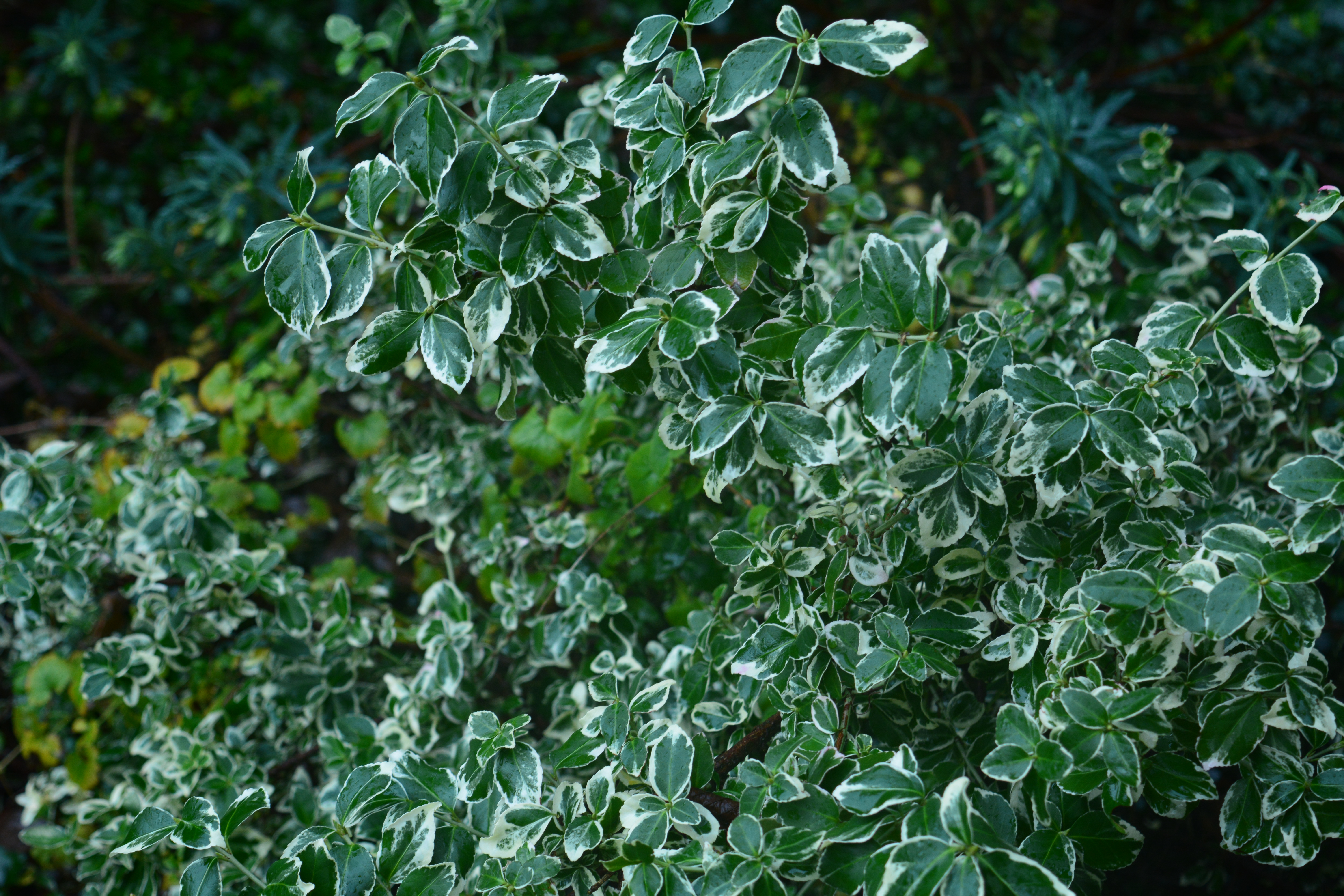
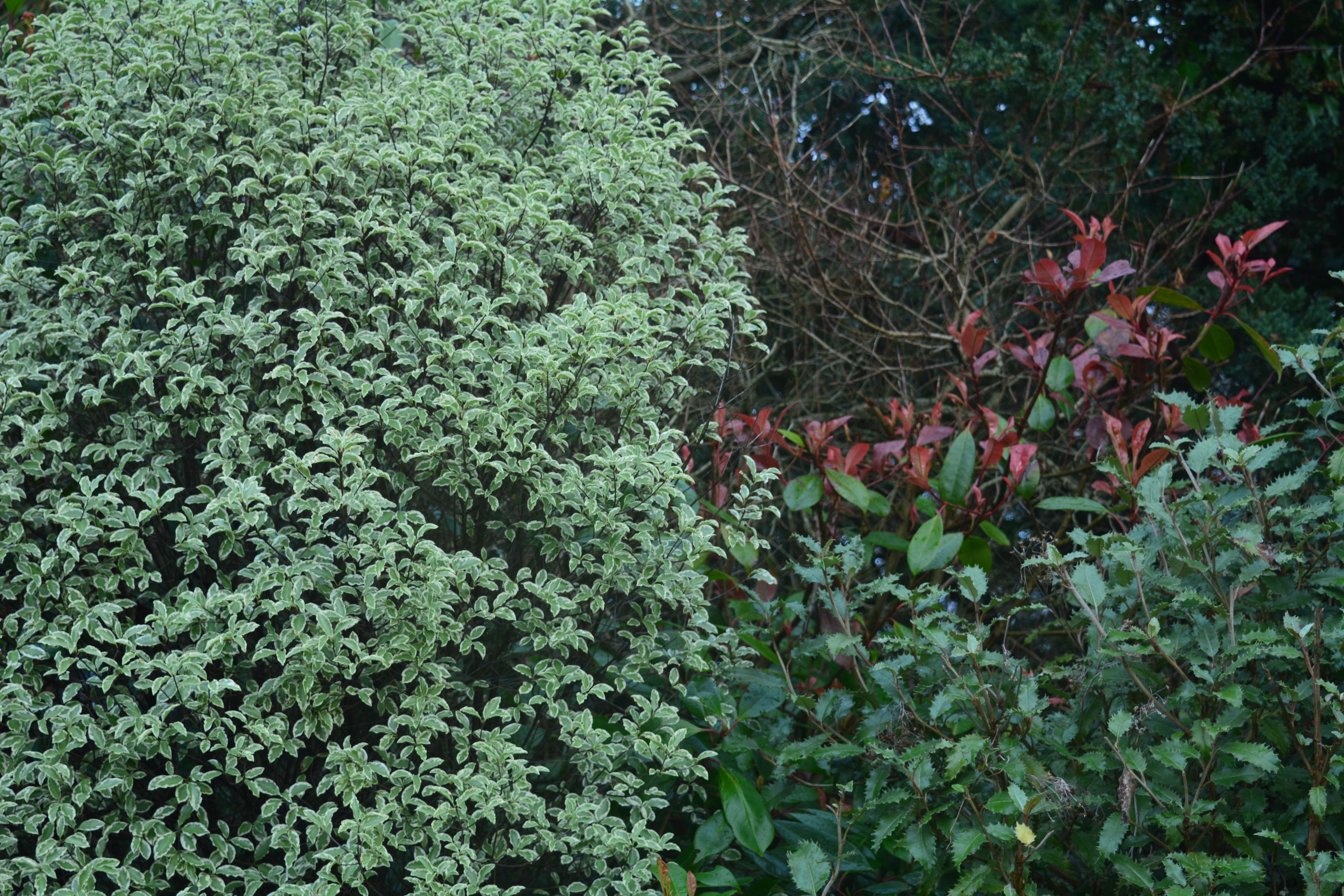
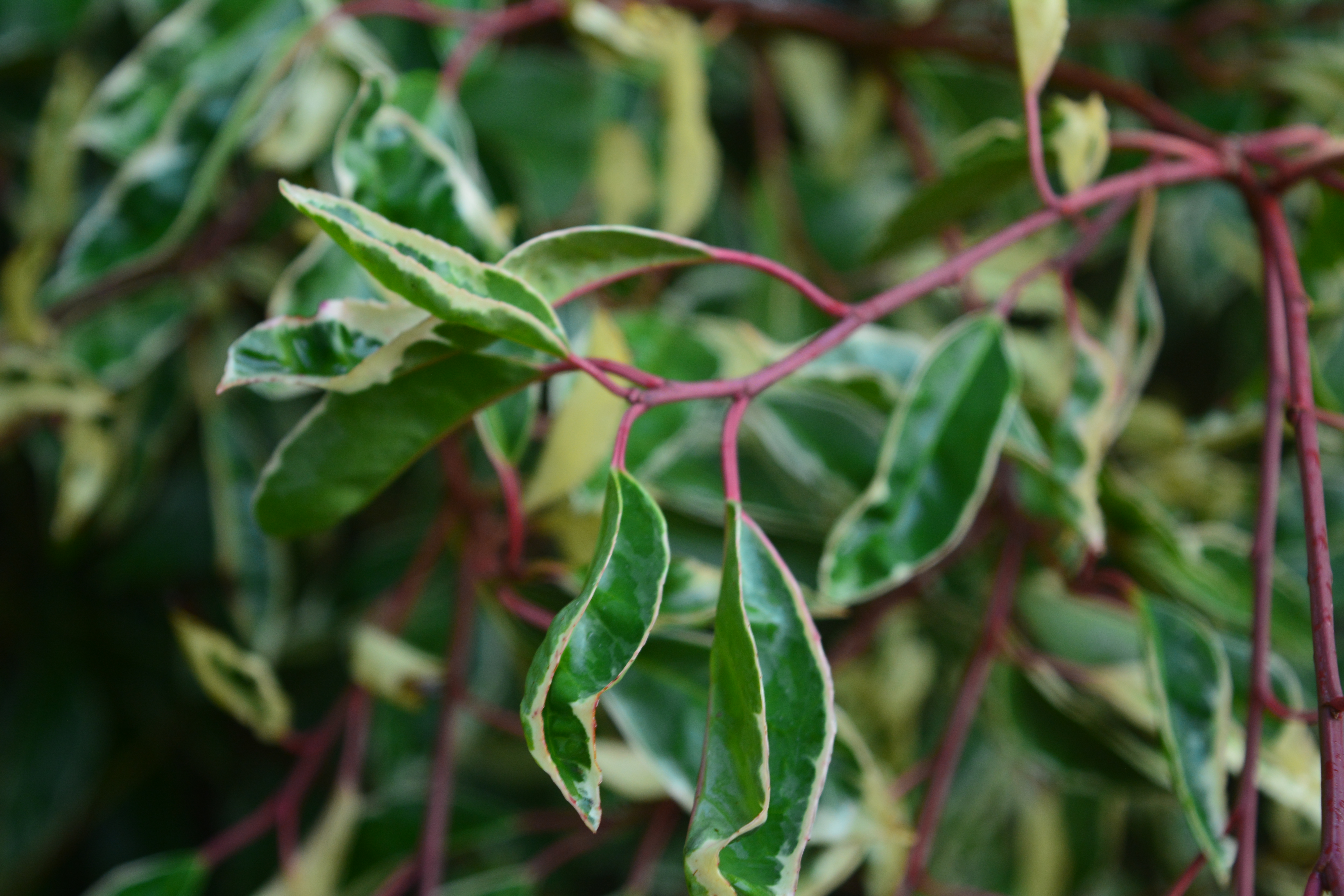
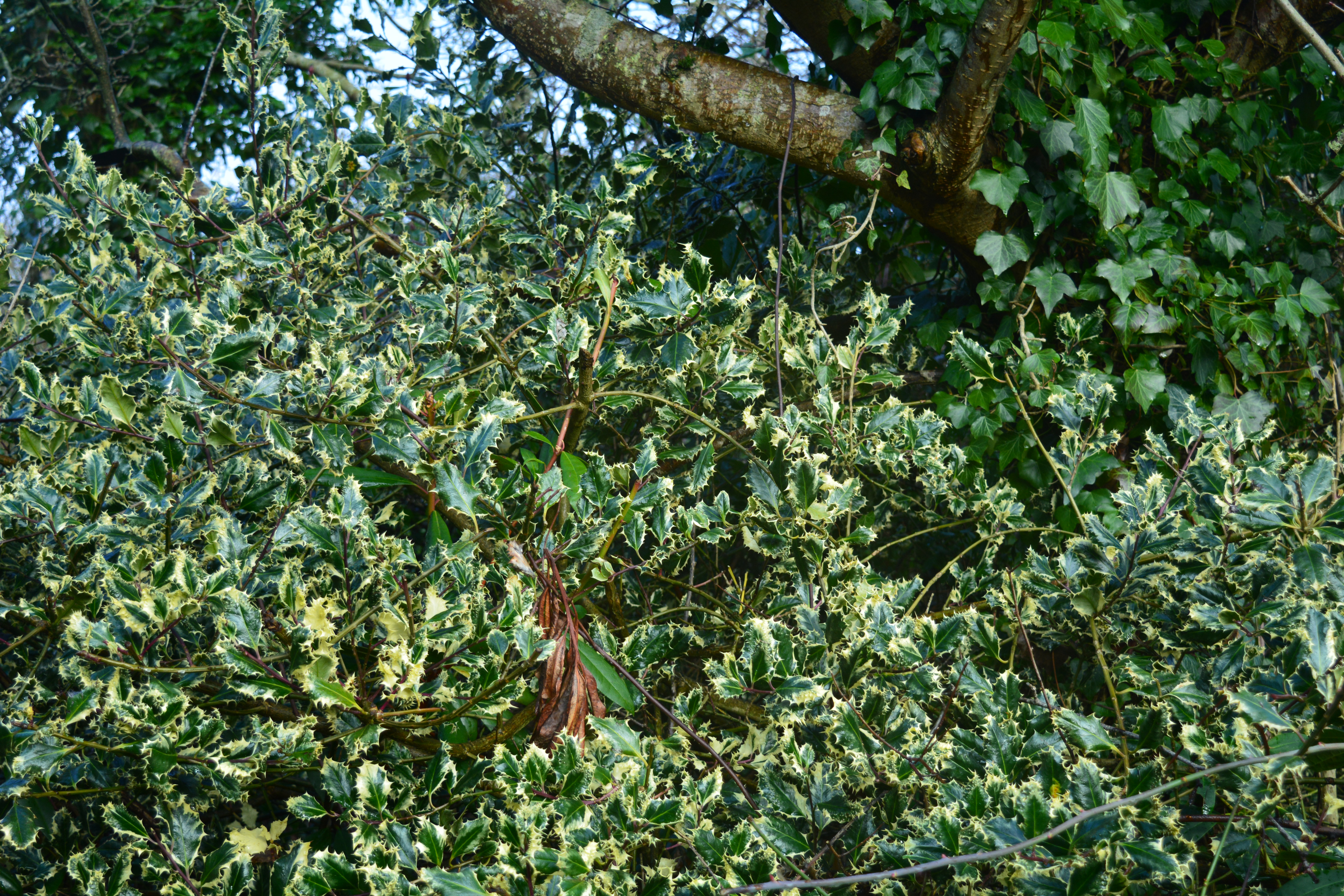
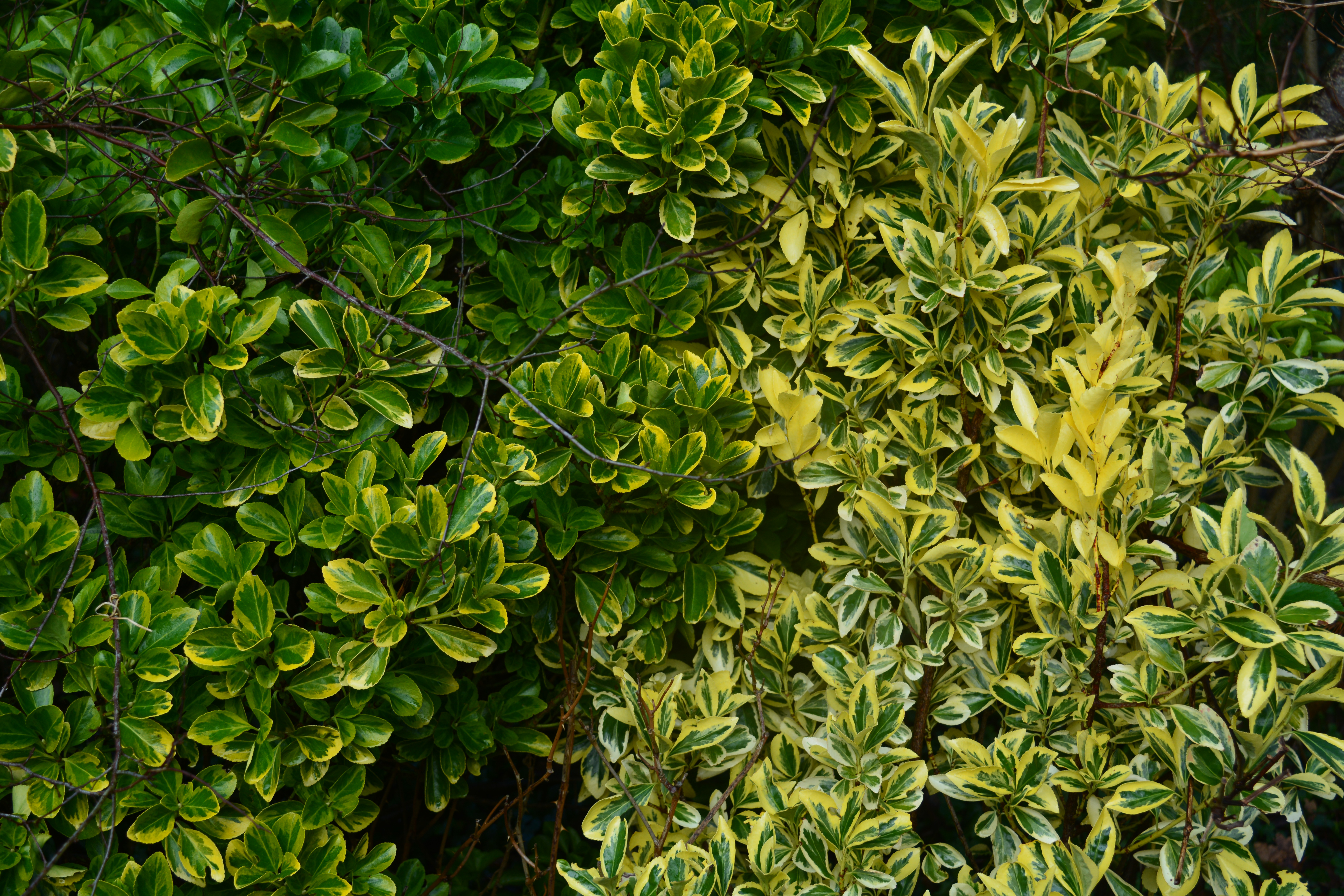
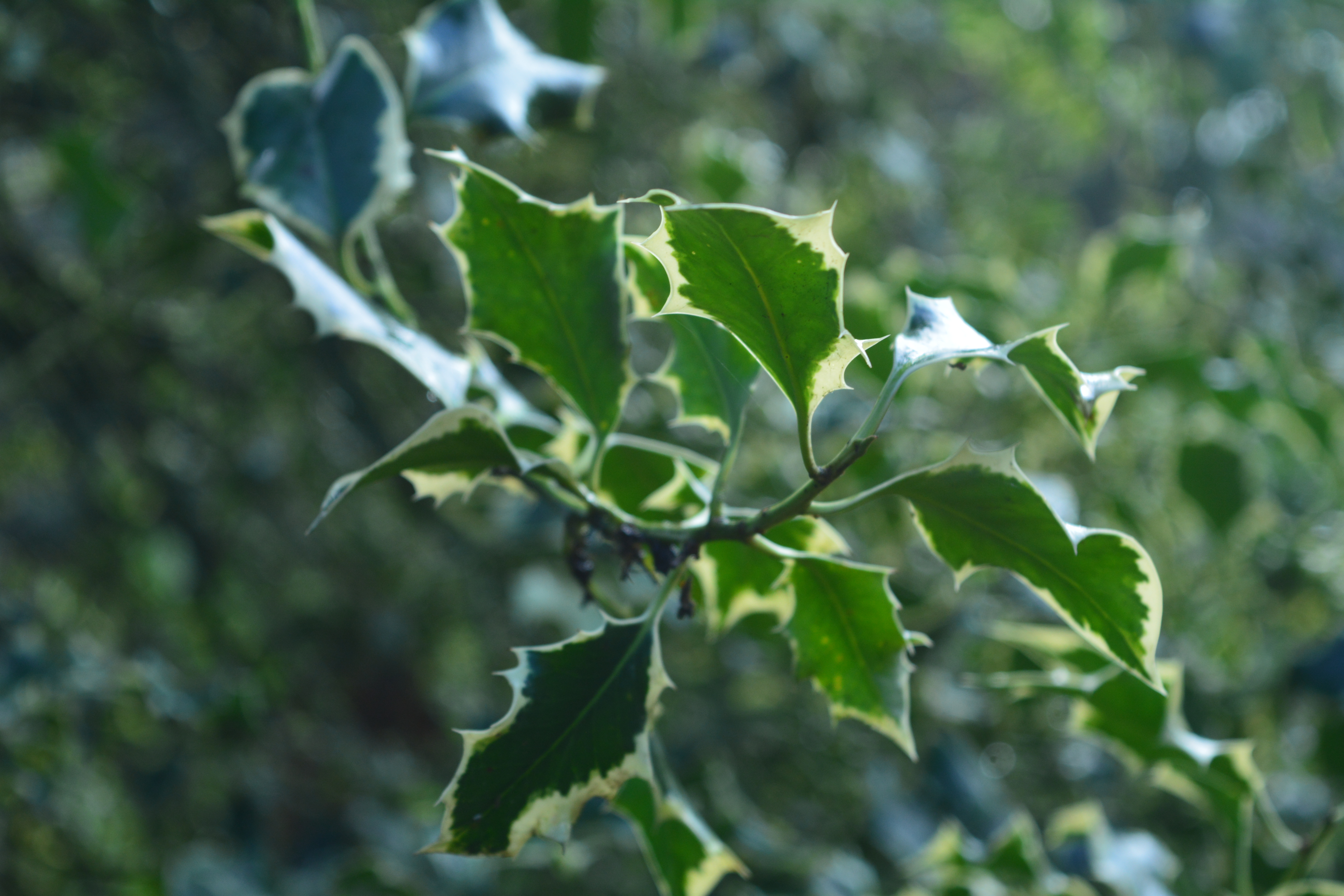
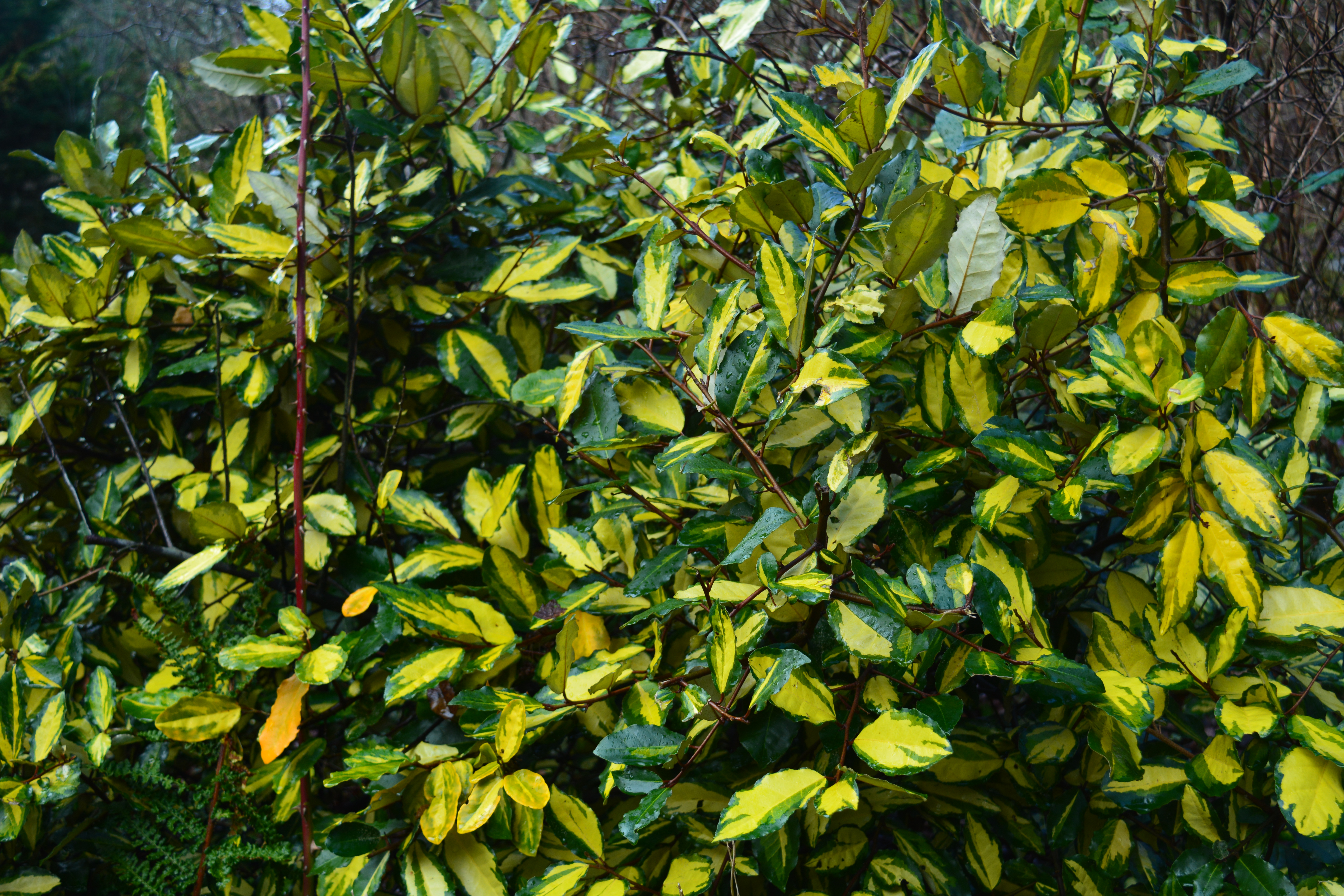
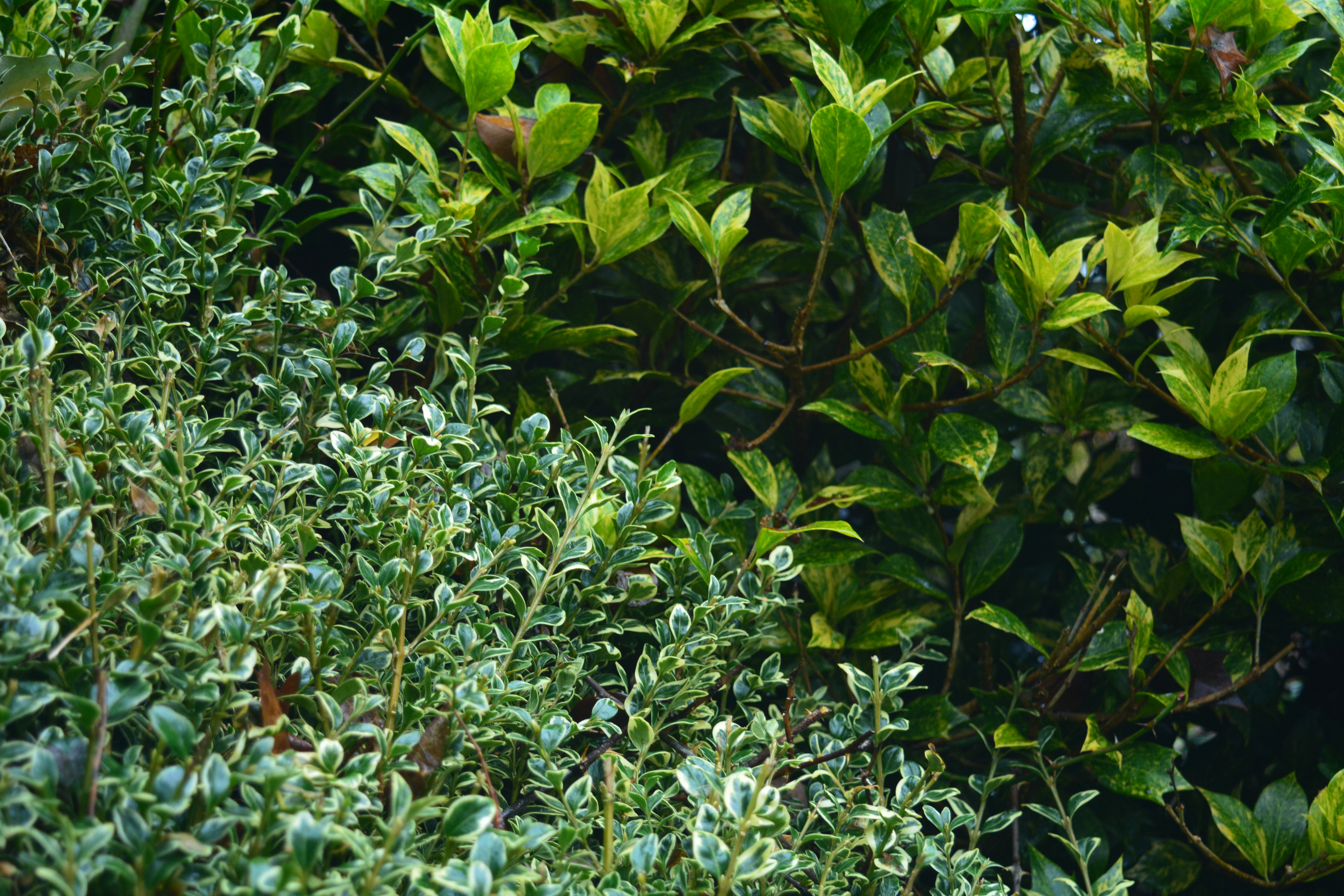
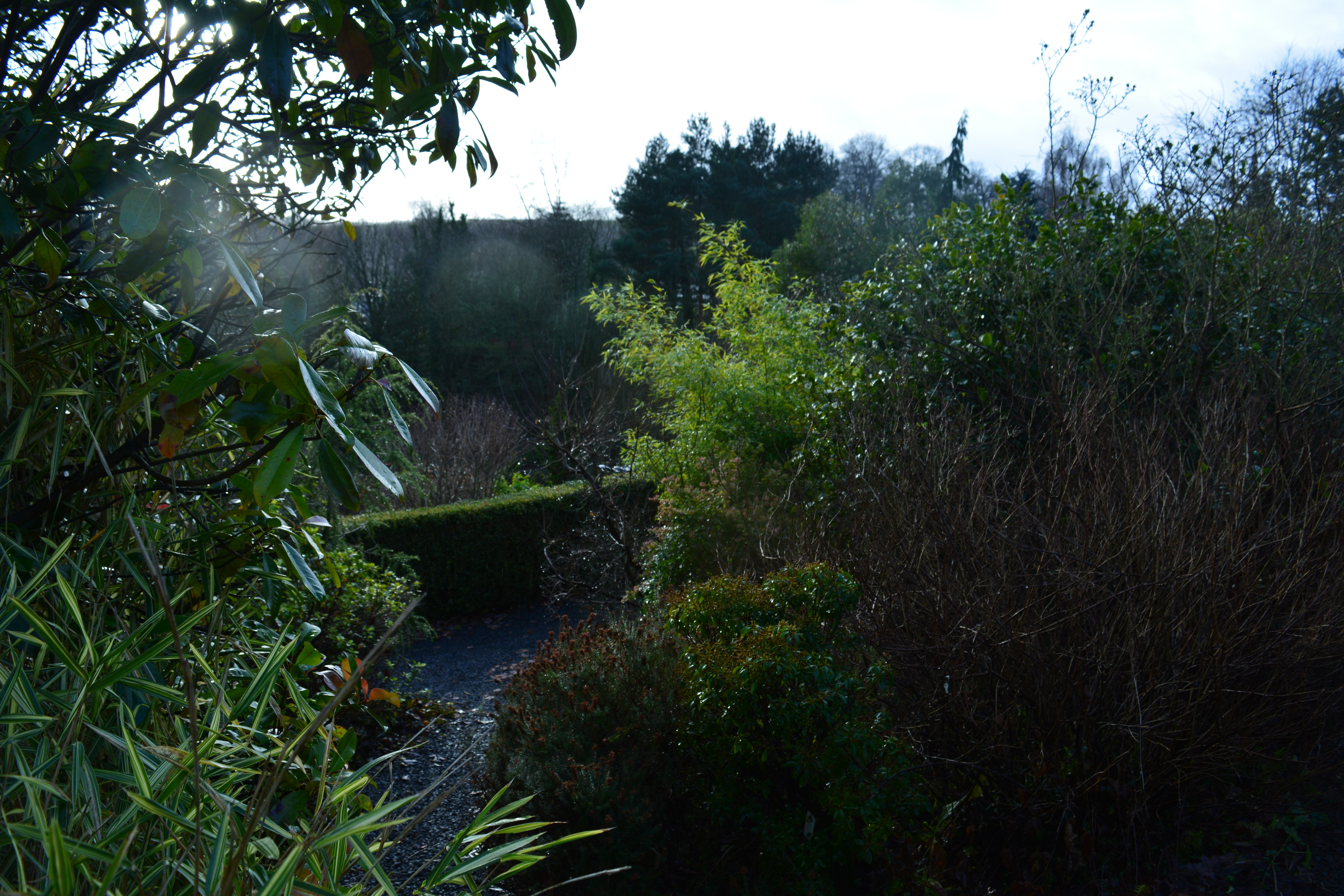
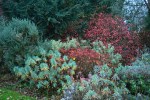
The light was dull and we noticed how variegated plants really came into their own. Gold and green, silver and green, grey and green in every possible combination and patterns. Just see in the first photo how the variegated shrub across the lawn shines out against darker foliaged trees and shrubs.


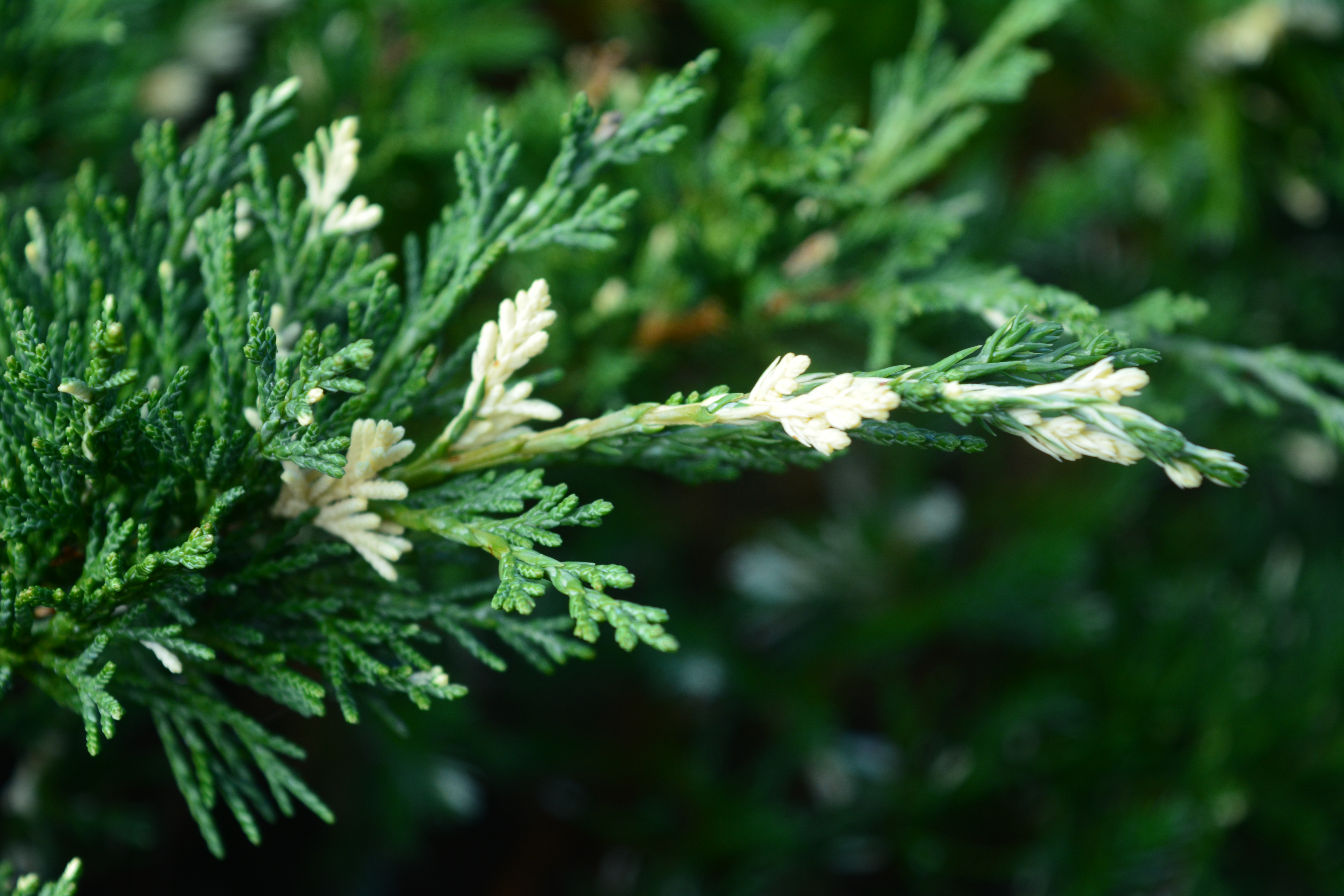
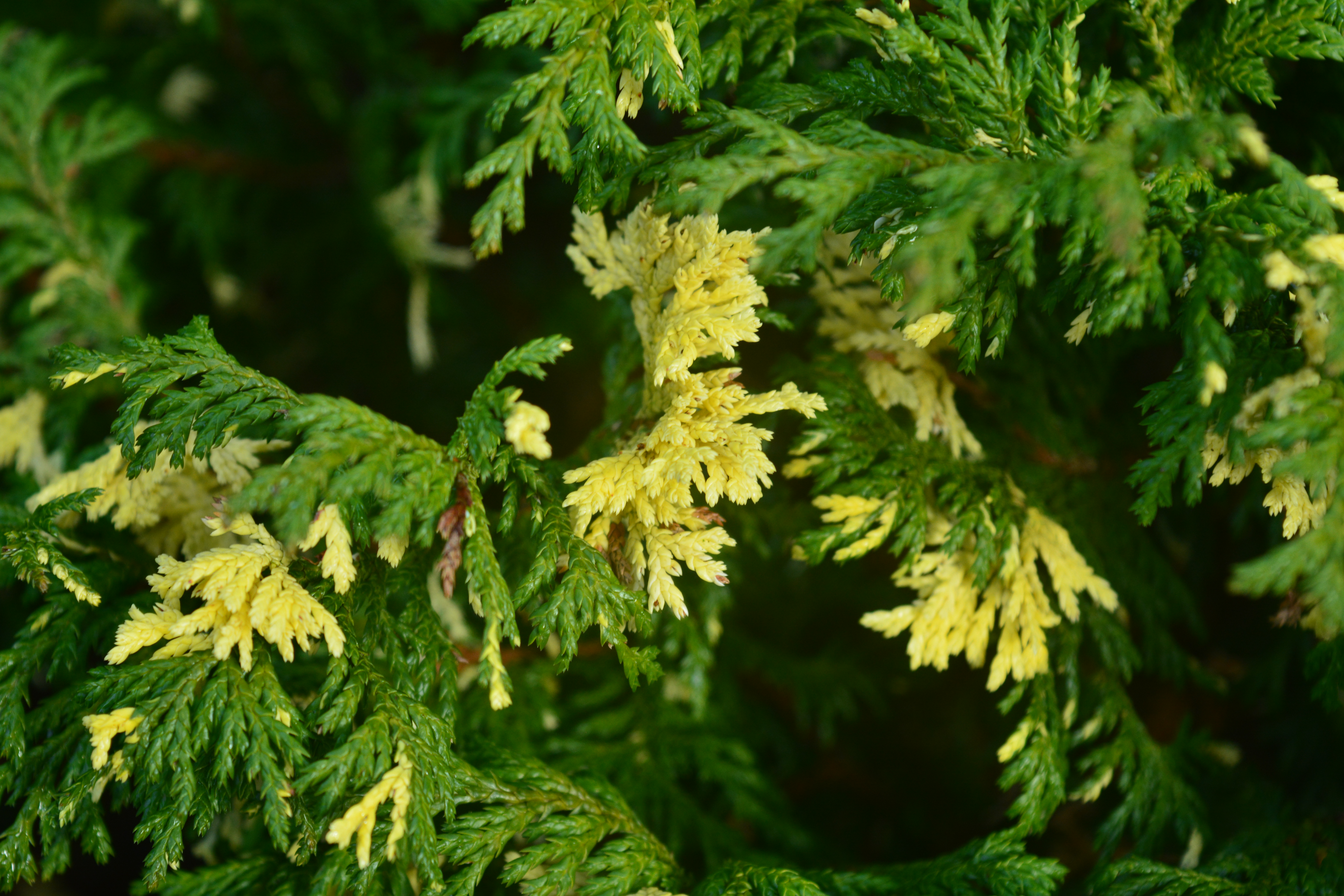
Variegation in conifers fails to impress me, as sadly it just looks like a bird has been perched above the foliage for a while! See what you think!


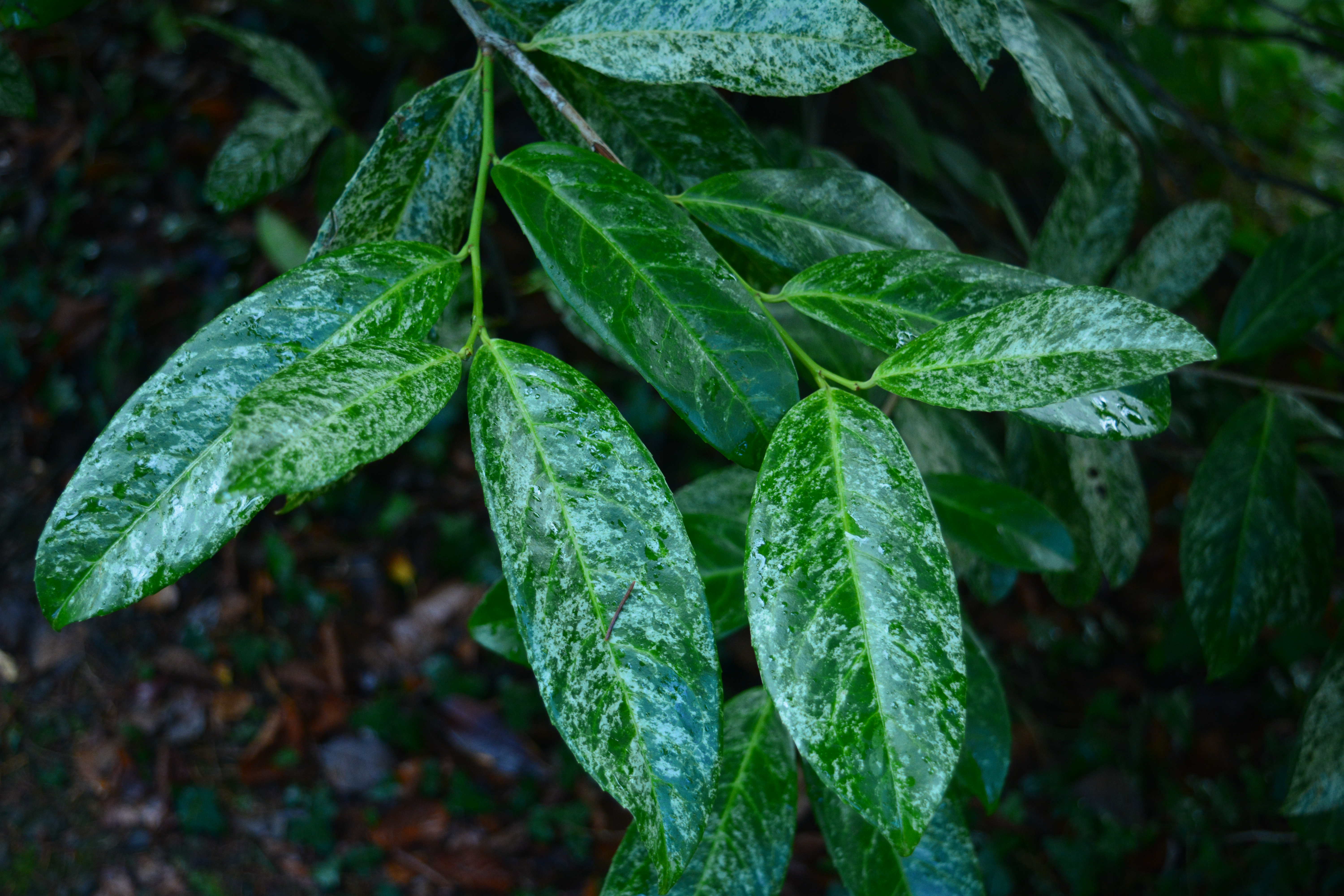
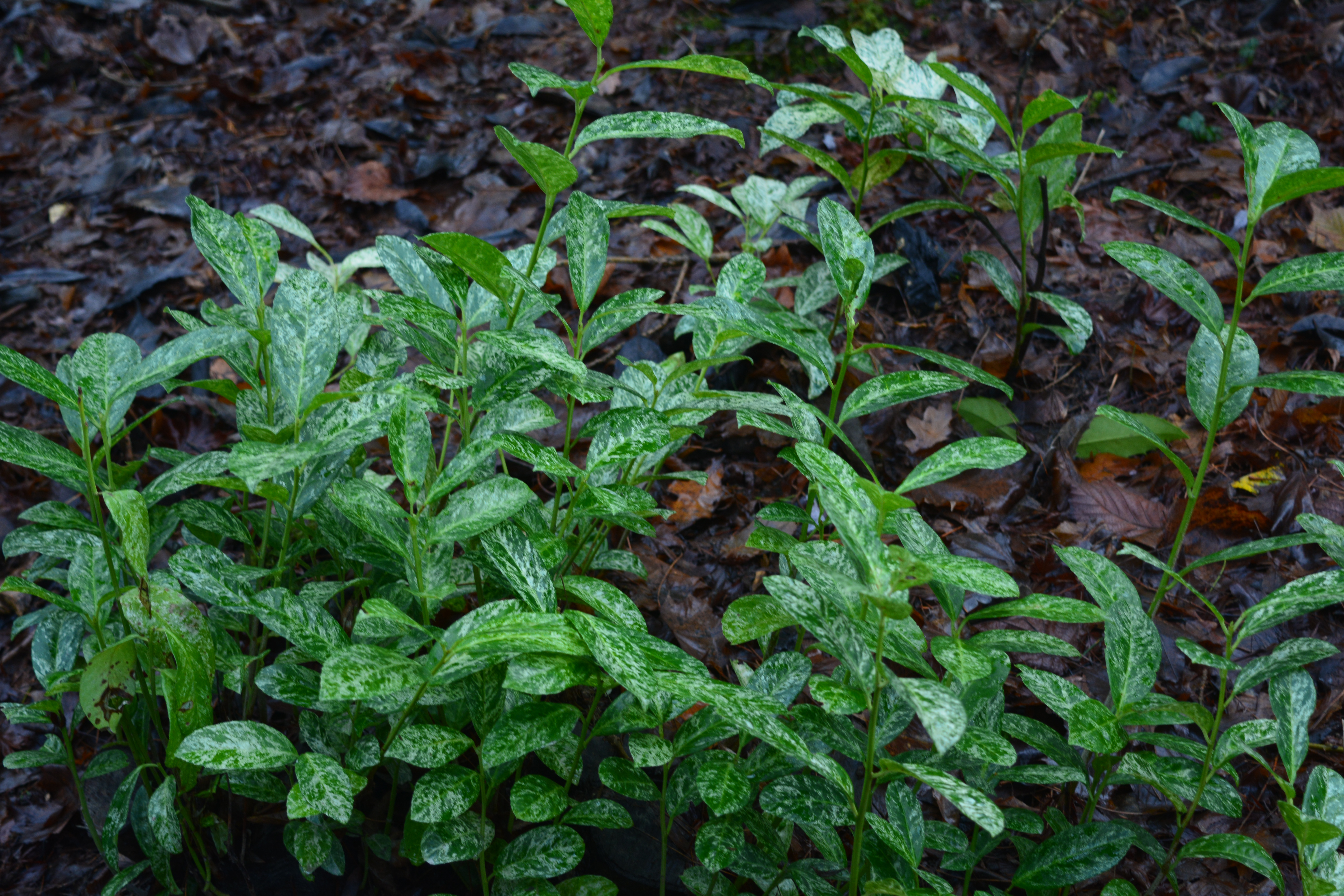
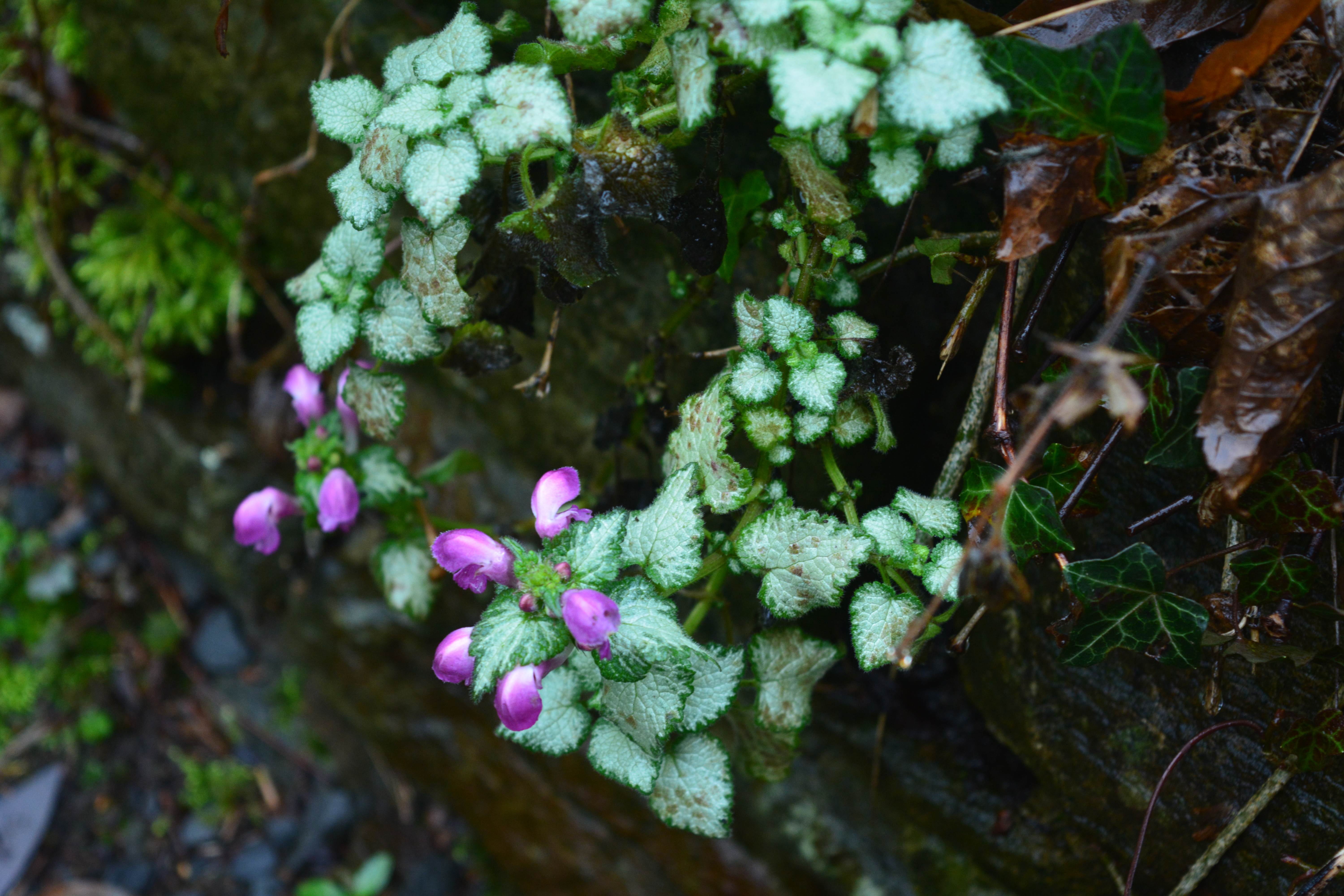
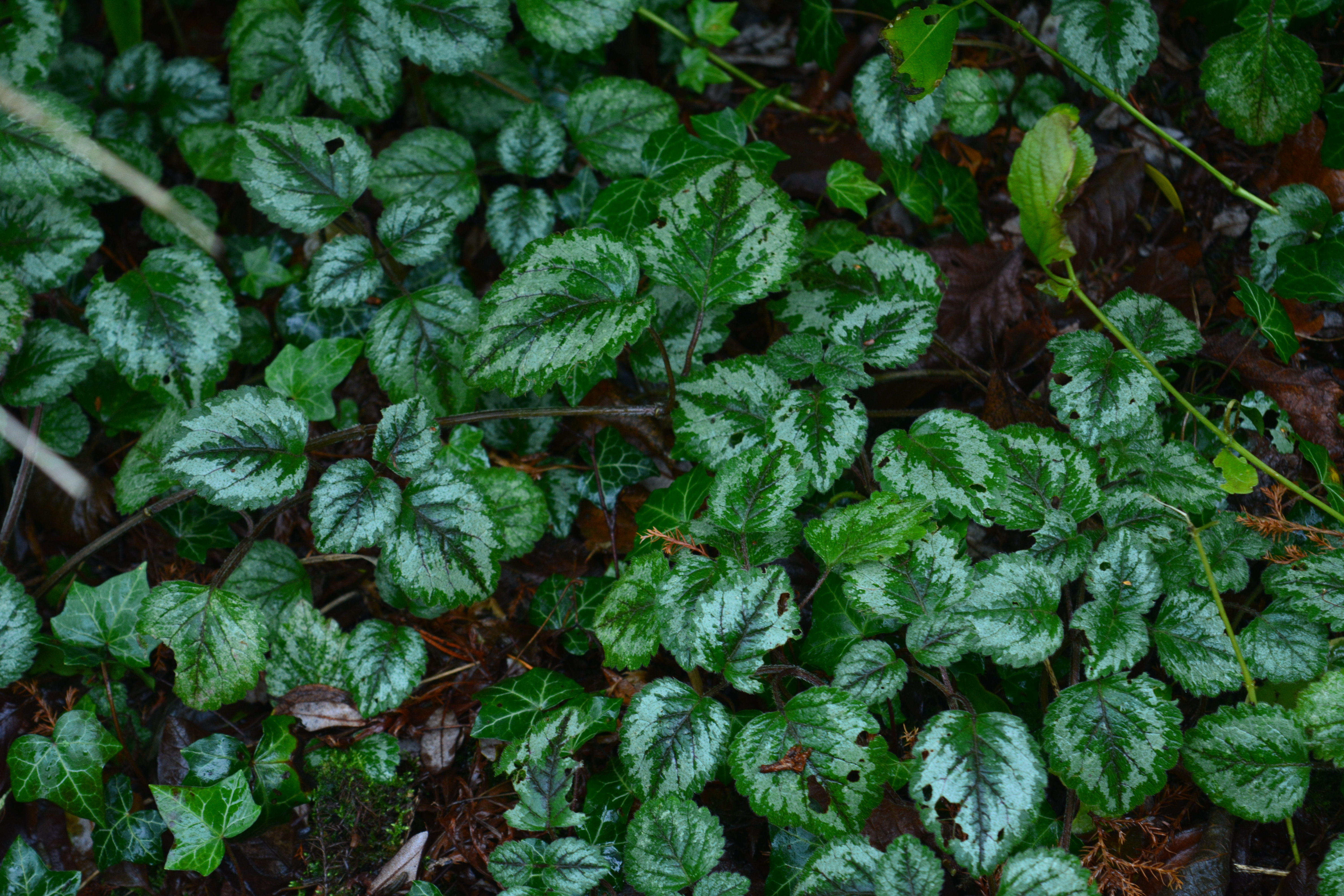
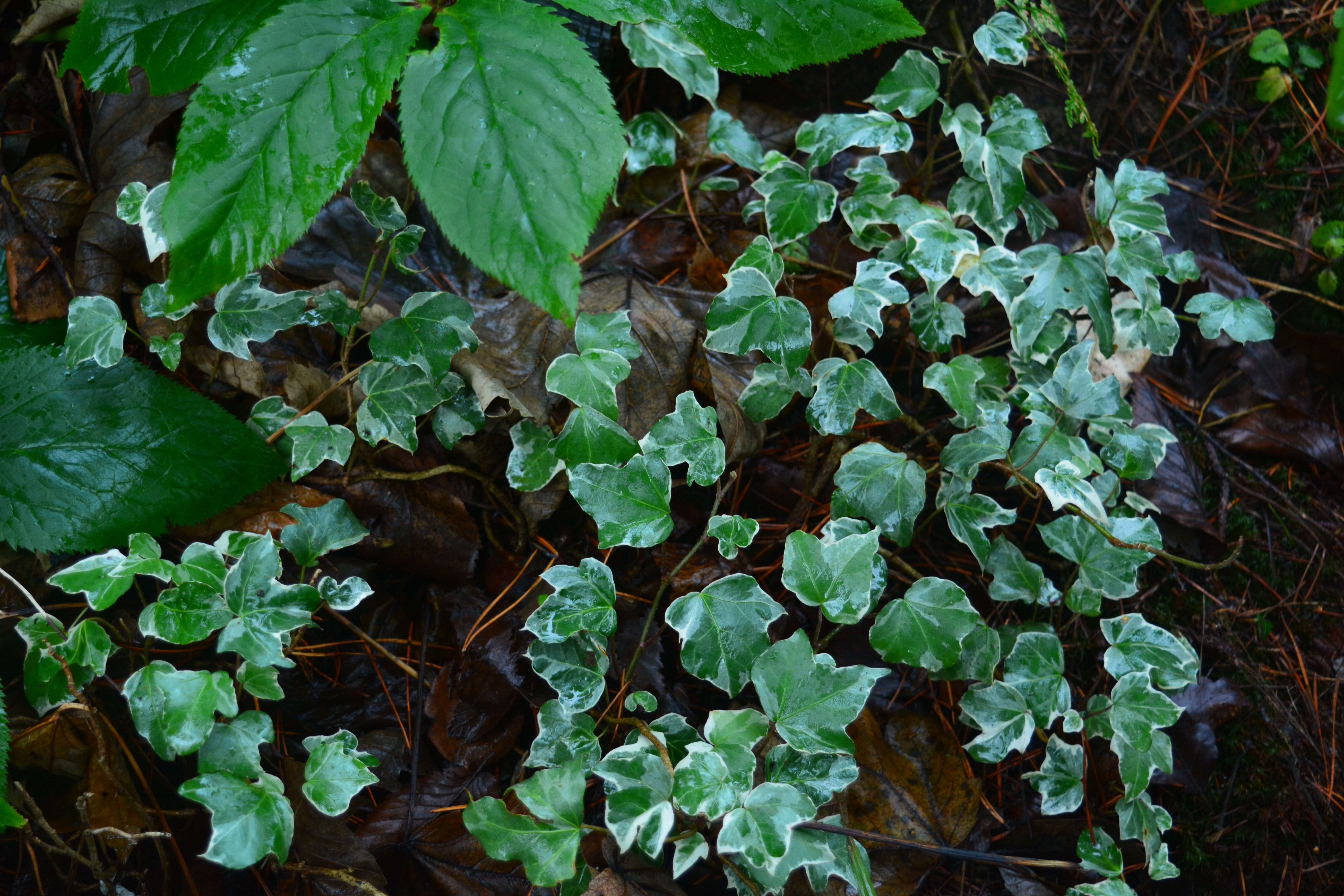
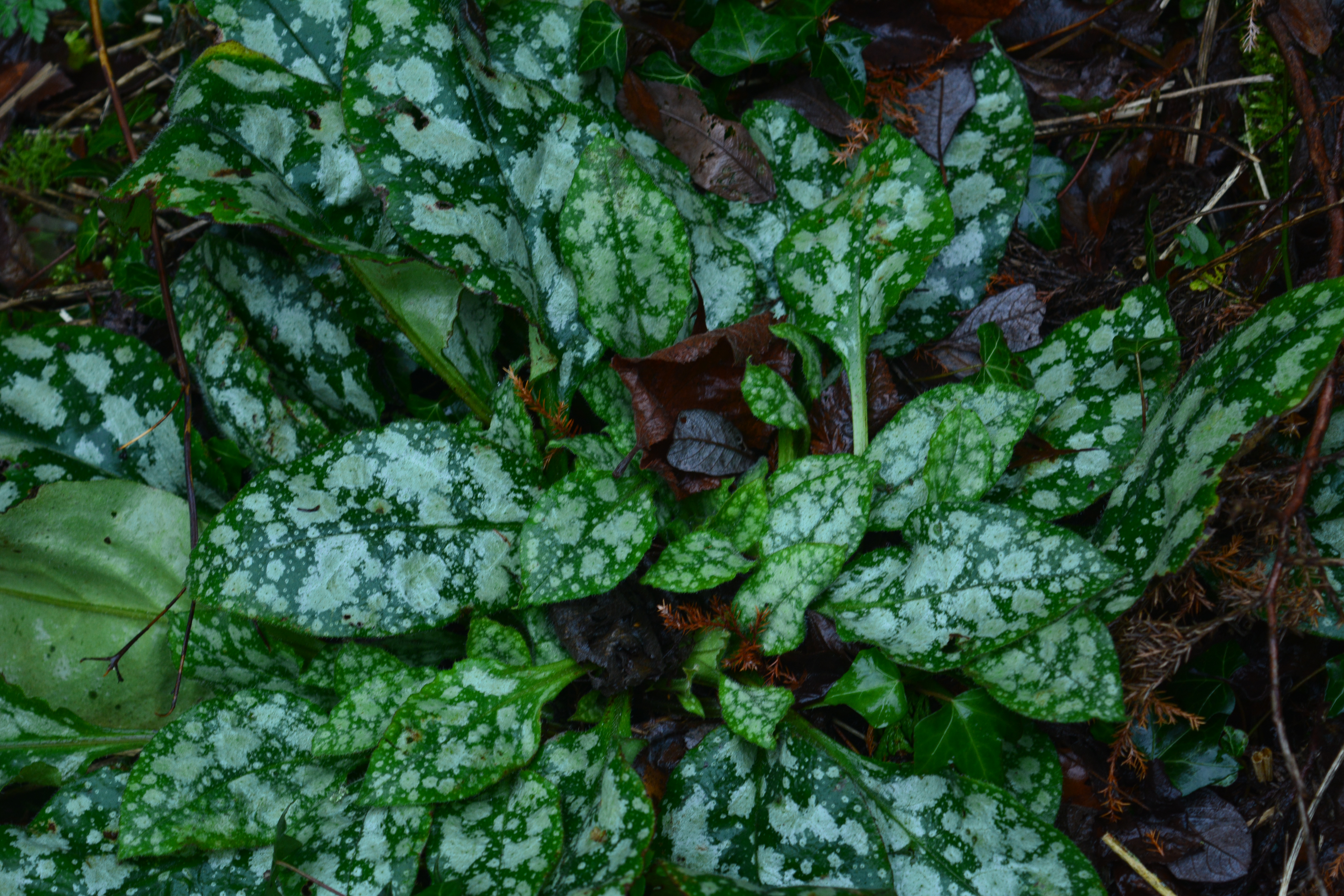
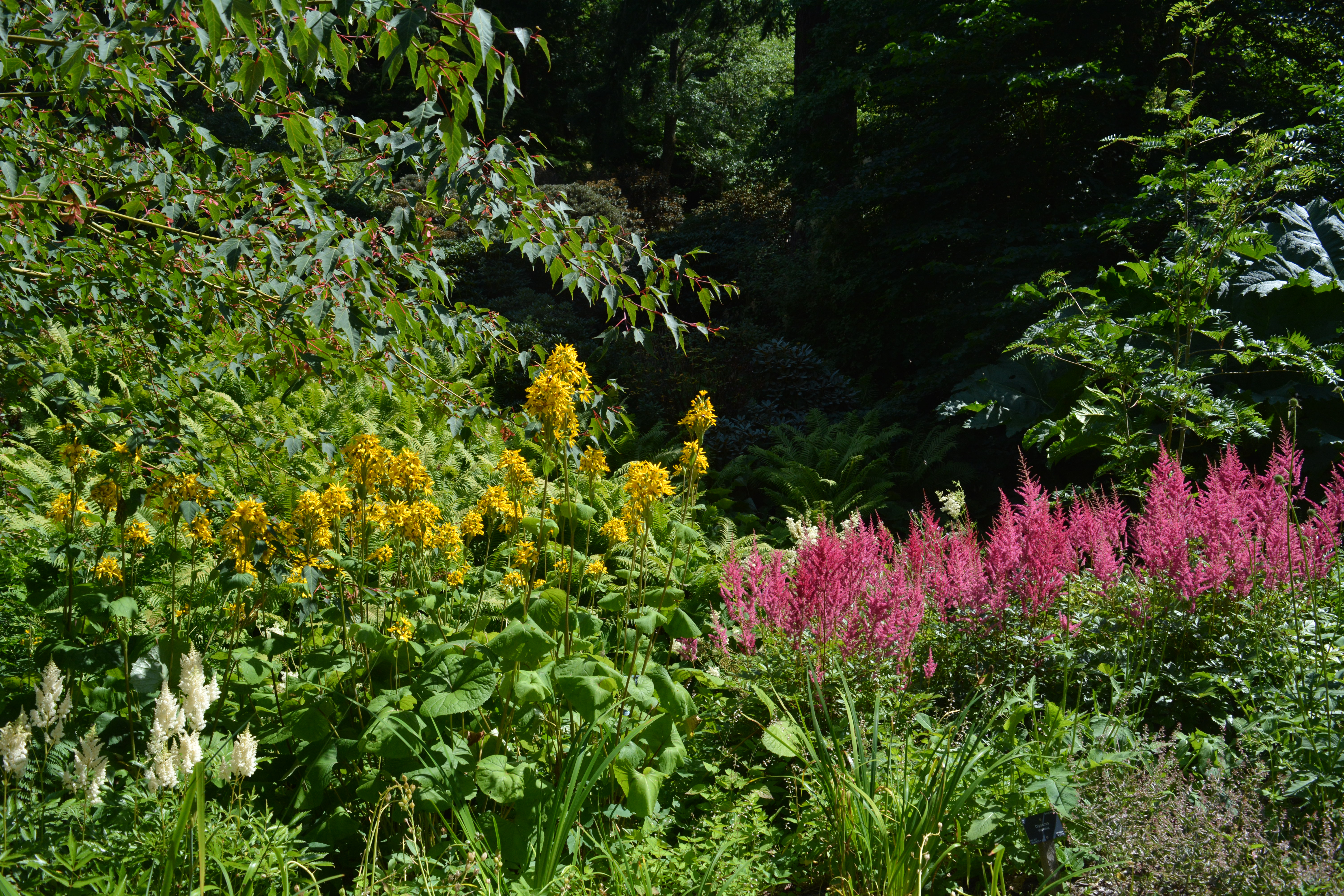
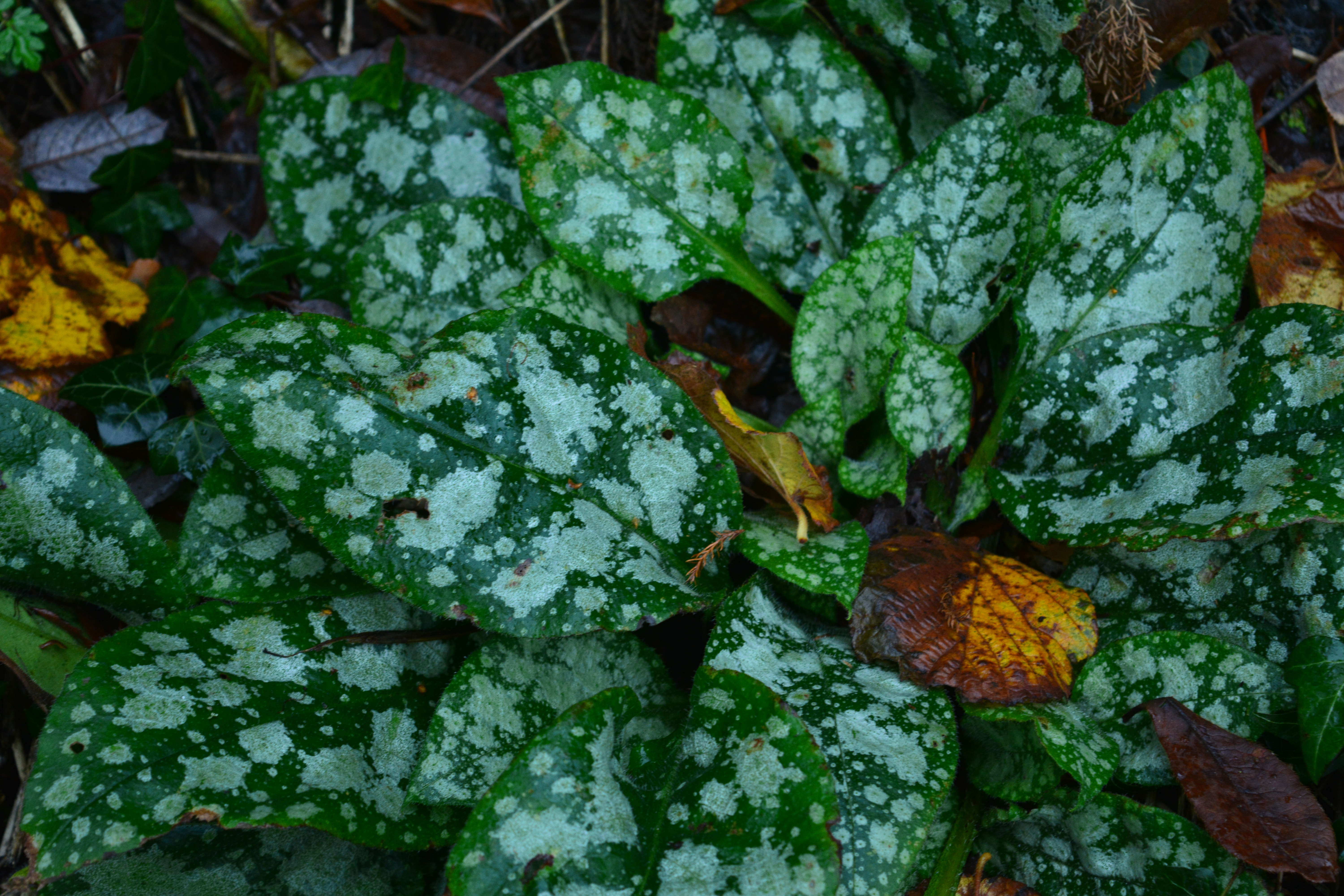
Variegated groundcover plants are very effective in the woodland garden as they brighten up dull areas. Silver variegation create mirror effects reflecting any light that gets through the tree canopy.


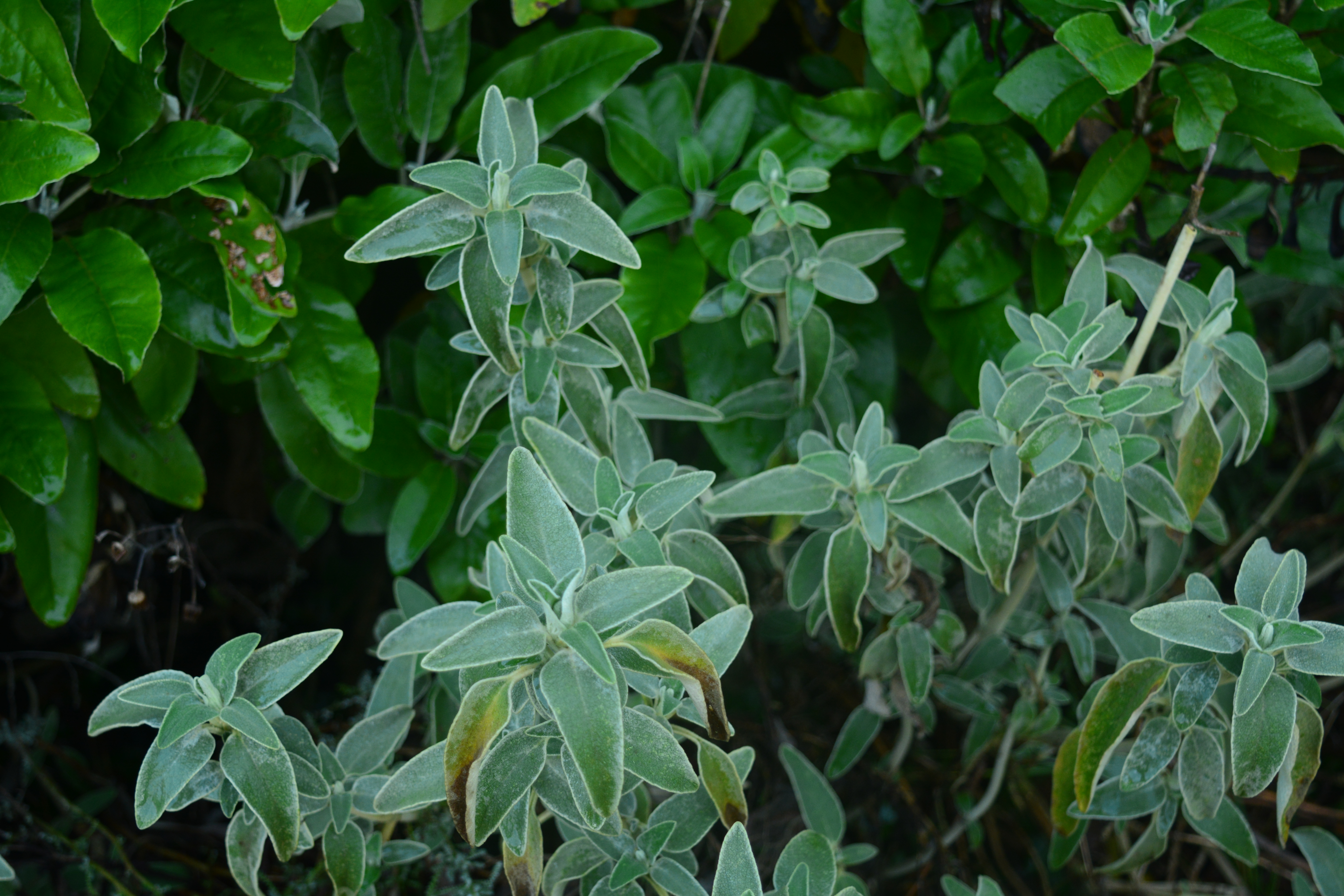
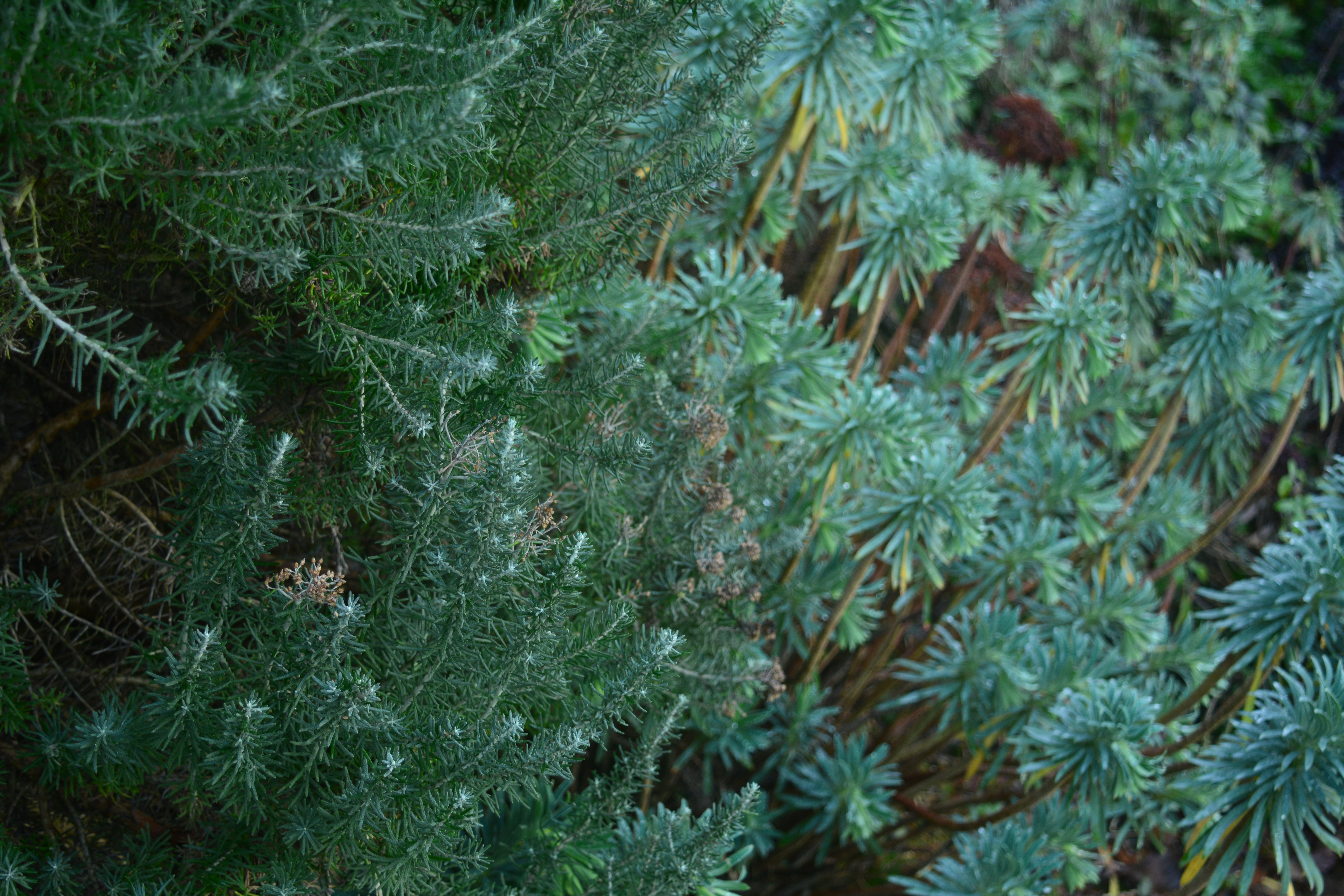
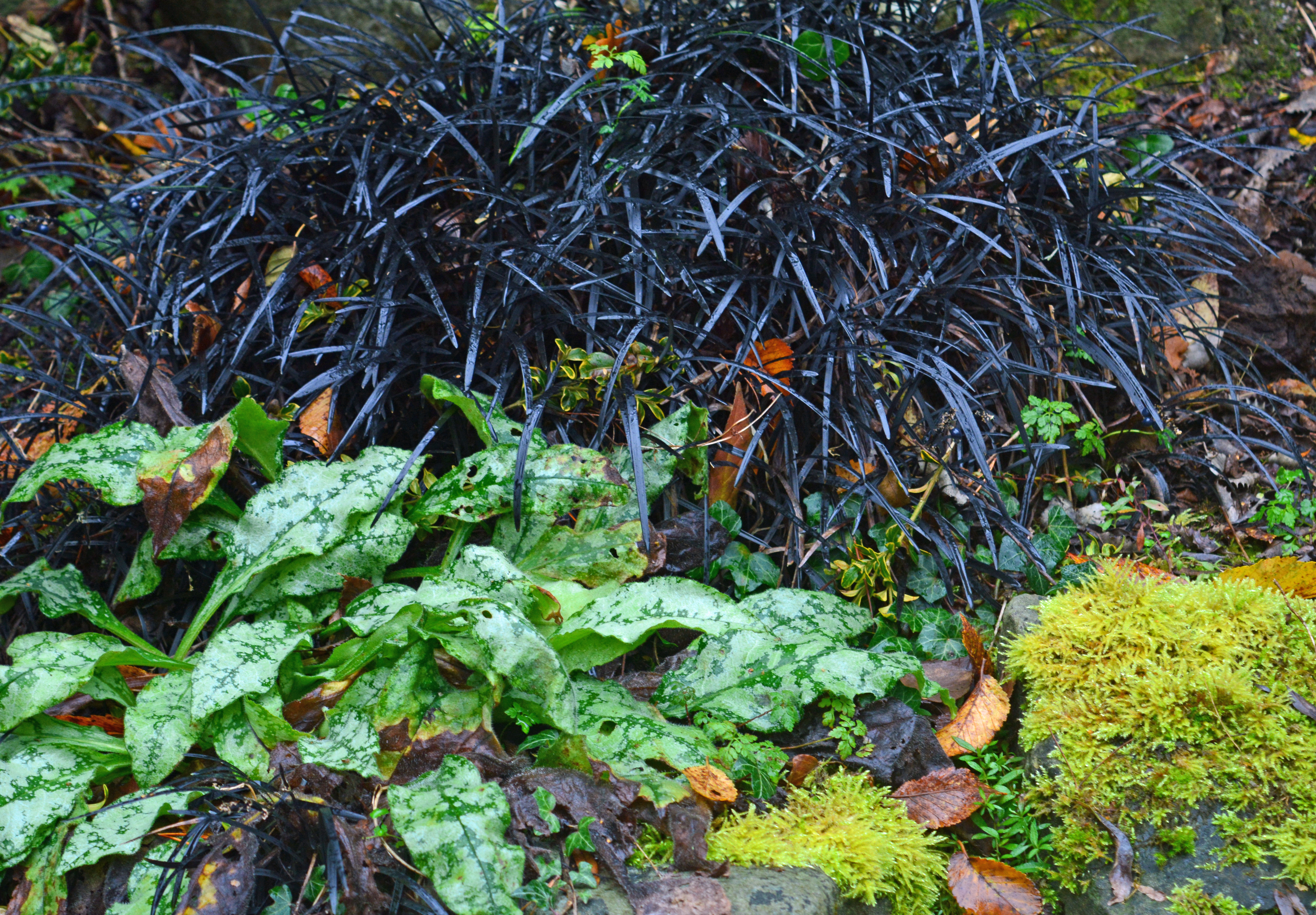
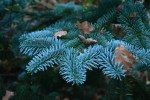
The raindrops hung around on glaucous foliage and we were surprised just how many plants in this woodland garden displayed glaucous leaves. Variegated foliage adds extra bright spots to woodland patches but glaucous foliage creates gentle subdued spots.


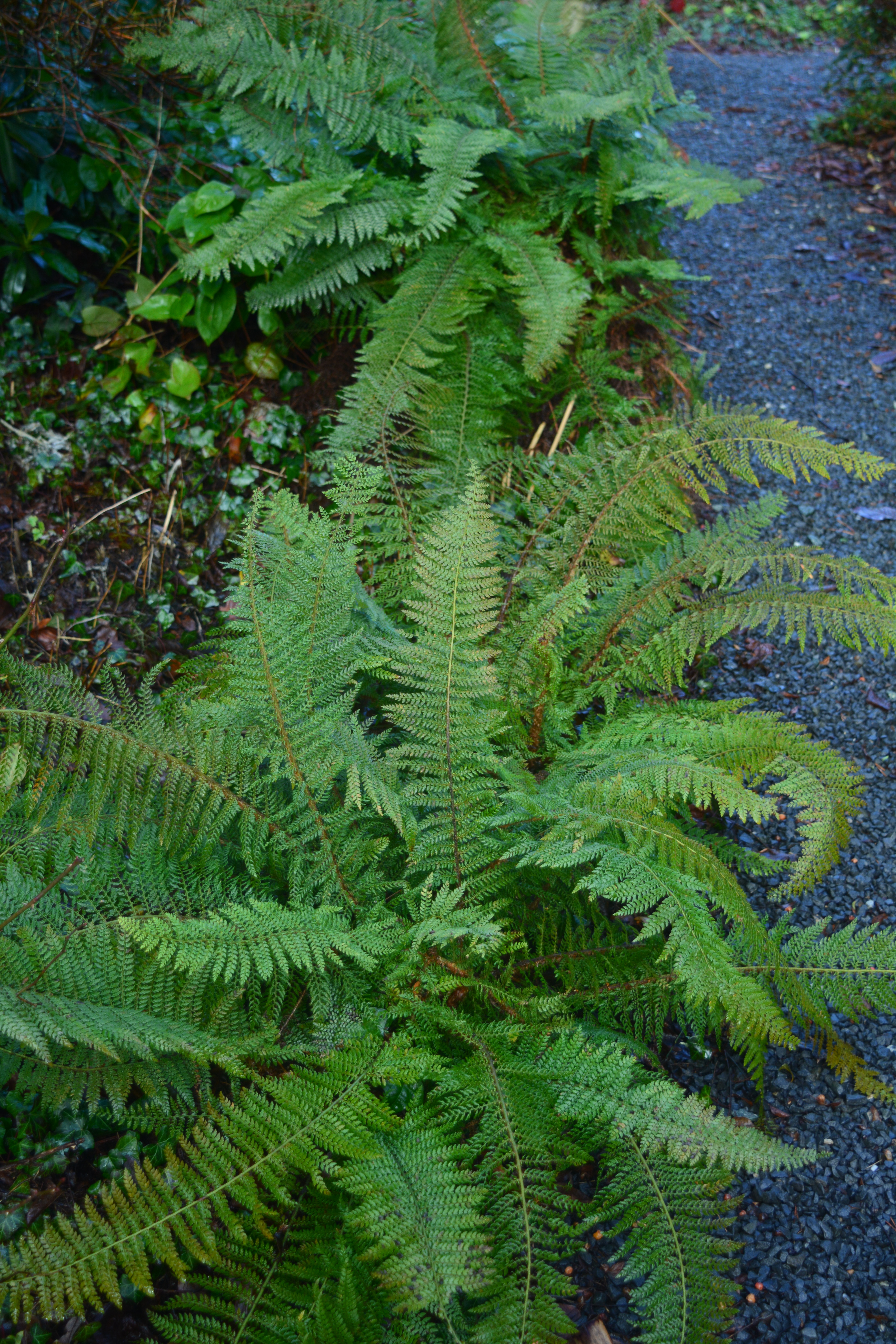
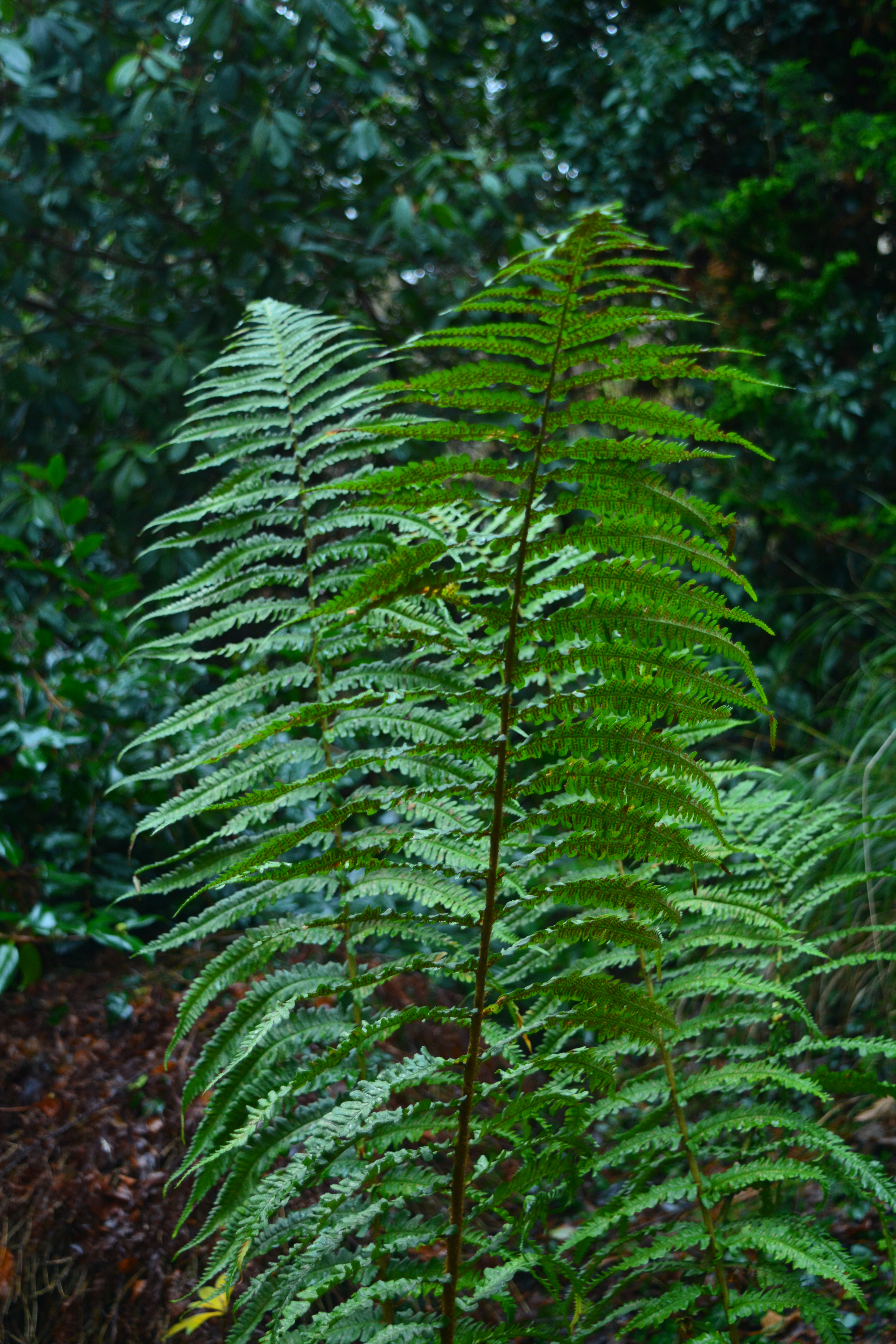
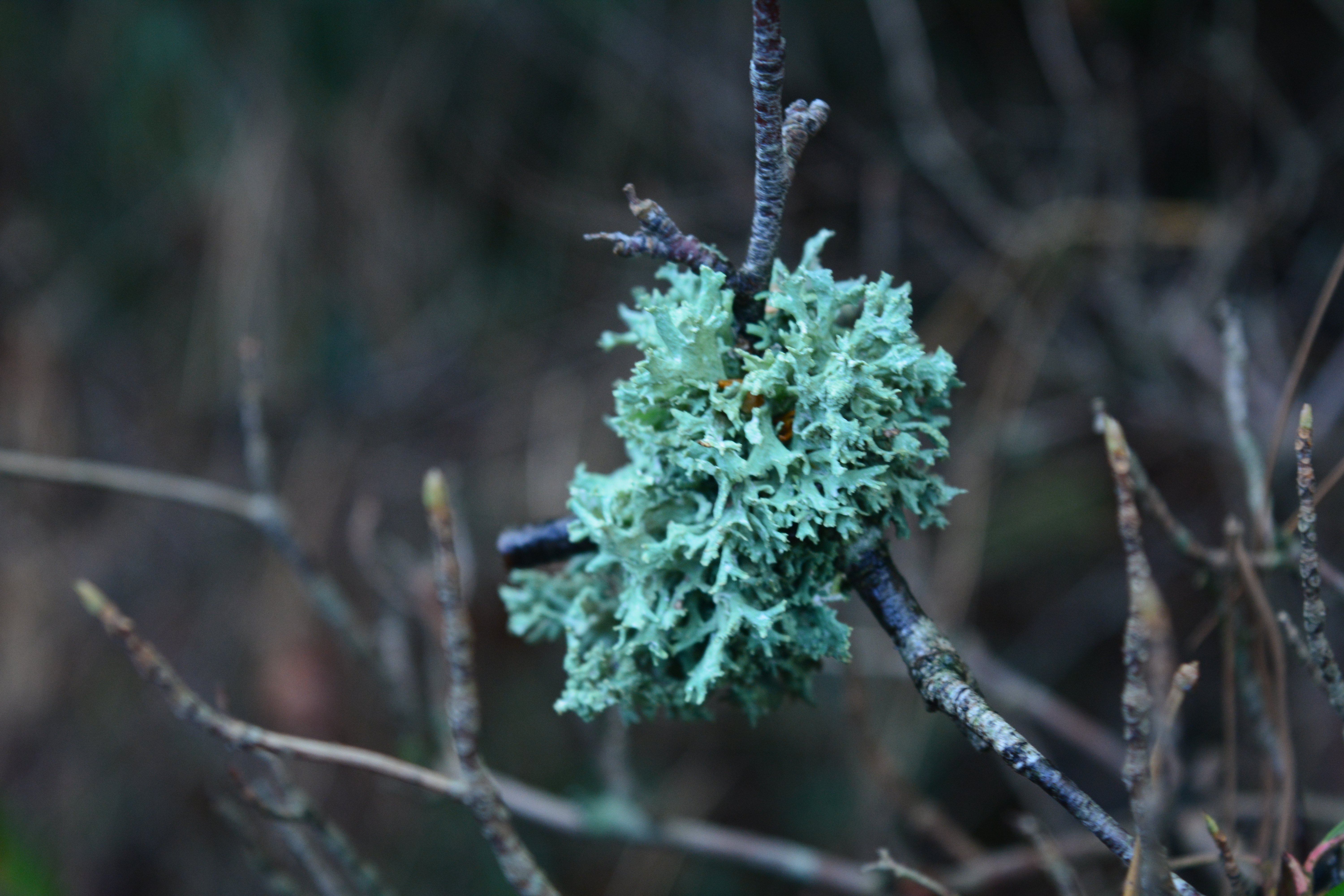
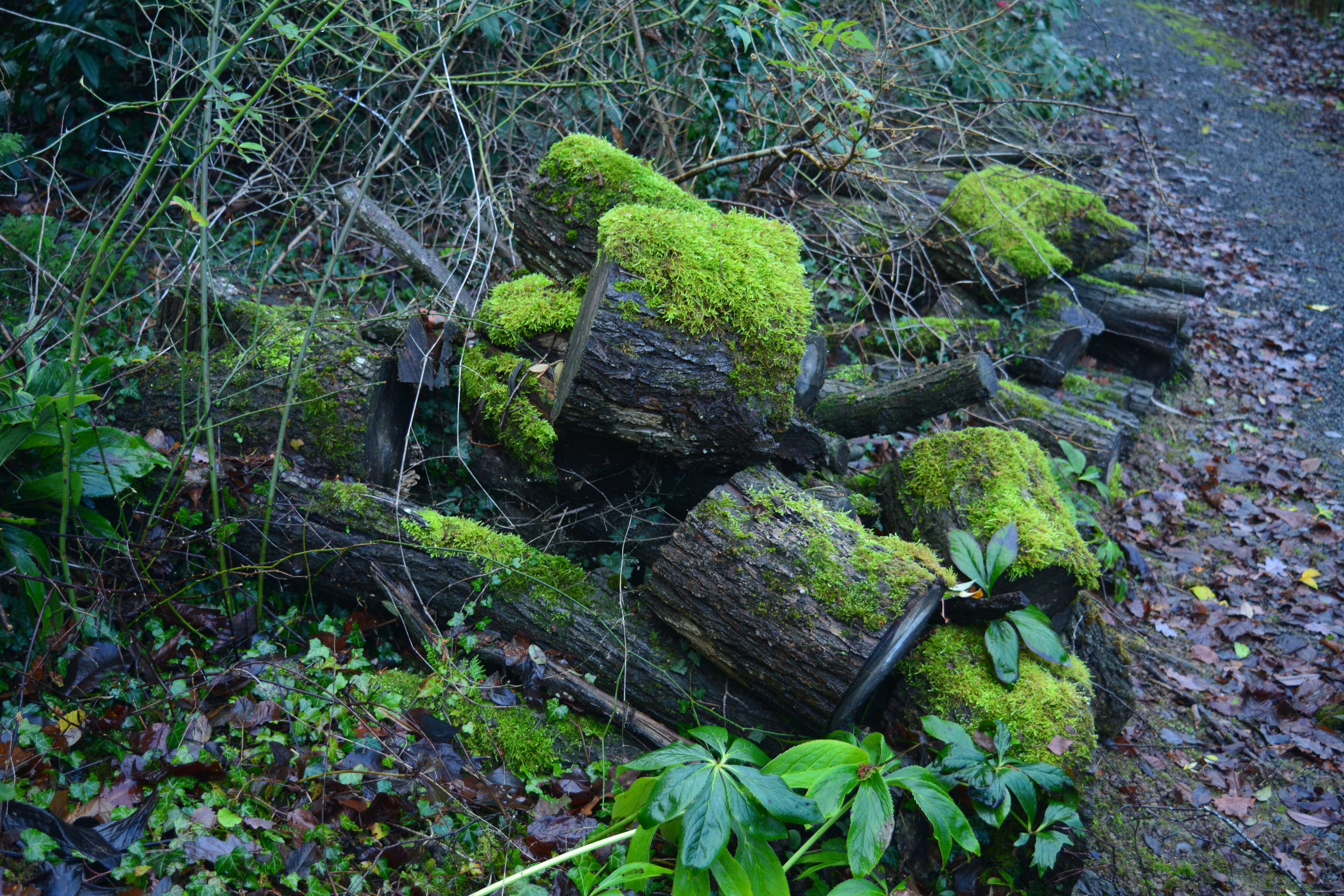
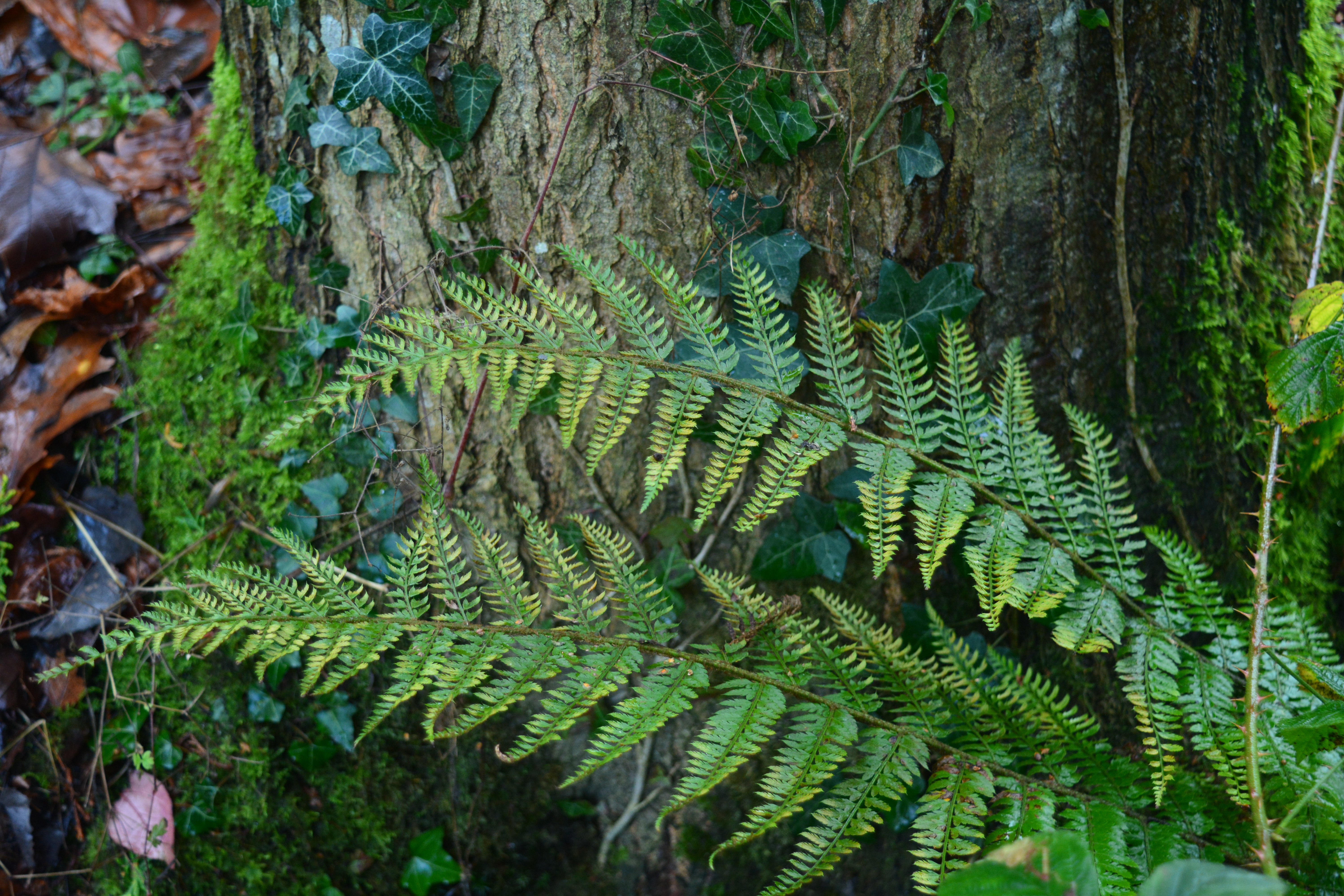
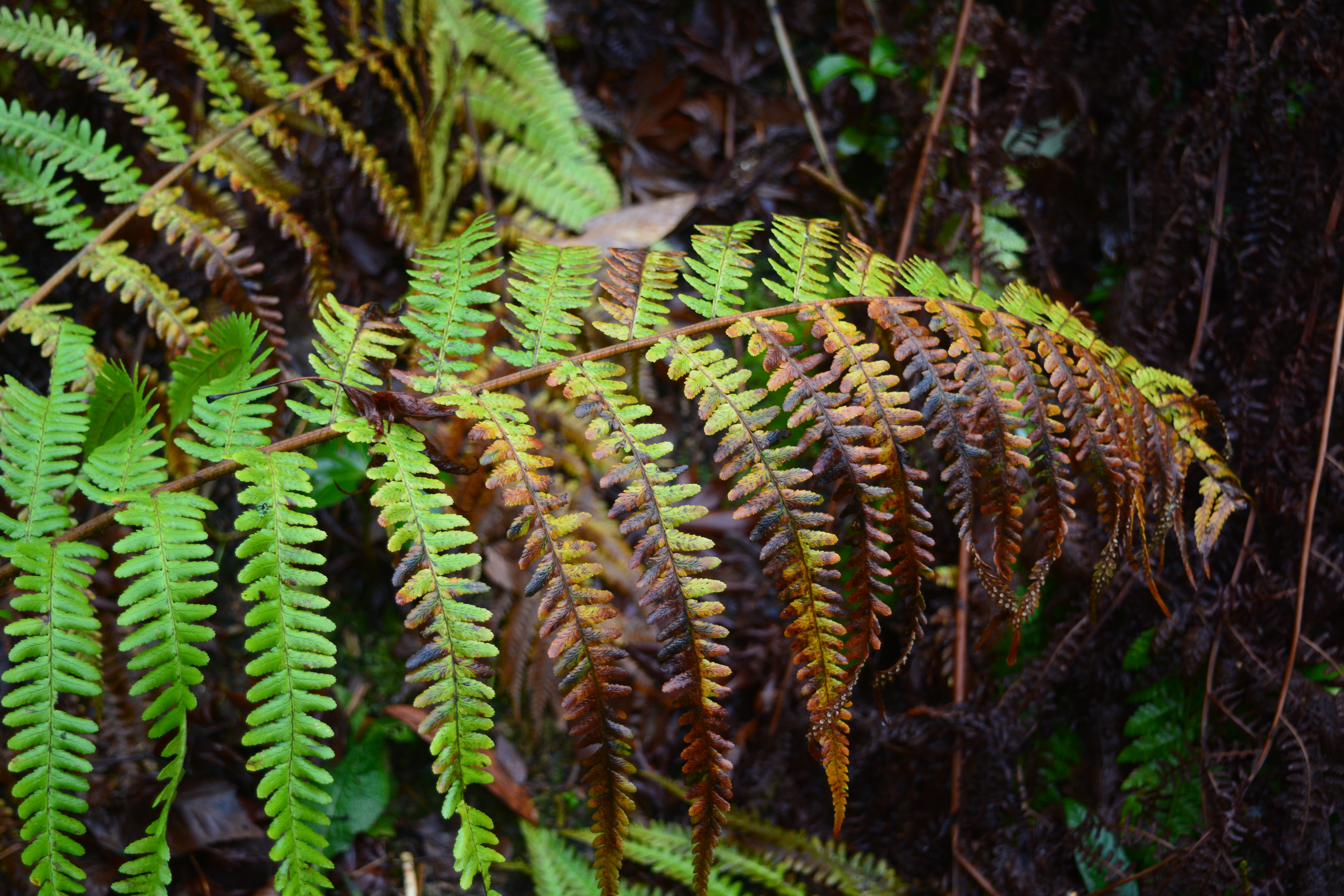
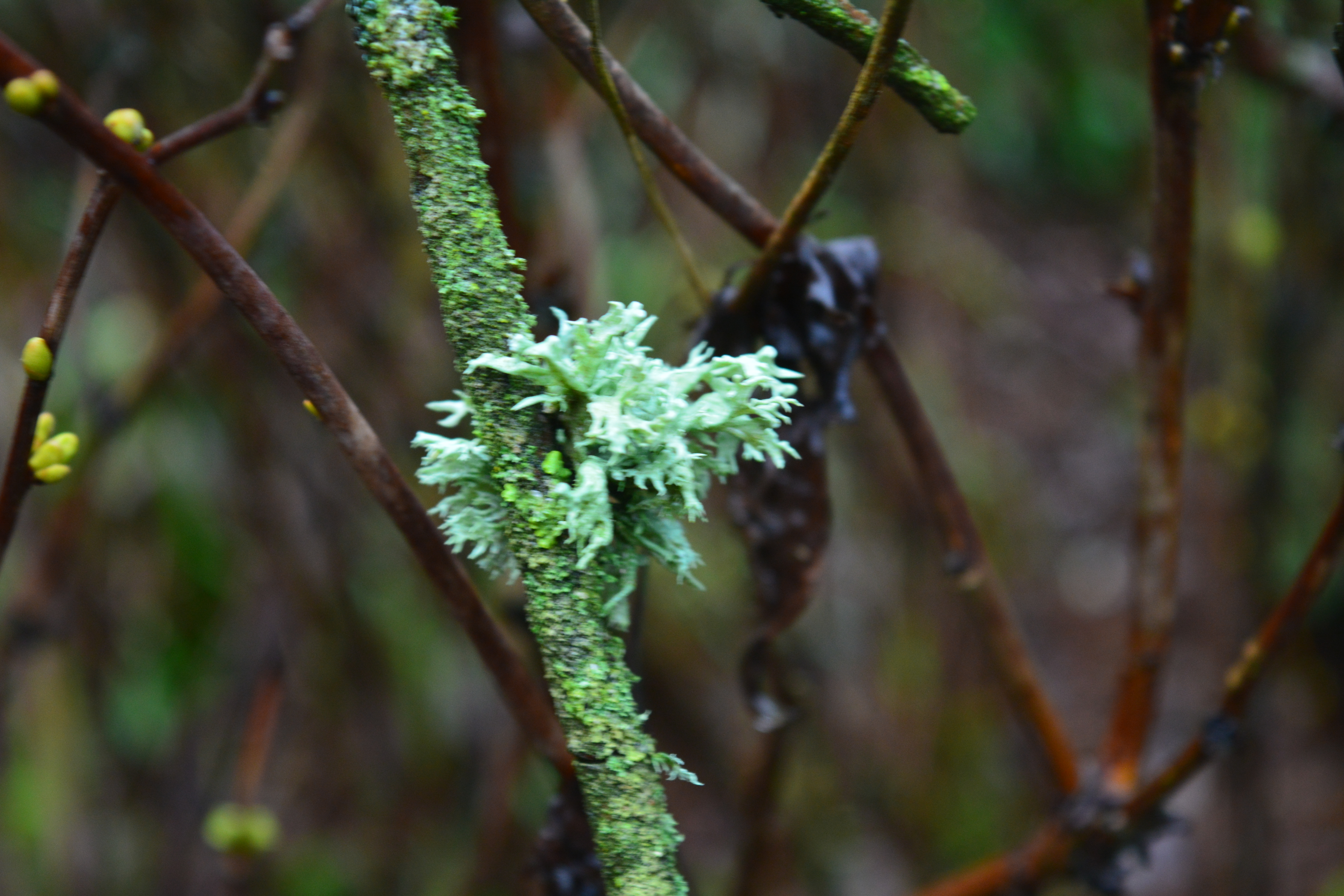
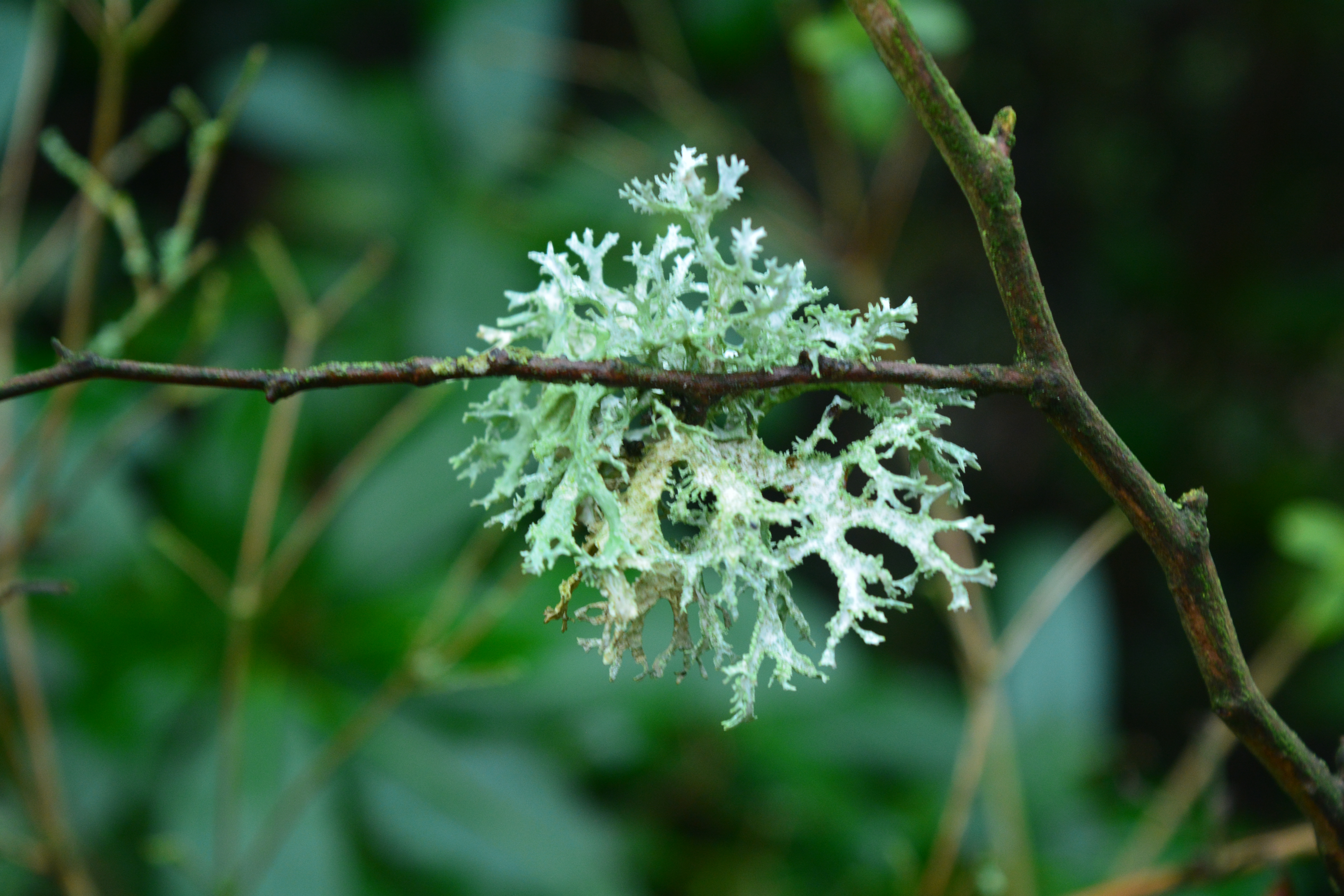
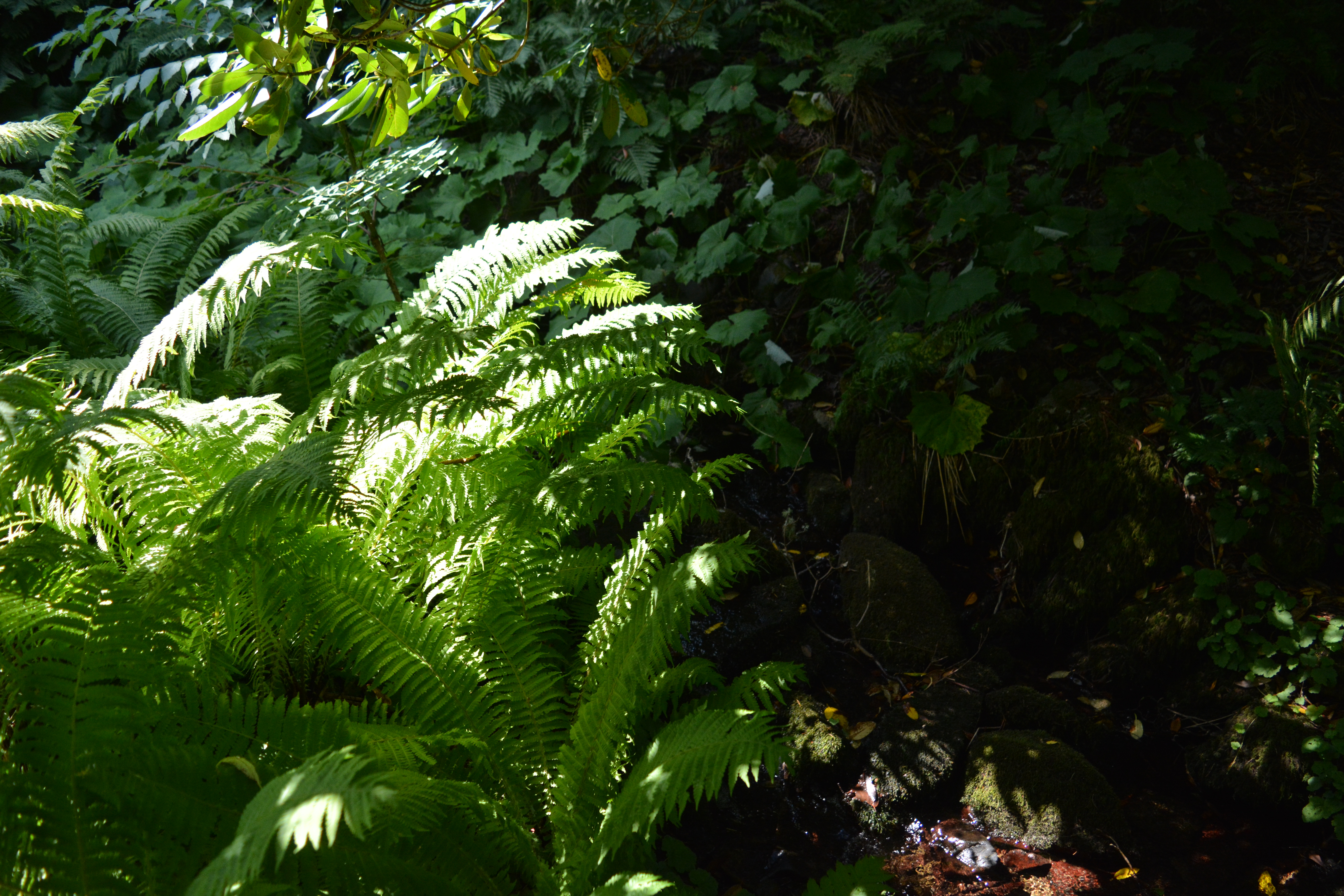
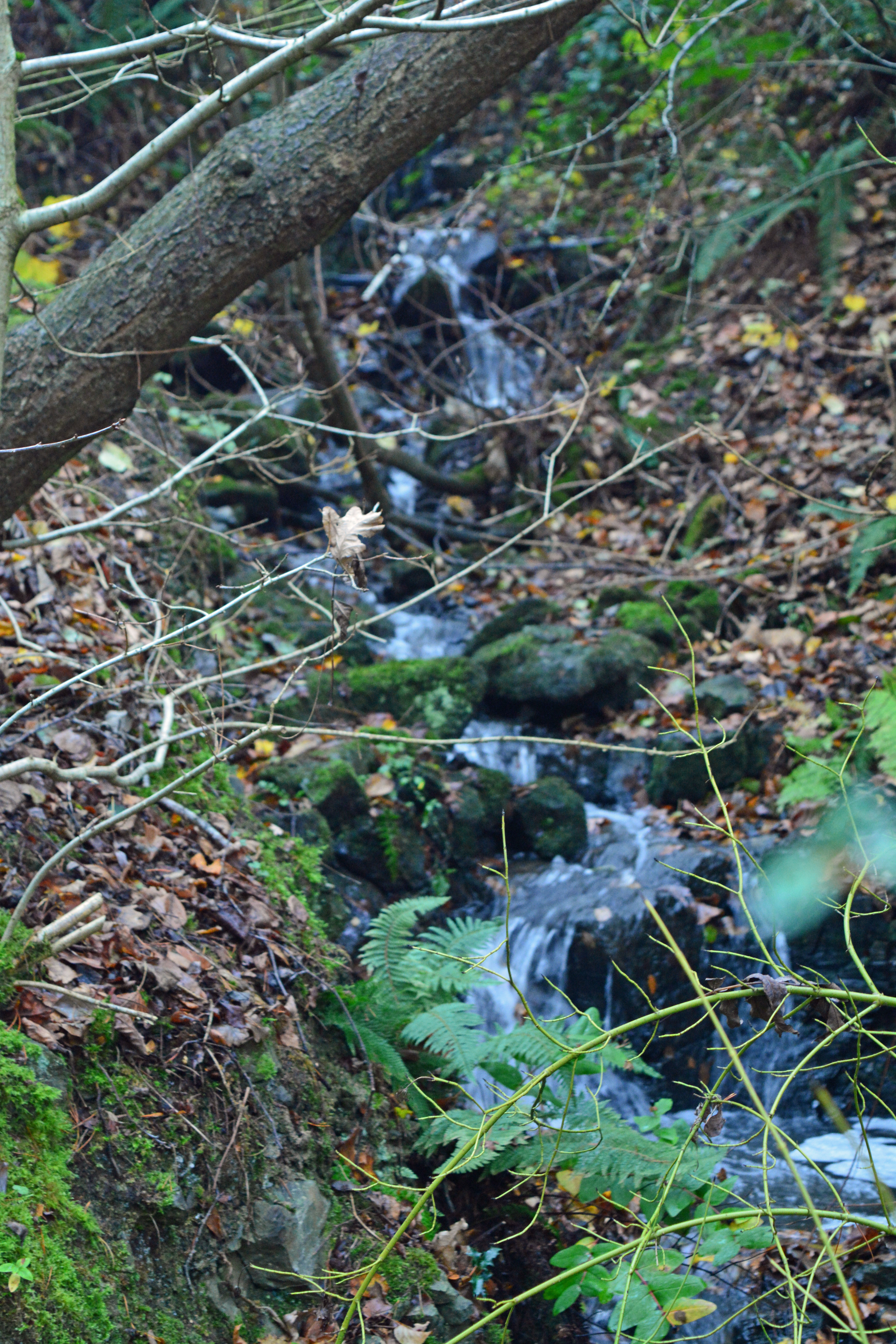
The oldest surviving plants in the UK are the ferns, lichens and mosses and they love the damp atmosphere of the sloping woodland garden here at The Dingle. They add such beautiful shades of bright green and bluish tints, but a few go golden and ginger as winter takes a deeper grasp on the garden.


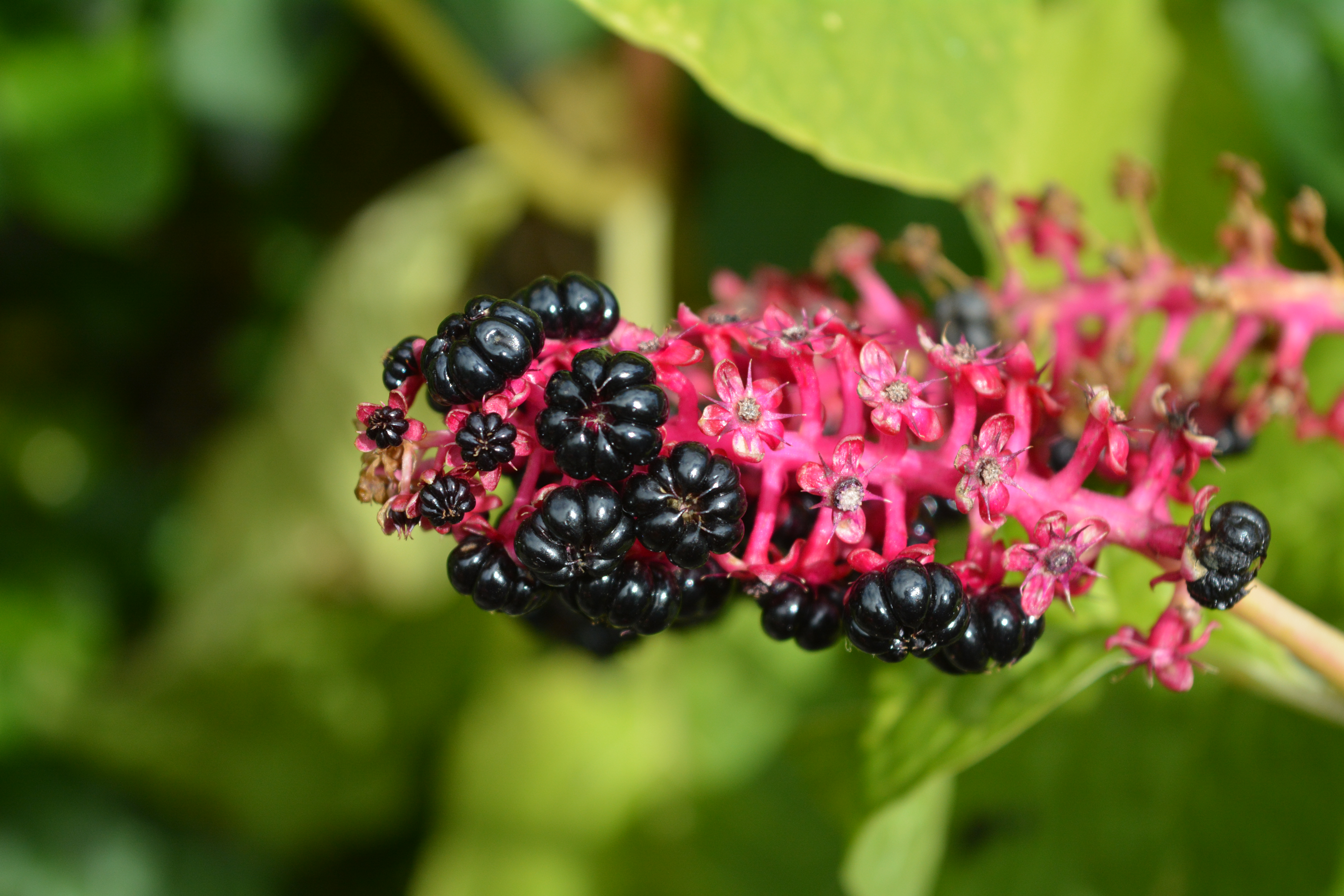
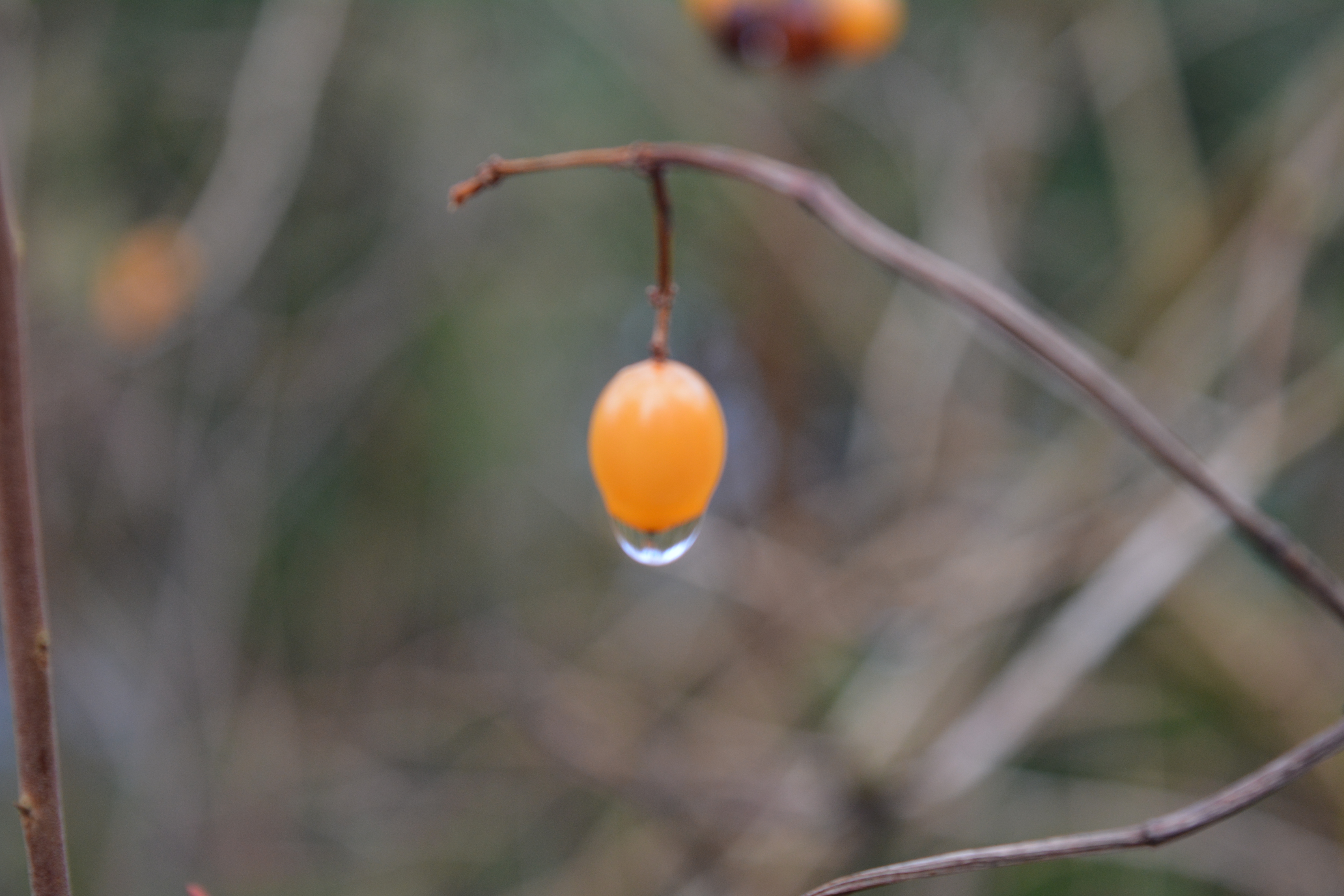
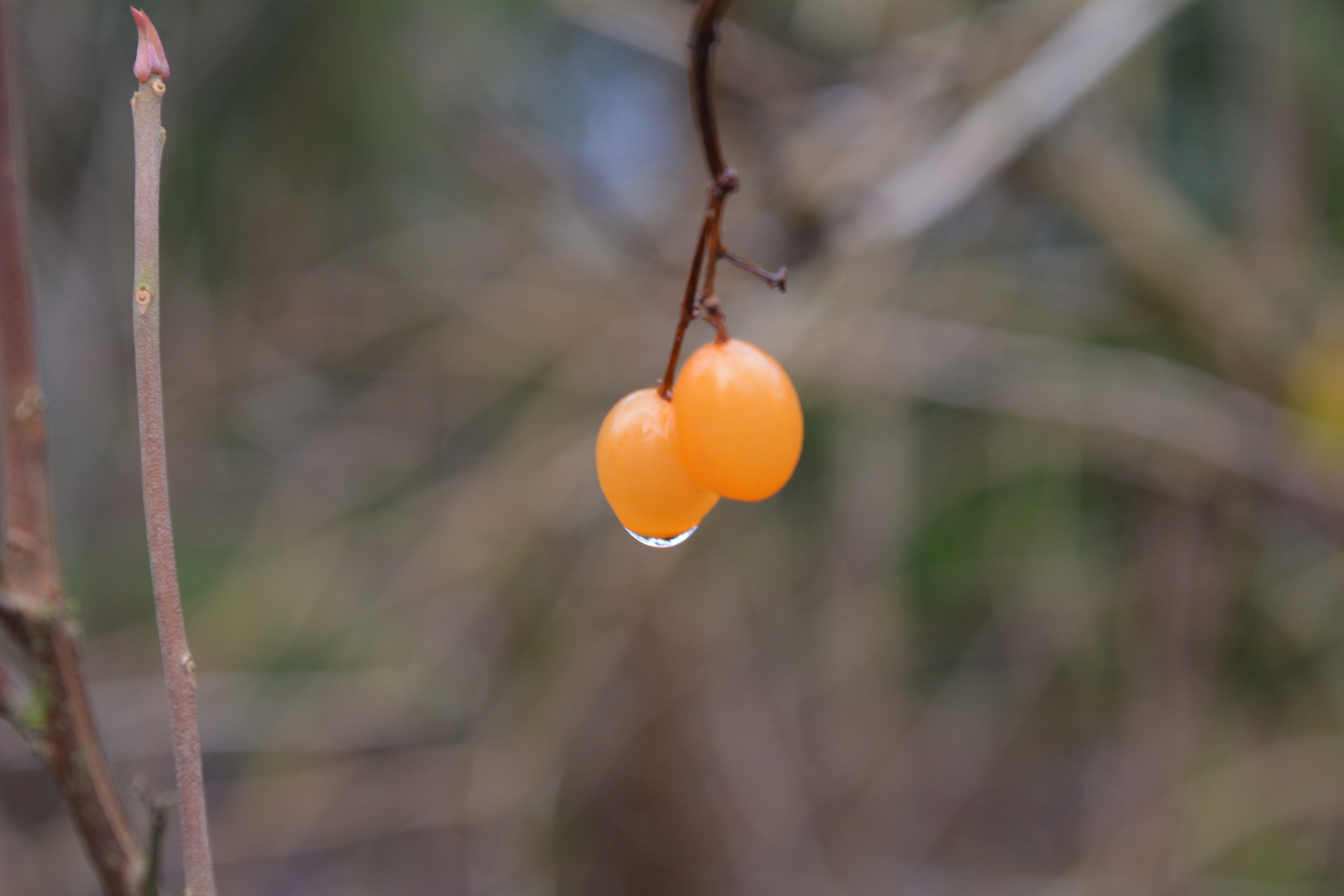
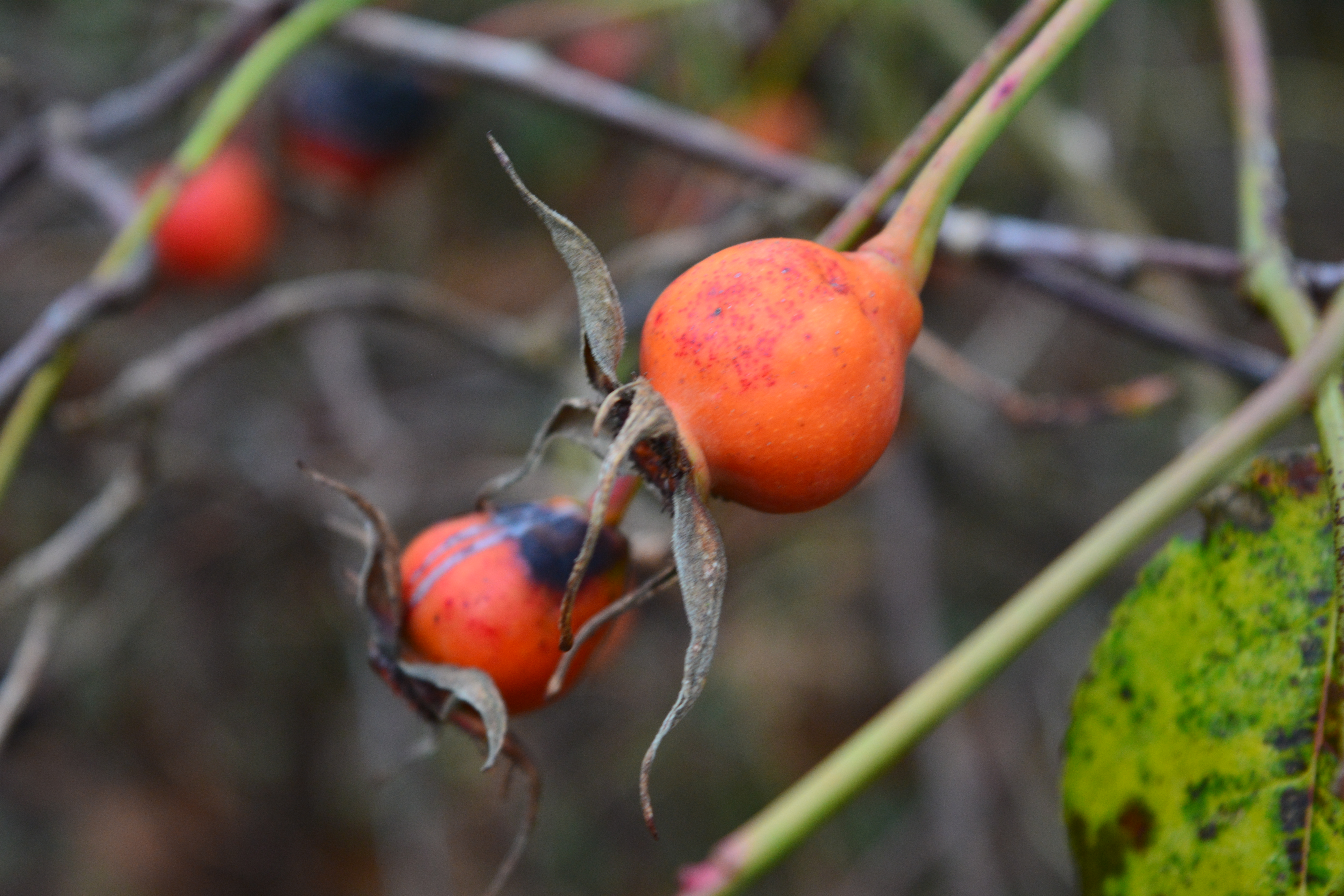
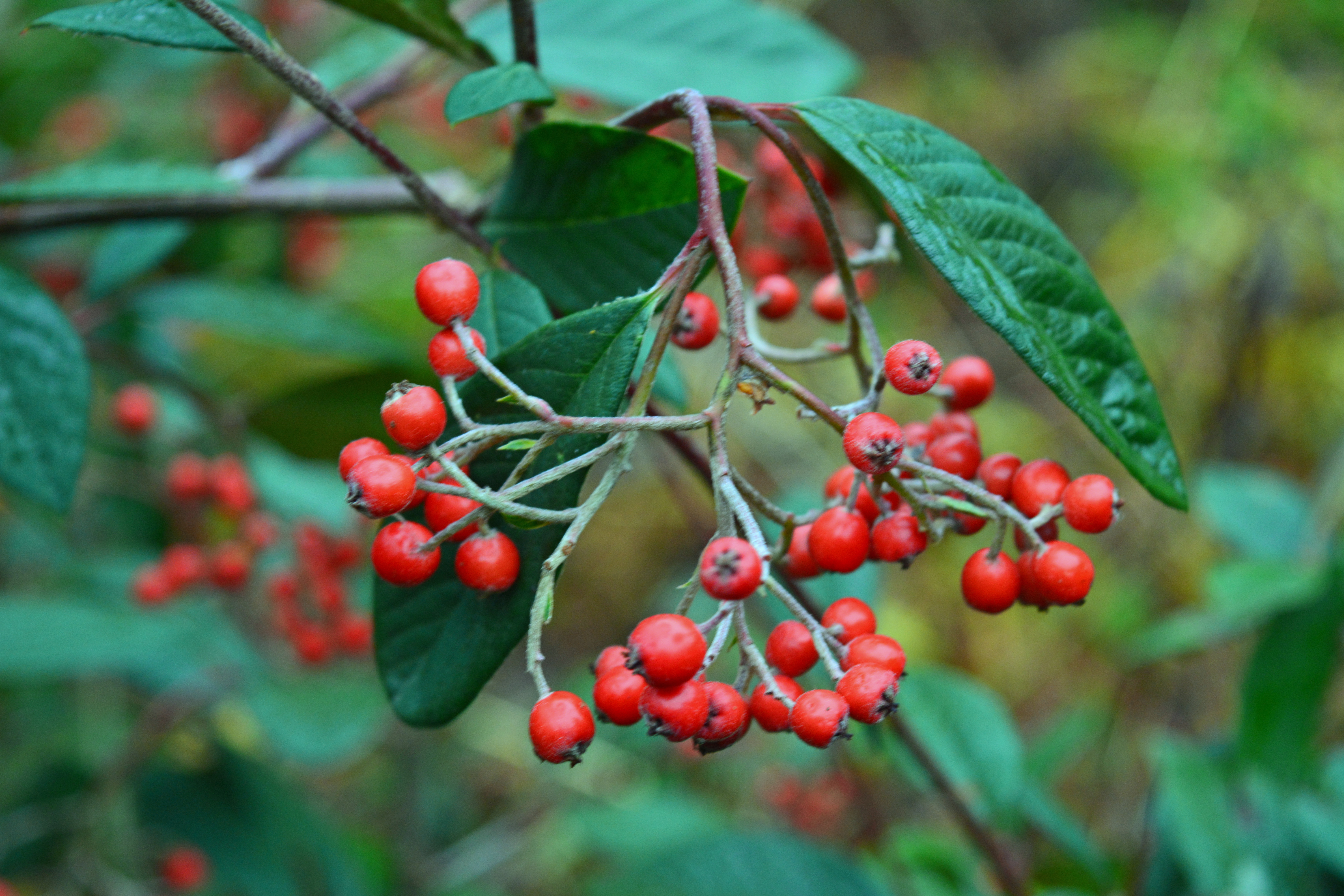
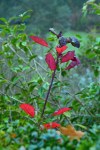
Berries that were at their most prolific during the autumn months remain in evidence but only just hanging on in ones or twos.


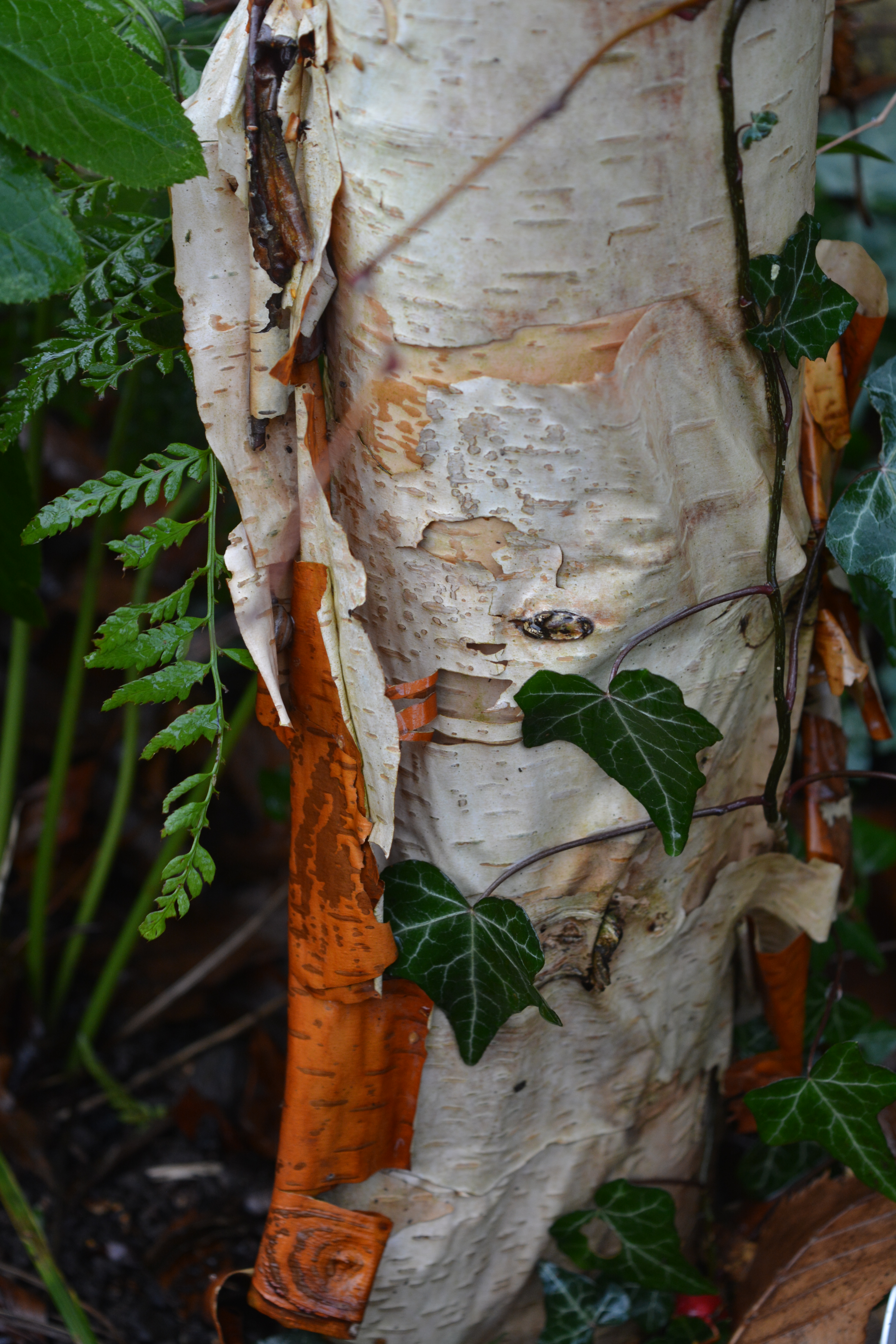
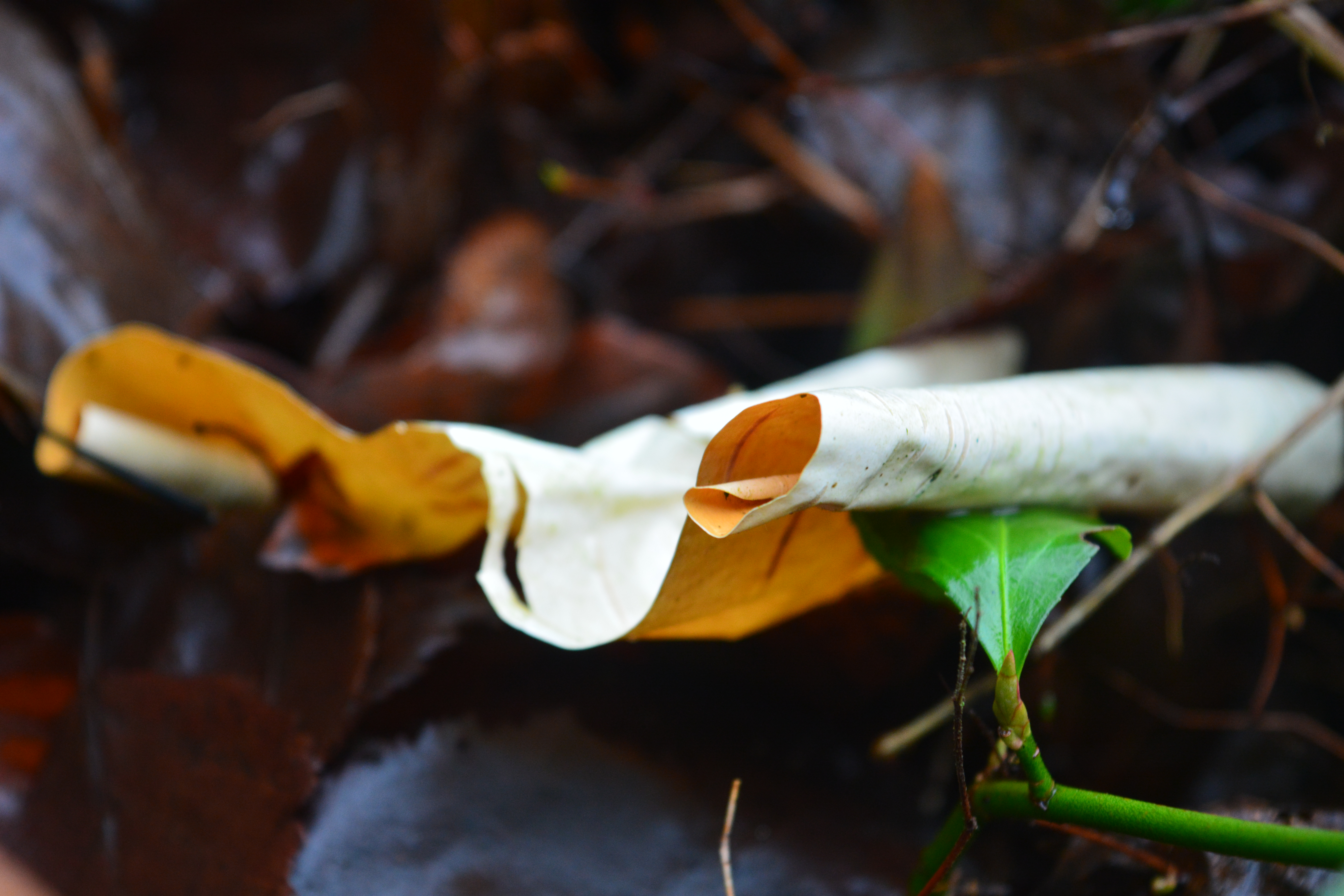
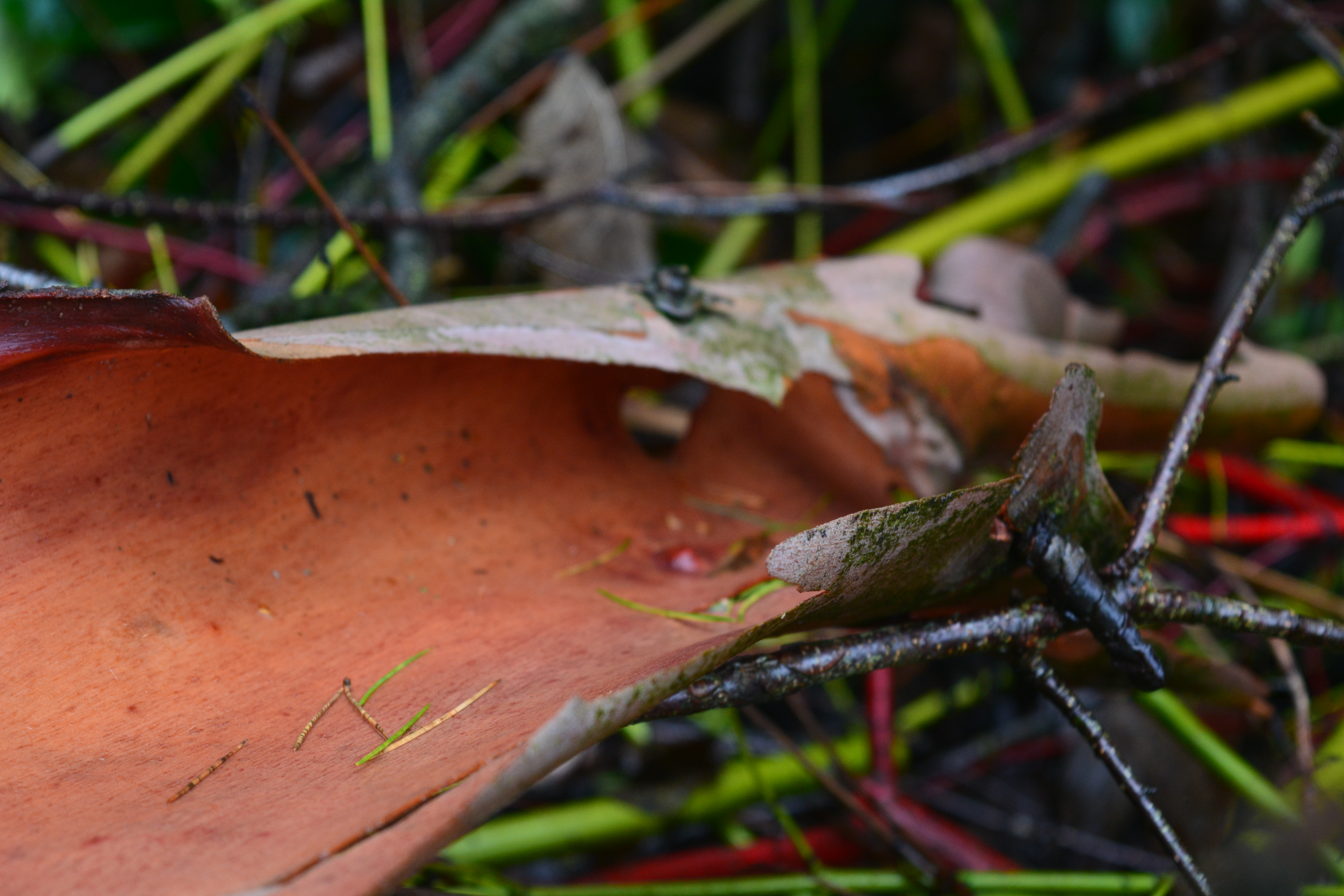
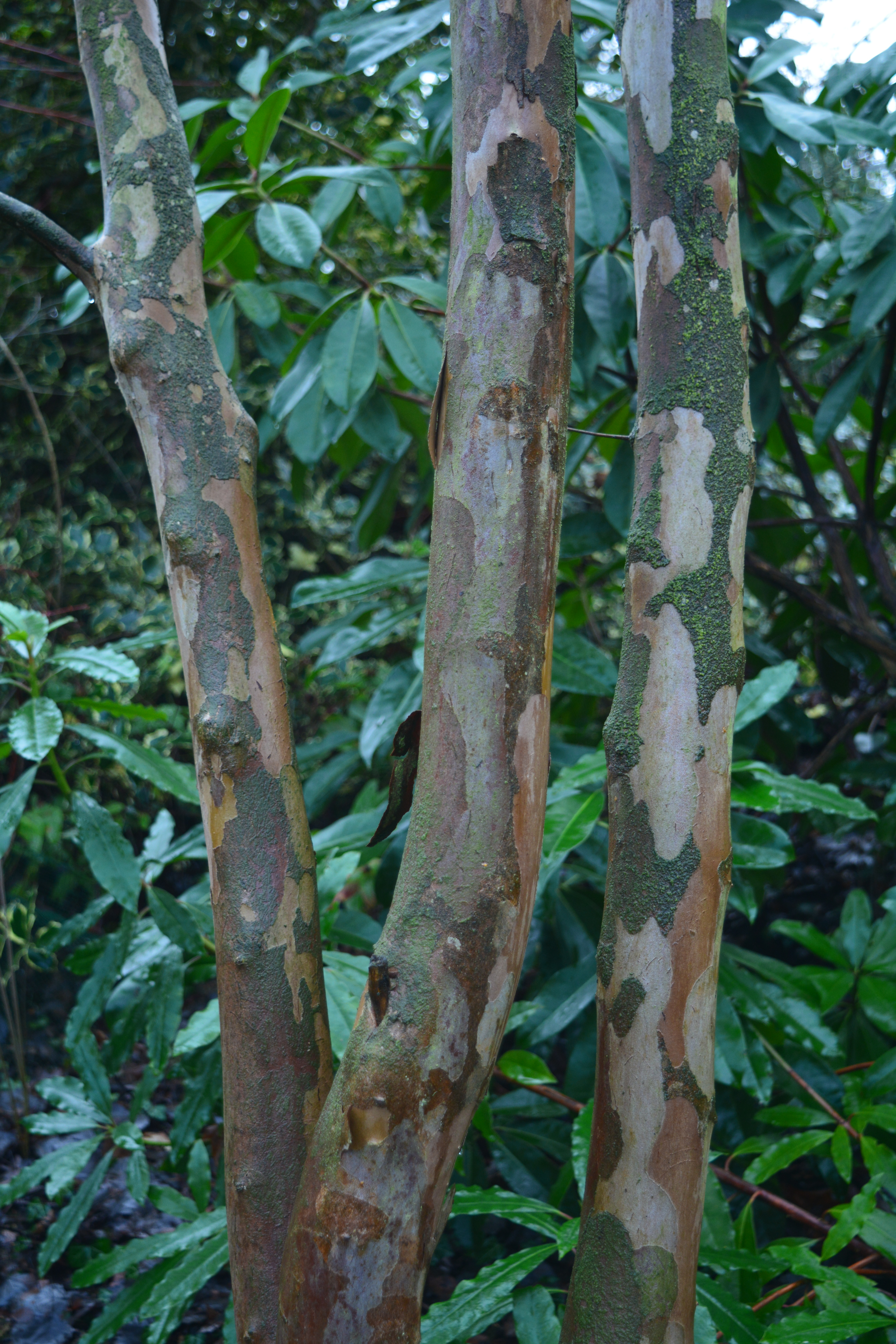
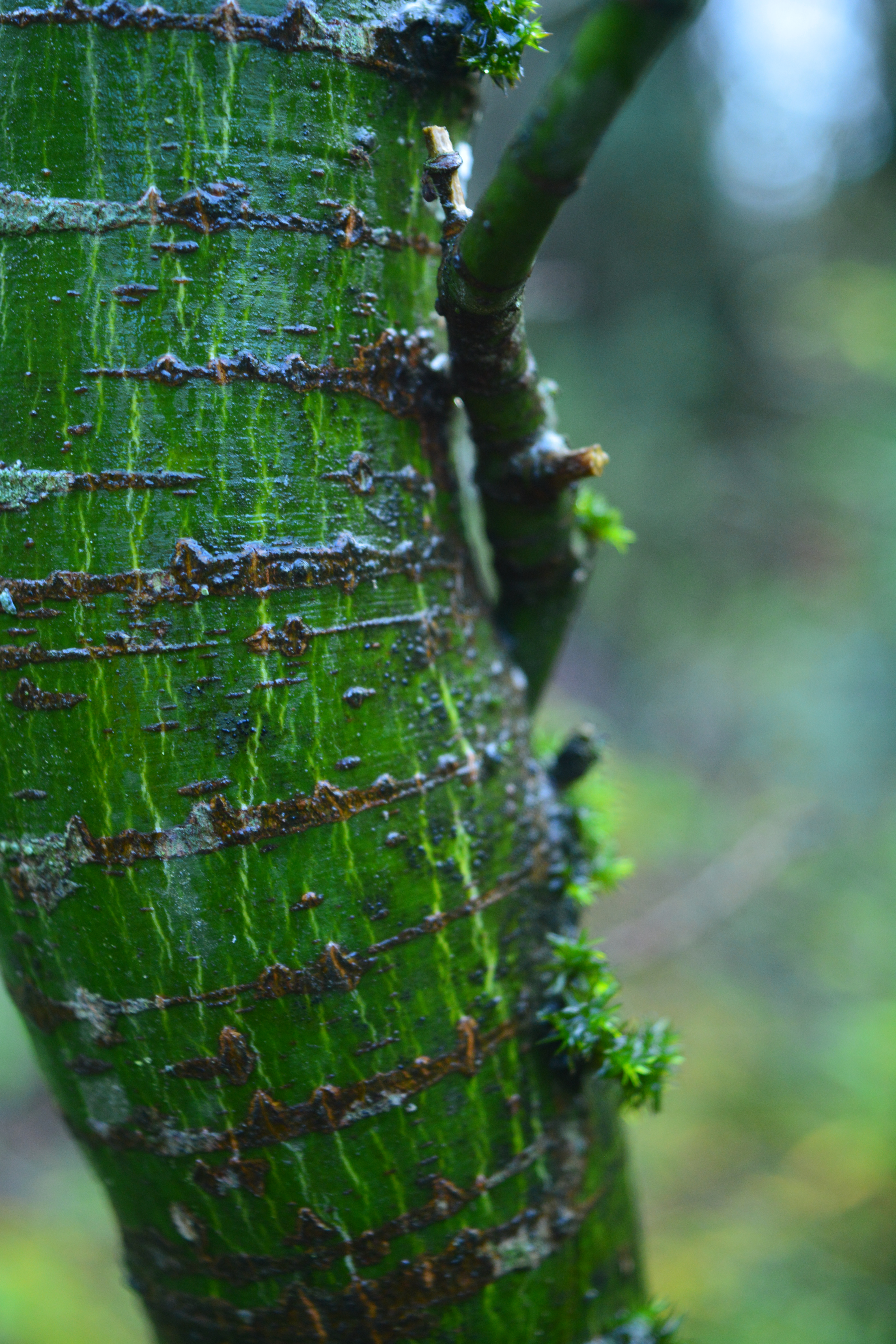
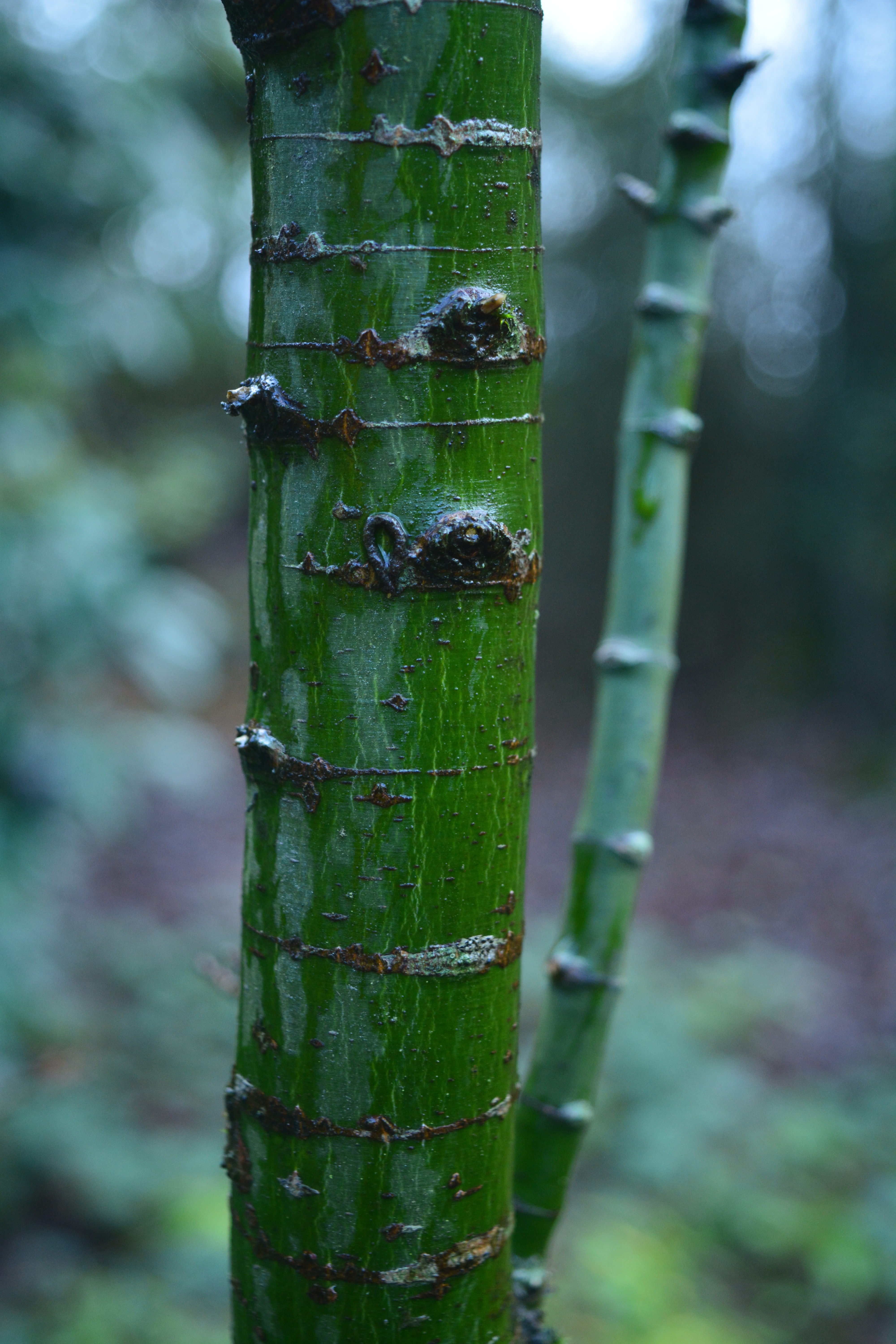
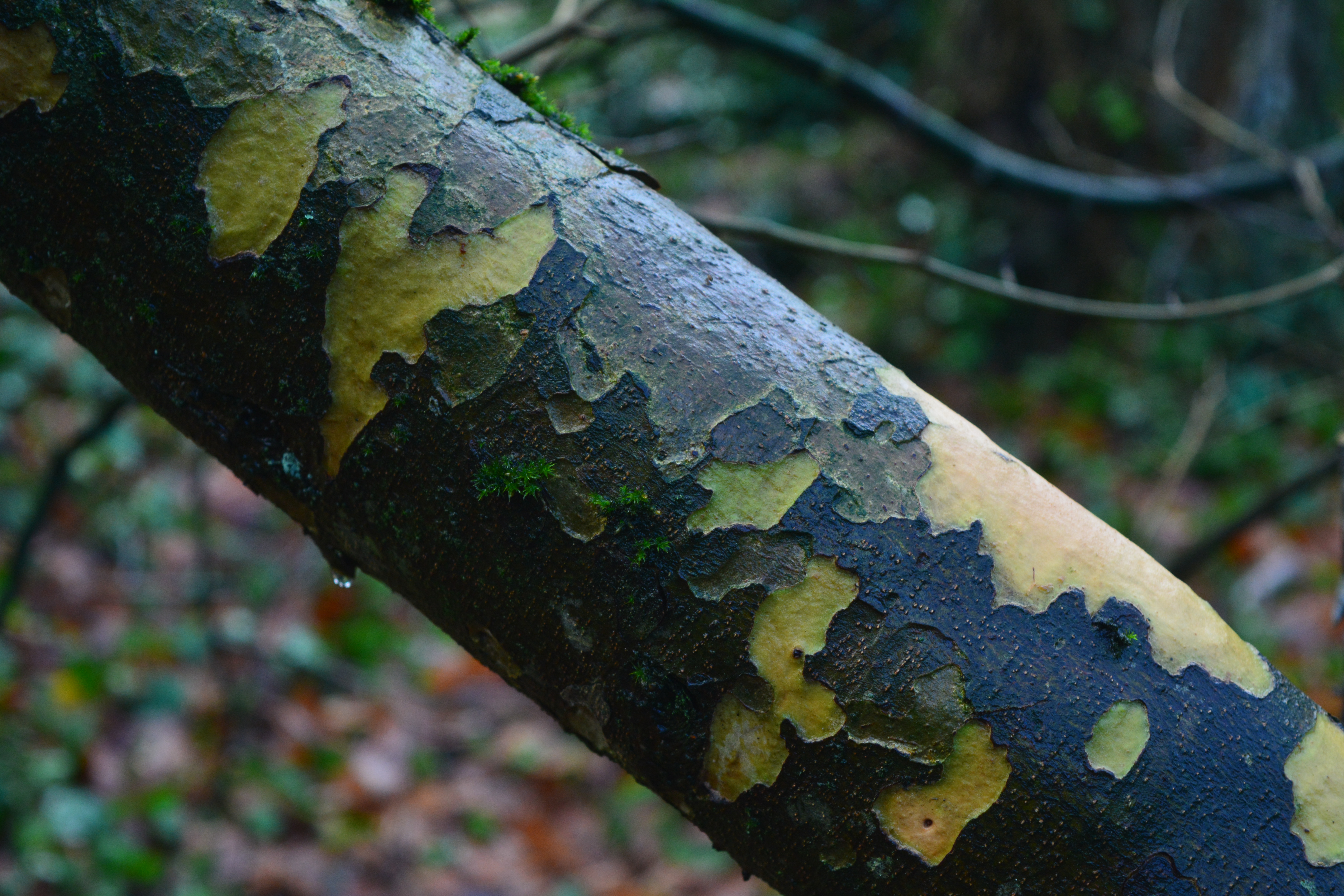
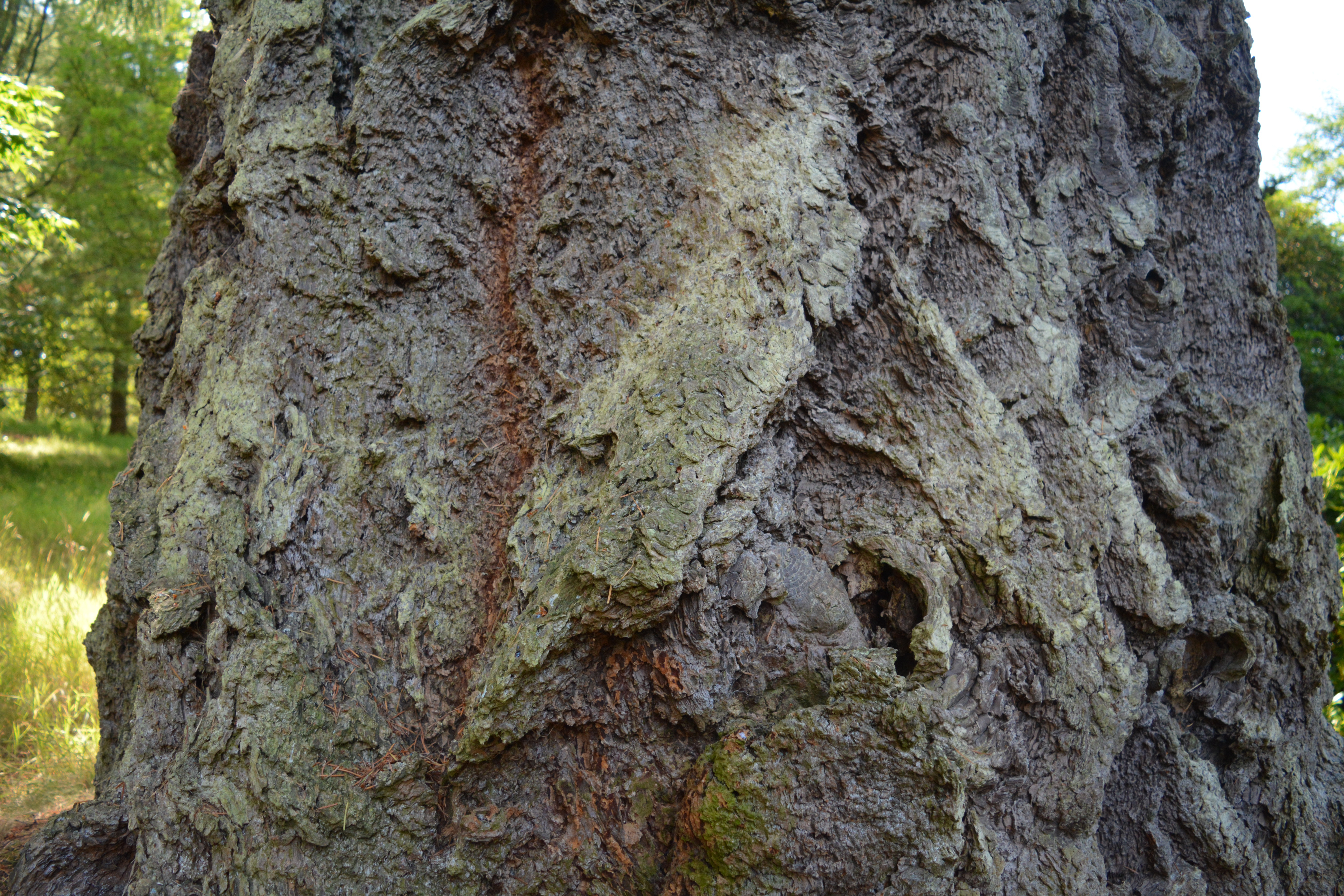
Coloured bark adds interest to decorative trees in the winter and those that peel and drop sheets of their bark are even more interesting.


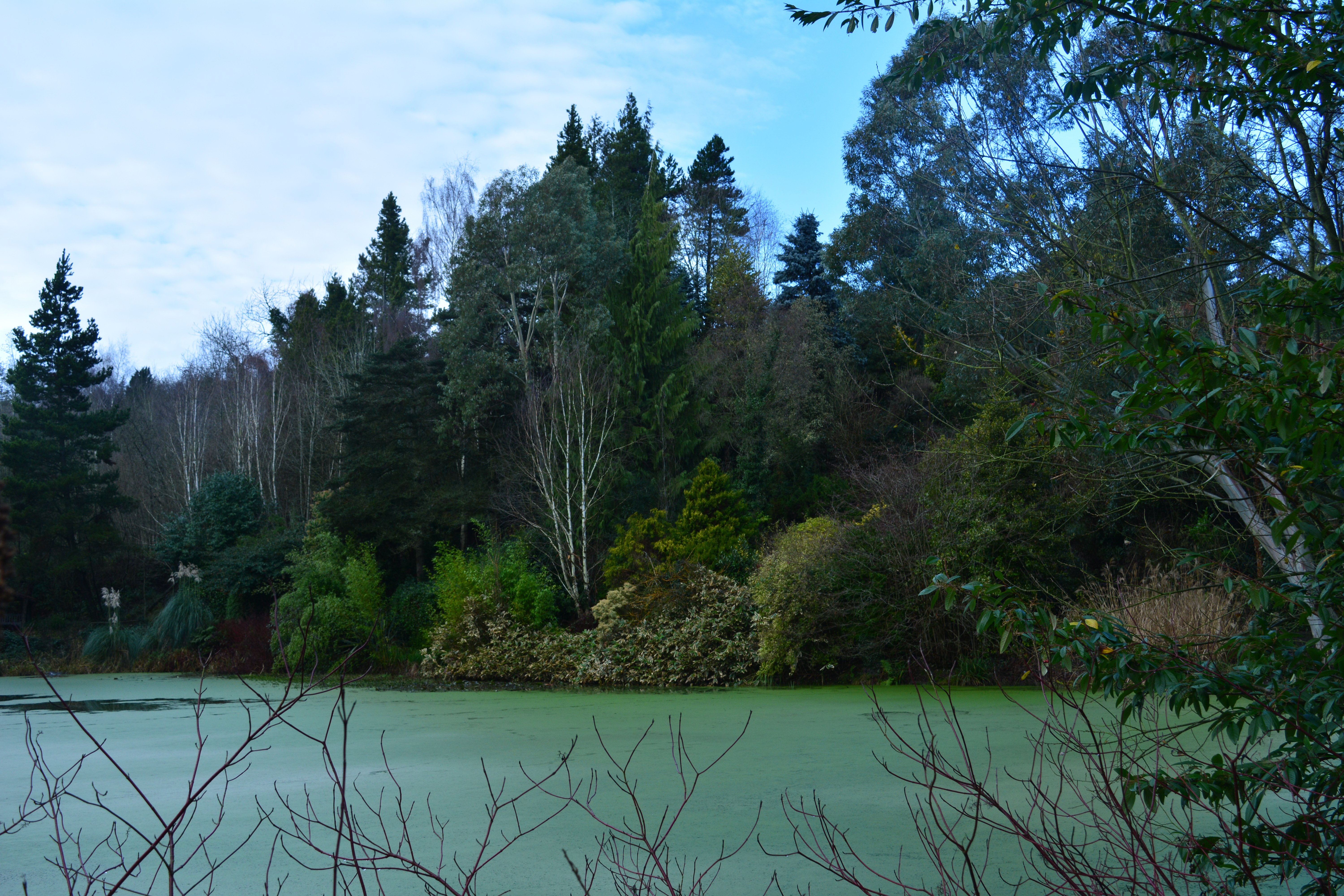
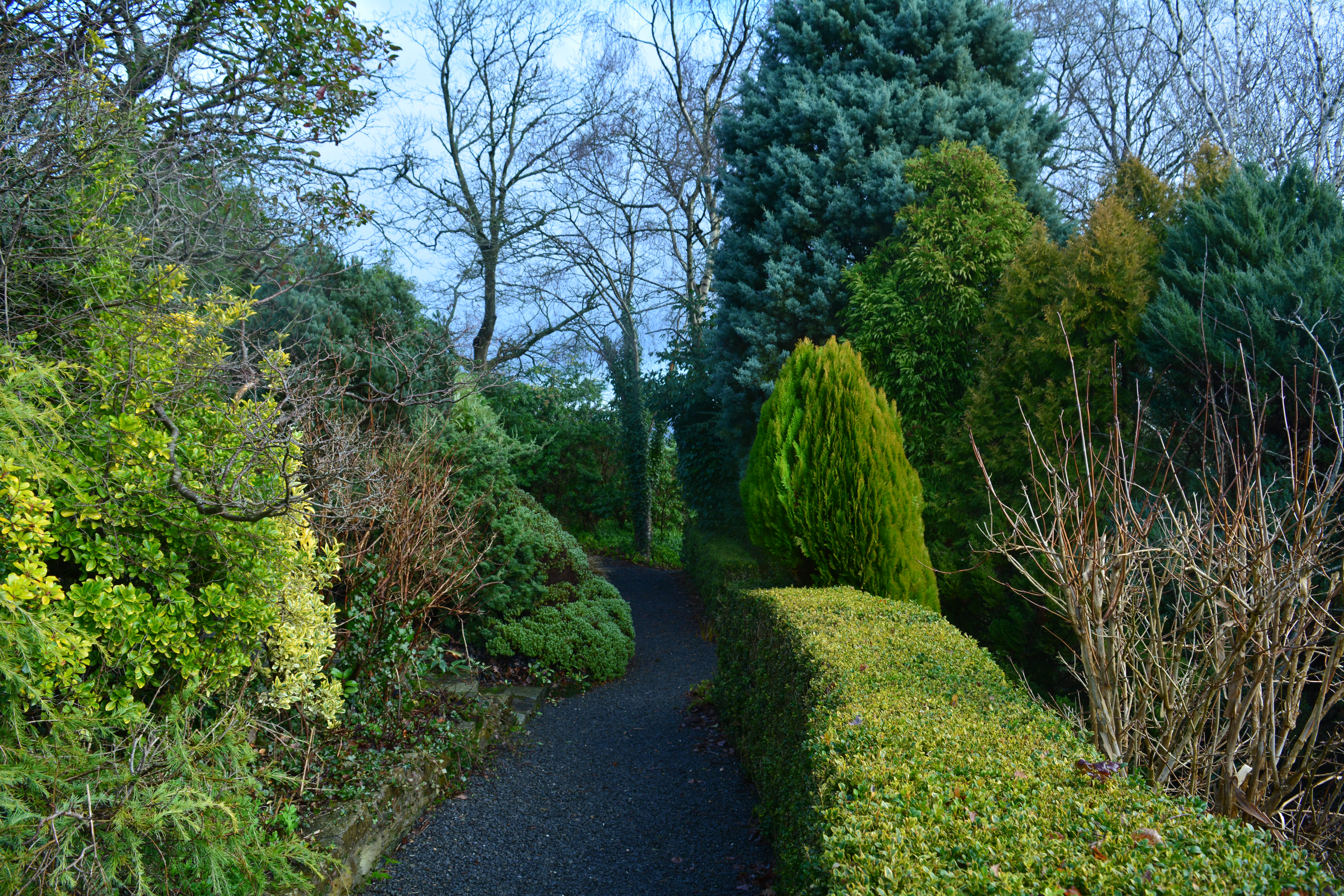
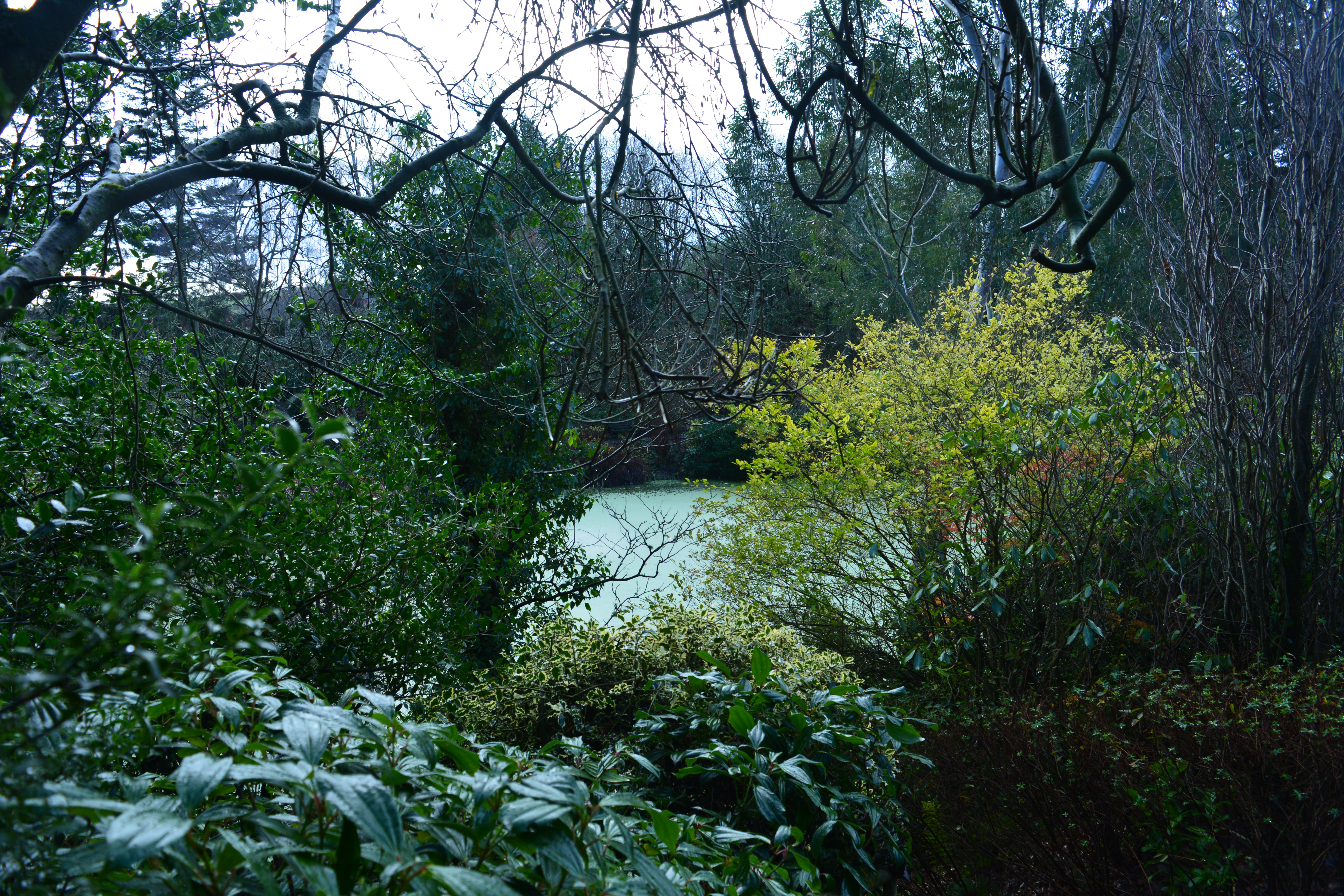
So, after twelve visits to the woodland garden at The Dingle near Welshpool, we come to the end of this year of visits. Next year we will begin a new series of garden visits. But for now I shall finish this series with a few general views of different parts of the woodland gardens.


Categories
Land Art landscapes light light quality outdoor sculpture photography sculpture trees Yorkshire

A Family Holiday in Scotland – Part 7 Yorkshire Sculpture Park

The last day of our family holiday, where we spent a week in the Scottish Borders, was spent part way during our journey home at The Yorkshire Sculture Park. This is a favourite place for our family so it was great to all be there together. There are always top quality gallery shows and outdoor exhibitions as well as the permanent collection of outside sculpture all dispayed in beautiful parkland.

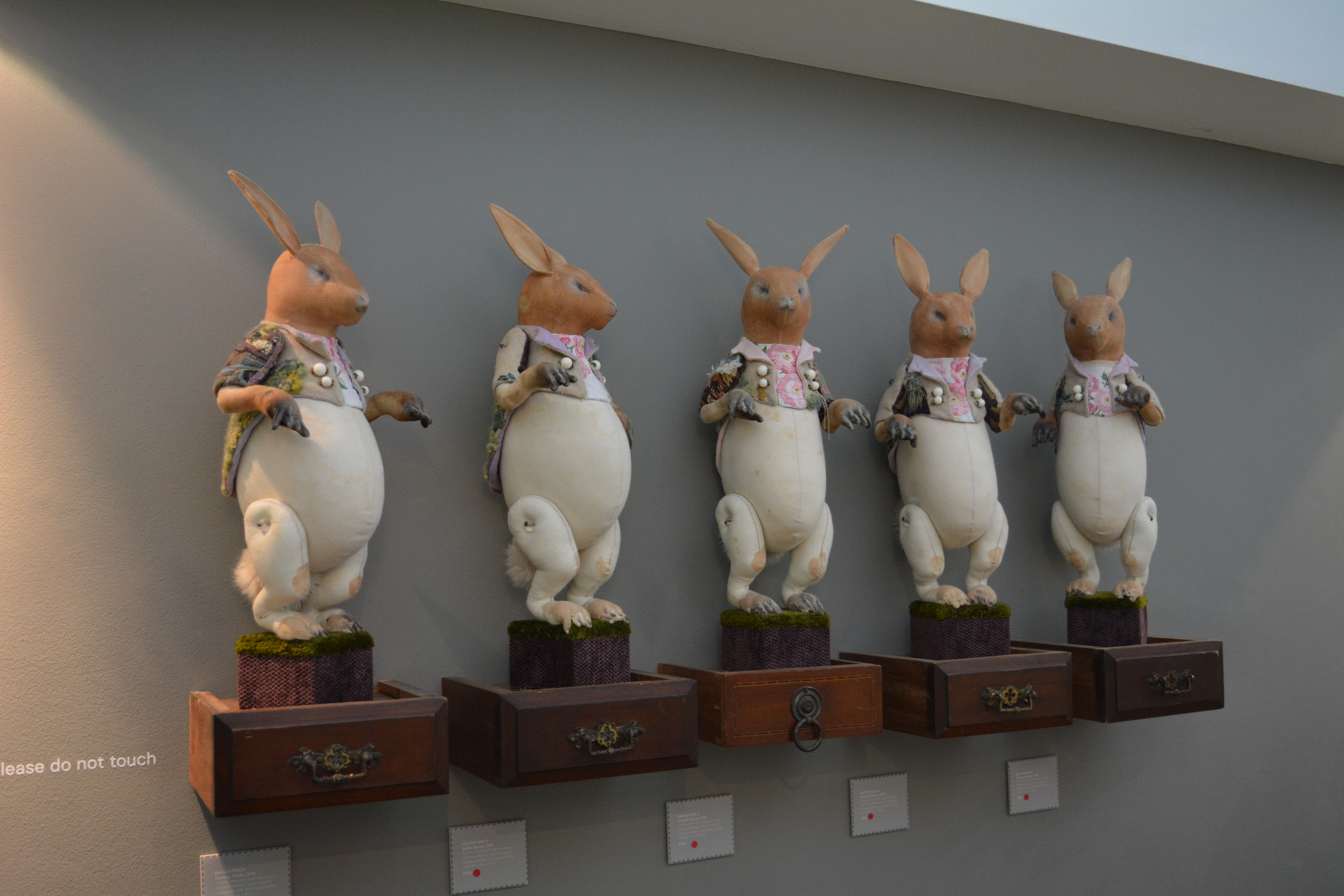
Before going out to the underground gallery to look at the work of Guiseppe Penone, we had a quick look at exhibitions inside which we all felt were rather strange except  for Arabella who enjoyed the animals. She loves all animals! See what you think of these.


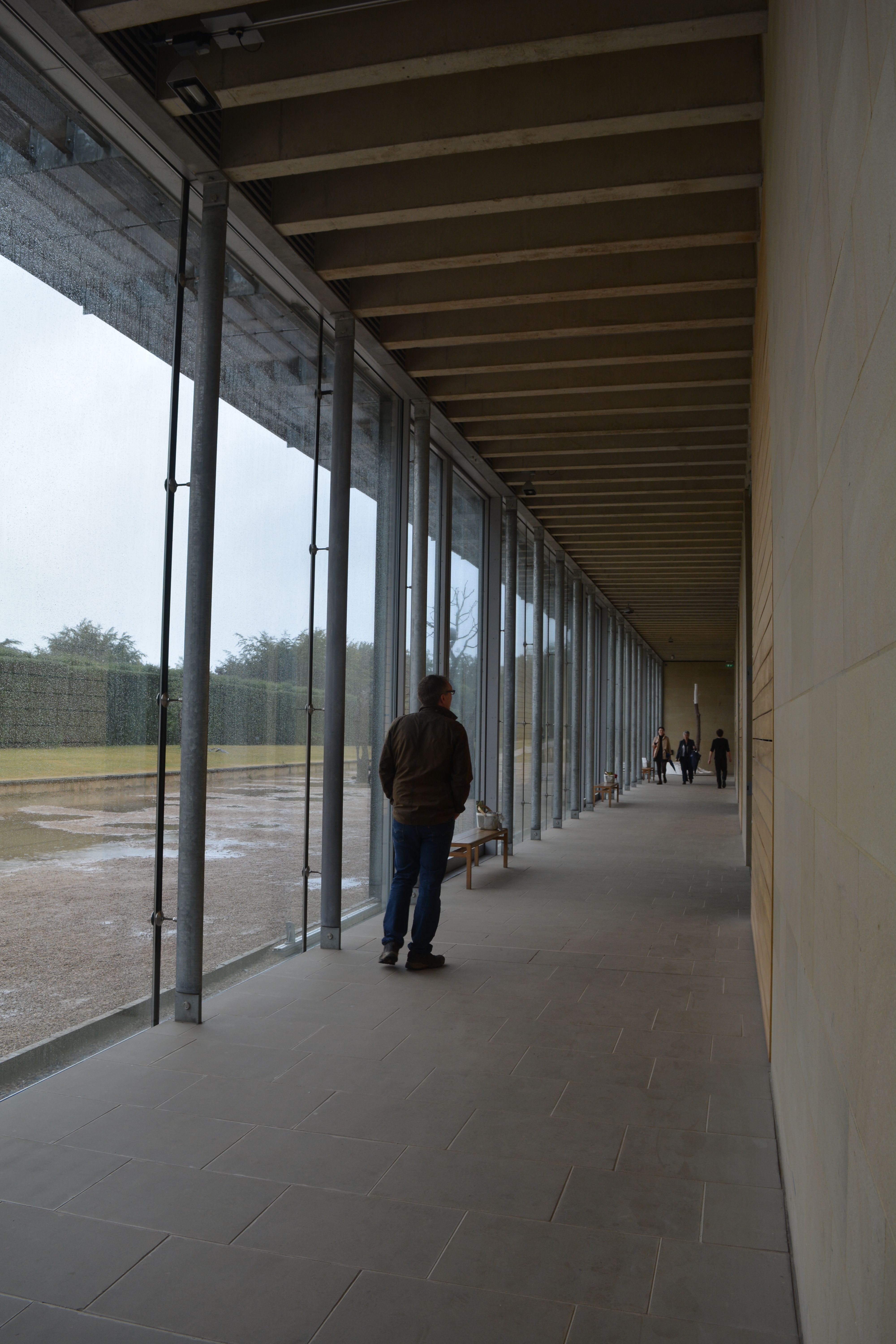
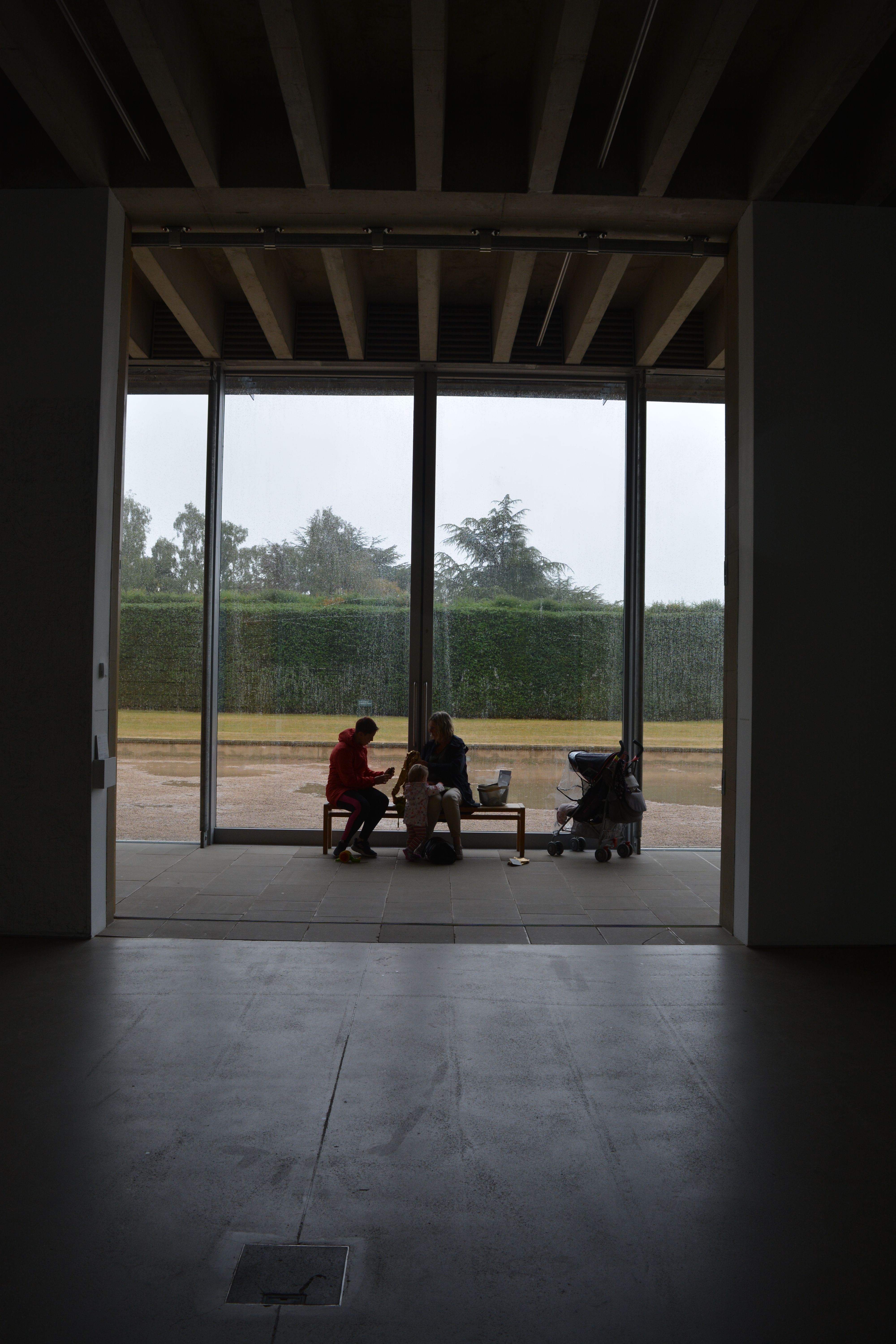
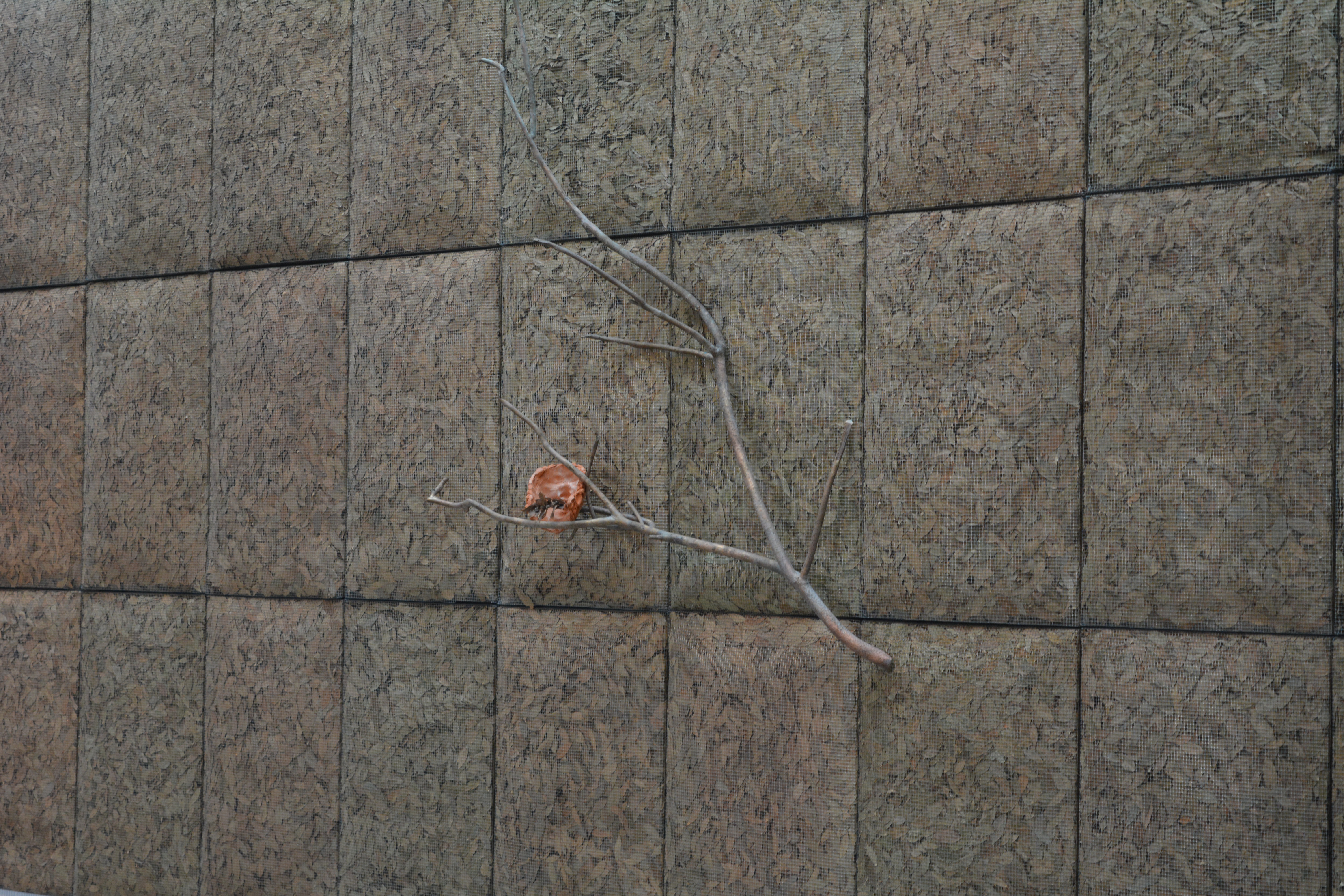
We went out into the unnaturally cool, wet July morning across the gravel display area into the main gallery. This building is so good at displaying sculpture and is fascinating in its own right. The right hand photo of the three below shows part of the first piece we spotted as we entered the gallery building.


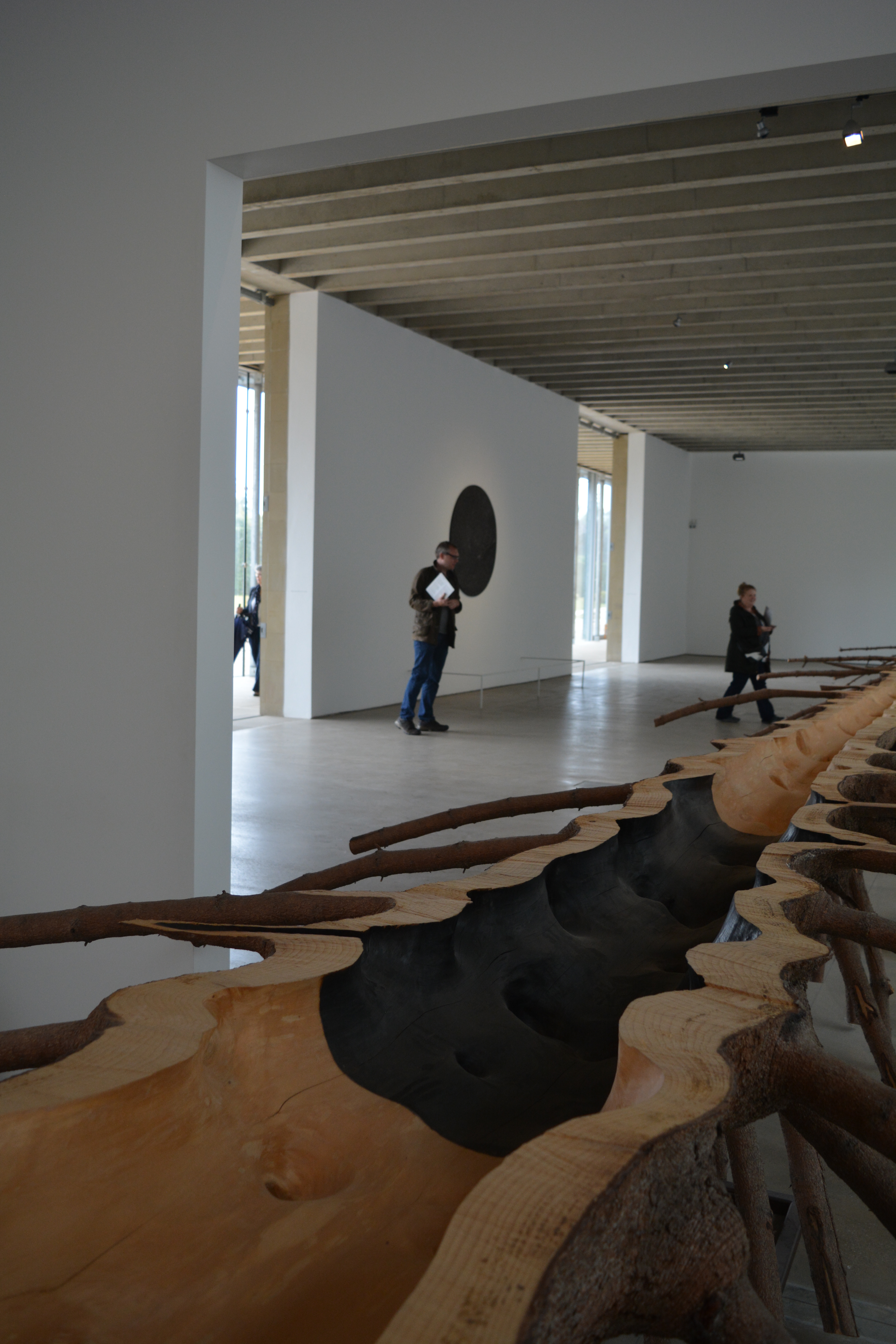
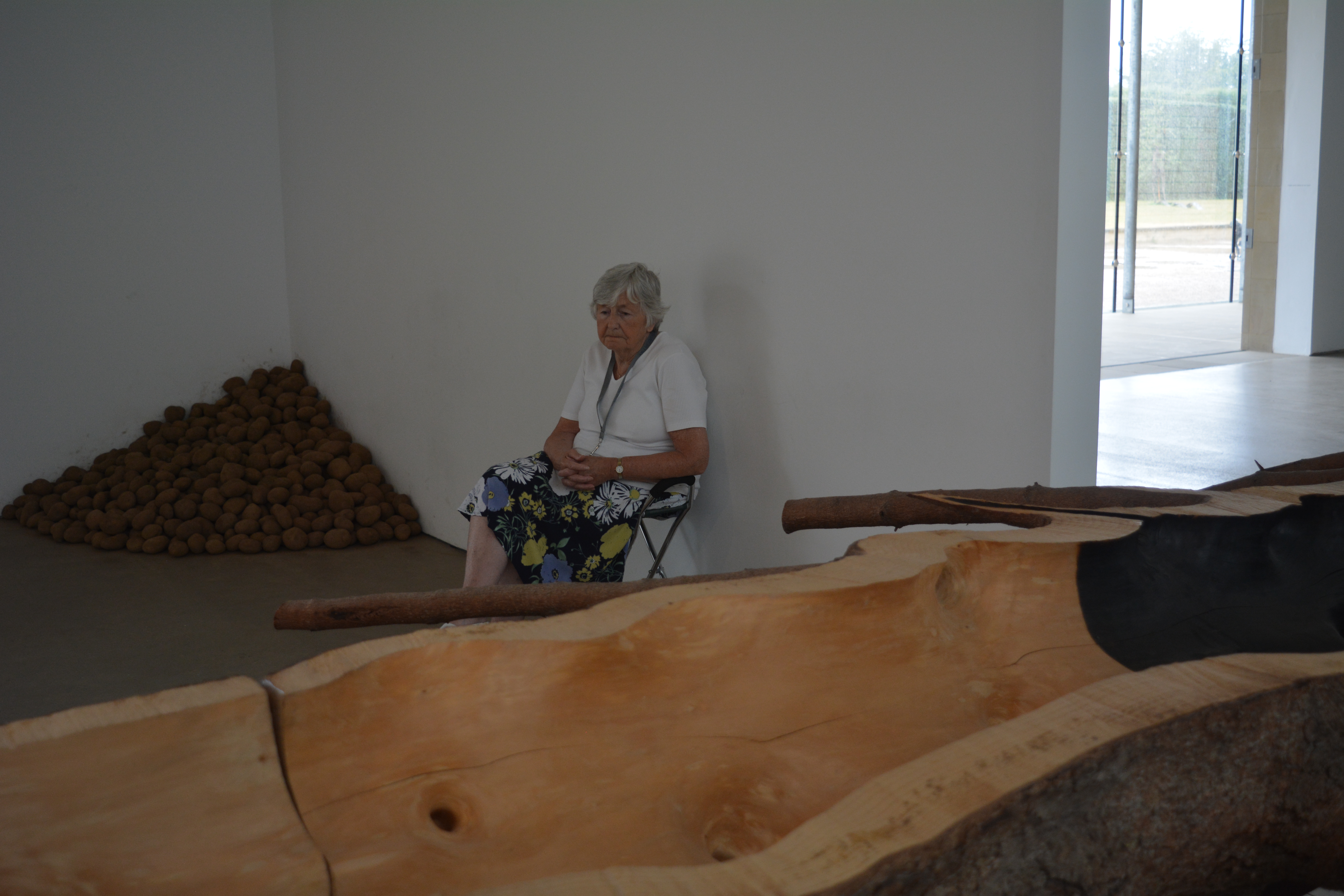
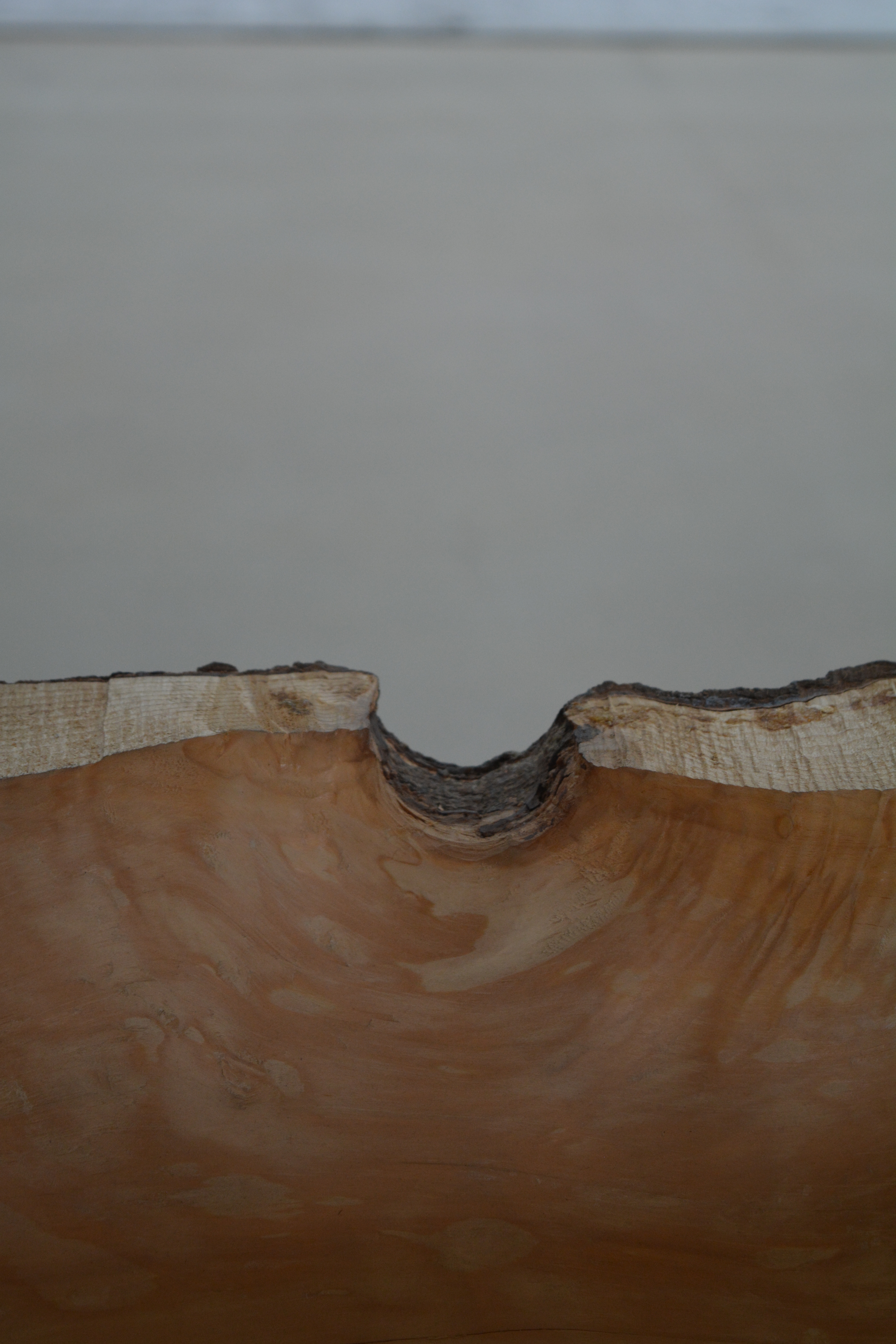
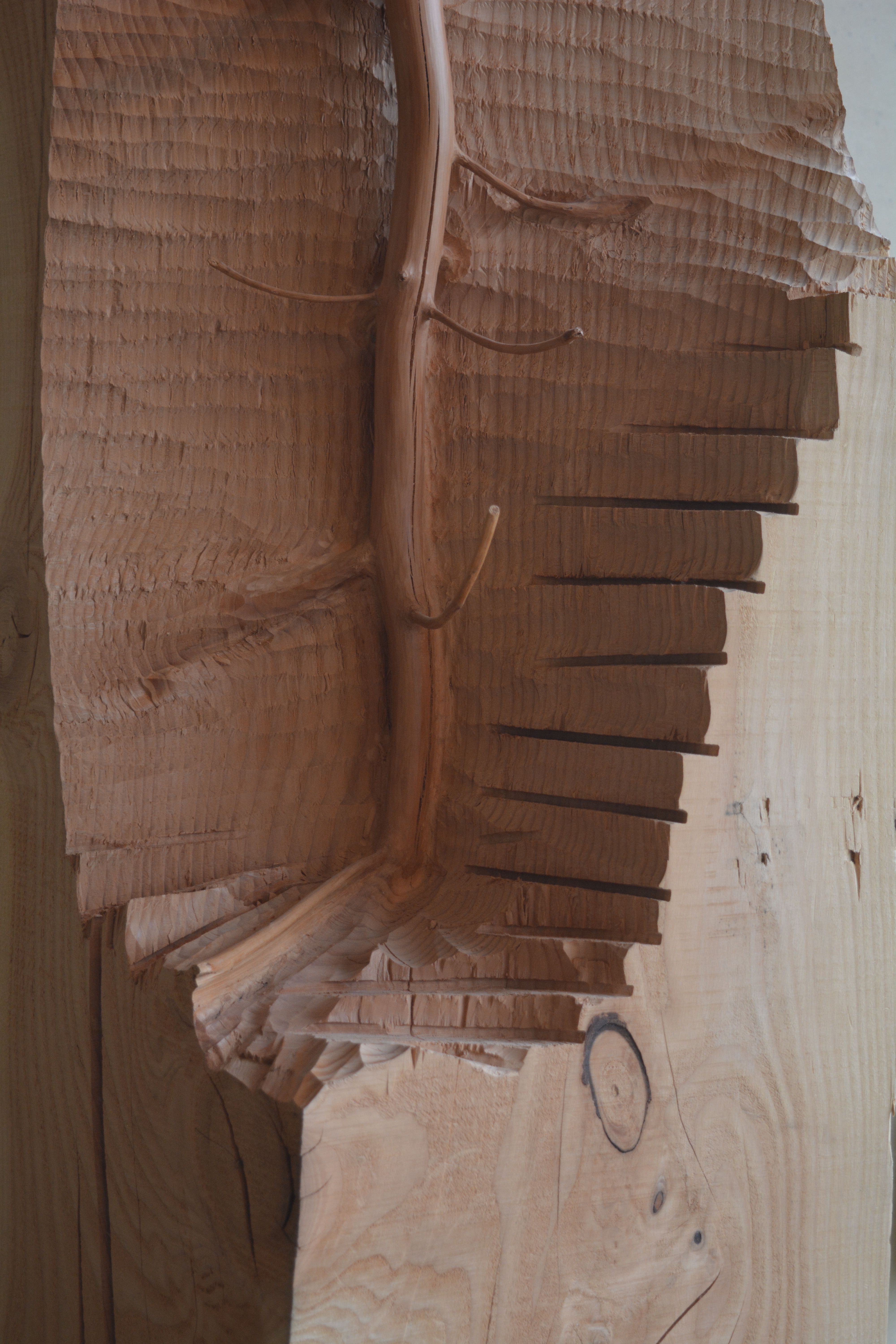
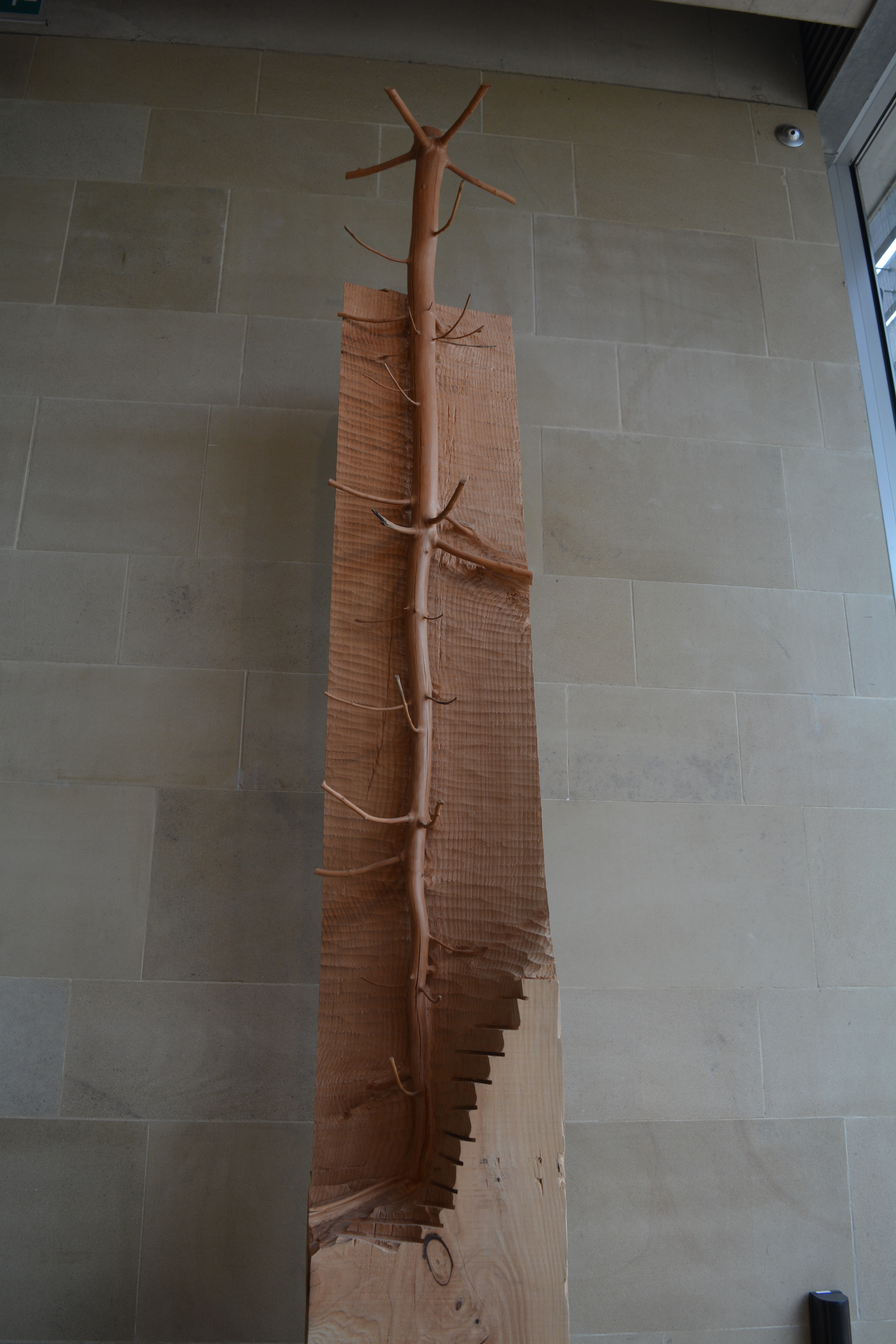
In the main gallery spaces we were enthralled by Guiseppe Penone’s exhibition “A Tree in the Wood”, each piece holding our attention. The centre piece was a tree carved to follow the natural contours and get into its soul. It was a beautiful piece! The tree was so long that the sculptural piece went through two galleries passing through from one to another.


This sculptural piece was one of the most beautiful pieces Jude and I could ever remember experiencing, as the sculptor successfully discovered and enhanced the textures, shapes contours and even the soul of the tree when it was still living. Now this tree will live on for ever, unaffected by storms, freezing conditions and long winters.

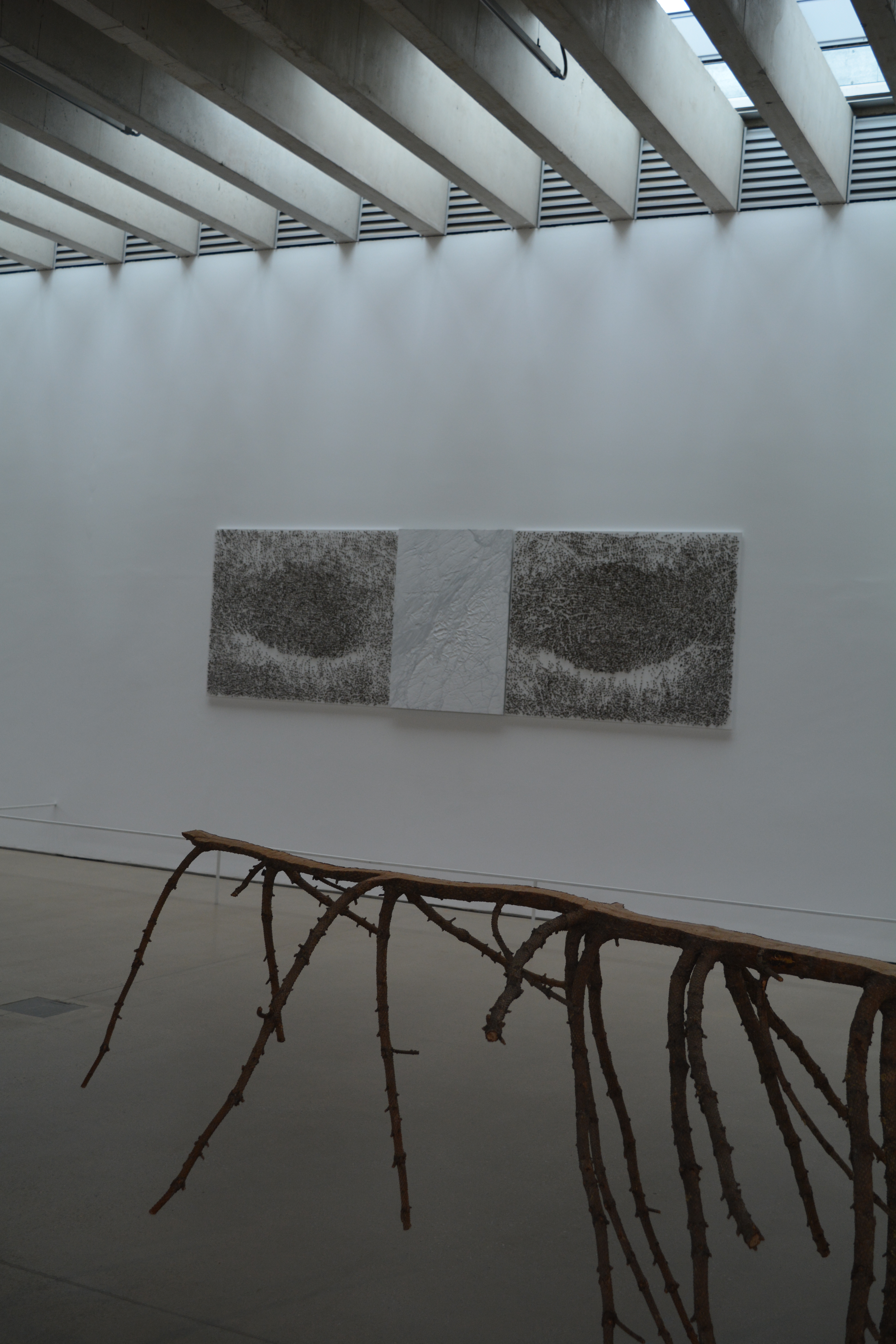
But there were plenty of other examples of his tree and wood sculptures here to enjoy plus a few 2D pieces.


After hours of being enthralled by “A Tree in the Wood” we eventually moved outside to a very wet parkland. Arabella however who loves puddles almost above all else soon spotted one result of the rain. To enjoy this you will have to await my next post.


Categories
arboreta garden paths garden photography gardening gardens gardens open to the public hardy perennials light light quality ornamental trees and shrubs shrubs trees woodland woodlands

A family holiday in Scotland – Part 4 – Dawyck Botanic Gardens

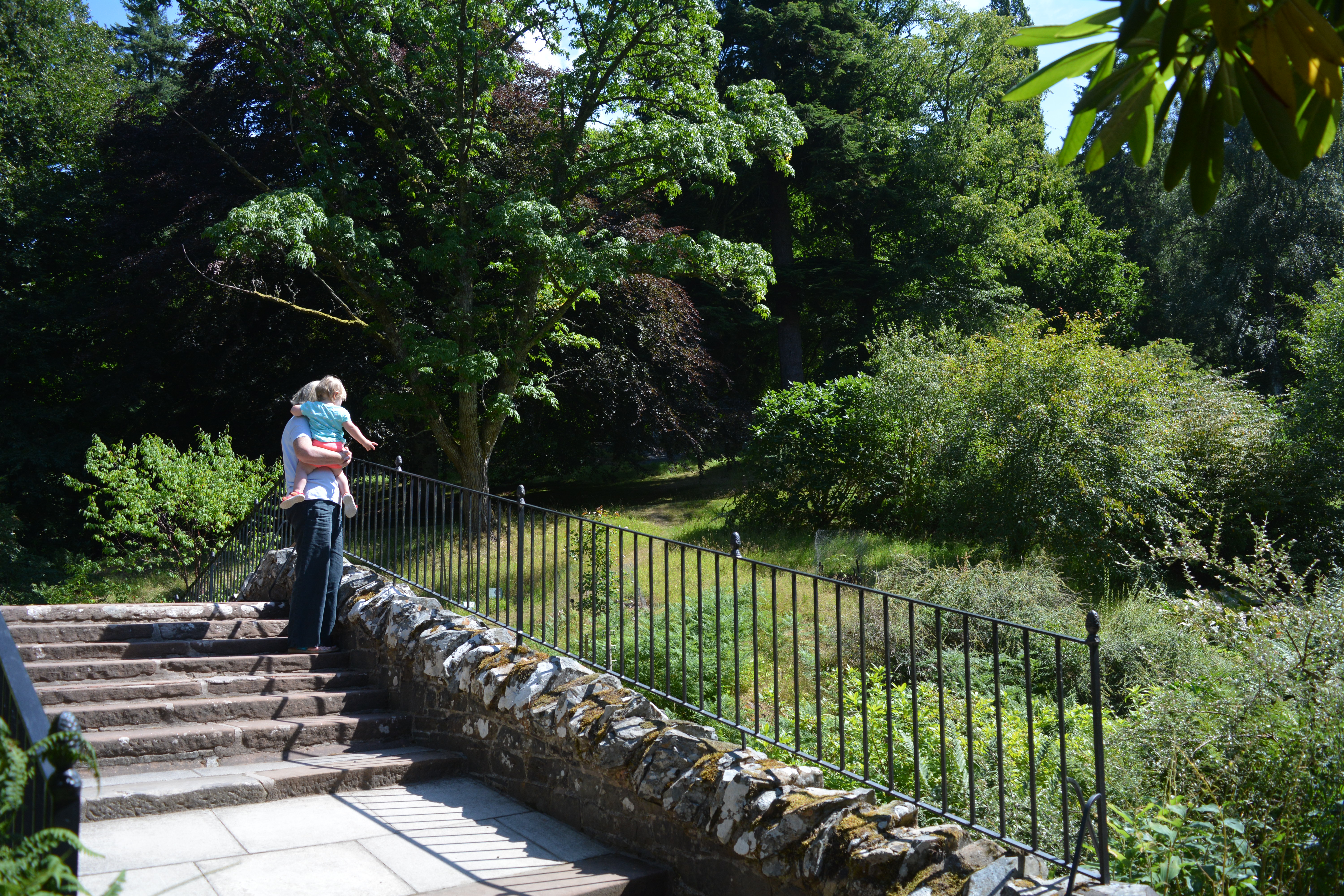
Jude and I had the opportunity to spend a day at Dawyck Botanic Garden, a garden which is part of the Royal Botanic Garden Edinburgh. What made our visit extra special was that we took our little granddaughter Arabella with us. At just 20 months old she is a great lover of gardens and especially trees.

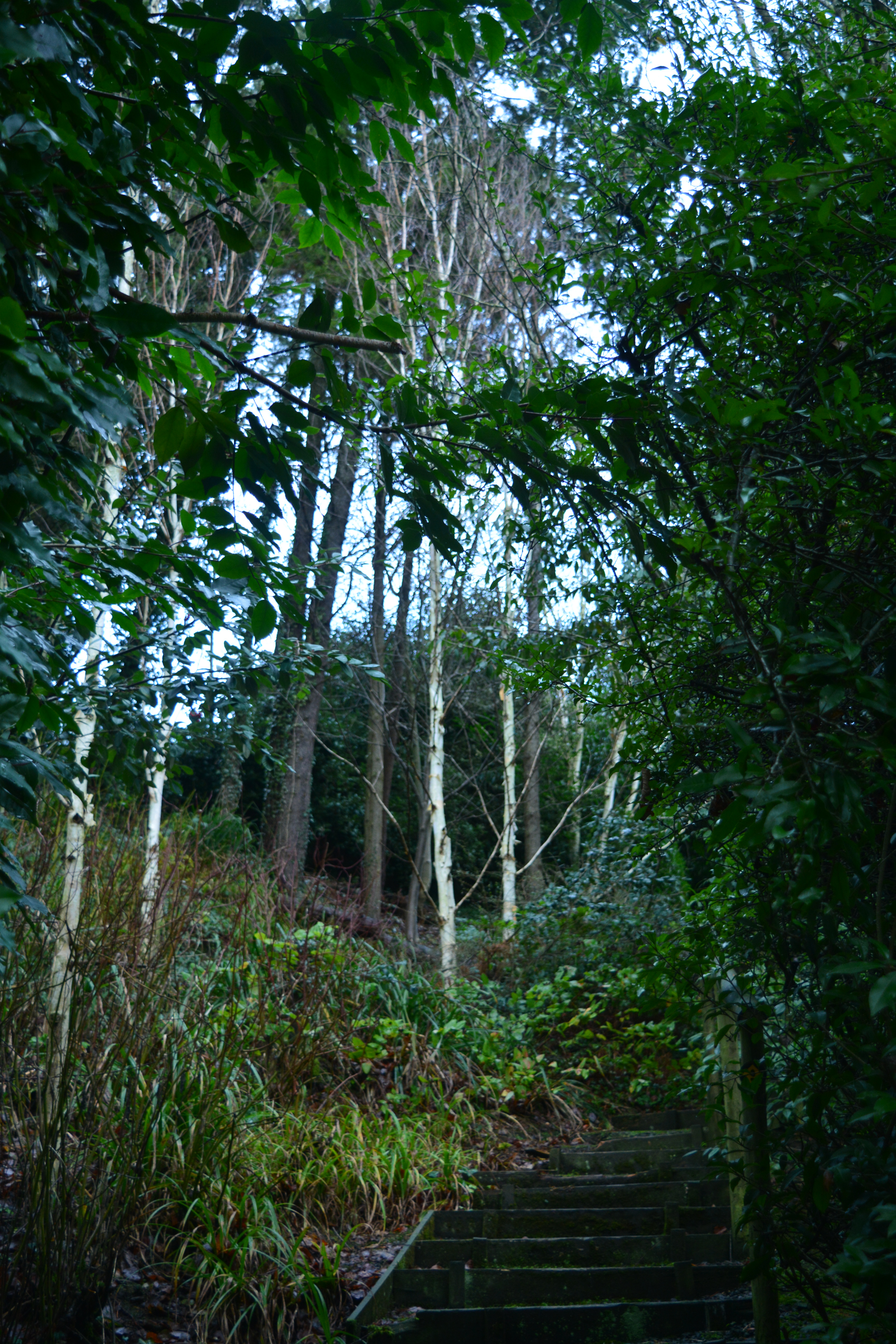
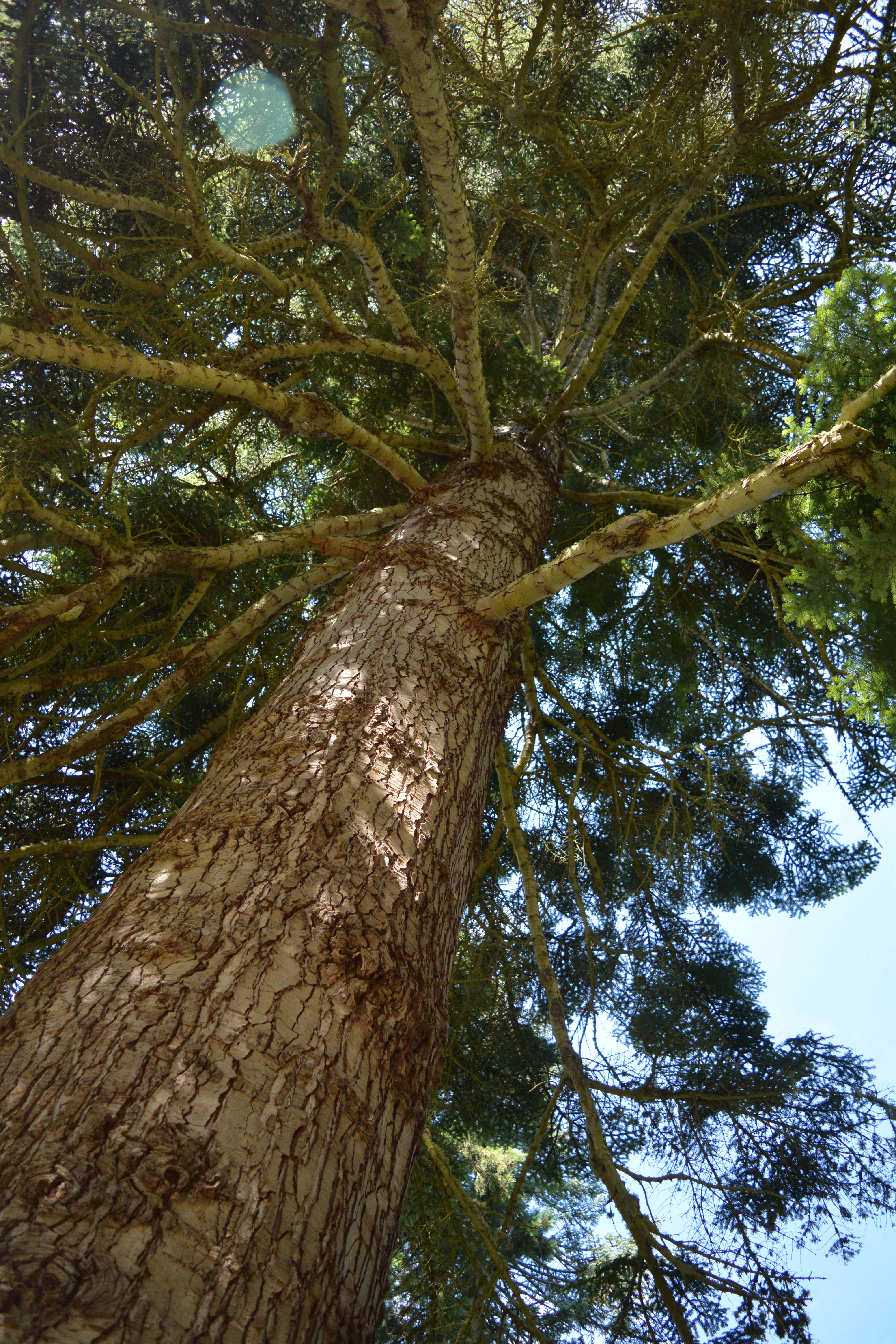
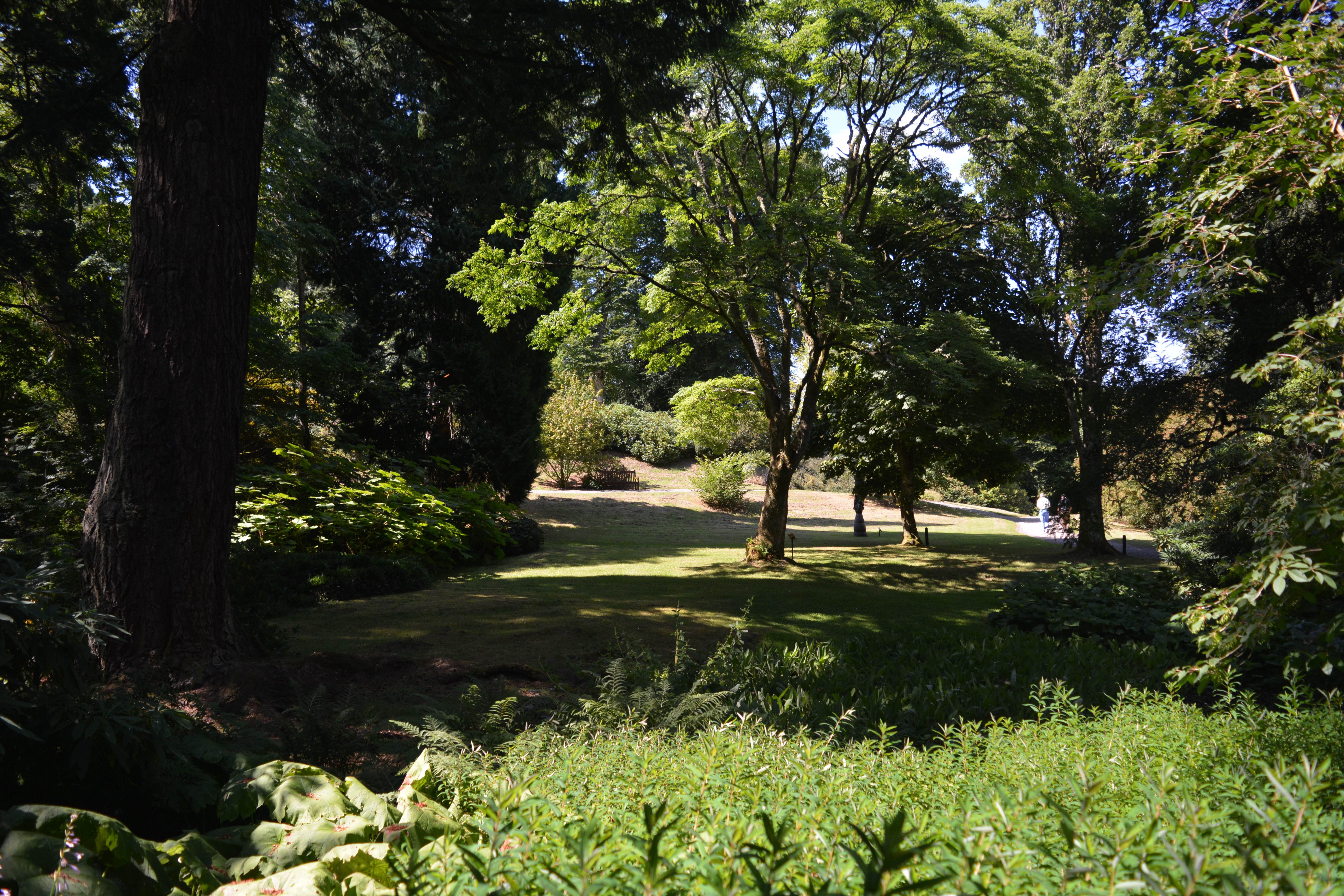
Dawyck is a woodland garden rich with trees, shrubs and herbaceous perennials to back them up. We have visited so many woodland gardens and arboreta over the years but we were amazed by how large Dawyck’s specimen trees were, the largest in girth and height we have ever seen.


Arabella was fascinated by the disinfectant pads which visitors had to walk through to help prevent the spread of tree desease to help protect our trees. Good to see the garden setting a good example. Too many of our trees seem to be under threat. Once Arabella realised we were off exploring the woodland she wanted her explorers back pack on. Then she was off!


We wandered off trying but failing to follow the yellow way-marked trail, stopping regularly to look up at the tallest trees and touch their bark and study their leaves.

A new word appeared for Arabella when she saw these trees – ENORMOUS! This was always followed a big “WOW”.


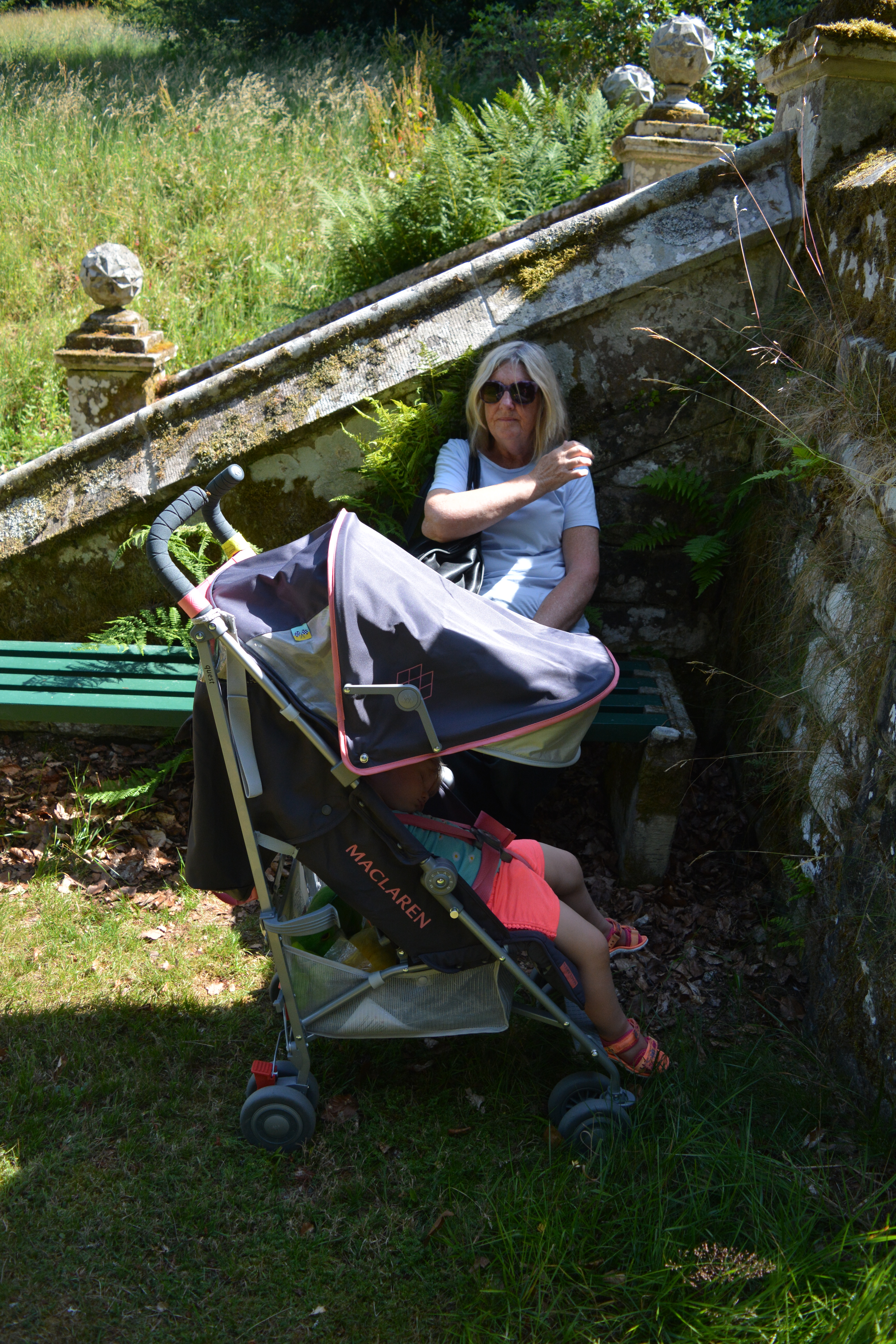
Arabella did however wear herself out so succumbed to a sleep time so Jude and I enjoyed a good rest too.

We were so fortunate to visit Dawyck on a day with brilliant light quality that emphasised texture and patterens in foliage and bark.


But trees cannot take all the praise as herbaceous perennials and ferns were of equal interest and beautifuly displayed and cared for.


I have saved this tree until last as it took our breath away and sent our granddaughter speechless for a while until she blurted out excitedly, “More enormous!”


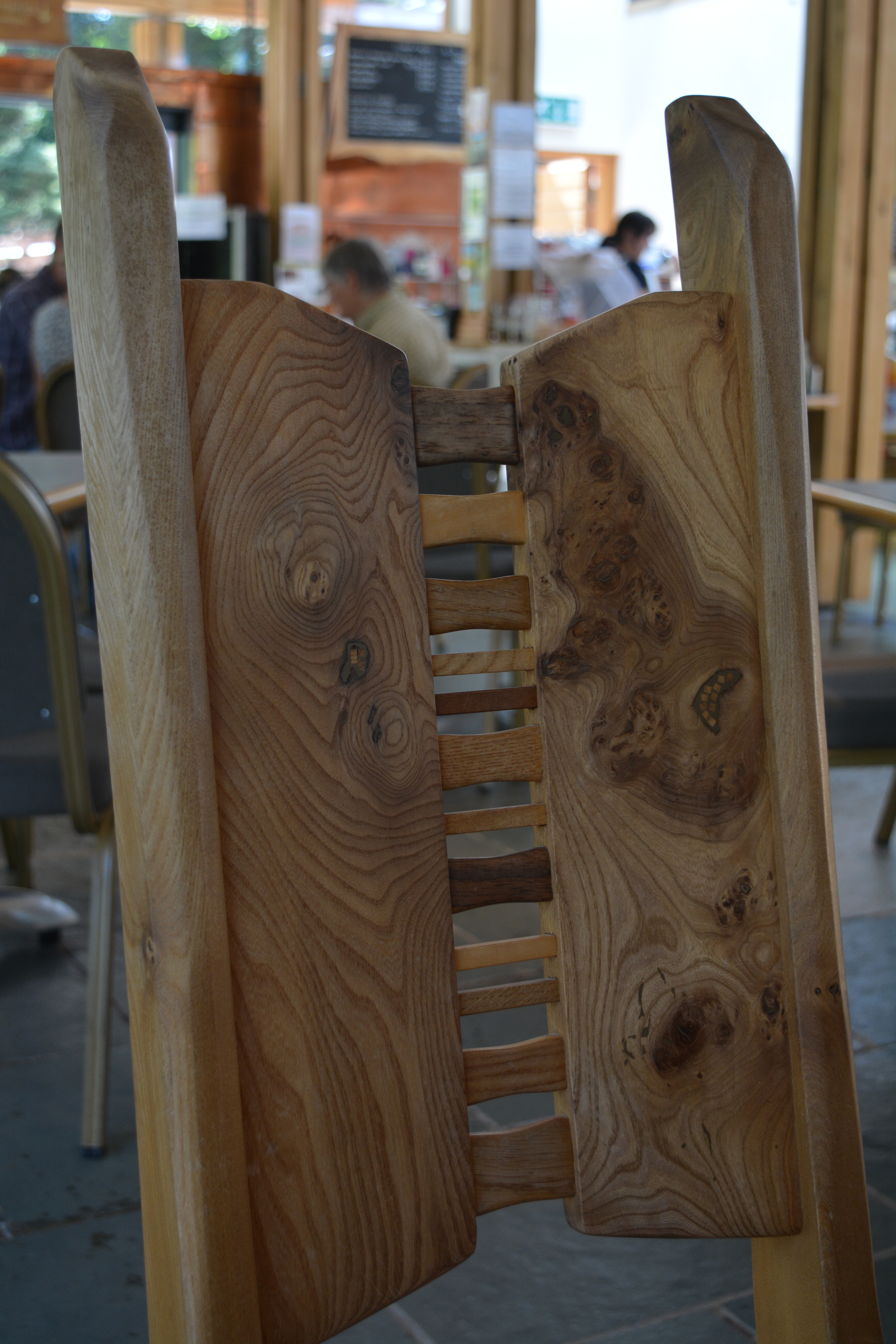
It is rare that you can say that the seats in the cafe were worth a mention but these at Dawyck were beautifully carved from wood and each was original. They were comfortable too! A good end to an exceptional day with trees and a young tree appreciator.


Categories
autumn autumn colours colours garden design garden photography gardening gardens gardens open to the public hardy perennials ornamental trees and shrubs Powis Powys trees Winter Gardening winter gardens woodland woodlands

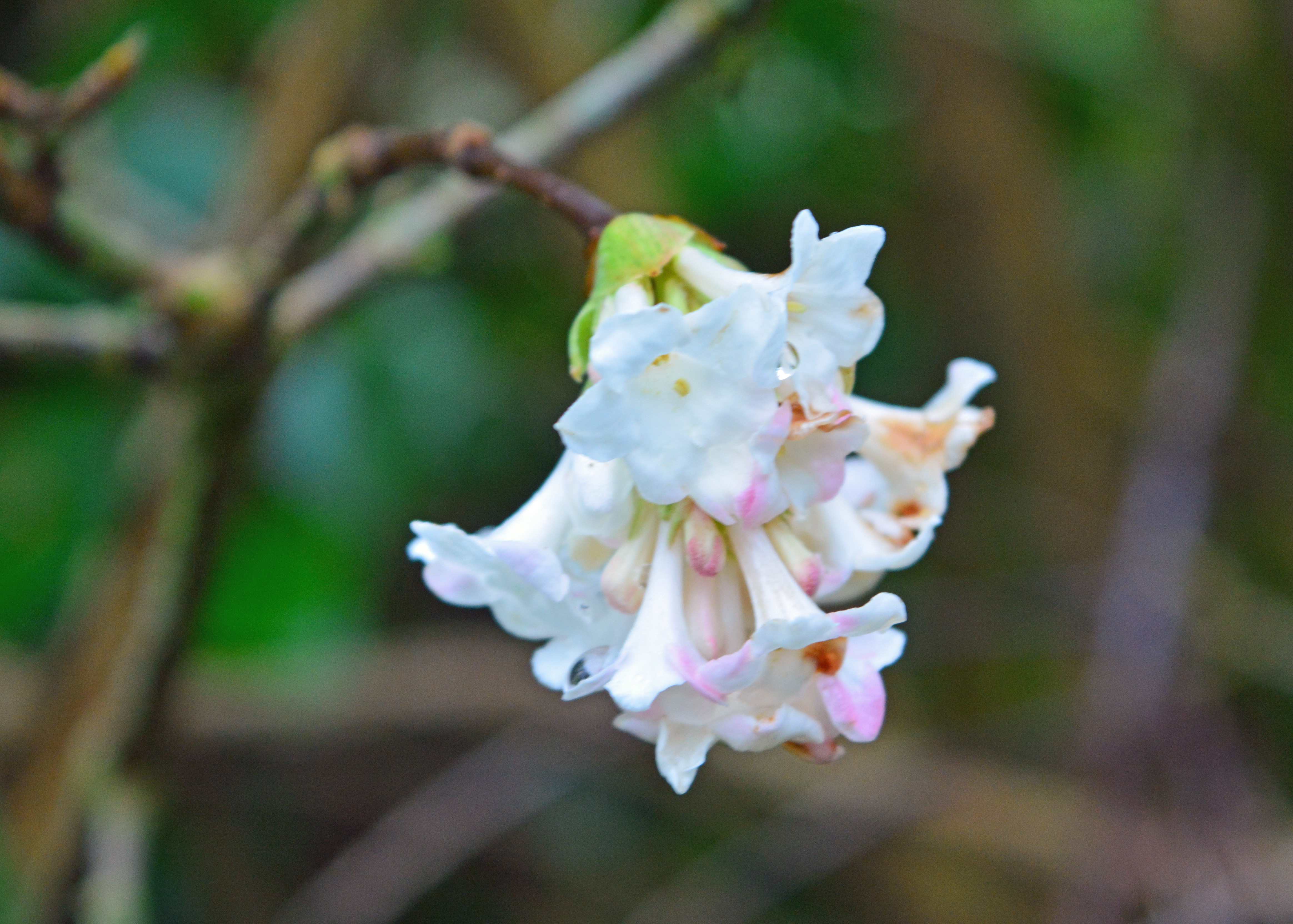
The Dingle Garden in November

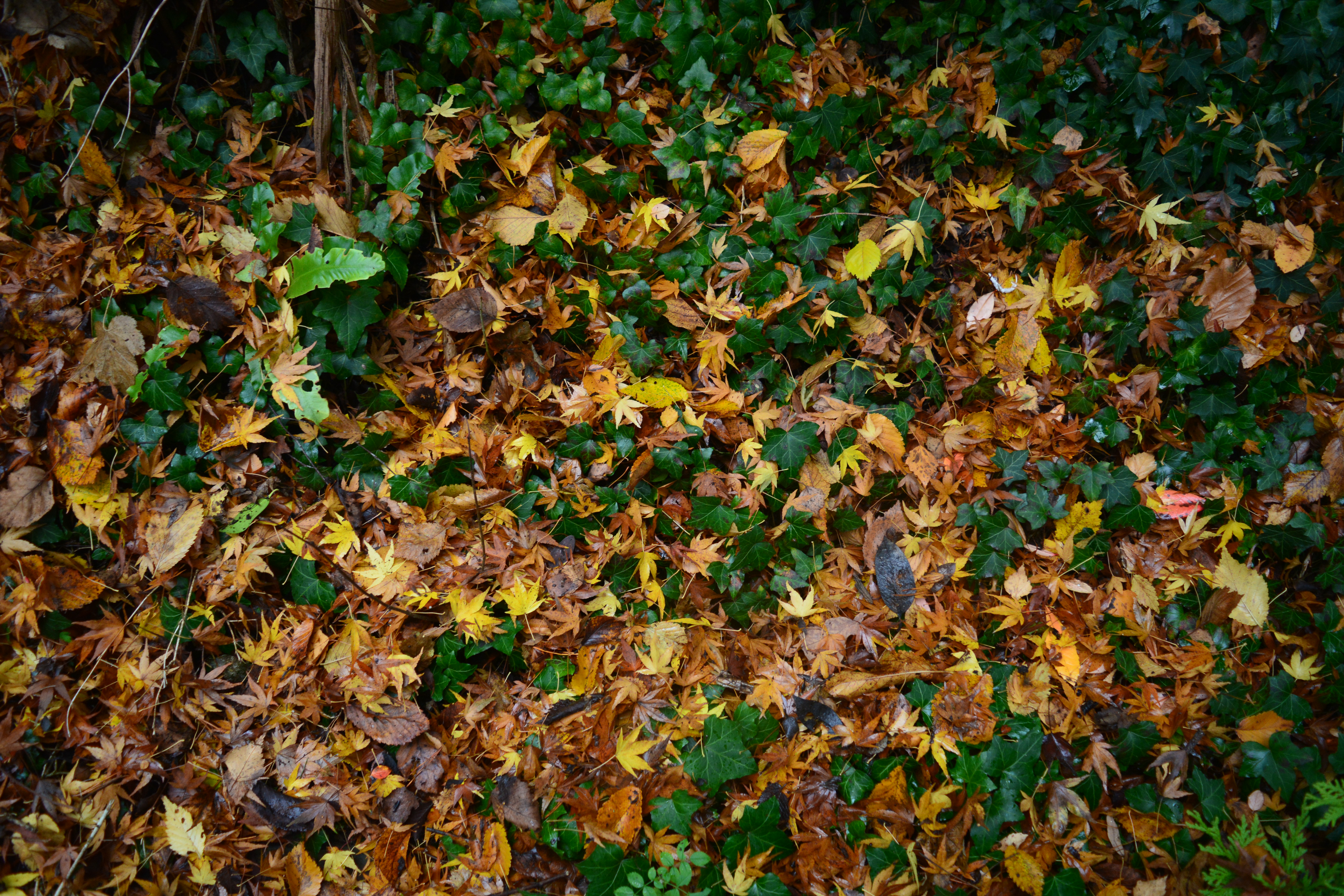
Back to wander around the gardens at the Dingle near Welshpool, for our November visit. We expected big changes after recent strong winds and heavy rain. We did not anticipate seeing many leaves left on deciduous trees and shrubs, but hoped for signs of late autumn colours in foliage and berries.

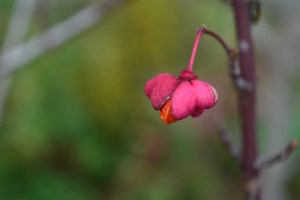
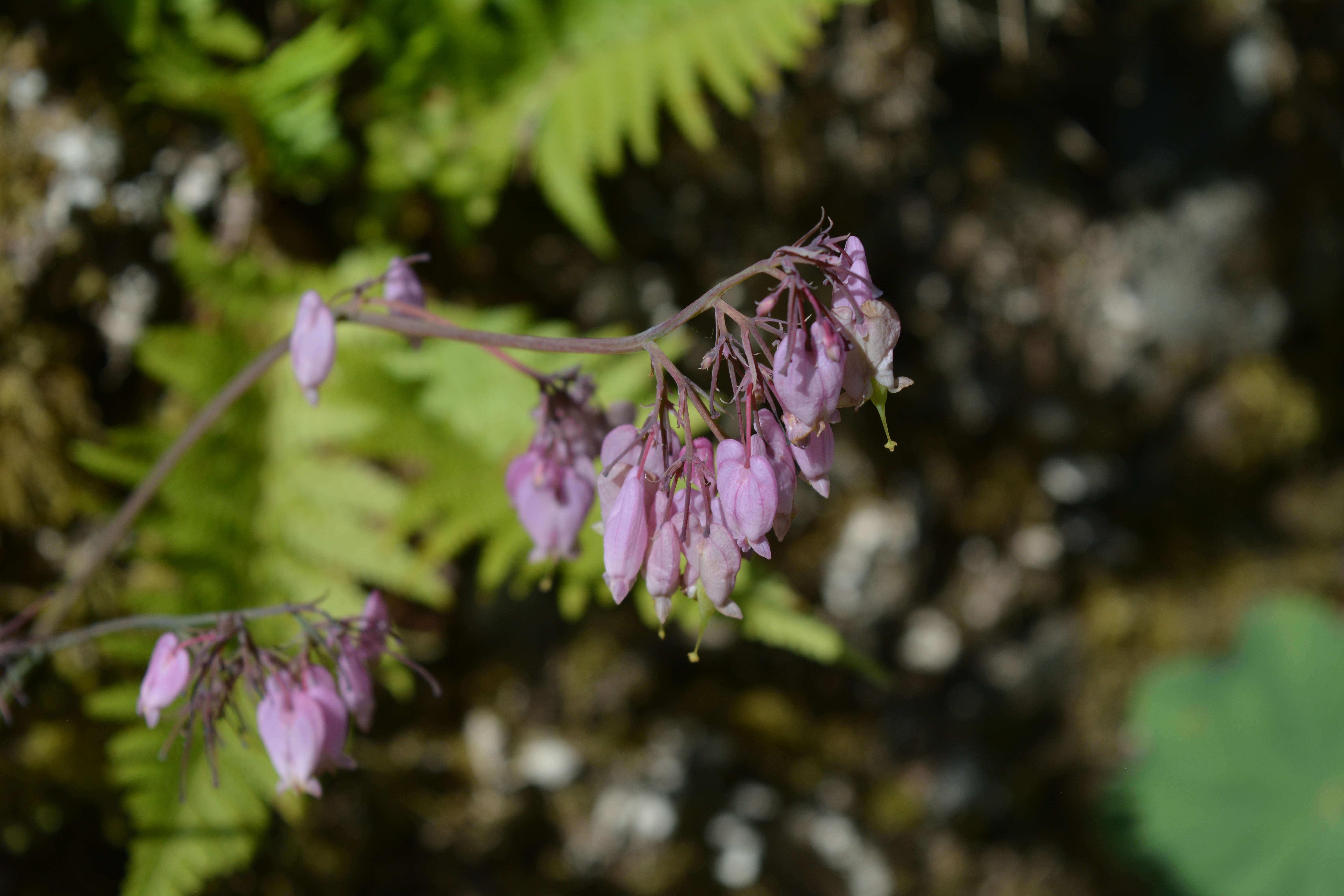
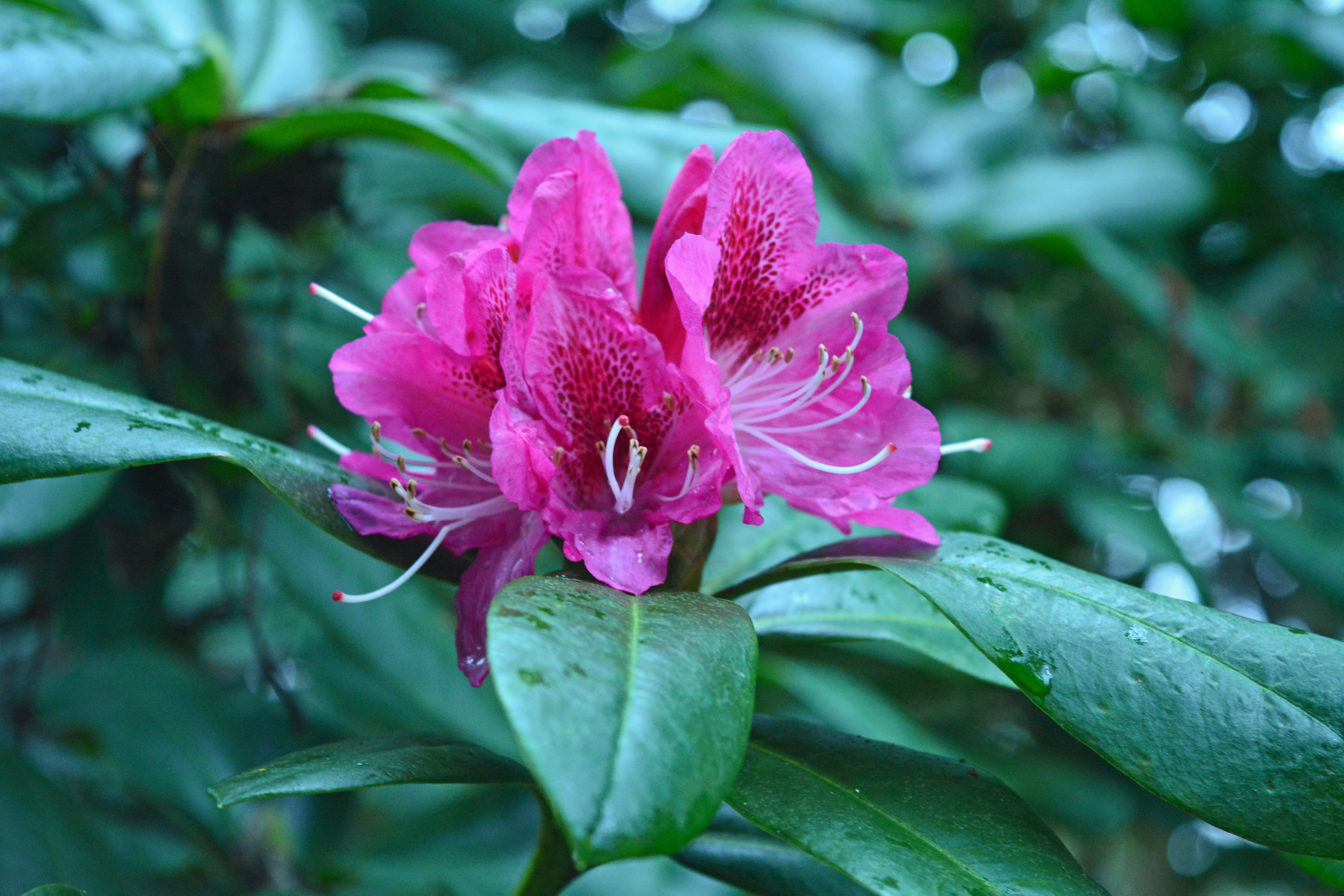
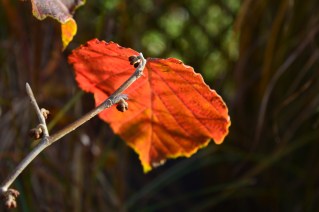
The first pic at the start of this post shows one leaf that was still hanging on against all odds, even after all our recent strong winds and storms. Below is a selection of photos of flowers still going strong in the woodland garden, some late blooms from the summer and some early winter blooms.


Throughout the woodland garden where there was a clearing the ground was covered in low growing perennials often covered with a carpet of fallen leaves.


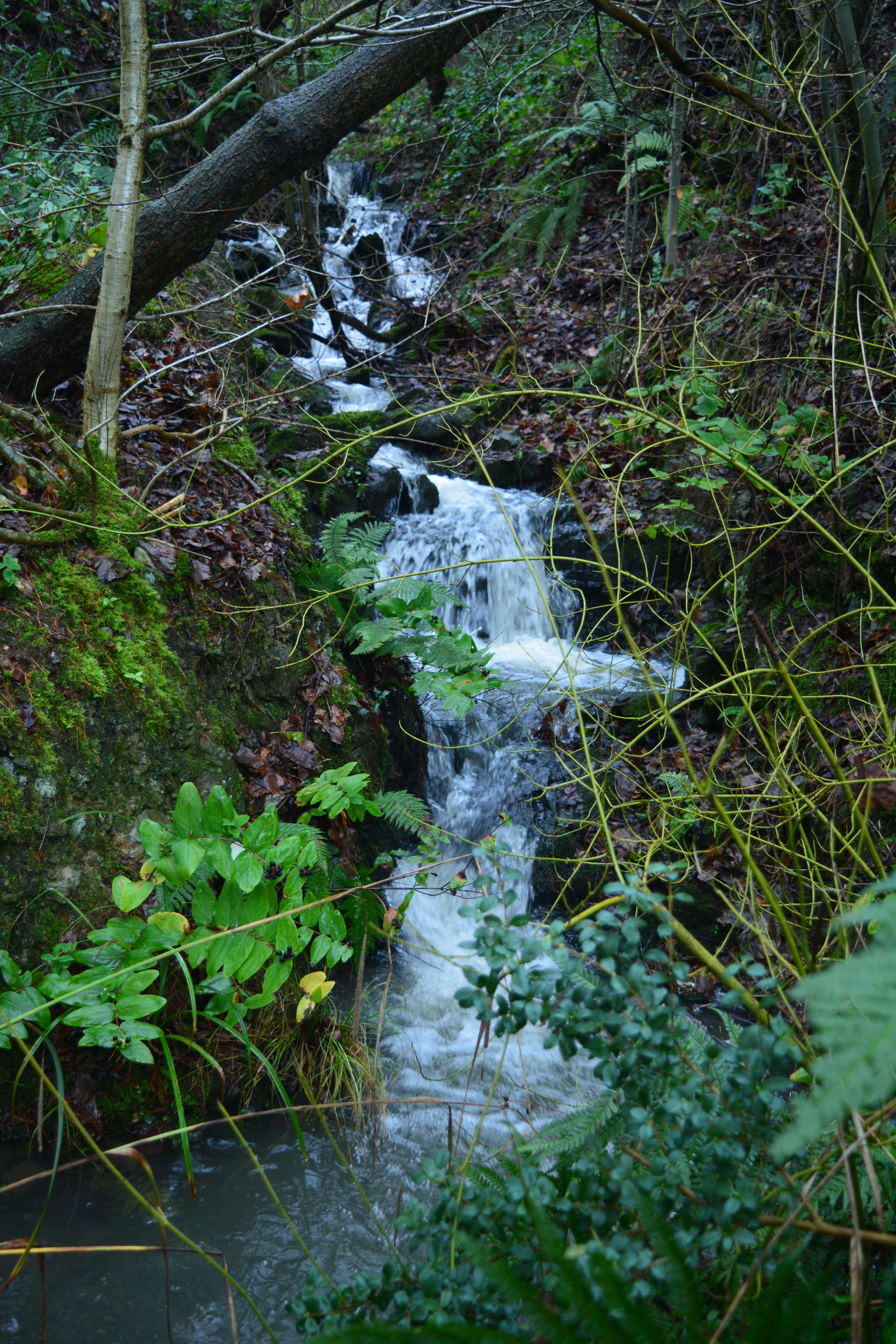
During our visits over the year to The Dingle Gardens there has been an area that has been much wetter than elsewhere, often with water running off the bank across the paths and on down to the lake. On this visit we noticed and heard that work was in hand to add extra drainage systems to rectify the problem.


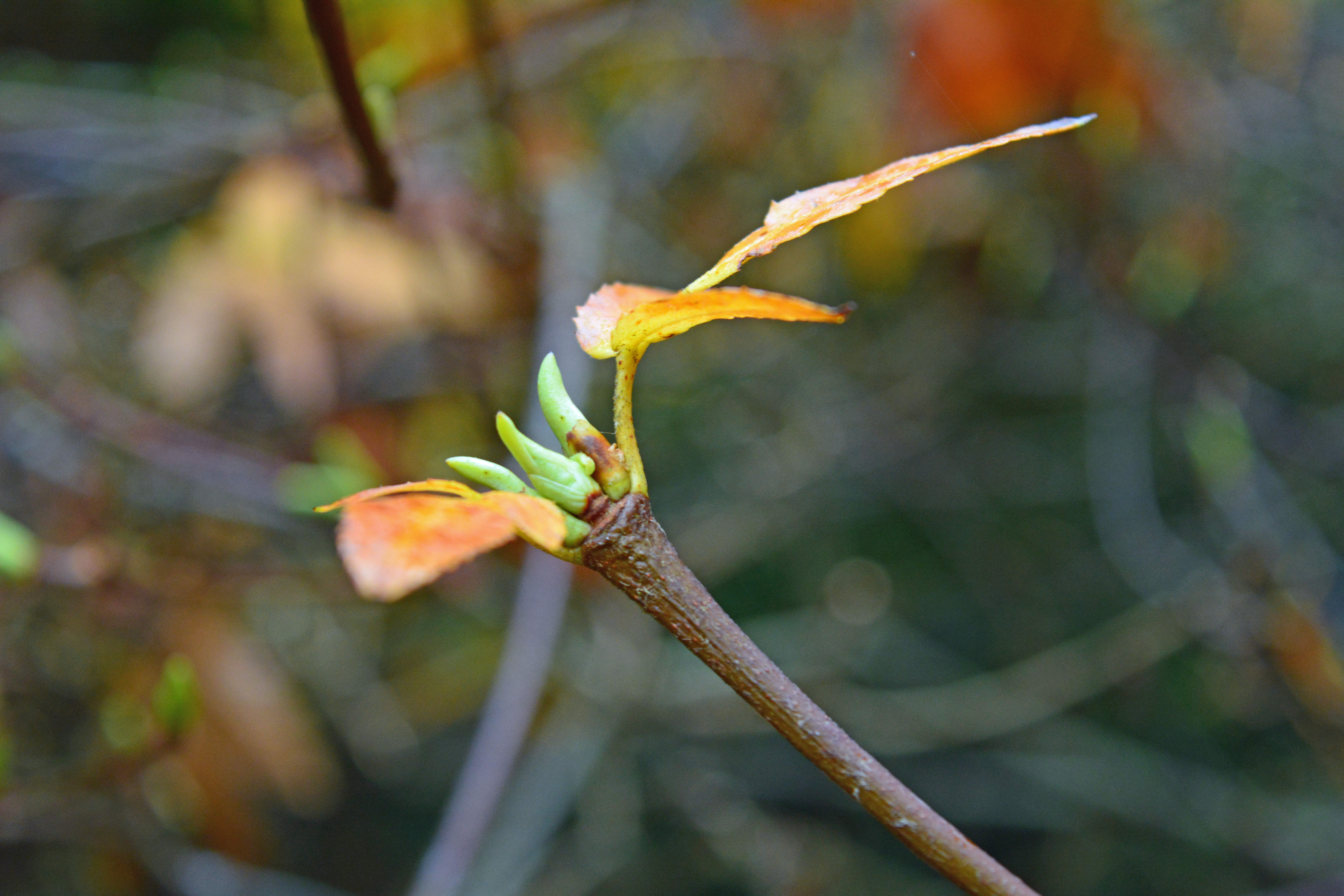
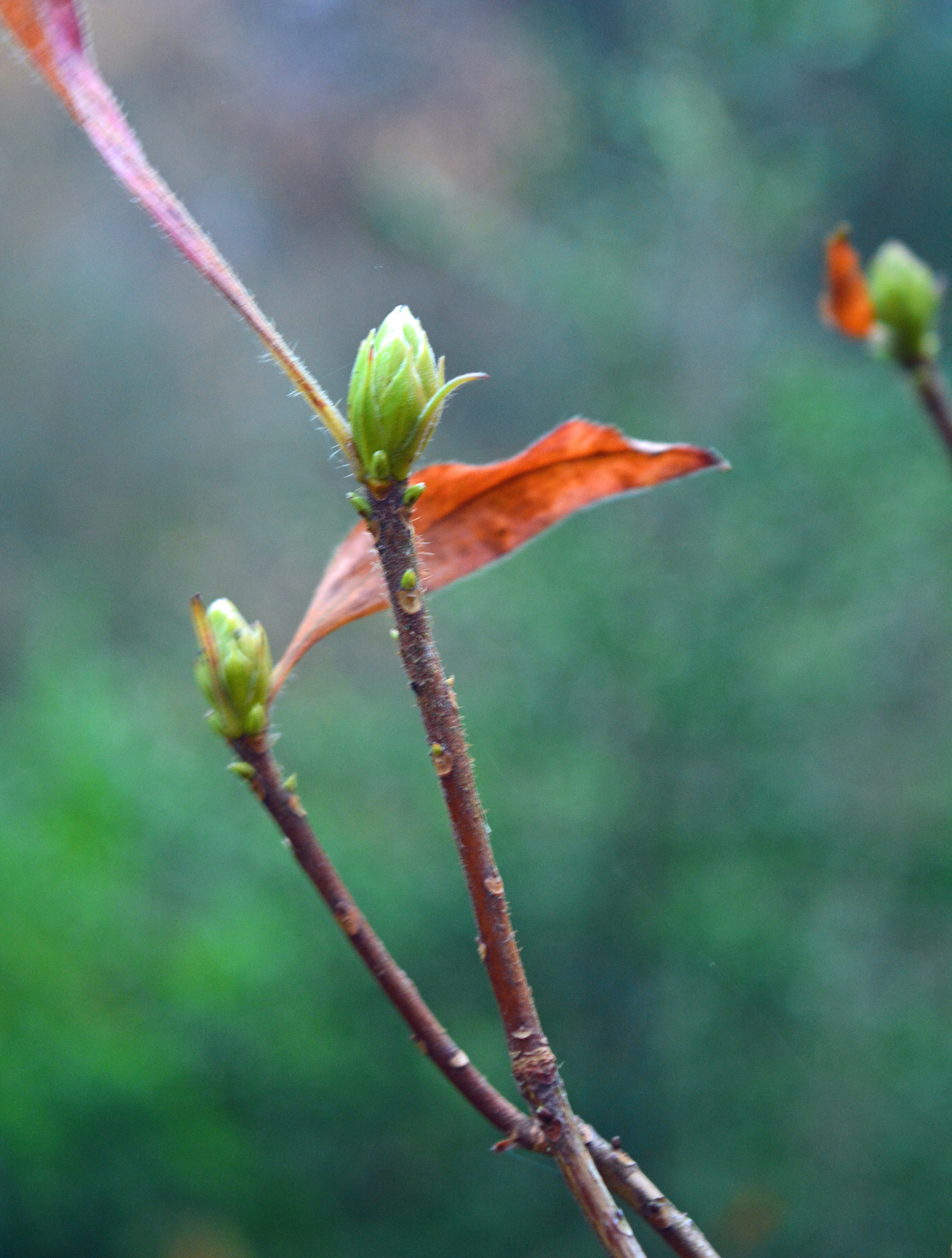
Berries are signs of the year’s end, there to help keep the plant populations viable.  Alongside them in this garden of trees and shrubs there were signs of new life in the form of leaf and flower buds waiting to unfold for us to enjoy in the future.

There was so much to enjoy as we wandered the garden paths that I took lots of photographs, so I thought I would finish our November post about our Dingle Garden visits with a photo gallery. As usual click on the first photo and navigate using the right arrow.

So just one more post to go which will be for our December visit to this wonderful woodland garden.

Categories
arboreta autumn autumn colours colours garden design garden photography gardening gardens gardens open to the public ornamental trees and shrubs outdoor sculpture sculpture trees

Autumn in an Arboretum and Afternoon Tea

We were lucky to receive a voucher for an afternoon tea from our son Jamie and daughter-in-law Sam, and of course little Arabella and decided to redeem it at a hotel down in the Cotswolds, near the village of Moreton-in-the-Marsh.

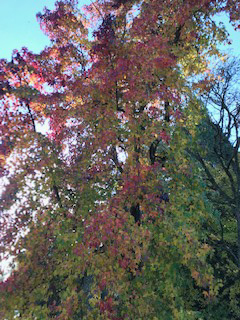
We drove down early and spent time wandering Batsford Arboretum, enjoying the colours of autumn leaves before the winds blew them from the branches. It was a dull day but the foliage glowed through the gloom. Most colour came from Acers and Liquidamber of many varieties of each. The wind had already whipped many leaves from their branches.


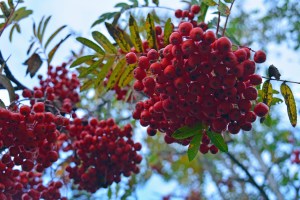
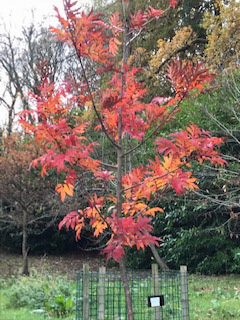
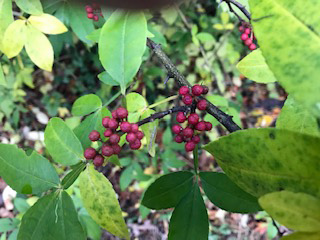
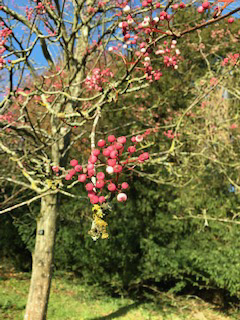
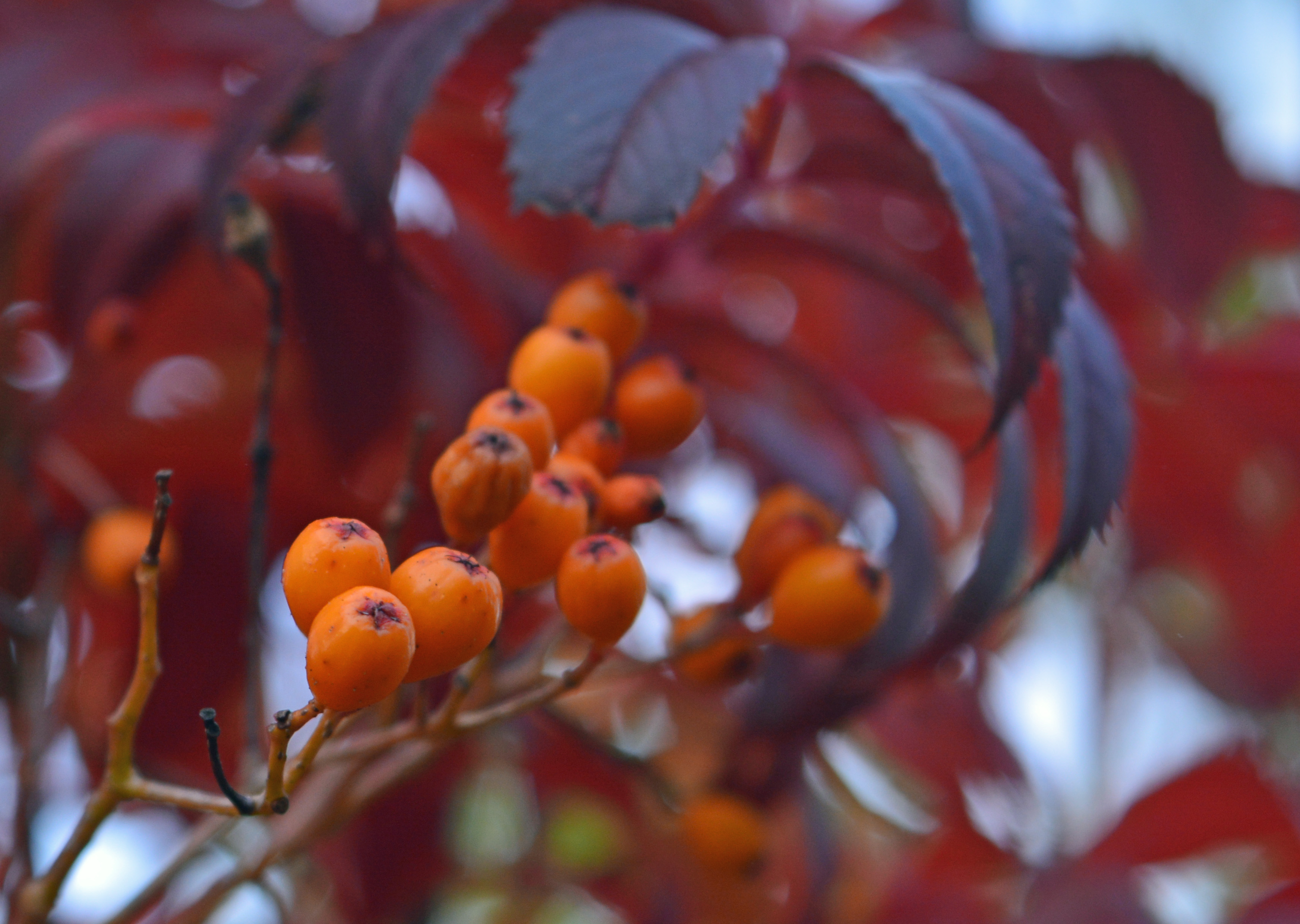
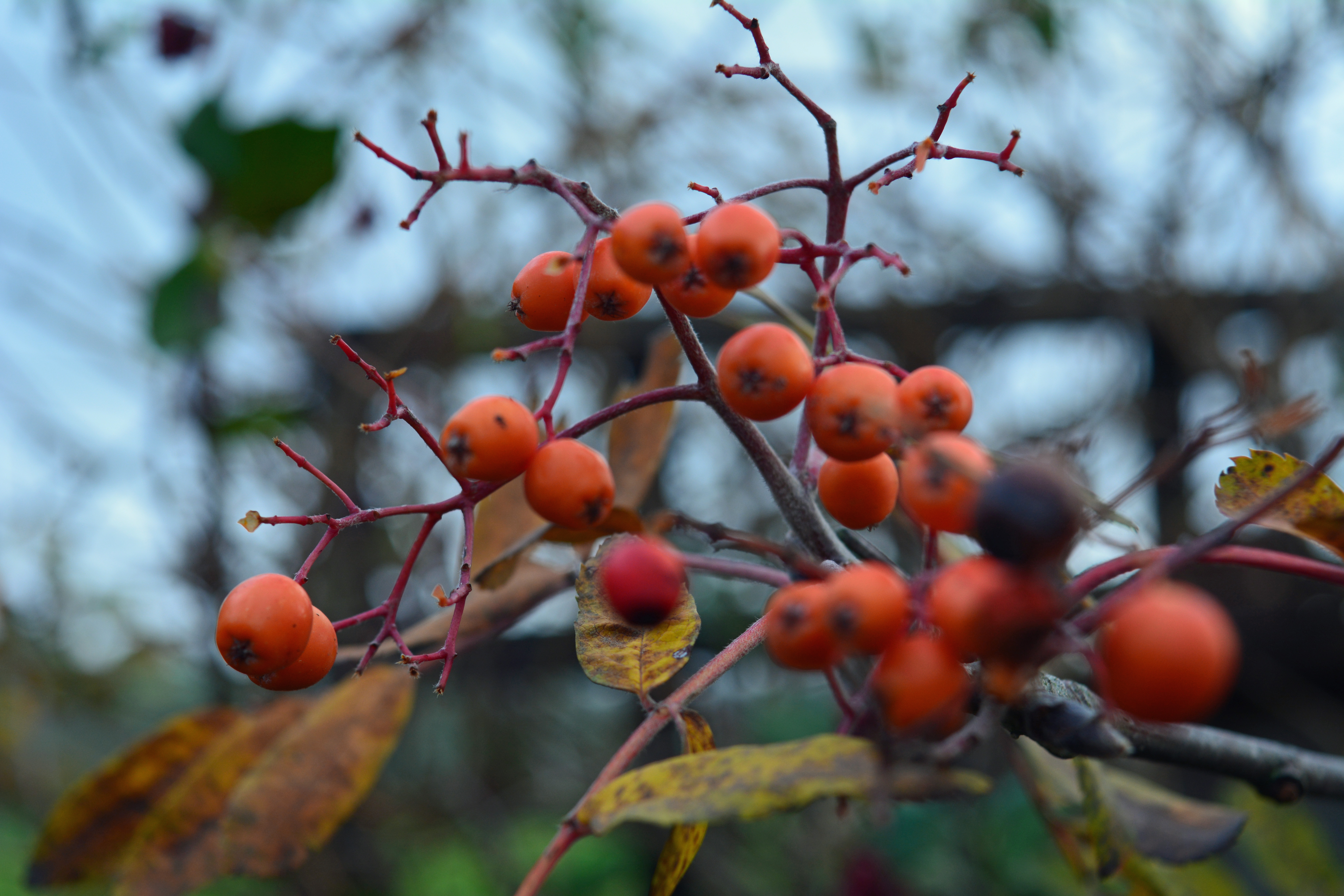
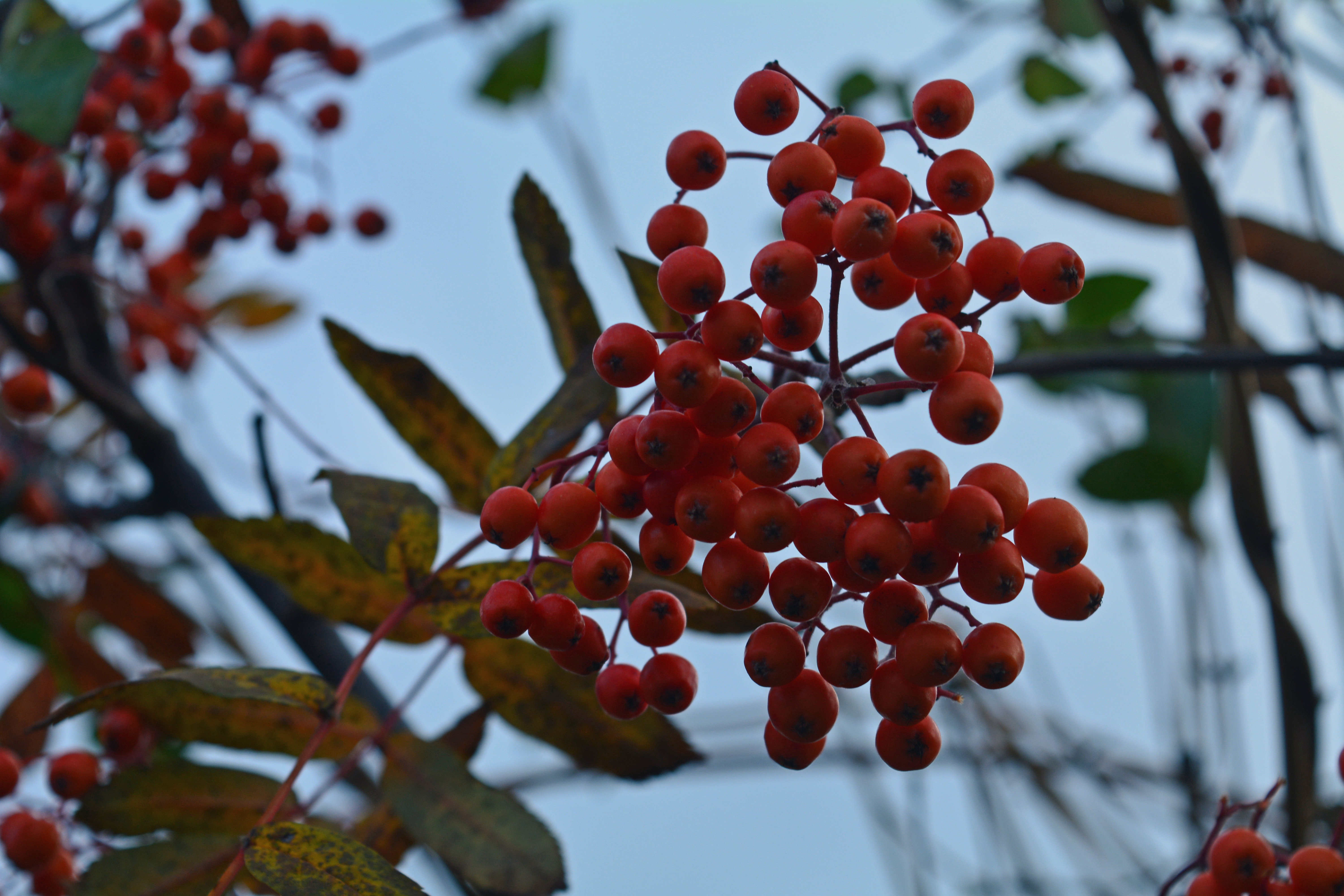
Of course autumn isn’t complete without the red, pinks, oranges and reds of berries, provided by Sorbus, Malus and here at Batsford by the unusual tree called Zanthoxylum planispinum (photo below left).


One area of the arboretum was strongly influenced by Japanese garden styles, complete with red painted wooden bridges.


While looking at this statue of Buddha we had to suddenly take refuge  in the Japanese tea house nearby from a quick but heavy shower in.


We only just allowed ourselves enough time to reach Charingworth Manor for our afternnon tea booked for three in the afternoon. On the journey there it began to rain slightly and the temperature dropped so we were glad to get inside this beautiful Cotswold manor house to the warm and dry. We sat to enjoy our tea close to a huge log fireplace of golden Cotswold stone.

What a great day we had with autumn foliage, an amble around an arboretum finished off in style with afternoon tea.


Categories
autumn autumn colours colours garden photography gardening gardens hardy perennials ornamental grasses ornamental trees and shrubs trees

My Garden Journal 2018 – November

This is the penultimate post in this 12 part series about my 2018 Garden Journal so here is what was happening in our patch in November.

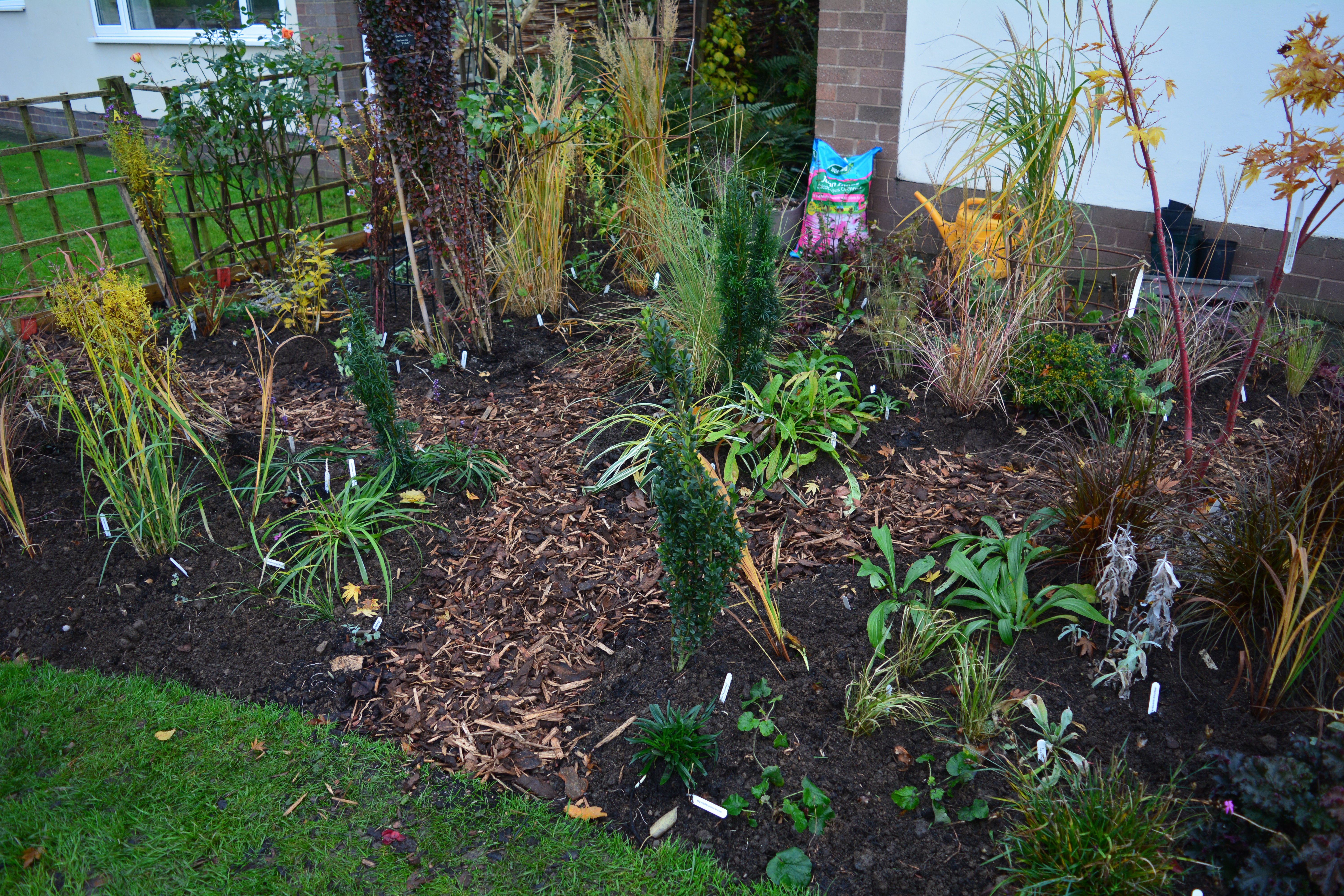
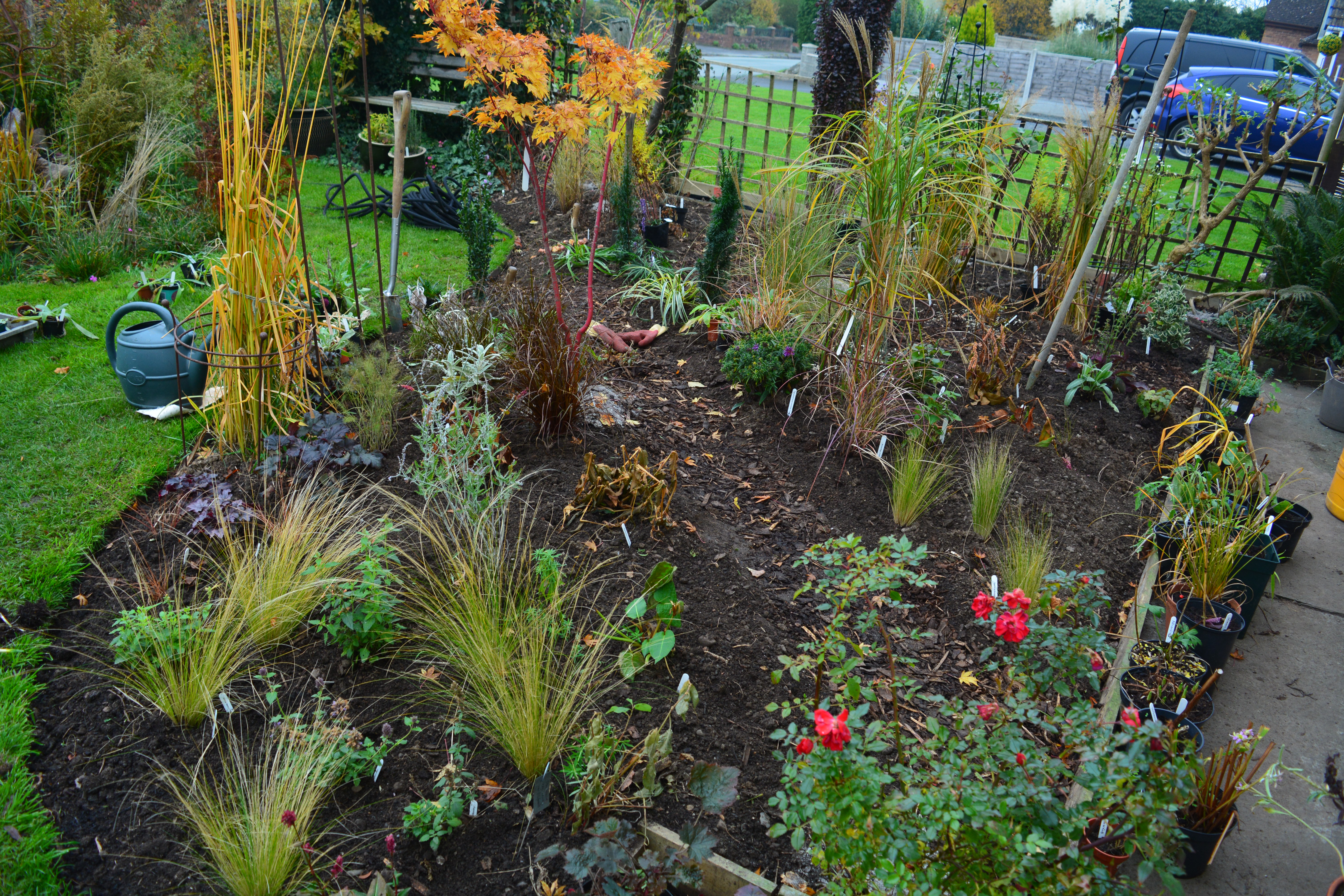
The first couple of pages dealt with the continued redevelopment of our old hot garden. We intended to give it a completely new look including bark access paths through it.

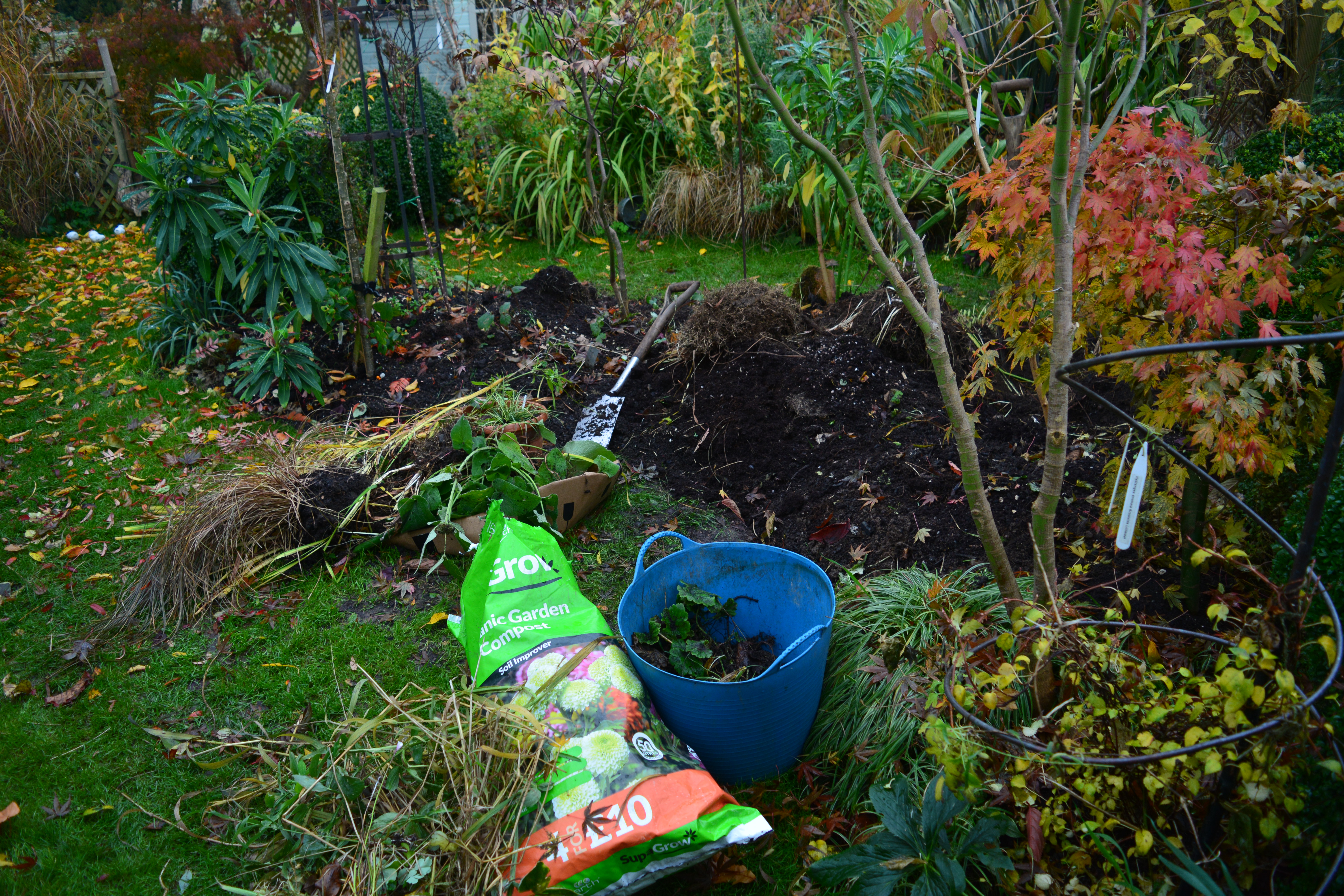
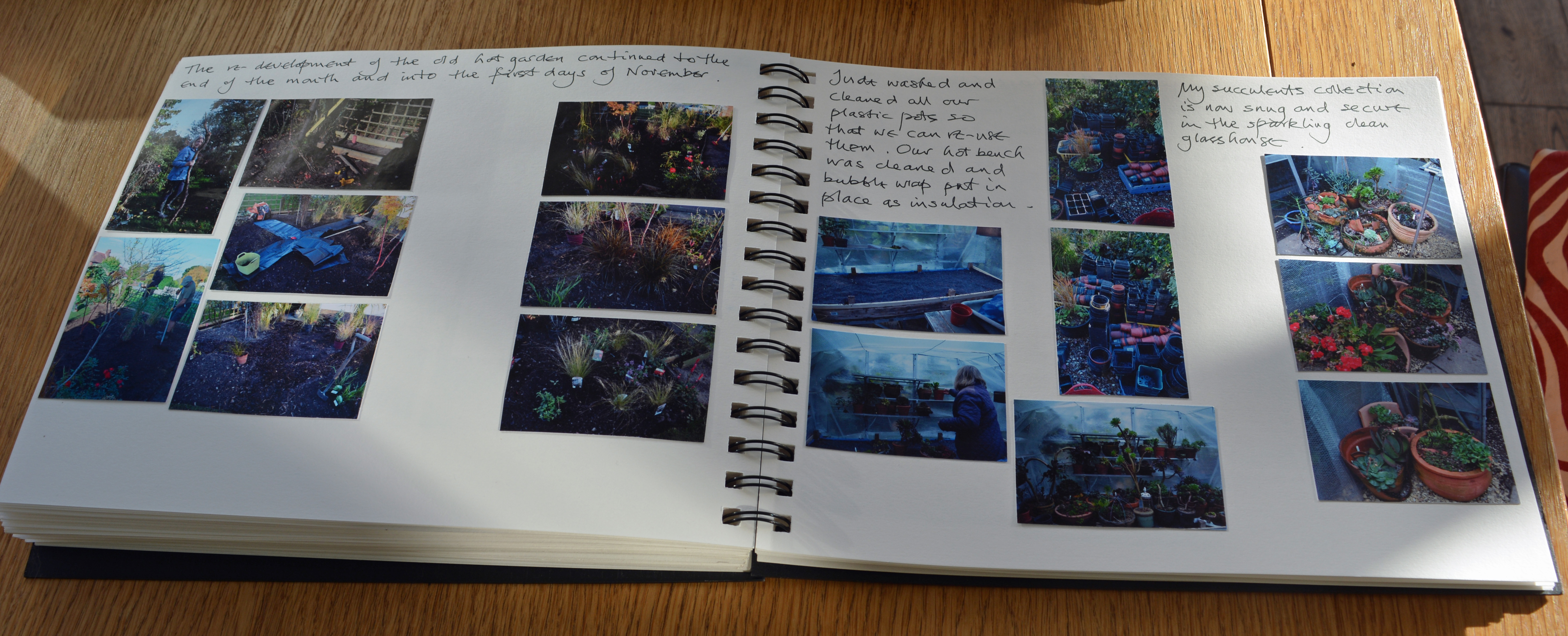
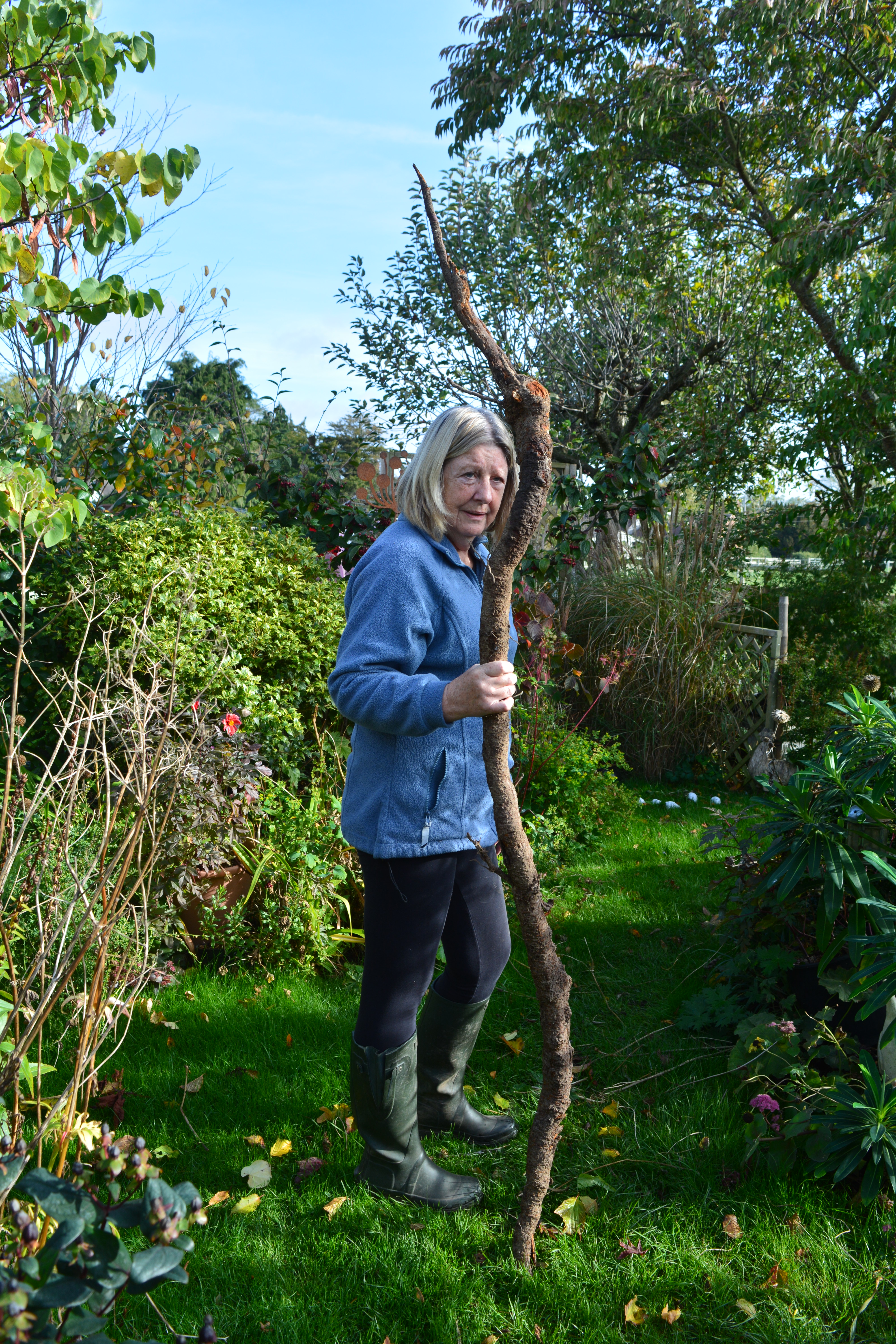
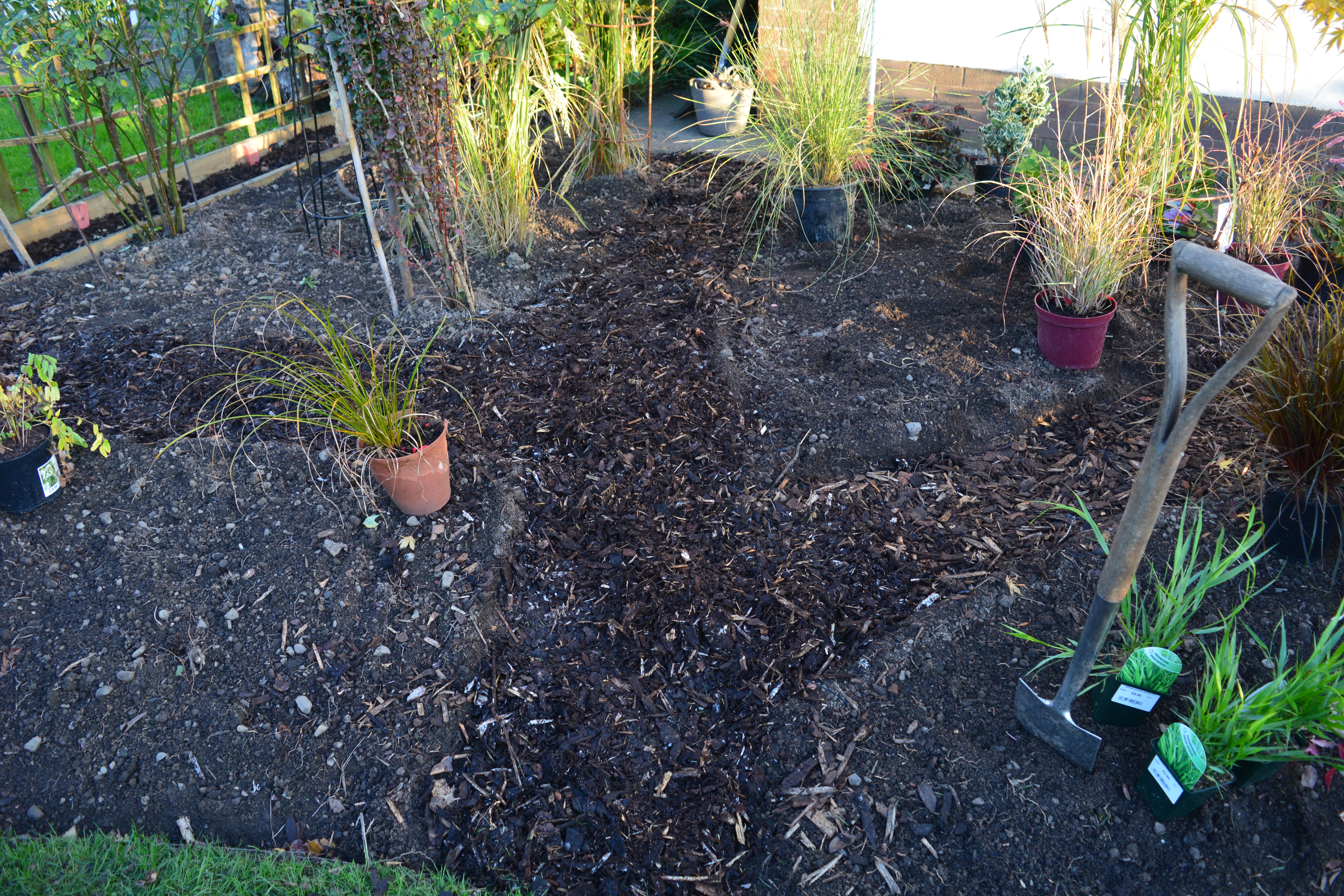
I wrote, “The re-development of the old hot garden continued to the end of the month and into the first days of November.” The first picture shows Jude the Undergardener holding up a huge root which Ian managed to dig out of the bed. He had to cut it off at both ends as it was extending beneath the lawn in one direction and out of our garden in another. It sat horizontally in the soil just above the boulder clay layer. We have no idea what plant it belonged to originally. One of our gardening mysteries! The second photo shows Ian our garden helper raking over the soil which he had meticulously double dug after adding lots of organic compost. This first addition of compost was dug in before a second batch was added as a thick mulch.
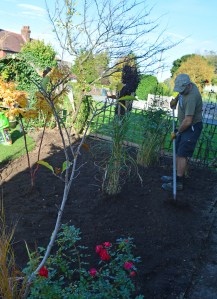
 

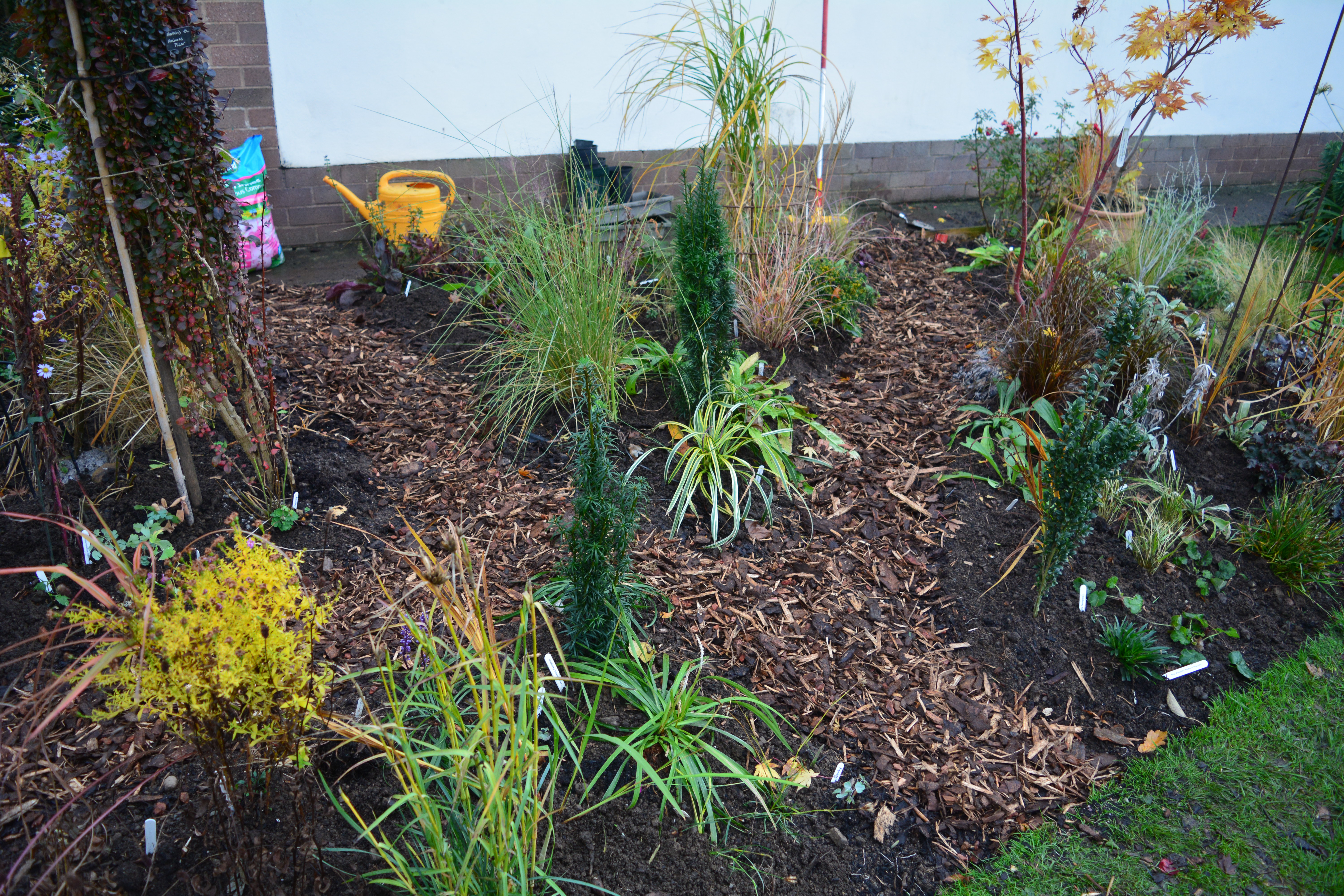
We then laid a path of bark over membrane before  getting ready to enjoy planting both our new and saved plants.


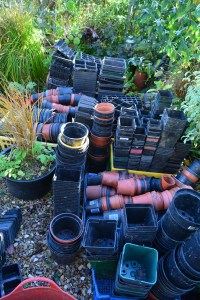
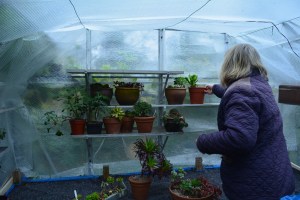
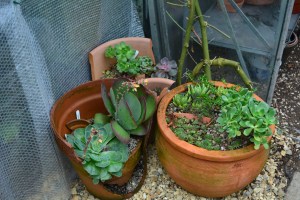
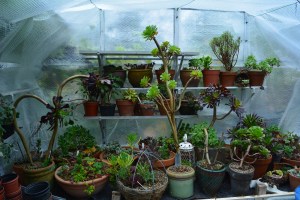
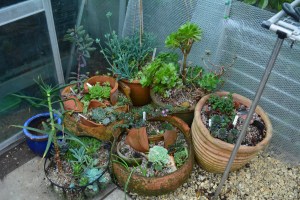
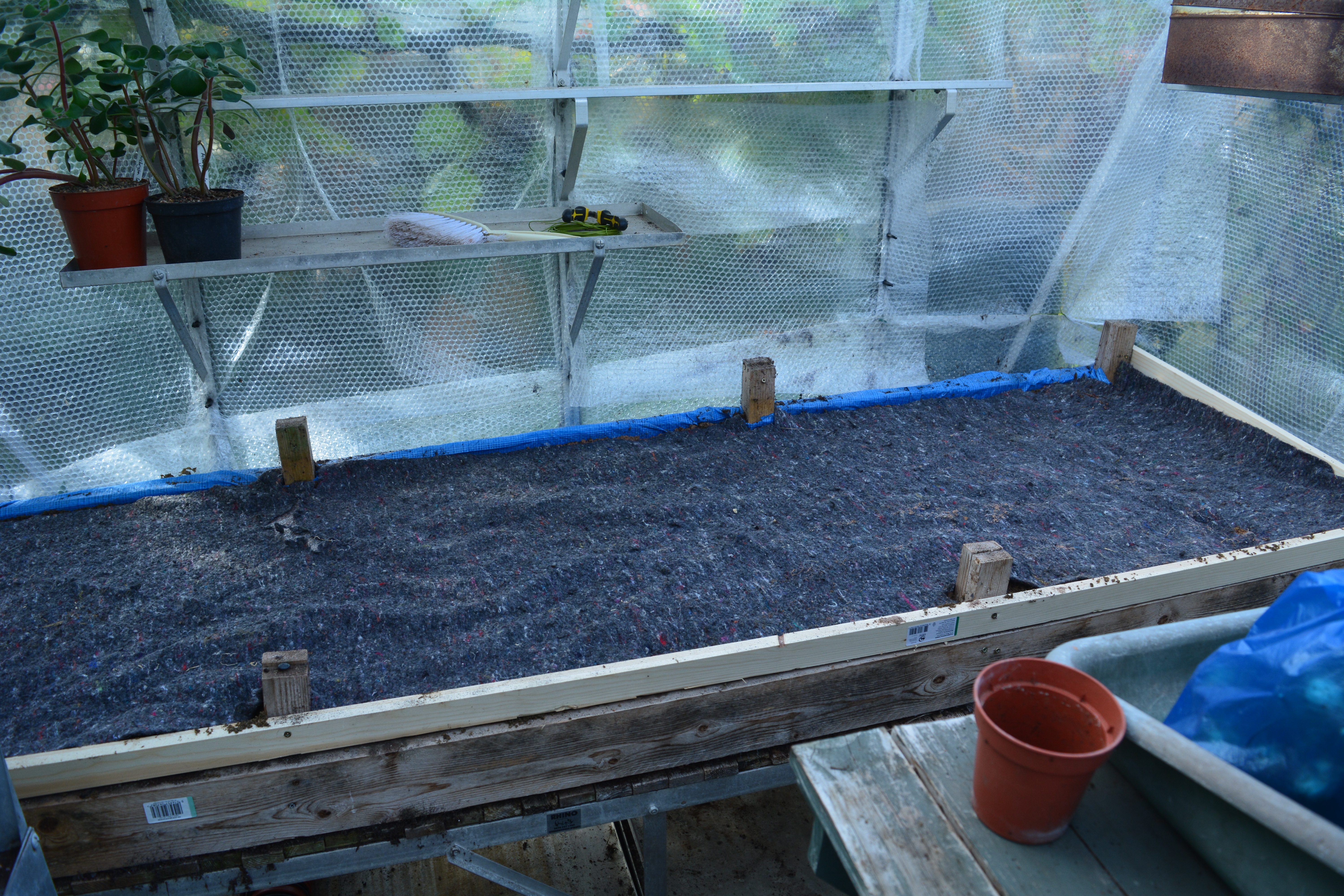
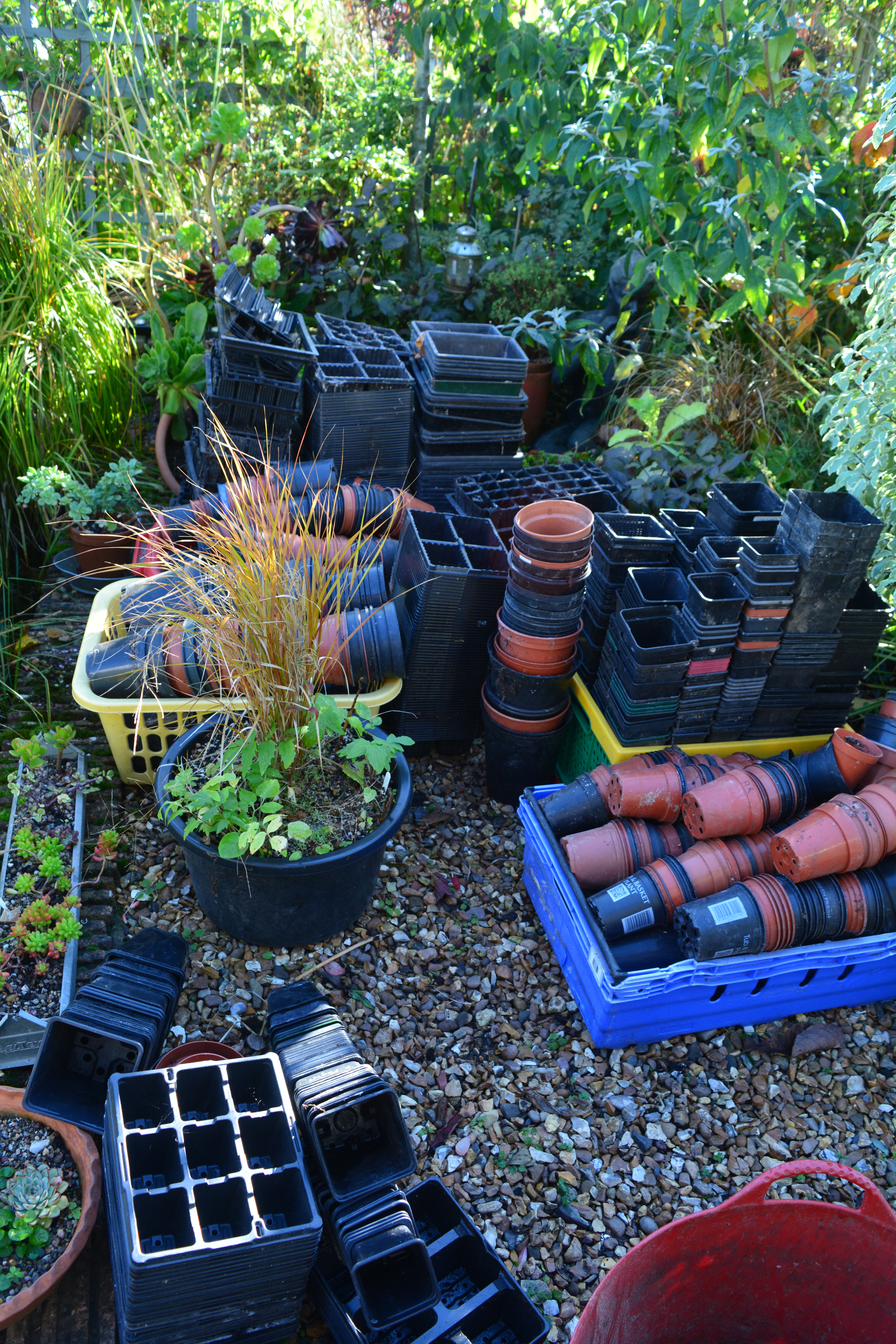
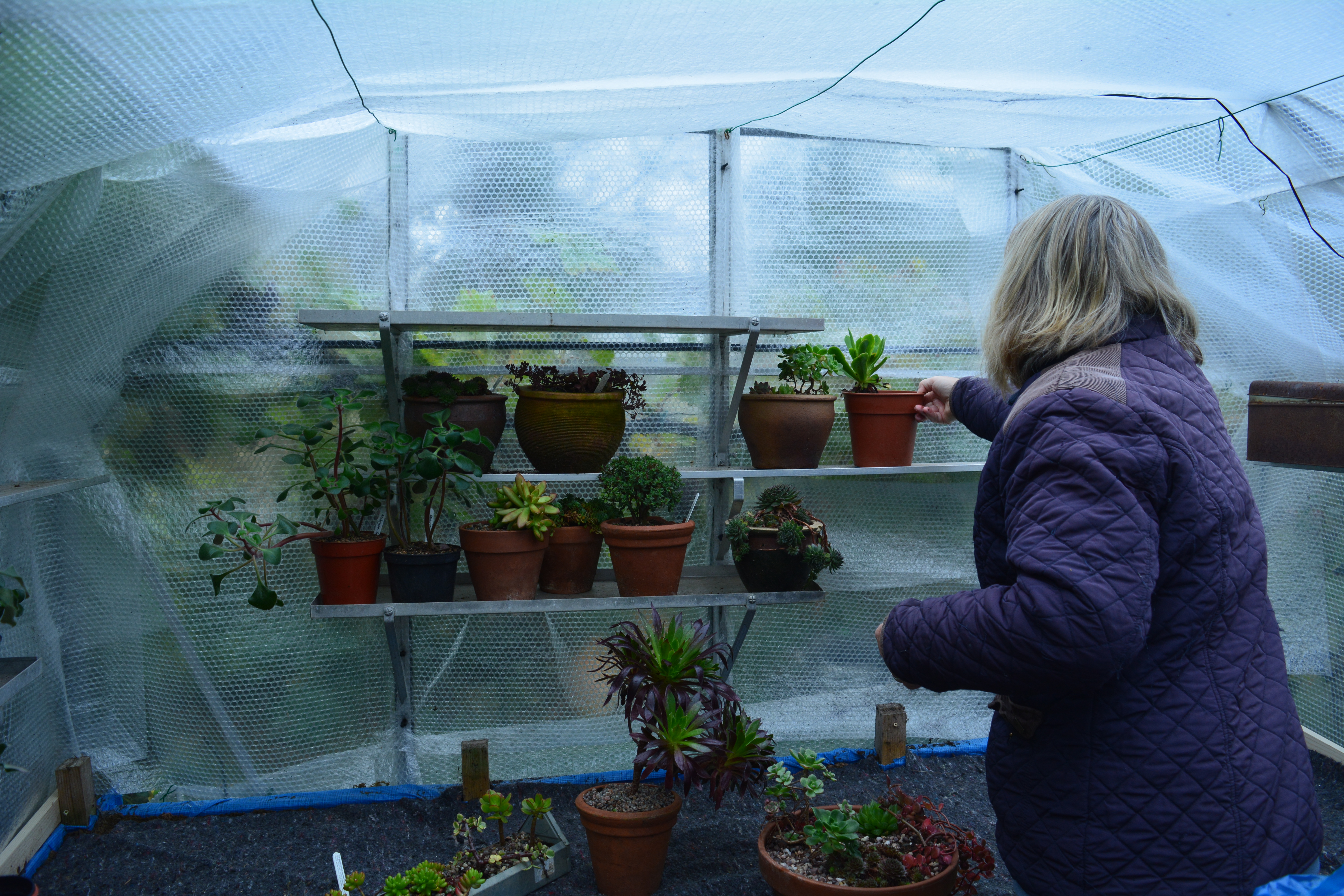
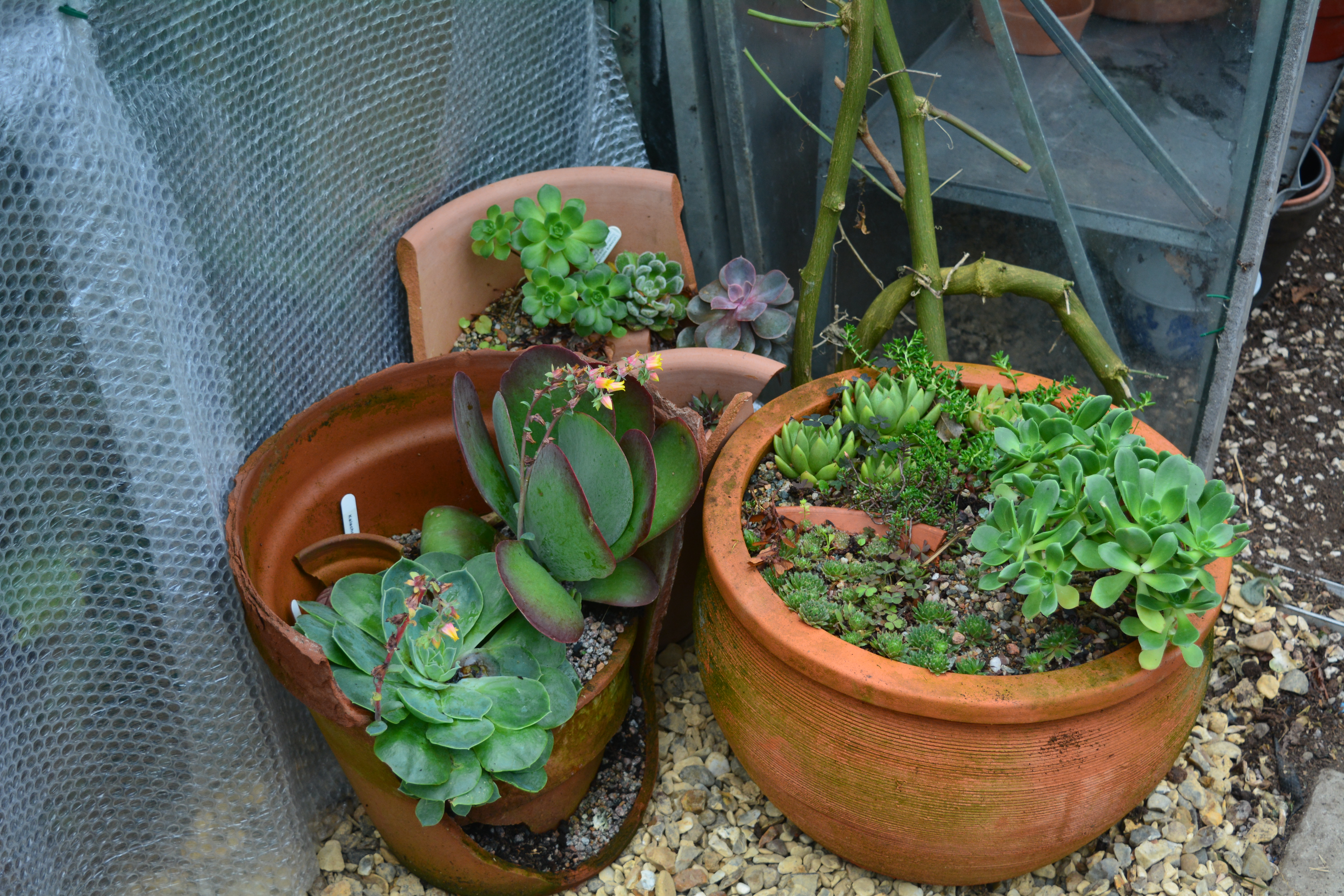
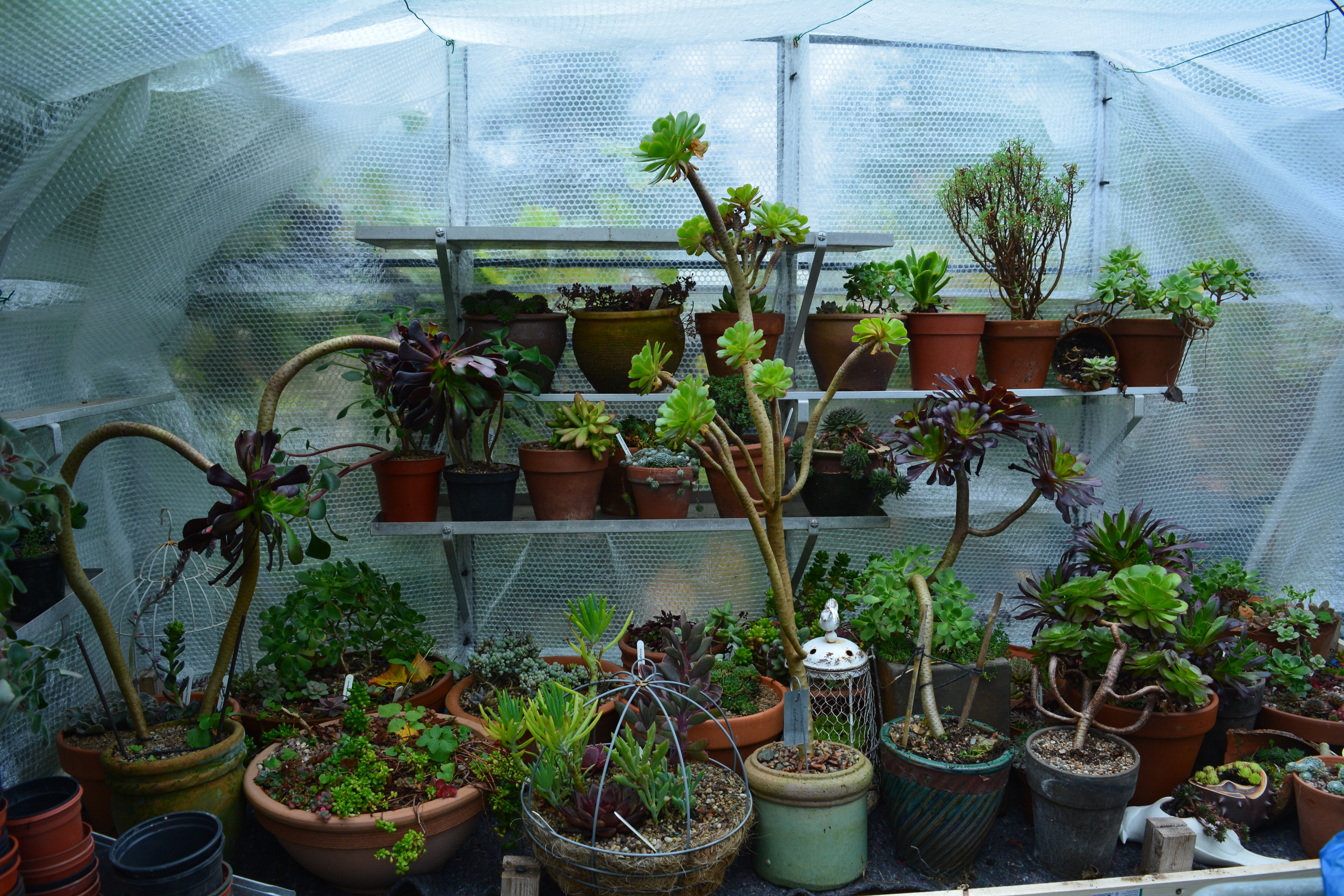
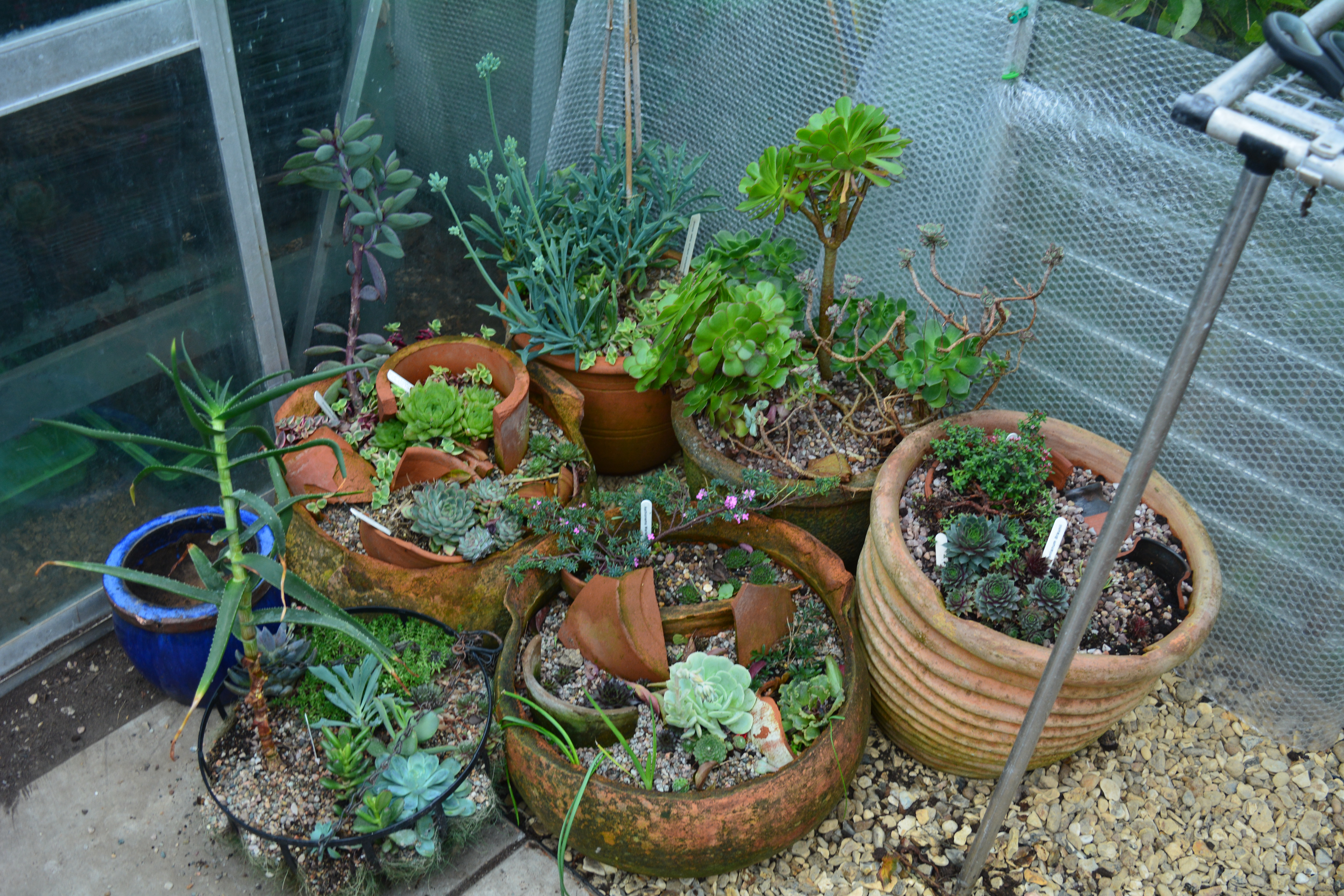
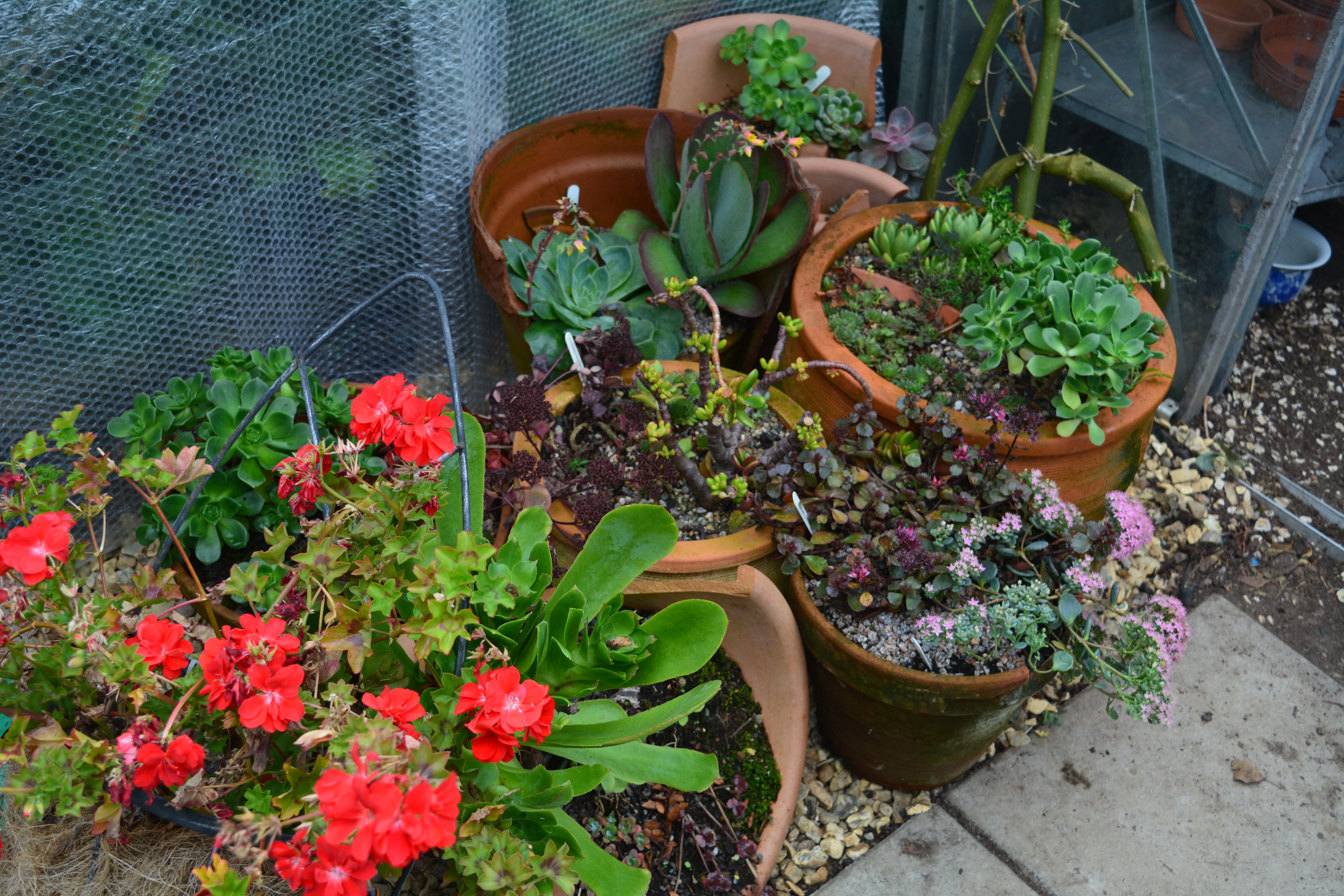
On the right hand page I looked at how Jude spent time early in the month cleaning pots, cleaning the glass in the greenhouse and putting up bubblewrap insulation. Once done this allowed us to move my succulent collection into the winter safety to be found under glass. “Jude washed and cleaned all our plastic pots so that we can reuse them. Our hot bench was cleaned up and bubblewrap put up in place as insulation. My succulent collection is now snug and secure in the sparkling clean greenhouse.”
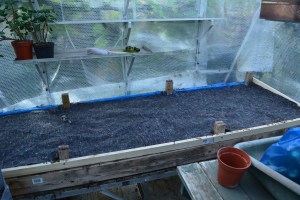
  

Turning over to my next double page spread I looked at our fruit and the continuation of planting up the new border.
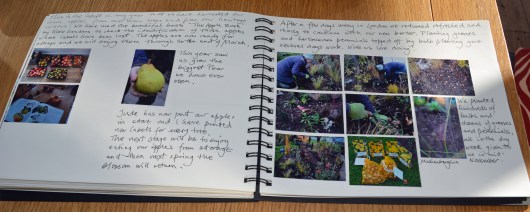
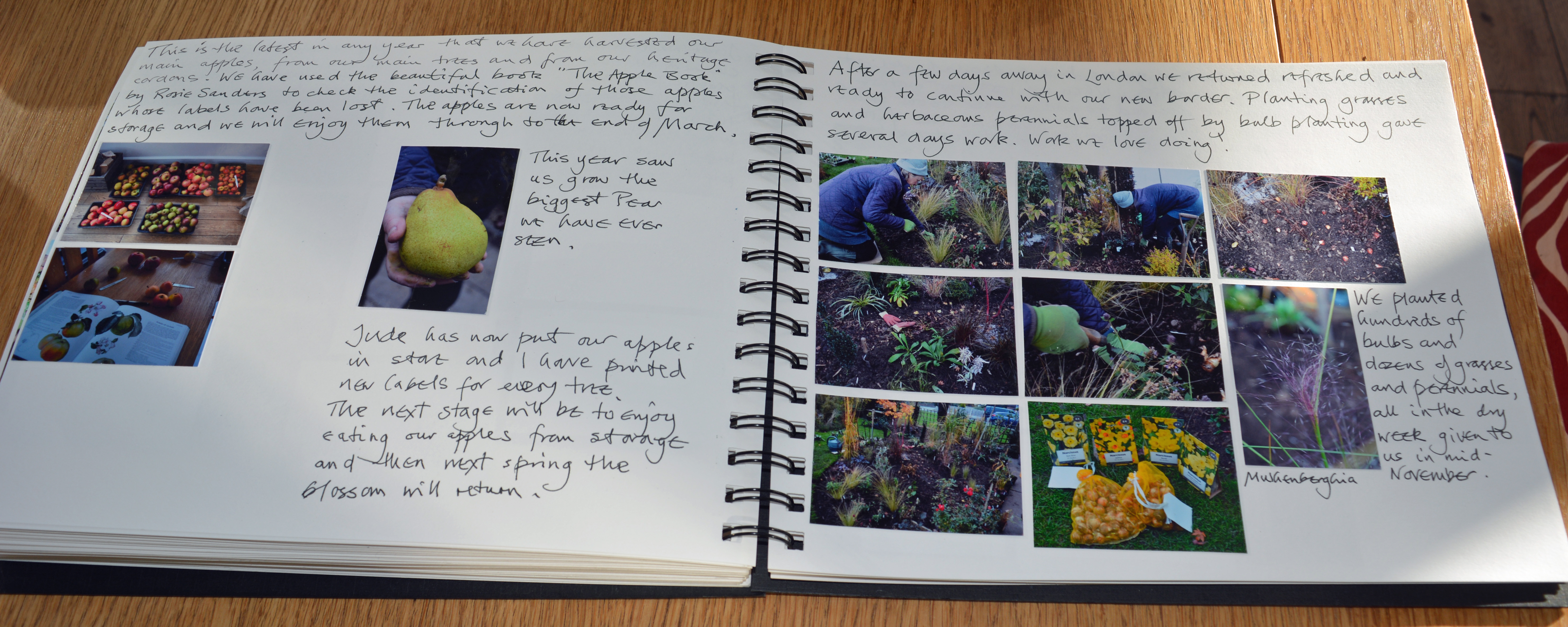
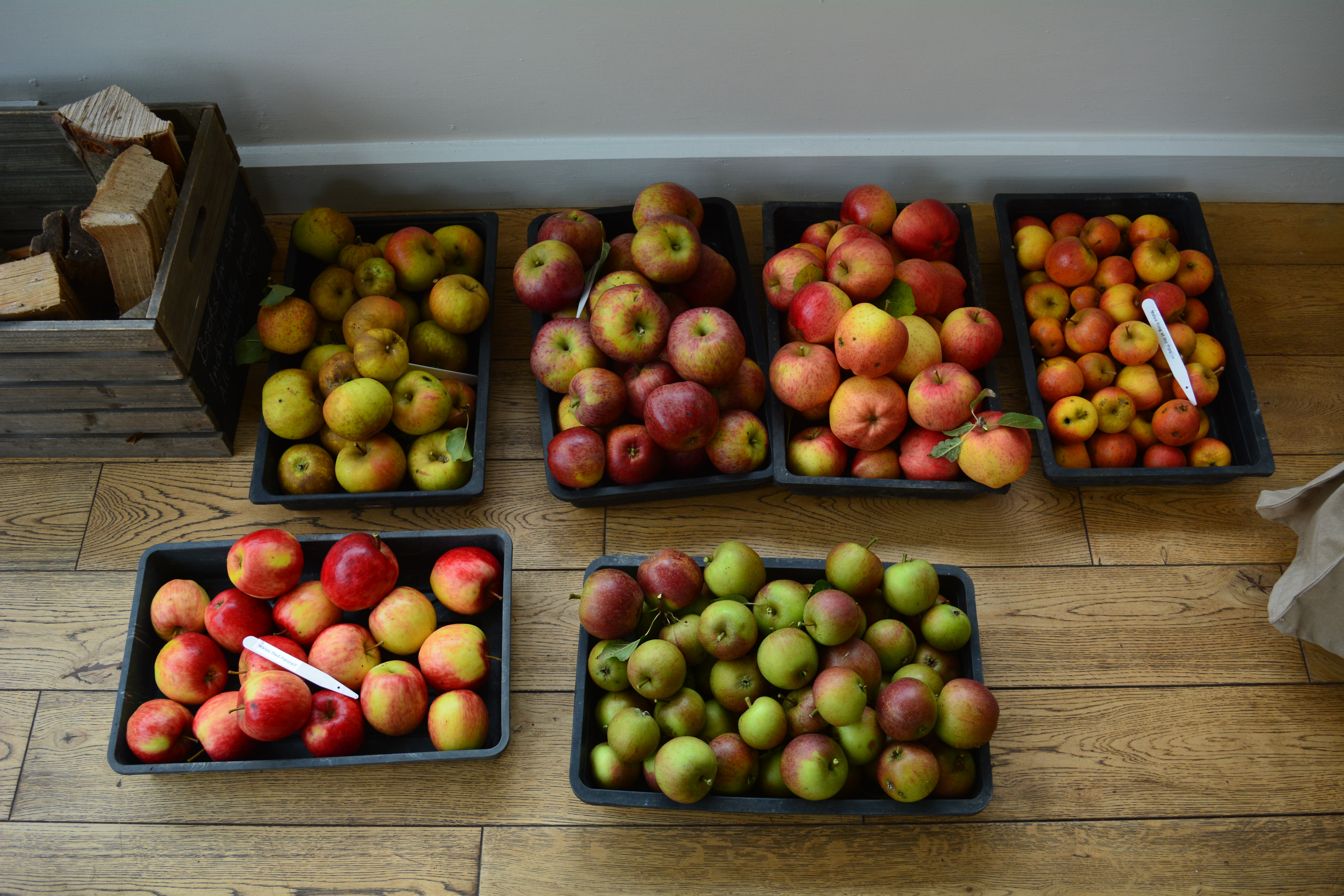
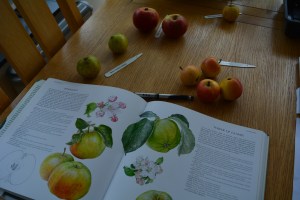
I wrote, “This is the latest in any year that we have harvested our crop of apples from our main trees and heritage cordons. We have used the beautiful book “The Apple Book” by Rosie Sanders to check the indentification of those apples whose labels have been lost. The apples are now ready for storage and we will hopefully enjoy them through to the end of March.”
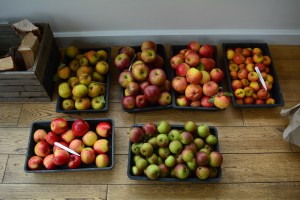
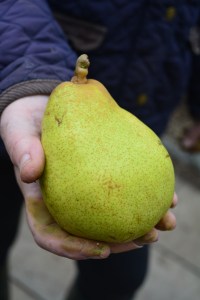
Sometimes fruit can surprise us. “This year saw us grow the biggest pear we have ever seen. Jude has now put our apples in store and I have printed new labels for every apple tree. The next stage will be to enjoy eating our apples from storage and then next spring the blossom will return.”
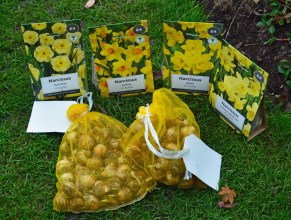
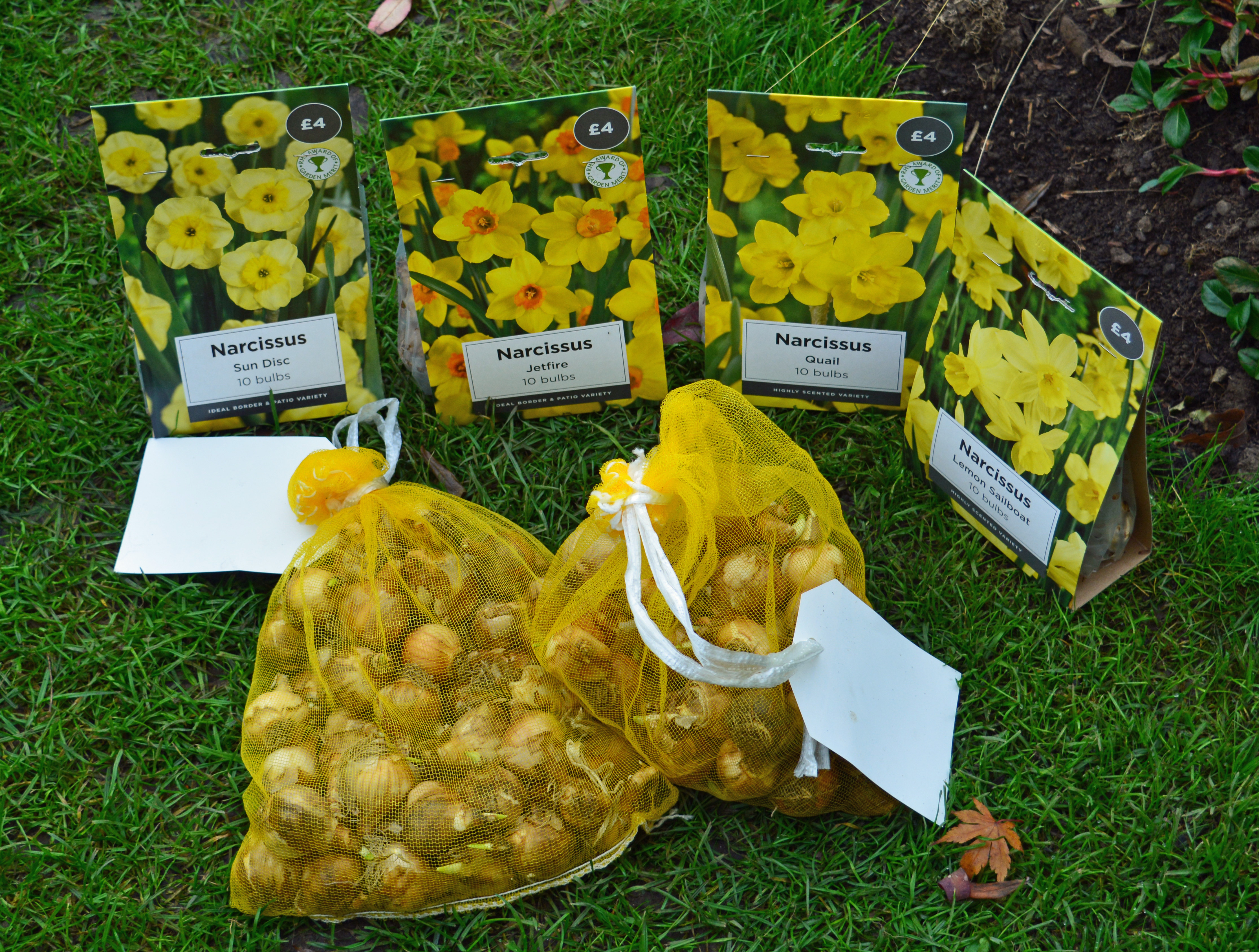
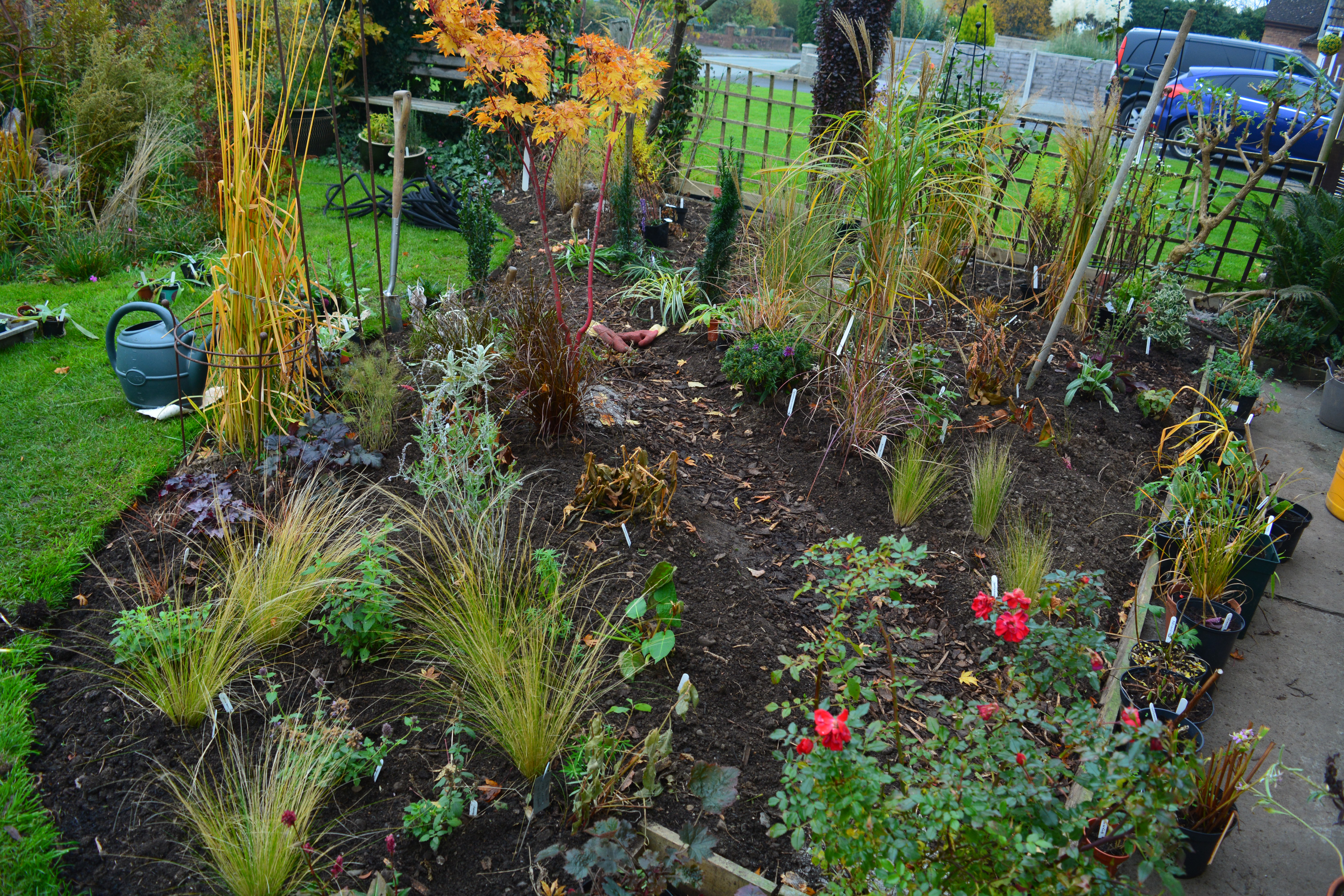
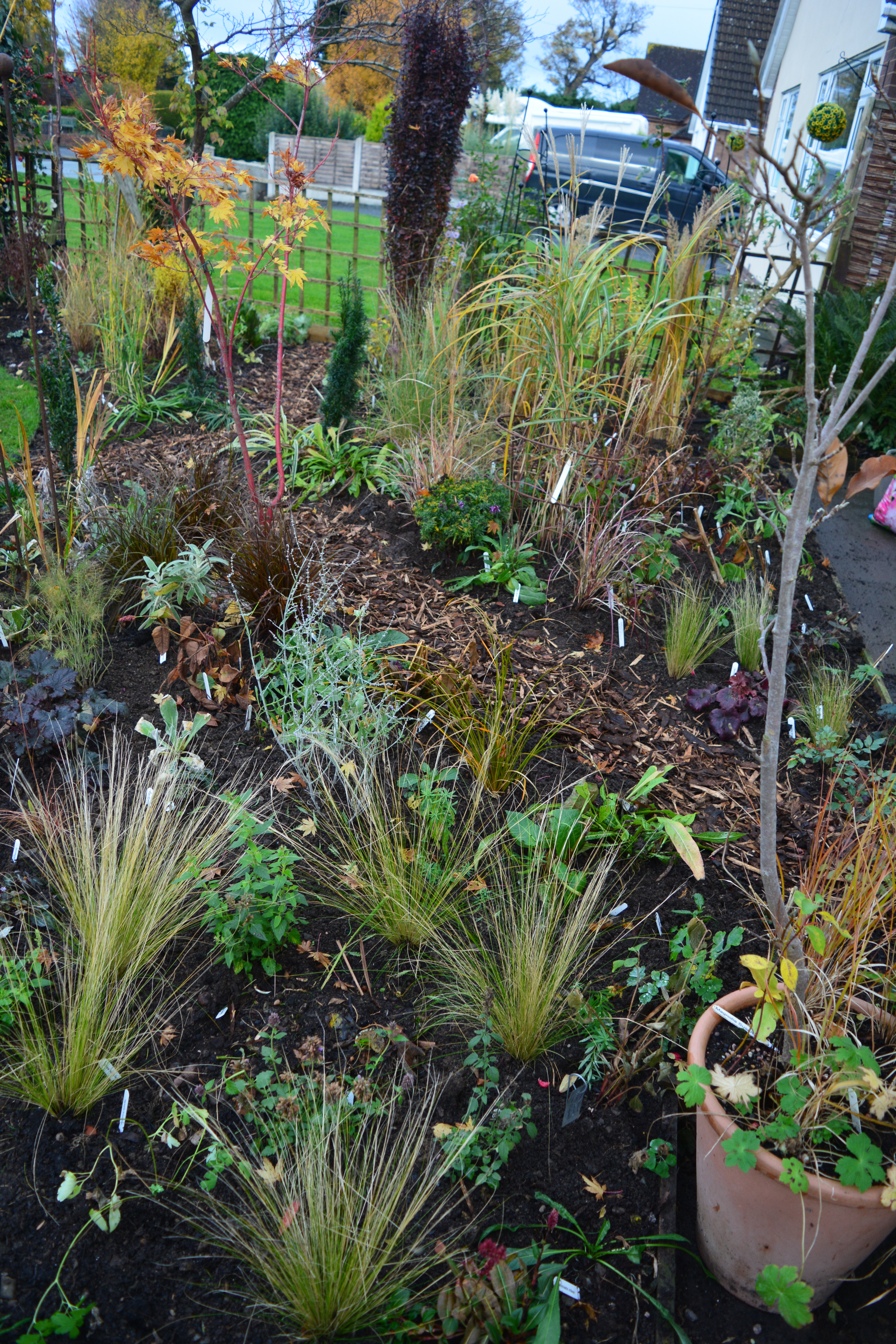
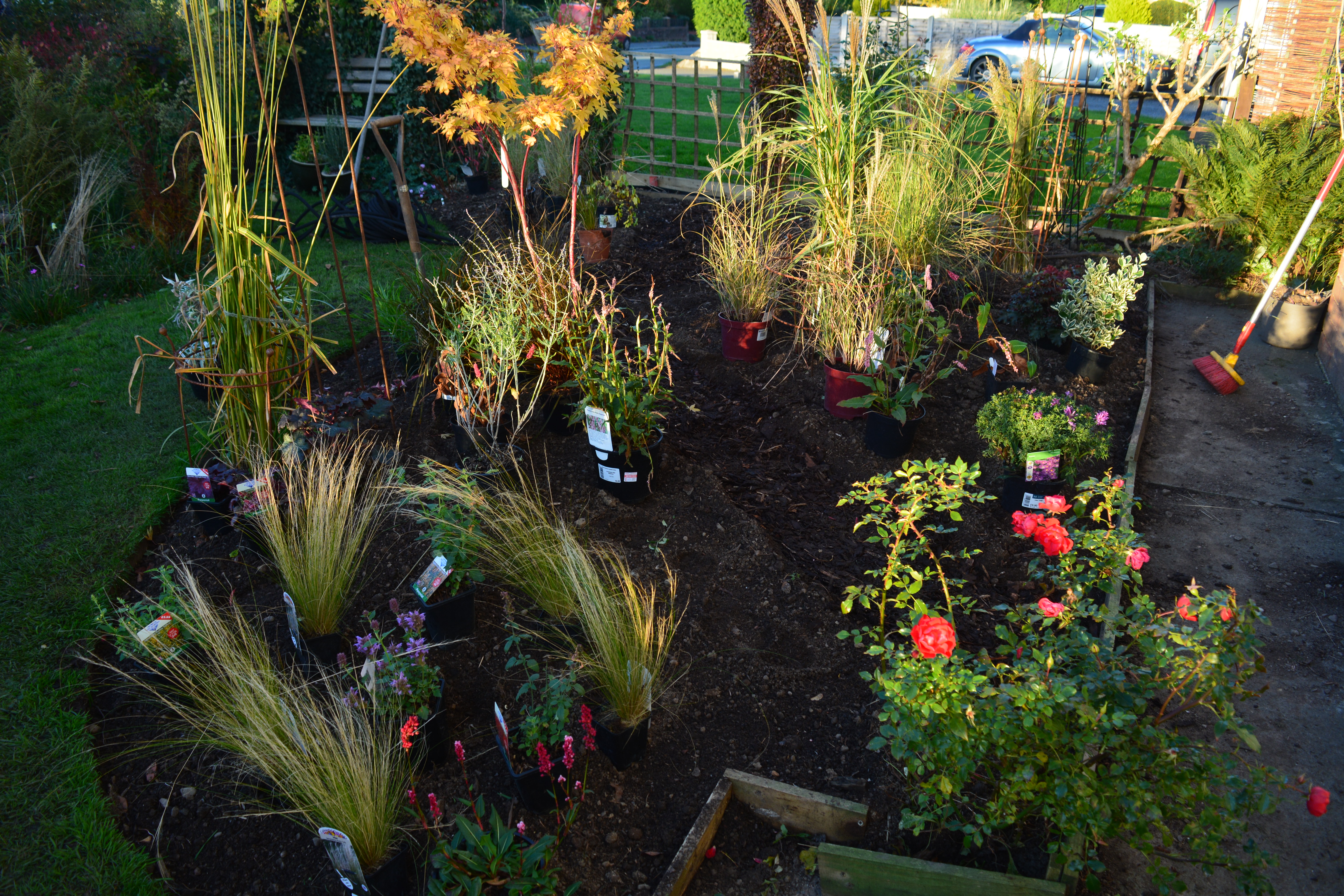
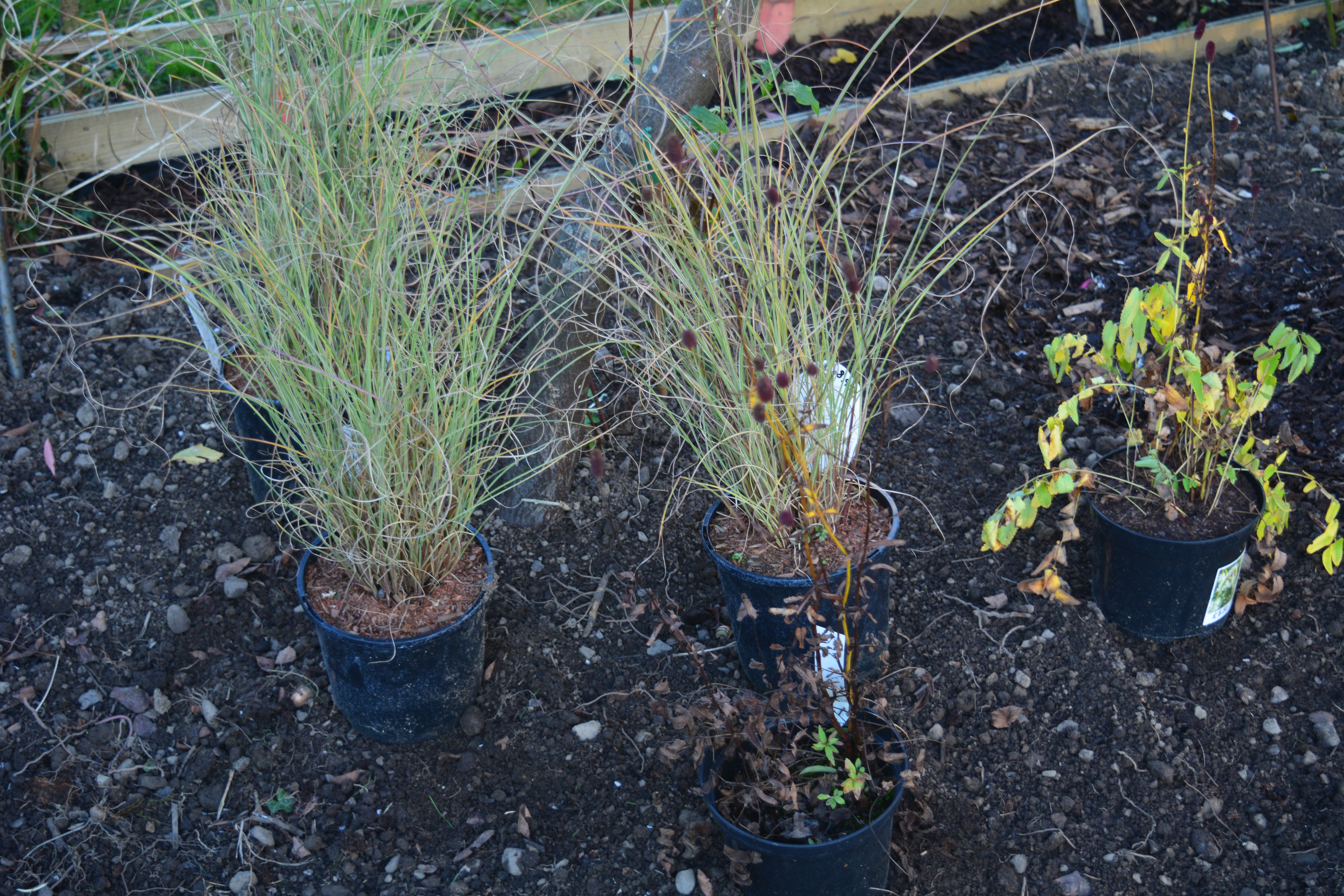
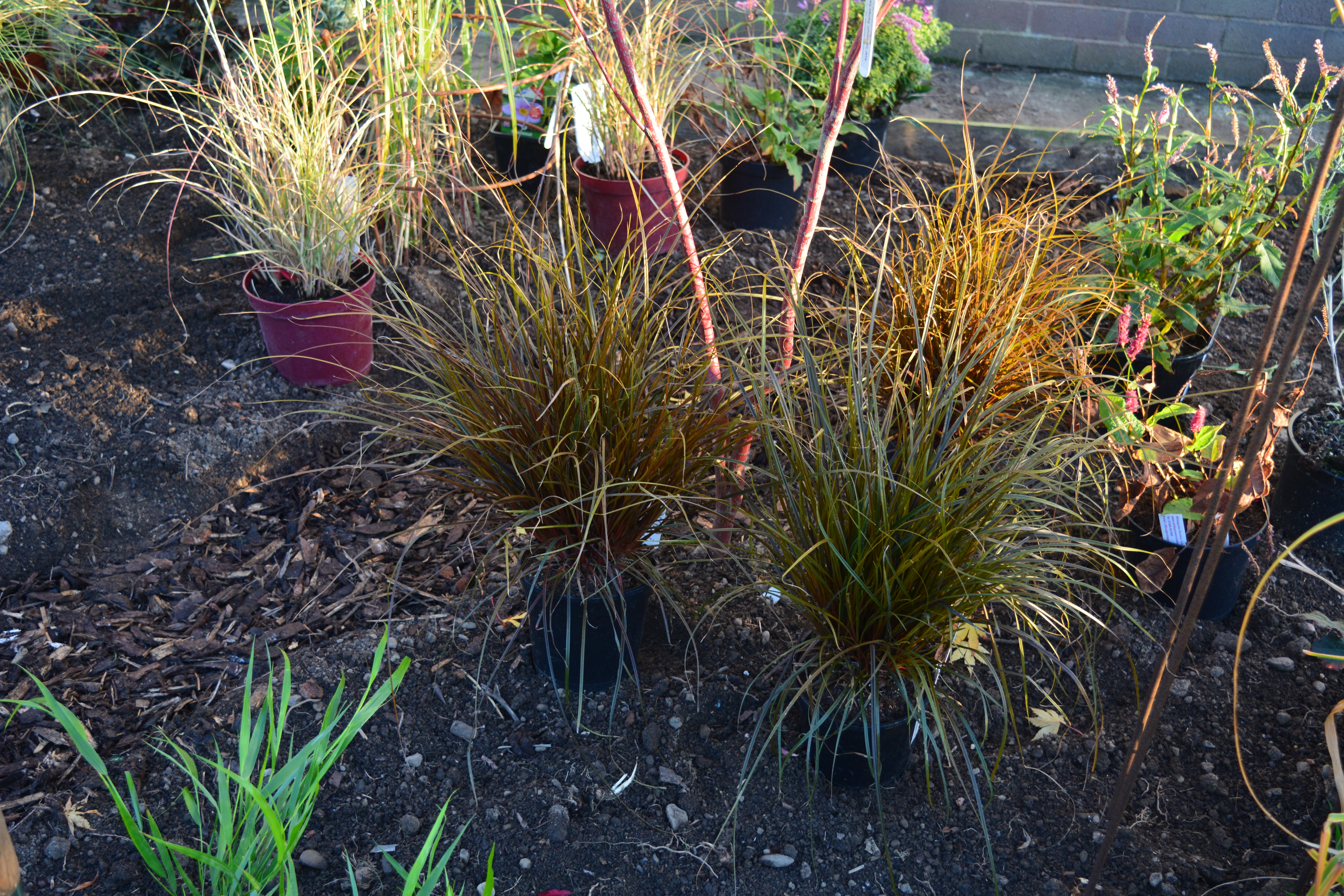
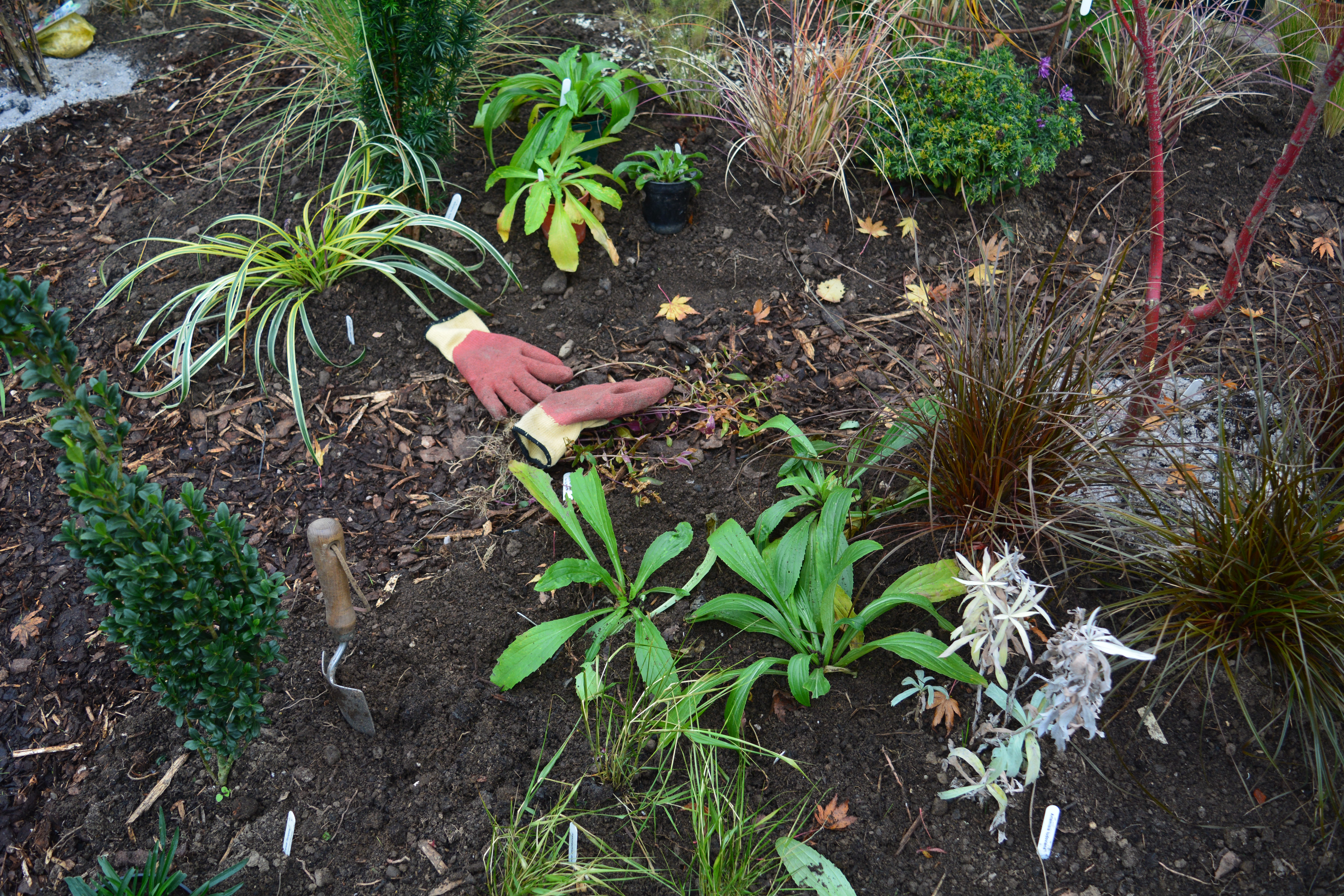
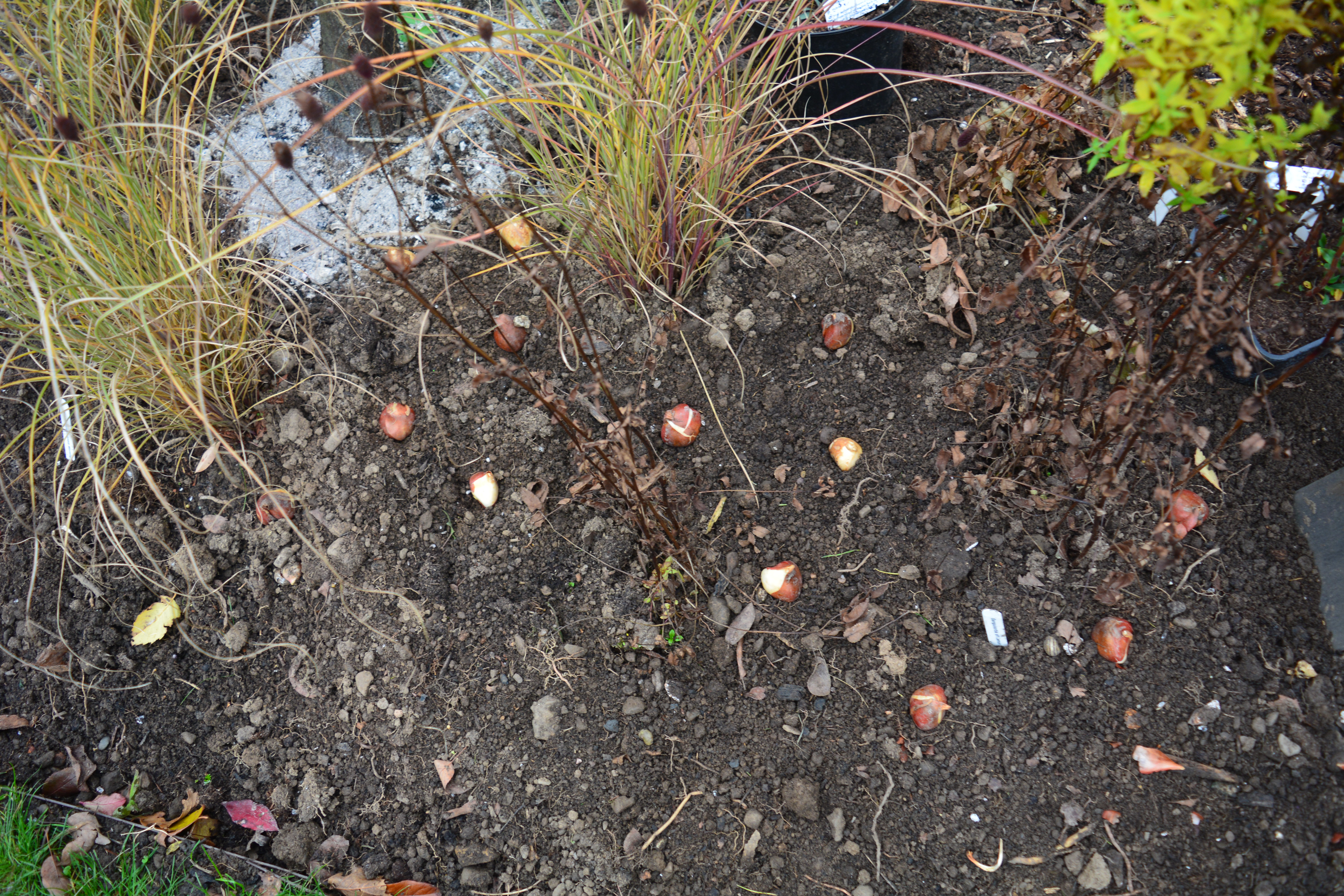
My diary moved on to look at us planting up the newly created border which used to be our Hot Border, “After a few days away in London we returned refreshed and ready to continue with our new border. Planting grasses and herbaceous perennials topped off by bulb planting gave us several days work. Work we love doing!”

“We planted hundreds of  bulbs and dozens of grasses and perennials, all in the dry week given to us in mid-November.”


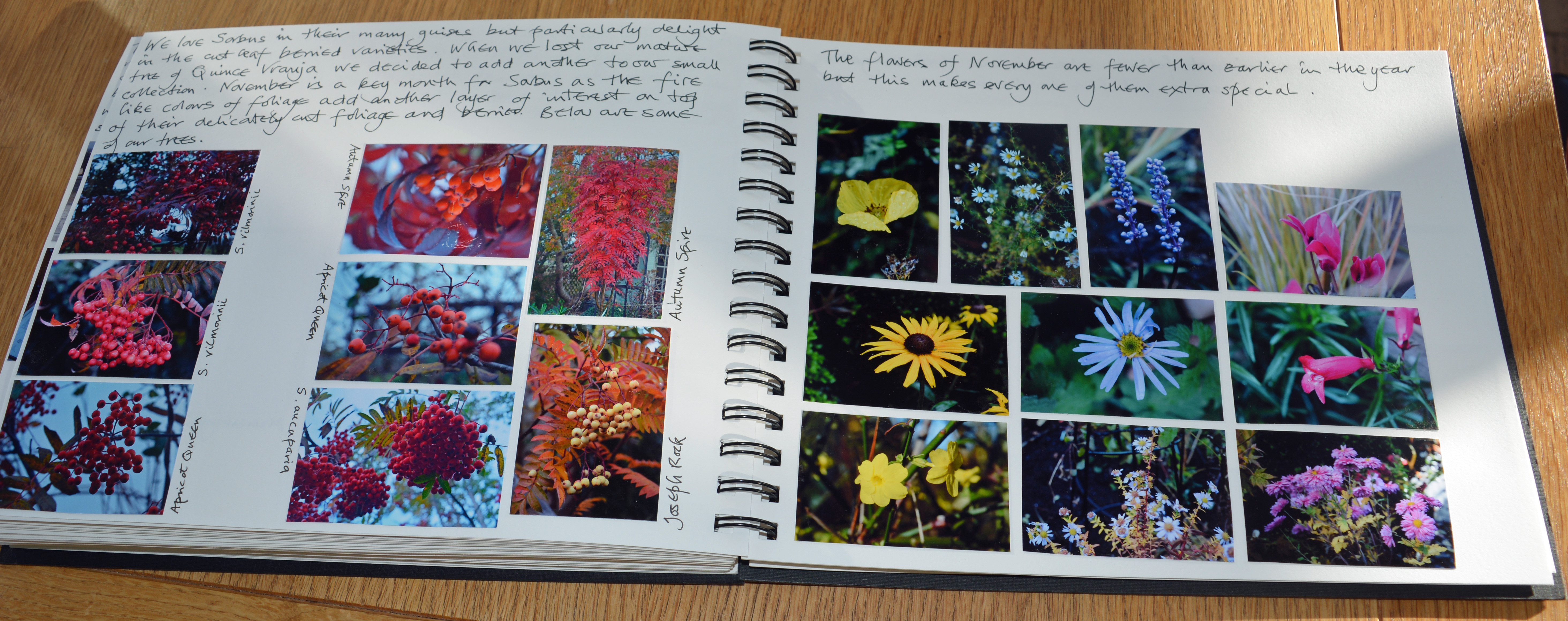
Next I moved on to consider one of our favourite tree families the Sorbus and on the opposite page I sought out flowers choosing to brighten us up in gloomy November.

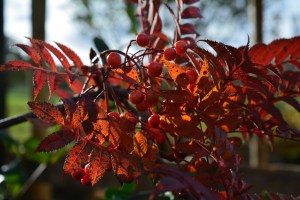
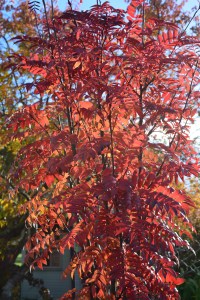
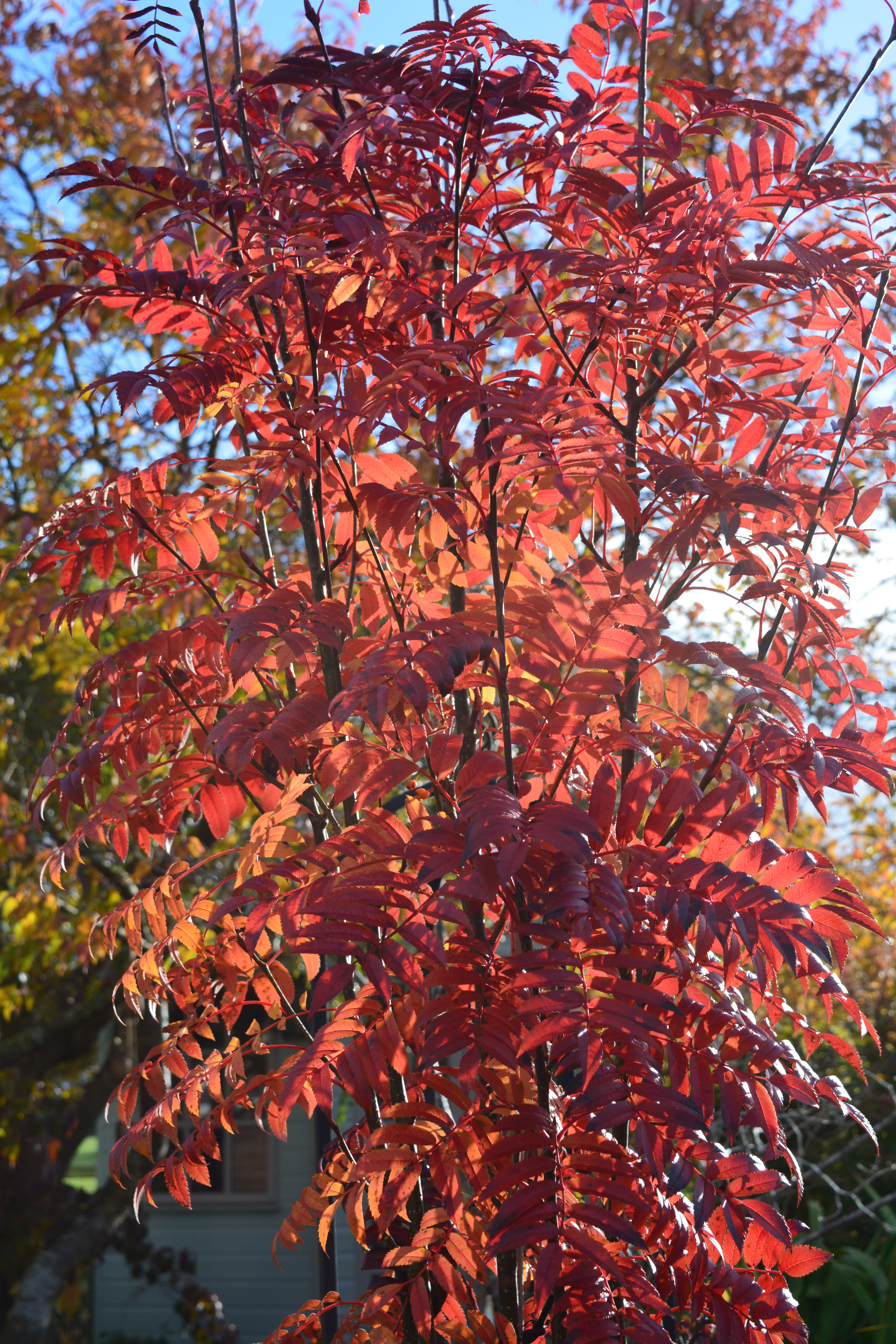
“We love Sorbus in their many guises but particularly delight in the cut leaf berrying varieties. When we lost our mature tree of Quince vranja we decided to replace it with another Sorbus to add to our small collection. November is the key month for Sorbus as the fire like colours of foliage adds another layer of interest on top of their delicately cut foliage and their colourful berries. Below are some of our Sorbus trees.

Sorbus Joseph Rock                 Sorbus Autumn Spire
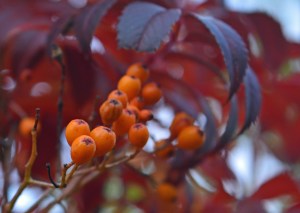
Sorbus Autumn Spire                                          Sorbus aucuparia
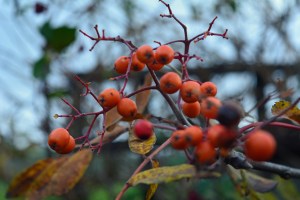
Sorbus Apricot Queen                                       Sorbus Apricot Queen

Sorbus vilmorinii                                                 Sorbus vilmorinii

On the page opposite the Sorbus I share the flowers that cheer up the November garden.

“The flowers of November are fewer than earlier in the year but this makes every one of them extra special.”


The colour orange features on the left hand side of my next double page spread, where I look at the variety of orange featuring in our November garden.
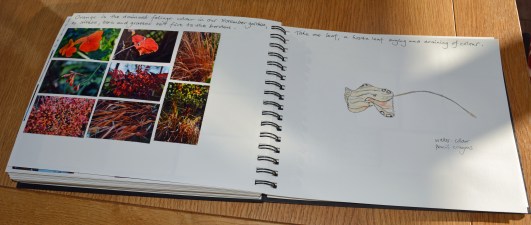
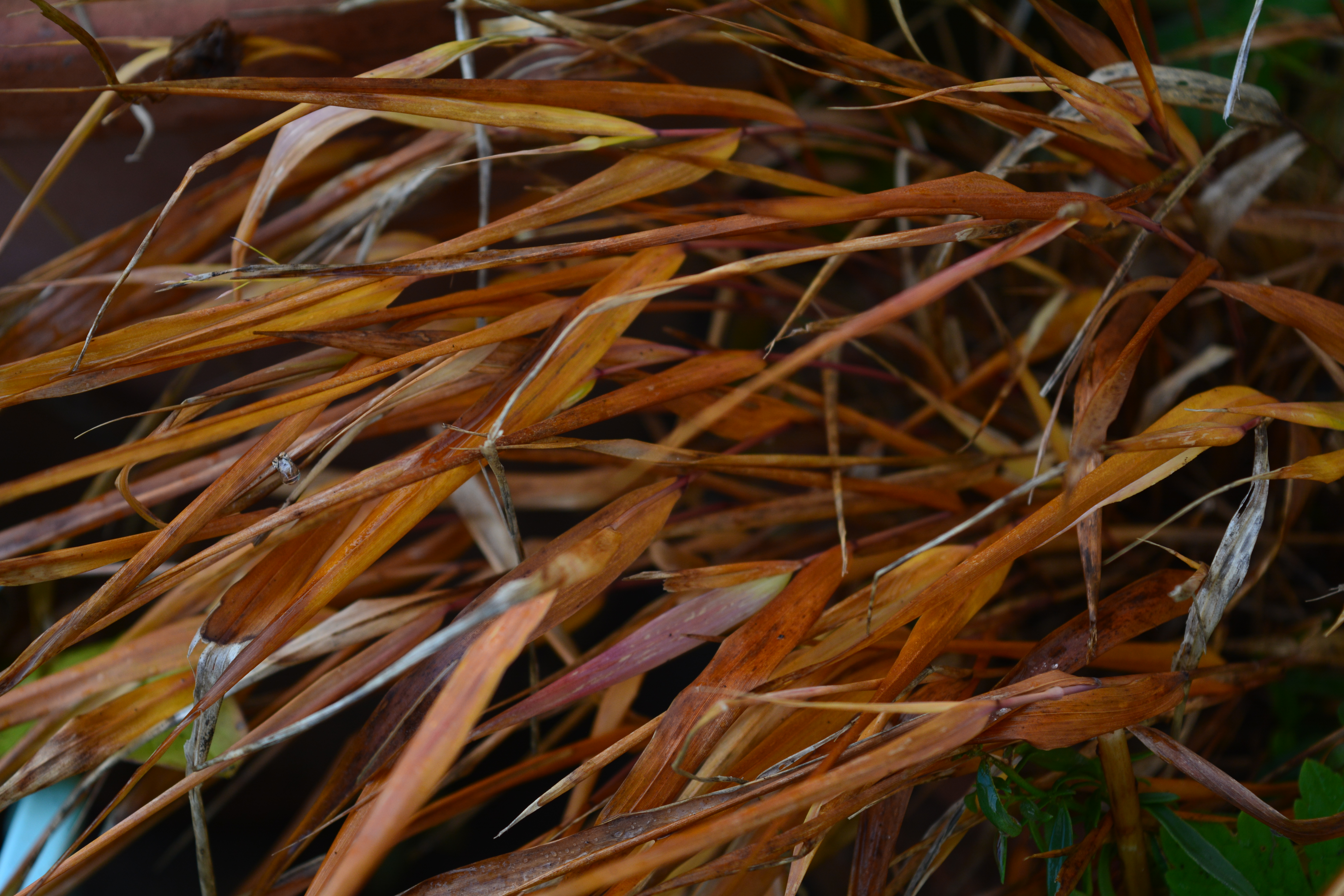
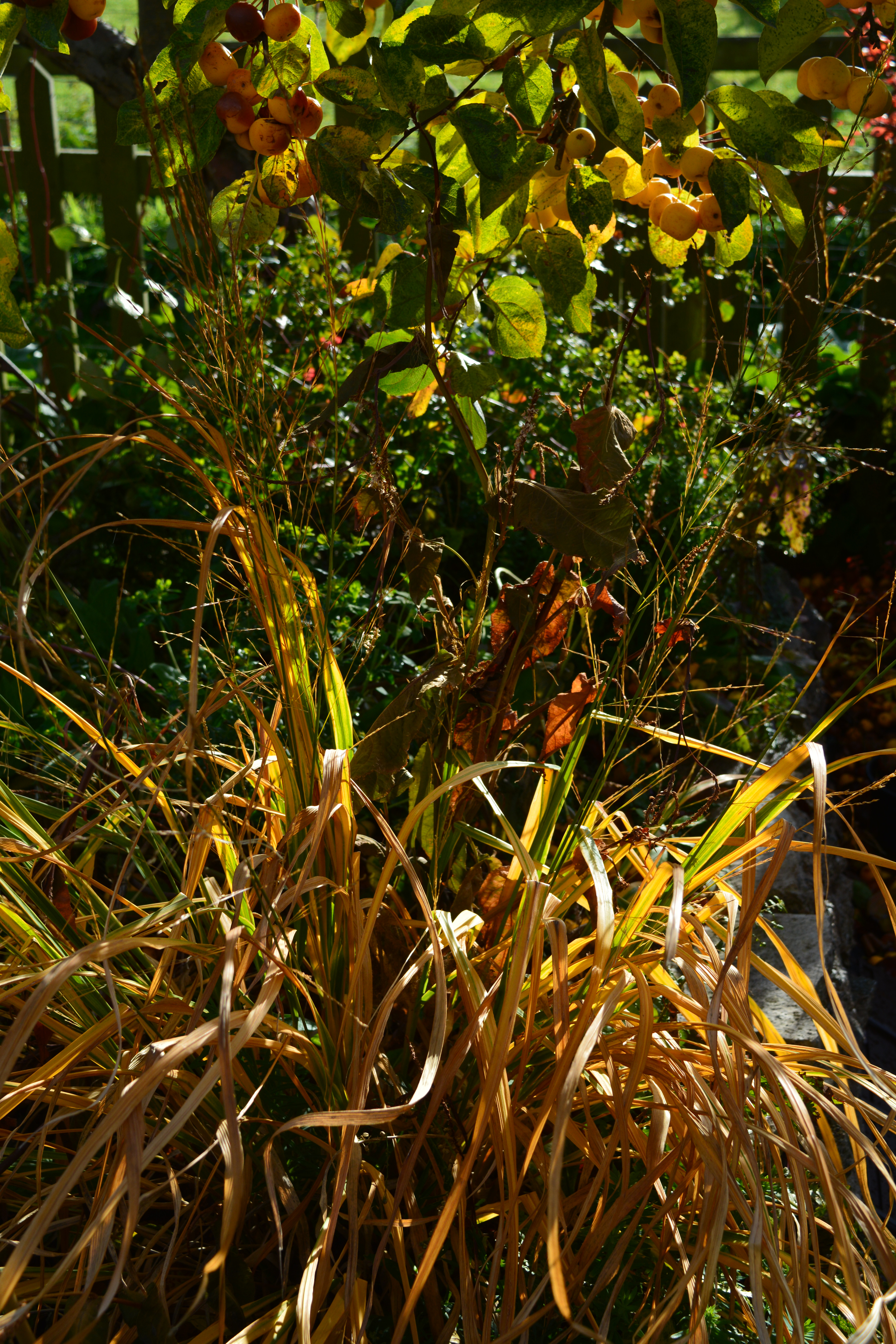
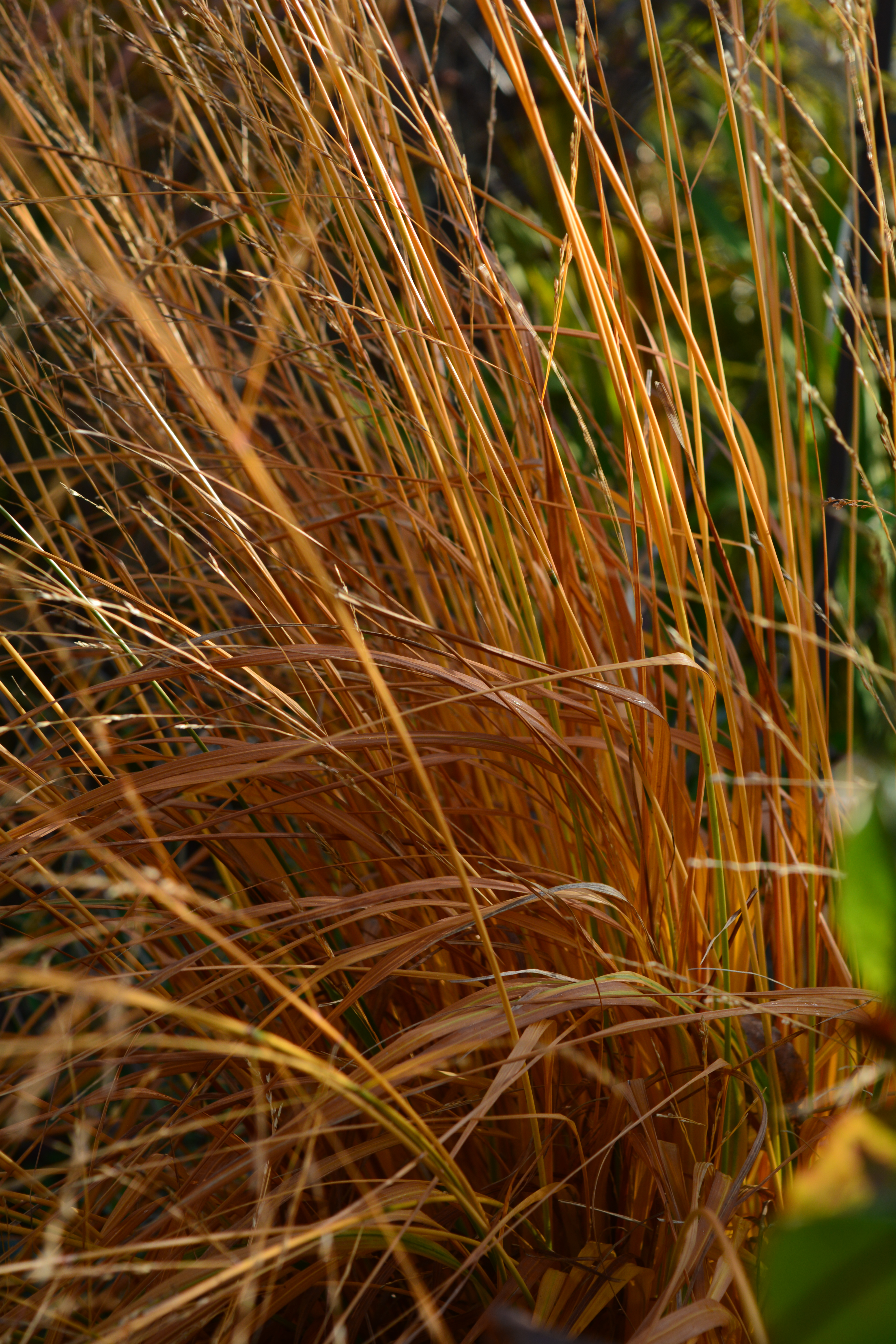
“Orange is the dominant foliage colour in our November garden, as shrubs, trees and grasses set fire to the borders.”

      

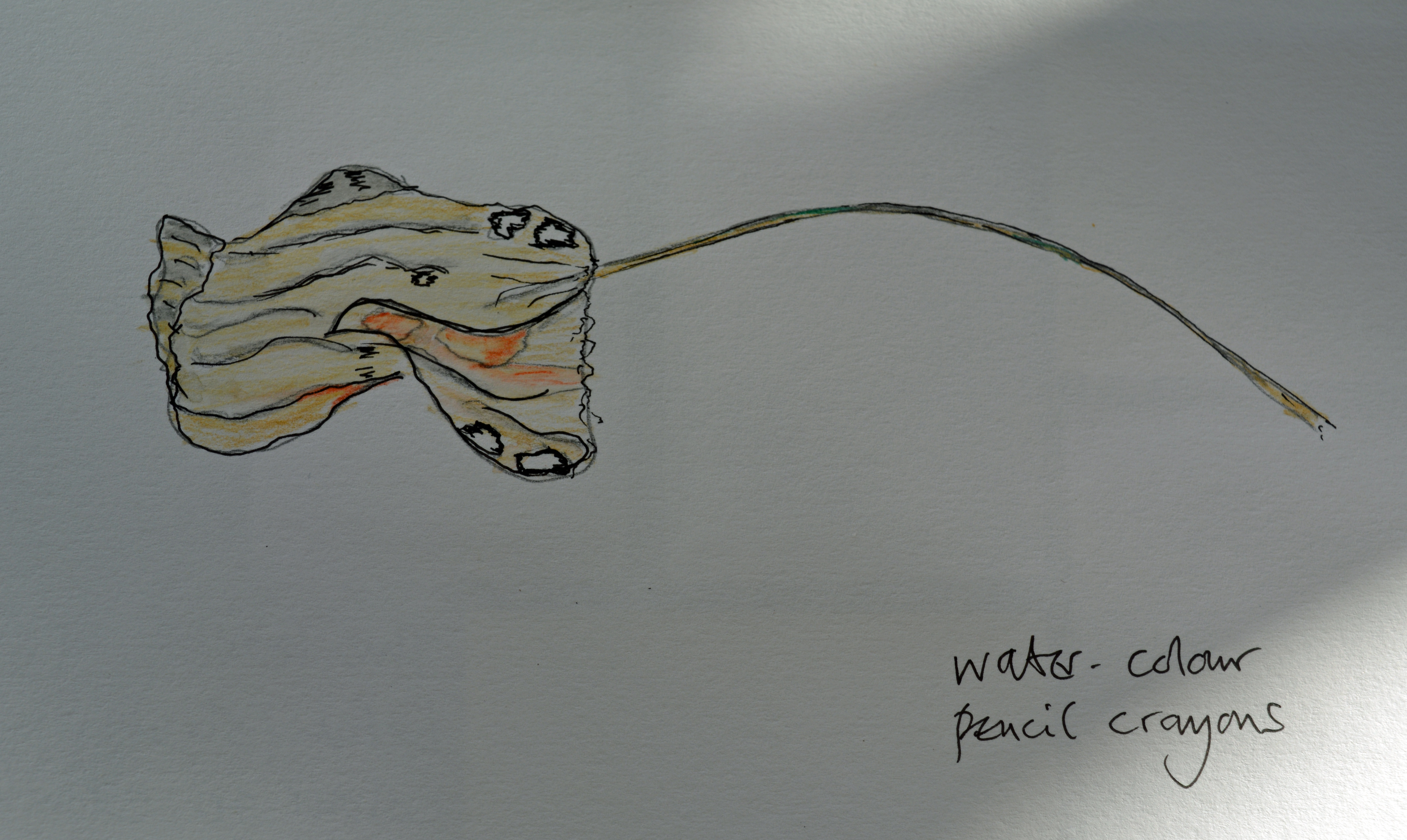
Opposite the oranges was a delicate watercolour pencil sketch of a hosta leaf, about which I wrote, “Take one leaf, a hosta leaf drying out and draining of colour.”

The final page for November considers colours once again. November was a very colourful month overall.

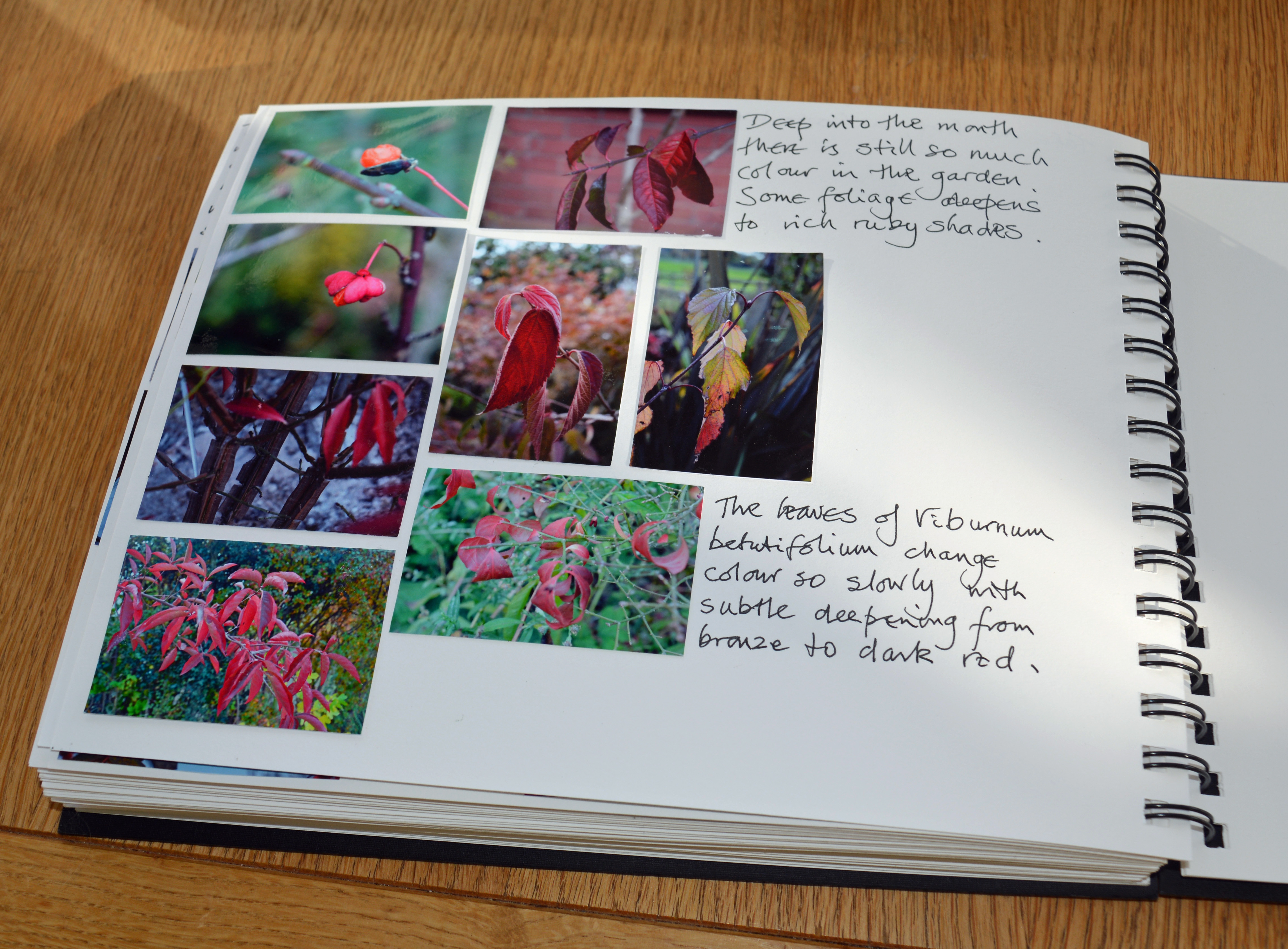
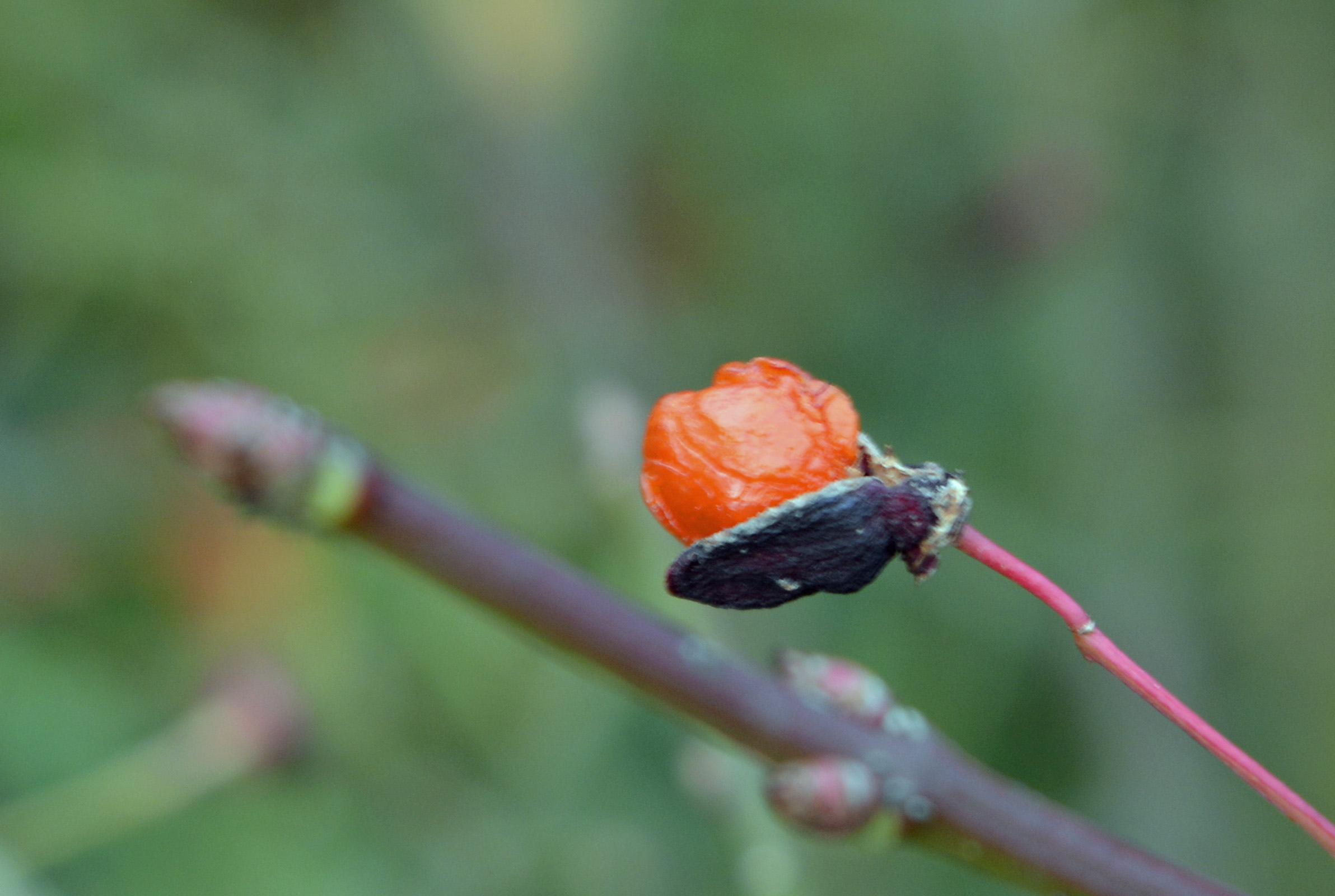
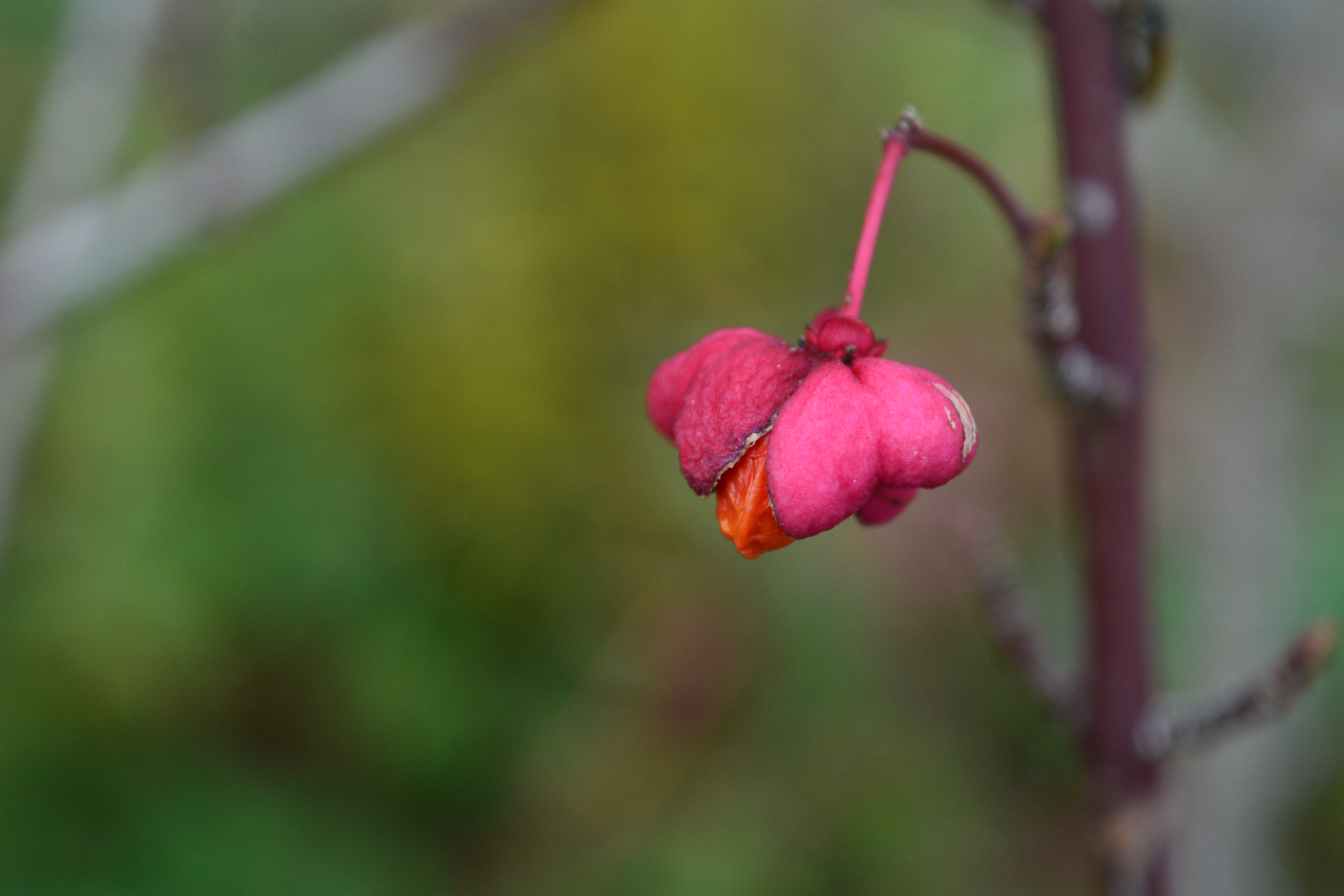
A set of eight photos display colours from our shrubs, and alongside I wrote, “Deep into the month there is still so much colour in the garden. Some foliage deepens to  rich ruby shades.”

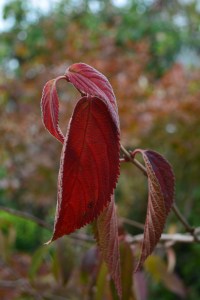
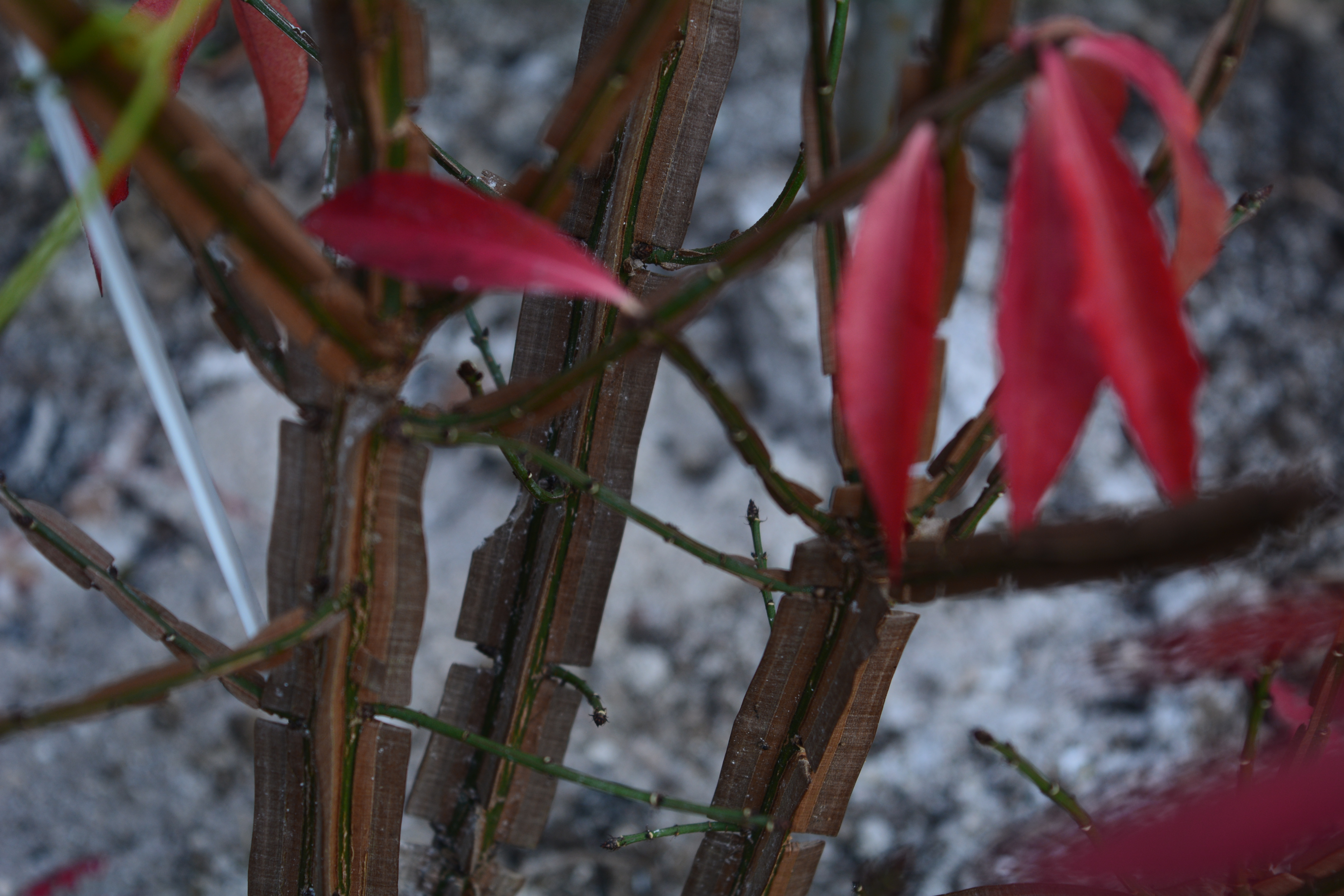
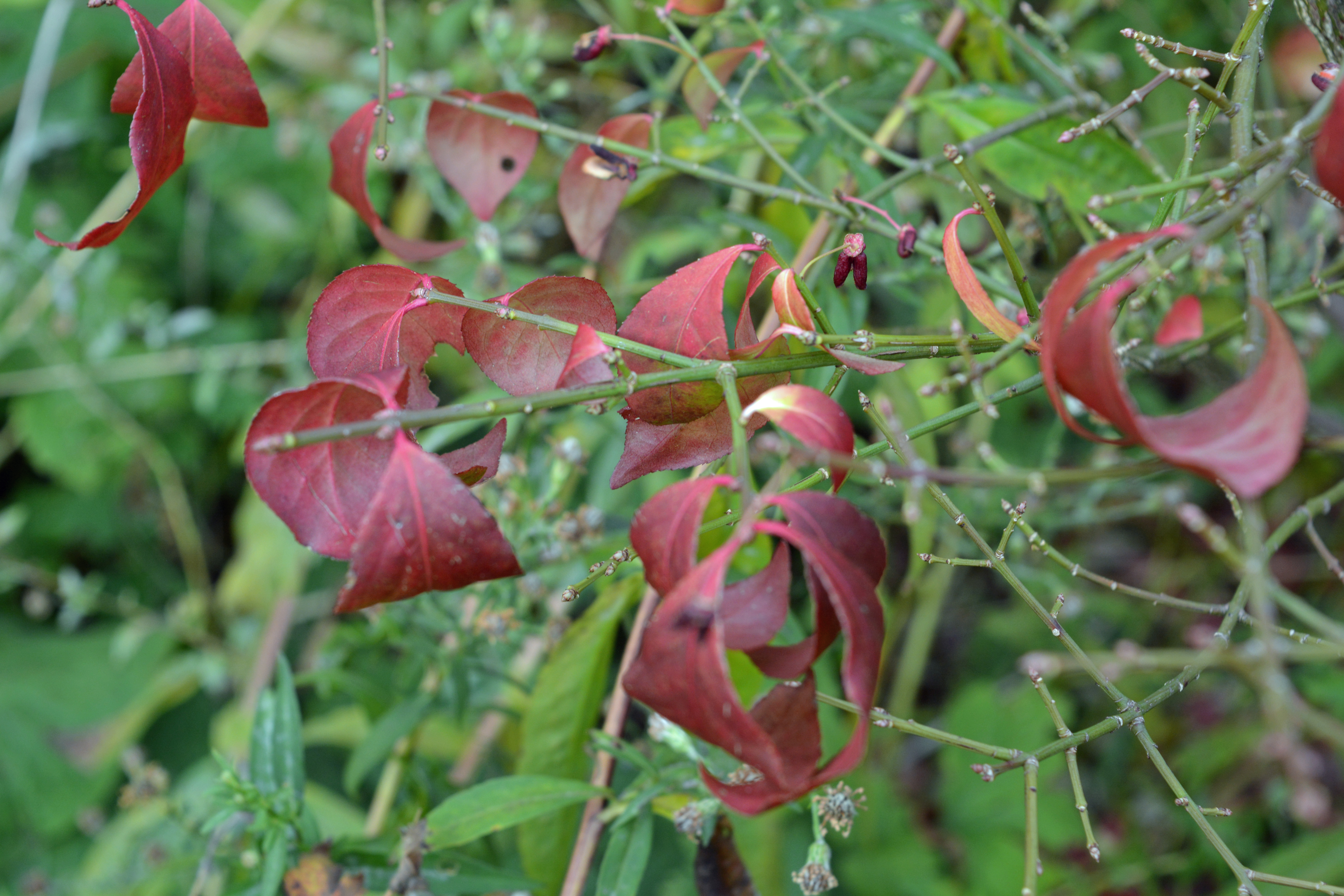
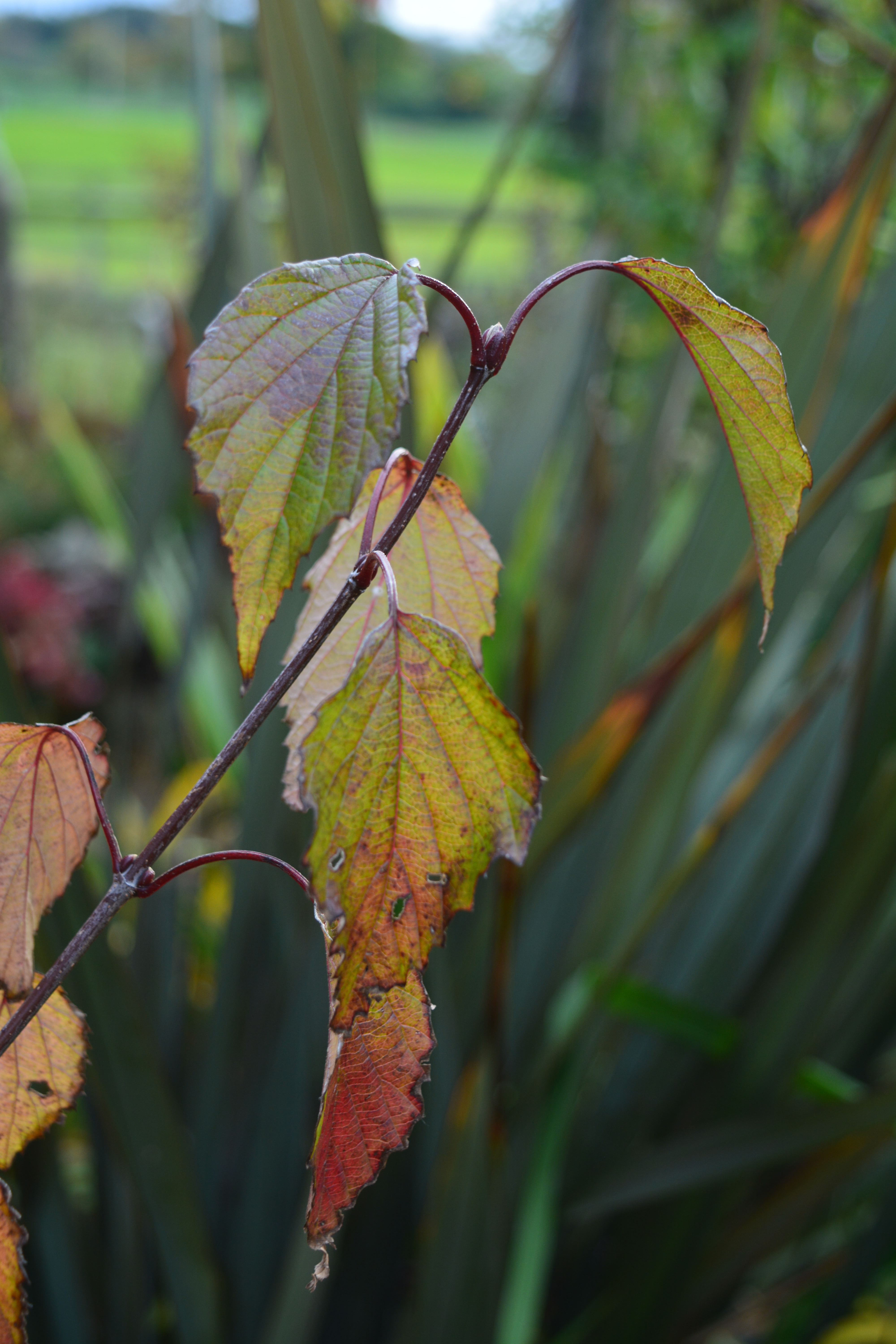
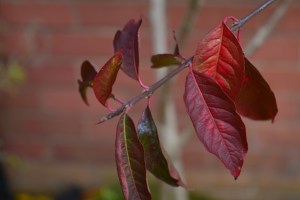
The final photo is of the foliage of a special small tree, a viburnum with leaves which make you think it is a betula at first sight. “The leaves of Viburnum betulifolium change colour so slowly with subtle deepening from bronze to dark red.”

   

So there is just one monthly report left to write in my Garden Journal for 2018, December, which will be my next post in this series.

This Veggie Life

A Vegetarian | Nature Lifestyle Blog

Rambling in the Garden

.....and nurturing my soul

The Arch City Gardener

Journeys In St. Louis Gardening and Beyond

Garden Dreaming at Châtillon

Consult the genius of the place

Storyshucker

A blog full of humorous and poignant observations.
gardeninacity

Notes from a wildlife-friendly cottage garden

PlayGroundology

...an emerging social science

The Official Blog of British Wildlife

'The most important and informative publication on wildlife of our times' - The Independent. This blog is a member of The UK & Ireland Natural History Bloggers group: www.uknhb.blogspot.com

iGrowHort

Inspire - Cultivate - Grow Native Plants - Restore Landscapes

Bishops Meadow Trust

To create and protect a semi-natural wild space for the people of Farnham to enjoy and experience an array of British wildlife in our town

Gardening with Children

The www.gardeningwithchildren.co.uk Blog

UKbirdingtimeline

birding through the seasons, why birds matter and how to conserve them

NATURE WALKER

with a camera in hand

Jardin

Transform your outdoor space

Eva's space

My allotment, cooking and other interests

Old School Garden

my gardening life through the year

LEANNE COLE

Trying to live a creative life

fromacountrycottage

trying to live as lightly as possible on our beautiful planet

Good Life Gardening

Nature lovers from Leicester living the good life.
mybeautfulthings

Finding the beautiful in the everyday

mawsonmichelle

Michelle's Allotment

In and Out of My Garden

thoughts from and about my garden

Greenhousing

Big plans for a small garden

The Scottish Country Garden

A Walled Country Garden in South East Scotland

The Fruity Chicken

Life at the fruity chicken

willowarchway

Off grid living. Self sufficient. "PERMAGANICS RULE".

St Anns Allotments

Nottingham's Grade 2* Listed Allotments and Community Orchard

Manifest Joy Harvests

a journey in suburban vegetable gardening

Allotmental

The madness of growing your own

Penny's Garden: a harvest beyond my front door

A novel approach to vegetable gardening

arignagardener

Sustainable living in the Irish countryside.

NewEnglandGardenAndThread

Master Gardener, amateur photographer, quilter, NH native, and sometimes SC snowbird

dianajhale

Recent work and work in progress and anything else that interests me

planthoarder

a chaotic cottage gardener

Lens and Pens by Sally

a weekly blog that creates a personal philosophy through photographs and words

Dewdrops and Sunshine

Stories from a sassy and classy Southern farmbelle.

The Pyjama Gardener

Simple Organic Gardening & Seasonal Living

gettin' fresh!

turning dirt into dinner

JOY...

today the world is created anew

Garden Birds

Notes from a Devon garden

ShootAbout

Life Through The Lens

Adapting Pixels

A photography blog showcasing the best photography pictures and videos on the internet

Wildlifegardening's Blog

Just another WordPress.com site

naturestimeline

personal observations from the natural world as the search continues for a new approach to conservation.

LATEBLOOMERBUDS

The Wonders of Life through my Eyes, my Heart, my Soul