Categories
Uncategorized

Re-visiting a Favourite Walled Garden – Wildgoose

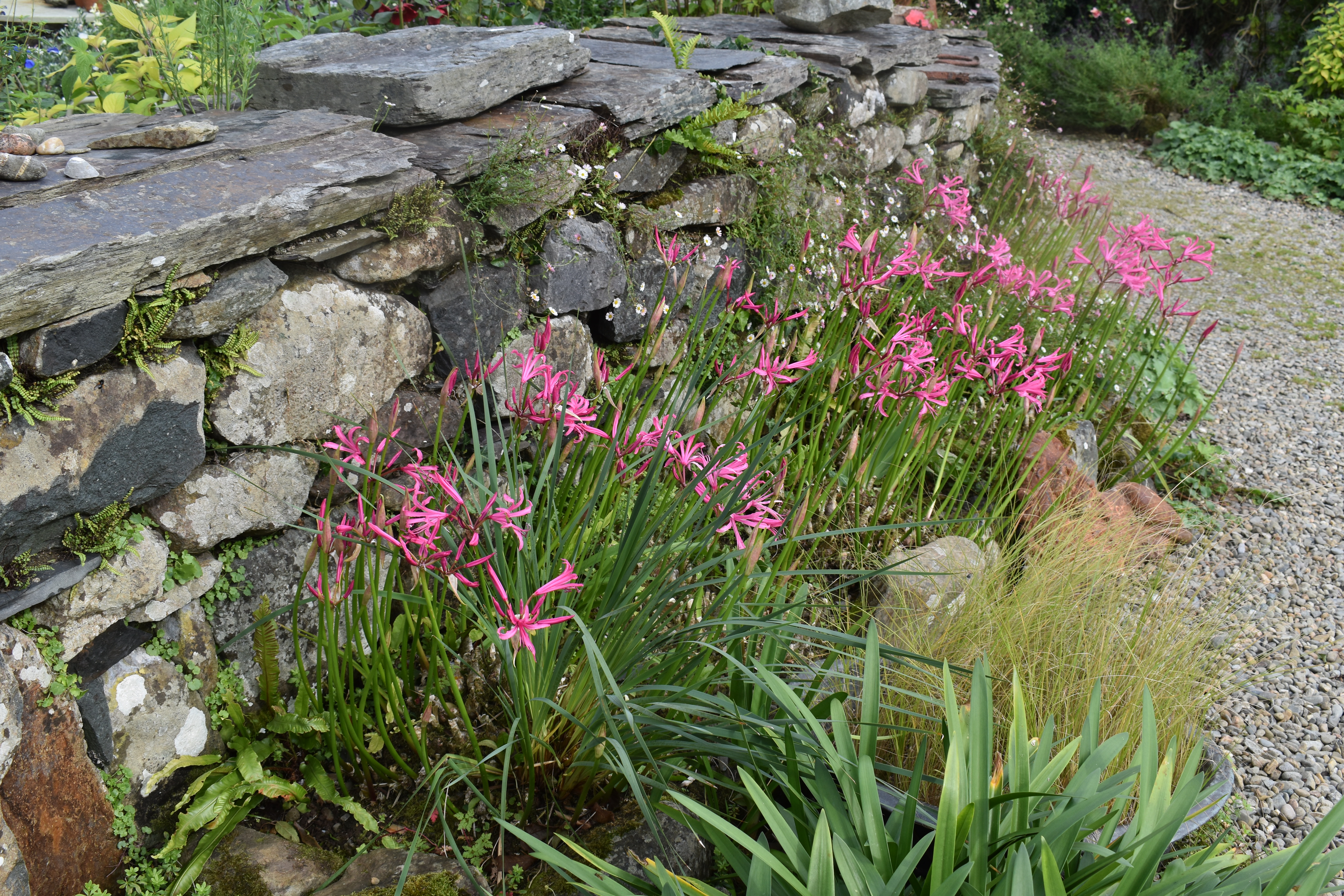
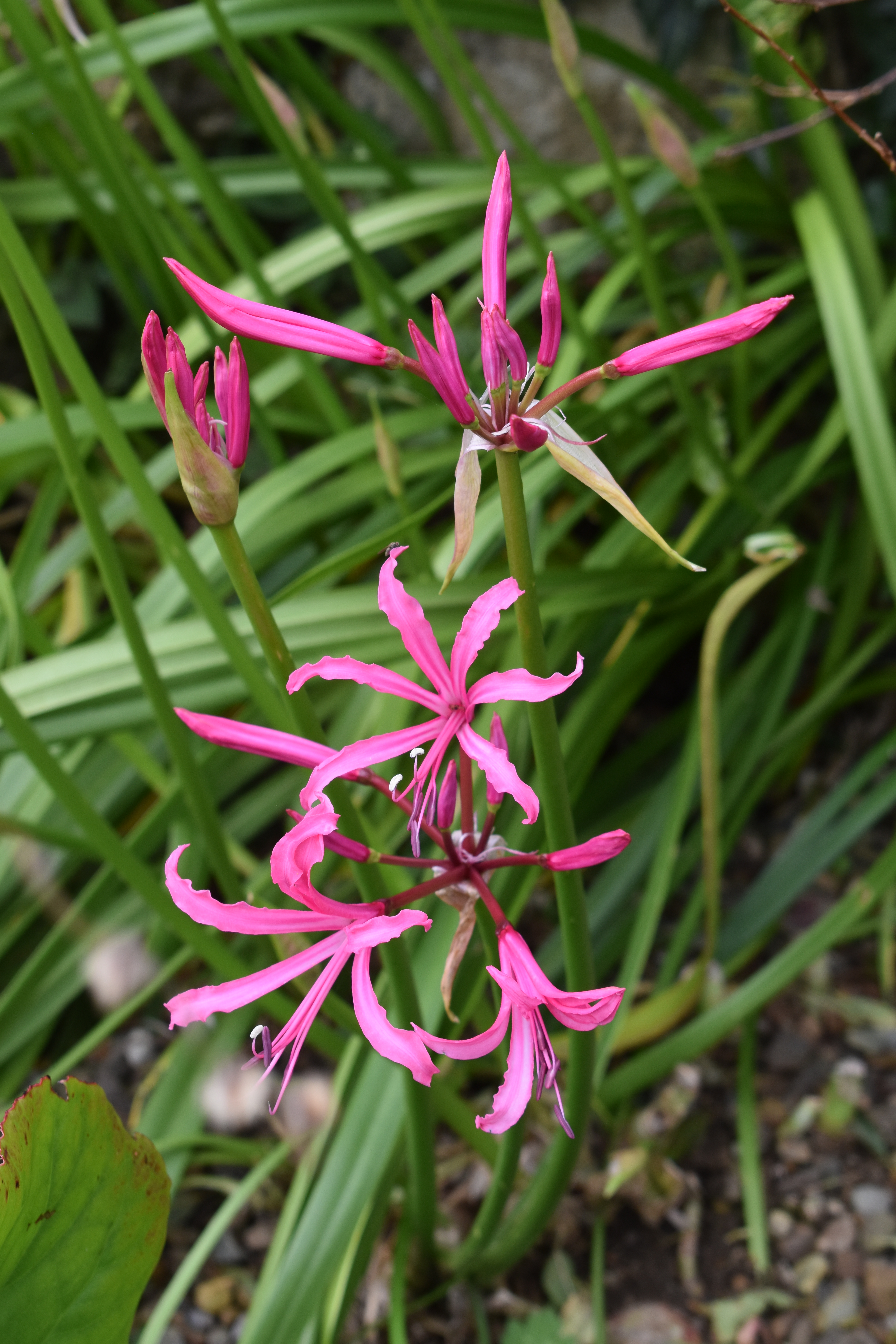
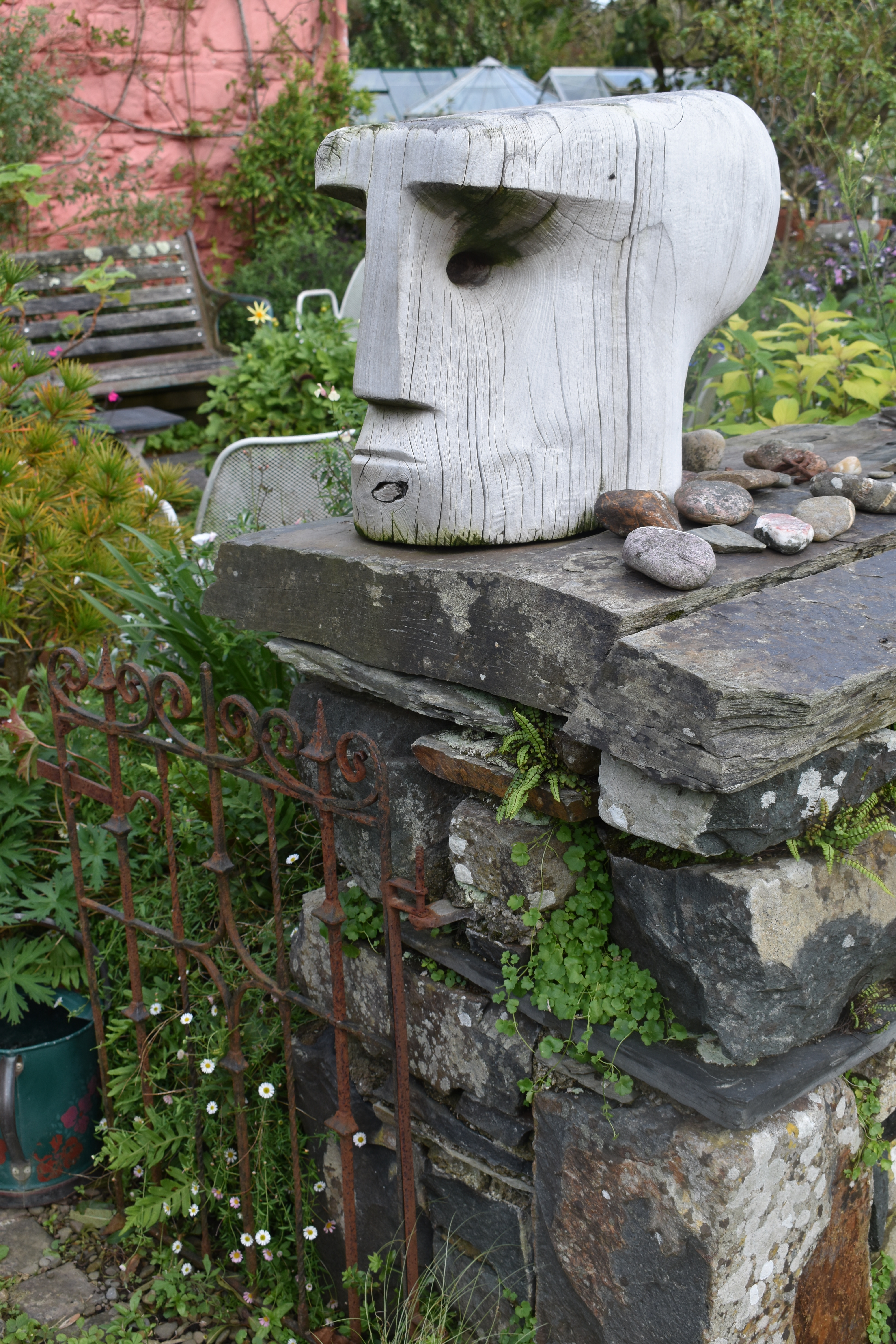
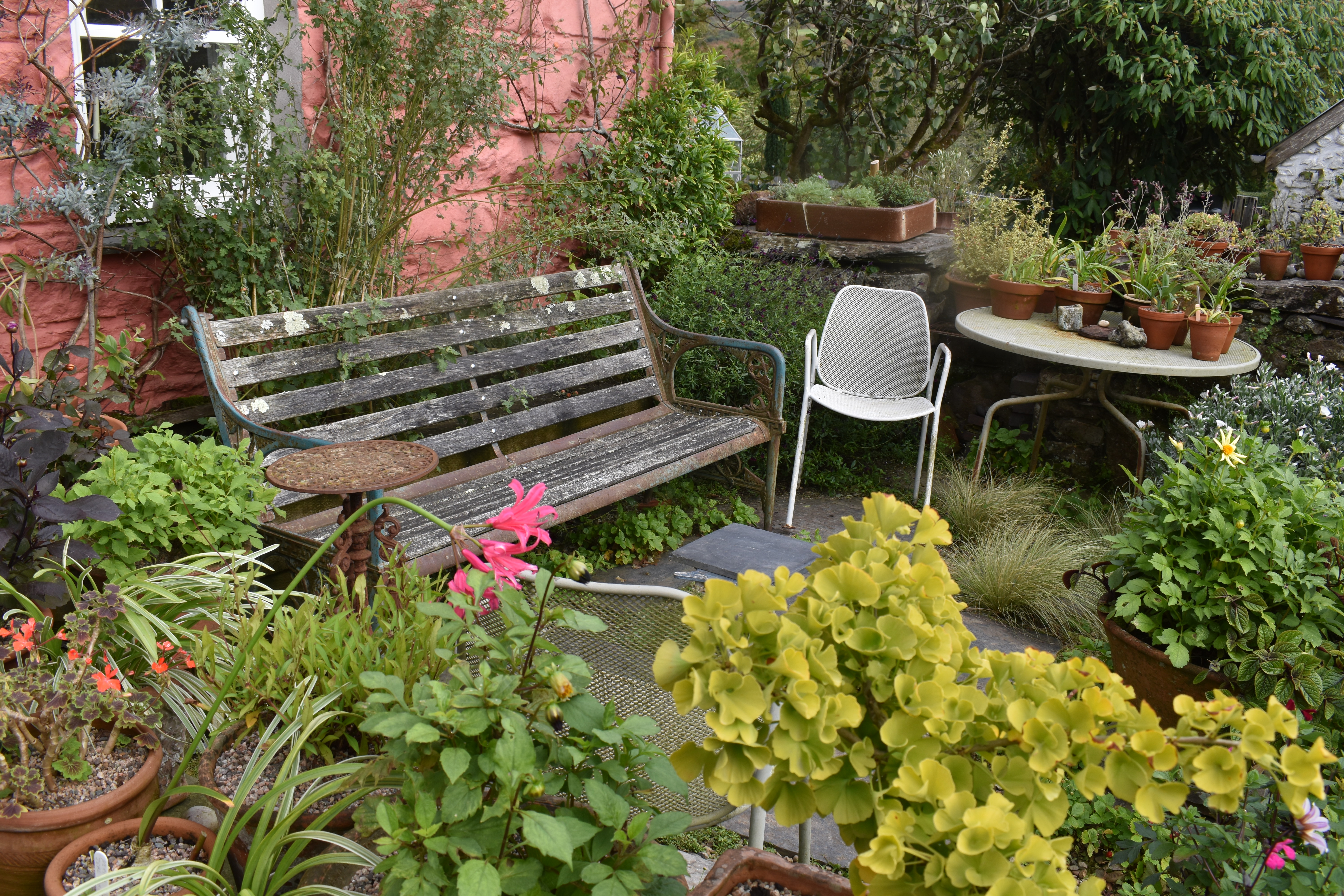
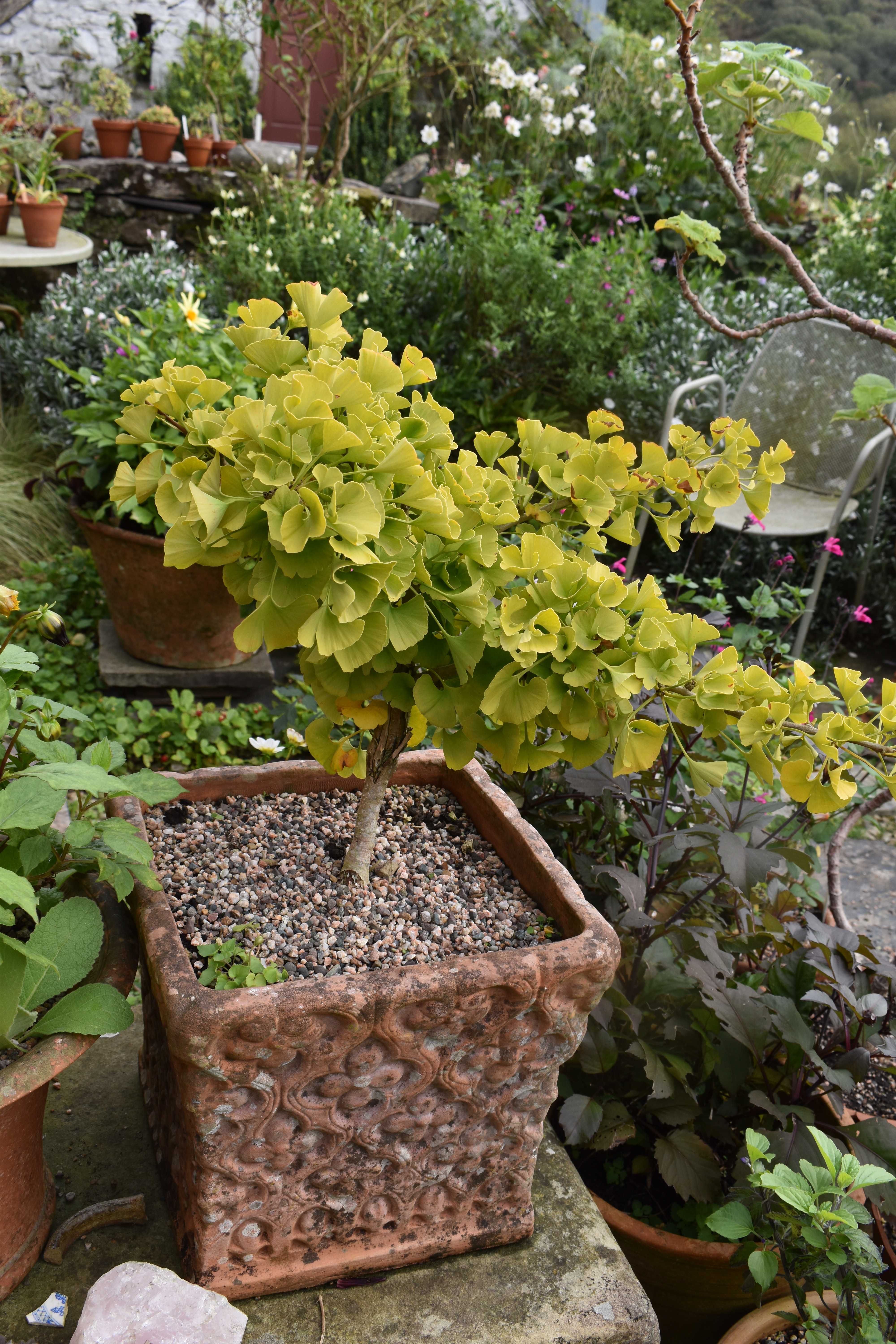
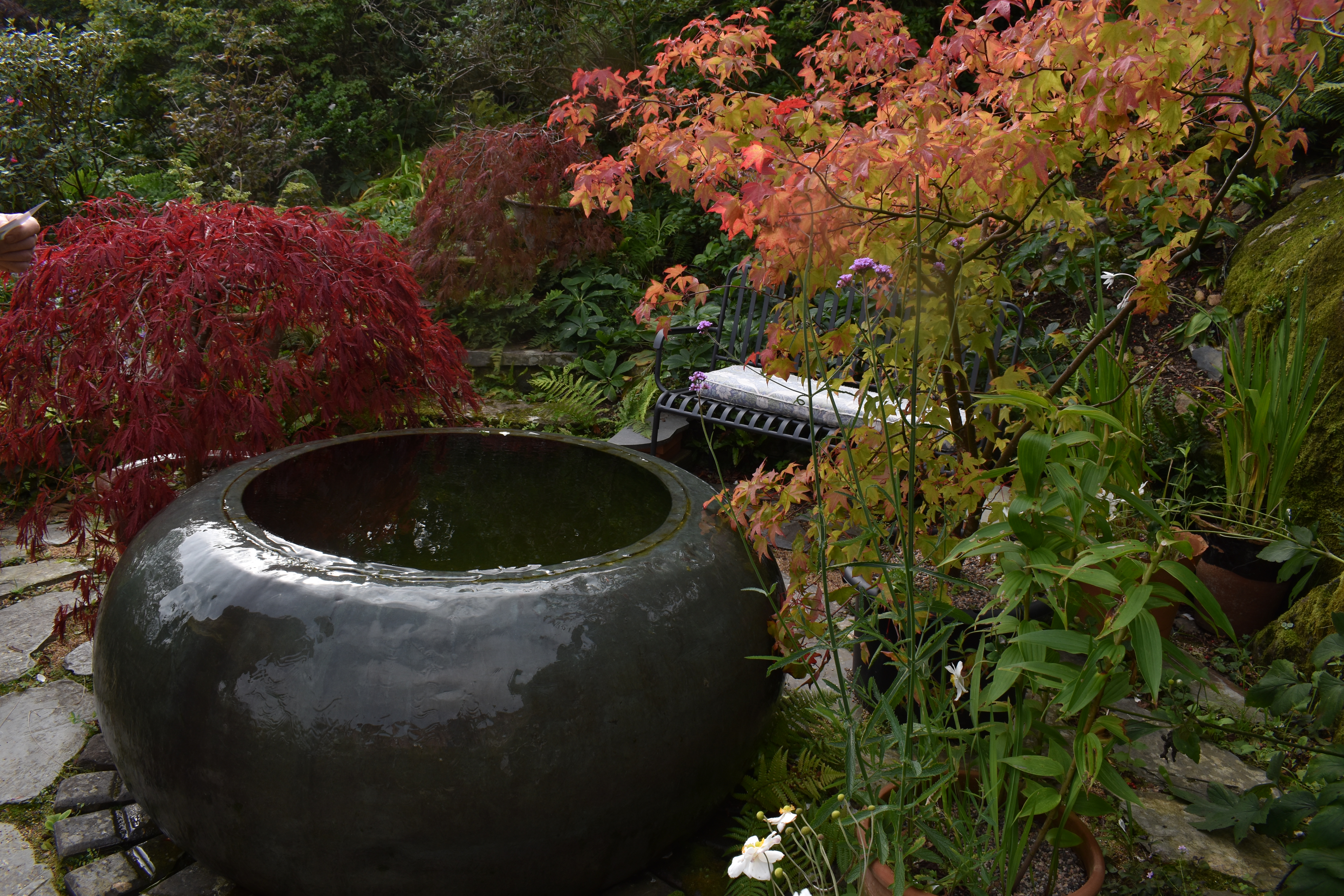
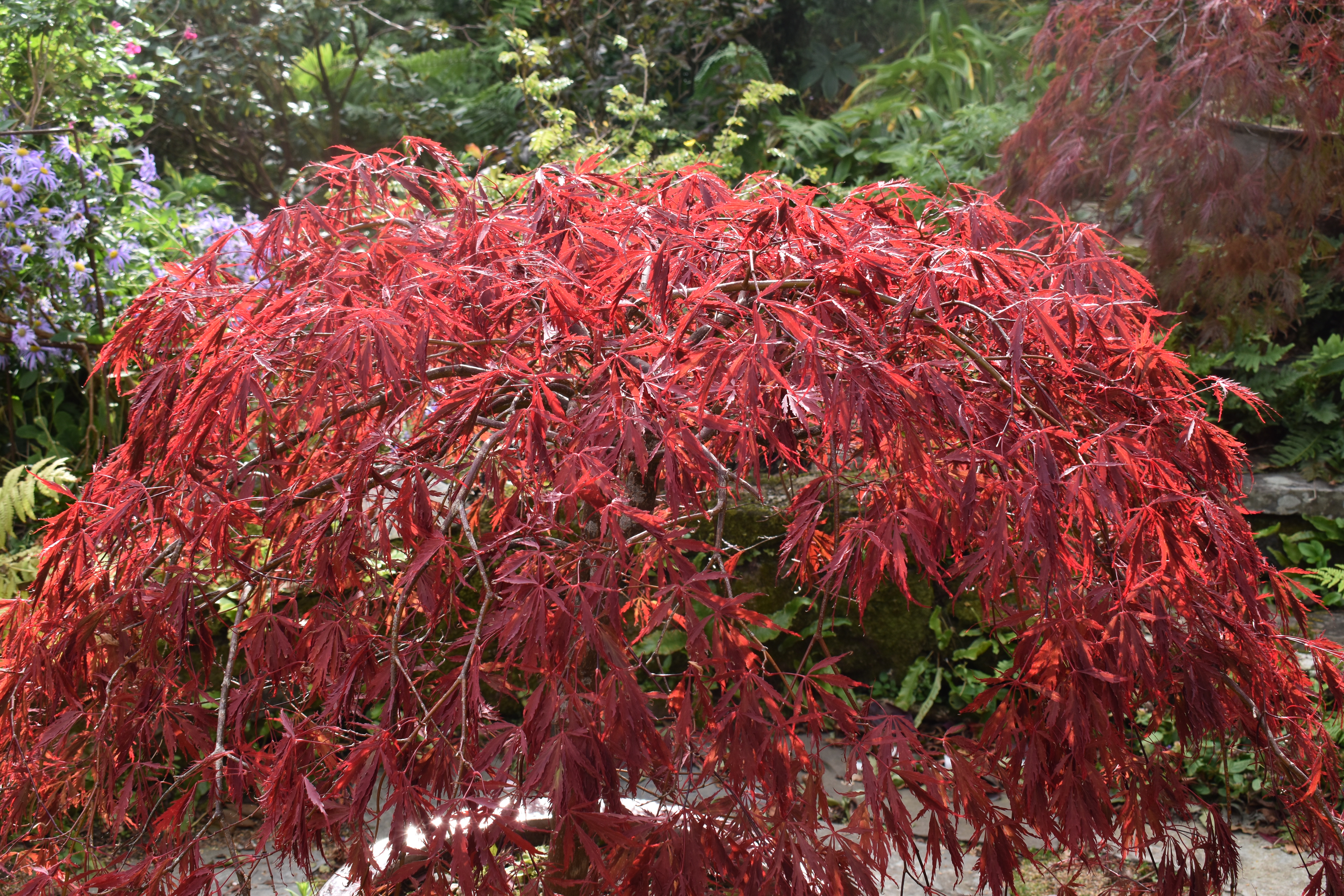
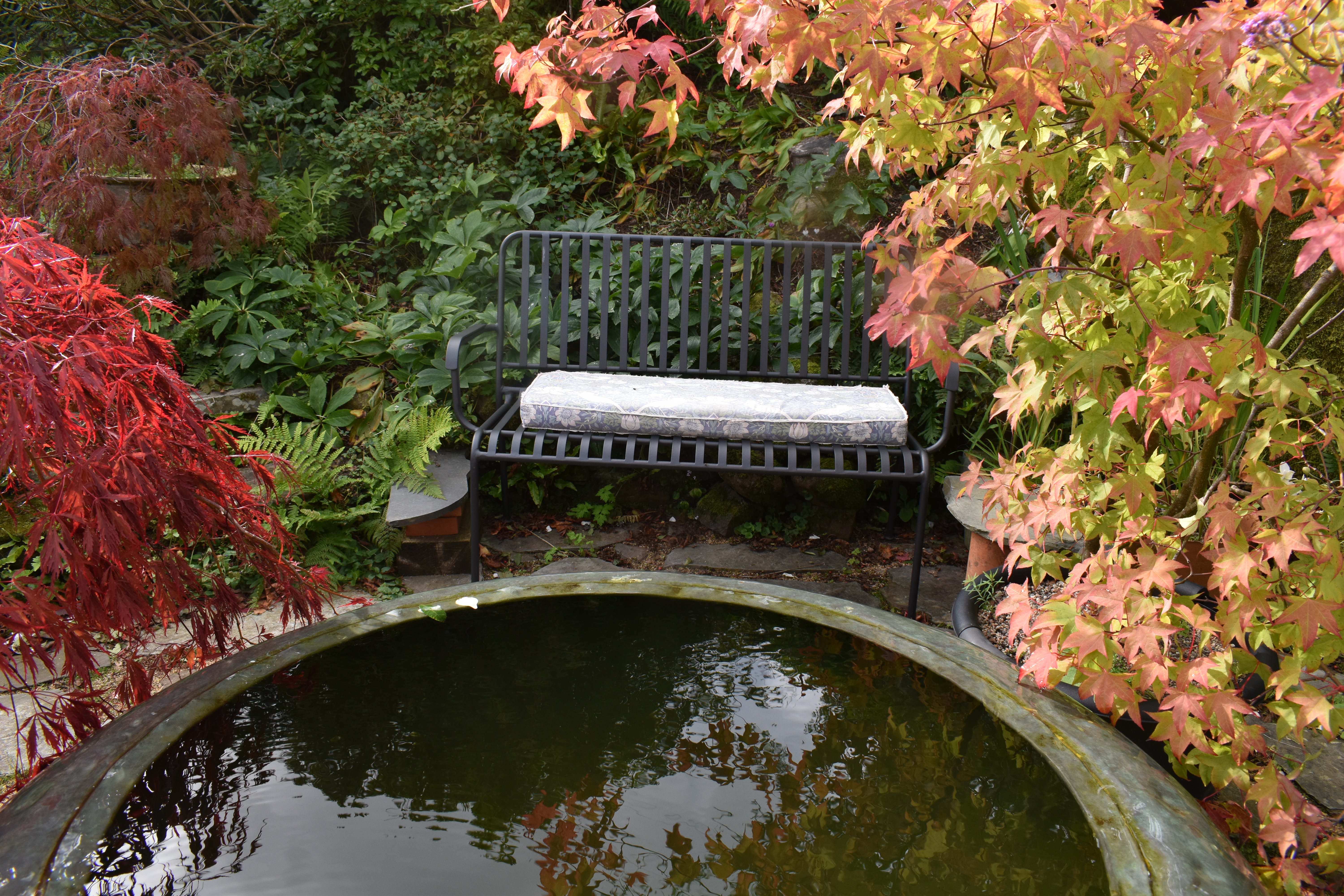
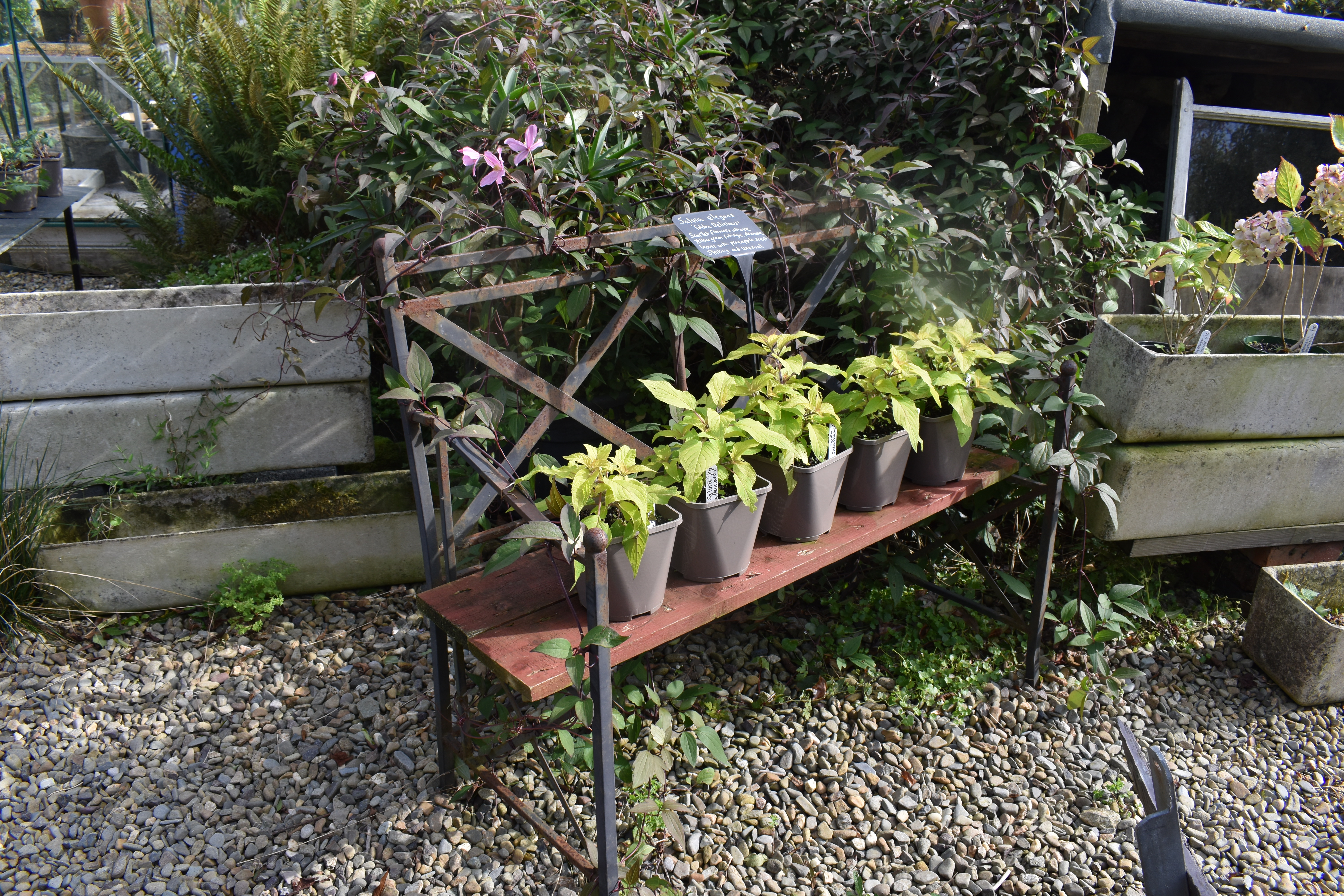
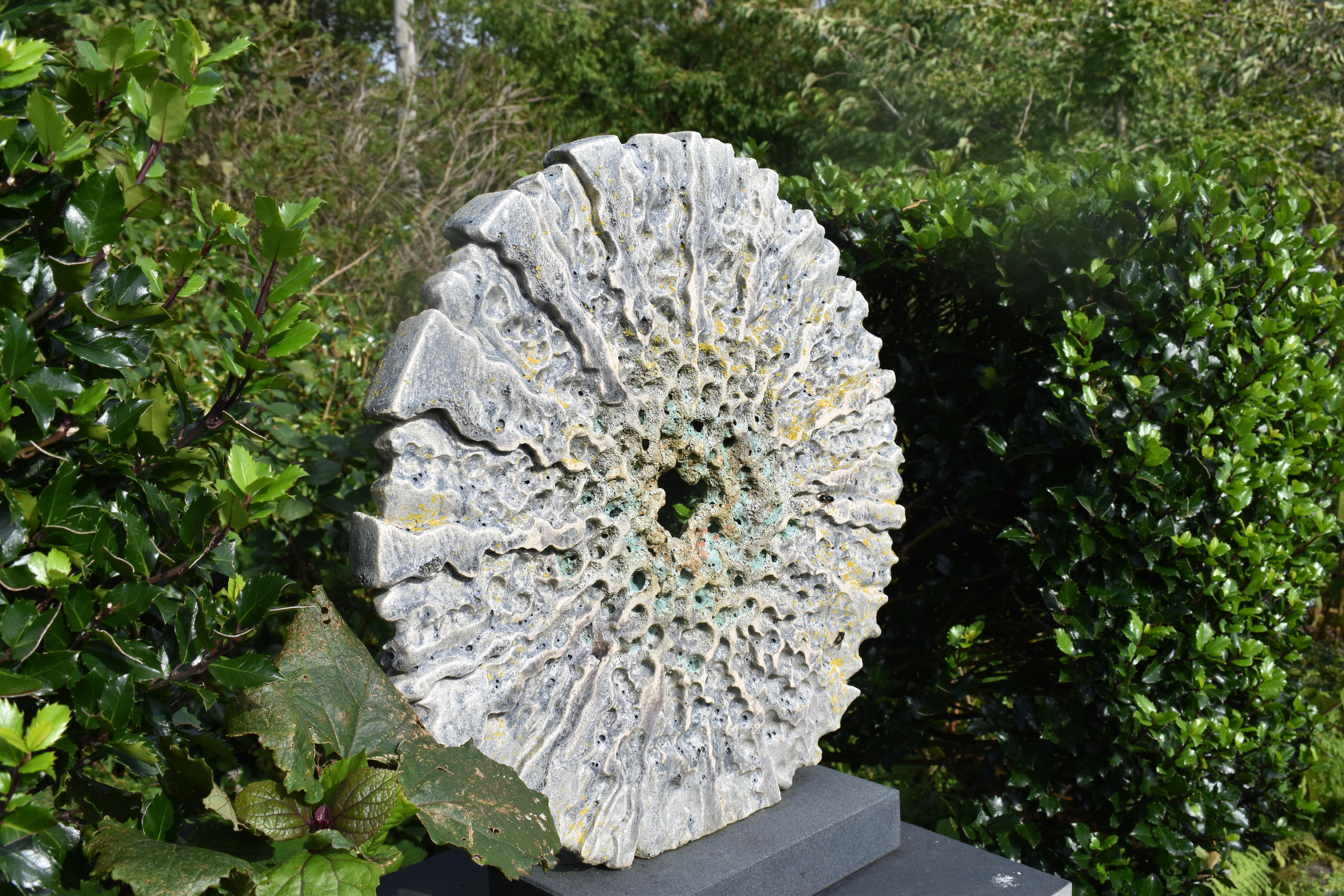
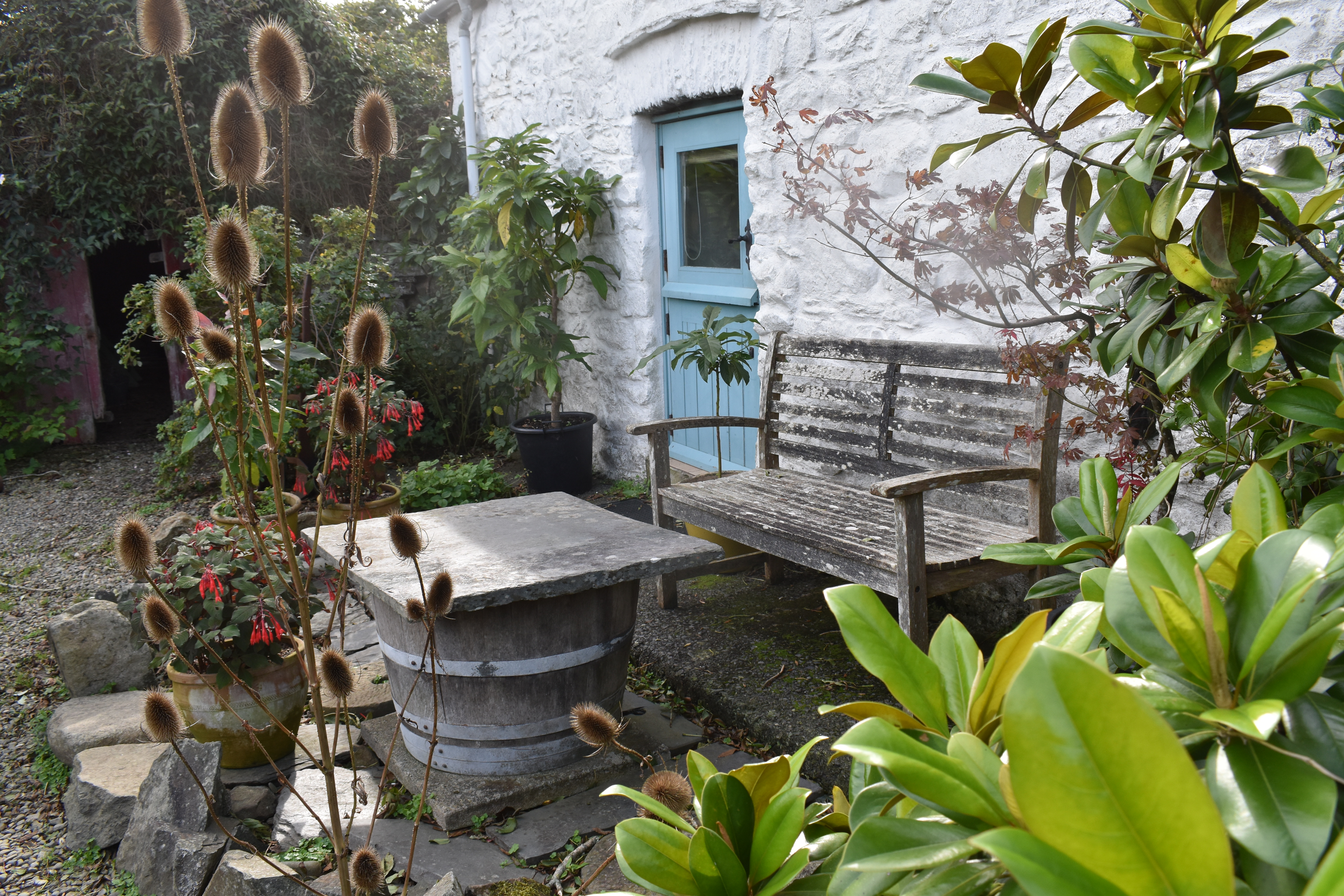
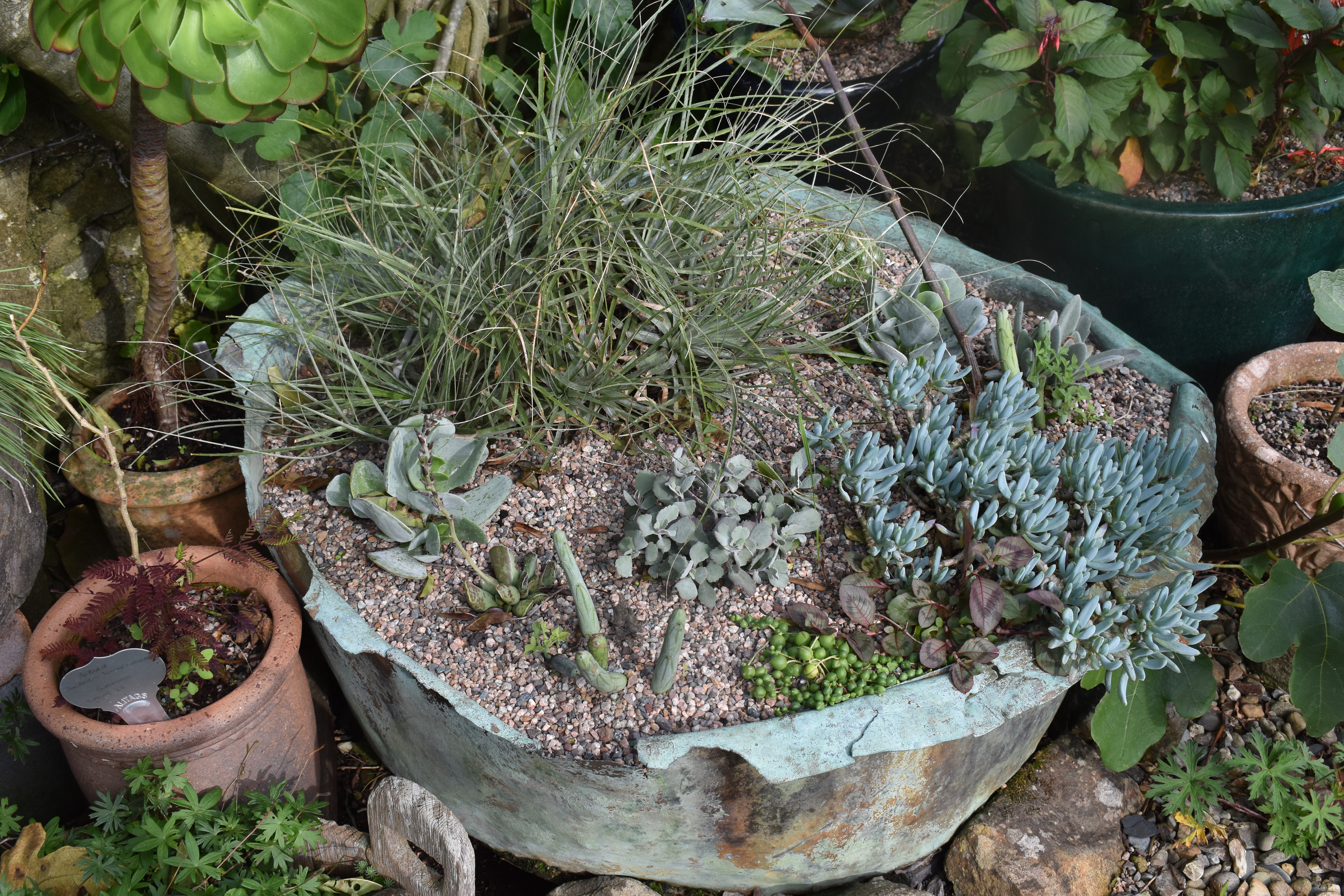
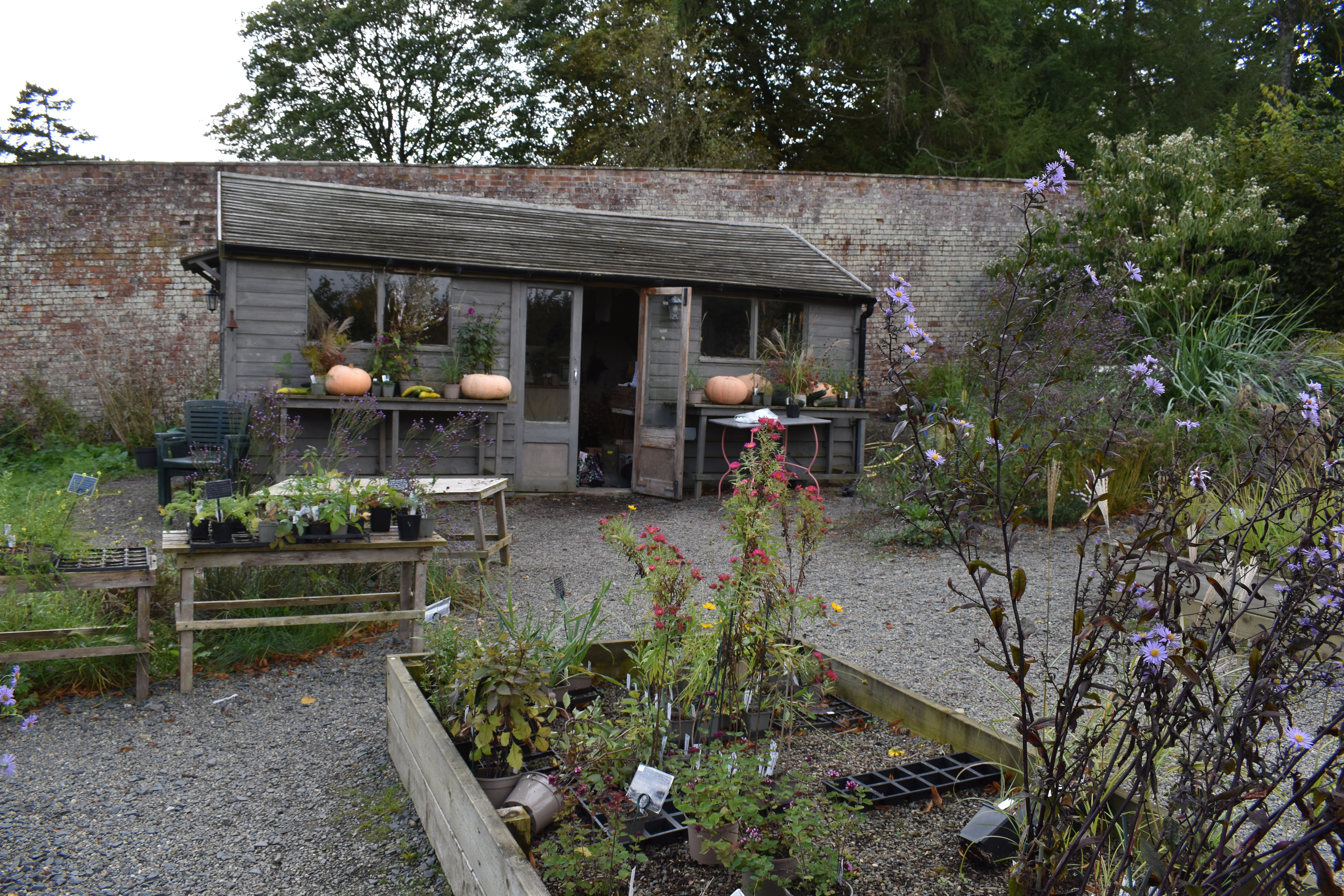
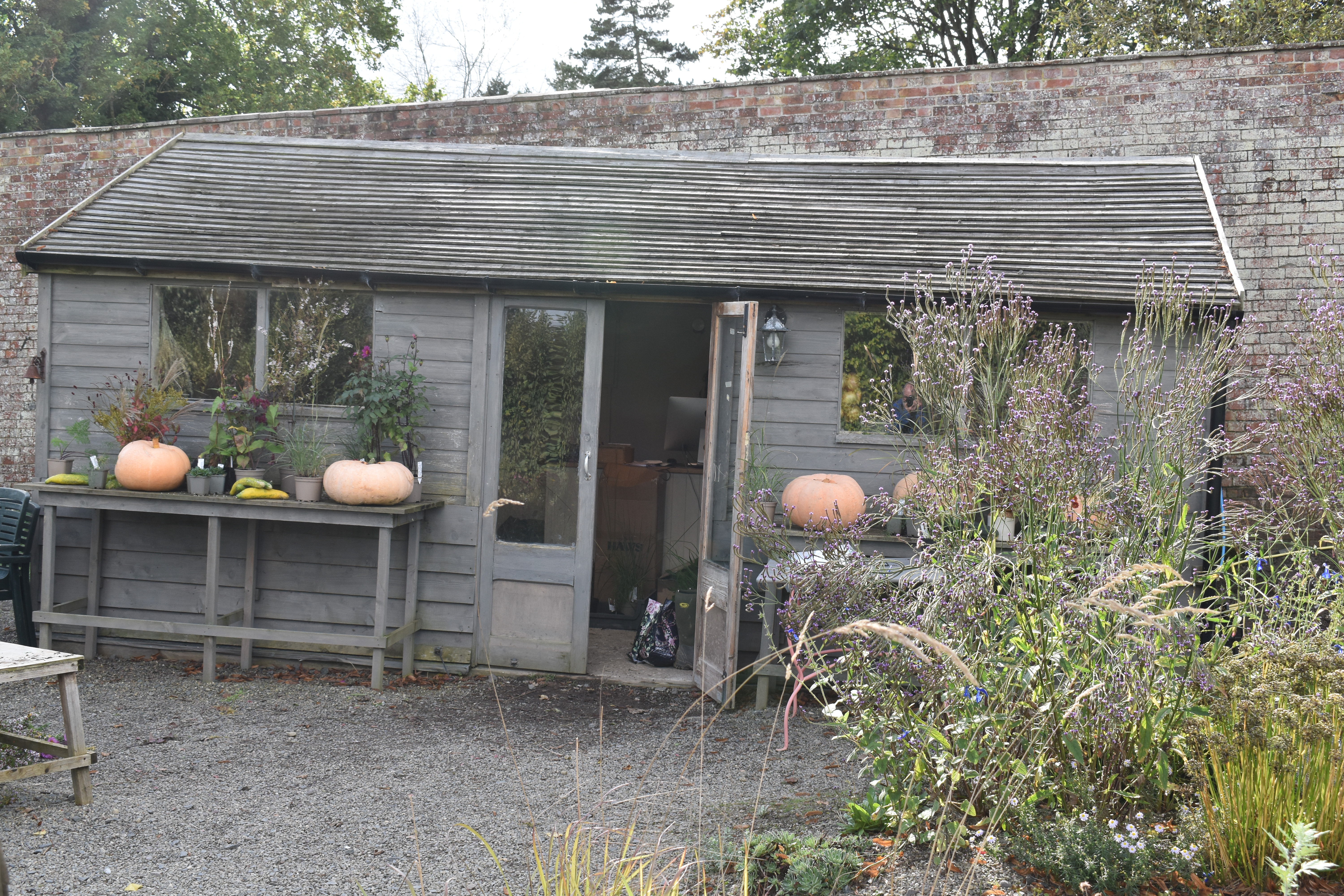
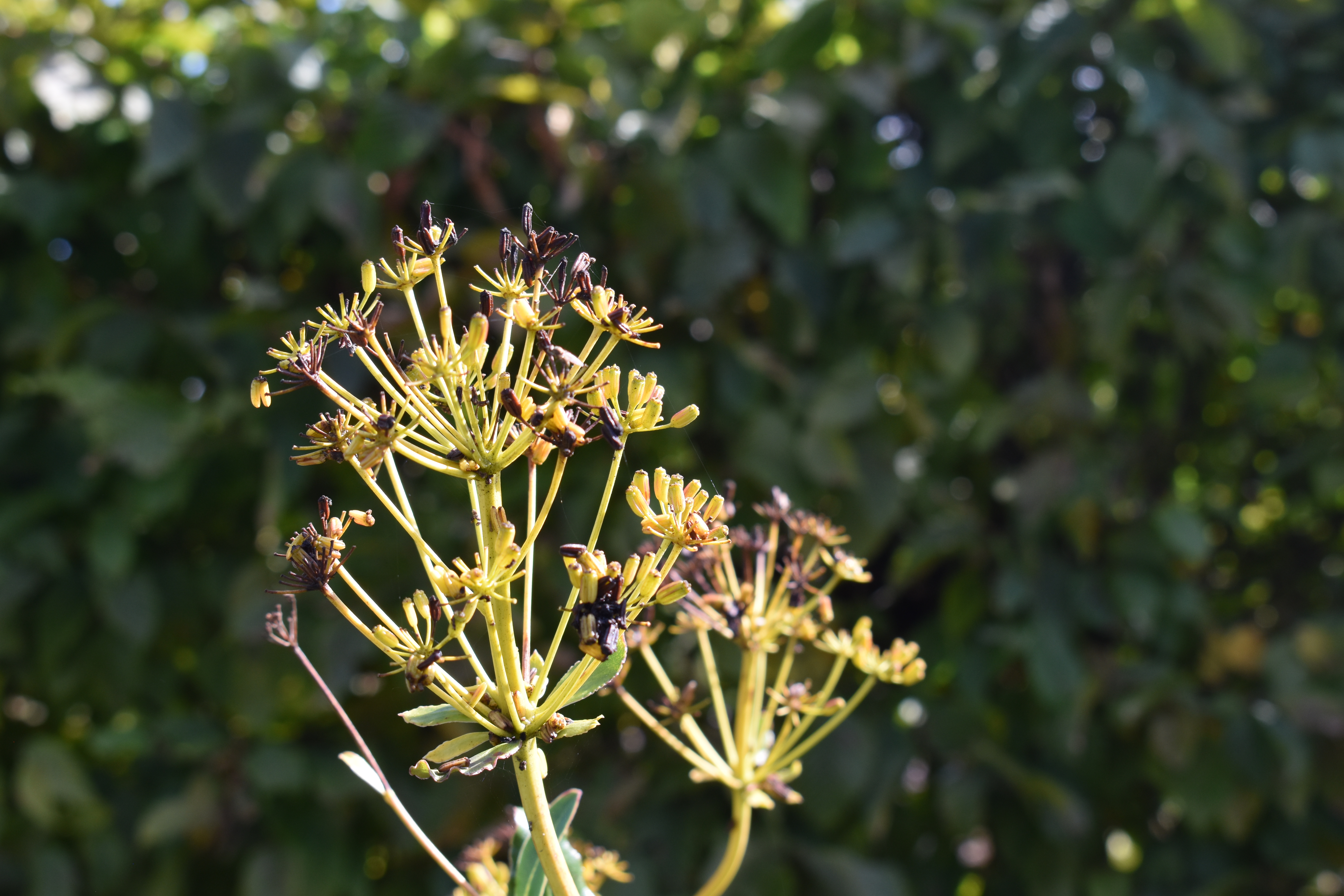
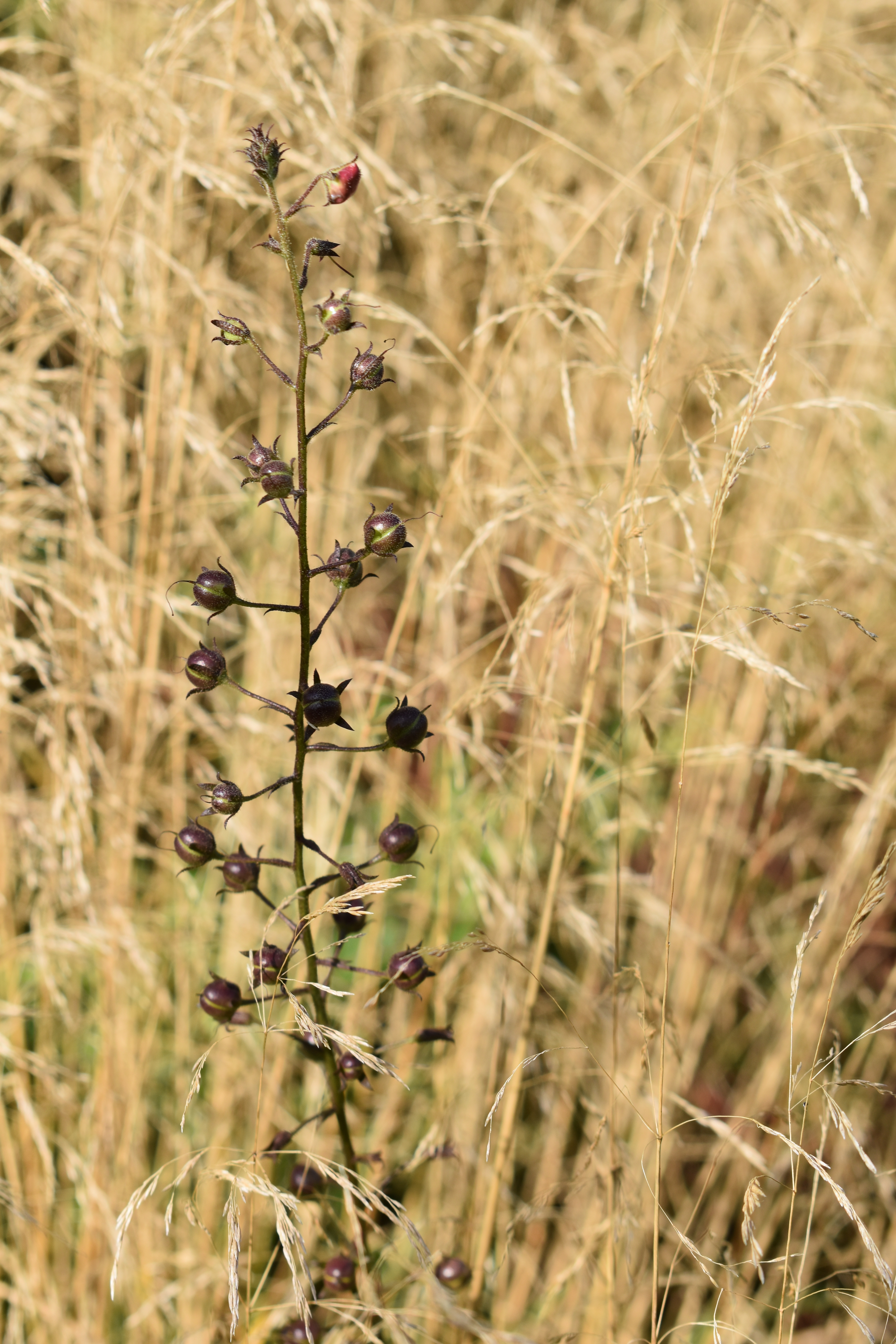
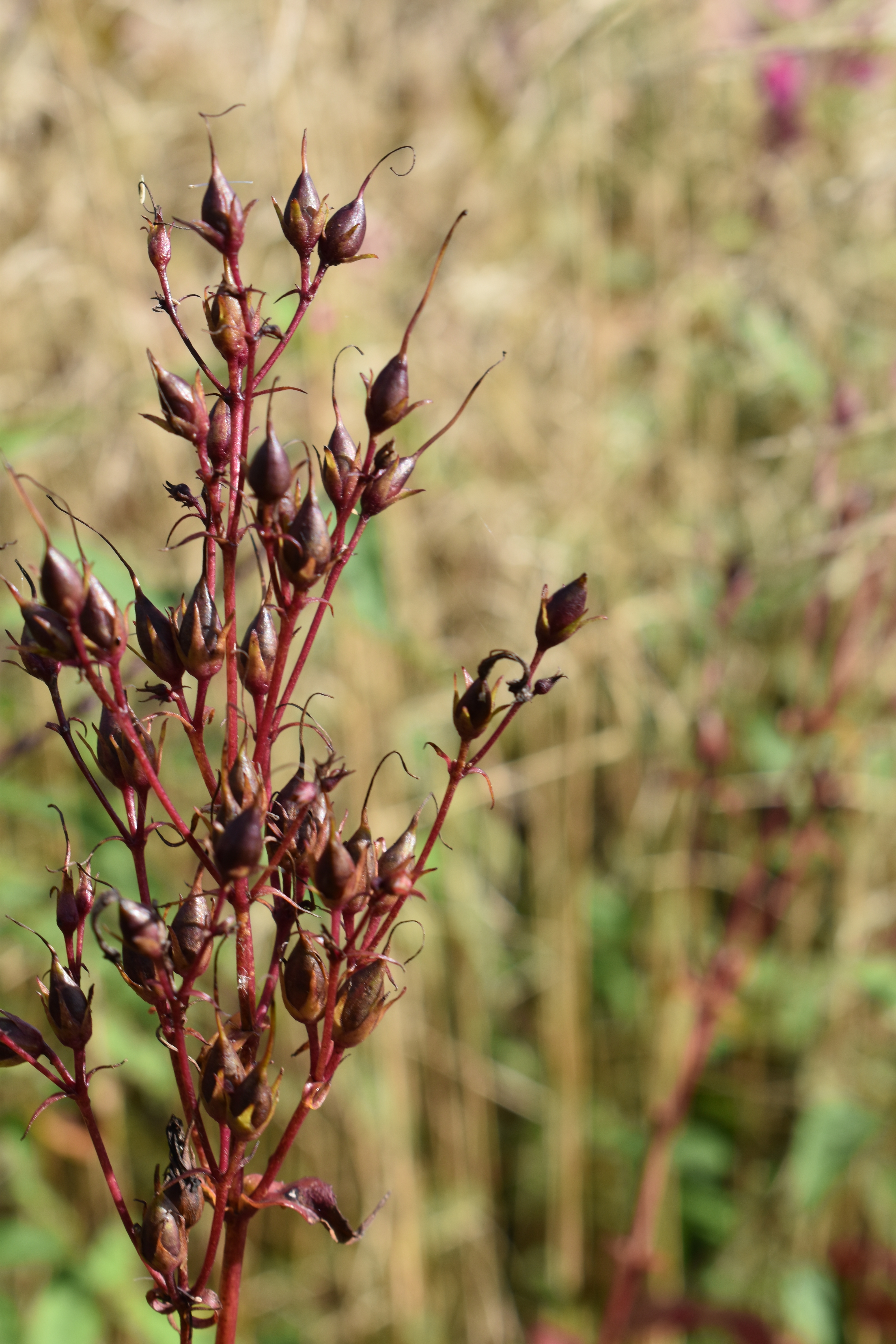
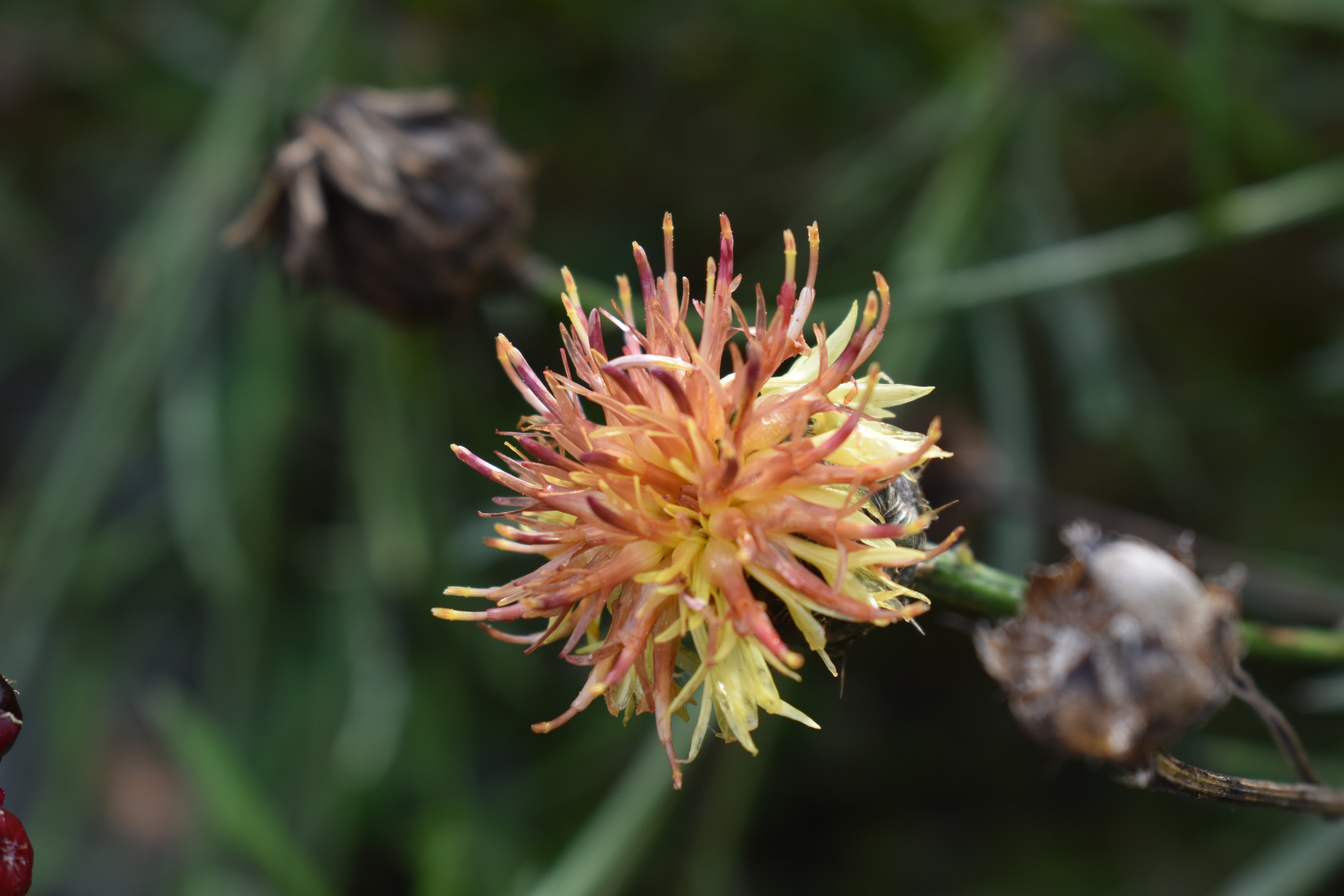
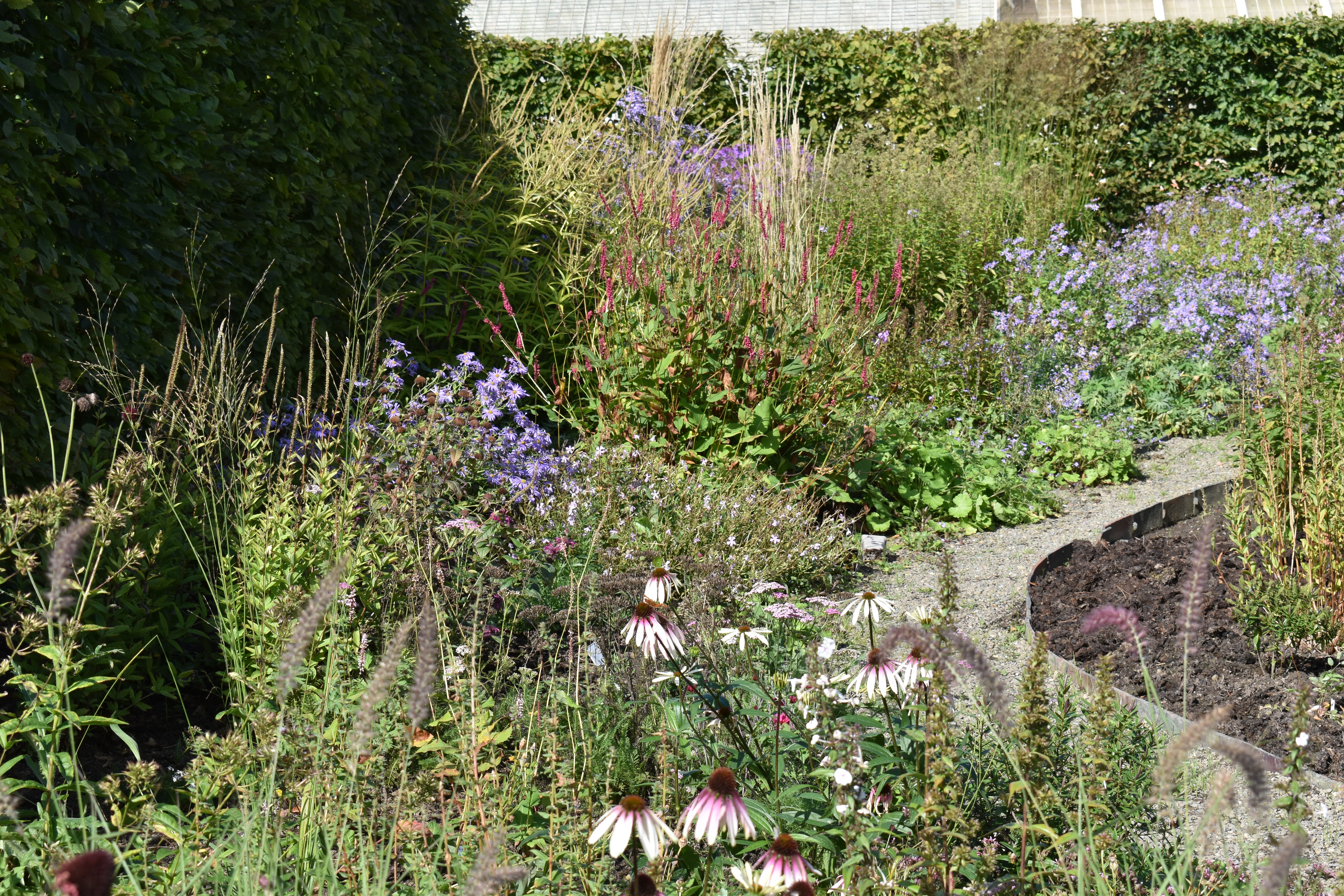
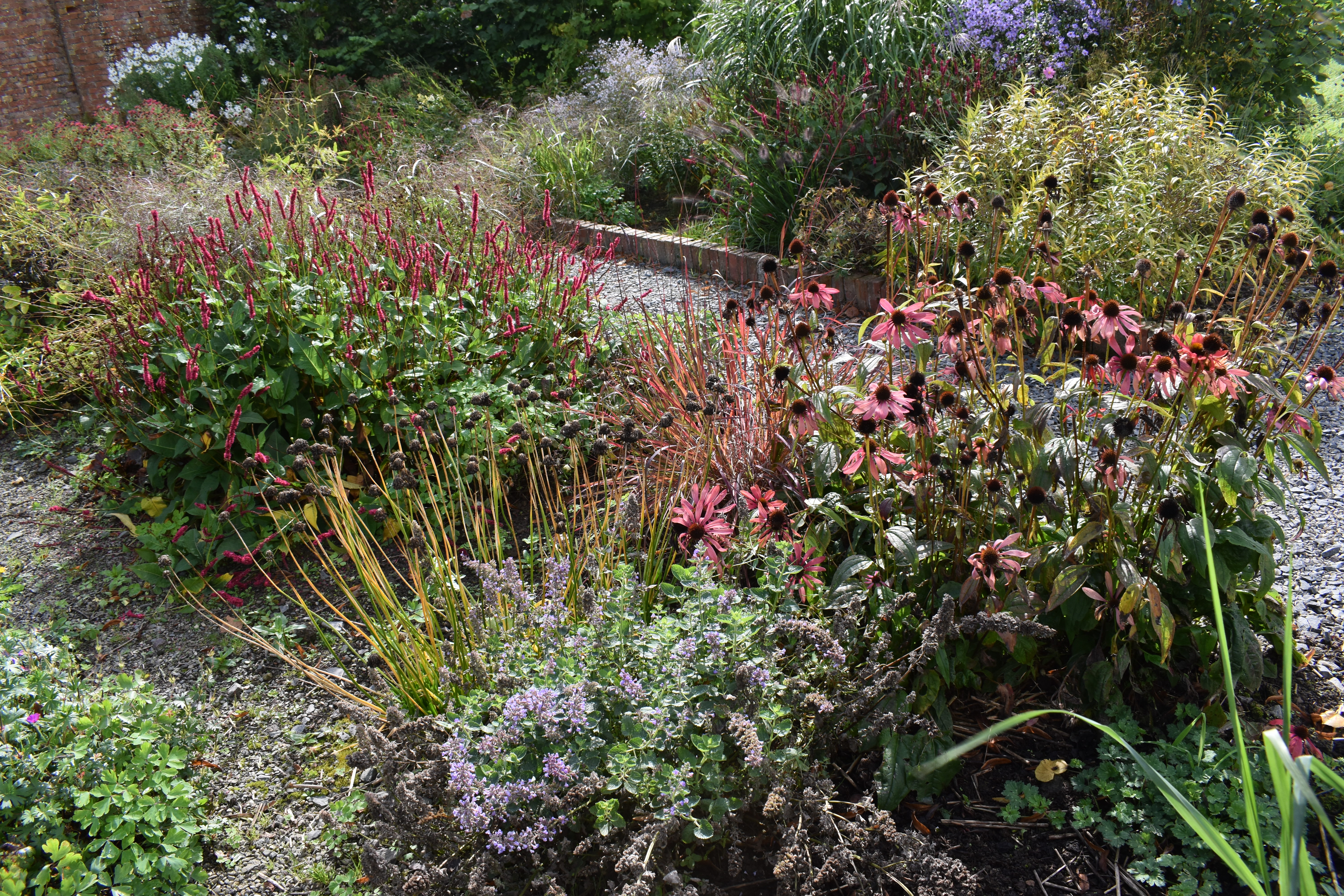
Wildgoose Garden and Nursery is one of our favourite destination within easy reach of home. Jack and Laura run the nursery and walled garden as well as presenting talks to garden groups and hold courses for the RHS at the garden. Our Hardy Plant Society mini-group for Shrewsbury and South Shropshire hold our final meet up of the year here as many of us know Jack and Laura quite well. We have the garden, nursery and Tea Room all to ourselves as their opening season has already finished for the year.
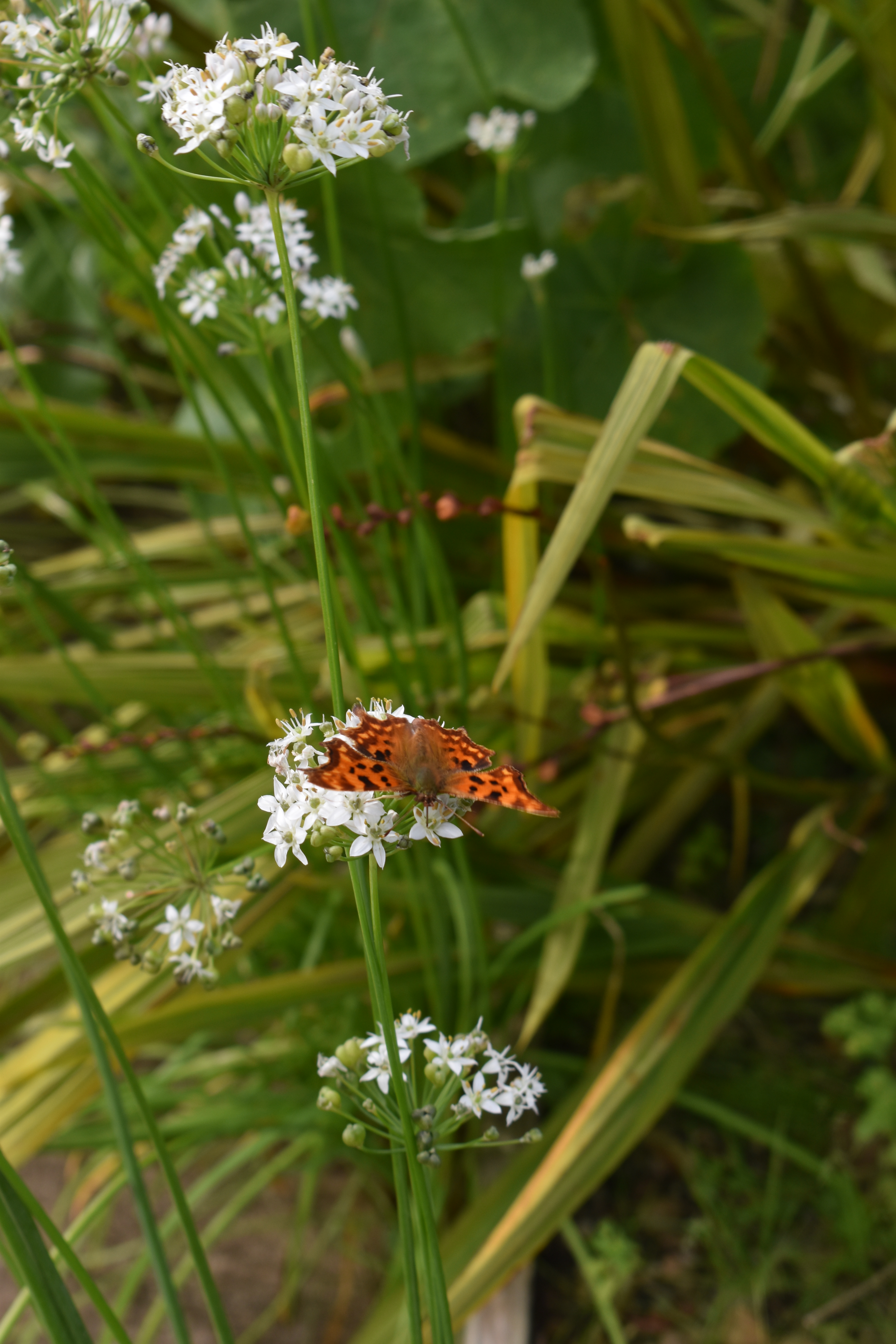
The garden looks so good at this time of the year so when we visit we have so much to see and enjoy. Jack also gave us an introductory talk highlighting the plants that perform well at the time of our visit, particularly ones we might not know so well.

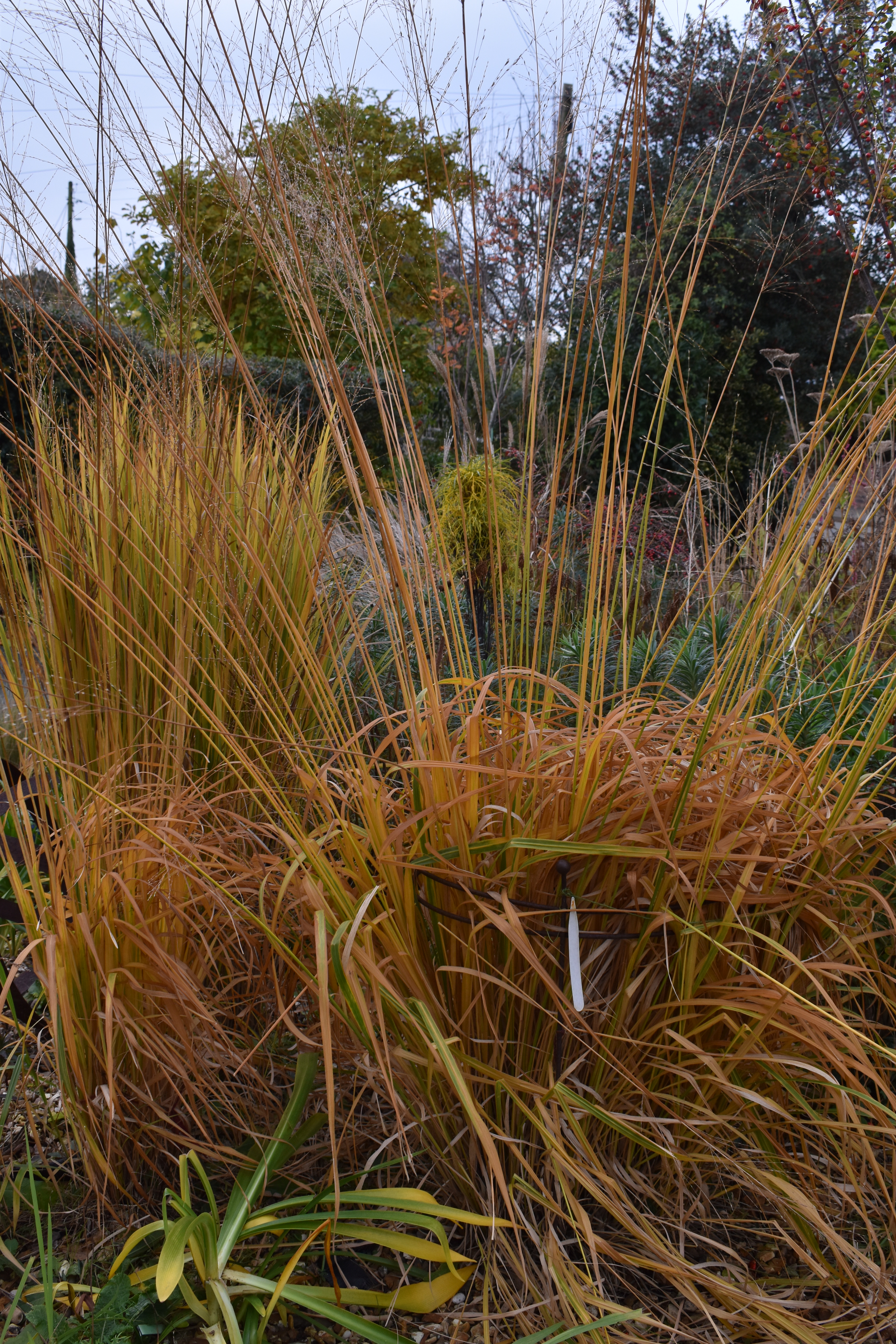
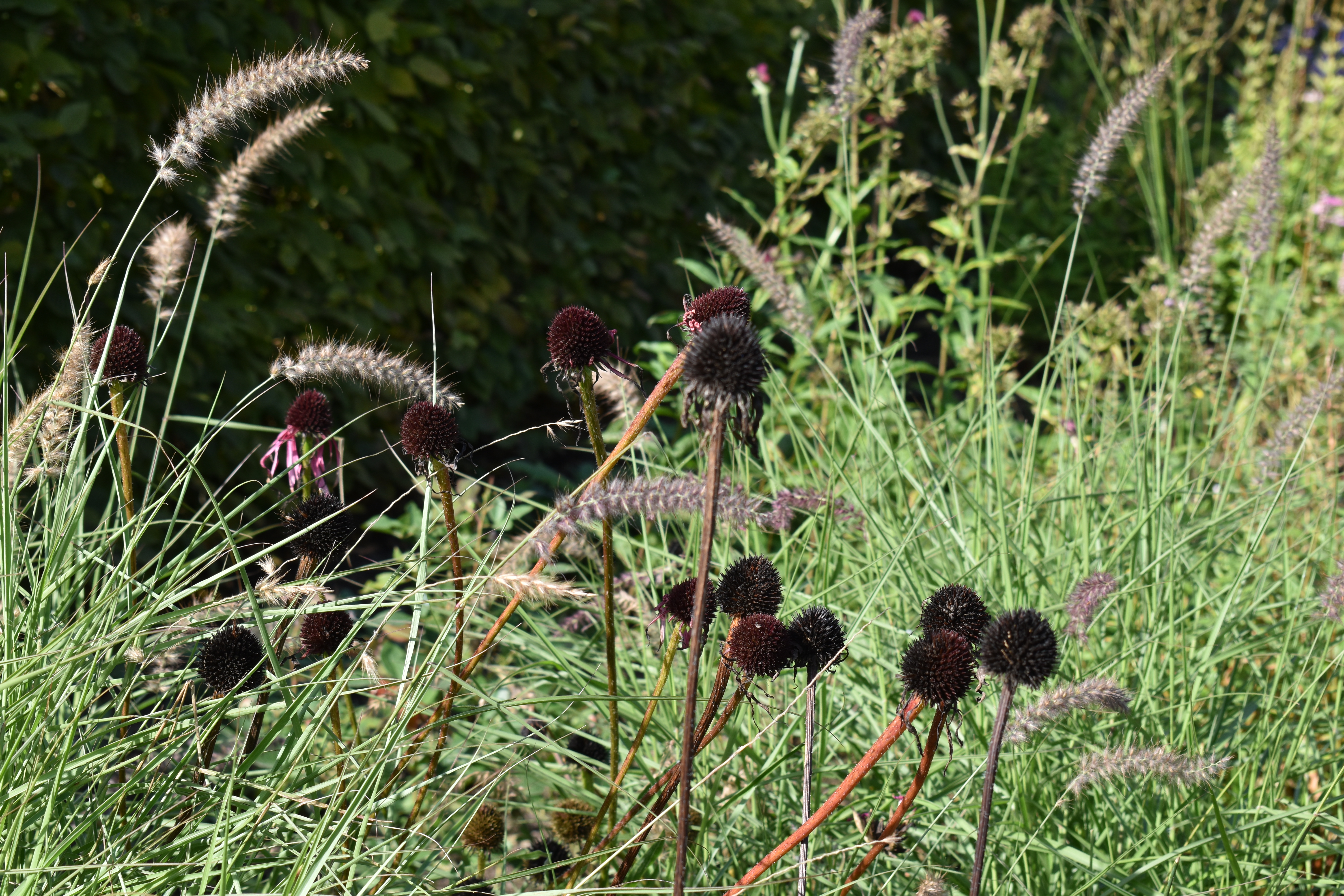
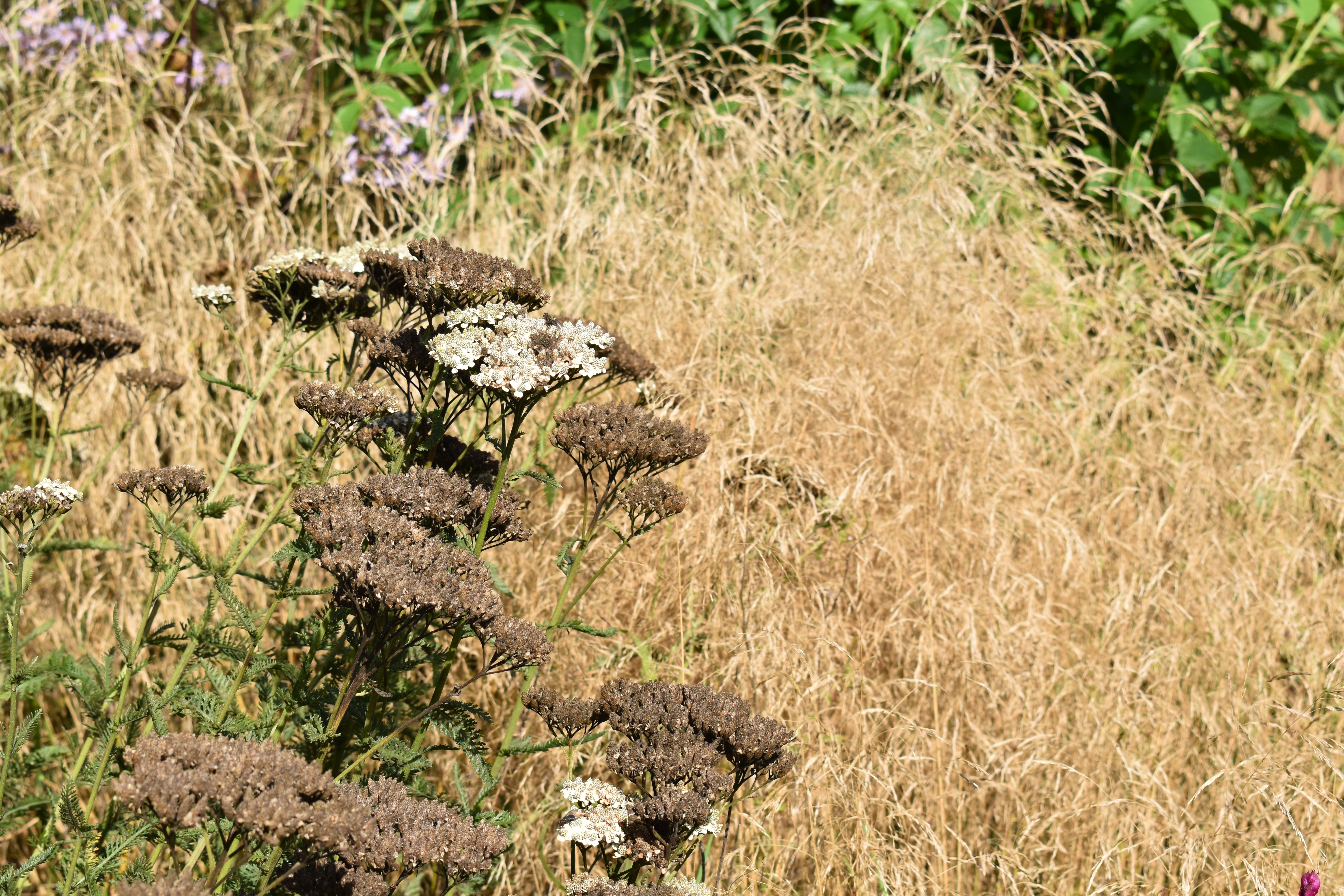
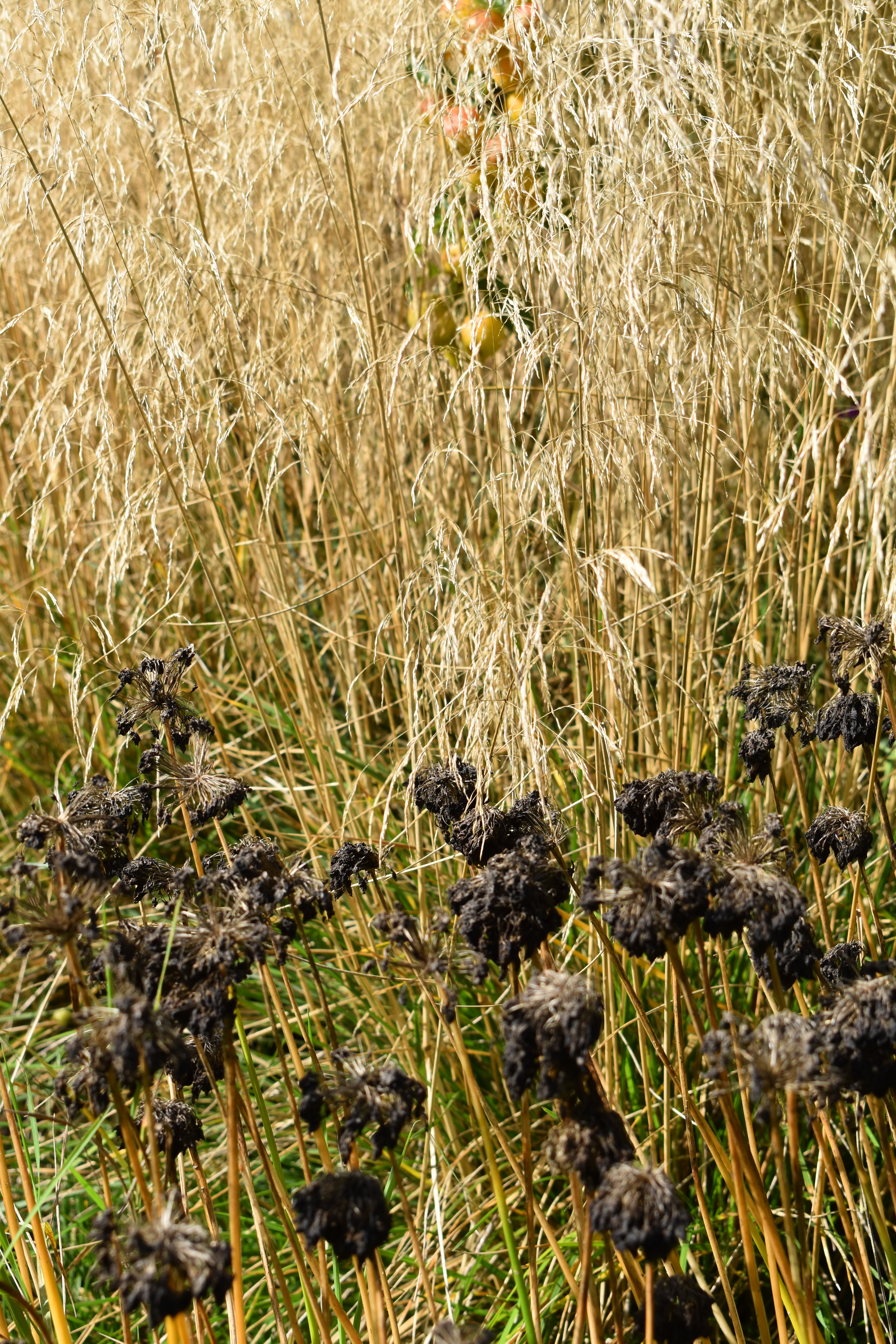
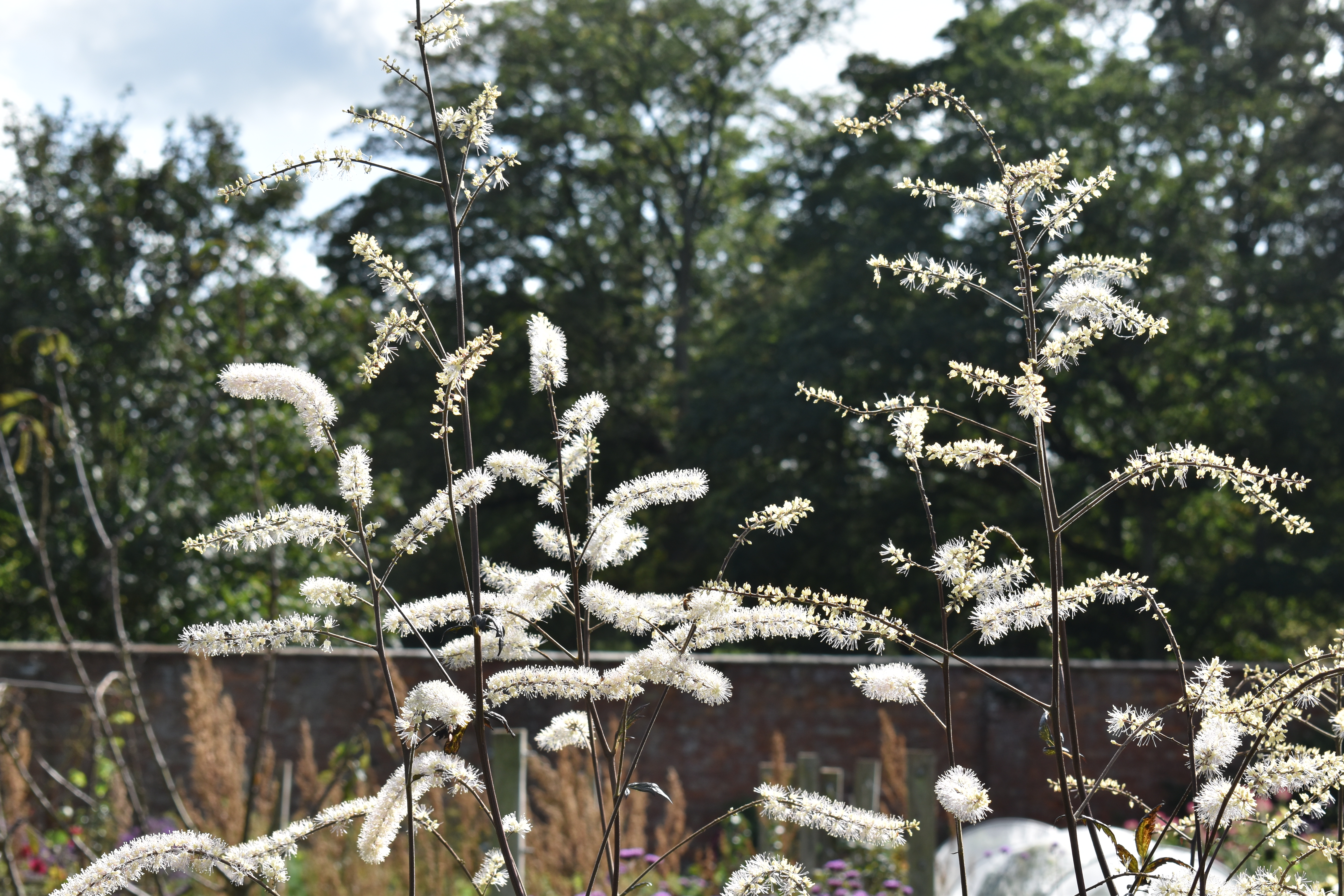
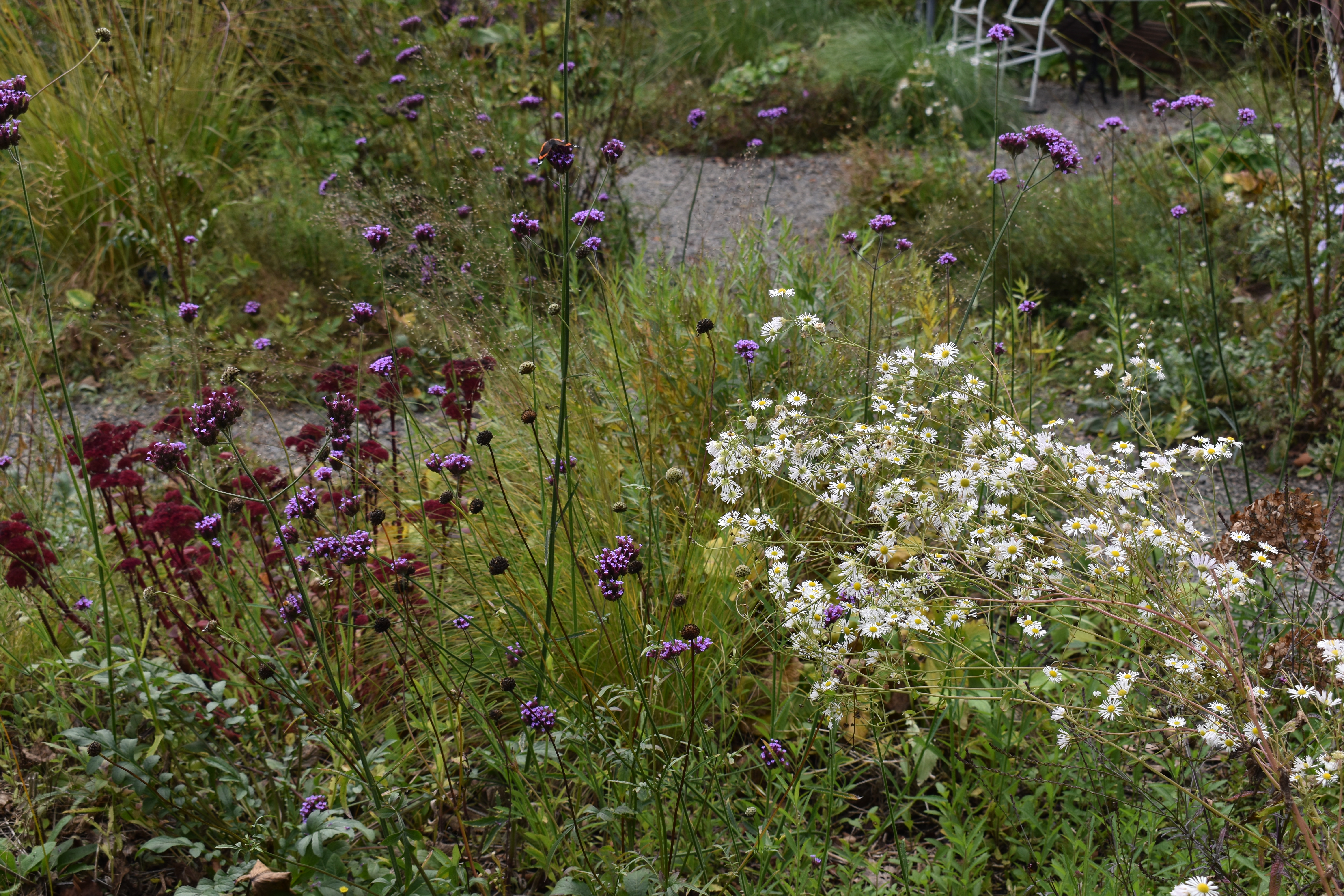
As in Piet Oudolf designed gardens plants that die down well are important here.

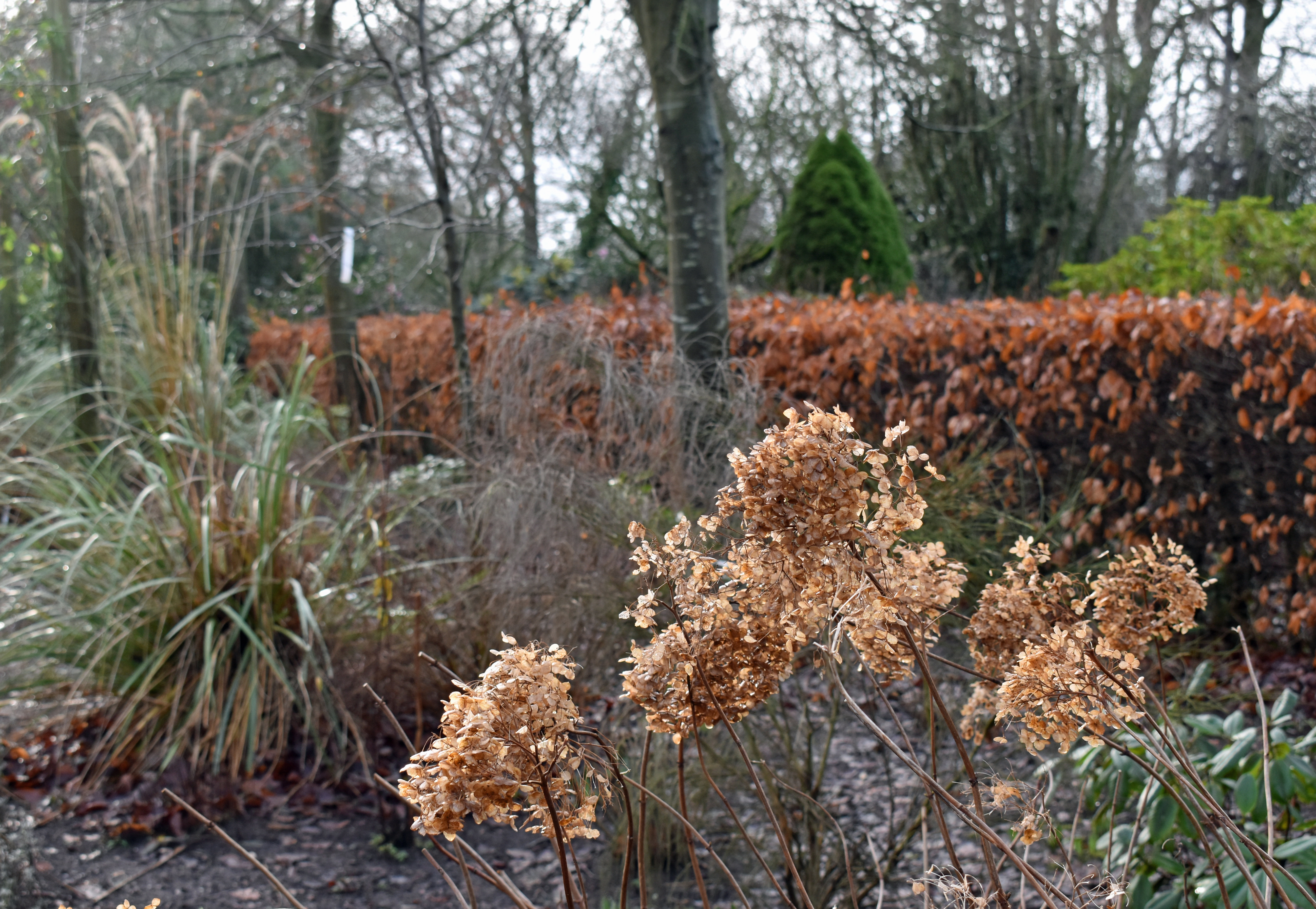
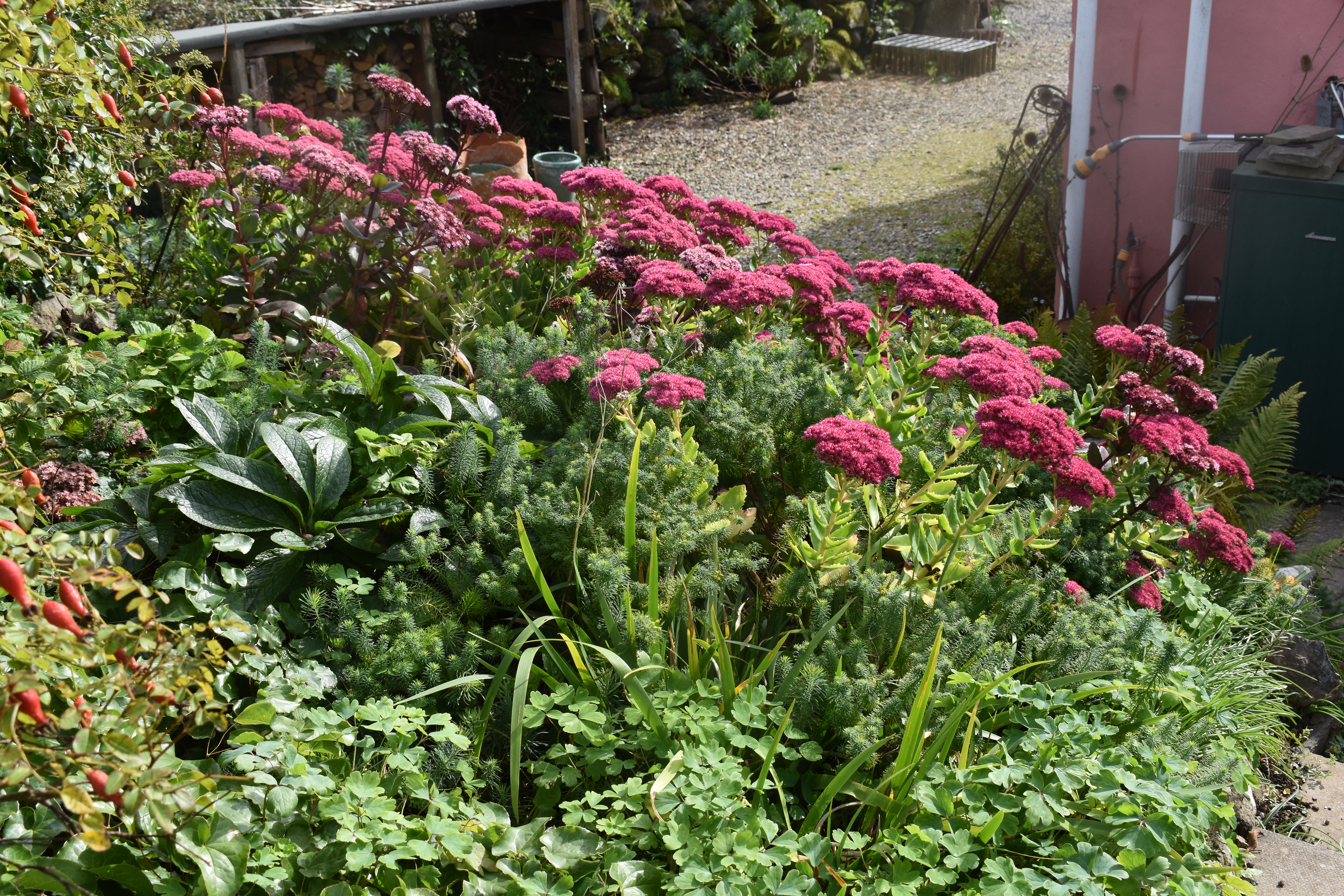
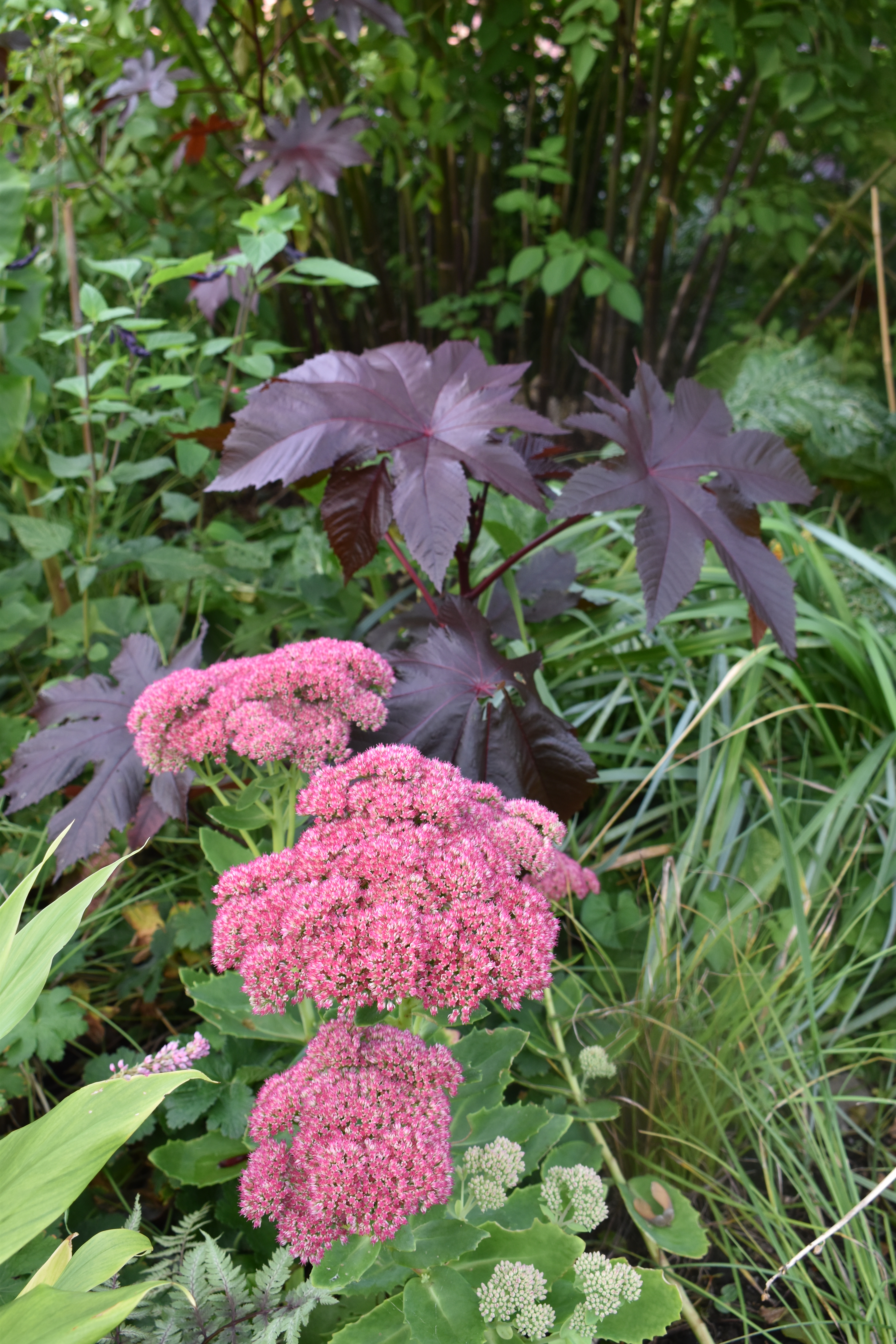
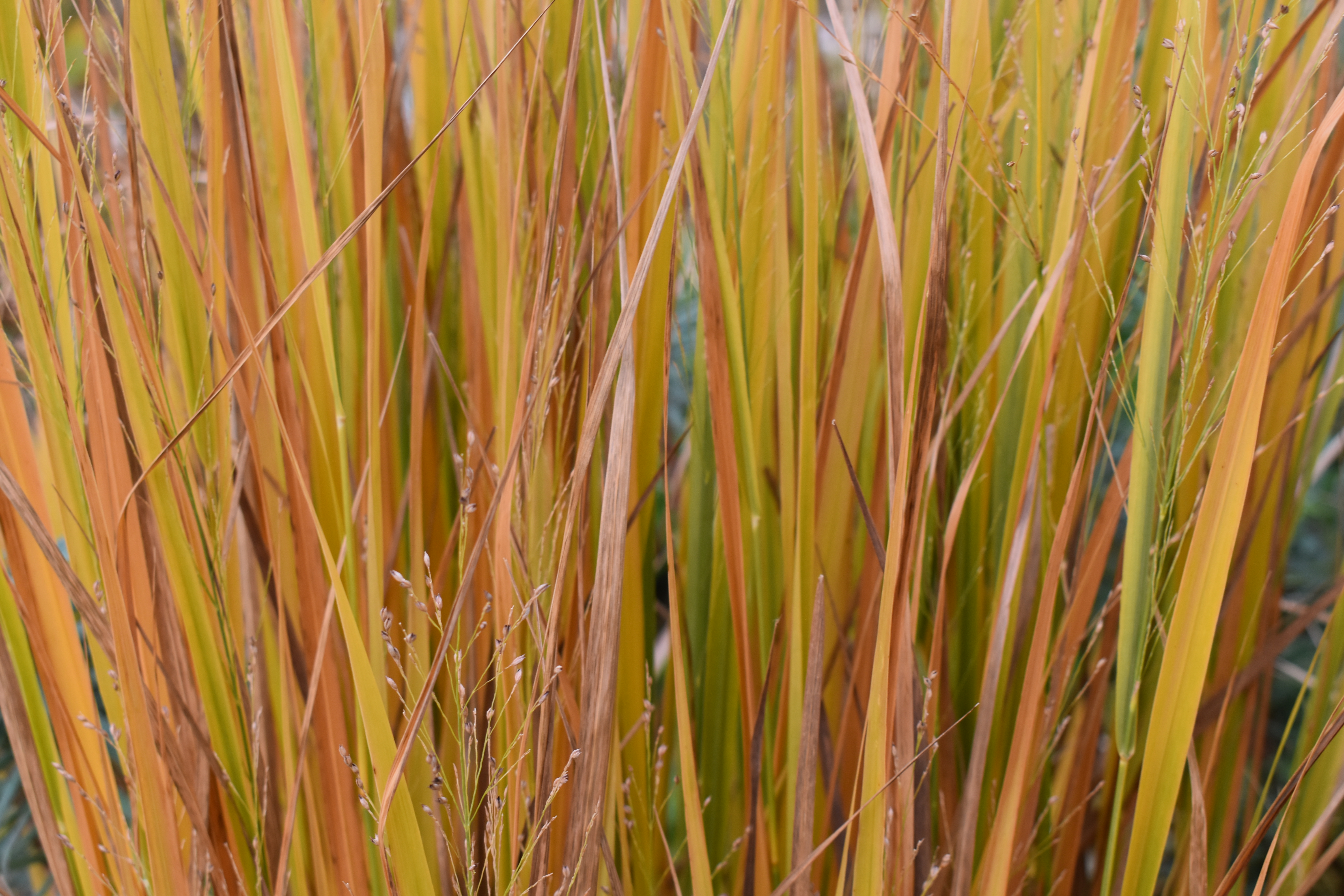
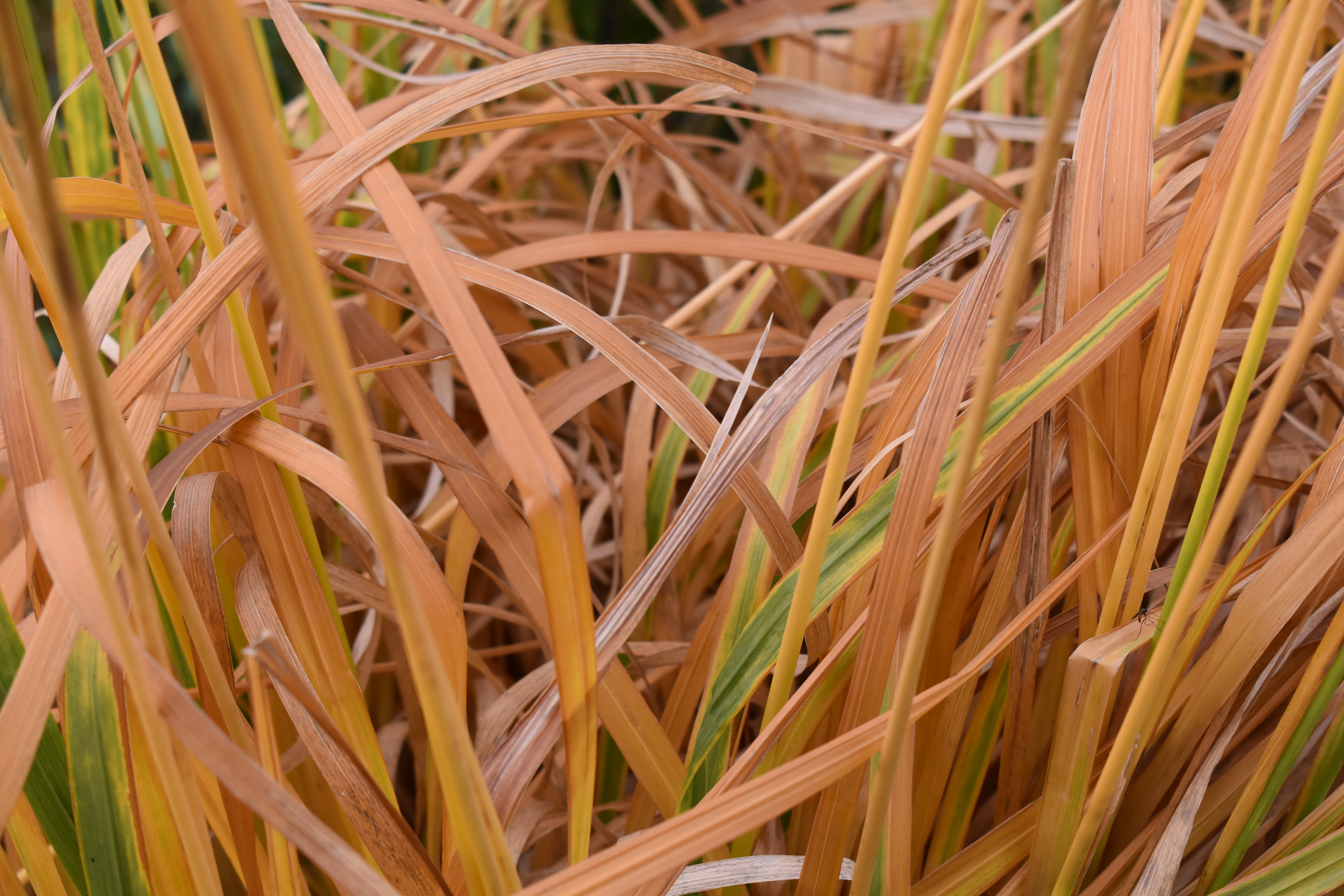
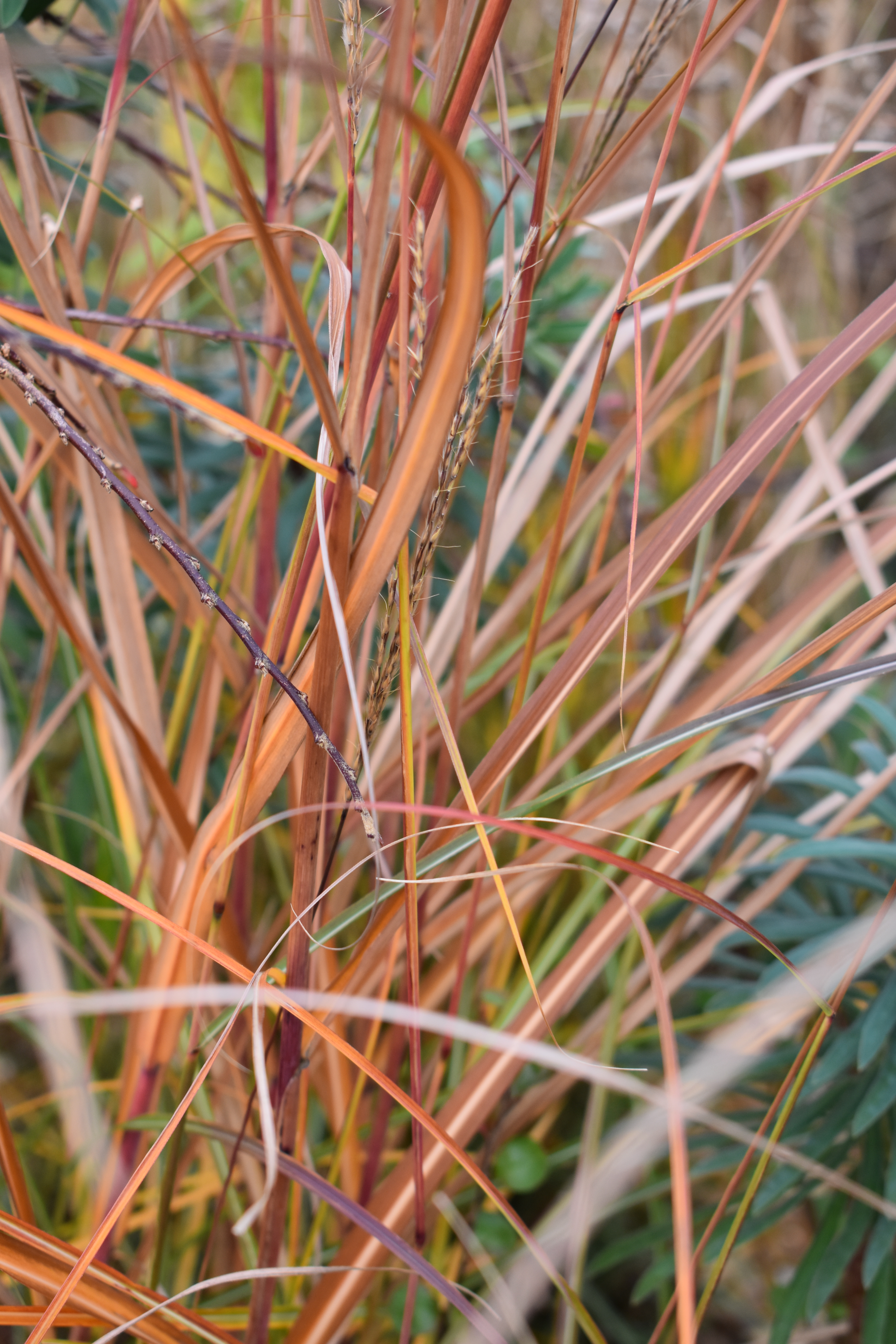
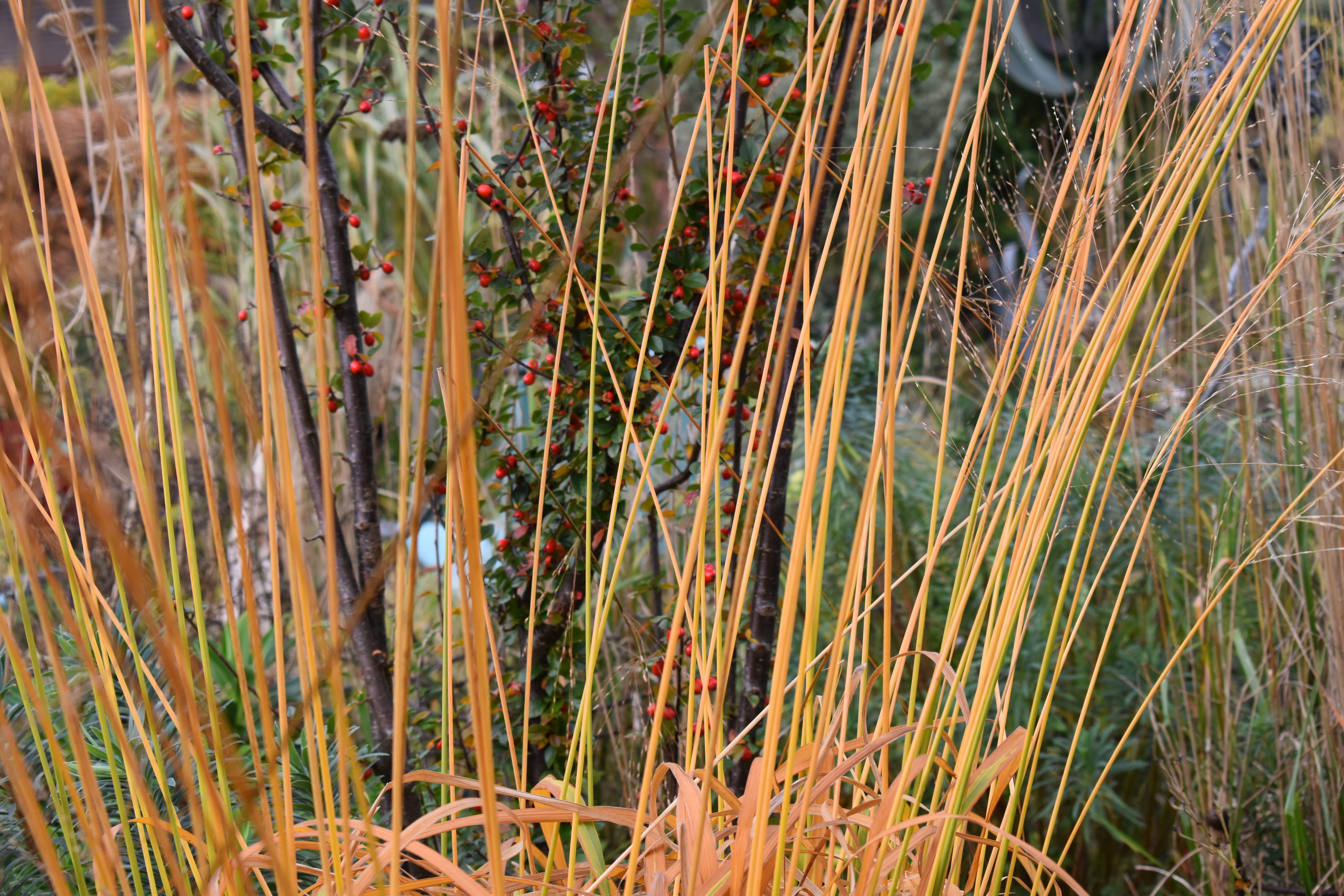
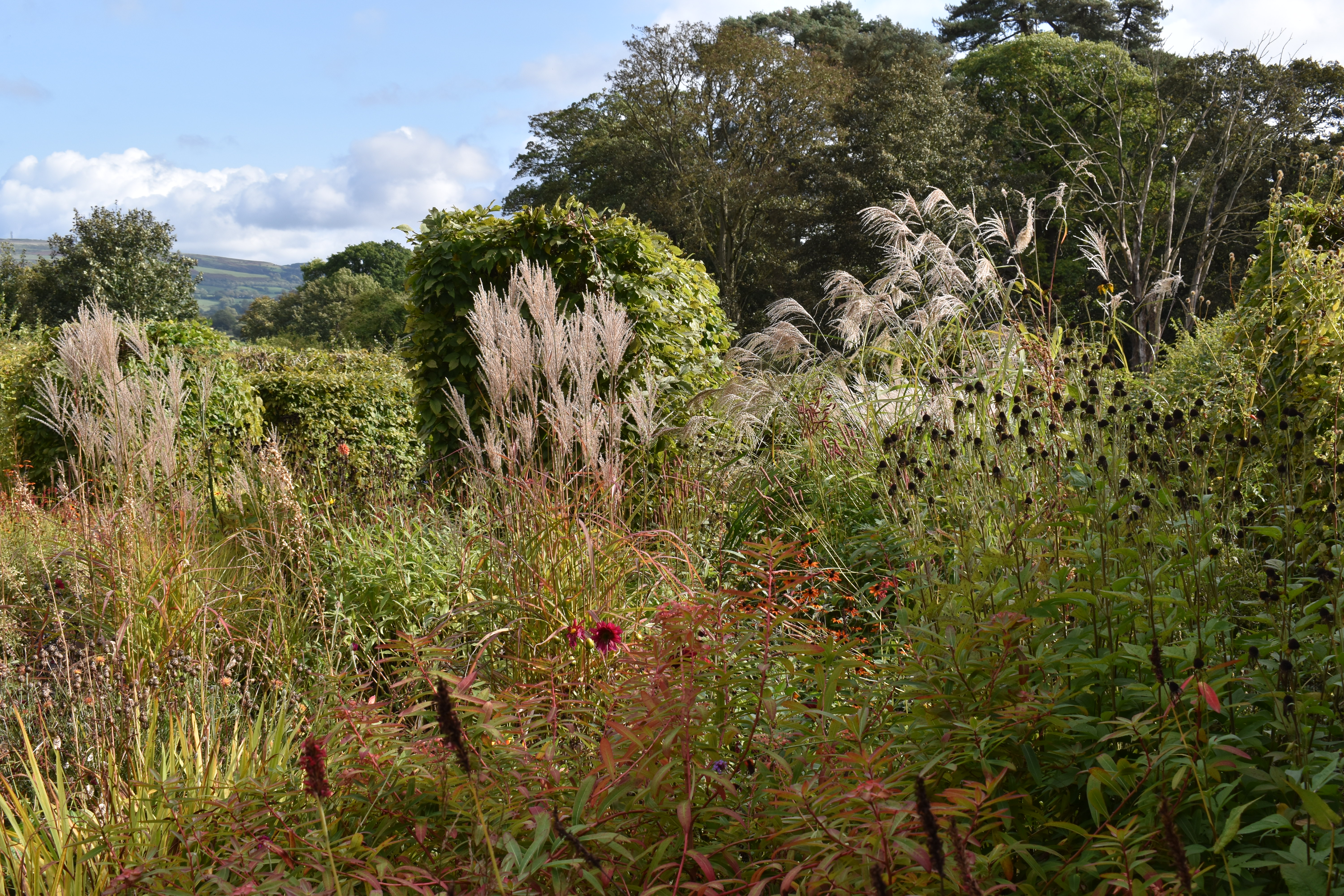
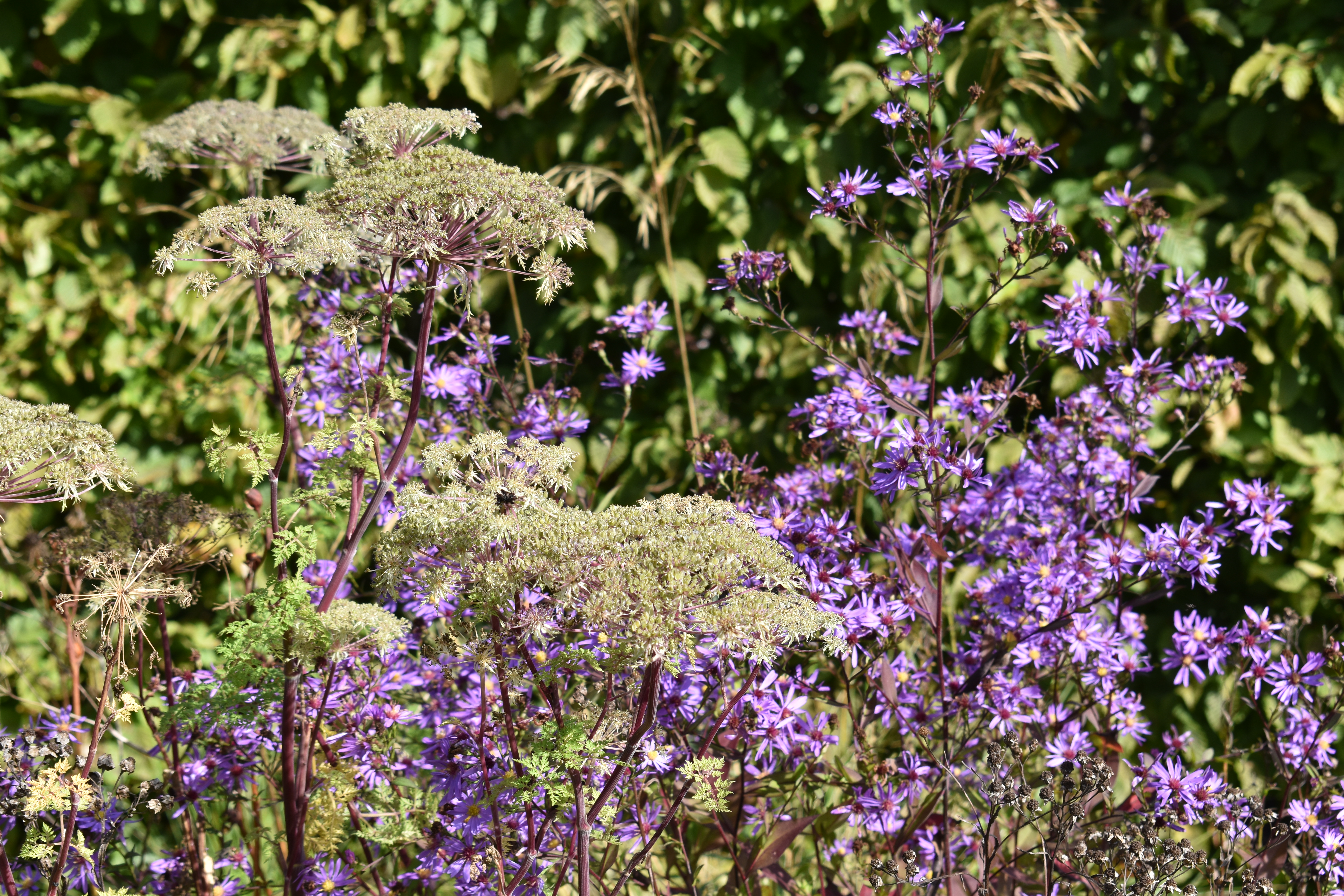
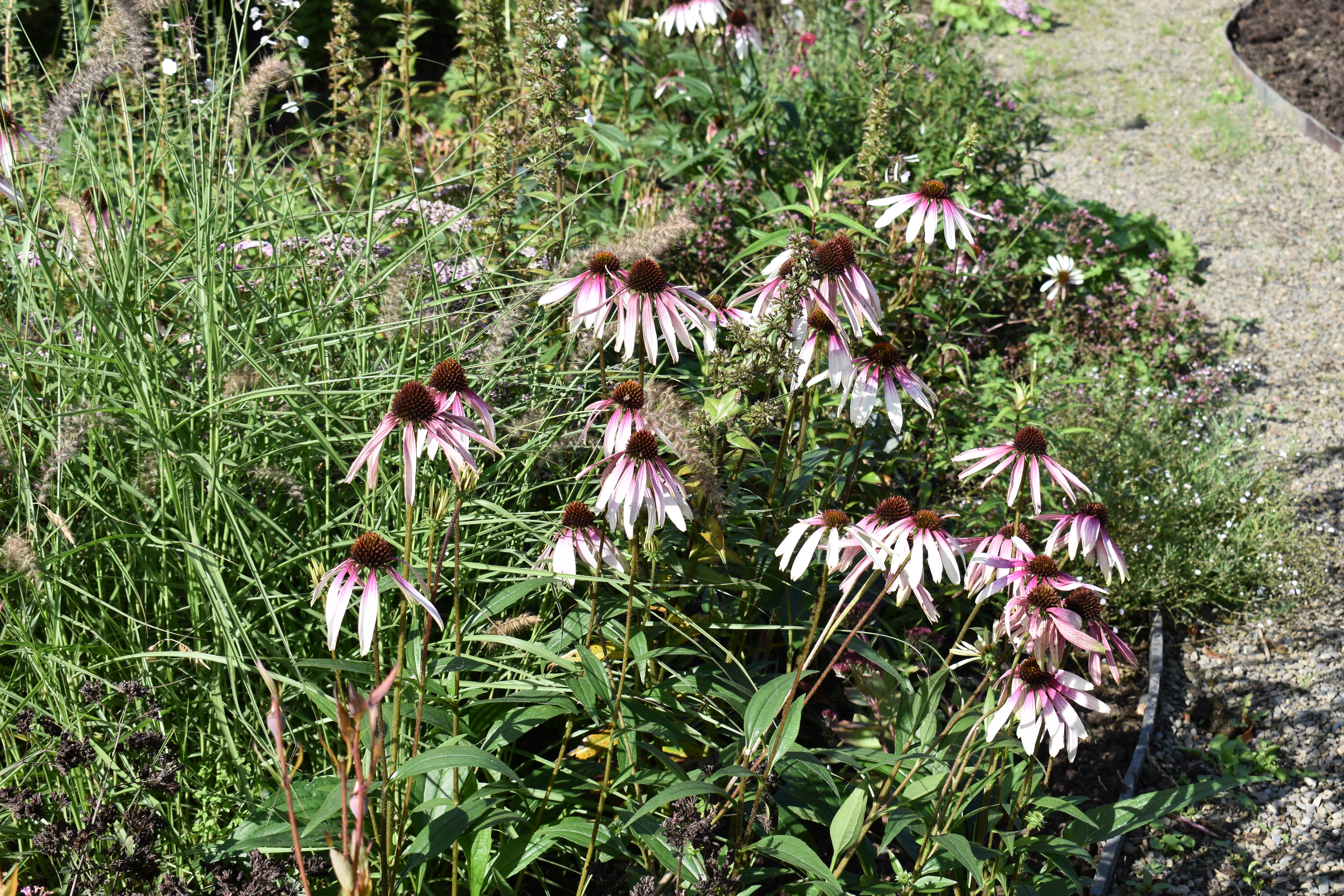
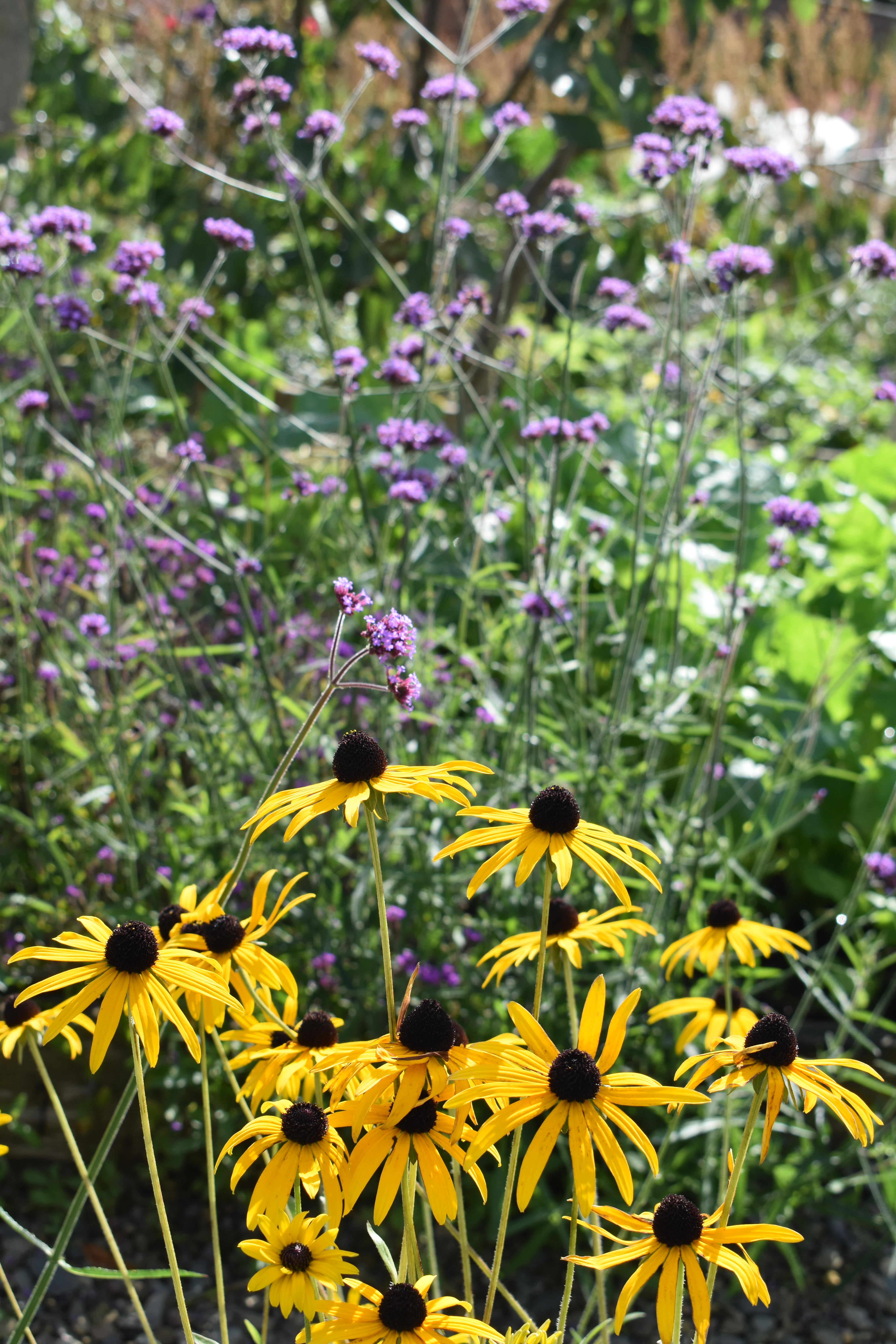
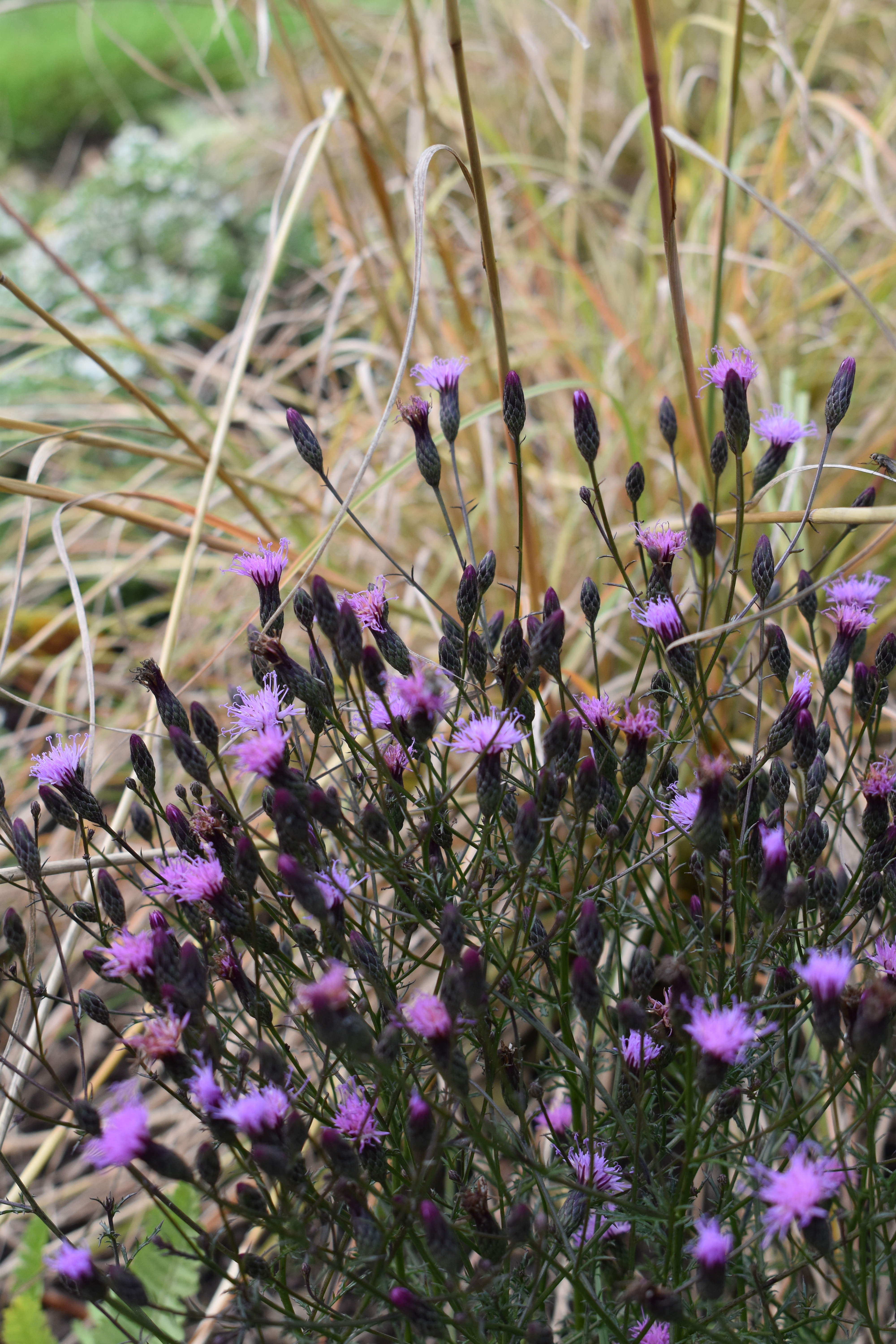
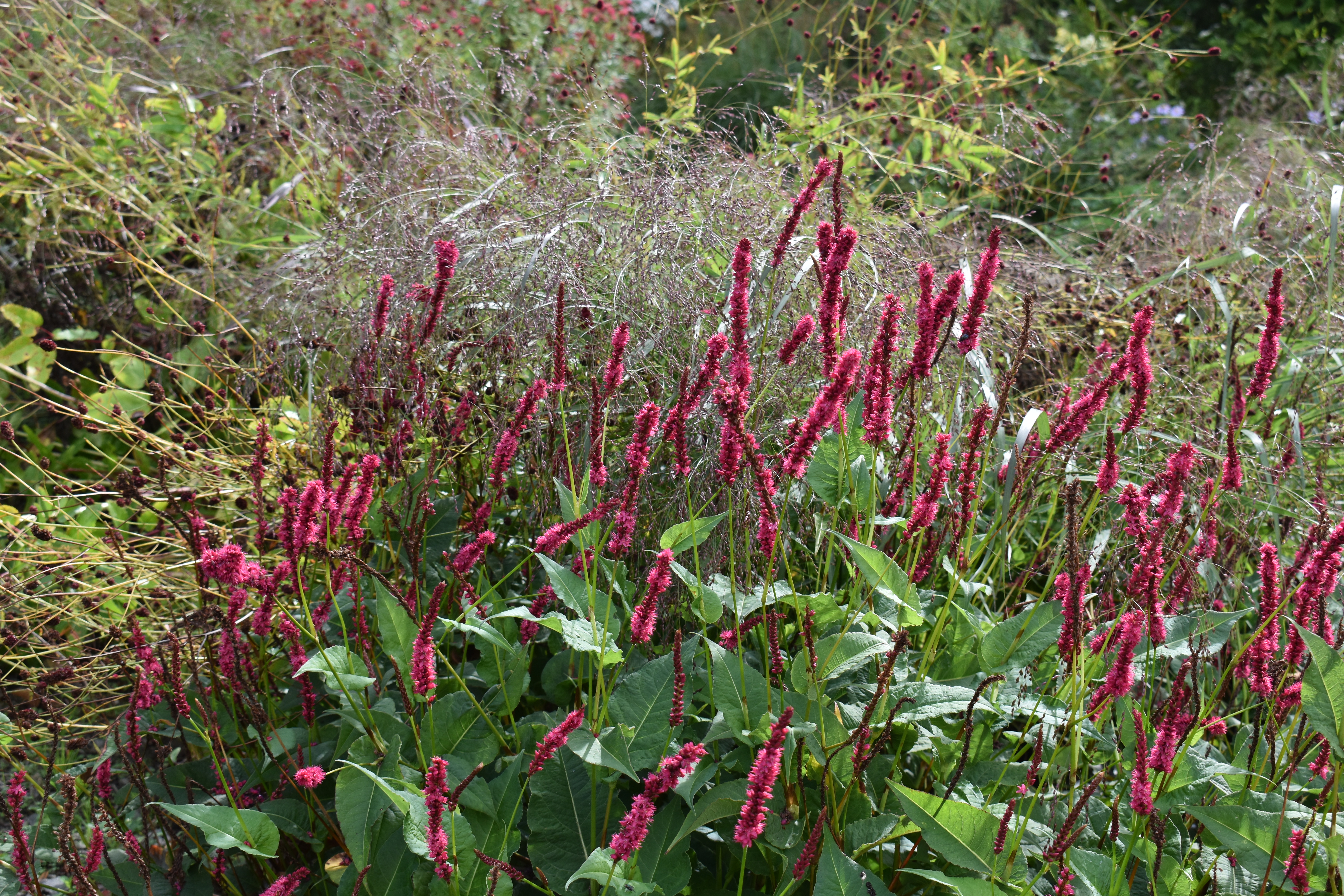
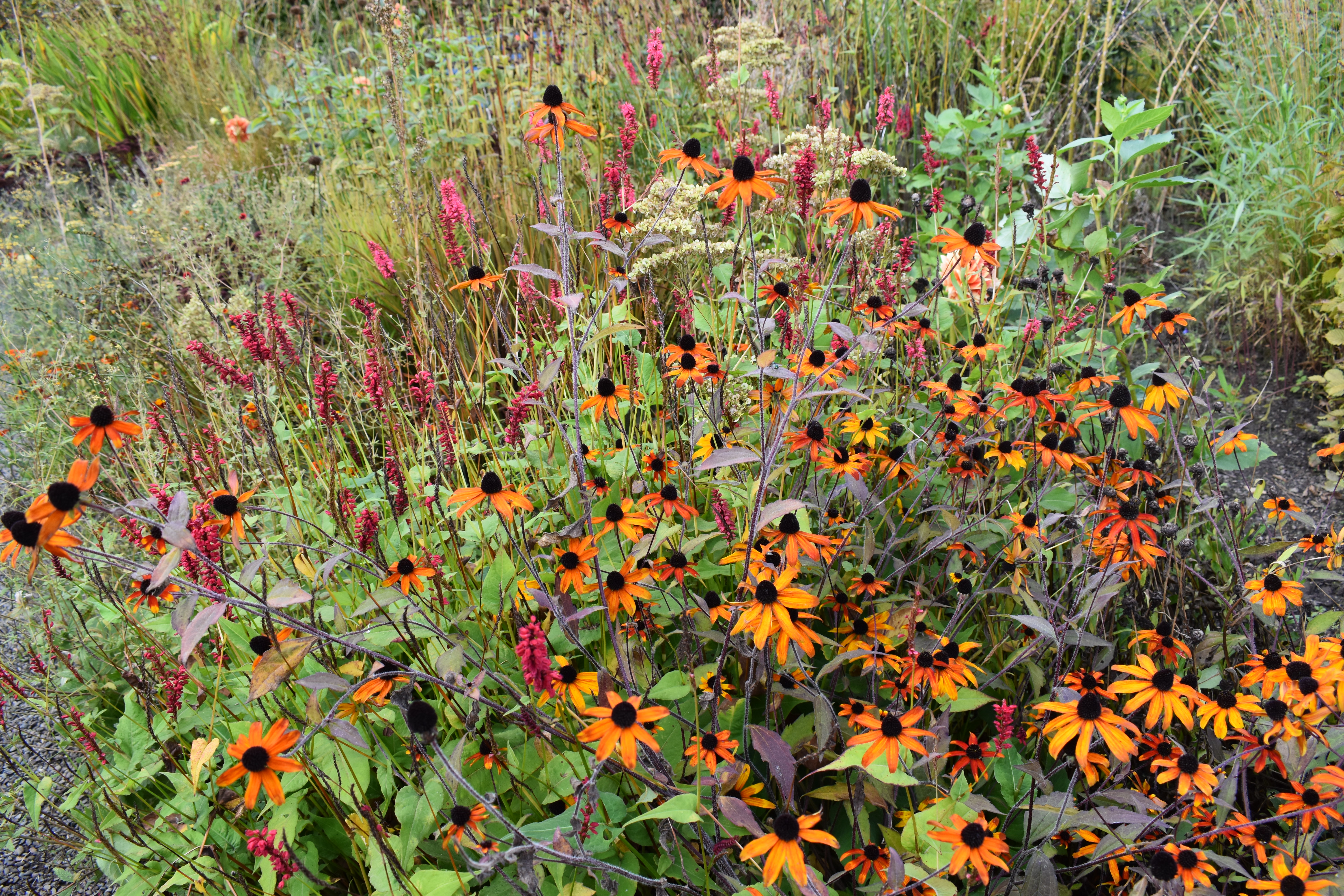
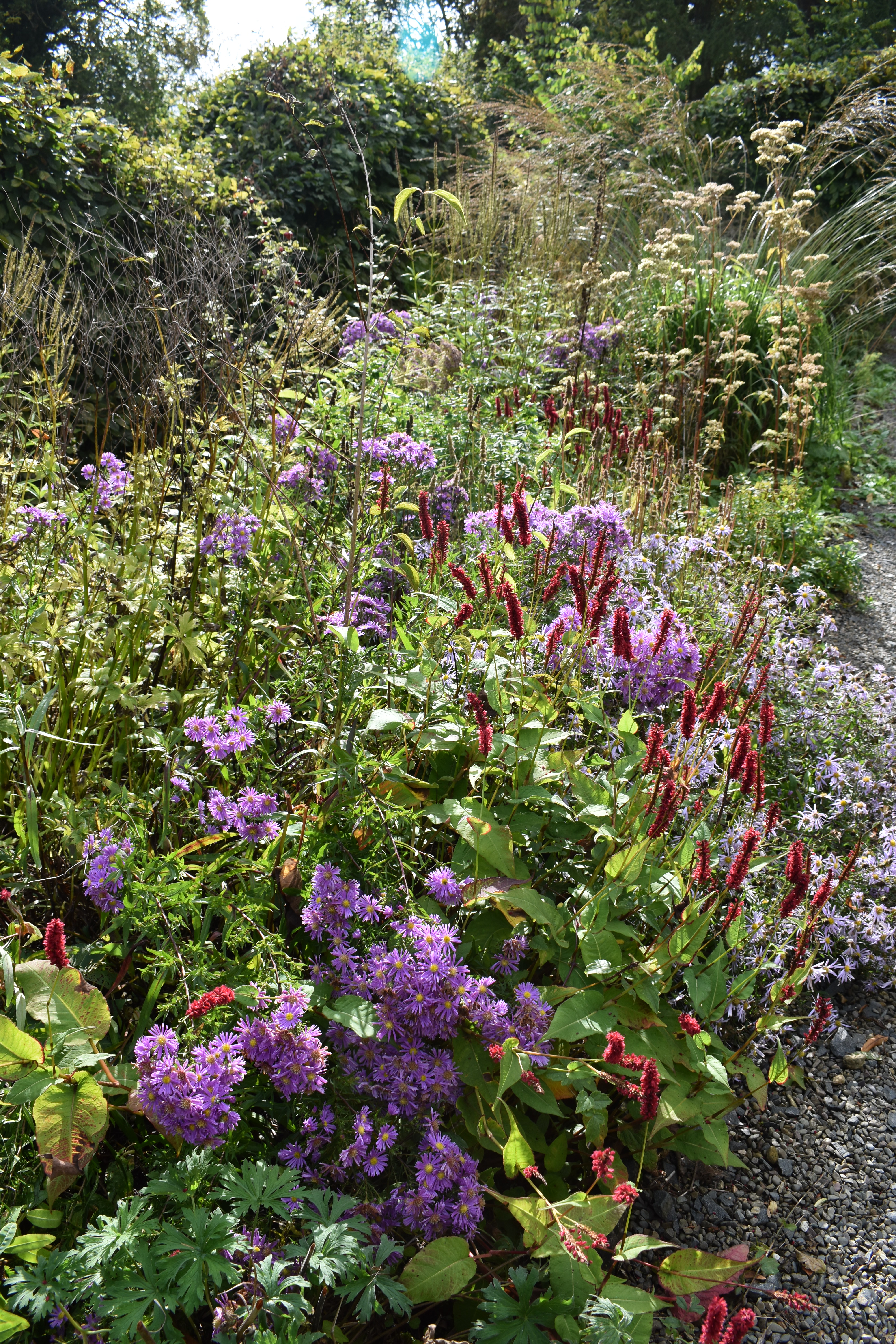
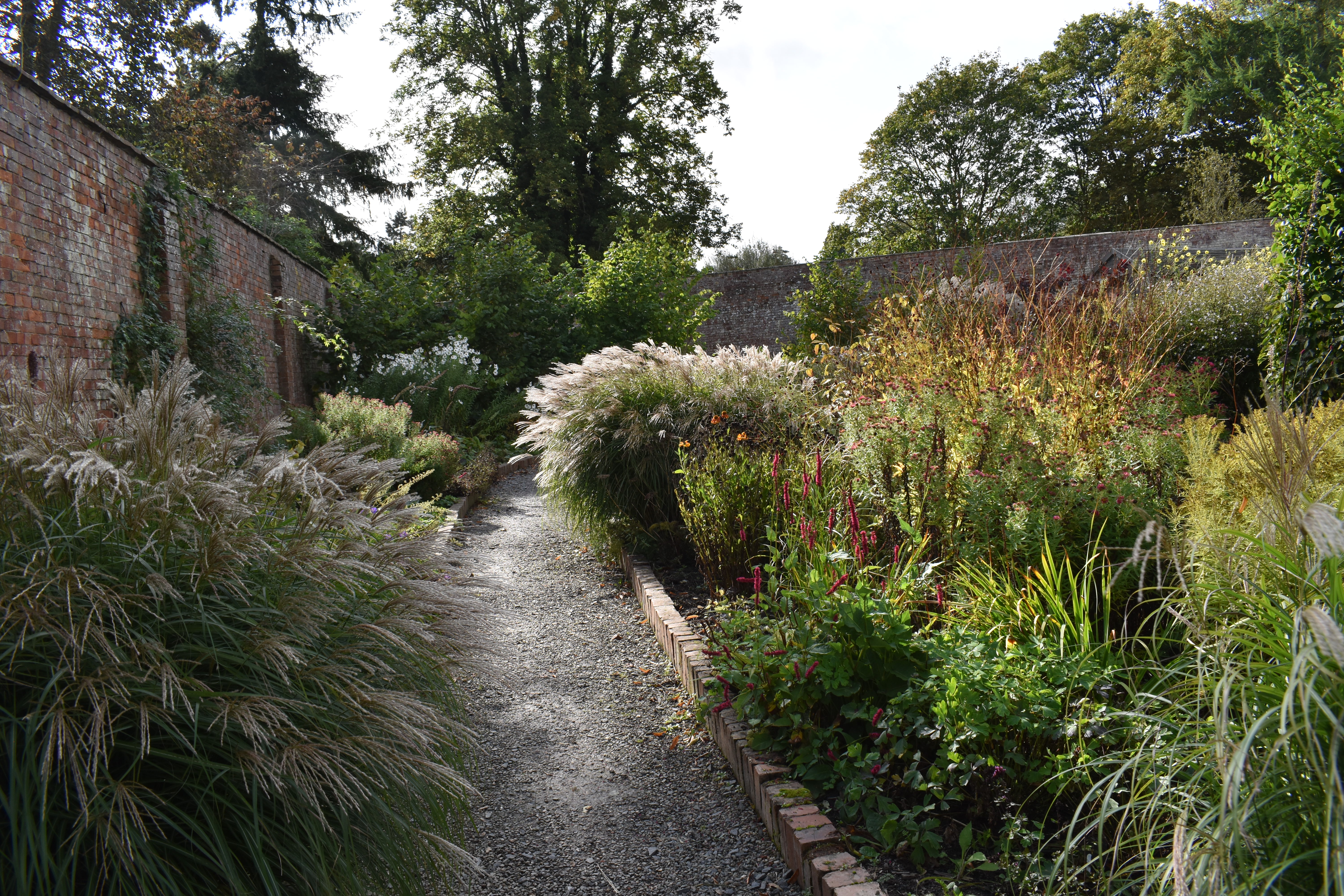
Equally important are late flowering perennials for colour and grasses that provide texture, movement, sound and light catching abilities. It is a real eye-opener when we walked around Wildgoose to see so many such plants.

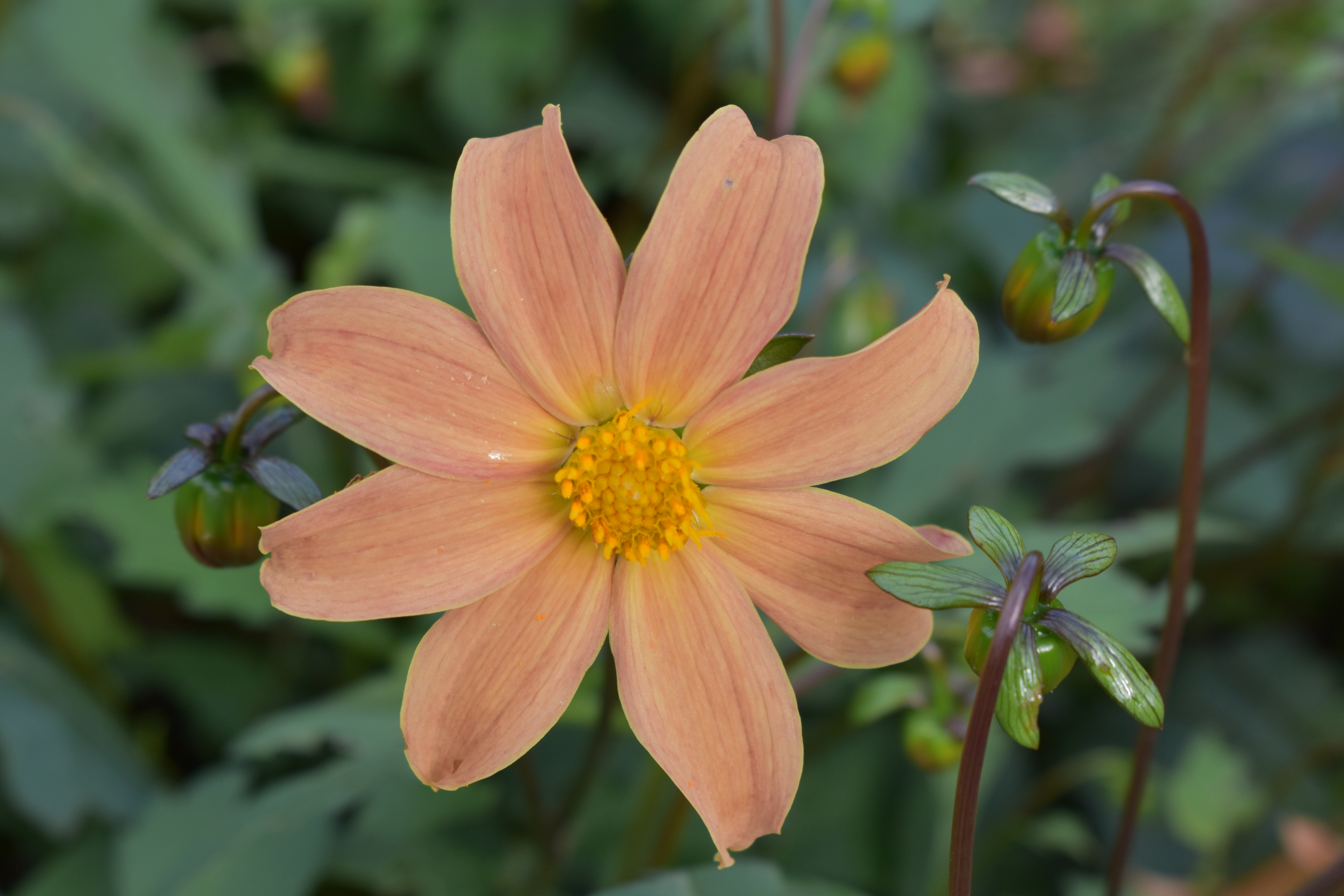
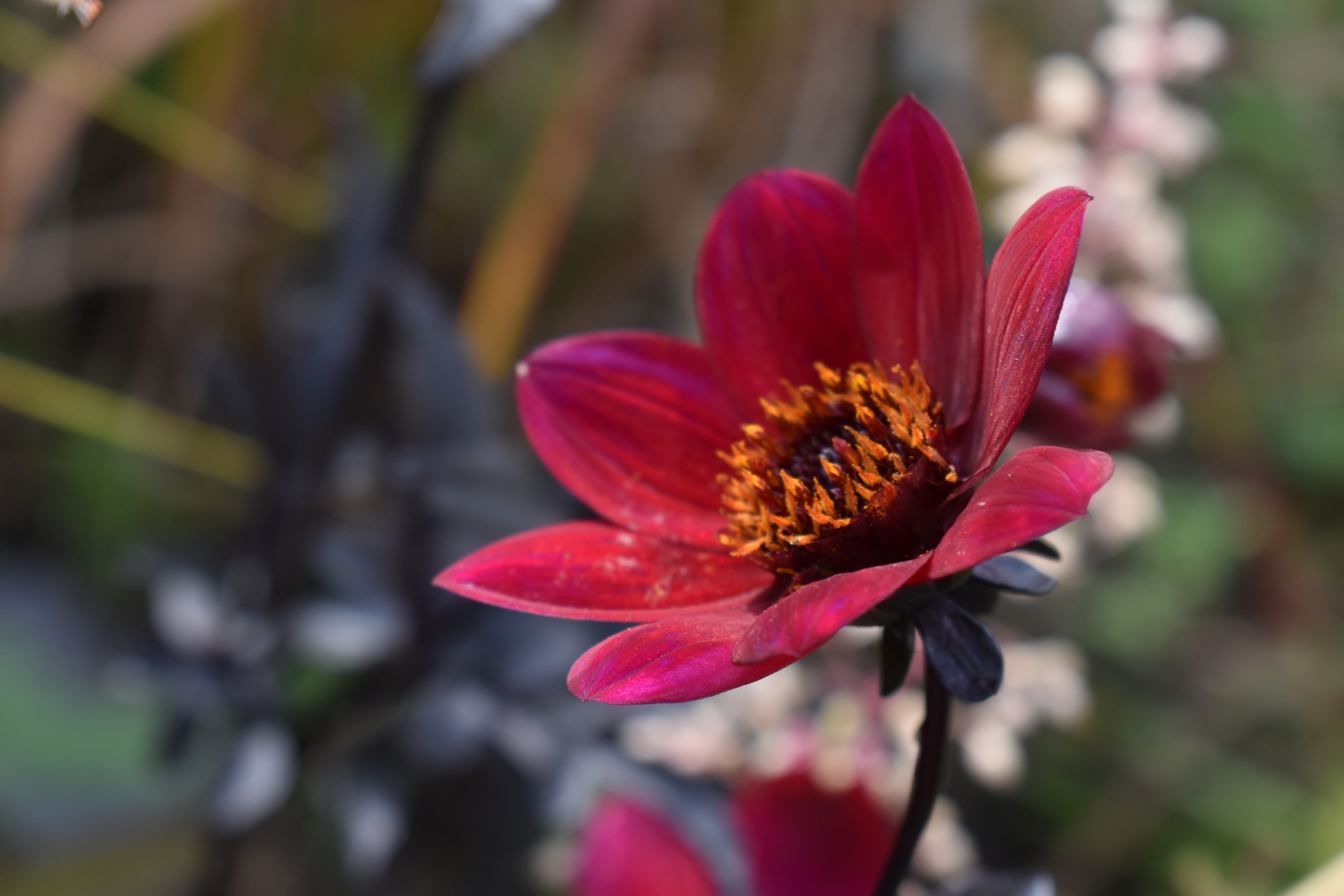
Dahlias are one of the most effective plants in the mixed borders here and they are carefully chosen for their colour and shapes.

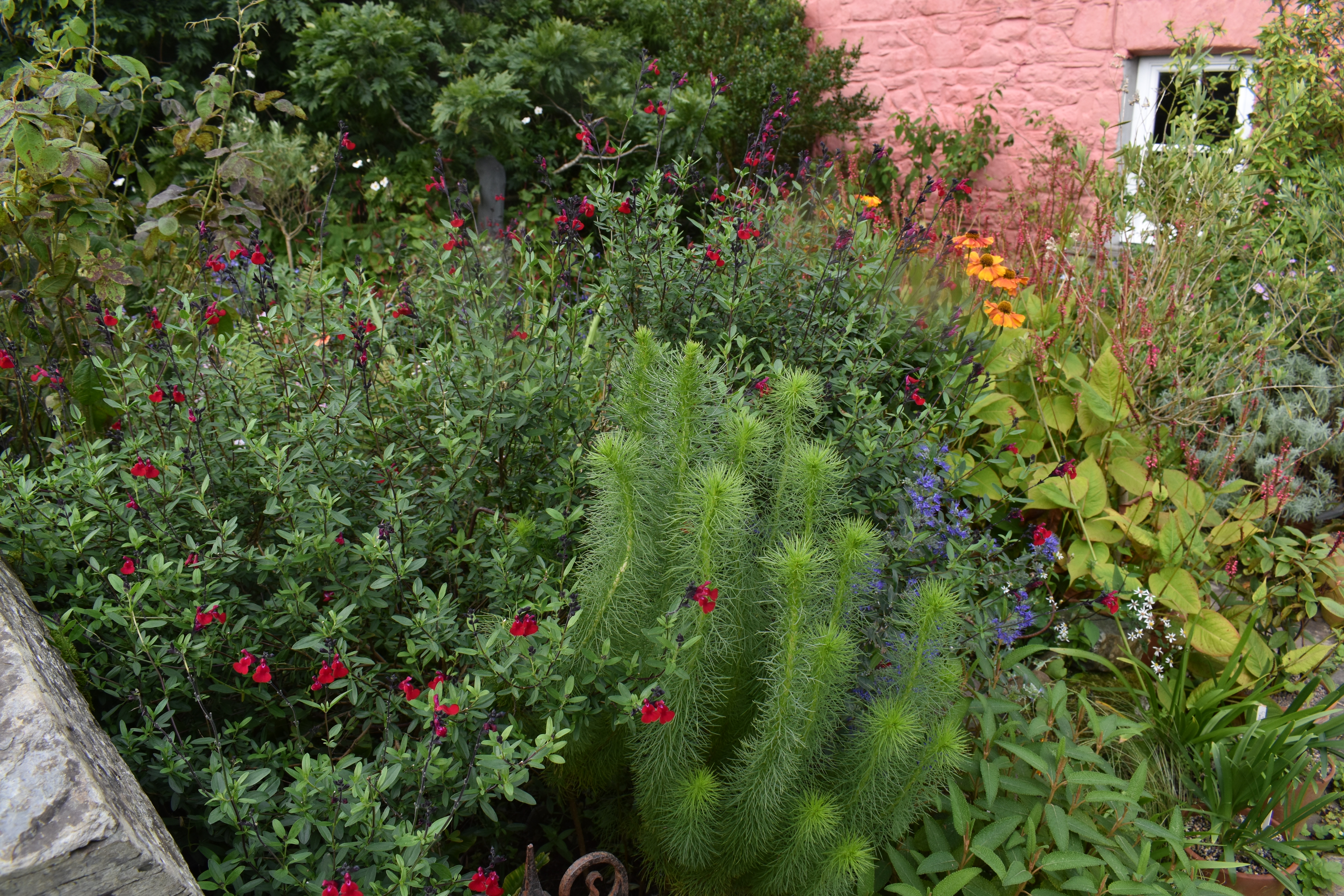
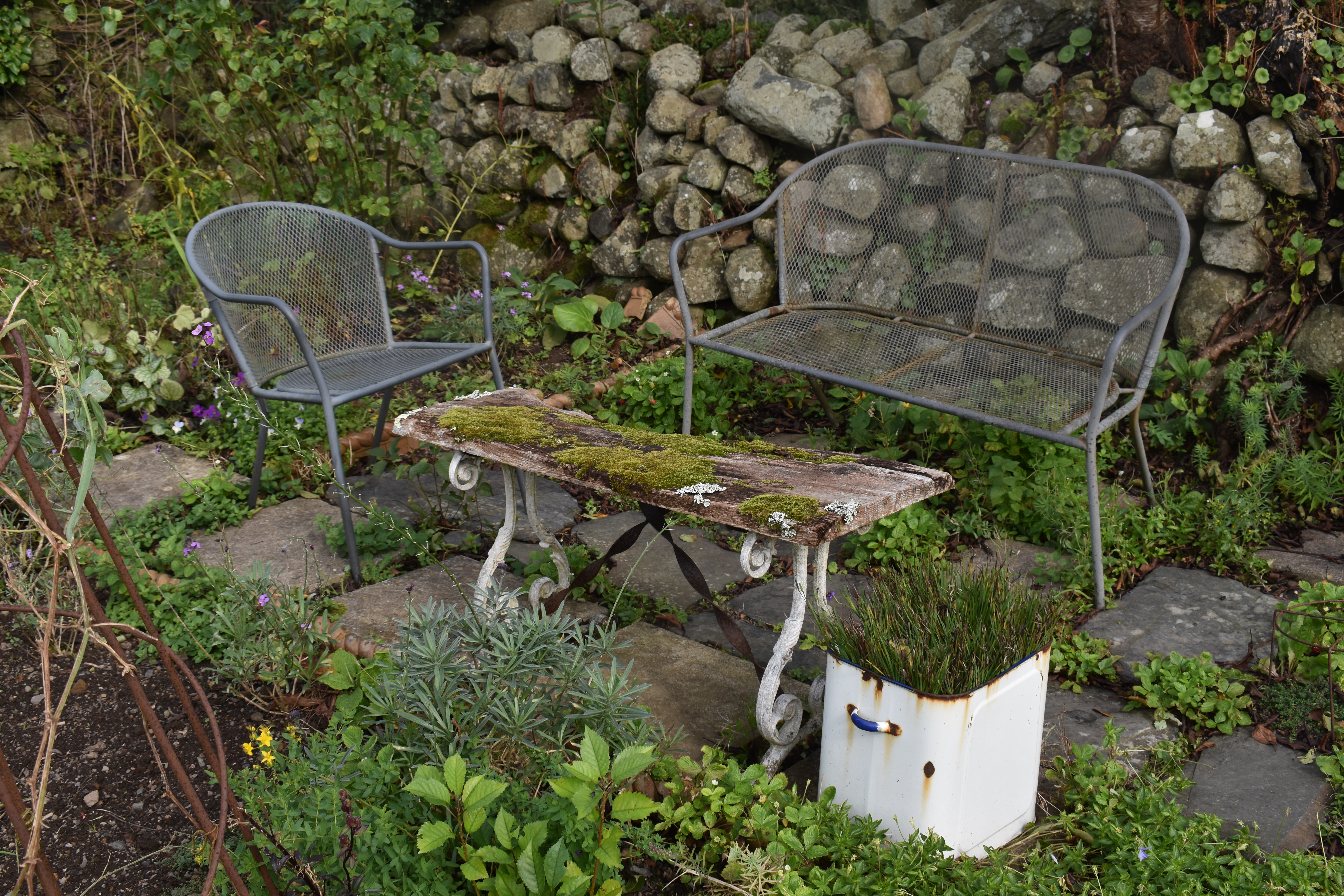
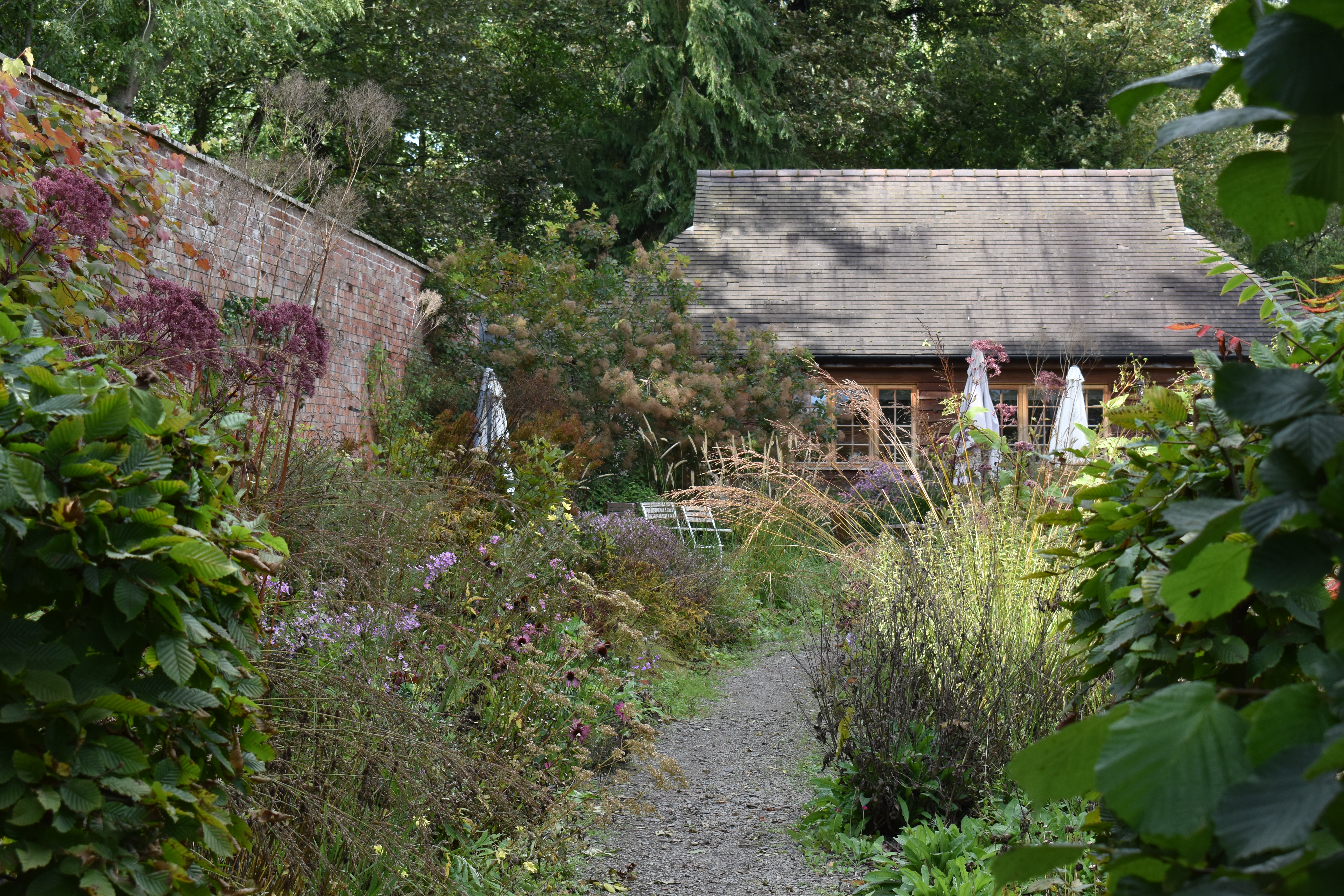
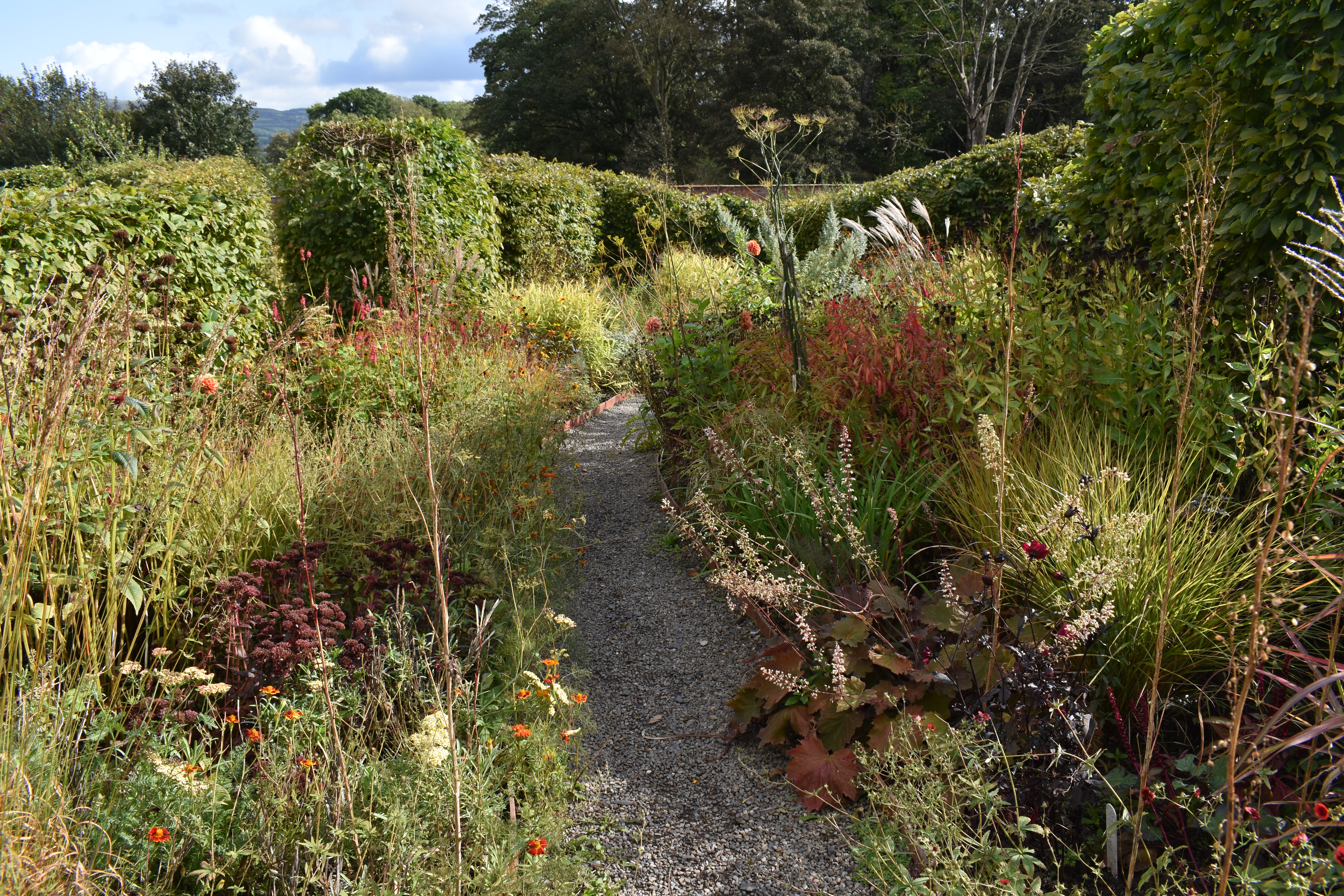
I will finish off this report of our HPS mini-group meetings with some more general views of borders and pathways.

The nursery and walled garden will be closed until the spring when another set of plants will be creating more wonderful views and plant groupings.

Categories
Uncategorized

Aberglasney – the Once Hidden Garden

Aberglasney was once the subject of a television series entitled ”Aberglasney: a Garden Lost in Time”, which we really enjoyed. It was a four part series which followed the restoration of its dilapidated gardens, shown back in 1999.

We visited the garden when restoration had only just begun and several times since. Strangely this time all the restoration of the house and garden looked complete. In fact parts of the garden were being redeveloped again where plantings had failed.

We enjoyed finding this very sociable bench and the huge grassed area which was a good foil for the tall stately conifers nearby.

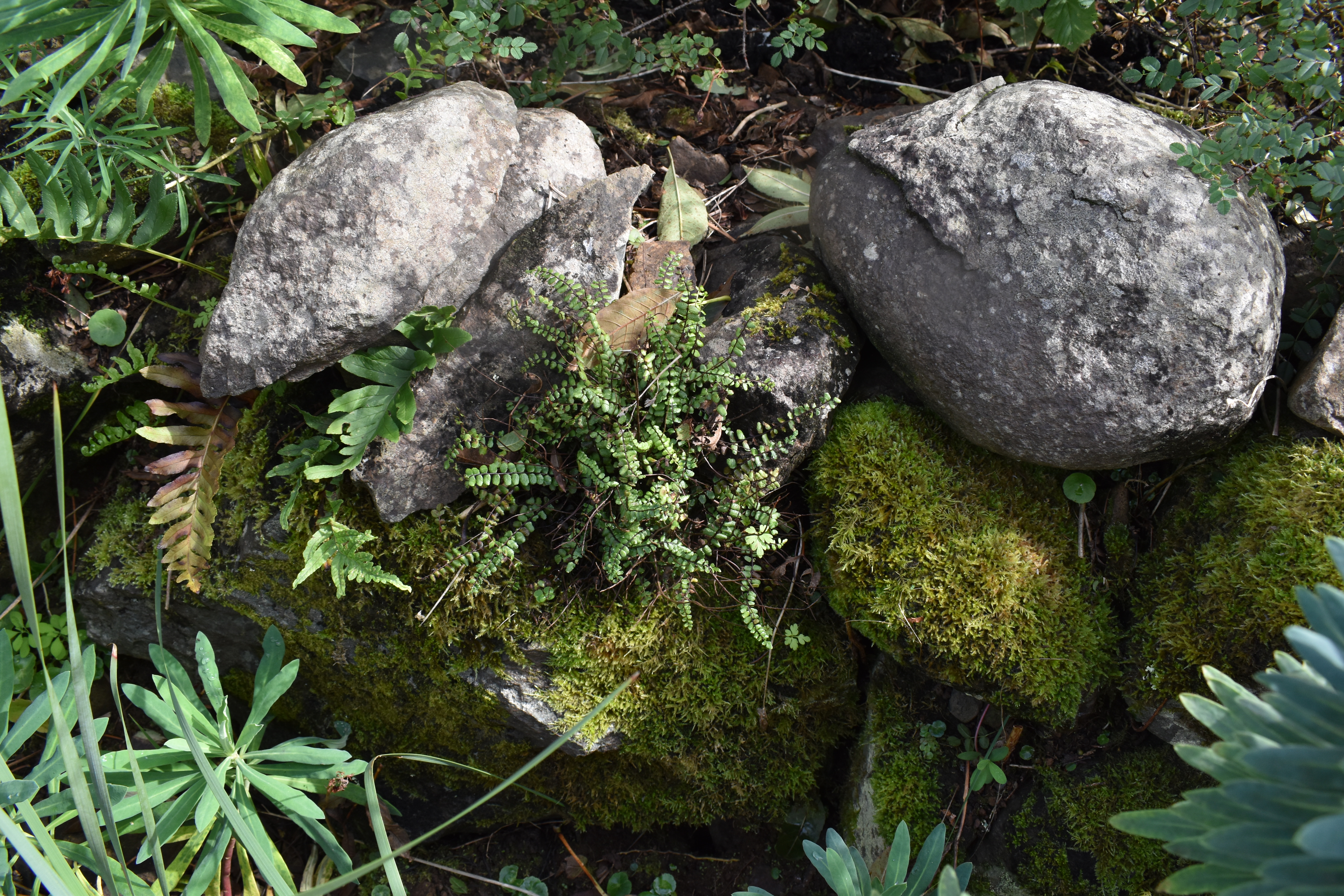
We were interested in the planting areas we passed on our way in. The wall was beautiful with ferns growing on the vertical surface plus the sound of falling water.

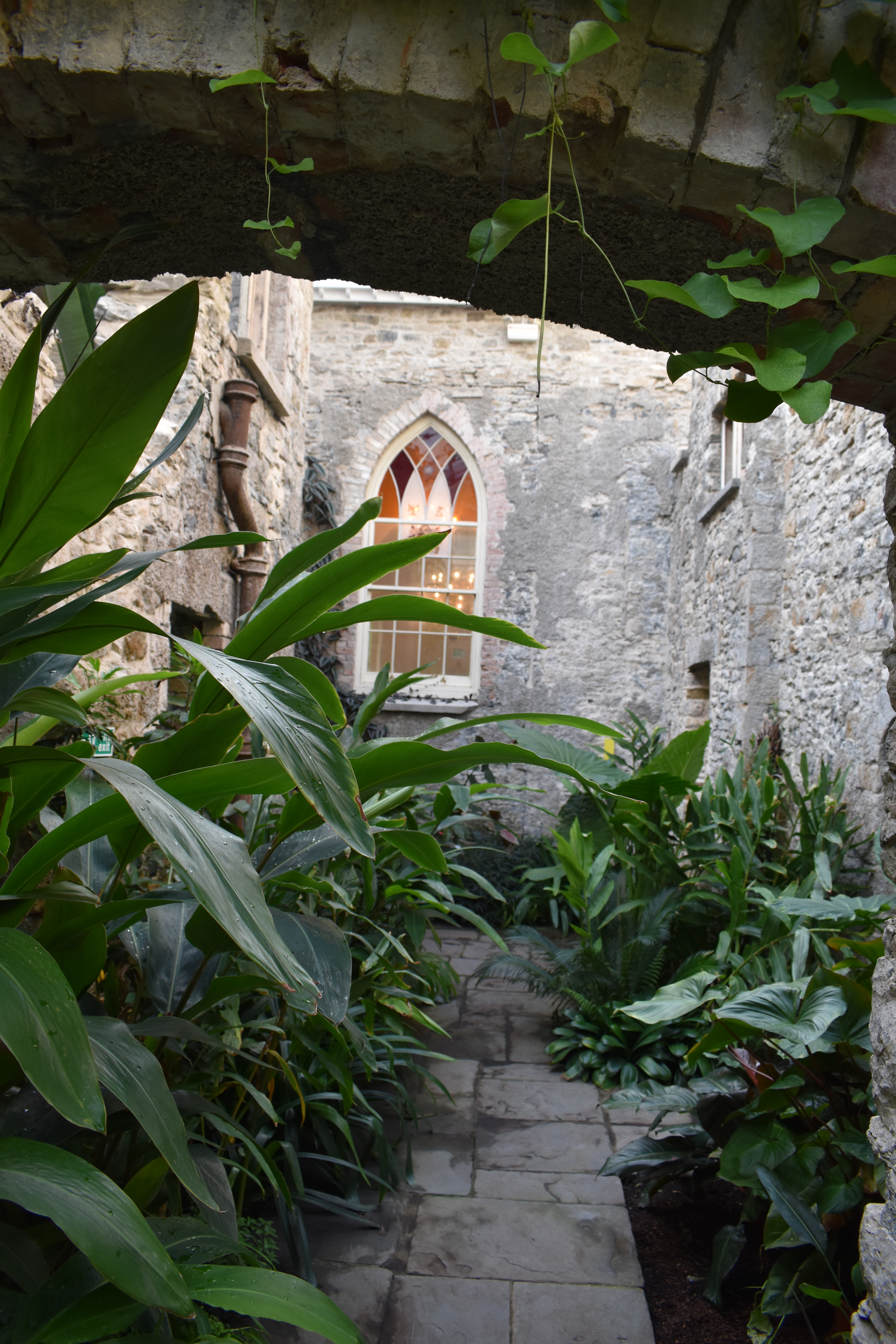
The Yew Tunnel featured in the TV programme as it was difficult to restore because of the age of the yews. It was just one of the many archways, tunnels and gateways around the property and garden.

Coffee and cake were soon required and we enjoyed some great views from our table to add enjoyment to our refreshments.

After our refreshment break we made our way along a long deep border alongside a stone wall that would lead us to the Old Piggeries, the Sunken Garden and finally the Jubilee Woodland Garden.

The next half hour was spent enjoying another coffee break before we set off to look at the walled garden. This walled garden is divided into two ,’Upper’ and ‘Lower’. The Lower Walled Garden was still mostly productive, growing produce, fruit, veg, herbs and cut flowers.

The decorative borders in both sections were full of asters in lots of different colours all attracting so much wildlife mostly bees and hoverflies.

We left the Lower Walled Garden through a wooden door in the stone dividing wall and entered the Upper Walled Garden which was composed of mixed borders around the edges and central circular beds.

We soon came to the time to return to the car but there was one more special place to see before we left, an unusual garden called the ‘Ninfarium’, half built into the buildings.

This will be considered in a second post about Aberglasney.

Categories
Uncategorized

Colby Woodland Garden

Another garden we visited during our September Pembrokeshire holiday was Colby Woodland Garden, which we had visited in the past. Strangely neither of us could remember much about it, so it was like visiting for the first time.

The car park was situated in a woodland clearing alongside the road. When we arrived it was raining incessantly but we decided we could pay our entry and enjoy a coffee.

On the way down to the welcome building we could get glimpses of what to expect. As we enjoyed our coffee and home-made cakes we could see the rain outside was lessening so we made plans of the route we were going to follow. It was dry as we began our wanderings.

The first area we found was “The Walled Garden” which made us hurry up as we both have soft spots for walled gardens because of their very special atmosphere.

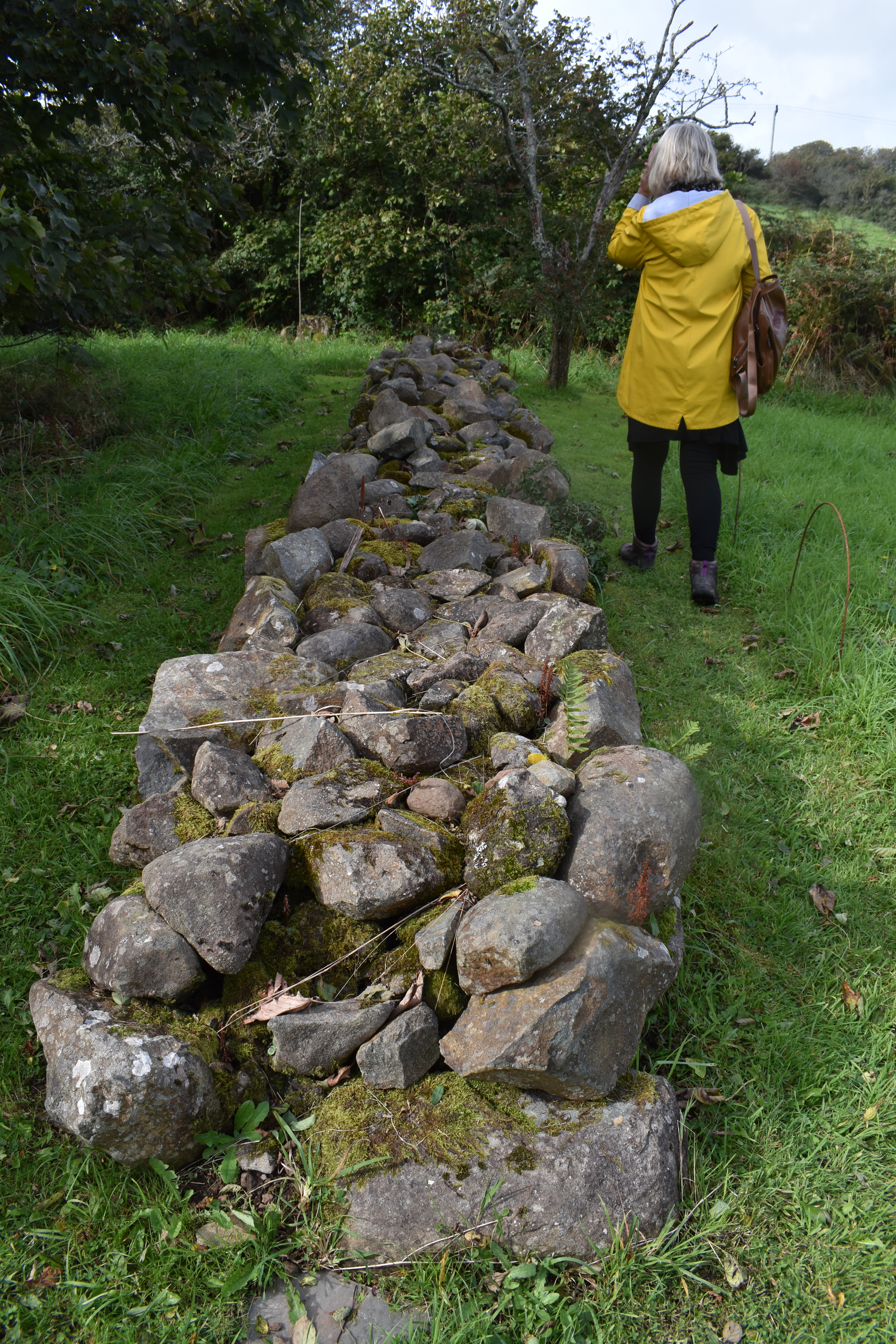
We then retraced our tracks for a short walk following a track edged by a stone wall, and made our way to “East Wood”. The atmosphere here was different, cooler and quieter.

There were even a few flowering plants in this area mostly in the first few minutes of our wanderings.

When we left the East Wood behind we followed a footpath that followed the stream and then wound across the ‘Wildflower Meadow’ to access ‘The West Wood’. This area was more of a woodland garden than East Wood.

Some splashes of colour came from the woodland planting of shrubs and perennials.

To add more interest to this already varied woodland at Colby, we came across signs of past industrial activity.

We also found some wood creations, a set of animal sculptures and a collection of interesting rustic seats.

On visits to most gardens there are a few plants that stand out above all the others there. Here are a few from Colby Woodland Garden to finish this report.

Categories
Uncategorized

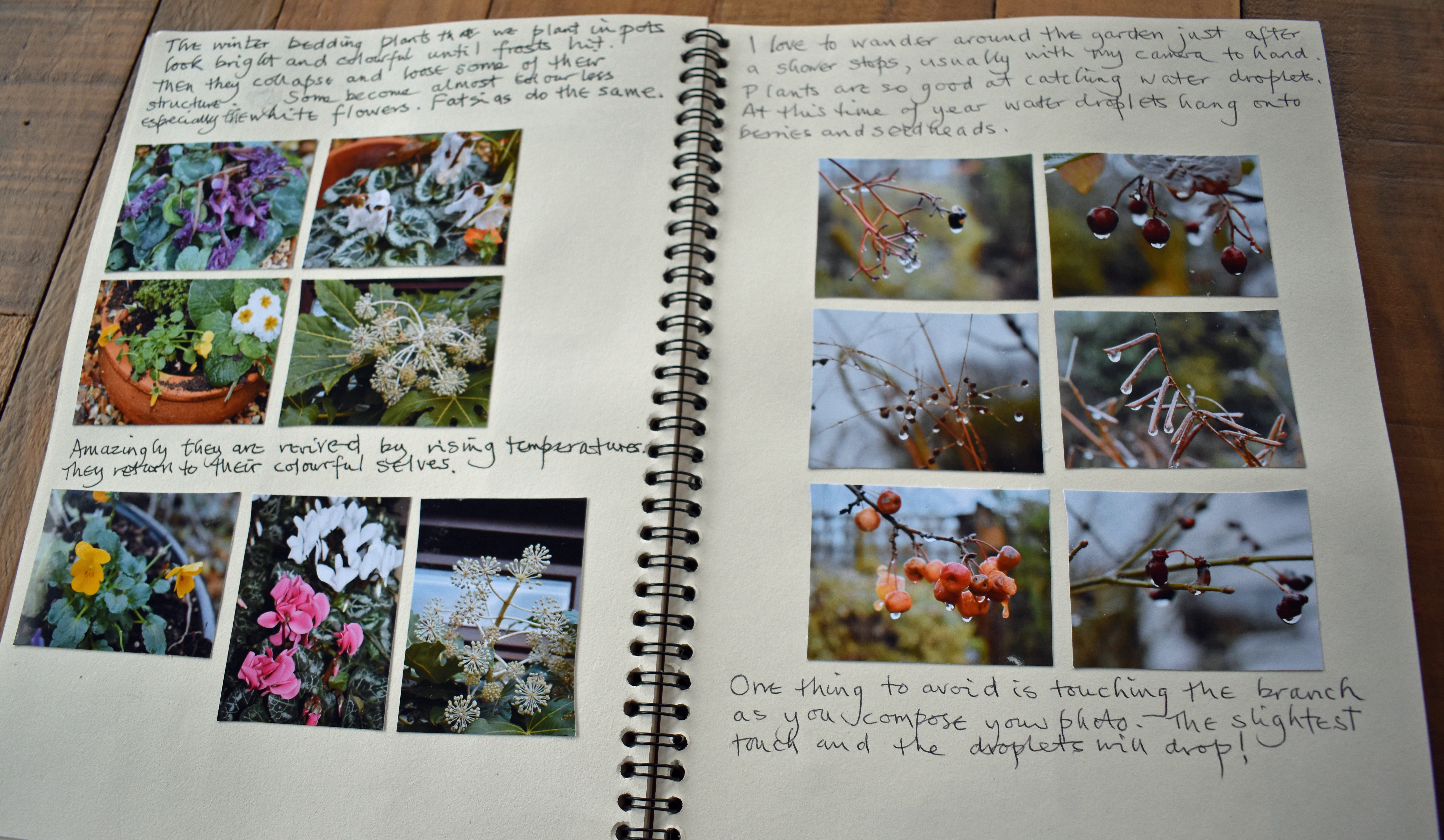
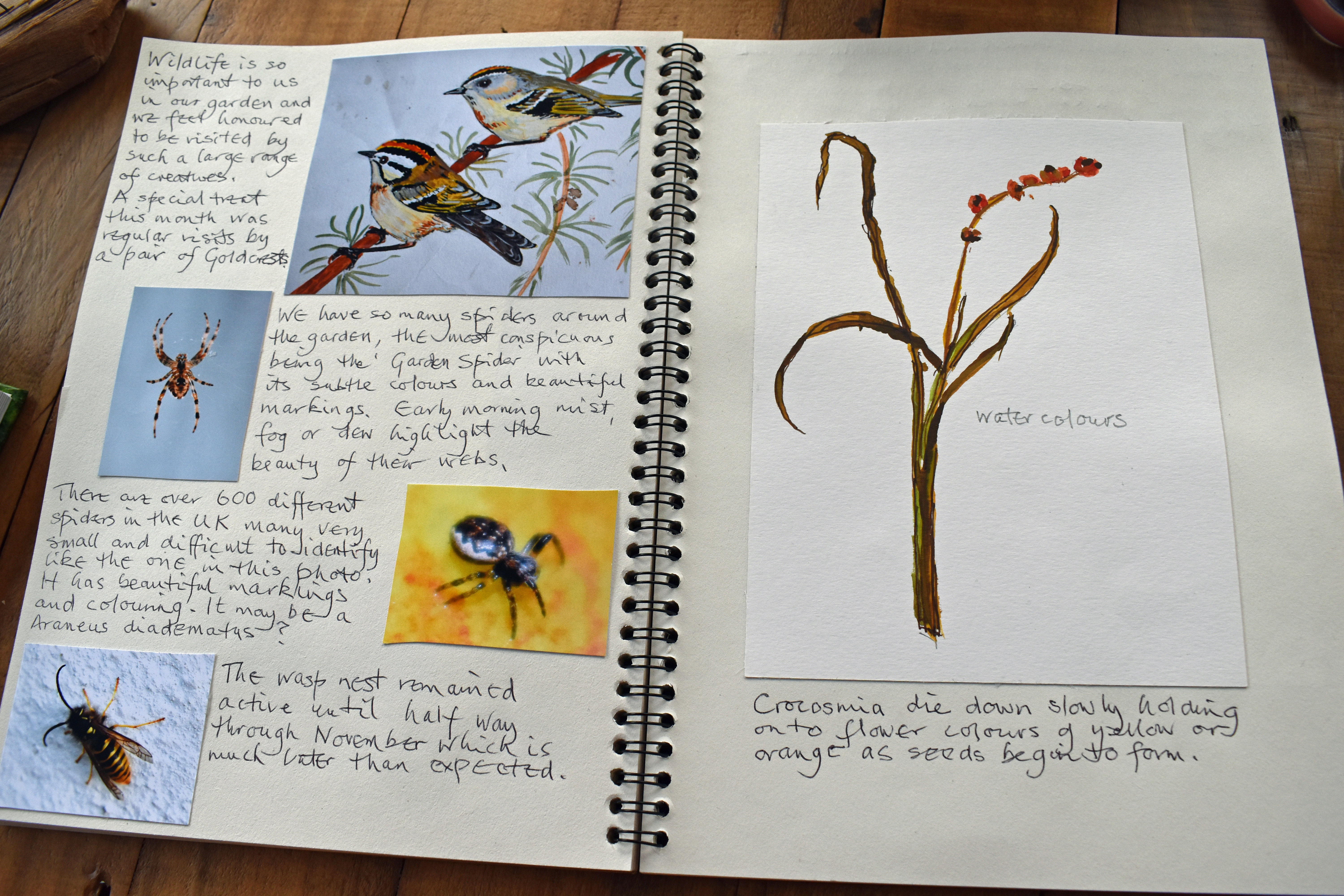
My Garden Journal 2023 October

It is time to delve into my garden journal where we will be considering the month of October. The month began with a week of warm weather, a little Indian Summer after all. So plenty of fine gardening days to take advantage of.

The month began with higher than average temperatures, climbing at times to 23 centigrade. After a fortnight or so it is predicted to be dropping back to the mid-teens. So we decided to take full advantage of the warm sunny days by getting out on our patch as often as possible.

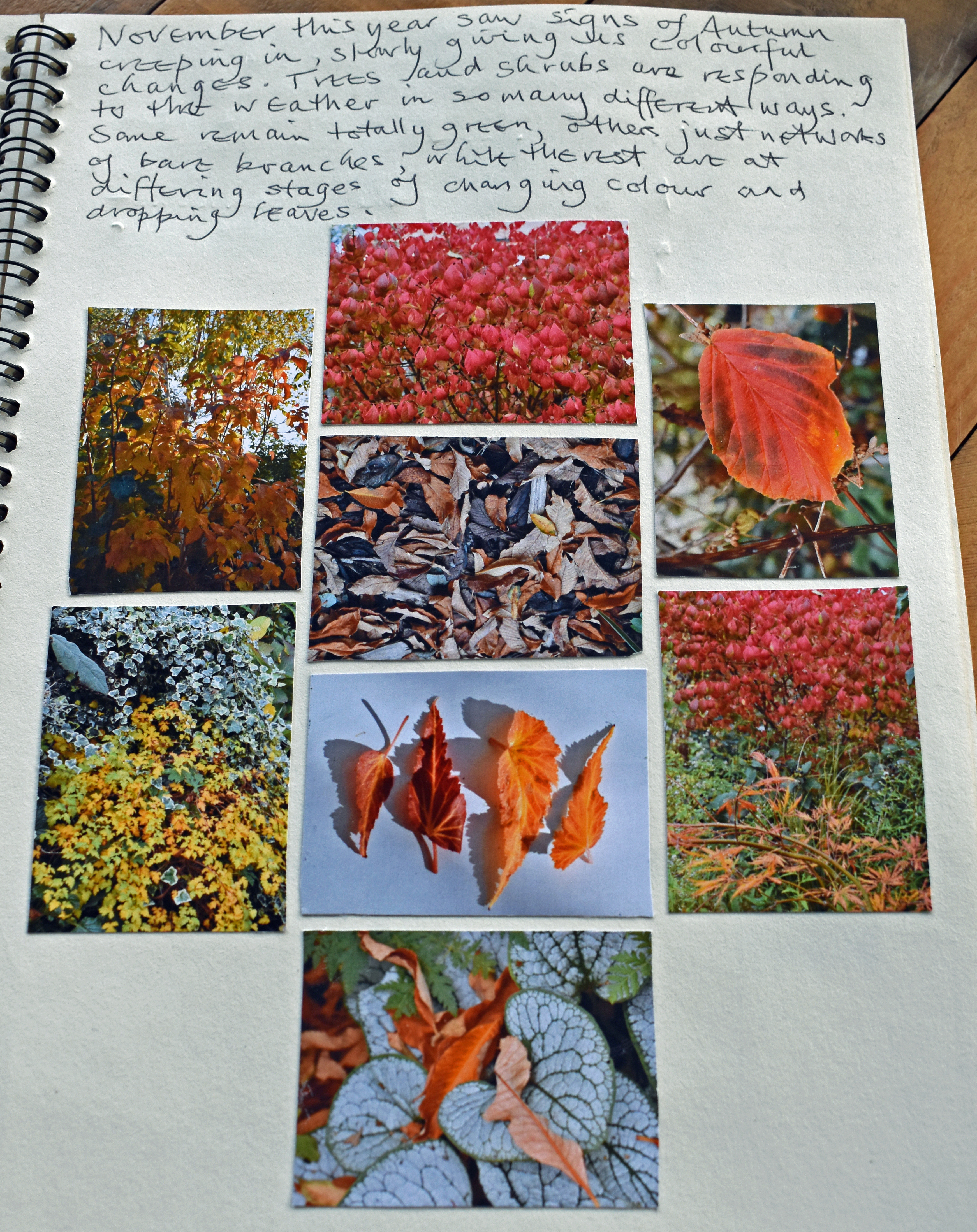
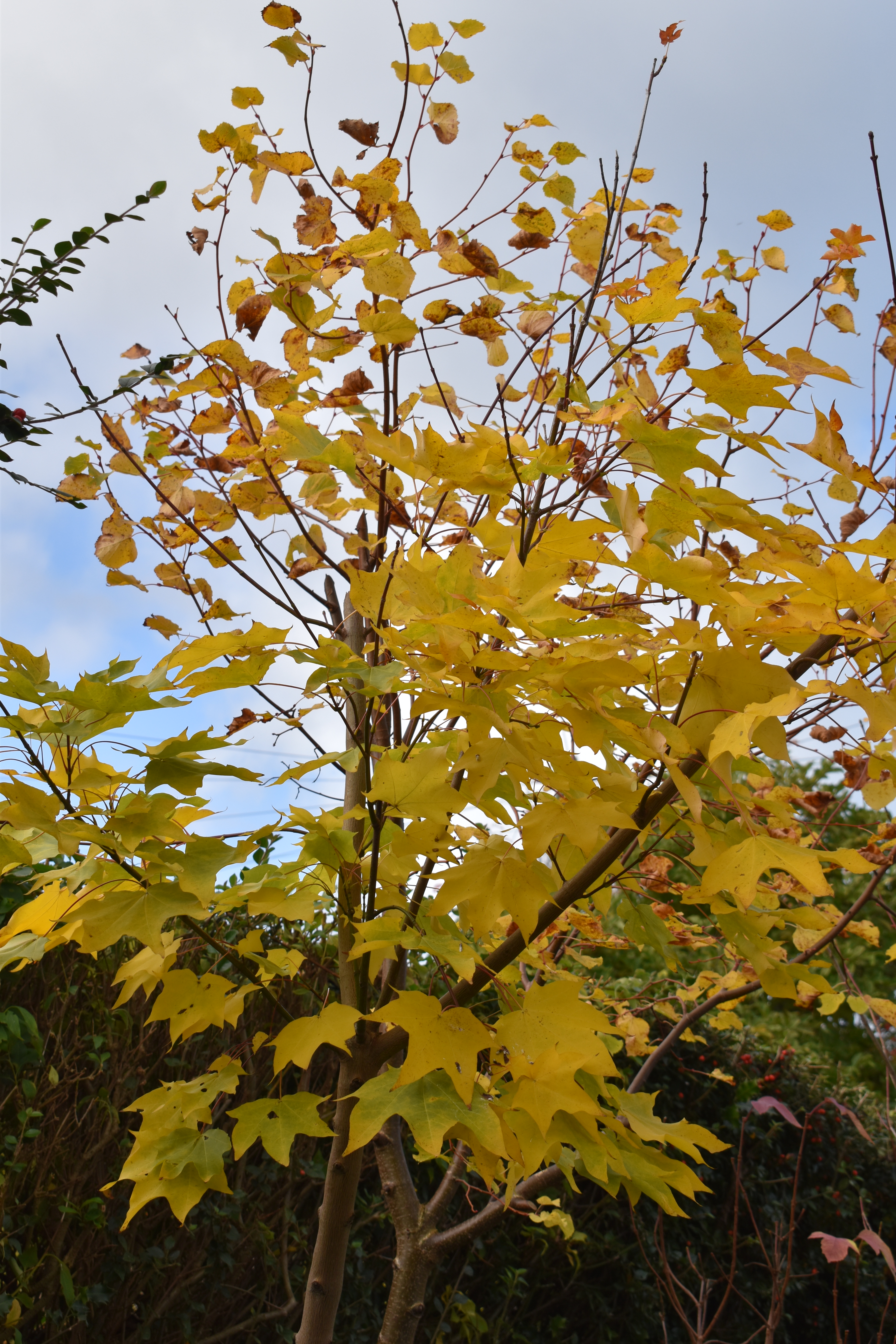
The first two pages look at firstly the early signs of autumn and opposite cut flowers from our garden. On the first page I wrote, “October is the month when signs of autumn begin to appear especially leaves becoming more colourful, changing from greens to shades of yellow, orange and red. Our fruit trees have fruit mostly ready for picking.”

I then shared seven photographs illustrating the autumnal changes in our garden.

On the page opposite are photographs of cut flowers from our garden in October. I included six photographs and wrote,“Throughout the year we try to have lots of vases around the house full of cut flowers from our garden. Simple glass vases are by far the best.”

Turn the page over and we can see eryngiums featured, “We love Eryngium with their thistle-like character, fascinating cut leaves and the metallic sheen on stems and flowers in shades of blue or purple. They keep their flower shapes as autumn dries them up and they turn brown or biscuit shades. Ours all seem to be at different stages of decline, beautiful decline.”

The double page spread below featured some of our Eryngium dead heads in biscuit and metallic shades. Opposite is a painting I created of a Begonia flower from the greenhouse collection.

I noted that, “In the greenhouse our begonias and pelargonium continue to flower. The Begonias range in colour from creamy white to pure white and from the palest yellow through to deep yellows, oranges and reds.”

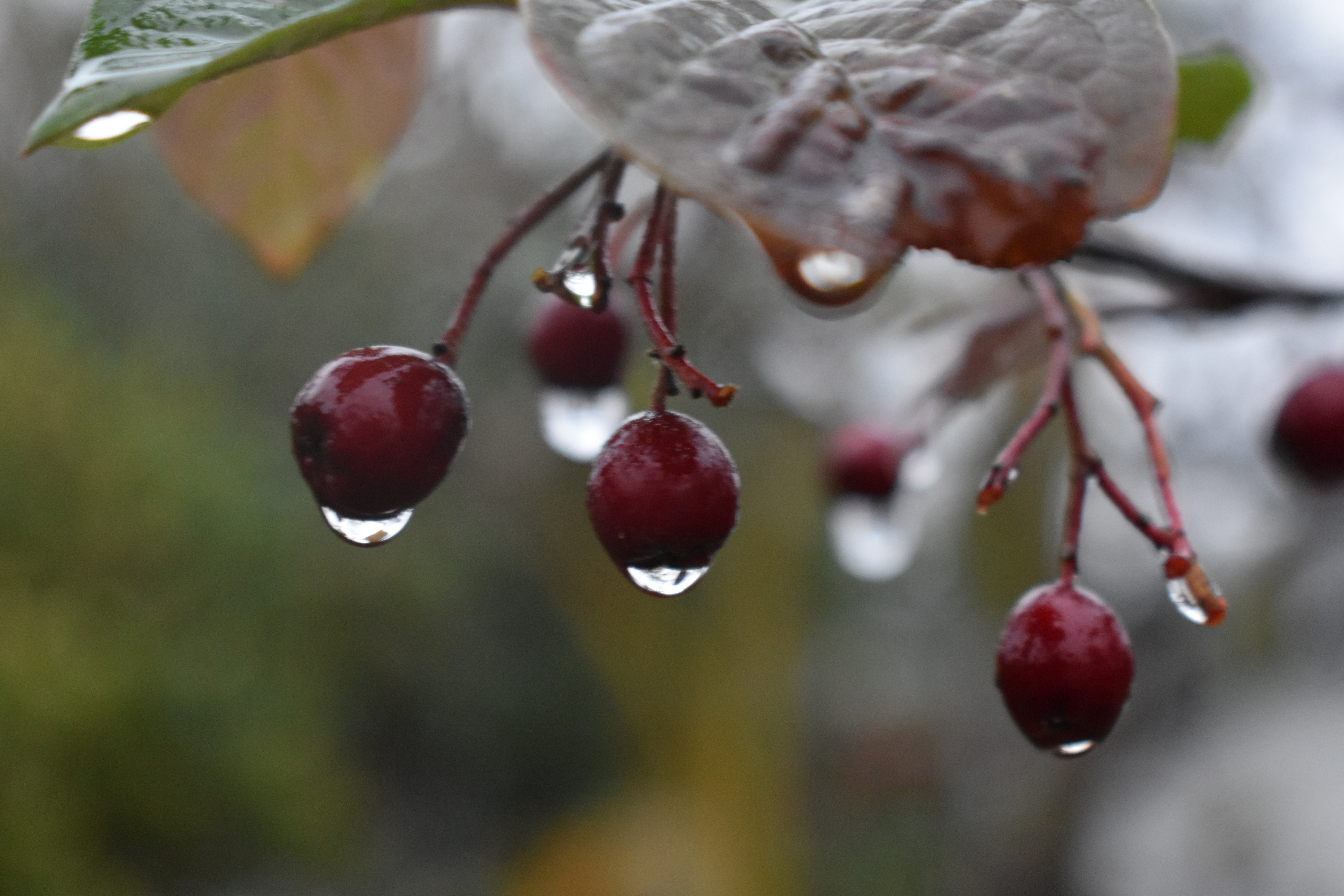
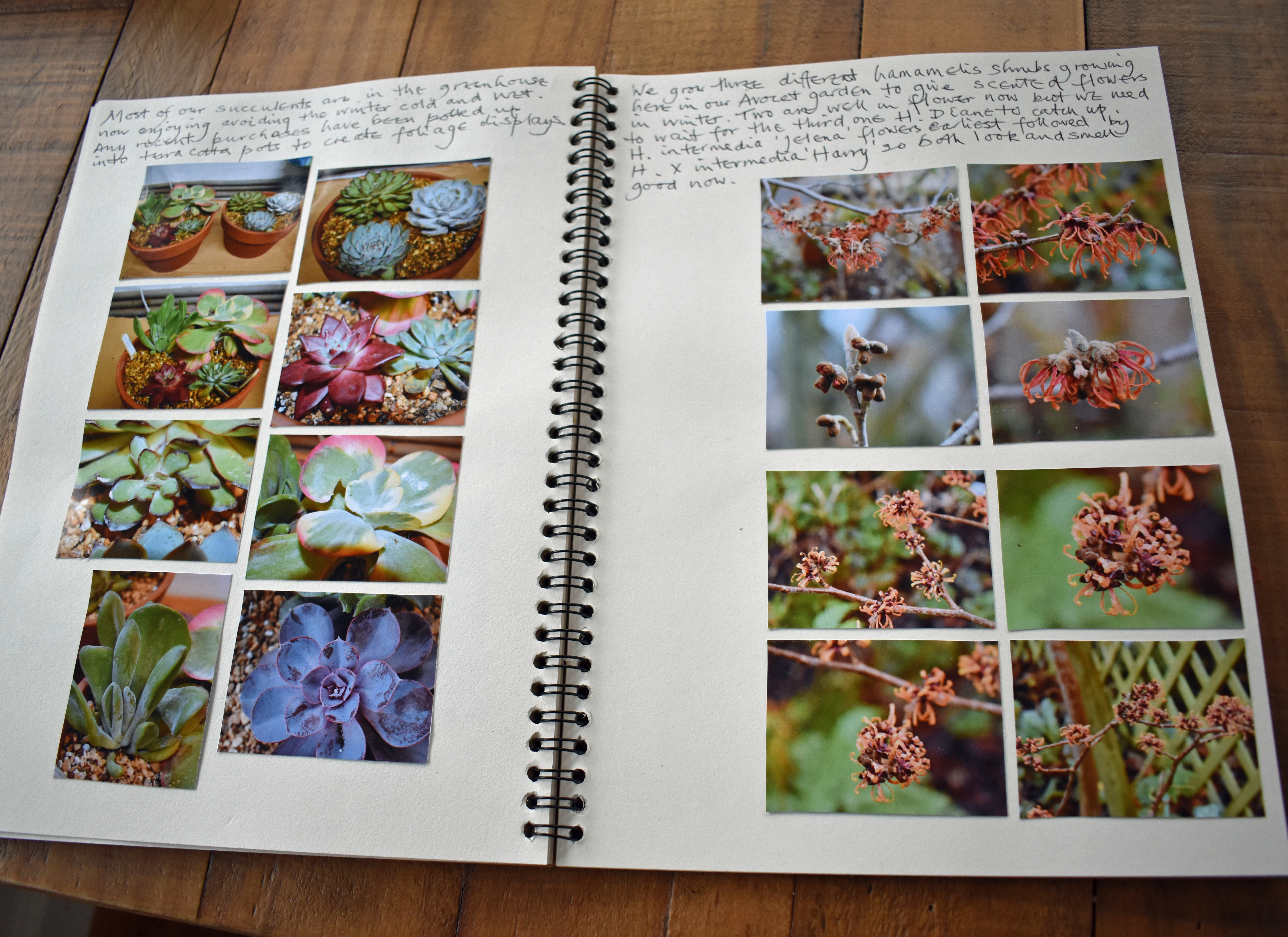
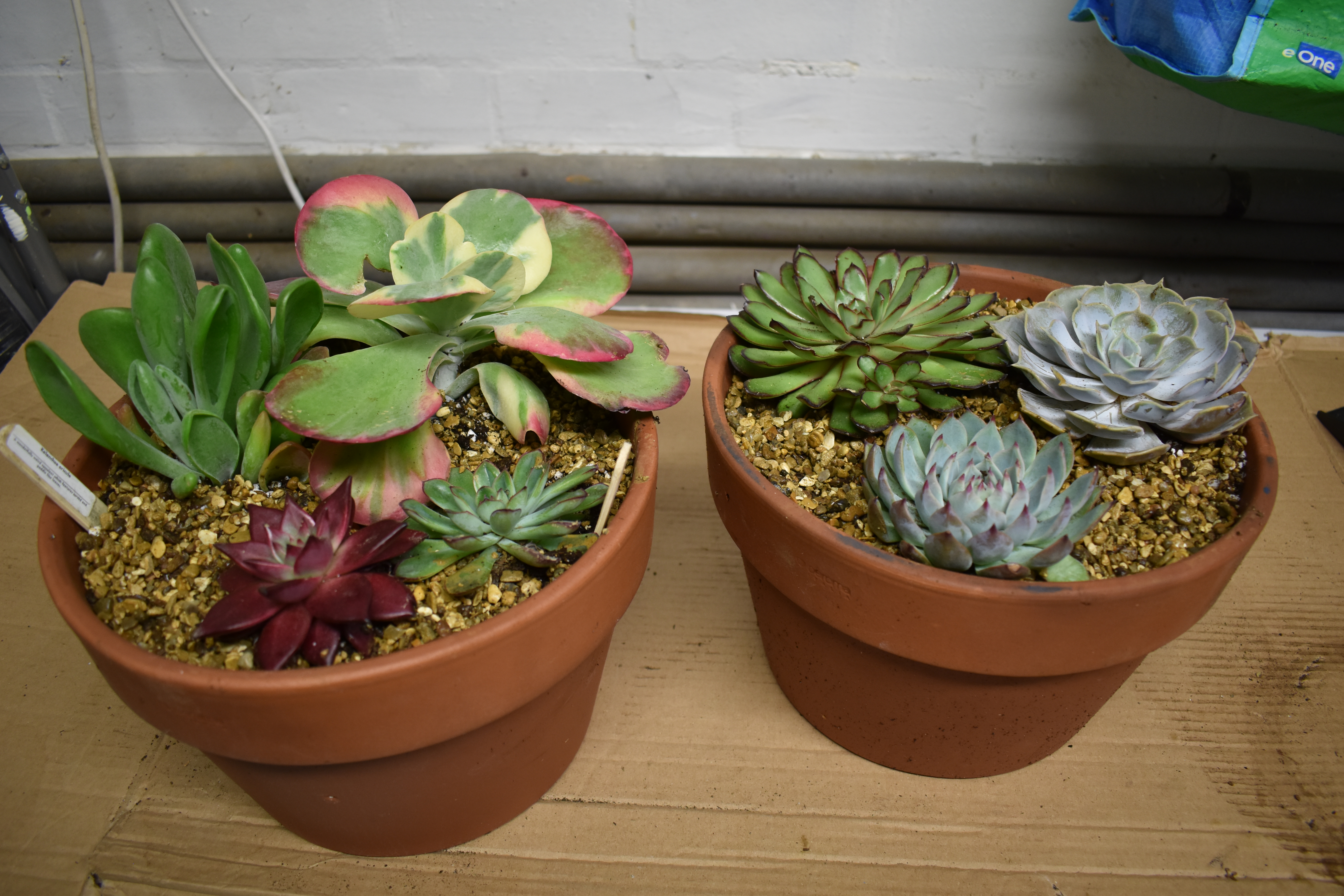
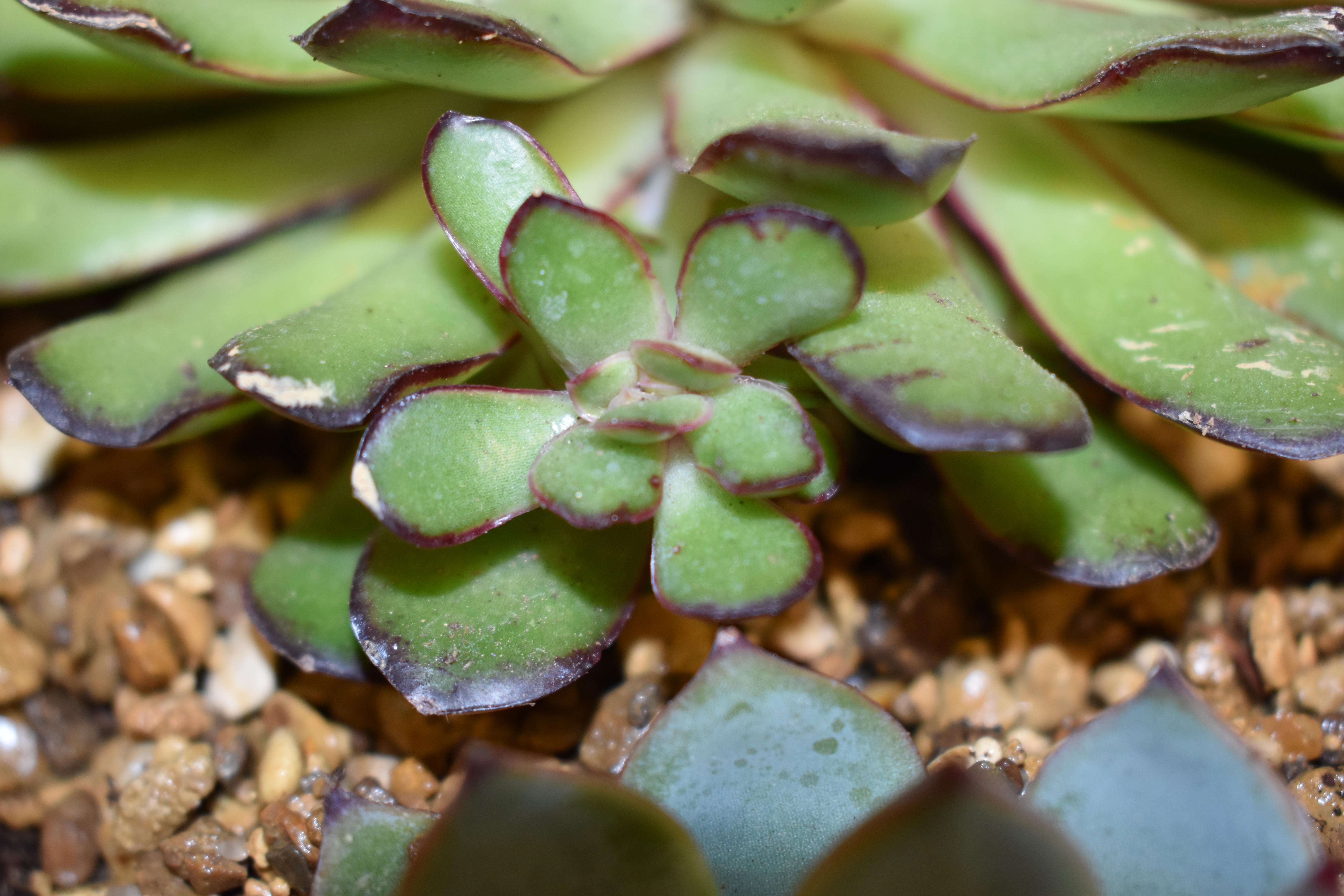
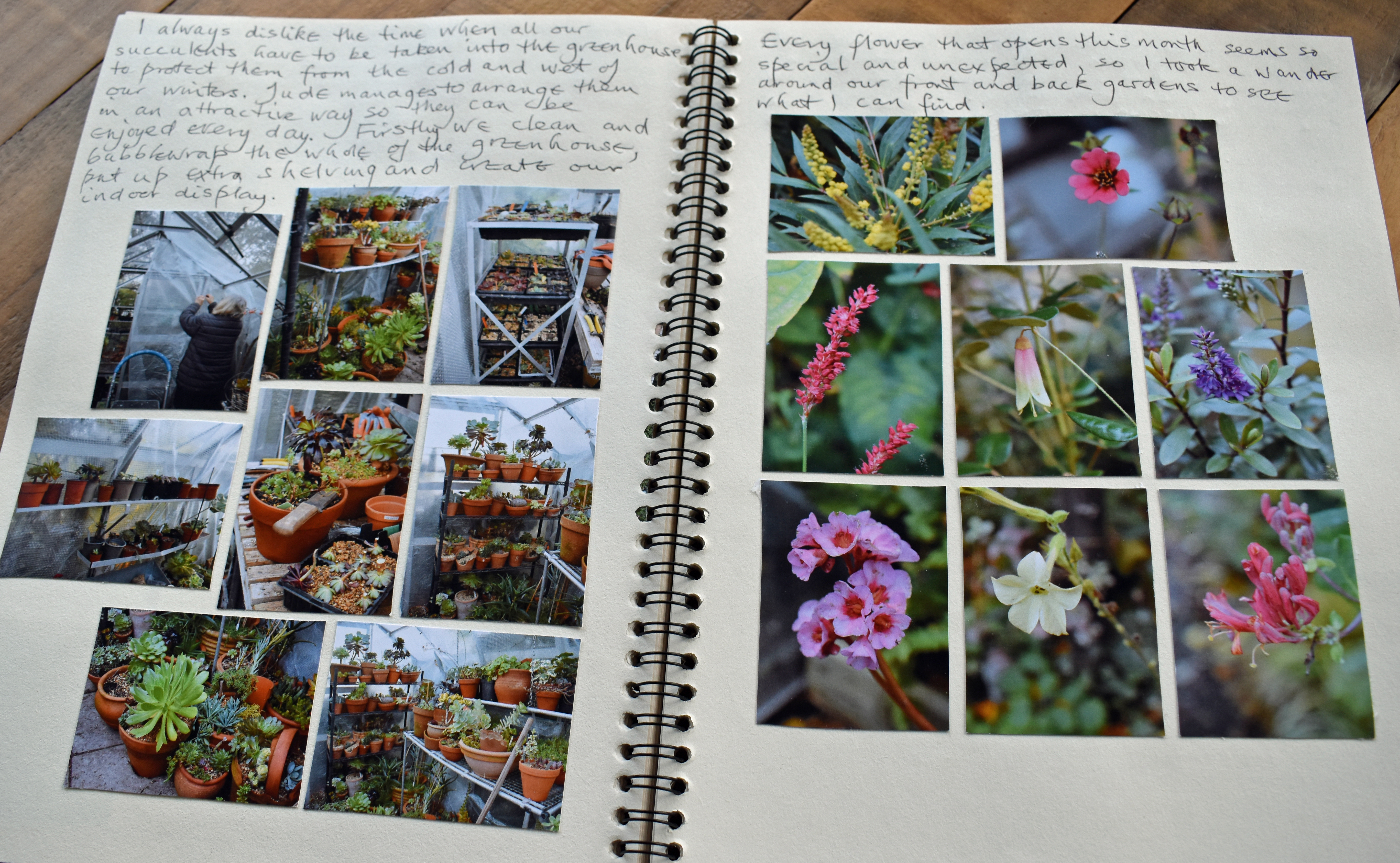
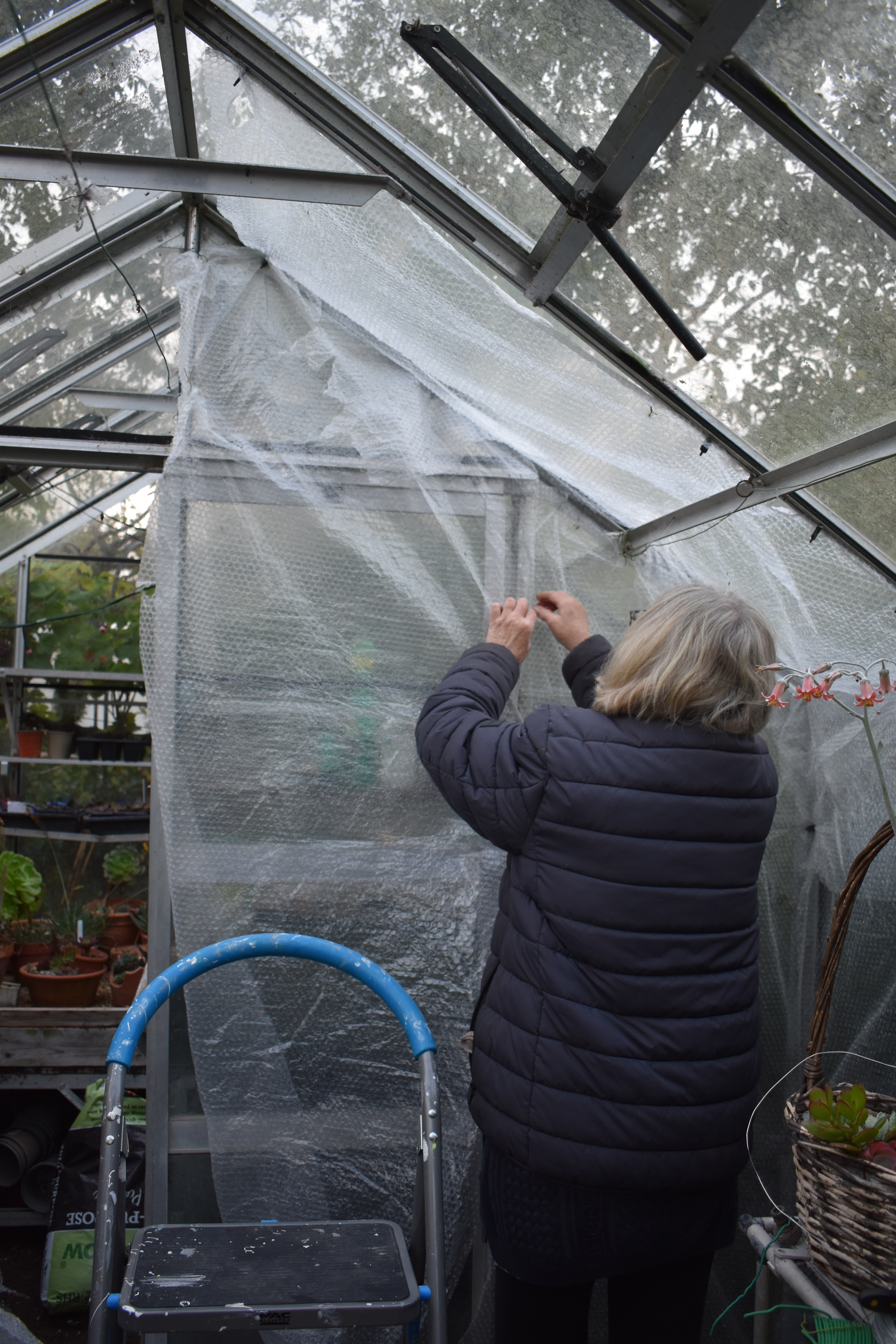
Turning over the page to the next double page I featured succulents on the left and rose hips on the right. Concerning the succulents I wrote, “It is during October that we have to take into the greenhouse our delicate succulents and Salvias. Night time temperatures begin to drop. Below are photographs of some of the succulents enjoying staying outside in the second half of the month. Once frosts join lower temperatures we will need to get them under cover.

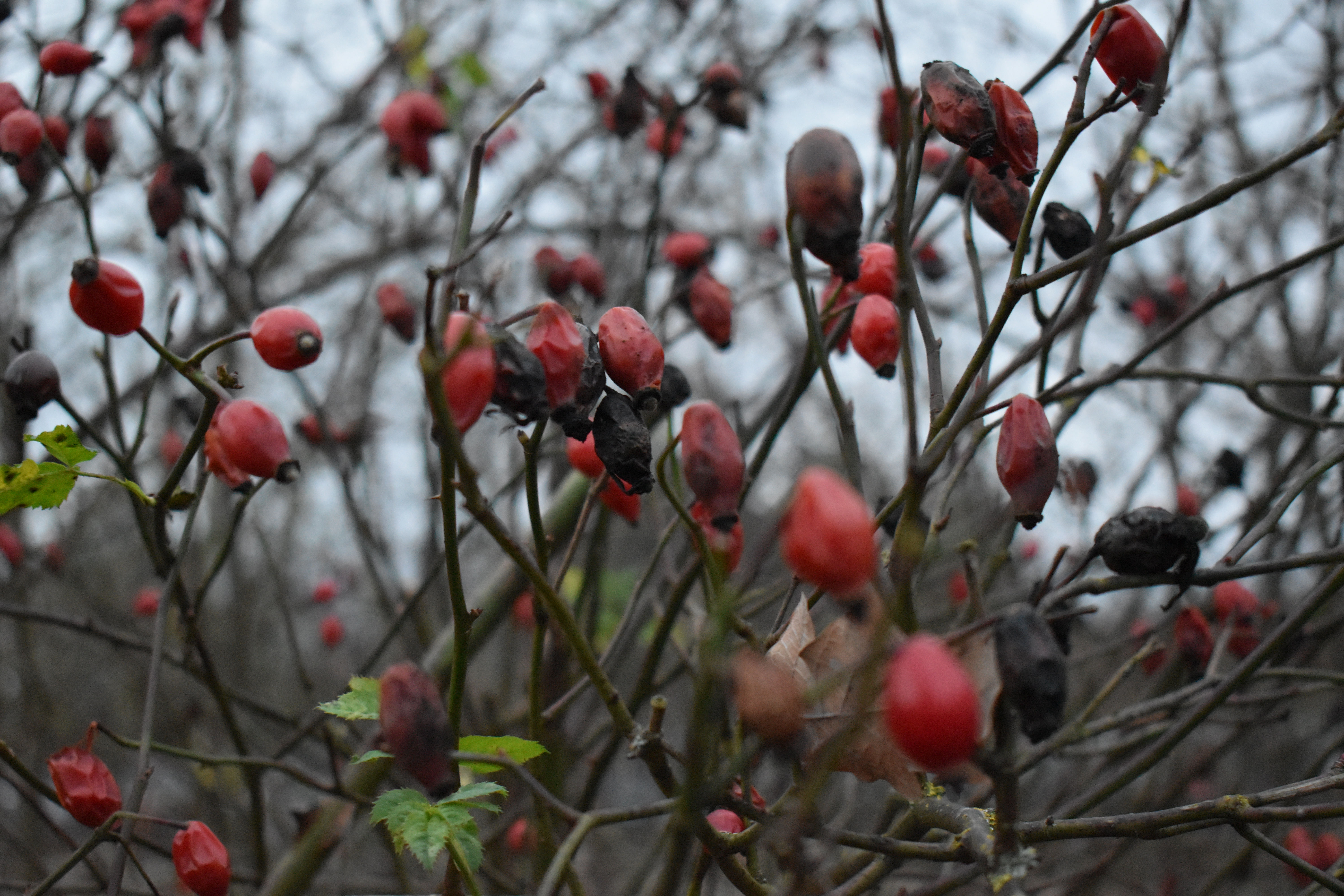
Opposite I referred to our roses by noting that, “Our roses are giving us colour from the last few blooms and also the hips on several of our plants.”

Below is my sketch of a selection of hips from our garden, created in Derwent Intense Ink Pencils plus Fineliner fibre pens.

Next I looked at a major task we tackled in our front garden. I wrote, “The big task for this month was the re-making of the borders beneath our bedroom window. The border had been virtually taken over by various Crocosmias.”

I wrote, “We planted lots of narcissus and tulips, with smaller spring bulbs such as muscari, chionodoxa and puschkinia.

The tulips we chose were mostly yellow, orange and red.”

Categories
Uncategorized

Ferns at Picton Gardens

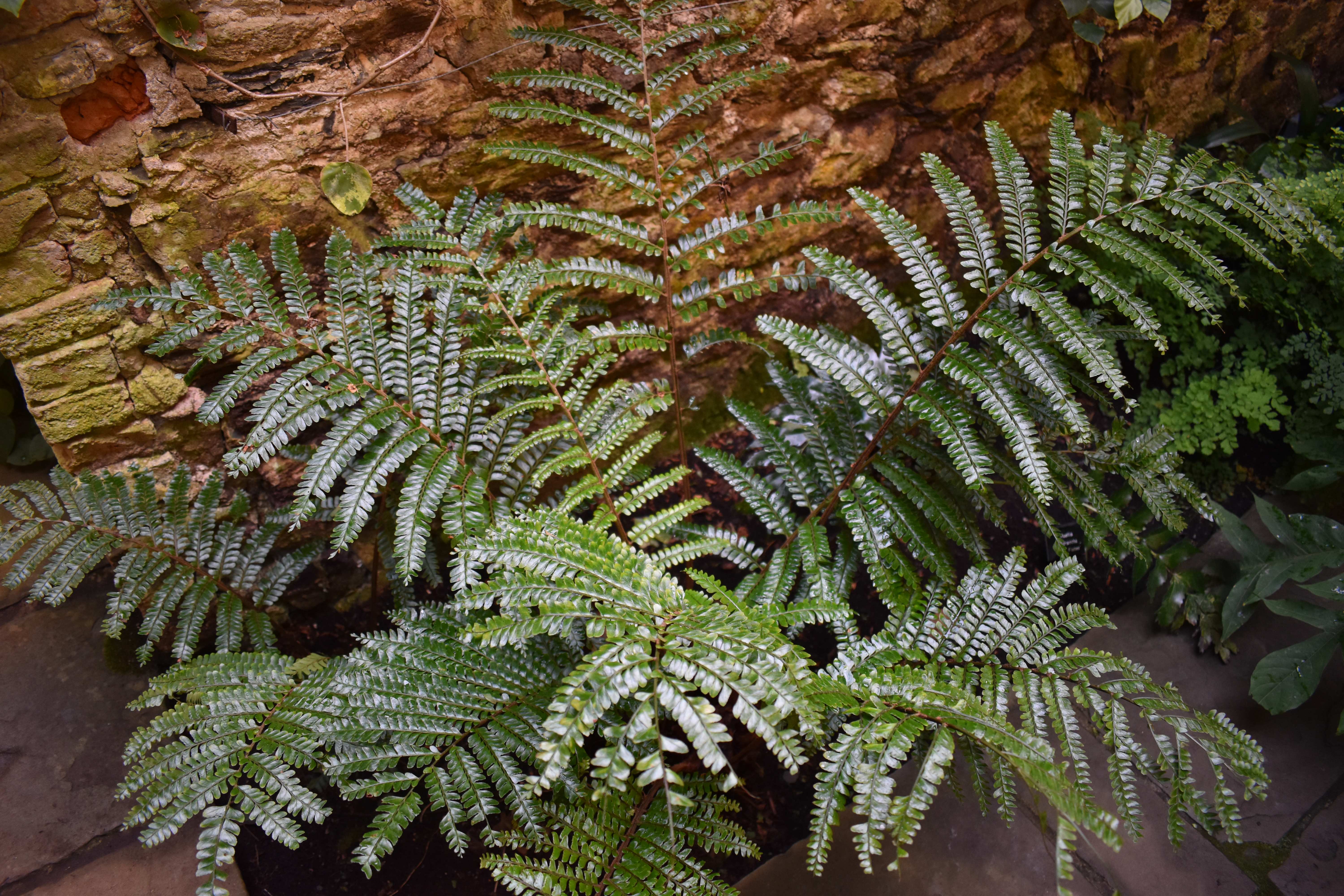
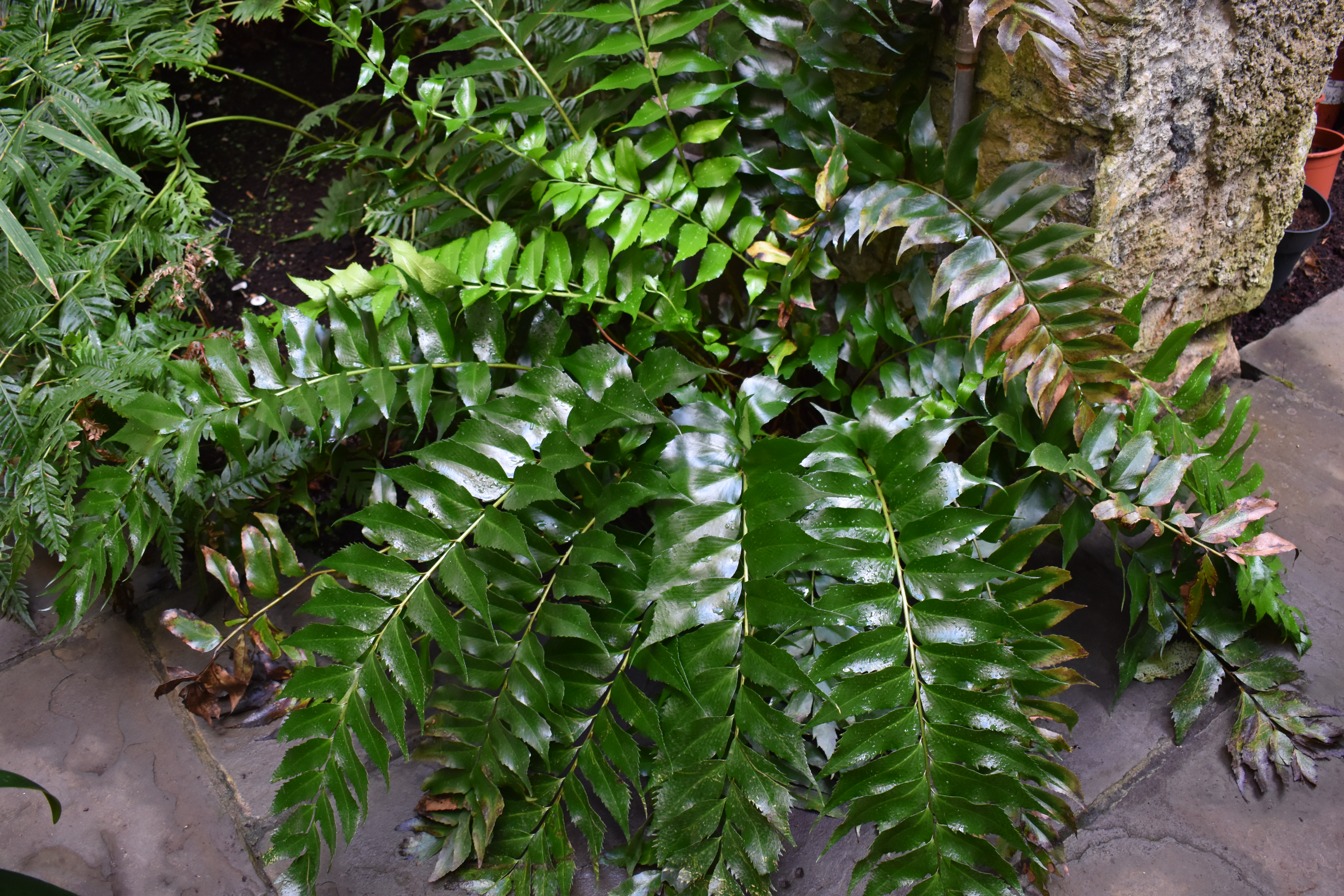
Ferns are one of my favourite plant families and thus we grow lots at home where conditions allow. I really enjoyed seeing so many in the gardens at Picton Gardens in Pembrokeshire. Some were the same as we grow whereas others we had never seen before!

This first set of fern photographs feature outdoor growing species.

Within old garden buildings within the walled garden ferns grew happily among begonias, impatiens, nerines, gingers and tropical looking foliage plants.

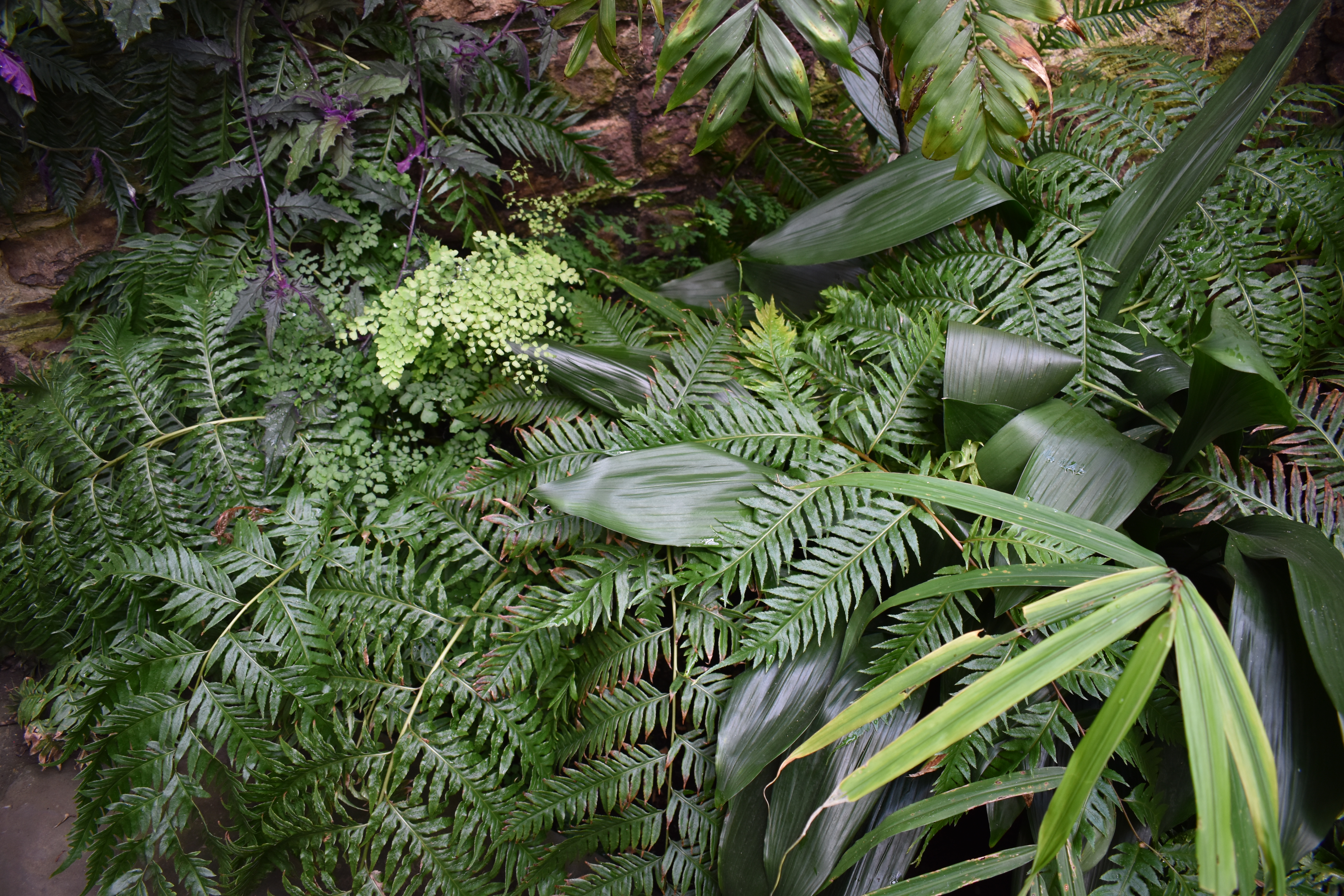
To be able to see so many different ferns together makes you realise the variation in leaf shape, texture and colour. Similarly stems vary in colour and pattern and can be as thin as wire or as thick as your finger, smooth or hairy.

The gardeners here at Picton must have carried out plenty of research to be able to place them so wisely. They look very healthy the way they are grouped or partnered with suitable plant partners.

Categories
Uncategorized

Picton Castle Gardens – the Walled Garden and Glasshouse

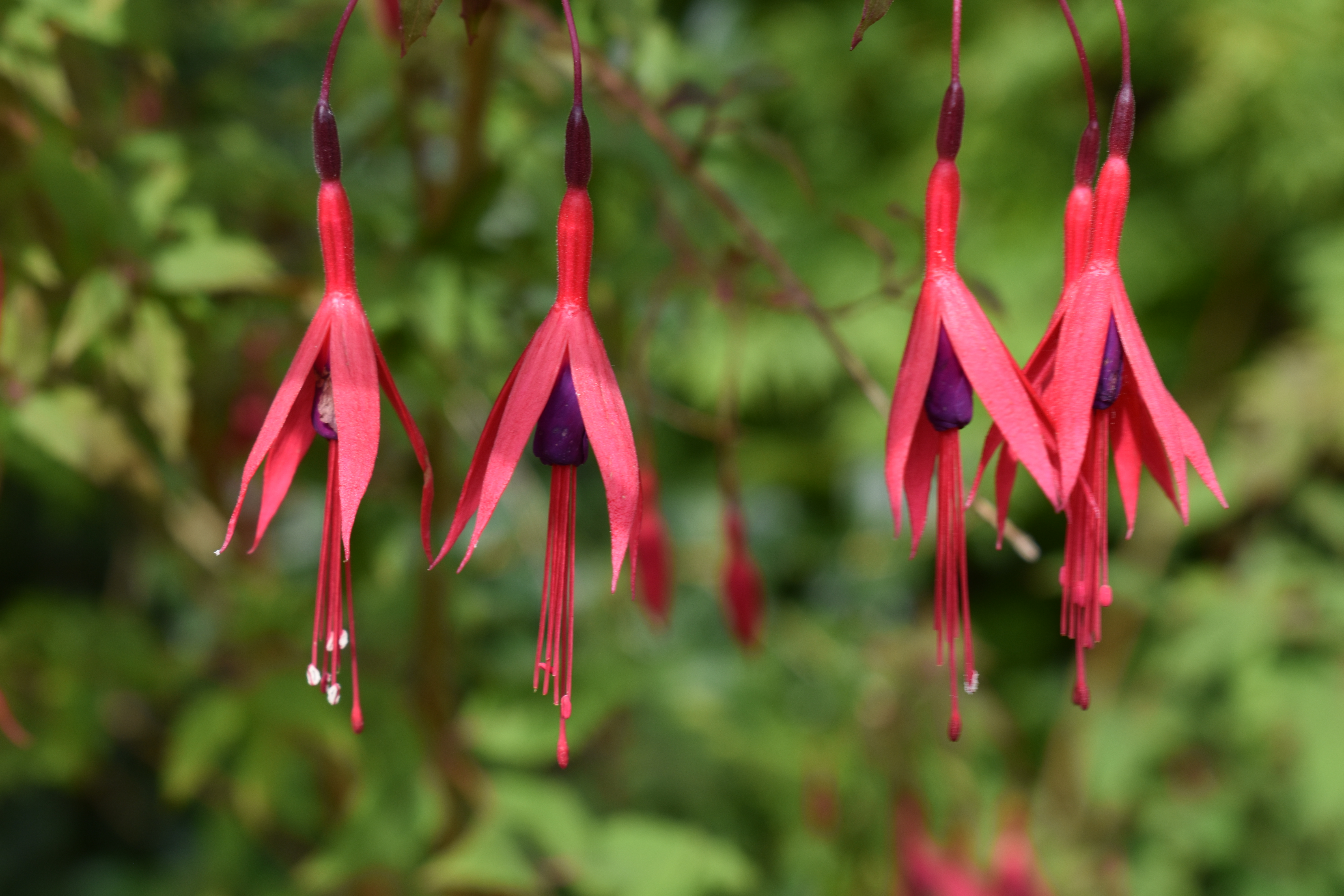
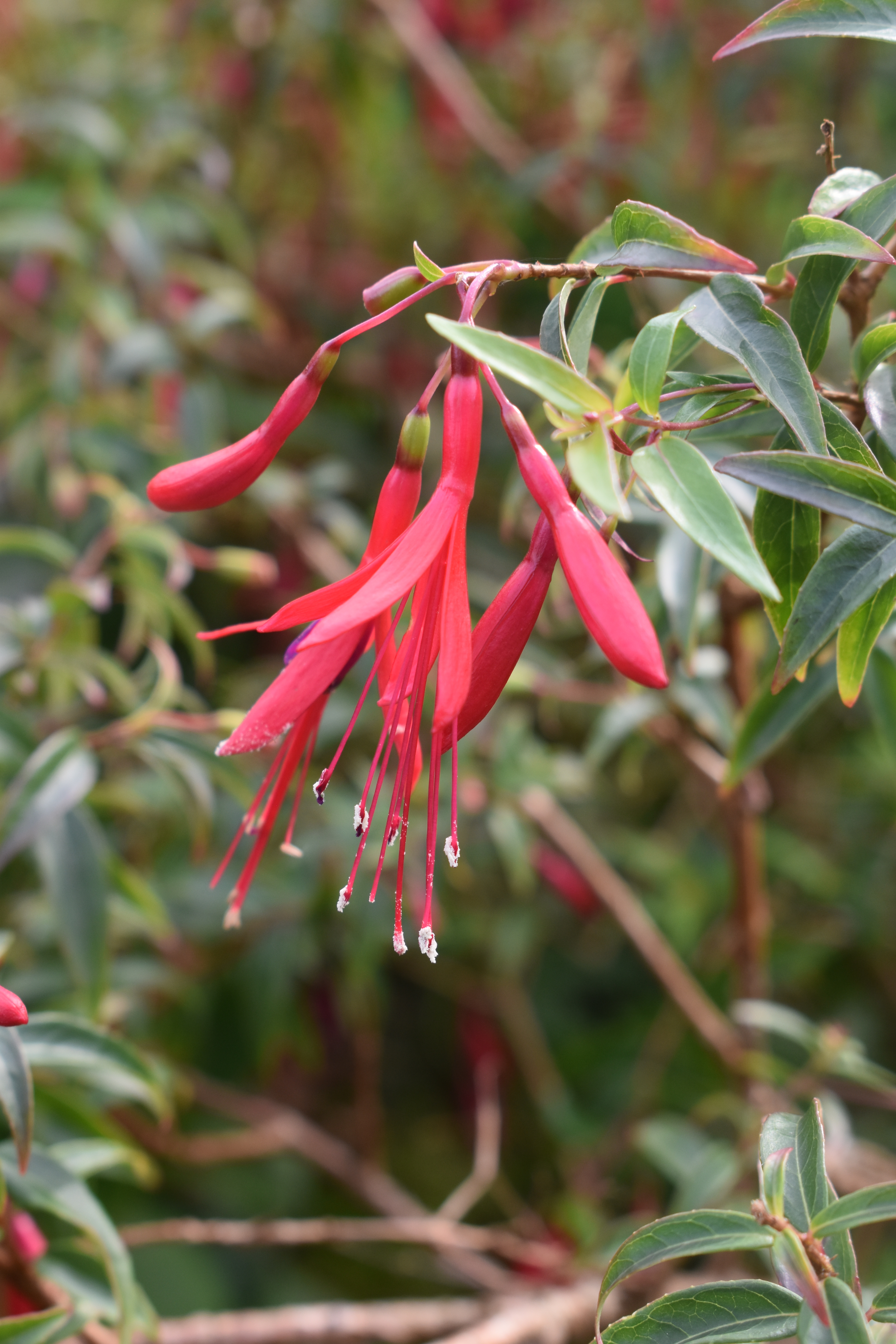
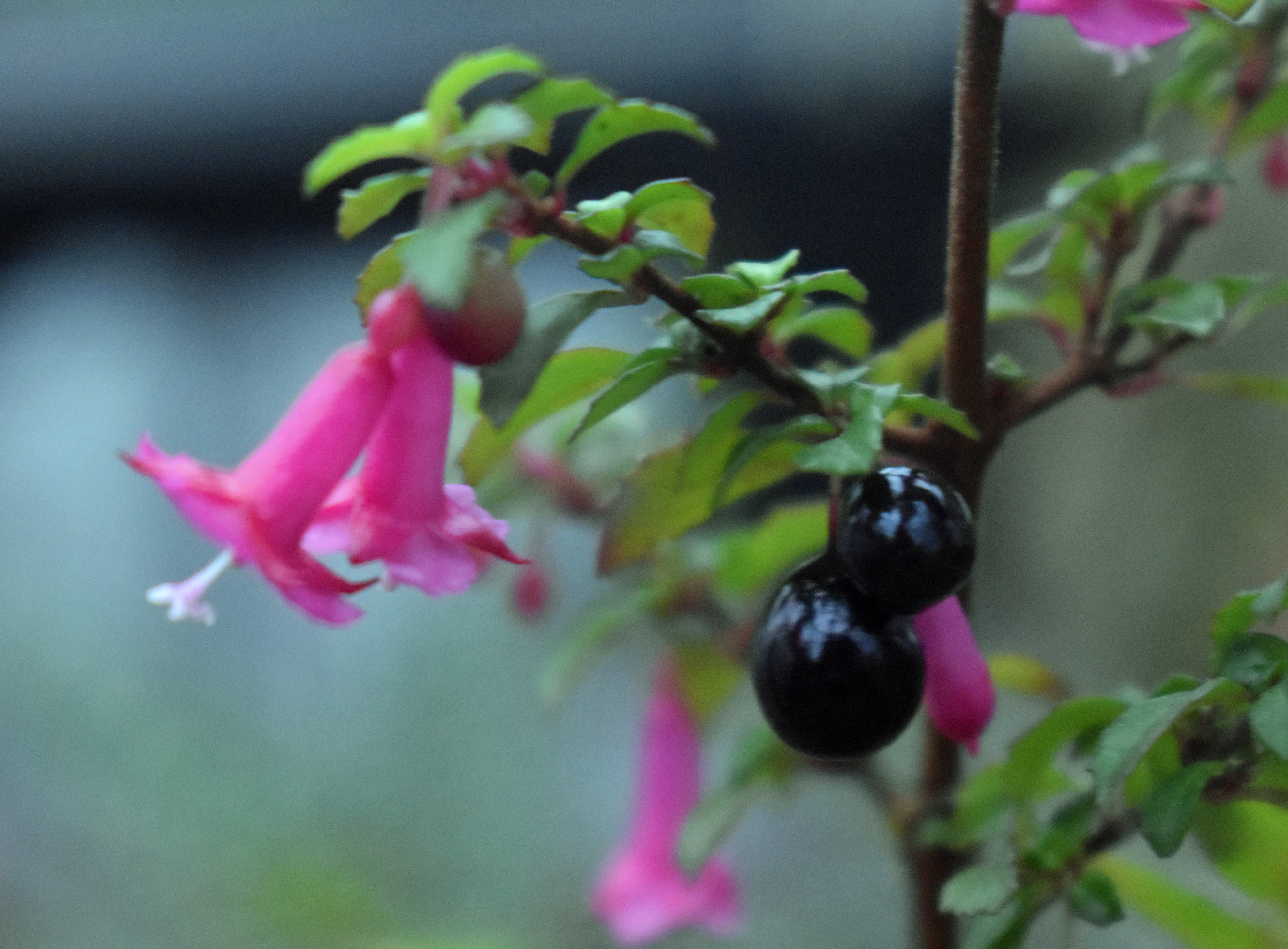
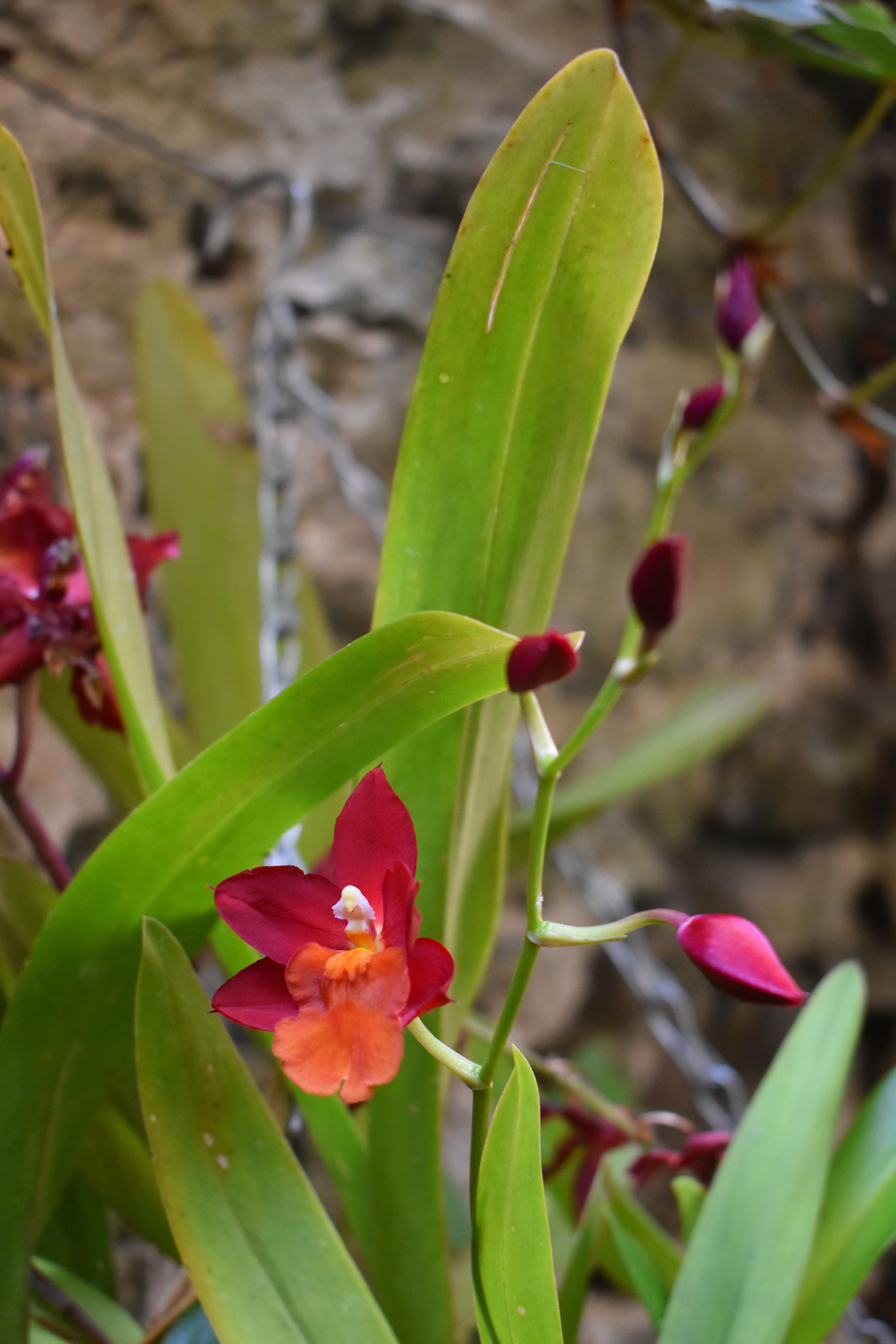
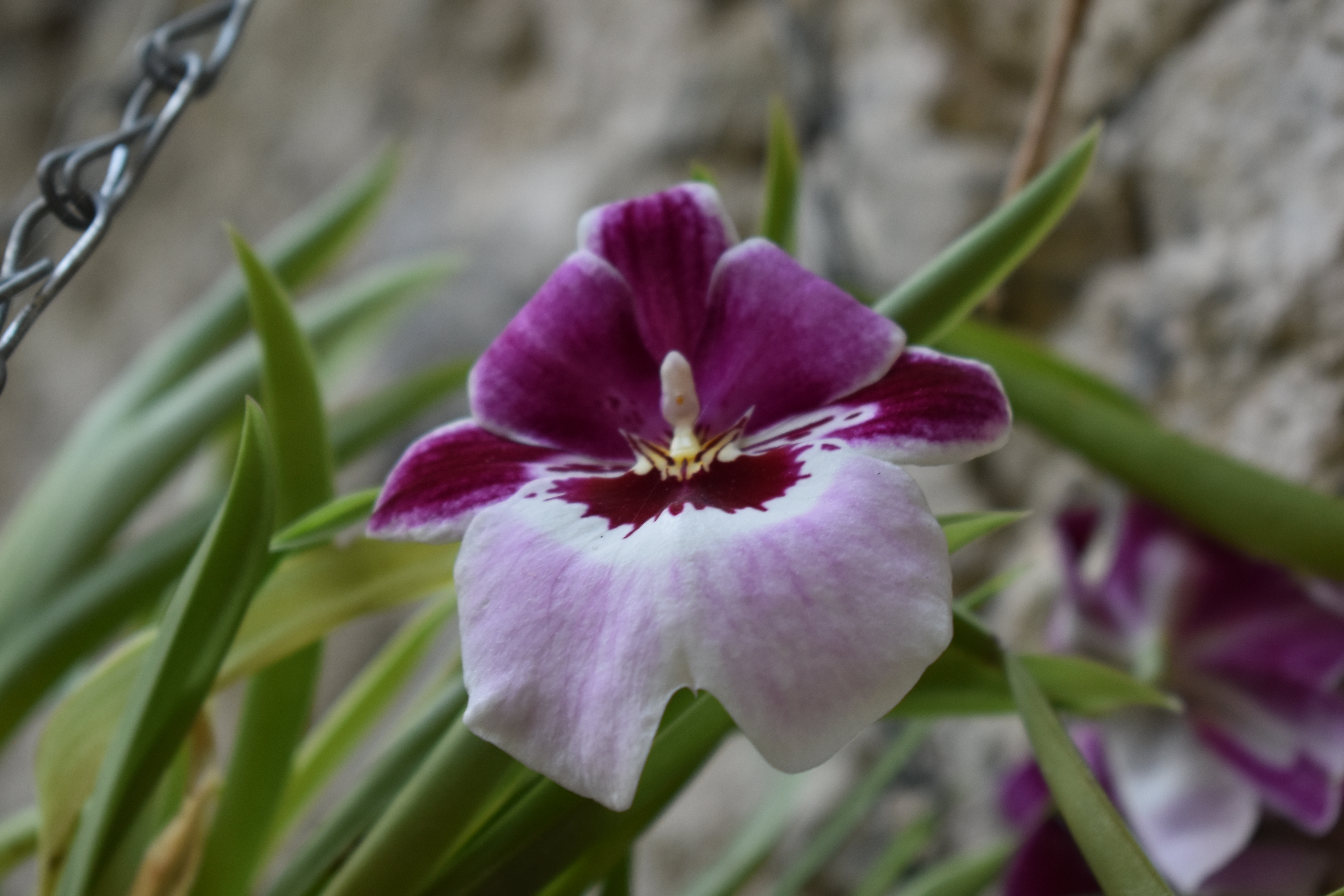
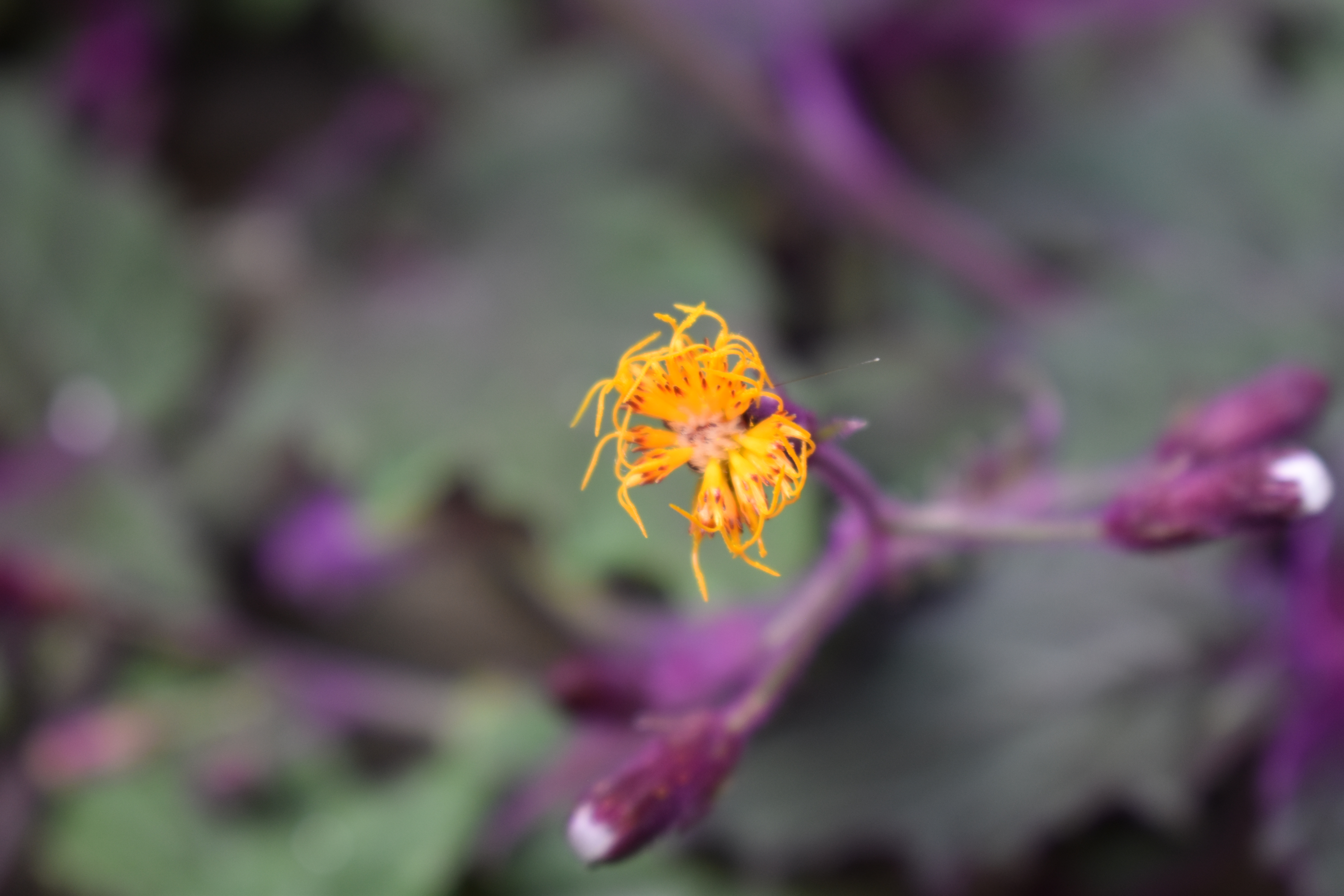
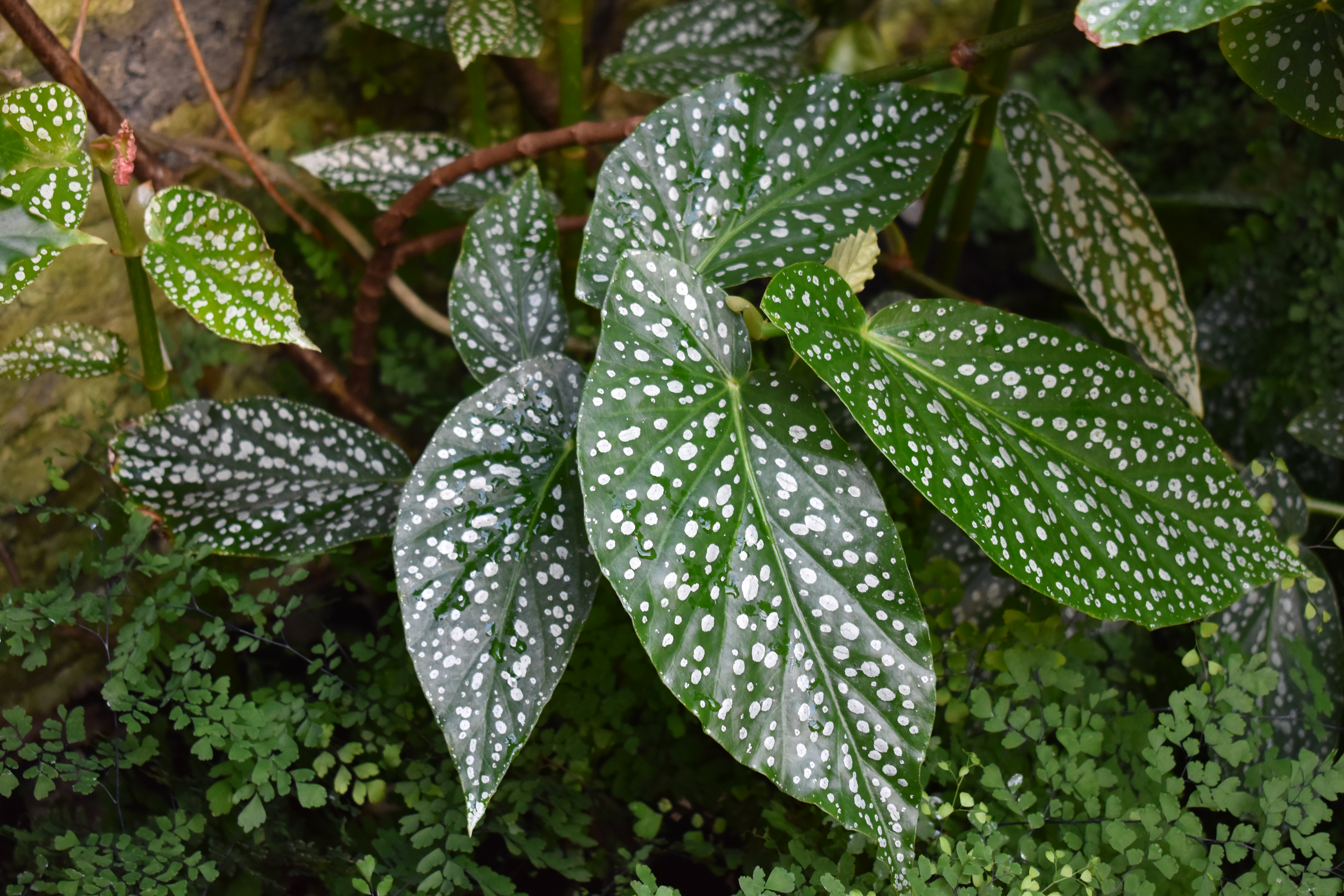
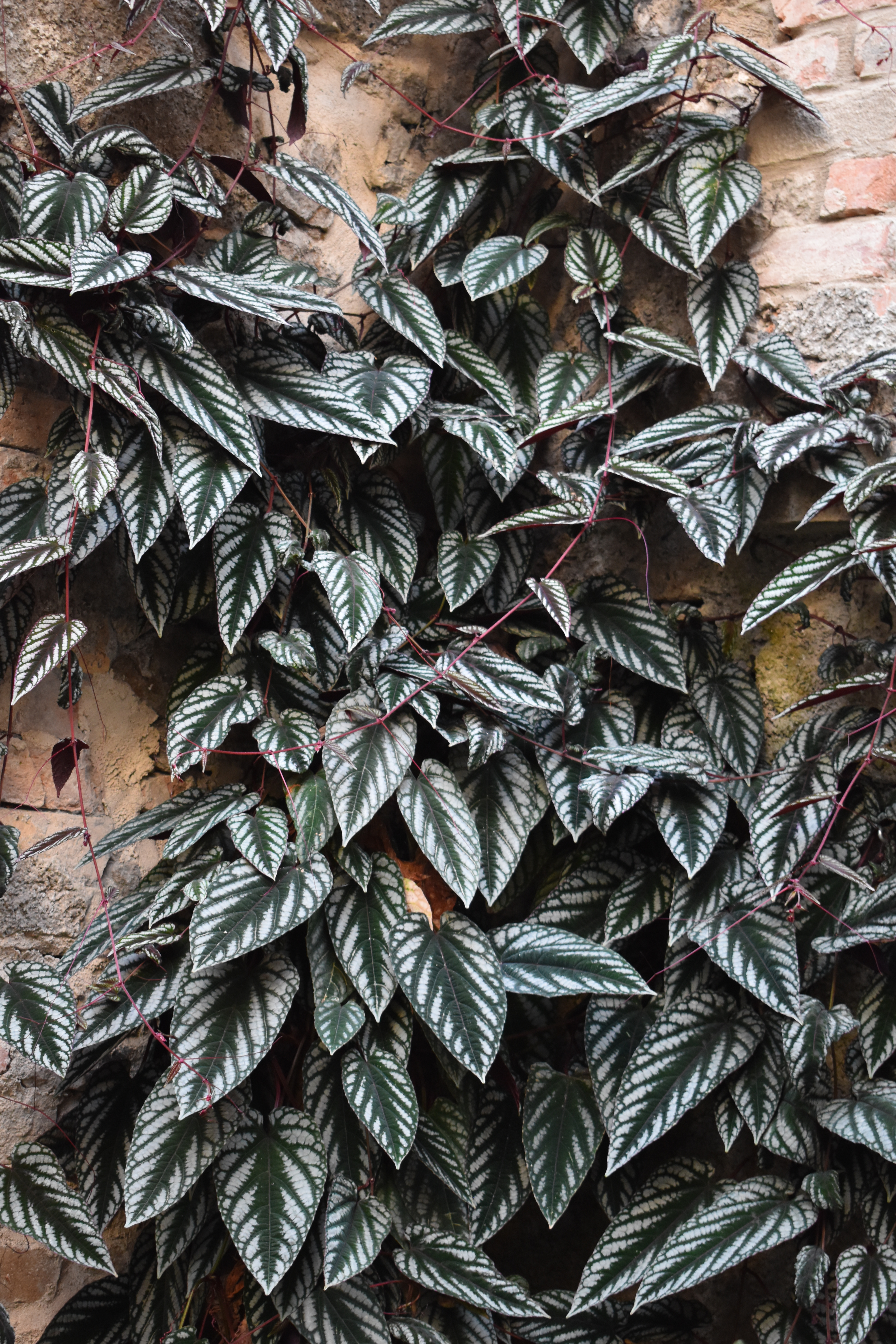
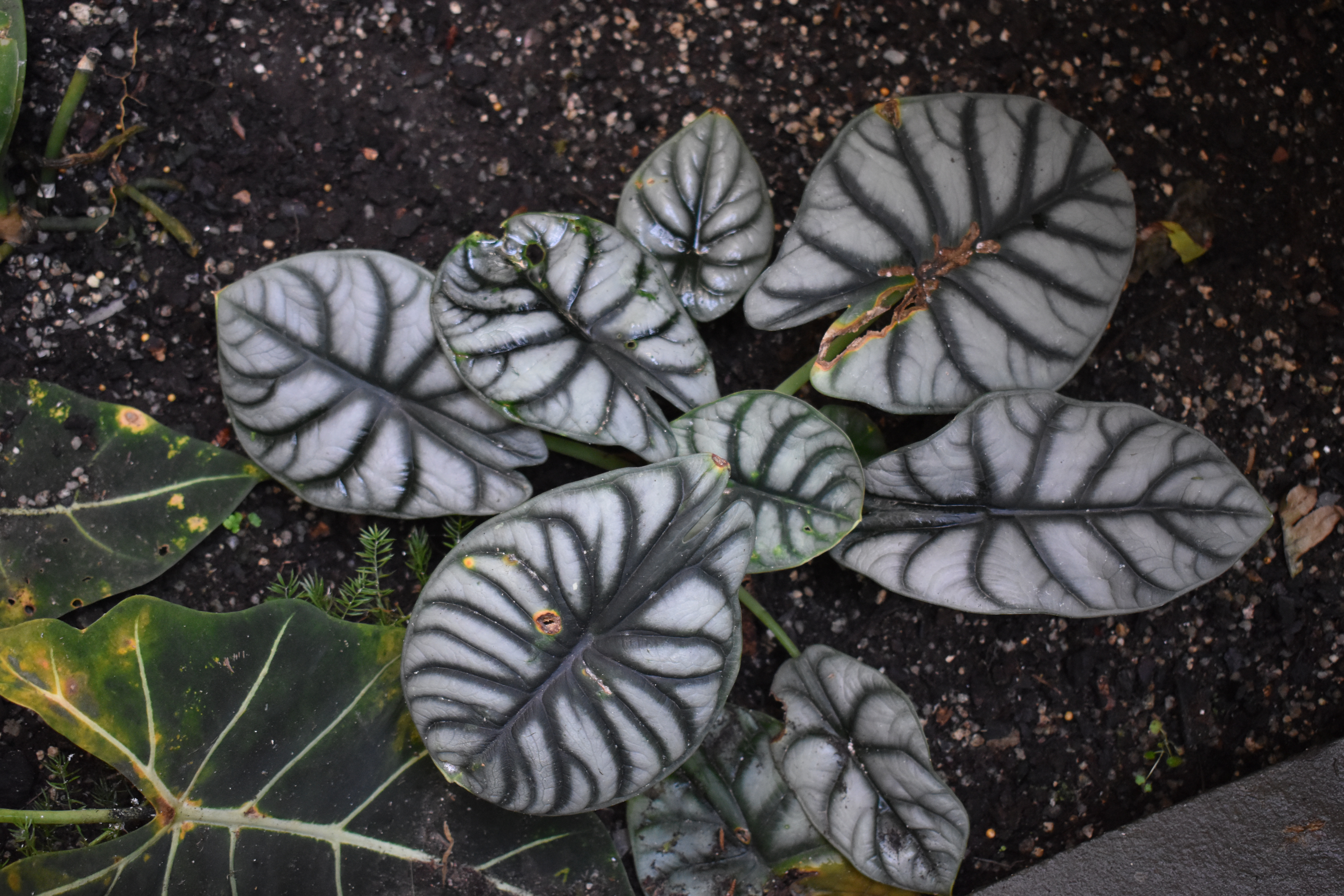
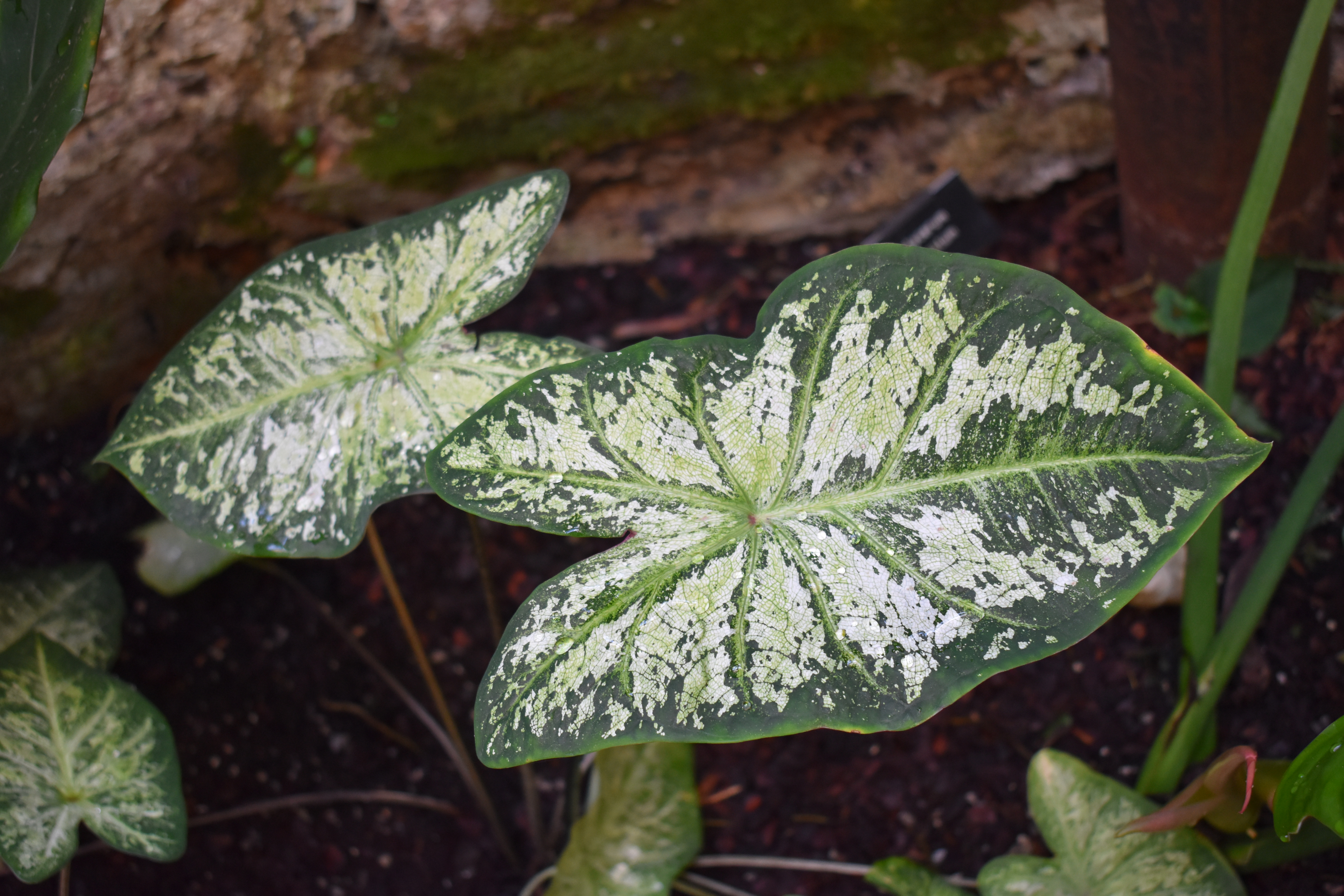
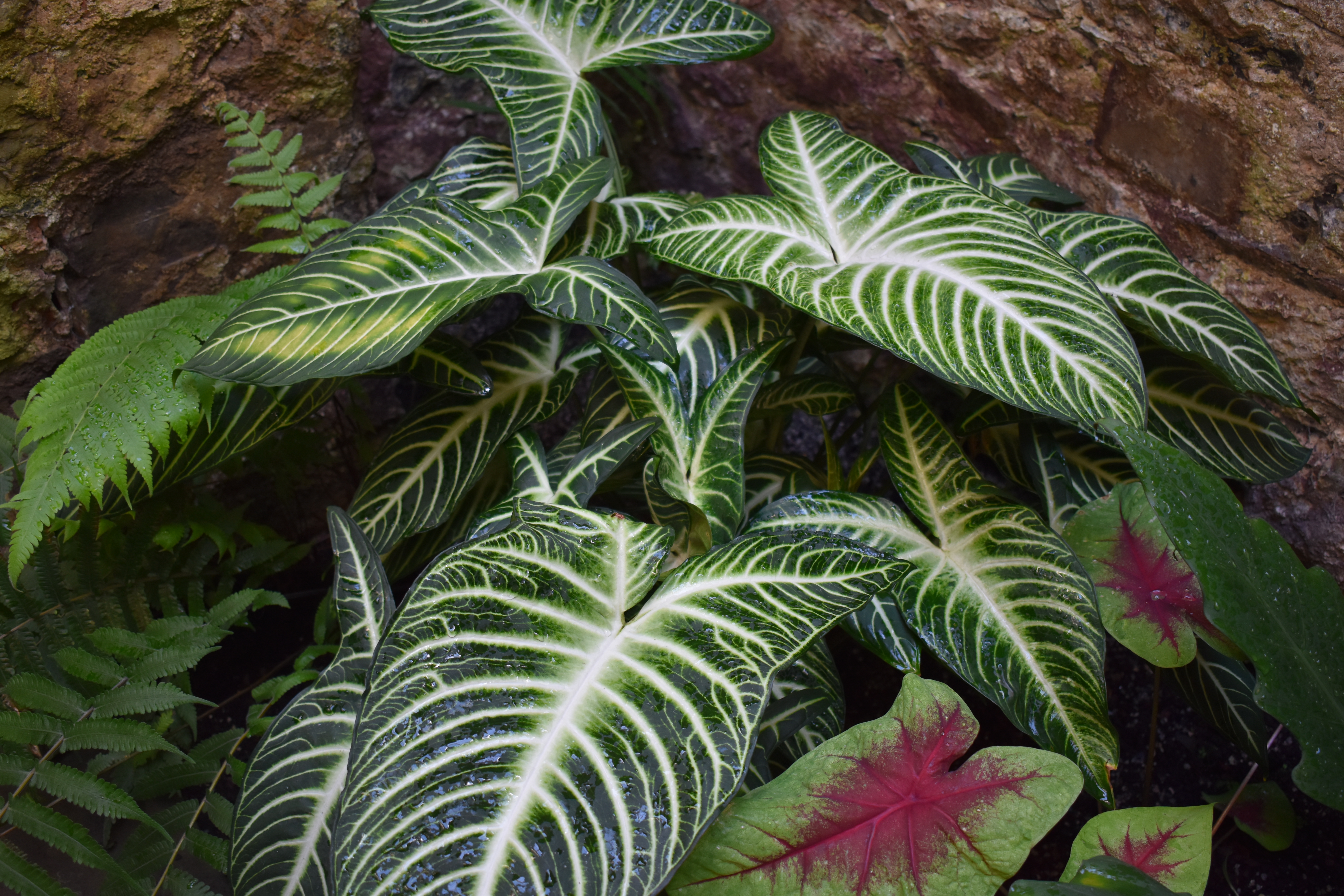
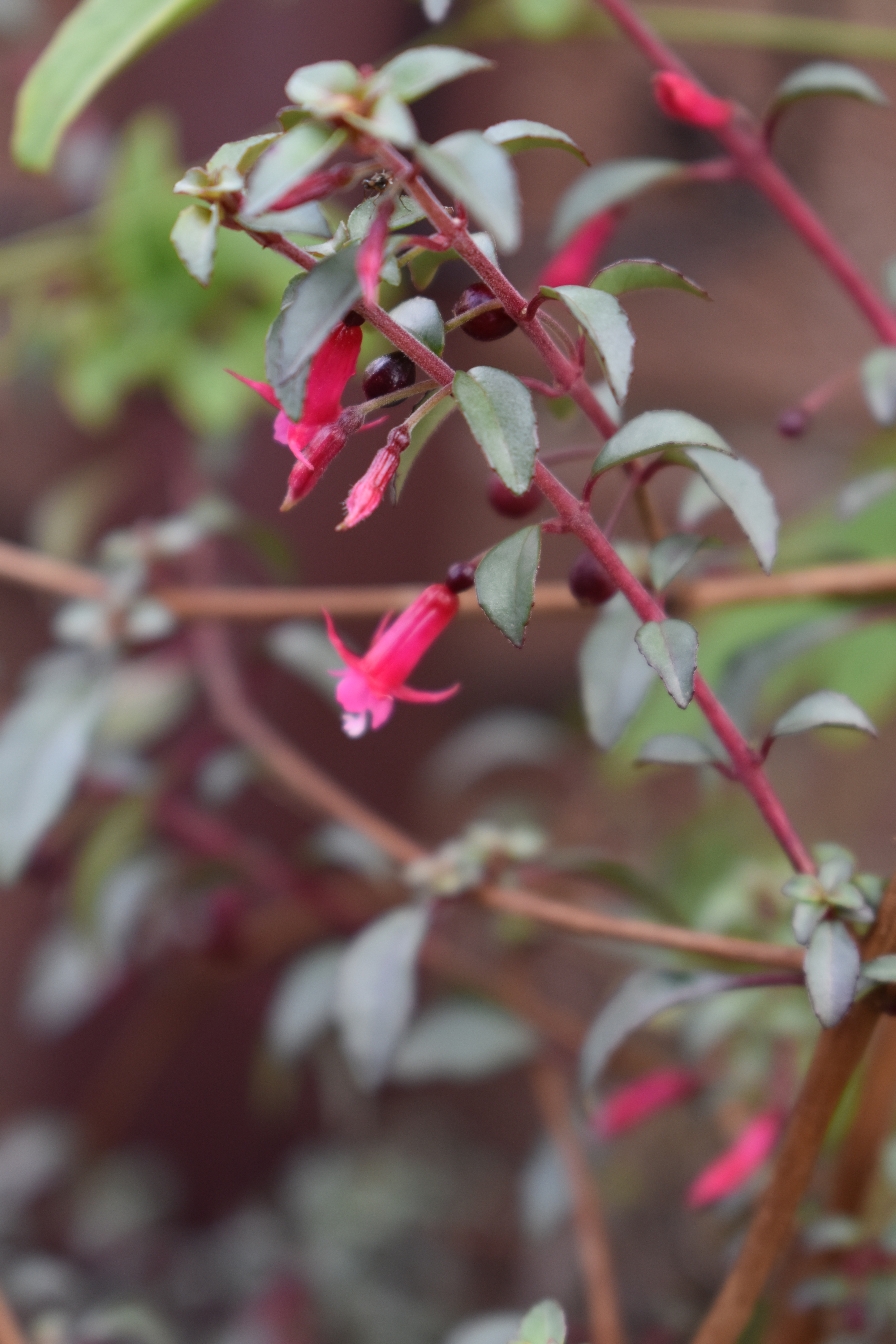
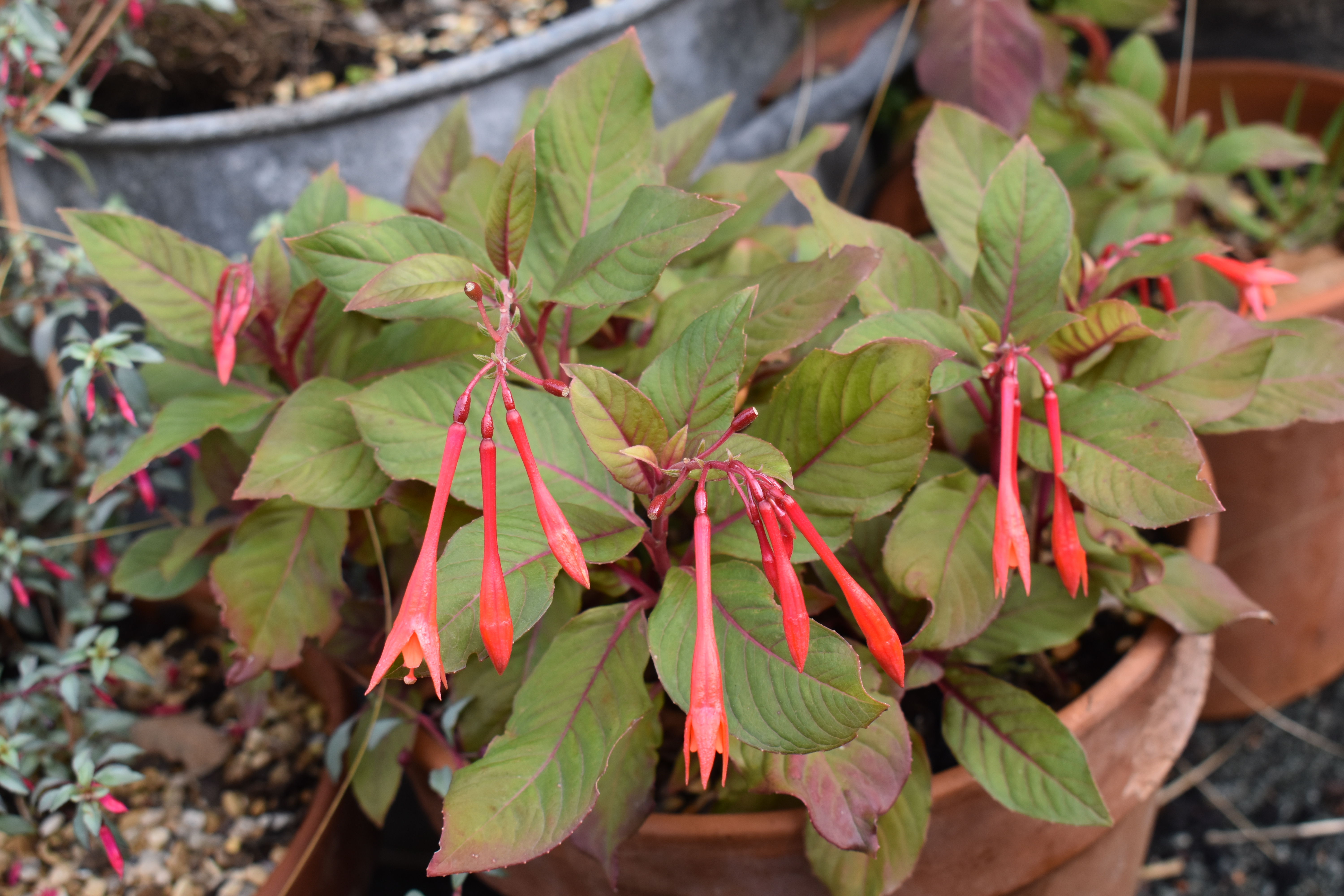
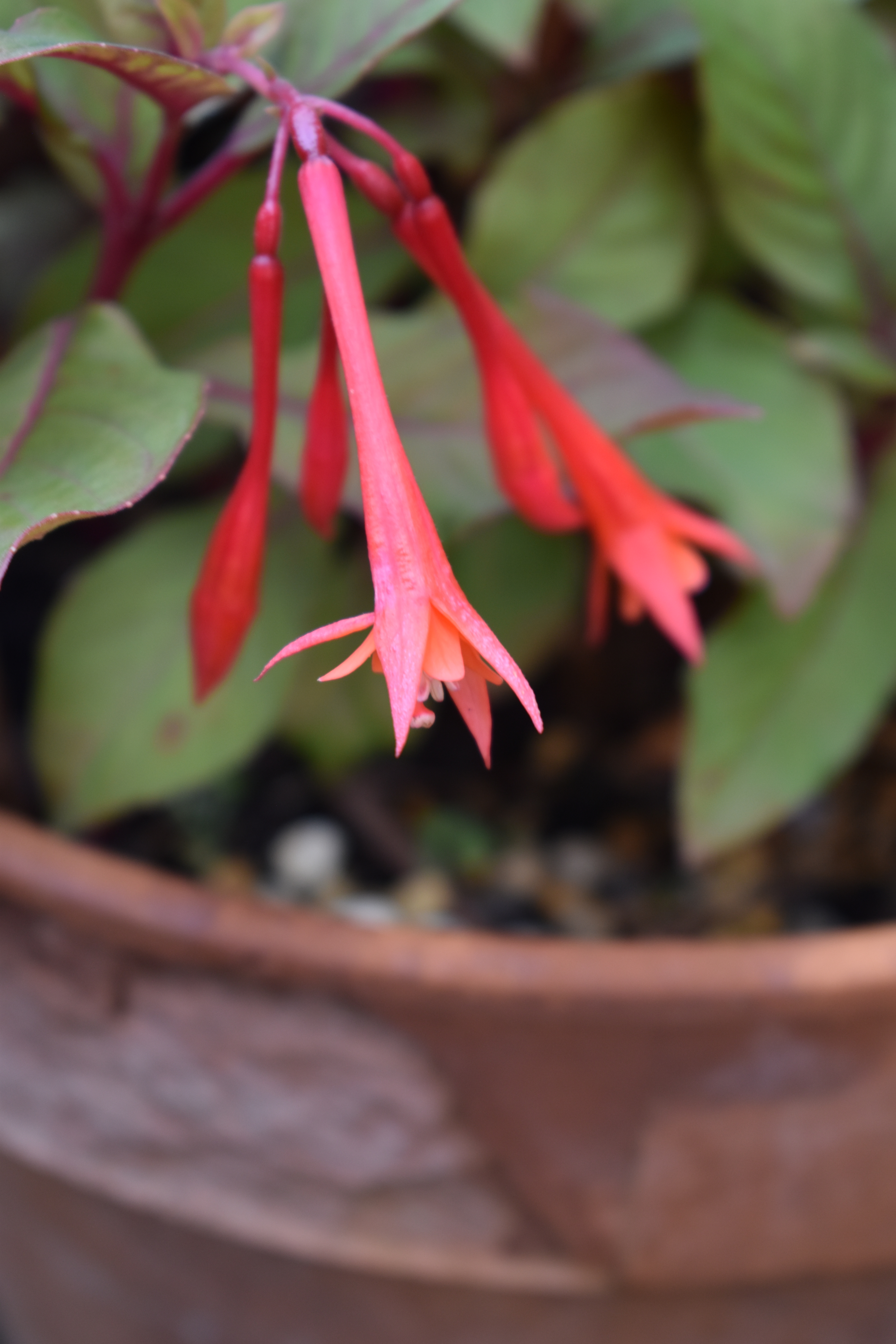
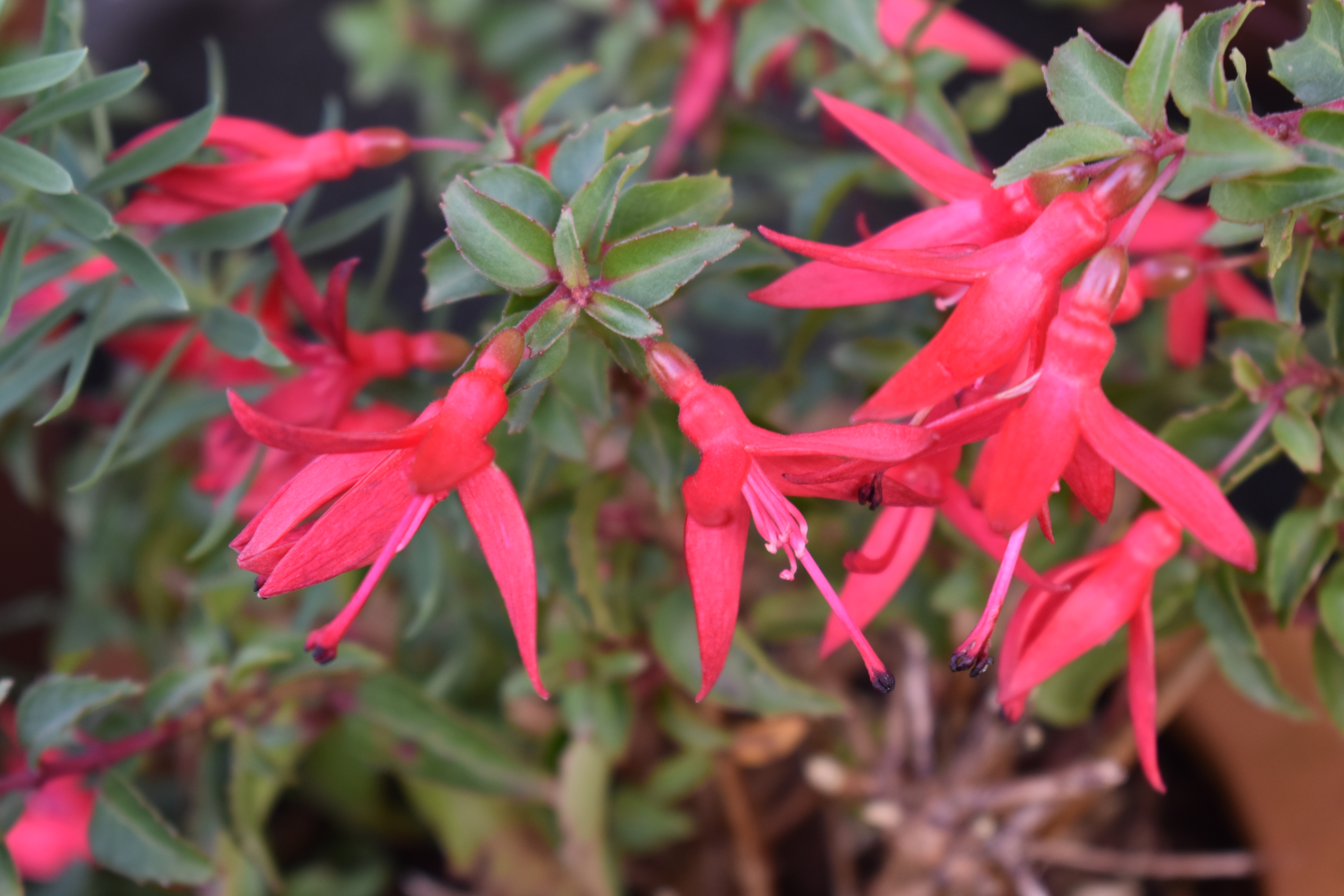
We arrived at the glasshouses and had a good look around to take advantage of our time sheltering from the rain. We delighted in these unusual flowers several of which we did not recognise. There was a great selection of begonias, gingers and fuschia. So many of these plants had unusually shaped and coloured flowers, odd ones with the added attraction of scent.

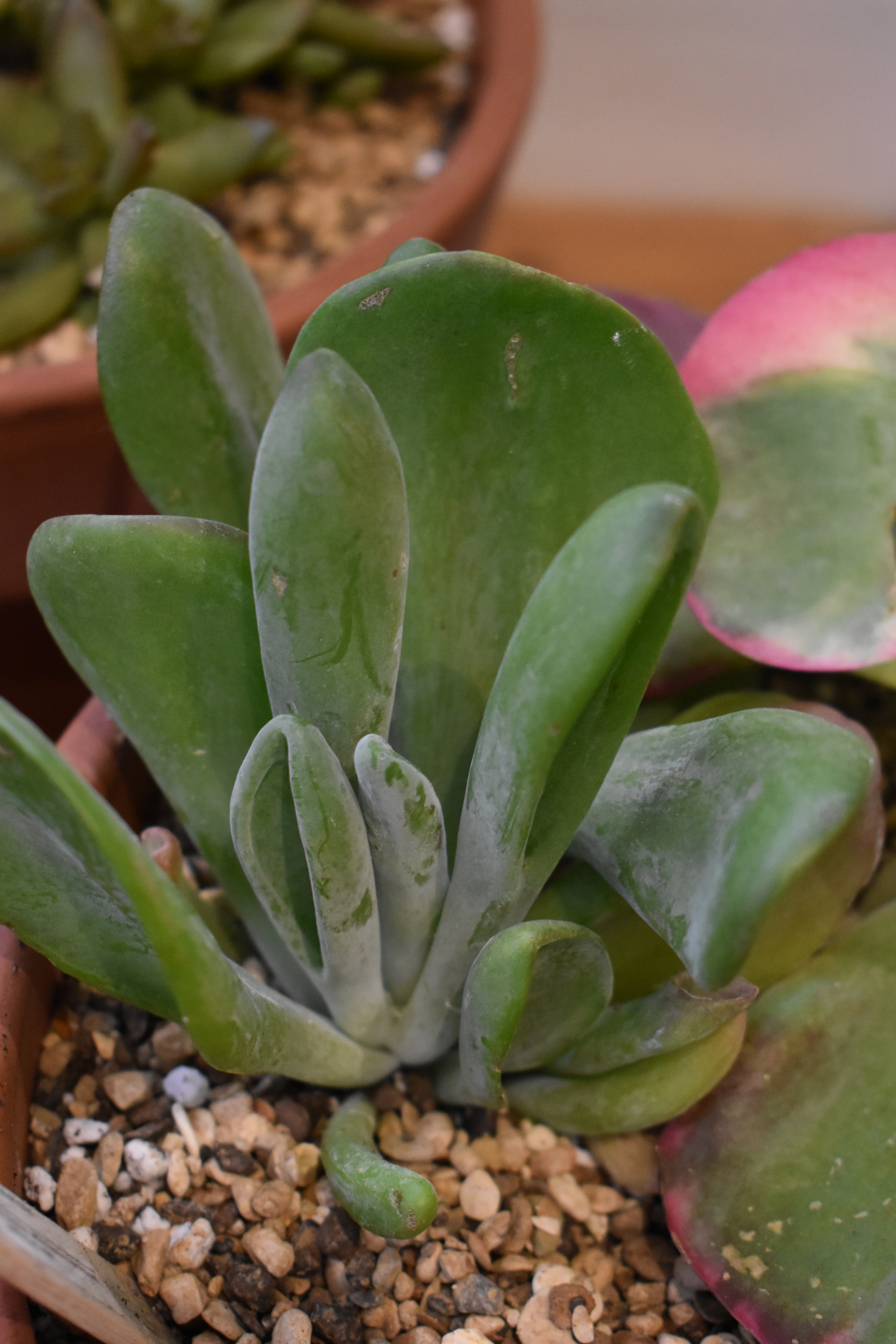
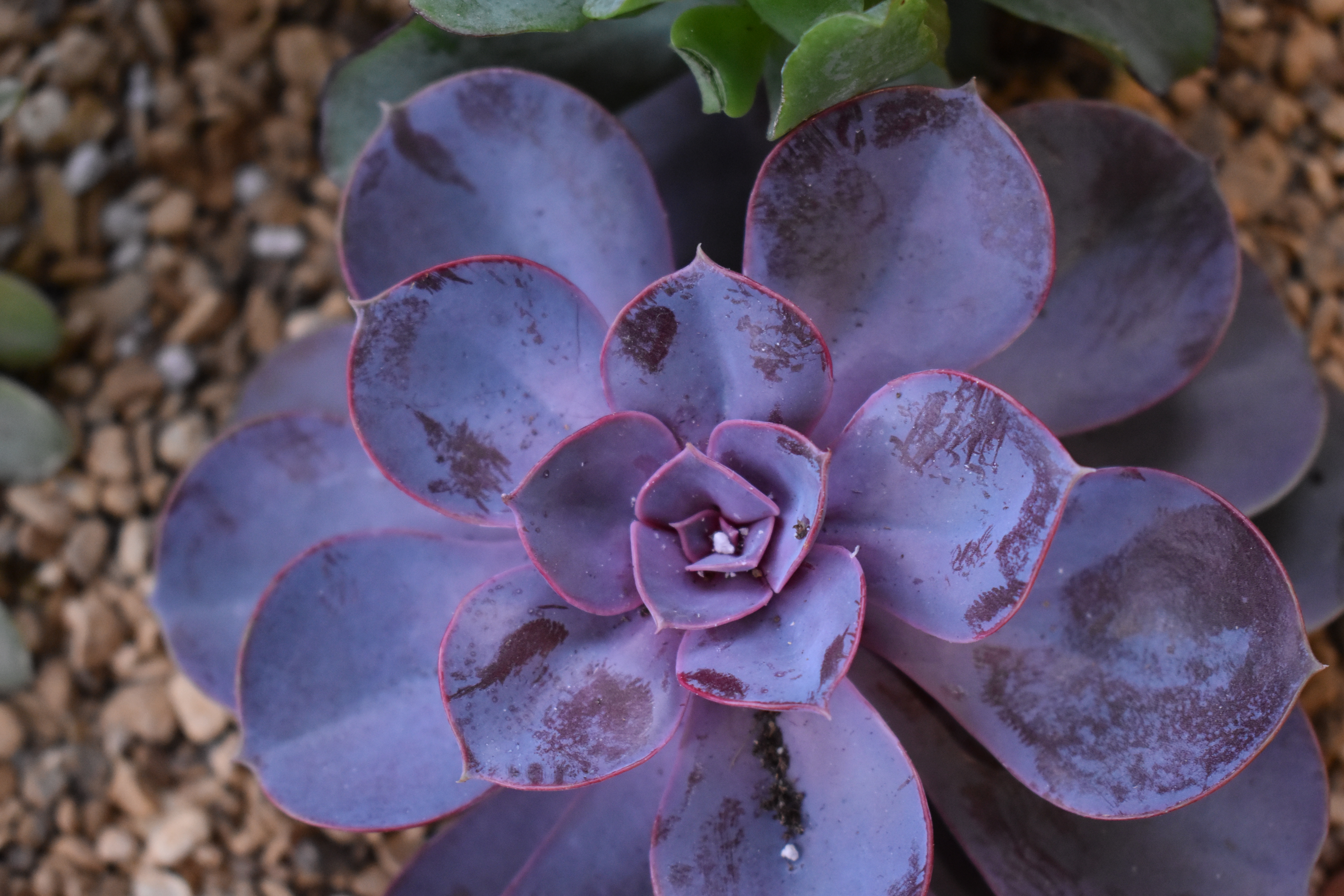
We have a big collection of succulents at home with many aeoniums included, so the displays of these plants drew our attention at the far end of the glasshouse.

We then moved outside as the rain had ceased and found that the needs of wildlife had been well catered for. The planting had been chosen for pollinators and predators, features had been created such as this bug hotel and log pile. An old stone wall originally part of a glasshouse was covered in ivy the best plant for wildlife in the latter part of the year.

Back through the glasshouses and beneath a pergola we discovered a whole new world of lost formality in the walled garden and then in contrast we were most impressed by the adjoining prairie garden full of colourful perennials among grasses.

And finally a quick look at the prairie planting……

Categories
Uncategorized

Picton Castle Gardens – The Jungle Garden

I am generally not a fan of using jungly, tropical plants in UK gardens as they feel so out of place and our light doesn’t enhance their characters. Such gardens are usually made in small city spaces designed with a lot of hard structures included.

However the Jungle Garden at Picton Castle Gardens had no formal structural design elements, no hard landscaping just meandering pathways for wandering along among fabulous plants with big leaves, occasional bright colours and eventually heavy rain.

The heavy rain began as infrequent drops slowly increasing, so we made our way out of the jungle towards the glasshouse and the shelter it afforded us. I did stop a few times despite getting wetter, trying to find shelter, in order to take a few more photographs.

Categories
Uncategorized

My Garden Journal 2023 September

September is one of those months which recognises that summer is over but the autumn has yet to appear on the scene. We may enjoy an Indian Summer if we are lucky as they are a real highlight of the year. We can enjoy the garden in sunshine, without jumpers or coats and enjoy the calming of the harshness of summer light.

So let us have a look at what we were up to throughout the month of September.

On the first page for September I wrote, “I usually look forward to September because it often delivers an ‘Indian Summer’ which can be a special mini-season all of its own.We were desperate for one as our summer ends, because we were getting really fed up with wind and rain broken broken up only by ‘named storms’.

We waited all month with no sign of an ‘Indian Summer’ but instead we were stuck mostly by rain and rain.

We are redesigning parts of the garden which has proven to be a slow job. Newly bought plants remain in trays to be planted.

On the next page I wrote, “It is in this month that seed heads of Welsh Poppies, Meconopsis cambrica, scatter seeds far and wide, so they are well-known as powerful self seeders. I have been collecting seeds of both yellow and orange flowered forms.”

The first page of this double page spread featured some sketches I drew of the Welsh Poppy seedheads.

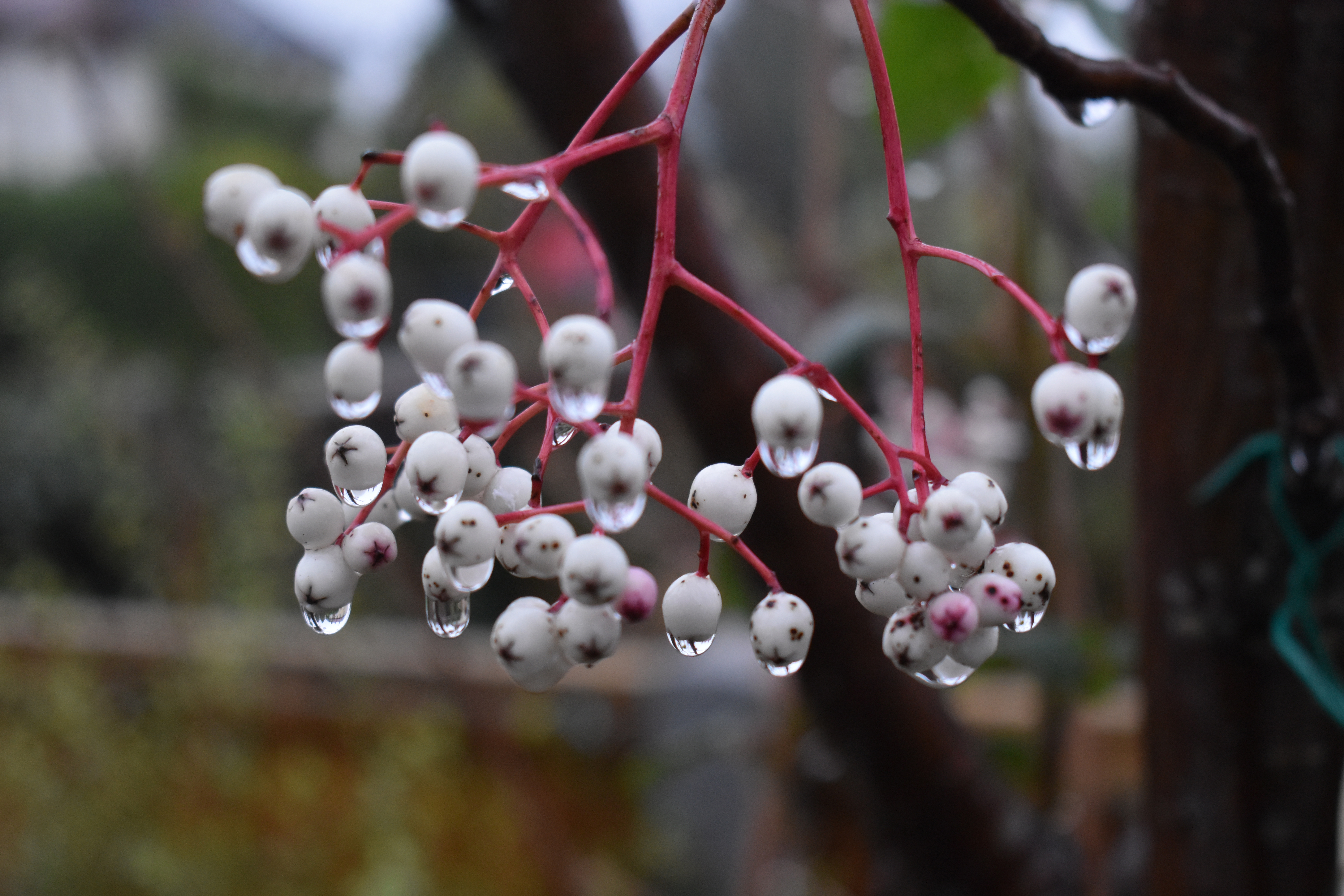
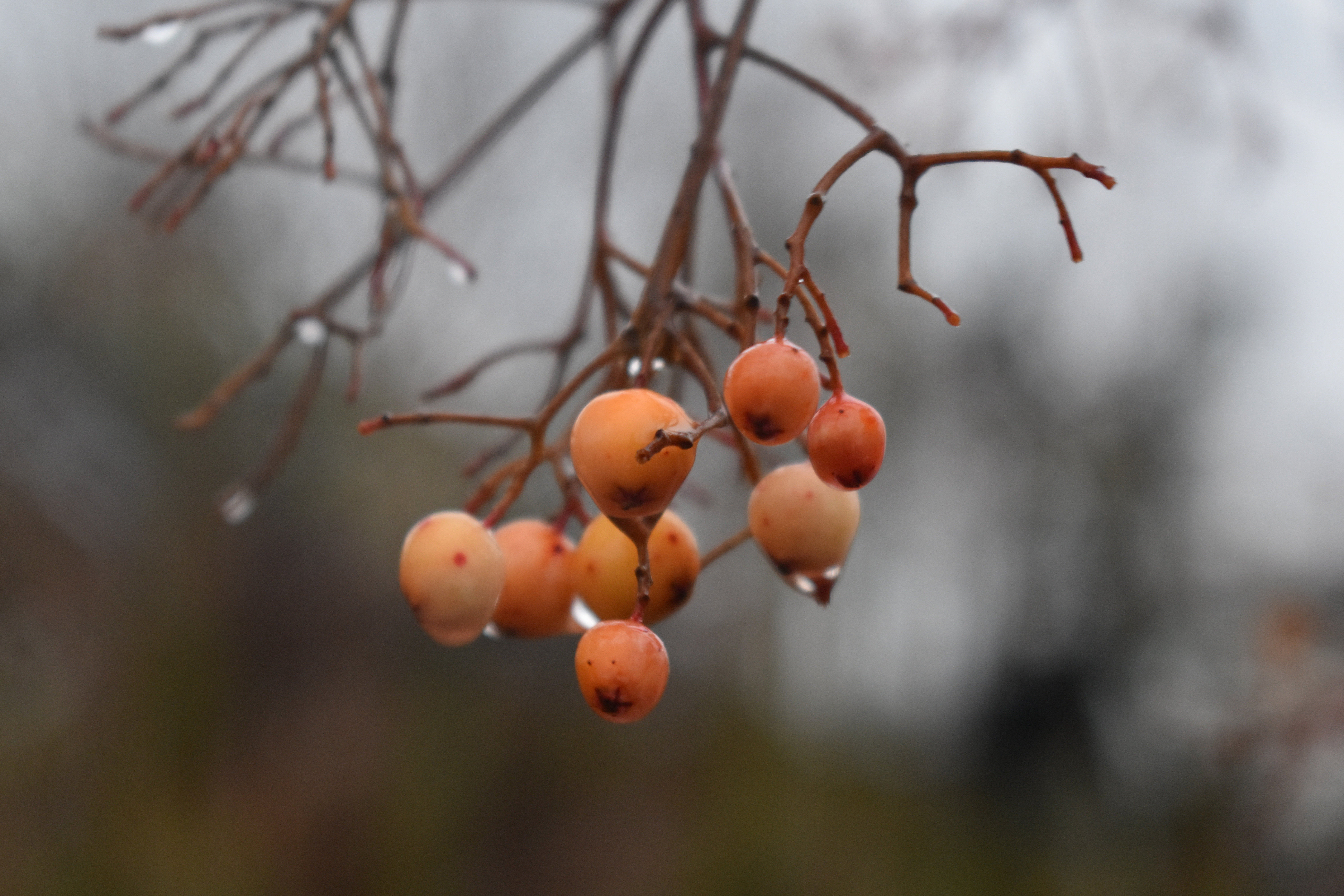
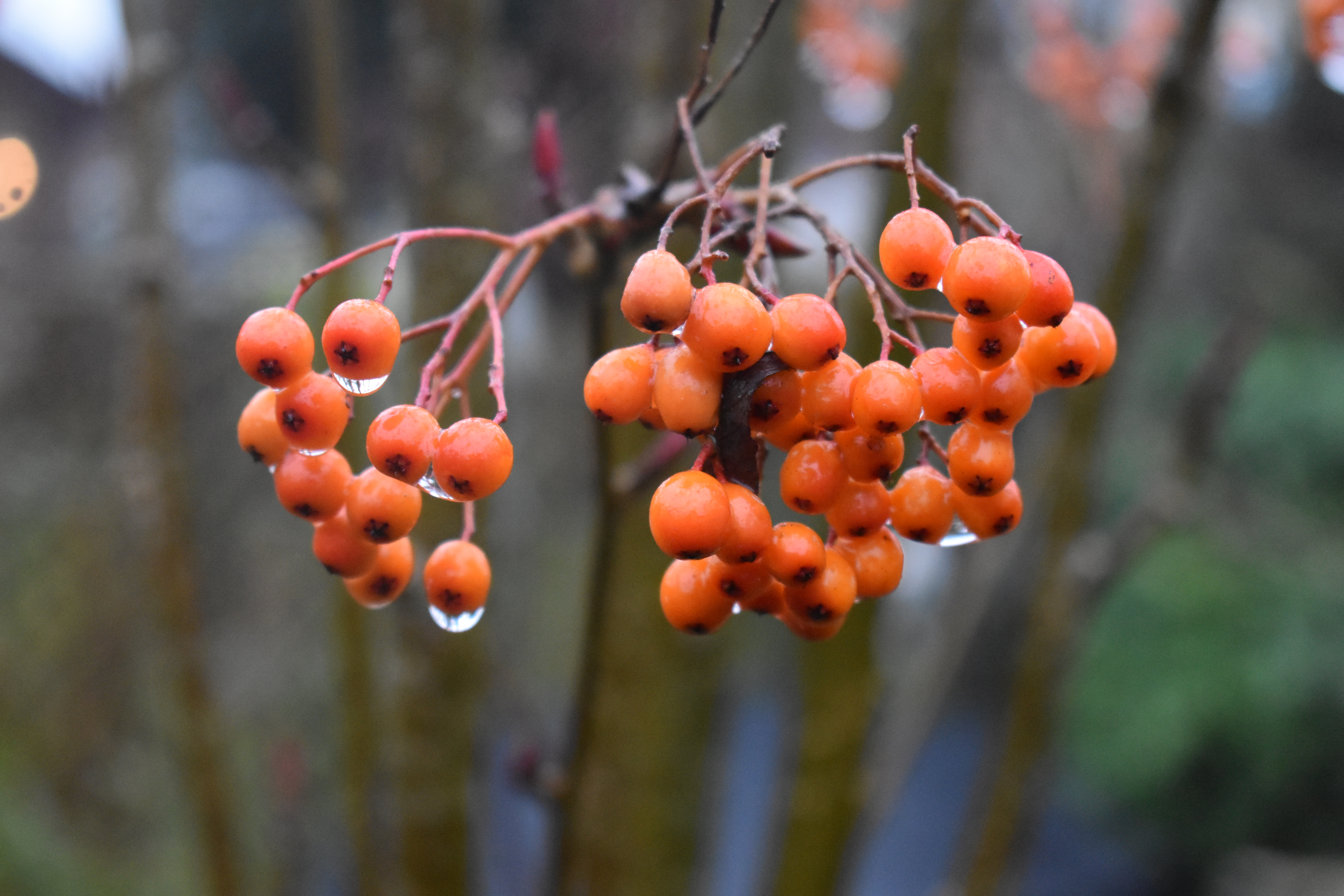
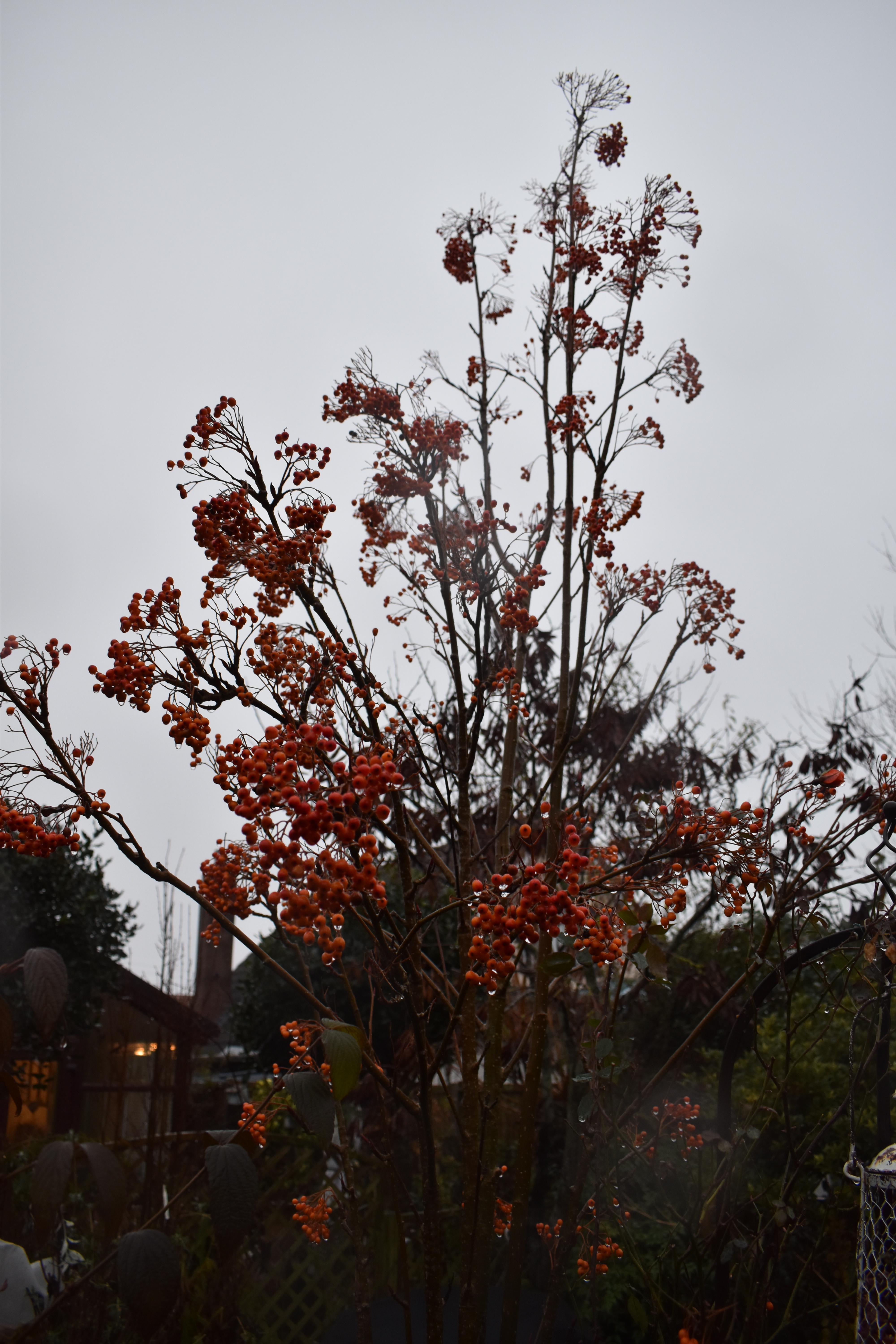
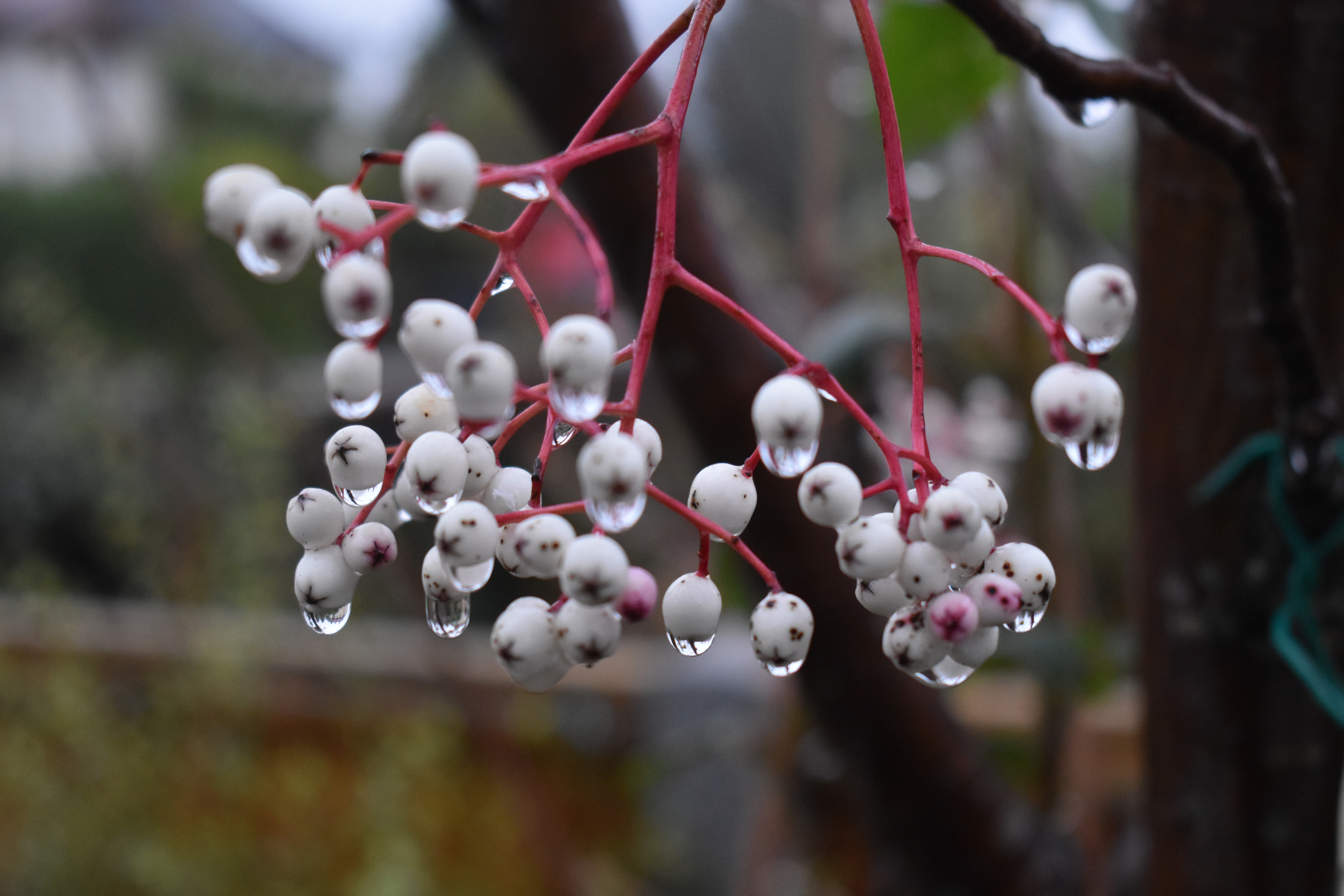
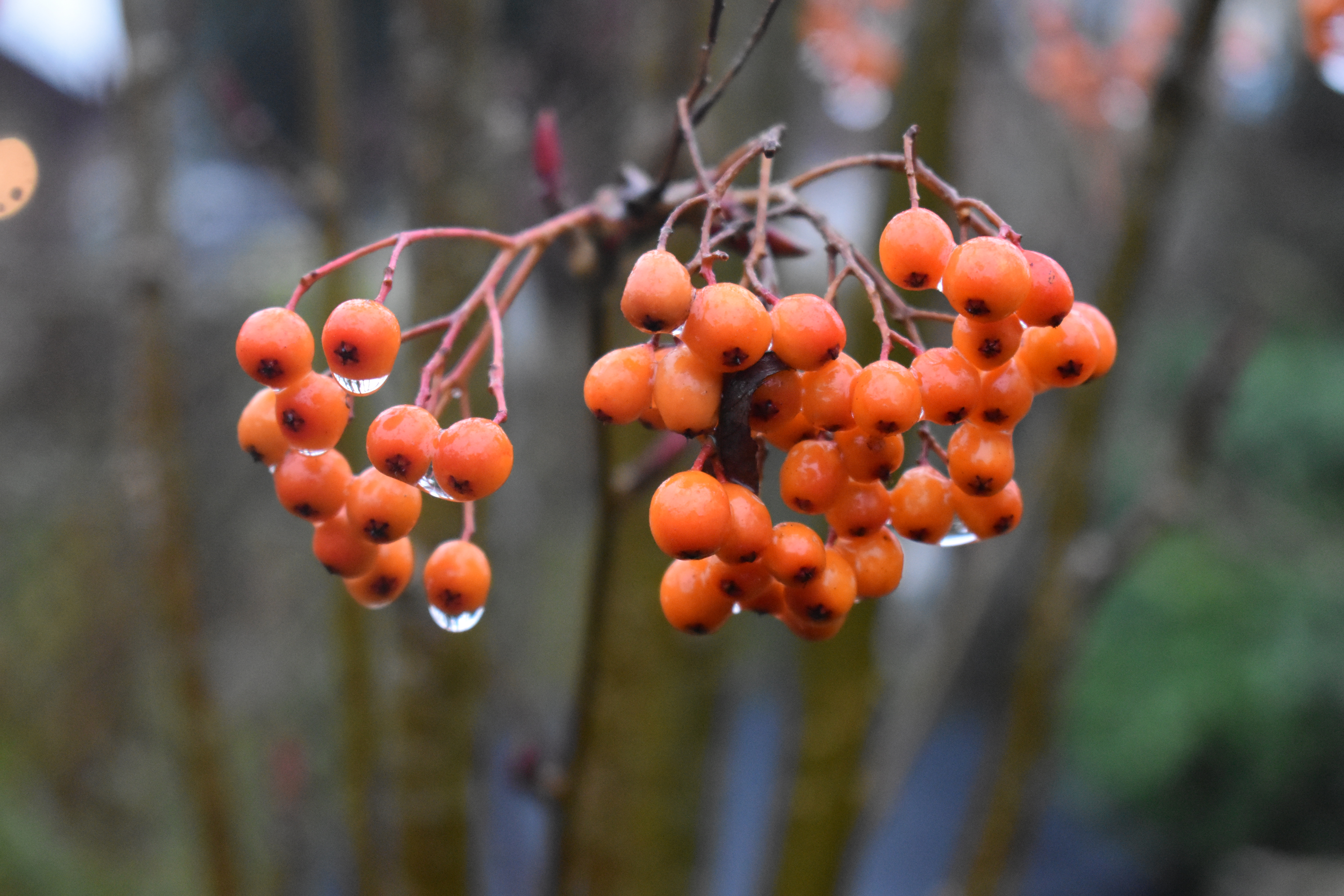
On the page featuring Sorbus berries I shared photos of a few of our collection. I noted that, “September is the month when colours are not just from flowers, but also from berries. We have several Sorbus trees and their berry colours vary a lot, some are also enhanced by rich autumn foliage colours.”

The next two pages are concerned with fastigiate trees and more gardening tasks. About the trees I wrote,”Trees are essential elements of any small garden, where they add a sense of scale and add drama as well as foliage, flowers, seed pods and berries.

In our garden, at just under a quarter acre, we are growing over 60 trees. Recently, over the last few years or so we have concentrated on fastigiate trees with their small footprint.”

On the last page for September I returned to look at some of the tasks we tackled in the garden. I wrote, “We are continuing to revamp the borders in our front garden. The area is divided into three parts, all of them needing almost total revamps.”

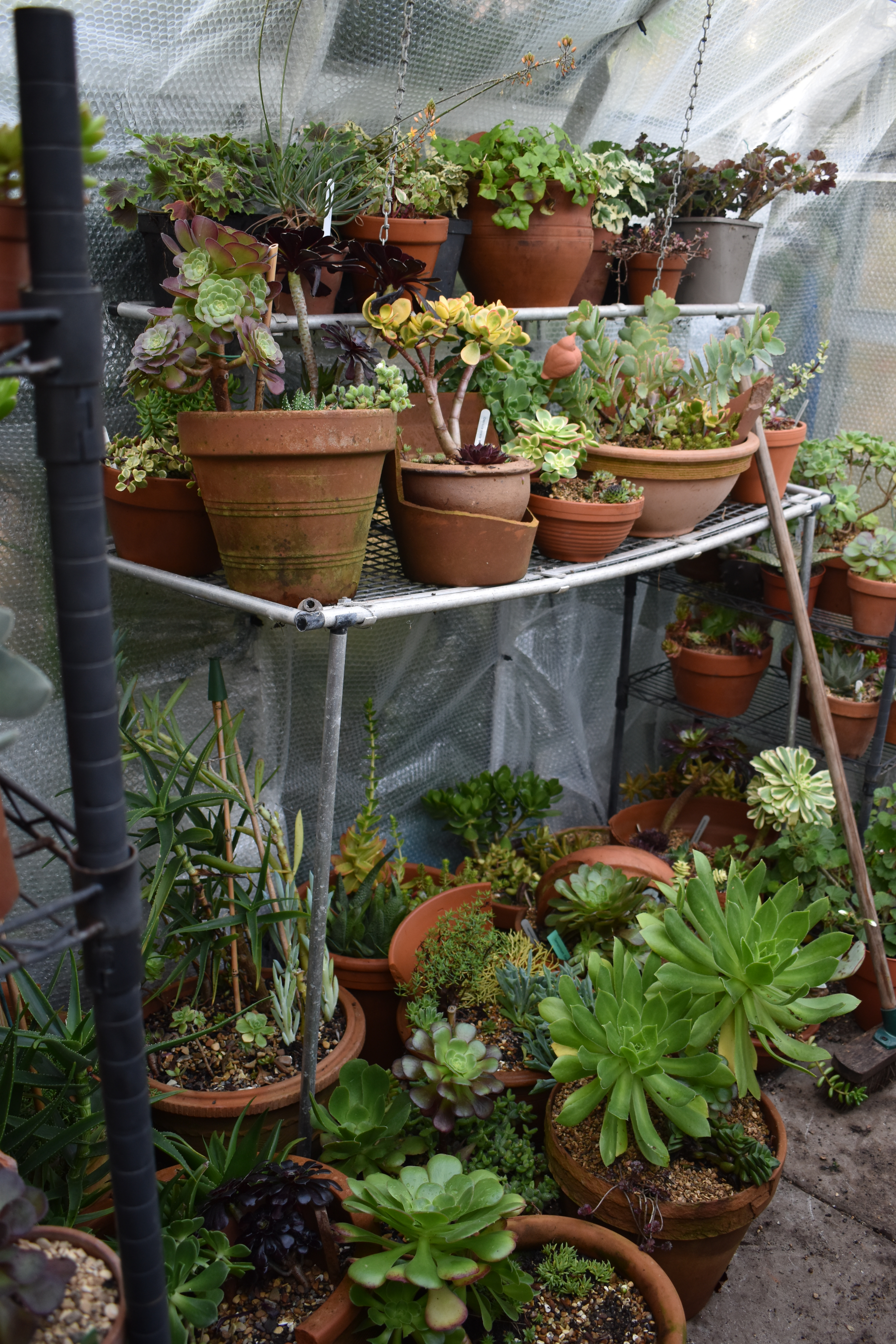
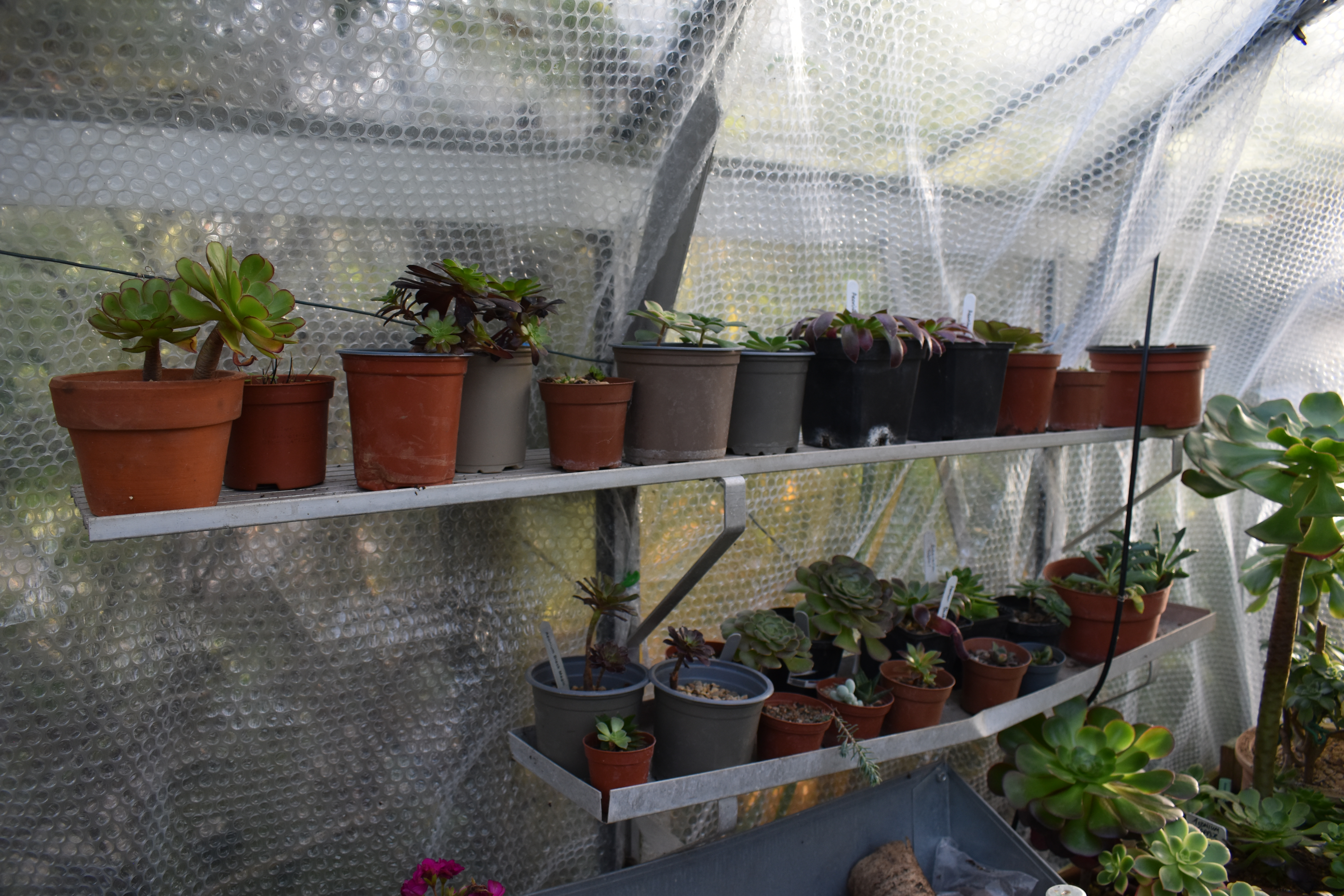
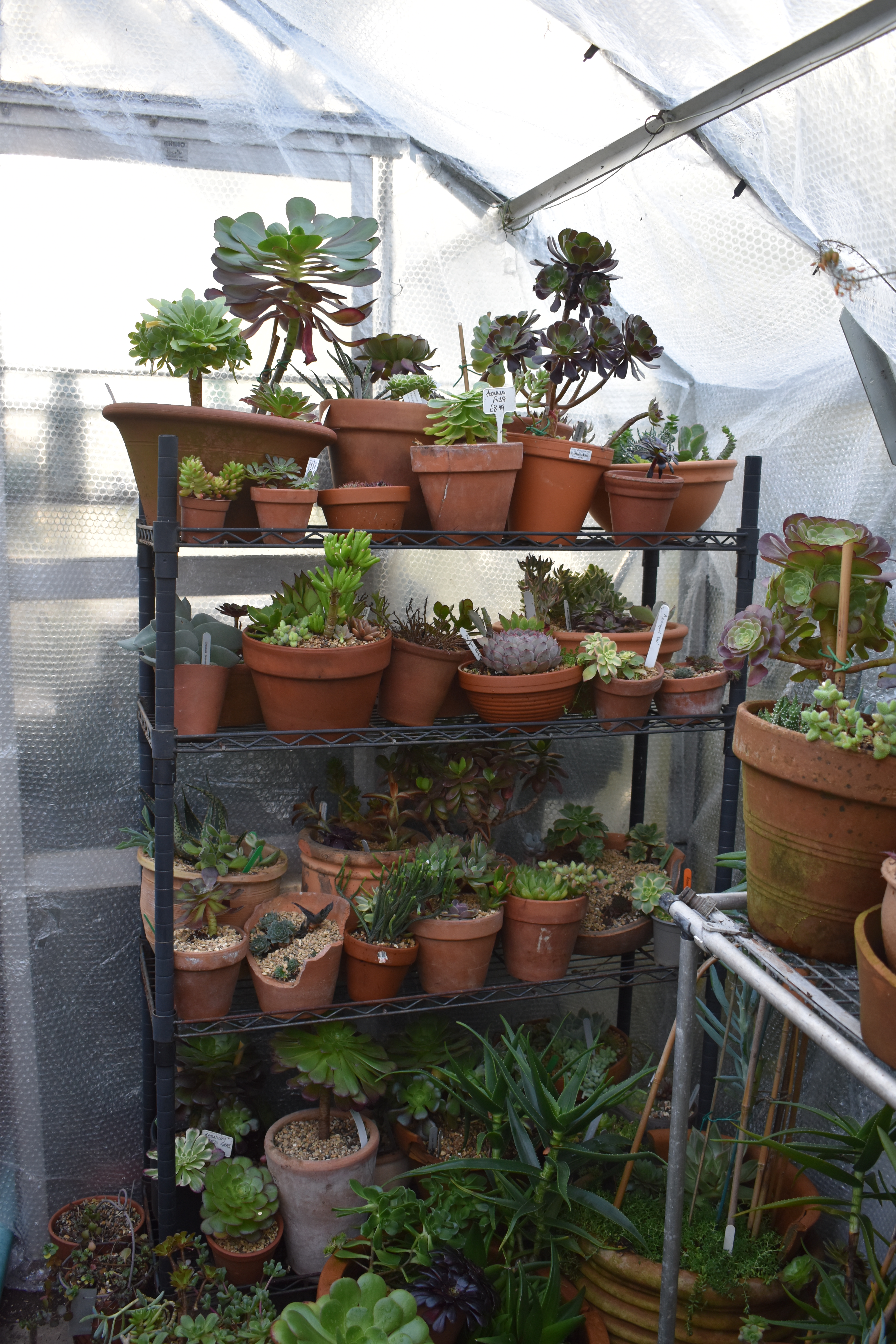
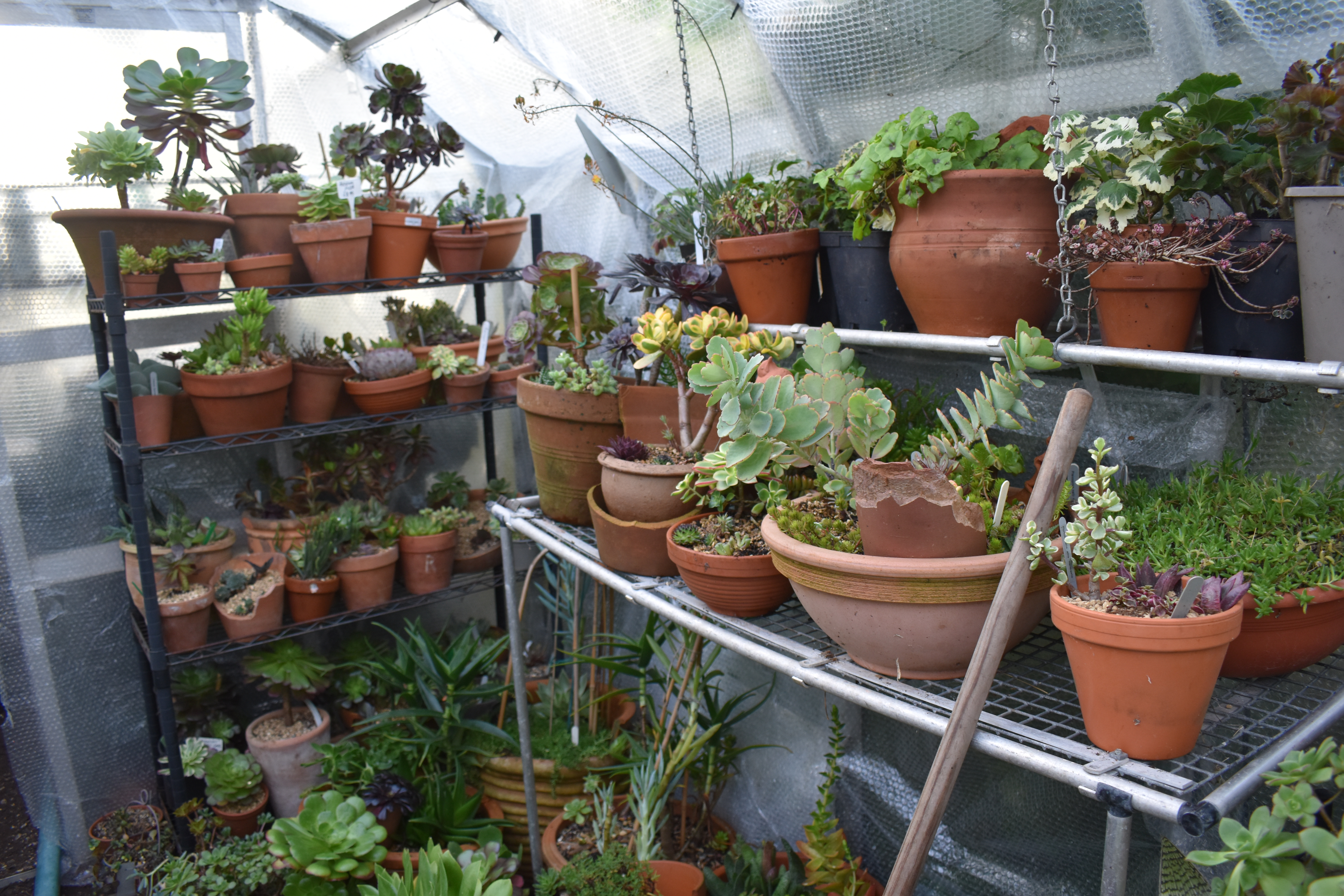
Towards the bottom of this page I wrote, “On rainy days we worked in the greenhouse, Jude potting on perennials plants while I took succulent cuttings.”

So there is our month in the garden. Next month will be October the time when perhaps we will begin to see changes that will lead us to he autumn.

Categories
Uncategorized

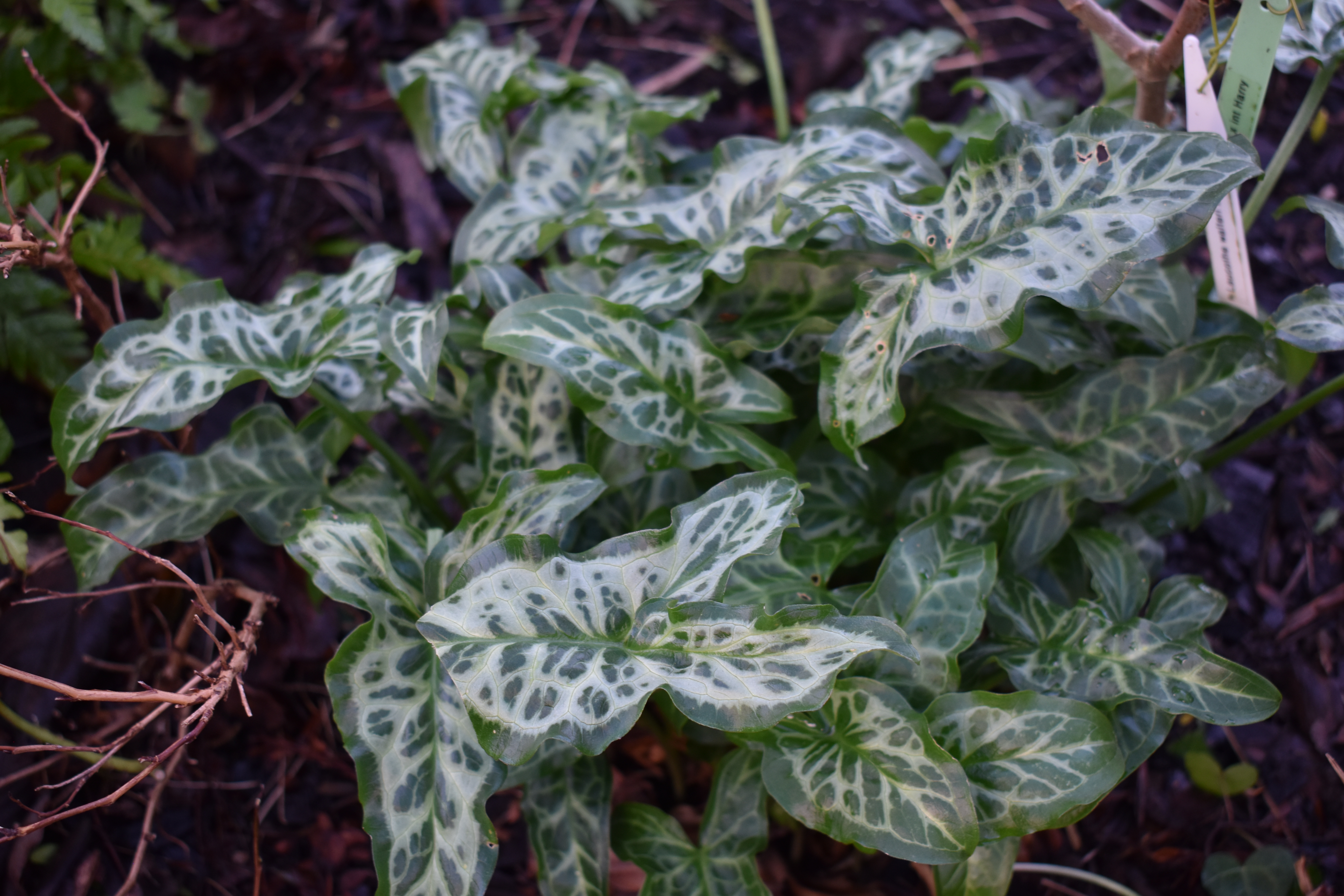
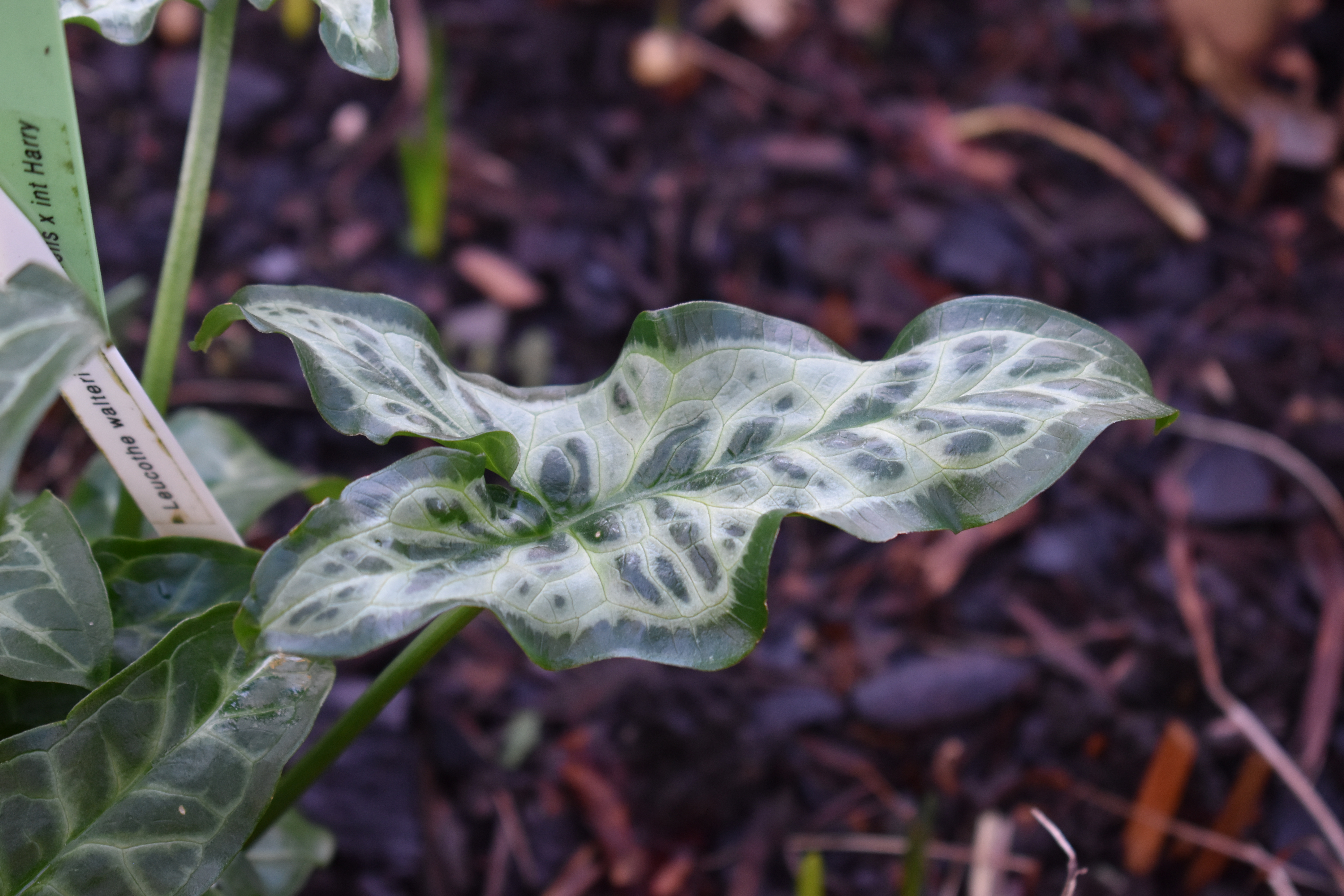
A Week in Pembrokeshire Our Home for a Week

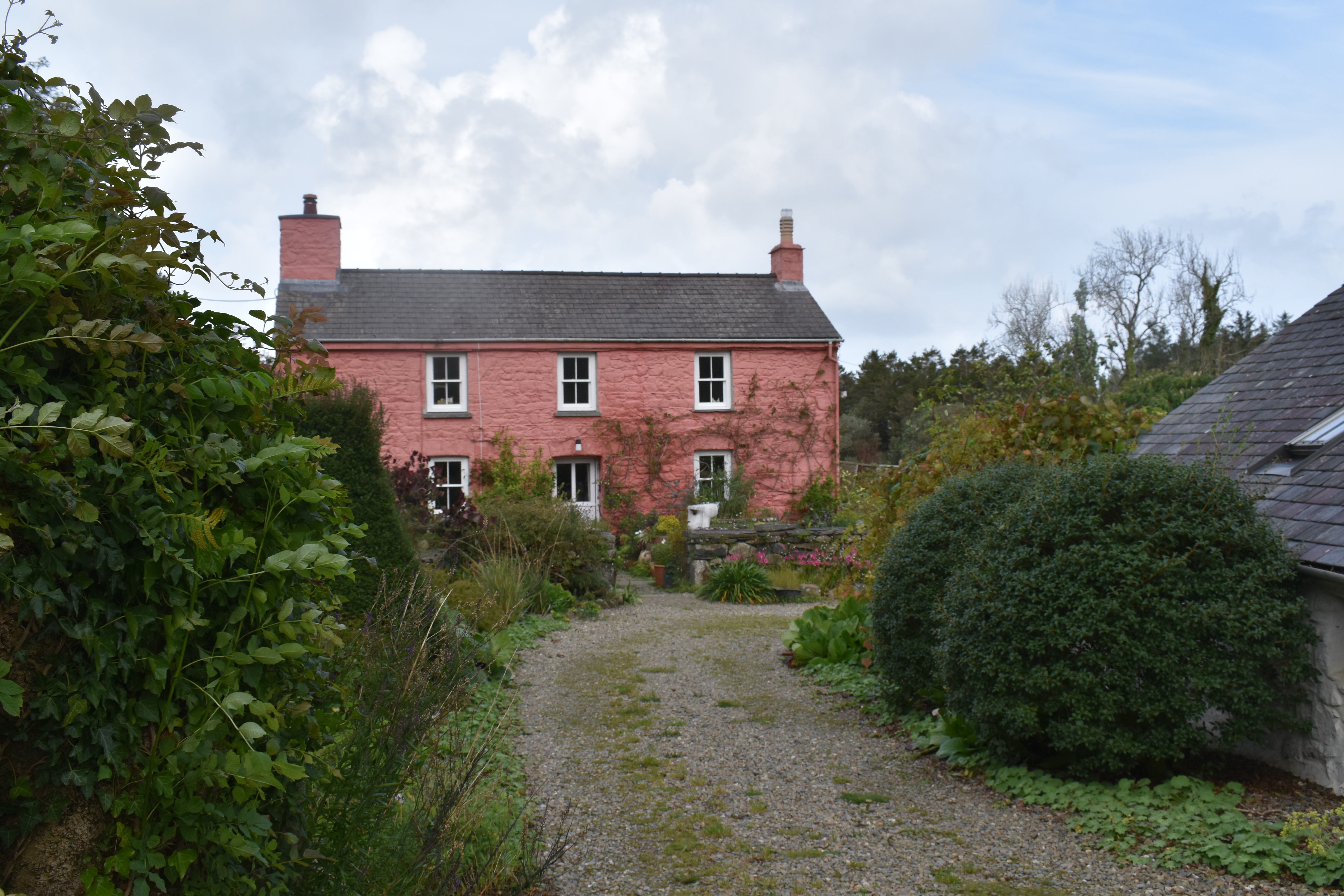
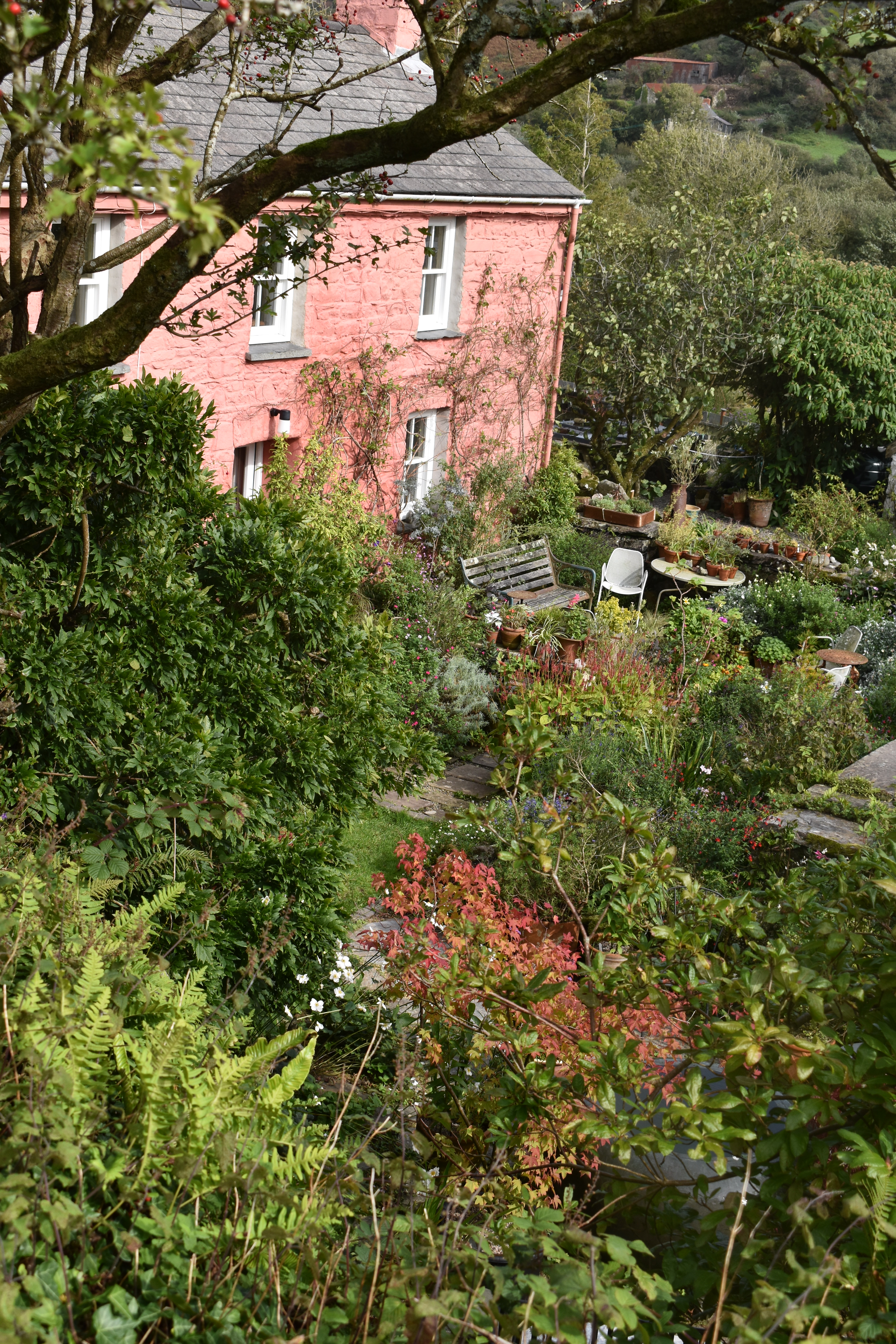
Most of my posts reporting on our week’s holiday in Pembrokeshire will be about places we visited especially gardens and woodland walks. So I thought it would be a good idea to feature the cottage and the plants around it for change!

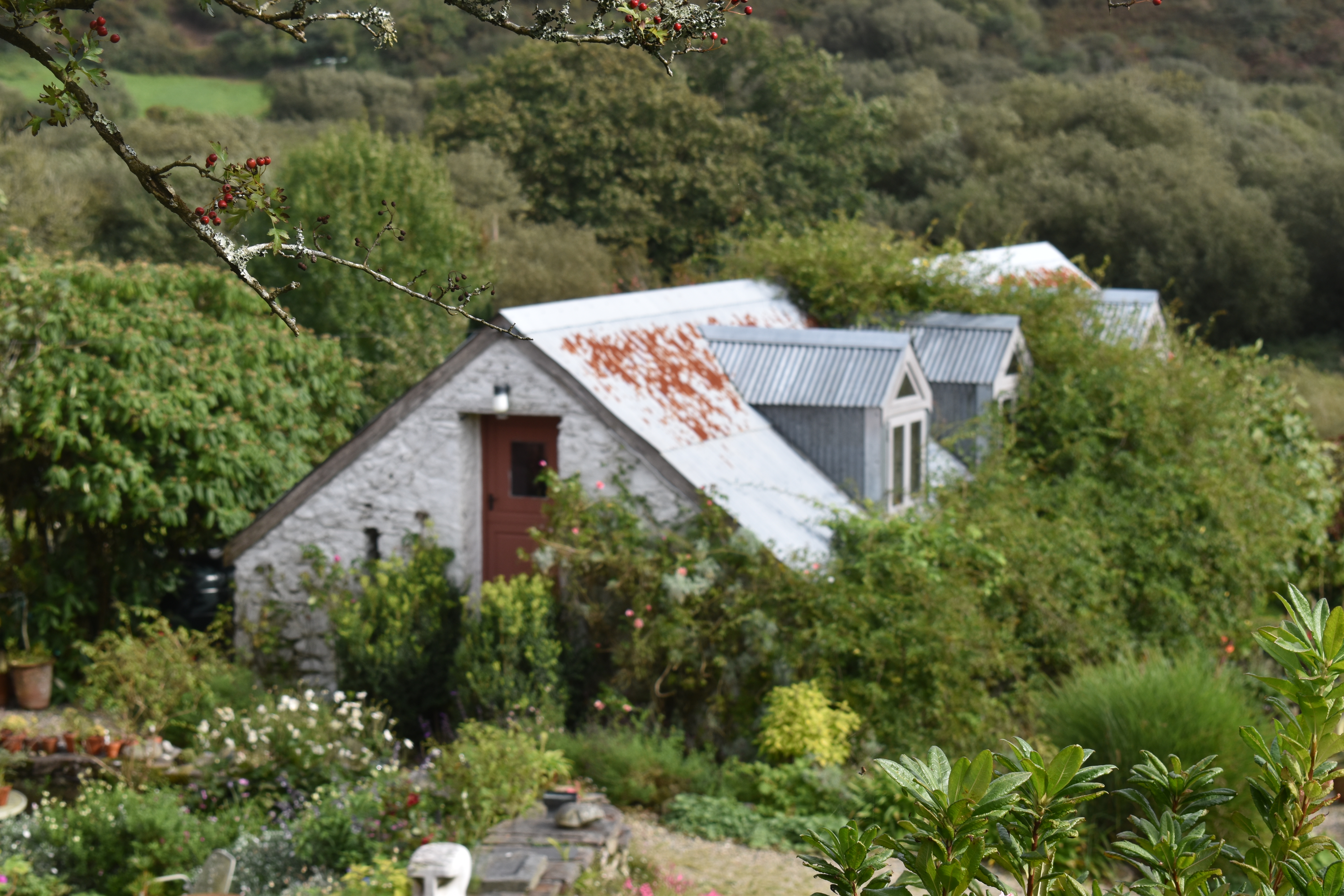
This beautiful stone cottage started its life as a corrugated ironclad cowshed. It had been renovated to such a high standard throughout. It gave us a warm and comfortable week.

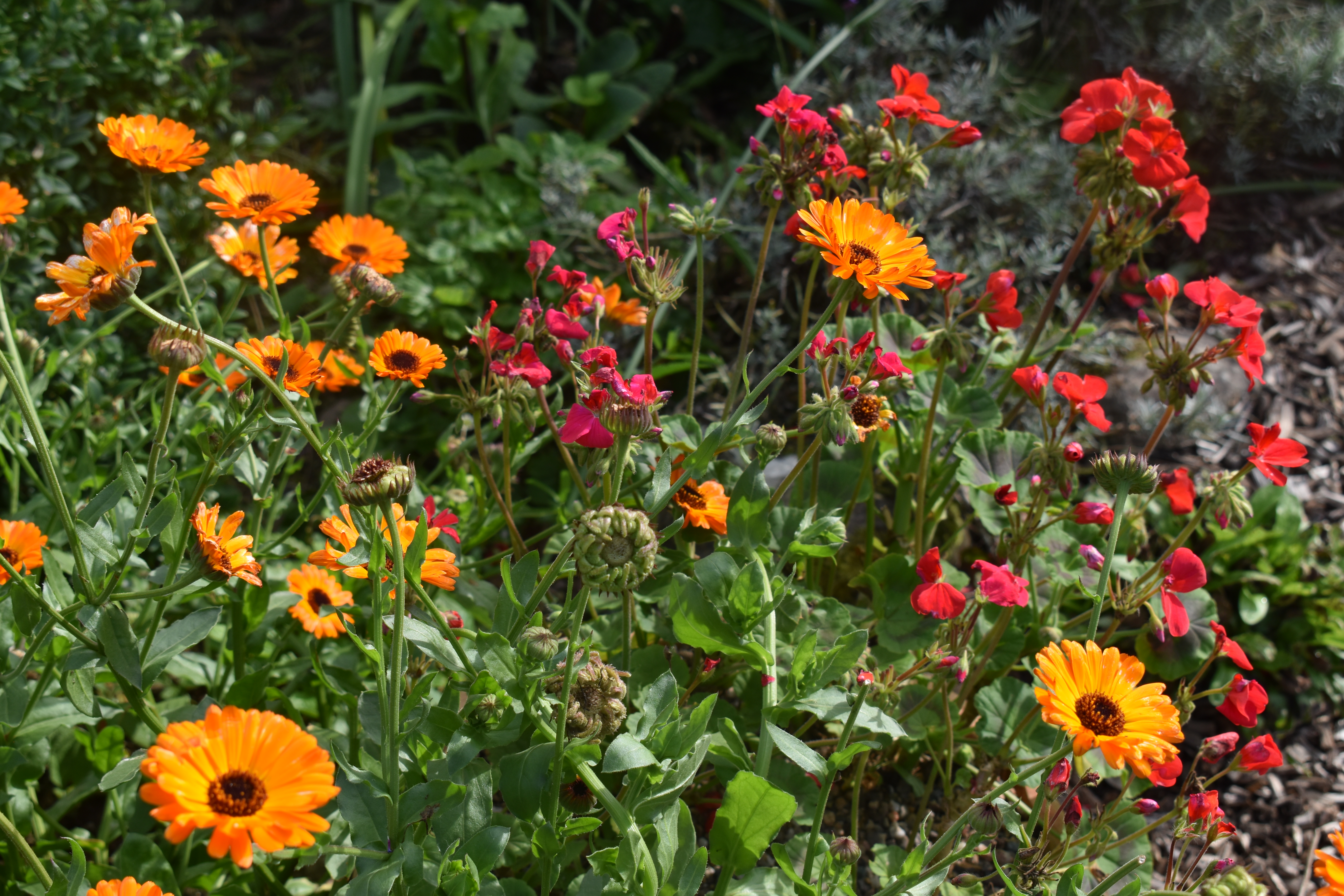
There were four such conversions around a gravel courtyard which by looking at the plants surrounding it must at one time have been an inviting garden. We liked the way self-seeding plants were decorating the grey gravel most of which were Verbena bonariensis and Welsh poppies ( Meconopsis cambrica) in an impressive range of yellows and oranges.

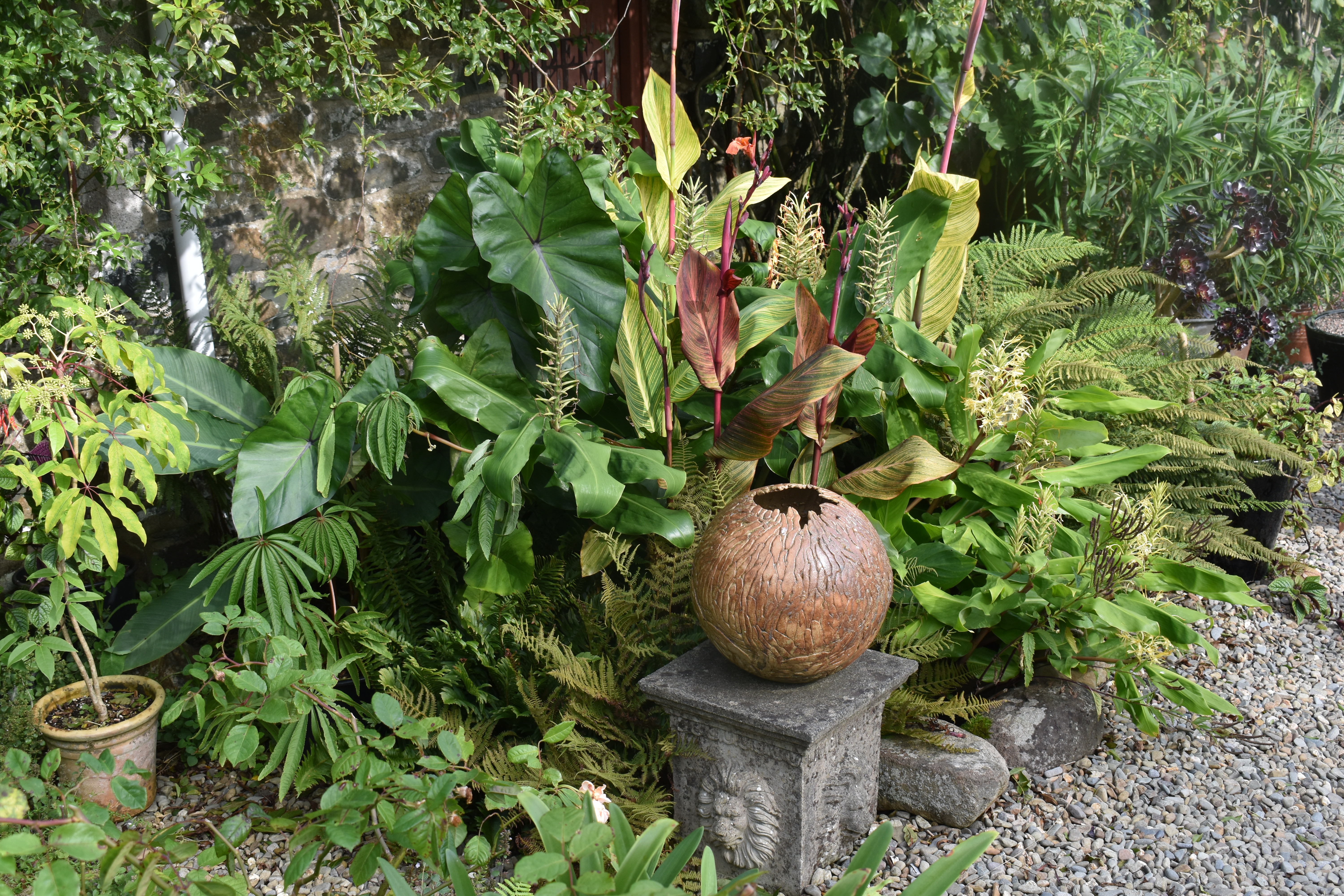
Blue glossy pots were home to the brightest begonias while larger terra cotta or blue glazed pots were full of foliage shrubs and perennials.

The stonework of the cottage in its beautiful range of colours provided a suitable background for anything that grew or was placed in front of it.

To the left of the cottage, near where we parked the car, was a neglected and overgrown hedge and border, which would have once been quite attractive. There were clues to its past when we explored it.

A old overgrown hedge provided the boundary between the cottage area and the countryside. There were once again signs of former glory.

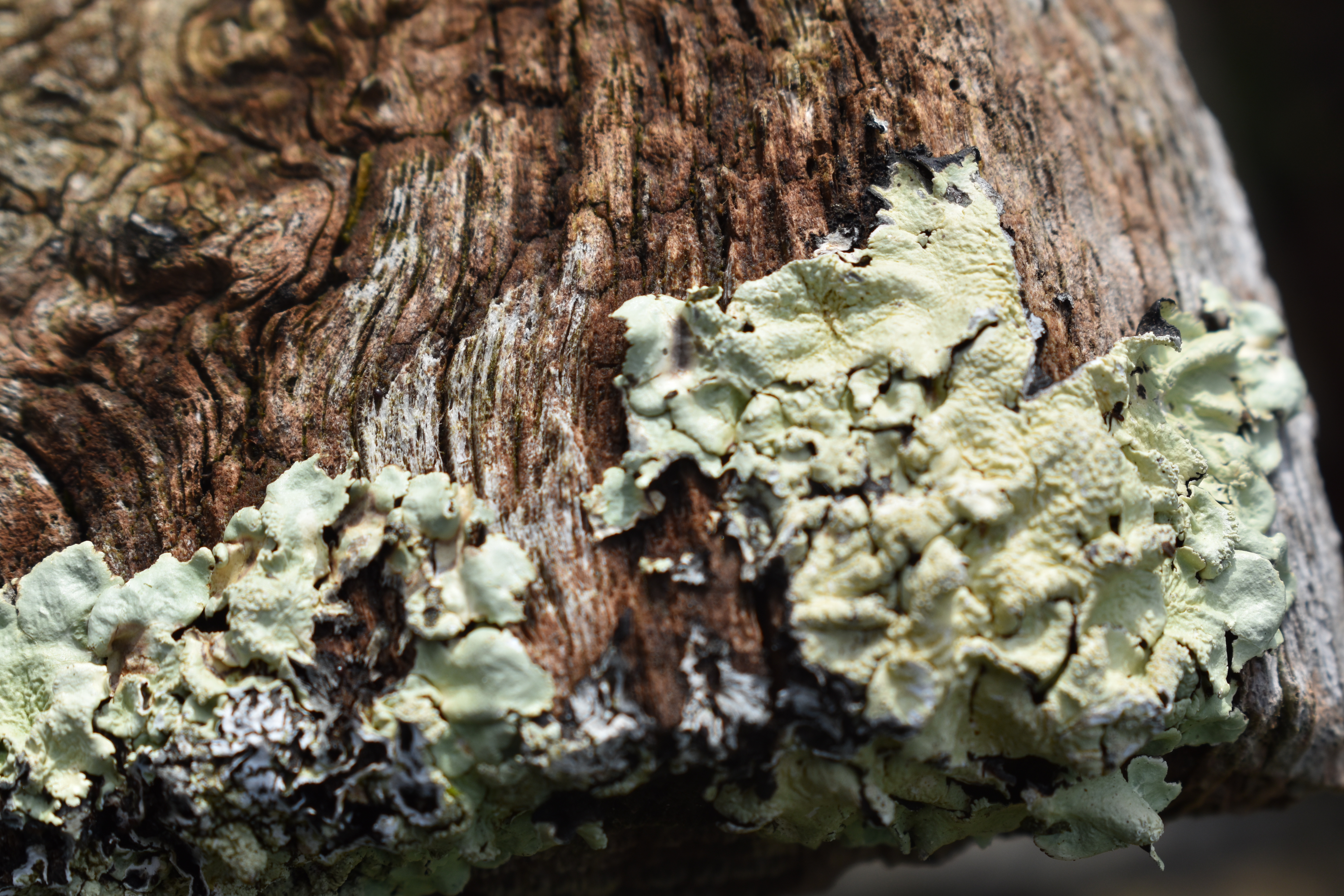
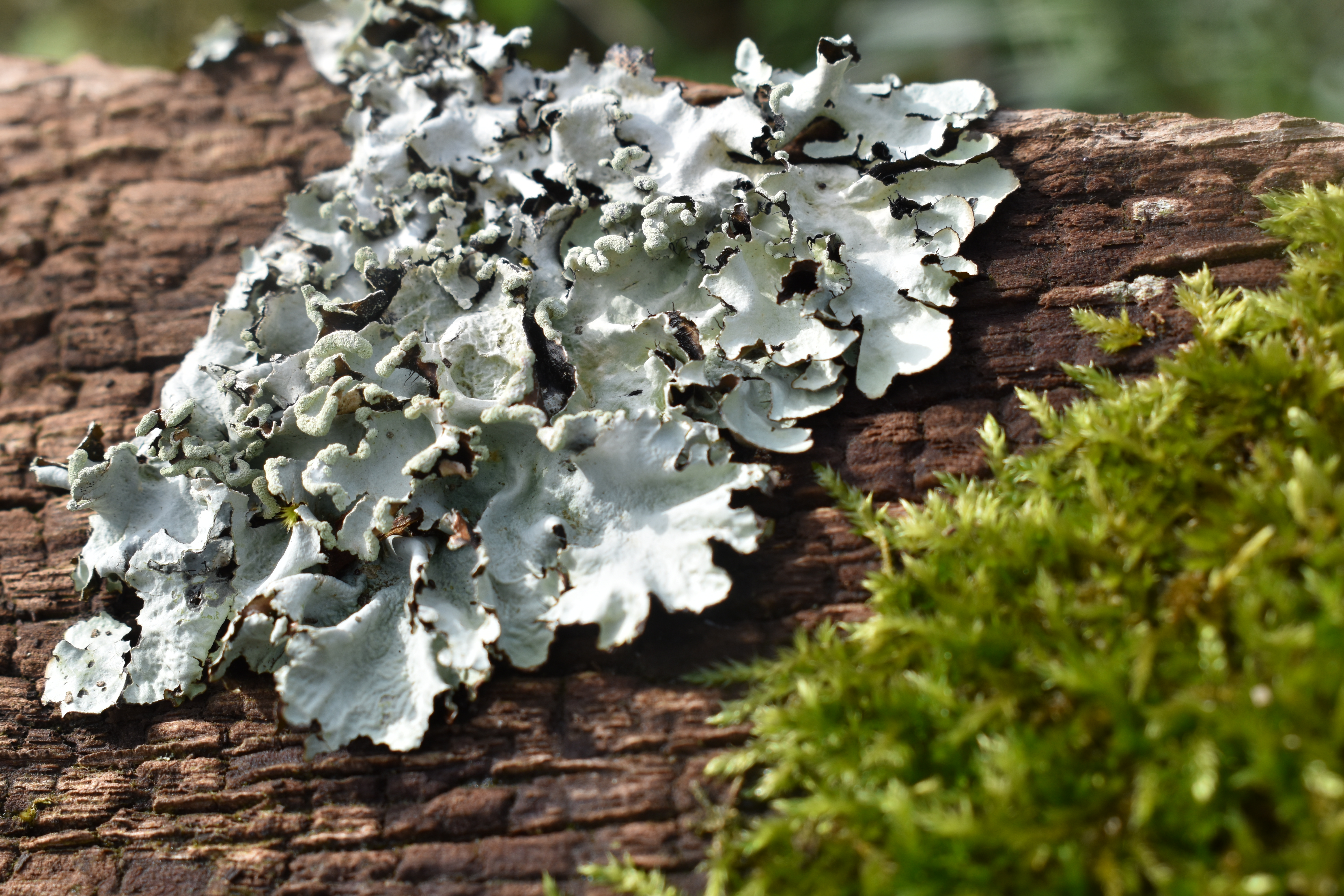
The final two photographs look over the wall and hedge to the wider countryside beyond. Beautiful lichen grew along the top of a fence and an old stone bird bath was trying to hide in the hedge.

We were delighted with our accommodation and are looking to return in the spring!

Categories
Uncategorized

Picton Castle and Gardens – a Plantsman’s Delight

While on our week’s holiday in Pembrokeshire we found this garden on a map and decided to do some research. It sounded well worth a visit. The weather forecast was far from promising – cool, wet and windy – but we were on holiday so decided to ignore it. So with waterproofs on and tough shoes protecting our feet we paid and went straight to the cafe for sustenance – latte for me and cappuccino for Jude, accompanied by a brownie for me and a slice of carrot cake for Jude. Excellent!

We soon discovered that there was so much of interest here that it would provide subject matter for a few posts. But for now this post will be about the garden in general to provide a taster and prepare for more specific posts to follow later.

Just while walking on the few yards from car to coffee, we were attracted by these interesting plants worth stopping at for a close up look.

As we left the cafe replete and ready for a good explore, we noticed that in the courtyard there were wooden trellis tables displaying plants for sale. Best of all were two tables full of succulents several of which were aeoniums, an absolute obsession of mine. After a quick look and vowing to return to indulge ourselves we set off for the jungle garden.

I will come back to the jungle area later and I will publish a post just about it.

Rain suddenly hit us when we were in the middle of studying the jungly plants, so we went along now wet slippery paths to shelter in the glasshouses situated inside the Walled Garden.

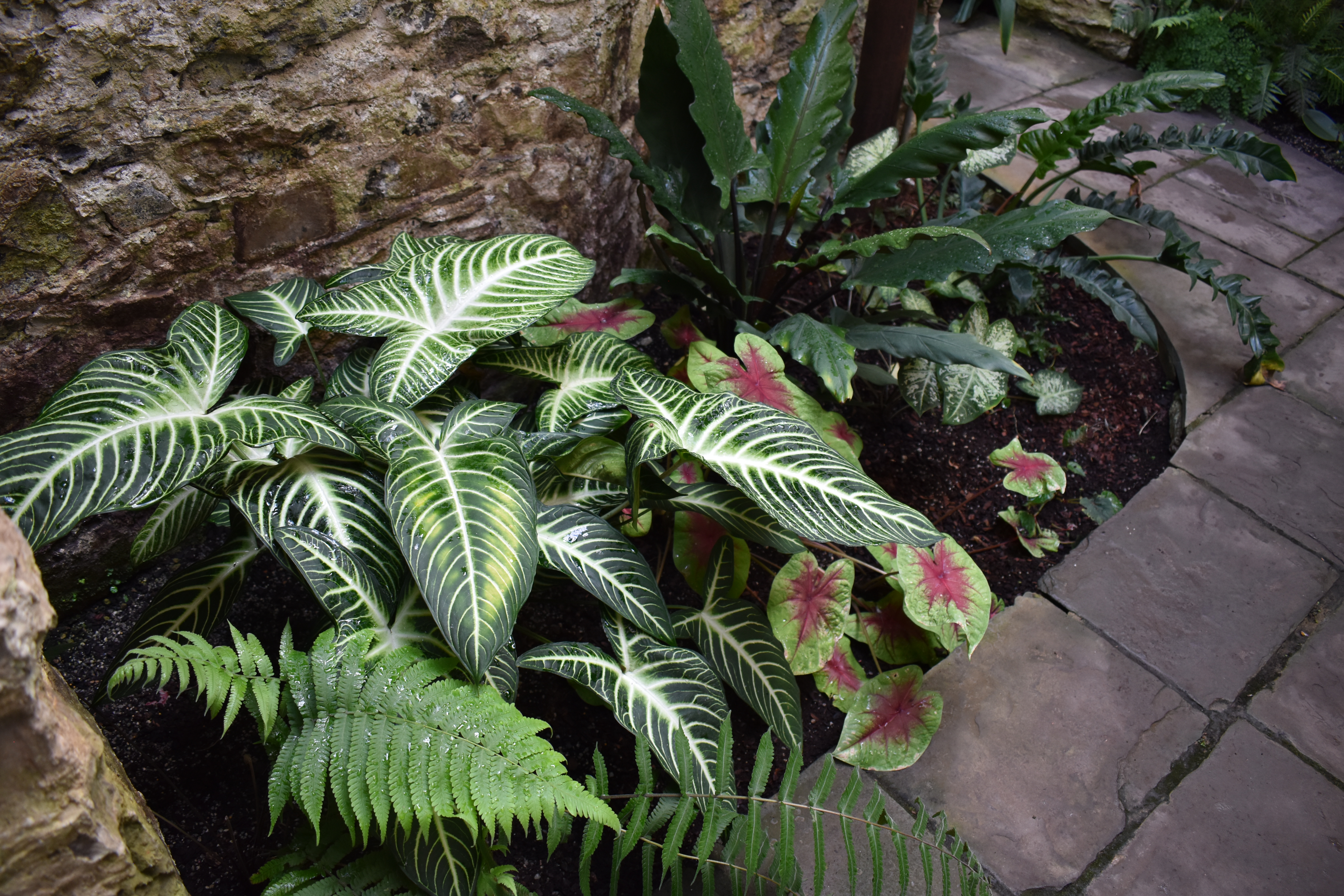
Within the walled garden the old walls remained in places and the area was now planted to attract wildlife. The glasshouses were in poor repair but now housed good collections of ferns, tropical plants and succulents.

As we exited the glasshouses we discovered the outdoor spaces there were quite formal with areas of exciting planting ,such as in the prairie garden, clambering into and over the pergolas and around the water features. In the near future I will post a feature on the glasshouses, prairie and other parts of the formal areas.

We left these areas and set off in search of the fern walk, winter gardens and myrtle avenue. Sadly we failed to find these features apart from the winter garden which had been left to become overgrown and sad looking.

We returned to the courtyard by the cafe as we just had time to look at the mower museum and purchase some succulents, especially aeoniums from the sales tables.

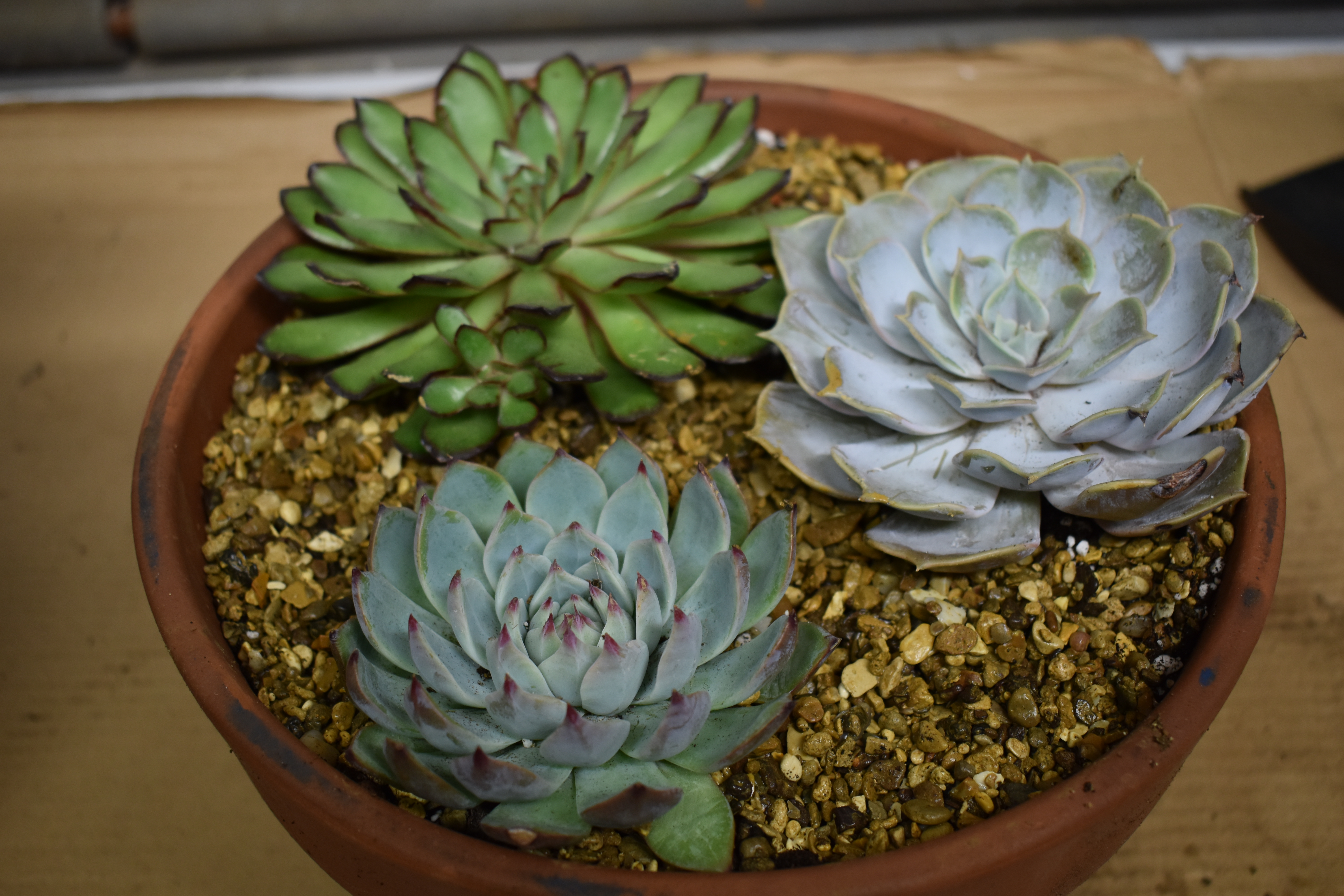
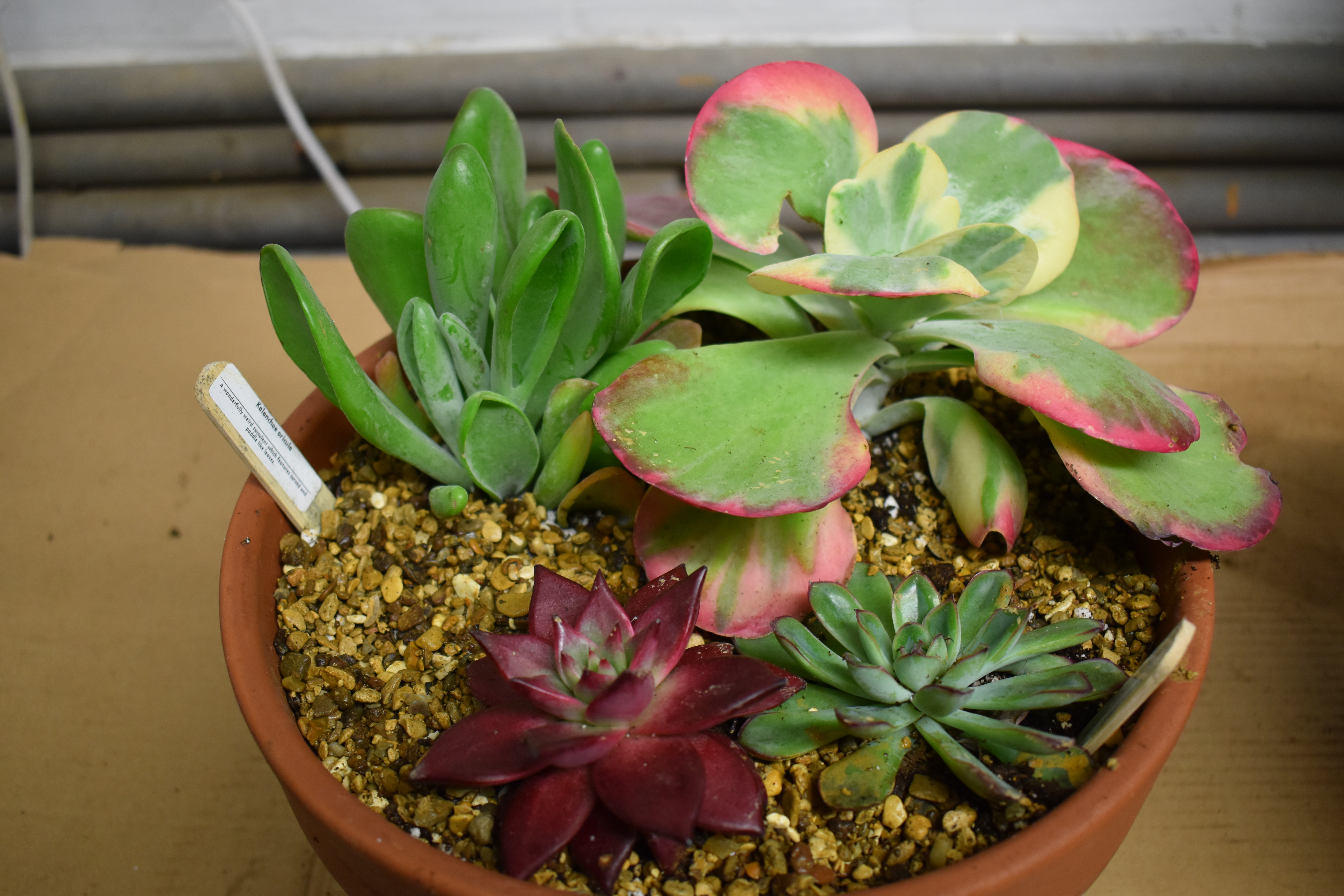
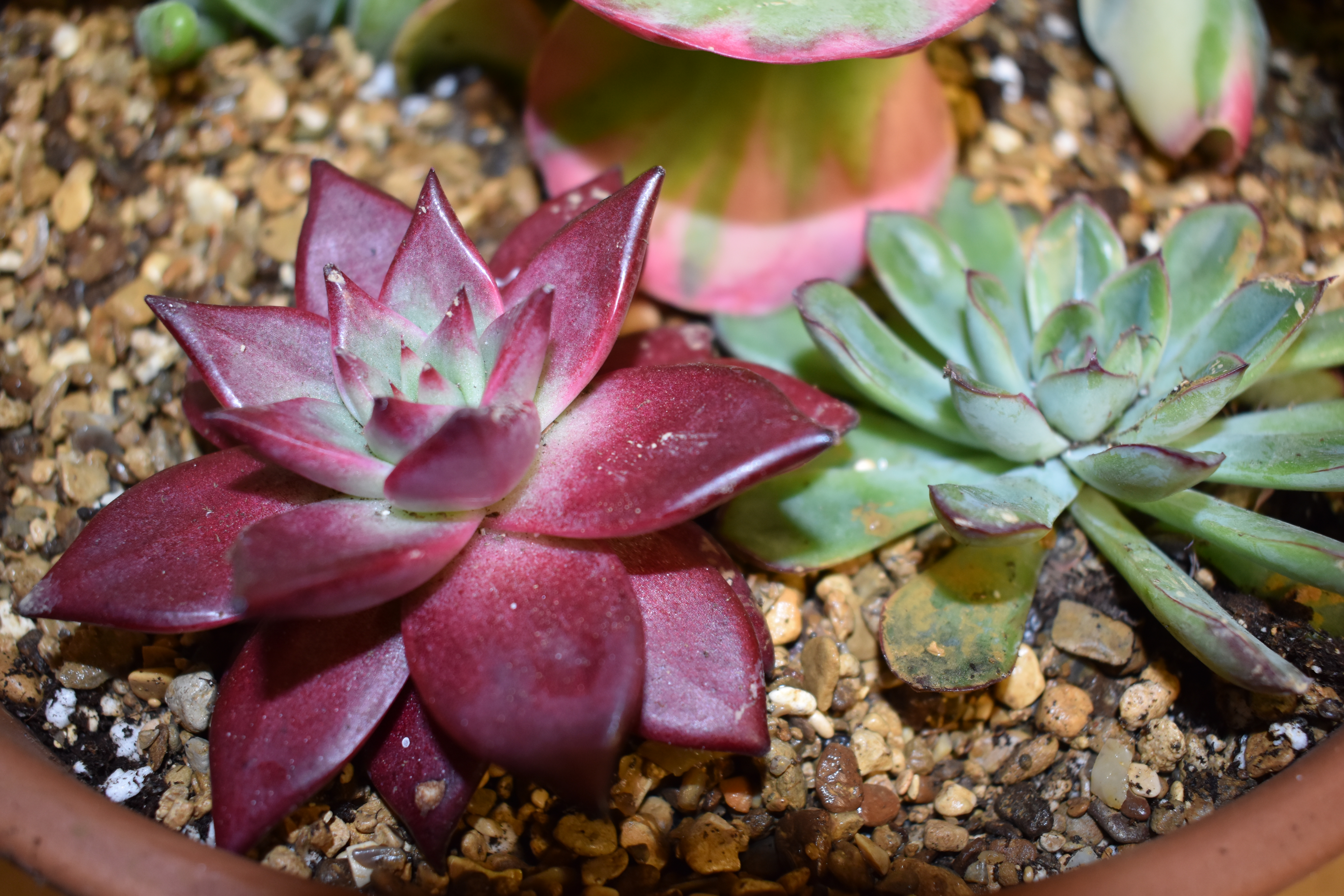
Finally we studied all the succulents for sale and selected a dozen or so mostly aeonium to add to my collection.

What an enjoyable wander we had in that lovely garden.

This Veggie Life

A Vegetarian | Nature Lifestyle Blog

Rambling in the Garden

.....and nurturing my soul

The Arch City Gardener

Journeys In St. Louis Gardening and Beyond

Garden Dreaming at Châtillon

Consult the genius of the place

Storyshucker

A blog full of humorous and poignant observations.

gardeninacity

Notes from a wildlife-friendly cottage garden

PlayGroundology

...an emerging social science

The Official Blog of British Wildlife

'The most important and informative publication on wildlife of our times' - The Independent. This blog is a member of The UK & Ireland Natural History Bloggers group: www.uknhb.blogspot.com

iGrowHort

Inspire - Cultivate - Grow Native Plants - Restore Landscapes

Bishops Meadow Trust

To create and protect a semi-natural wild space for the people of Farnham to enjoy and experience an array of British wildlife in our town

Gardening with Children

The www.gardeningwithchildren.co.uk Blog

UKbirdingtimeline

birding through the seasons, why birds matter and how to conserve them

NATURE WALKER

with a camera in hand

Jardin

Transform your outdoor space

Eva's space

My allotment, cooking and other interests

Old School Garden

my gardening life through the year

LEANNE COLE

Trying to live a creative life

fromacountrycottage

trying to live as lightly as possible on our beautiful planet

Good Life Gardening

Nature lovers from Leicester living the good life.

mybeautfulthings

Finding the beautiful in the everyday

mawsonmichelle

Michelle's Allotment

In and Out of My Garden

thoughts from and about my garden

Greenhousing

Big plans for a small garden

The Scottish Country Garden

A Walled Country Garden in South East Scotland

The Fruity Chicken

Life at the fruity chicken

willowarchway

Off grid living. Self sufficient. "PERMAGANICS RULE".

St Anns Allotments

Nottingham's Grade 2* Listed Allotments and Community Orchard

Manifest Joy Harvests

a journey in suburban vegetable gardening

Allotmental

The madness of growing your own

Penny's Garden: a harvest beyond my front door

A novel approach to vegetable gardening

arignagardener

Sustainable living in the Irish countryside.

NewEnglandGardenAndThread

Master Gardener, amateur photographer, quilter, NH native, and sometimes SC snowbird

dianajhale

Recent work and work in progress and anything else that interests me

planthoarder

a chaotic cottage gardener

Lens and Pens by Sally

a weekly blog that creates a personal philosophy through photographs and words

Dewdrops and Sunshine

Stories from a sassy and classy Southern farmbelle.

The Pyjama Gardener

Simple Organic Gardening & Seasonal Living

gettin' fresh!

turning dirt into dinner

JOY...

today the world is created anew

Garden Birds

Notes from a Devon garden

ShootAbout

Life Through The Lens

Adapting Pixels

A photography blog showcasing the best photography pictures and videos on the internet

Wildlifegardening's Blog

Just another WordPress.com site

naturestimeline

personal observations from the natural world as the search continues for a new approach to conservation.

LATEBLOOMERBUDS

The Wonders of Life through my Eyes, my Heart, my Soul