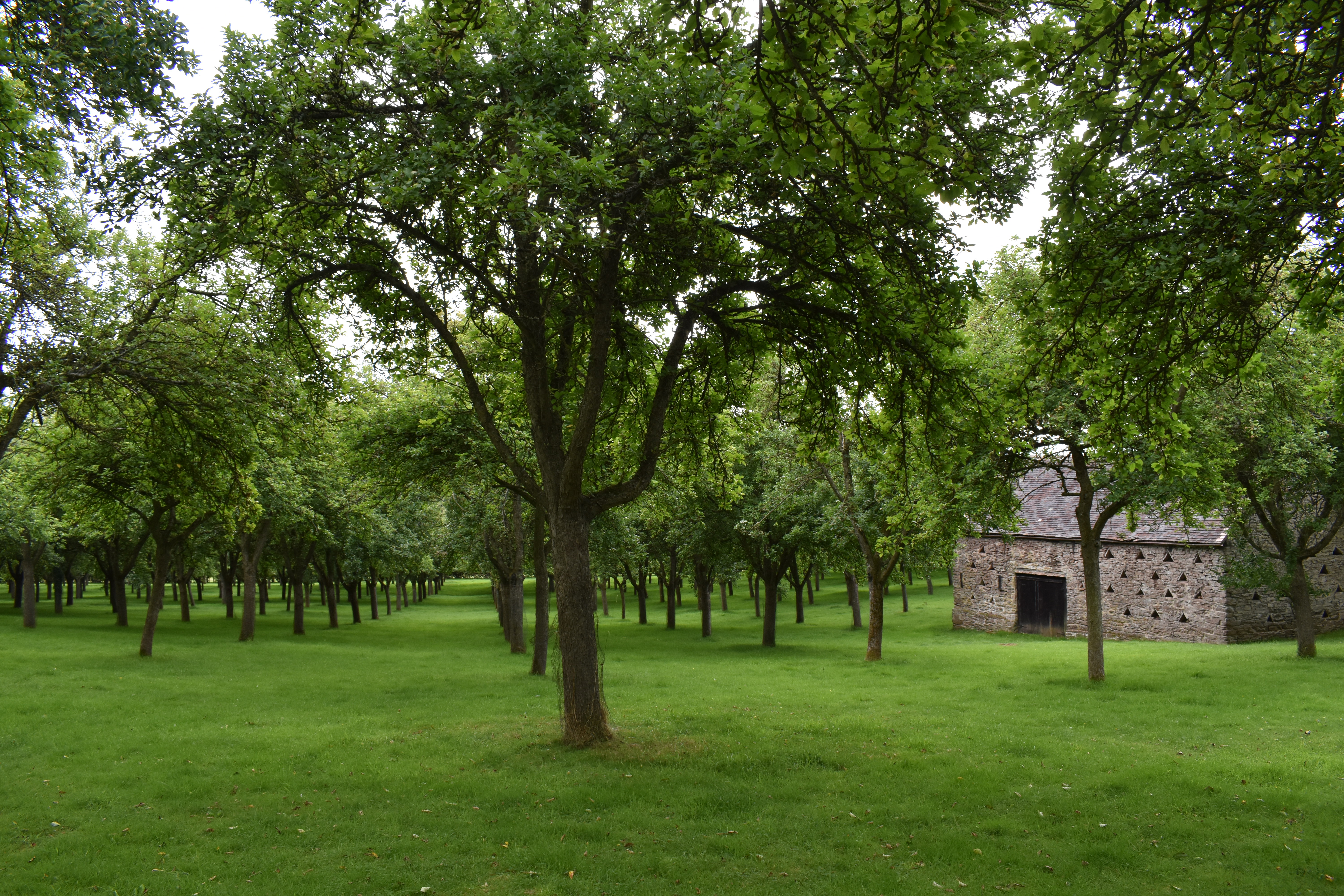
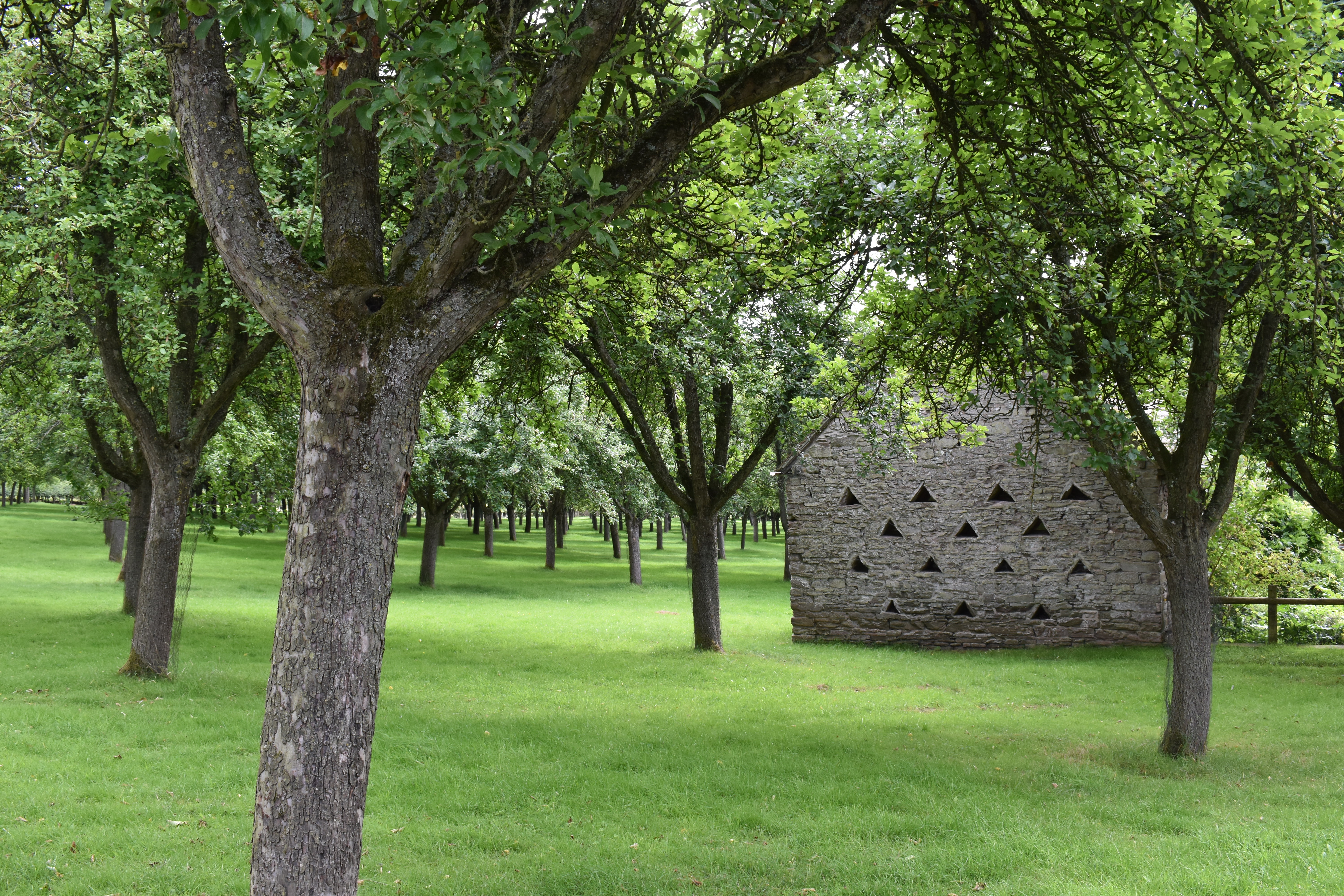
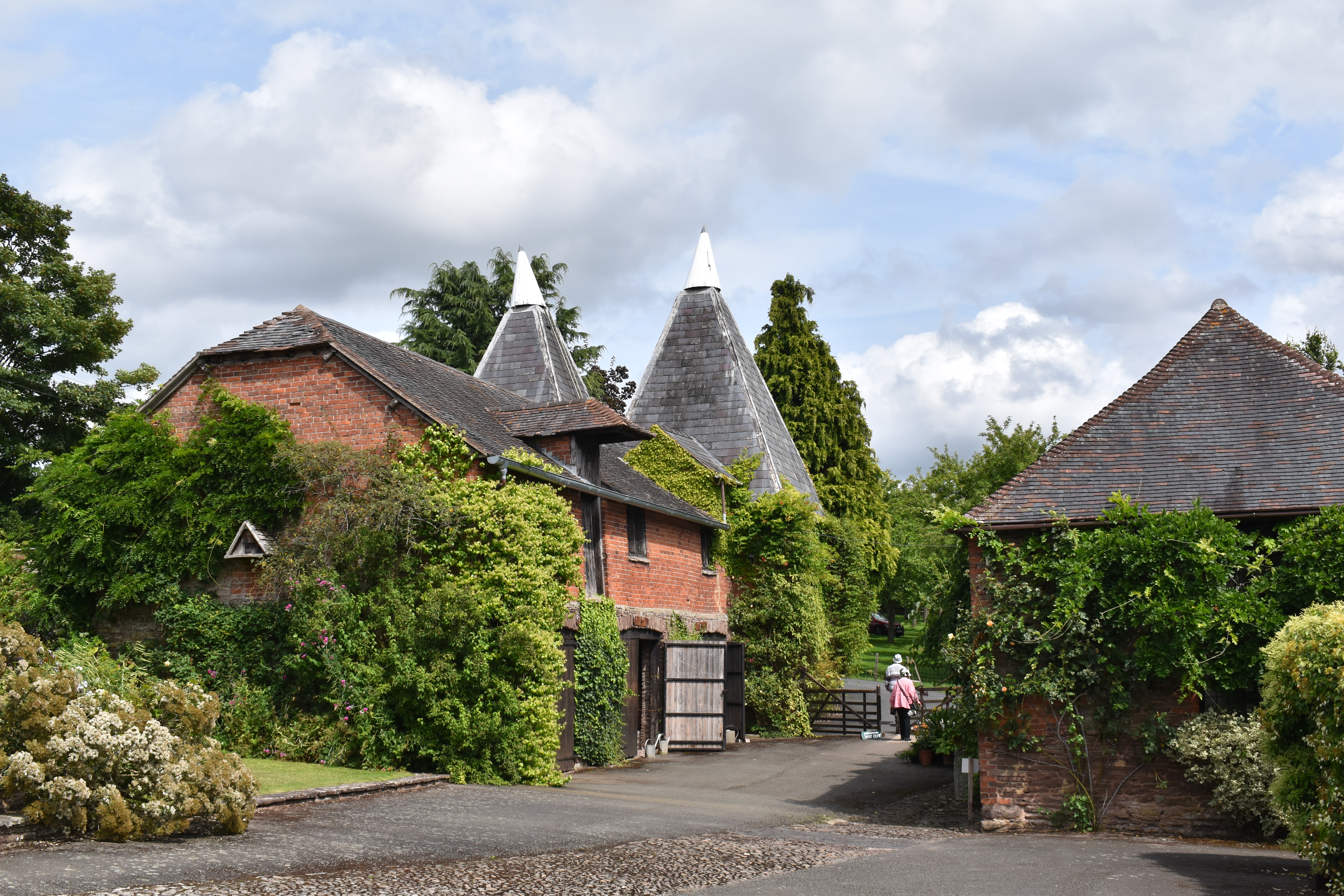
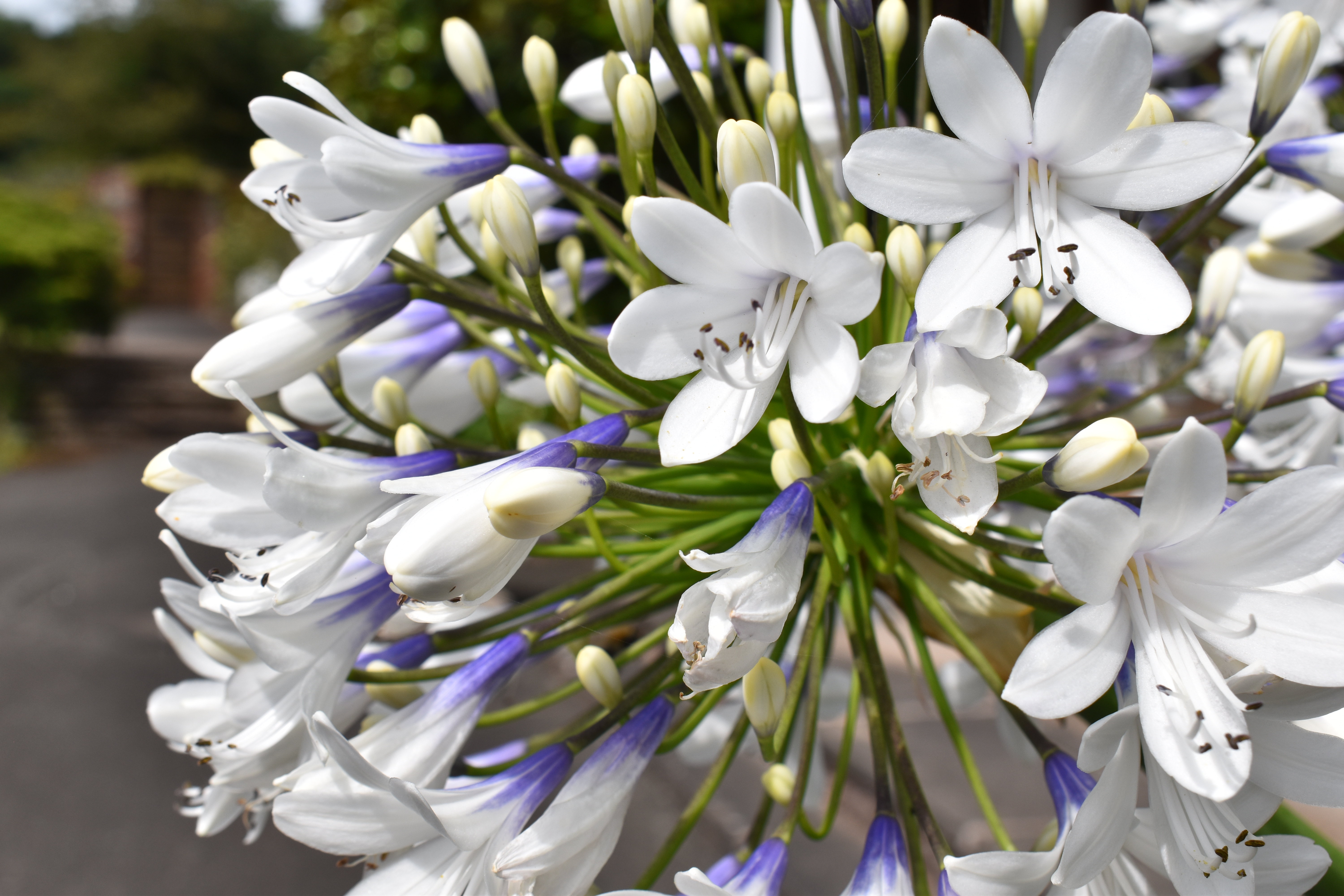
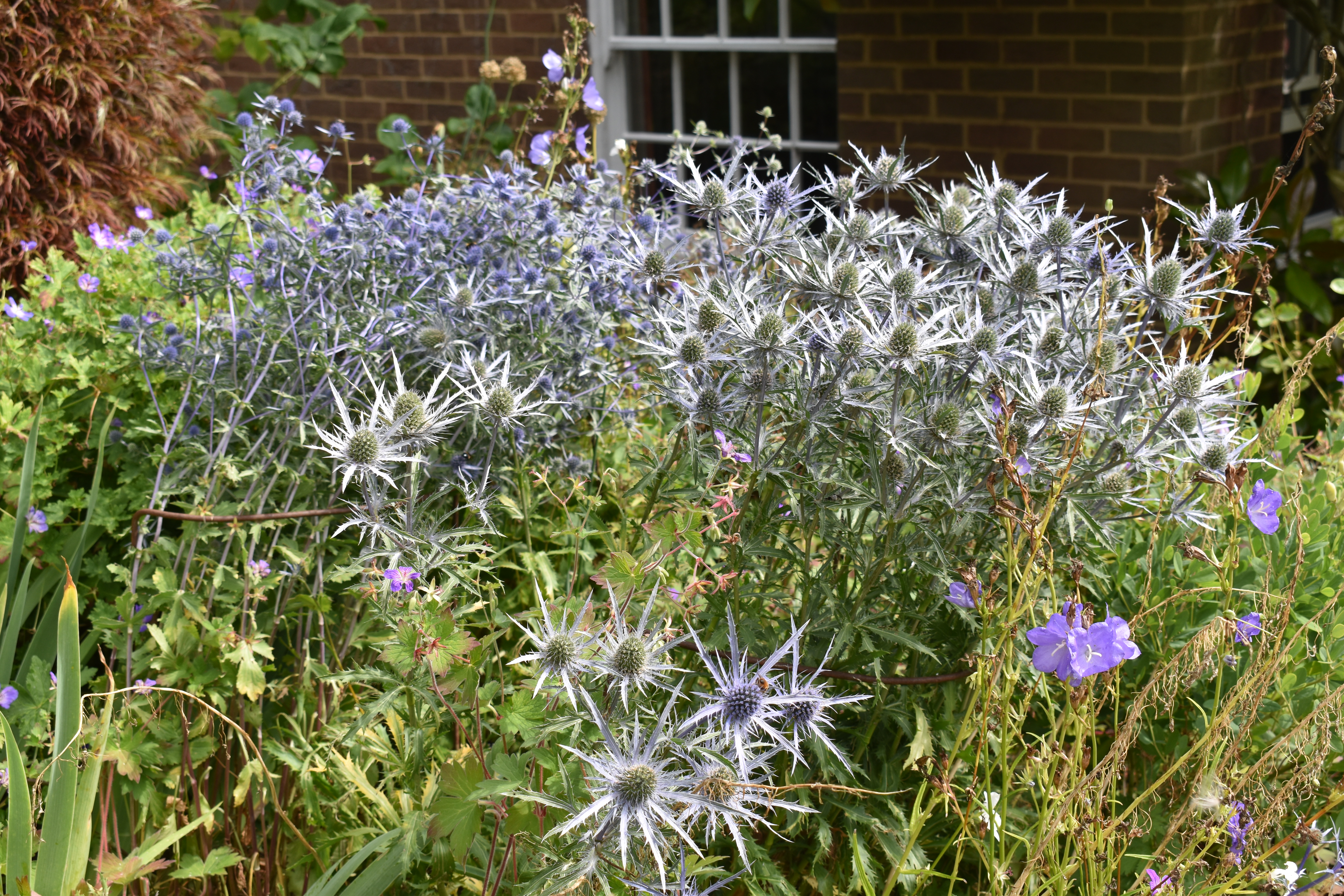
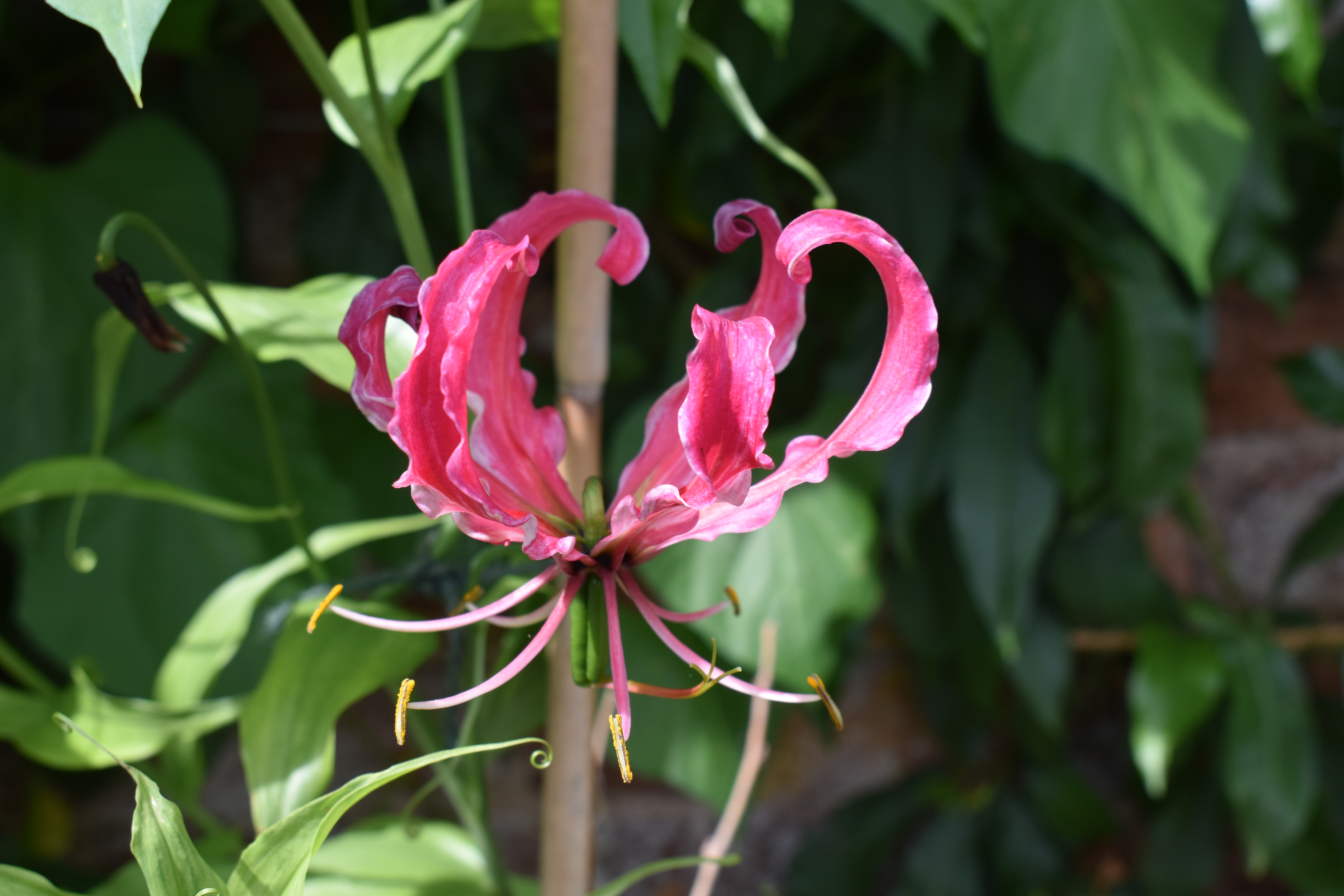
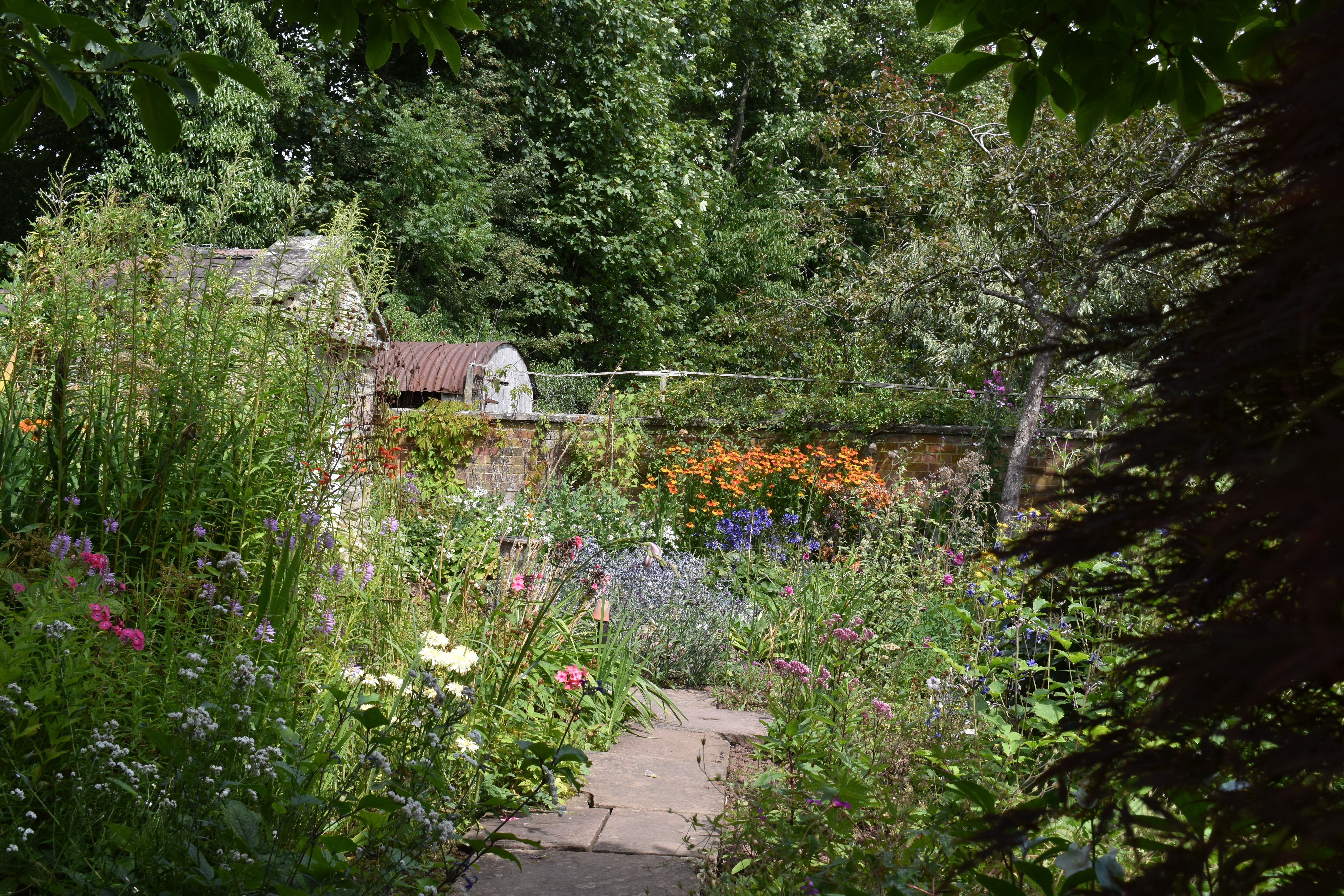
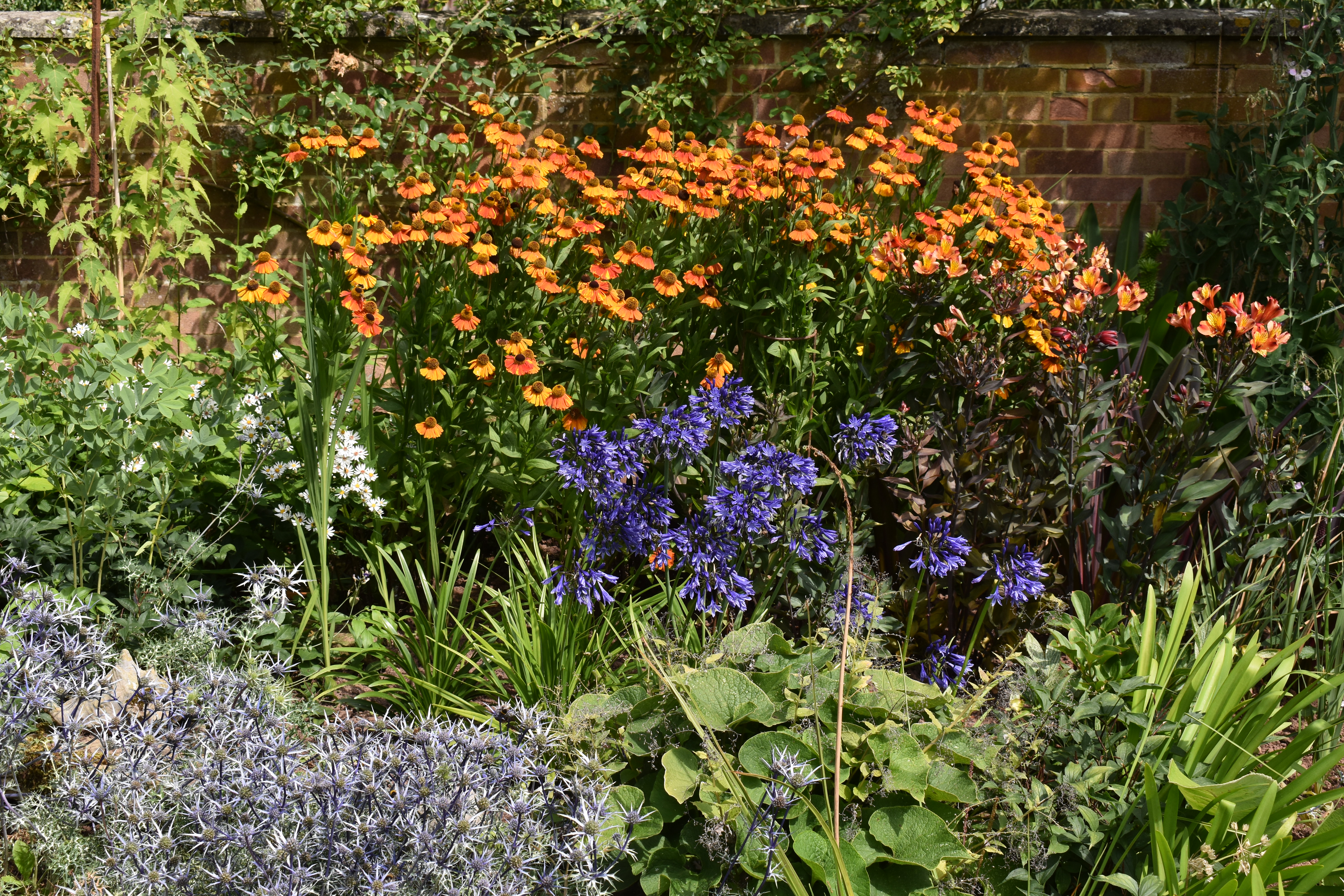
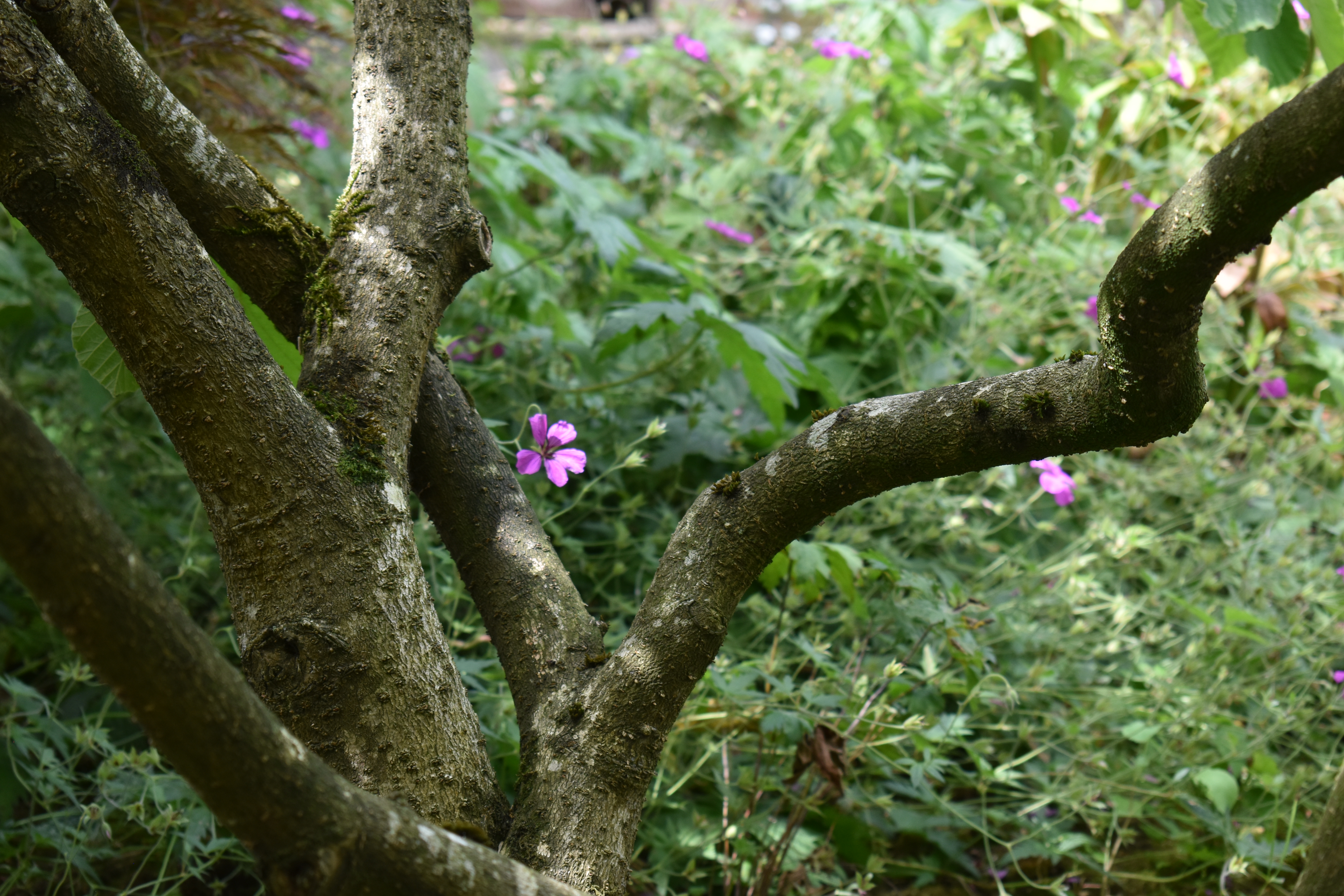
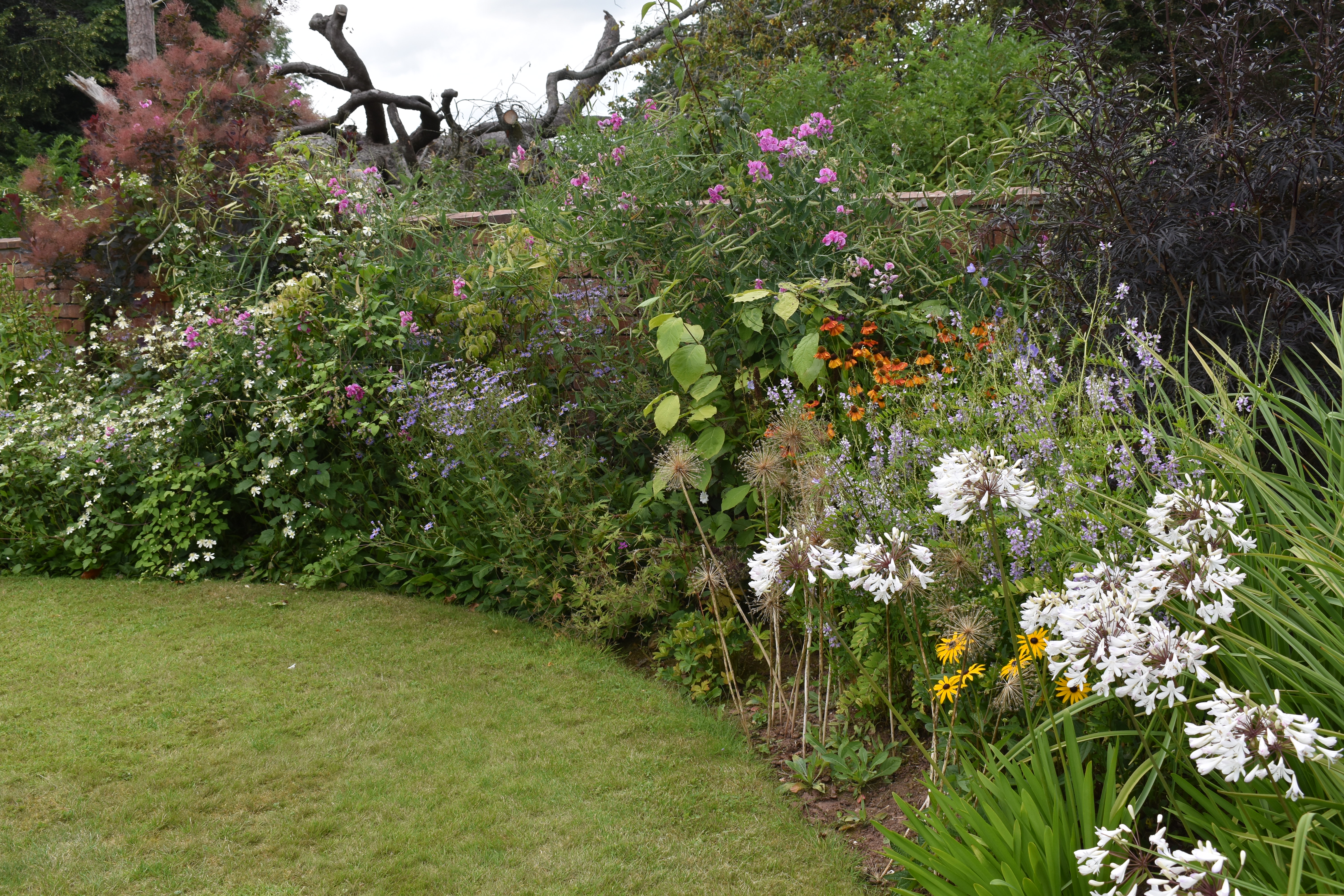
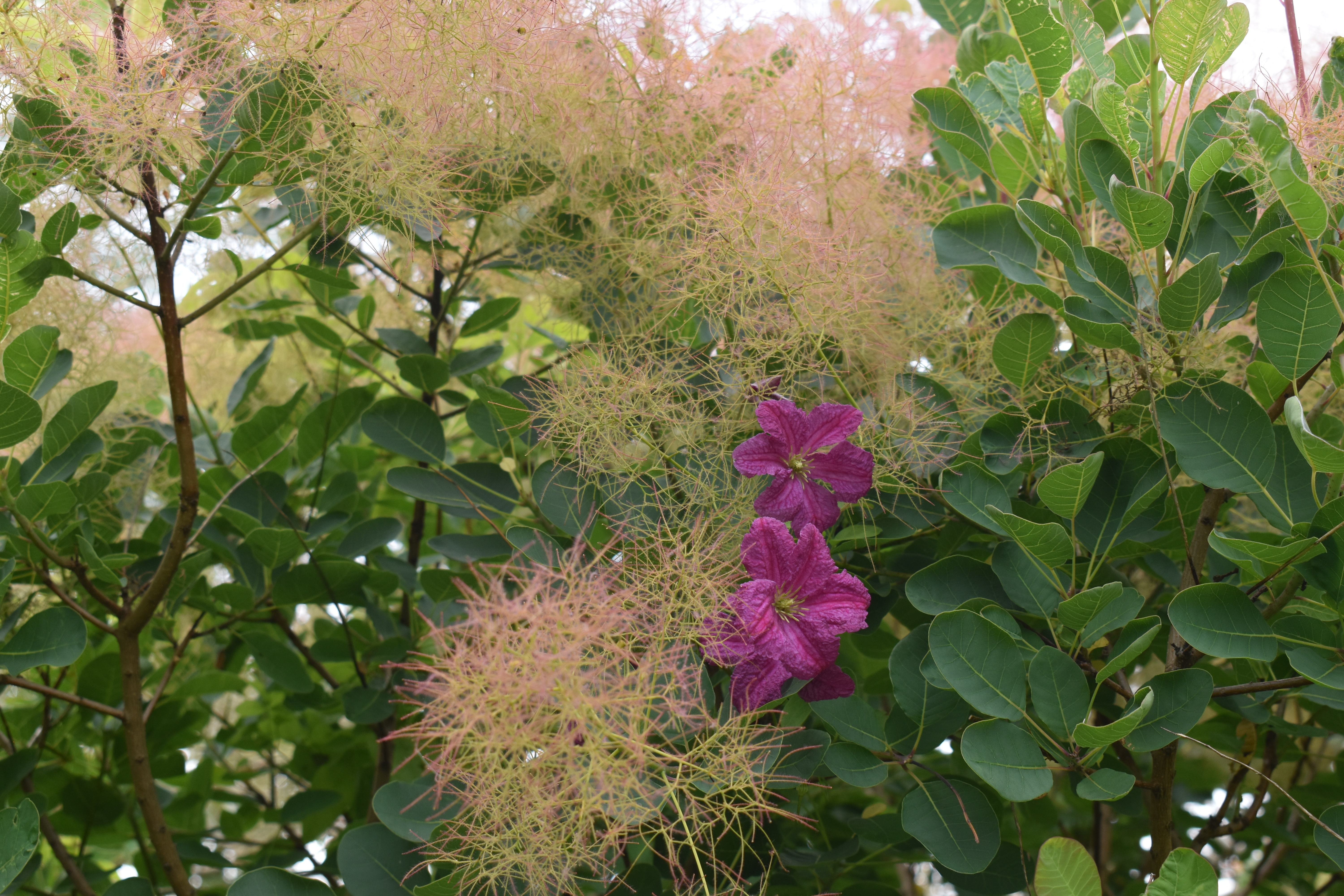
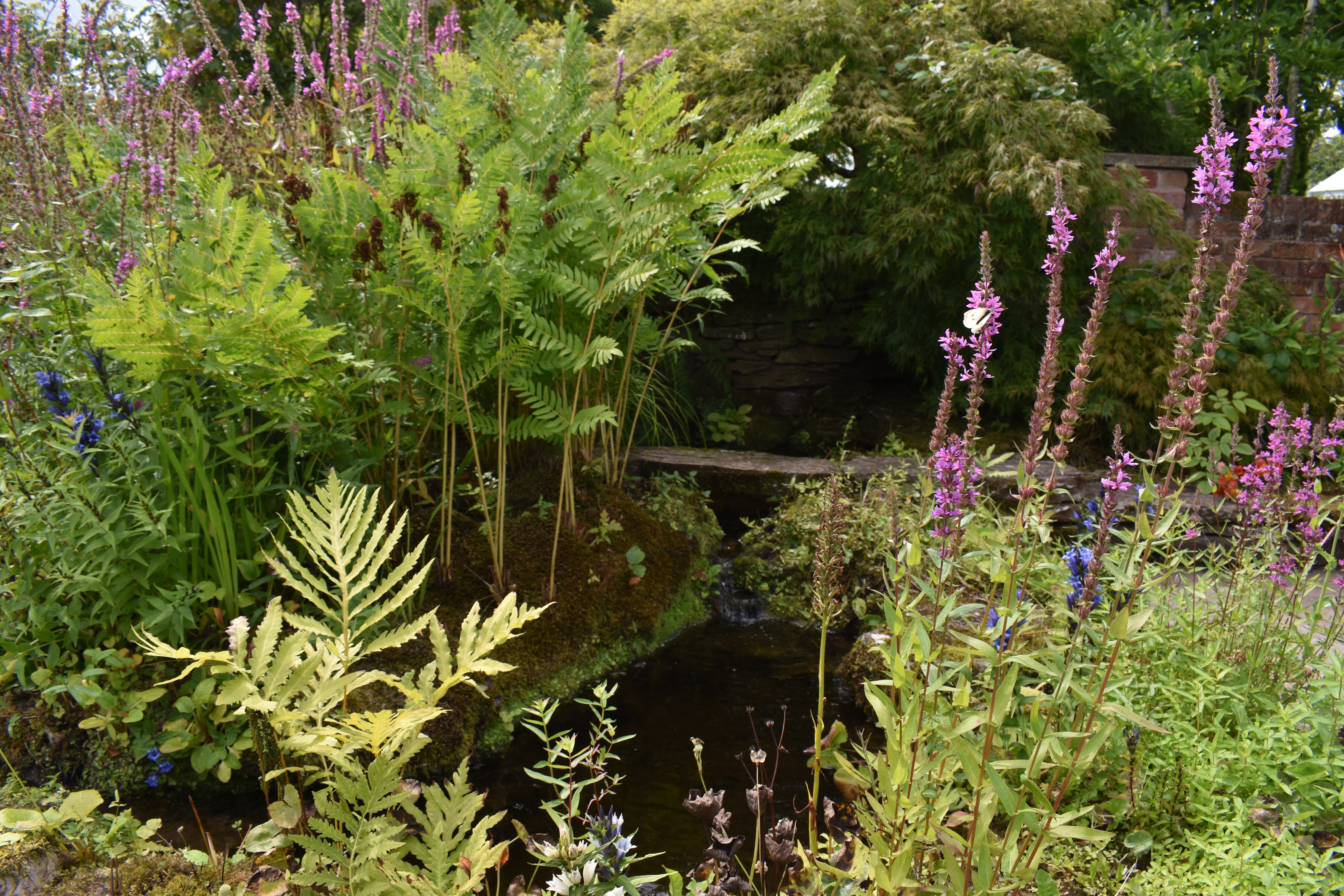
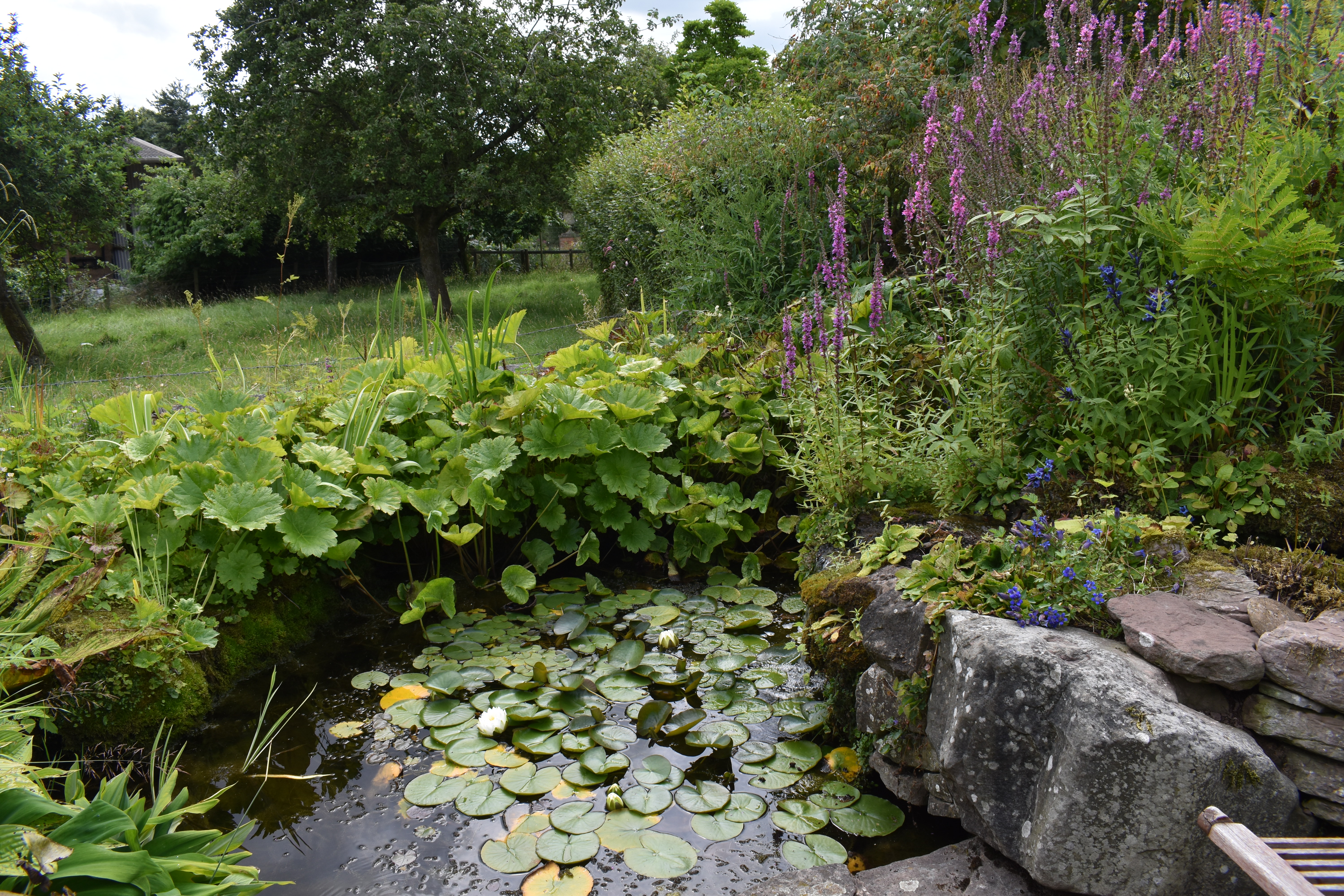
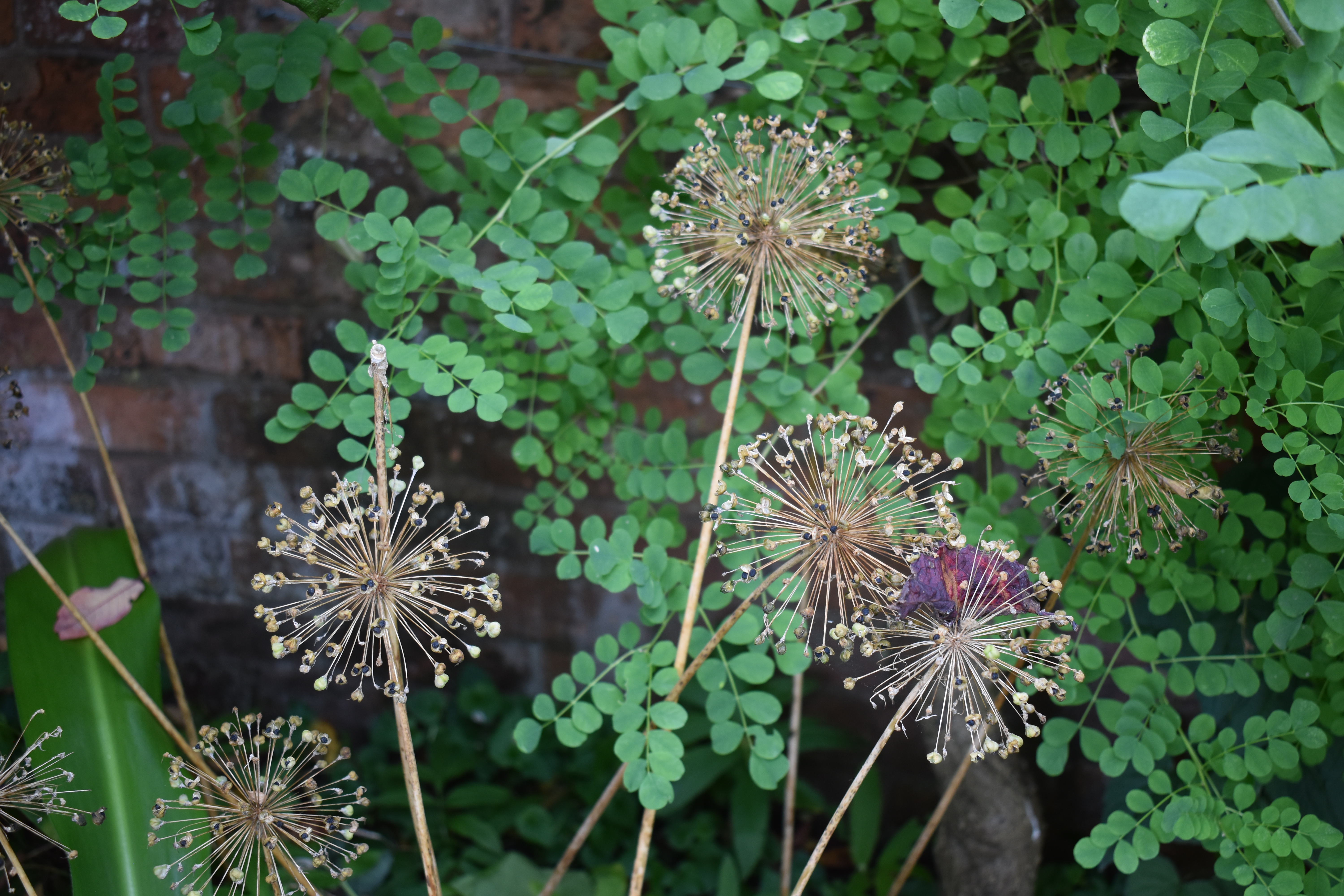
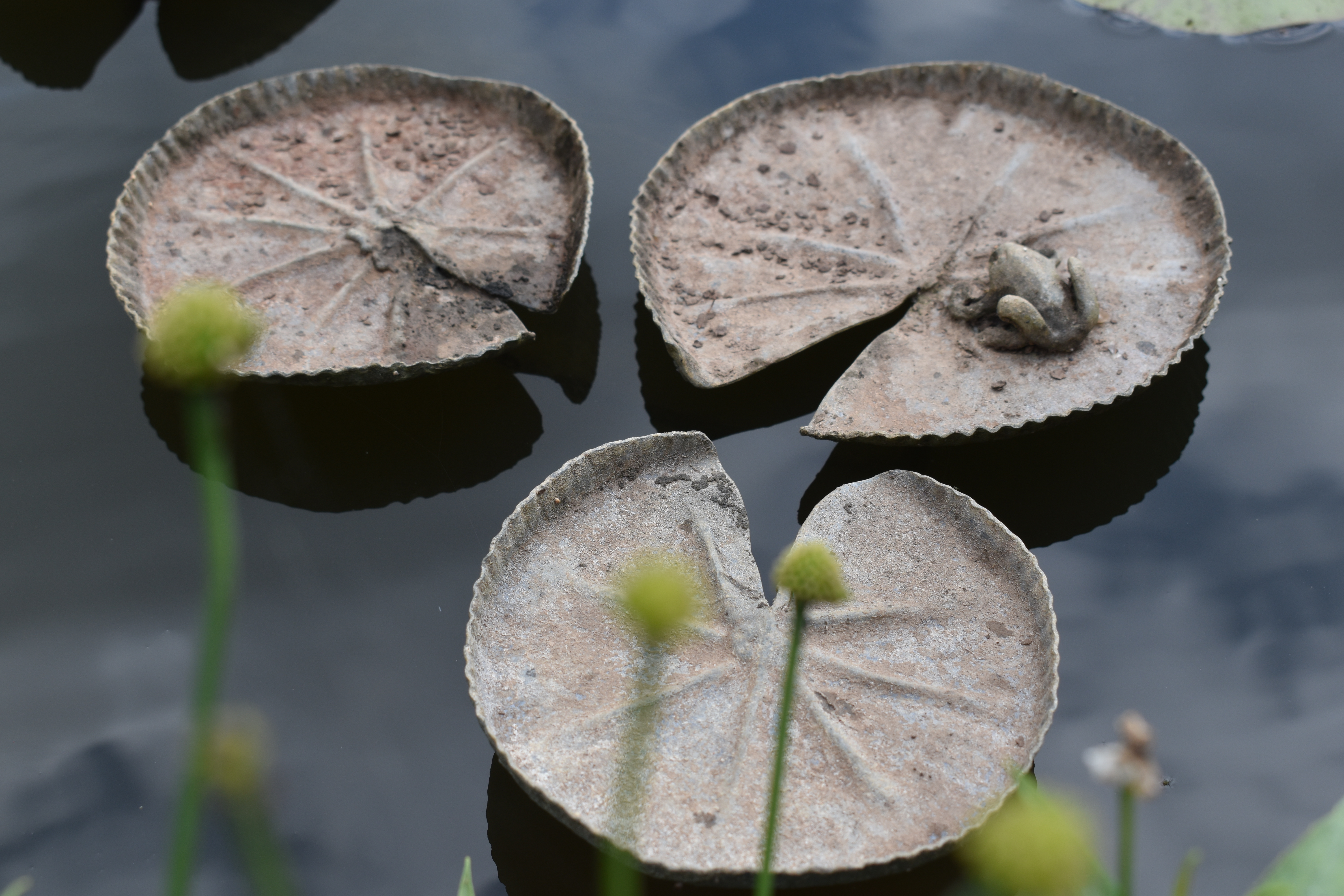
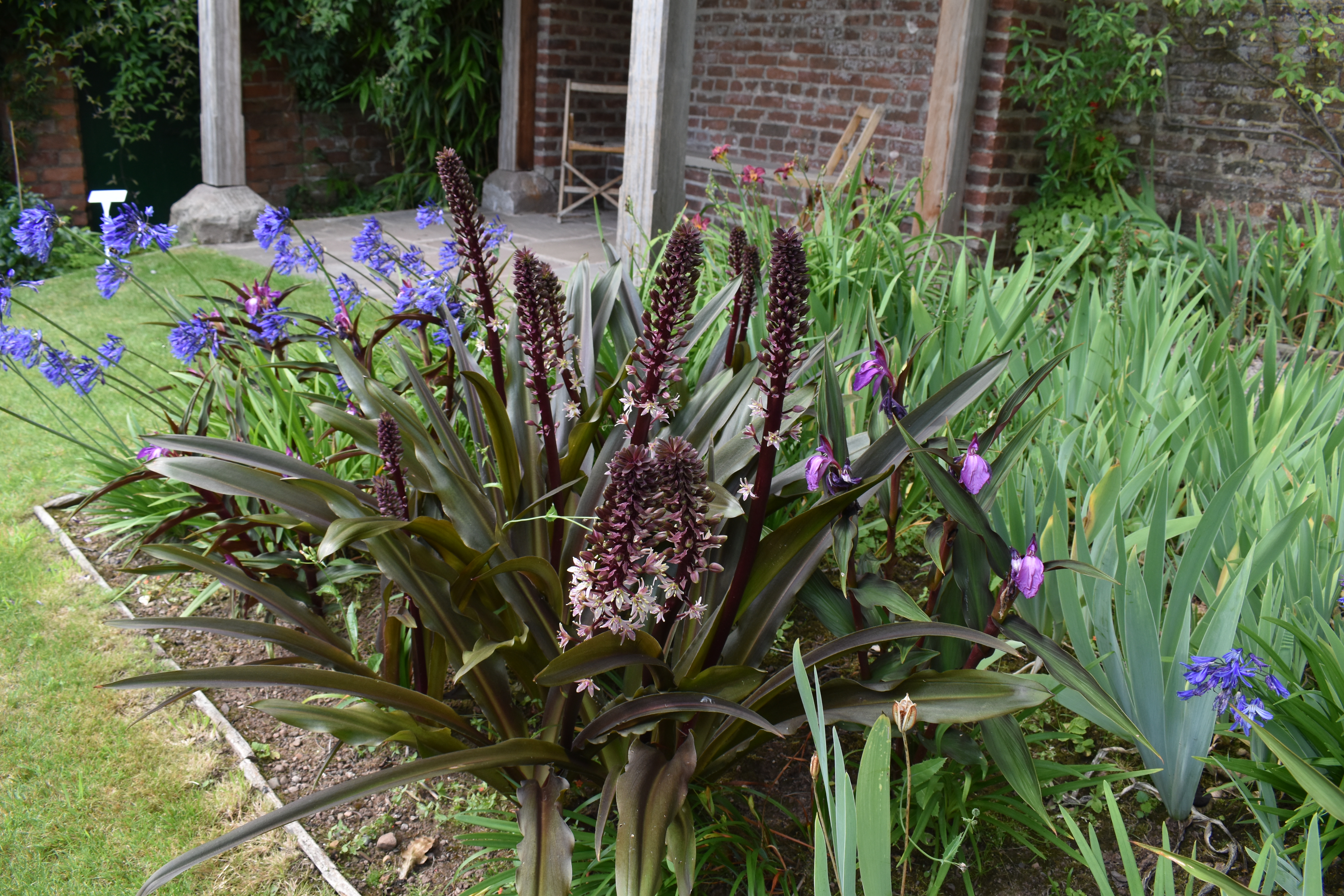
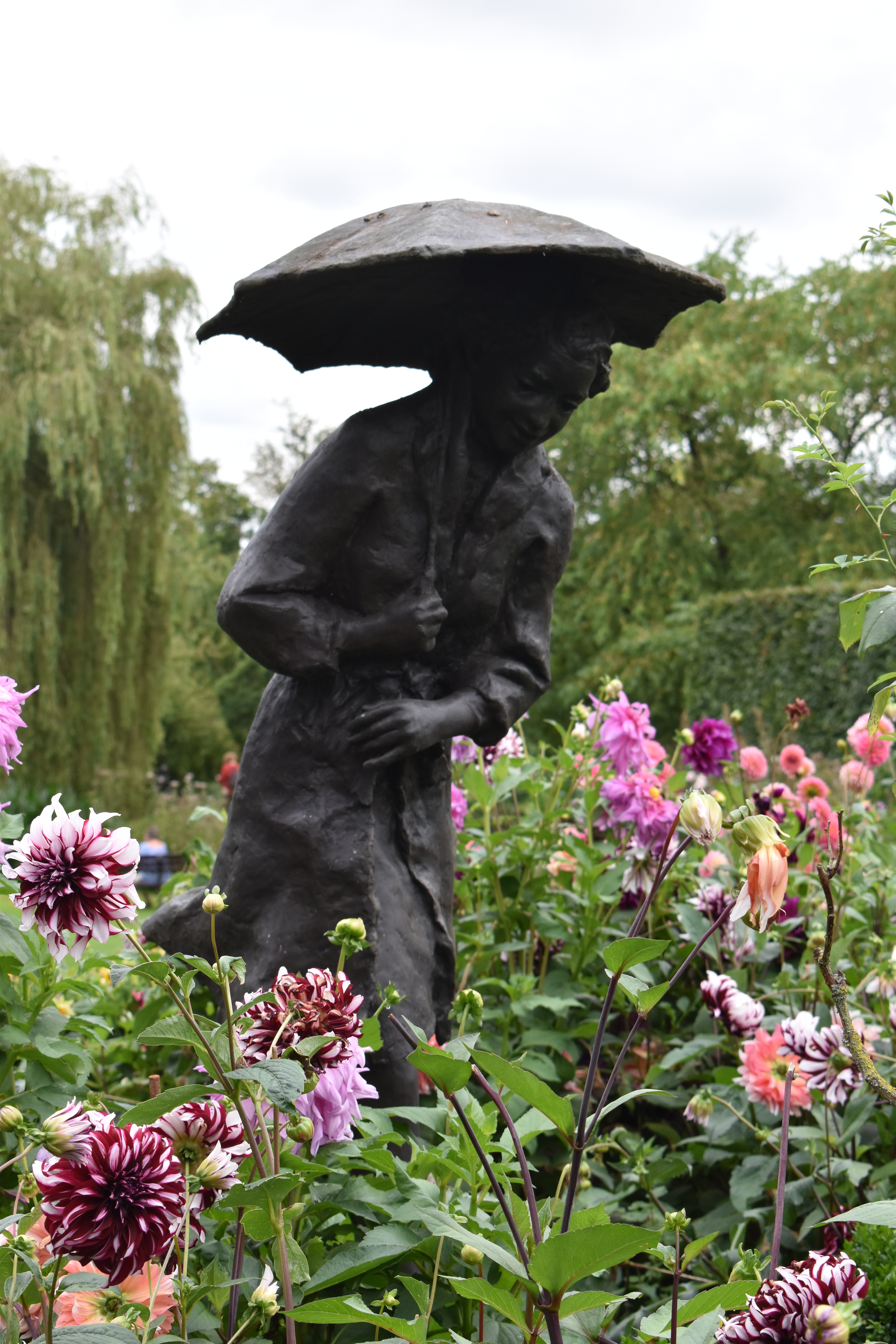
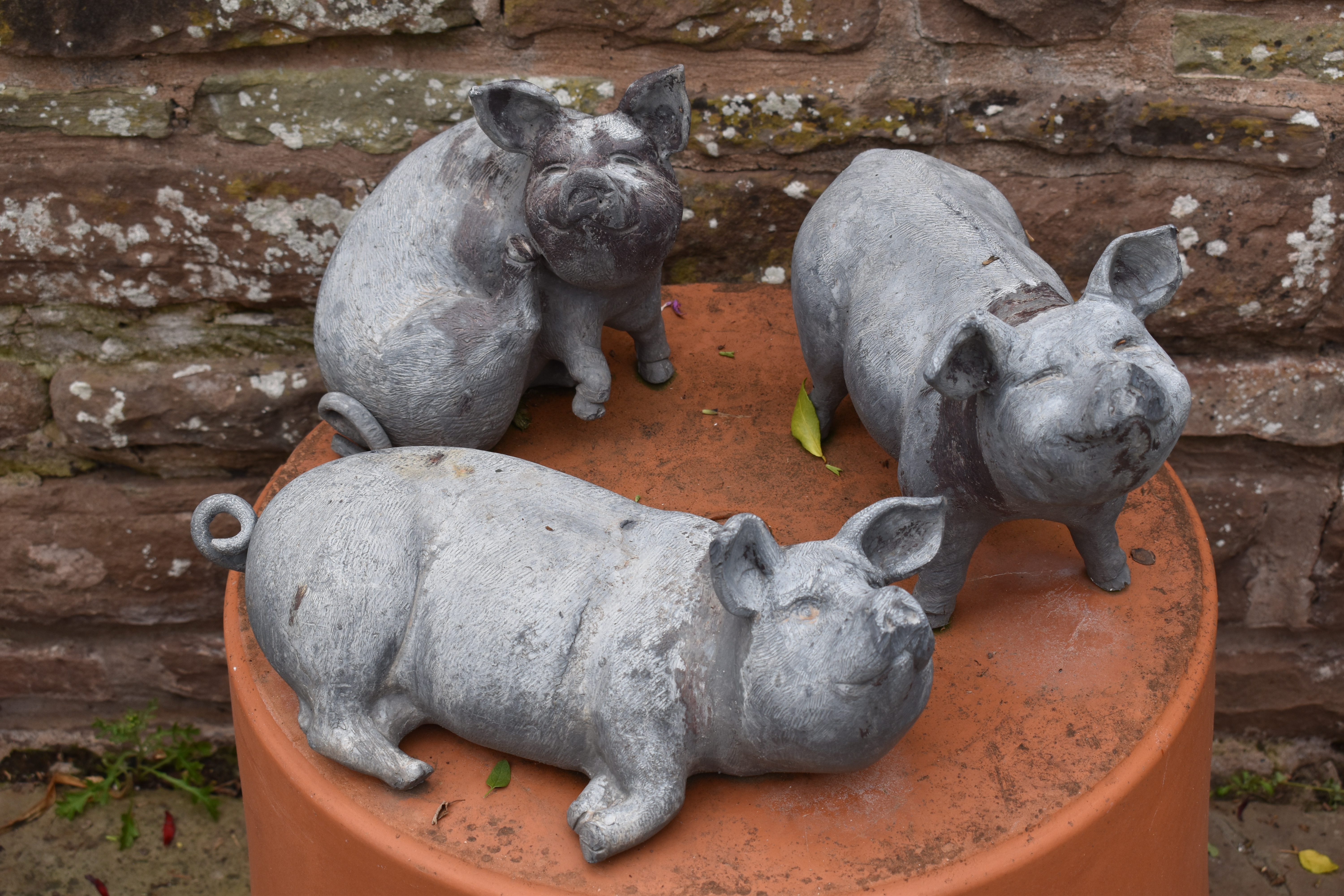
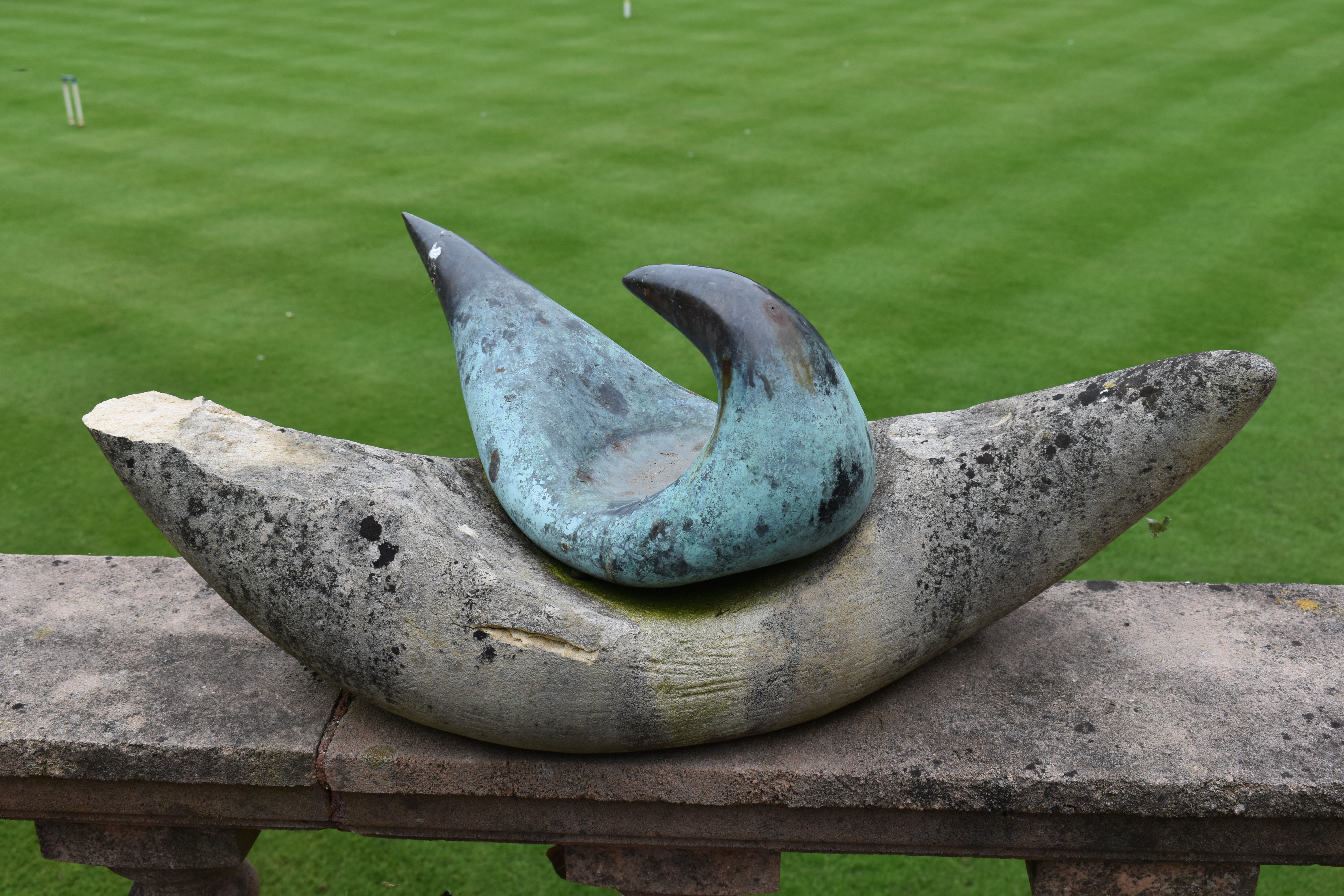
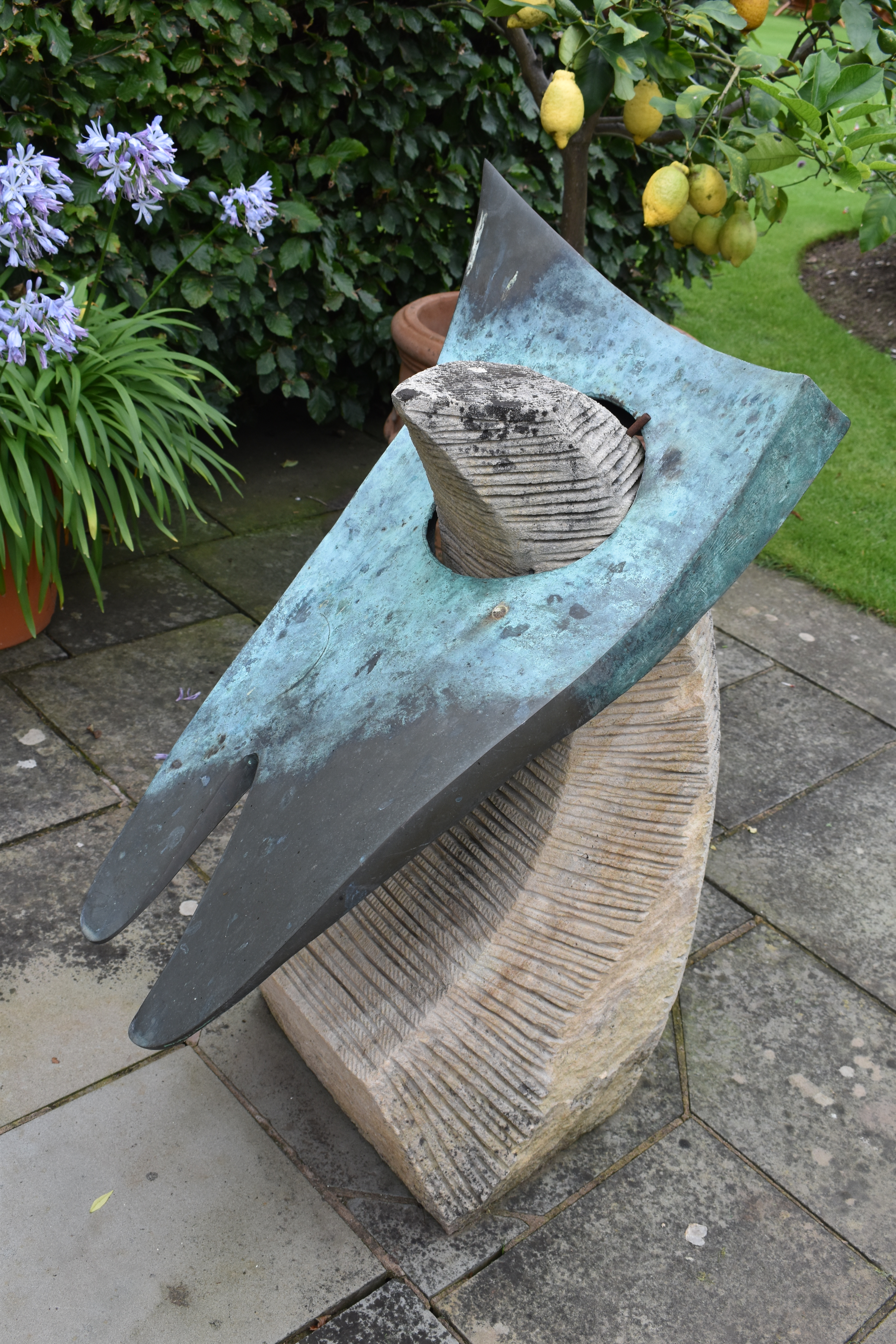
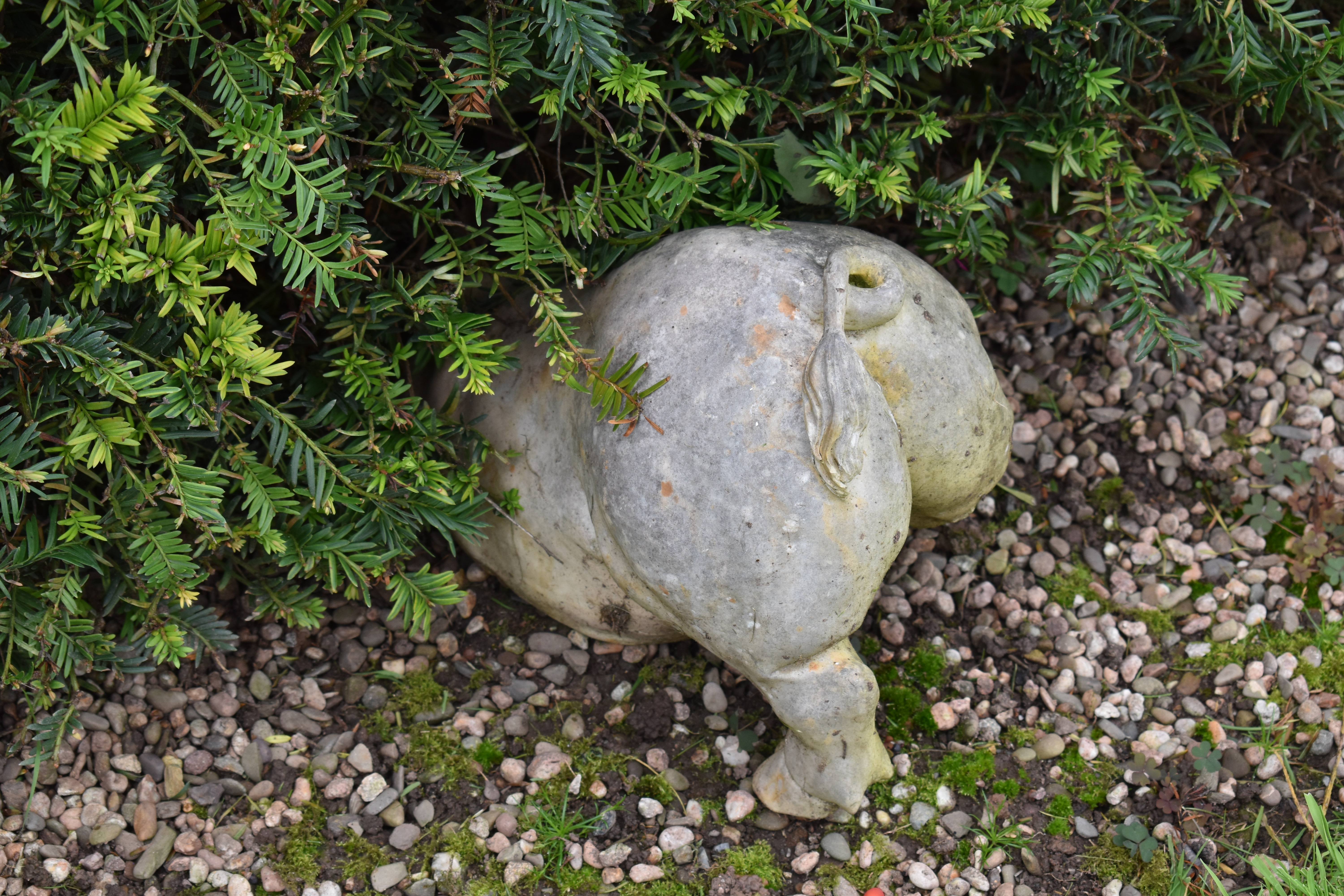
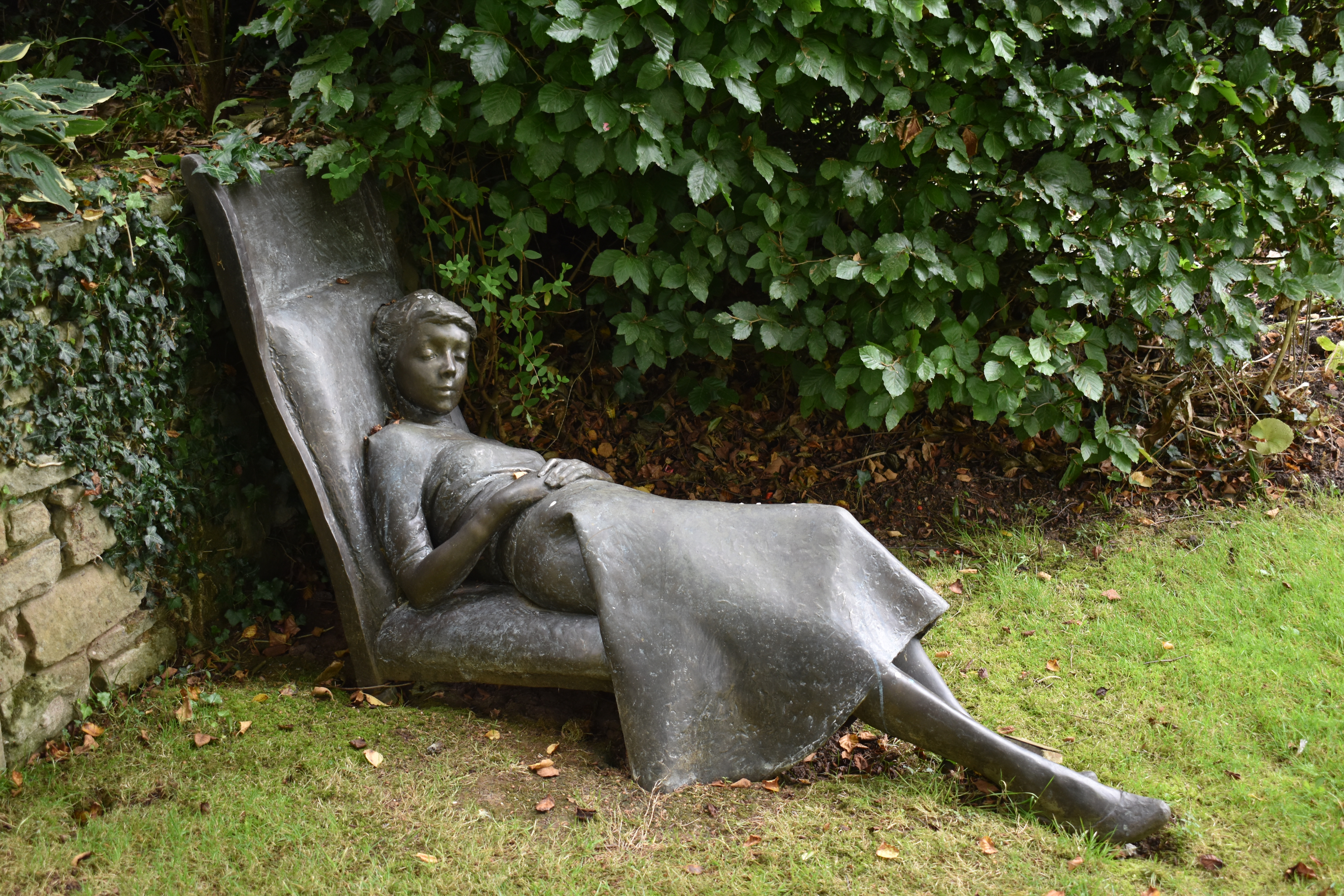
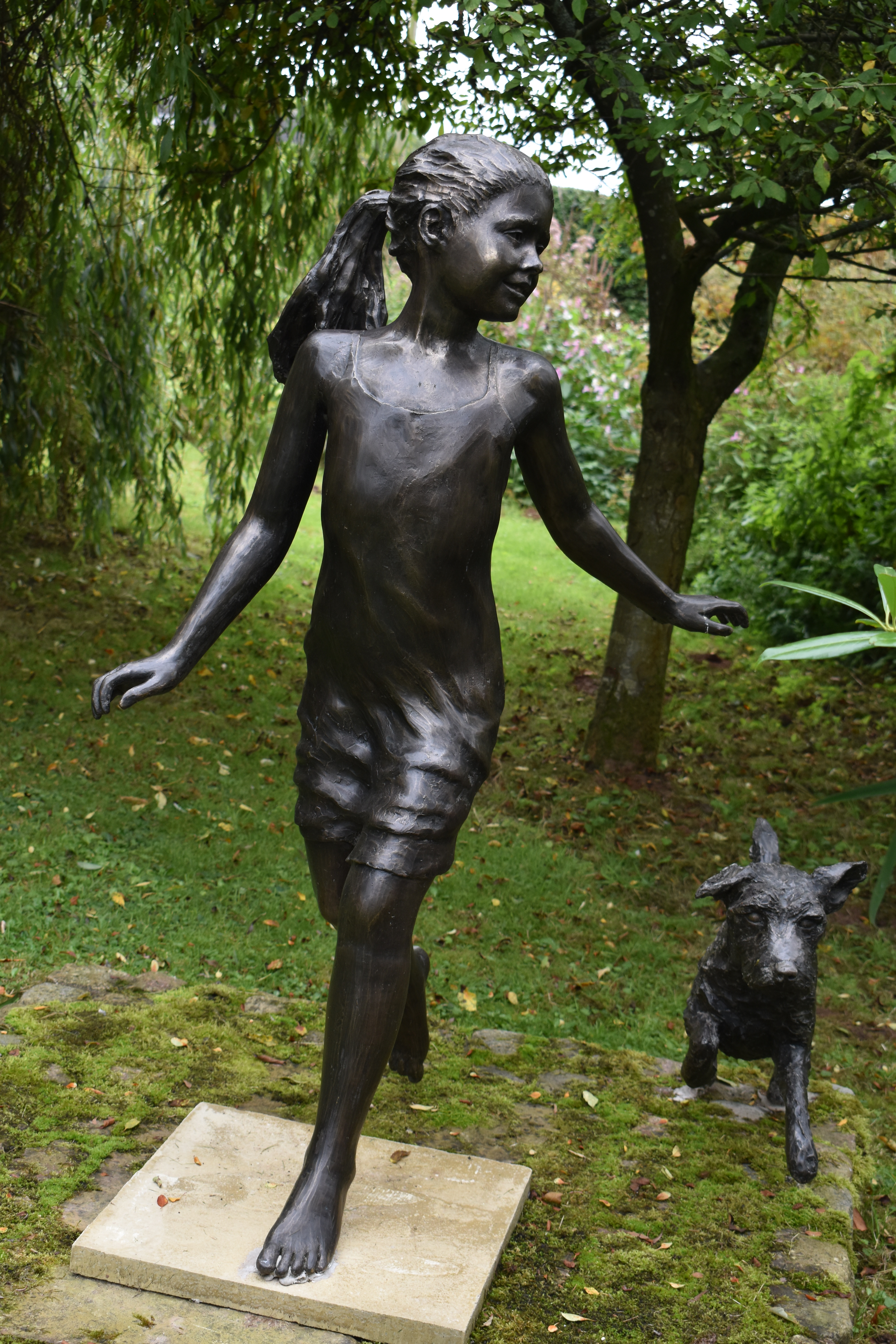
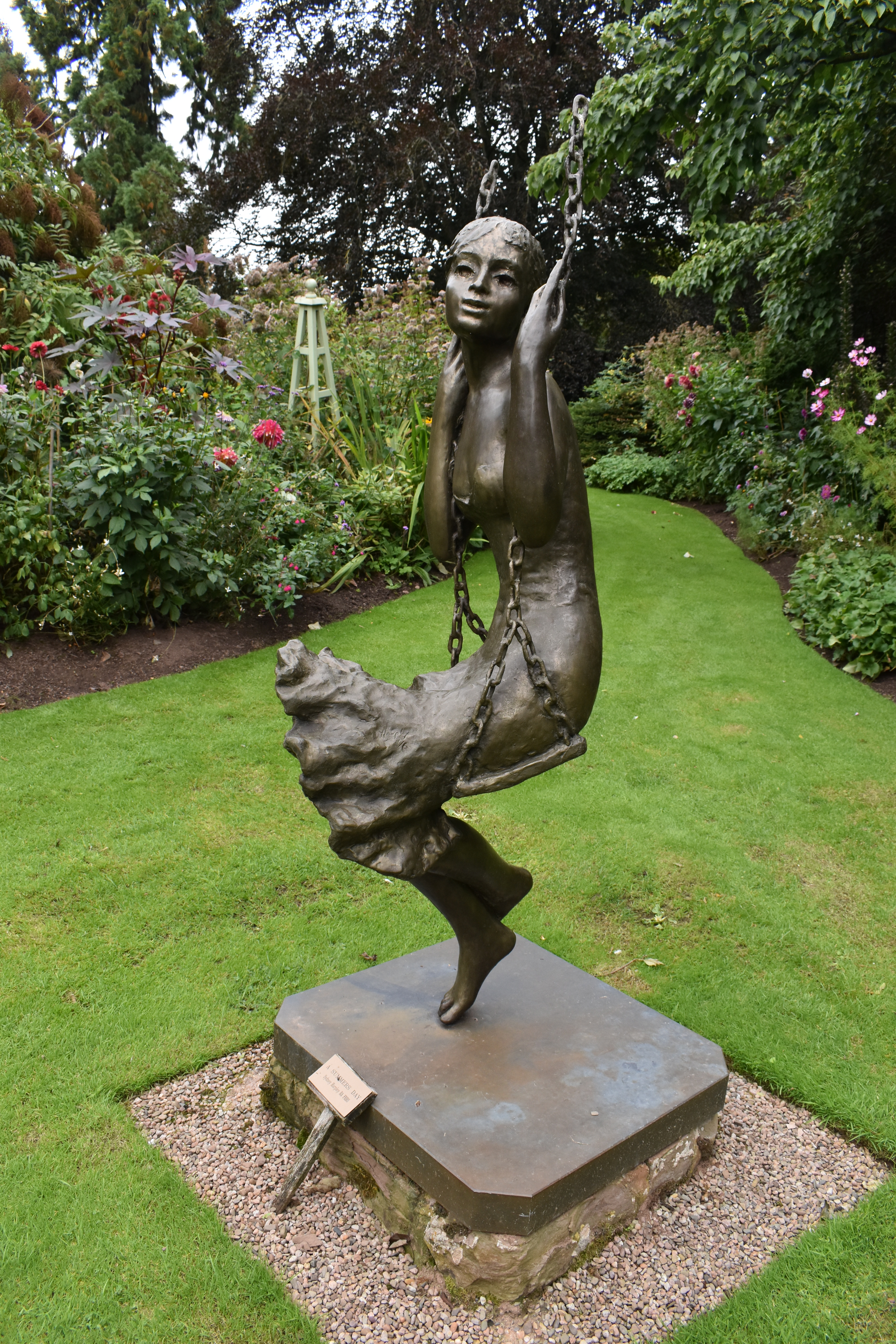
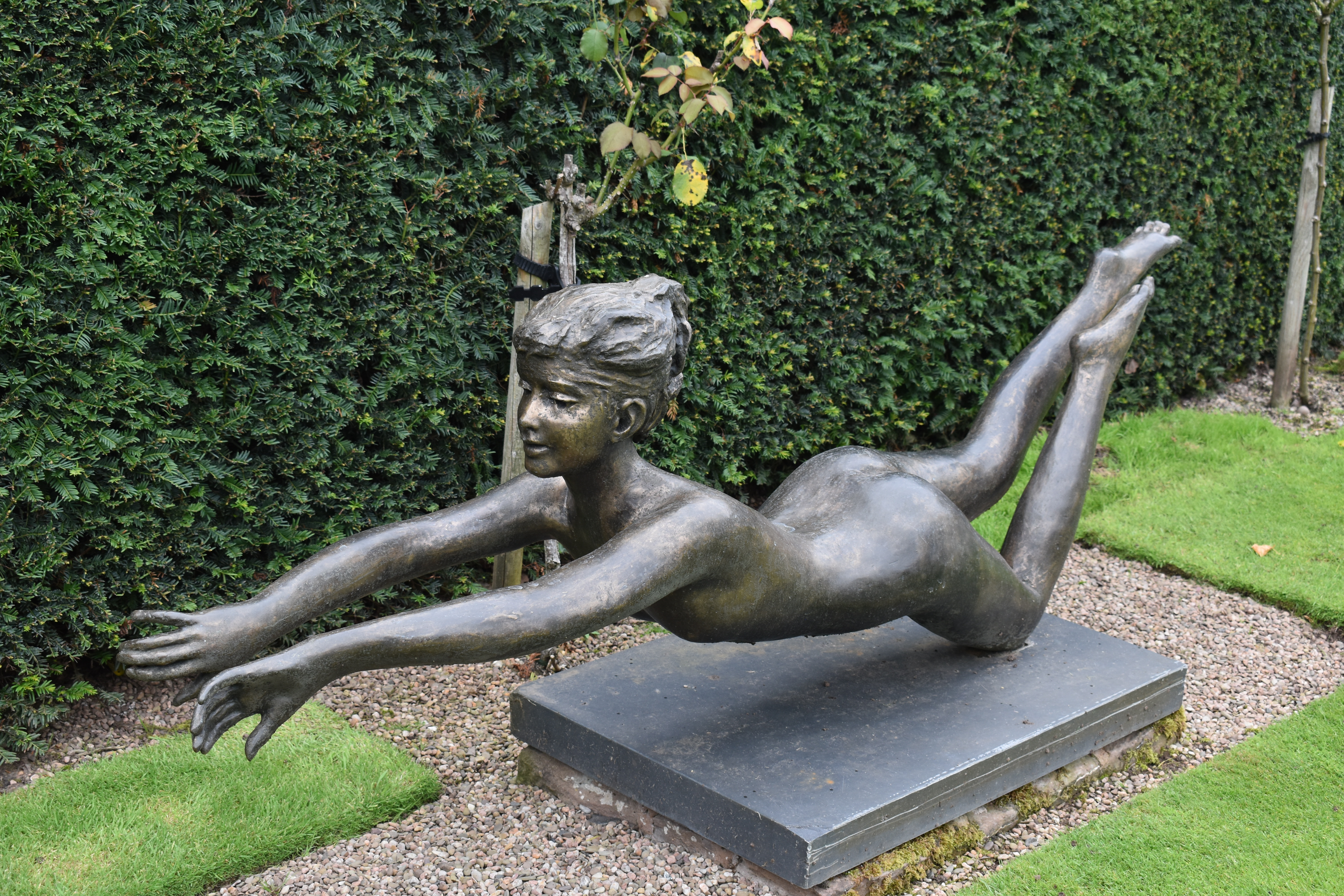
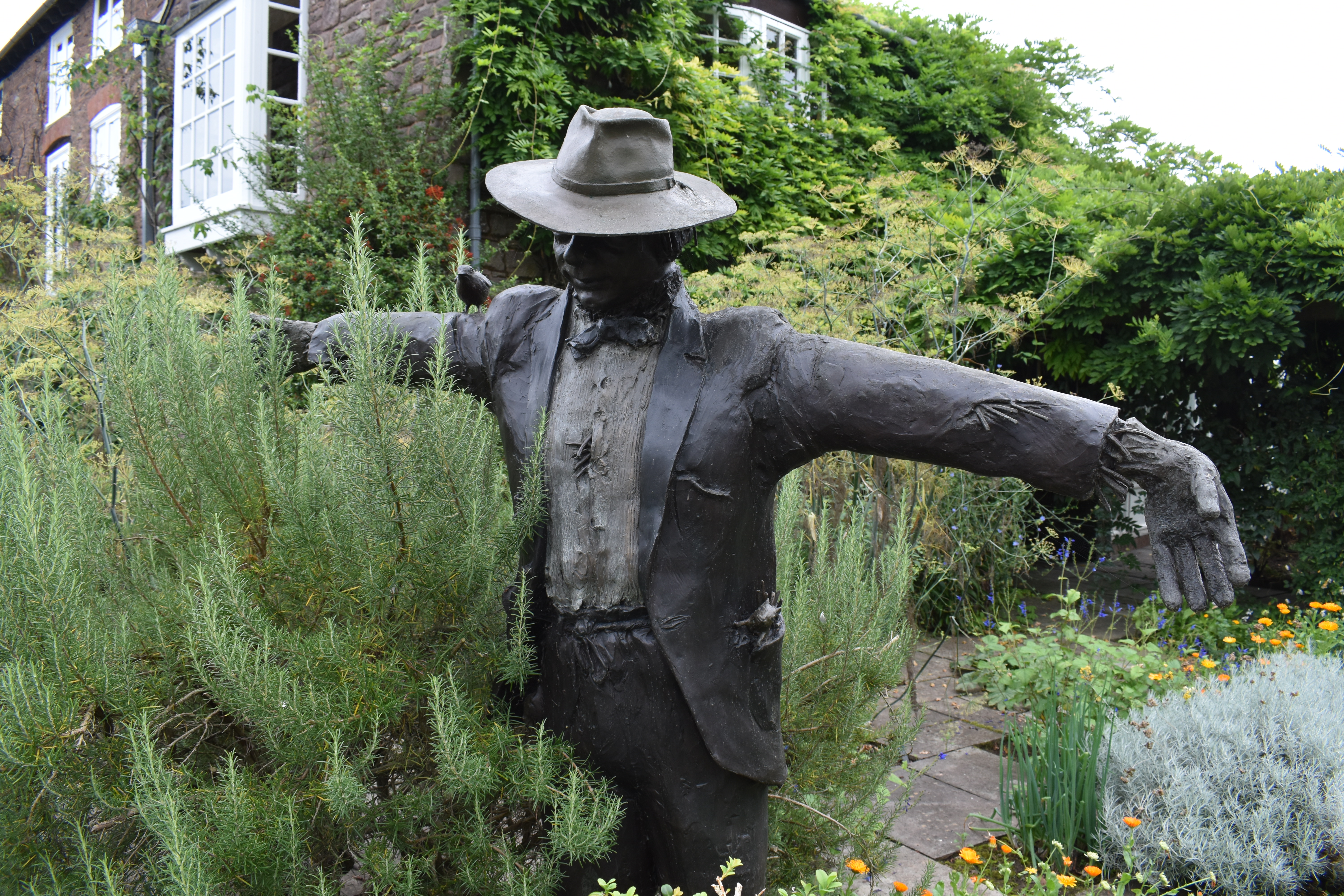
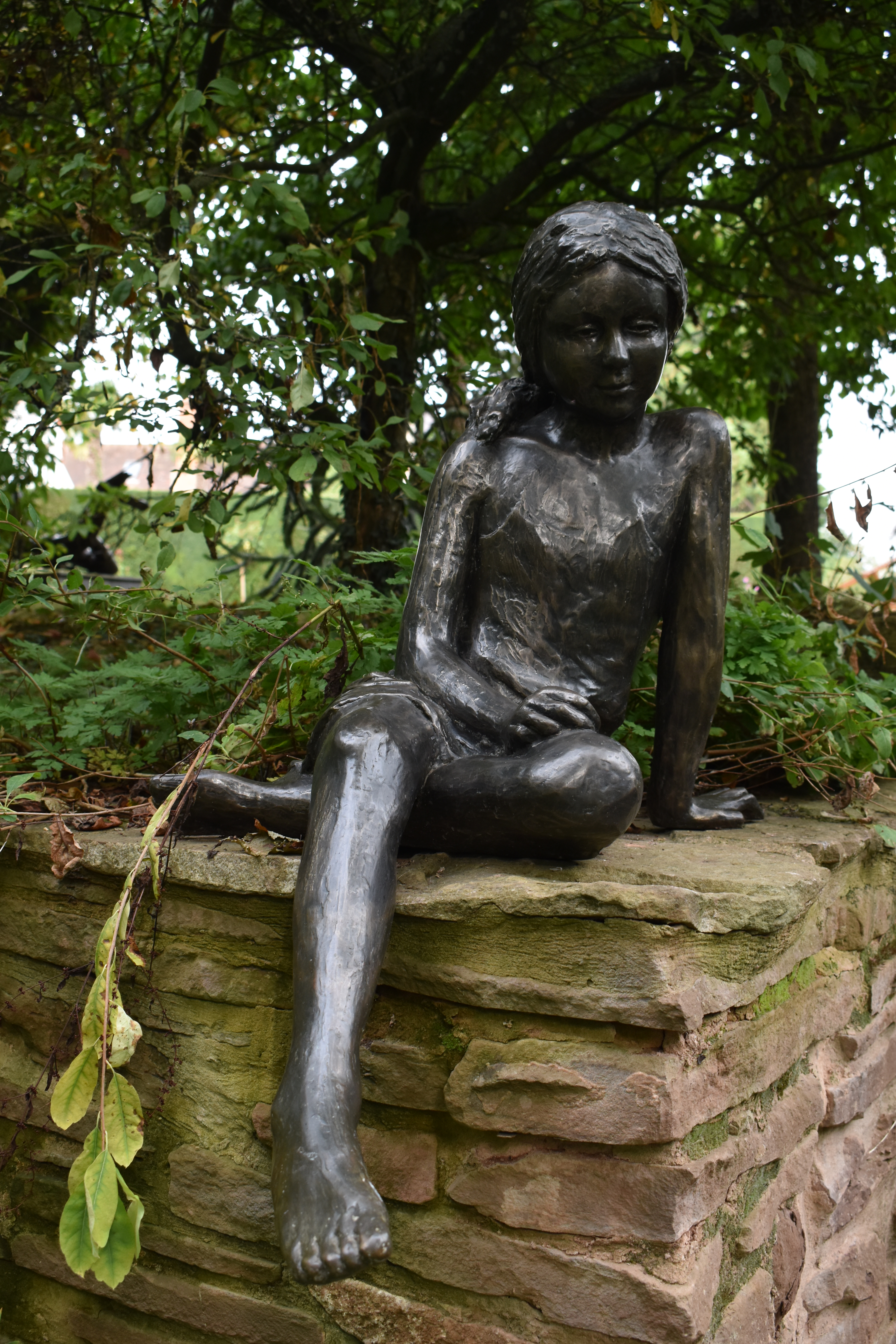
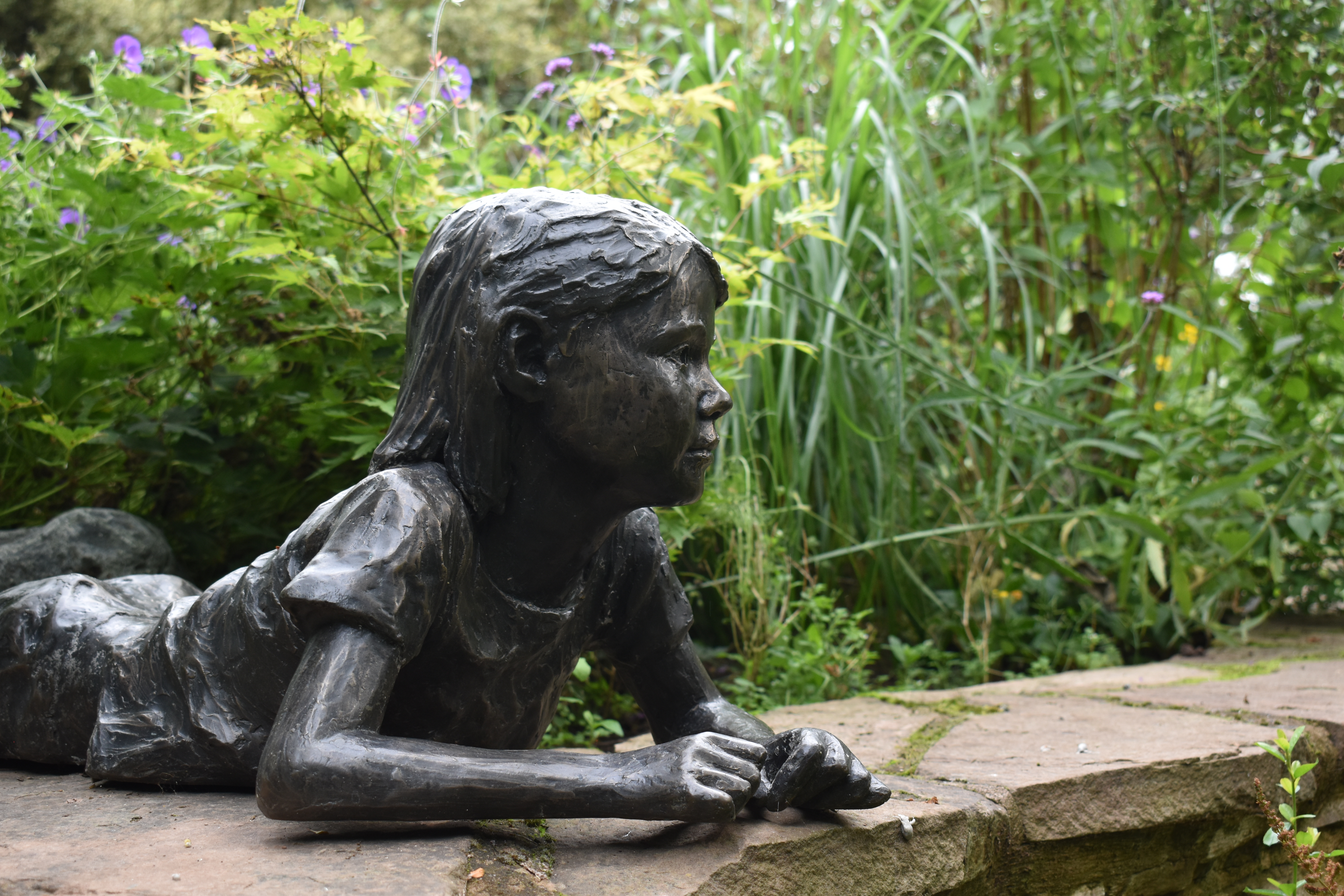
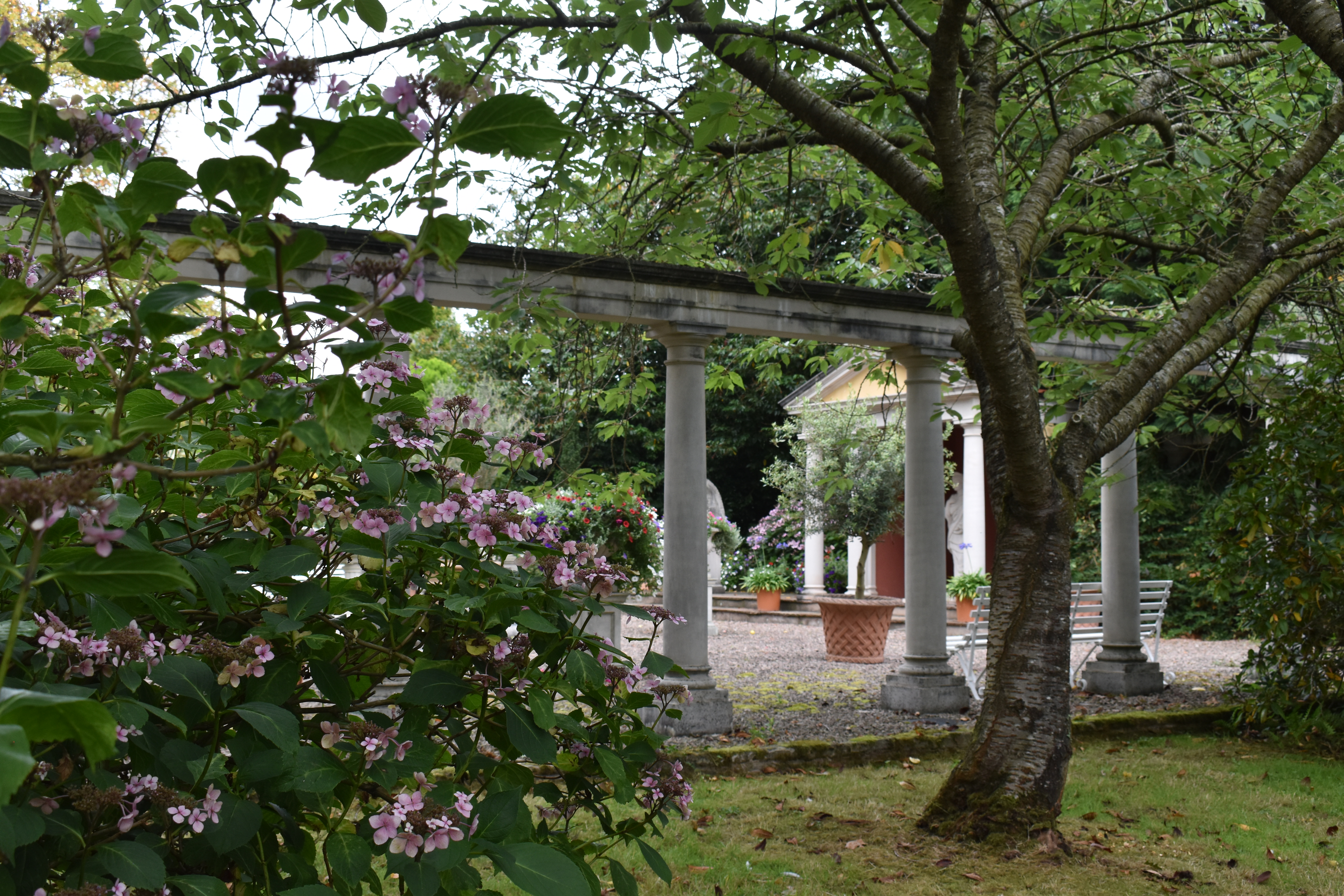
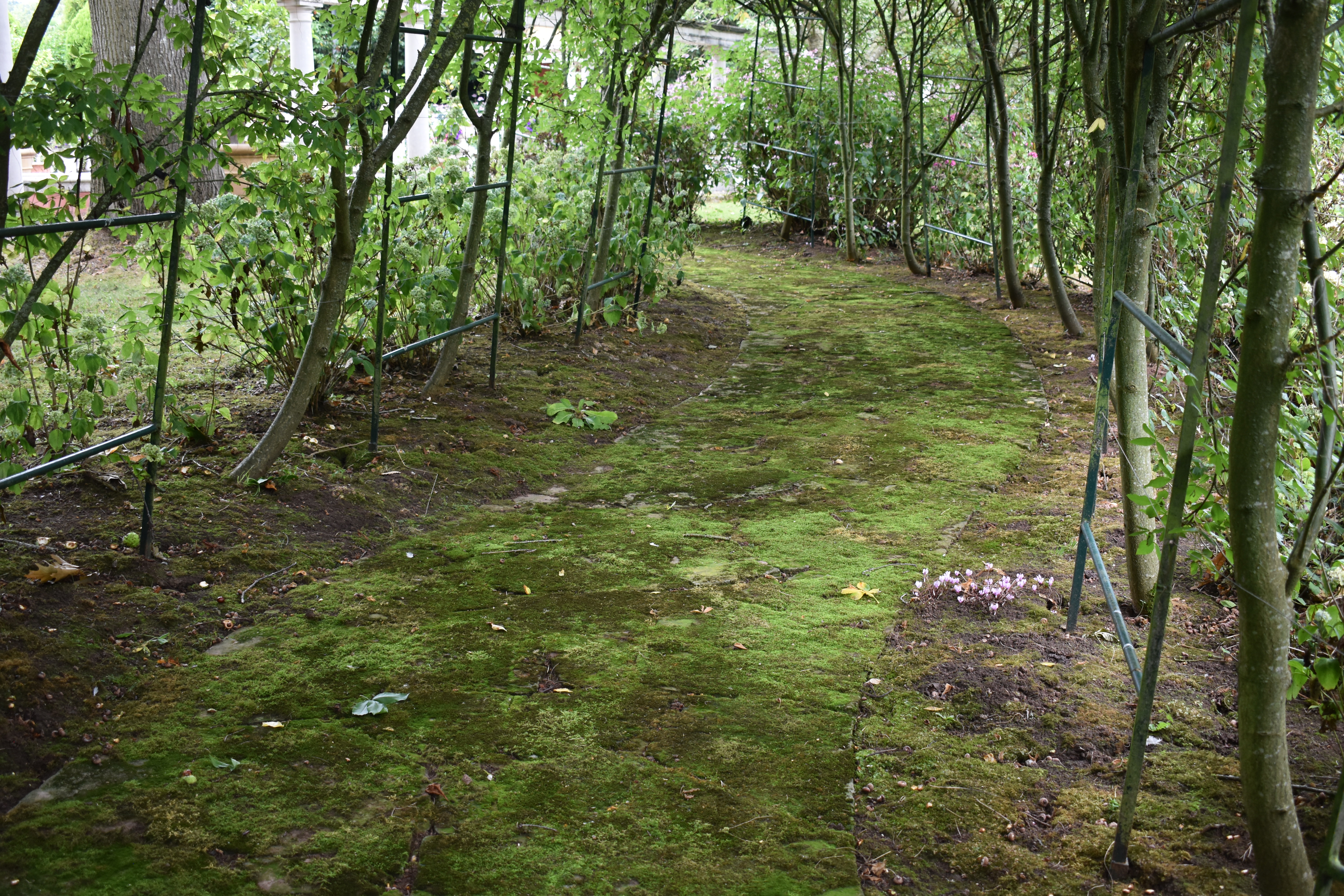
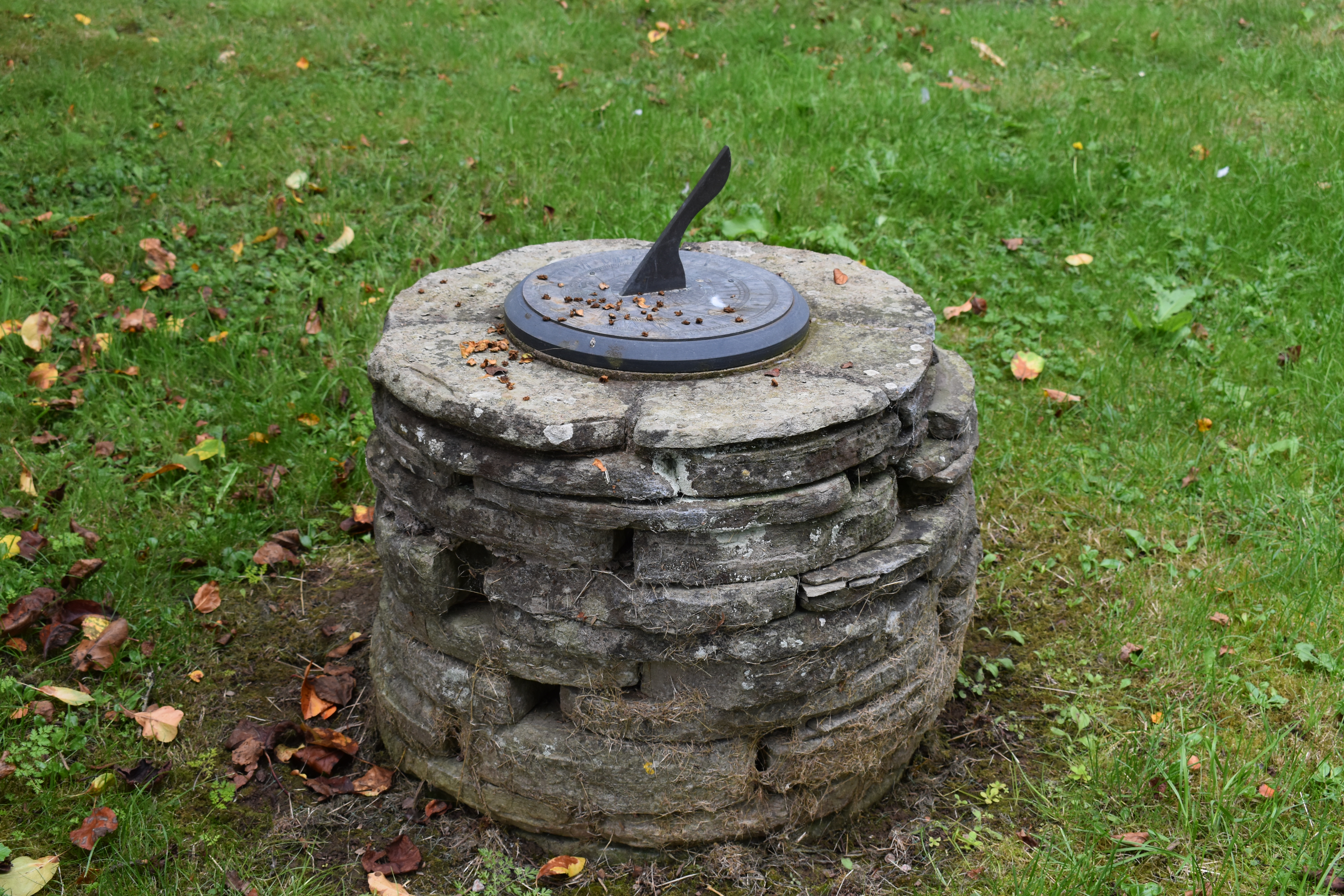
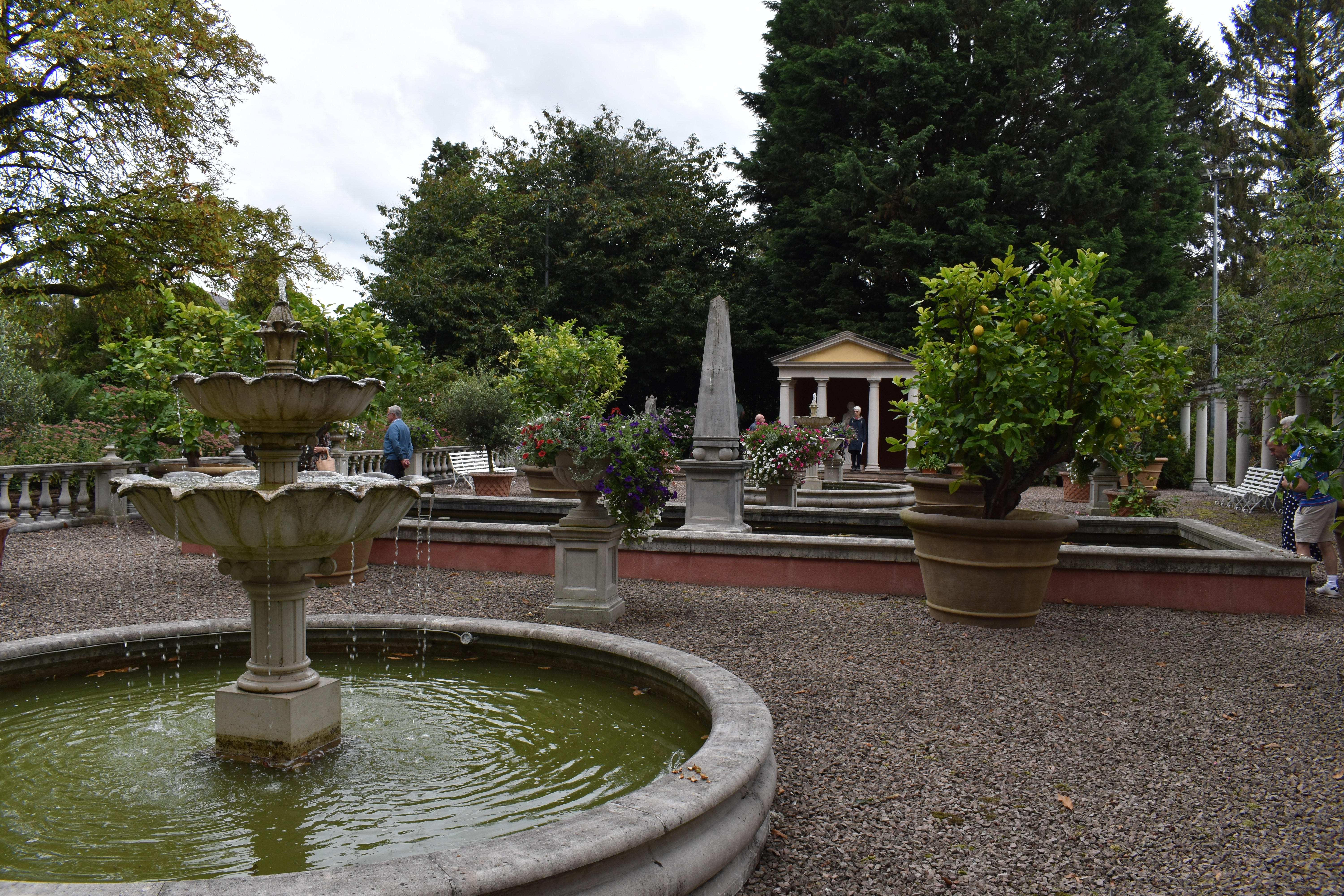
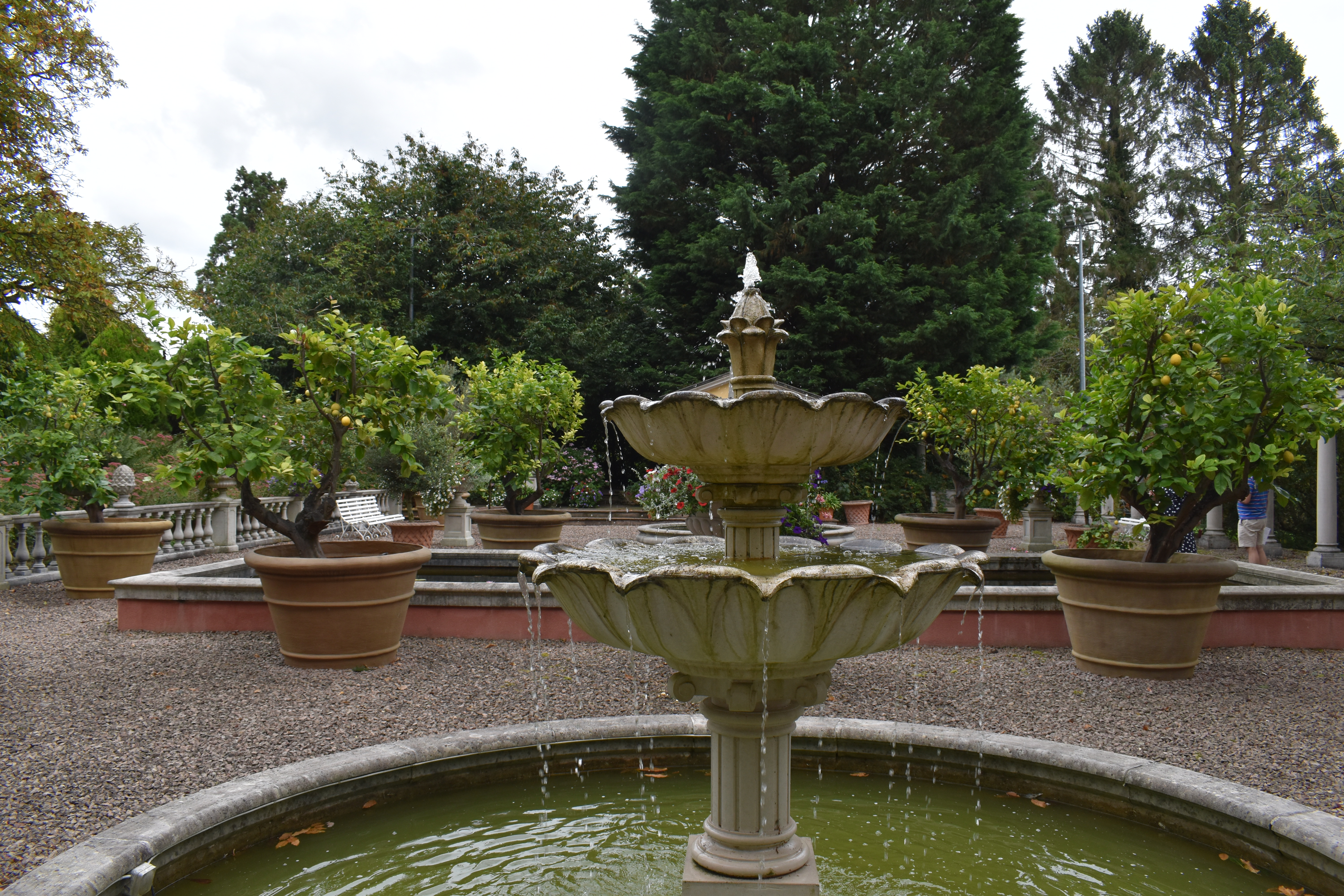
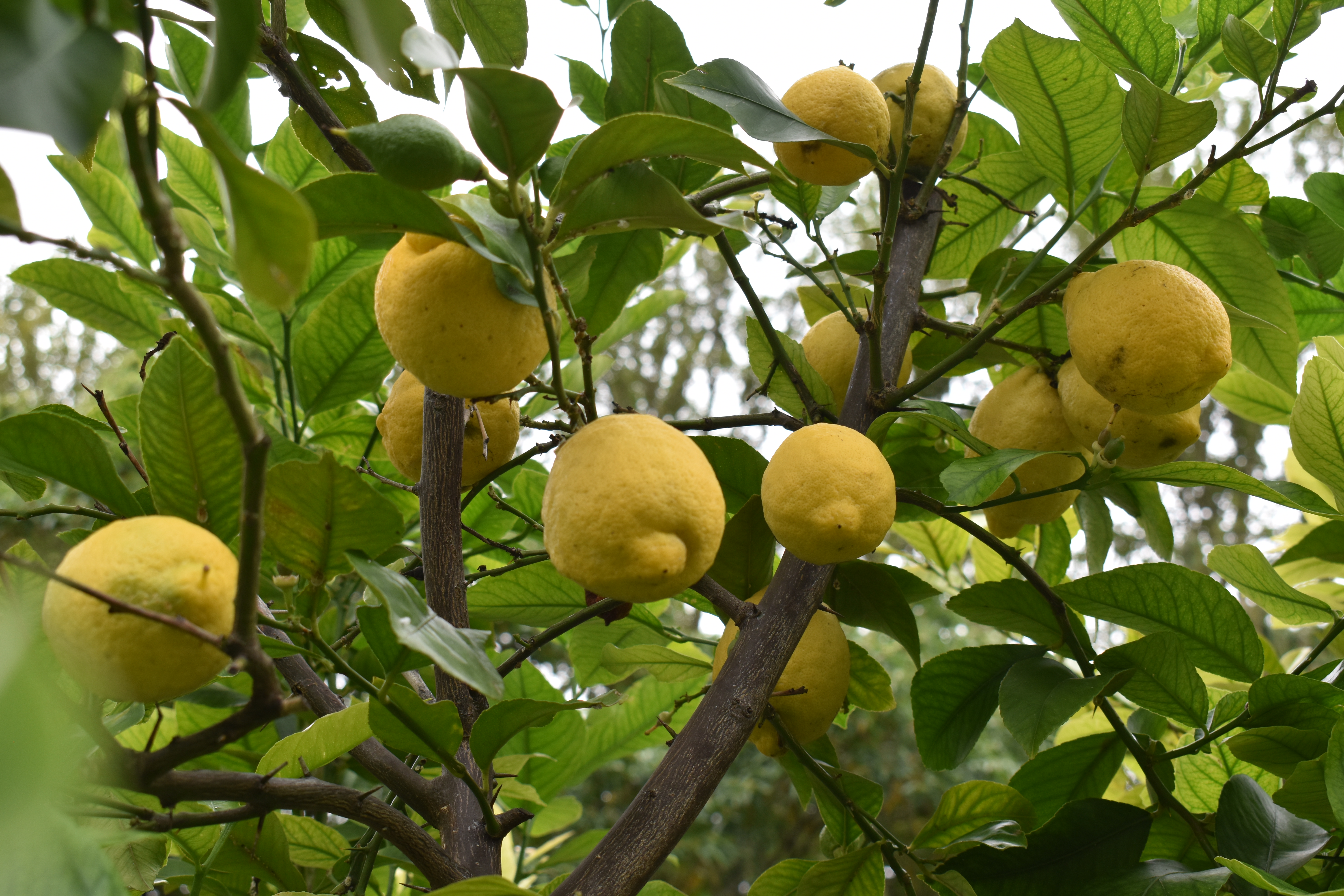
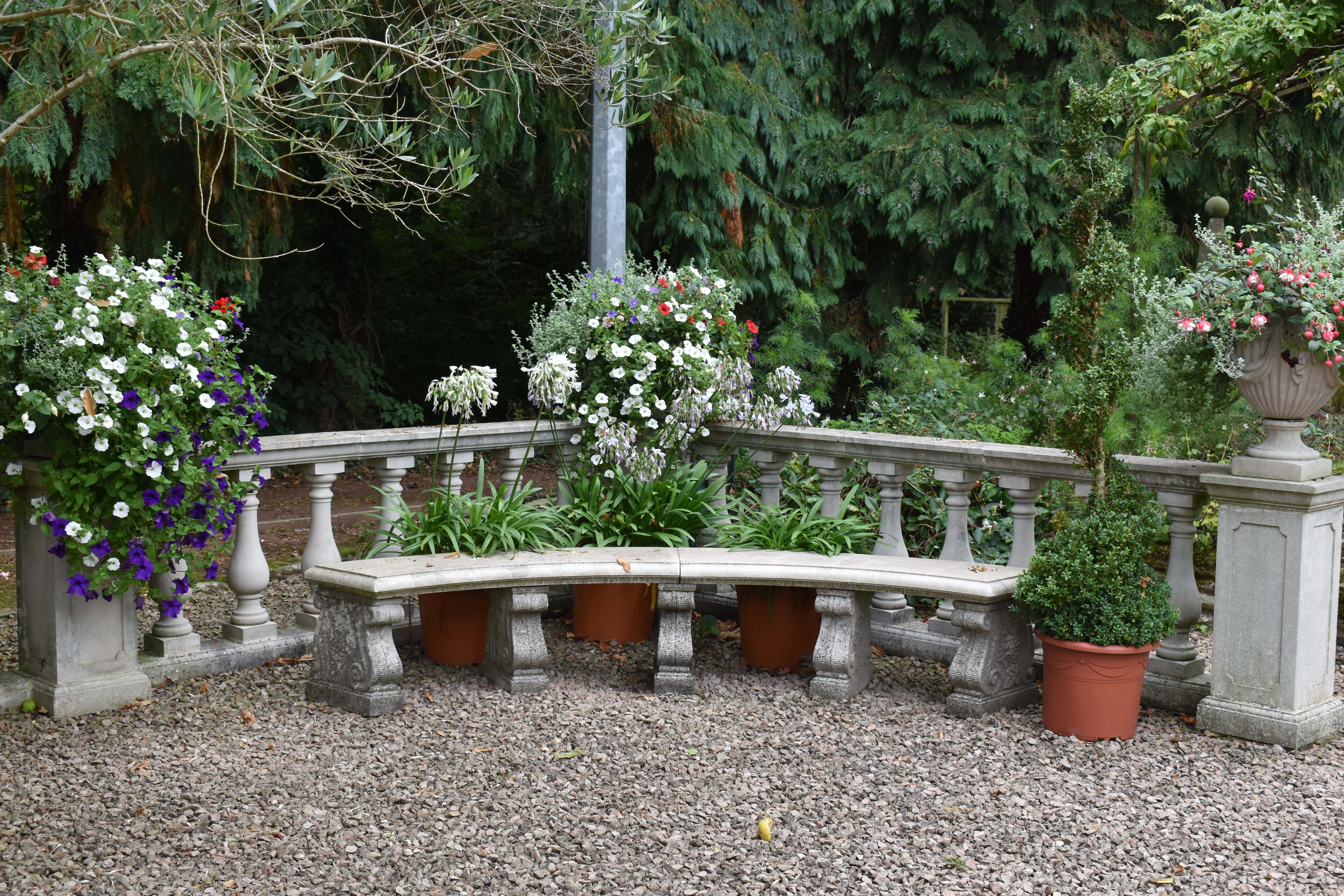
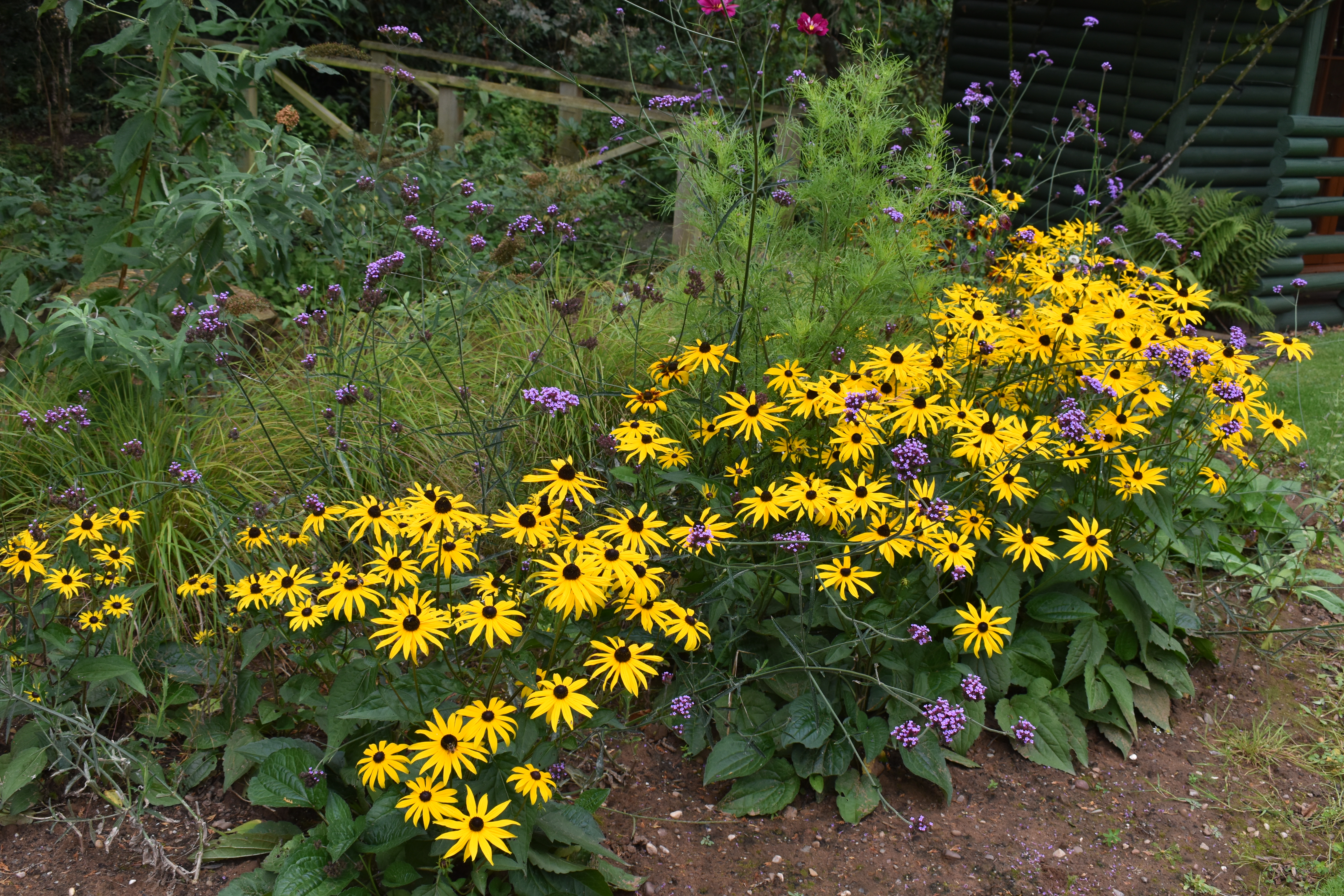
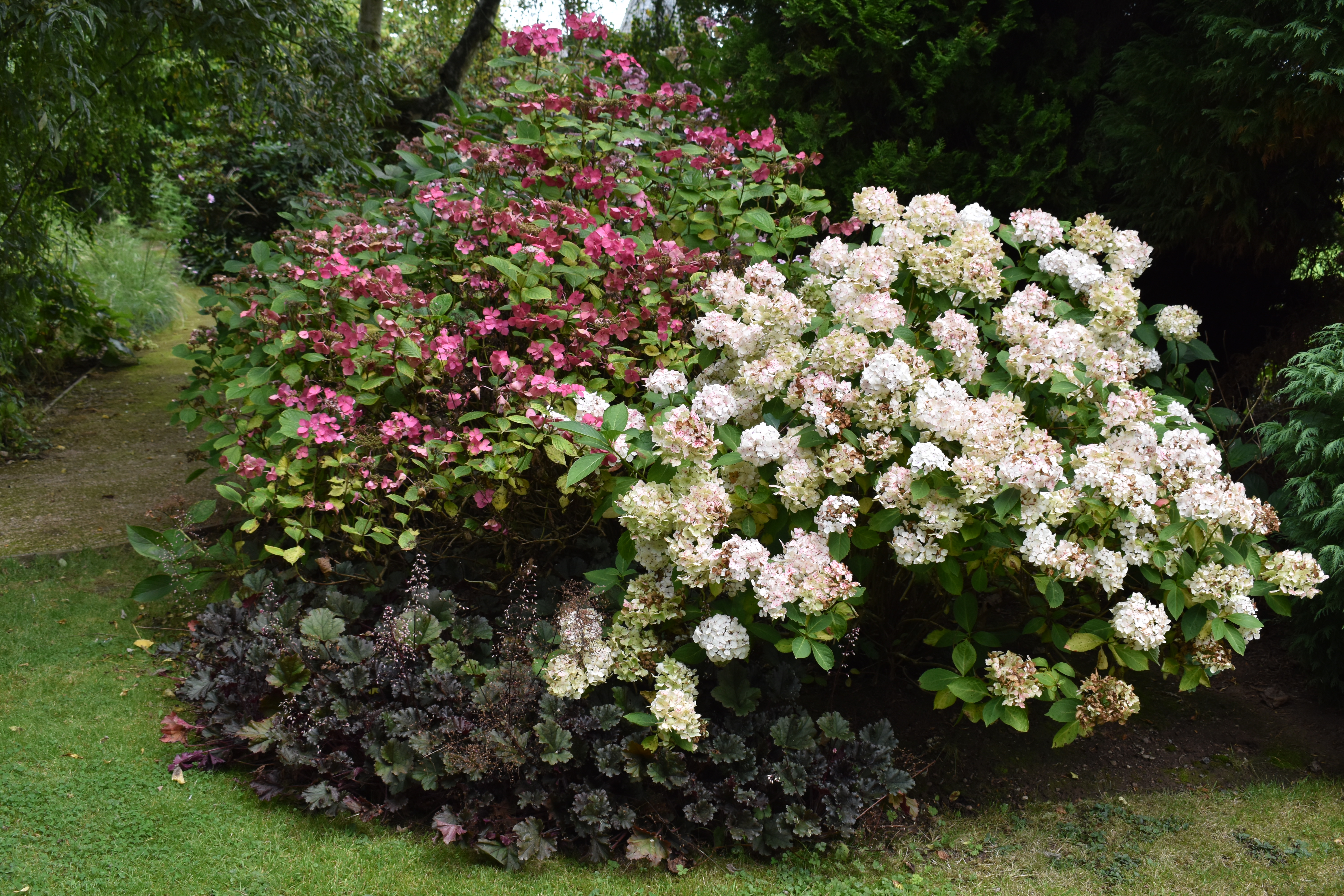
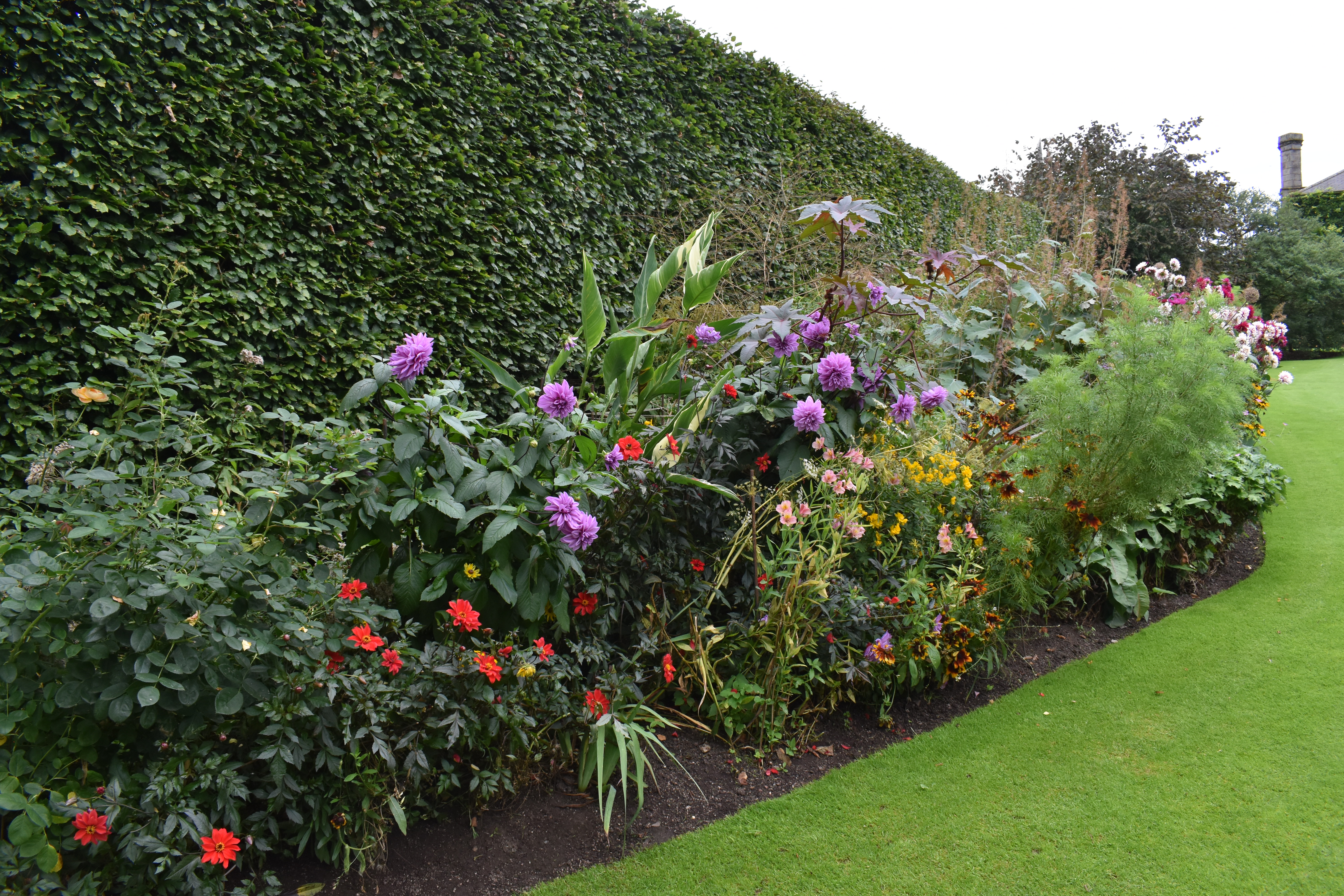
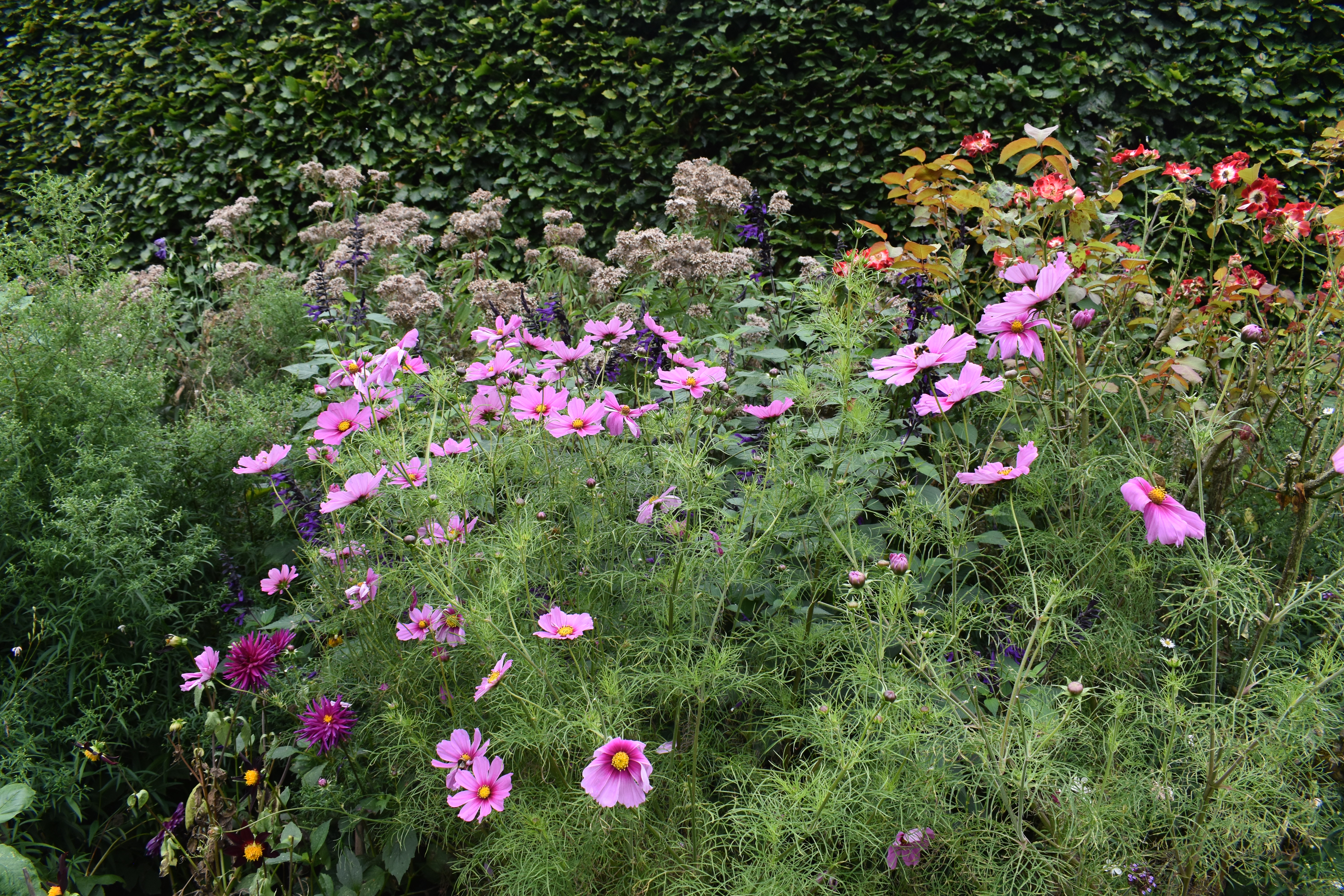
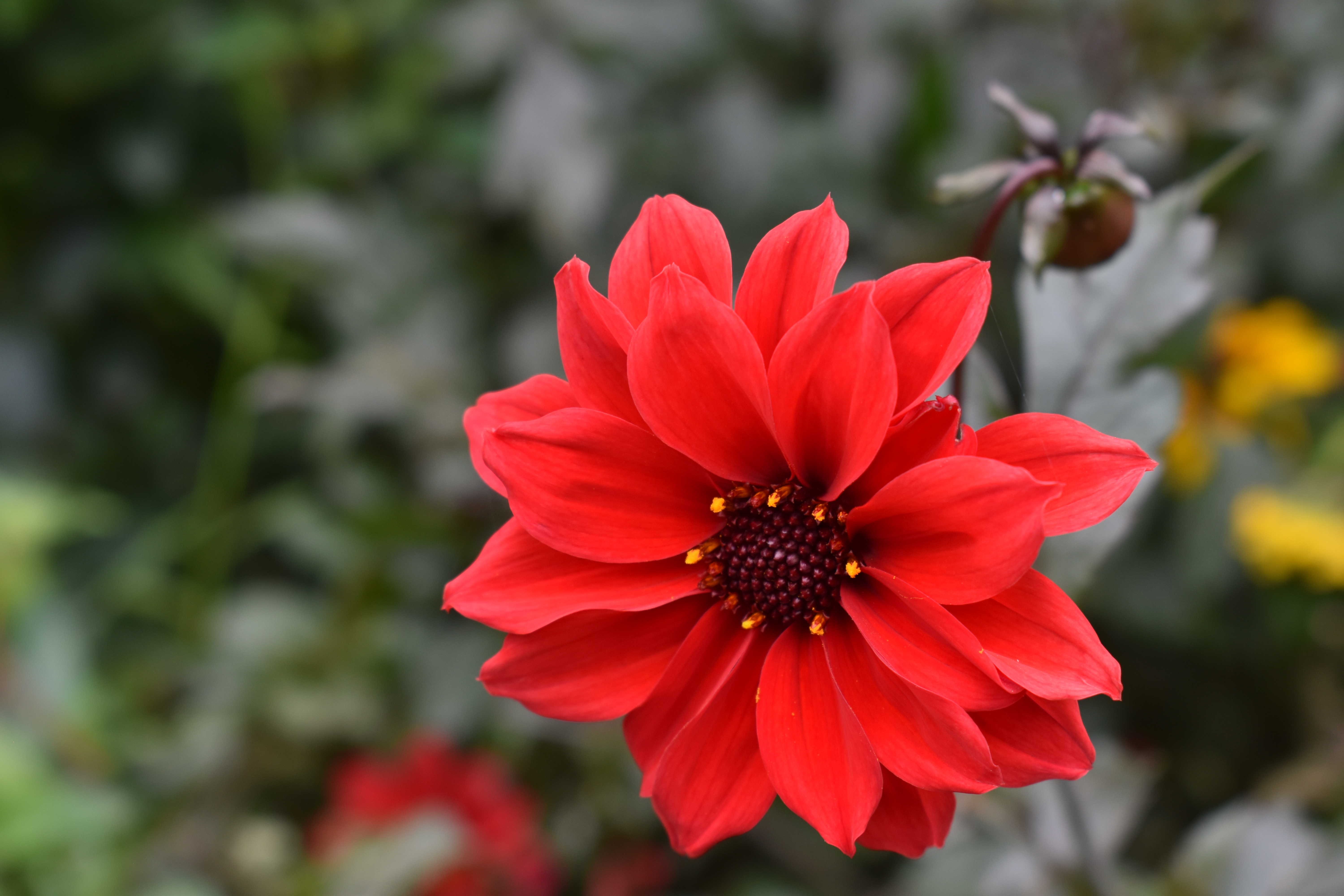
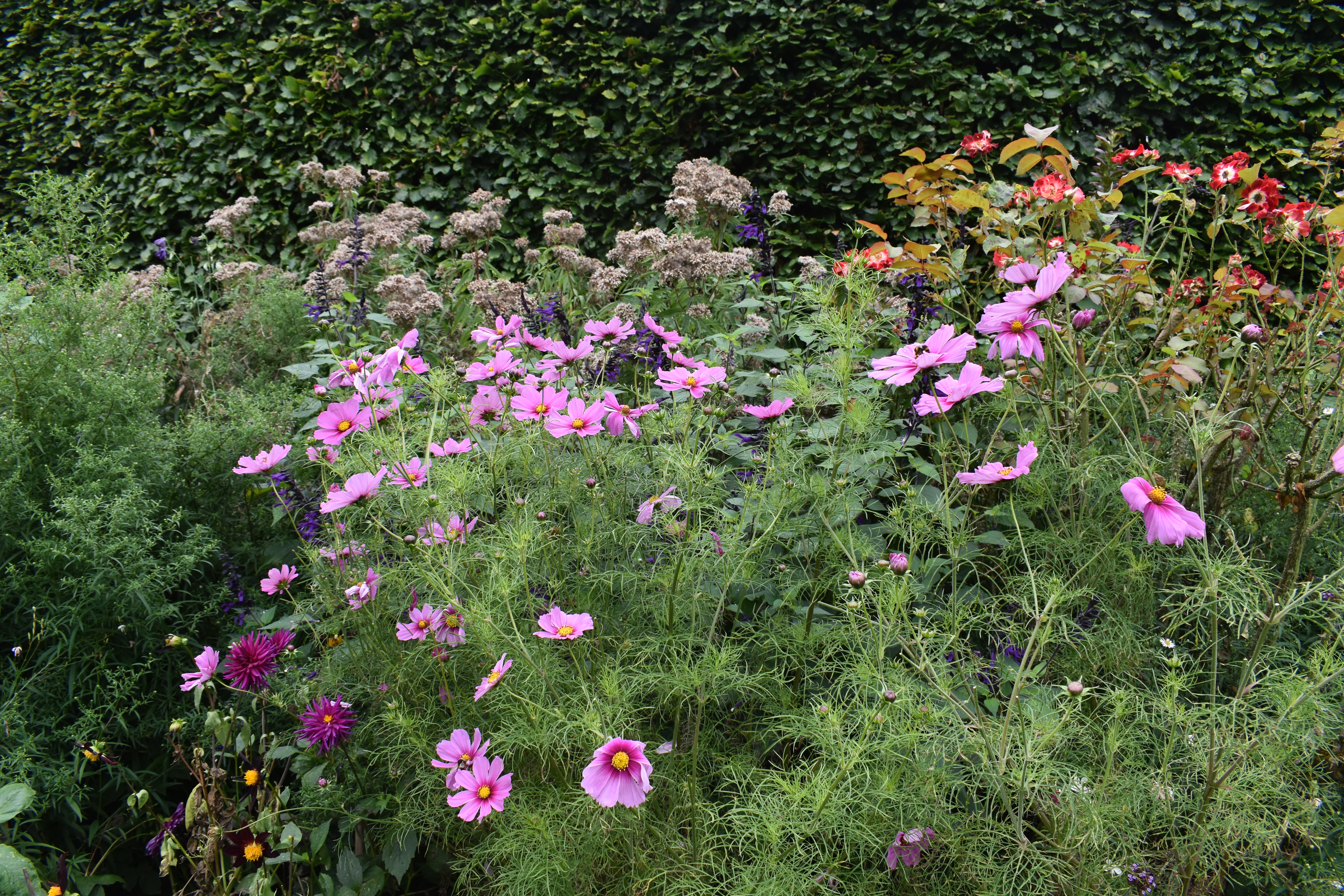
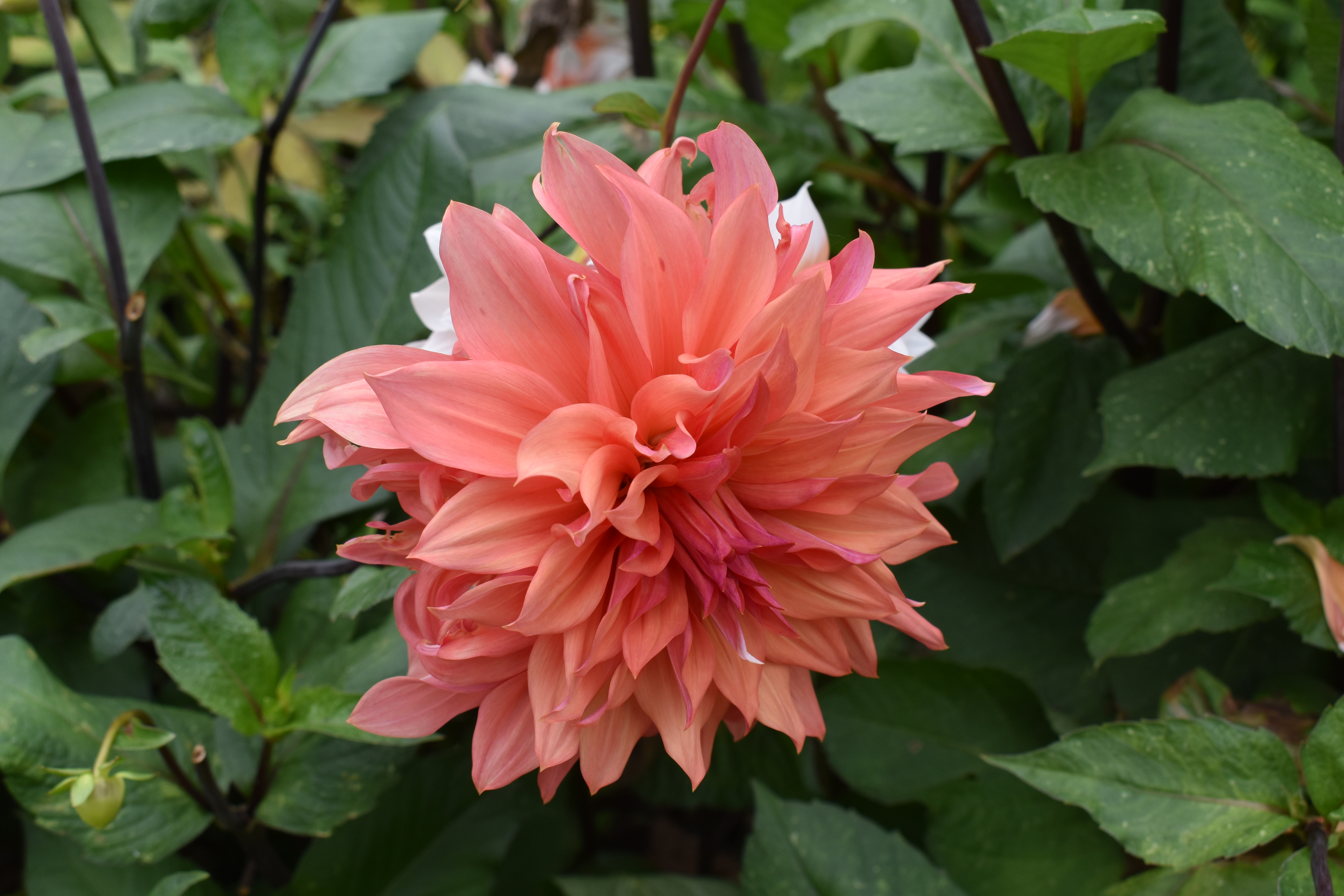
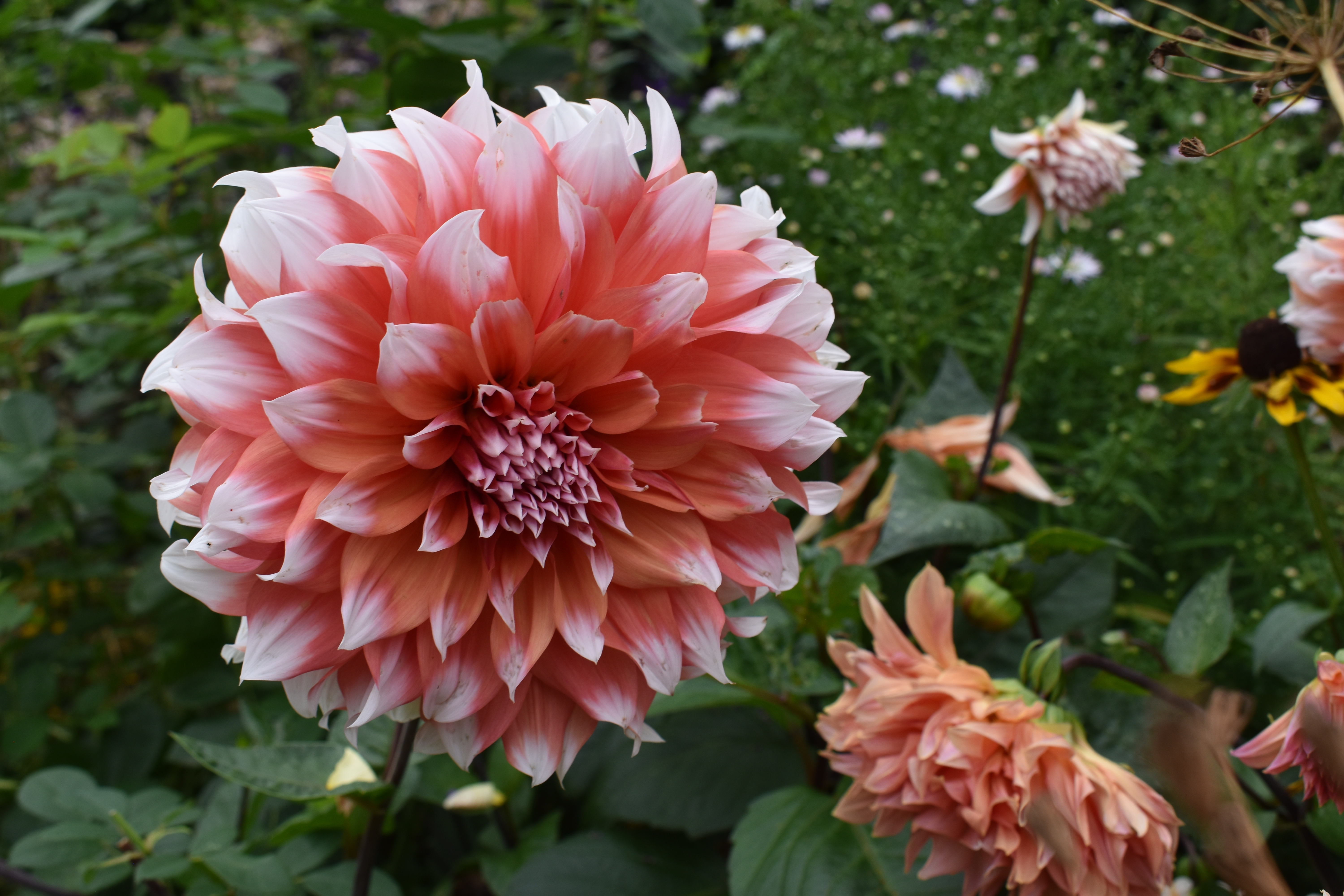
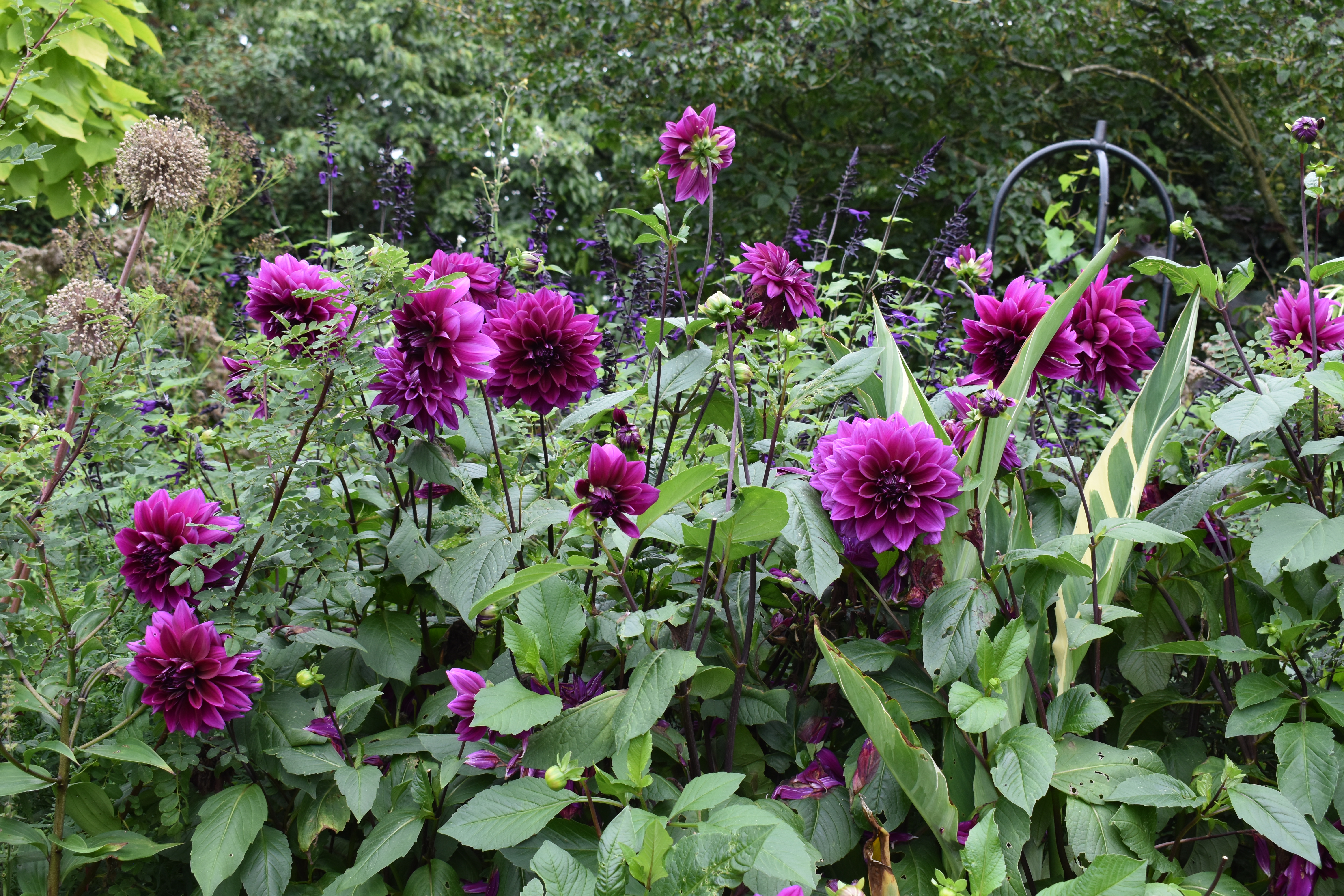
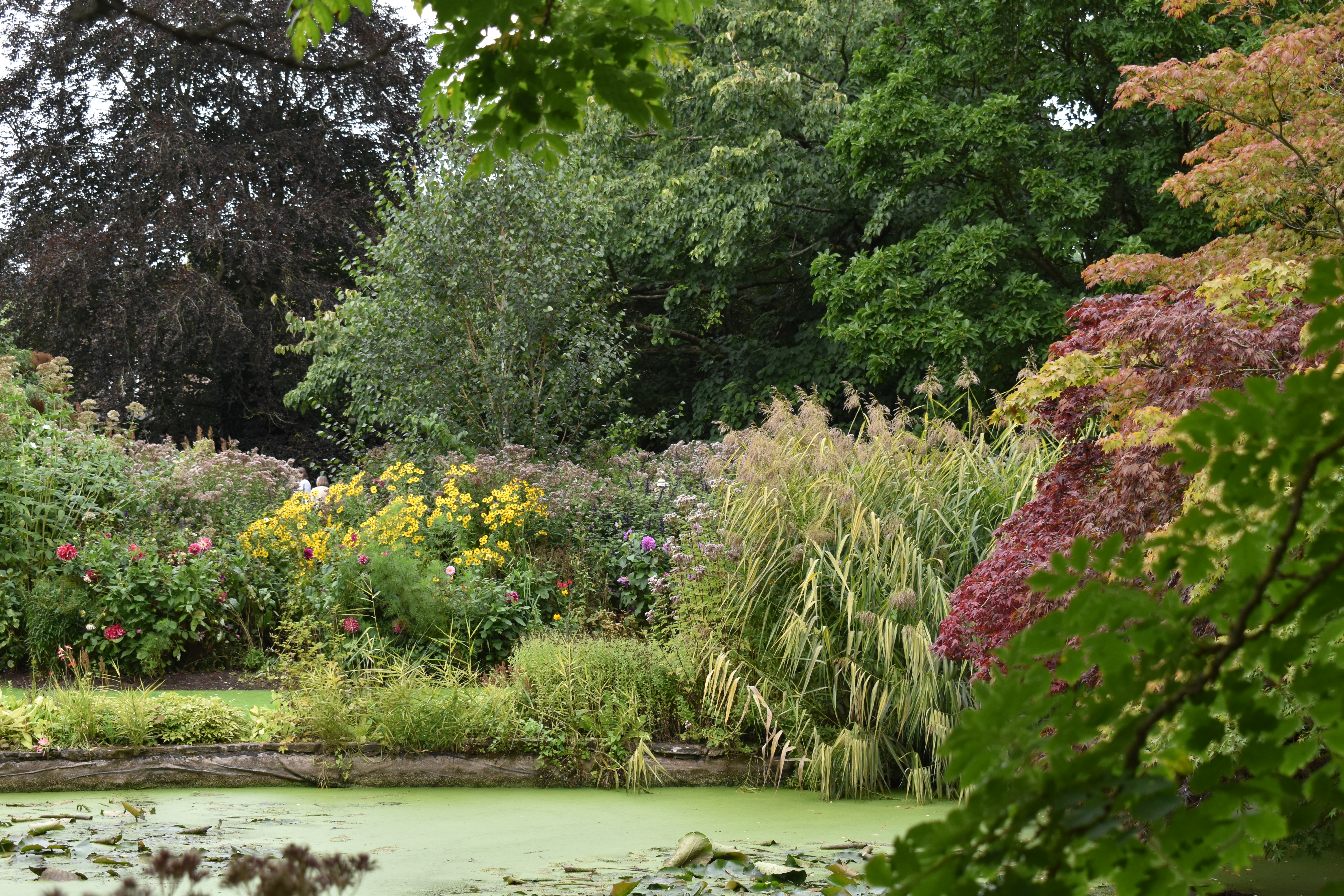
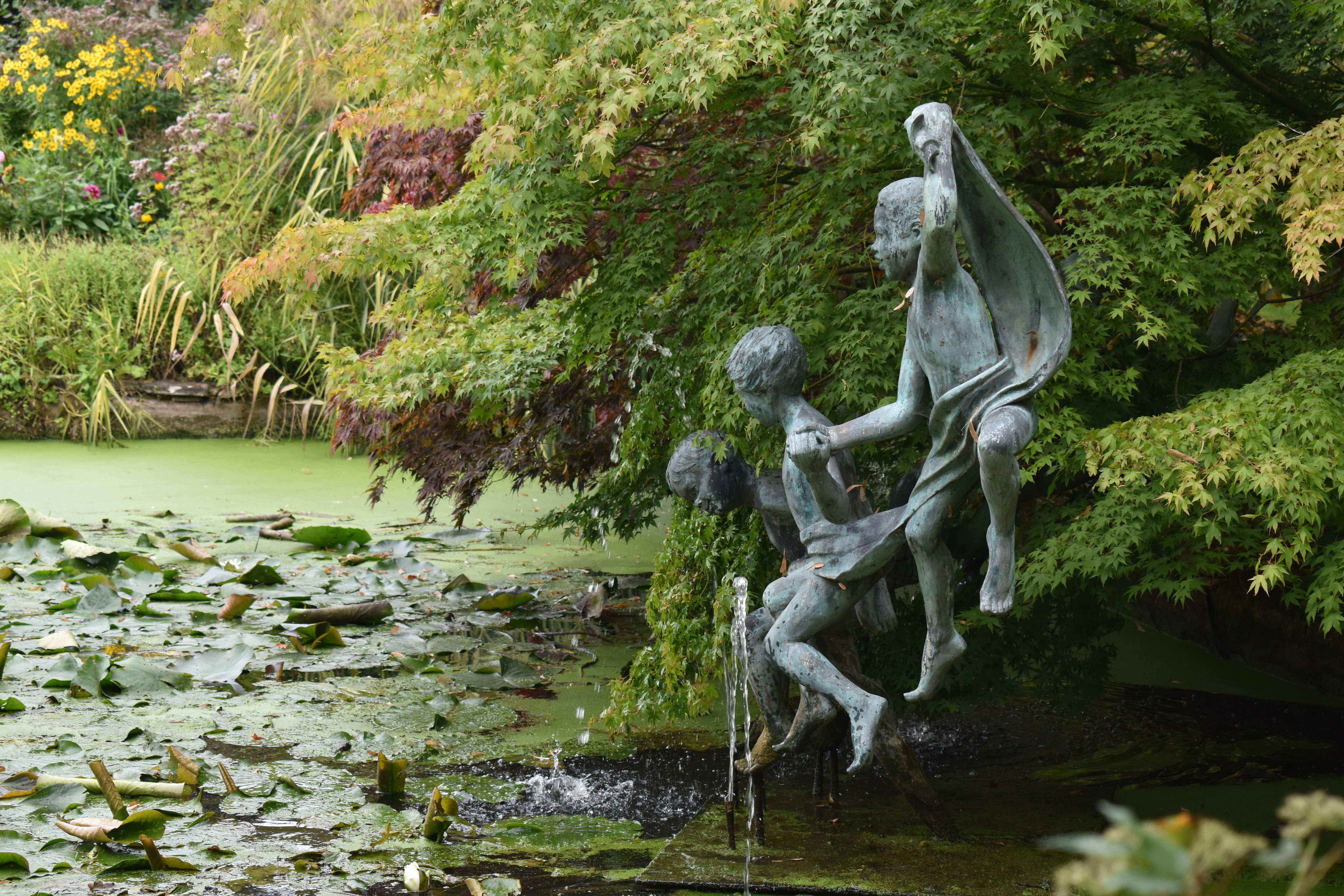
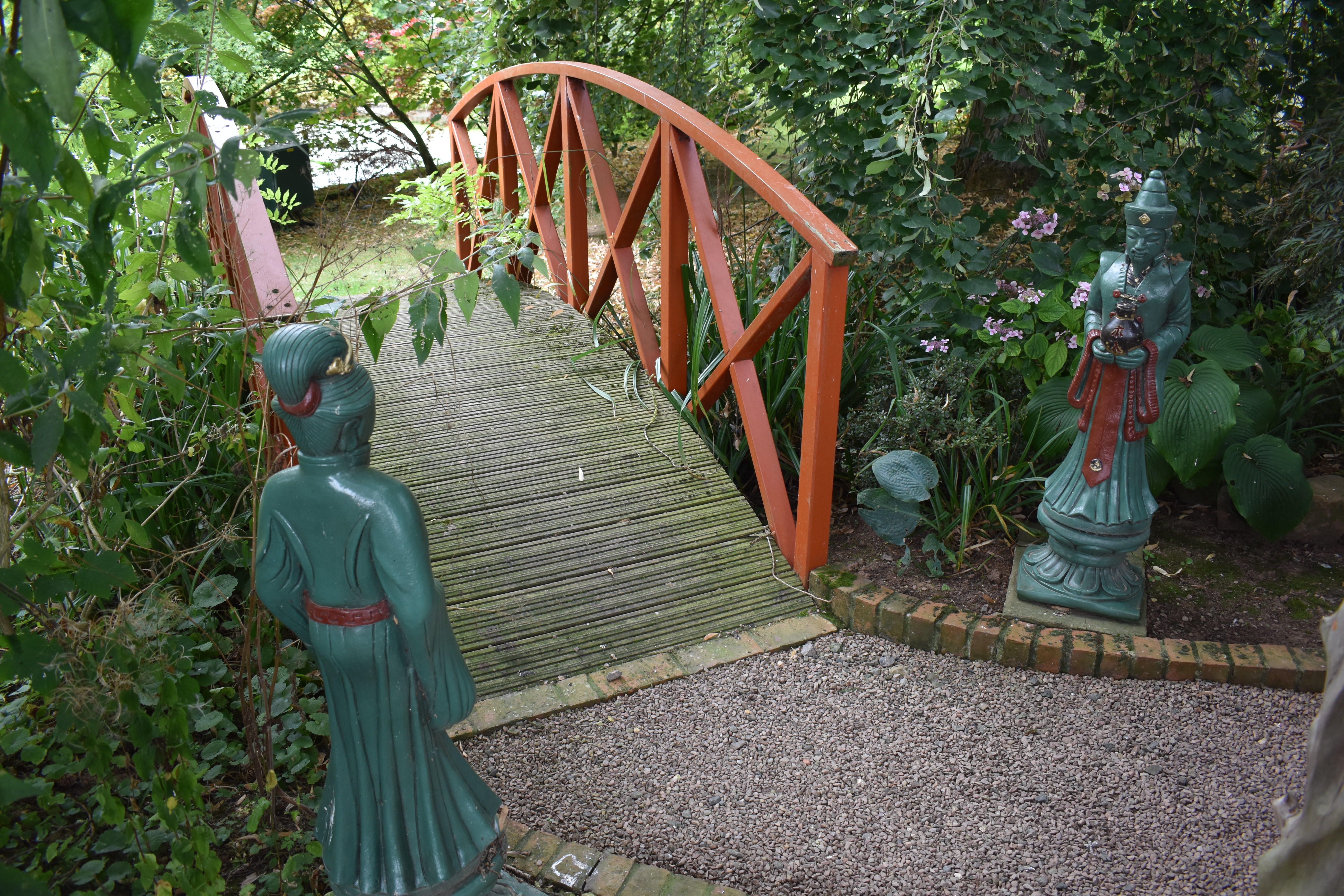
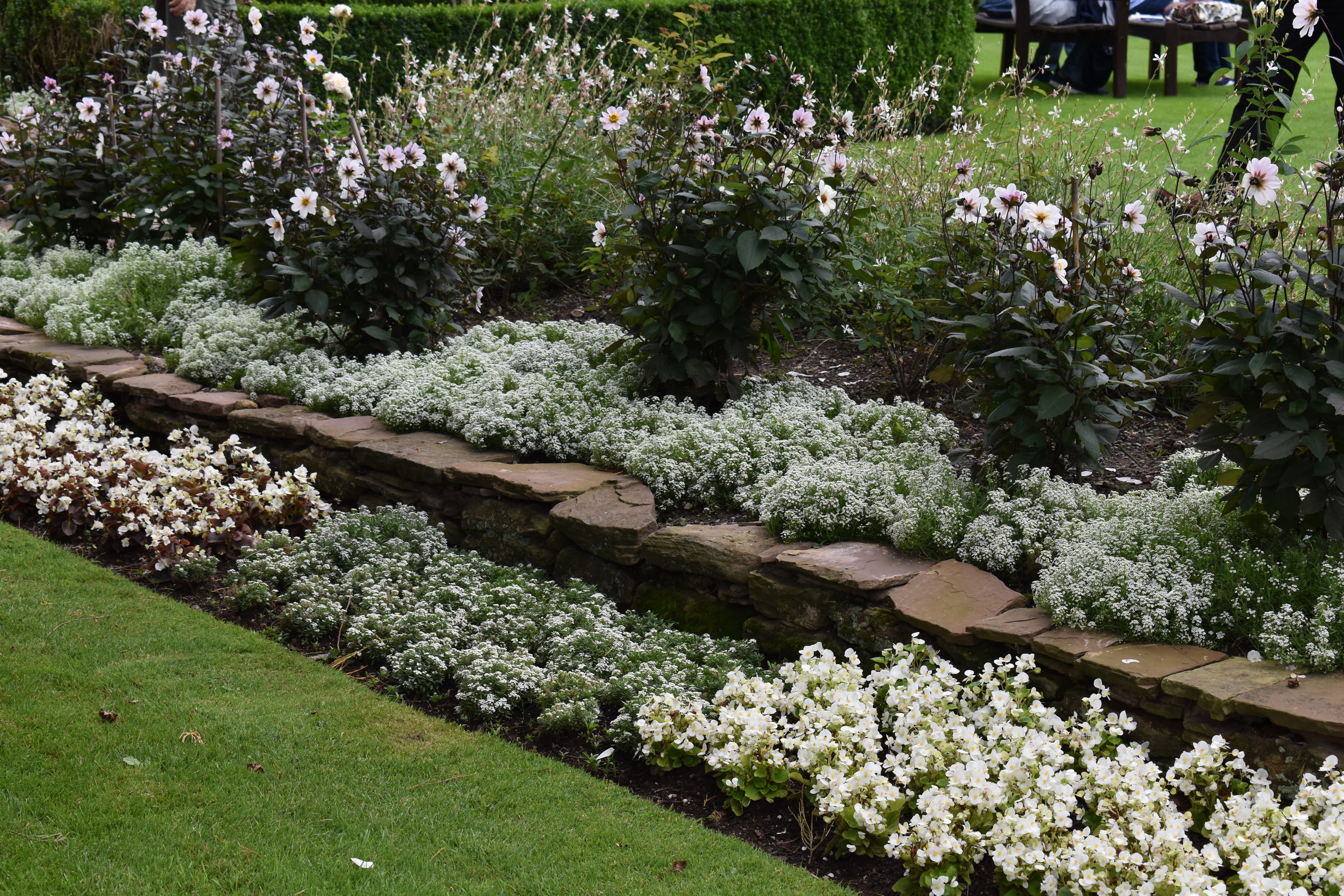
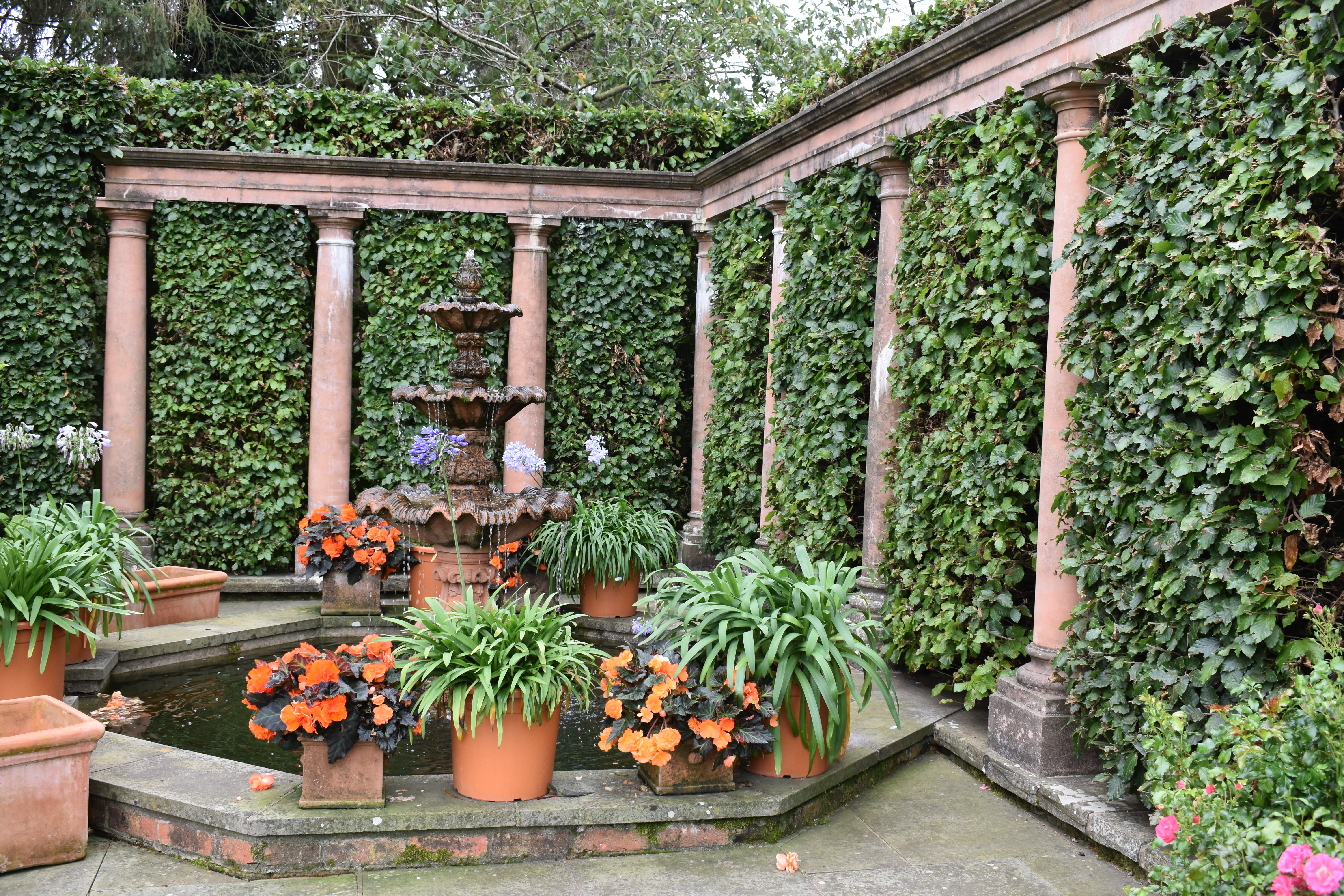
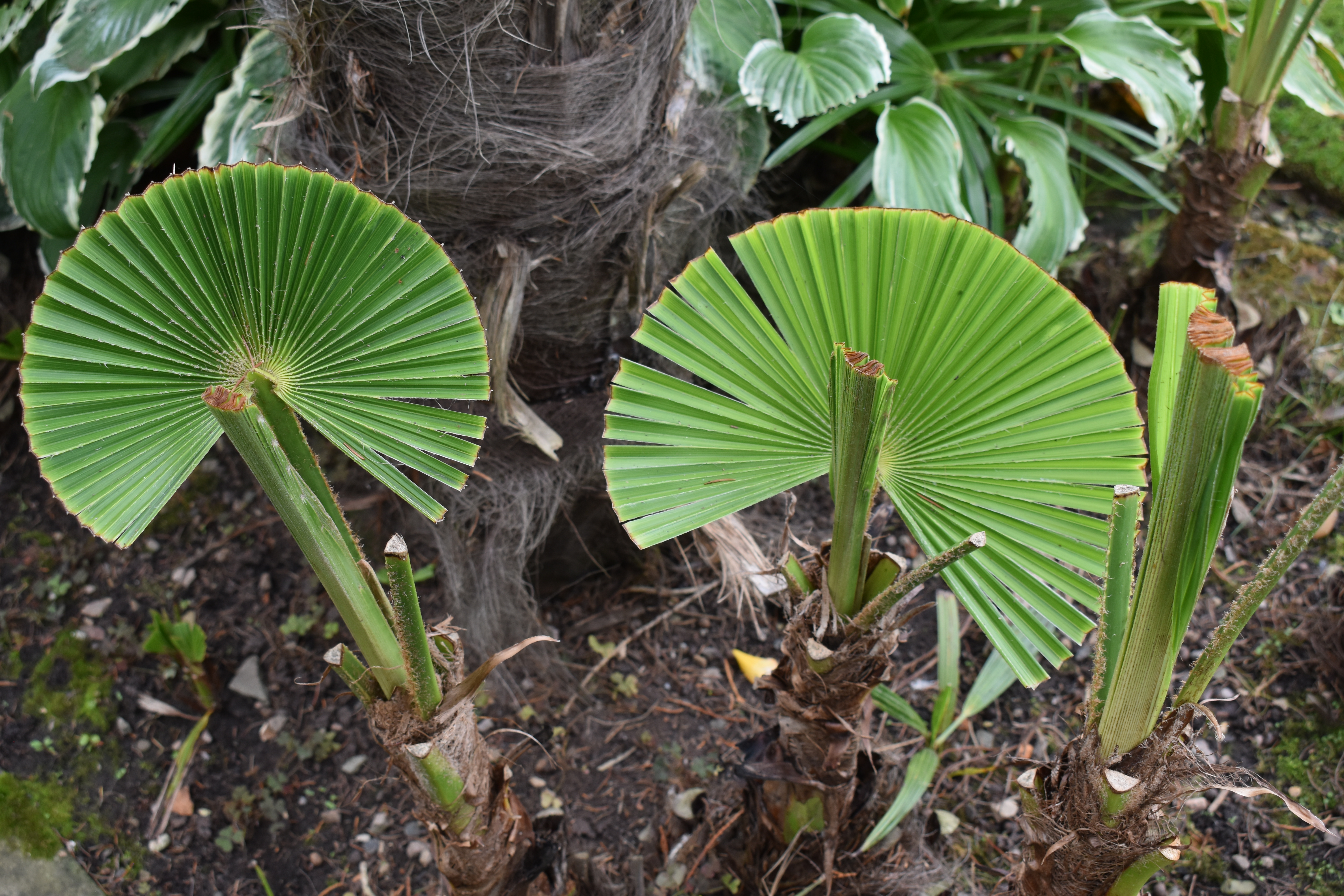
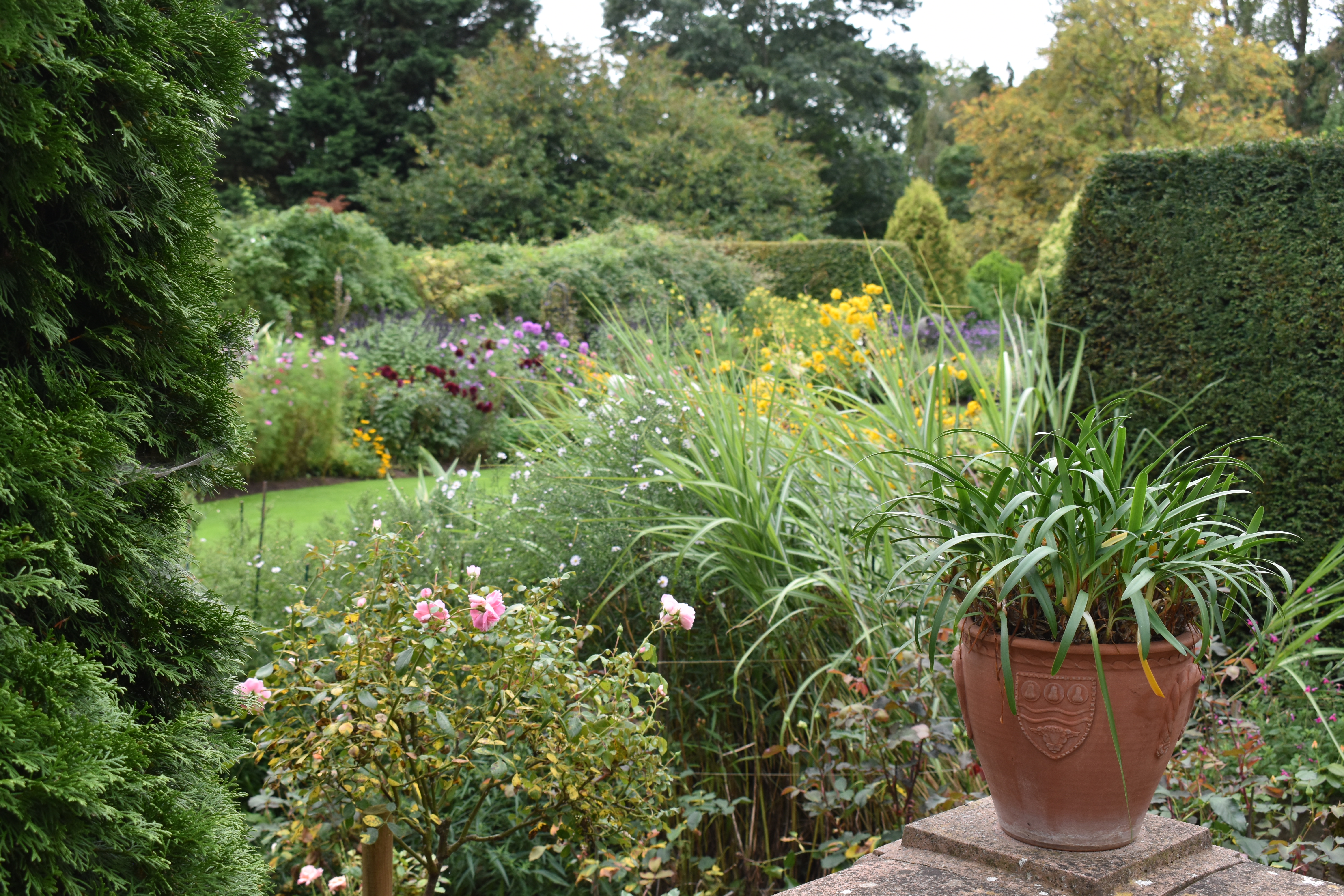
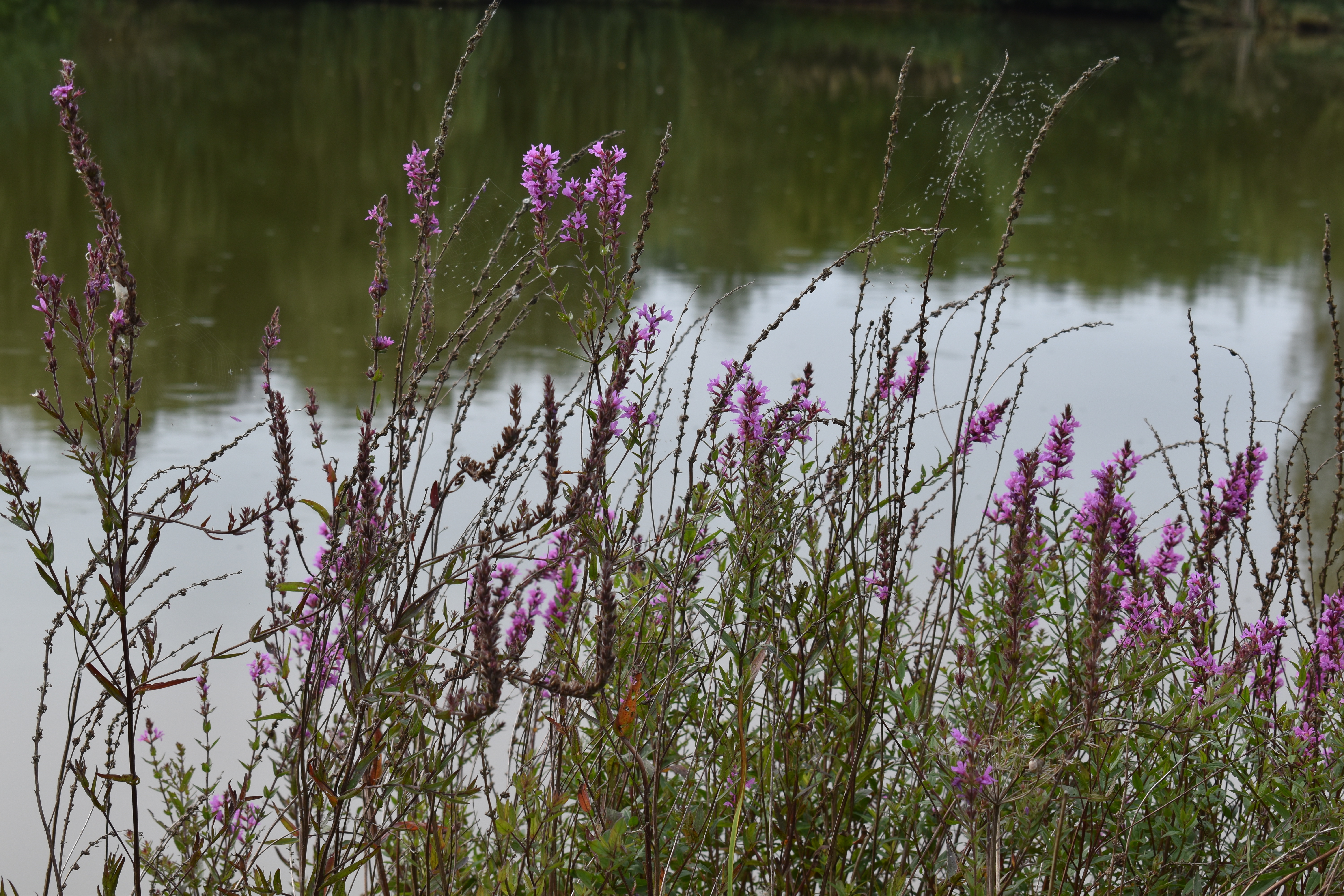
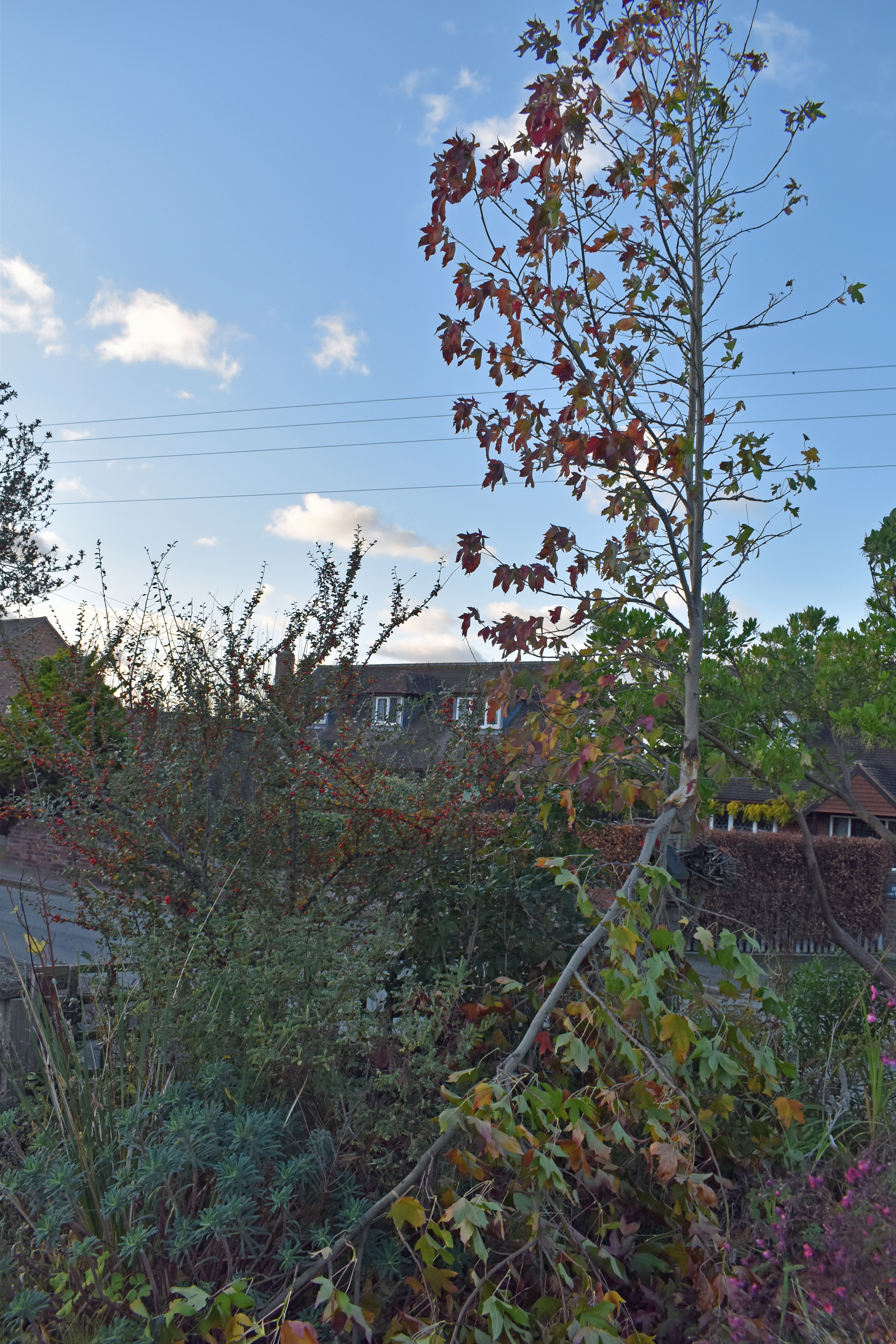
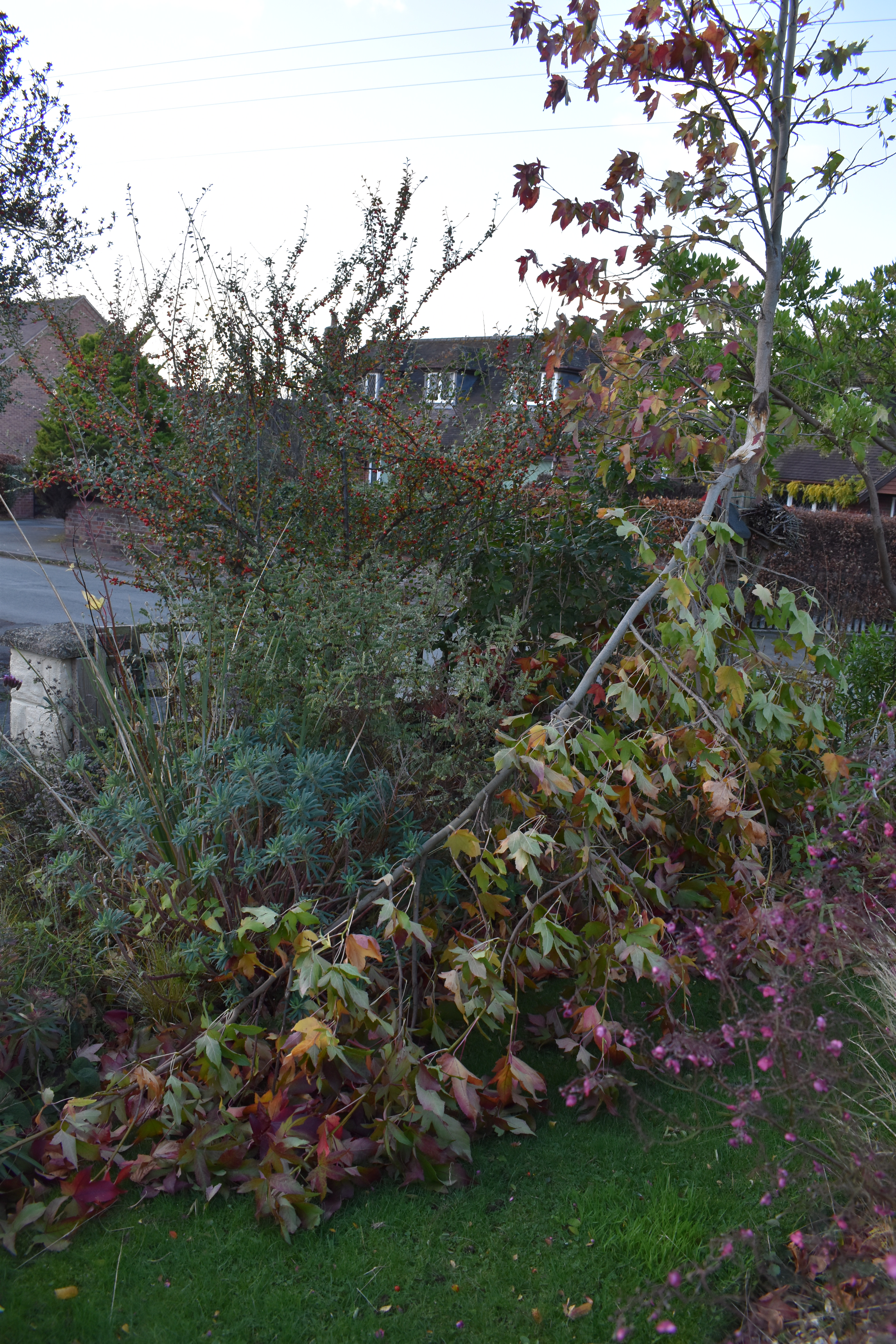
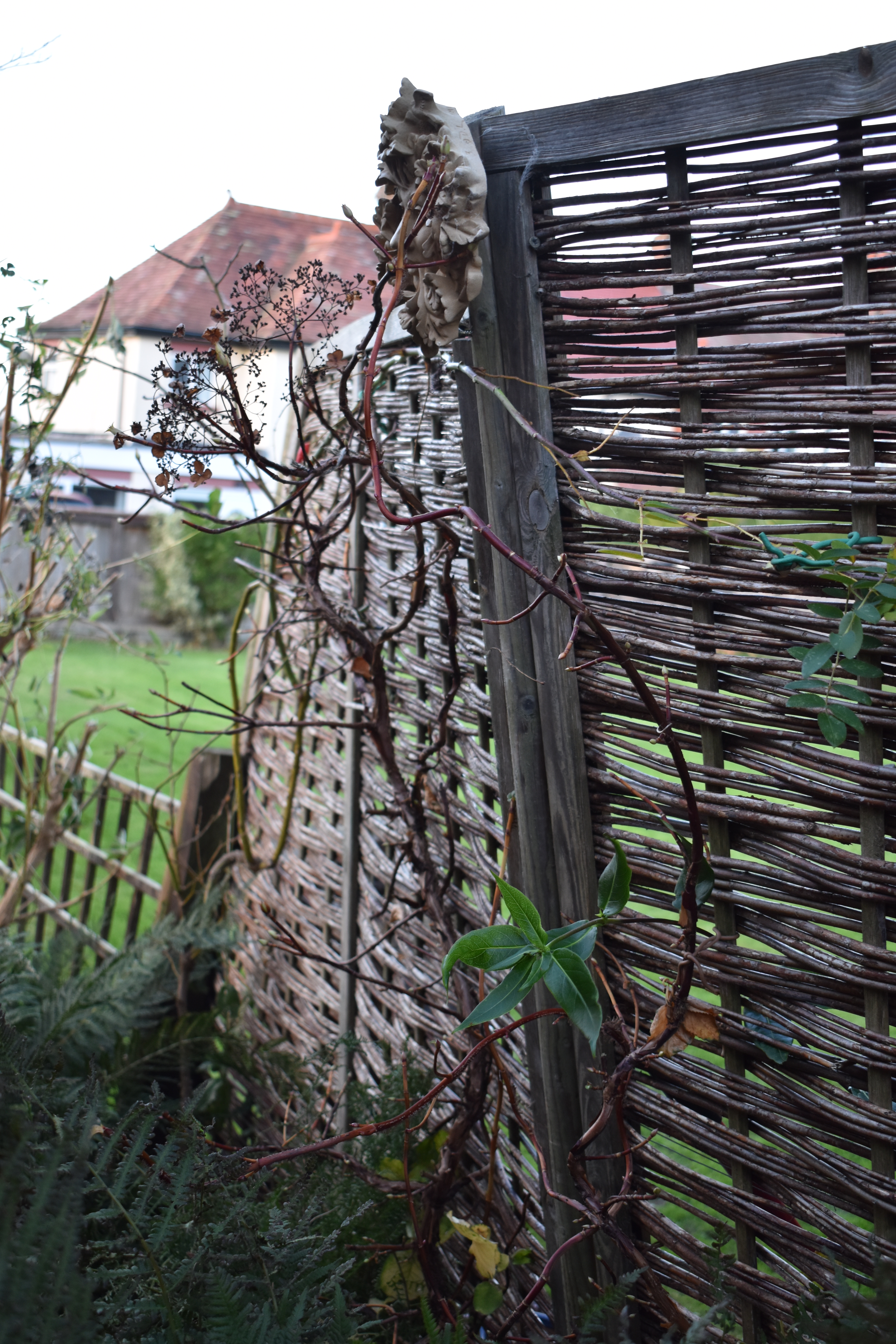
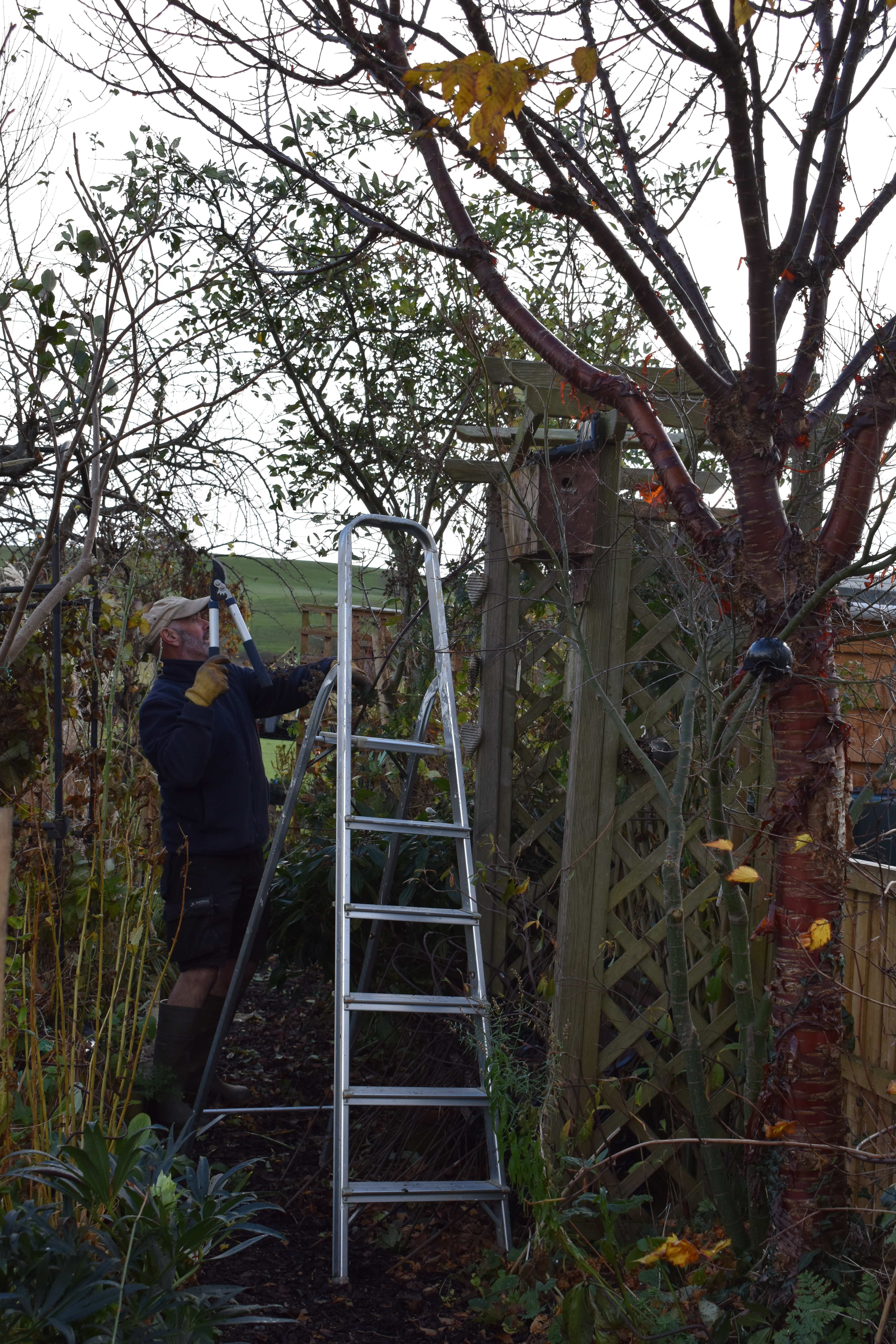
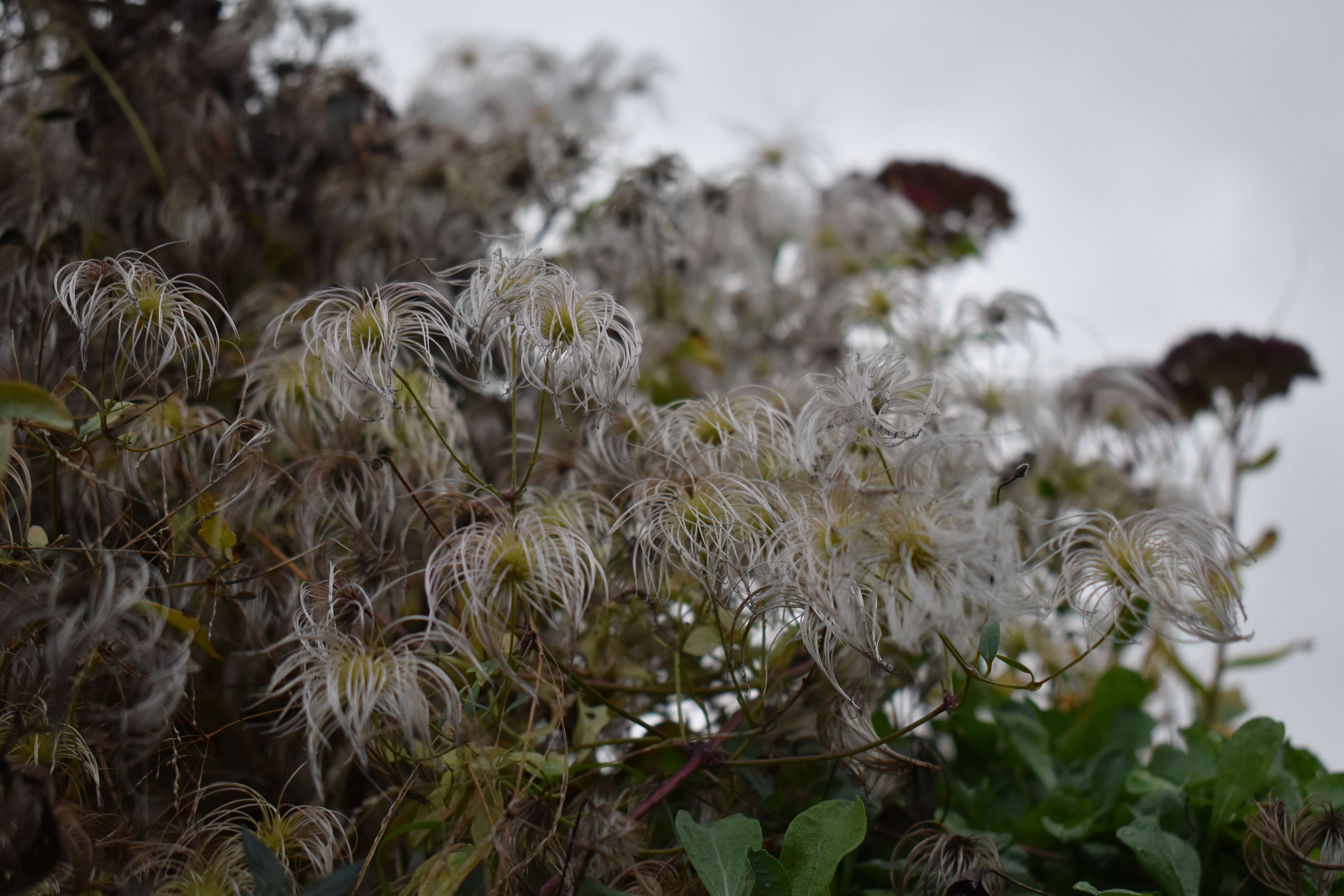
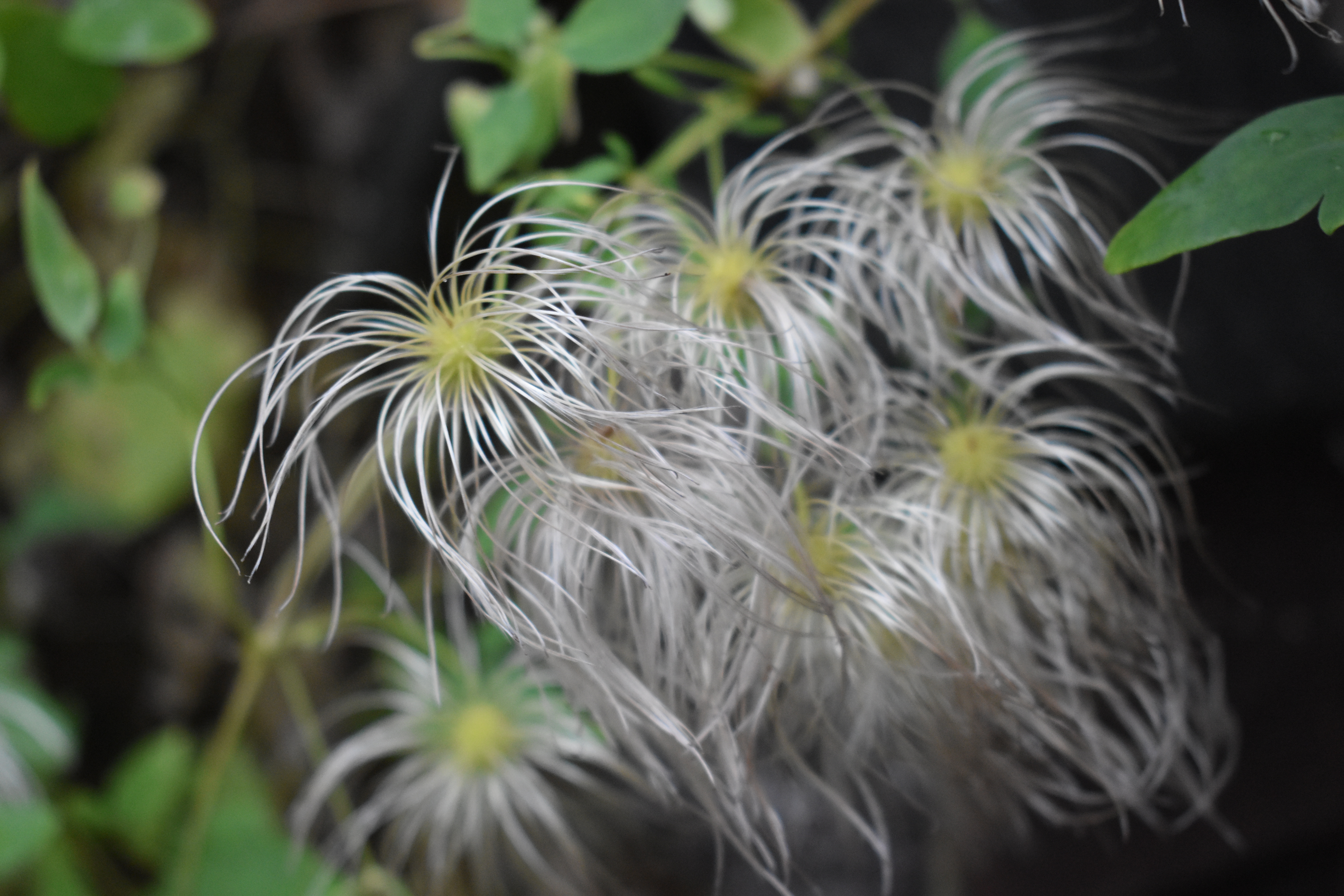
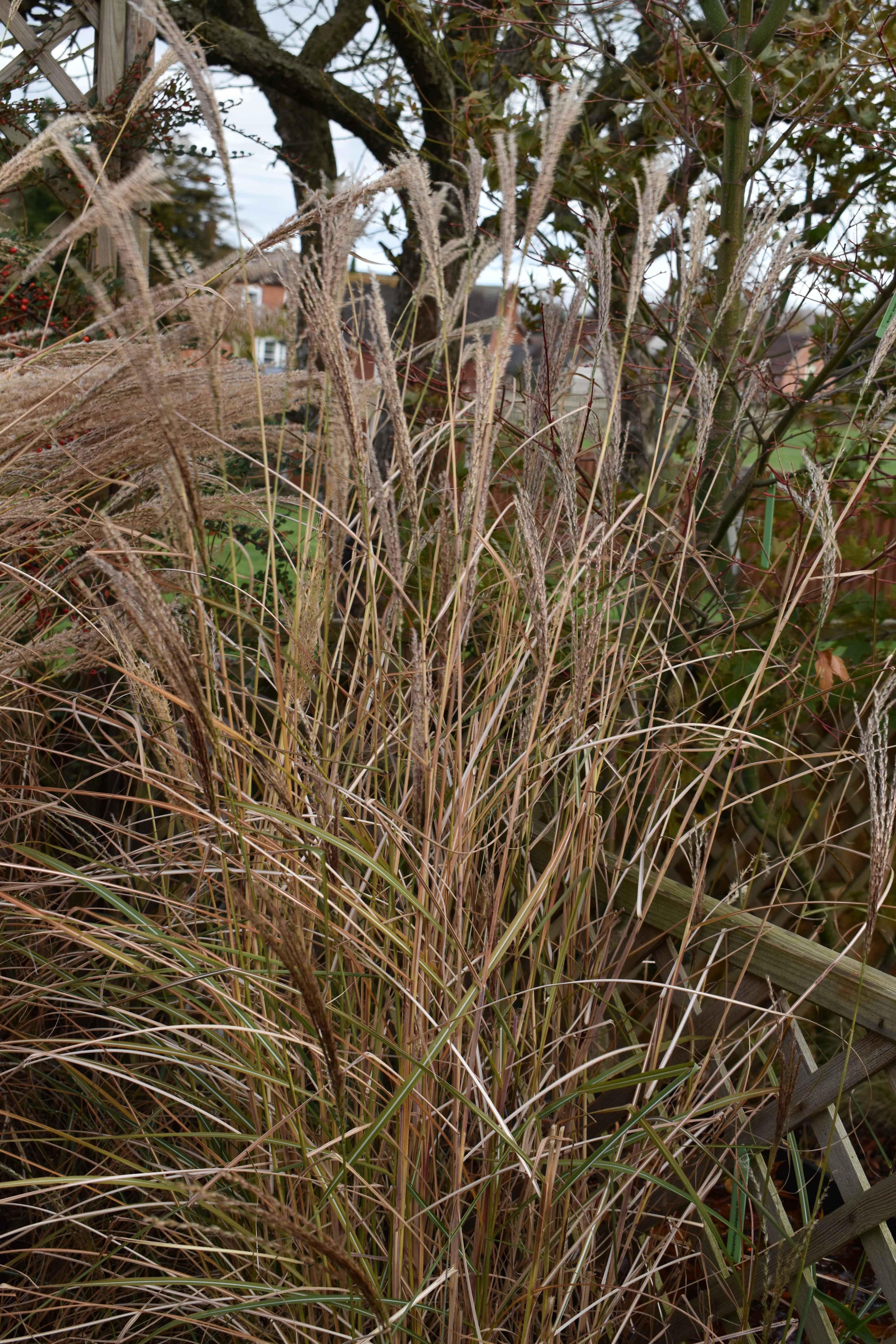
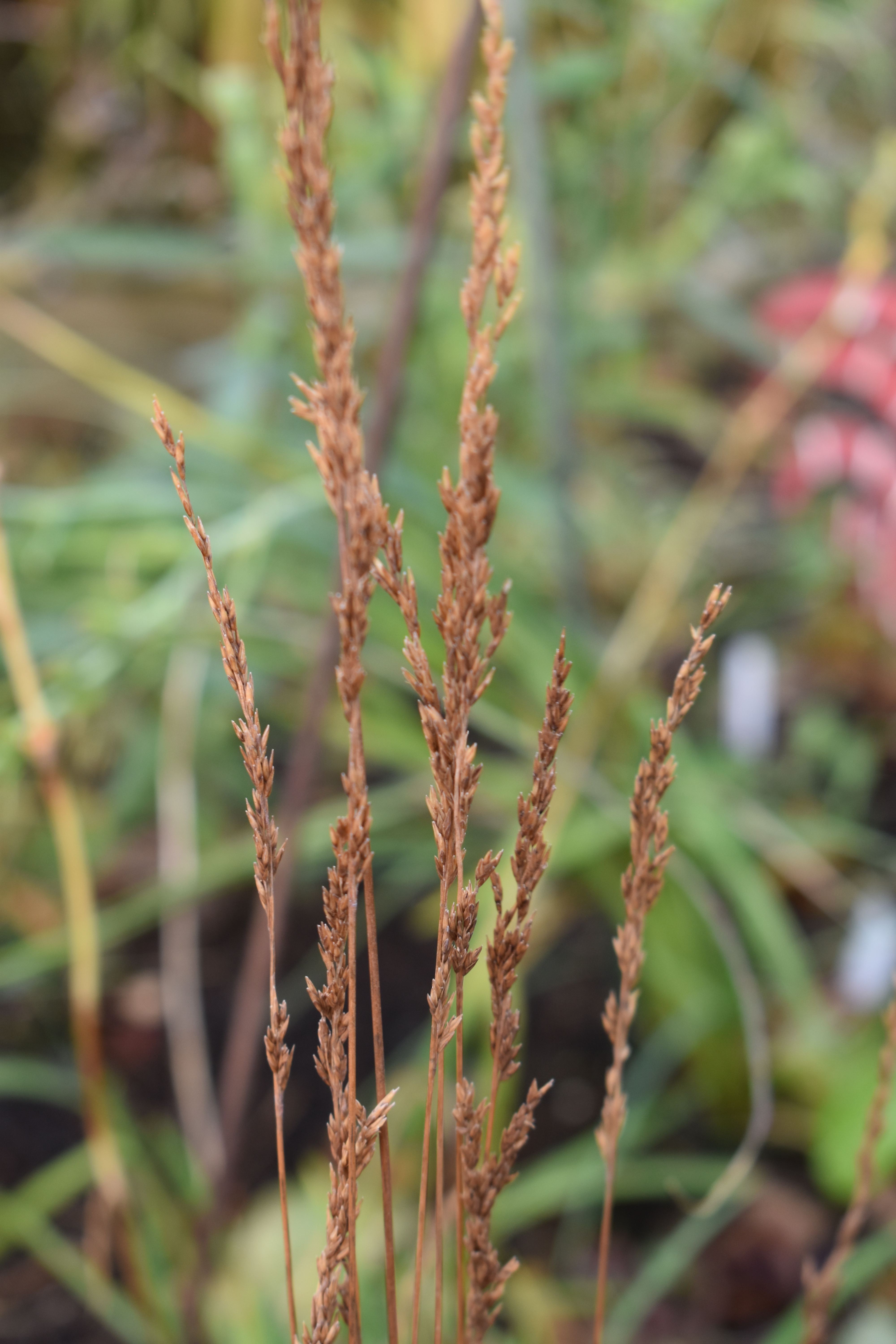
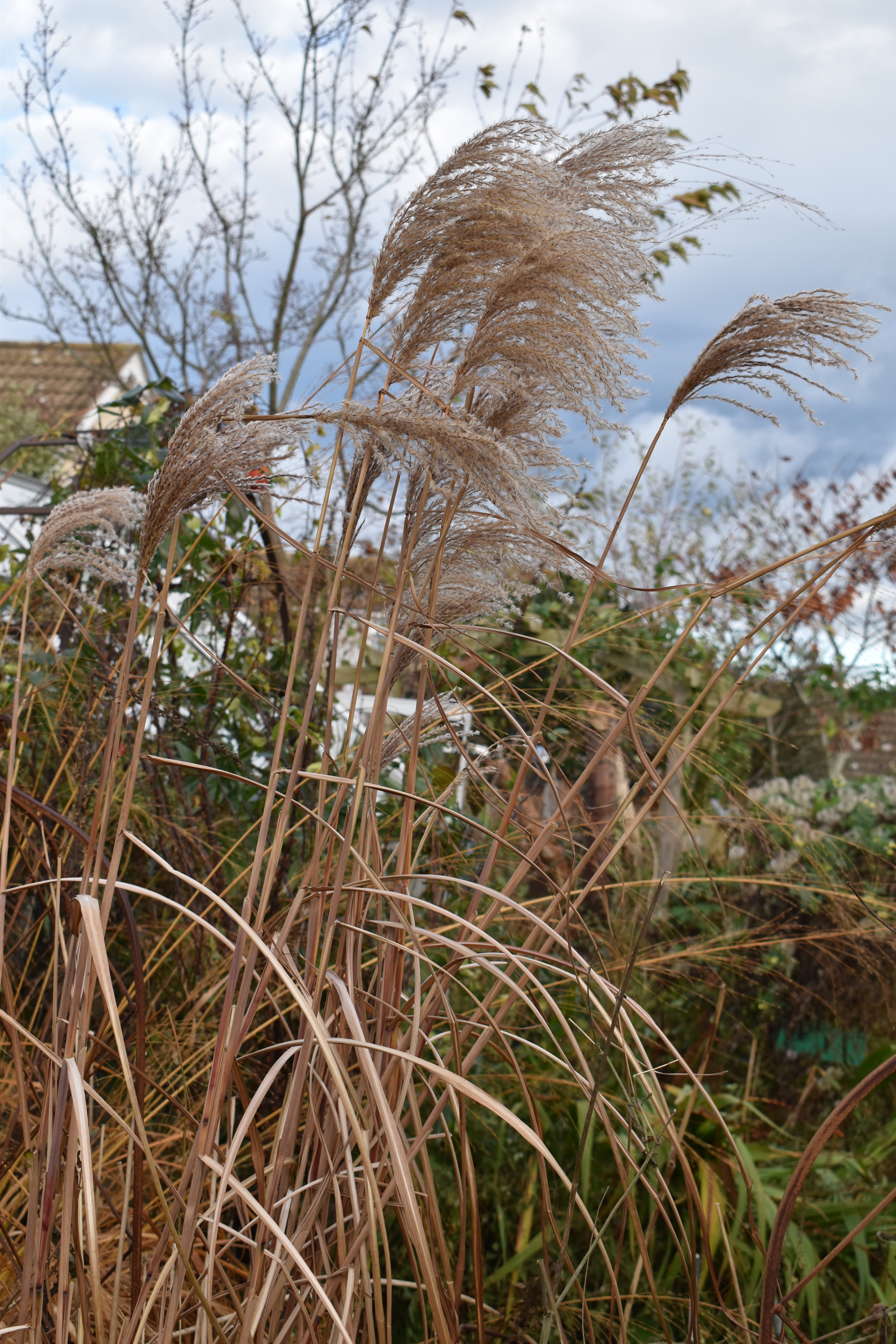
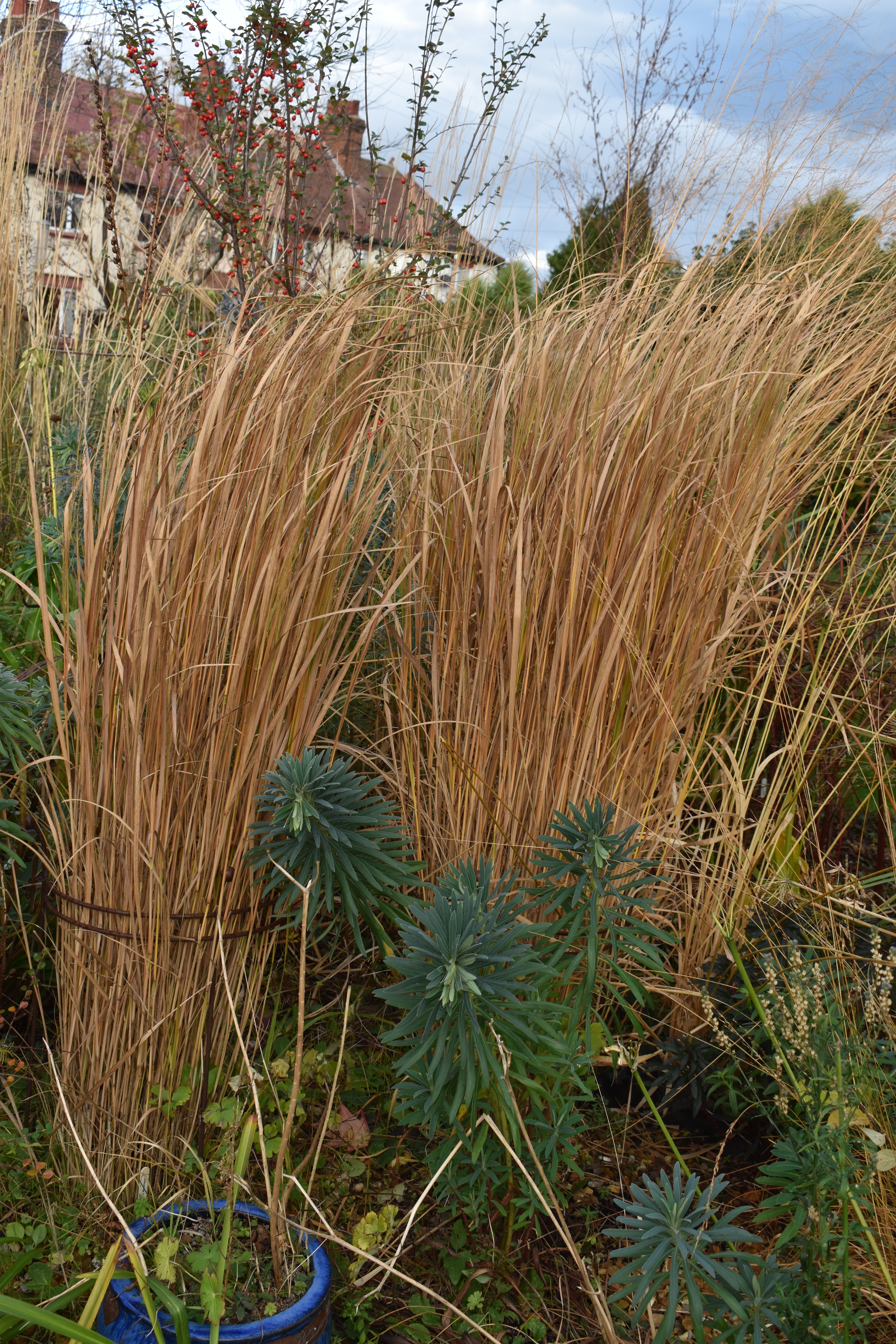
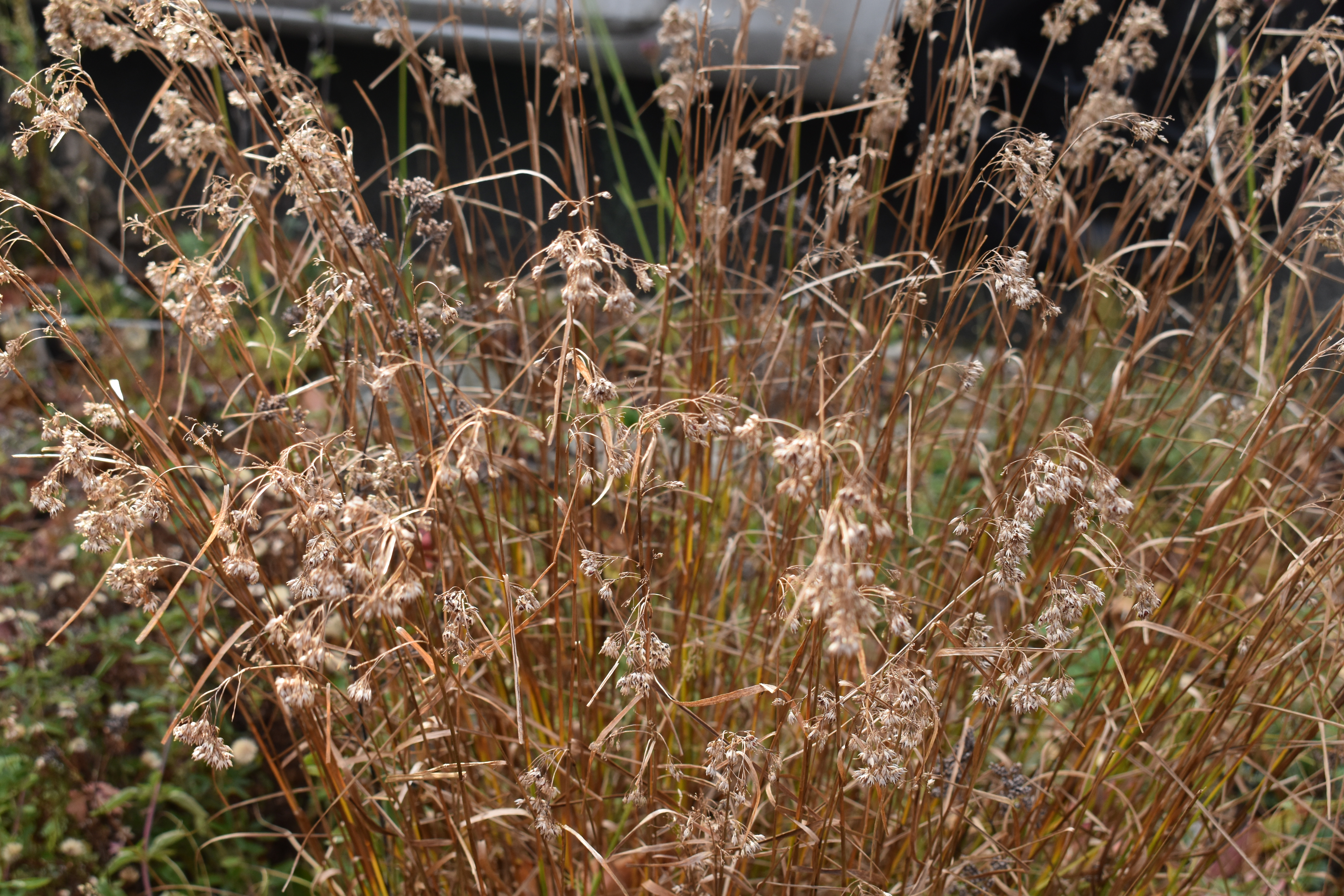
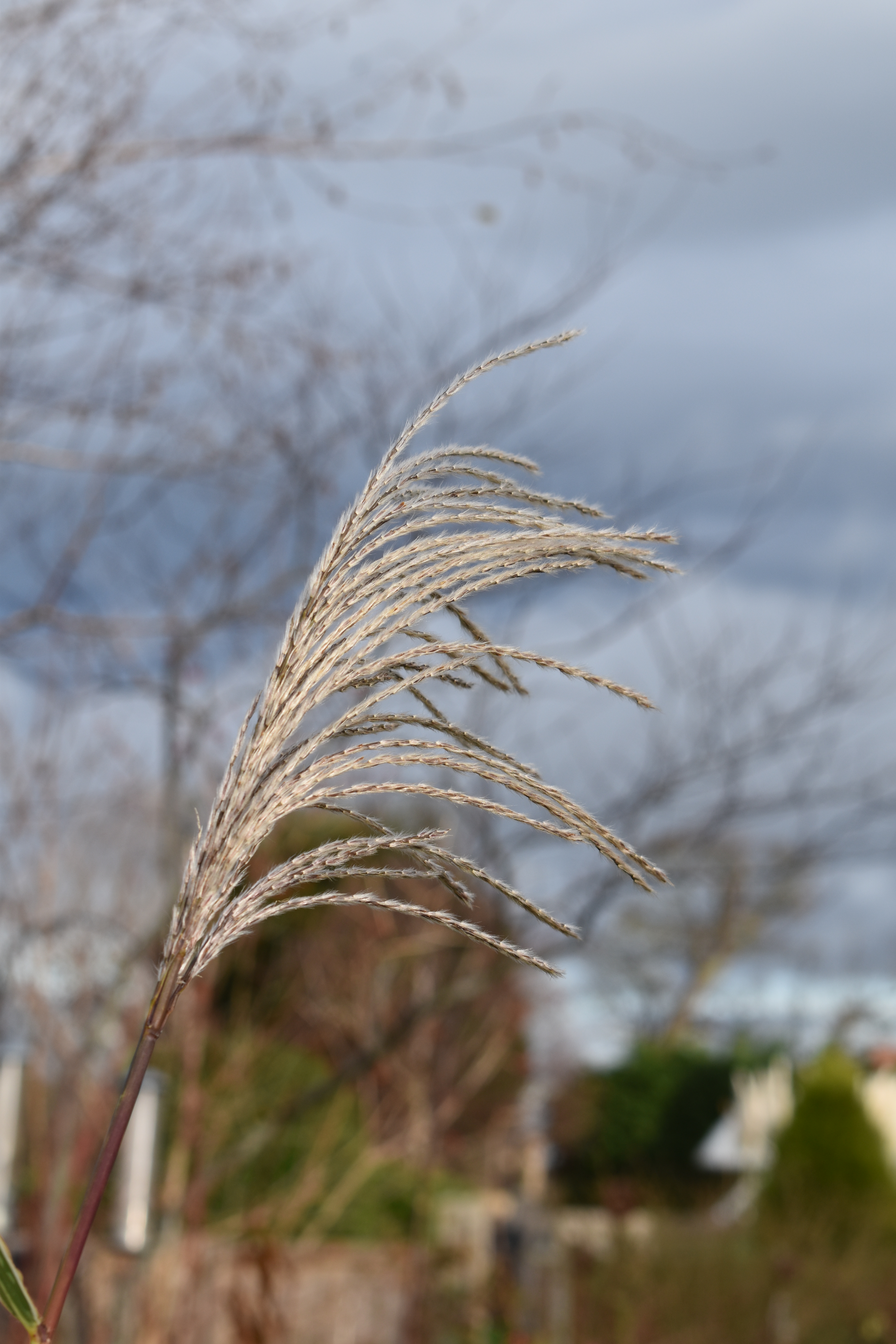
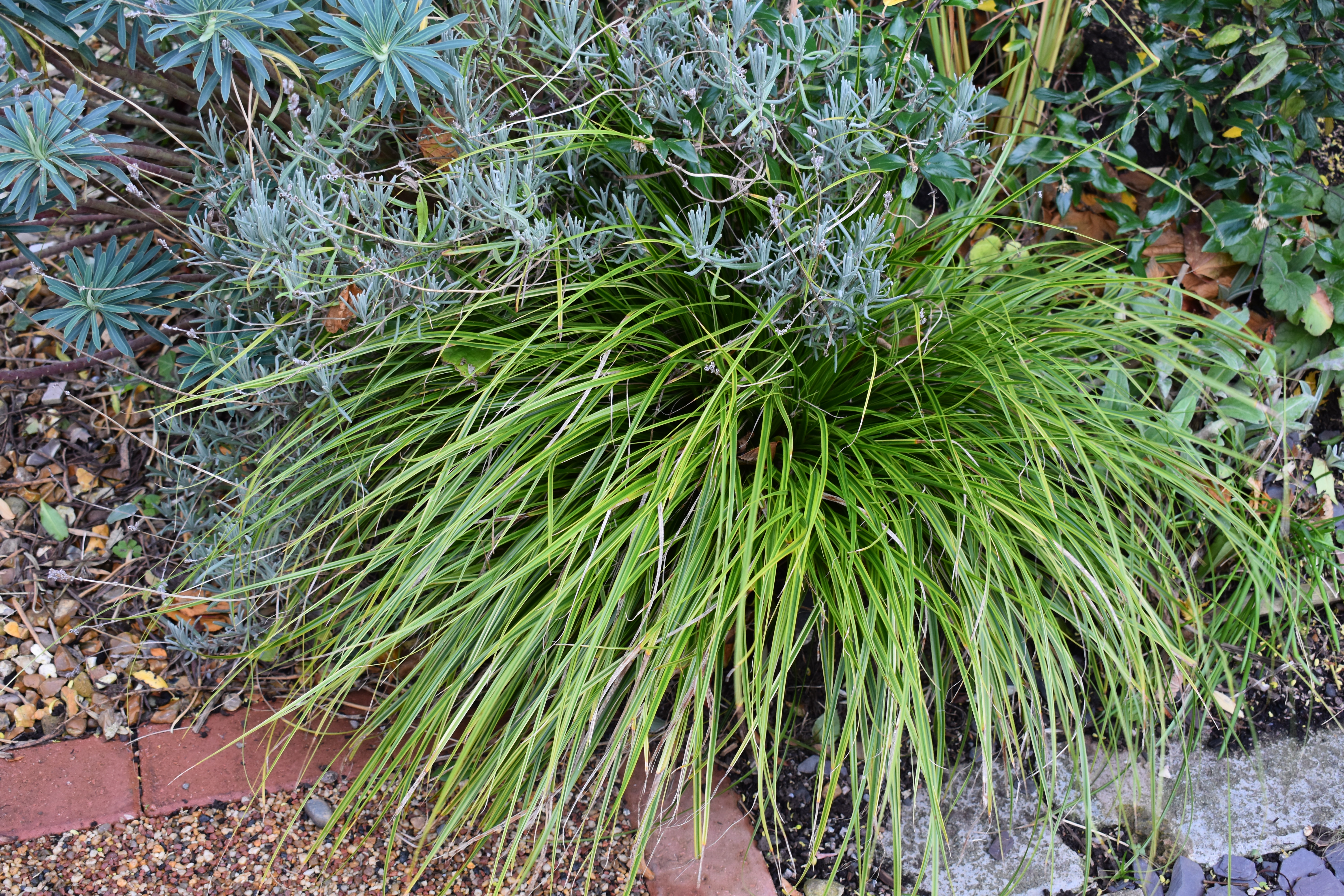
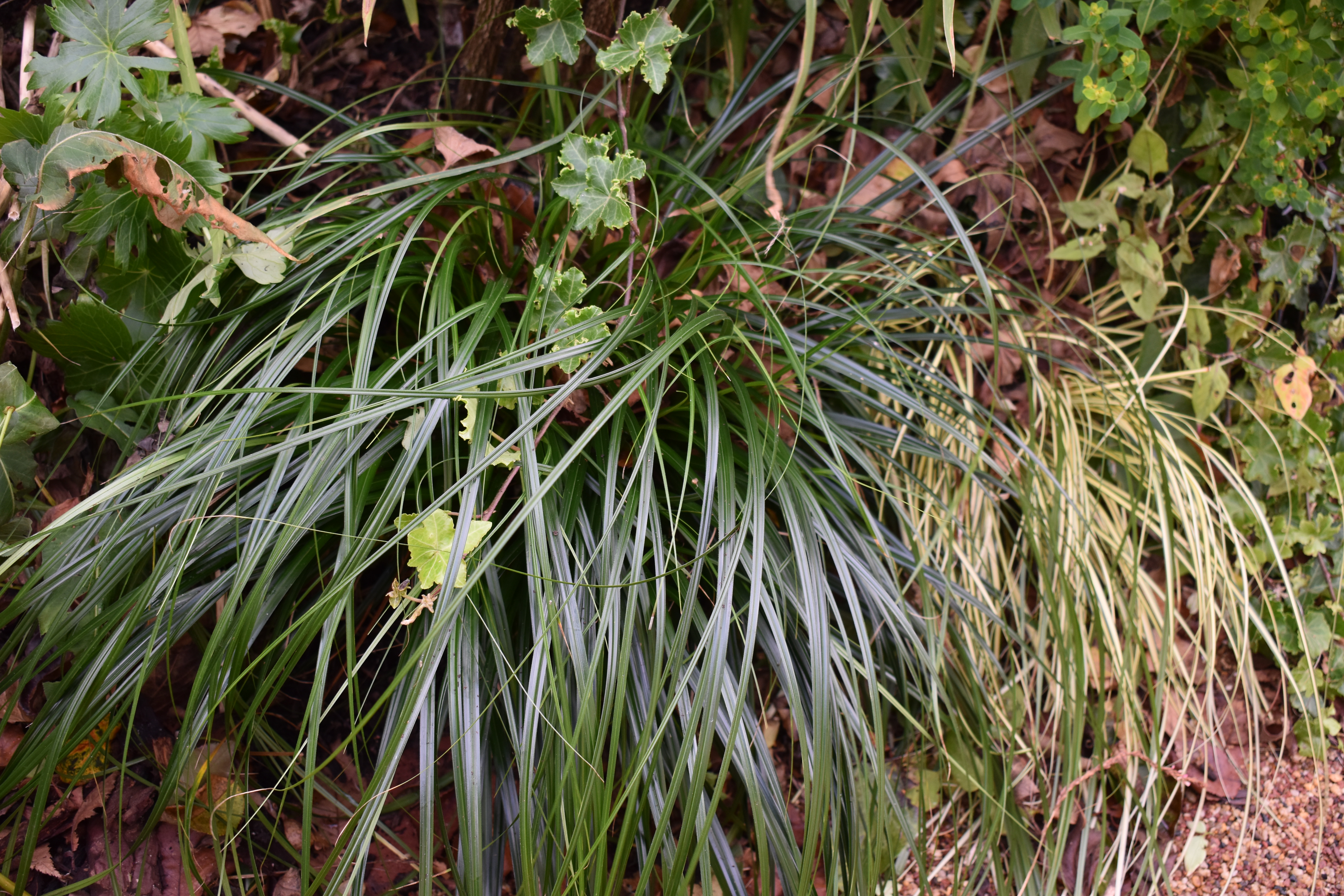
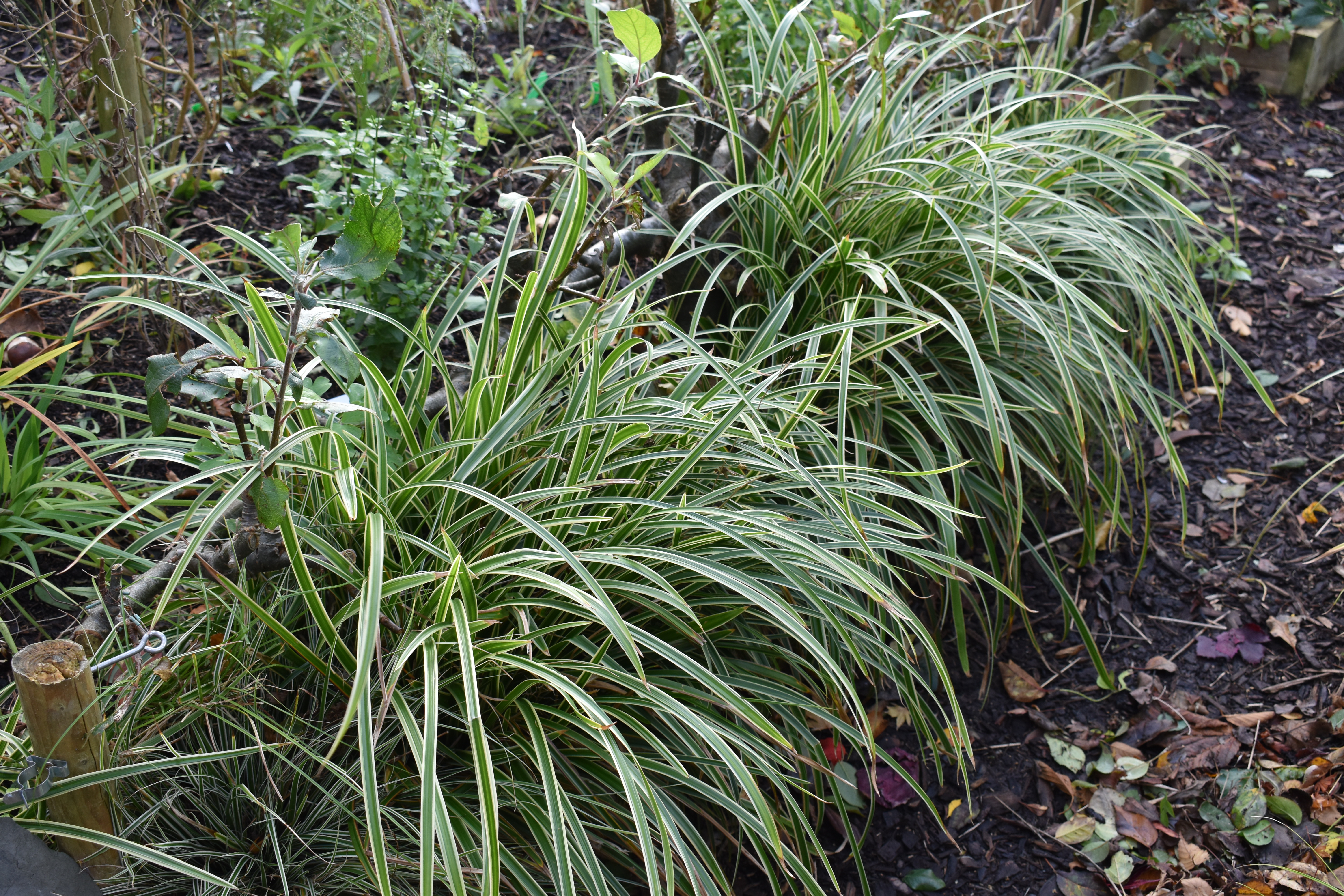
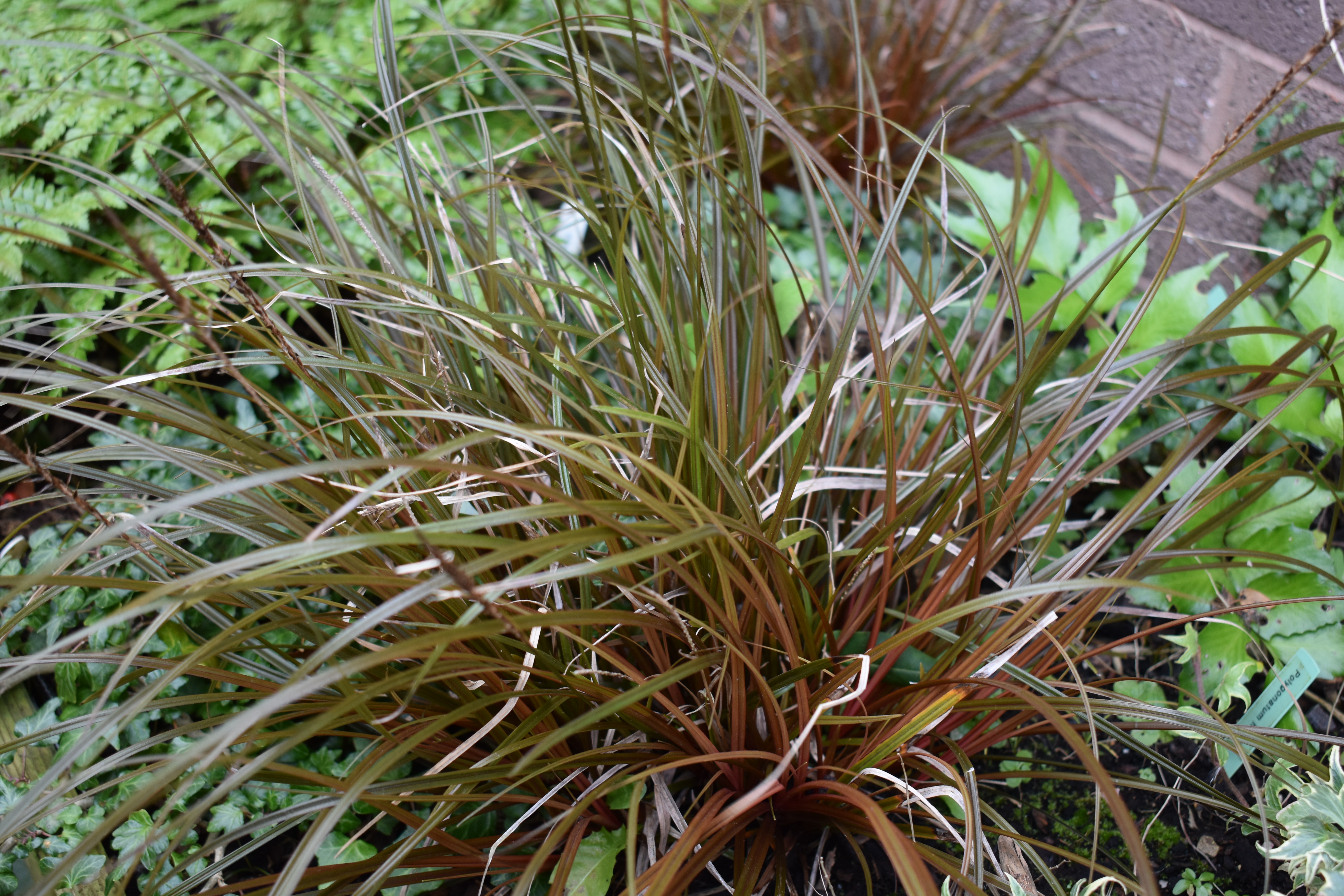
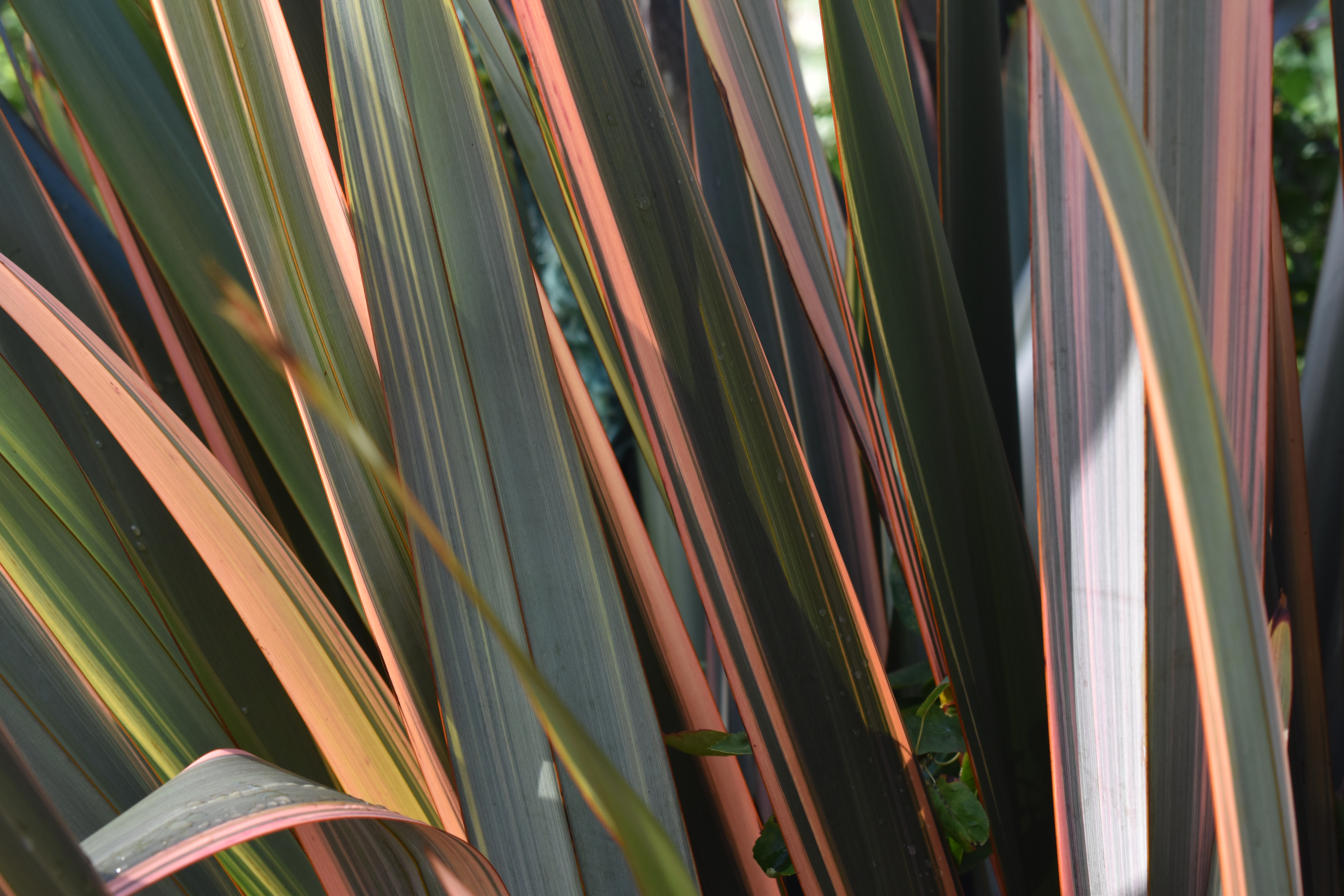
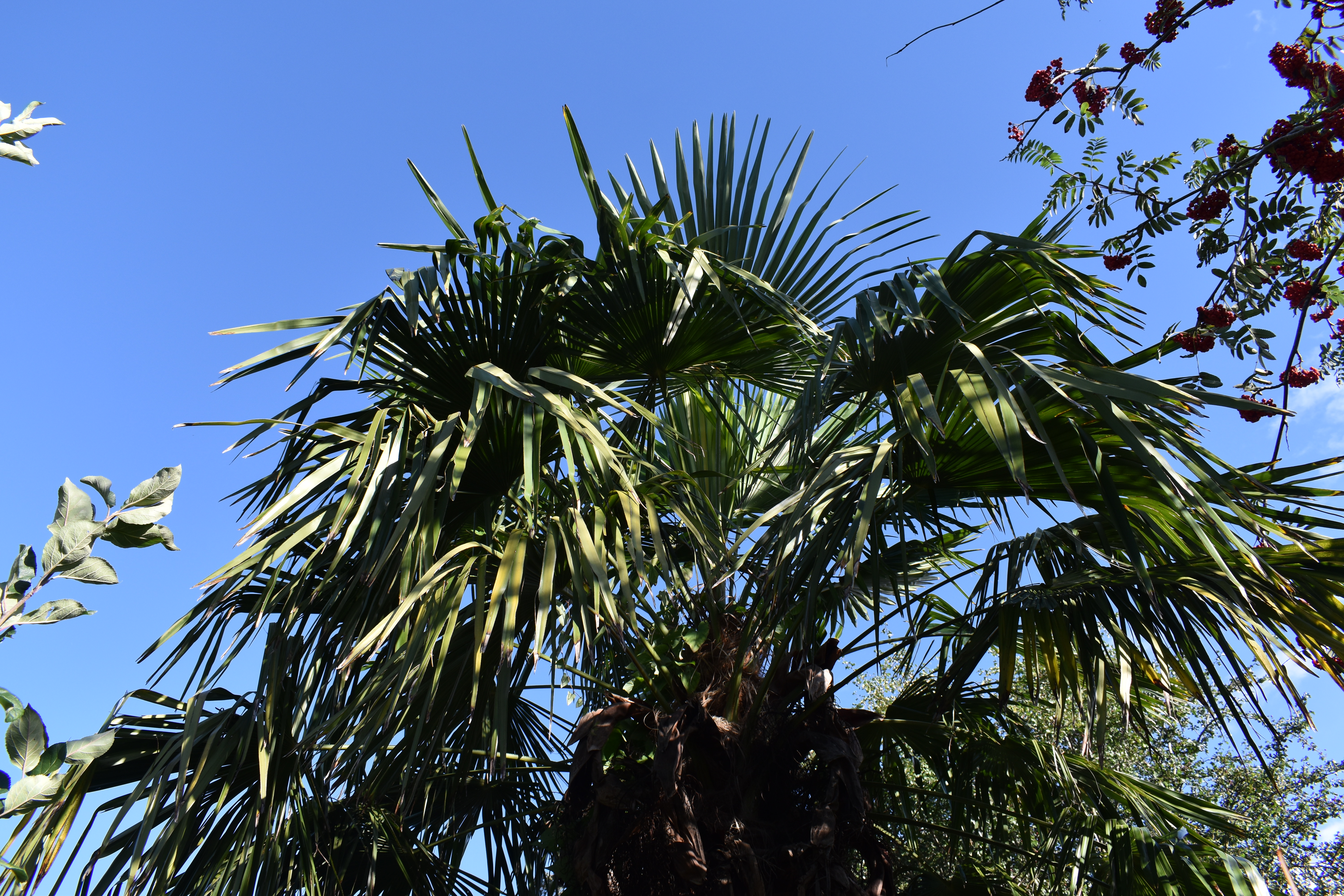
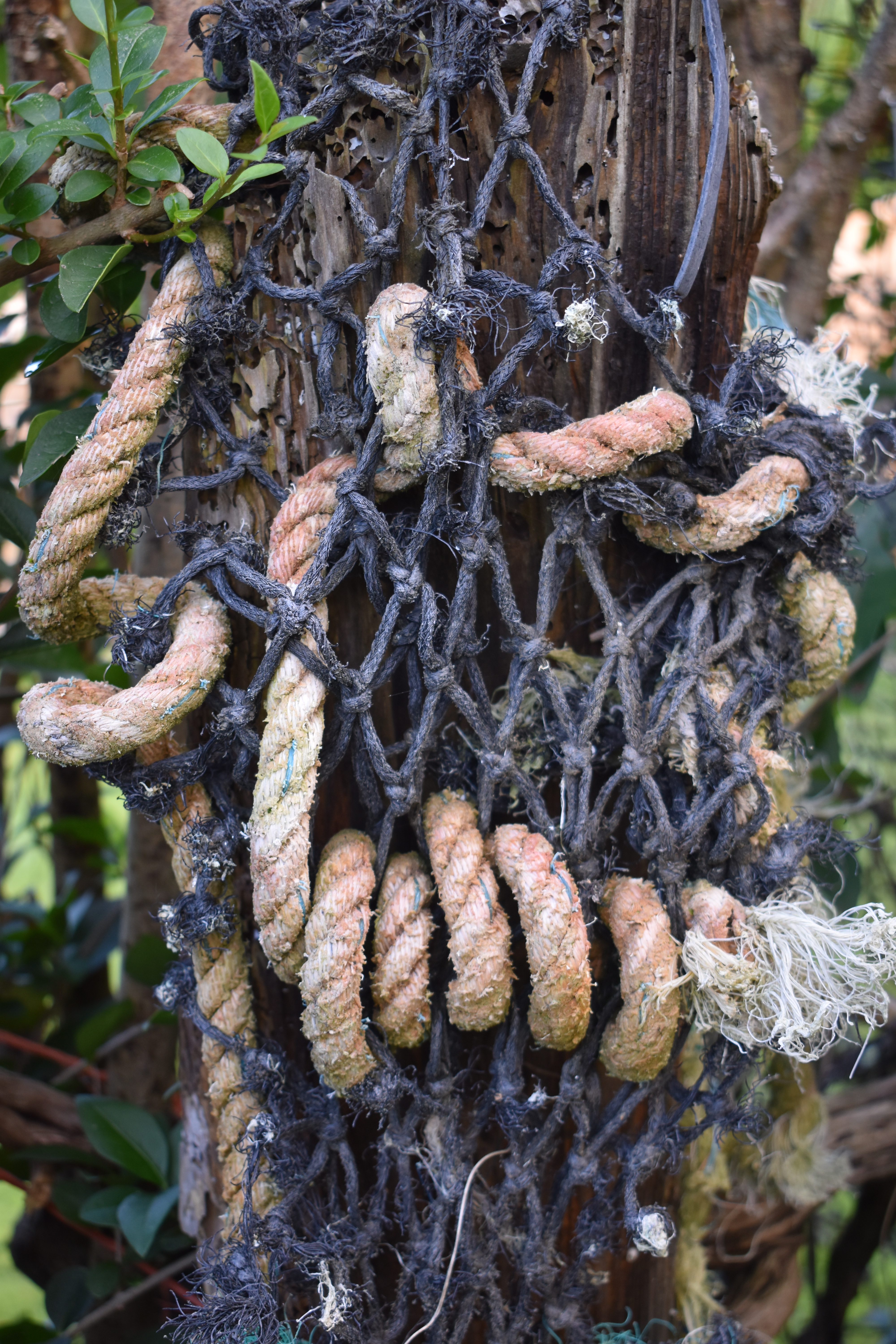
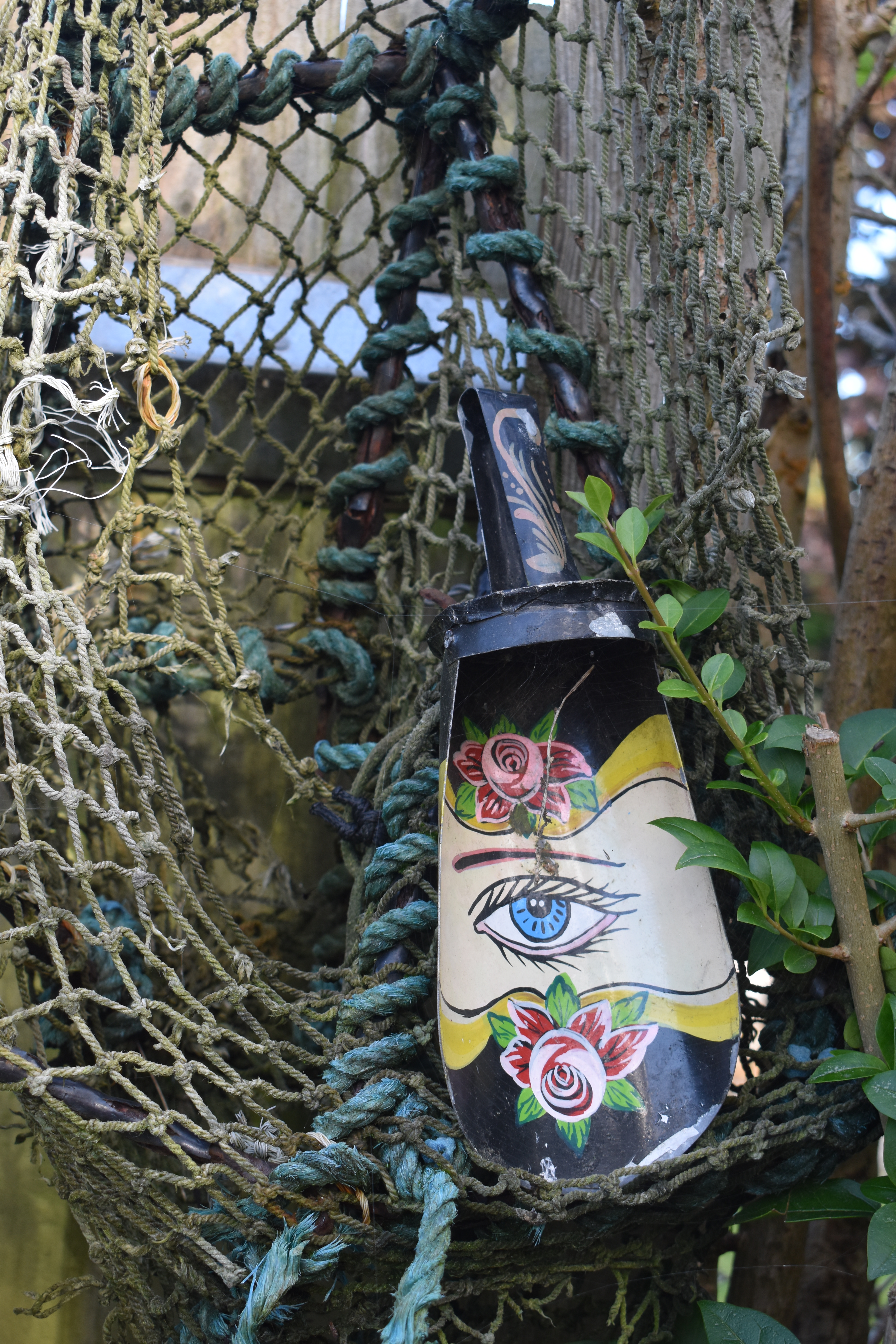
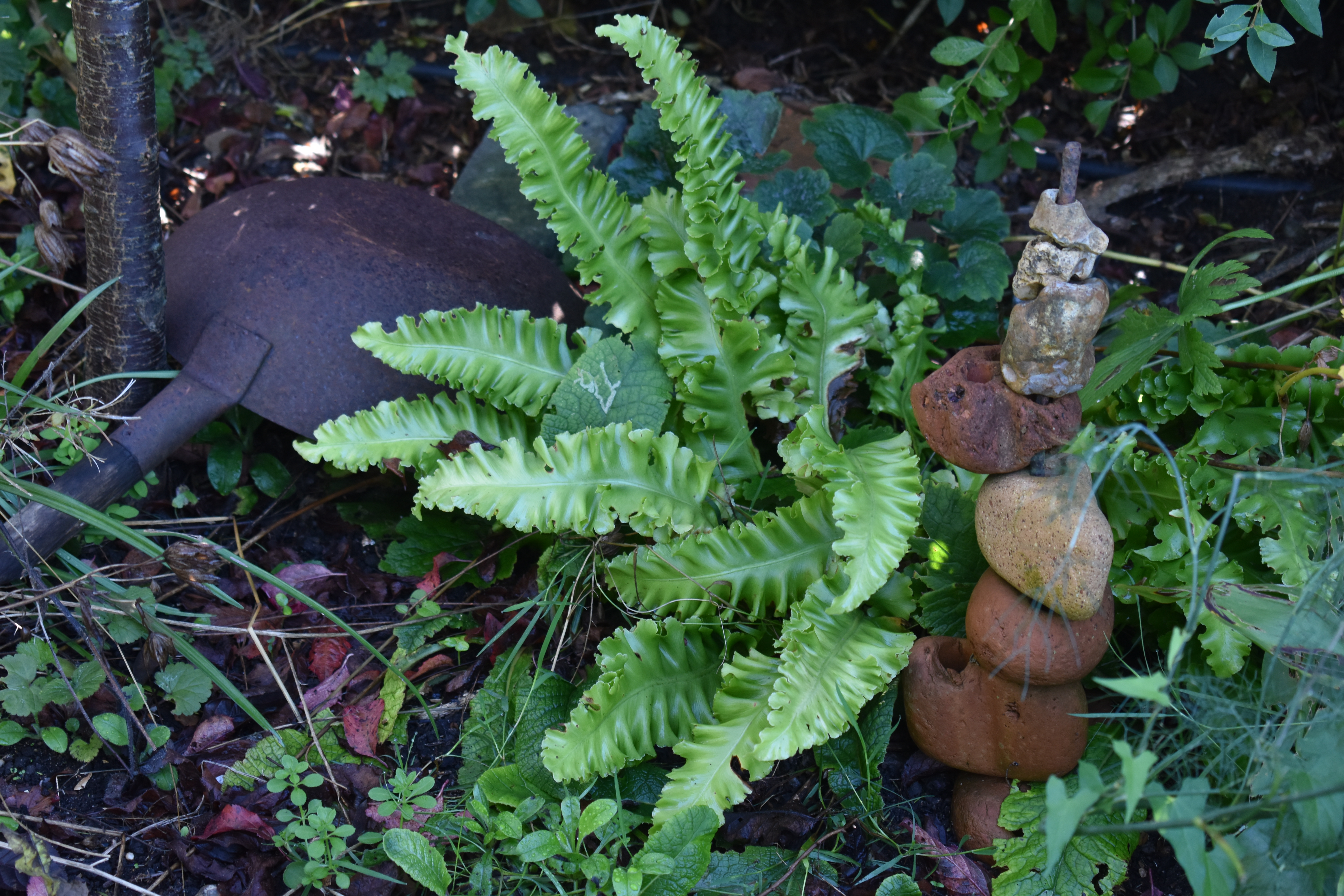
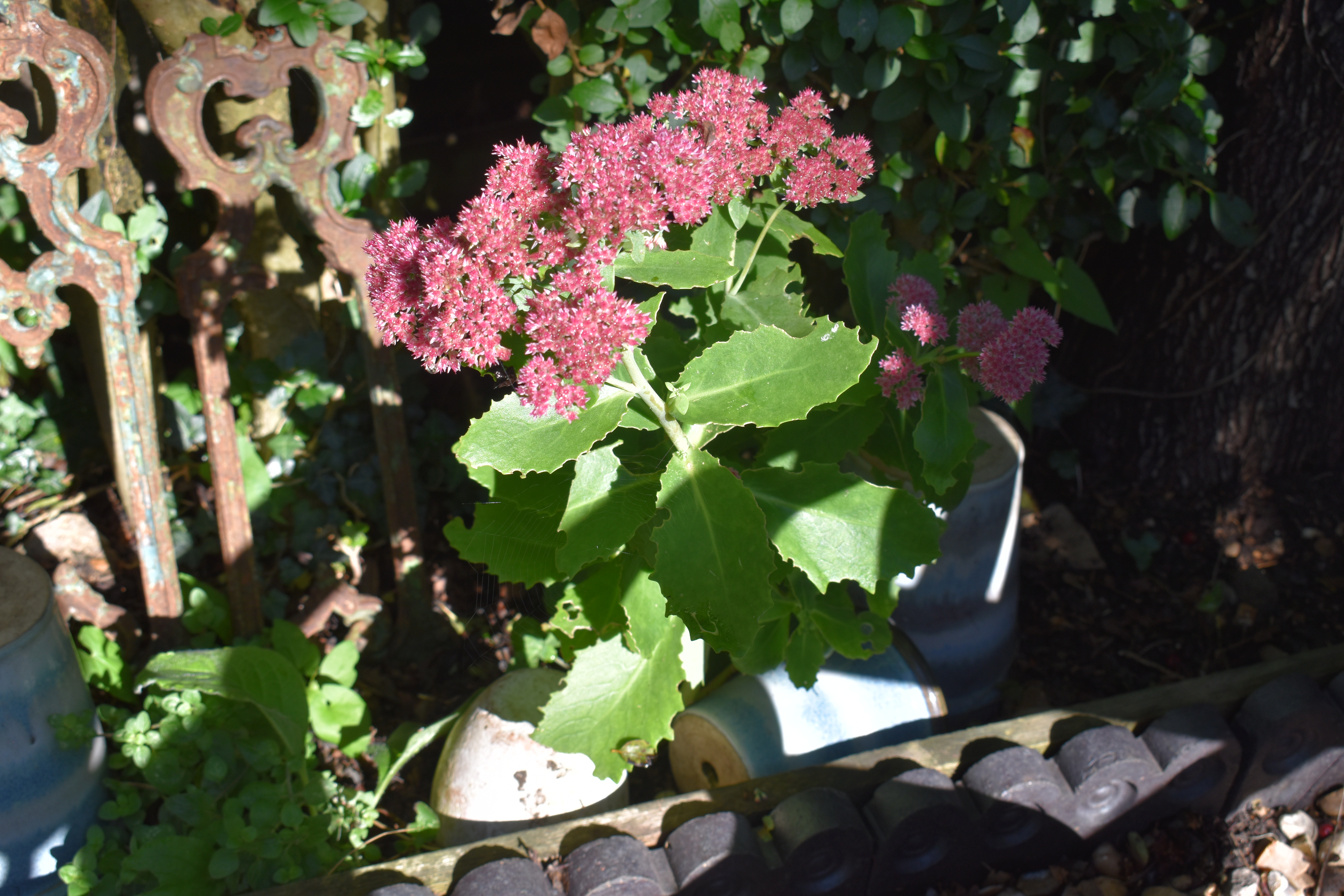
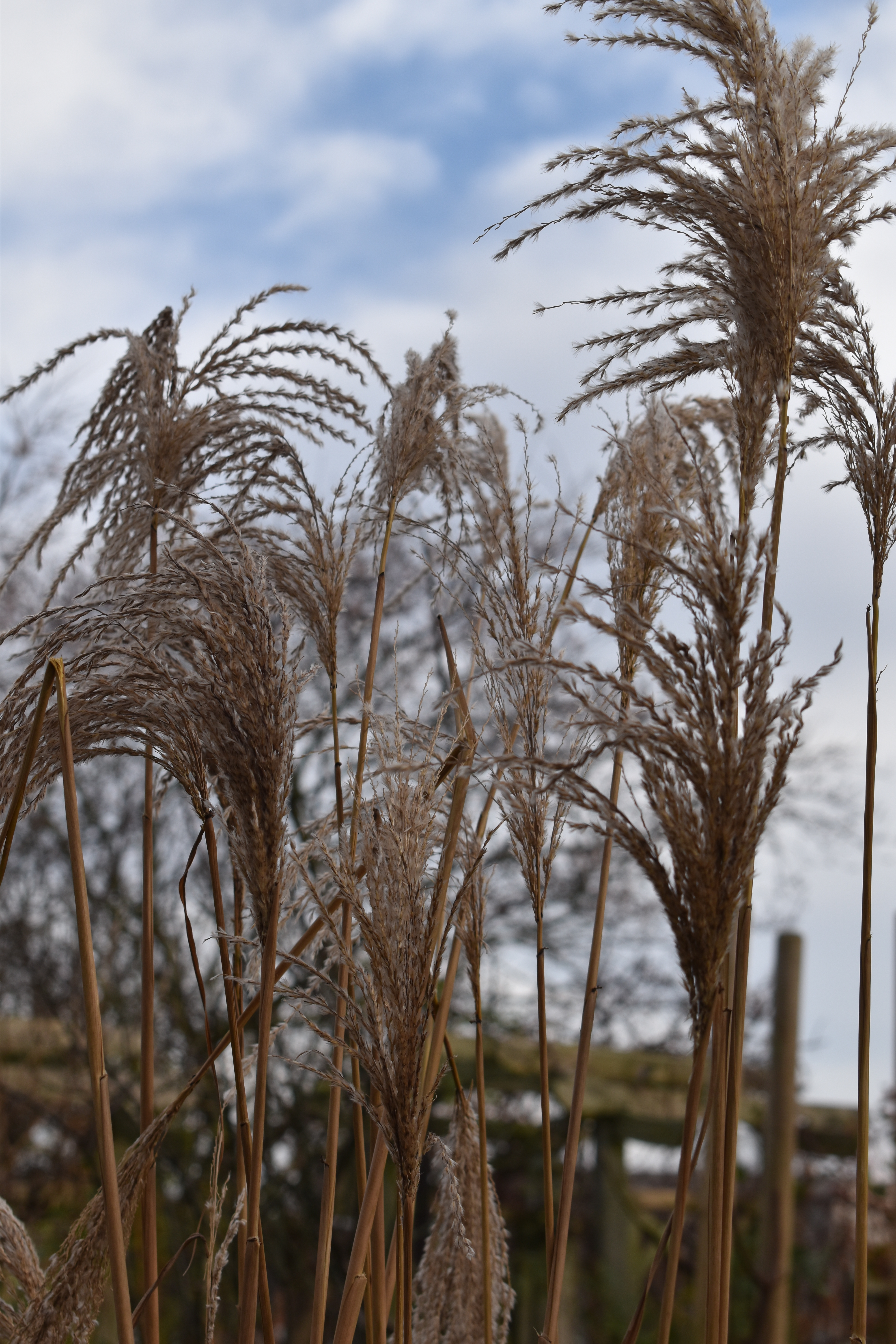
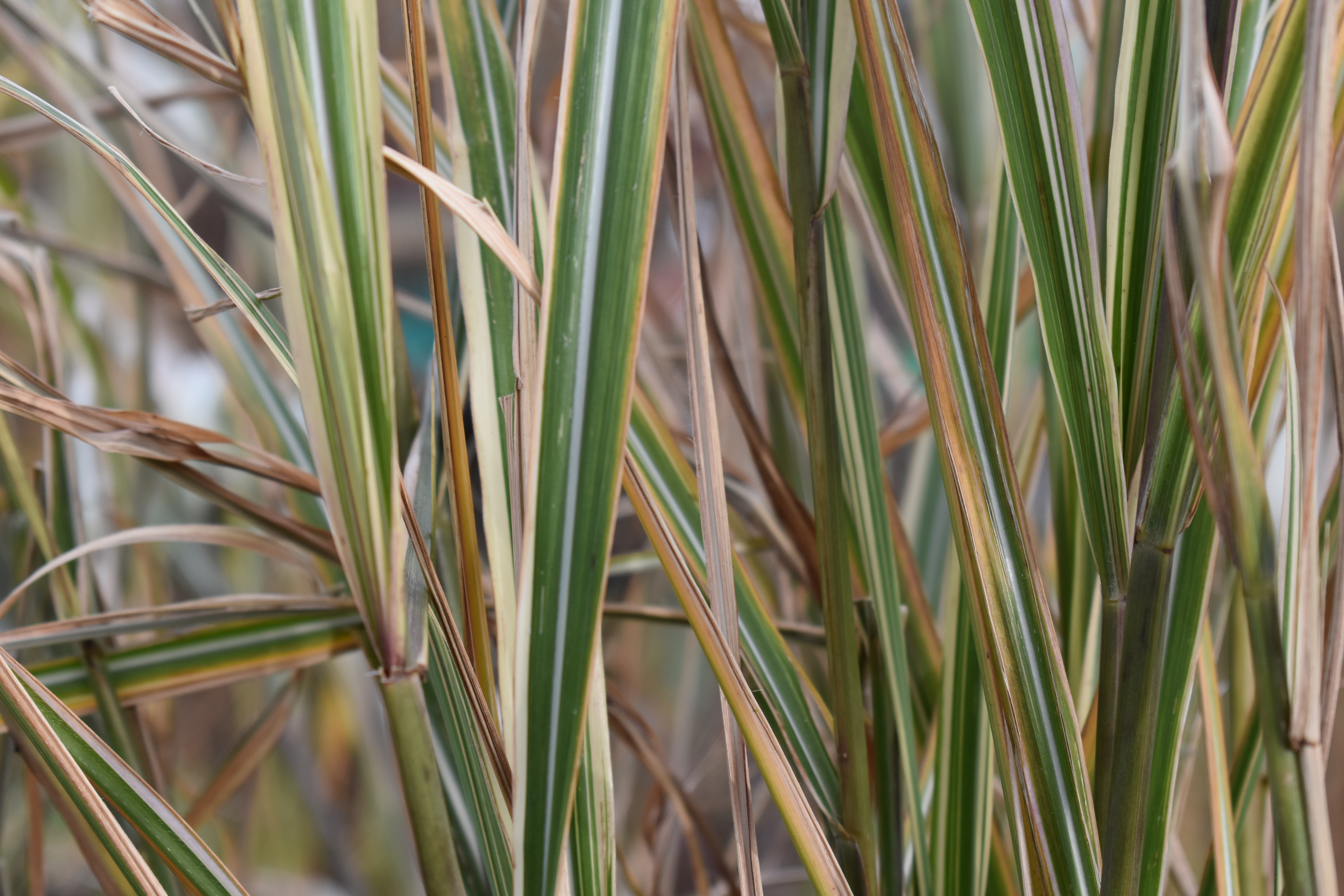
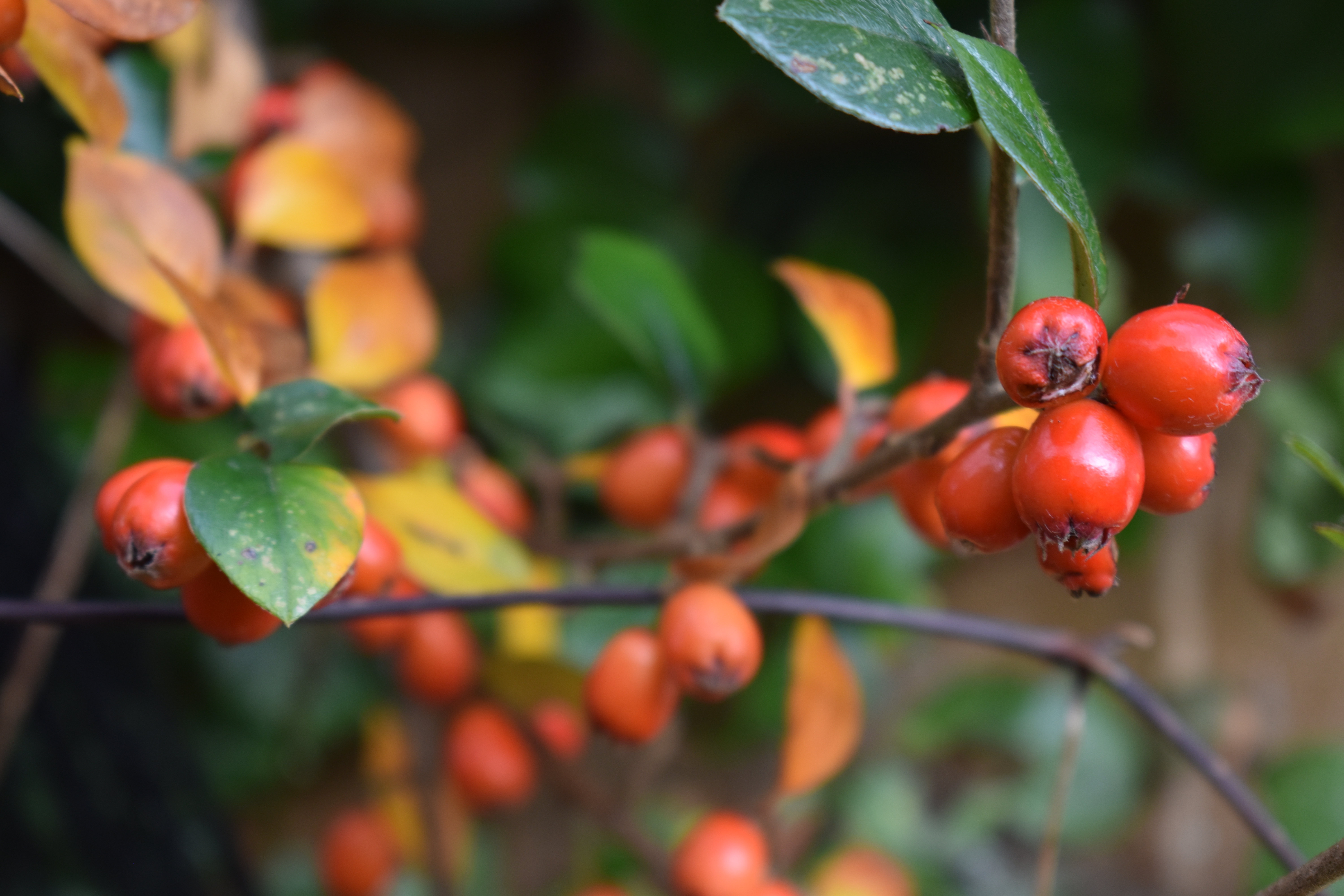
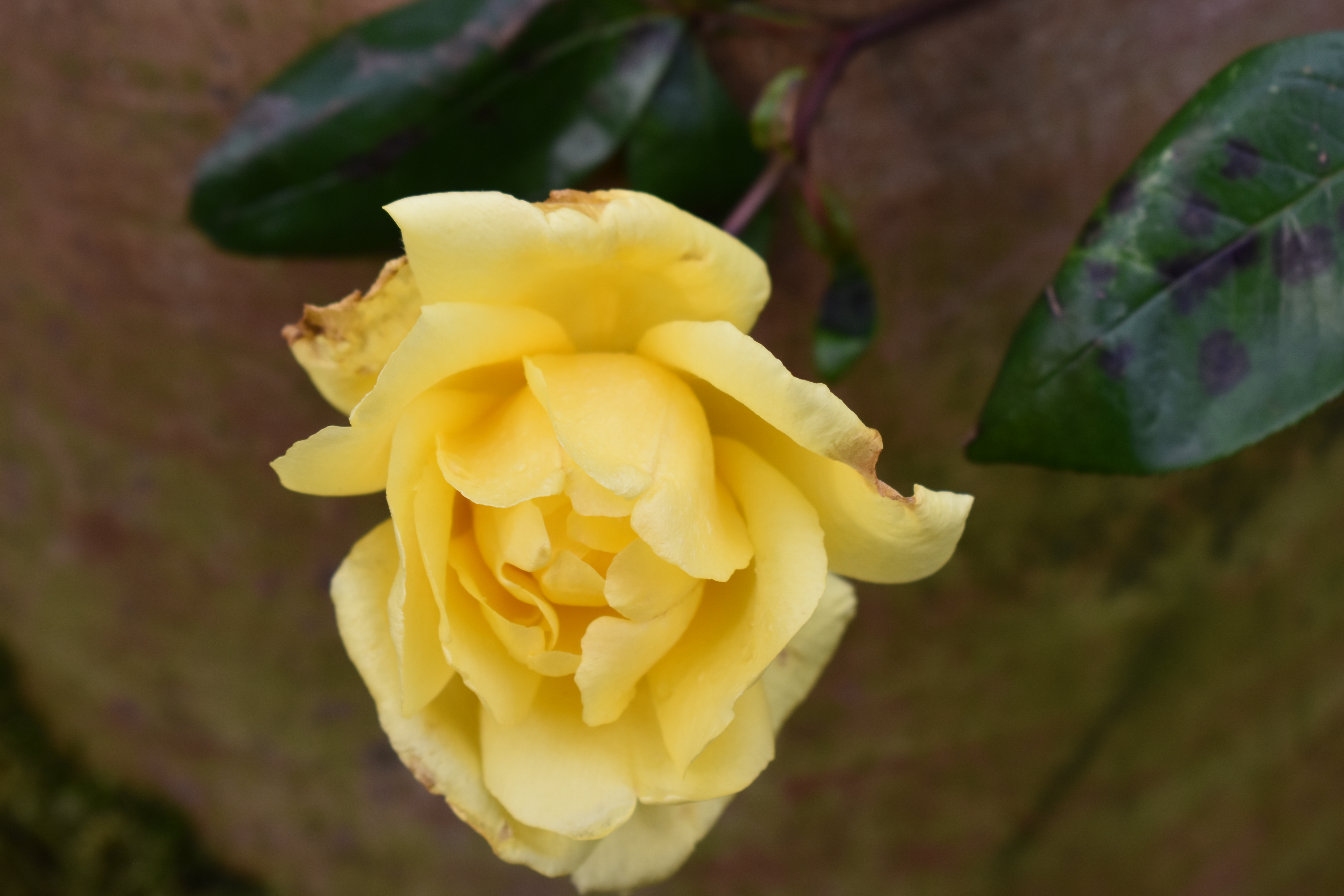
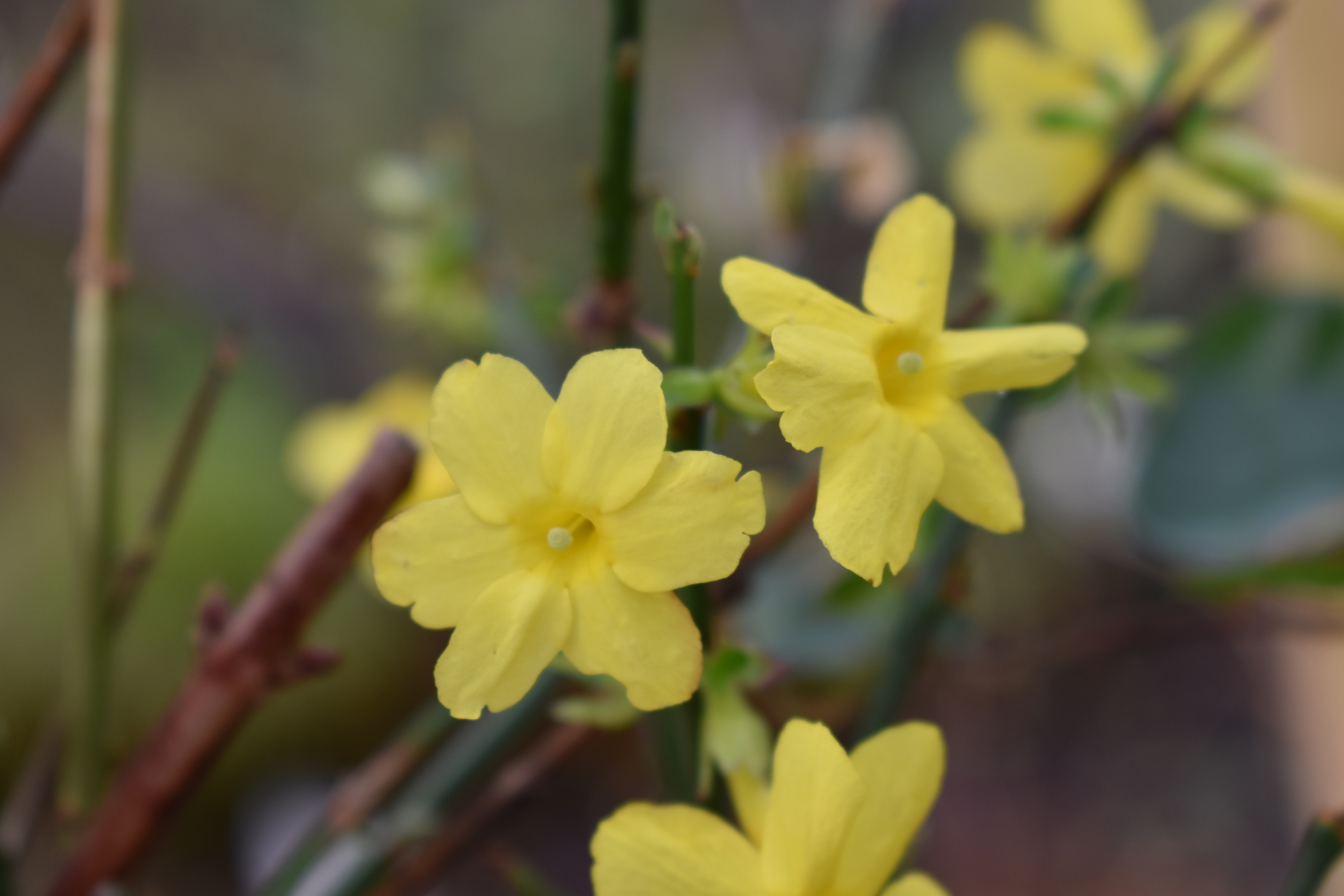
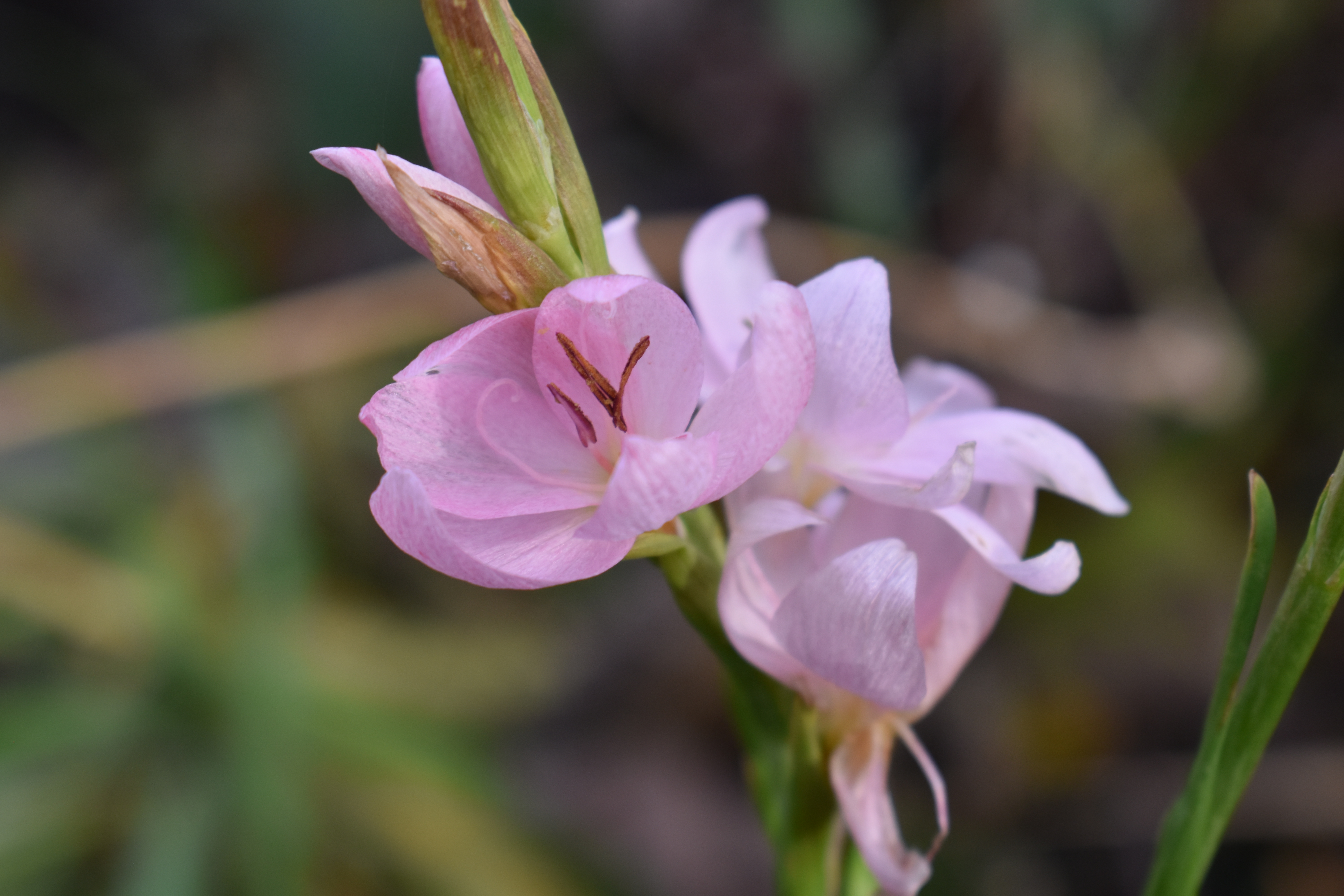
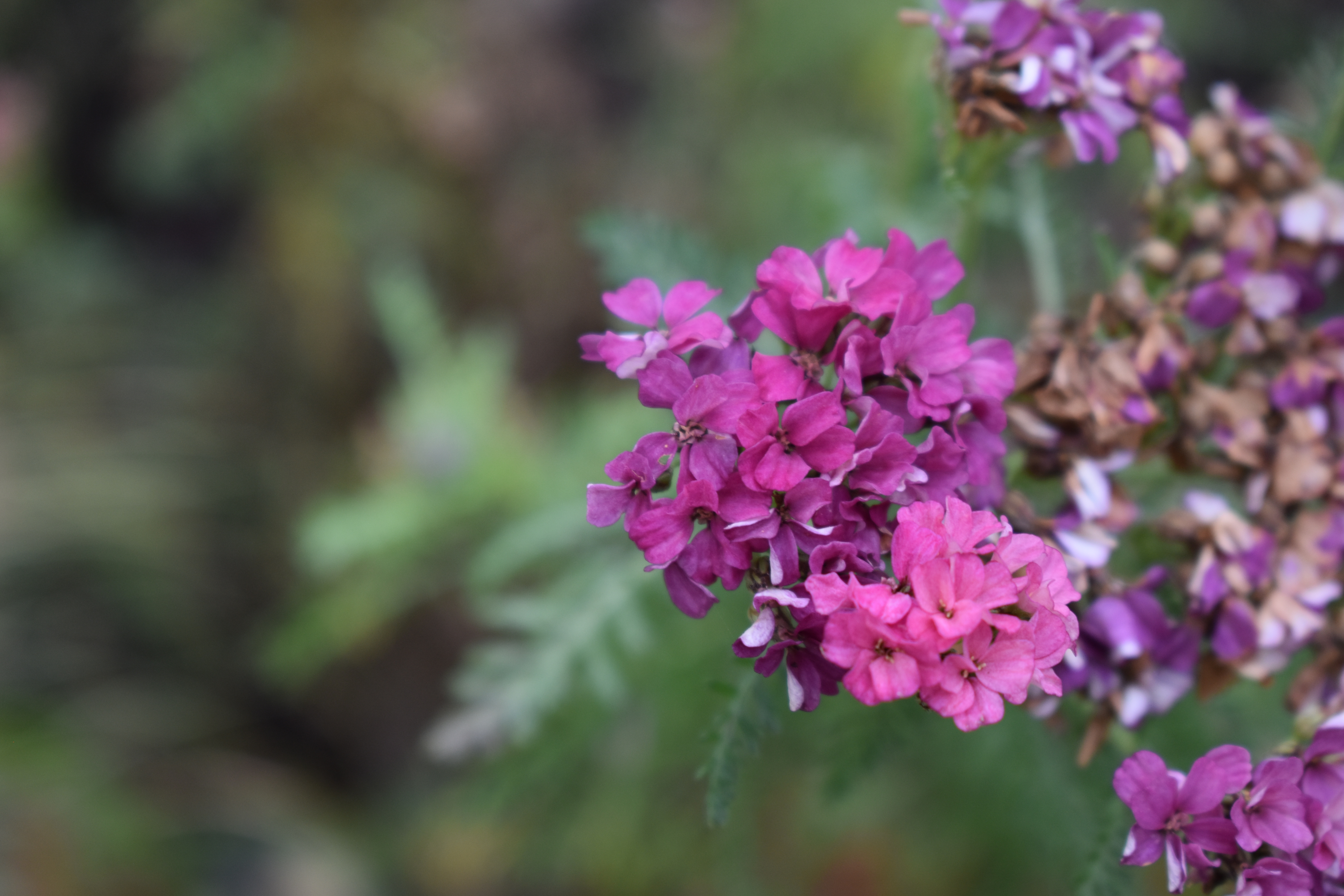
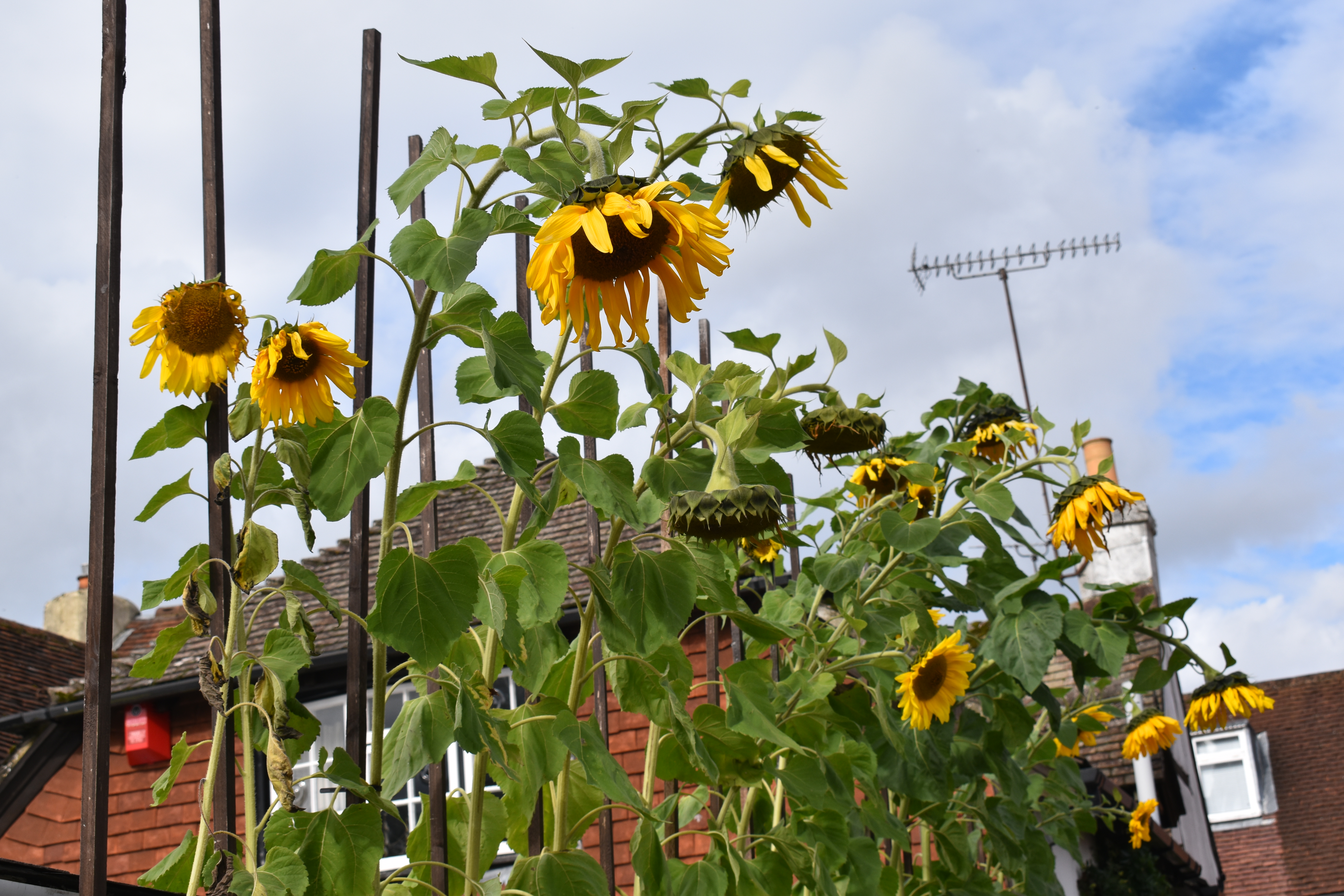
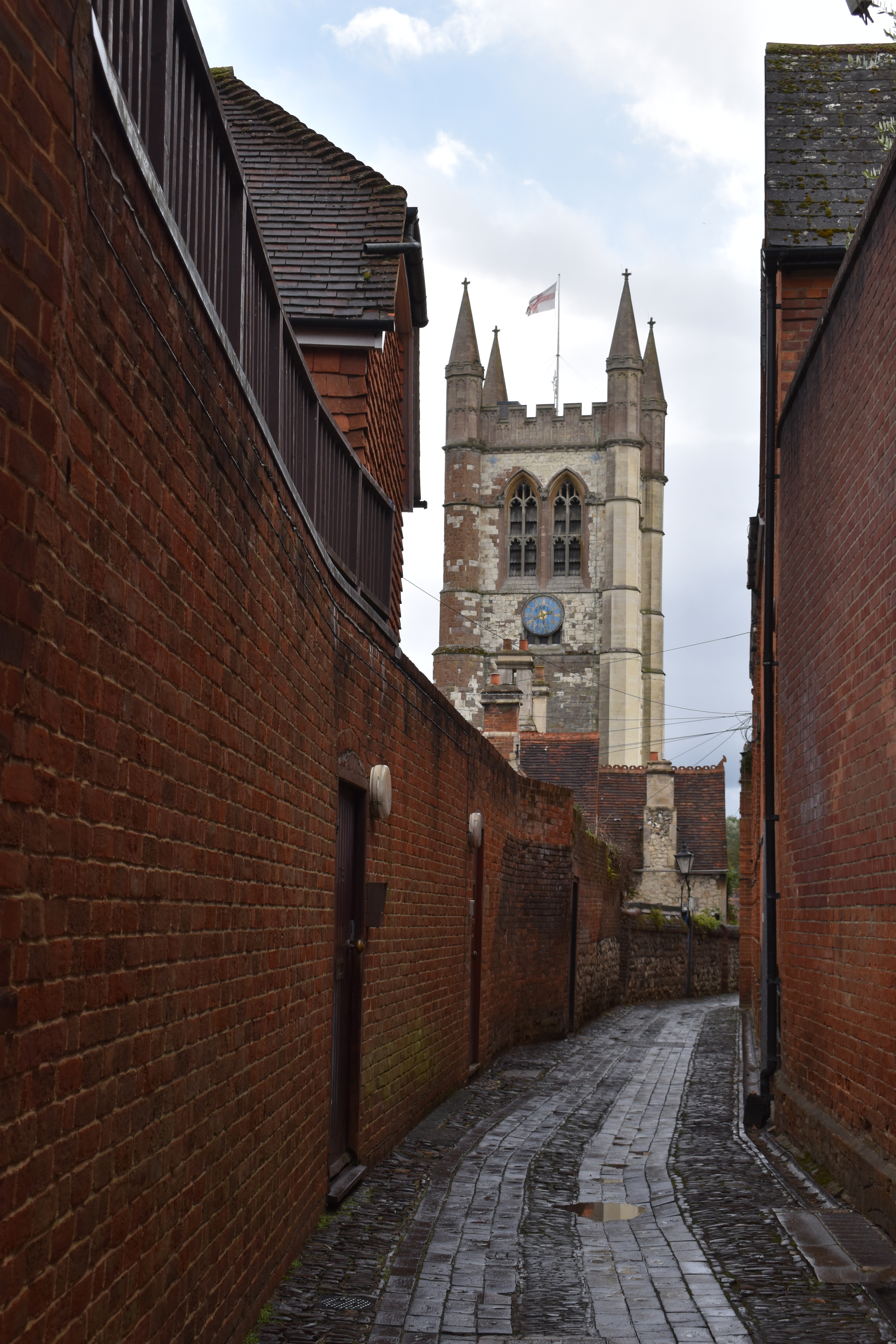
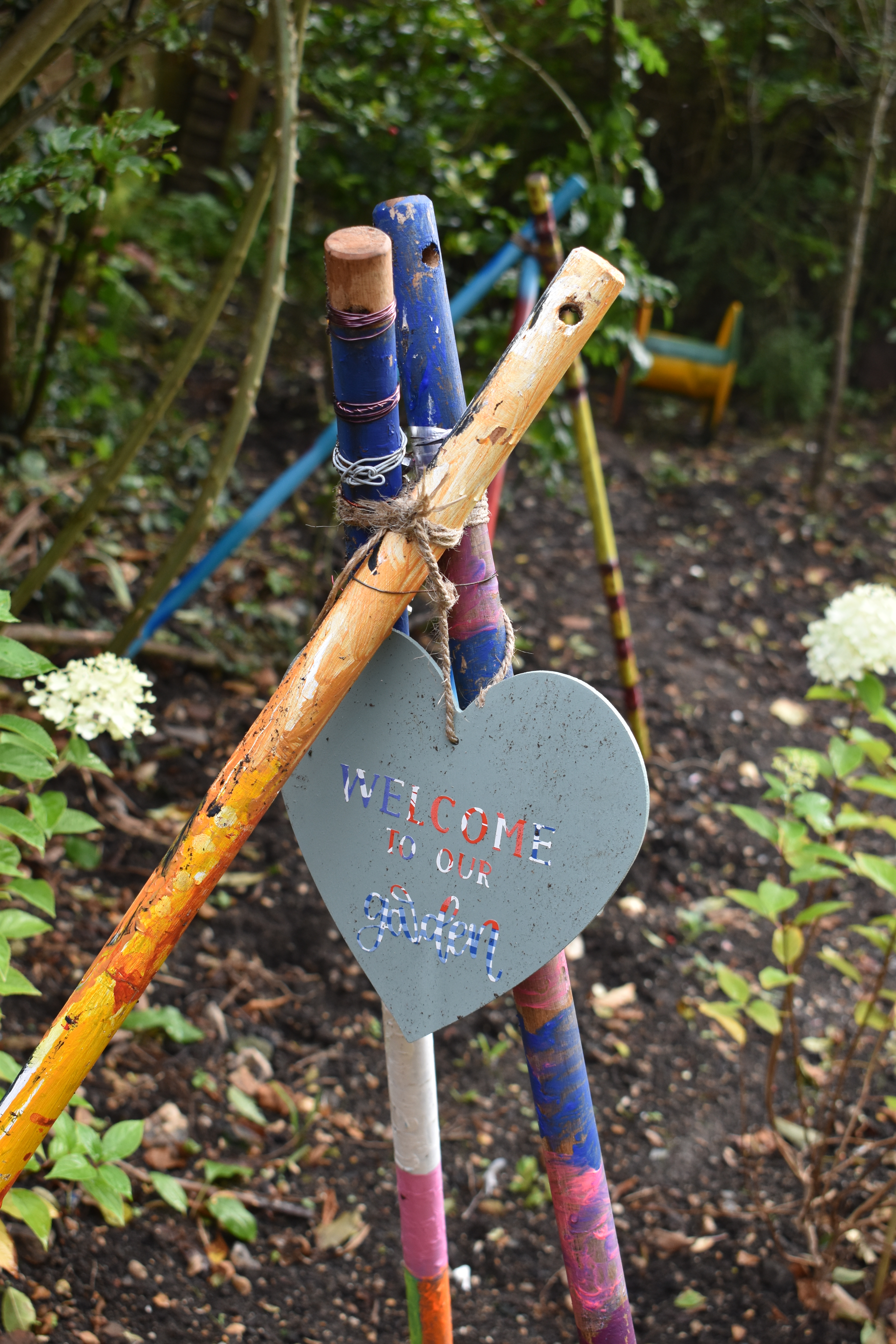
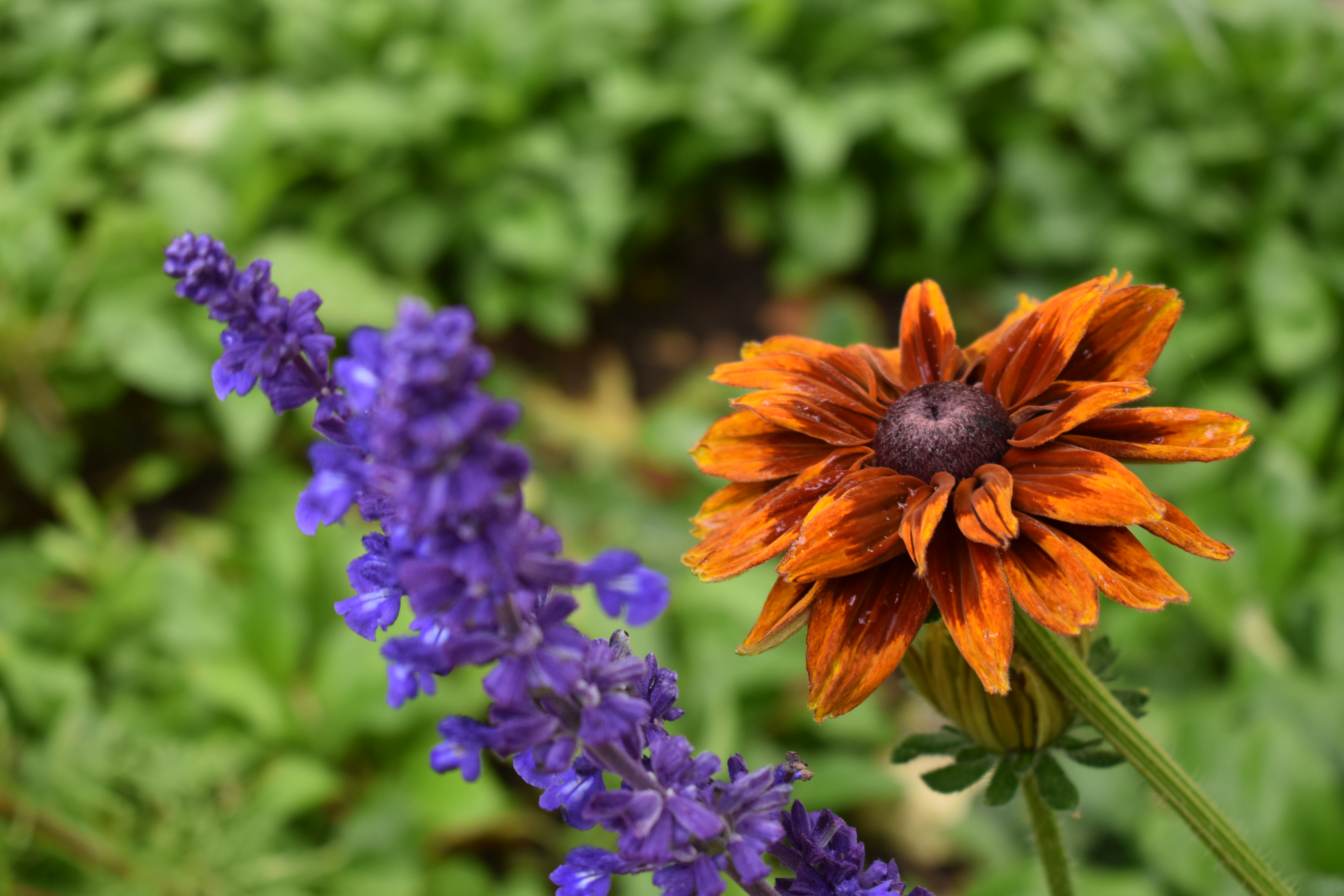
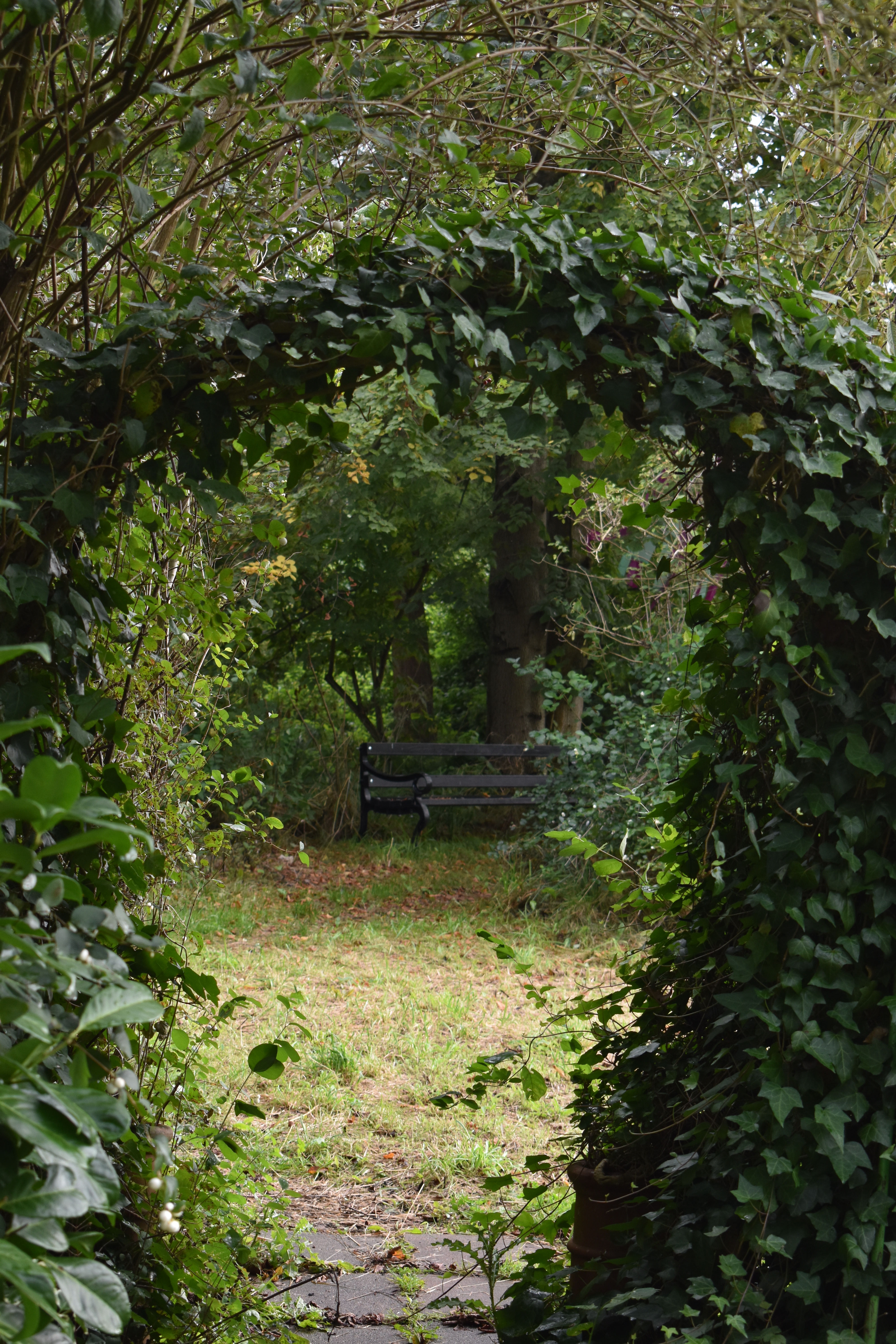
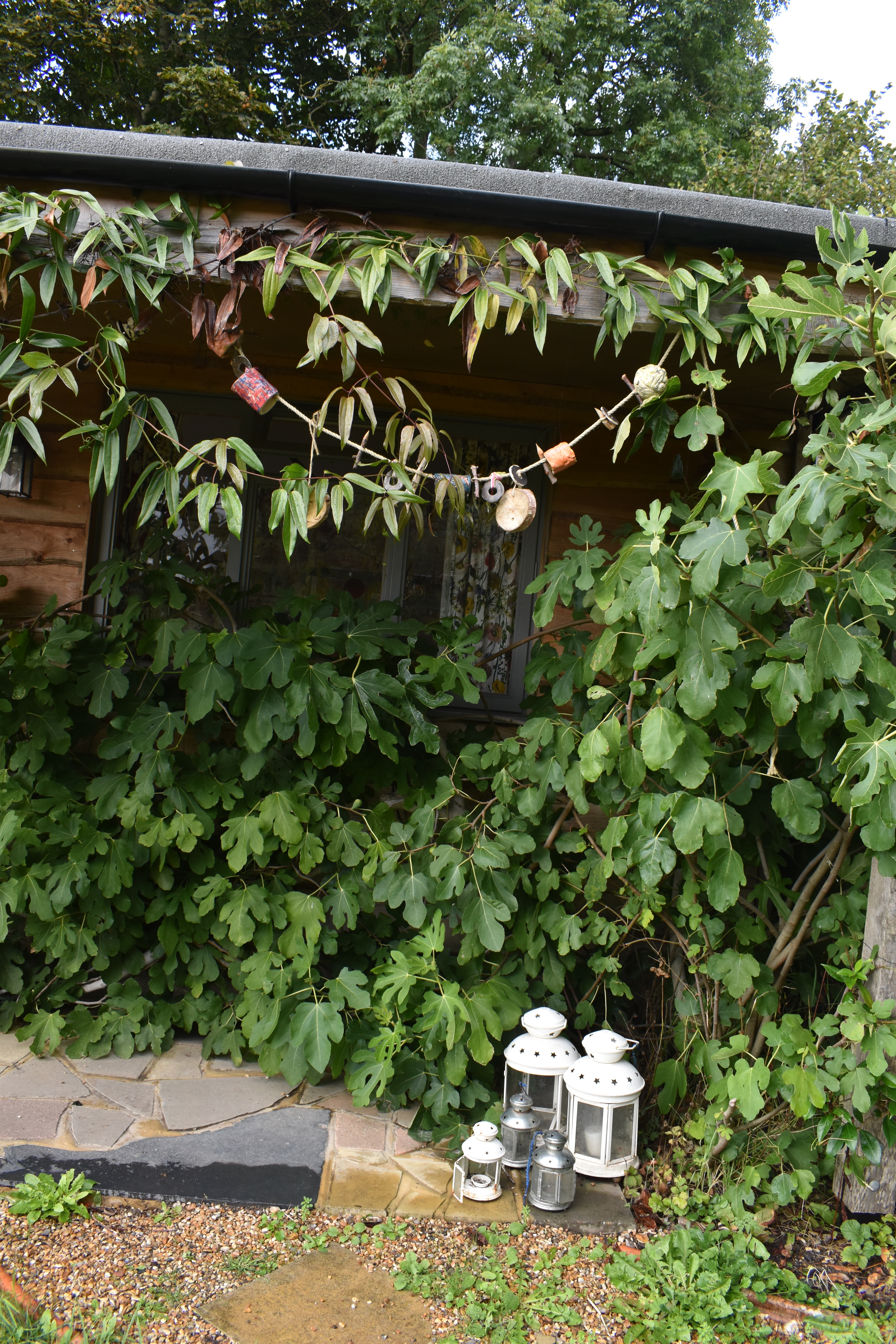
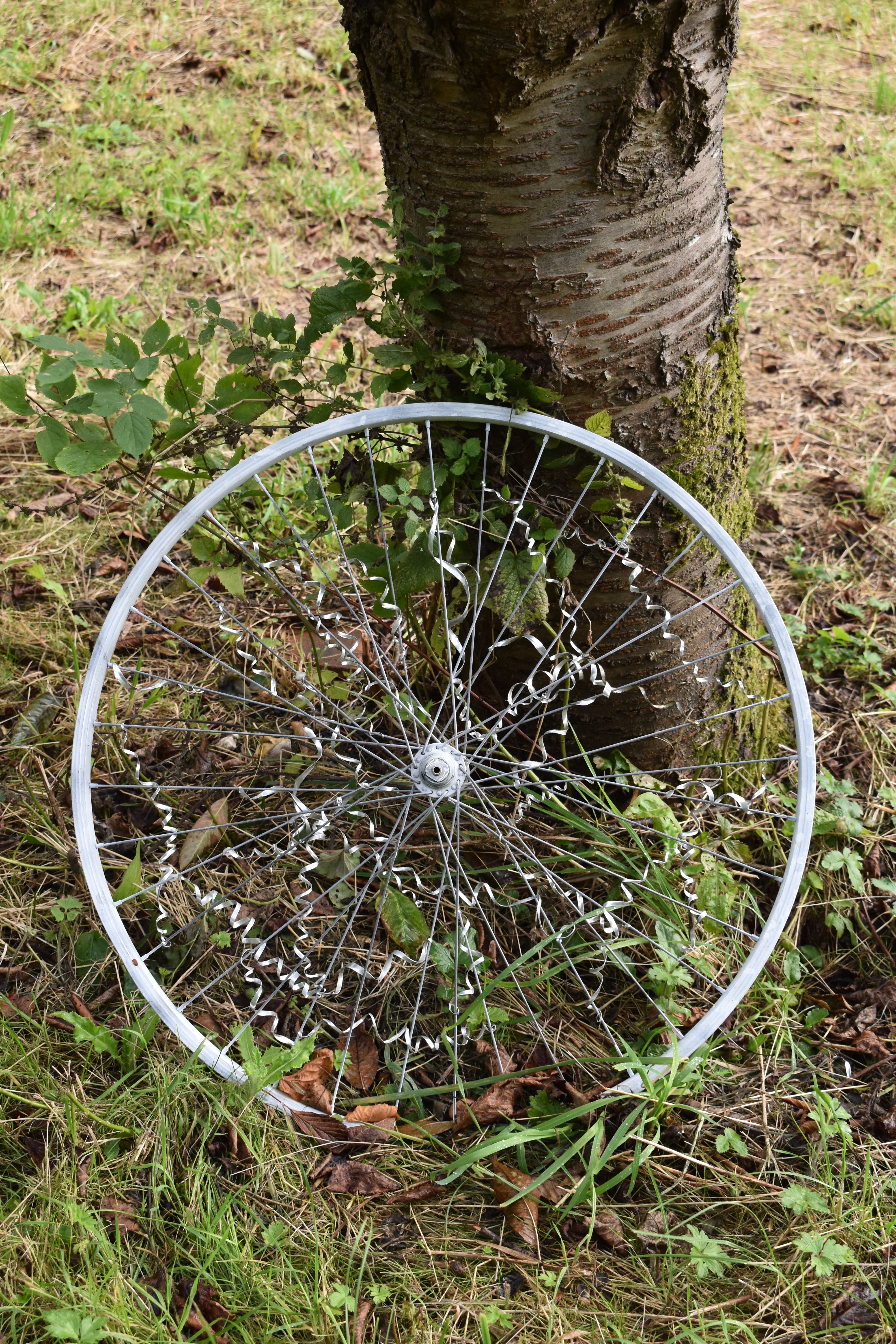
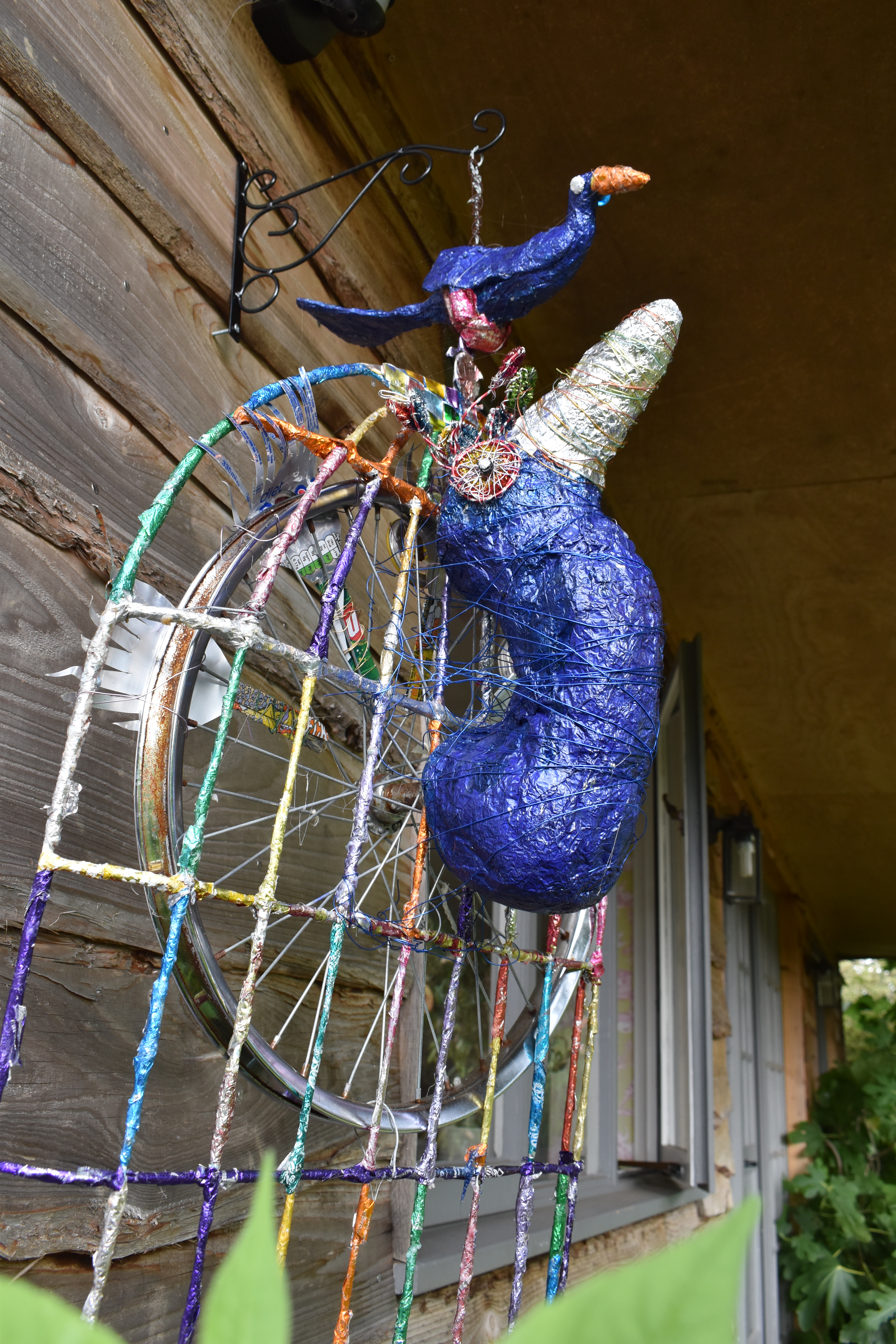
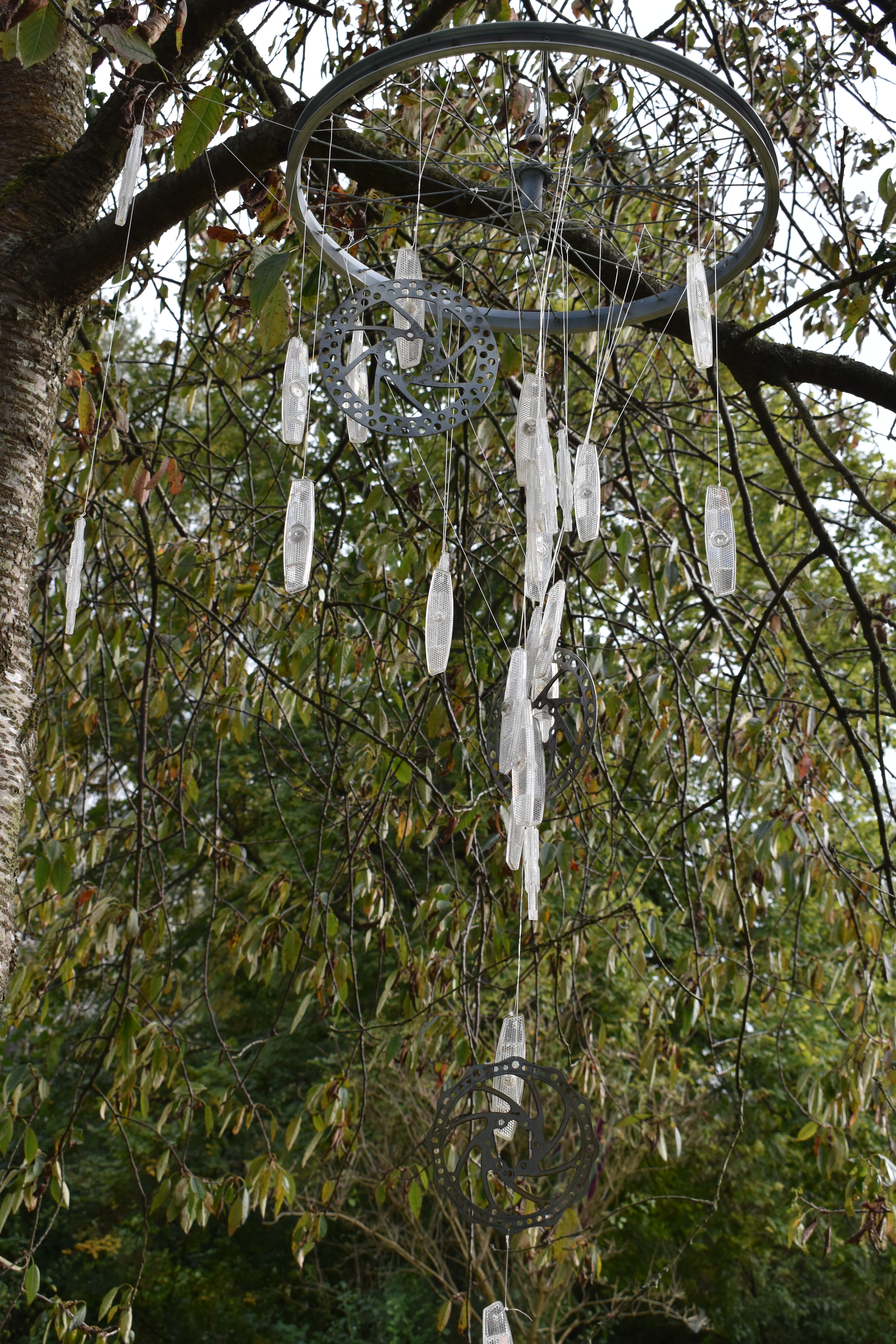
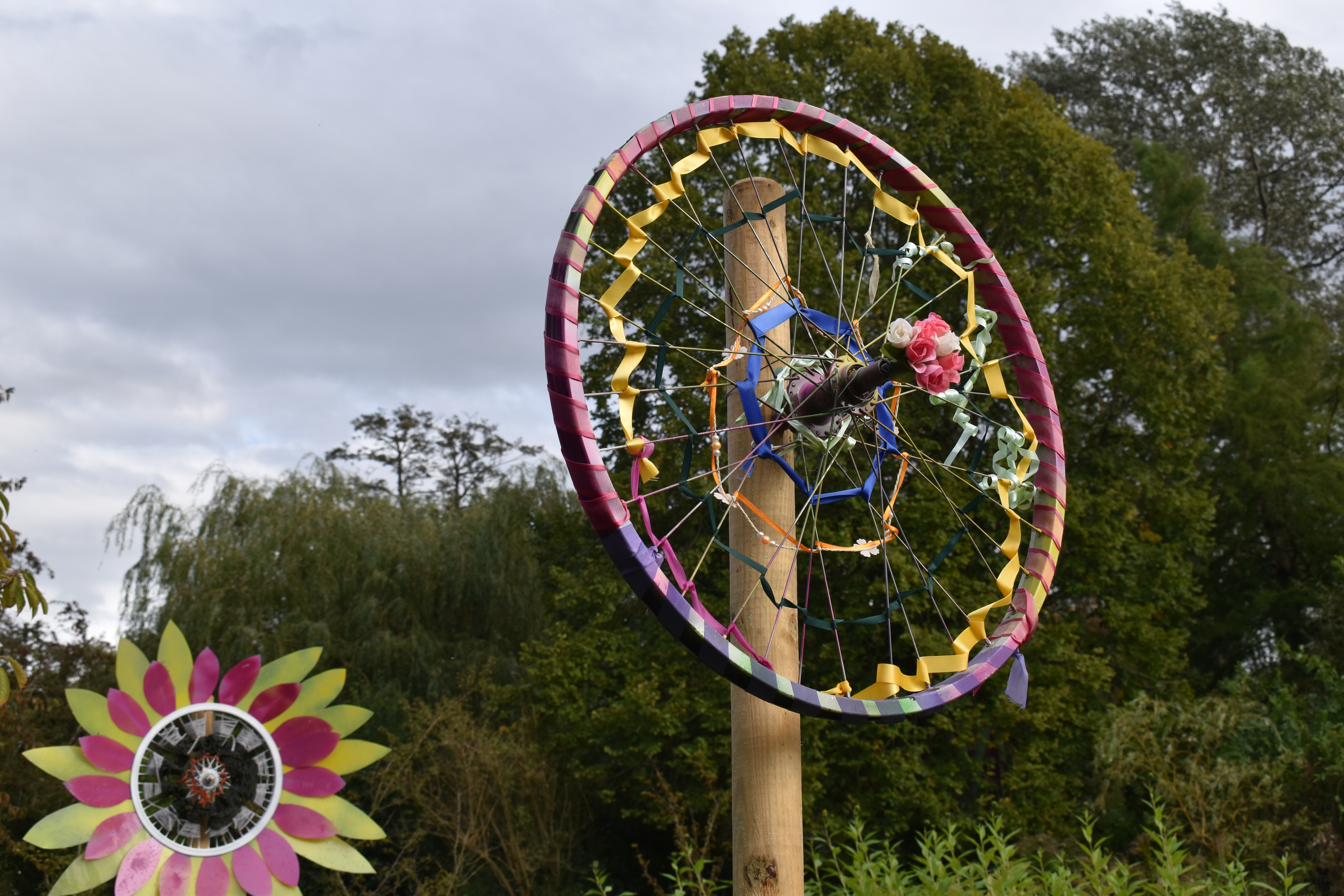
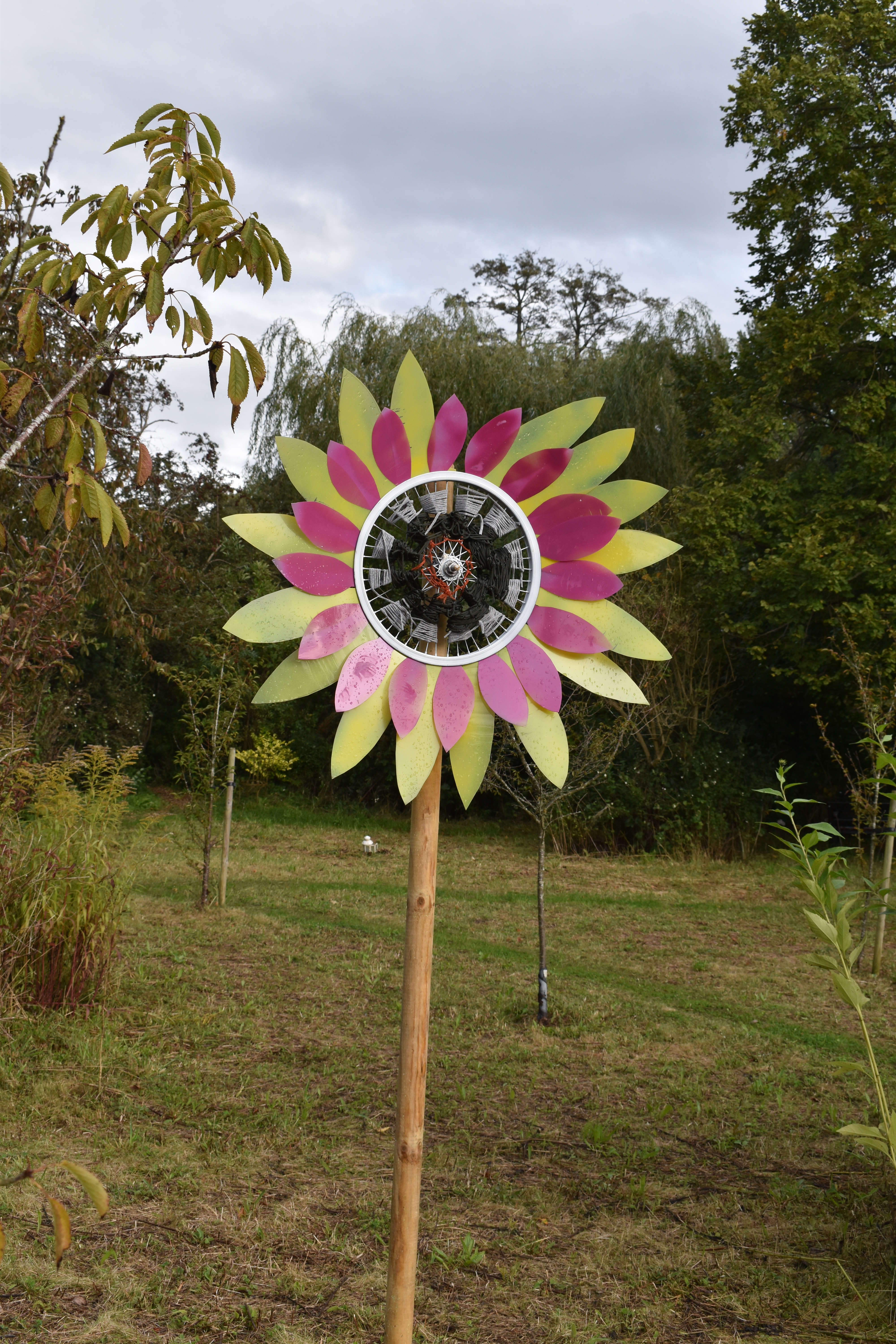
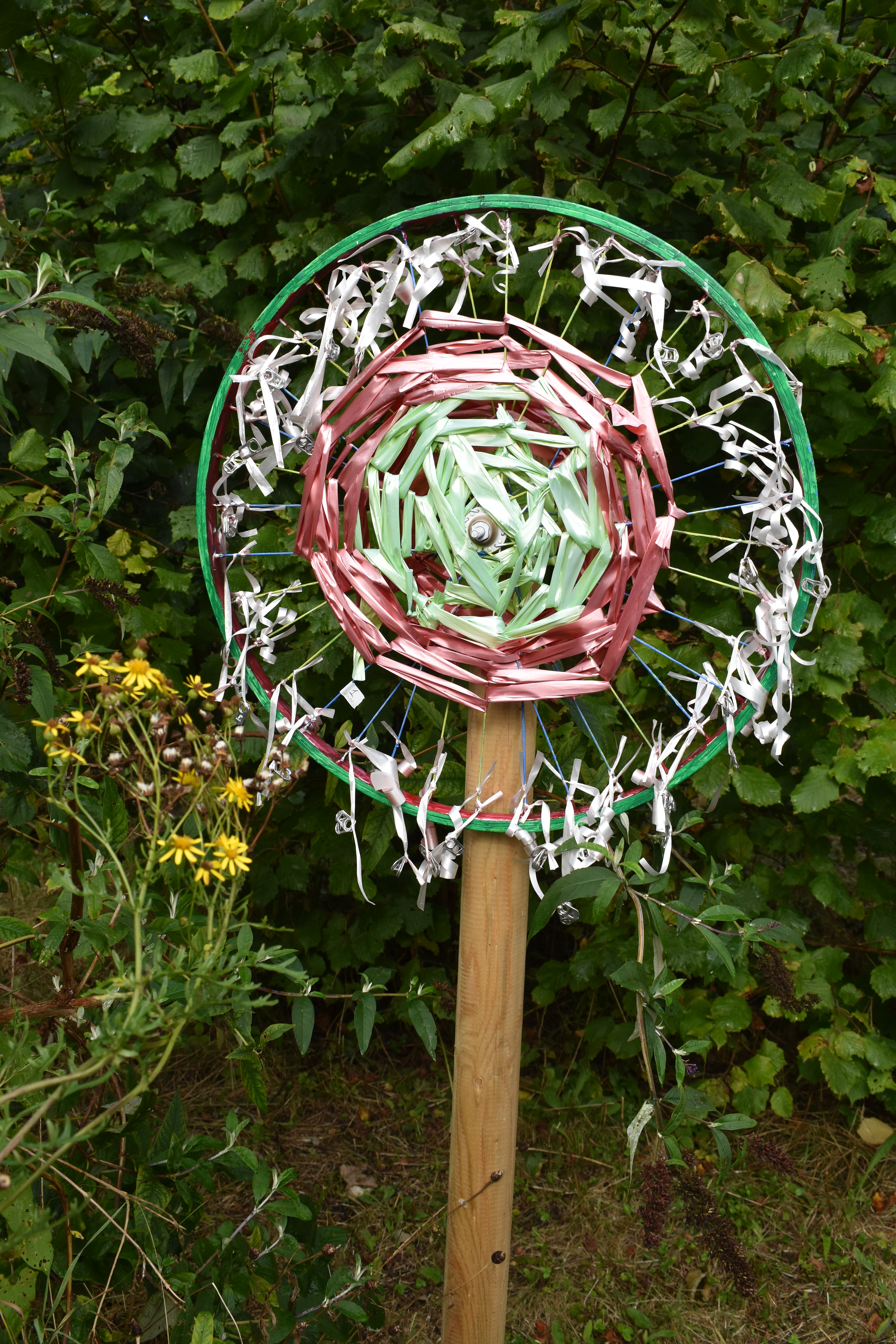
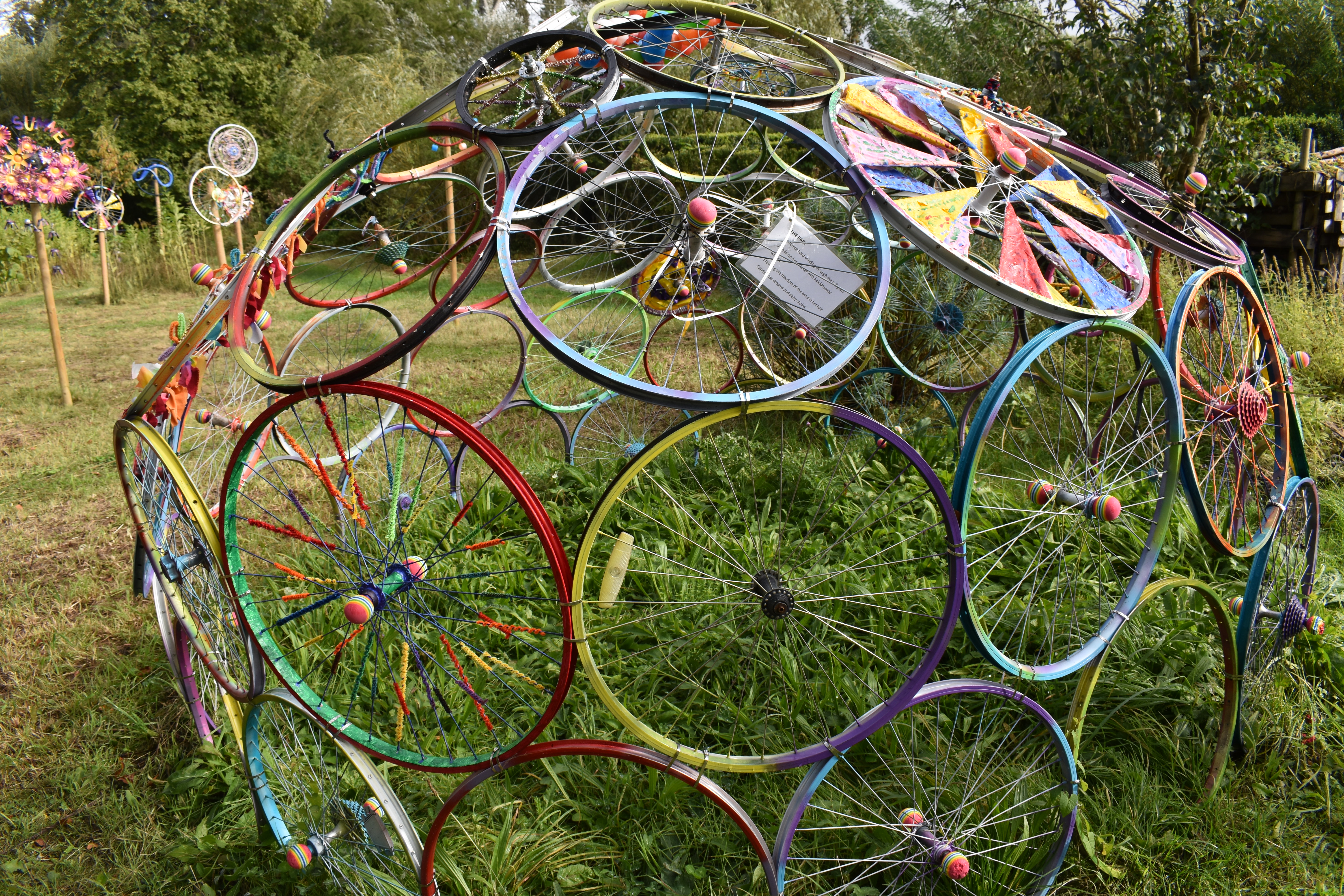
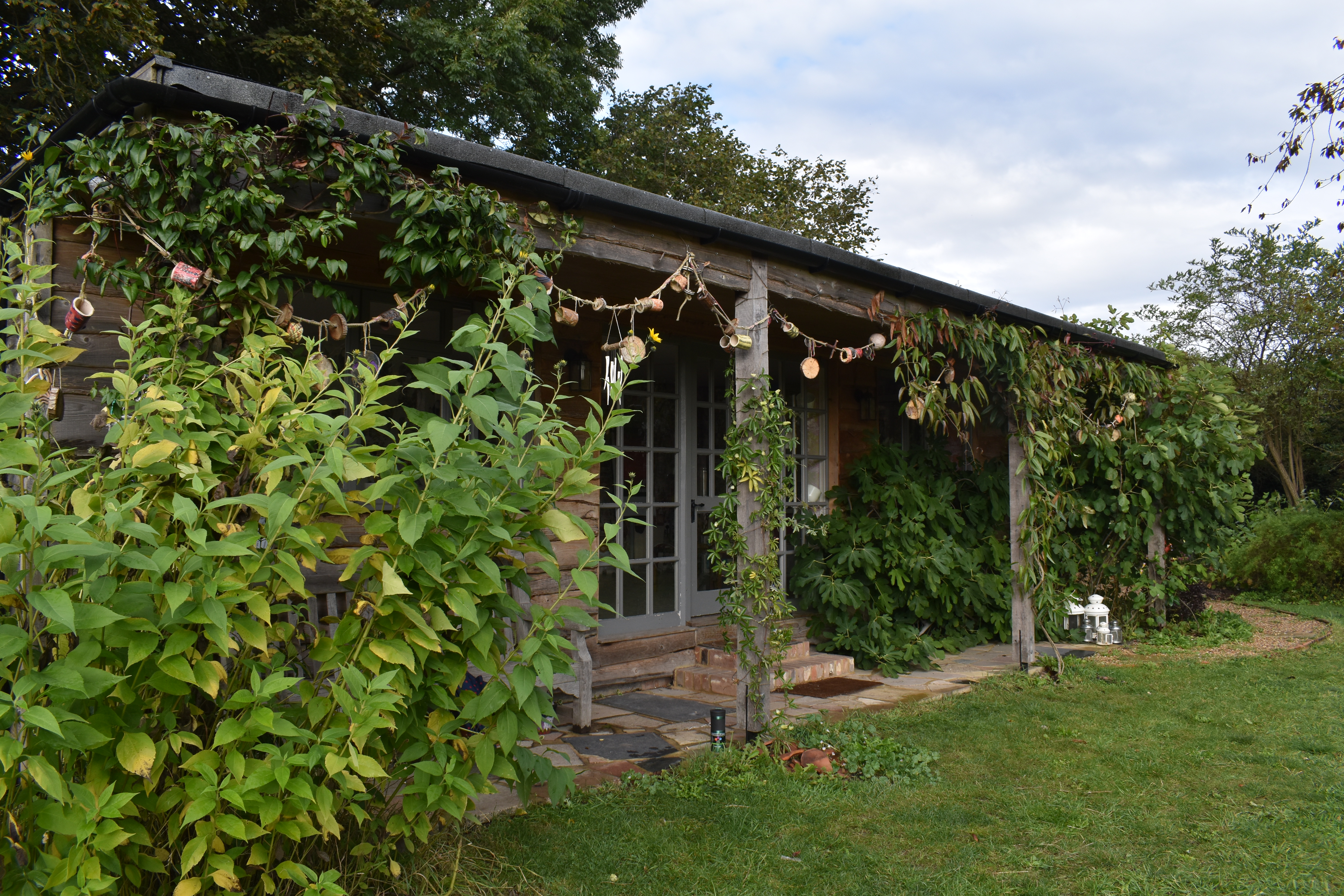
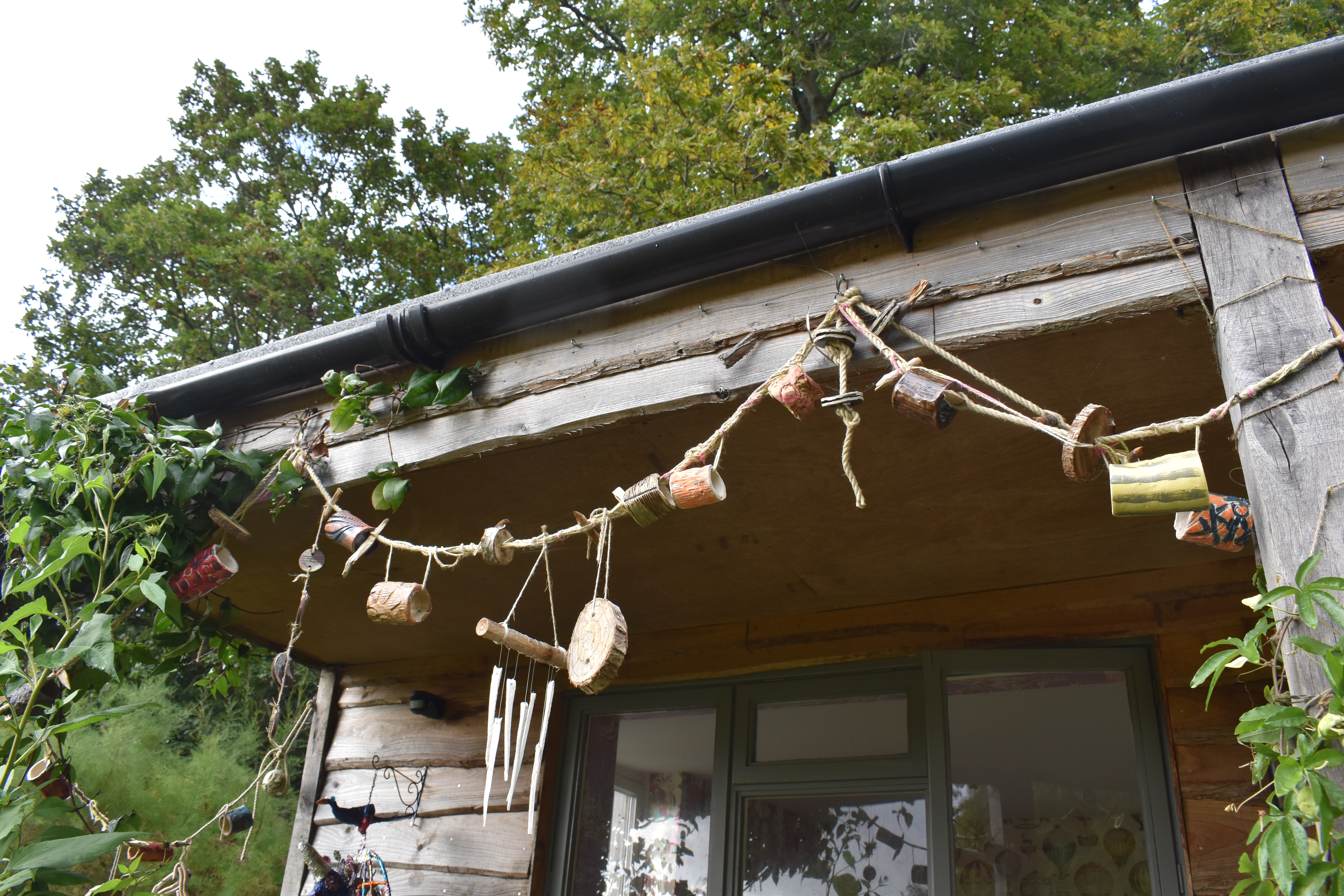
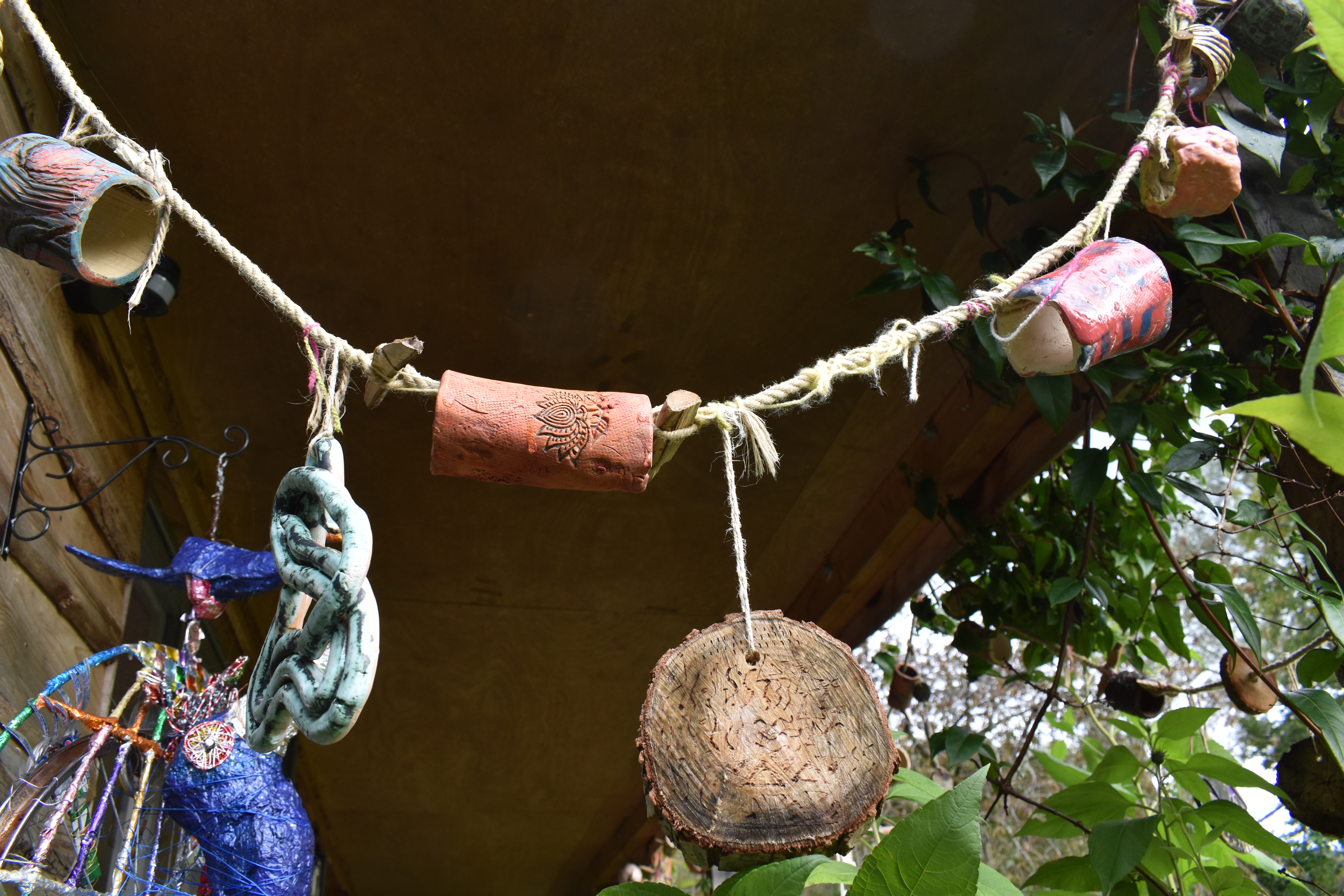
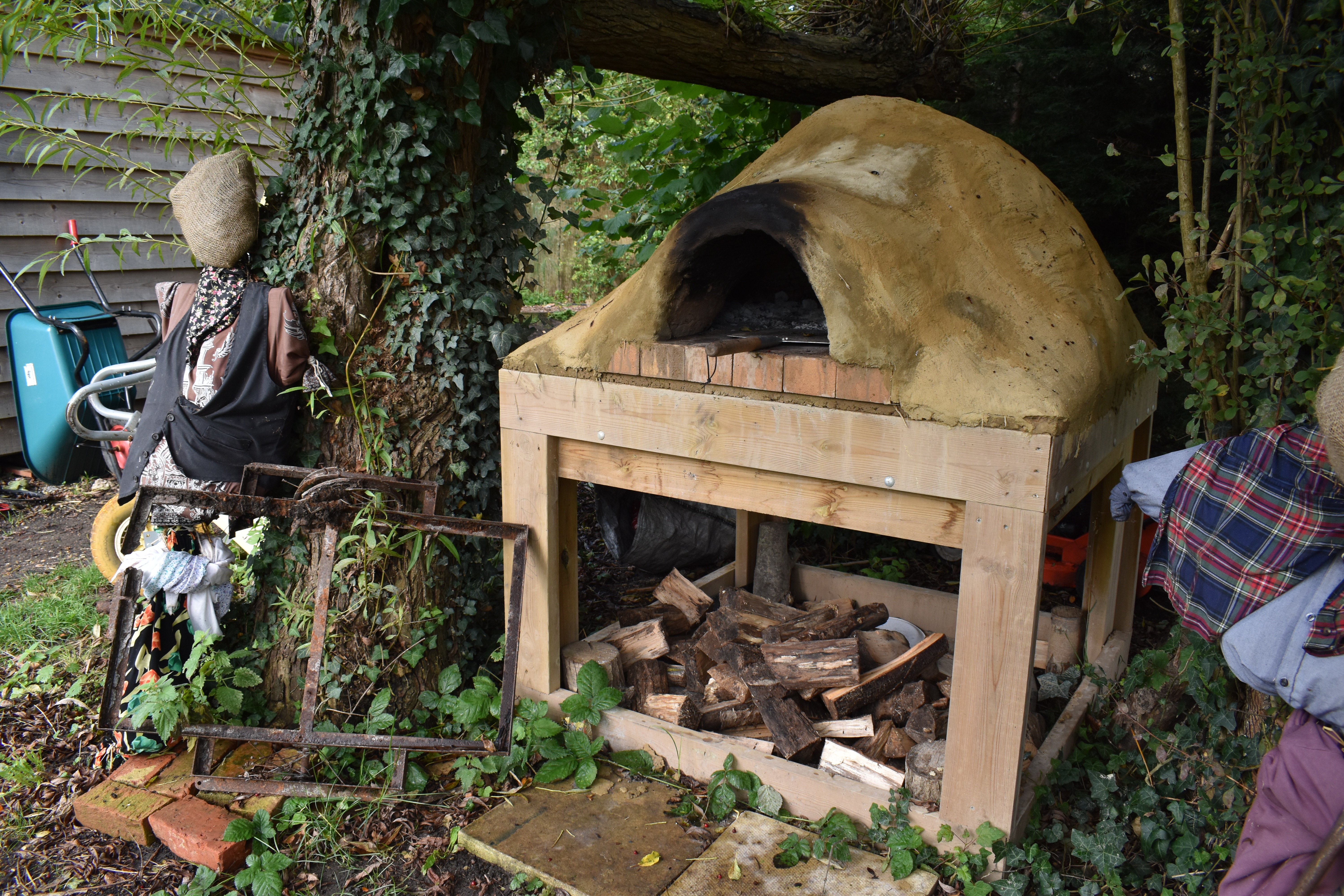
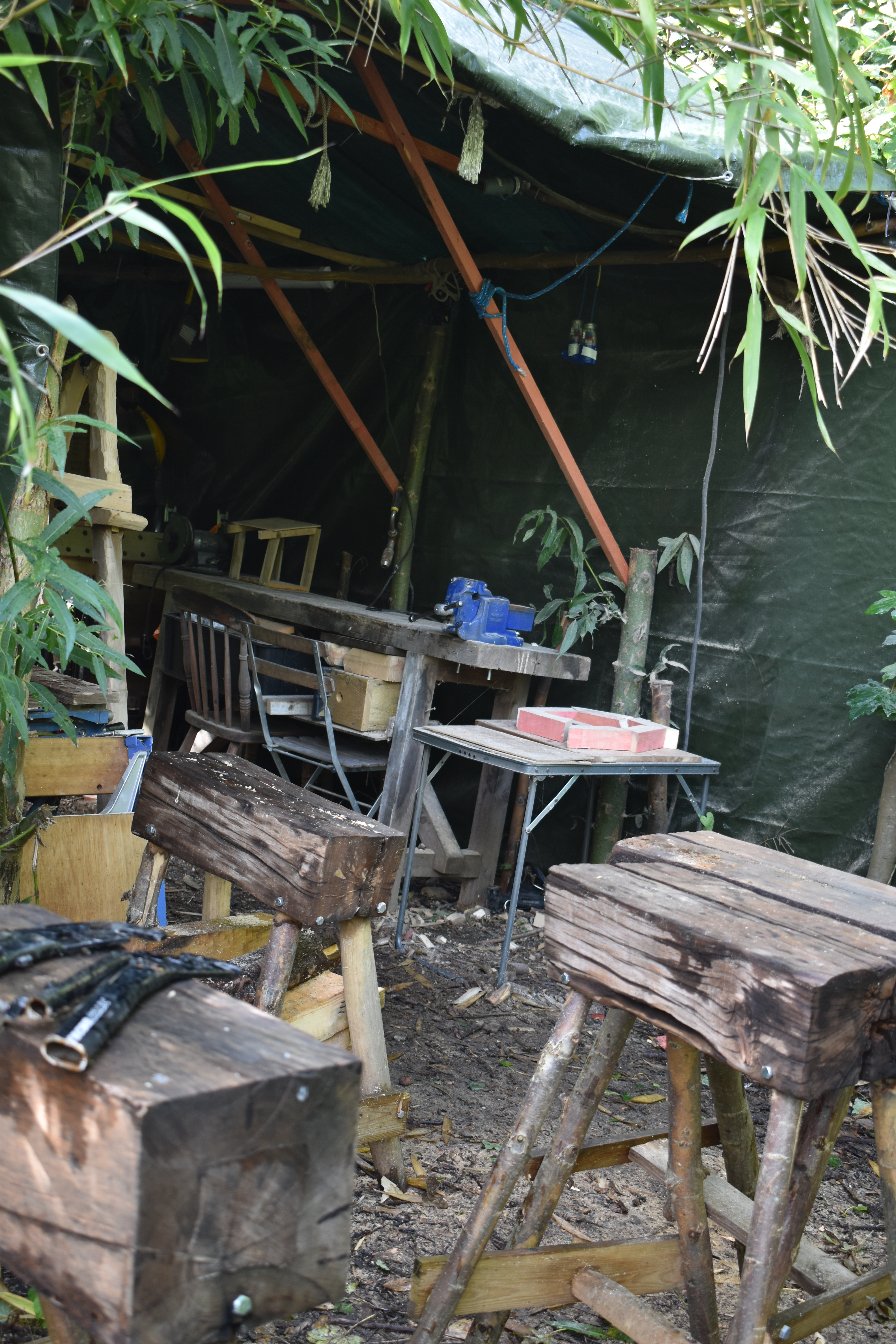
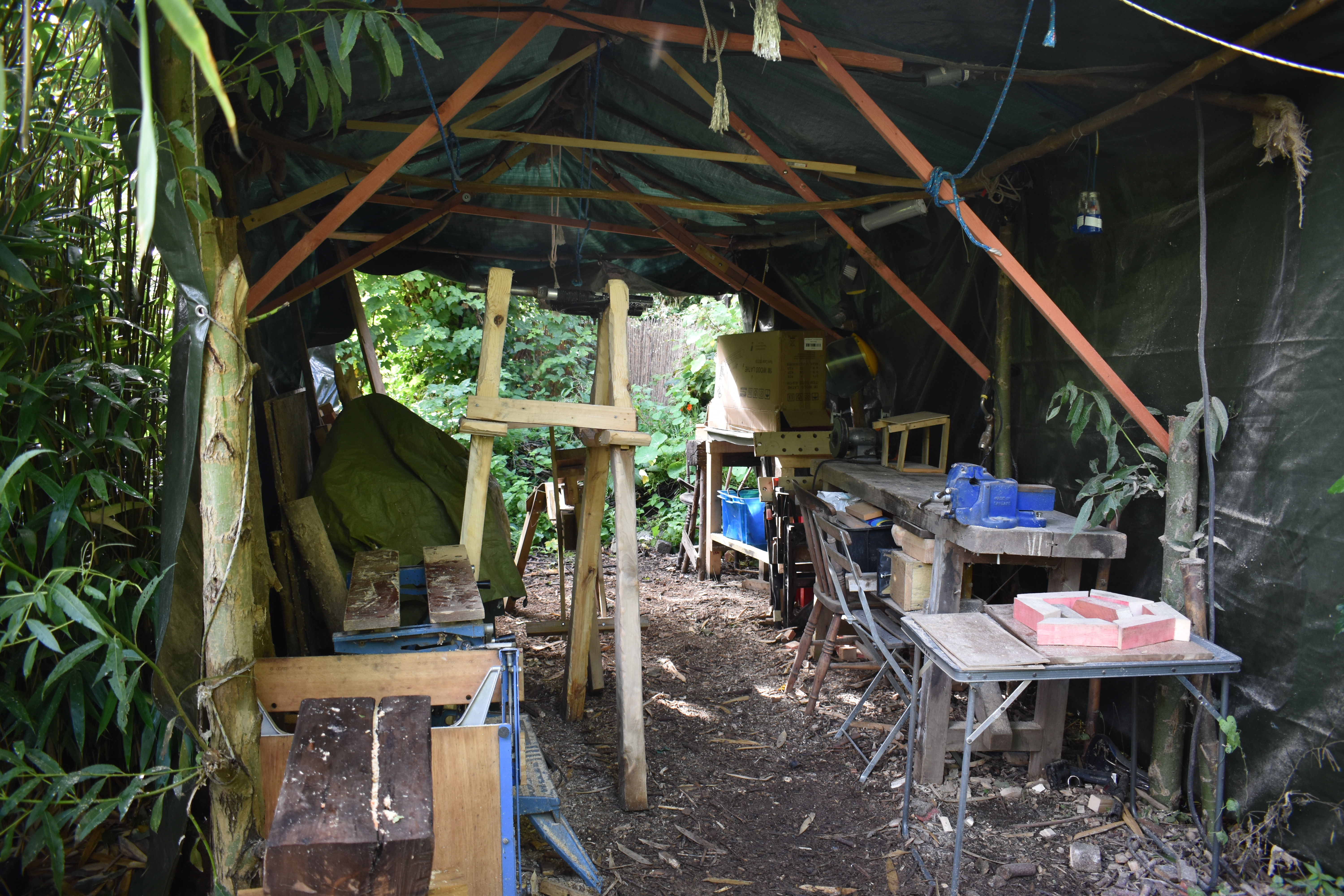
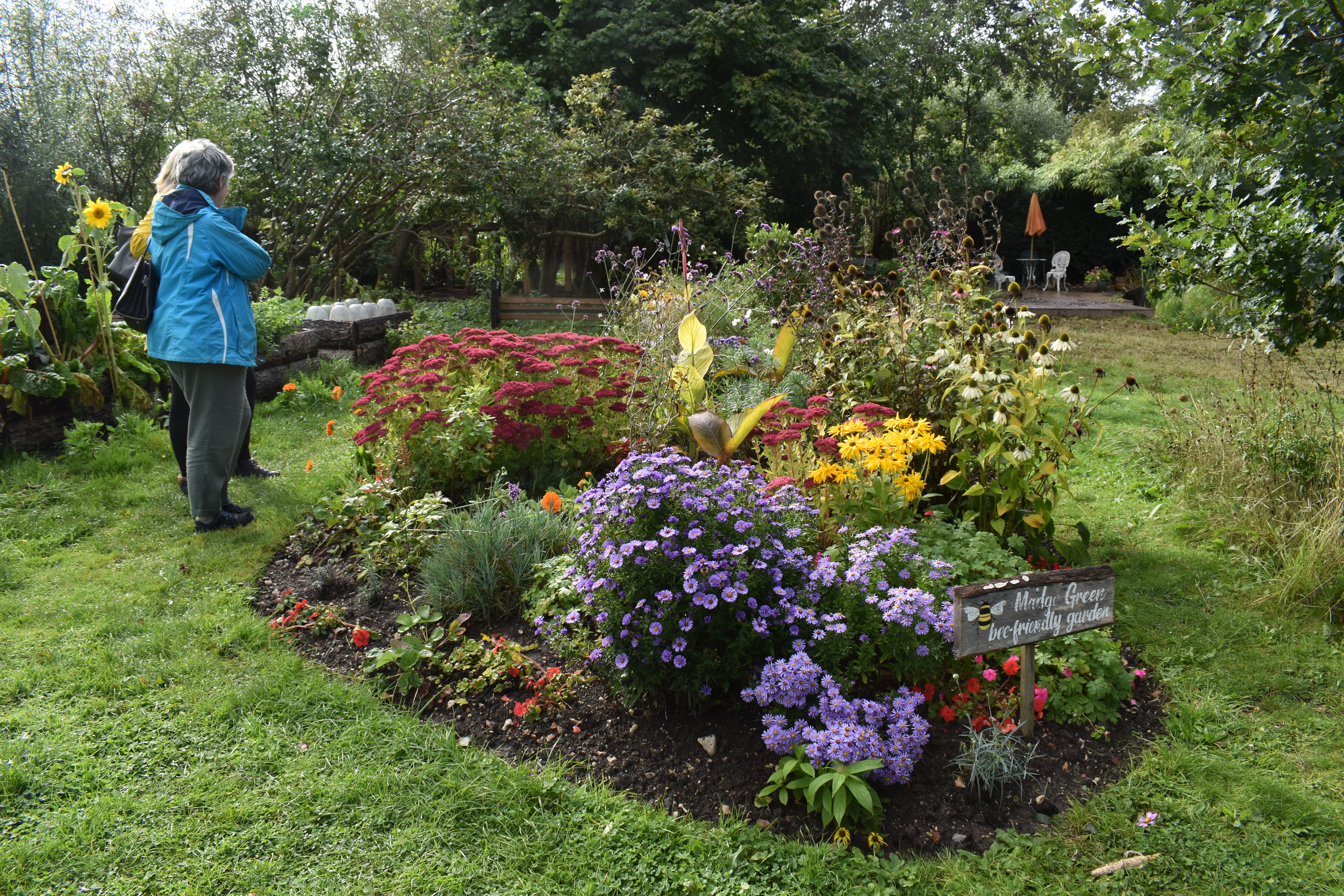
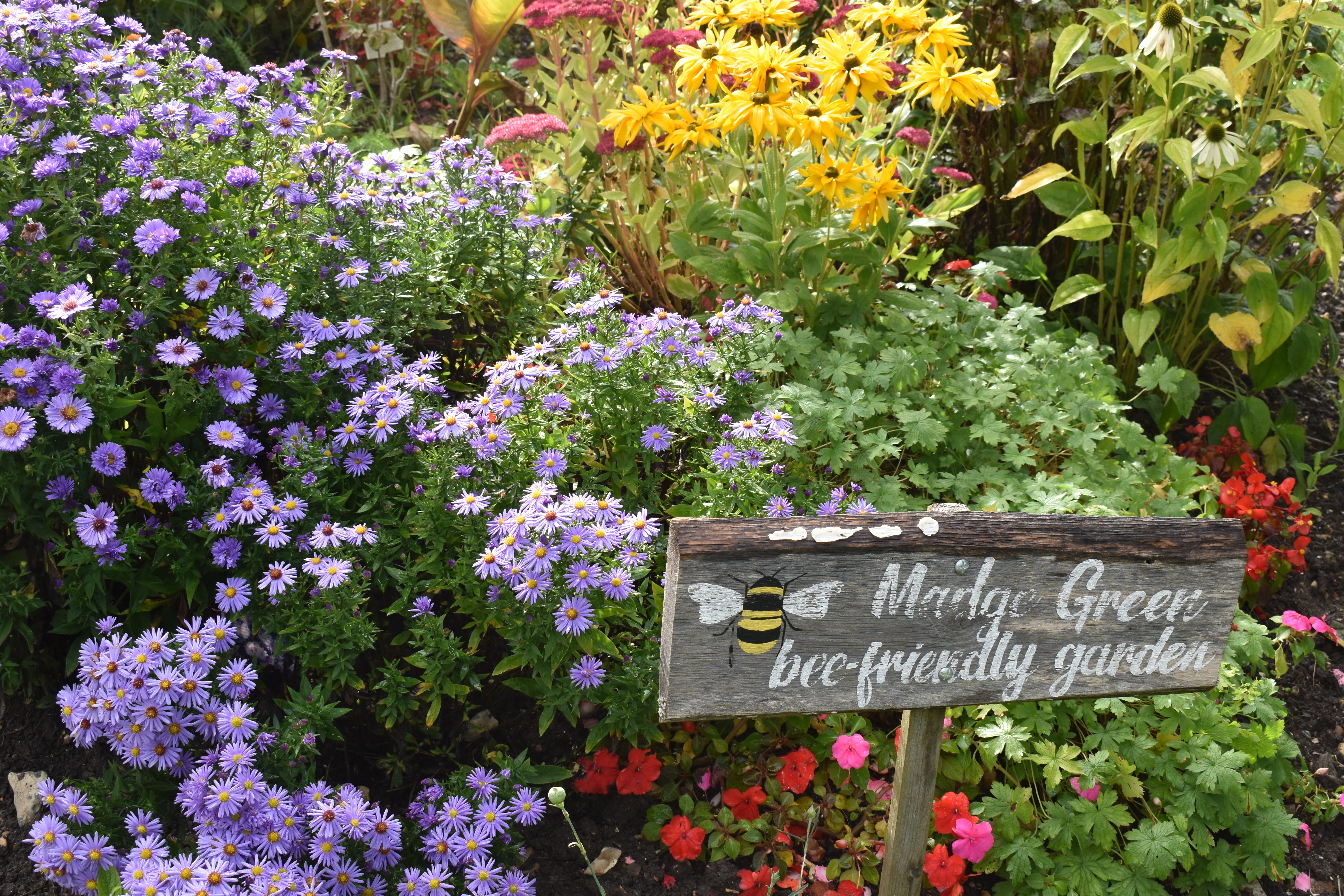
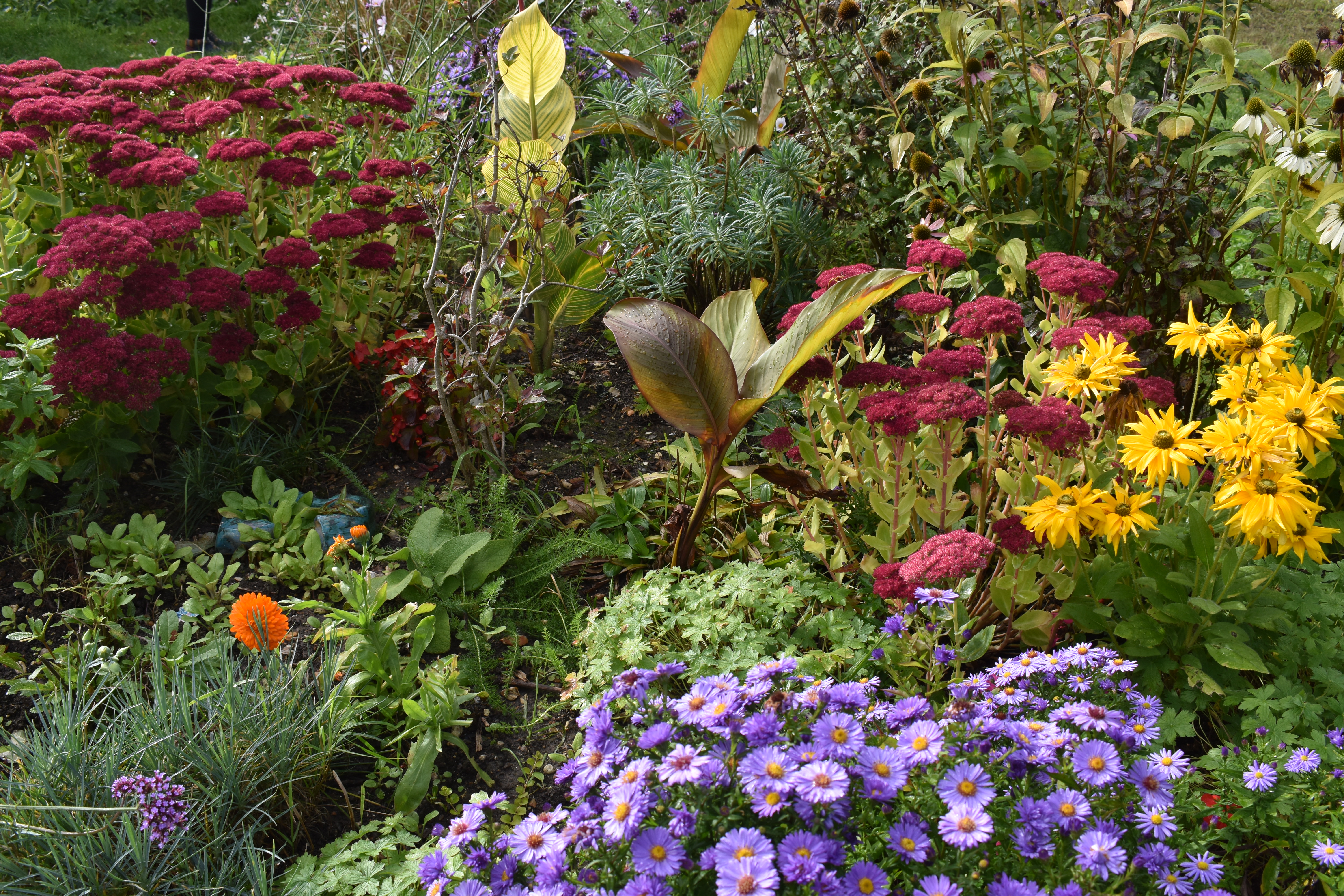
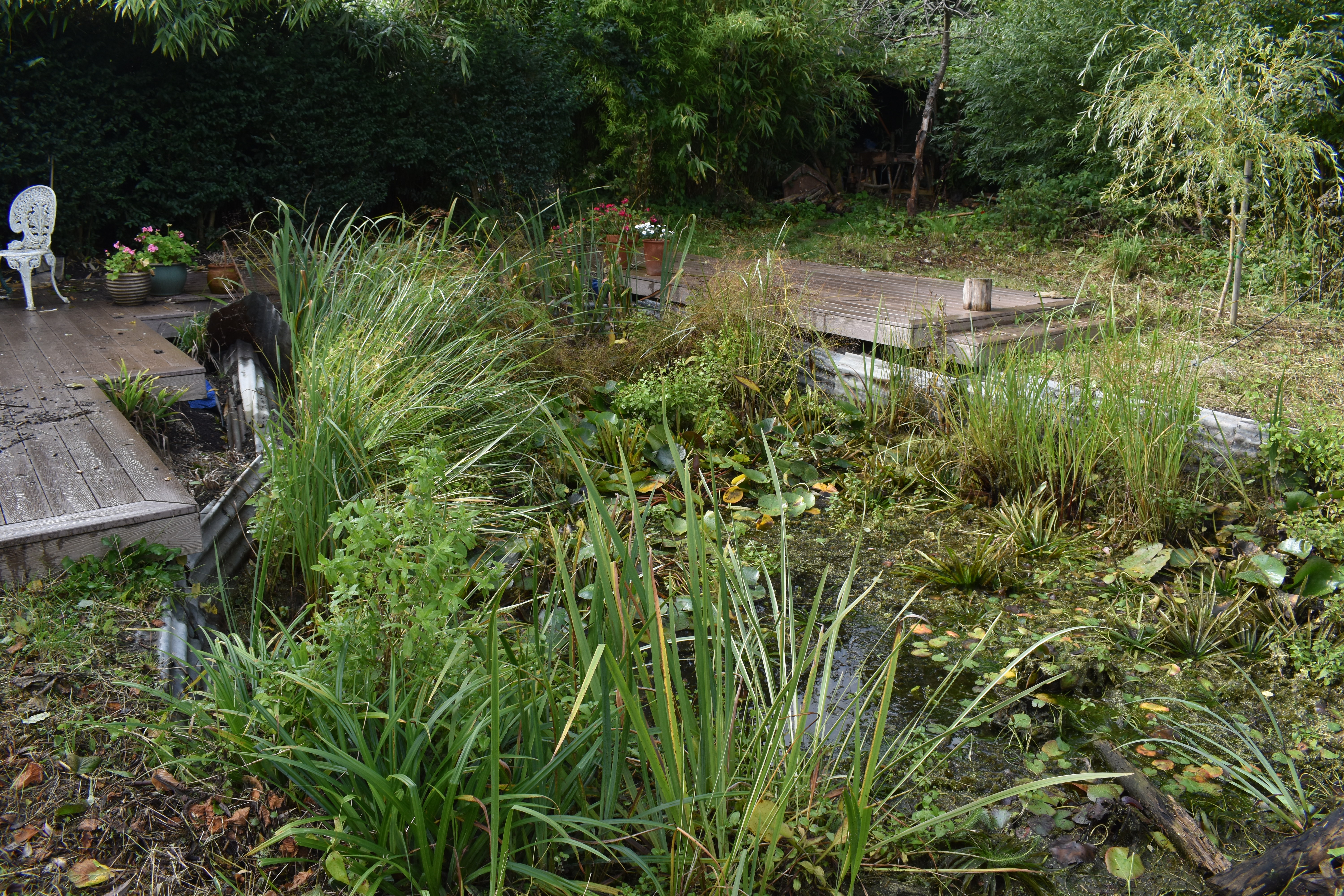
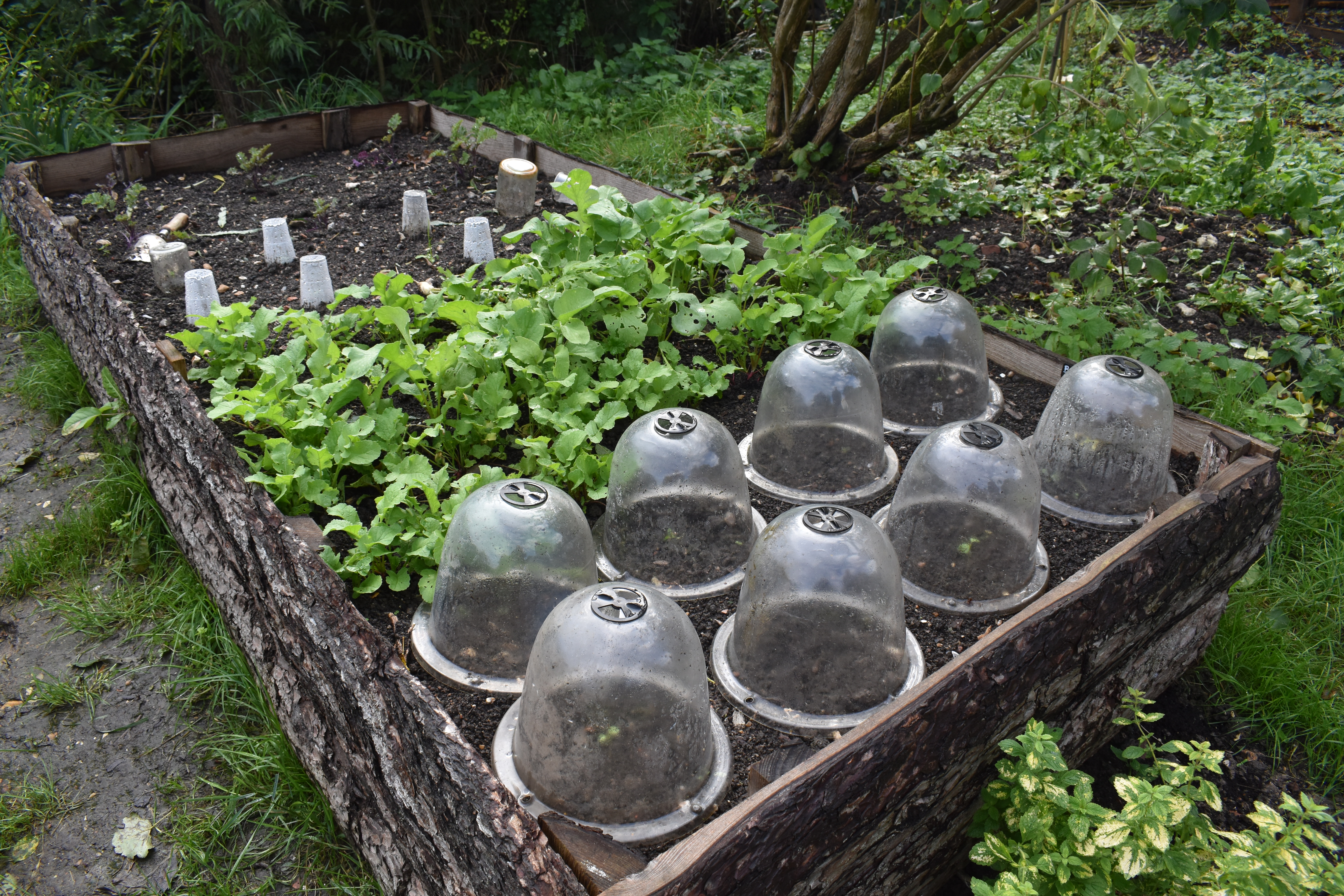
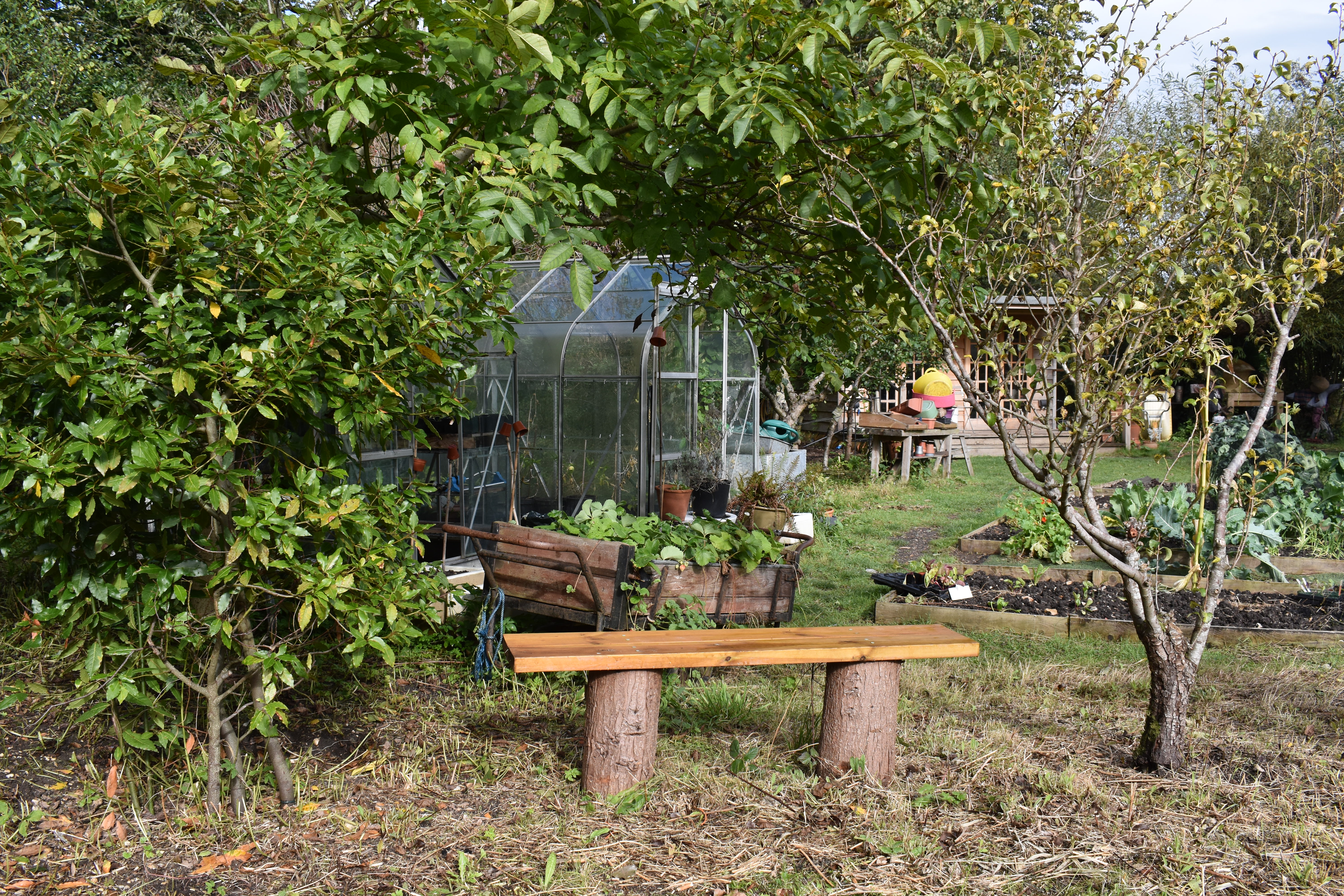
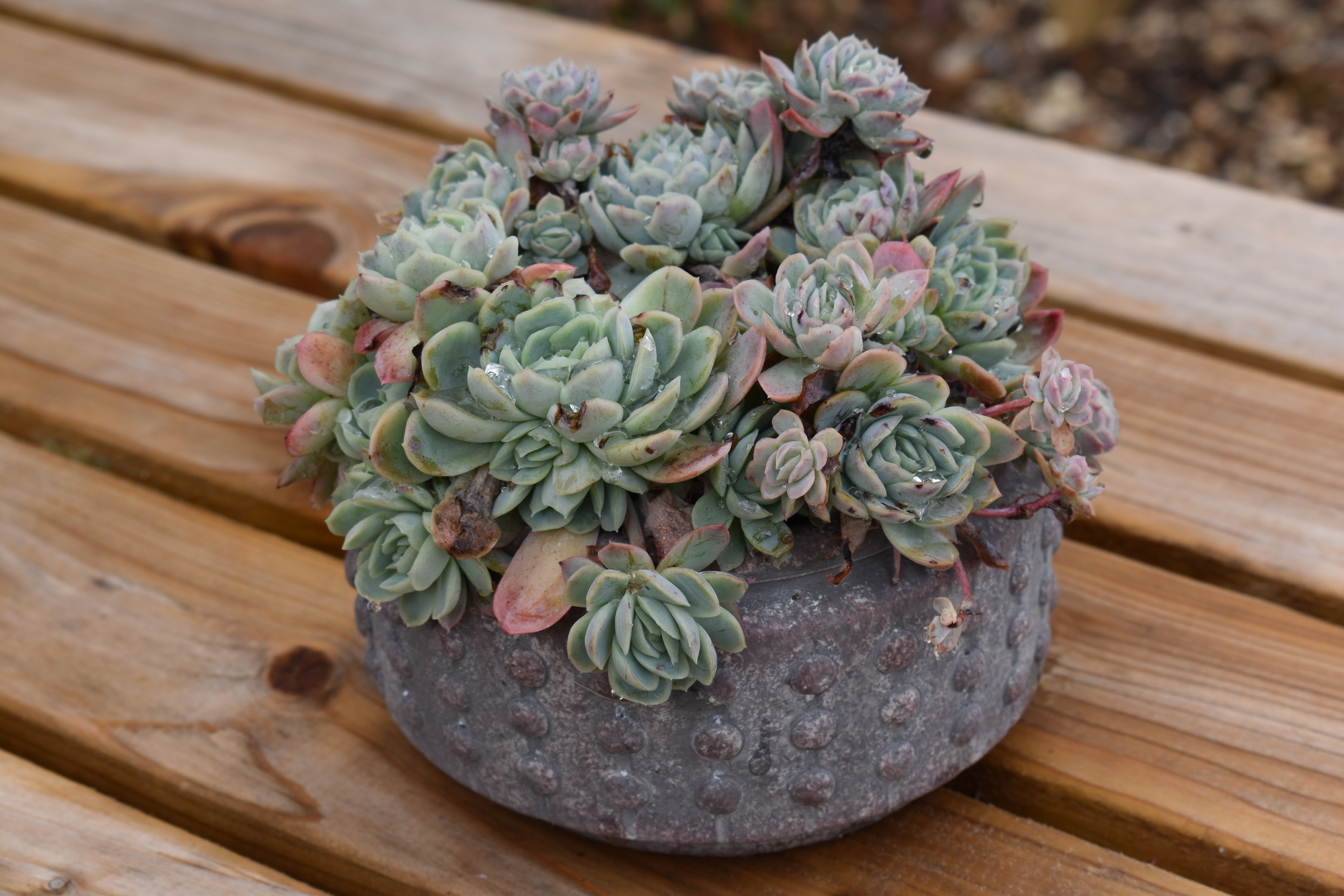
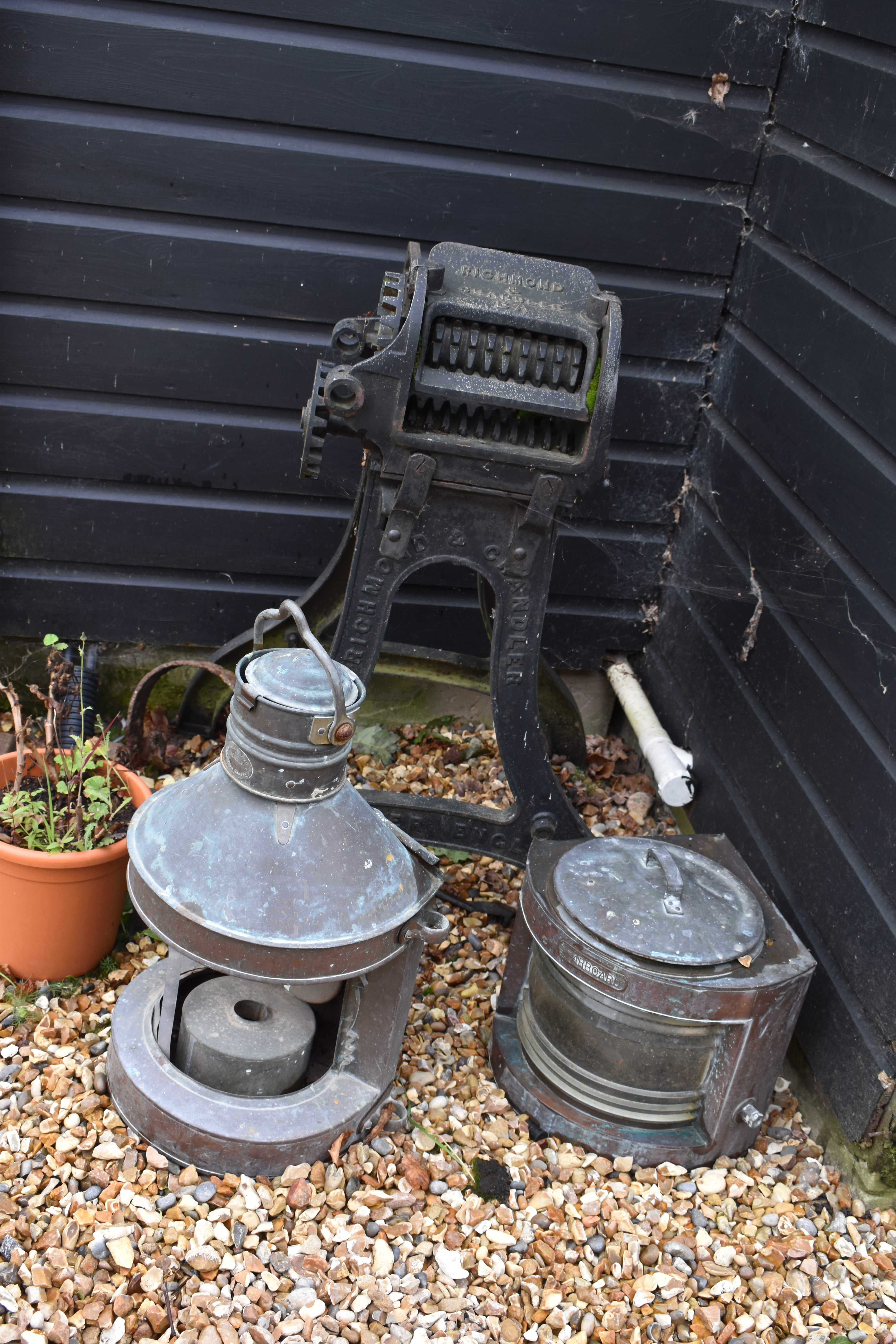
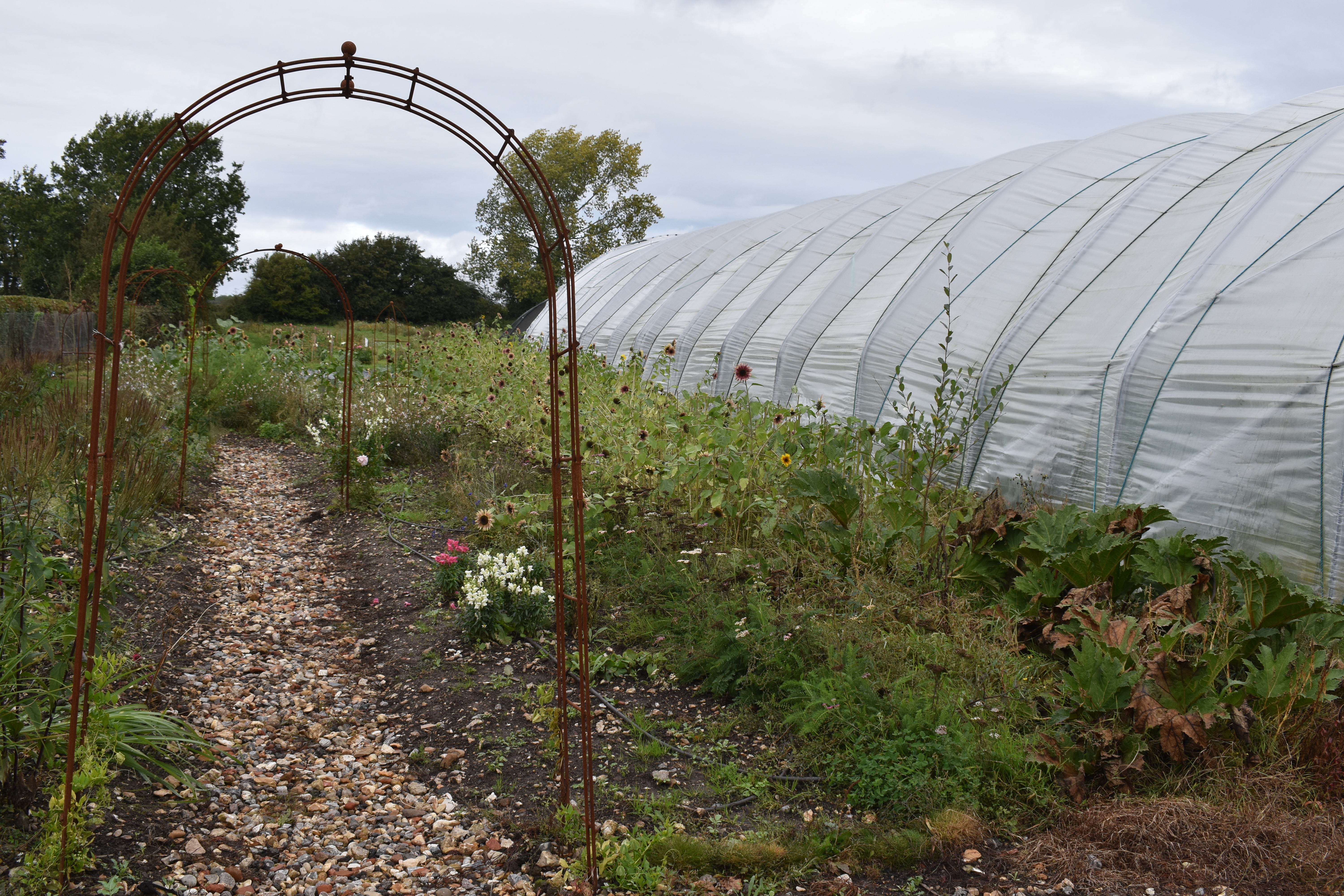
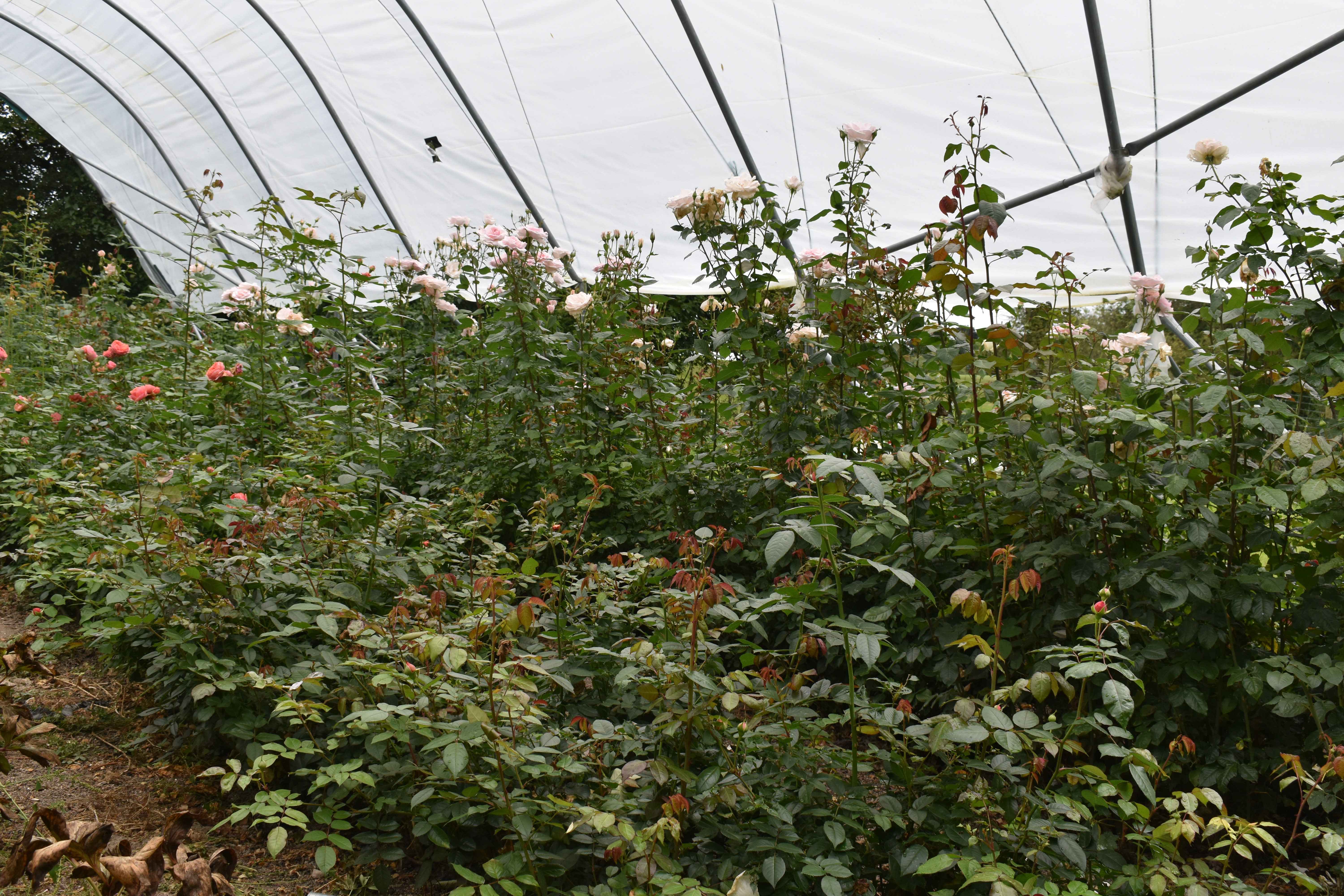
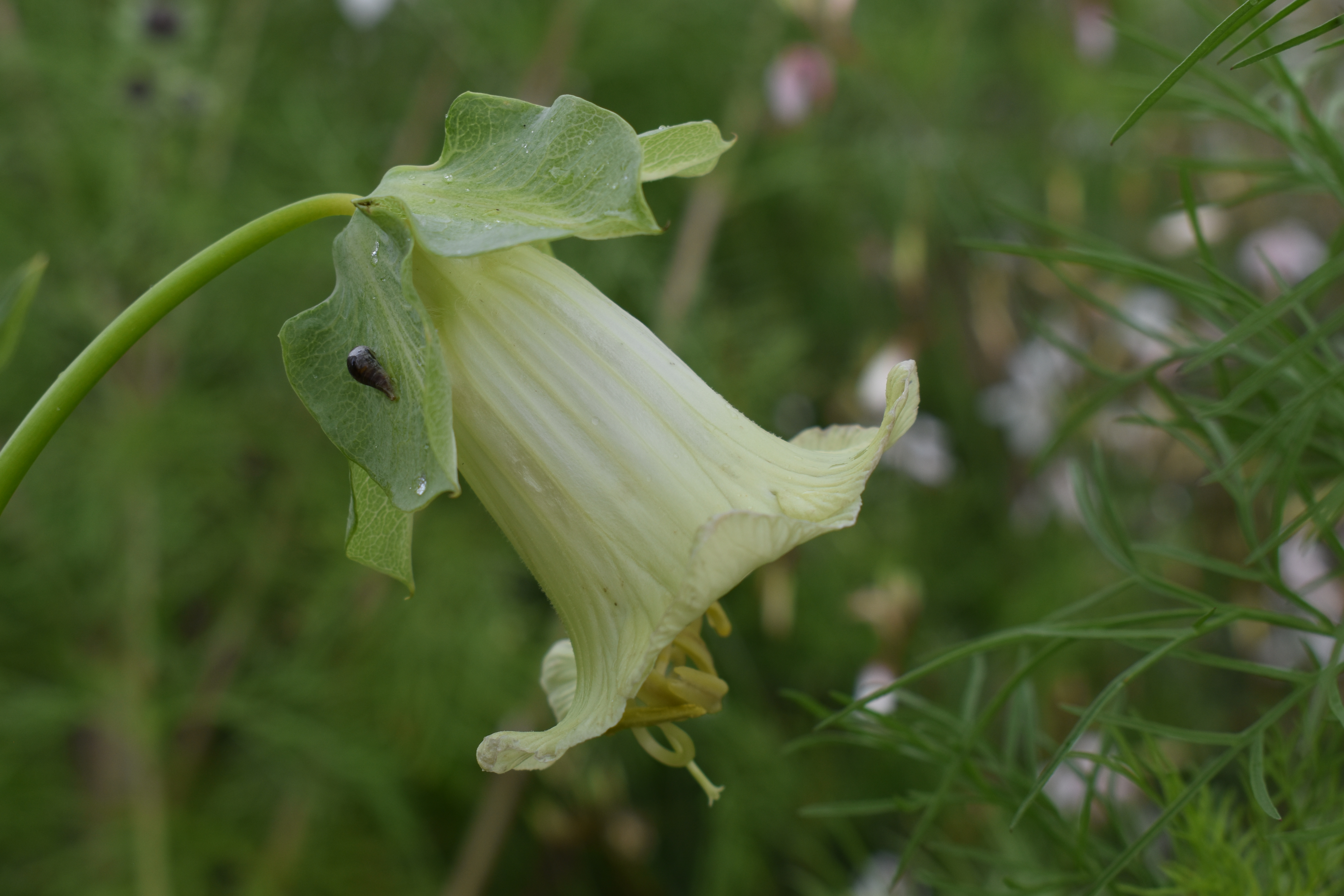
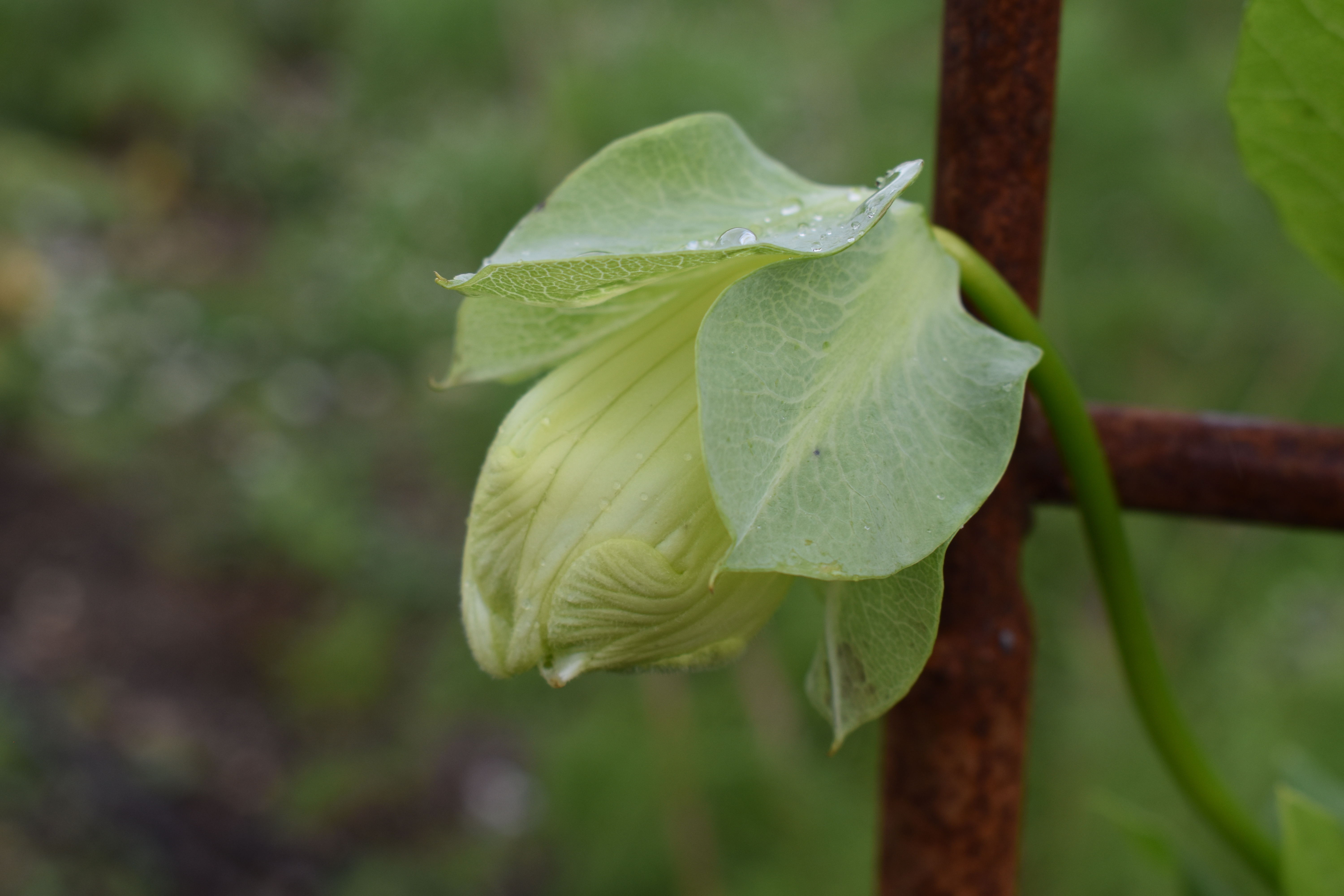
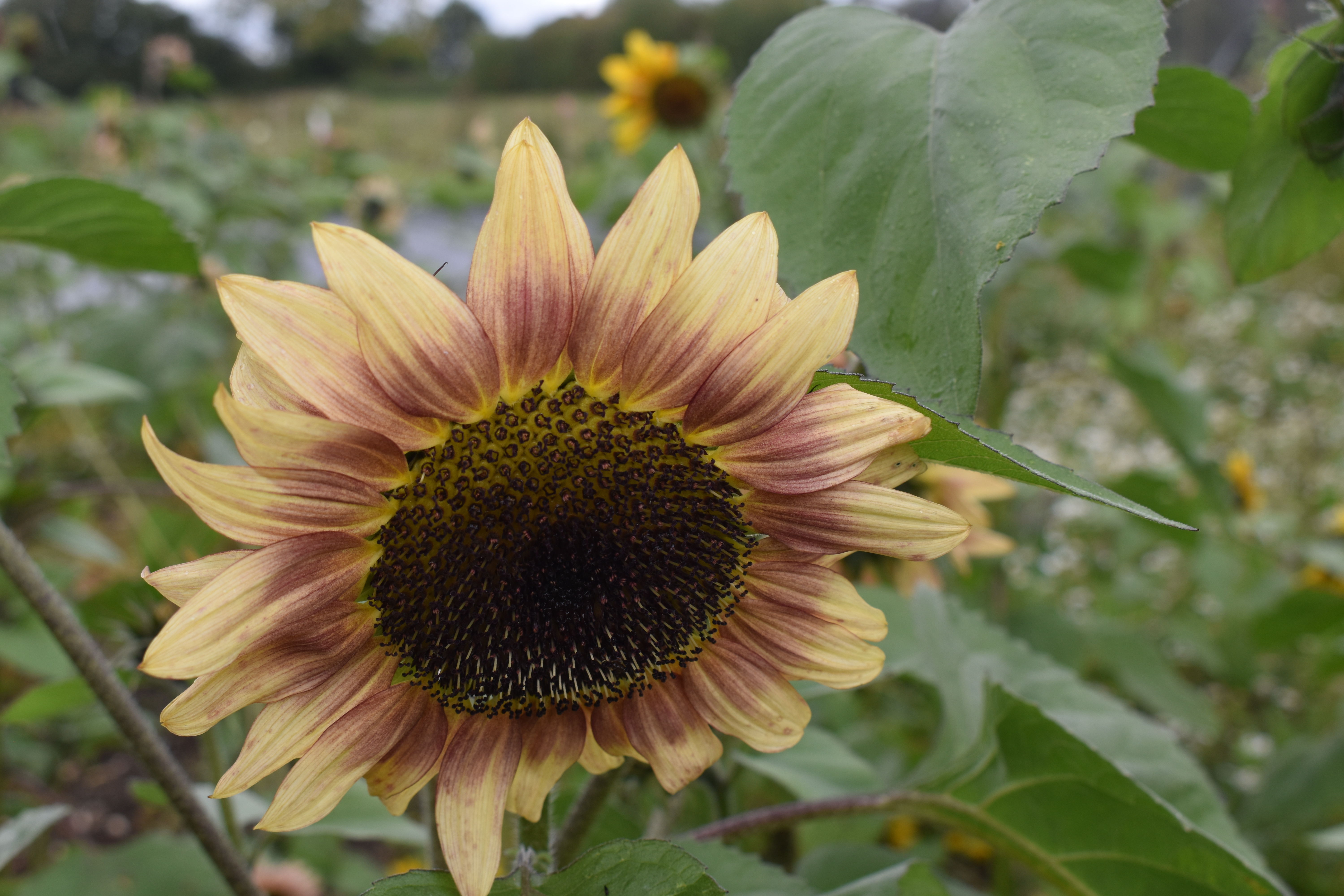
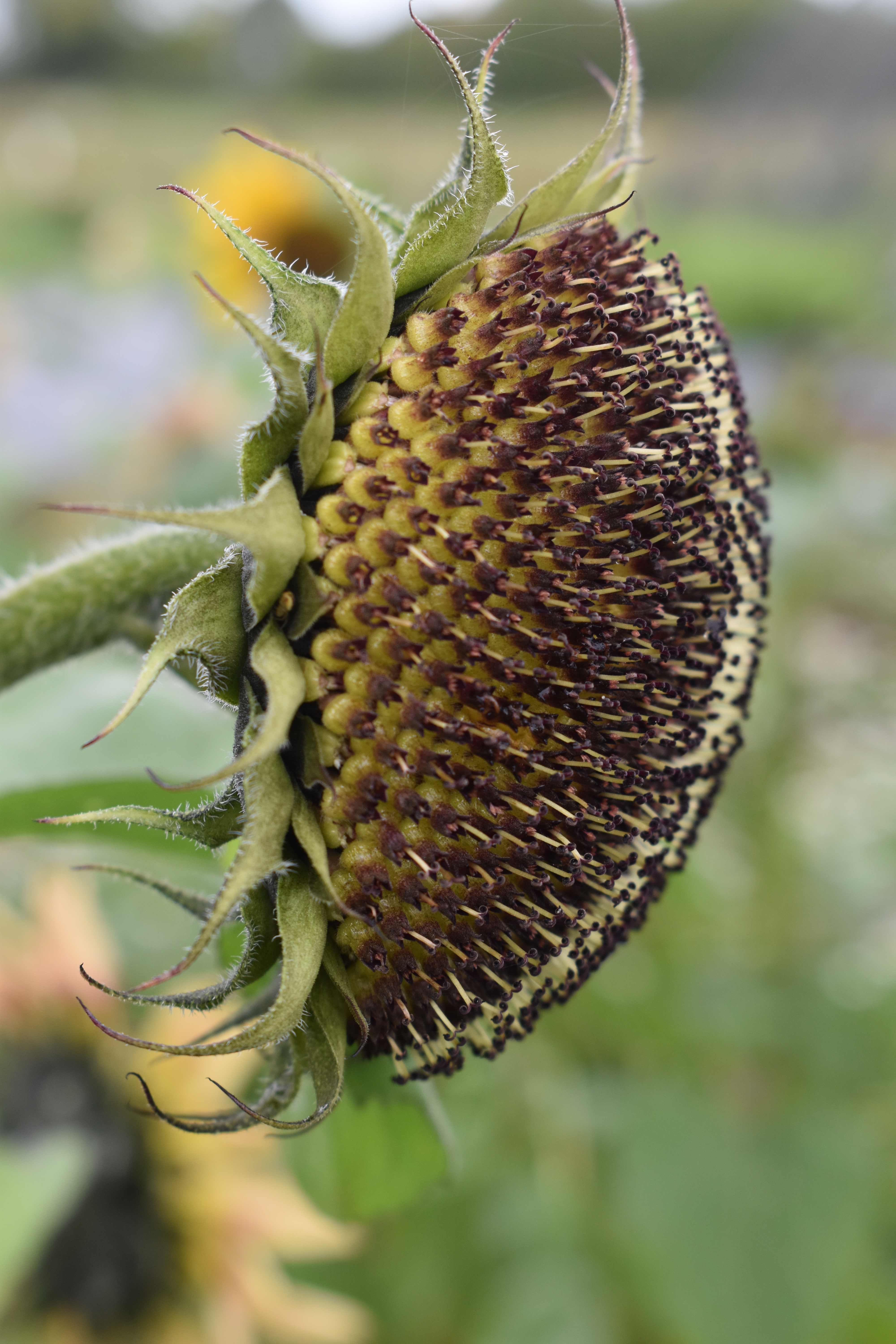
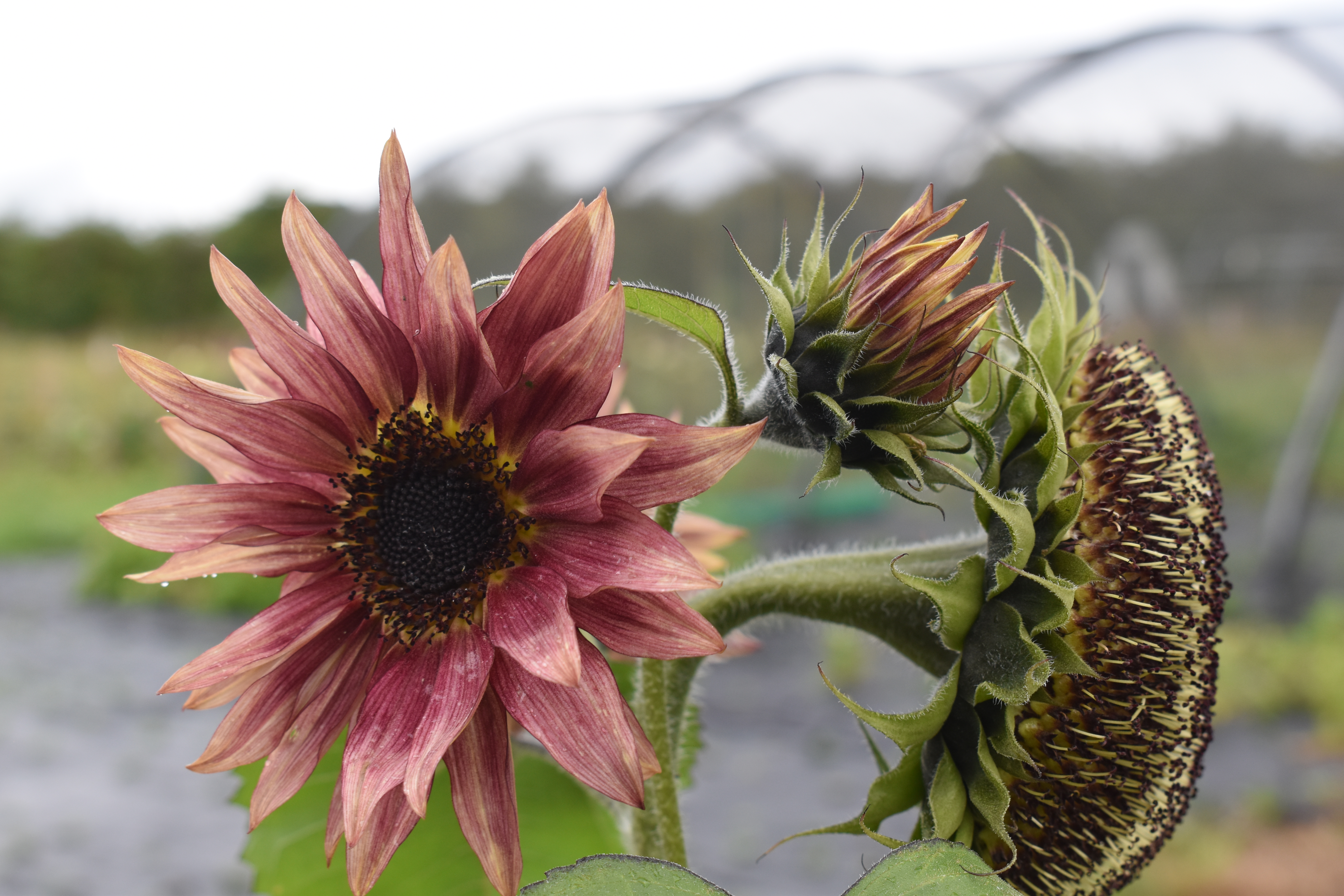
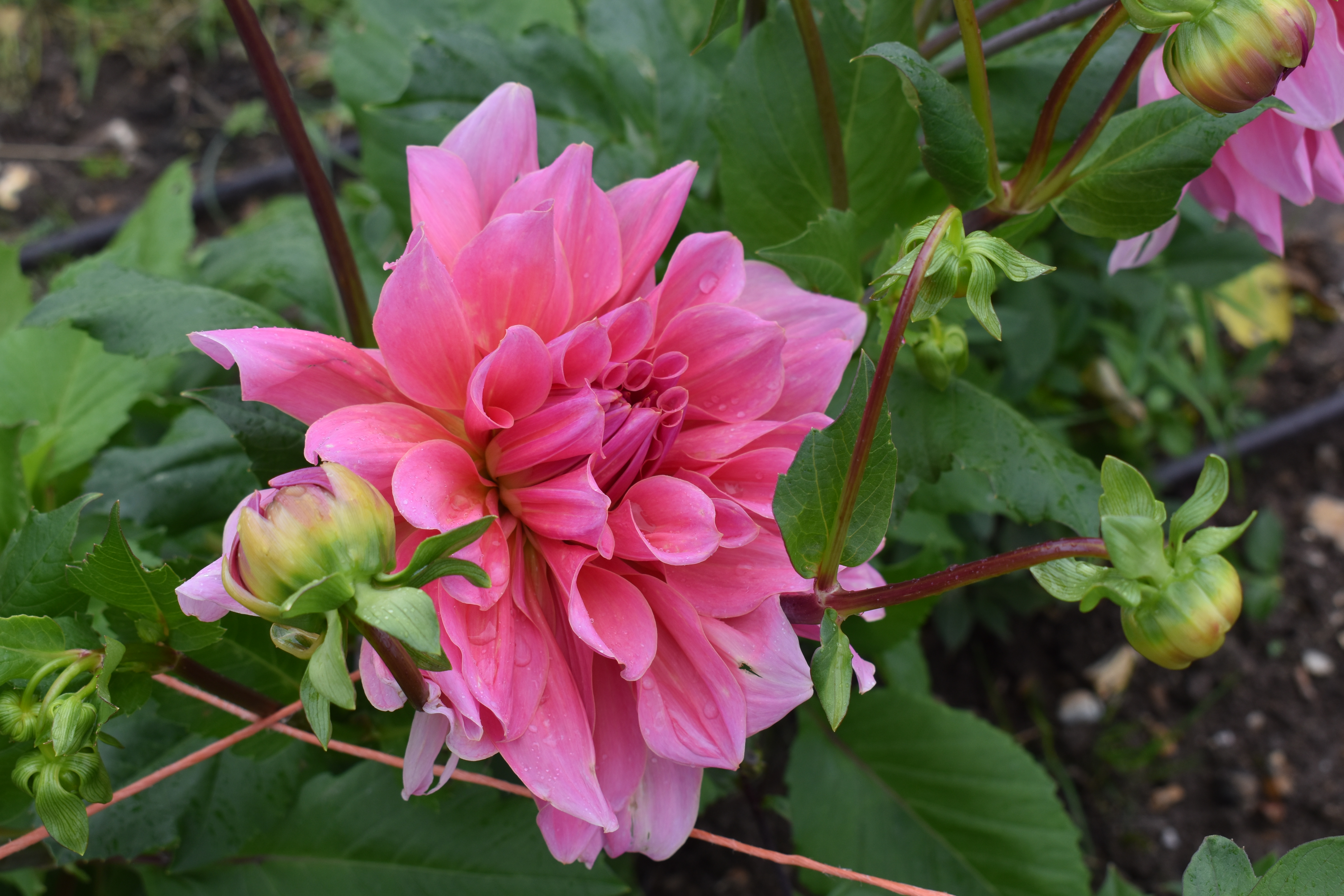
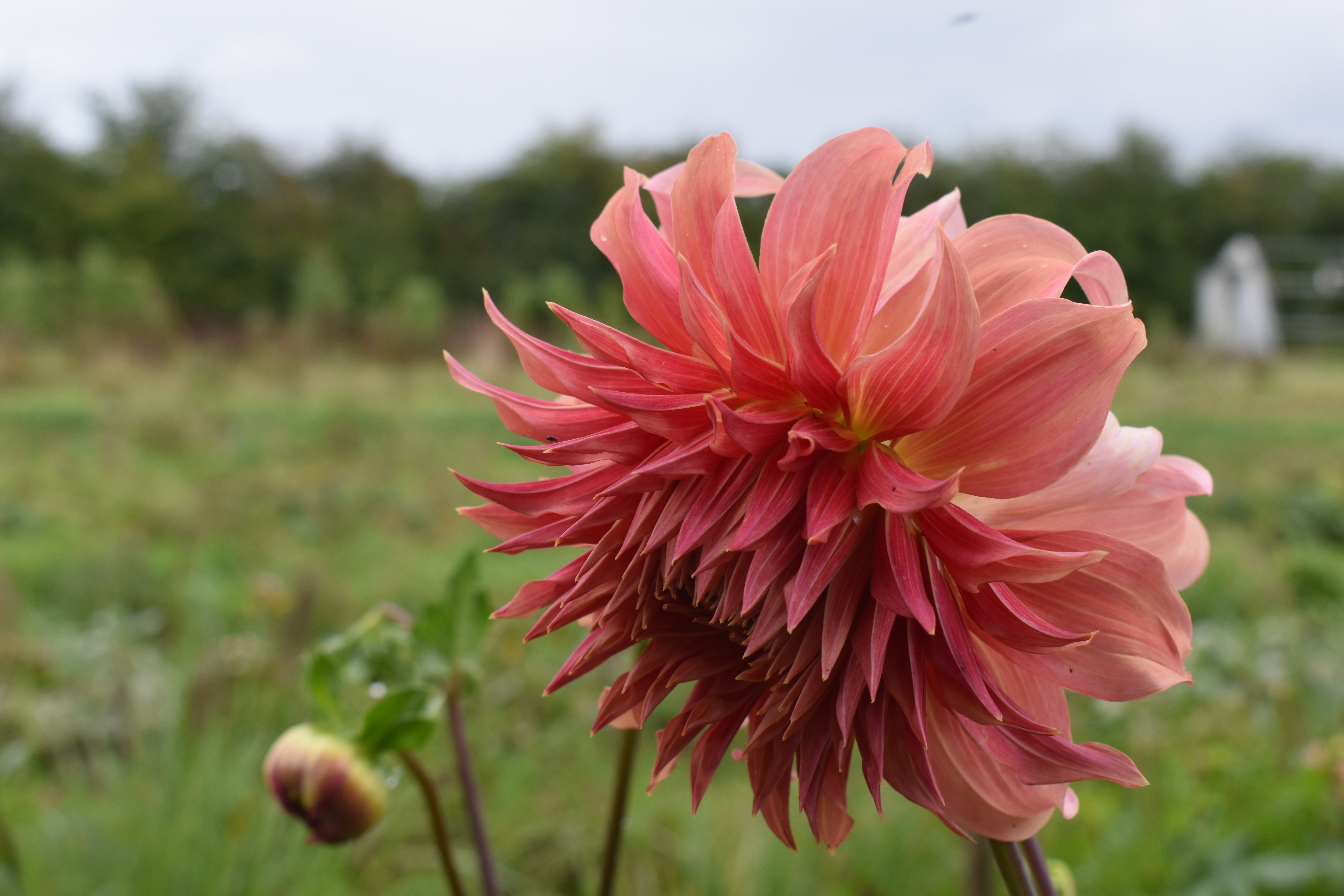
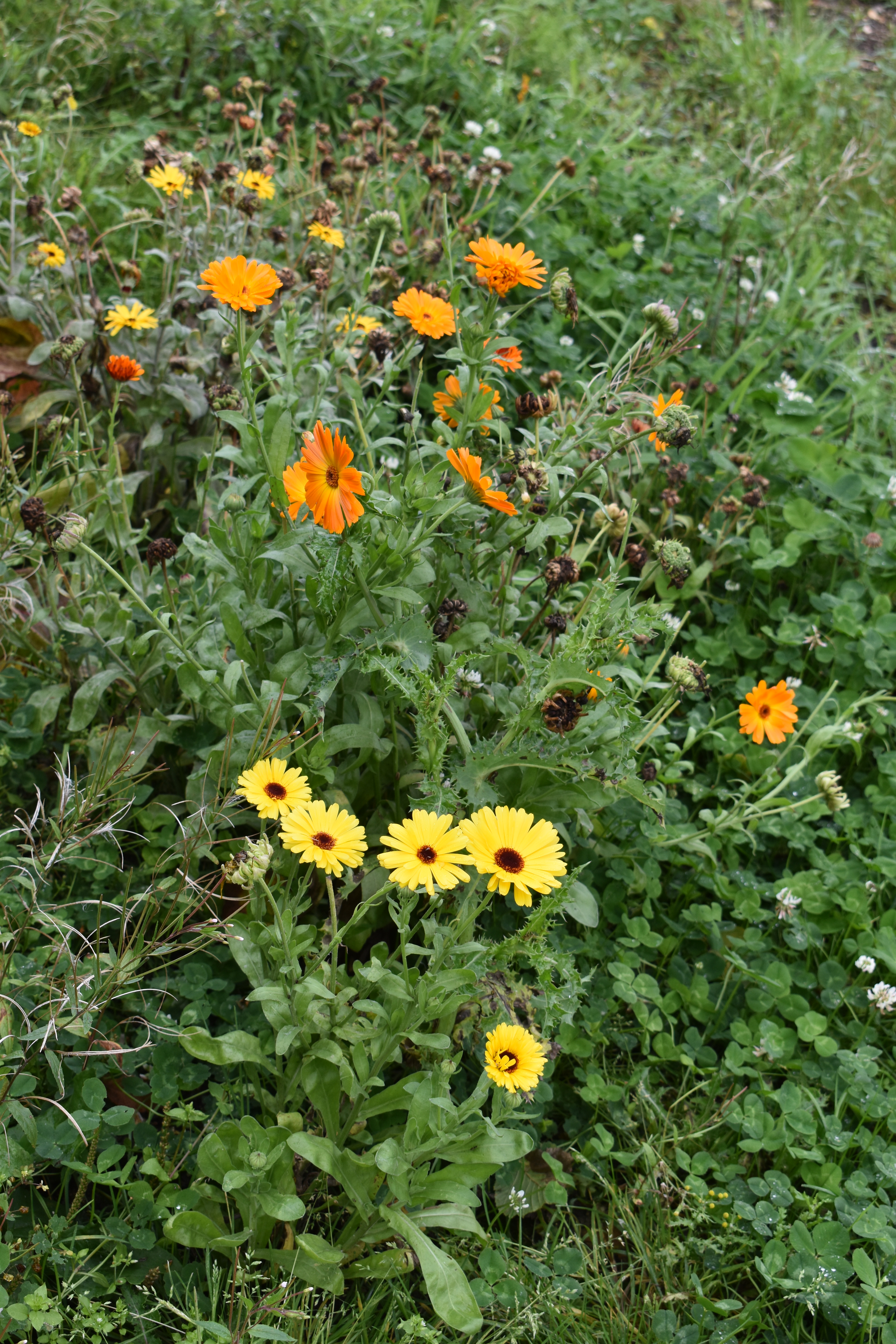
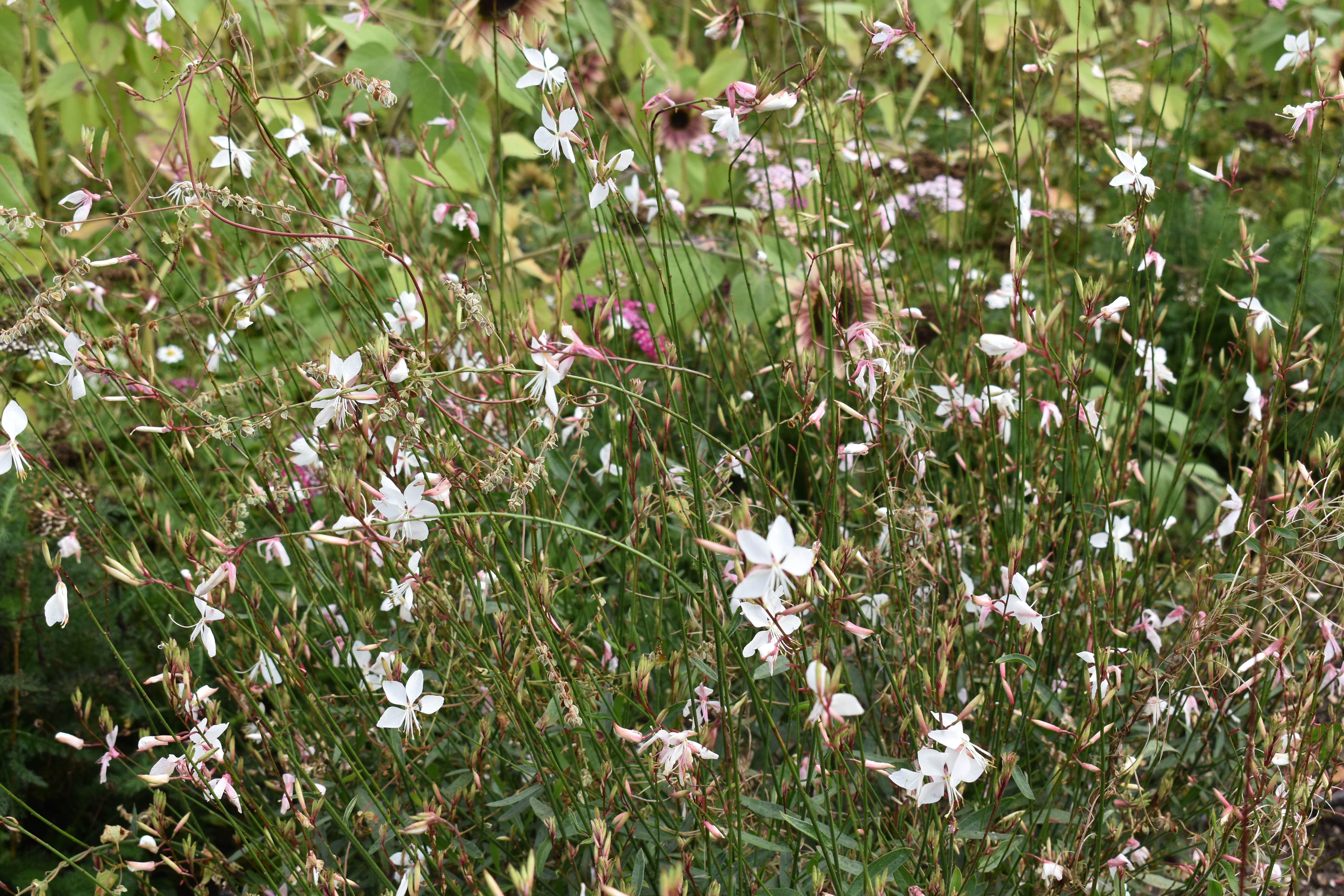
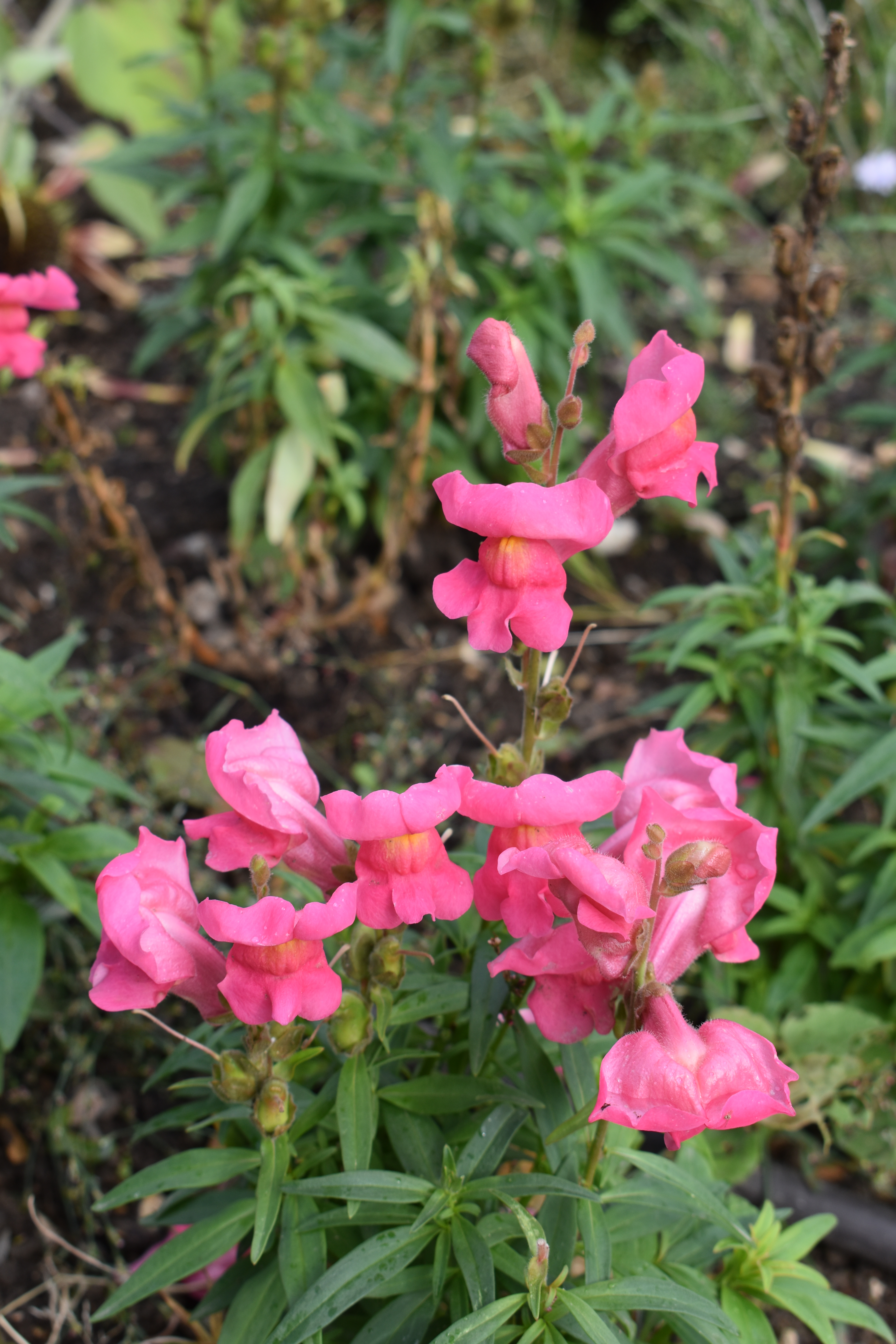
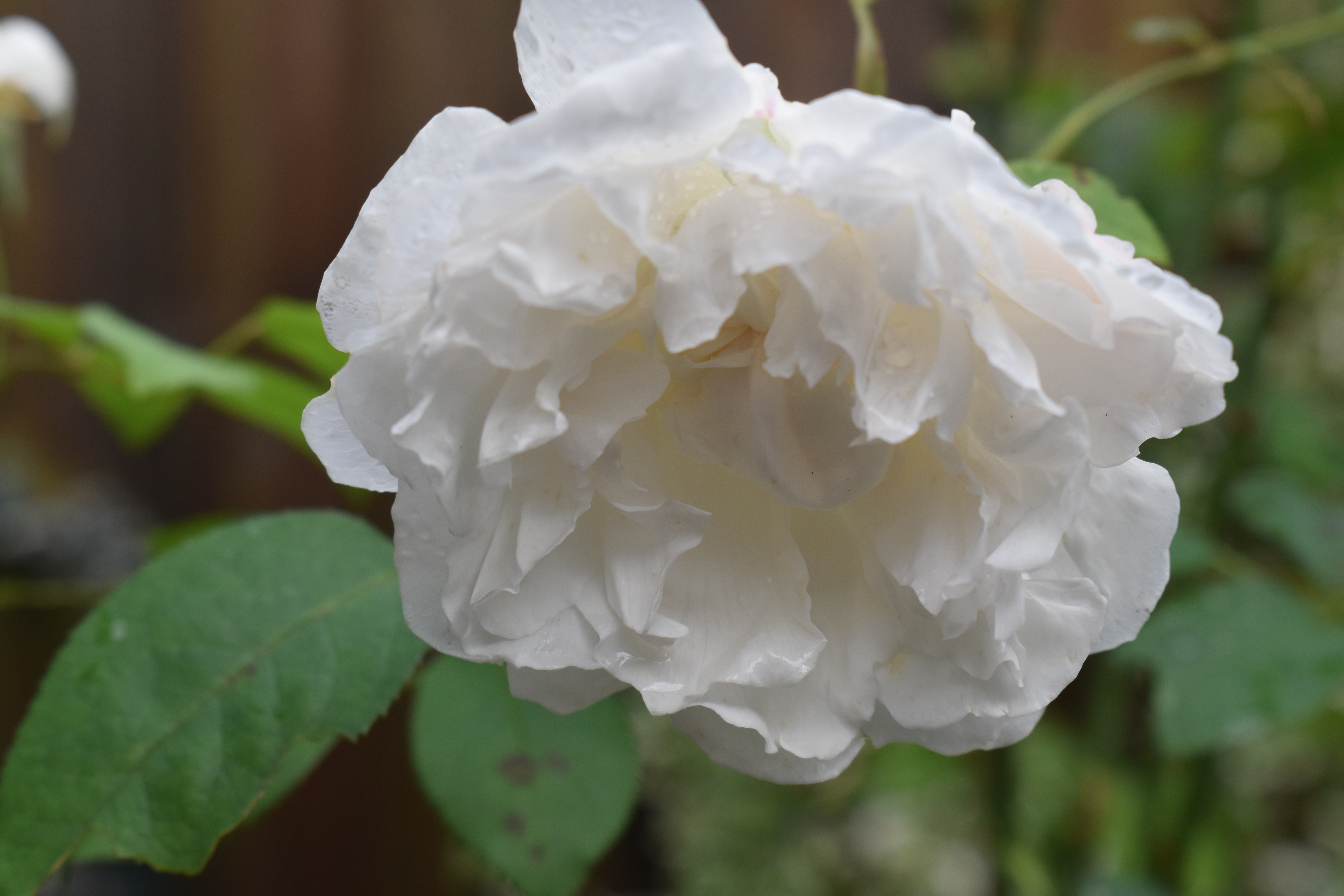
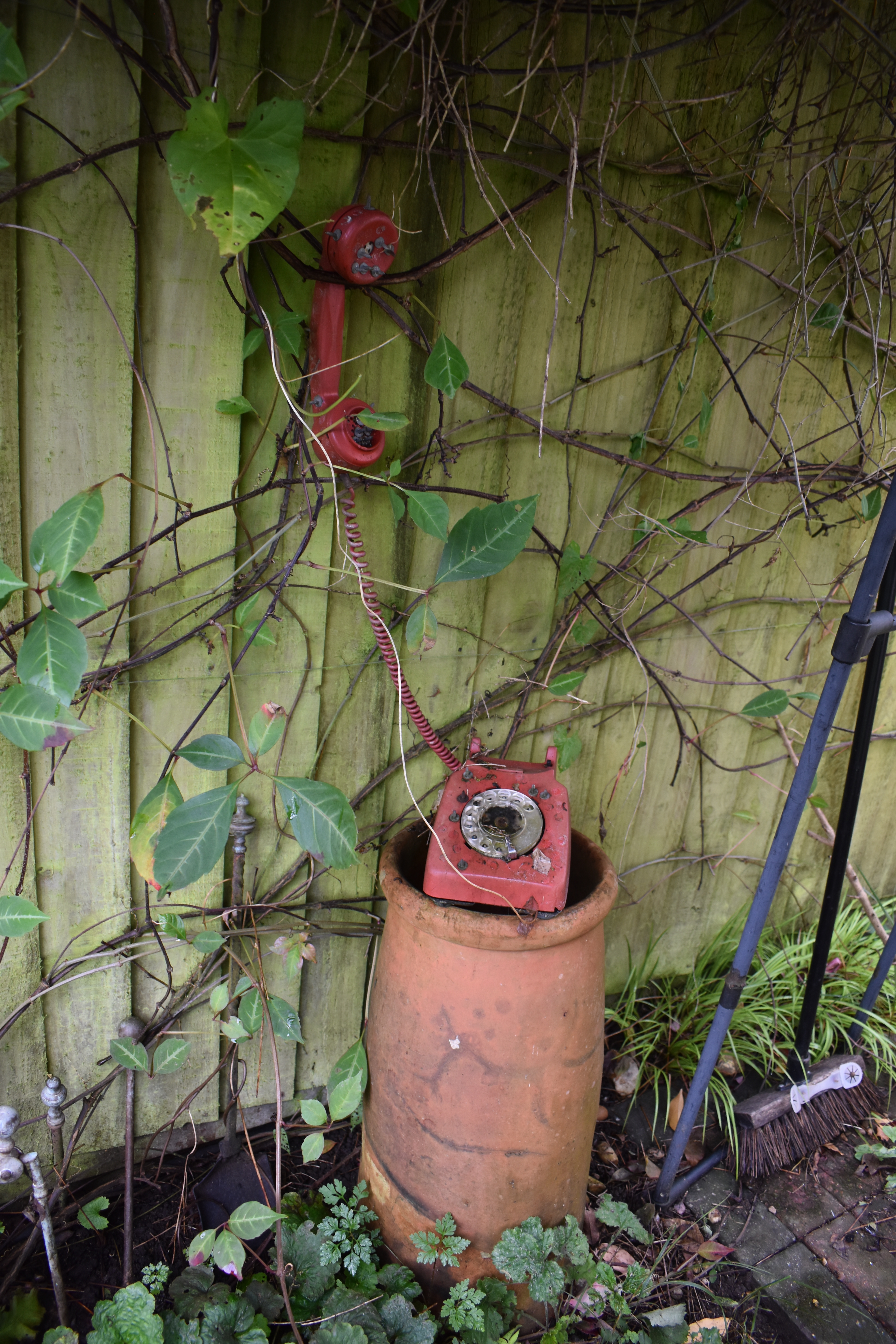
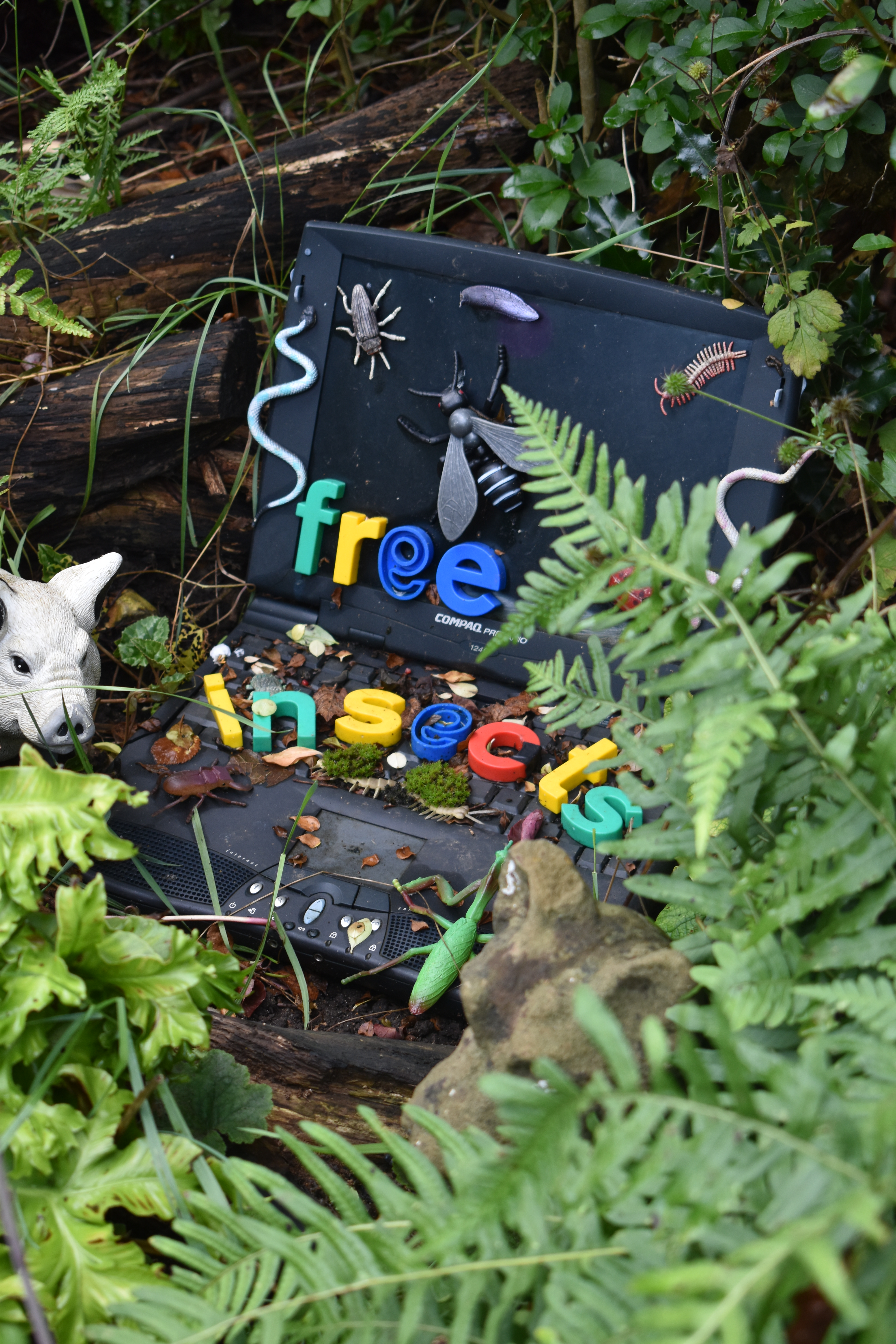
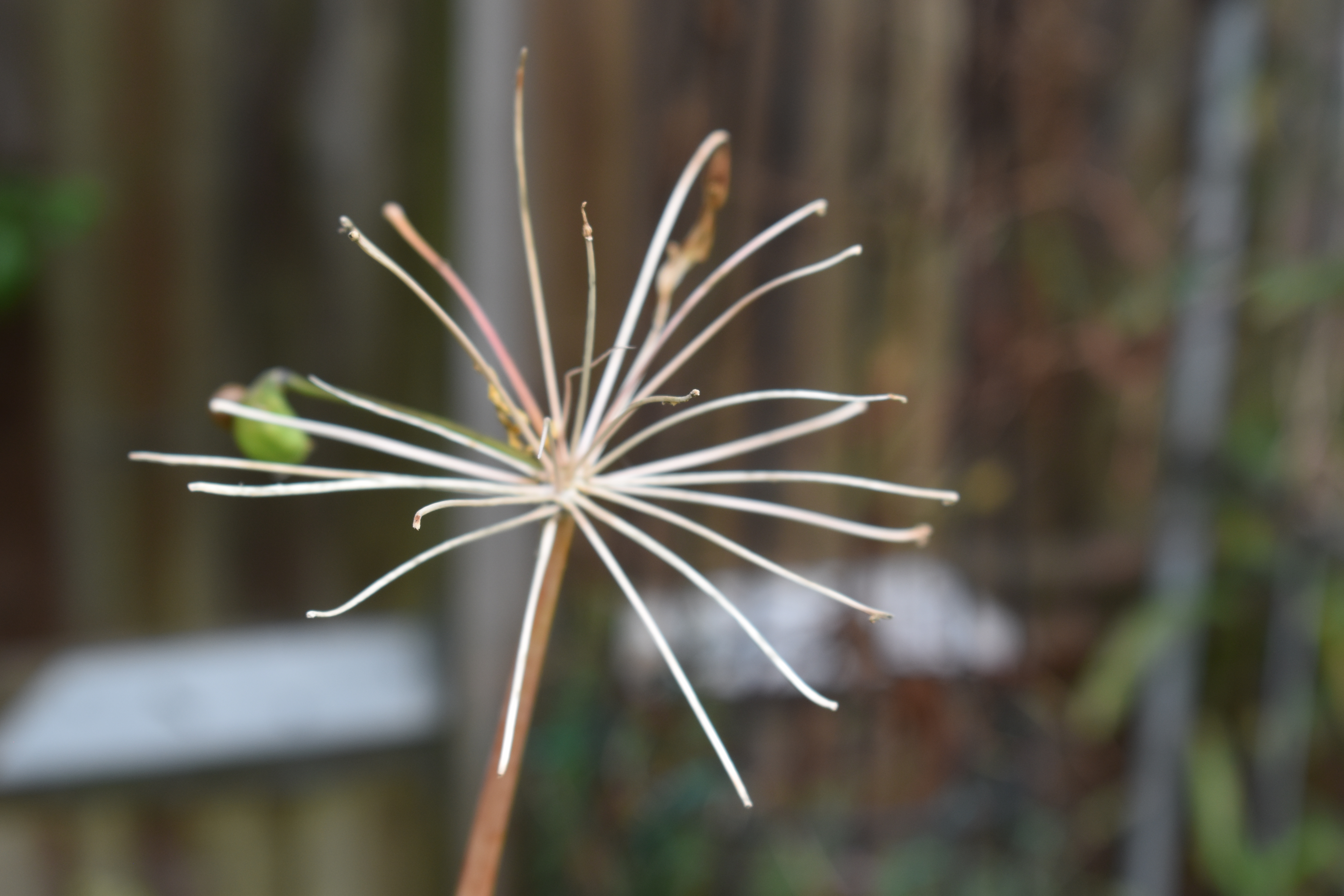
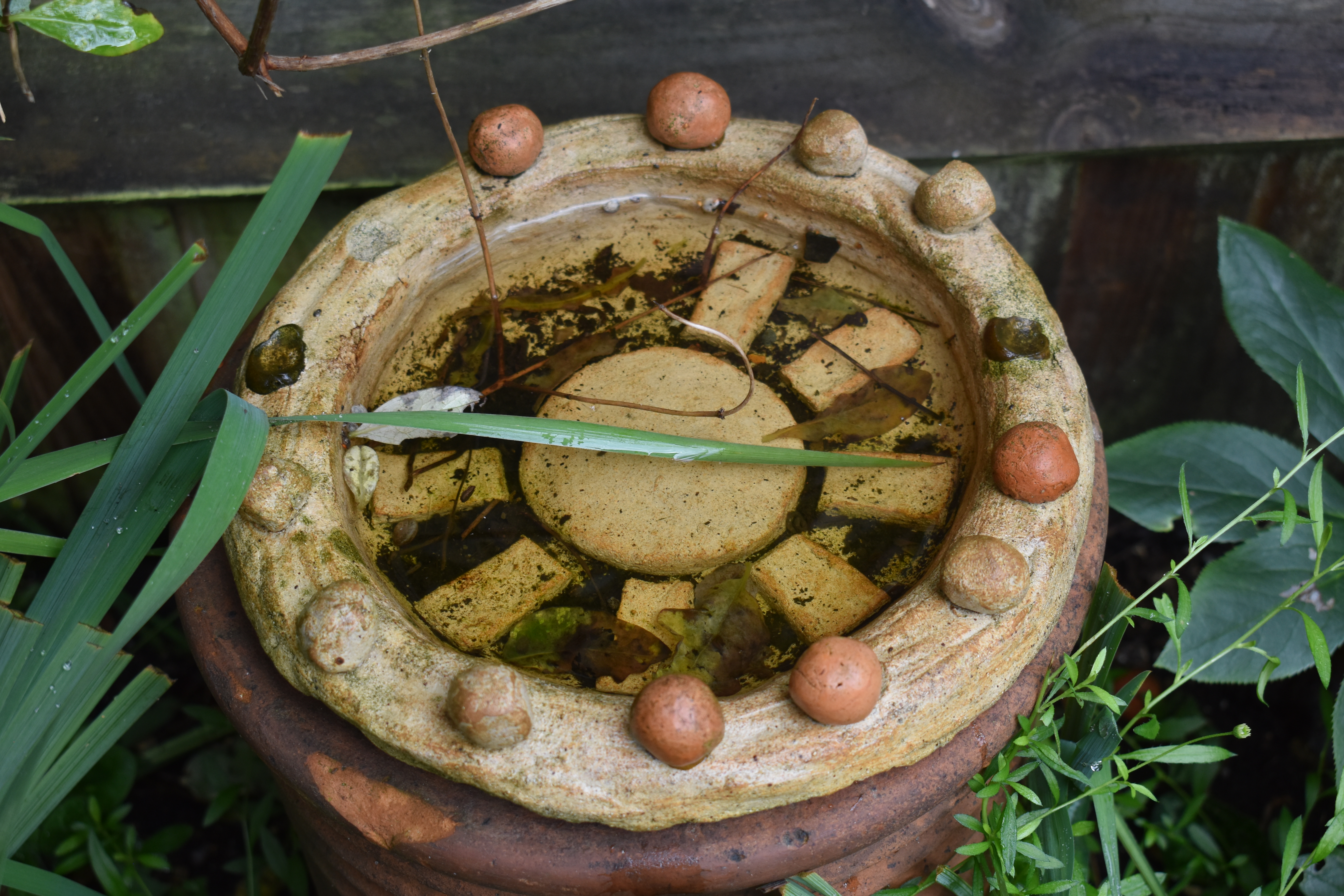
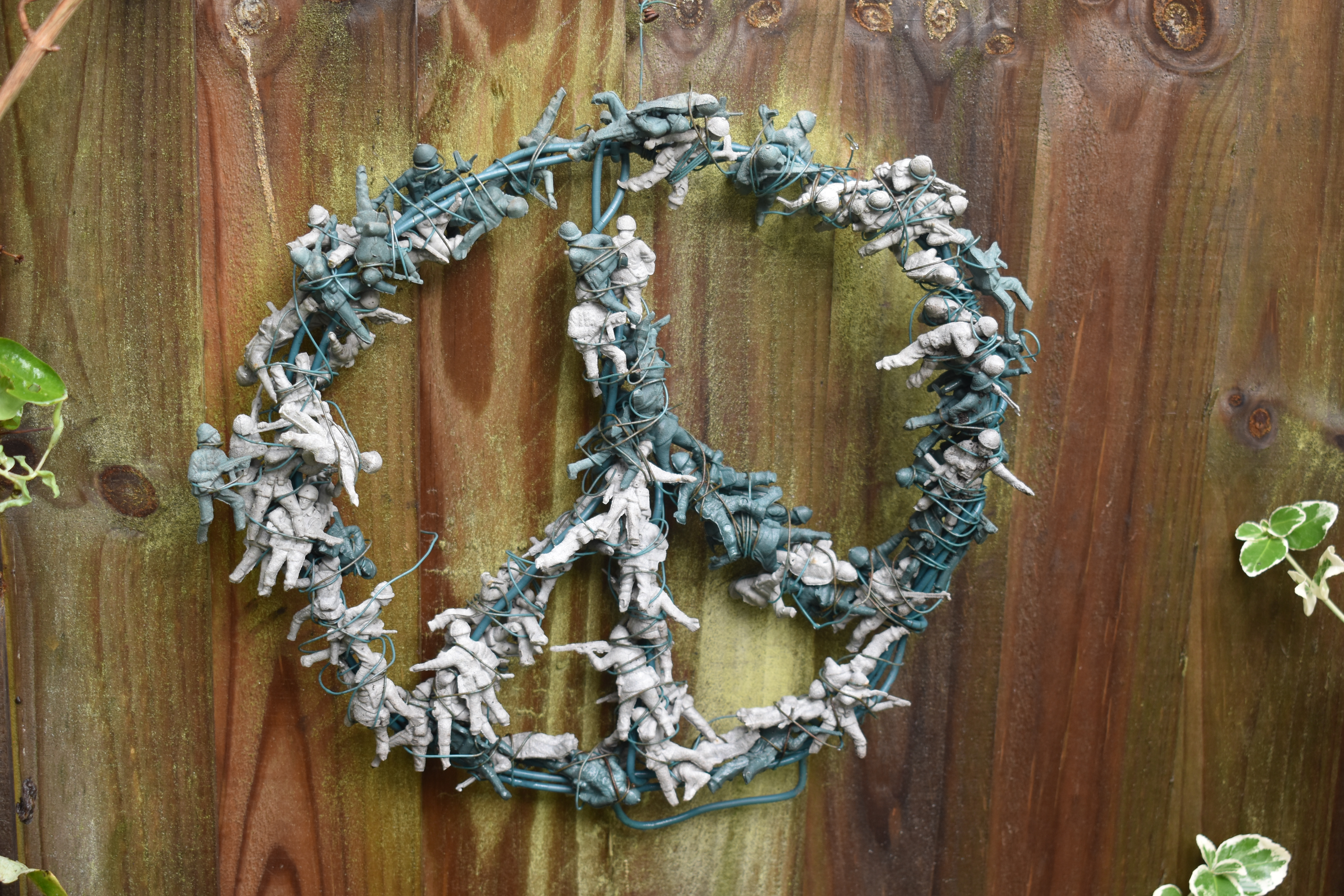
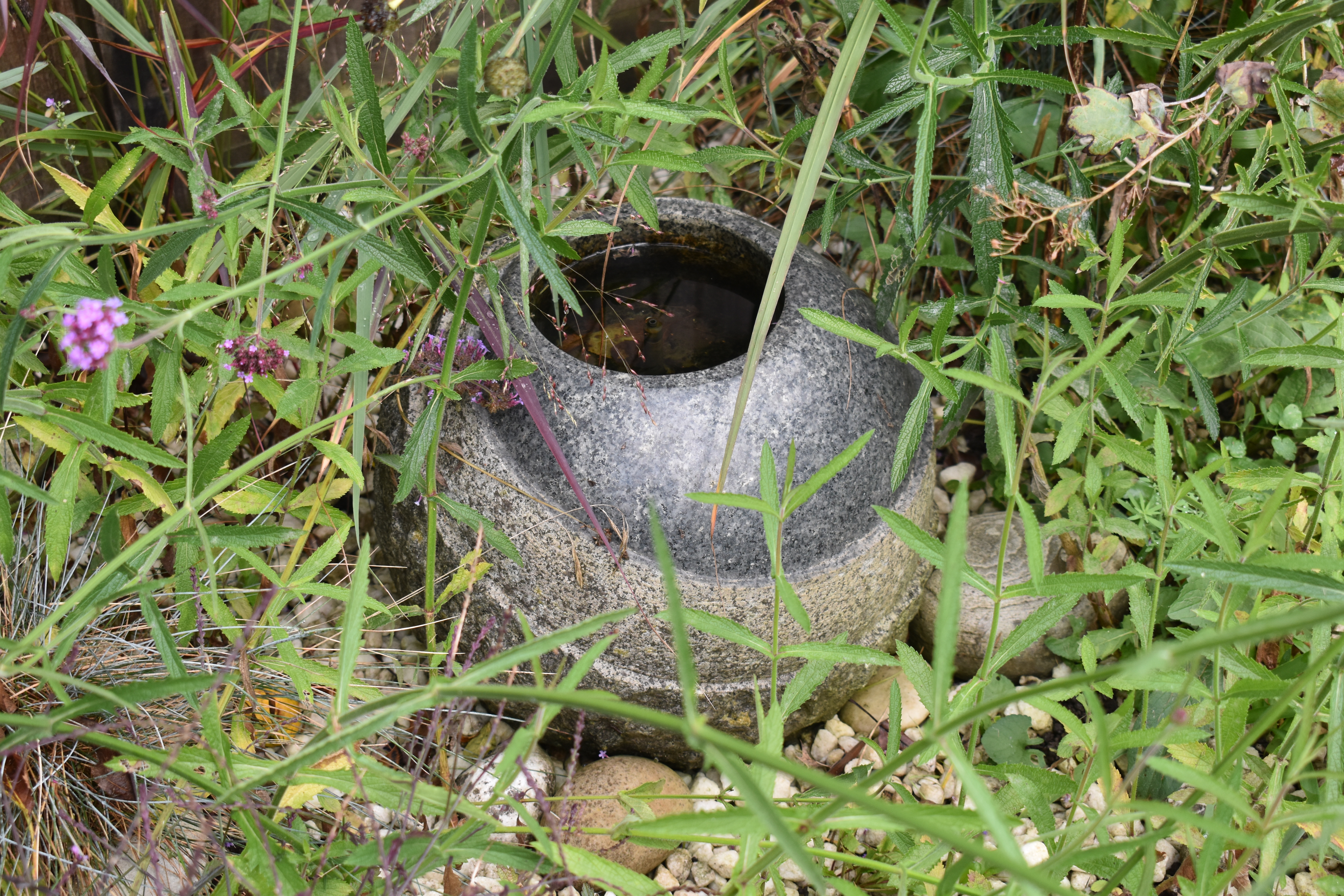
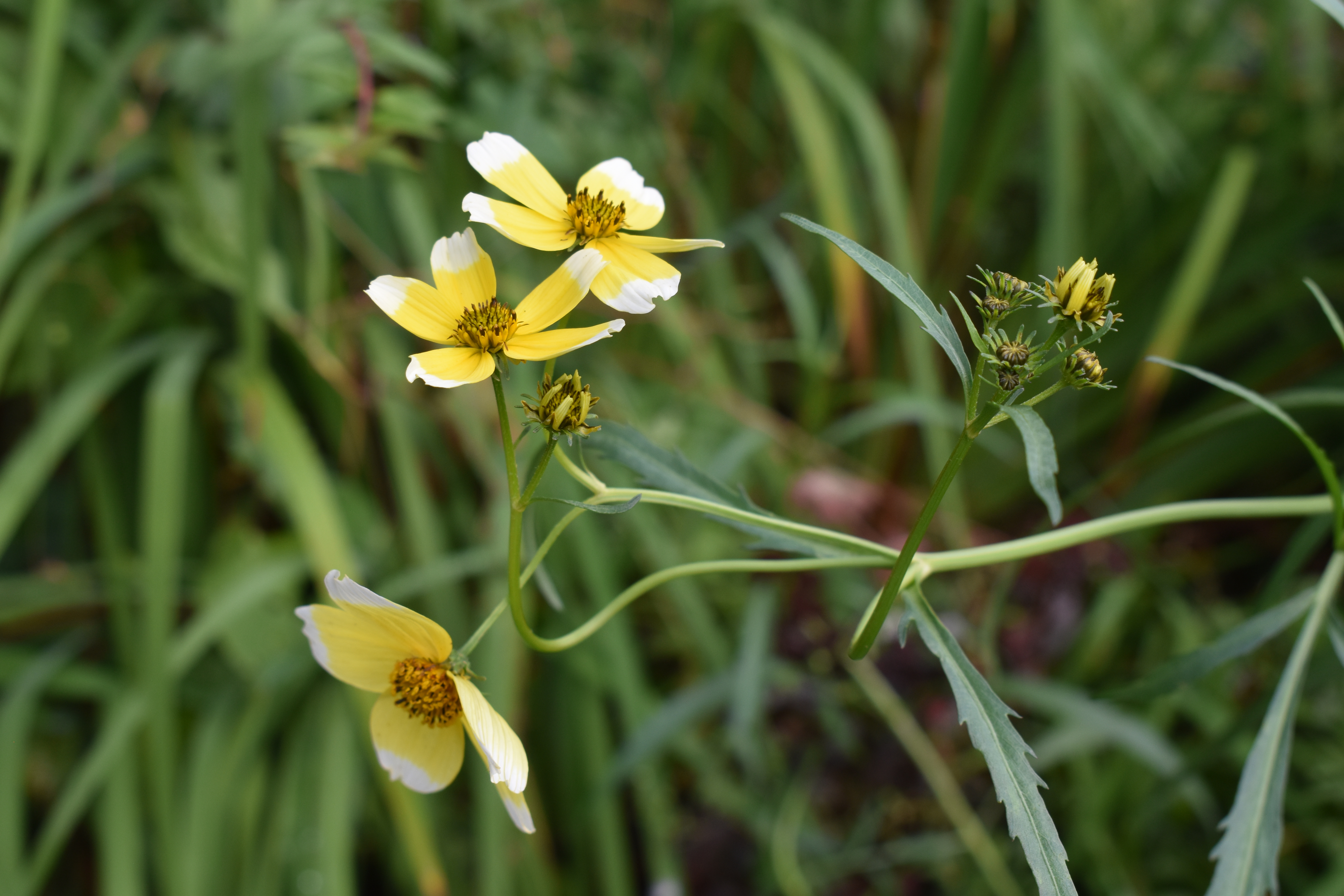
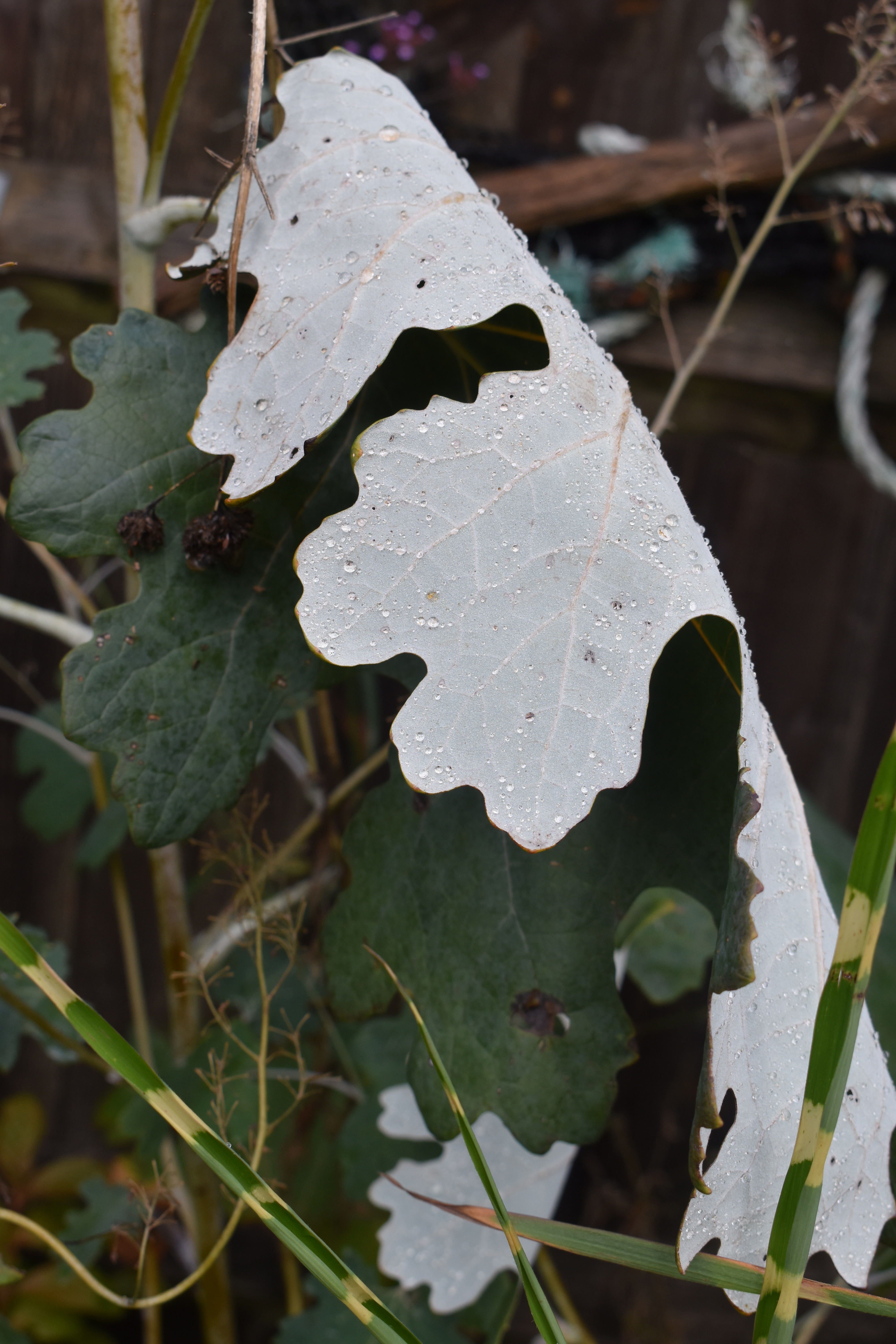
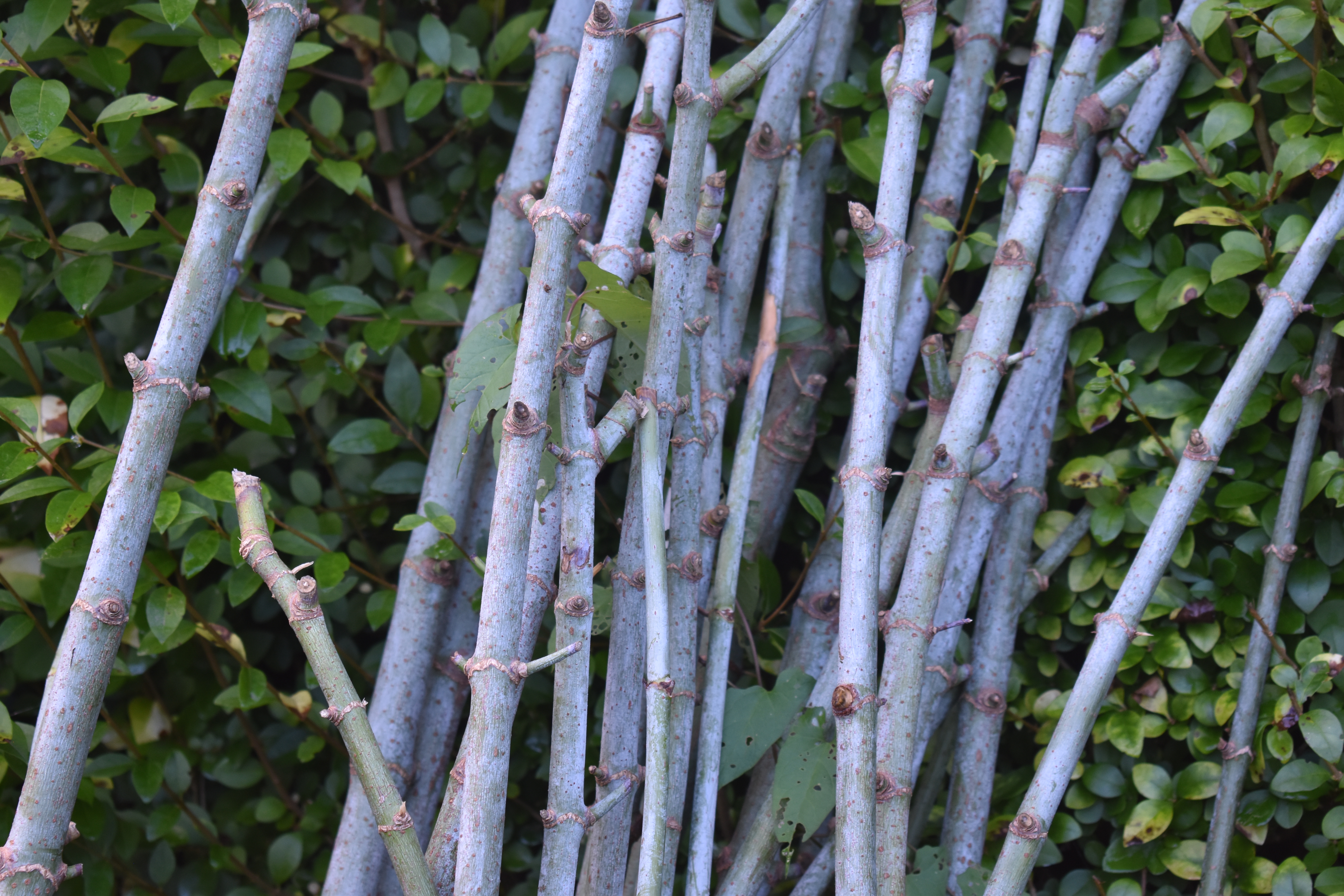
This is the forth part of my “Short Break in Farnham” series of posts and I thought it would be good to take you on a tour of Graham and Vicky’s (our brother and his wife) garden. It is a garden full of quality plants, original ideas and cameos to catch the eye. It is a long narrow garden with fences and hedges that create the feeling of enclosure making it into a sort of walled garden.
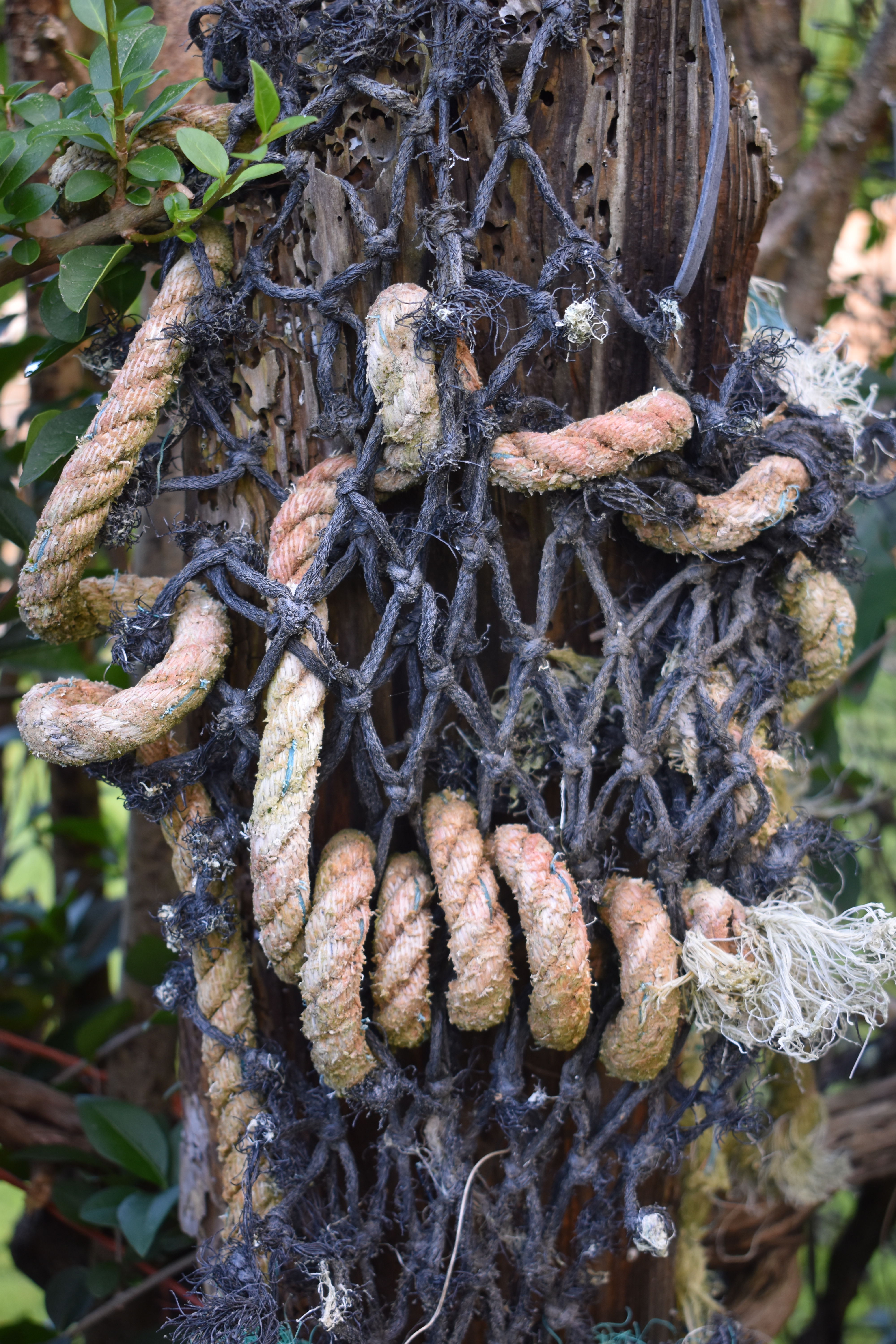
Interesting plants grow happily among objects of interest, both found and created. It’s the combination of juxtaposition and serendipity that intrigues.
I hope you enjoy my gallery!
So now we have visited half of this very quirky cottage garden which I hope you have found both interesting and enjoyable. A second part will follow soon.
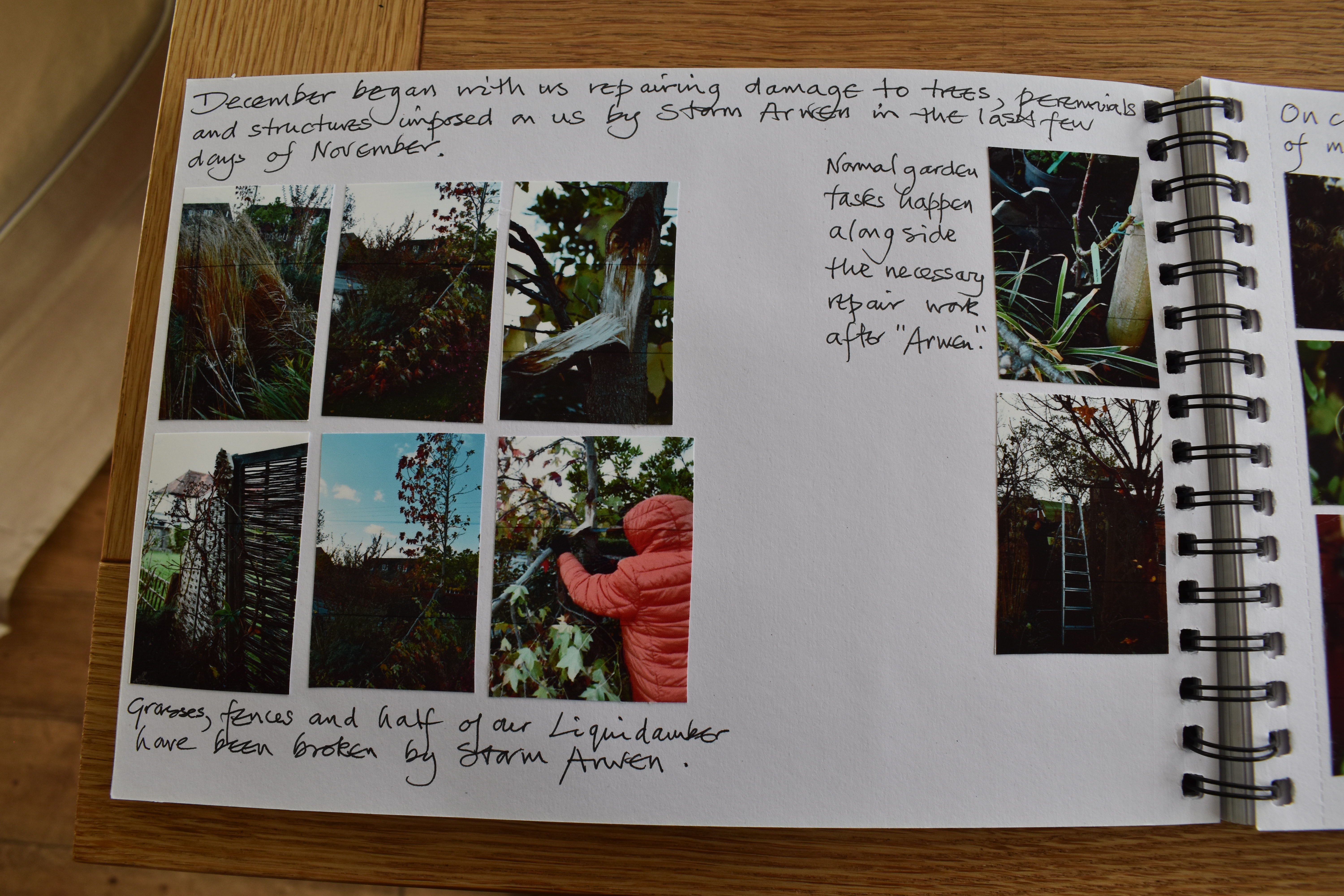
So here we are with a visit to my garden journal, this time to look at the pages for November.
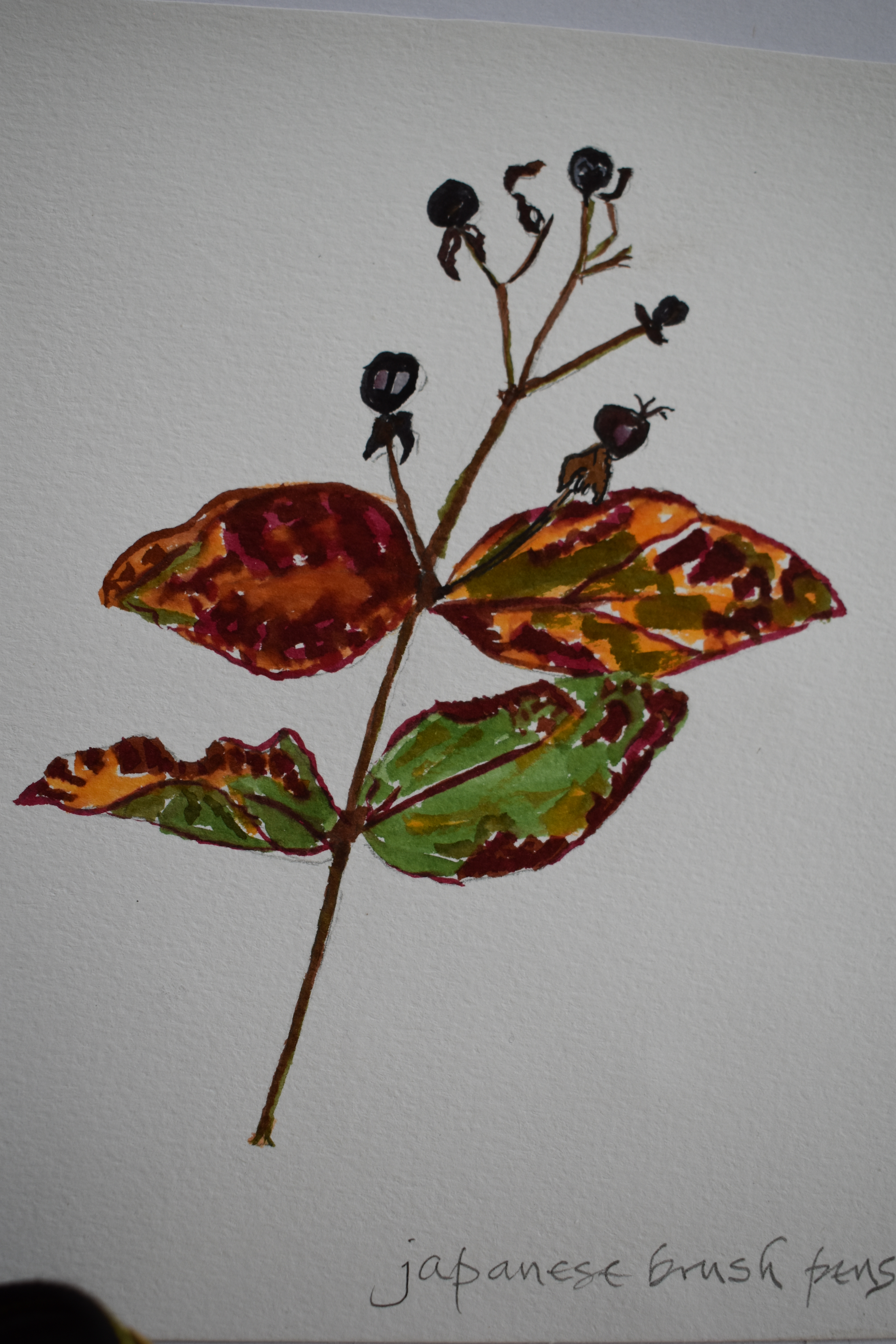
I began by writing, “November saw autumn coming in slowly giving us no colourful days but just patches of colour where odd trees and shrubs brighten up. The best shrub for autumn colour must be the hamamelis family, the Witch Hazels. The leaves below are from H. ‘Jelena’ and H. ‘Diane’.
Overleaf we moved on to explore the colourful autumn foliage of our miniature Gingko biloba called ‘Troll’. I dried and pressed a selection that had fallen onto the compost surface of their pot. I wrote, “Gingko bilobas are wonderful trees with a long history, having been around for 290 million years. It is a unique conifer which is broad-leaved and deciduous, and the only member of the Gingkoales family. These leaves are from our miniature Gingko biloba ‘Troll’ fully grown at 2ft tall.”
On the opposite page I showed two tissue paper collages of leaves of Witch Hazels. I wrote, “In a very odd, almost colourless autumn, the foliage that really shows up in our garden is that of the Witch Hazels, the hamamelis both ‘Jelena’ and ‘Diane’. I played around with tissue paper, torn and shredded to create collages. Some leaves remain predominantly orange with deep red blotches and lines, their veins a deep chocolate brown. Others retain areas of green.”
The next double page spread showed us sorting tender plants to go in the greenhouses and opposite I looked at hesperanthas. On the first page I wrote, “November flowers all seem so special, everyone of them either the remnants of late summer blooms or more seasonal ones. Frosts suddenly arrived on the second day of the month, so we were pleased to have given our delicate plants some protection. They are all safe. We had to re-pot some.We made our temporary greenhouse too.”
Opposite I continued, “Hesperanthus flowers provide flowers of shades of pink ranging from pure white to the deepest pink almost red”
Over onto the next pair of pages I shared photos of fatsia and late flowering roses. On the left hand page I wrote, “The palmate leaves of our two different fatsias look good all year round being a deep glossy green with new leaves unfurling beautifully, but come Nvember their unusually structured flower clusters begin to burst into life. They attract late-flying pollinators.”
When writing about our unusual variety called ‘Greenfingers’ I wrote, “The more palmate leaved fatsia called ‘Greenfingers’ has not flowered for us yet.”
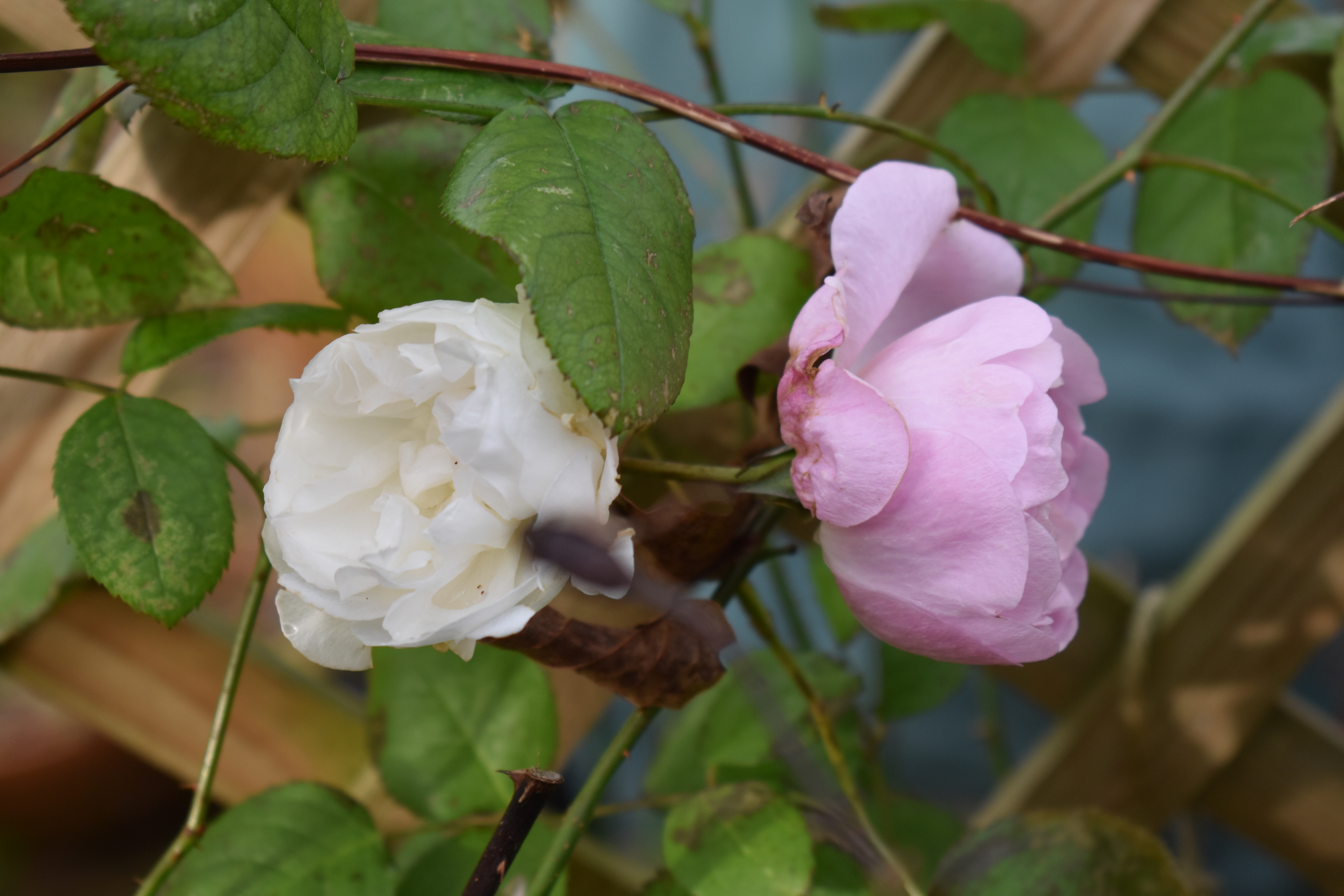
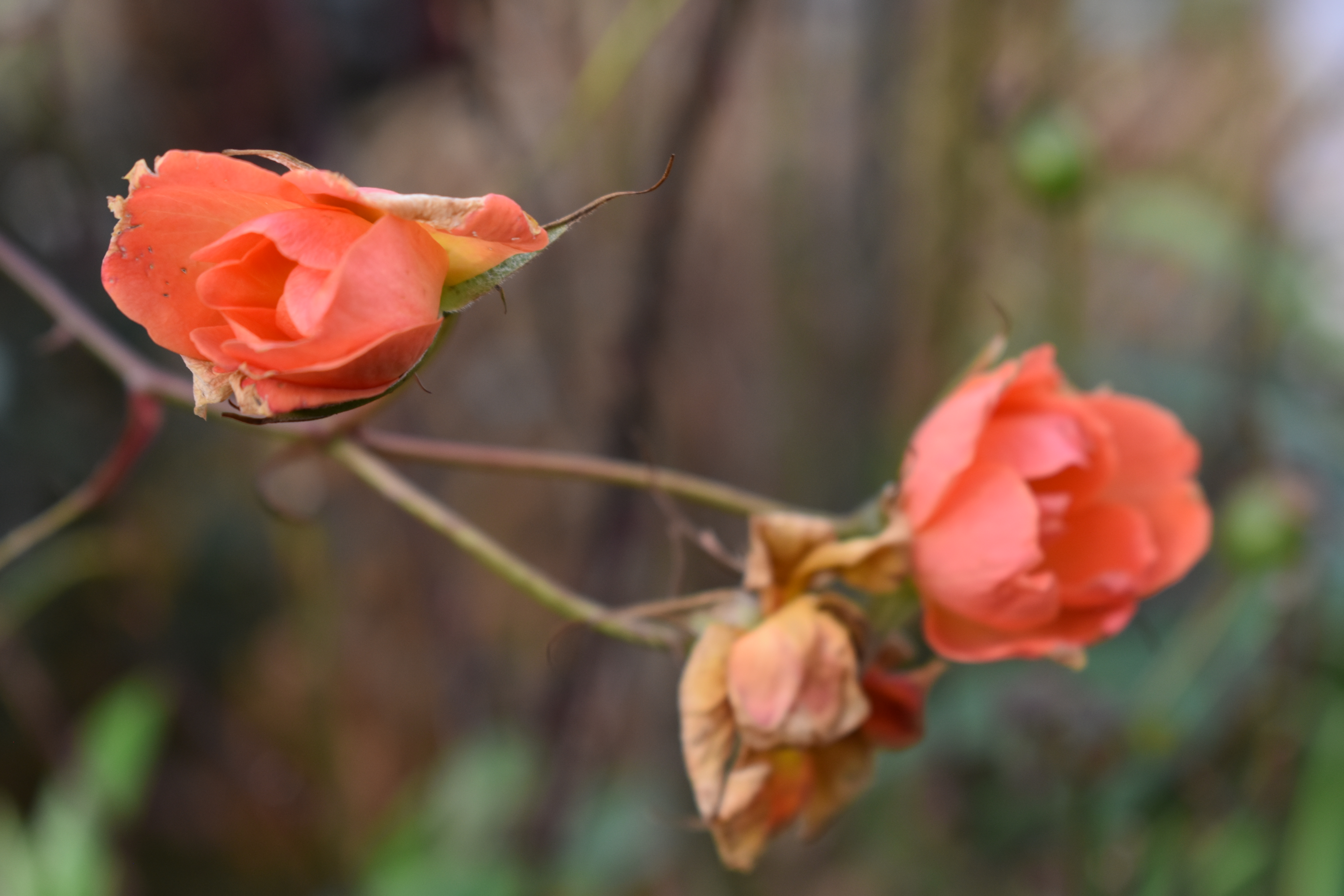
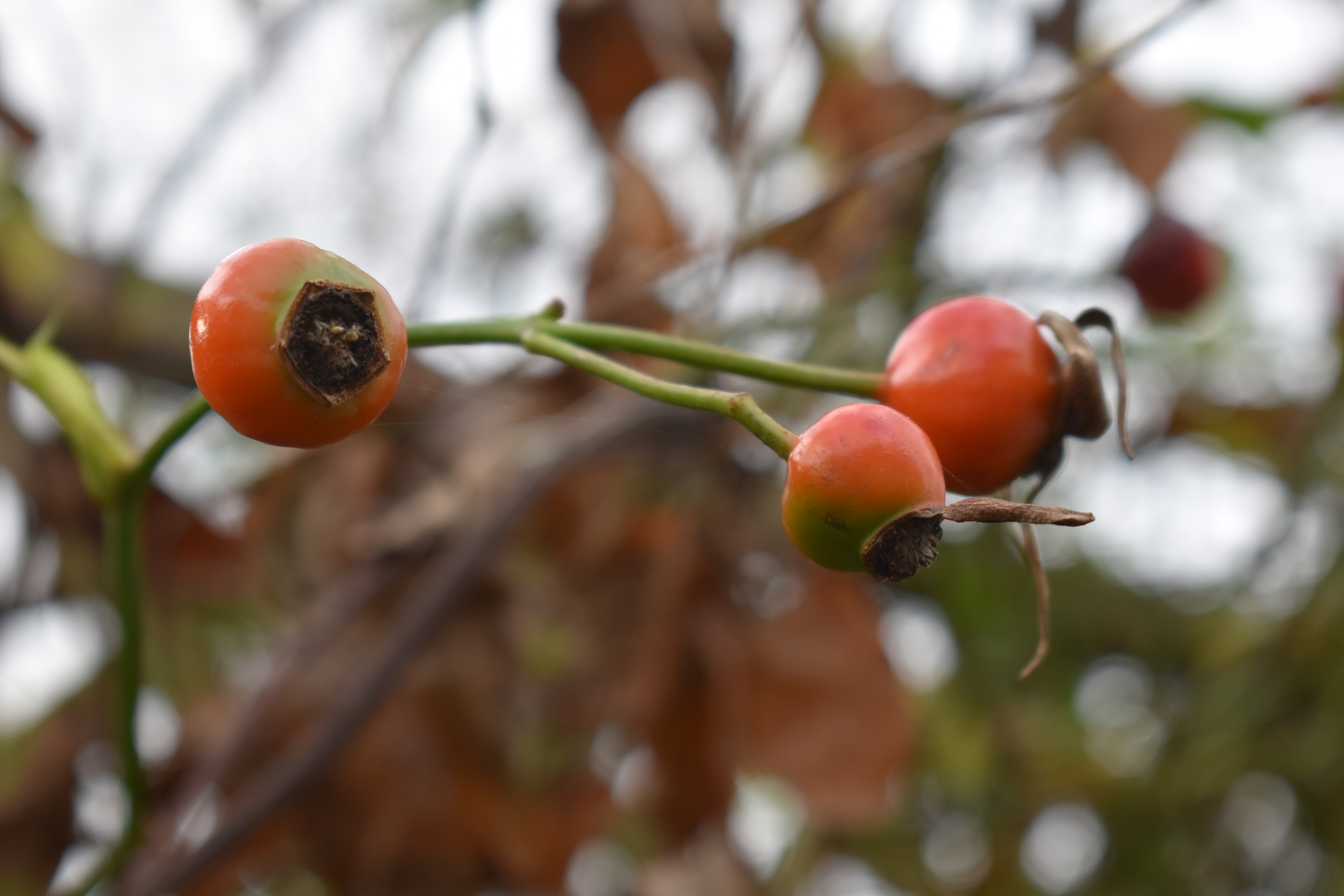
On the right hand side I shared photos of our colourful late-flowering roses, and wrote, “Our rose bushes, climbers and ramblings never fail to delight us with bouts of late flowering right through this month. Hips join in to give added interest and colour, as well as feasts for our birds of the thrush family.”
On the final page for November I wrote, “Lots of garden tasks needed to be undertaken towards the end of November. We continued to pick apples and Jude planted up pots for winter interest to replace my aeoniums now snug in the greenhouse.”
Jude and I love walking on the towpaths alongside the canals of Shropshire and Powys. In November on a cold afternoon we walked a short stretch of the Montgomery Canal with our daughter Jo, beginning at the canal side organic cafe where we enjoyed coffee and cake.
A tiny barge was moored up close to the cafe and we could see other barges up ahead some with gently smoking chimneys. The welcoming aroma of woodsmoke called us down the towpath.
Silhouettes of dried seed heads, the remnants of summer’s flowers emphasised their skeletal outlines.
The hedgerow alongside the towpath separating the canal from the fields alongside were full of native shrubs and wildflowers. Berries added extra colour and invited feeding birds of the thrush family in to enjoy.
We found more barges moored on the canal banks, passed beneath old stone-built bridges and even found a swing bridge as we continued our walk, before returning to the cafe car park.
So our short wander came to an end but I’m sure it won’t be long before we take time out for another canal walk, which I will share with you.
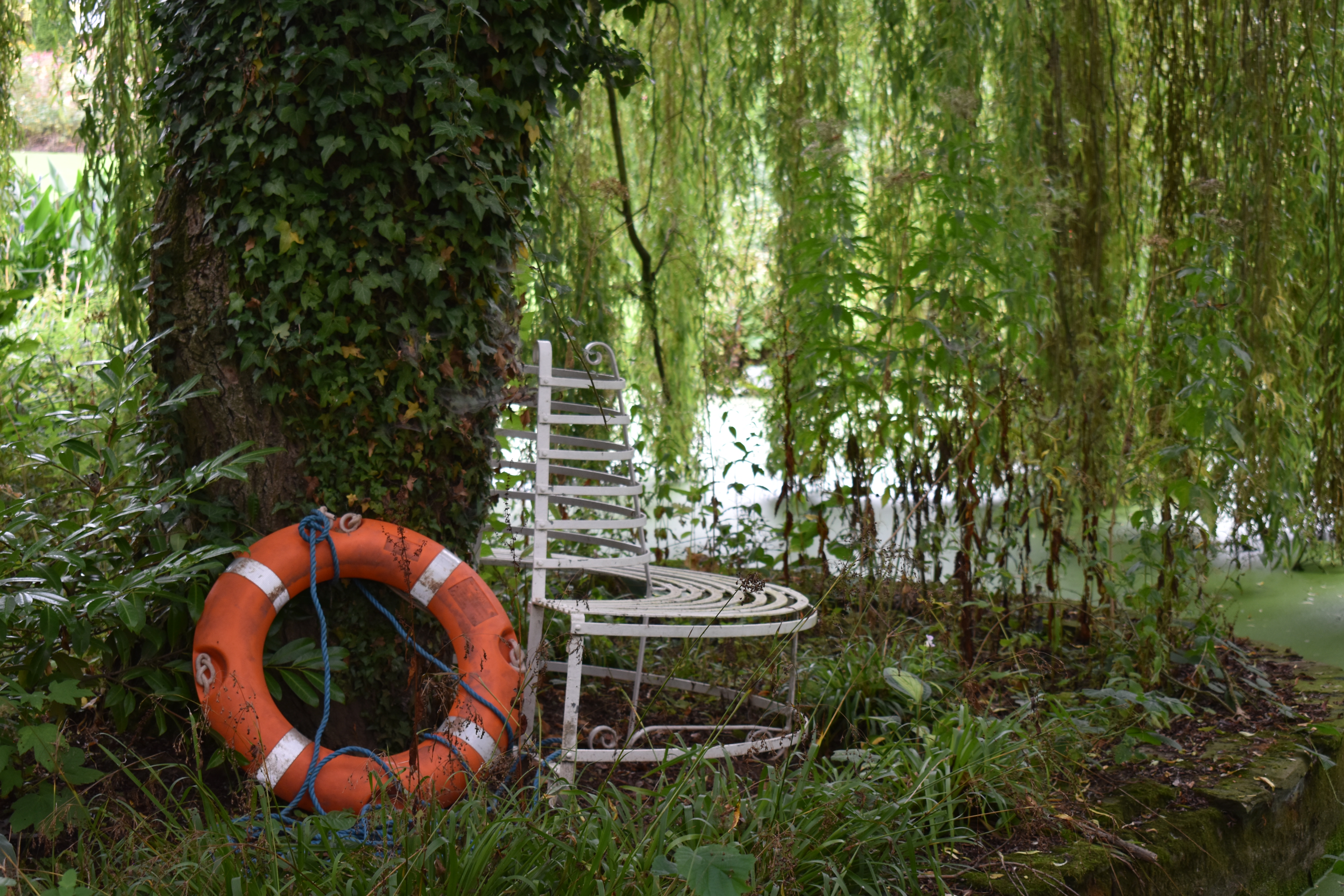
The garden is once again confused by the weather in October when we expect to be seeing more signs of autumn but there remains very little. The Cercidiphylum japonicum was bright yellow as its foliage turned autumnal and soon lost its foliage. We enjoyed the brittle toffee aromas the yellowed leaves emitted. Most of the other trees and shrubs remained green until mid-month.
All around us in the countryside the native Silver Birches have turned shades of yellow but our ‘albosinensis’ and ‘utilis’ cultivars resolutely remain green.
The first page for this month was all about another gardening task.
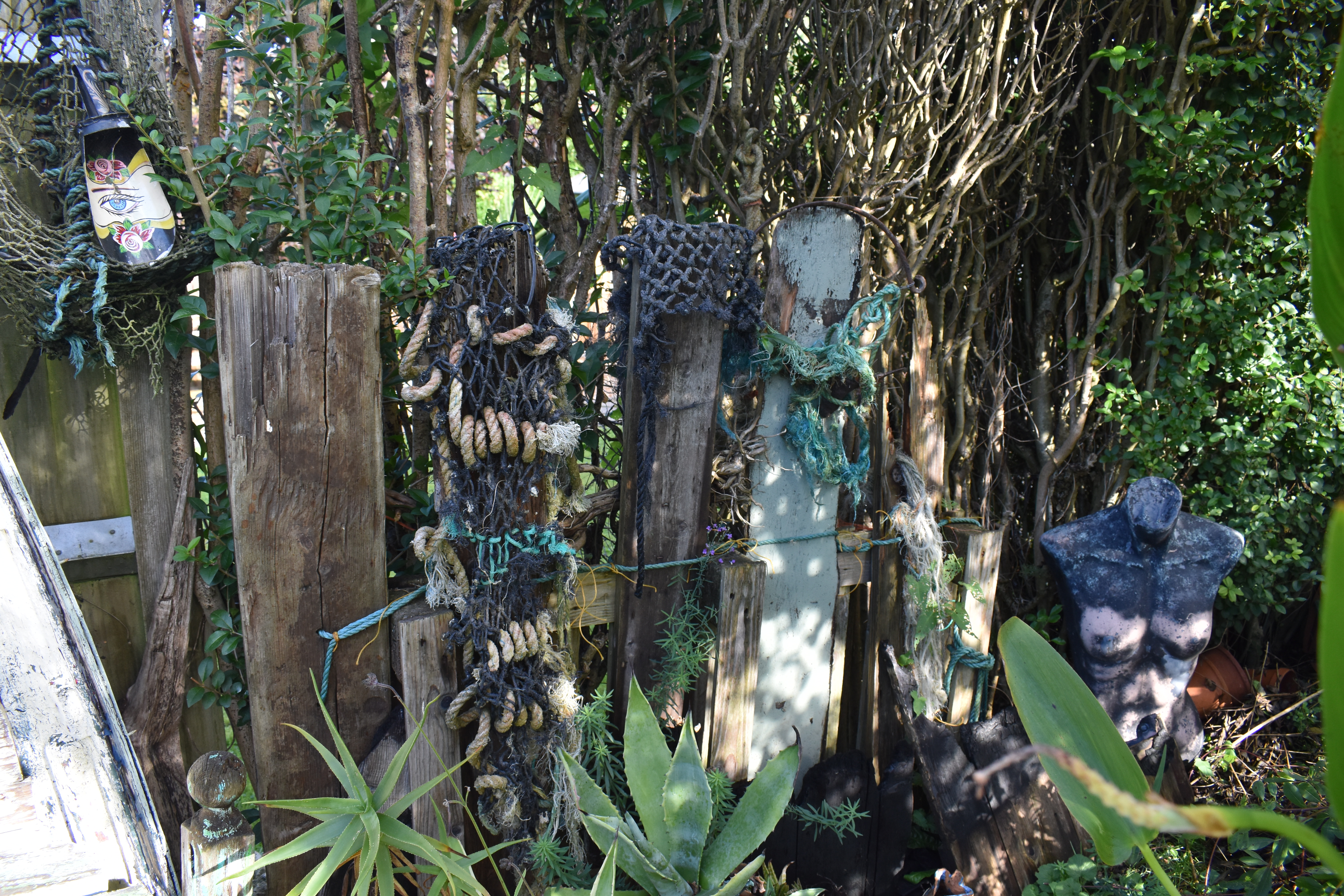
I began my diary entries for October writing, “A major task that took us through from the last week of September and well into October, was the redevelopment of our ‘Prairie Garden’, which over the years has somewhat lost its way.”
The first three photos are about us, “Clearing the original ‘Prairie Garden’ plantings” and the second set show us “Adding organic compost as a deep mulch, raking it in and then fixing in the seep hose.”
The next pair of pages feature October berries and flowers. The first page was about berries where I noted, “With each passing October day trees and shrubs colour up with berries – cotoneasters, malus, sorbus and hollies. Climbers and a few perennials follow their lead.”
The next page featured October flowers and included a gallery to cheer us all up.
“So many garden writers still imply that October is the end of the gardening year, but this is far from the truth. I took this set of photos in the middle of the month to illustrate how many plants ae still flowering away in our garden, roses, succulents, bulbs and herbaceous perennials.”
For the second of this Post Lockdown posts in the “Are You Sitting Comfortably?”, I will feature garden seats from the National Garden Scheme gardens at Lower Hope.
So let’s visit Lower Hope Gardens.
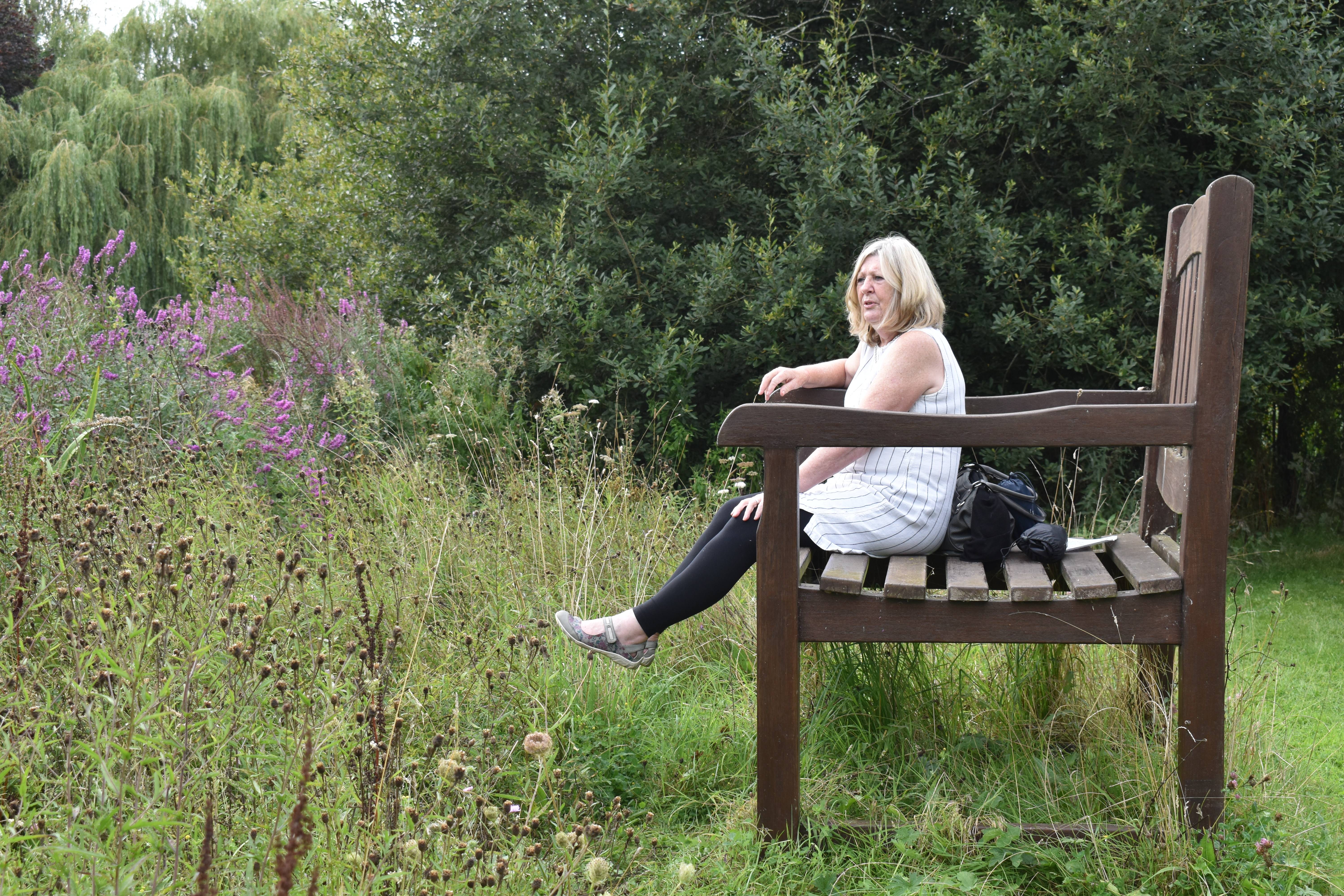
I want to finish off with this fun garden seat! Jude enjoyed the view over a beautiful naturally planted lake, but didn’t enjoy getting back down from the seat afterwards.
So we carry on now as we move from the Harris-Bugg designed Kitchen Garden to the Paradise Garden, a prairie style garden, designed by Tom Stuart-Smith, a garden we had high expectations of.
We definitely were not let down as the planting was excellent and the moods changed as we moved through the different beds. As with most Tom Stuart-Smith a large reflecting pool with rills featured strongly and added the extra feelings provided by water.
Half way down the left hand wall a pair of lean-to glasshouses invited visitors to move through them for some new plant surprises, including aeonium and black tomatoes..
A few surprises awaited us at the base of the greenhouse brick wall beneath the glasswork.
We can now look at more of the wonderful planting style presented by Tom S-S throughout this section of the walled garden.
The master of prairie style gardening, Piet Oudolf, always reminds us of the importance of choosing plants which die beautifully, hence his reliance of grasses and late herbaceous perennials. Tom S-S has the ability to select such plants really well.
We spent a long time in the Paradise Garden as it was so beautiful and atmospheric. Before we continued with our exploration of RHS Bridgewater we decided on a coffee break where we found the first real problem with the creation of this new garden.
The refreshment facilities were so inadequate and badly designed that a half-hour queue was expected so long queues formed, made up of grumbling people wondering what was going wrong. A new garden and newly designed facilities should give an opportunity to get things spot on.
It was such a pity that the RHS failed to get aspects of the Welcome Building right after putting so much effort into the gardens themselves.
We have been waiting for the opportunity to visit the newest garden created by the RHS, Bridgewater near Manchester. The RHS had been looking for a new garden to take on and develop somewhere in the midlands, but after a few years of searching they took on this site in the north. Our hopes of having a midland RHS garden once again faded away, meaning we still have to travel to visit any of their gardens.
Nevertheless we looked forward to going to see it in its early stages, especially as the designers involved were particular favourites, Tom stuart-Smith and the young Hugo Bugg.
The entrance building was both beautiful and unassuming, long low ad clad in wood that would fade to a silver grey in time. The container gardens at the main entrance were most welcoming.
Once we had passed through the building we began exploring the newly created borders following some herbaceous plantings before turning into the community learning areas full of gardens looked after people from the locality with expert help from RHS gardeners. As we made our way there we passed a beautifully sown new lwn area dotted with buttons of yew.
We were fascinated by this propellor shaped turf bench, a design hard to create and no doubt to maintain too!
We left the education community area wandered through what would become an orchard and arrived at a large stone built house badly blackened by pollution from the past. The planting around it included perennials and wildflower meadows.
We then wandered into the formal areas within the old walled gardens which must have been so dramatic in their day. The first we reached was the kitchen garden designed by Hugo Bugg and Charlotte Harris, both winners of RHS Young Designer Awards. The underlying structure is influenced by the areas industrial heritage especially its canal system.
Through a gap in the restored brick walls we entered the Prairie Garden designed by Tom Stuart-Smith, one of our best garden designers.
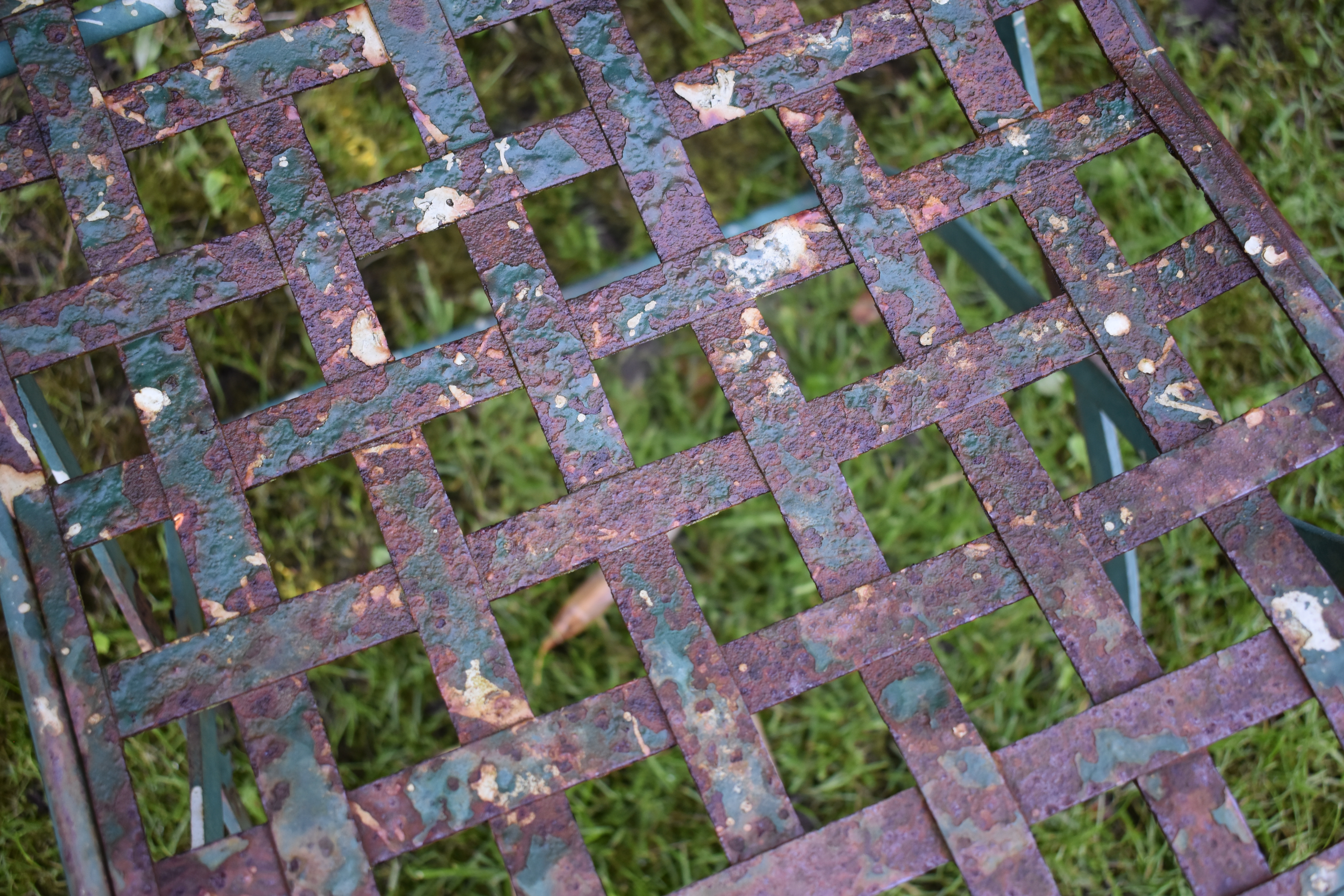
There is something very appealing about rusty colours in the winter garden and the most beautiful rusted metal of all must be corten steel which gets a rusty layer on the outside surfaces and then stays that way with no more rusting or breaking down.
We have several sculpture pieces made of corten steel so I wish to share these with you.
The first two photos are quite similar and both look great on their 4 ft tall metal spikes among our border planting in the Hot Garden.
The newest piece we have is a Tree of Life, a lovely metre wide and laser cut from a sheet of corten steel and it fits well where we have fixed it up on our pale cream coloured house wall. It presents as a viewpoint from down our central path looking up from the bottom fence of the back garden.
We have two pieces made by an artisan blacksmith who works in South Shropshire, the area of the county in which we live, but he is further south. We bought a tall piece featuring a dragonfly in flight which we have positioned close to the wildlife pond where he looks at home. The second piece is a life sized cockerel which the blacksmith called Gregory and asked us to keep the name!
A much smaller sculpture is a life sized wren which moves constantly on its gently moving bent metal stem allowing the wren to sway at our head height with the slightest breeze. He is very popular with our garden visitors. After rain he sports a water droplet right at the tip of his beak! Such a charmer!
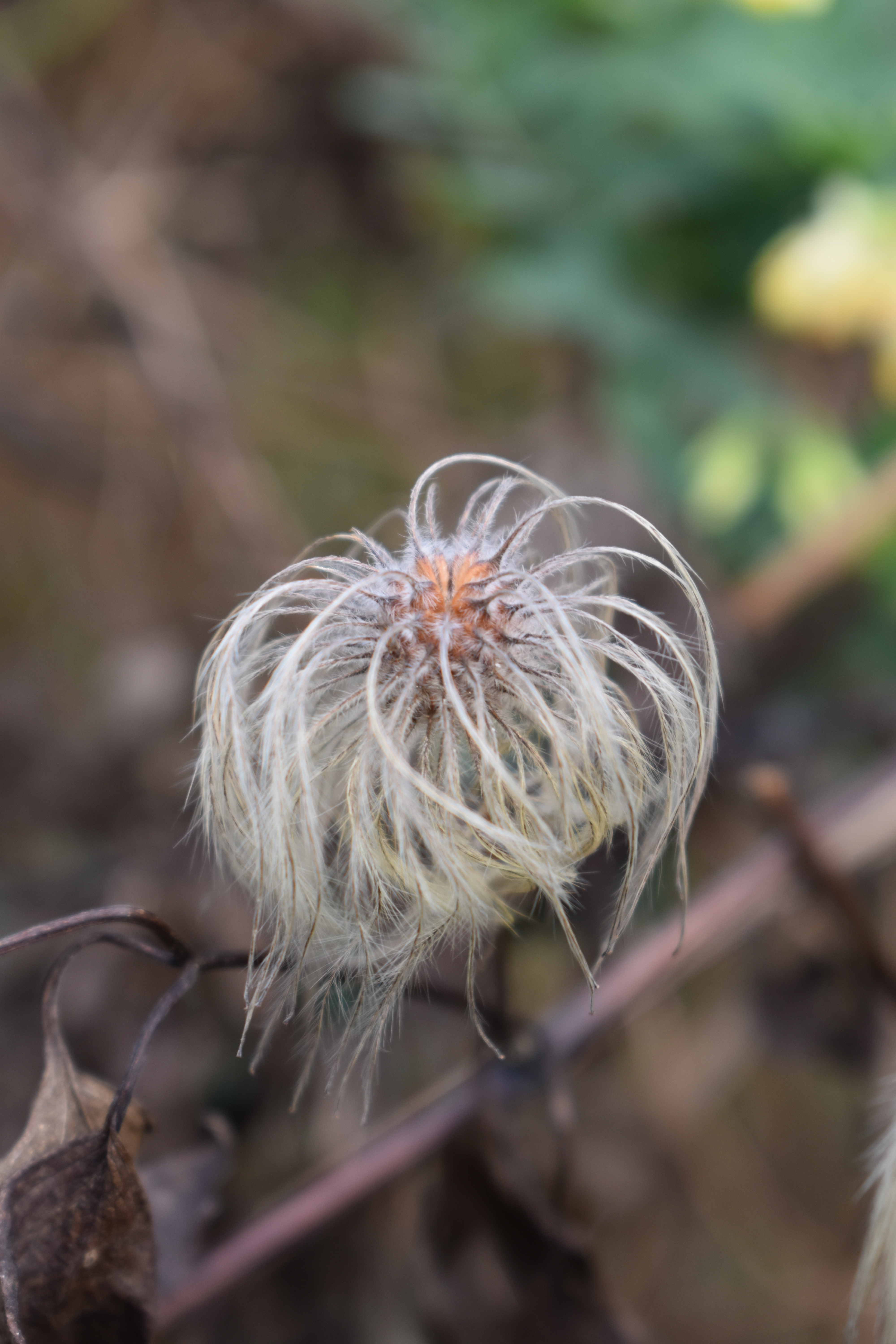
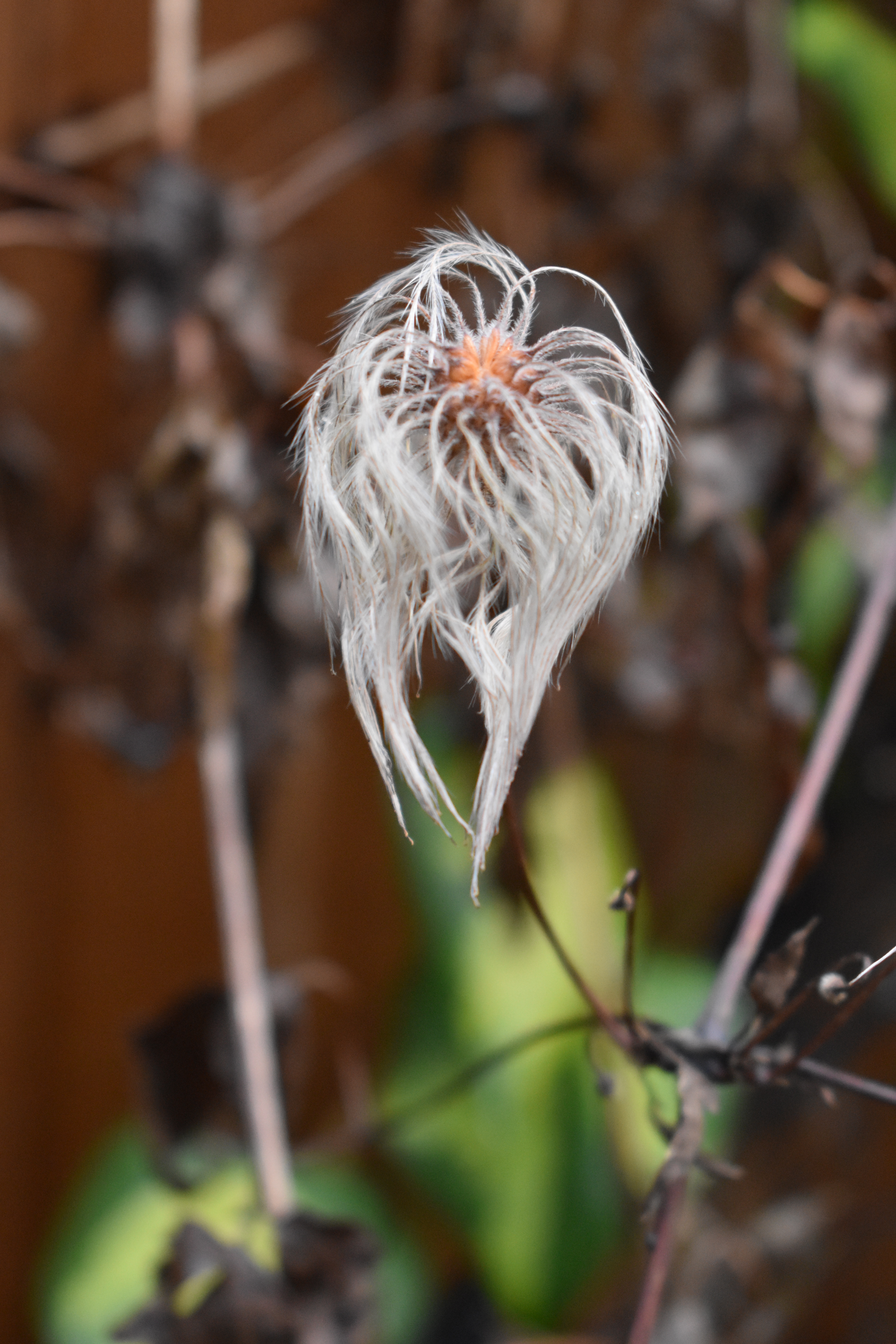
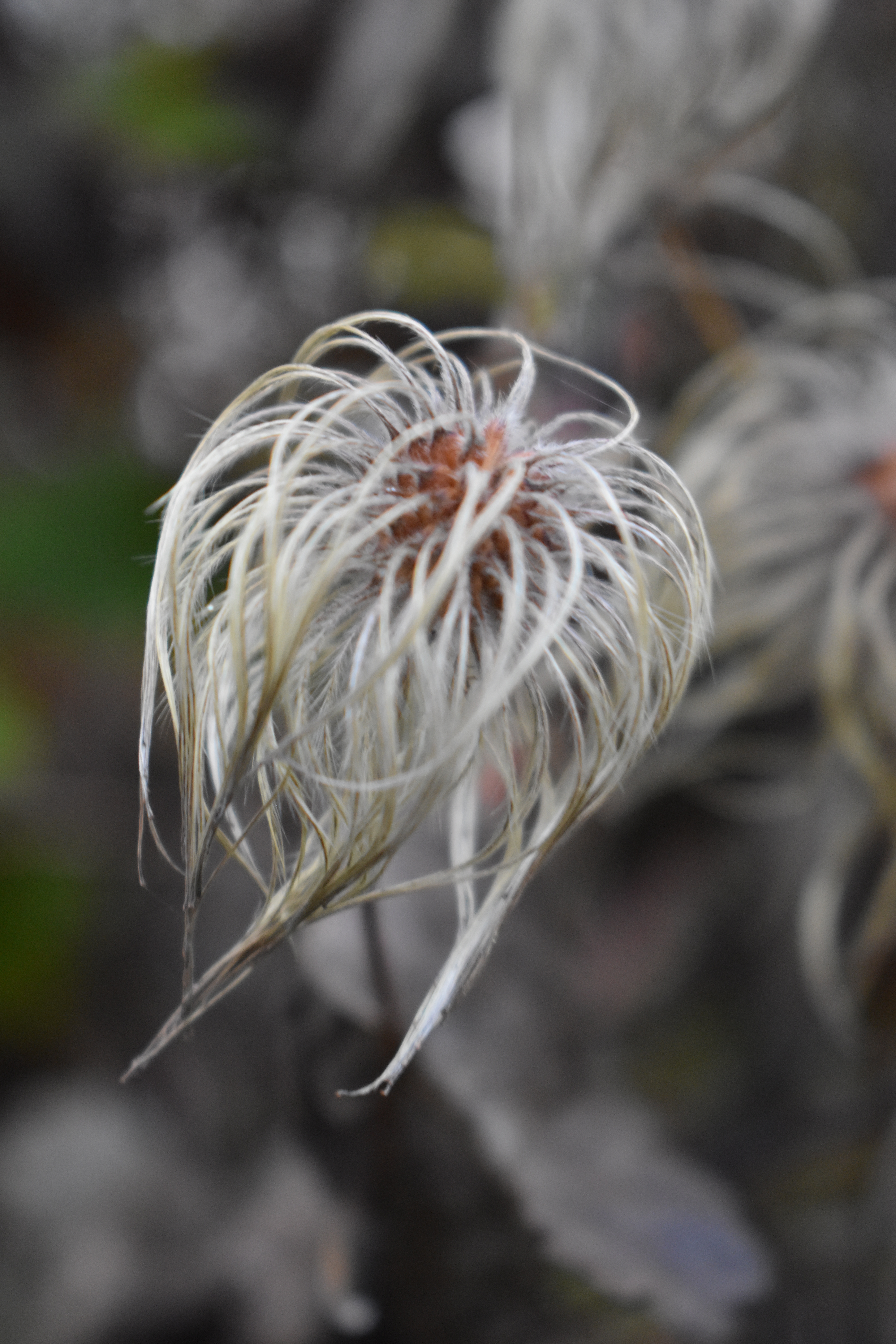
Garden sculpture inevitably often features plants. Ferns are a common subject along with seed-heads. We have several pieces featuring poppy seed-heads on four foot rusted steel stems which can double up a plant supports in the summer. The simplest of this style of sculpture are based on simple sphere. These all fit into borders with herbaceous plants throughout our garden borders. At the other end of the scale is a tall heavy piece based on the fluffy seed-heads of clematis and this is shown in the 4th photo followed by the clematis seed-heads themselves.
Obelisks often have metal ornamental features at the top which add to their simple charm.
One of the first corten steel sculptural pieces we put in our garden was an armillary sundial, a present from Jude, the Undergardener aka Mrs Greenbench.
When we visited a National Garden Scheme garden a few years ago in Herefordshire we discovered it to be a garden and gallery for outdoor sculpture and calligraphy work on stone and laser cut into steel. We bought two pieces from a series of corten steel rectangles designed to hang and be seen from both sides. The left hand piece below says, ‘The grass is always greener on the other side with the word ‘greener’ readable from the other side. The right hand photo features the words ‘The stars are always there but sometimes you just can’t see them.
The next block of photos shows our group of three laser cut screens.
In the front garden in one of our ‘Doughnut’ beds we have a few pieces working together to enhance the planting.
I will finsh this tour of our garden corten steel sculptures with this trio of beautifully twisted pieces. I hope you enjoyed this tour – perhaps we can look at these pieces again later in the year when they are within planting schemes.
Our gardening friends Jill and Steve have a wonderful long thin garden designed and planted as modern form of a cottage. It contains the main elements of a traditional cottage garden but it has strong design and well-thought out planting communities. It is enhanced by delightful little cameos, pieces of sculpture, found objects and planted containers all evidence to Jill’s creative flare.
We love their garden and have visited several times but never in the autumn, so an invitation to visit was happily accepted. We know that the tiny front garden will give us a warm welcome.
Jill and Steve met us as we entered the back garden having wandered down the side access to the rear garden. Here plants are cleverly placed to welcome us again. There was also on the patio nearby a collection of plants in containers all beautifully placed to make each look better.
In the main garden large central borders erupted with plants, mostly tall perennials and statuesque grasses. The side borders include shrubs, climbers and trees. The selection of plants, how they are placed and how they enhance each other is second to none. Jill has a keen eye for designing with plants. This is true whatever the season!
The first photo in the group below shows Steve’s clever viewing place trimmed into a box hedge, giving a great view back towards the house.
I will finish off my garden gallery of this great garden with this photo of the table display on the patio which makes relishing a good cup of coffee and a slice of cake even more delightful!
September is a lonely month, a month that neither belongs in summer or autumn but sits in its own time. The weather can be as good as August and often treats us to an “Indian Summer”. September presents us with late flowering perennials, early signs of autumn and berries begin to colour up. Birds are keeping their eyes on them so that they can get at them just on the cusp of ripeness, leaving none for human foragers.
I began my September notes with the words, “September is, I feel, a month that deserves to have a mini-season all to itself. It doesn’t fit into summer or autumn, it is simply itself, the month when we look forward to an ‘Indian Summer’ and gardens full of colour and wildlife. Salvias flower in so many colours and are joined by a wide variety of late-flowering perennials.”
Below are four photos of some of our many salvias in flower.
Aster, rudbeckia, alstroemeria and hesperanthas.
On the opposite page I featured a selection of persicarias currently in flower.
Turning over the page to the next double page spread I feature firstly many of our sedums and opposite selections of perennials that give clumps of flower colour.
I wrote, “We grow dozens of different sedums throughout our borders, some herbaceous perennials, others succulents. Botanists have decided to rename some of them but we enjoy ignoring their advice!”
I then shared 9 photos of just a selection of our dozens of sedum varieties and cultivars.
Above the photos on the opposite I noted, “Some times as well as the beauty of individual blooms, plants produce their blooms in bunches to give extra impact.”
I then selected nine such perennials to photograph and share.
Over the page I share with you the hard but enjoyable work we have been doing transforming existing borders, totally re-inventing them.I wrote ,“We had lots of tasks in the garden in September, the most important being to continue the revamp of the “Chicken Garden”. We finished clearing the area of existing plants, potting them up to re-use or add to our nursery stocks in our little nursery.” and “We top dressed the area with a deep mulch of organic compost, pruned the water shoots from the trained apple trees and potted up displaced plants.”
On the opposite page we looked at other garden tasks for later in the month writing, “We fixed our new corten steel sculpture into the bed with concrete, planted all the new planting scheme for a gentle open feel prairie garden. We used carex, hakenochloa, and heuchera as edging. We then needed to thoroughly water the plants in! While the concrete set around the base of the sculpture we supported it using temporary tree stakes and clamped the sculpture to these stakes. The red gloves were to protect our eyes.”
Moving on through the September pages I next shared a set of pencil and watercolour drawings of the seedheads of our mature Acer rufinerve. I wrote, “Our largest snakebark maple, Acer rufinerve, is now dropping clumps of its seeds, coming down before they dry off and turn brown.”
I then shared seven photos of such instances.
For the final page for September in my garden journal I looked at some surprise dried stems we found. I wrote, “While walking one of our several garden paths, I noticed how the flowering stems of hemerocallis (Day Lilies) stood upright and firm, dried to bone colours. Each head was different but all were reminiscent of deer antlers.”
We will return to visit my journal at the end of October.
'The most important and informative publication on wildlife of our times' - The Independent. This blog is a member of The UK & Ireland Natural History Bloggers group: www.uknhb.blogspot.com