Categories
Uncategorized

A Garden Called Sunningdale

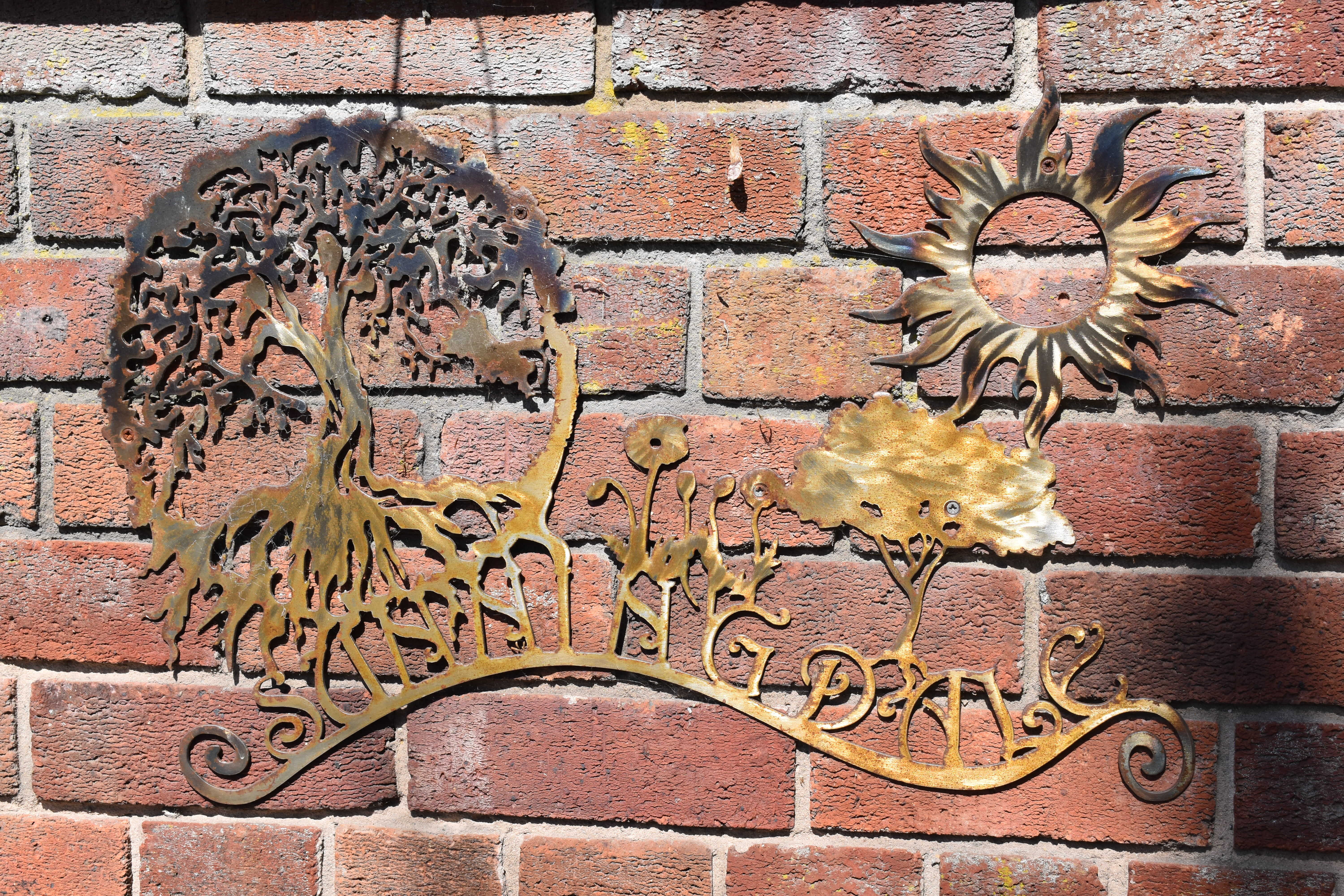
The first garden visit this year with the Hardy Plant Society Shropshire Group was to north Shropshire to a town called Wem. The garden was called Sunningdale and we were really looking forward to seeing the garden once again. We have visited twice before but the last time was about ten years ago so we were looking forward to discovering what changes had been made. The first development being this original sign on the brick wall which was angled into the garden entrance.

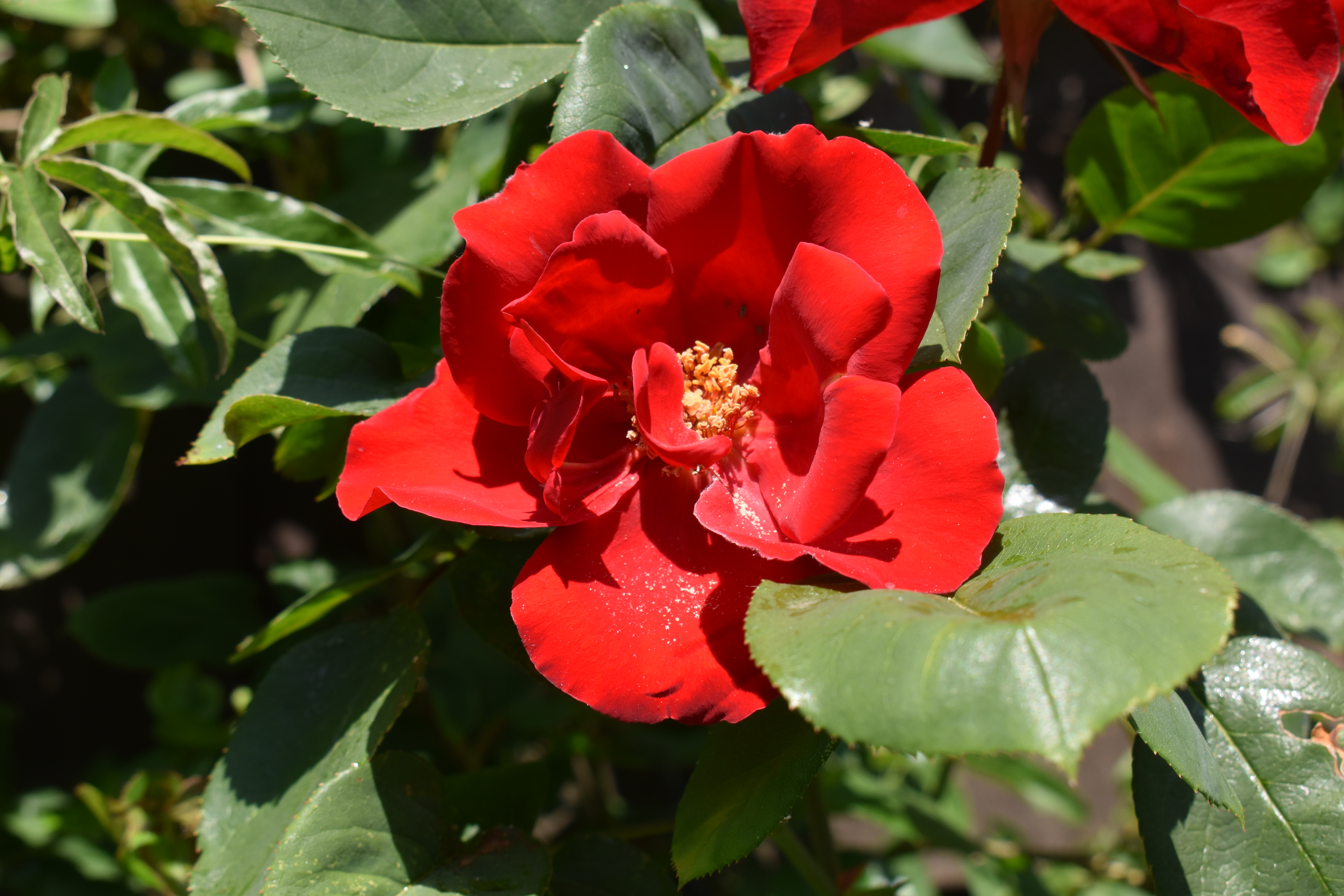
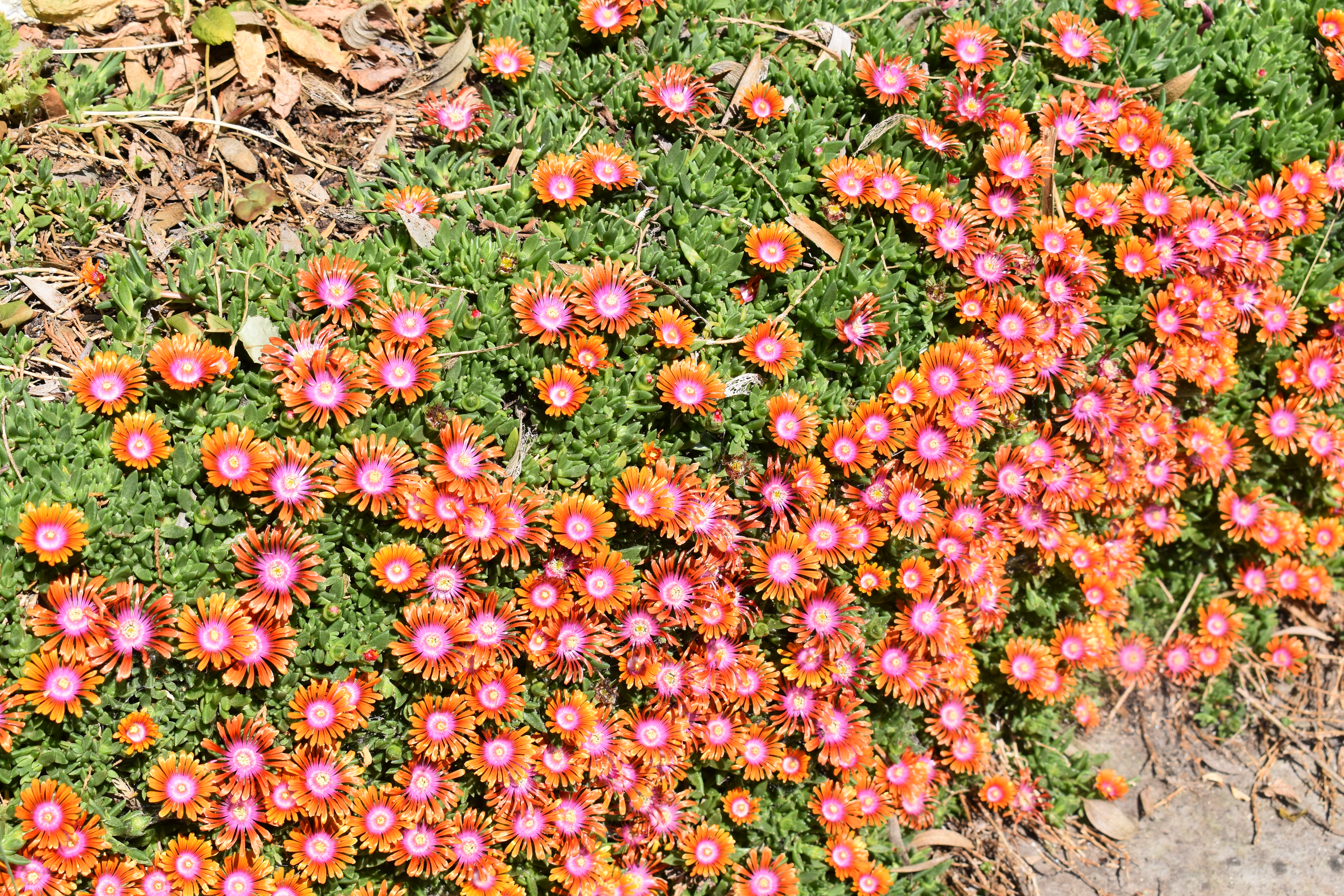
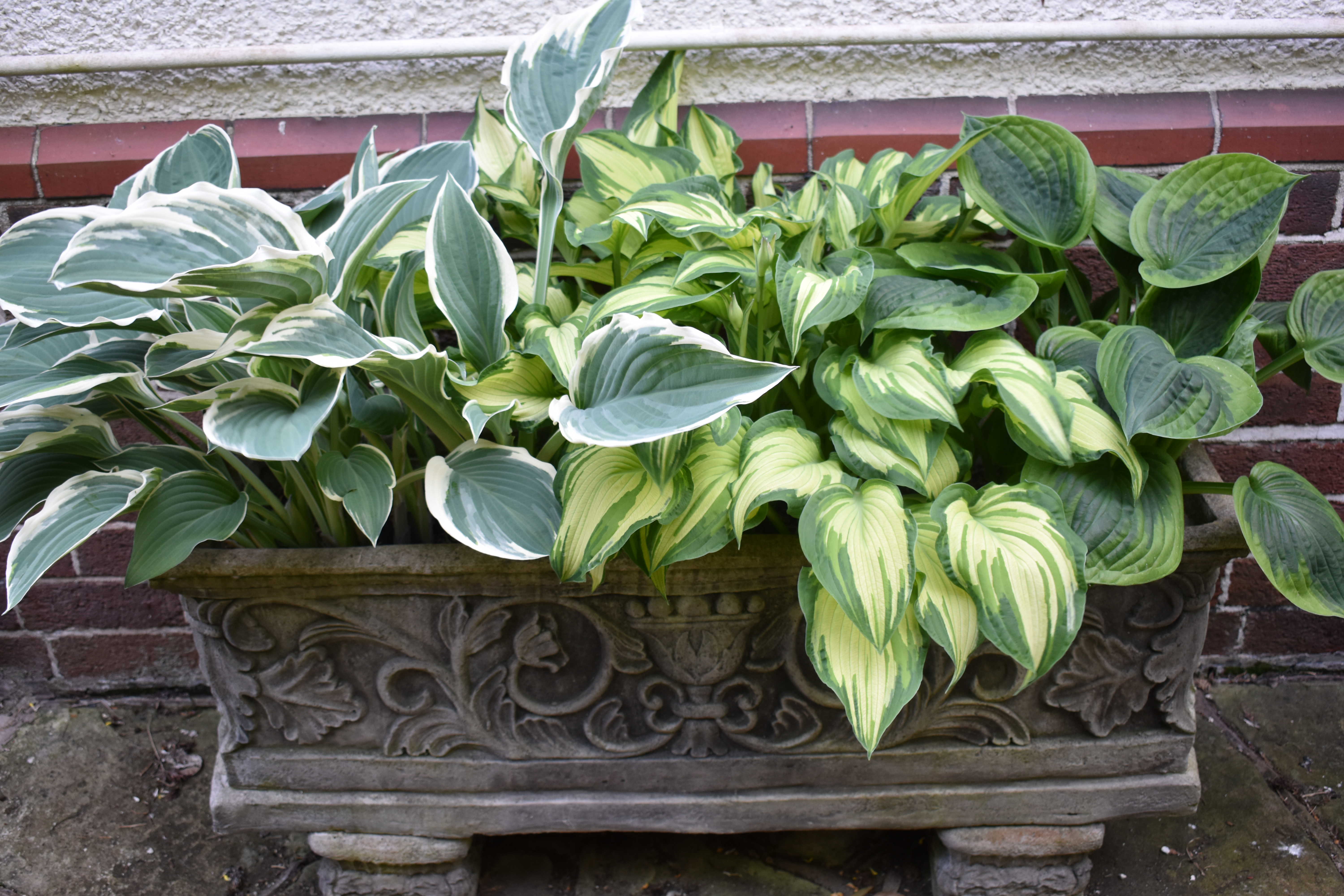
We met the owner, Sue, just inside the front gate to the garden. She welcomed us and suggested we start our tour to the left and around to the back of the house. Along this narrow pathway there was much to draw the eye, the reddest of roses, a multicoloured succulent and containers of magnificent hostas.

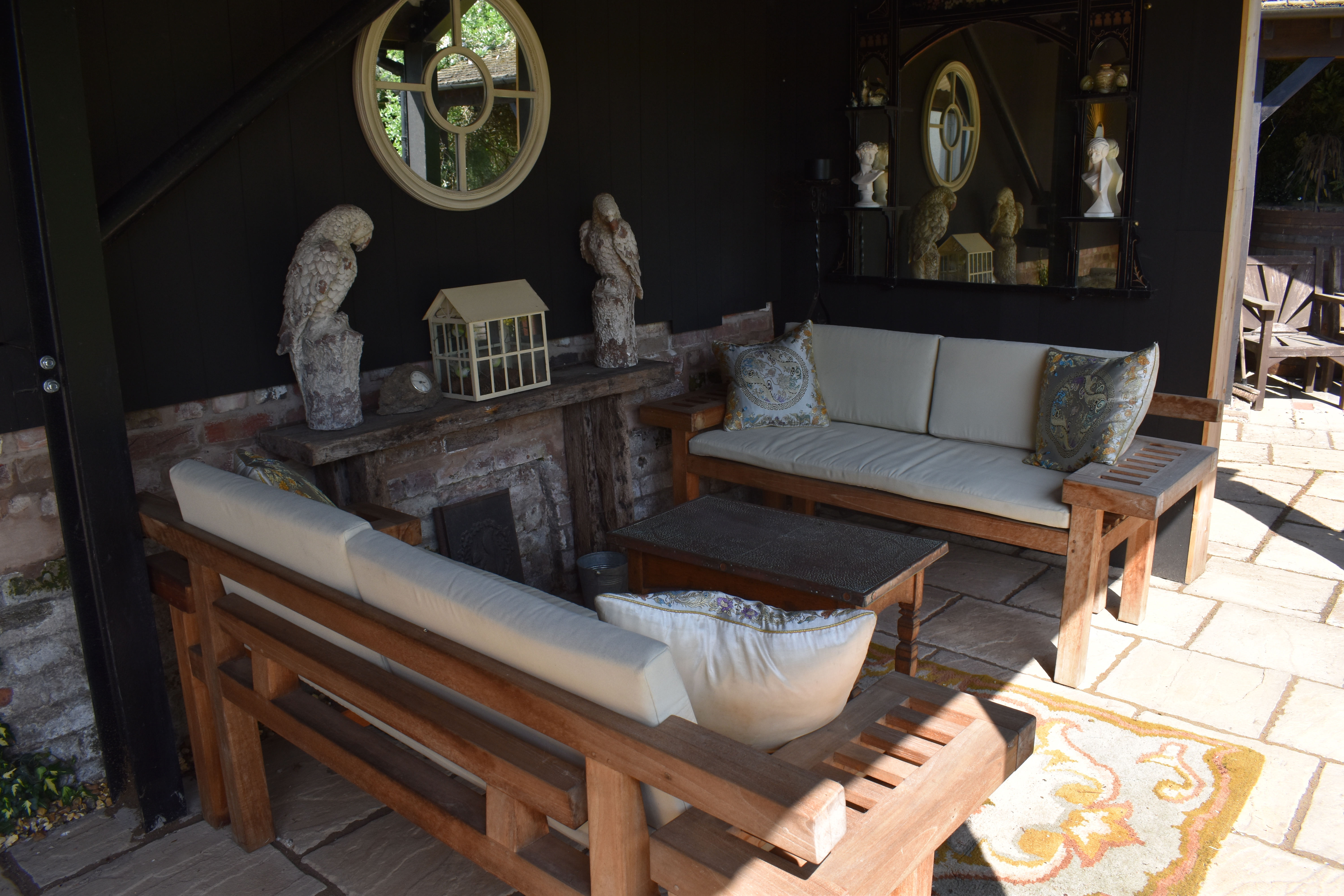
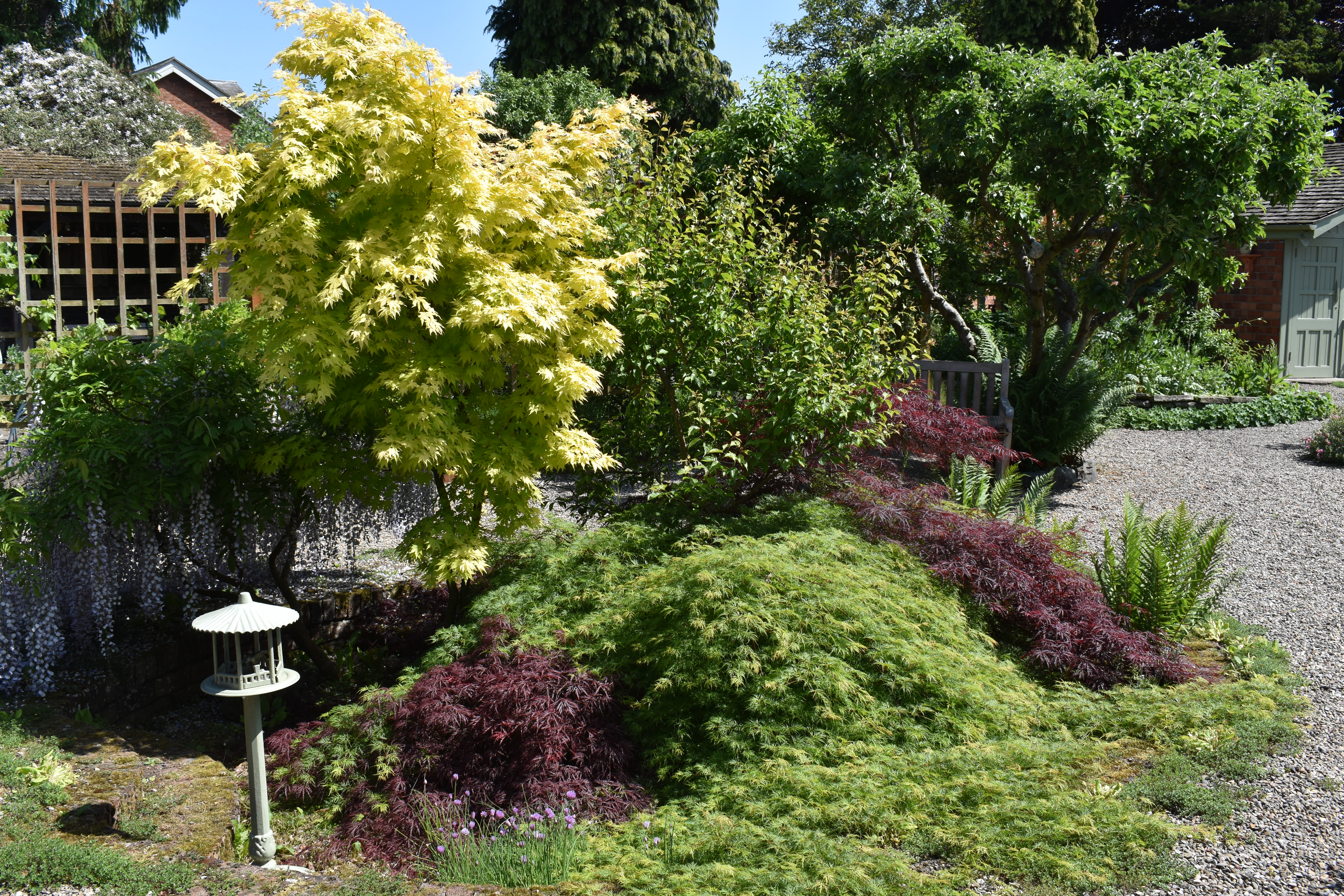
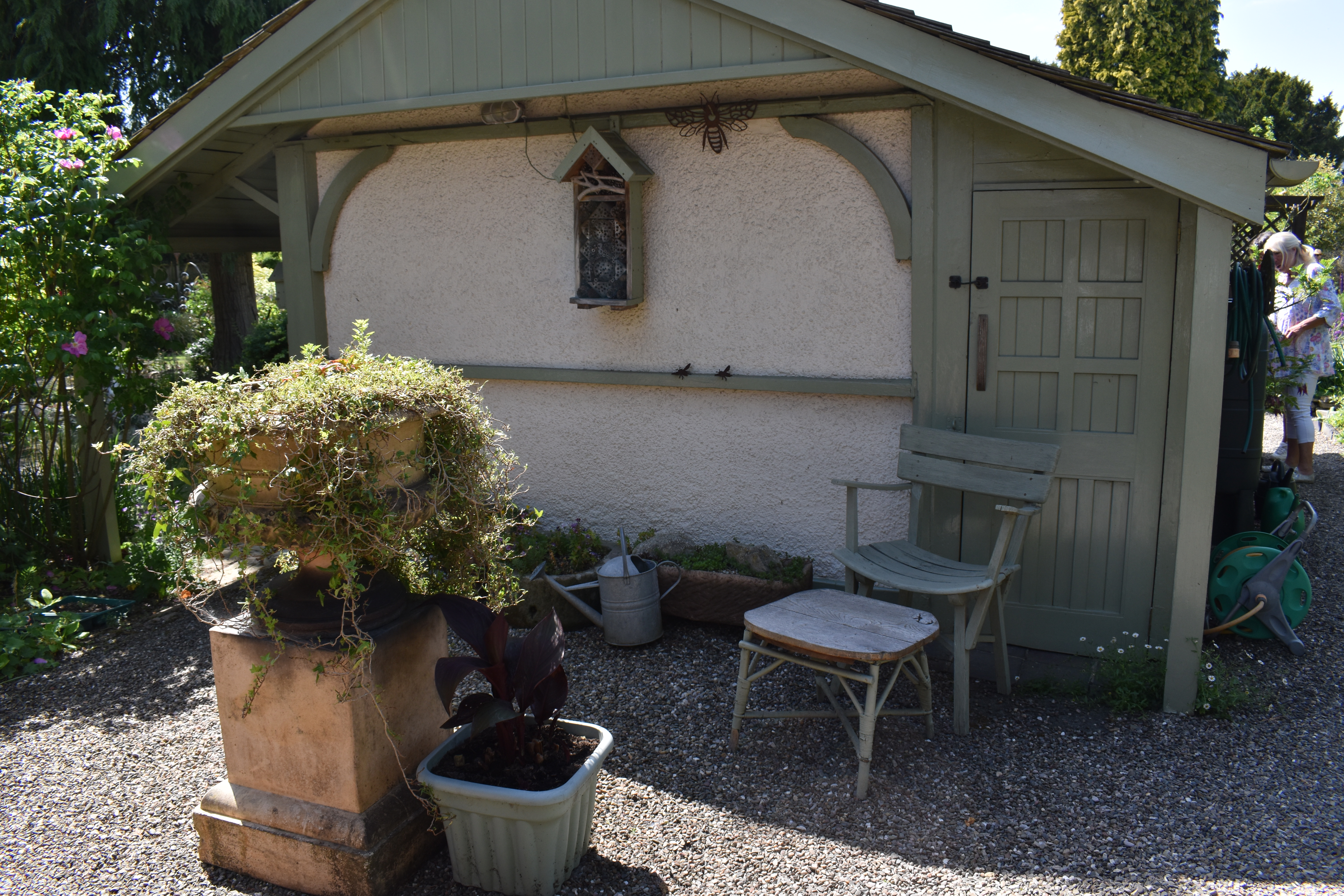
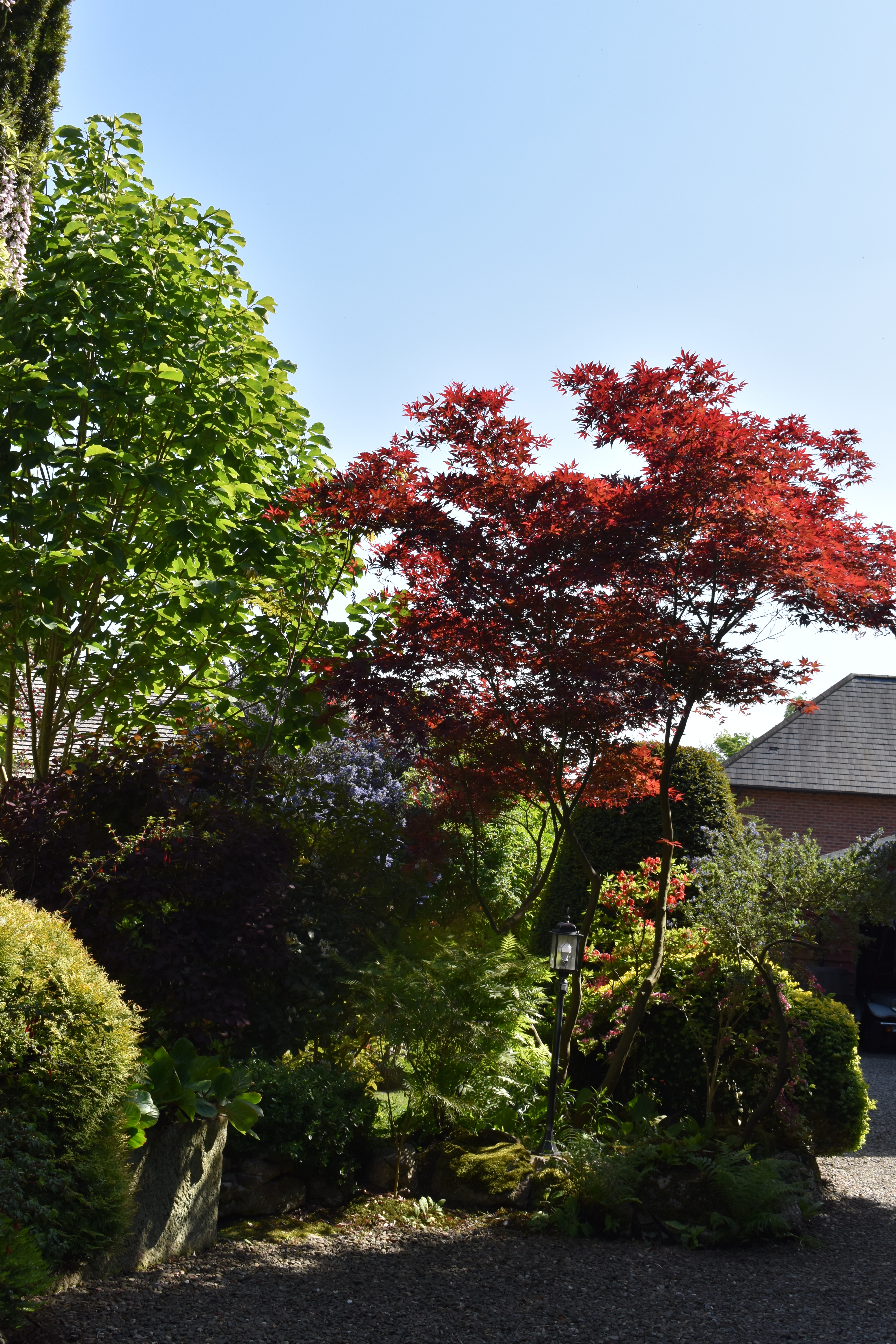
The passageway alongside the house led us to a newly redeveloped area with a strong Japanese theme. A long shelter painted in black housed interesting seats and artefacts and gave views over the gravel area with the expected plants especially acers and miniature conifers.

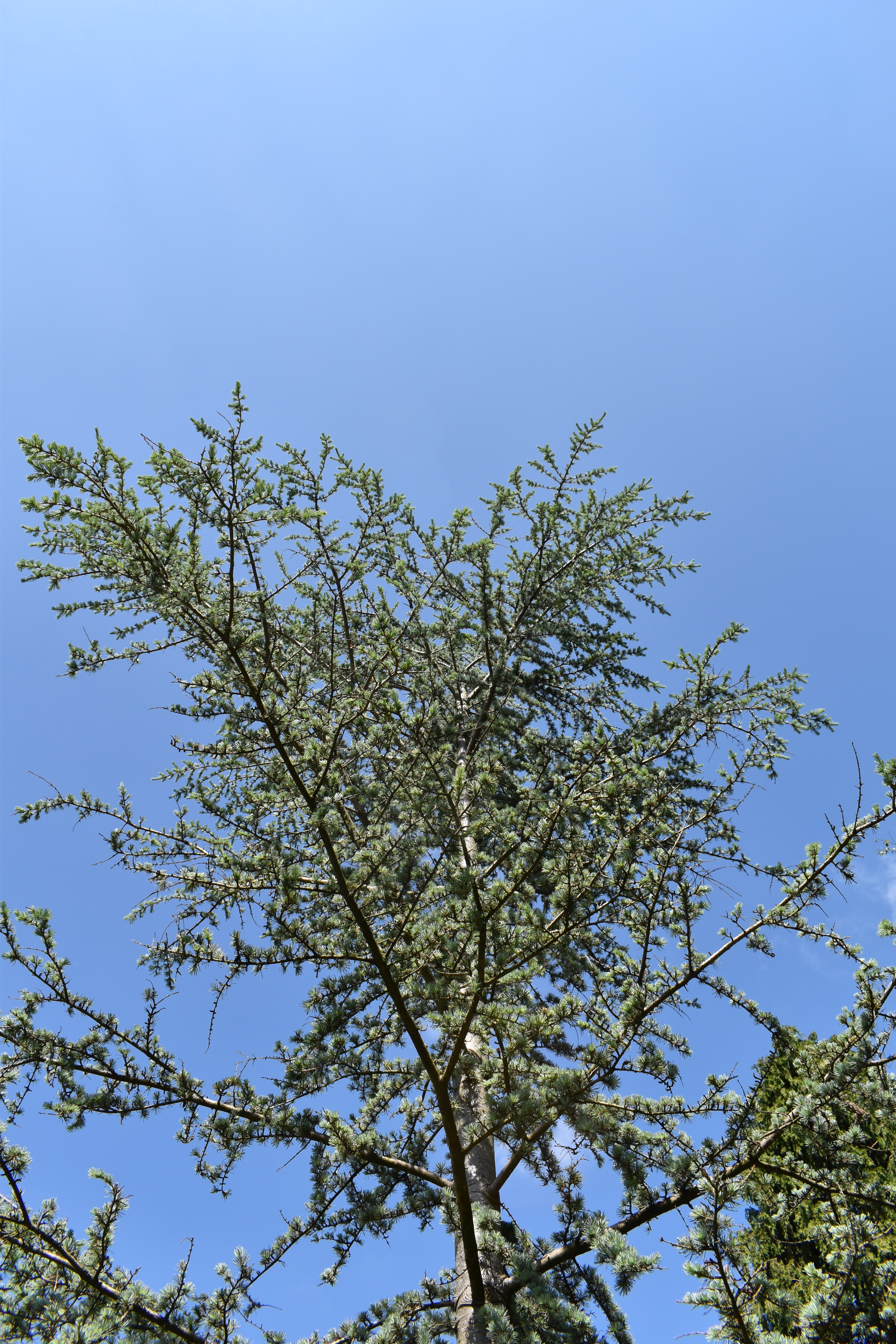
The twisting conifer below had such soft needles and green cones at the top of each branch.

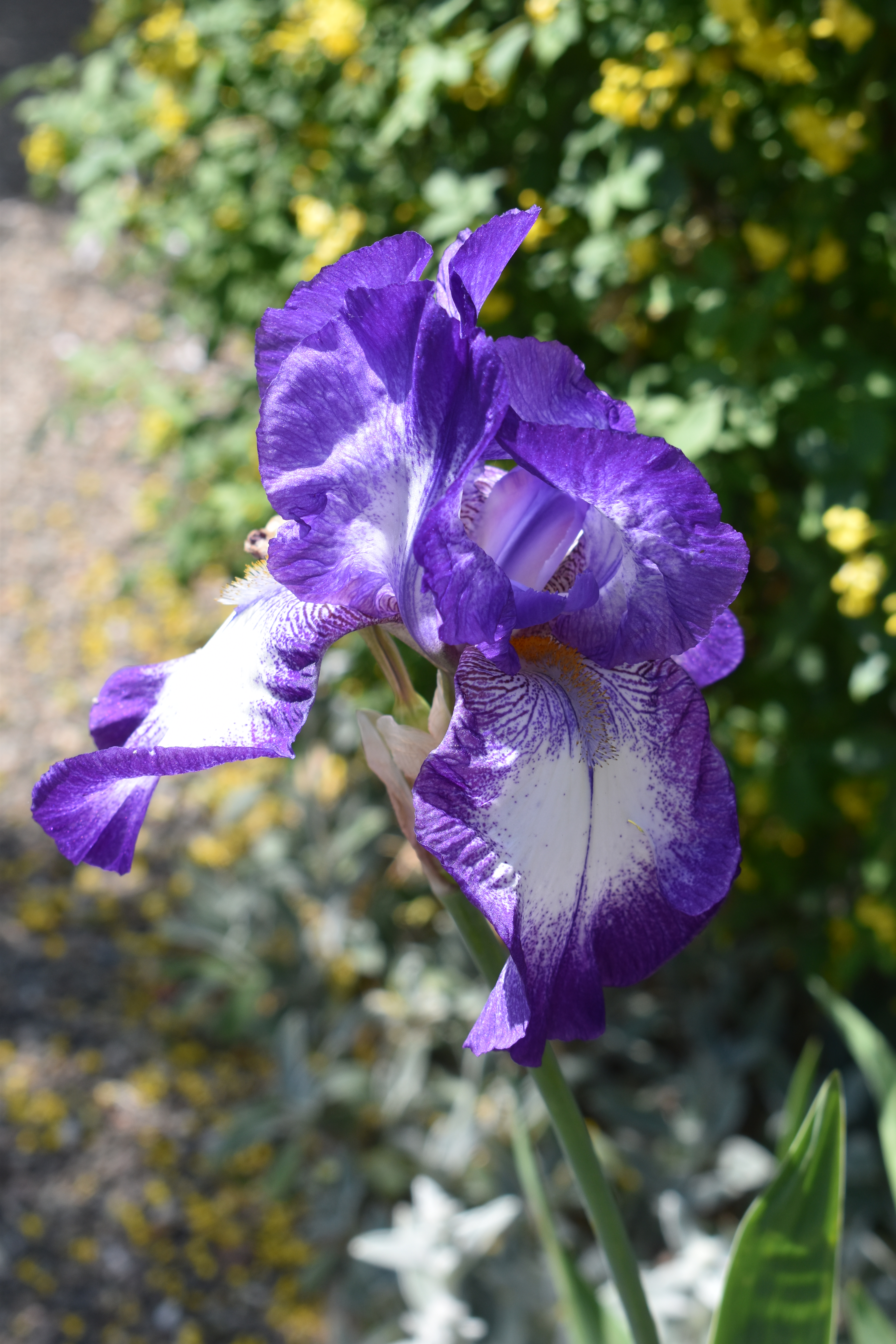
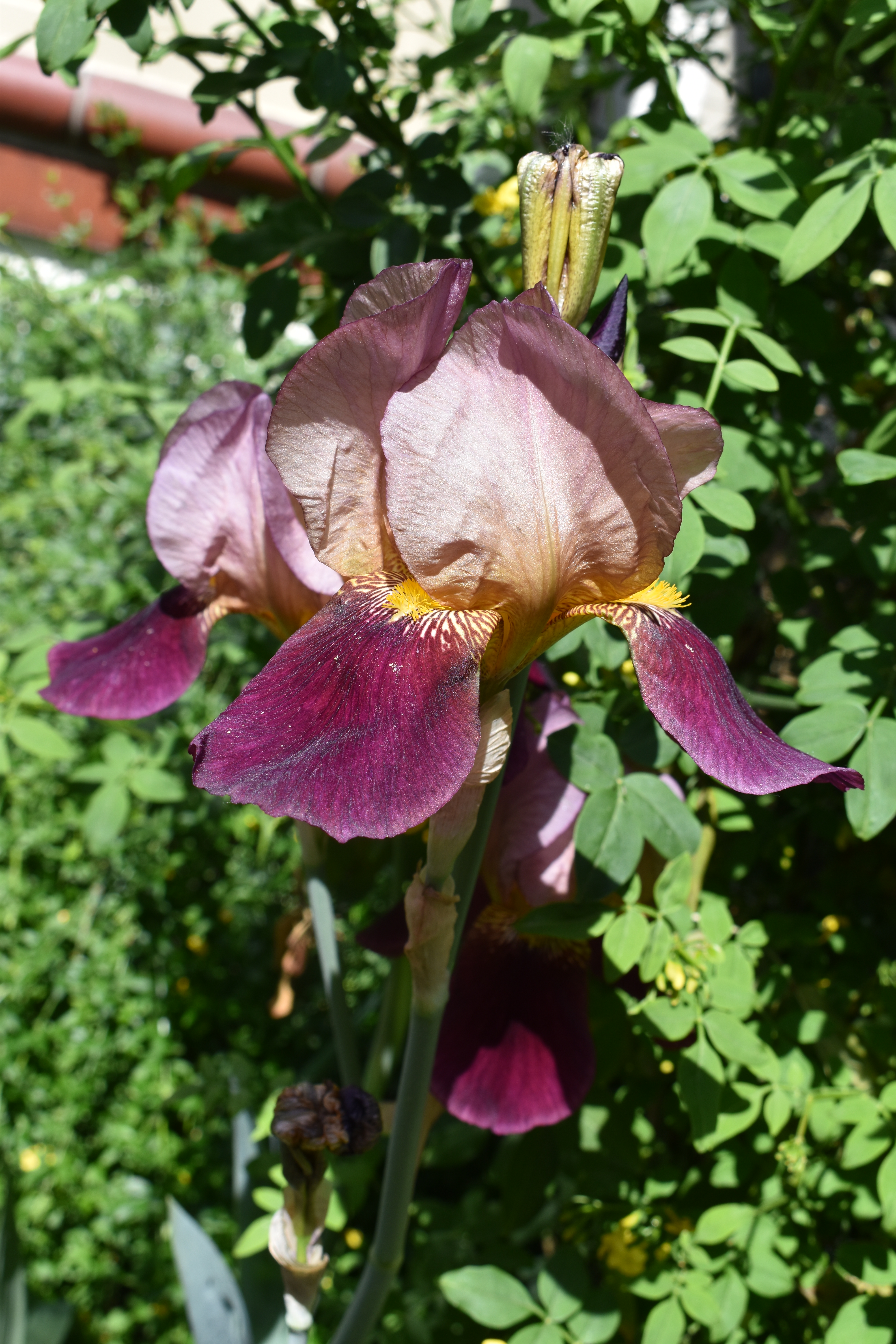
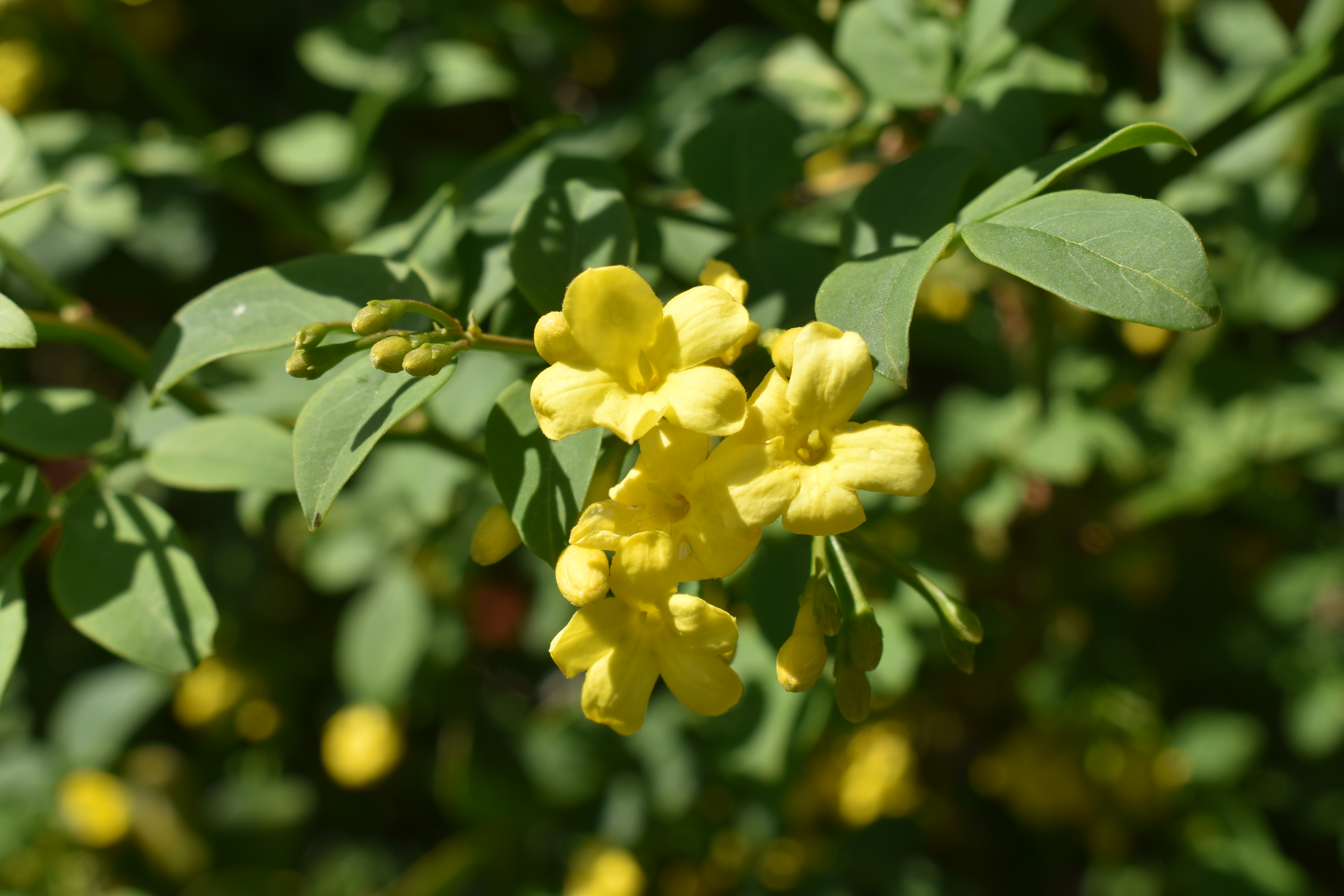
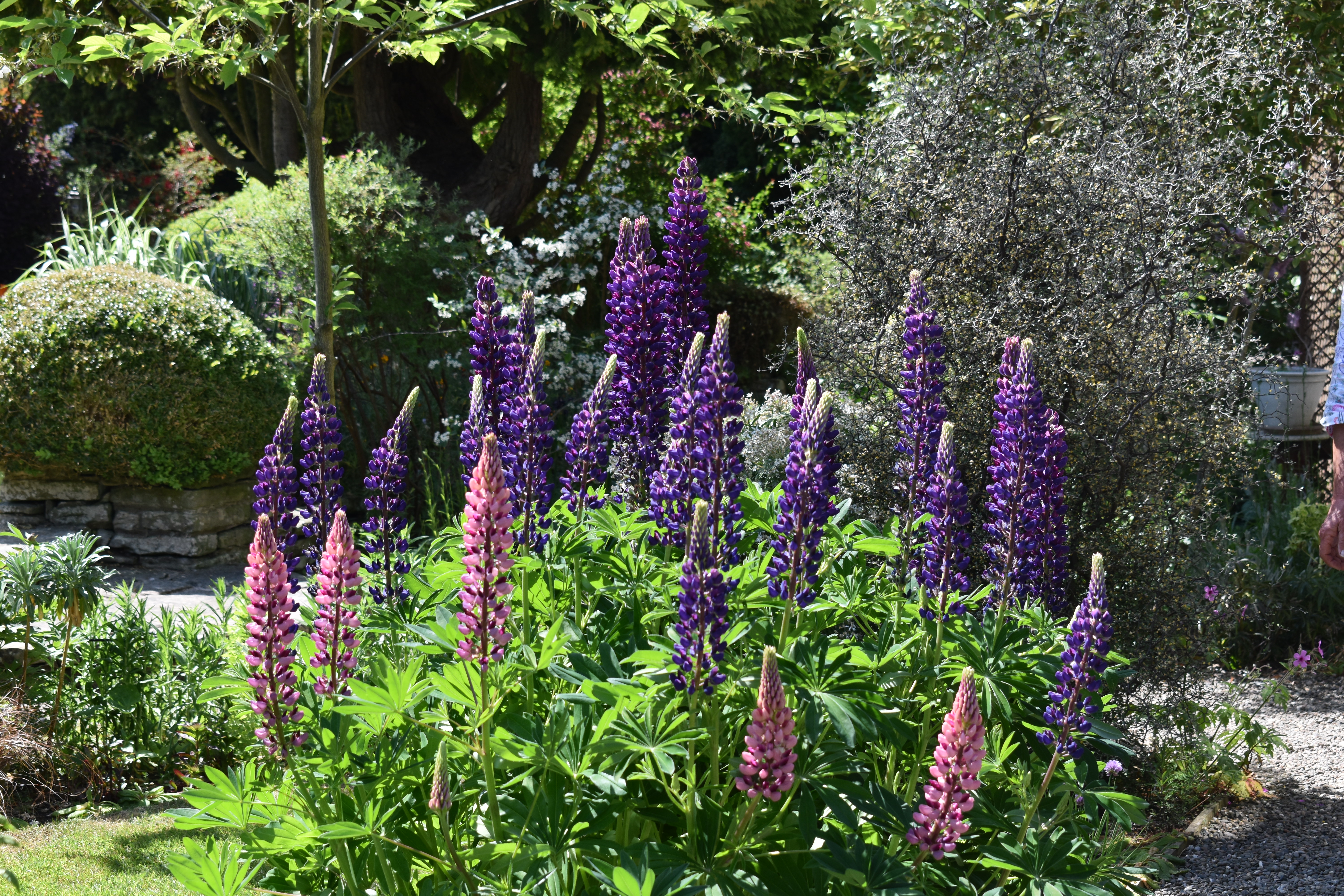
From there we could see colourful irises, lupins, and a yellow flowered jasmine all worth a closer look.

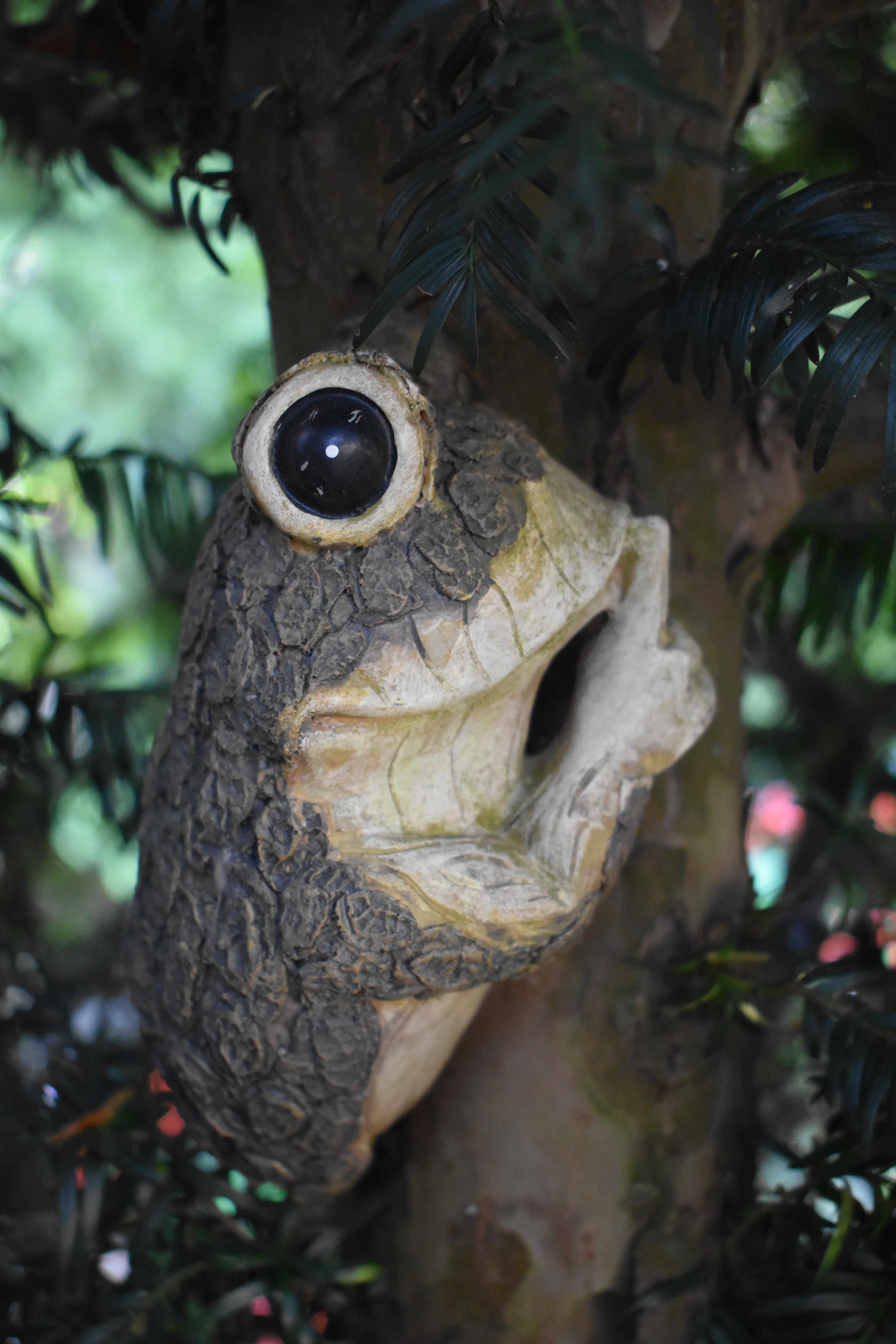
Throughout the garden after passing through the pergola there were so many points of interest from oversized hanging conkers to a ceramic frog and plants that drew our attention.

We wandered along a straight path along the one border of the garden to discover what extra horticultural treats we had in store. We began with a closer study of a lilac with oversized flower heads.

I will finish now with a photo of a beautiful hardy fuchsia in all its floral glory.

Categories
Uncategorized

Bridgemere Show Garden August

We returned to wander around the show gardens at Bridgemere Garden Centre towards the end of August. Our visit came after weeks of drought and very high temperatures so we wondered how the gardens had faired.

As usual we started our wanderings at the ‘Cottage Garden’ to see what was happening.

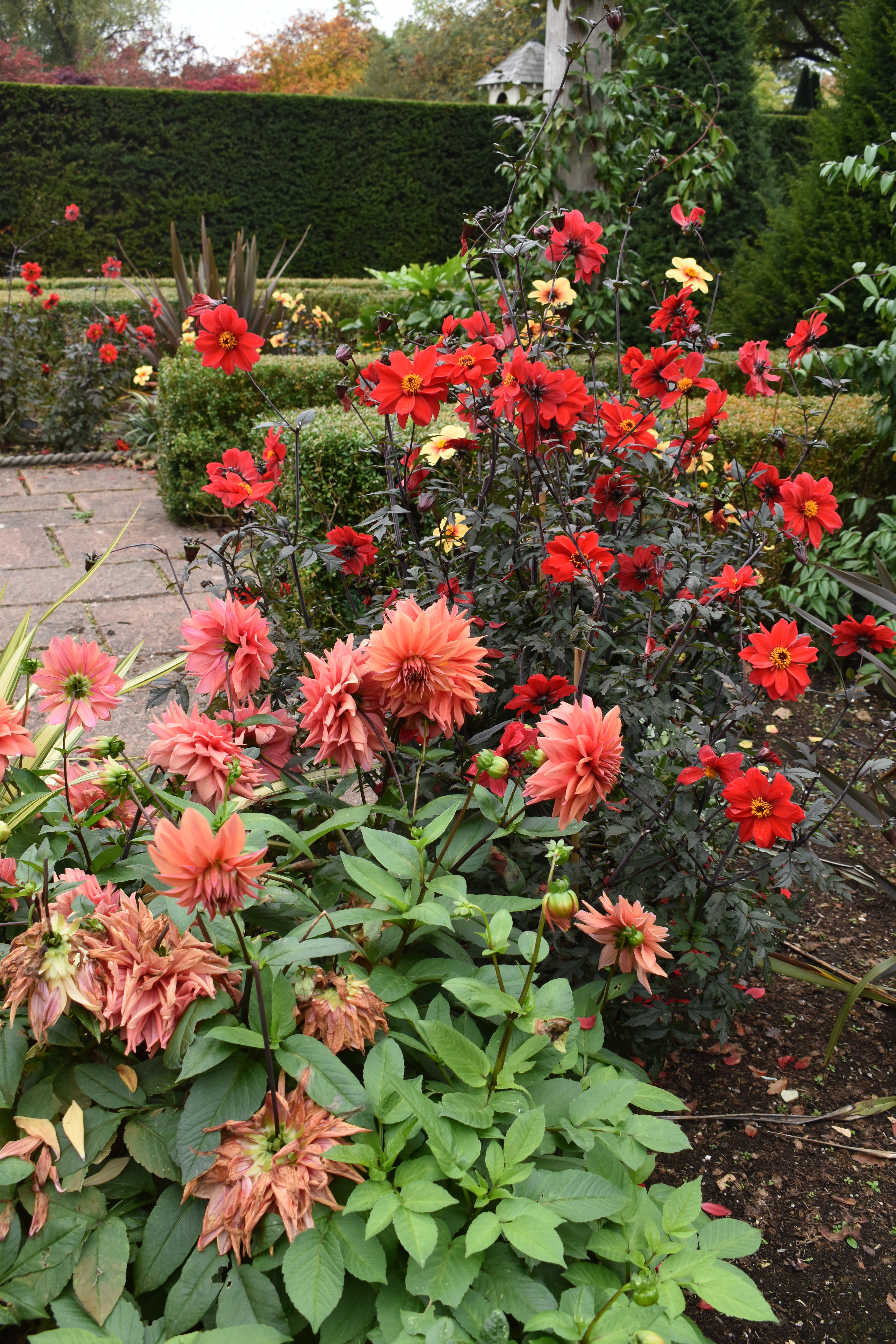
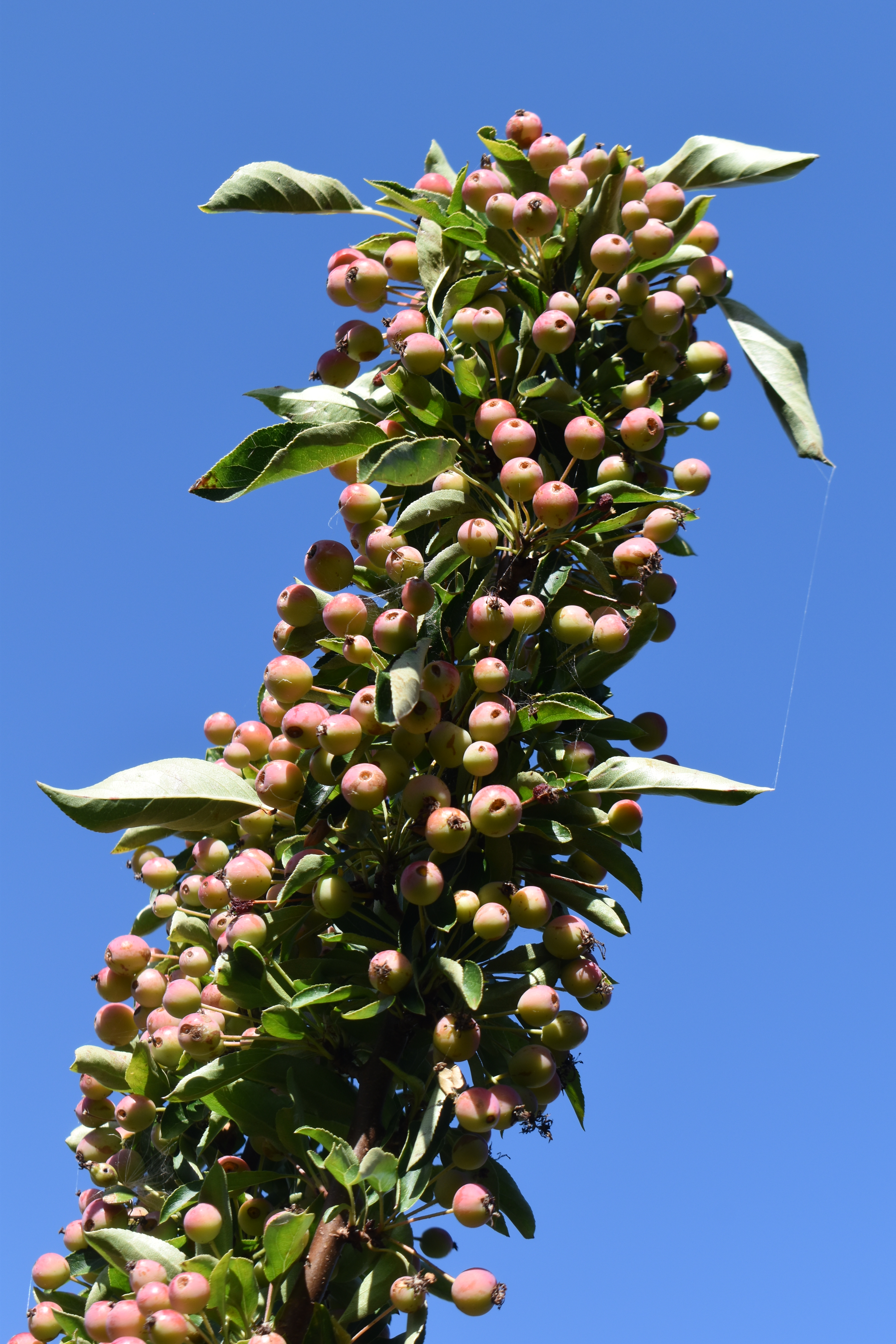
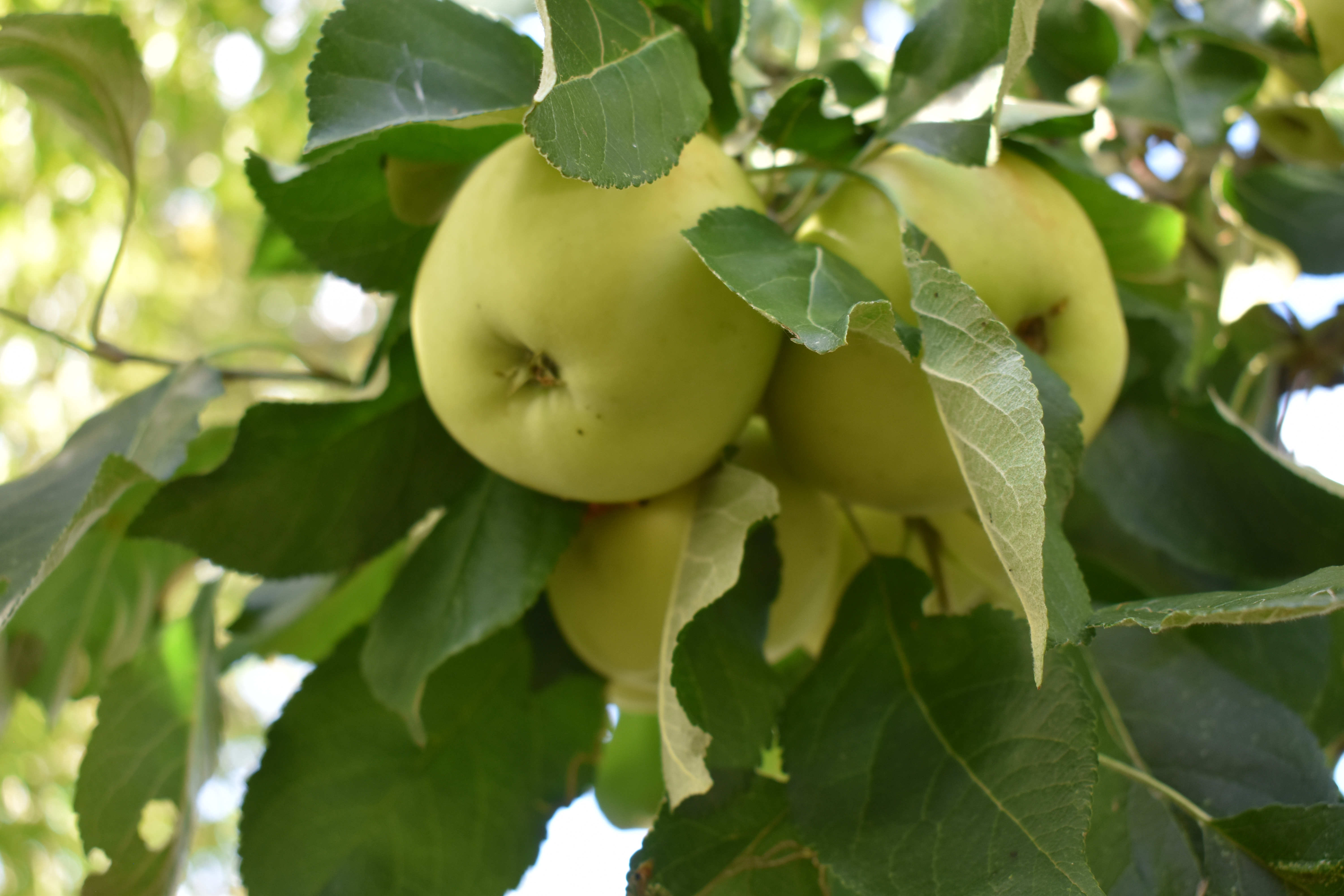
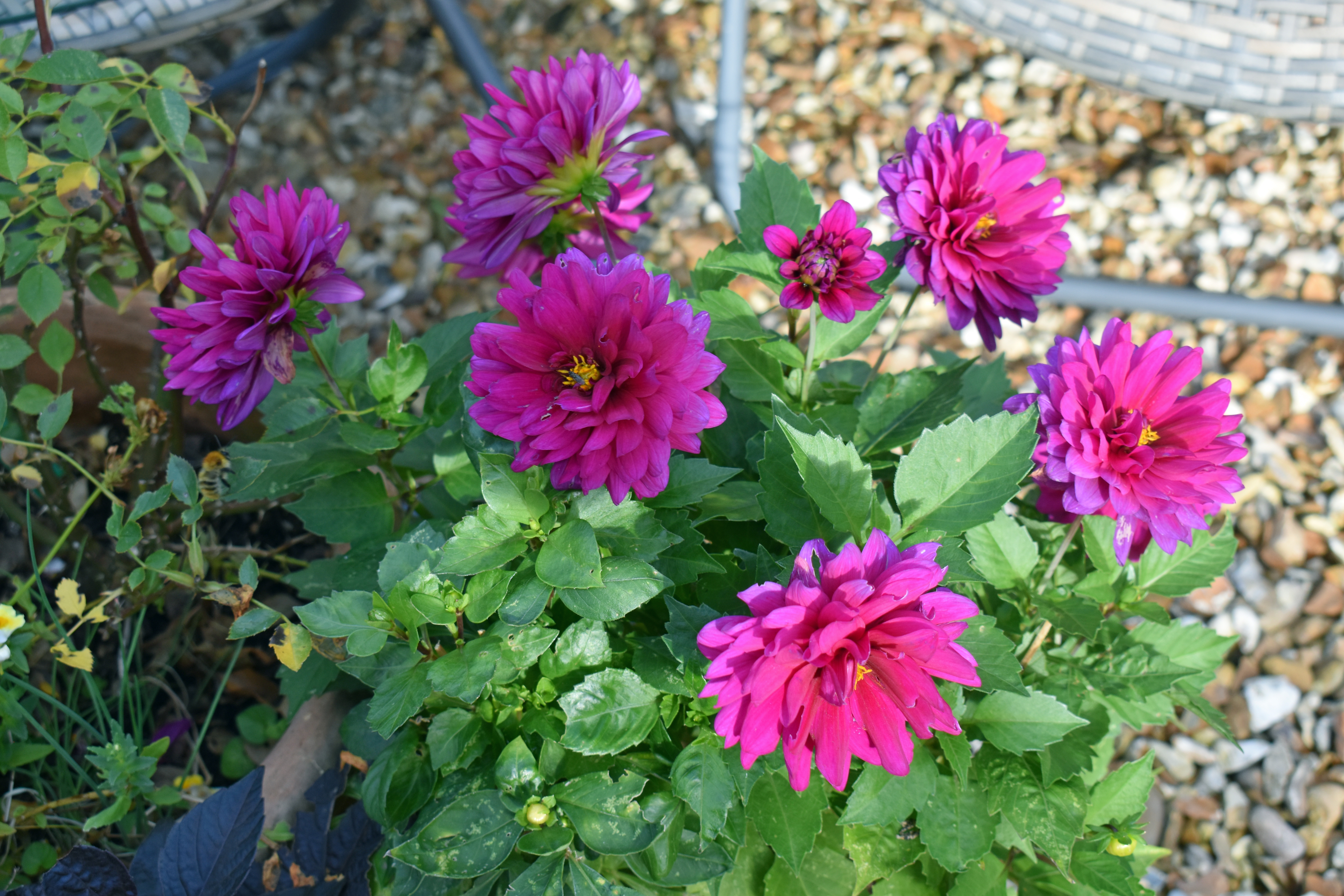
Dahlias were performing so strongly alongside an apple tree laden with colourful blushed fruit.

On the opposite side of the wide pathway that leads us towards the pond and onwards, shrubs were showing the effects of the drought.

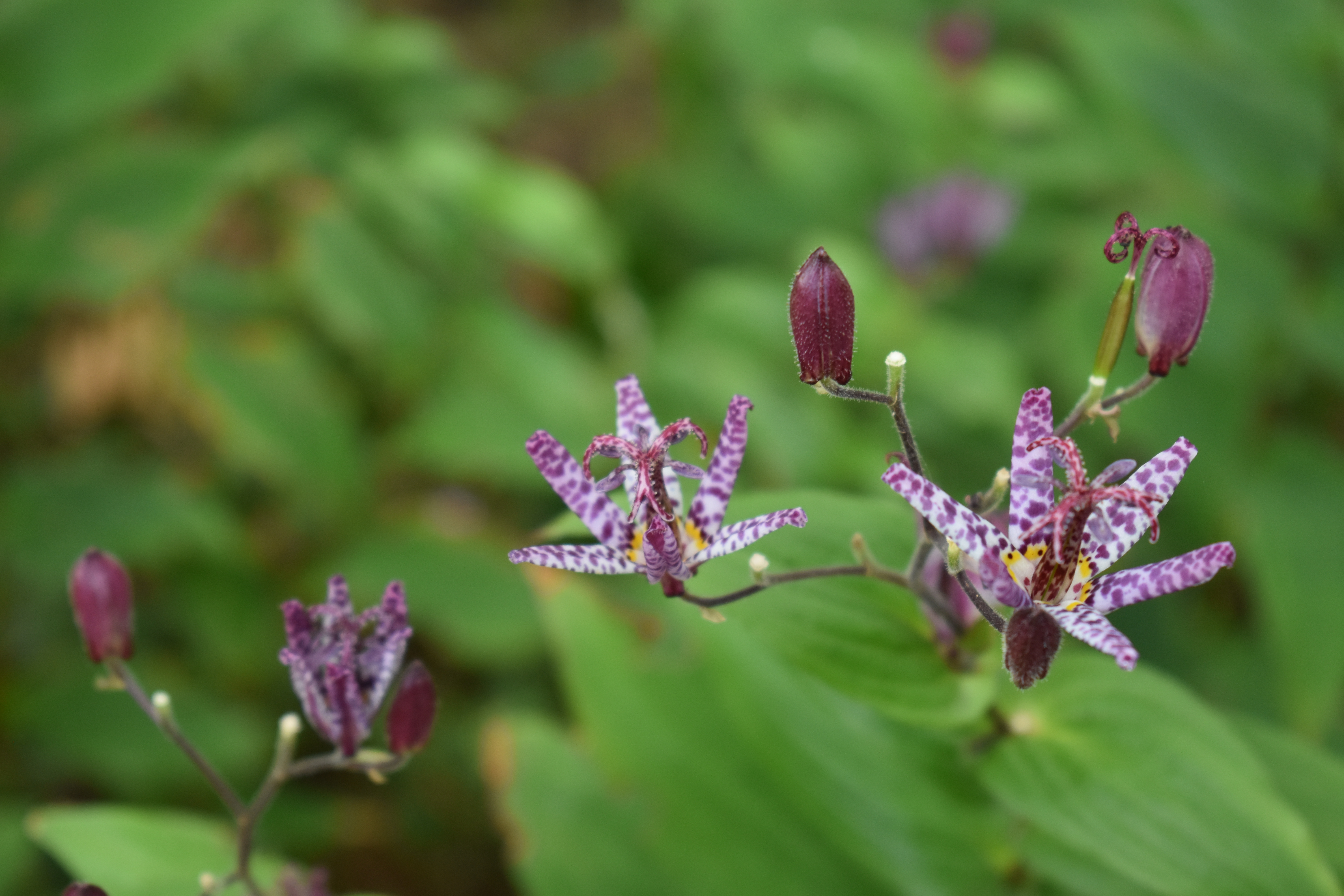
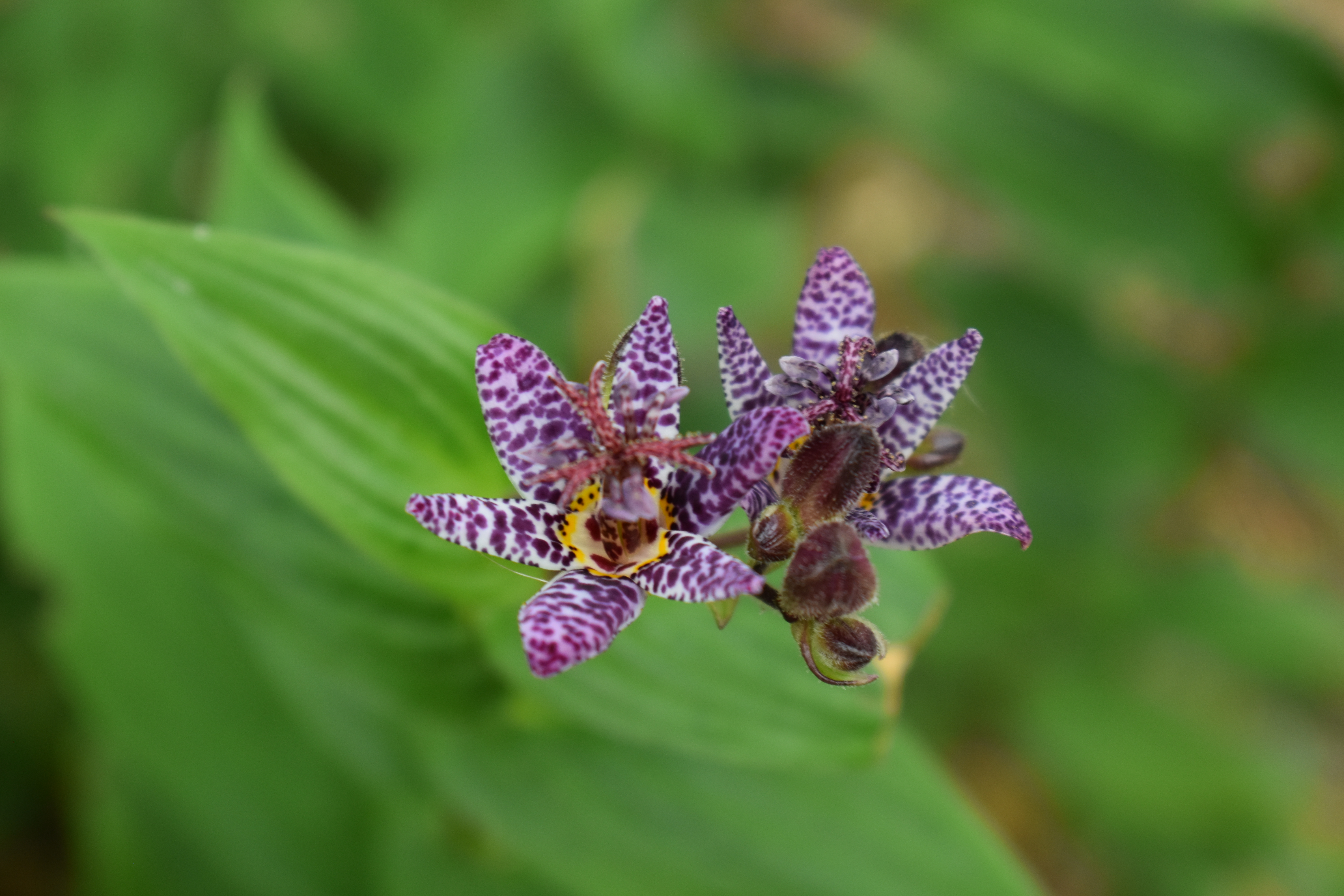
The border beneath a dying prunus tree was looking as if we haven’t had a drought for months and looked so good. At this time of year as spring bulbs have disappeared and pulmonaria have ceased flowering, this garden has become a beautiful foliage space, featuring hostas, pulmonaria and ferns. On the opposite side of the gravel path a single spotted flower attracted us both, a tricyrtis or Toad Lily plant.

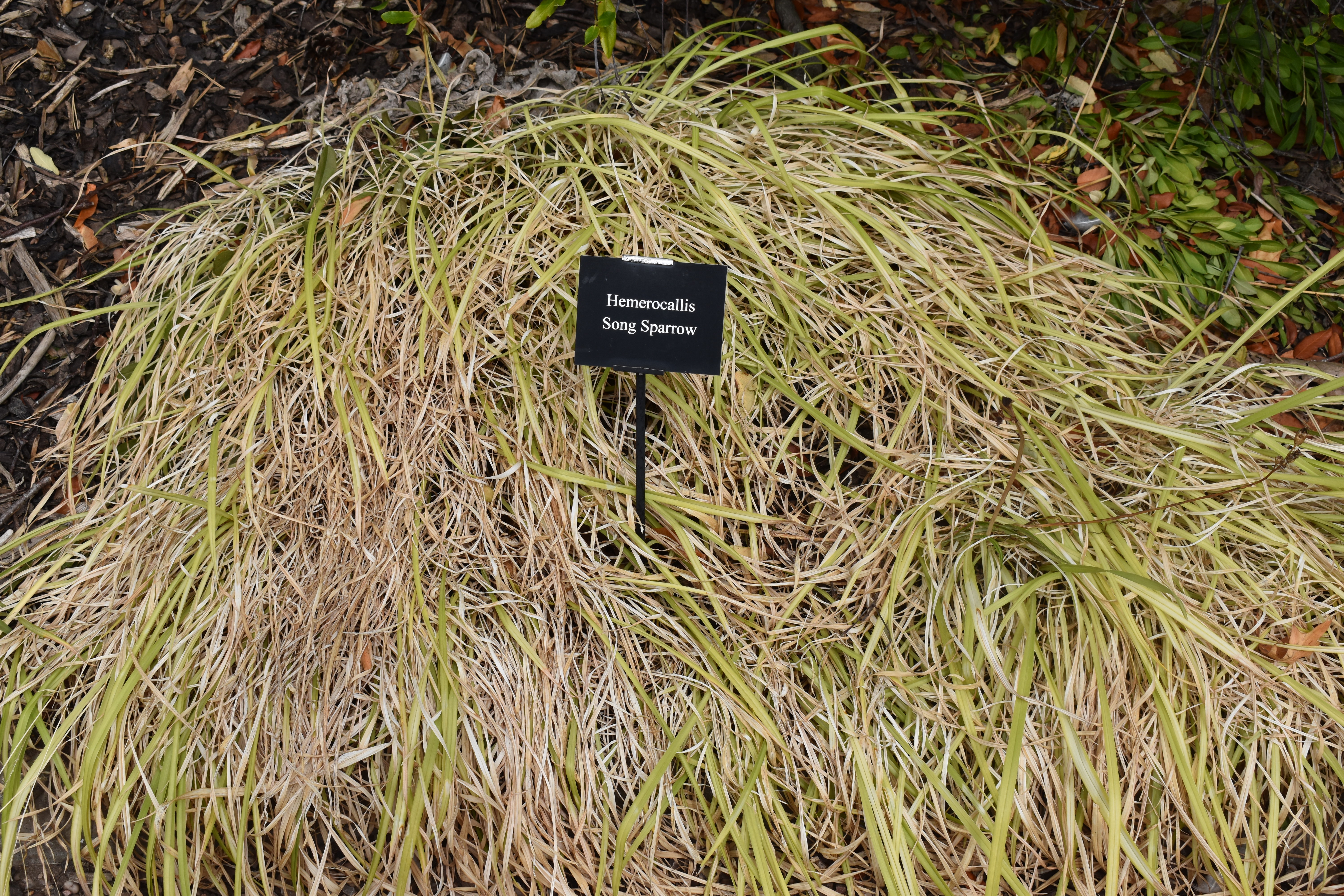
Once again we noticed plants nearby that were suffering from the drought conditions. A hemerocallis had drooped and yellowed whereas the nearby clump of eupatorium and the large acer behind it both looked healthy in spite of the recent weather.

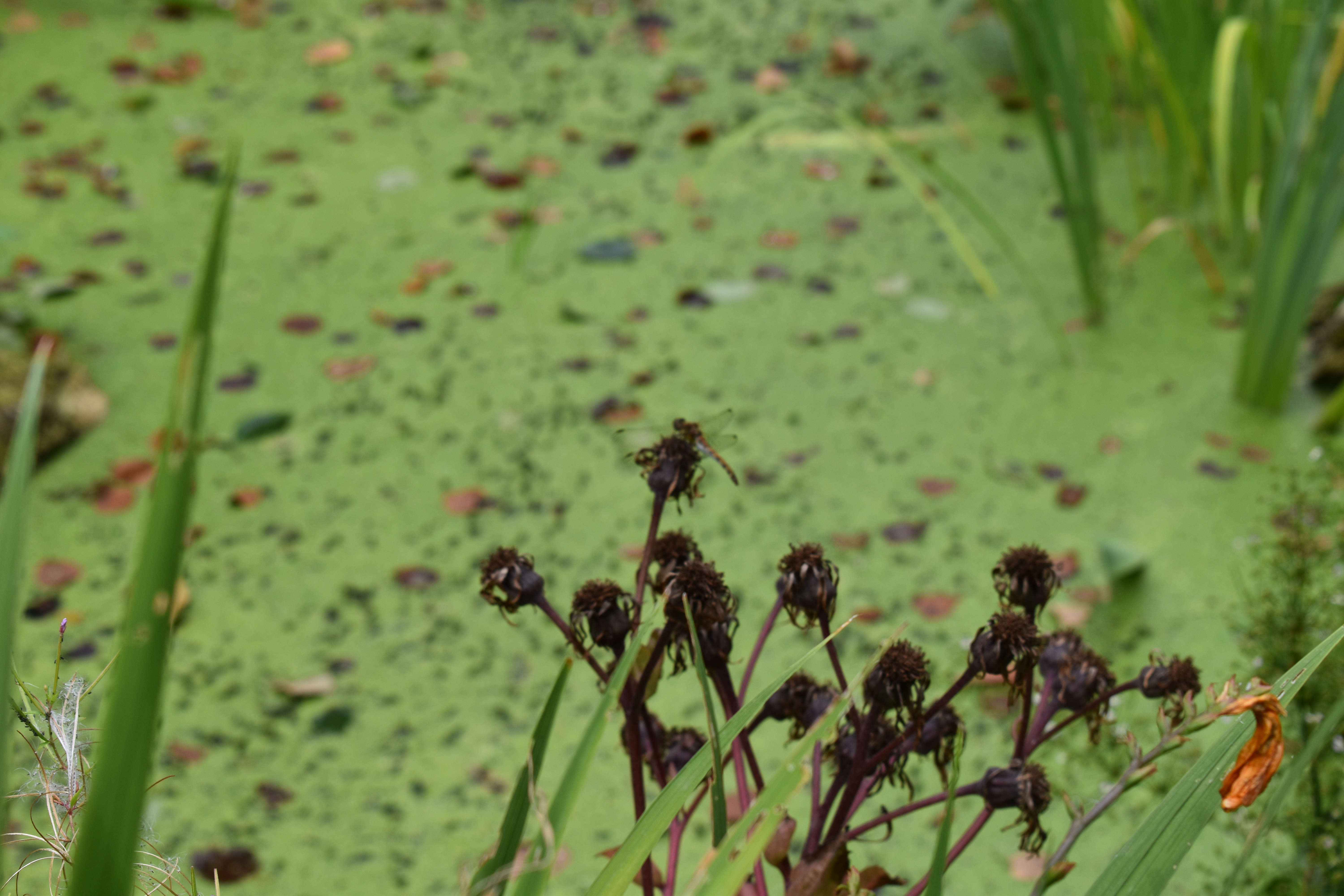
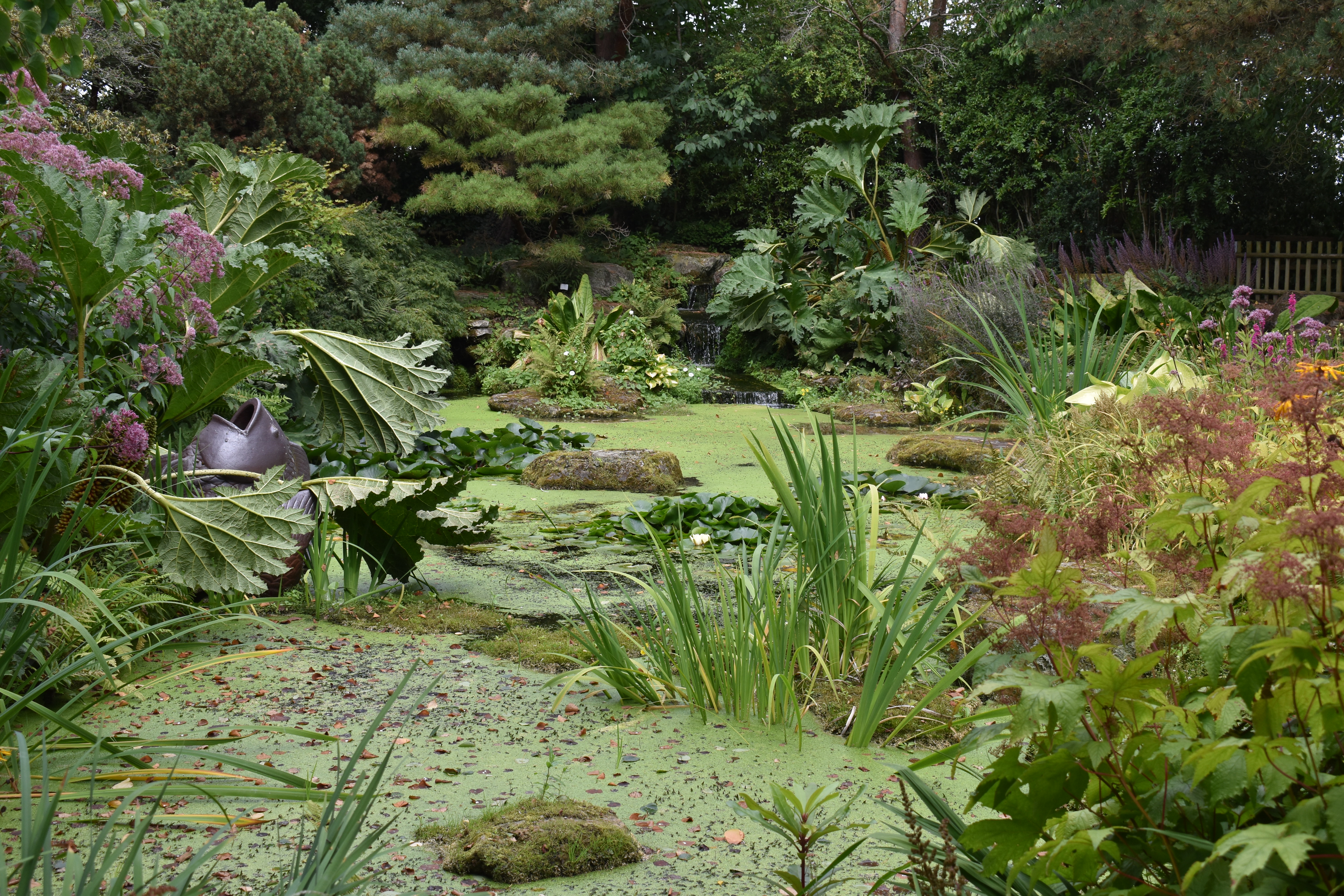
The pond was our next port of call which was suffering from an attack of duck weed and drooping Gunnera manicata leaves.

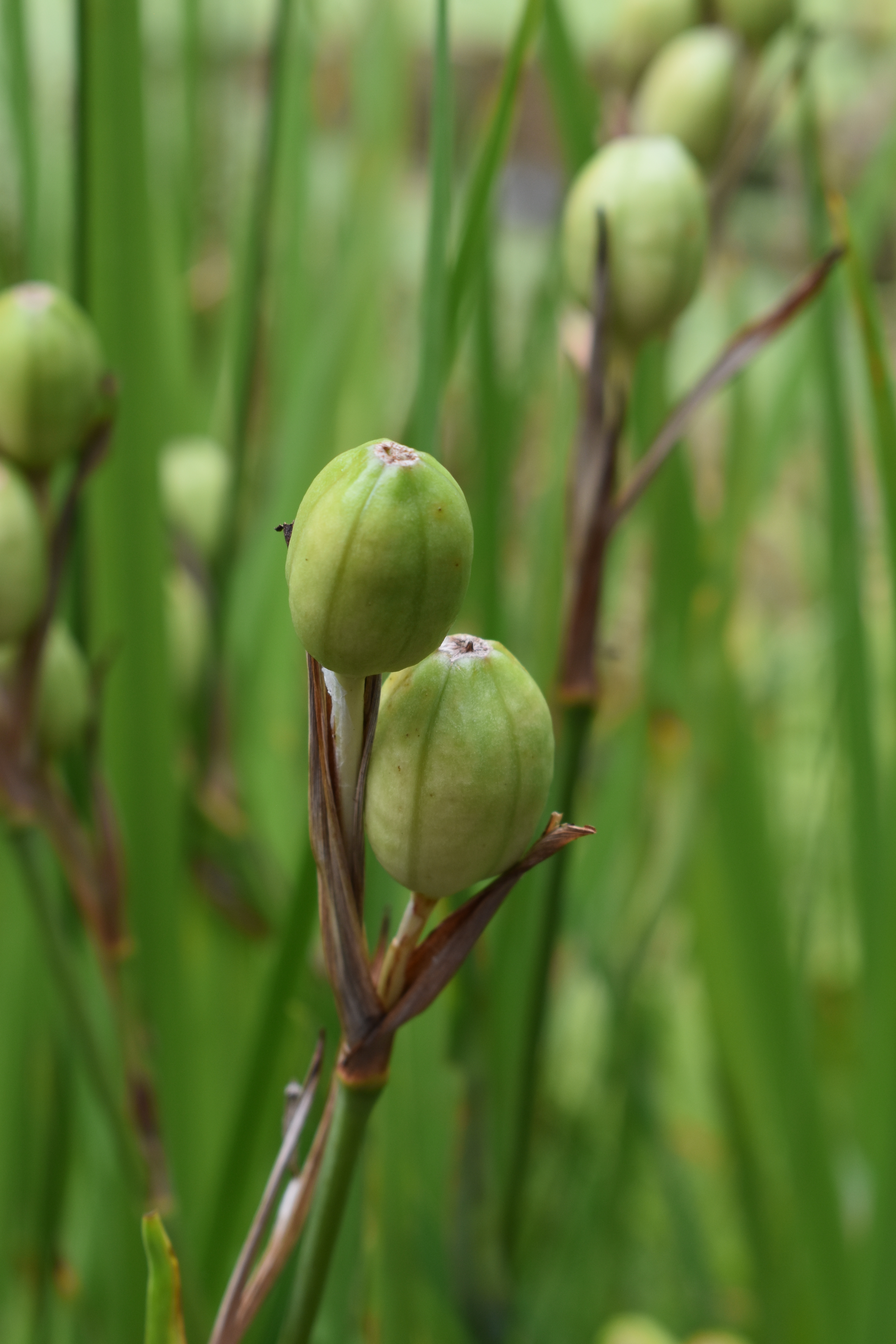
Tree fern fronds have dried up and in some cases dropped off the hard stems/trunks. Water iris have turned a pale shade of brown but are sporting healthy seed pods.

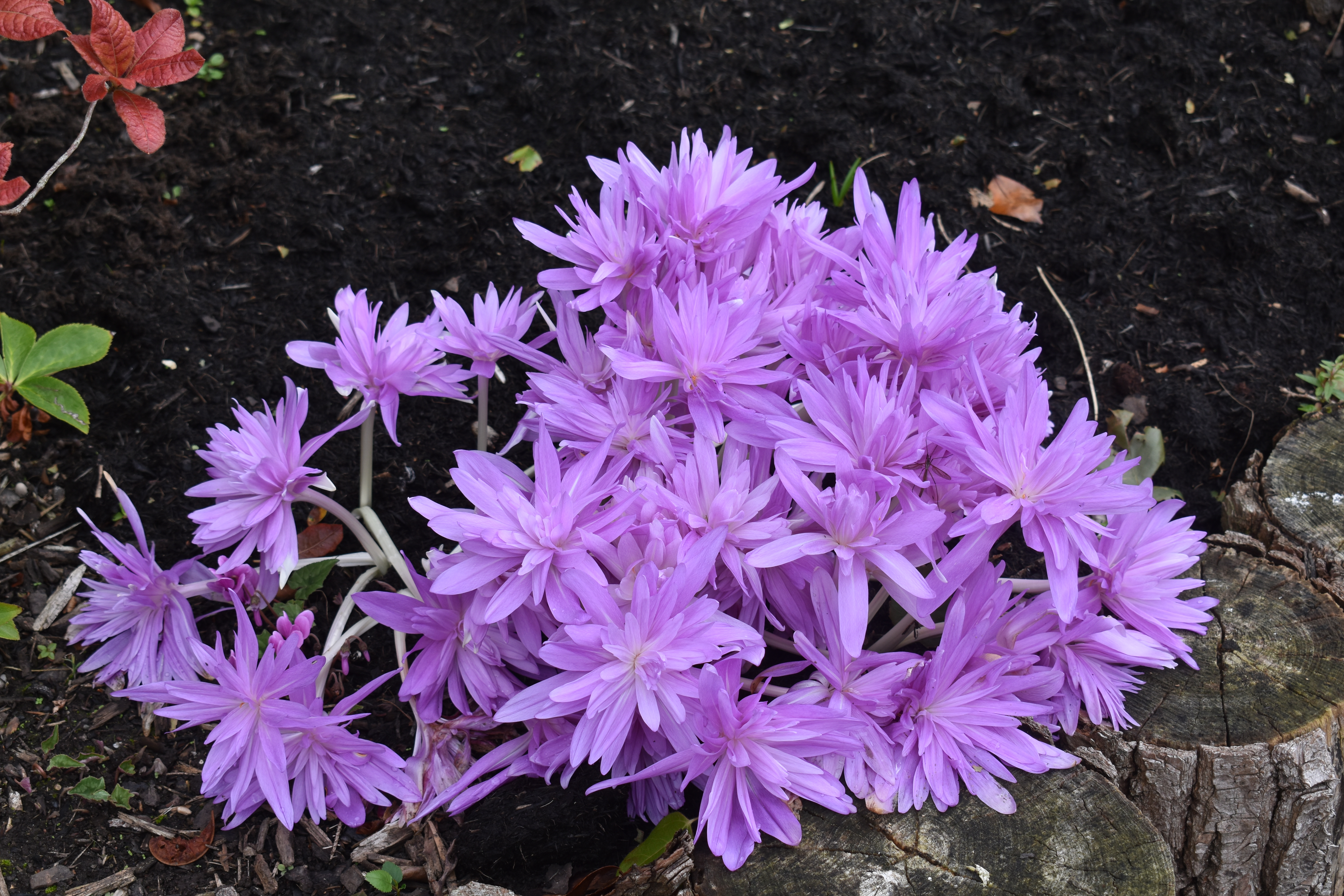
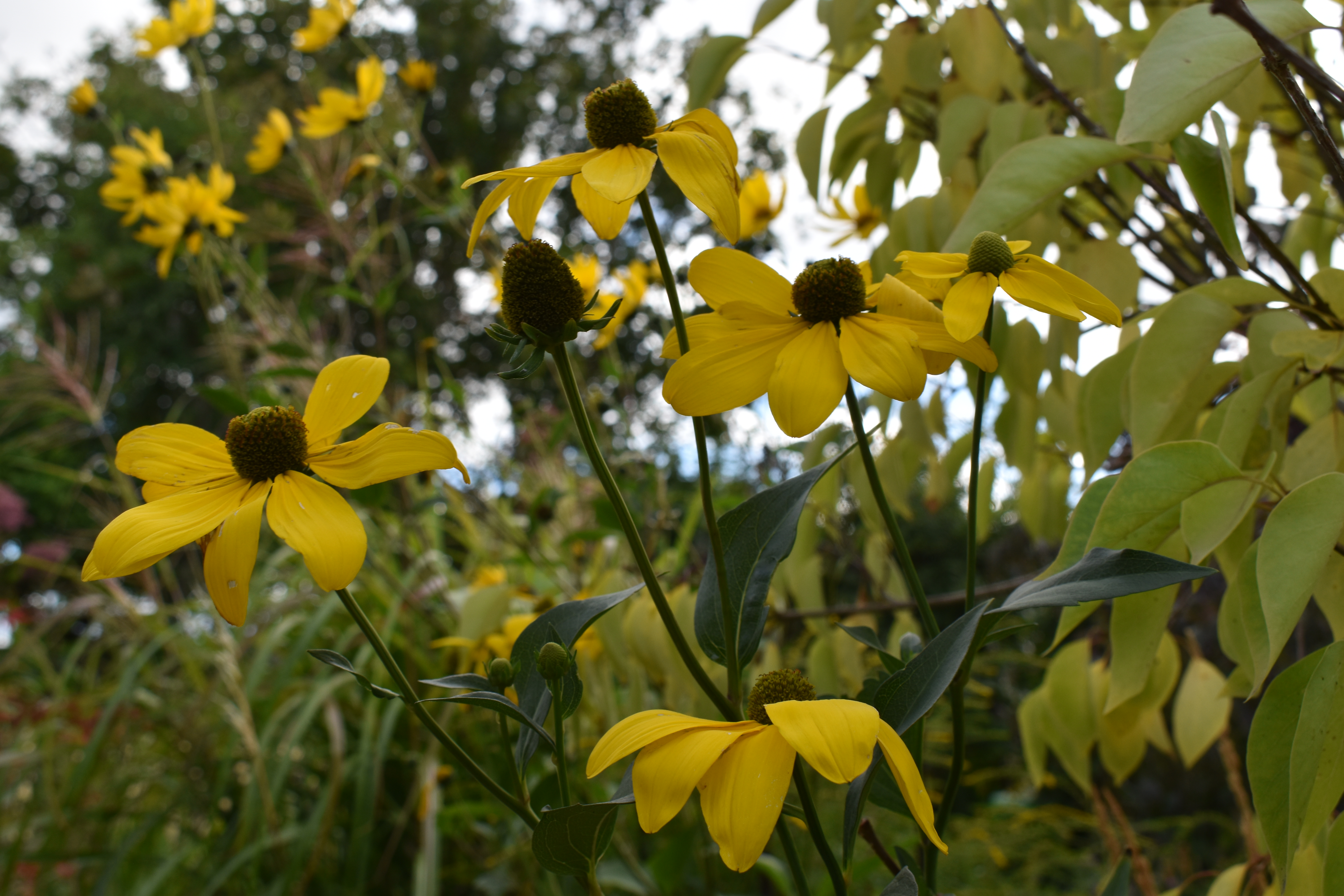
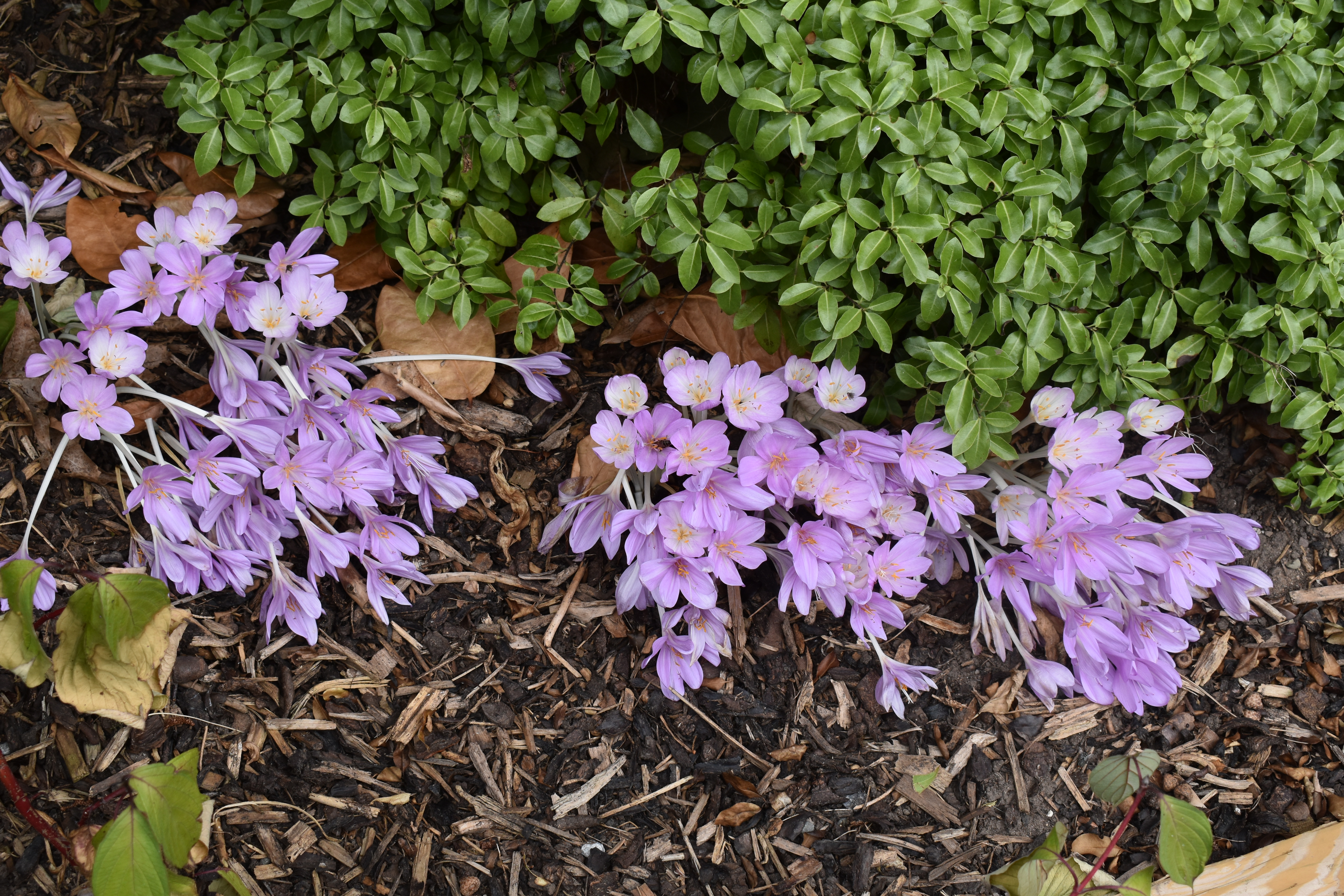
We left the pond behind and made our way towards the Winter Garden and the RHS Chelsea 2025 Peoples’ Choice award winning garden looking out for sufferers and survivors of the drought. It was interesting to see how the many plants here have faired and comparing them with our garden at home. Both autumn crocus and Rudbeckia ‘Lemon Queen’ have faired well and were covered in blooms.

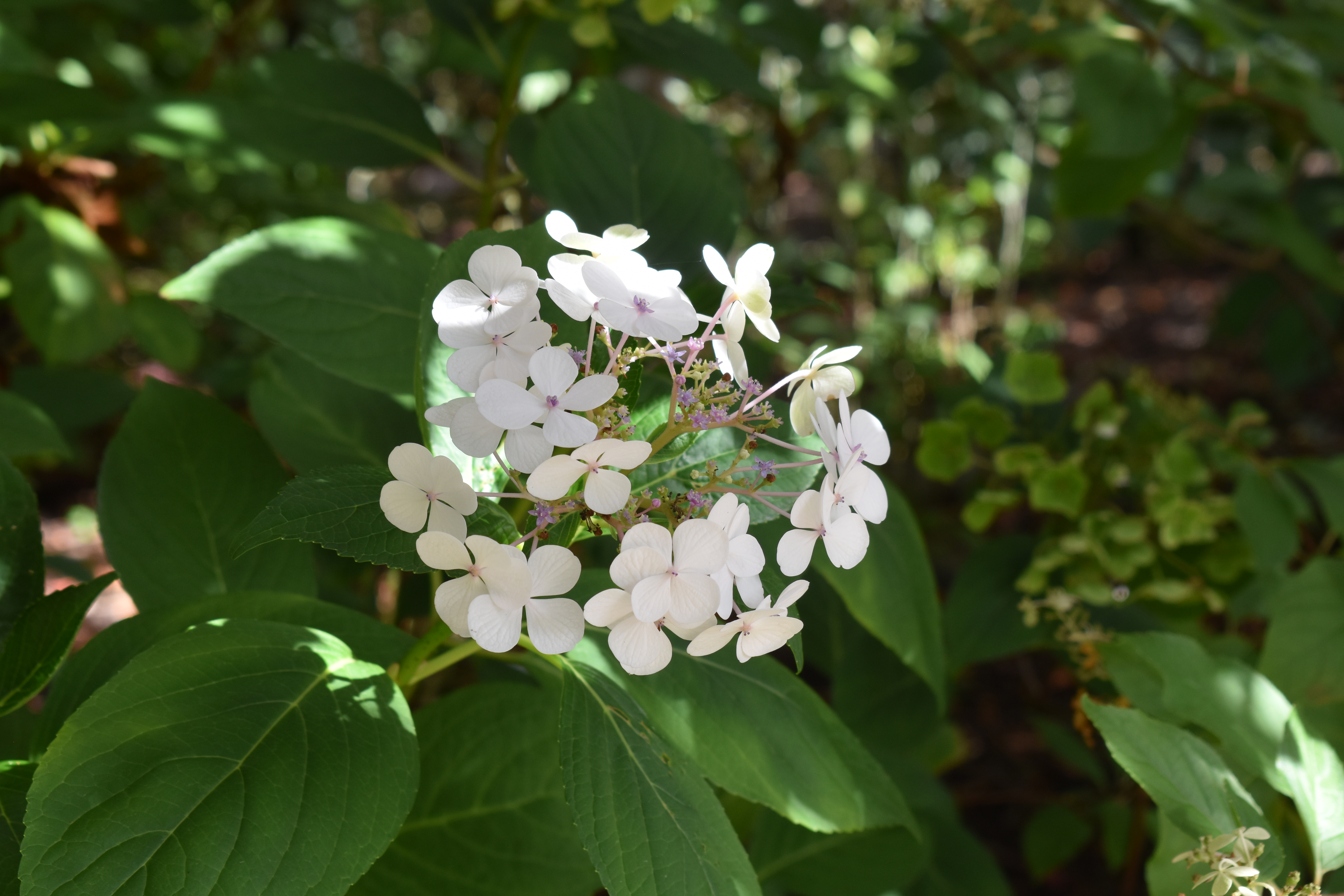
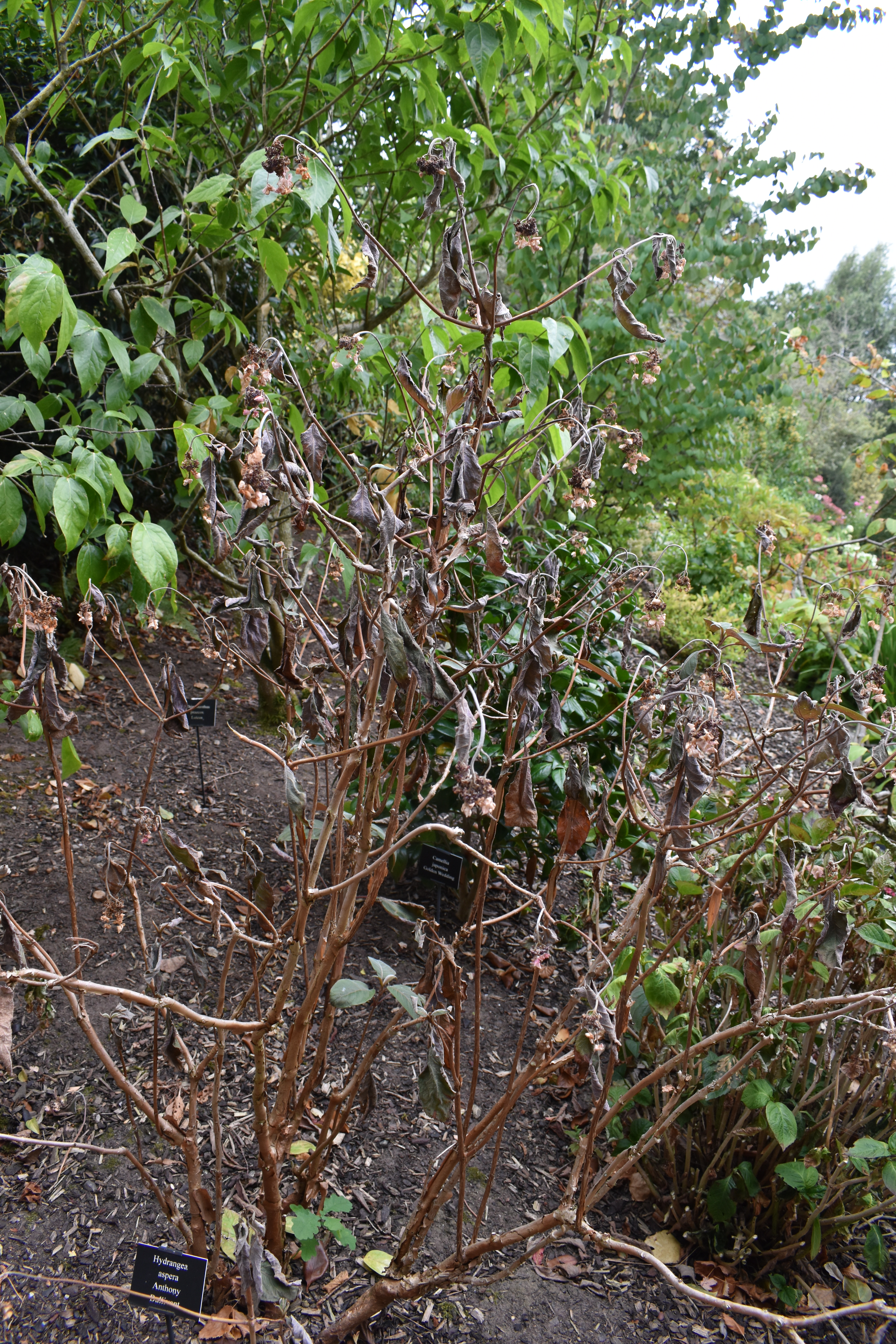
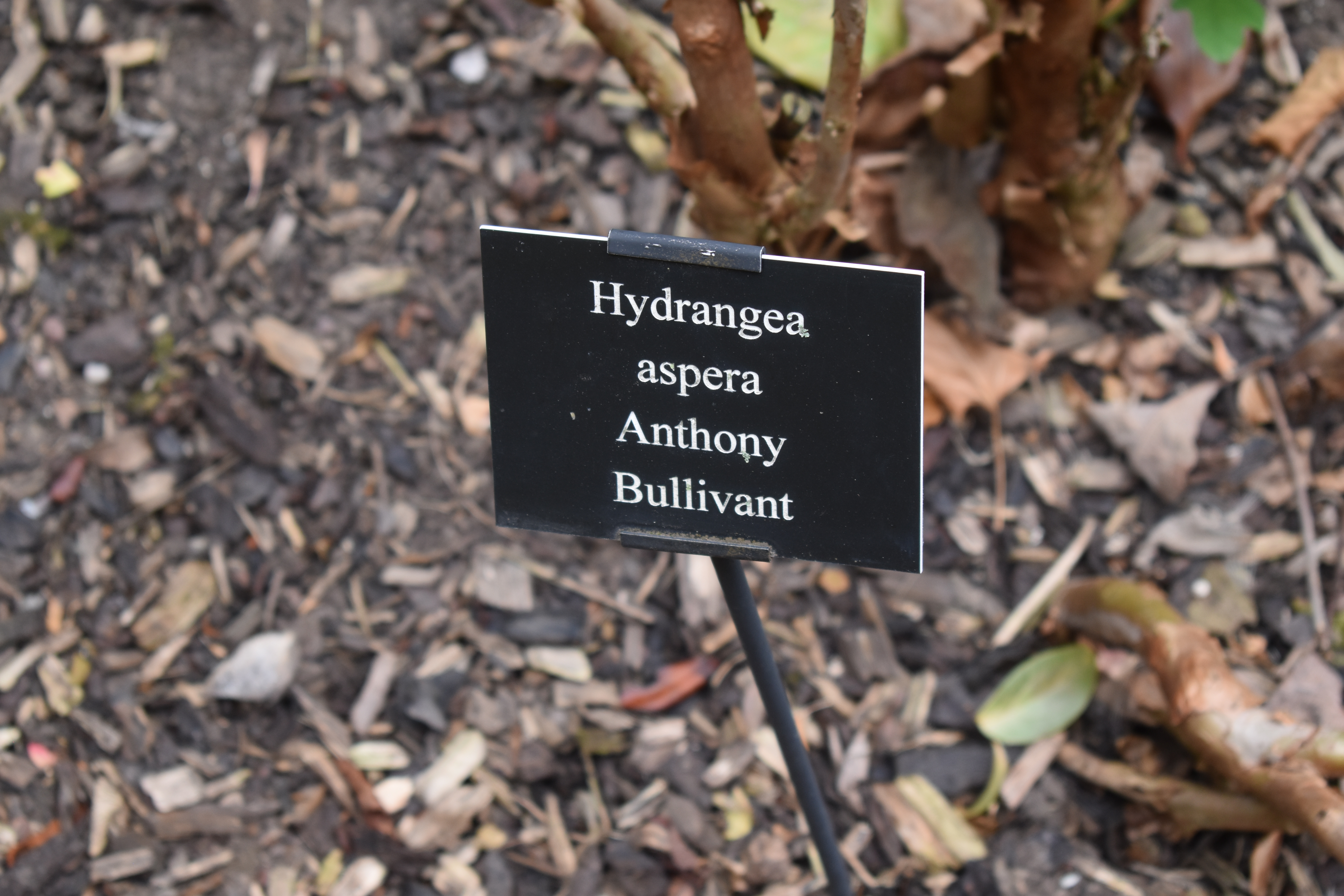
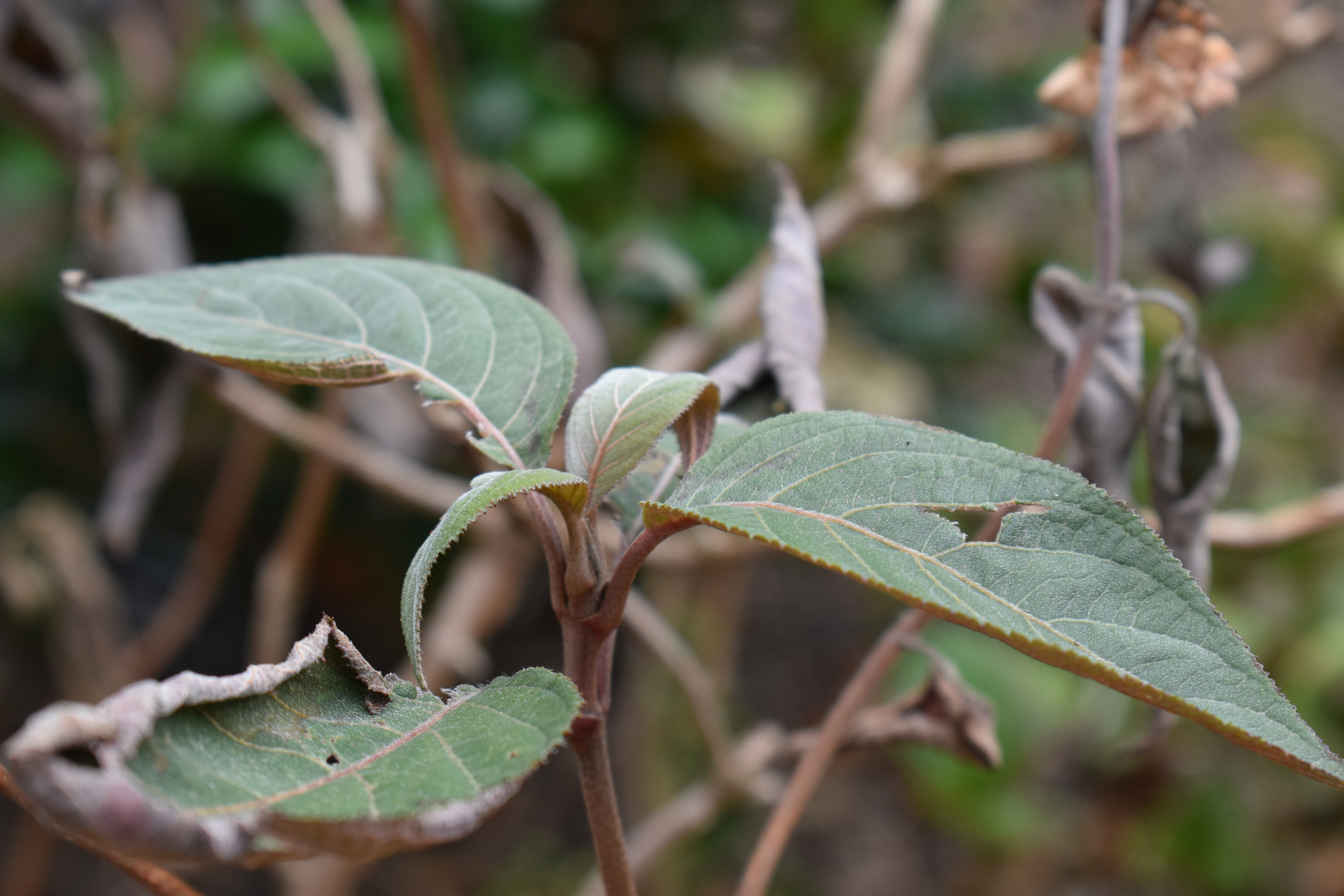
Hydrangea generally have been mixed in their response to the dry, but with this H. aspera ‘Anthony Bullivant’ which looked dead from a distance but close up there were signs of new growth. There is still hope for our gardens!?

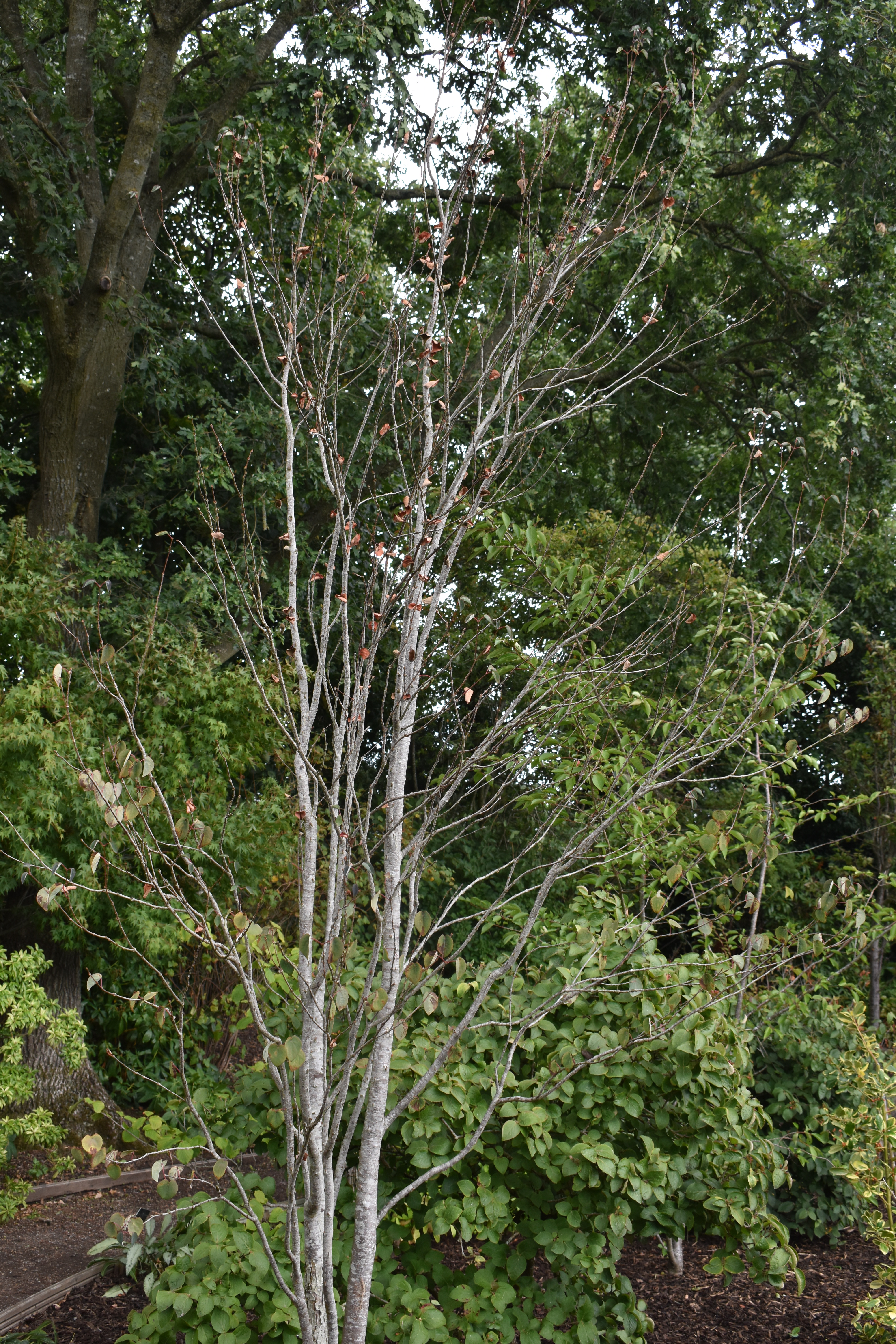
In the Winter Garden things looked mixed with dried up plants alongside healthy specimens. The acers looked good and healthy but other plants look as if autumn had already arrived and the betula had completely lost its leaves.

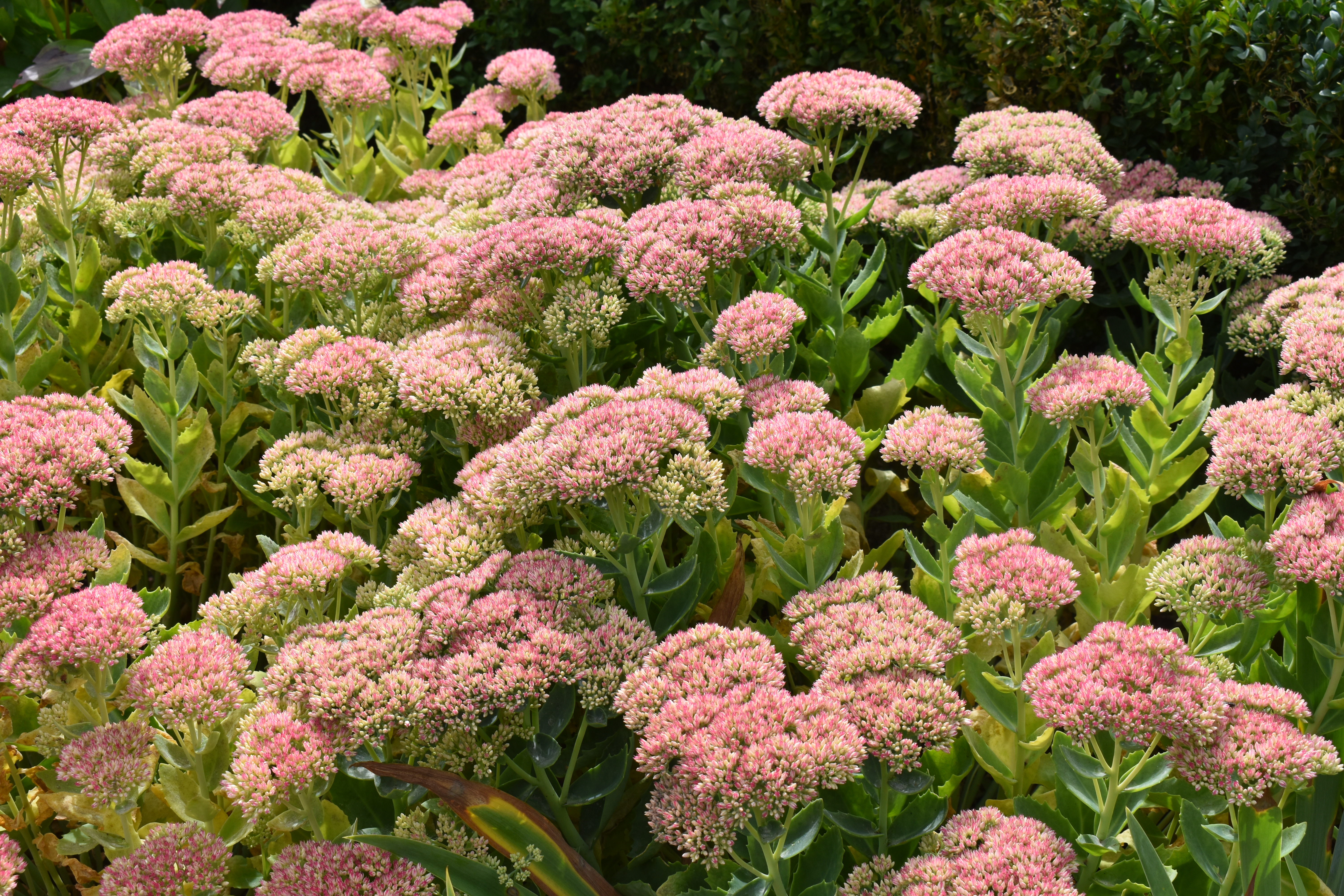
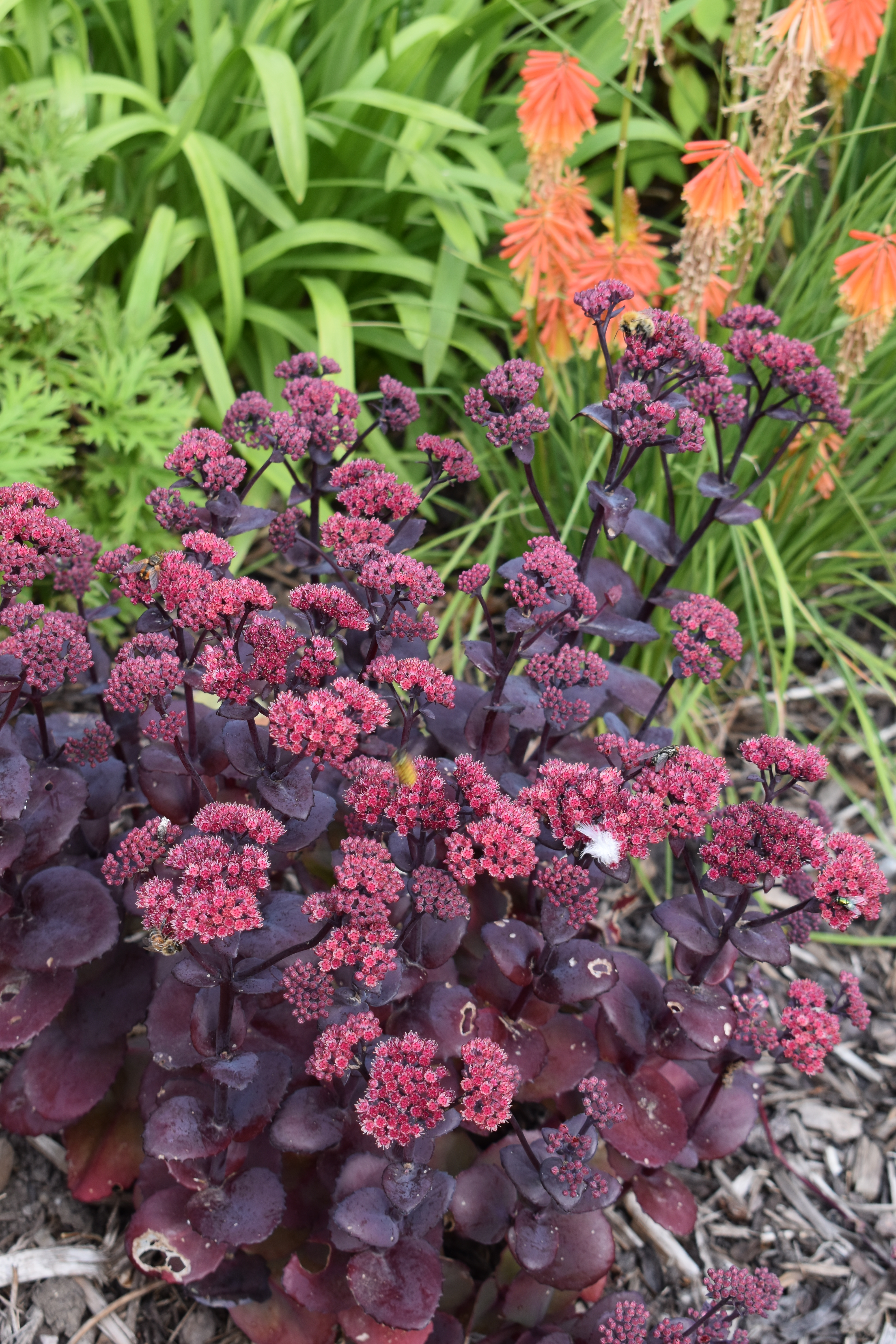
We noticed that throughout all the gardens some perennials were looking so good as if they were ignoring the dry.

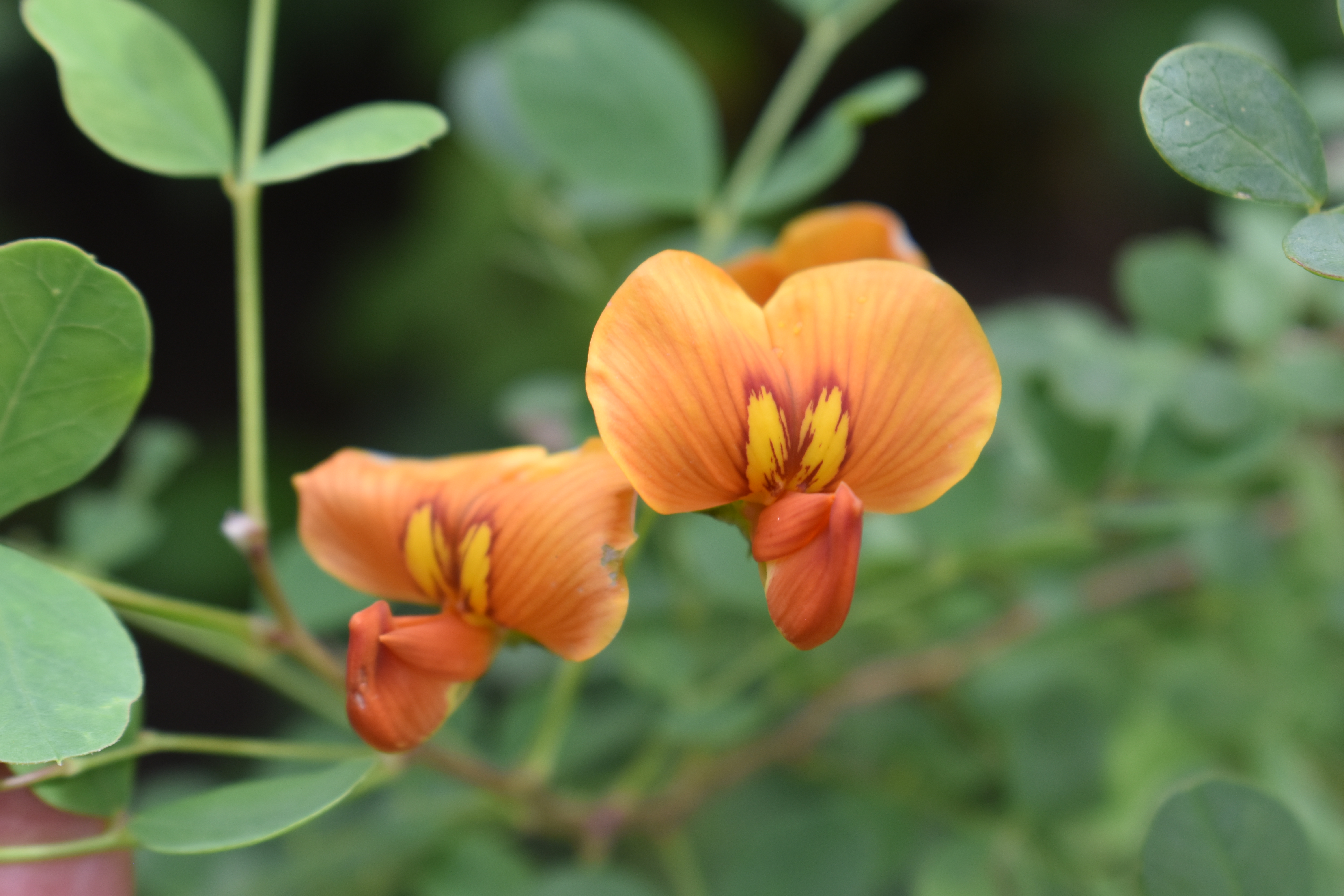
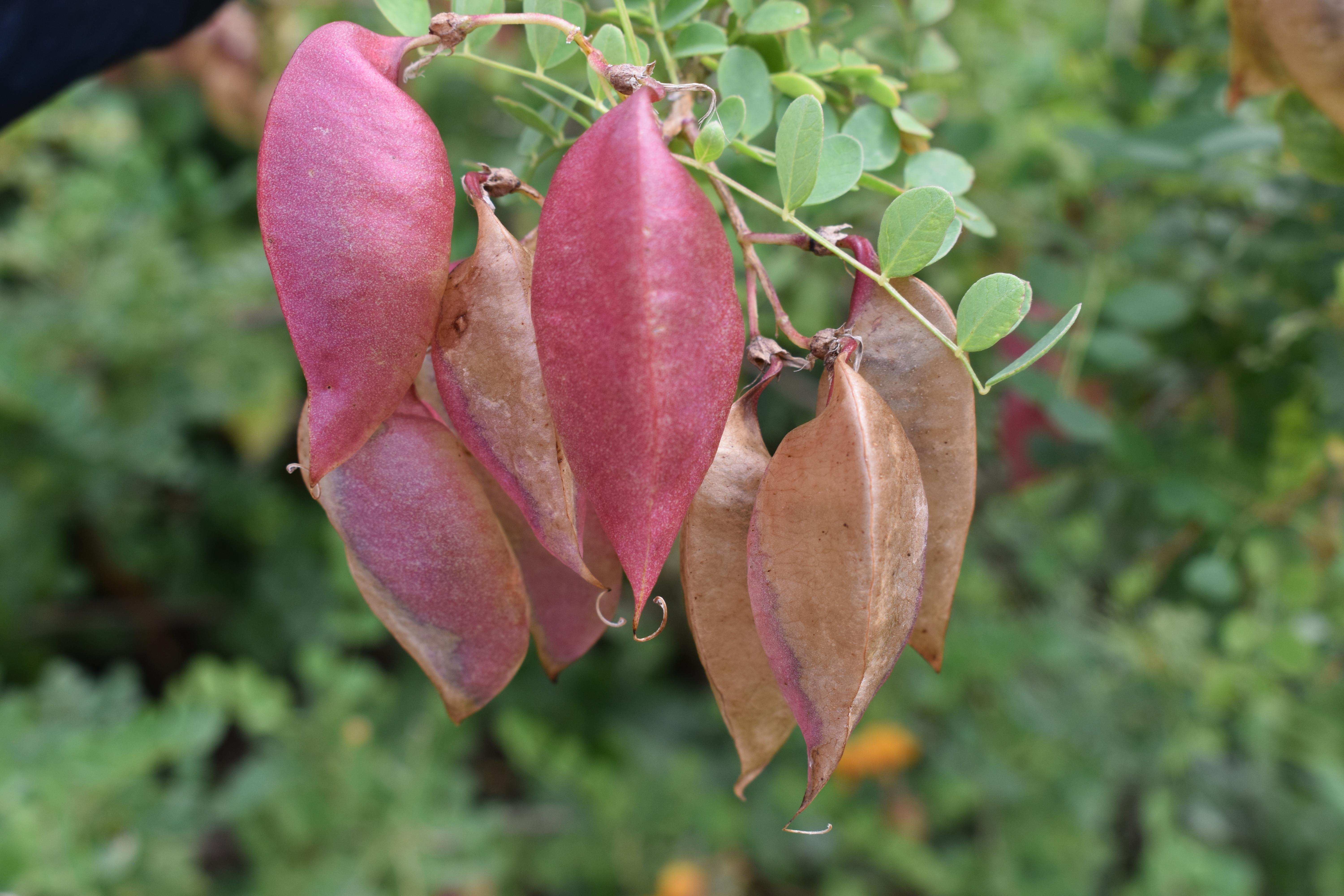
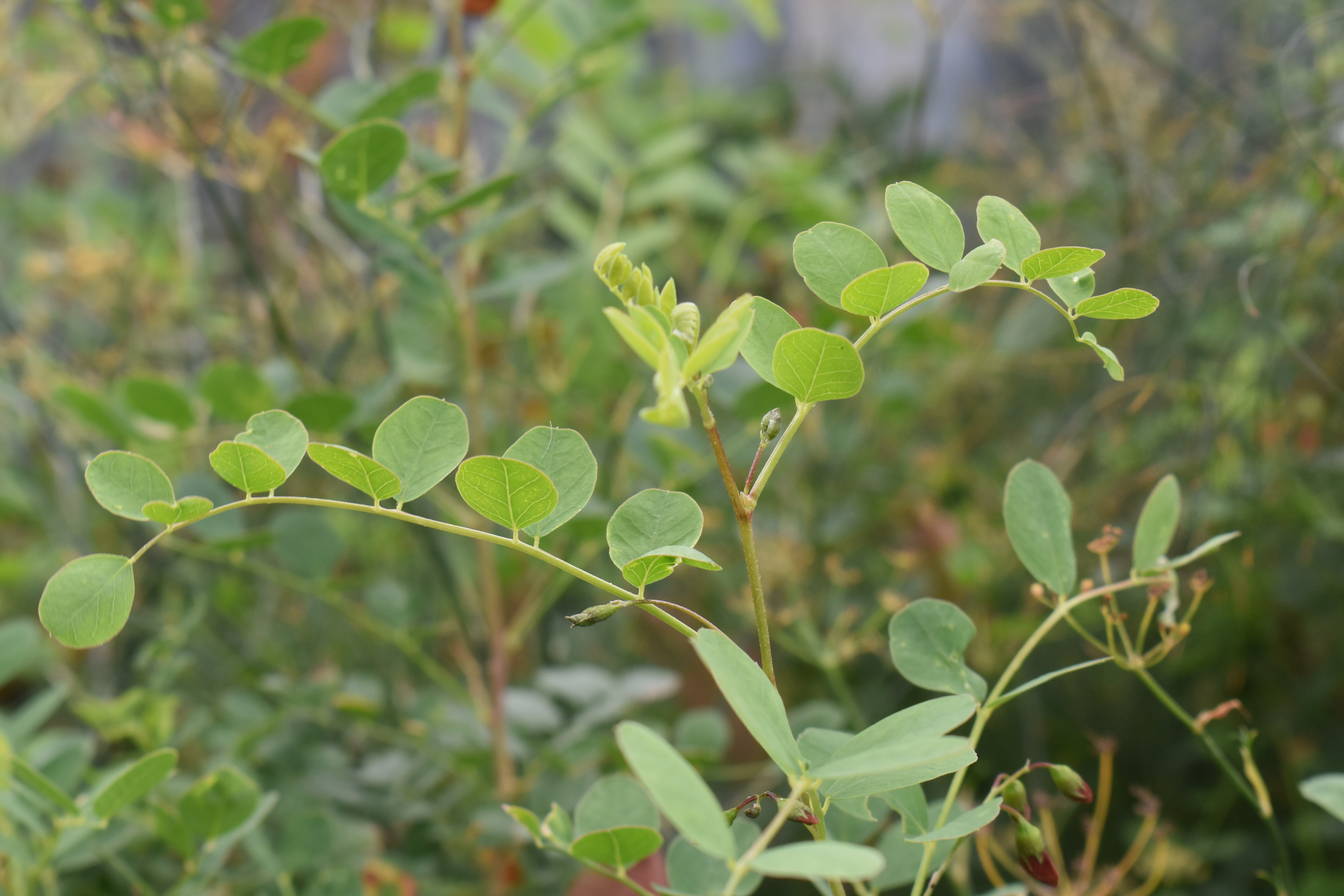
We called in at the Anne Marie Powell award winning garden and immediately stopped to look at these pea-like flowers and unusual looking colourful pods. We couldn’t remember its name so were so pleased to find a label – it was Collutea medea Copper Beauty. The thing that we liked the most in this garden this month was the variety of healthy looking foliage.

Overall we were interested in seeing how the garden has dealt with the drought.

Categories
Uncategorized

Return to Cherry Tree Arboretum

A return to springtime remembering what life for us gardeners prior to this long dry period.

We attended the Cherry Tree Arboretum when it was open under the NGS flag in the autumn and absolutely loved it. We vowed to return whenever we could so when we read online that it would open once again we decided to pay it a return visit. We have seen it described as “The finest UK arboretum created in the second half of the last century.” We are beginning to think this might be correct! Thus we left home at magnolia time with much anticipation.

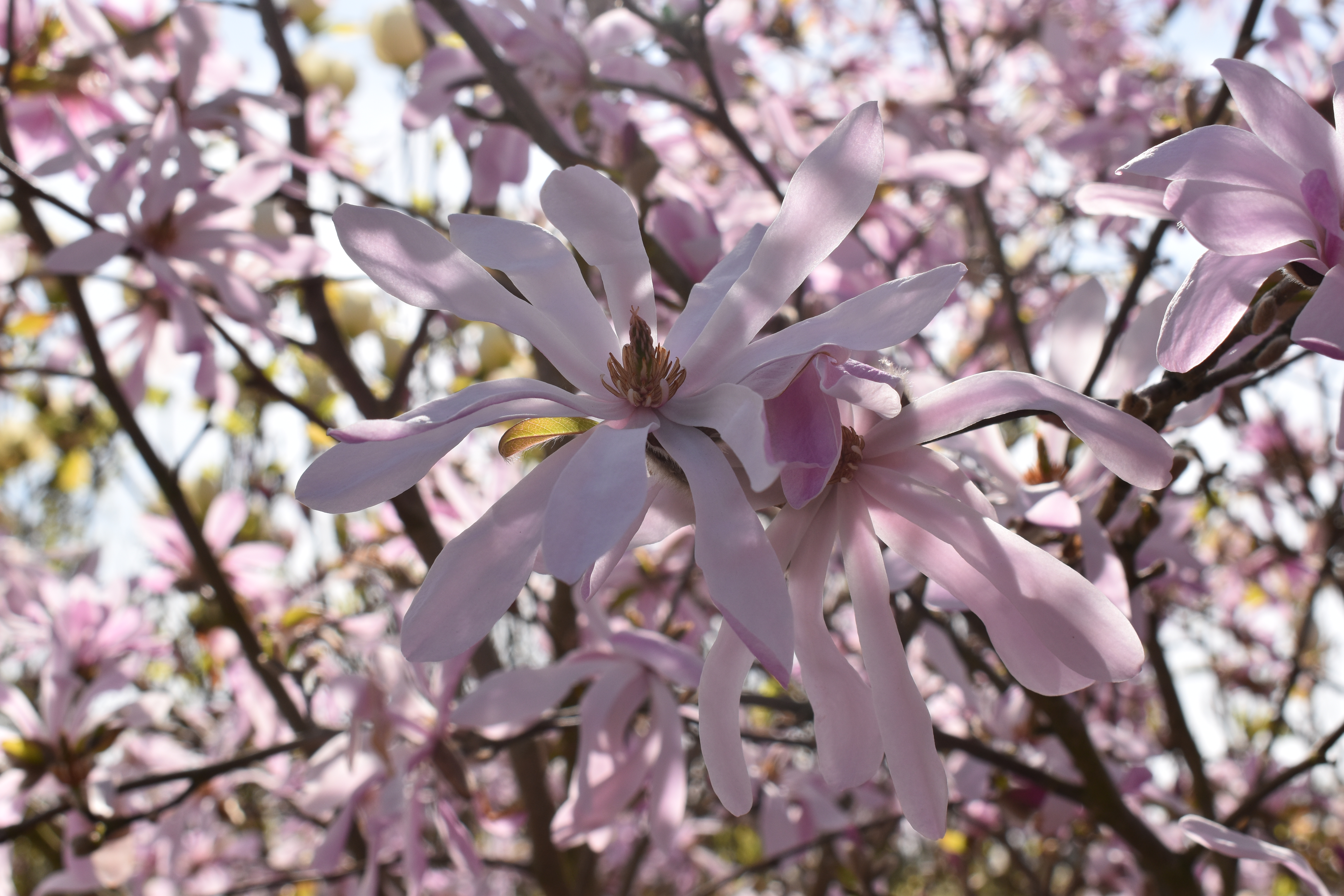
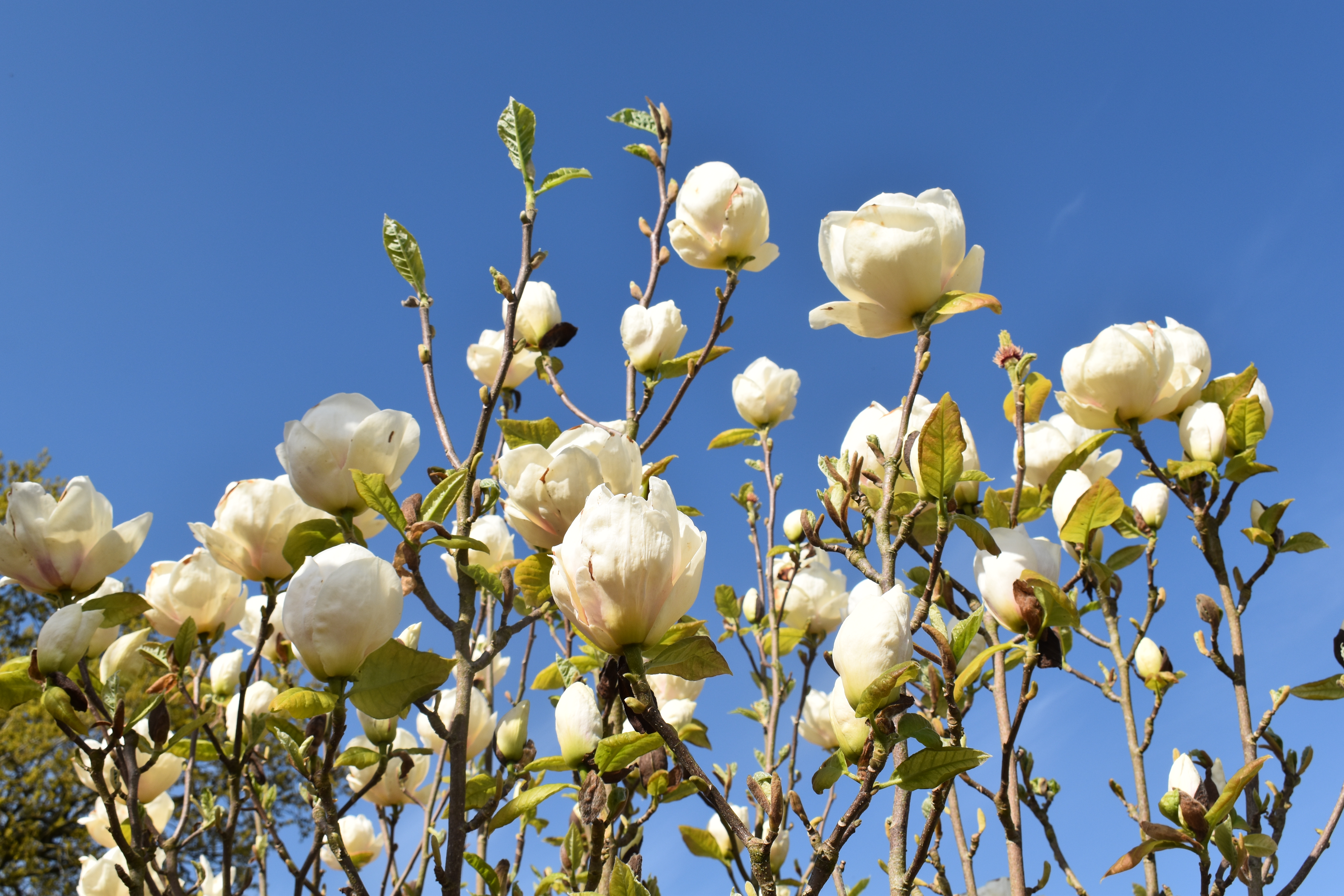
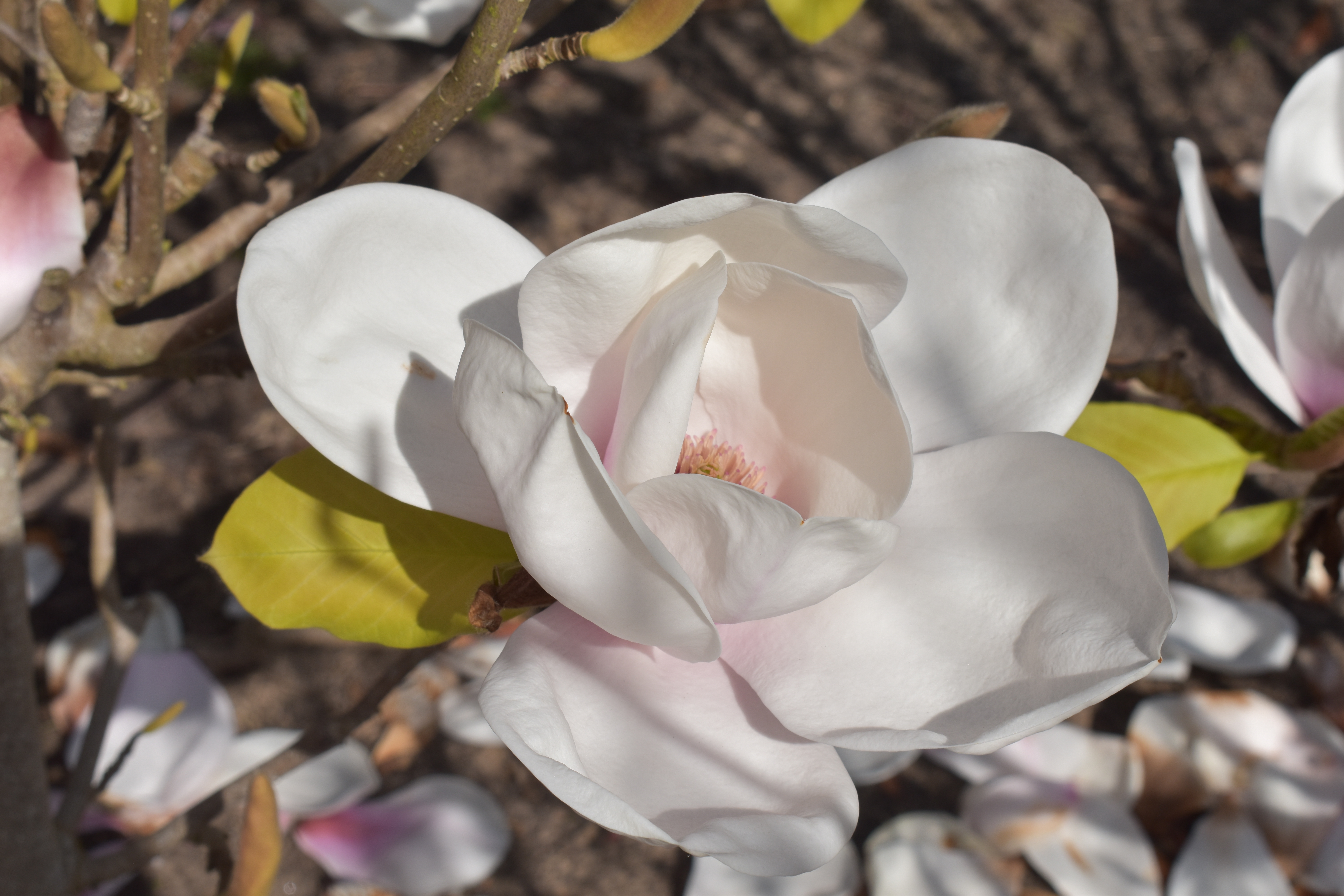
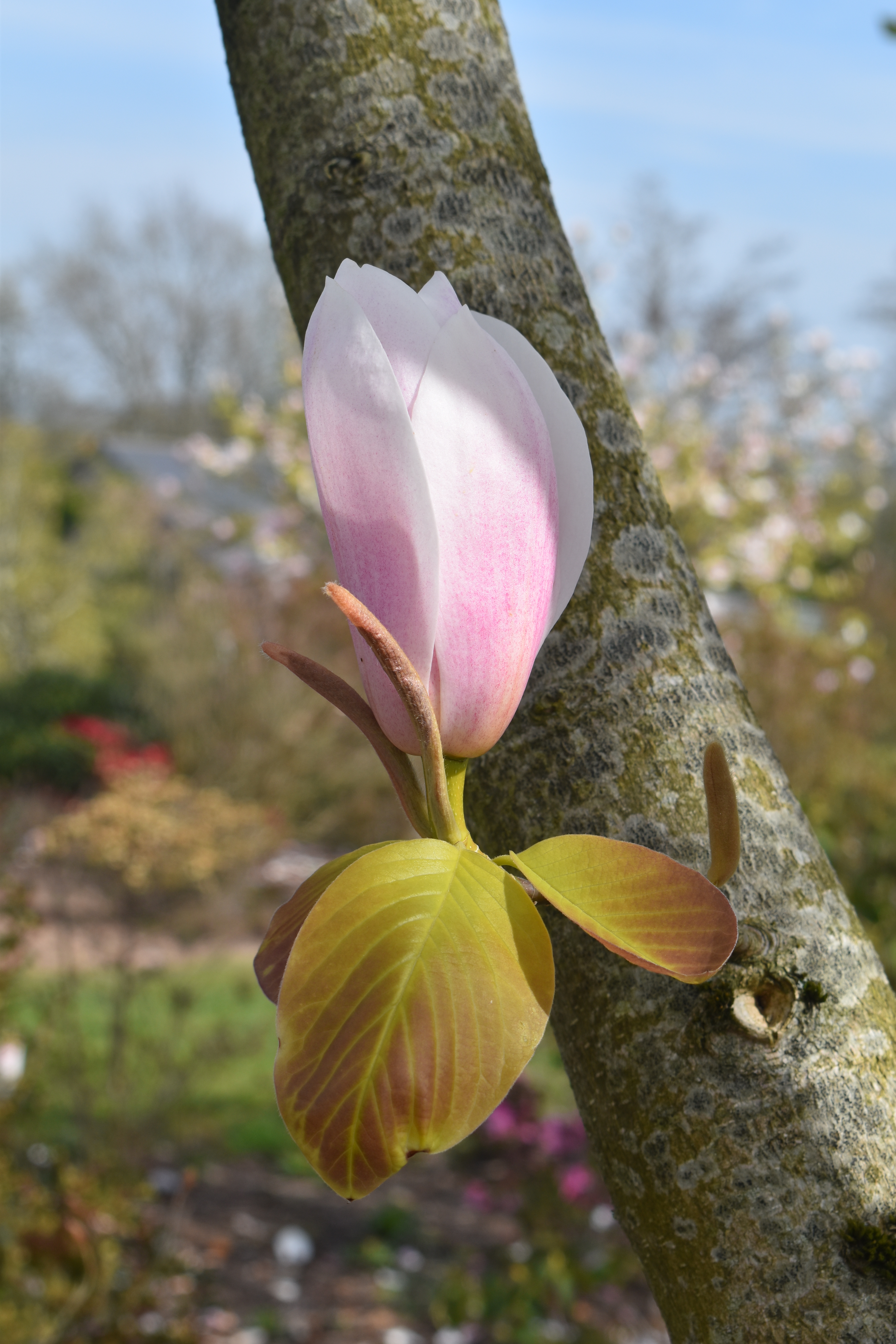
As soon as we parked the car we realised that magnolias were going to feature strongly on this visit. We don’t grow these in our garden much because they simply don’t fit in with our style of planting, but we enjoy seeing them in other gardens.

Only a few yards from the place where we parked up was a long deep border full of colourful magnolias, several in colours we had never seen them in before.

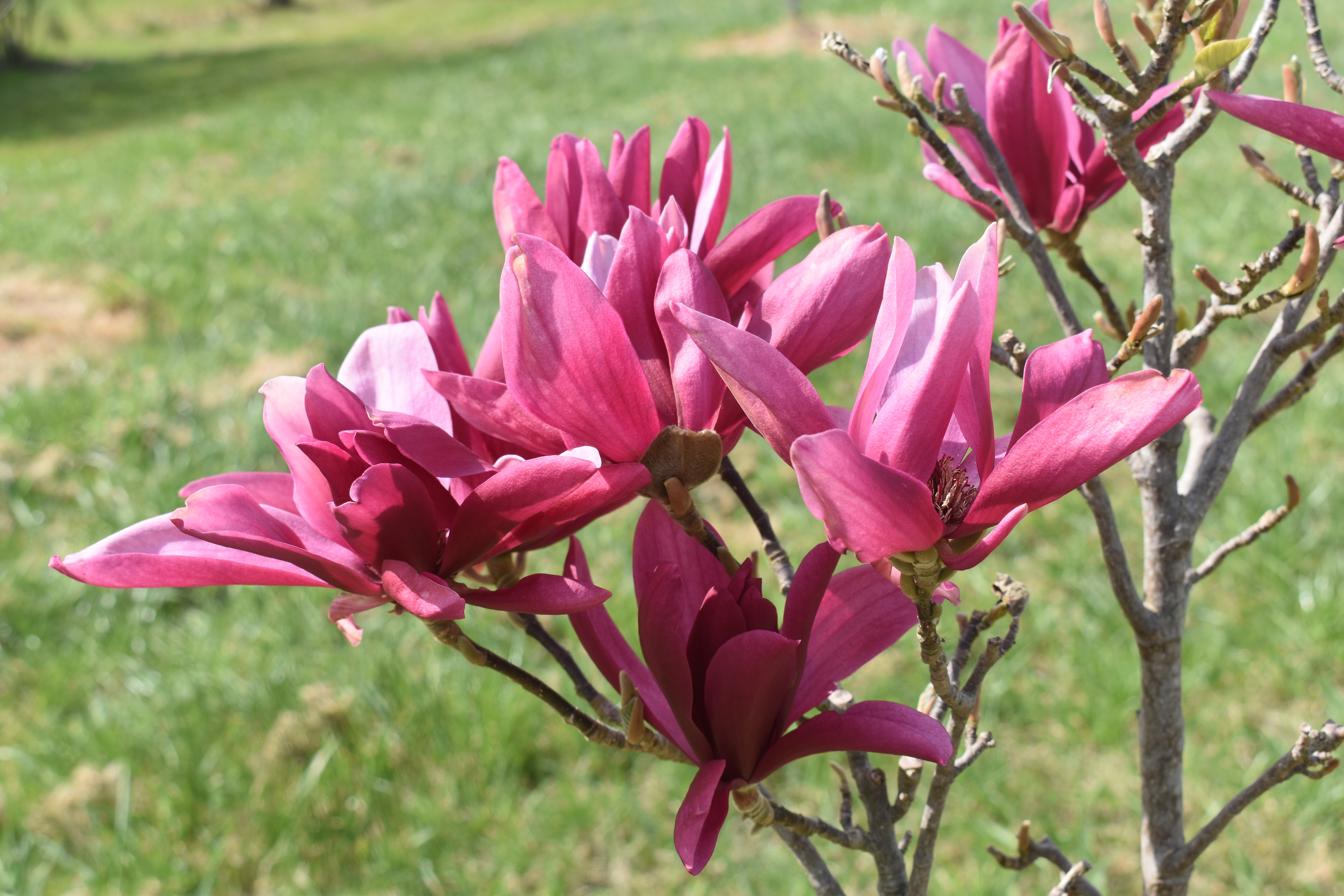
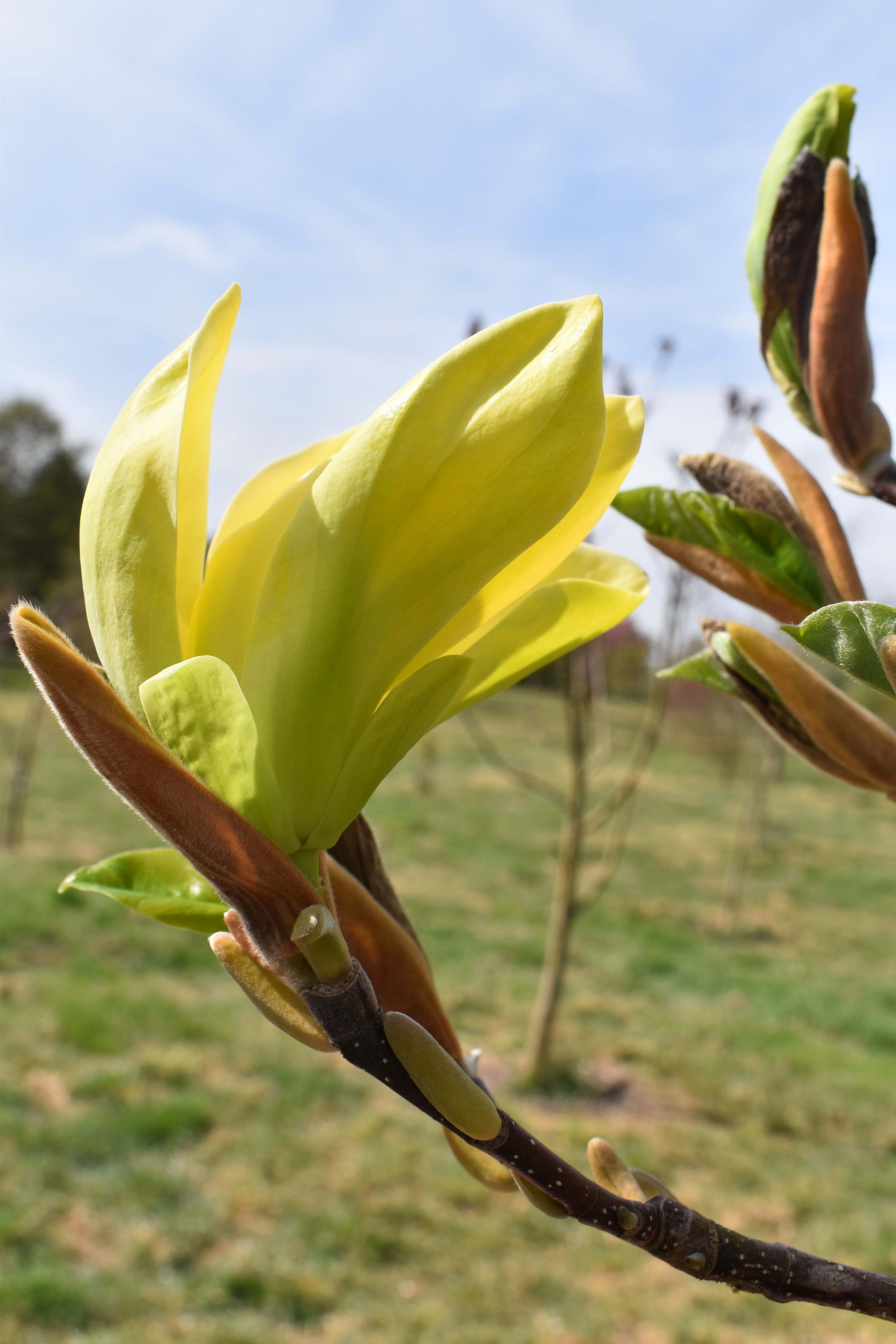
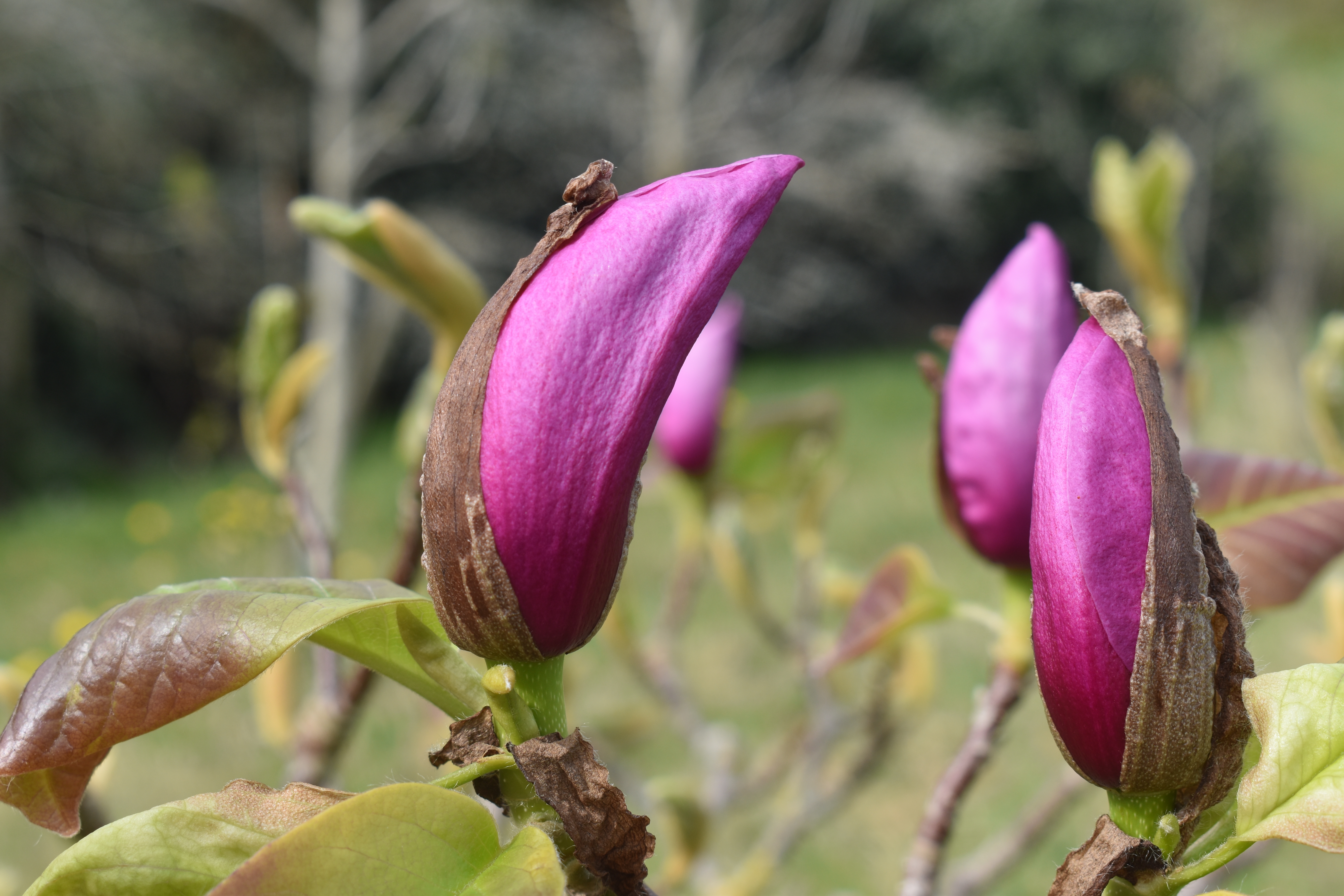
The set of photographs below can only give a glimpse of them – there were so many.

It was useful having these magnolias planted in short rows within the border because it meant we could walk in amongst them and get to appreciate them so close up. There were so many different colours and shades, so many different sizes and different flower structures.

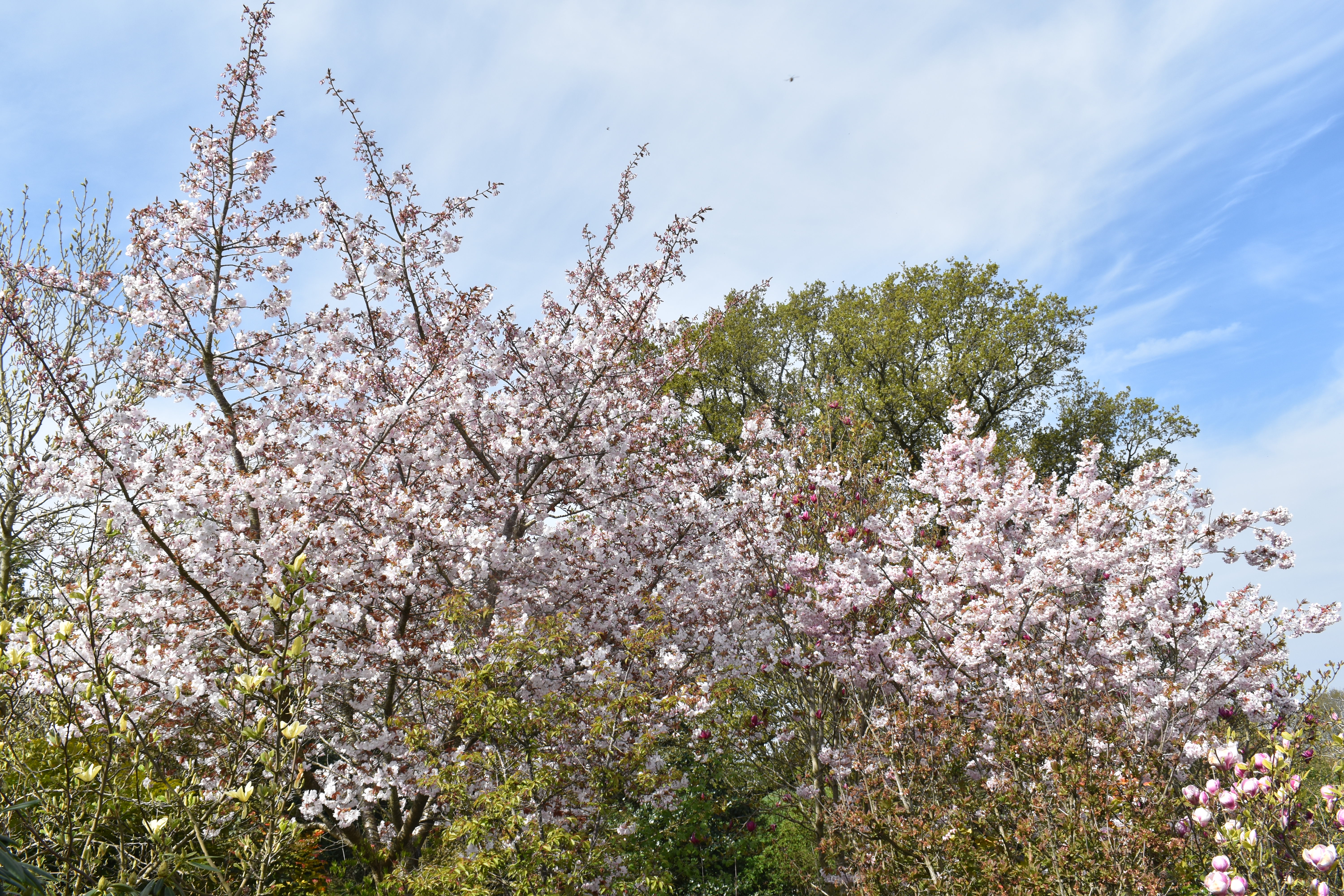
But there is obviously much more to the arboretum than lots of magnolias and the clue is in the name, Cherry Tree Arboretum. So the next photo just has to be of cherry blossom. The pink looks so delicate against the pure blue sky, the glossy foliage shows touches of red and bronze.

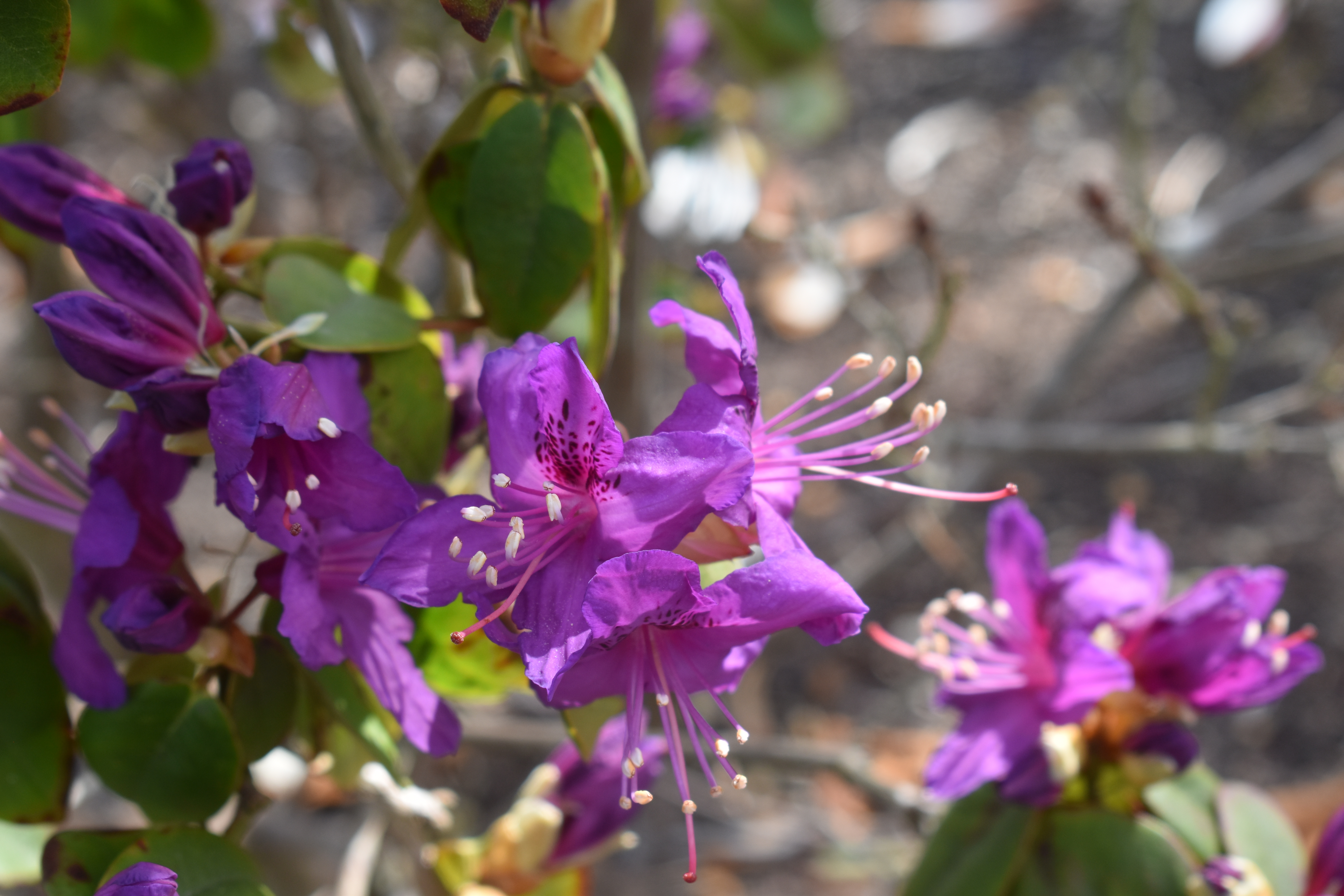
I am not a big fan of rhododendrons but certain colours always catch my eye. This bright shade of purple was one such colour with contrasting white stamens and deeper coloured sight lines for bees to show them the way.

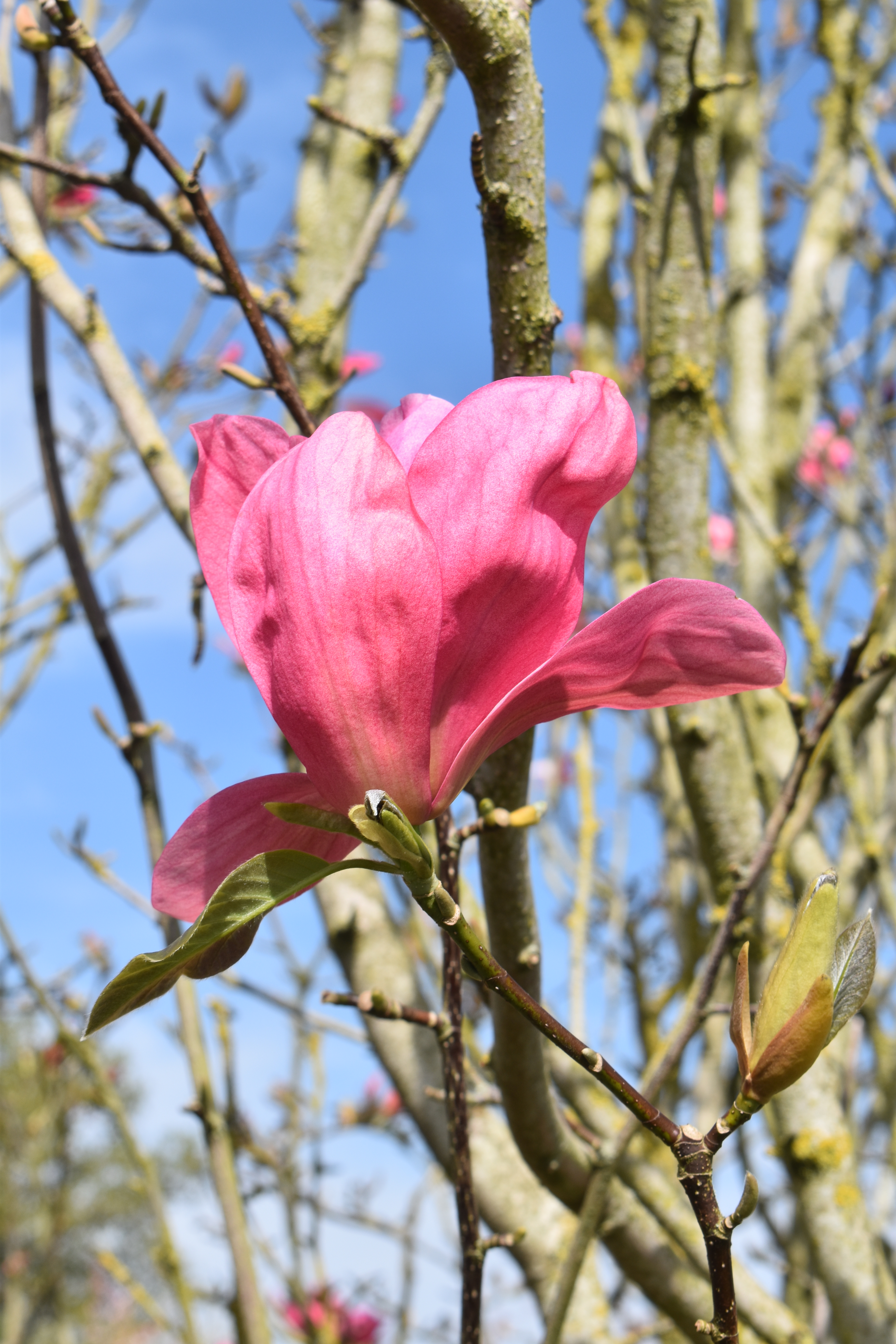
As we studied even more magnolias two fellow visitors told us about some very unusual coloured specimens nearby. When they pointed them out to us a little way further on we decided that it would be worth having a close up look. At that distance they looked almost red. The photos below show the blooms to be such a dark pink that they indeed looked red especially against the blue sky.

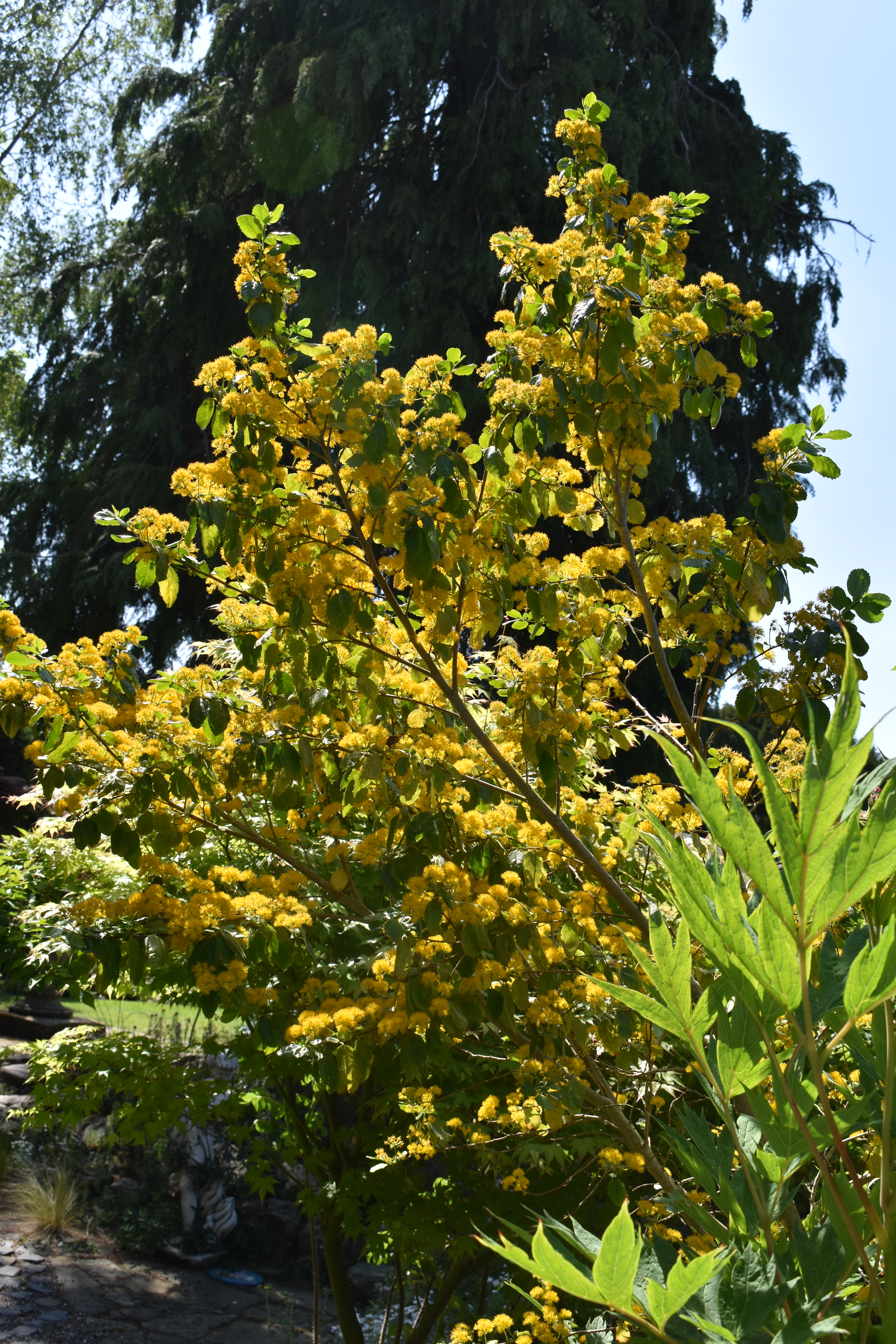
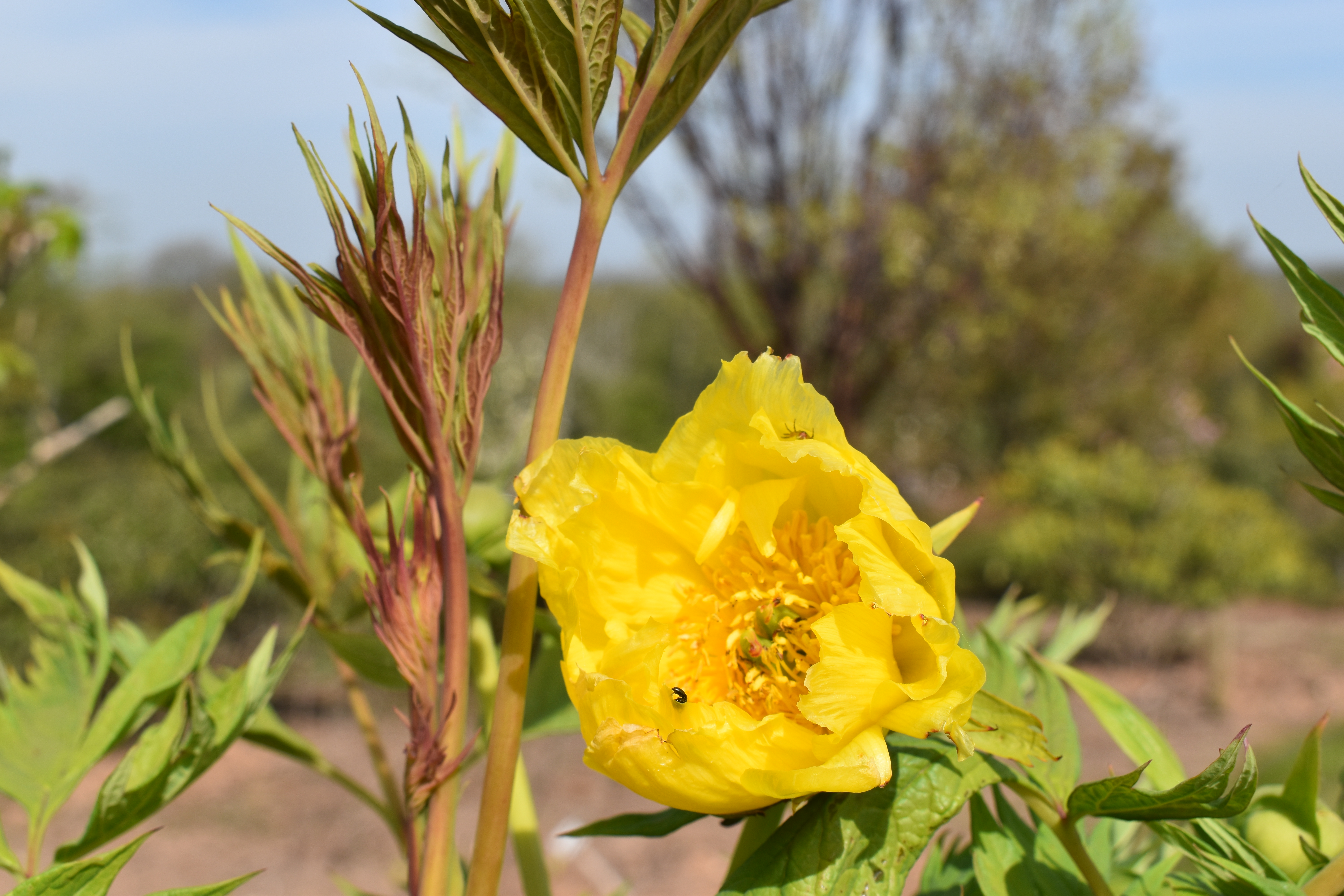
From the pinks of magnolias and prunus trees we walked along random paths of gravel, bark or grass as we discovered so many worthwhile trees and shrubs. This bright sunshine yellow tree paeony certainly deserved a close look.

Acers in abundance looked so exciting in the bright light.

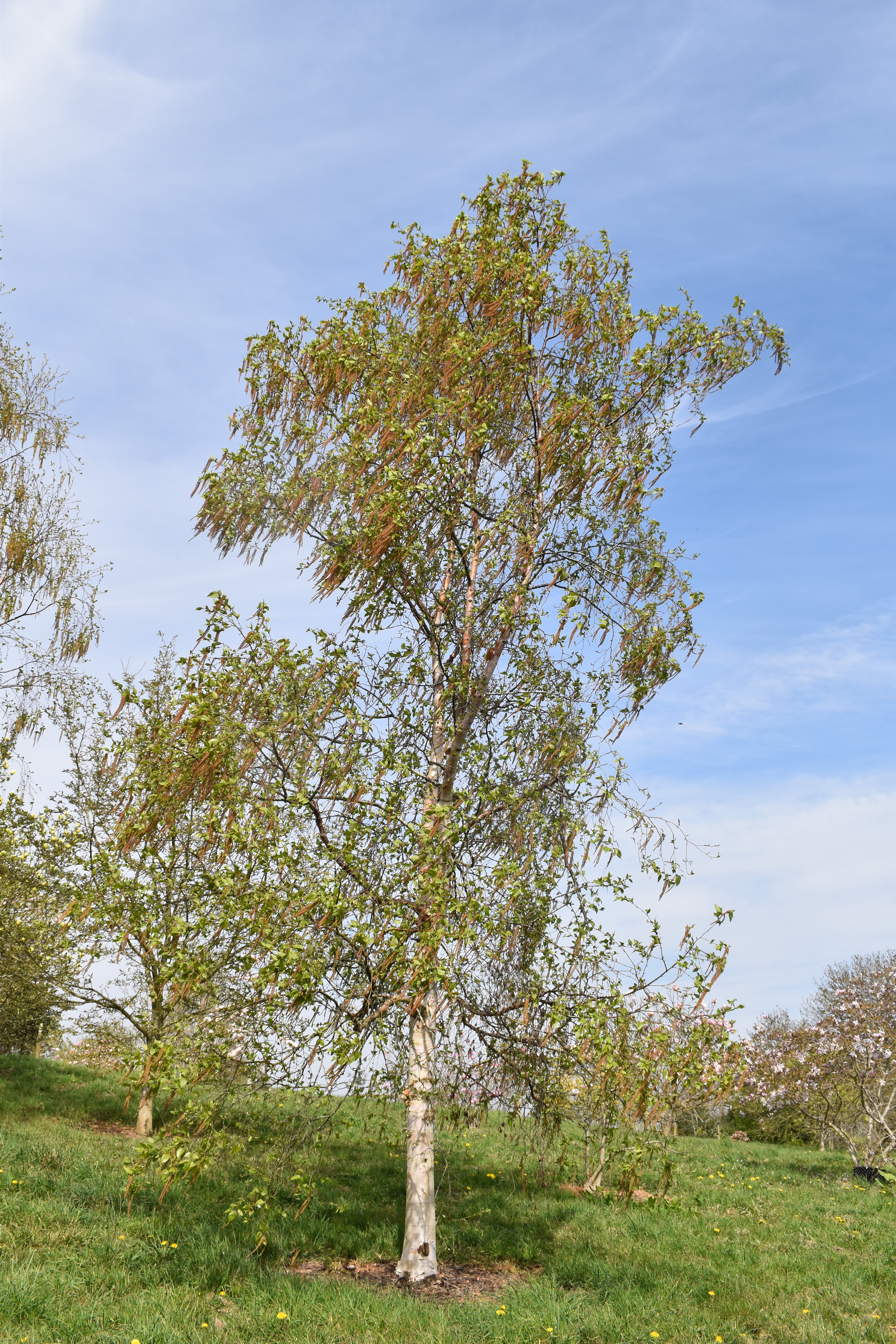
Of course I had to look out for my favourite trees of all the betulas or birches. Another favourite tree is the malus in all its guises, so I was on the lookout for both and no arboretum could possibly be without them. This birch had impressively long catkins up to 5 or 6 inches in length.

Many birches have the added attraction of colourful peeling bark, which has the knack of catching the sunlight.

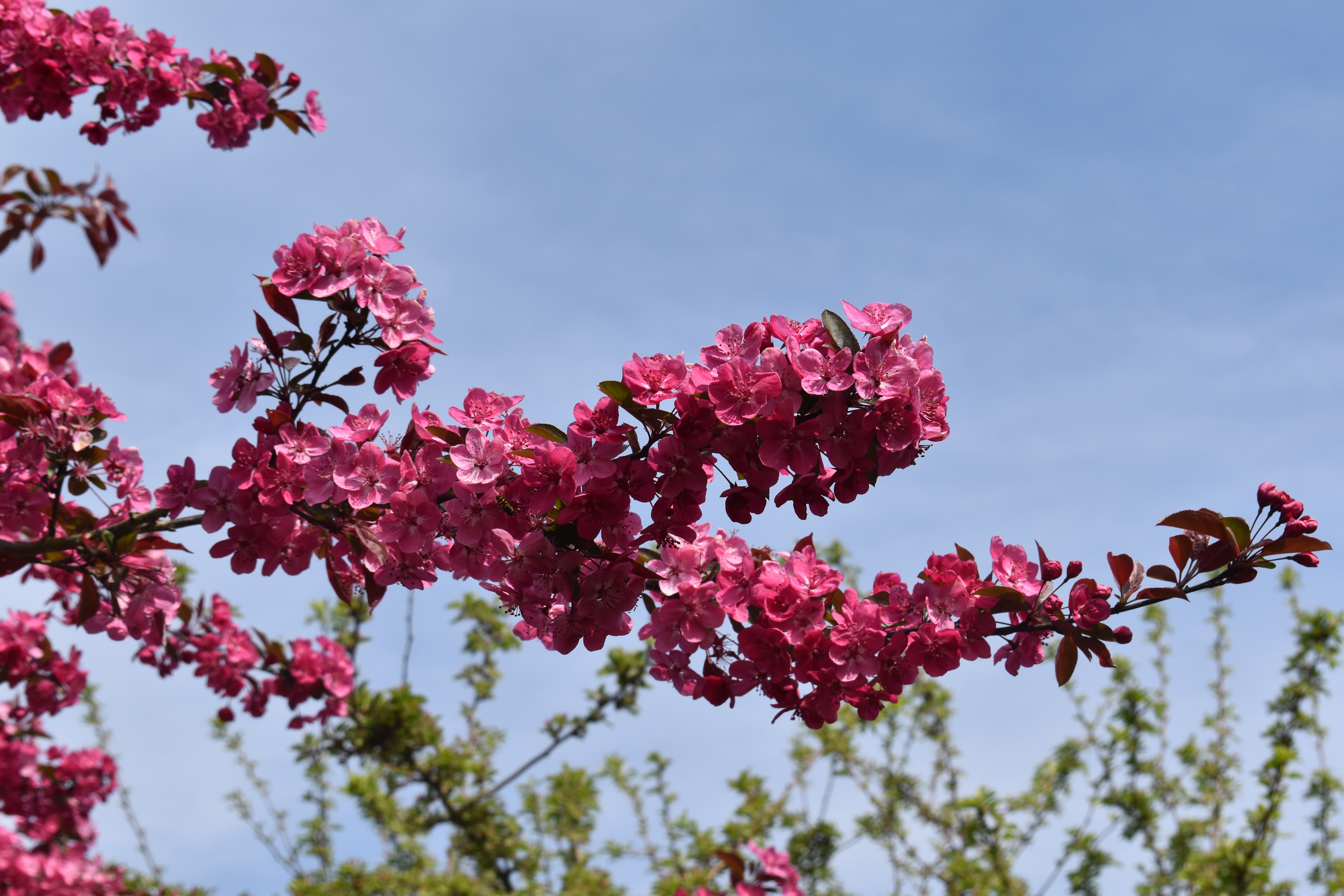
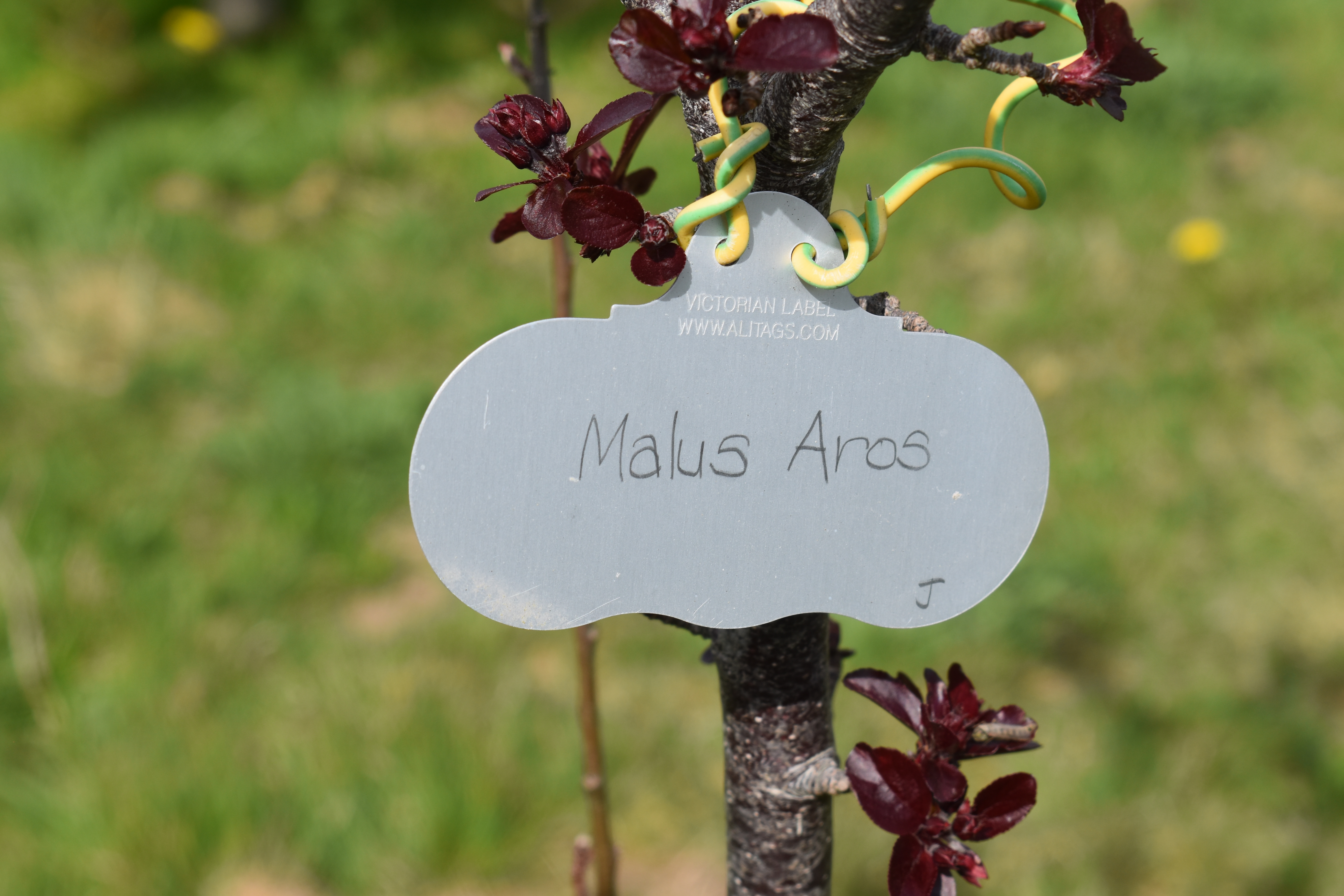
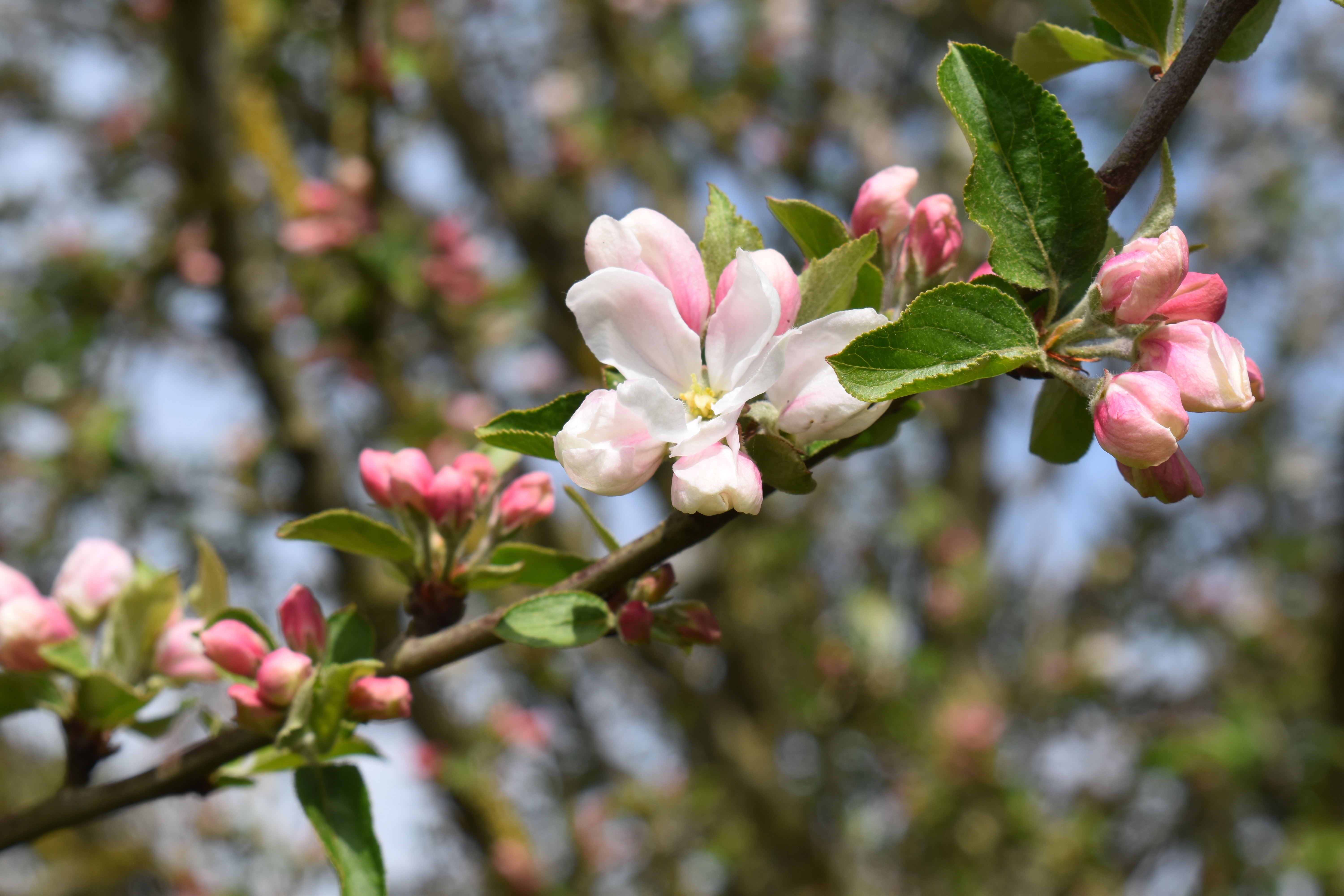
Malus family members, the crab apples can give us stunning foliage as well as blossom or even in some cases both.

Of course, with a collection of over 500 magnolias we came across plenty more very attractive examples as we wandered around.

Another great day out at Cherry Tree Arboretum which we feel may become a firm favourite.

Categories
Uncategorized

My Garden Journal 2025 August

I began my August report about our garden by noting that, “August is the time when late flowering perennials begin to come into their own. Dahlias are at their best and crocosmias add sunny hot colours to the borders, from the pure yellow of ‘George Davidson’, through the oranges of C. ‘Hellfire’ to the red of C. ‘Lucifer’.”

I then shared a set of five photos of colourful dahlias and four photos of crocosmias.

Over the page I moved on to consider foliage and I wrote, “Foliage reacts to any rain after long dry periods. When too dry, foliage goes flat and dull looking, but as soon as rain falls it returns to its usual form, much shinier with a liveliness that we haven’t seen for a while. For the leaf photos below I concentrated on different shapes of leaves.”

As usual the weather appears somewhere in every monthly report of my journal, and August was no different. I wrote that,“The drought continues and there is no sign of rain to come. This long dry period is having a destructive effect on the garden. A few plants don’t seem to mind but most are suffering badly.”

“Phlox flowers shrivel as they open. Ferns dry up as well as perennials and shrubs.”

Over the page and I looked at gardening tasks that had to be done, plus the start of a big job that will take several weekends. I noted that,“More jobs to be done this month, but the hot temperatures make every day jobs so tiring. But maintenance needs to continue. Jude did a major tidy of the wildlife pond and when doing so discovered this deep purple Iris ensata. We also pollarded a Salix gracilistylis melanostachys, which was too top heavy”

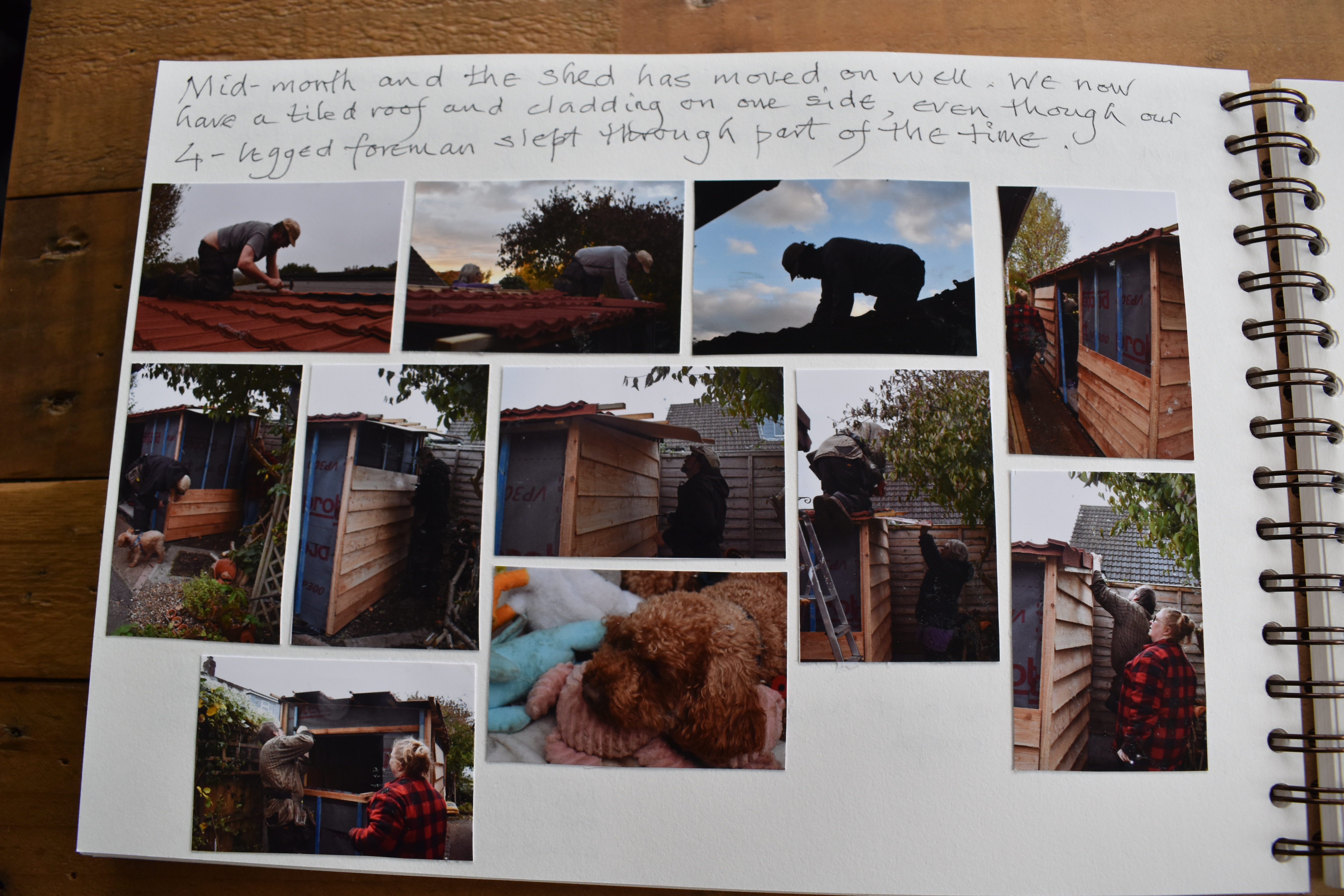
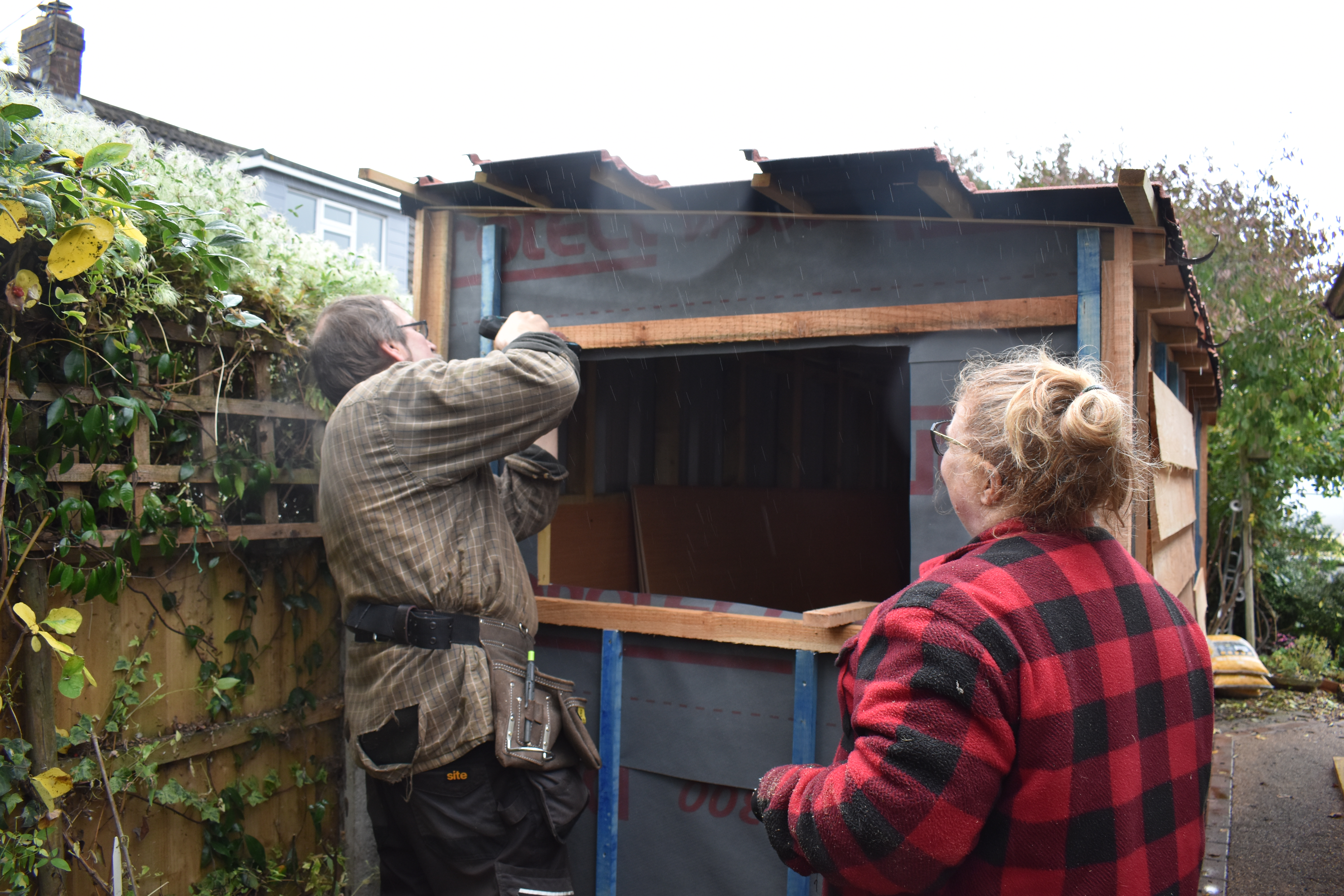
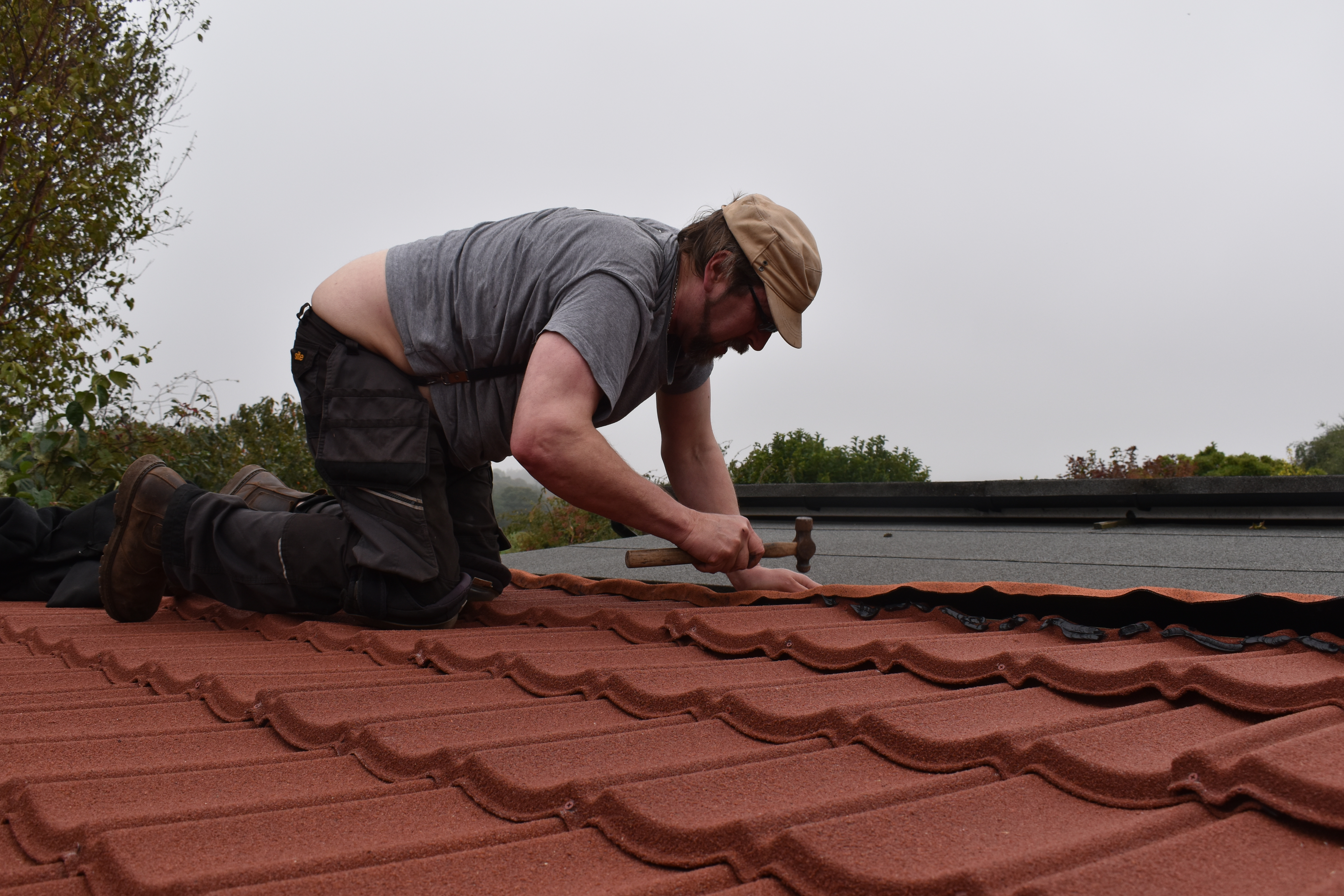
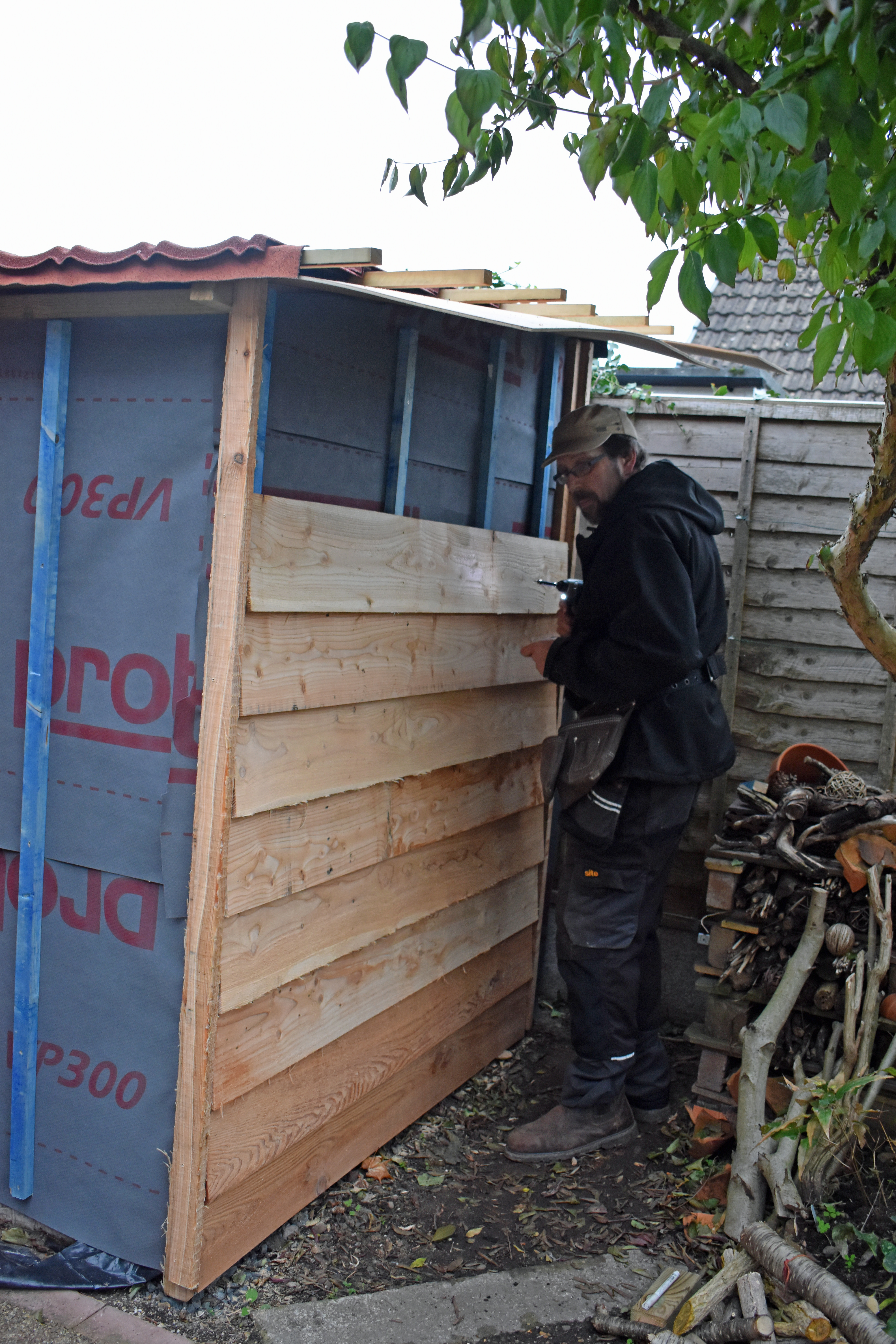
“We are having a new shed handbuilt by Jo and Ed, our daughter and son-in-law. It replaces the two sheds we have been using and will be a wonderful size at 15ft by 5ft.”

“First job was to empty the two old sheds and find temporary homes for the contents. Not an easy job!”

“The concrete base was soon down first with damp proof layer and wooden base frame.”

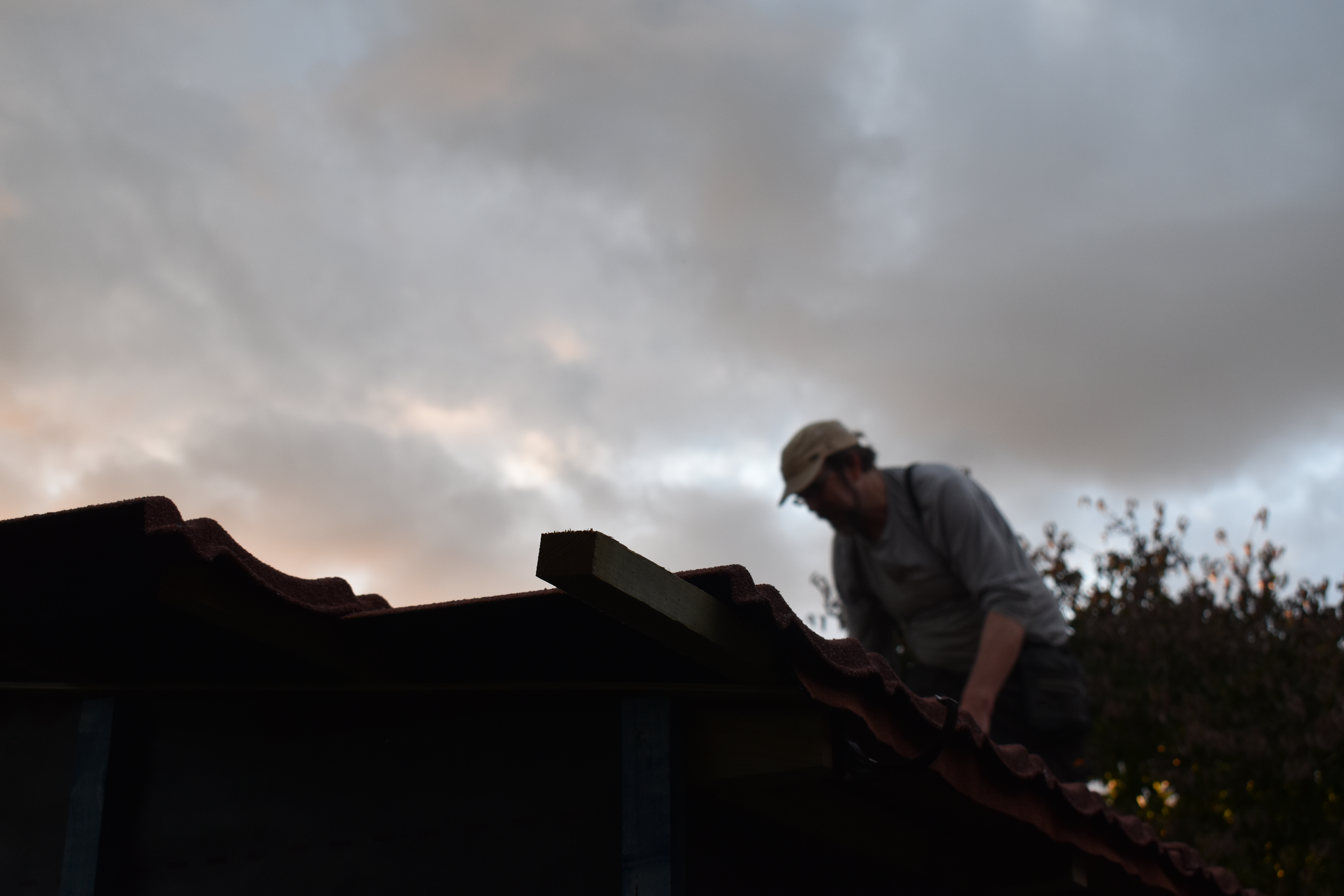
“By the end of the month we have fitted the metal back to the shed to ensure ‘low maintenance’ and then the roof wooden pieces were fixed in place.”

On the next page I turned towards considering our garden wildlife and noted that, “Our garden wildlife has gone quiet as birds have stopped nesting and raising their young and have now moved into moulting. They seem to hide away in shame because of their scruffy appearance although we have seen a Goldcrest feeding in the front garden.

We still hear buzzards and kite high overhead, and occasionally now we have flocks of gulls above us along with large ‘clatters’ of noisy jackdaws.

Bees and hoverflies are busy foraging alongside solitary wasps and our common wasps. We have common garden bees nesting in one of the several upturned terracotta pots alongside our sitting and dining area. We have watched closely their comings and goings.

Jude has built a new insect hotel from a pallet and objects from the garden.”

Brown Lacewing Ichneumon wasp (I. amblyjoppa)

Hatched Dragon Fly Nymph Common Garden Bee nest site

Jude created another insect hotel near the framework of the new shed to replace the one we had to undo.
My next and final page for August featured one of our favourite plants in the garden, Althaea cannabina, which I painted in watercolours and Japanese Watercolour Pens. I wrote,“Althaea cannabina is also known as the Hemp-leaved Hollyhock. It is a tall airy plant usually growing to 6 or 7 feet tall but this year has reached 10ft tall.

It has lots of side branches producing masses of pale pink flowers that wave around in the slightest breeze. It is loved by bees too!”

I drew it and added watercolours and Japanese Watercolour Pens.

That is all for my August journal so I will send out the next instalment in September.

Categories
Uncategorized

Plas Cadnant the Hidden Garden Part 2

Here we are back at Plas Cadnant, The Hidden Garden of Anglesey where in Part One I covered the walk down from the Welcome Buildings through the double borders and the slow descent down the Ravine. I was looking forward to the collection of unusual ferns and walking down to the mountain stream. Here in the Lower Valley the first feature we reached was the Reflecting Pool with interesting plants all around the area.

The photos below are of a large and very healthy specimen of Podophyllum ‘Spotted Dotty’ and the Reflecting Pool with a row of Dalmera peltata lined up on its edge.

Primulas and Oxalis add gentle spots of colour among all the restful greens here including lots of unusual ferns and some native flowering plants such as bluebells and red campion.

The long upward gradient awaited us as we rested by the stream, but we still had plenty to look forward to on the journey, the Upper Valley Garden, Ann’s Seat and Valley View, Mrs Fanning Evan’s Secret Garden and the long Raised Border.

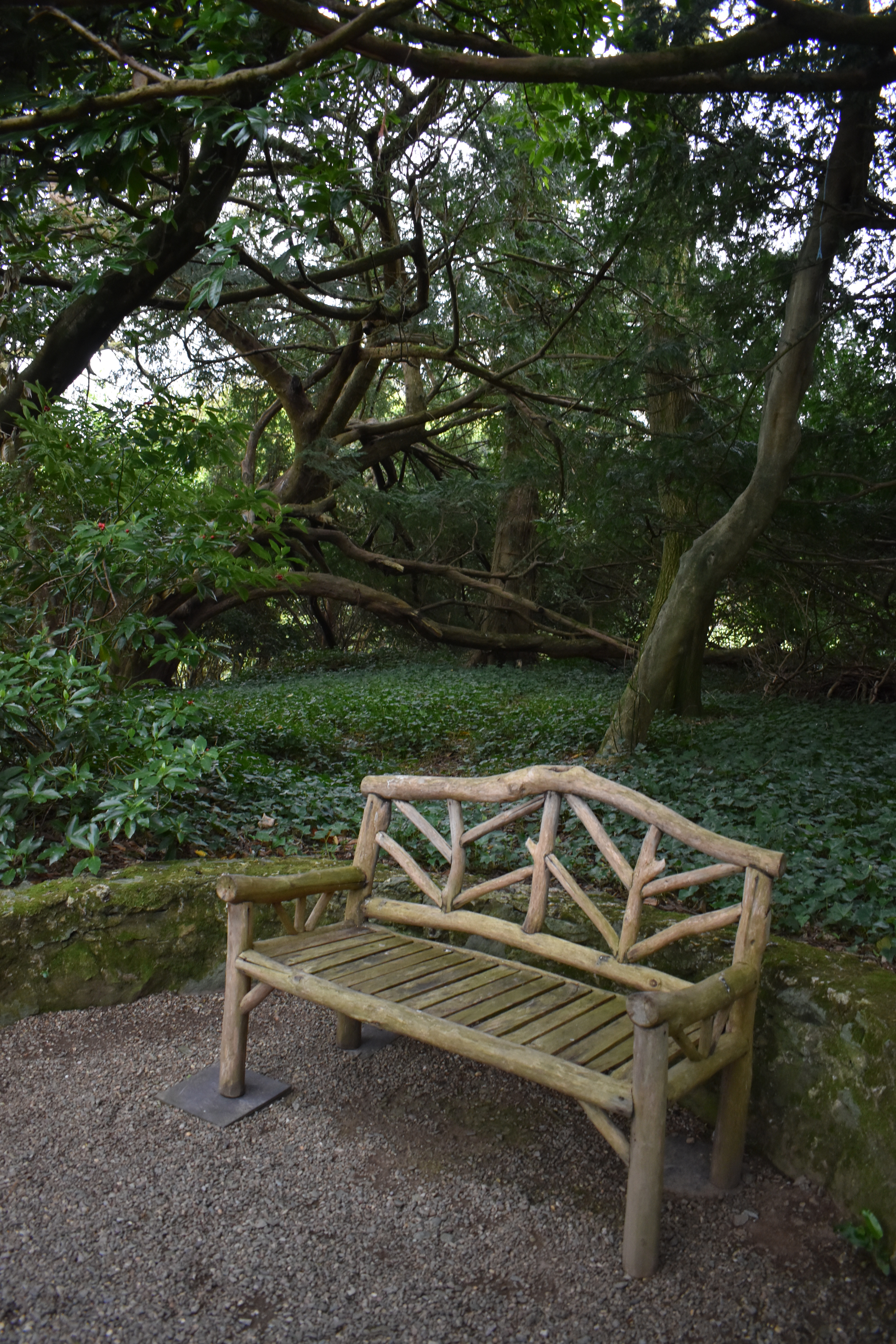
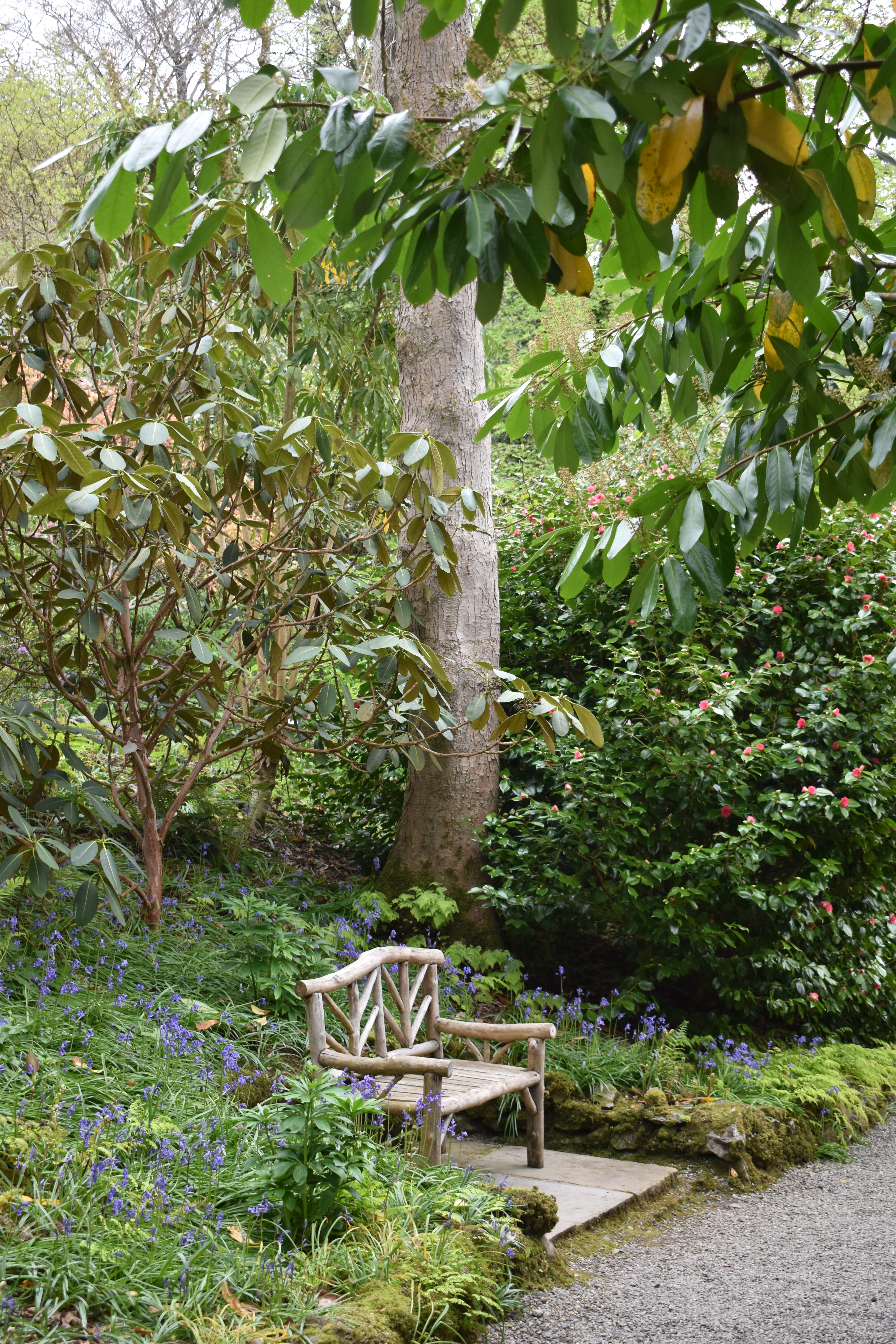
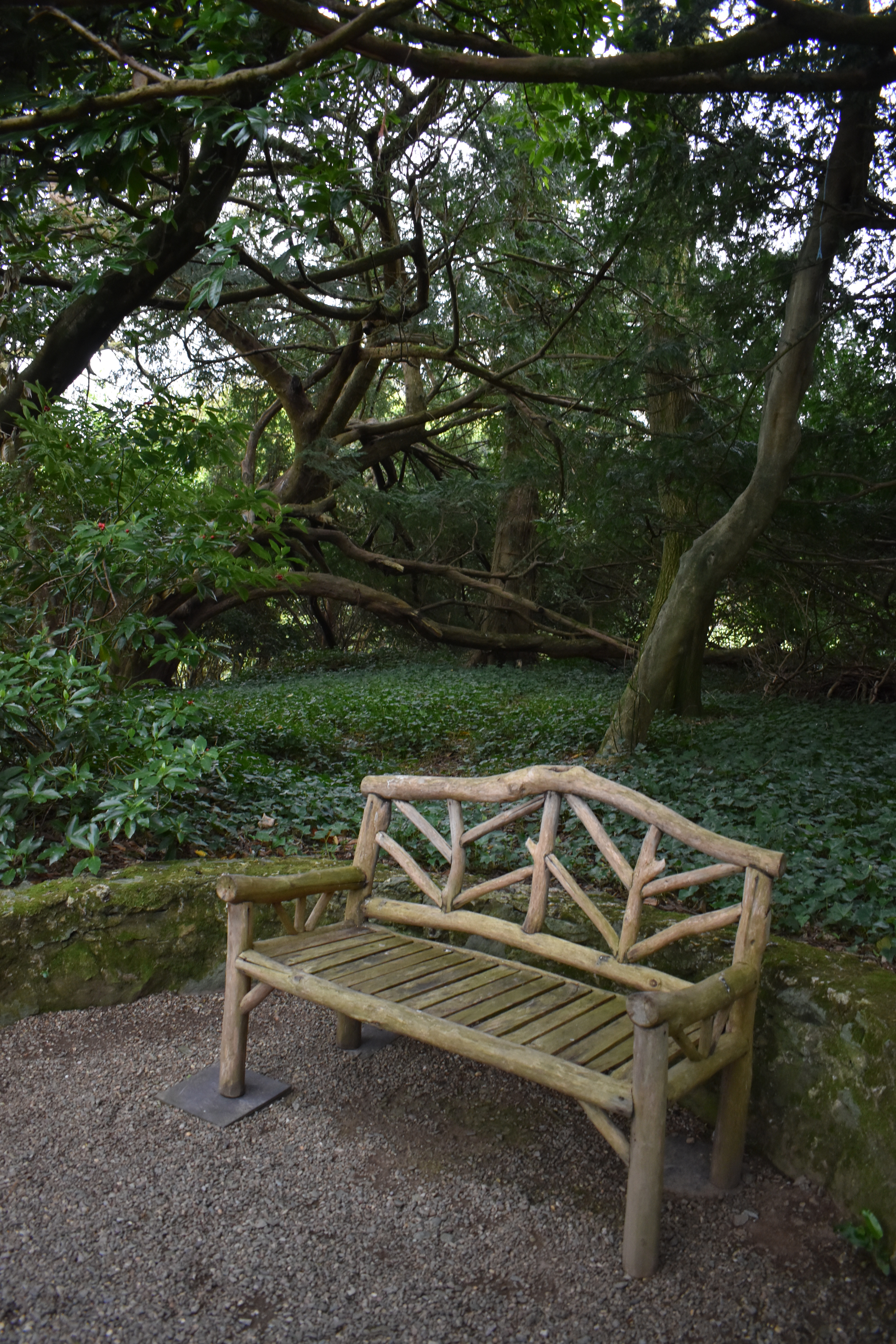
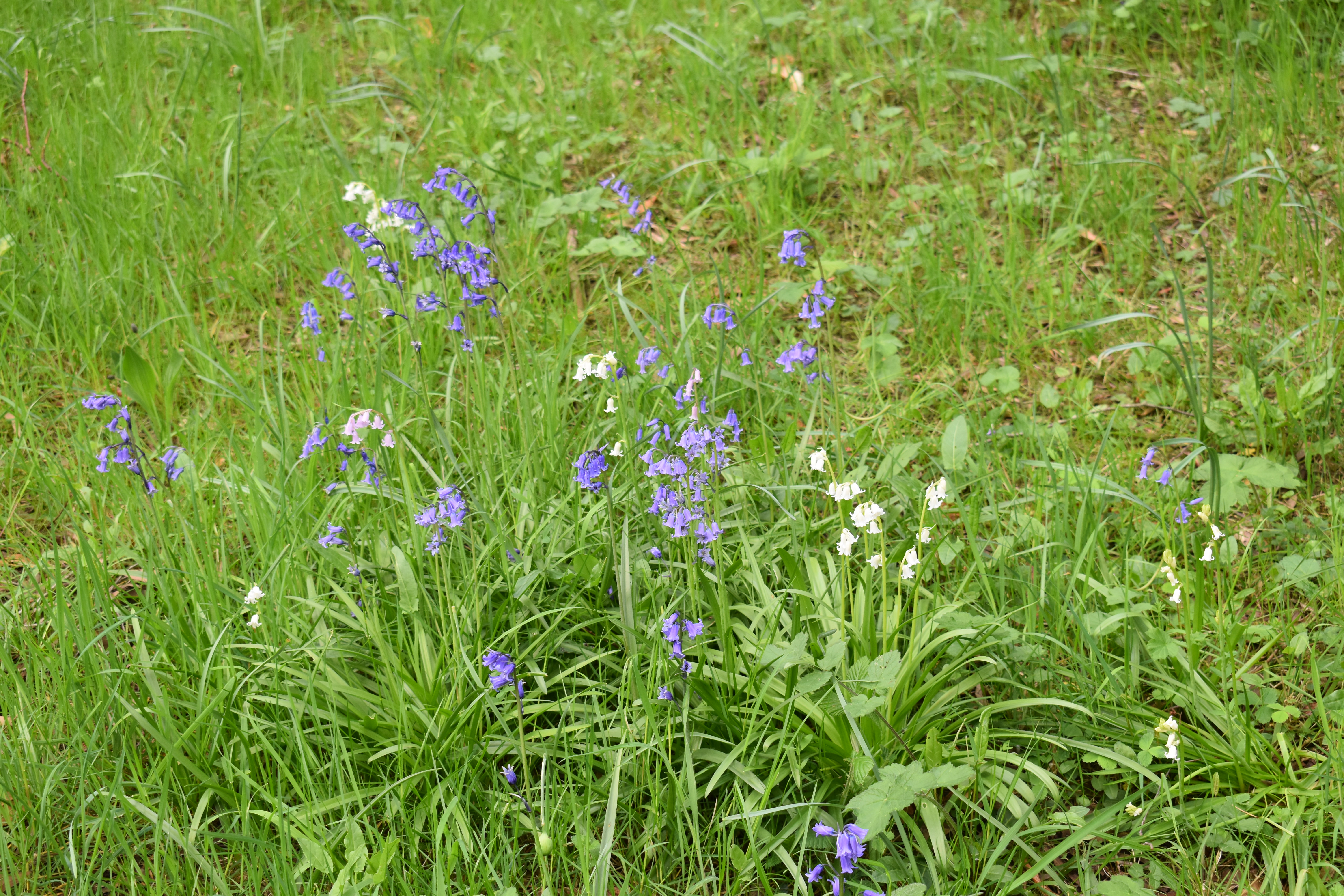
The slope up was quite steep to start with as the path meandered its way uphill. It was a good job that there were a few seats to use for short rests on our way. This wooden bench was surrounded by our native woodland bulb bluebells, which were not only good to look at with their stunning shade of blue with hints of pink and purple, but they also had such a rich sweet scent from the flowers.

Soon we reached the level where flowering woodland shrubs, mainly rhododendrons and azaleas, provided much colour. Narrower footpaths meandered through the shrubs which afforded us beautiful close up views of the flowers and also a chance to enjoy the rich aromas. The brightness of the flowers could have been a bit overpowering but the rich foliage of small trees such as acers added some respite and a beauty of their own.

The massive foliage of the Gunnera, often called giant rhubarb, looked so good alongside the smaller but much glossier leaves of rhododendrons and laurels and the excessively cut fronds of ferns including tree ferns. It all had a tropical atmosphere but with the calls and songs of native birds.

As the gravel paths among the brightly coloured pinks and reds of the rhodos and azaleas gave way to more open woodland plantings, with paler more subtle colours of yet more ferns and trees.

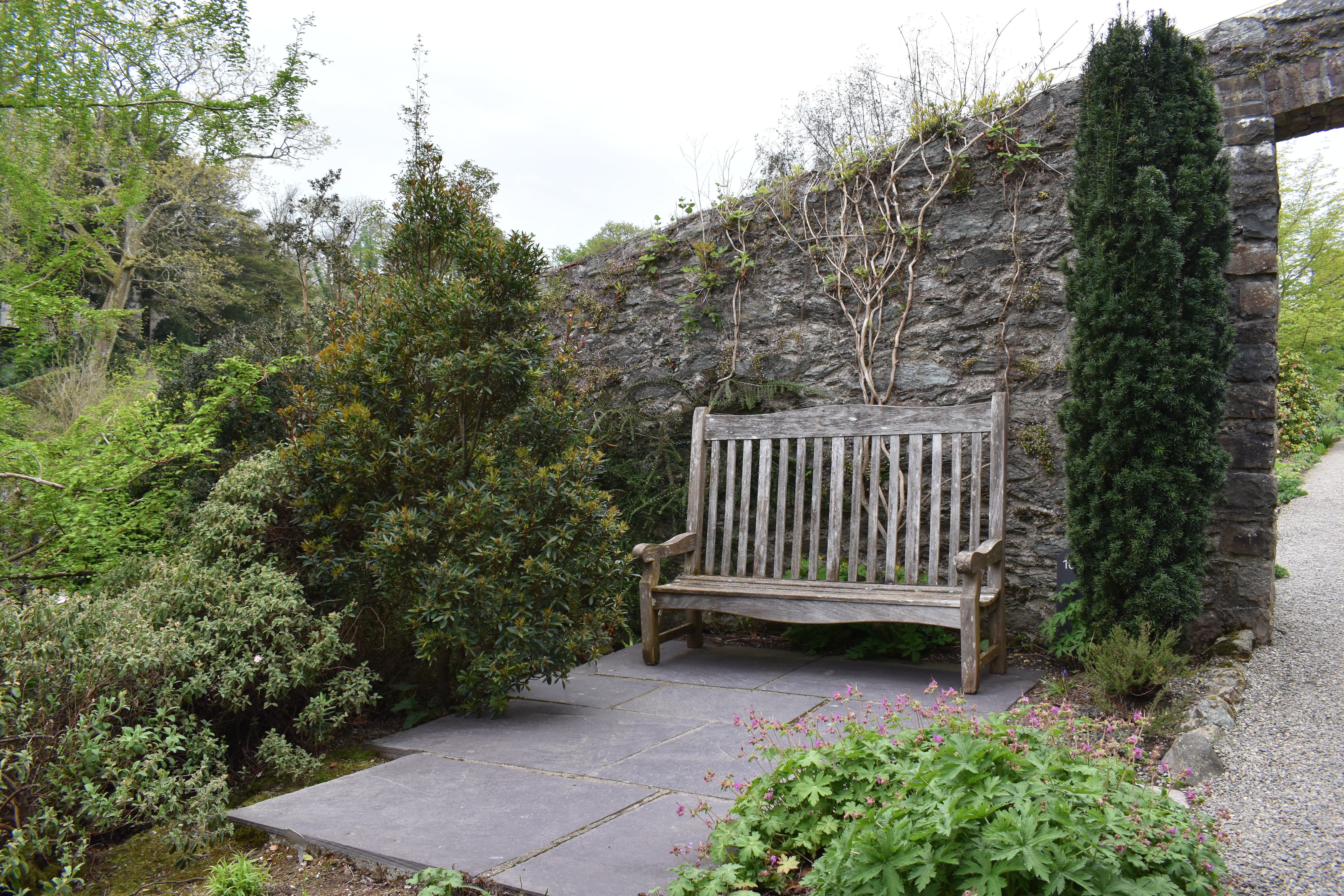
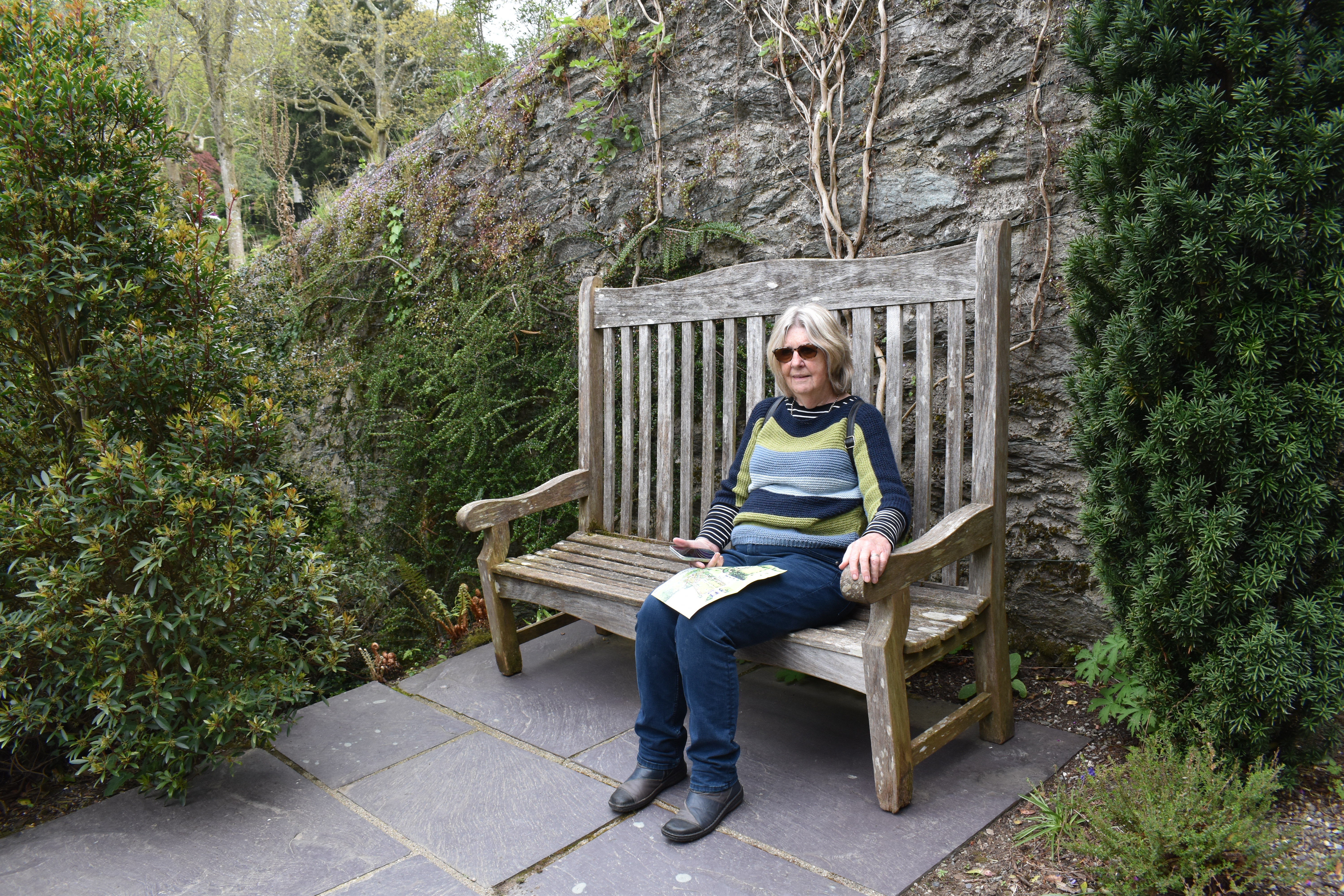
When we reached the stone wall that ran across the garden the path led us through an archway into the next section of garden. As we passed through the entrance we stopped to admire a very smart pyramidal piece of topiary. but first we just had to admire this very high backed bench. Of course Jude had to try it out for size and we took the advantage of a rest and to peruse the garden map to see where else we had to go.
We were looking forward to exploring the ‘Secret Garden’ of Mrs Fanning Evans, which was just the other side of the beautiful stone wall.
Mrs Fanning Evans was the last gardener at Plas Cadnant before it was abandoned until its rescue and restoration. This patch of garden is the only remaining feature of the original 1940’s planting. The remaining plants are a Magnolia x soulangiana, Eucryphia ‘Nymansay’ and Buddleia alternifolia and they certainly have survived well but are showing their age.

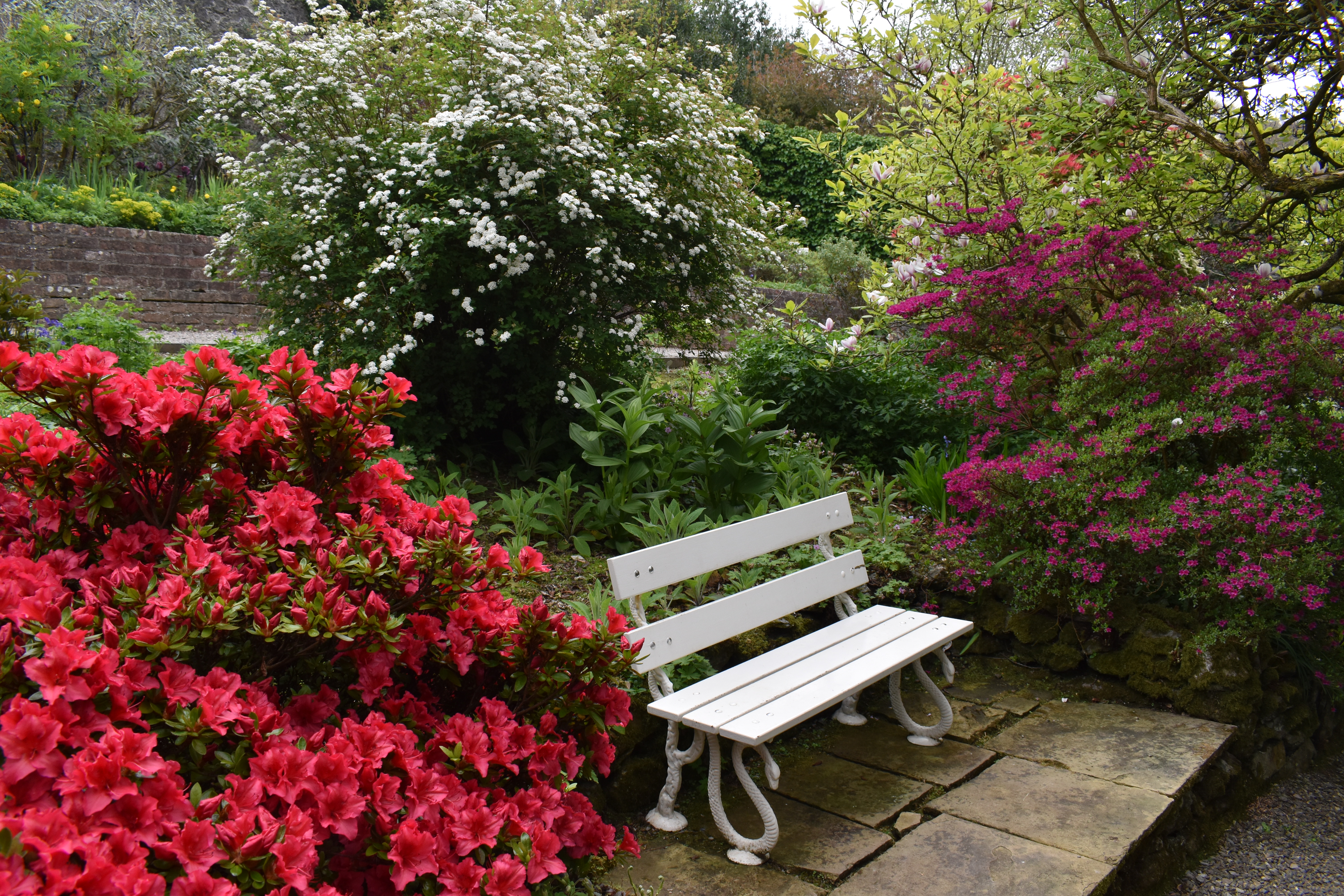
Nearby looking across across an area of grass, we spotted a large rectangular pool with a white seat overlooking it. This was too tempting so we walked across the grass to get a closer look. We couldn’t work out what the deep pink flowering plants were around its margins. They were bergenias, very floriferous ones.

We had virtually completed our tour of this superb garden, having just the raised border to enjoy before we found ourselves back at the cafe and just had time for a quick cup of coffee before it closed and we then made our way back to the hotel.

Categories
Uncategorized

Plas Cadnant – Anglesey’s Hidden Garden

We visit Anglesey often because it has a unique atmosphere and a beautiful coastline in places not unlike Pembrokeshire. The most recent visit was near the end of April earlier this year.

We first saw a small sign on the roadside for the “Hidden Garden” as we travelled the road to Beaumaris. It was a few years later when we first decided to find the hidden garden. We were so glad we did! Recently we visited again and so enjoyed the developments that had been made.

After driving up a tree lined driveway we were welcomed by a beautiful slate sign. This set the tone for the welcome buildings, the cafe, shop and nursery.

The first view of the garden showed its long sweeping undulating lawn and neat topiary. Trained fruit trees adorned the area directly in front of the cafe windows. But there were some well composed pots of tulips all around the buildings.

We usually follow a clockwise route around a garden but the way the garden map was numbered led us in the opposite direction for a change. We soon arrived at a long, narrow rectangular garden which took us alongside the grass area. The planting here was interesting and contrasted well with the formality of the early views we had enjoyed. More beautiful pots, many with bright tulips, provided extra colour.

From this area a winding gravel path took us through ‘The Jungle’ beneath a large specimen of Yew and over a tiny stream. It was a slow time as I struggled with my walking stick and Jude supporting me and helping on the slopes and steps. But the planting made it oh so worthwhile with all sorts of plants from tiny alpines to tall trees above.

Having to move slowly here gave us the opportunity to study plants and appreciate them in detail. The area around the little stream was a great place for looking closely.

Carrying on down, several short but steep flights of stone steps slowed us right down but there was so much to see.

As we approached the bottom of the slope we got close to one of my favourite parts of the garden, the pond and streamside. So this is a good time to end part one of my report on our day at Plas Cadnant, the Hidden Garden. In part two we will consider the pond and streamside gardens and the walk back to the beginning.

Categories
Uncategorized

Bridgemere Show Gardens July

Well we are off again to the Bridgemere Garden Centre Show Gardens near Woore in Northern Shropshire, the opposite end of the county to our place. It was a warm dry day overcast at times with the sun bursting through whenever a gap in the cloud cover allowed it to. Just perfect for a day of appreciation of plants and a day that makes my camera happy.


The Cottage Garden was the first port of call as usual being just inside the entrance gate. It immediately looked so colourful, much more so than in any other month up to now. The fruit trees were heavily laden and perennials flowering profusely adding up to a pure cottage garden style.

As usual we next made our way towards the pond area not expecting to see much change, but we had such a surprise when we looked at the area around the pond. On the way we enjoyed looking at the hostas and pulmonarias in the bed with a very unhealthy looking champion cherry tree at its centre. The cherry is dying quite rapidly now with bare branches at the top and down towards halfway. The subtle planting beneath it however was worth a close look.

Sunshine lit up the foliage and flowers of plants around the pool, astilbes, hostas, iris, ligularia and even a water lily.

There were so many colourful areas within the show gardens, sometimes provided by flowering or berrying shrubs, others by perennials planted in large groups such as agapanthus and hemerocallis

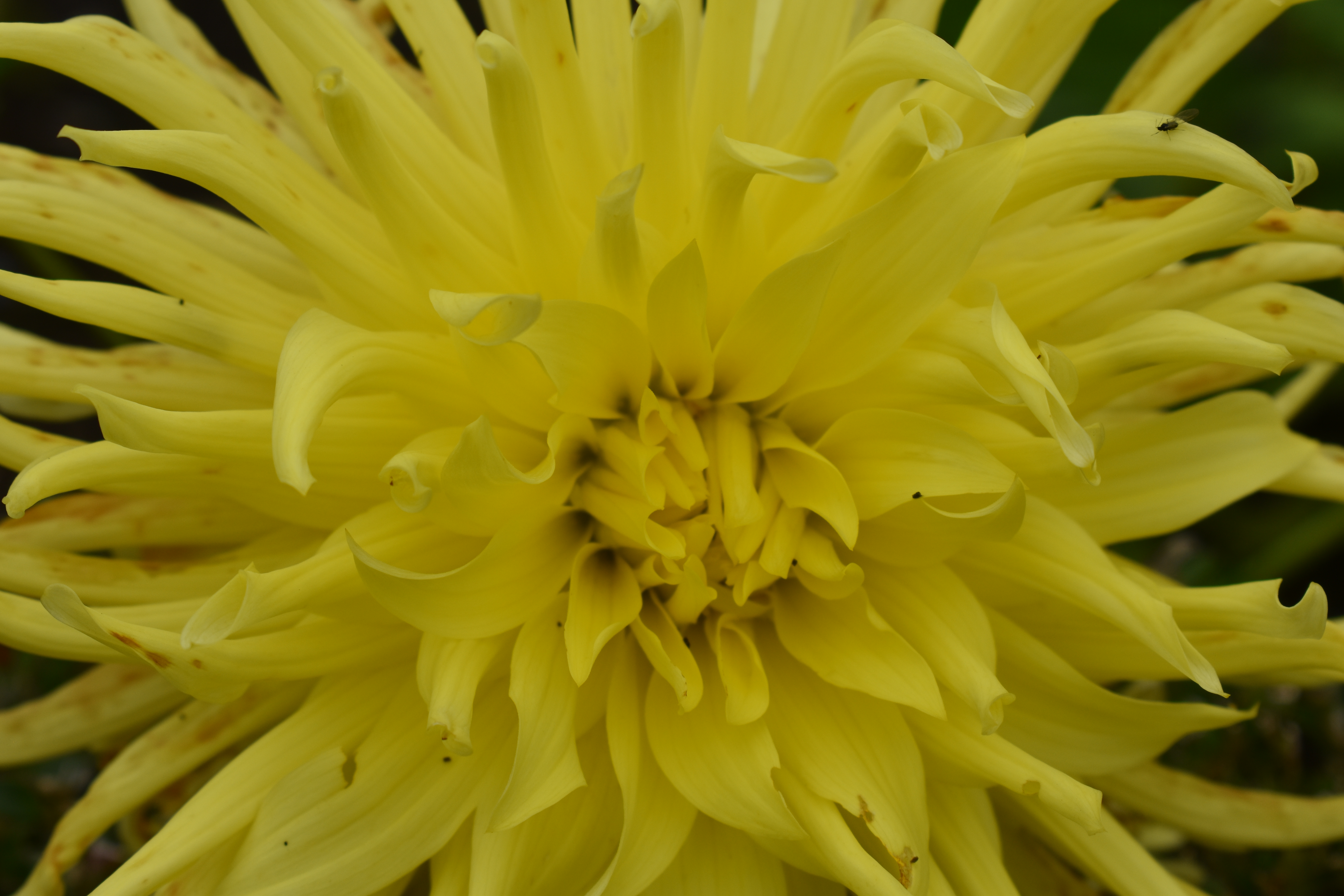
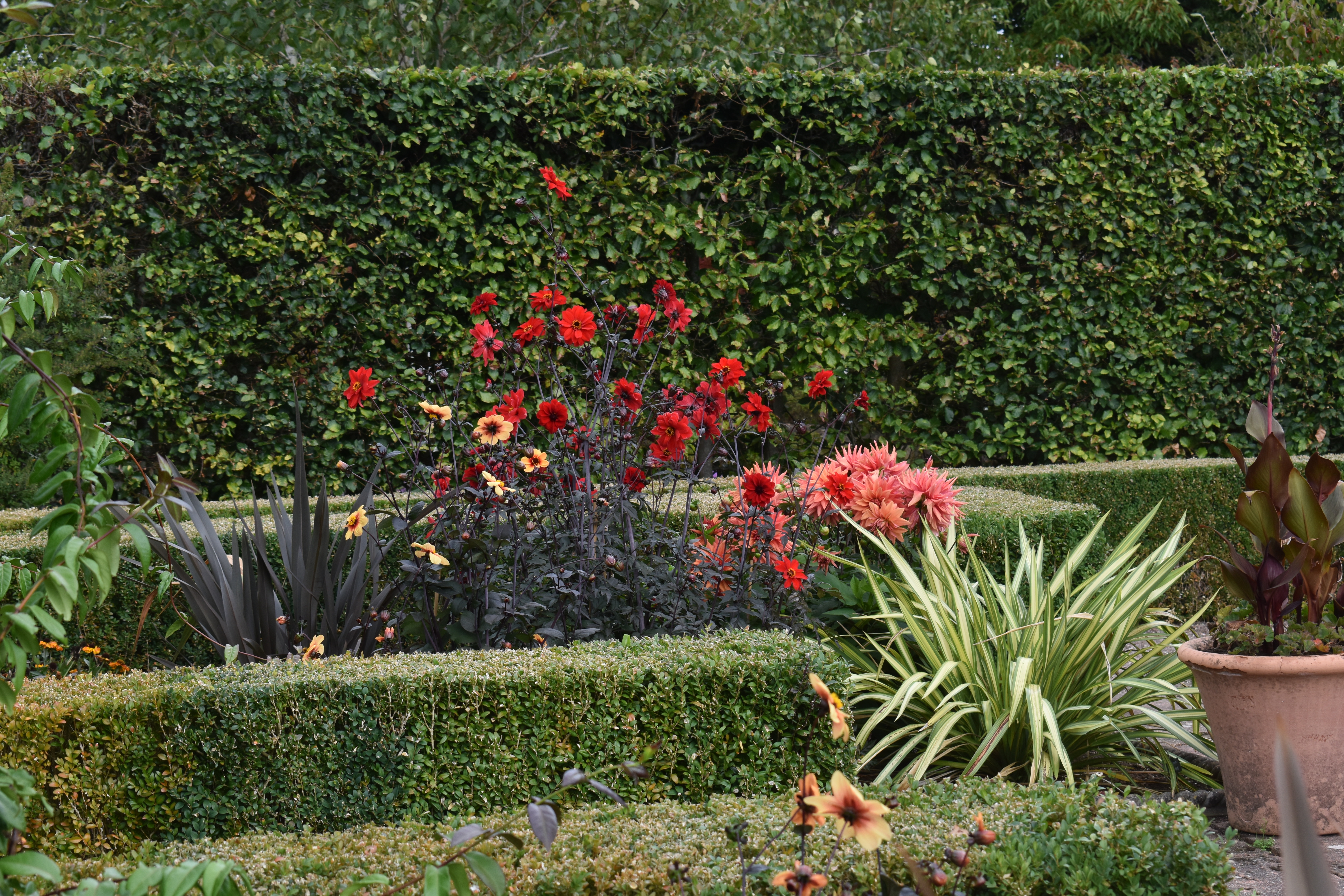
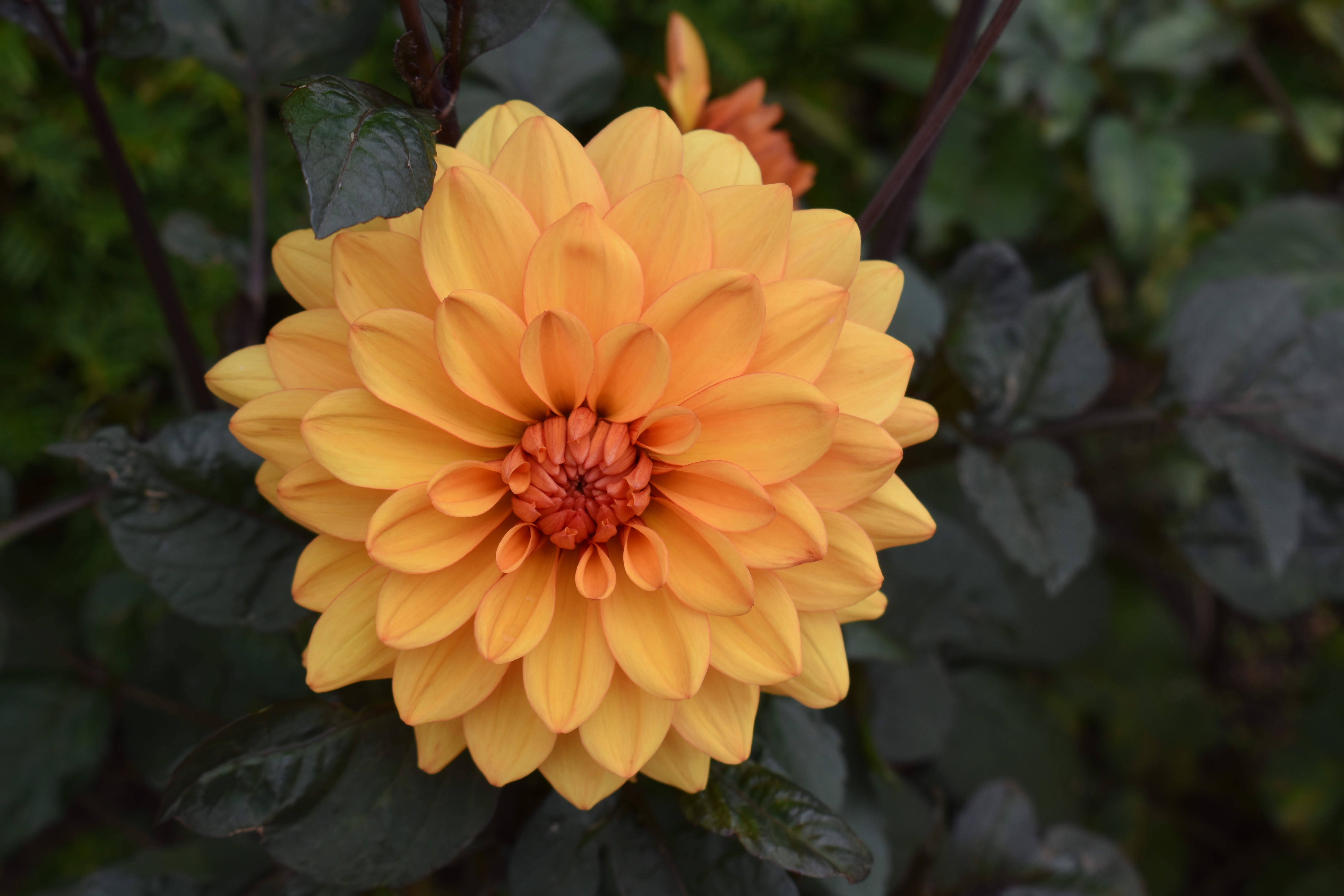
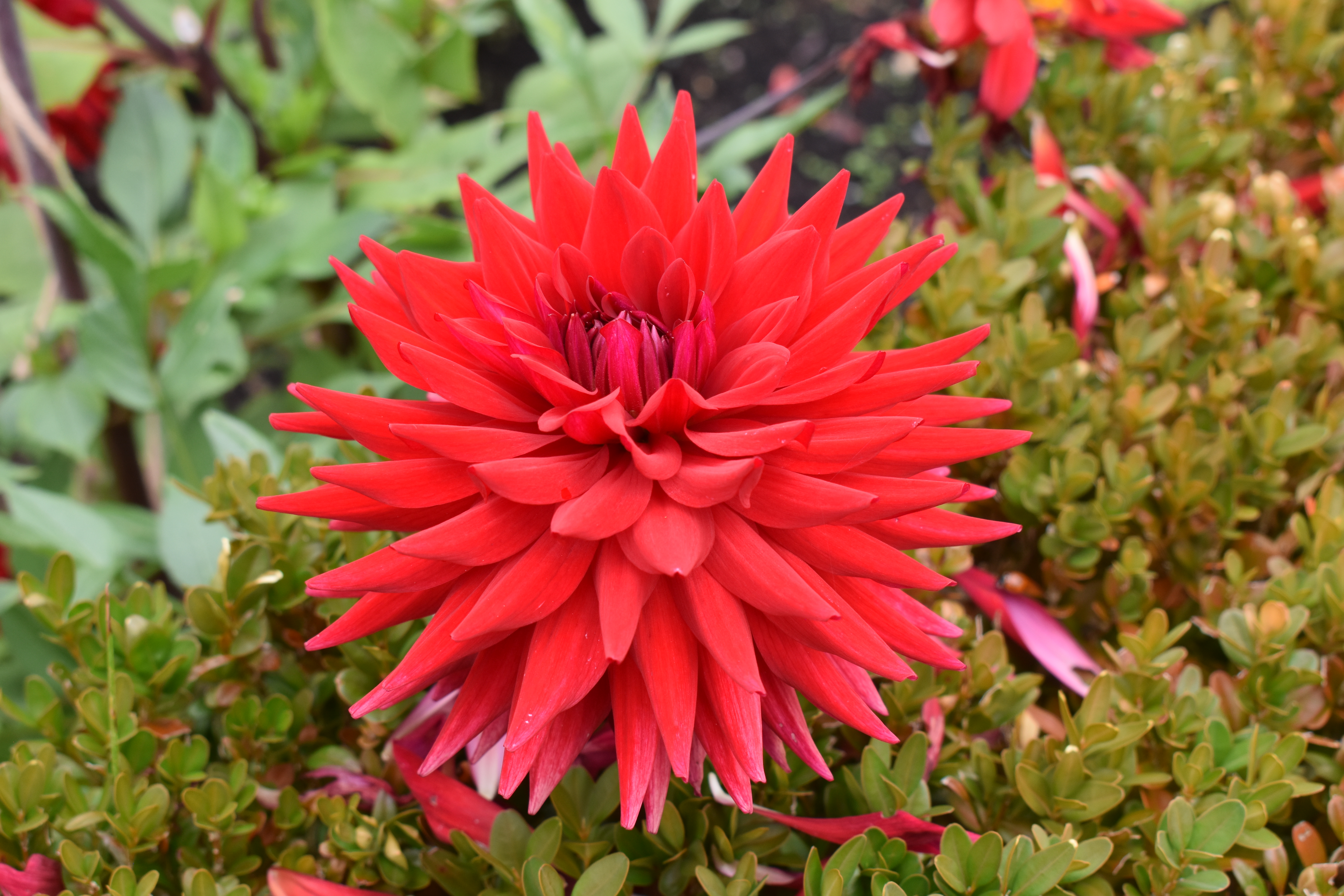
The flowers that dominated the show gardens this month were dahlias, the reliable late summer and early autumn stars, particularly those with interesting coloured foliage supporting the flowers.

We particularly like to see their flowers working well with contrasting foliage colours and we prefer by far the more single flowers rather than the hefty oversized doubles. There are so many different forms of flower here so all visitors can find those they like best.

In one part of the garden dahlias are planted in single cultivars borders surrounded by short box edging.

There were a few cultivars that I didn’t like at all, mostly those flowers which seemed oversized or showing weak colours.

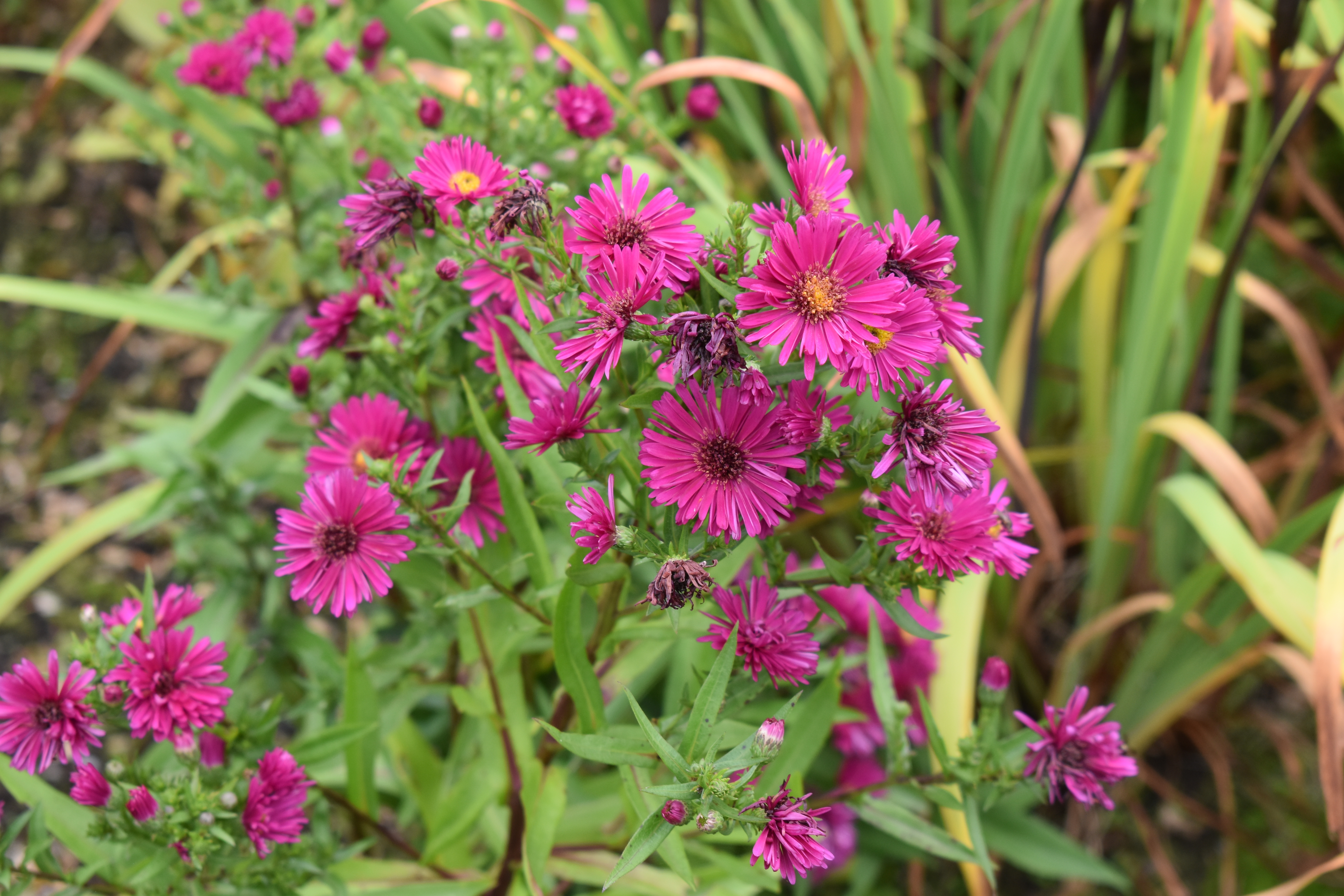
Even if there were no dahlias to be seen there were colourful patches of perennials and shrubs throughout the gardens.

In some cases the cameos that attracted us consisted only of colourful foliage that sat well together.

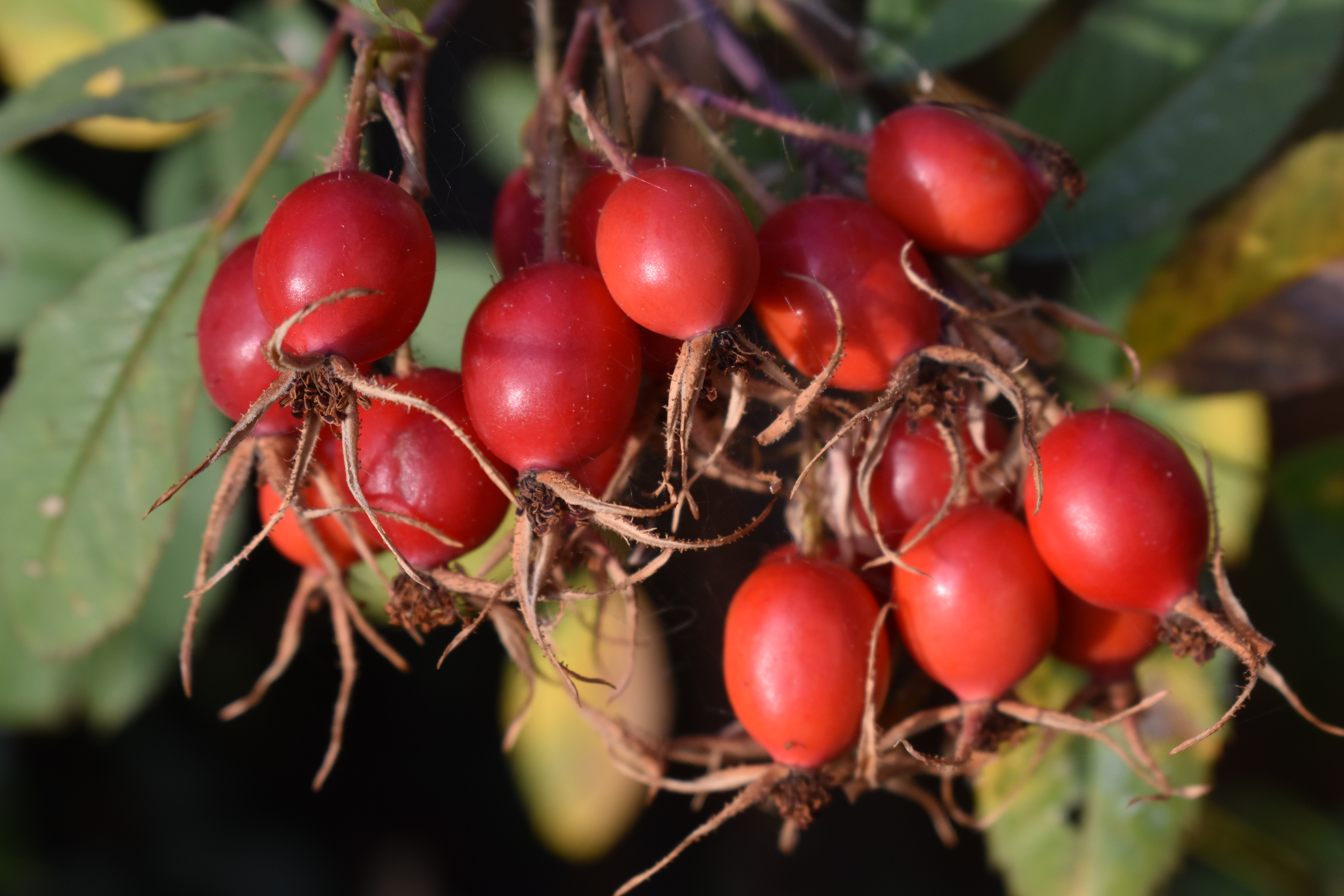
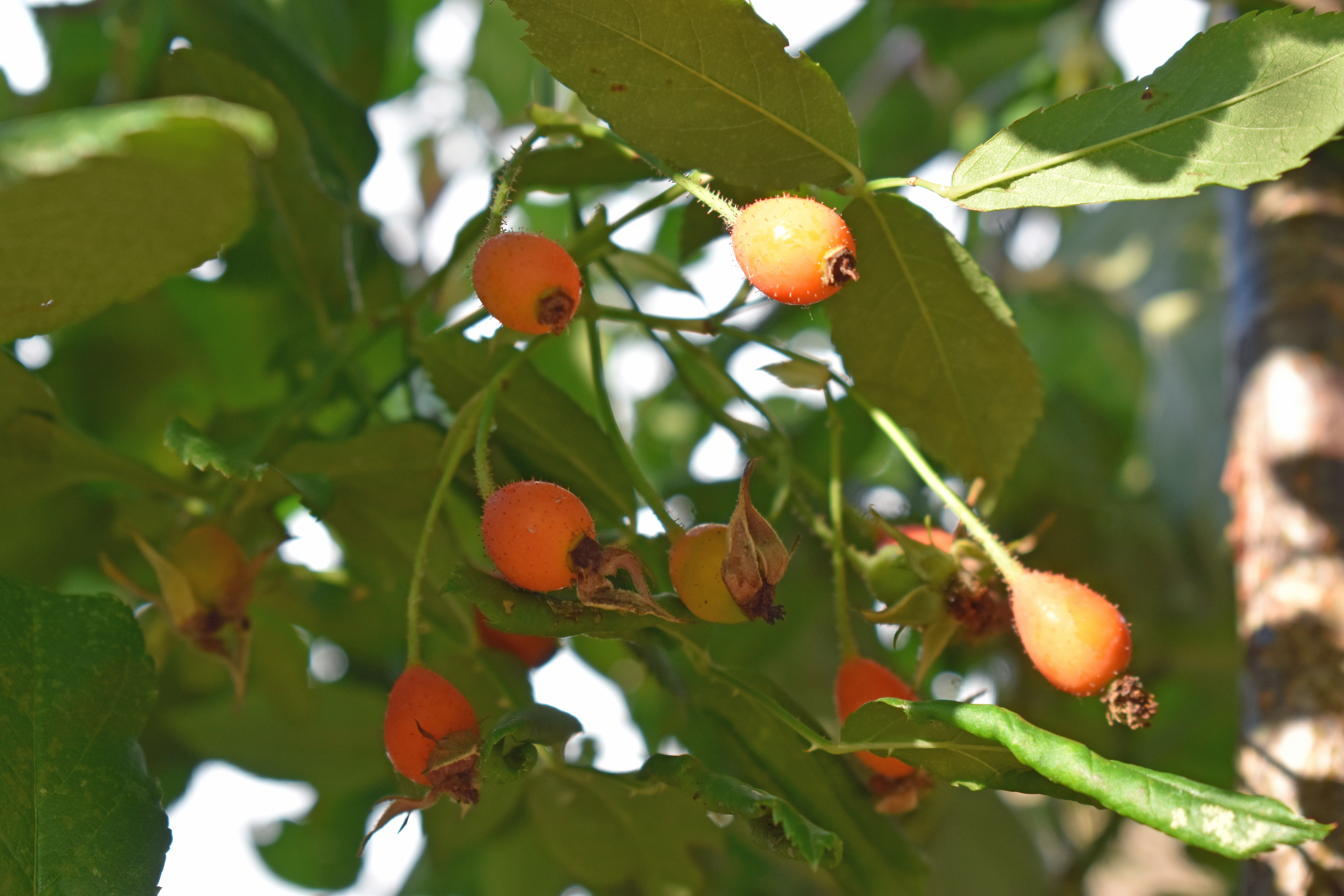
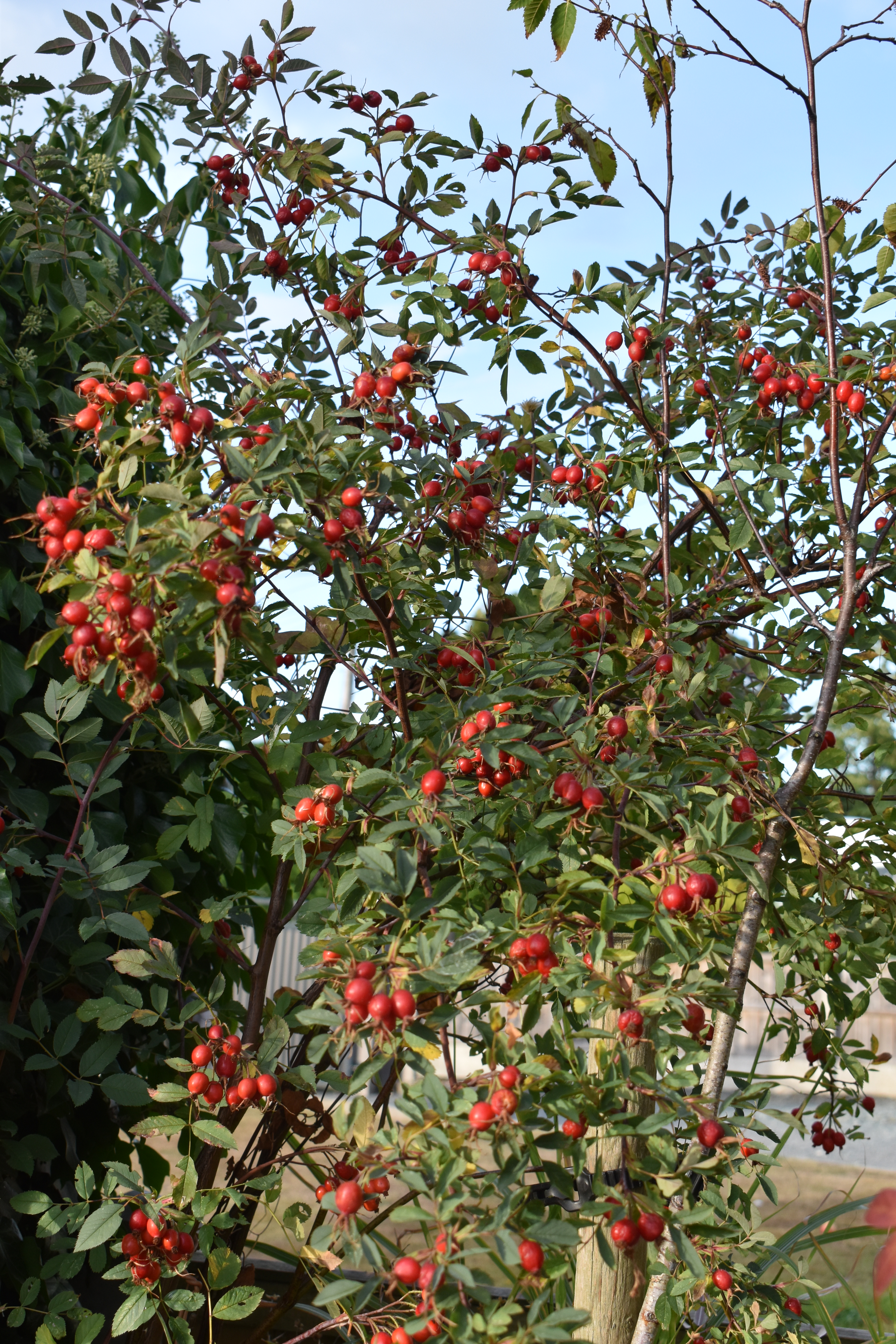
We were drawn towards a patch of Rosa rugosa partly because of its flowers but mostly because of its colourful large spherical hips.

I will finish off with the most colourful and most interesting border of all in July, a border that had failed to attract us on previous occasions. An herbaceous border planted with a carefully selected groups of perennials. The Lutyens seat adds extra interest and a place to see and listen to the noise of the many insects attracted to the plantings.

Categories
Uncategorized

My Garden Journal 2025 for July

July was to be month dominated by the weather, specifically the lack of rain. We had no precipitation until mid-month and the garden was suffering, lawns went brown, shrubs and trees had browning leaves and the whole garden looked lacklustre. It was so disheartening.

At the beginning of the month we set up our live moth trap to see what was around hoping for a better result than we had in June. Above the photos of some of the moths that turned up attracted by the mercury lamp, I noted that, “We experienced the Summer Solstice about about a week ago so our days and nights are of similar lengths. Early July was a time of high daytime and nighttime temperatures, sometimes of over 30 degrees C.

Midweek of the first week in July we put out our live moth trap and it attracted a reasonable number of moths including a colourful beetle, never seen here before.”

Swallow Tailed Moth. Elephant Hawk-moth

Large Yellow Underwing Drinker Moth

Burying Beetle

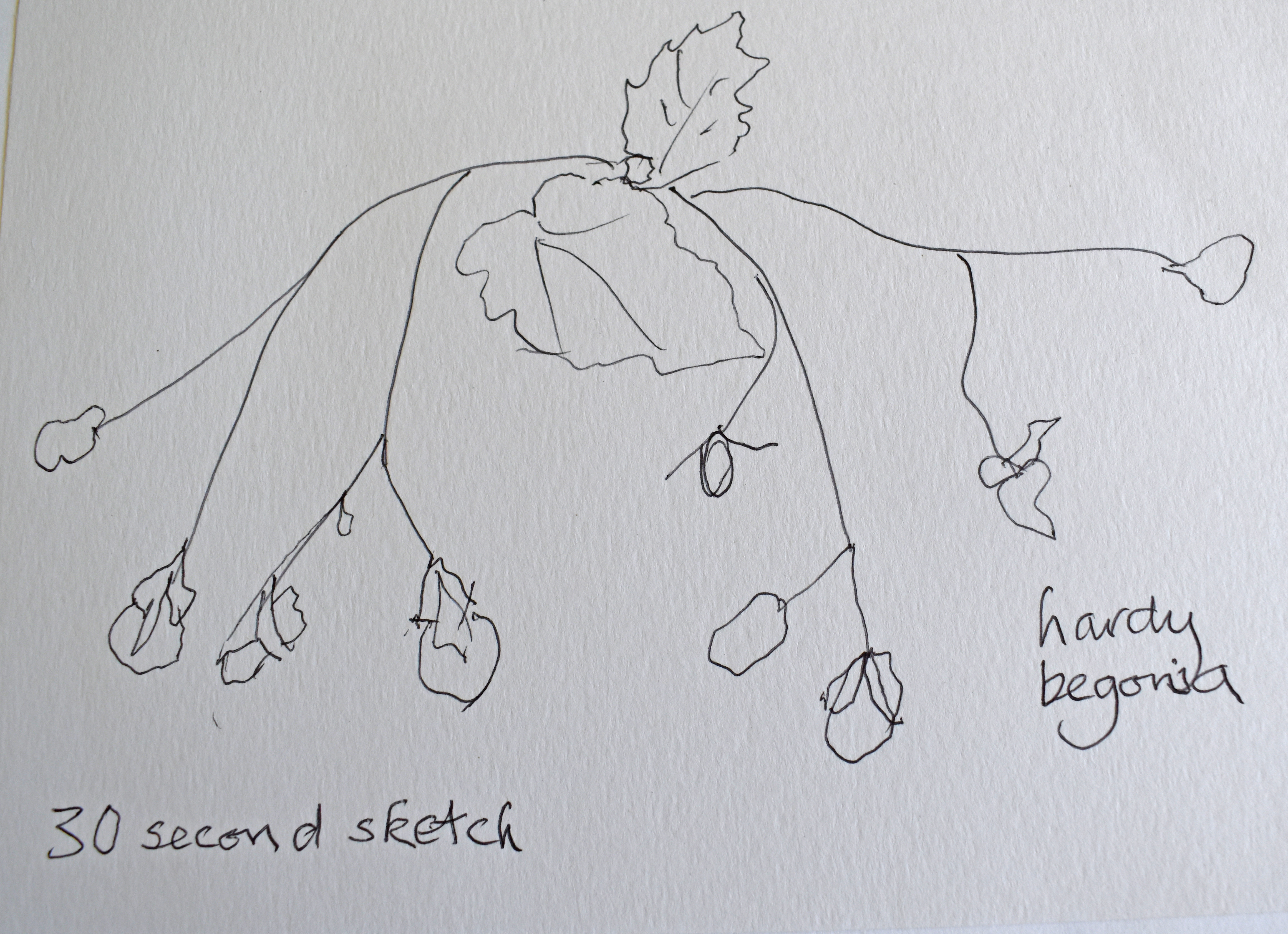
Over the page I shared another of my “30 second sketches.” I wrote “Another of my 30 second sketches drawn using a 0.3 Fineliner. In such a short time I couldn’t draw all of the seed heads.”

Alongside you can see my coloured sketch of our Nectaroscordum, and about this onion I wrote, “Nectaroscordum, the onion with an identity crisis, was first discovered almost 200 years ago.

It was known as ‘Allium siculum’ from its discovery until it had a name change and became ‘Nectaroscordum siculum’.

Recently botanist using DNA studies decided it was an allium after all, so currently we know it as Allium siculum just as it was in the beginning. The name Nectaroscordum is now considered a ‘subsection’.

The next page features one of our most colourful and reliable perennials in our garden, where I wrote, “Throughout the garden, both front and back in almost every border, the plants giving us so much colour is the family of Day Lilies or Hemerocallis. Below the photographs show just a few of our collection.”

We return to a bulb for the next page, a Cammassia. I wrote, “While pulling up some dried stems in the Prairie Garden I accidentally pulled out a two foot stem of a Cammassia complete with bulb, so taking advantage of seeing the whole plant I decided to draw it.

The bulb was just a just a youngster which must have become separated from the mother bulb. It was a rich orange colour from which grew a single root curled like a pig’s tail. Two seed pods still in their green colouring held onto the top of the stem.”

The drawings below show on the left the whole stem which measured 25 inches in height and to its right a coloured sketch showing more detail of the top of the stem down to the bulb together with its root and dried skin with the middle marked by a broken line. The coloured sketched was drawn using Japanese brush pens.

The following page is about some of our climbers currently looking good in the garden. I noted that, “I was wandering around the garden taking photos of climbing plants, in particular our honeysuckles, clematis and ivies featuring only those climbing on one section of fence in the Shade Garden. The one photo though is a more unusual climber, delicate, variegated with deep pink stems, Ampelopsis elegans.”

Below the first four photos are of a lemon coloured honeysuckle, flowers and berries.

The three photos below are of Clematis ‘Queen Mother’ which flowers reliably and prolifically, with beautiful purple bell flowers.

The three photos above show two different ivies and the delicate climber ‘Ampelopsis elegans’. The final two photos related to this journal show a thornless blackberry called Oregon Thornless and a jasmine called Jasminum officinale ‘Clotted Cream’.

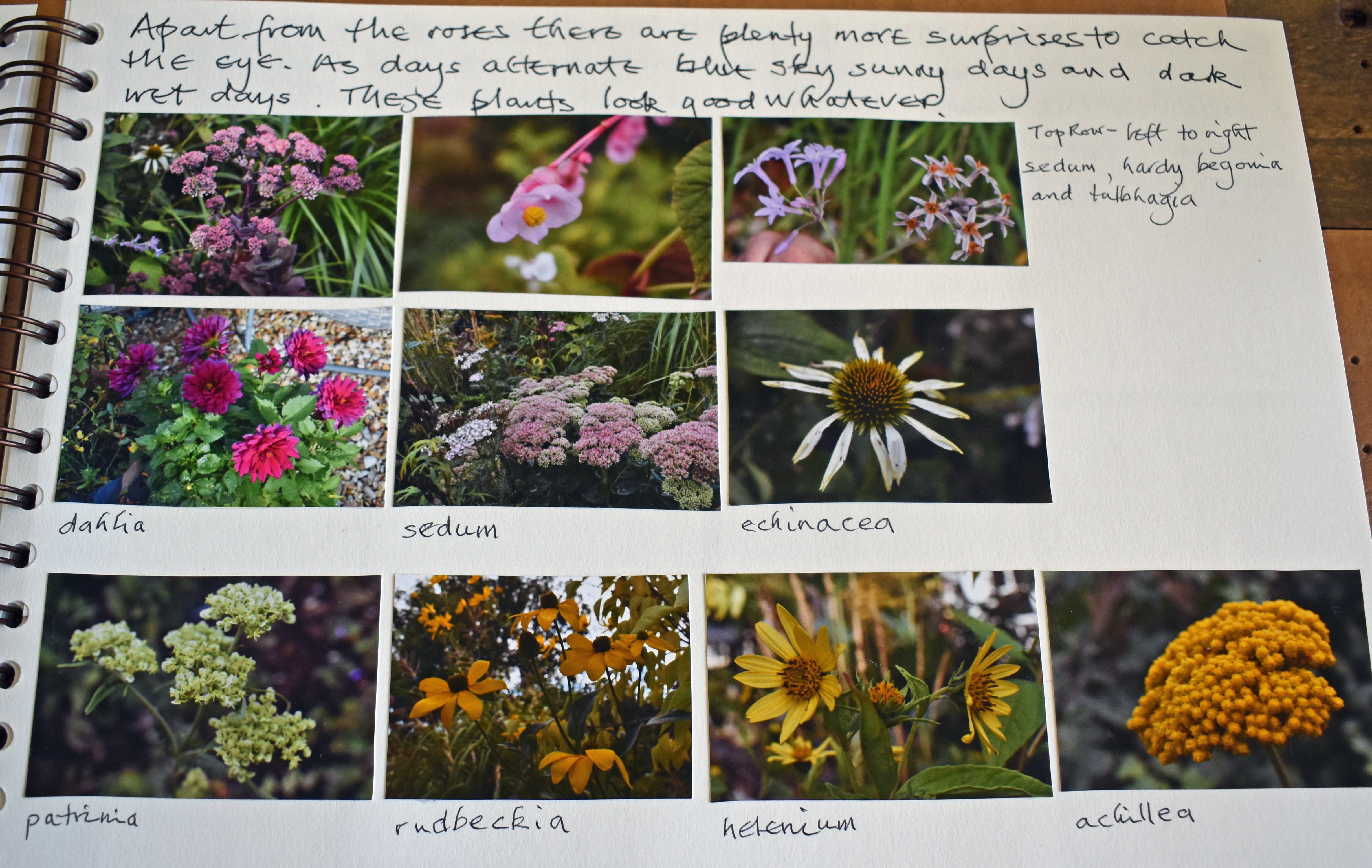
The page opposite the climbers page is concerned with colour in our garden. I noted that, “By mid-July there is colour wherever you look, mostly flowers but some shrubs, climbers and trees are showing colourful berries. Out with my camera I looked for interesting patches of colour, or longer views. The three blue poppies are ceramic. We saw these in the ‘Himalayan. Sculpture Garden’ near Rippon in Yorkshire, and bought some to position in the Shade Garden, just where we had failed to grow them in the past.”

Below are some of the photos I took from around the garden.

“When considering colour in the summer garden we often just think of flowering plants, but in July one shrub adds lots of colour through its berries. Hypericum inodorum come with berries in a variety of colours and there are often beautiful golden flowers among the berries. Below are some of our varieties in many of our borders.”

That is it for July. My Garden Journal will return in August.

Categories
Uncategorized

Barbara’s Garden

We left home in heavy rain with more threatening clouds above so we felt sorry for Barbara who was expecting us and other gardening friends for an afternoon in her garden and a social gathering.

Barbara’s always has some plants for sale the proceeds of which go to a children’s charity. We have several of Barbara’s perennials in our garden especially geraniums, of which she has many around her garden in most of the borders.

Among the perennials are roses which compliment the perennials well and more roses are climbing up the house wall and boundary fences.

There are plenty other perennials apart from geranium, many of which catch the eye as we perused the borders, from tiny ground cover plants to the huge Crambe cordifolia.

I shall finish my collection of photos taken at Barbara’s garden with a couple of general shots of the boders.

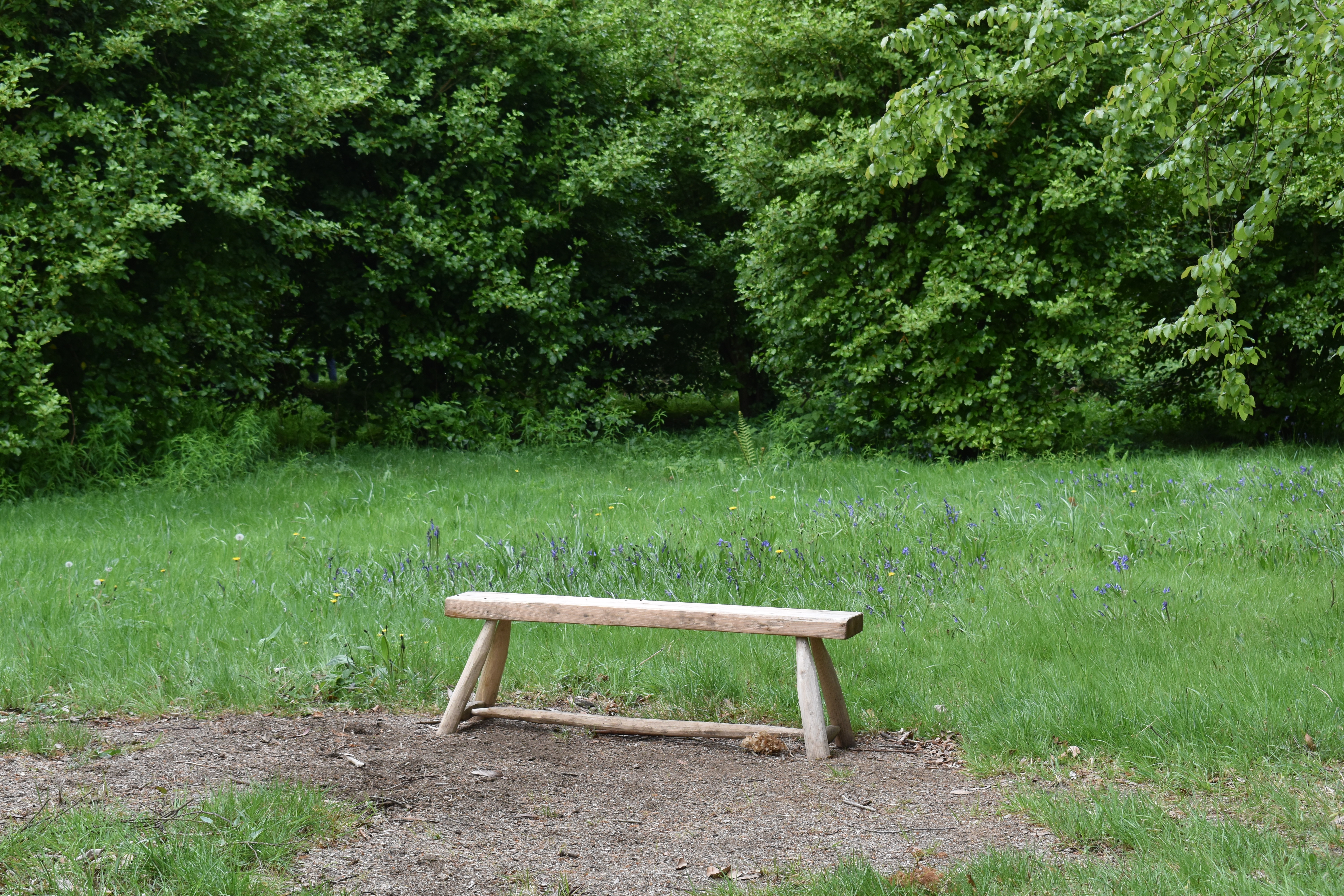
The bottom section of the garden is meadow with some specimen trees and a socialising area with unusual wooden benches and seats. This spot was found by a group of our lady gardeners for a rest and catchup.

Within the meadow’s long grass was a variegated holly with stunning fresh growth.

We finished the afternoon off with coffee and cakes on the wooden terrace, listening to the many birds singing with such gusto. The superb soloist was the blackbird.

Categories
Uncategorized

My Garden Journal 2025 June

The sharing of my Garden Journal 2025 for June sees the beginning of the second half of the year. June is the first month that is recognised as Summer by the Met Office. Following on from the earlier months this year, June gave us atypical weather, hot dry periods followed by a few days of non-stop rain.

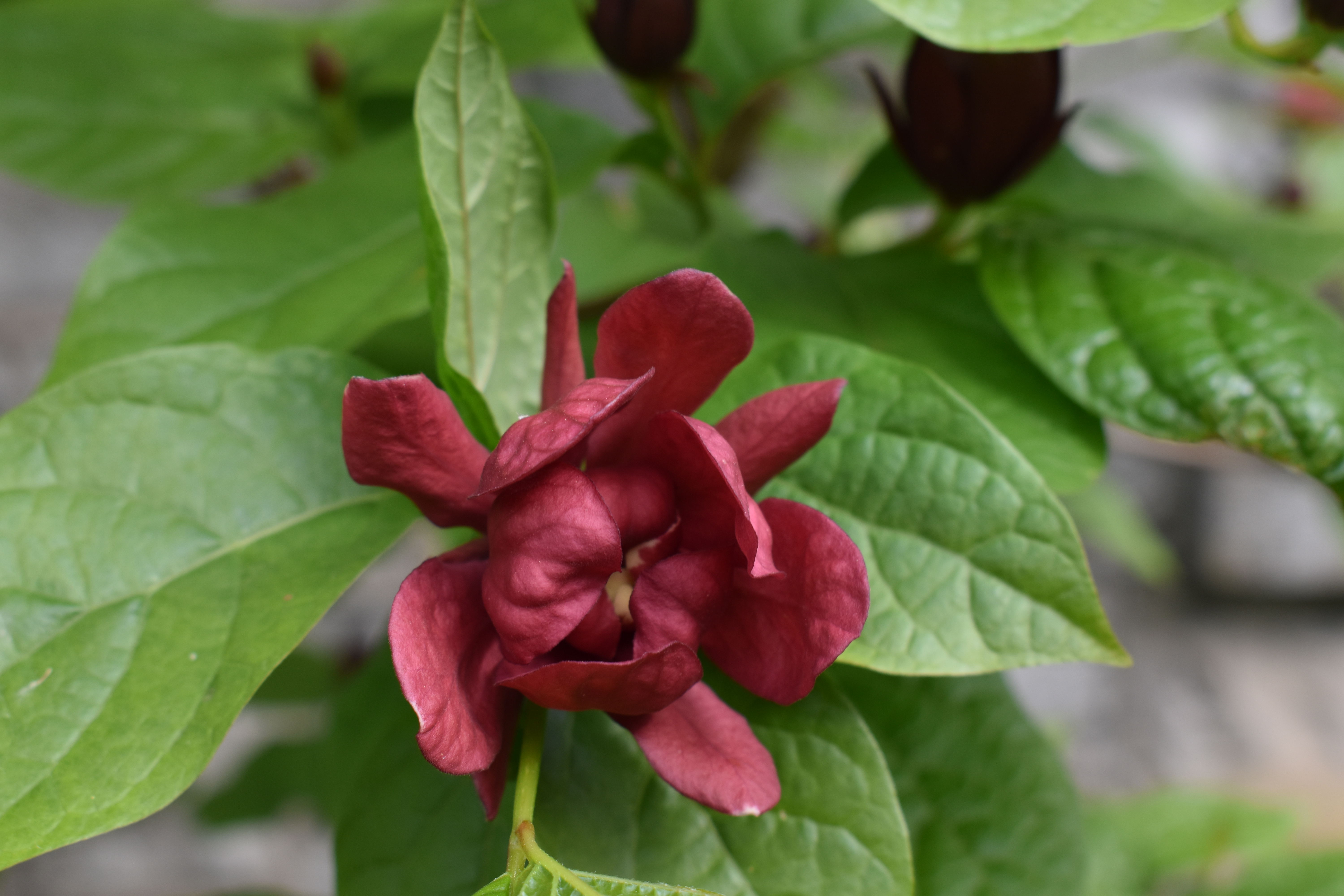
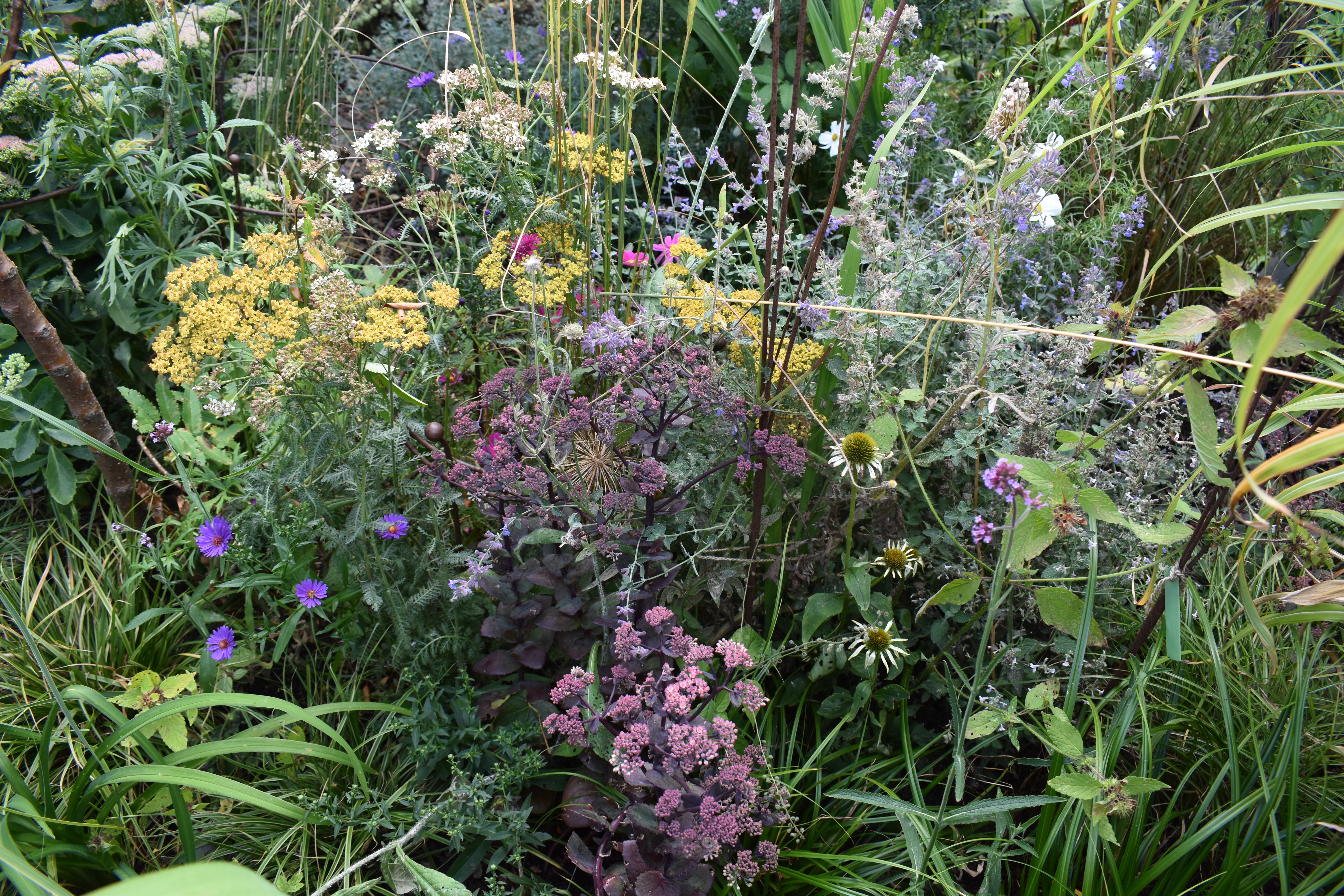
I started my June journal entries by noting that, “Flowering trees and shrubs add so much to the June garden, including several viburnum and three calycanthus.”

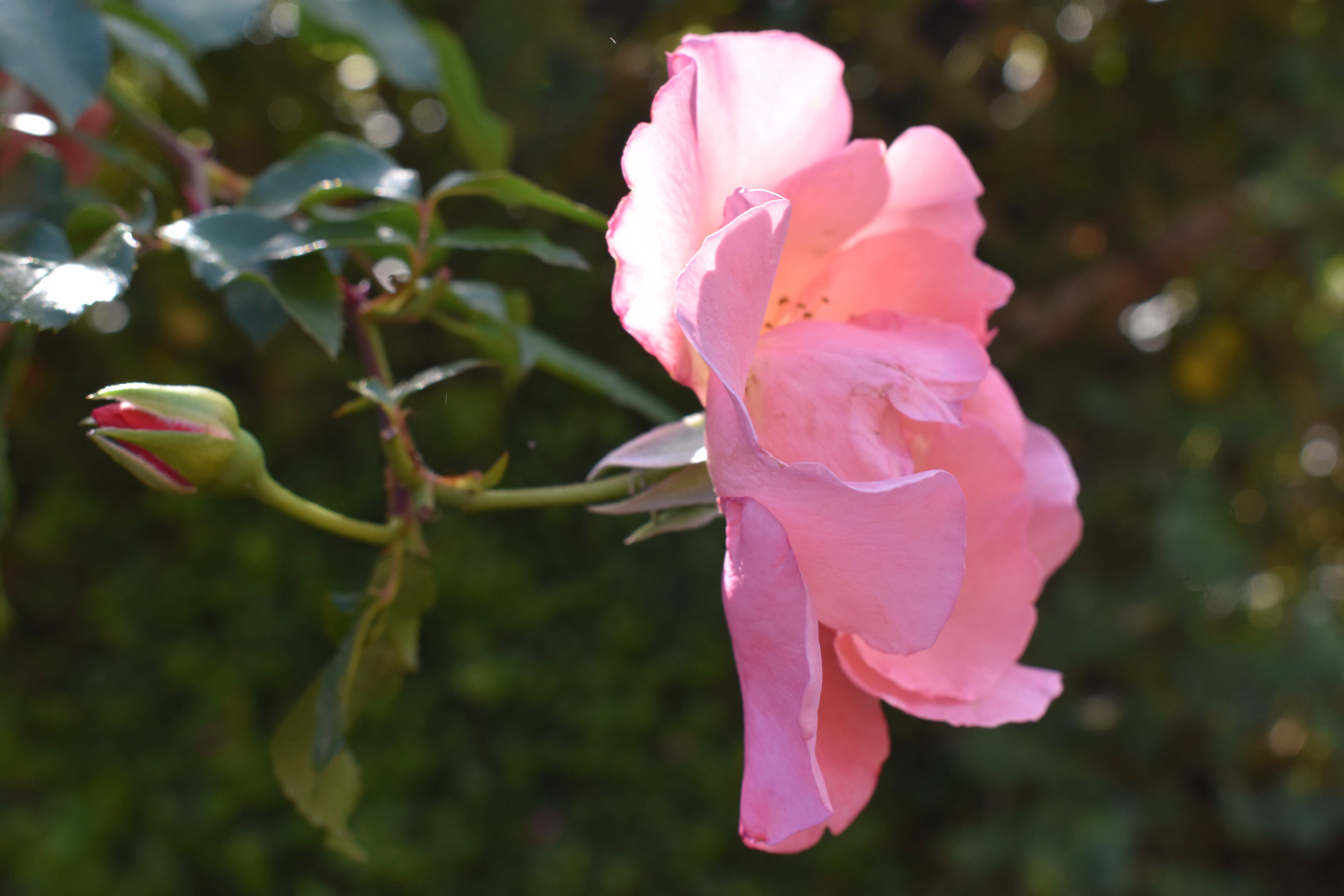
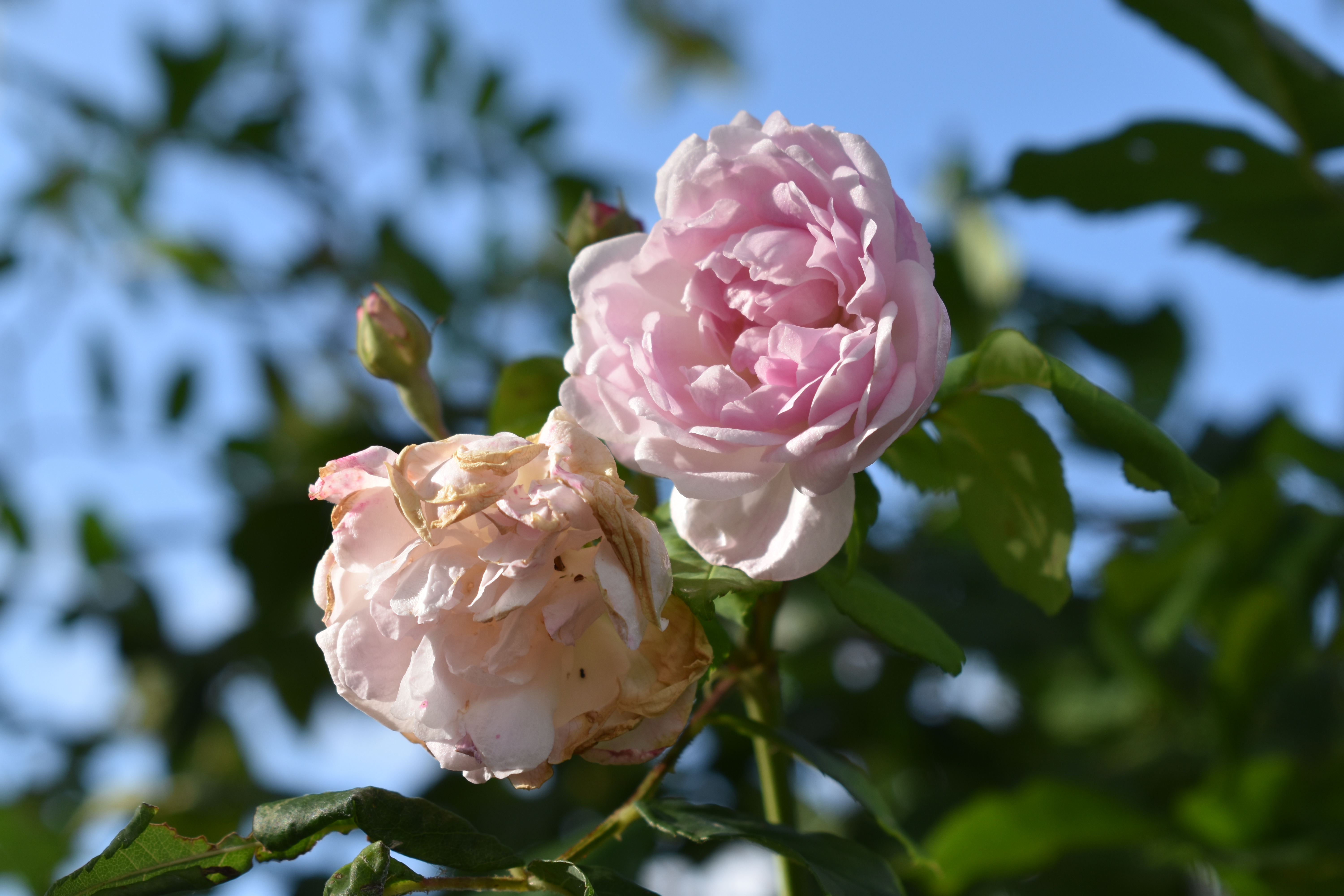
On the opposite page I feature another shrub, the rose and shared photos of those that have come into flower early in June. I wrote, “June 1st is the first day of summer! The weather so far in 2025 tells us that we have already had a little summer. Roses have had another burst of flowering early in June even though some have been in flower since late April.”

Below are just some of the roses that appeared in early June

Over the page and we move on from roses to a completely different type of plant, the succulent family. I carried on by saying, “Now that our succulents have been settling outside for a few weeks and appreciating both sunshine and rain they are looking very healthy. Their foliage colours are now richer and shiny.”

Next I noted that, “By mid-June even more roses have started flowering throughout the borders. Many will still be performing through to the end of the year!”

So we now have even more portraits of roses to enjoy.

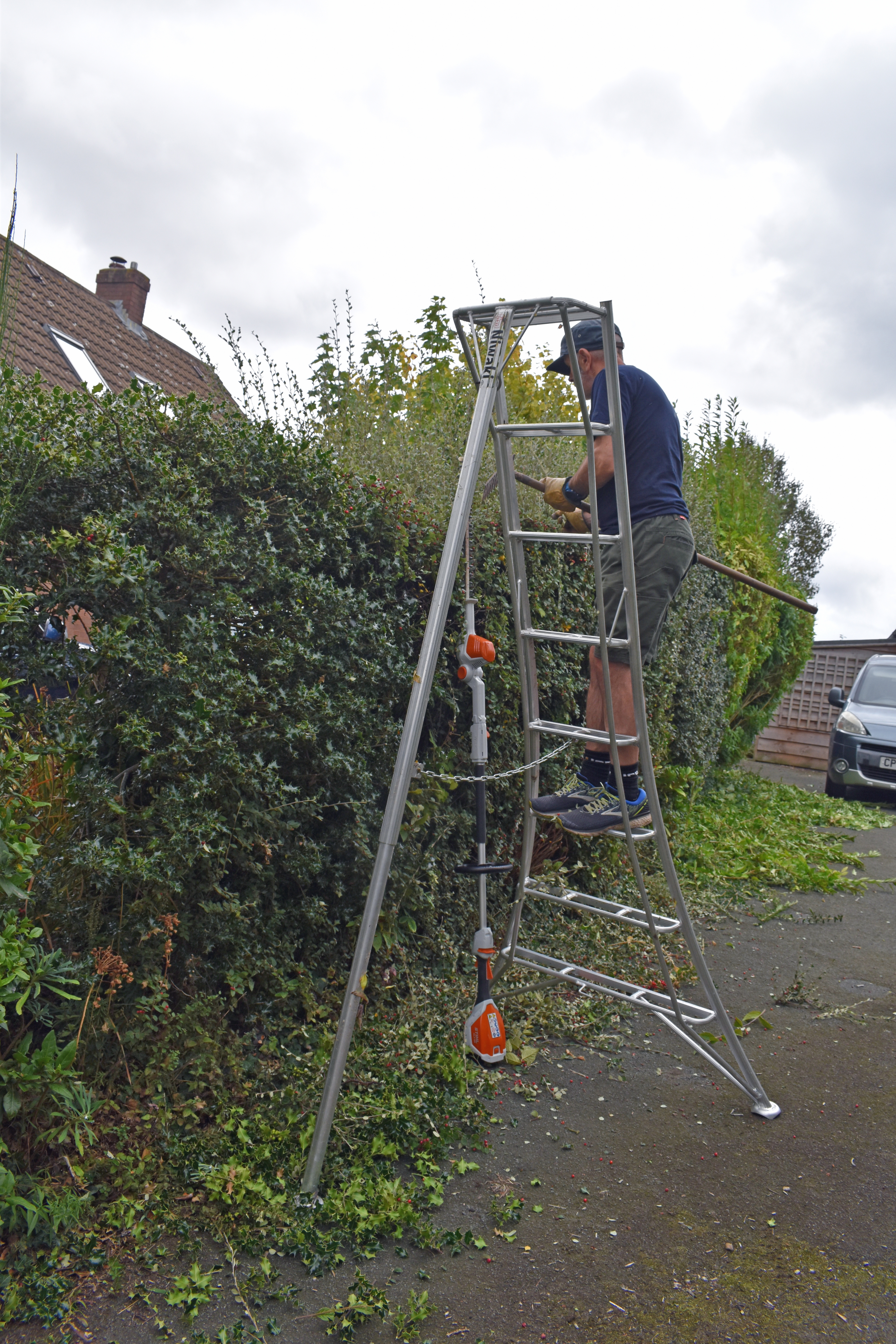
Every month I look at some of the gardening tasks we set ourselves to get done. I don’t like calling them ‘tasks’ really because mostly we enjoy doing them but it does sound a little better than ‘jobs’. There must be a better word or phrase surely?

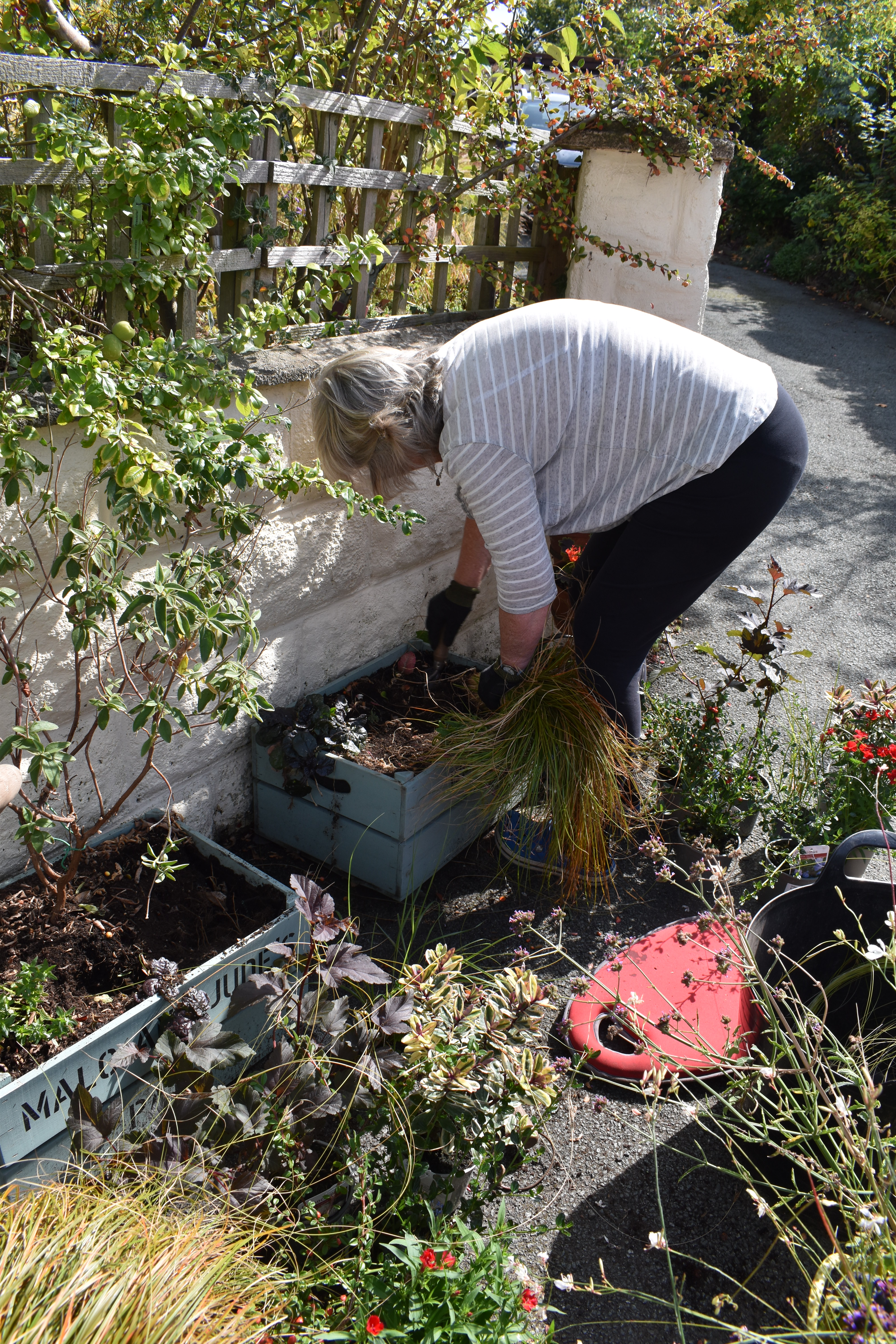
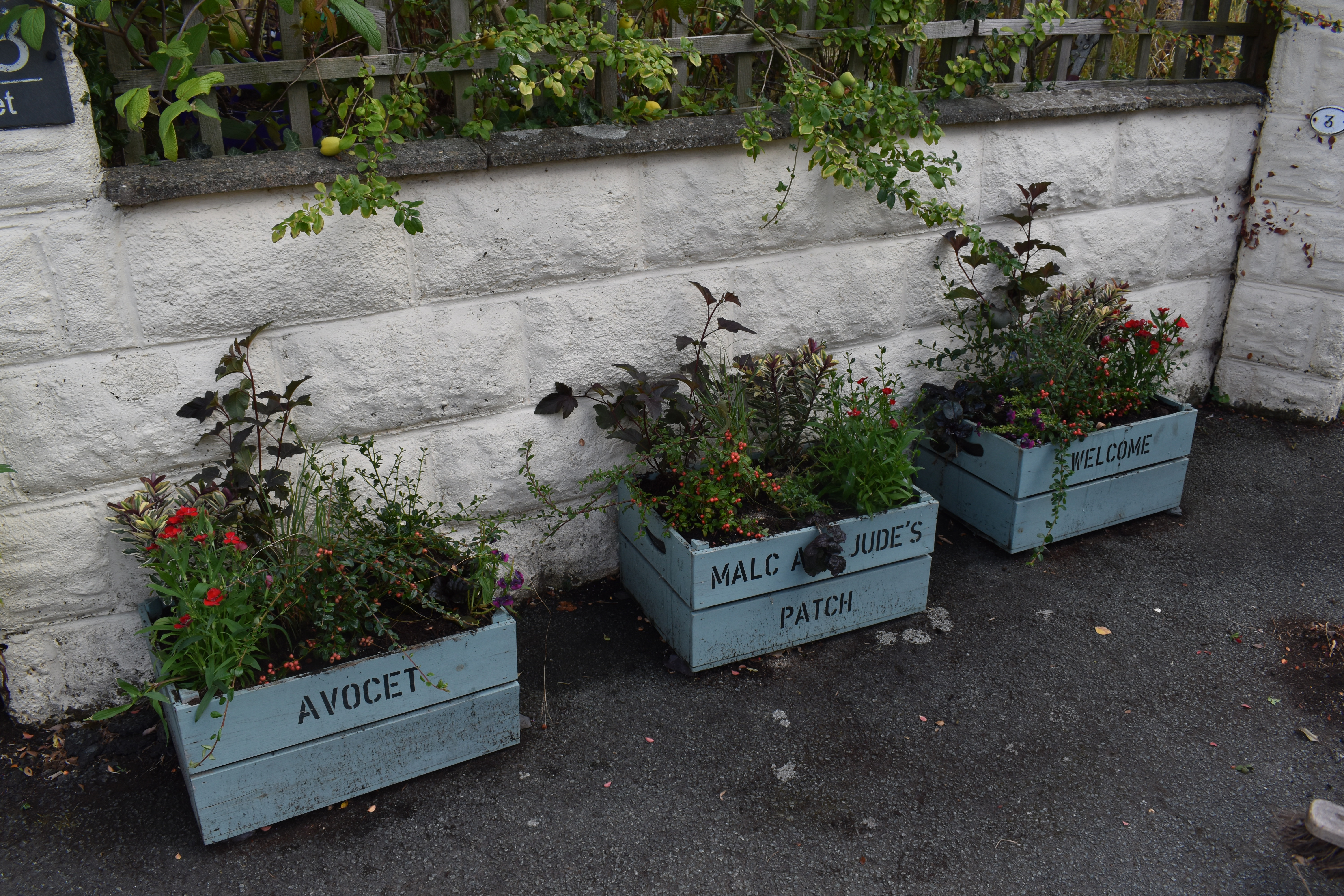
This is what I wrote to introduce the page of photos. “June is such a busy month in the garden with lots of deadheading to keep up with and another area to revamp. It is also the month when we replant the three welcome boxes on the end of our drive as shown in the top line of photos below.”

The set of photos below show us heads down getting busy in the garden.

Our garden wildlife features on the penultimate page of my June journal entries, where I wrote that, “Wildlife features strongly in the June garden, but all sorts of bees seem to be in short supply this year. Ladybirds have come to the fore after a slow start this summer and alongside their larvae they are voracious predators of aphids whatever colour they come in. Young blue tits join them seeking out especially green aphids off our rose flower buds and soft stems.”

The three photos below show a hoverfly, redcurrants for blackbirds and blackcaps and a 5-spot yellow ladybird.

Below we have a moth pupa and a Scarlet Tiger Moth.

The two photos below show a ladybird larva and caterpillars on silk threads.

For the last page on this month’s journal we look at a selection of our many hardy geranium. Here I noted that, “Now is the time when the garden shows off its perennials and one of the most colourful being the hardy geranium. We grow so many of them, from white to pink to blue and every hue in between. Some also have shades of purple, mixing pinks and reds.”

That is it for my June garden journal. We will be back at the end of July.

This Veggie Life

A Vegetarian | Nature Lifestyle Blog

Rambling in the Garden

.....and nurturing my soul

The Arch City Gardener

Journeys In St. Louis Gardening and Beyond

Garden Dreaming at Châtillon

Consult the genius of the place

Storyshucker

A blog full of humorous and poignant observations.

gardeninacity

Notes from a wildlife-friendly cottage garden

PlayGroundology

...an emerging social science

The Official Blog of British Wildlife

'The most important and informative publication on wildlife of our times' - The Independent. This blog is a member of The UK & Ireland Natural History Bloggers group: www.uknhb.blogspot.com

iGrowHort

Inspire - Cultivate - Grow Native Plants - Restore Landscapes

Bishops Meadow Trust

To create and protect a semi-natural wild space for the people of Farnham to enjoy and experience an array of British wildlife in our town

Gardening with Children

The www.gardeningwithchildren.co.uk Blog

UKbirdingtimeline

birding through the seasons, why birds matter and how to conserve them

NATURE WALKER

with a camera in hand

Jardin

Transform your outdoor space

Eva's space

My allotment, cooking and other interests

Old School Garden

my gardening life through the year

LEANNE COLE

Trying to live a creative life

fromacountrycottage

trying to live as lightly as possible on our beautiful planet

Good Life Gardening

Nature lovers from Leicester living the good life.

mybeautfulthings

Finding the beautiful in the everyday

mawsonmichelle

Michelle's Allotment

In and Out of My Garden

thoughts from and about my garden

Greenhousing

Big plans for a small garden

The Scottish Country Garden

A Walled Country Garden in South East Scotland

The Fruity Chicken

Life at the fruity chicken

willowarchway

Off grid living. Self sufficient. "PERMAGANICS RULE".

St Anns Allotments

Nottingham's Grade 2* Listed Allotments and Community Orchard

Manifest Joy Harvests

a journey in suburban vegetable gardening

Allotmental

The madness of growing your own

Penny's Garden: a harvest beyond my front door

A novel approach to vegetable gardening

arignagardener

Sustainable living in the Irish countryside.

NewEnglandGardenAndThread

Master Gardener, amateur photographer, quilter, NH native, and sometimes SC snowbird

dianajhale

Recent work and work in progress and anything else that interests me

planthoarder

a chaotic cottage gardener

Lens and Pens by Sally

a weekly blog that creates a personal philosophy through photographs and words

Dewdrops and Sunshine

Stories from a sassy and classy Southern farmbelle.

The Pyjama Gardener

Simple Organic Gardening & Seasonal Living

gettin' fresh!

turning dirt into dinner

JOY...

today the world is created anew

Garden Birds

Notes from a Devon garden

ShootAbout

Life Through The Lens

Adapting Pixels

A photography blog showcasing the best photography pictures and videos on the internet

Wildlifegardening's Blog

Just another WordPress.com site

naturestimeline

personal observations from the natural world as the search continues for a new approach to conservation.

LATEBLOOMERBUDS

The Wonders of Life through my Eyes, my Heart, my Soul